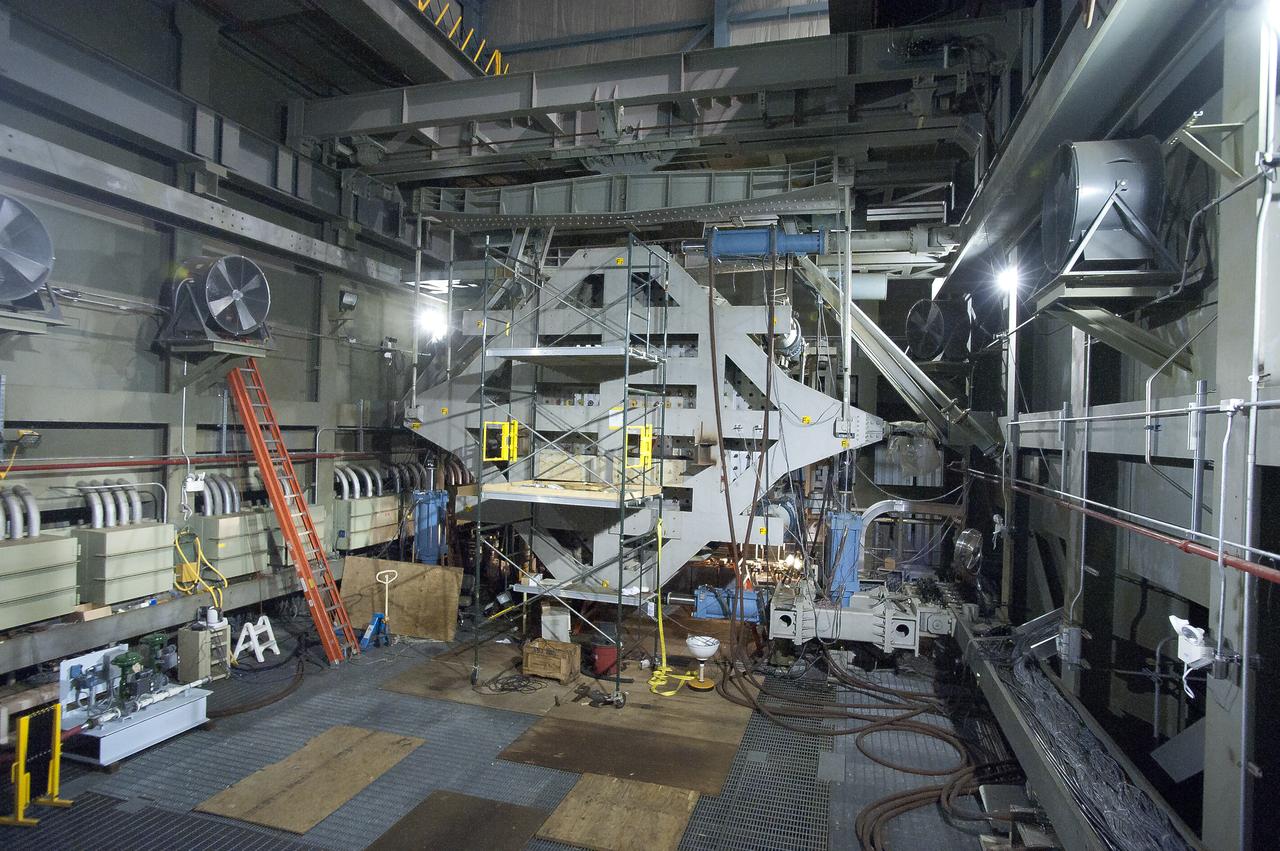
ERA COLTS 30 Toot Checkout Structure Installation: Document relocation of COLTS loading platen 30 Foot Station and installation of 30 Foot Checkout Structure
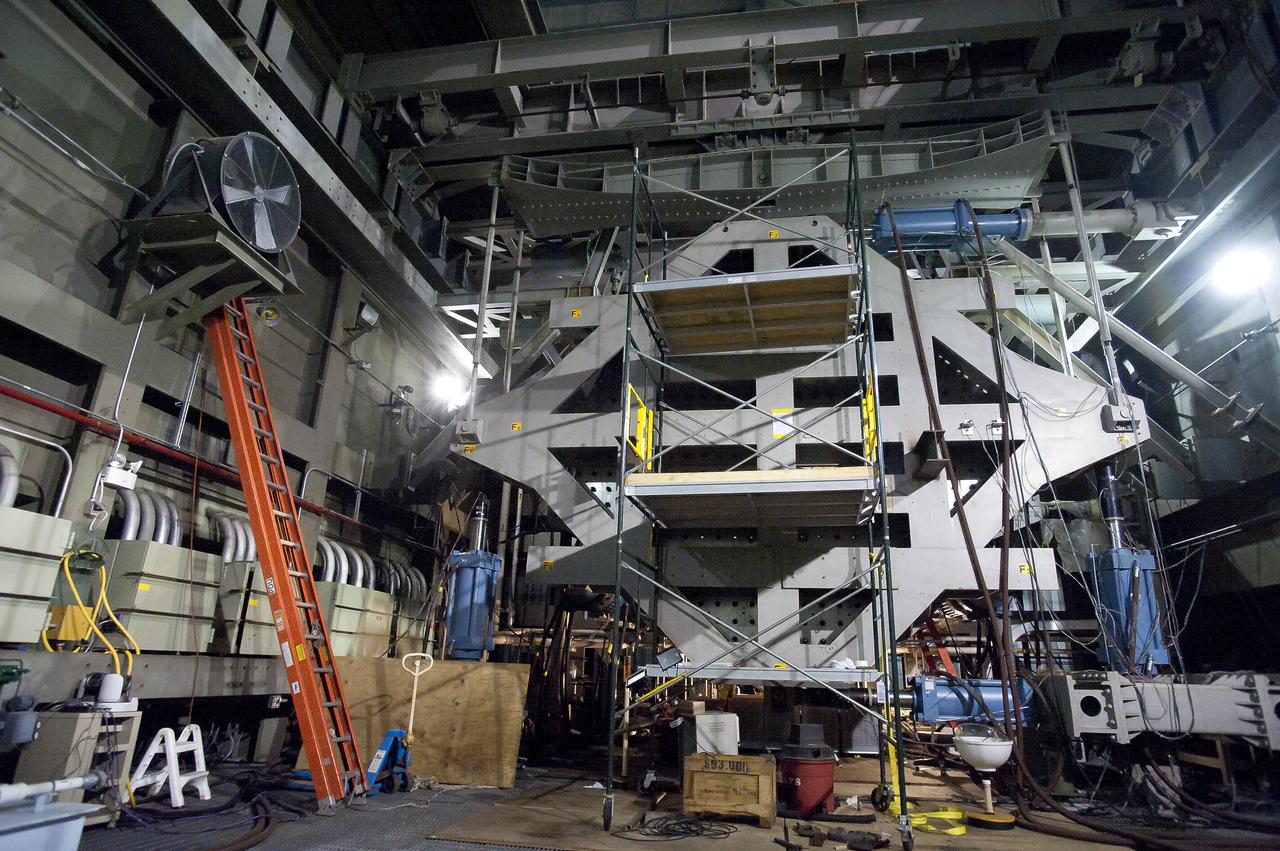
ERA COLTS 30 Toot Checkout Structure Installation: Document relocation of COLTS loading platen 30 Foot Station and installation of 30 Foot Checkout Structure
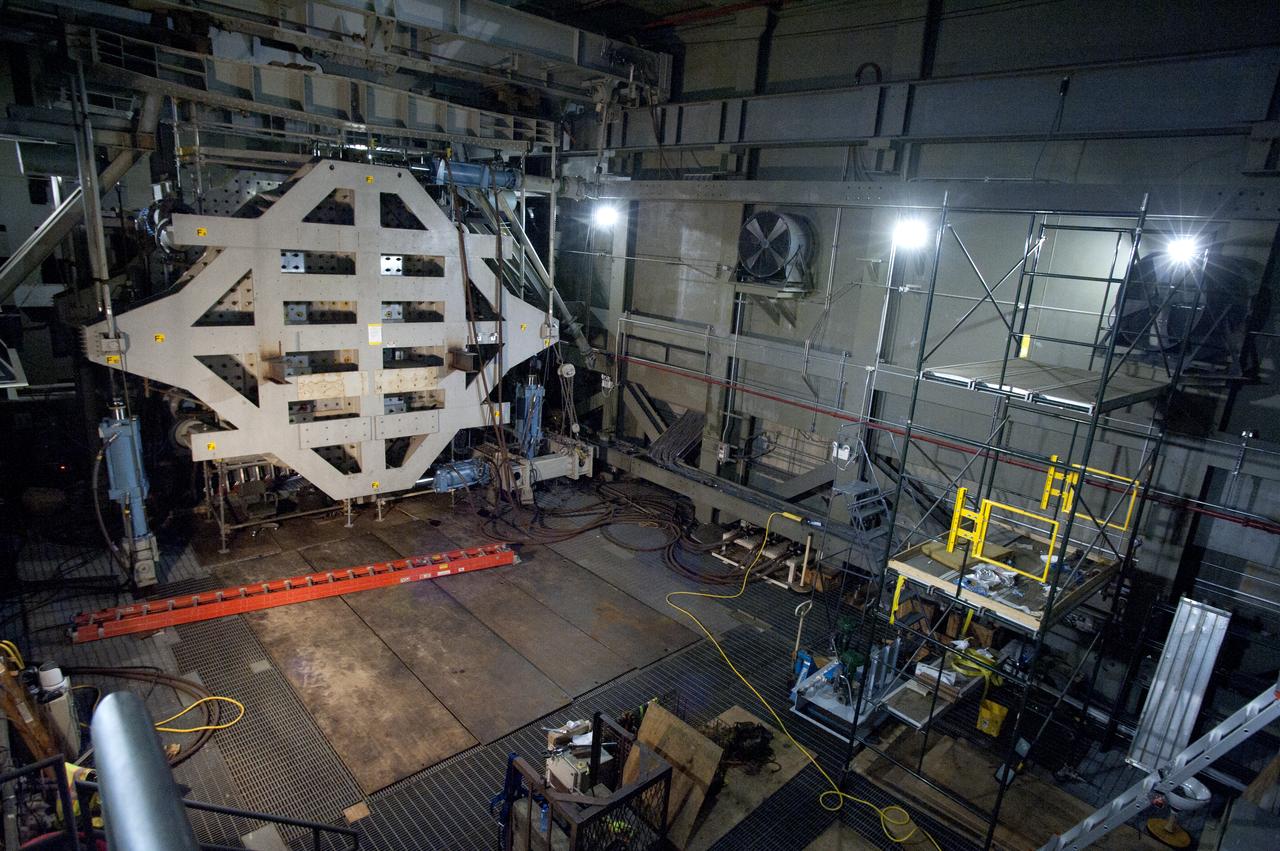
ERA COLTS 30 Toot Checkout Structure Installation: Document relocation of COLTS loading platen 30 Foot Station and installation of 30 Foot Checkout Structure
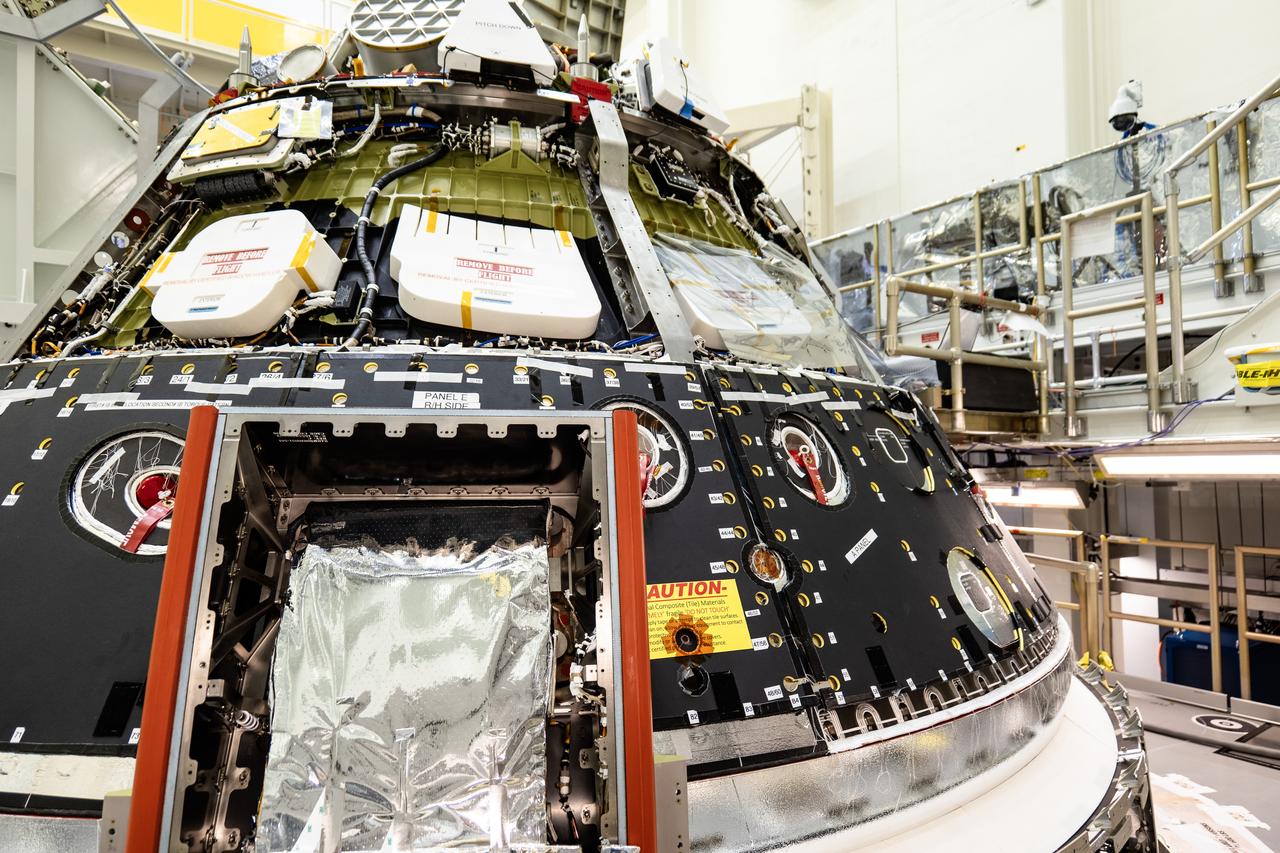
The Orion spacecraft for NASA’s Artemis II mission undergoes checkouts in the Final Assembly and System Testing (FAST) cell inside the high bay of the Neil A. Armstrong Operations and Checkout Building at NASA’s Kennedy Space Center in Florida on Monday, Dec. 15, 2024. The Orion spacecraft will carry NASA astronauts Victor Glover, Christina Koch, and Reid Wiseman, as well as CSA (Canadian Space Agency) astronaut Jeremy Hansen, on a 10-day journey around the Moon and back for the Artemis II test flight.
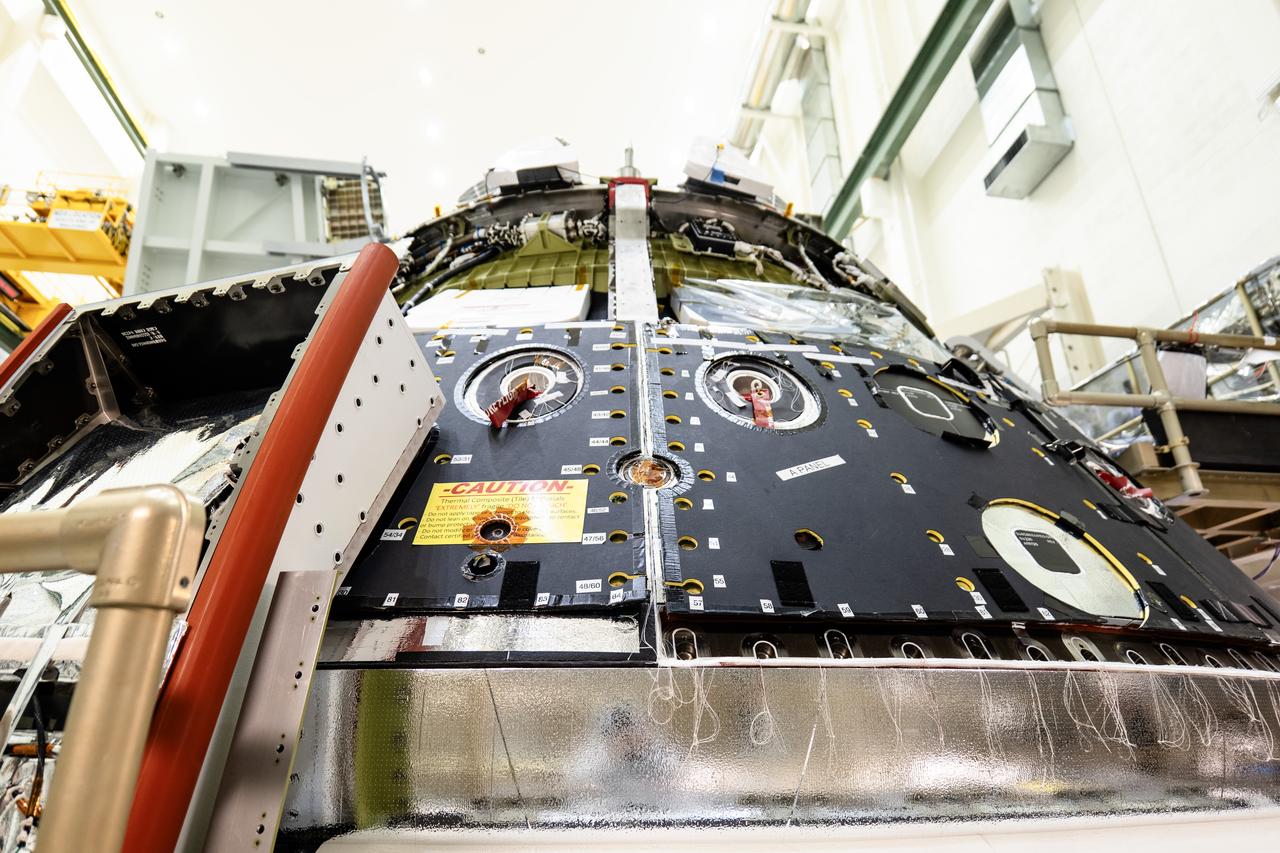
The Orion spacecraft for NASA’s Artemis II mission undergoes checkouts in the Final Assembly and System Testing (FAST) cell inside the high bay of the Neil A. Armstrong Operations and Checkout Building at NASA’s Kennedy Space Center in Florida on Monday, Dec. 15, 2024. The Orion spacecraft will carry NASA astronauts Victor Glover, Christina Koch, and Reid Wiseman, as well as CSA (Canadian Space Agency) astronaut Jeremy Hansen, on a 10-day journey around the Moon and back for the Artemis II test flight.
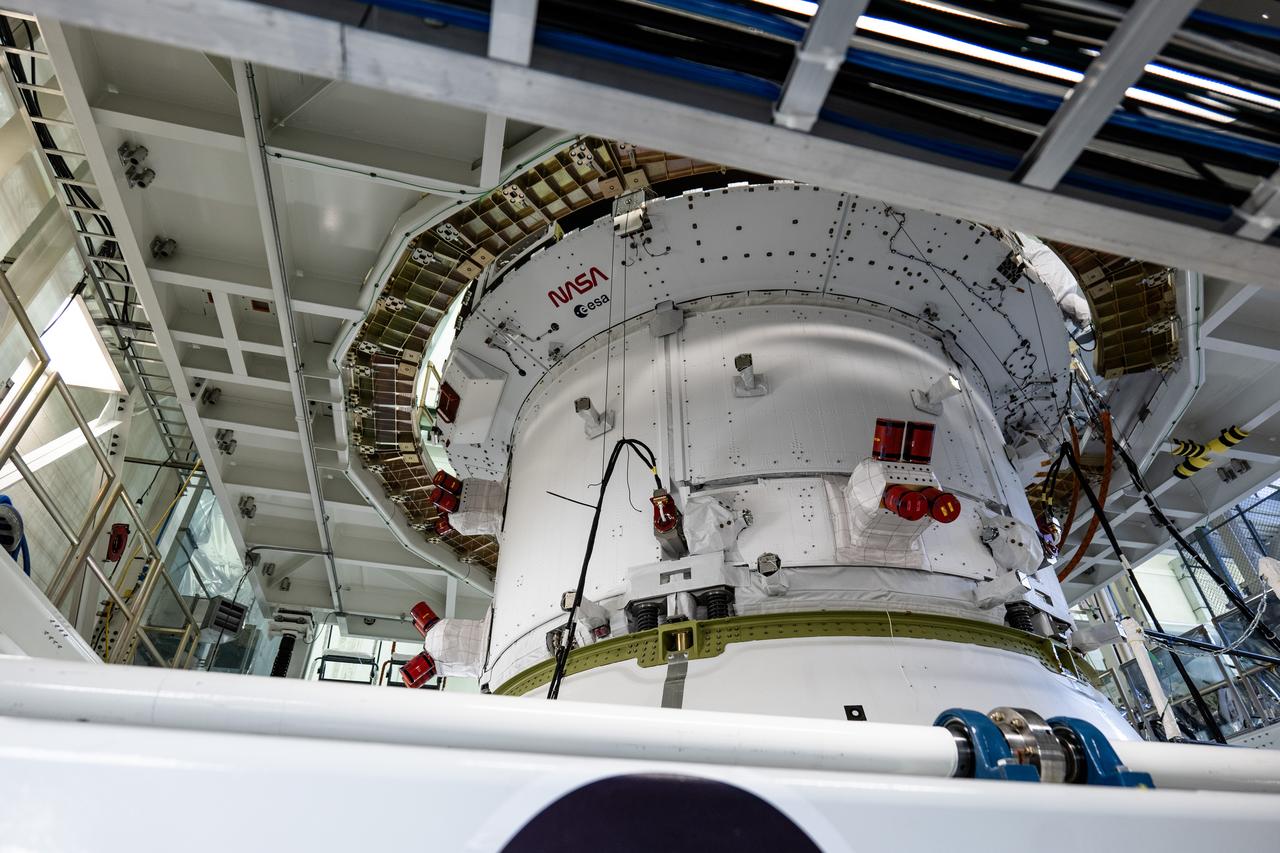
The Orion spacecraft for NASA’s Artemis II mission undergoes checkouts in the Final Assembly and System Testing (FAST) cell inside the high bay of the Neil A. Armstrong Operations and Checkout Building at NASA’s Kennedy Space Center in Florida on Monday, Dec. 15, 2024. The Orion spacecraft will carry NASA astronauts Victor Glover, Christina Koch, and Reid Wiseman, as well as CSA (Canadian Space Agency) astronaut Jeremy Hansen, on a 10-day journey around the Moon and back for the Artemis II test flight.
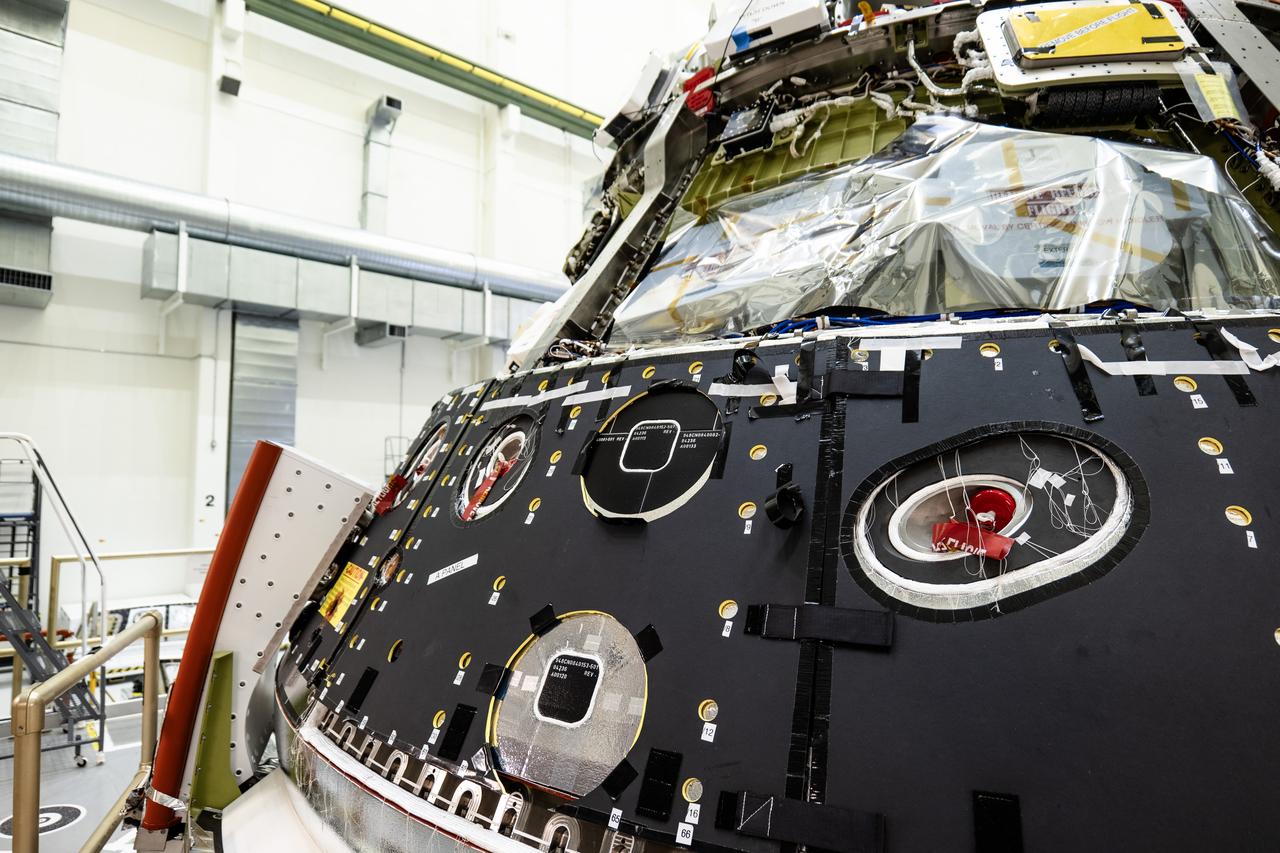
The Orion spacecraft for NASA’s Artemis II mission undergoes checkouts in the Final Assembly and System Testing (FAST) cell inside the high bay of the Neil A. Armstrong Operations and Checkout Building at NASA’s Kennedy Space Center in Florida on Monday, Dec. 15, 2024. The Orion spacecraft will carry NASA astronauts Victor Glover, Christina Koch, and Reid Wiseman, as well as CSA (Canadian Space Agency) astronaut Jeremy Hansen, on a 10-day journey around the Moon and back for the Artemis II test flight.

The Orion spacecraft for NASA’s Artemis II mission undergoes checkouts in the Final Assembly and System Testing (FAST) cell inside the high bay of the Neil A. Armstrong Operations and Checkout Building at NASA’s Kennedy Space Center in Florida on Monday, Dec. 15, 2024. The Orion spacecraft will carry NASA astronauts Victor Glover, Christina Koch, and Reid Wiseman, as well as CSA (Canadian Space Agency) astronaut Jeremy Hansen, on a 10-day journey around the Moon and back for the Artemis II test flight.
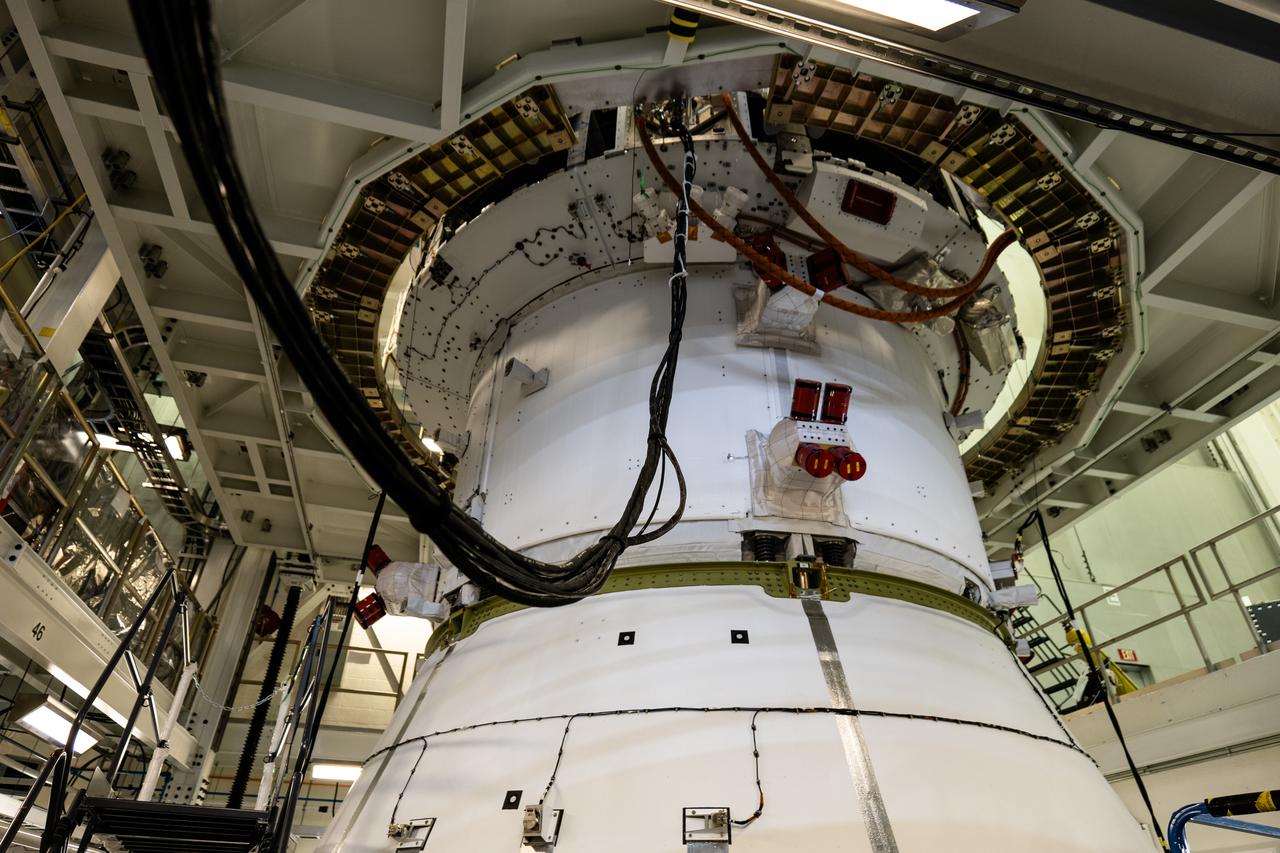
The Orion spacecraft for NASA’s Artemis II mission undergoes checkouts in the Final Assembly and System Testing (FAST) cell inside the high bay of the Neil A. Armstrong Operations and Checkout Building at NASA’s Kennedy Space Center in Florida on Monday, Dec. 15, 2024. The Orion spacecraft will carry NASA astronauts Victor Glover, Christina Koch, and Reid Wiseman, as well as CSA (Canadian Space Agency) astronaut Jeremy Hansen, on a 10-day journey around the Moon and back for the Artemis II test flight.
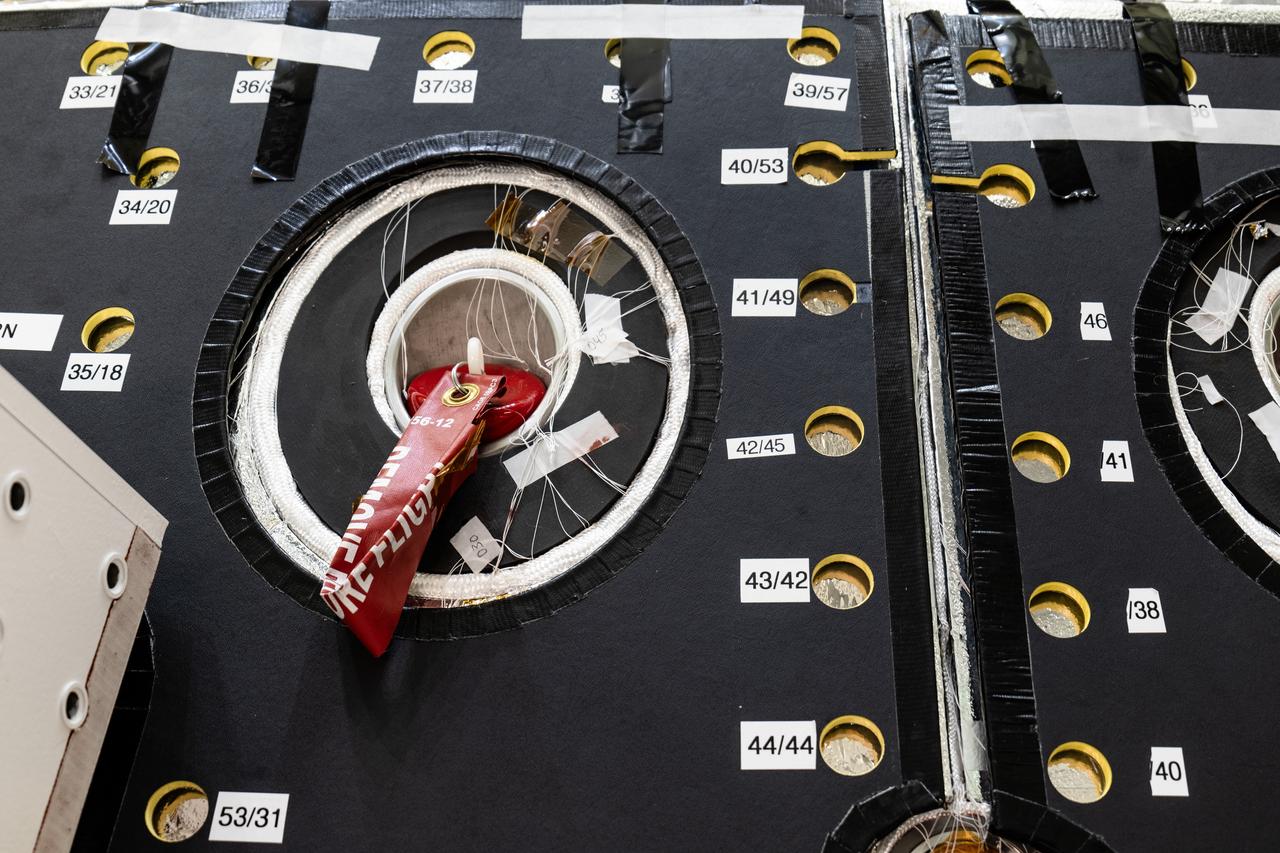
The Orion spacecraft for NASA’s Artemis II mission undergoes checkouts in the Final Assembly and System Testing (FAST) cell inside the high bay of the Neil A. Armstrong Operations and Checkout Building at NASA’s Kennedy Space Center in Florida on Monday, Dec. 15, 2024. The Orion spacecraft will carry NASA astronauts Victor Glover, Christina Koch, and Reid Wiseman, as well as CSA (Canadian Space Agency) astronaut Jeremy Hansen, on a 10-day journey around the Moon and back for the Artemis II test flight.
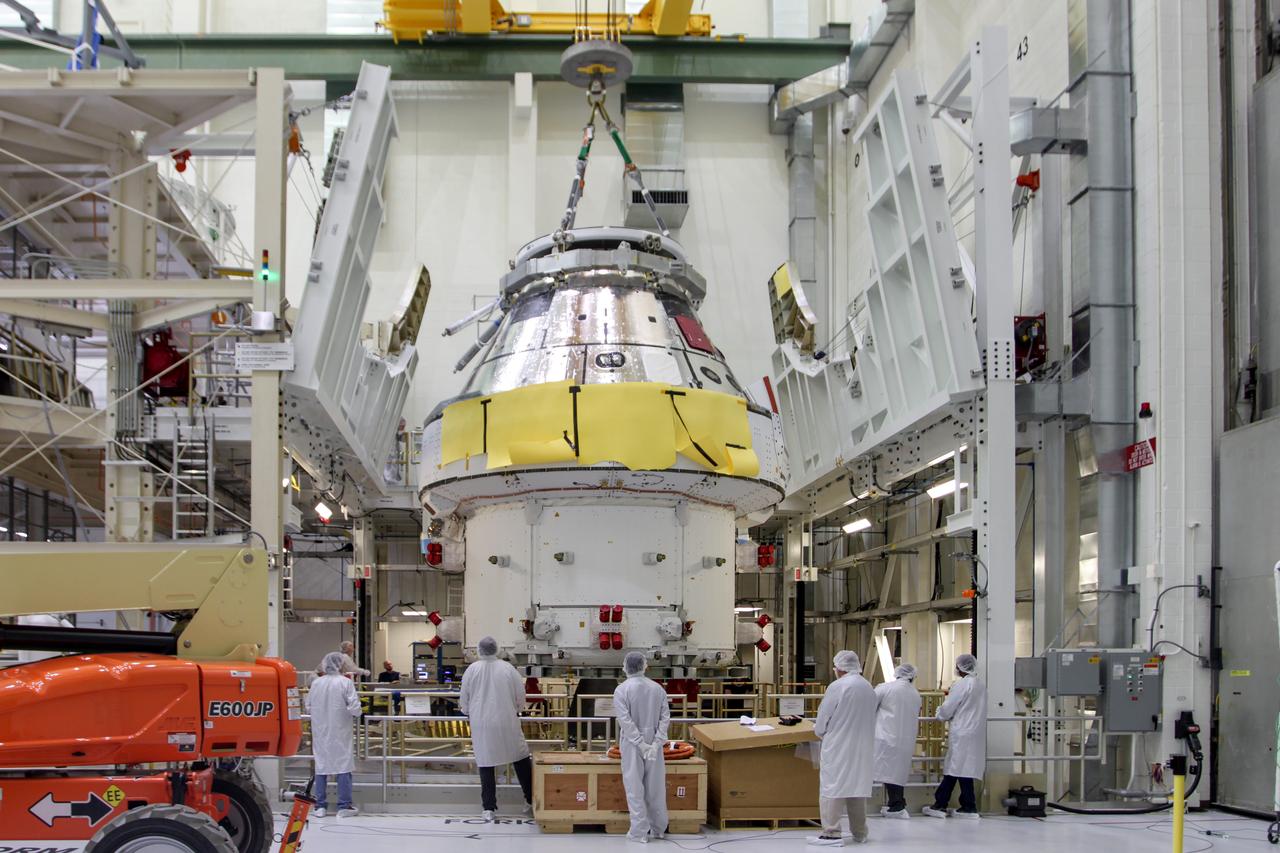
The Orion spacecraft is moved to the Final Assembly and Systems Test cell at Kennedy Space Center. The spacecraft returned from Ohio after a successful series of environmental test at Glenn Research Center's Plum Brook Station.
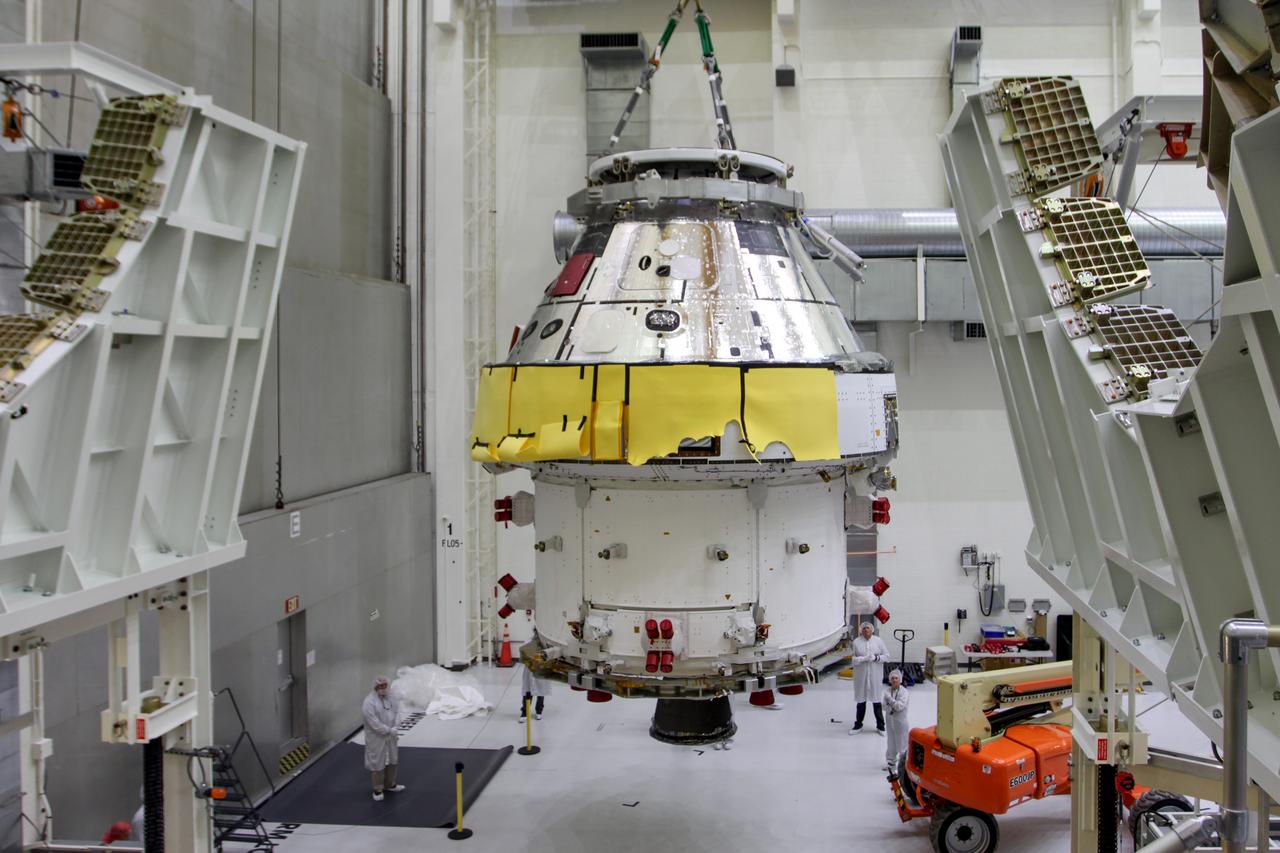
The Orion spacecraft is moved to the Final Assembly and Systems Test cell at Kennedy Space Center. The spacecraft returned from Ohio after a successful series of environmental test at Glenn Research Center's Plum Brook Station.
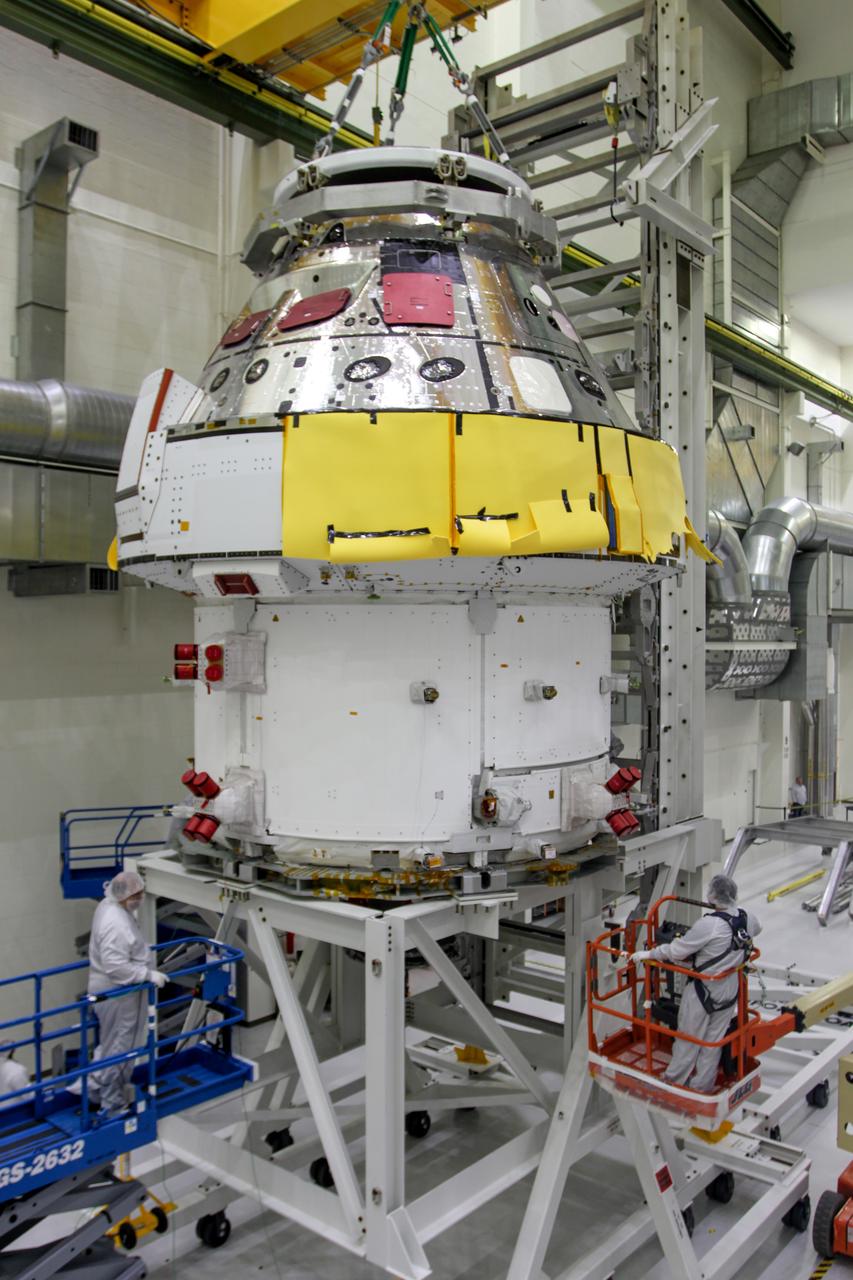
The Orion spacecraft is moved to the Final Assembly and Systems Test cell at Kennedy Space Center. The spacecraft returned from Ohio after a successful series of environmental test at Glenn Research Center's Plum Brook Station.
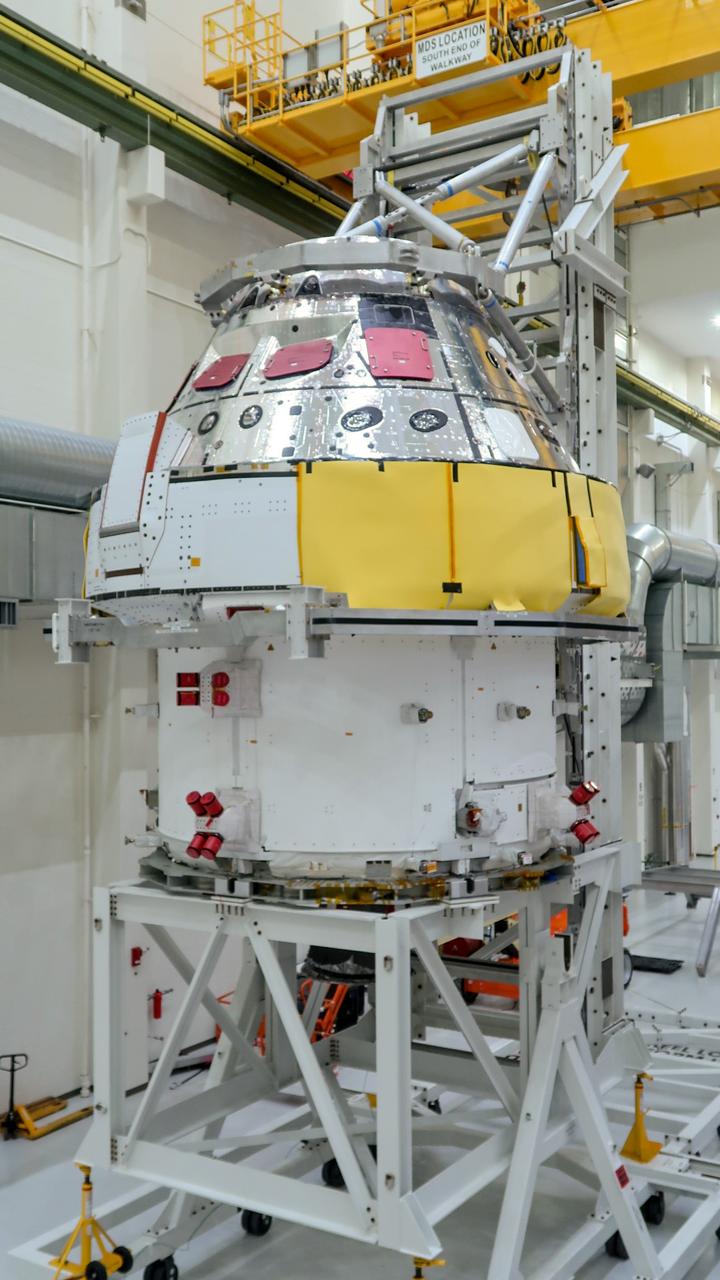
The Orion spacecraft is moved to the Final Assembly and Systems Test cell at Kennedy Space Center. The spacecraft returned from Ohio after a successful series of environmental test at Glenn Research Center's Plum Brook Station.
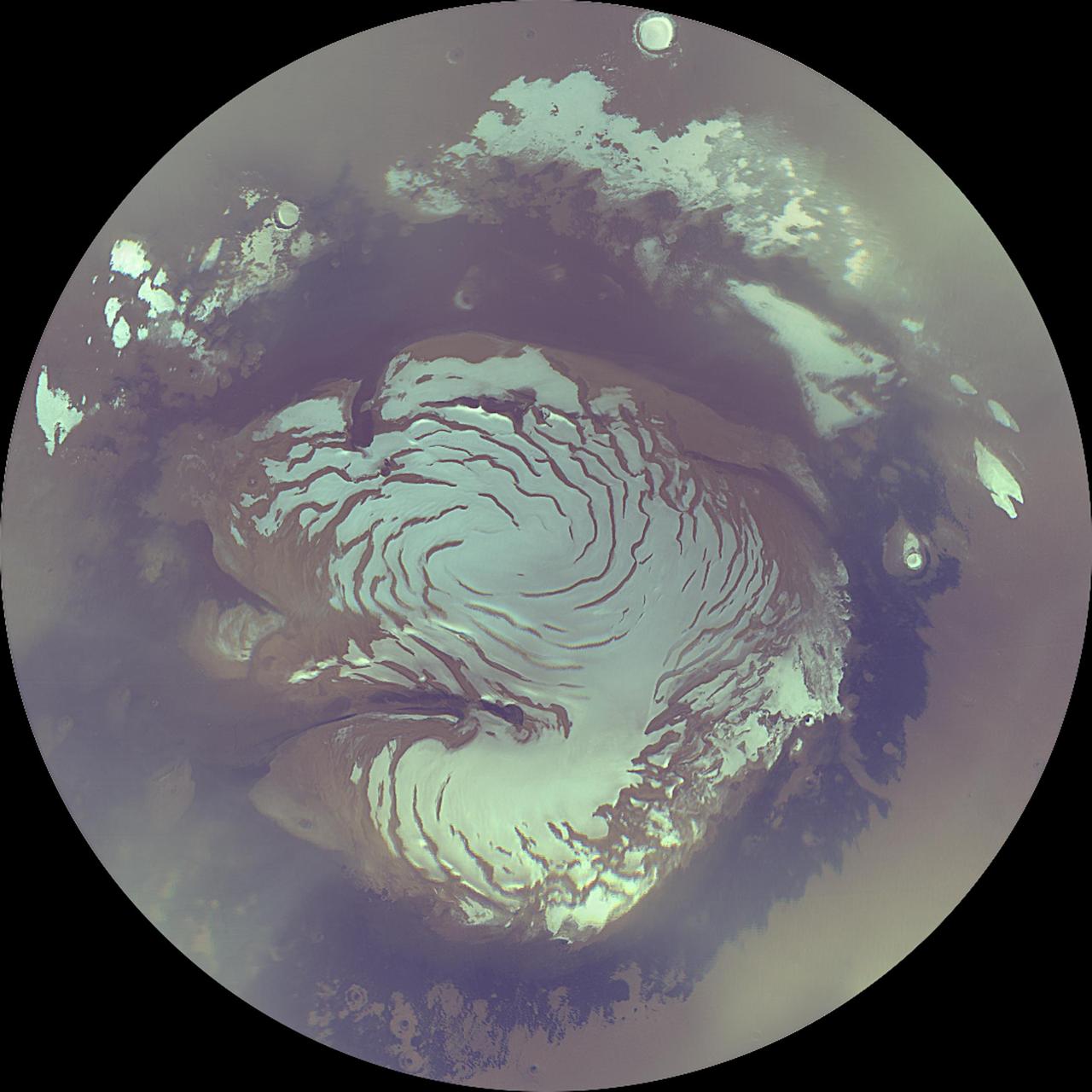
Mars Polar Cap During Transition Phase Instrument Checkout
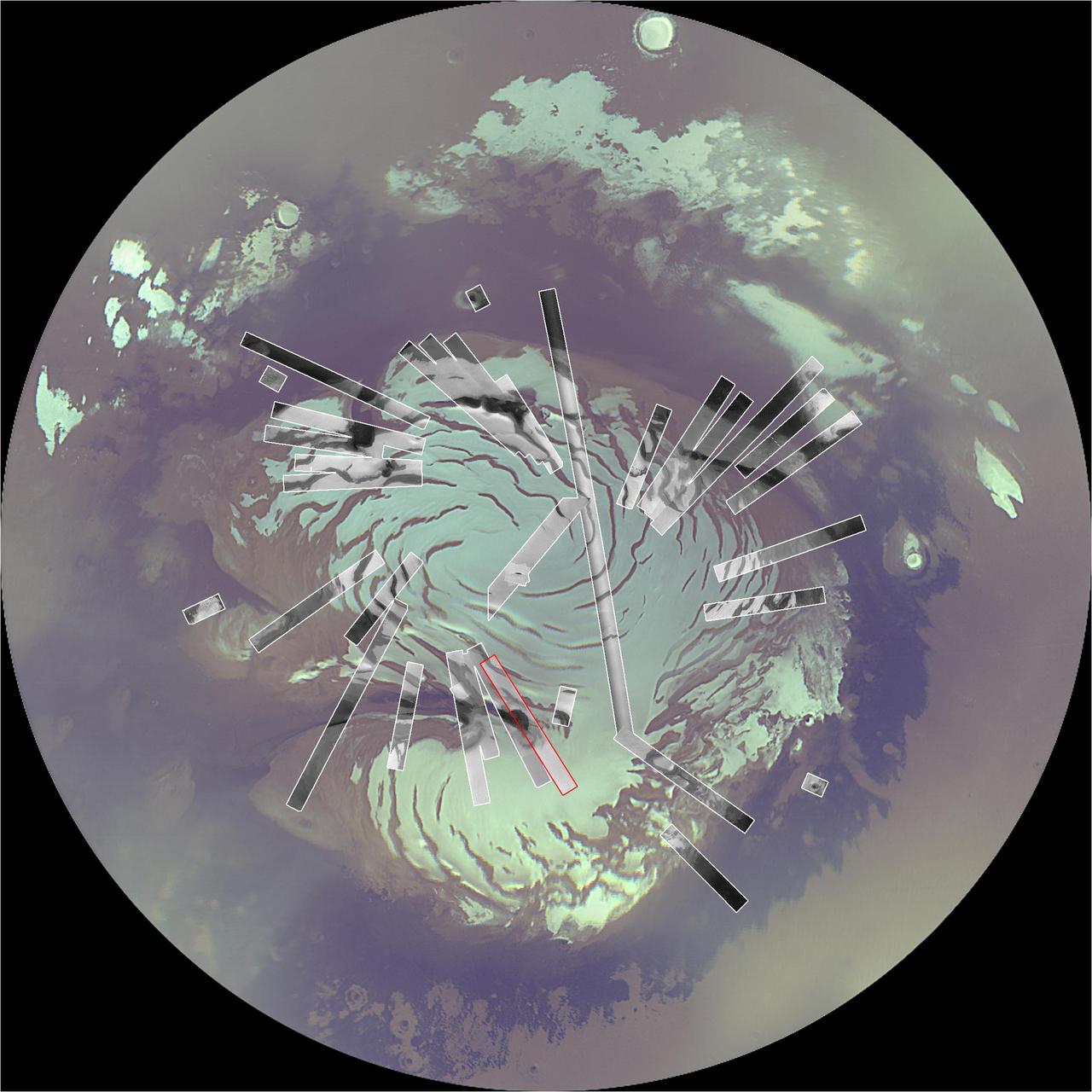
Map of Context Camera North Polar Coverage During Checkout
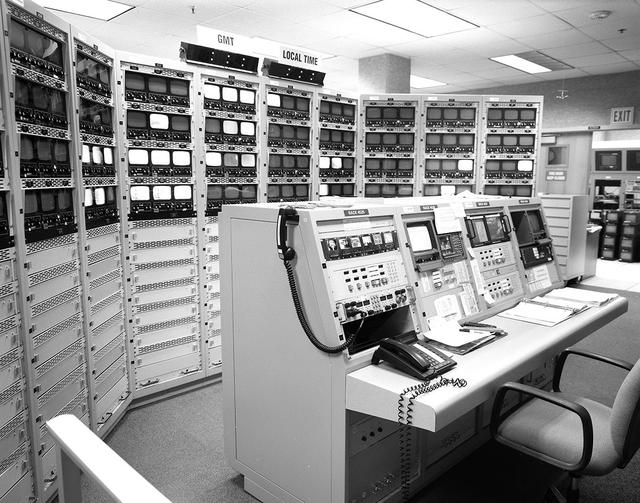
Interior view of the Operations & Checkout Building
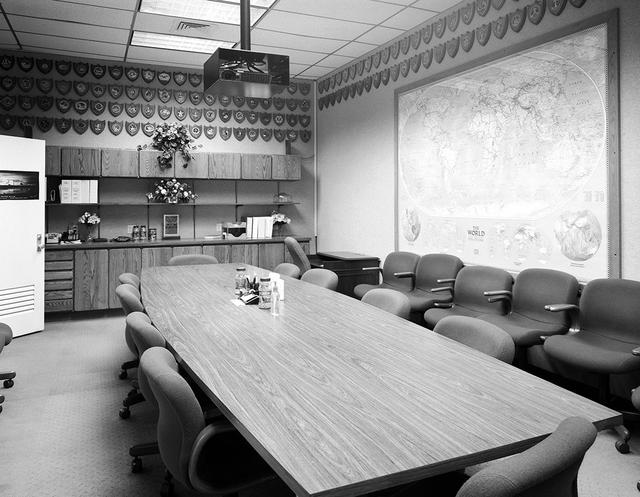
Interior view of the Operations & Checkout Building
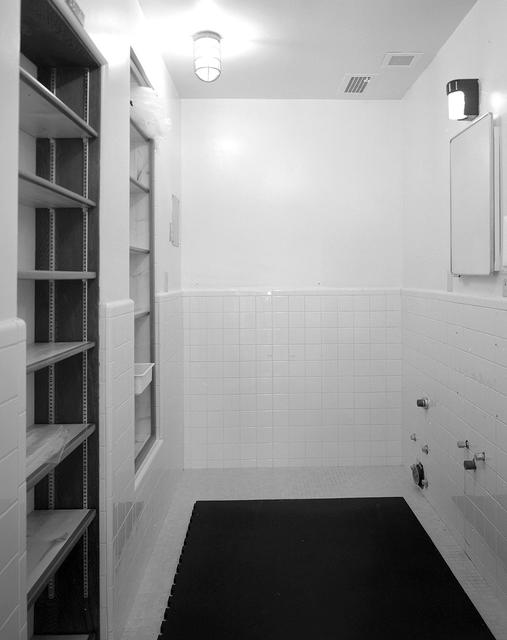
Interior view of the Operations & Checkout Building
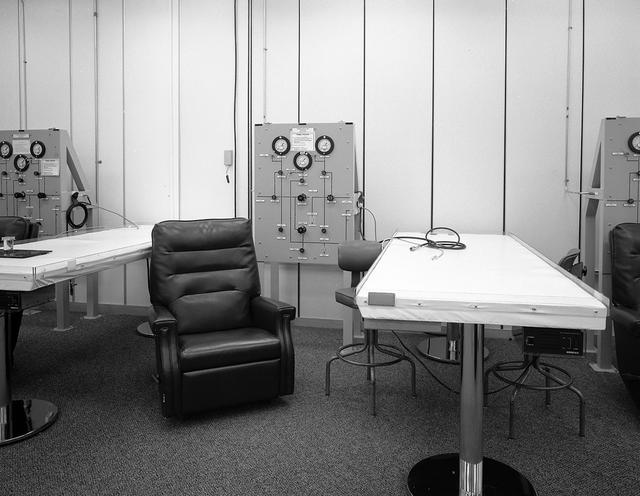
Interior view of the Operations & Checkout Building
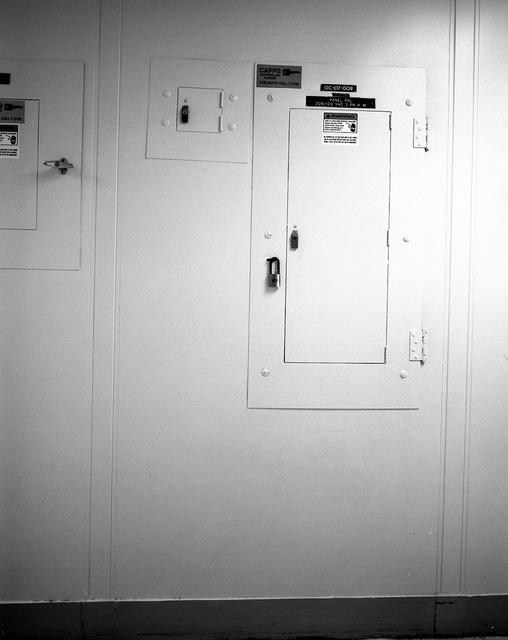
Interior view of the Operations & Checkout Building
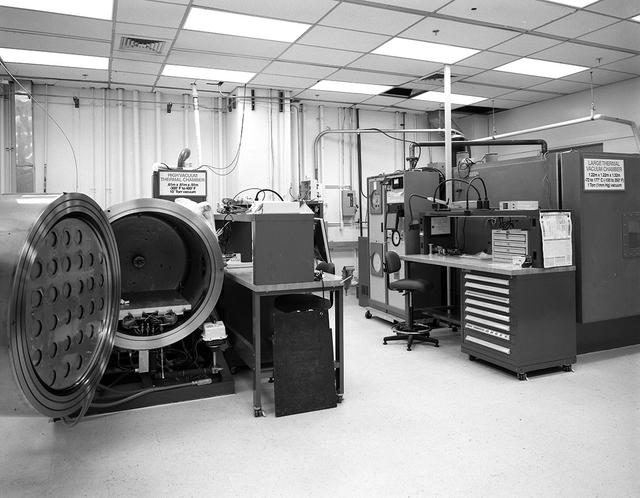
Interior view of the Operations & Checkout Building
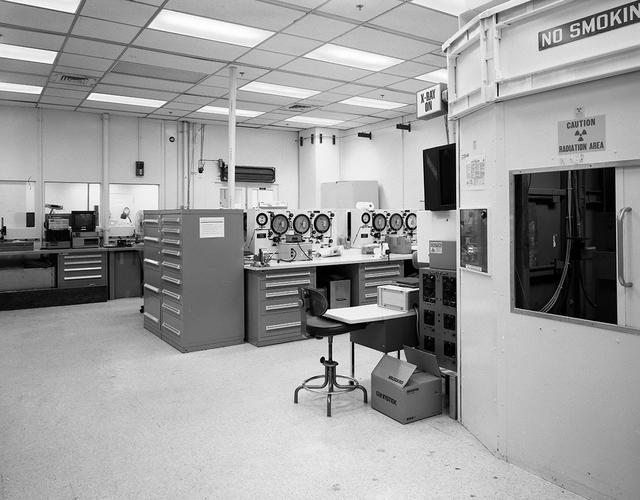
Interior view of the Operations & Checkout Building
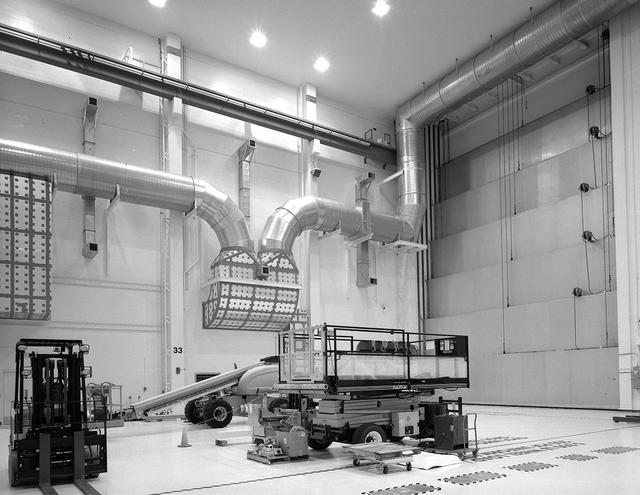
Interior view of the Operations & Checkout Building
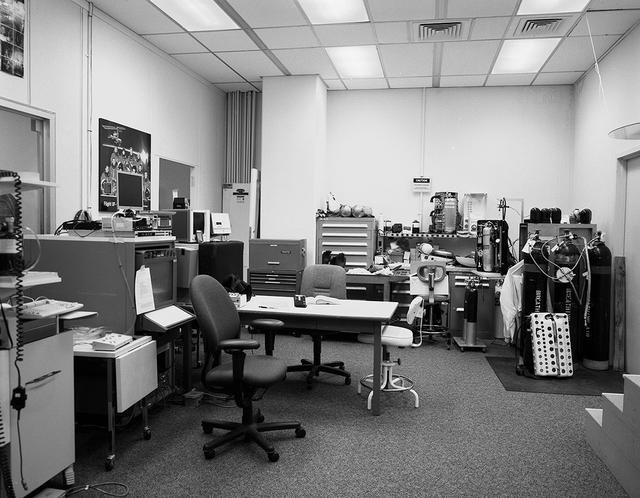
Interior view of the Operations & Checkout Building
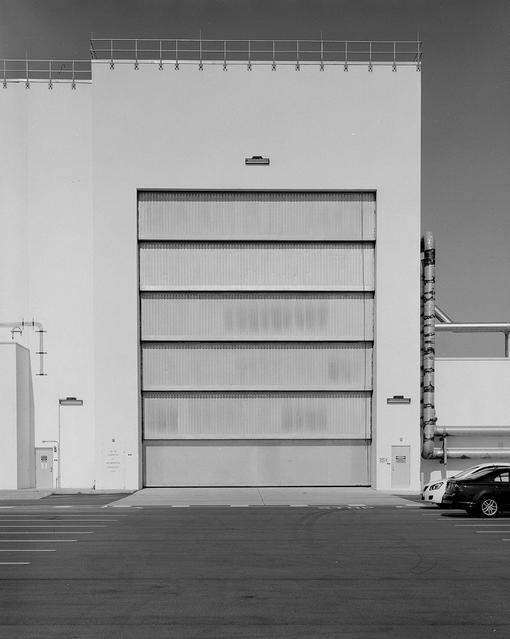
Exterior view of the Operations & Checkout Building
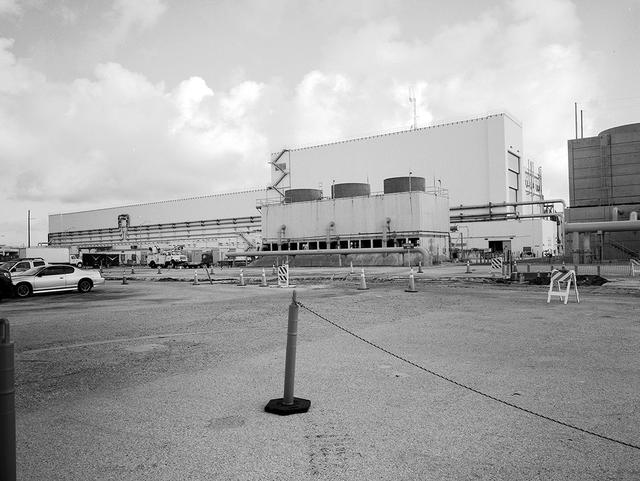
Exterior view of the Operations & Checkout Building
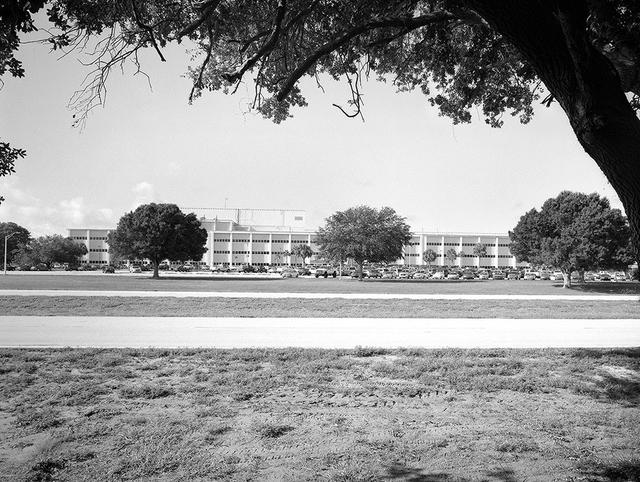
Exterior view of the Operations & Checkout Building
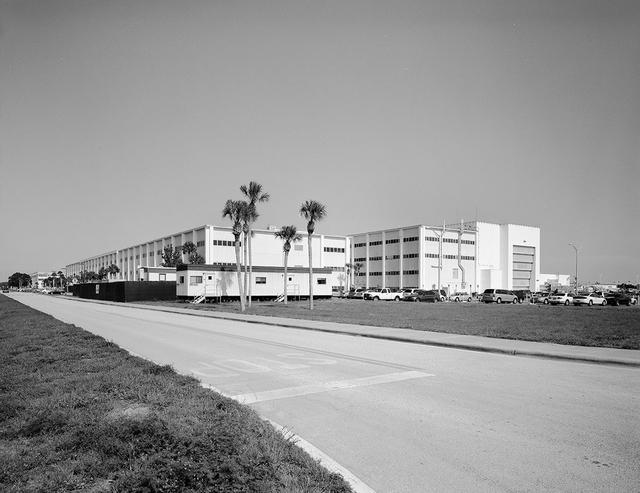
Exterior view of the Operations & Checkout Building
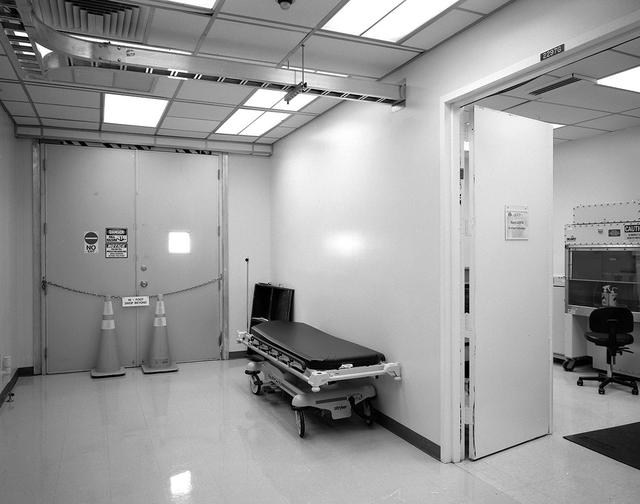
Interior view of the Operations & Checkout Building
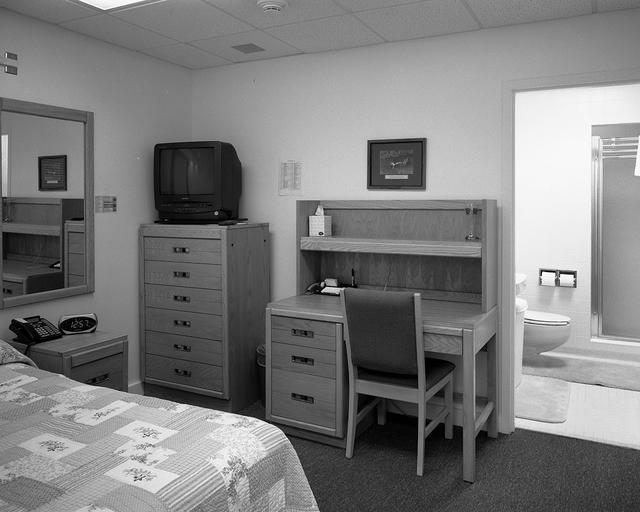
Interior view of the Operations & Checkout Building
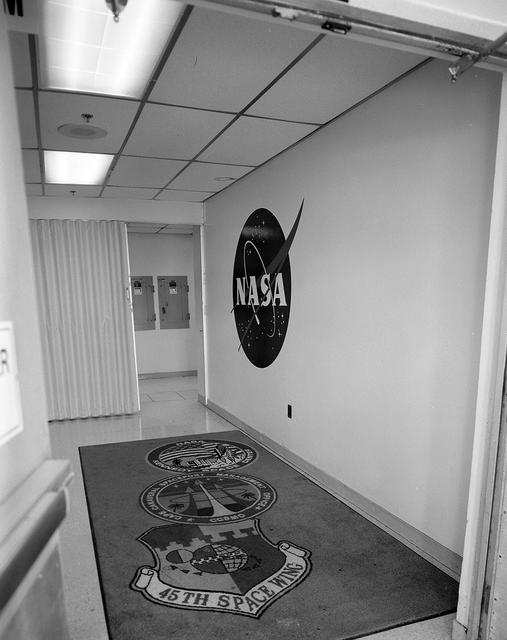
Interior view of the Operations & Checkout Building
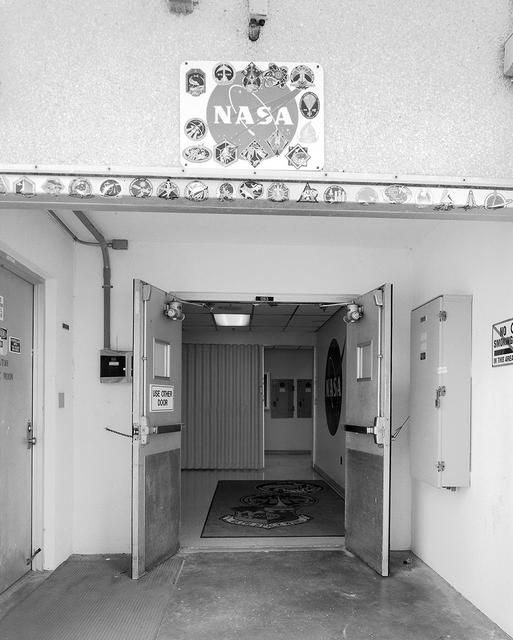
Interior view of the Operations & Checkout Building
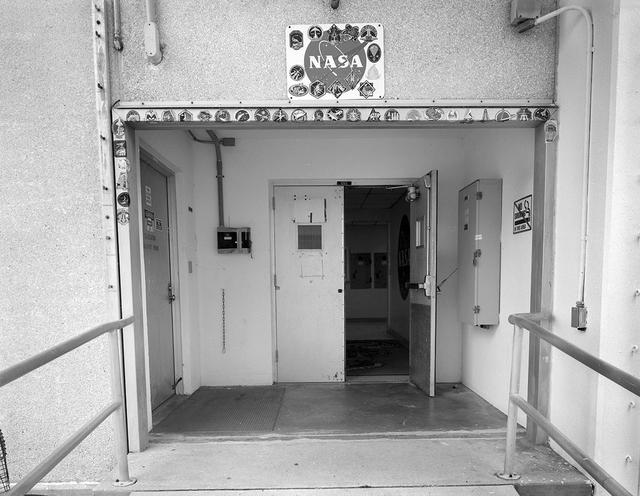
Interior view of the Operations & Checkout Building
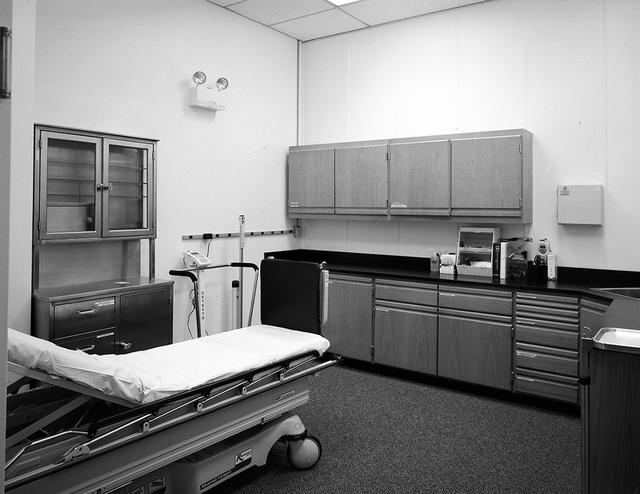
Interior view of the Operations & Checkout Building
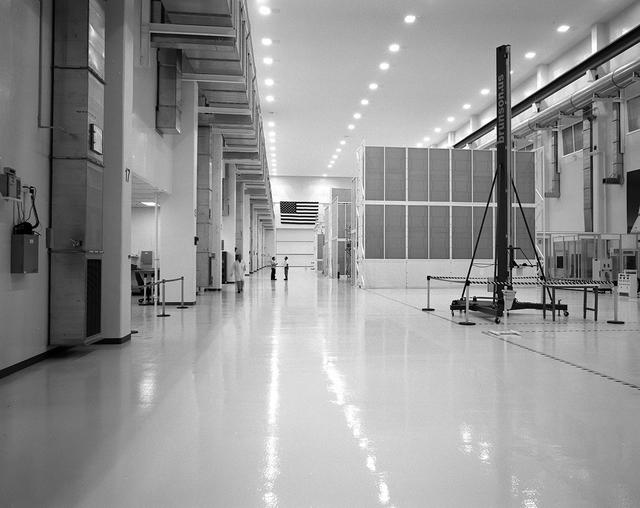
Interior view of the Operations & Checkout Building
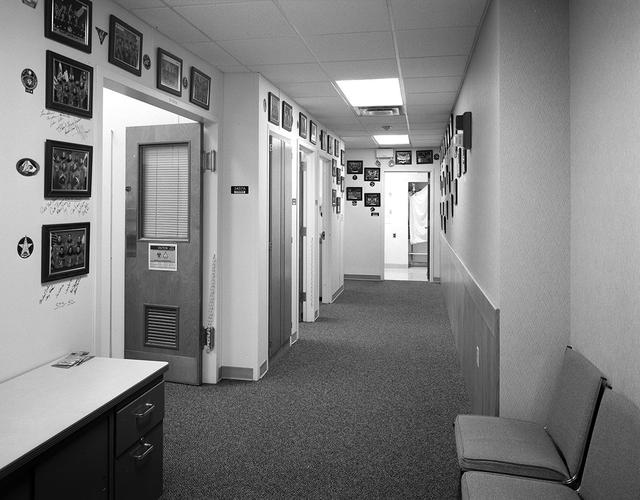
Interior view of the Operations & Checkout Building
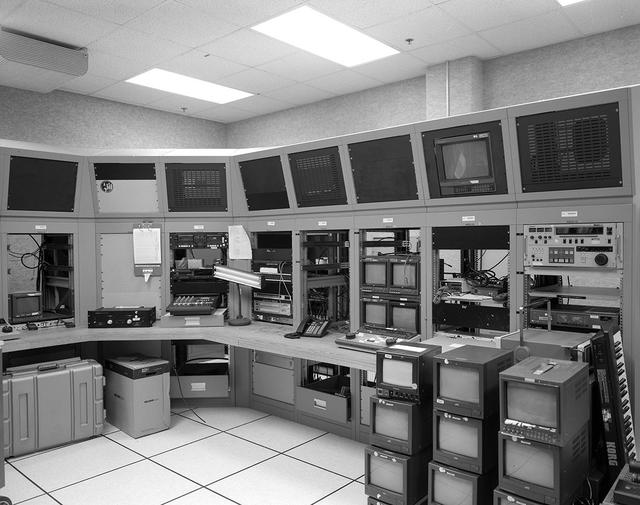
Interior view of the Operations & Checkout Building
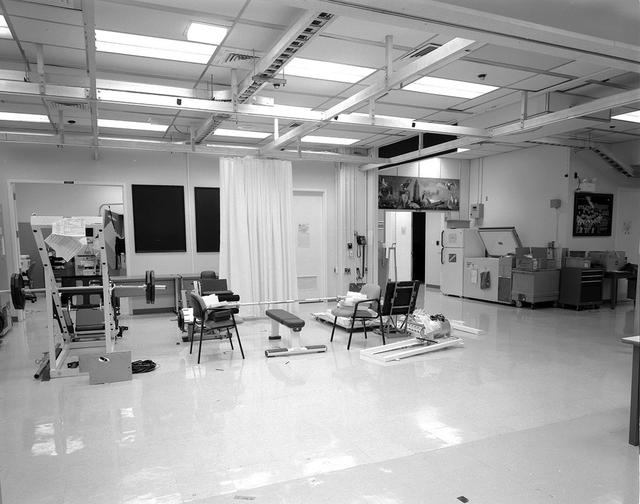
Interior view of the Operations & Checkout Building
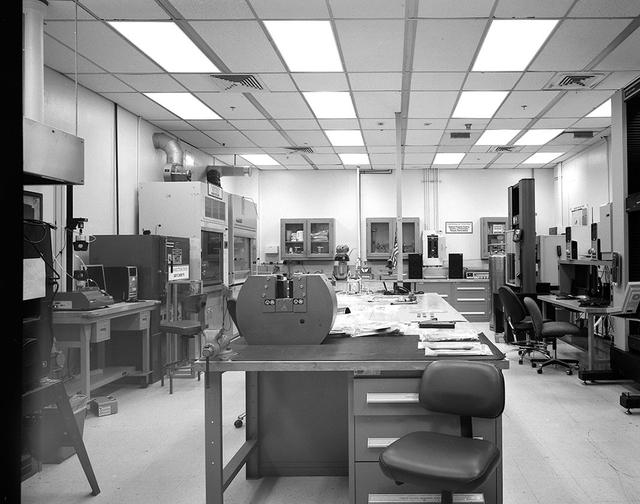
Interior view of the Operations & Checkout Building
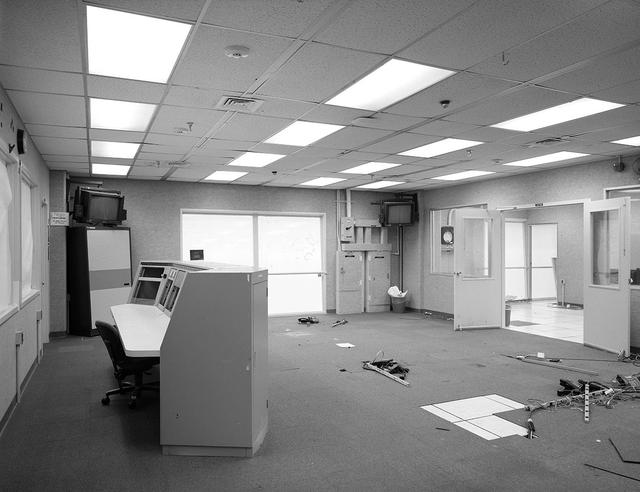
Interior view of the Operations & Checkout Building
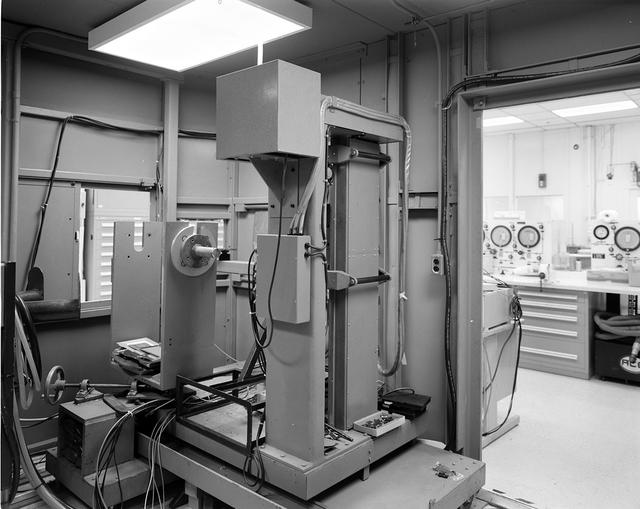
Interior view of the Operations & Checkout Building
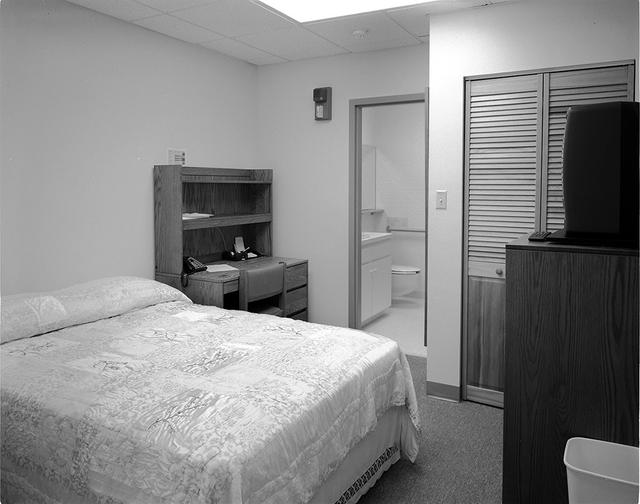
Interior view of the Operations & Checkout Building
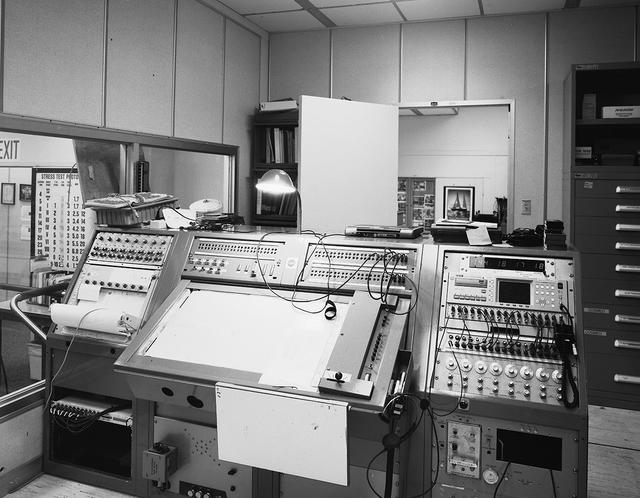
Interior view of the Operations & Checkout Building
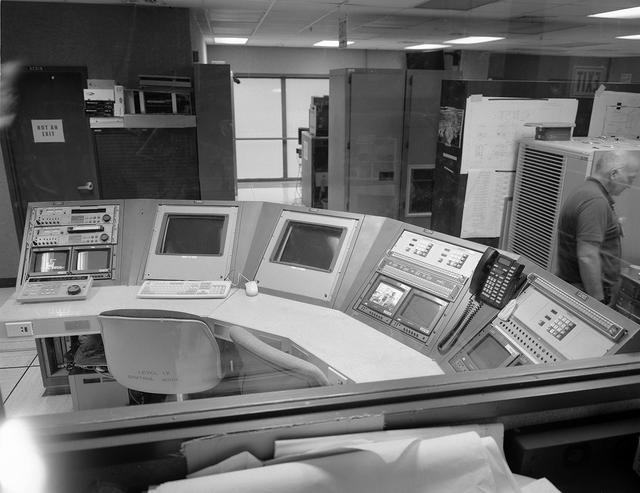
Interior view of the Operations & Checkout Building
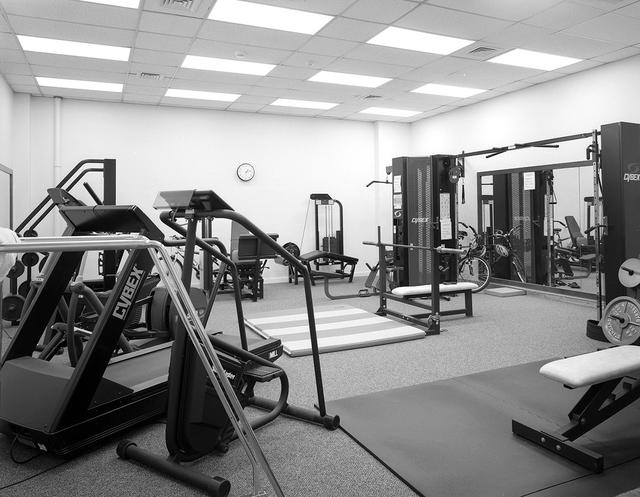
Interior view of the Operations & Checkout Building
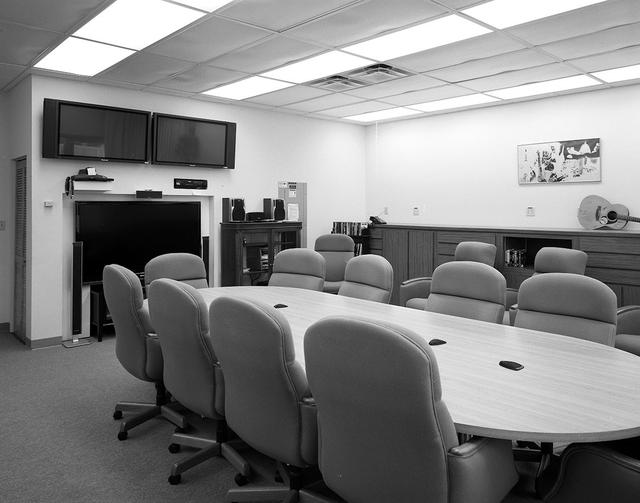
Interior view of the Operations & Checkout Building
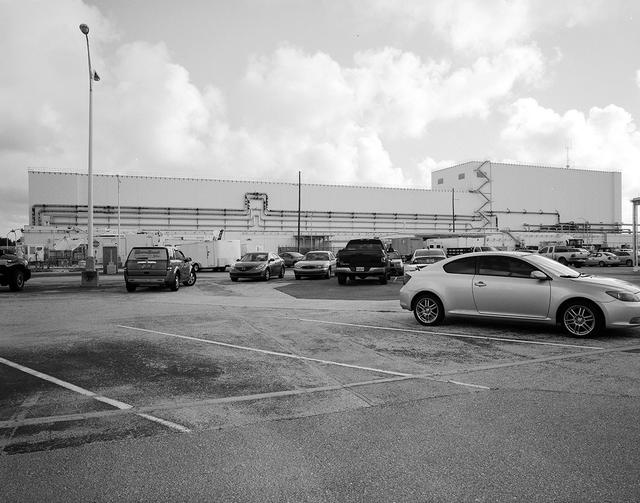
Exterior view of the Operations & Checkout Building
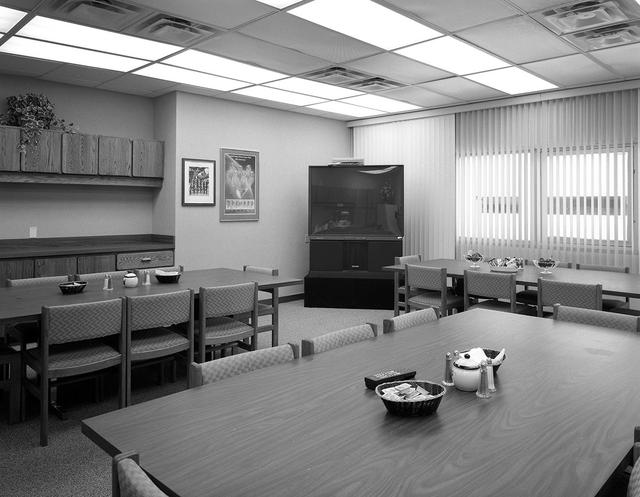
Interior view of the Operations & Checkout Building
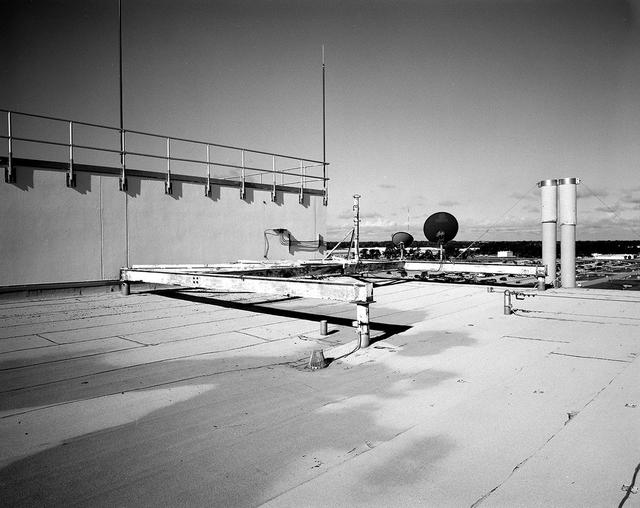
Exterior view of the Operations & Checkout Building
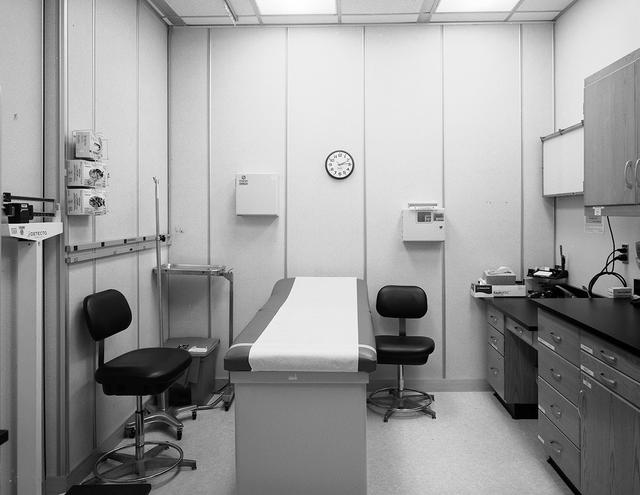
Interior view of the Operations & Checkout Building
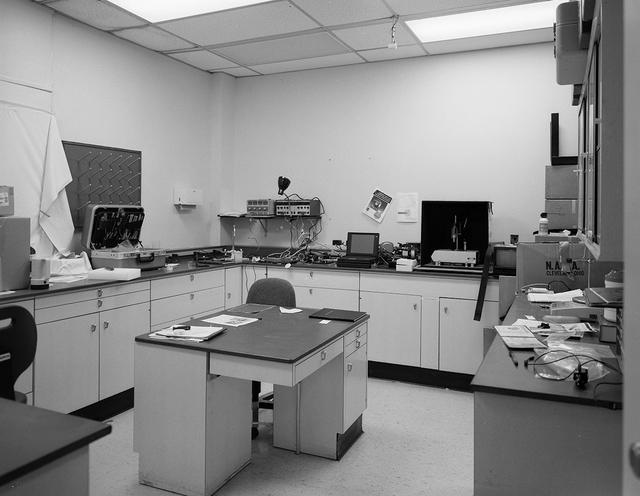
Interior view of the Operations & Checkout Building
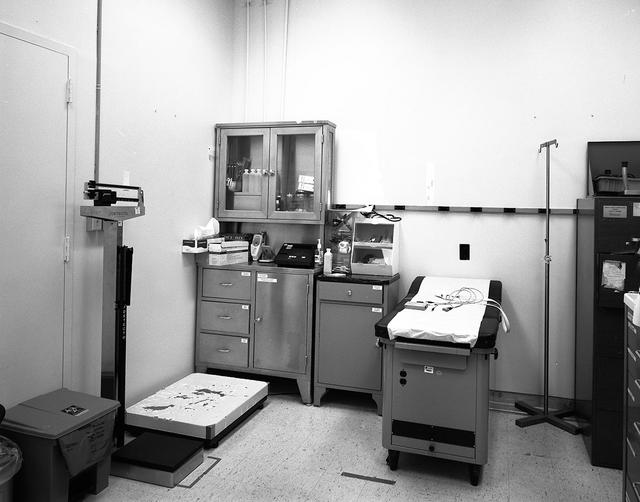
Interior view of the Operations & Checkout Building
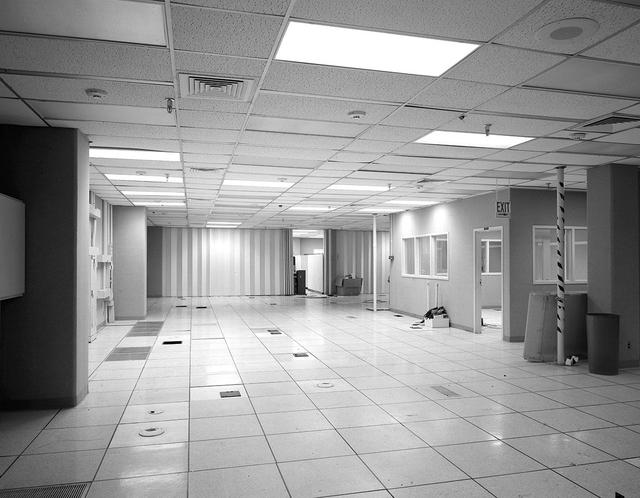
Interior view of the Operations & Checkout Building
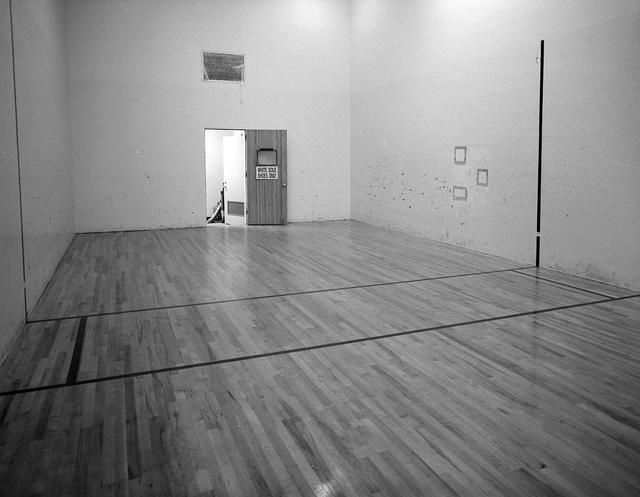
Interior view of the Operations & Checkout Building
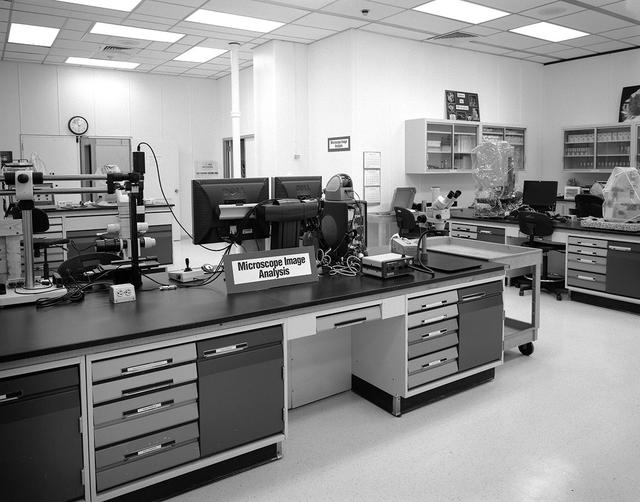
Interior view of the Operations & Checkout Building
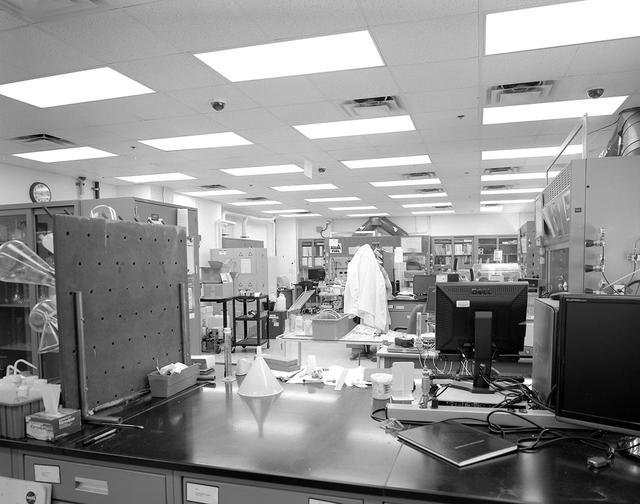
Interior view of the Operations & Checkout Building
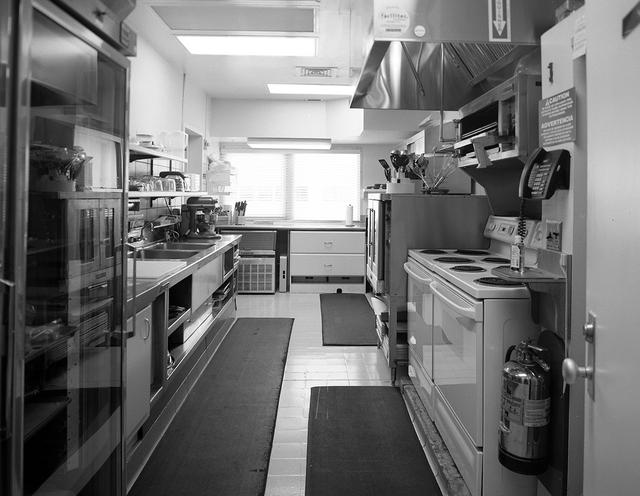
Interior view of the Operations & Checkout Building
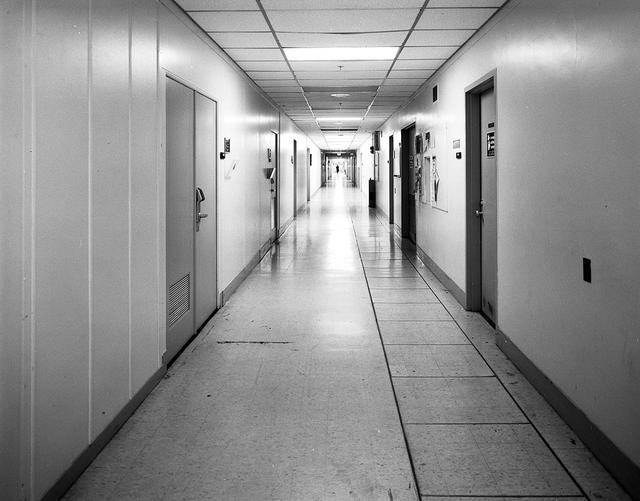
Interior view of the Operations & Checkout Building
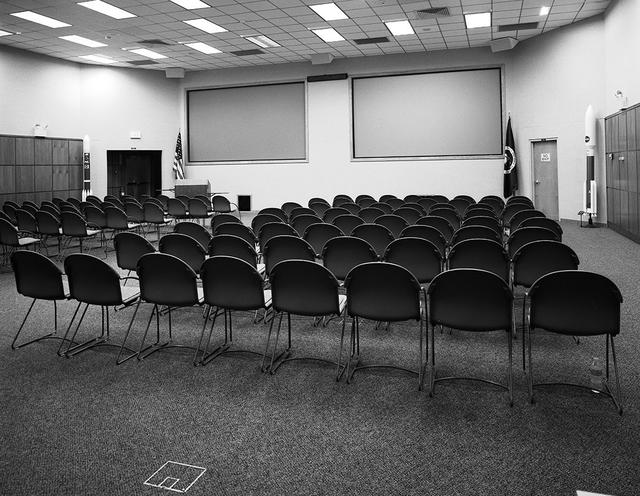
Interior view of the Operations & Checkout Building
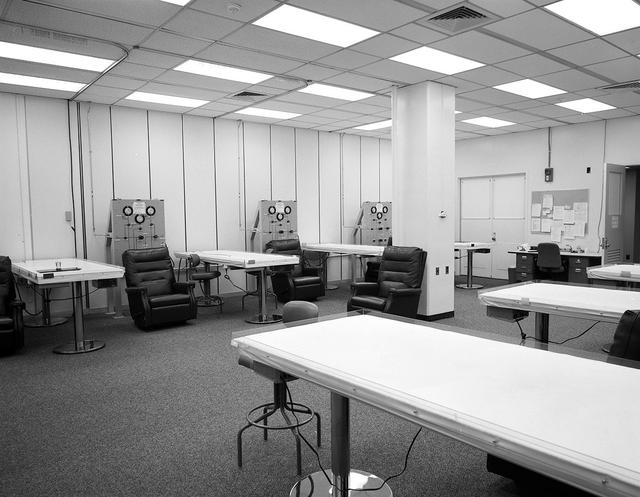
Interior view of the Operations & Checkout Building
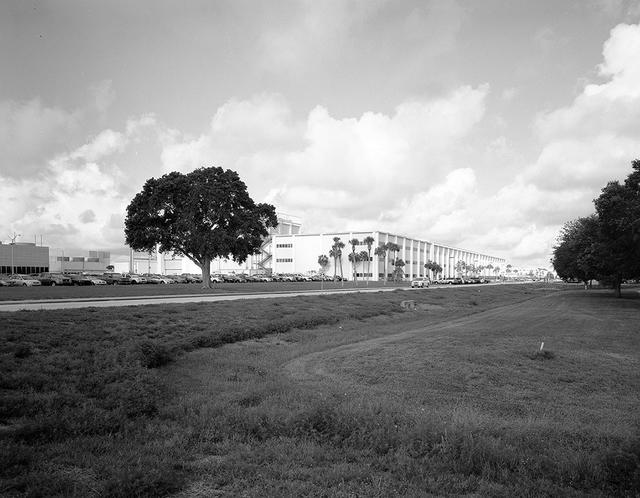
Exterior view of the Operations & Checkout Building
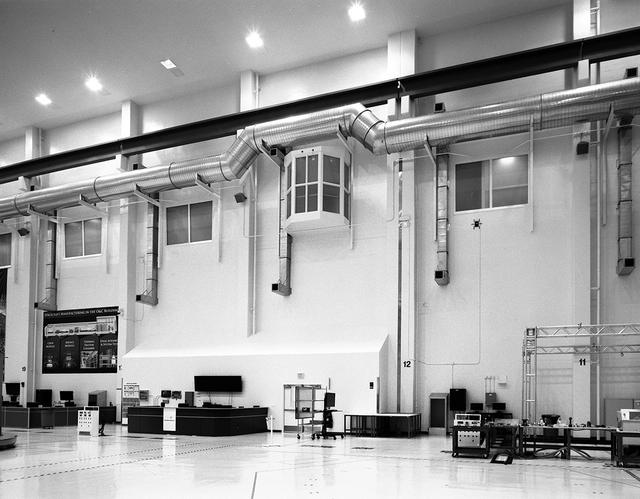
Interior view of the Operations & Checkout Building
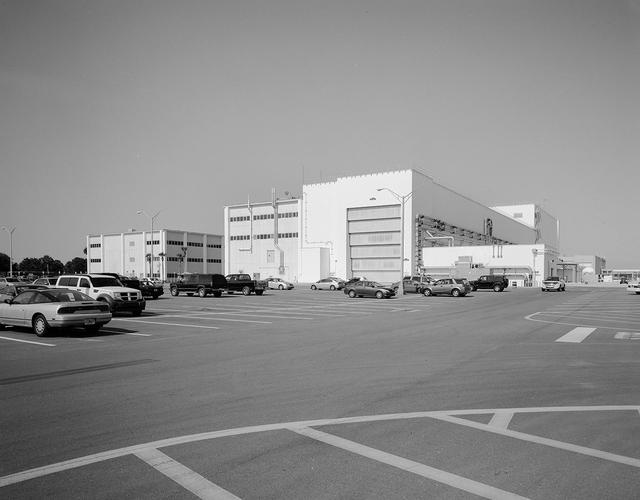
Exterior view of the Operations & Checkout Building
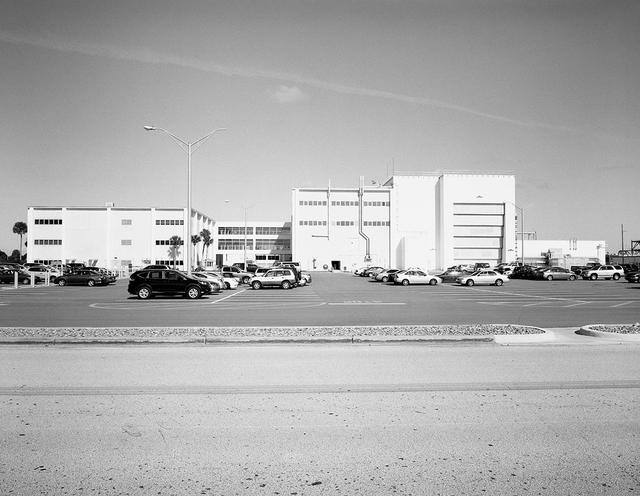
Exterior view of the Operations & Checkout Building
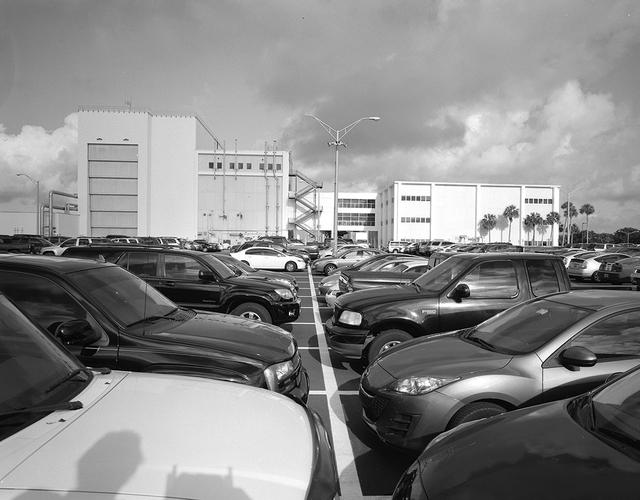
Exterior view of the Operations & Checkout Building
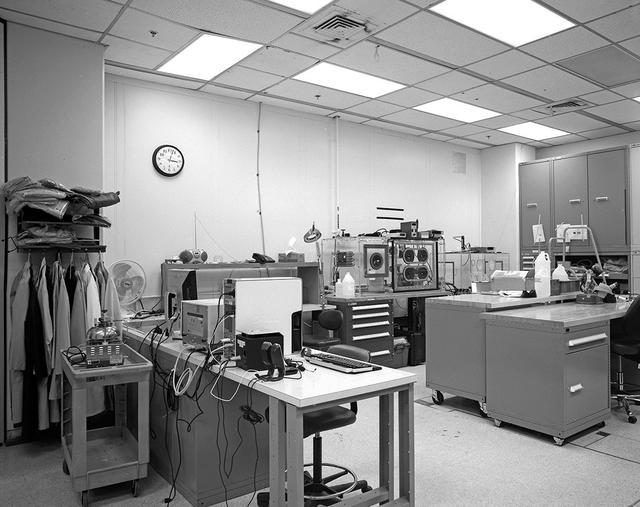
Interior view of the Operations & Checkout Building
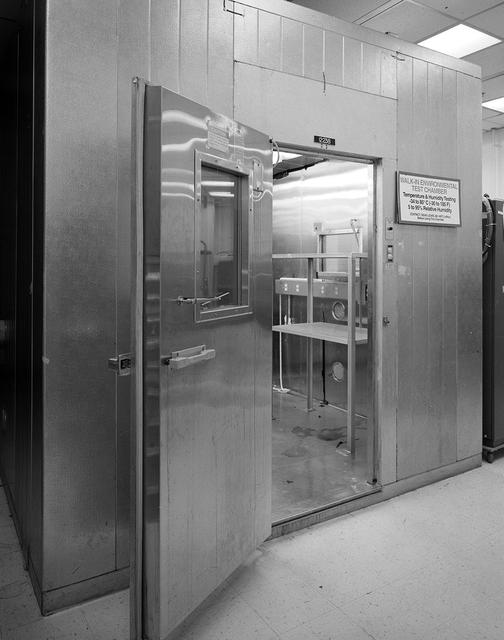
Interior view of the Operations & Checkout Building
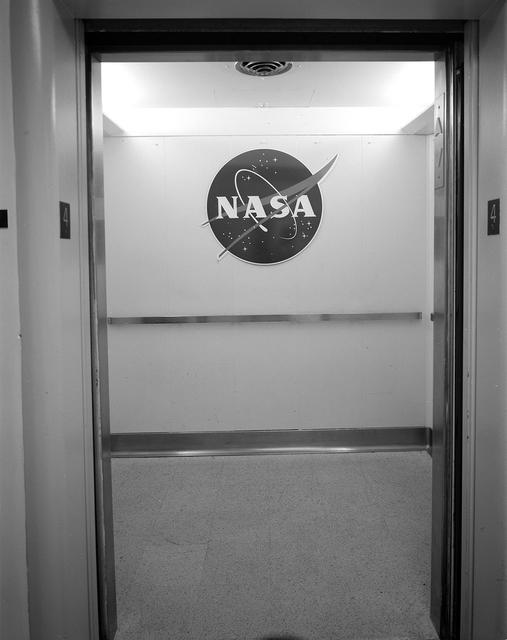
Interior view of the Operations & Checkout Building
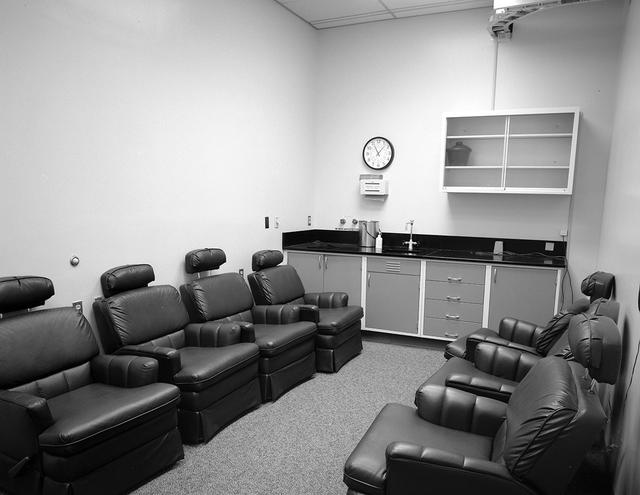
Interior view of the Operations & Checkout Building
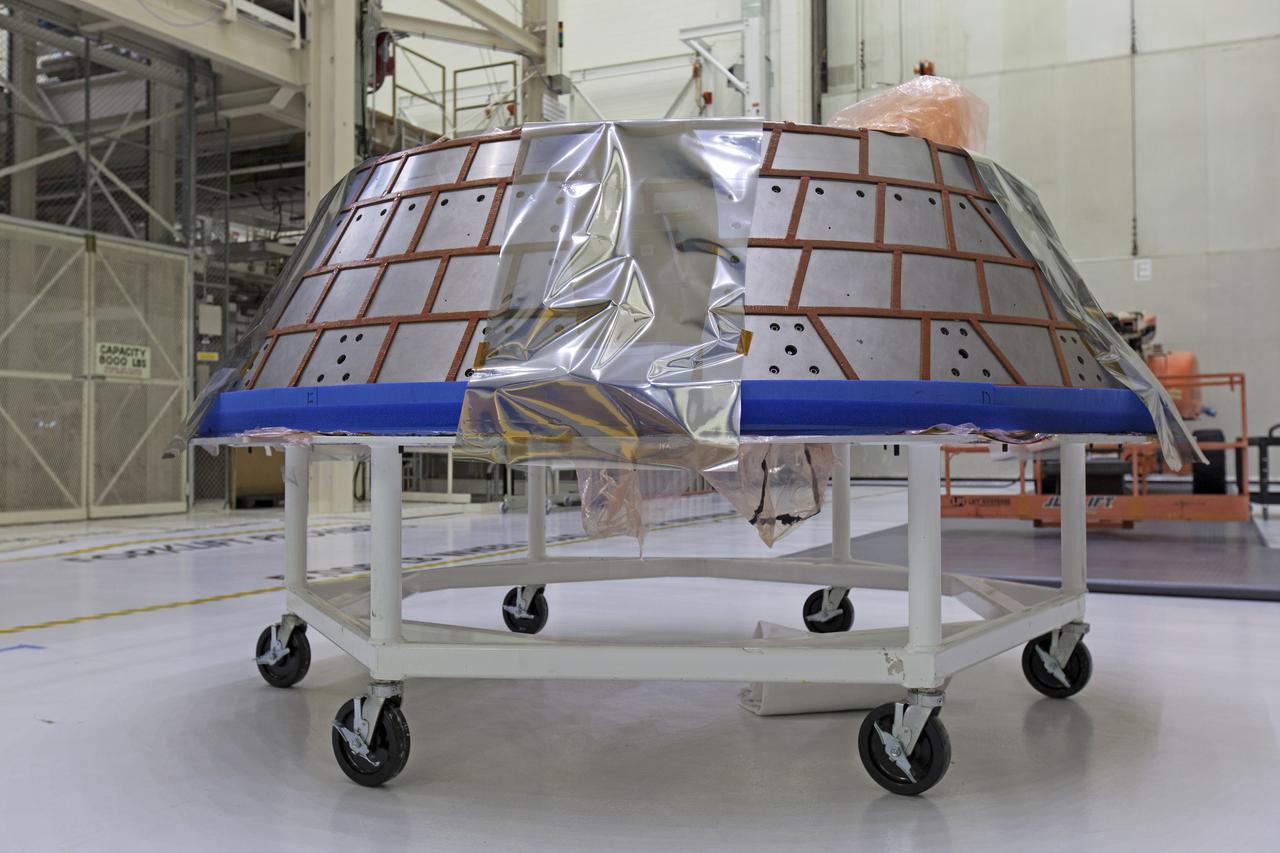
The forward bay cover for the Orion crew module is secured on a movable stand in the Neil Armstrong Operations and Checkout Building high bay at NASA’s Kennedy Space Center in Florida. The space hardware for Orion is undergoing processing to prepare it for launch. Orion is being prepared for its first uncrewed integrated flight atop the Space Launch System rocket on Exploration Mission-1.
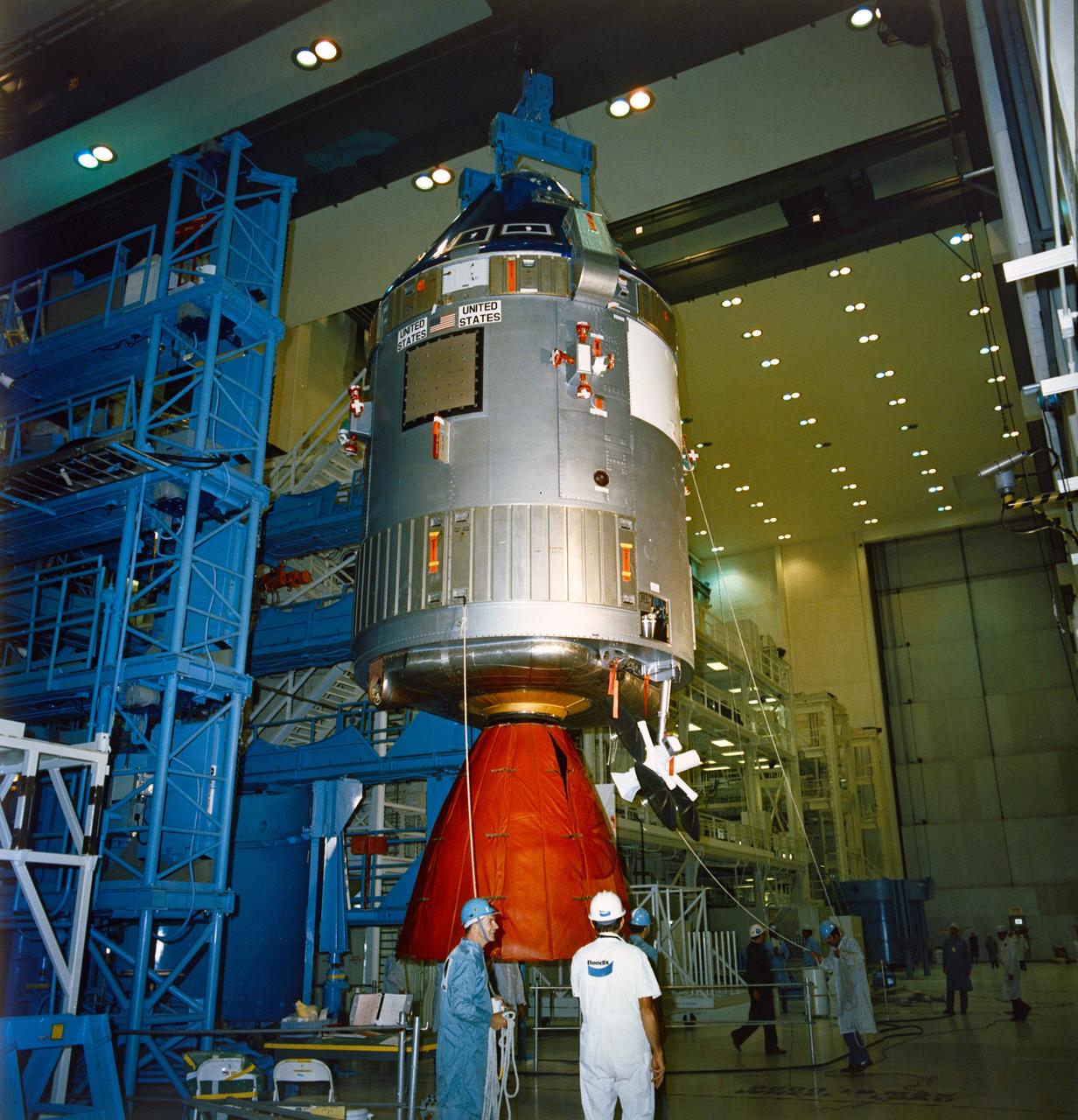
S75-26904 (27 Jan. 1975) --- The flight article Apollo spacecraft (Command Module-111 and Service Module-111) for the Apollo-Soyuz Test Project mission goes through prelaunch checkout procedures in the high bay area of the Manned Spacecraft Operations Building at NASA's Kennedy Space Center. Later, Spacecraft-111 was mated to the spacecraft launch vehicle adapter (SLA-18) in the MSOB before being moved to the Vehicle Assembly Building where it was mated to the Saturn 1B launch vehicle. The joint U.S.-USSR ASTP docking mission in Earth orbit is scheduled for July 1975.
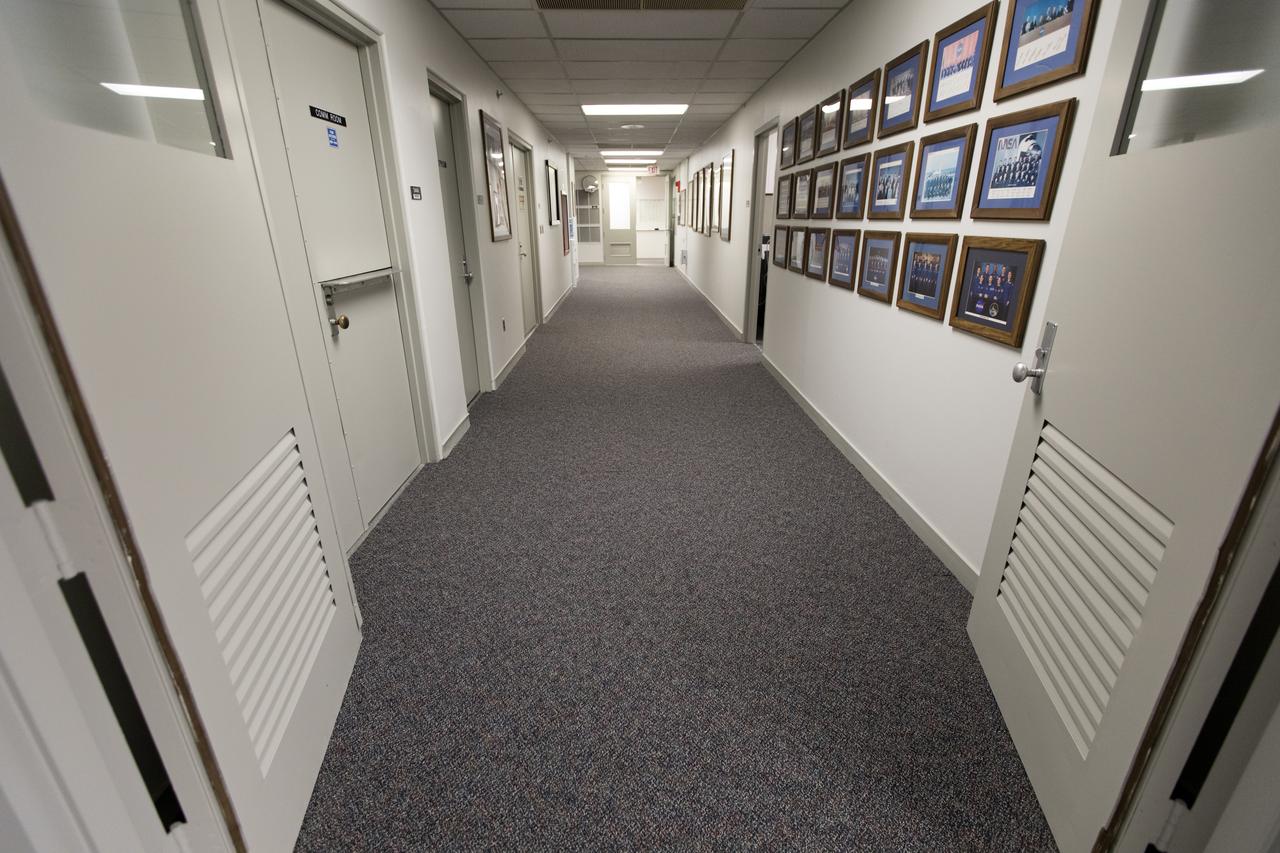
The hallway of the astronaut crew quarters at Kennedy Space Center in Florida reflects new carpeting and a fresh coat of paint. The crew quarters, located on the third floor of the Neil Armstrong Operations and Checkout Building, has been recently upgraded in preparation for Kennedy’s return to human spaceflight.
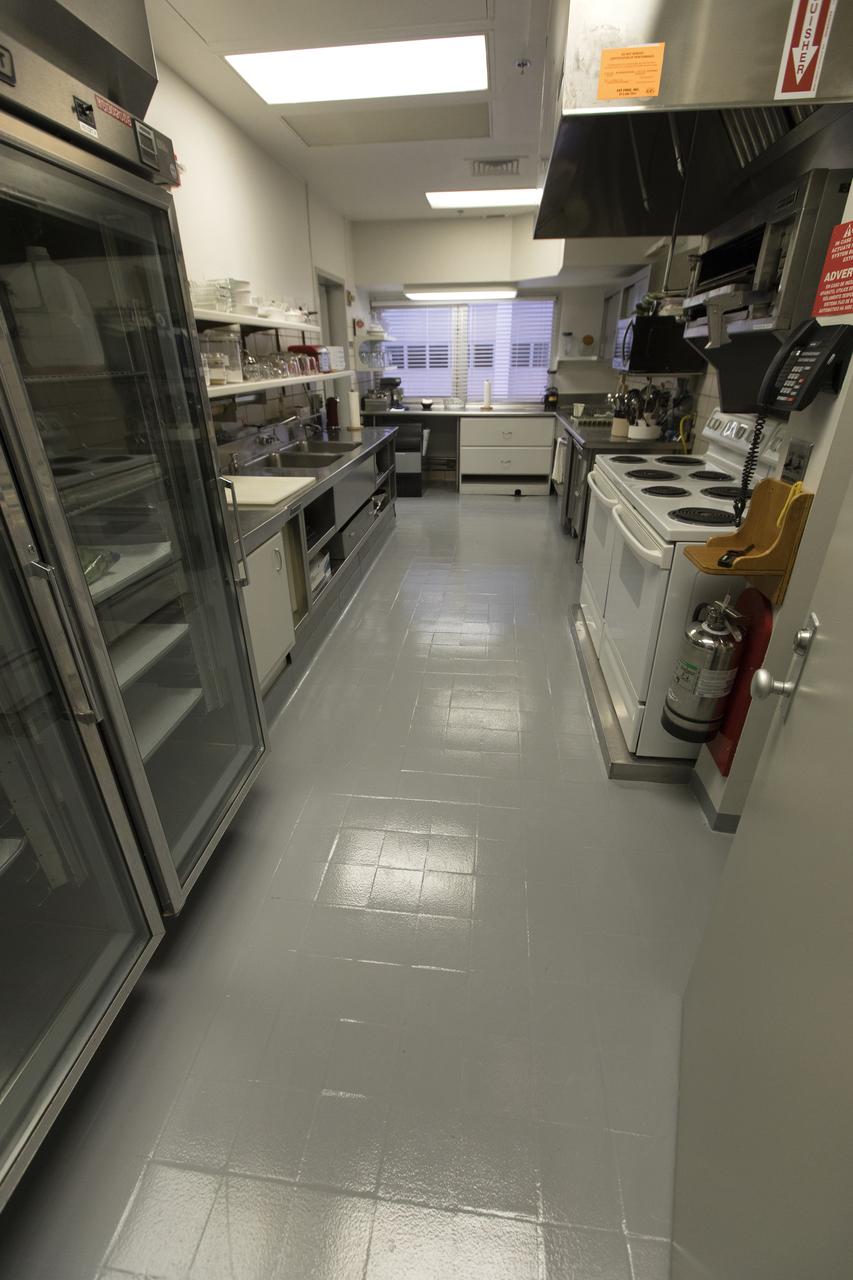
The kitchen in the astronaut crew quarters, located in the Neil Armstrong Operations and Checkout Building at Kennedy Space Center in Florida, is where the astronauts’ meals are prepared in the days leading up to a mission. Several improvements have been made to the crew quarters, including all new appliances in the kitchen.
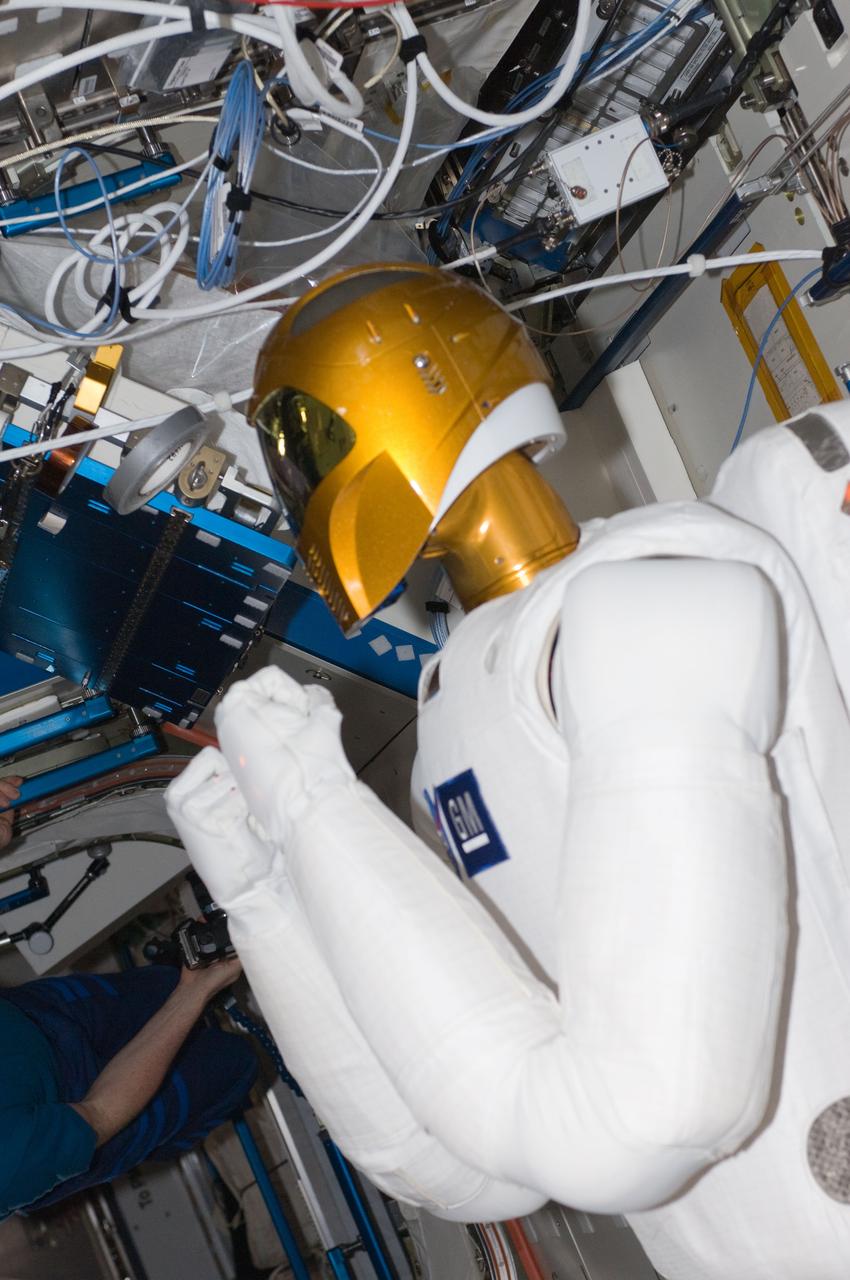
ISS030-E-075379 (14 Feb. 2012) --- Robonaut 2, nicknamed R2, is pictured during a checkout and activities session in the Destiny laboratory of the International Space Station.
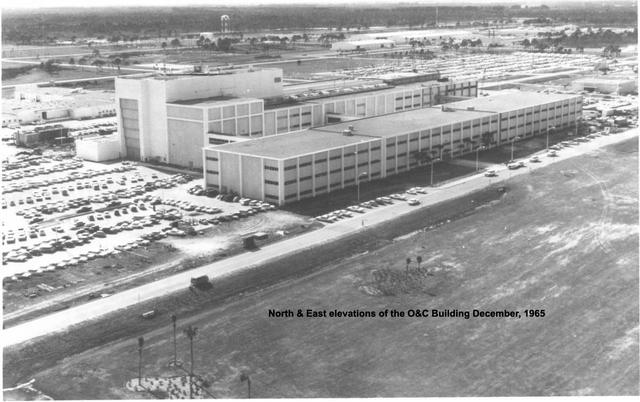
Exterior view of the Operations & Checkout Building
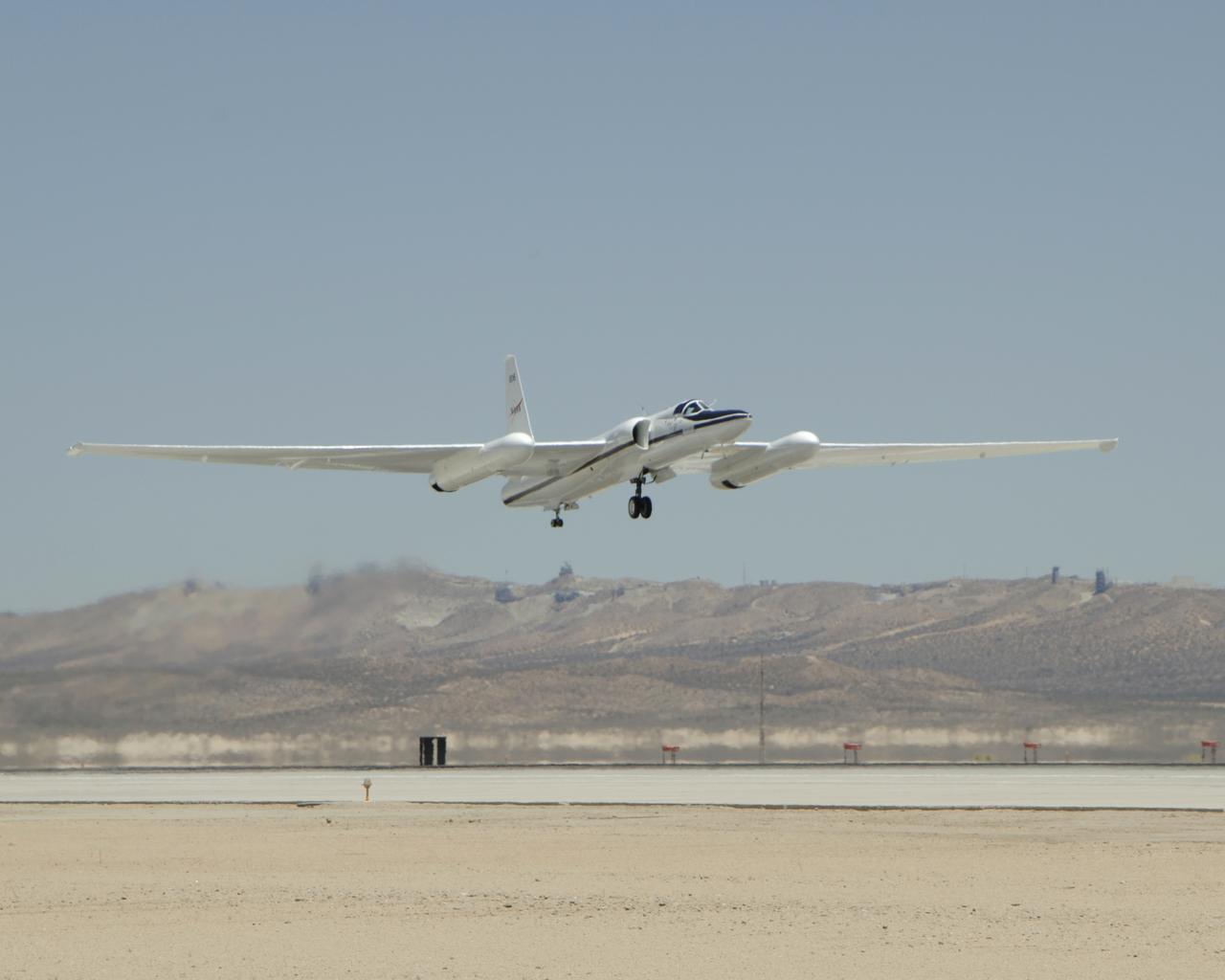
NASA'S ER-2 #806 lifts off from Edwards Air Force Base on a CALIPS/CloudSat validation instrument checkout flight.
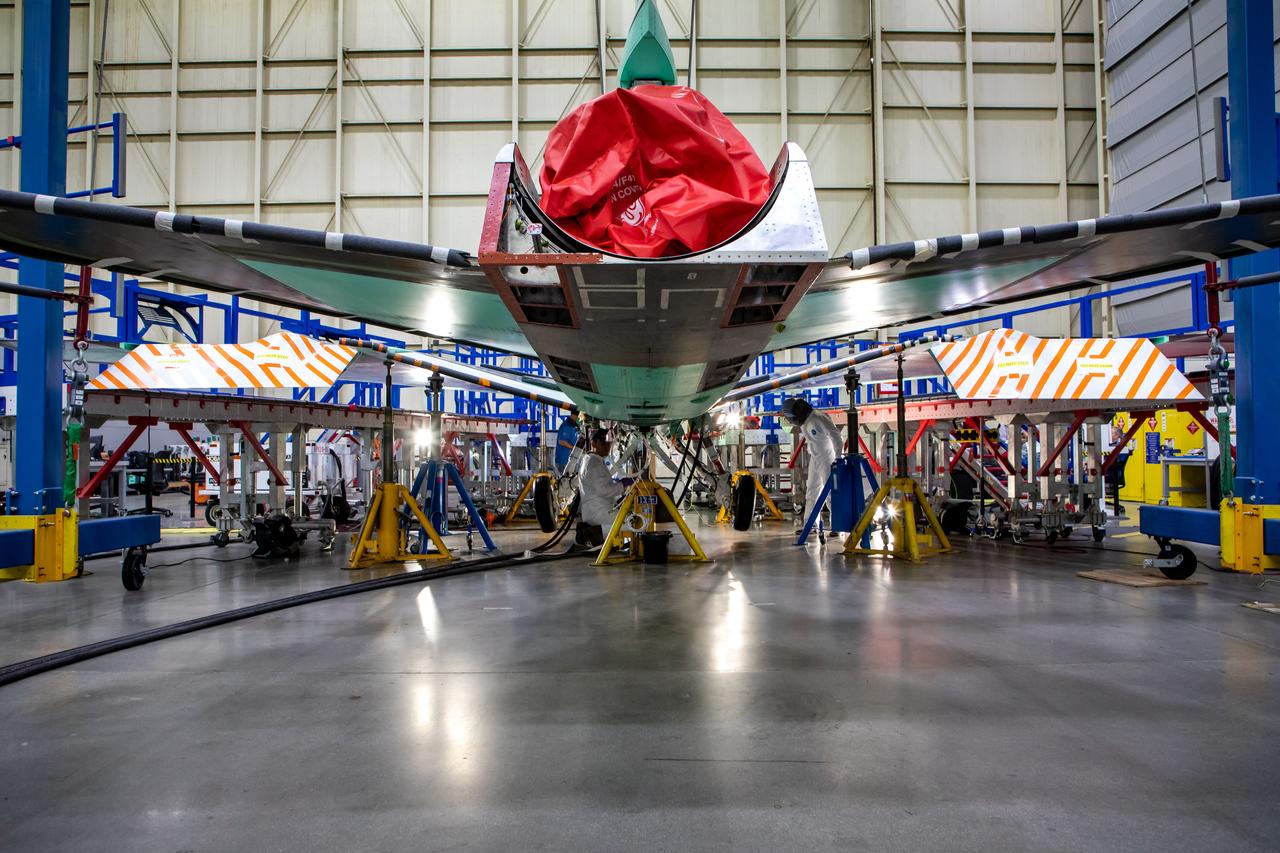
Technicians perform landing gear checkout testing at Lockheed Martin Skunk Works in Palmdale, California. These tests make sure that all the parts of X-59’s landing gear and doors are working in the correct order. The X-59 is the centerpiece of NASA’s Quesst mission, which could help enable commercial supersonic air travel over land.
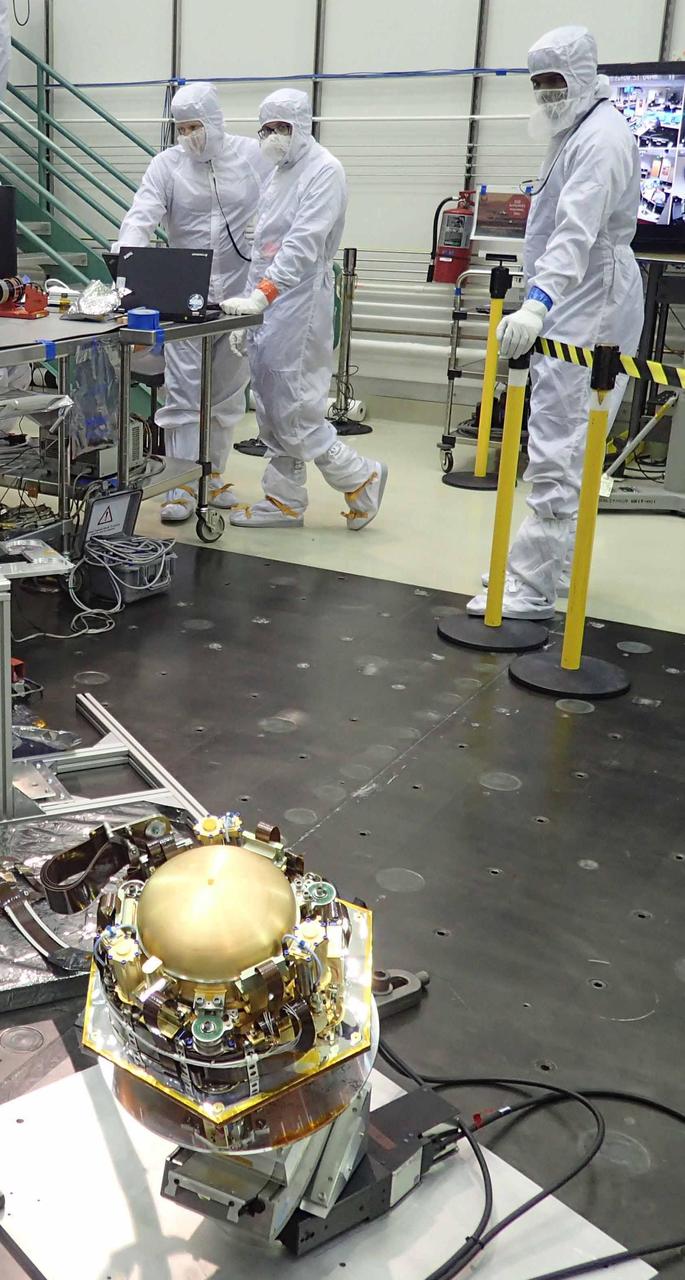
The Seismic Experiment for Interior Structure (SEIS) instrument for NASA's InSight mission to Mars undergoes a checkout for the spacecraft's assembly, test and launch operations (ATLO) in this photo taken July 20, 2017, in a Lockheed Martin clean room facility in Littleton, Colorado. The SEIS was provided by France's national space agency (CNES) with collaboration from the United States, the United Kingdom, Switzerland and Germany. The InSight mission (for Interior Exploration using Seismic Investigations, Geodesy and Heat Transport) is scheduled to launch in May 2018 and land on Mars Nov. 26, 2018. It will investigate processes that formed and shaped Mars and will help scientists better understand the evolution of our inner solar system's rocky planets, including Earth. https://photojournal.jpl.nasa.gov/catalog/PIA21846
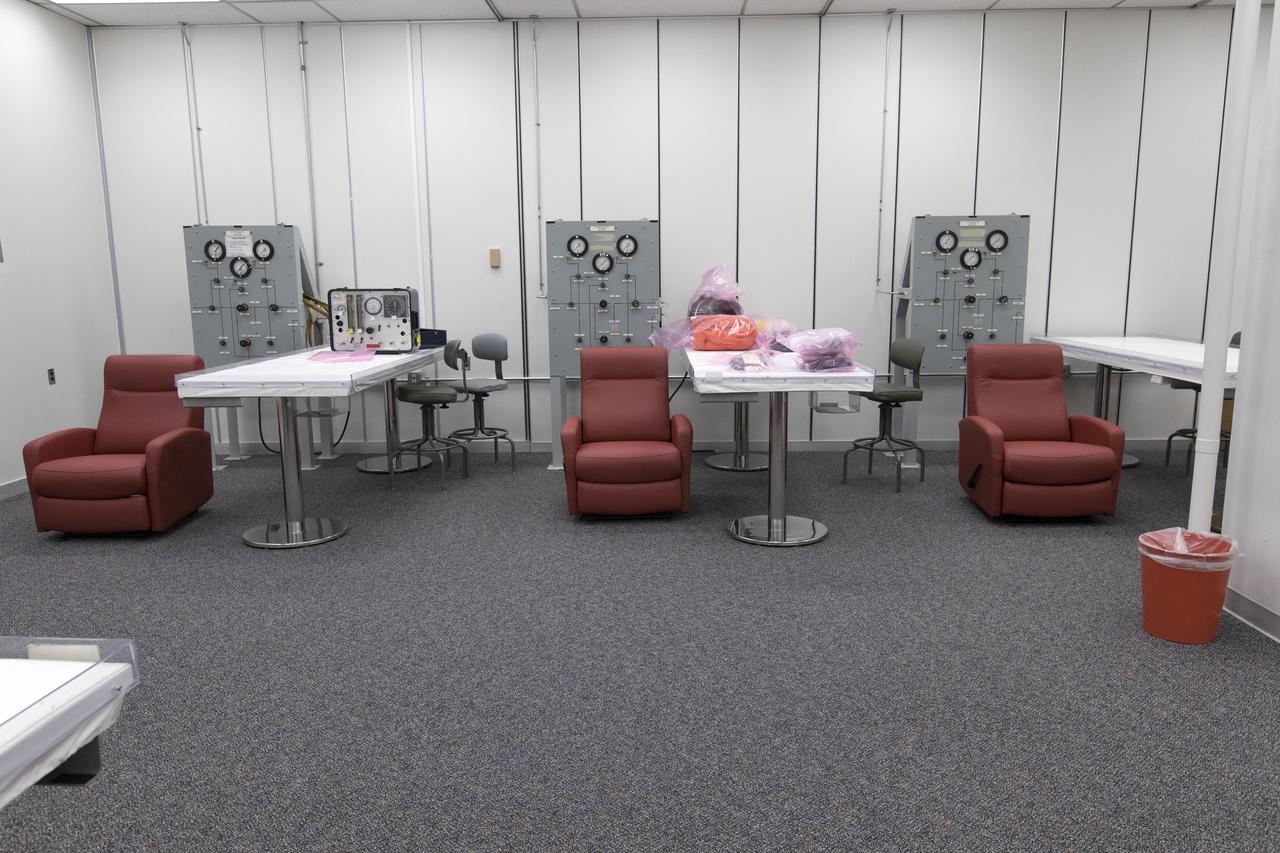
New carpeting, ceiling tiles, appliances and fresh paint are among the improvements that have been made to the astronaut crew quarters, located in the Neil Armstrong Operations and Checkout Building at Kennedy Space Center in Florida. Shown here is the suit room, where astronauts are helped into their pressure suits before leaving the crew quarters for a mission. This room now features three suit containment rooms — one each for Orion, Boeing and SpaceX.
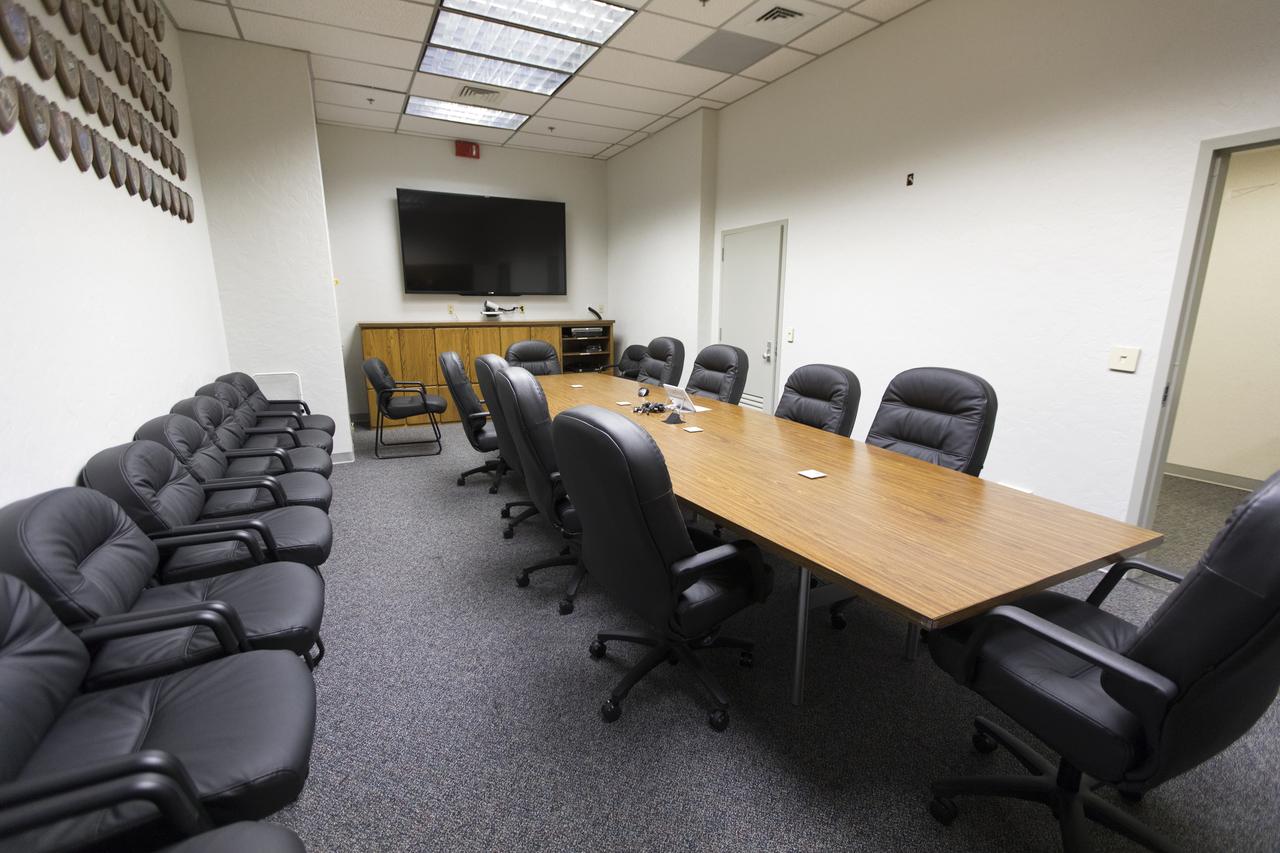
Several upgrades have been completed in the crew quarters at Kennedy Space Center in Florida. This includes new carpeting, paint, furniture and ceiling tiles. Located on the third floor of the Neil Armstrong Operations and Checkout Building, the crew quarters serves as the astronauts’ home as they prepare for missions. This will once again be the case as Kennedy moves closer to a return to human spaceflight. Pictured is a meeting room in the crew quarters.
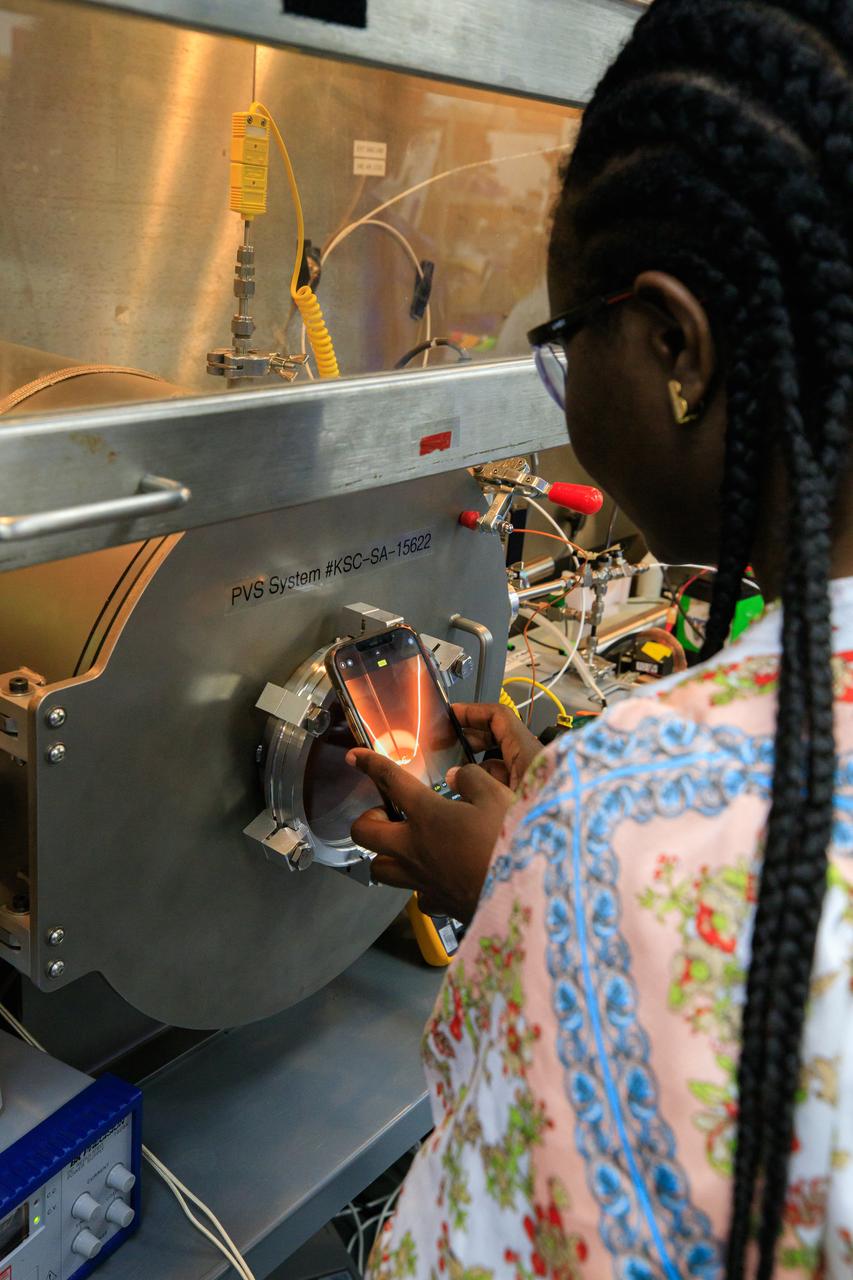
An engineer conducts testing of the Molten Regolith Electrolysis (MRE) inside a laboratory in the Neil Armstrong Operations and Checkout Building at NASA’s Kennedy Space Center in Florida on Sept. 13, 2022. This is a high-temperature electrolytic process which aims to extract oxygen from the simulated lunar regolith. Extraction of oxygen on the lunar surface is critical to the agency’s Artemis program. Oxygen extracted from the Moon can be utilized for propellent to NASA’s lunar landers., breathable oxygen for astronauts, and a variety of other industrial and scientific applications for NASA’s future missions to the Moon.
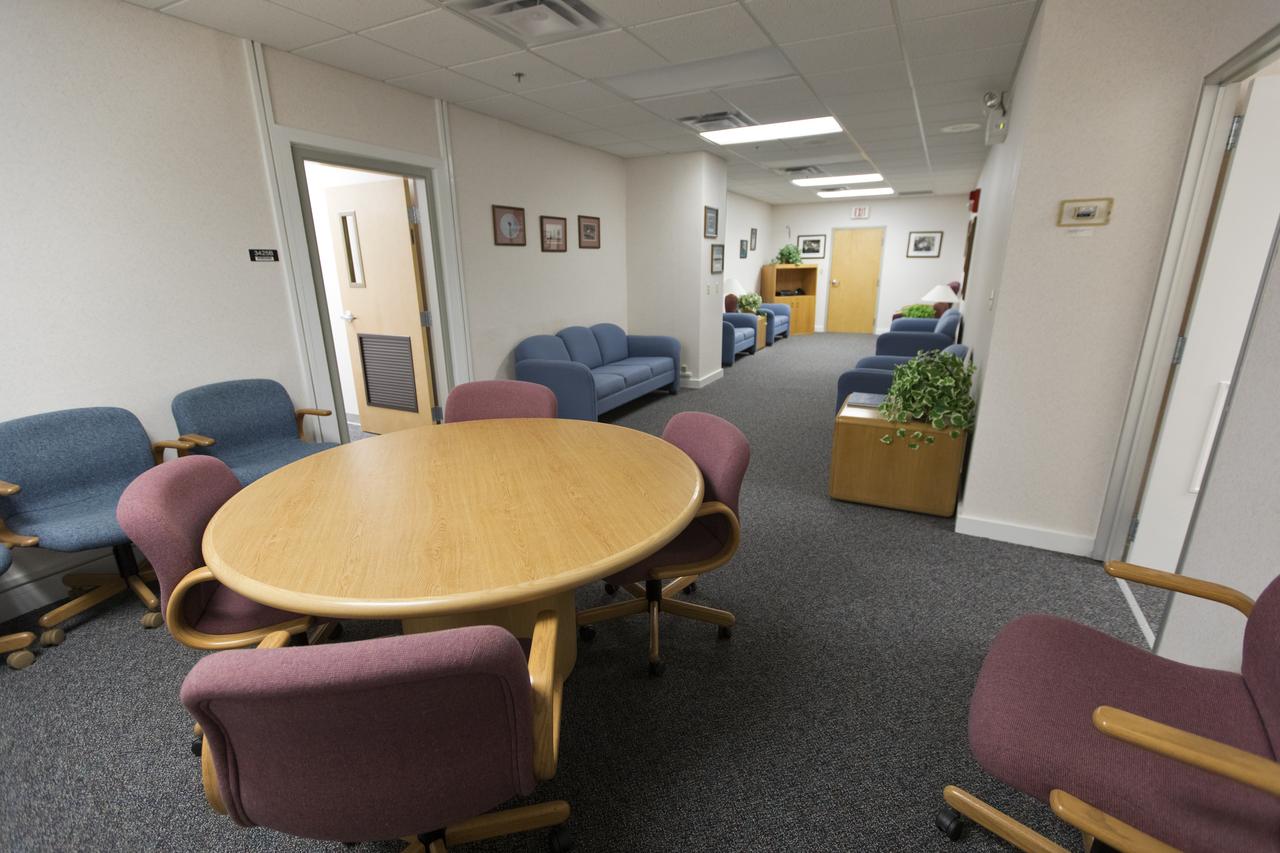
The lounge area inside the astronaut crew quarters is where astronauts’ family members waited for their return upon landing during the Space Shuttle Program. The crew quarters, located on the third floor of Kennedy Space Center’s Neil Armstrong Operations and Checkout Building, recently received a number of upgrades, including new paint, ceiling tiles, carpeting, appliances and furniture.
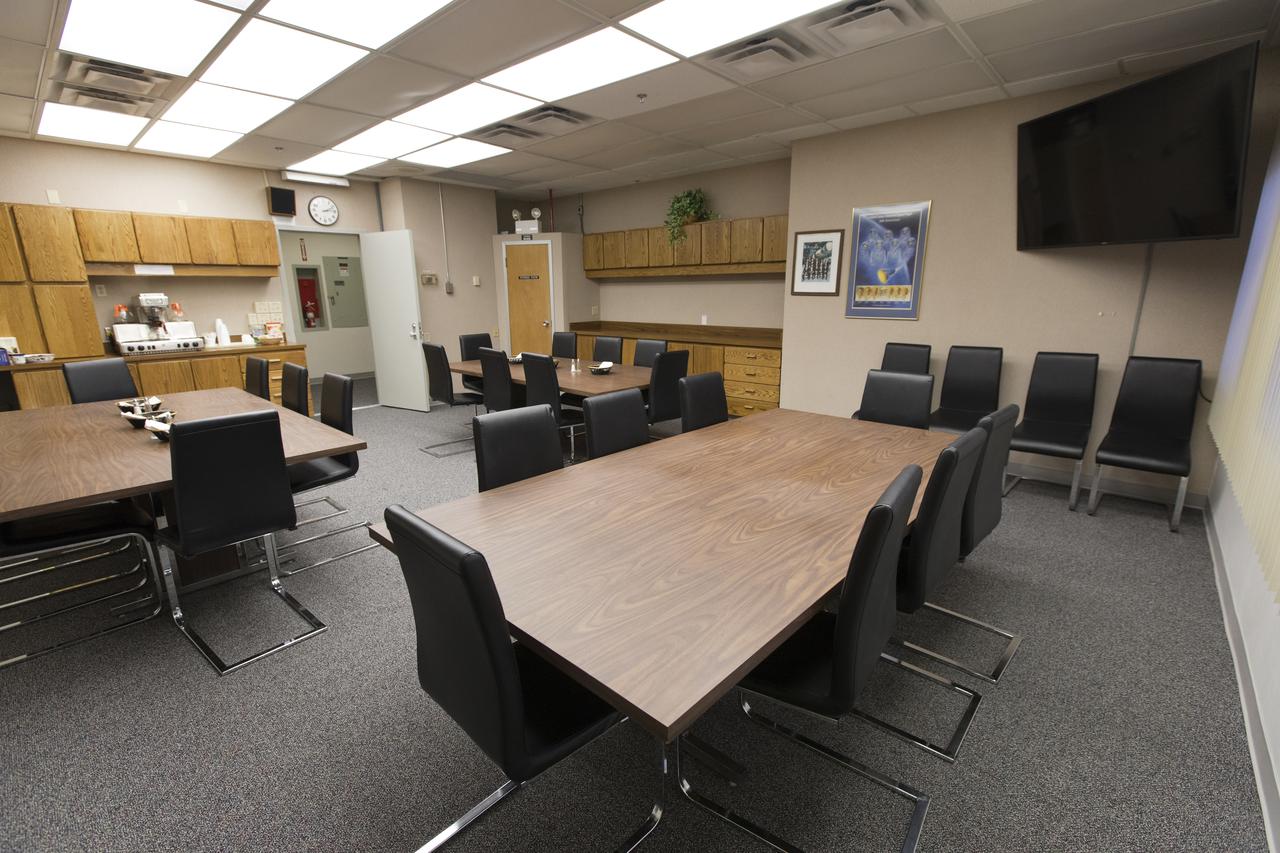
During the Space Shuttle Program, the dining room of the astronaut crew quarters, located in the Neil Armstrong Operations and Checkout Building at Kennedy Space Center in Florida, was a popular place. Located just off of the kitchen, the dining room features lighting that can simulate broad daylight or evening hours. As Kennedy builds toward a return to human spaceflight, the crew quarters are being prepared to once again house mission-bound astronauts.
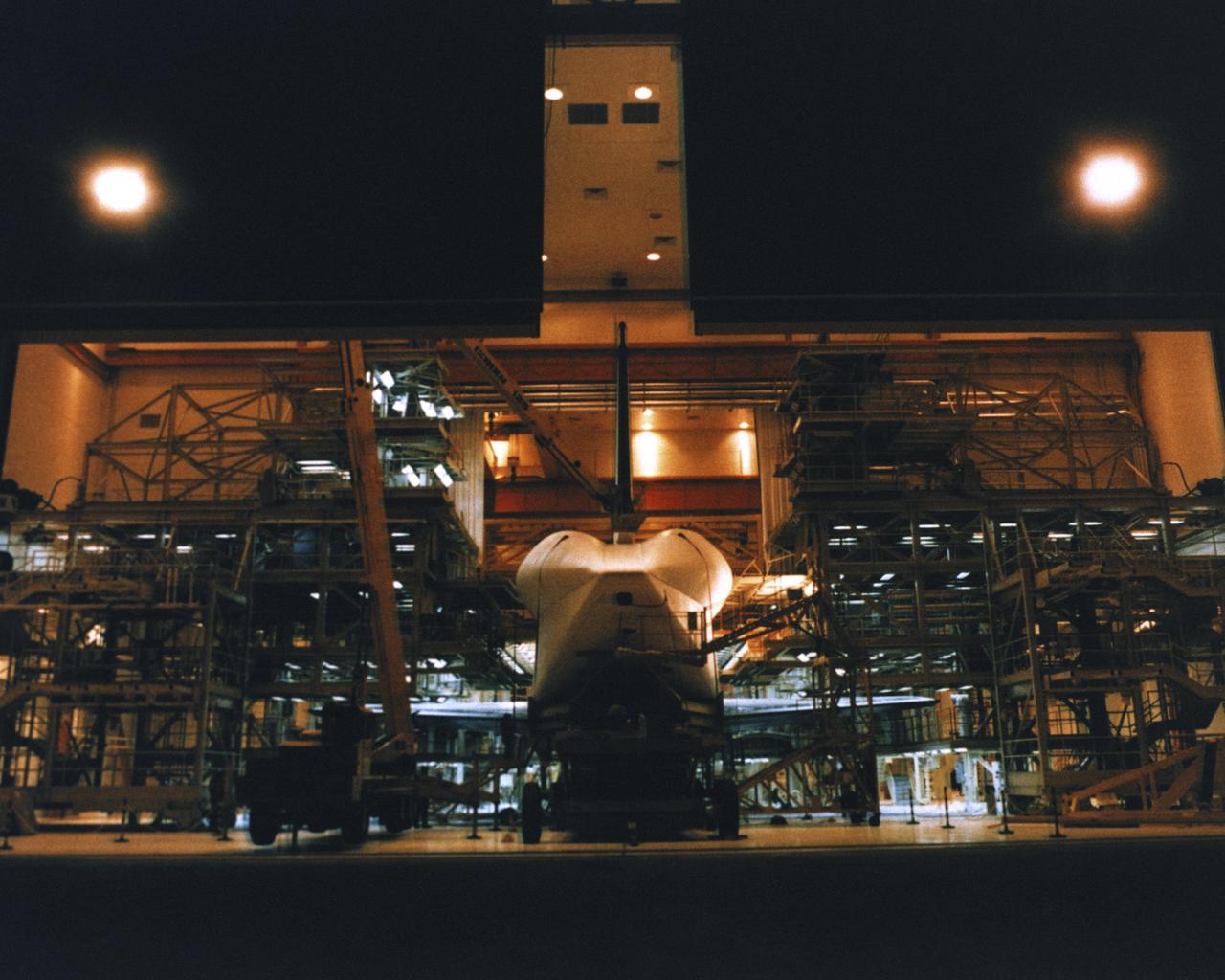
Enterprise inside the Orbiter Maintenance and Checkout Facility at Vandenberg, AFB, California
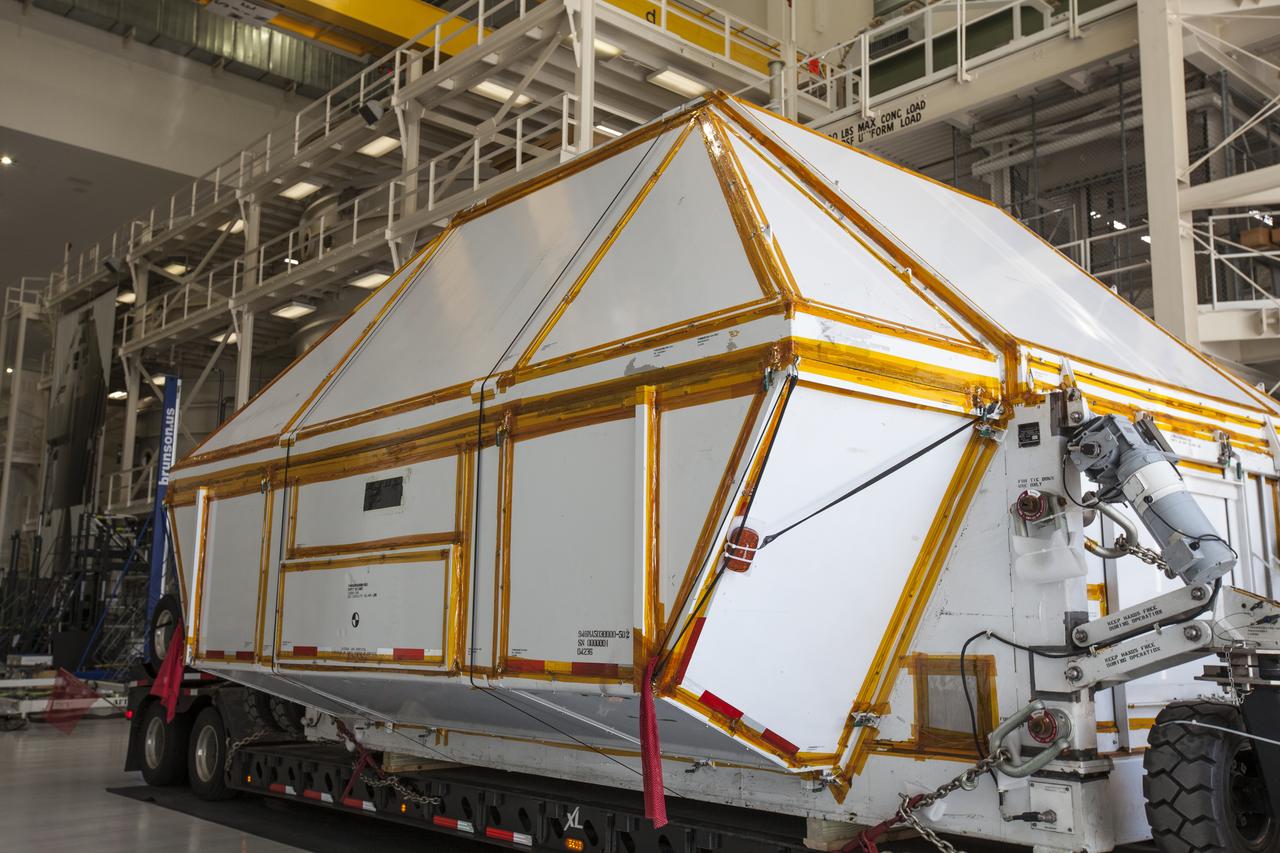
The Orion crew module pressure vessel for Exploration Mission-2 is backed into the high bay at the Neil Armstrong Operations and Checkout Building at NASA's Kennedy Space Center in Florida on Aug. 24, 2018. The pressure vessel was transported in its Crew Module Transportation Fixture by super-wide transport truck from Michoud Assembly Facility near New Orleans. The pressure vessel is Orion's primary structure that holds the pressurized atmosphere astronauts will breathe and work in while in the vacuum of deep space. Inside the facility's high bay, the pressure vessel will be secured on a precision alignment tool to begin preparing it for flight.
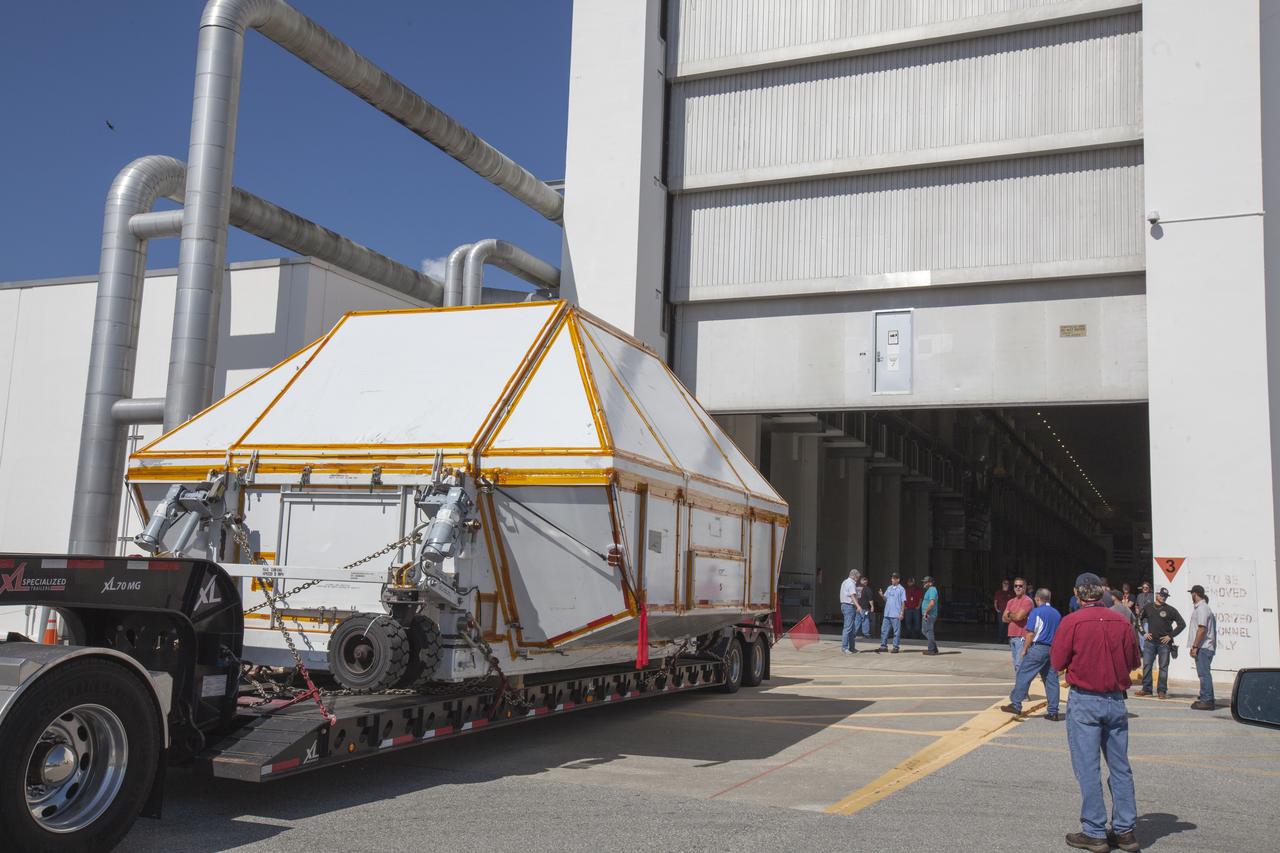
The Orion crew module pressure vessel for Exploration Mission-2 arrives at the Neil Armstrong Operations and Checkout Building at NASA's Kennedy Space Center in Florida on Aug. 24, 2018. The pressure vessel was transported in its Crew Module Transportation Fixture by super-wide transport truck from Michoud Assembly Facility near New Orleans. The pressure vessel is Orion's primary structure that holds the pressurized atmosphere astronauts will breathe and work in while in the vacuum of deep space. It will be moved into the facility's high bay, where it will be secured on a precision alignment tool to begin preparing it for flight.
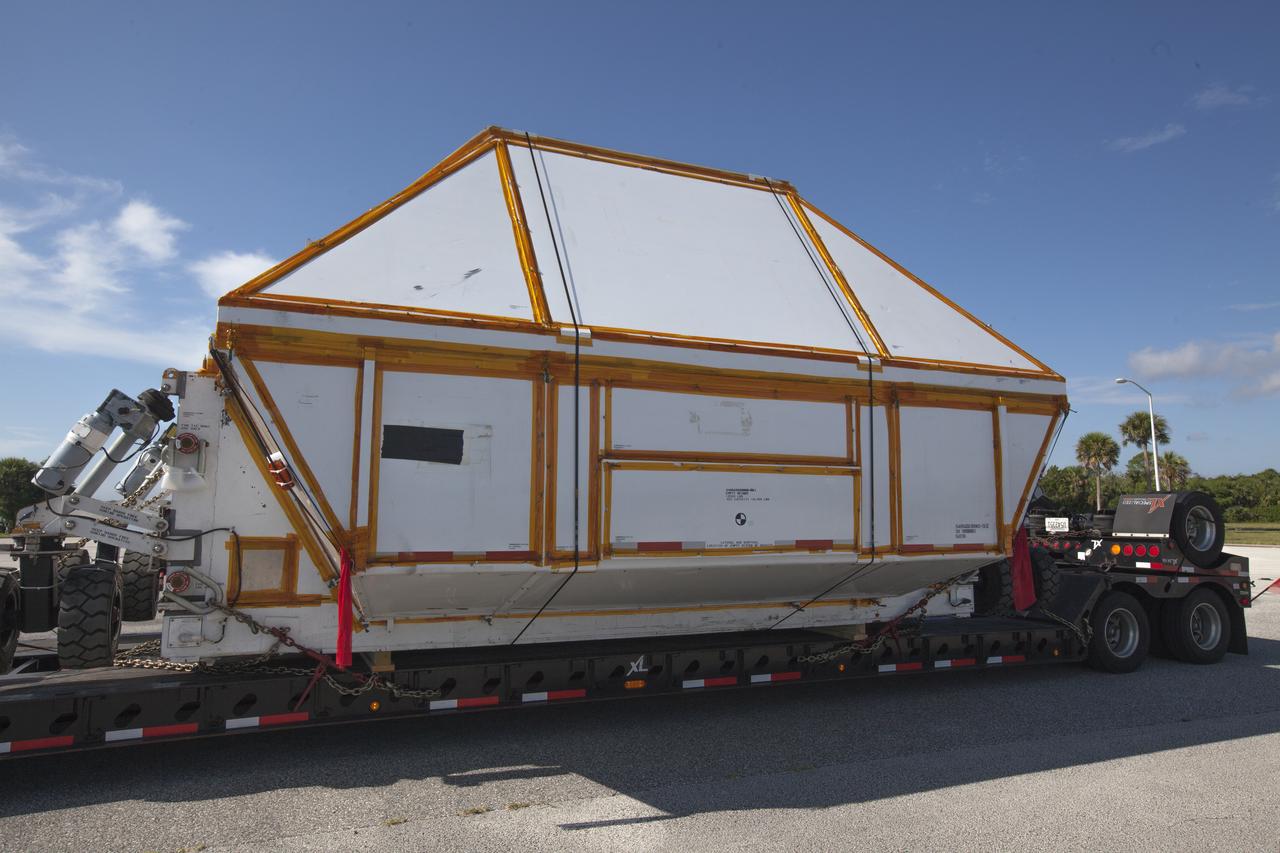
The Orion crew module pressure vessel for Exploration Mission-2 arrives at NASA's Kennedy Space Center in Florida on Aug. 24, 2018. The pressure vessel was transported in its Crew Module Transportation Fixture by super-wide transport truck from Michoud Assembly Facility near New Orleans. The pressure vessel is Orion's primary structure that holds the pressurized atmosphere astronauts will breathe and work in while in the vacuum of deep space. It will be moved into the Neil Armstrong Operations and Checkout Building high bay, where it will be secured on a precision alignment tool to begin preparing it for flight.
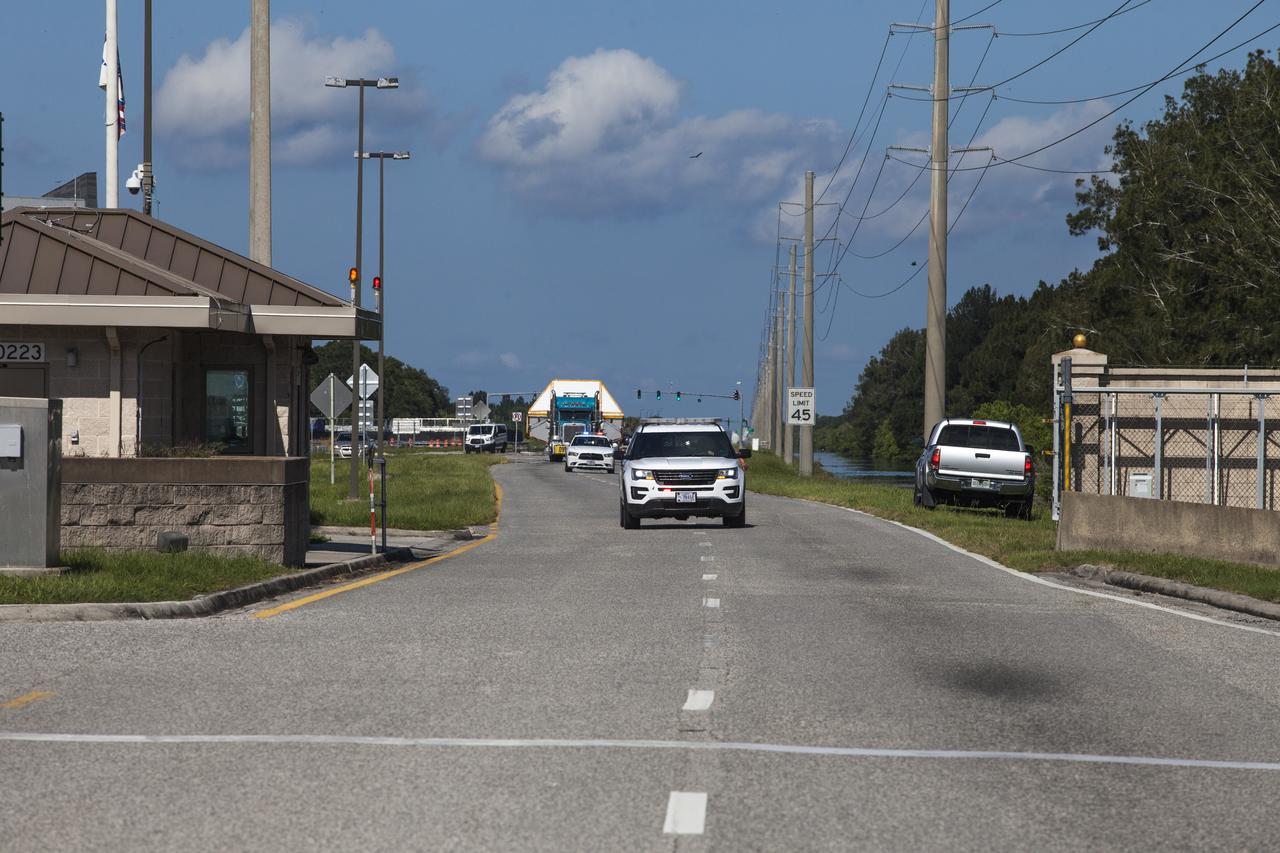
A super-wide truck carrying the Orion crew module pressure vessel for Exploration Mission-2 approaches the entrance gate at NASA's Kennedy Space Center in Florida on Aug. 24, 2018. The pressure vessel was transported in its Crew Module Transportation Fixture by truck from Michoud Assembly Facility near New Orleans. The pressure vessel is Orion's primary structure that holds the pressurized atmosphere astronauts will breathe and work in while in the vacuum of deep space. It will be moved into the Neil Armstrong Operations and Checkout Building high bay, where it will be secured on a precision alignment tool to begin preparing it for flight.
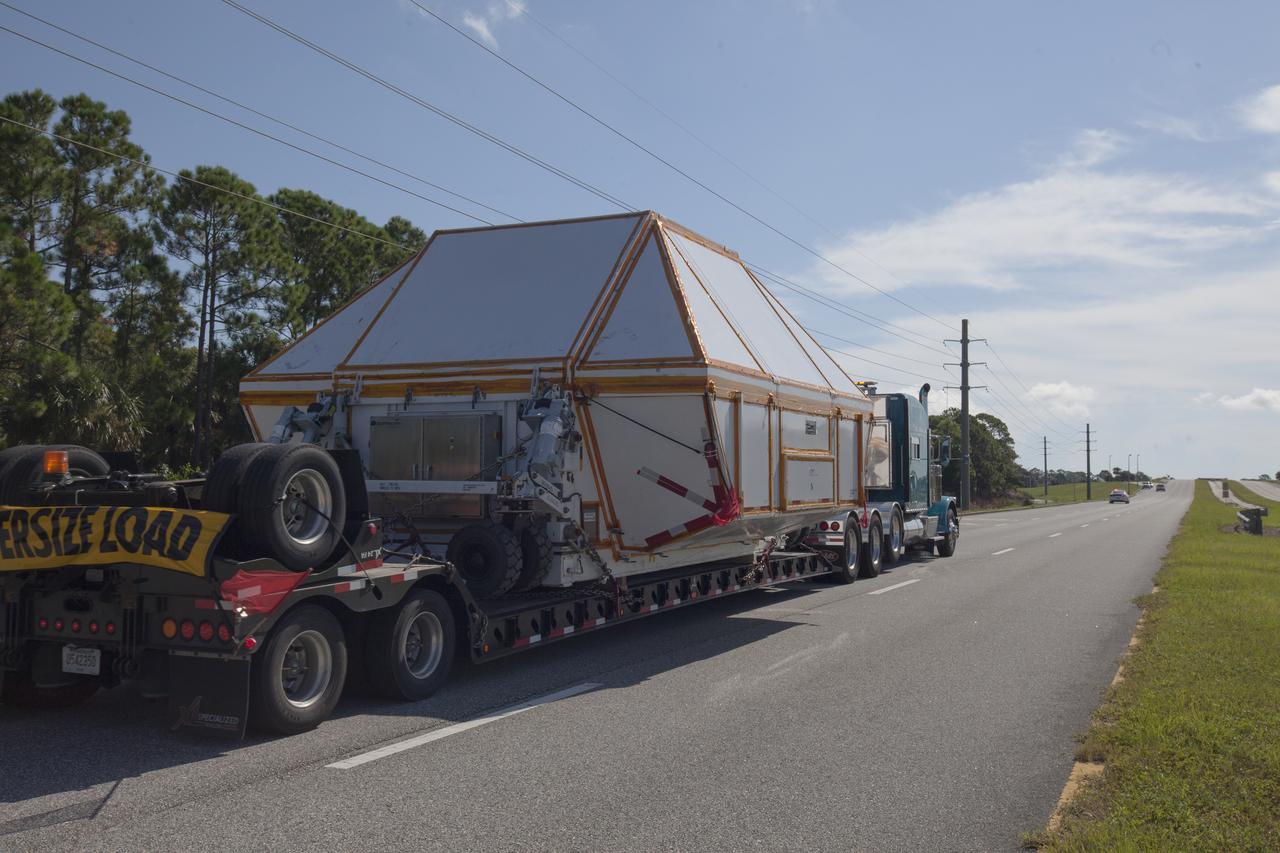
The Orion crew module pressure vessel for Exploration Mission-2 arrives at NASA's Kennedy Space Center in Florida on Aug. 24, 2018. The pressure vessel was transported in its Crew Module Transportation Fixture by super-wide transport truck from Michoud Assembly Facility near New Orleans. The pressure vessel is Orion's primary structure that holds the pressurized atmosphere astronauts will breathe and work in while in the vacuum of deep space. It will be moved into the Neil Armstrong Operations and Checkout Building high bay, where it will be secured on a precision alignment tool to begin preparing it for flight.
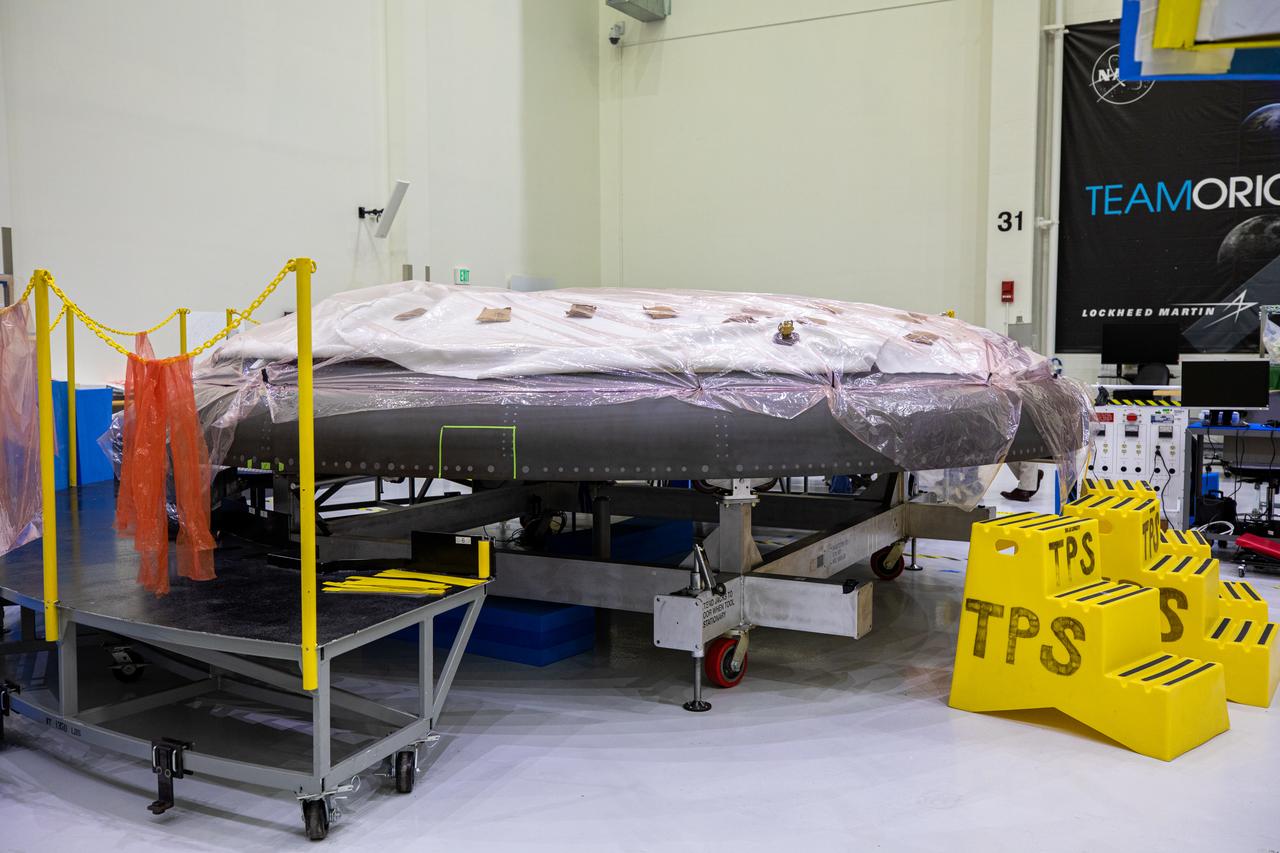
The heat shield for Orion’s Artemis II mission is in view secured on a work stand in the Neil Armstrong Operations and Checkout Building high bay at NASA’s Kennedy Space Center in Florida on Jan. 9, 2020. Work continues to prepare the heat shield for flight, including applying Avcoat, an ablative material that will provide thermal protection. The heat shield, measuring roughly 16 feet in diameter, will protect astronauts upon re-entry on the second mission of Artemis. Artemis II, the first crewed mission in the series of missions to the Moon and on to Mars, will confirm all of the Orion spacecraft’s systems operate as designed in the actual environment of deep space with astronauts aboard.
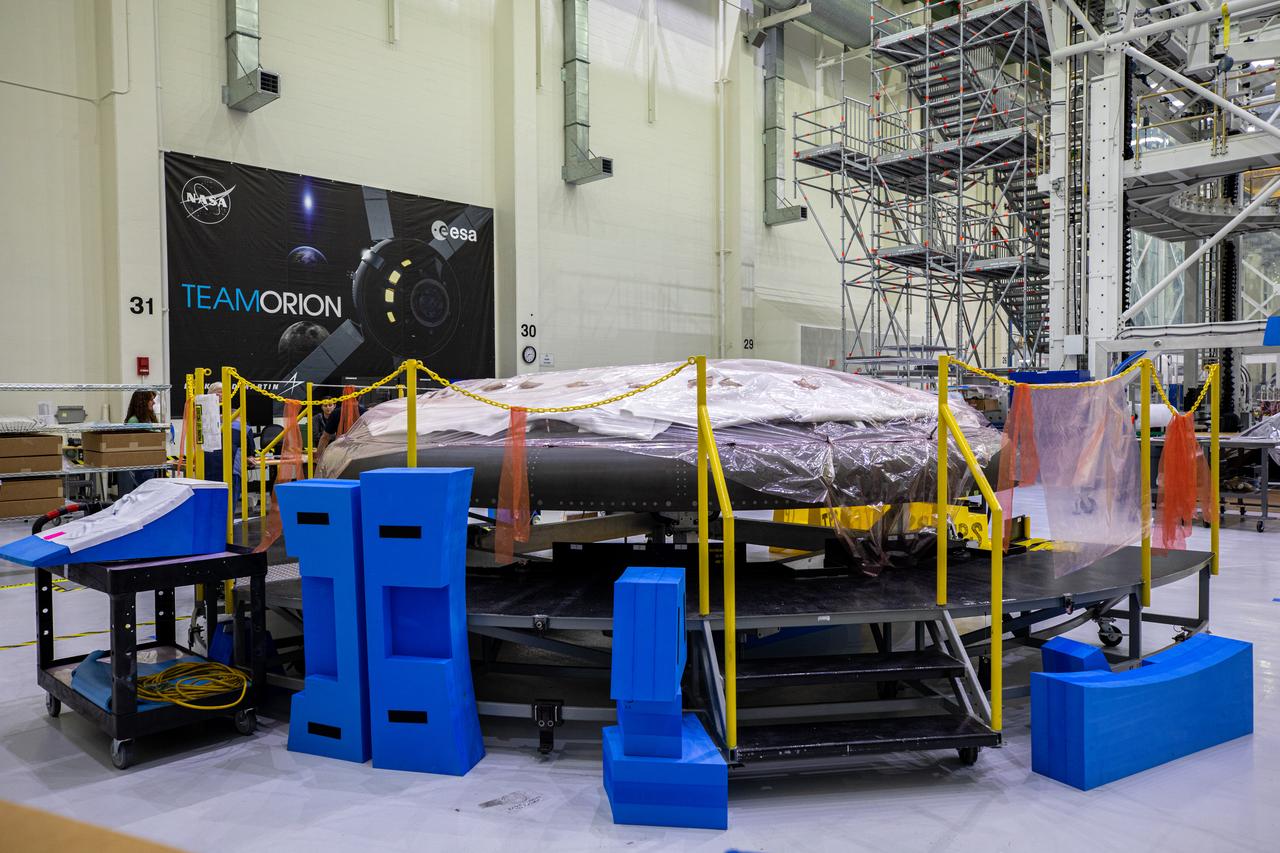
The heat shield for Orion’s Artemis II mission is in view secured on a work stand in the Neil Armstrong Operations and Checkout Building high bay at NASA’s Kennedy Space Center in Florida on Jan. 9, 2020. Work continues to prepare the heat shield for flight, including applying Avcoat, an ablative material that will provide thermal protection. The heat shield, measuring roughly 16 feet in diameter, will protect astronauts upon re-entry on the second mission of Artemis. Artemis II, the first crewed mission in the series of missions to the Moon and on to Mars, will confirm all of the Orion spacecraft’s systems operate as designed in the actual environment of deep space with astronauts aboard.
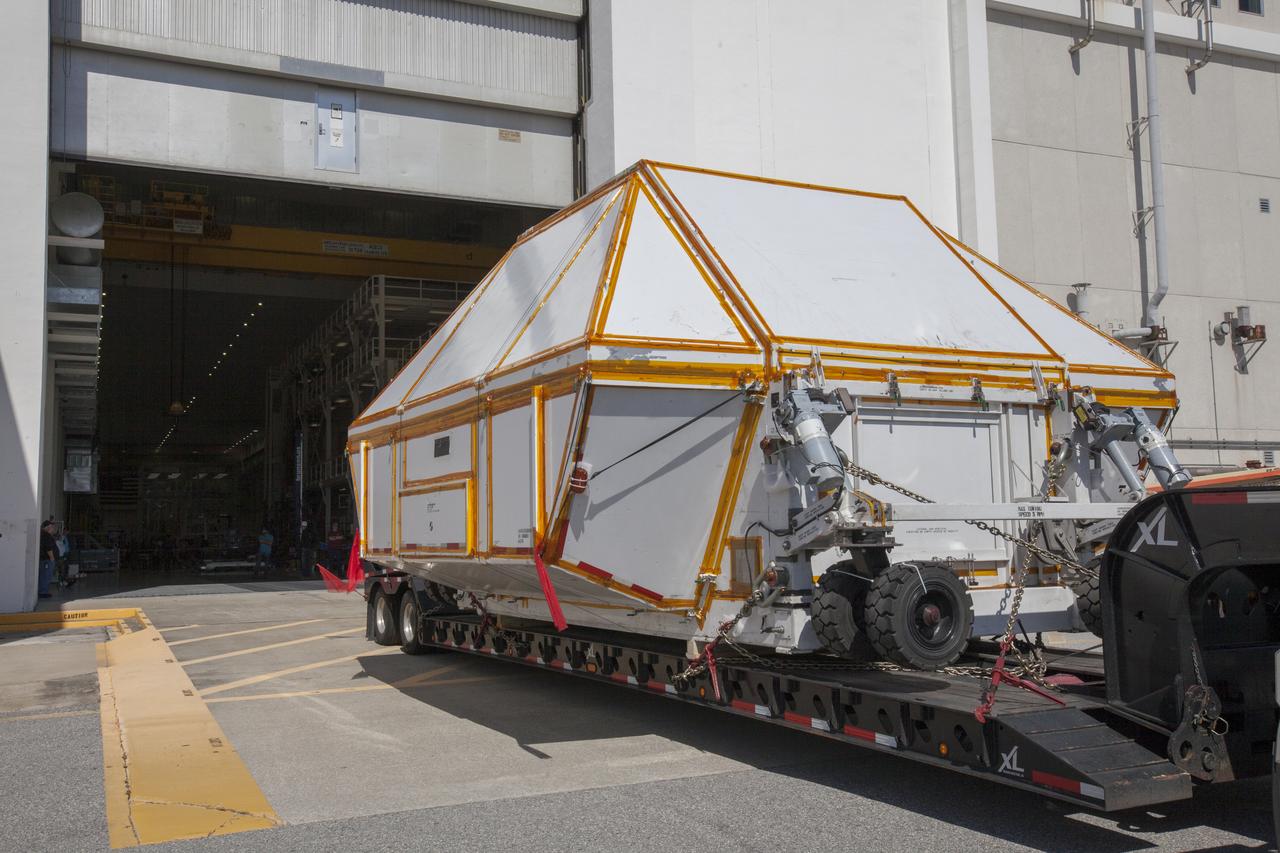
The Orion crew module pressure vessel for Exploration Mission-2 arrives at the Neil Armstrong Operations and Checkout Building at NASA's Kennedy Space Center in Florida on Aug. 24, 2018. The pressure vessel was transported in its Crew Module Transportation Fixture by super-wide transport truck from Michoud Assembly Facility near New Orleans. The pressure vessel is Orion's primary structure that holds the pressurized atmosphere astronauts will breathe and work in while in the vacuum of deep space. It will be moved into the facility's high bay, where it will be secured on a precision alignment tool to begin preparing it for flight.
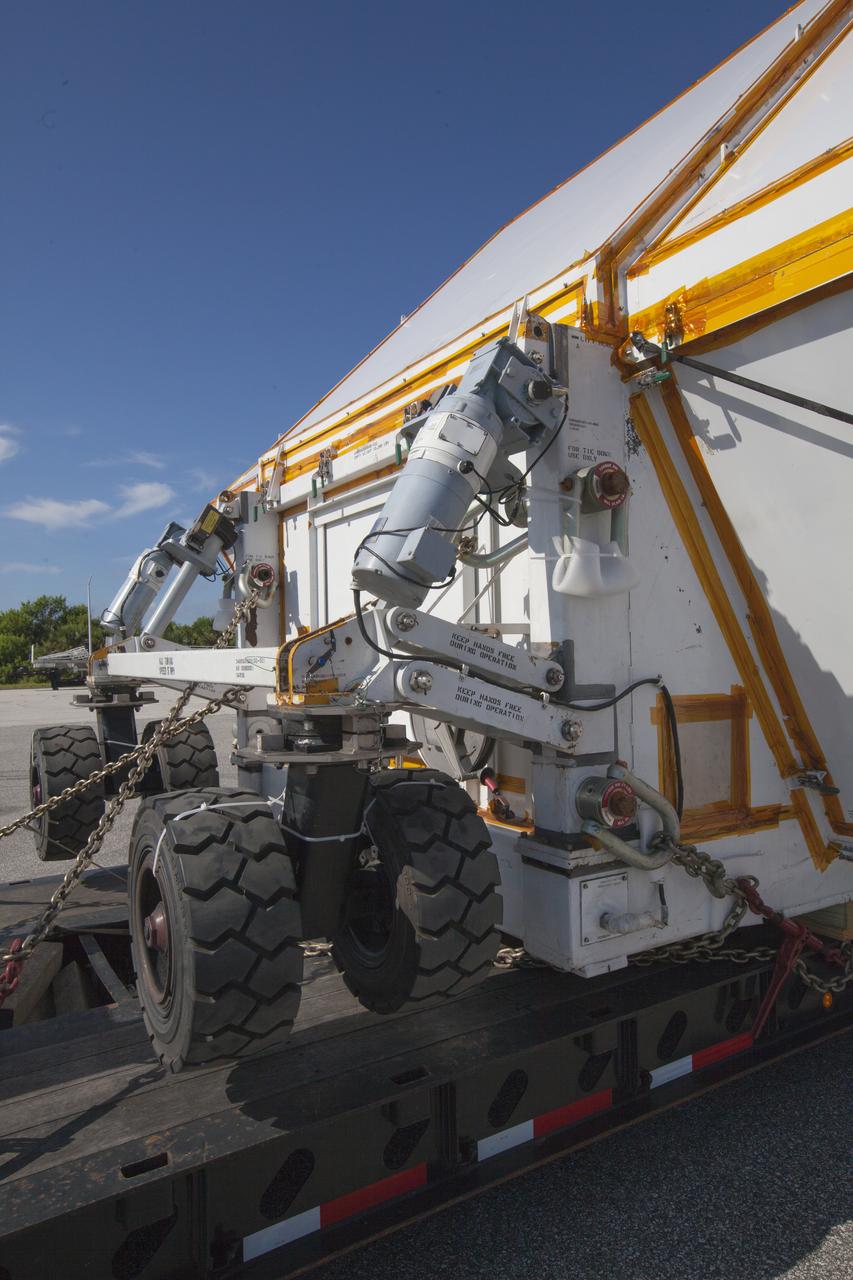
The Orion crew module pressure vessel for Exploration Mission-2 arrives at NASA's Kennedy Space Center in Florida on Aug. 24, 2018. The pressure vessel was transported in its Crew Module Transportation Fixture by super-wide transport truck from Michoud Assembly Facility near New Orleans. The pressure vessel is Orion's primary structure that holds the pressurized atmosphere astronauts will breathe and work in while in the vacuum of deep space. It will be moved into the Neil Armstrong Operations and Checkout Building high bay, where it will be secured on a precision alignment tool to begin preparing it for flight.
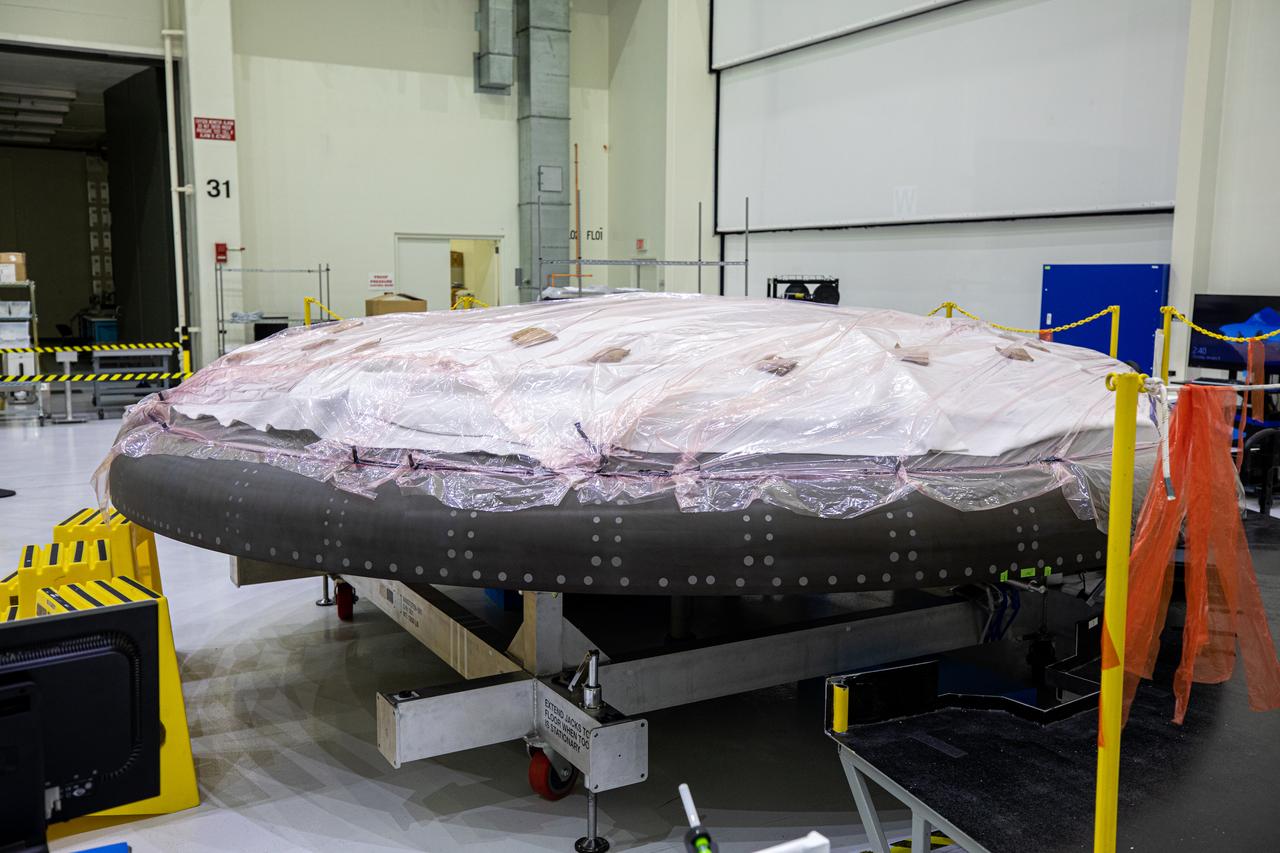
The heat shield for Orion’s Artemis II mission is in view secured on a work stand in the Neil Armstrong Operations and Checkout Building high bay at NASA’s Kennedy Space Center in Florida on Jan. 9, 2020. Work continues to prepare the heat shield for flight, including applying Avcoat, an ablative material that will provide thermal protection. The heat shield, measuring roughly 16 feet in diameter, will protect astronauts upon re-entry on the second mission of Artemis. Artemis II, the first crewed mission in the series of missions to the Moon and on to Mars, will confirm all of the Orion spacecraft’s systems operate as designed in the actual environment of deep space with astronauts aboard.
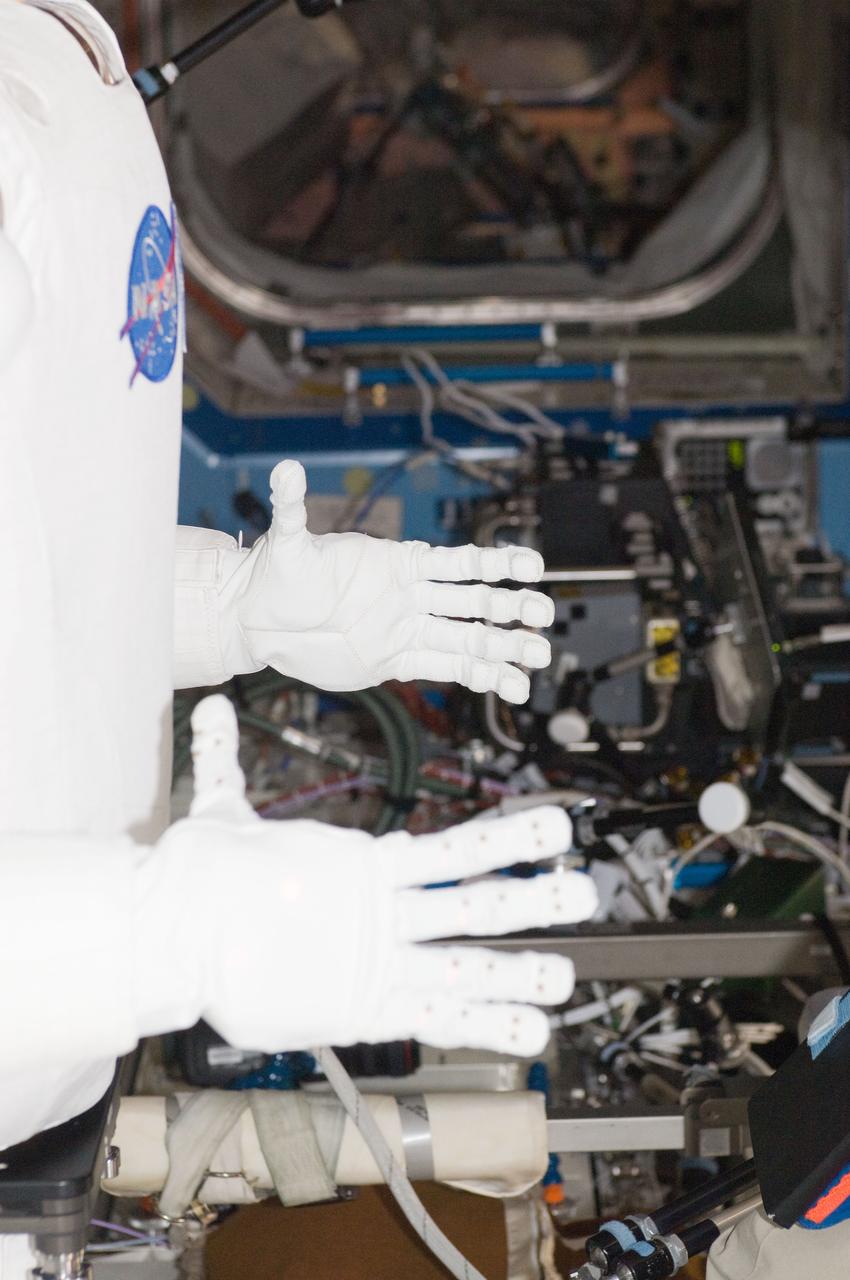
ISS030-E-075419 (15 Feb. 2012) --- The hands of Robonaut 2, nicknamed R2, are pictured during initial checkouts in the Destiny laboratory of the International Space Station.
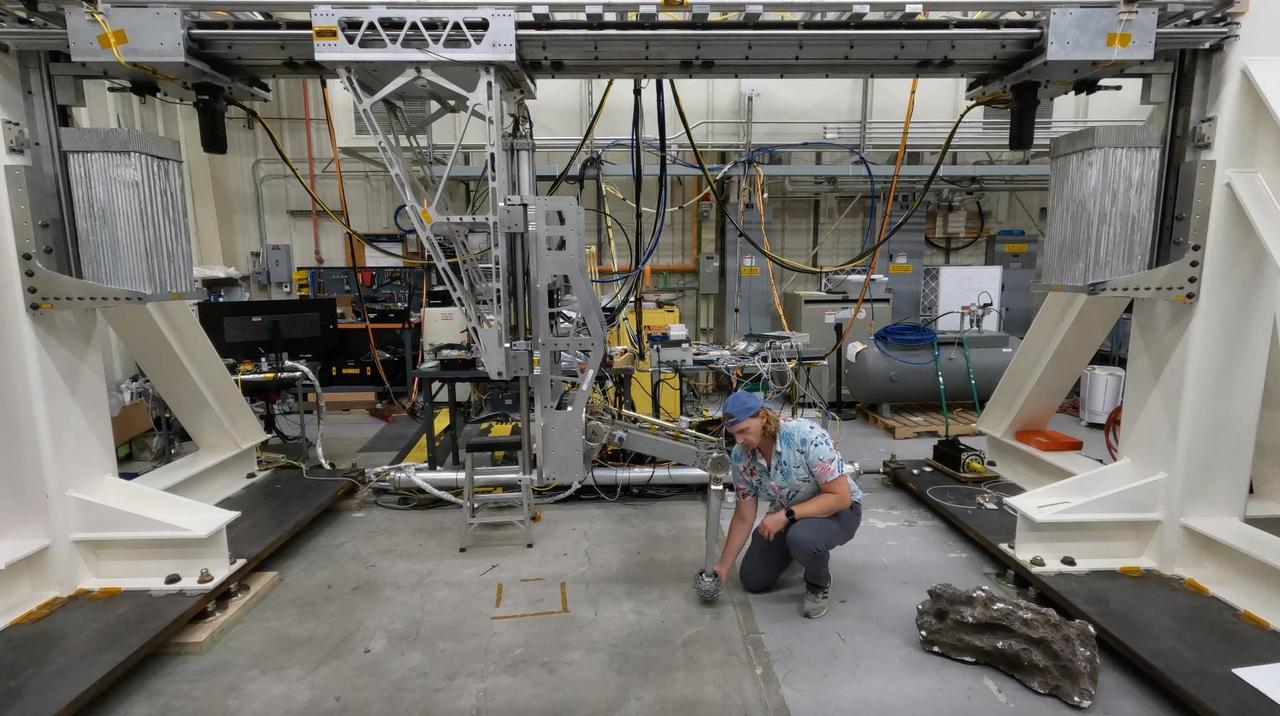
Engineer Matthew Cameron-Hooper performs a checkout on some systems of the Europa Lander landing gear testbed at NASA's Jet Propulsion Laboratory in Southern California on May 27, 2022. Europa Lander is a concept for a potential future mission that would look for signs of life in the icy surface material of Jupiter's moon Europa. The moon is thought to contain a global ocean of salty water beneath its frozen crust. If life exists in that ocean, signs of its existence called biosignatures could potentially find their way to the surface. In this mission concept, a spacecraft would land on Europa and collect and study samples from about 4 inches (10 centimeters) beneath the surface, looking for signs of life. The Europa Lander landing gear testbed was developed to test and inform the design of the landing gear for the spacecraft: It mimics the landing loads and ground interaction forces that a single flight landing gear would experience when touching down on the Europan surface. It does this by using gravity offloading to simulate the reduced gravity on Europa, and by replicating the mass and inertial properties of a flight lander as well as all the degrees of freedom that the landing gear would experience. This system checkout confirmed two critical functionalities of the testbed: low friction of the horizontal degree of freedom that carries the test landing gear, and proper functioning of the gravity offloading system. Together these functionalities ensure that only ground interaction forces cause the test landing gear to come to a stop during a test, just as a flight landing gear would experience when landing on the Europan surface. Video available at https://photojournal.jpl.nasa.gov/catalog/PIA26200
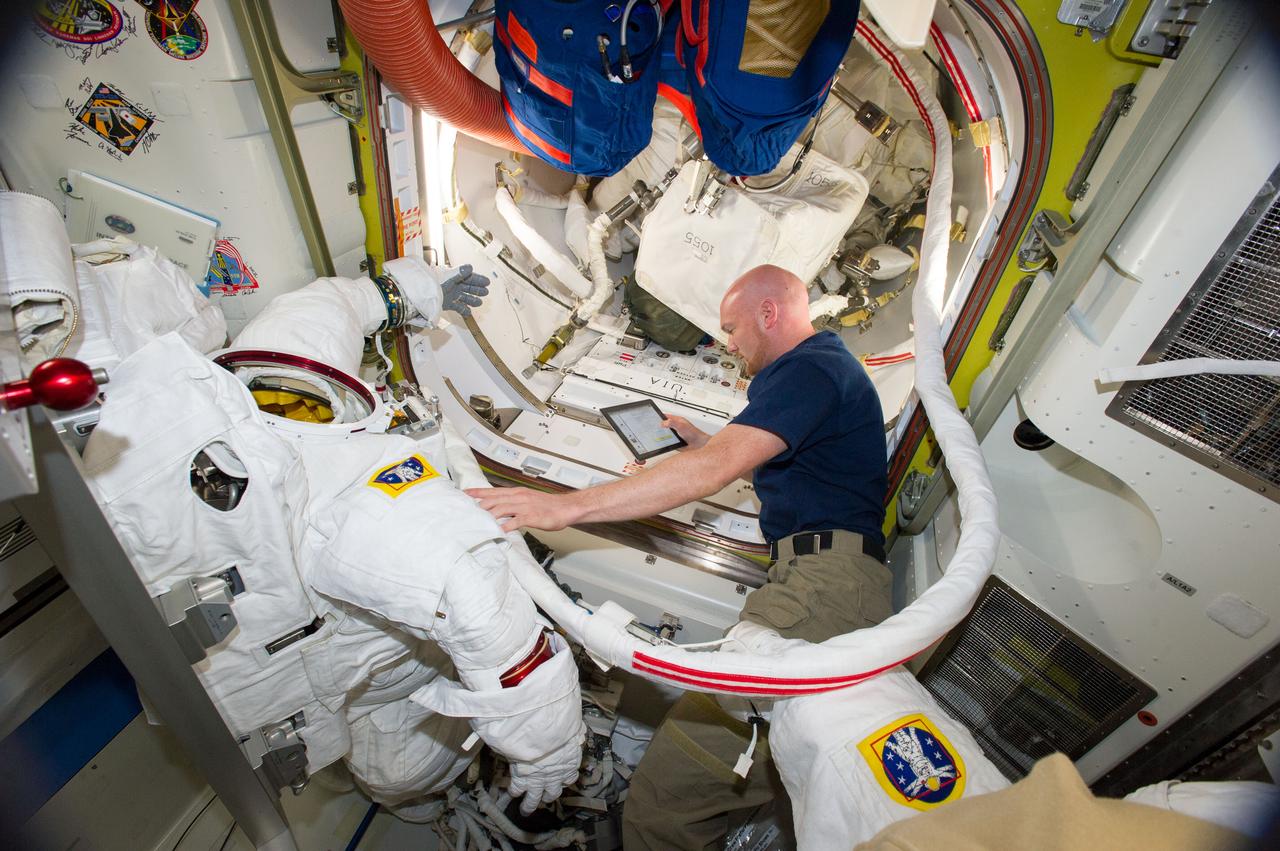
ISS040-E-010971 (12 June 2014) --- European Space Agency astronaut Alexander Gerst, Expedition 40 flight engineer, performs a checkout on an Extravehicular Mobility Unit (EMU) spacesuit in the Quest airlock of the International Space Station.

ISS030-E-075393 (14 Feb. 2012) --- The hands of Robonaut 2, nicknamed R2, are pictured during a checkout and activities session in the Destiny laboratory of the International Space Station.
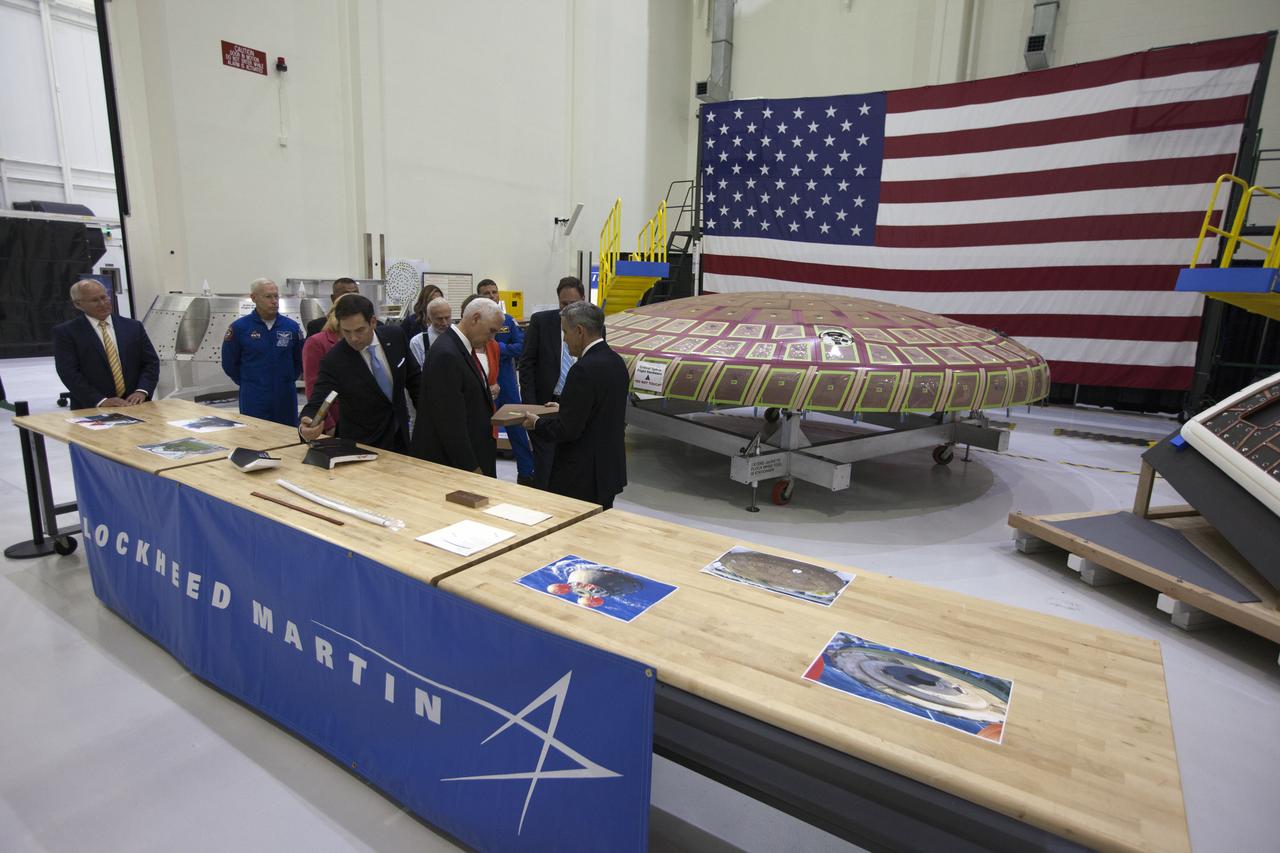
Vice President Mike Pence, center, and U.S. Senator Marco Rubio (R-FL), left, examine flight hardware during a tour of the Neil Armstrong Operations and Checkout Building at NASA's Kennedy Space Center in Florida, where the Orion spacecraft is being readied for a trip beyond the moon on its first integrated flight with the Space Launch System rocket. During his visit to Kennedy, Pence spoke inside the Vehicle Assembly Building, where he thanked employees for advancing American leadership in space. The Vice President also toured several facilities highlighting the public-private partnerships at Kennedy, as both NASA and commercial companies prepare to launch American astronauts from the multi-user spaceport.