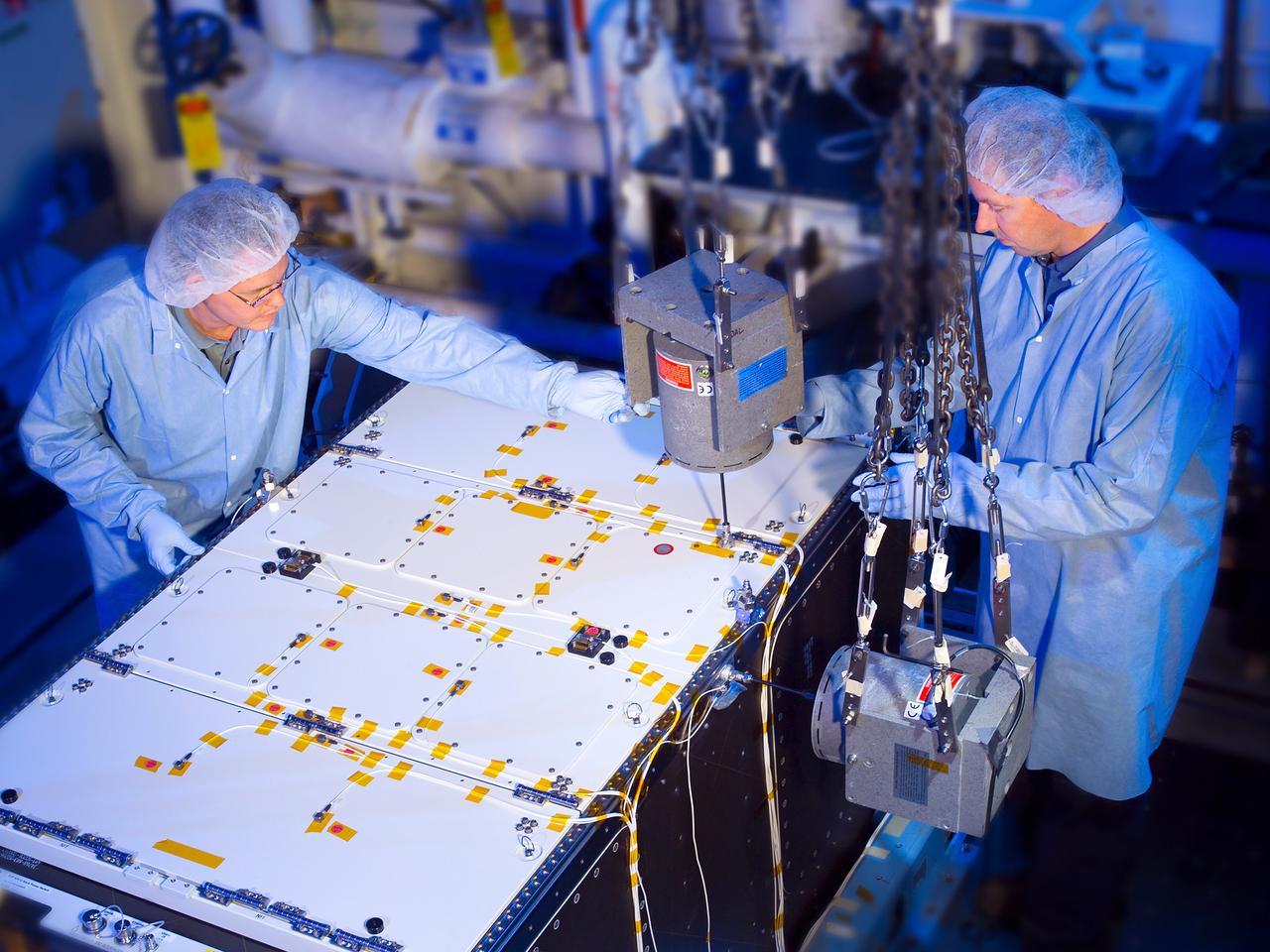
Fluids and Combustion Facility (FCF), Combustion Integration Rack (CIR) during testing in the Structural Dynamics Laboratory (SDL). The Fluids and Combustion Facility (FCF) is a set of two International Space Station (ISS) research facilities designed to support physical and biological experiments in support of technology development and validation in space. The FCF consists of two modular, reconfigurable racks called the Combustion Integration Rack (CIR) and the Fluids Integration Rack (FIR). The CIR and FIR were developed at NASAʼs Glenn Research Center.
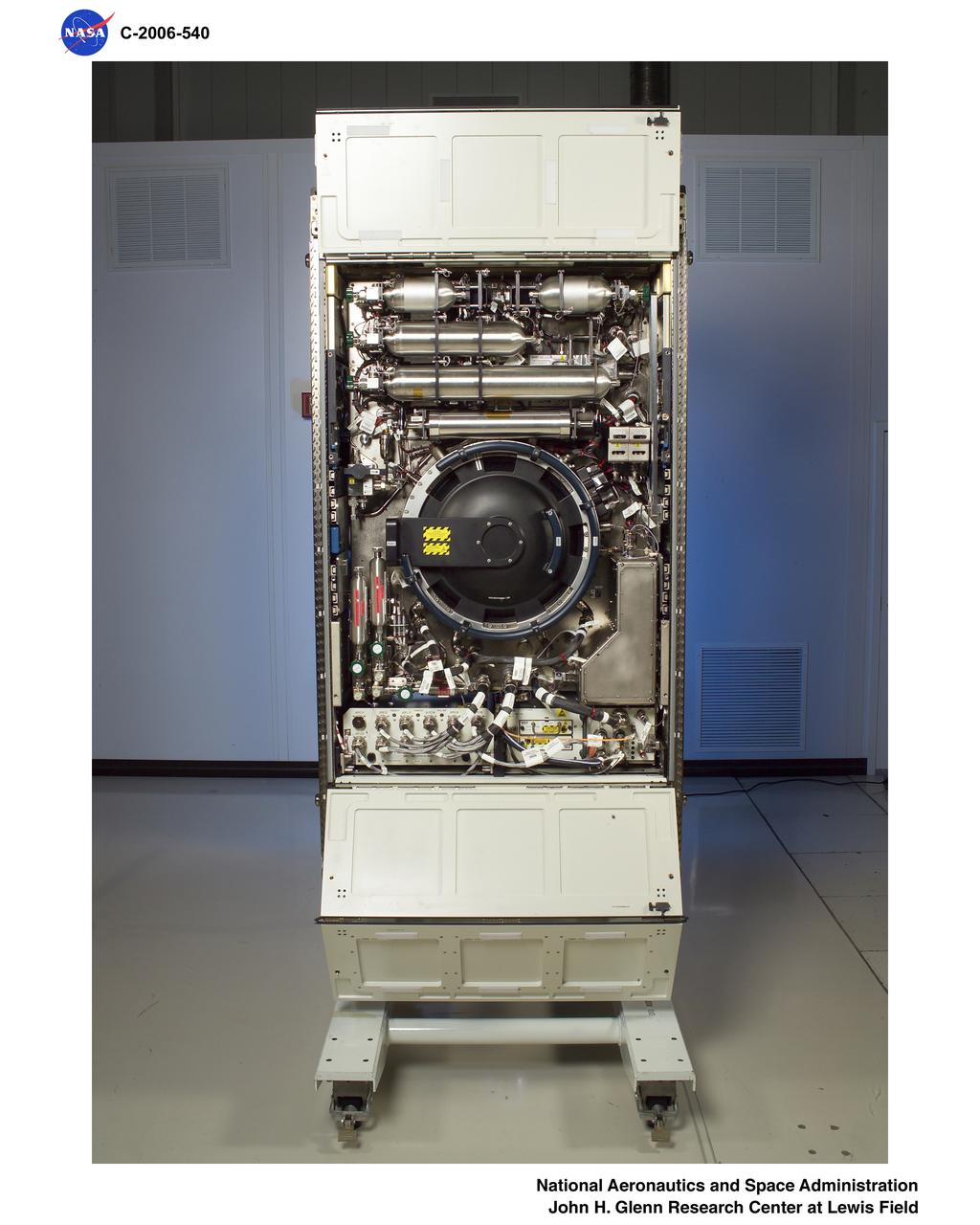
Combustion Integrated Rack (CIR)
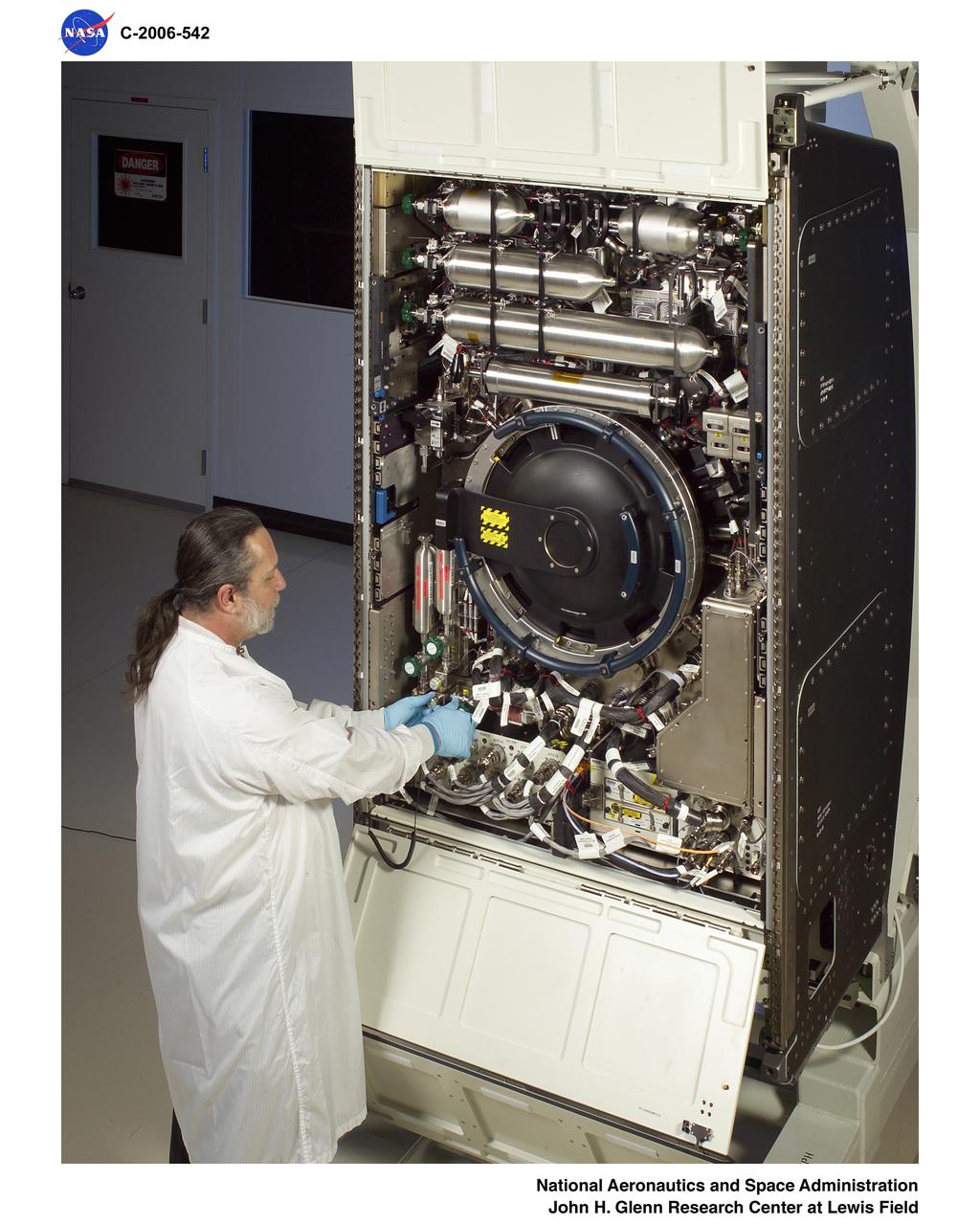
Combustion Integrated Rack (CIR)
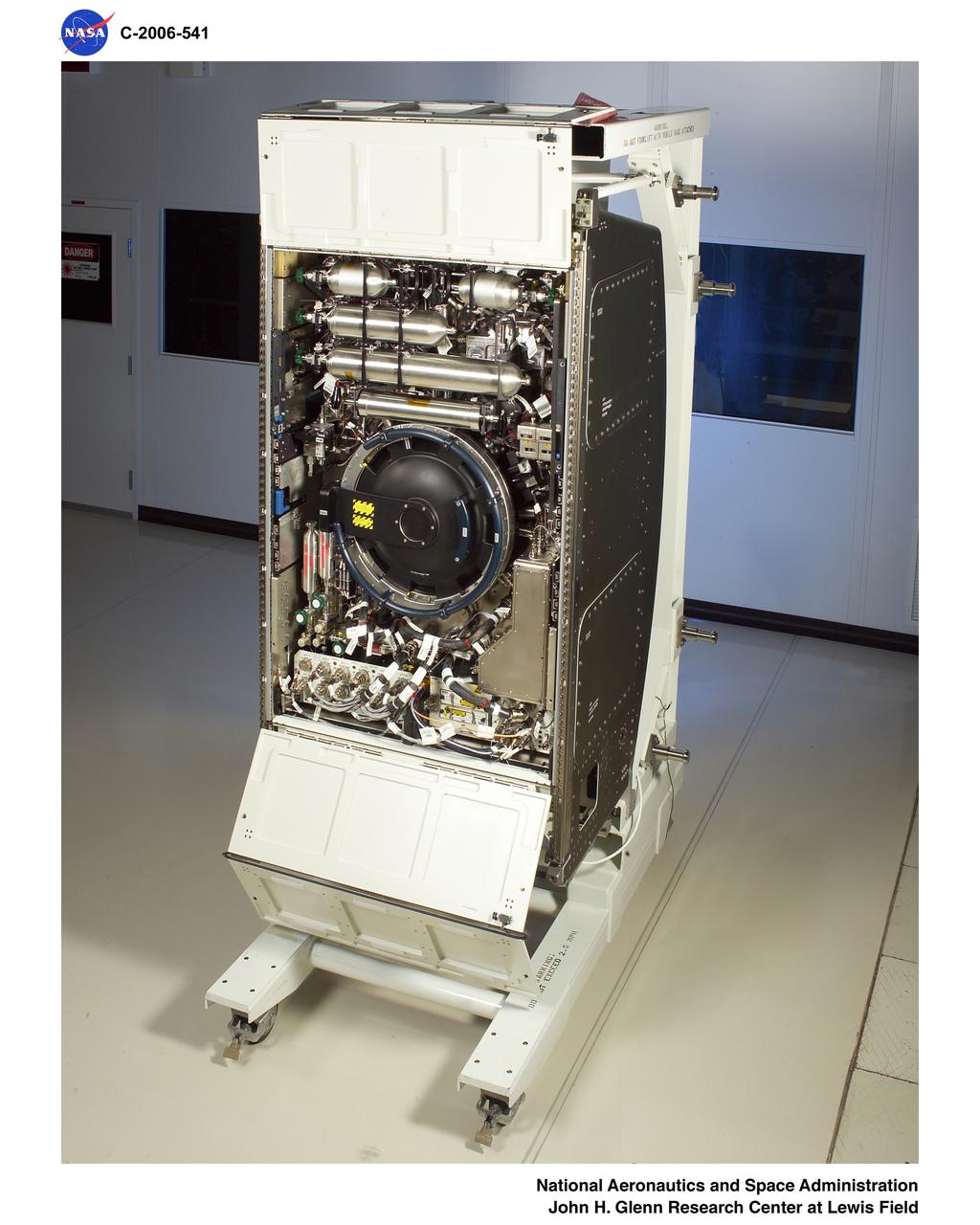
Combustion Integrated Rack (CIR)
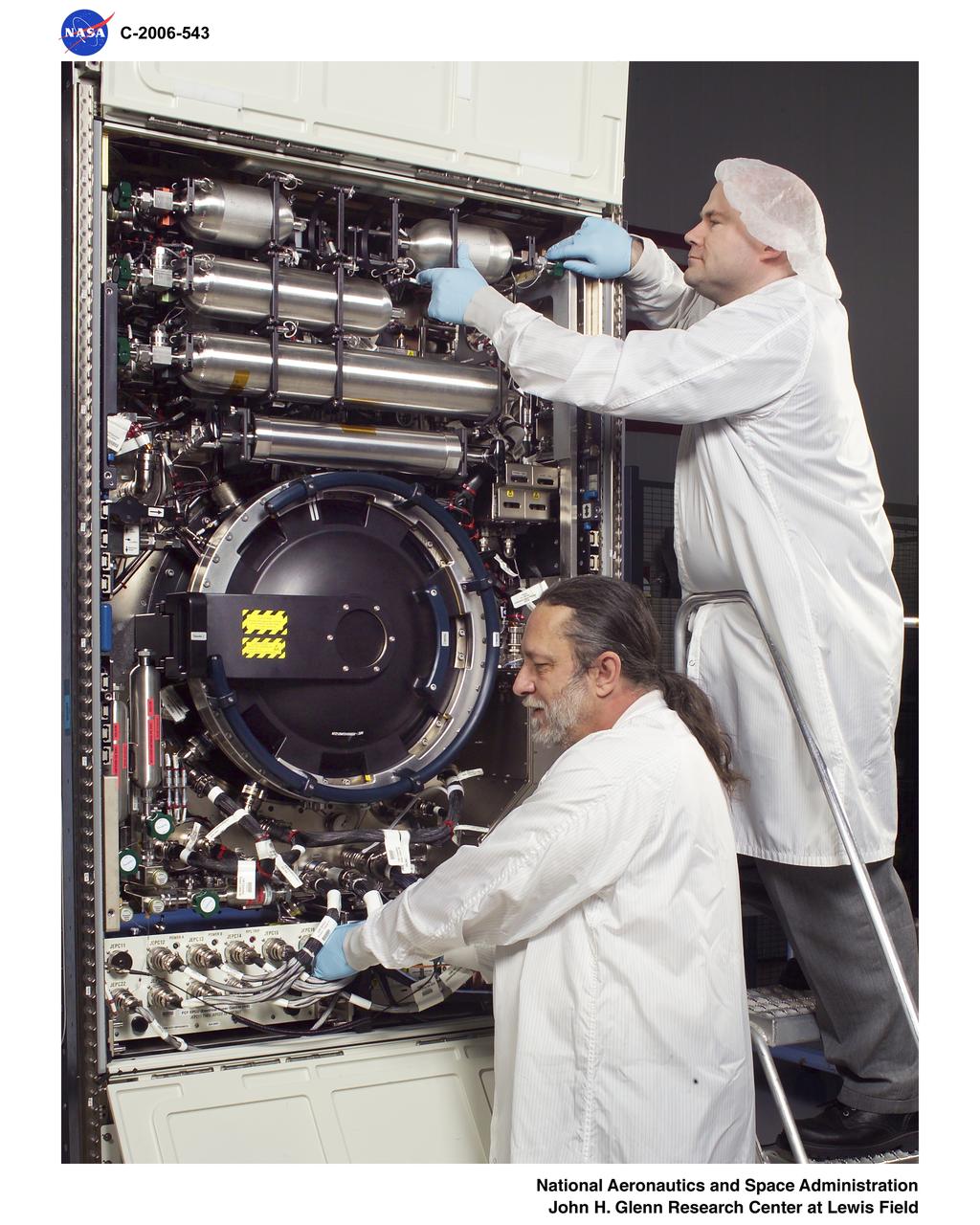
Combustion Integrated Rack (CIR)
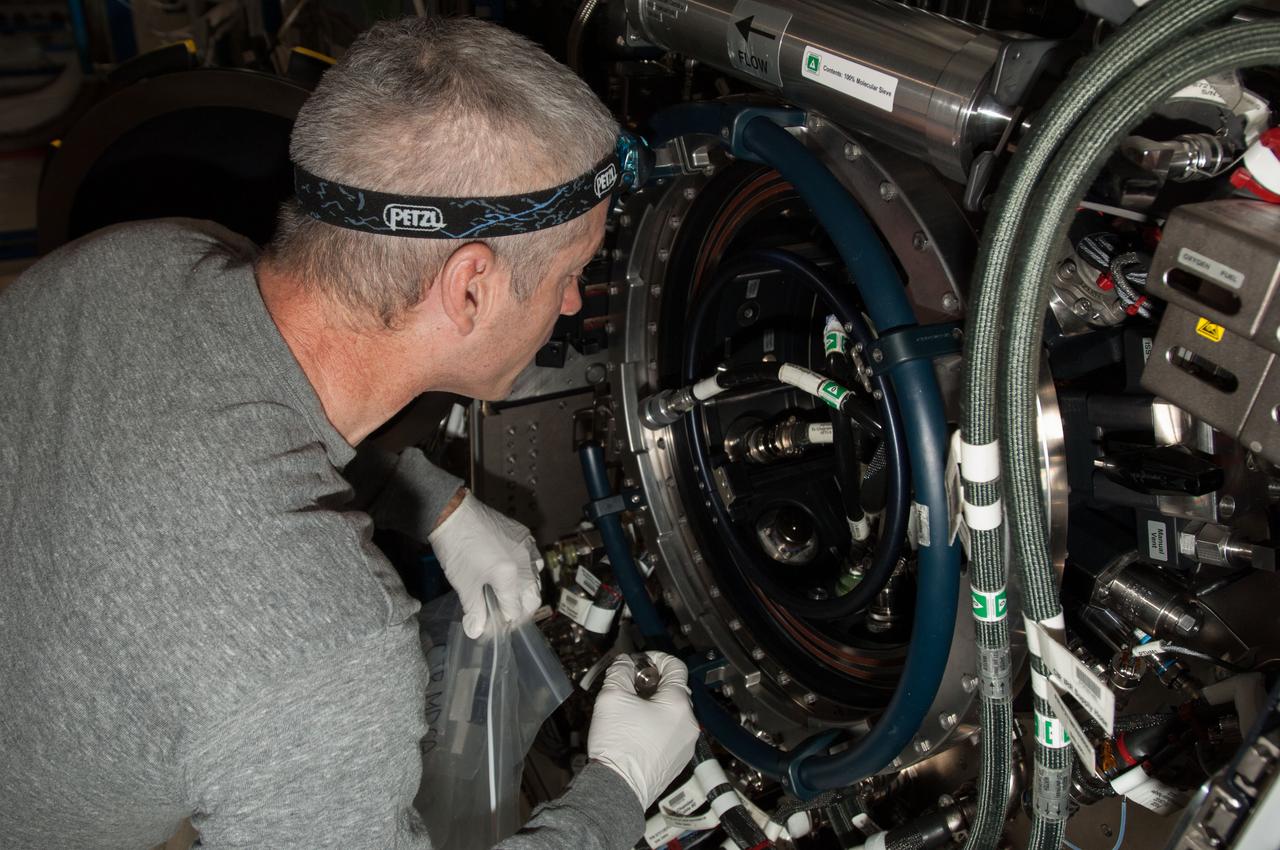
ISS040-E-010496 (11 June 2014) --- NASA astronaut Steve Swanson, Expedition 40 commander, works with the Multi-user Drop Combustion Apparatus (MDCA) inside the Combustion Integrated Rack (CIR) in the Destiny laboratory of the International Space Station. The MDCA contains hardware and software to conduct unique droplet combustion experiments in space.
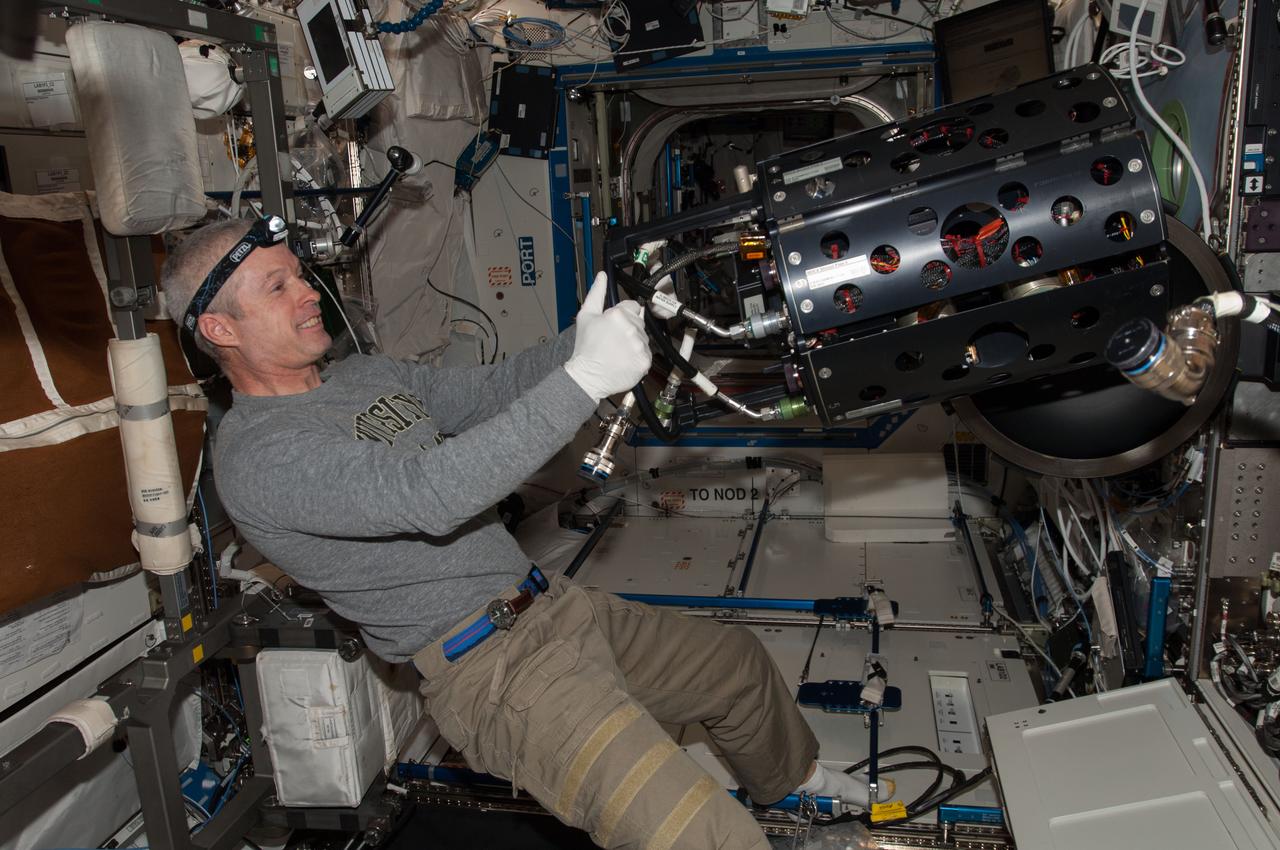
ISS040-E-010502 (11 June 2014) --- NASA astronaut Steve Swanson, Expedition 40 commander, works with the Multi-user Drop Combustion Apparatus (MDCA) inside the Combustion Integrated Rack (CIR) in the Destiny laboratory of the International Space Station. The MDCA contains hardware and software to conduct unique droplet combustion experiments in space.
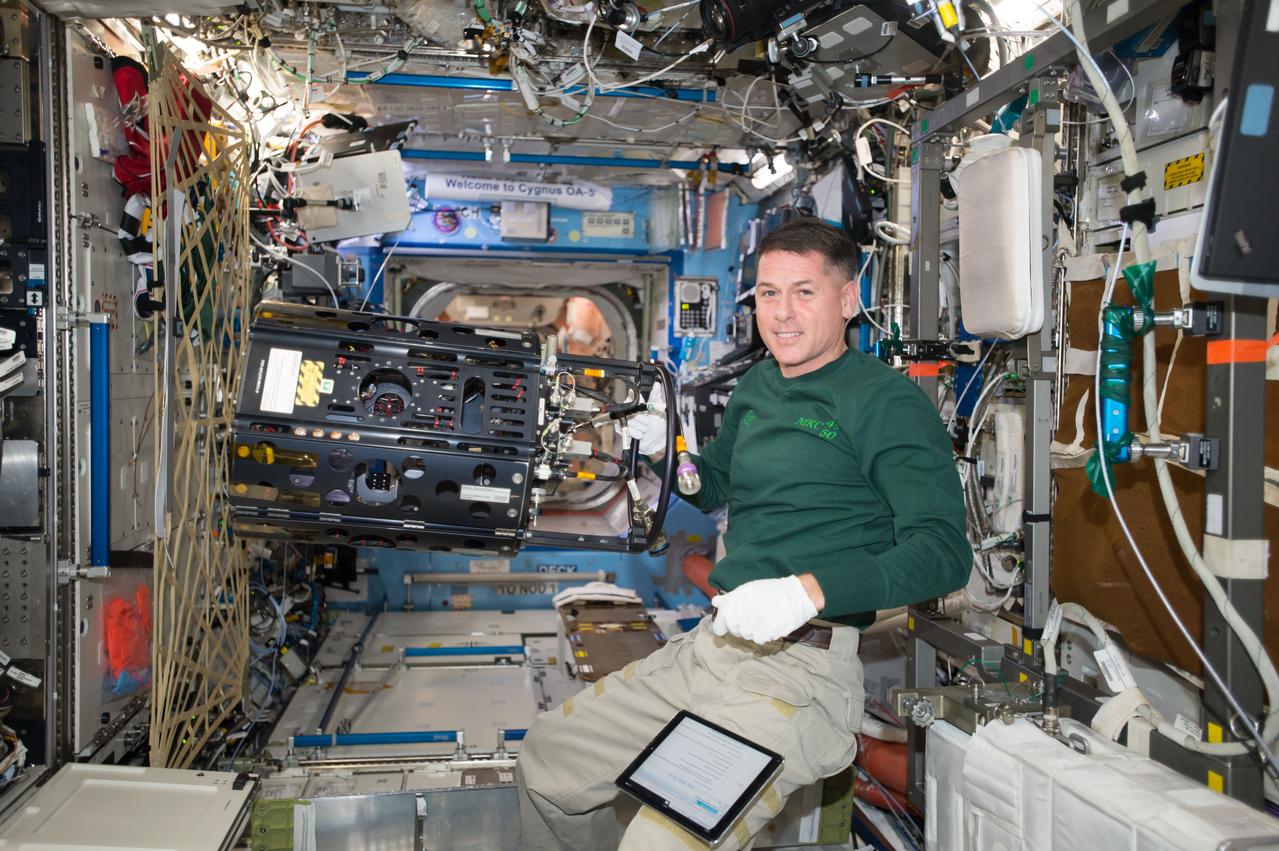
iss050e034393 (1/18/2017) --- NASA astronaut Shane Kimbrough during Combustion Integration Rack (CIR) Multi-user Droplet Combustion Apparatus (MDCA) Troubleshooting in the U.S. Laboratory. MDCA was removed from the CIR Combustion Chamber and spring fastener was repaired. The CIR is used to perform combustion experiments in microgravity. The CIR can be reconfigured easily on orbit to accommodate a variety of combustion experiments.

ISS020-E-043359 (26 Sept. 2009) --- NASA astronaut Michael Barratt, Expedition 20 flight engineer, works with Combustion Integrated Rack (CIR) in the Destiny laboratory of the International Space Station.

ISS029-E-008336 (22 Sept. 2011) --- NASA astronaut Mike Fossum, Expedition 29 commander, works with the Combustion Integrated Rack (CIR) Multi-user Drop Combustion Apparatus (MDCA) in the Destiny laboratory of the International Space Station.
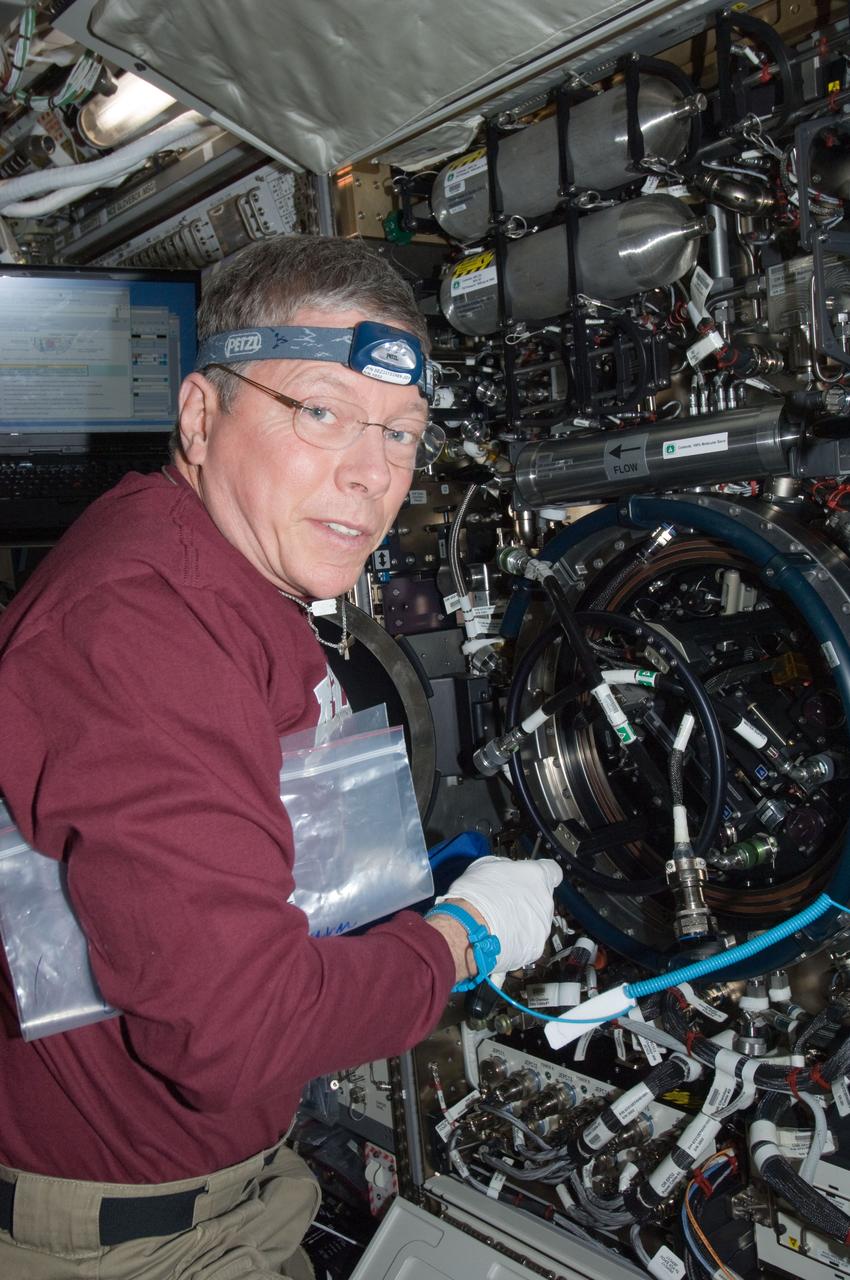
ISS029-E-008337 (22 Sept. 2011) --- NASA astronaut Mike Fossum, Expedition 29 commander, works with the Combustion Integrated Rack (CIR) Multi-user Drop Combustion Apparatus (MDCA) in the Destiny laboratory of the International Space Station.
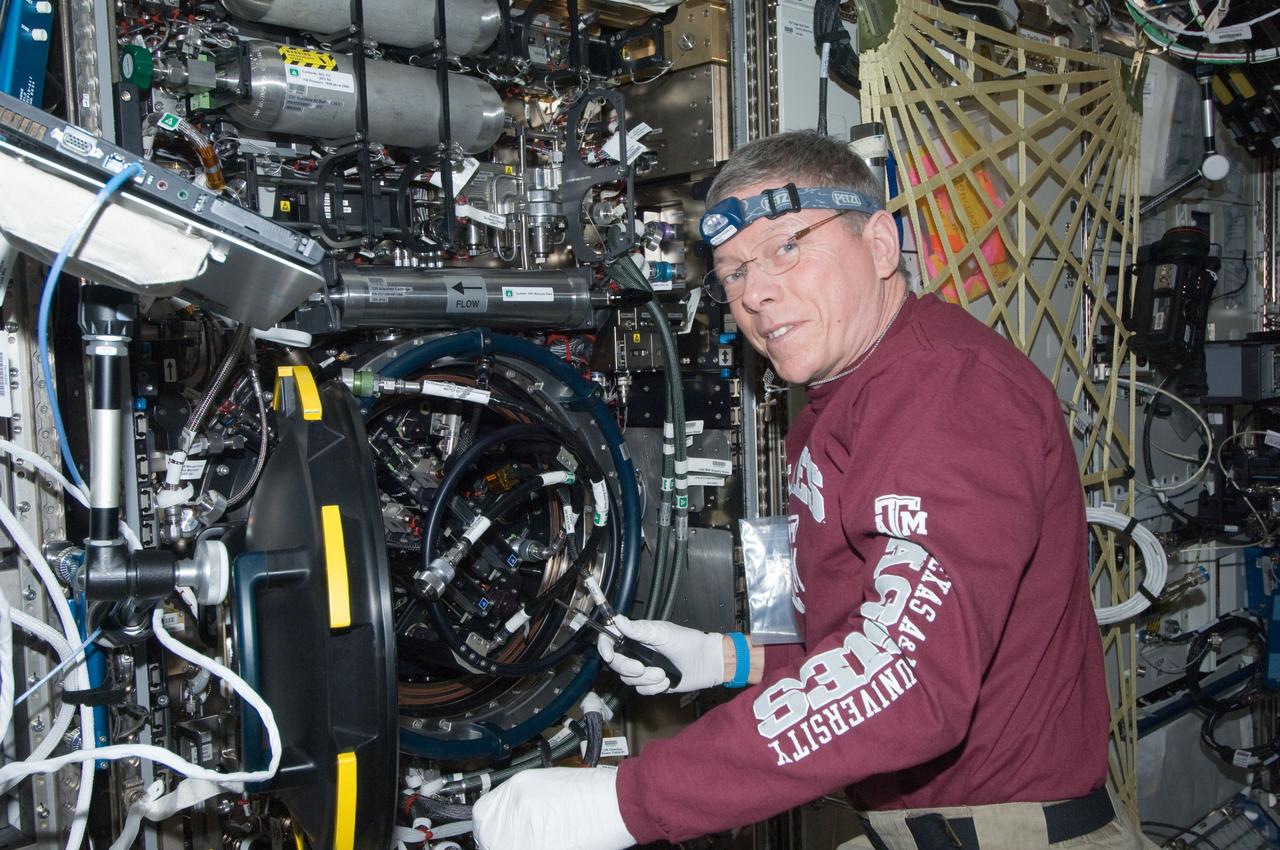
ISS029-E-008335 (22 Sept. 2011) --- NASA astronaut Mike Fossum, Expedition 29 commander, works with the Combustion Integrated Rack (CIR) Multi-user Drop Combustion Apparatus (MDCA) in the Destiny laboratory of the International Space Station.
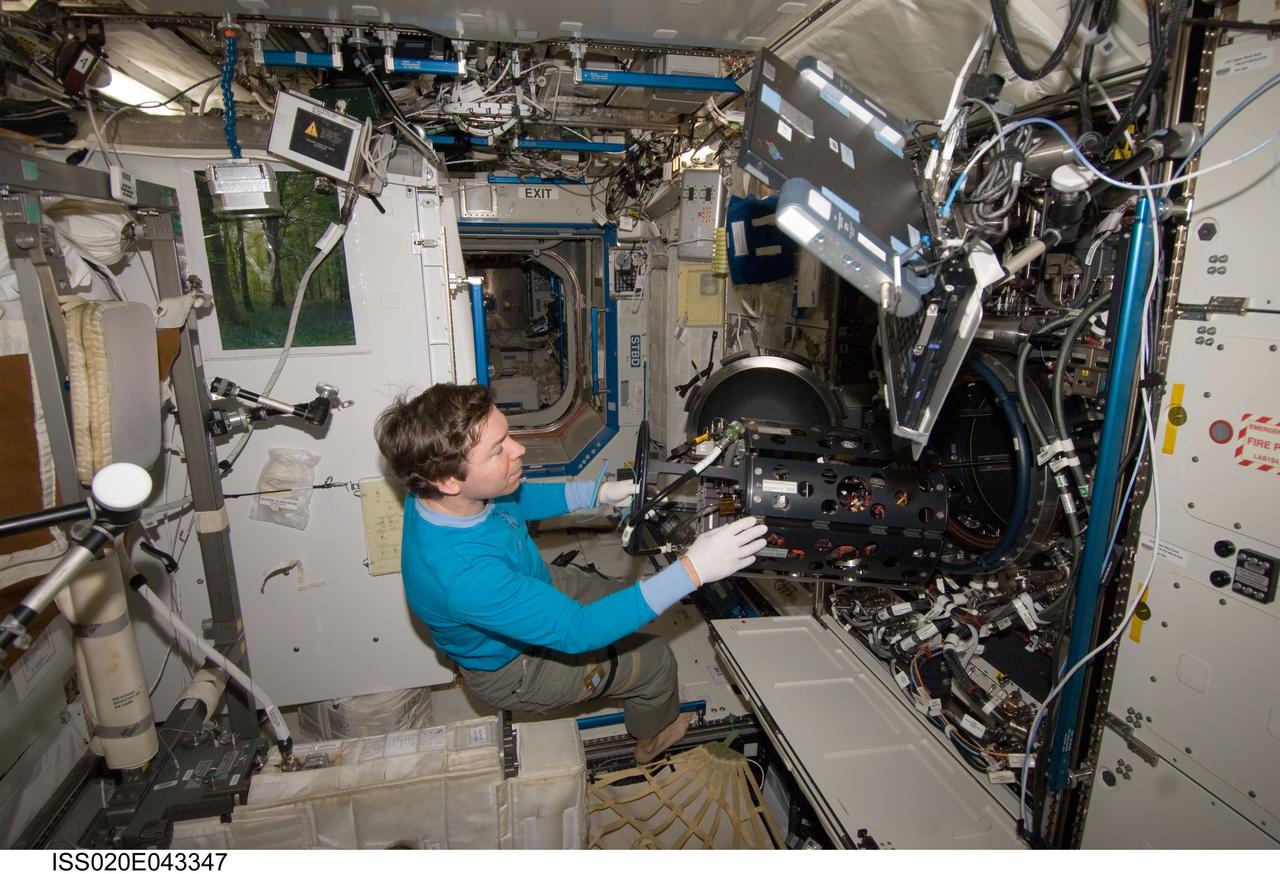
ISS020-E-043347 (26 Sept. 2009) --- NASA astronaut Michael Barratt, Expedition 20 flight engineer, works with the Multi-user Droplet Combustion Apparatus / Chamber Insert Assembly (MDCA CIA) in the Combustion Integrated Rack (CIR) located in the Destiny laboratory of the International Space Station.
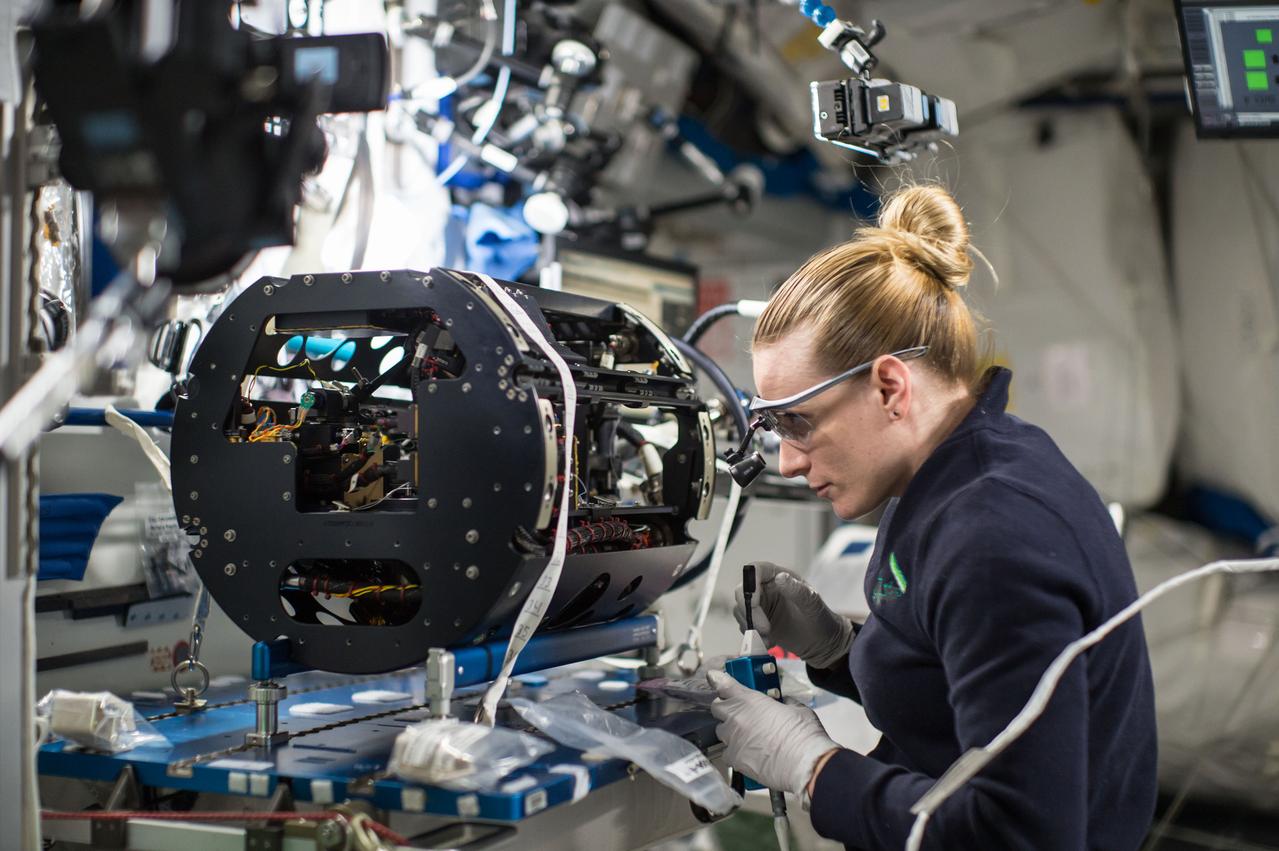
iss049e003808 (9/15/2016) --- NASA astronaut Kate Rubins is photographed replacing two Multi-user Droplet Combustion Apparatus (MDCA) Igniter Tips as part of the Combustion Integration Rack (CIR) Igniter Replacement operations. The CIR is used to perform combustion experiments in microgravity. The CIR can be reconfigured easily on orbit to accommodate a variety of combustion experiments. It consists of an optics bench, a combustion chamber, a fuel and oxidizer management system, environmental management systems, and interfaces for science diagnostics and experiment specific equipment.
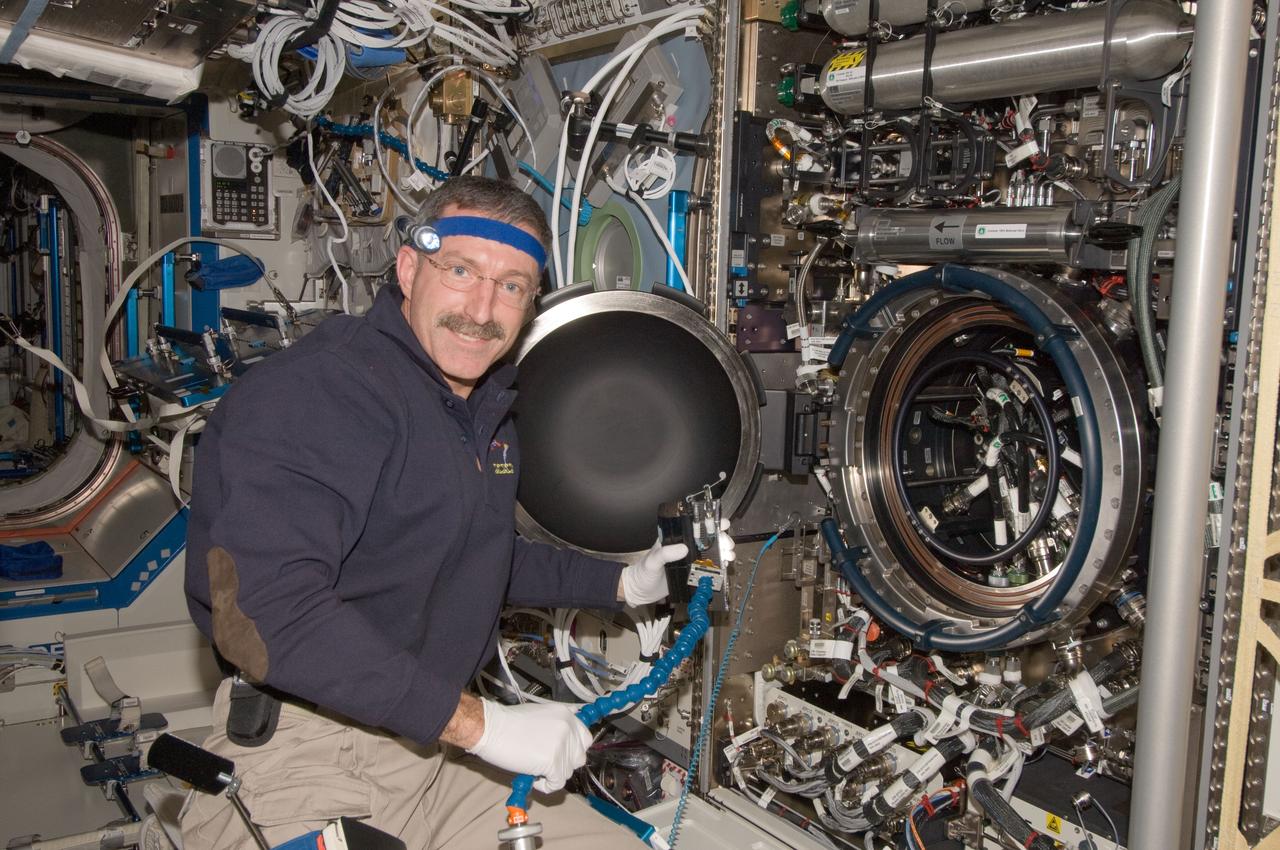
ISS030-E-013378 (20 Dec. 2011) --- NASA astronaut Dan Burbank, Expedition 30 commander, works on the Combustion Integrated Rack (CIR) in the Destiny laboratory of the International Space Station.
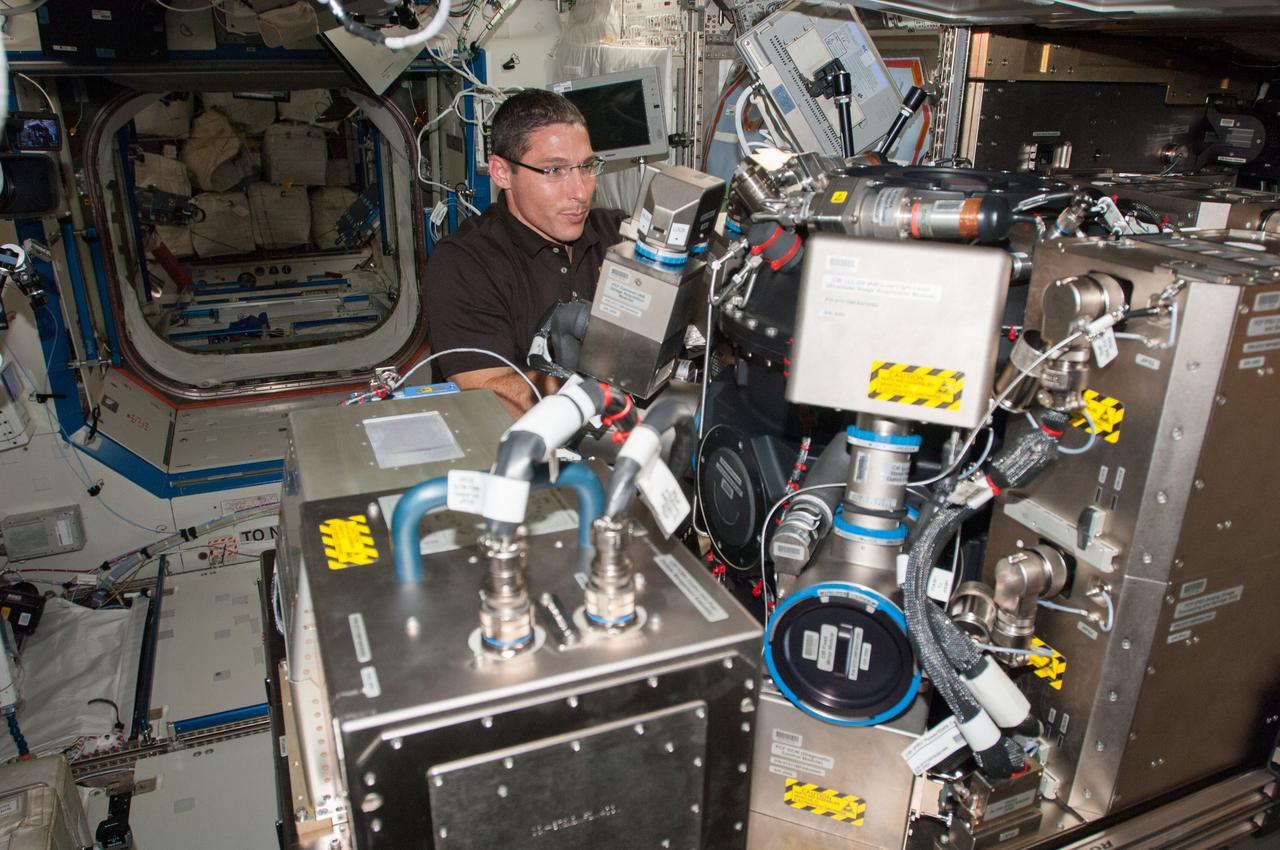
ISS037-E-013602 (15 Oct. 2013) --- NASA astronaut Michael Hopkins, Expedition 37 flight engineer, works on the Combustion Integrated Rack (CIR) in the Destiny laboratory of the International Space Station.
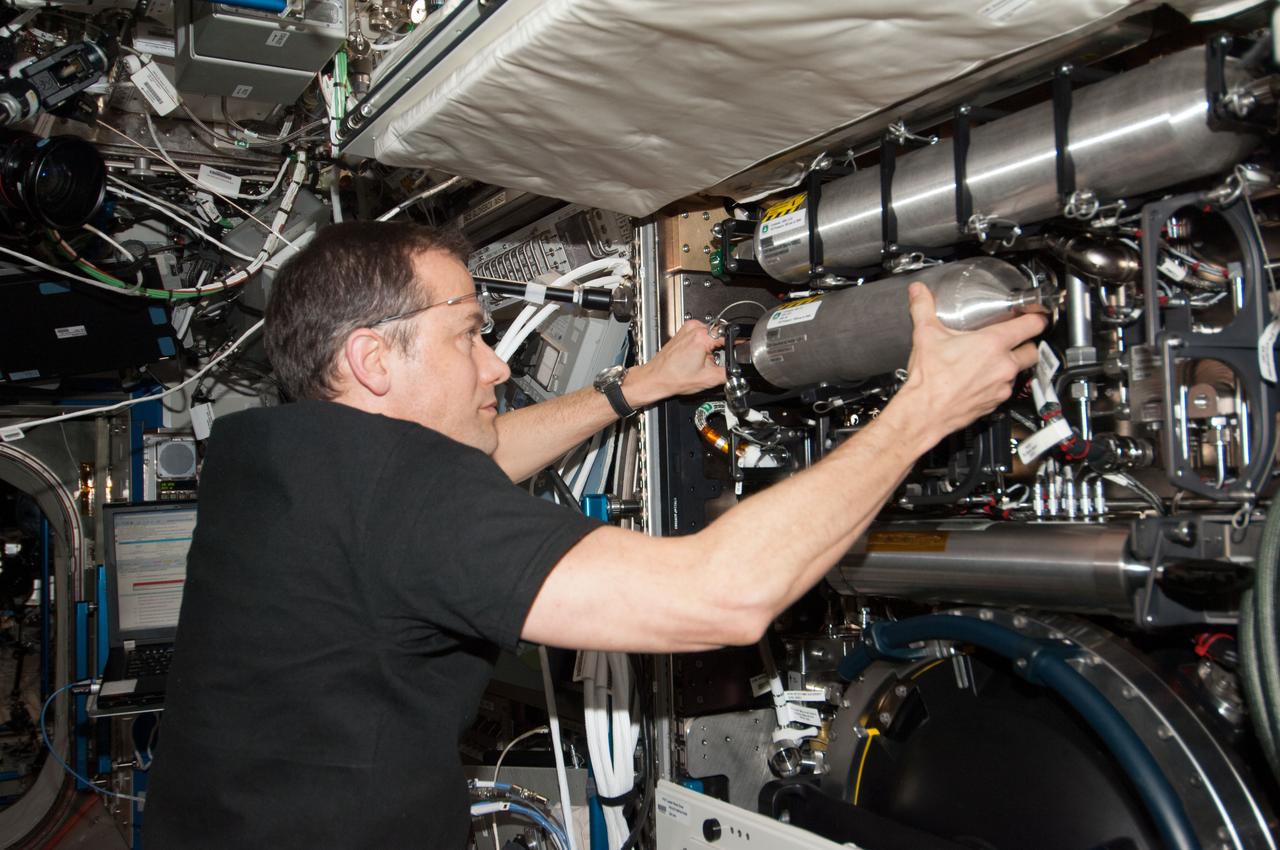
ISS034-E-037334 (31 Jan. 2013) --- NASA astronaut Tom Marshburn, Expedition 34 flight engineer, services the Combustion Integrated Rack (CIR) in the Destiny laboratory of the International Space Station.
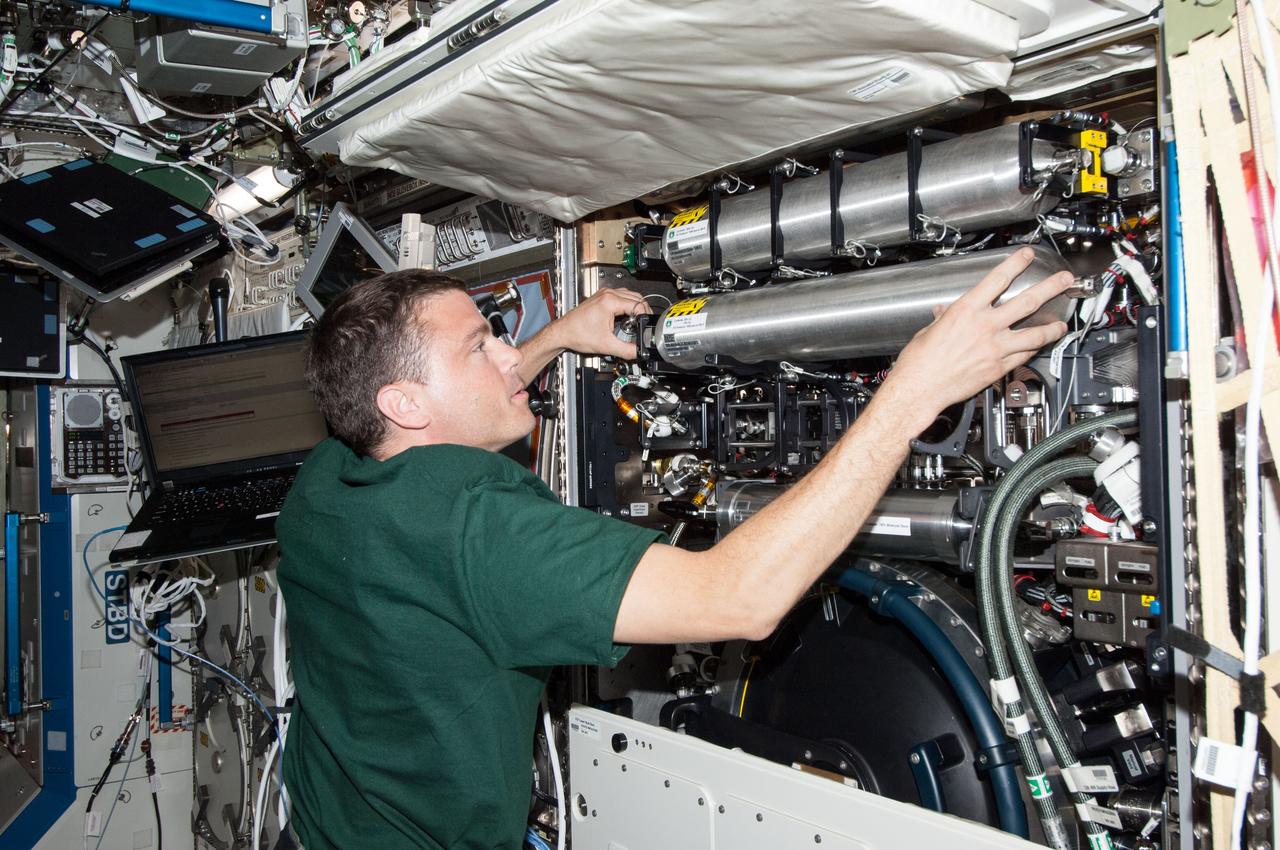
ISS040-E-008521 (9 June 2014) --- NASA astronaut Reid Wiseman, Expedition 40 flight engineer, removes and replaces a new manifold bottle in the Combustion Integration Rack (CIR) in the Destiny laboratory of the International Space Station.
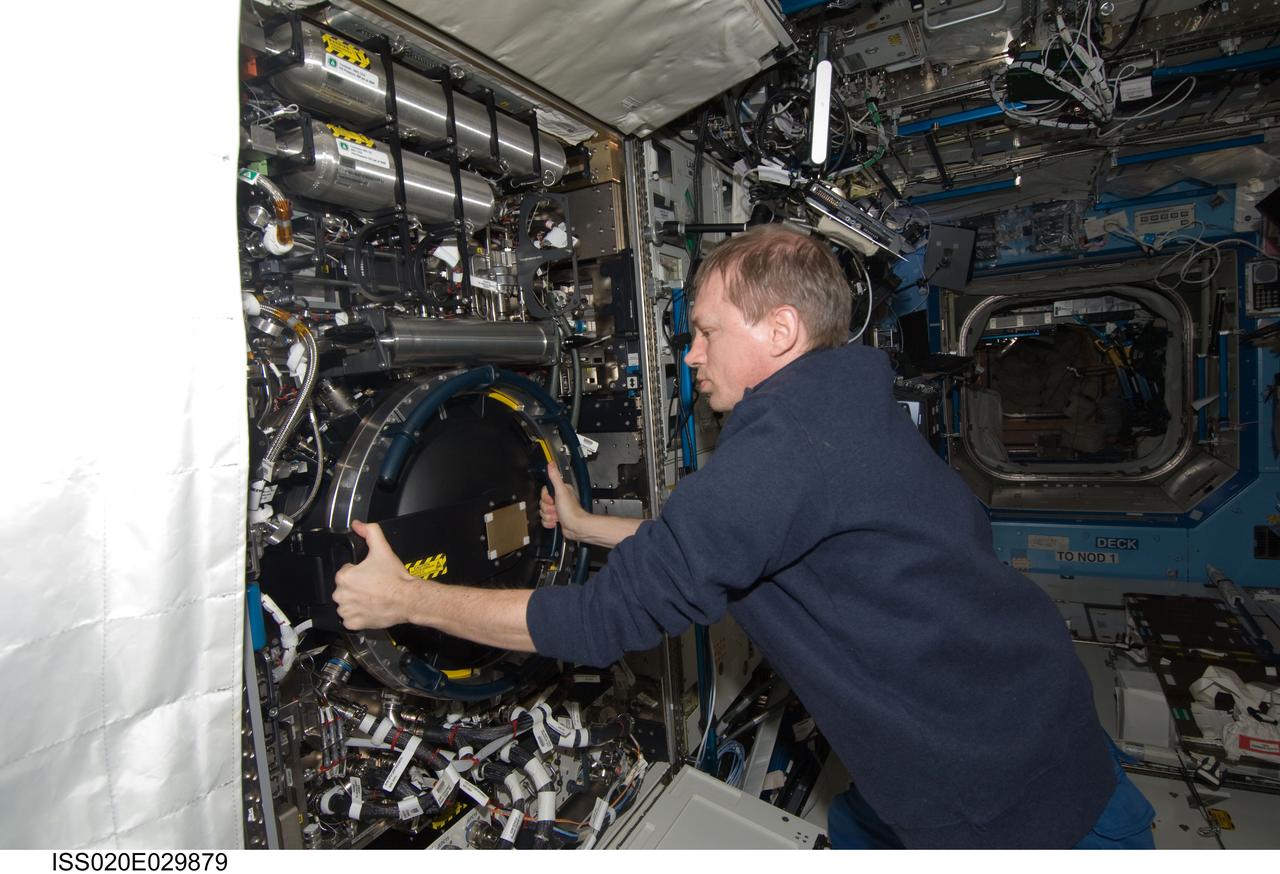
ISS020-E-029879 (12 Aug. 2009) --- European Space Agency astronaut Frank De Winne, Expedition 20 flight engineer, works with the Combustion Integrated Rack (CIR) in the Destiny laboratory of the International Space Station.
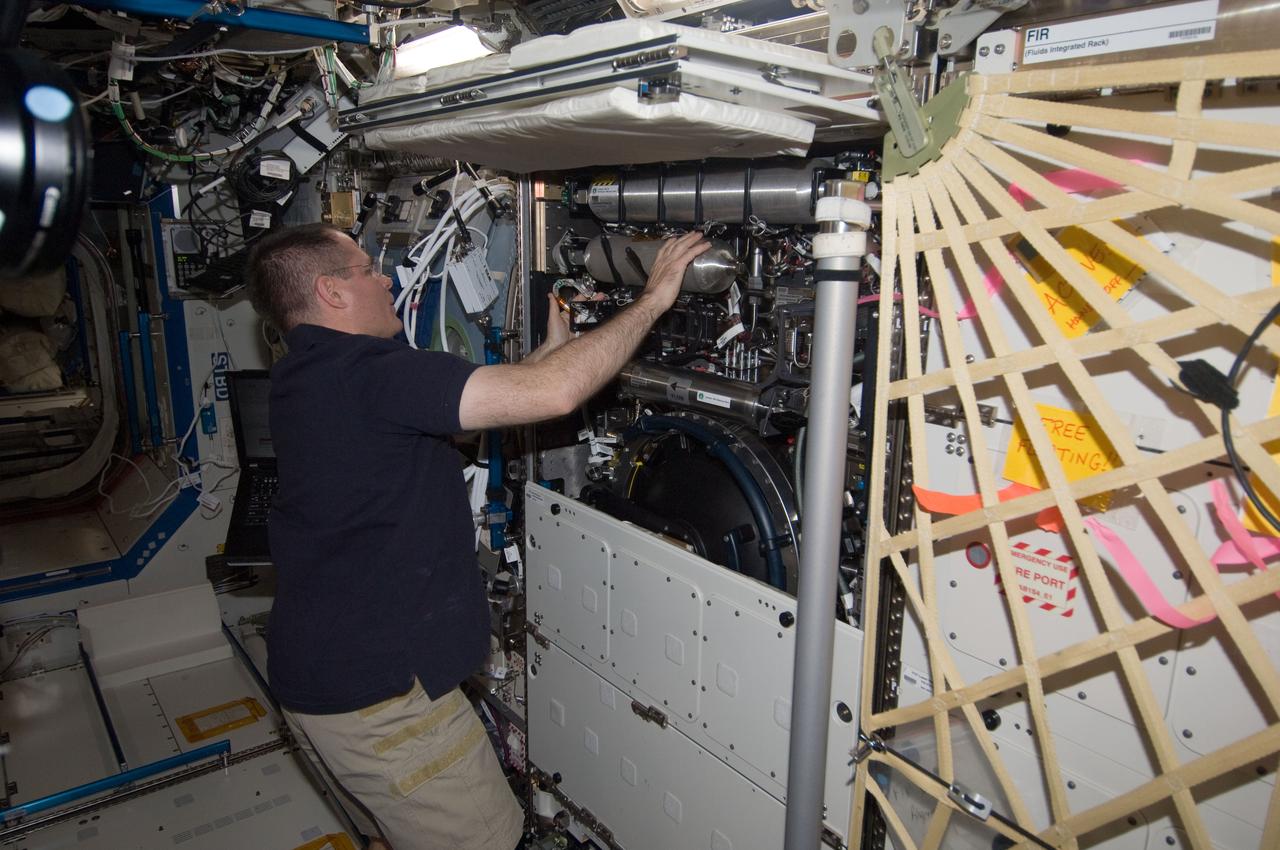
ISS034-E-005522 (3 Dec. 2012) --- NASA astronaut Kevin Ford, Expedition 34 commander, services the Combustion Integrated Rack (CIR) in the Destiny laboratory of the International Space Station.
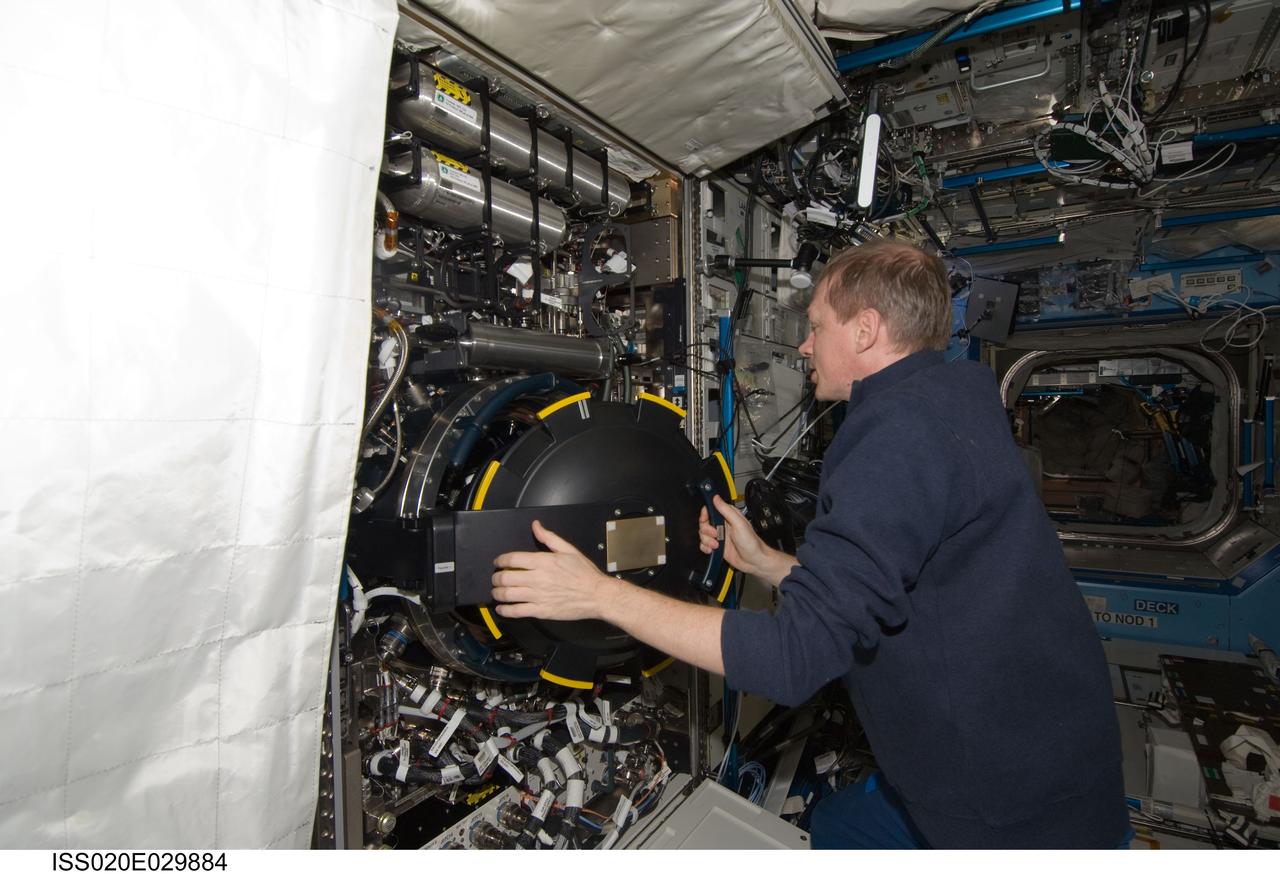
ISS020-E-029884 (12 Aug. 2009) --- European Space Agency astronaut Frank De Winne, Expedition 20 flight engineer, works with the Combustion Integrated Rack (CIR) in the Destiny laboratory of the International Space Station.
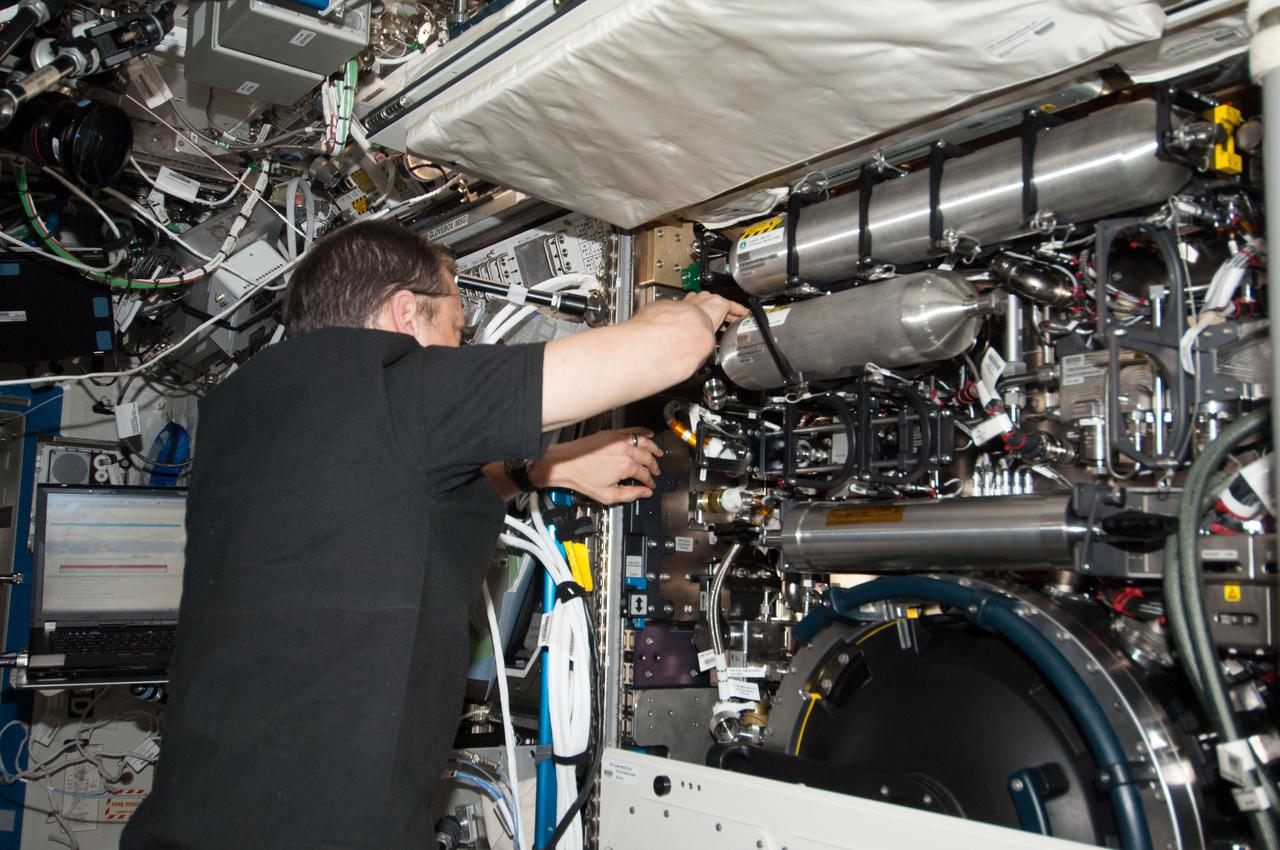
ISS034-E-037331 (31 Jan. 2013) --- NASA astronaut Tom Marshburn, Expedition 34 flight engineer, services the Combustion Integrated Rack (CIR) in the Destiny laboratory of the International Space Station.
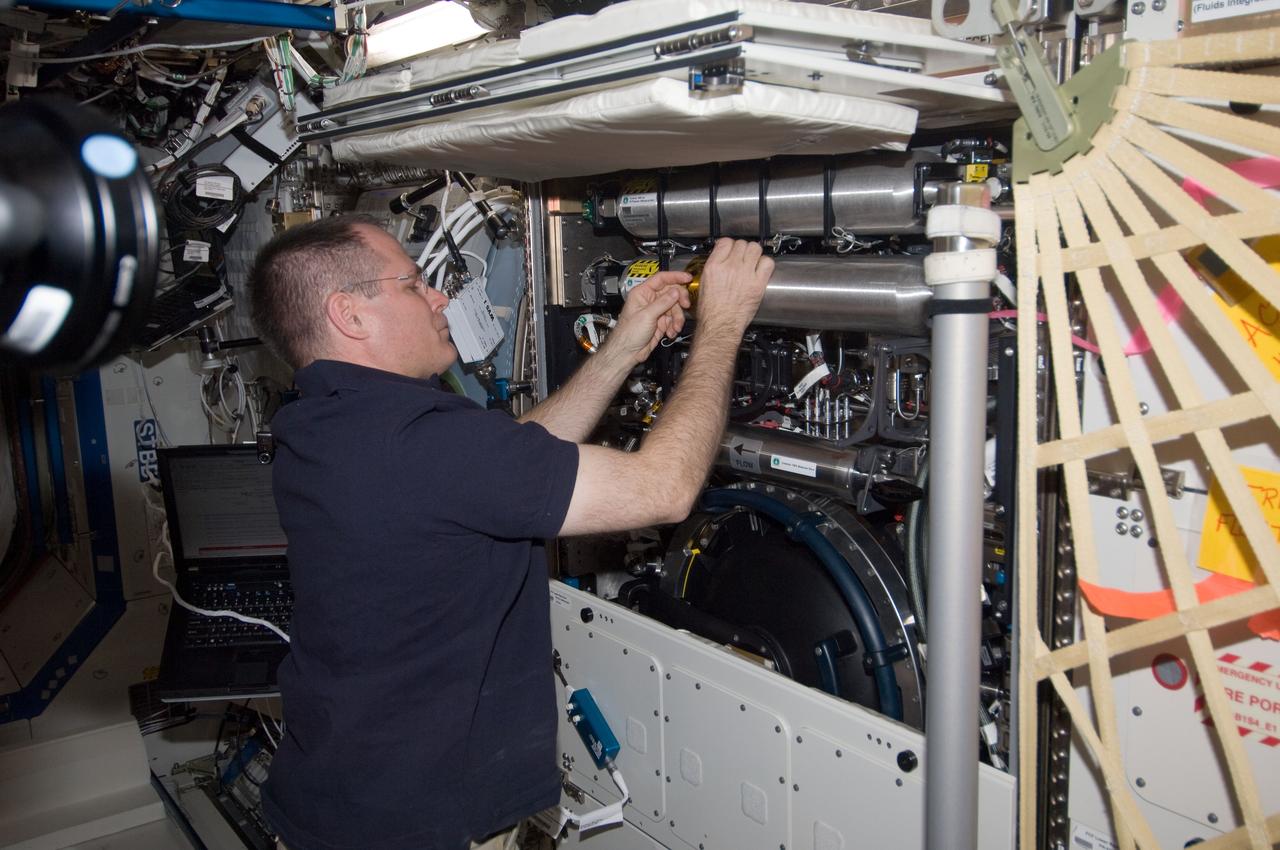
ISS034-E-005517 (3 Dec. 2012) --- NASA astronaut Kevin Ford, Expedition 34 commander, services the Combustion Integrated Rack (CIR) in the Destiny laboratory of the International Space Station.
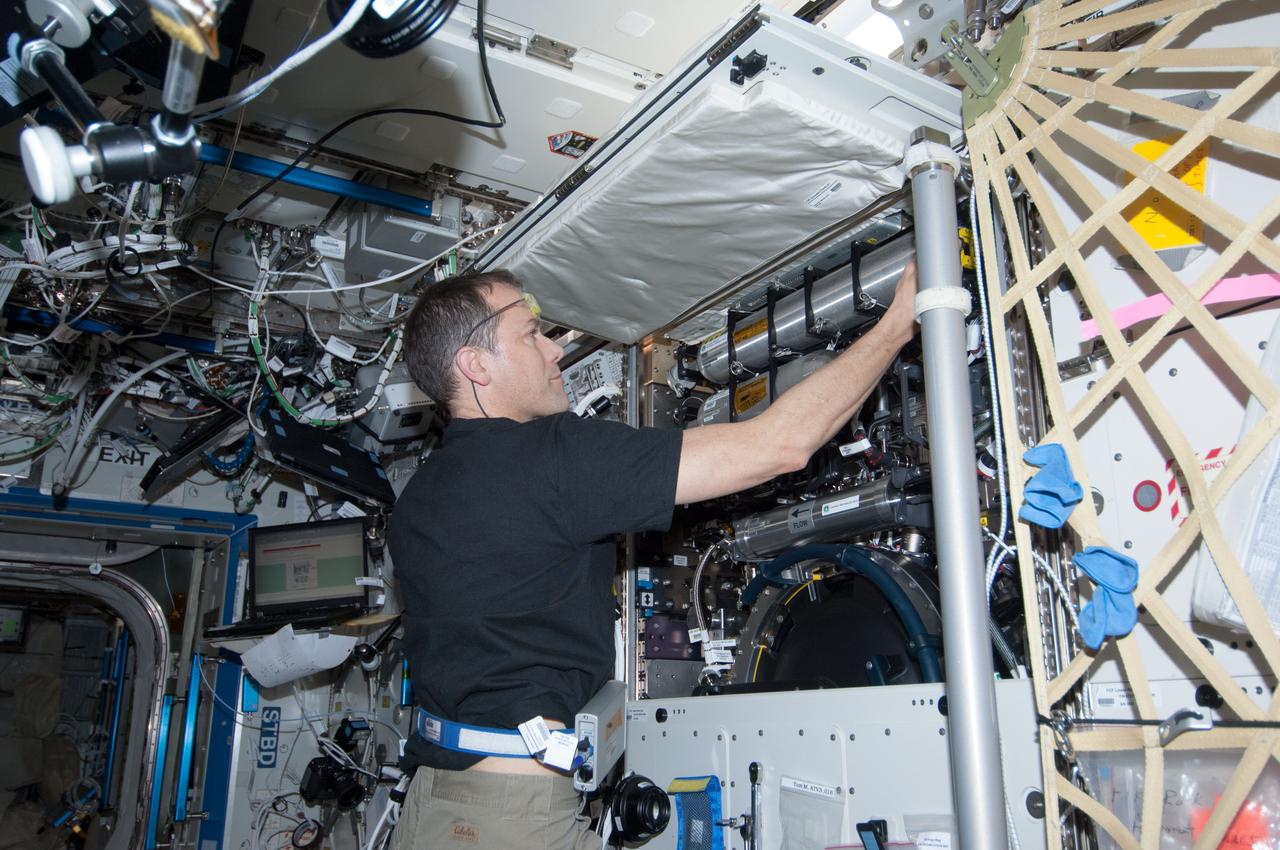
ISS034-E-029873 (15 Jan. 2013) --- NASA astronaut Tom Marshburn, Expedition 34 flight engineer, services the Combustion Integrated Rack (CIR) in the Destiny laboratory of the International Space Station.
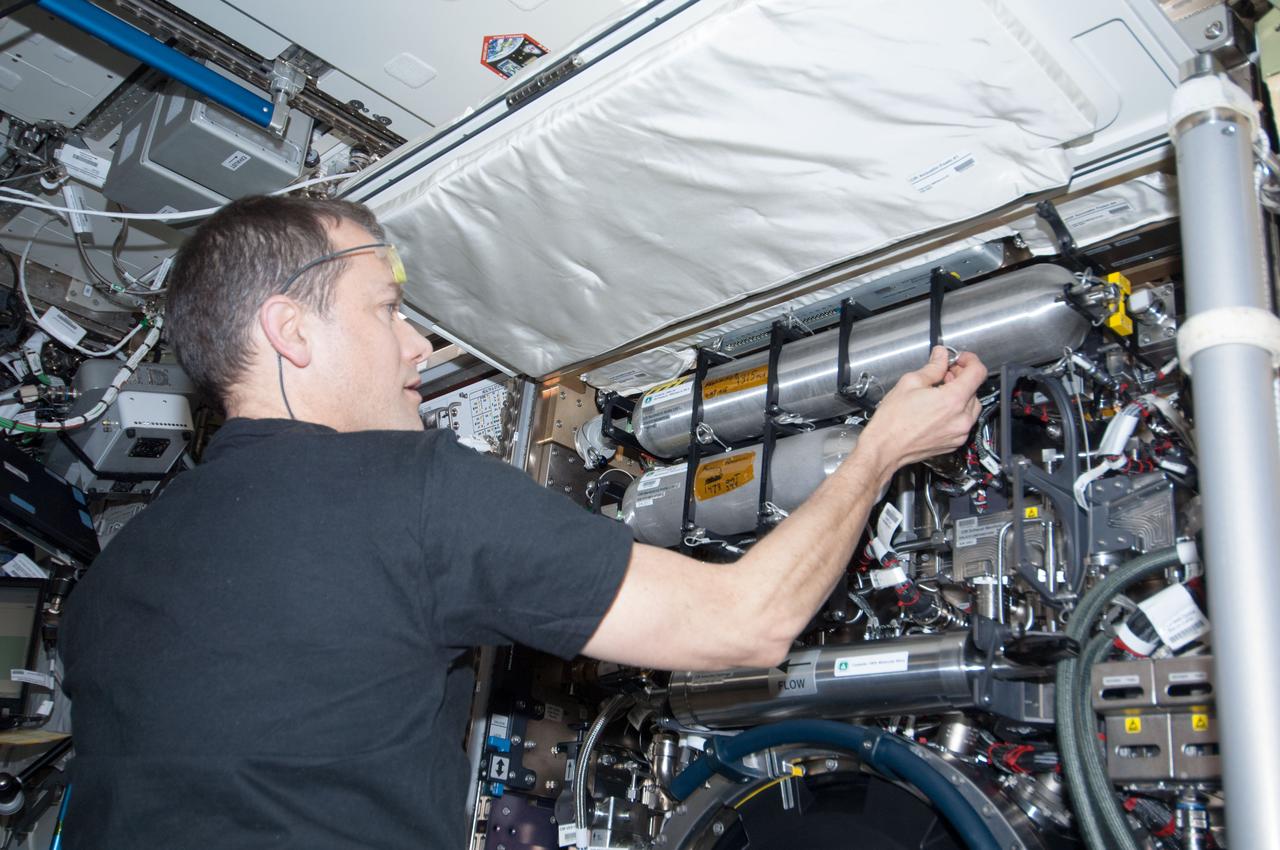
ISS034-E-029874 (15 Jan. 2013) --- NASA astronaut Tom Marshburn, Expedition 34 flight engineer, services the Combustion Integrated Rack (CIR) in the Destiny laboratory of the International Space Station.
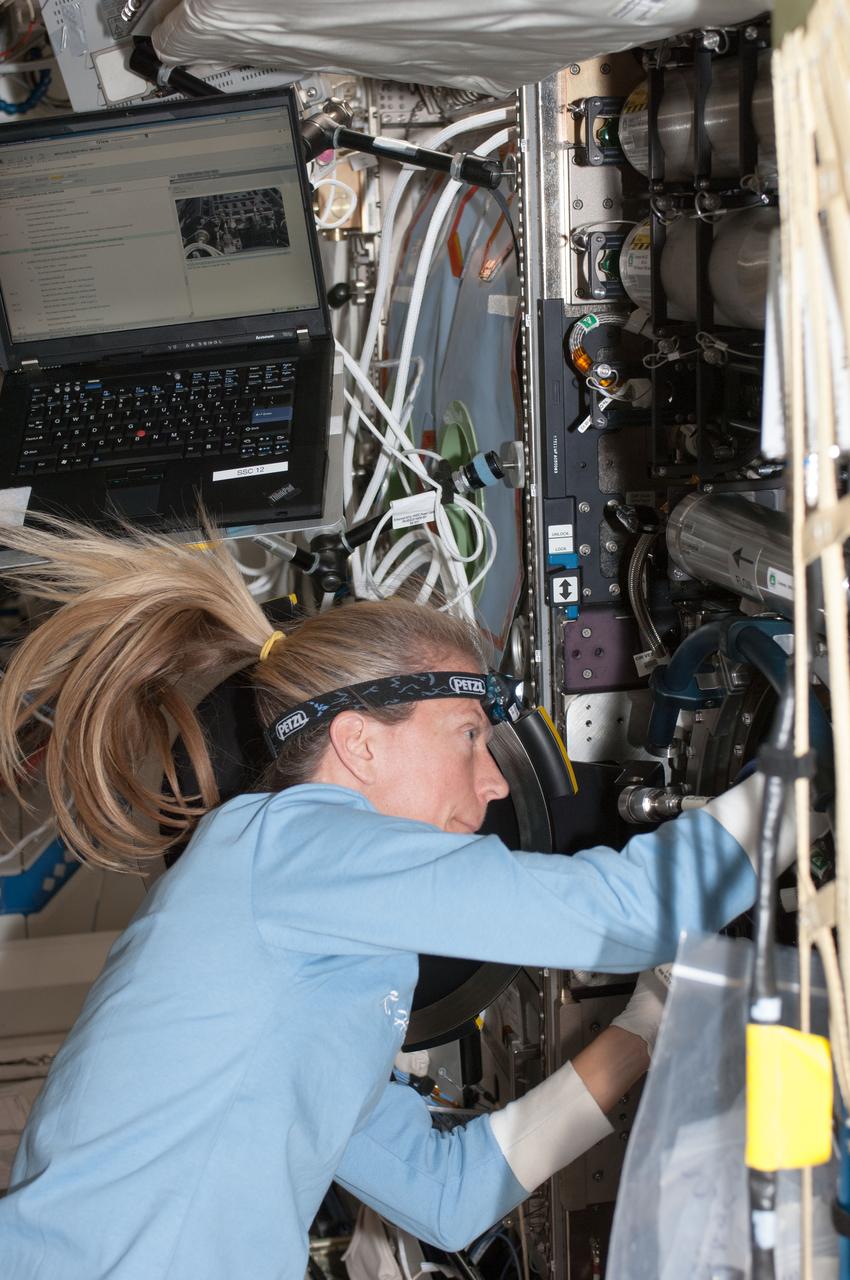
ISS036-E-015521 (5 July 2013) --- NASA astronaut Karen Nyberg, Expedition 36 flight engineer, services the Combustion Integrated Rack (CIR) Multi-user Droplet Combustion Apparatus (MDCA) in the International Space Station's Destiny laboratory.
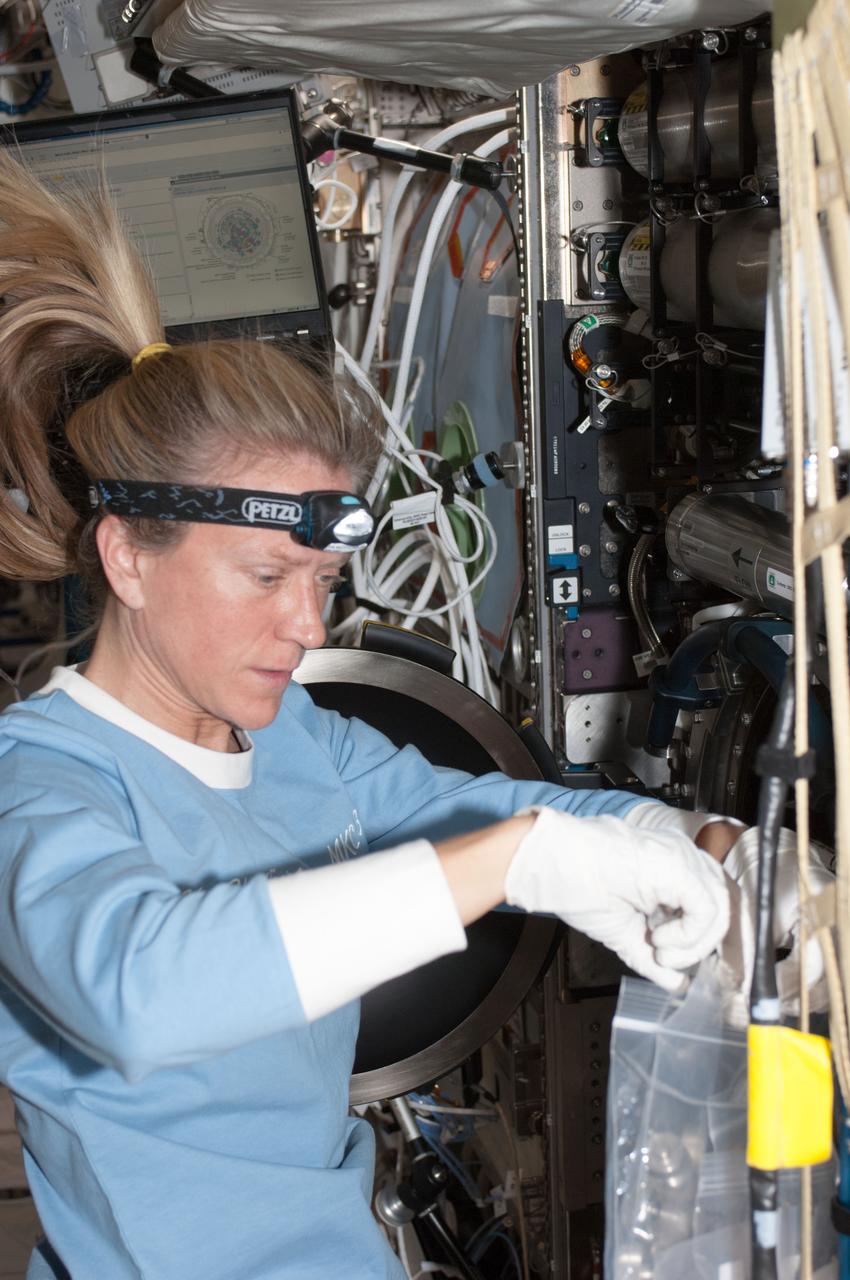
ISS036-E-015530 (5 July 2013) --- NASA astronaut Karen Nyberg, Expedition 36 flight engineer, services the Combustion Integrated Rack (CIR) Multi-user Droplet Combustion Apparatus (MDCA) in the International Space Station's Destiny laboratory.
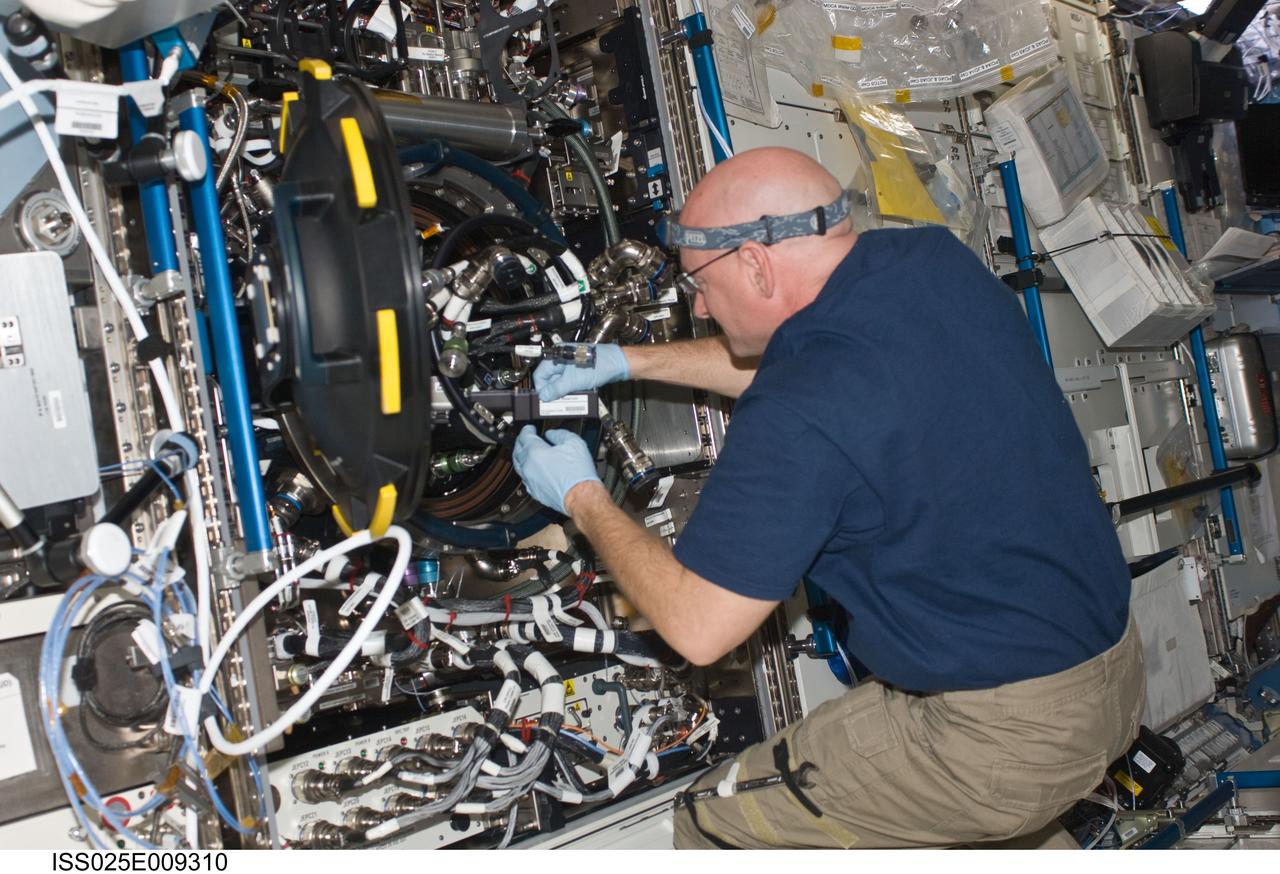
ISS025-E-009310 (26 Oct. 2010) --- NASA astronaut Scott Kelly, Expedition 25 flight engineer, works on the Combustion Integrated Rack (CIR) Multi-user Drop Combustion Apparatus (MDCA) in the Destiny laboratory of the International Space Station. Kelly set up an experiment run on the Fluids & Combustion Facility (FCF) with a new fuel reservoir, ground-assisted by Payload Operations Integration Center/Huntsville (POIC).
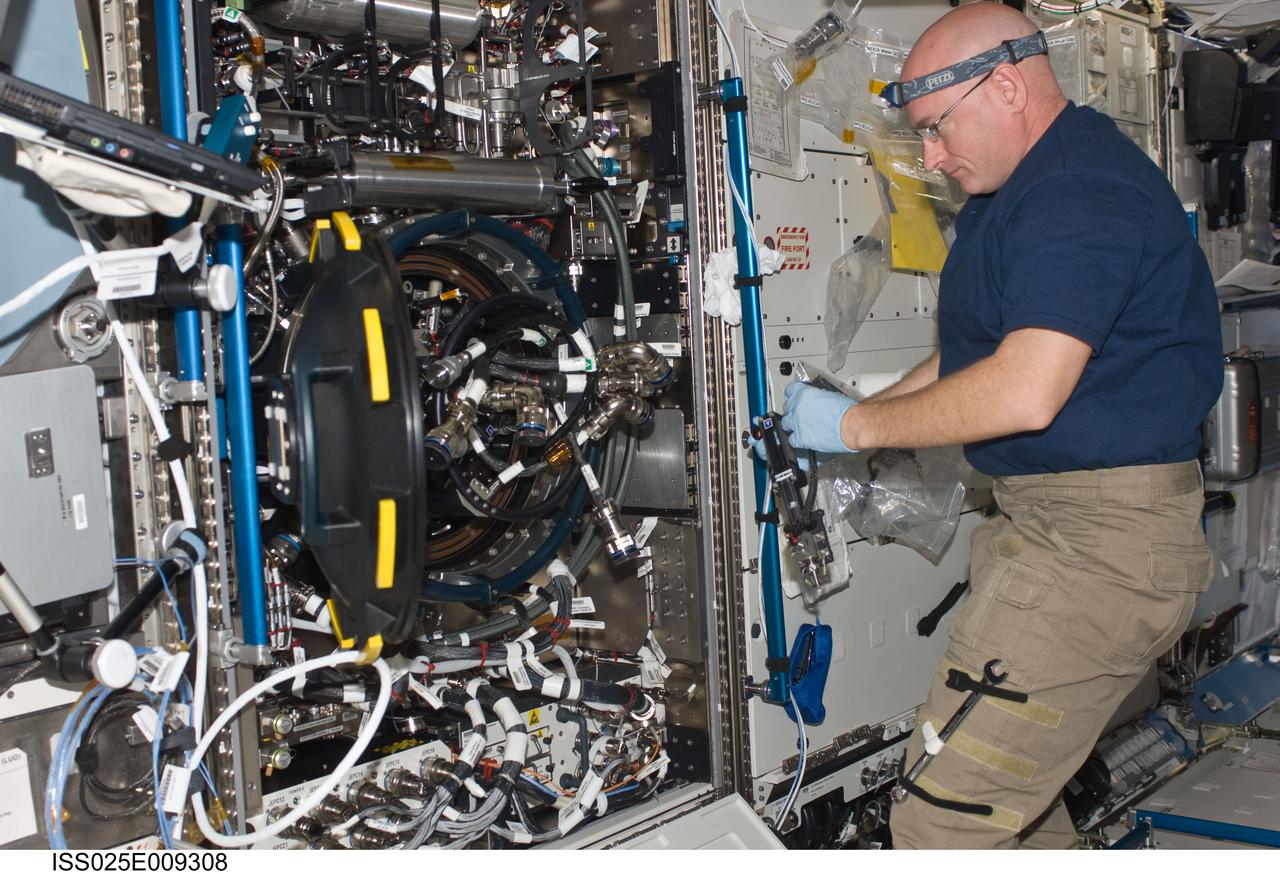
ISS025-E-009308 (26 Oct. 2010) --- NASA astronaut Scott Kelly, Expedition 25 flight engineer, works on the Combustion Integrated Rack (CIR) Multi-user Drop Combustion Apparatus (MDCA) in the Destiny laboratory of the International Space Station. Kelly set up an experiment run on the Fluids & Combustion Facility (FCF) with a new fuel reservoir, ground-assisted by Payload Operations Integration Center/Huntsville (POIC).
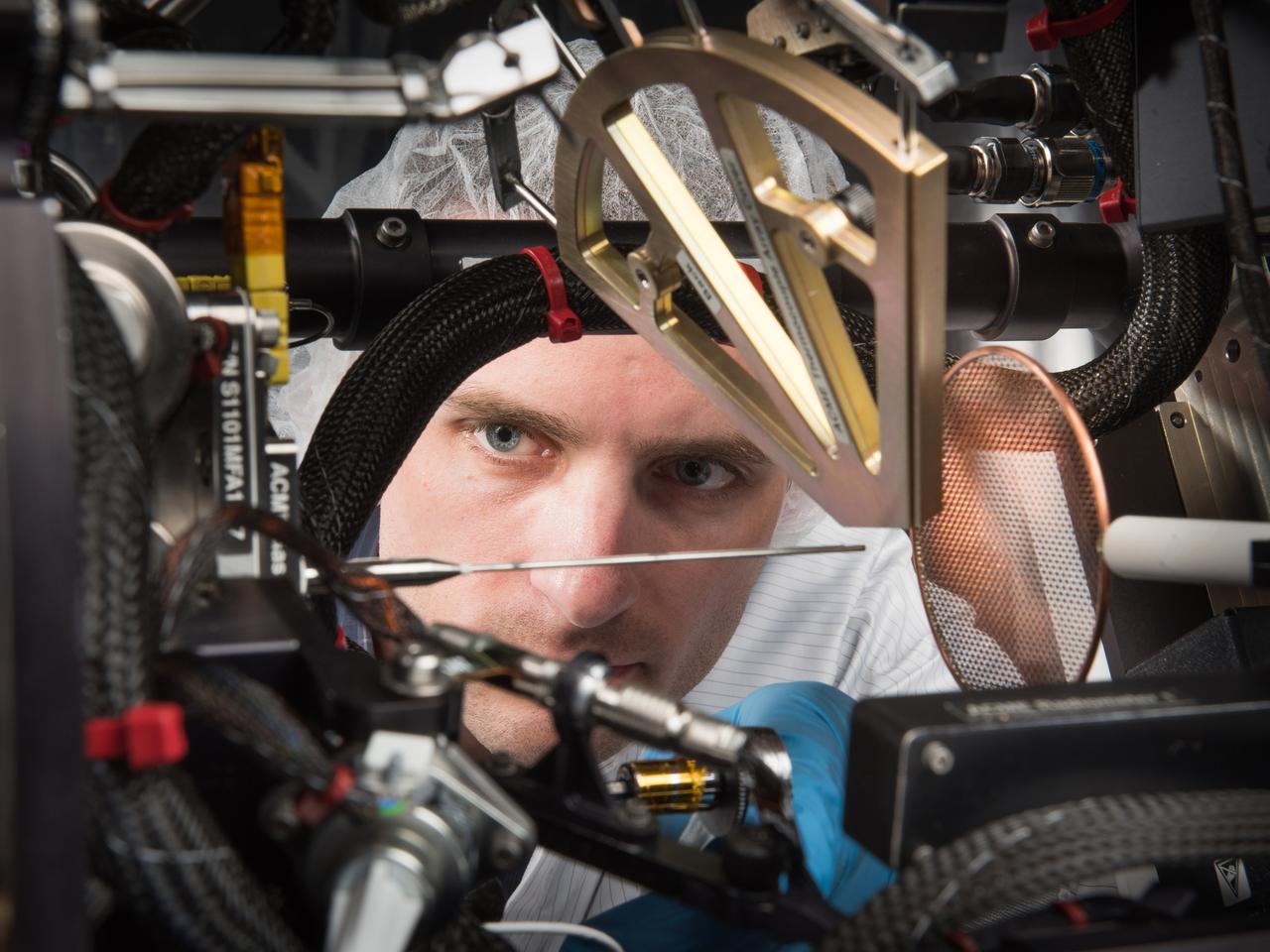
NASA Glenn engineer Christopher Mroczka inspects the gas-jet burner within the Advanced Combustion via Microgravity Experiments, ACME insert for the Combustion Integrated Rack, CIR. The apparatus allows researchers to conduct experiments with flames of gaseous fuels on the International Space Station, ISS
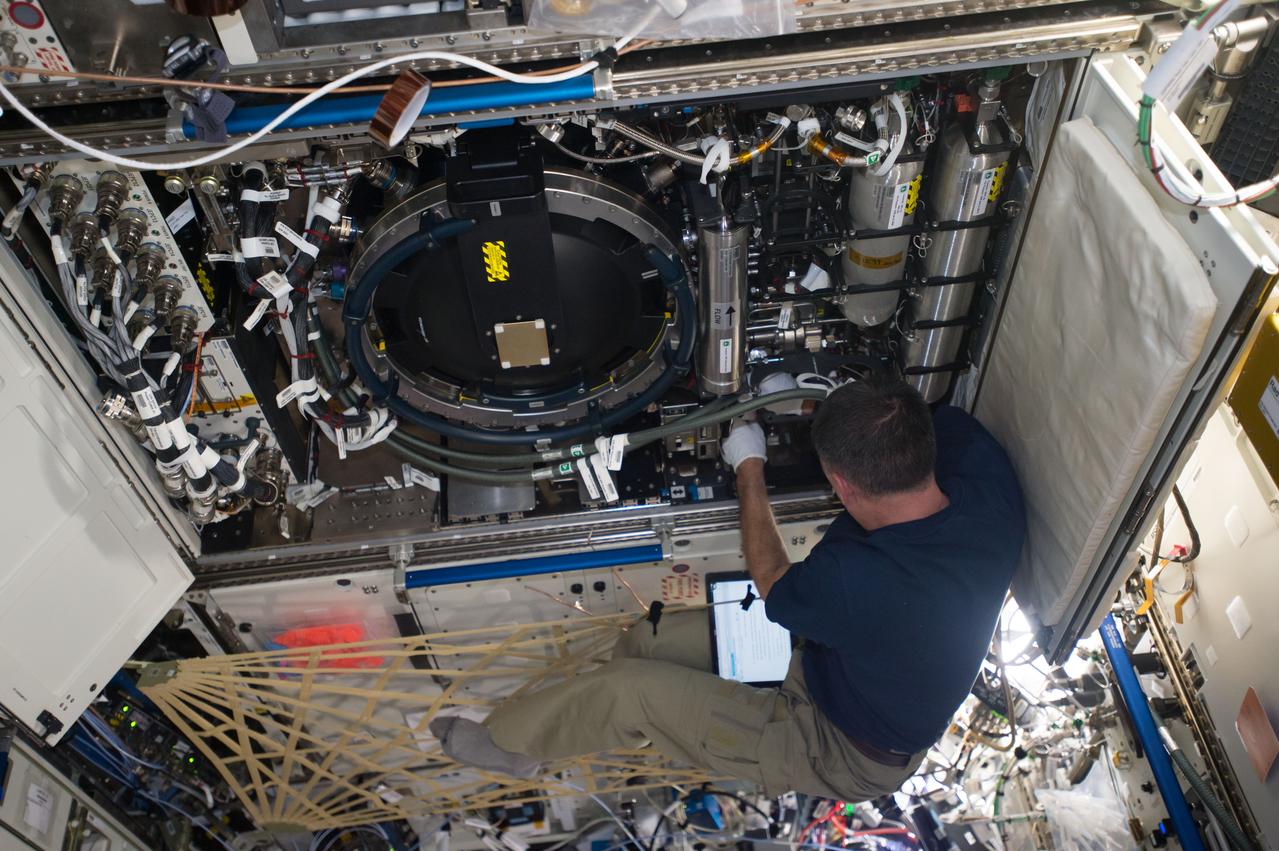
iss050e020199 (12/29/2016) --- NASA astronaut Shane Kimbrough reconfiguring the Combustion Integrated Rack (CIR) High Bit Depth/Multispectral (HiBMS) imaging packages at Universal Mounting Location (UML) 7 and UML 8. The CIR is used to perform combustion experiments in microgravity and can be reconfigured easily on orbit to accommodate a variety of combustion experiments.
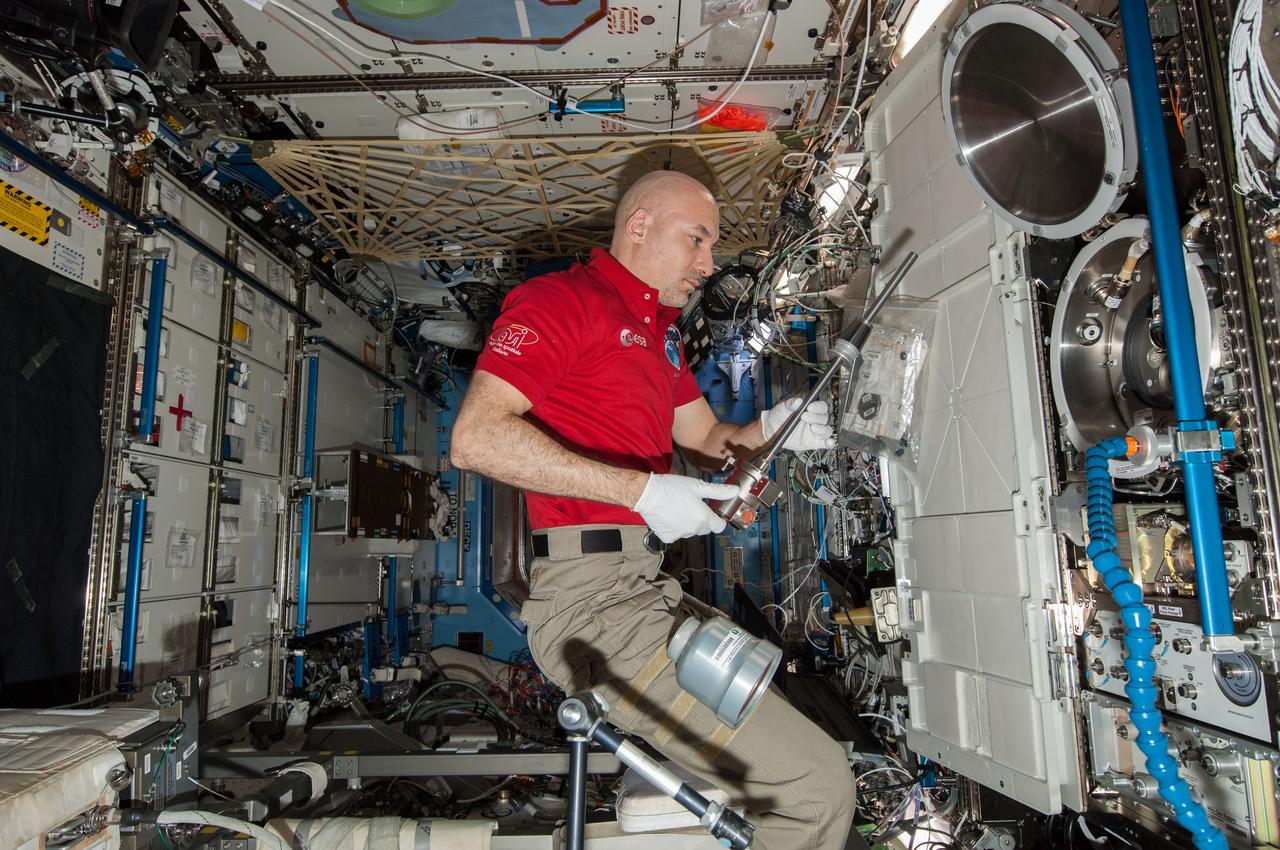
ISS037-E-026919 (4 Nov. 2013) --- European Space Agency astronaut Luca Parmitano, Expedition 37 flight engineer, works with the Combustion Integrated Rack (CIR) Multi-user Drop Combustion Apparatus (MDCA) in the Destiny laboratory of the International Space Station.
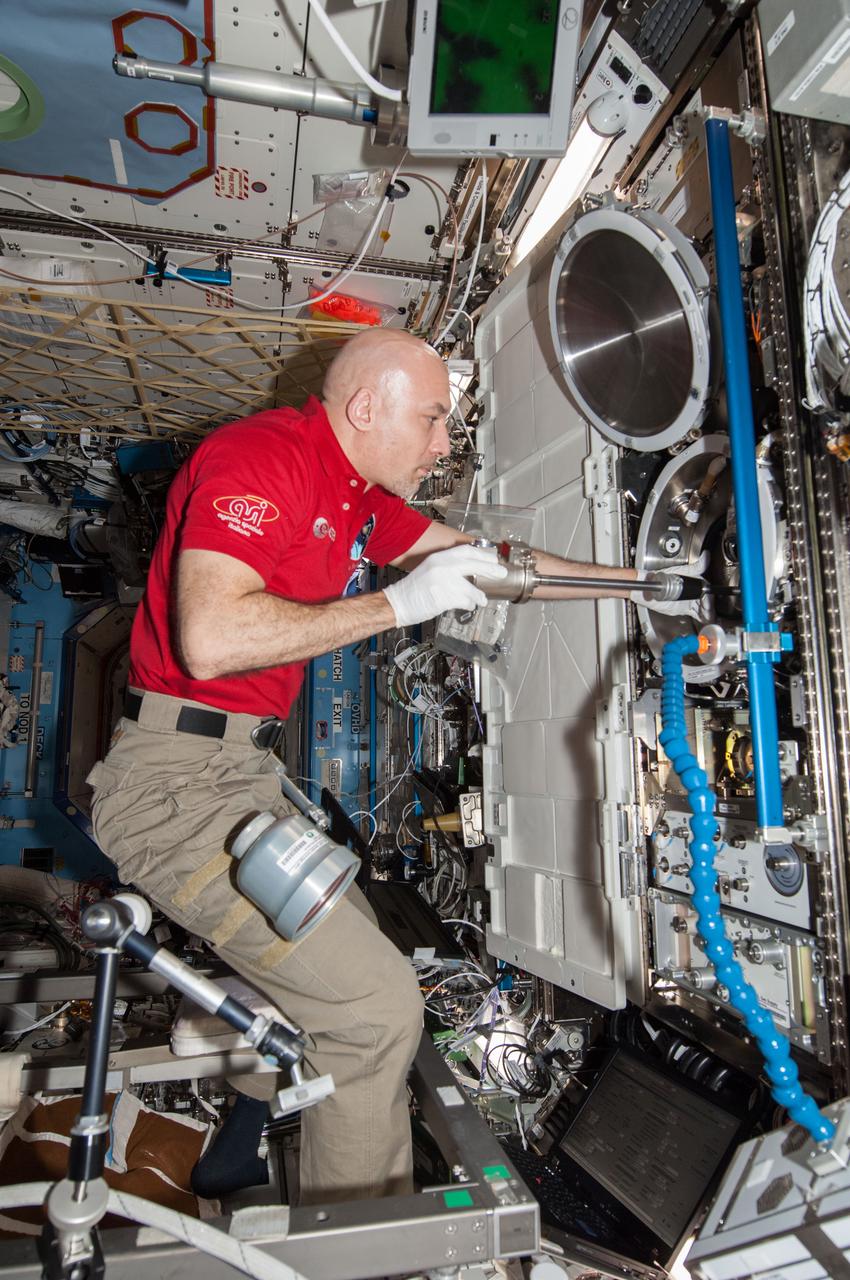
ISS037-E-026918 (4 Nov. 2013) --- European Space Agency astronaut Luca Parmitano, Expedition 37 flight engineer, works with the Combustion Integrated Rack (CIR) Multi-user Drop Combustion Apparatus (MDCA) in the Destiny laboratory of the International Space Station.

ISS037-E-026916 (4 Nov. 2013) --- European Space Agency astronaut Luca Parmitano, Expedition 37 flight engineer, works with the Combustion Integrated Rack (CIR) Multi-user Drop Combustion Apparatus (MDCA) in the Destiny laboratory of the International Space Station.
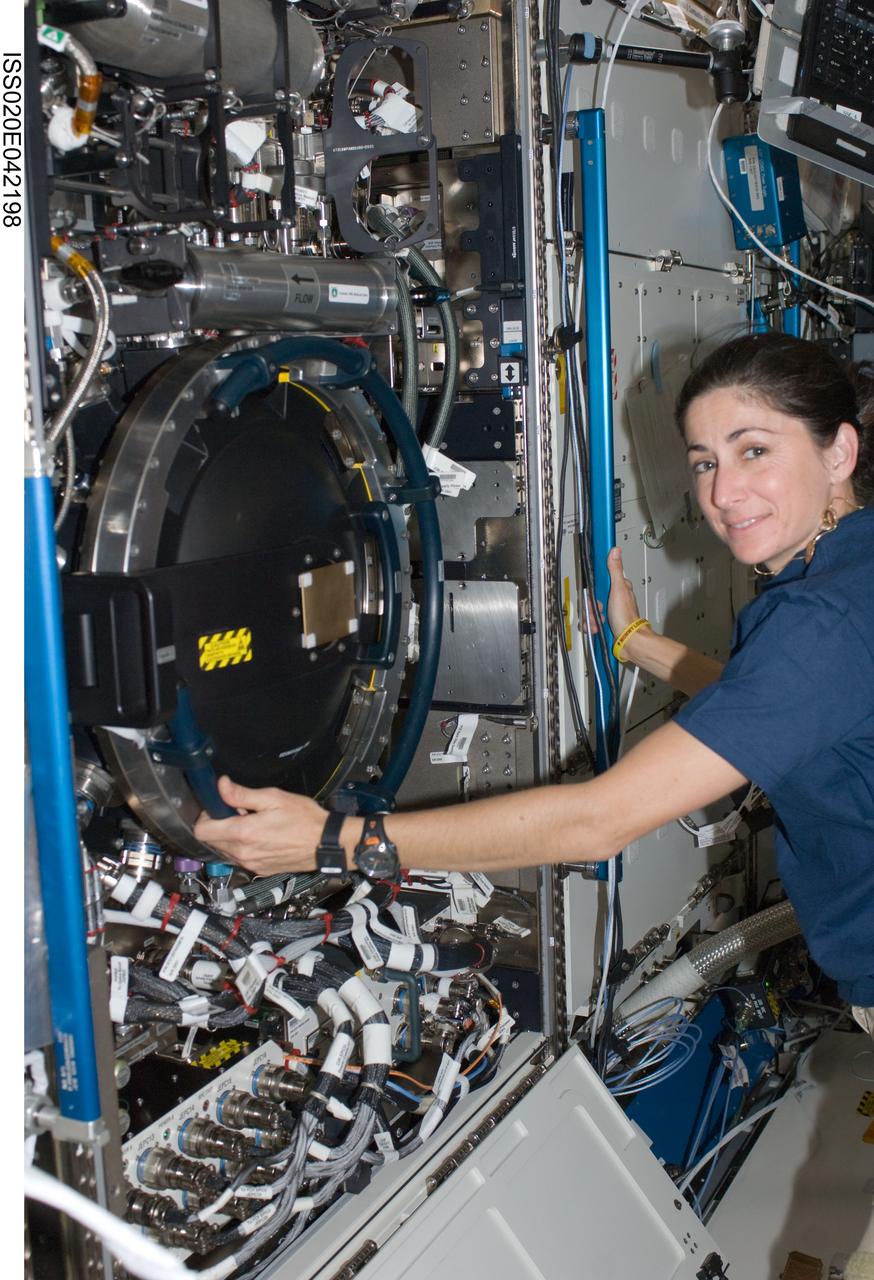
ISS020-E-042198 (26 Sept. 2009) --- NASA astronaut Nicole Stott, Expedition 20 flight engineer, works with the Combustion Integrated Rack (CIR) in the Destiny laboratory of the International Space Station.
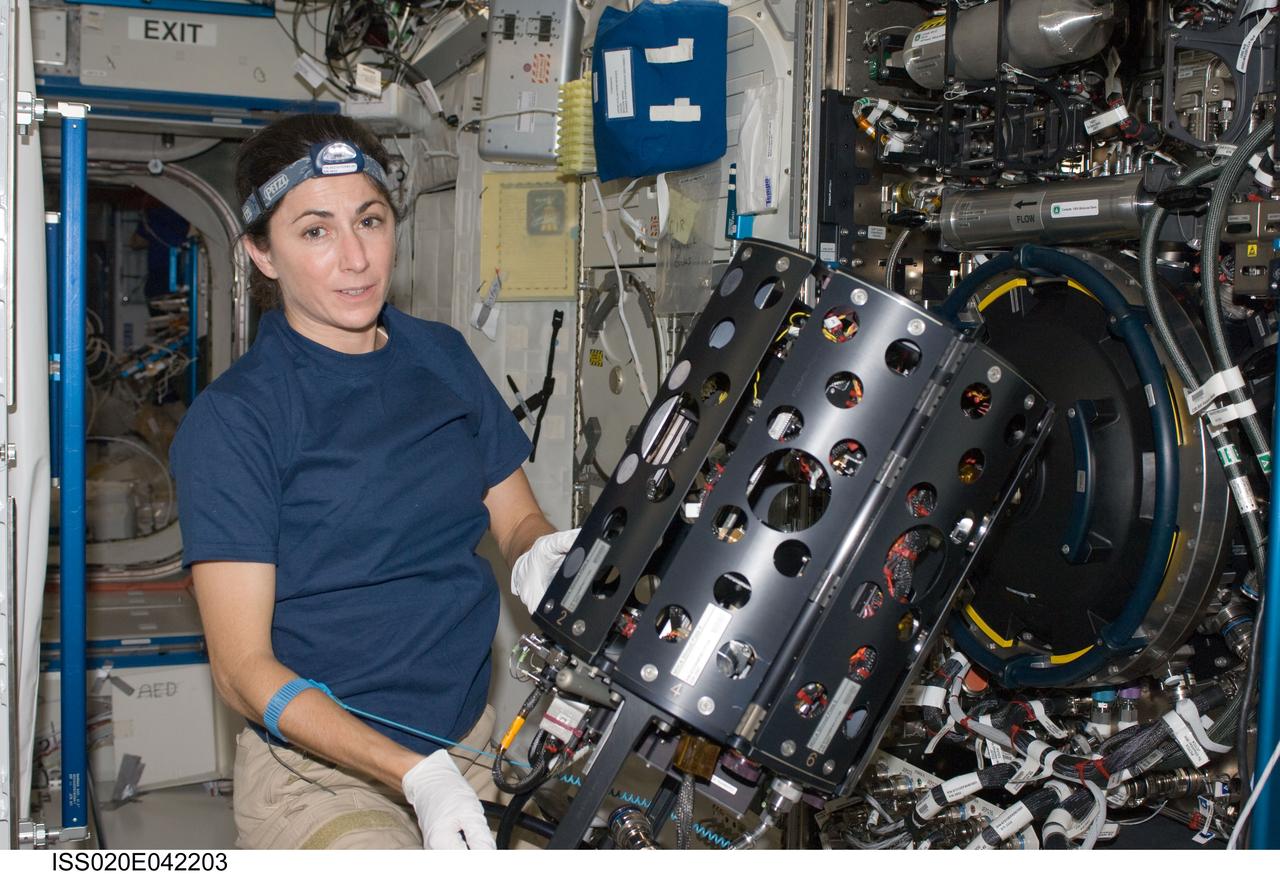
ISS020-E-042203 (26 Sept. 2009) --- NASA astronaut Nicole Stott, Expedition 20 flight engineer, works with the Combustion Integrated Rack (CIR) in the Destiny laboratory of the International Space Station.
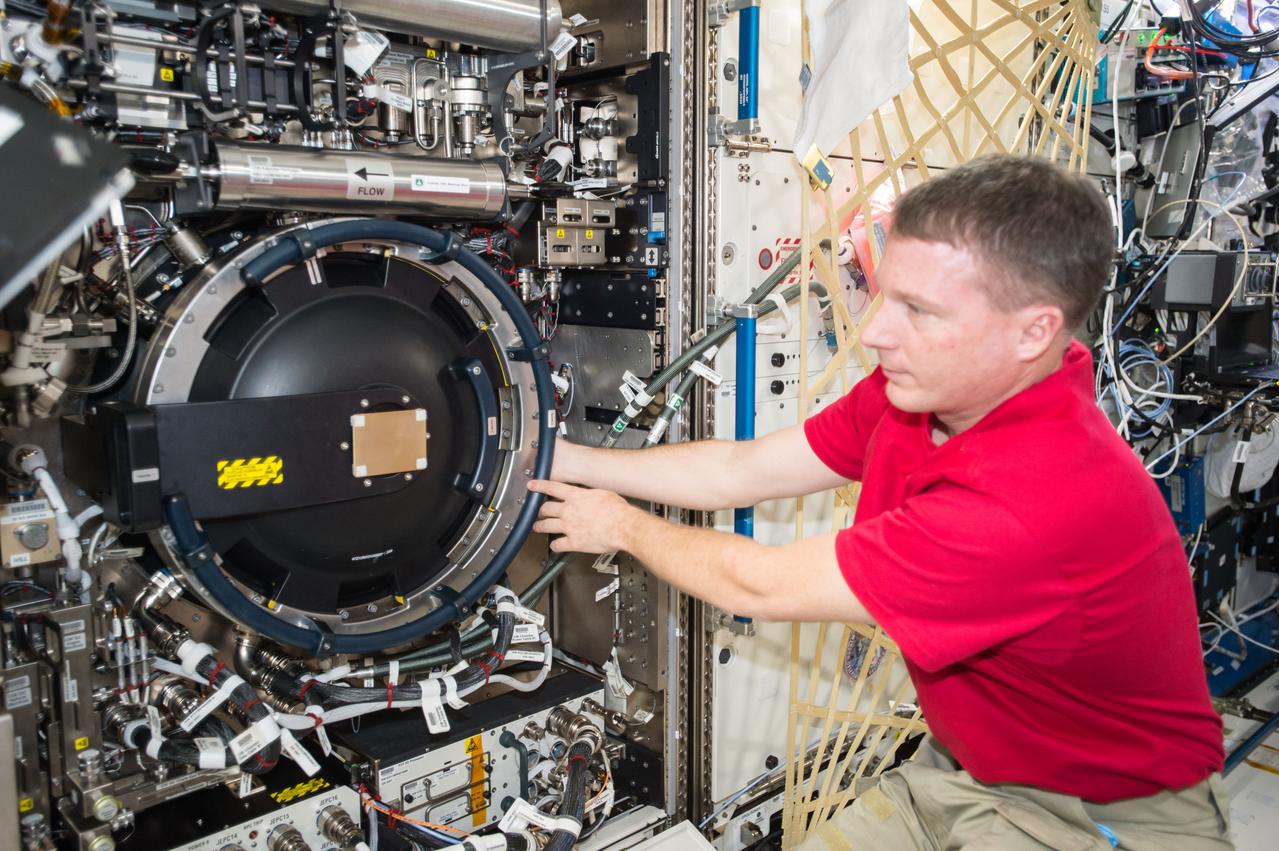
ISS042E017804 (11/28/2014) --- US Astronaut Terry Virts works to rotate out the Optics Bench during Combustion Integrated Rack (CIR) Imaging Package reconfiguration in the Destiny U.S. Laboratory of the International Space Station.
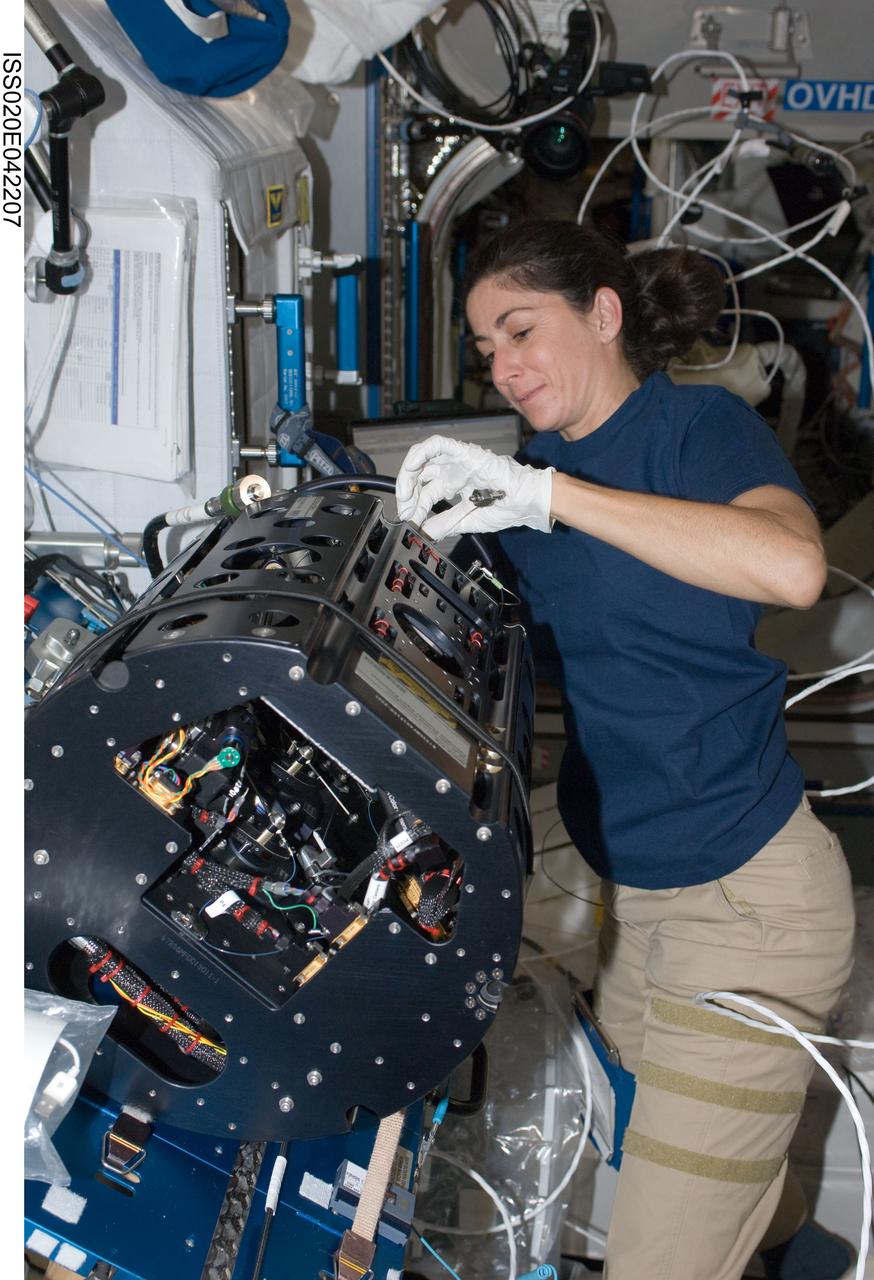
ISS020-E-042207 (26 Sept. 2009) --- NASA astronaut Nicole Stott, Expedition 20 flight engineer, works with the Combustion Integrated Rack (CIR) in the Destiny laboratory of the International Space Station.
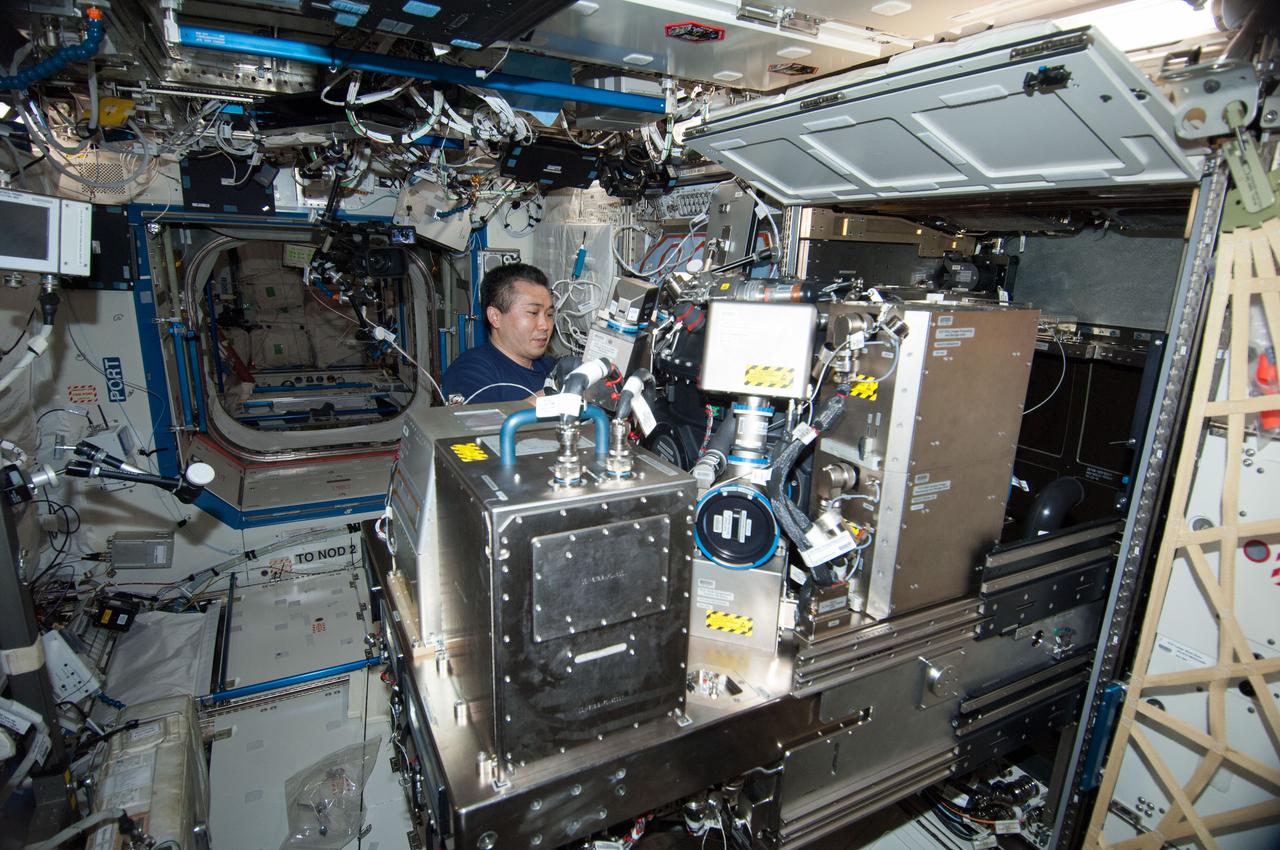
ISS038-E-042754 (5 Feb. 2014) --- Japan Aerospace Exploration Agency astronaut Koichi Wakata, Expedition 38 flight engineer, works on the Combustion Integrated Rack (CIR) in the Destiny laboratory of the International Space Station. This research rack, which includes an optics bench, combustion chamber, fuel and oxidizer control and five different cameras, allows a variety of combustion experiments to be performed safely aboard the station.
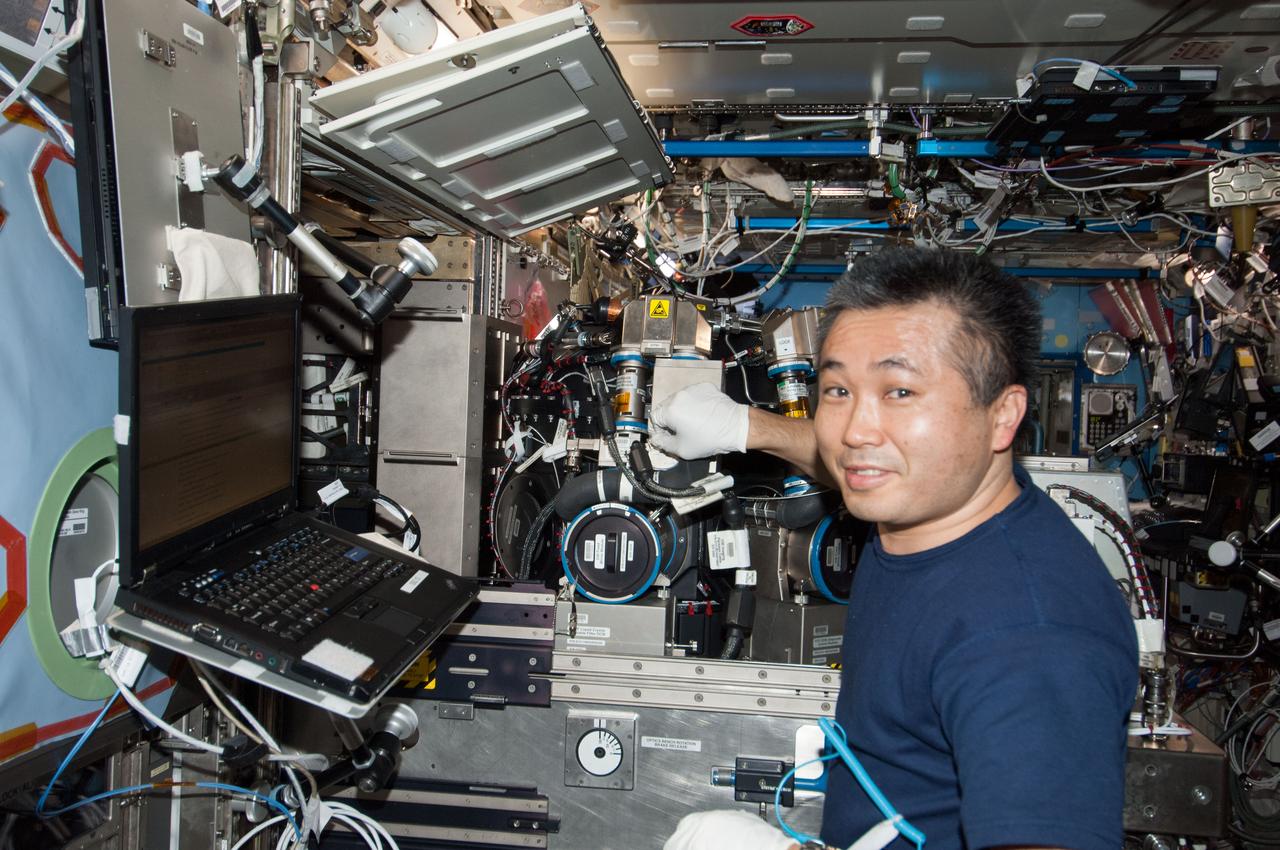
ISS038-E-042747 (5 Feb. 2014) --- Japan Aerospace Exploration Agency astronaut Koichi Wakata, Expedition 38 flight engineer, works on the Combustion Integrated Rack (CIR) in the Destiny laboratory of the International Space Station. This research rack, which includes an optics bench, combustion chamber, fuel and oxidizer control and five different cameras, allows a variety of combustion experiments to be performed safely aboard the station.
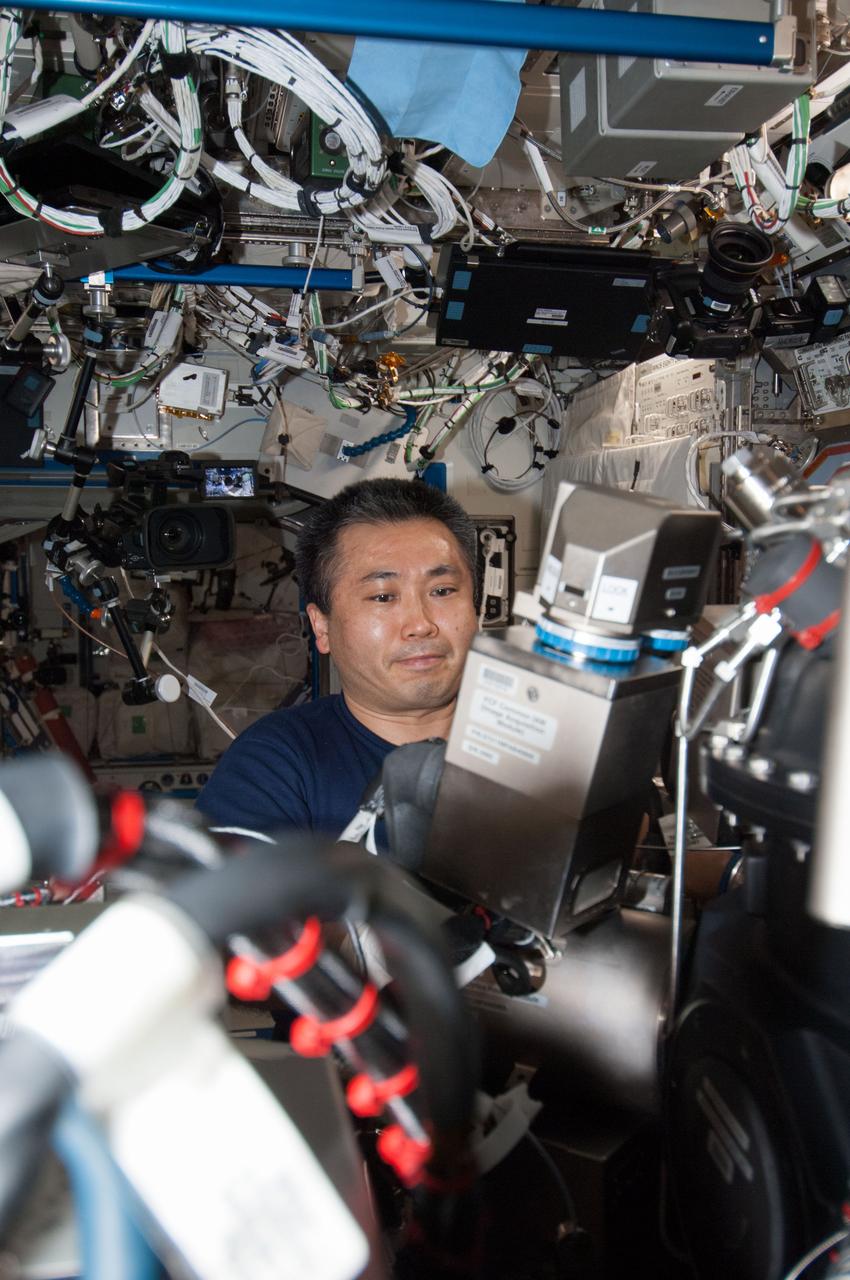
ISS038-E-042758 (5 Feb. 2014) --- Japan Aerospace Exploration Agency astronaut Koichi Wakata, Expedition 38 flight engineer, works on the Combustion Integrated Rack (CIR) in the Destiny laboratory of the International Space Station. This research rack, which includes an optics bench, combustion chamber, fuel and oxidizer control and five different cameras, allows a variety of combustion experiments to be performed safely aboard the station.
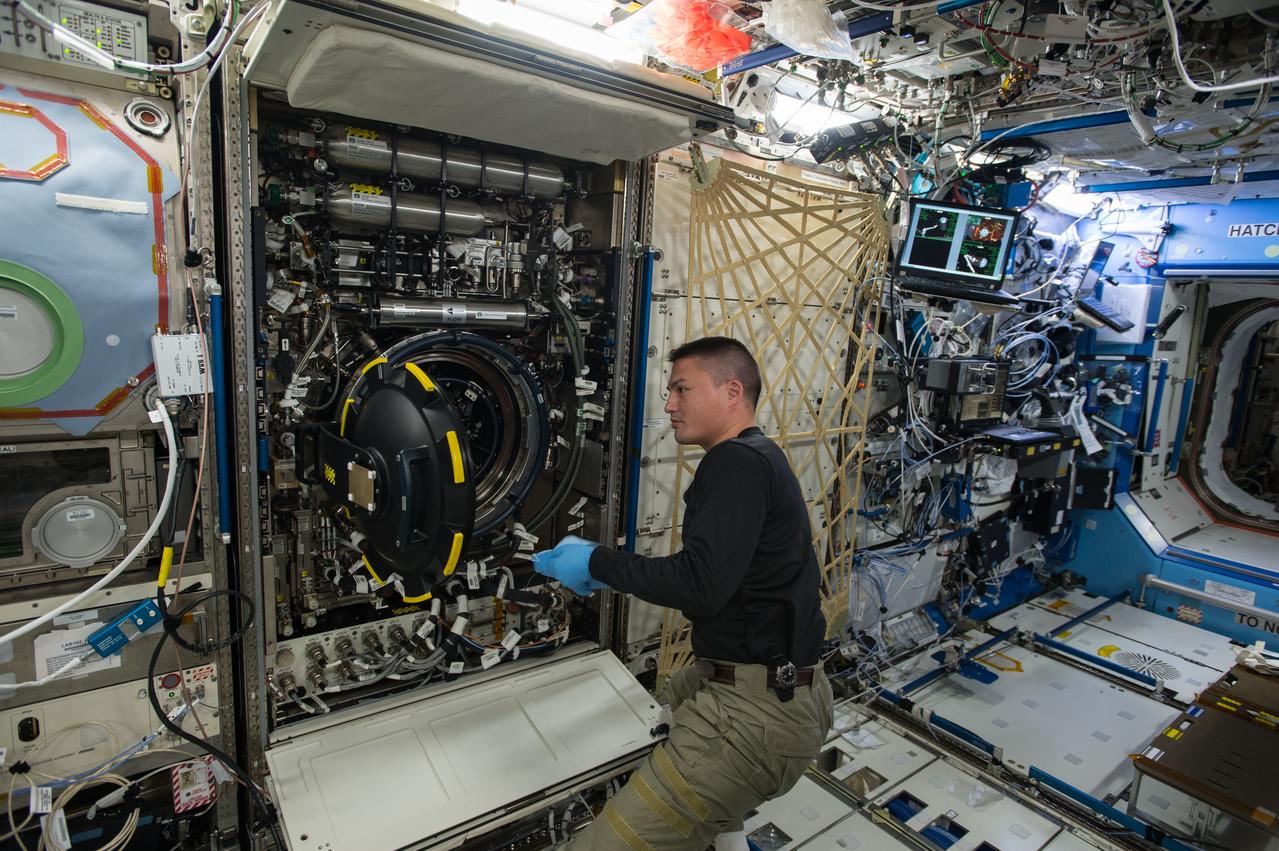
ISS044E064666 (08/20/2015) --- NASA astronaut Kjell Lindgren replaces items inside the Multi-user Droplet Combustion Apparatus found inside the station’s Combustion Integrated Rack (CIR.) The CIR houses hardware capable of performing combustion experiments to further research of combustion in microgravity.
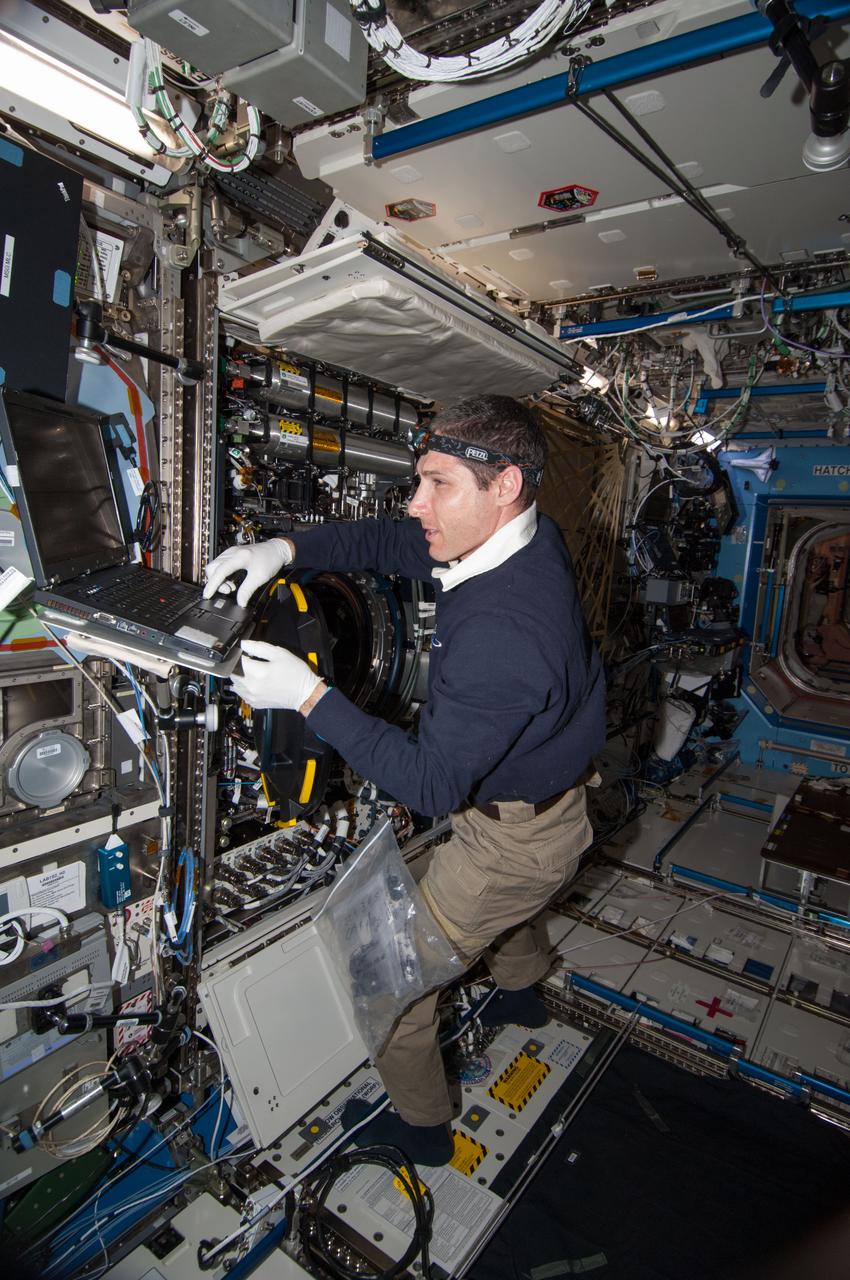
ISS038-E-024145 (30 Dec. 2013) --- NASA astronaut Mike Hopkins, Expedition 38 flight engineer, performs in-flight maintenance on combustion research hardware in the Destiny laboratory of the International Space Station. Hopkins replaced a Multi-user Droplet Combustion Apparatus (MDCA) fuel reservoir inside the Combustion Integrated Rack (CIR).
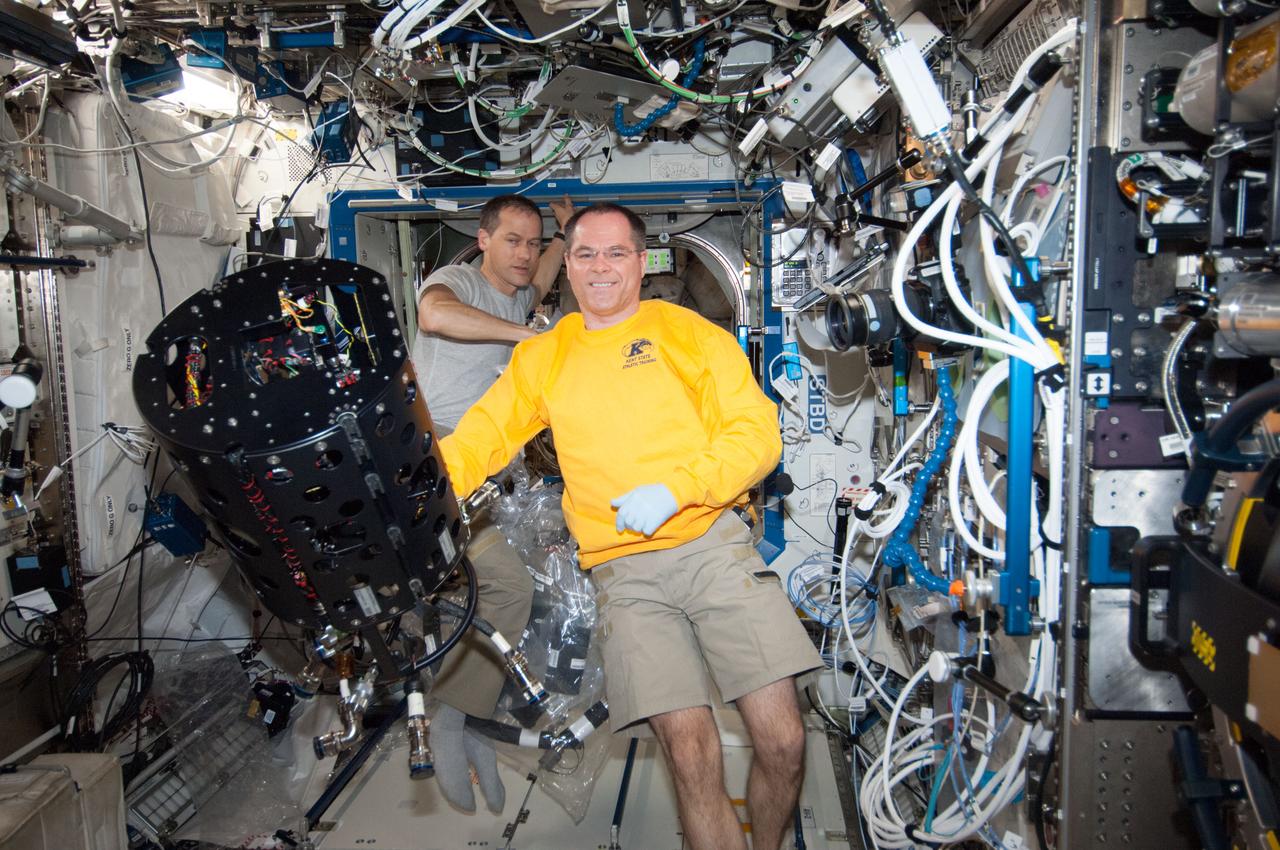
ISS034-E-023541 (9 Jan. 2013) --- NASA astronauts Kevin Ford (foreground), Expedition 34 commander; and Tom Marshburn, flight engineer, work with the Combustion Integrated Rack (CIR) Multi-user Droplet Combustion Apparatus (MDCA) in the International Space Station's Destiny laboratory.
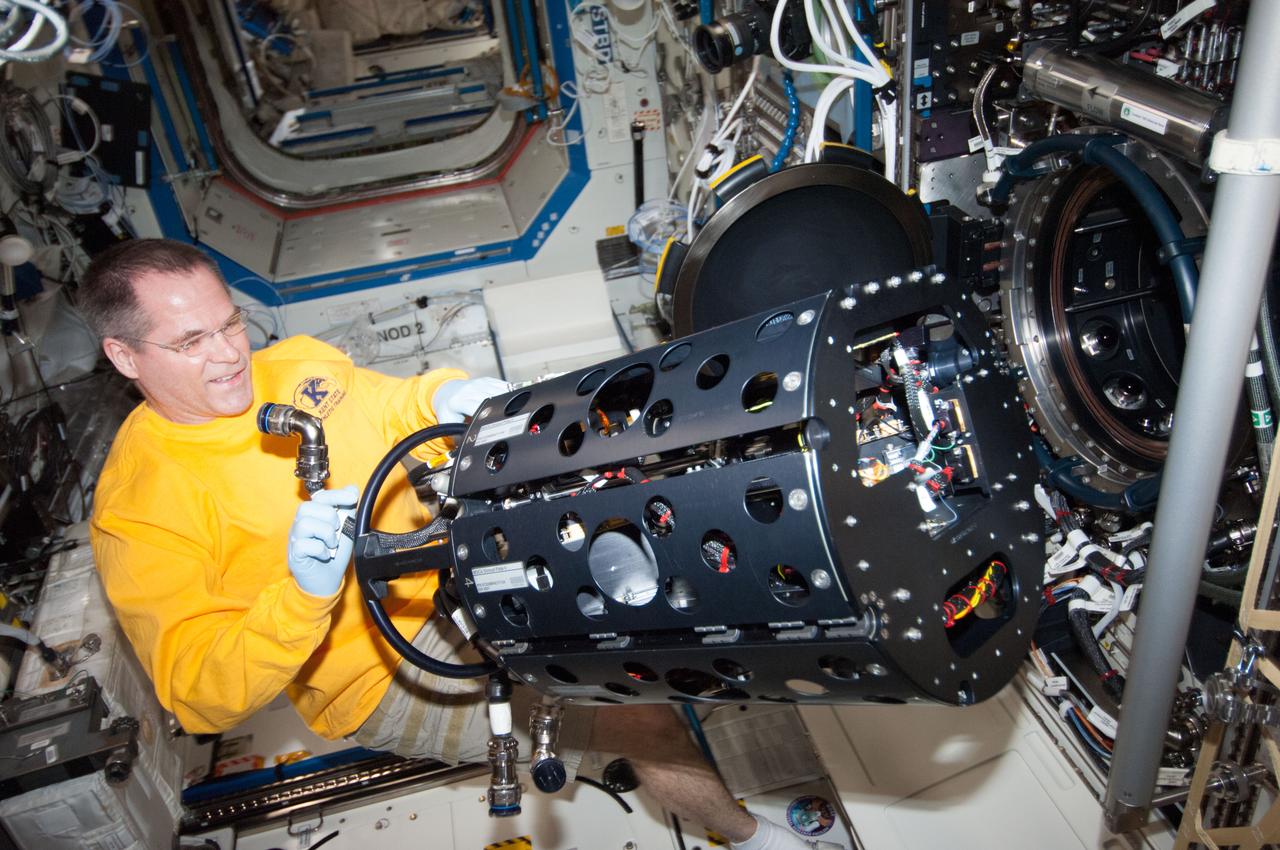
ISS034-E-023544 (9 Jan. 2013) --- NASA astronaut Kevin Ford, Expedition 34 commander, works with the Combustion Integrated Rack (CIR) Multi-user Droplet Combustion Apparatus (MDCA) in the International Space Station's Destiny laboratory.
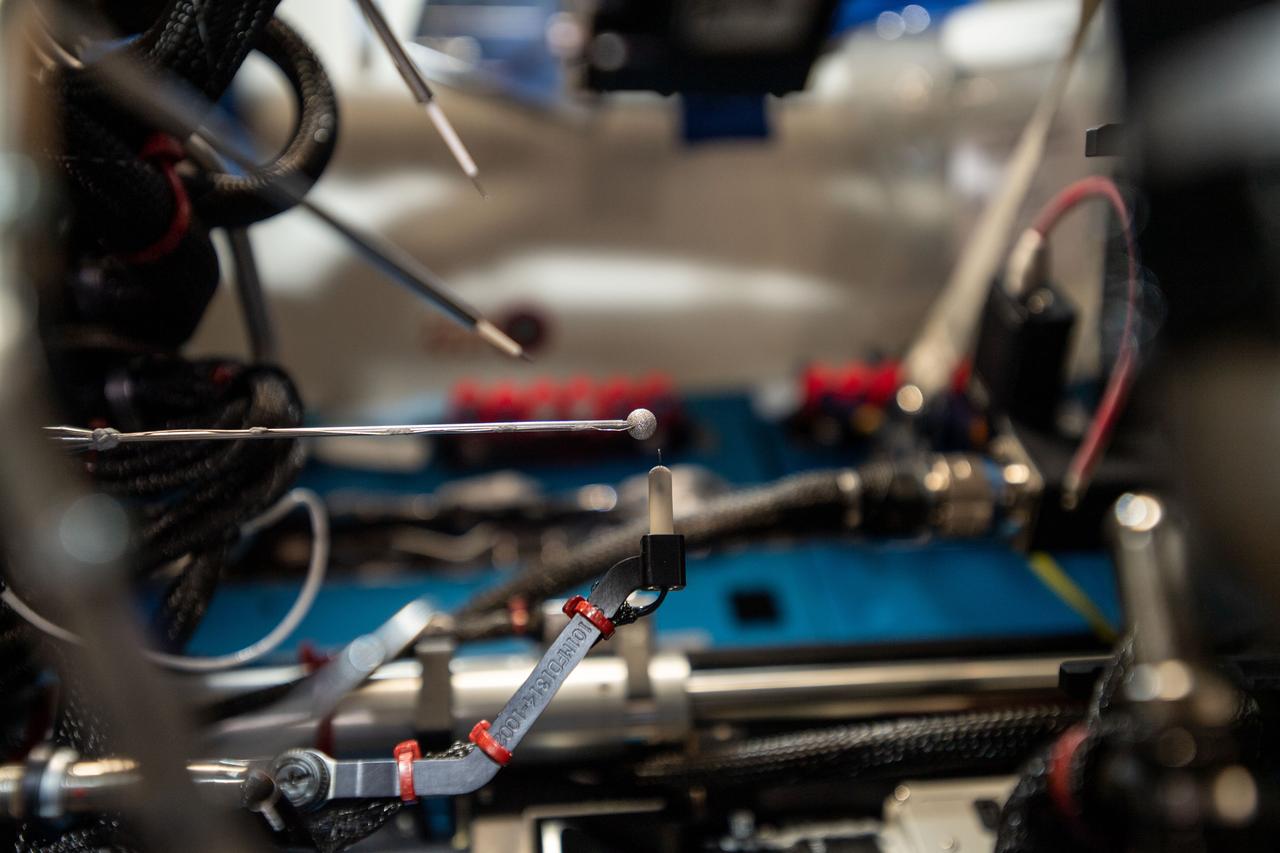
iss059e103188 (6/14/2019) --- Photo documentation taken aboard the International Space Station (ISS) during the Fluids and Combustion Facility (FCF) Combustion Integration Rack (CIR) / Advanced Combustion via Microgravity Experiments (ACME) / Flame Design hardware replacement.
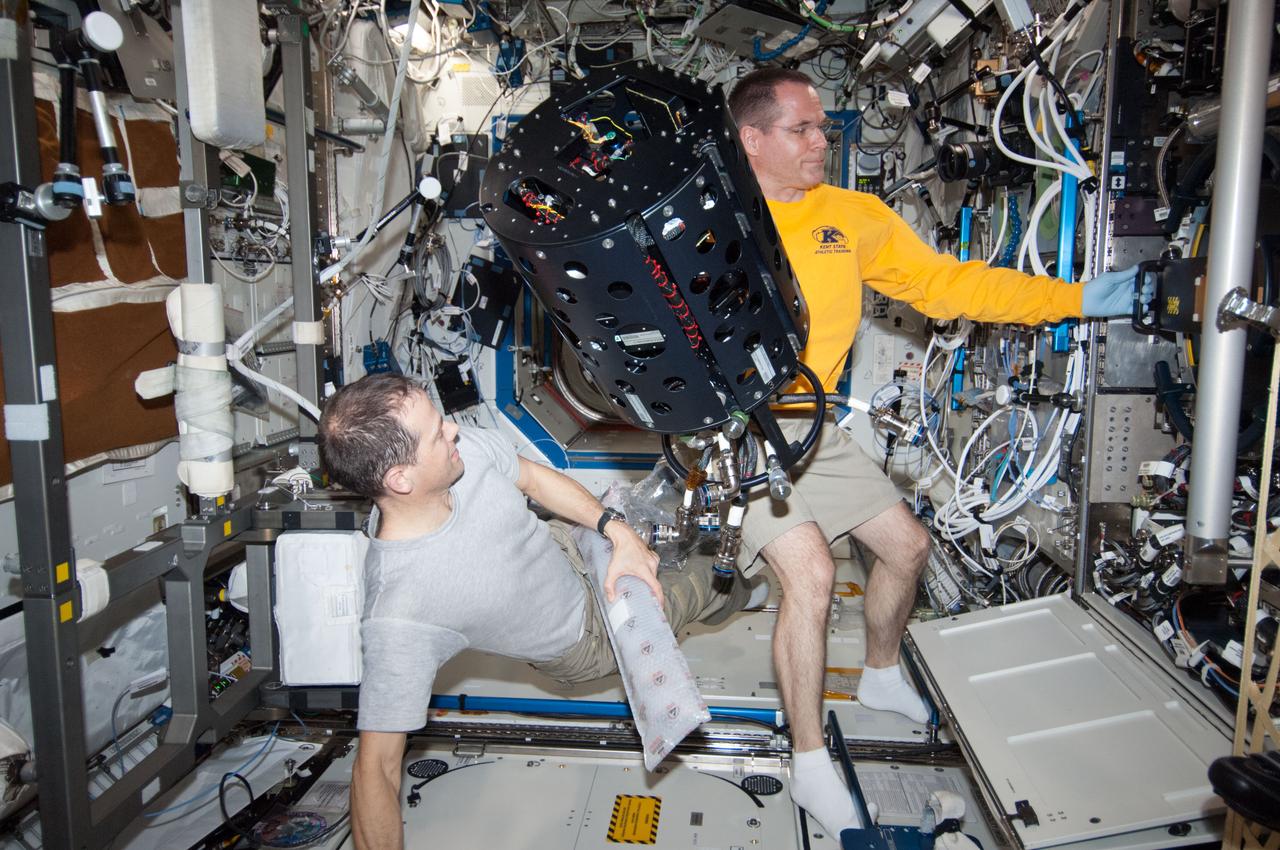
ISS034-E-023543 (9 Jan. 2013) --- NASA astronauts Kevin Ford (right), Expedition 34 commander; and Tom Marshburn, flight engineer, work with the Combustion Integrated Rack (CIR) Multi-user Droplet Combustion Apparatus (MDCA) in the International Space Station's Destiny laboratory.
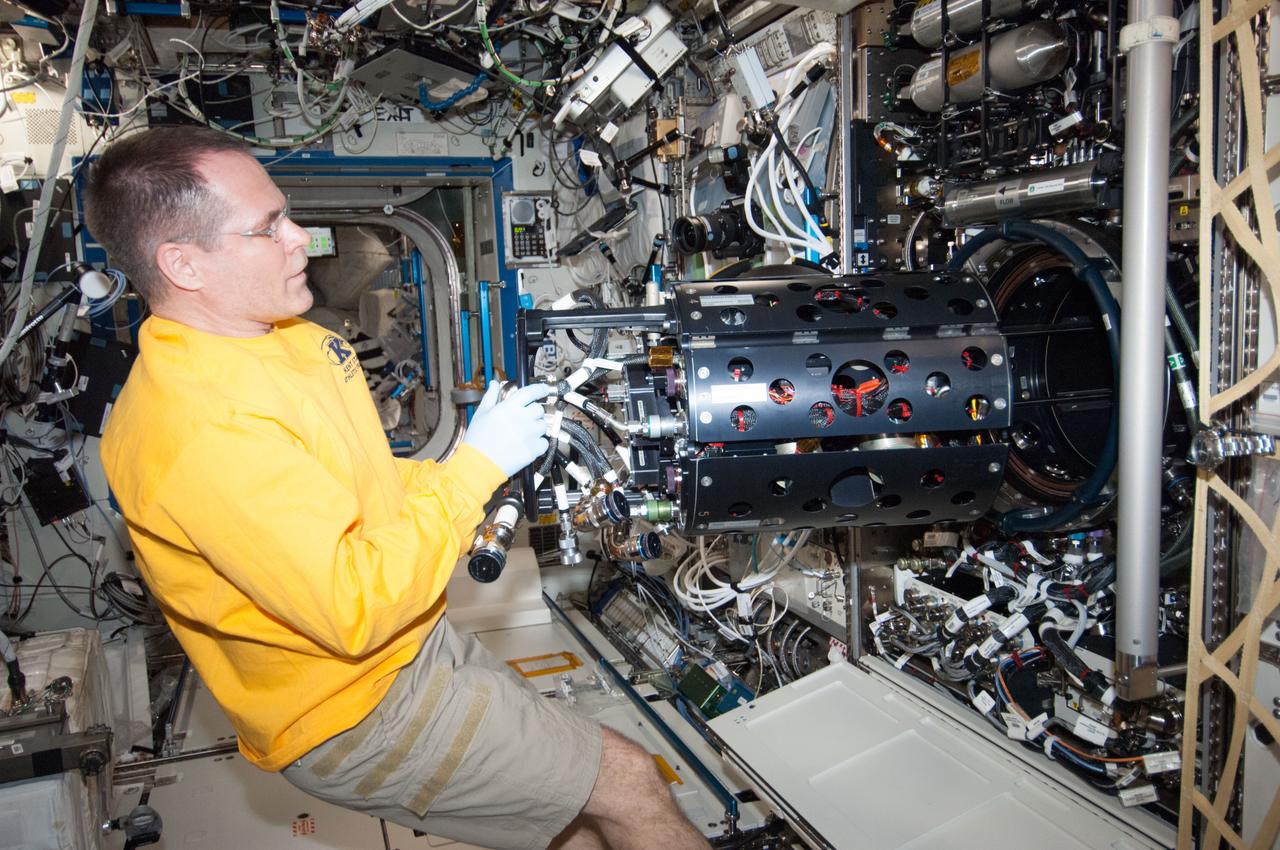
ISS034-E-023546 (9 Jan. 2013) --- NASA astronaut Kevin Ford, Expedition 34 commander, works with the Combustion Integrated Rack (CIR) Multi-user Droplet Combustion Apparatus (MDCA) in the International Space Station's Destiny laboratory.
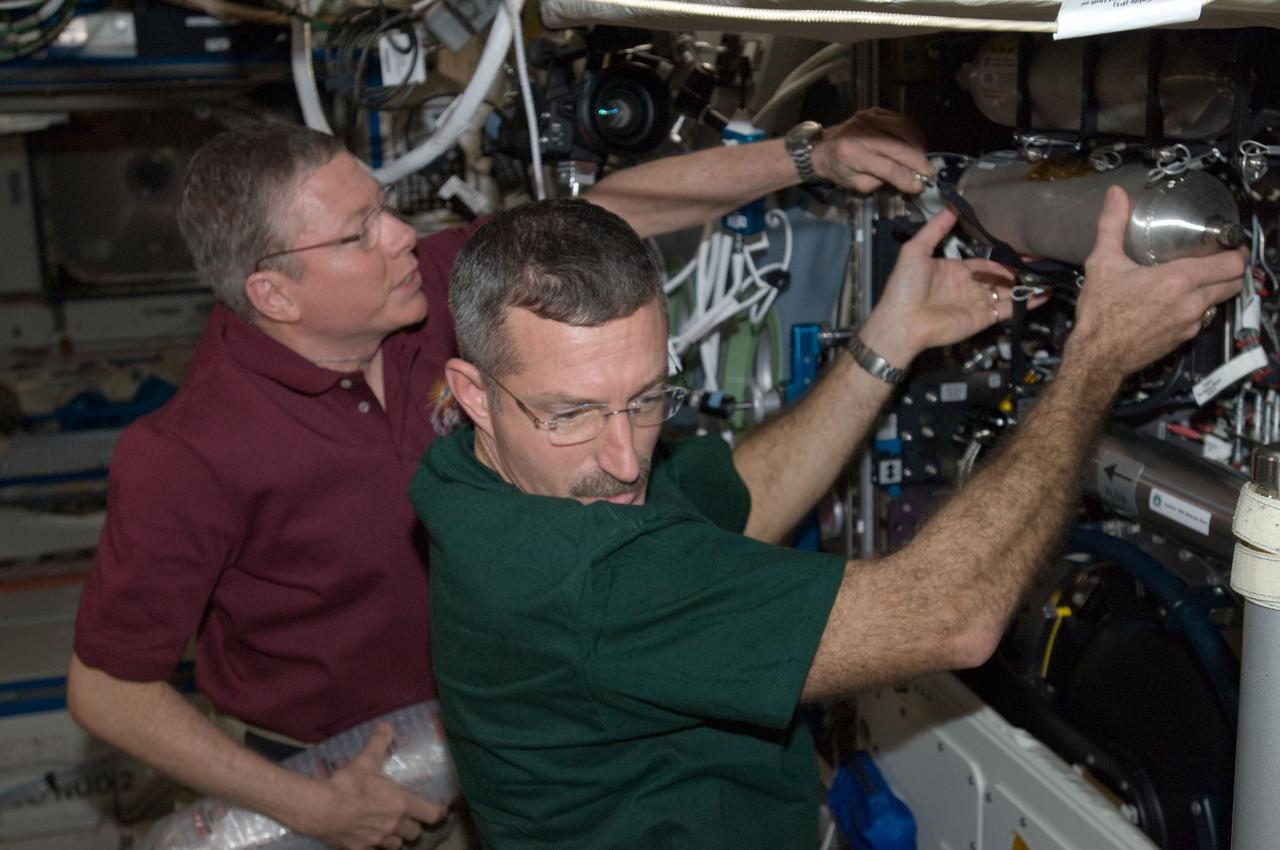
ISS029-E-043263 (19 Nov. 2011) --- NASA astronauts Mike Fossum (left), Expedition 29 commander; and Dan Burbank, flight engineer, remove and replace Combustion Integrated Rack (CIR) manifold bottles in the Destiny laboratory of the International Space Station.
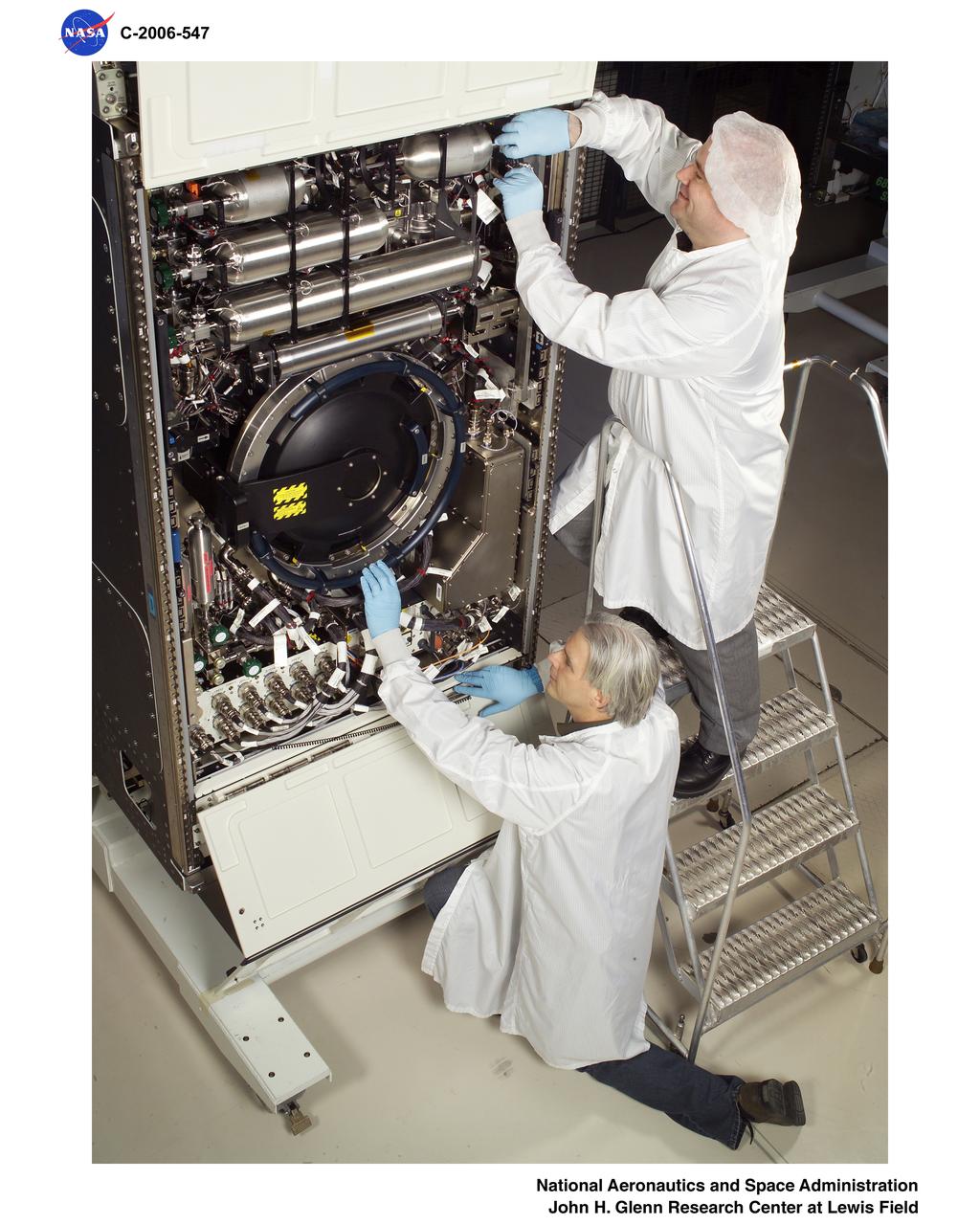
Combustion Integrated Rack (CIR)
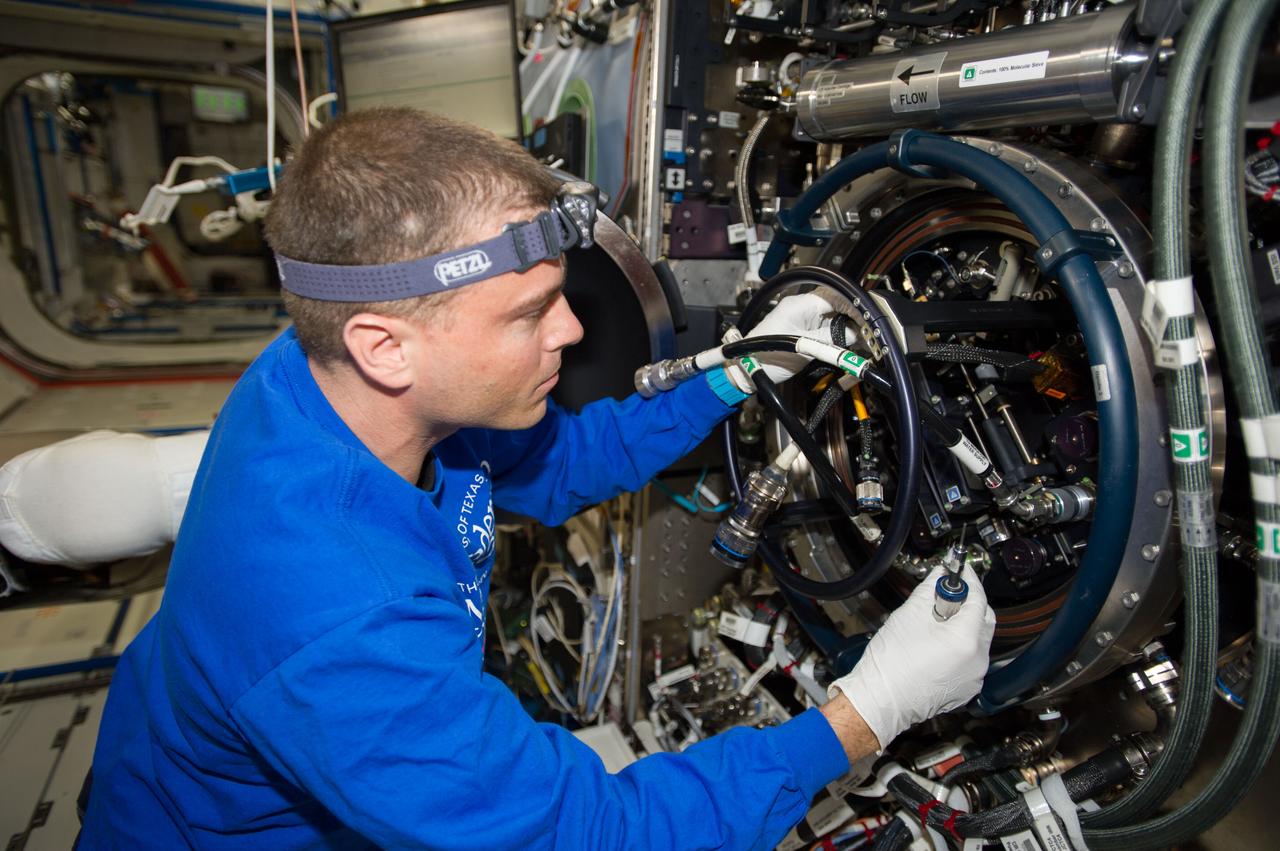
ISS040-E-090484 (11 Aug. 2014) --- NASA astronaut Reid Wiseman, Expedition 40 flight engineer, performs routine in-flight maintenance on the Multi-user Drop Combustion Apparatus (MDCA) inside the Combustion Integrated Rack (CIR) in the Destiny laboratory of the International Space Station. The MDCA contains hardware and software to conduct unique droplet combustion experiments in space.
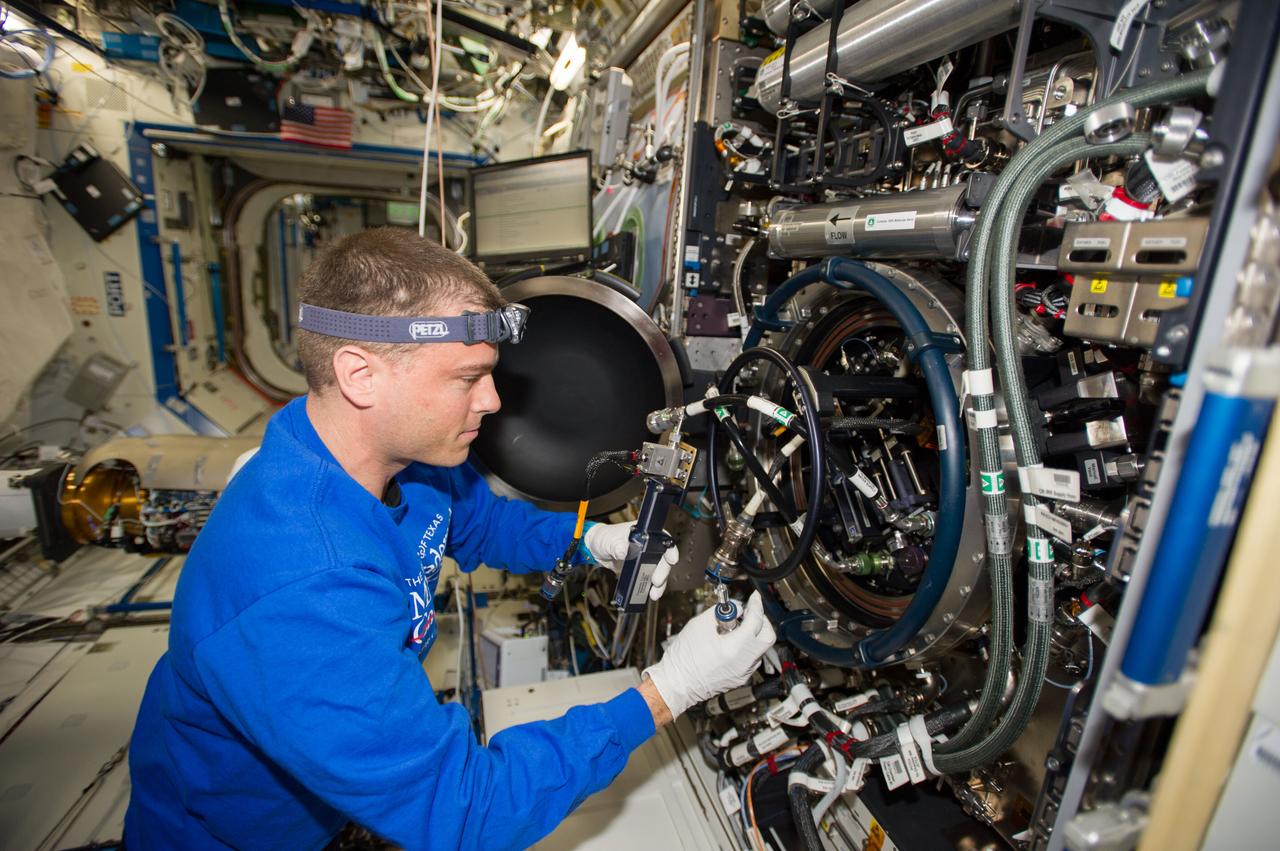
ISS040-E-090482 (11 Aug. 2014) --- NASA astronaut Reid Wiseman, Expedition 40 flight engineer, performs routine in-flight maintenance on the Multi-user Drop Combustion Apparatus (MDCA) inside the Combustion Integrated Rack (CIR) in the Destiny laboratory of the International Space Station. The MDCA contains hardware and software to conduct unique droplet combustion experiments in space.
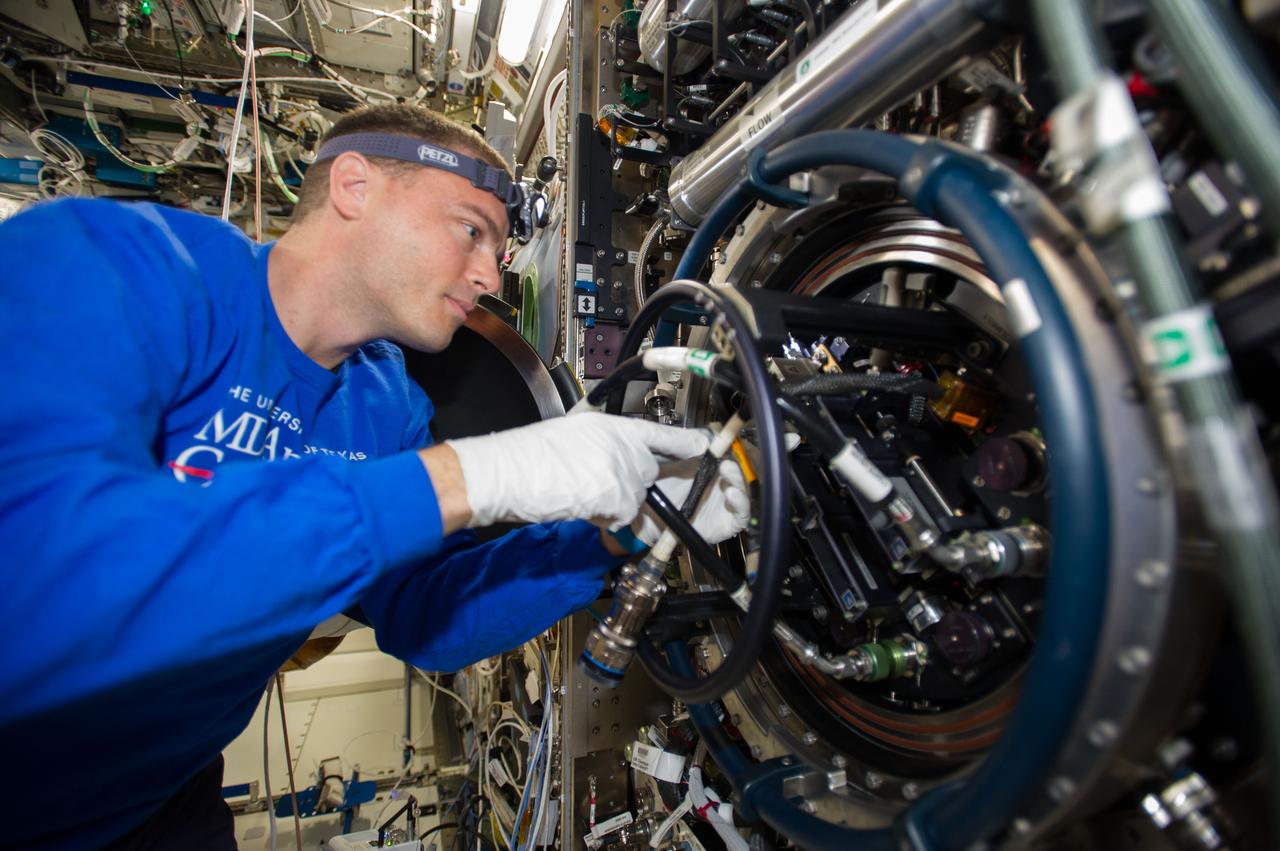
ISS040-E-090497 (11 Aug. 2014) --- NASA astronaut Reid Wiseman, Expedition 40 flight engineer, performs routine in-flight maintenance on the Multi-user Drop Combustion Apparatus (MDCA) inside the Combustion Integrated Rack (CIR) in the Destiny laboratory of the International Space Station. The MDCA contains hardware and software to conduct unique droplet combustion experiments in space.
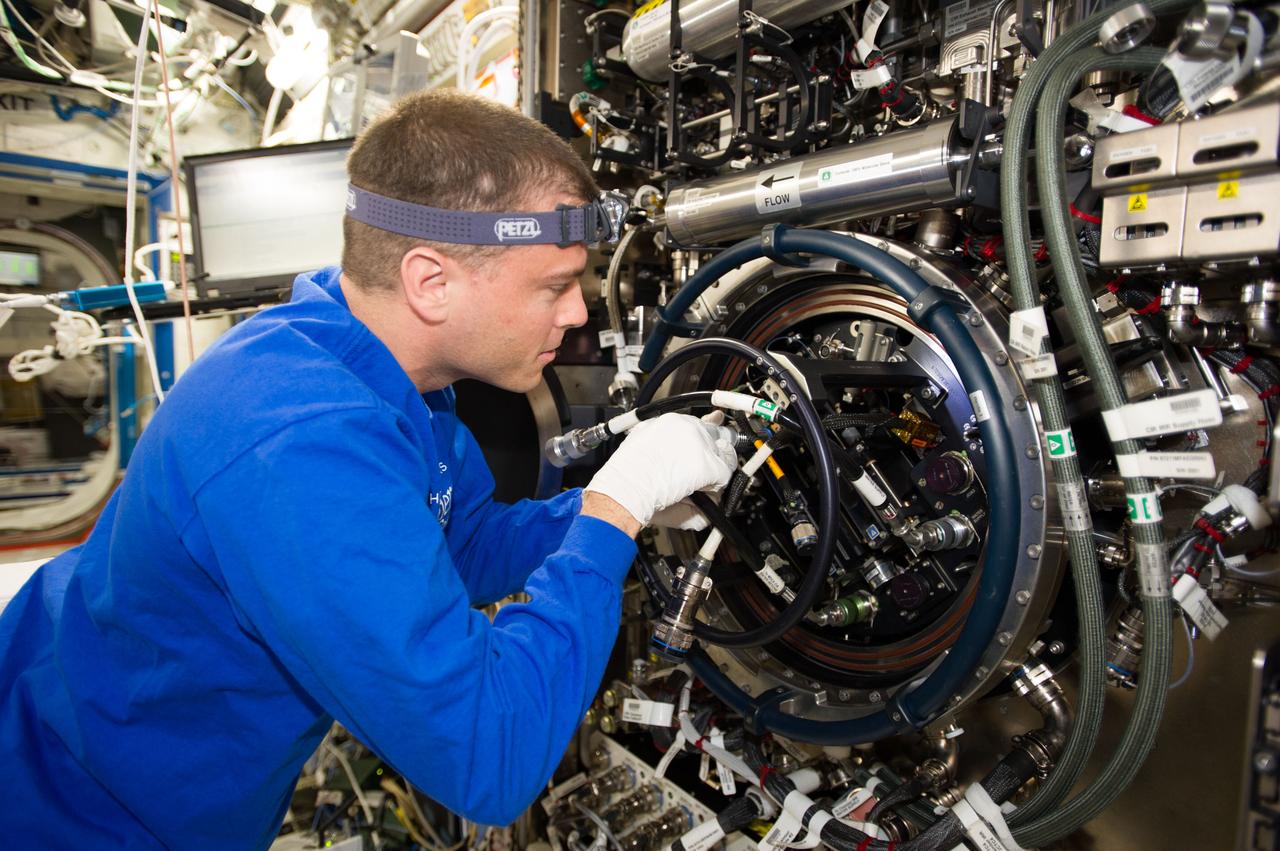
ISS040-E-090493 (11 Aug. 2014) --- NASA astronaut Reid Wiseman, Expedition 40 flight engineer, performs routine in-flight maintenance on the Multi-user Drop Combustion Apparatus (MDCA) inside the Combustion Integrated Rack (CIR) in the Destiny laboratory of the International Space Station. The MDCA contains hardware and software to conduct unique droplet combustion experiments in space.
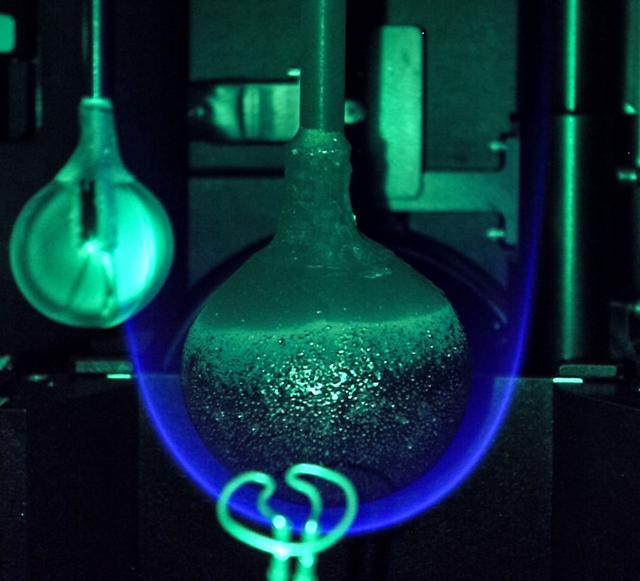
jsc2024e021222 (3/21/2024) --- Solid Fuel Ignition and Extinction (SoFIE) insert supports the Growth and Extinction Limit (GEL) investigation test image taken in the Combustion Integrated Rack (CIR). This image was taken just prior to flame extinction while the green LED was flashing on. The LED allows the fuel surface to be seen during the burn, so that several important parameters can be evaluated, such as how far the flame is from the fuel and how much the fuel is heating up. The igniter wire appears in the camera view, but it is in the foreground and not near the flame. In the background on the left, an unburned acrylic sphere waits for its turn to be tested on another day.
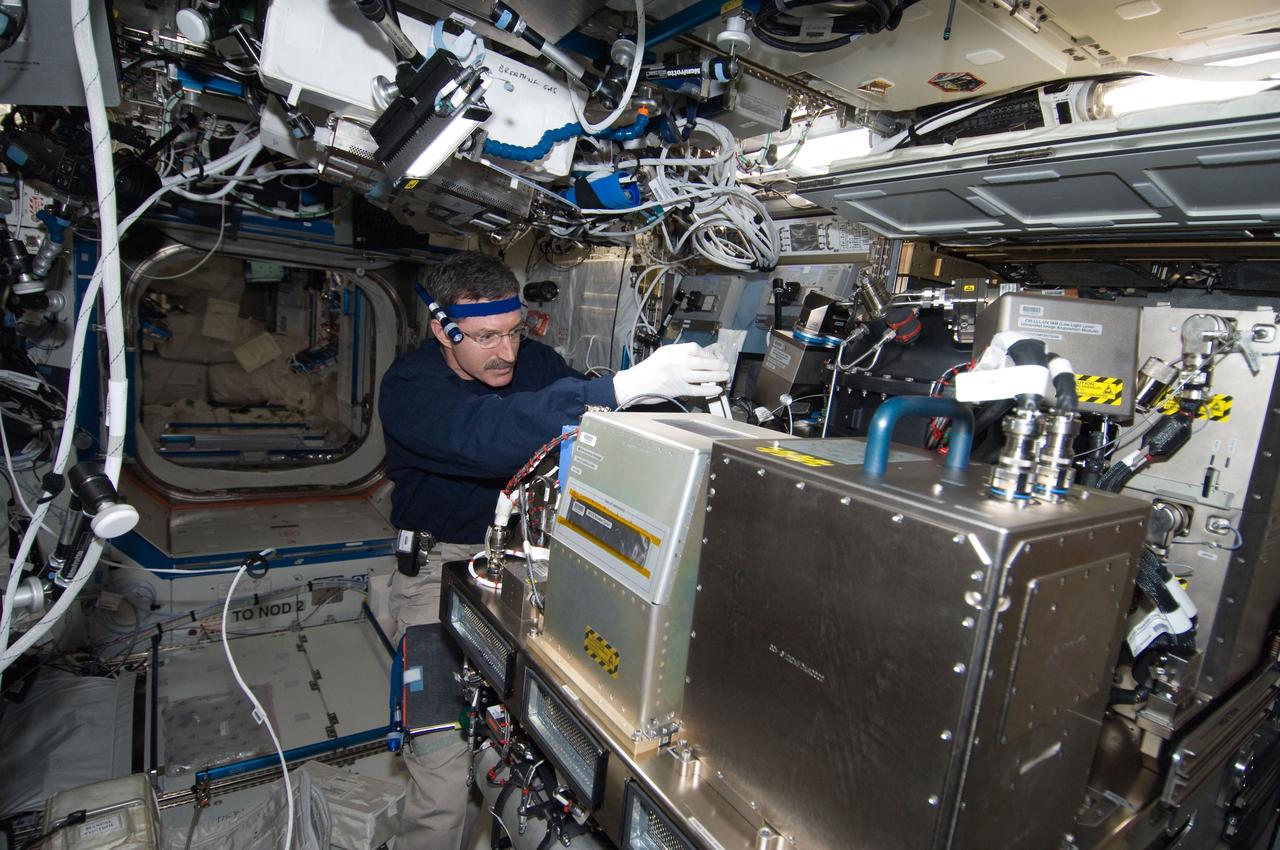
ISS030-E-234735 (10 April 2012) --- NASA astronaut Dan Burbank, Expedition 30 commander, works on the Combustion Integrated Rack (CIR) in the Destiny laboratory of the International Space Station. Burbank disconnected the Moderate Temperature Loop (MTL), Vacuum Exhaust System (VES) and station nitrogen lines of the Optics Bench, translated and rotated it out of the way and replaced a Fluids and Combustion Facility / Diagnostic Control Module (FCF DCM) on its back. Afterwards, Burbank returned the Optics Bench to its nominal position and reconnected the MTL, VES and station nitrogen lines.
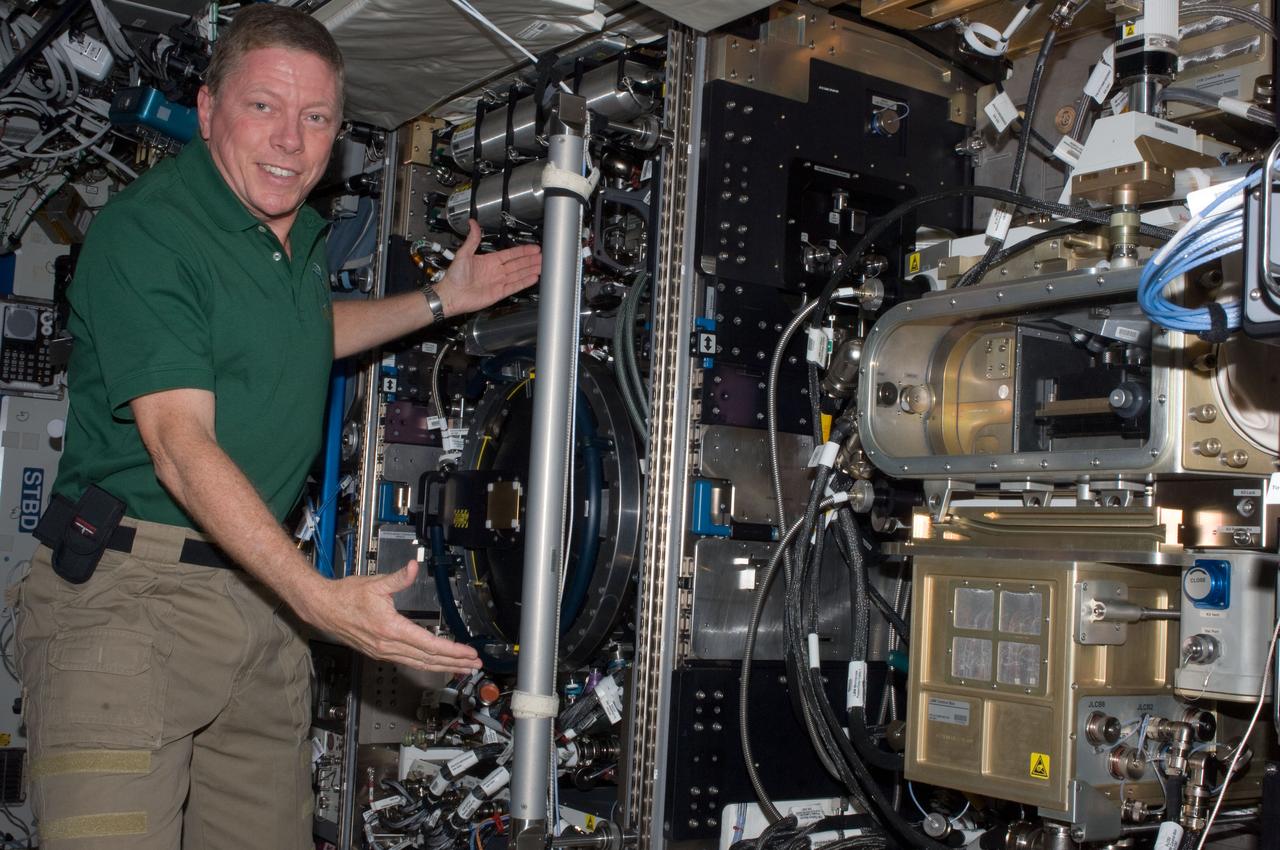
ISS028-E-009889 (26 June 2011) --- NASA astronaut Mike Fossum, Expedition 28 flight engineer, is pictured near the Combustion Integrated Rack (CIR) Multi-user Drop Combustion Apparatus (MDCA) in the Destiny laboratory of the International Space Station.
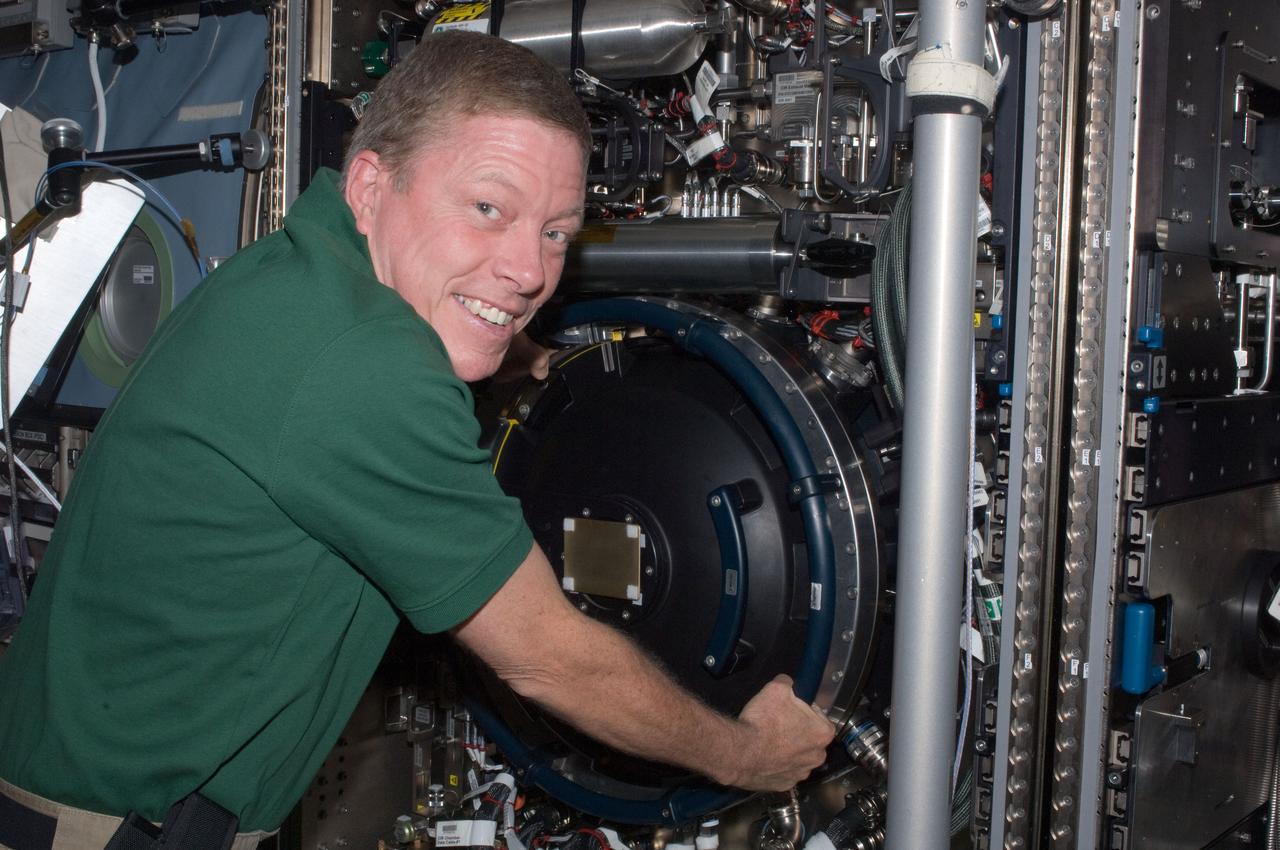
ISS028-E-009893 (26 June 2011) --- NASA astronaut Mike Fossum, Expedition 28 flight engineer, is pictured at the Combustion Integrated Rack (CIR) Multi-user Drop Combustion Apparatus (MDCA) in the Destiny laboratory of the International Space Station.
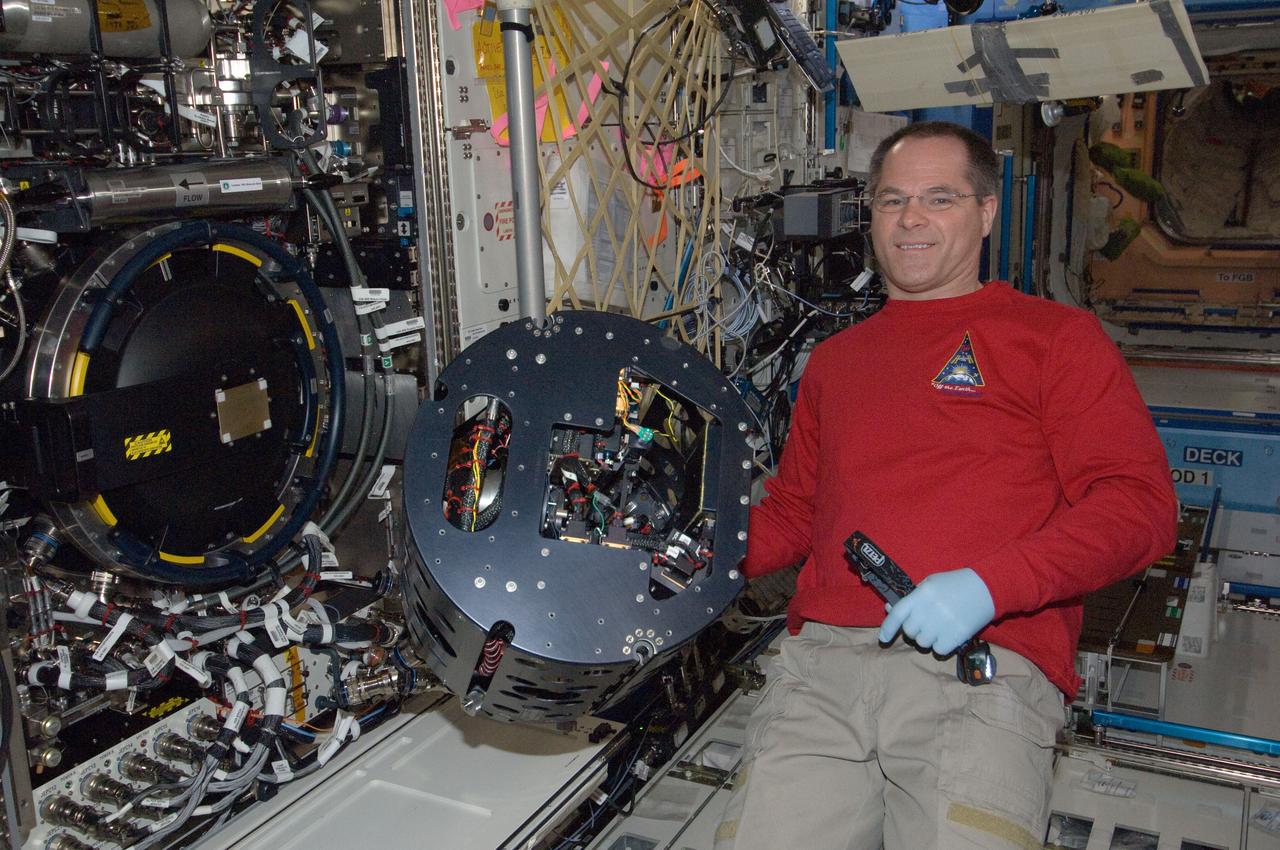
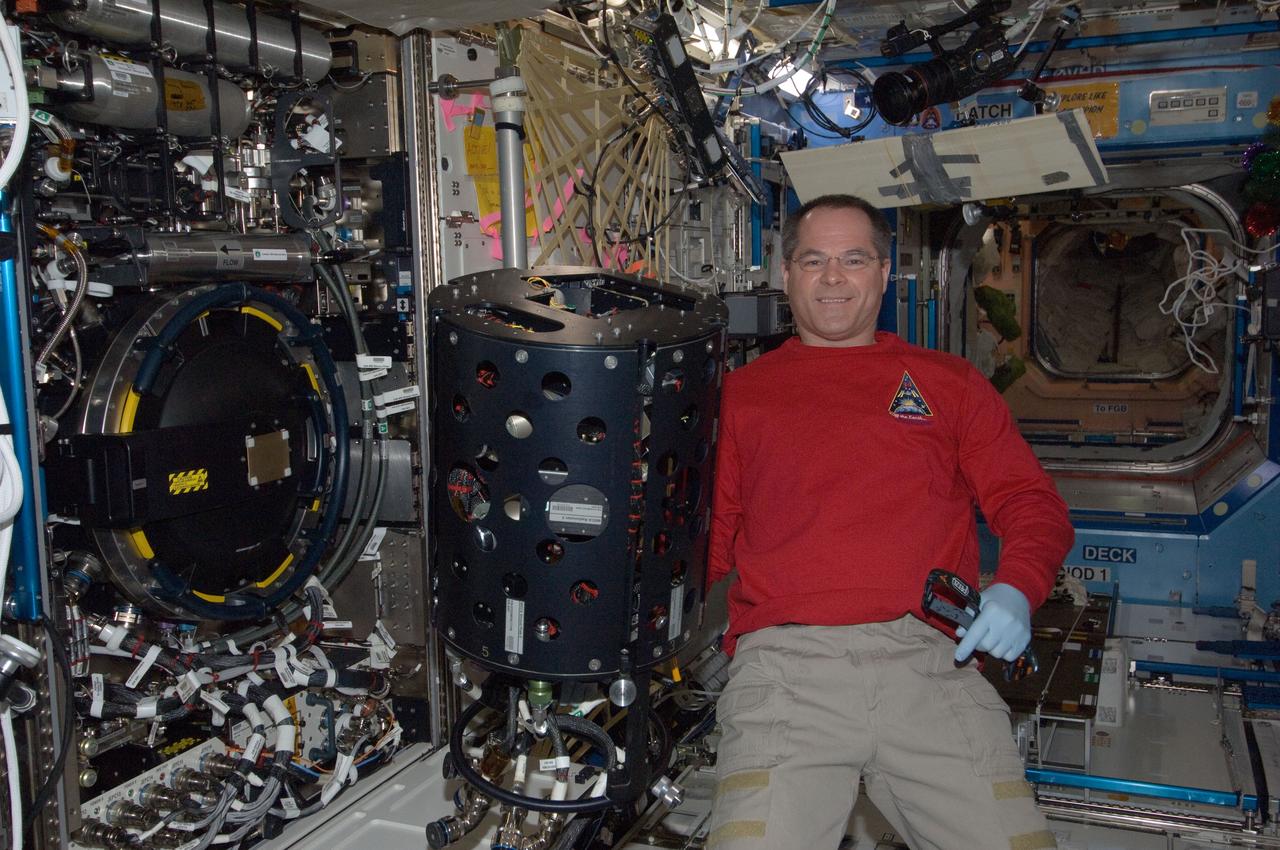
ISS034-E-007411 (12 Dec. 2012) --- NASA astronaut Kevin Ford, Expedition 34 commander, performs in-flight maintenance on the Combustion Integrated Rack (CIR) Multi-user Droplet Combustion Apparatus (MDCA) in the International Space Station’s Destiny laboratory.
ISS034-E-007409 (12 Dec. 2012) --- NASA astronaut Kevin Ford, Expedition 34 commander, performs in-flight maintenance on the Combustion Integrated Rack (CIR) Multi-user Droplet Combustion Apparatus (MDCA) in the International Space Station’s Destiny laboratory.
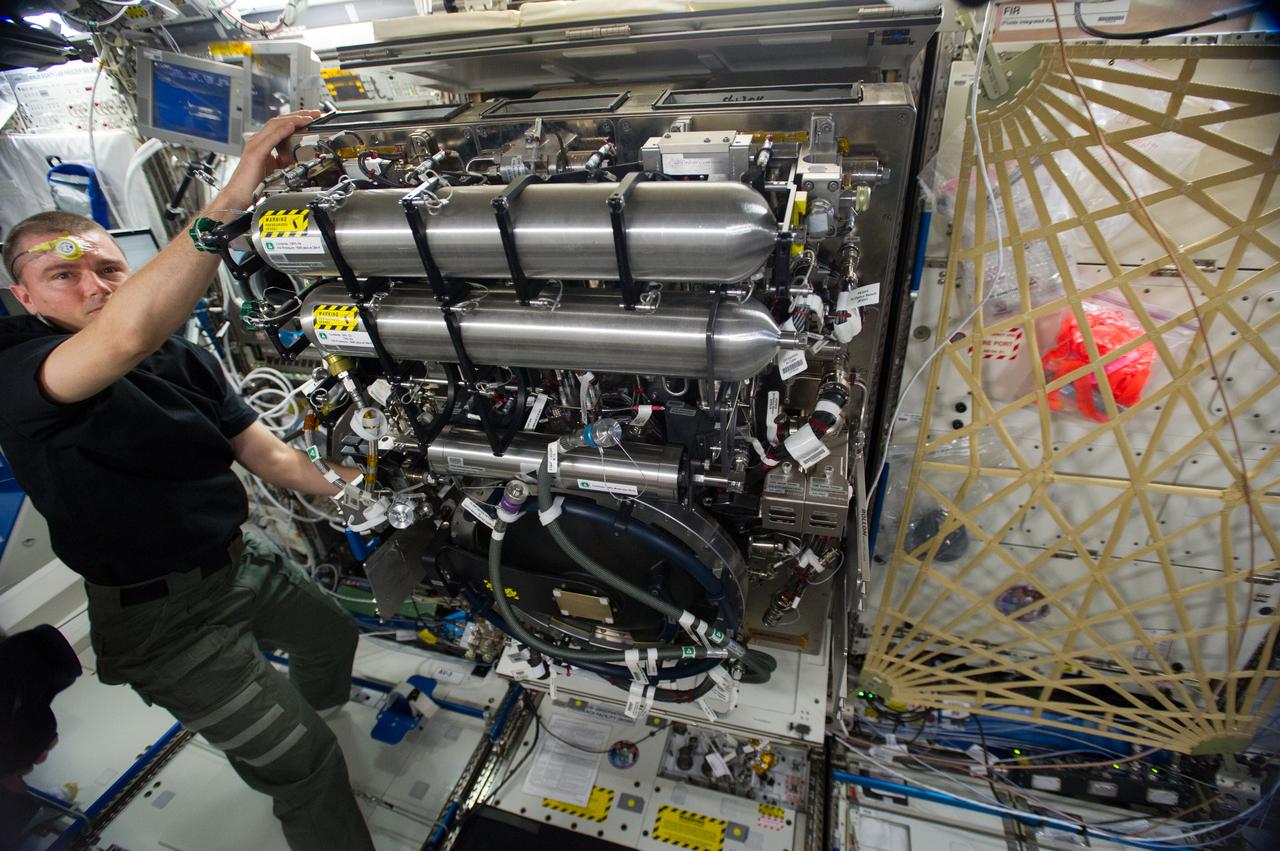
ISS040-E-072156 (21 July 2014) --- In the International Space Station’s Destiny laboratory, NASA astronaut Reid Wiseman, Expedition 40 flight engineer, sets up the Combustion Integrated Rack (CIR) for more ground-commanded tests. This facility, which includes an optics bench, combustion chamber, fuel and oxidizer control and five different cameras, allows a variety of combustion experiments to be performed safely aboard the station.
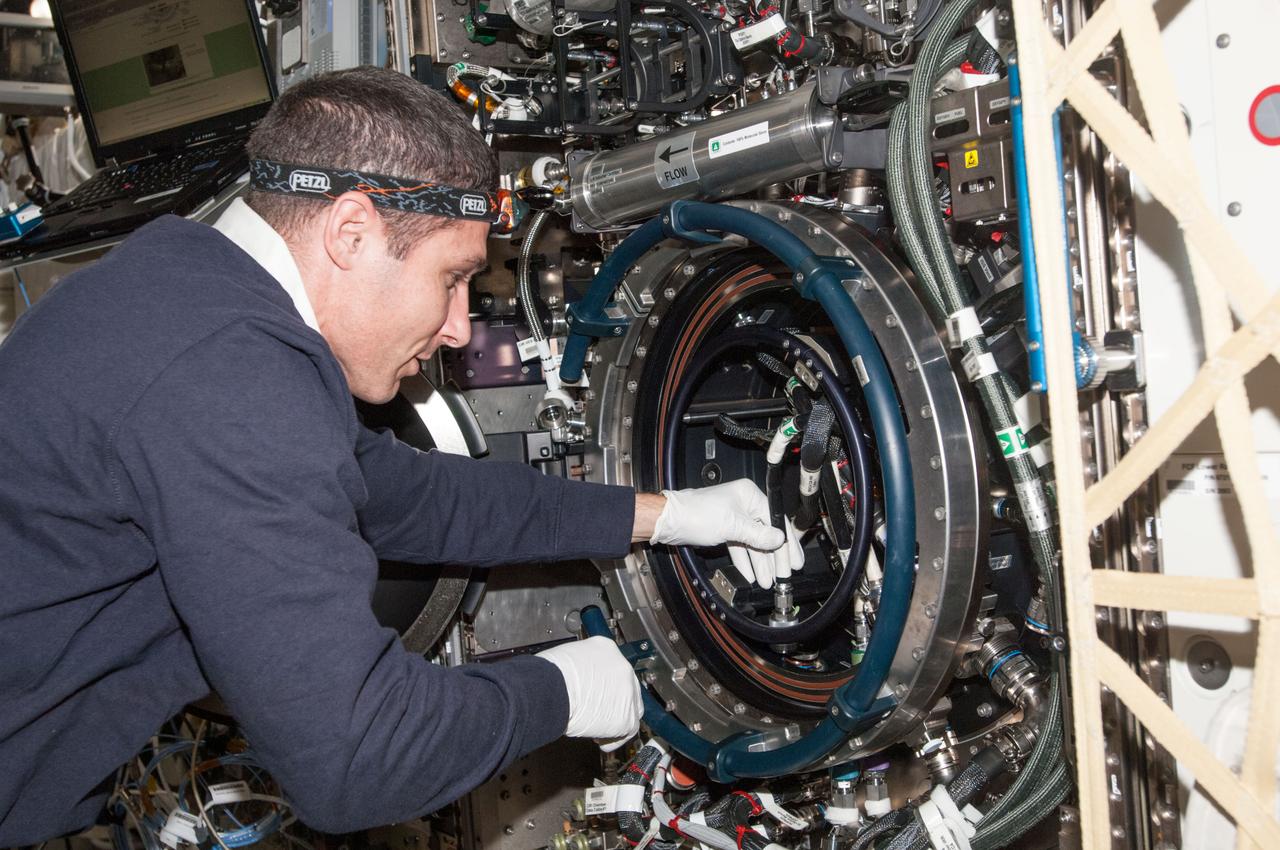
ISS038-E-001298 (12 Nov. 2013) --- NASA astronaut Michael Hopkins, Expedition 38 flight engineer, works with the Multi-user Drop Combustion Apparatus (MDCA) inside the Combustion Integrated Rack (CIR) in the Destiny laboratory of the International Space Station. The MDCA contains hardware and software to conduct unique droplet combustion experiments in space.
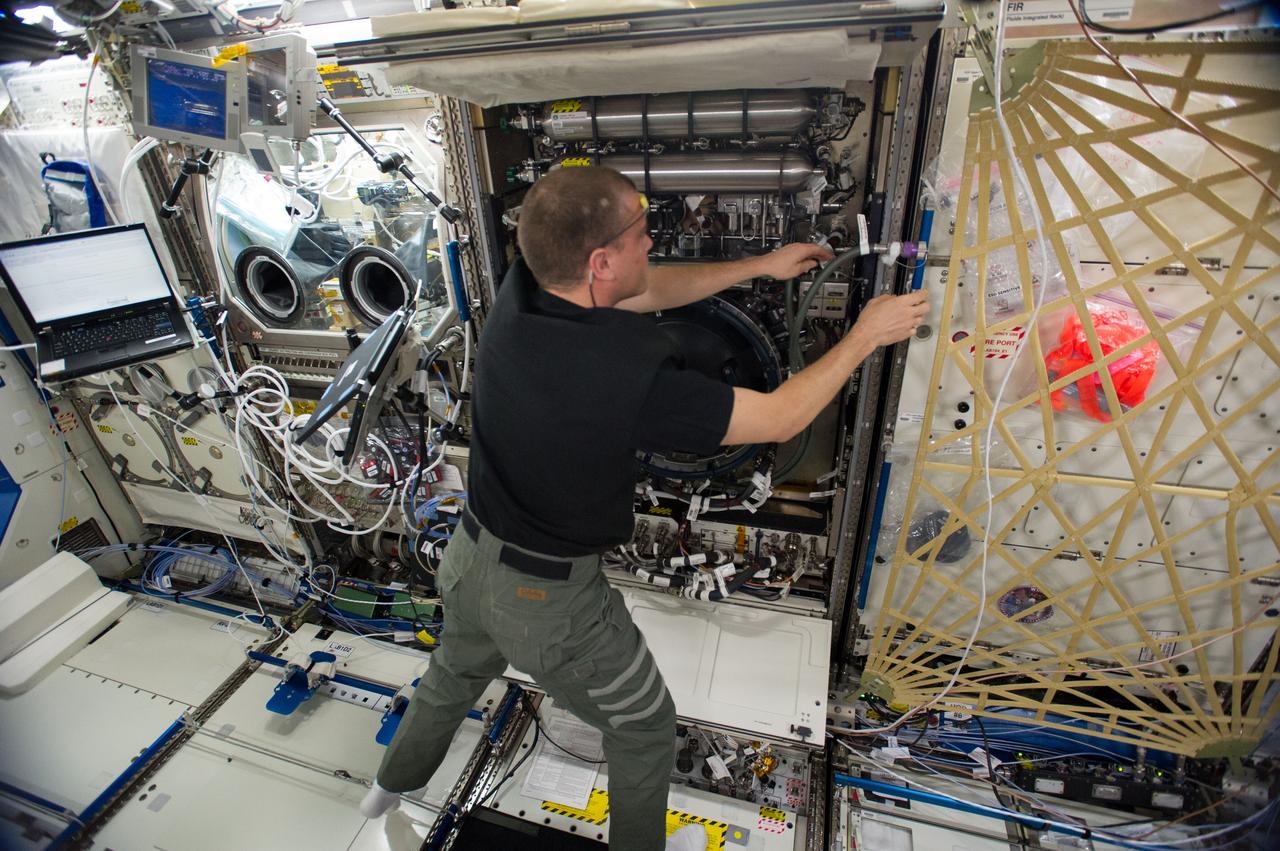
ISS040-E-071994 (21 July 2014) --- In the International Space Station’s Destiny laboratory, NASA astronaut Reid Wiseman, Expedition 40 flight engineer, sets up the Combustion Integrated Rack (CIR) for more ground-commanded tests. This facility, which includes an optics bench, combustion chamber, fuel and oxidizer control and five different cameras, allows a variety of combustion experiments to be performed safely aboard the station.

ISS040-E-072228 (21 July 2014) --- In the International Space Station’s Destiny laboratory, NASA astronaut Reid Wiseman, Expedition 40 flight engineer, sets up the Combustion Integrated Rack (CIR) for more ground-commanded tests. This facility, which includes an optics bench, combustion chamber, fuel and oxidizer control and five different cameras, allows a variety of combustion experiments to be performed safely aboard the station.
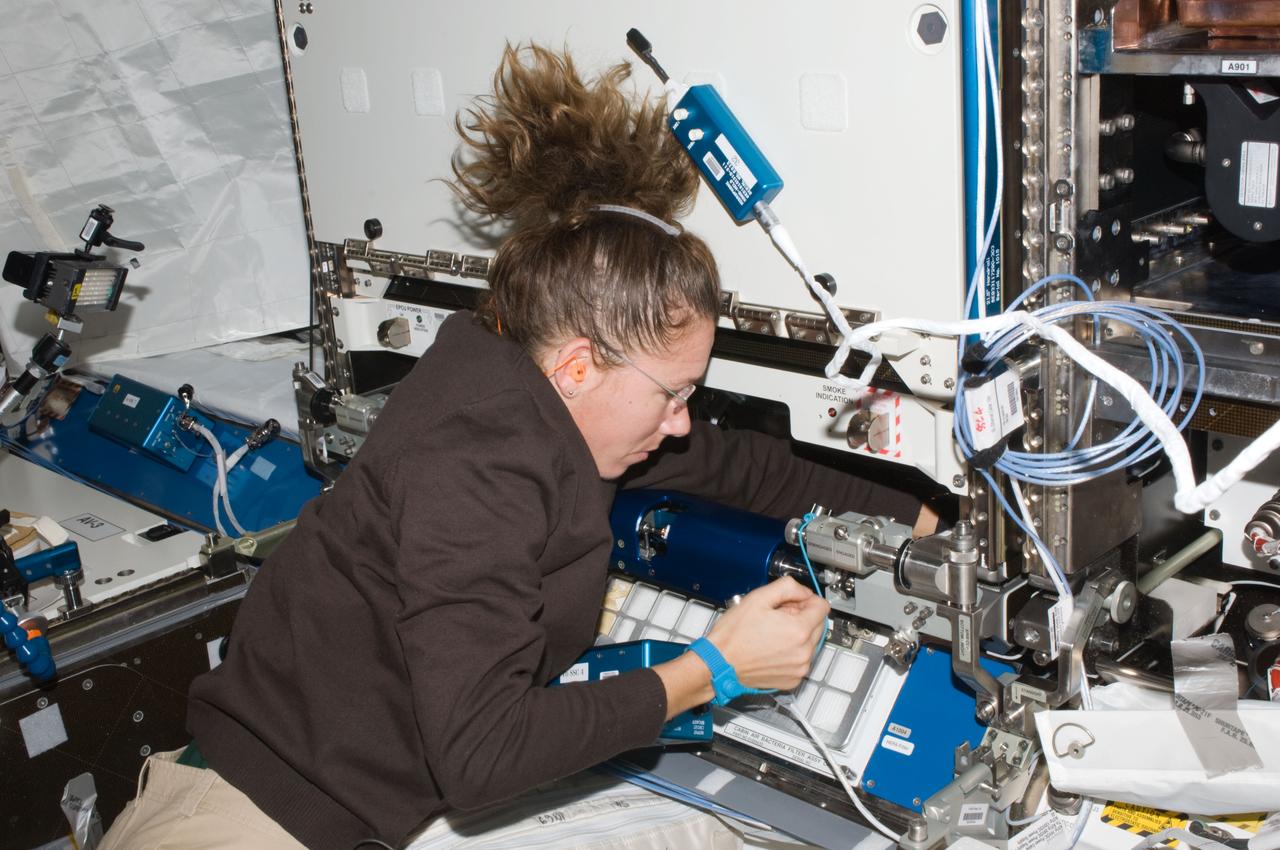
ISS018-E-017796 (5 Jan. 2009) --- Astronaut Sandra Magnus, Expedition 18 flight engineer, works on the Fluids and Combustion Facility (FCF) Combustion Integration Rack (CIR) Passive Rack Isolation System (PaRIS) in the Destiny laboratory of the International Space Station.
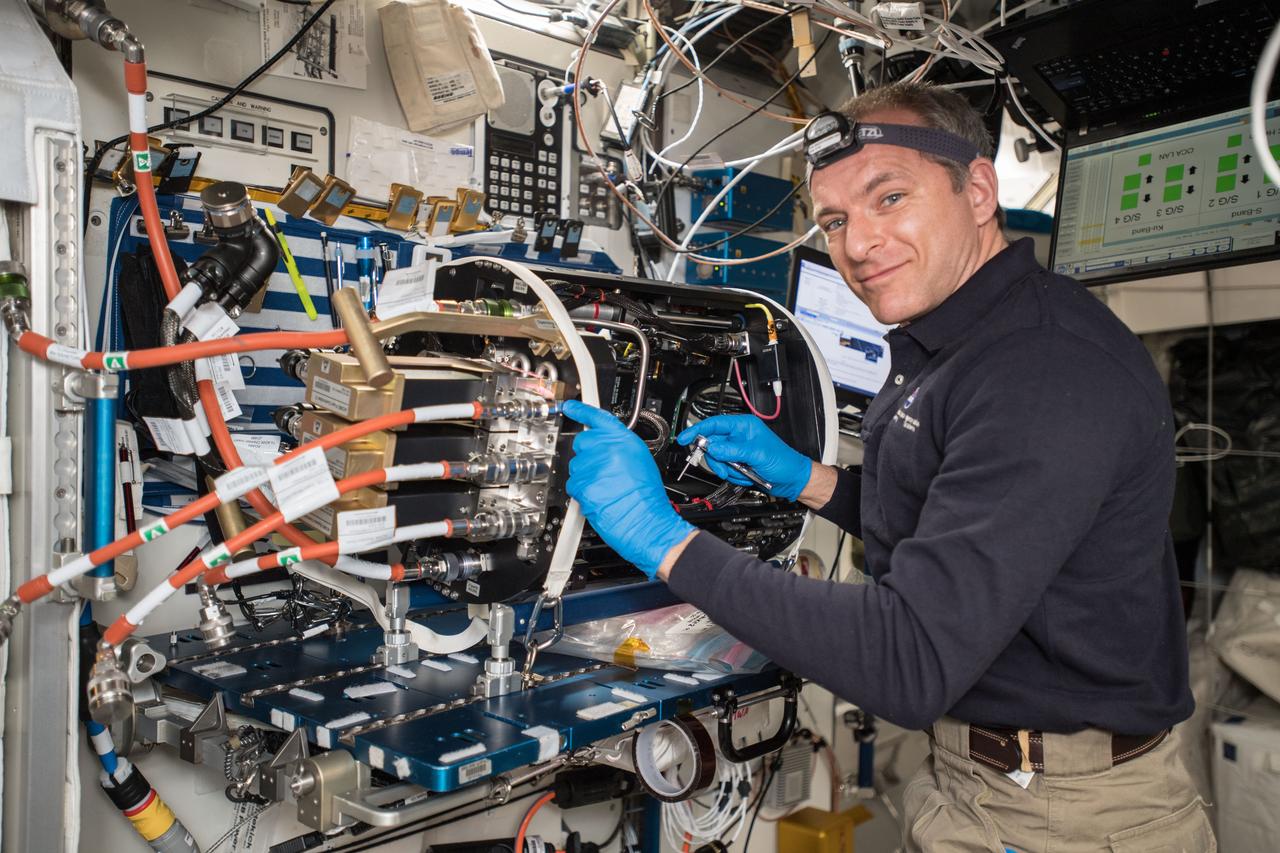
iss058e008801 (Jan. 31, 2019) --- Astronaut David Saint-Jacques of the Canadian Space Agency replaces a control unit and a radiometer inside the Combustion Integrated Rack's (CIR) ACME (Advanced Combustion via Microgravity Experiments) Chamber Insert. The replacement work in the chamber was done on the Unity module's work surface area. The CIR is a fuel and flame research rack housed inside the Destiny laboratory module.
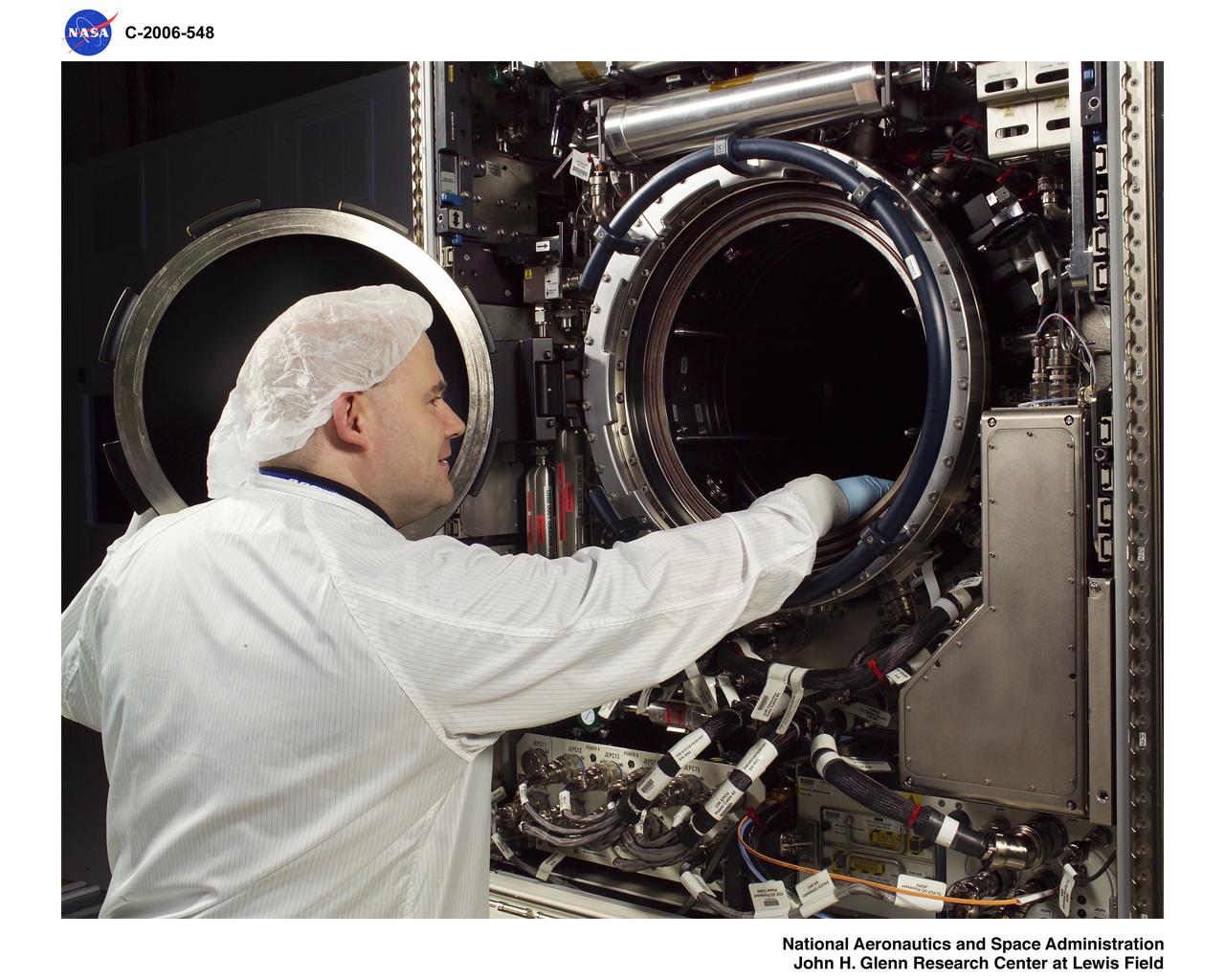
Combustion Integrated Rack (CIR)
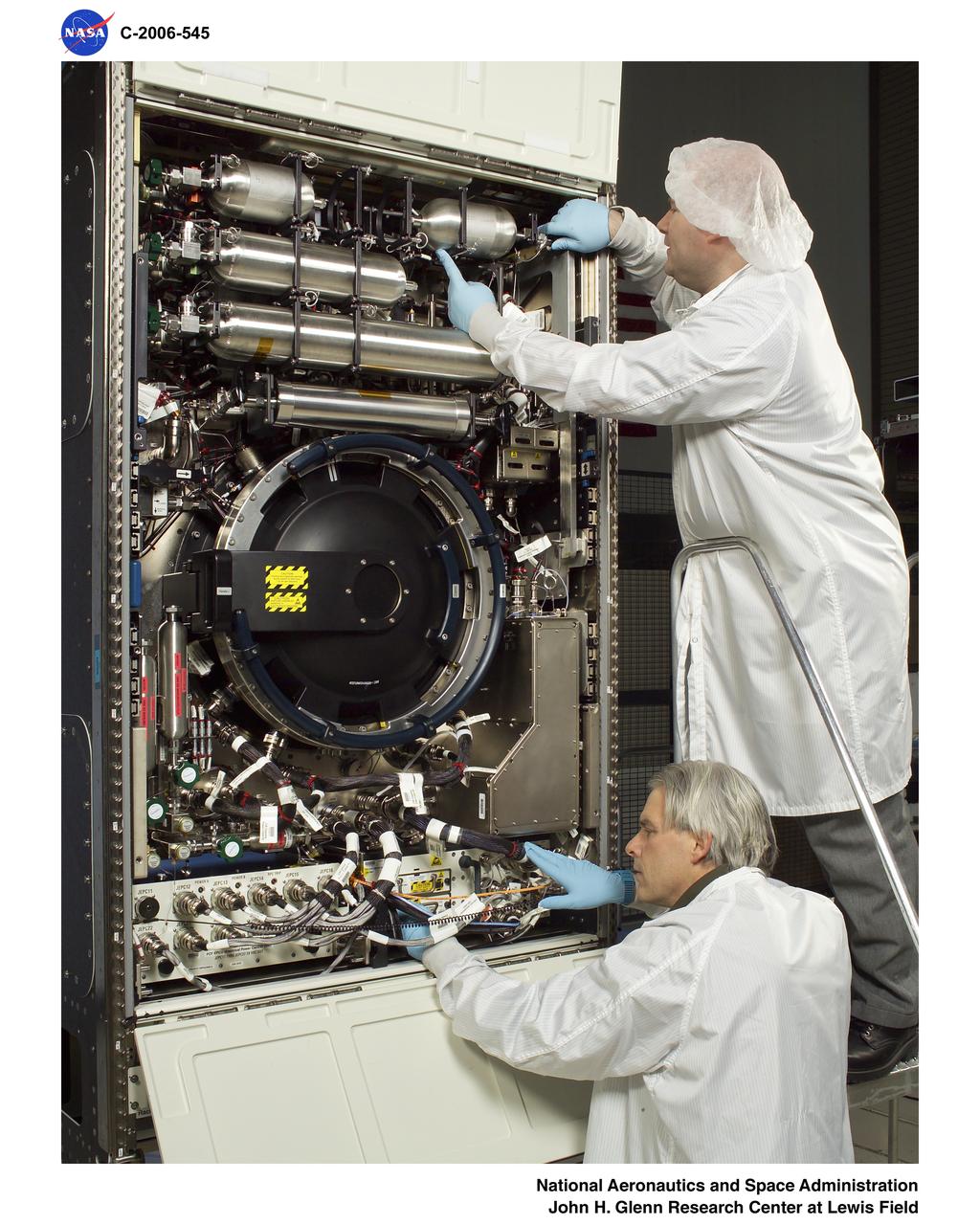
Combustion Integrated Rack (CIR)
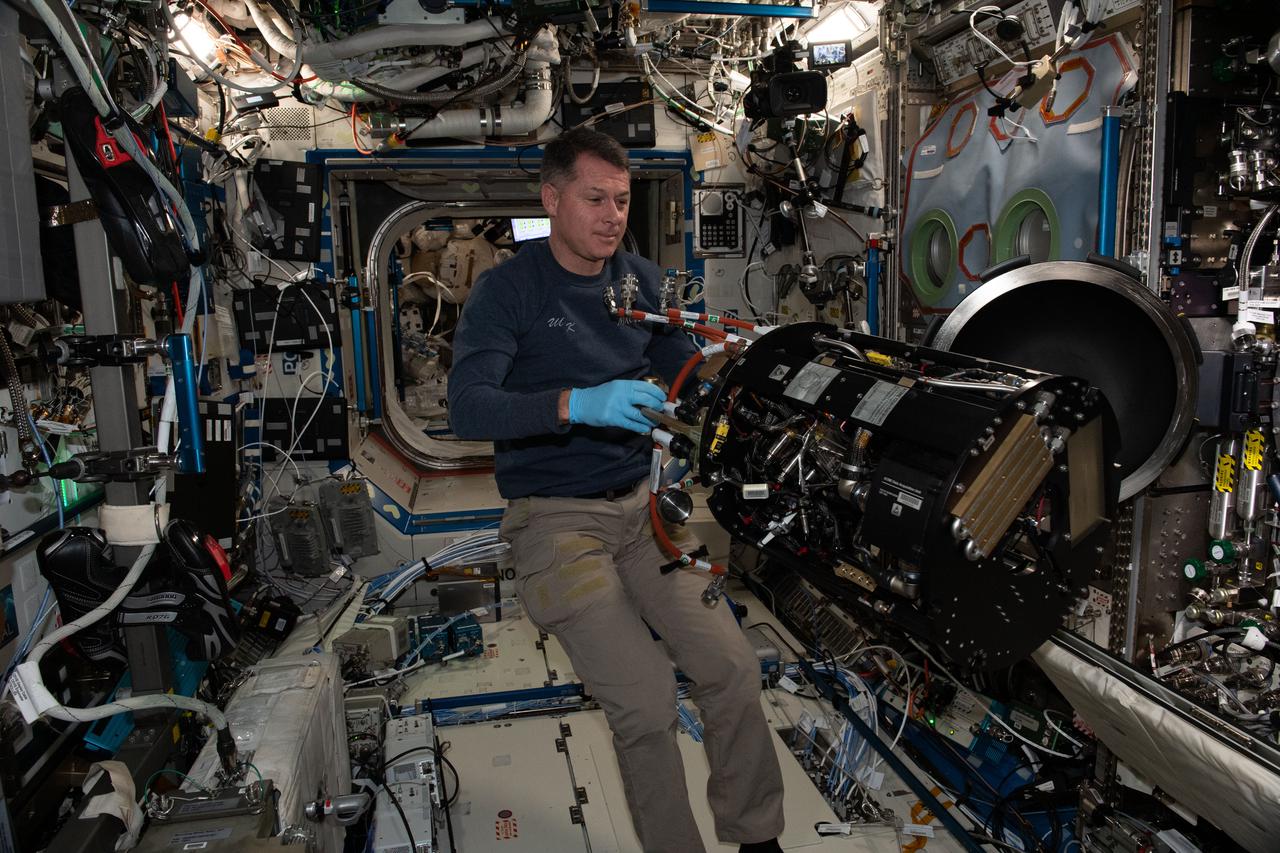
iss066e031702 (Nov. 2, 2021) --- NASA astronaut and Expedition 66 Flight Engineer Shane Kimbrough reconfigures and replaces hardware inside the U.S. Destiny laboratory module's Combustion Integrated Rack (CIR). The CIR is a research device that enables safe experiments with fuel, flames, and soot aboard the International Space Station.
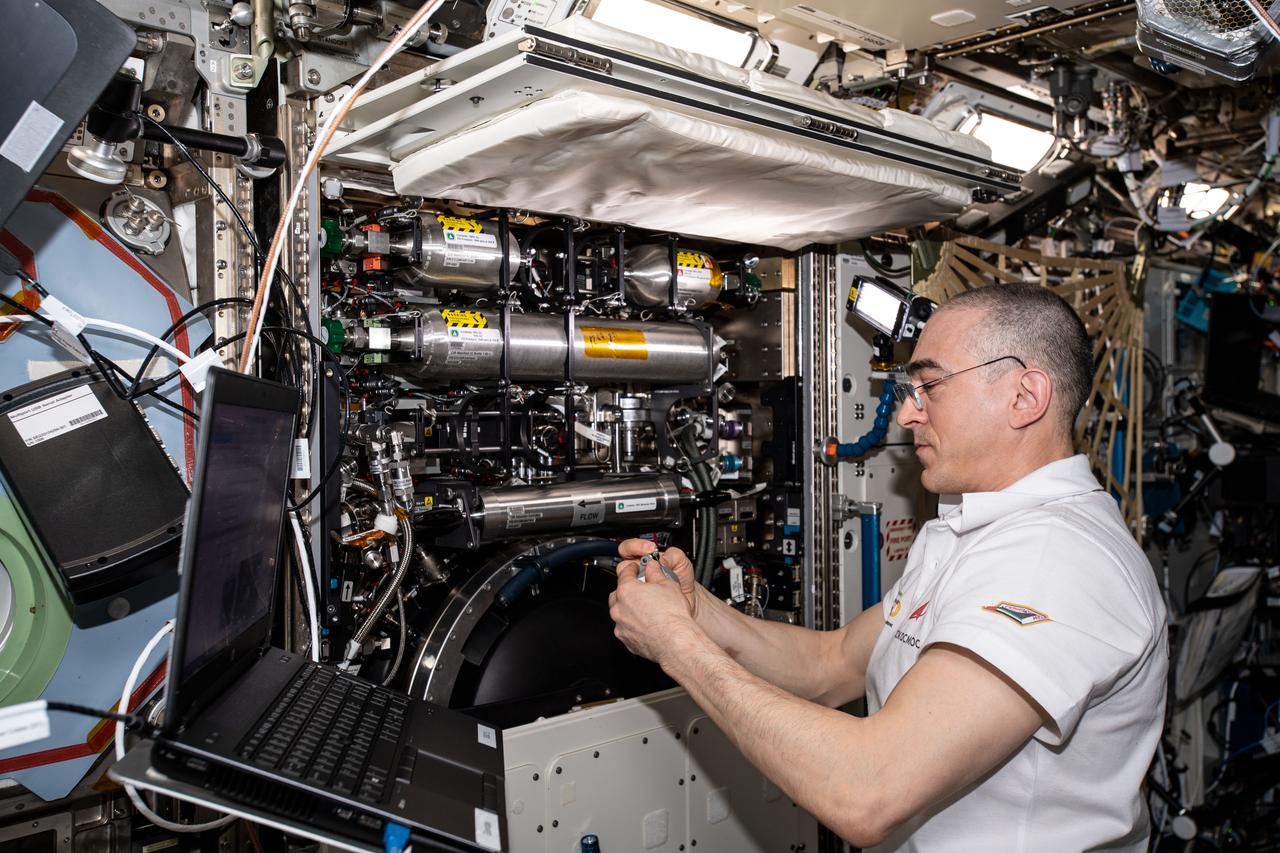
iss063e004685 (May 1, 2020) --- Roscosmos cosmonaut and Expedition 63 Flight Engineer Anatoly Ivanishin services components and replaces fuel bottles inside the Combustion Integrated Rack (CIR). The CIR is a research device that enables safe fuel, flame and soot studies in microgravity.
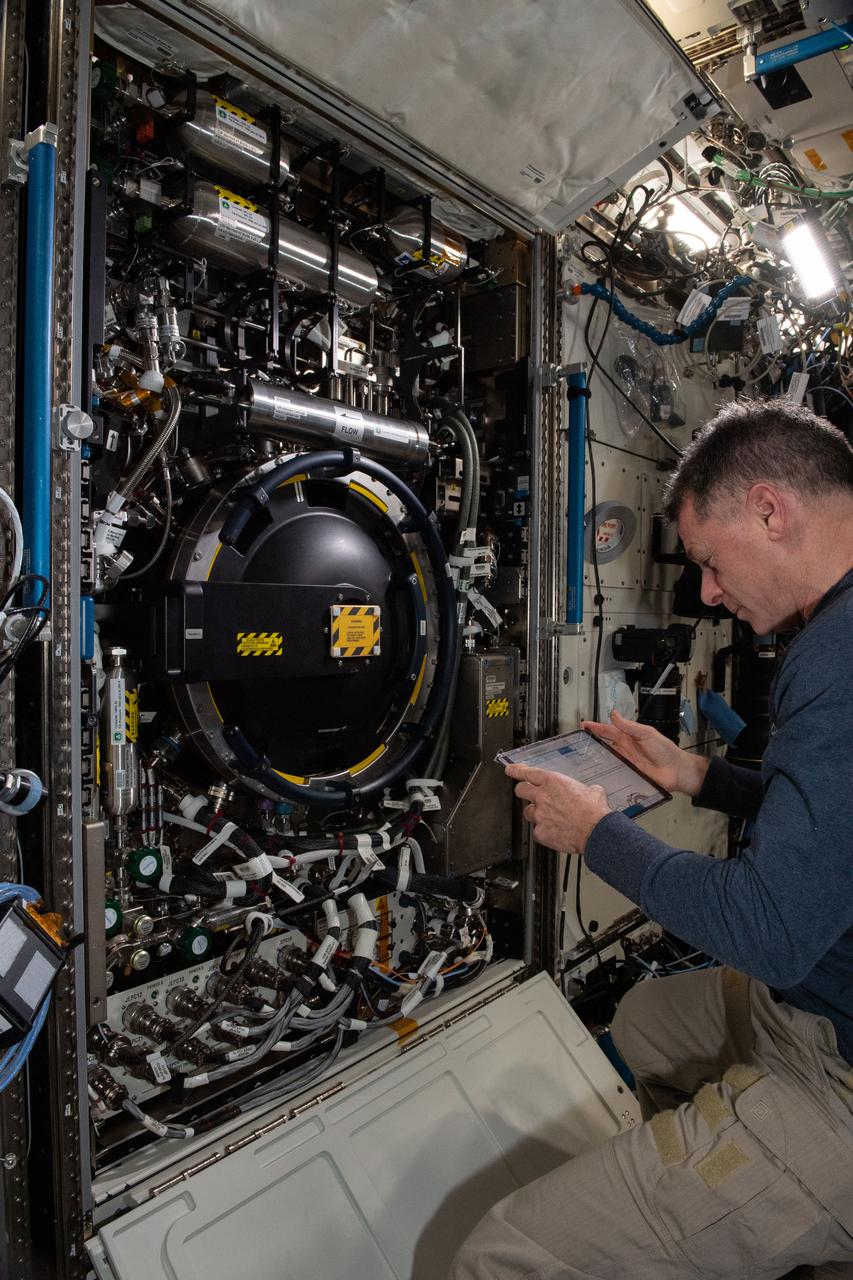
iss066e029031 (Nov. 2, 2021) --- NASA astronaut and Expedition 66 Flight Engineer Shane Kimbrough reconfigures and replaces hardware inside the Combustion Integrated Rack (CIR) located in the International Space Station's U.S. Destiny laboratory module. The CIR is a research device that enables safe experiments with fuel, flames, and soot in microgravity.
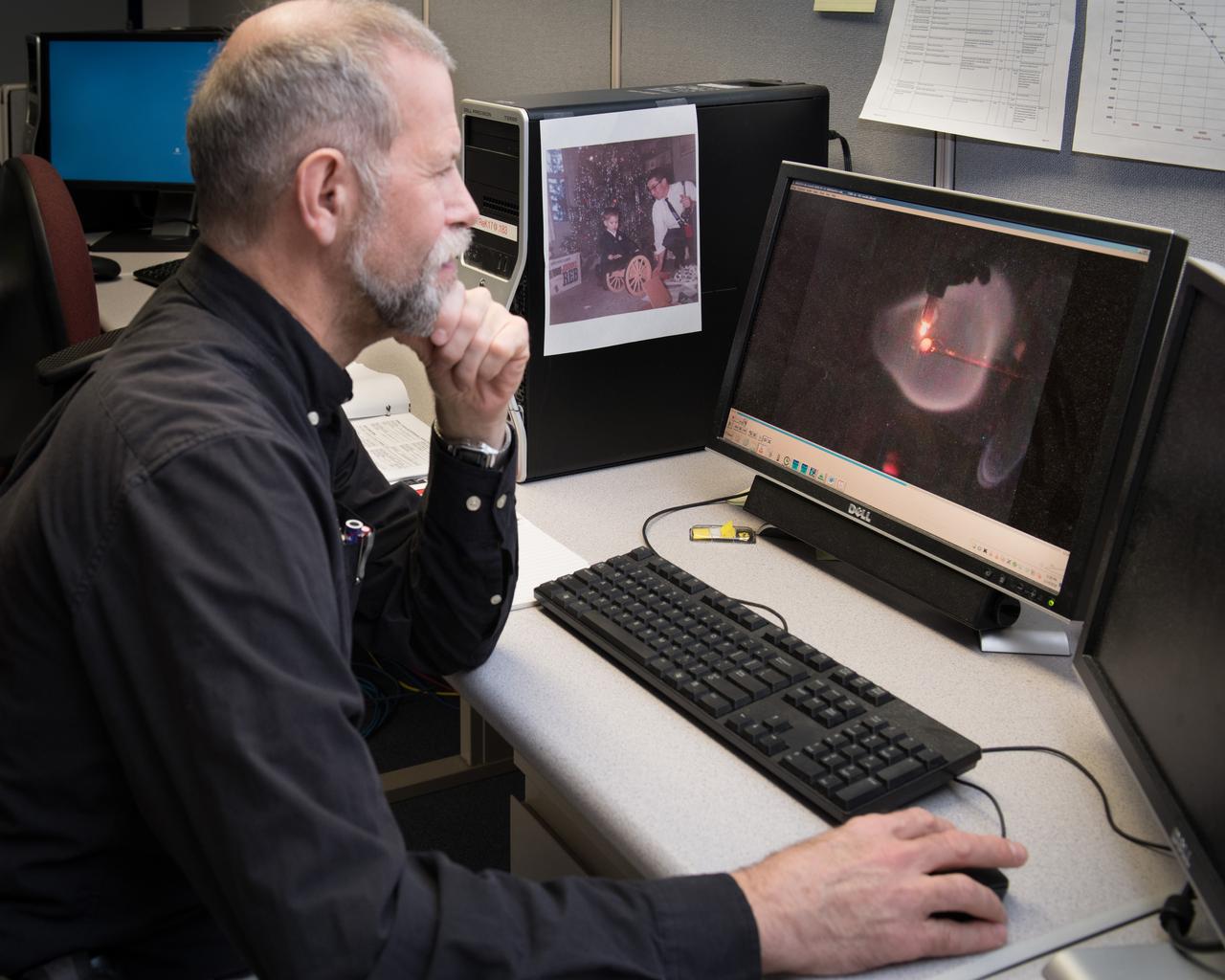
Review of ISS data from the Structure and Response of Spherical Diffusion Flames (s-Flame) experiment - of the Advanced Combustion via Microgravity Experiments. ACME project conducted in the Combustion Integrated Rack, CIR - by ACME Project Scientist Dennis Stocker in the Telescience Support Center,TSC, also known as the Glenn ISS Payload Operations Center, GIPOC
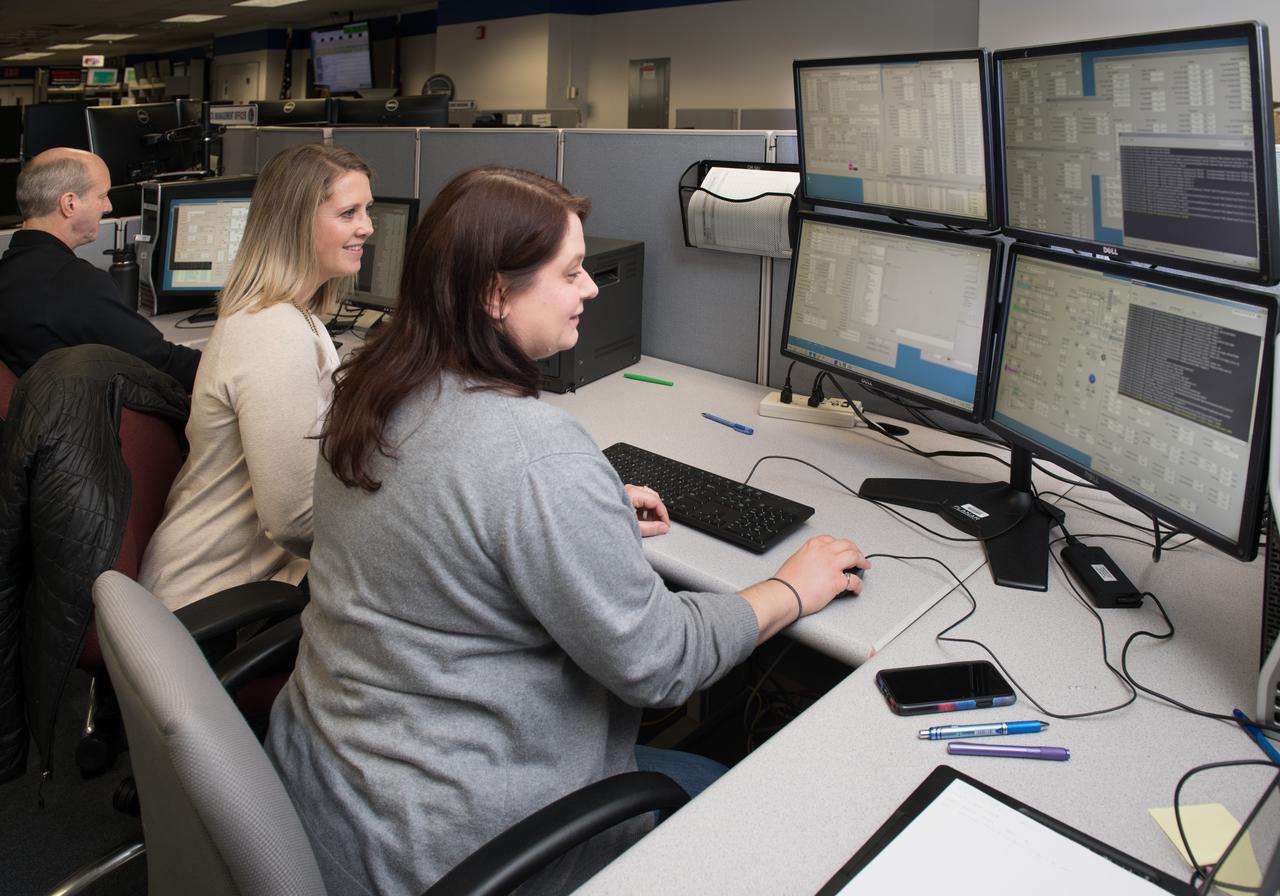
Testing of software with ground hardware for the Structue and Response of Spherical Diffusion Flames, s-Flame, experiment - of the Advanced Combustion via Microgravity Experiments, ACME, project conducted in the ISS Combustion Integrated Rack, CIR - by ACME Software Engineer Jeffrey Eggers, Operations Lead Angela Adams, and Planning Lead Melani Smajdek in the Telescience Support Center, TSC, also known as the Glenn ISS Payload Operations Center, GIPOC

"NASA astronaut Karen Nyberg,Expedition 36 flight engineer,works with the Combustion Integrated Rack (CIR) Alignment Guide Removal.
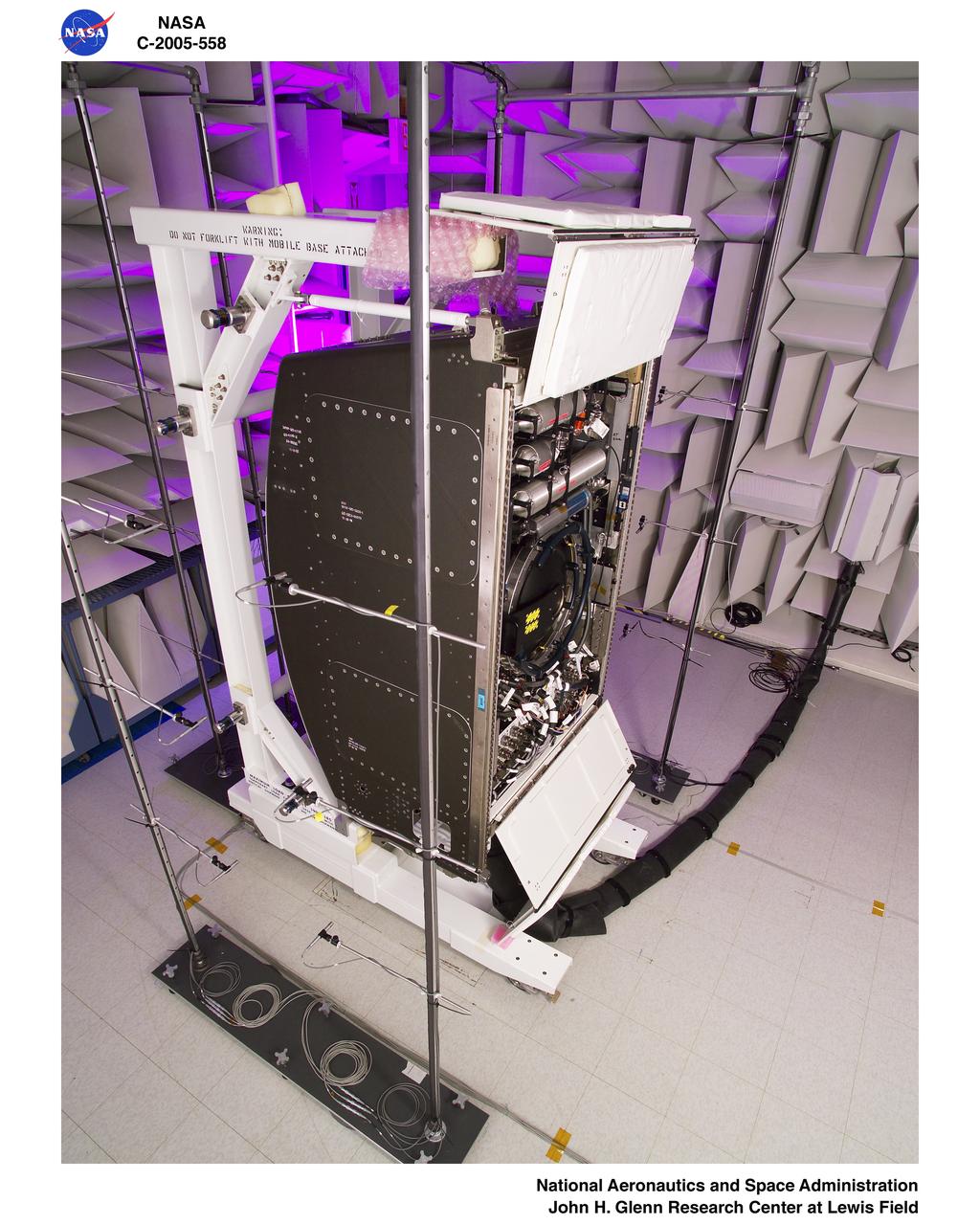
Fluids and Combustion Facility (FCF) Combustion Integrated Rack (CIR) in the Acoustic Testing Laboratory (ATL), Camera file: G6QH5821
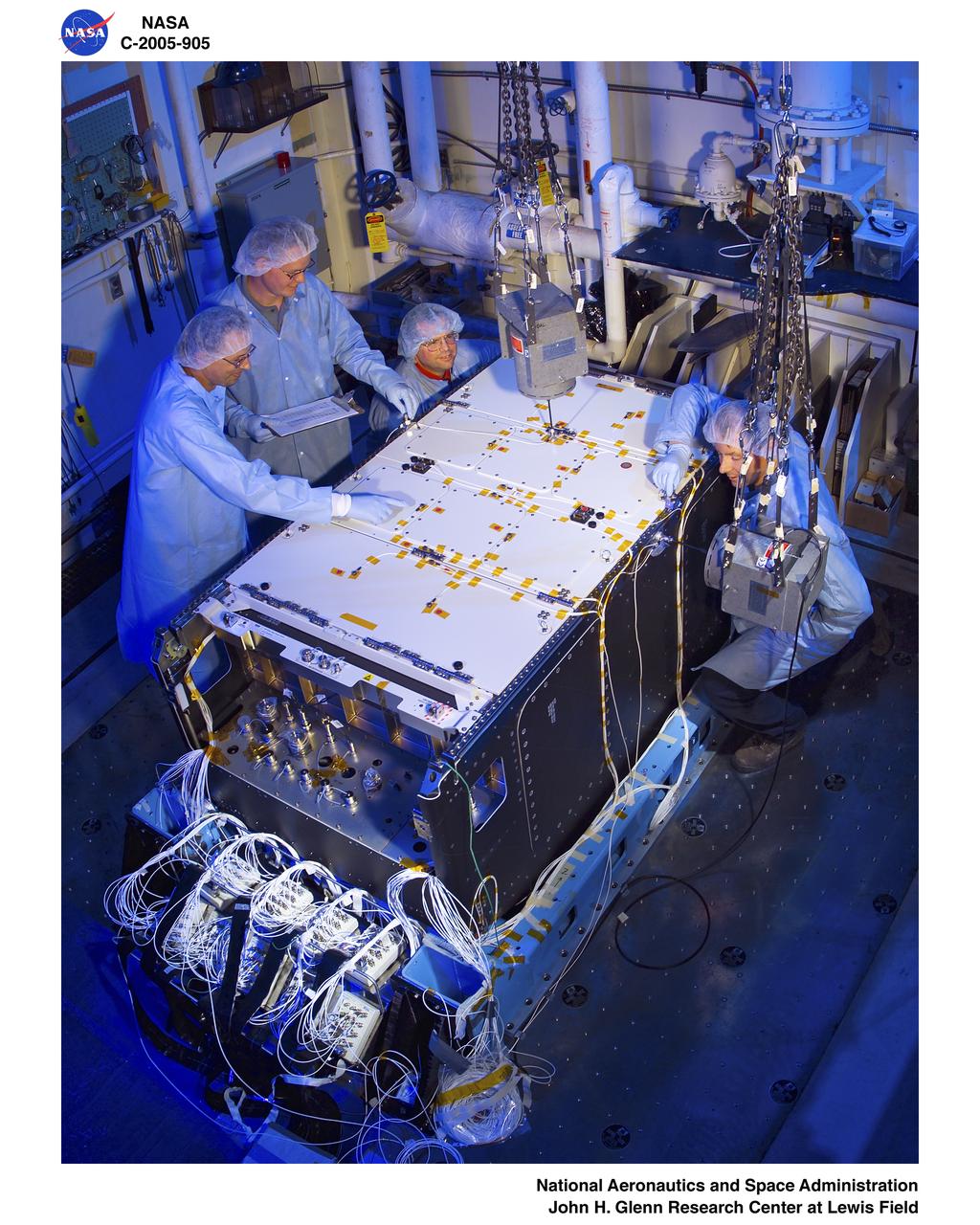
Fluids and Combustion Facility (FCF), Combustion Integration Rack (CIR) during testing in the Structural Dynamics Laboratory (SDL)

Fluids and Combustion Facility (FCF), Combustion Integrated Rack (CIR) during testing in the Structural Dynamics Laboratory (SDL)
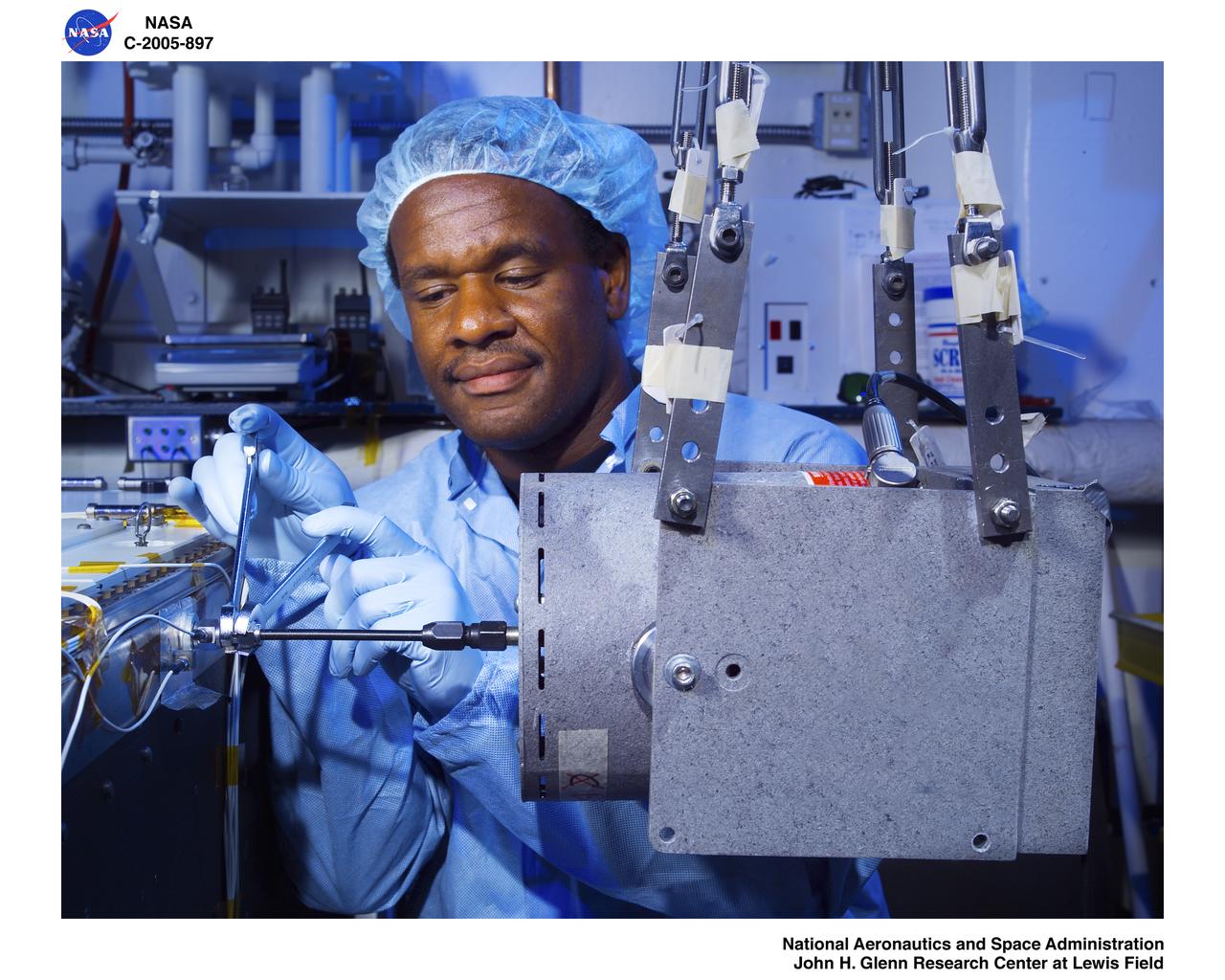
Fluids and Combustion Facility (FCF), Combustion Integration Rack (CIR) during testing in the Structural Dynamics Laboratory (SDL)
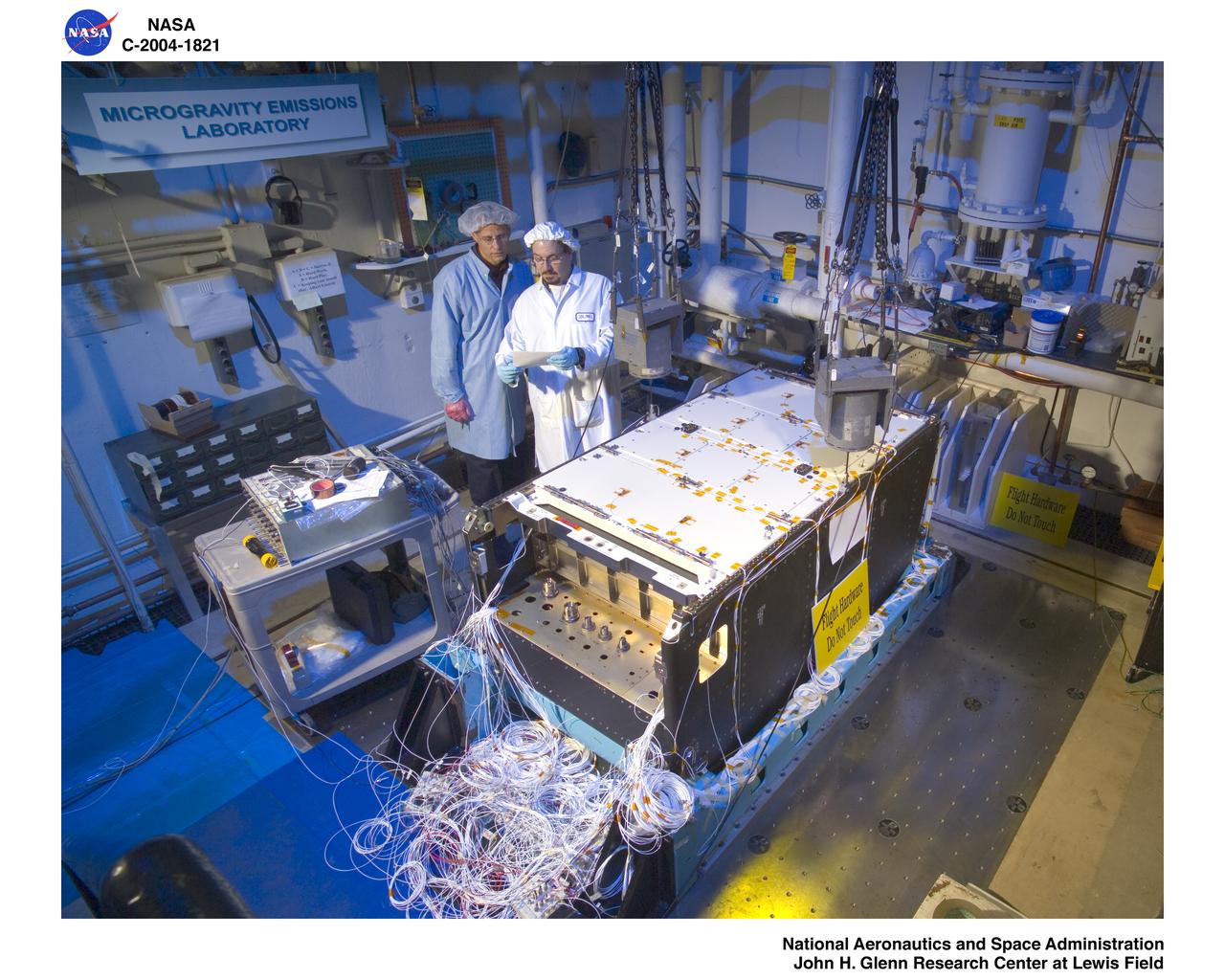
Fluids and Combustion Facility (FCF) Combustion Integrated Rack (CIR) Ground Integration Unit (GIU) Modal Test in the Structural Dynamics Laboratory at NASA Glenn
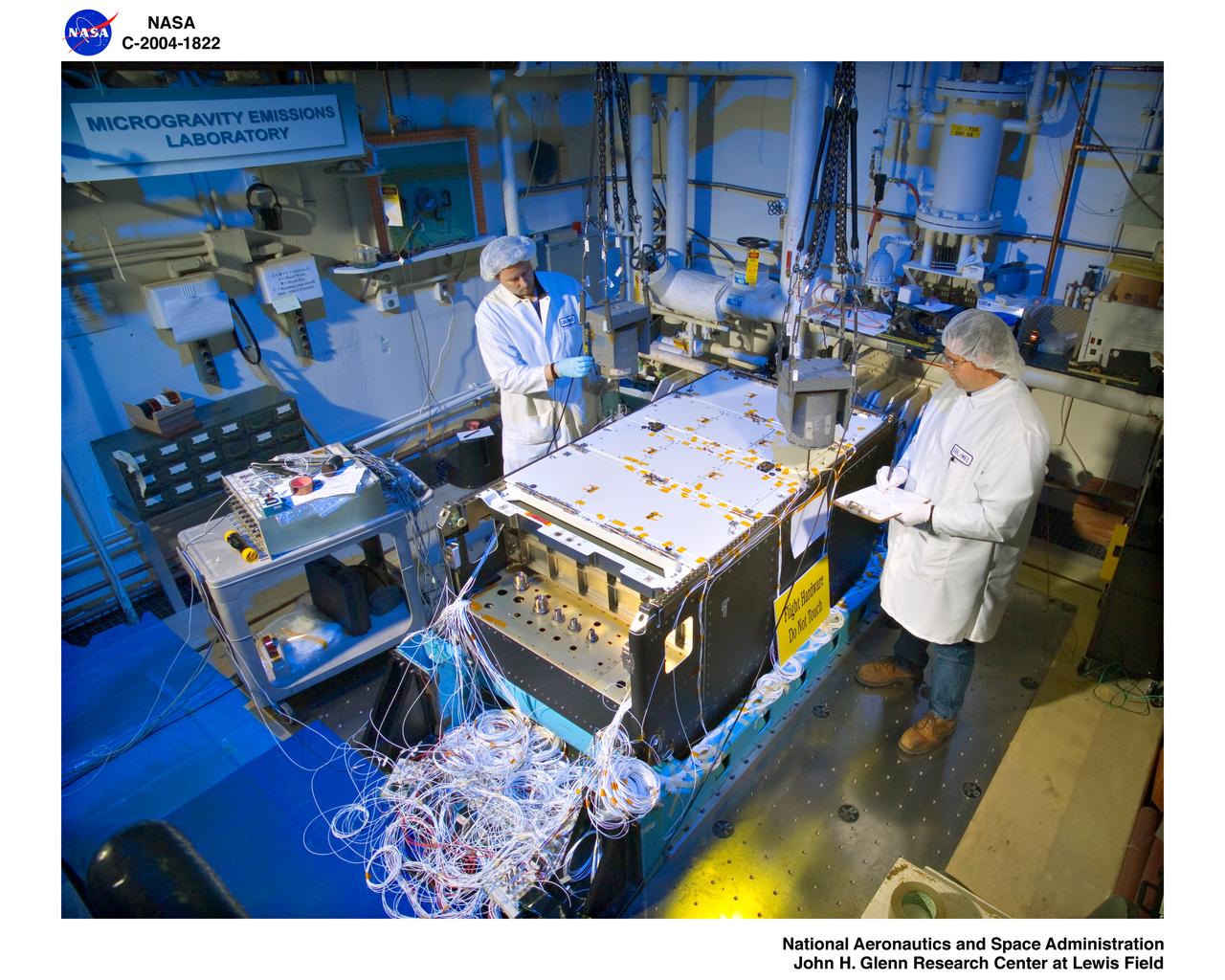
Fluids and Combustion Facility (FCF) Combustion Integrated Rack (CIR) Ground Integration Unit (GIU) Modal Test in the Structural Dynamics Laboratory at NASA Glenn
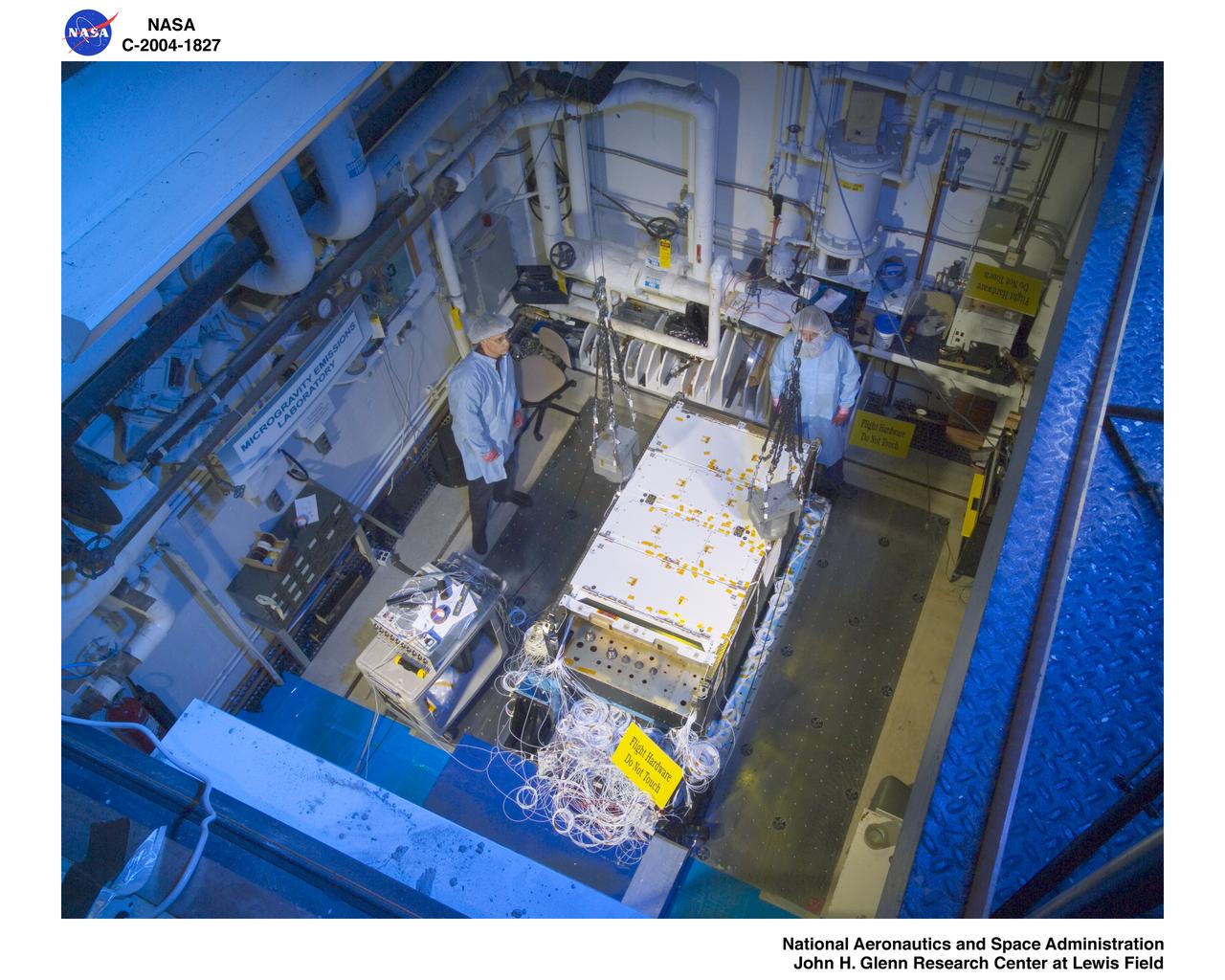
Fluids and Combustion Facility (FCF) Combustion Integrated Rack (CIR) Ground Integration Unit (GIU) Modal Test in the Structural Dynamics Laboratory at NASA Glenn
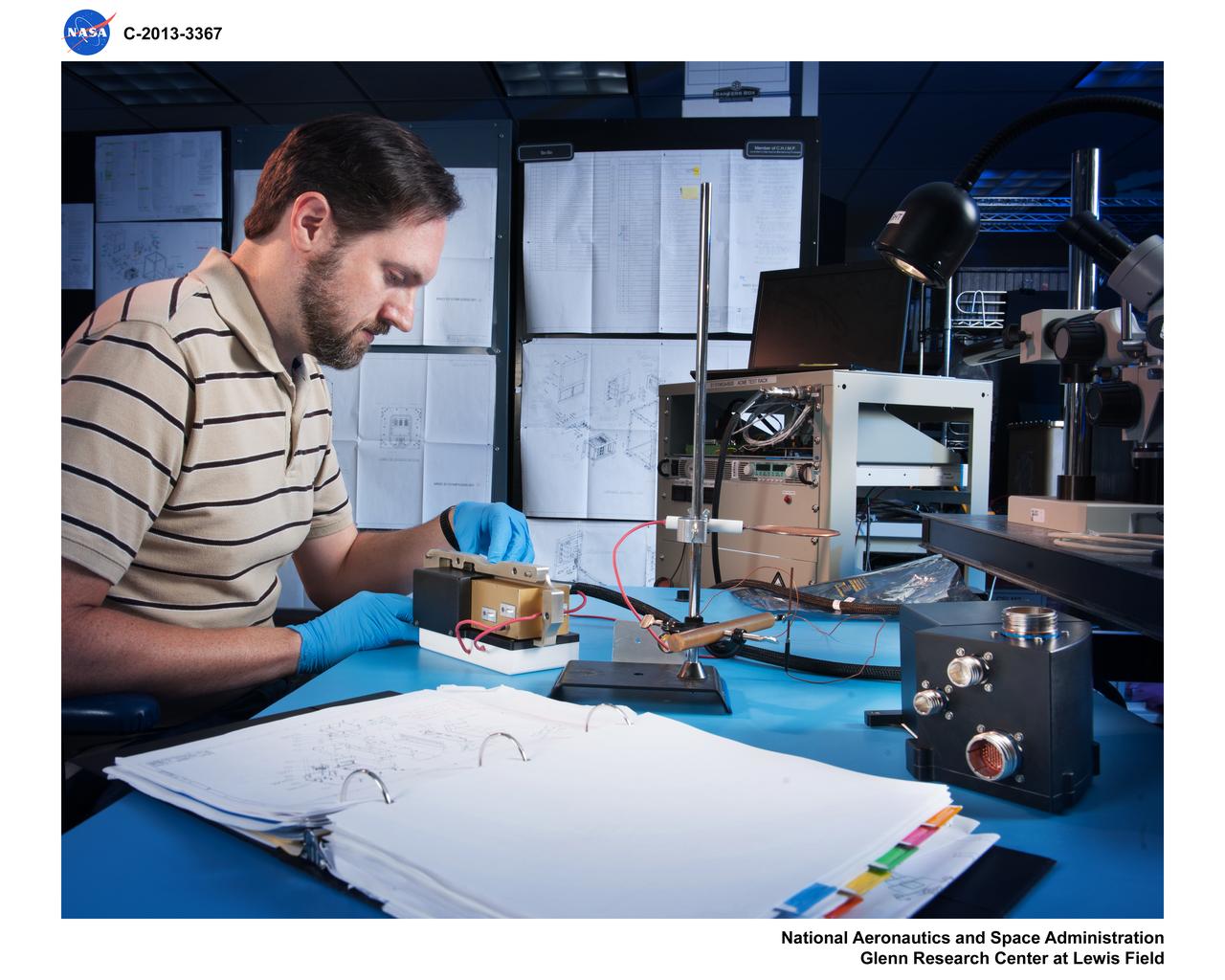
Mechanical Engineer Adrian Drake inspects engineering model hardware built to generate a high-voltage electric field for the Electric-Field Effects on Laminar Diffusion Flames (E-FIELD Flames) experiment of the Advanced Combustion via Microgravity Experiments (ACME) project. ACME’s small computer (i.e., the Cube) for data acquisition and control within the CIR combustion chamber is seen in the right foreground. The E-FIELD Flames tests were conducted in the Combustion Integrated Rack (CIR) on the International Space Station (ISS) in 2018.
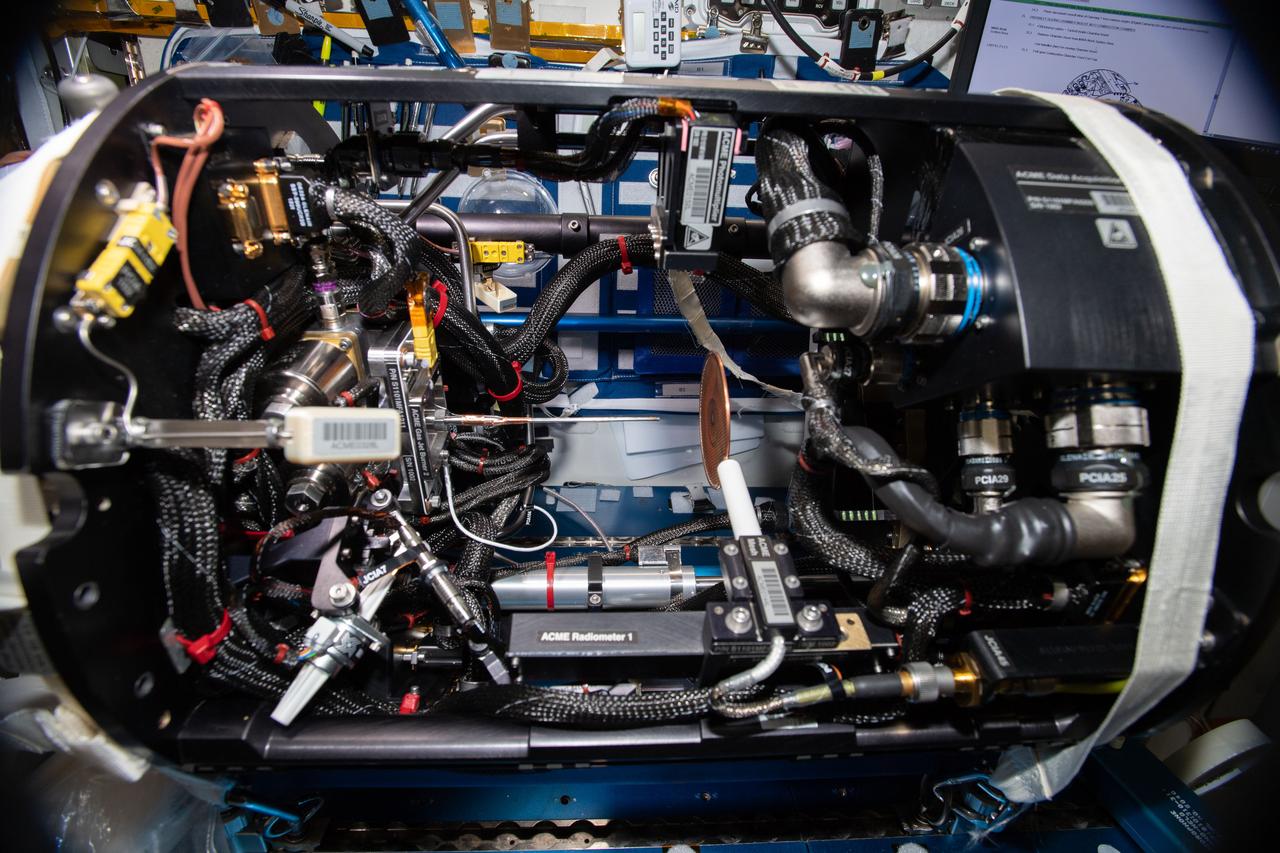
iss057e055269 (10/22/2018) --- Photo documentation of the Combustion Integrated Rack (CIR) Combustion Chamber, with Advanced Combustion via Microgravity Experiments (ACME) Mesh installed, during operations (OPS) to reconfigure CIR ACME hardware for the Electric-Field Effects on Laminar Diffusion Flames (E-FIELD Flames) experiment aboard the International Space Station (ISS).
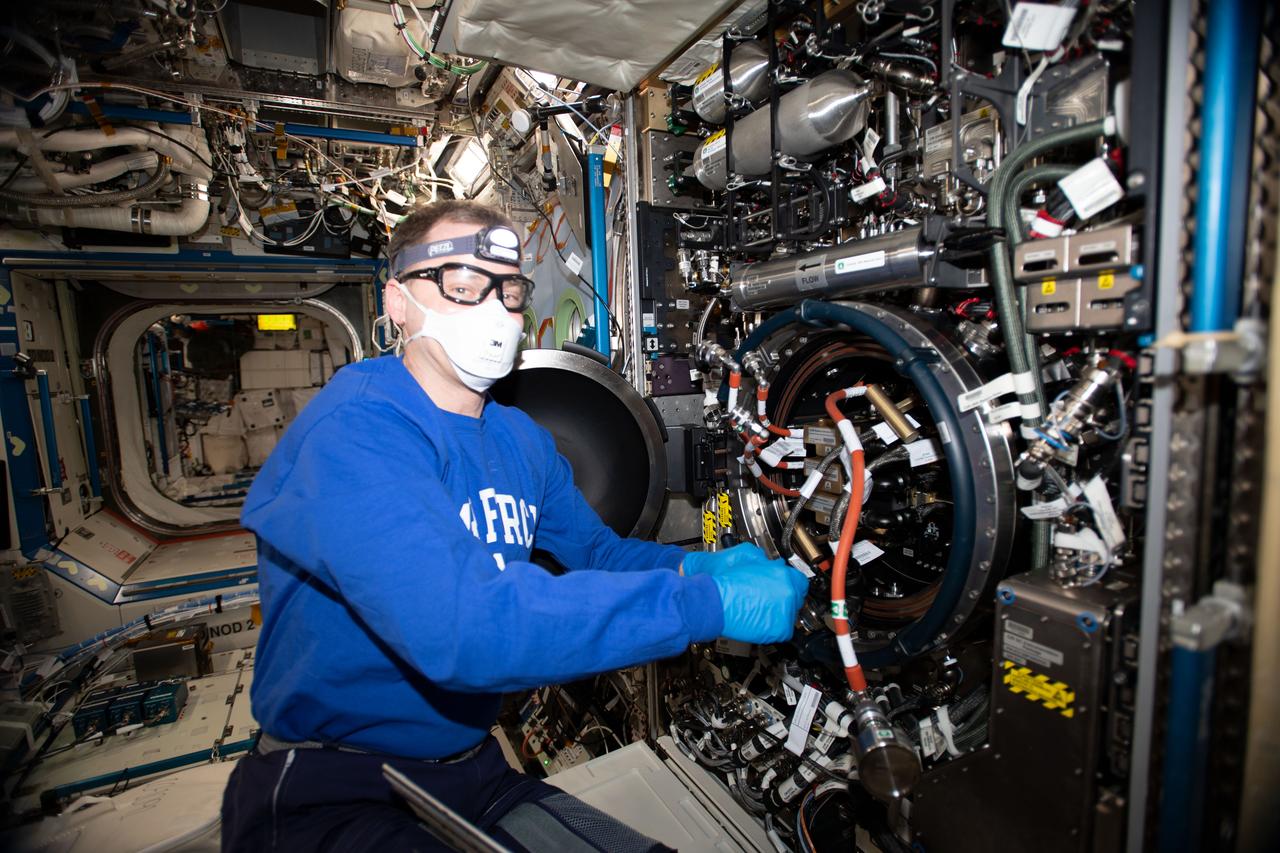
iss060e011502 (July 17, 2019) --- Expedition 60 Flight Engineer Nick Hague of NASA services the Combustion Integrated Rack (CIR) inside the U.S. Destiny laboratory module. The CIR supports safe flame and fuel research potentially benefiting fire safety on Earth and in space as well as the design of advanced combustion systems for spacecraft and Earth-bound vehicles.
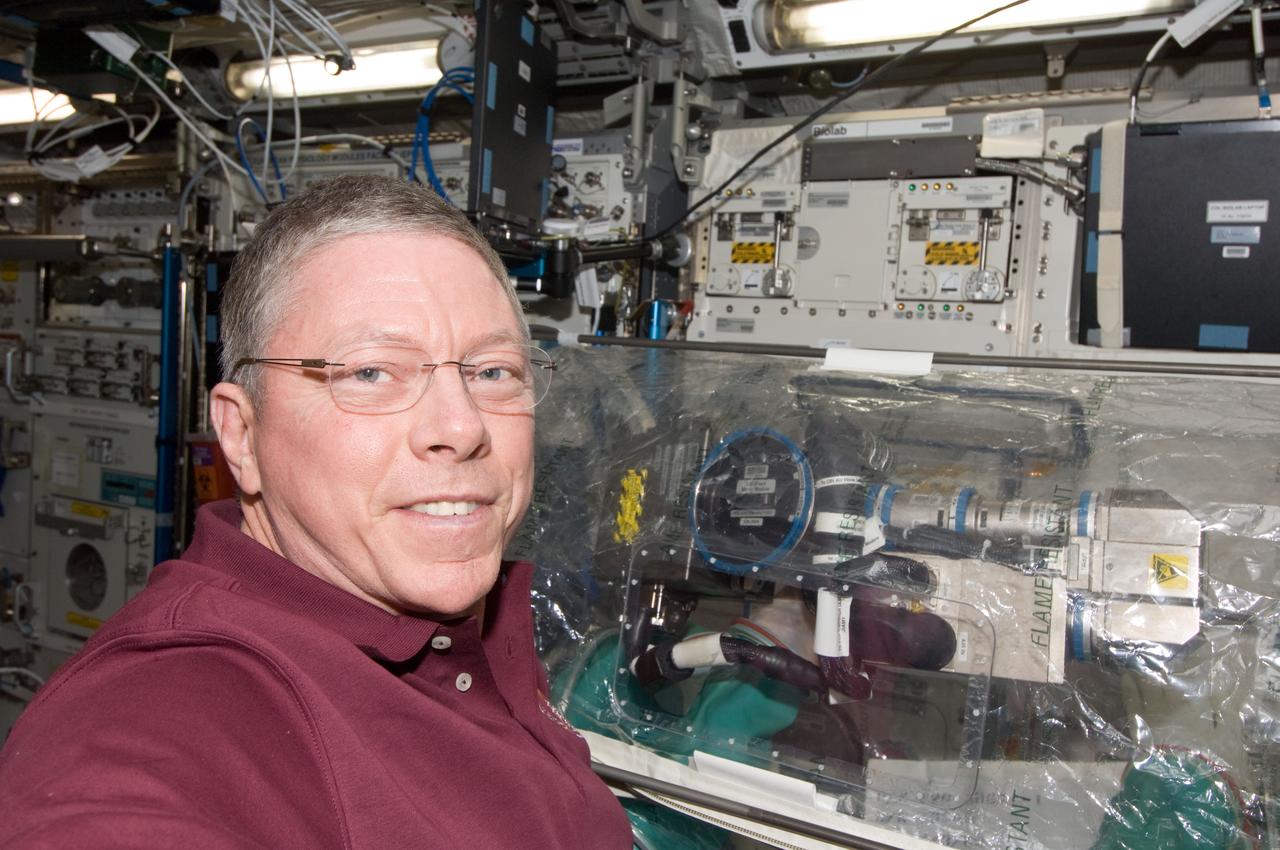
ISS029-E-029756 (17 Oct. 2011) --- NASA astronaut Mike Fossum, Expedition 29 commander, works on the Combustion Integrated Rack / Fluids & Combustion Facility (CIR FCF) in the Destiny laboratory of the International Space Station.
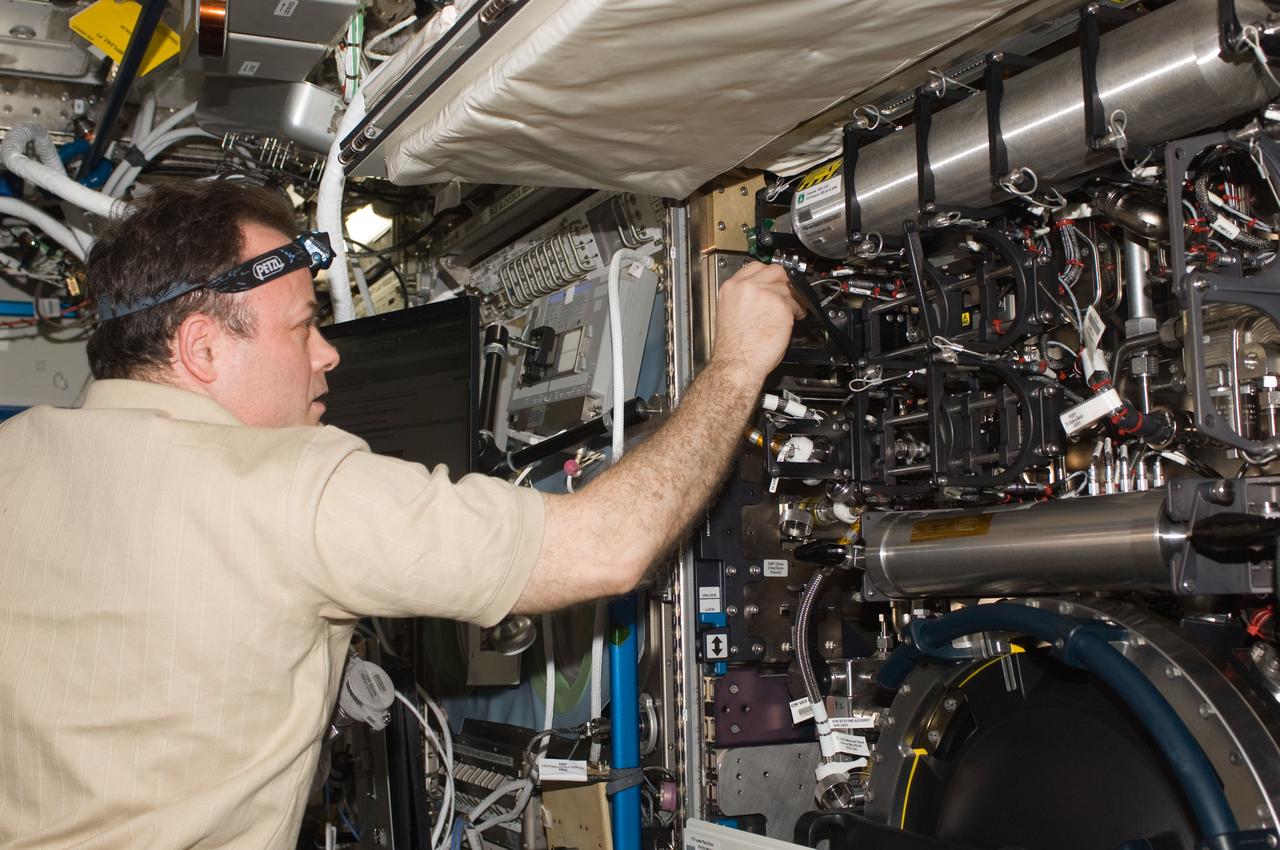
ISS028-E-026400 (17 Aug. 2011) --- NASA astronaut Ron Garan, Expedition 28 flight engineer, works with the Combustion Integrated Rack (CIR) Fluids and Combustion Facility (FCF) in the Destiny laboratory of the International Space Station.
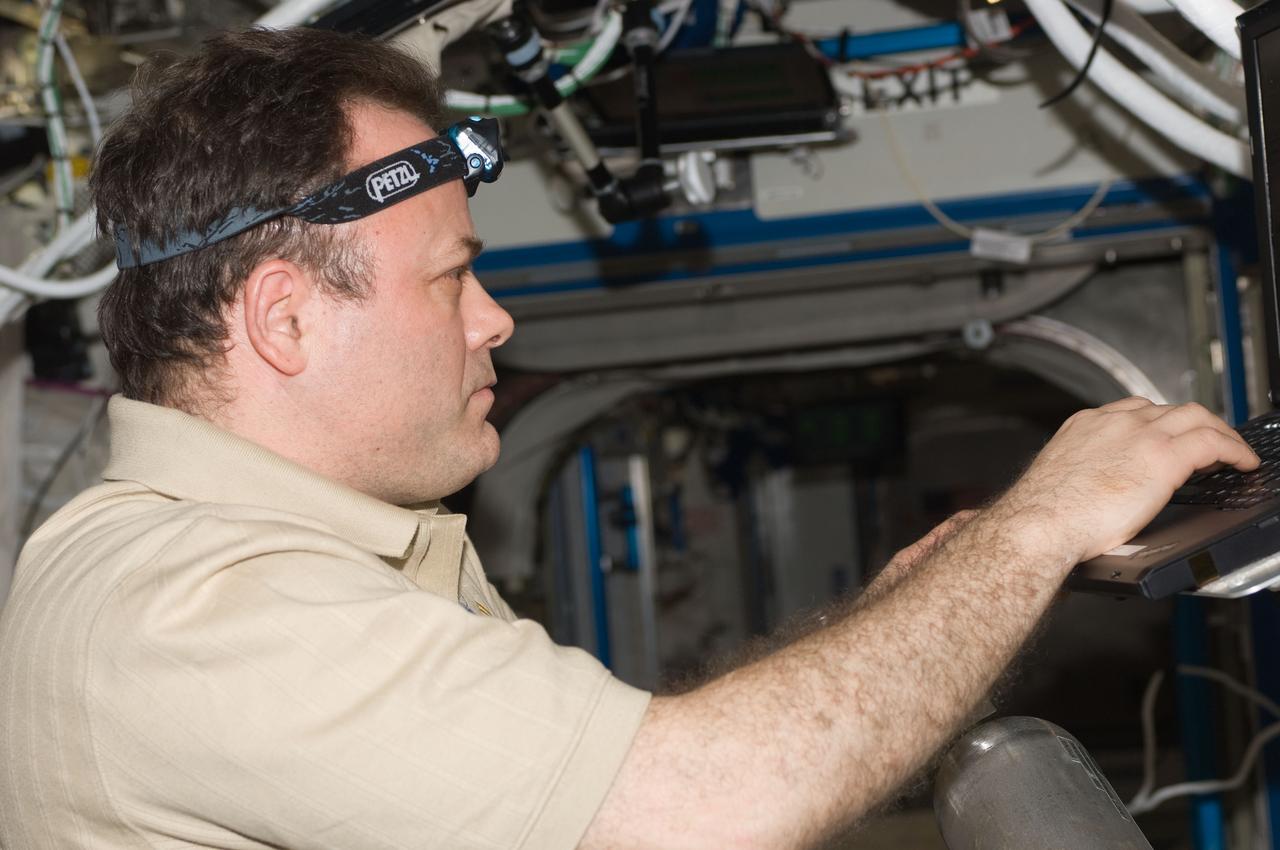
ISS028-E-026402 (17 Aug. 2011) --- NASA astronaut Ron Garan, Expedition 28 flight engineer, works with the Combustion Integrated Rack (CIR) Fluids and Combustion Facility (FCF) in the Destiny laboratory of the International Space Station.
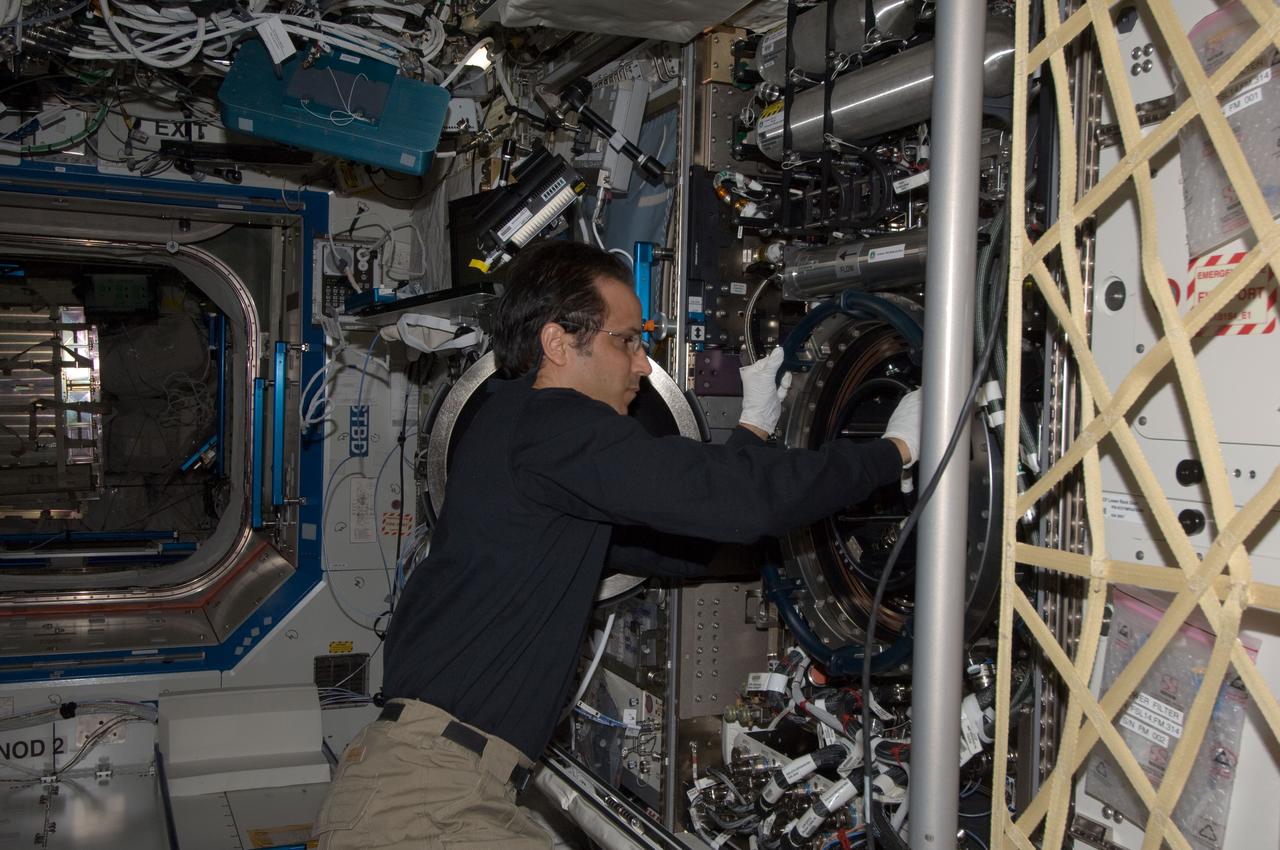
ISS032-E-014574 (7 Aug. 2012) --- NASA astronaut Joe Acaba, Expedition 32 flight engineer, works on the Combustion Integrated Rack (CIR) in the Destiny laboratory of the International Space Station.
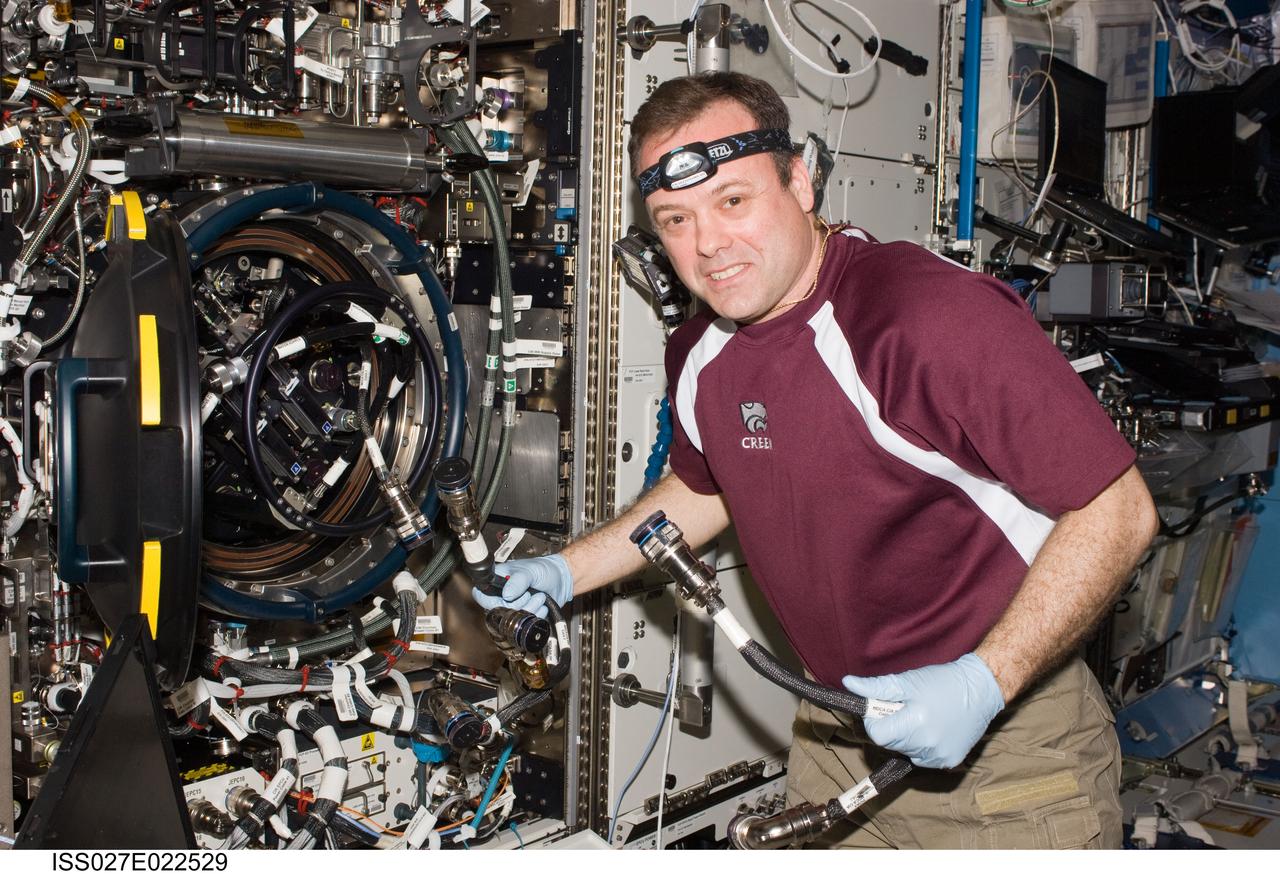
ISS027-E-022529 (5 May 2011) --- NASA astronaut Ron Garan, Expedition 27 flight engineer, services the Combustion Integrated Rack (CIR) Multi-user Drop Combustion Apparatus (MDCA) in the Destiny laboratory of the International Space Station.
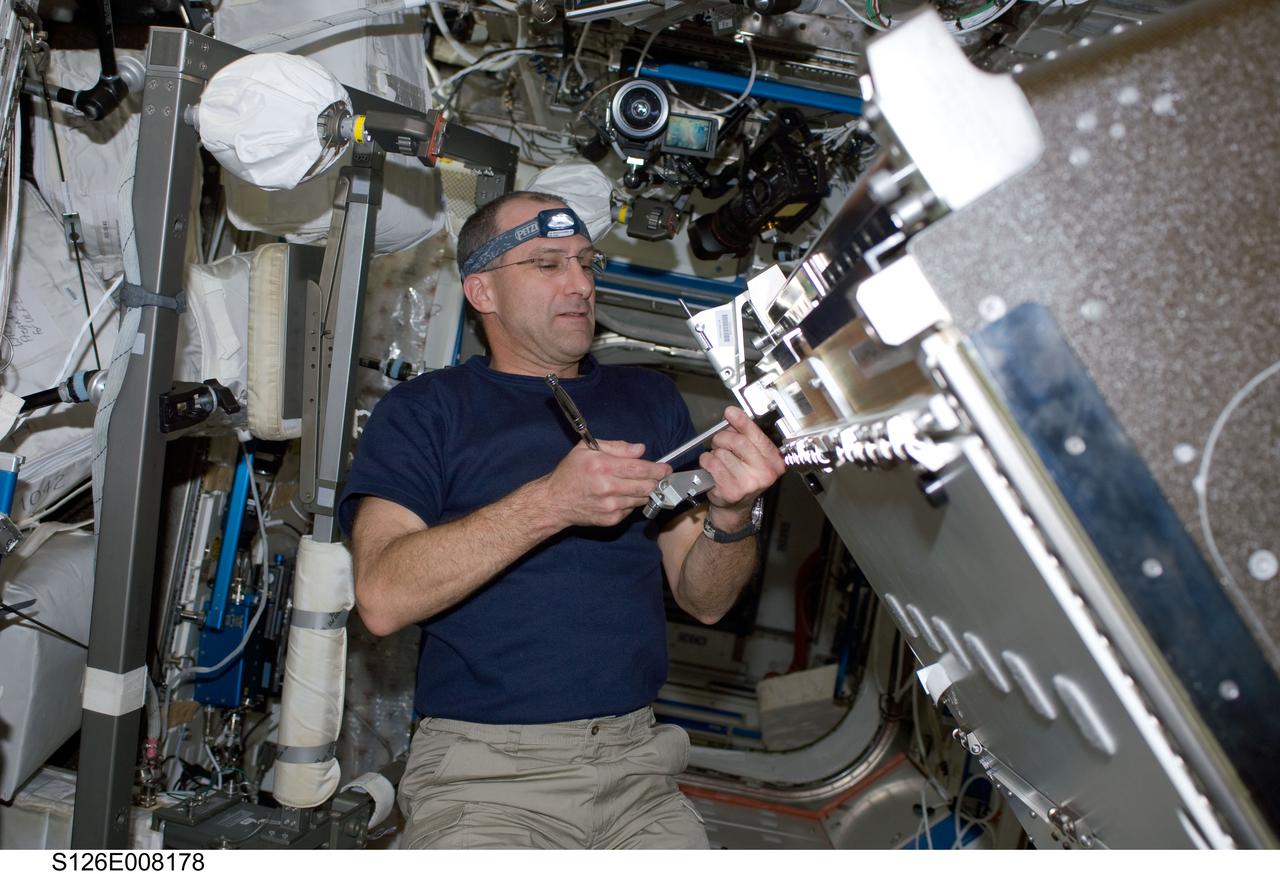
S126-E-008178 (18 Nov. 2008) --- Astronaut Donald Pettit, STS-126 mission specialist, installs the Combustion Integrated Rack (CIR) in the Destiny laboratory of the International Space Station while Space Shuttle Endeavour is docked with the station.
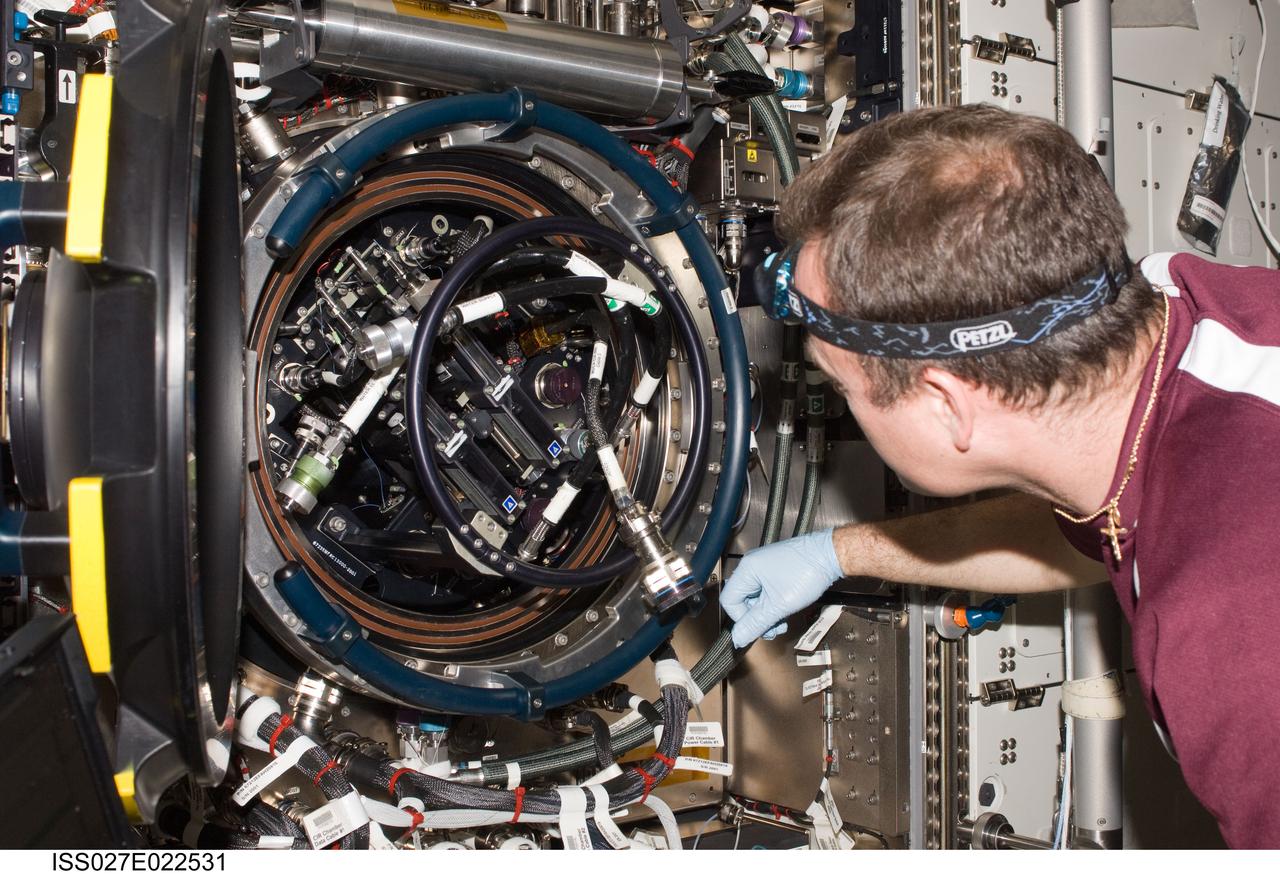
ISS027-E-022531 (5 May 2011) --- NASA astronaut Ron Garan, Expedition 27 flight engineer, services the Combustion Integrated Rack (CIR) Multi-user Drop Combustion Apparatus (MDCA) in the Destiny laboratory of the International Space Station.
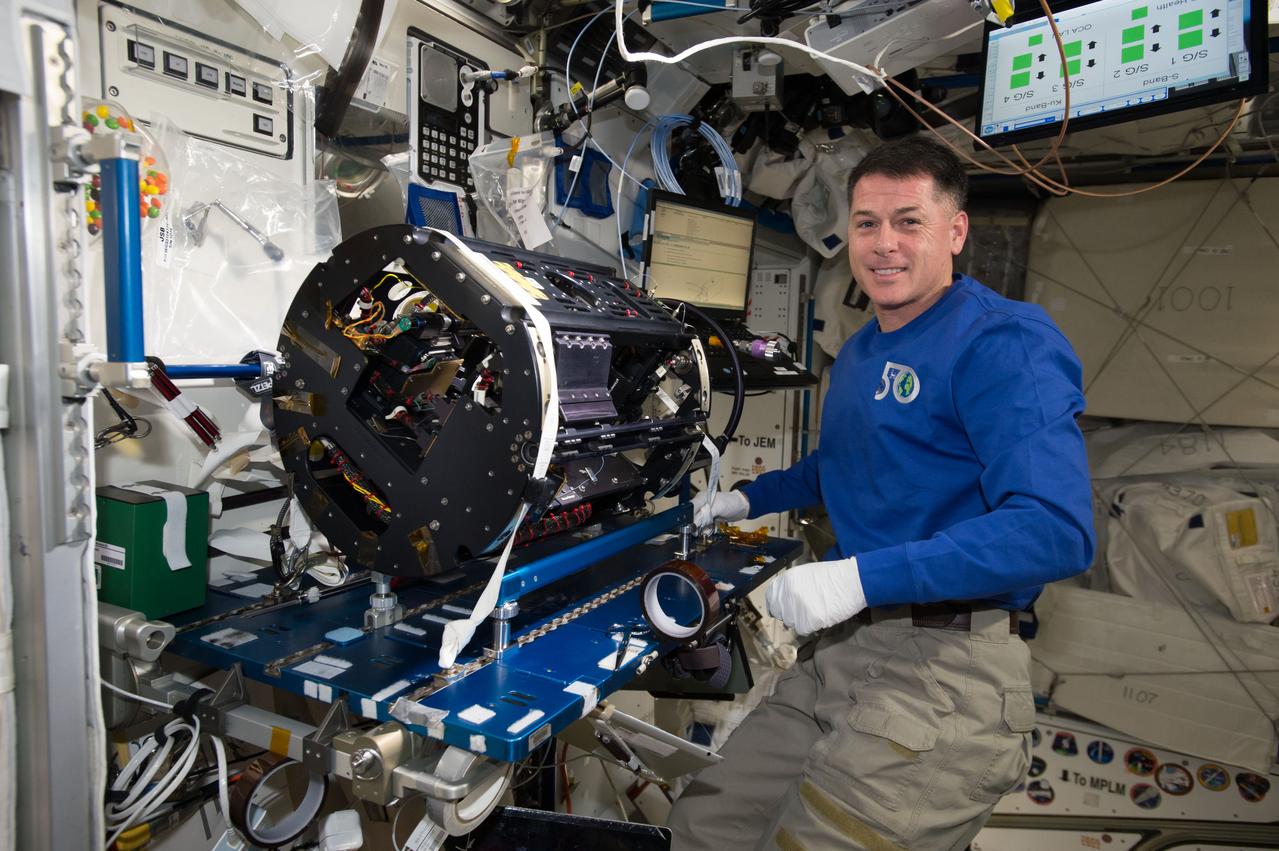
iss050e035112 (1/24/2017) --- NASA astronaut Shane Kimbrough completing the Multi-user Droplet Combustion Apparatus (MDCA) reconfiguration to the Cool Flames Investigation (CFI) setup. The Combustion Integrated Rack (CIR) includes an optics bench, combustion chamber, fuel and oxidizer control, and five different cameras for performing combustion experiments in microgravity.
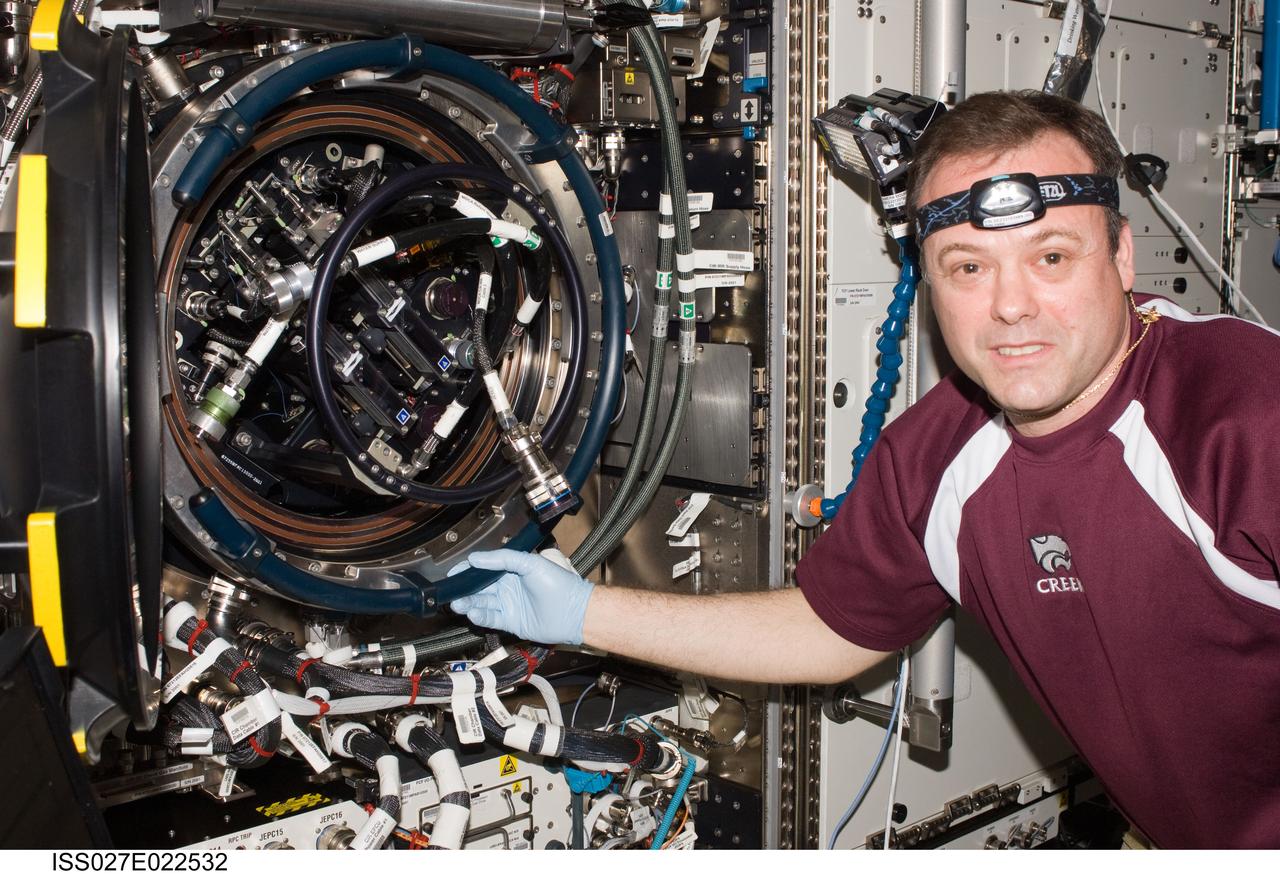
ISS027-E-022532 (5 May 2011) --- NASA astronaut Ron Garan, Expedition 27 flight engineer, services the Combustion Integrated Rack (CIR) Multi-user Drop Combustion Apparatus (MDCA) in the Destiny laboratory of the International Space Station.
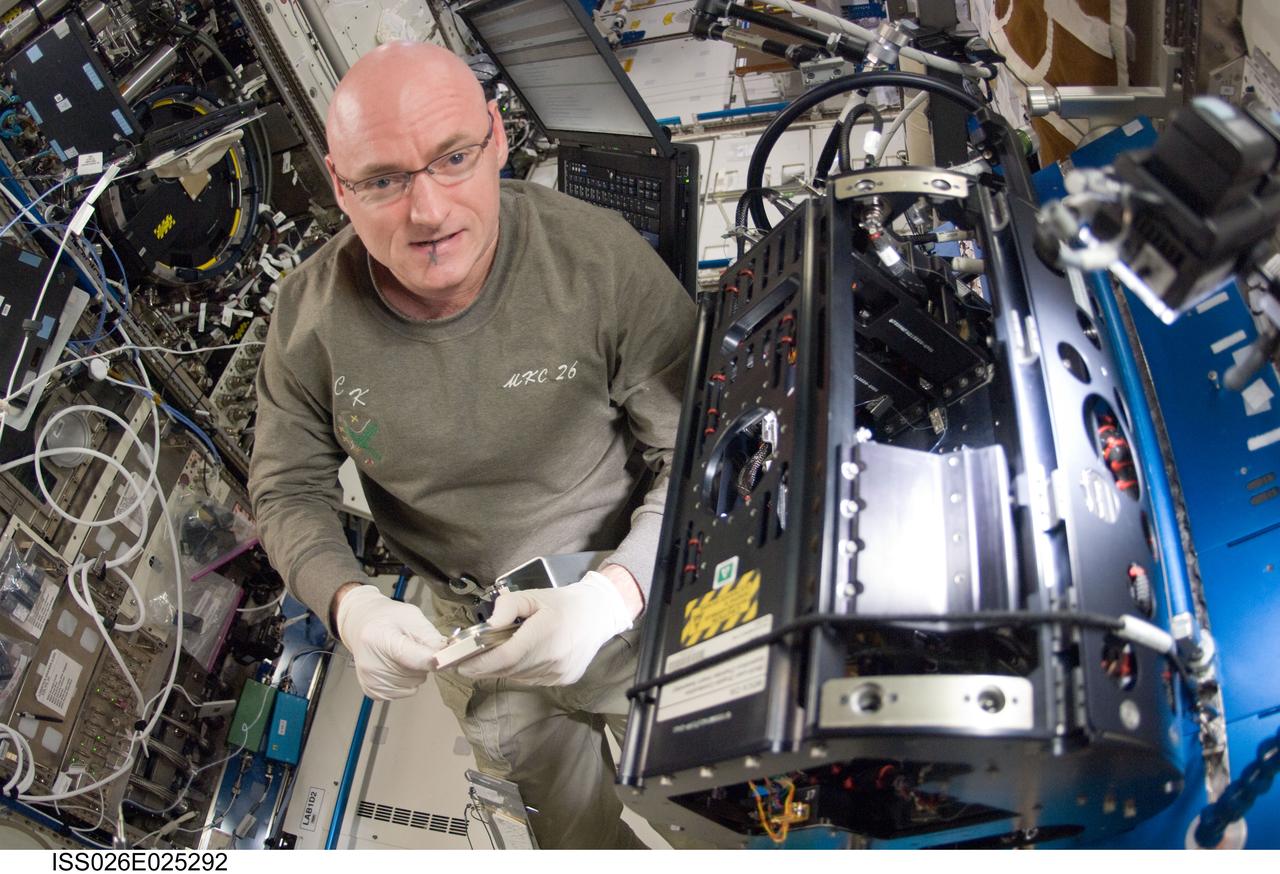
ISS026-E-025292 (9 Feb. 2011) --- NASA astronaut Scott Kelly, Expedition 26 commander, works on the Combustion Integrated Rack (CIR) Multi-user Drop Combustion Apparatus (MDCA) in the Destiny laboratory of the International Space Station.
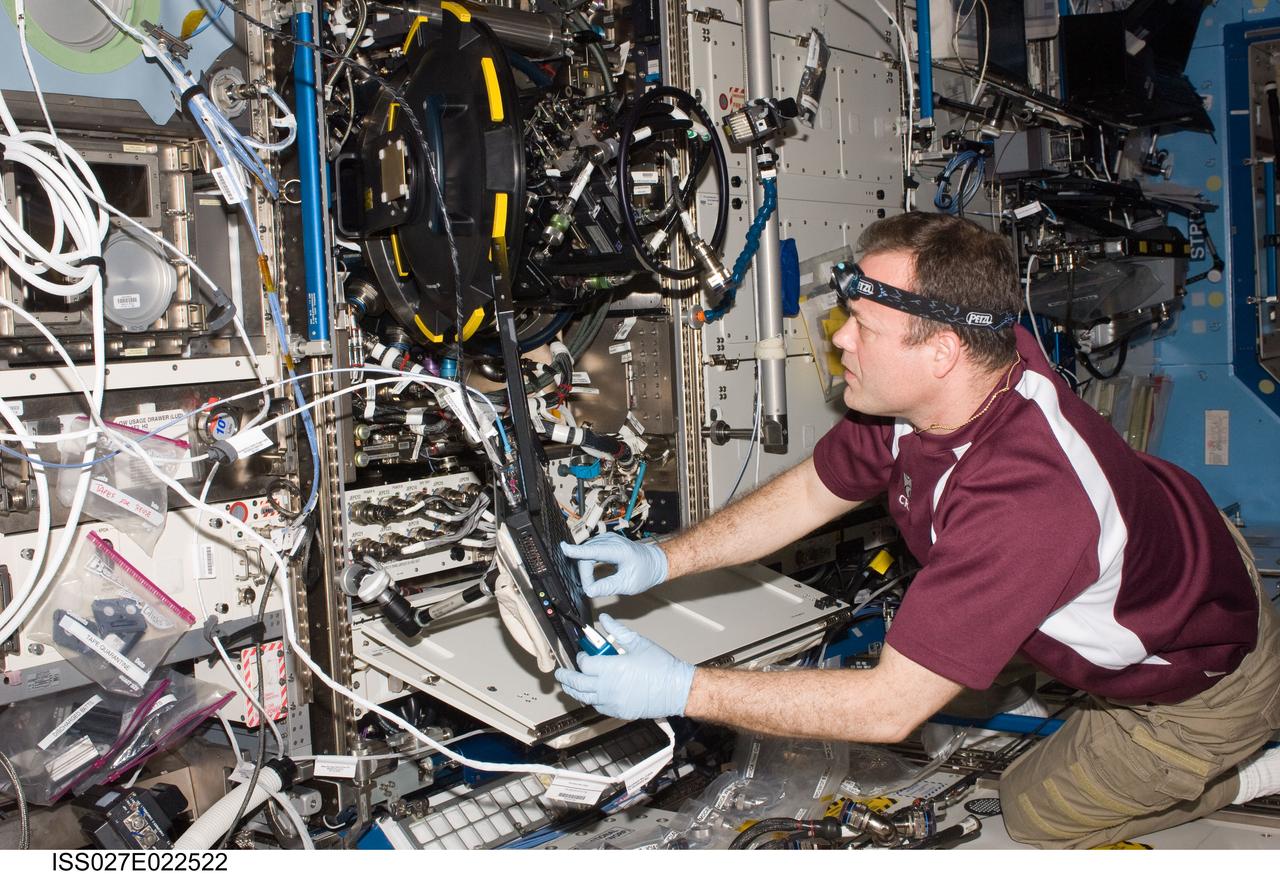
ISS027-E-022522 (5 May 2011) --- NASA astronaut Ron Garan, Expedition 27 flight engineer, services the Combustion Integrated Rack (CIR) Multi-user Drop Combustion Apparatus (MDCA) in the Destiny laboratory of the International Space Station.
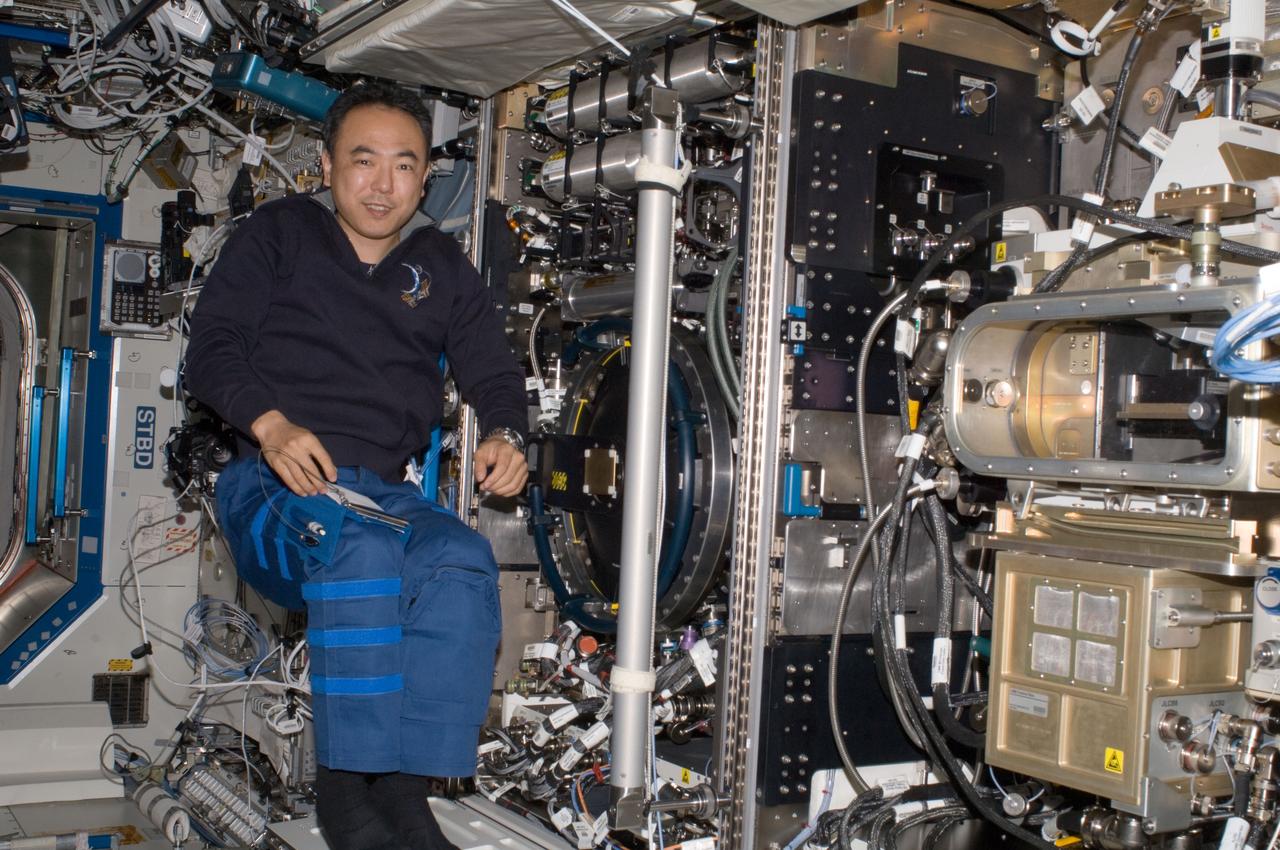
ISS028-E-013344 (26 June 2011) --- Japan Aerospace Exploration Agency astronaut Satoshi Furukawa, Expedition 28 flight engineer, is pictured near the Combustion Integrated Rack (CIR) Multi-user Drop Combustion Apparatus (MDCA) in the Destiny laboratory of the International Space Station.
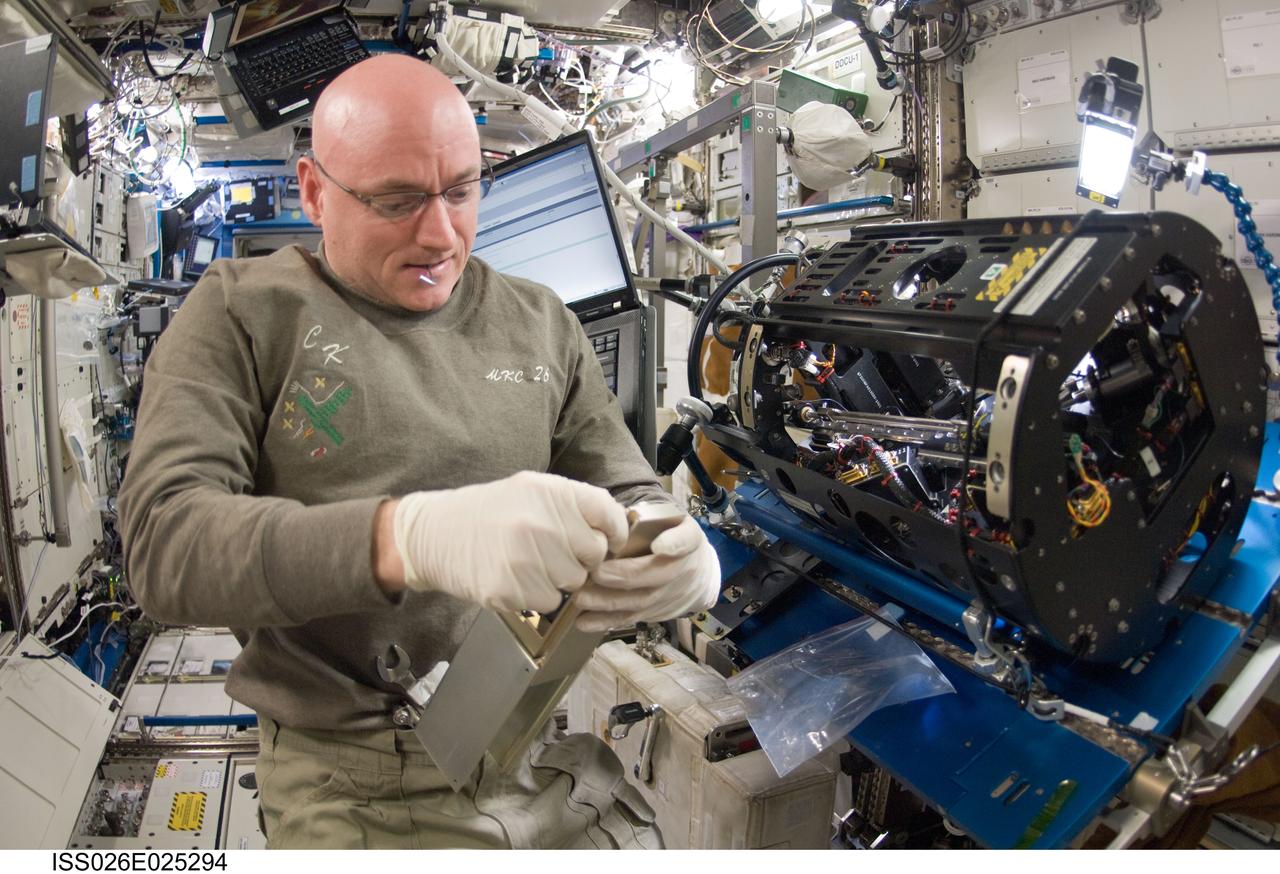
ISS026-E-025294 (9 Feb. 2011) --- NASA astronaut Scott Kelly, Expedition 26 commander, works on the Combustion Integrated Rack (CIR) Multi-user Drop Combustion Apparatus (MDCA) in the Destiny laboratory of the International Space Station.
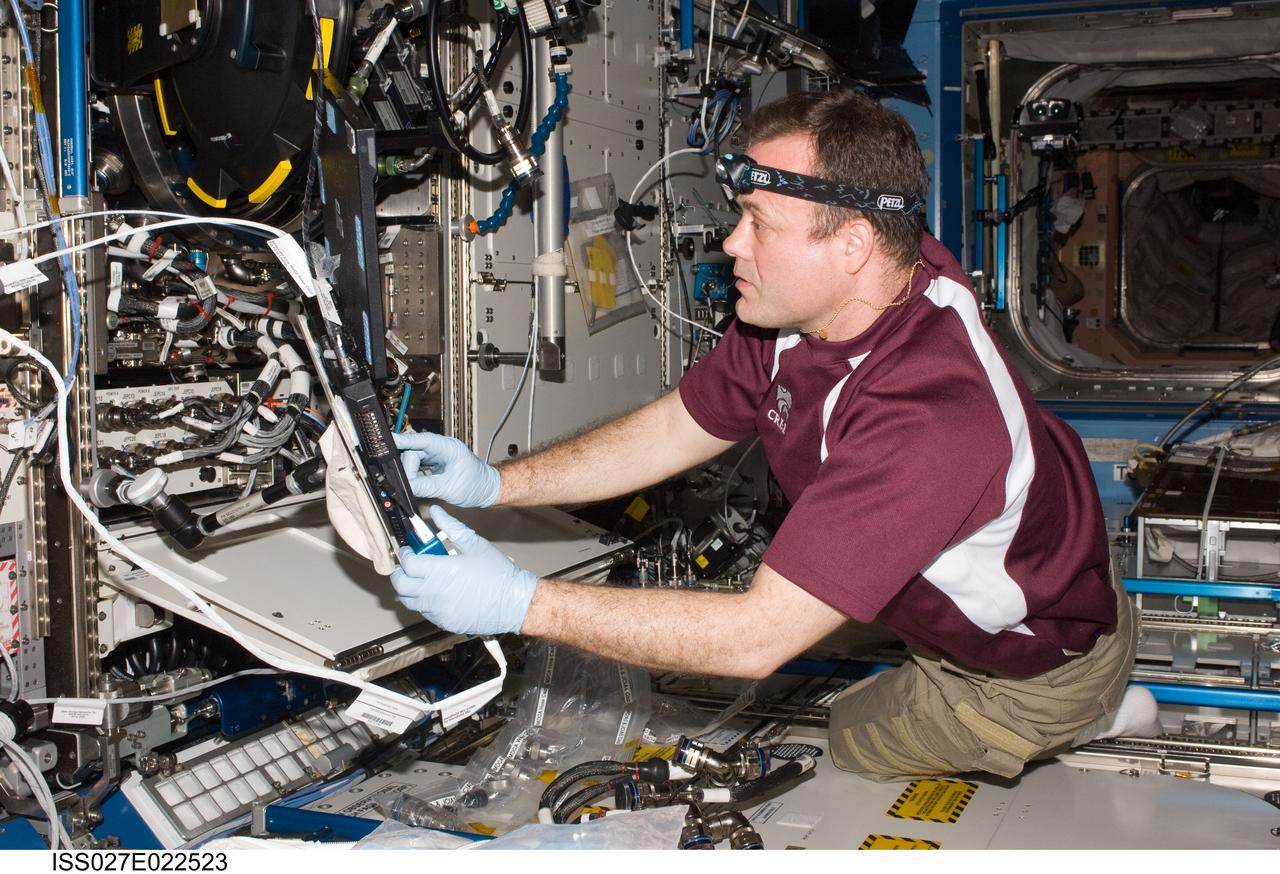
ISS027-E-022523 (5 May 2011) --- NASA astronaut Ron Garan, Expedition 27 flight engineer, services the Combustion Integrated Rack (CIR) Multi-user Drop Combustion Apparatus (MDCA) in the Destiny laboratory of the International Space Station.
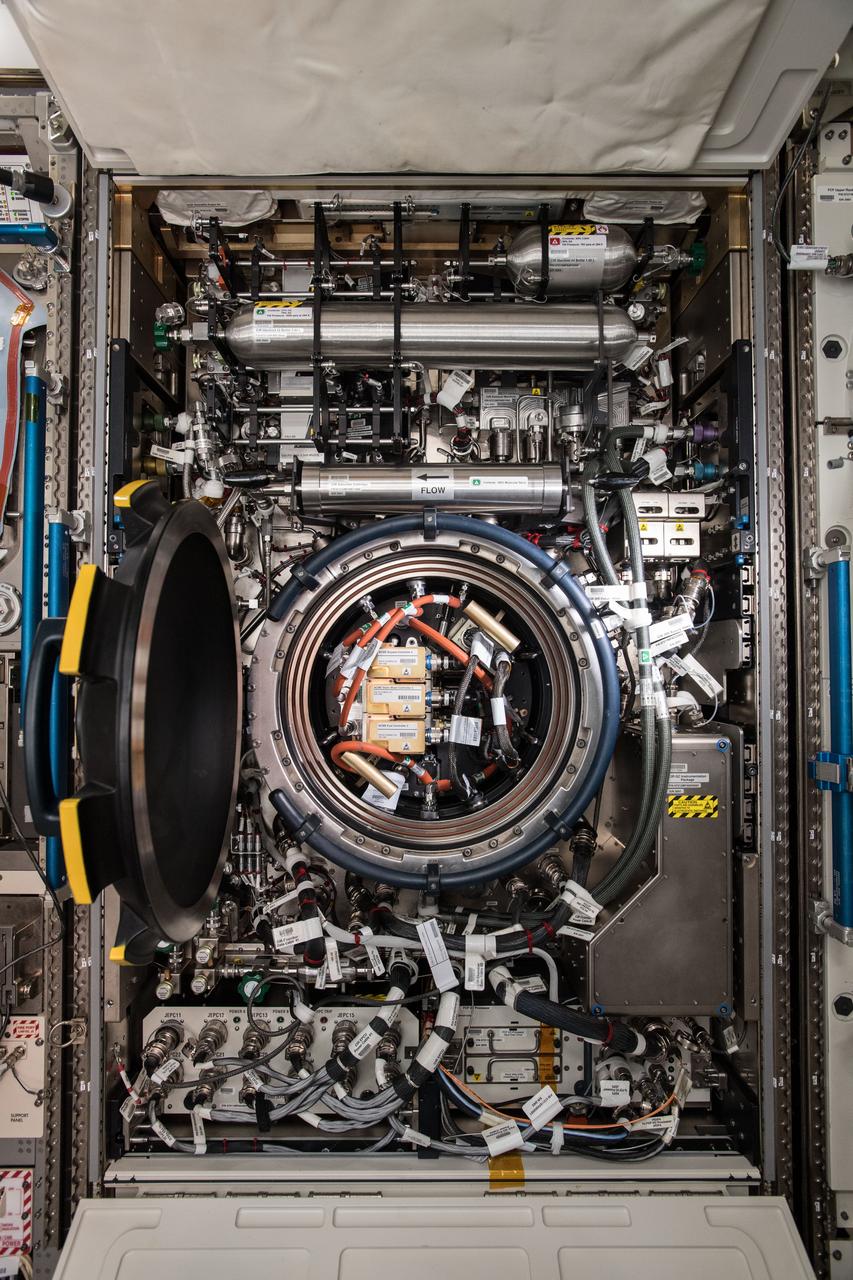
iss056e130654 (Aug. 10, 2018) --- The Combustion Integration Rack (CIR), pictured in its open configuration, is located in the U.S. Destiny laboratory module and includes an optics bench, combustion chamber, fuel and oxidizer control, and five different cameras for performing combustion experiments safely in microgravity.
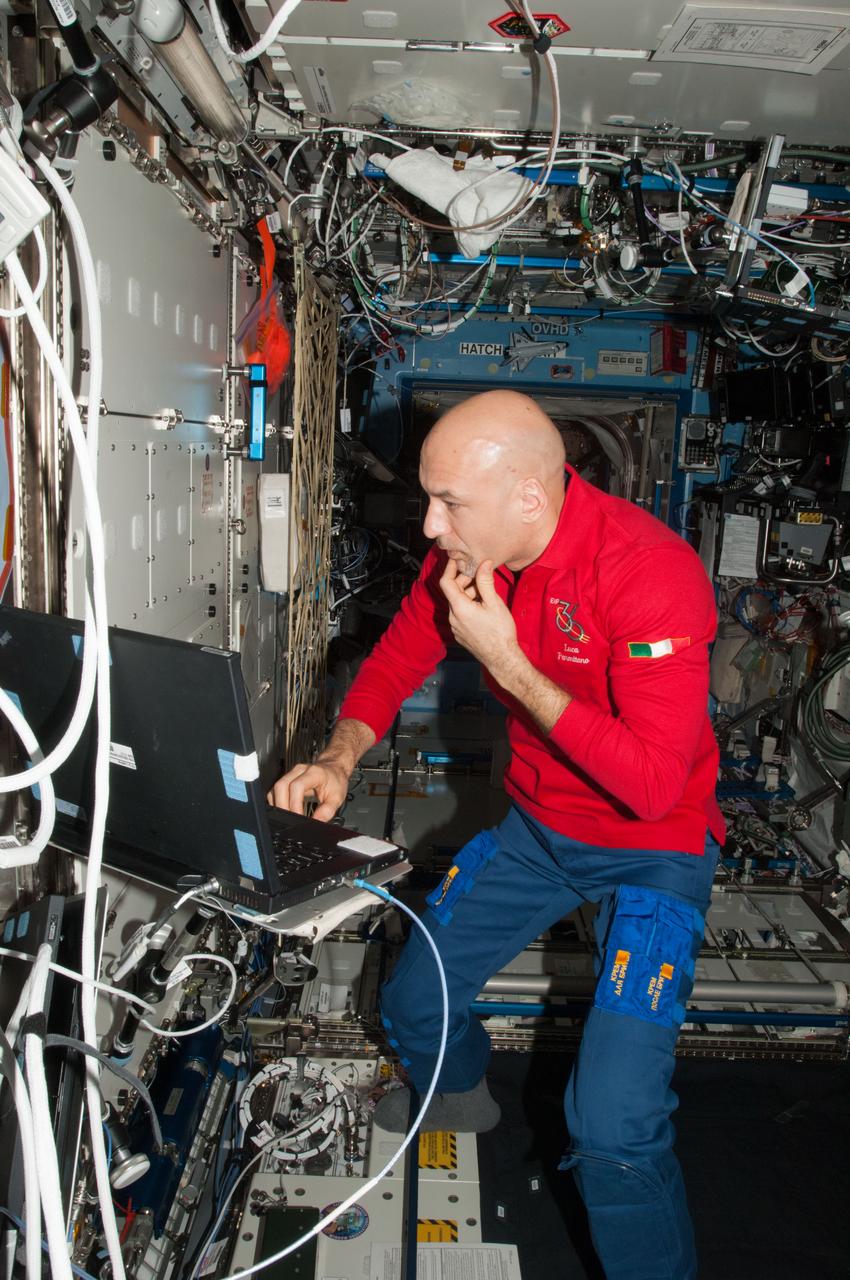
ISS036-E-024485 (24 July 2013) --- European Space Agency astronaut Luca Parmitano, Expedition 36 flight engineer, uses a computer in the Destiny laboratory of the International Space Station.