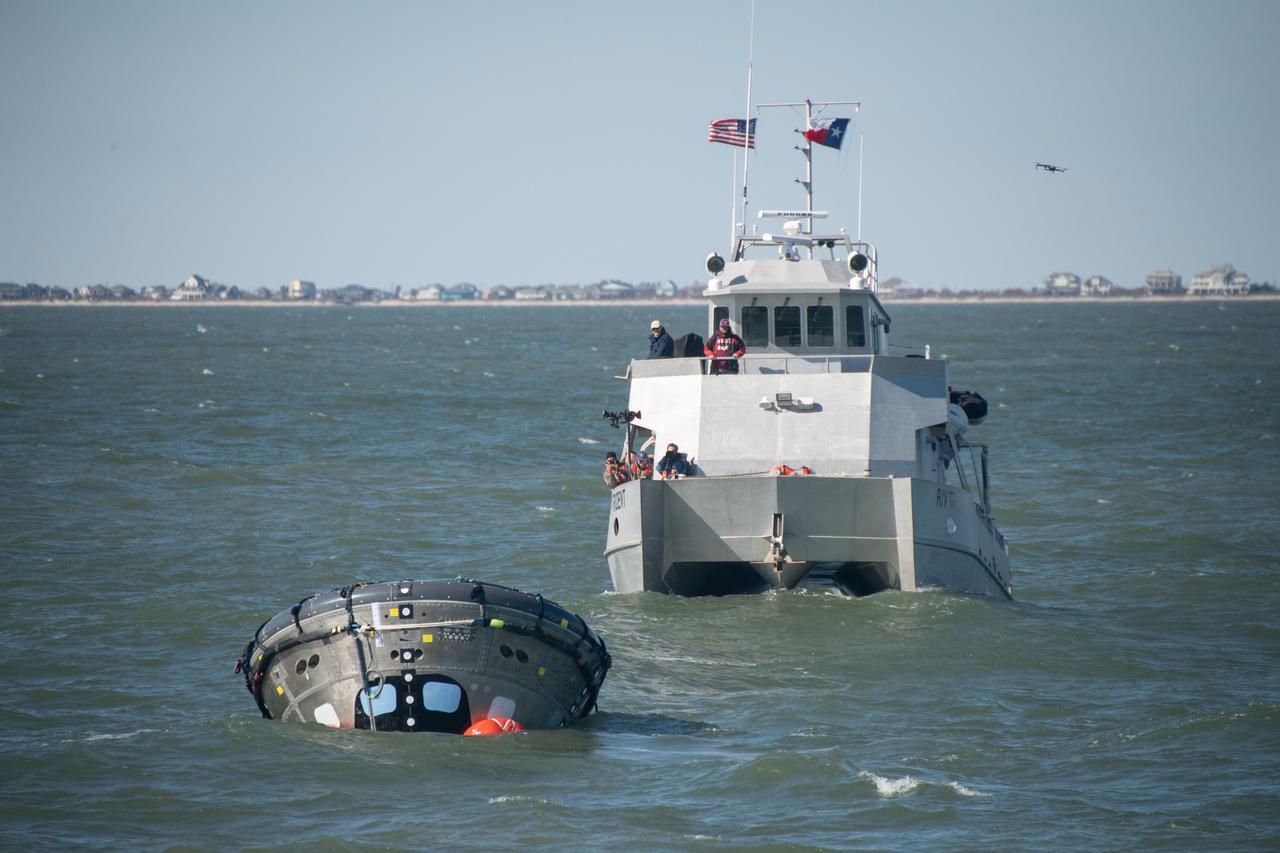
The Orion Crew Module Uprighting System (CMUS) and Neutral Buoyancy Laboratory team completed two successful sea tests off the coast of Galveston, Texas, Dec. 1-3, 2018. CMUS is designed to inflate five bags after the Orion spacecraft and its crew splash down after returning from deep space missions, enabling the capsule to upright itself. NASA partnered with United States Coast Guard and Air Force and Texas A&M Galveston teams to perform the tests operations.
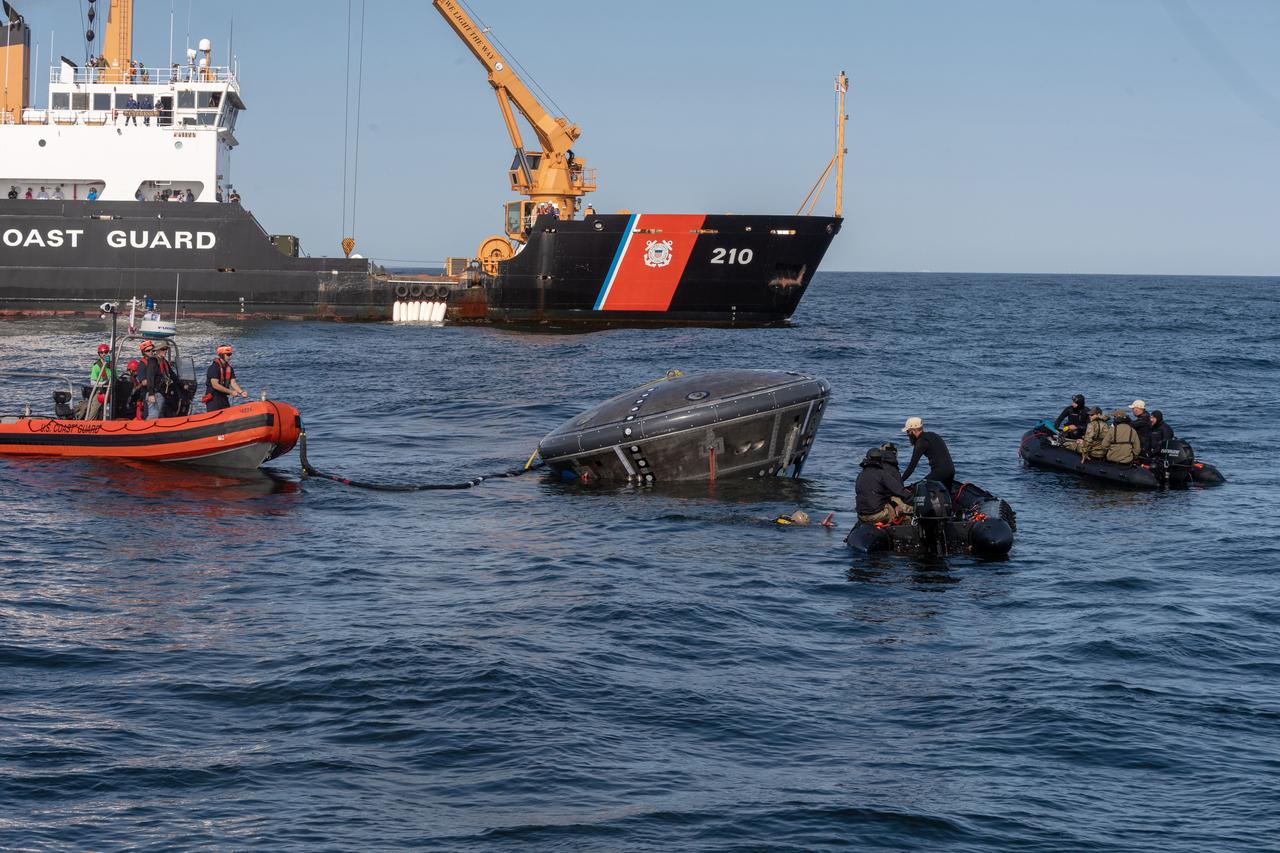
The Orion Crew Module Uprighting System (CMUS) and Neutral Buoyancy Laboratory team completed two successful sea tests off the coast of Galveston, Texas, Dec. 1-3, 2018. CMUS is designed to inflate five bags after the Orion spacecraft and its crew splash down after returning from deep space missions, enabling the capsule to upright itself. NASA partnered with United States Coast Guard and Air Force and Texas A&M Galveston teams to perform the tests operations.
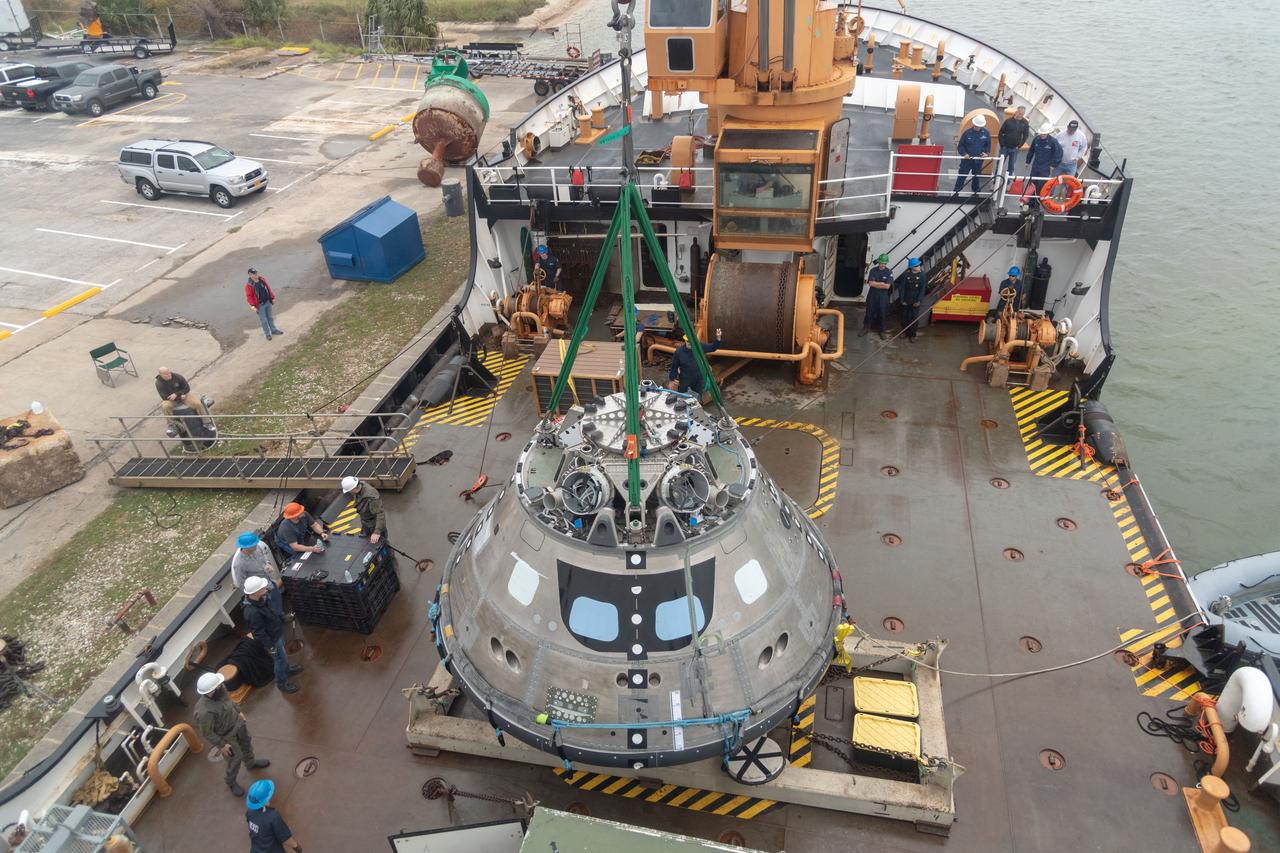
The Orion Crew Module Uprighting System (CMUS) and Neutral Buoyancy Laboratory team completed two successful sea tests off the coast of Galveston, Texas, Dec. 1-3, 2018. CMUS is designed to inflate five bags after the Orion spacecraft and its crew splash down after returning from deep space missions, enabling the capsule to upright itself. NASA partnered with United States Coast Guard and Air Force and Texas A&M Galveston teams to perform the tests operations.
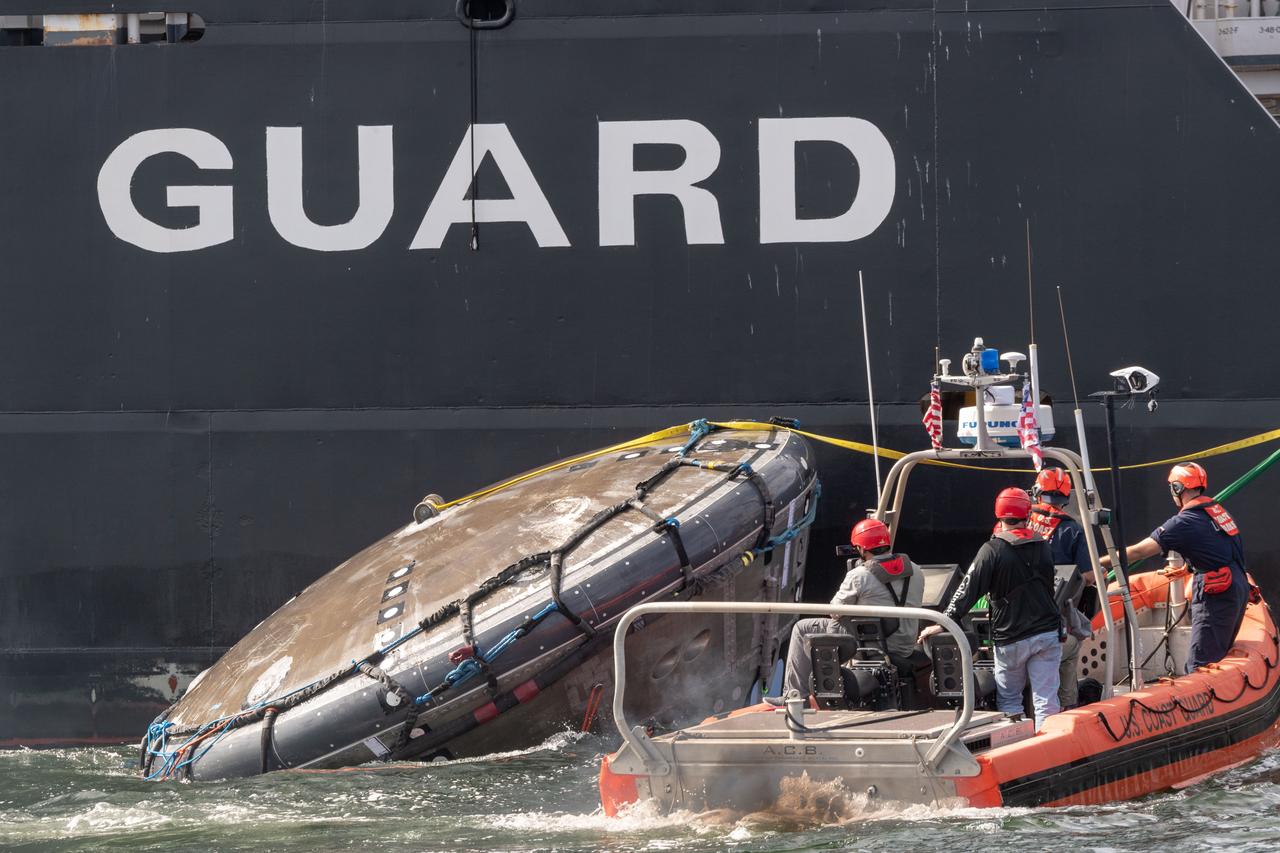
The Orion Crew Module Uprighting System (CMUS) and Neutral Buoyancy Laboratory team completed two successful sea tests off the coast of Galveston, Texas, Dec. 1-3, 2018. CMUS is designed to inflate five bags after the Orion spacecraft and its crew splash down after returning from deep space missions, enabling the capsule to upright itself. NASA partnered with United States Coast Guard and Air Force and Texas A&M Galveston teams to perform the tests operations.

The Orion Crew Module Uprighting System (CMUS) and Neutral Buoyancy Laboratory team completed two successful sea tests off the coast of Galveston, Texas, Dec. 1-3, 2018. CMUS is designed to inflate five bags after the Orion spacecraft and its crew splash down after returning from deep space missions, enabling the capsule to upright itself. NASA partnered with United States Coast Guard and Air Force and Texas A&M Galveston teams to perform the tests operations.
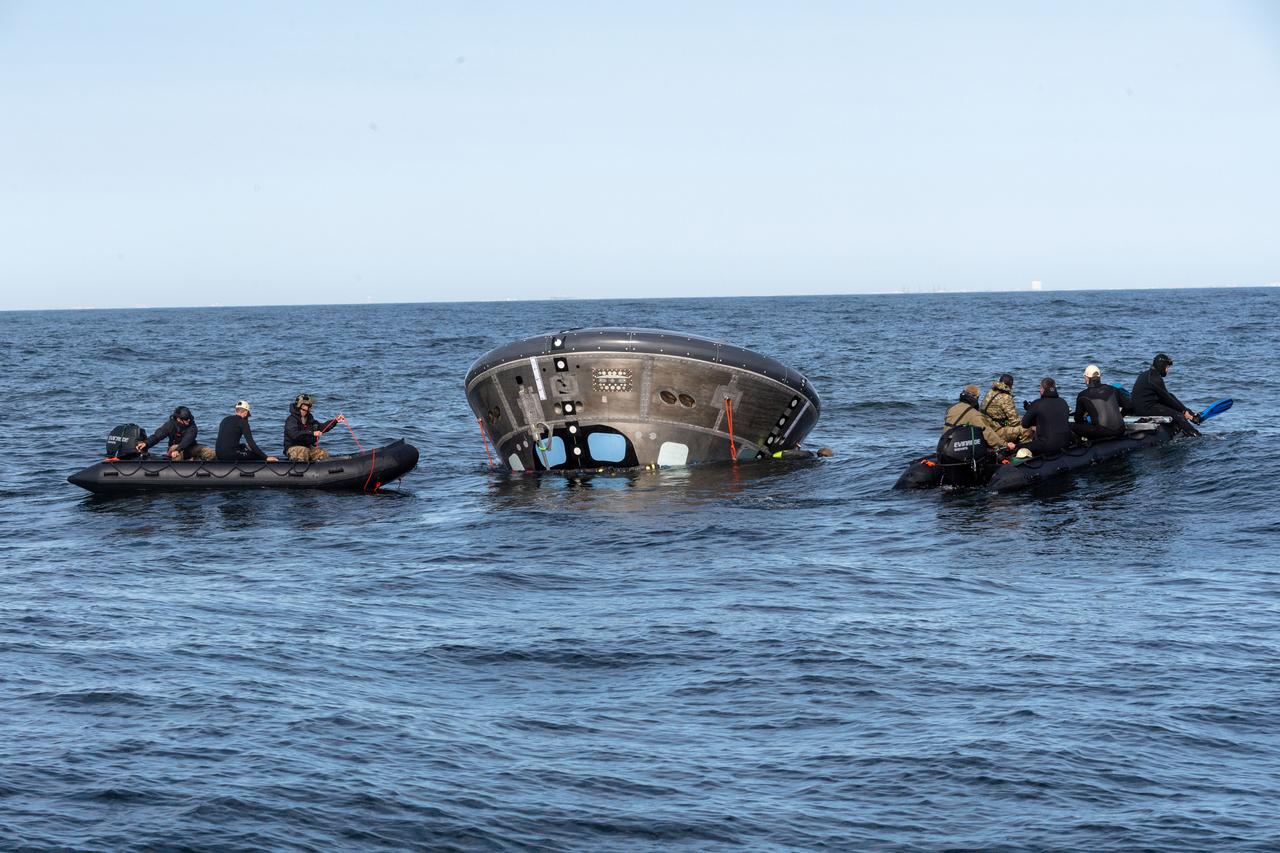
The Orion Crew Module Uprighting System (CMUS) and Neutral Buoyancy Laboratory team completed two successful sea tests off the coast of Galveston, Texas, Dec. 1-3, 2018. CMUS is designed to inflate five bags after the Orion spacecraft and its crew splash down after returning from deep space missions, enabling the capsule to upright itself. NASA partnered with United States Coast Guard and Air Force and Texas A&M Galveston teams to perform the tests operations.
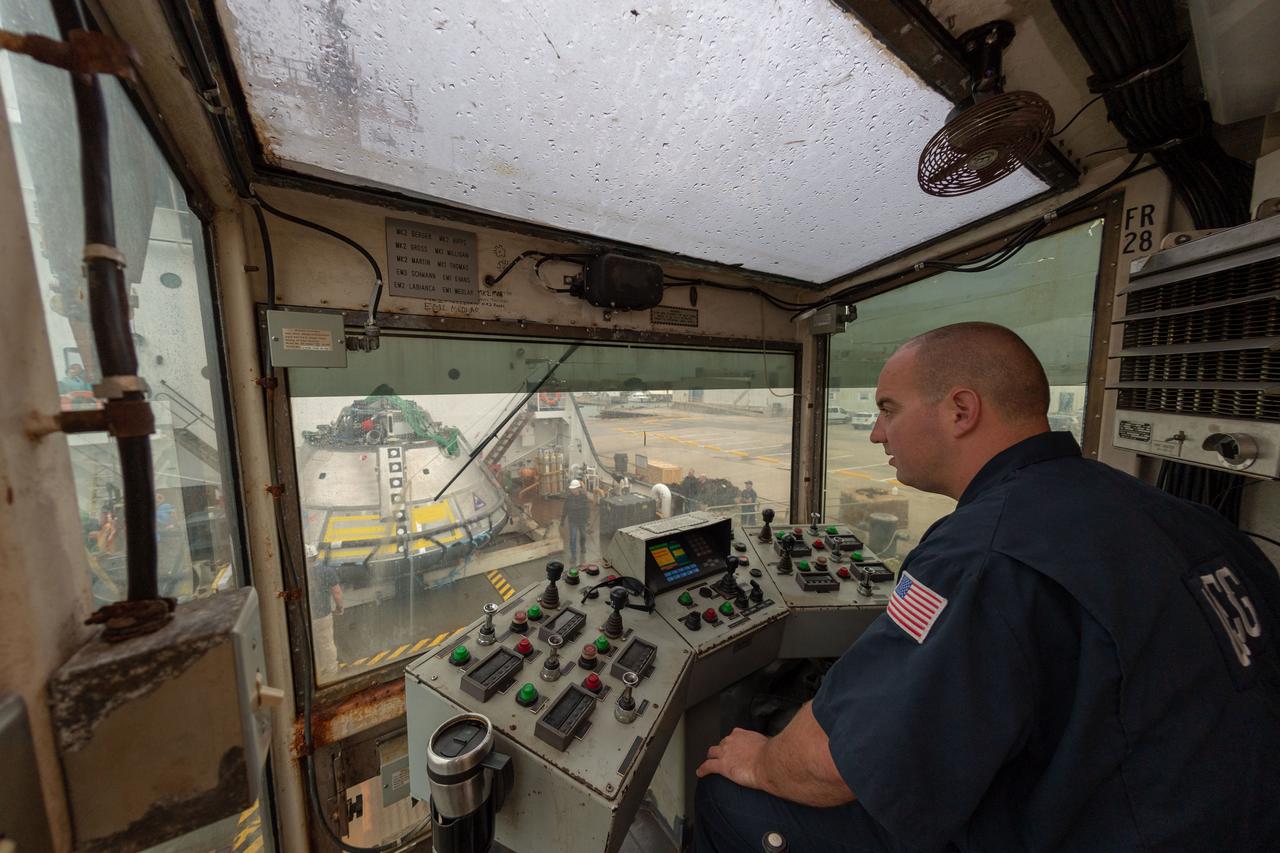
The Orion Crew Module Uprighting System (CMUS) and Neutral Buoyancy Laboratory team completed two successful sea tests off the coast of Galveston, Texas, Dec. 1-3, 2018. CMUS is designed to inflate five bags after the Orion spacecraft and its crew splash down after returning from deep space missions, enabling the capsule to upright itself. NASA partnered with United States Coast Guard and Air Force and Texas A&M Galveston teams to perform the tests operations.

The Orion Crew Module Uprighting System (CMUS) and Neutral Buoyancy Laboratory team completed two successful sea tests off the coast of Galveston, Texas, Dec. 1-3, 2018. CMUS is designed to inflate five bags after the Orion spacecraft and its crew splash down after returning from deep space missions, enabling the capsule to upright itself. NASA partnered with United States Coast Guard and Air Force and Texas A&M Galveston teams to perform the tests operations.

The Orion Crew Module Uprighting System (CMUS) and Neutral Buoyancy Laboratory team completed two successful sea tests off the coast of Galveston, Texas, Dec. 1-3, 2018. CMUS is designed to inflate five bags after the Orion spacecraft and its crew splash down after returning from deep space missions, enabling the capsule to upright itself. NASA partnered with United States Coast Guard and Air Force and Texas A&M Galveston teams to perform the tests operations.
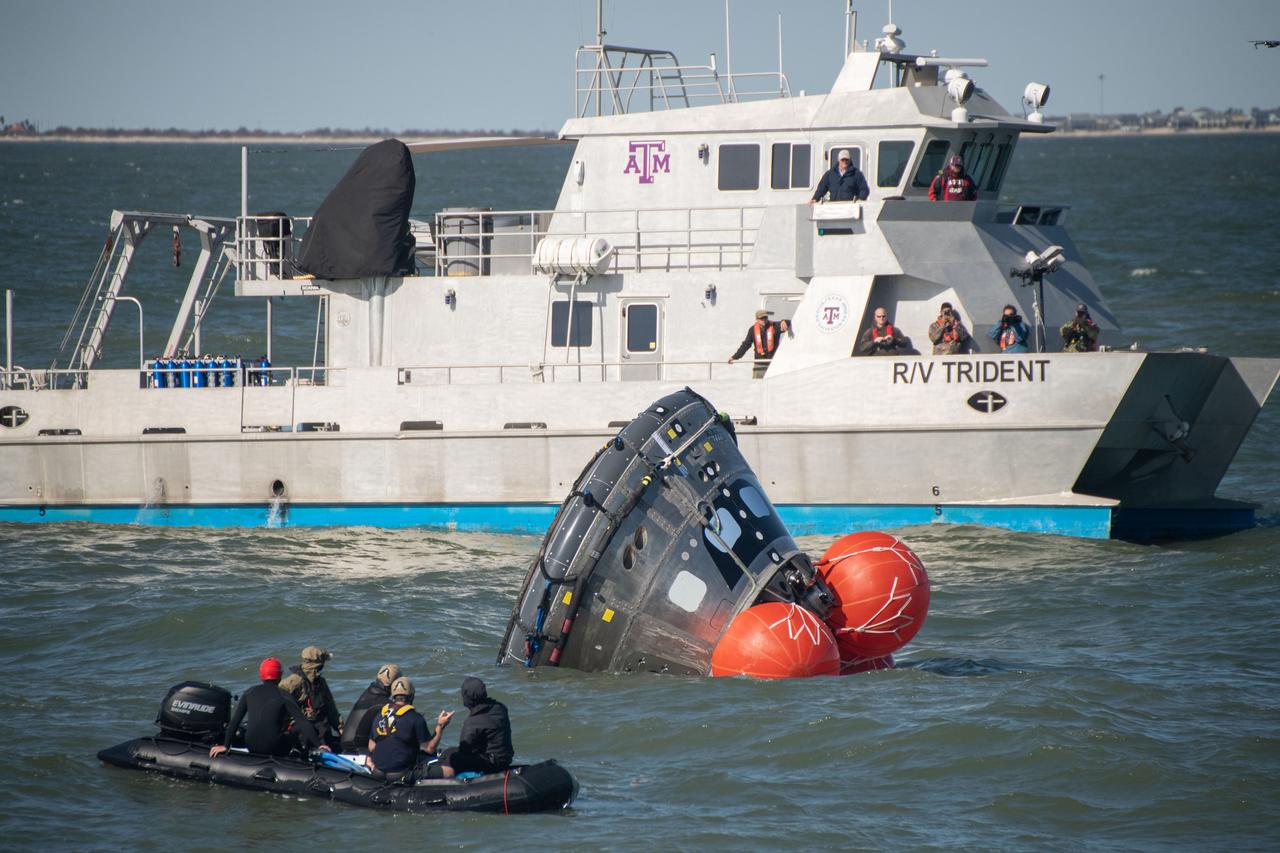
The Orion Crew Module Uprighting System (CMUS) and Neutral Buoyancy Laboratory team completed two successful sea tests off the coast of Galveston, Texas, Dec. 1-3, 2018. CMUS is designed to inflate five bags after the Orion spacecraft and its crew splash down after returning from deep space missions, enabling the capsule to upright itself. NASA partnered with United States Coast Guard and Air Force and Texas A&M Galveston teams to perform the tests operations.

The Orion Crew Module Uprighting System (CMUS) and Neutral Buoyancy Laboratory team completed two successful sea tests off the coast of Galveston, Texas, Dec. 1-3, 2018. CMUS is designed to inflate five bags after the Orion spacecraft and its crew splash down after returning from deep space missions, enabling the capsule to upright itself. NASA partnered with United States Coast Guard and Air Force and Texas A&M Galveston teams to perform the tests operations.
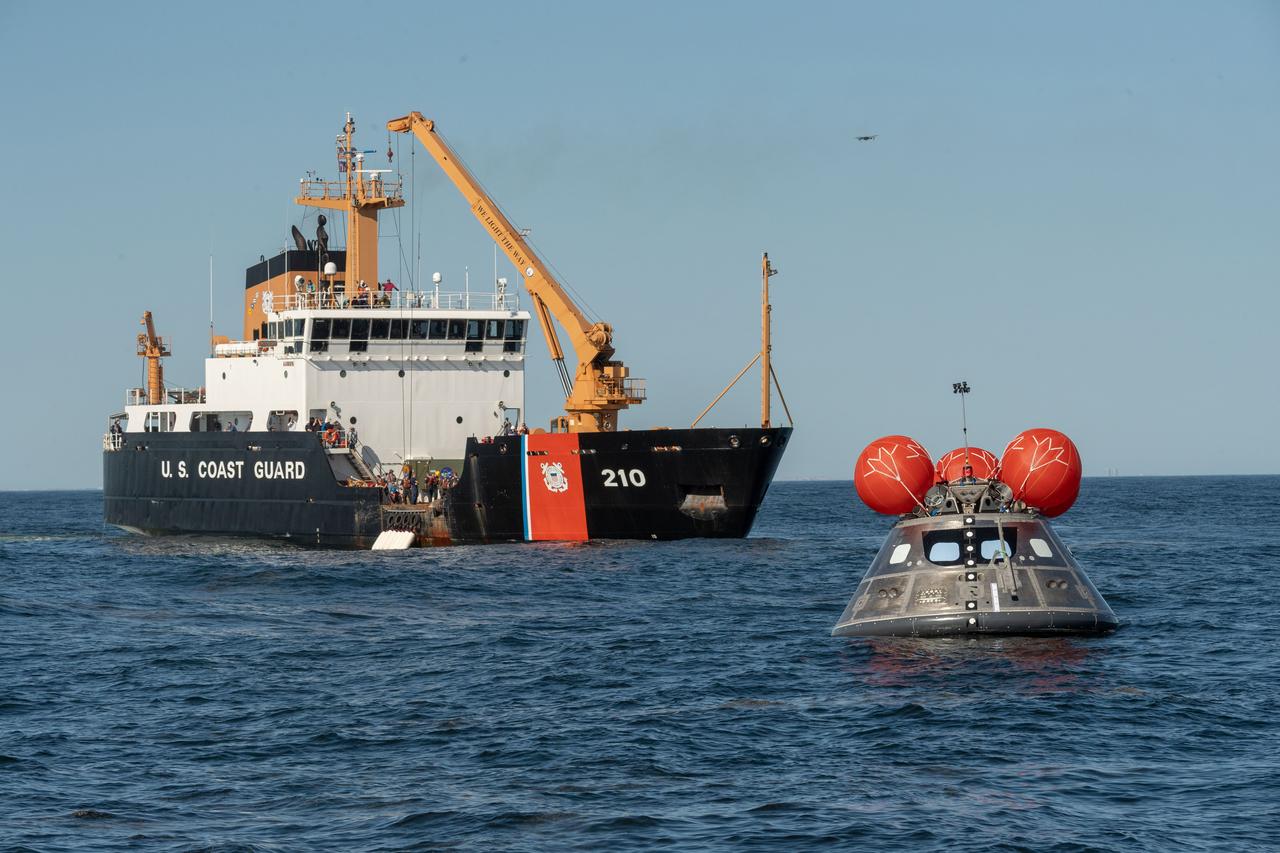
The Orion Crew Module Uprighting System (CMUS) and Neutral Buoyancy Laboratory team completed two successful sea tests off the coast of Galveston, Texas, Dec. 1-3, 2018. CMUS is designed to inflate five bags after the Orion spacecraft and its crew splash down after returning from deep space missions, enabling the capsule to upright itself. NASA partnered with United States Coast Guard and Air Force and Texas A&M Galveston teams to perform the tests operations.

The Orion Crew Module Uprighting System (CMUS) and Neutral Buoyancy Laboratory team completed two successful sea tests off the coast of Galveston, Texas, Dec. 1-3, 2018. CMUS is designed to inflate five bags after the Orion spacecraft and its crew splash down after returning from deep space missions, enabling the capsule to upright itself. NASA partnered with United States Coast Guard and Air Force and Texas A&M Galveston teams to perform the tests operations.

The Orion Crew Module Uprighting System (CMUS) and Neutral Buoyancy Laboratory team completed two successful sea tests off the coast of Galveston, Texas, Dec. 1-3, 2018. CMUS is designed to inflate five bags after the Orion spacecraft and its crew splash down after returning from deep space missions, enabling the capsule to upright itself. NASA partnered with United States Coast Guard and Air Force and Texas A&M Galveston teams to perform the tests operations.
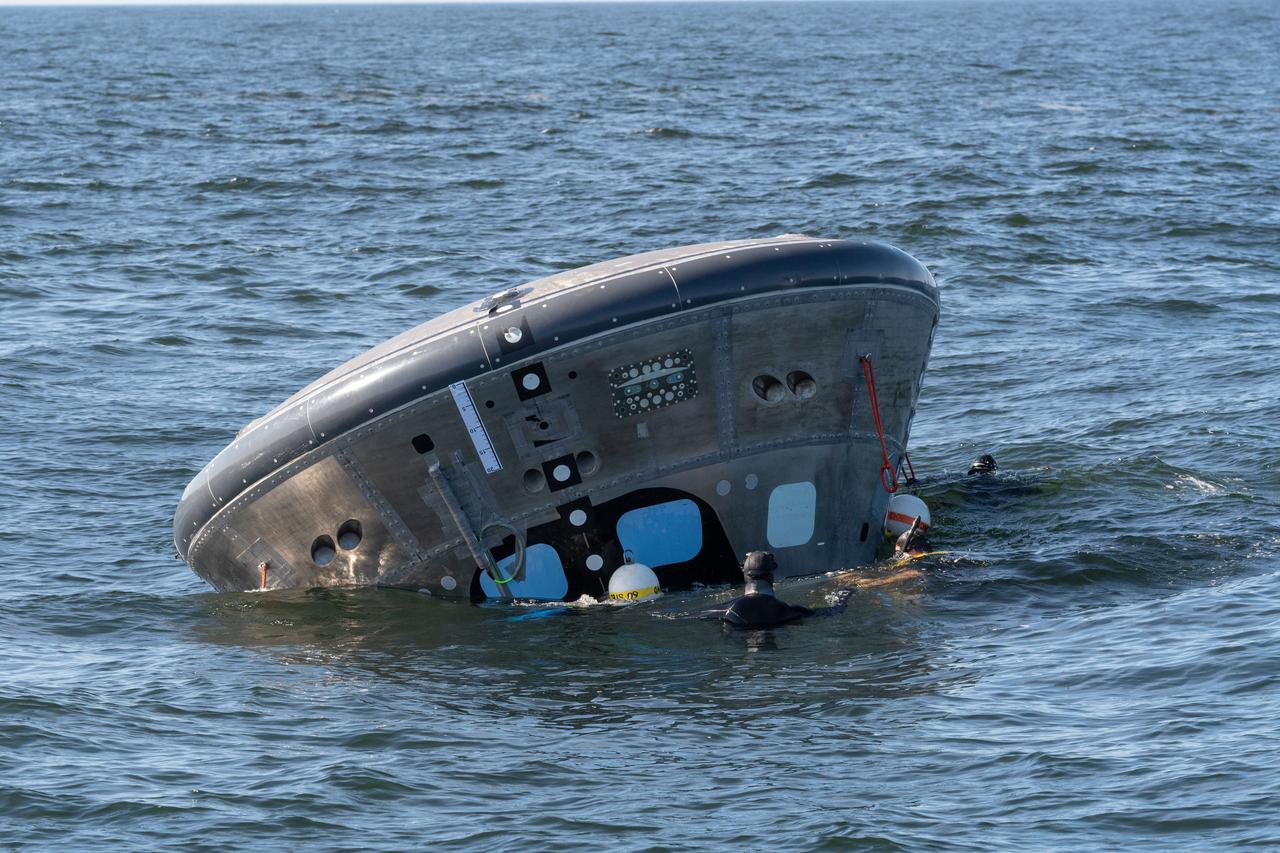
The Orion Crew Module Uprighting System (CMUS) and Neutral Buoyancy Laboratory team completed two successful sea tests off the coast of Galveston, Texas, Dec. 1-3, 2018. CMUS is designed to inflate five bags after the Orion spacecraft and its crew splash down after returning from deep space missions, enabling the capsule to upright itself. NASA partnered with United States Coast Guard and Air Force and Texas A&M Galveston teams to perform the tests operations.

The Orion Crew Module Uprighting System (CMUS) and Neutral Buoyancy Laboratory team completed two successful sea tests off the coast of Galveston, Texas, Dec. 1-3, 2018. CMUS is designed to inflate five bags after the Orion spacecraft and its crew splash down after returning from deep space missions, enabling the capsule to upright itself. NASA partnered with United States Coast Guard and Air Force and Texas A&M Galveston teams to perform the tests operations.
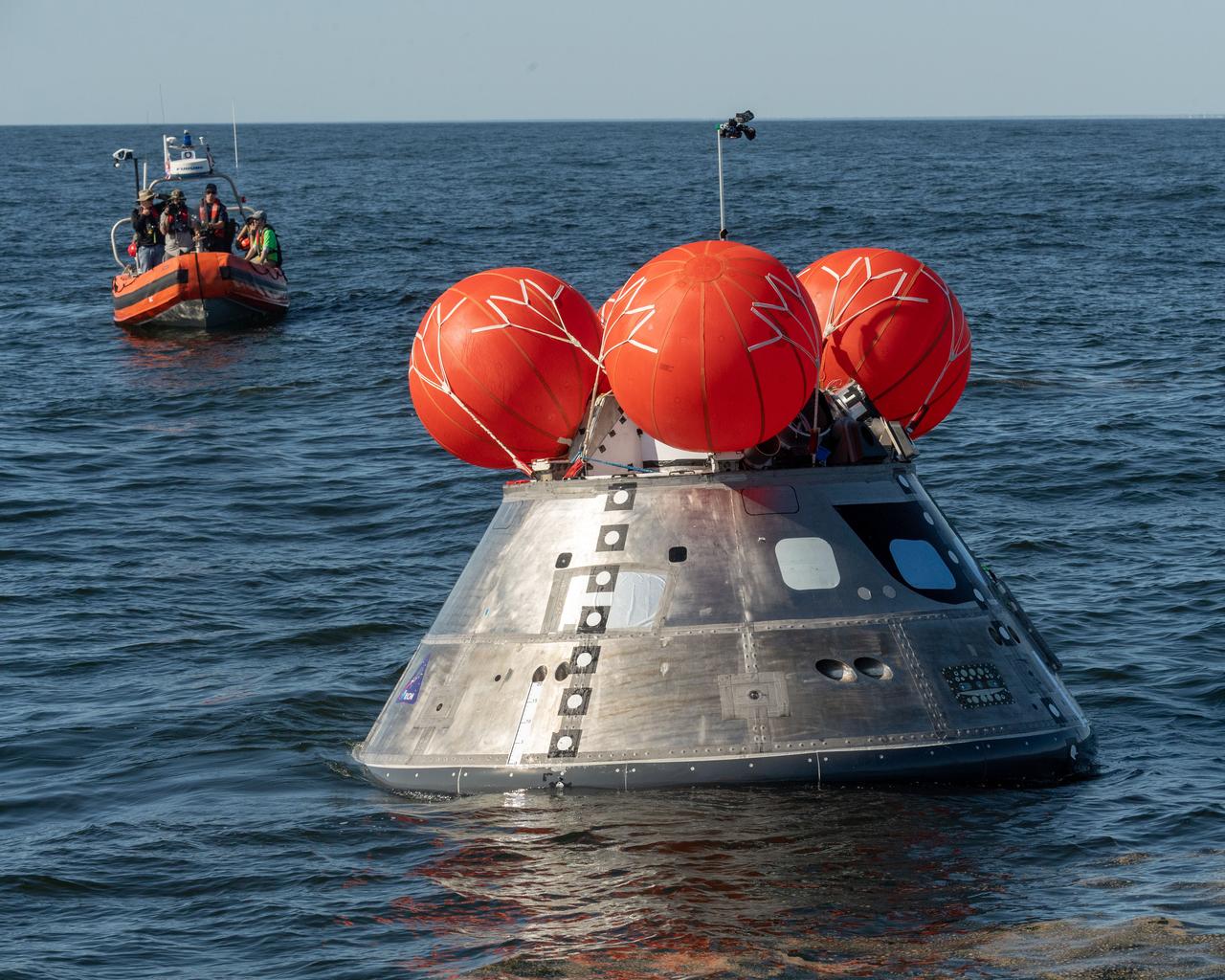
The Orion Crew Module Uprighting System (CMUS) and Neutral Buoyancy Laboratory team completed two successful sea tests off the coast of Galveston, Texas, Dec. 1-3, 2018. CMUS is designed to inflate five bags after the Orion spacecraft and its crew splash down after returning from deep space missions, enabling the capsule to upright itself. NASA partnered with United States Coast Guard and Air Force and Texas A&M Galveston teams to perform the tests operations.

The Orion Crew Module Uprighting System (CMUS) and Neutral Buoyancy Laboratory team completed two successful sea tests off the coast of Galveston, Texas, Dec. 1-3, 2018. CMUS is designed to inflate five bags after the Orion spacecraft and its crew splash down after returning from deep space missions, enabling the capsule to upright itself. NASA partnered with United States Coast Guard and Air Force and Texas A&M Galveston teams to perform the tests operations.
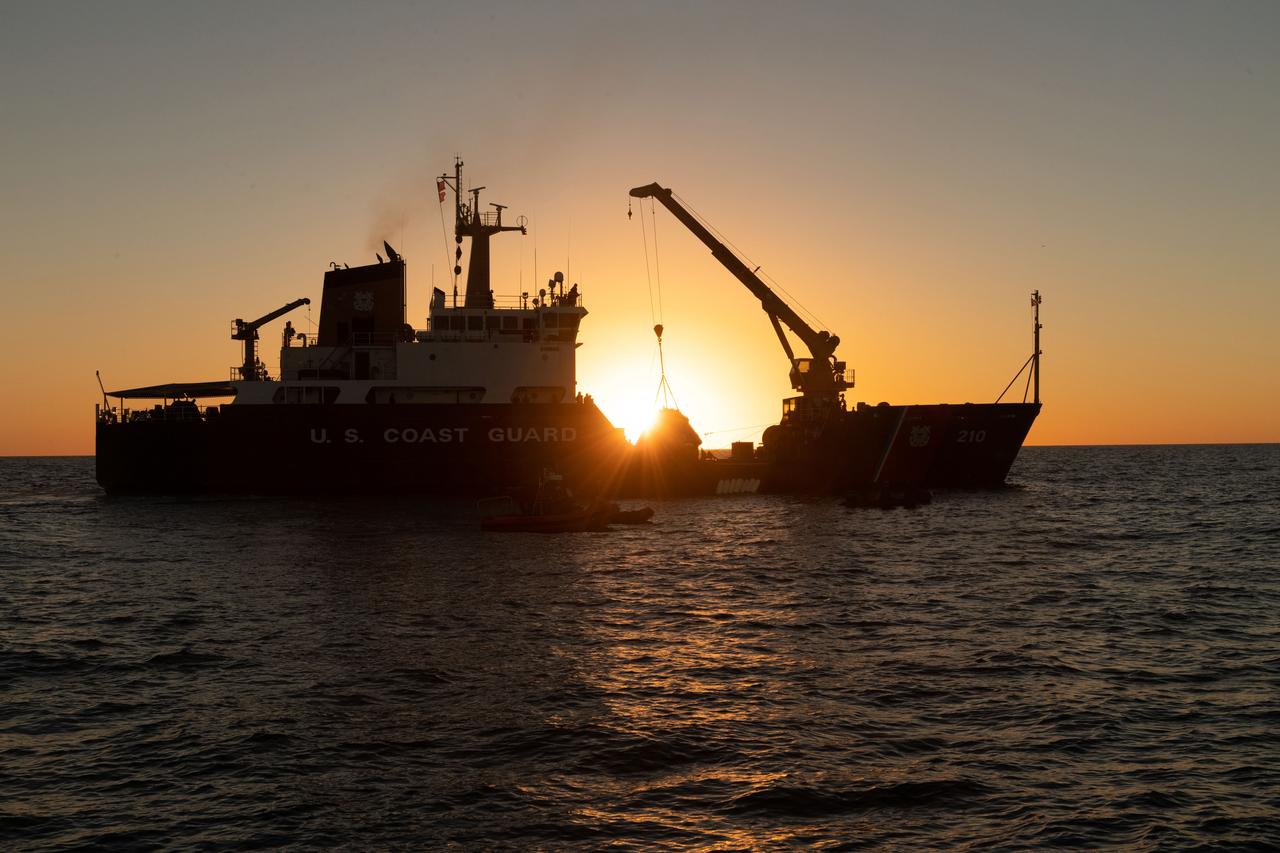
The Orion Crew Module Uprighting System (CMUS) and Neutral Buoyancy Laboratory team completed two successful sea tests off the coast of Galveston, Texas, Dec. 1-3, 2018. CMUS is designed to inflate five bags after the Orion spacecraft and its crew splash down after returning from deep space missions, enabling the capsule to upright itself. NASA partnered with United States Coast Guard and Air Force and Texas A&M Galveston teams to perform the tests operations.
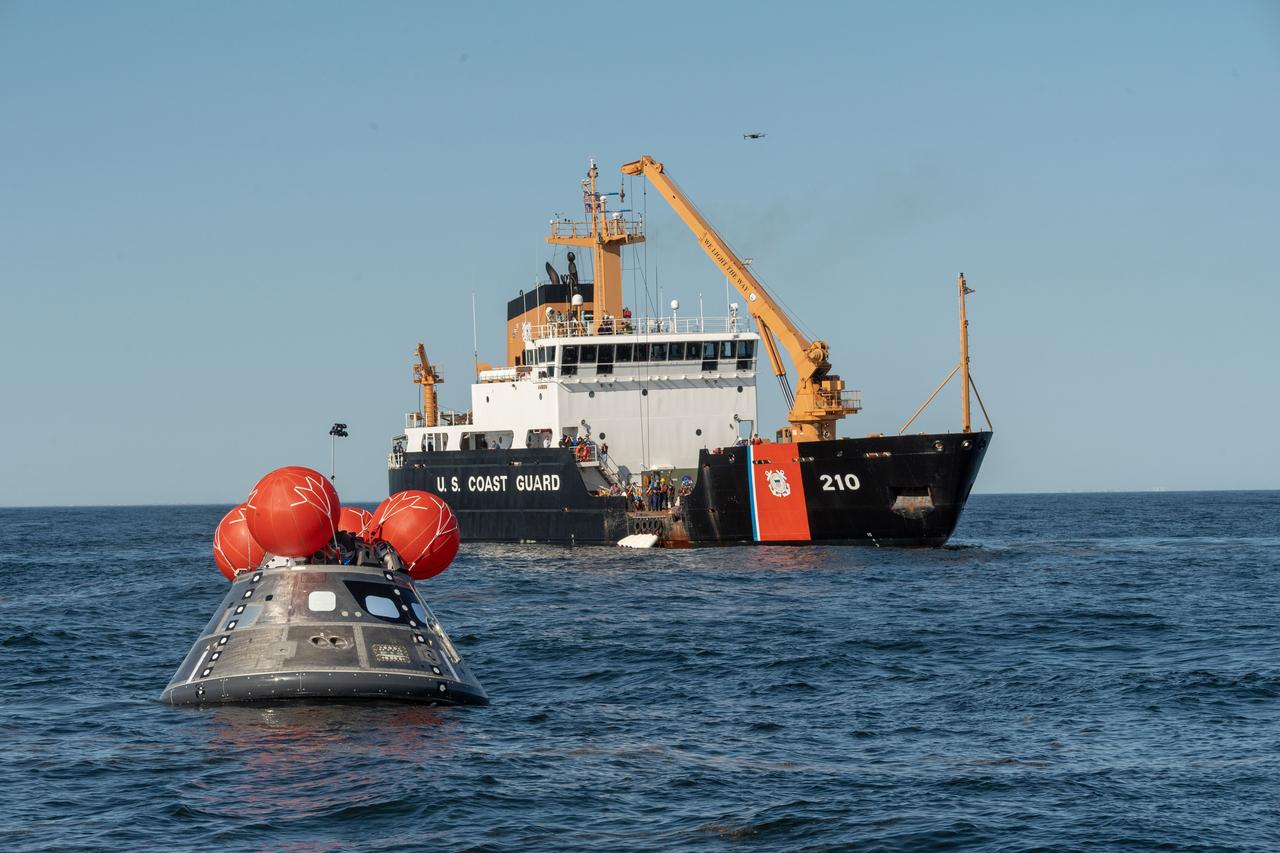
The Orion Crew Module Uprighting System (CMUS) and Neutral Buoyancy Laboratory team completed two successful sea tests off the coast of Galveston, Texas, Dec. 1-3, 2018. CMUS is designed to inflate five bags after the Orion spacecraft and its crew splash down after returning from deep space missions, enabling the capsule to upright itself. NASA partnered with United States Coast Guard and Air Force and Texas A&M Galveston teams to perform the tests operations.
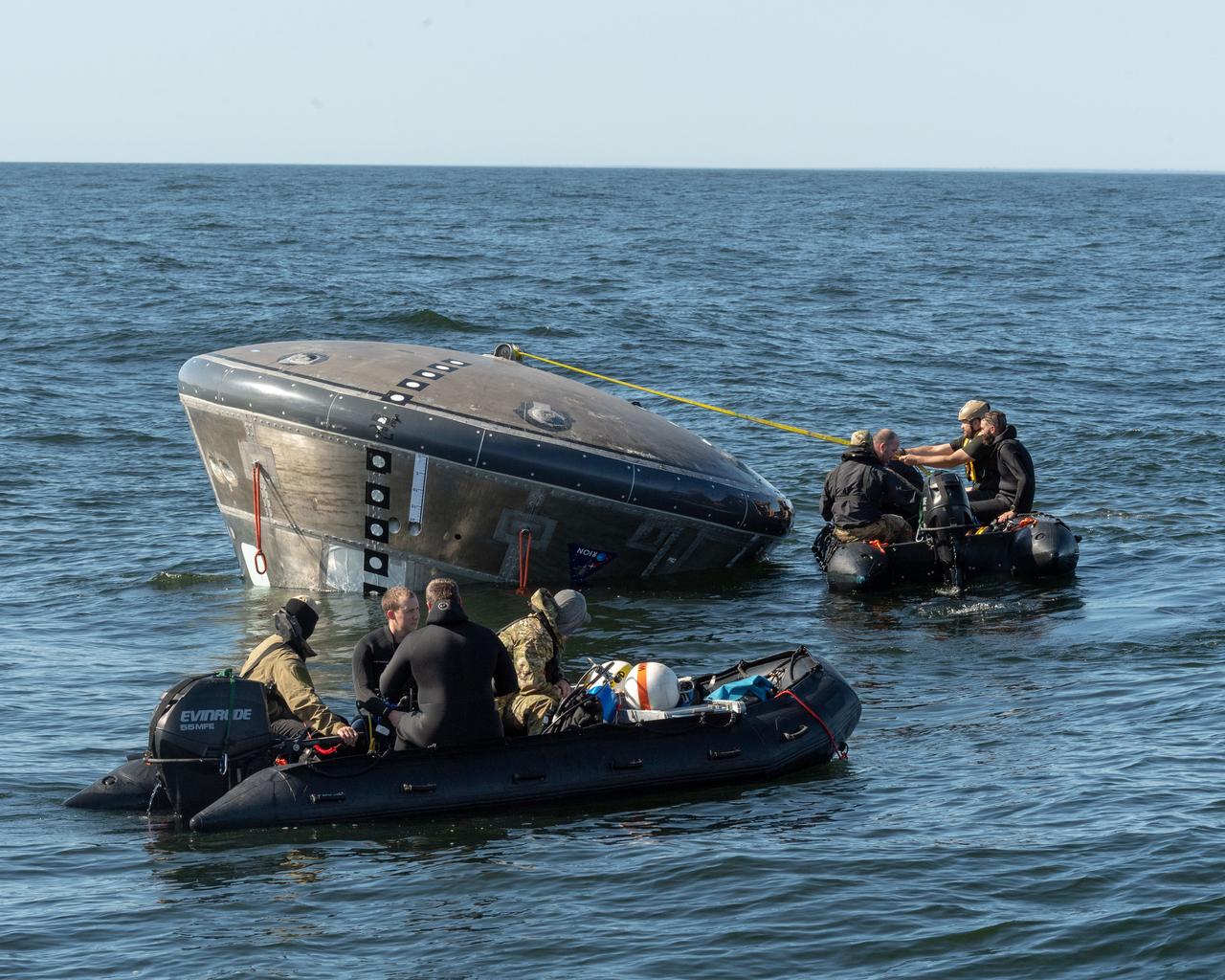
The Orion Crew Module Uprighting System (CMUS) and Neutral Buoyancy Laboratory team completed two successful sea tests off the coast of Galveston, Texas, Dec. 1-3, 2018. CMUS is designed to inflate five bags after the Orion spacecraft and its crew splash down after returning from deep space missions, enabling the capsule to upright itself. NASA partnered with United States Coast Guard and Air Force and Texas A&M Galveston teams to perform the tests operations.
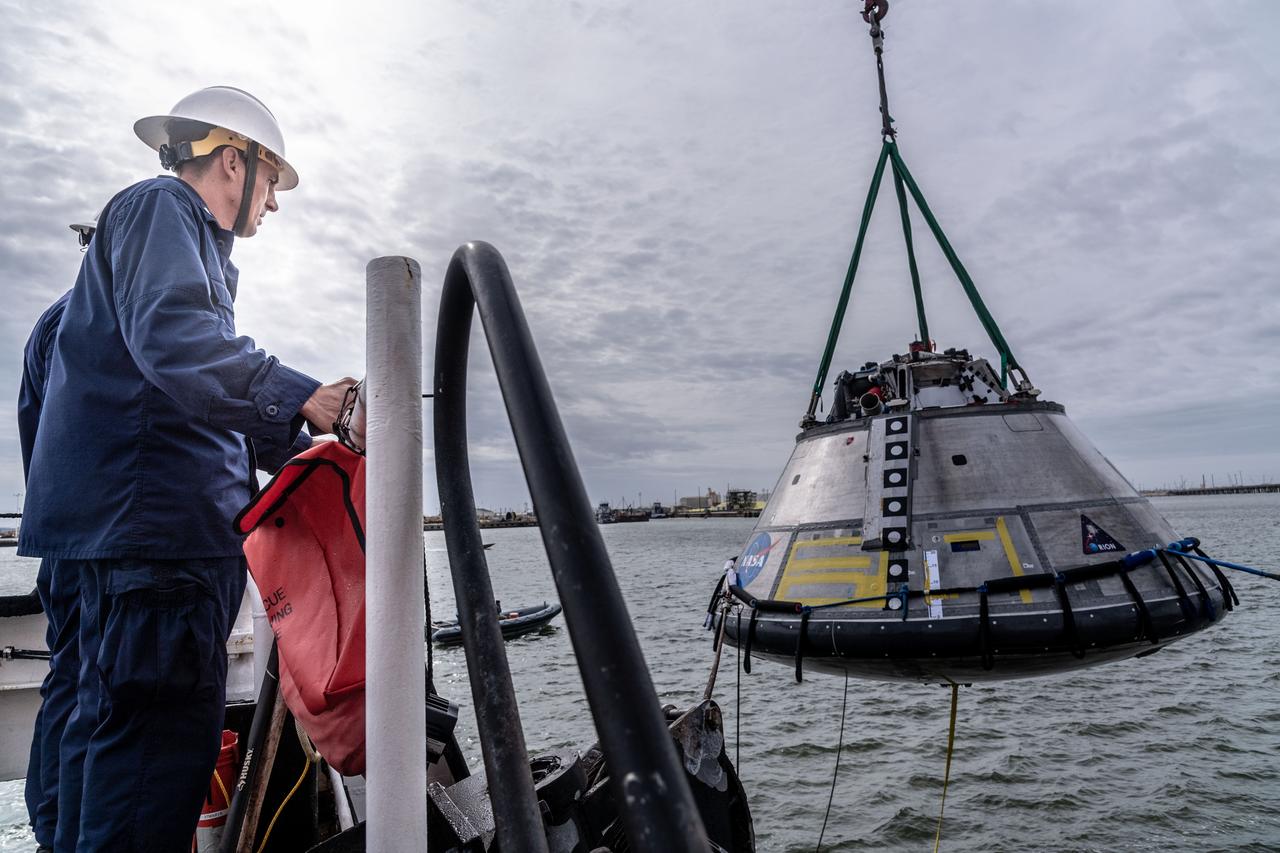
The Orion Crew Module Uprighting System (CMUS) and Neutral Buoyancy Laboratory team completed two successful sea tests off the coast of Galveston, Texas, Dec. 1-3, 2018. CMUS is designed to inflate five bags after the Orion spacecraft and its crew splash down after returning from deep space missions, enabling the capsule to upright itself. NASA partnered with United States Coast Guard and Air Force and Texas A&M Galveston teams to perform the tests operations.

The Orion Crew Module Uprighting System (CMUS) and Neutral Buoyancy Laboratory team completed two successful sea tests off the coast of Galveston, Texas, Dec. 1-3, 2018. CMUS is designed to inflate five bags after the Orion spacecraft and its crew splash down after returning from deep space missions, enabling the capsule to upright itself. NASA partnered with United States Coast Guard and Air Force and Texas A&M Galveston teams to perform the tests operations.

The Orion Crew Module Uprighting System (CMUS) and Neutral Buoyancy Laboratory team completed two successful sea tests off the coast of Galveston, Texas, Dec. 1-3, 2018. CMUS is designed to inflate five bags after the Orion spacecraft and its crew splash down after returning from deep space missions, enabling the capsule to upright itself. NASA partnered with United States Coast Guard and Air Force and Texas A&M Galveston teams to perform the tests operations.

The Orion Crew Module Uprighting System (CMUS) and Neutral Buoyancy Laboratory team completed two successful sea tests off the coast of Galveston, Texas, Dec. 1-3, 2018. CMUS is designed to inflate five bags after the Orion spacecraft and its crew splash down after returning from deep space missions, enabling the capsule to upright itself. NASA partnered with United States Coast Guard and Air Force and Texas A&M Galveston teams to perform the tests operations.

The Orion Crew Module Uprighting System (CMUS) and Neutral Buoyancy Laboratory team completed two successful sea tests off the coast of Galveston, Texas, Dec. 1-3, 2018. CMUS is designed to inflate five bags after the Orion spacecraft and its crew splash down after returning from deep space missions, enabling the capsule to upright itself. NASA partnered with United States Coast Guard and Air Force and Texas A&M Galveston teams to perform the tests operations.

The Orion Crew Module Uprighting System (CMUS) and Neutral Buoyancy Laboratory team completed two successful sea tests off the coast of Galveston, Texas, Dec. 1-3, 2018. CMUS is designed to inflate five bags after the Orion spacecraft and its crew splash down after returning from deep space missions, enabling the capsule to upright itself. NASA partnered with United States Coast Guard and Air Force and Texas A&M Galveston teams to perform the tests operations.

The Orion Crew Module Uprighting System (CMUS) and Neutral Buoyancy Laboratory team completed two successful sea tests off the coast of Galveston, Texas, Dec. 1-3, 2018. CMUS is designed to inflate five bags after the Orion spacecraft and its crew splash down after returning from deep space missions, enabling the capsule to upright itself. NASA partnered with United States Coast Guard and Air Force and Texas A&M Galveston teams to perform the tests operations.

The Orion Crew Module Uprighting System (CMUS) and Neutral Buoyancy Laboratory team completed two successful sea tests off the coast of Galveston, Texas, Dec. 1-3, 2018. CMUS is designed to inflate five bags after the Orion spacecraft and its crew splash down after returning from deep space missions, enabling the capsule to upright itself. NASA partnered with United States Coast Guard and Air Force and Texas A&M Galveston teams to perform the tests operations.

The Orion Crew Module Uprighting System (CMUS) and Neutral Buoyancy Laboratory team completed two successful sea tests off the coast of Galveston, Texas, Dec. 1-3, 2018. CMUS is designed to inflate five bags after the Orion spacecraft and its crew splash down after returning from deep space missions, enabling the capsule to upright itself. NASA partnered with United States Coast Guard and Air Force and Texas A&M Galveston teams to perform the tests operations.
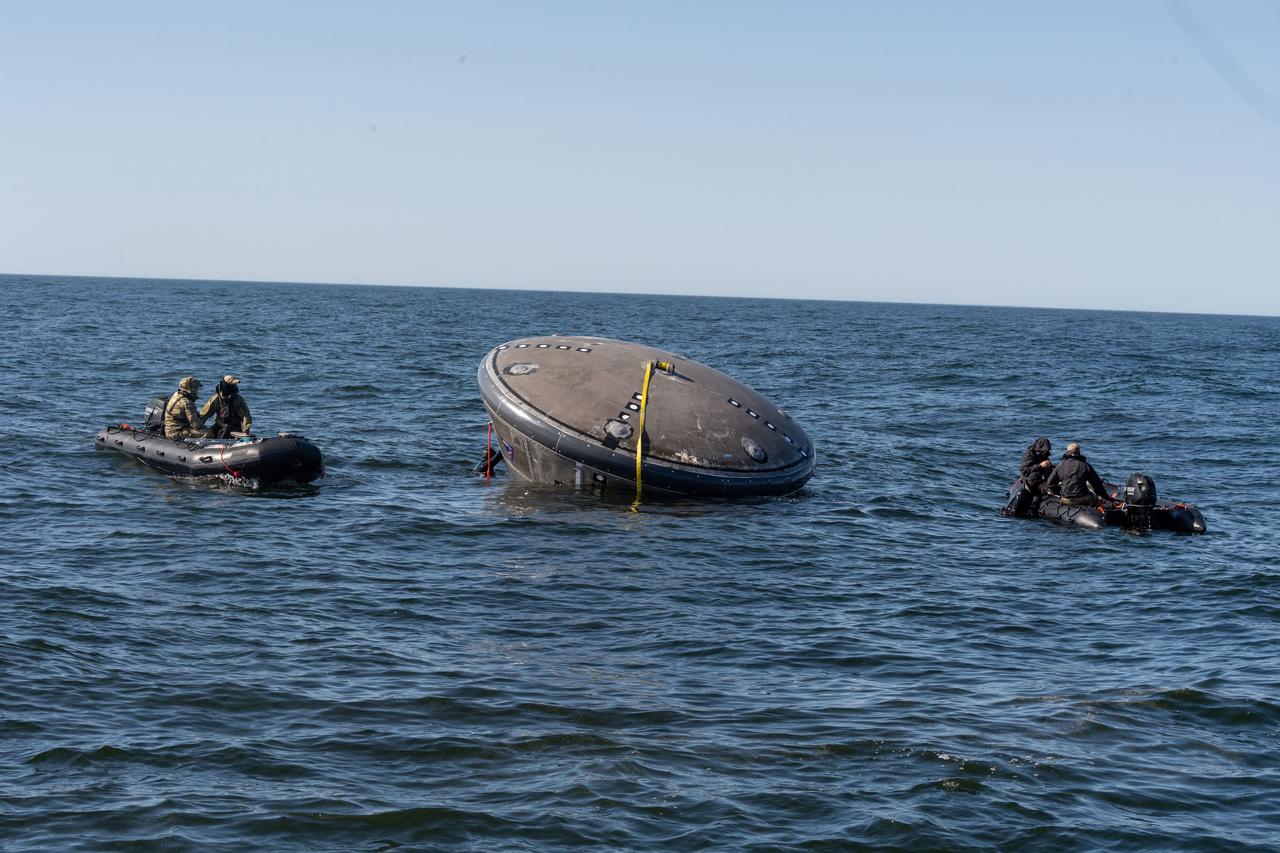
The Orion Crew Module Uprighting System (CMUS) and Neutral Buoyancy Laboratory team completed two successful sea tests off the coast of Galveston, Texas, Dec. 1-3, 2018. CMUS is designed to inflate five bags after the Orion spacecraft and its crew splash down after returning from deep space missions, enabling the capsule to upright itself. NASA partnered with United States Coast Guard and Air Force and Texas A&M Galveston teams to perform the tests operations.
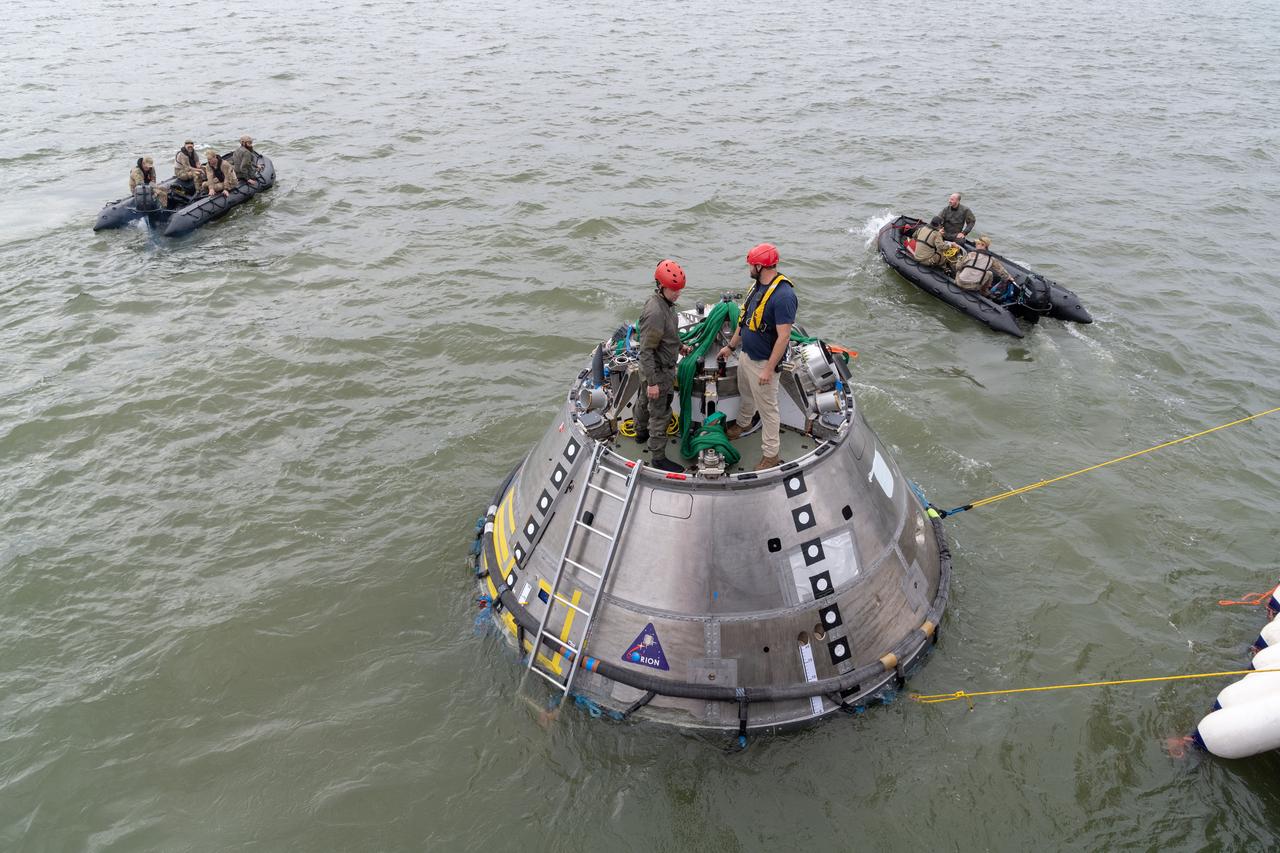
The Orion Crew Module Uprighting System (CMUS) and Neutral Buoyancy Laboratory team completed two successful sea tests off the coast of Galveston, Texas, Dec. 1-3, 2018. CMUS is designed to inflate five bags after the Orion spacecraft and its crew splash down after returning from deep space missions, enabling the capsule to upright itself. NASA partnered with United States Coast Guard and Air Force and Texas A&M Galveston teams to perform the tests operations.
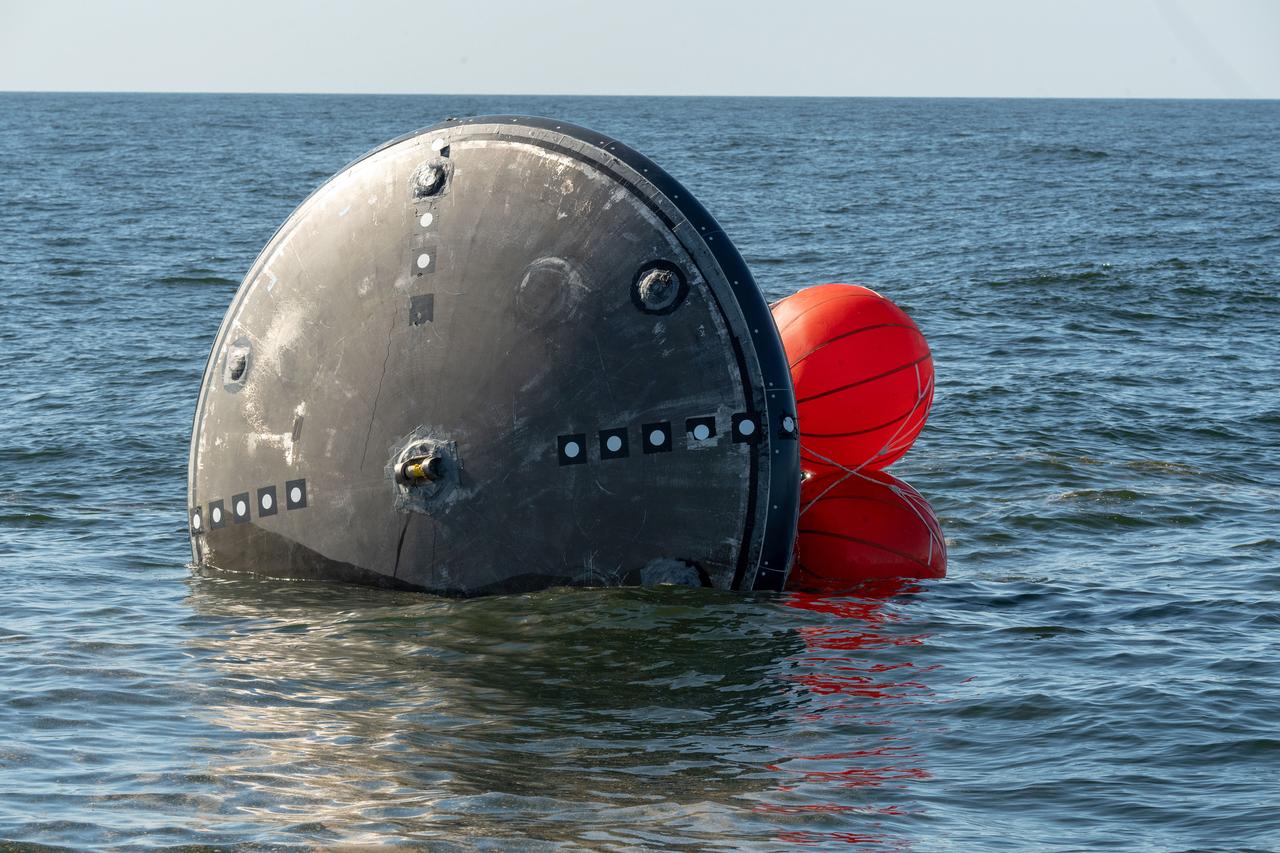
The Orion Crew Module Uprighting System (CMUS) and Neutral Buoyancy Laboratory team completed two successful sea tests off the coast of Galveston, Texas, Dec. 1-3, 2018. CMUS is designed to inflate five bags after the Orion spacecraft and its crew splash down after returning from deep space missions, enabling the capsule to upright itself. NASA partnered with United States Coast Guard and Air Force and Texas A&M Galveston teams to perform the tests operations.

The Orion Crew Module Uprighting System (CMUS) and Neutral Buoyancy Laboratory team completed two successful sea tests off the coast of Galveston, Texas, Dec. 1-3, 2018. CMUS is designed to inflate five bags after the Orion spacecraft and its crew splash down after returning from deep space missions, enabling the capsule to upright itself. NASA partnered with United States Coast Guard and Air Force and Texas A&M Galveston teams to perform the tests operations.
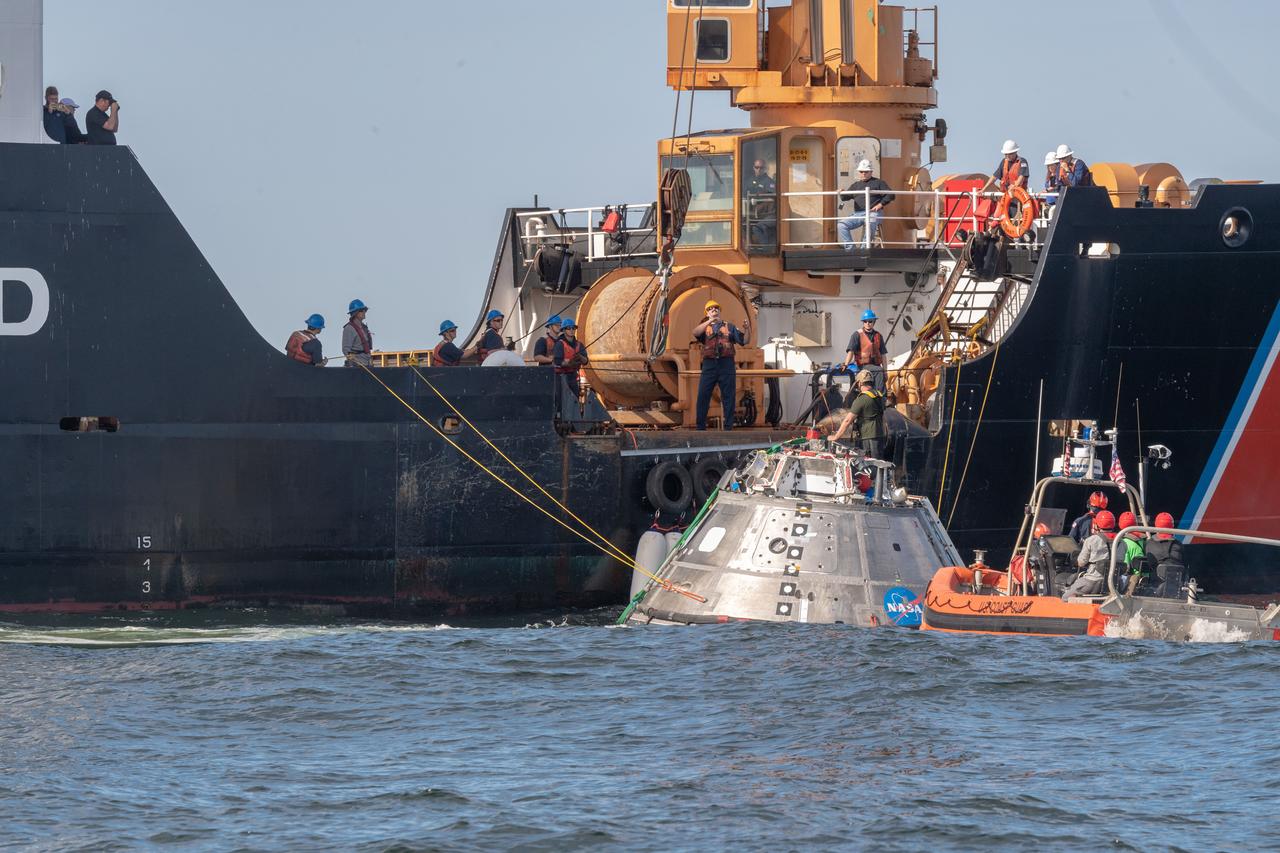
The Orion Crew Module Uprighting System (CMUS) and Neutral Buoyancy Laboratory team completed two successful sea tests off the coast of Galveston, Texas, Dec. 1-3, 2018. CMUS is designed to inflate five bags after the Orion spacecraft and its crew splash down after returning from deep space missions, enabling the capsule to upright itself. NASA partnered with United States Coast Guard and Air Force and Texas A&M Galveston teams to perform the tests operations.
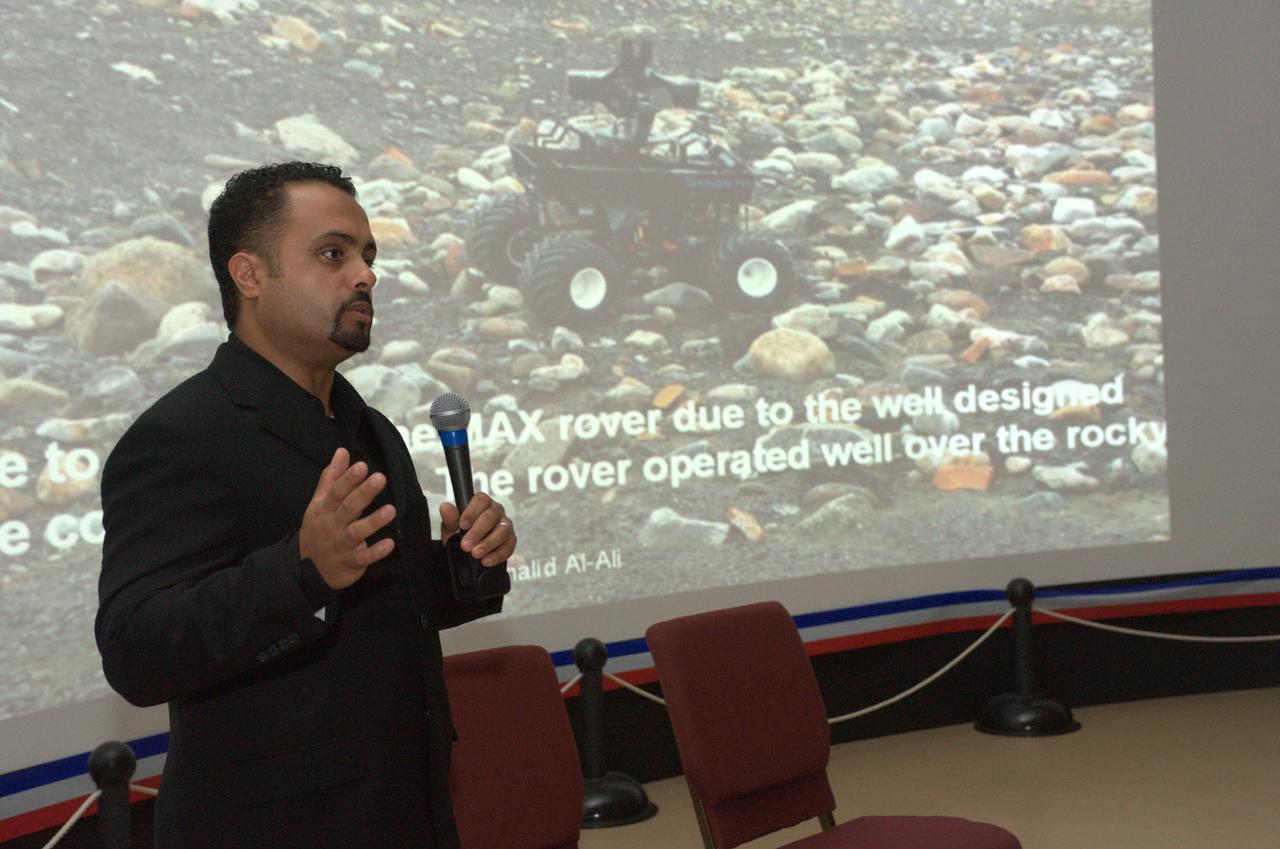
Tech Talk on Extreme Rovers: Unveiling the latest findings of Robotic Exploration of Extreme Environments shown in the Immersve Theater NASA Ames Exploration Center Bldg 943A KbalidAl-Ali CMU - West gives presentation on 'Practical Rover Technology'
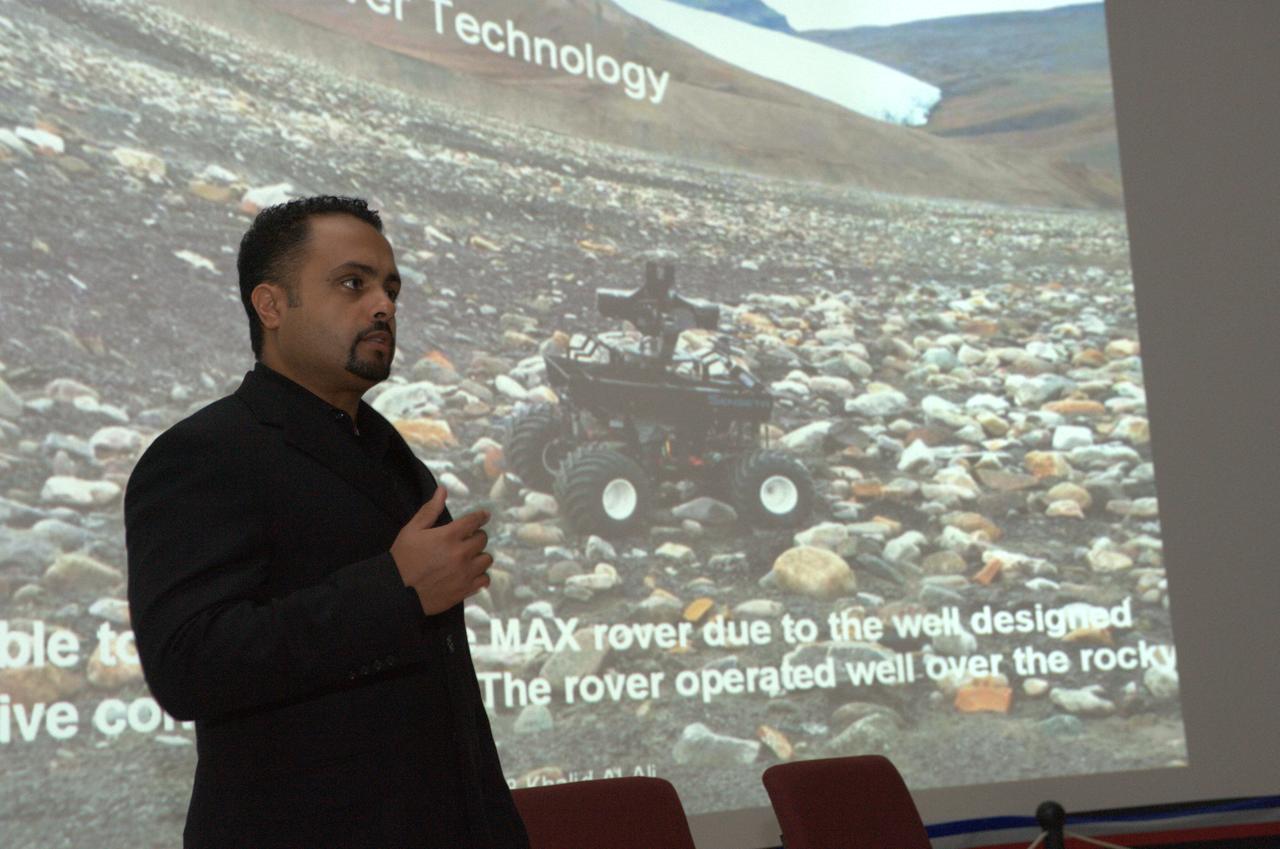
Tech Talk on Extreme Rovers: Unveiling the latest findings of Robotic Exploration of Extreme Environments shown in the Immersve Theater NASA Ames Exploration Center Bldg 943A KbalidAl-Ali CMU - West gives presentation on 'Practical Rover Technology'
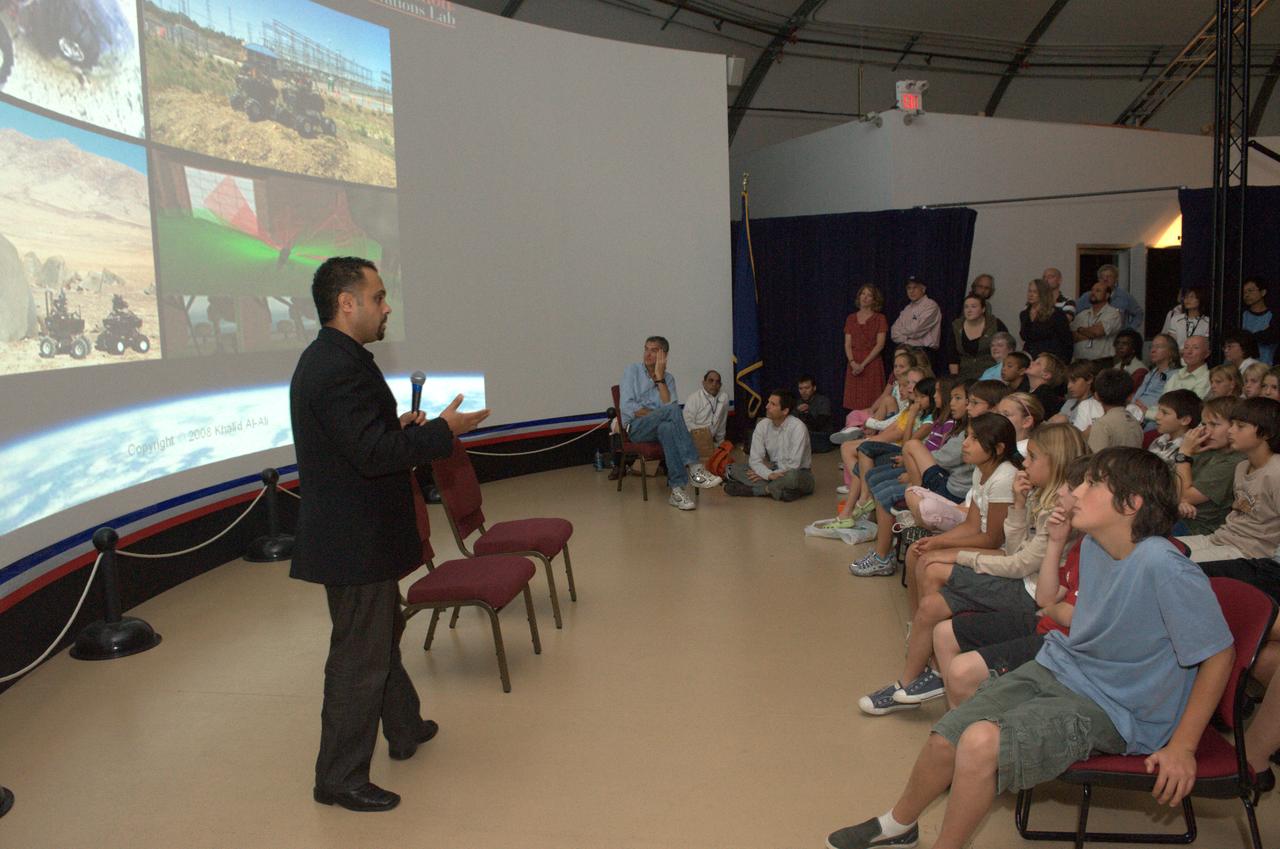
Tech Talk on Extreme Rovers: Unveiling the latest findings of Robotic Exploration of Extreme Environments shown in the Immersve Theater NASA Ames Exploration Center Bldg 943A KbalidAl-Ali CMU - West gives presentation on 'Practical Rover Technology'
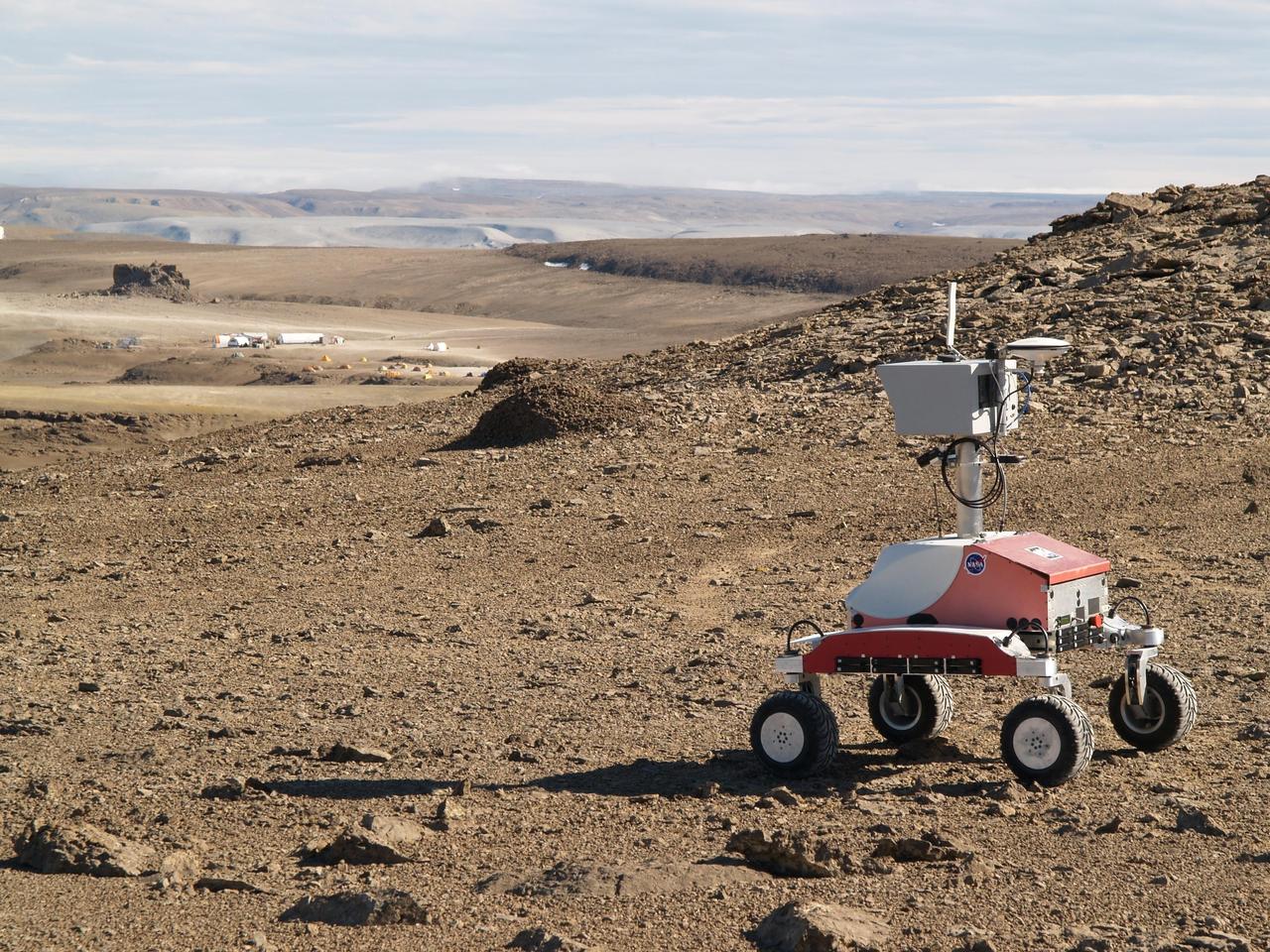
Haughton-Mars Project: - Photo credit to Lorenzo Flueckiger (CMU West) K-10 Rover 'Red' descending Drill Hill toward base campl at Haughton Creator Devon Island, Nunavut, in the Canadian high arctic. Which lies in the 'frost rubble zone' of the Earth, i.e., in a polar desert environment and is the only crater known to lie in such an environment. Beginning in 1997, the crater and its surroundings are studied as a promising Mars analog by the NASA-led Haughton-Mars Project. (photo reference K10-red-hughton-hill.jpg)
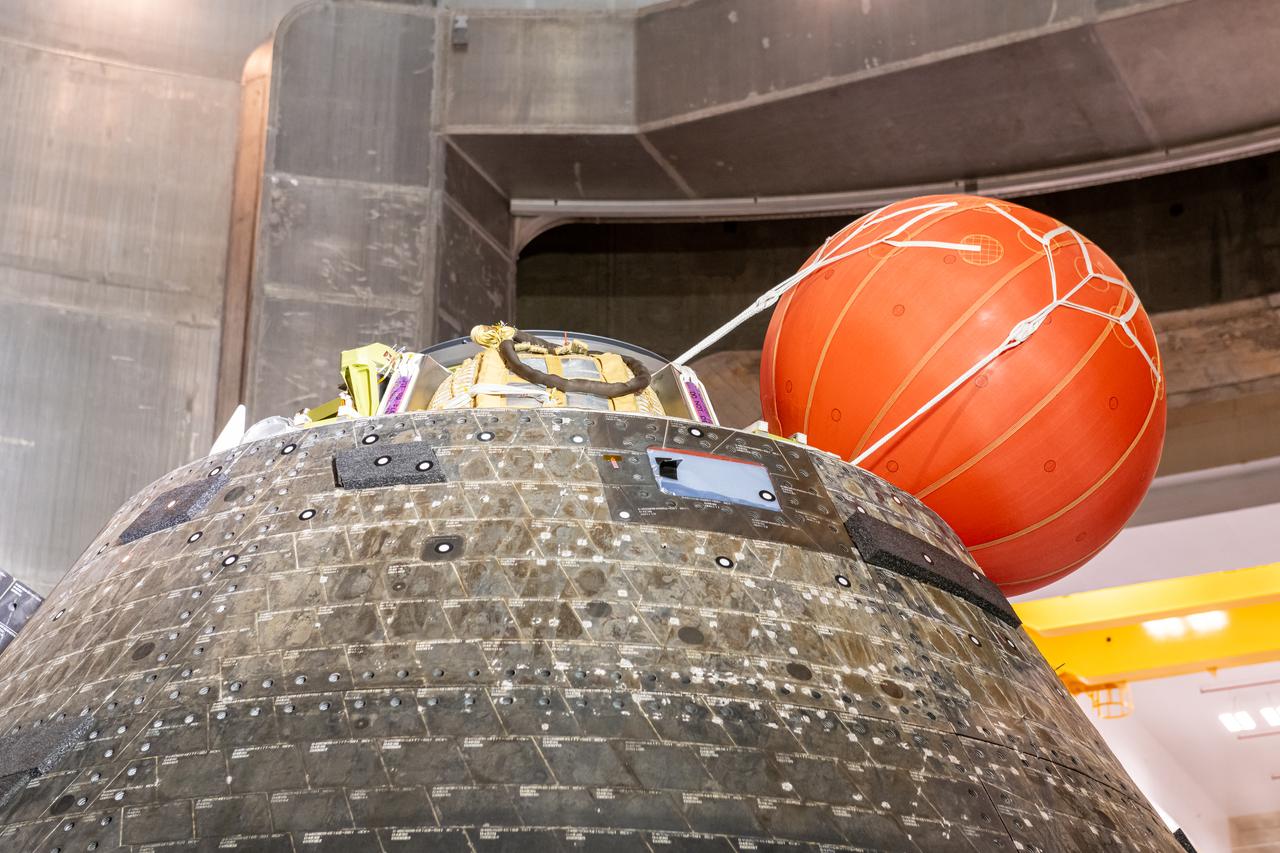
The Orion Crew Module, also known as the Orion Environmental Test Article (ETA), returned to NASA’s Neil Armstrong Test Facility in Sandusky, Ohio, in January 2024 and completed an 11-month test campaign necessary for the safety and success of Artemis II. In November 2024, experts completed the Crew Module Uprighting System Test, which is the system of five airbags on top of the capsule that inflate upon splashdown. Photo Credit: (NASA/Jordan Salkin)
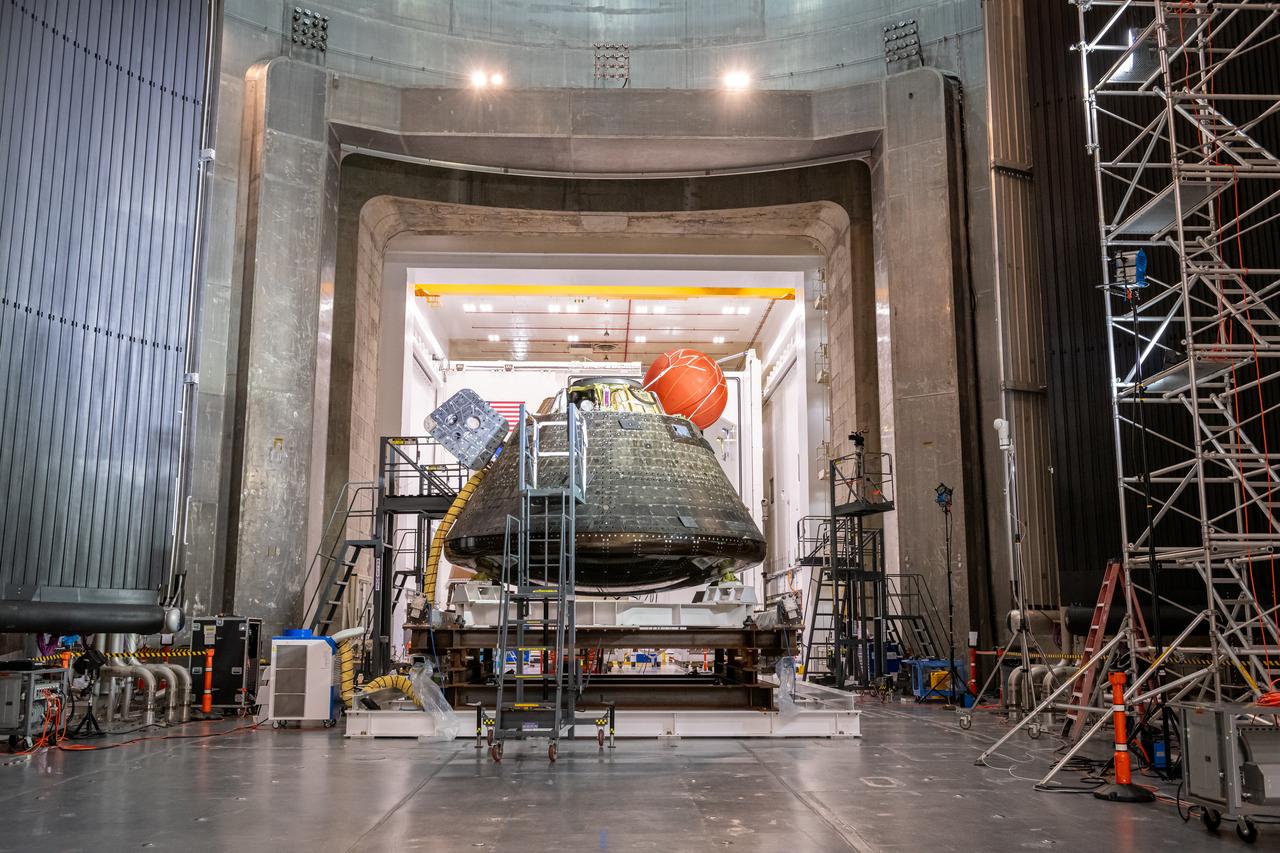
The Orion Crew Module, also known as the Orion Environmental Test Article (ETA), returned to NASA’s Neil Armstrong Test Facility in Sandusky, Ohio, in January 2024 and completed an 11-month test campaign necessary for the safety and success of Artemis II. In November 2024, experts completed the Crew Module Uprighting System Test, which is the system of five airbags on top of the capsule that inflate upon splashdown. Photo Credit: (NASA/Jordan Salkin)
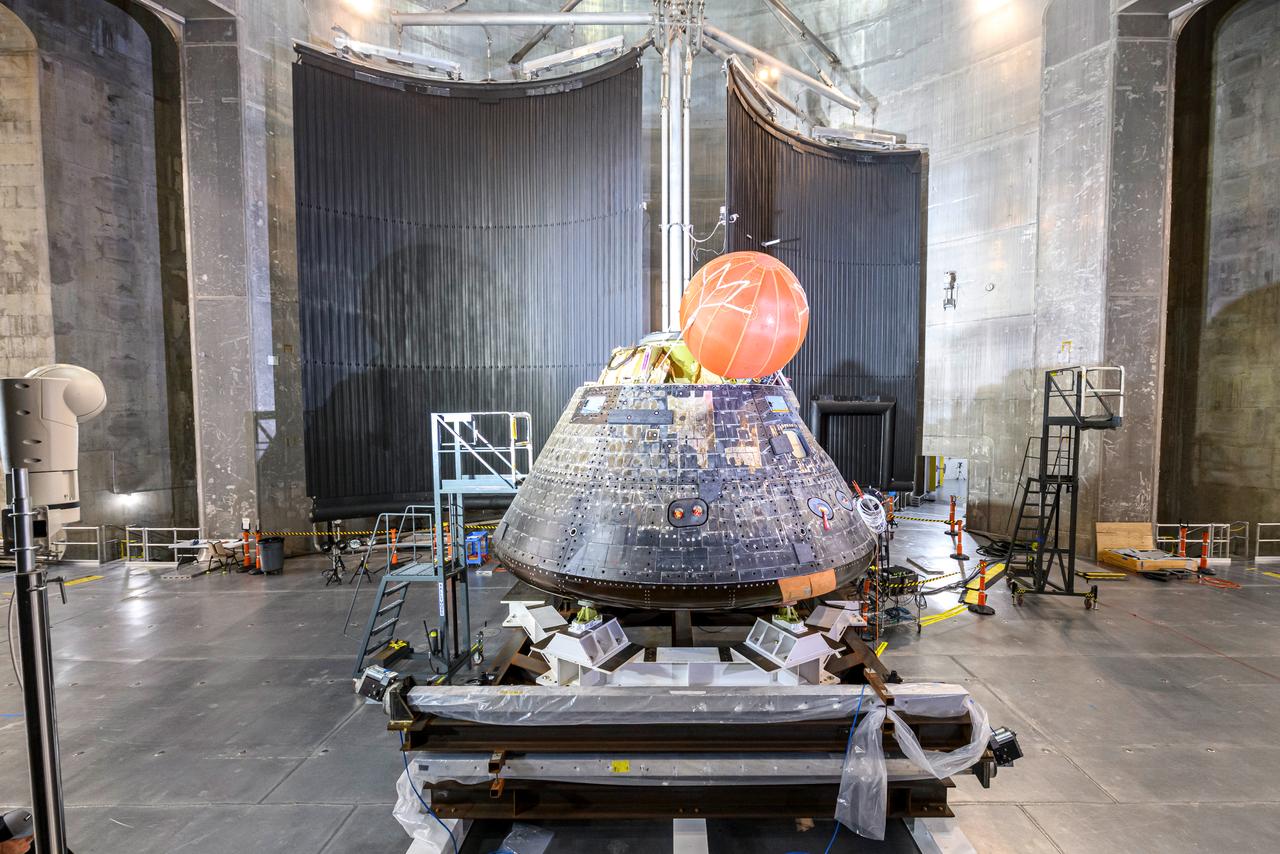
The Orion Crew Module, also known as the Orion Environmental Test Article (ETA), returned to NASA’s Neil Armstrong Test Facility in Sandusky, Ohio, in January 2024 and completed an 11-month test campaign necessary for the safety and success of Artemis II. In November 2024, experts completed the Crew Module Uprighting System Test, which is the system of five airbags on top of the capsule that inflate upon splashdown. Photo Credit: (NASA/Jordan Salkin and Quentin Schwinn)
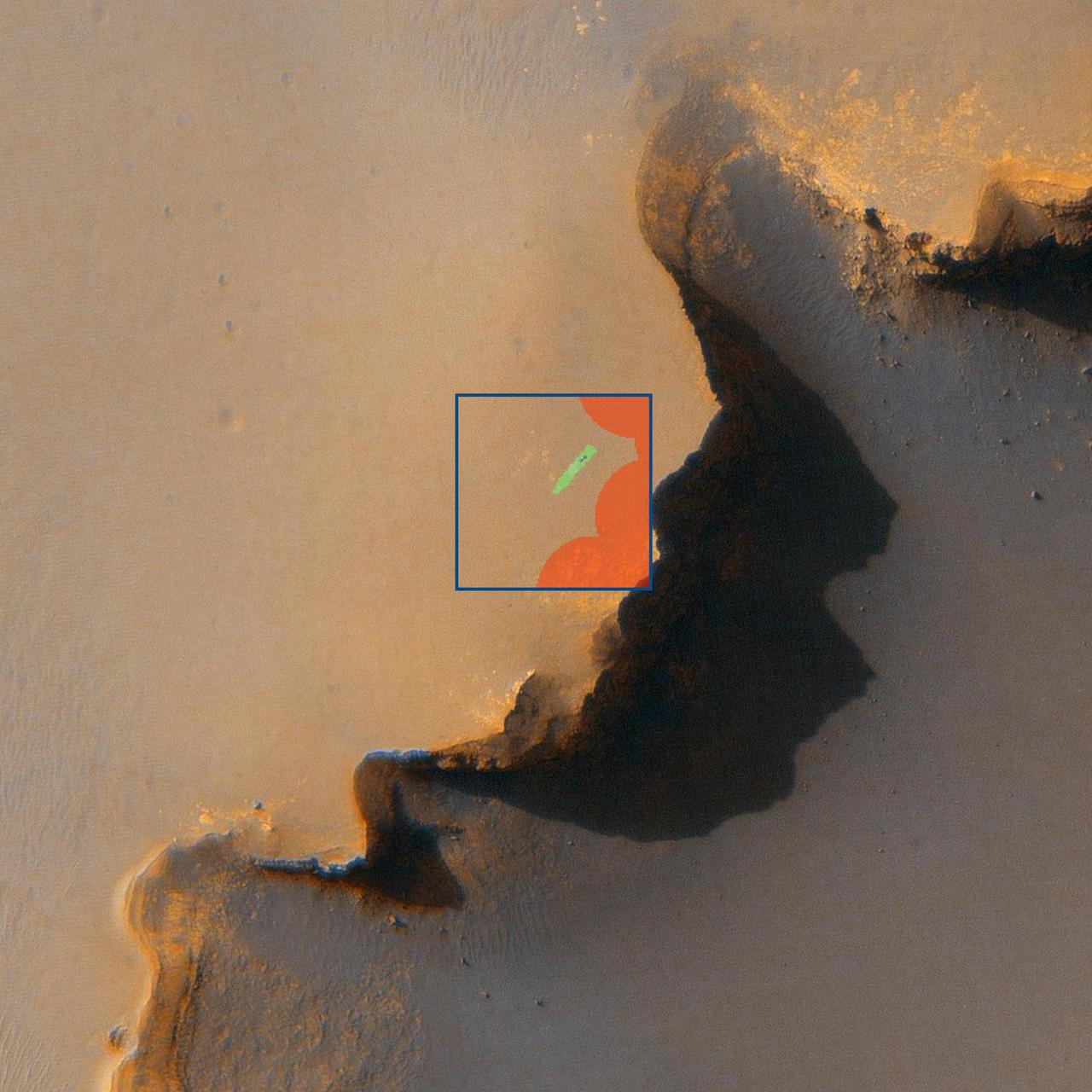
Rovers Get New Driving Capability