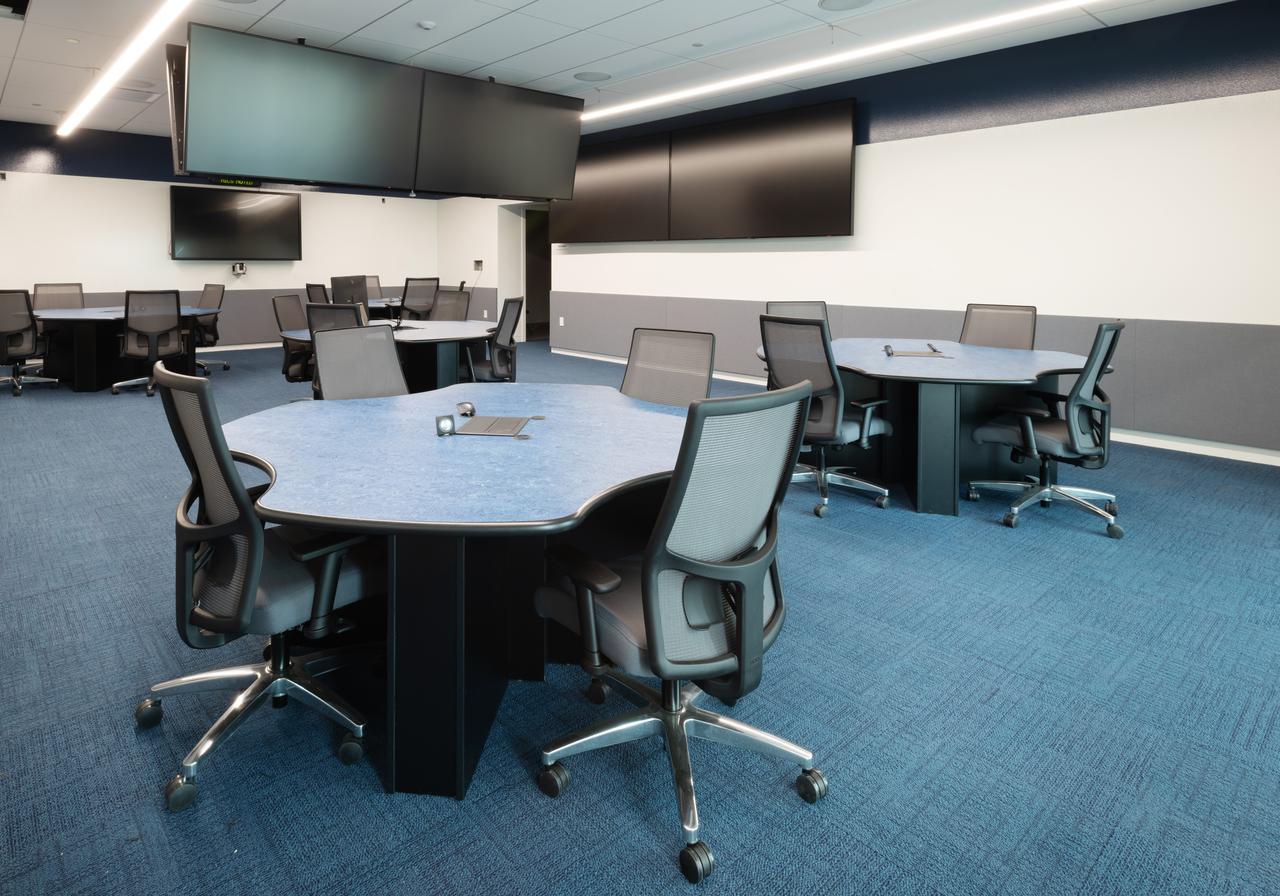
Research Support Building, COMPASS Laboratory
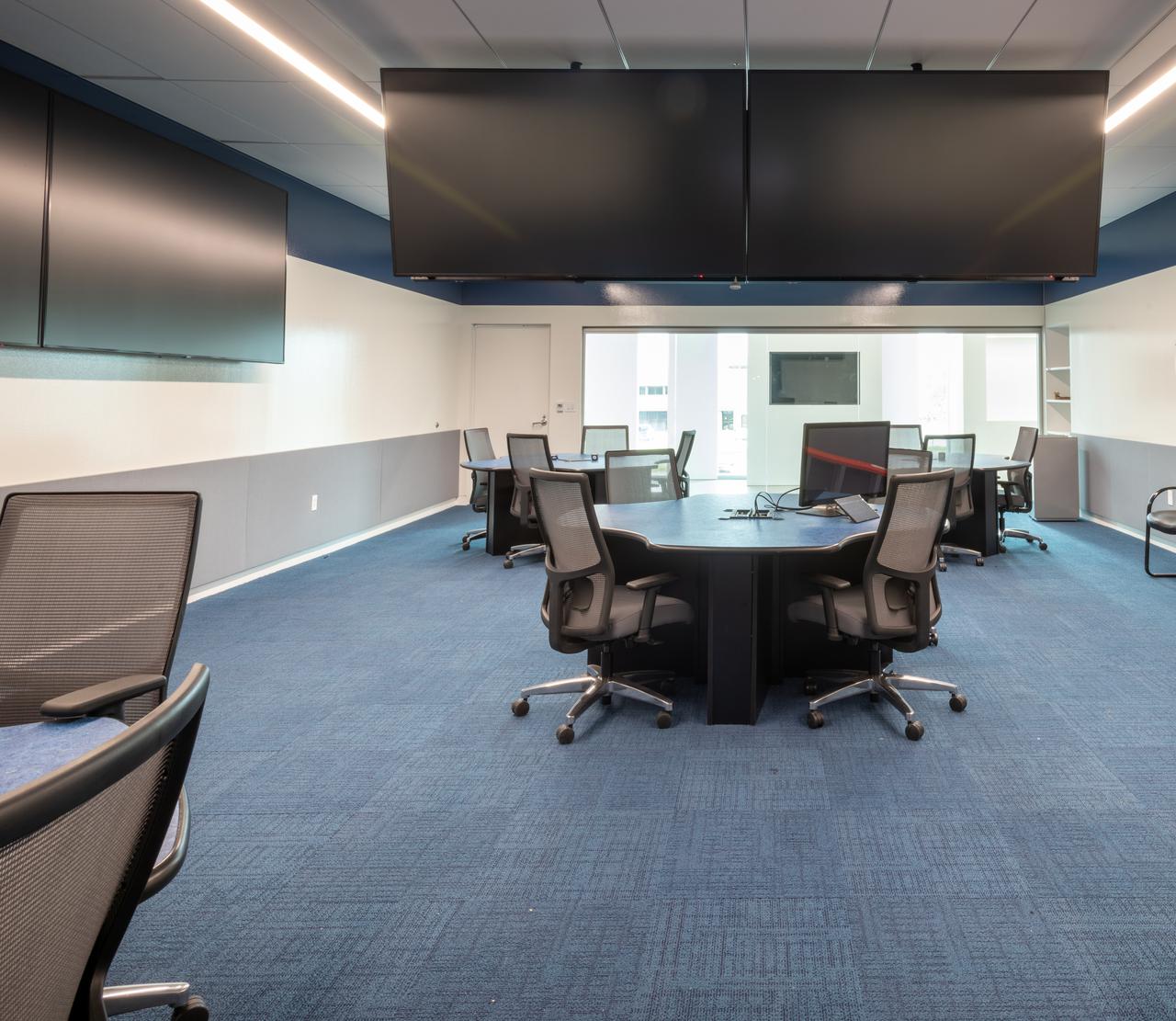
Research Support Building, COMPASS Laboratory

COllaborative Modeling for Parametric Assessment of Space Systems, COMPASS, Laboratory
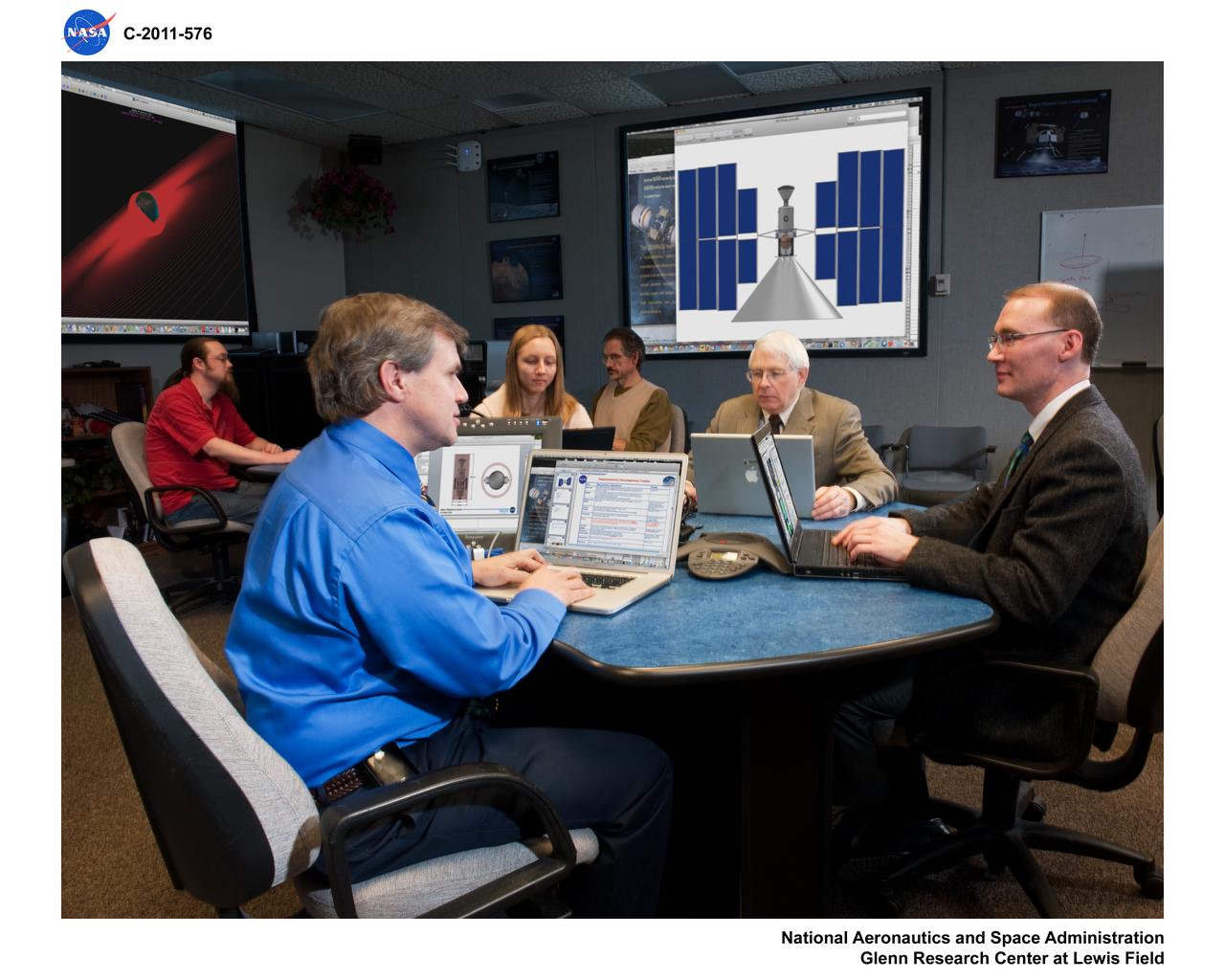
COllaborative Modeling for Parametric Assessment of Space Systems, COMPASS, Laboratory
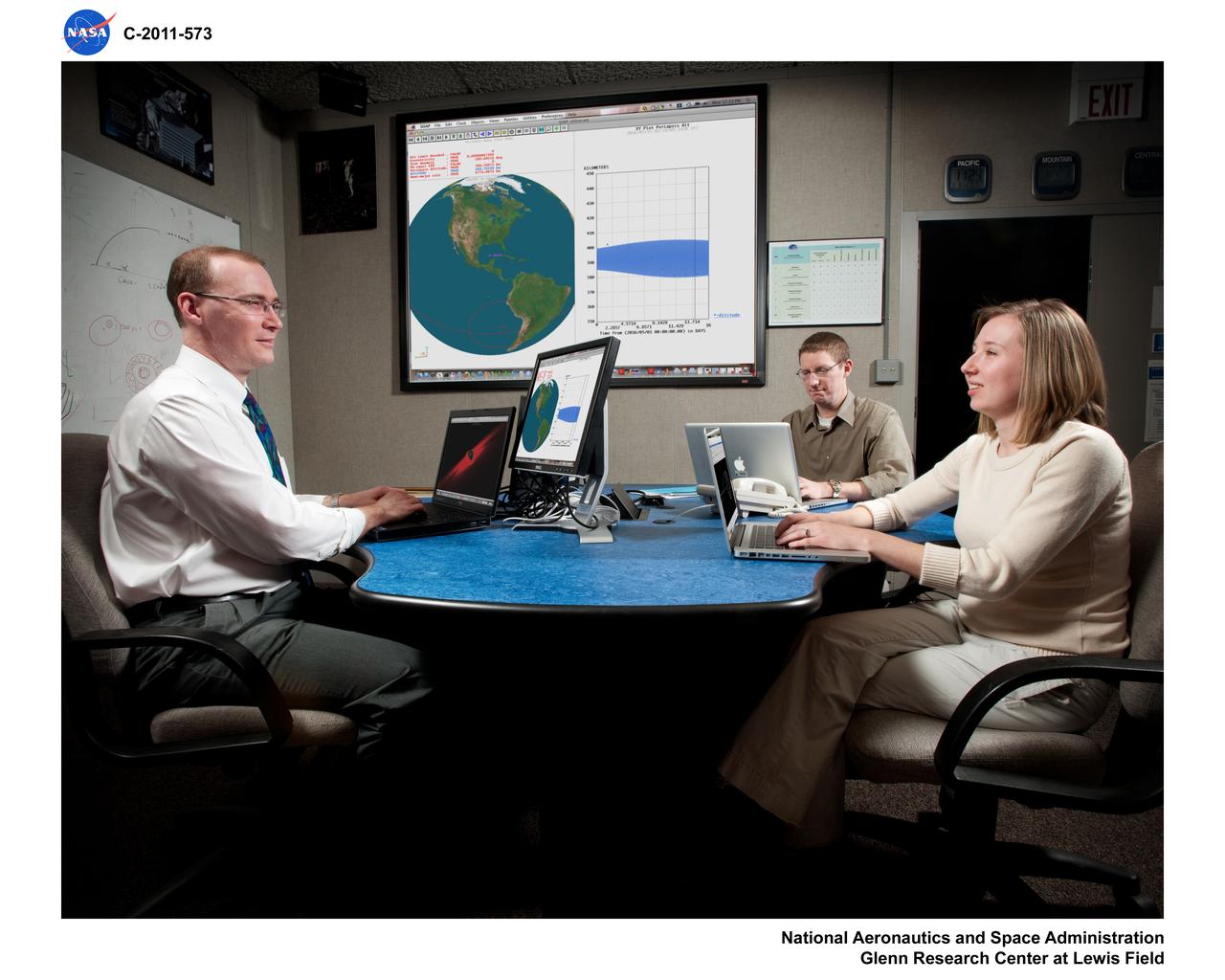
COllaborative Modeling for Parametric Assessment of Space Systems, COMPASS, Laboratory
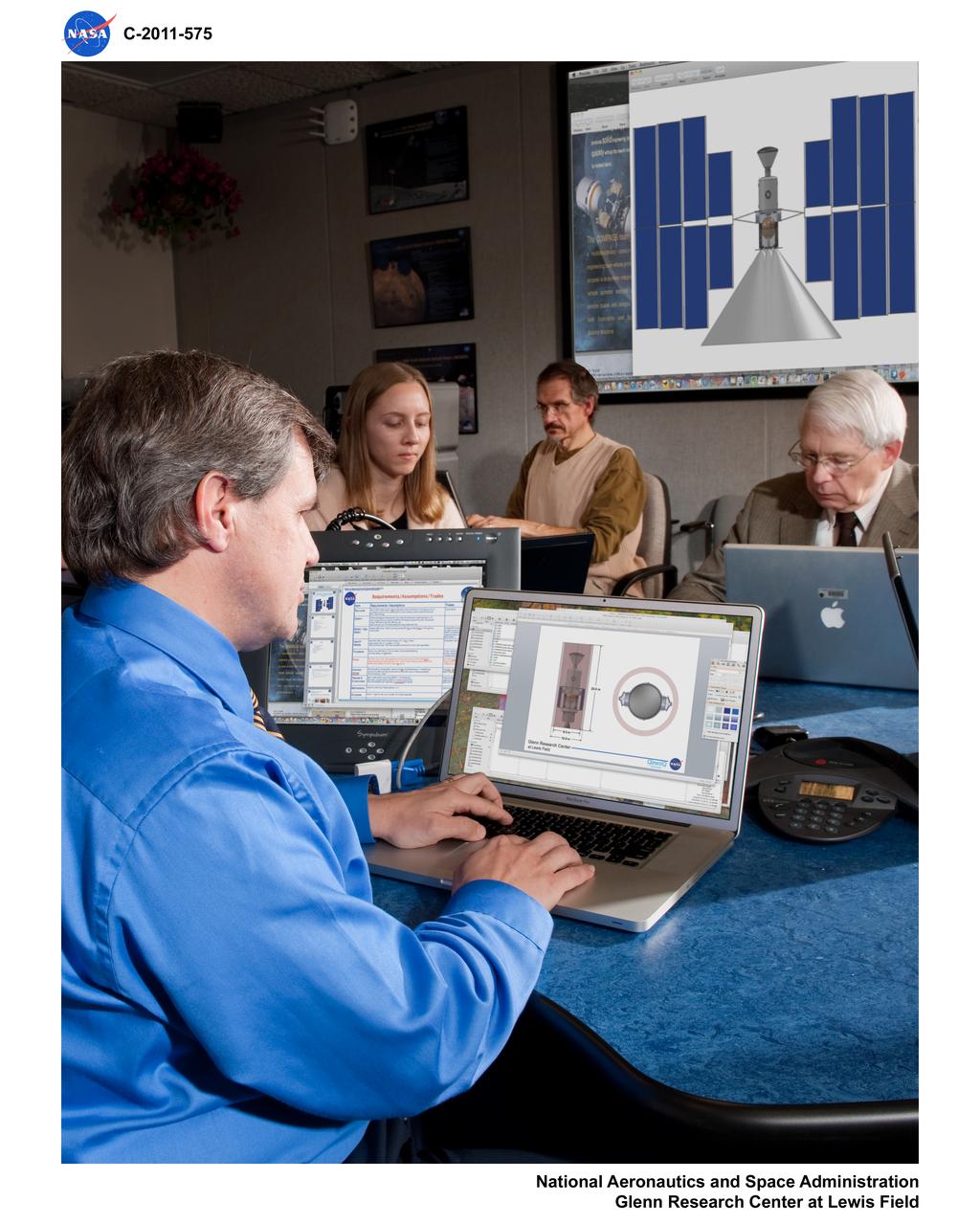
COllaborative Modeling for Parametric Assessment of Space Systems, COMPASS, Laboratory
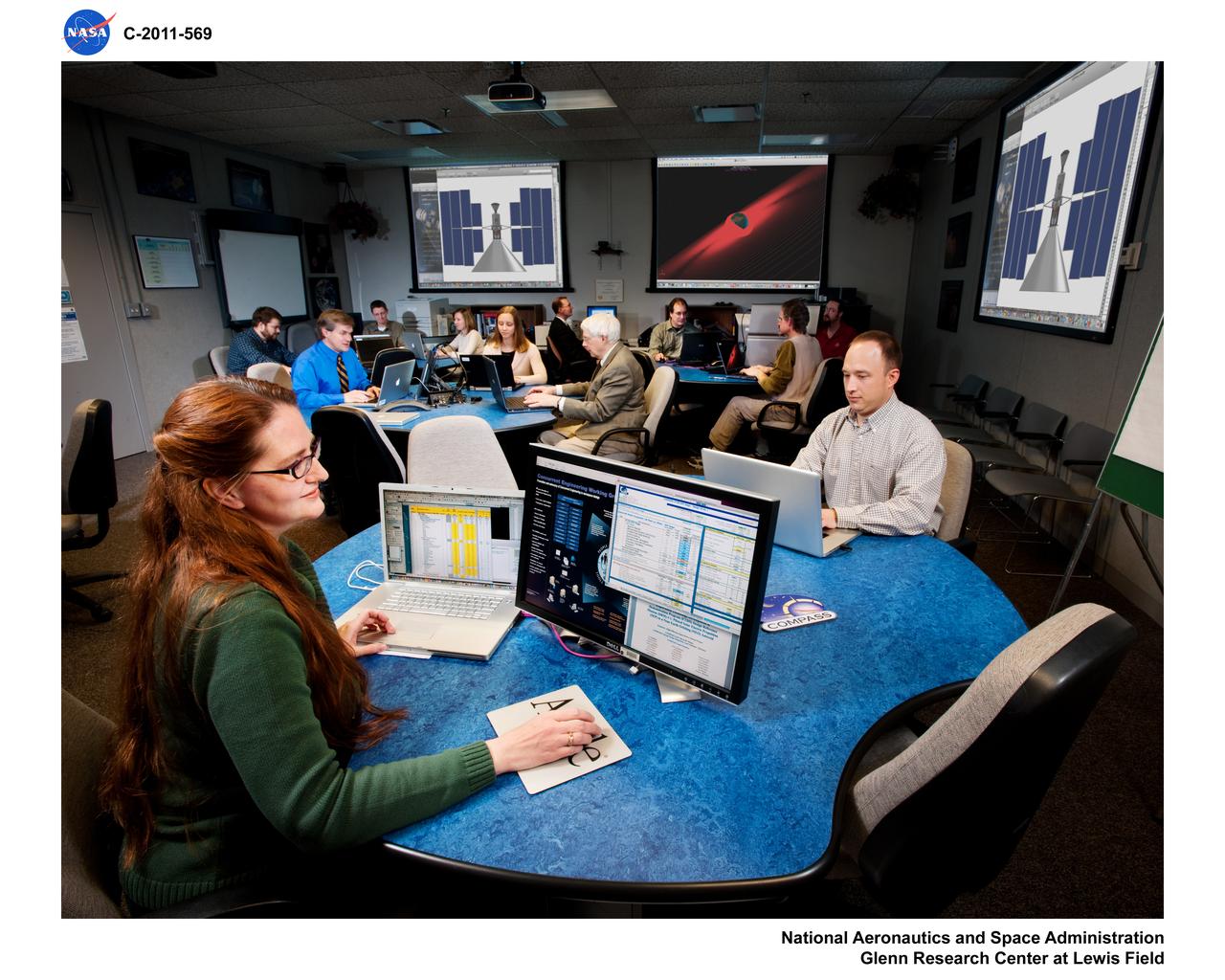
COllaborative Modeling for Parametric Assessment of Space Systems, COMPASS, Laboratory
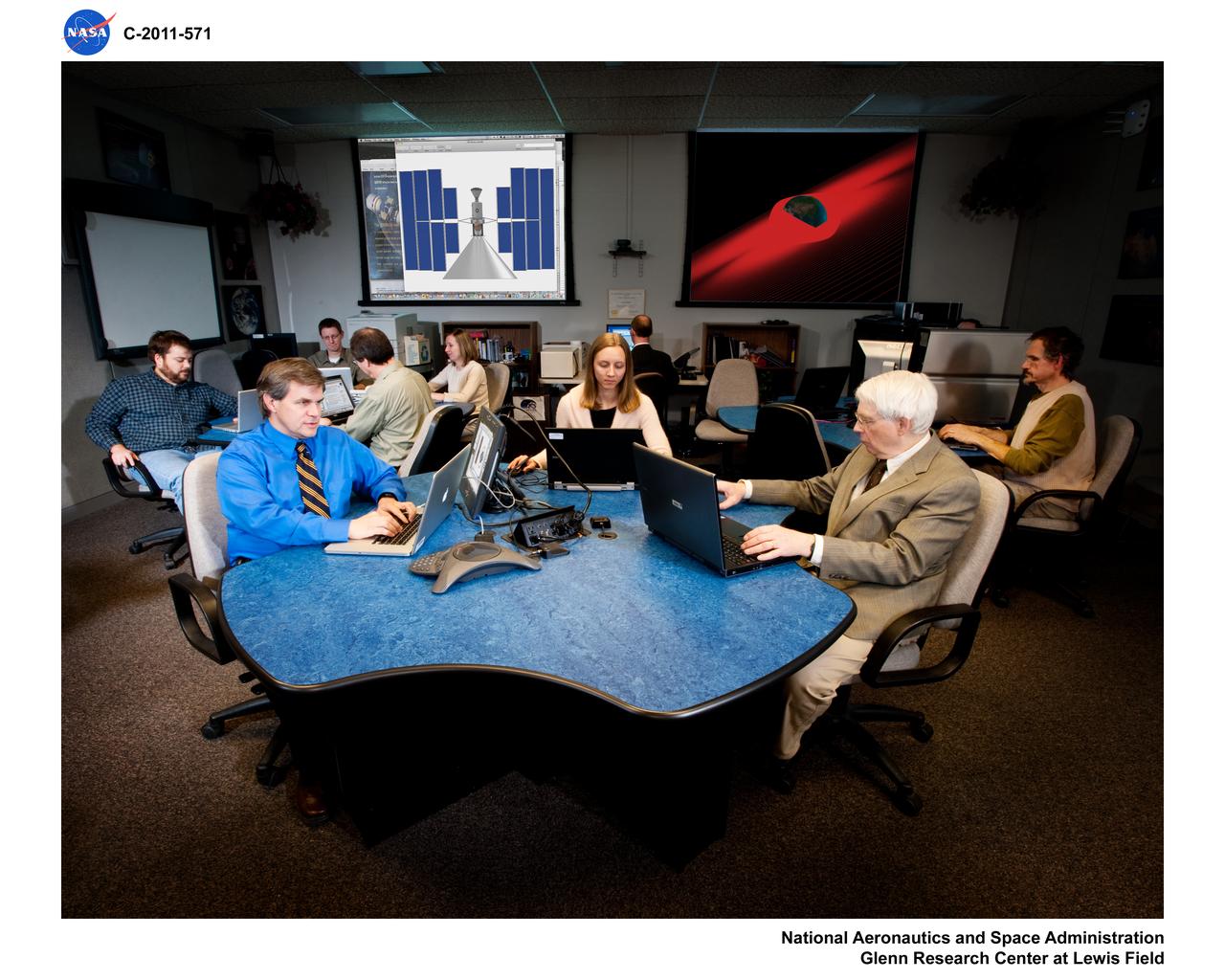
COllaborative Modeling for Parametric Assessment of Space Systems, COMPASS, Laboratory
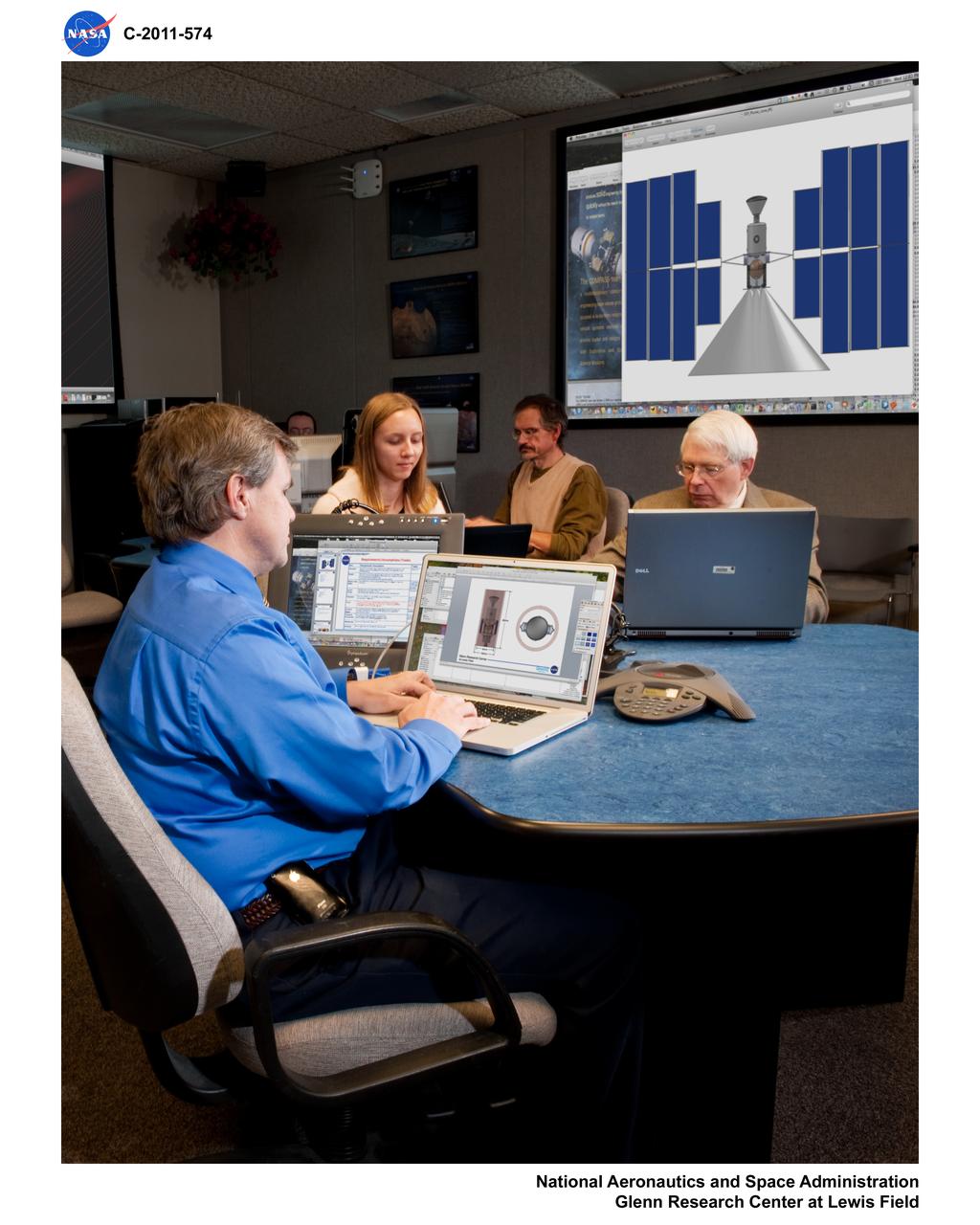
COllaborative Modeling for Parametric Assessment of Space Systems, COMPASS, Laboratory
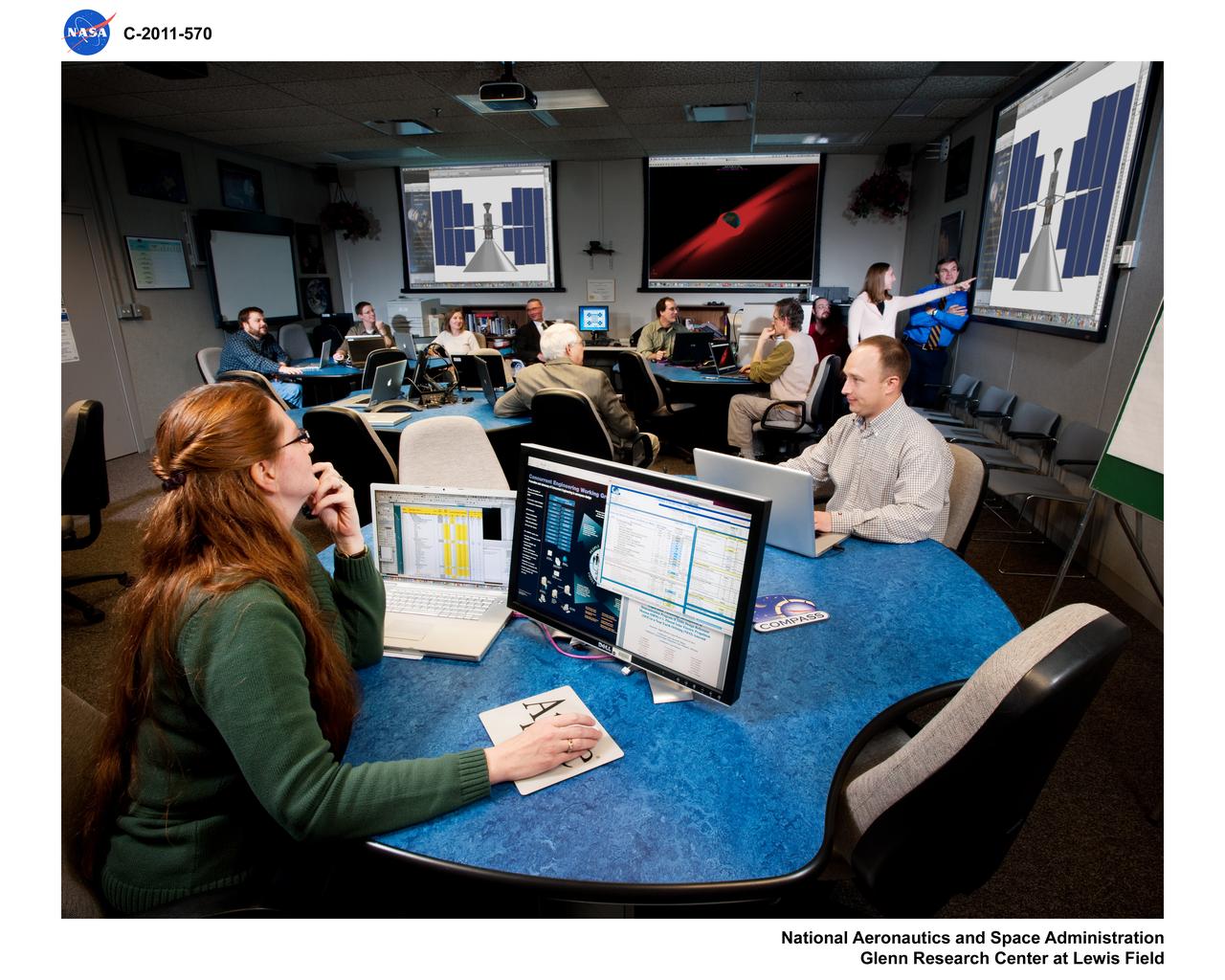
COllaborative Modeling for Parametric Assessment of Space Systems, COMPASS, Laboratory
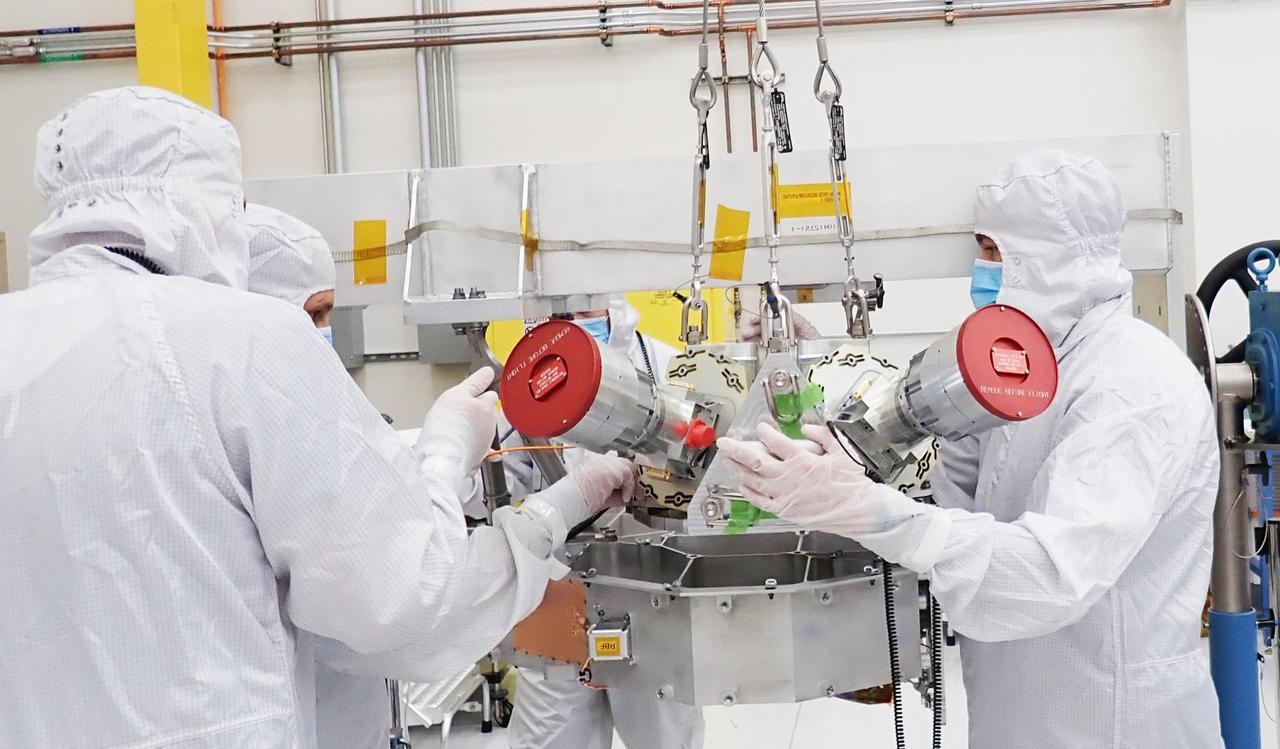
Engineers on NASA's Europa Clipper mission work with a piece of hardware called star trackers before they are integrated onto the spacecraft in a clean room at the agency's Jet Propulsion Laboratory in Southern California in 2022. The star trackers are seen here with red covers to protect their lenses. The star trackers, formally called stellar reference units, look for stars and use them like a compass to help mission controllers know the exact orientation of the spacecraft – information critical for pointing telecommunications antennas toward Earth and sending data back and forth smoothly. The spacecraft launched from the agency's Kennedy Space Center in Florida on Oct. 14, 2024. Europa Clipper's three main science objectives are to determine the thickness of the moon's icy shell and its interactions with the ocean below, to investigate its composition, and to characterize its geology. The mission's detailed exploration of Europa will help scientists better understand the astrobiological potential for habitable worlds beyond our planet. https://photojournal.jpl.nasa.gov/catalog/PIA26562