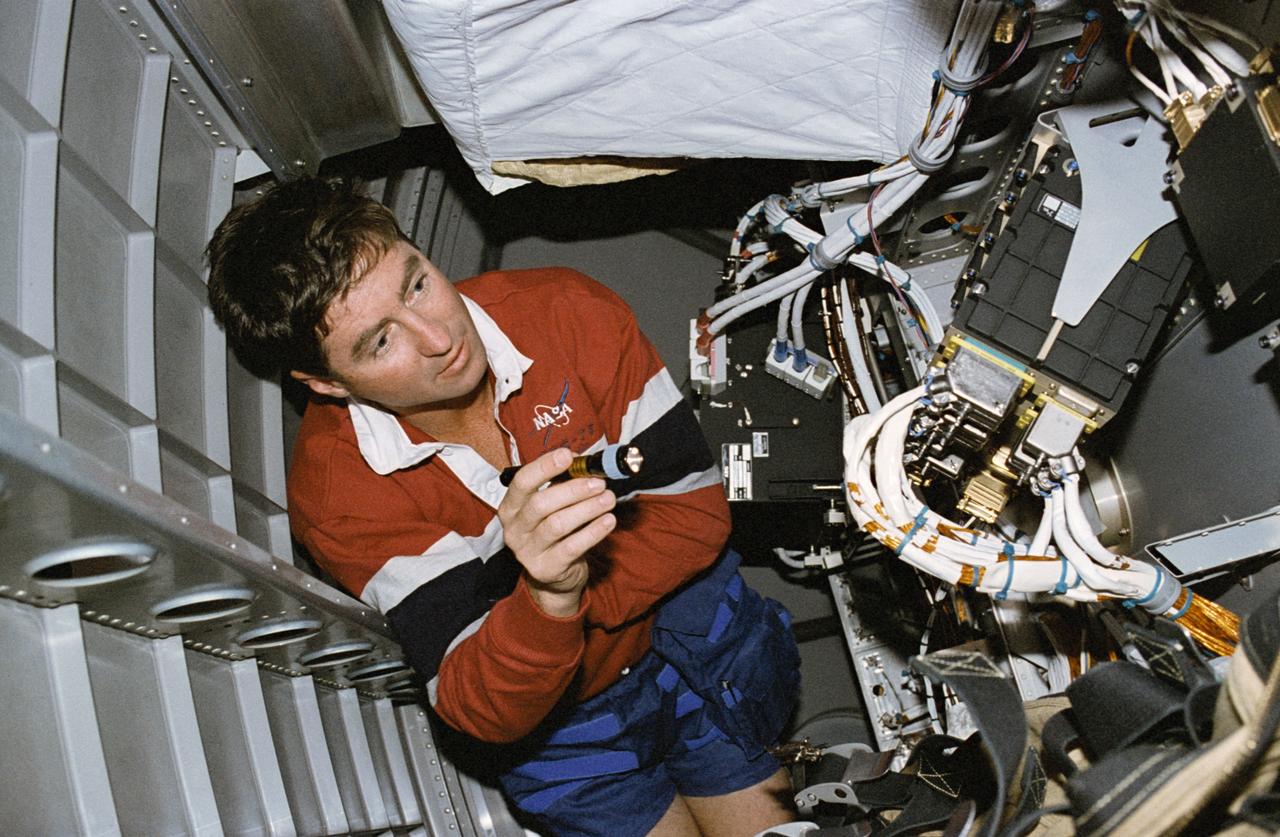
STS078-432-009 (20 June-7 July 1996) --- Among the inflight maintenance (IFM) chores that were handled by the crew members during their almost 17 days in space aboard the space shuttle Columbia was one that involved going into the bay beneath the floor of the Life and Microgravity Spacelab (LMS-1) Science Module. Astronaut Terence T. (Tom) Henricks, mission commander, shines a tiny flashlight onto some cables related to LMS-1 supported computer systems. As in the case of the other IFM chores, Henricks' efforts were successful. He was joined by four other NASA astronauts and two international payload specialists for the space shuttle duration record-setting mission.
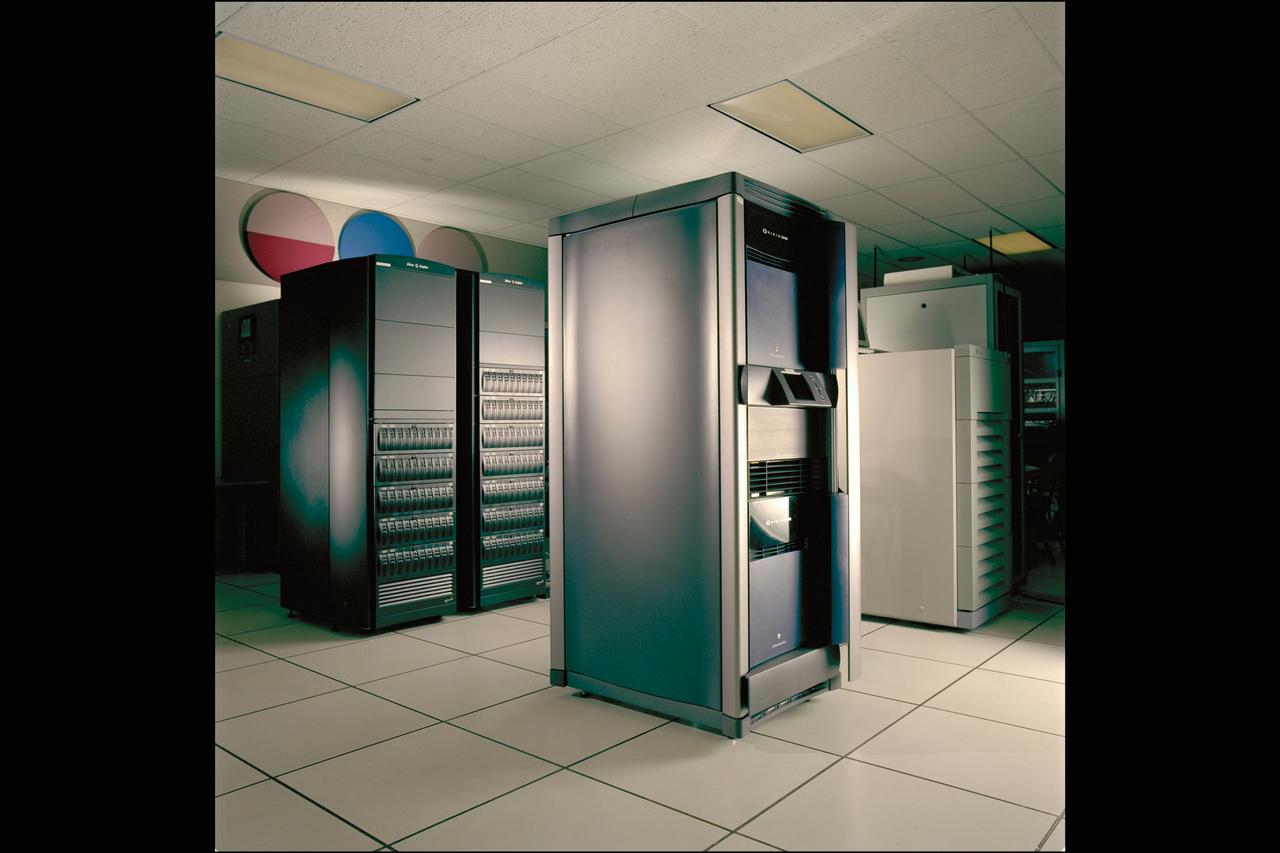
NAS Origin 2000 Computer System - 'LOU and RAID' Array New Mass Storage System AC99-0195-
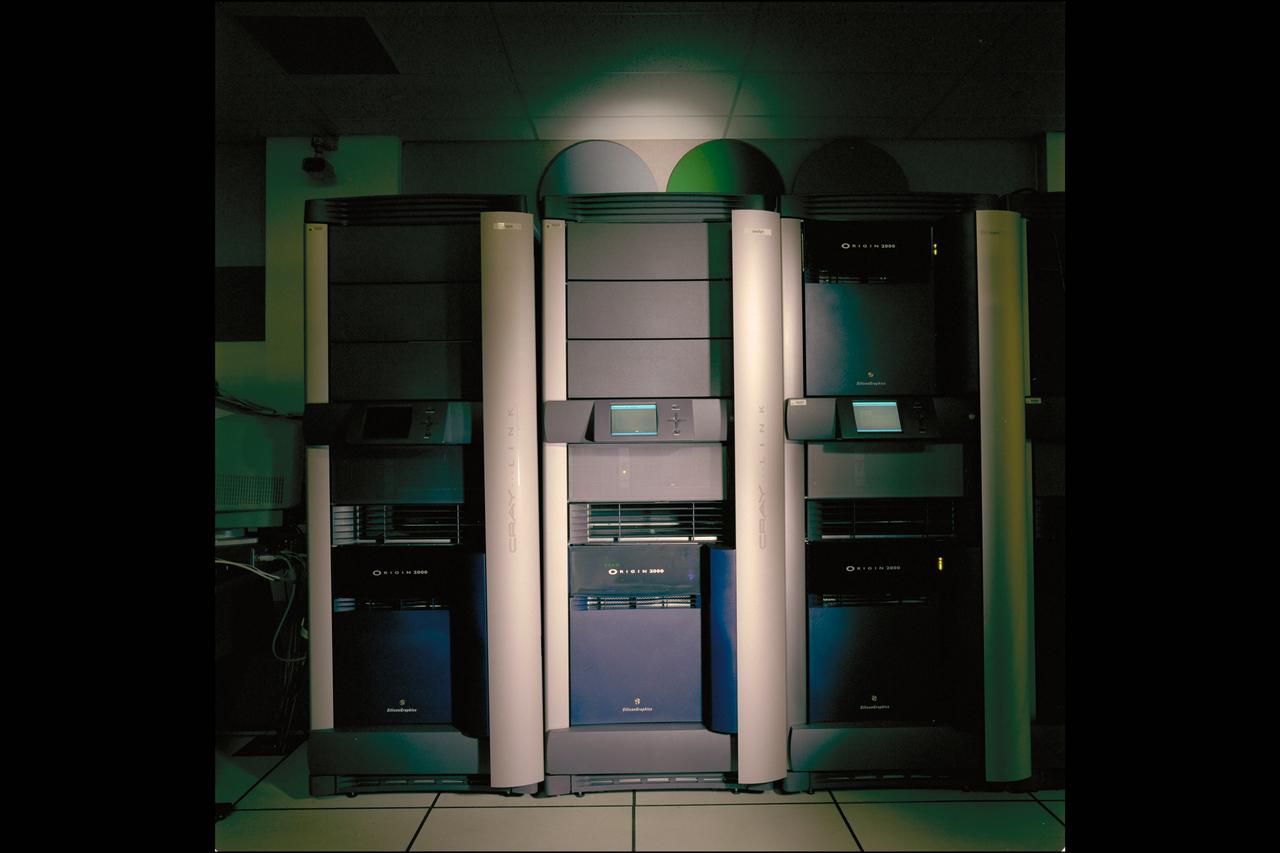
NAS Origin 2000 Computer System - 8 processors 'EVELYN' station
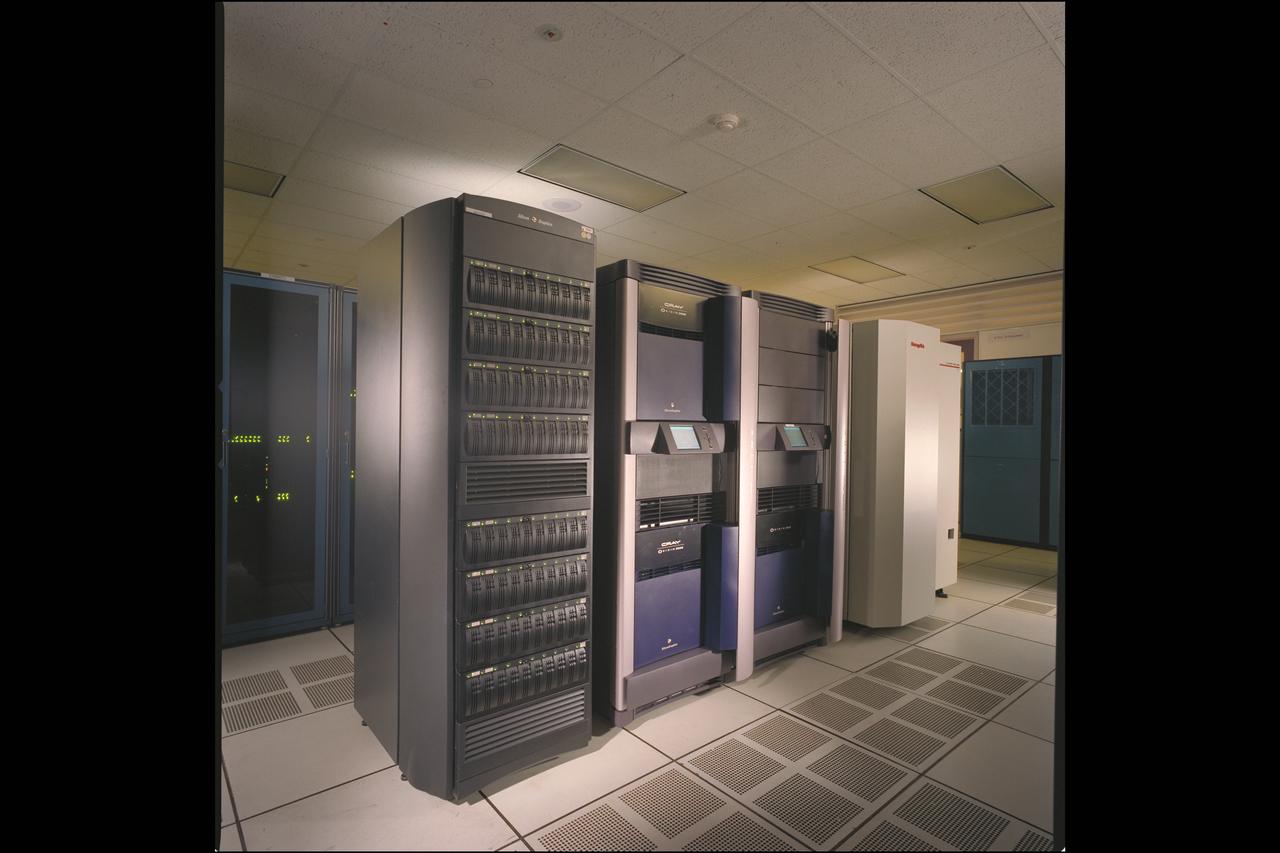
NAS Origin 2000 Computer System - Data Assimilation Office (DAO) storage (Gatun, Raid and Silo)
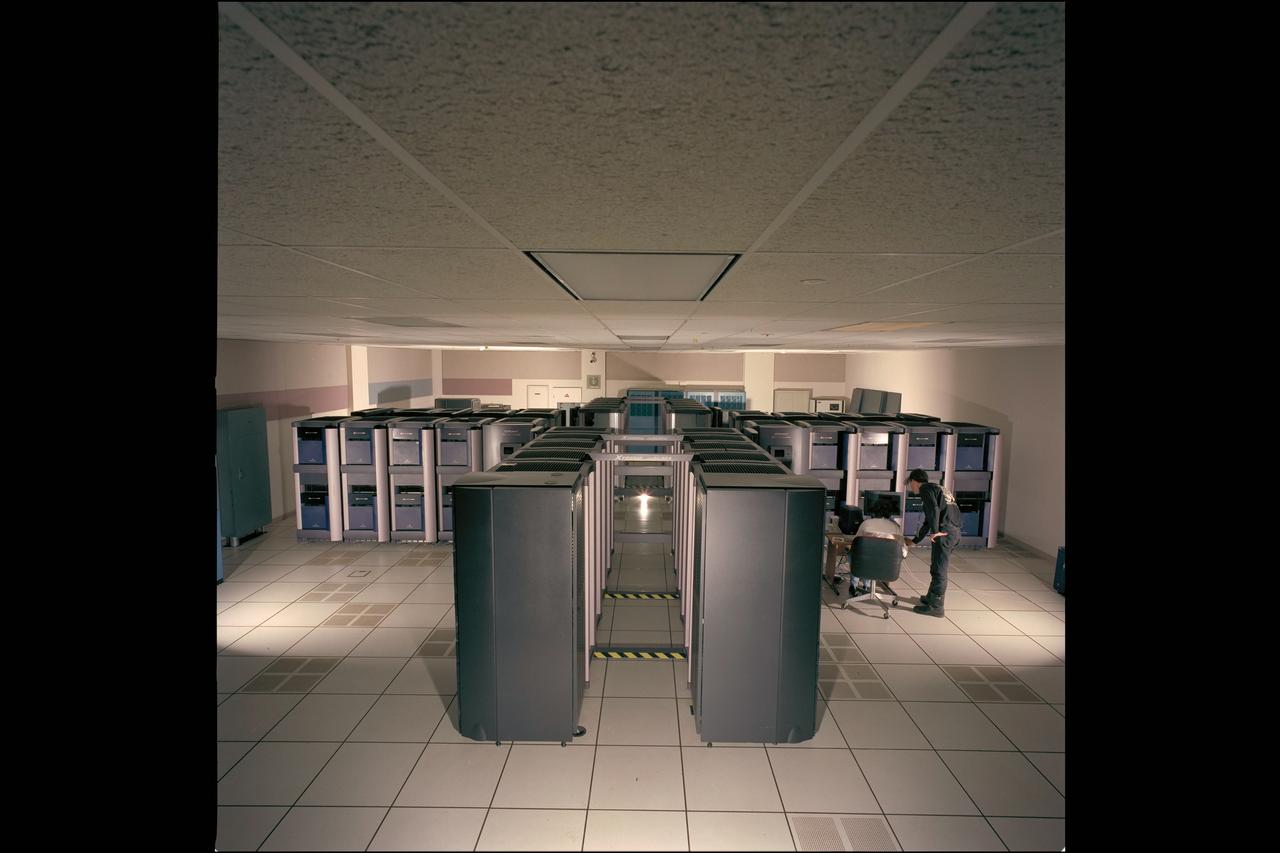
NAS Origin 2000 Computer System - 512 Processors ('LOMAX') station with Karl Schilke and Rita Williams
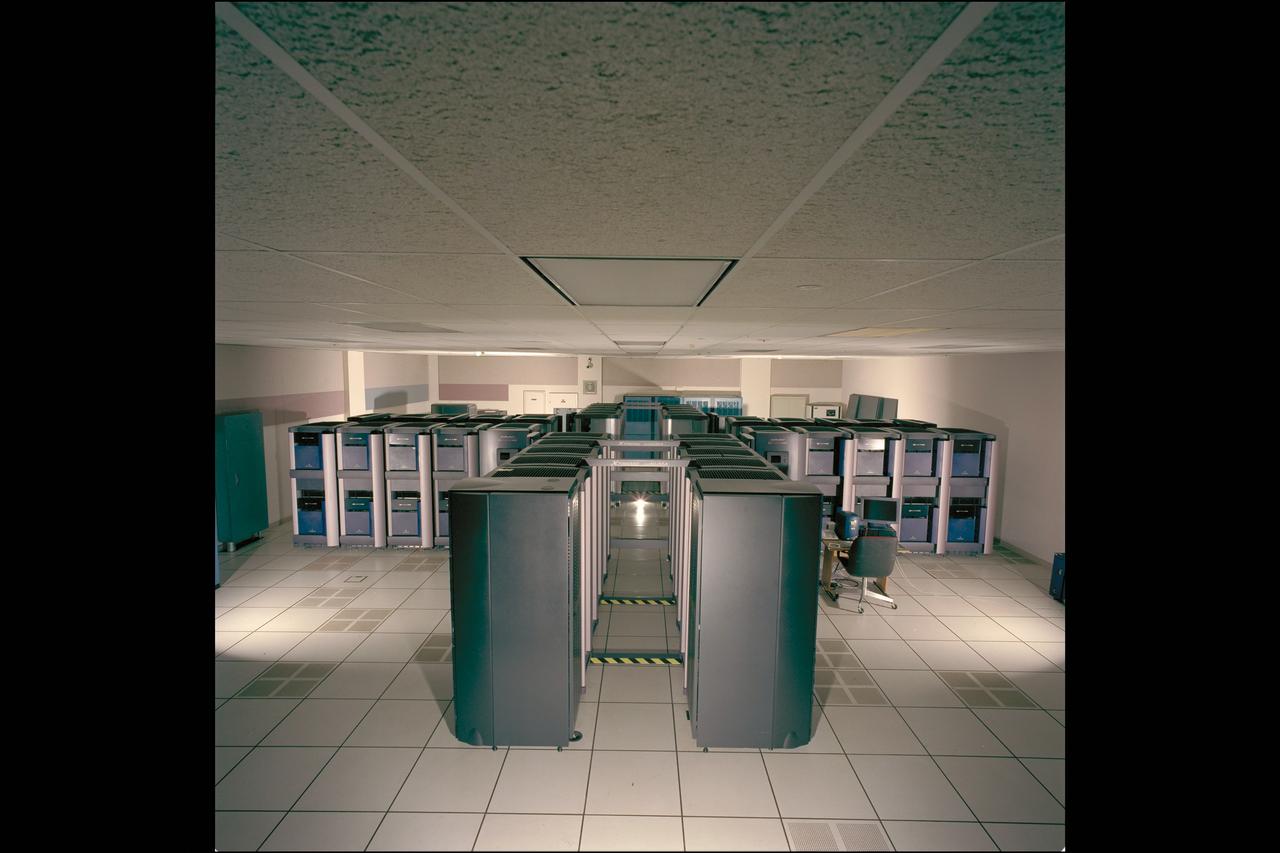
NAS Origin 2000 Computer System - 512 Processors ('LOMAX') station with Karl Schilke and Rita Williams
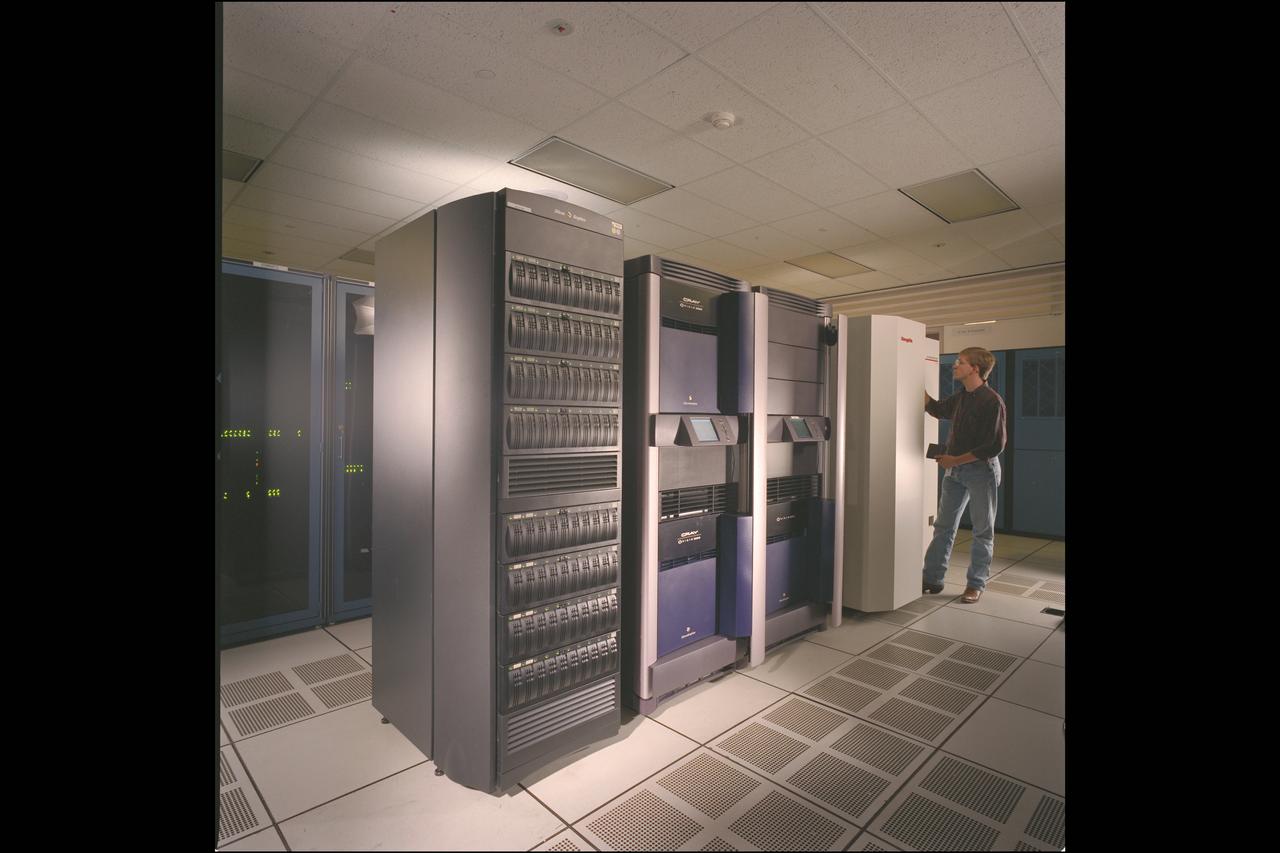
NAS Origin 2000 Computer System - Data Assimilation Office (DAO) storage (Gatun, Raid and Silo) with James Jones
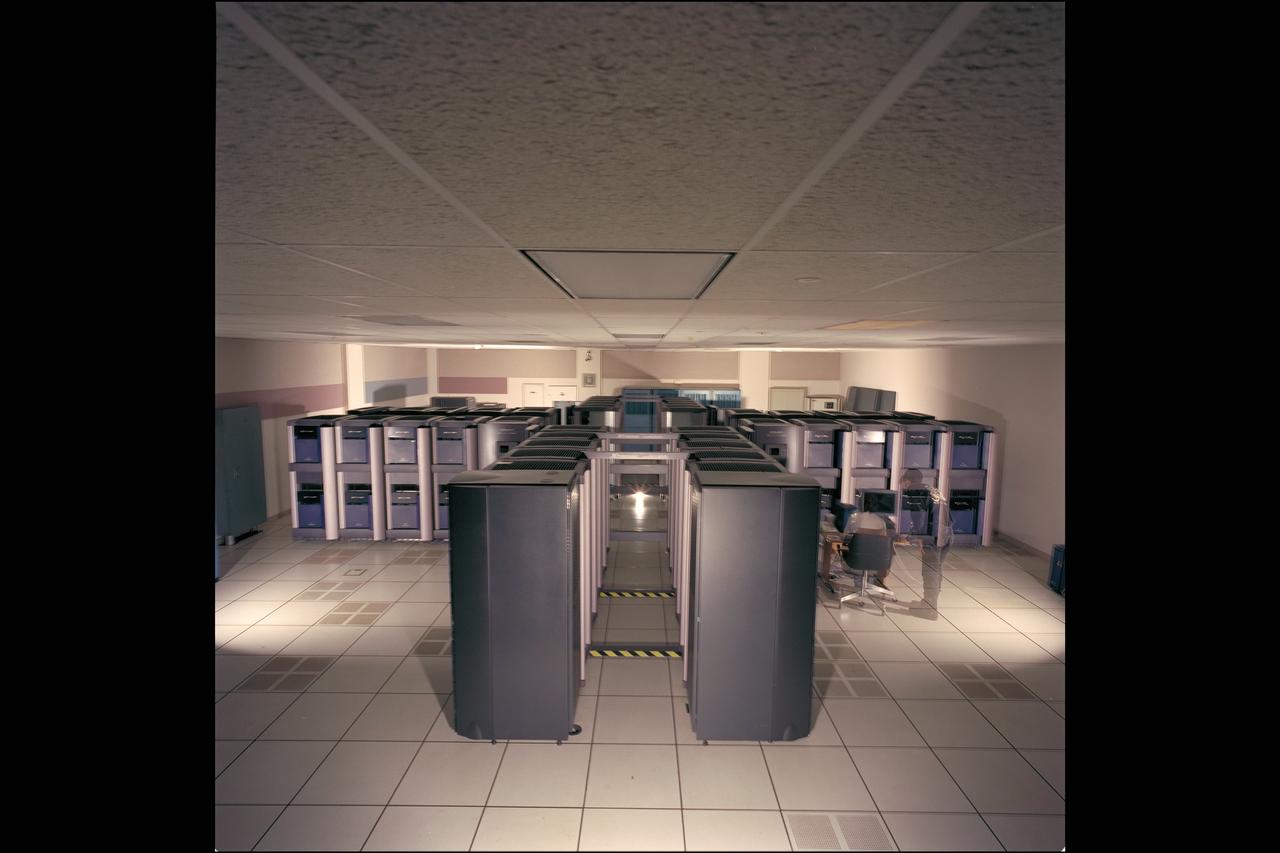
NAS Origin 2000 Computer System - 512 Processors ('LOMAX') station with Karl Schilke and Rita Williams
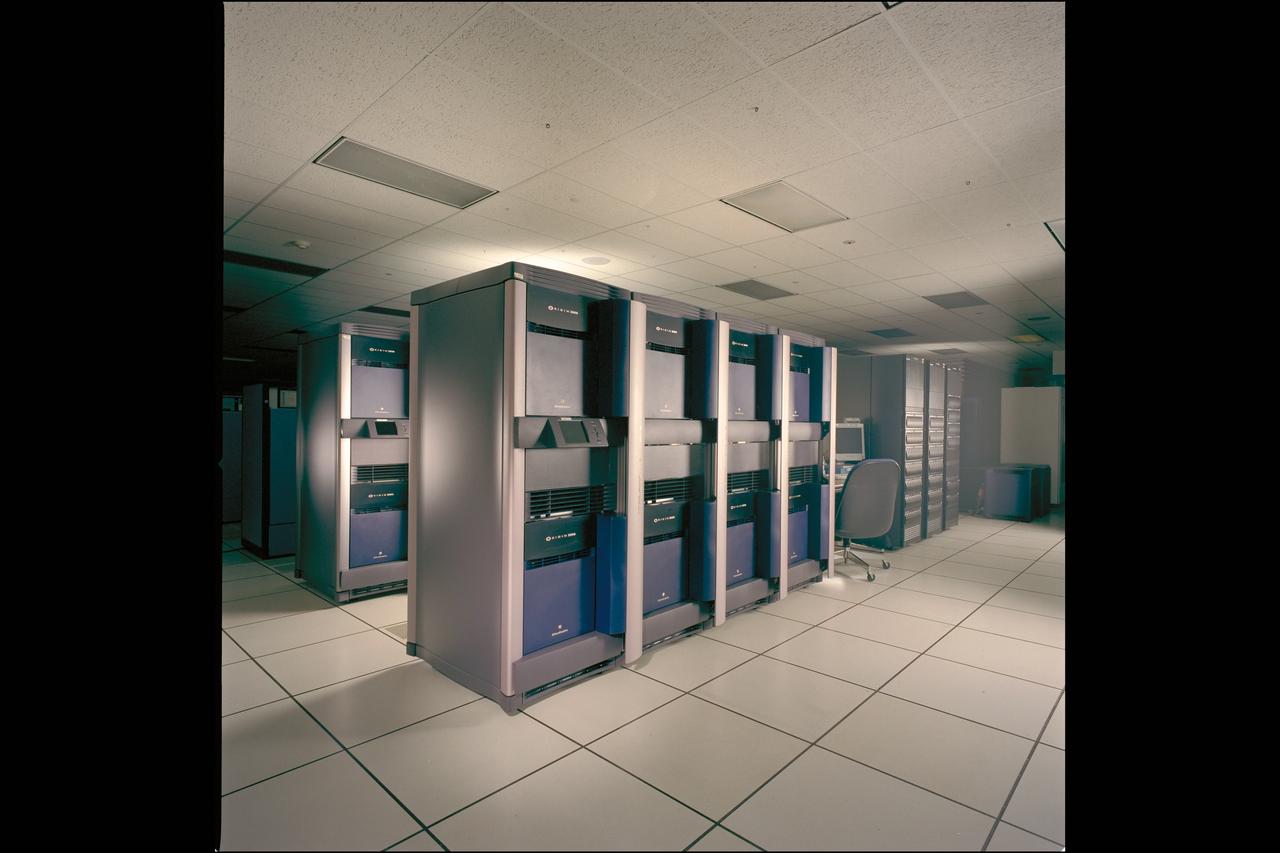
NAS Origin 2000 Computer System - Data Assimilation Office (DAO) cluster (nicknamed Sunrise, Jim PFO, Jim PF1 and Raids)
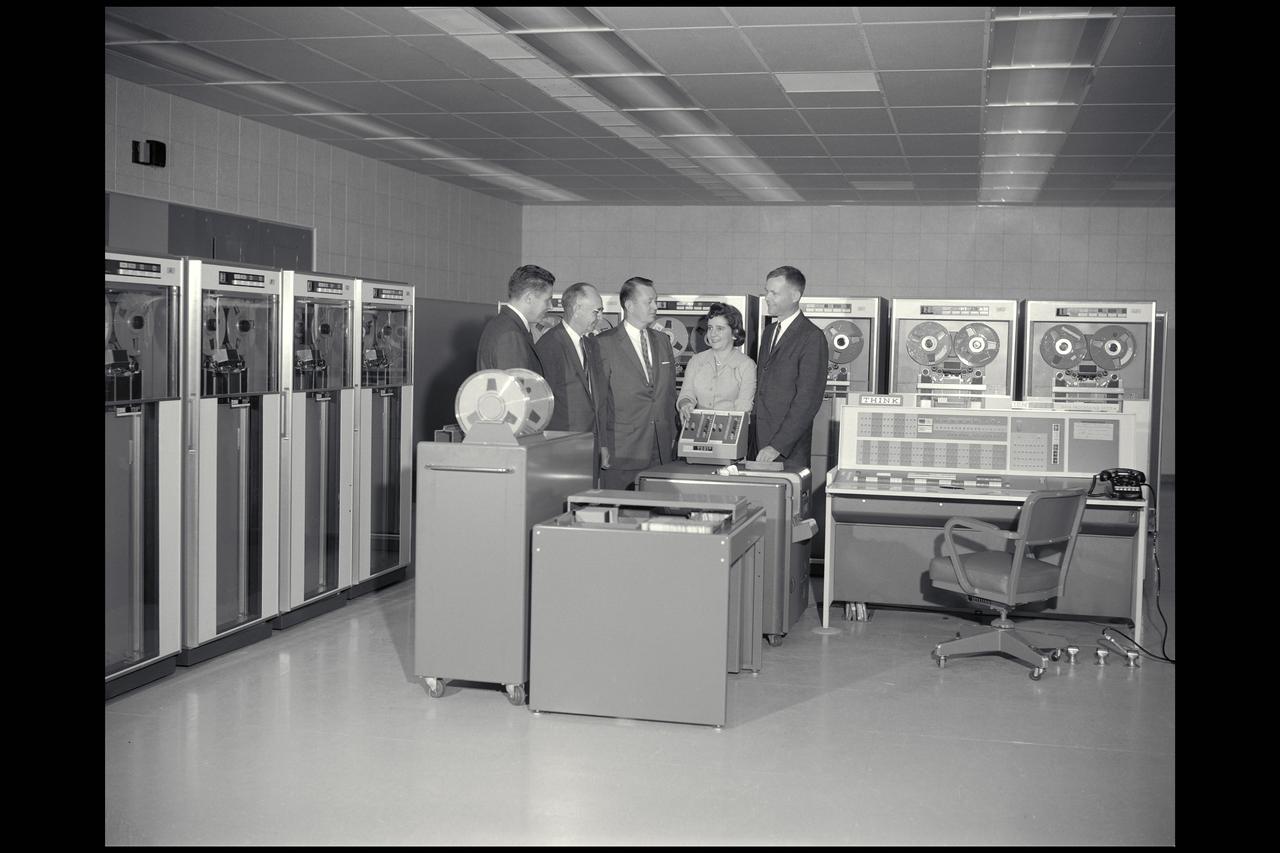
IBM 7090 computer and personnel: L-R: R Smith, IBM; Smith DeFrance, Ames; H Funk, IBM; Marcie Chartz Smith, Ames; D Swartz, IBM; discuss installation of computer at Ames.
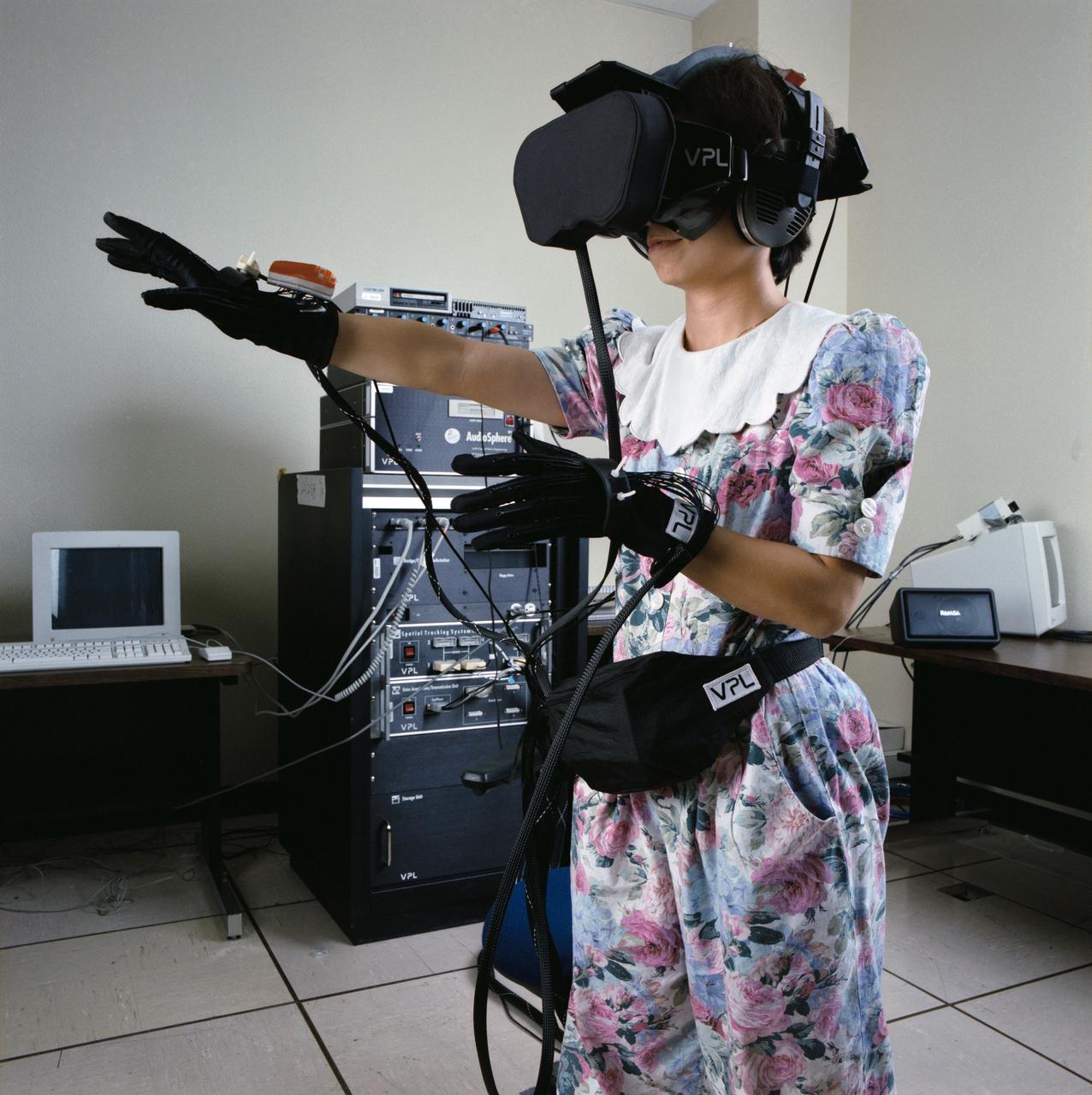
S91-50404 (1 Nov 1991) --- Bebe Ly of the Information Systems Directorate's (ISD) Software Technology Branch at the Johnson Space Center (JSC) gives virtual reality a try. The stereo video goggles and head[phones allow her to see and hear in a computer-generated world and the gloves allow her to move around and grasp objects. Ly is a member of the team that developed the C Language Integrated production System (CLIPS) which has been instrumental in developing several of the systems to be demonstrated in an upcoming Software Technology Exposition at JSC.
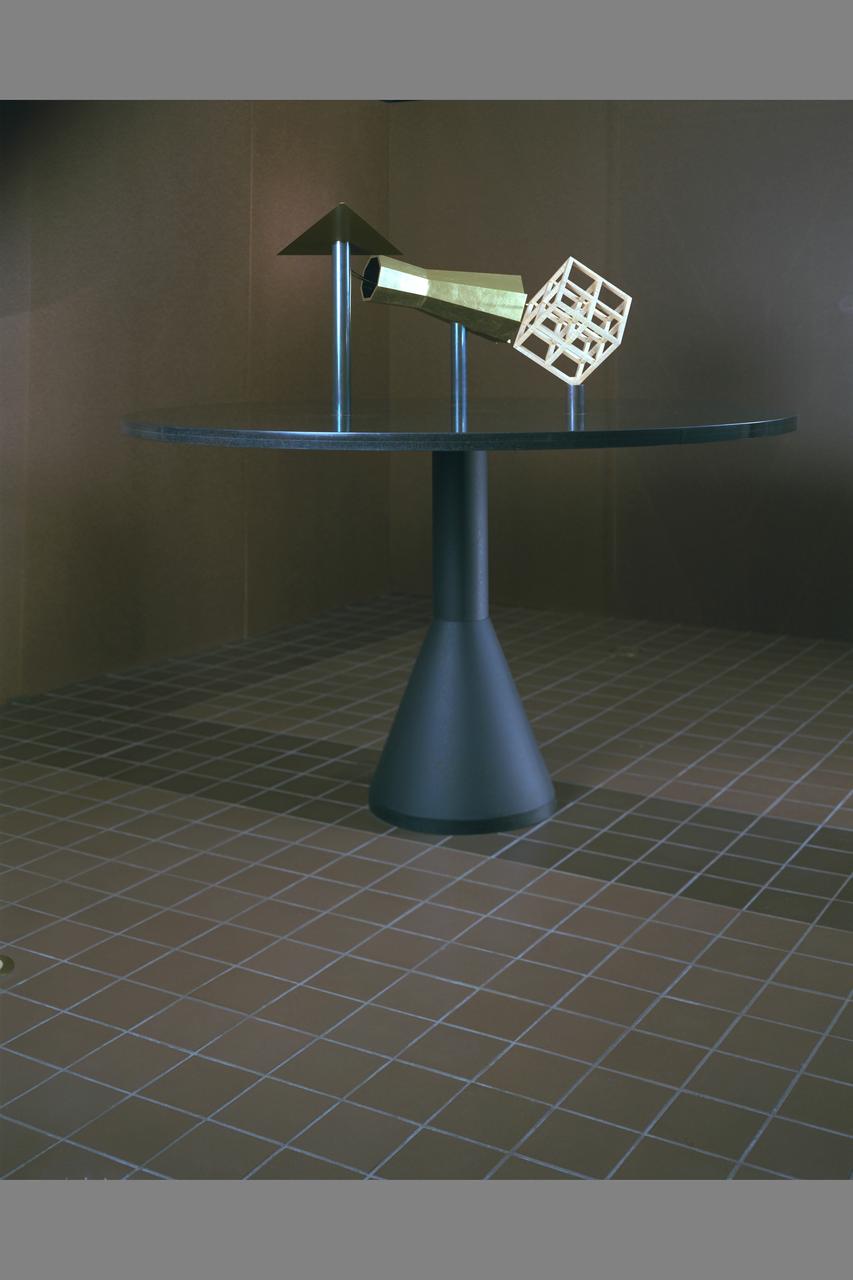
NAS (Numerical Aerodynamic Simulaiton) theme sculpture model: - Ames Triad of Aeronautical Research Exhibit in lobby of building N-258. The sculpture was commissioned from Peter Gutkin by Ames for the dedication of N-258.

This image from NASA Spitzer Space Telescope shows a computer simulation of the planet HD 80606b from an observer located at a point in space lying between the Earth and the HD 80606 system.
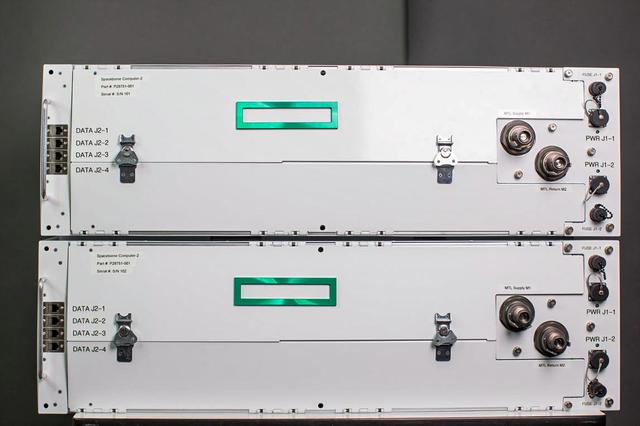
JSC2021E007775 - The Spaceborne Computer-2 High Performance Commercial Off-The-Shelf (COTS) Computer System on the ISS (Spaceborne Computer-2) is pictured in preparation for launch. Lifting off on the Northrop Grumman CRS-15 mission, the study explores how space exploration can be advanced by the use of the commercial off-the-shelf computer systems.
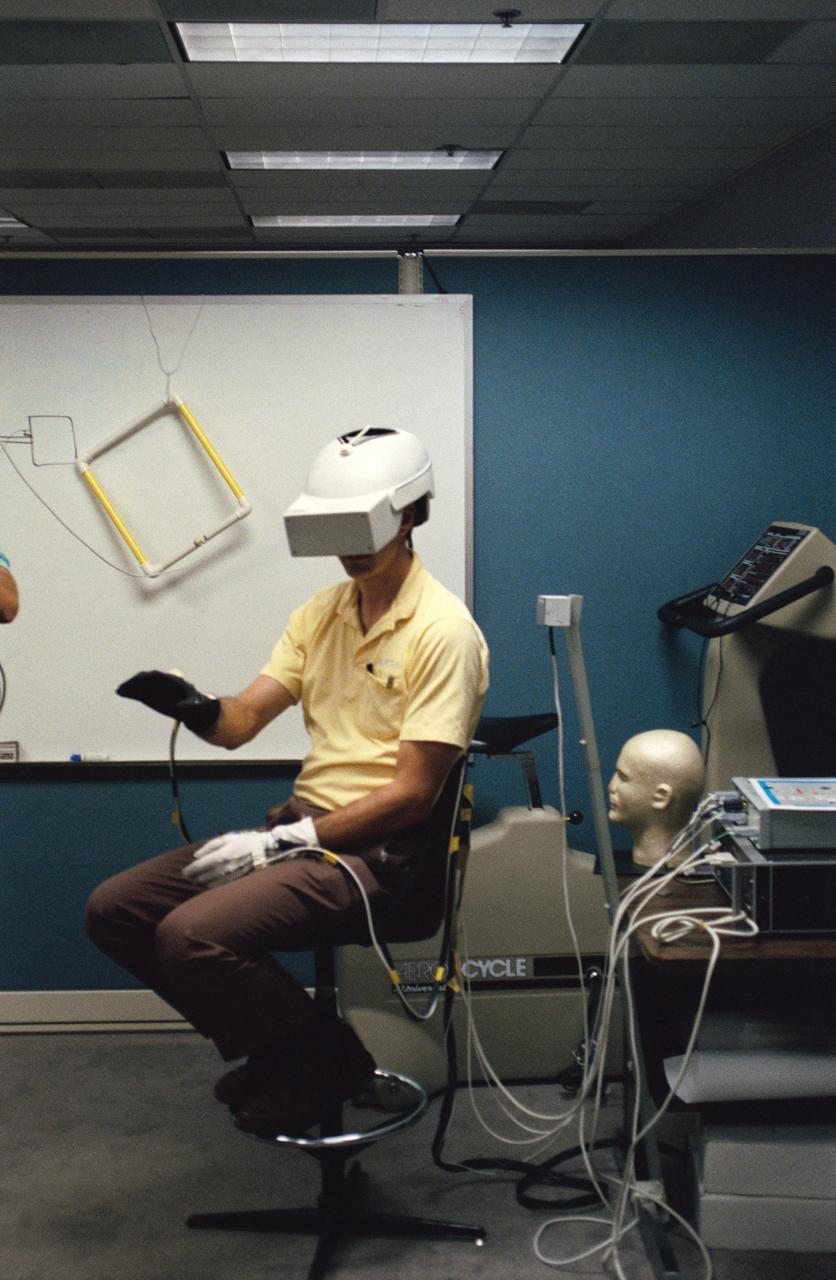
Astronaut Jeffrey A. Hoffman, one of four crewmembers for STS-61 that will conduct scheduled spacewalks during the flight, wears a special helmet and gloves designed to assist in proper positioning near the telescope while on the end of the robot arm. Crewmembers are utilizing a new virtual reality training aid which assists in refining positioning patterns for Space Shuttle Endeavour's Remote Manipulator System (RMS) (36890); Astronaut Claude Nicollier looks at a computer display of the Shuttle's robot arm movements as Thomas D. Akers and Kathryn C. Thornton, mission specialists look on. Nicollier will be responsible for maneuvering the astronauts while they stand in a foot restraint on the end of the RMS arm (36891,36894); Hoffman wears a special helmet and gloves designed to assist in proper positioning near the telescope while on the end of the robot arm (35892); Nicollier looks at a computer display of the Shuttle's robot arm movements as Akers looks on (36893); While (l-r) Astronauts Kenneth Bowersox, Kathryn Thornton, Richard O. Covey and Thomas D. Akers watch, Nicollier moves the Robot arm to desired locations in the Shuttle's payload bay using the Virtual Reality program (36895); Bowersox takes his turn maneuvering the RMS while mission specialist Hoffman, wearing the Virtual Reality helmet, follows his own progress on the end of the robot arm. Crewmembers participating during the training session are (l-r) Astronauts Akers, Hoffman, Bowersox, Nicollier, Covey, and Thornton. In the background, David Homan, an engineer in the JSC Engineering Directorate's Automation and Robotics Division, looks on (36896).
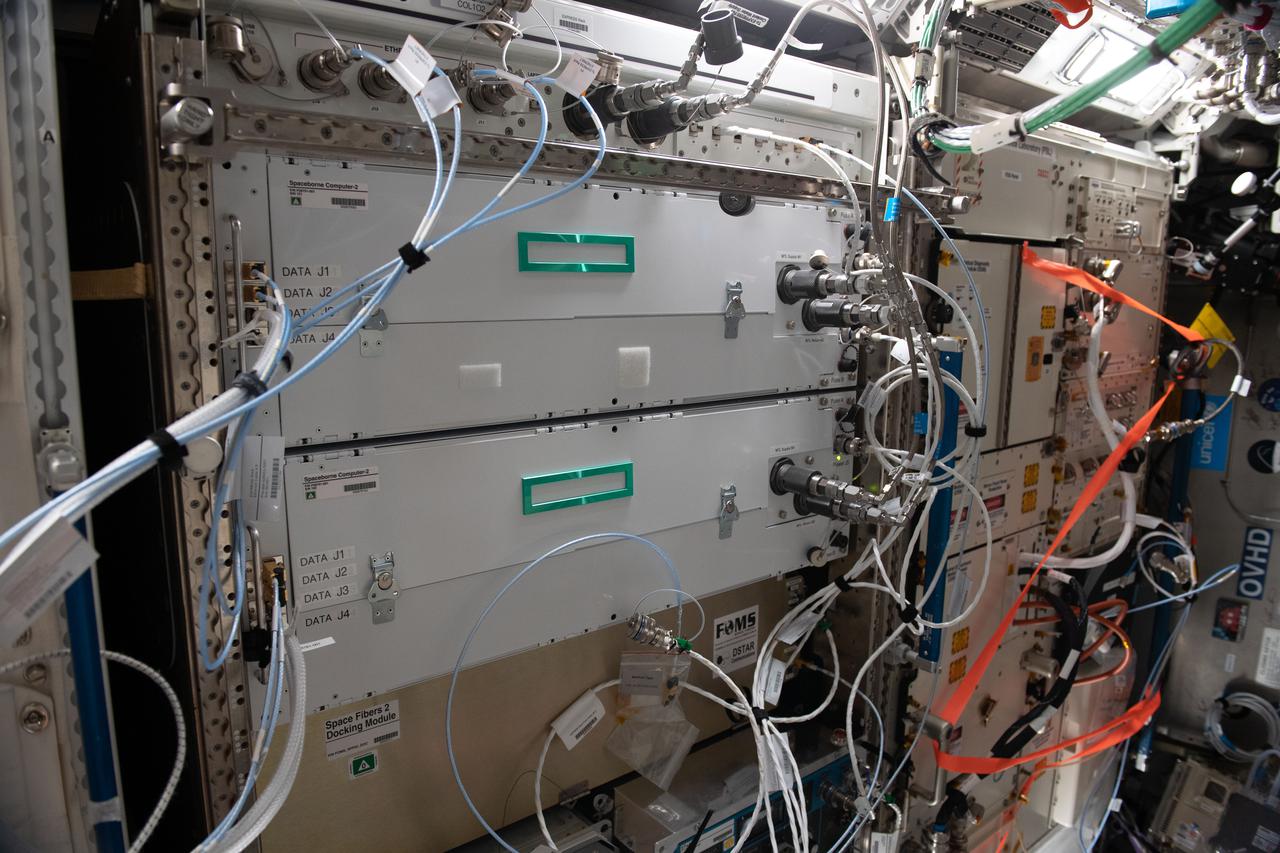
View taken of Spaceborne Computer 2 in Columbus module. Spaceborne Computer-2 High Performance Commercial Off-The-Shelf (COTS) Computer System on the ISS (Spaceborne Computer-2) builds upon the successes of Spaceborne Computer, exploring how commercial off-the-shelf computer systems can advance exploration by processing data significantly faster in space with edge computing and artificial intelligence (AI) capabilities. Spaceborne Computer-2 further tests additional techniques for recovering or mitigating errors in the extreme environment of unprotected solar radiation, galactic cosmic radiation (GCR) and other events.
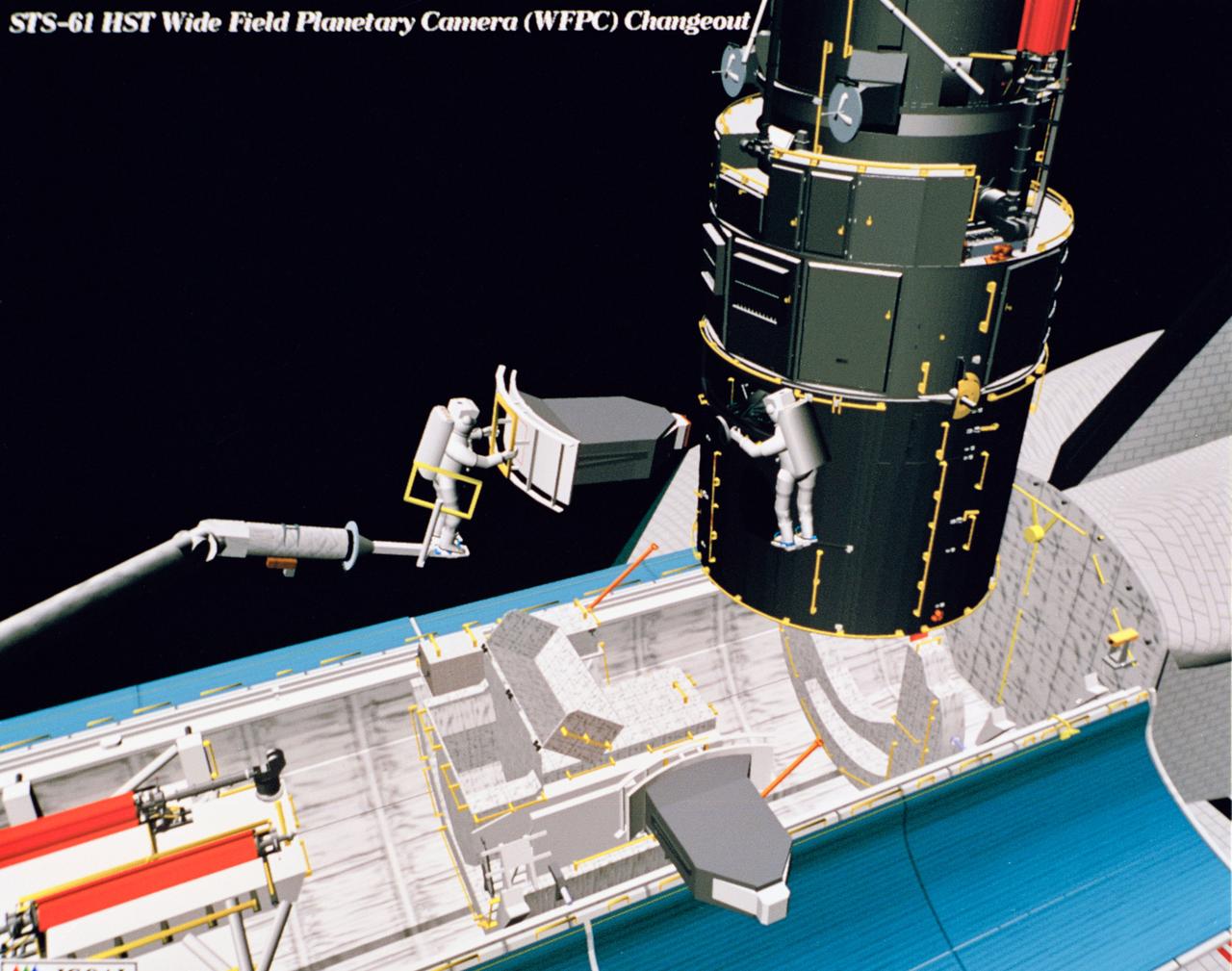
Computer generated scenes depicting the Hubble Space Telescope capture and a sequence of planned events on the planned extravehicular activity (EVA). Scenes include the Remote Manipulator System (RMS) arm assisting two astronauts changing out the Wide Field/Planetary Camera (WF/PC) (48699); RMS arm assisting in the temporary mating of the orbiting telescope to the flight support system in Endeavour's cargo bay (48700); Endeavour's RMS arm assisting in the "capture" of the orbiting telescope (48701); Two astronauts changing out the telescope's coprocessor (48702); RMS arm assistign two astronauts replacing one of the telescope's electronic control units (48703); RMS assisting two astronauts replacing the fuse plugs on the telescope's Power Distribution Unit (PDU) (48704); The telescope's High Resolution Spectrograph (HRS) kit is depicted in this scene (48705); Two astronauts during the removal of the high speed photometer and the installation of the COSTAR instrument (48706); Two astronauts, standing on the RMS, during installation of one of the Magnetic Sensing System (MSS) (48707); High angle view of the orbiting Space Shuttle Endeavour with its cargo bay doors open, revealing the bay's pre-capture configuration. Seen are, from the left, the Solar Array Carrier, the ORU Carrier and the flight support system (48708); Two astronauts performing the replacement of HST's Rate Sensor Units (RSU) (48709); The RMS arm assisting two astronauts with the replacement of the telescope's solar array panels (48710); Two astronauts replacing the telescope's Solar Array Drive Electronics (SADE) (48711).
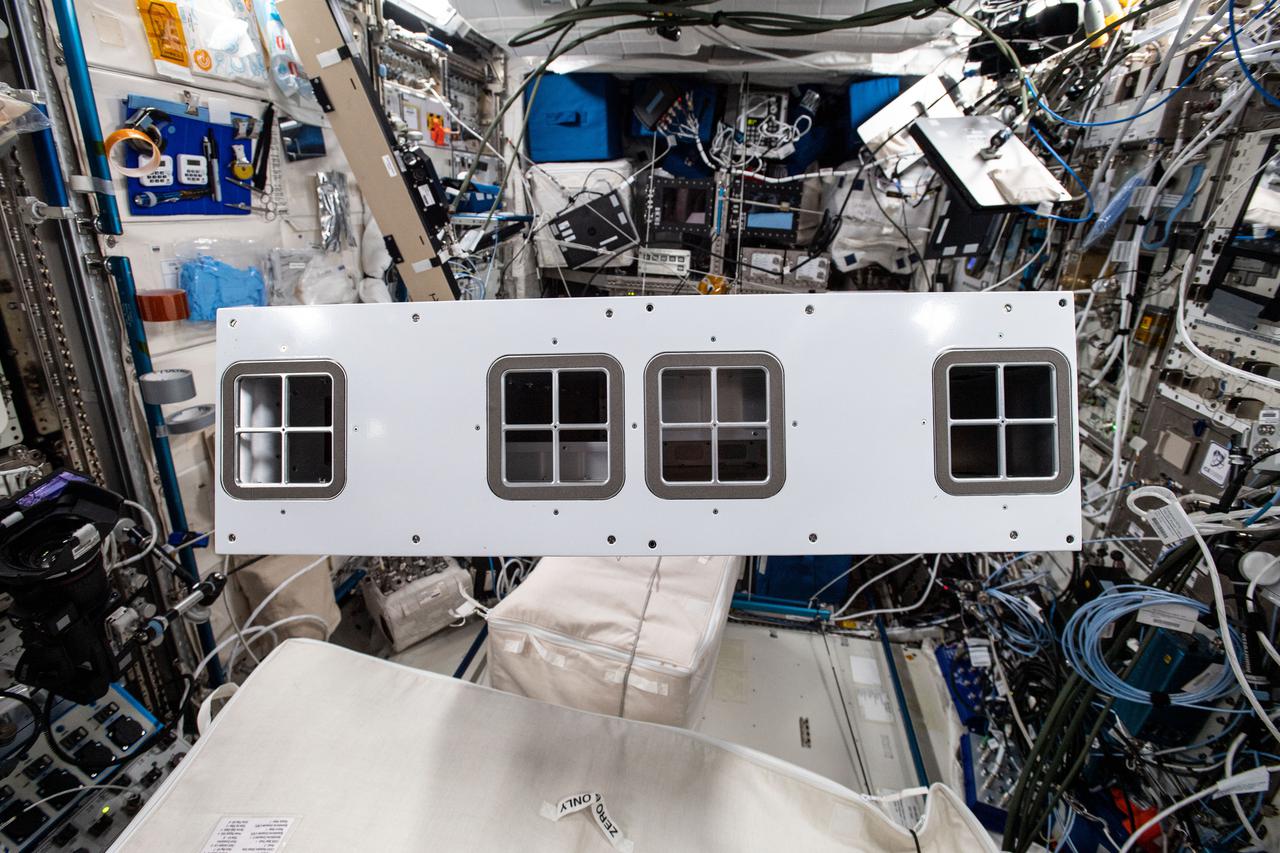
iss065e009485 4/29/2021 --- A view of the Spaceborne Computer-2 High Performance Commercial Off-The-Shelf (COTS) Computer System on the ISS (Spaceborne Computer-2) aboard the International Space Station (ISS). The study explores how space exploration can be advanced by the use of the commercial off-the-shelf computer systems. Spaceborne Computer-2 further tests additional techniques for recovering or mitigating errors in the extreme environment of unprotected solar radiation, galactic cosmic radiation (GCR) and other events.
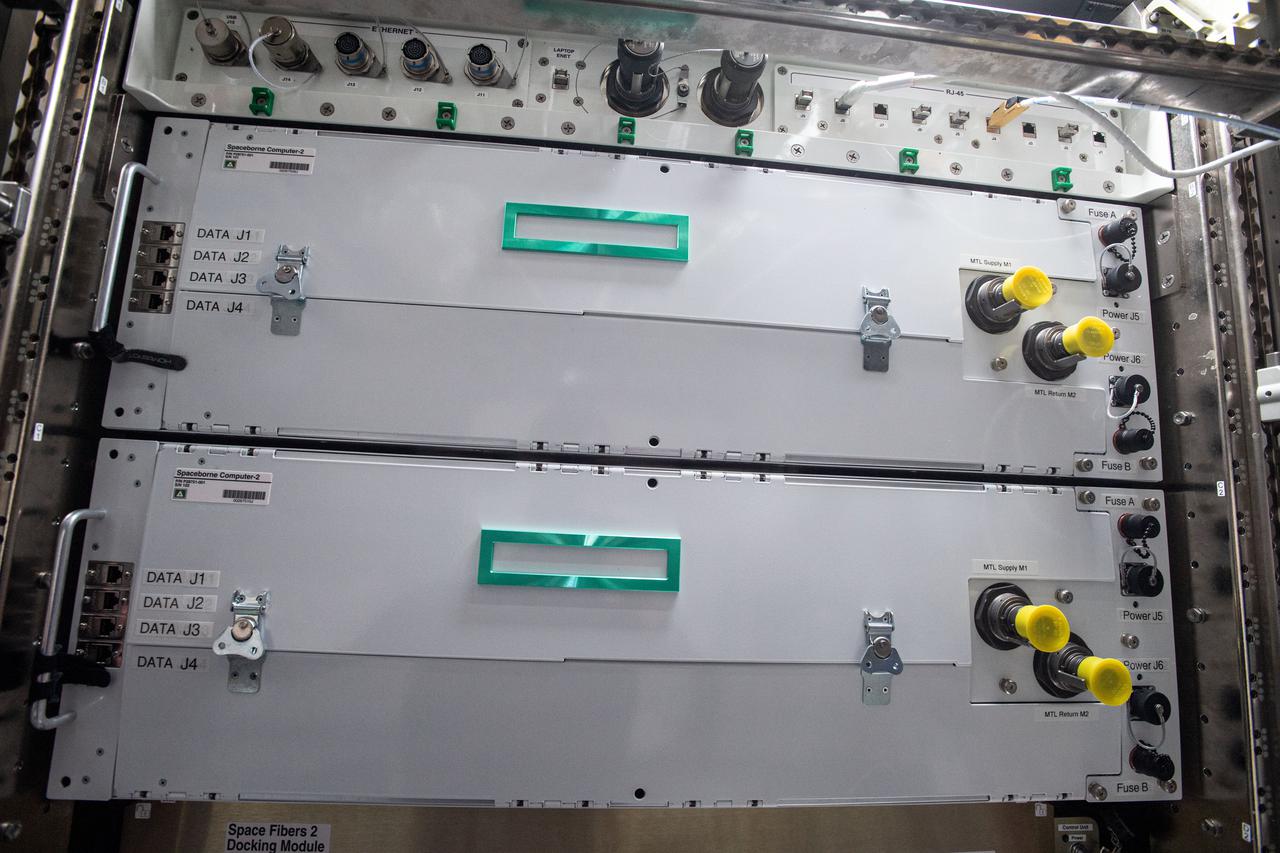
iss065e009492 4/29/2021 --- A view of the Spaceborne Computer-2 High Performance Commercial Off-The-Shelf (COTS) Computer System on the ISS (Spaceborne Computer-2) aboard the International Space Station (ISS). The study explores how space exploration can be advanced by the use of the commercial off-the-shelf computer systems. Spaceborne Computer-2 further tests additional techniques for recovering or mitigating errors in the extreme environment of unprotected solar radiation, galactic cosmic radiation (GCR) and other events.
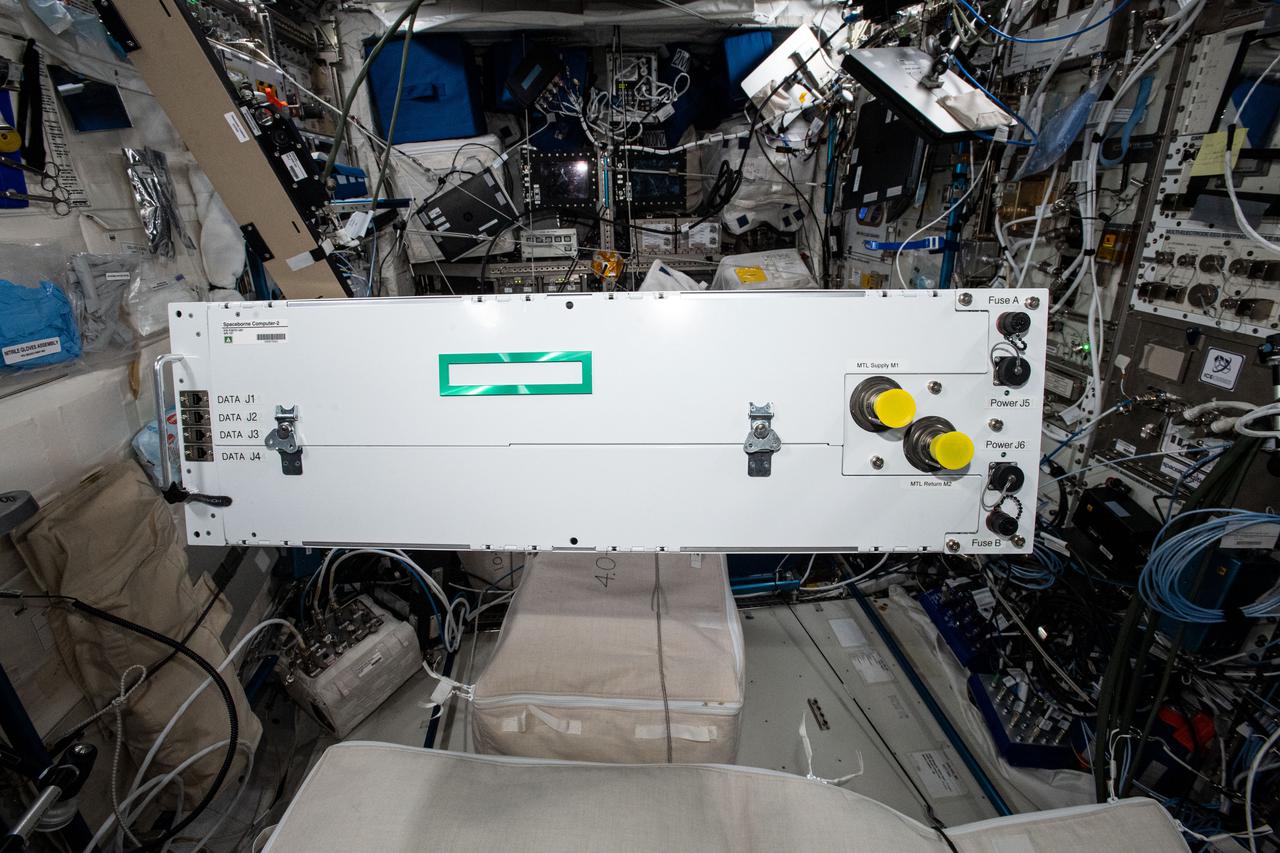
iss065e009467 4/29/2021 --- A view of the Spaceborne Computer-2 High Performance Commercial Off-The-Shelf (COTS) Computer System on the ISS (Spaceborne Computer-2) aboard the International Space Station (ISS). The study explores how space exploration can be advanced by the use of the commercial off-the-shelf computer systems. Spaceborne Computer-2 further tests additional techniques for recovering or mitigating errors in the extreme environment of unprotected solar radiation, galactic cosmic radiation (GCR) and other events.
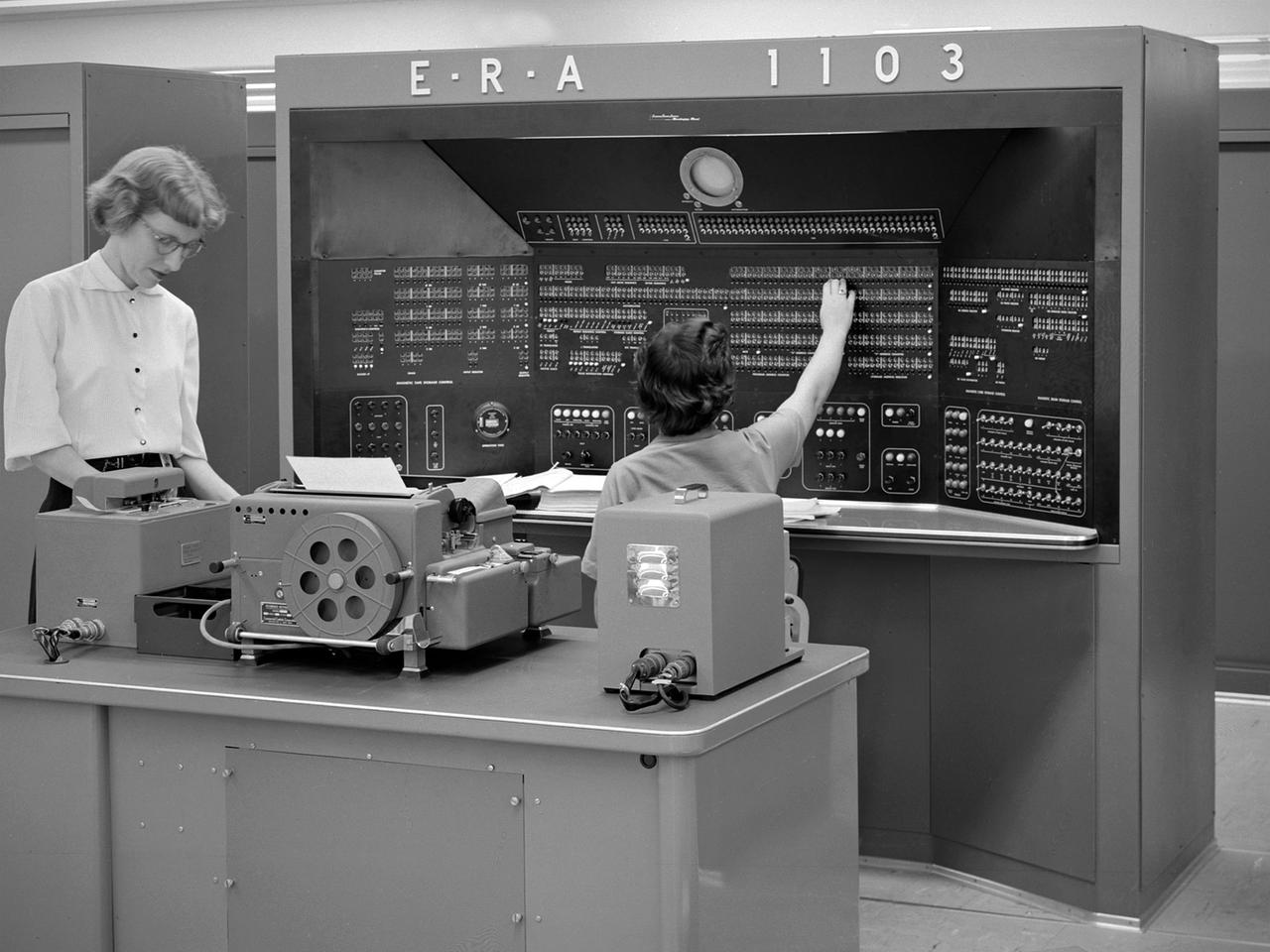
The new 10-by 10-Foot Supersonic Wind Tunnel at the Lewis Flight Propulsion Laboratory included high tech data acquisition and analysis systems. The reliable gathering of pressure, speed, temperature, and other data from test runs in the facilities was critical to the research process. Throughout the 1940s and early 1950s female employees, known as computers, recorded all test data and performed initial calculations by hand. The introduction of punch card computers in the late 1940s gradually reduced the number of hands-on calculations. In the mid-1950s new computational machines were installed in the office building of the 10-by 10-Foot tunnel. The new systems included this UNIVAC 1103 vacuum tube computer—the lab’s first centralized computer system. The programming was done on paper tape and fed into the machine. The 10-by 10 computer center also included the Lewis-designed Computer Automated Digital Encoder (CADDE) and Digital Automated Multiple Pressure Recorder (DAMPR) systems which converted test data to binary-coded decimal numbers and recorded test pressures automatically, respectively. The systems primarily served the 10-by 10, but were also applied to the other large facilities. Engineering Research Associates (ERA) developed the initial UNIVAC computer for the Navy in the late 1940s. In 1952 the company designed a commercial version, the UNIVAC 1103. The 1103 was the first computer designed by Seymour Cray and the first commercially successful computer.
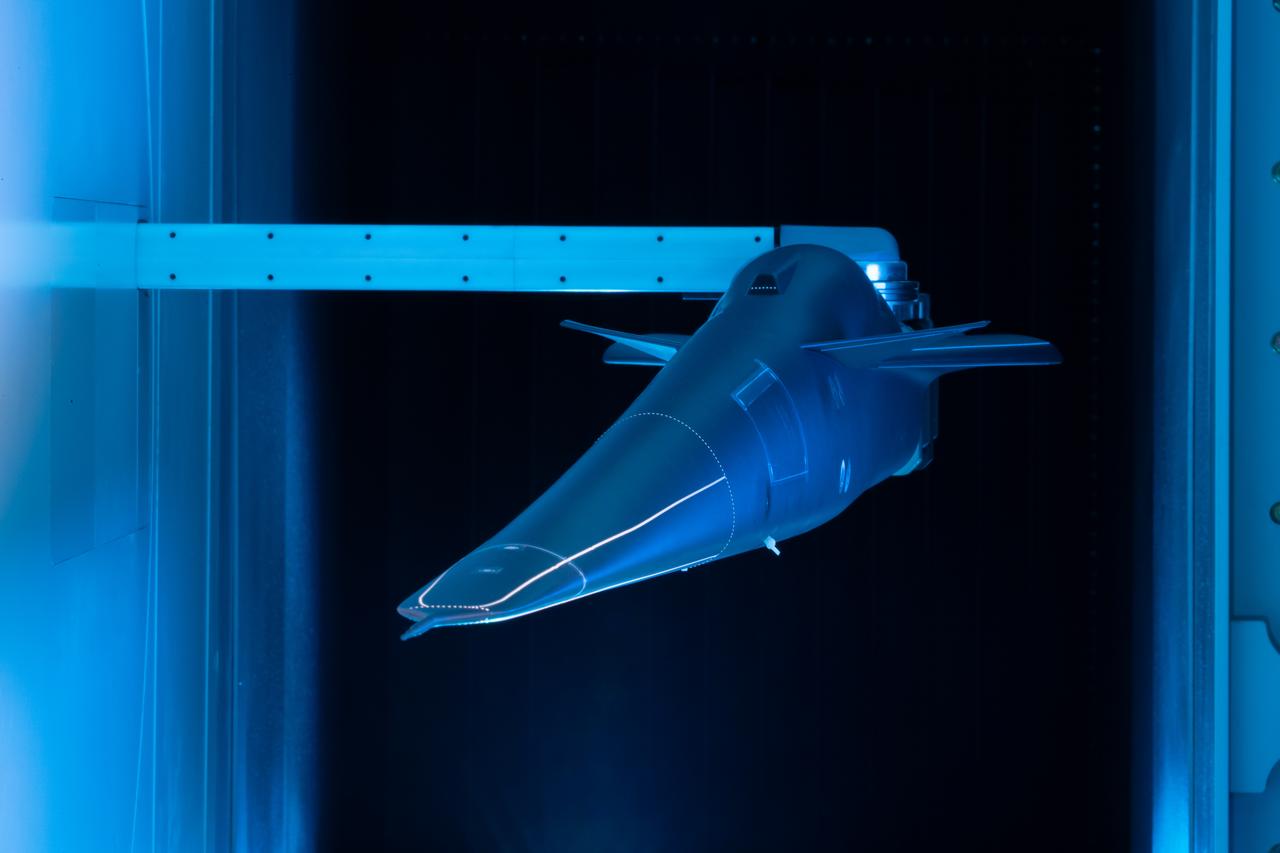
Event: Forebody and Nose - Windtunnel Testing A model of the X-59 forebody is shown in the Lockheed Martin Skunk Works’ wind tunnel in Palmdale, California. These tests gave the team measurements of wind flow angle around the aircraft’s nose and confirmed computer predictions made using computational fluid dynamics (CFD) software tools. The data will be fed into the aircraft flight control system to tell the pilot the aircraft’s altitude, speed and angle. This is part of NASA’s Quesst mission which plans to help enable supersonic air travel over land.
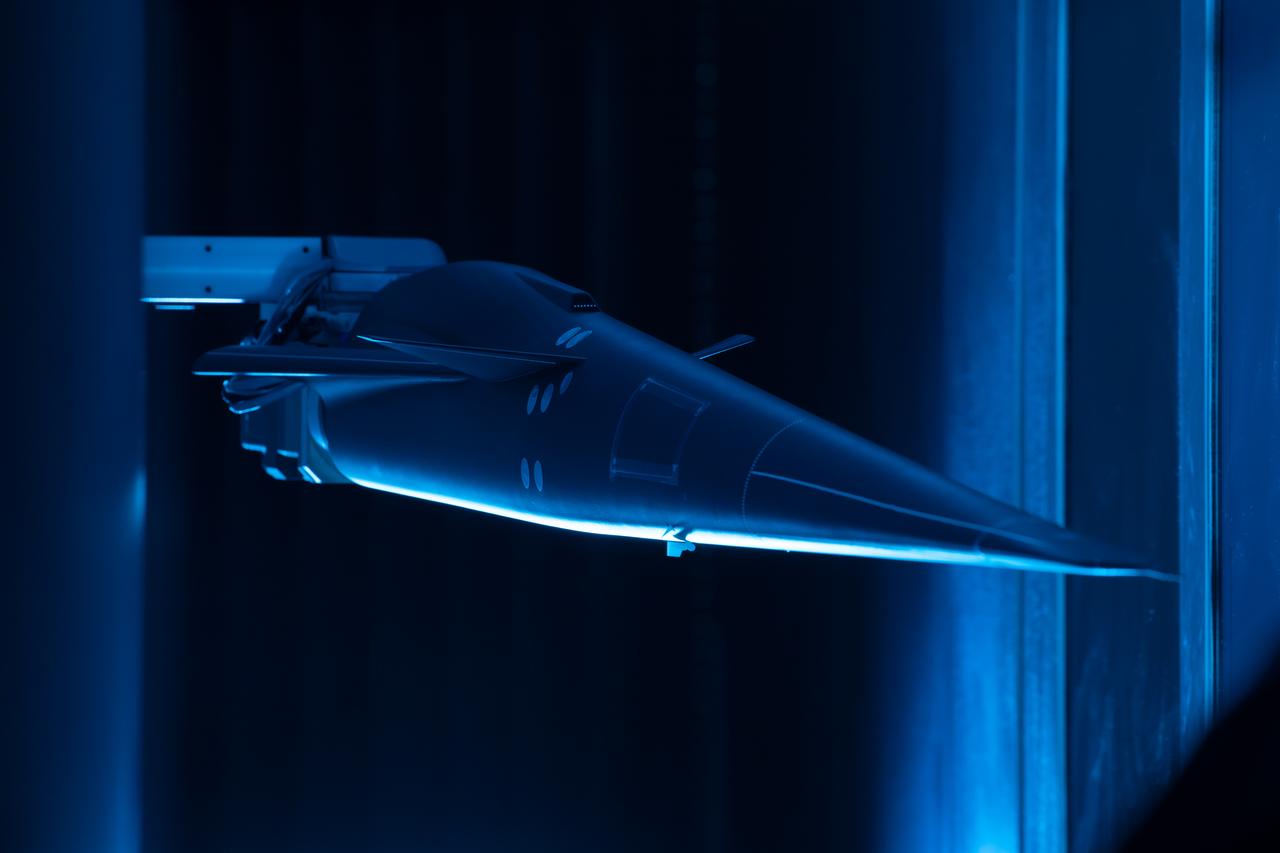
Event: Forebody and Nose - Windtunnel Testing A model of the X-59 forebody is shown in the Lockheed Martin Skunk Works’ wind tunnel in Palmdale, California. These tests gave the team measurements of wind flow angle around the aircraft’s nose and confirmed computer predictions made using computational fluid dynamics (CFD) software tools. The data will be fed into the aircraft flight control system to tell the pilot the aircraft’s altitude, speed and angle. This is part of NASA’s Quesst mission which plans to help enable supersonic air travel over land.

Looking for a faster computer? How about an optical computer that processes data streams simultaneously and works with the speed of light? In space, NASA researchers have formed optical thin-film. By turning these thin-films into very fast optical computer components, scientists could improve computer tasks, such as pattern recognition. Dr. Hossin Abdeldayem, physicist at NASA/Marshall Space Flight Center (MSFC) in Huntsville, Al, is working with lasers as part of an optical system for pattern recognition. These systems can be used for automated fingerprinting, photographic scarning and the development of sophisticated artificial intelligence systems that can learn and evolve. Photo credit: NASA/Marshall Space Flight Center (MSFC)
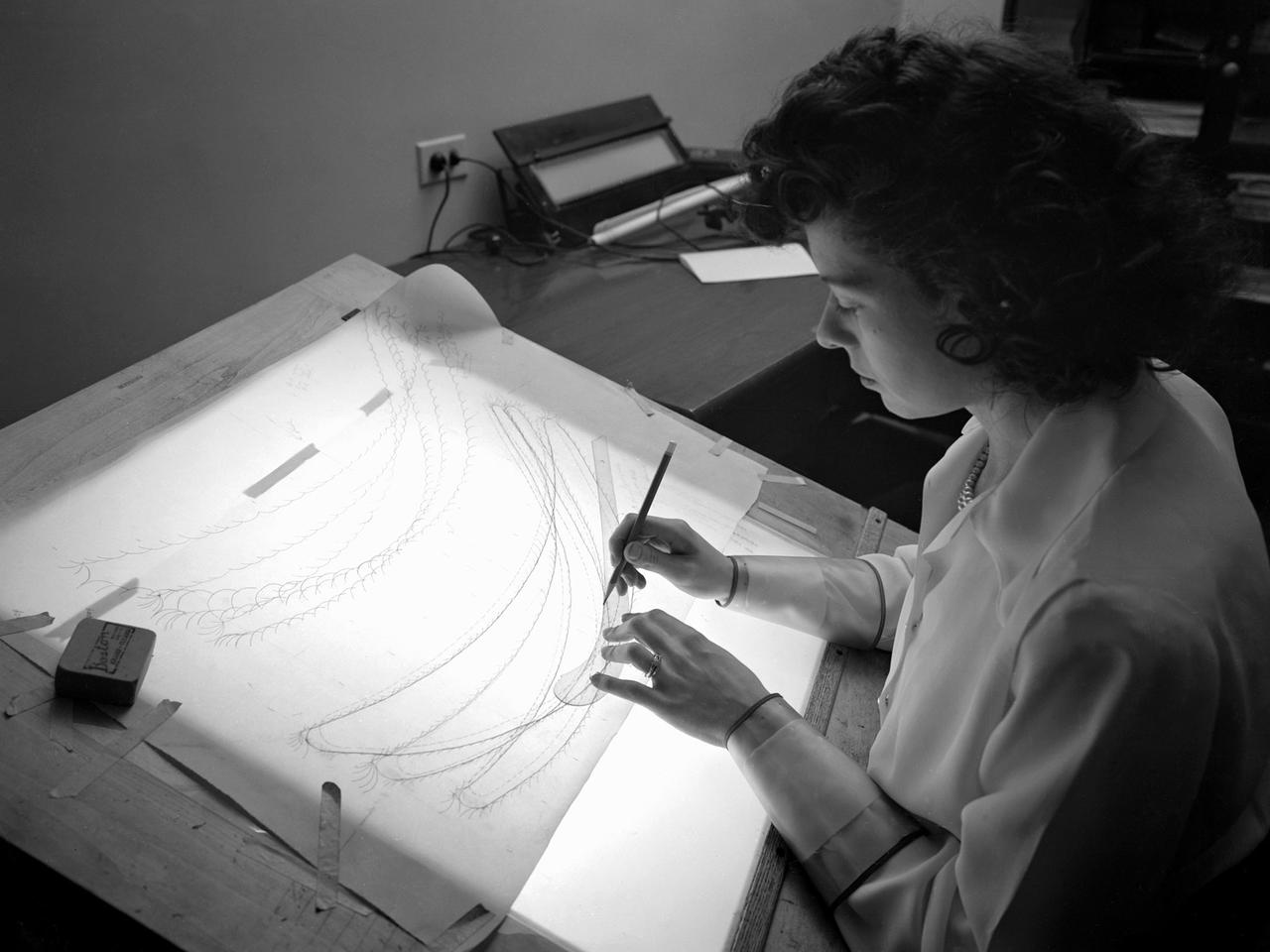
A female computer plotting compressor data in the Engine Research Building at the NACA’s Lewis Flight Propulsion Laboratory. The Computing Section was introduced during World War II to relieve short-handed research engineers of some of the tedious data-taking work. The computers made the initial computations and plotted the data graphically. The researcher then analyzed the data and either summarized the findings in a report or made modifications or ran the test again. With the introduction of mechanical computer systems in the 1950s the female computers learned how to encode the punch cards. As the data processing capabilities increased, fewer female computers were needed. Many left on their own to start families, while others earned mathematical degrees and moved into advanced positions.
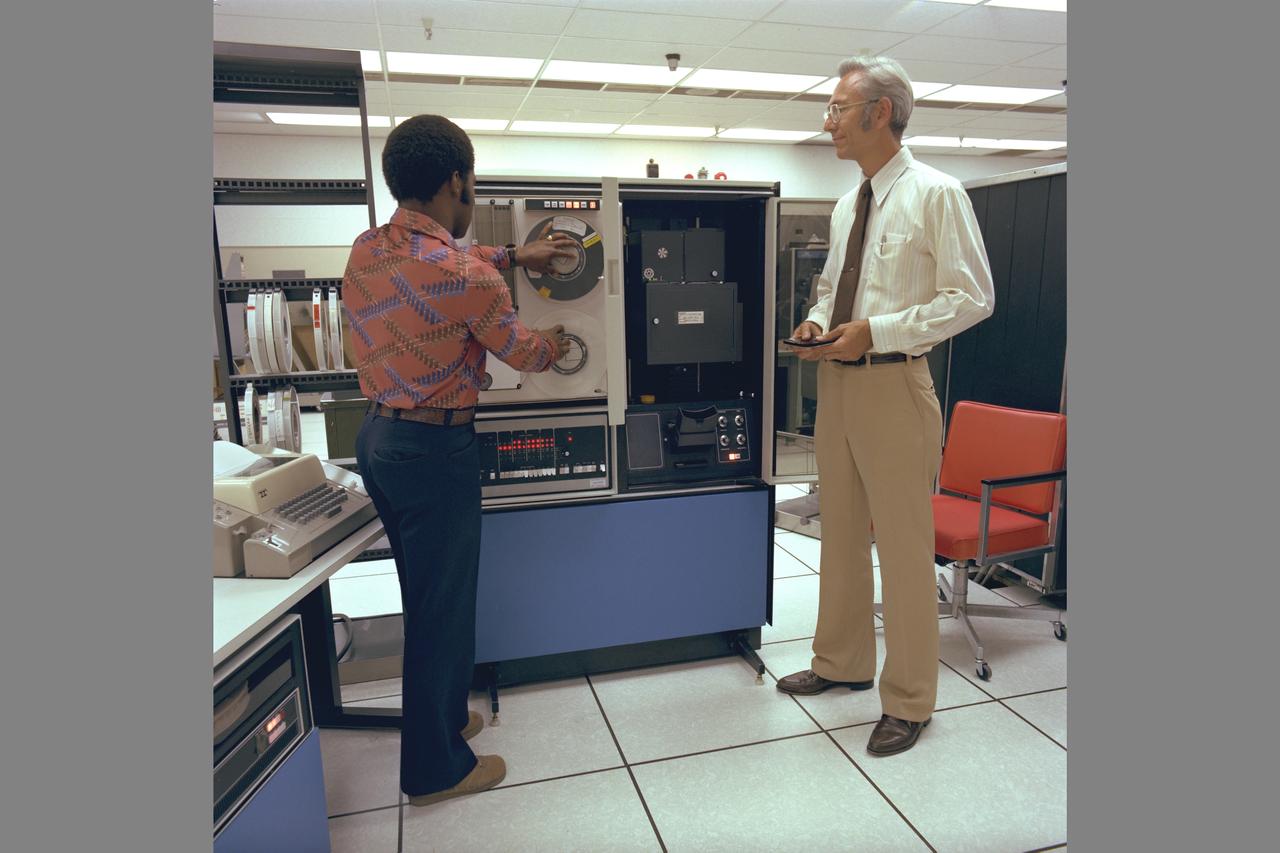
BetaCom 700H computer graphic systems in N-233 with Thomas Crawford
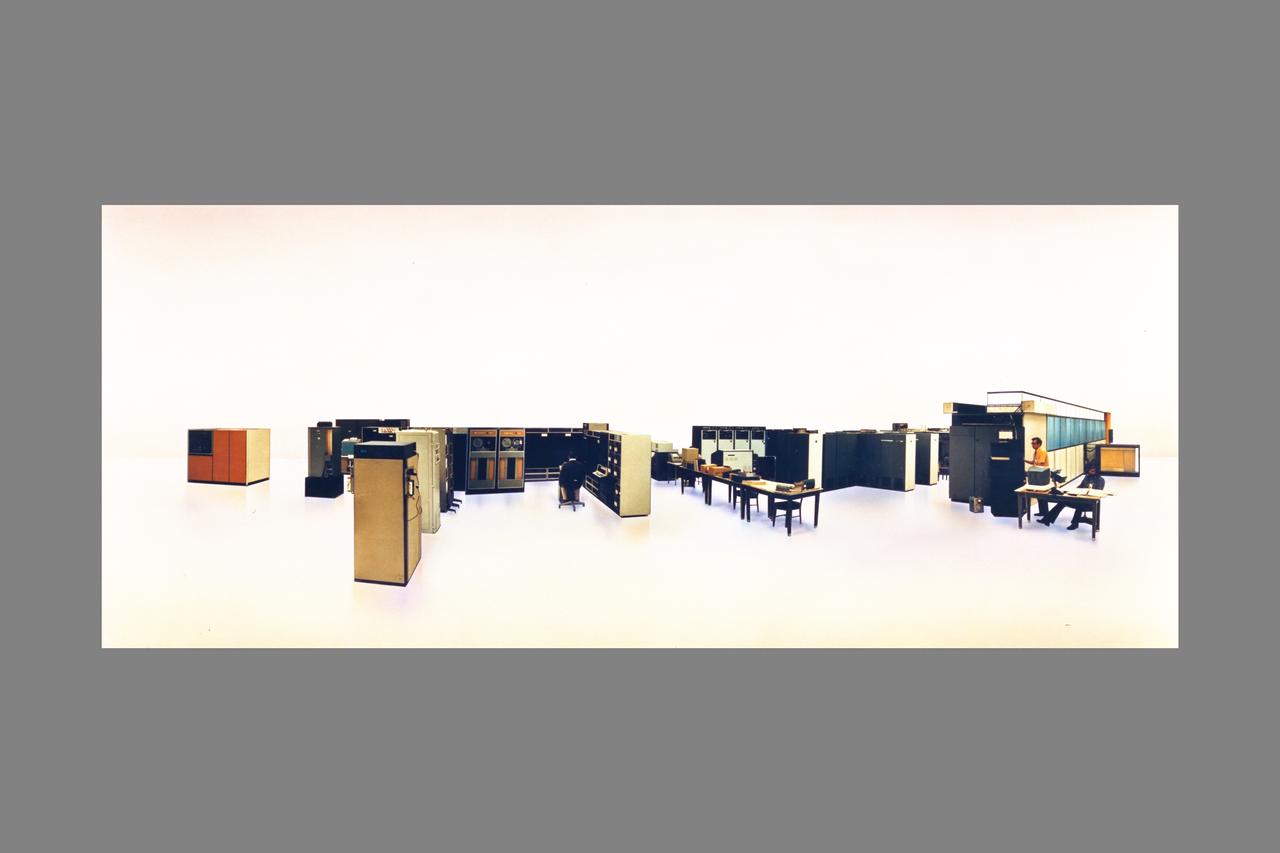
ILLIAC IV computer system layout bldg N-233
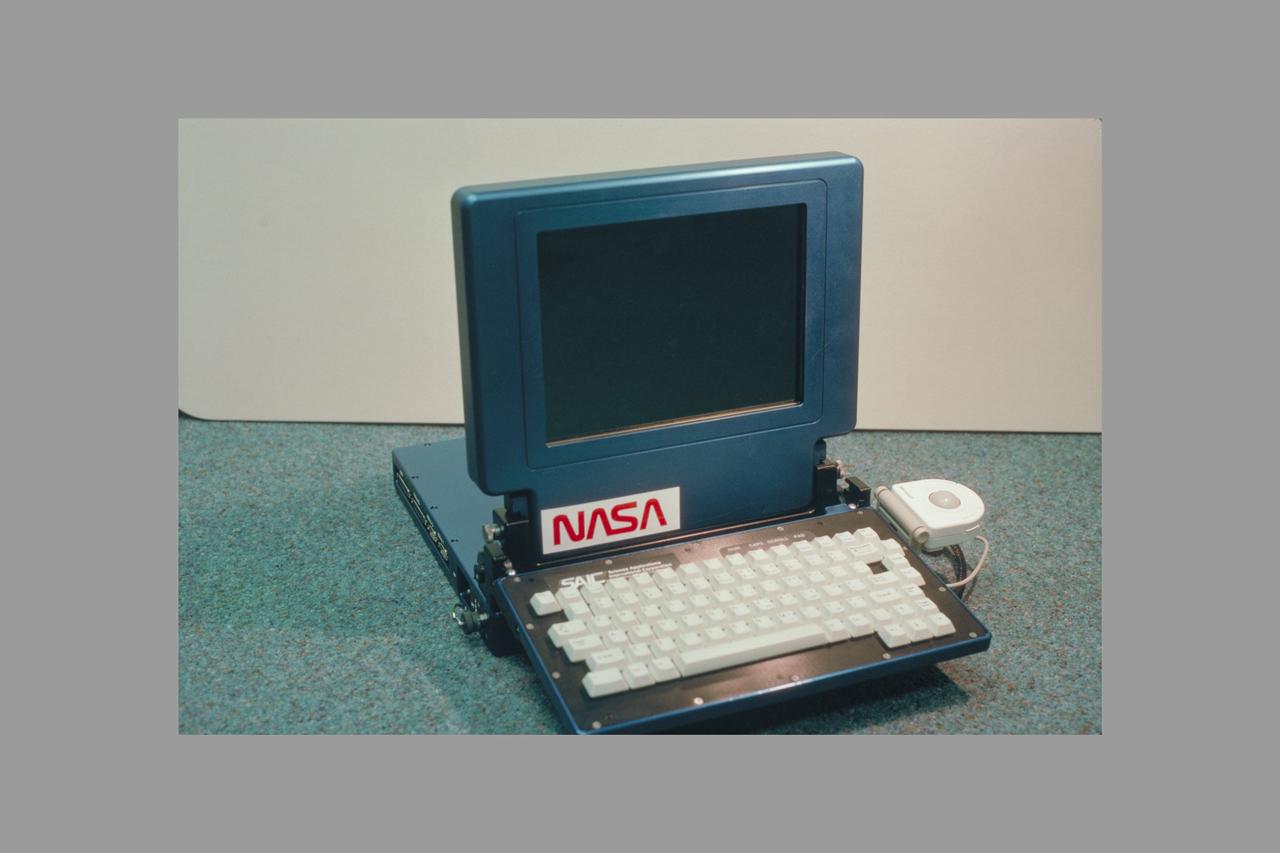
Space Station Data Systems Advance Portable Workstation (Computer). WNE
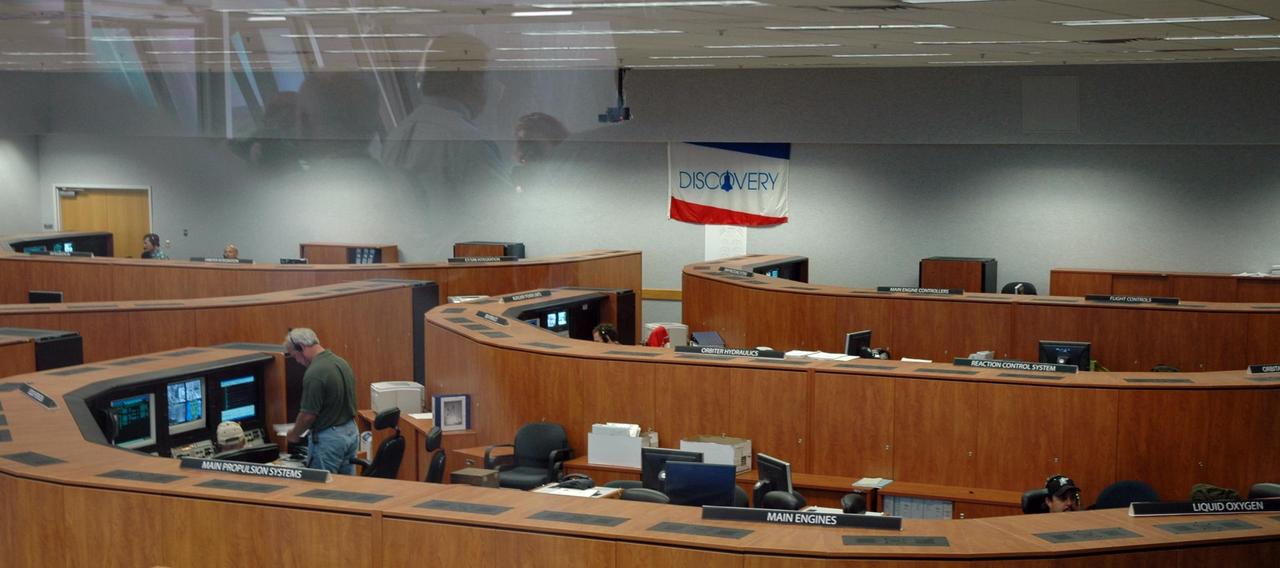
KENNEDY SPACE CENTER, FLA. - An overview of the new Firing Room 4 shows the expanse of computer stations and the various operations the facility will be able to manage. FR4 is now designated the primary firing room for all remaining shuttle launches, and will also be used daily to manage operations in the Orbiter Processing Facilities and for integrated processing for the shuttle. The firing room now includes sound-suppressing walls and floors, new humidity control, fire-suppression systems and consoles, support tables with computer stations, communication systems and laptop computer ports. FR 4 also has power and computer network connections and a newly improved Checkout, Control and Monitor Subsystem. The renovation is part of the Launch Processing System Extended Survivability Project that began in 2003. United Space Alliance's Launch Processing System directorate managed the FR 4 project for NASA. Photo credit: NASA/Dimitri Gerondidakis
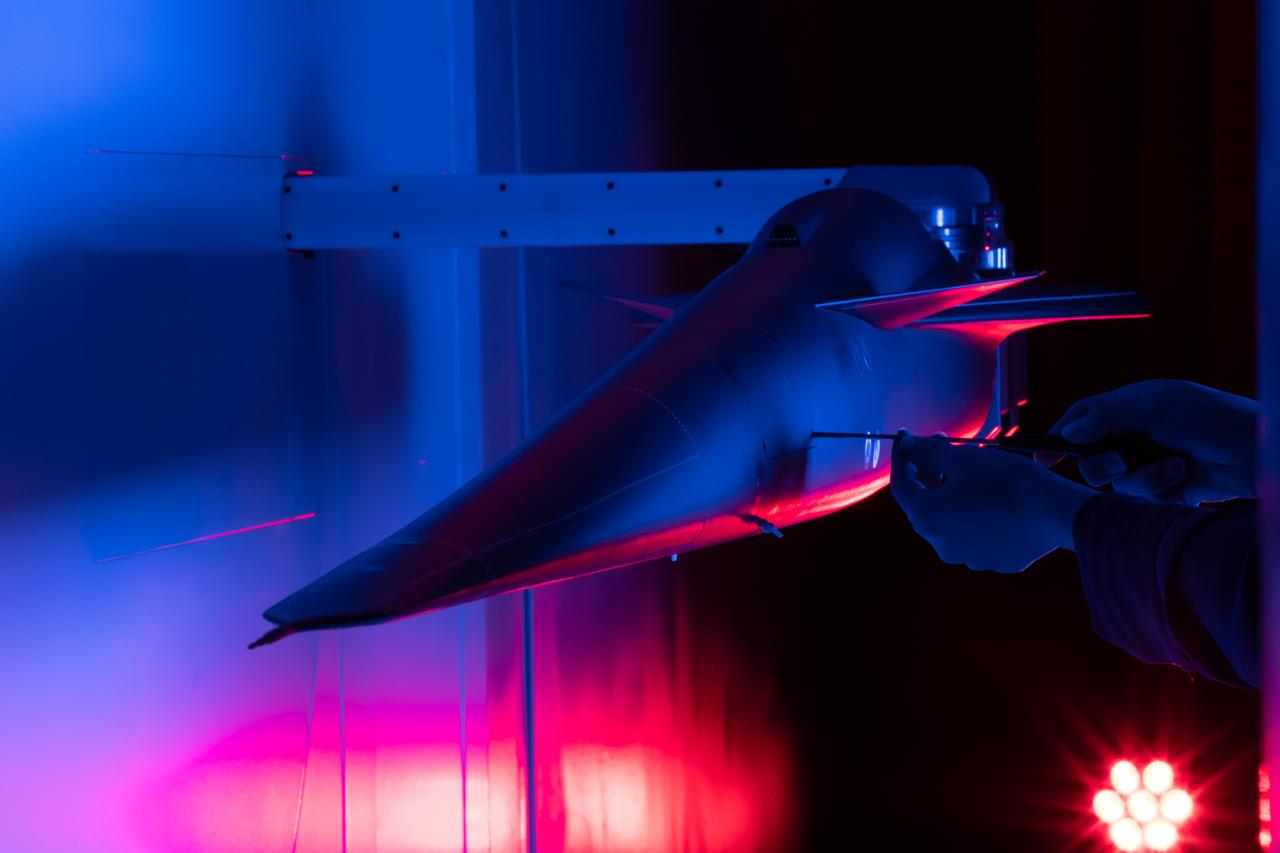
Event: Forebody and Nose - Windtunnel Testing A technician works on the X-59 model during testing in the low-speed wind tunnel at Lockheed Martin Skunk Works in Palmdale, California. These tests gave the team measurements of wind flow angle around the aircraft’s nose and confirmed computer predictions made using computational fluid dynamics (CFD) software tools. The data will be fed into the aircraft flight control system to tell the pilot the aircraft’s altitude, speed, and angle. This is part of NASA’s Quesst mission which plans to help enable supersonic air travel over land.

The F-8 Digital Fly-By-Wire aircraft had its hydro-mechanical control systems replaced by an Apollo Guidance Computer for the first such control system to fly.
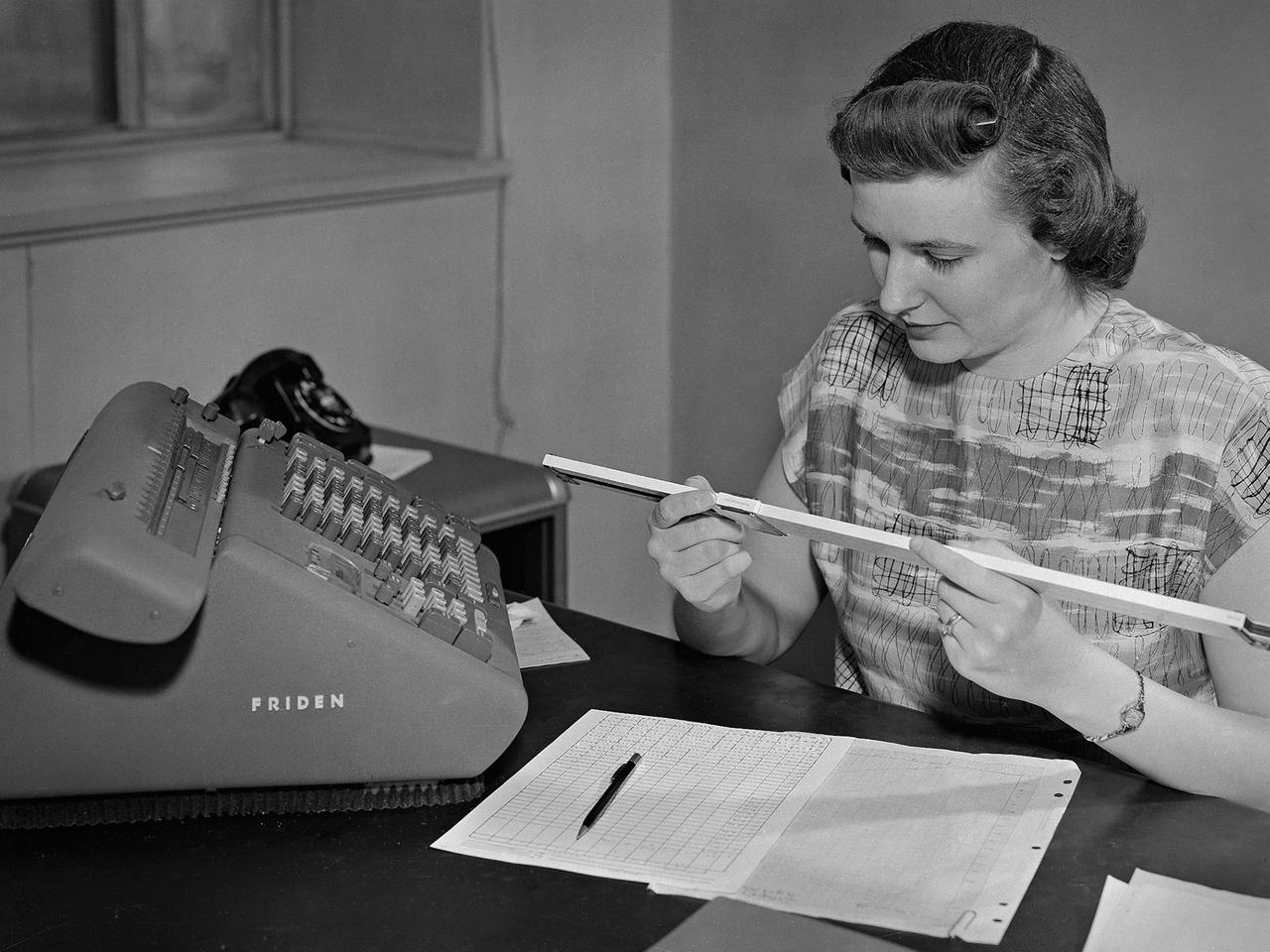
A female computer at the National Advisory Committee for Aeronautics (NACA) Lewis Flight Propulsion Laboratory with a slide rule and Friden adding machine to make computations. The computer staff was introduced during World War II to relieve short-handed research engineers of some of the tedious computational work. The Computing Section was staffed by “computers,” young female employees, who often worked overnight when most of the tests were run. The computers obtained test data from the manometers and other instruments, made the initial computations, and plotted the data graphically. Researchers then analyzed the data and summarized the findings in a report or made modifications and ran the test again. There were over 400 female employees at the laboratory in 1944, including 100 computers. The use of computers was originally planned only for the duration of the war. The system was so successful that it was extended into the 1960s. The computers and analysts were located in the Altitude Wind Tunnel Shop and Office Building office wing during the 1940s and transferred to the new 8- by 6-Foot Supersonic Wind Tunnel in 1948.
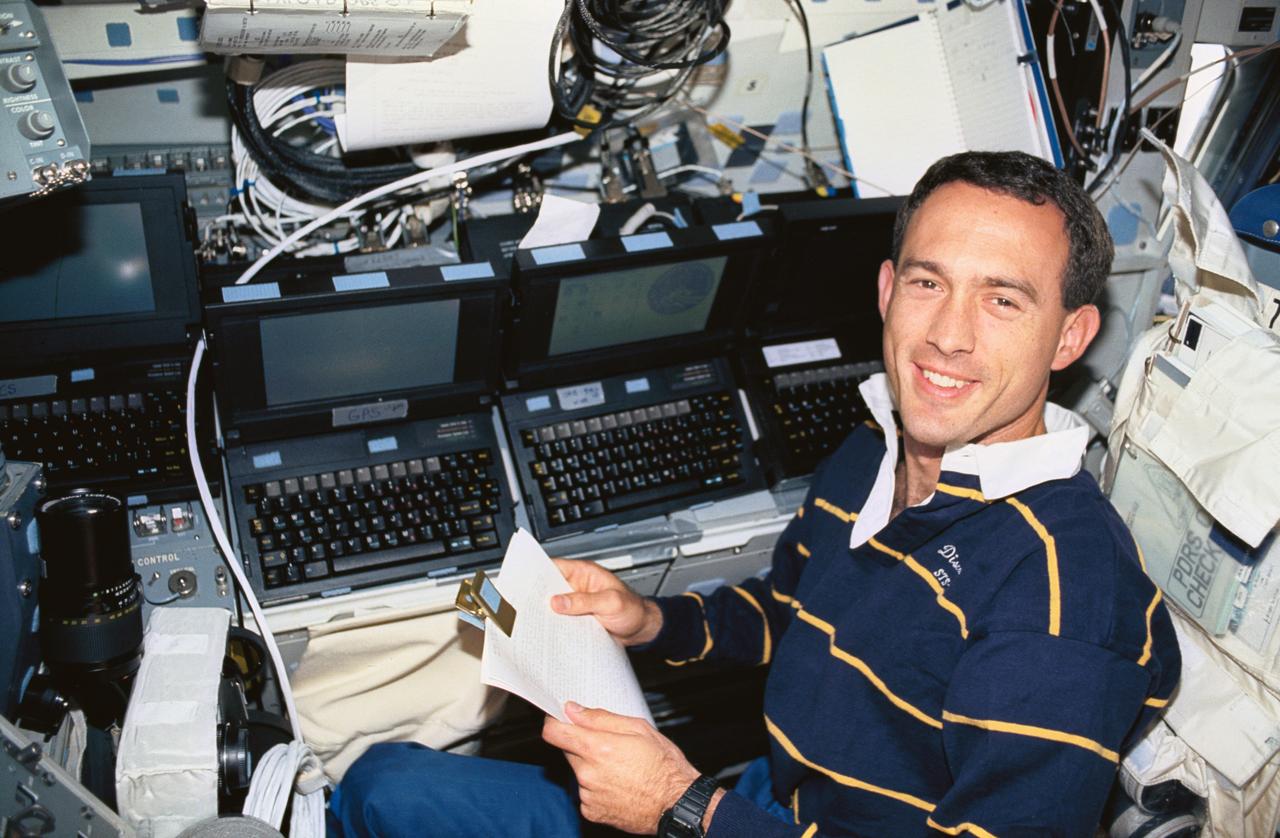
STS051-16-028 (12-22 Sept 1993) --- On Discovery's middeck, astronaut James H. Newman, mission specialist, works with an array of computers, including one devoted to Global Positioning System (GPS) operations, a general portable onboard computer displaying a tracking map, a portable audio data modem and another payload and general support computer. Newman was joined by four other NASA astronauts for almost ten full days in space.
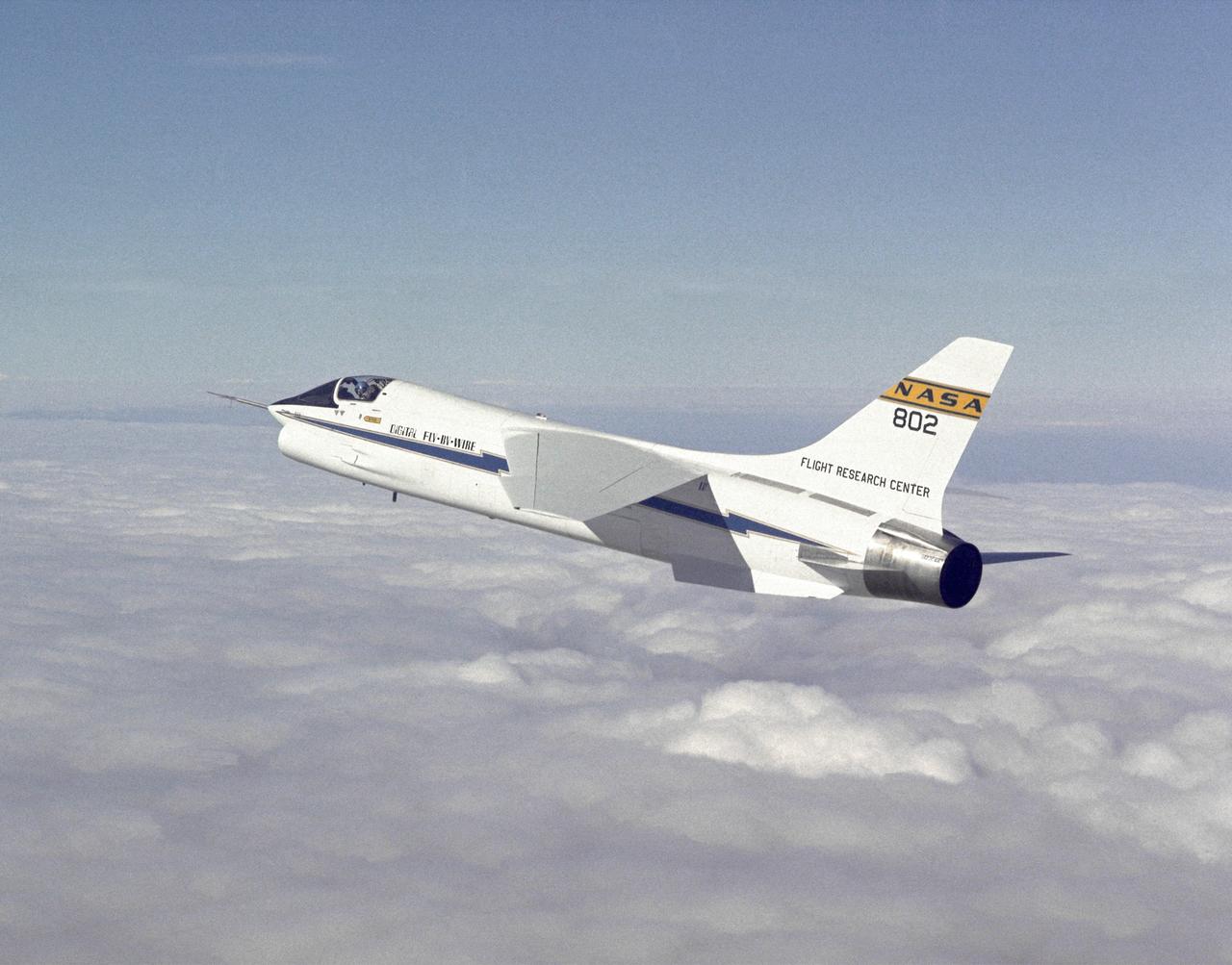
F-8 Digital Fly-By-Wire aircraft in flight. The computer-controlled flight systems pioneered by the F-8 DFBW created a revolution in aircraft design. The F-117A, X-29, X-31, and many other aircraft have relied on computers to make them flyable. Built with inherent instabilities to make them more maneuverable, they would be impossible for human pilots to fly if the computers failed or received incorrect data.
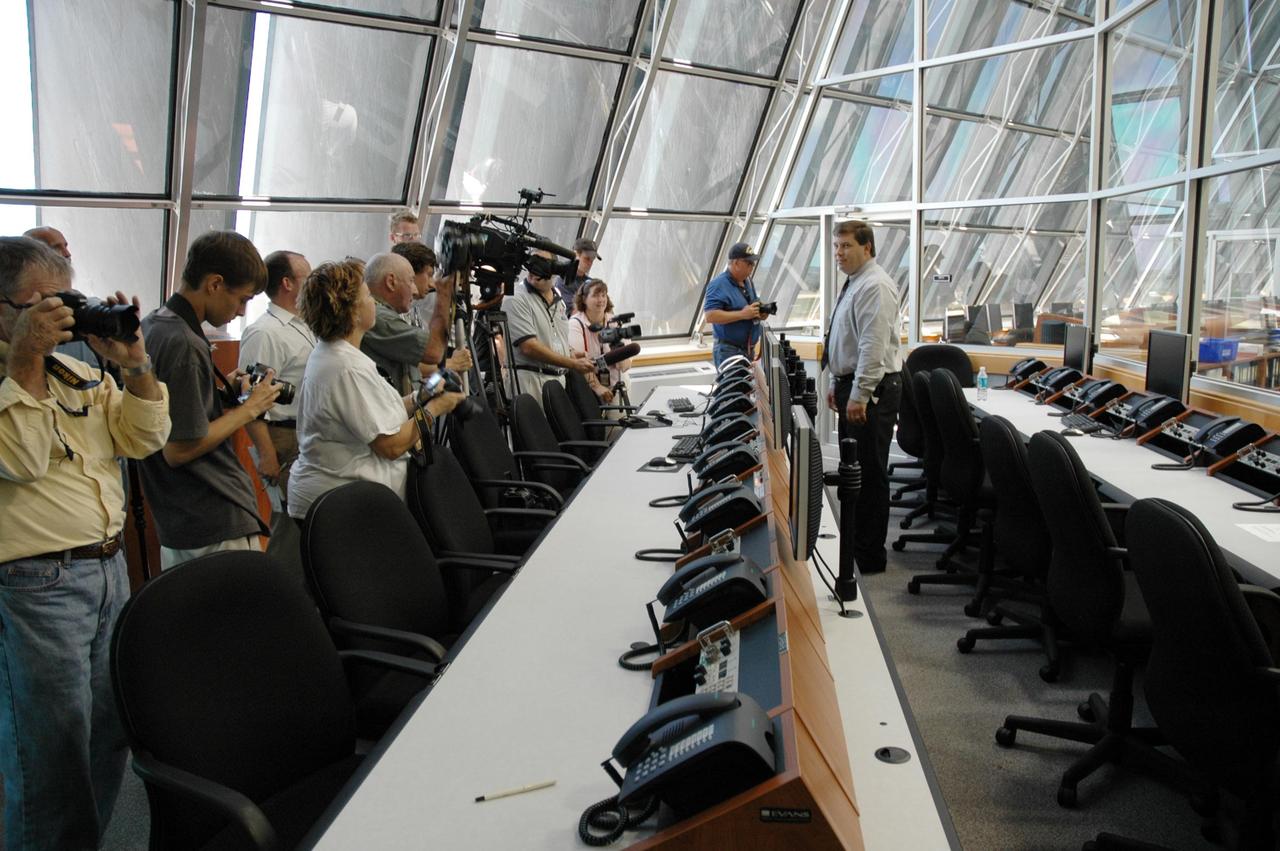
KENNEDY SPACE CENTER, FLA. - Ted Mosteller (right), NASA test director, briefs the media about Firing Room 4 (FR4), which has been undergoing renovations for two years. FR4 is now designated the primary firing room for all remaining shuttle launches, and will also be used daily to manage operations in the Orbiter Processing Facilities and for integrated processing for the shuttle. The firing room now includes sound-suppressing walls and floors, new humidity control, fire-suppression systems and consoles, support tables with computer stations, communication systems and laptop computer ports. FR 4 also has power and computer network connections and a newly improved Checkout, Control and Monitor Subsystem. The renovation is part of the Launch Processing System Extended Survivability Project that began in 2003. United Space Alliance's Launch Processing System directorate managed the FR 4 project for NASA. Photo credit: NASA/Dimitri Gerondidakis
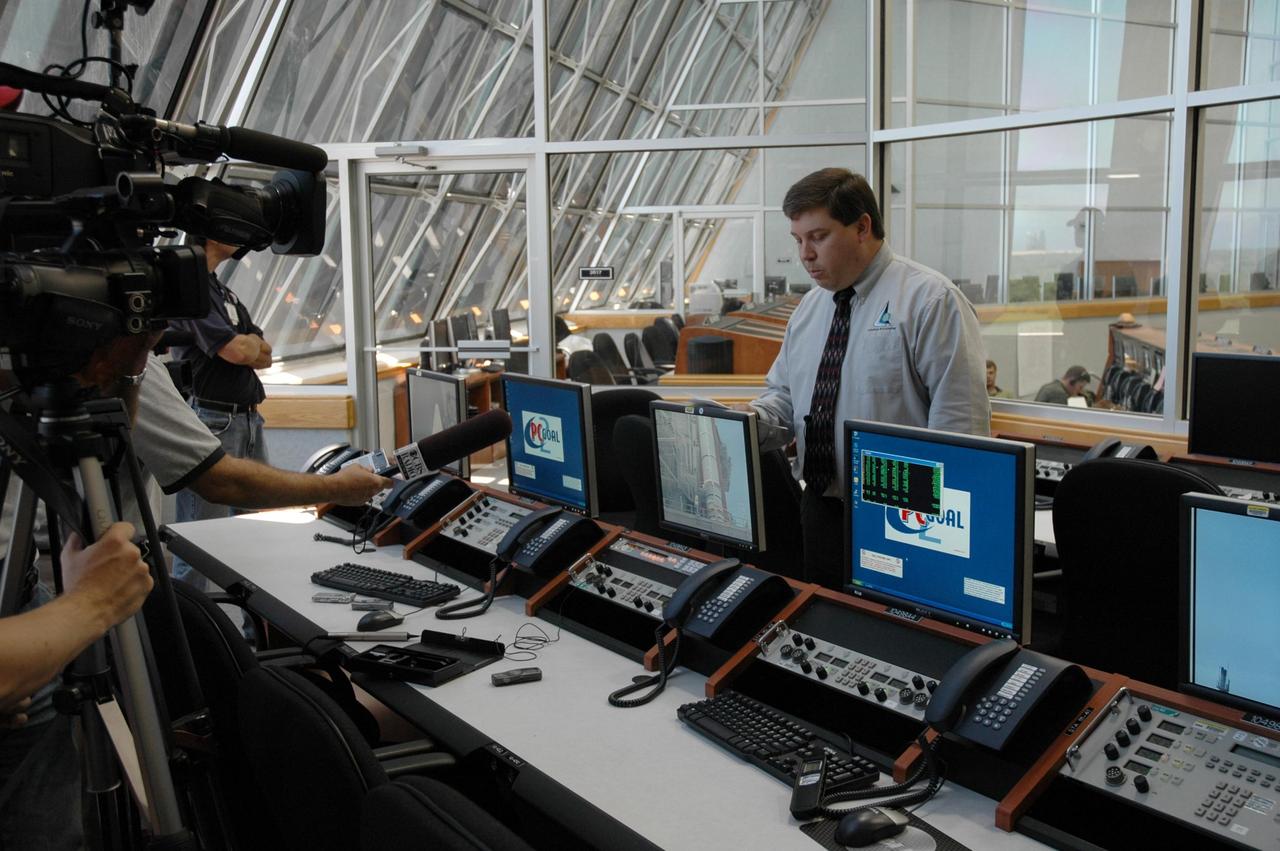
KENNEDY SPACE CENTER, FLA. - NASA Test Director Ted Mosteller (right) briefs the media about Firing Room 4 (FR4), which has been undergoing renovations for two years. FR4 is now designated the primary firing room for all remaining shuttle launches, and will also be used daily to manage operations in the Orbiter Processing Facilities and for integrated processing for the shuttle. The firing room now includes sound-suppressing walls and floors, new humidity control, fire-suppression systems and consoles, support tables with computer stations, communication systems and laptop computer ports. FR 4 also has power and computer network connections and a newly improved Checkout, Control and Monitor Subsystem. The renovation is part of the Launch Processing System Extended Survivability Project that began in 2003. United Space Alliance's Launch Processing System directorate managed the FR 4 project for NASA. Photo credit: NASA/Dimitri Gerondidakis
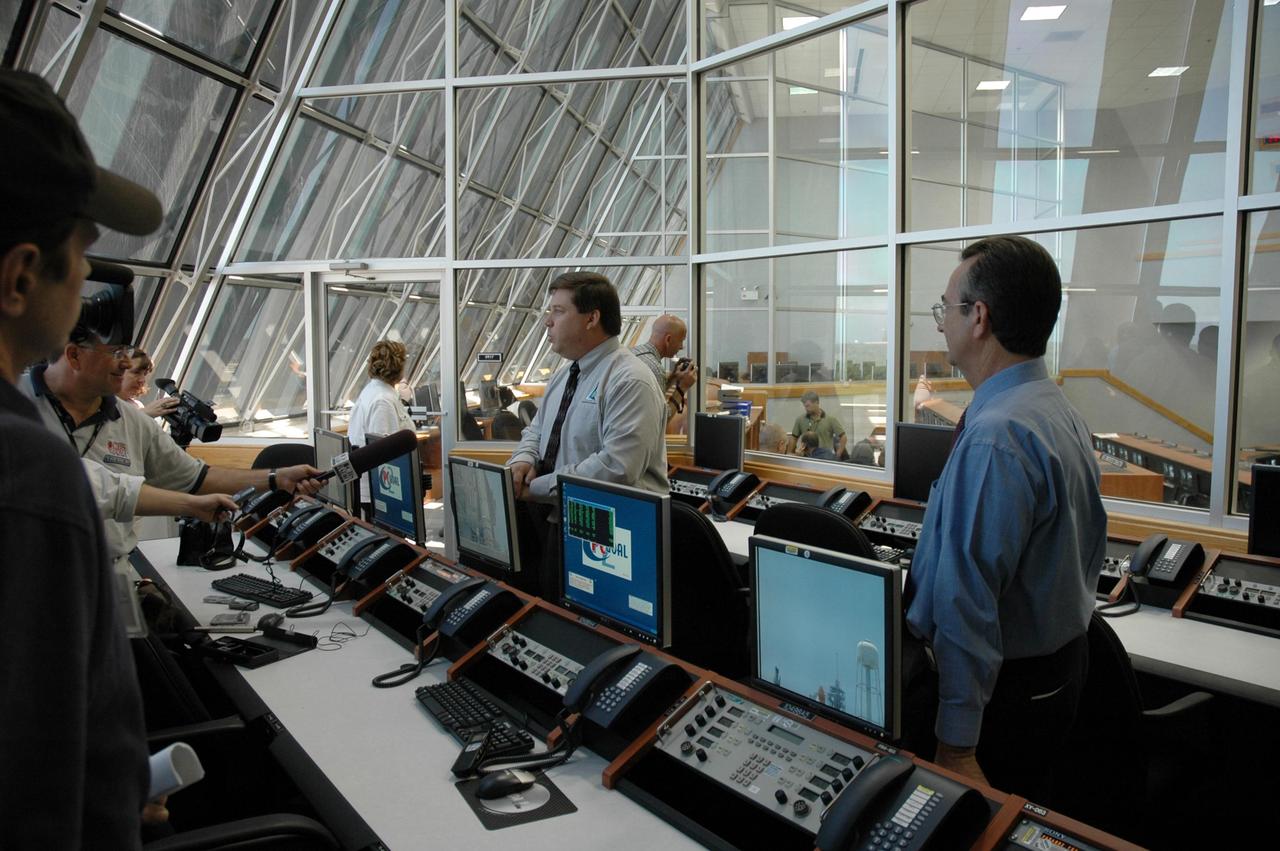
KENNEDY SPACE CENTER, FLA. - NASA Test Director Ted Mosteller (center) briefs the media about Firing Room 4 (FR4), which has been undergoing renovations for two years. FR4 is now designated the primary firing room for all remaining shuttle launches, and will also be used daily to manage operations in the Orbiter Processing Facilities and for integrated processing for the shuttle. The firing room now includes sound-suppressing walls and floors, new humidity control, fire-suppression systems and consoles, support tables with computer stations, communication systems and laptop computer ports. FR 4 also has power and computer network connections and a newly improved Checkout, Control and Monitor Subsystem. The renovation is part of the Launch Processing System Extended Survivability Project that began in 2003. United Space Alliance's Launch Processing System directorate managed the FR 4 project for NASA. Photo credit: NASA/Dimitri Gerondidakis
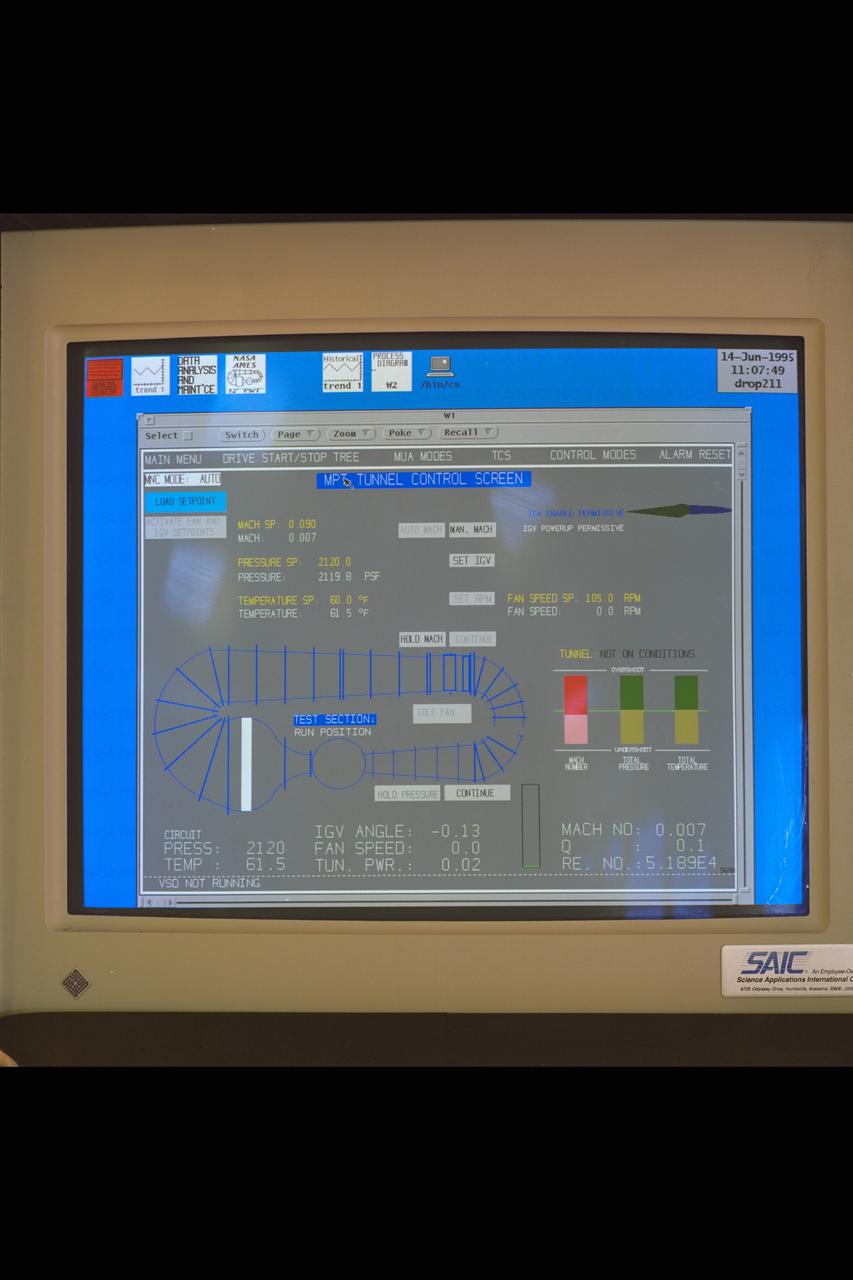
New renovated NASA Ames Research Center 12ft Pressure Wind Tunnel view of control room benchboard operations with tunnel control screen (computer system)
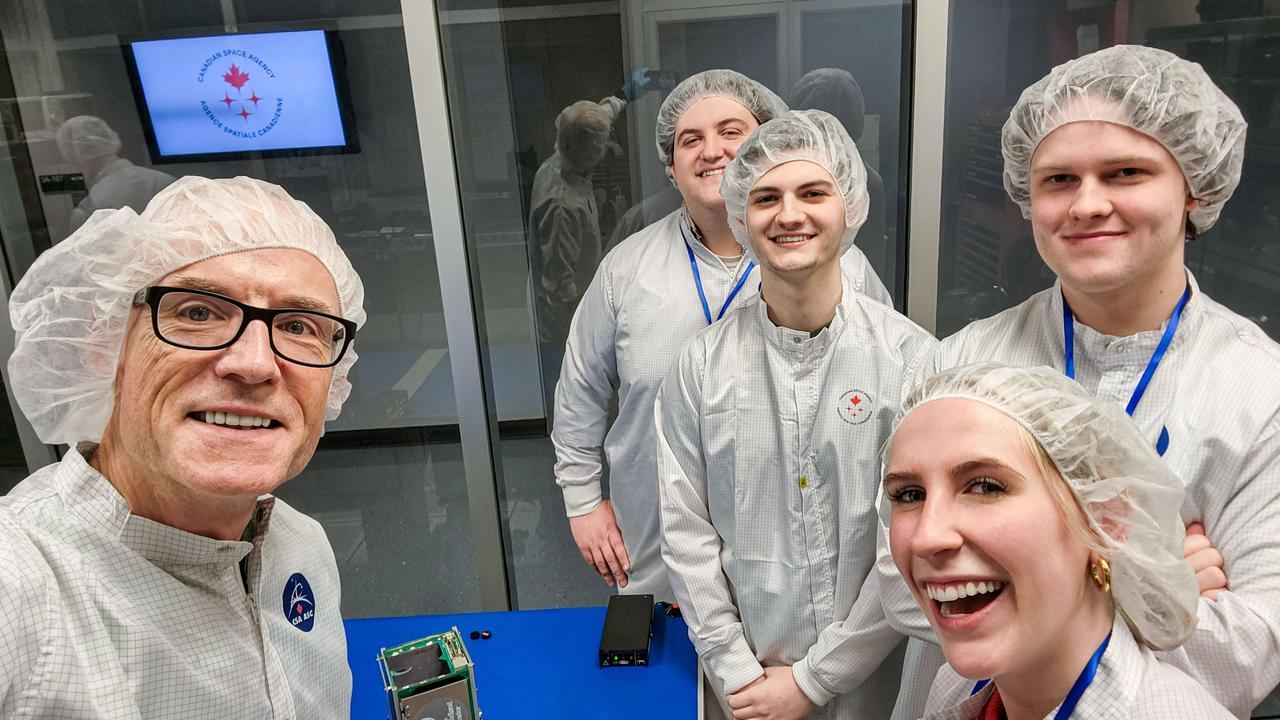
jsc2024e016246 (11/27/2023) --- Selfie of Killick-1 Satellite Integration Team in the Canadian Space Agency Clean Room with the Killick-1 satellite (foreground). From left to right – Desmond Power (Co-Principal Investigator), Matthew Fewer (Computer Engineering Student), Cameron King (Computer Engineering Student), Victoria Vaters (Mechanical Engineering Student), Daniel Dolomount (computer Engineering Student). Nanoracks-Killick-1 is a CubeSat that measures sea ice parameters using Global Navigation Satellite System (GNSS) reflectometry or reflected signals. Image courtesy of C-CORE and Memorial University.
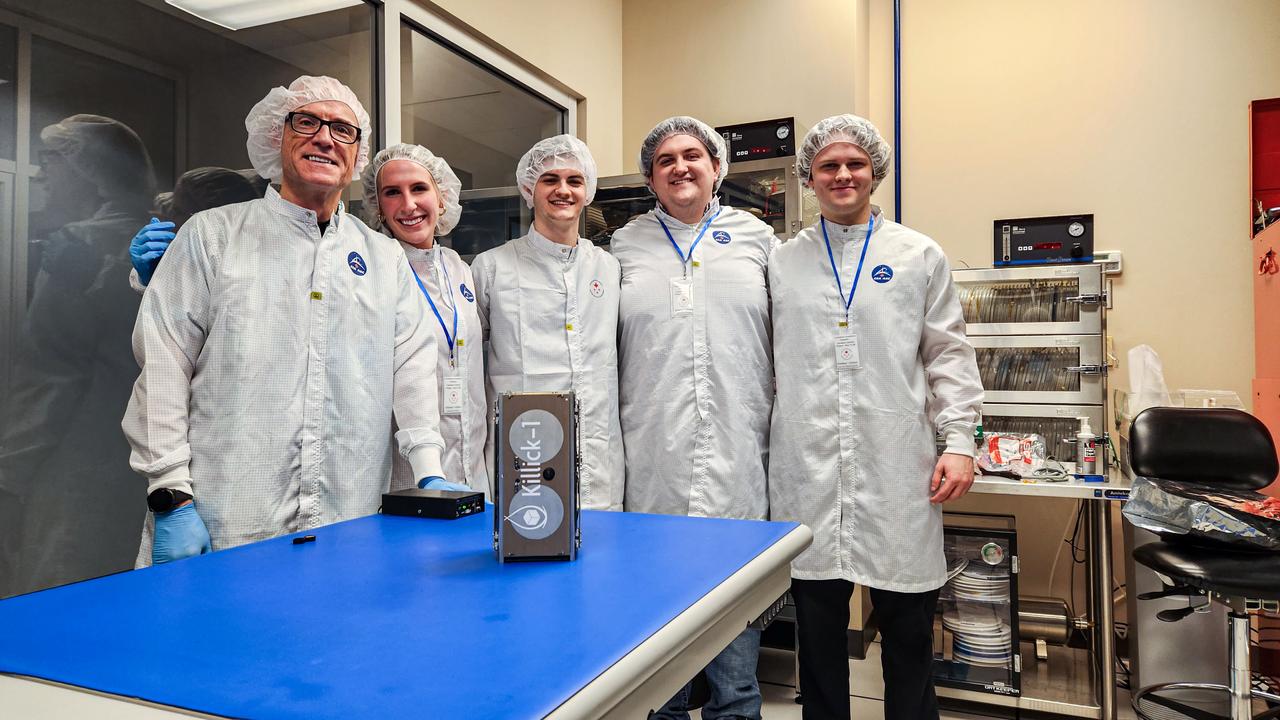
jsc2024e016245 (11/27/2023) --- The Nanoracks-Killick-1 Satellite Integration Team in the Canadian Space Agency (CSA) clean room with the Killick-1 satellite (foreground). From left to right – Desmond Power (Co-Principal Investigator), Victoria Vaters (Mechanical Engineering Student), Cameron King (Computer Engineering Student), Matthew Fewer (Computer Engineering Student), Daniel Dolomount (computer Engineering Student). Nanoracks-Killick-1 is a CubeSat that measures sea ice parameters using Global Navigation Satellite System (GNSS) reflectometry or reflected signals. Image courtesy of C-CORE and Memorial University.
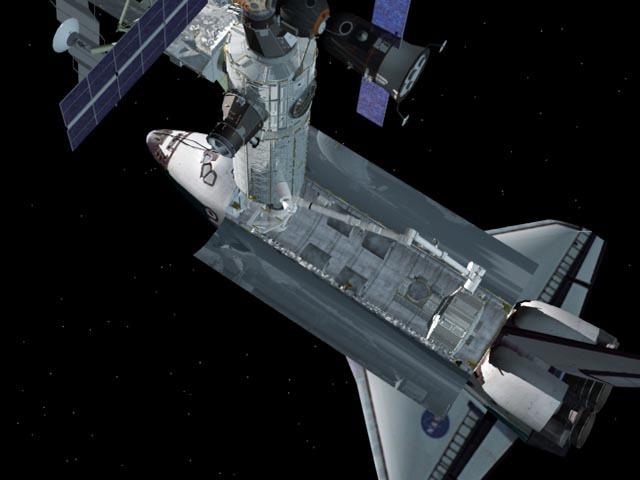
JSC2001-E-19790 (July 2001) --- A computer-generated representation showing the Space Station Remote Manipulator System (SSRMS) lifting the Quest Airlock out of the payload bay of the Space Shuttle Atlantis during the STS-104 mission.
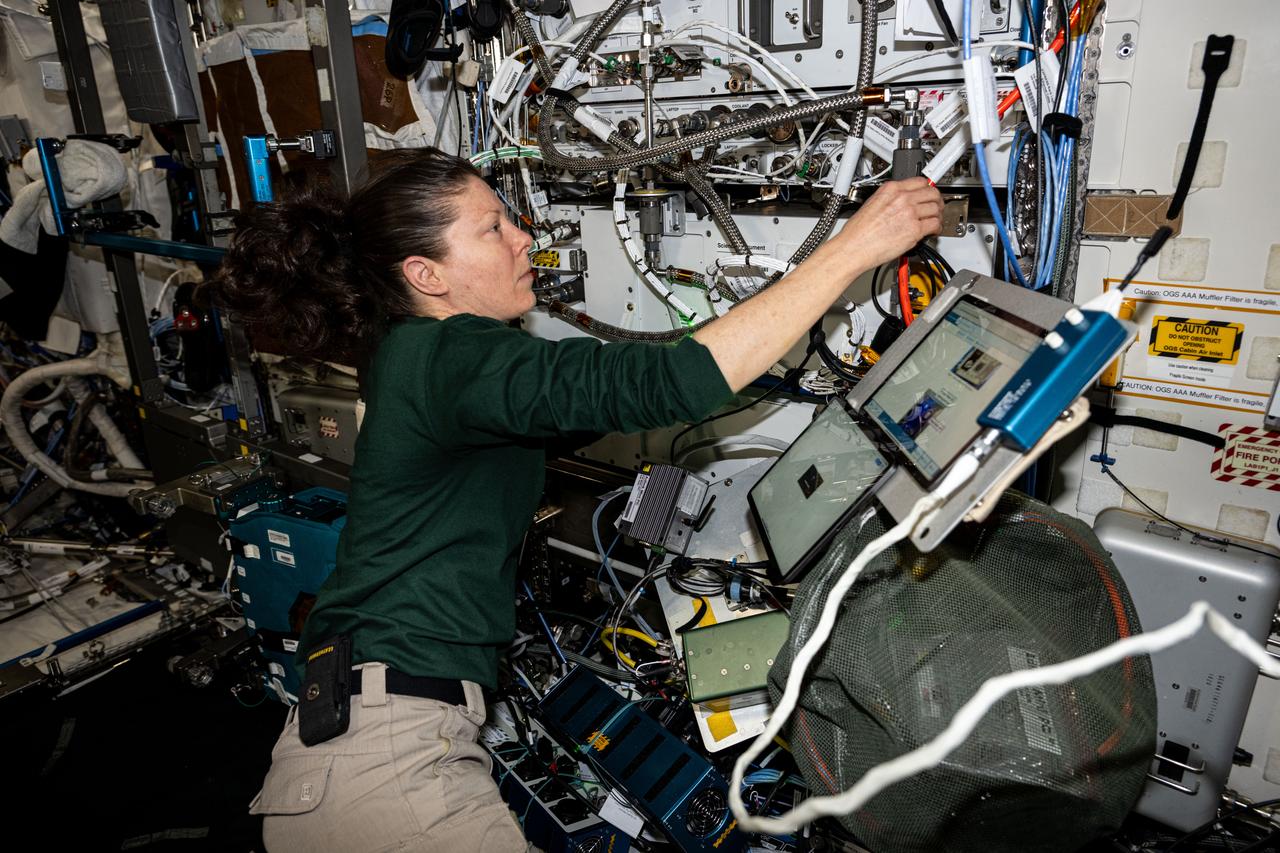
iss071e609375 (Sept. 5, 2024) --- NASA astronaut and Expedition 71 Flight Engineer Tracy C. Dyson tests the configuration of computers that control life support systems aboard the International Space Station's Destiny laboratory module.
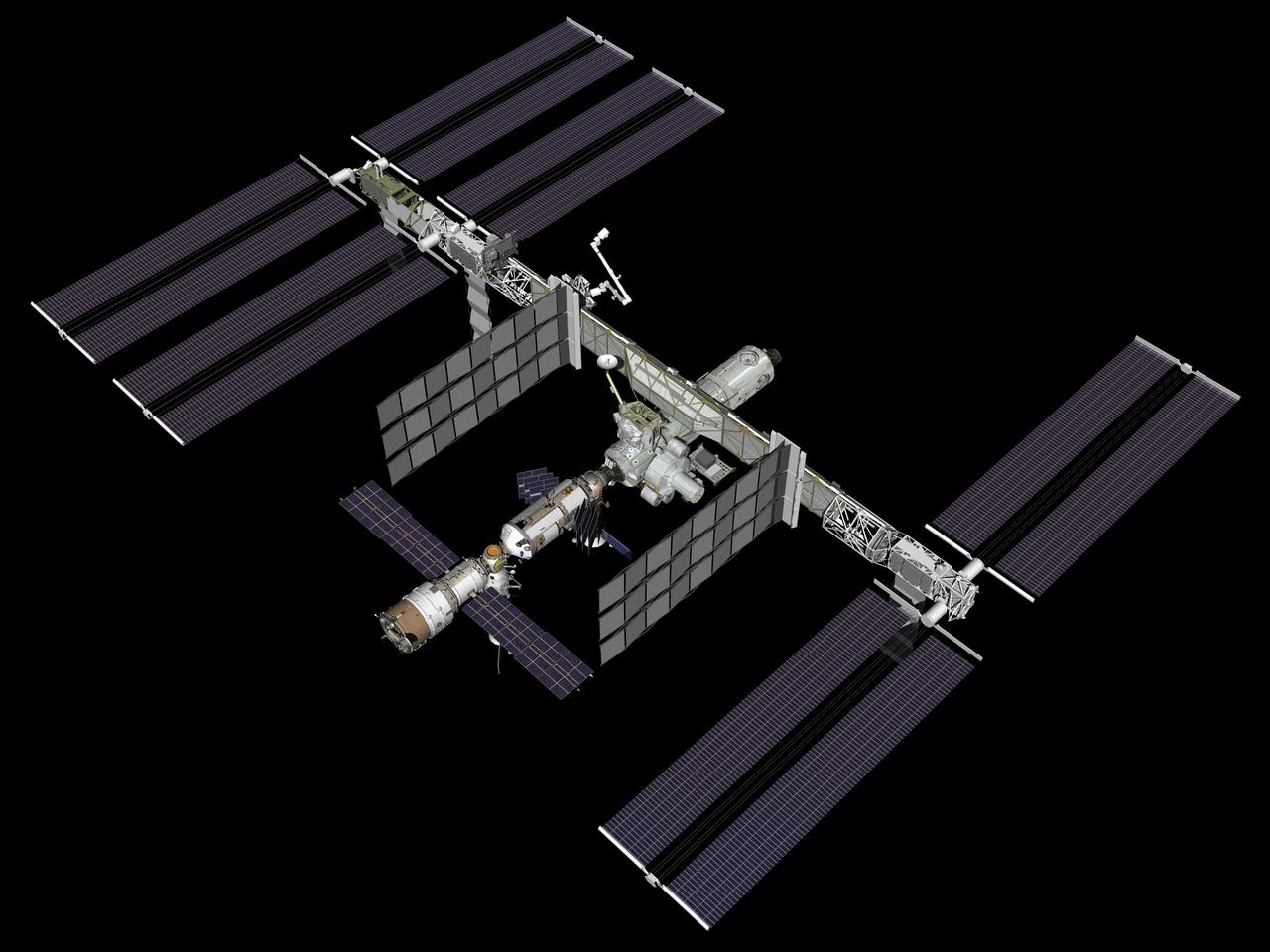
JSC2007-E-099883 (November 2007) --- Computer-generated artist's rendering of the 10A stage configuration of the International Space Station as of Nov. 15, 2007. The port side Thermal Control System radiators are fully deployed.
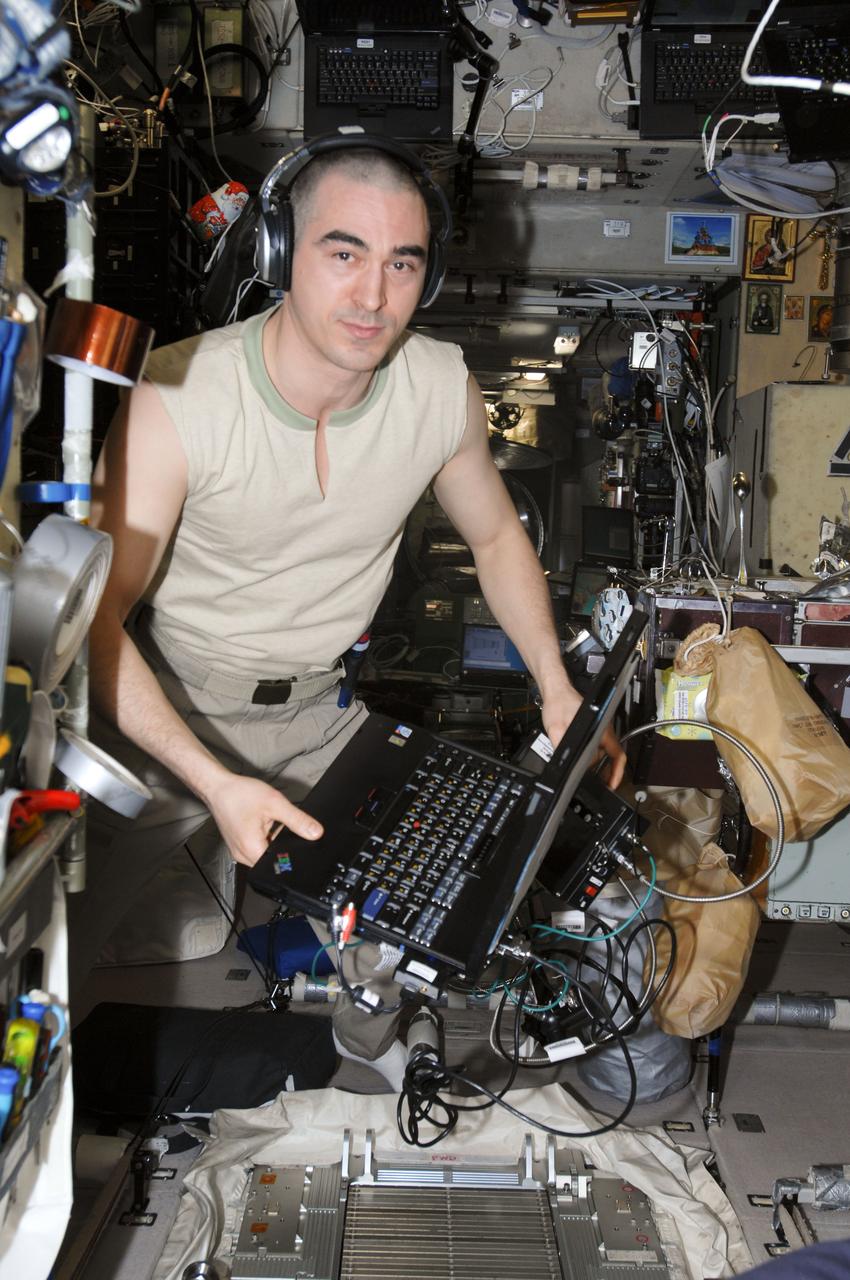
ISS030-E-021036 (5 Jan. 2012) --- Russian cosmonaut Anatoly Ivanishin, Expedition 30 flight engineer, wears a communication system headset while using a computer in the Zvezda Service Module of the International Space Station.
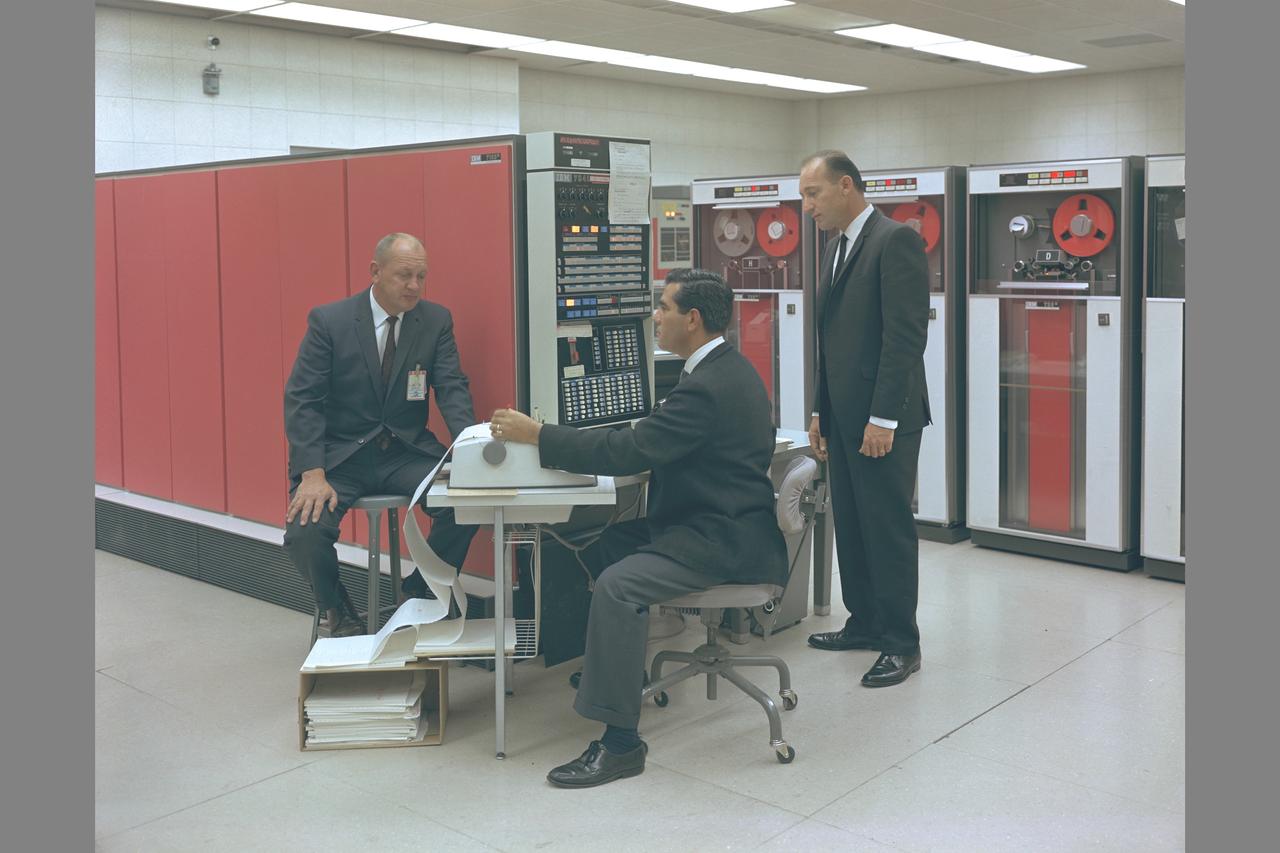
MR. A. NATWICK, MR. T. GONZALES, MR. F. GIALLANZA, AT WORK IN THE 7094 COMPUTER ROOM OF THE PIONEER TAPE PROCESSING STATION AT NASA AMES RESEARCH CENTER. Pioneer Off-Line Data Processing System.
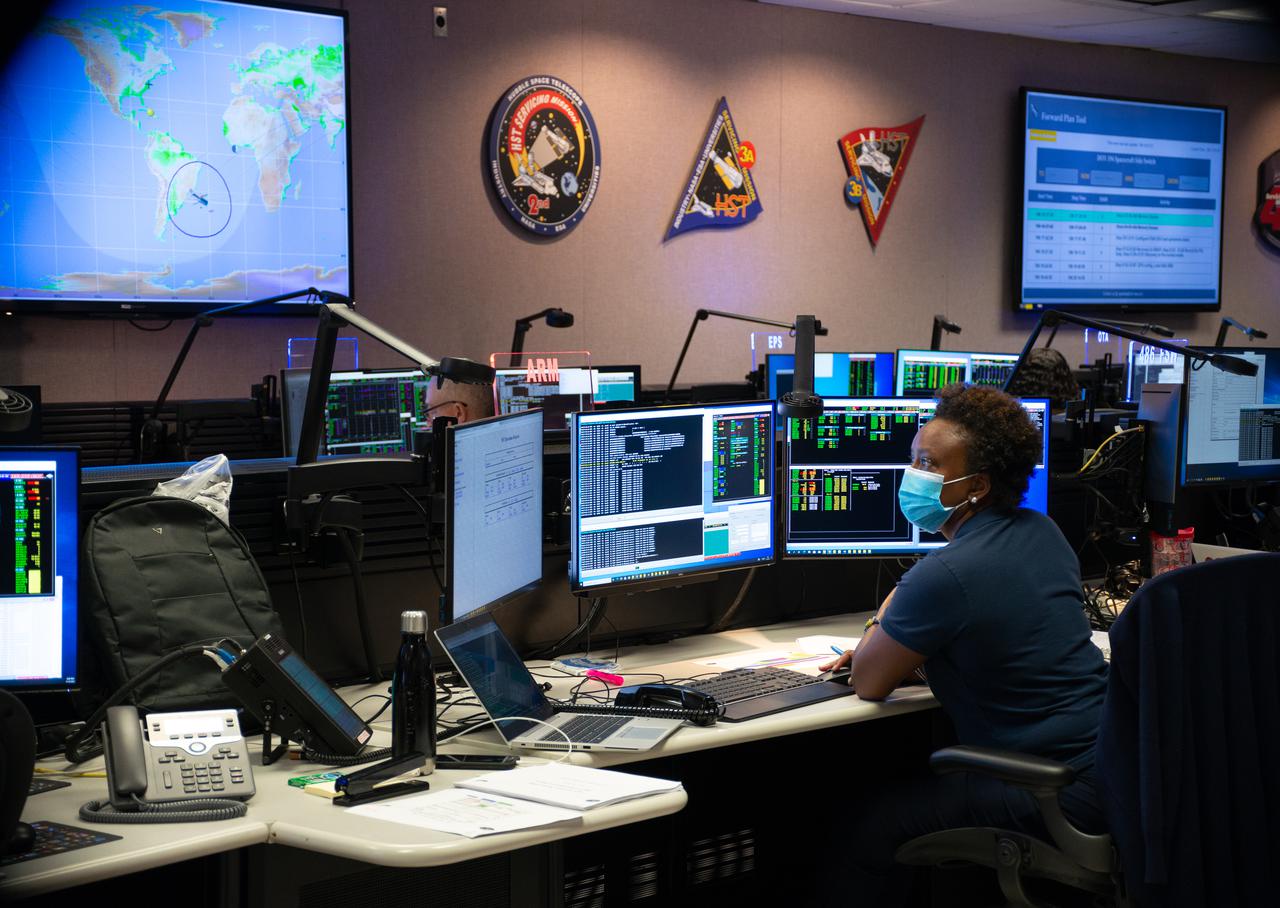
Nzinga Tull, Hubble systems anomaly response manager at NASA’s Goddard Space Flight Center in Greenbelt, Maryland, works in the control room on July 15, 2021, to restore Hubble to full science operations. --- More info: Hubble’s payload computer, which controls and coordinates the observatory’s onboard science instruments, halted suddenly on June 13. When the main computer failed to receive a signal from the payload computer, it automatically placed Hubble’s science instruments into safe mode. That meant the telescope would no longer be doing science while mission specialists analyzed the situation. In response to the anomaly, NASA began a switch to backup spacecraft hardware on Hubble in response to an ongoing problem with its payload computer. This was a multi-day event. Science observations restarted the afternoon of Saturday, July 17.
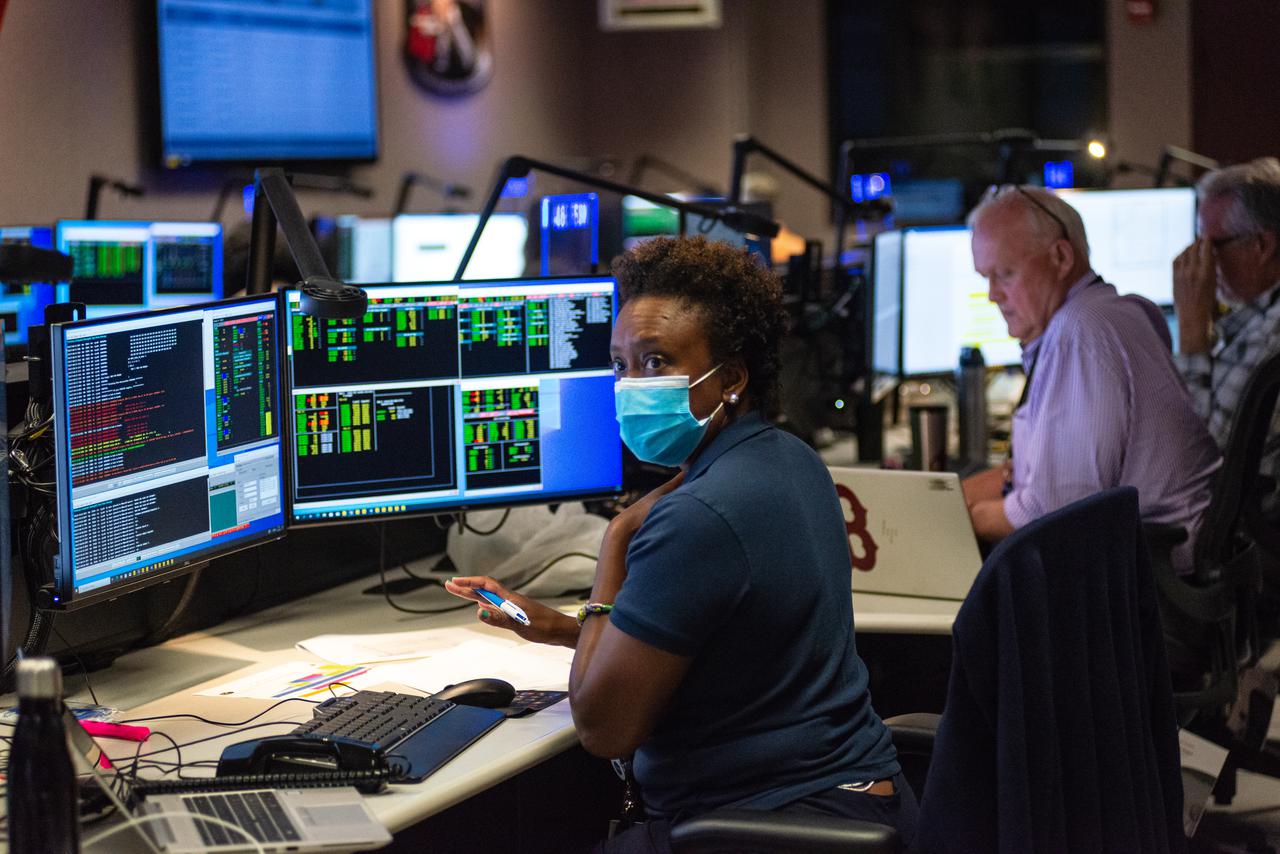
Nzinga Tull, Hubble systems anomaly response manager at NASA’s Goddard Space Flight Center in Greenbelt, Maryland, works in the control room on July 15, 2021, to restore Hubble to full science operations. --- More info: Hubble’s payload computer, which controls and coordinates the observatory’s onboard science instruments, halted suddenly on June 13. When the main computer failed to receive a signal from the payload computer, it automatically placed Hubble’s science instruments into safe mode. That meant the telescope would no longer be doing science while mission specialists analyzed the situation. In response to the anomaly, NASA began a switch to backup spacecraft hardware on Hubble in response to an ongoing problem with its payload computer. This was a multi-day event. Science observations restarted the afternoon of Saturday, July 17.
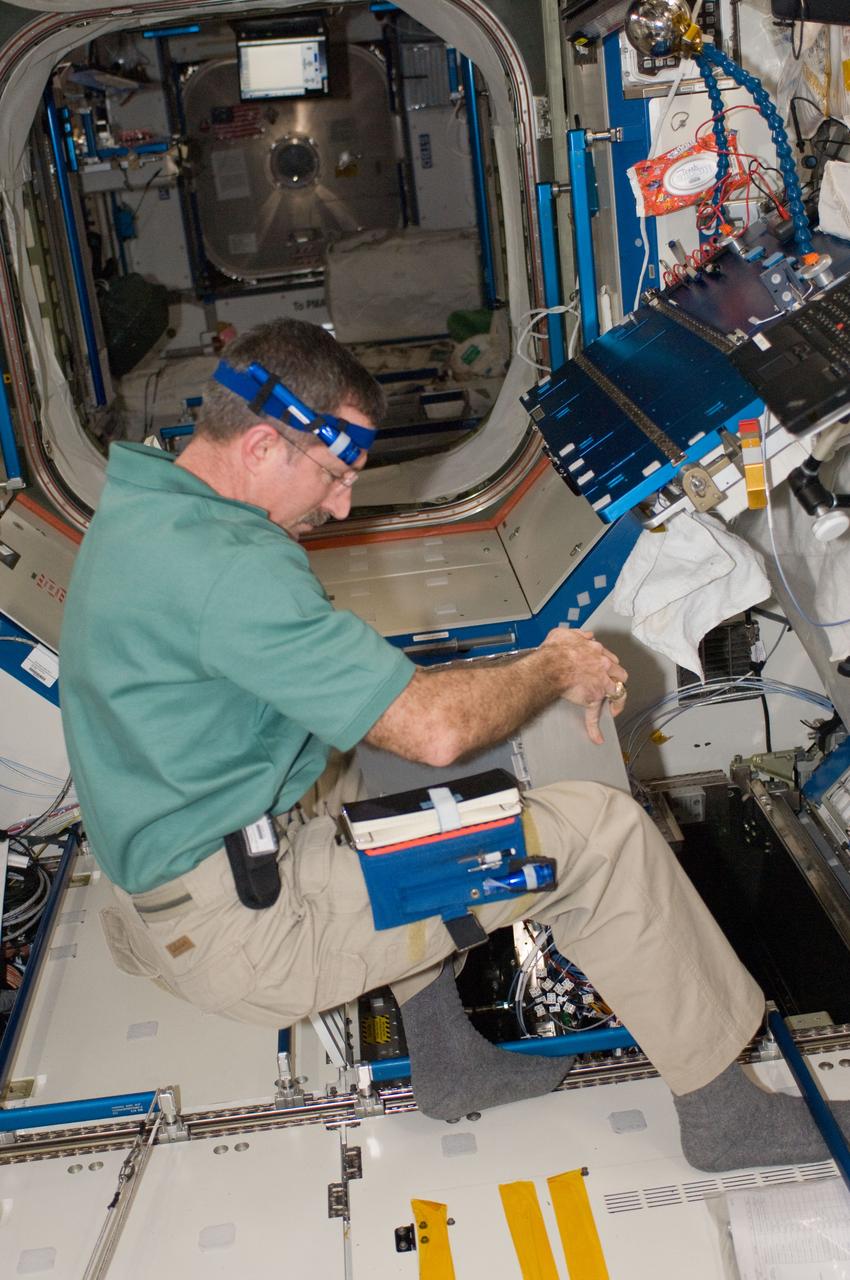
ISS030-E-114433 (29 Feb. 2012) --- In the International Space Station?s Destiny laboratory, NASA astronaut Dan Burbank, Expedition 30 commander, upgrades Multiplexer/Demultiplexer (MDM) computers and Portable Computer System (PCS) laptops and installs the Enhanced Processor & Integrated Communications (EPIC) hardware in the Payload 1 (PL-1) MDM.
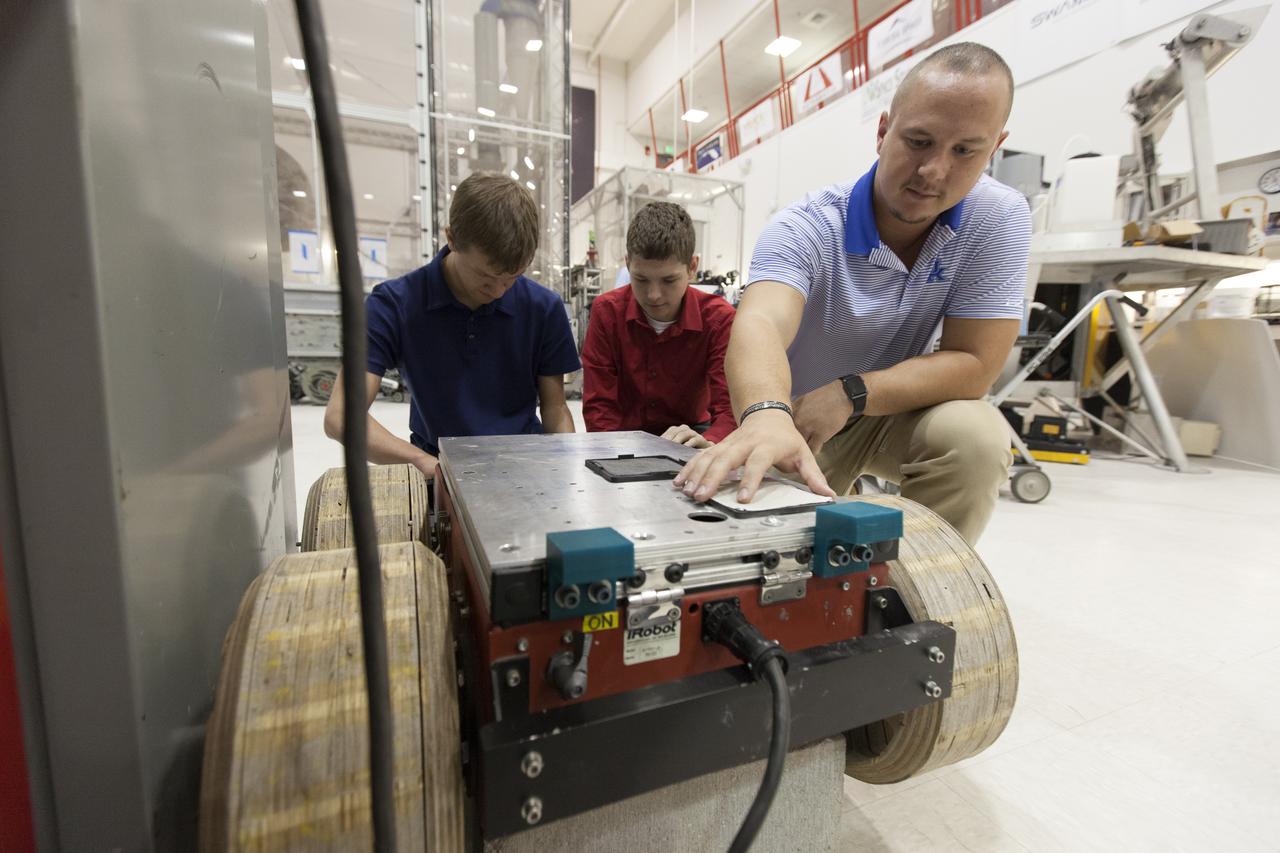
In the Swamp Works laboratory at NASA's Kennedy Space Center in Florida, student interns, from the left, Jeremiah House, Thomas Muller and Austin Langdon are joining agency scientists, contributing in the area of Exploration Research and Technology. House is studying computer/electrical engineering at John Brown University in Siloam Springs, Arkansas. Muller is pursuing a degree in computer engineering and control systems and Florida Tech. Langdon is an electrical engineering major at the University of Kentucky. The agency attracts its future workforce through the NASA Internship, Fellowships and Scholarships, or NIFS, Program.
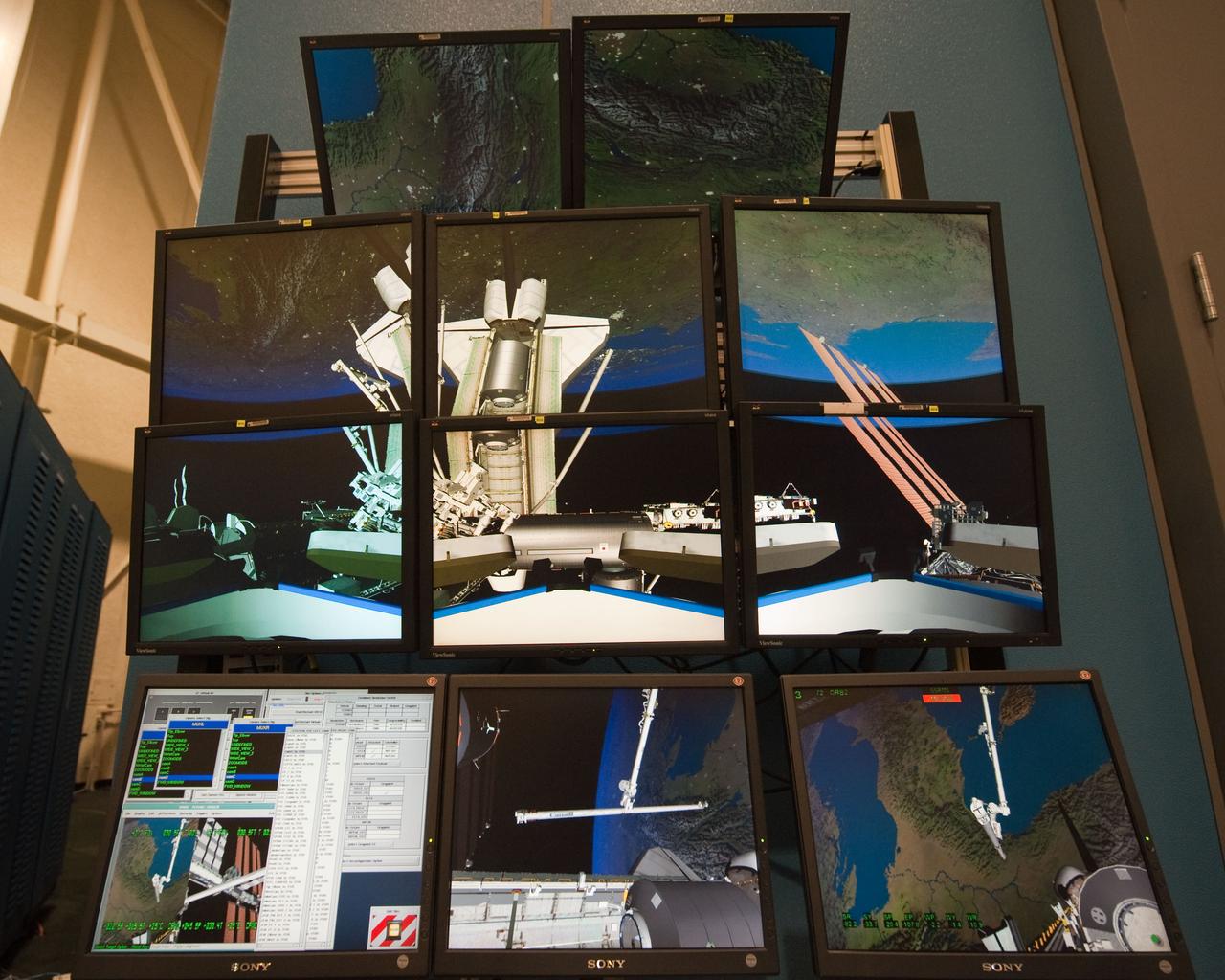
JSC2010-E-090701 (8 June 2010) --- Several computer monitors are featured in this image photographed during an STS-133 exercise in the systems engineering simulator in the Avionics Systems Laboratory at NASA's Johnson Space Center. The facility includes moving scenes of full-sized International Space Station components over a simulated Earth.
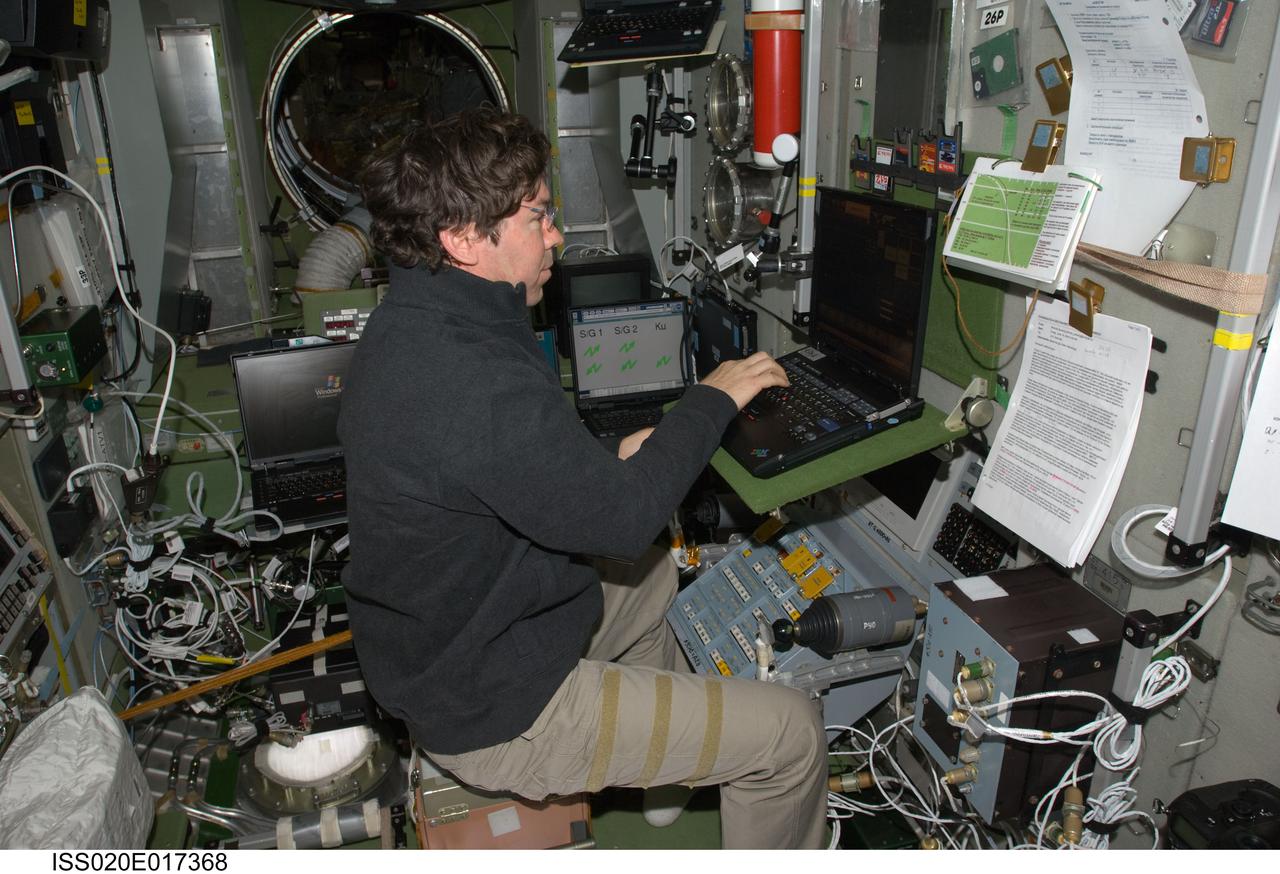
ISS020-E-017368 (6 July 2009) --- NASA astronaut Michael Barratt, Expedition 20 flight engineer, uses a computer at the TORU teleoperated control system in the Zvezda Service Module of the International Space Station while conducting Soyuz descent training to maintain proficiency on systems used for entry and landing in the Soyuz vehicle.
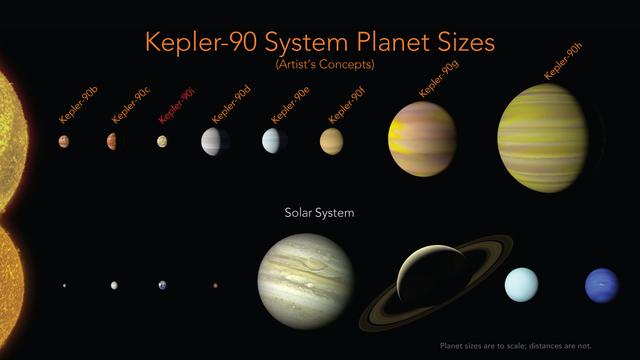
Our solar system now is tied for most number of planets around a single star, with the recent discovery of an eighth planet circling Kepler-90, a Sun-like star 2,545 light years from Earth. The planet was discovered in data from NASA's Kepler Space Telescope. This artist's concept depicts the Kepler-90 system compared with our own solar system. The newly-discovered Kepler-90i -- a sizzling hot, rocky planet that orbits its star once every 14.4 days -- was found using machine learning from Google. Machine learning is an approach to artificial intelligence in which computers "learn." In this case, computers learned to identify planets by finding in Kepler data instances where the telescope recorded changes in starlight caused by planets beyond our solar system, known as exoplanets. https://photojournal.jpl.nasa.gov/catalog/PIA22193
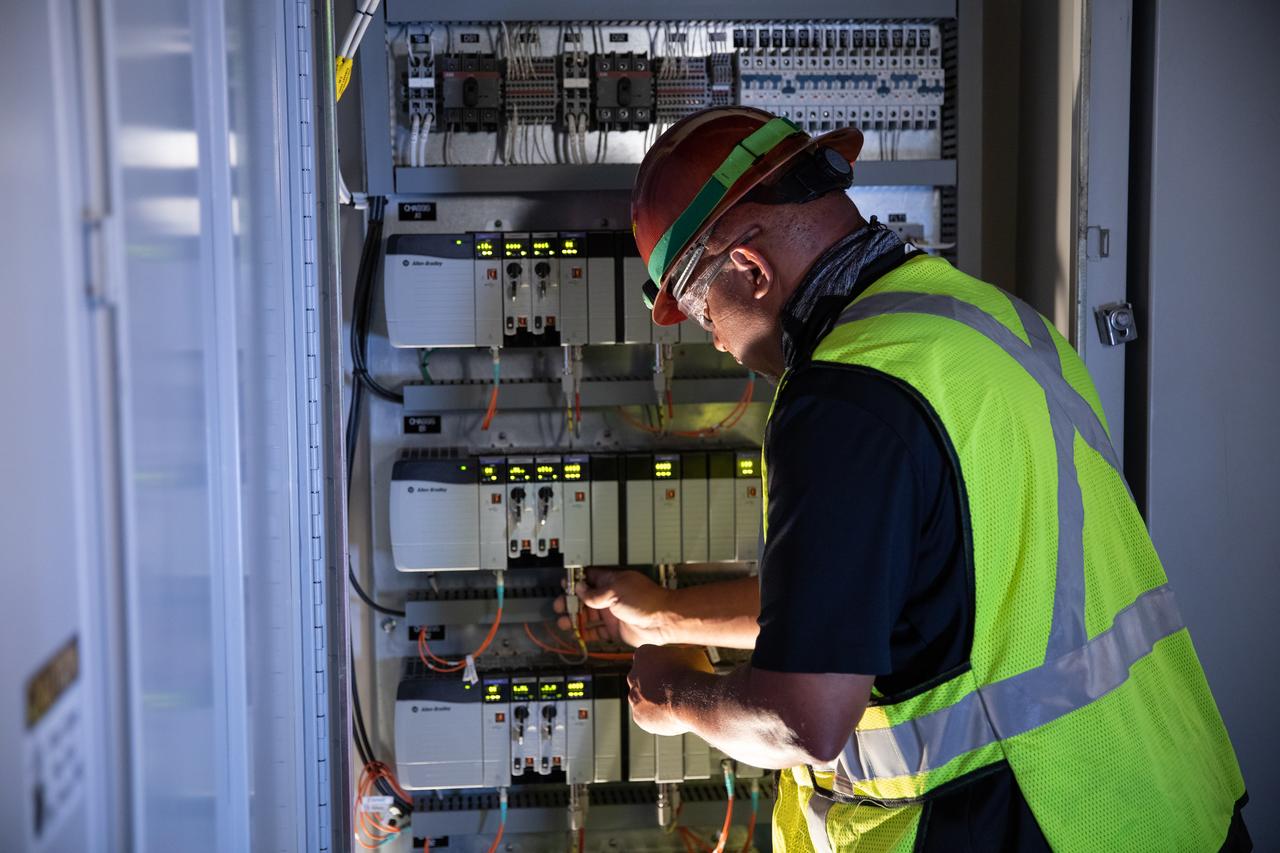
Launch Software Team in Launch Control Center.
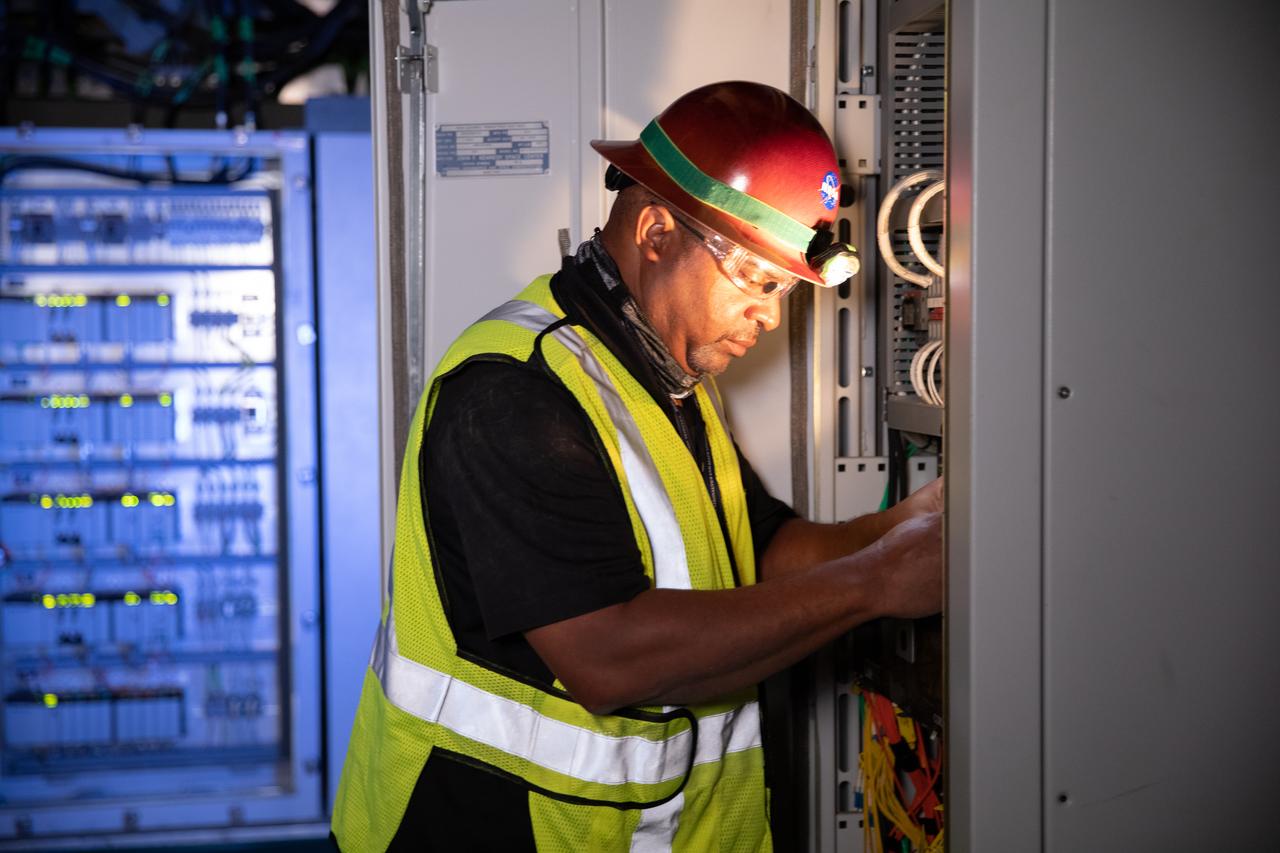
Reggie Martin, an engineer with Exploration Ground Systems, works on racks inside the mobile launcher at NASA’s Kennedy Space Center in Florida on Oct. 2, 2020. Software engineers are writing and testing new software for launch of the Space Launch System and Orion spacecraft for Artemis I.
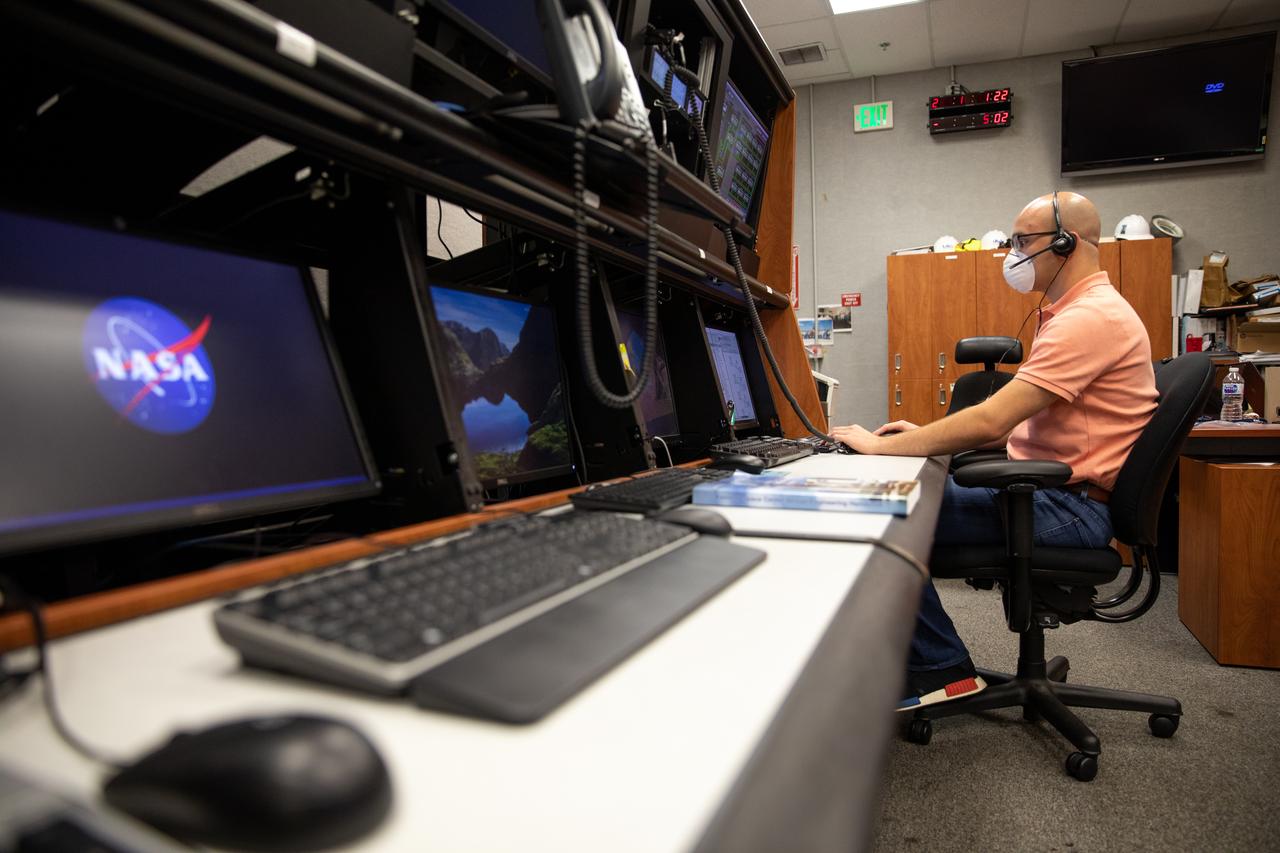
Inside the Launch Control Center at Kennedy Space Center on Sept. 29, 2020, engineer Danny Zaatari, with Exploration Ground Systems, works on software for the launch of Artemis I. Engineers at the Florida spaceport are staying focused on the “Path to the Pad.” Artemis I is the first in a series of increasingly complex missions that will enable human exploration to the Moon and Mars.

Engineers with Exploration Ground Systems at NASA’s Kennedy Space Center in Florida work on software for the launch of Artemis I. Reggie Martin (standing) and Danny Zaatari stay focused on the “Path to the Pad” inside the Launch Control Center on Sept 29, 2020. Artemis I is the first in a series of increasingly complex missions that will enable human exploration to the Moon and Mars.
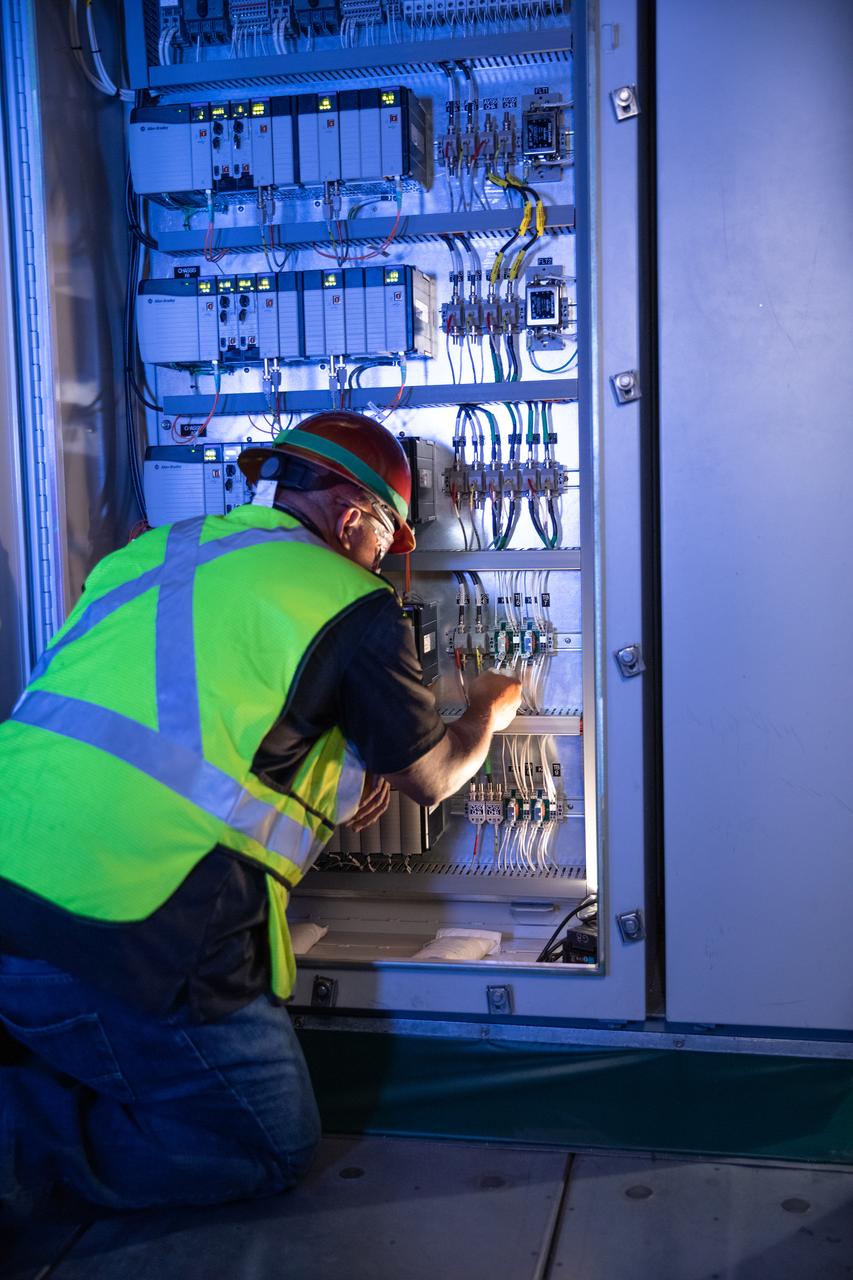
Reggie Martin, an engineer with Exploration Ground Systems, works on racks inside the mobile launcher at NASA’s Kennedy Space Center in Florida on Oct. 2, 2020. Software engineers are writing and testing new software for launch of the Space Launch System and Orion spacecraft for Artemis I.
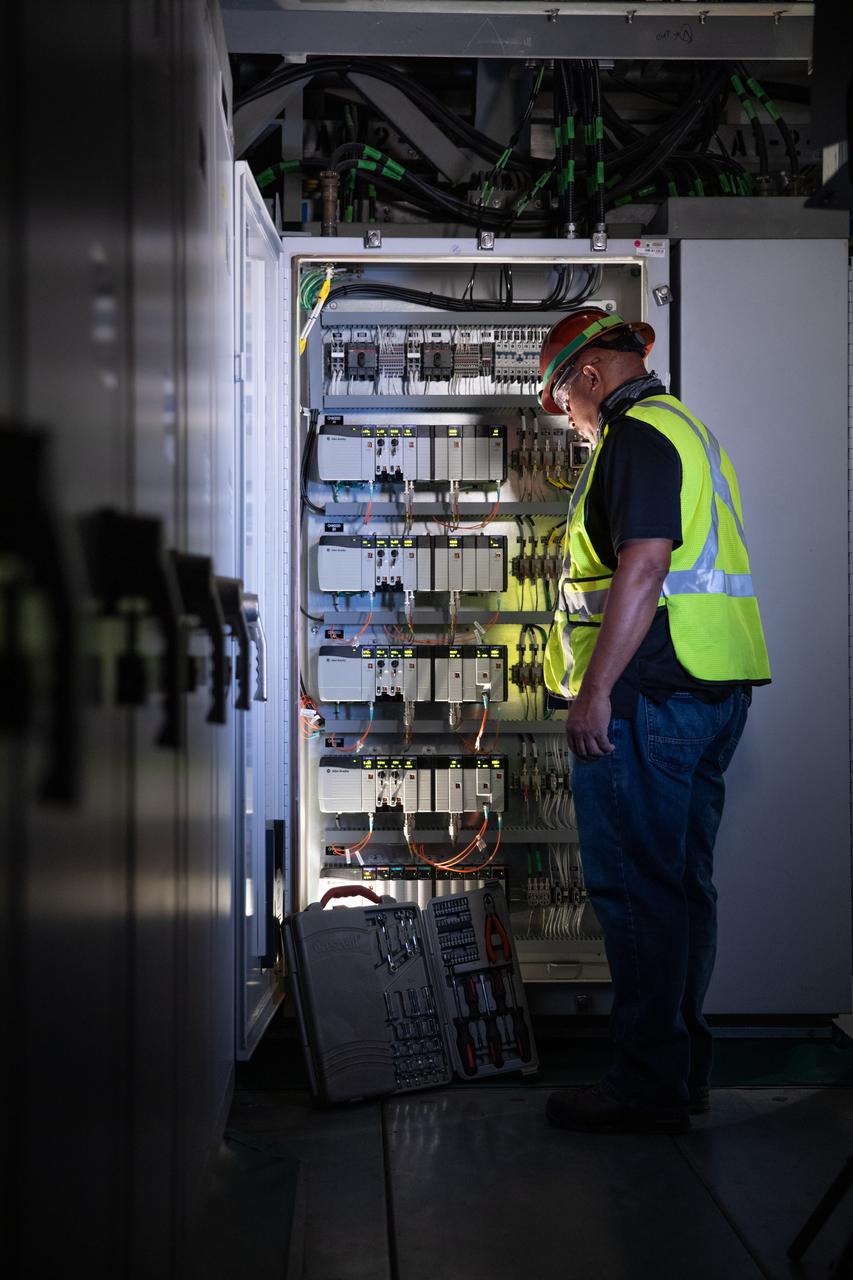
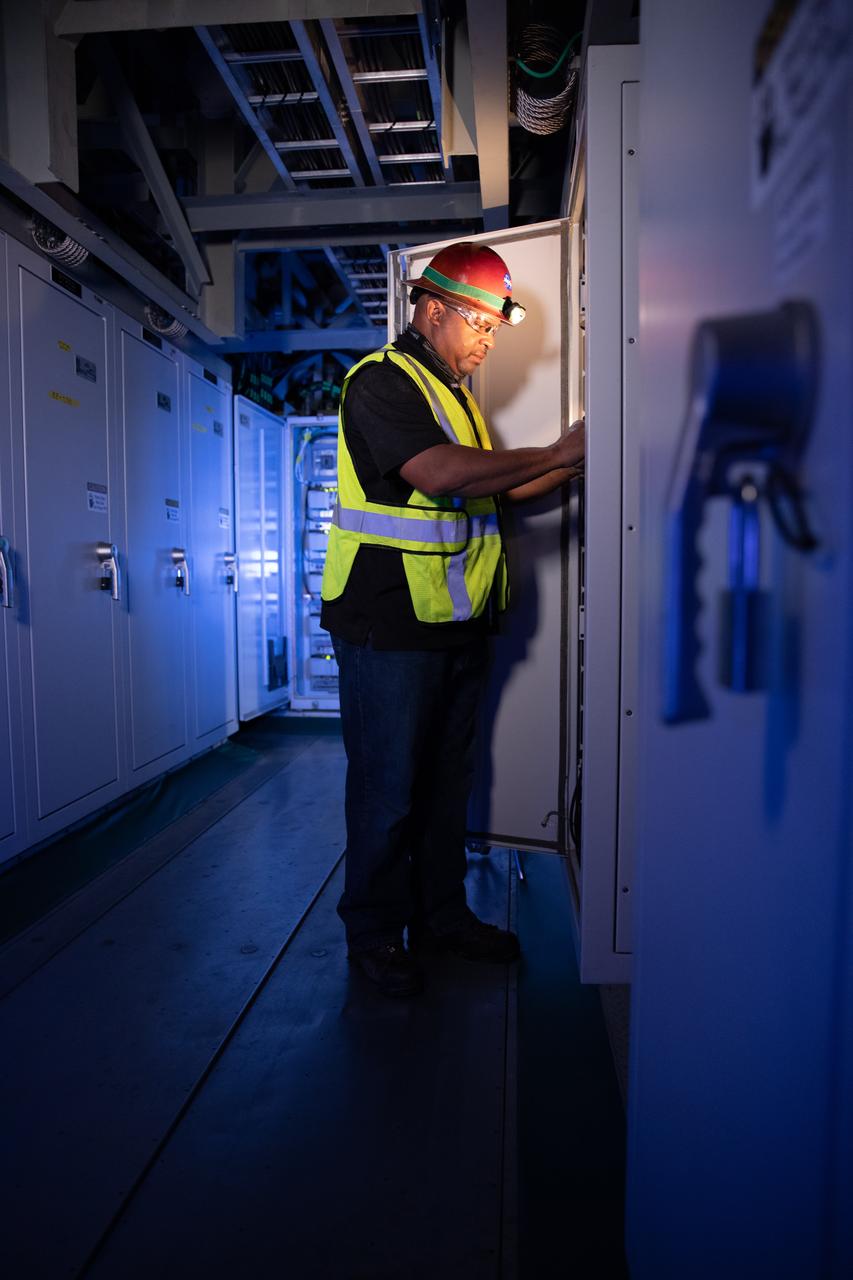
Reggie Martin, an engineer with Exploration Ground Systems, works on racks inside the mobile launcher at NASA’s Kennedy Space Center in Florida on Oct. 2, 2020. Software engineers are writing and testing new software for launch of the Space Launch System and Orion spacecraft for Artemis I.
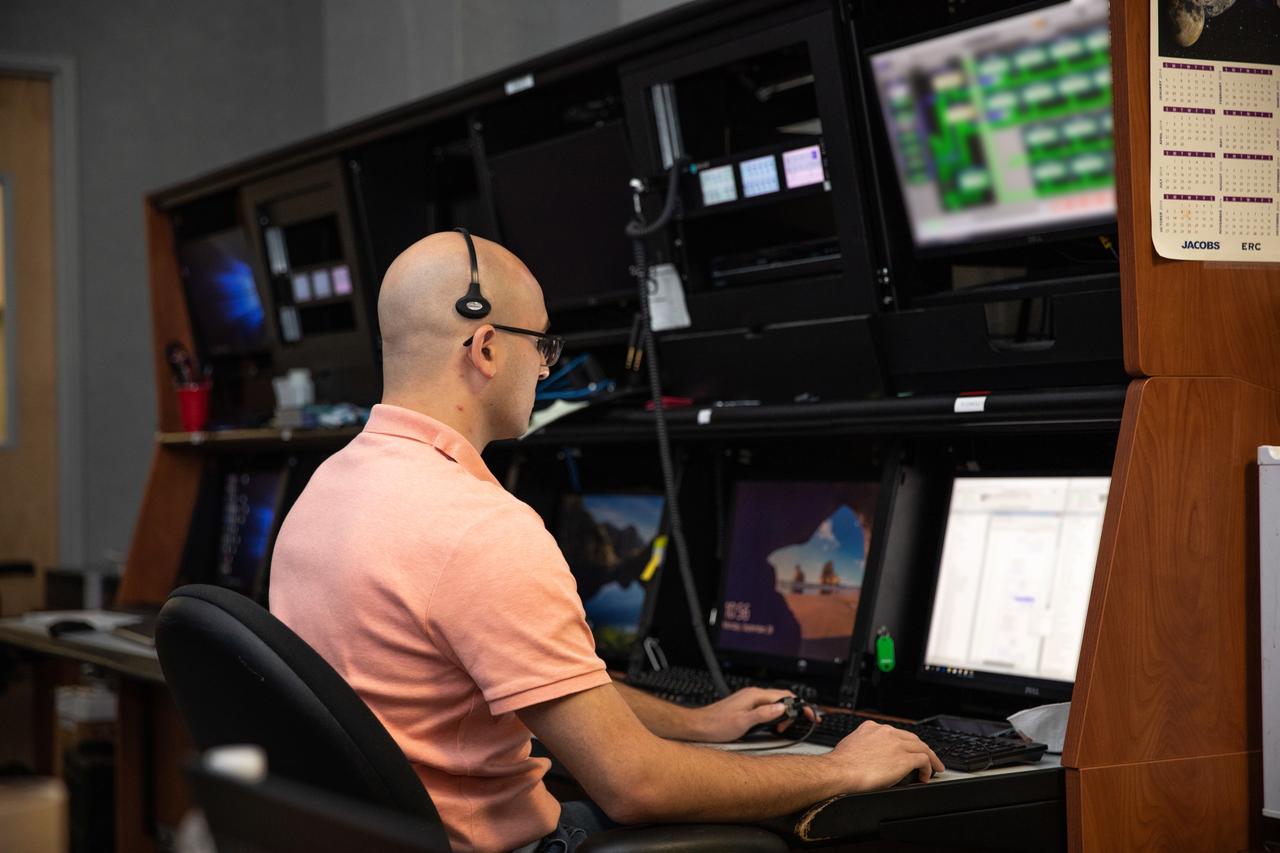
Inside the Launch Control Center at Kennedy Space Center on Sept. 29, 2020, engineer Danny Zaatari, with Exploration Ground Systems, works on software for the launch of Artemis I. Engineers at the Florida spaceport are staying focused on the “Path to the Pad.” Artemis I is the first in a series of increasingly complex missions that will enable human exploration to the Moon and Mars.

Reggie Martin, an engineer with Exploration Ground Systems, works on racks inside the mobile launcher at NASA’s Kennedy Space Center in Florida on Oct. 2, 2020. Software engineers are writing and testing new software for launch of the Space Launch System and Orion spacecraft for Artemis I.
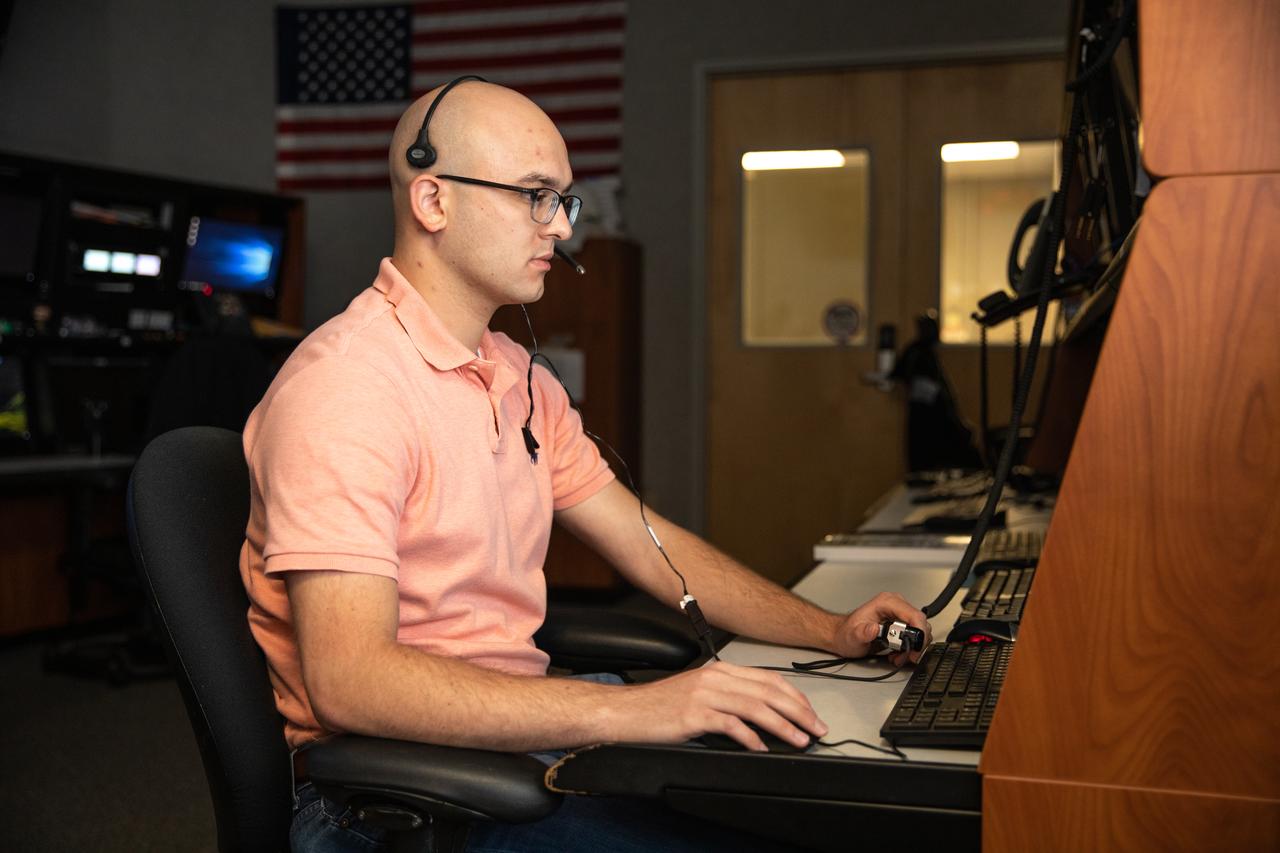
Inside the Launch Control Center at Kennedy Space Center on Sept. 29, 2020, engineer Danny Zaatari, with Exploration Ground Systems, works on software for the launch of Artemis I. Engineers at the Florida spaceport are staying focused on the “Path to the Pad.” Artemis I is the first in a series of increasingly complex missions that will enable human exploration to the Moon and Mars.
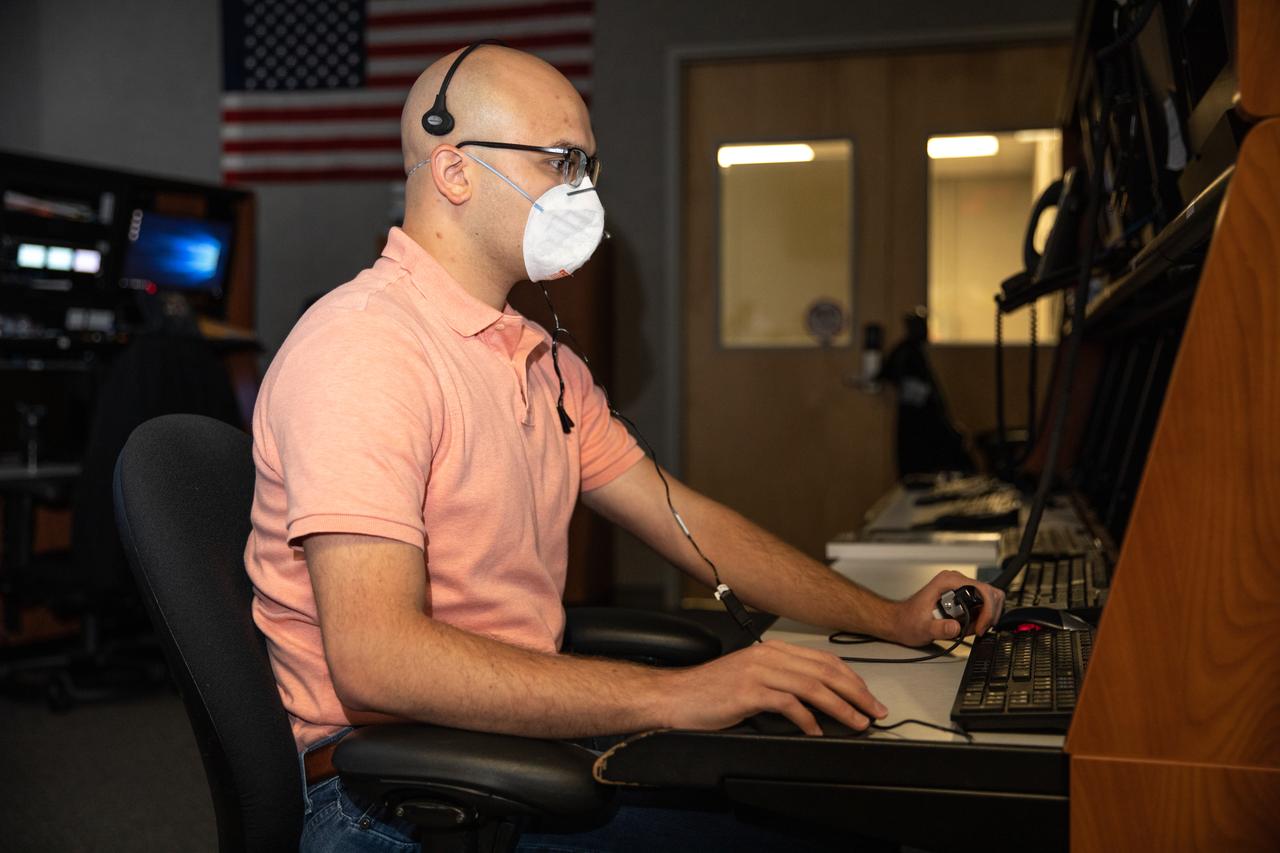
Inside the Launch Control Center at Kennedy Space Center on Sept. 29, 2020, engineer Danny Zaatari, with Exploration Ground Systems, works on software for the launch of Artemis I. Engineers at the Florida spaceport are staying focused on the “Path to the Pad.” Artemis I is the first in a series of increasingly complex missions that will enable human exploration to the Moon and Mars.
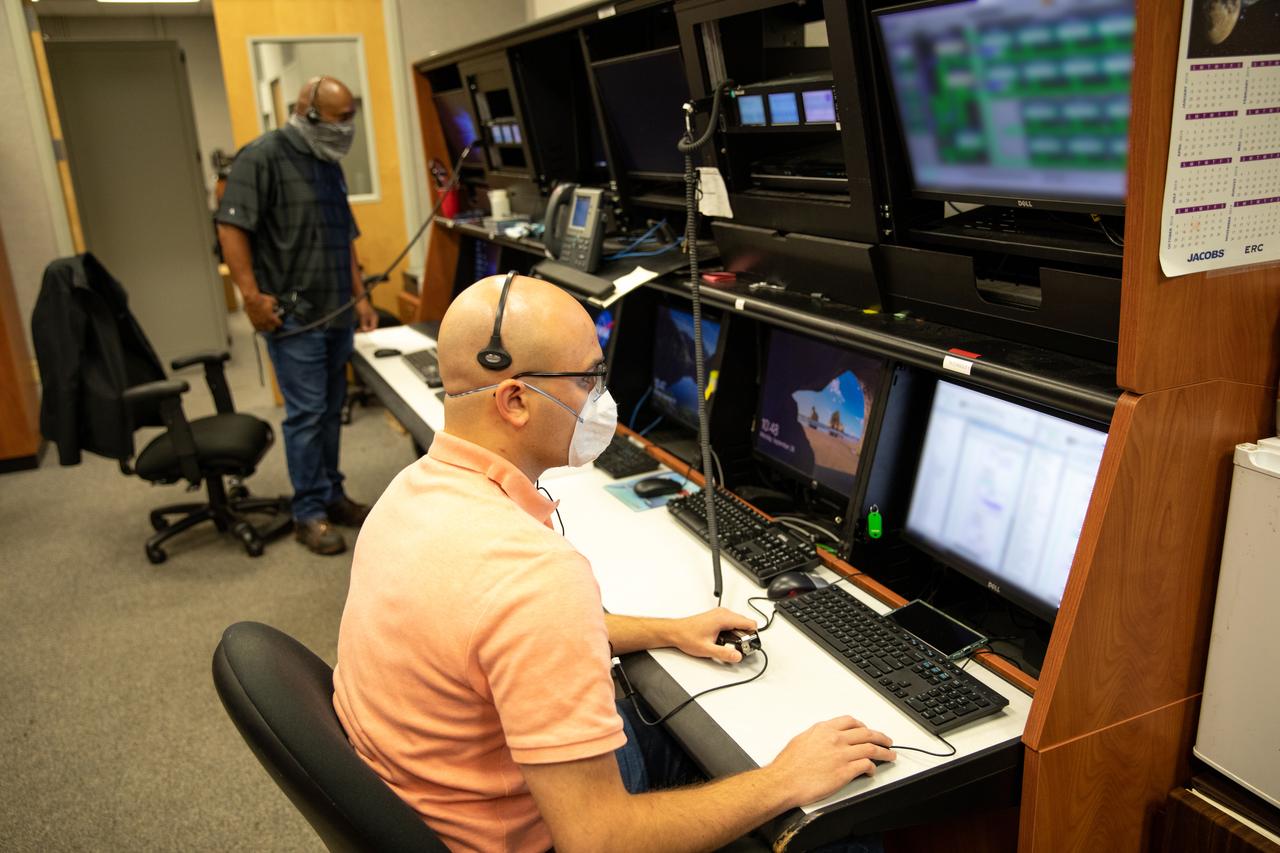
Engineers with Exploration Ground Systems at NASA’s Kennedy Space Center in Florida work on software for the launch of Artemis I. Reggie Martin (standing) and Danny Zaatari stay focused on the “Path to the Pad” inside the Launch Control Center on Sept 29, 2020. Artemis I is the first in a series of increasingly complex missions that will enable human exploration to the Moon and Mars.
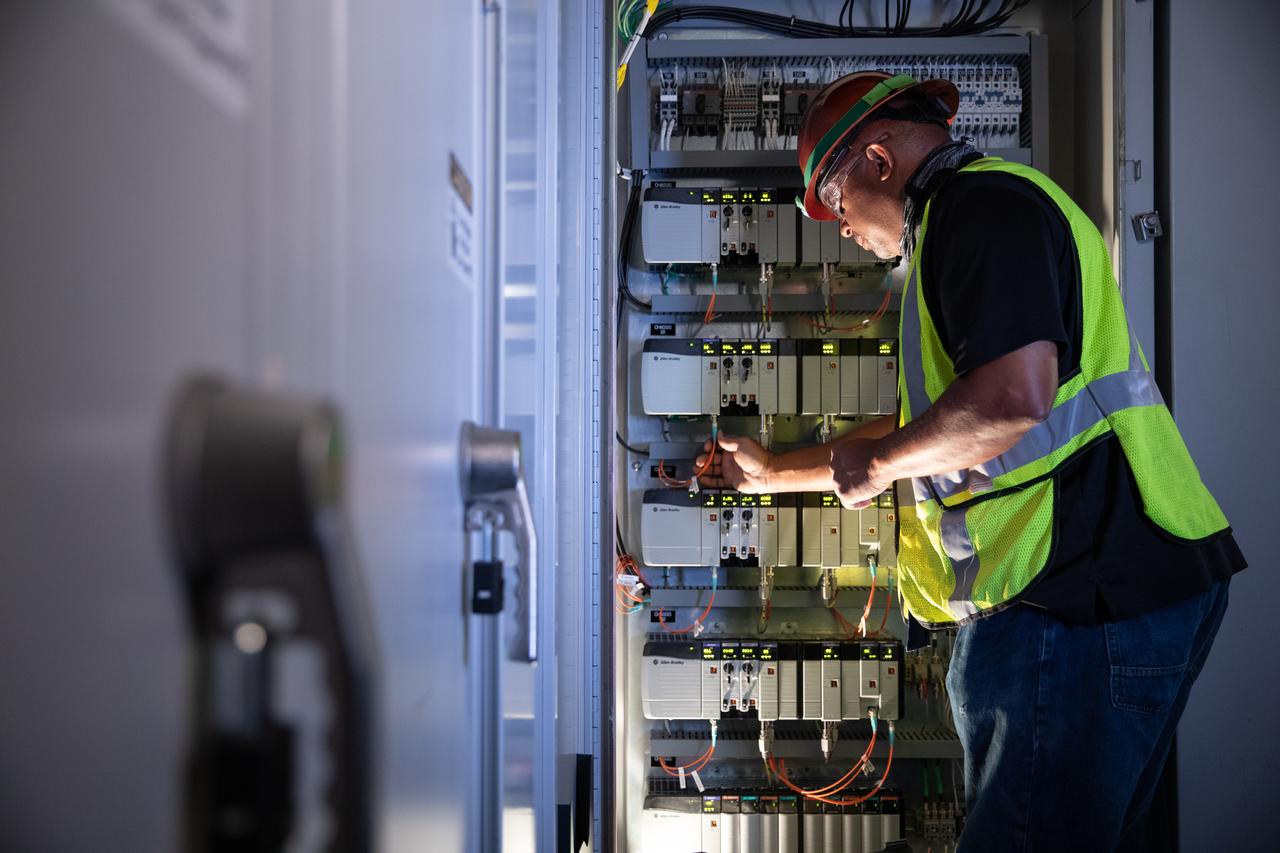
Reggie Martin, an engineer with Exploration Ground Systems, works on racks inside the mobile launcher at NASA’s Kennedy Space Center in Florida on Oct. 2, 2020. Software engineers are writing and testing new software for launch of the Space Launch System and Orion spacecraft for Artemis I.
Reggie Martin, an engineer with Exploration Ground Systems, works on racks inside the mobile launcher at NASA’s Kennedy Space Center in Florida on Oct. 2, 2020. Software engineers are writing and testing new software for launch of the Space Launch System and Orion spacecraft for Artemis I.
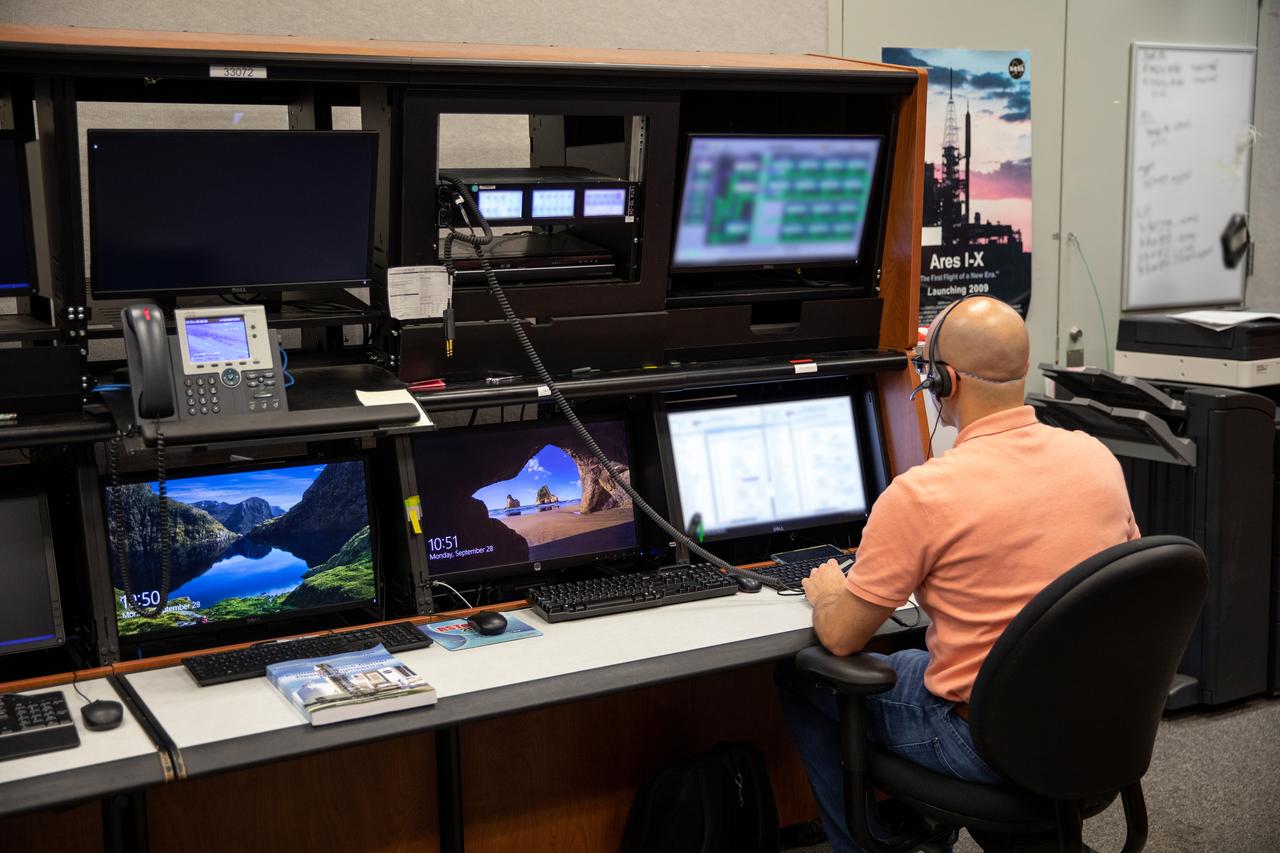
Inside the Launch Control Center at Kennedy Space Center on Sept. 29, 2020, engineer Danny Zaatari, with Exploration Ground Systems, works on software for the launch of Artemis I. Engineers at the Florida spaceport are staying focused on the “Path to the Pad.” Artemis I is the first in a series of increasingly complex missions that will enable human exploration to the Moon and Mars.

Engineers with Exploration Ground Systems at NASA’s Kennedy Space Center in Florida work on software for the launch of Artemis I. Danny Zaatari (foreground) and Reggie Martin stay focused on the “Path to the Pad” inside the Launch Control Center on Sept 29, 2020. Artemis I is the first in a series of increasingly complex missions that will enable human exploration to the Moon and Mars.
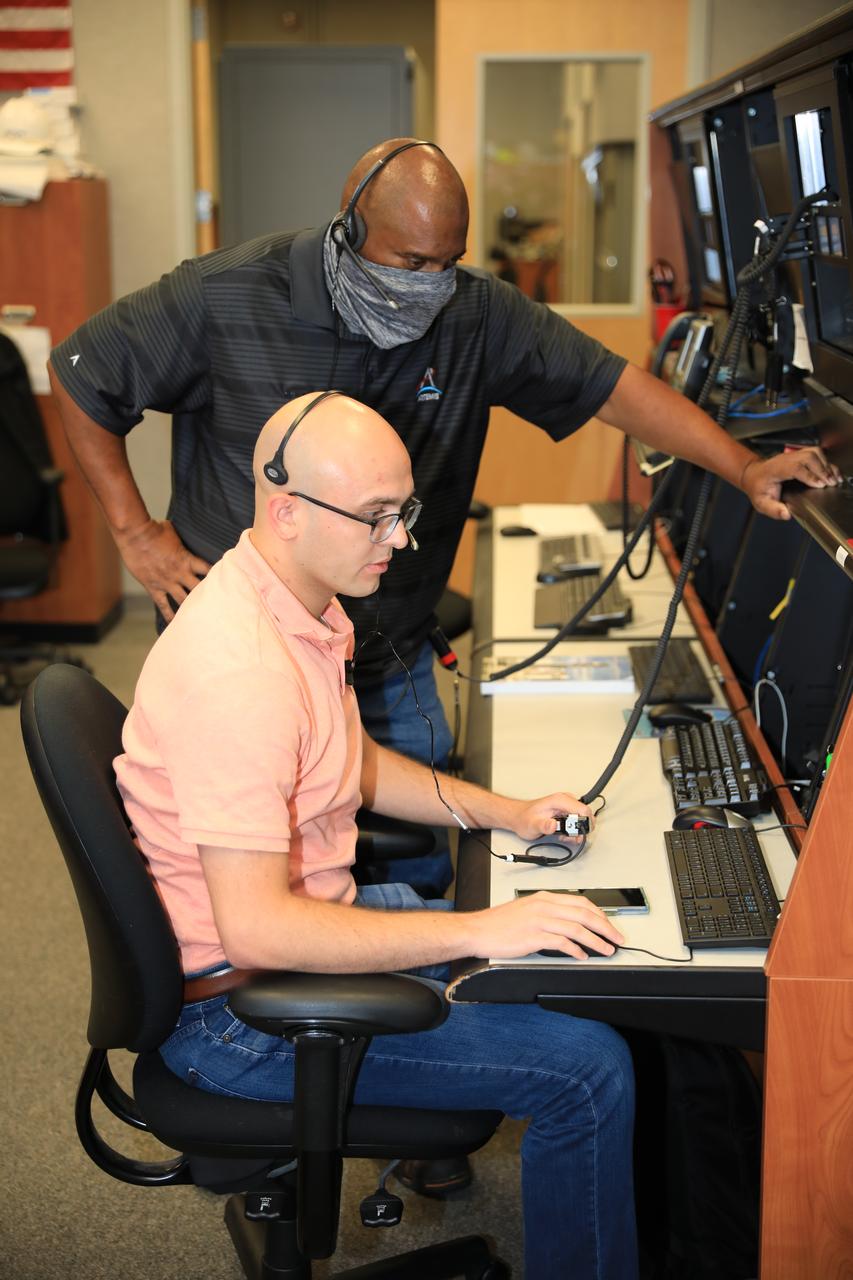
Engineers with Exploration Ground Systems at NASA’s Kennedy Space Center in Florida work on software for the launch of Artemis I. Reggie Martin (standing) and Danny Zaatari stay focused on the “Path to the Pad” inside the Launch Control Center on Sept 29, 2020. Artemis I is the first in a series of increasingly complex missions that will enable human exploration to the Moon and Mars.
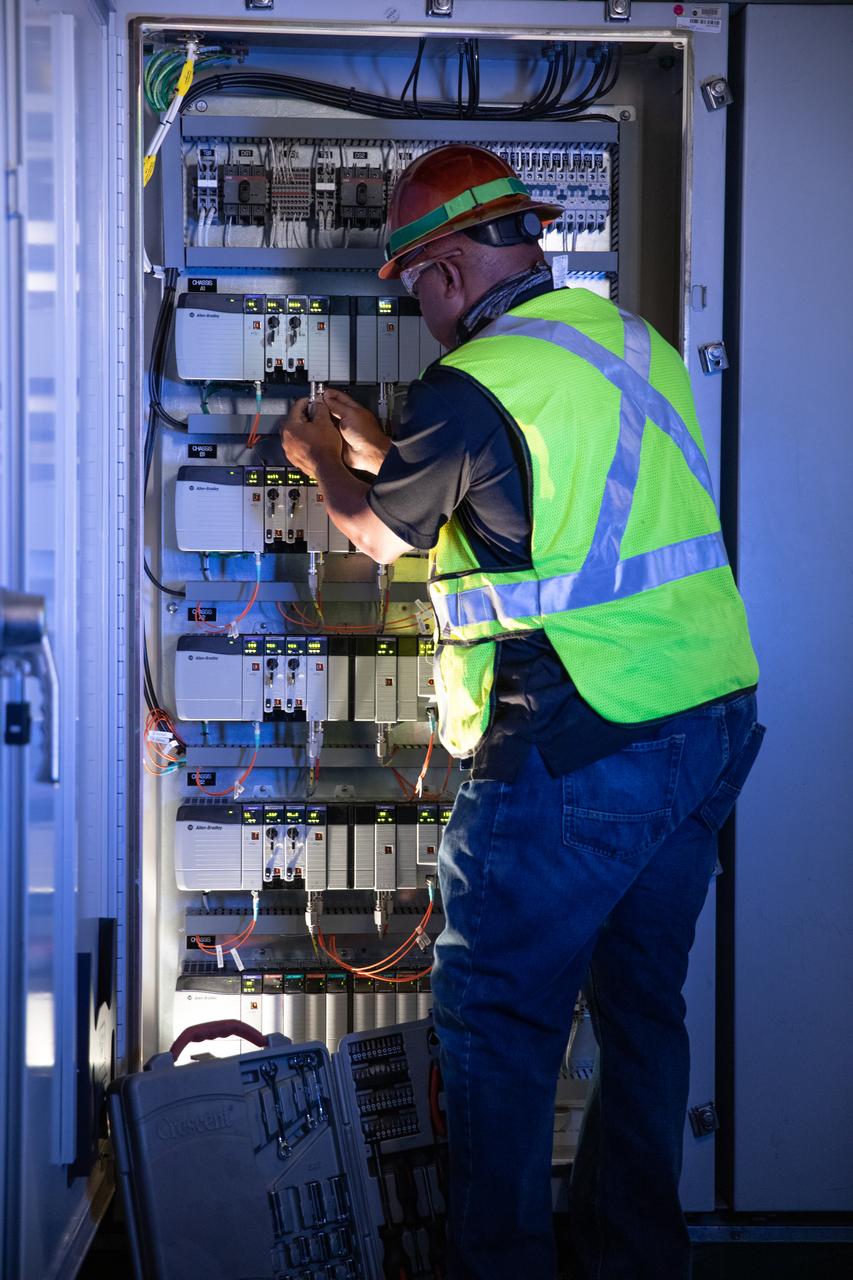
Reggie Martin, an engineer with Exploration Ground Systems, works on racks inside the mobile launcher at NASA’s Kennedy Space Center in Florida on Oct. 2, 2020. Software engineers are writing and testing new software for launch of the Space Launch System and Orion spacecraft for Artemis I.
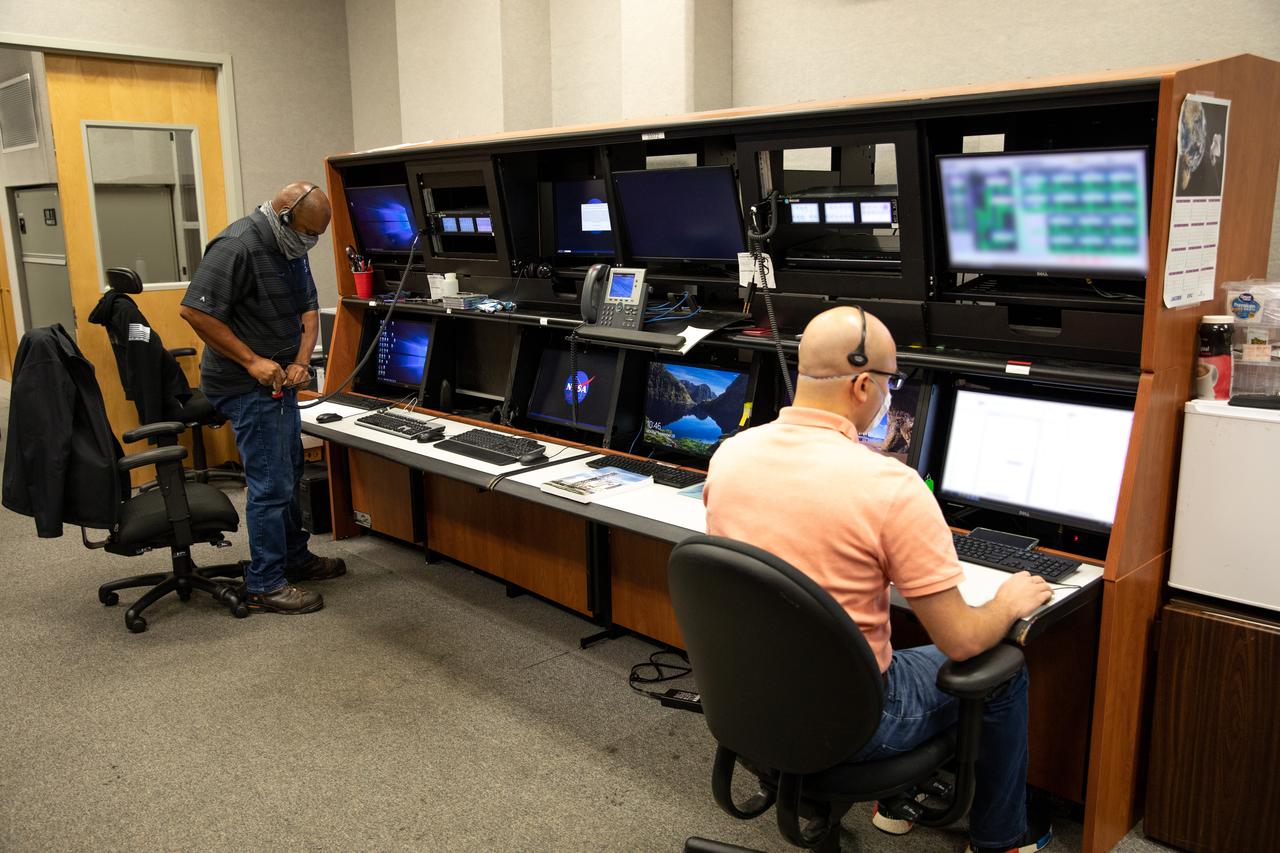
Engineers with Exploration Ground Systems at NASA’s Kennedy Space Center in Florida work on software for the launch of Artemis I. Reggie Martin, left, and Danny Zaatari stay focused on the “Path to the Pad” inside the Launch Control Center on Sept 29, 2020. Artemis I is the first in a series of increasingly complex missions that will enable human exploration to the Moon and Mars.
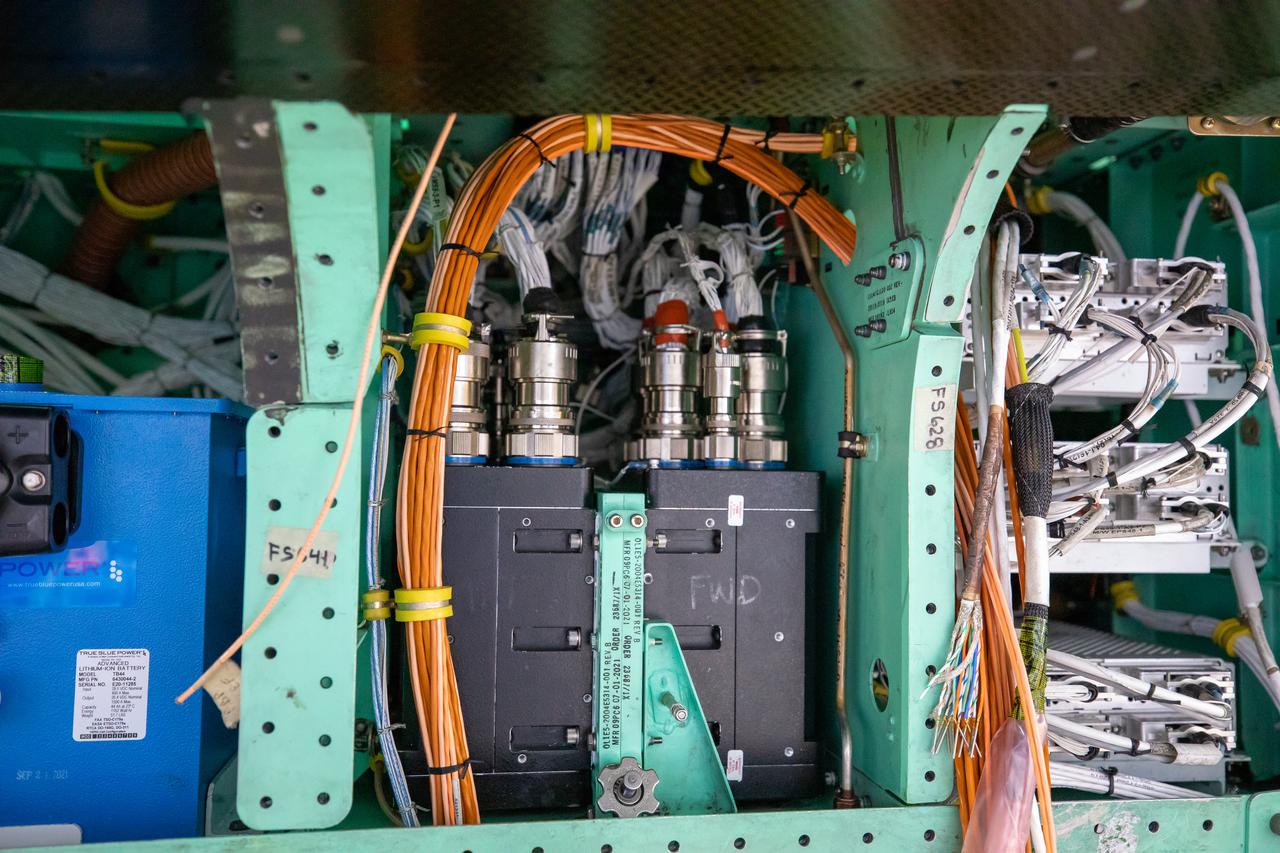
This is a closeup view of the inner workings of the X-59 aircraft. Visible are one the plane’s three lithium-ion batteries (blue box), electrical power system and other wiring components including the vehicle management systems computers (two black boxes) and the white wirings which assist in providing the power that is needed for the aircraft to function in flight. All of these components are essential to maintaining and monitoring the X-59 once it takes to the skies. The X-59 is the centerpiece of the Quesst mission which plans to help enable commercial supersonic air travel over land.
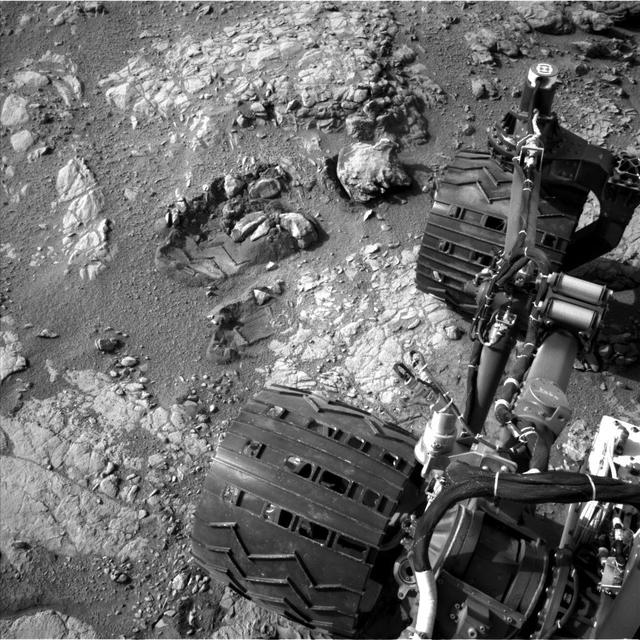
This view of Curiosity's left-front and left-center wheels and of marks made by wheels on the ground in the "Yellowknife Bay" area comes from one of six cameras used on Mars for the first time more than six months after the rover landed. The left Navigation Camera (Navcam) linked to Curiosity's B-side computer took this image during the 223rd Martian day, or sol, of Curiosity's work on Mars (March 22, 2013). The wheels are 20 inches (50 centimeters) in diameter. Curiosity carries a pair of main computers, redundant to each other, in order to have a backup available if one fails. Each of the computers, A-side and B-side, also has other redundant subsystems linked to just that computer. Curiosity operated on its A-side from before the August 2012 landing until Feb. 28, when engineers commanded a switch to the B-side in response to a memory glitch on the A-side. One set of activities after switching to the B-side computer has been to check the six engineering cameras that are hard-linked to that computer. The rover's science instruments, including five science cameras, can each be operated by either the A-side or B-side computer, whichever is active. However, each of Curiosity's 12 engineering cameras is linked to just one of the computers. The engineering cameras are the Navigation Camera (Navcam), the Front Hazard-Avoidance Camera (Front Hazcam) and Rear Hazard-Avoidance Camera (Rear Hazcam). Each of those three named cameras has four cameras as part of it: two stereo pairs of cameras, with one pair linked to each computer. Only the pairs linked to the active computer can be used, and the A-side computer was active from before landing, in August, until Feb. 28. All six of the B-side engineering cameras have been used during March 2013 and checked out OK. Image Credit: NASA/JPL-Caltech <b><a href="http://www.nasa.gov/audience/formedia/features/MP_Photo_Guidelines.html" rel="nofollow">NASA image use policy.</a></b> <b><a href="http://www.nasa.gov/centers/goddard/home/index.html" rel="nofollow">NASA Goddard Space Flight Center</a></b> enables NASA’s mission through four scientific endeavors: Earth Science, Heliophysics, Solar System Exploration, and Astrophysics. Goddard plays a leading role in NASA’s accomplishments by contributing compelling scientific knowledge to advance the Agency’s mission. <b>Follow us on <a href="http://twitter.com/NASA_GoddardPix" rel="nofollow">Twitter</a></b> <b>Like us on <a href="http://www.facebook.com/pages/Greenbelt-MD/NASA-Goddard/395013845897?ref=tsd" rel="nofollow">Facebook</a></b> <b>Find us on <a href="http://instagram.com/nasagoddard?vm=grid" rel="nofollow">Instagram</a></b>
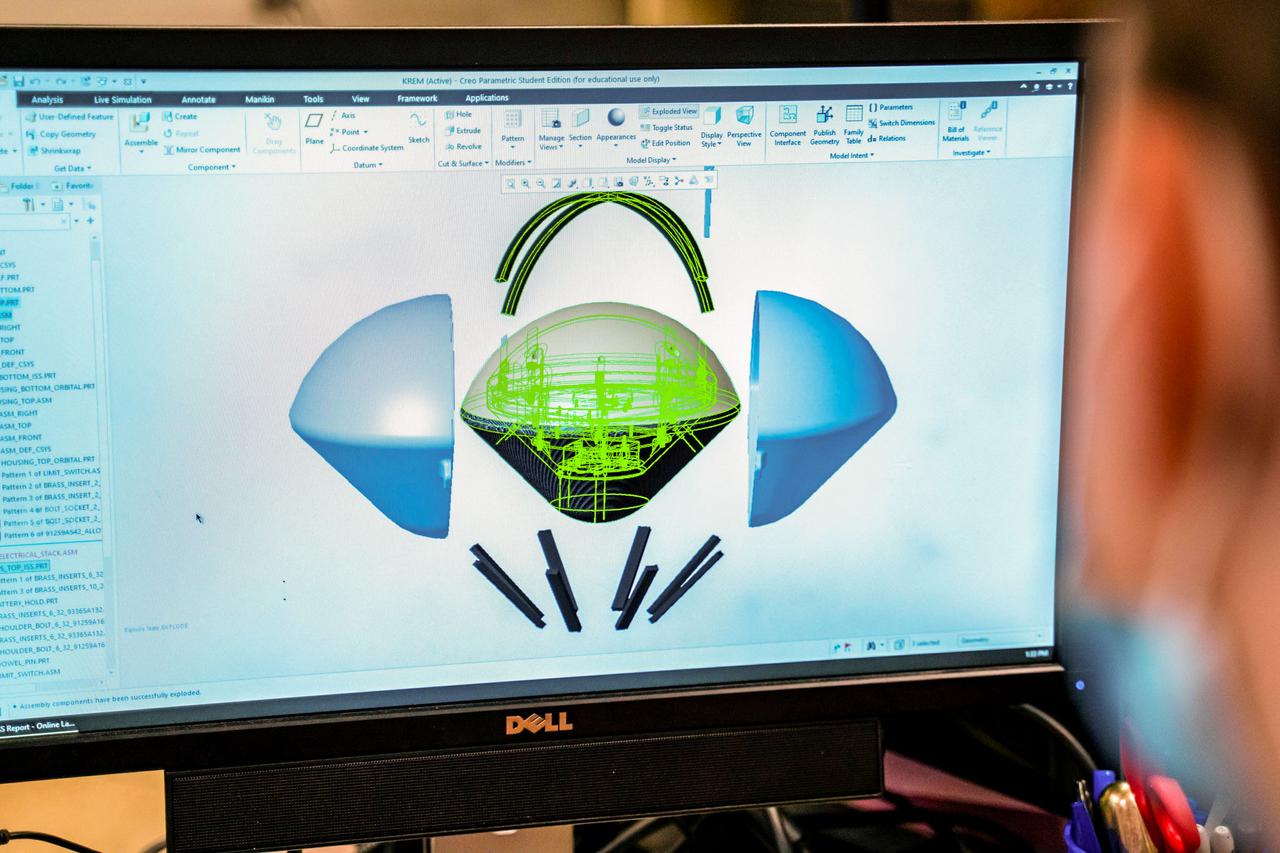
jsc2021e031157 (7/22/2021) --- A view of the KREP Ecapsule model. The Kentucky Re-Entry Probe Experiment (KREPE) demonstrates an affordable technology for re-entry experiments and provides flight data on Thermal Protection Systems (TPS) to help validate computational models. Photo courtesy of the University of Kentucky.
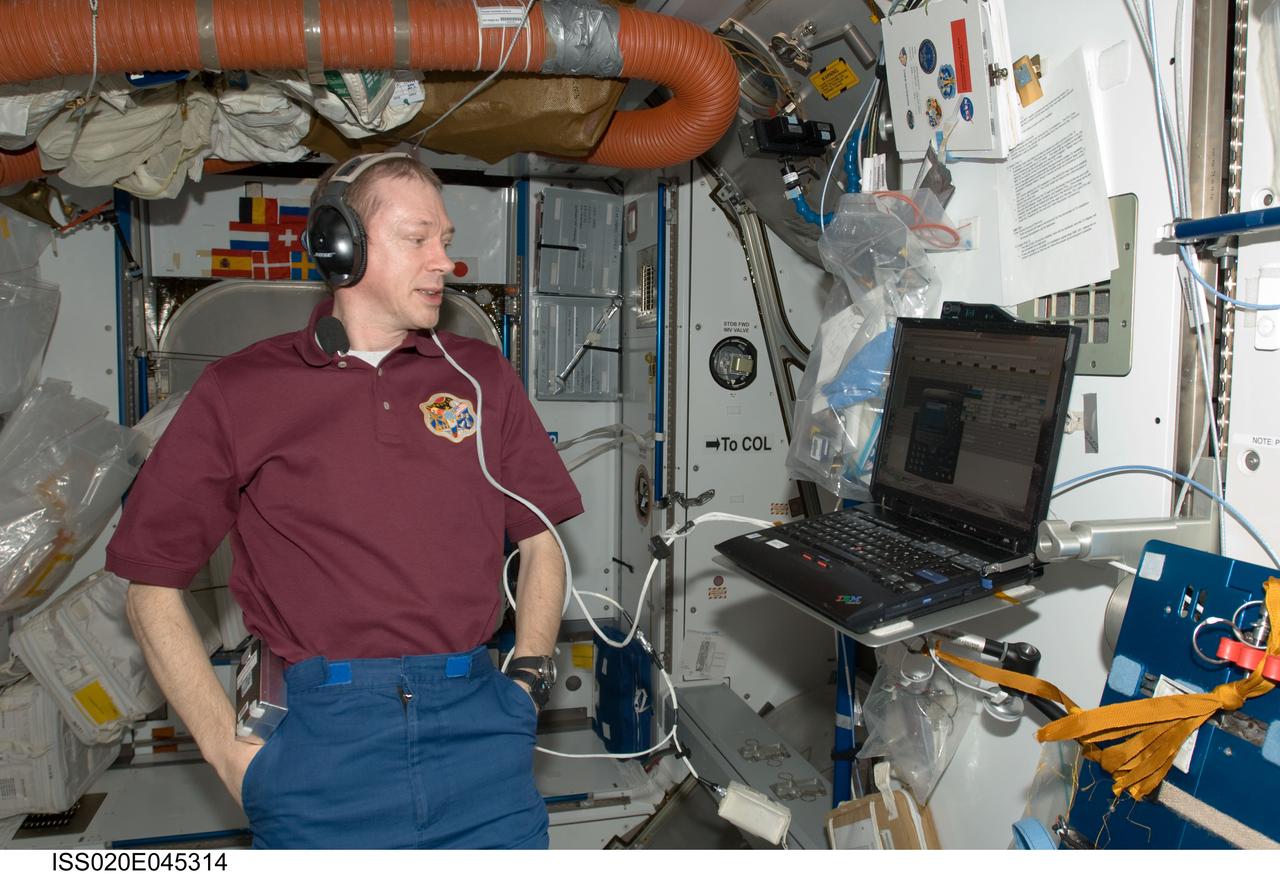
ISS020-E-045314 (5 Oct. 2009) --- European Space Agency astronaut Frank De Winne, Expedition 20 flight engineer and Expedition 21 commander, uses a communication system near a computer in the Harmony node of the International Space Station.
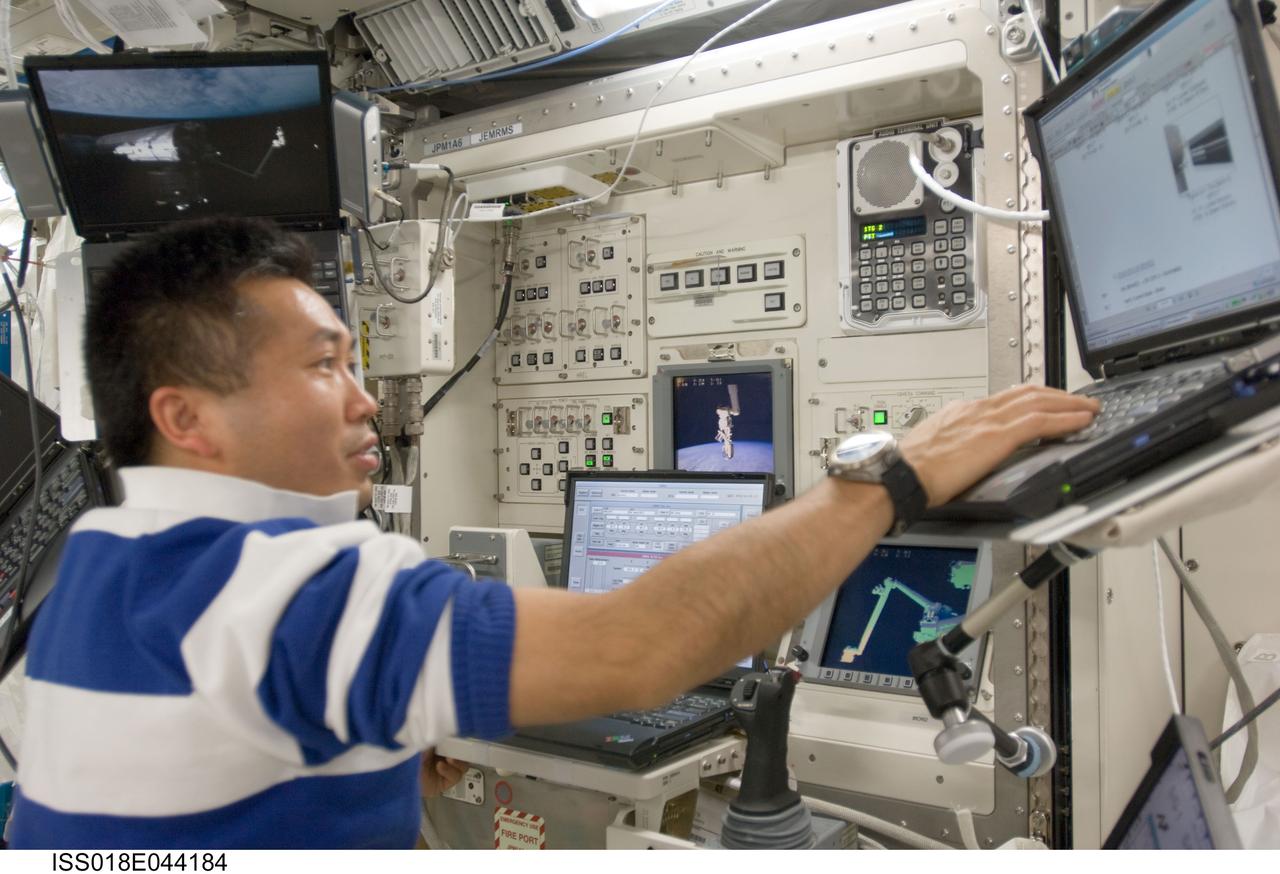
ISS018-E-044184 (31 March 2009) --- Japan Aerospace Exploration Agency (JAXA) astronaut Koichi Wakata, Expedition 18/19 flight engineer, uses a computer at the Japanese Remote Manipulator System (JEM-RMS) work station in the Kibo laboratory of the International Space Station.
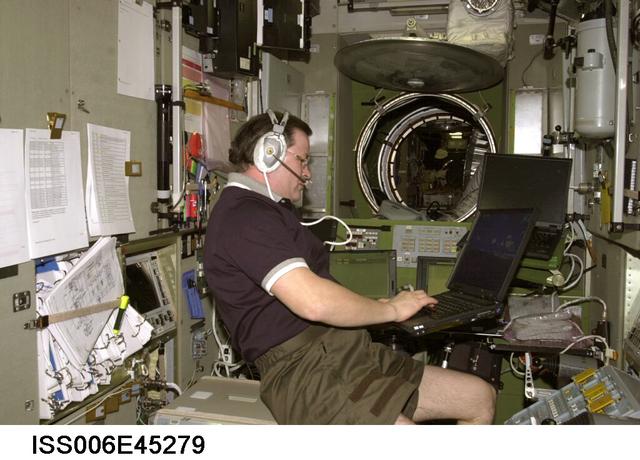
ISS006-E-45279 (21 March 2003) --- Cosmonaut Nikolai M. Budarin, Expedition Six flight engineer, uses a computer as he talks on a communication system in the Zvezda Service Module on the International Space Station (ISS). Budarin represents Rosaviakosmos.

Queen Elizabeth II and Prince Philip, The Duke of Edinburgh look on as Goddard employees demonstrate “Science on a Sphere.” This system, developed by the National Oceanic and Atmospheric Administration (NOAA), uses computers and four video projectors to display animated images on the outside of a 6-foot diameter sphere. Photo Credit: (NASA/Pat Izzo)
![KENNEDY SPACE CENTER, FLA. -- At the Shuttle Landing Facility, KSC videographer Glen Benson films with HDTV the Shuttle Training Aircraft (STA) taxiing away. The STA is a modified Grumman Gulfstream II aircraft with an onboard special computer system to enable the aircraft to simulate the orbiter. [Photo by Walt Lindblom, Marshall SFC]](https://images-assets.nasa.gov/image/KSC-02pd1531/KSC-02pd1531~medium.jpg)
KENNEDY SPACE CENTER, FLA. -- At the Shuttle Landing Facility, KSC videographer Glen Benson films with HDTV the Shuttle Training Aircraft (STA) taxiing away. The STA is a modified Grumman Gulfstream II aircraft with an onboard special computer system to enable the aircraft to simulate the orbiter. [Photo by Walt Lindblom, Marshall SFC]
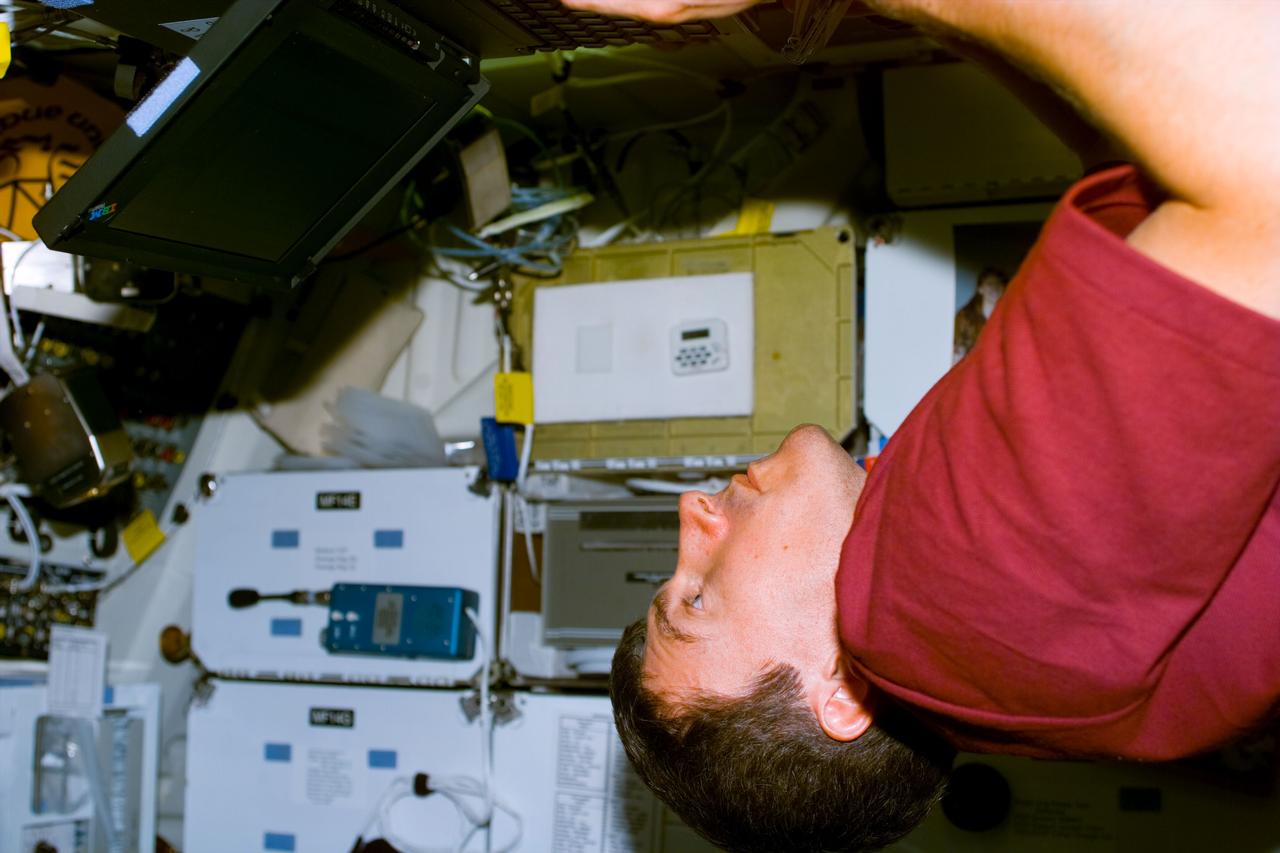
S88-E-5041 (12-06-98) --- Sergei Krikalev, mission specialist representing the Russian Space Agency (RSA), works on a laptop computer on Endeavour's middeck. The scene was photographed shortly after the successful mating of Unity with the shuttle's docking system.
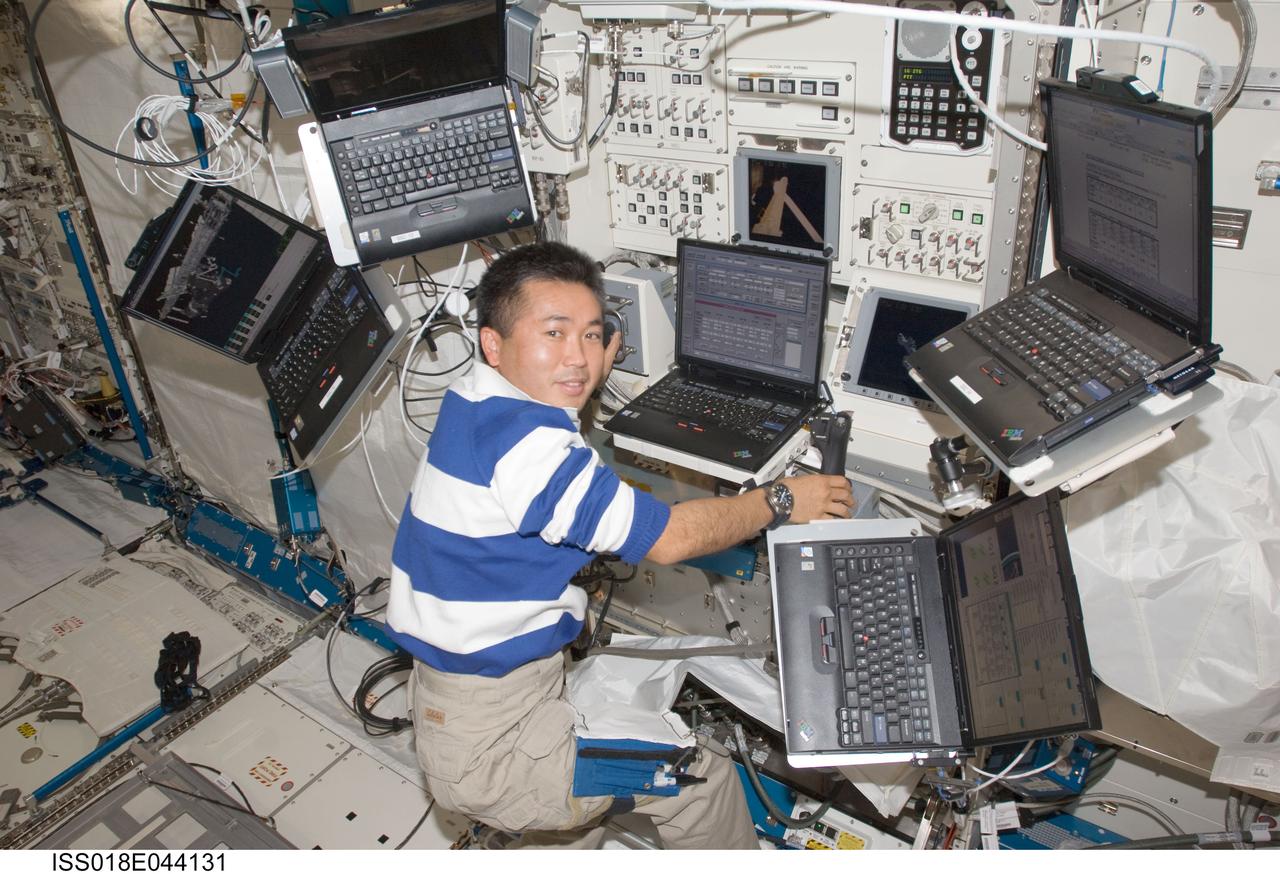
ISS018-E-044131 (31 March 2009) --- Japan Aerospace Exploration Agency (JAXA) astronaut Koichi Wakata, Expedition 18/19 flight engineer, uses a computer at the Japanese Remote Manipulator System (JEM-RMS) work station in the Kibo laboratory of the International Space Station.
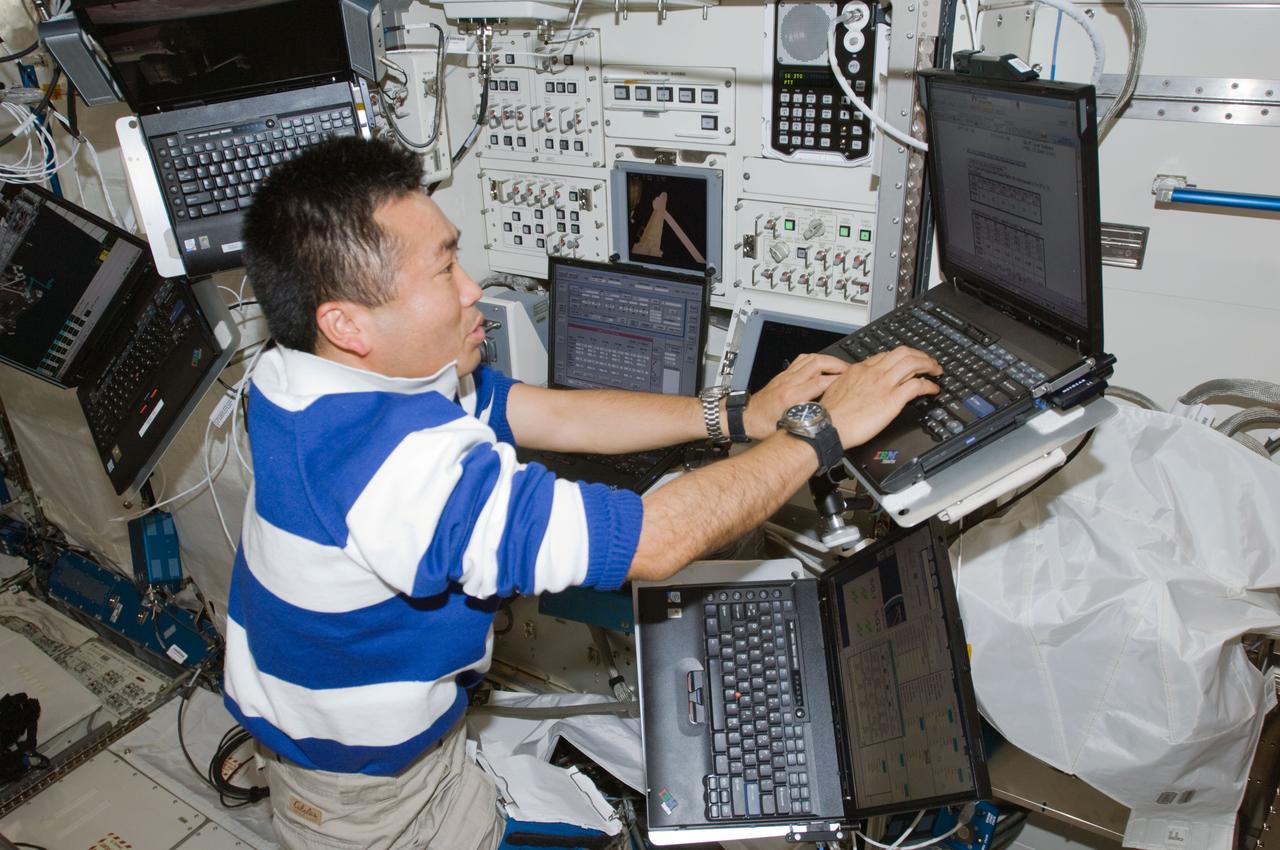
ISS018-E-044134 (31 March 2009) --- Japan Aerospace Exploration Agency (JAXA) astronaut Koichi Wakata, Expedition 18/19 flight engineer, uses a computer at the Japanese Remote Manipulator System (JEM-RMS) work station in the Kibo laboratory of the International Space Station.
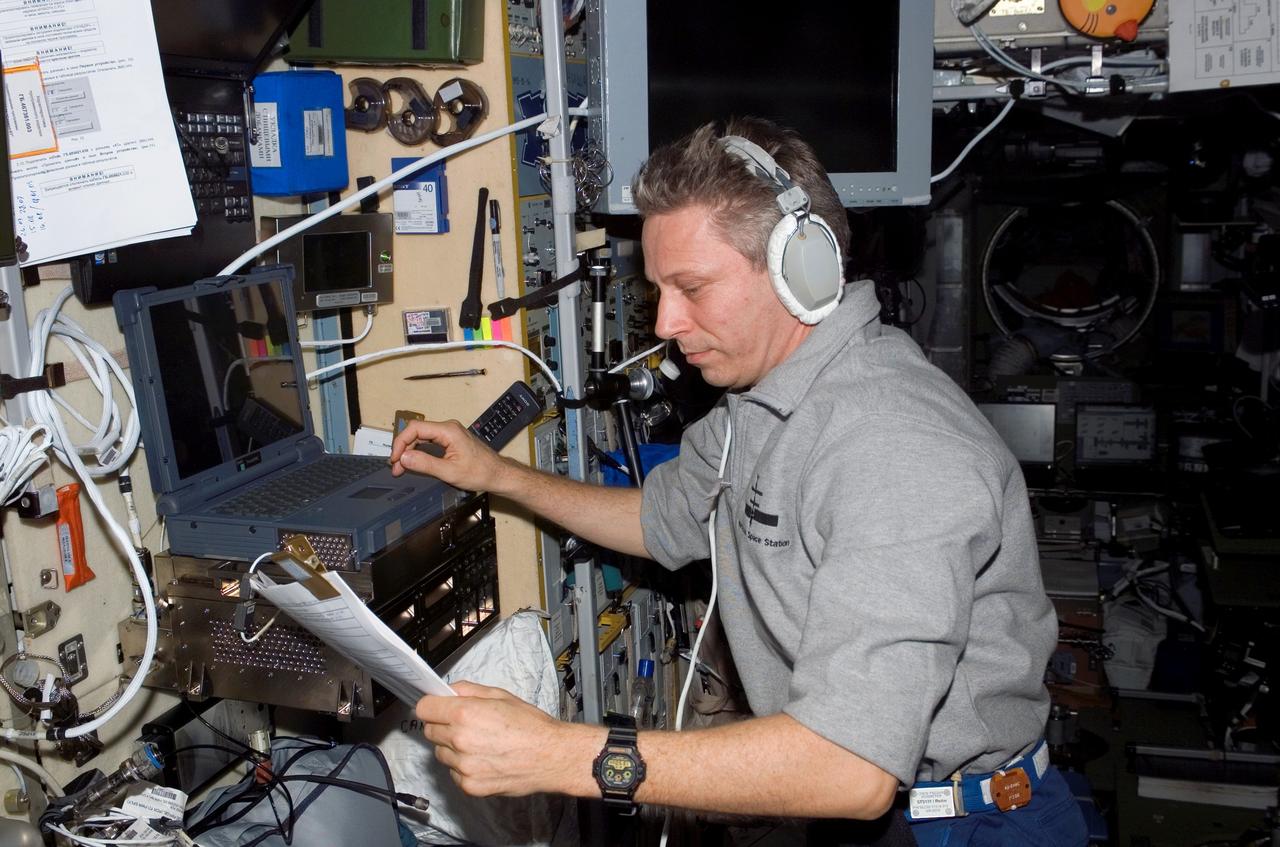
ISS013-E-67495 (19 Aug. 2006) --- European Space Agency (ESA) astronaut Thomas Reiter, Expedition 13 flight engineer, wears a communication system while using a computer in the Zvezda Service Module of the International Space Station.
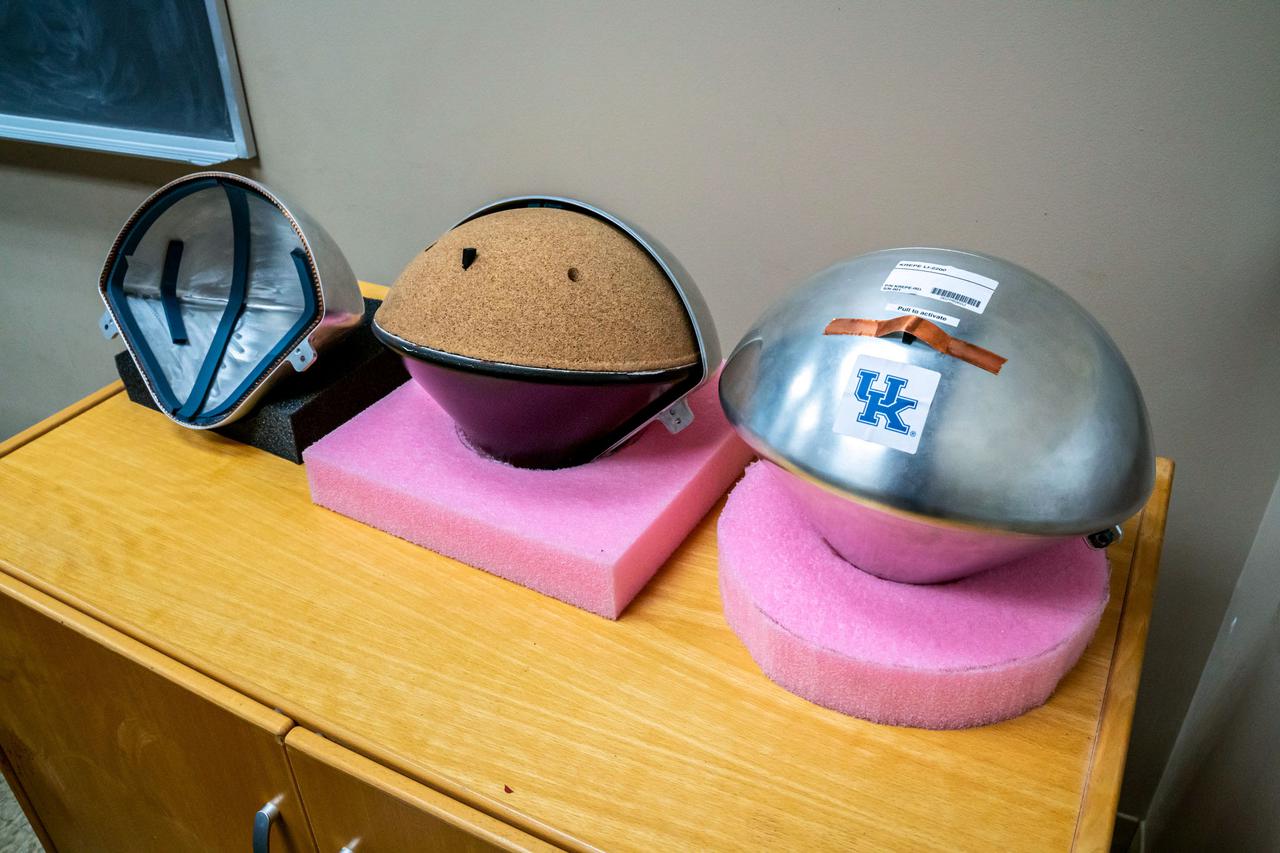
jsc2021e031158 (7/22/2021) --- A preflight view of the heat-shield on the KREPE Capsule. The Kentucky Re-Entry Probe Experiment (KREPE) demonstrates an affordable technology for re-entry experiments and provides flight data on Thermal Protection Systems (TPS) to help validate computational models. Photo courtesy of the University of Kentucky.
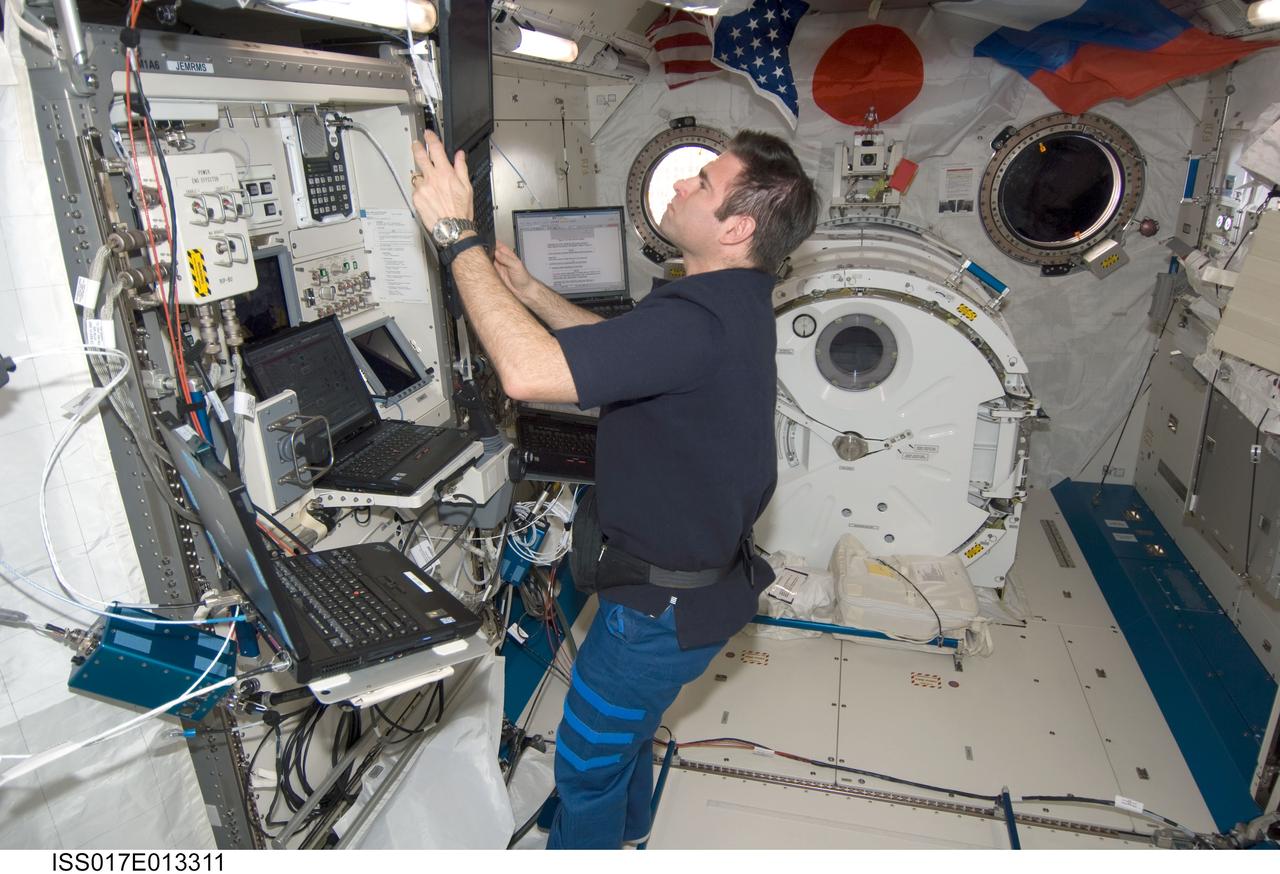
ISS017-E-013311 (15 Aug. 2008) --- NASA astronaut Greg Chamitoff, Expedition 17 flight engineer, uses a computer near the Japanese Remote Manipulator System (JEM-RMS) work station in the Kibo laboratory of the International Space Station.
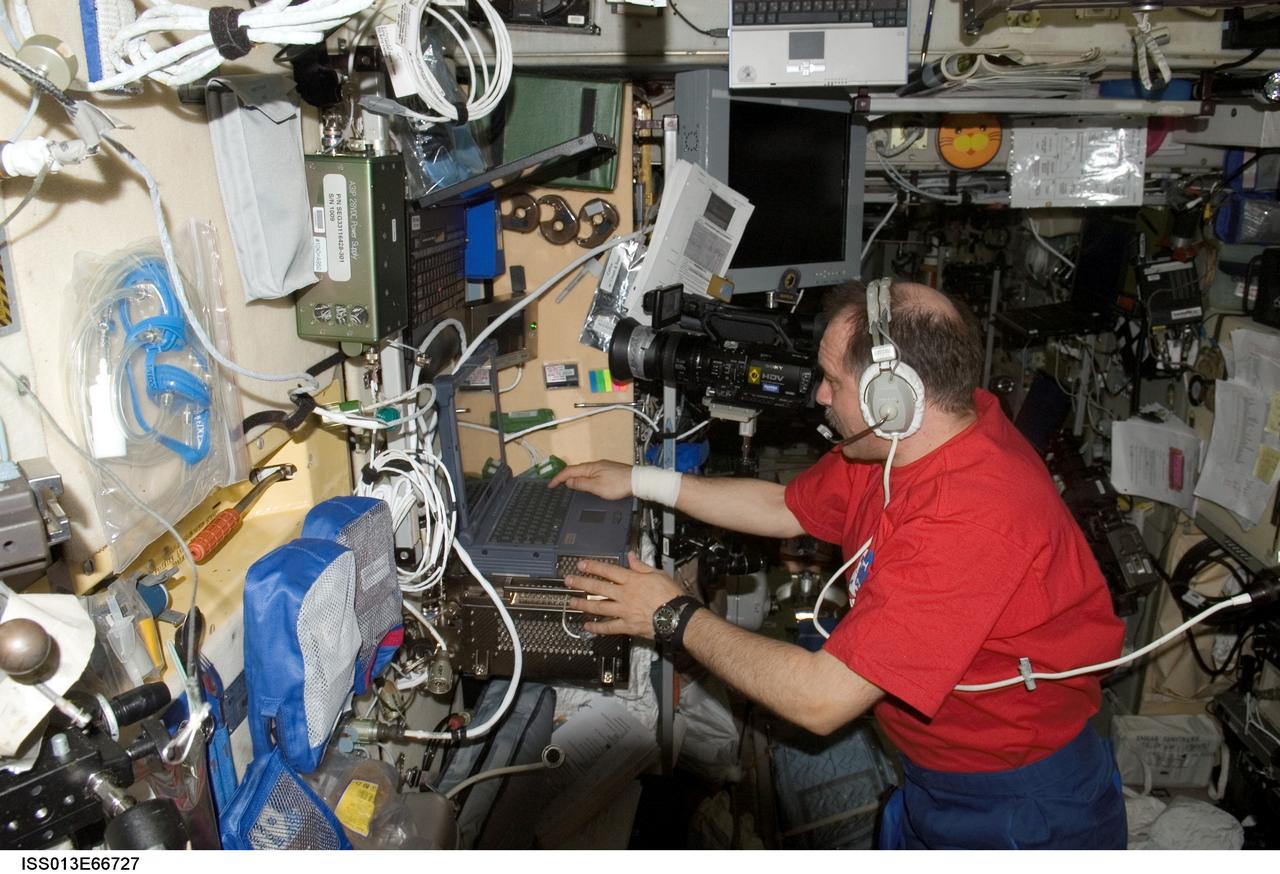
ISS013-E-66727 (August 2006) --- Cosmonaut Pavel V. Vinogradov, Expedition 13 commander representing Russia's Federal Space Agency, wears a communication system headset while using a video camcorder and computer in the Zvezda Service Module of the International Space Station.
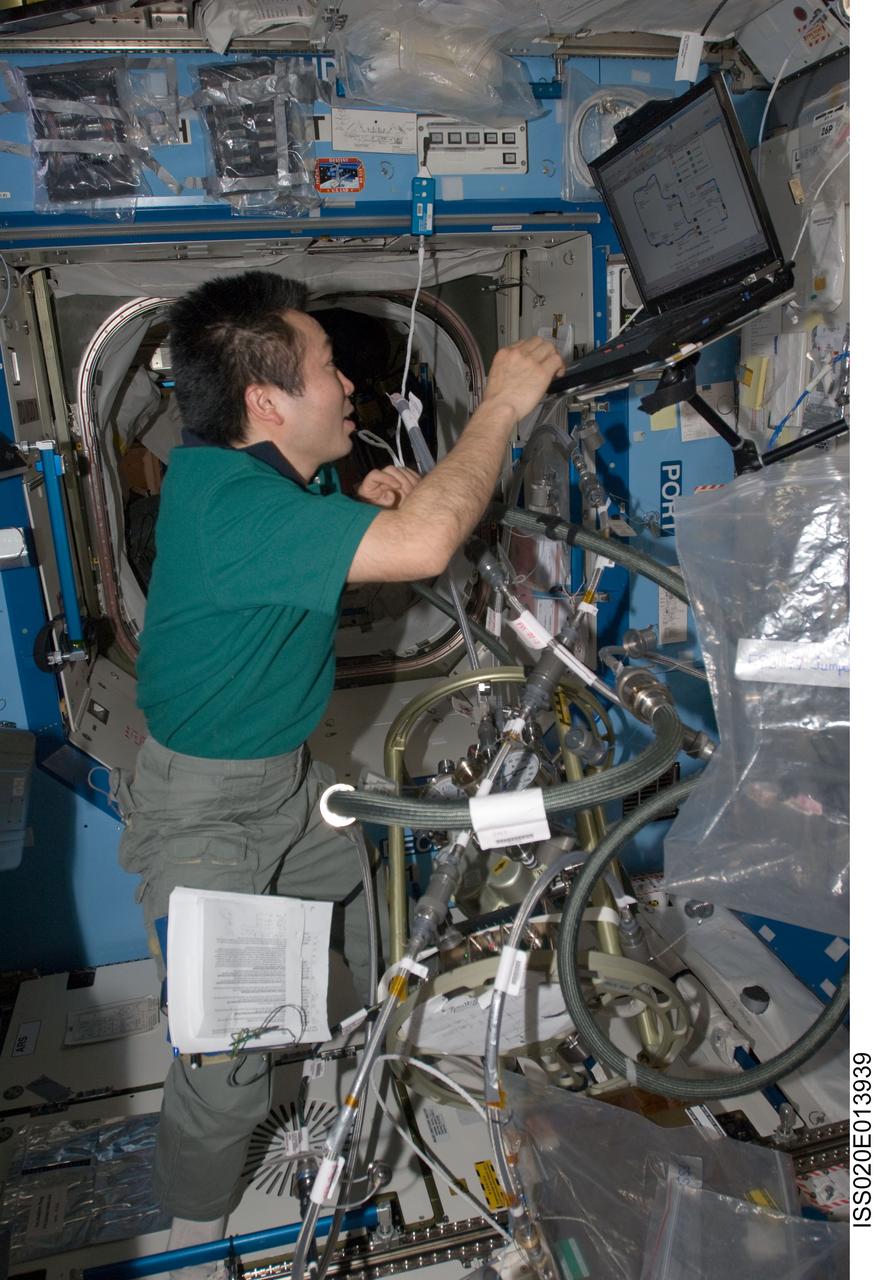
ISS020-E-013939 (23 June 2009) --- Japan Aerospace Exploration Agency (JAXA) astronaut Koichi Wakata, Expedition 20 flight engineer, uses a computer while working with the Fluid Control Pump Assembly (FCPA), which is a part of the Internal Thermal Control System (ITCS) in the Destiny laboratory on the International Space Station.
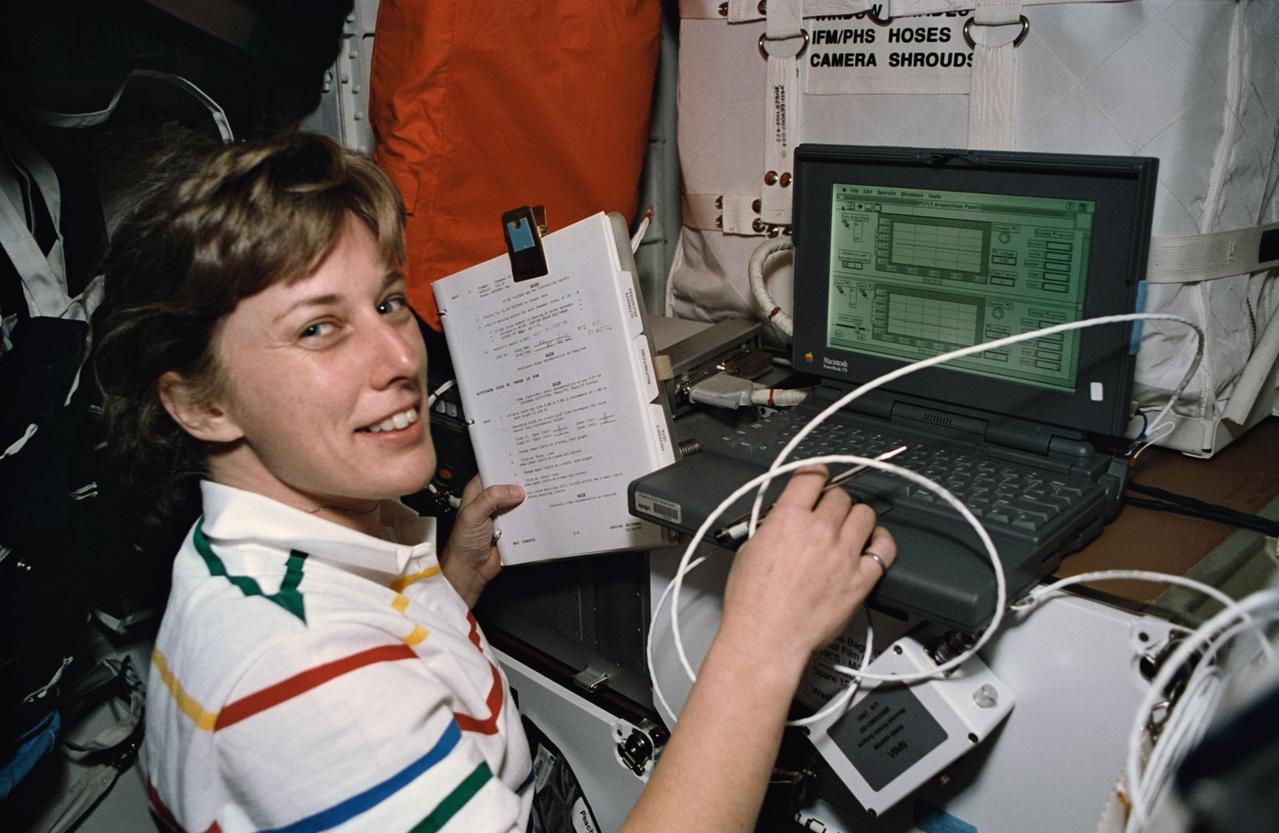
STS060-21-031 (3-11 Feb 1994) --- Using a lap top computer, astronaut N. Jan Davis monitors systems for the Commercial Protein Crystal Growth (CPCG) experiment onboard the Space Shuttle Discovery. Davis joined four other NASA astronauts and a Russian cosmonaut for eight days in space aboard Discovery.
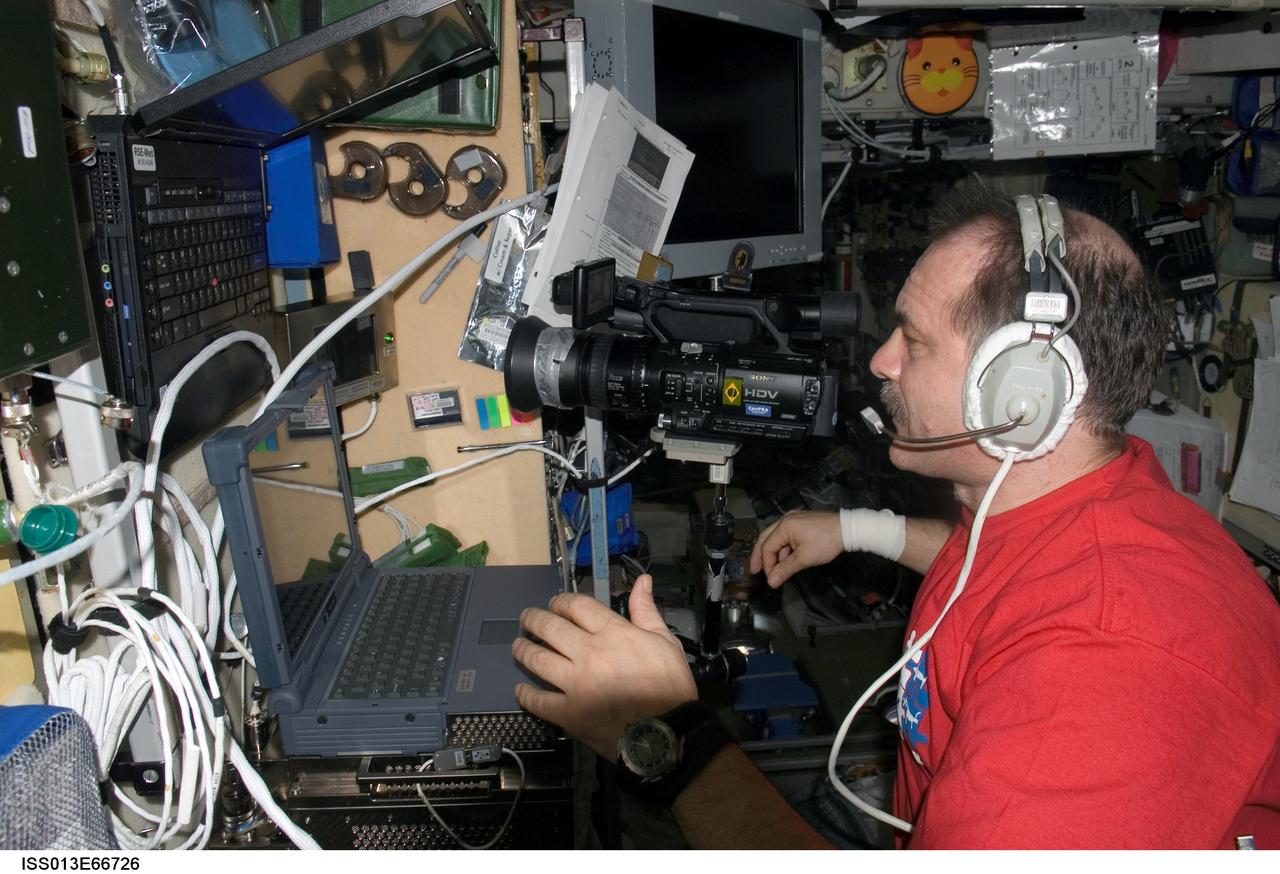
ISS013-E-66726 (August 2006) --- Cosmonaut Pavel V. Vinogradov, Expedition 13 commander representing Russia's Federal Space Agency, wears a communication system headset while using a video camcorder and computer in the Zvezda Service Module of the International Space Station.
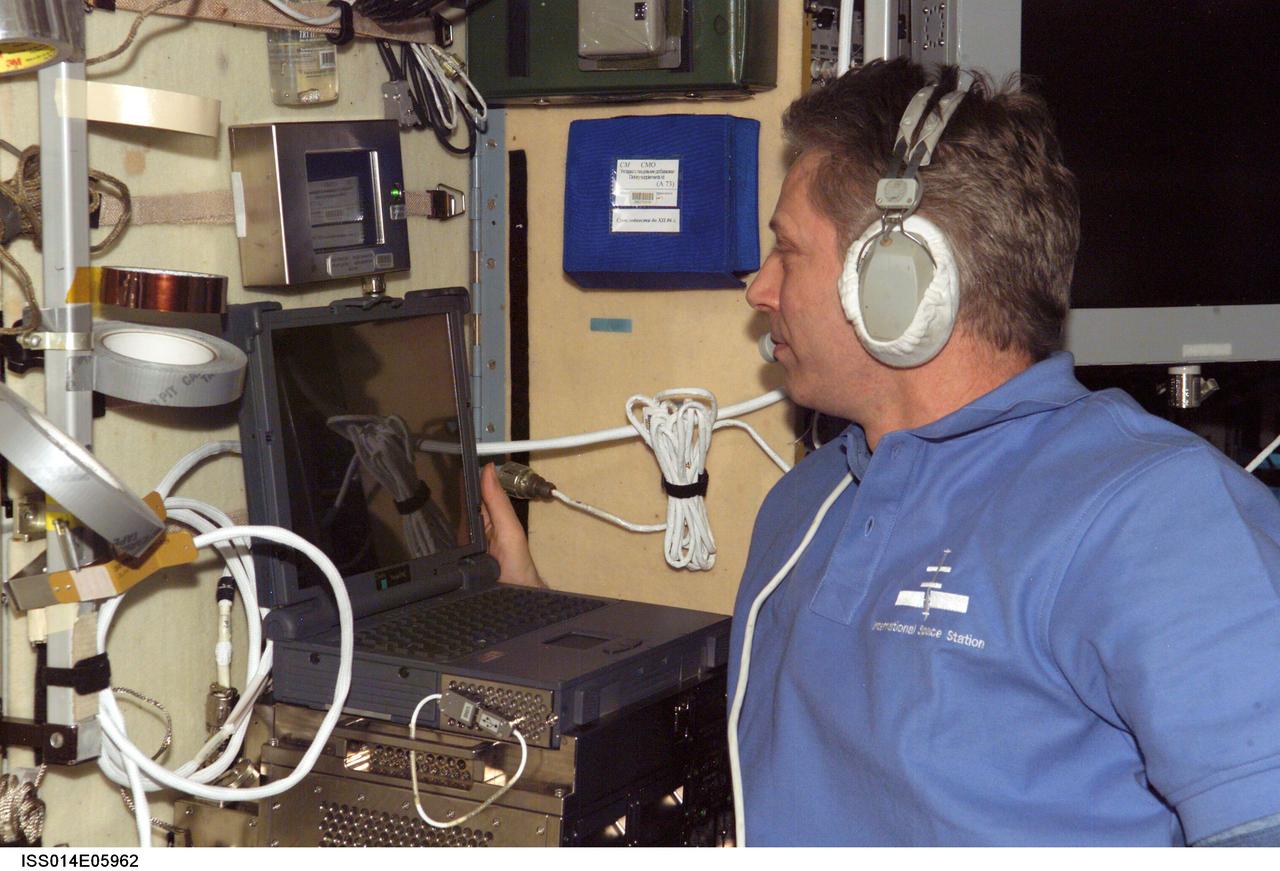
ISS014-E-05962 (October 2006) --- European Space Agency (ESA) astronaut Thomas Reiter, Expedition 14 flight engineer, wears a communication system headset while using a computer in the Zvezda Service Module of the International Space Station.
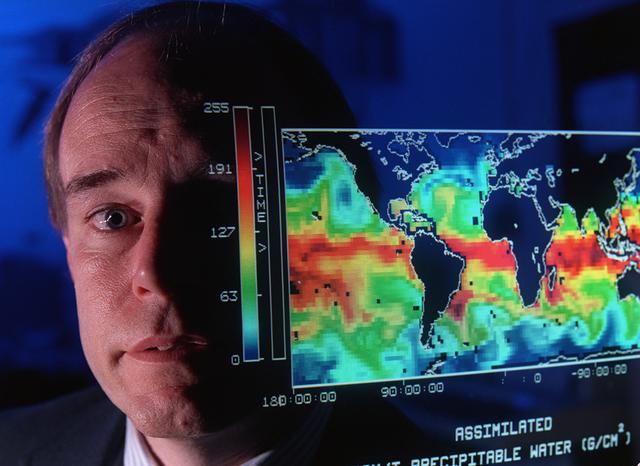
This map shows the presence of water vapor over global oceans. The imagery was produced by combining Special Sensor Microwave Imager measurements and computer models. This data will help scientists better understand how weather systems move water vapor from the tropics toward the poles producing precipitation.
![KENNEDY SPACE CENTER, FLA. -- At the Shuttle Landing Facility, KSC videographer Glen Benson films with HDTV the Shuttle Training Aircraft (STA) preparing to land. The STA is a modified Grumman Gulfstream II aircraft with an onboard special computer system to enable the aircraft to simulate the orbiter. [Photo by Walt Lindblom, Marshall SFC]](https://images-assets.nasa.gov/image/KSC-02pd1532/KSC-02pd1532~medium.jpg)
KENNEDY SPACE CENTER, FLA. -- At the Shuttle Landing Facility, KSC videographer Glen Benson films with HDTV the Shuttle Training Aircraft (STA) preparing to land. The STA is a modified Grumman Gulfstream II aircraft with an onboard special computer system to enable the aircraft to simulate the orbiter. [Photo by Walt Lindblom, Marshall SFC]
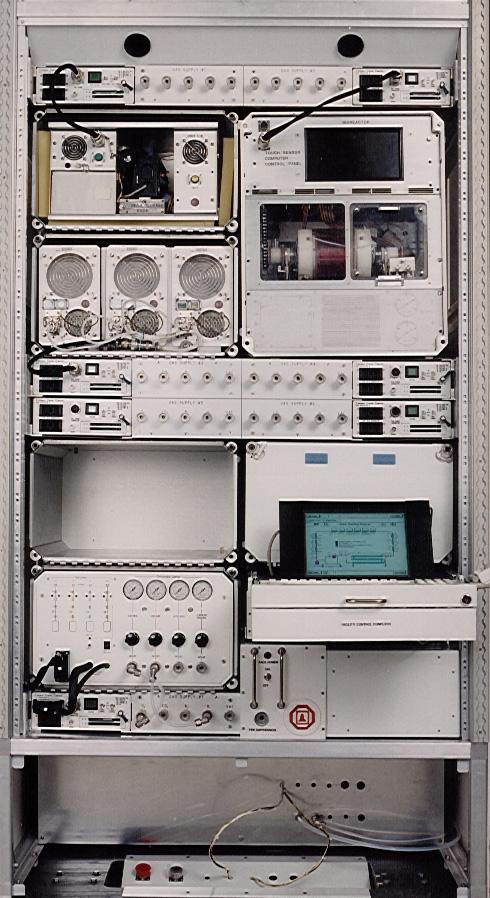
Engineering mockup shows the general arrangement of the plarned Biotechnology Facility inside an EXPRESS rack aboard the International Space Station. This layout includes a gas supply module (bottom left), control computer and laptop interface (bottom right), two rotating wall vessels (top right), and support systems.
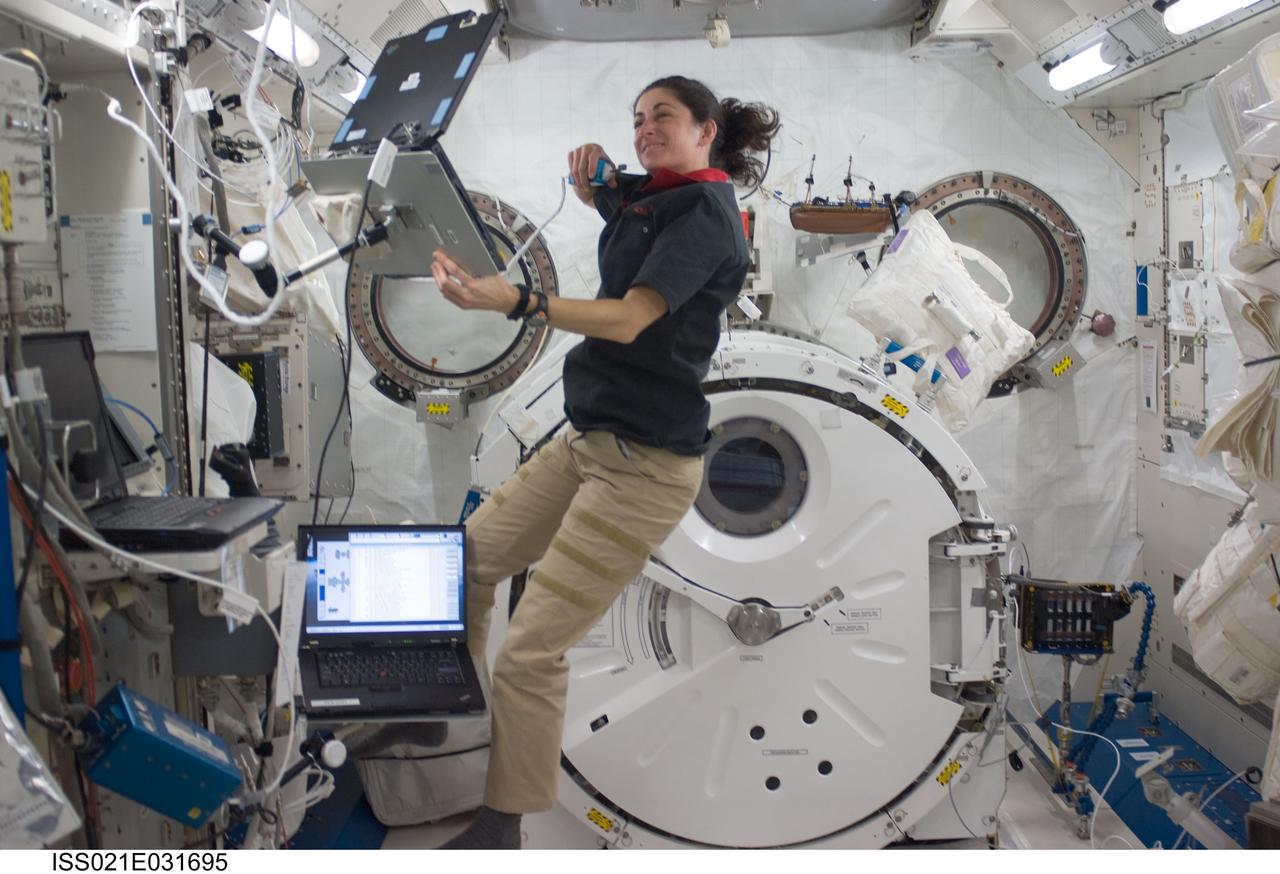
ISS021-E-031695 (22 Nov. 2009) --- Astronaut Nicole Stott, STS-129 mission specialist, uses a communication system near a computer in the Kibo laboratory of the International Space Station while space shuttle Atlantis remains docked with the station.
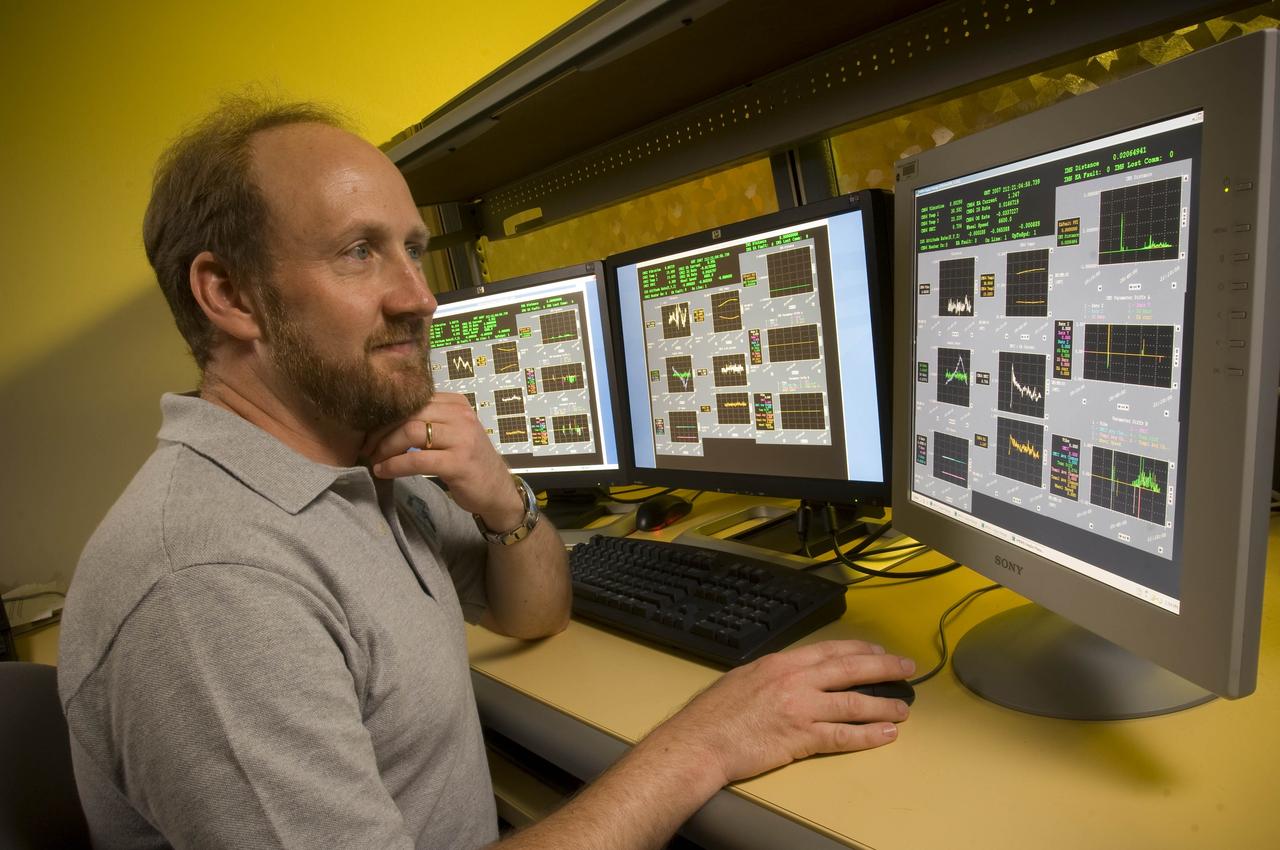
David L. Iverson of NASA Ames Research center, Moffett Field, California, led development of computer software to monitor the conditions of the gyroscopes that keep the International Space Station (ISS) properly oriented in space as the ISS orbits Earth. The gyroscopes are flywheels that control the station's attitude without the use of propellant fuel. NASA computer scientists designed the new software, the Inductive Monitoring System, to detect warning signs that precede a gyroscope's failure. According to NASA officials, engineers will add the new software tool to a group of existing tools to identify and track problems related to the gyroscopes. If the software detects warning signs, it will quickly warn the space station's mission control center.
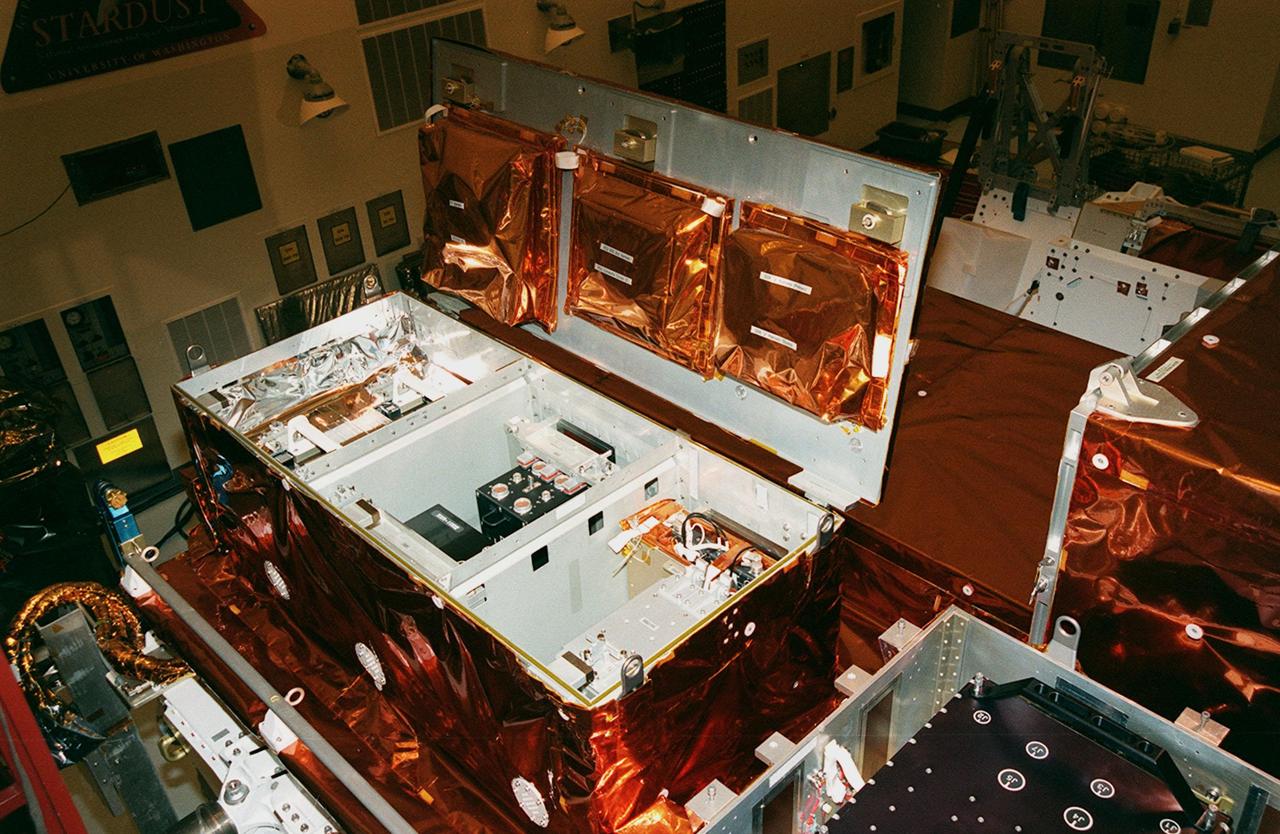
In the Payload Hazardous Servicing Facility clean room, the gyroscopes (left) and computer (right), part of the flight hardware for the Hubble Space Telescope Servicing mission, is on display for media representatives. This mission is designed to replace aging parts on the nine-year-old observatory and to upgrade some of its functioning systems. During the flight, the astronaut crew will replace all six of Hubble's gyroscopes, a fine guidance sensor, the observatory's main computer, and other equipment. The 10-day mission is scheduled to launch no earlier than Dec. 2 at 4:32 a.m. EST from Launch Complex 39

Our solar system now is tied for most number of planets around a single star, with the recent discovery of an eighth planet circling Kepler-90, a Sun-like star 2,545 light years from Earth. The planet was discovered in data from NASA's Kepler Space Telescope. The newly-discovered Kepler-90i -- a sizzling hot, rocky planet that orbits its star once every 14.4 days -- was found using machine learning from Google. Machine learning is an approach to artificial intelligence in which computers "learn." In this case, computers learned to identify planets by finding in Kepler data instances where the telescope recorded changes in starlight caused by planets beyond our solar system, known as exoplanets. https://photojournal.jpl.nasa.gov/catalog/PIA22192
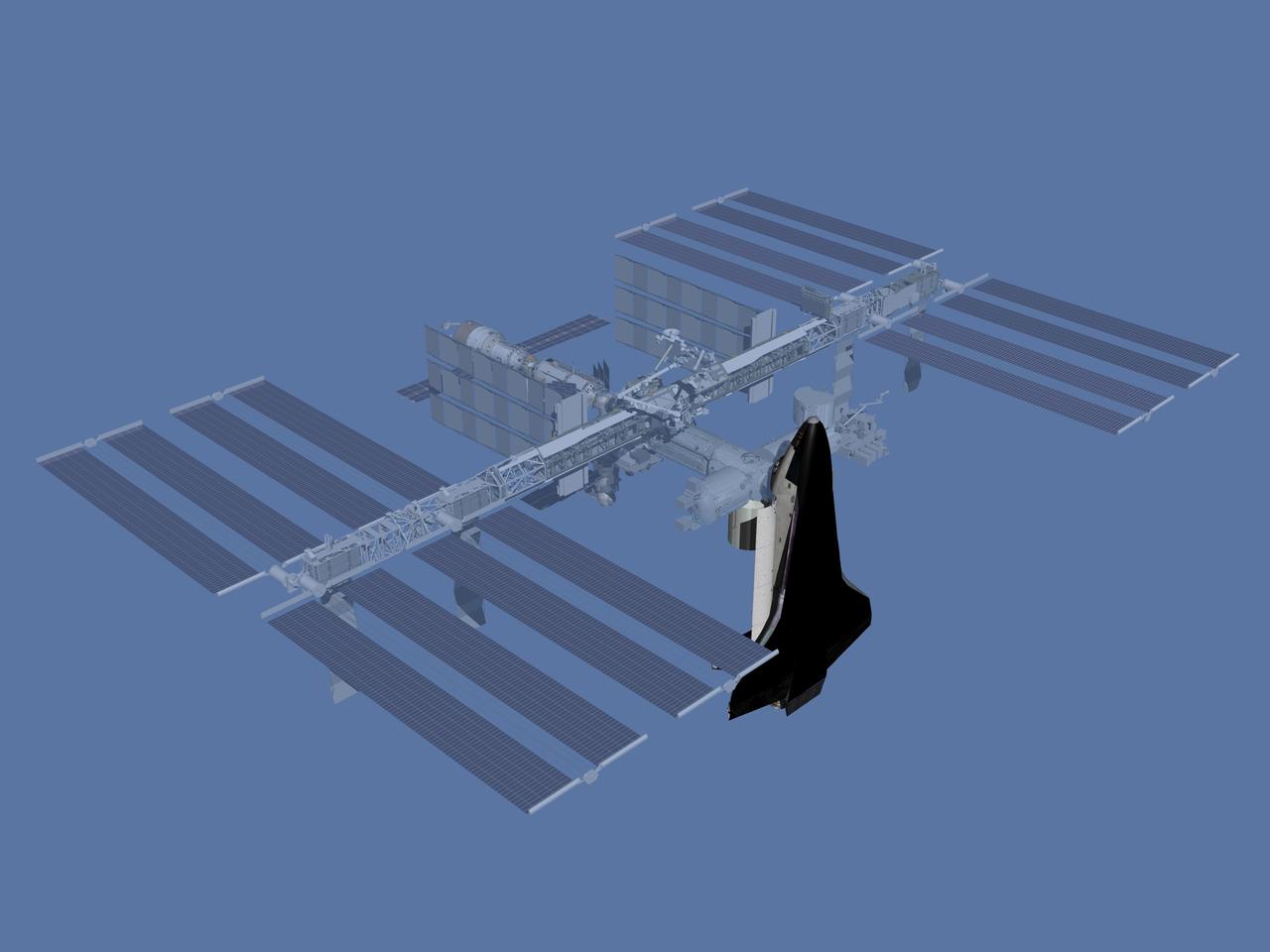
JSC2006-E-43511 (October 2006) --- Computer-generated artist's rendering of the International Space Station after flight 17A. U.S. Orbiter brings Multi-Purpose Logistics Module (MPLM); Lightweight Multi-Purpose Experiment Support Structure Carrier (LMC); three crew quarters; galley; second Treadmill Vibration Isolation System (TVIS); Crew Health Care System 2 (CHeCS 2).
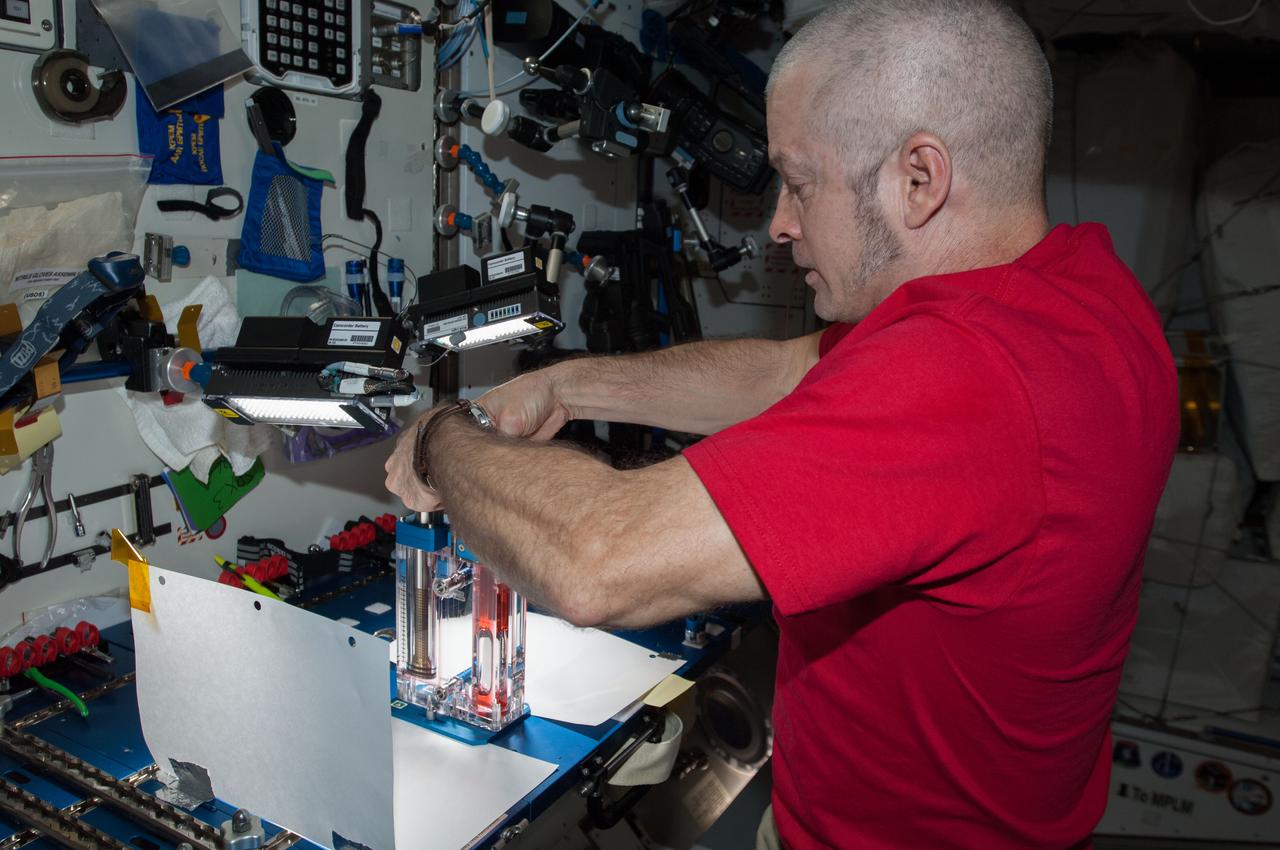
ISS040-E-032820 (3 July 2014) --- NASA astronaut Steve Swanson, Expedition 40 commander, conducts a session with the Capillary Flow Experiment (CFE) in the Harmony node of the International Space Station. CFE is a suite of fluid physics experiments that investigate how fluids move up surfaces in microgravity. The results aim to improve current computer models that are used by designers of low gravity fluid systems and may improve fluid transfer systems for water on future spacecraft.
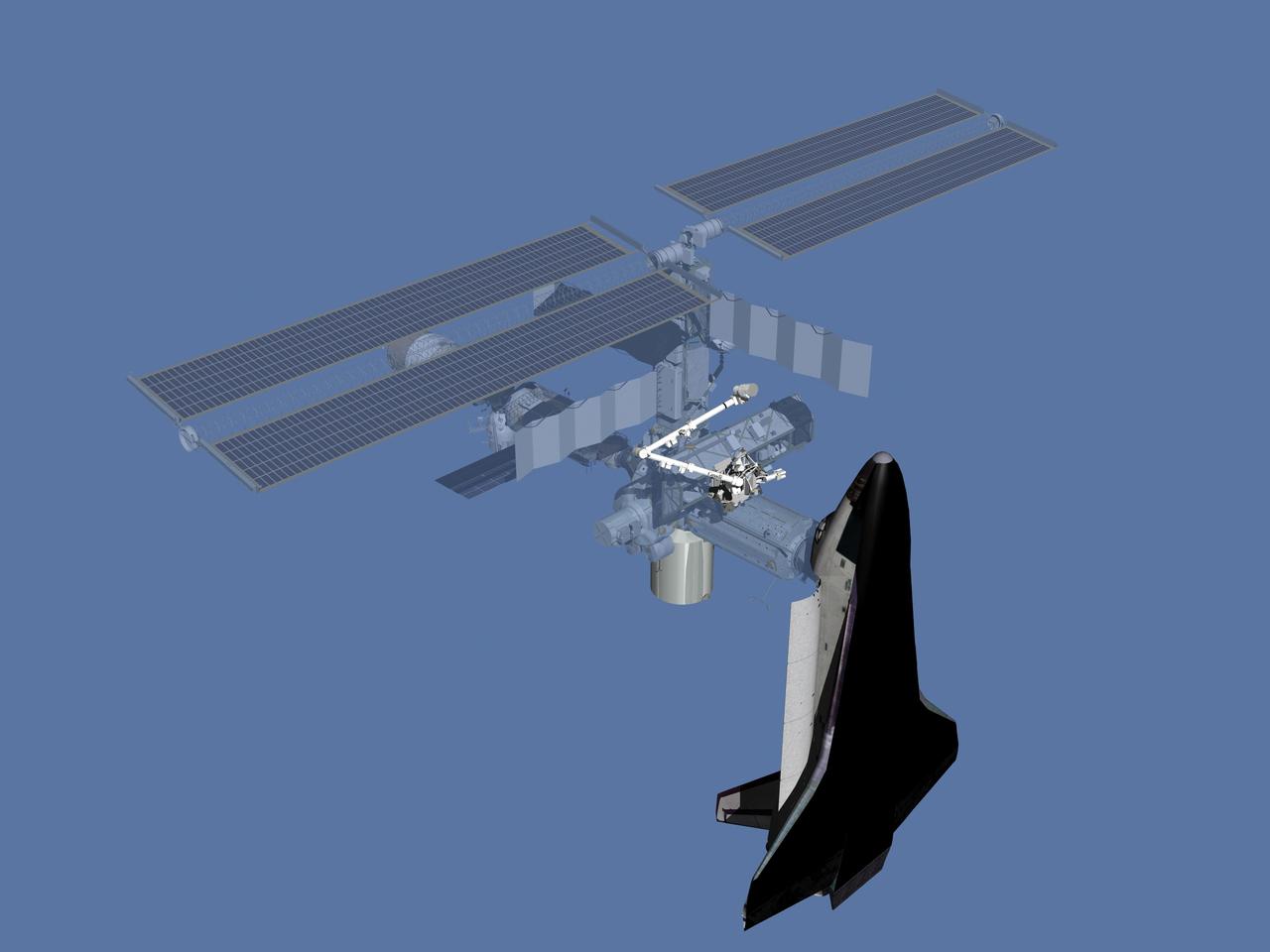
JSC2006-E-43493 (June 2002) --- Computer-generated artist's rendering of the International Space Station after flight STS-111/UF2. Space Shuttle Endeavour; with a Multi-Purpose Logistics Module (MPLM); delivered more payload and experiment racks to the Destiny laboratory. The Mobile Base System was also installed completing the station's Mobile Servicing System.
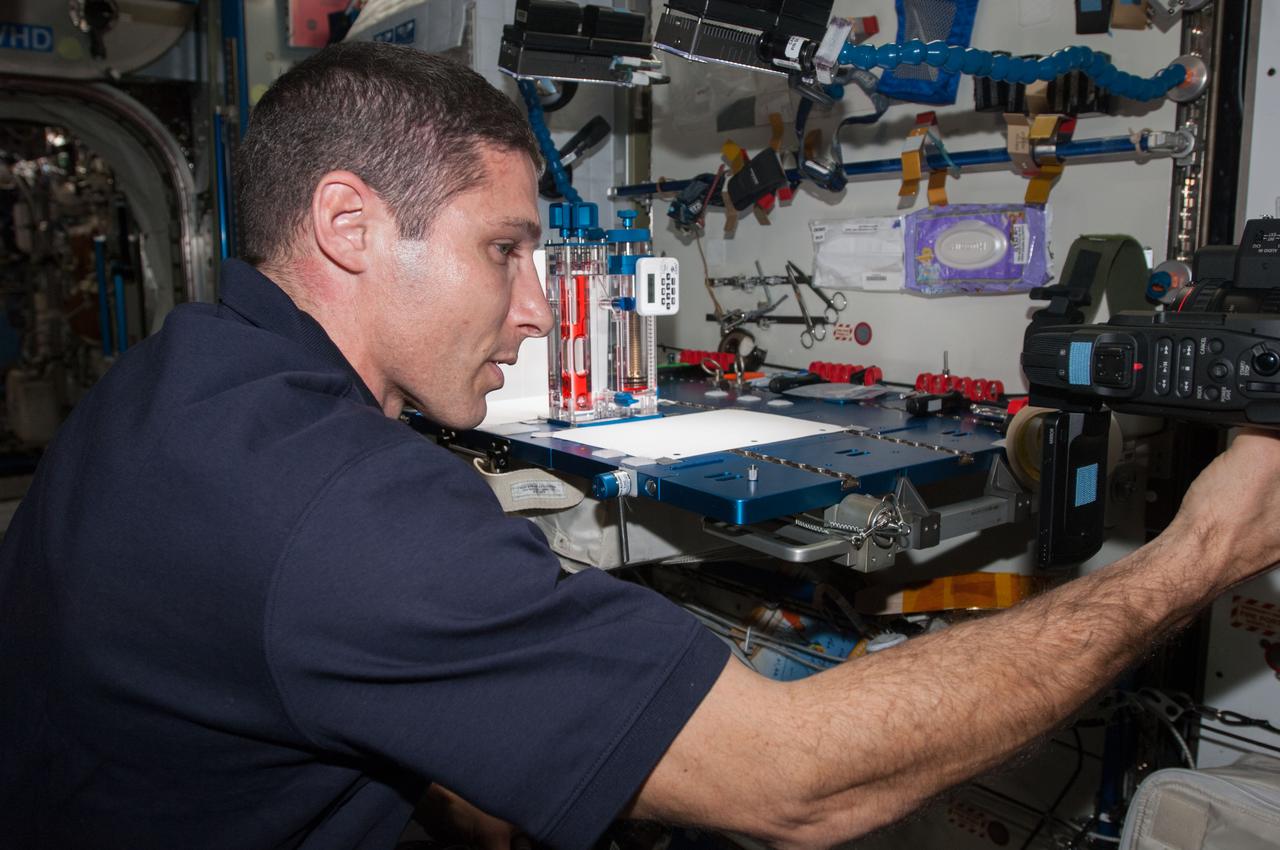
ISS038-E-000269 (11 Nov. 2013) --- NASA astronaut Michael Hopkins, Expedition 38 flight engineer, conducts a session with the Capillary Flow Experiment (CFE) in the Harmony node of the International Space Station. CFE is a suite of fluid physics experiments that investigate how fluids move up surfaces in microgravity. The results aim to improve current computer models that are used by designers of low gravity fluid systems and may improve fluid transfer systems for water on future spacecraft.