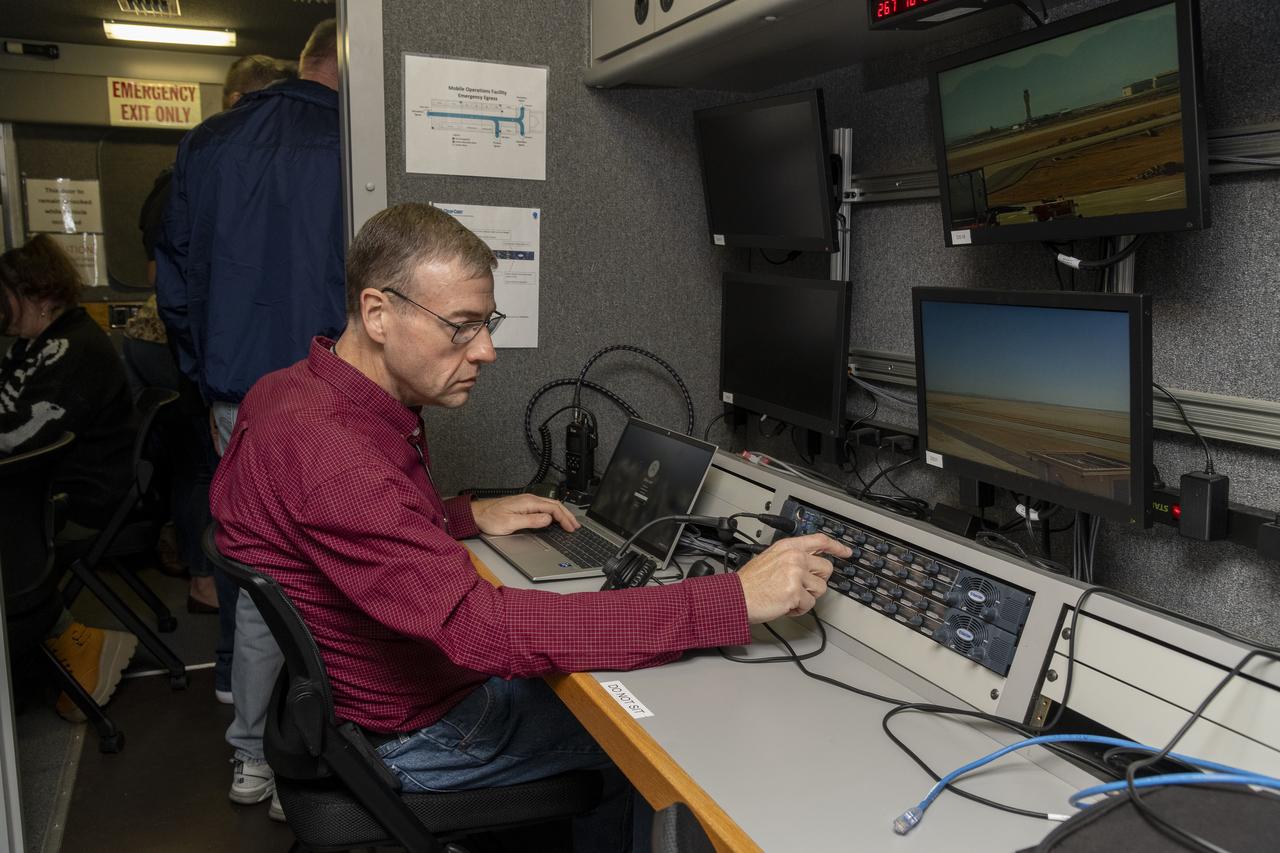
Working in the Mobile Operations Facility at NASA’s Armstrong Flight Research Center in Edwards, California, NASA Advanced Air Mobility researcher Dennis Iannicca adjusts a control board to capture Automatic Dependent Surveillance-Broadcast (ADS-B) data during test flights. The data will be used to understand ADS-B signal loss scenarios for air taxi flights in urban areas.
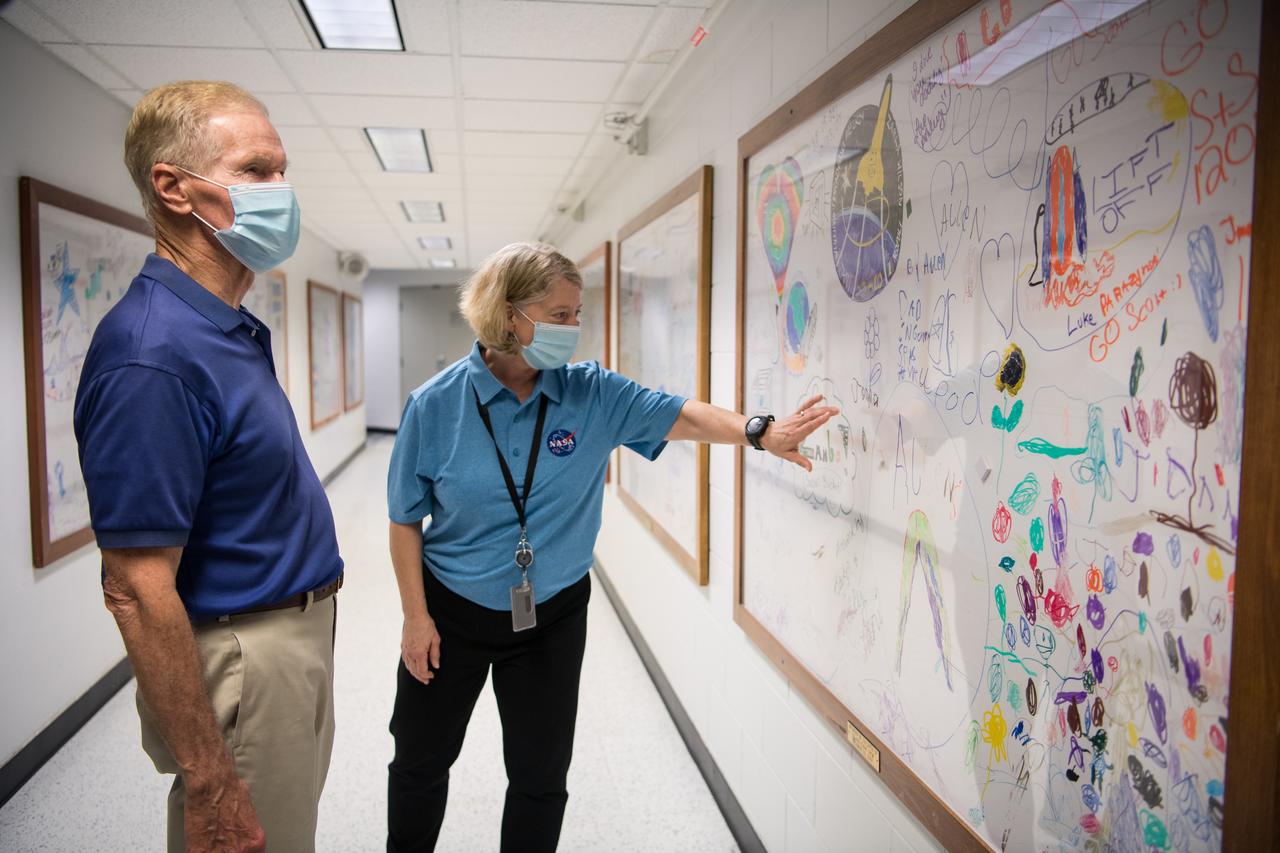
NASA Deputy Administrator Pam Melroy, right, shows NASA Administrator Bill Nelson the white board created by the families of the astronauts of the STS-120 mission, after a tour of the firing rooms in the Launch Control Center (LCC), Wednesday, July 28, 2021, at NASA’s Kennedy Space Center in Florida. Deputy Administrator Melroy served as commander on STS-120 which was her third and last spaceflight. Photo Credit: (NASA/Aubrey Gemignani)
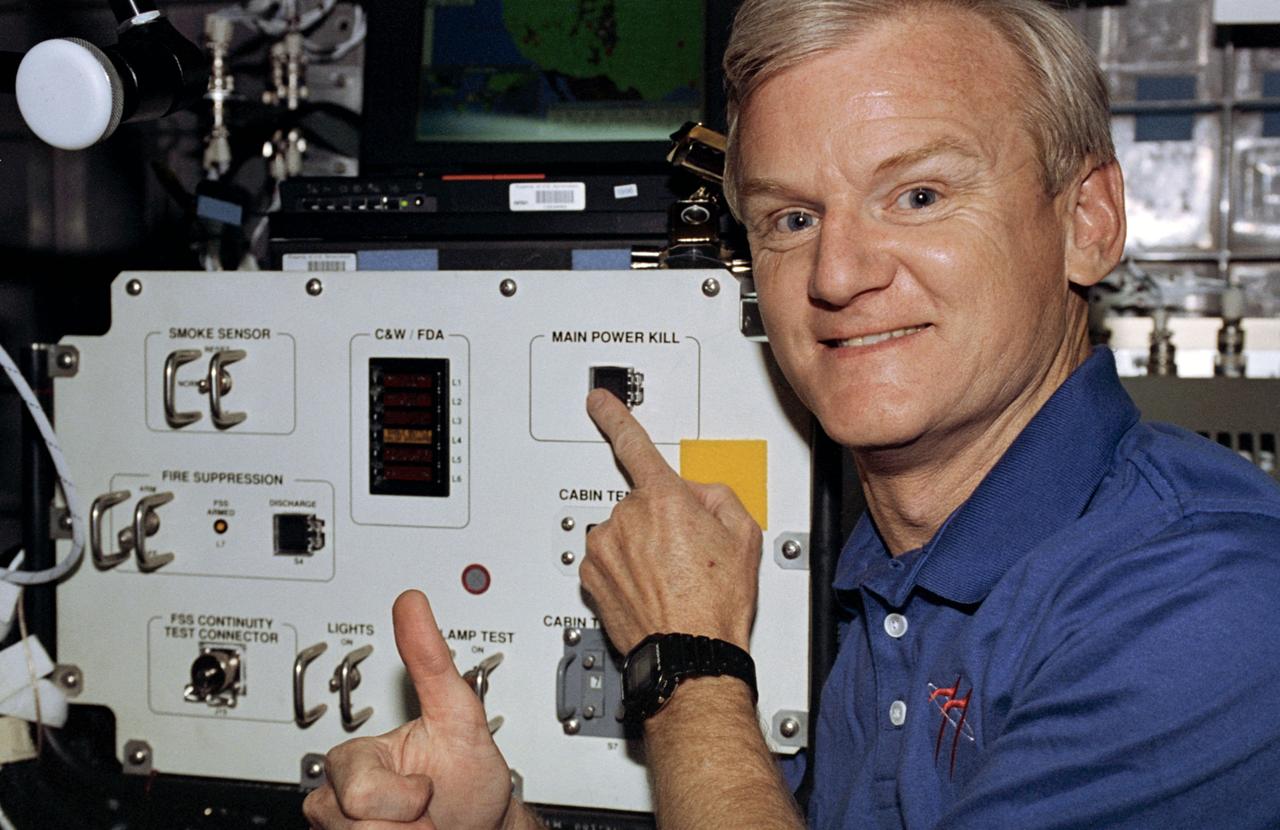
STS077-372-019 (19-29 May 1996) --- Astronaut John H. Casper, commander, holds his finger on the power kill switch on the Spacehab 4 Module aboard the Earth-orbiting Space Shuttle Endeavour. Casper and five other astronauts spent almost ten days aboard Endeavour in support of the Spacehab 4 mission and a number of other payloads.
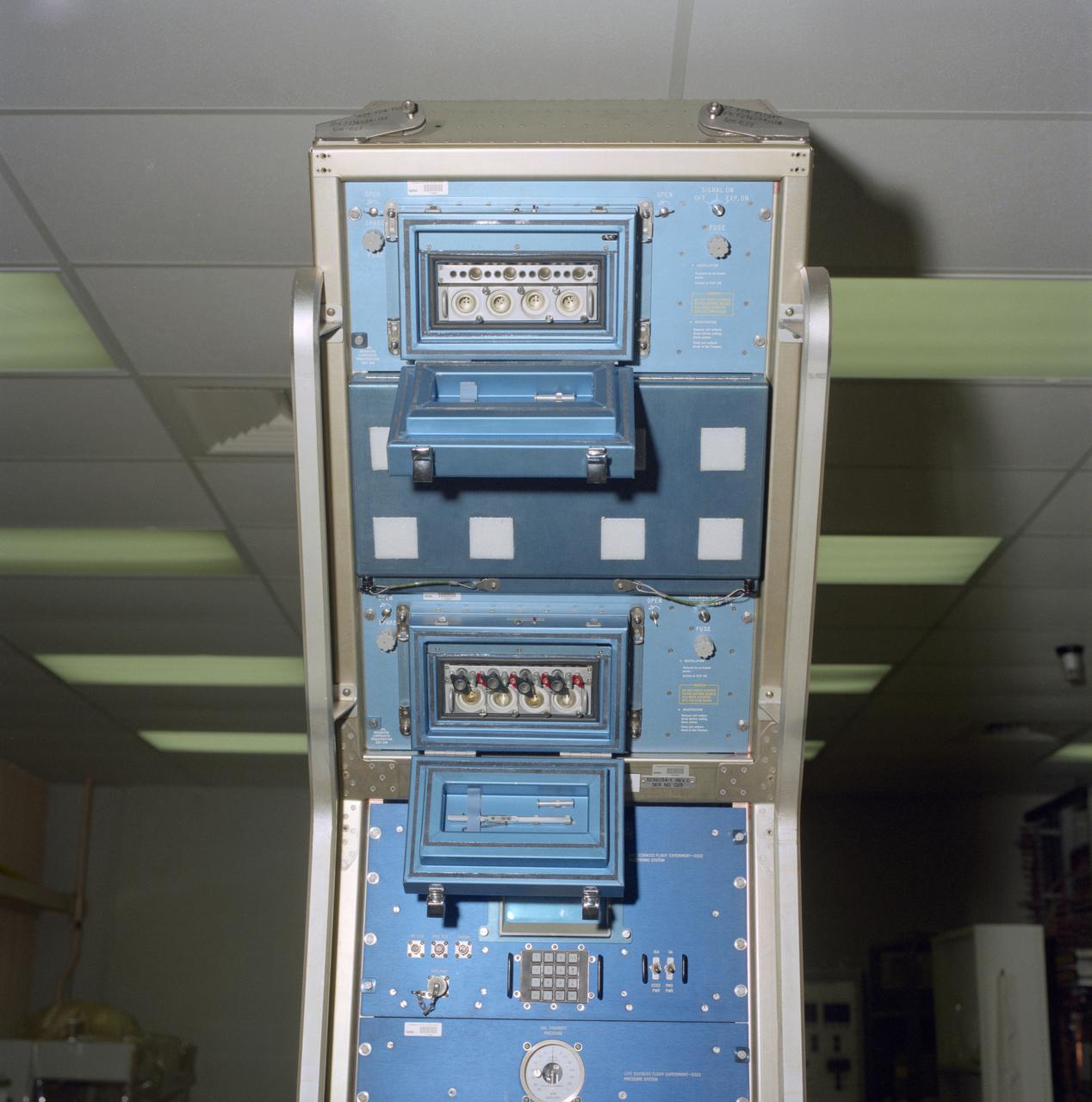
S84-43683 (26 Nov 1984) --- This vertically positioned rectangular piece of hardware, scheduled to fly on the science module of Spacelab Life Sciences-1, is important to the immunology investigation on the mission. Called Lymphocyte Proliferation in Weightlessness (Experiment 240), the test was developed by Dr. Augosto Cogoli of the Institute of Biotechnology, Gruppe Weltraum Biologie, in Zurich, Switzerland. It represents a continuation of previous Spacelab experiments by examining the effects of weightlessness on lymphocyte activation. Cultures will be grown in the microgravity incubators on the pictured hardware.
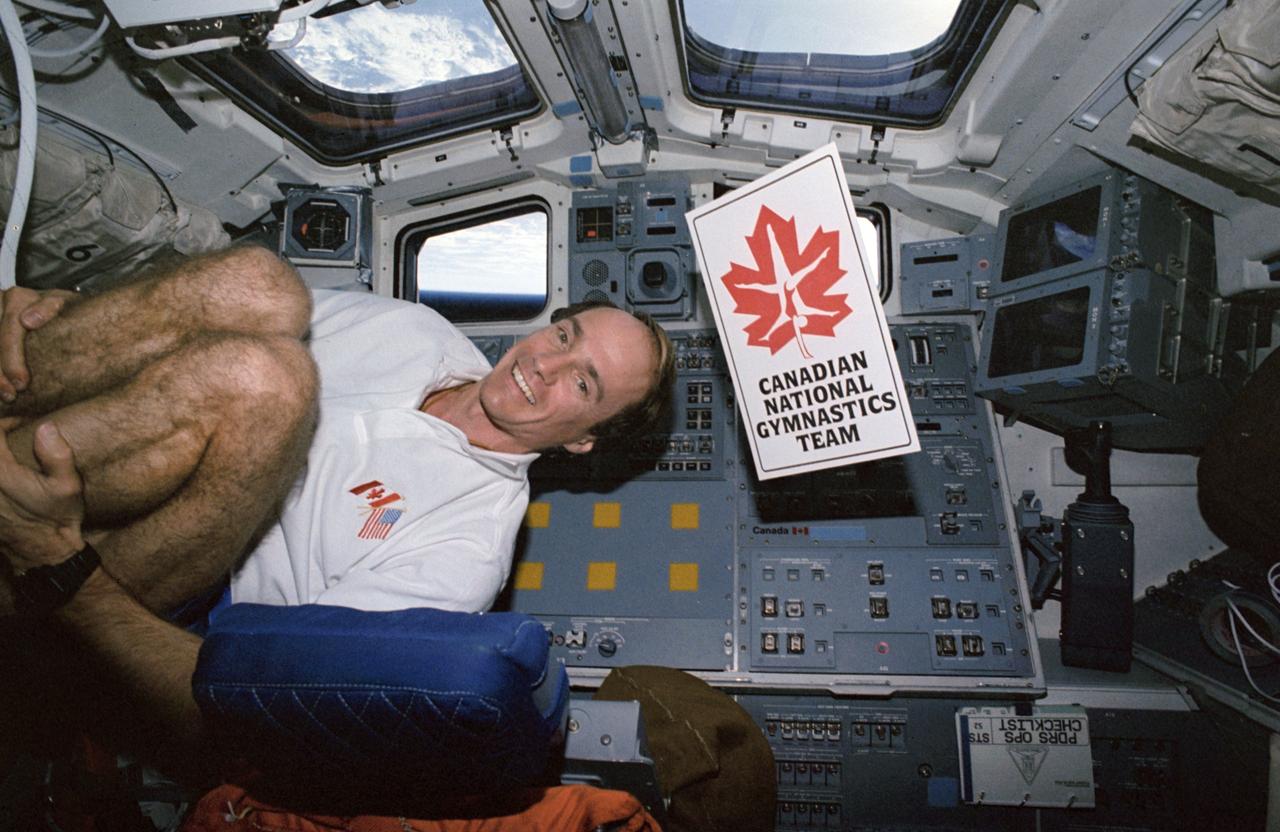
STS052-24-014 (22 Oct-1 Nov 1992) --- Canadian payload specialist Steven G. MacLean tries out gymnastics in the weightlessness of space on the aft flight deck of the Earth-orbiting Space Shuttle Columbia. MacLean, along with five NASA astronauts, spent ten days aboard Columbia for the STS-52 mission.
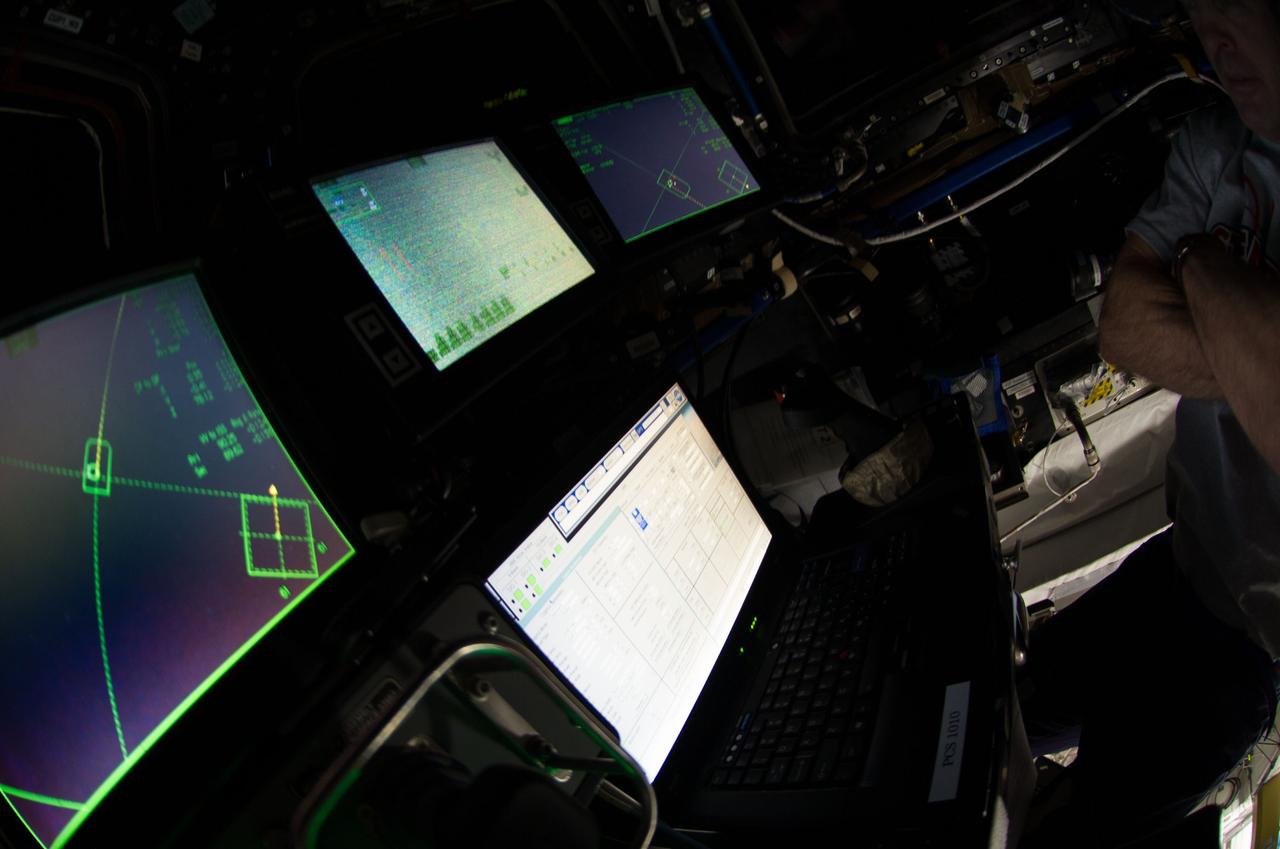
Control boards pictured in the International Space Stations Cupola during rendezvous and capture operations of the Orbital Sciences Cygnus cargo craft.
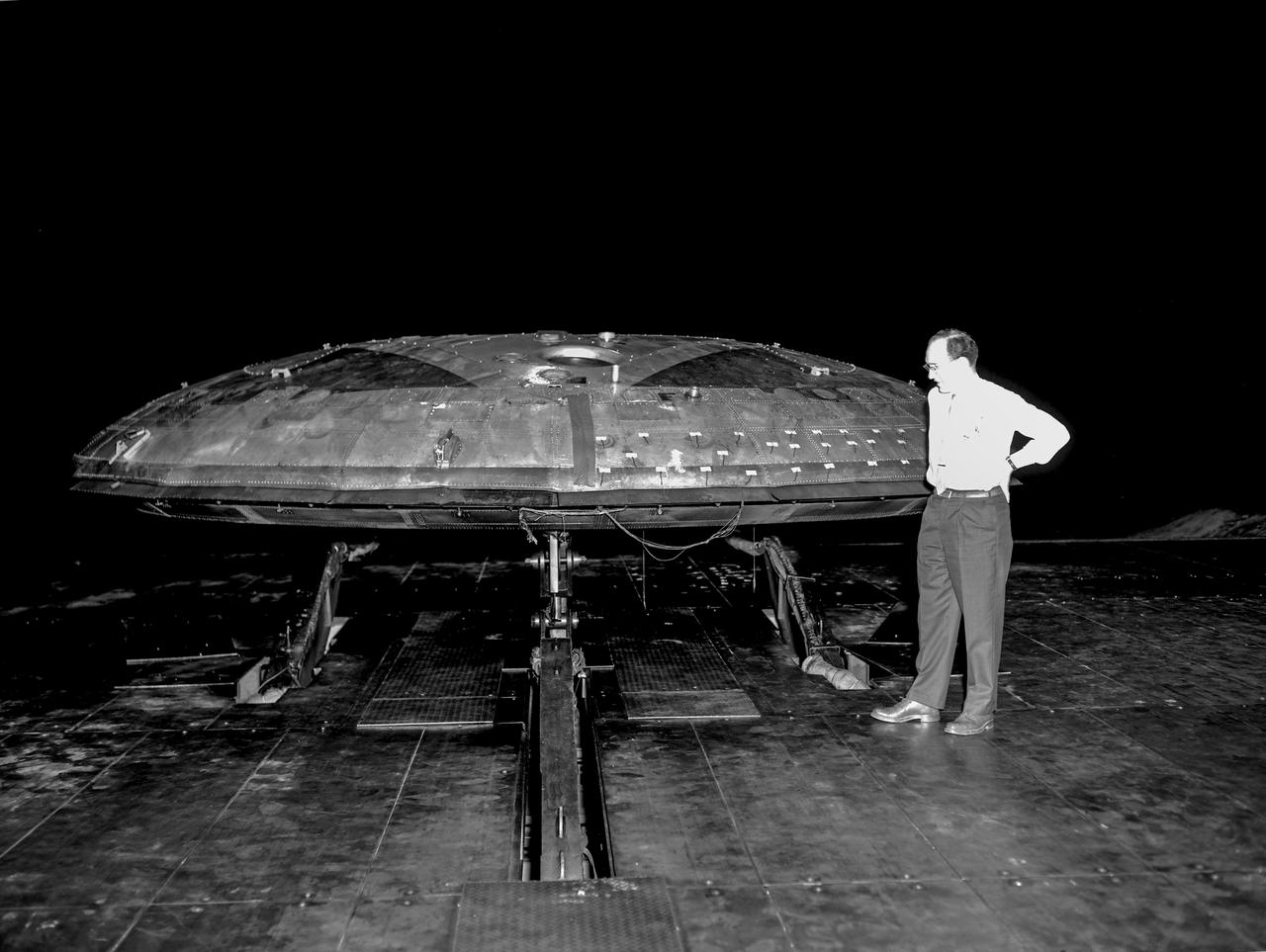
Avrocar with ground board and variable height struts and no tail. Can see focusing ring that controlled the peripheral jet.
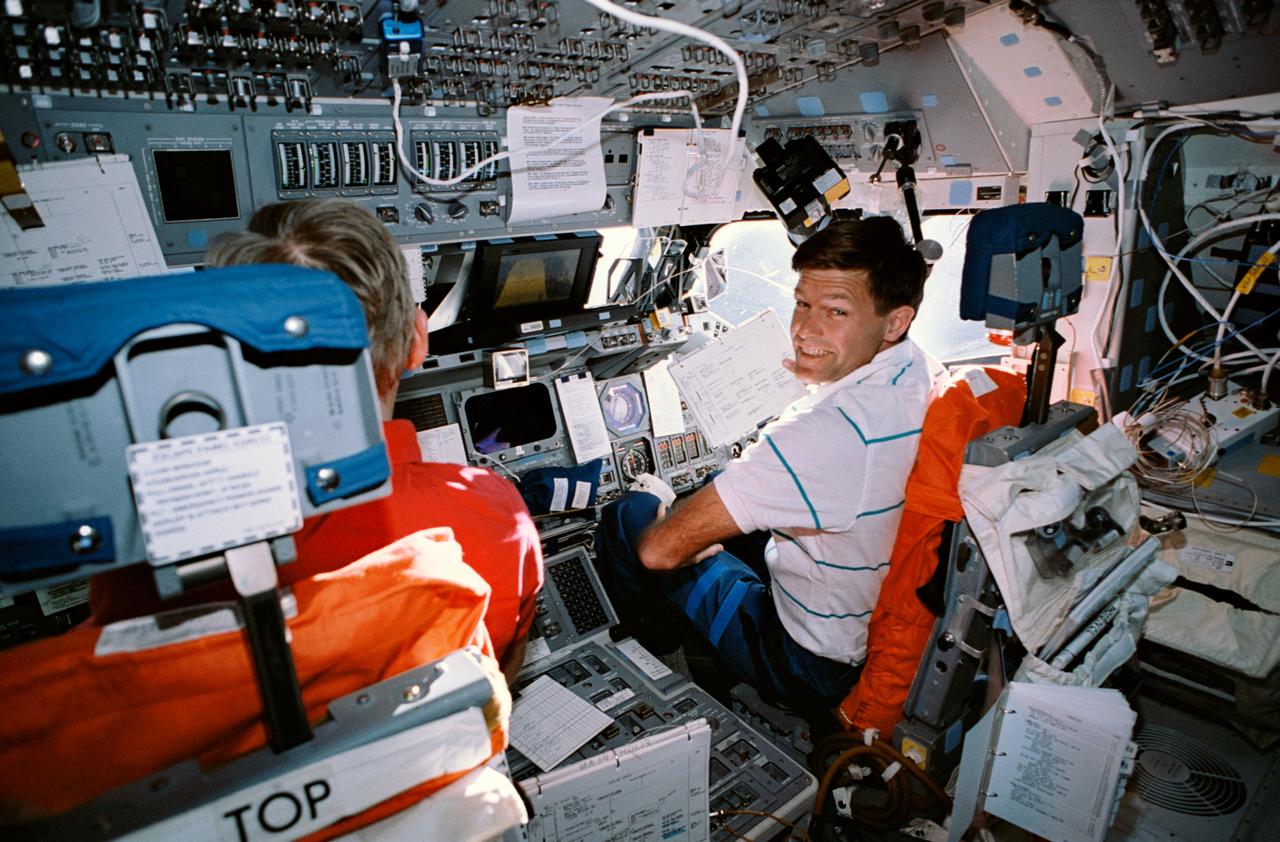
STS054-30-022 (13-19 Jan 1993) --- Astronaut Donald R. McMonagle (right), pilot, shares the forward flight deck with astronaut John H. Casper, mission commander, as the pair performs a maneuver of the Shuttle Endeavour in Earth orbit. The photograph was taken with a 35mm camera.
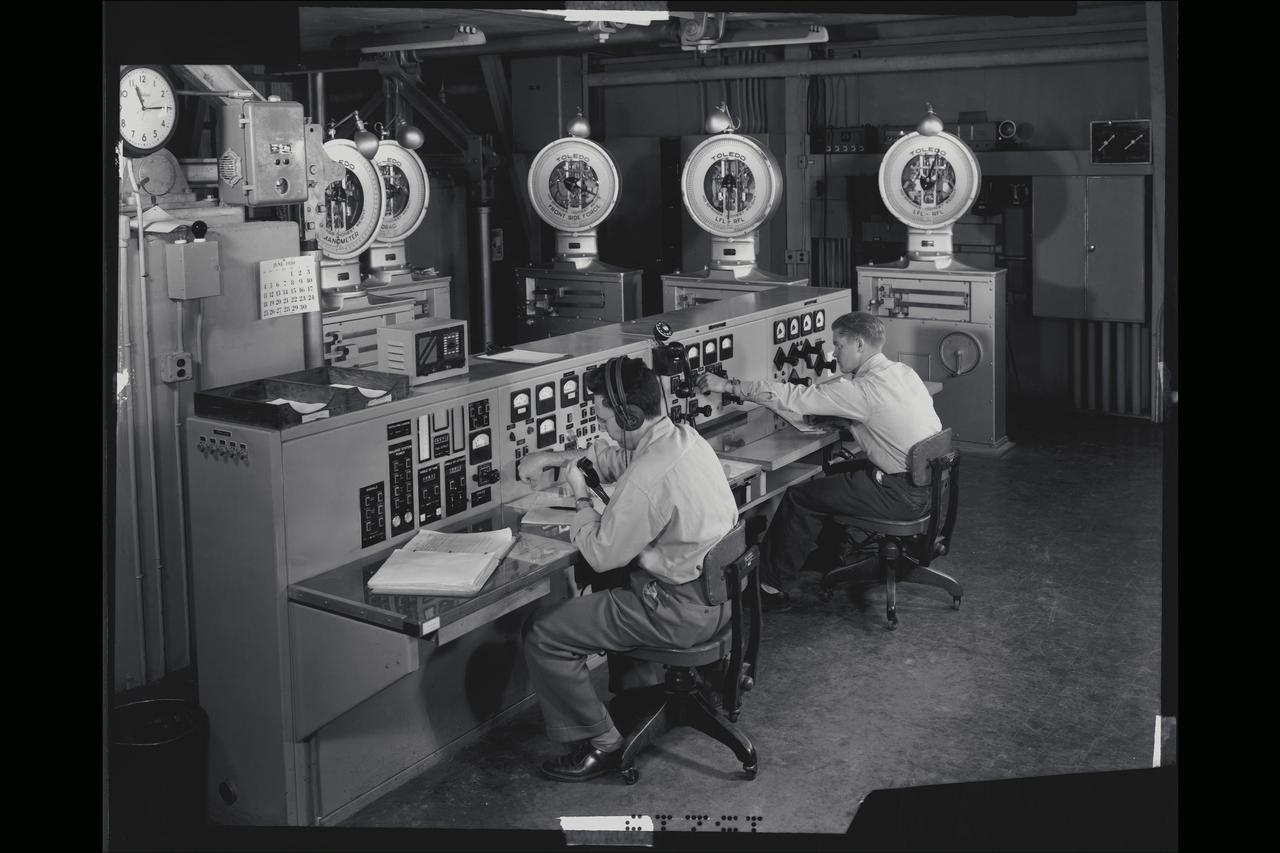
40x80 wind tunnel manometers control room at NACA's Ames Research Center. Control panel (called the bench board) showing five of the seven scale heads which measured the forces on the model (ie. Lift, drag, side force etc.)
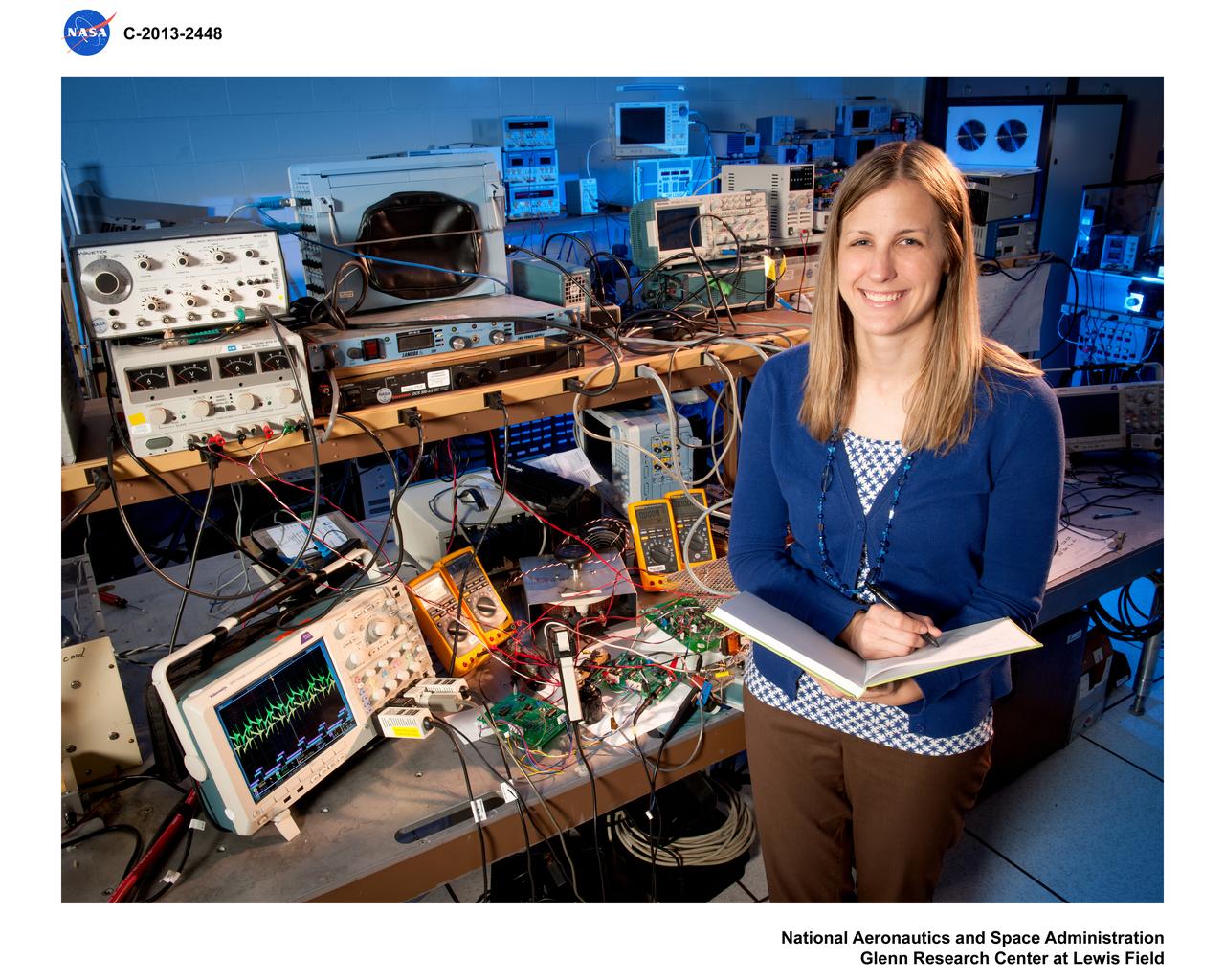
Environmental Portrait, Electrical Power Systems Employee, hardware for the High Power 300-Volt Power Processing Unit (PPU). The Printed Circuit Boards (PCBs) are the Discharge Module Inverter and the Pulse Width Modulation (PWM) Controller
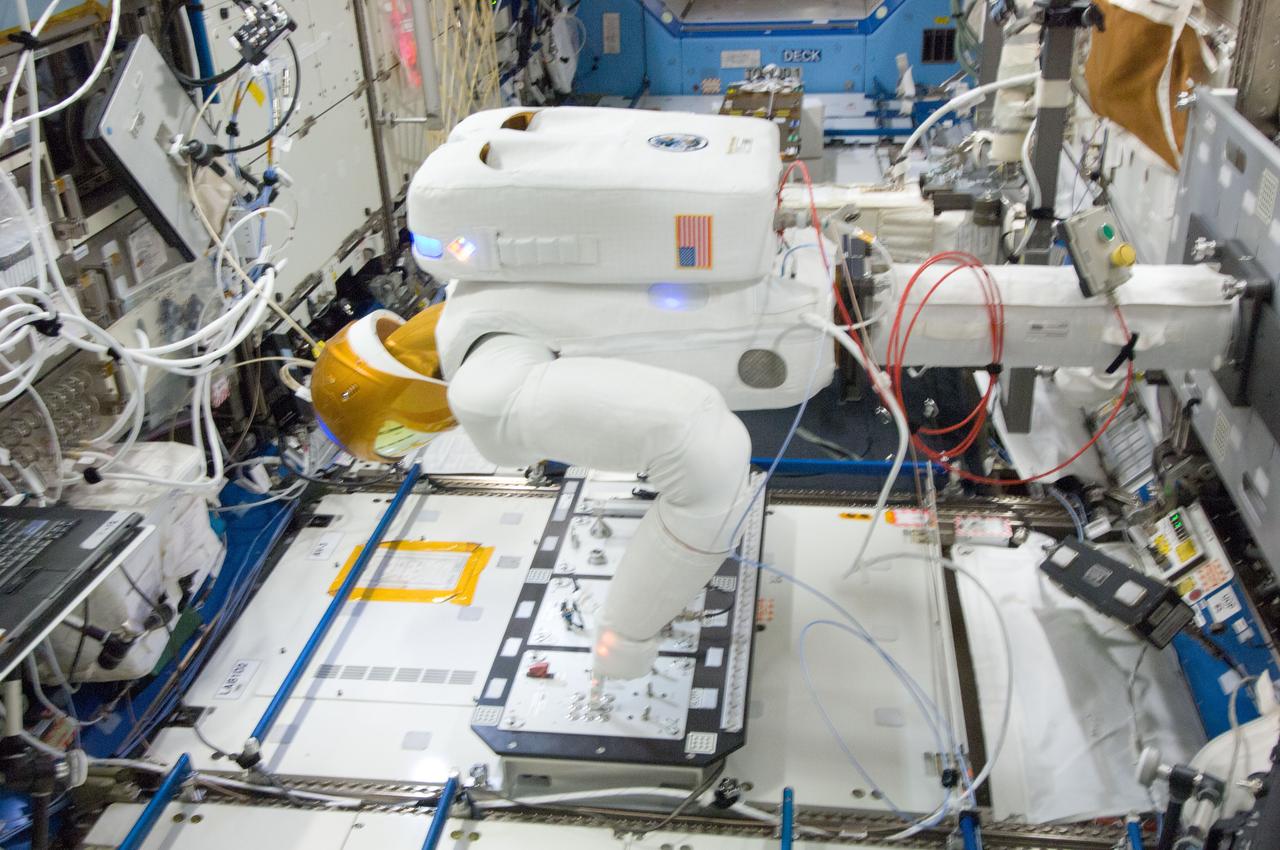
ISS031-E-031704 (1 May 2012) --- Controlled by teams on the ground, Robonaut 2 humanoid robot uses a task board during an arm and finger motions check out in the Destiny laboratory of the International Space Station.
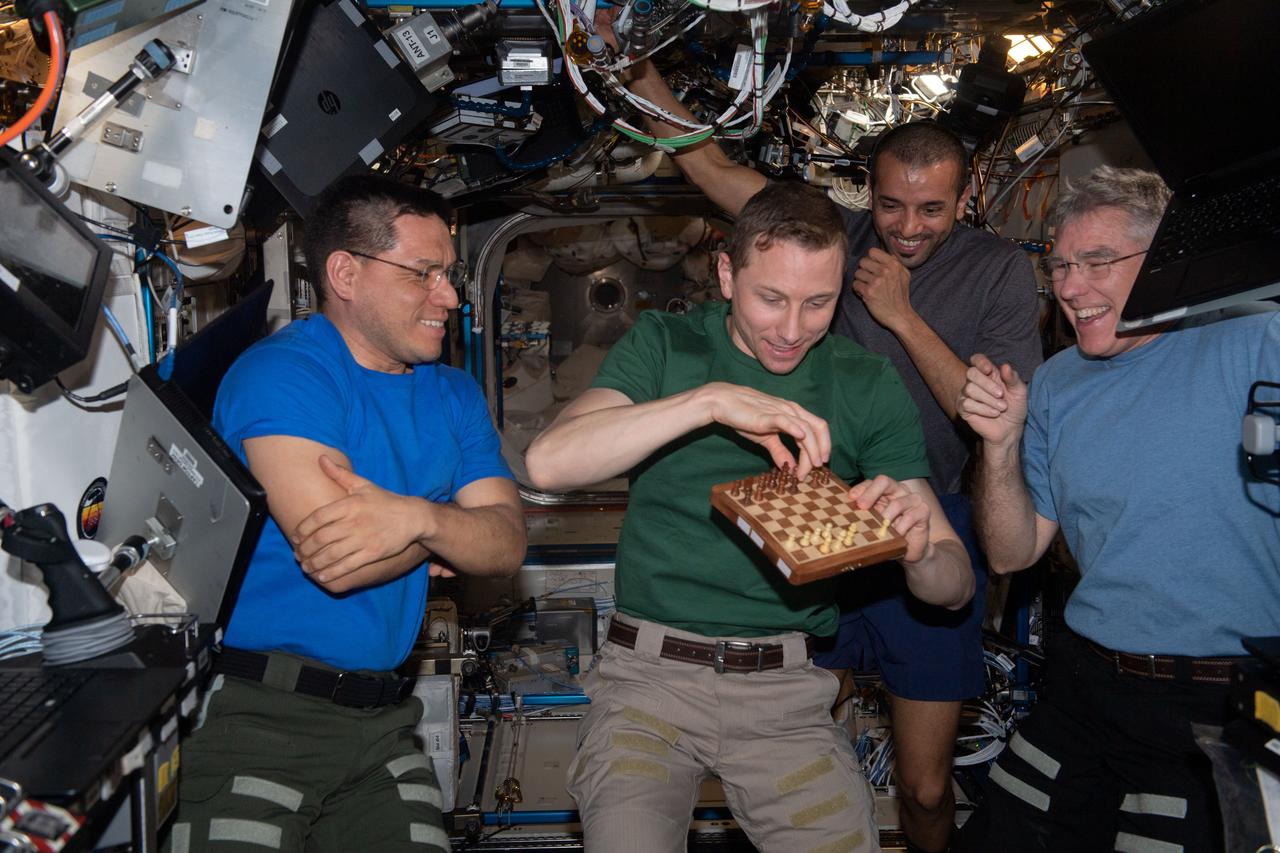
iss069e003900 (April 17, 2023) --- NASA astronaut and Expedition 69 Flight Engineer Woody Hoburg (center) makes a move during a space-to-ground chess tournament with mission controllers at NASA's Johnson Space Center in Houston, Texas. Watching Hoburg are (from left) fellow flight engineers Frank Rubio of NASA, Sultan Alneyadi of UAE (United Arab Emirates), and Stephen Bowen of NASA. Hoburg is a chess fan and set up a chess tournament with mission controllers with each side having their own chess board and typically making one or two moves a day during their busy schedules.
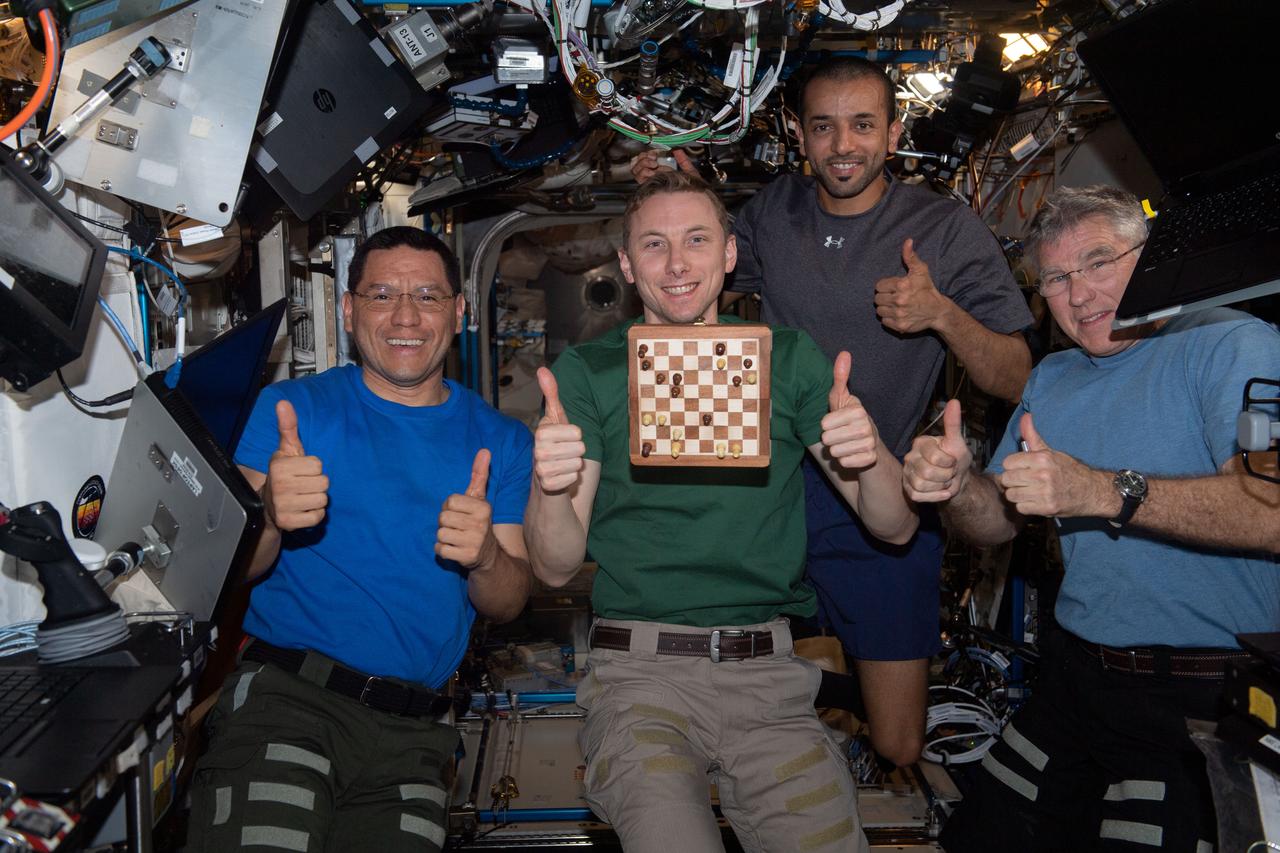
iss069e003898 (April 17, 2023) --- (From left) Expedition 69 Flight Engineers Frank Rubio, Woody Hoburg (both from NASA), Sultan Alneyadi from UAE (United Arab Emirates), and Stephen Bowen from NASA give a "thumbs up" after winning the first round of a space-to-ground chess tournament with mission controllers at NASA's Johnson Space Center in Houston, Texas. Hoburg is a chess fan and set up a chess tournament with mission controllers with each side having their own chess board and typically making one or two moves a day during their busy schedules.
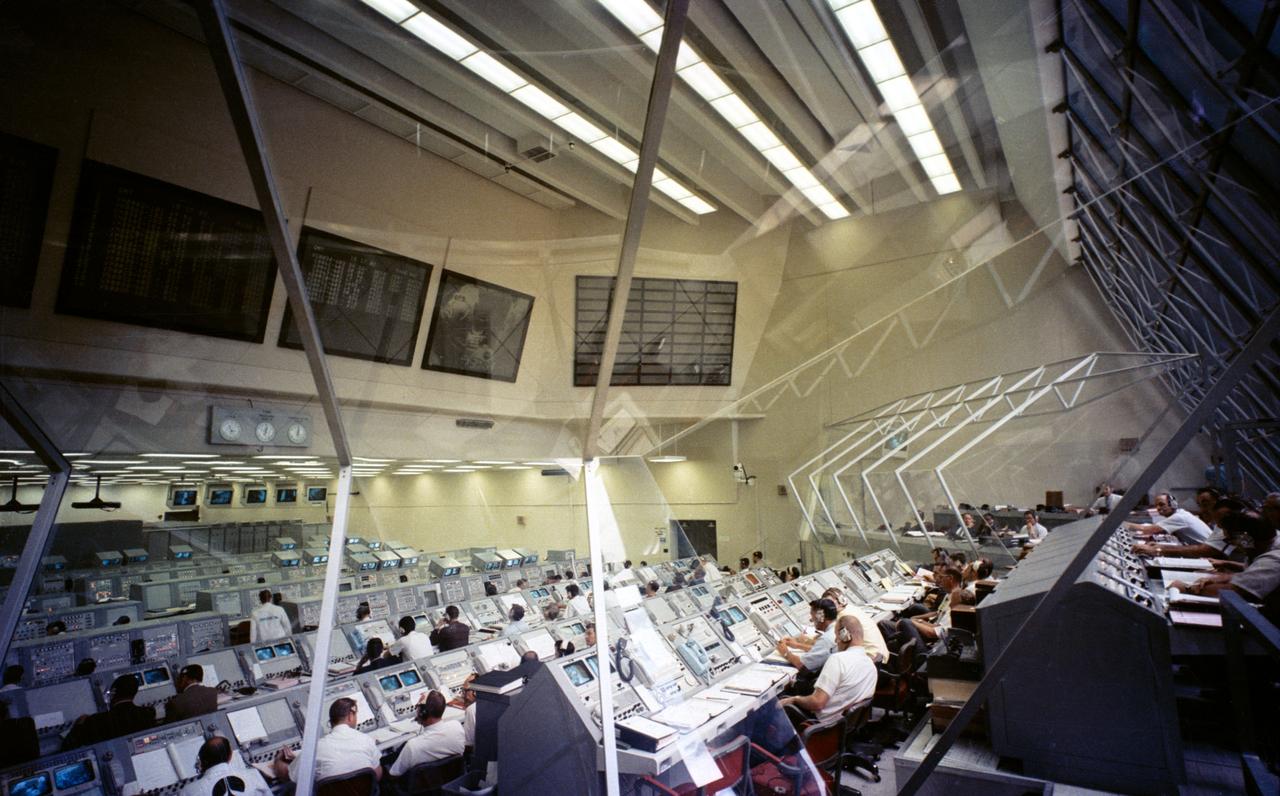
S69-34332 (13 May 1969) --- Overall view of Firing Room 3 of the Launch Control Center, Launch Complex 39, Kennedy Space Center, Florida, during an Apollo 10 Countdown Demonstration Test. The crew of the scheduled Apollo 10 lunar orbit mission will be astronauts Thomas P. Stafford, commander; John W. Young, command module pilot; and Eugene A. Cernan, lunar module pilot. The Launch Control Center is at the Vehicle Assembly Building. The Apollo 10 space vehicle will be launched from Pad 39B.
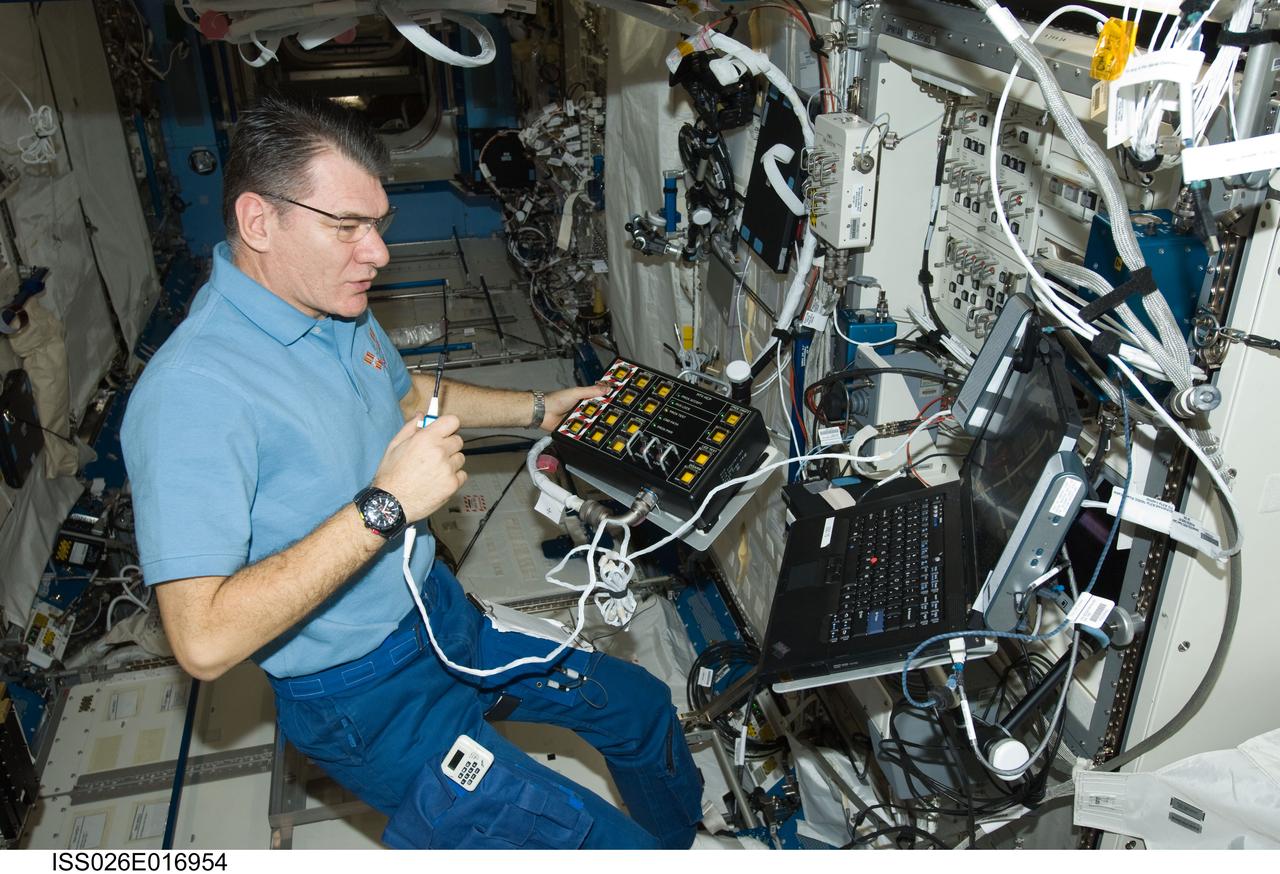
ISS026-E-016954 (11 Jan. 2011) --- European Space Agency astronaut Paolo Nespoli, Expedition 26 flight engineer, continues his board-side support of the on-going ground-controlled H-II Transfer Vehicle / Hardware Command Panel (HTV HCP) checkout activities in the Kibo laboratory of the International Space Station.
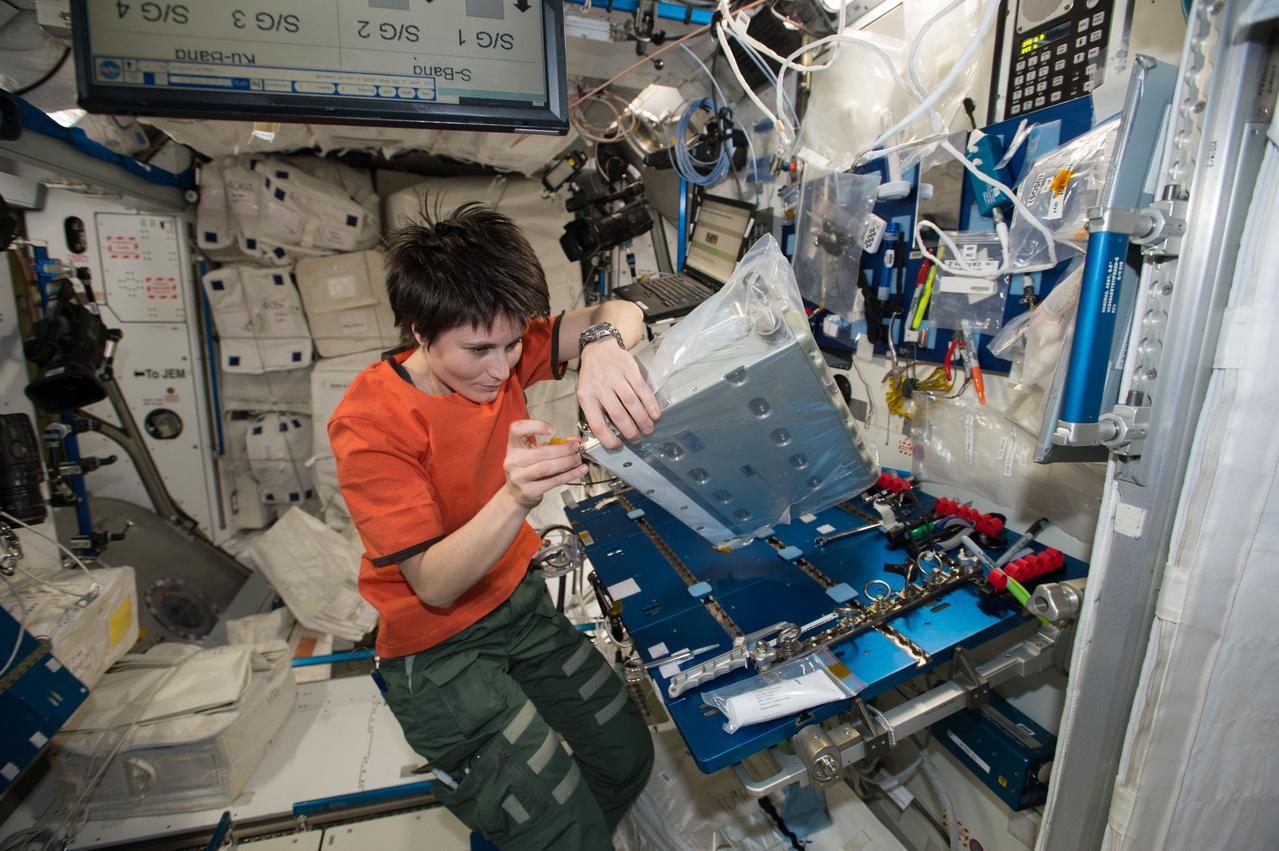
iss042e078210 (12/29/2014) --- European Space Agency Astronaut Samantha Cristoforetti aboard the International Space Station (ISS) on 29 December 2014, performs maintenance on a controller panel assembly in the Tranquility module. Life on board the ISS is one of constant maintenance and working with science experiments.
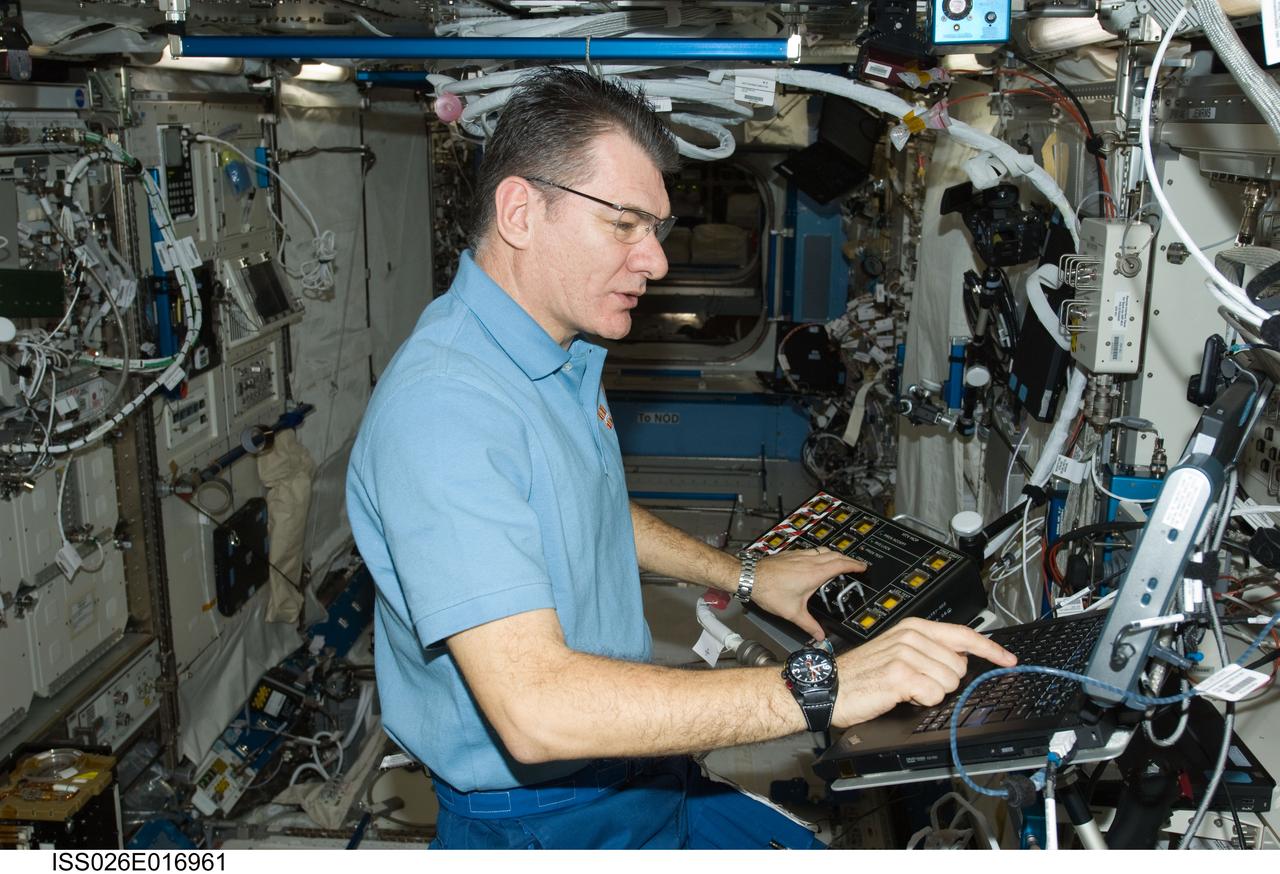
ISS026-E-016961 (11 Jan. 2011) --- European Space Agency astronaut Paolo Nespoli, Expedition 26 flight engineer, continues his board-side support of the on-going ground-controlled H-II Transfer Vehicle / Hardware Command Panel (HTV HCP) checkout activities in the Kibo laboratory of the International Space Station.
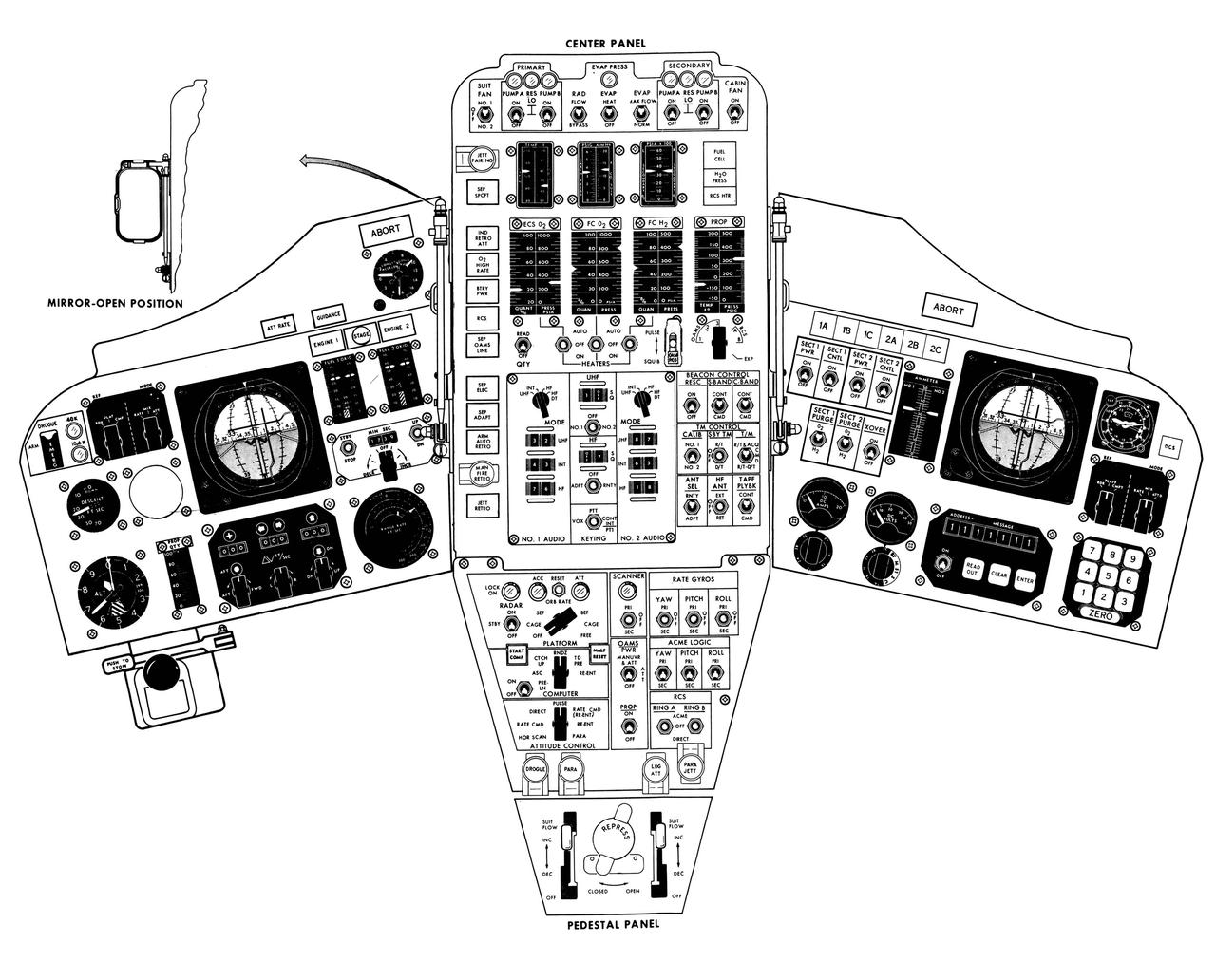
S65-14095 (1965) --- Artist concept of the Gemini spacecraft control panel.
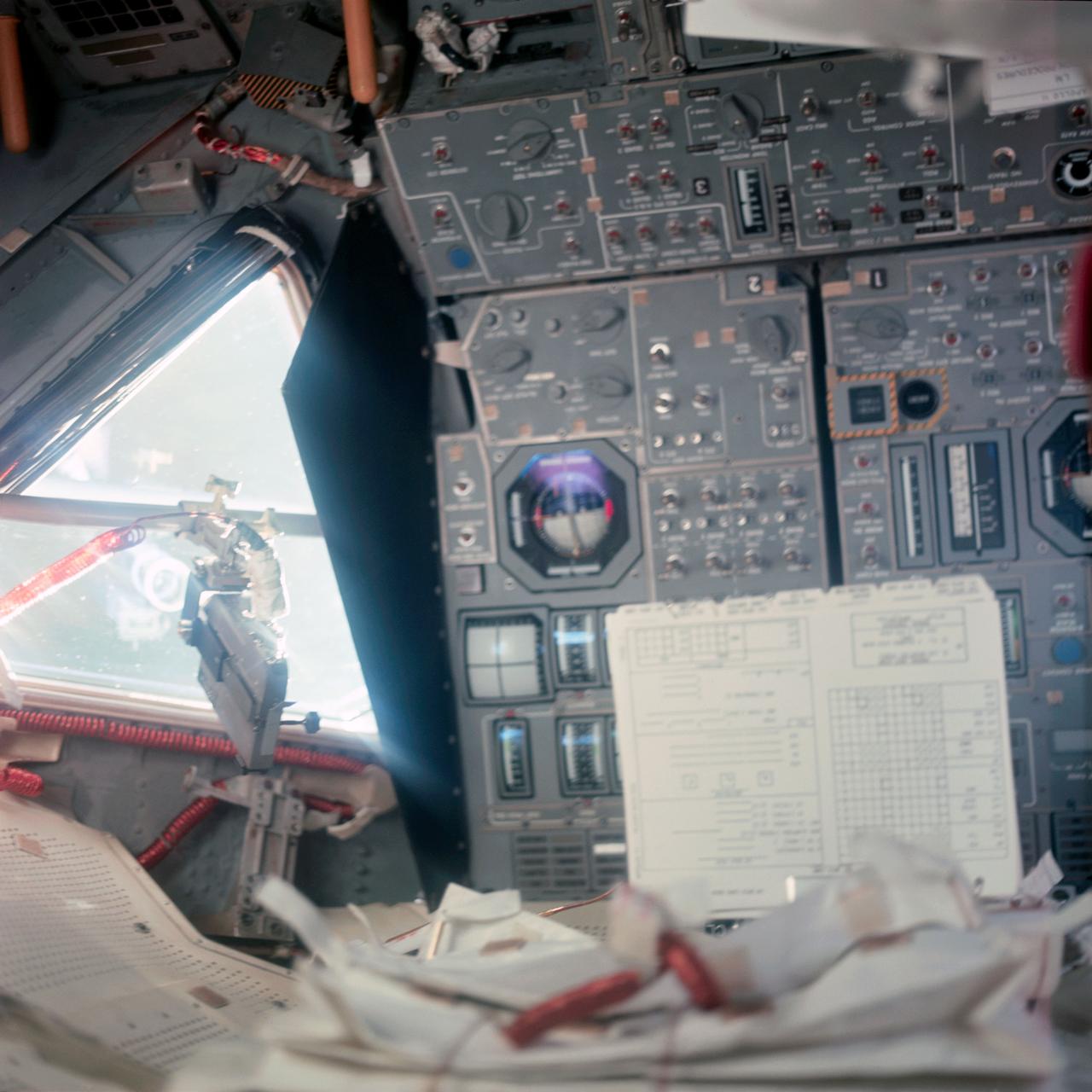
AS11-36-5389 (July 1969) --- An interior view of the Apollo 11 Lunar Module showing some of the displays and controls. Mounted in the Lunar Module window is a 16mm data acquisition camera which has a variable frame speed of 1, 6, 12 and 24 frames per second. Photo credit: NASA
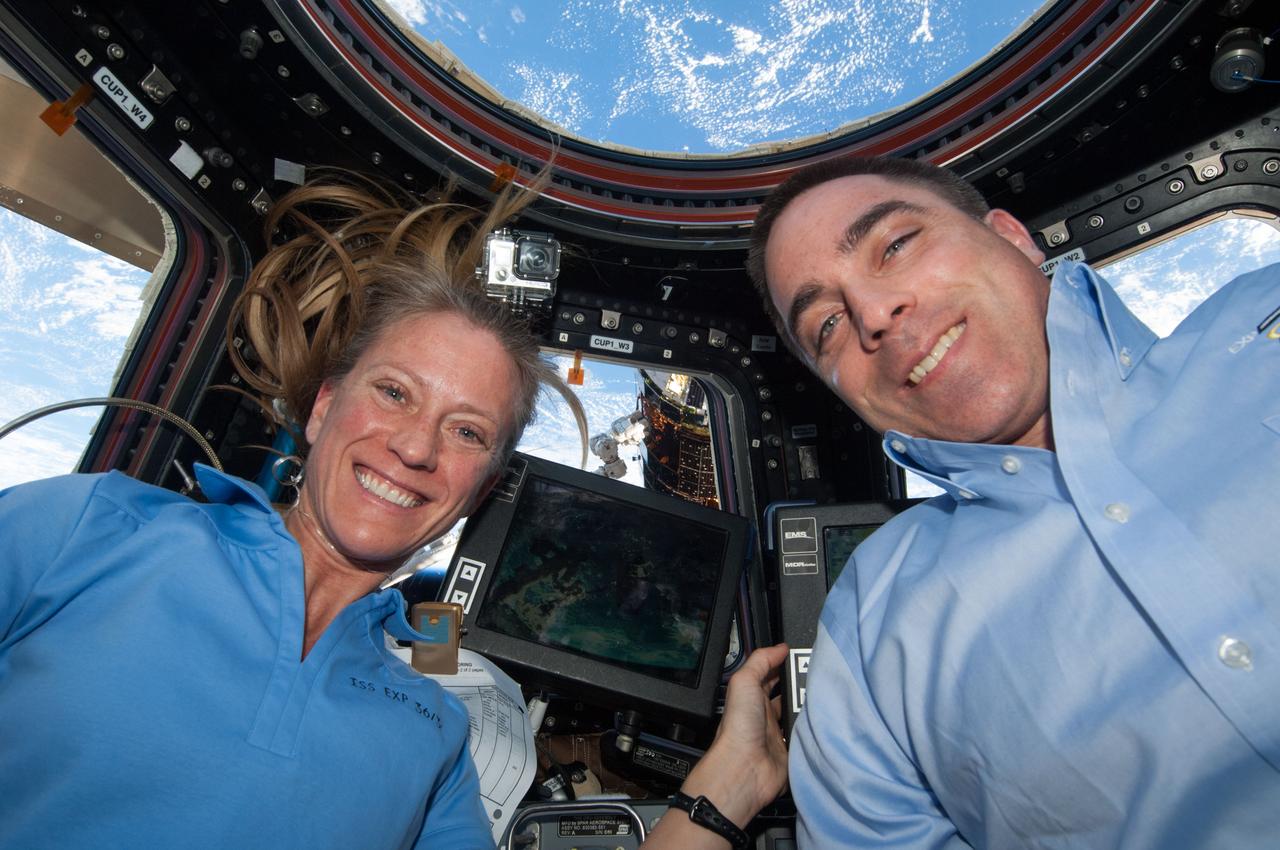
NASA astronauts Karen Nyberg and Chris Cassidy, both Expedition 36 flight engineers, are pictured at the robotic workstation in the Cupola of the International Space Station during rendezvous operations with the approaching unpiloted Japanese Kounotori H2 Transfer Vehicle-4 (HTV-4). The HTV-4 is visible from the Cupola window. Also sent as Twitter message.
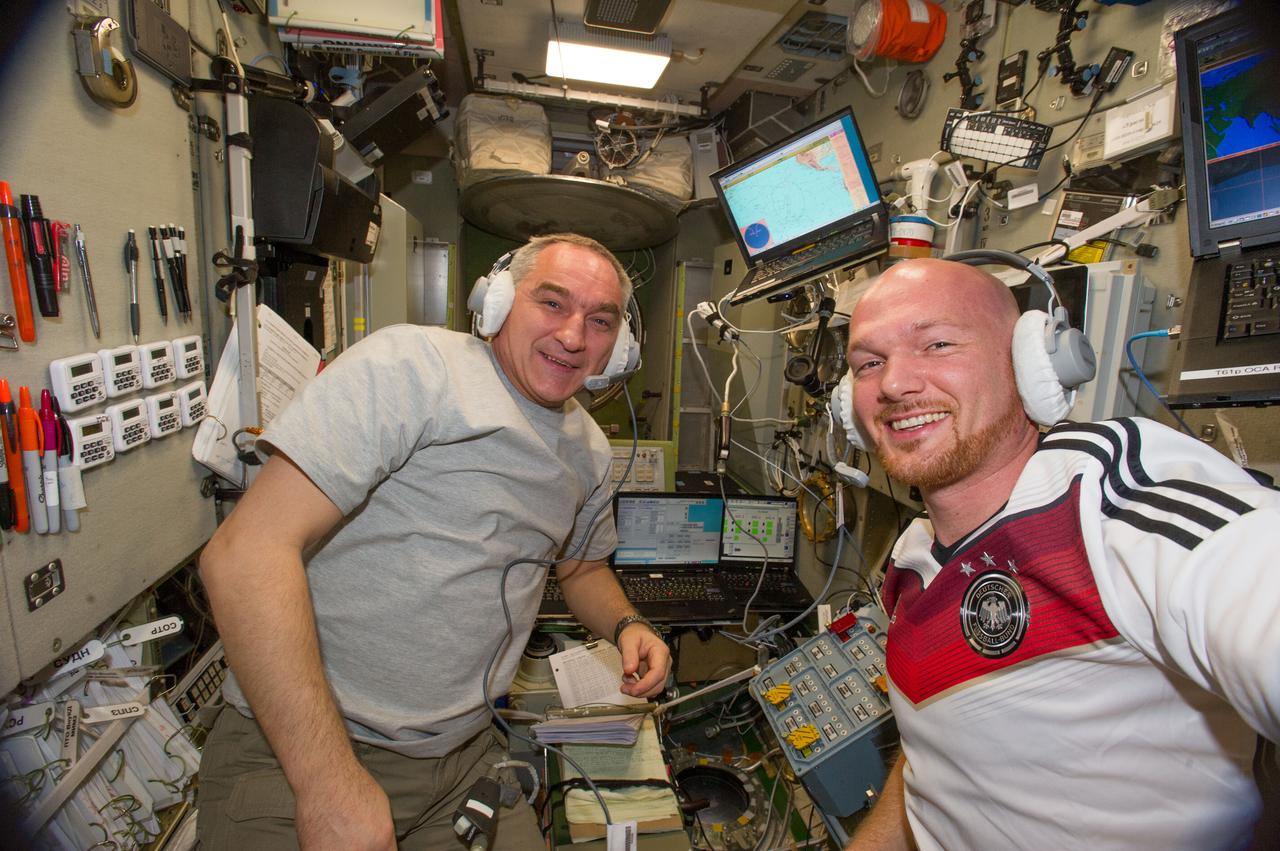
Cosmonaut Alexander Skvortsov and ESA Astronaut Alexander Gerst, Expedition 40 flight engineers, are photographed during ATV equipment preparation in the Service Module (SM) prior to ATV launch.
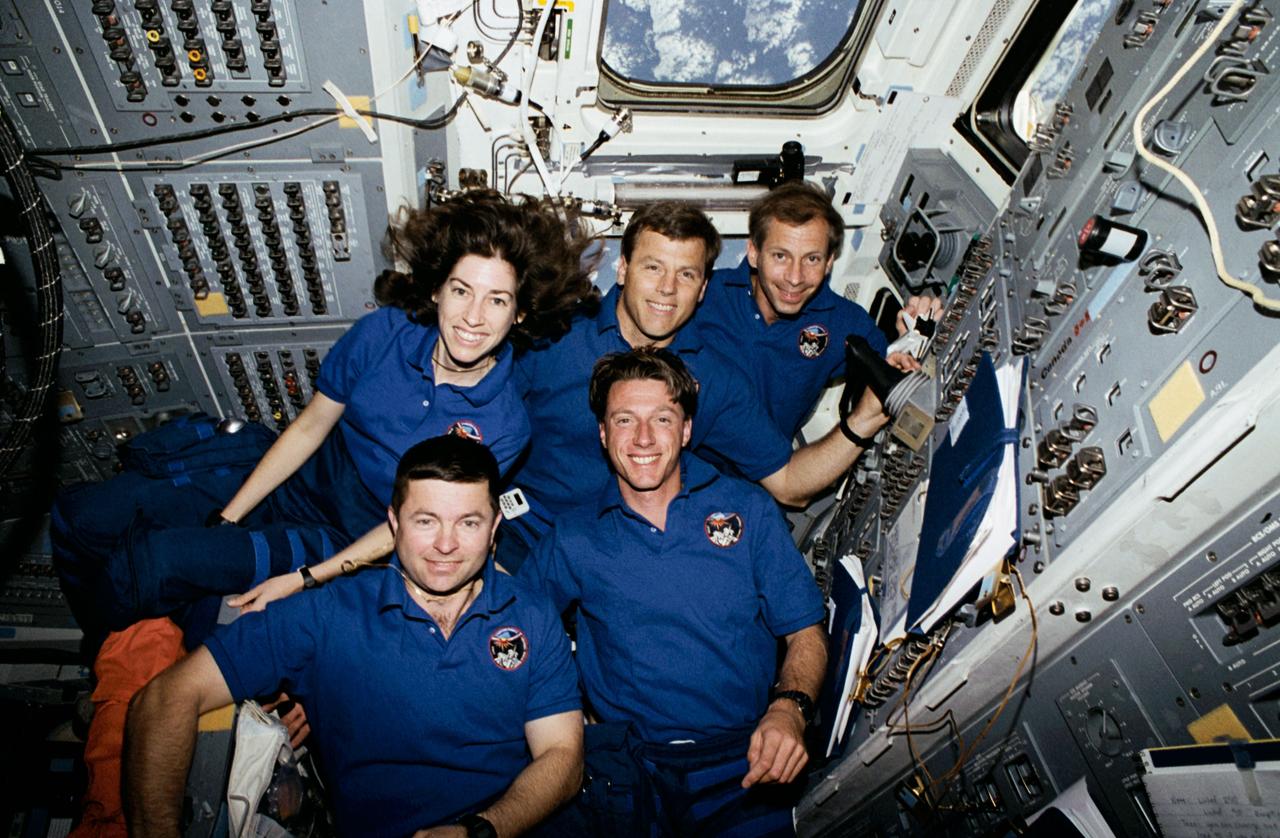
STS056-31-020 (8-17 April 1993) --- The five astronaut crew members assemble on the Space Shuttle Discovery's aft flight deck for the traditional inflight crew portrait. In front are astronauts Kenneth D. Cameron, mission commander; and C. Michael Foale, mission specialist. In back are (left to right) astronauts Ellen Ochoa, mission specialist; Stephen S. Oswald, pilot; and Kenneth D. Cockrell, mission specialist. The five went on to spend nine days in Earth-orbit in support of the Atlas-2 mission. A 35mm camera with a 20mm lens was used to expose this frame.
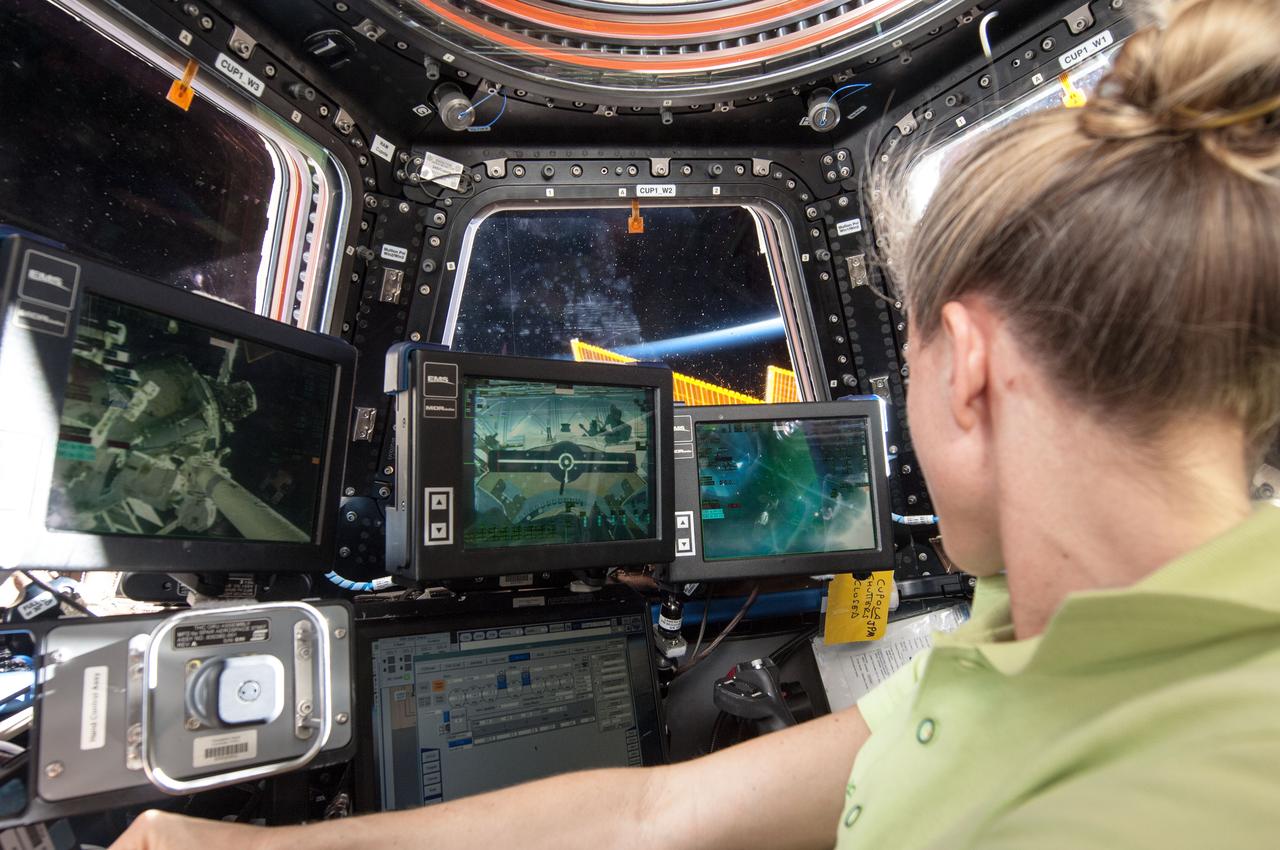
ISS036-E-029229 (5 Aug. 2013) --- At the robotics workstation in the International Space Station?s Cupola, NASA astronaut Karen Nyberg, Expedition 36 flight engineer, participates in onboard training activity in preparation for the grapple and berthing of the Japanese "Kounotori" H2 Transfer Vehicle-4 (HTV-4) set for August 9. Nyberg and NASA astronaut Chris Cassidy will use Canadarm2, the station's Canadian Space Agency-provided robotic arm, to reach out and capture the vehicle for its installation on the Earth-facing port of the Harmony node
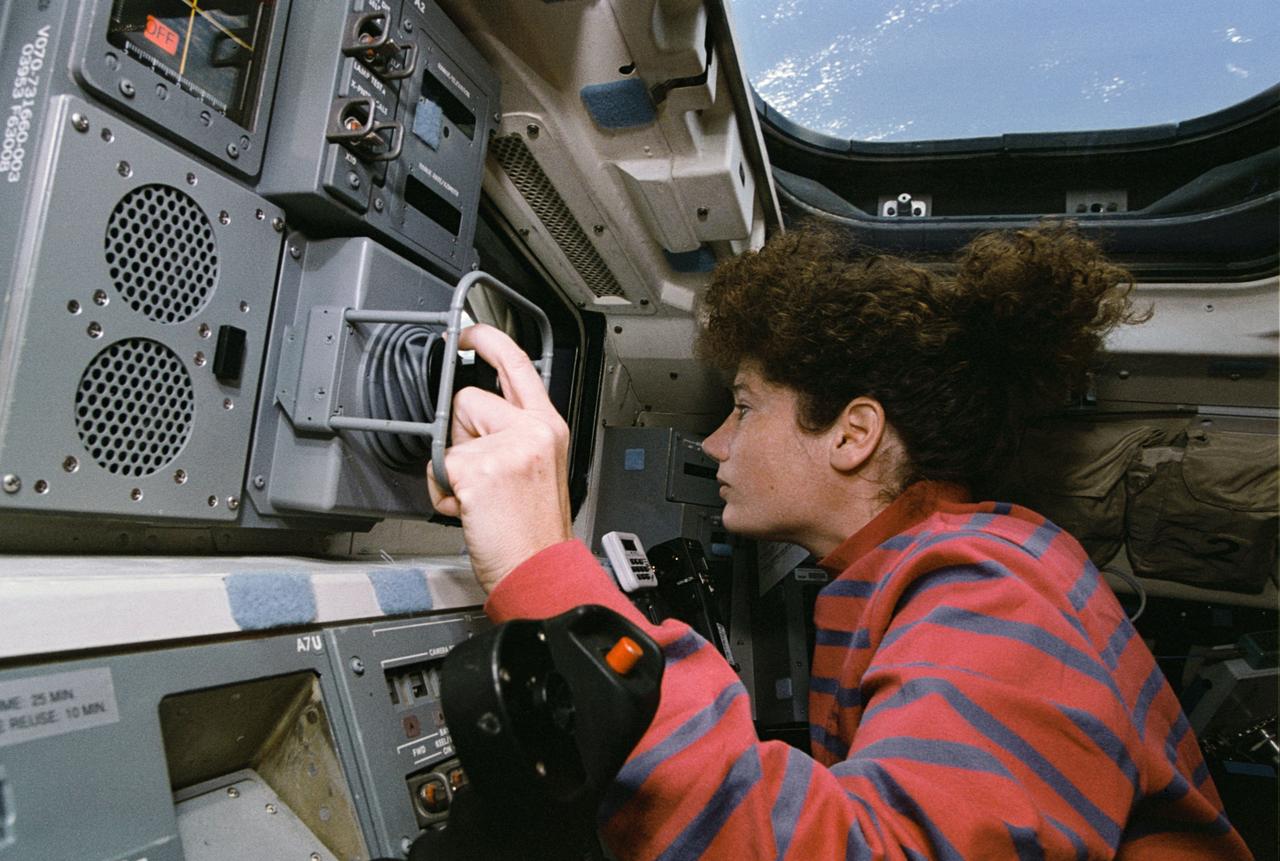
STS064-05-028 (9-20 Sept. 1994) --- On the space shuttle Discovery's aft flight deck, astronaut Susan J. Helms handles controls for the Remote Manipulator System (RMS). The robot arm operated by Helms, who remained inside the cabin, was used to support several tasks performed by the crew during the almost 11-day mission. Those tasks included the release and retrieval of the free-flying Shuttle Pointed Autonomous Research Tool For Astronomy 201 (SPARTAN 201), a six-hour spacewalk and the Shuttle Plume Impingement Flight Experiment (SPIFEX). Photo credit: NASA or National Aeronautics and Space Administration
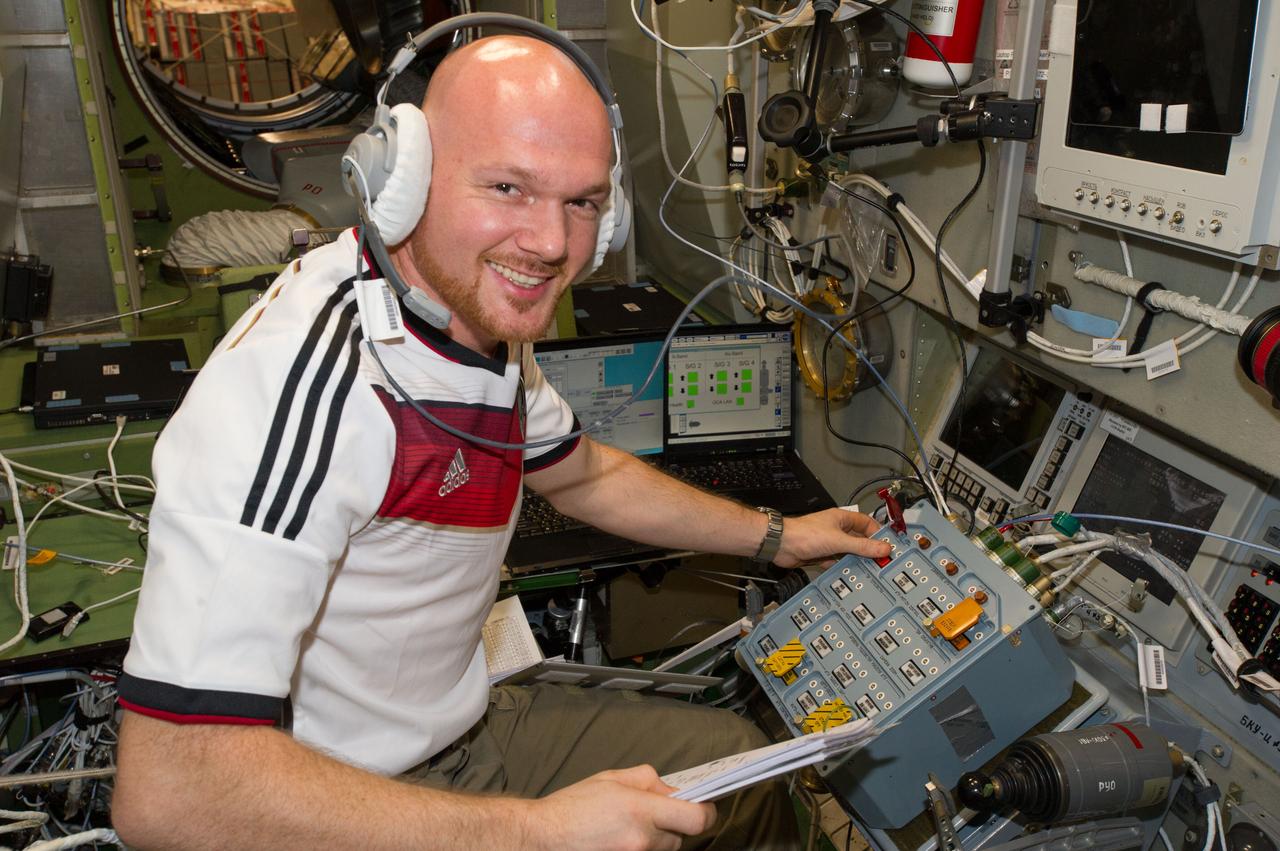
ESA astronaut Alexander Gerst, Expedition 40 flight engineer (wearing soccer shirt), is photographed during ATV equipment preparation in the Service Module (SM) prior to ATV launch.
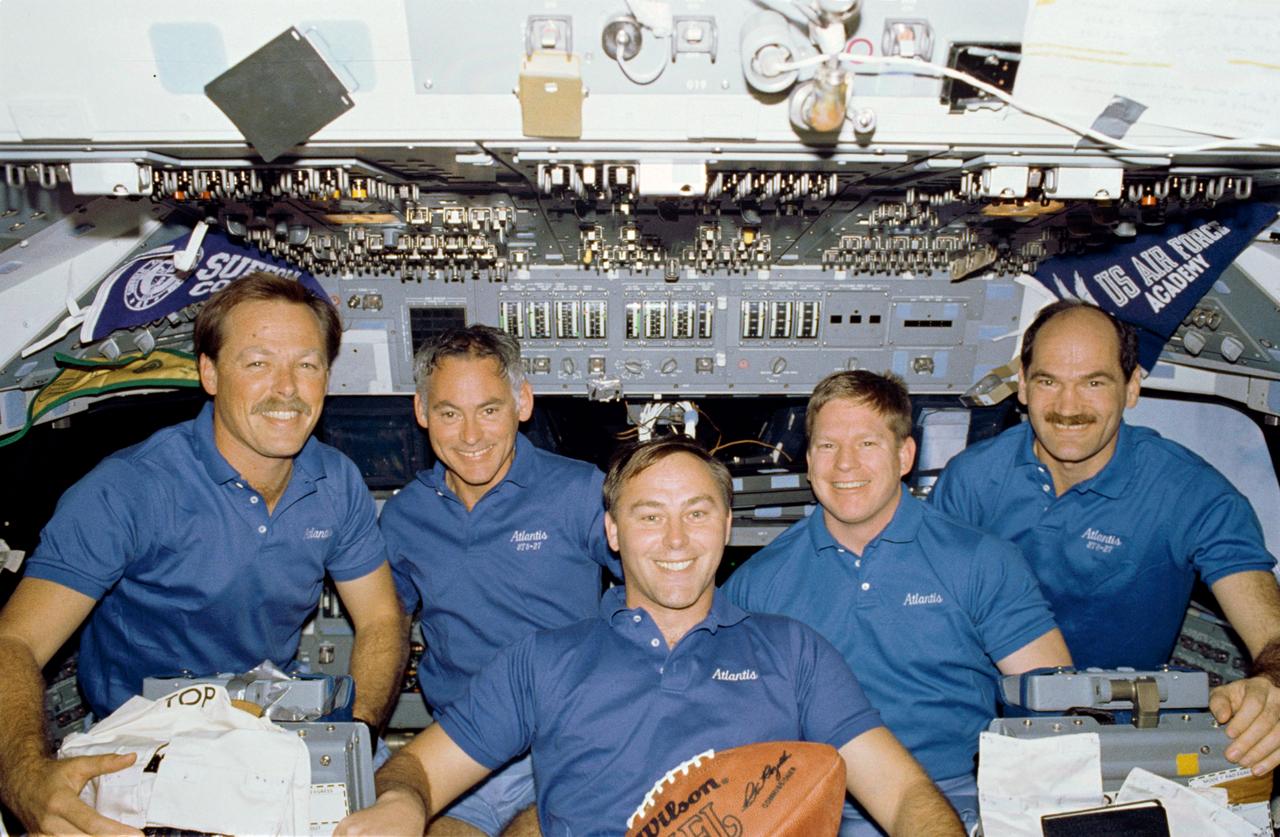
STS027-11-012 (2-6 Dec. 1988) --- The crew members for the STS-27 space flight pose on the flight deck of the Earth-orbiting space shuttle Atlantis with a football free-floating in the foreground. Left to right are astronauts Robert L. Gibson, commander; Richard M. (Mike) Mullane, Jerry L. Ross and William M. Shepherd, mission specialists; and Guy S. Gardner, pilot. The football was later presented to the National Football League (NFL) at halftime of the Super Bowl in Miami. Photo credit: NASA
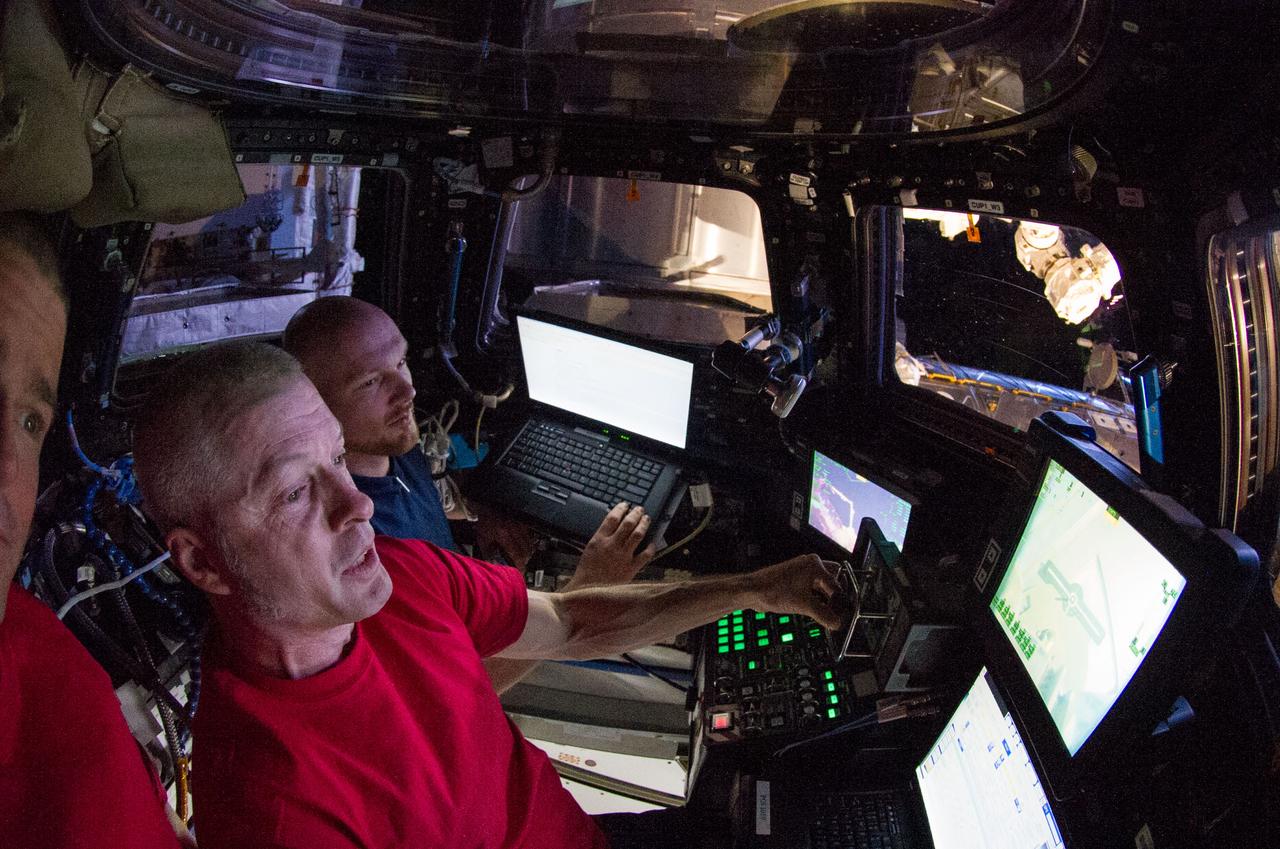
ISS040-E-055101 (9 July 2014) --- In the International Space Station?s Cupola, NASA astronaut Steve Swanson, Expedition 40 commander; and European Space Agency astronaut Alexander Gerst (background), flight engineer, practice grapple procedures with the Canadarm2 in preparation for the upcoming arrival of the Orbital Sciences? Cygnus cargo craft.

ISS040-E-020344 (25 June 2014) --- In the International Space Station?s Destiny laboratory, NASA astronaut Steve Swanson (top), Expedition 40 commander; and European Space Agency astronaut Alexander Gerst, flight engineer, participate in a training session for the robotic capture of the Orbital Sciences? Cygnus cargo craft, set to launch on the Orbital-2 commercial resupply services flight no earlier than July 10.

STS009-128-858 (28 Nov-8 Dec 1983) --- Astronaut John W. Young takes notes in the commander?s station on the flight deck of the Columbia. The cathode ray tube (CRT) among the forward panels displays the orbiter?s position in relation to the Earth on its monitor. Astronaut Brewster H. Shaw Jr., pilot, took this photograph.
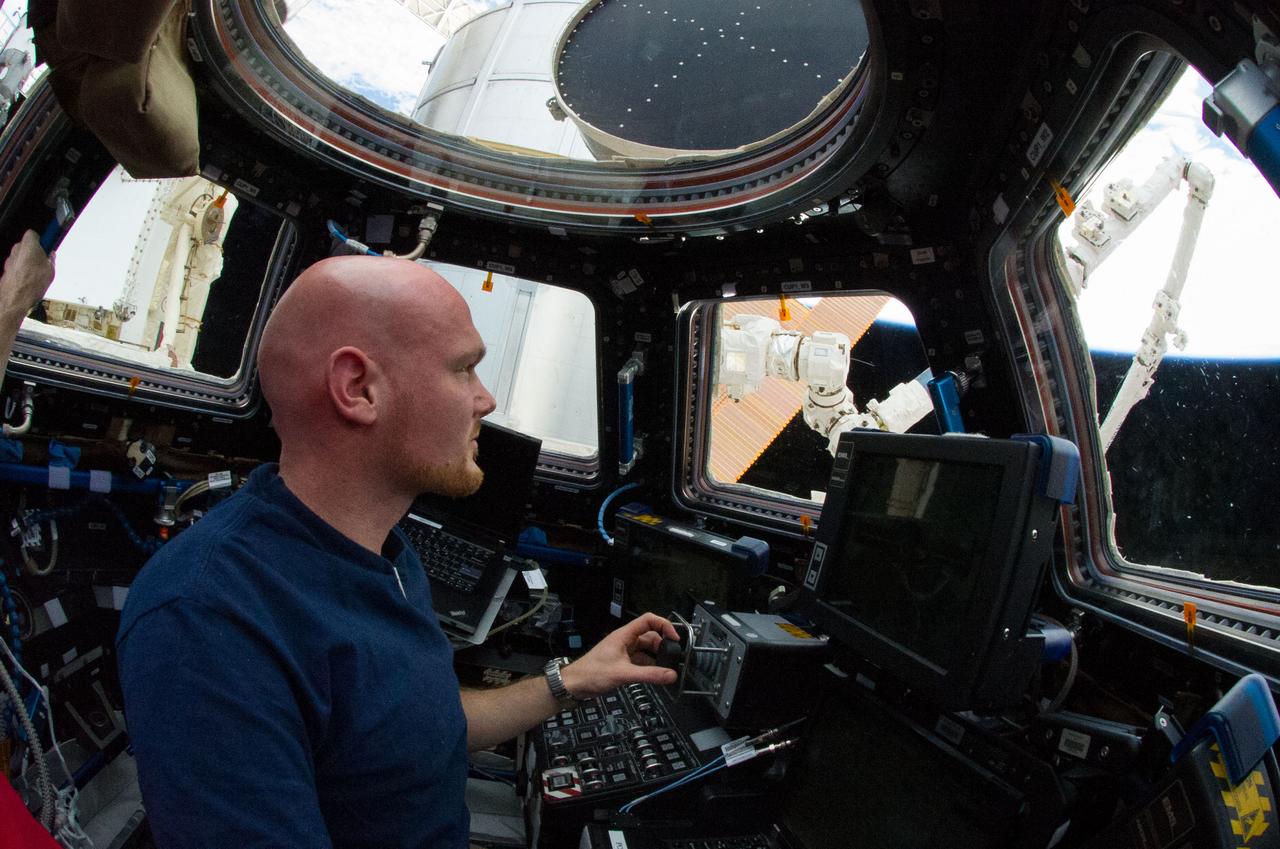
ISS040-E-055166 (9 July 2014) --- In the International Space Station?s Cupola, European Space Agency astronaut Alexander Gerst, Expedition 40 flight engineer, practices grapple procedures with the Canadarm2 in preparation for the upcoming arrival of the Orbital Sciences? Cygnus cargo craft.
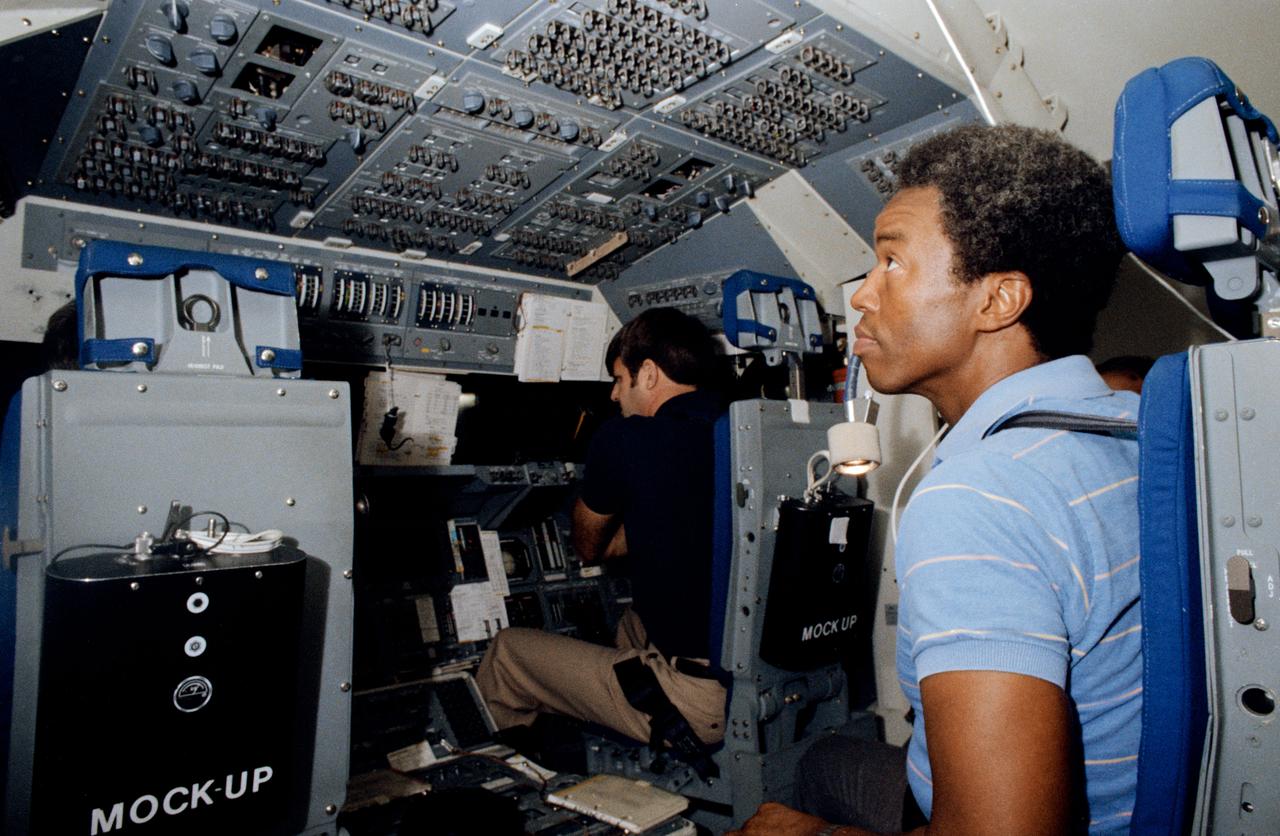
S83-33032 (23 May 1983) --- Astronauts Guion S. Bluford, right, and Daniel C. Brandenstein man their respective Challenger entry and ascent stations in the Shuttle Mission Simulator (SMS) at NASA's Johnson Space Center (JSC) during a training session for the STS-8 mission. Brandenstein is in the pilot's station, while Bluford, a mission specialist, occupies one of the two aft flight deck seats. Both are wearing civilian clothes for this training exercise. This motion based simulator represents the scene of a great deal of training and simulation activity, leading up to crew preparedness for Space Transportation System (STS) mission. Photo credt: NASA/Otis Imboden, National Geographic
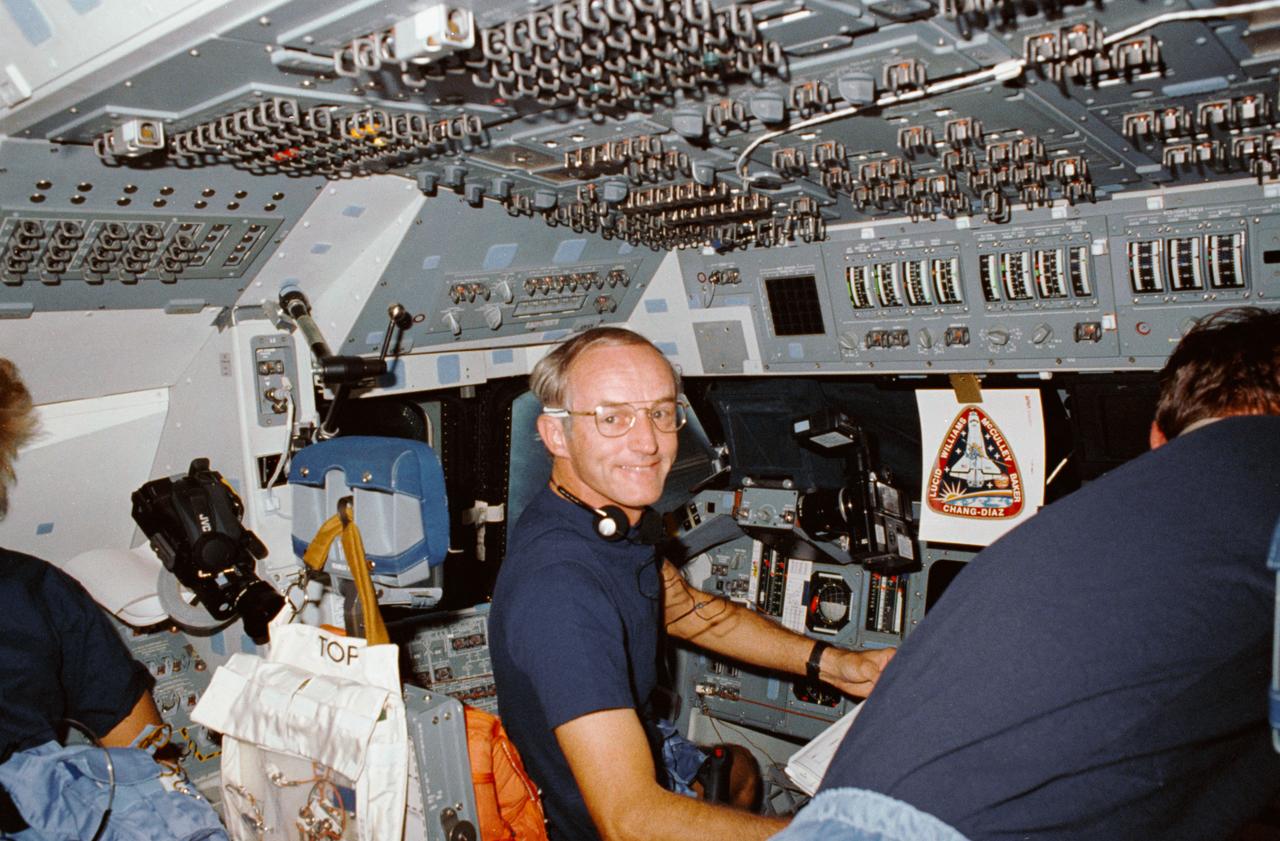
STS034-06-025 (18-23 Oct. 1989) --- Astronaut Donald E. Williams spent a portion of the five-day STS-34 flight at Atlantis' commander's station and, as evidenced by his countenance in this posed photo, appeared to enjoy his second spaceflight, his first as a mission commander. Astronaut Michael J. McCulley, pilot, leans over the pilot's station at right. This 35mm scene was in the first 12 photos released by NASA on Oct. 24, 1989.
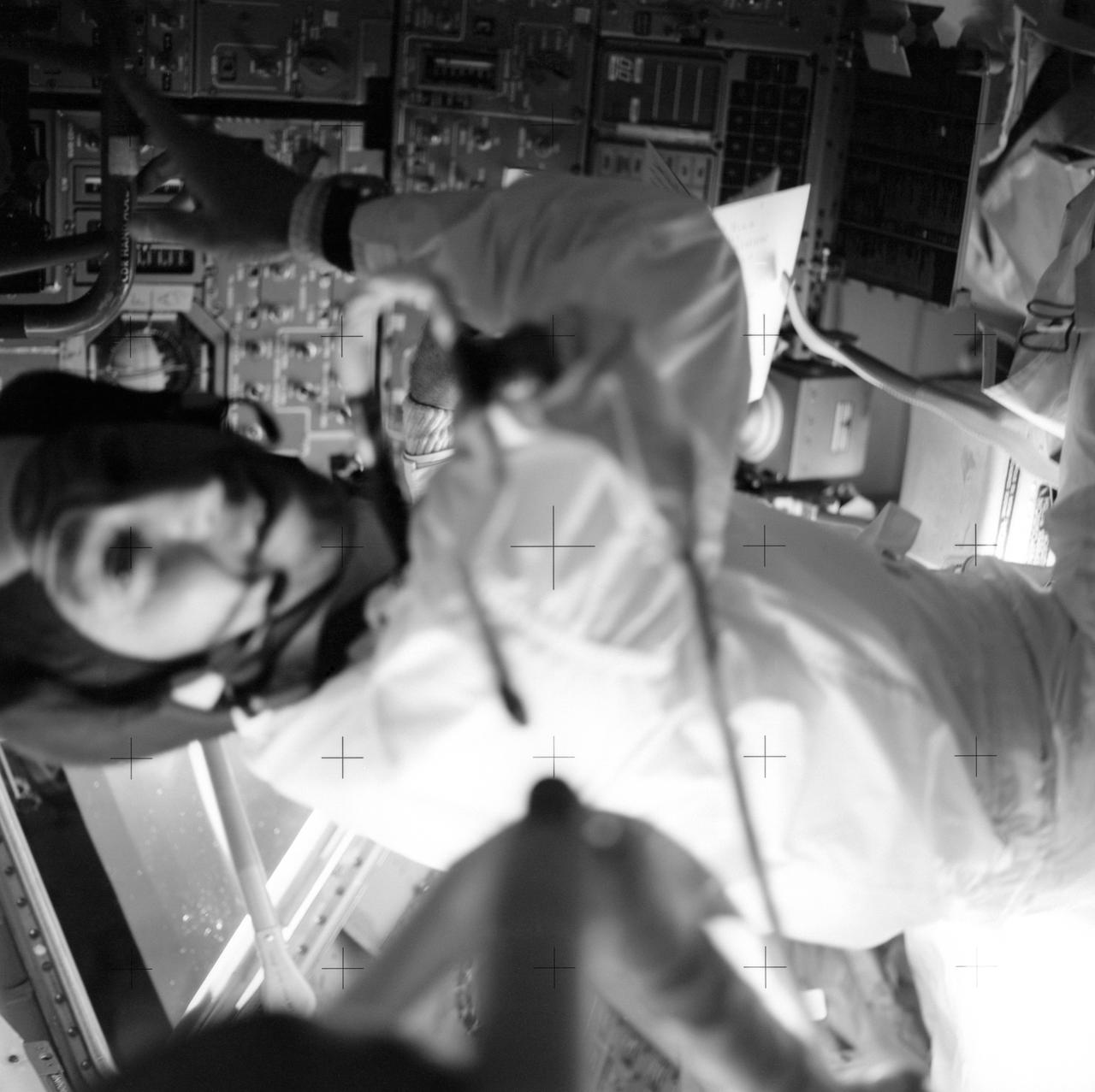
AS13-59-8484 (April 1970) --- Astronaut James A. Lovell Jr., commander, is pictured at his position in the Lunar Module (LM). The Apollo 13 crew of astronauts Lovell; John L. Swigert Jr., command module pilot; and Fred W. Haise Jr., lunar module pilot, relied on the LM as a "lifeboat". The dependence on the LM was caused by an apparent explosion of oxygen tank number two in the Service Module (SM). The LM was jettisoned just prior to Earth re-entry by the Command Module (CM).
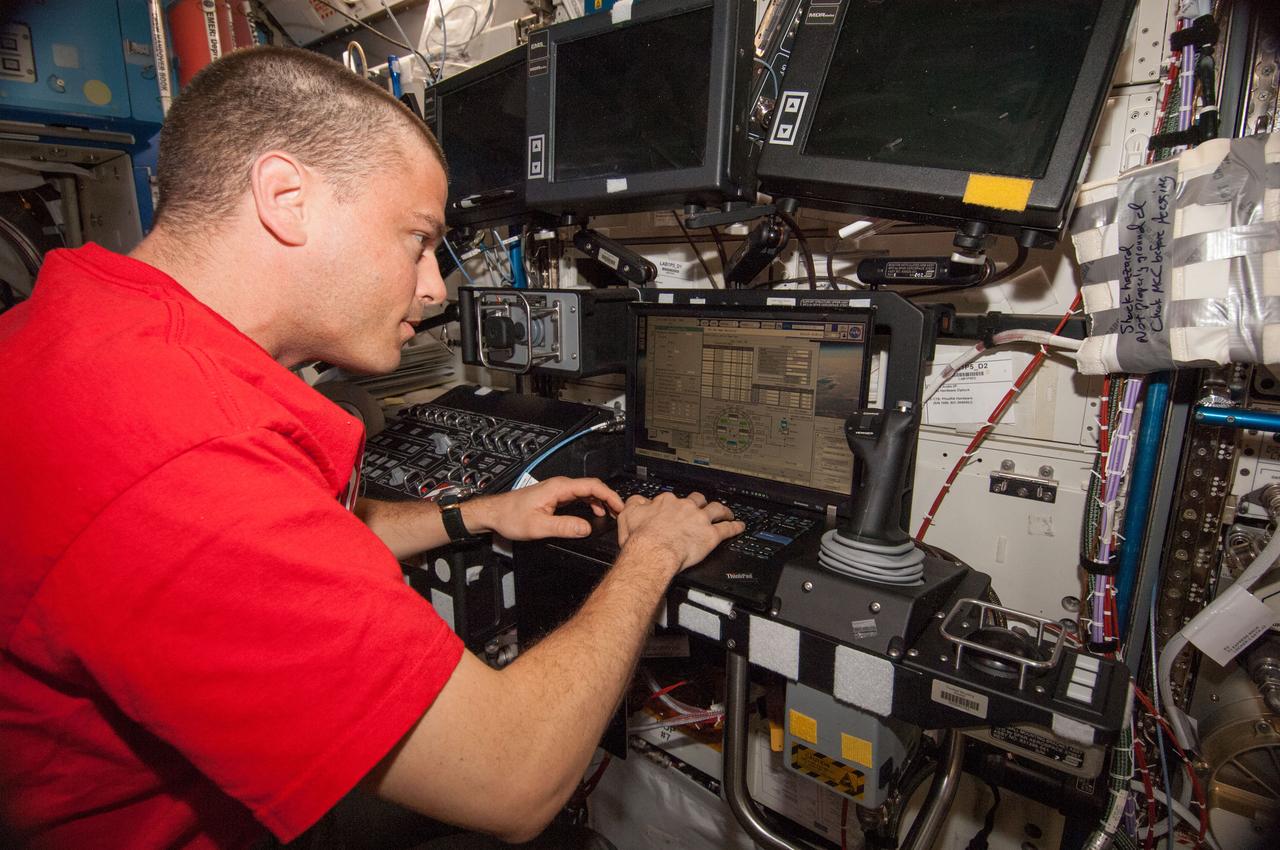
Astronaut Reid Wiseman,Expedition 40 flight engineer,is photographed at the Space Station Remote Manipulator System (SSRMS) arm controls in the U.S. Laboratory during the capture and berthing of the Cygnus spacecraft.
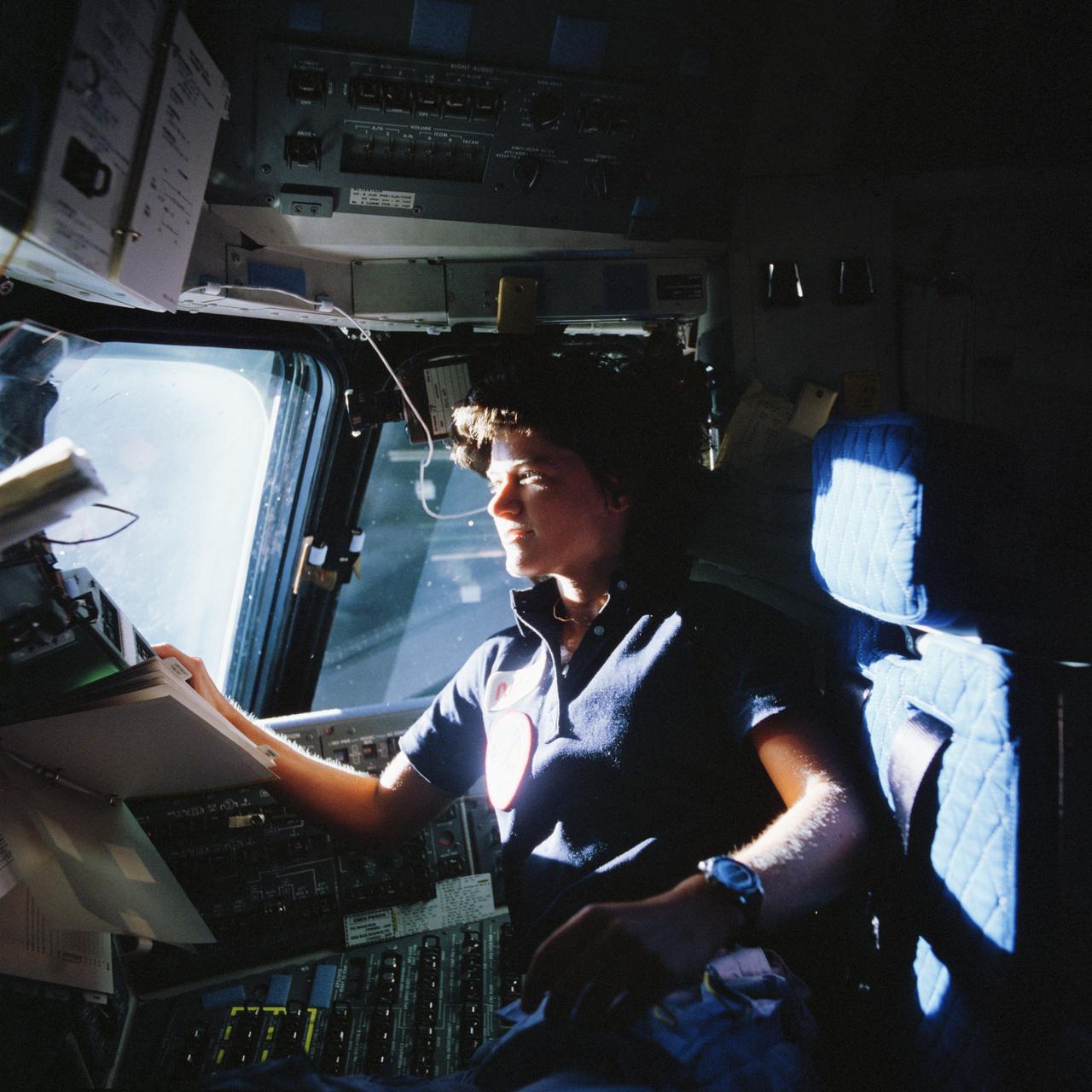
S83-35783 / STS007-05-029 (18-24 June 1983) --- Astronaut Sally K. Ride, mission specialist, is shown here sitting in the front seat and looking out the windows of the Earth-orbiting Space Shuttle Challenger. Ride and four other crew members are onboard the Challenger.
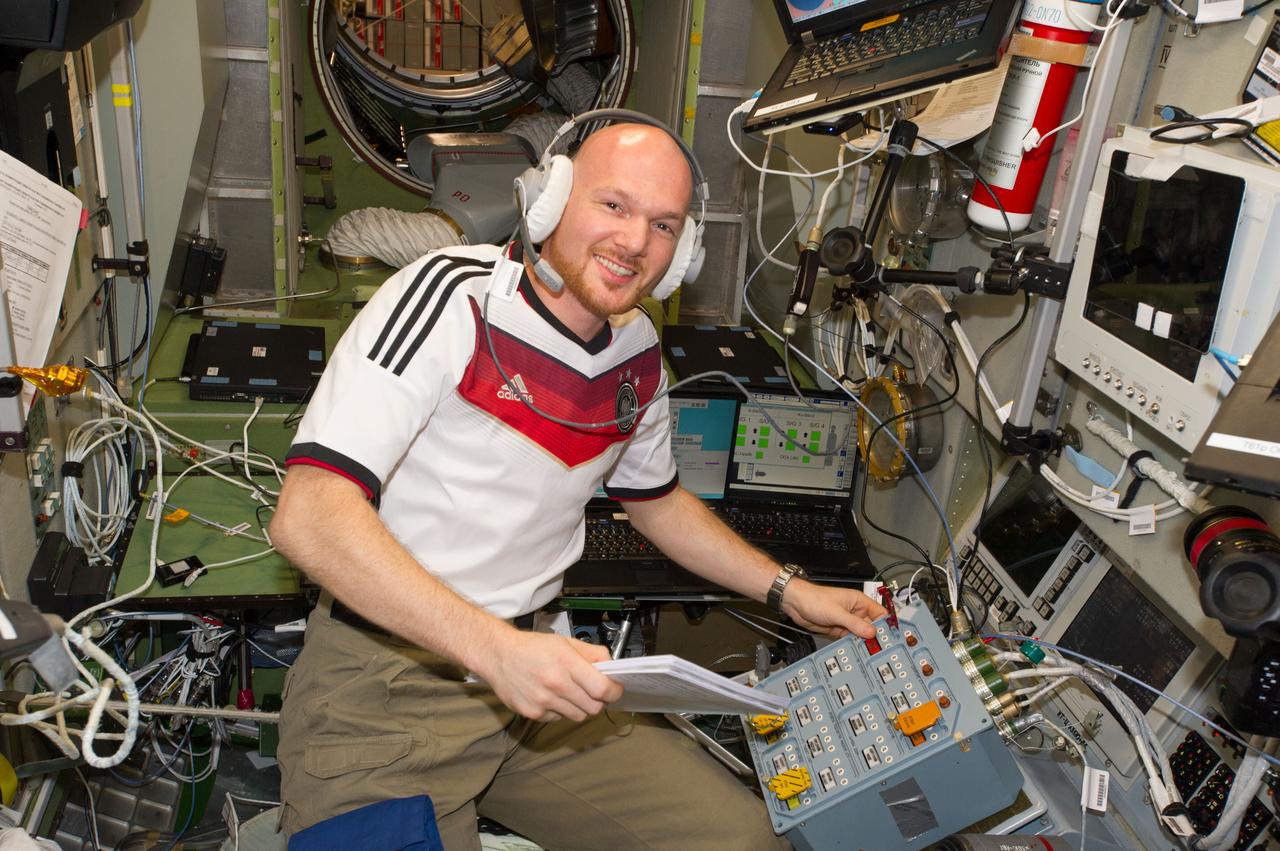
ESA astronaut Alexander Gerst, Expedition 40 flight engineer (wearing soccer shirt), is photographed during ATV equipment preparation in the Service Module (SM) prior to ATV launch.
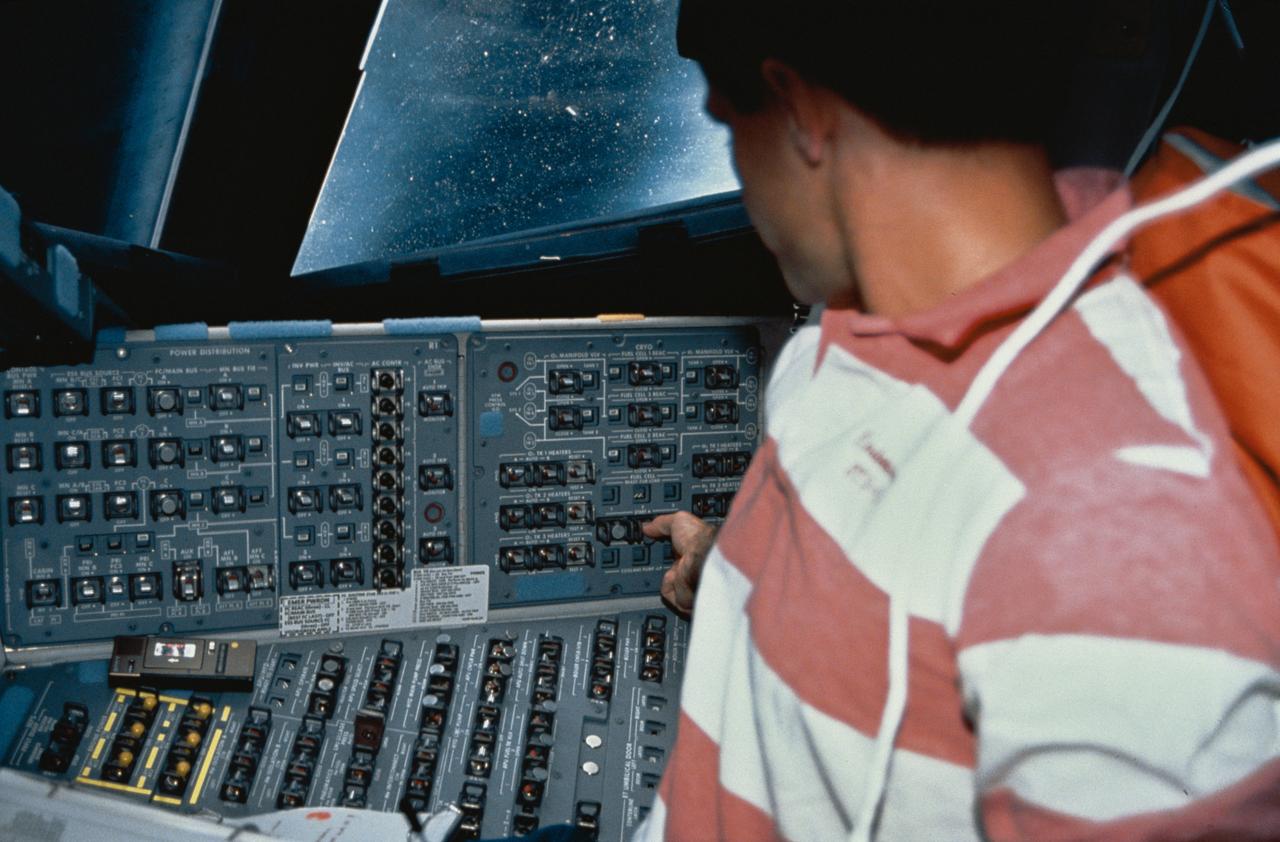
STS054-40-022 (13-19 Jan 1993) --- Astronaut Donald R. McMonagle, pilot, pushes a control switch for one of Endeavour's fuel cells from his station on the forward flight deck.
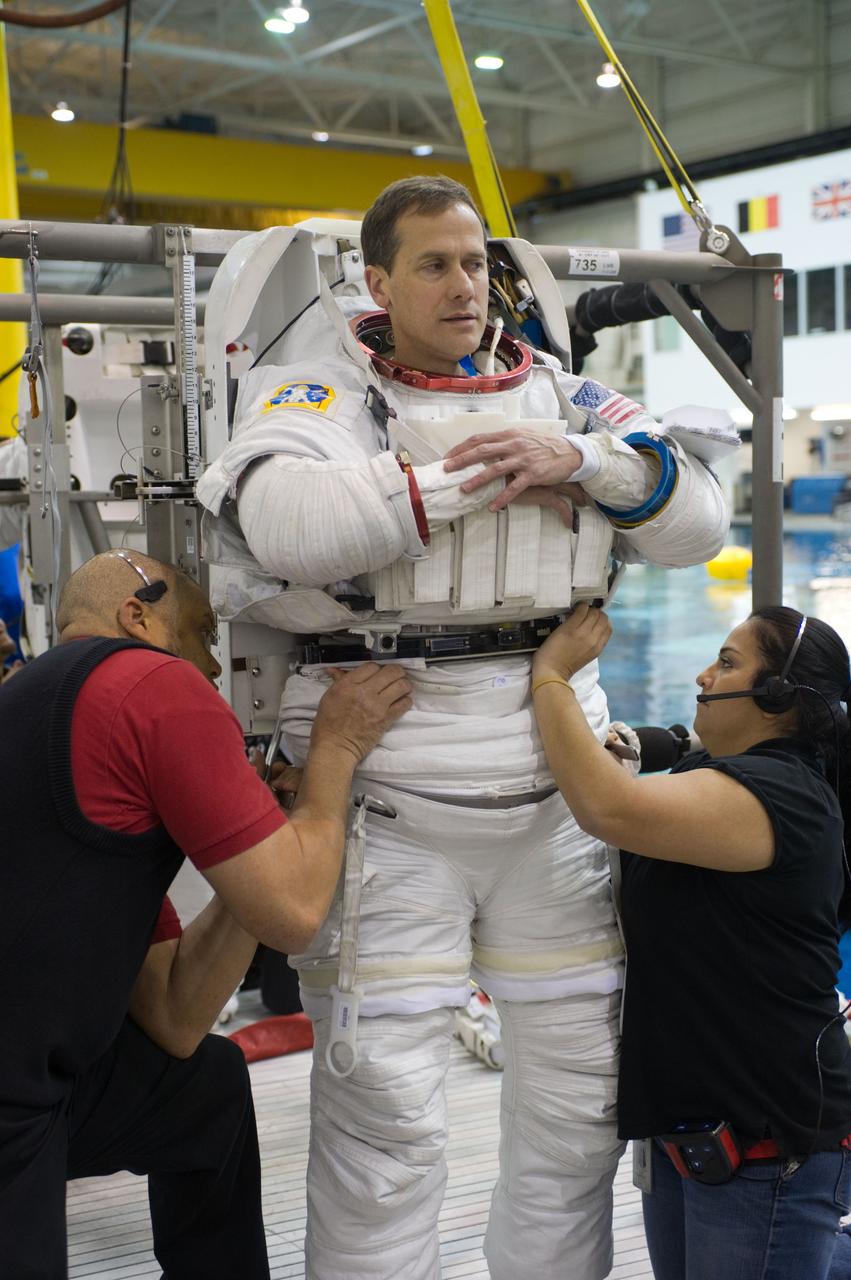
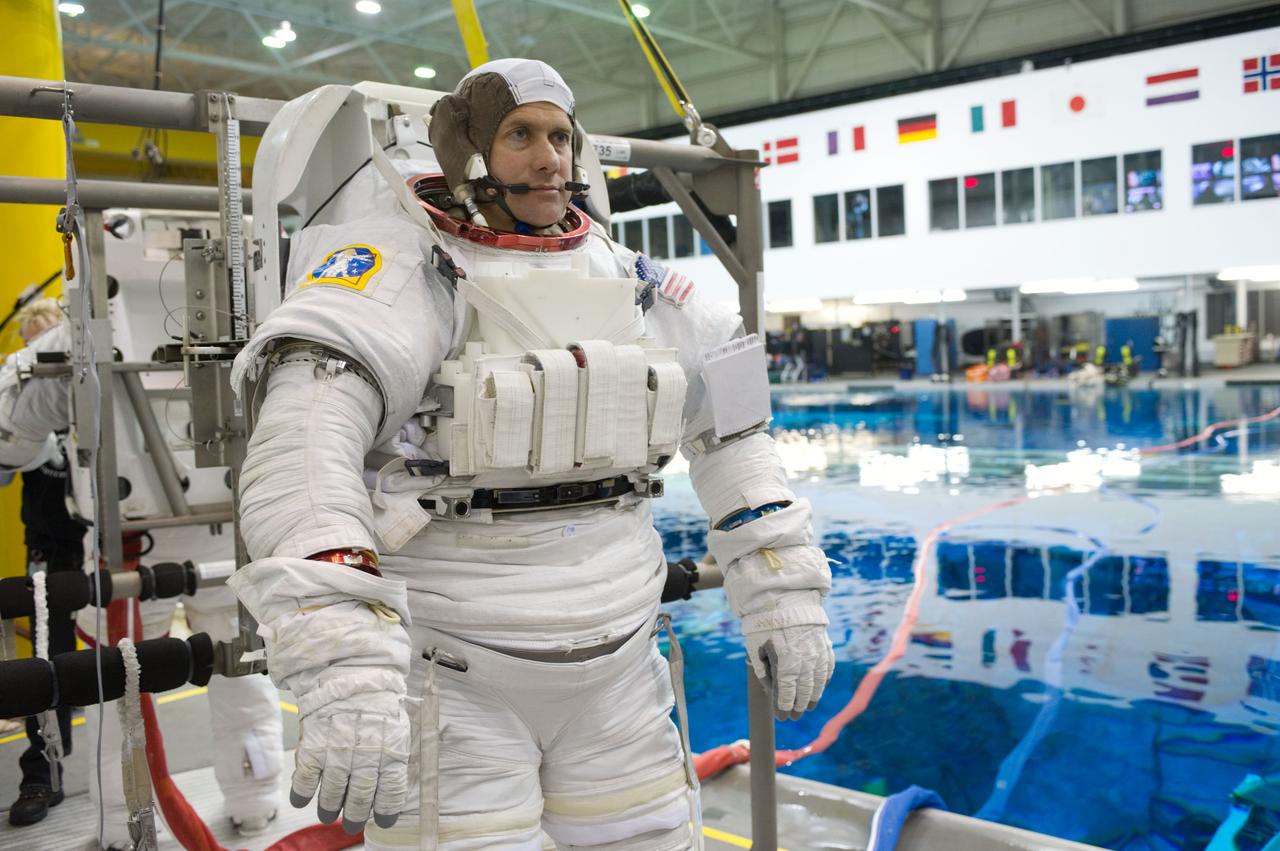
Expedition 34 astronaut crew members Chris Hadfield and Tom Marshburn during INC-34/CB ISS EVA 2 91027. Photo Date: December 7, 2011. Location: NBL - Pool Topside. Photographer: Robert Markowitz
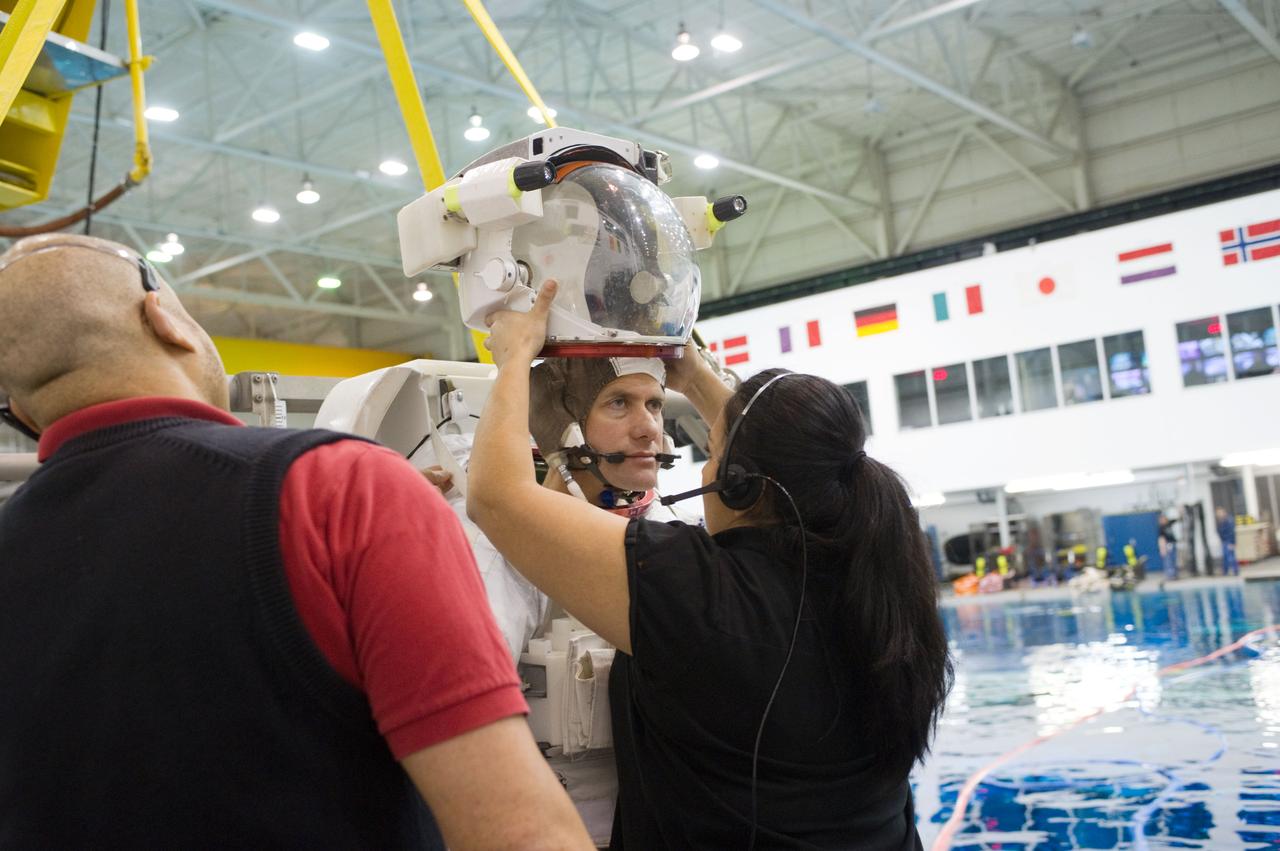
Expedition 34 astronaut crew members Chris Hadfield and Tom Marshburn during INC-34/CB ISS EVA 2 91027. Photo Date: December 7, 2011. Location: NBL - Pool Topside. Photographer: Robert Markowitz
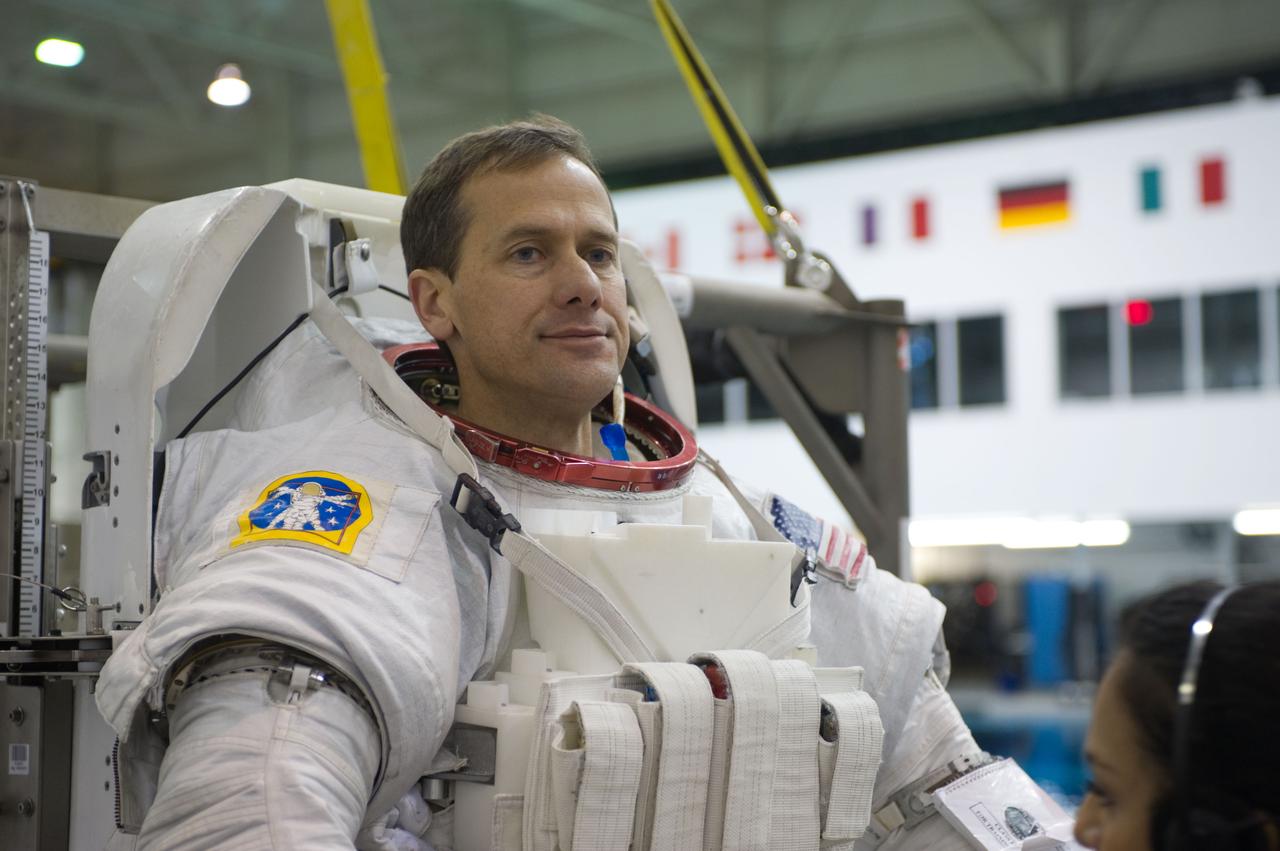
Expedition 34 astronaut crew members Chris Hadfield and Tom Marshburn during INC-34/CB ISS EVA 2 91027. Photo Date: December 7, 2011. Location: NBL - Pool Topside. Photographer: Robert Markowitz
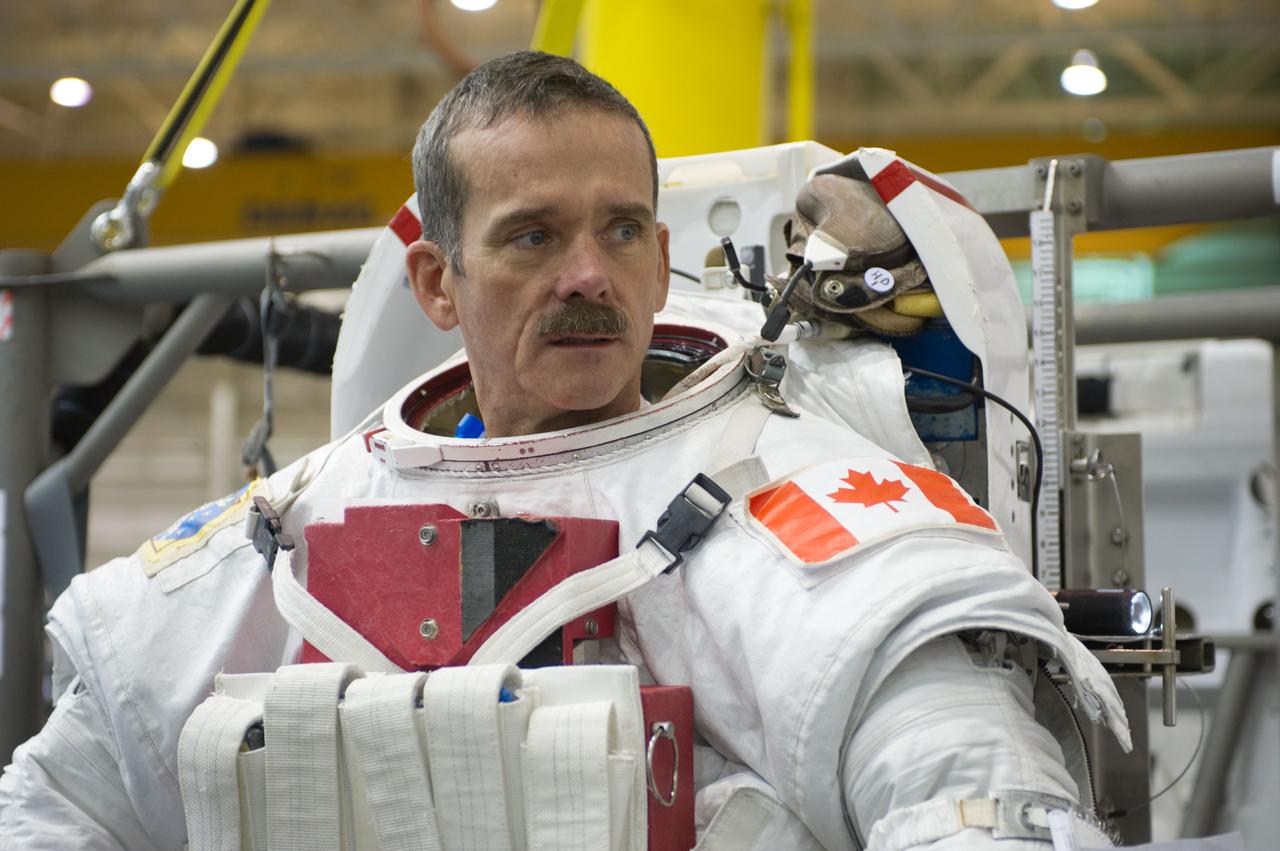
Expedition 34 astronaut crew members Chris Hadfield and Tom Marshburn during INC-34/CB ISS EVA 2 91027. Photo Date: December 7, 2011. Location: NBL - Pool Topside. Photographer: Robert Markowitz
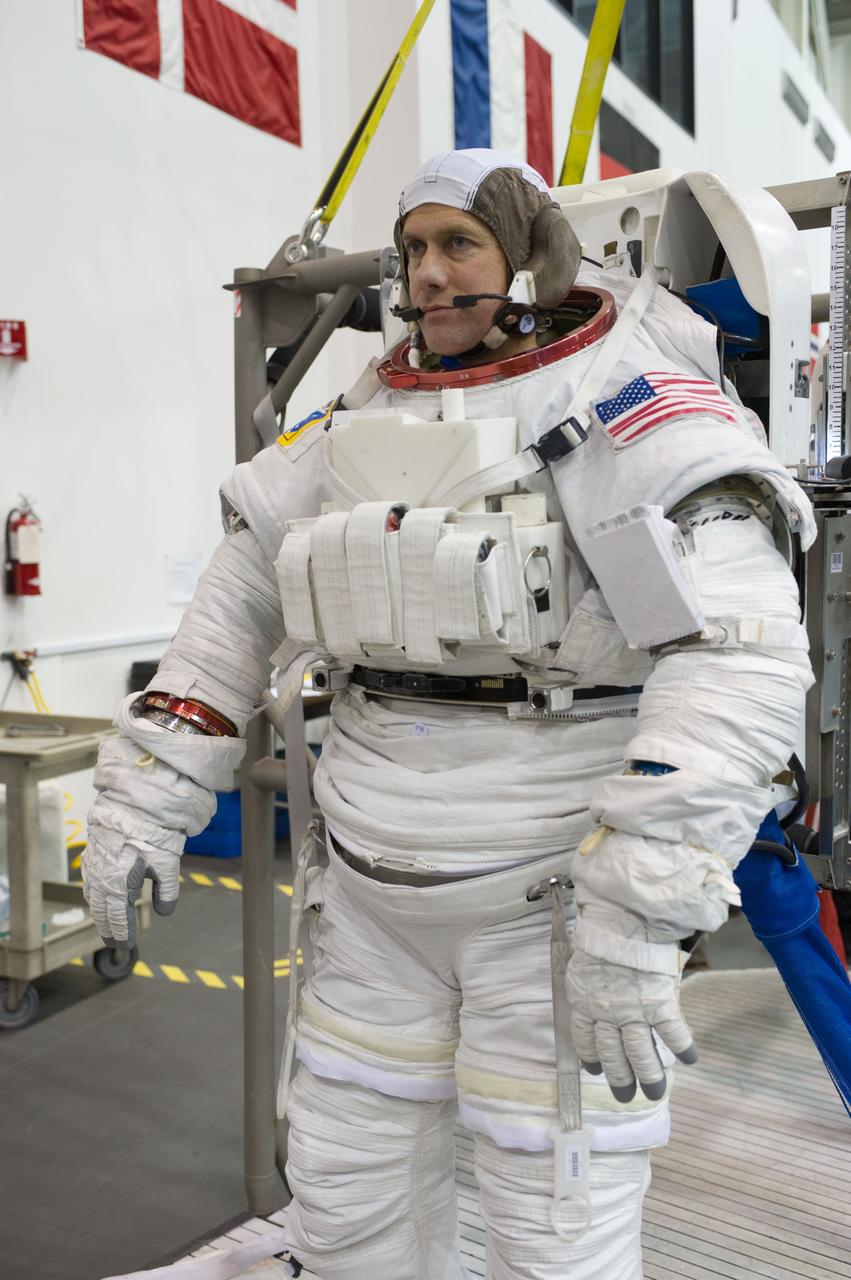
Expedition 34 astronaut crew members Chris Hadfield and Tom Marshburn during INC-34/CB ISS EVA 2 91027. Photo Date: December 7, 2011. Location: NBL - Pool Topside. Photographer: Robert Markowitz
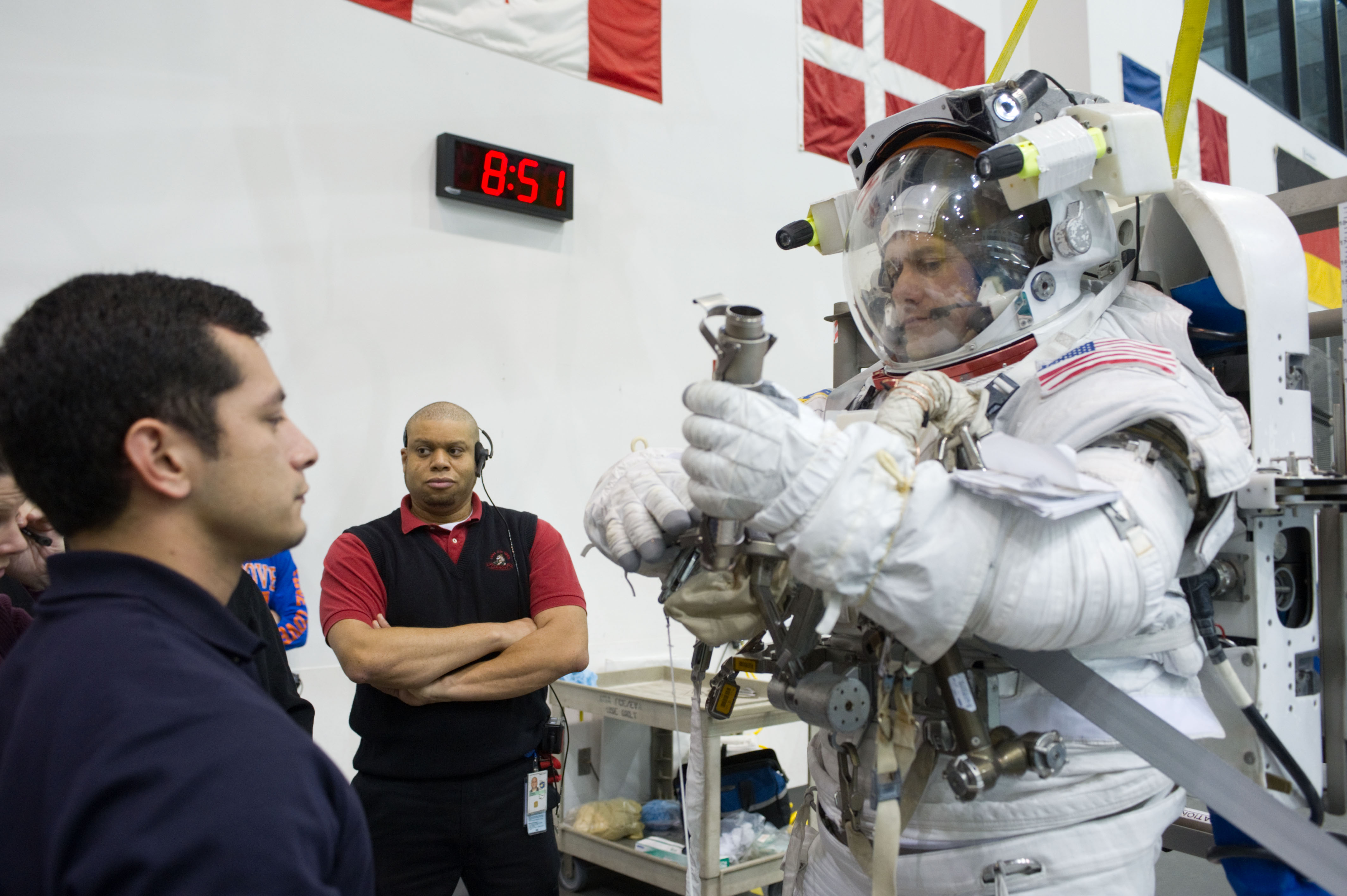
Expedition 34 astronaut crew members Chris Hadfield and Tom Marshburn during INC-34/CB ISS EVA 2 91027. Photo Date: December 7, 2011. Location: NBL - Pool Topside. Photographer: Robert Markowitz
Expedition 34 astronaut crew members Chris Hadfield and Tom Marshburn during INC-34/CB ISS EVA 2 91027. Photo Date: December 7, 2011. Location: NBL - Pool Topside. Photographer: Robert Markowitz
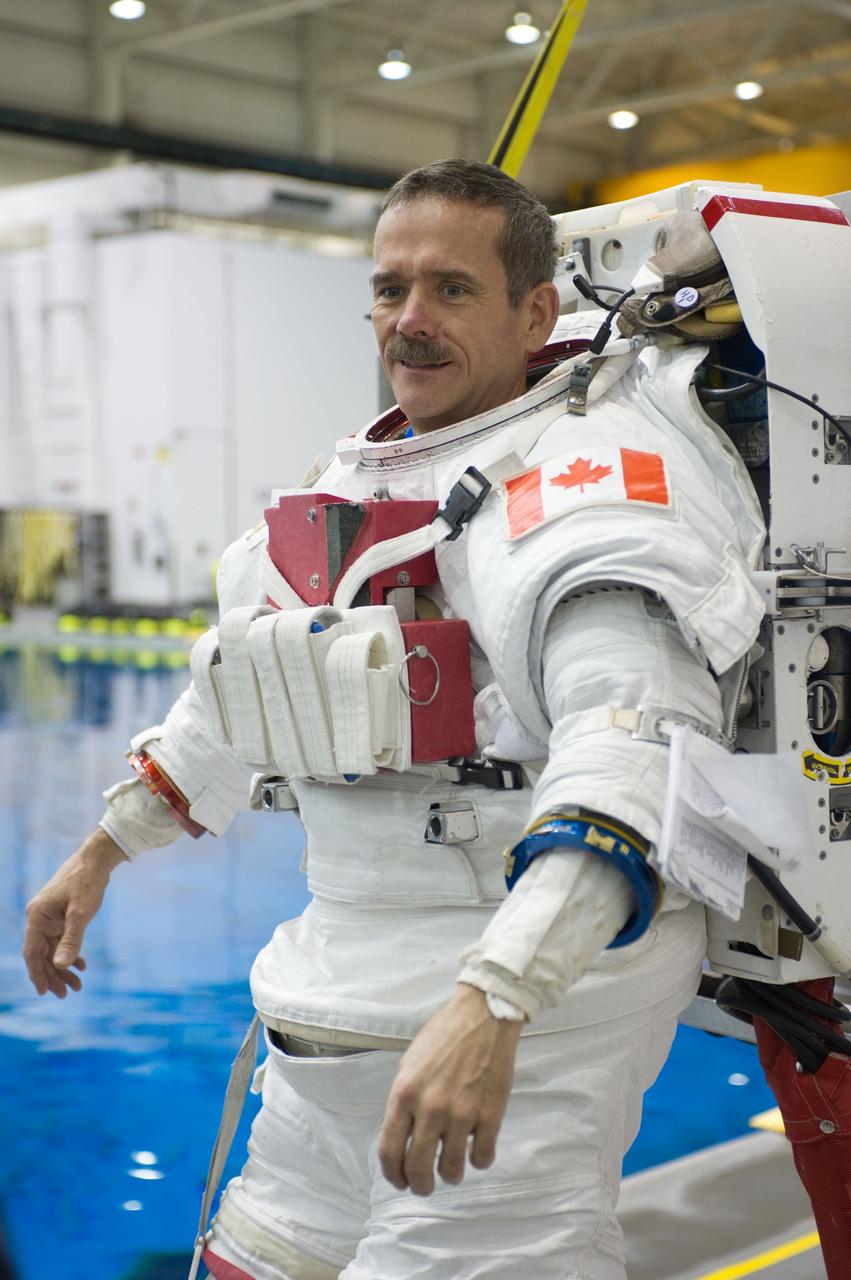
Expedition 34 astronaut crew members Chris Hadfield and Tom Marshburn during INC-34/CB ISS EVA 2 91027. Photo Date: December 7, 2011. Location: NBL - Pool Topside. Photographer: Robert Markowitz
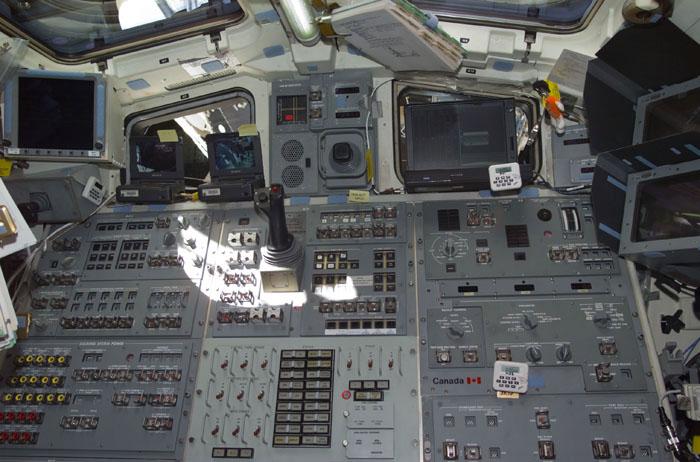
STS98-E-5082 (10 February 2001) --- A medium close-up view shows the control console on the aft flight deck of the Space Shuttle Atlantis during Flight Day 4 activity. Located here are shuttle operational controls, as well as the device for maneuvering the Remote Manipulator System (RMS) arm. The scene was recorded with a digital still camera.
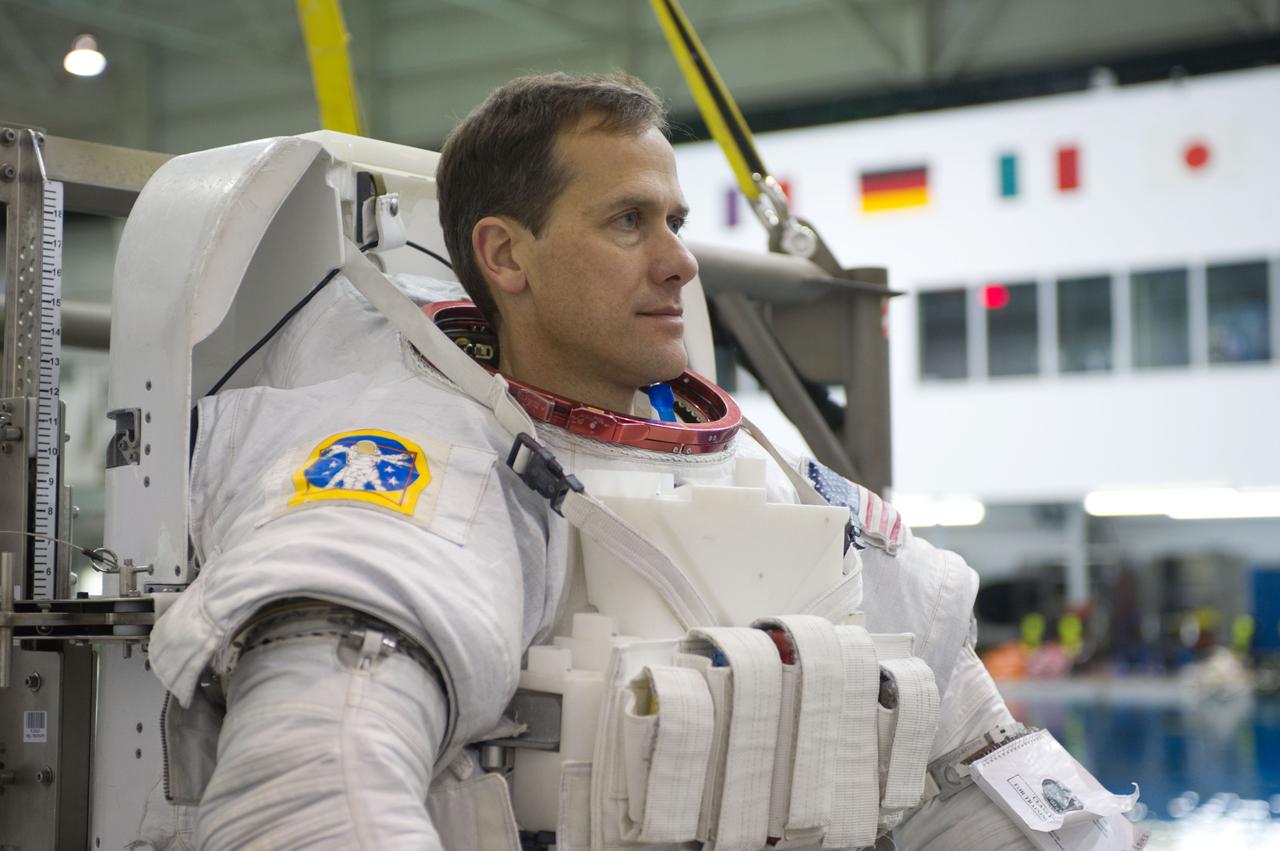
Expedition 34 astronaut crew members Chris Hadfield and Tom Marshburn during INC-34/CB ISS EVA 2 91027. Photo Date: December 7, 2011. Location: NBL - Pool Topside. Photographer: Robert Markowitz

Expedition 34 astronaut crew members Chris Hadfield and Tom Marshburn during INC-34/CB ISS EVA 2 91027. Photo Date: December 7, 2011. Location: NBL - Pool Topside. Photographer: Robert Markowitz
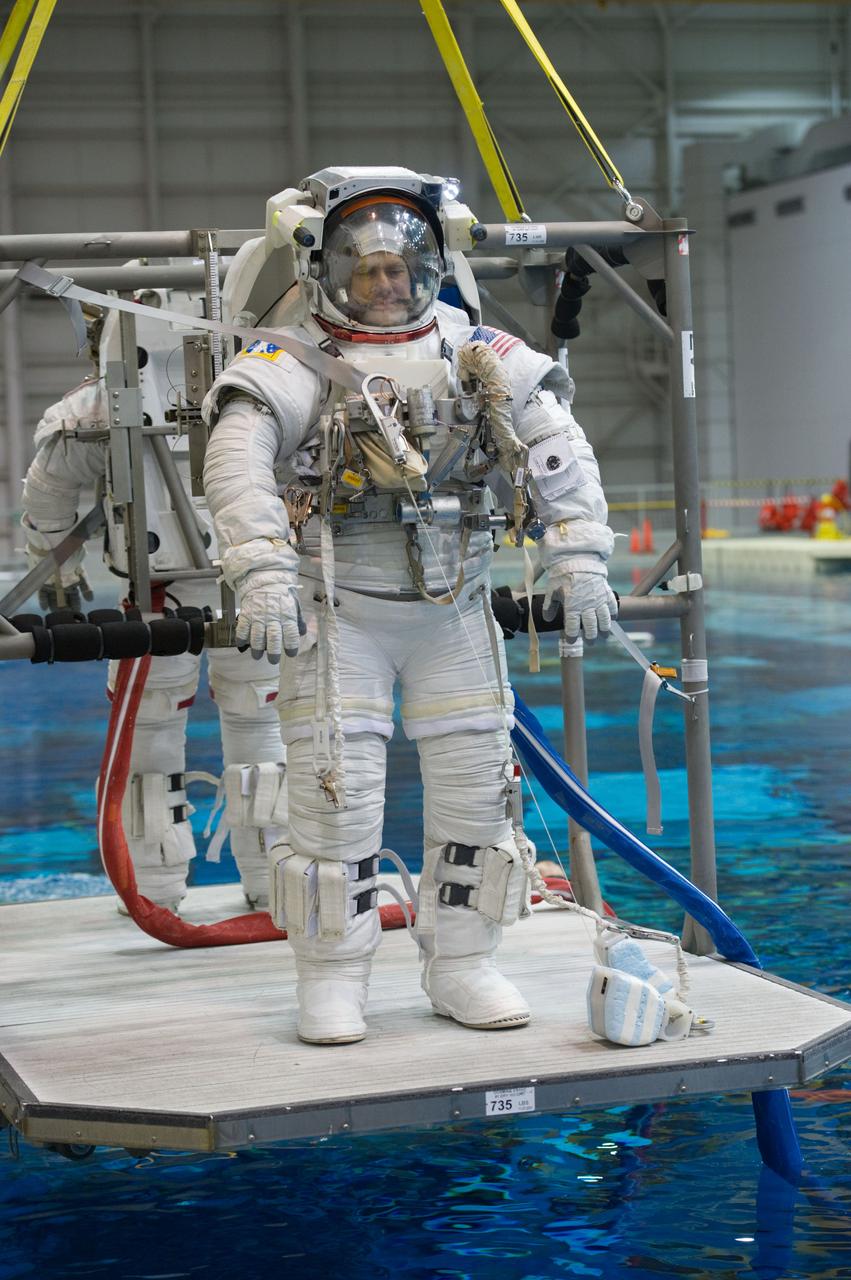
Expedition 34 astronaut crew members Chris Hadfield and Tom Marshburn during INC-34/CB ISS EVA 2 91027. Photo Date: December 7, 2011. Location: NBL - Pool Topside. Photographer: Robert Markowitz

Expedition 34 astronaut crew members Chris Hadfield and Tom Marshburn during INC-34/CB ISS EVA 2 91027. Photo Date: December 7, 2011. Location: NBL - Pool Topside. Photographer: Robert Markowitz
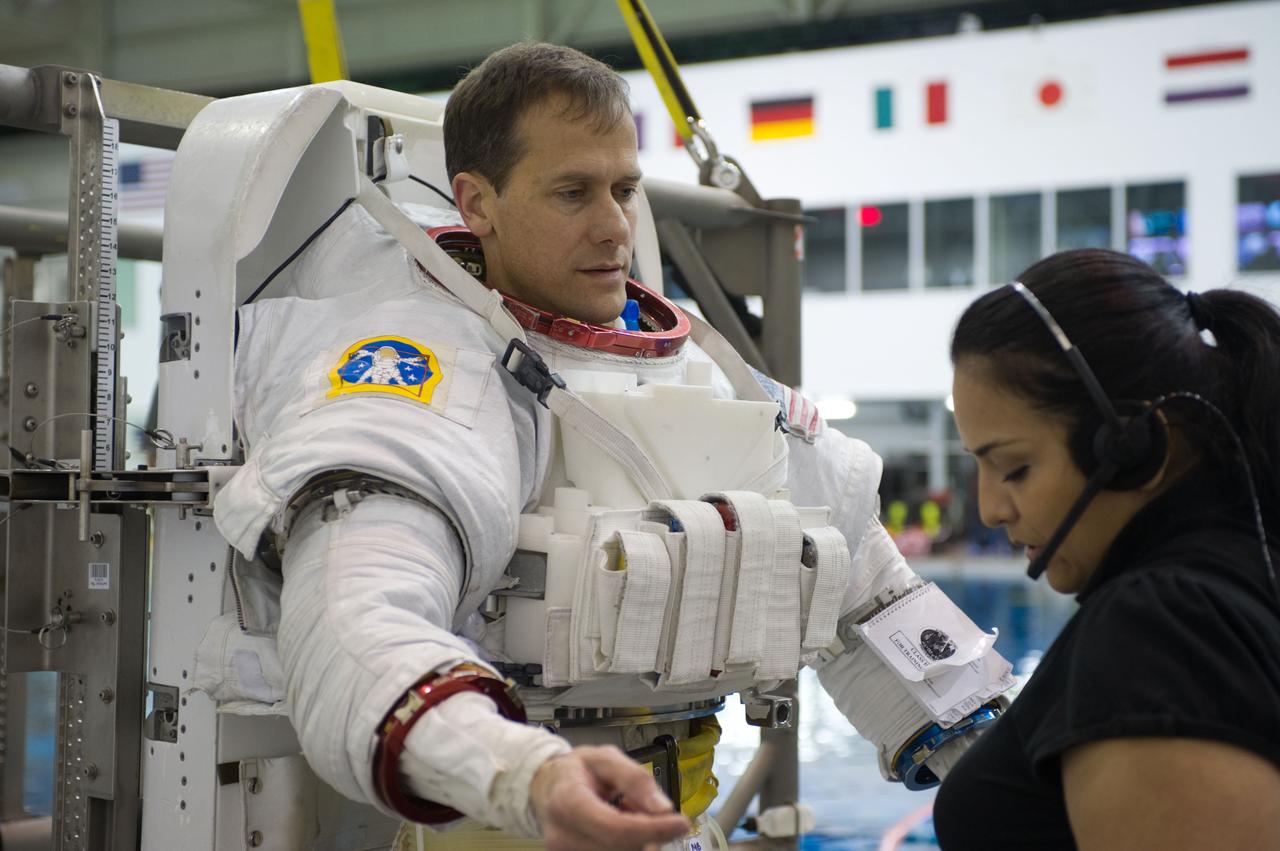
Expedition 34 astronaut crew members Chris Hadfield and Tom Marshburn during INC-34/CB ISS EVA 2 91027. Photo Date: December 7, 2011. Location: NBL - Pool Topside. Photographer: Robert Markowitz
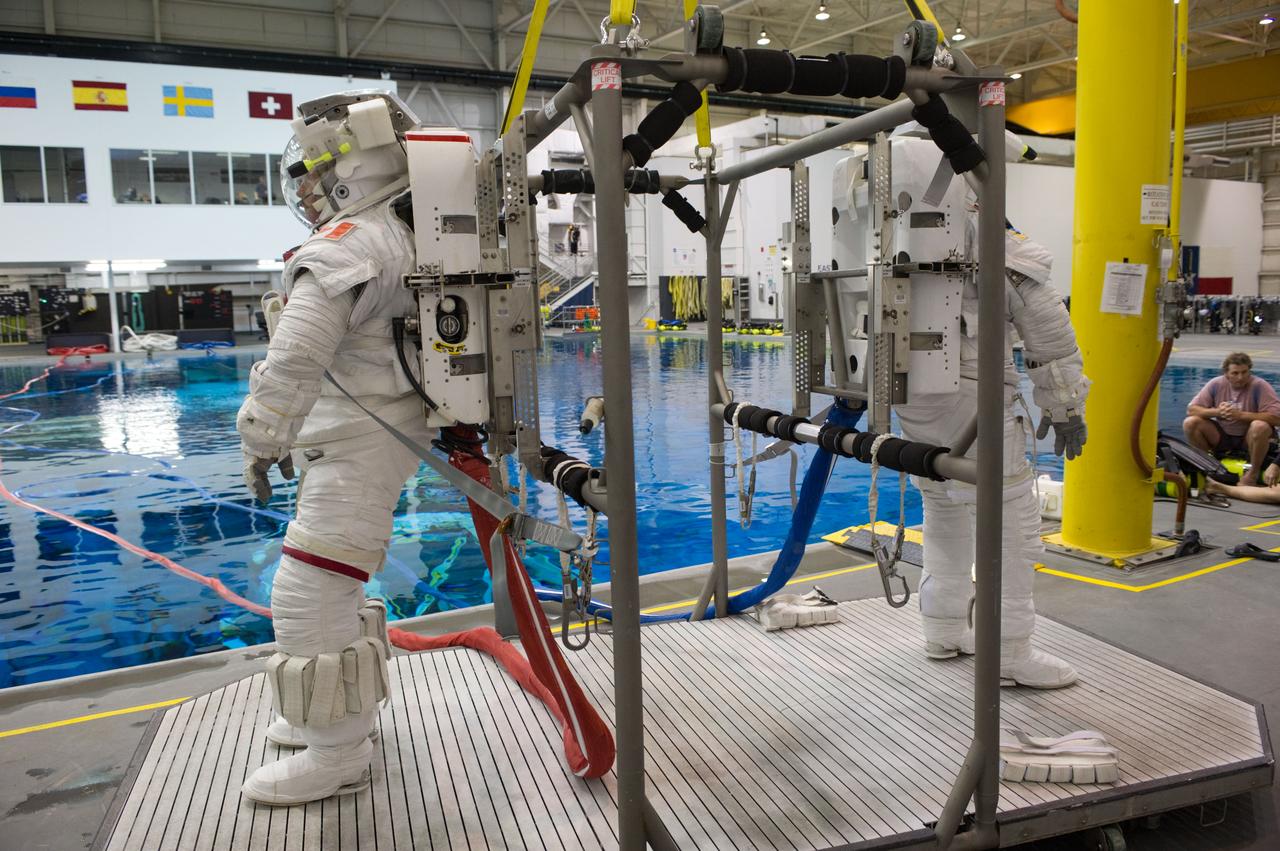
Expedition 34 astronaut crew members Chris Hadfield and Tom Marshburn during INC-34/CB ISS EVA 2 91027. Photo Date: December 7, 2011. Location: NBL - Pool Topside. Photographer: Robert Markowitz
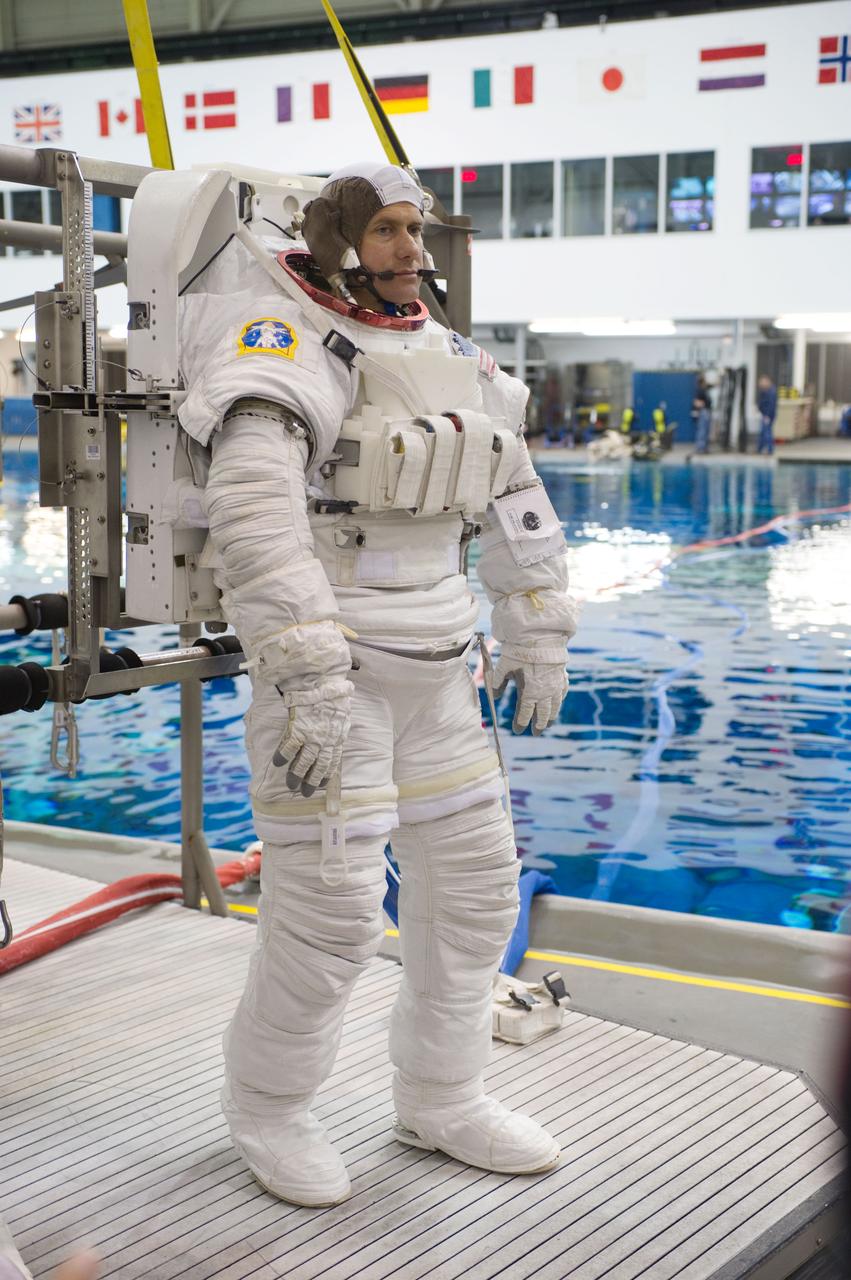
Expedition 34 astronaut crew members Chris Hadfield and Tom Marshburn during INC-34/CB ISS EVA 2 91027. Photo Date: December 7, 2011. Location: NBL - Pool Topside. Photographer: Robert Markowitz
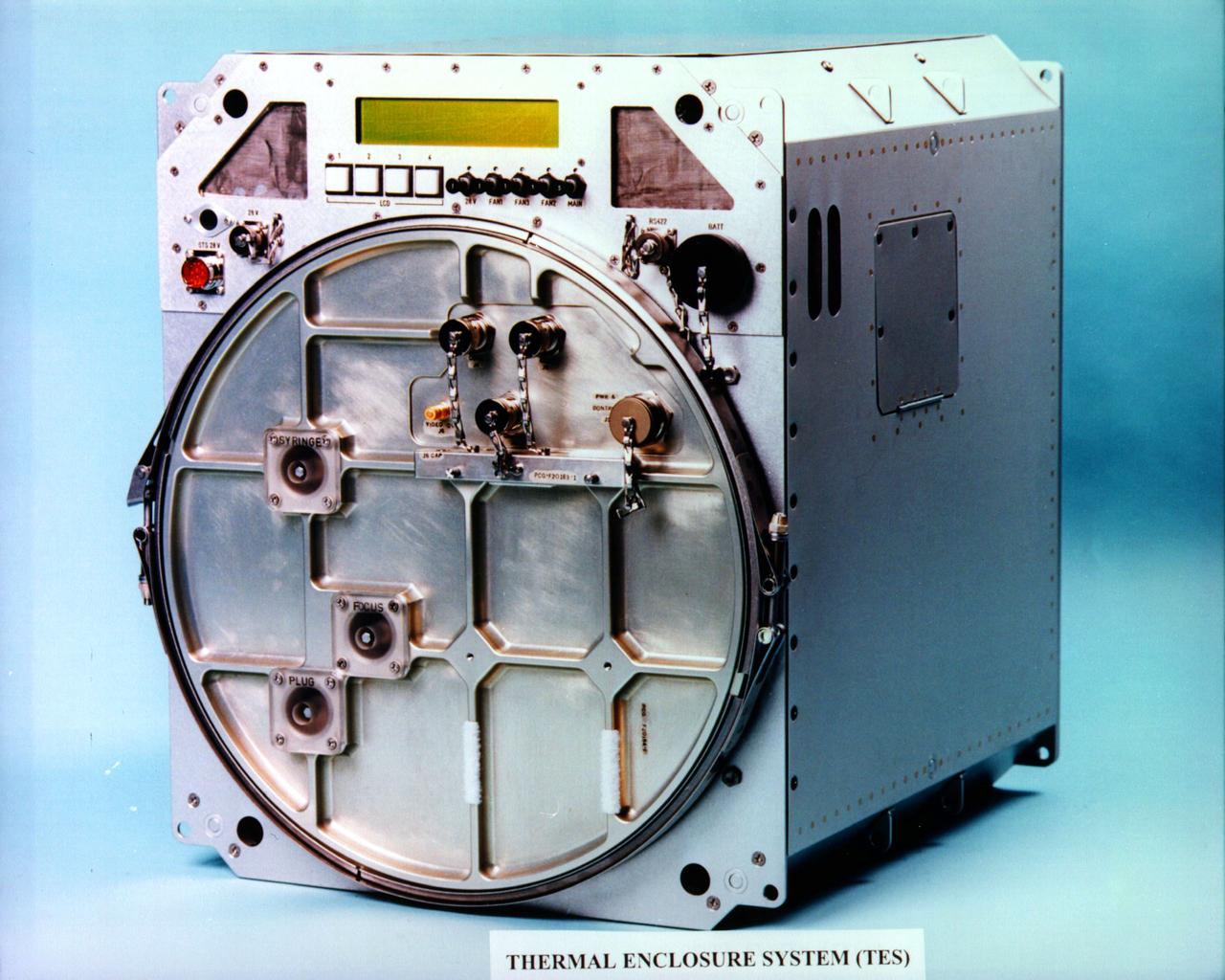
The Thermal Enclosure System (TES) provides thermal control for protein crystal growth experiments. The TES, housed in two middeck lockers on board the Space Shuttle, contains four Vapor Diffusion Apparatus (VDA) trays. Each can act as either a refrigerator or an incubator and its temperature can be controlled to within one-tenth degree C. The first flight of the TES was during USMP-2 (STS-62).
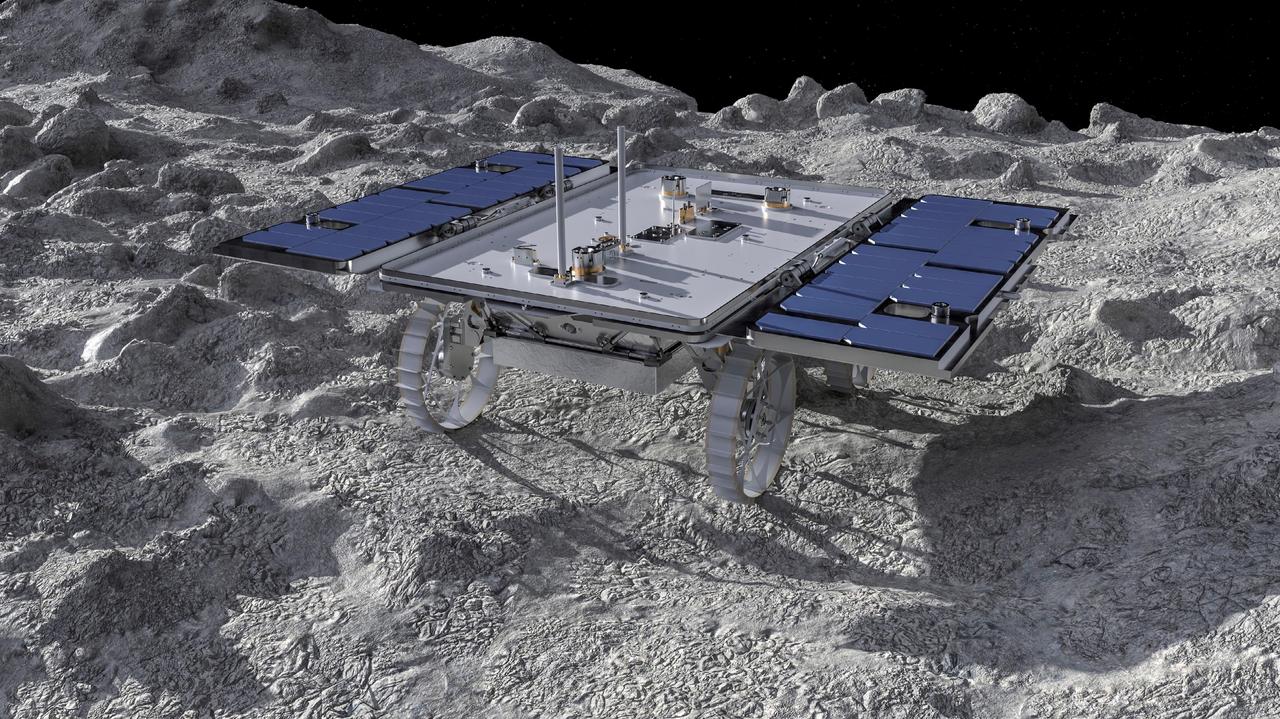
This artist's concept depicts a small rover – part of NASA's CADRE (Cooperative Autonomous Distributed Robotic Exploration) technology demonstration headed for the Moon – on the lunar surface. Motiv Space Systems in Pasadena, California, created the rendering and is collaborating with NASA's Jet Propulsion Laboratory on critical rover and mobility functions. Slated to arrive aboard a lunar lander in 2024 under NASA's CLPS (Commercial Lunar Payload Services) initiative, CADRE is designed to demonstrate that multiple robots can cooperate and explore together autonomously – without direct input from human mission controllers. A trio of the miniature solar-powered rovers, each about the size of a carry-on suitcase, will explore the Moon as a team, communicating via radio with each other and a base station aboard a lunar lander. By taking simultaneous measurements from multiple locations, CADRE will also demonstrate how multirobot missions can record data impossible for a single robot to achieve – a tantalizing prospect for future missions. Motiv contributed subsystems and hardware elements for three of four CADRE systems, including designing and building the mobility system and rover chassis, the base station, the rover deployers, and the motor controller boards. The company also procured and tested the actuators with the flight motor controller boards. https://photojournal.jpl.nasa.gov/catalog/PIA26161
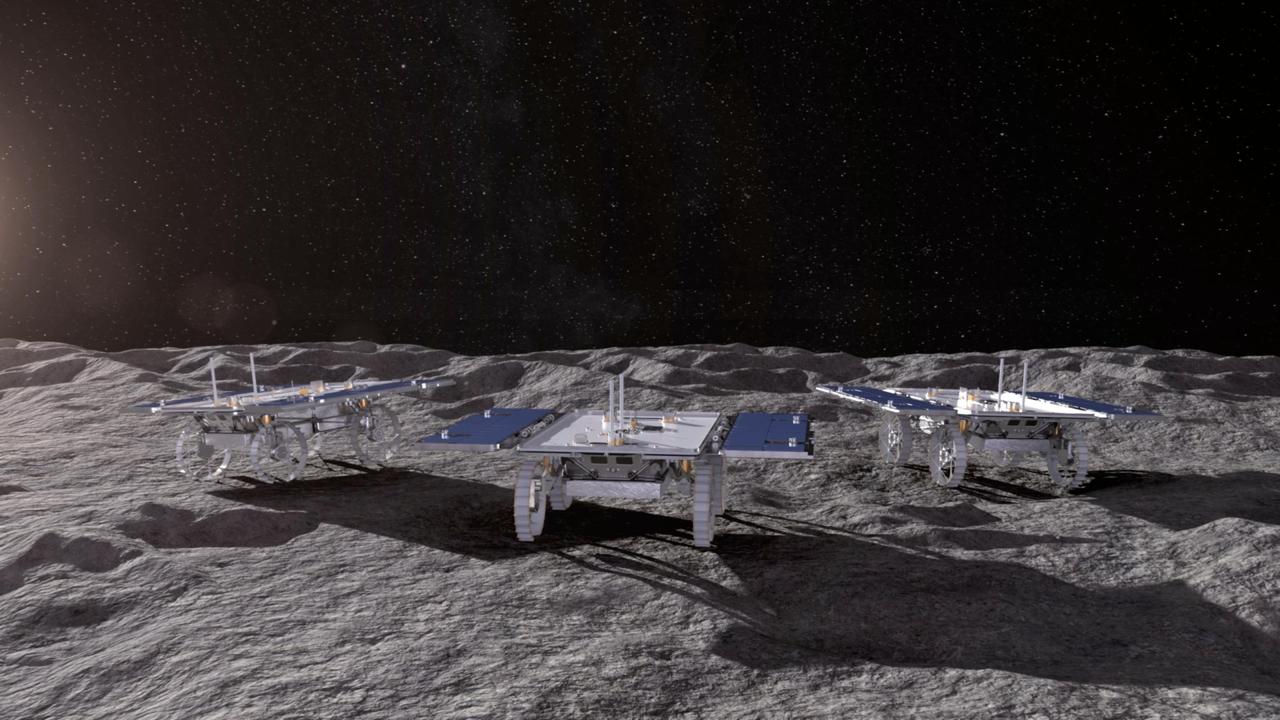
This animated artist's concept depicts three small rovers – part of NASA's CADRE (Cooperative Autonomous Distributed Robotic Exploration) technology demonstration headed for the Moon – driving together on the lunar surface. Motiv Space Systems in Pasadena, California, created the rendering and collaborated with NASA's Jet Propulsion Laboratory on critical rover and mobility functions. Slated to arrive aboard a lunar lander at the Reiner Gamma region of the Moon under NASA's CLPS (Commercial Lunar Payload Services) initiative, CADRE is designed to demonstrate that multiple robots can cooperate and explore together autonomously – without direct input from human mission controllers. A trio of the miniature solar-powered rovers, each about the size of a carry-on suitcase, will explore the Moon as a team, communicating via radio with each other and a base station aboard the lander. By taking simultaneous measurements from multiple locations, CADRE will also demonstrate how multirobot missions can record data impossible for a single robot to achieve – a tantalizing prospect for future missions. Motiv contributed subsystems and hardware elements for three of four CADRE systems, including designing and building the mobility system and rover chassis, the base station, the rover deployers, and the motor controller boards. The company also procured and tested the actuators with the flight motor controller boards. Animation available at https://photojournal.jpl.nasa.gov/catalog/PIA26296
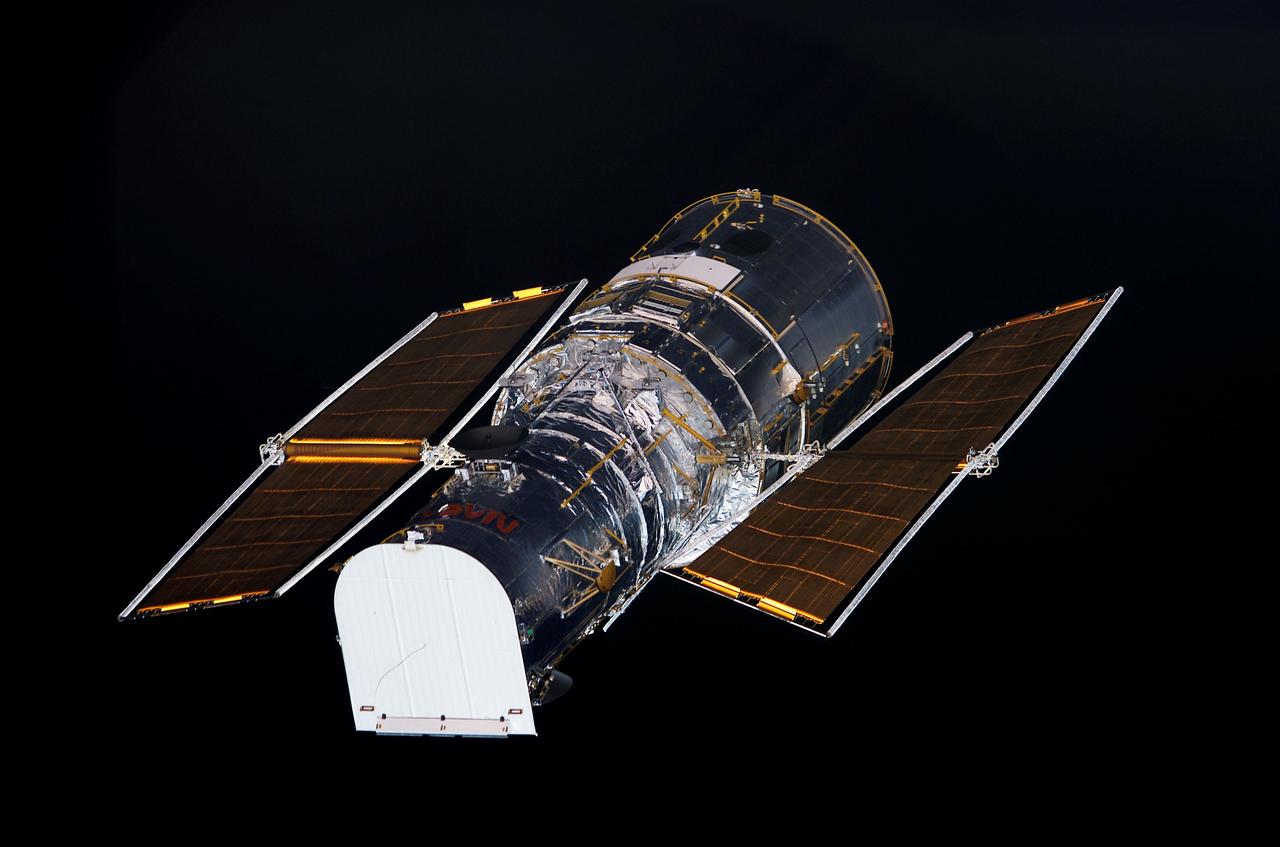
STS109-E-5014 (3 March 2002) --- The Hubble Space Telescope is backdropped against black space as the Space Shuttle Columbia, with a crew of seven astronauts on board, eases closer and closer in order to latch its 50-foot-long robotic arm onto a fixture on the giant telescope. As Columbia flew 350 miles above the Pacific Ocean Southwest of Mexico, with astronaut Nancy J. Currie, mission specialist, in control of the arm and astronaut Scott D. Altman, mission commander, at the controls of the shuttle, the crew went on to capture the Hubble. The image was one of a series recorded with a digital still camera.
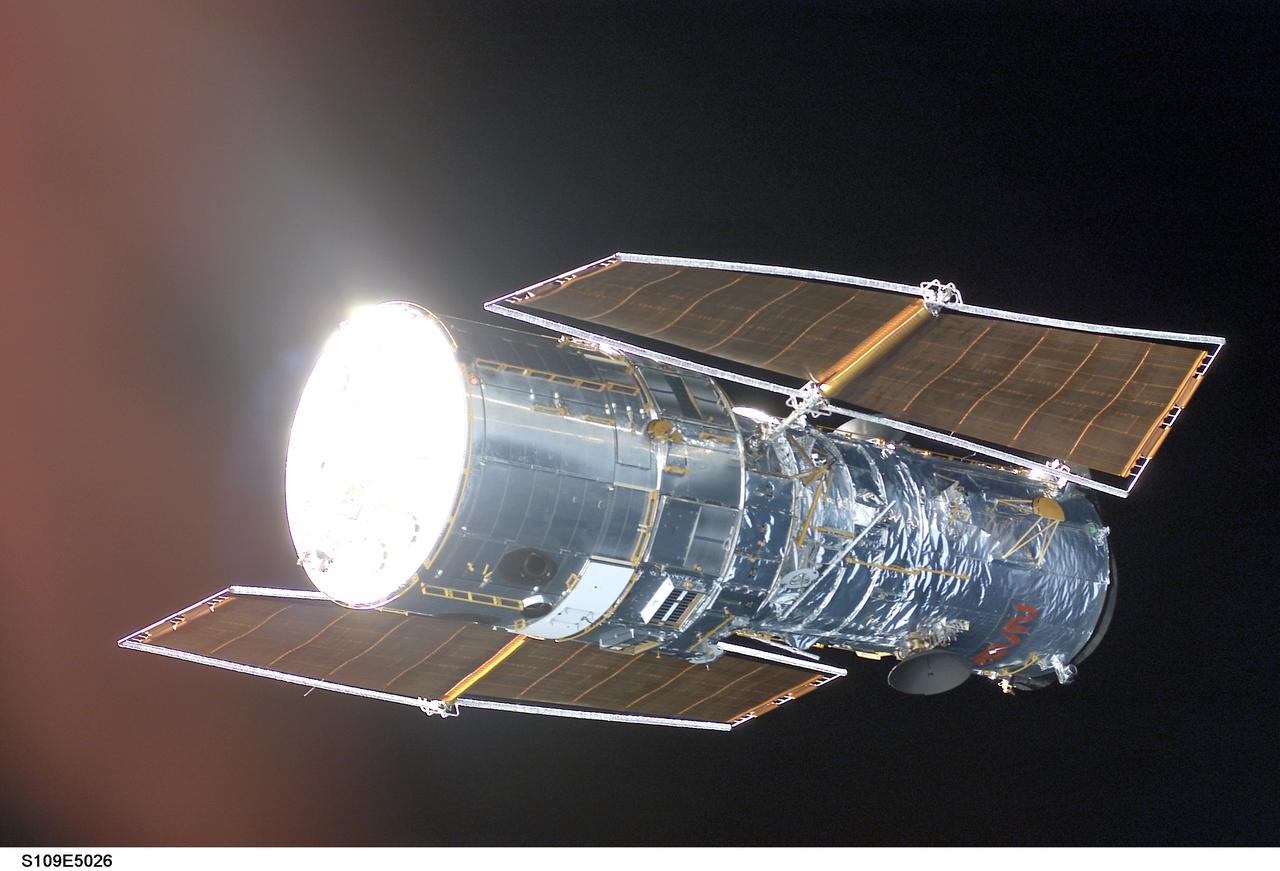
STS109-E-5026 (3 March 2002) --- The Hubble Space Telescope is backdropped against black space as the Space Shuttle Columbia, with a crew of seven astronauts on board, eases closer and closer in order to latch its 50-foot-long robotic arm onto a fixture on the giant telescope. As Columbia flew 350 miles above the Pacific Ocean Southwest of Mexico, with astronaut Nancy J. Currie, mission specialist, in control of the arm and astronaut Scott D. Altman, mission commander, at the controls of the shuttle, the crew went on to capture the Hubble. The image was one of a series recorded with a digital still camera.
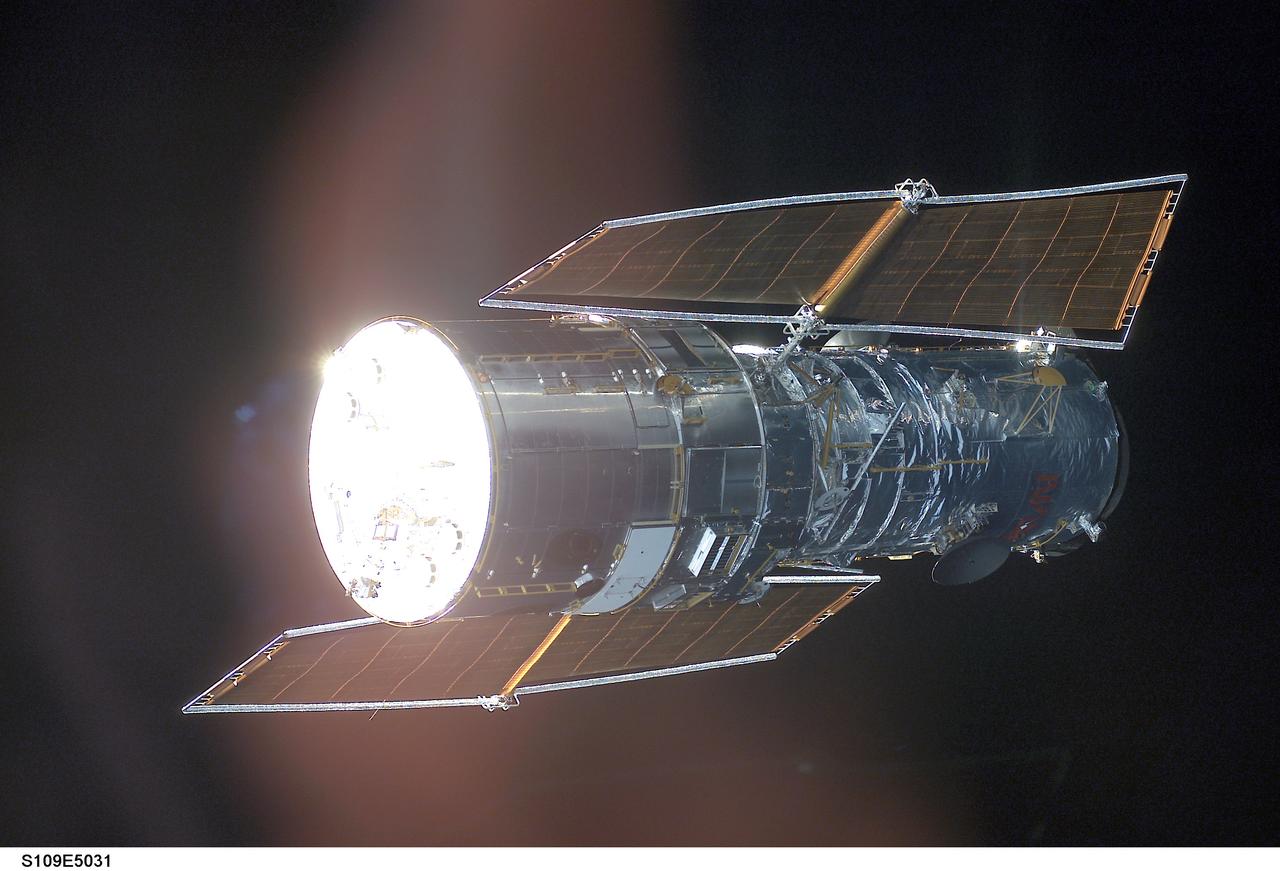
STS109-E-5031 (3 March 2002) --- The Hubble Space Telescope is backdropped against black space as the Space Shuttle Columbia, with a crew of seven astronauts on board, eases closer and closer in order to latch its 50-foot-long robotic arm onto a fixture on the giant telescope. As Columbia flew 350 miles above the Pacific Ocean Southwest of Mexico, with astronaut Nancy J. Currie, mission specialist, in control of the arm and astronaut Scott D. Altman, mission commander, at the controls of the shuttle, the crew went on to capture the Hubble. The image was one of a series recorded with a digital still camera.
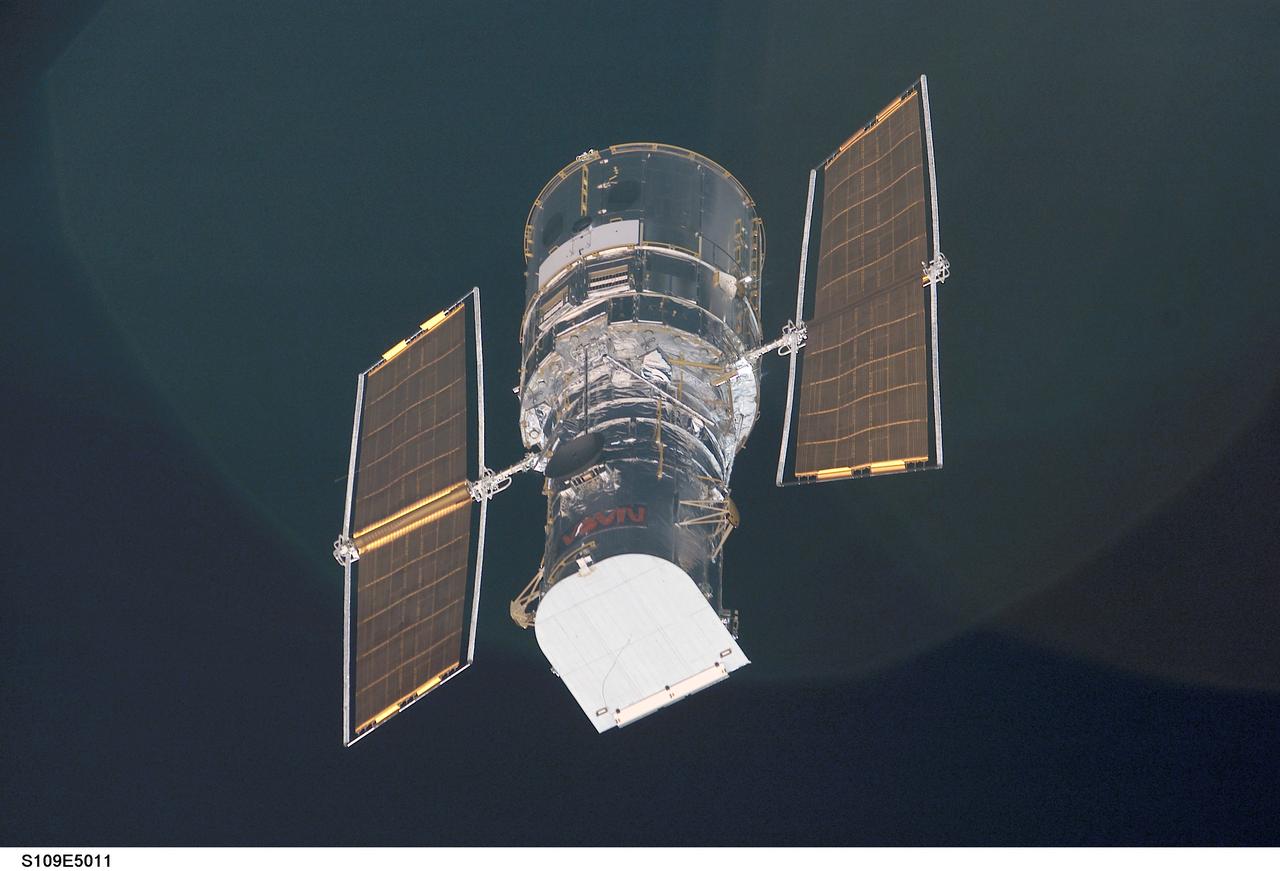
STS109-E-5011 (3 March 2002) --- The Hubble Space Telescope is backdropped against black space as the Space Shuttle Columbia, with a crew of seven astronauts on board, eases closer and closer in order to latch its 50-foot-long robotic arm onto a fixture on the giant telescope. As Columbia flew 350 miles above the Pacific Ocean Southwest of Mexico, with astronaut Nancy J. Currie, mission specialist, in control of the arm and astronaut Scott D. Altman, mission commander, at the controls of the shuttle, the crew went on to capture the Hubble. The image was one of a series recorded with a digital still camera.
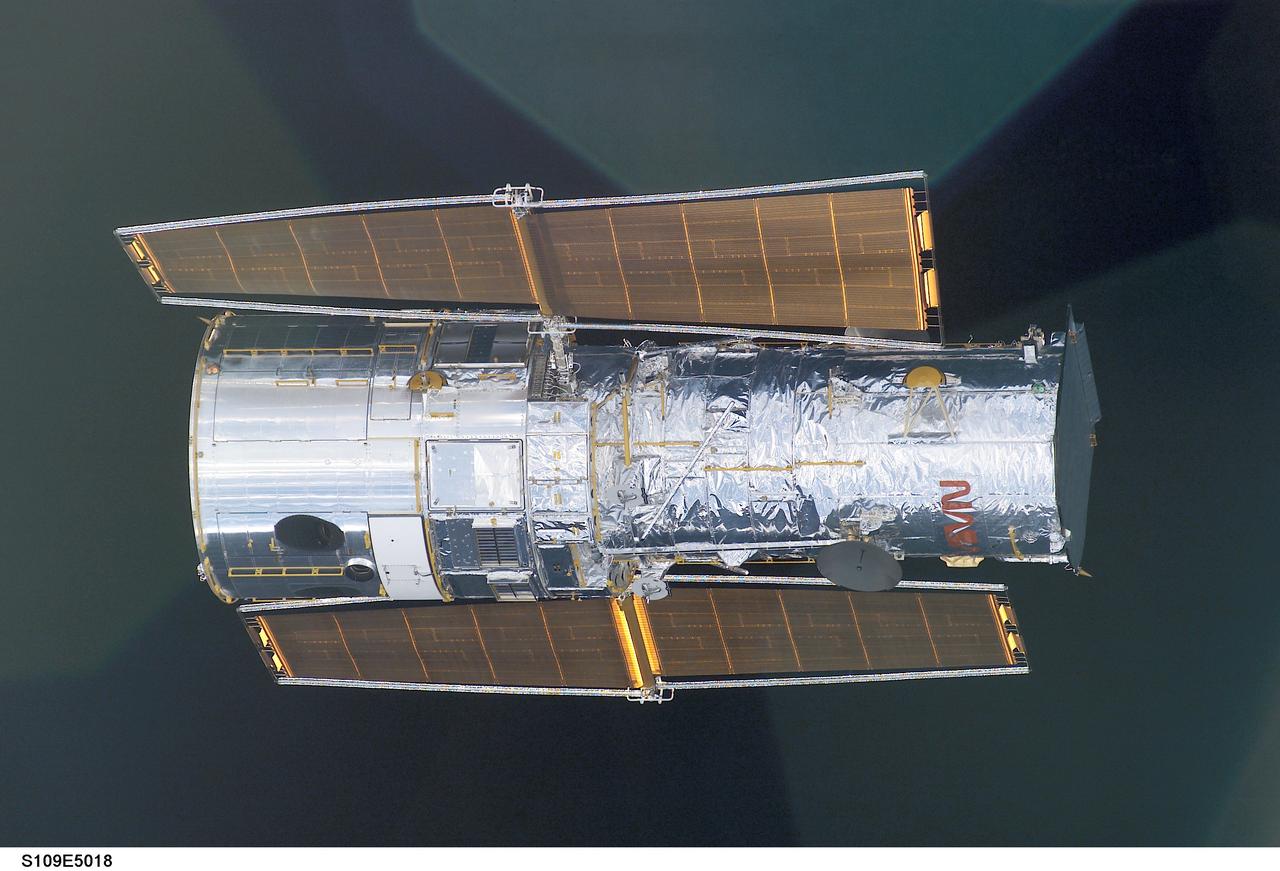
STS109-E-5018 (3 March 2002) --- The Hubble Space Telescope is backdropped against black space as the Space Shuttle Columbia, with a crew of seven stronauts on board, eases closer and closer in order to latch its 50-foot-long robotic arm onto a fixture on the giant telescope. As Columbia flew 350 miles above the Pacific Ocean Southwest of Mexico, with astronaut Nancy J. Currie, mission specialist, in control of the arm and astronaut Scott D. Altman, mission commander, at the controls of the shuttle, the crew went on to capture the Hubble. The image was one of a series recorded with a digital still camera.
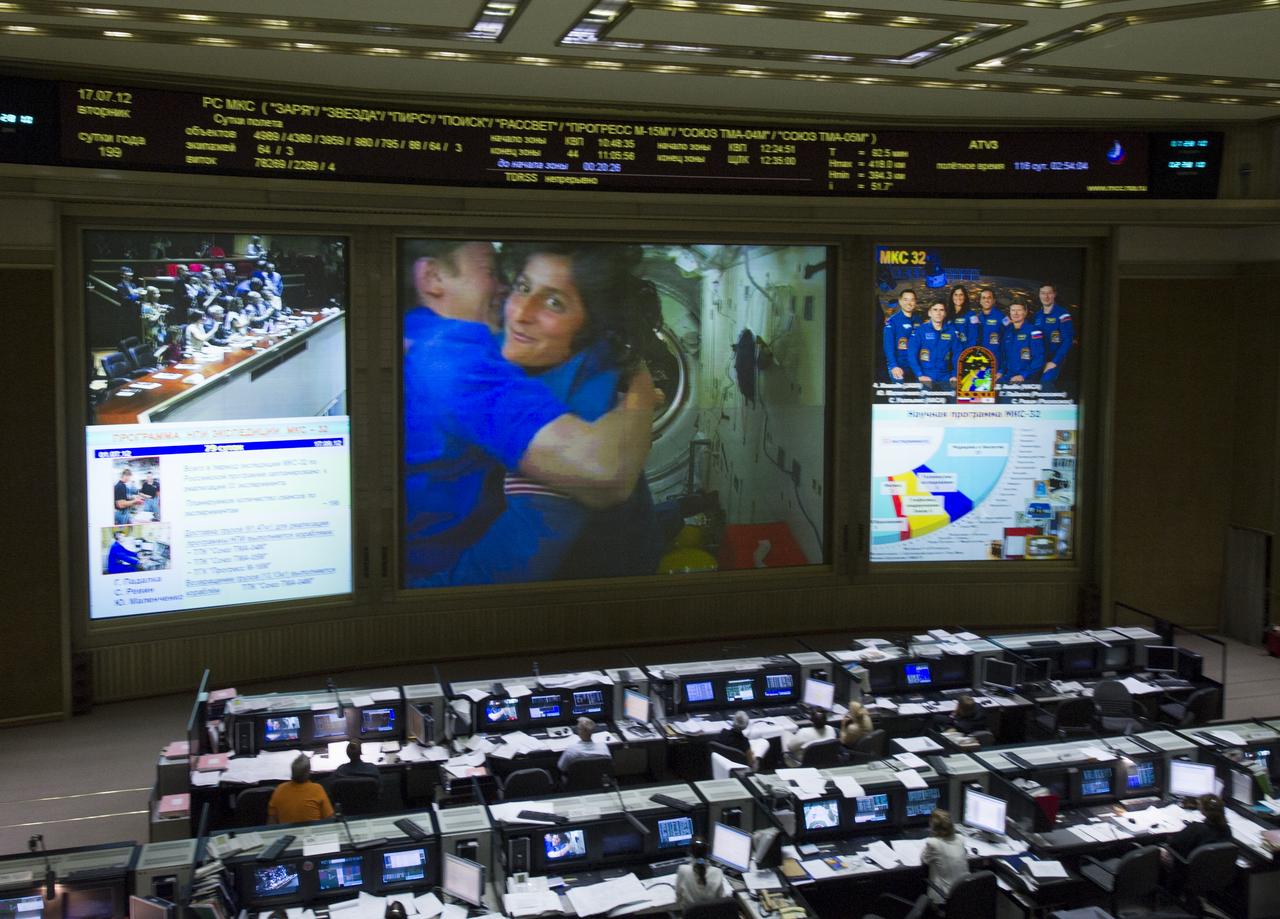
Expedition 32 Flight Engineer Sunita Williams is seen on the TV screen at the Russian Mission Control Center in Korolev, Russia a few hours after the Soyuz TMA-05M docked to the International Space Station on Tuesday, July 17, 2012. Williams boarded the ISS with fellow crew members Soyuz Commander Yuri Malenchenko and JAXA Flight Engineer Akihiko Hoshide. The crew of three launched at 8:40 a.m. Kazakhstan time on Sunday, July 15 from the Baikonur Cosmodrome in Kazakhstan. Photo Credit: (NASA/Carla Cioffi)
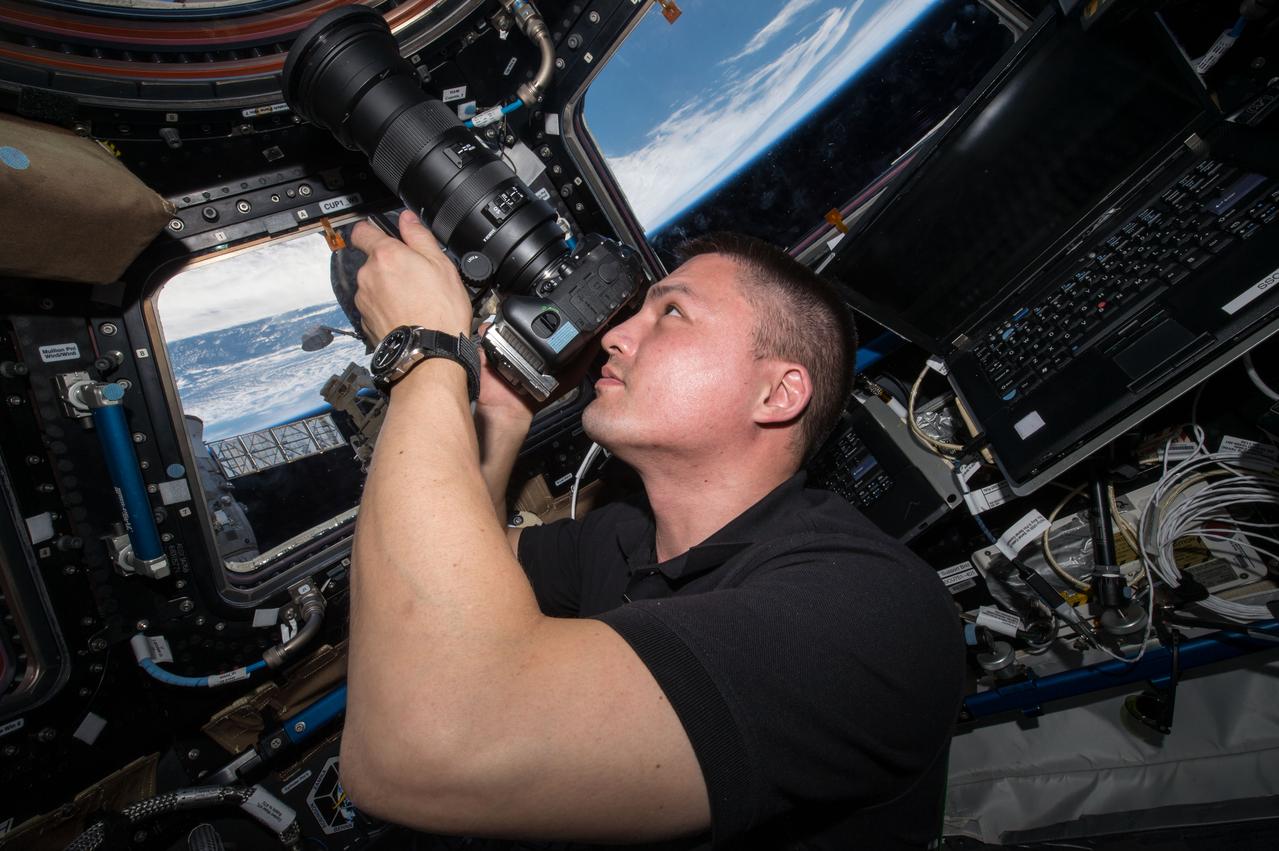
ISS045e152270 (12/01/2015) --- NASA astronaut Kjell Lindgren takes images of the Earth on board the International Space Station on Dec. 1, 2015 from the Cupola, the 360 degree viewing and robotic Canadarm 2 control area. Later this area will be used by Lindgren and NASA astronaut Scott Kelly to use the station’s Canadarm 2 robotic arm to reach out and grapple the Orbital ATK CRS-4 "Cygnus" spaceship full of equipment and supplies.
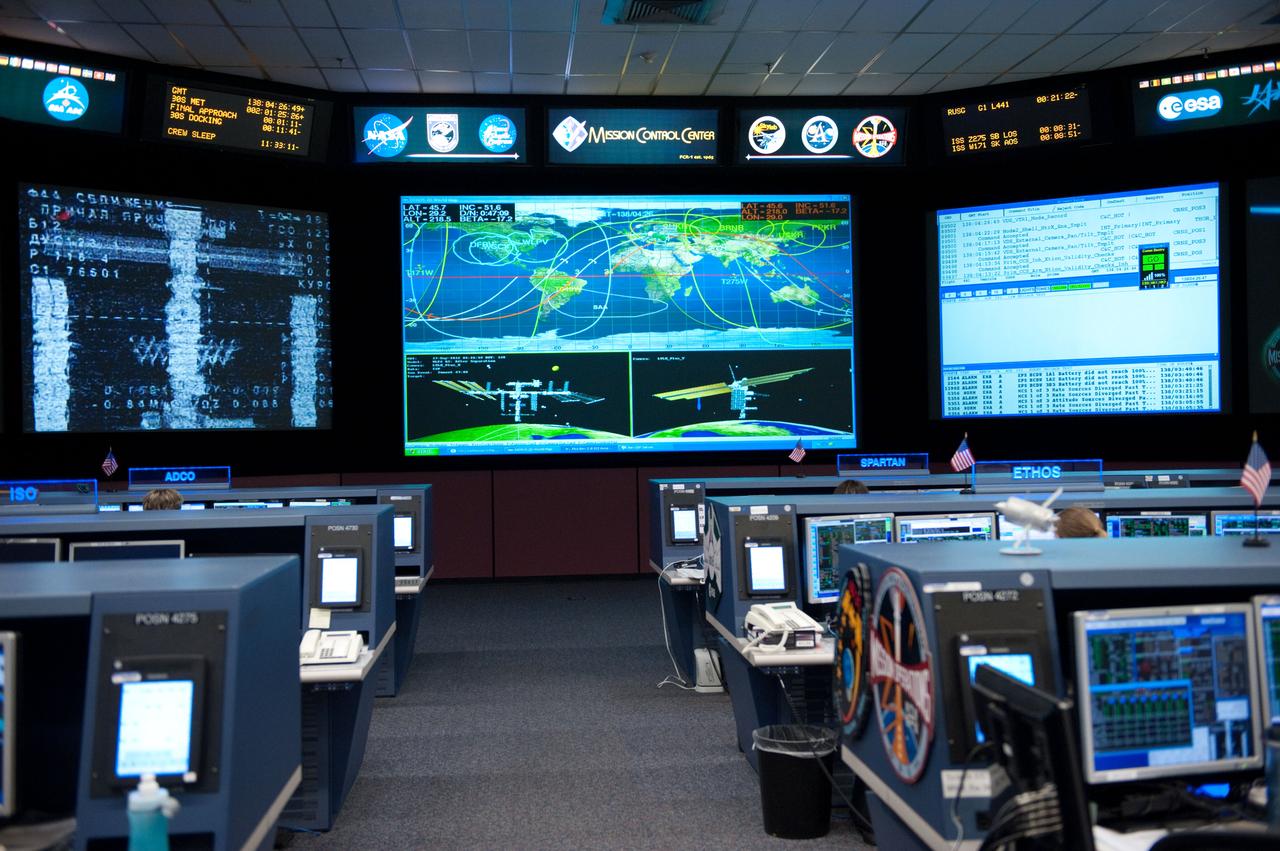
Flight controllers and Flight Director Chris Edelen in the FCR-1 during NASA astronaut Joseph Acaba, flight engineer, and his two Russian crewmates, Soyuz Commander Gennady Padalka and Flight Engineer Sergei Revin, on board the Soyuz TMA-04M spacecraft docking to the space station's Rassvet module at 11:38 p.m. Photo Date: May 16, 2012. Location: Building 30 - FCR1. Photographer: Robert Markowitz
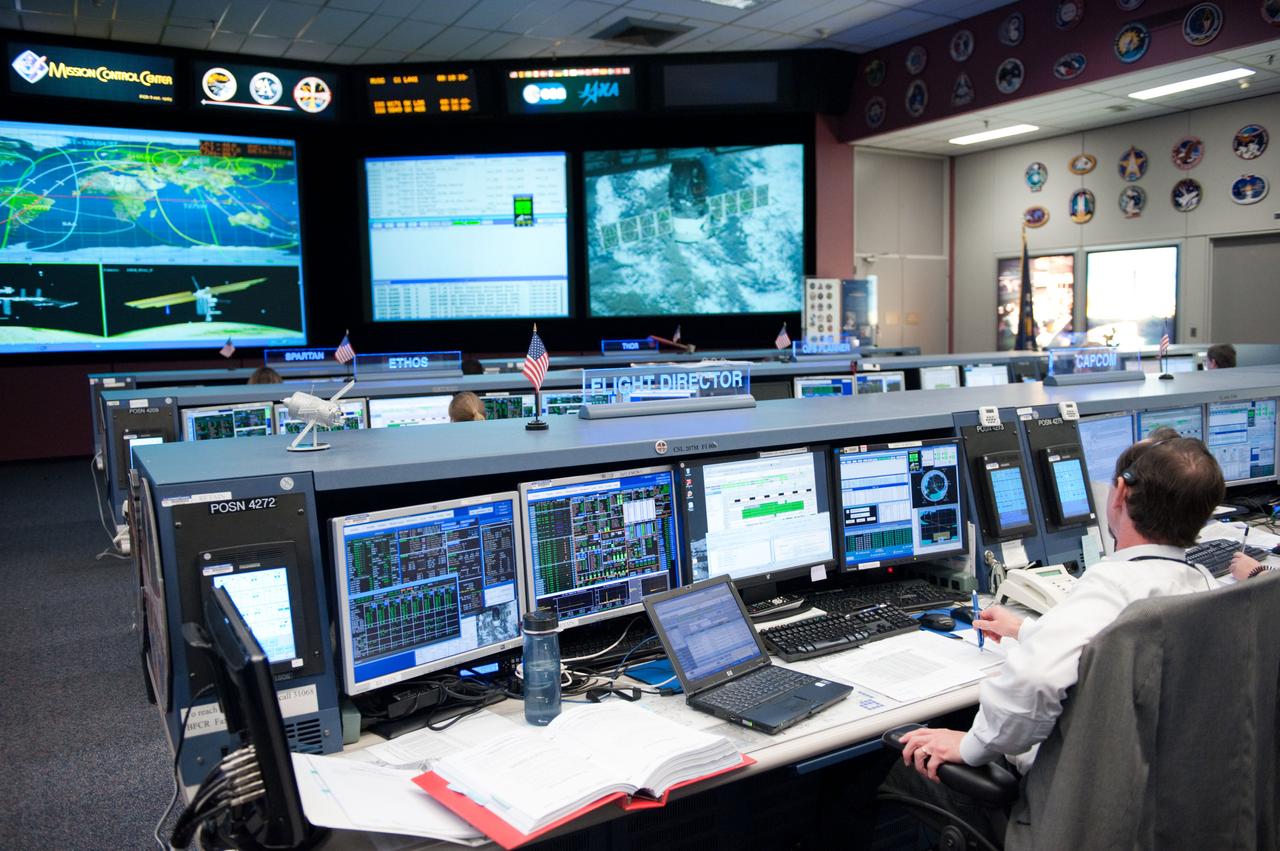
Flight controllers and Flight Director Chris Edelen in the FCR-1 during NASA astronaut Joseph Acaba, flight engineer, and his two Russian crewmates, Soyuz Commander Gennady Padalka and Flight Engineer Sergei Revin, on board the Soyuz TMA-04M spacecraft docking to the space station's Rassvet module at 11:38 p.m. Photo Date: May 16, 2012. Location: Building 30 - FCR1. Photographer: Robert Markowitz
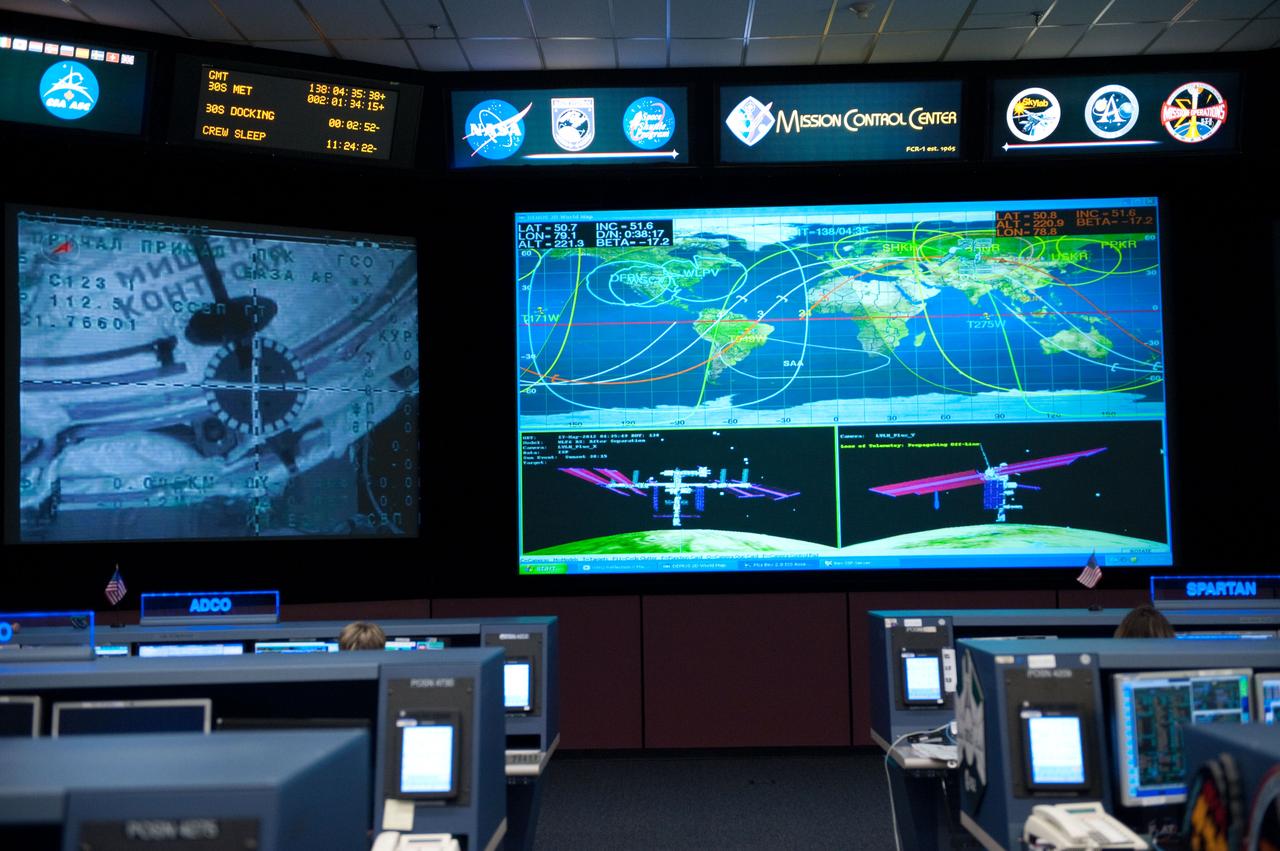
Flight controllers and Flight Director Chris Edelen in the FCR-1 during NASA astronaut Joseph Acaba, flight engineer, and his two Russian crewmates, Soyuz Commander Gennady Padalka and Flight Engineer Sergei Revin, on board the Soyuz TMA-04M spacecraft docking to the space station's Rassvet module at 11:38 p.m. Photo Date: May 16, 2012. Location: Building 30 - FCR1. Photographer: Robert Markowitz
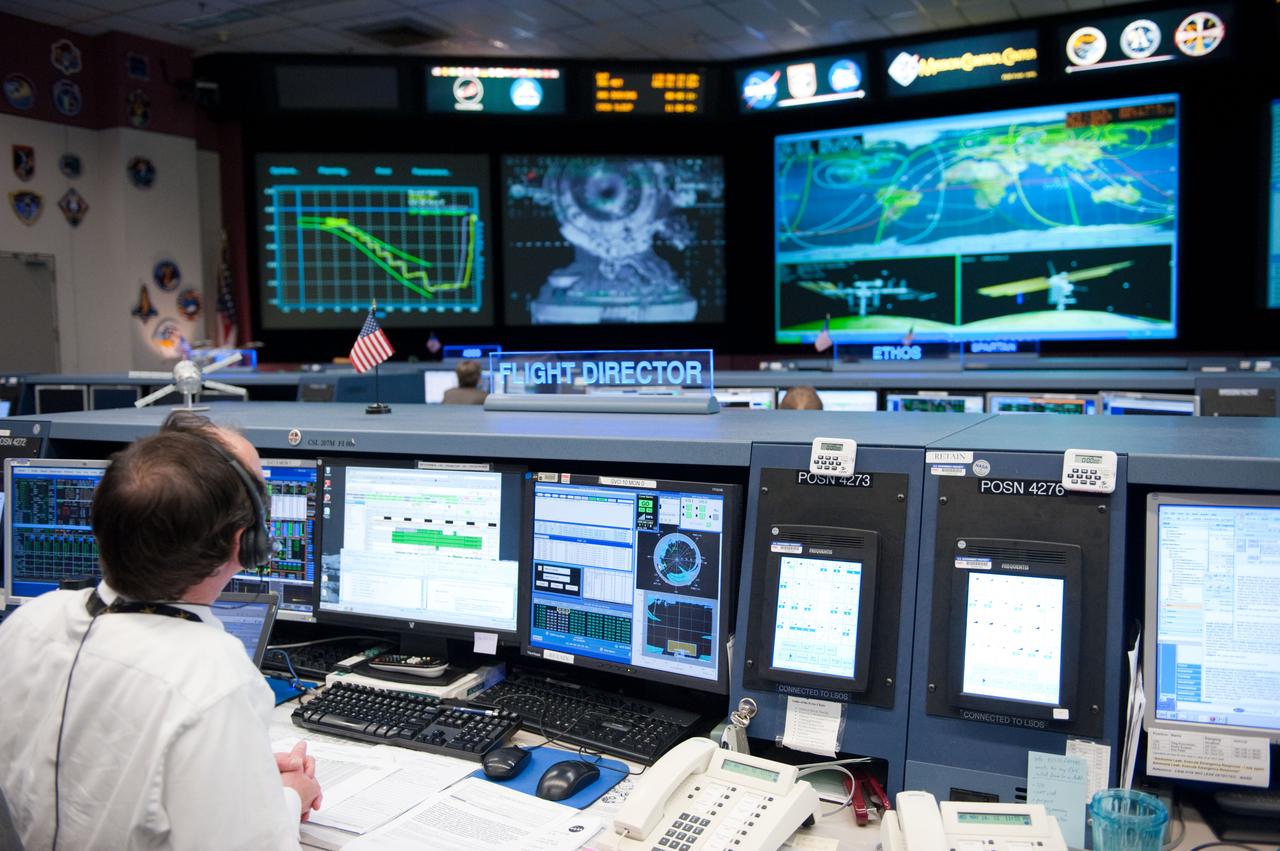
Flight controllers and Flight Director Chris Edelen in the FCR-1 during NASA astronaut Joseph Acaba, flight engineer, and his two Russian crewmates, Soyuz Commander Gennady Padalka and Flight Engineer Sergei Revin, on board the Soyuz TMA-04M spacecraft docking to the space station's Rassvet module at 11:38 p.m. Photo Date: May 16, 2012. Location: Building 30 - FCR1. Photographer: Robert Markowitz
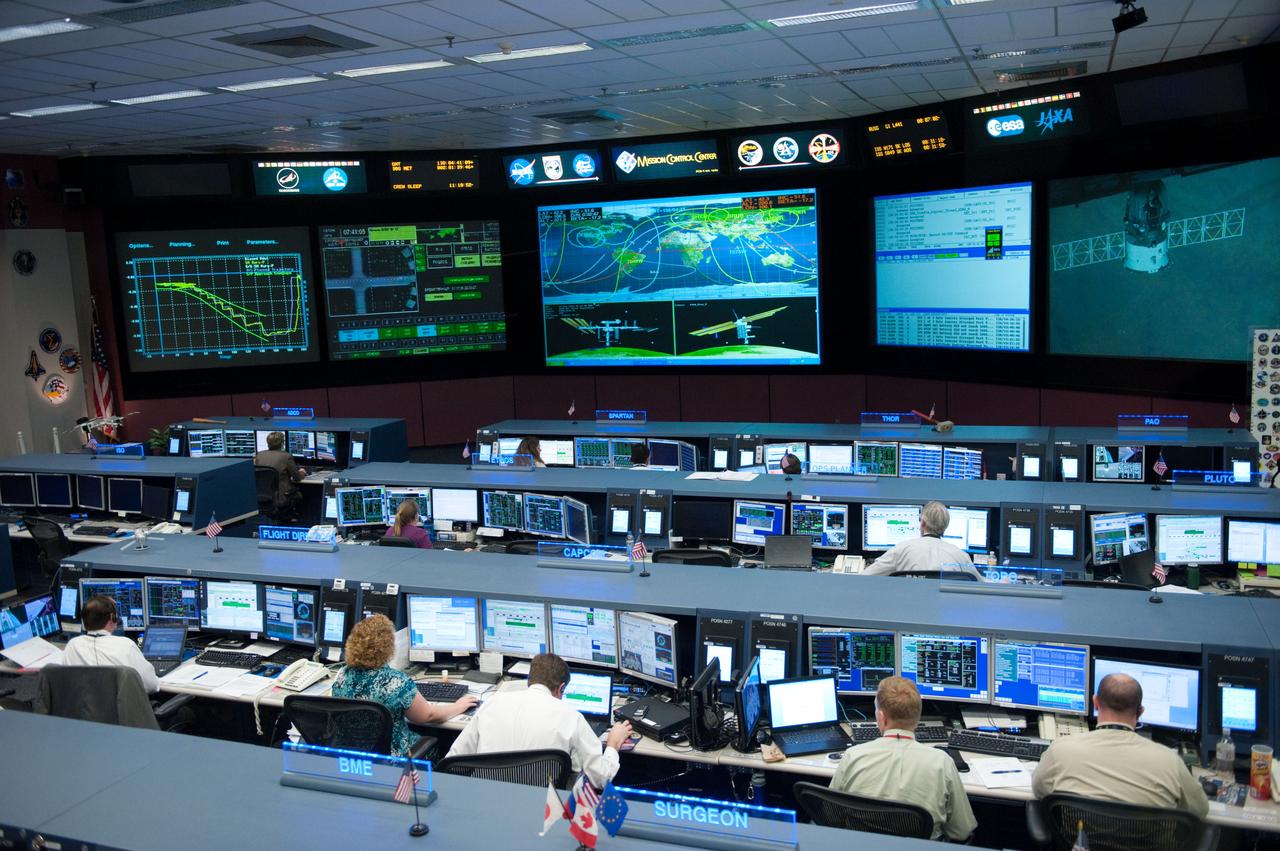
Flight controllers and Flight Director Chris Edelen in the FCR-1 during NASA astronaut Joseph Acaba, flight engineer, and his two Russian crewmates, Soyuz Commander Gennady Padalka and Flight Engineer Sergei Revin, on board the Soyuz TMA-04M spacecraft docking to the space station's Rassvet module at 11:38 p.m. Photo Date: May 16, 2012. Location: Building 30 - FCR1. Photographer: Robert Markowitz
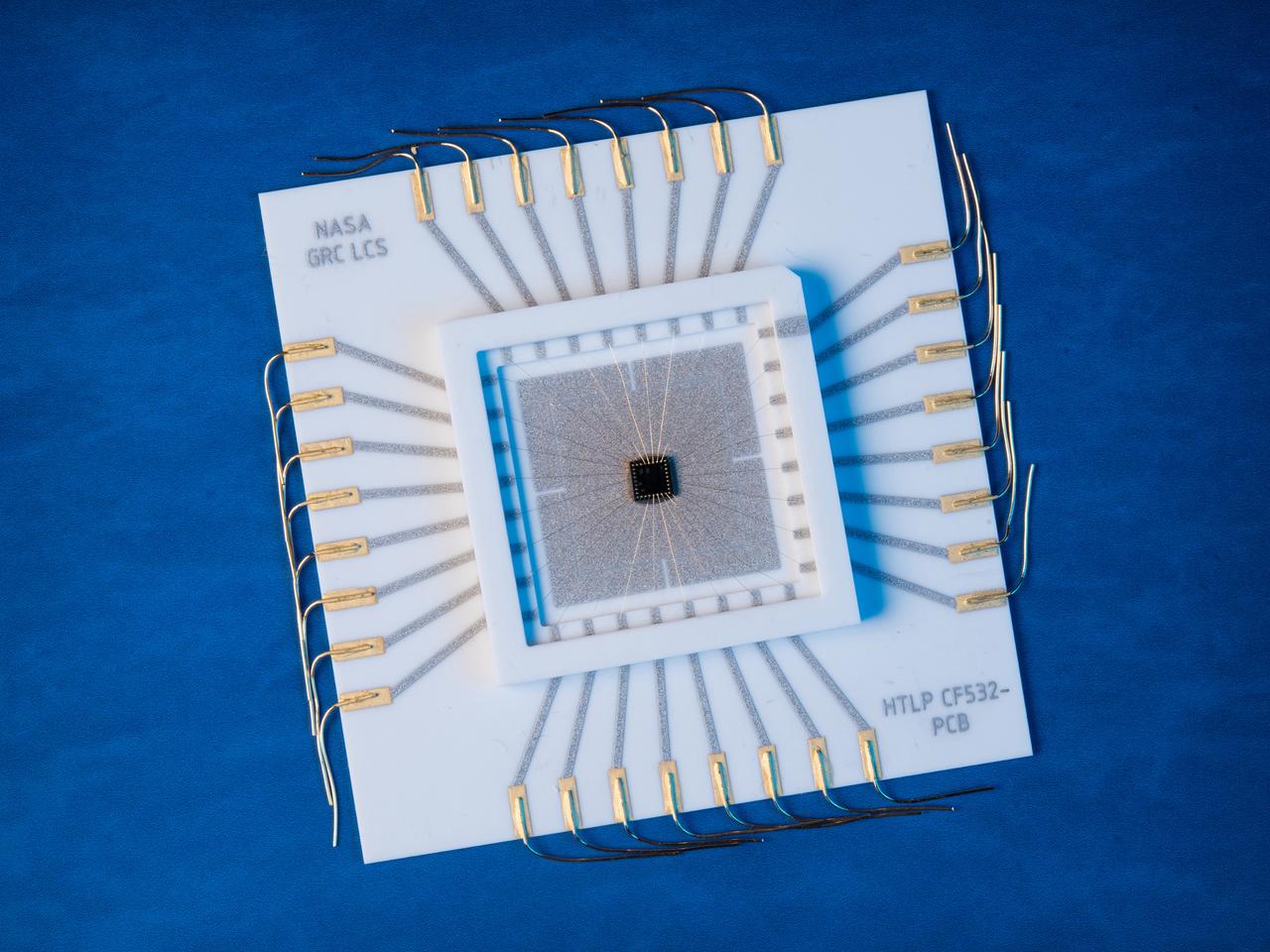
A multilevel interconnect silicon carbide integrated circuit chip with co-fired ceramic package and circuit board recently developed at the NASA GRC Smart Sensors and Electronics Systems Branch for high temperature applications. High temperature silicon carbide electronics and compatible packaging technologies are elements of instrumentation for aerospace engine control and long term inner-solar planet explorations.
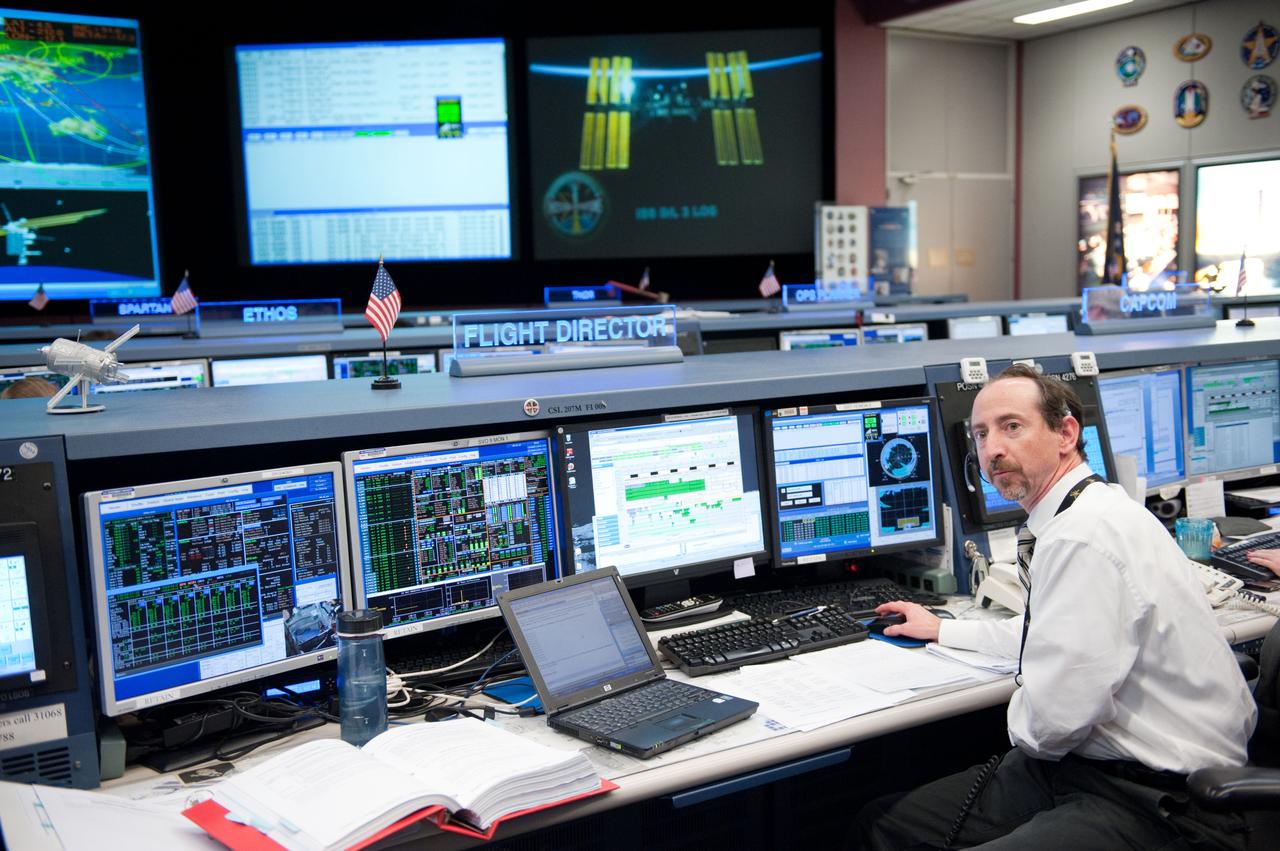
Flight controllers and Flight Director Chris Edelen in the FCR-1 during NASA astronaut Joseph Acaba, flight engineer, and his two Russian crewmates, Soyuz Commander Gennady Padalka and Flight Engineer Sergei Revin, on board the Soyuz TMA-04M spacecraft docking to the space station's Rassvet module at 11:38 p.m. Photo Date: May 16, 2012. Location: Building 30 - FCR1. Photographer: Robert Markowitz
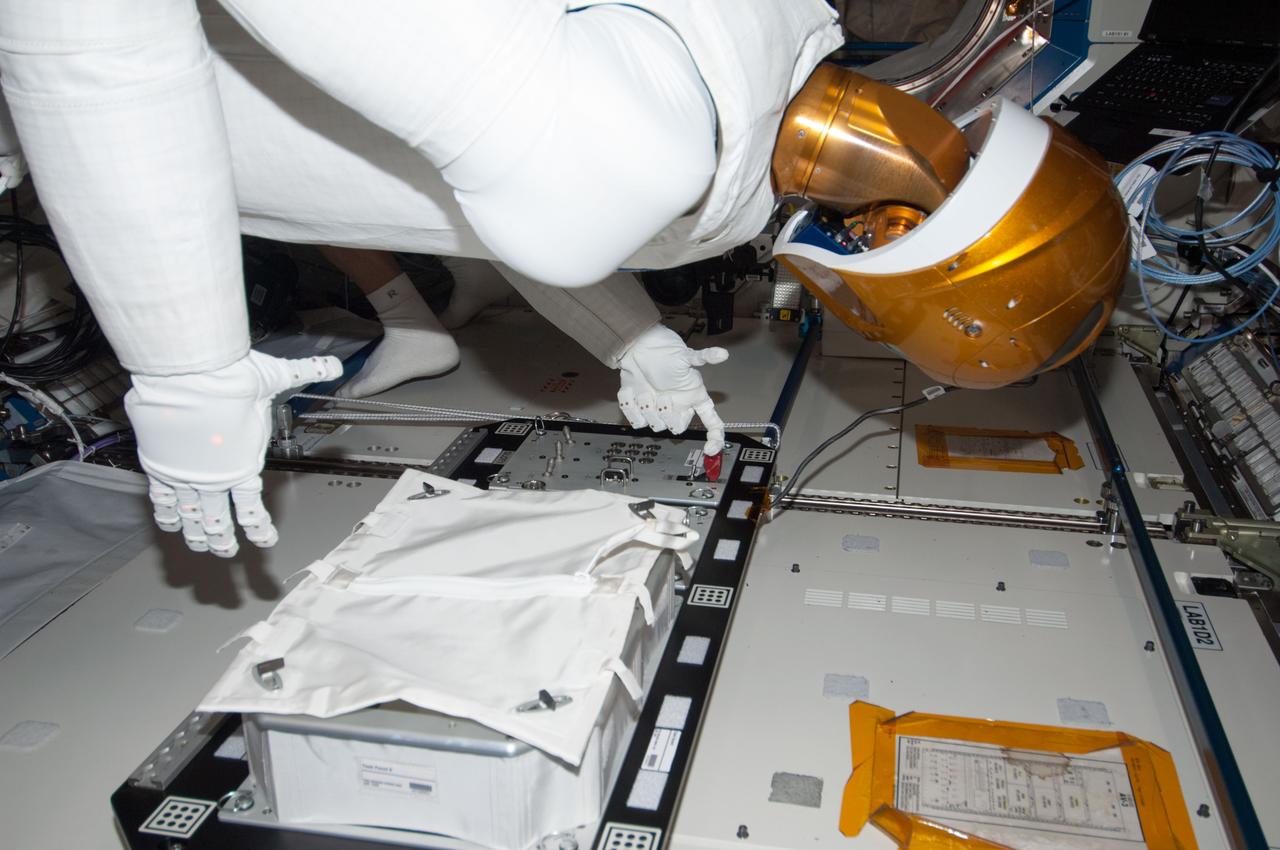
ISS034-E-031124 (17 Jan. 2013) --- In the International Space Station's Destiny laboratory, Robonaut 2 is pictured during a round of testing for the first humanoid robot in space. Ground teams put Robonaut through its paces as they remotely commanded it to operate valves on a task board. Robonaut is a testbed for exploring new robotic capabilities in space, and its form and dexterity allow it to use the same tools and control panels as its human counterparts do aboard the station.
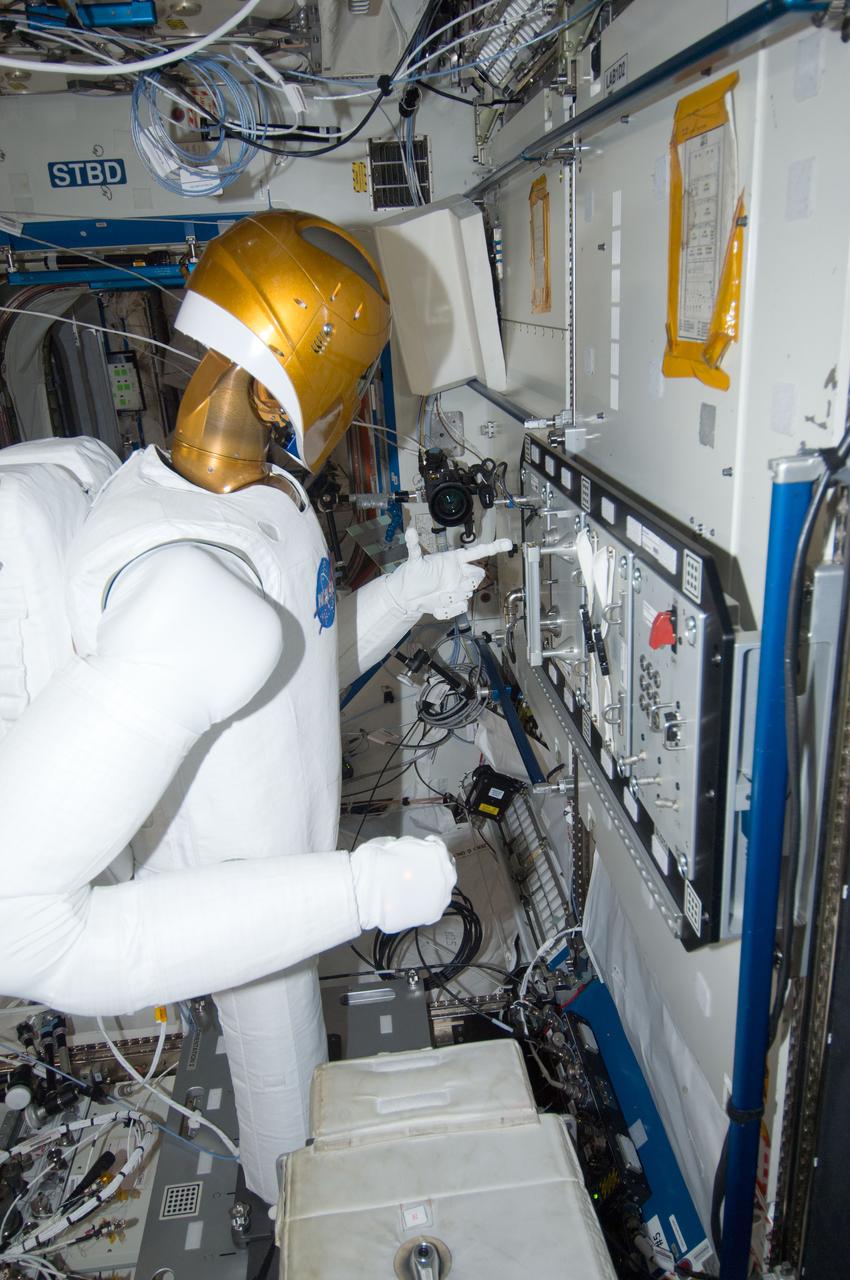
ISS034-E-013990 (2 Jan. 2013) --- In the International Space Station’s Destiny laboratory, Robonaut 2 is pictured during a round of testing for the first humanoid robot in space. Ground teams put Robonaut through its paces as they remotely commanded it to operate valves on a task board. Robonaut is a testbed for exploring new robotic capabilities in space, and its form and dexterity allow it to use the same tools and control panels as its human counterparts do aboard the station.
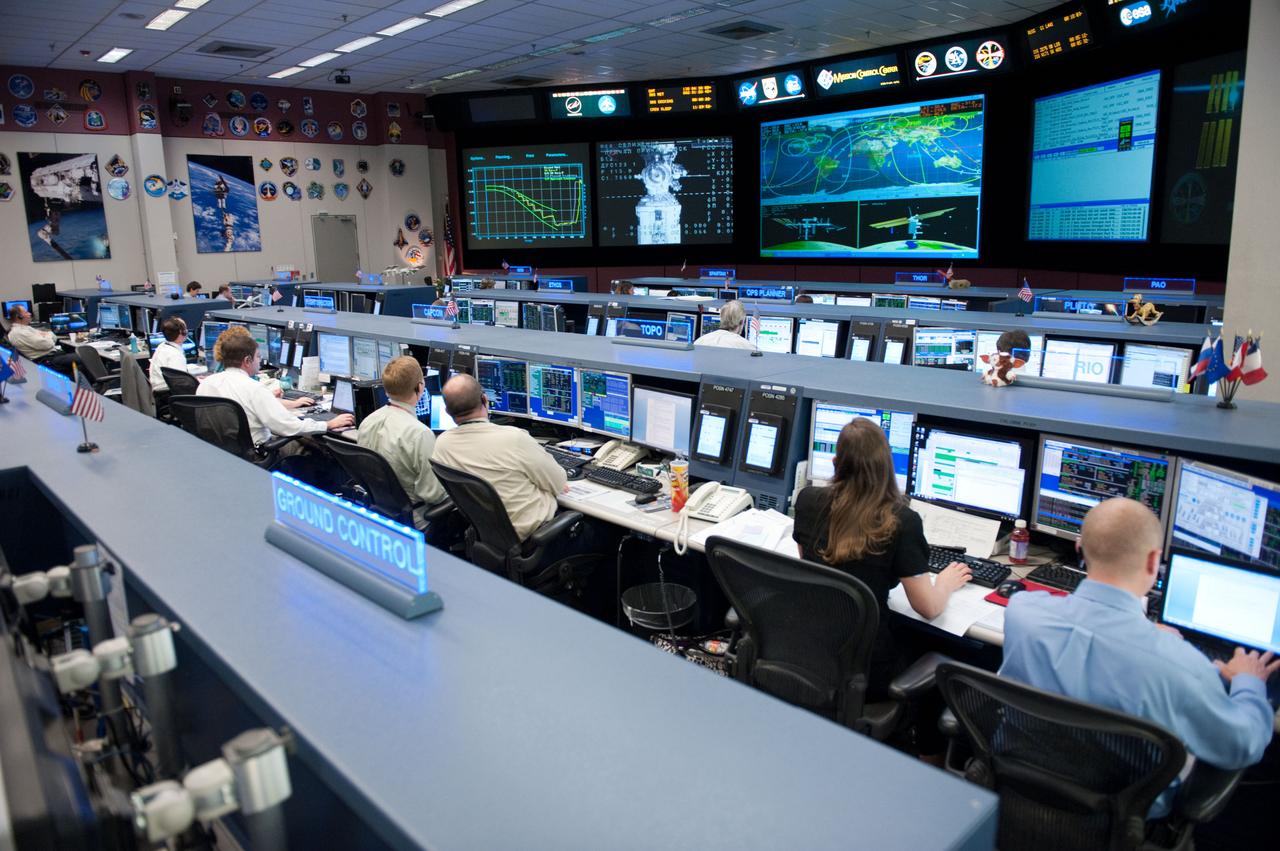
Flight controllers and Flight Director Chris Edelen in the FCR-1 during NASA astronaut Joseph Acaba, flight engineer, and his two Russian crewmates, Soyuz Commander Gennady Padalka and Flight Engineer Sergei Revin, on board the Soyuz TMA-04M spacecraft docking to the space station's Rassvet module at 11:38 p.m. Photo Date: May 16, 2012. Location: Building 30 - FCR1. Photographer: Robert Markowitz

ISS034-E-031125 (17 Jan. 2013) --- In the International Space Station's Destiny laboratory, Robonaut 2 is pictured during a round of testing for the first humanoid robot in space. Ground teams put Robonaut through its paces as they remotely commanded it to operate valves on a task board. Robonaut is a testbed for exploring new robotic capabilities in space, and its form and dexterity allow it to use the same tools and control panels as its human counterparts do aboard the station.
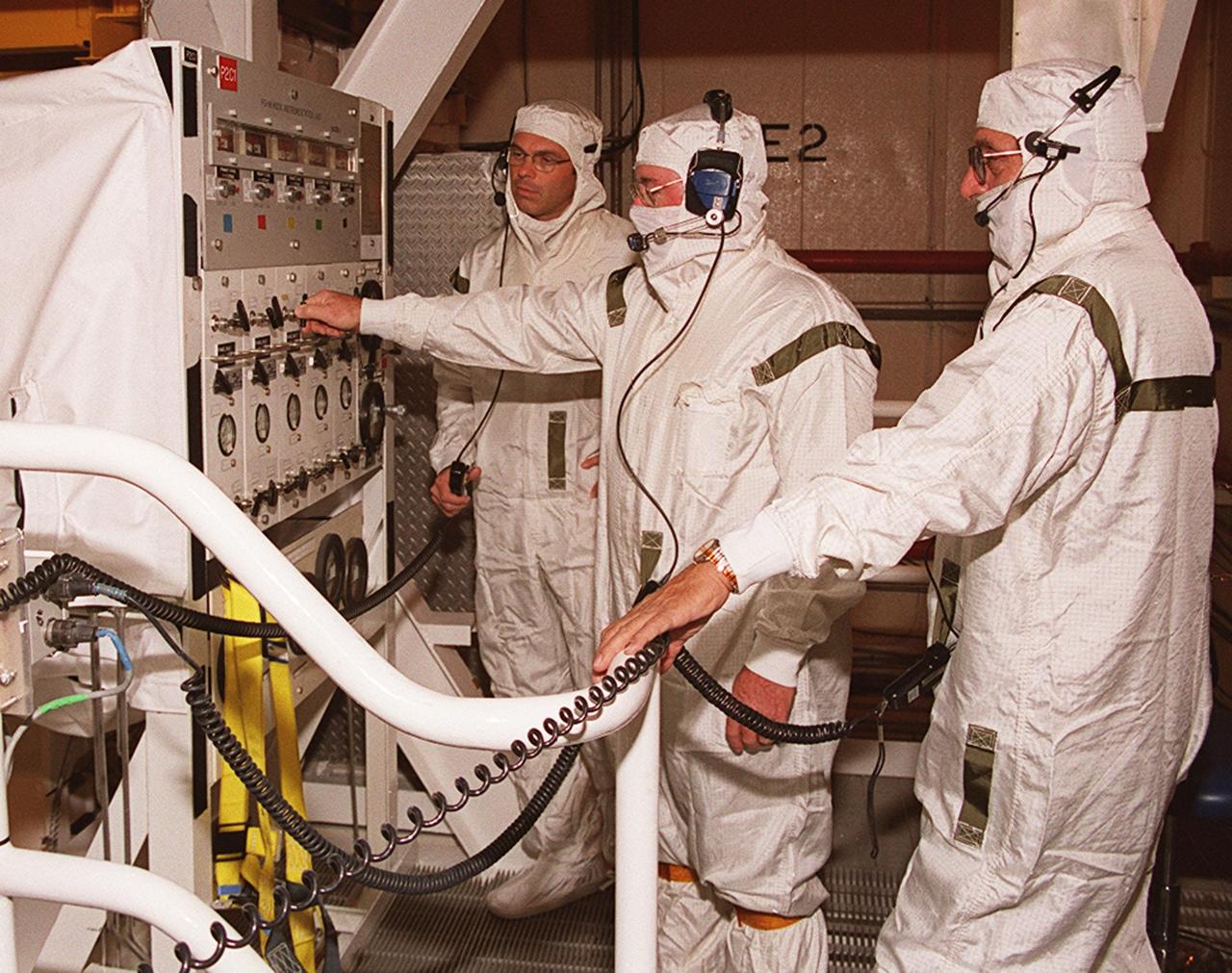
KENNEDY SPACE CENTER, Fla. -- Technicians in the payload changeout room on Launch Pad 39A monitor the controls moving the Multi-Purpose Logistics Module Leonardo out of the payload canister. The MPLM is the primary payload on mission STS-105 to the International Space Station. The mission includes a crew changeover on the Space Station. Expedition Three will be traveling on Discovery to replace Expedition Two, who will return to Earth on board Discovery. Launch of STS-105 is scheduled for Aug. 9
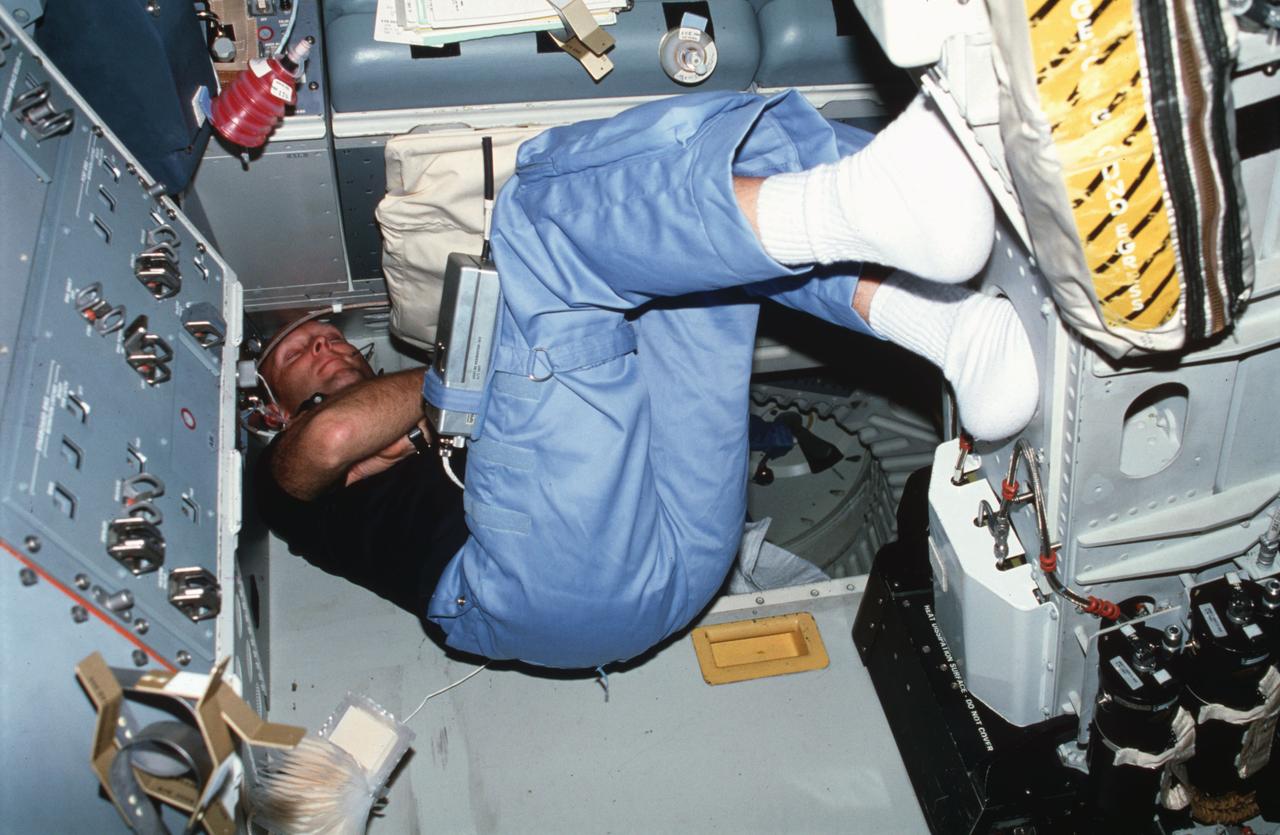
STS003-22-113 (24 March 1982) --- Astronaut Gordon Fullerton, STS-3 pilot, wearing communication kit assembly mini-headset (HDST), sleeps on aft flight deck resting his back against the floor and his feet against commander's ejection seat (S1) back. On-orbit station control panel A8 and payload station panel L15 appear above Fullerton. Special clips for holding notebooks open and beverage containers are velcroed on various panels. Photo credit: NASA
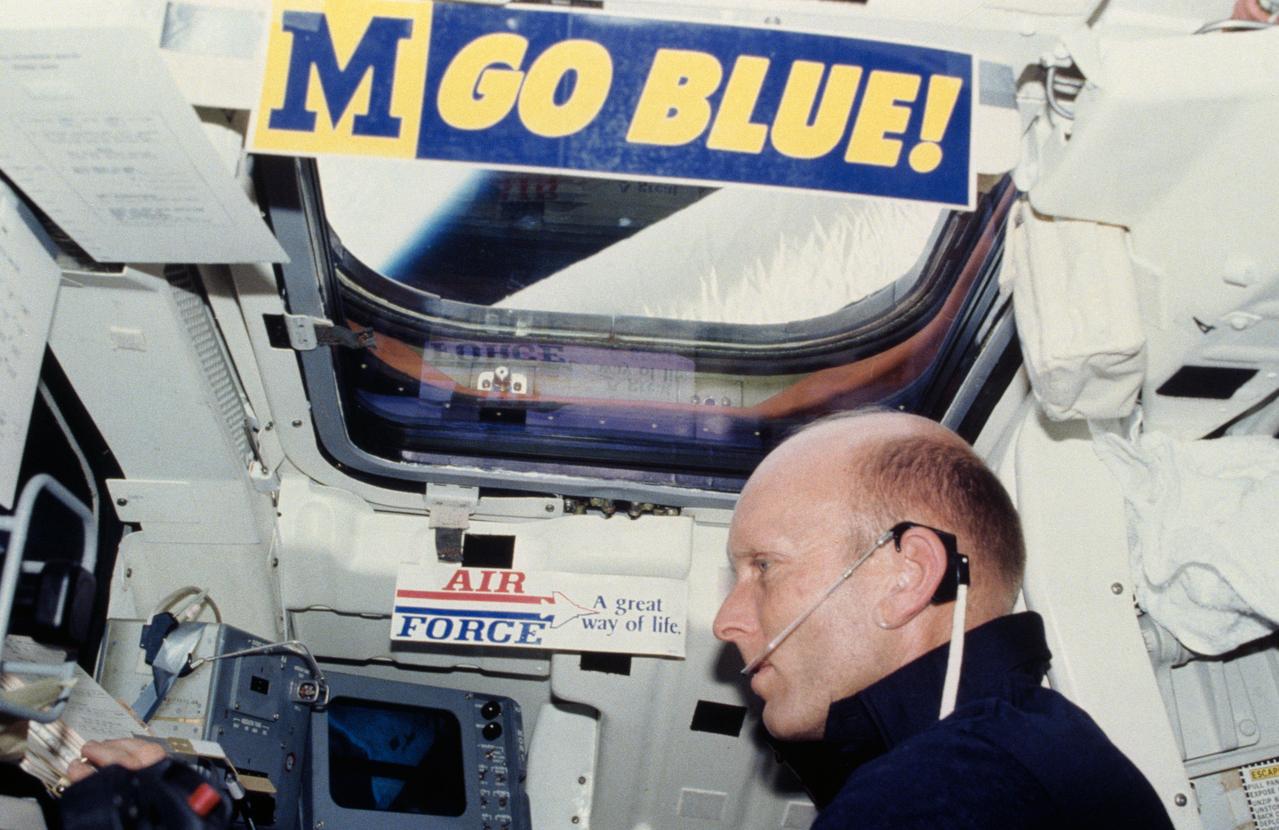
S82-28906 (27 March 1982) --- Astronaut C. Gordon Fullerton, STS-3 pilot, mans the right hand aft station of the flight deck on the Earth-orbiting Columbia. The photograph was taken with a 35mm camera by astronaut Jack R. Lousma, crew commander. The "Go Blue" sticker is a University of Michigan memento of Lousma, and the Air Force sign was put up by Fullerton, a USAF colonel. Lousma, a USMC colonel, received his BS degree in aeronautical engineering in 1959 from UM. One of two aft windows for cargo bay viewing and one of two ceiling windows are visible in the photo. Fullerton and Lousma watched the activity of the remote manipulator system (RMS) arm out the lower window and they took a number of photos of Earth from the upper window. Photo credit: NASA
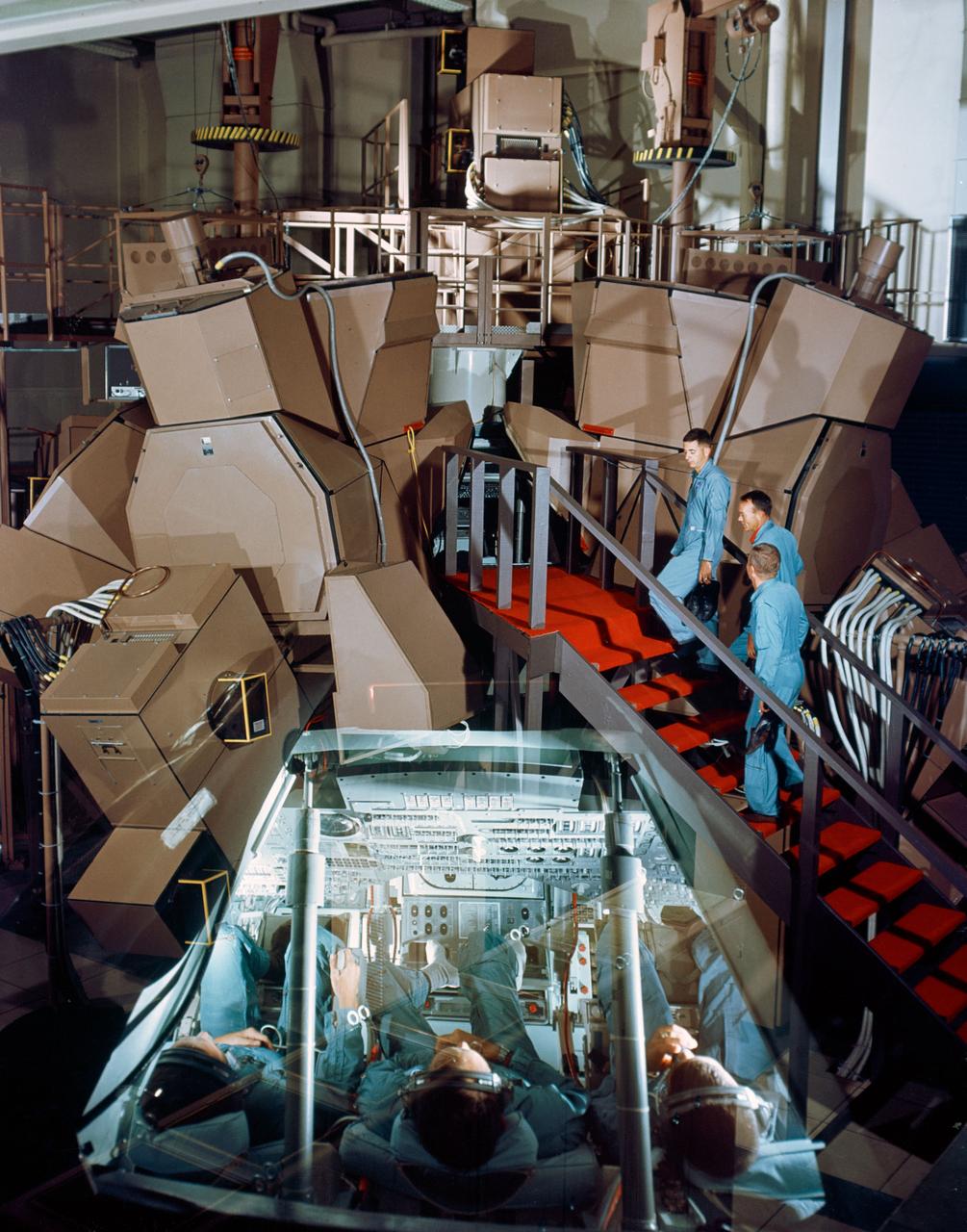
S67-50585 (1967) --- This is an intentional double exposure showing the Apollo Mission Simulator in the Mission Simulation and Training Facility, Building 5 at the Manned Spacecraft Center. In the exterior view astronauts William A. Anders, Michael Collins, and Frank Borman (reading from top of stairs) are about to enter the simulator. The interior view shows the three astronauts in the simulator. They are (left to right) Borman, Collins, and Anders. Photo credit: NASA
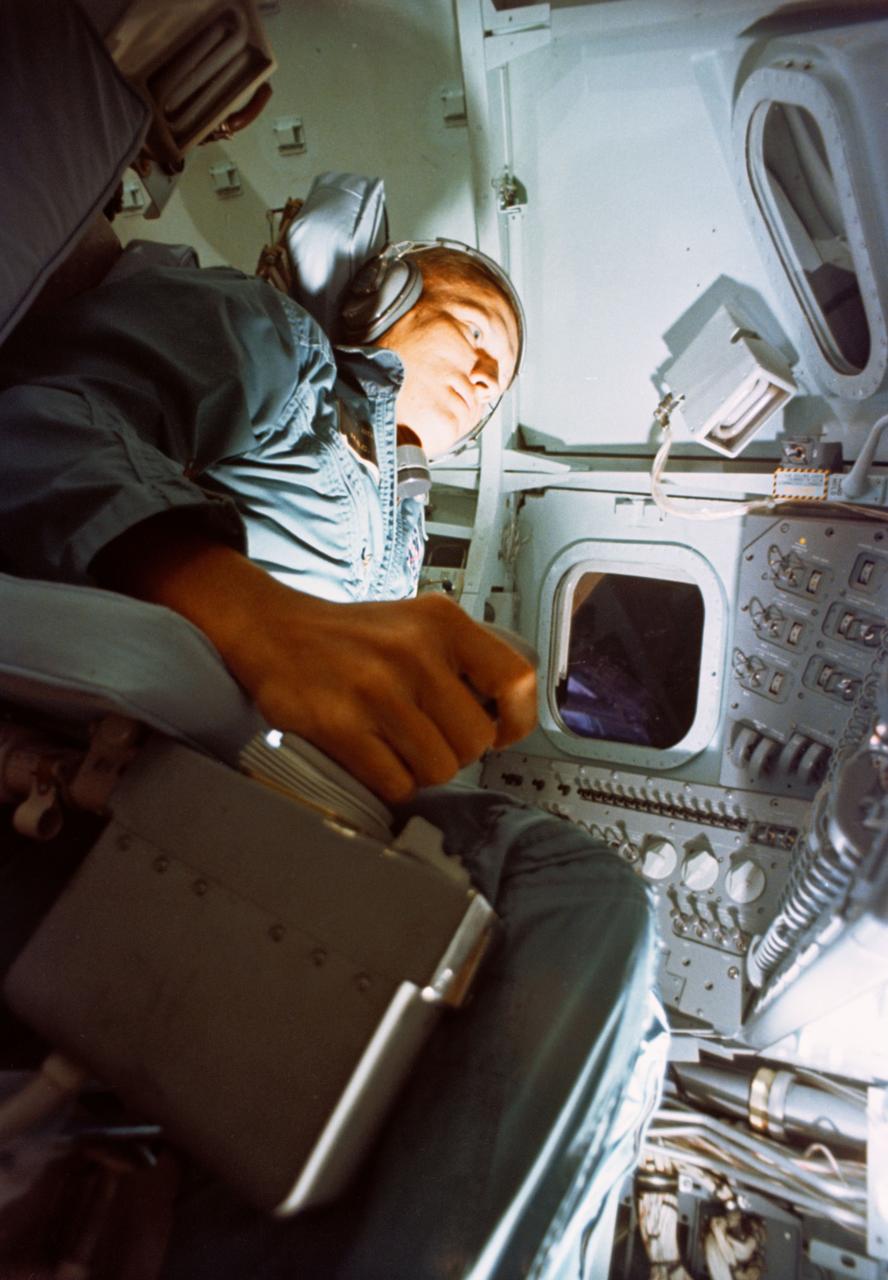
S67-50590 (1867) --- Astronaut Frank Borman, assigned duty as commander of the Apollo 8 mission, participates in a training exercise in the Apollo Mission simulator in the Mission Simulation and training Facility, Building 5, at the Manned Spacecraft Center, Houston, Texas. Photo credit: NASA
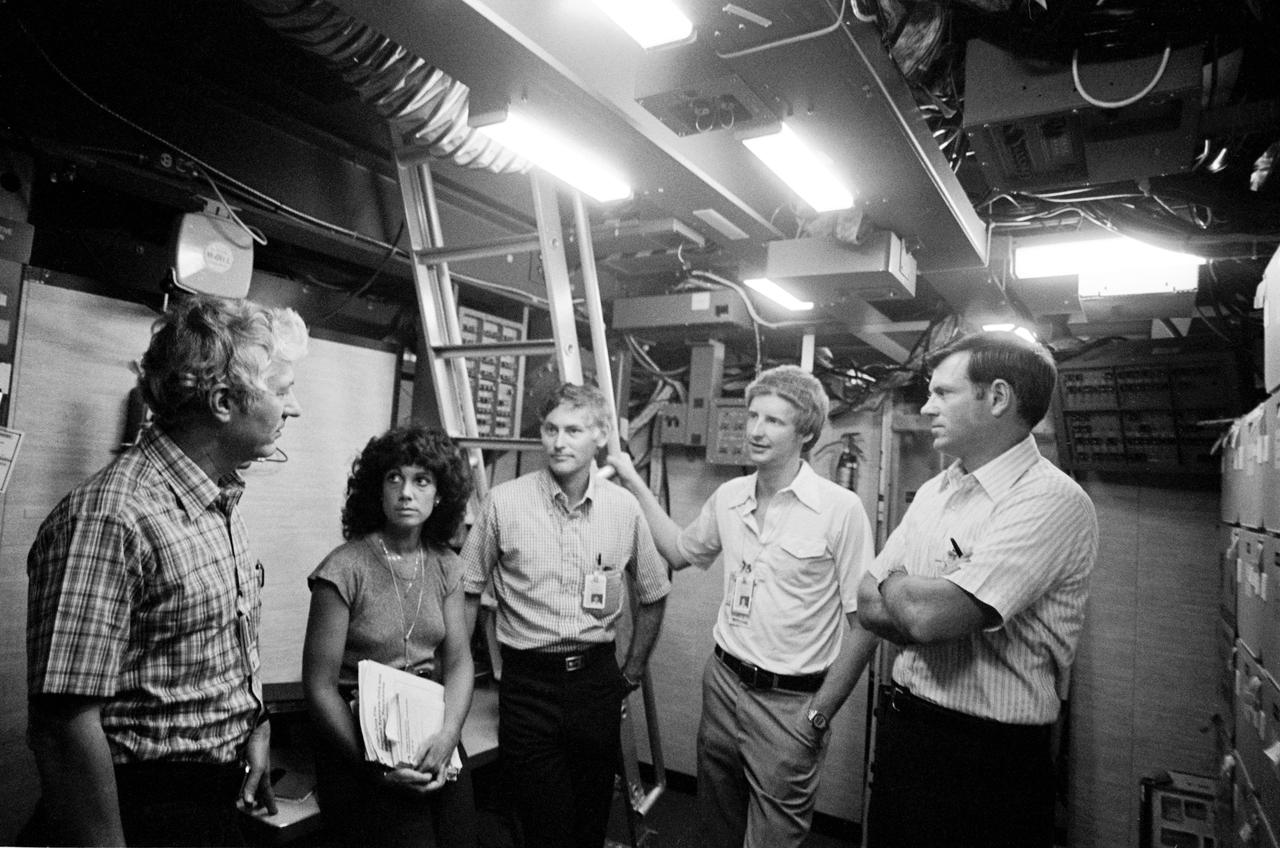
View of STS 41-D mission crew training in Shuttle Mission simulator. From left to right are Henry Hartsfield, Jr., commander; mission specialists Judith Resnik, Richard Mullane, and Steven Hawley; and Michael Coats, pilot. They appear to be standing in the middeck mockup, preparing for training.
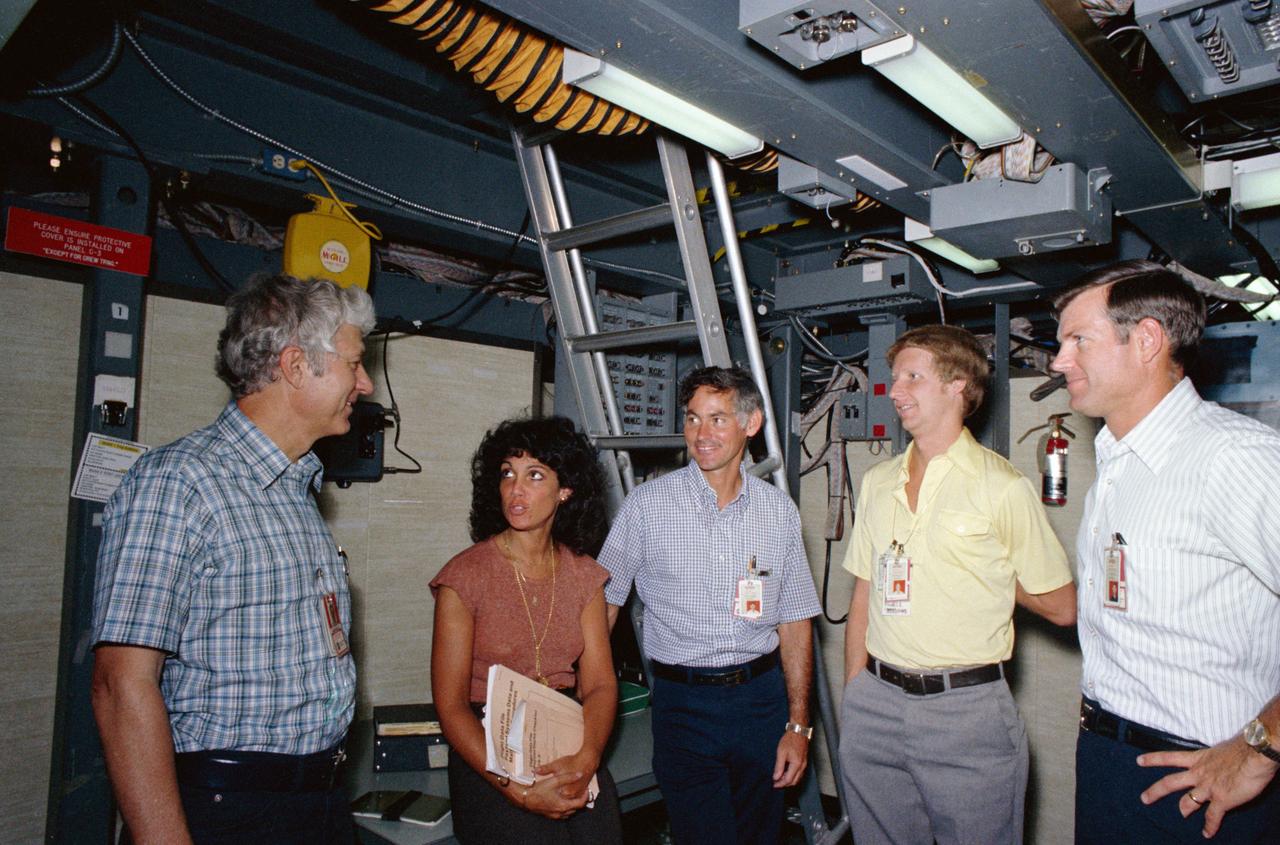
View of STS 41-D mission crew training in Shuttle Mission simulator. From left to right are Henry Hartsfield, Jr., commander; mission specialists Judith Resnik, Richard Mullane, and Steven Hawley; and Michael Coats, pilot. They appear to be standing in the middeck mockup, preparing for training.

CAPE CANAVERAL, Fla. - The tracking board and consoles are seen inside the Mission Control Center during the early Gemini flights. The Mercury Mission Control Center in Florida played a key role in the United States' early spaceflight program. Located at Cape Canaveral Air Force Station, the original part of the building was constructed between 1956 and 1958, with additions in 1959 and 1963. The facility officially was transferred to NASA on Dec. 26, 1963, and served as mission control during all the Project Mercury missions, as well as the first three flights of the Gemini Program, when it was renamed Mission Control Center. With its operational days behind, on June 1, 1967, the Mission Control Center became a stop on the public tour of NASA facilities until the mid-90s. In 1999, much of the equipment and furnishings from the Flight Control Area were moved to the Kennedy Space Center Visitor Complex where they became part of the exhibit there. The building was demolished in spring 2010. Photo credit: NASA
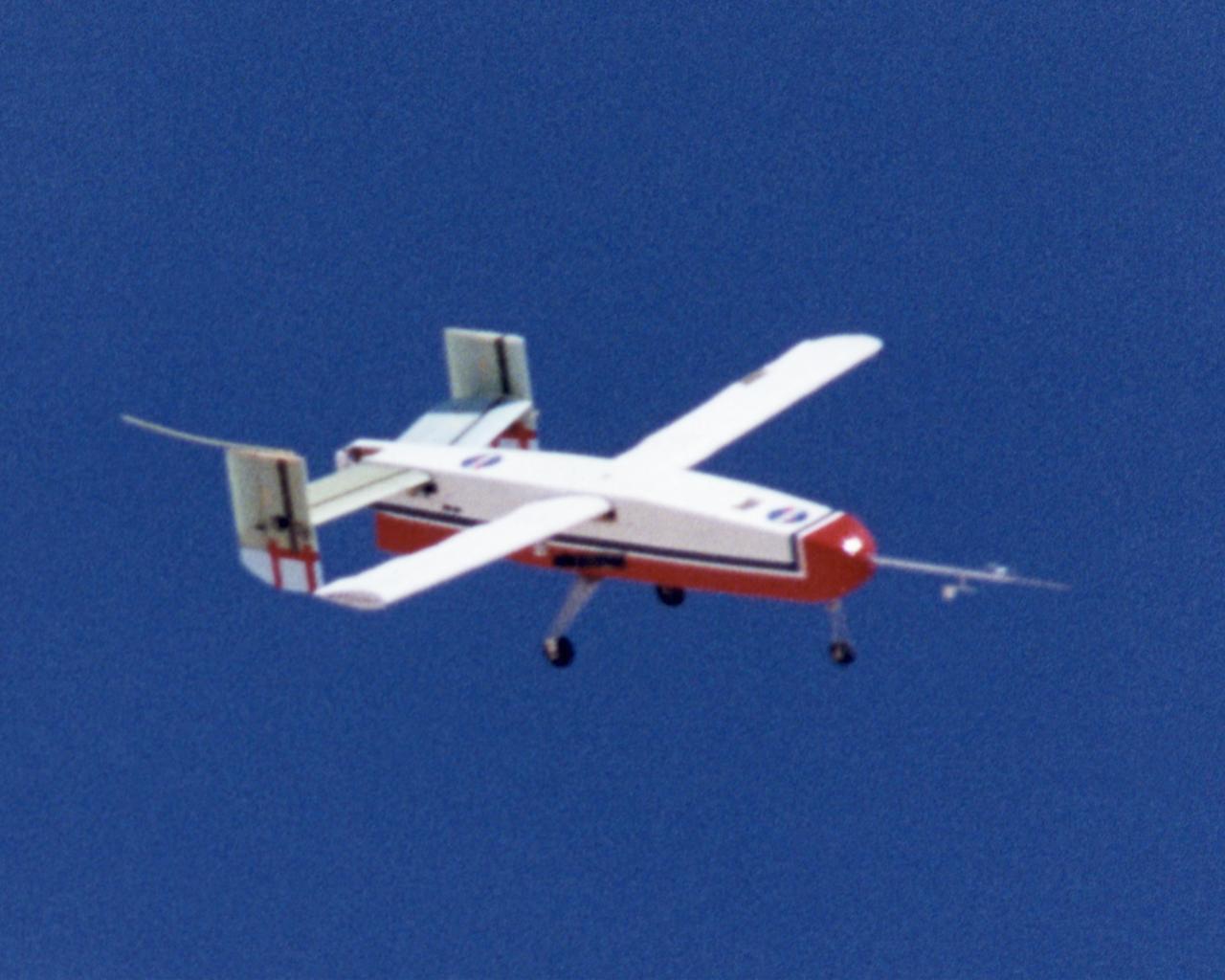
Wing Deployment Sequence #3: The deployable, inflatable wing technology demonstrator experiment aircraft's wings fully deployed during flight following separation from its carrier aircraft during a flight conducted by the NASA Dryden Flight Research Center, Edwards, Californiaornia. The inflatable wing project represented a basic flight research effort by Dryden personnel. Three successful flights of the I2000 inflatable wing aircraft occurred. During the flights, the team air-launched the radio-controlled (R/C) I2000 from an R/C utility airplane at an altitude of 800-1000 feet. As the I2000 separated from the carrier aircraft, its inflatable wings "popped-out," deploying rapidly via an on-board nitrogen bottle. The aircraft remained stable as it transitioned from wingless to winged flight. The unpowered I2000 glided down to a smooth landing under complete control.
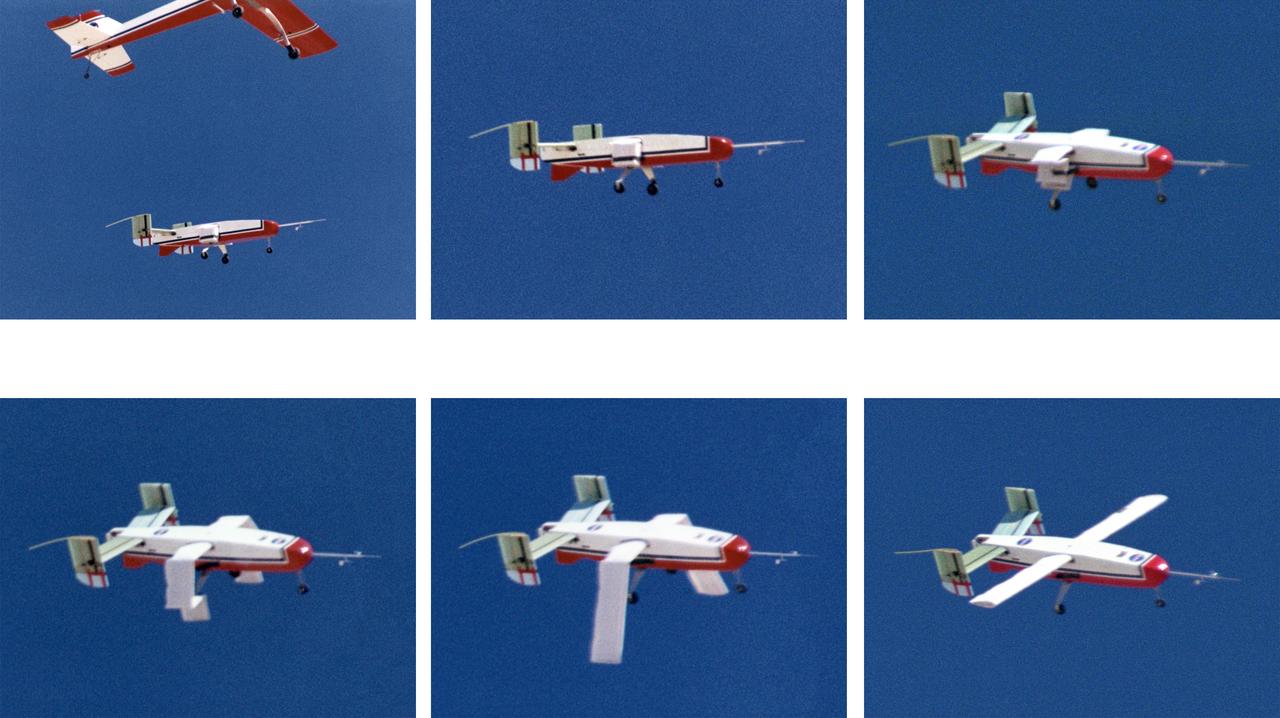
The deployable, inflatable wing technology demonstrator aircraft's wings begin deploying following separation from its carrier aircraft during a flight experiment conducted by the NASA Dryden Flight Research Center, Edwards, California. Wing deployment time is typically on the order of a third of a second, almost faster than the human eye can see. Three successful flights of the I2000 inflatable wing aircraft occurred. During the flights, the team air-launched the radio-controlled (R/C) I2000 from an R/C utility airplane at an altitude of 800-1000 feet. As the I2000 separated from the carrier aircraft, its inflatable wings "popped-out," deploying rapidly via an on-board nitrogen bottle. The aircraft remained stable as it transitioned from wingless to winged flight. The unpowered I2000 glided down to a smooth landing under complete control.
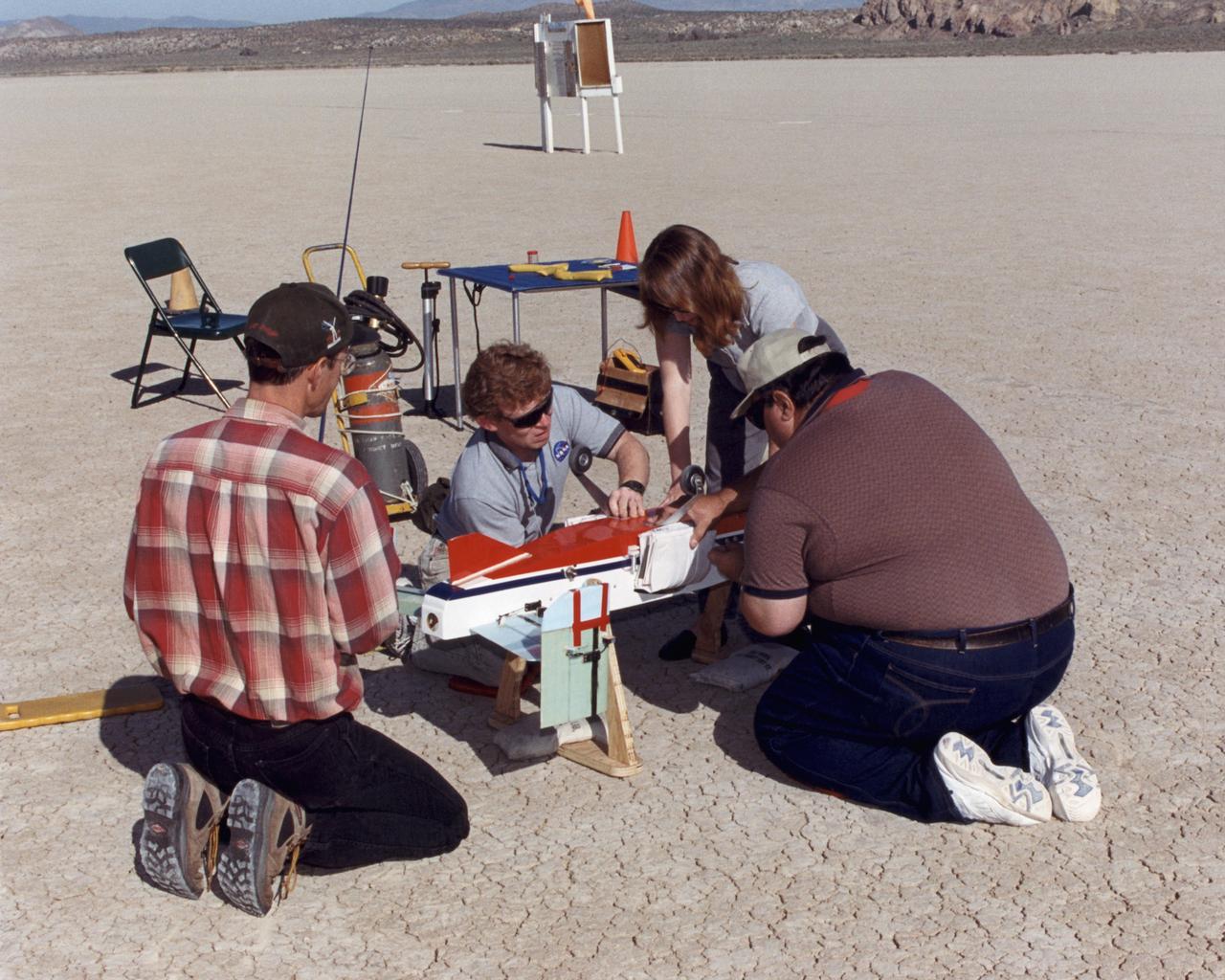
Inflatable Wing project personnel prepare a deployable, inflatable wing technology demonstrator experiment flown by the NASA Dryden Flight Research Center, Edwards, California. The inflatable wing project represented a basic flight research effort by Dryden personnel. Three successful flights of the I2000 inflatable wing aircraft occurred. During the flights, the team air-launched the radio-controlled (R/C) I2000 from an R/C utility airplane at an altitude of 800-1000 feet. As the I2000 separated from the carrier aircraft, its inflatable wings "popped-out," deploying rapidly via an on-board nitrogen bottle. The aircraft remained stable as it transitioned from wingless to winged flight. The unpowered I2000 glided down to a smooth landing under complete control.
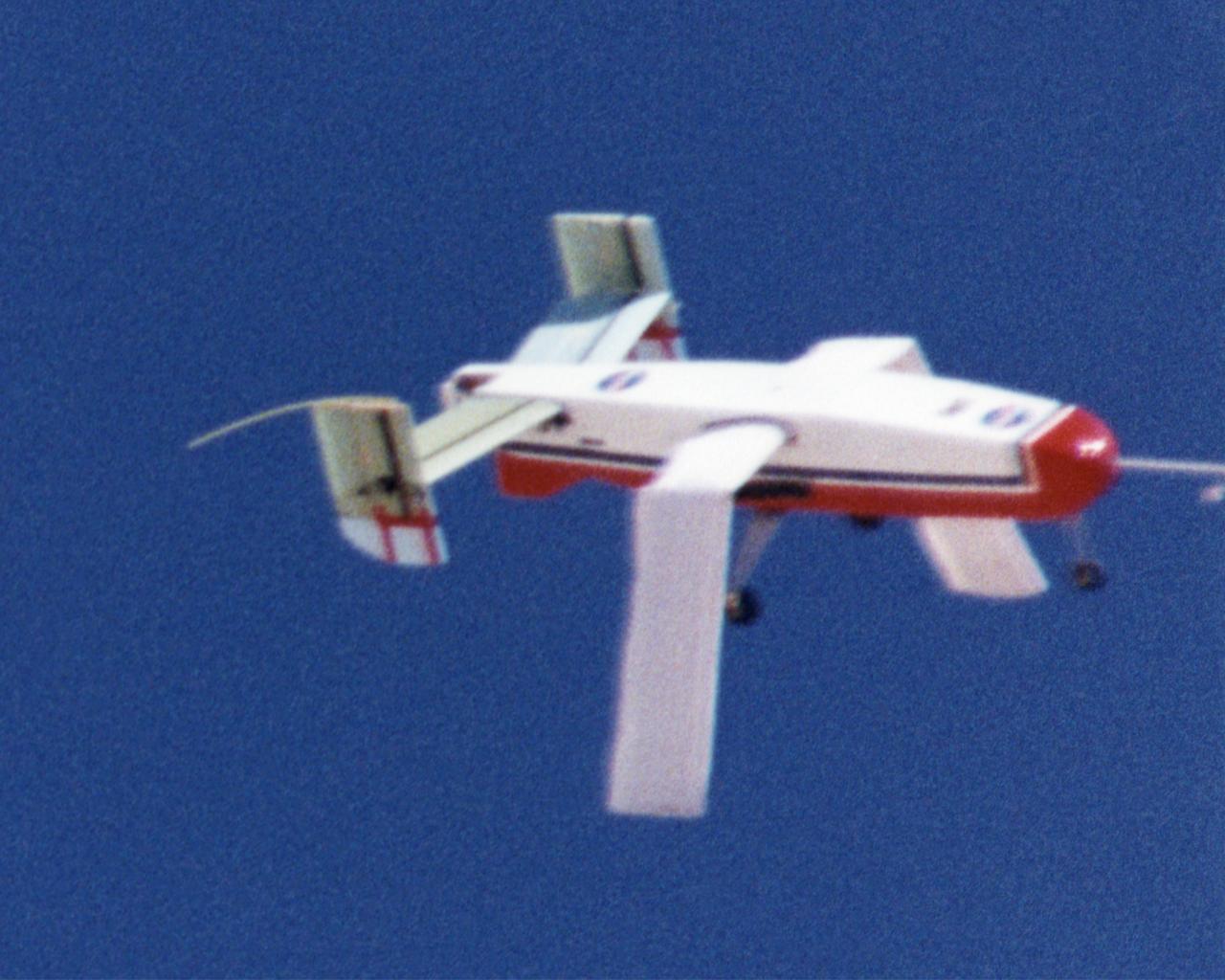
Wing Deployment Sequence #2: The deployable, inflatable wing technology demonstrator experiment aircraft's wings continue deploying following separation from its carrier aircraft during a flight conducted by the NASA Dryden Flight Research Center, Edwards, California. The inflatable wing project represented a basic flight research effort by Dryden personnel. Three successful flights of the I2000 inflatable wing aircraft occurred. During the flights, the team air-launched the radio-controlled (R/C) I2000 from an R/C utility airplane at an altitude of 800-1000 feet. As the I2000 separated from the carrier aircraft, its inflatable wings "popped-out," deploying rapidly via an on-board nitrogen bottle. The aircraft remained stable as it transitioned from wingless to winged flight. The unpowered I2000 glided down to a smooth landing under complete control.
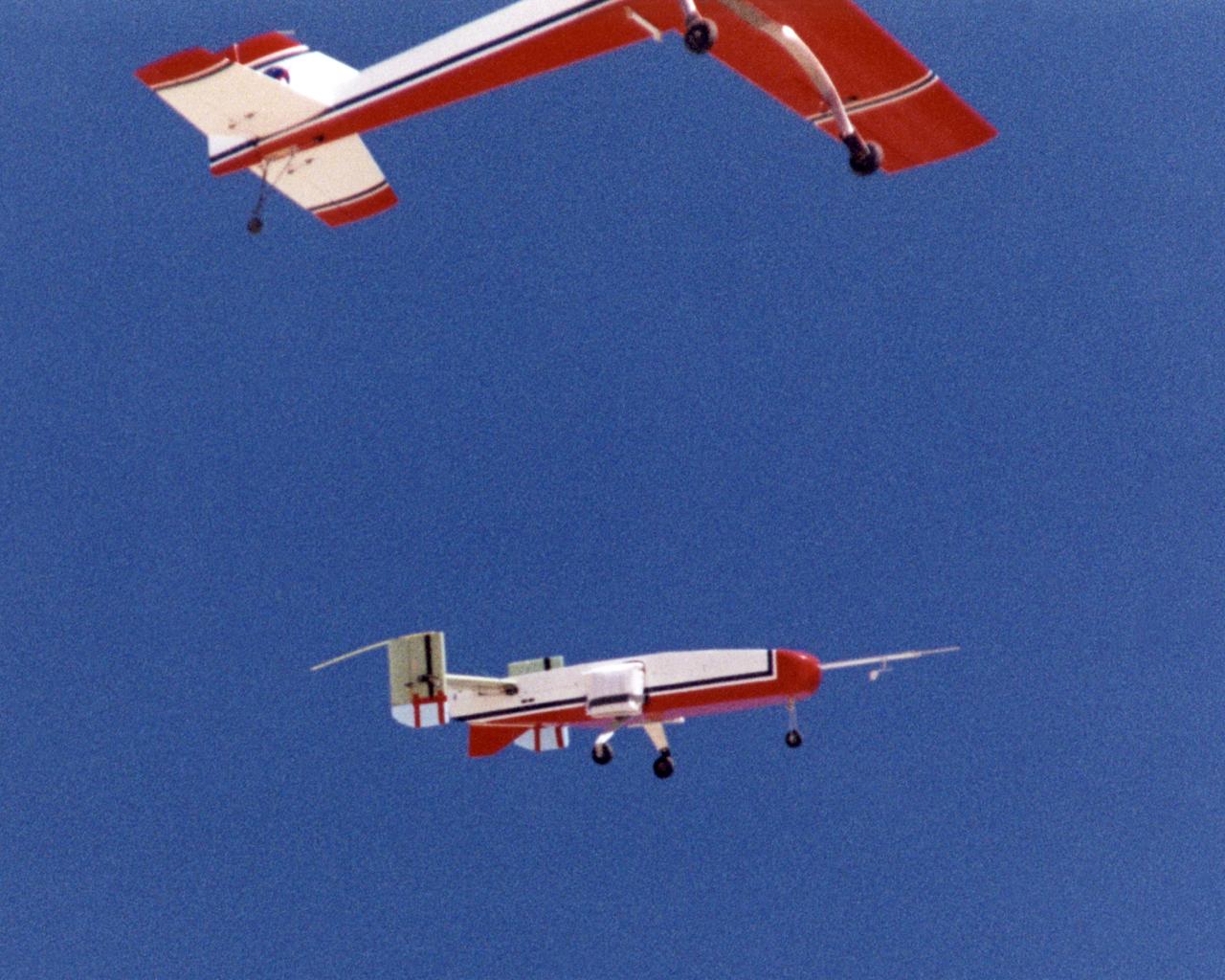
The deployable, inflatable wing technology demonstrator experiment separates from its carrier aircraft during a flight conducted by the NASA Dryden Flight Research Center, Edwards, California. The inflatable wing project represented a basic flight research effort by Dryden personnel. Three successful flights of the I2000 inflatable wing aircraft occurred. During the flights, the team air-launched the radio-controlled (R/C) I2000 from an R/C utility airplane at an altitude of 800-1000 feet. As the I2000 separated from the carrier aircraft, its inflatable wings "popped-out," deploying rapidly via an on-board nitrogen bottle. The aircraft remained stable as it transitioned from wingless to winged flight. The unpowered I2000 glided down to a smooth landing under complete control.
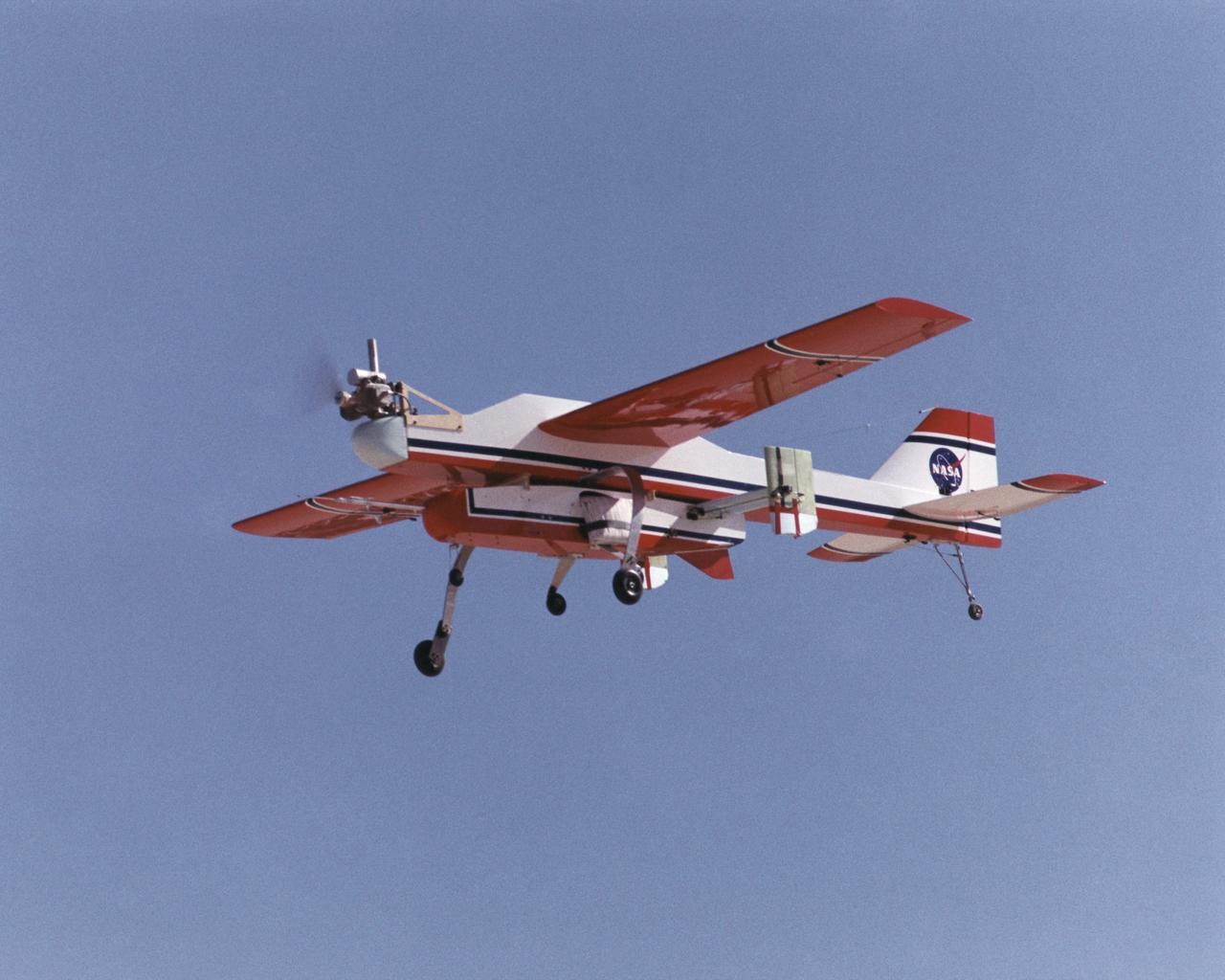
The deployable, inflatable wing technology demonstrator experiment aircraft looks good during a flight conducted by the NASA Dryden Flight Research Center, Edwards, California. The inflatable wing project represented a basic flight research effort by Dryden personnel. Three successful flights of the I2000 inflatable wing aircraft occurred. During the flights, the team air-launched the radio-controlled (R/C) I2000 from an R/C utility airplane at an altitude of 800-1000 feet. As the I2000 separated from the carrier aircraft, its inflatable wings "popped-out," deploying rapidly via an on-board nitrogen bottle. The aircraft remained stable as it transitioned from wingless to winged flight. The unpowered I2000 glided down to a smooth landing under complete control.
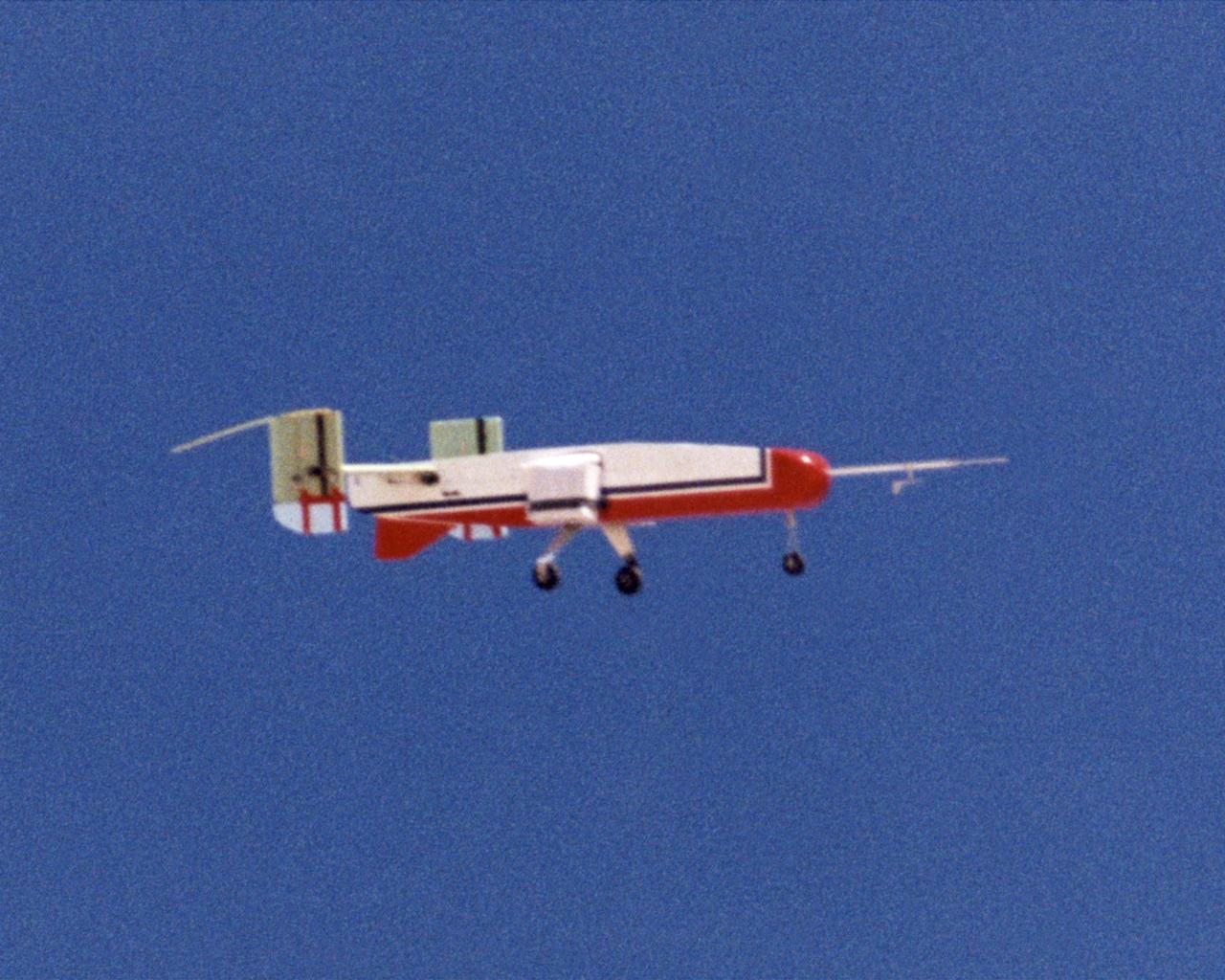
The deployable, inflatable wing technology demonstrator experiment aircraft maintains a steady attitude following separation from its carrier aircraft during a flight conducted by the NASA Dryden Flight Research Center, Edwards, California. The inflatable wing project represented a basic flight research effort by Dryden personnel. Three successful flights of the I2000 inflatable wing aircraft occurred. During the flights, the team air-launched the radio-controlled (R/C) I2000 from an R/C utility airplane at an altitude of 800-1000 feet. As the I2000 separated from the carrier aircraft, its inflatable wings "popped-out," deploying rapidly via an on-board nitrogen bottle. The aircraft remained stable as it transitioned from wingless to winged flight. The unpowered I2000 glided down to a smooth landing under complete control.
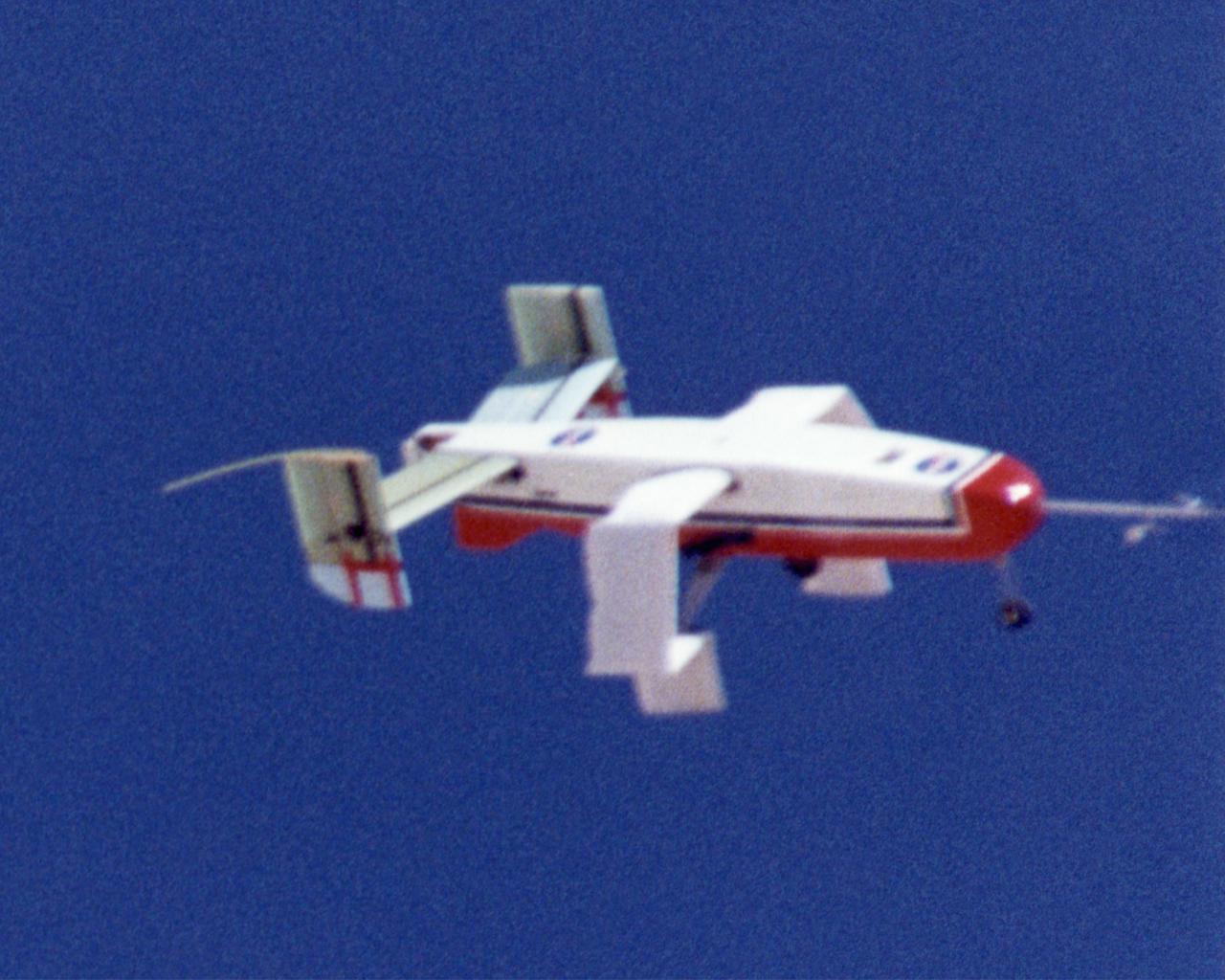
Wing Deployment Sequence #1: The deployable, inflatable wing technology demonstrator experiment aircraft's wings begin deploying following separation from its carrier aircraft during a flight conducted by the NASA Dryden Flight Research Center, Edwards, California. The inflatable wing project represented a basic flight research effort by Dryden personnel. Three successful flights of the I2000 inflatable wing aircraft occurred. During the flights, the team air-launched the radio-controlled (R/C) I2000 from an R/C utility airplane at an altitude of 800-1000 feet. As the I2000 separated from the carrier aircraft, its inflatable wings "popped-out," deploying rapidly via an on-board nitrogen bottle. The aircraft remained stable as it transitioned from wingless to winged flight. The unpowered I2000 glided down to a smooth landing under complete control.
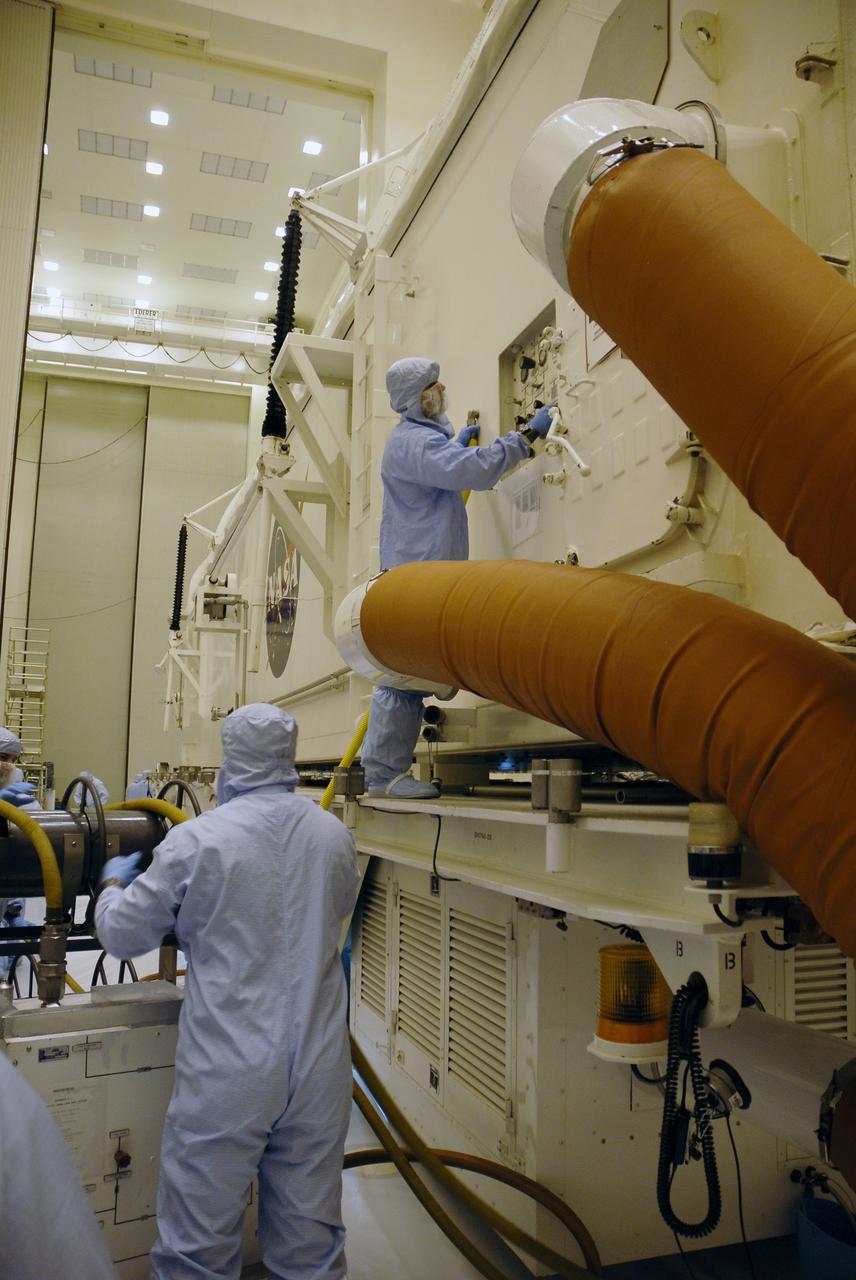
CAPE CANAVERAL, Fla. – At NASA's Kennedy Space Center in Florida, workers in a clean room of the Payload Hazardous Servicing Facility, or PHSF, check the controls on the payload canister with the Hubble Space Telescope equipment inside. The payload comprises four carriers holding various equipment for the mission. The canister maintains a controlled environment. In the PHSF, the carriers will be stored until a new target launch date can be set for Atlantis’ STS-125 mission in 2009. Atlantis’ October target launch date was delayed after a device on board Hubble used in the storage and transmission of science data to Earth shut down on Sept. 27. Replacing the broken device will be added to Atlantis’ servicing mission to the telescope. Photo credit: NASA/Troy Cryder
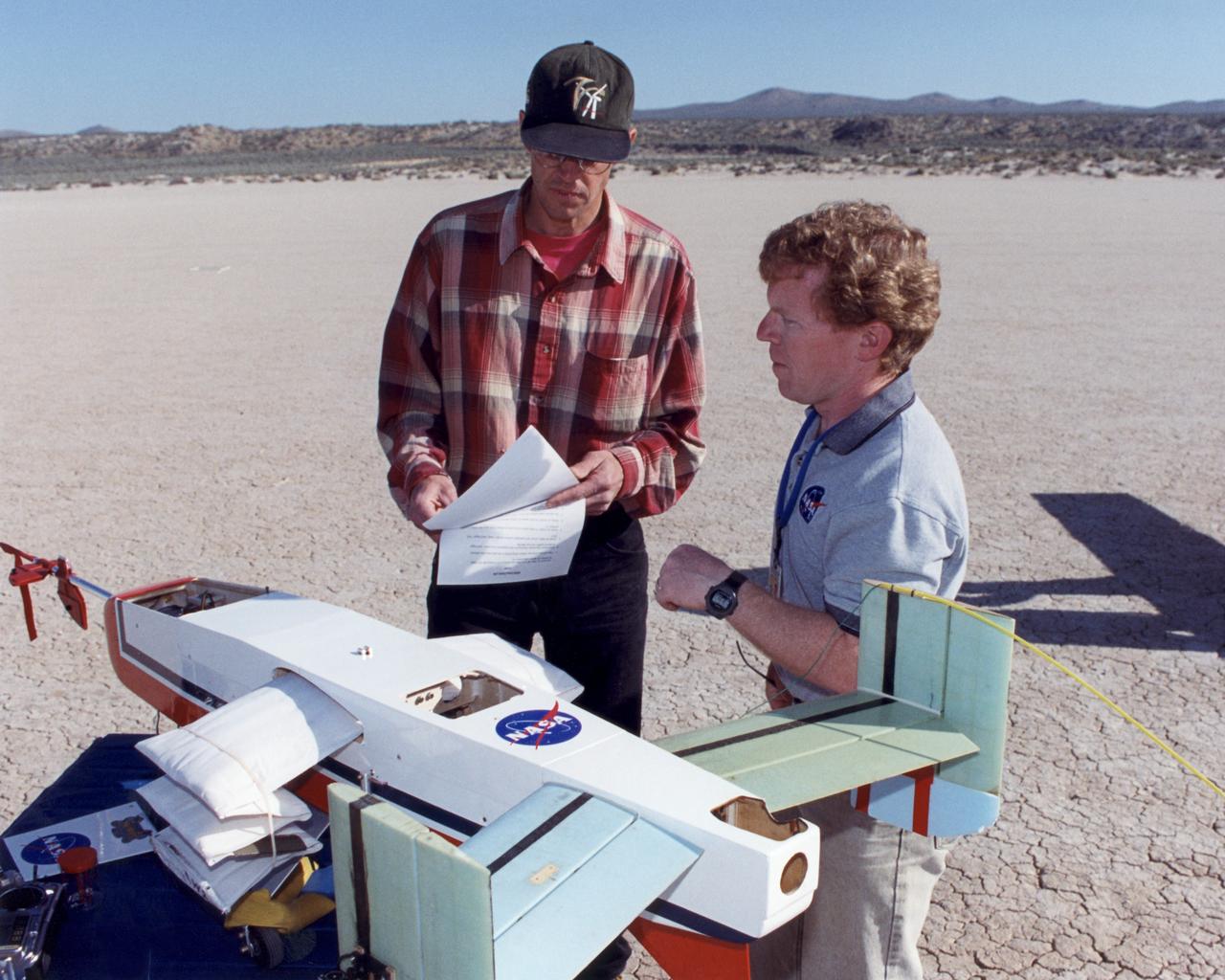
Engineers Jim Murray and Joe Pahle prepare a deployable, inflatable wing technology demonstrator experiment flown by the NASA Dryden Flight Research Center, Edwards, California. The inflatable wing project represented a basic flight research effort by Dryden personnel. Three successful flights of the I2000 inflatable wing aircraft occurred. During the flights, the team air-launched the radio-controlled (R/C) I2000 from an R/C utility airplane at an altitude of 800-1000 feet. As the I2000 separated from the carrier aircraft, its inflatable wings "popped-out," deploying rapidly via an on-board nitrogen bottle. The aircraft remained stable as it transitioned from wingless to winged flight. The unpowered I2000 glided down to a smooth landing under complete control.
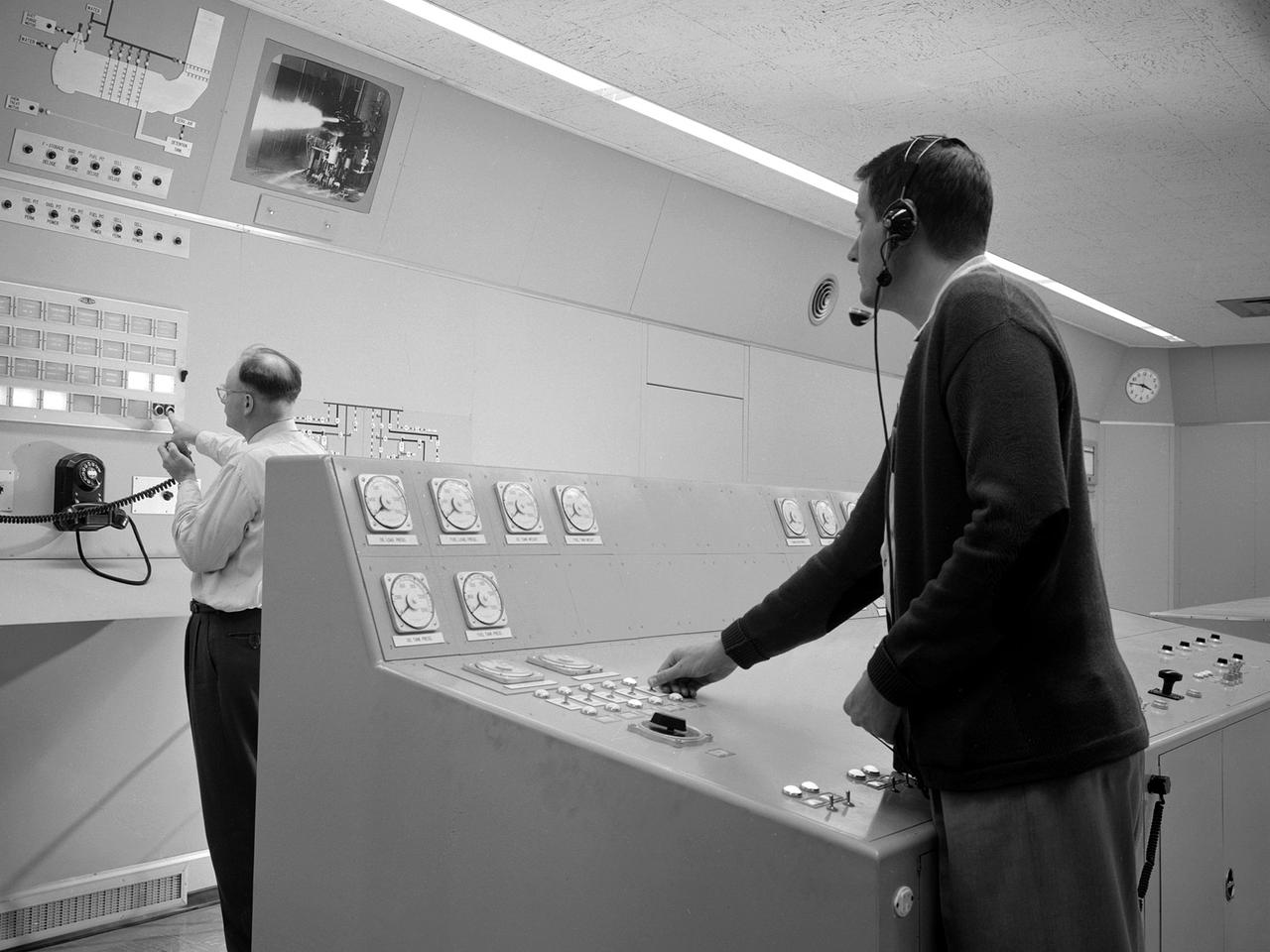
Test engineers monitor an engine firing from the control room of the Rocket Engine Test Facility at the National Advisory Committee for Aeronautics (NACA) Lewis Flight Propulsion Laboratory. The Rocket Engine Test Facility, built in the early 1950s, had a rocket stand designed to evaluate high-energy propellants and rocket engine designs. The facility was used to study numerous different types of rocket engines including the Pratt and Whitney RL-10 engine for the Centaur rocket and Rocketdyne’s F-1 and J-2 engines for the Saturn rockets. The Rocket Engine Test Facility was built in a ravine at the far end of the laboratory because of its use of the dangerous propellants such as liquid hydrogen and liquid fluorine. The control room was located in a building 1,600 feet north of the test stand to protect the engineers running the tests. The main control and instrument consoles were centrally located in the control room and surrounded by boards controlling and monitoring the major valves, pumps, motors, and actuators. A camera system at the test stand allowed the operators to view the tests, but the researchers were reliant on data recording equipment, sensors, and other devices to provide test data. The facility’s control room was upgraded several times over the years. Programmable logic controllers replaced the electro-mechanical control devices. The new controllers were programed to operate the valves and actuators controlling the fuel, oxidant, and ignition sequence according to a predetermined time schedule.
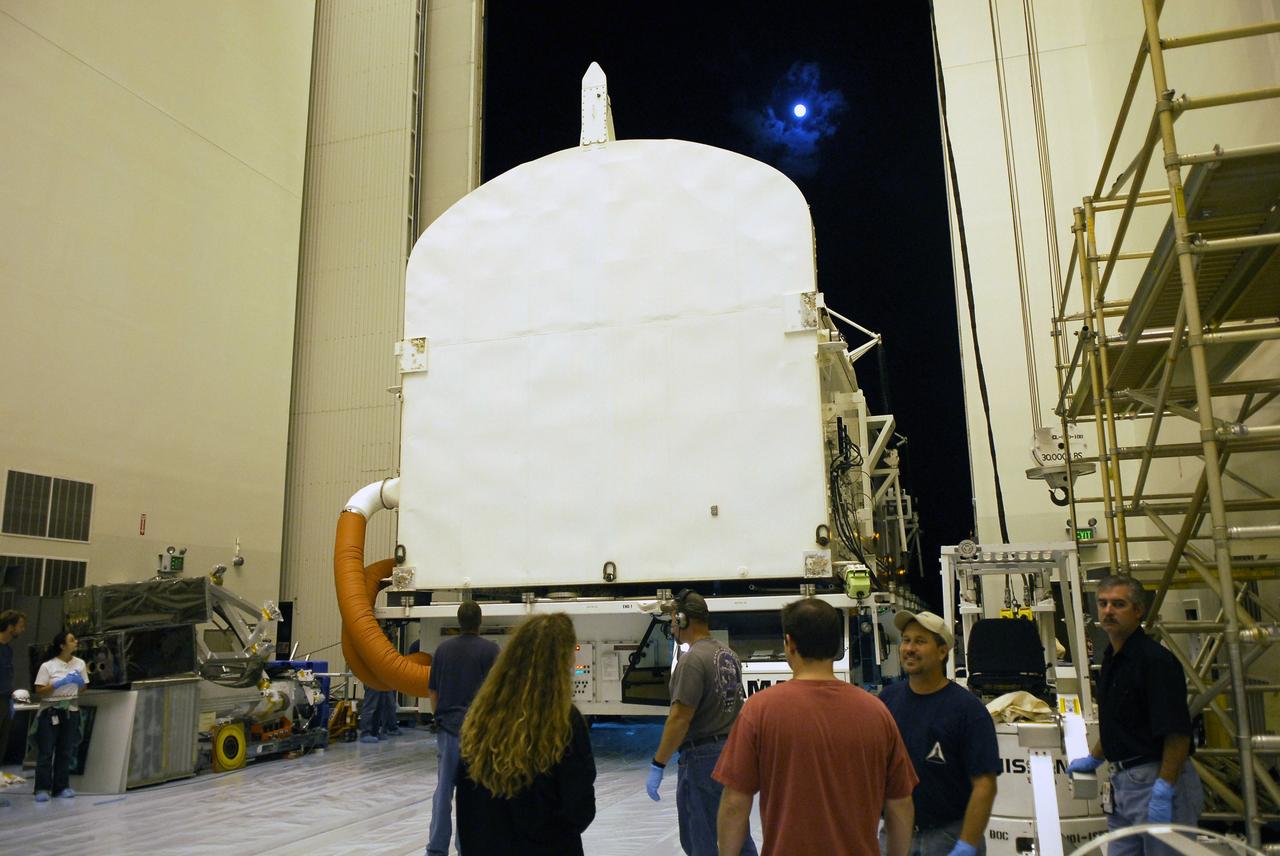
CAPE CANAVERAL, Fla. – At NASA's Kennedy Space Center in Florida, the payload canister with the Hubble Space Telescope equipment moves into the Payload Hazardous Servicing Facility, or PHSF. The payload comprises four carriers holding various equipment for the mission. The canister maintains a controlled environment. In the PHSF, the carriers will be stored until a new target launch date can be set for Atlantis’ STS-125 mission in 2009. Atlantis’ October target launch date was delayed after a device on board Hubble used in the storage and transmission of science data to Earth shut down on Sept. 27. Replacing the broken device will be added to Atlantis’ servicing mission to the telescope. Photo credit: NASA/Troy Cryder
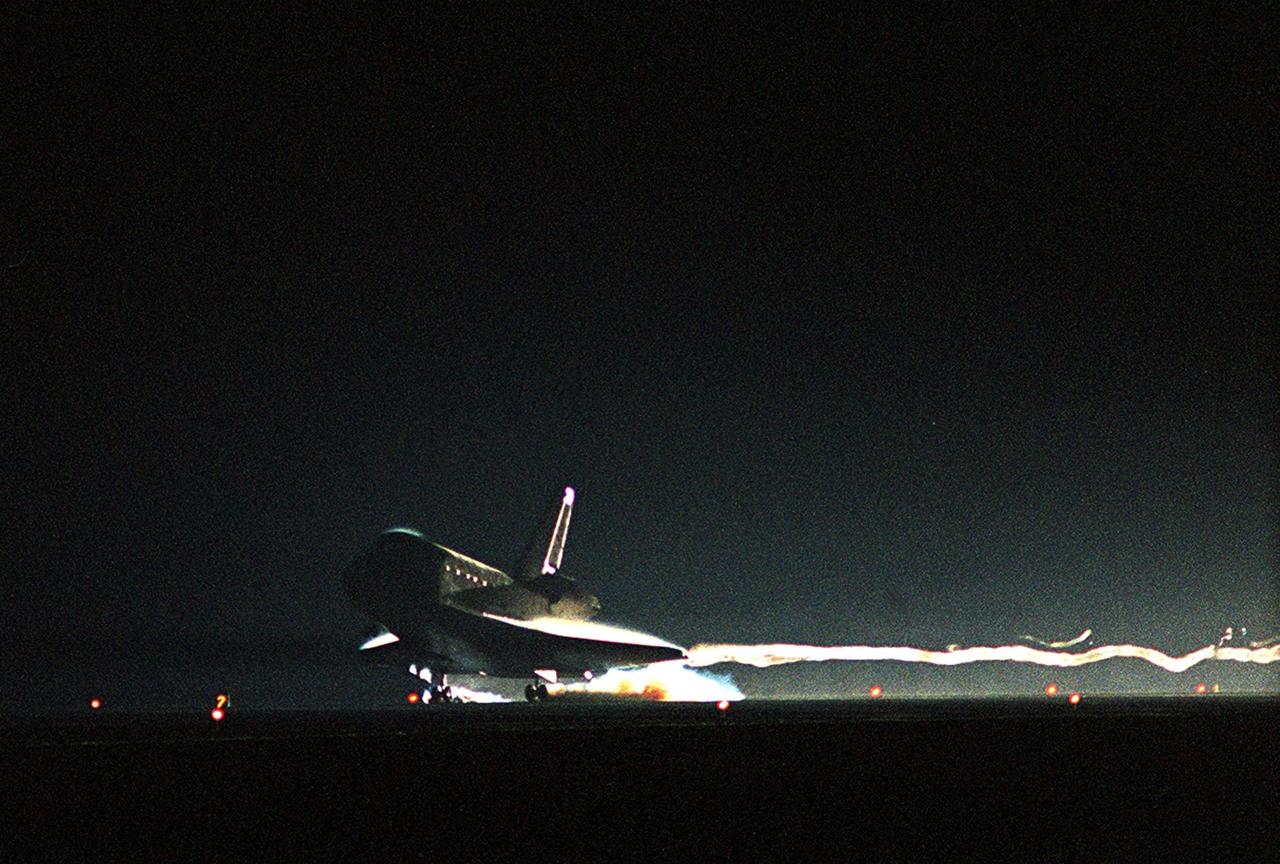
KENNEDY SPACE CENTER, Fla. -- Air waves stream behind Atlantis as it touches down on Runway 15 at the KSC Shuttle Landing Facility. Main gear touchdown occurred at 11:38:55 p.m. EDT, completing complete a 12-day, 18-hour, 34-minute-long STS-104 mission. At the controls is Commander Steven W. Lindsey. Other crew members on board are Pilot Charles Hobaugh and Mission Specialists Michael Gernhardt, Janet Lynn Kavandi and James F. Reilly. This is the 18th nighttime landing for a Space Shuttle, the 13th at Kennedy Space Center. The mission delivered the Joint Airlock Module to the International Space Station, completing the second phase of the assembly of the Space Station
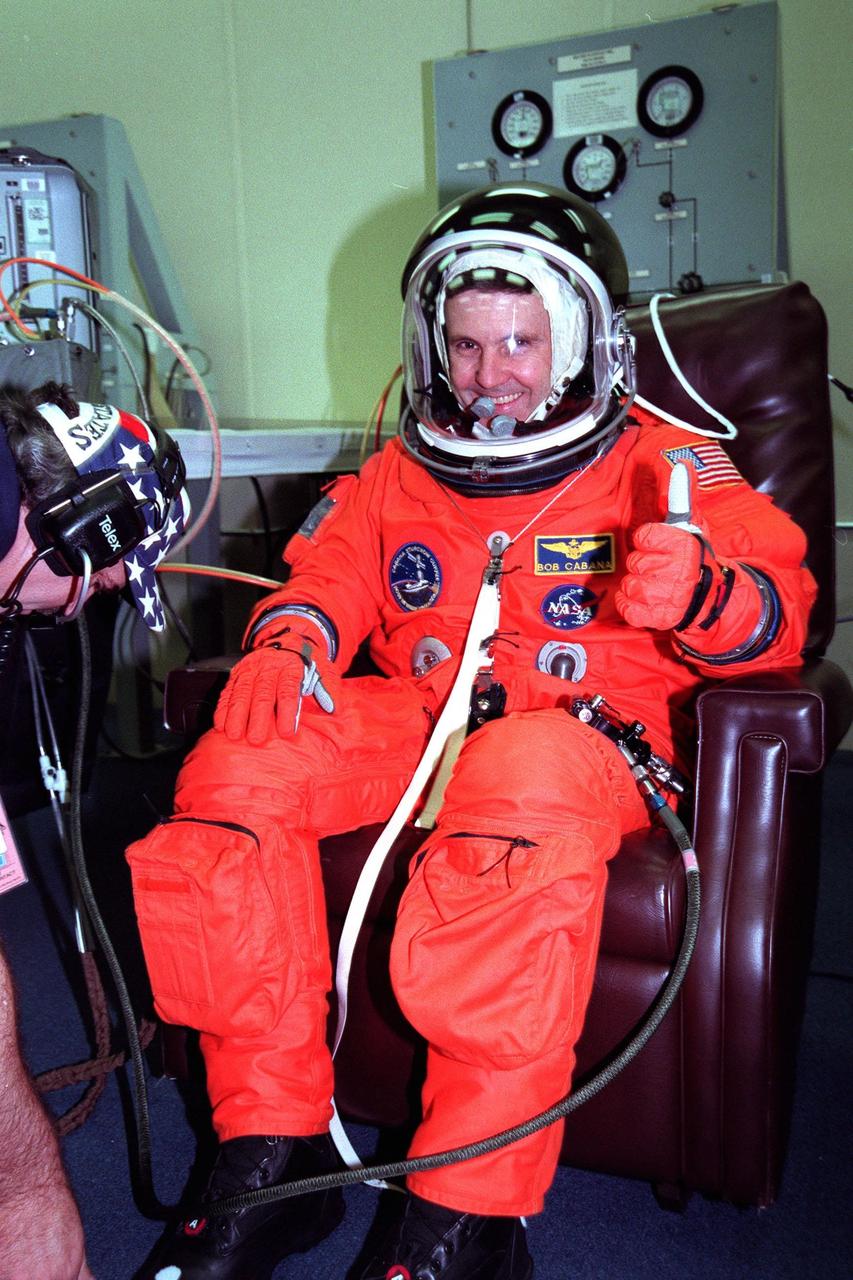
In the Operations and Checkout Building, STS-88 Commander Robert D. Cabana gives a thumbs up during suit check before launch. Mission STS-88 is expected to lift off at 3:56 a.m. EST with the six-member crew aboard Space Shuttle Endeavour on Dec. 3. Endeavour carries the Unity connecting module, which the crew will be mating with the Russian-built Zarya control module already in orbit. In addition to Unity, two small replacement electronics boxes are on board for possible repairs to Zarya batteries. The mission is expected to last 11 days, 19 hours and 49 minutes, landing at 10:17 p.m. EST on Dec. 14
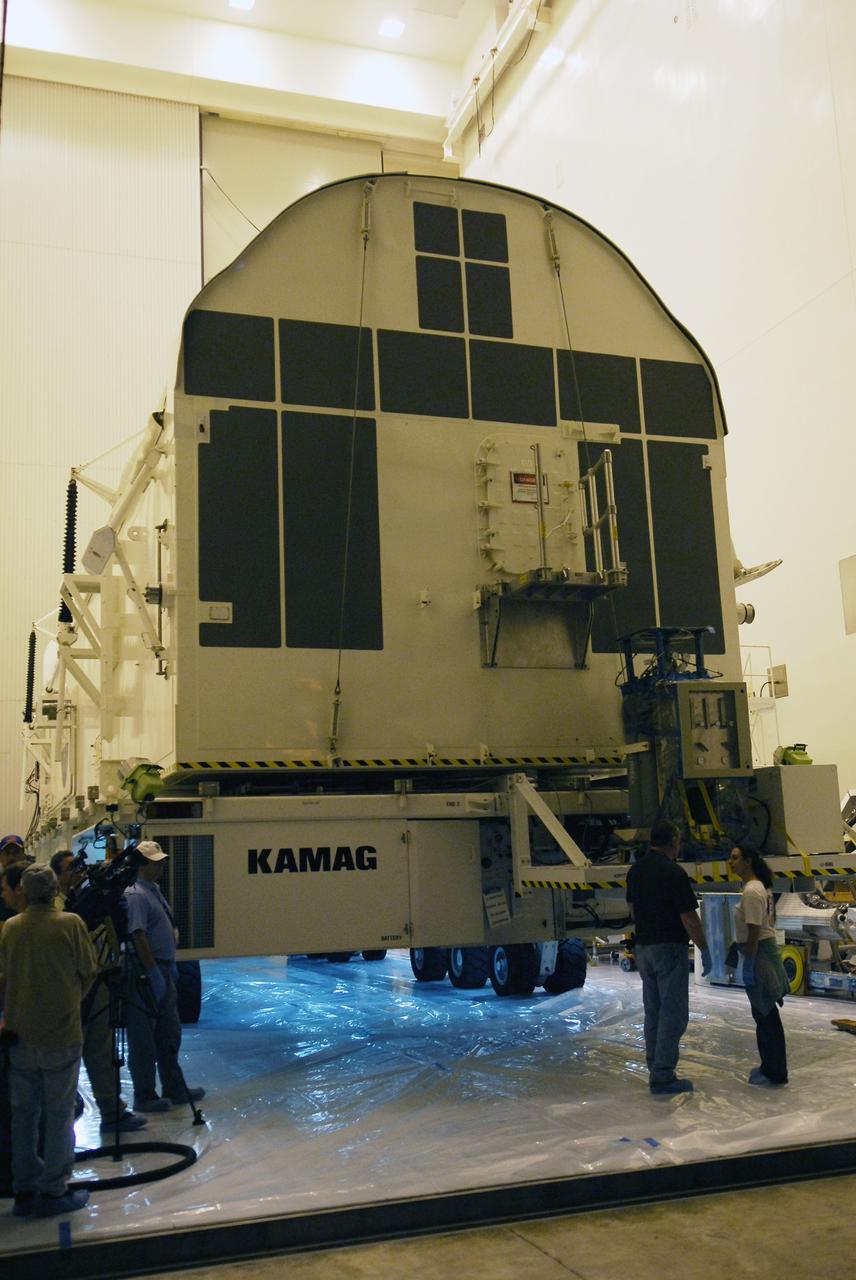
CAPE CANAVERAL, Fla. – At NASA's Kennedy Space Center in Florida, the payload canister with the Hubble Space Telescope equipment is inside the Payload Hazardous Servicing Facility, or PHSF. The payload comprises four carriers holding various equipment for the mission. The canister maintains a controlled environment. In the PHSF, the carriers will be stored until a new target launch date can be set for Atlantis’ STS-125 mission in 2009. Atlantis’ October target launch date was delayed after a device on board Hubble used in the storage and transmission of science data to Earth shut down on Sept. 27. Replacing the broken device will be added to Atlantis’ servicing mission to the telescope. Photo credit: NASA/Troy Cryder
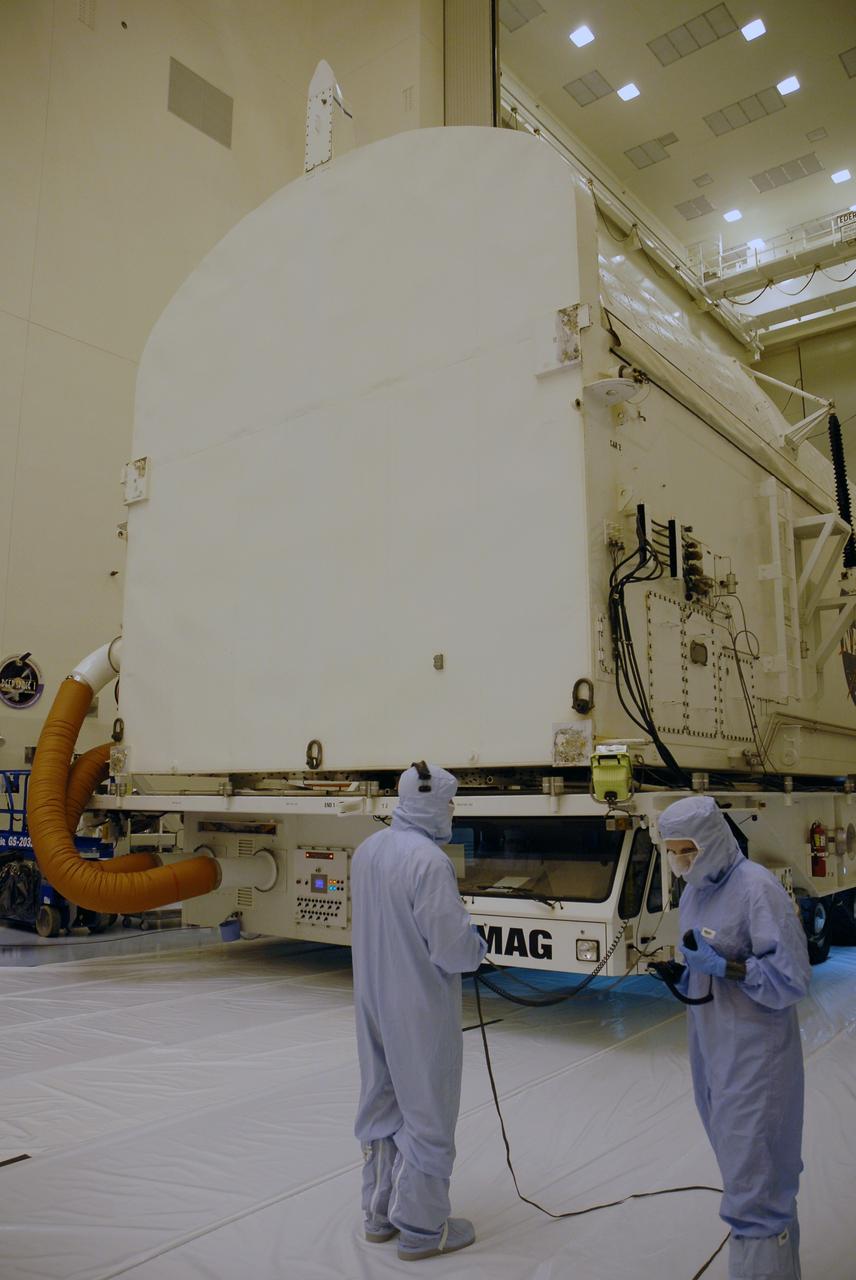
CAPE CANAVERAL, Fla. – At NASA's Kennedy Space Center in Florida, the payload canister with the Hubble Space Telescope equipment is in a clean room inside the Payload Hazardous Servicing Facility, or PHSF. The payload comprises four carriers holding various equipment for the mission. The canister maintains a controlled environment. In the PHSF, the carriers will be stored until a new target launch date can be set for Atlantis’ STS-125 mission in 2009. Atlantis’ October target launch date was delayed after a device on board Hubble used in the storage and transmission of science data to Earth shut down on Sept. 27. Replacing the broken device will be added to Atlantis’ servicing mission to the telescope. Photo credit: NASA/Troy Cryder
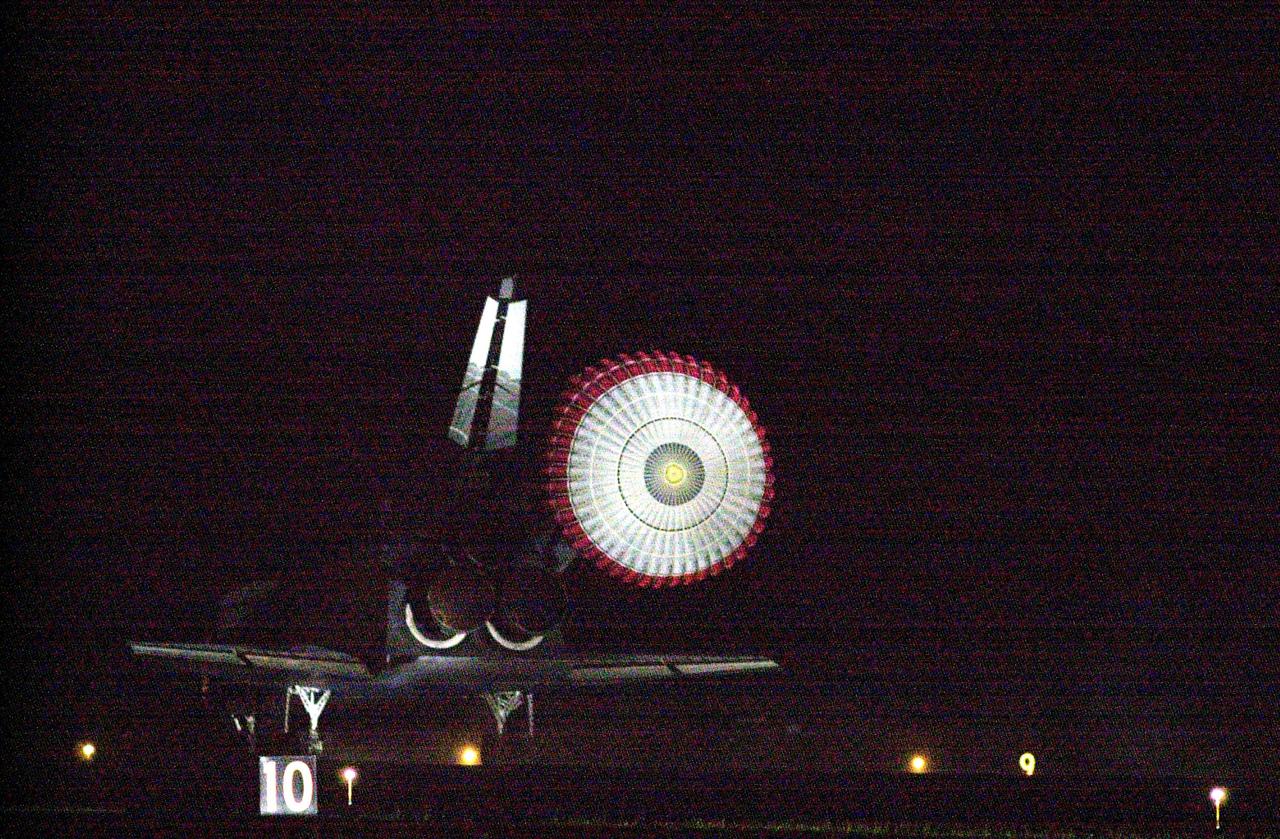
KENNEDY SPACE CENTER, Fla. -- With the drag chute slowing its speed, Atlantis prepares to land on Runway 15 at the Shuttle Landing Facility to complete a 12-day, 18-hour, 34-minute-long STS-104 mission. Main gear touchdown occurred at 11:38:55 p.m. EDT. At the controls is Commander Steven W. Lindsey. Other crew members on board are Pilot Charles Hobaugh and Mission Specialists Michael Gernhardt, Janet Lynn Kavandi and James F. Reilly. This is the 18th nighttime landing for a Space Shuttle, the 13th at Kennedy Space Center. The mission delivered the Joint Airlock Module to the International Space Station, completing the second phase of the assembly of the Space Station
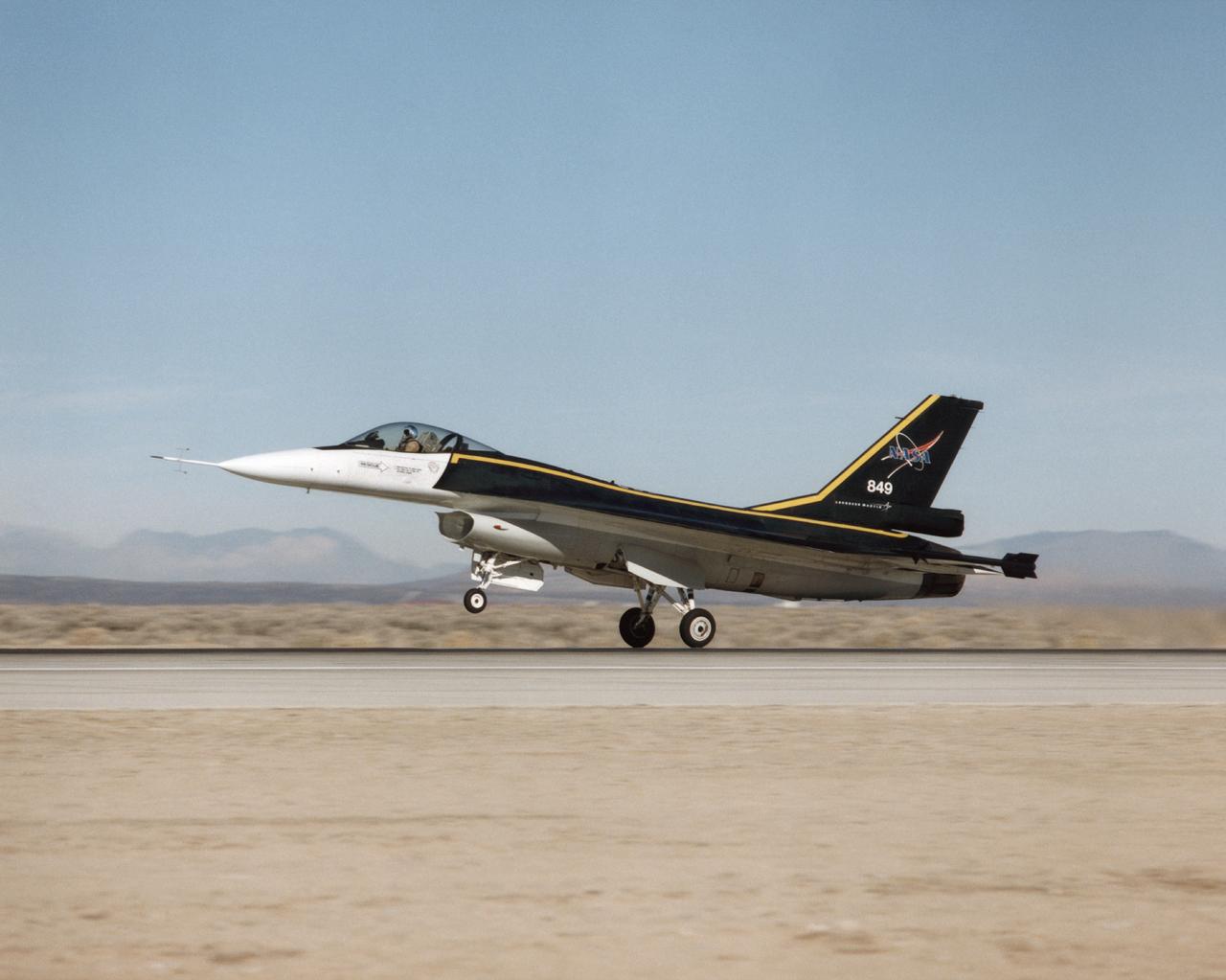
The F-16XL #1 (NASA 849) takes off for the first flight of the Digital Flight Control System (DFCS) on December 16, 1997. Like most first flight, the DFCS required months of preparations. During July 1997, crews worked on the engine, cockpit, canopy, seat, and instrumentation. By late August, the aircraft began combined systems tests and a flight readiness review. Although the Air Force Safety Review Board (AFSRB)- a group that provided double checks on all flight operations - approved the program in late November 1997, a problem with the aircraft flight computer delayed the functional check flight until mid-December.