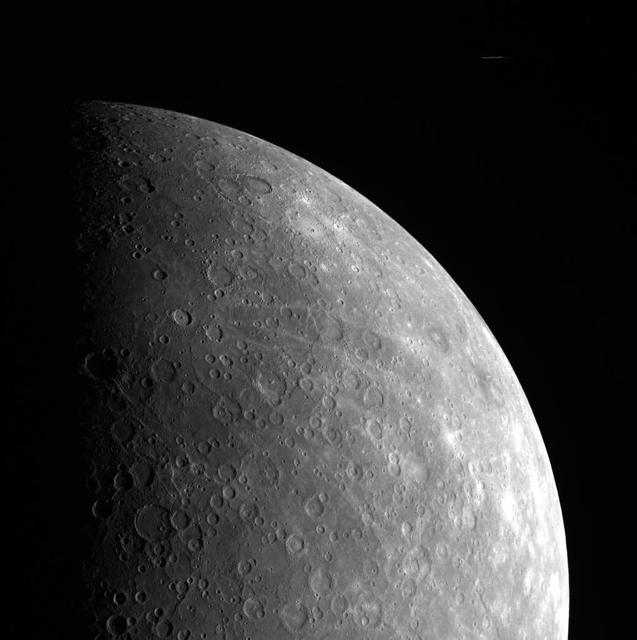
Cosmic Rays Near Mercury
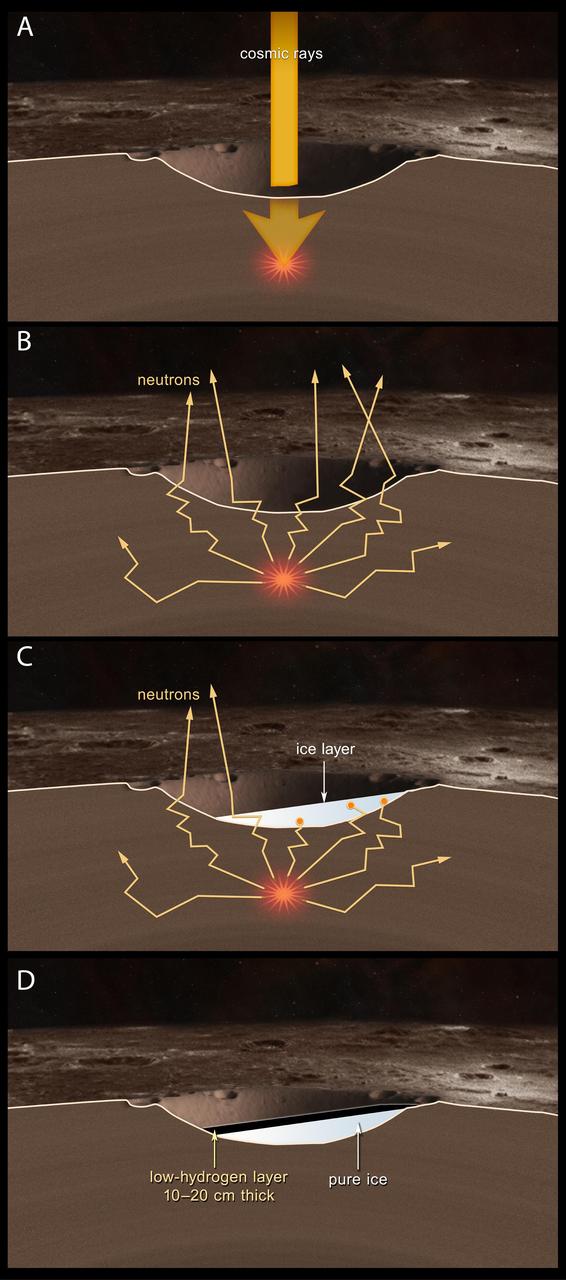
Cosmic Rays Liberate Neutrons
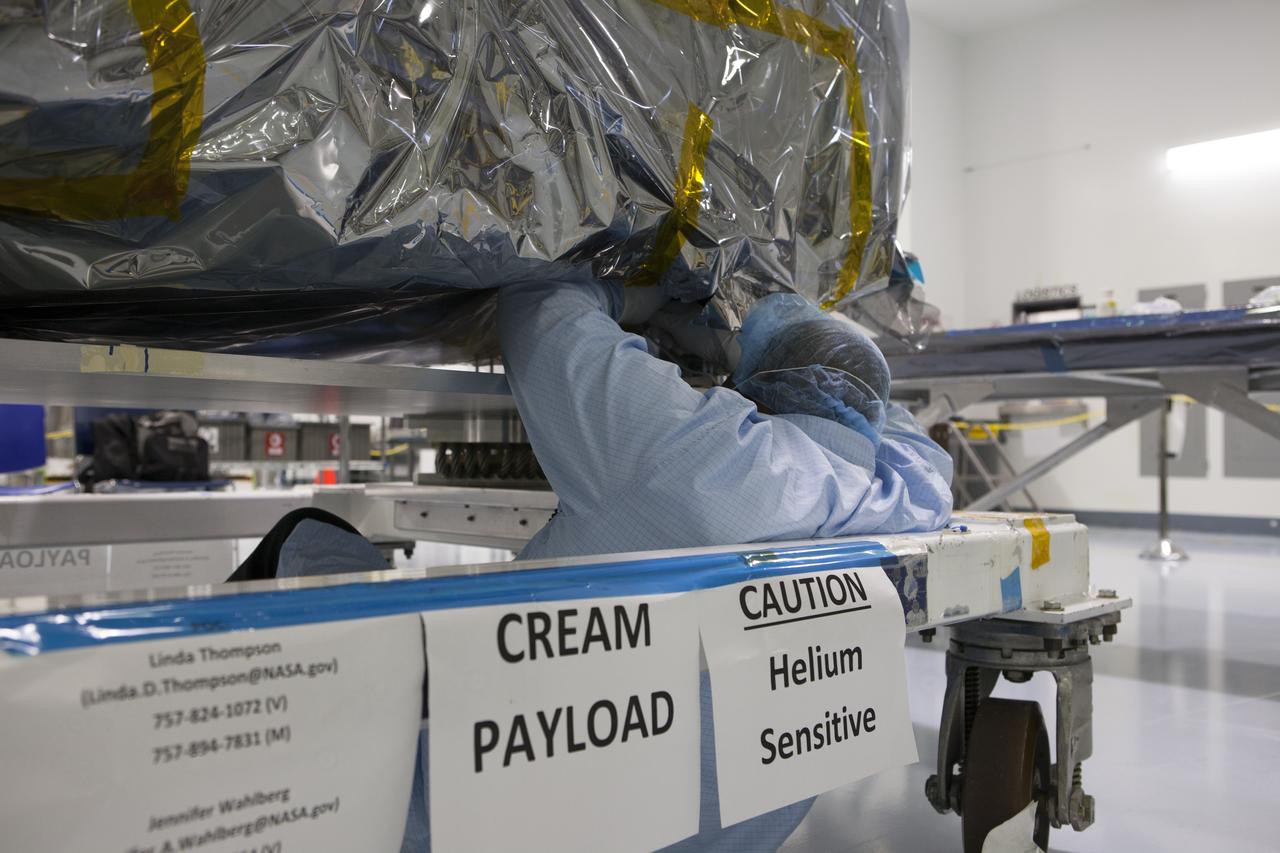
In the Space Station Processing Facility at NASA's Kennedy Space Center in Florida, a technician remove a protective cover on the Cosmic-Ray Energetics and Mass investigation, or CREAM, instrument. It is designed to measure the charges of cosmic rays to better understand what gives them such incredible energies, and how that effects the composition of the universe. The instrument will be launched to the space station on the SpaceX CRS-12 commercial resupply mission in August 2017.
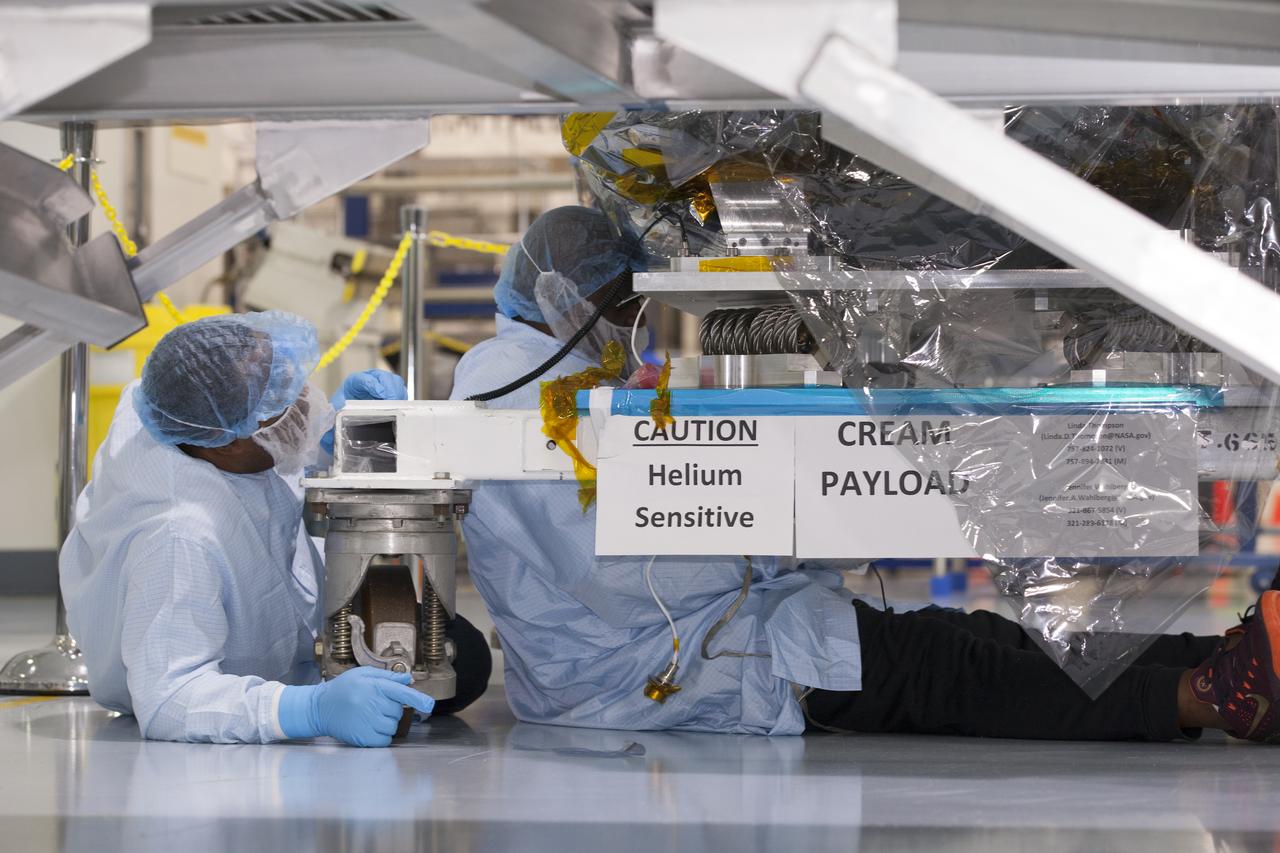
In the Space Station Processing Facility at NASA's Kennedy Space Center in Florida, technicians and engineers remove a protective cover on the Cosmic-Ray Energetics and Mass investigation, or CREAM, instrument. It is designed to measure the charges of cosmic rays to better understand what gives them such incredible energies, and how that effects the composition of the universe. The instrument will be launched to the space station on the SpaceX CRS-12 commercial resupply mission in August 2017.
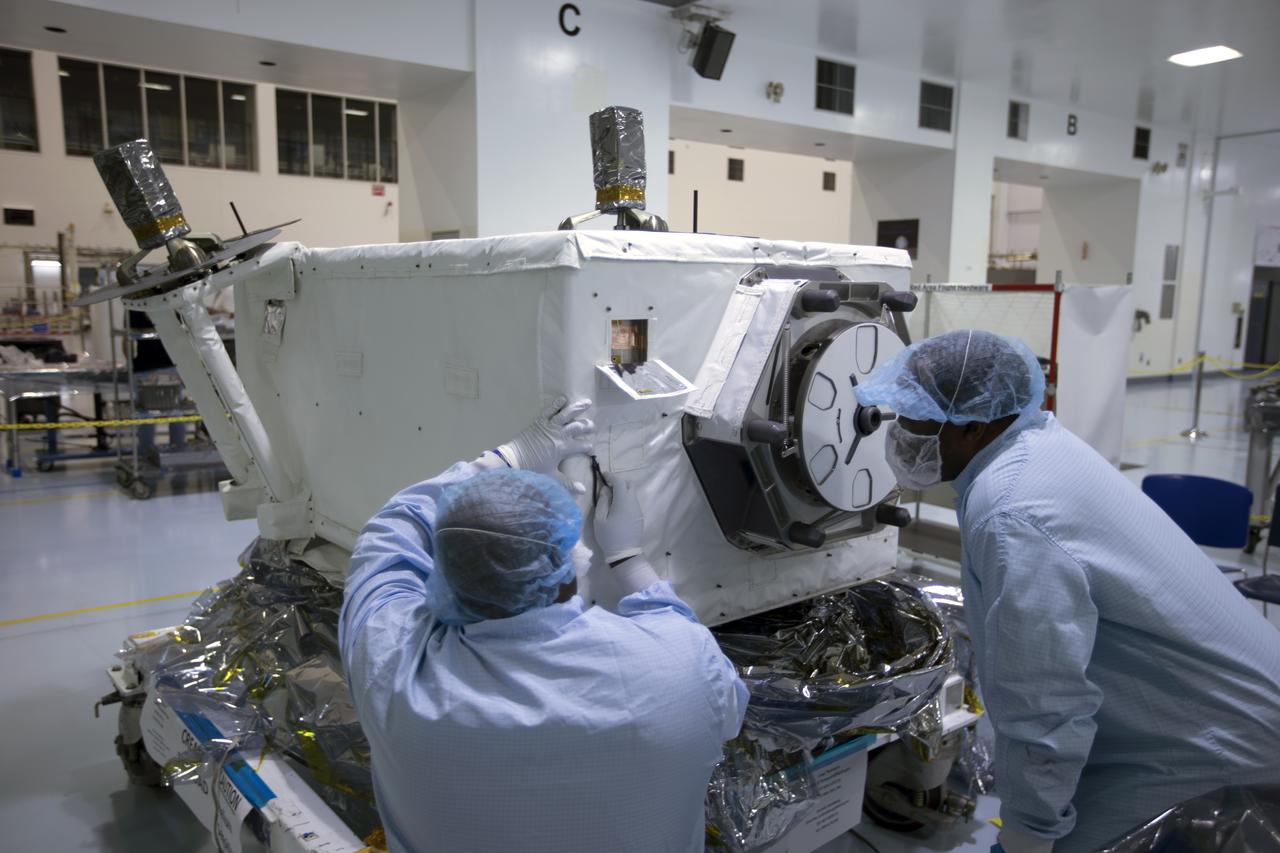
In the Space Station Processing Facility at NASA's Kennedy Space Center in Florida, technicians and engineers inspect the Cosmic-Ray Energetics and Mass investigation, or CREAM, instrument. It is designed to measure the charges of cosmic rays to better understand what gives them such incredible energies, and how that effects the composition of the universe. The instrument will be launched to the space station on the SpaceX CRS-12 commercial resupply mission in August 2017.
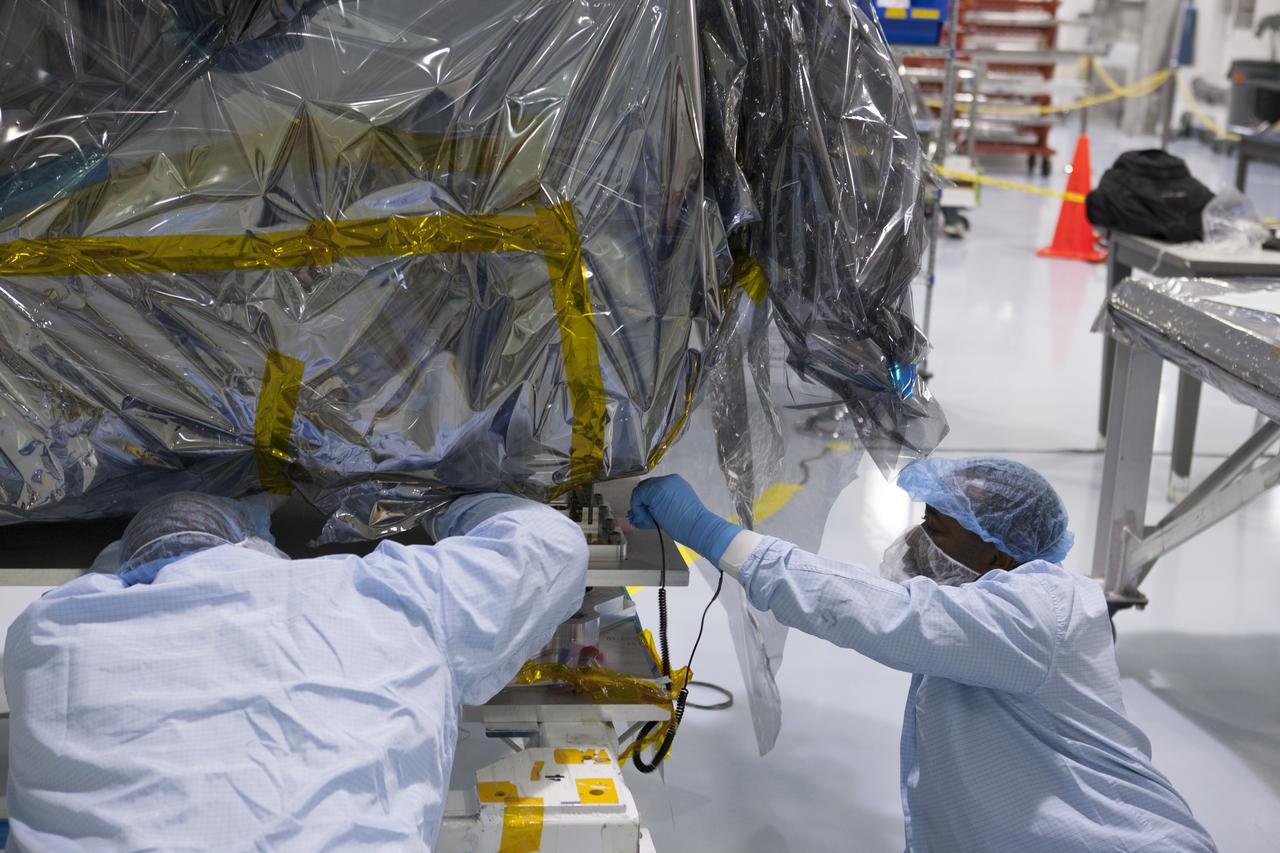
In the Space Station Processing Facility at NASA's Kennedy Space Center in Florida, technicians and engineers remove a protective cover on the Cosmic-Ray Energetics and Mass investigation, or CREAM, instrument. It is designed to measure the charges of cosmic rays to better understand what gives them such incredible energies, and how that effects the composition of the universe. The instrument will be launched to the space station on the SpaceX CRS-12 commercial resupply mission in August 2017.
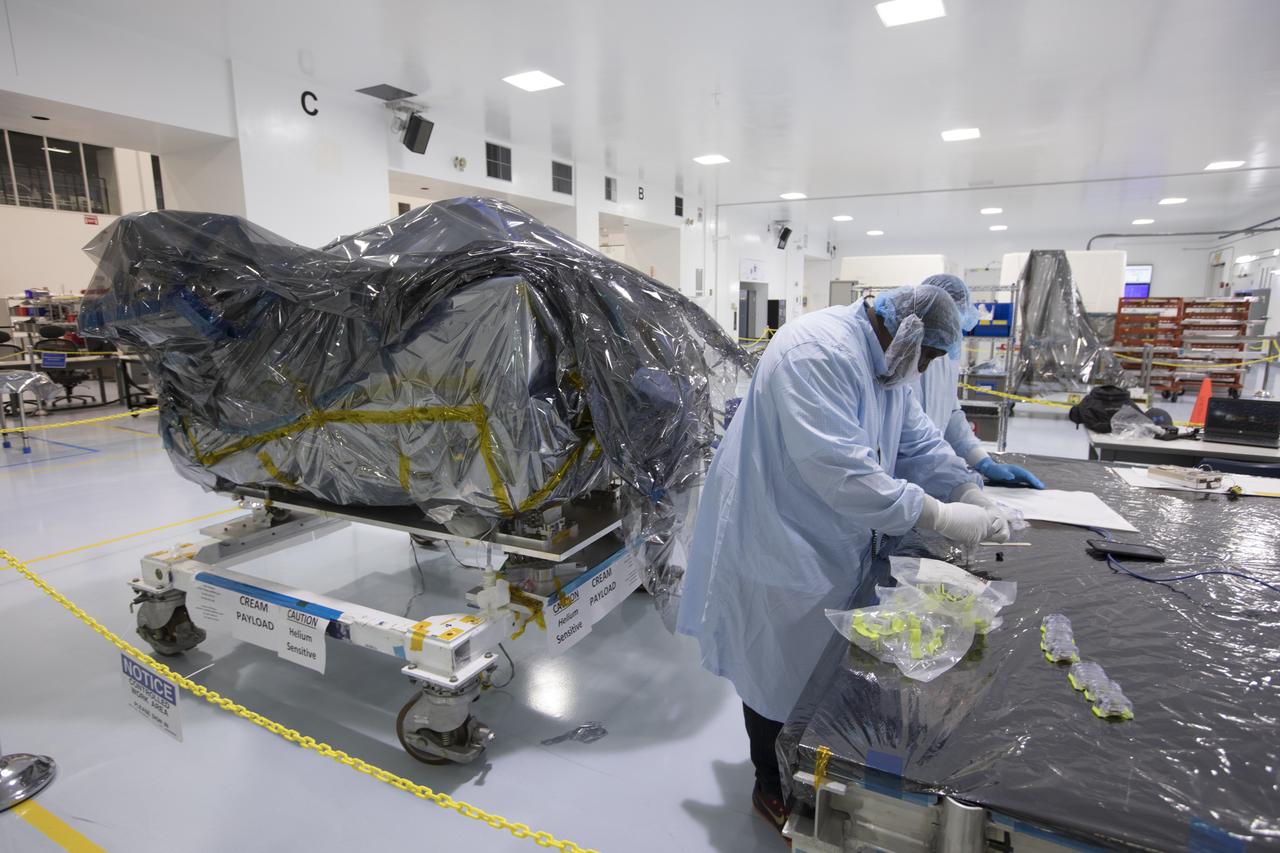
In the Space Station Processing Facility at NASA's Kennedy Space Center in Florida, technicians and engineers inspect components for the Cosmic-Ray Energetics and Mass investigation, or CREAM, instrument. It is designed to measure the charges of cosmic rays to better understand what gives them such incredible energies, and how that effects the composition of the universe. The instrument will be launched to the space station on the SpaceX CRS-12 commercial resupply mission in August 2017.
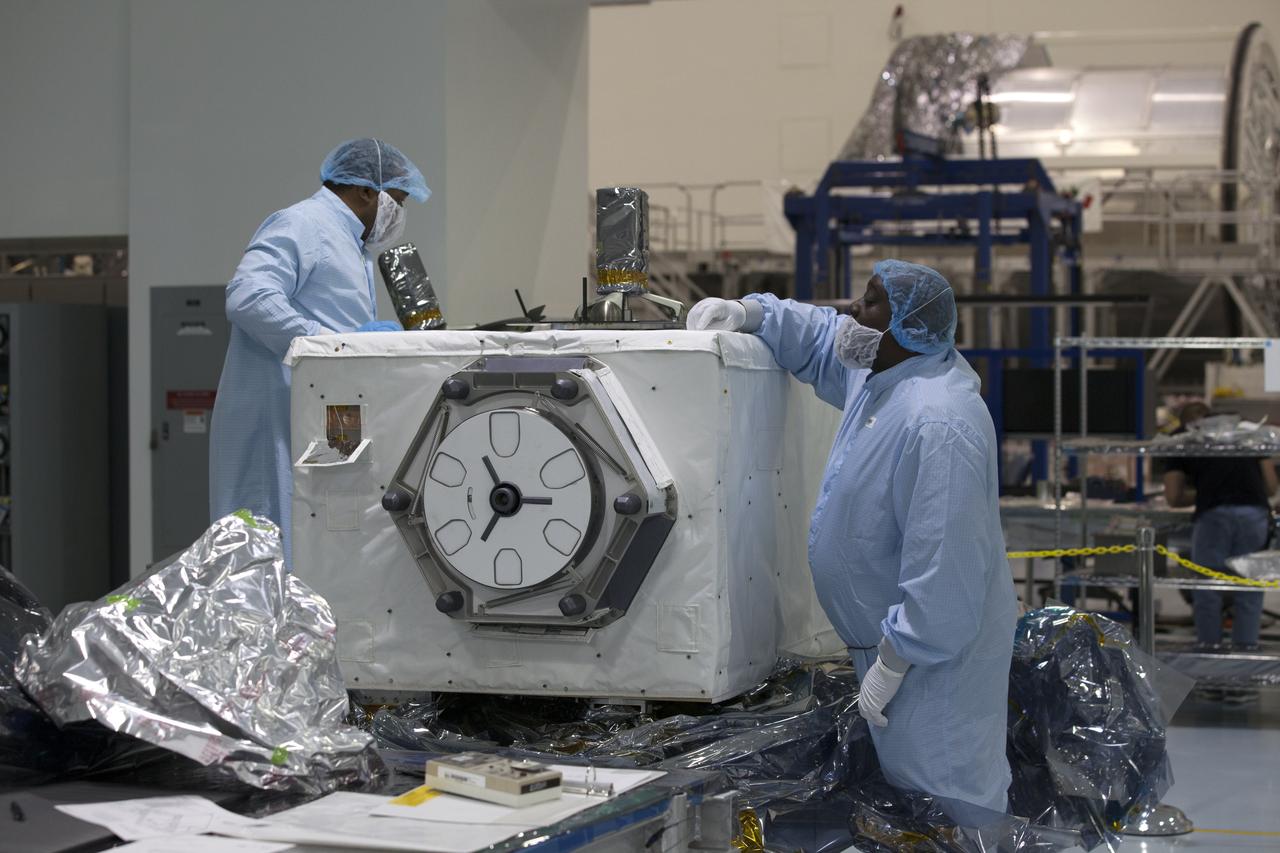
In the Space Station Processing Facility at NASA's Kennedy Space Center in Florida, technicians and engineers inspect the Cosmic-Ray Energetics and Mass investigation, or CREAM, instrument. It is designed to measure the charges of cosmic rays to better understand what gives them such incredible energies, and how that effects the composition of the universe. The instrument will be launched to the space station on the SpaceX CRS-12 commercial resupply mission in August 2017.
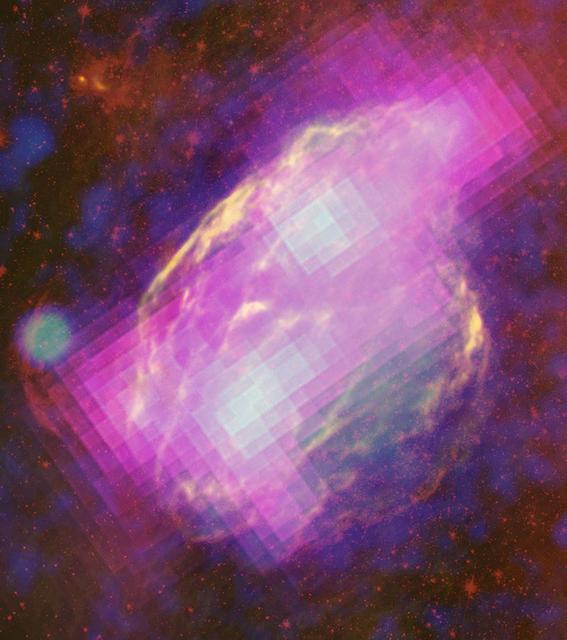
The W44 supernova remnant is nestled within and interacting with the molecular cloud that formed its parent star. Fermi's LAT detects GeV gamma rays (magenta) produced when the gas is bombarded by cosmic rays, primarily protons. Radio observations (yellow) from the Karl G. Jansky Very Large Array near Socorro, N.M., and infrared (red) data from NASA's Spitzer Space Telescope reveal filamentary structures in the remnant's shell. Blue shows X-ray emission mapped by the Germany-led ROSAT mission. To read more go to: <a href="http://1.usa.gov/14V14qi" rel="nofollow">1.usa.gov/14V14qi</a> <b><a href="http://www.nasa.gov/audience/formedia/features/MP_Photo_Guidelines.html" rel="nofollow">NASA image use policy.</a></b> <b><a href="http://www.nasa.gov/centers/goddard/home/index.html" rel="nofollow">NASA Goddard Space Flight Center</a></b> enables NASA’s mission through four scientific endeavors: Earth Science, Heliophysics, Solar System Exploration, and Astrophysics. Goddard plays a leading role in NASA’s accomplishments by contributing compelling scientific knowledge to advance the Agency’s mission. <b>Follow us on <a href="http://twitter.com/NASA_GoddardPix" rel="nofollow">Twitter</a></b> <b>Like us on <a href="http://www.facebook.com/pages/Greenbelt-MD/NASA-Goddard/395013845897?ref=tsd" rel="nofollow">Facebook</a></b> <b>Find us on <a href="http://instagram.com/nasagoddard?vm=grid" rel="nofollow">Instagram</a></b> Credit: NASA/DOE/Fermi LAT Collaboration, NRAO/AUI, JPL-Caltech, ROSAT
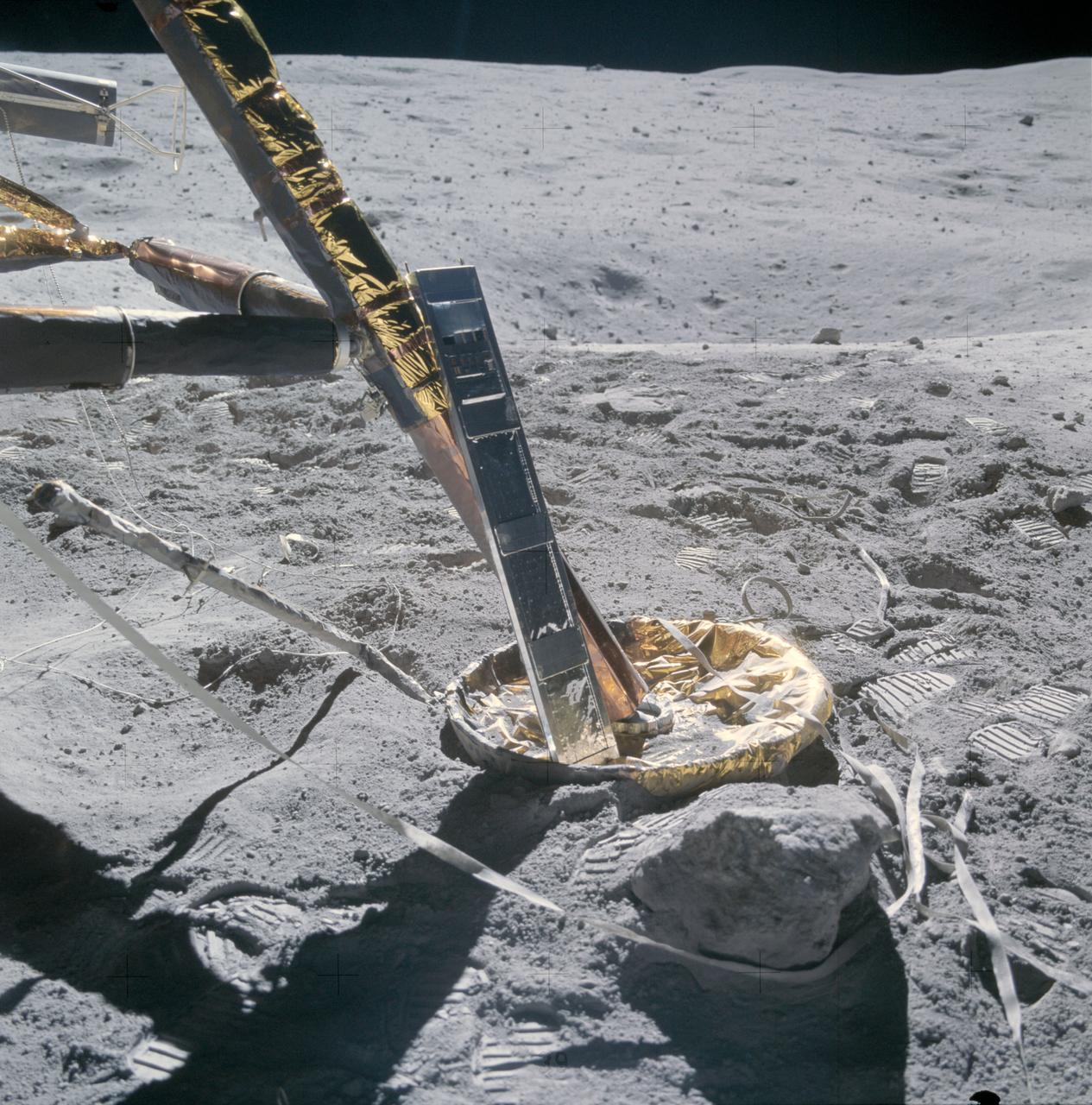
AS16-107-17442 (22 April 1972) --- A close-up view of the Apollo 16 Cosmic Ray Detector (CRD) experiment deployed at the +Y strut of the Lunar Module (LM). The crewmembers moved it to this position from near the deployment site of the Apollo Lunar Surface Experiments Package (ALSEP) because, in the words of astronaut John W. Young, commander, "The panels were getting a little warm." Note that the LM did not skid upon landing, as evidenced by the landing contact probe's folded back (neatly) position and the lack of skid marks. While astronauts Young, and Charles M. Duke Jr., lunar module pilot; descended in the Apollo 16 Lunar Module (LM) "Orion" to explore the Descartes highlands landing site on the moon, astronaut Thomas K. Mattingly II, command module pilot, remained with the Command and Service Modules (CSM) "Casper" in lunar orbit.
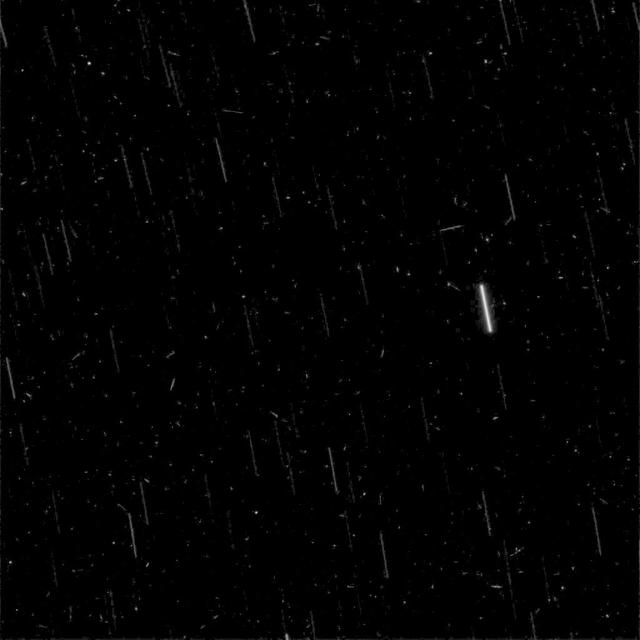
In this five-minute exposure taken from the surface of Mars by NASA Spirit rover, stars appear as streaks due to the rotation of the planet, and instantaneous cosmic-ray hits appear as points of light. Spirit took the image with its panoramic camera on March 11, 2004, after waking up during the martian night for a communication session with NASA's Mars Global Surveyor orbiter. Other exposures were also taken. The images tested the capabilities of the rover for night-sky observations. Scientists will use the results to aid planning for possible future astronomical observations from Mars. The difference in Mars' rotation, compared to Earth's, gives the star trails in this image a different orientation than they would have in a comparable exposure taken from Earth. http://photojournal.jpl.nasa.gov/catalog/PIA05551
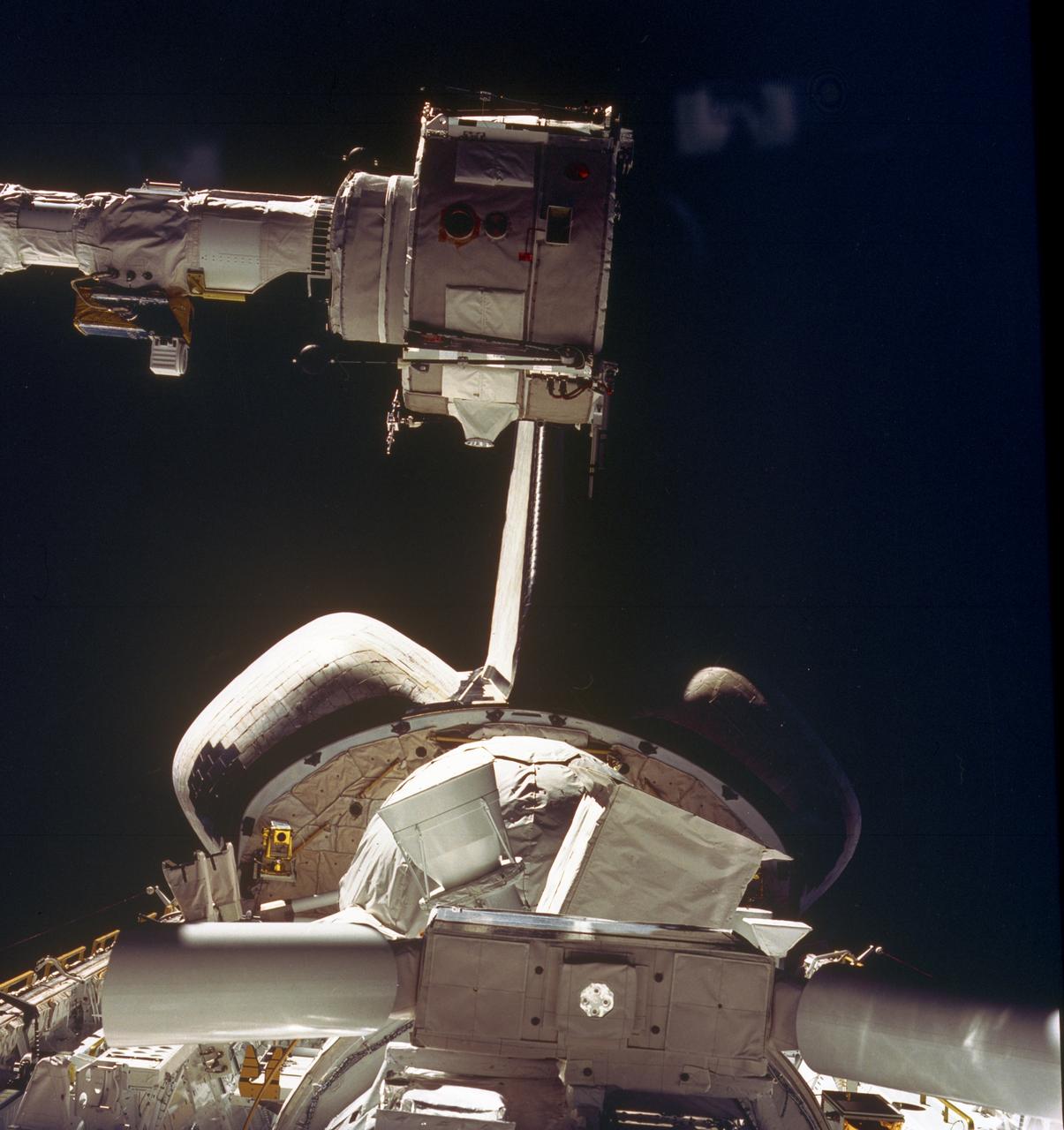
This STS-51F mission onboard Photograph shows some of the Spacelab-2 instruments in the cargo bay of the Orbiter Challenger. The Plasma Diagnostics Package (PDP). shown at the end of the Remote Manipulator System (RMS), used instruments on a subsatellite to study natural plasma processes, orbiter-induced plasma processes, and beam plasma physics. Fourteen instruments were mounted on the PDP for measurements of various plasma characteristics. The X-ray Telescope (XRT), is at the front. The goal of this investigation was to image and examine the X-ray emissions from clusters of galaxies in order to study the mechanisms that cause high-temperature emissions and to determine the weight of galactic clusters. The Small Helium-Cooled Infrared Telescope (IRT) is at the right behind the XRT. The objective of this investigation was to measure and map diffused and discrete infrared astronomical sources while evaluating the Space Shuttle as a platform for infrared astronomy. At the same time, a new large superfluid helium dewar system for cooling the telescope was evaluated. The egg-shaped Cosmic Ray Nuclei experiment (CRNE) is shown at the rear. This investigation was to study the composition of high-energy cosmic rays by using a large instrument exposed to space for a considerable period of time. Spacelab-2 (STS-51F, 19th Shuttle mission) was launched aboard the Space Shuttle Orbiter Challenger on July 29, 1985.

This Atlas/Centaur launch vehicle, carrying the High Energy Astronomy Observatory (HEAO)-3, lifted off on September 20, 1979. The HEAO-3's mission was to survey and map the celestial sphere for gamma-ray flux and make detailed measurements of cosmic-ray particles. It carried three scientific experiments: a gamma-ray spectrometer, a cosmic-ray isotope experiment, and a heavy cosmic-ray nuclei experiment. The HEAO-3 was originally identified as HEAO-C but the designation was changed once the spacecraft achieved orbit.

This schematic details the third High Energy Astronomy Observatory (HEAO)-3. The HEAO-3's mission was to survey and map the celestial sphere for gamma-ray flux and make detailed measurements of cosmic-ray particles. It carried three scientific experiments: a gamma-ray spectrometer, a cosmic-ray isotope experiment, and a heavy cosmic-ray nuclei experiment. The HEAO-3 was originally identified as HEAO-C but the designation was changed once the spacecraft achieved orbit.
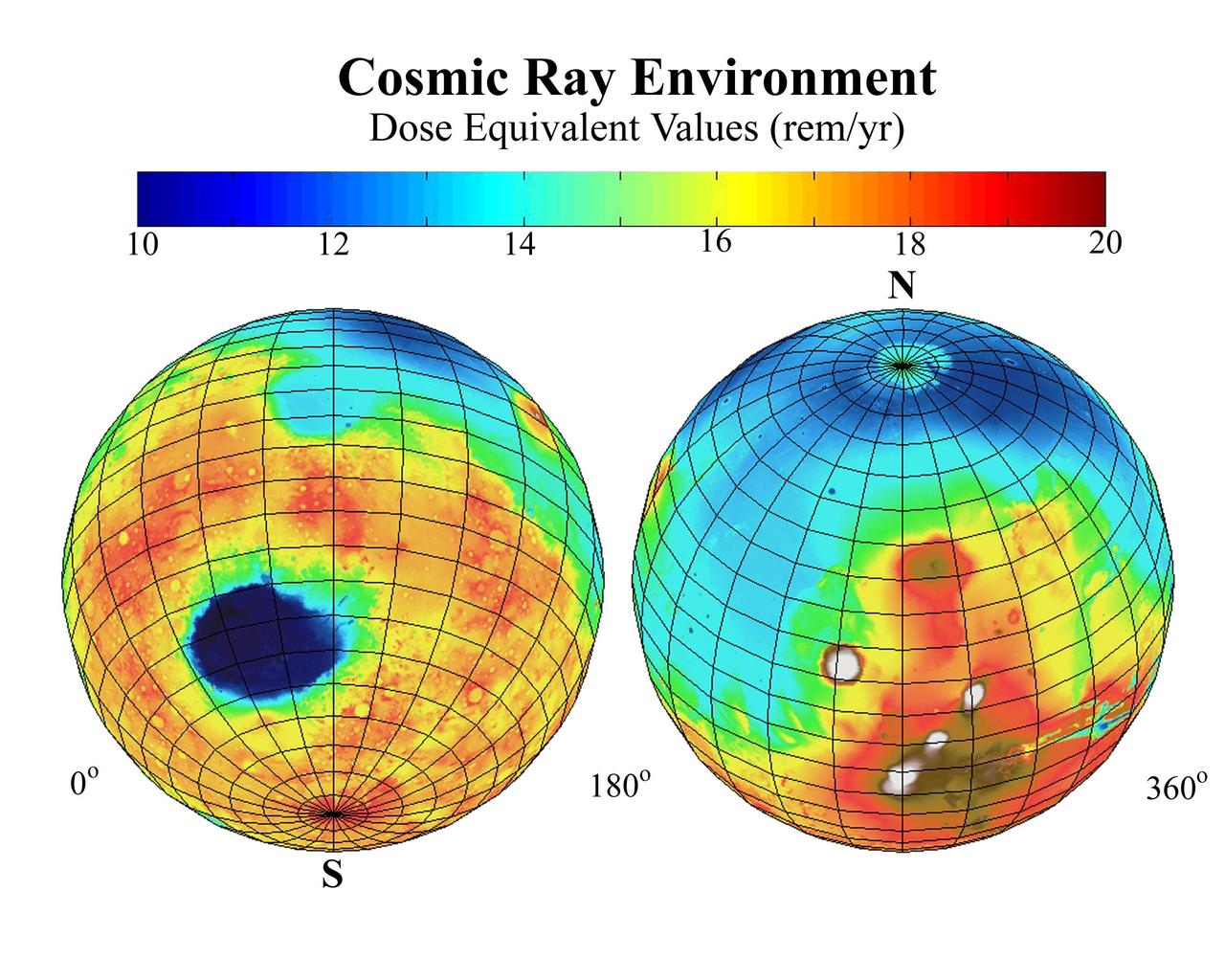
This global map of Mars, based on data from NASA Mars Odyssey, shows the estimated radiation dosages from cosmic rays reaching the surface, a serious health concern for any future human exploration of the planet.
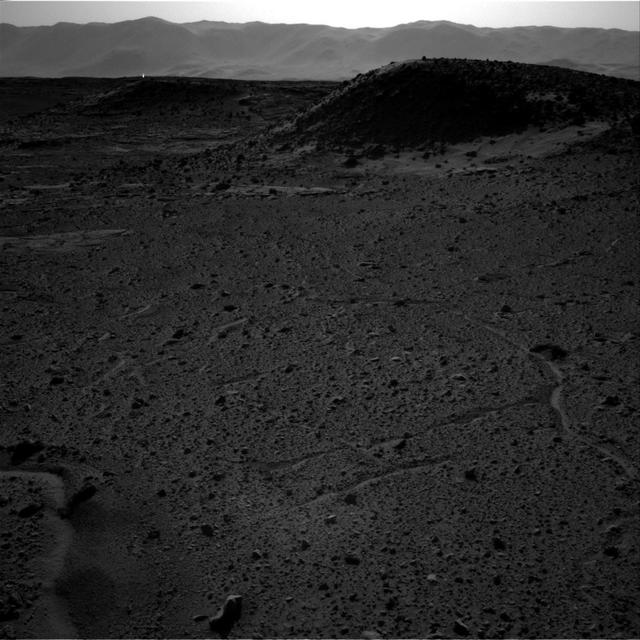
This image from NASA Curiosity Mars rover, taken on April 3, 2014, includes a bright spot near the upper left corner. Possible explanations include a glint from a rock or a cosmic-ray hit.
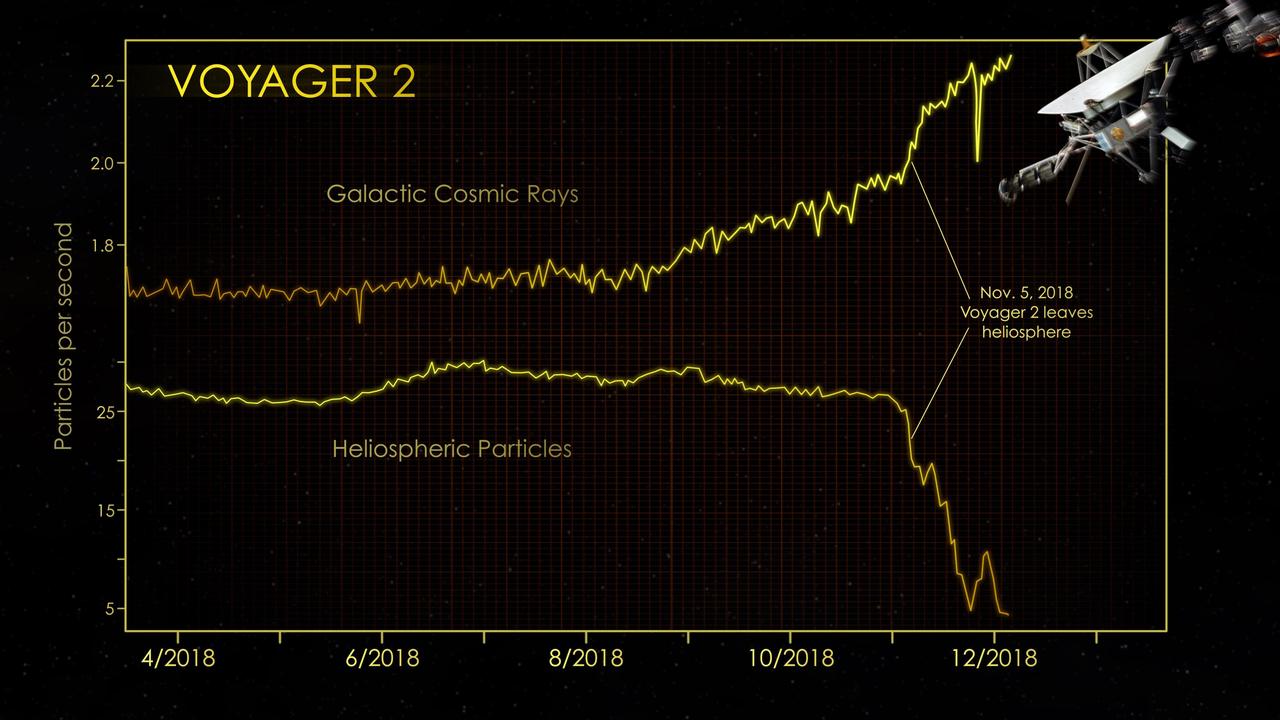
At the end of 2018, the cosmic ray subsystem (CRS) aboard NASA's Voyager 2 spacecraft provided evidence that Voyager 2 had left the heliosphere (the plasma bubble the Sun blows around itself). There were steep drops in the rate at which particles that originate inside the heliosphere hit the instrument's radiation detector. At the same time, there were significant increases in the rate at which particles that originate outside our heliosphere (also known as galactic cosmic rays) hit the detector. The graphs show data from Voyager 2's CRS, which averages the number of particle hits over a six-hour block of time. CRS detects both lower-energy particles that originate inside the heliosphere (greater than 0.5 MeV) and higher-energy particles that originate farther out in the galaxy (greater than 70 MeV). https://photojournal.jpl.nasa.gov/catalog/PIA22924
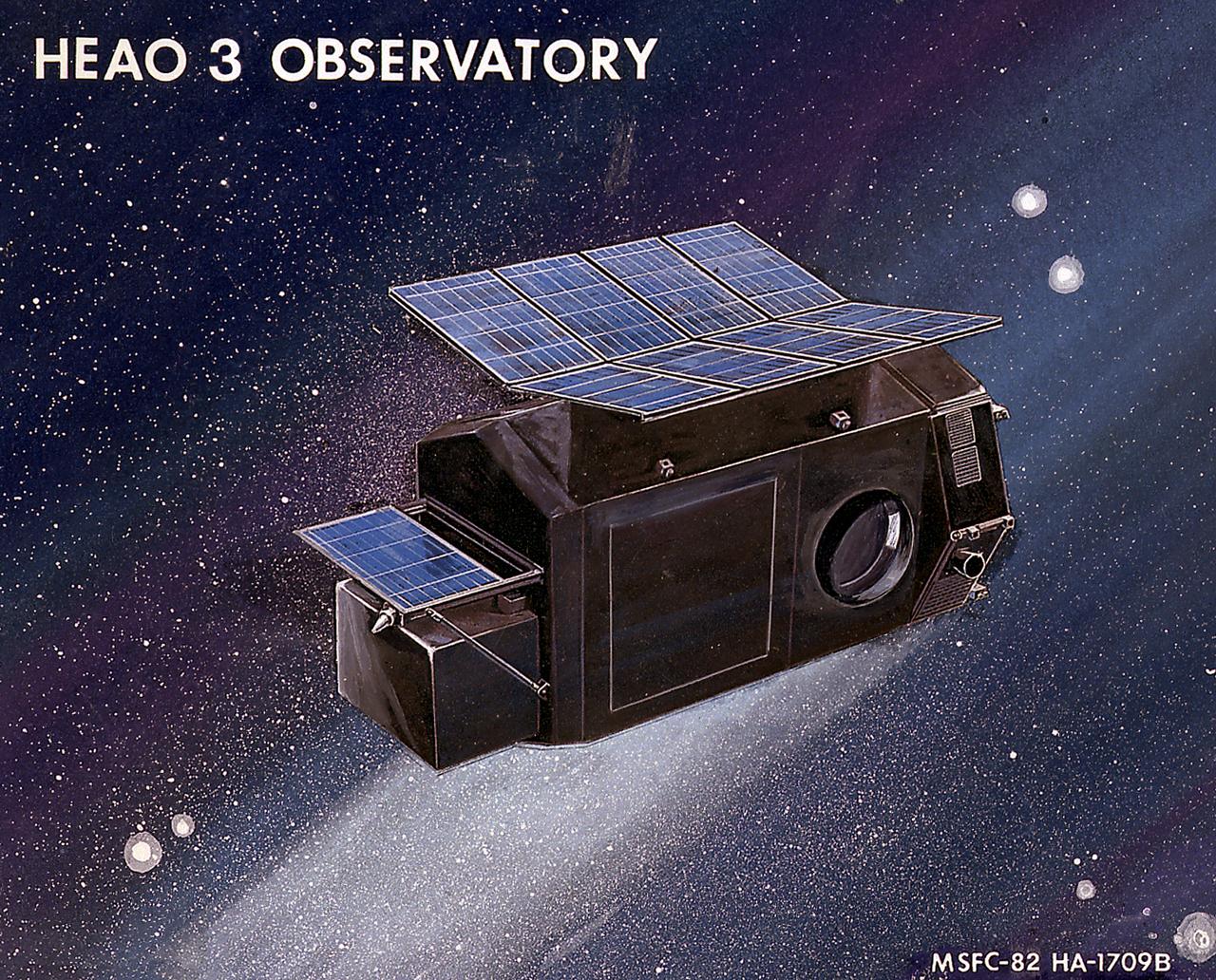
This artist's concept depicts the third observatory, the High Energy Astronomy Observatory (HEAO)-3 in orbit. Designed and developed by TRW, Inc. under the direction of the Marshall Space Flight Center, the HEAO-3's mission was to survey and map the celestial sphere for gamma-ray flux and make detailed measurements of cosmic-ray particles. It carried three scientific experiments: a gamma-ray spectrometer, a cosmic-ray isotope experiment, and a heavy cosmic-ray nuclei experiment. The HEAO-3 was originally identified as HEAO-C but the designation was changed once the spacecraft achieved orbit.
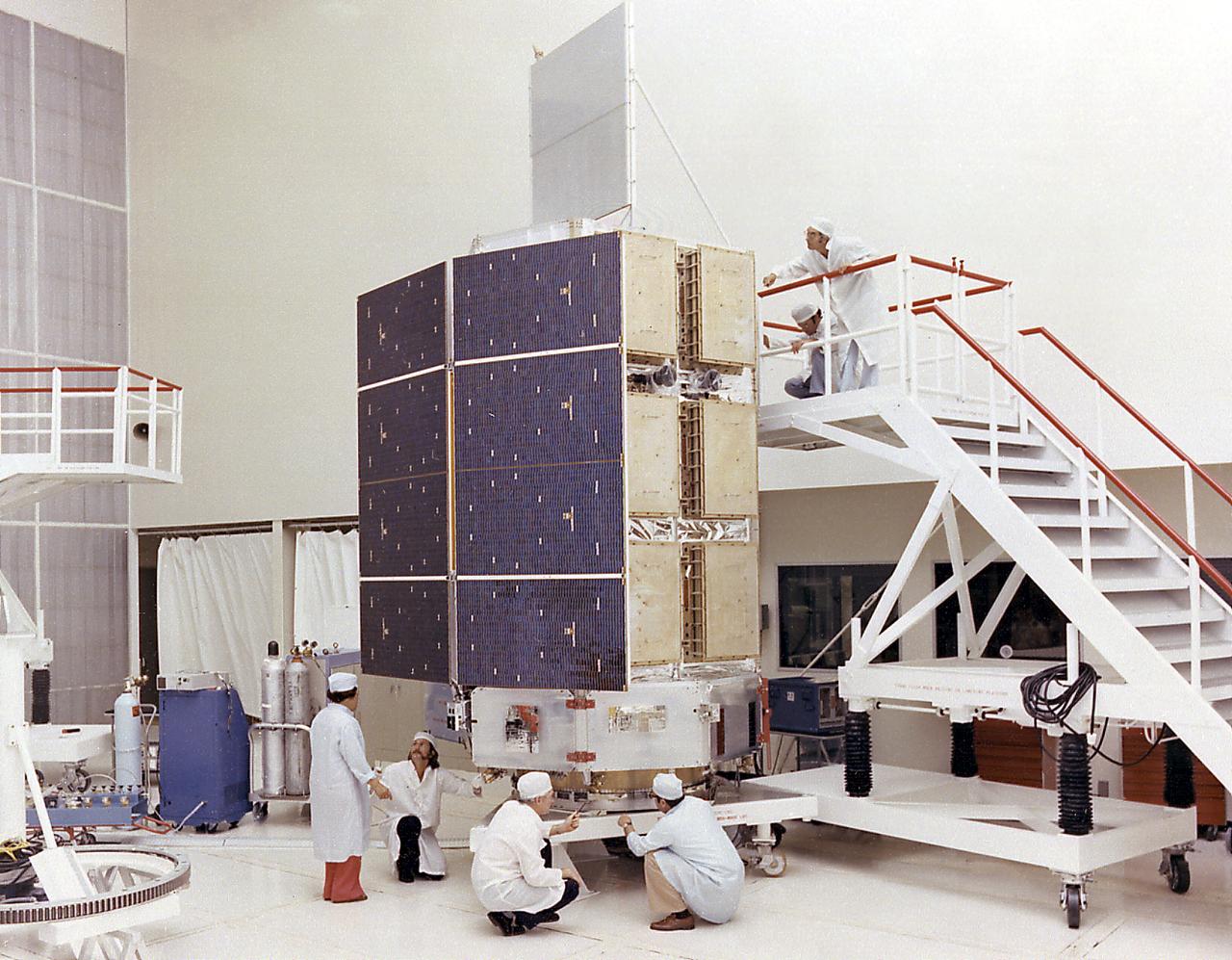
This photograph shows the High Energy Astronomy Observatory (HEAO)-3 being assembled at TRW, Inc. Designed and developed by TRW, Inc. under the direction of the Marshall Space Flight Center, the objectives of the HEAO-3 were to survey and map the celestial sphere for gamma-ray flux and make detailed measurements of cosmic-ray particles. It carried three scientific experiments: a gamma-ray spectrometer, a cosmic-ray isotope experiment, and a heavy cosmic-ray nuclei experiment. The HEAO-3 was originally identified as HEAO-C but the designation was changed once the spacecraft achieved orbit. The Marshall Space Flight Center had the project management responsibilities for the HEAO missions.
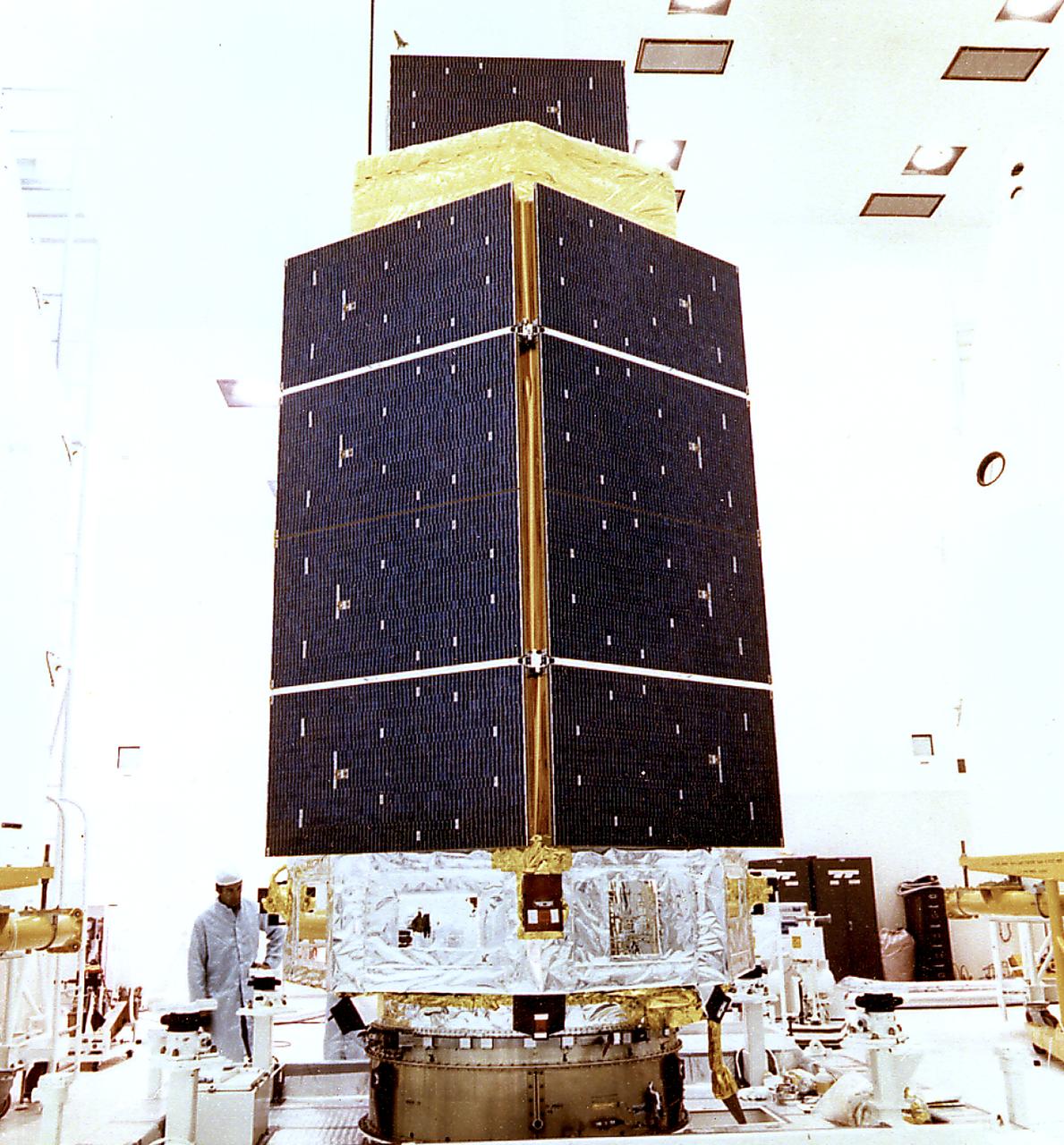
This photograph shows the High Energy Astronomy Observatory (HEAO)-3 being prepared for encapsulation. Designed and developed by TRW, Inc. under the direction of the Marshall Space Flight Center, the objectives of the HEAO-3 were to survey and map the celestial sphere for gamma-ray flux and make detailed measurements of cosmic-ray particles. It carried three scientific experiments: a gamma-ray spectrometer, a cosmic-ray isotope experiment, and a heavy cosmic-ray nuclei experiment. The HEAO-3 was originally identified as HEAO-C but the designation was changed once the spacecraft achieved orbit. The Marshall Space Flight Center had the project management responsibilities for the HEAO missions.
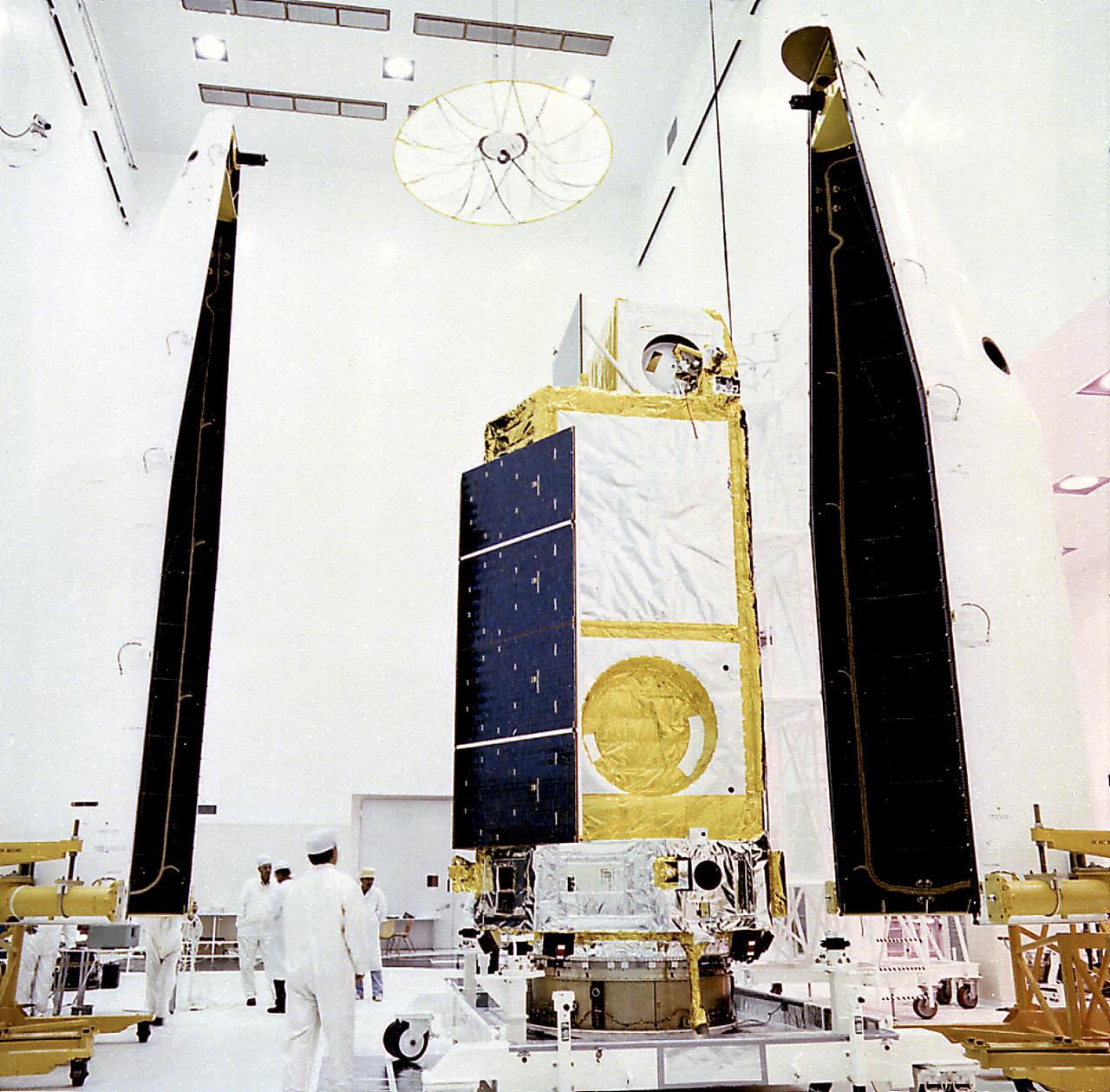
This photograph was taken during encapsulation of the High Energy Astronomy Observatory (HEAO)-3. Designed and developed by TRW, Inc. under the direction of the Marshall Space Flight Center, the objectives of the HEAO-3 were to survey and map the celestial sphere for gamma-ray flux and make detailed measurements of cosmic-ray particles. It carried three scientific experiments: a gamma-ray spectrometer, a cosmic-ray isotope experiment, and a heavy cosmic-ray nuclei experiment. The HEAO-3 was originally identified as HEAO-C but the designation was changed once the spacecraft achieved orbit. The Marshall Space Flight Center had the project management responsibilities for the HEAO missions.
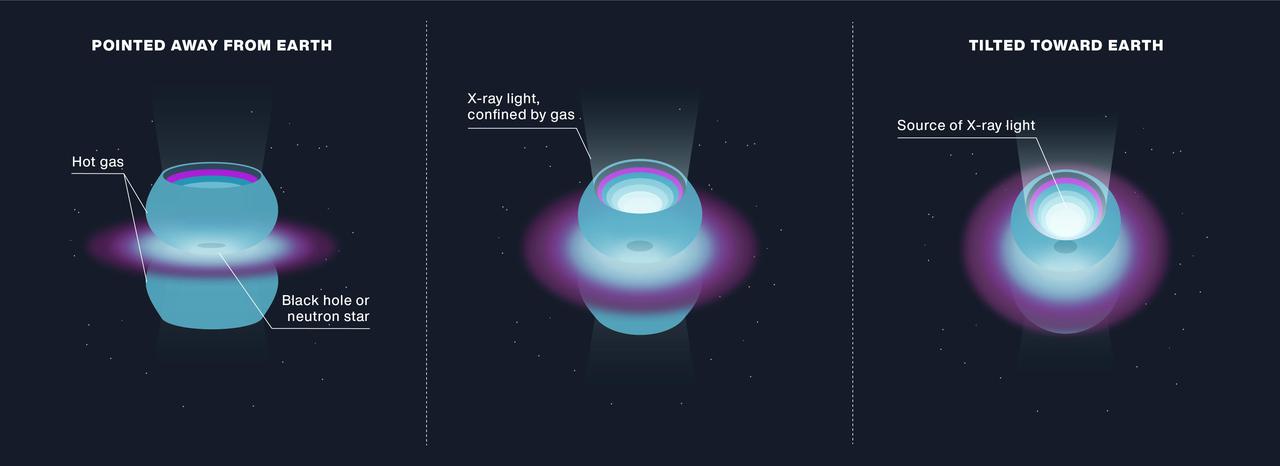
This illustration shows the object known as SS 433, located in the Milky Way galaxy and only about 20,000 light-years from Earth. Researchers think SS 433 is an ultraluminous X-ray source, or ULX, a compact cosmic object that must have an X-ray luminosity that is about a million times the total luminosity output of the Sun (at all wavelengths). ULXs are so bright, they can be seen millions of light-years away, in other galaxies. SS 433 appears to be about 1,000 times dimmer than the minimum threshold to be considered a ULX. This faintness is likely a trick of perspective: The high-energy X-rays from SS 433 are initially confined within two cones of gas extending outward from opposite sides of the central object. These cones are similar to a mirrored bowl that surrounds a flashlight bulb: They corral the X-ray light from SS 433 into a narrow beam, until it escapes and is detected by NuSTAR. But because the cones are not pointing directly at Earth, NuSTAR can't see the object's full brightness. Animation available at https://photojournal.jpl.nasa.gov/catalog/PIA24574
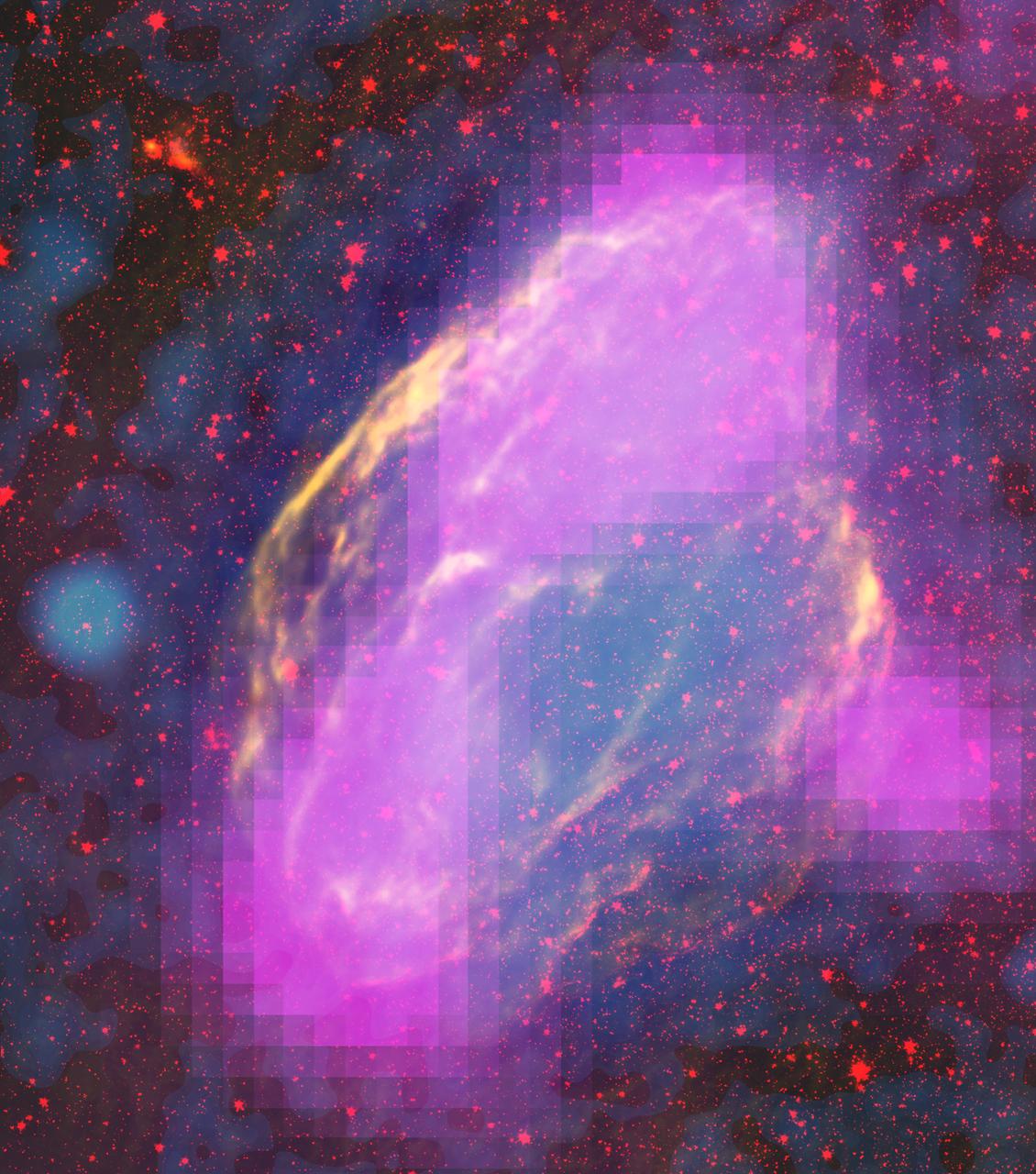
NASA's Fermi Closes on Source of Cosmic Rays New images from NASA's Fermi Gamma-ray Space Telescope show where supernova remnants emit radiation a billion times more energetic than visible light. The images bring astronomers a step closer to understanding the source of some of the universe's most energetic particles -- cosmic rays. Fermi mapped GeV-gamma-ray emission regions (magenta) in the W44 supernova remnant. The features clearly align with filaments detectable in other wavelengths. This composite merges X-rays (blue) from the Germany-led ROSAT mission, infrared (red) from NASA's Spitzer Space Telescope, and radio (orange) from the Very Large Array near Socorro, N.M. Credit: NASA/DOE/Fermi LAT Collaboration, ROSAT, JPL-Caltech, and NRAO/AUI For more information: <a href="http://www.nasa.gov/mission_pages/GLAST/news/cosmic-rays-source.html" rel="nofollow">www.nasa.gov/mission_pages/GLAST/news/cosmic-rays-source....</a>
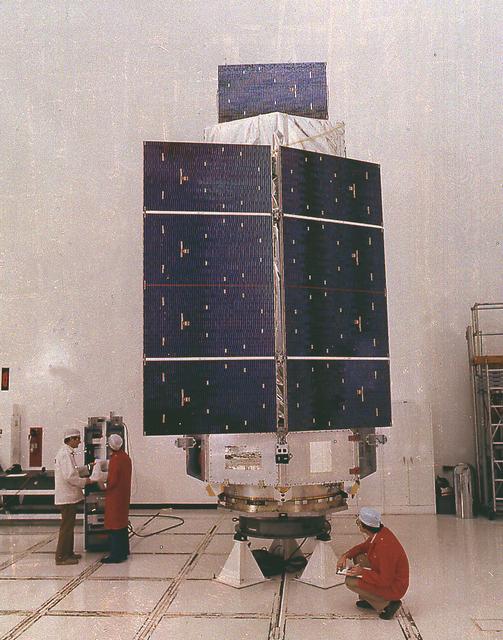
Managed by the Marshall Space Flight Center and built by TRW, the third High Energy Astronomy Observatory was launched September 20, 1979. HEAO-3 was designed to study gamma-rays and cosmic ray particles.
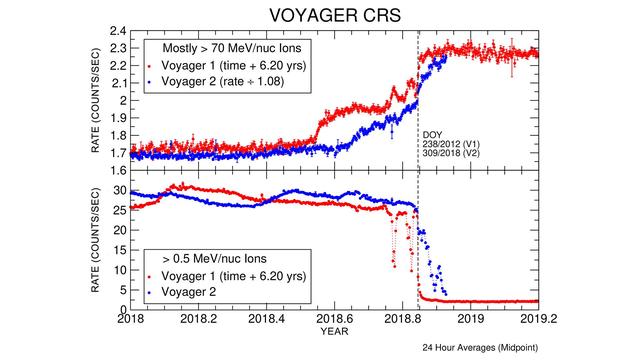
These graphs compare data from identical instruments onboard NASA's Voyager 1 and Voyager 2 spacecraft as they each exited the heliosphere. Voyager 1 exited in 2012, and Voyager 2 exited in 2018. The cosmic ray subsystem (CRS) measures the rate of energetic particles hitting the radiation detector on the instrument. The top graph shows high energy particles (called cosmic rays) that originate outside the heliosphere. The CRS instruments on both spacecraft observed similar, but not identical, increases in the cosmic ray rate as they both crossed the heliopause (the outer edge of the heliosphere). The lower graph shows slightly lower energy particles that originate inside the heliosphere. Both spacecraft detected a similar but not identical decrease in these lower energy particles when they crossed the heliopause and immediately after. https://photojournal.jpl.nasa.gov/catalog/PIA22916
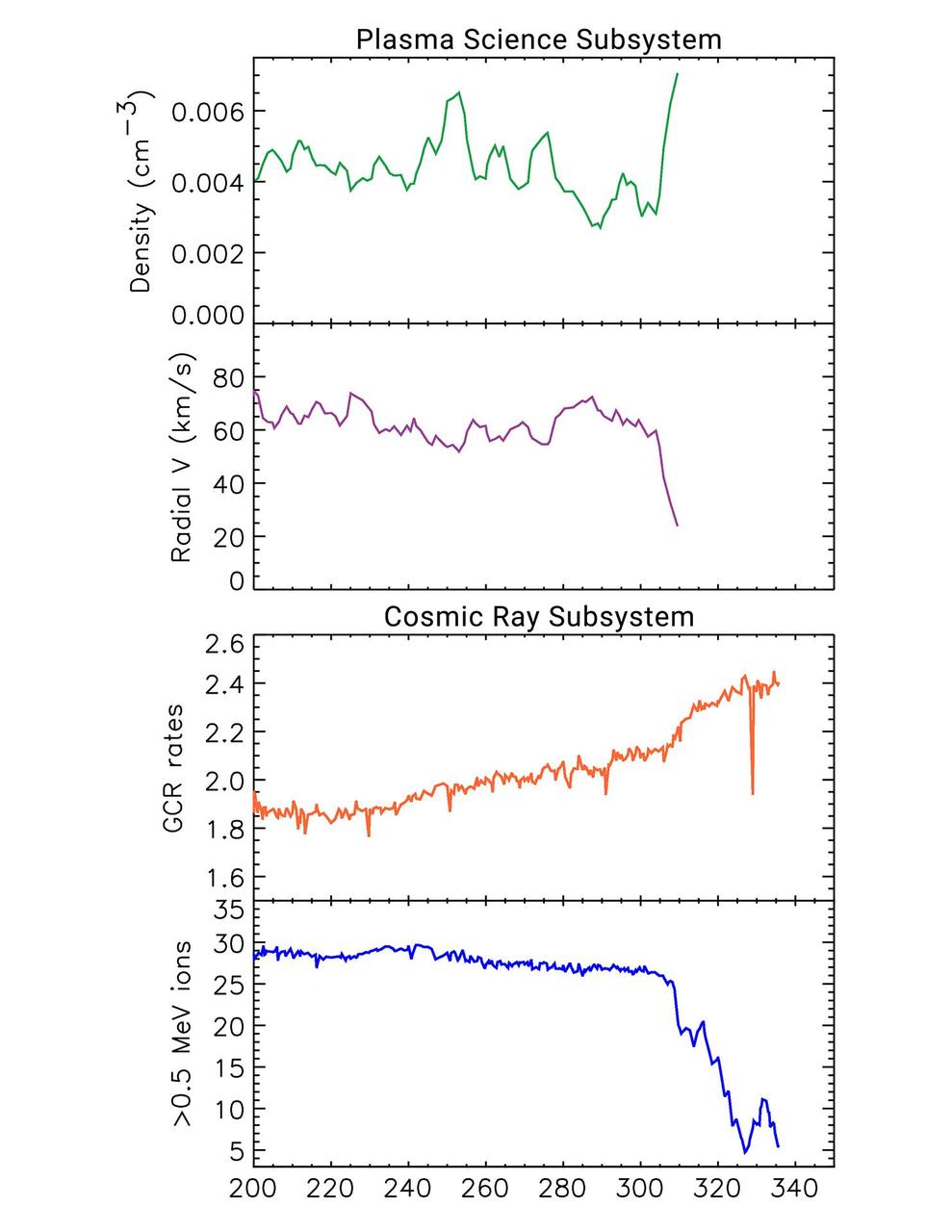
This set of graphs illustrates how data from two key instruments point to NASA's Voyager 2 spacecraft entering interstellar space, or the space between the stars, in November 2018. The top two plots come from the plasma science experiment (PLS). The plasma -- or ionized gas -- of interstellar space is significantly denser than the plasma inside the bubble of plasma the Sun blows around itself (the heliosphere). There is a jump on the graph in November 2018. At the same time, the measurements show that the outward speed (radial velocity) of the plasma the Sun is blowing (also known as the solar wind) sharply decreased. The bottom two plots come from the cosmic ray subsystem, which counts hits per second of higher-energy particles that originate from outside the solar bubble and lower-energy particles that originate from inside the solar bubble. The outsideparticles (also known as galactic cosmic rays or GCRs) increased and the inside particles (greater than 0.5 MeV) decreased at the same time the plasma science instrument detected its changes. The horizontal axis proceeds according to the numbered days of the year in 2018. https://photojournal.jpl.nasa.gov/catalog/PIA22923
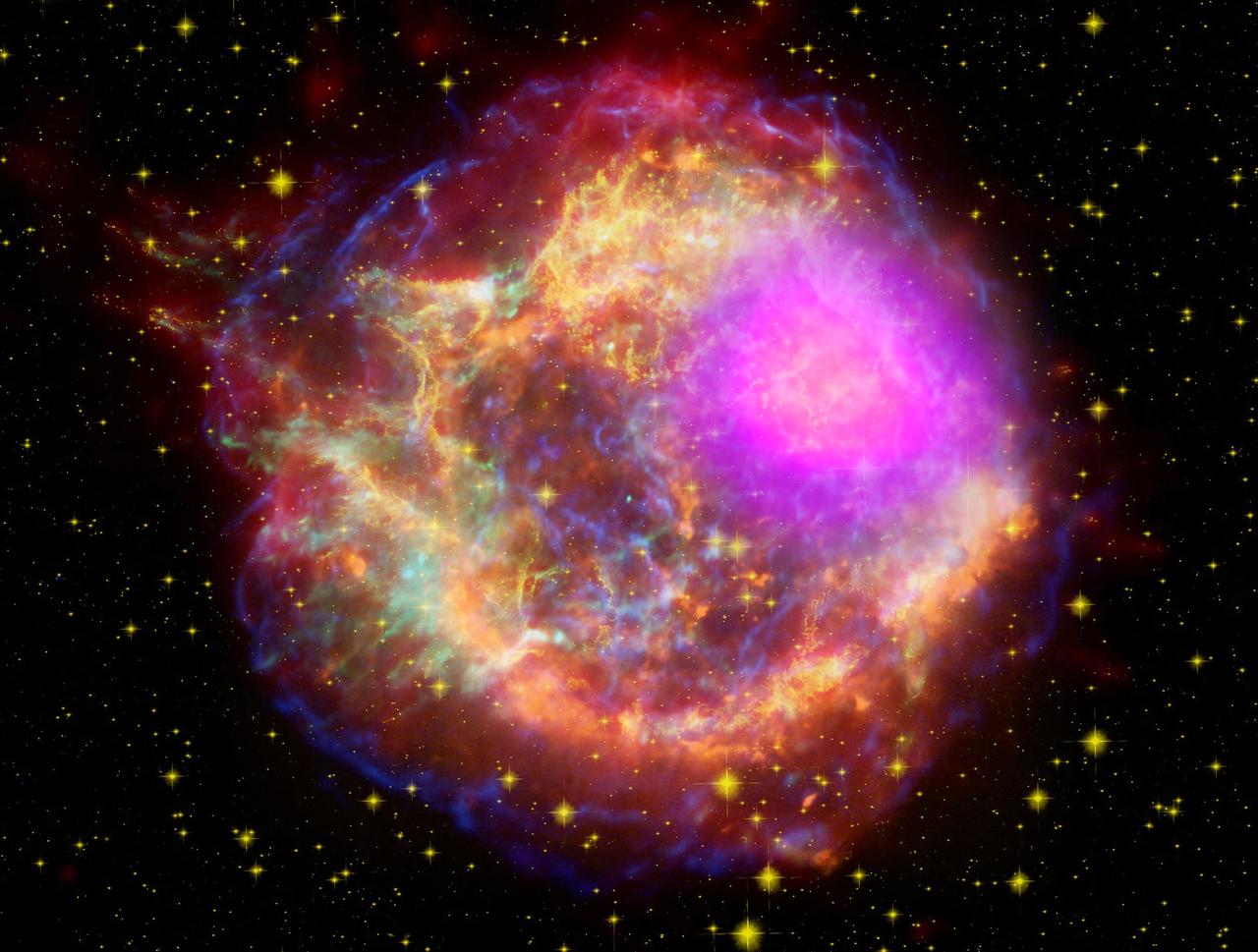
NASA's Fermi Closes on Source of Cosmic Rays New images from NASA's Fermi Gamma-ray Space Telescope show where supernova remnants emit radiation a billion times more energetic than visible light. The images bring astronomers a step closer to understanding the source of some of the universe's most energetic particles -- cosmic rays. This composite shows the Cassiopeia A supernova remnant across the spectrum: Gamma rays (magenta) from NASA's Fermi Gamma-ray Space Telescope; X-rays (blue, green) from NASA's Chandra X-ray Observatory; visible light (yellow) from the Hubble Space Telescope; infrared (red) from NASA's Spitzer Space Telescope; and radio (orange) from the Very Large Array near Socorro, N.M. Credit: NASA/DOE/Fermi LAT Collaboration, CXC/SAO/JPL-Caltech/Steward/O. Krause et al., and NRAO/AUI For more information: <a href="http://www.nasa.gov/mission_pages/GLAST/news/cosmic-rays-source.html" rel="nofollow">www.nasa.gov/mission_pages/GLAST/news/cosmic-rays-source....</a> <b><a href="http://www.nasa.gov/centers/goddard/home/index.html" rel="nofollow">NASA Goddard Space Flight Center</a></b> is home to the nation's largest organization of combined scientists, engineers and technologists that build spacecraft, instruments and new technology to study the Earth, the sun, our solar system, and the universe. <b>Follow us on <a href="http://twitter.com/NASA_GoddardPix" rel="nofollow">Twitter</a></b> <b>Join us on <a href="http://www.facebook.com/pages/Greenbelt-MD/NASA-Goddard/395013845897?ref=tsd" rel="nofollow">Facebook</a><b> </b></b>
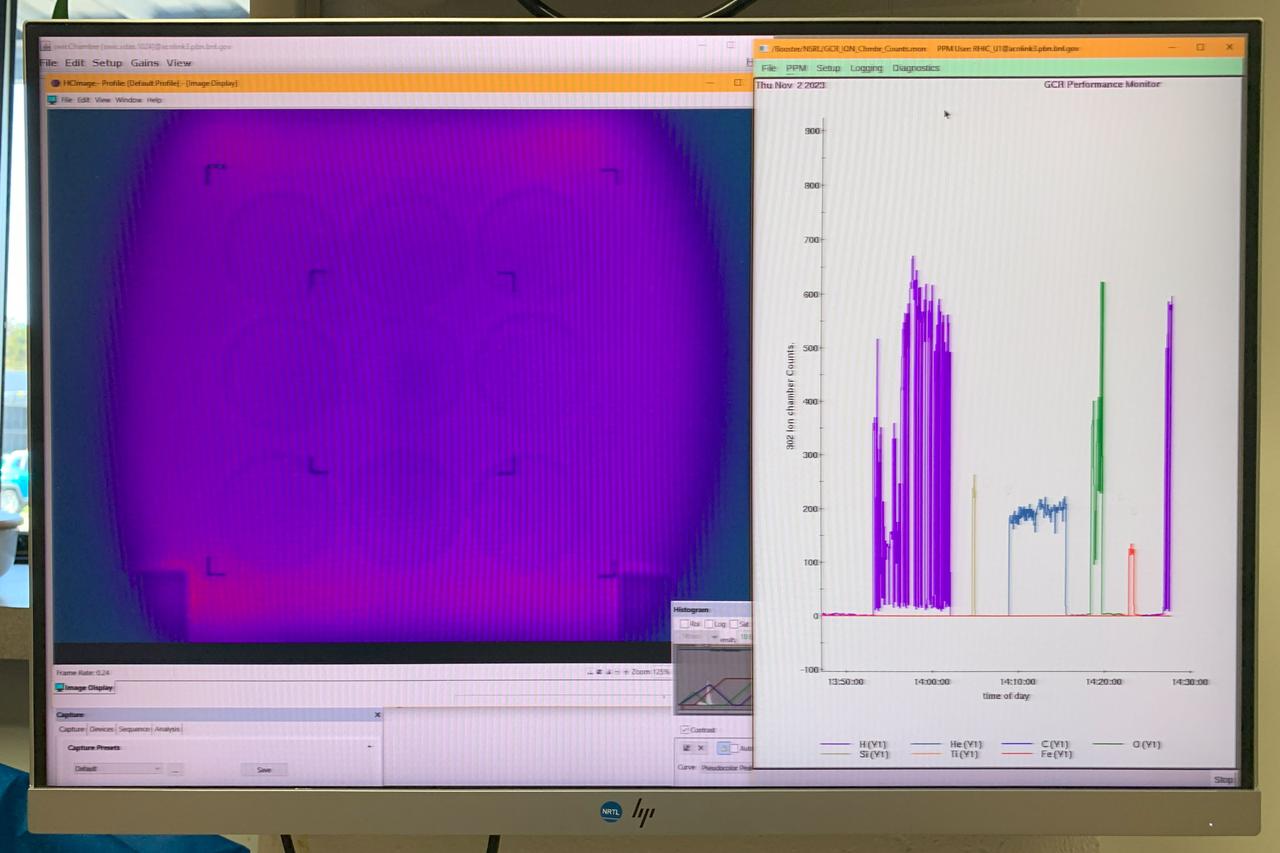
jsc2024e062111 (9/13/2024) --- The monitor displays the ion beam profile of Galactic Cosmic Ray Simulation (GCRSim) used in the ANT1 Radiation Tolerance Experiment with Moss in Orbit on the Space Station (ARTEMOSS) investigation. The ARTEMOSS investigation examines whether and how an Antarctic moss repairs damage caused by cosmic radiation and microgravity. Image courtesy of Agata Zupanska.
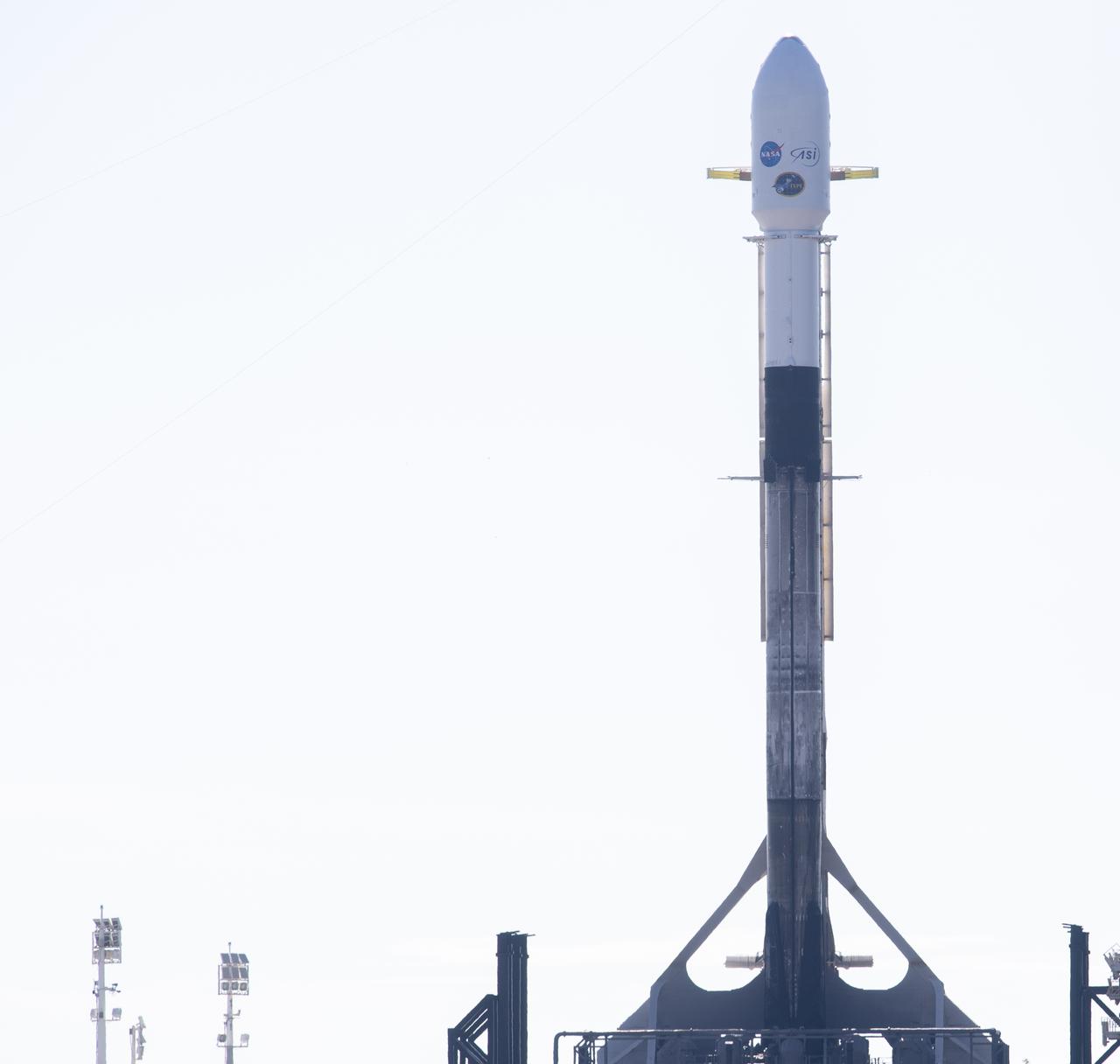
A SpaceX Falcon 9 rocket carrying NASA’s Imaging X-ray Polarimetry Explorer (IXPE) spacecraft is seen on the launch pad at Launch Complex 39A, Wednesday, Dec. 8, 2021, at NASA’s Kennedy Space Center in Florida. The IXPE spacecraft is the first satellite dedicated to measuring the polarization of X-rays from a variety of cosmic sources, such as black holes and neutron stars. Photo Credit: (NASA/Joel Kowsky)

A SpaceX Falcon 9 rocket carrying NASA’s Imaging X-ray Polarimetry Explorer (IXPE) spacecraft is seen on the launch pad at Launch Complex 39A, Wednesday, Dec. 8, 2021, at NASA’s Kennedy Space Center in Florida. The IXPE spacecraft is the first satellite dedicated to measuring the polarization of X-rays from a variety of cosmic sources, such as black holes and neutron stars. Photo Credit: (NASA/Joel Kowsky)
A SpaceX Falcon 9 rocket carrying NASA’s Imaging X-ray Polarimetry Explorer (IXPE) spacecraft is seen on the launch pad at Launch Complex 39A, Wednesday, Dec. 8, 2021, at NASA’s Kennedy Space Center in Florida. The IXPE spacecraft is the first satellite dedicated to measuring the polarization of X-rays from a variety of cosmic sources, such as black holes and neutron stars. Photo Credit: (NASA/Joel Kowsky)
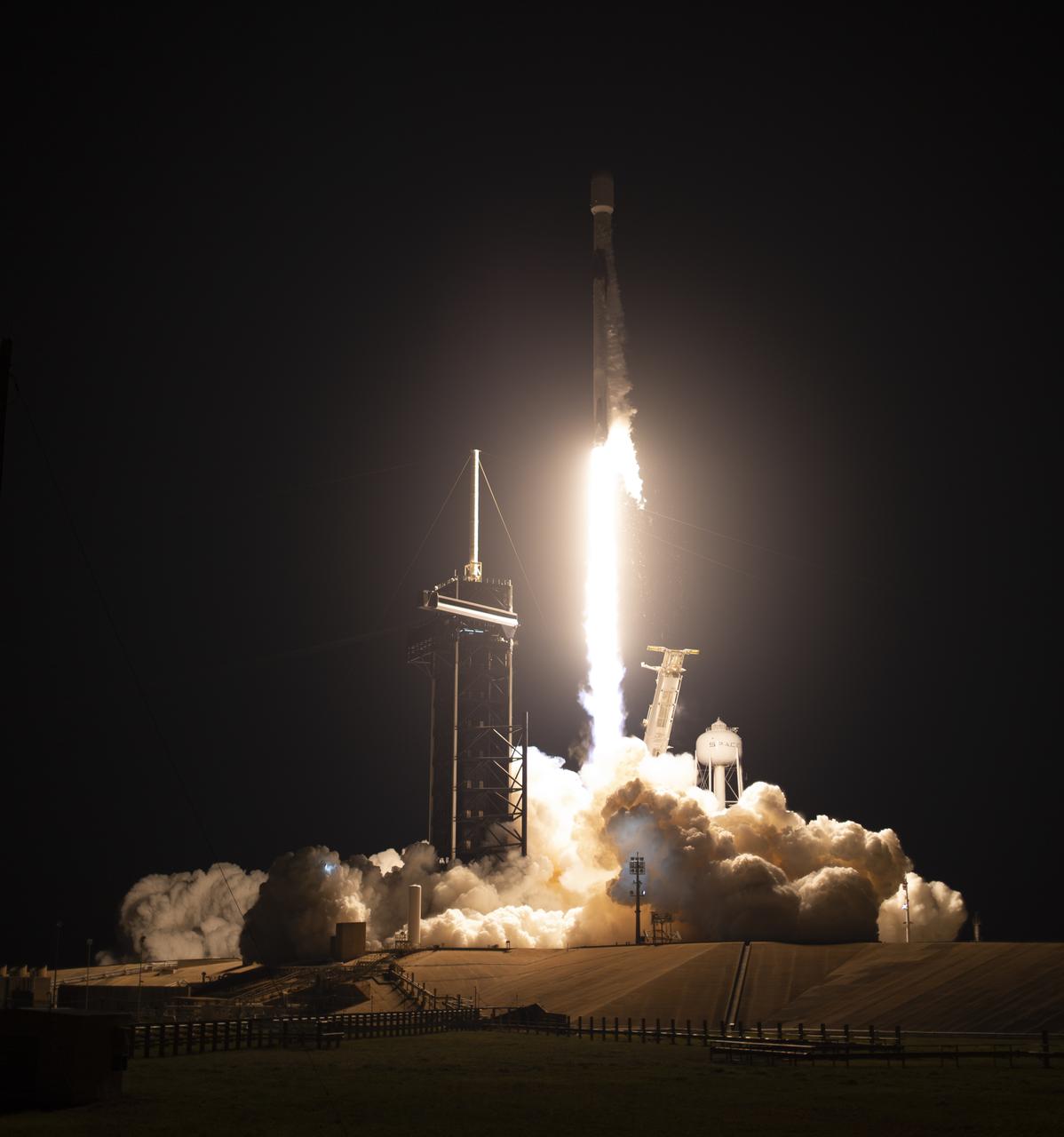
A SpaceX Falcon 9 rocket launches with NASA’s Imaging X-ray Polarimetry Explorer (IXPE) spacecraft onboard from Launch Complex 39A, Thursday, Dec. 9, 2021, at NASA’s Kennedy Space Center in Florida. The IXPE spacecraft is the first satellite dedicated to measuring the polarization of X-rays from a variety of cosmic sources, such as black holes and neutron stars. Launch occurred at 1:00 a.m. EST. Photo Credit: (NASA/Joel Kowsky)
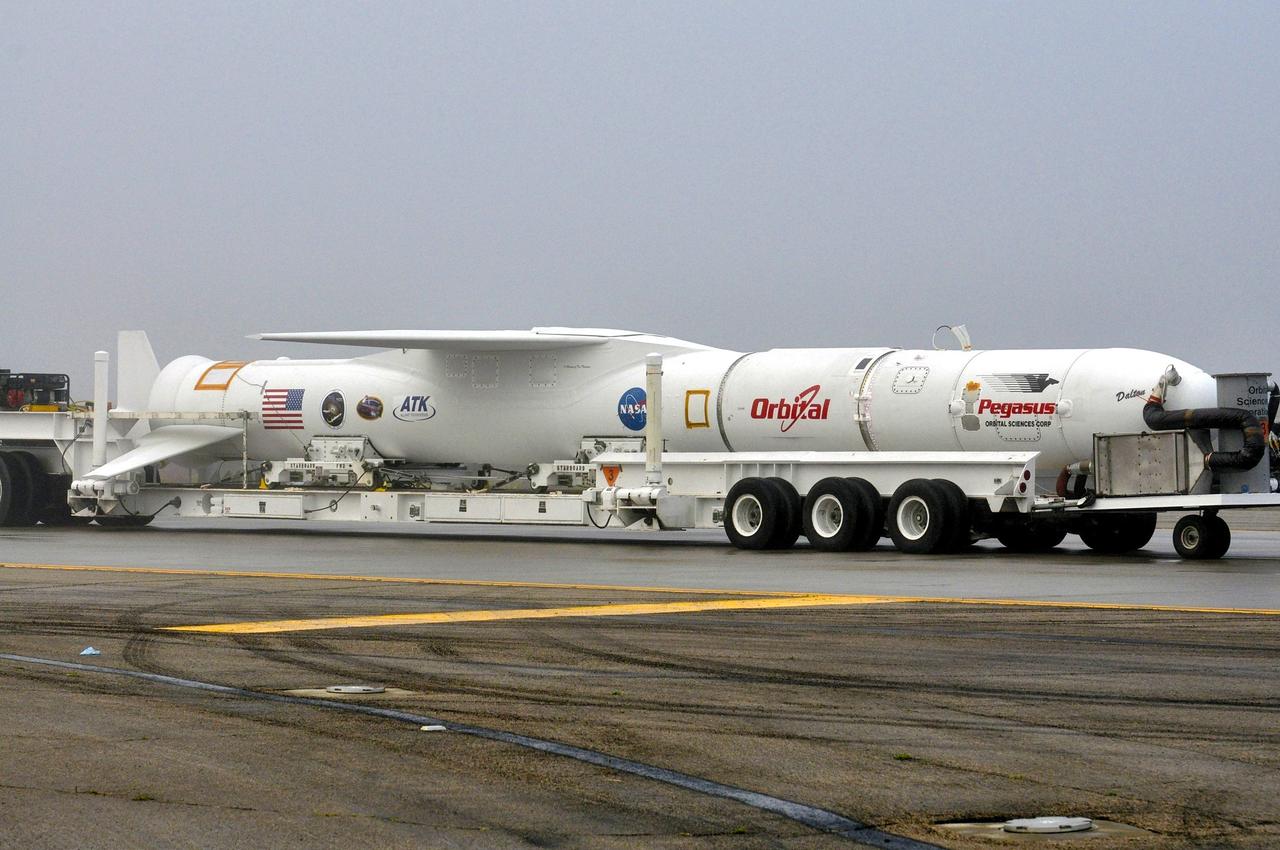
VANDENBERG AFB, Calif. – Technicians roll the Orbital Sciences Pegasus XL rocket with its NuSTAR spacecraft to the waiting L-1011 carrier aircraft known as "Stargazer." The Pegasus will launch NuSTAR into space where the high-energy x-ray telescope will conduct a census for black holes, map radioactive material in young supernovae remnants, and study the origins of cosmic rays and the extreme physics around collapsed stars. Photo credit: NASA/Randy Beaudoin, VAFB
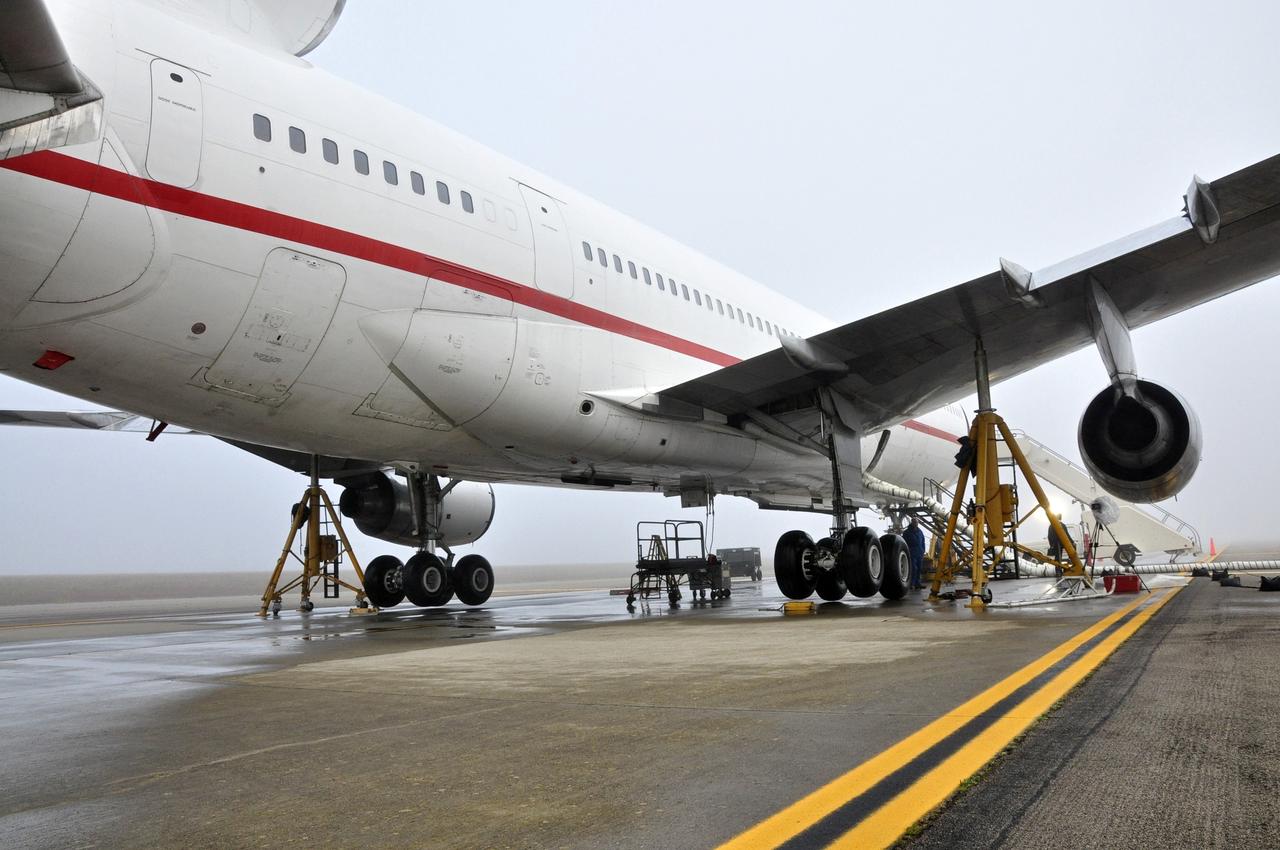
VANDENBERG AFB, Calif. – The Orbital Sciences L-1011 known as "Stargazer" awaits the Orbital Sciences Pegasus XL rocket with its NuSTAR spacecraft. The Pegasus will launch NuSTAR into space where the high-energy x-ray telescope will conduct a census for black holes, map radioactive material in young supernovae remnants, and study the origins of cosmic rays and the extreme physics around collapsed stars. Photo credit: NASA/Randy Beaudoin, VAFB
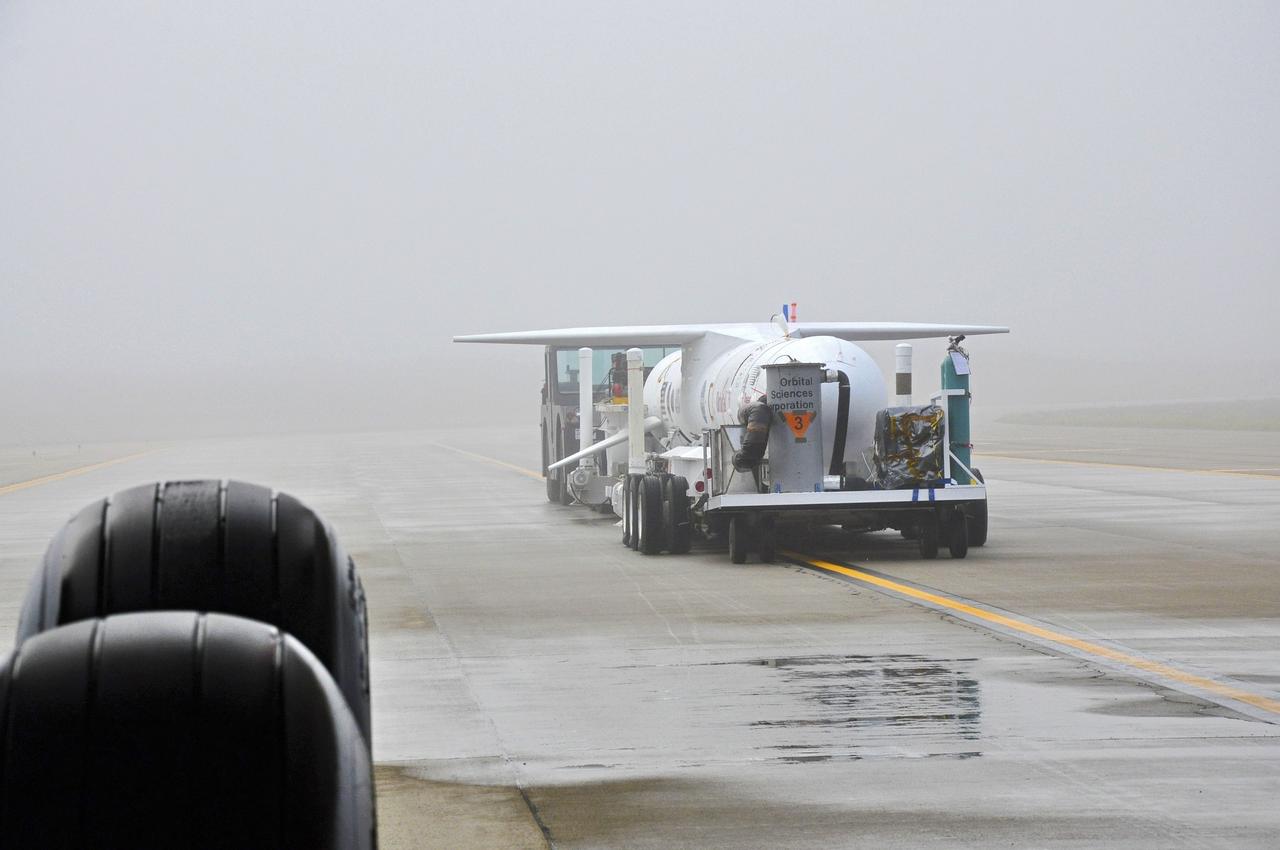
VANDENBERG AFB, Calif. – Technicians roll the Orbital Sciences Pegasus XL rocket with its NuSTAR spacecraft to the waiting L-1011 carrier aircraft known as "Stargazer." The Pegasus will launch NuSTAR into space where the high-energy x-ray telescope will conduct a census for black holes, map radioactive material in young supernovae remnants, and study the origins of cosmic rays and the extreme physics around collapsed stars. Photo credit: NASA/Randy Beaudoin, VAFB
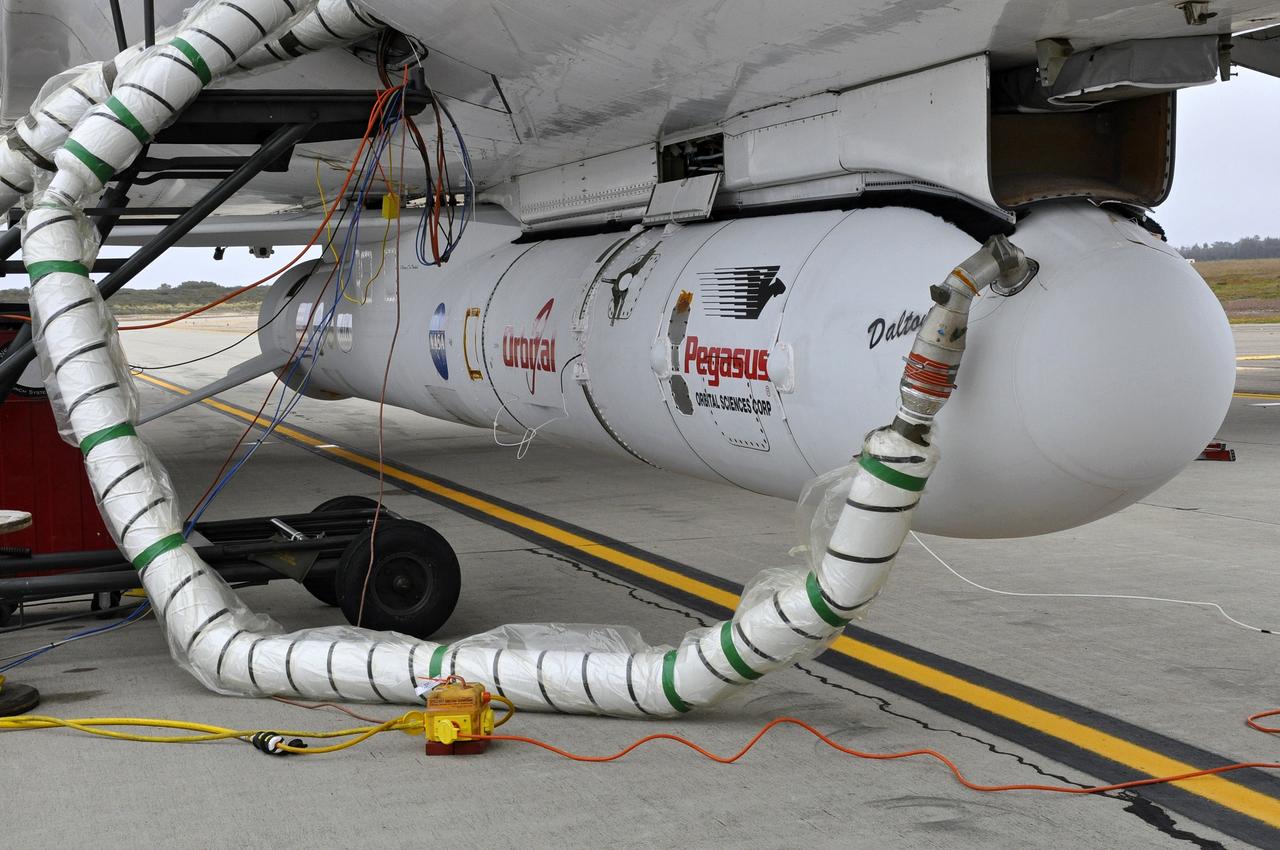
VANDENBERG AFB, Calif. – The Orbital Sciences Pegasus XL rocket with its NuSTAR spacecraft after attachment to the L-1011 carrier aircraft known as "Stargazer." The Pegasus will launch NuSTAR into space where the high-energy x-ray telescope will conduct a census for black holes, map radioactive material in young supernovae remnants, and study the origins of cosmic rays and the extreme physics around collapsed stars. Photo credit: NASA/Randy Beaudoin, VAFB
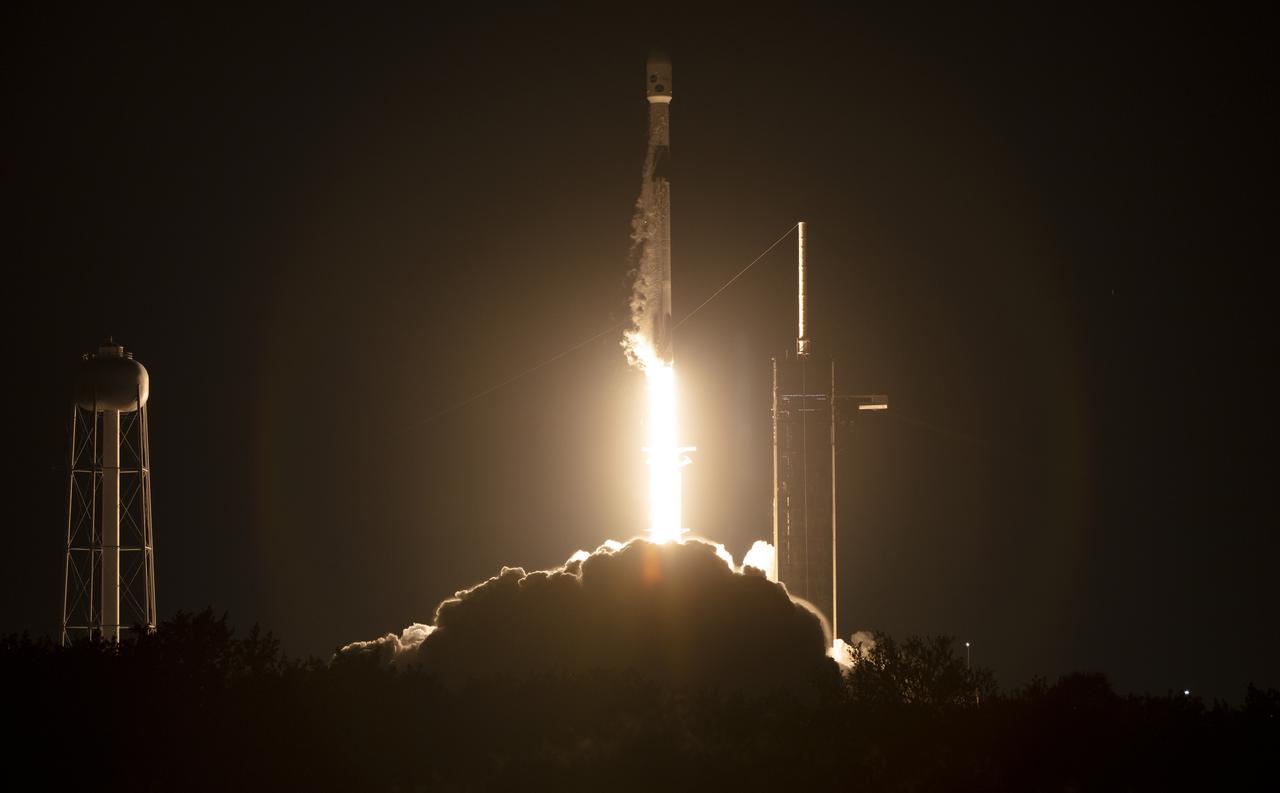
A SpaceX Falcon 9 rocket launches with NASA’s Imaging X-ray Polarimetry Explorer (IXPE) spacecraft onboard from Launch Complex 39A, Thursday, Dec. 9, 2021, at NASA’s Kennedy Space Center in Florida. The IXPE spacecraft is the first satellite dedicated to measuring the polarization of X-rays from a variety of cosmic sources, such as black holes and neutron stars. Launch occurred at 1:00 a.m. EST. Photo Credit: (NASA/Joel Kowsky)
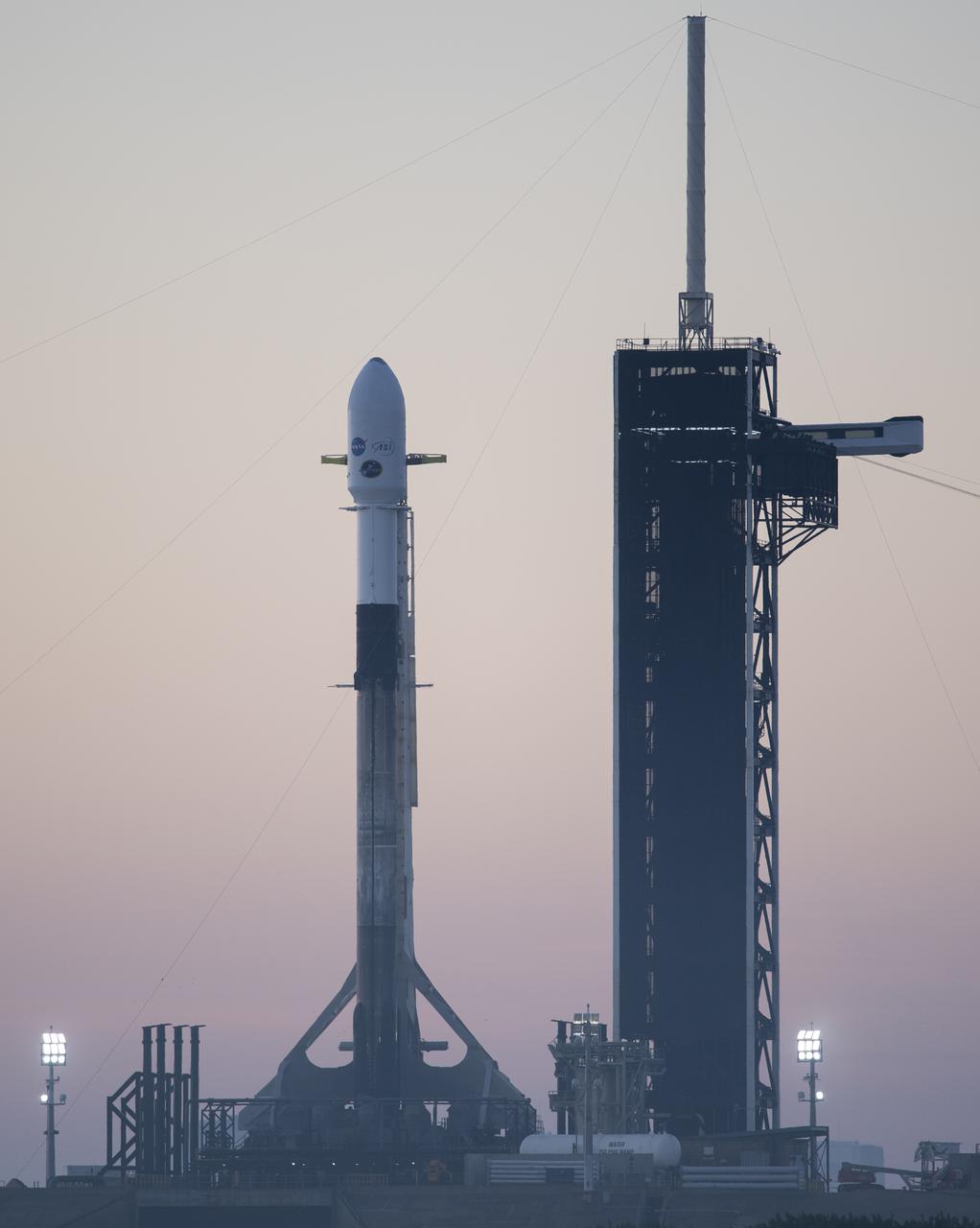
A SpaceX Falcon 9 rocket carrying NASA’s Imaging X-ray Polarimetry Explorer (IXPE) spacecraft is seen on the launch pad at Launch Complex 39A, Wednesday, Dec. 8, 2021, at NASA’s Kennedy Space Center in Florida. The IXPE spacecraft is the first satellite dedicated to measuring the polarization of X-rays from a variety of cosmic sources, such as black holes and neutron stars. Photo Credit: (NASA/Joel Kowsky)
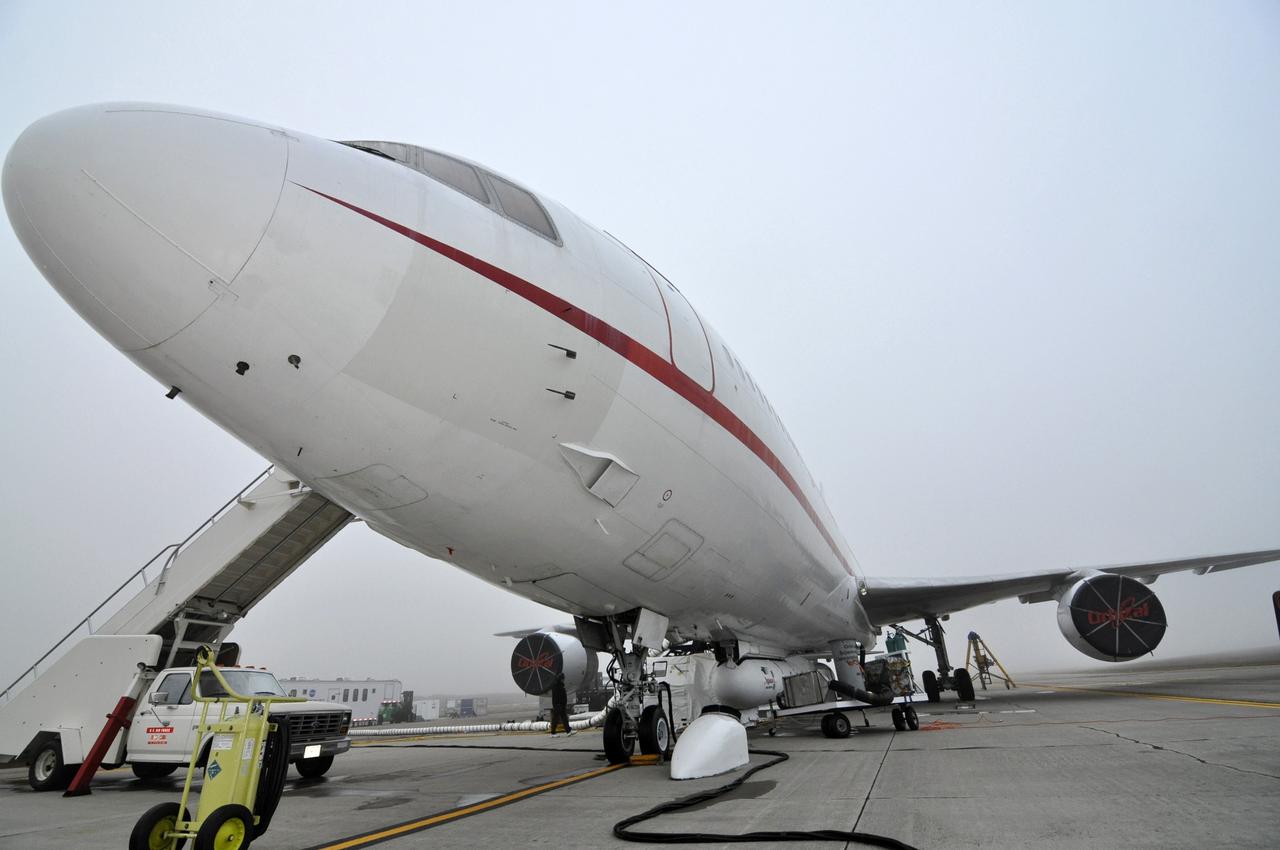
VANDENBERG AFB, Calif. – The Orbital Sciences Pegasus XL rocket with its NuSTAR spacecraft after attachment to the L-1011 carrier aircraft known as "Stargazer." The Pegasus will launch NuSTAR into space where the high-energy x-ray telescope will conduct a census for black holes, map radioactive material in young supernovae remnants, and study the origins of cosmic rays and the extreme physics around collapsed stars. Photo credit: NASA/Randy Beaudoin, VAFB
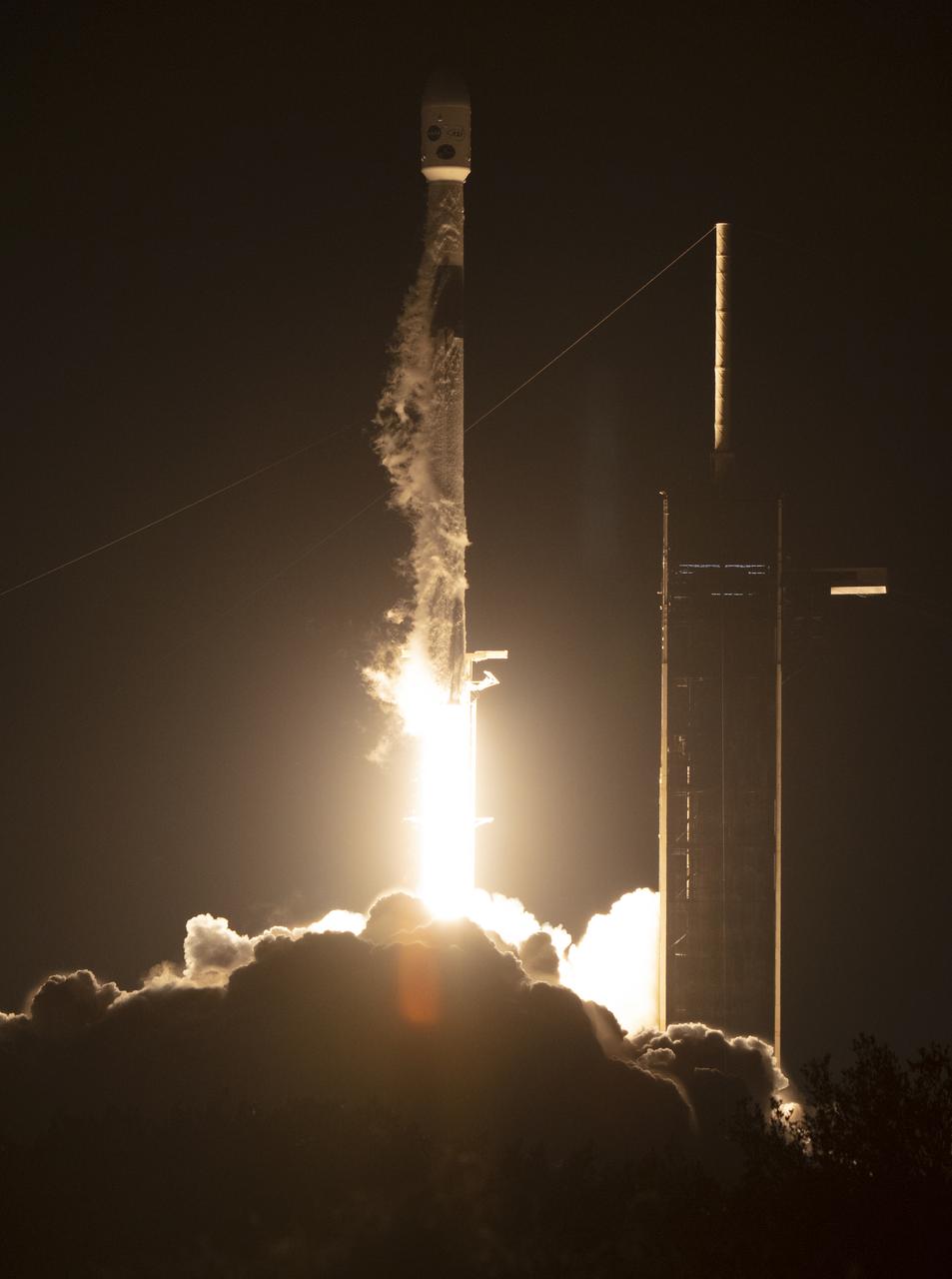
A SpaceX Falcon 9 rocket launches with NASA’s Imaging X-ray Polarimetry Explorer (IXPE) spacecraft onboard from Launch Complex 39A, Thursday, Dec. 9, 2021, at NASA’s Kennedy Space Center in Florida. The IXPE spacecraft is the first satellite dedicated to measuring the polarization of X-rays from a variety of cosmic sources, such as black holes and neutron stars. Launch occurred at 1:00 a.m. EST. Photo Credit: (NASA/Joel Kowsky)
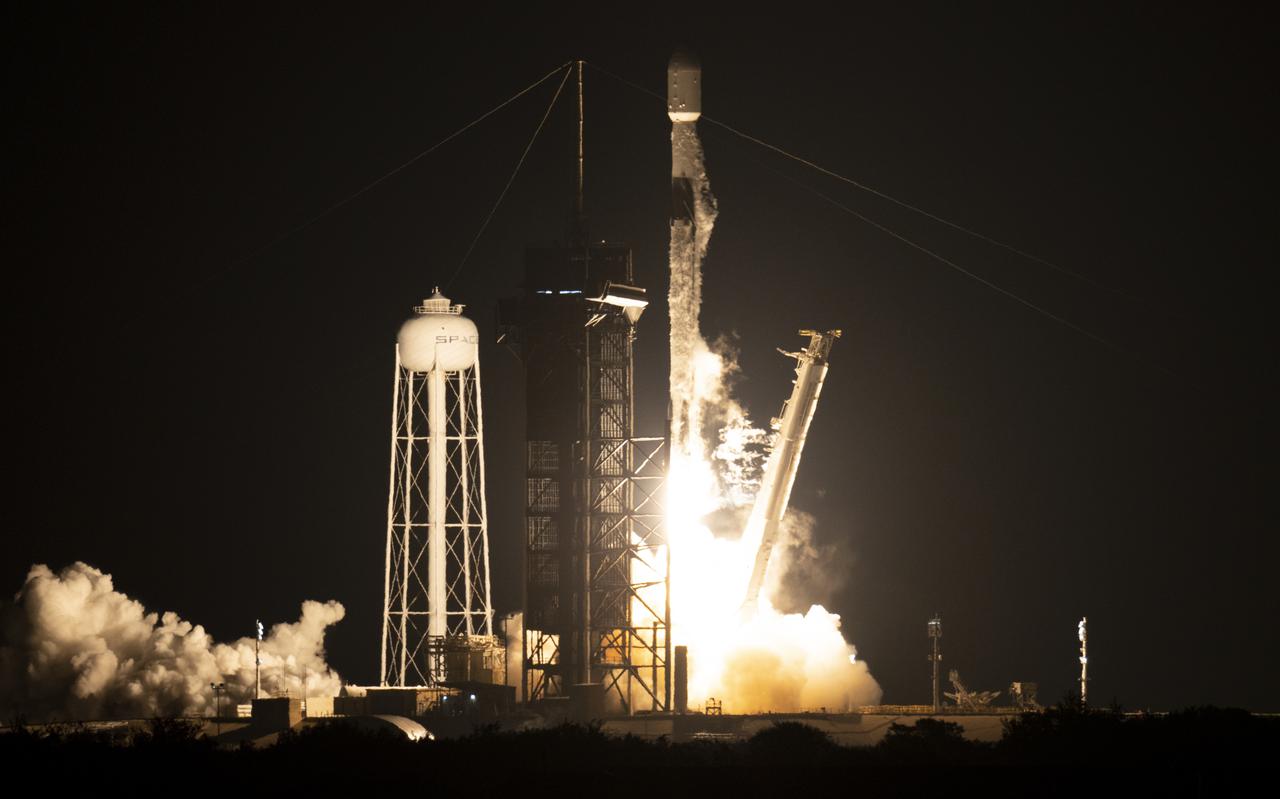
A SpaceX Falcon 9 rocket launches with NASA’s Imaging X-ray Polarimetry Explorer (IXPE) spacecraft onboard from Launch Complex 39A, Thursday, Dec. 9, 2021, at NASA’s Kennedy Space Center in Florida. The IXPE spacecraft is the first satellite dedicated to measuring the polarization of X-rays from a variety of cosmic sources, such as black holes and neutron stars. Launch occurred at 1:00 a.m. EST. Photo Credit: (NASA/Joel Kowsky)
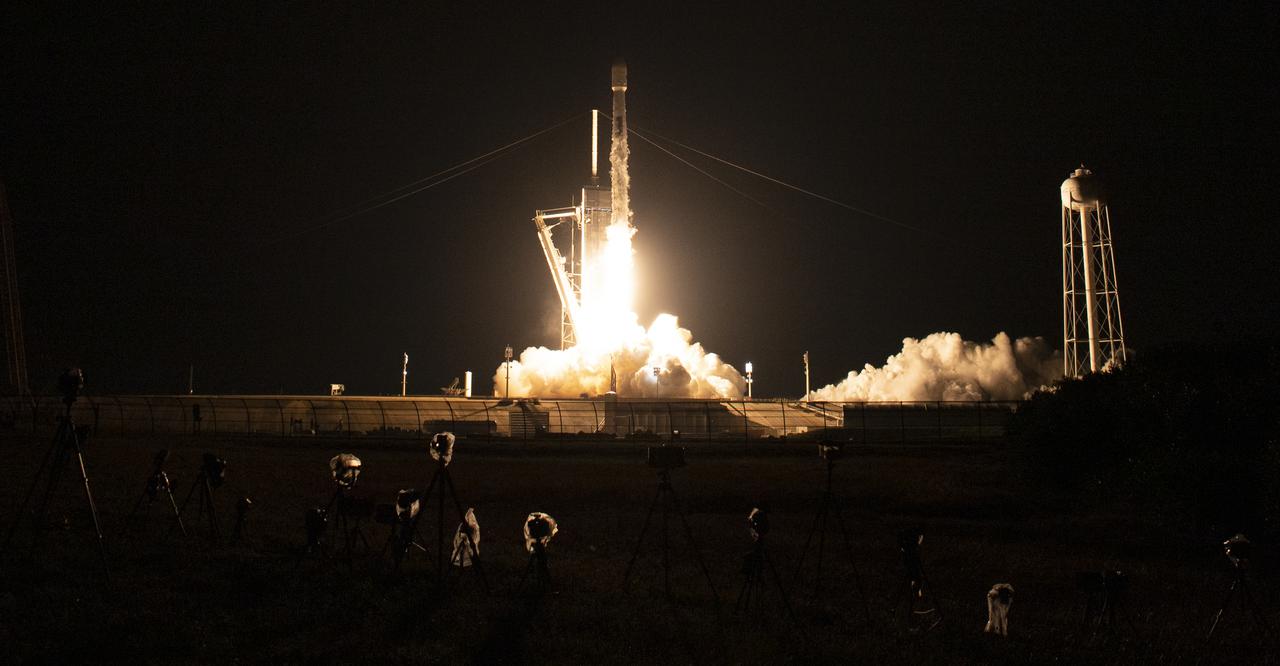
A SpaceX Falcon 9 rocket launches with NASA’s Imaging X-ray Polarimetry Explorer (IXPE) spacecraft onboard from Launch Complex 39A, Thursday, Dec. 9, 2021, at NASA’s Kennedy Space Center in Florida. The IXPE spacecraft is the first satellite dedicated to measuring the polarization of X-rays from a variety of cosmic sources, such as black holes and neutron stars. Launch occurred at 1:00 a.m. EST. Photo Credit: (NASA/Joel Kowsky)
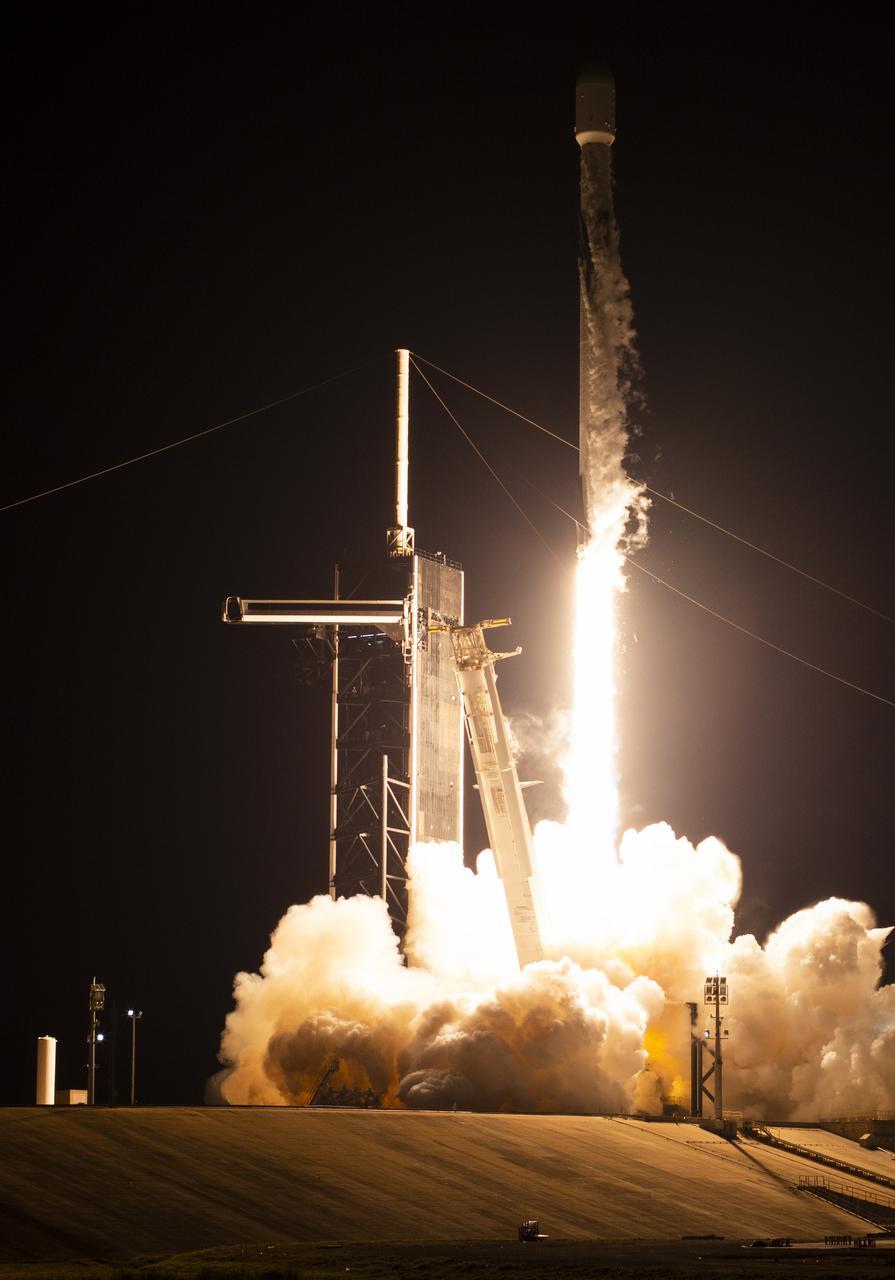
A SpaceX Falcon 9 rocket launches with NASA’s Imaging X-ray Polarimetry Explorer (IXPE) spacecraft onboard from Launch Complex 39A, Thursday, Dec. 9, 2021, at NASA’s Kennedy Space Center in Florida. The IXPE spacecraft is the first satellite dedicated to measuring the polarization of X-rays from a variety of cosmic sources, such as black holes and neutron stars. Launch occurred at 1:00 a.m. EST. Photo Credit: (NASA/Joel Kowsky)
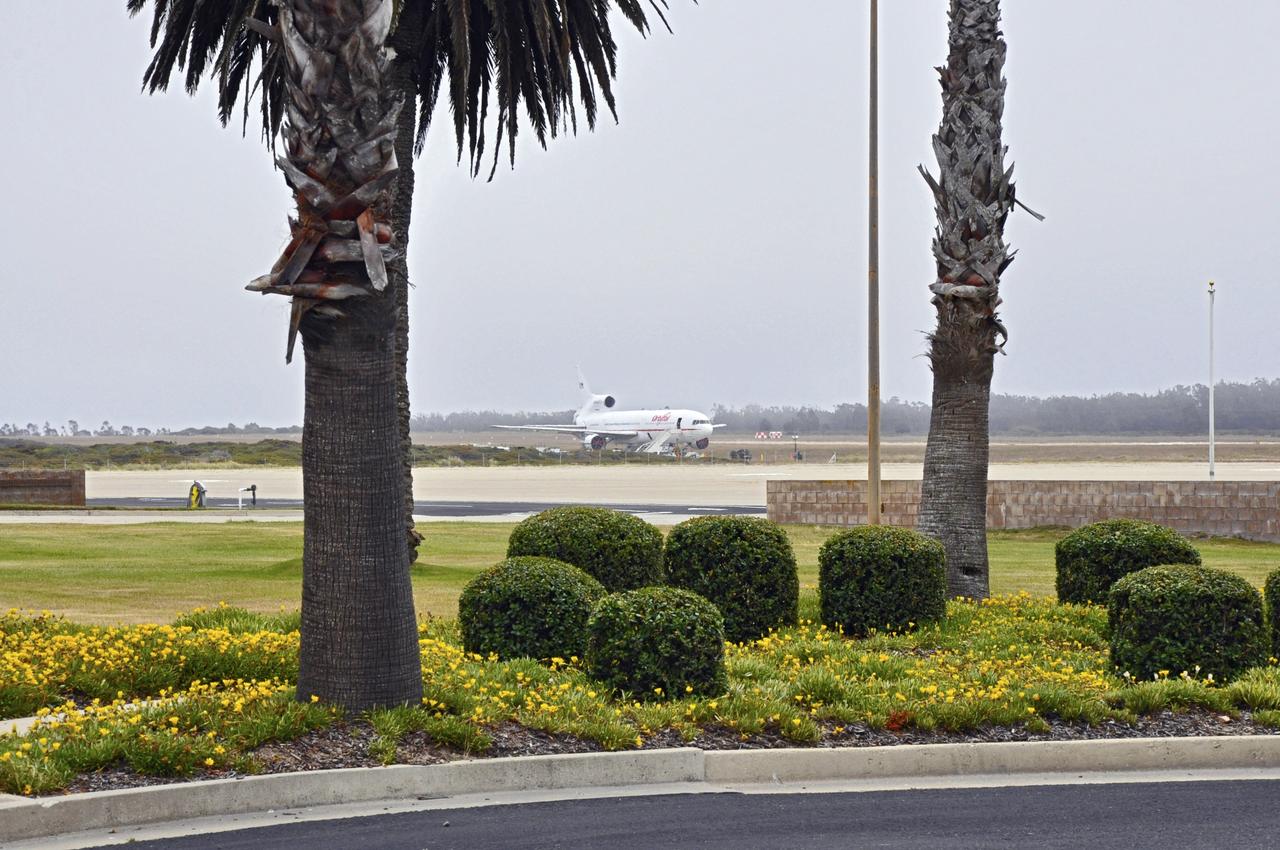
VANDENBERG AFB, Calif. – Technicians connect the Orbital Sciences Pegasus XL rocket with its NuSTAR spacecraft to the L-1011 carrier aircraft known as "Stargazer." The Pegasus will launch NuSTAR into space where the high-energy x-ray telescope will conduct a census for black holes, map radioactive material in young supernovae remnants, and study the origins of cosmic rays and the extreme physics around collapsed stars. Photo credit: NASA/Randy Beaudoin, VAFB
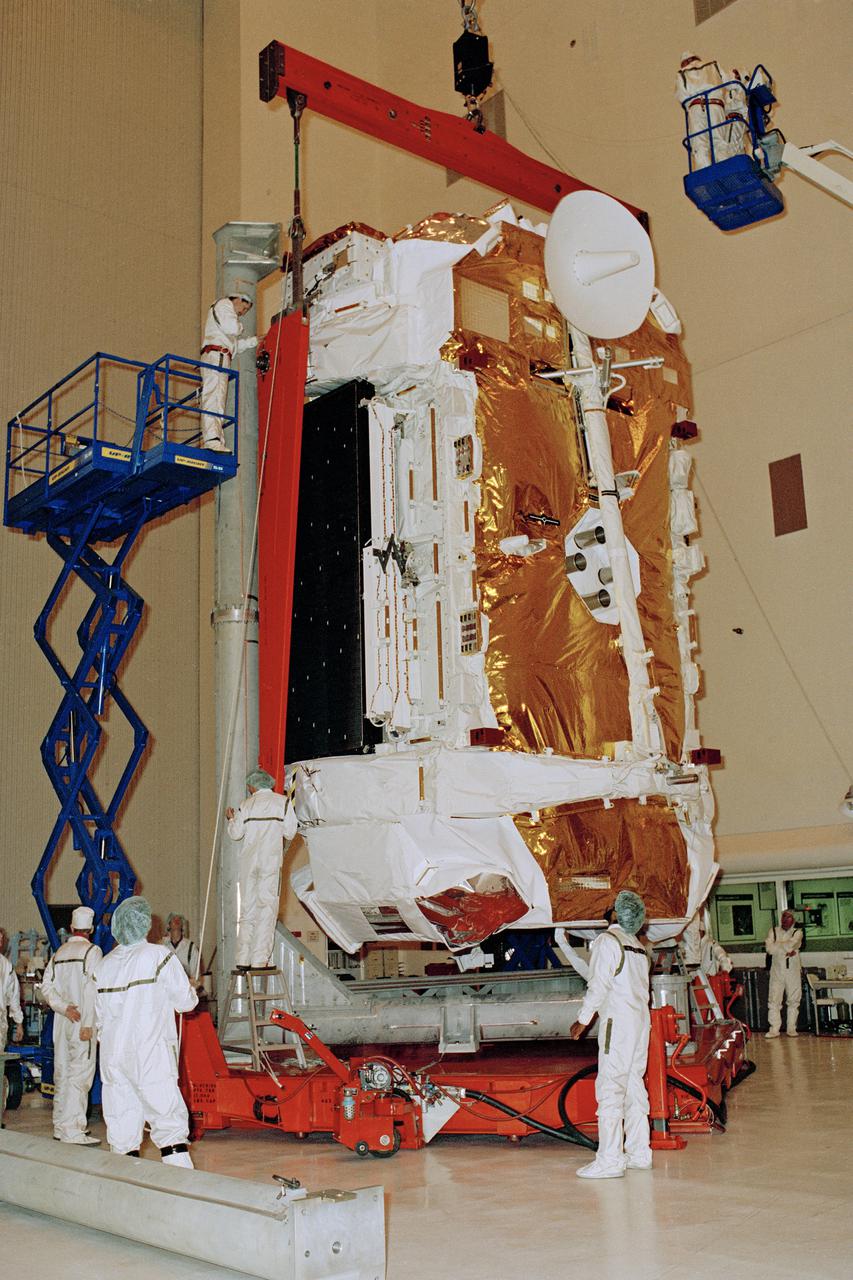
CAPE CANAVERAL, Fla. -- In the Payload Hazardous Servicing Facility at the Kennedy Space Center in Florida, technicians tilt the massive Gamma ray Observatory GRO upright for installation onto the transporter which will carry it to the Vertical Processing Facility. The spacecraft is scheduled to fly aboard the space shuttle Atlantis on STS-37. As the second of four great observatories planned by NASA, GRO will study the celestial gamma rays believed to be a record of cosmic change and evolution. Photo Credit: NASA
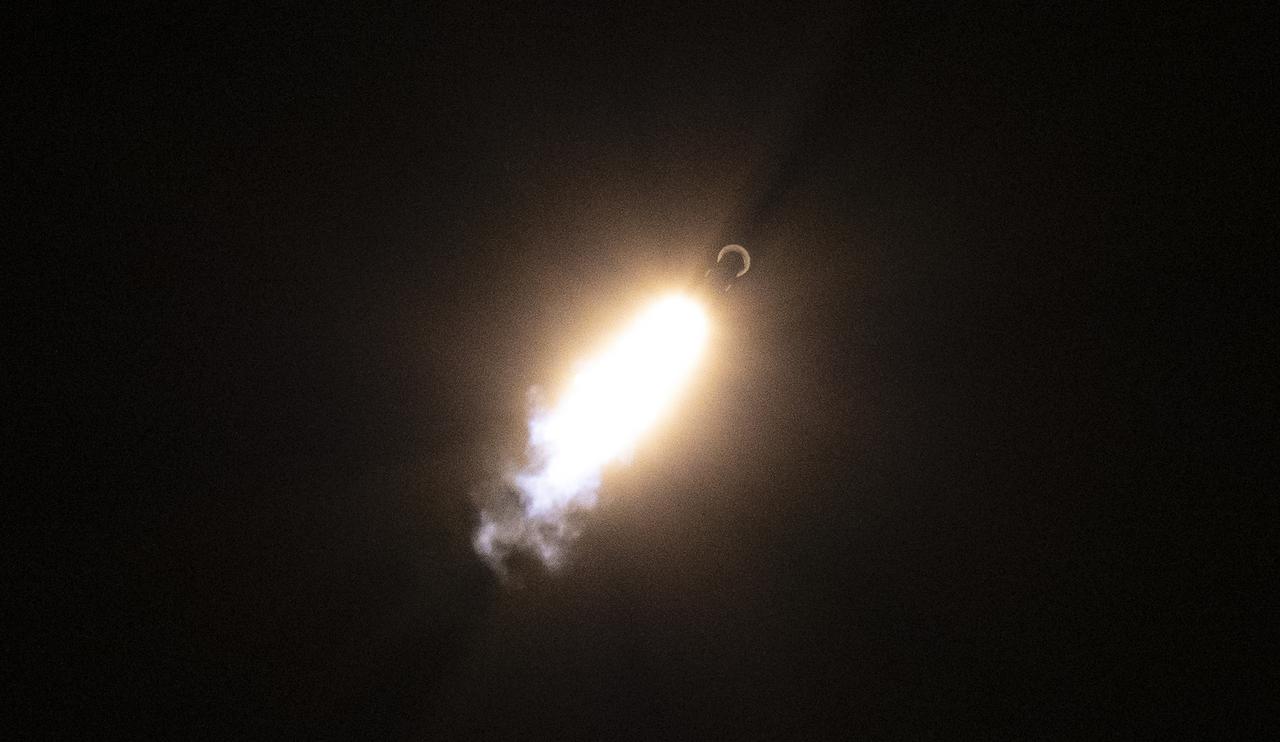
A SpaceX Falcon 9 rocket launches with NASA’s Imaging X-ray Polarimetry Explorer (IXPE) spacecraft onboard from Launch Complex 39A, Thursday, Dec. 9, 2021, at NASA’s Kennedy Space Center in Florida. The IXPE spacecraft is the first satellite dedicated to measuring the polarization of X-rays from a variety of cosmic sources, such as black holes and neutron stars. Launch occurred at 1:00 a.m. EST. Photo Credit: (NASA/Joel Kowsky)
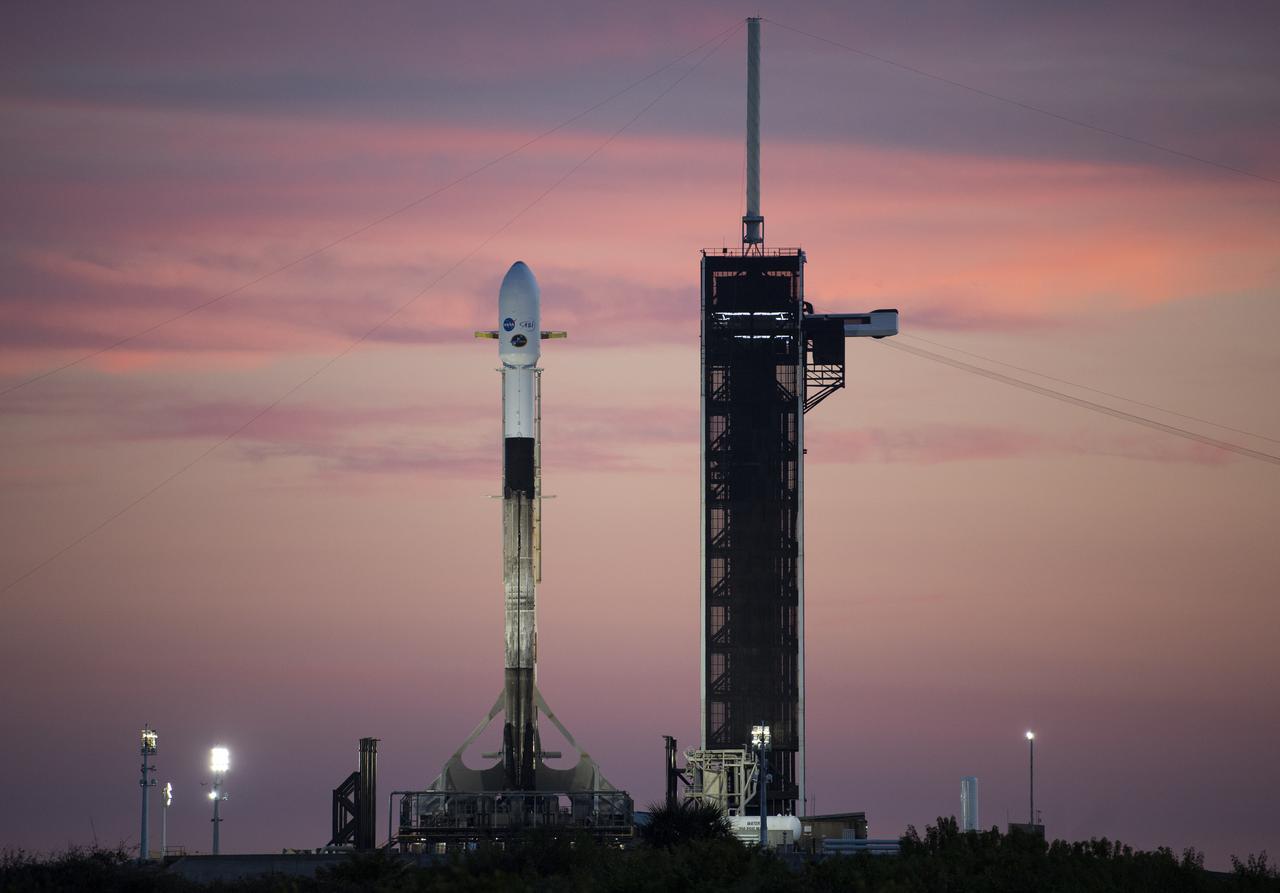
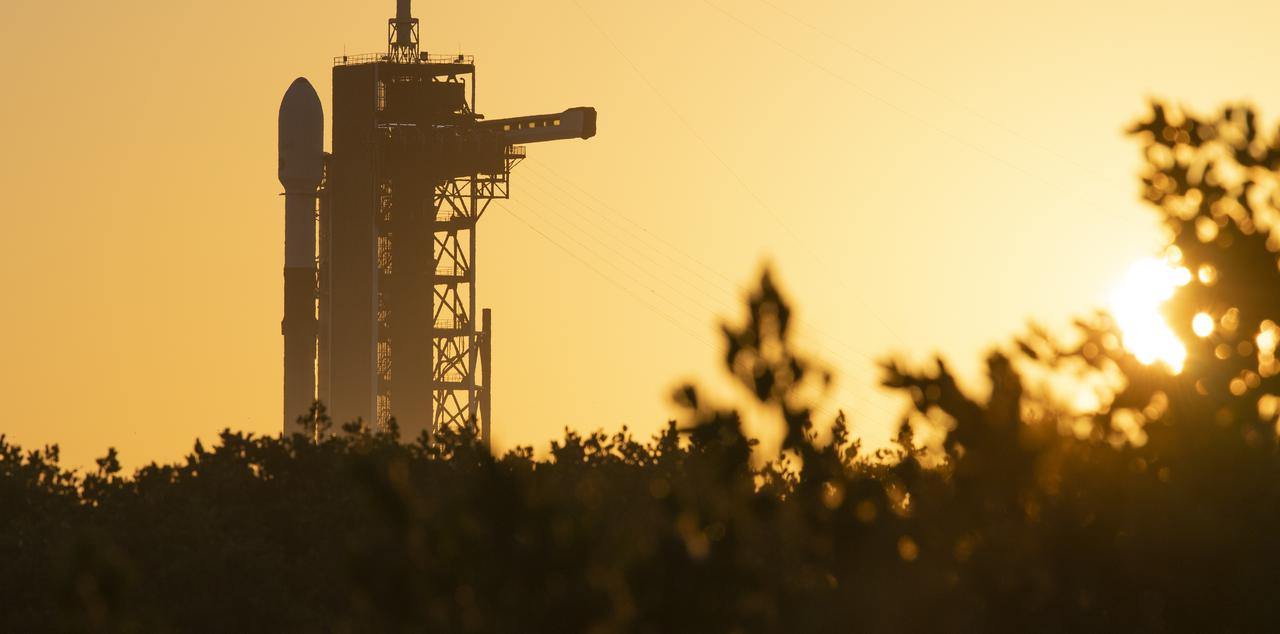
A SpaceX Falcon 9 rocket carrying NASA’s Imaging X-ray Polarimetry Explorer (IXPE) spacecraft is seen at sunset on the launch pad at Launch Complex 39A, Wednesday, Dec. 8, 2021, at NASA’s Kennedy Space Center in Florida. The IXPE spacecraft is the first satellite dedicated to measuring the polarization of X-rays from a variety of cosmic sources, such as black holes and neutron stars. Photo Credit: (NASA/Joel Kowsky)
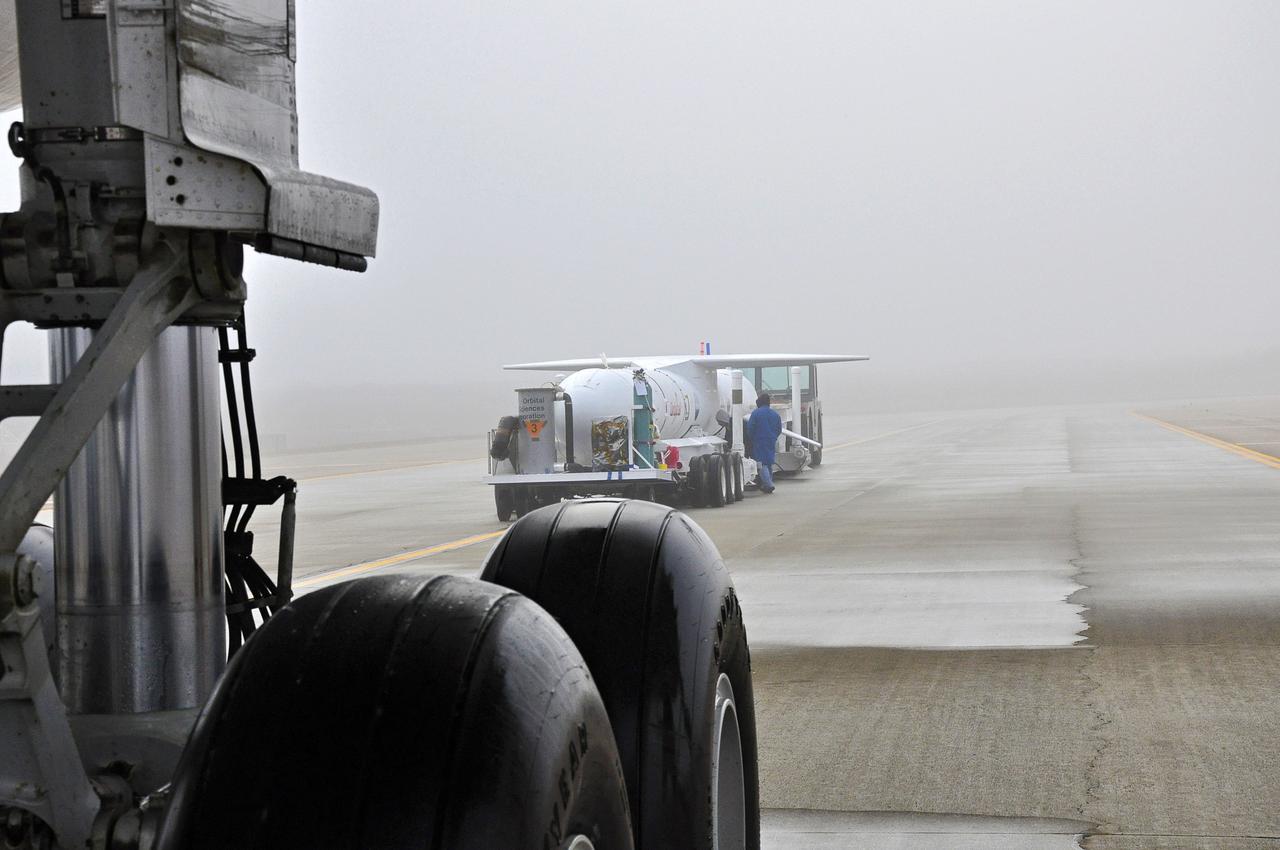
VANDENBERG AFB, Calif. – Technicians roll the Orbital Sciences Pegasus XL rocket with its NuSTAR spacecraft to the waiting L-1011 carrier aircraft known as "Stargazer." The Pegasus will launch NuSTAR into space where the high-energy x-ray telescope will conduct a census for black holes, map radioactive material in young supernovae remnants, and study the origins of cosmic rays and the extreme physics around collapsed stars. Photo credit: NASA/Randy Beaudoin, VAFB
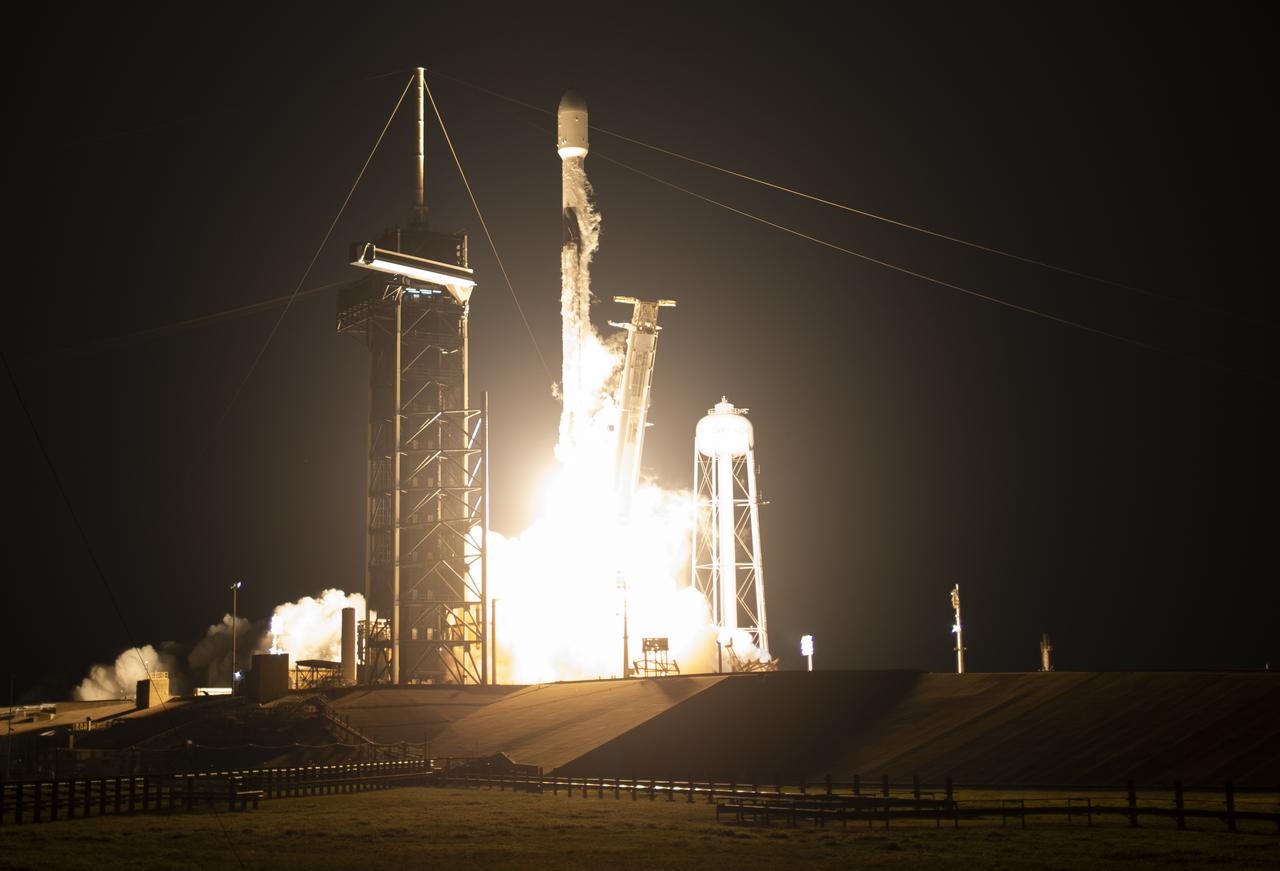
A SpaceX Falcon 9 rocket launches with NASA’s Imaging X-ray Polarimetry Explorer (IXPE) spacecraft onboard from Launch Complex 39A, Thursday, Dec. 9, 2021, at NASA’s Kennedy Space Center in Florida. The IXPE spacecraft is the first satellite dedicated to measuring the polarization of X-rays from a variety of cosmic sources, such as black holes and neutron stars. Launch occurred at 1:00 a.m. EST. Photo Credit: (NASA/Joel Kowsky)
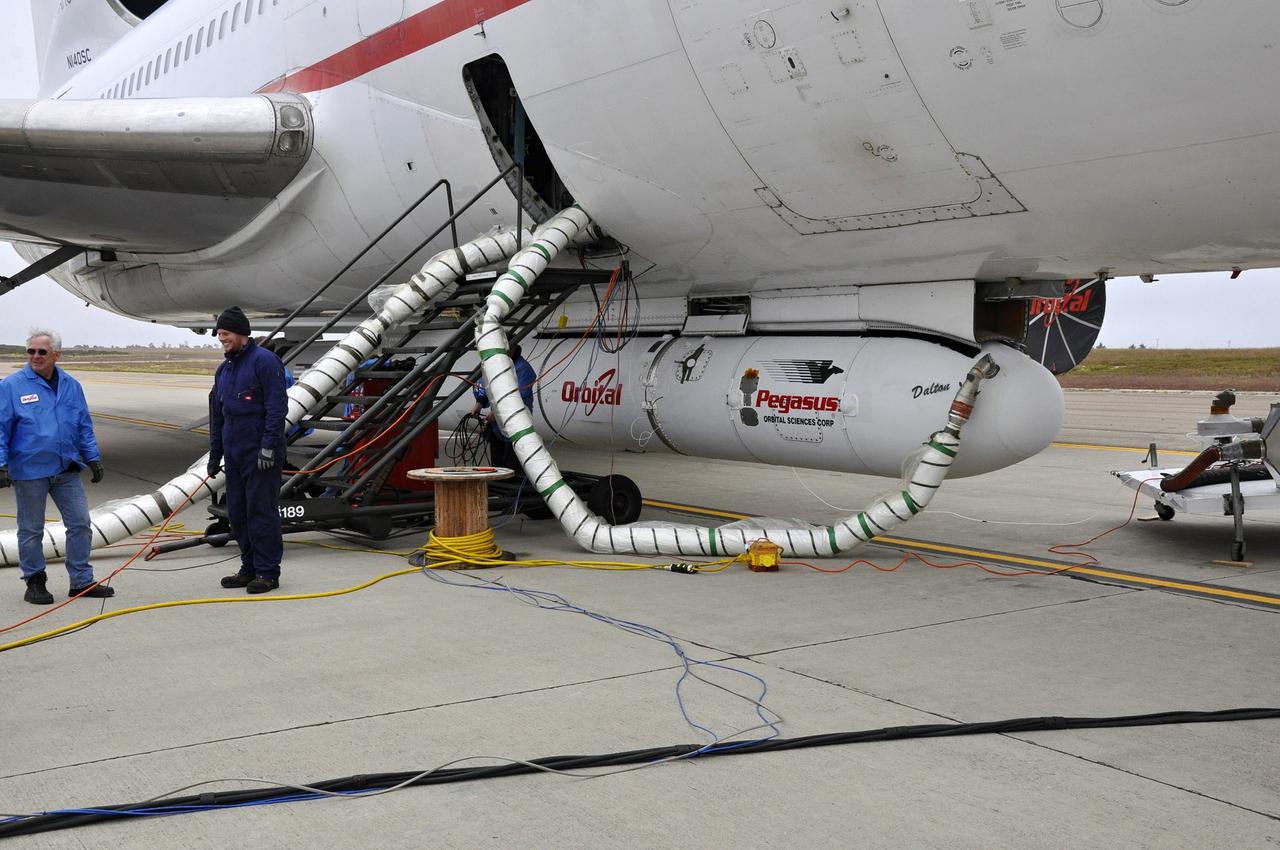
VANDENBERG AFB, Calif. – Technicians connect the Orbital Sciences Pegasus XL rocket with its NuSTAR spacecraft to the L-1011 carrier aircraft known as "Stargazer." The Pegasus will launch NuSTAR into space where the high-energy x-ray telescope will conduct a census for black holes, map radioactive material in young supernovae remnants, and study the origins of cosmic rays and the extreme physics around collapsed stars. Photo credit: NASA/Randy Beaudoin, VAFB
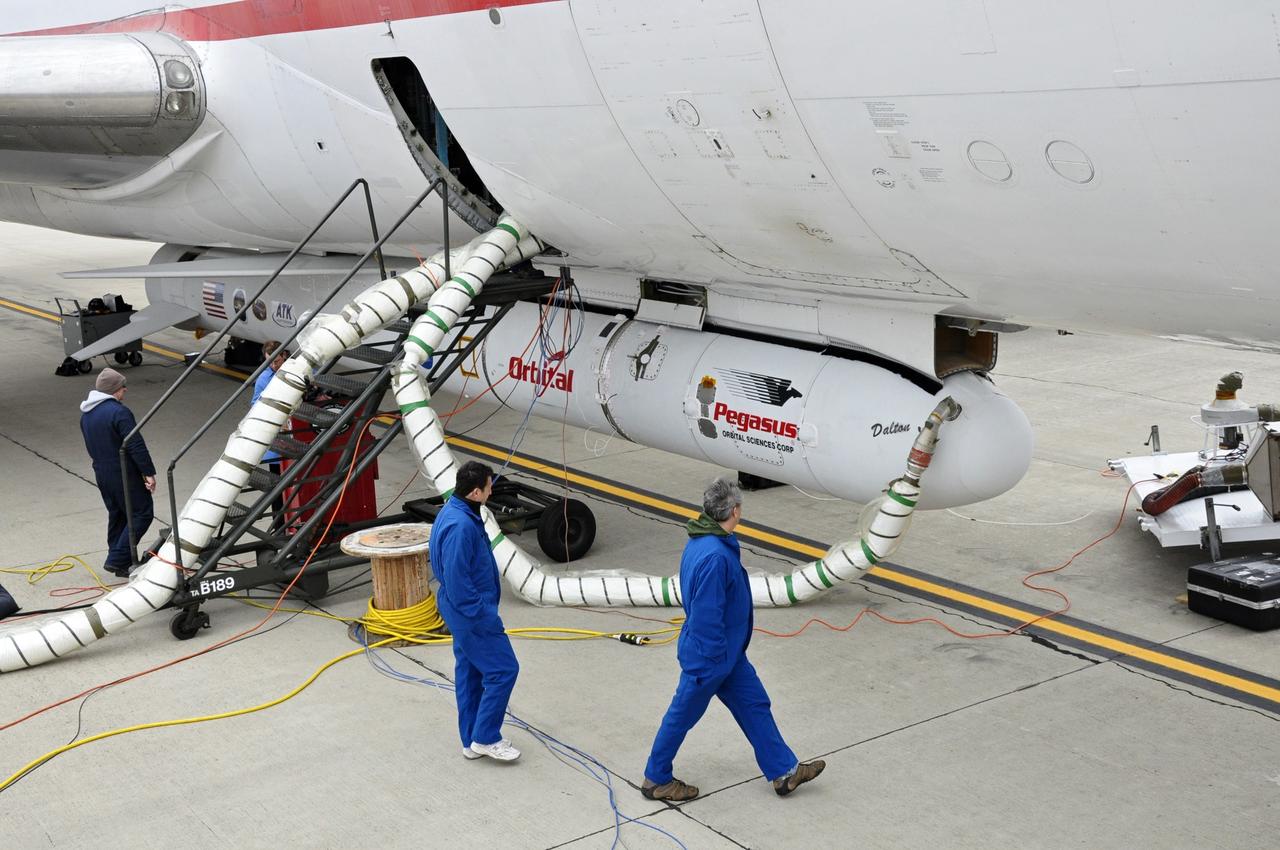
VANDENBERG AFB, Calif. – The Orbital Sciences Pegasus XL rocket with its NuSTAR spacecraft after attachment to the L-1011 carrier aircraft known as "Stargazer." The Pegasus will launch NuSTAR into space where the high-energy x-ray telescope will conduct a census for black holes, map radioactive material in young supernovae remnants, and study the origins of cosmic rays and the extreme physics around collapsed stars. Photo credit: NASA/Randy Beaudoin, VAFB
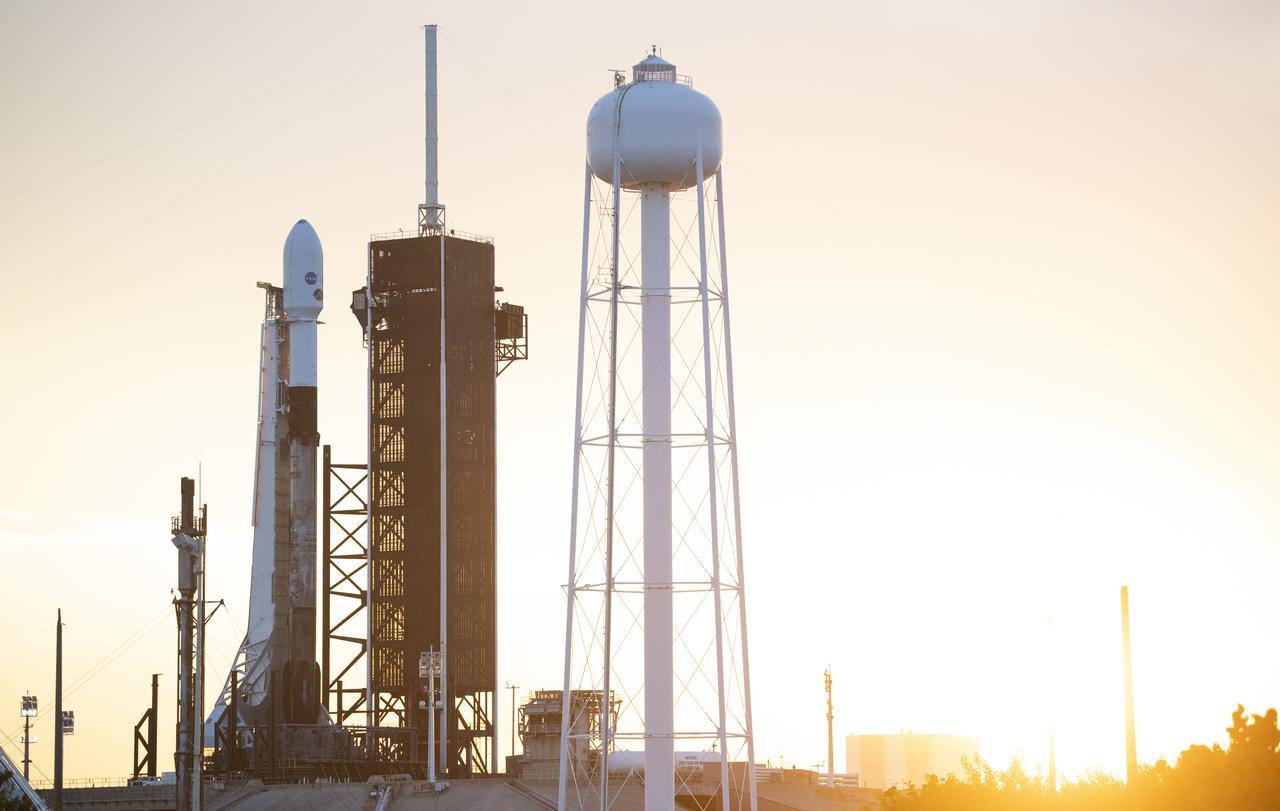
A SpaceX Falcon 9 rocket carrying NASA’s Imaging X-ray Polarimetry Explorer (IXPE) spacecraft is seen on the launch pad at Launch Complex 39A, Wednesday, Dec. 8, 2021, at NASA’s Kennedy Space Center in Florida. The IXPE spacecraft is the first satellite dedicated to measuring the polarization of X-rays from a variety of cosmic sources, such as black holes and neutron stars. Photo Credit: (NASA/Joel Kowsky)
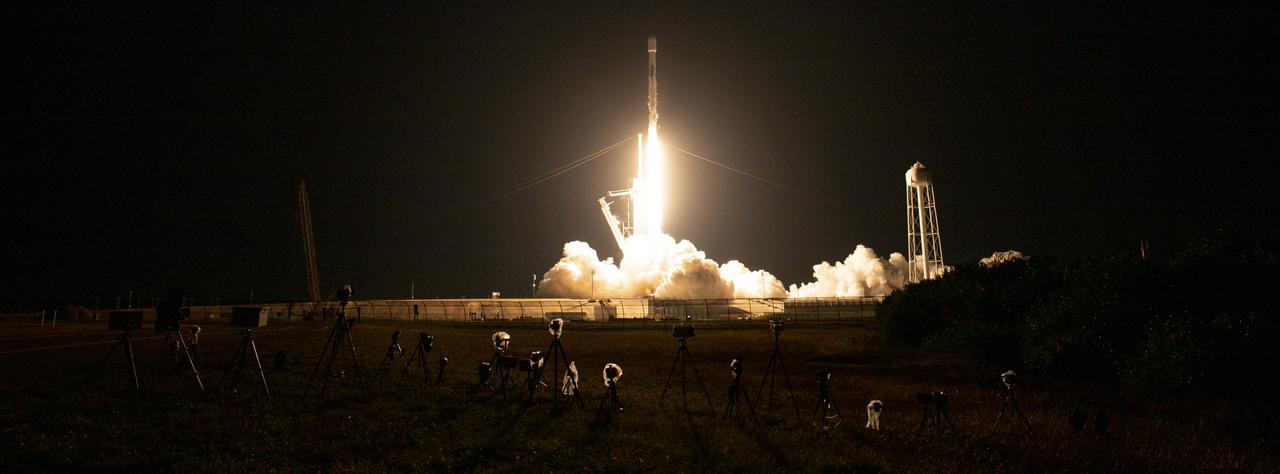
A SpaceX Falcon 9 rocket launches with NASA’s Imaging X-ray Polarimetry Explorer (IXPE) spacecraft onboard from Launch Complex 39A, Thursday, Dec. 9, 2021, at NASA’s Kennedy Space Center in Florida. The IXPE spacecraft is the first satellite dedicated to measuring the polarization of X-rays from a variety of cosmic sources, such as black holes and neutron stars. Launch occurred at 1:00 a.m. EST. Photo Credit: (NASA/Joel Kowsky)
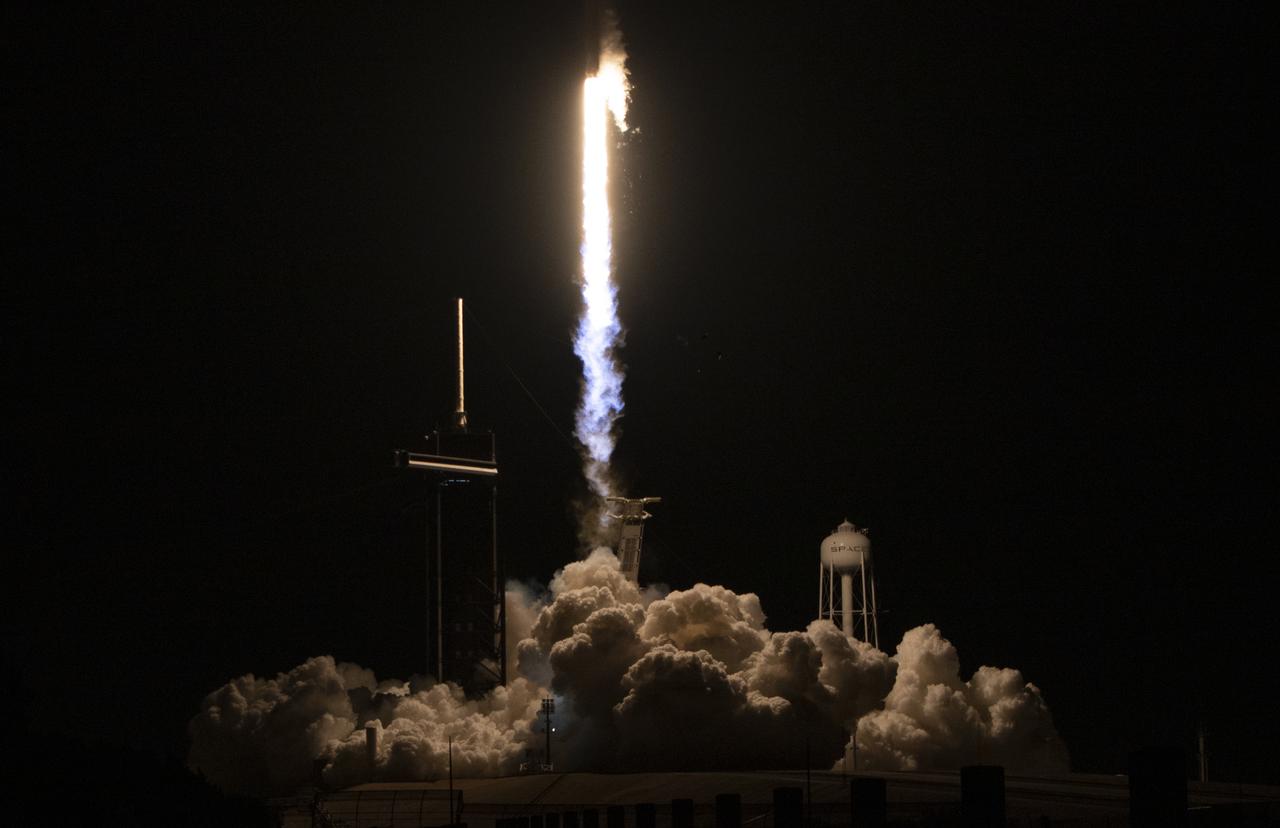
A SpaceX Falcon 9 rocket launches with NASA’s Imaging X-ray Polarimetry Explorer (IXPE) spacecraft onboard from Launch Complex 39A, Thursday, Dec. 9, 2021, at NASA’s Kennedy Space Center in Florida. The IXPE spacecraft is the first satellite dedicated to measuring the polarization of X-rays from a variety of cosmic sources, such as black holes and neutron stars. Launch occurred at 1:00 a.m. EST. Photo Credit: (NASA/Joel Kowsky)
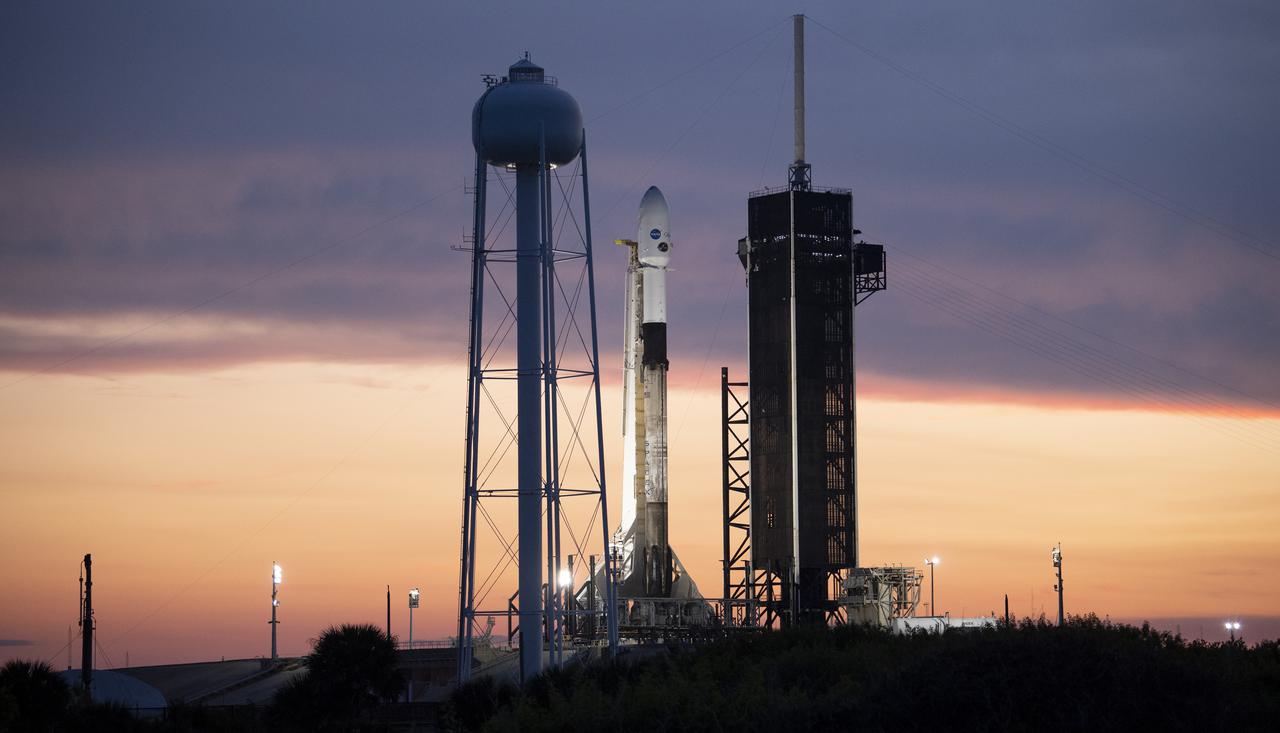
A SpaceX Falcon 9 rocket carrying NASA’s Imaging X-ray Polarimetry Explorer (IXPE) spacecraft is seen at sunset on the launch pad at Launch Complex 39A, Wednesday, Dec. 8, 2021, at NASA’s Kennedy Space Center in Florida. The IXPE spacecraft is the first satellite dedicated to measuring the polarization of X-rays from a variety of cosmic sources, such as black holes and neutron stars. Photo Credit: (NASA/Joel Kowsky)
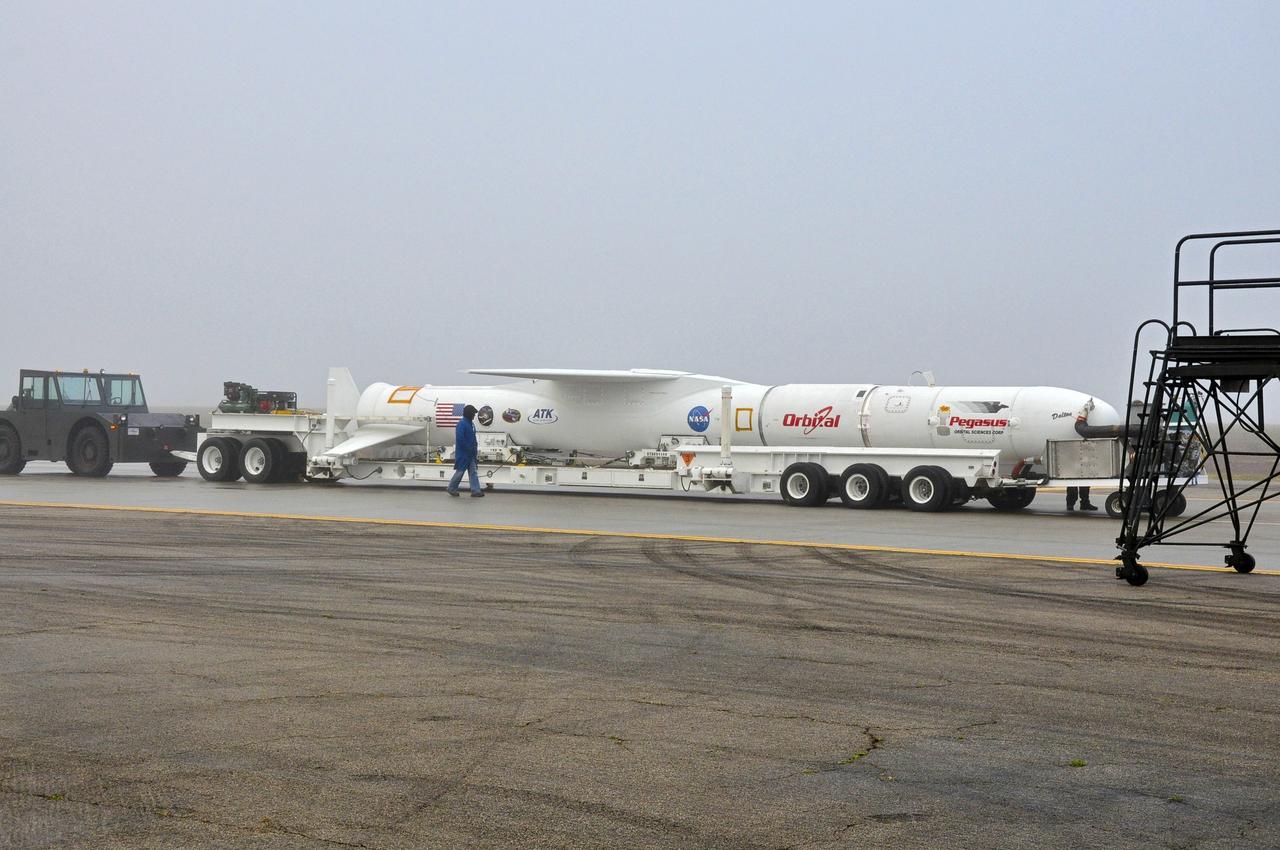
VANDENBERG AFB, Calif. – Technicians roll the Orbital Sciences Pegasus XL rocket with its NuSTAR spacecraft to the waiting L-1011 carrier aircraft known as "Stargazer." The Pegasus will launch NuSTAR into space where the high-energy x-ray telescope will conduct a census for black holes, map radioactive material in young supernovae remnants, and study the origins of cosmic rays and the extreme physics around collapsed stars. Photo credit: NASA/Randy Beaudoin, VAFB
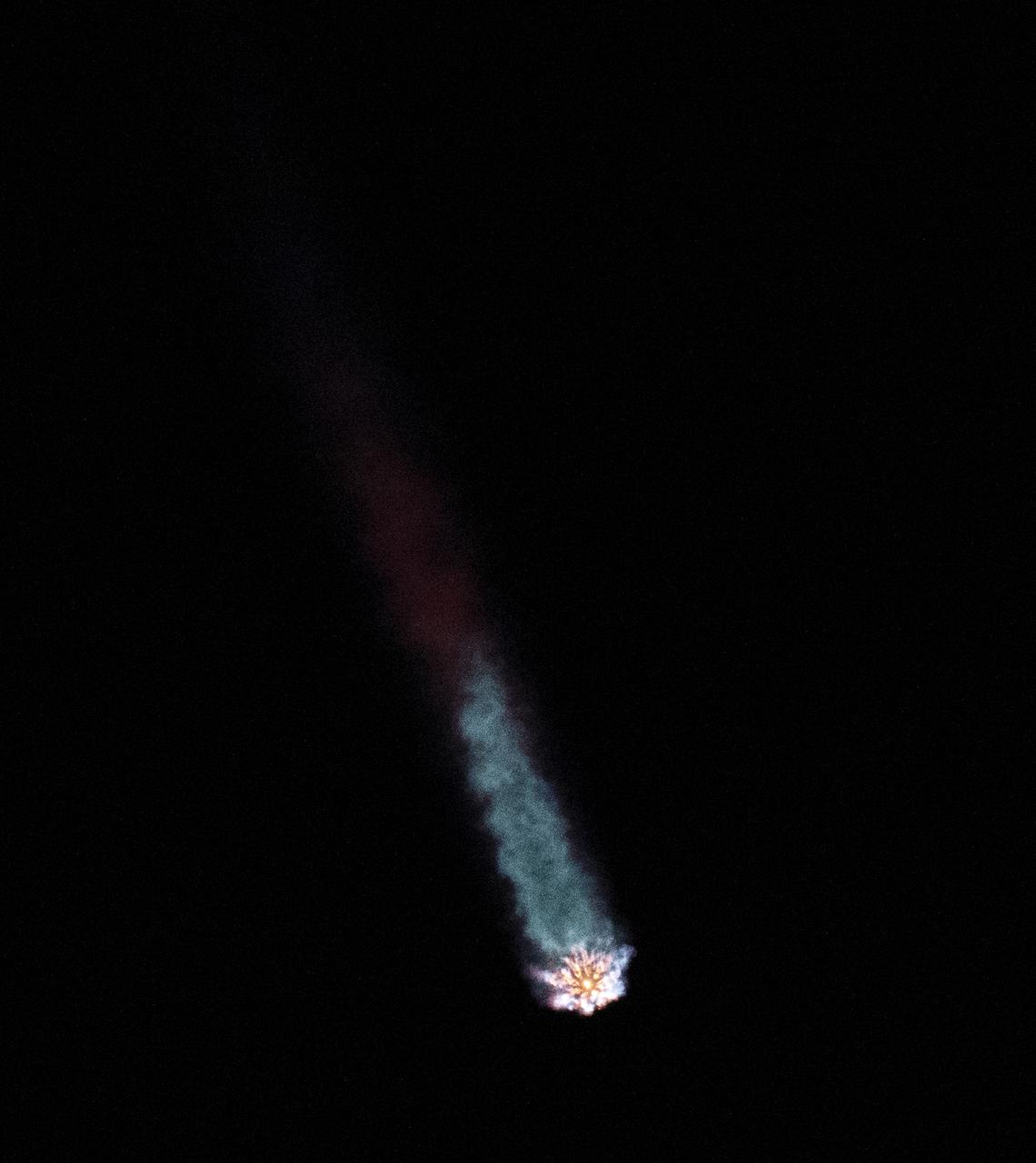
A SpaceX Falcon 9 rocket launches with NASA’s Imaging X-ray Polarimetry Explorer (IXPE) spacecraft onboard from Launch Complex 39A, Thursday, Dec. 9, 2021, at NASA’s Kennedy Space Center in Florida. The IXPE spacecraft is the first satellite dedicated to measuring the polarization of X-rays from a variety of cosmic sources, such as black holes and neutron stars. Launch occurred at 1:00 a.m. EST. Photo Credit: (NASA/Joel Kowsky)
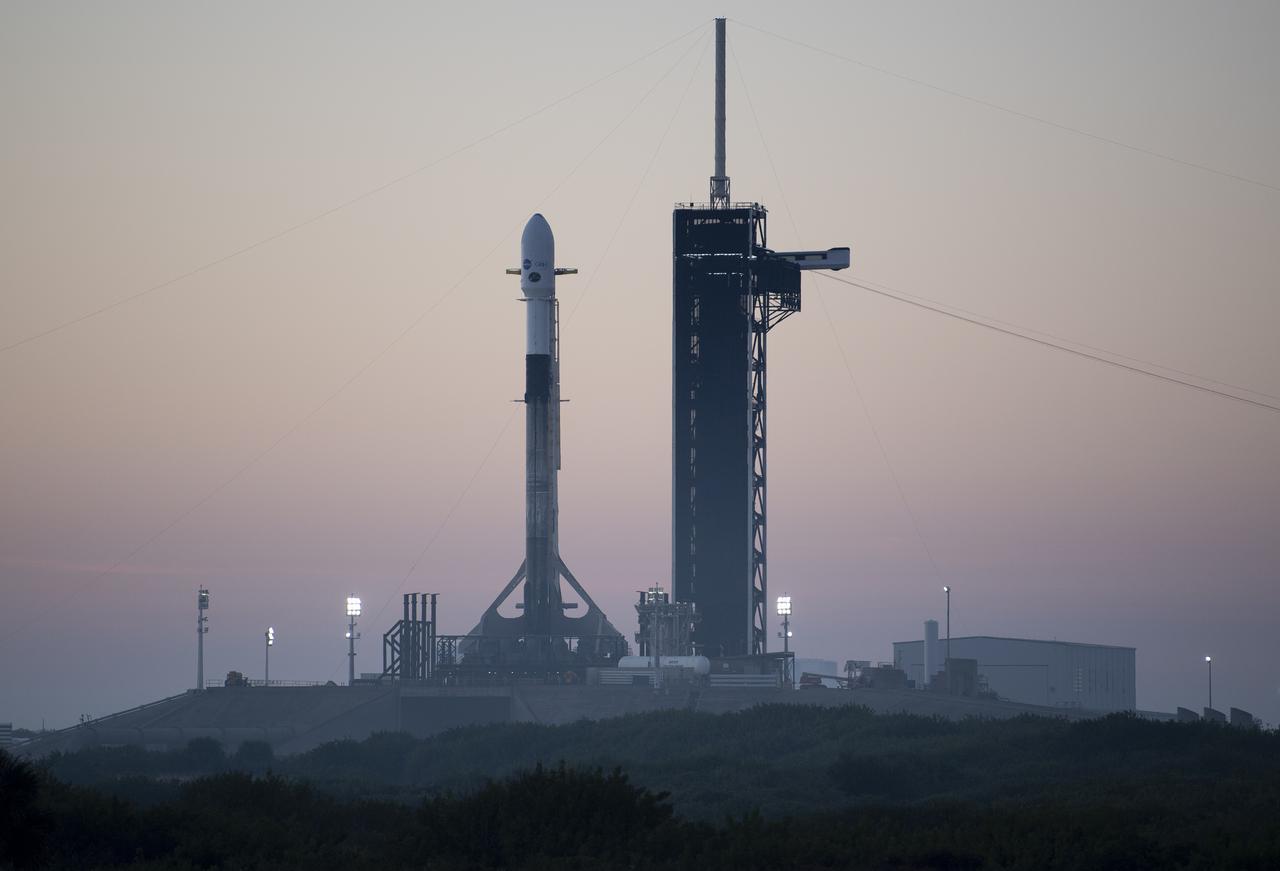
A SpaceX Falcon 9 rocket carrying NASA’s Imaging X-ray Polarimetry Explorer (IXPE) spacecraft is seen on the launch pad at Launch Complex 39A, Wednesday, Dec. 8, 2021, at NASA’s Kennedy Space Center in Florida. The IXPE spacecraft is the first satellite dedicated to measuring the polarization of X-rays from a variety of cosmic sources, such as black holes and neutron stars. Photo Credit: (NASA/Joel Kowsky)
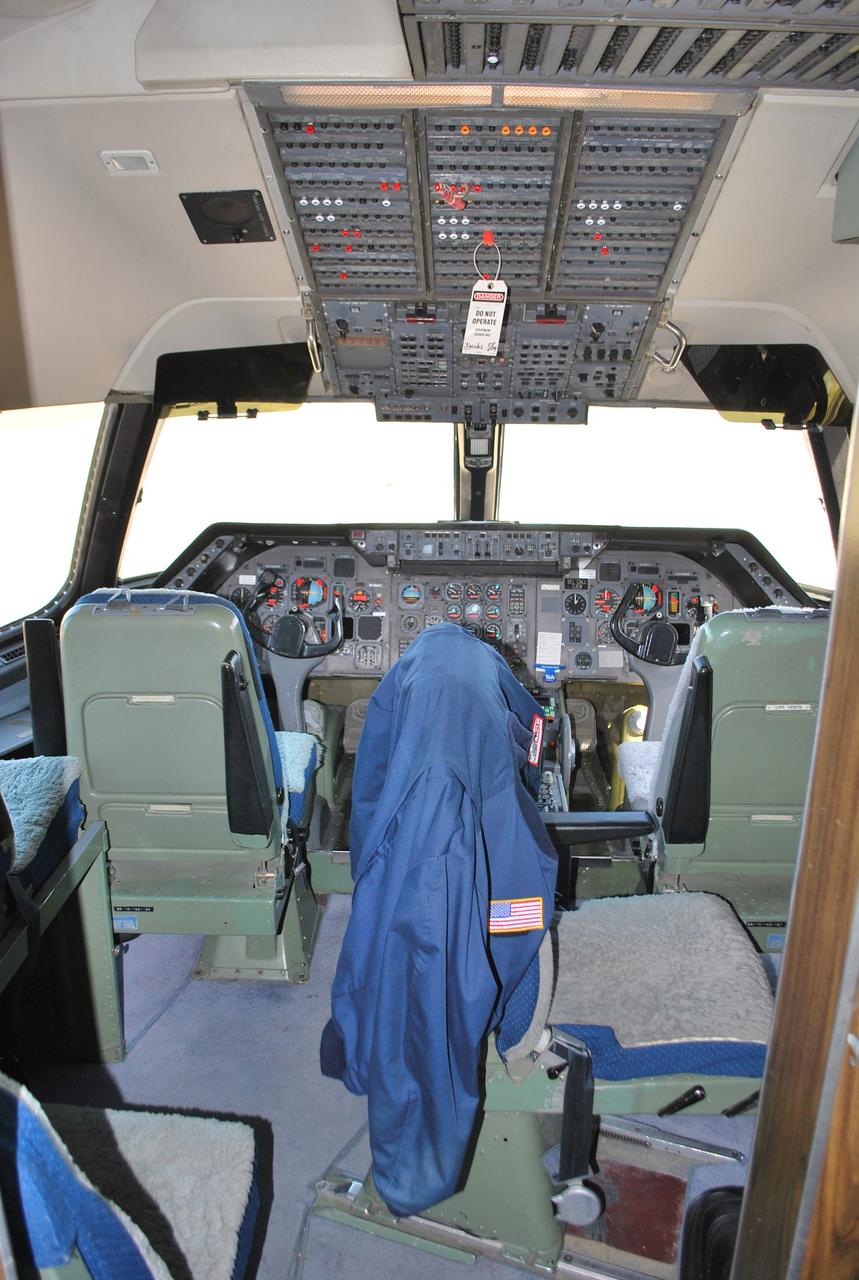
VANDENBERG AIR FORCE BASE, Calif. -- The cockpit and flight instrumentation of the Orbital Sciences' L-1011 carrier aircraft is readied for the launch of the Pegasus XL rocket. The Pegasus will launch NuSTAR into space where the high-energy x-ray telescope will conduct a census for black holes, map radioactive material in young supernovae remnants, and study the origins of cosmic rays and the extreme physics around collapsed stars. For more information, visit science.nasa.gov/missions/nustar/. Photo credit: NASA/Randy Beaudoin, VAFB
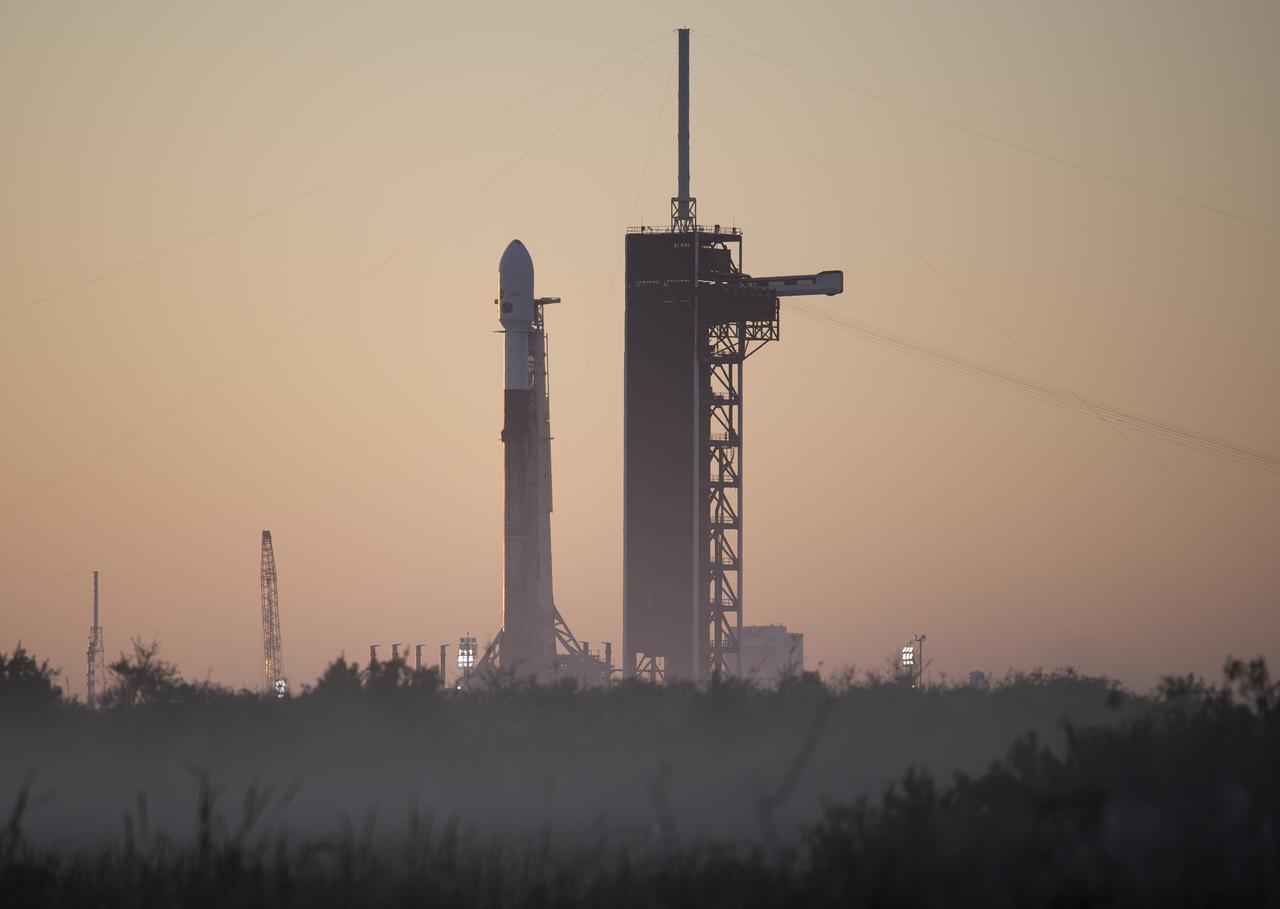
A SpaceX Falcon 9 rocket carrying NASA’s Imaging X-ray Polarimetry Explorer (IXPE) spacecraft is seen on the launch pad at Launch Complex 39A, Wednesday, Dec. 8, 2021, at NASA’s Kennedy Space Center in Florida. The IXPE spacecraft is the first satellite dedicated to measuring the polarization of X-rays from a variety of cosmic sources, such as black holes and neutron stars. Photo Credit: (NASA/Joel Kowsky)
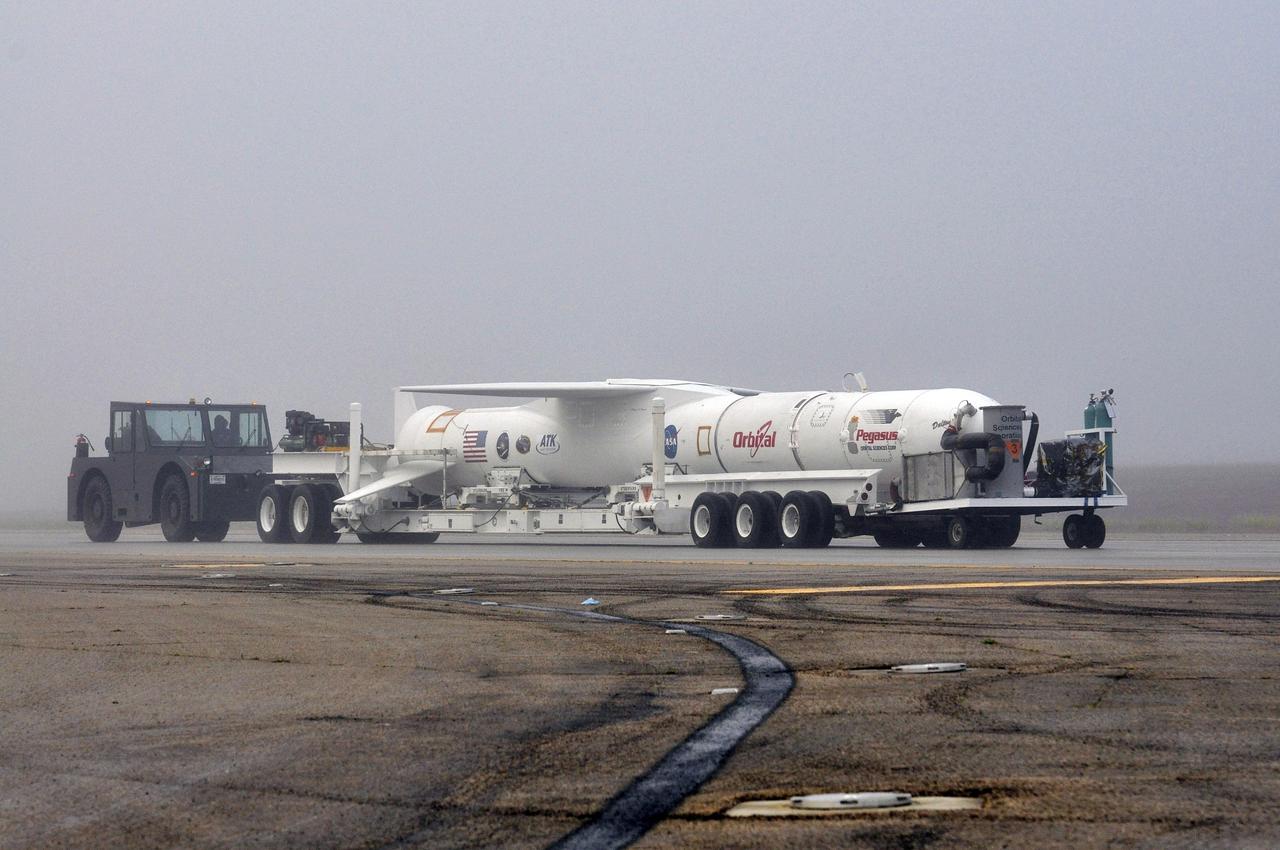
VANDENBERG AFB, Calif. – Technicians roll the Orbital Sciences Pegasus XL rocket with its NuSTAR spacecraft to the waiting L-1011 carrier aircraft known as "Stargazer." The Pegasus will launch NuSTAR into space where the high-energy x-ray telescope will conduct a census for black holes, map radioactive material in young supernovae remnants, and study the origins of cosmic rays and the extreme physics around collapsed stars. Photo credit: NASA/Randy Beaudoin, VAFB
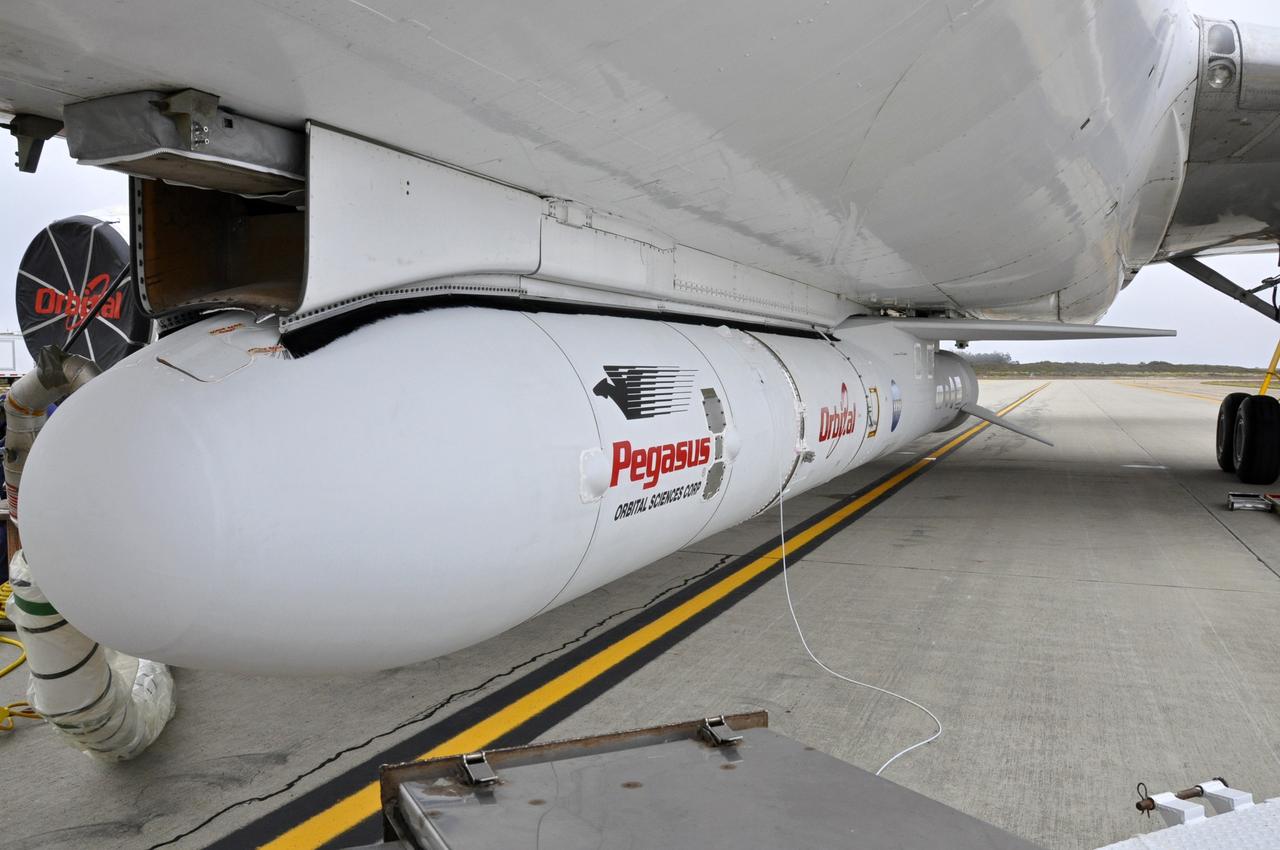
VANDENBERG AFB, Calif. – The Orbital Sciences Pegasus XL rocket with its NuSTAR spacecraft after attachment to the L-1011 carrier aircraft known as "Stargazer." The Pegasus will launch NuSTAR into space where the high-energy x-ray telescope will conduct a census for black holes, map radioactive material in young supernovae remnants, and study the origins of cosmic rays and the extreme physics around collapsed stars. Photo credit: NASA/Randy Beaudoin, VAFB
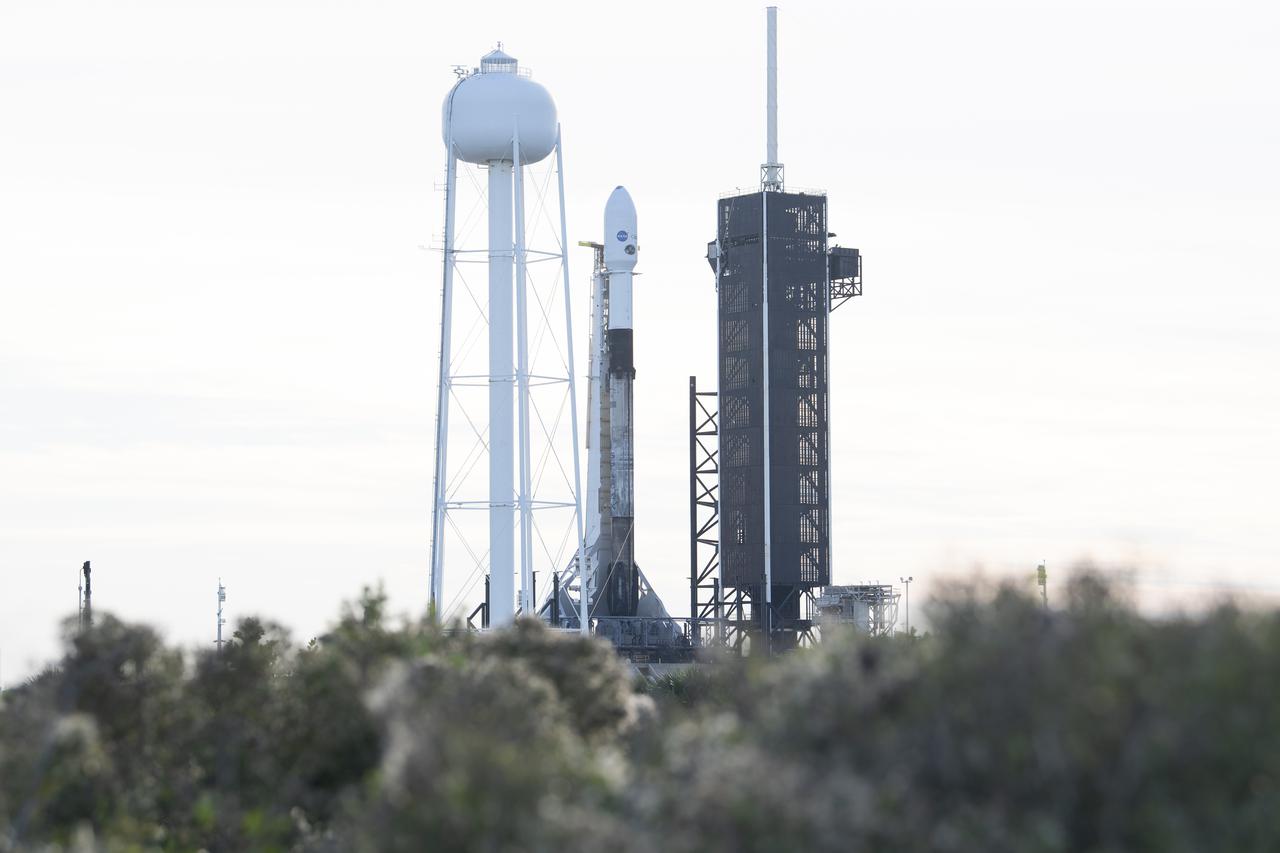
A SpaceX Falcon 9 rocket carrying NASA’s Imaging X-ray Polarimetry Explorer (IXPE) spacecraft is seen on the launch pad at Launch Complex 39A, Wednesday, Dec. 8, 2021, at NASA’s Kennedy Space Center in Florida. The IXPE spacecraft is the first satellite dedicated to measuring the polarization of X-rays from a variety of cosmic sources, such as black holes and neutron stars. Photo Credit: (NASA/Joel Kowsky)
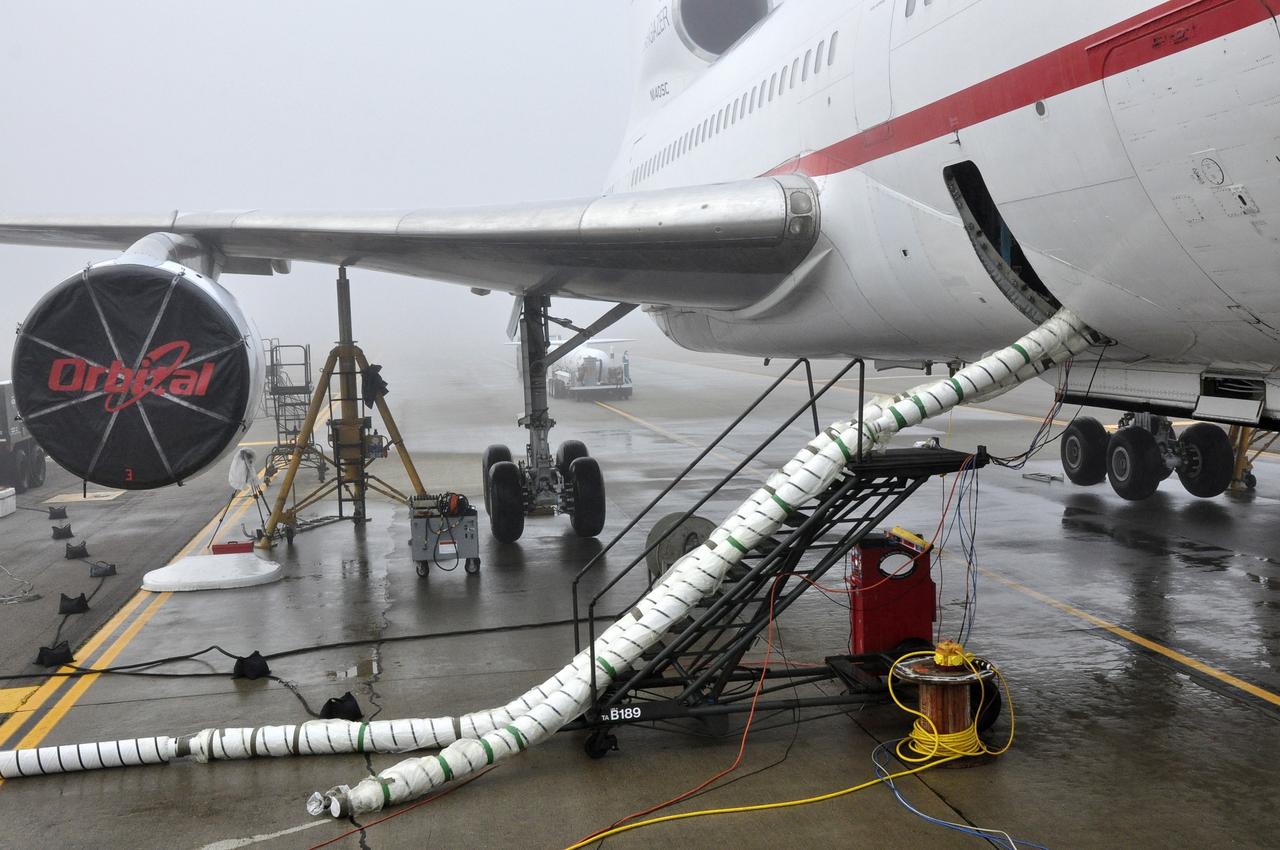
VANDENBERG AFB, Calif. – The Orbital Sciences L-1011 known as "Stargazer" awaits the Orbital Sciences Pegasus XL rocket with its NuSTAR spacecraft. The Pegasus will launch NuSTAR into space where the high-energy x-ray telescope will conduct a census for black holes, map radioactive material in young supernovae remnants, and study the origins of cosmic rays and the extreme physics around collapsed stars. Photo credit: NASA/Randy Beaudoin, VAFB
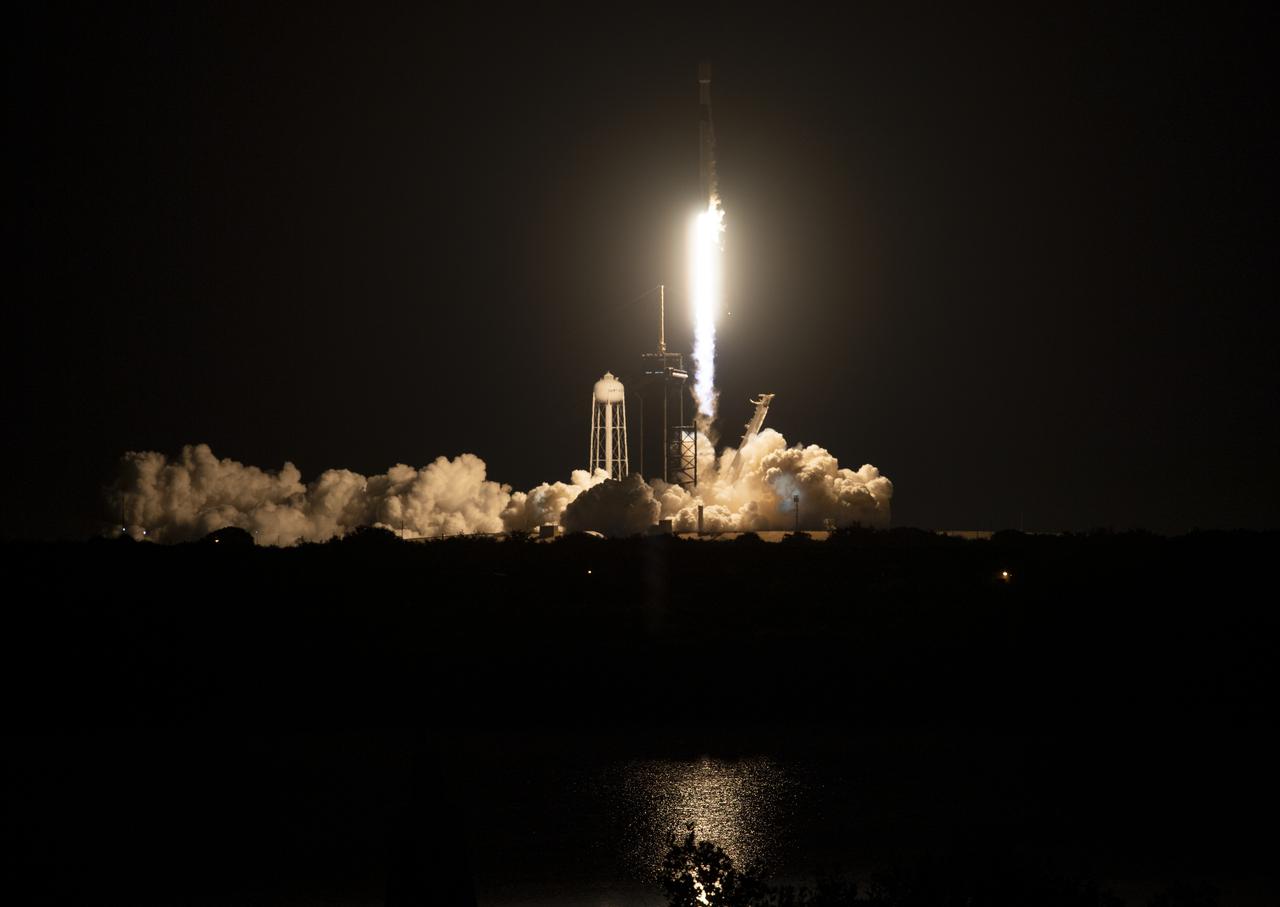
A SpaceX Falcon 9 rocket launches with NASA’s Imaging X-ray Polarimetry Explorer (IXPE) spacecraft onboard from Launch Complex 39A, Thursday, Dec. 9, 2021, at NASA’s Kennedy Space Center in Florida. The IXPE spacecraft is the first satellite dedicated to measuring the polarization of X-rays from a variety of cosmic sources, such as black holes and neutron stars. Launch occurred at 1:00 a.m. EST. Photo Credit: (NASA/Joel Kowsky)
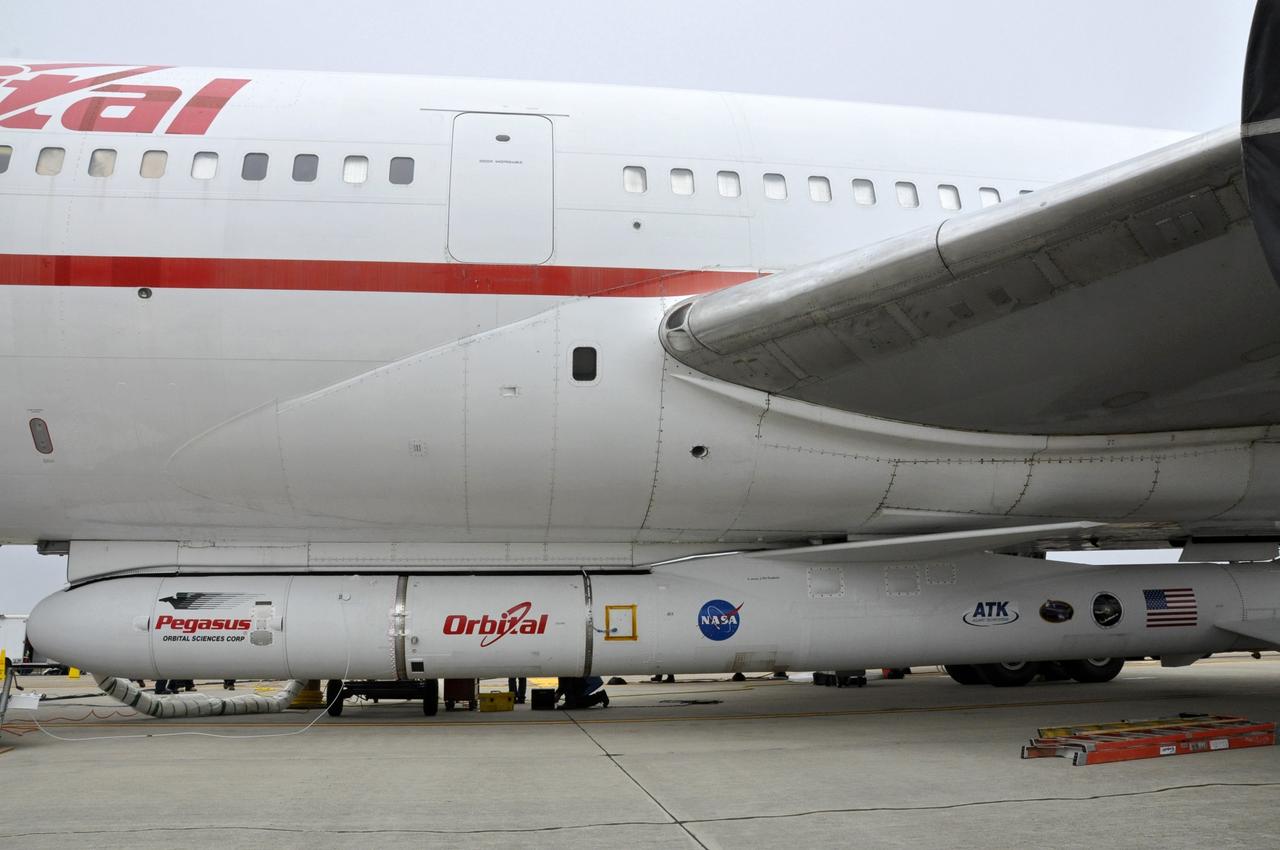
VANDENBERG AFB, Calif. – The Orbital Sciences Pegasus XL rocket with its NuSTAR spacecraft after attachment to the L-1011 carrier aircraft known as "Stargazer." The Pegasus will launch NuSTAR into space where the high-energy x-ray telescope will conduct a census for black holes, map radioactive material in young supernovae remnants, and study the origins of cosmic rays and the extreme physics around collapsed stars. Photo credit: NASA/Randy Beaudoin, VAFB
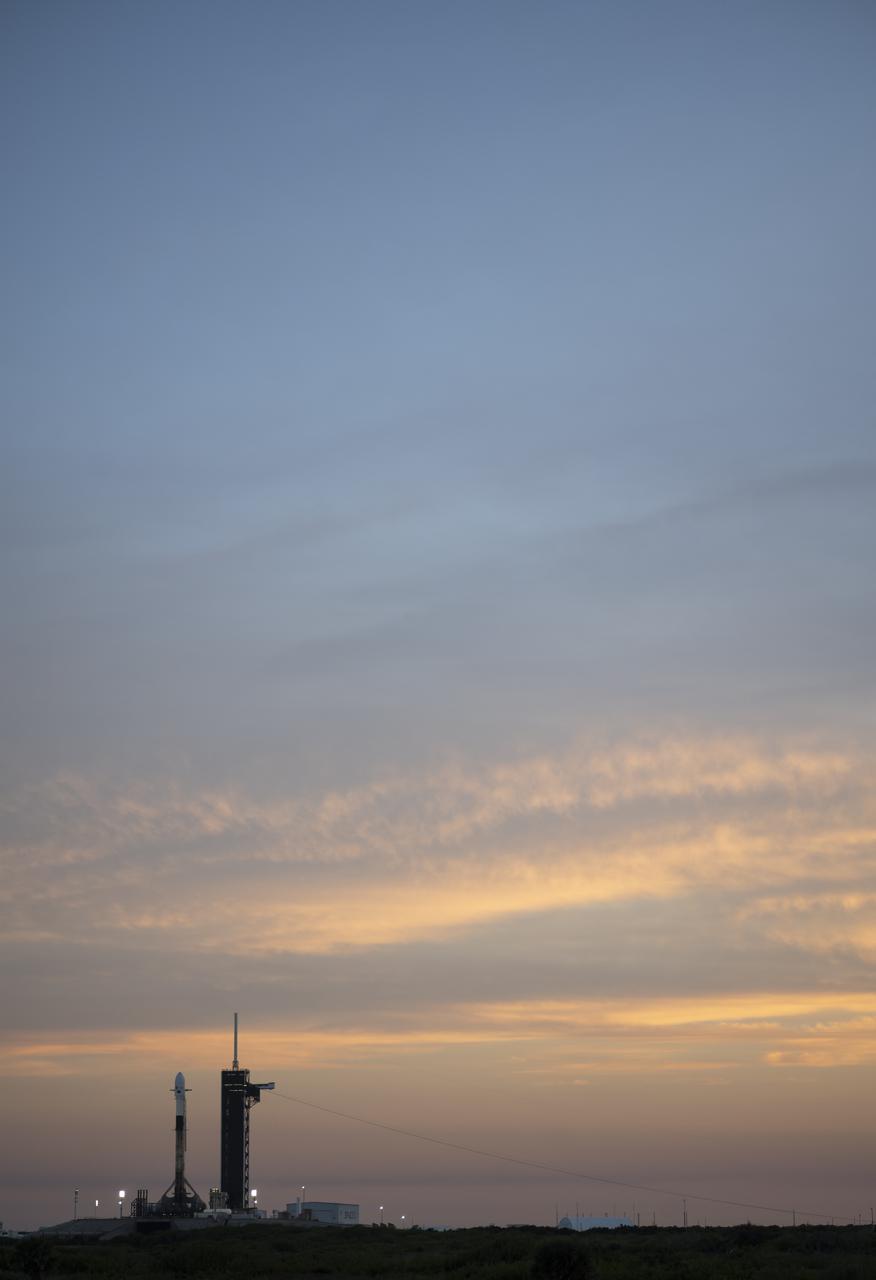
A SpaceX Falcon 9 rocket carrying NASA’s Imaging X-ray Polarimetry Explorer (IXPE) spacecraft is seen on the launch pad at Launch Complex 39A, Wednesday, Dec. 8, 2021, at NASA’s Kennedy Space Center in Florida. The IXPE spacecraft is the first satellite dedicated to measuring the polarization of X-rays from a variety of cosmic sources, such as black holes and neutron stars. Photo Credit: (NASA/Joel Kowsky)
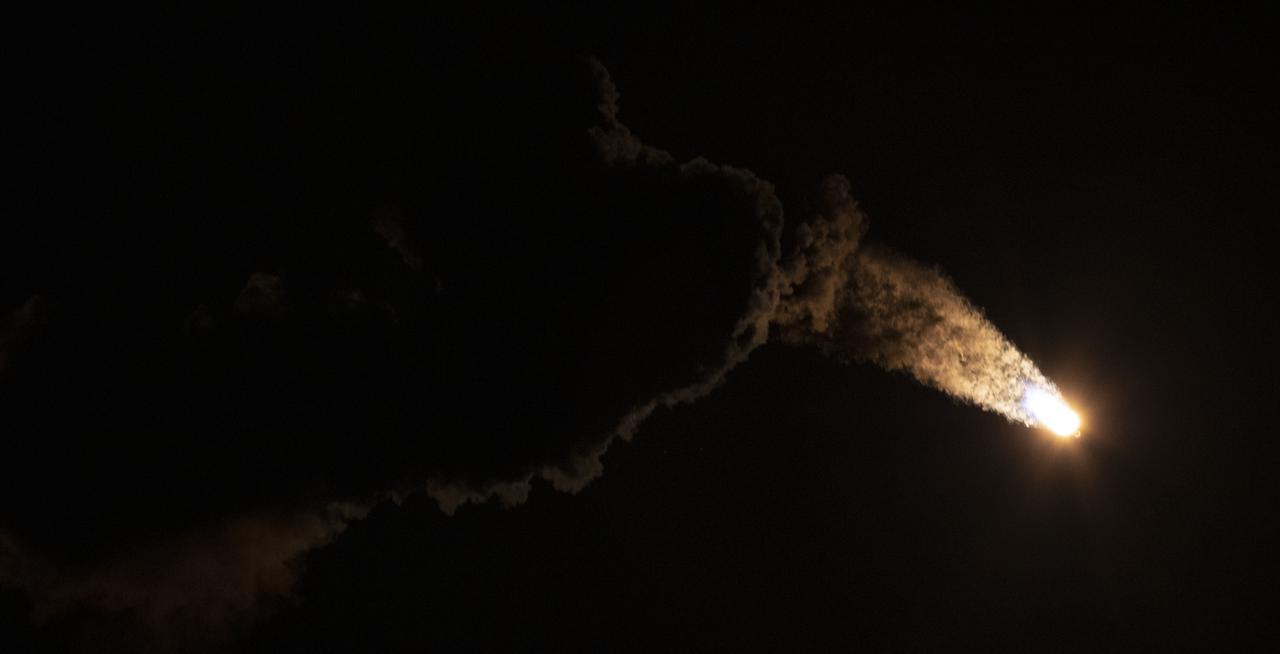
A SpaceX Falcon 9 rocket launches with NASA’s Imaging X-ray Polarimetry Explorer (IXPE) spacecraft onboard from Launch Complex 39A, Thursday, Dec. 9, 2021, at NASA’s Kennedy Space Center in Florida. The IXPE spacecraft is the first satellite dedicated to measuring the polarization of X-rays from a variety of cosmic sources, such as black holes and neutron stars. Launch occurred at 1:00 a.m. EST. Photo Credit: (NASA/Joel Kowsky)
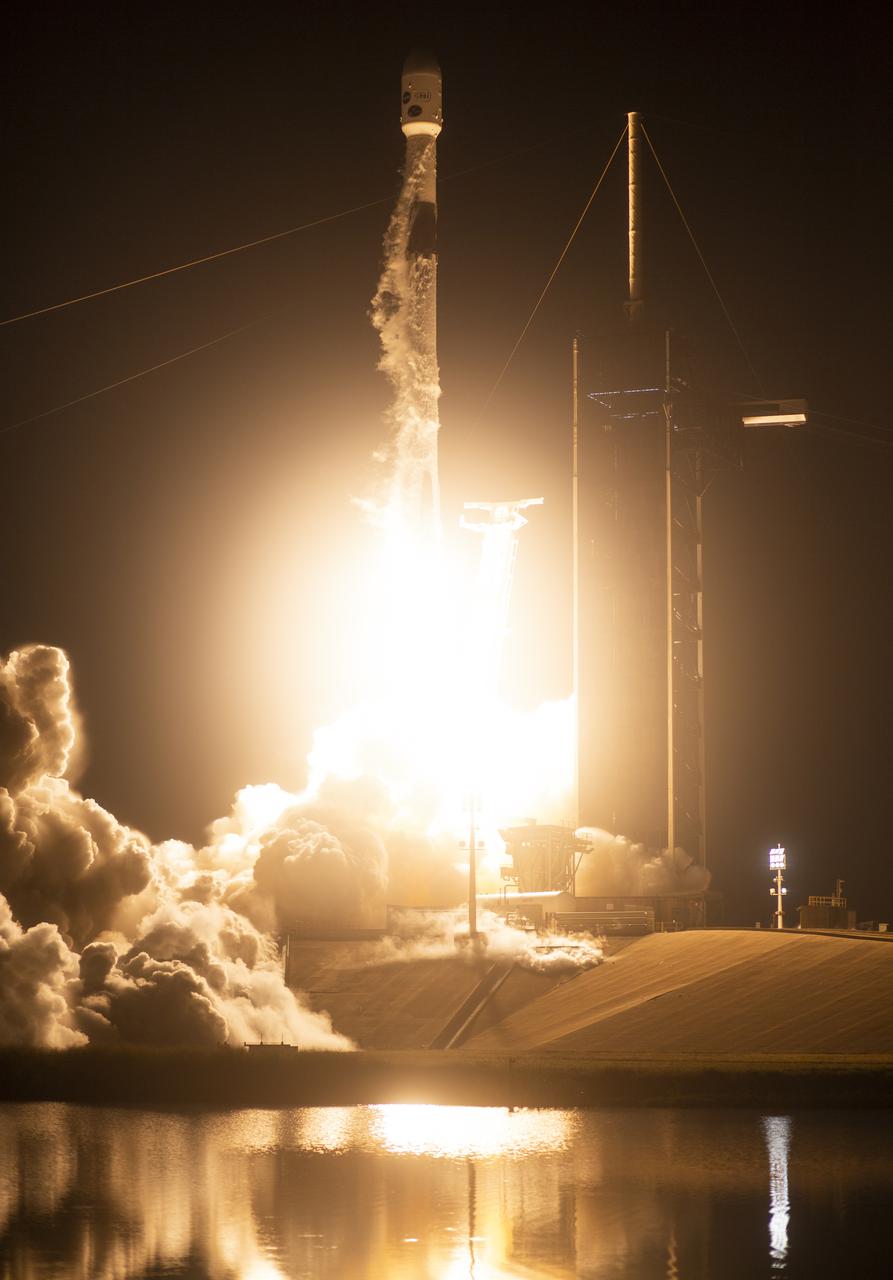
A SpaceX Falcon 9 rocket launches with NASA’s Imaging X-ray Polarimetry Explorer (IXPE) spacecraft onboard from Launch Complex 39A, Thursday, Dec. 9, 2021, at NASA’s Kennedy Space Center in Florida. The IXPE spacecraft is the first satellite dedicated to measuring the polarization of X-rays from a variety of cosmic sources, such as black holes and neutron stars. Launch occurred at 1:00 a.m. EST. Photo Credit: (NASA/Joel Kowsky)
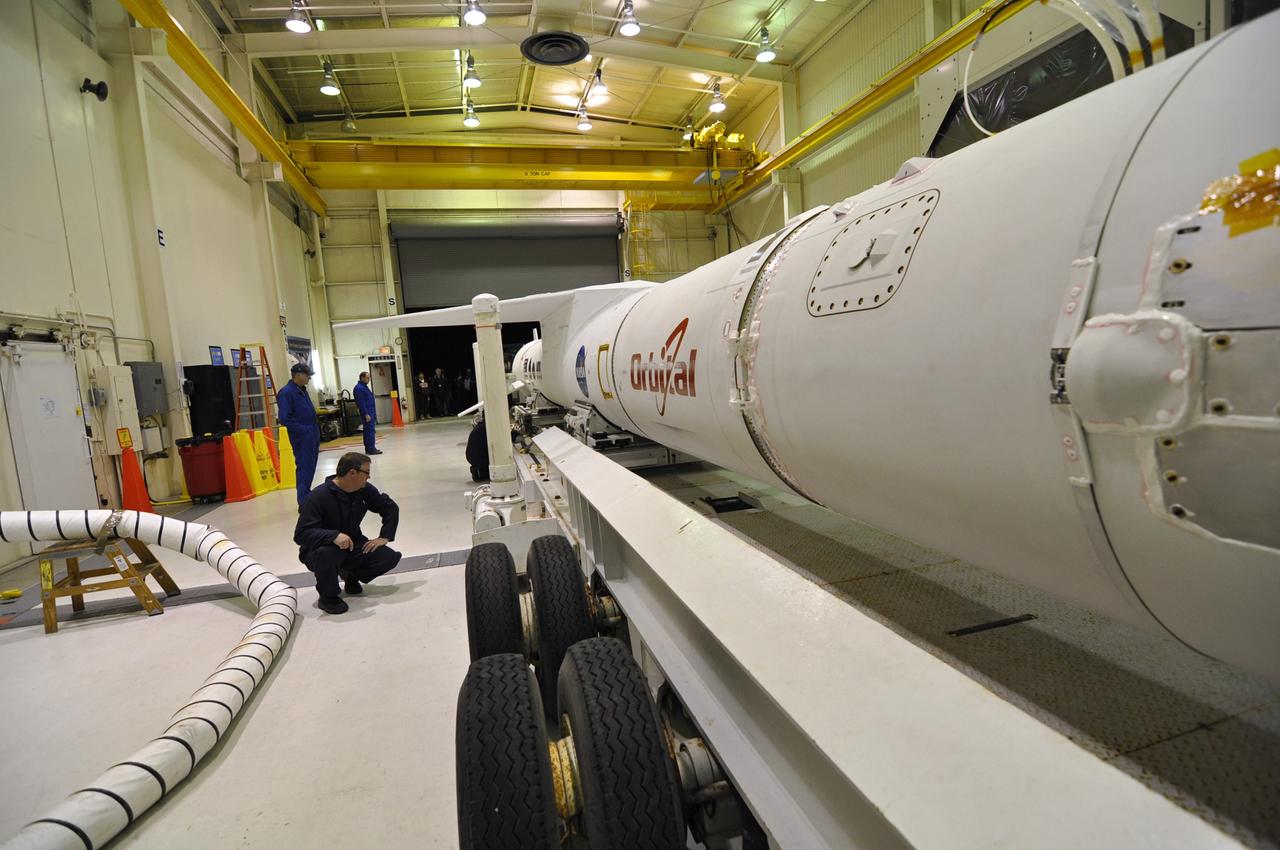
VANDENBERG AFB, Calif. – Technicians prepare to roll the Orbital Sciences Pegasus XL rocket with its NuSTAR spacecraft to the waiting L-1011 carrier aircraft known as "Stargazer." The Pegasus will launch NuSTAR into space where the high-energy x-ray telescope will conduct a census for black holes, map radioactive material in young supernovae remnants, and study the origins of cosmic rays and the extreme physics around collapsed stars. Photo credit: NASA/Randy Beaudoin, VAFB
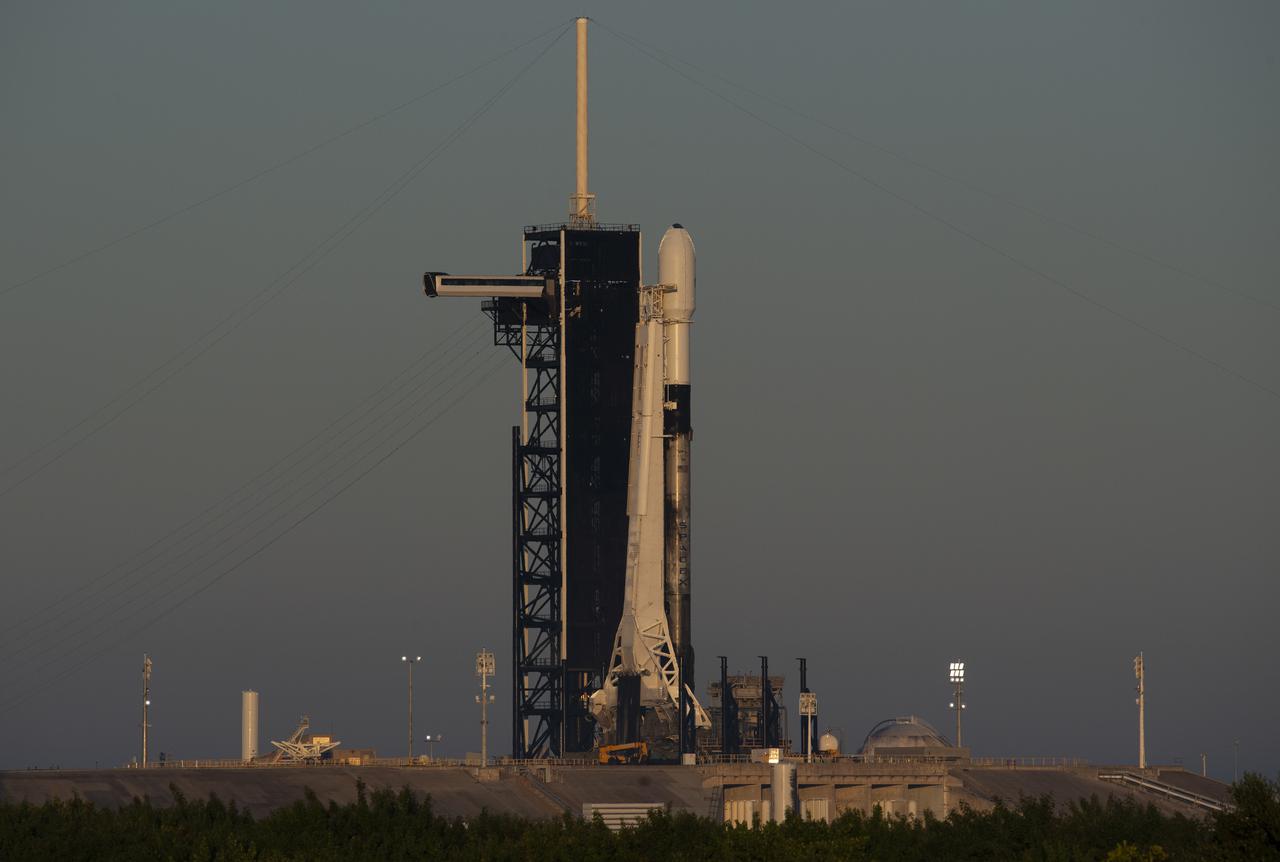
A SpaceX Falcon 9 rocket carrying NASA’s Imaging X-ray Polarimetry Explorer (IXPE) spacecraft is seen on the launch pad at Launch Complex 39A, Wednesday, Dec. 8, 2021, at NASA’s Kennedy Space Center in Florida. The IXPE spacecraft is the first satellite dedicated to measuring the polarization of X-rays from a variety of cosmic sources, such as black holes and neutron stars. Photo Credit: (NASA/Joel Kowsky)
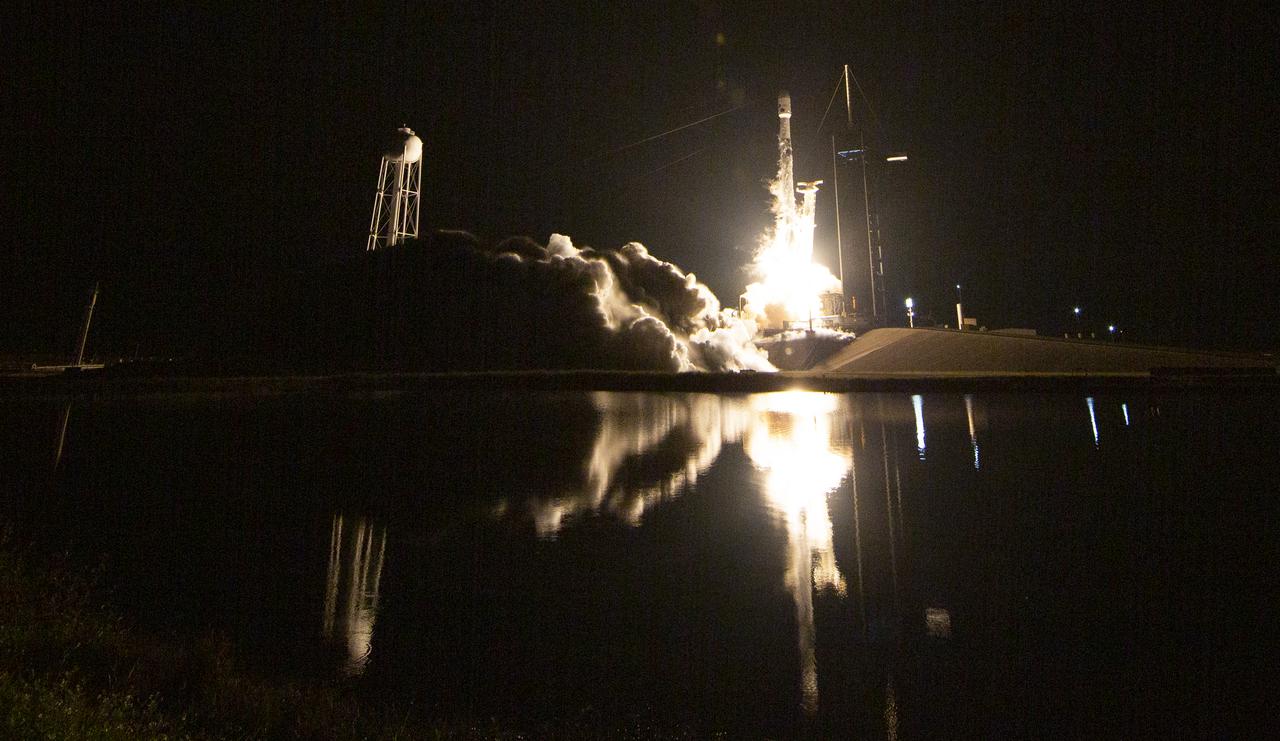
A SpaceX Falcon 9 rocket launches with NASA’s Imaging X-ray Polarimetry Explorer (IXPE) spacecraft onboard from Launch Complex 39A, Thursday, Dec. 9, 2021, at NASA’s Kennedy Space Center in Florida. The IXPE spacecraft is the first satellite dedicated to measuring the polarization of X-rays from a variety of cosmic sources, such as black holes and neutron stars. Launch occurred at 1:00 a.m. EST. Photo Credit: (NASA/Joel Kowsky)
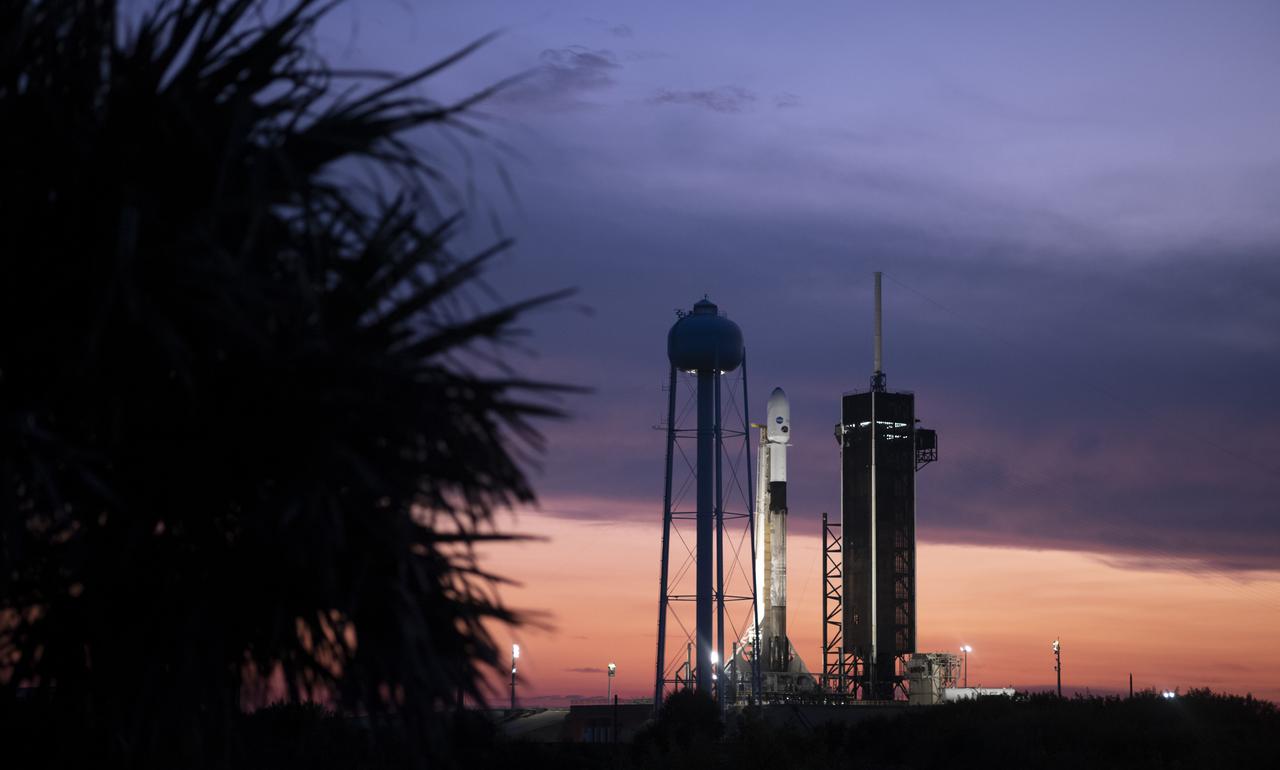
A SpaceX Falcon 9 rocket carrying NASA’s Imaging X-ray Polarimetry Explorer (IXPE) spacecraft is seen at sunset on the launch pad at Launch Complex 39A, Wednesday, Dec. 8, 2021, at NASA’s Kennedy Space Center in Florida. The IXPE spacecraft is the first satellite dedicated to measuring the polarization of X-rays from a variety of cosmic sources, such as black holes and neutron stars. Photo Credit: (NASA/Joel Kowsky)
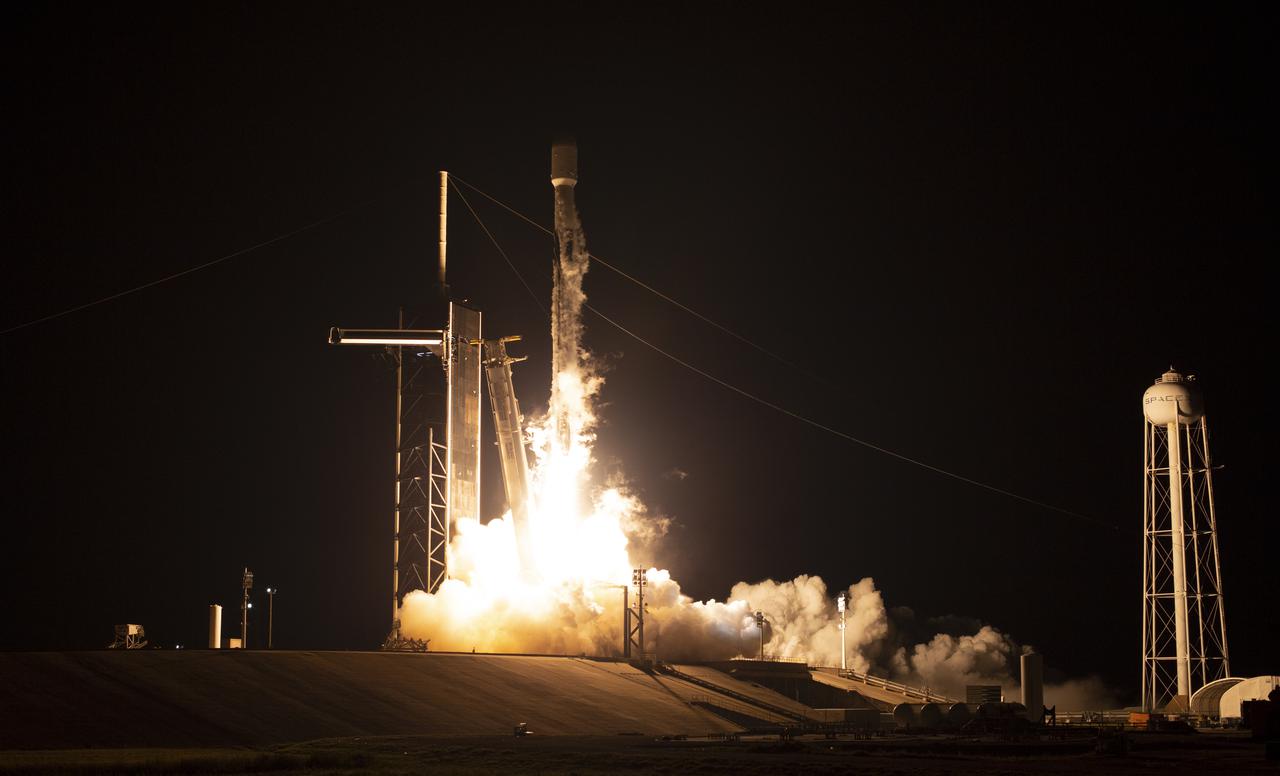
A SpaceX Falcon 9 rocket launches with NASA’s Imaging X-ray Polarimetry Explorer (IXPE) spacecraft onboard from Launch Complex 39A, Thursday, Dec. 9, 2021, at NASA’s Kennedy Space Center in Florida. The IXPE spacecraft is the first satellite dedicated to measuring the polarization of X-rays from a variety of cosmic sources, such as black holes and neutron stars. Launch occurred at 1:00 a.m. EST. Photo Credit: (NASA/Joel Kowsky)
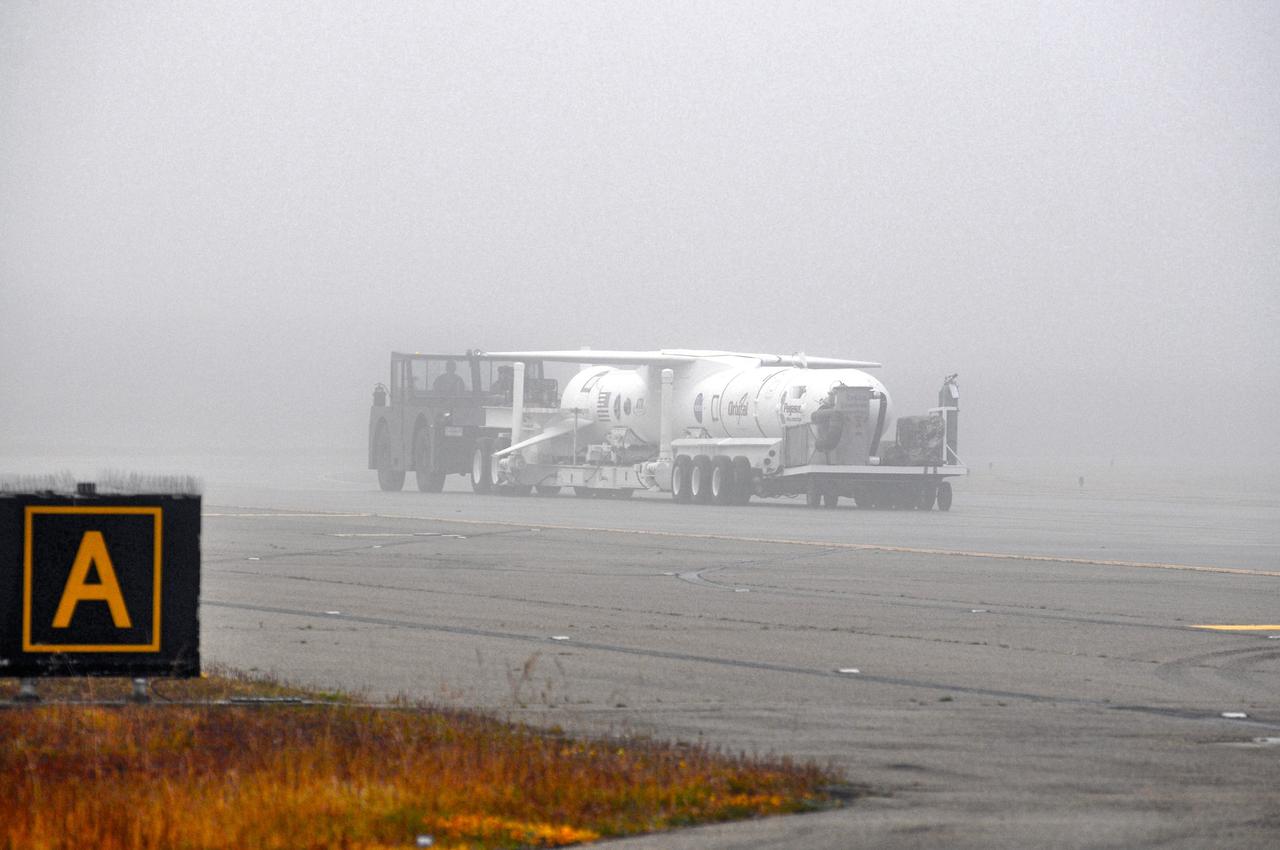
VANDENBERG AFB, Calif. – Technicians roll the Orbital Sciences Pegasus XL rocket with its NuSTAR spacecraft to the waiting L-1011 carrier aircraft known as "Stargazer." The Pegasus will launch NuSTAR into space where the high-energy x-ray telescope will conduct a census for black holes, map radioactive material in young supernovae remnants, and study the origins of cosmic rays and the extreme physics around collapsed stars. Photo credit: NASA/Randy Beaudoin, VAFB
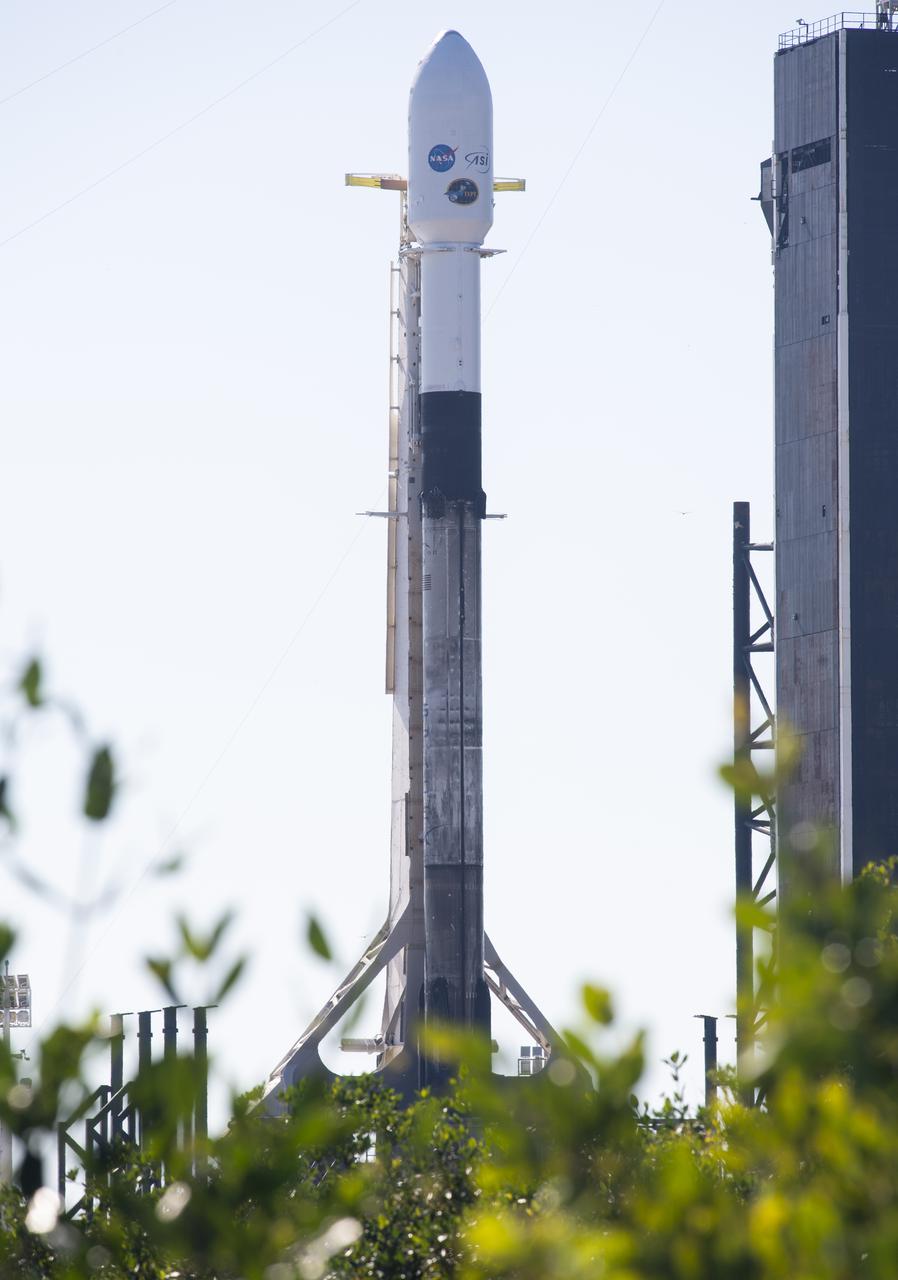
A SpaceX Falcon 9 rocket carrying NASA’s Imaging X-ray Polarimetry Explorer (IXPE) spacecraft is seen on the launch pad at Launch Complex 39A, Wednesday, Dec. 8, 2021, at NASA’s Kennedy Space Center in Florida. The IXPE spacecraft is the first satellite dedicated to measuring the polarization of X-rays from a variety of cosmic sources, such as black holes and neutron stars. Photo Credit: (NASA/Joel Kowsky)
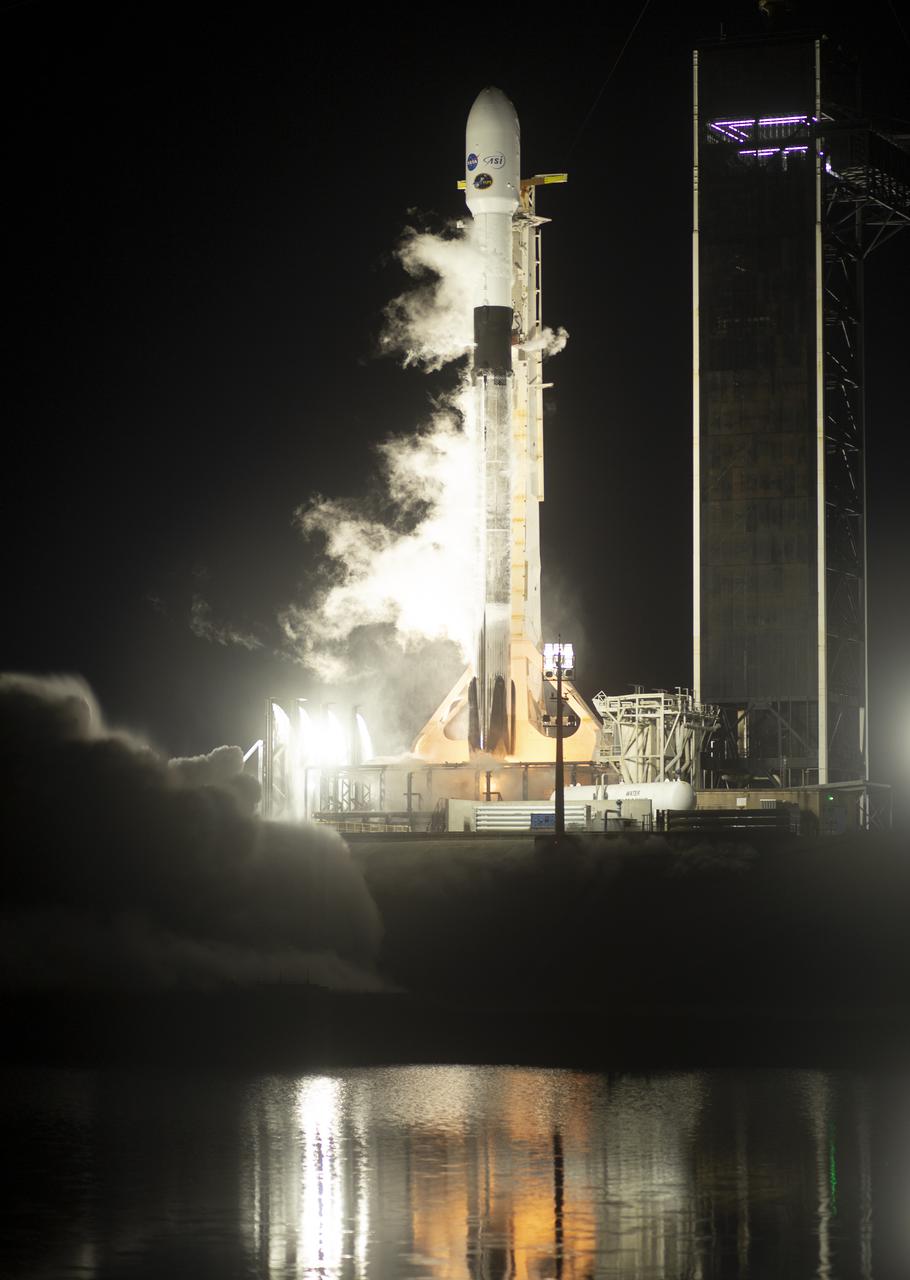
A SpaceX Falcon 9 rocket launches with NASA’s Imaging X-ray Polarimetry Explorer (IXPE) spacecraft onboard from Launch Complex 39A, Thursday, Dec. 9, 2021, at NASA’s Kennedy Space Center in Florida. The IXPE spacecraft is the first satellite dedicated to measuring the polarization of X-rays from a variety of cosmic sources, such as black holes and neutron stars. Launch occurred at 1:00 a.m. EST. Photo Credit: (NASA/Joel Kowsky)

A SpaceX Falcon 9 rocket launches with NASA’s Imaging X-ray Polarimetry Explorer (IXPE) spacecraft onboard from Launch Complex 39A, Thursday, Dec. 9, 2021, at NASA’s Kennedy Space Center in Florida. The IXPE spacecraft is the first satellite dedicated to measuring the polarization of X-rays from a variety of cosmic sources, such as black holes and neutron stars. Launch occurred at 1:00 a.m. EST. Photo Credit: (NASA/Joel Kowsky)
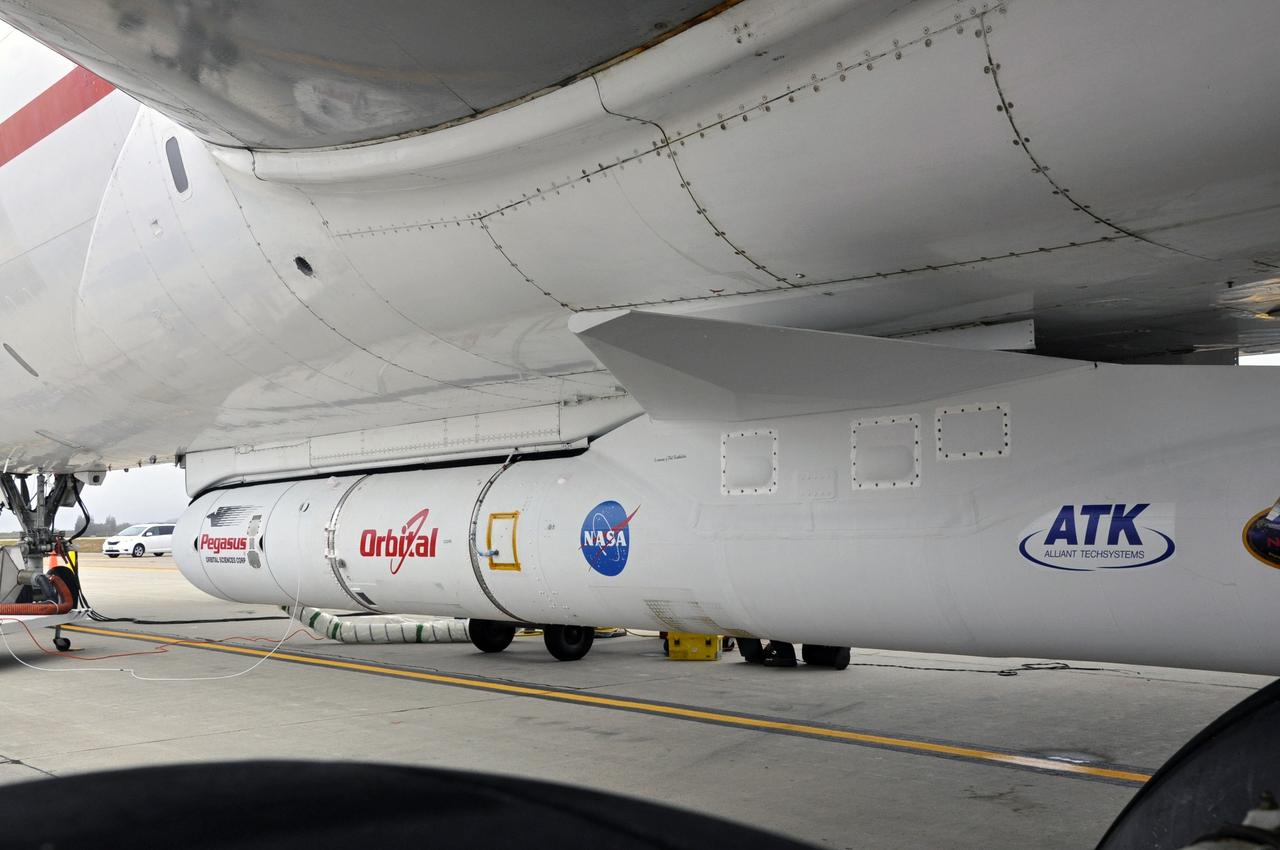
VANDENBERG AFB, Calif. – The Orbital Sciences Pegasus XL rocket with its NuSTAR spacecraft after attachment to the L-1011 carrier aircraft known as "Stargazer." The Pegasus will launch NuSTAR into space where the high-energy x-ray telescope will conduct a census for black holes, map radioactive material in young supernovae remnants, and study the origins of cosmic rays and the extreme physics around collapsed stars. Photo credit: NASA/Randy Beaudoin, VAFB
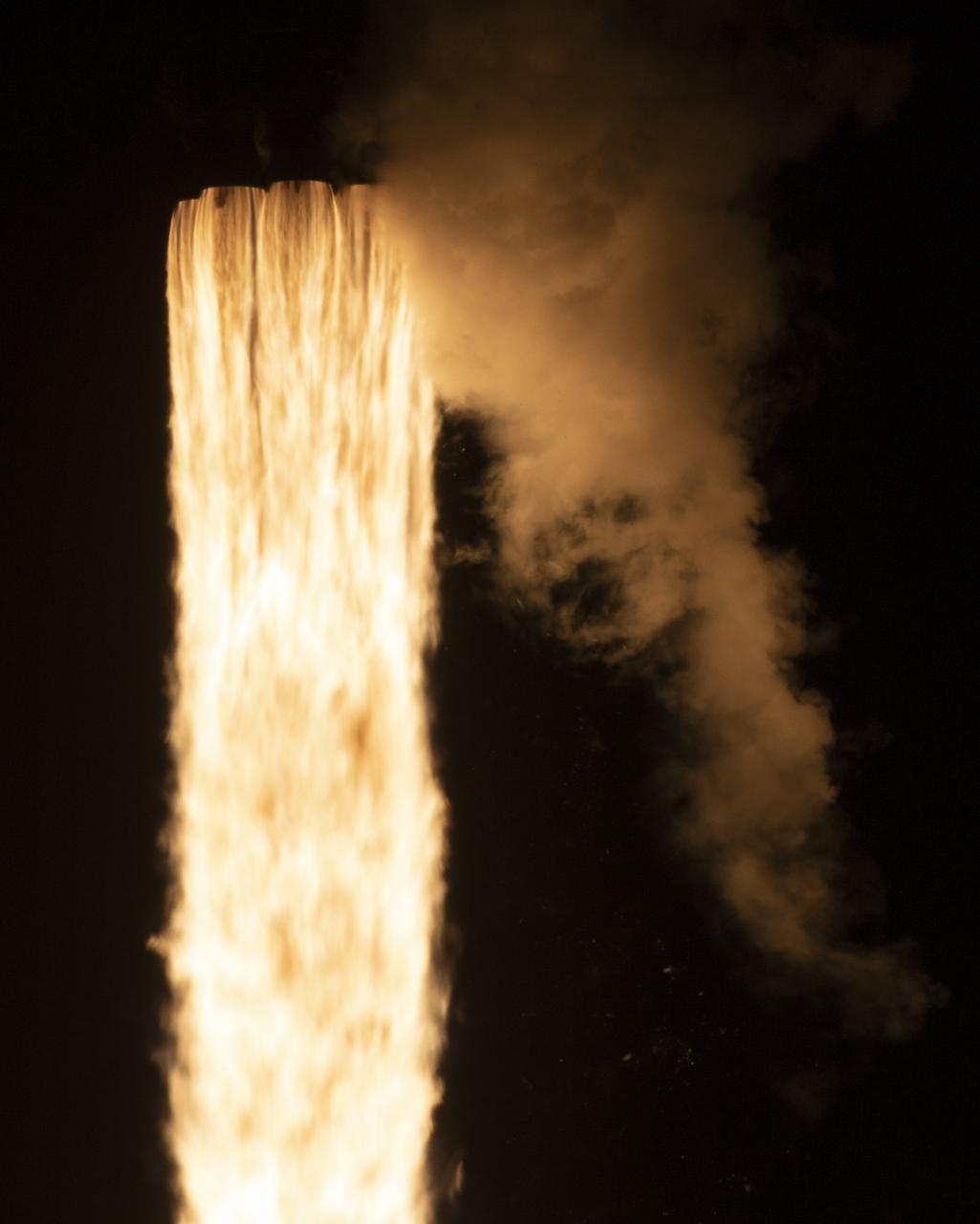
A SpaceX Falcon 9 rocket launches with NASA’s Imaging X-ray Polarimetry Explorer (IXPE) spacecraft onboard from Launch Complex 39A, Thursday, Dec. 9, 2021, at NASA’s Kennedy Space Center in Florida. The IXPE spacecraft is the first satellite dedicated to measuring the polarization of X-rays from a variety of cosmic sources, such as black holes and neutron stars. Launch occurred at 1:00 a.m. EST. Photo Credit: (NASA/Joel Kowsky)
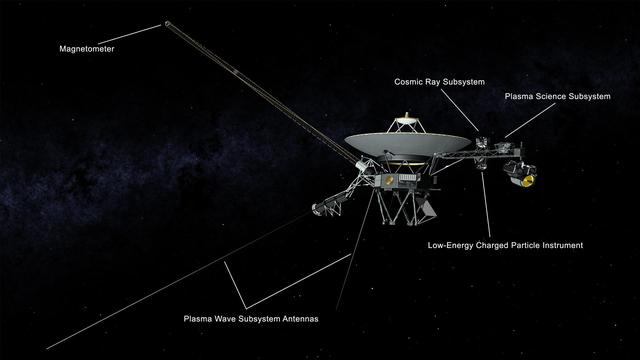
This illustration of NASA's Voyager 2 spacecraft shows the location of the onboard science instruments that are still operating: the magnetometer, the cosmic ray subsystem, the plasma science experiment, the low-energy charged particle instrument and the antennas used by the plasma wave subsystem. https://photojournal.jpl.nasa.gov/catalog/PIA22915
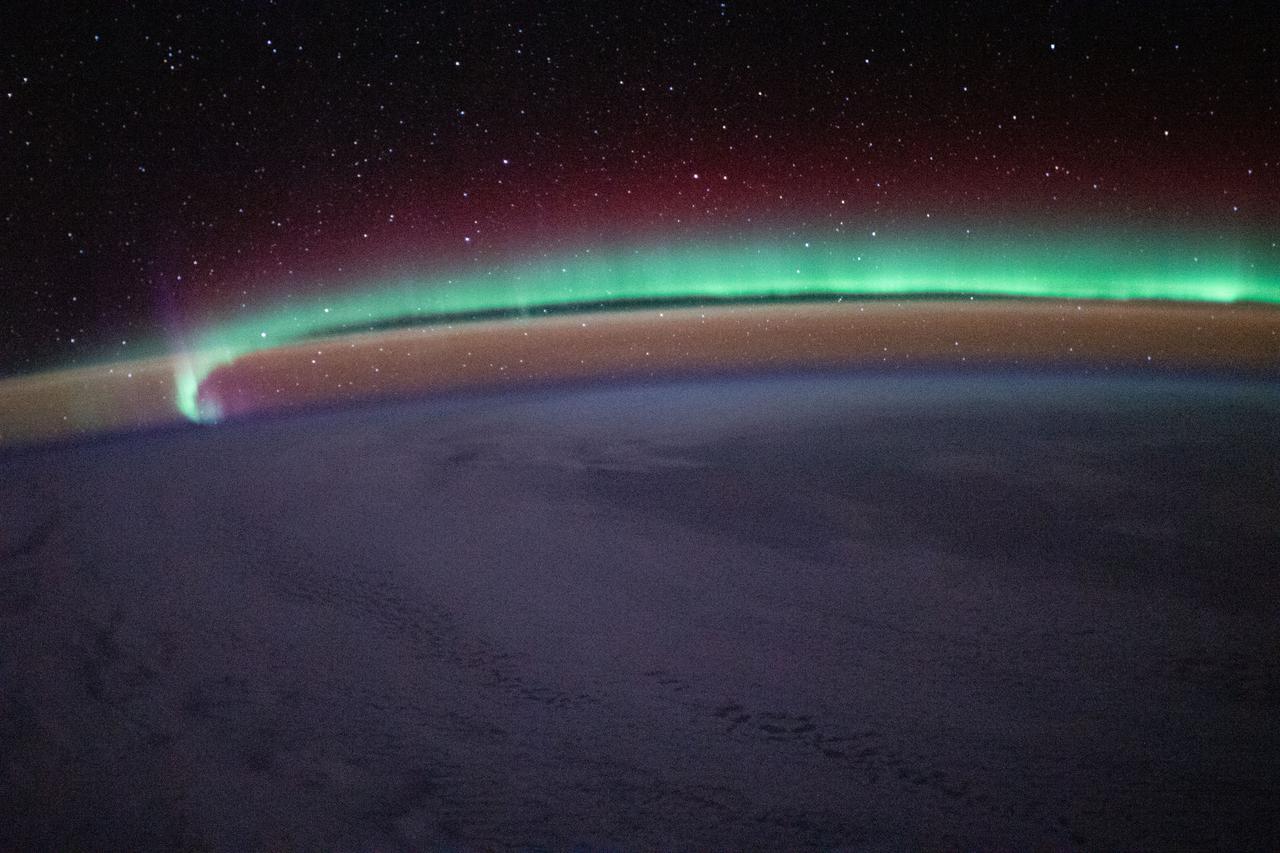
iss064e024075 (Jan. 18, 2021) --- The International Space Station was orbiting 264 miles above the North Atlantic when this photograph was taken of an aurora streaming above the Earth's horizon. The Earth's airglow, an optical phenomenon caused by cosmic rays striking the upper atmosphere, blankets the horizon. Credit: Roscosmos
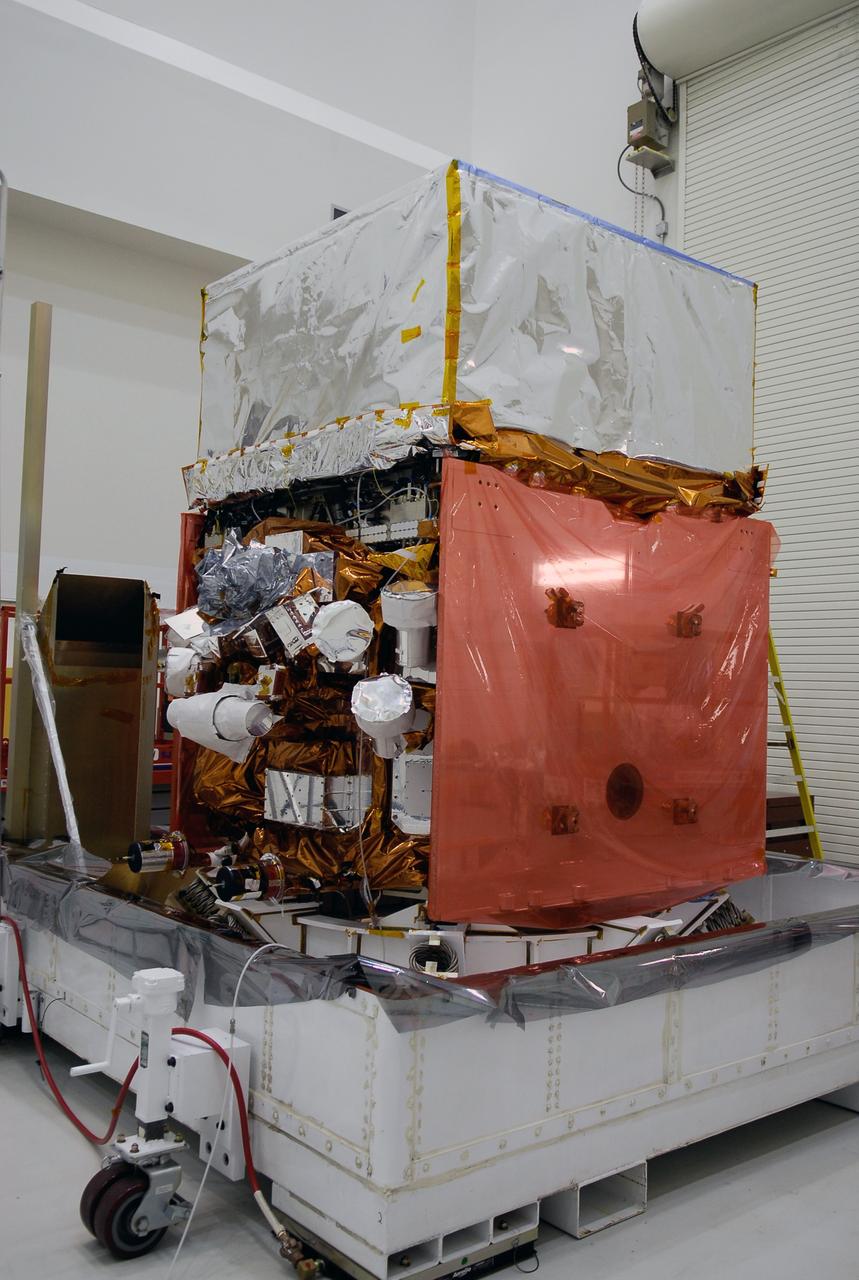
KENNEDY SPACE CENTER, FLA. -- In the Astrotech payload processing facility, NASA's Gamma-Ray Large Area Space Telescope, or GLAST, sits uncovered before its move to a work stand in the facility for a complete checkout of the scientific instruments aboard. The telescope will launch aboard a Delta II rocket May 16 from Launch Pad 17-B on Cape Canaveral Air Force Station. A powerful space observatory, the GLAST will explore the most extreme environments in the universe, and answer questions about supermassive black hole systems, pulsars and the origin of cosmic rays. It also will study the mystery of powerful explosions known as gamma-ray bursts. Photo credit: NASA/Kim Shiflett
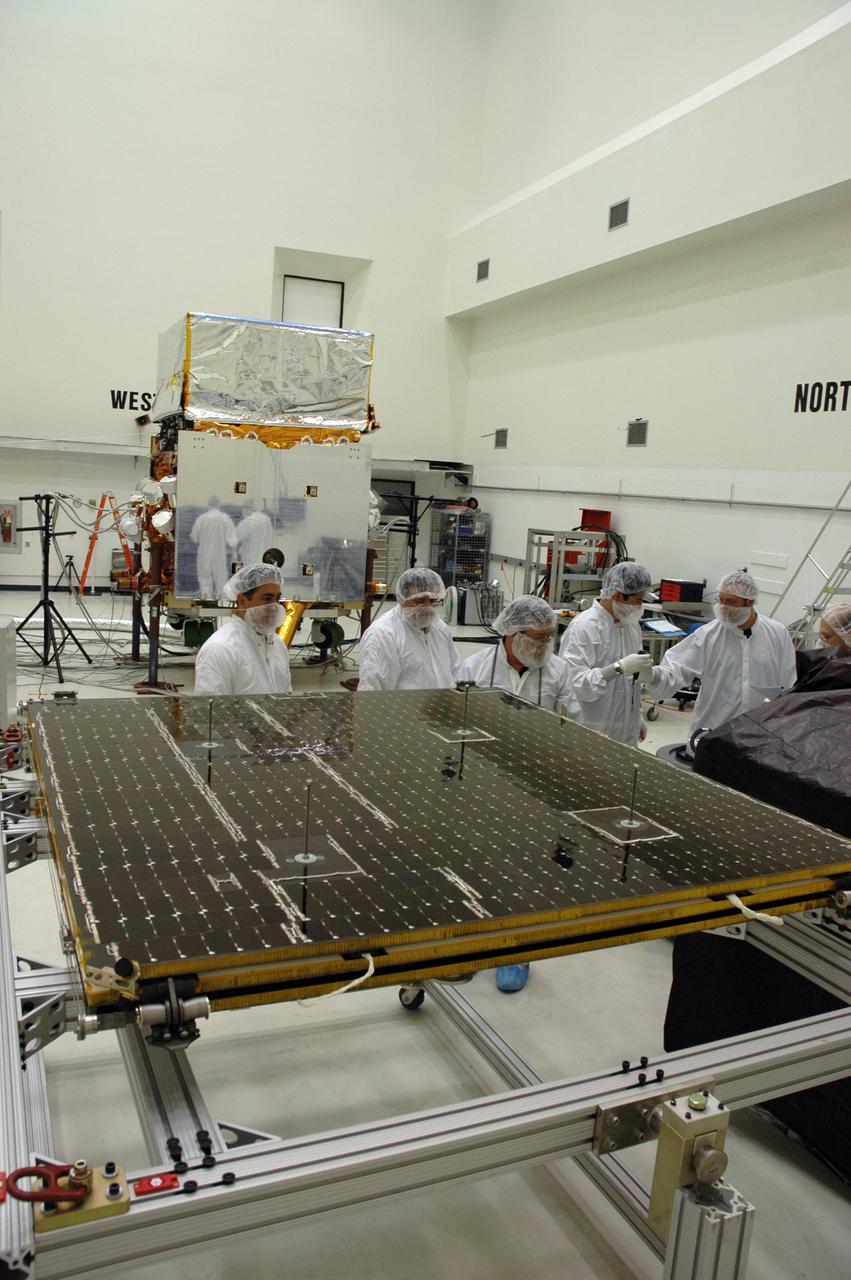
KENNEDY SPACE CENTER, FLA. - In the Astrotech payload processing facility, General Dynamics technicians prepare to install the twin solar arrays on NASA's Gamma-Ray Large Area Space Telescope, or GLAST. The telescope will launch aboard a Delta II rocket May 16 from Launch Pad 17-B on Cape Canaveral Air Force Station. A powerful space observatory, the GLAST will explore the most extreme environments in the universe, and answer questions about supermassive black hole systems, pulsars and the origin of cosmic rays. It also will study the mystery of powerful explosions known as gamma-ray bursts. Photo credit: NASA/Chris Rhodes
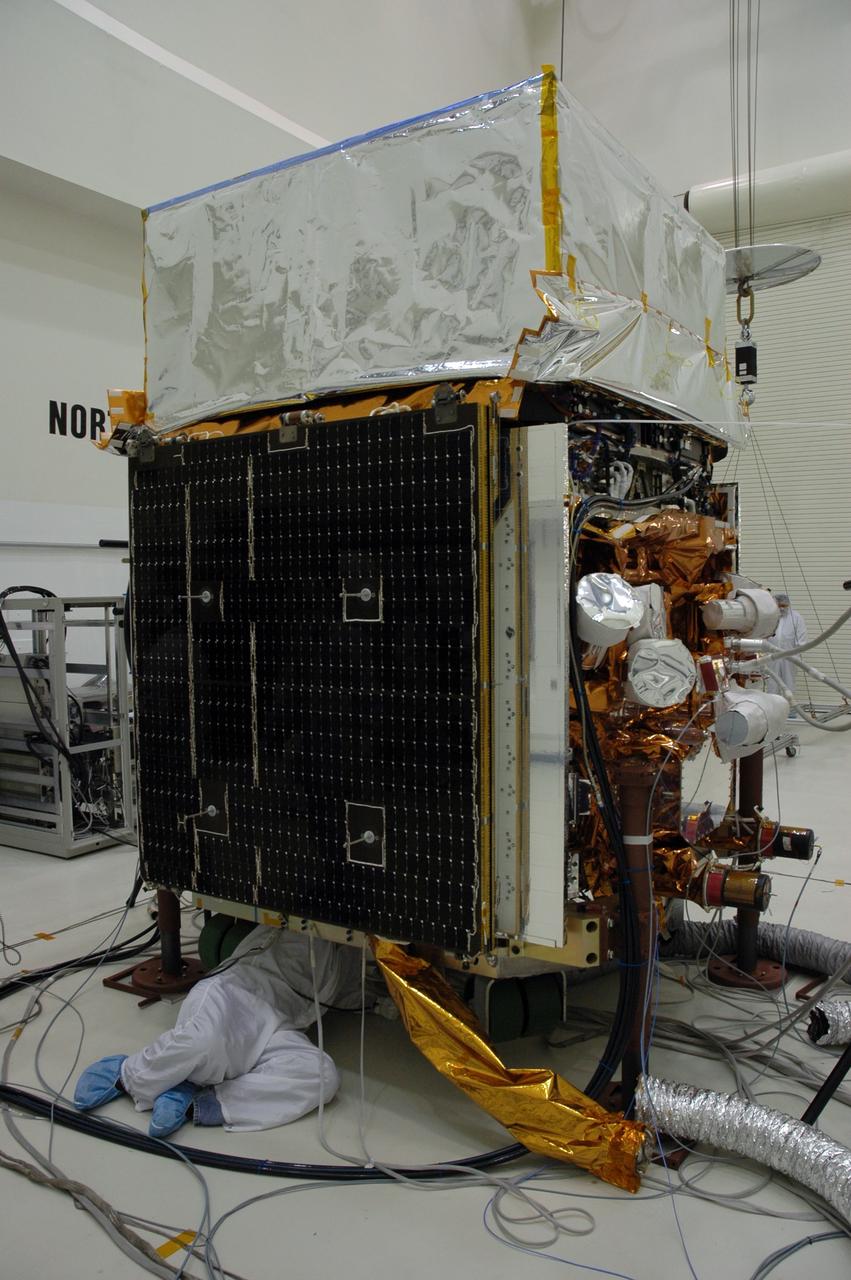
CAPE CANAVERAL, Fla. --- In the Astrotech payload processing facility, a General Dynamics technician finishes the installation of the second of twin solar arrays on NASA's Gamma-Ray Large Area Space Telescope, or GLAST. The telescope will launch aboard a Delta II rocket May 16 from Launch Pad 17-B on Cape Canaveral Air Force Station. A powerful space observatory, the GLAST will explore the most extreme environments in the universe, and answer questions about supermassive black hole systems, pulsars and the origin of cosmic rays. It also will study the mystery of powerful explosions known as gamma-ray bursts. Photo credit: NASA/Chris Rhodes
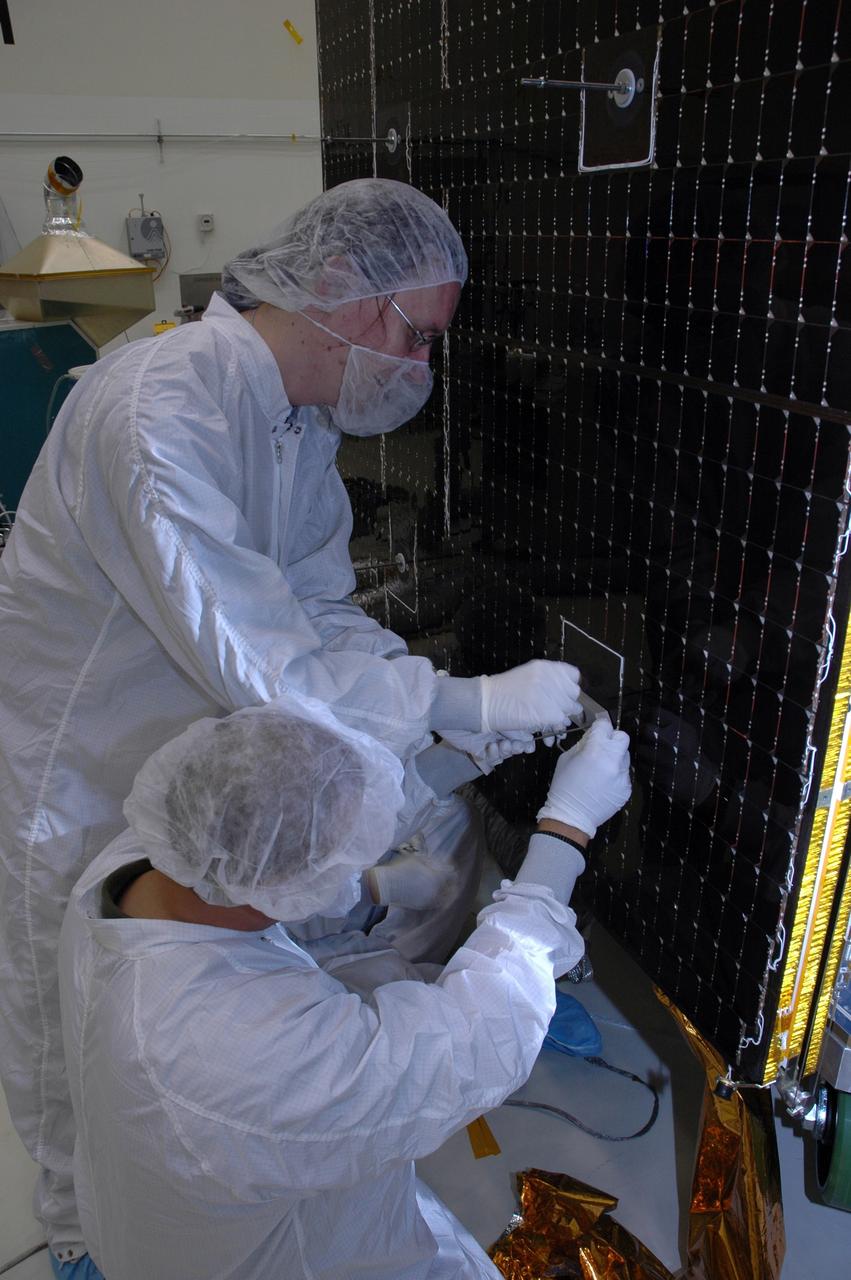
KENNEDY SPACE CENTER, FLA. - In the Astrotech payload processing facility, General Dynamics technicians install one of twin solar arrays on NASA's Gamma-Ray Large Area Space Telescope, or GLAST. The telescope will launch aboard a Delta II rocket May 16 from Launch Pad 17-B on Cape Canaveral Air Force Station. A powerful space observatory, the GLAST will explore the most extreme environments in the universe, and answer questions about supermassive black hole systems, pulsars and the origin of cosmic rays. It also will study the mystery of powerful explosions known as gamma-ray bursts. Photo credit: NASA/Chris Rhodes

KENNEDY SPACE CENTER, FLA. -- NASA's Gamma-Ray Large Area Space Telescope, or GLAST, arrives at Kennedy Space Center in a shipping container aboard a truck to begin final preparations for launch. The GLAST will launch aboard a Delta II rocket May 16 from Launch Pad 17-B on Cape Canaveral Air Force Station. A powerful space observatory, the GLAST will explore the most extreme environments in the universe, and answer questions about supermassive black hole systems, pulsars and the origin of cosmic rays. It also will study the mystery of powerful explosions known as gamma-ray bursts. Photo credit: NASA/Kim Shiflett
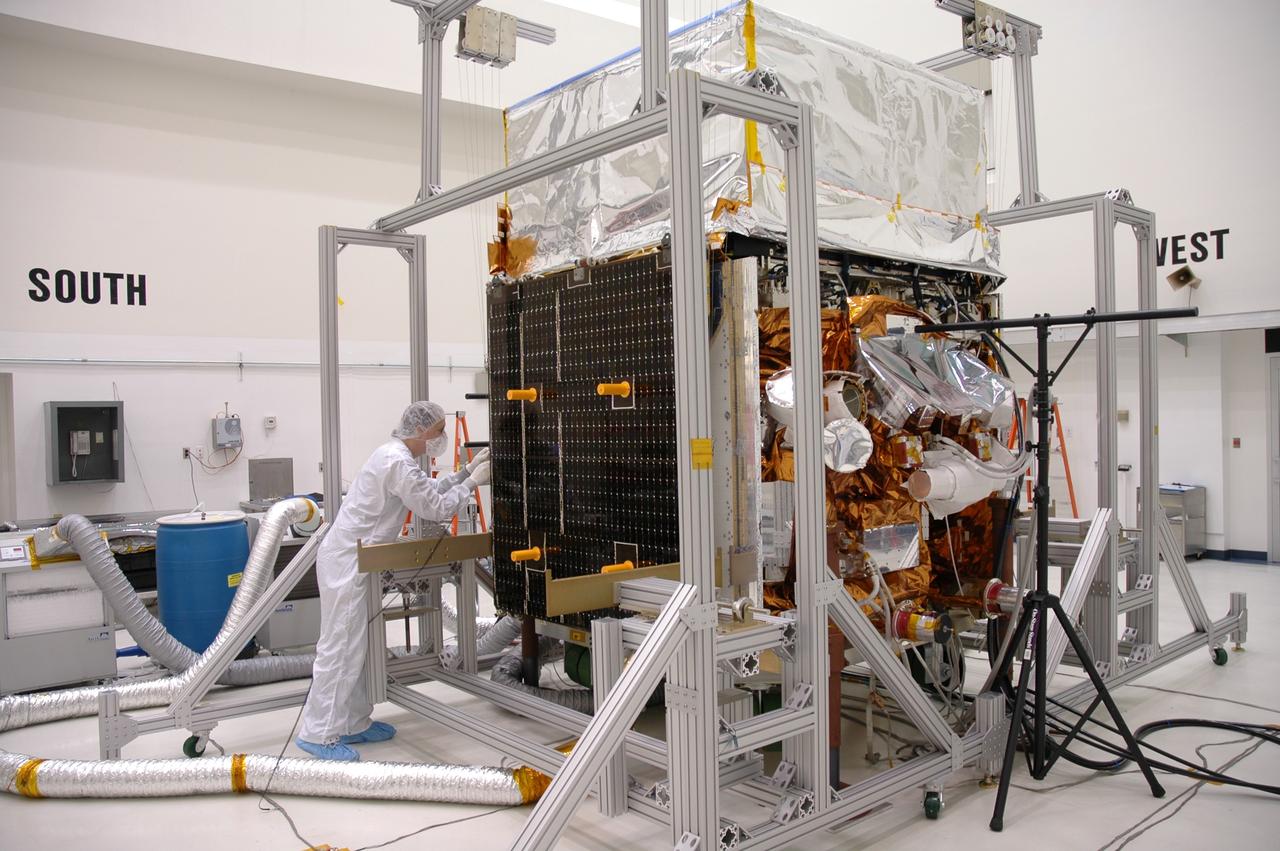
CAPE CANAVERAL, Fla. --- In the Astrotech payload processing facility, a General Dynamics technician prepares to test the deployment mechanism on the solar arrays on NASA's Gamma-Ray Large Area Space Telescope, or GLAST. The telescope will launch aboard a Delta II rocket May 16 from Launch Pad 17-B on Cape Canaveral Air Force Station. A powerful space observatory, the GLAST will explore the most extreme environments in the universe, and answer questions about supermassive black hole systems, pulsars and the origin of cosmic rays. It also will study the mystery of powerful explosions known as gamma-ray bursts. Photo credit: NASA/Jim Grossmann
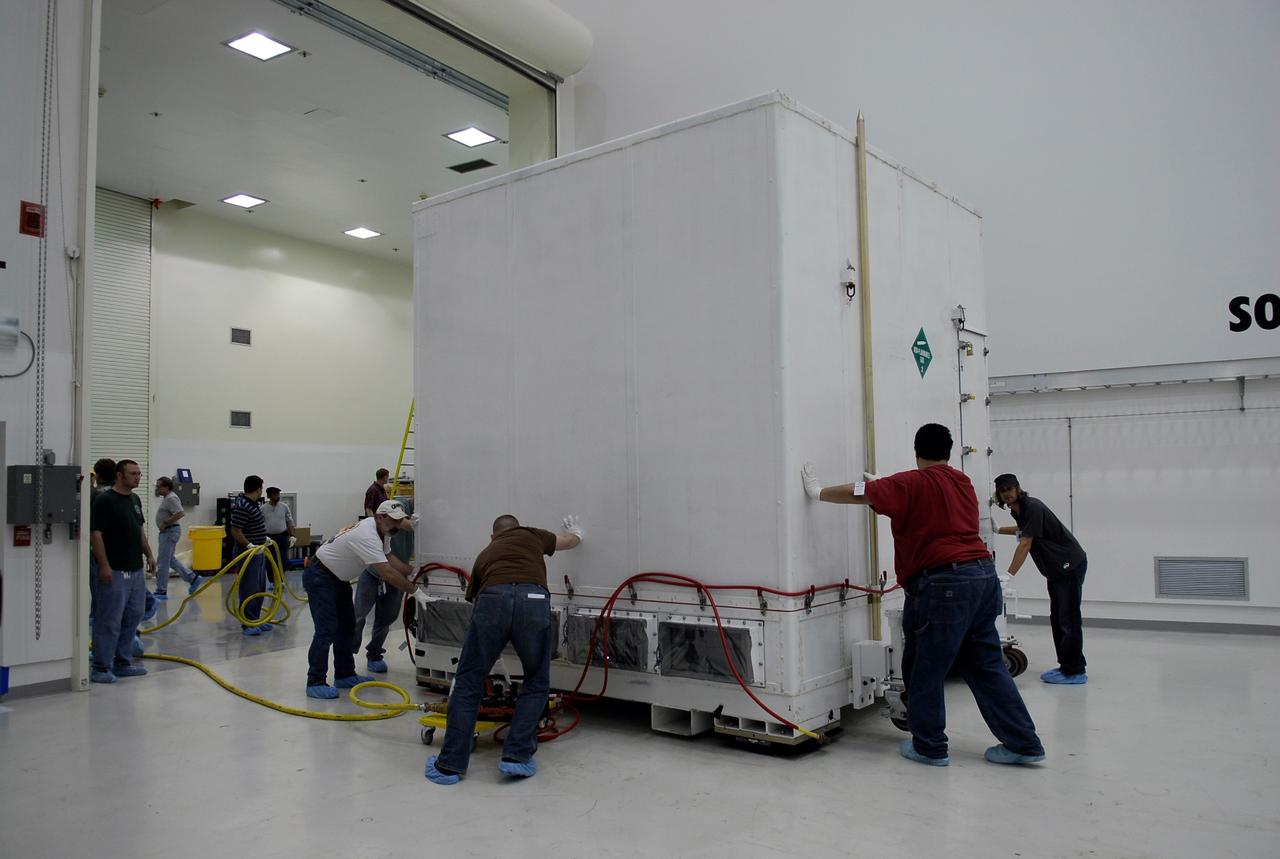
KENNEDY SPACE CENTER, FLA. -- In the Astrotech payload processing facility near the Kennedy Space Center, workers maneuver the shipping container holding NASA's Gamma-Ray Large Area Space Telescope, or GLAST, into place. The GLAST will launch aboard a Delta II rocket May 16 from Launch Pad 17-B on Cape Canaveral Air Force Station. A powerful space observatory, the GLAST will explore the most extreme environments in the universe, and answer questions about supermassive black hole systems, pulsars and the origin of cosmic rays. It also will study the mystery of powerful explosions known as gamma-ray bursts. Photo credit: NASA/Kim Shiflett
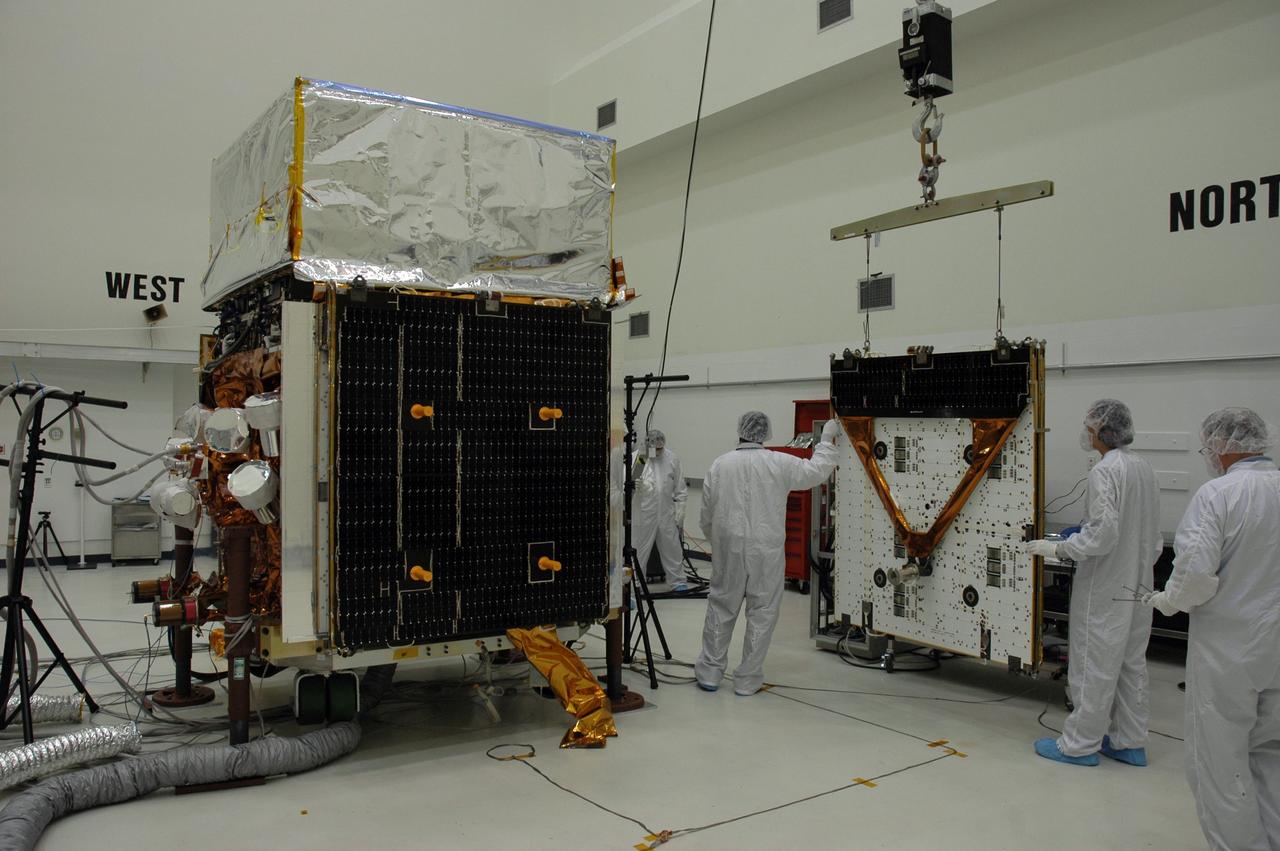
KENNEDY SPACE CENTER, FLA. - In the Astrotech payload processing facility, General Dynamics technicians move the second of twin solar arrays toward NASA's Gamma-Ray Large Area Space Telescope, or GLAST. The telescope will launch aboard a Delta II rocket May 16 from Launch Pad 17-B on Cape Canaveral Air Force Station. A powerful space observatory, the GLAST will explore the most extreme environments in the universe, and answer questions about supermassive black hole systems, pulsars and the origin of cosmic rays. It also will study the mystery of powerful explosions known as gamma-ray bursts. Photo credit: NASA/Chris Rhodes
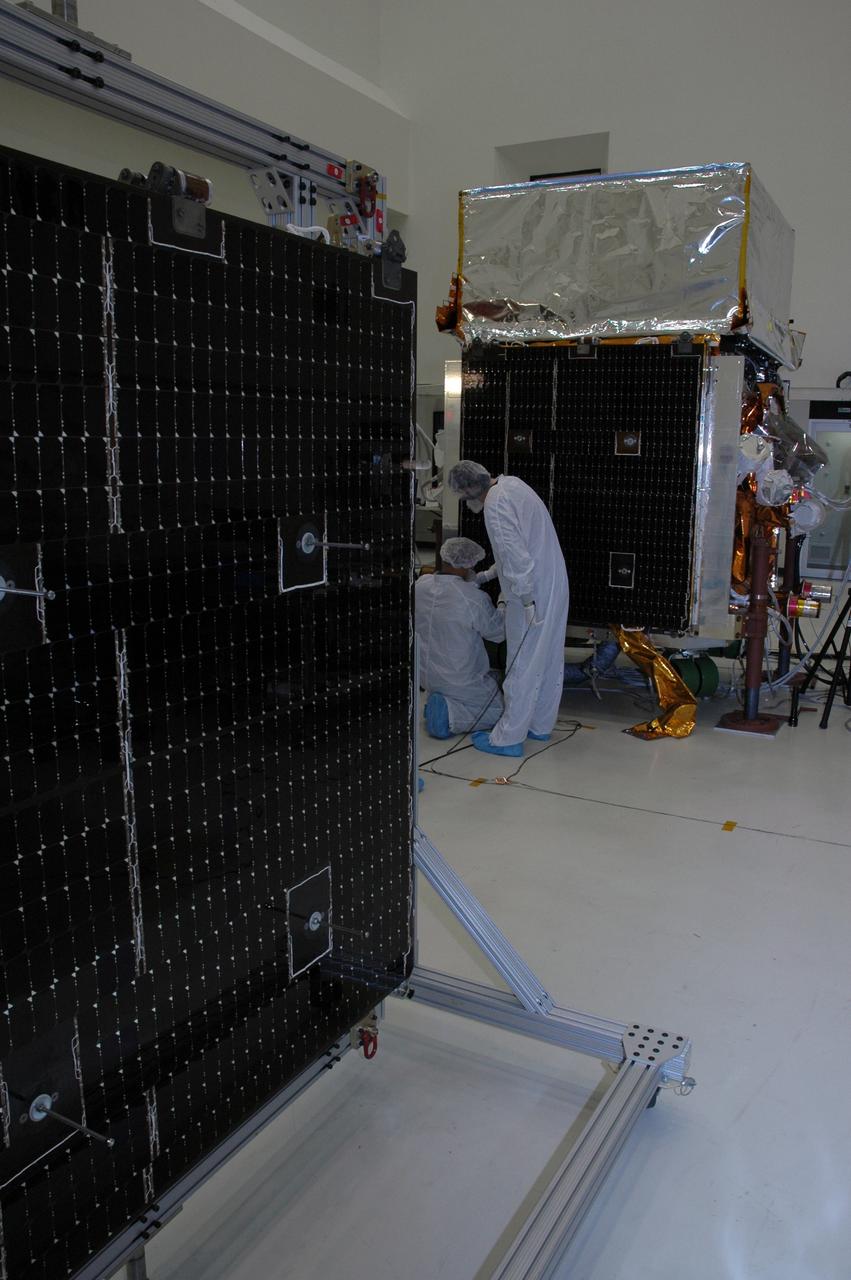
KENNEDY SPACE CENTER, FLA. - In the Astrotech payload processing facility, one of twin solar arrays awaits processing as General Dynamics technicians install the other of the pair on NASA's Gamma-Ray Large Area Space Telescope, or GLAST. The telescope will launch aboard a Delta II rocket May 16 from Launch Pad 17-B on Cape Canaveral Air Force Station. A powerful space observatory, the GLAST will explore the most extreme environments in the universe, and answer questions about supermassive black hole systems, pulsars and the origin of cosmic rays. It also will study the mystery of powerful explosions known as gamma-ray bursts. Photo credit: NASA/Chris Rhodes
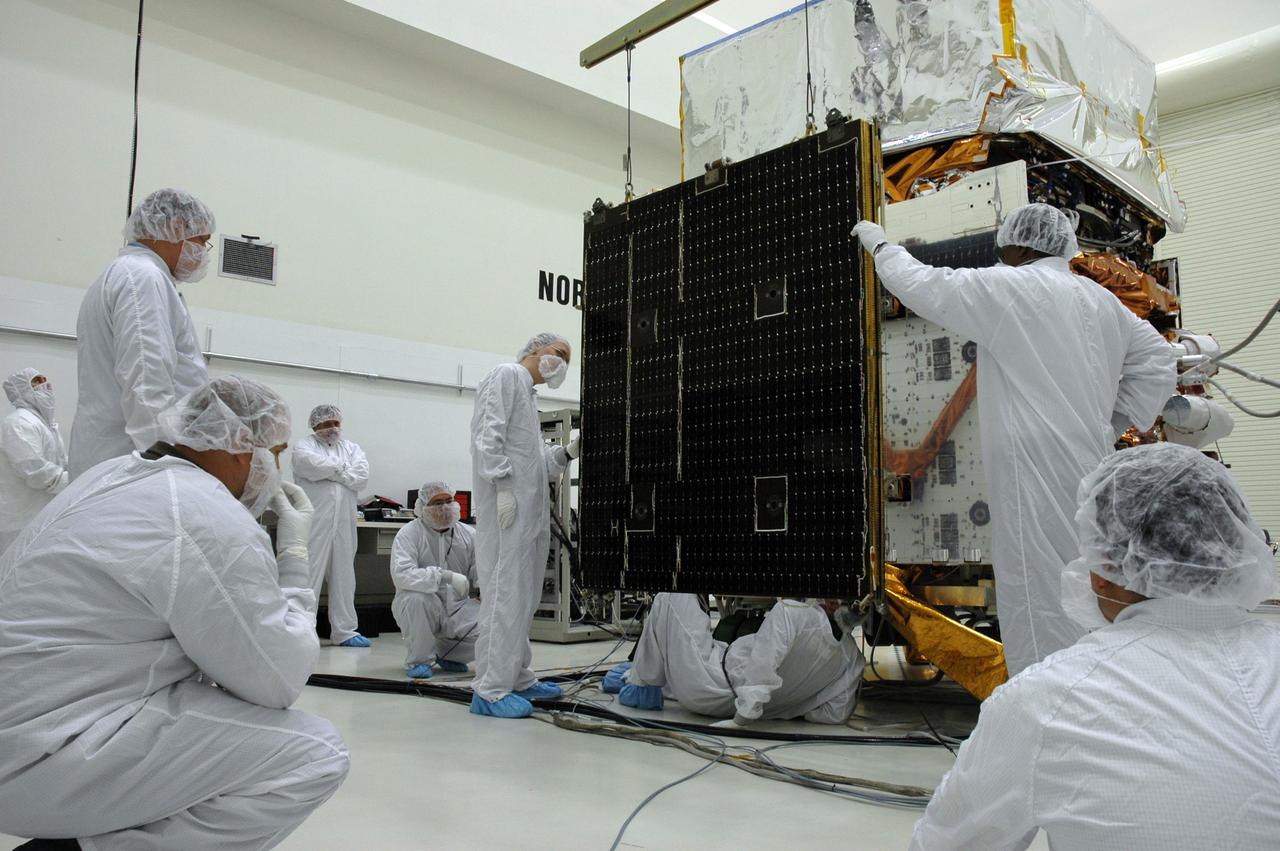
KENNEDY SPACE CENTER, FLA. - In the Astrotech payload processing facility, General Dynamics technicians install the second of twin solar arrays on NASA's Gamma-Ray Large Area Space Telescope, or GLAST. The telescope will launch aboard a Delta II rocket May 16 from Launch Pad 17-B on Cape Canaveral Air Force Station. A powerful space observatory, the GLAST will explore the most extreme environments in the universe, and answer questions about supermassive black hole systems, pulsars and the origin of cosmic rays. It also will study the mystery of powerful explosions known as gamma-ray bursts. Photo credit: NASA/Chris Rhodes
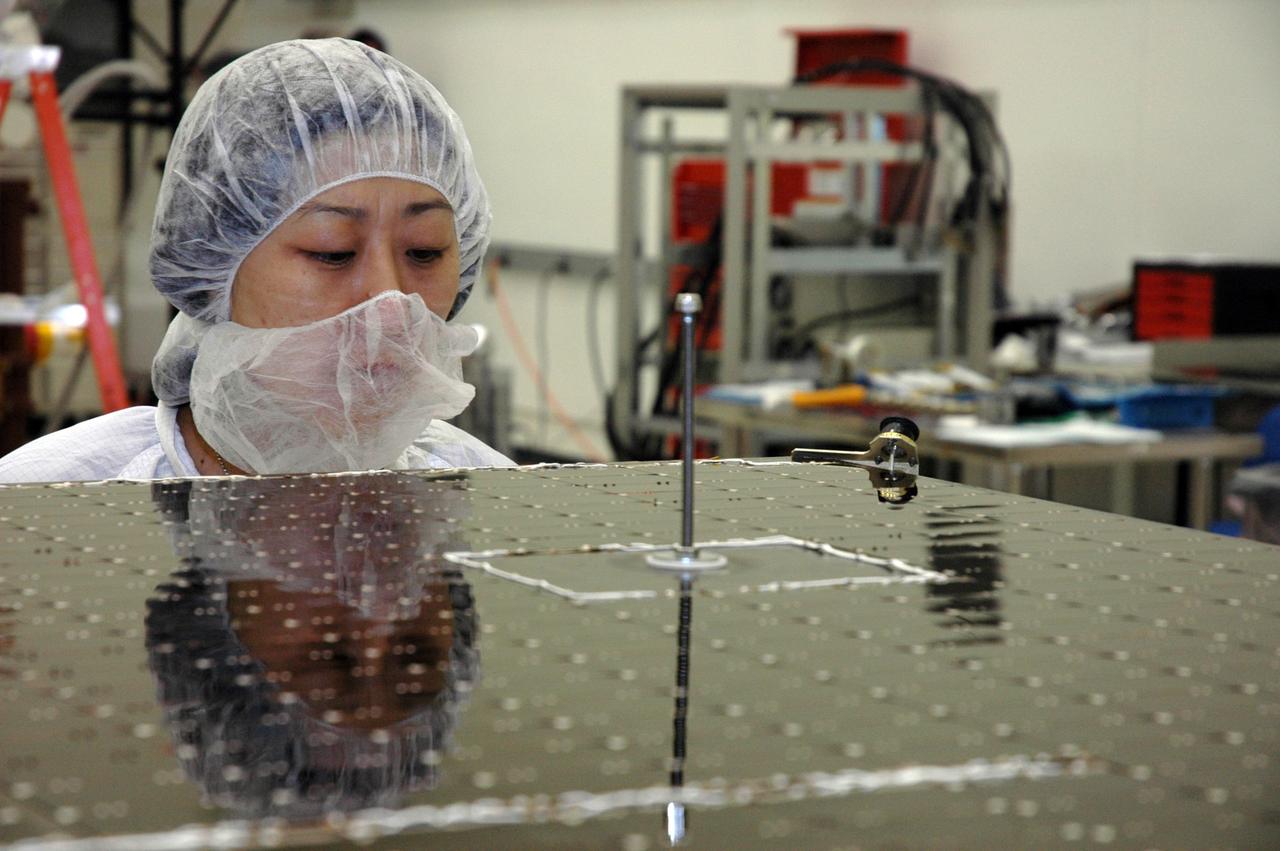
KENNEDY SPACE CENTER, FLA. - In the Astrotech payload processing facility, a General Dynamics technician studies one of twin solar arrays that will be installed on NASA's Gamma-Ray Large Area Space Telescope, or GLAST. The telescope will launch aboard a Delta II rocket May 16 from Launch Pad 17-B on Cape Canaveral Air Force Station. A powerful space observatory, the GLAST will explore the most extreme environments in the universe, and answer questions about supermassive black hole systems, pulsars and the origin of cosmic rays. It also will study the mystery of powerful explosions known as gamma-ray bursts. Photo credit: NASA/Chris Rhodes
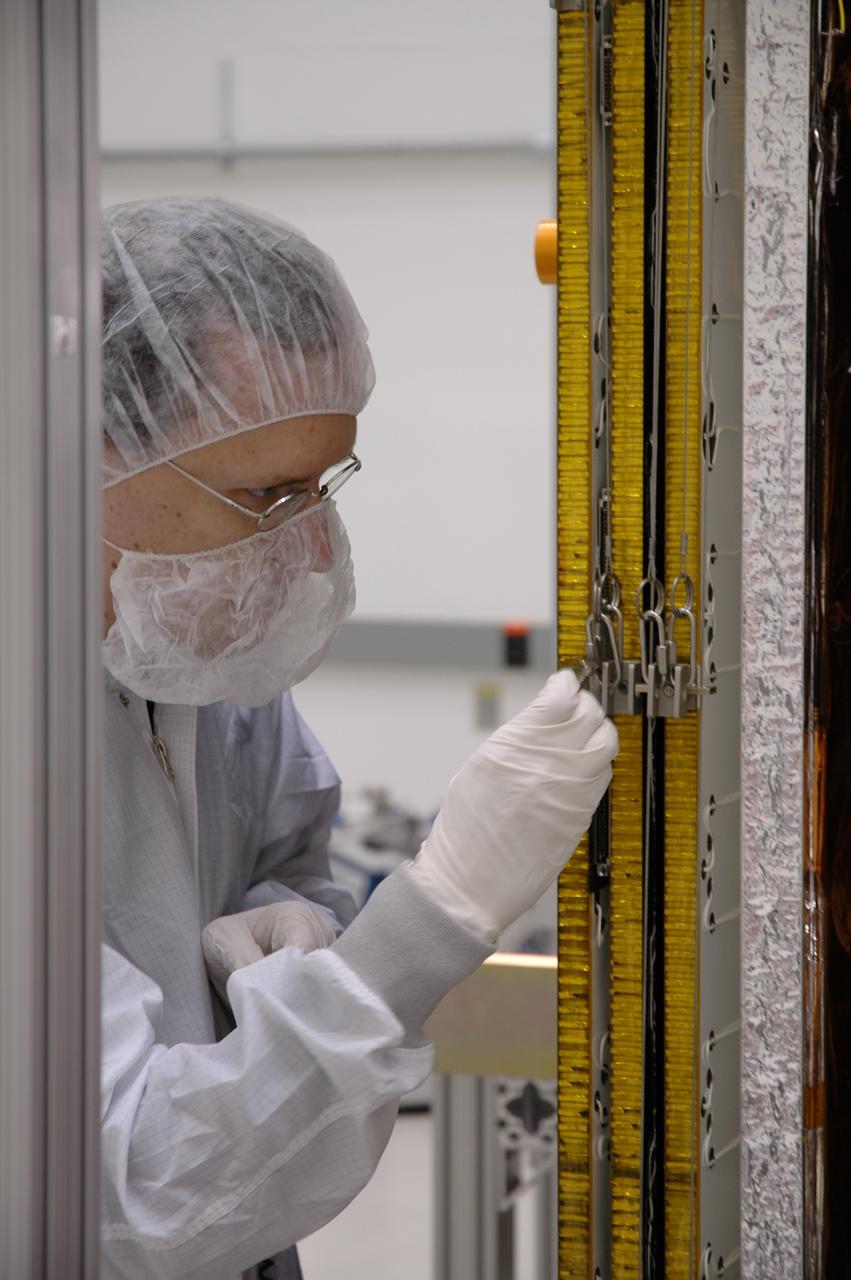
CAPE CANAVERAL, Fla. --- In the Astrotech payload processing facility, a General Dynamics technician prepares to test the deployment mechanism of the solar arrays on NASA's Gamma-Ray Large Area Space Telescope, or GLAST. The telescope will launch aboard a Delta II rocket May 16 from Launch Pad 17-B on Cape Canaveral Air Force Station. A powerful space observatory, the GLAST will explore the most extreme environments in the universe, and answer questions about supermassive black hole systems, pulsars and the origin of cosmic rays. It also will study the mystery of powerful explosions known as gamma-ray bursts. Photo credit: NASA/Jim Grossmann
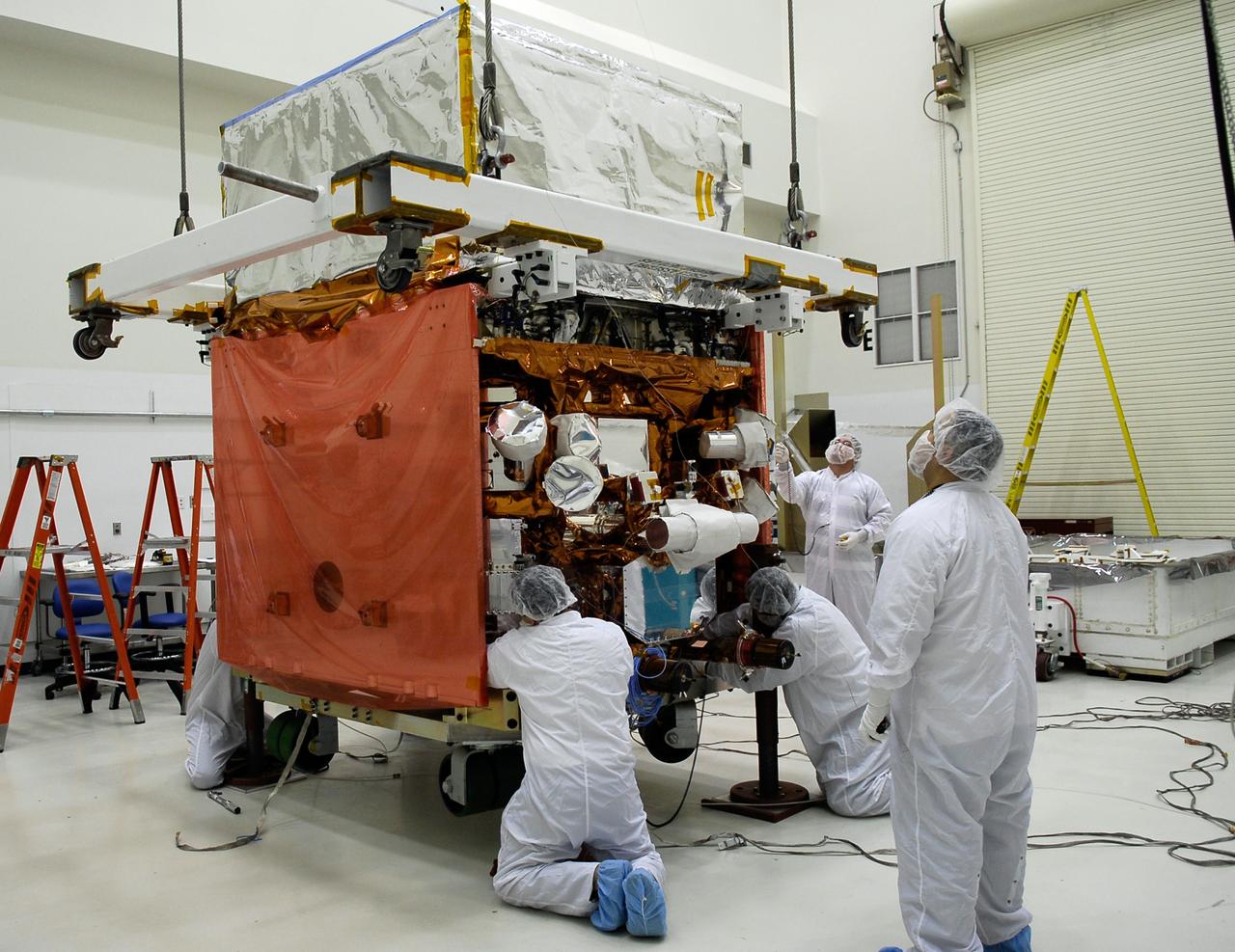
KENNEDY SPACE CENTER, FLA. -- In the Astrotech payload processing facility, General Dynamics technicians secure NASA's Gamma-Ray Large Area Space Telescope, or GLAST, onto a work stand. There GLAST will undergo a complete checkout of the scientific instruments aboard. The telescope will launch aboard a Delta II rocket May 16 from Launch Pad 17-B on Cape Canaveral Air Force Station. A powerful space observatory, the GLAST will explore the most extreme environments in the universe, and answer questions about supermassive black hole systems, pulsars and the origin of cosmic rays. It also will study the mystery of powerful explosions known as gamma-ray bursts. Photo credit: NASA/Kim Shiflett
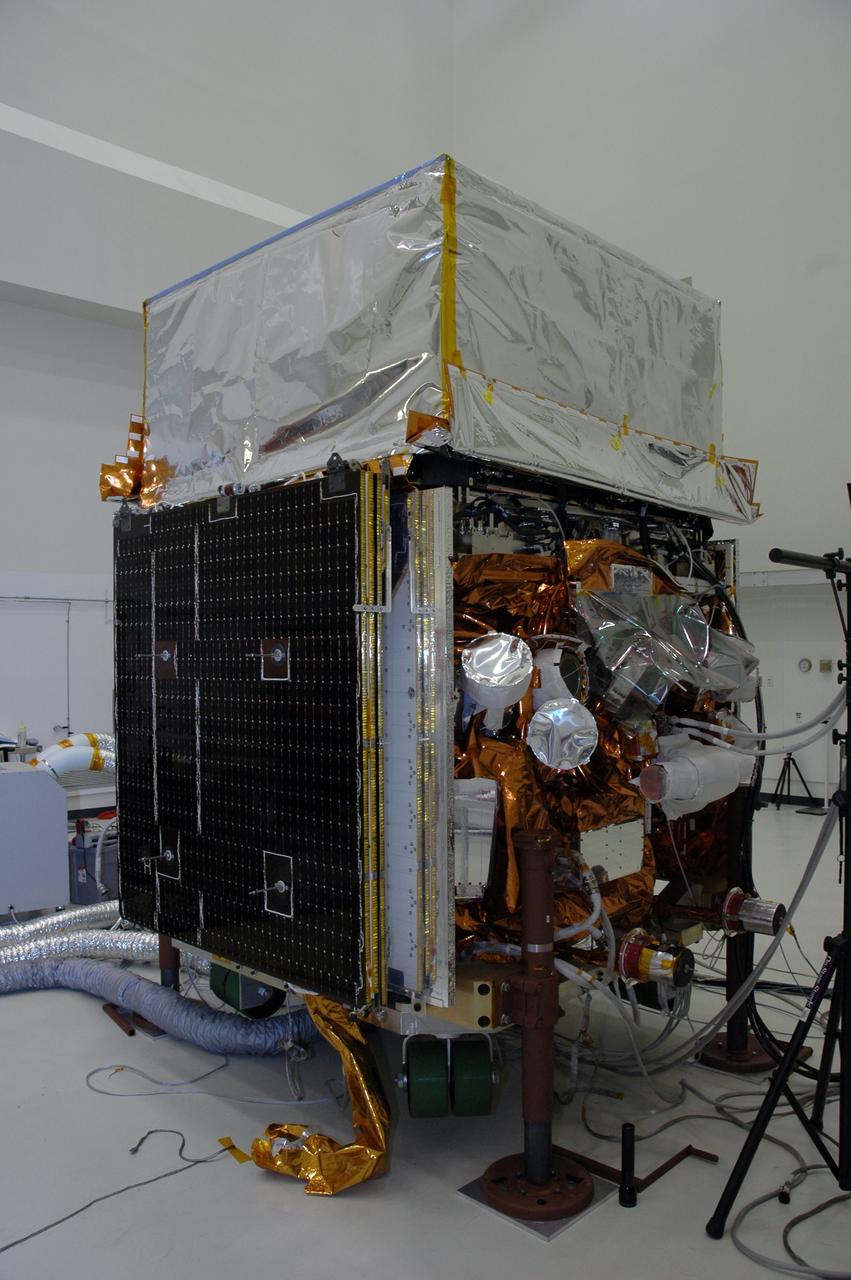
KENNEDY SPACE CENTER, FLA. - In the Astrotech payload processing facility, one of twin solar arrays is positioned on NASA's Gamma-Ray Large Area Space Telescope, or GLAST. The telescope will launch aboard a Delta II rocket May 16 from Launch Pad 17-B on Cape Canaveral Air Force Station. A powerful space observatory, the GLAST will explore the most extreme environments in the universe, and answer questions about supermassive black hole systems, pulsars and the origin of cosmic rays. It also will study the mystery of powerful explosions known as gamma-ray bursts. Photo credit: NASA/Chris Rhodes
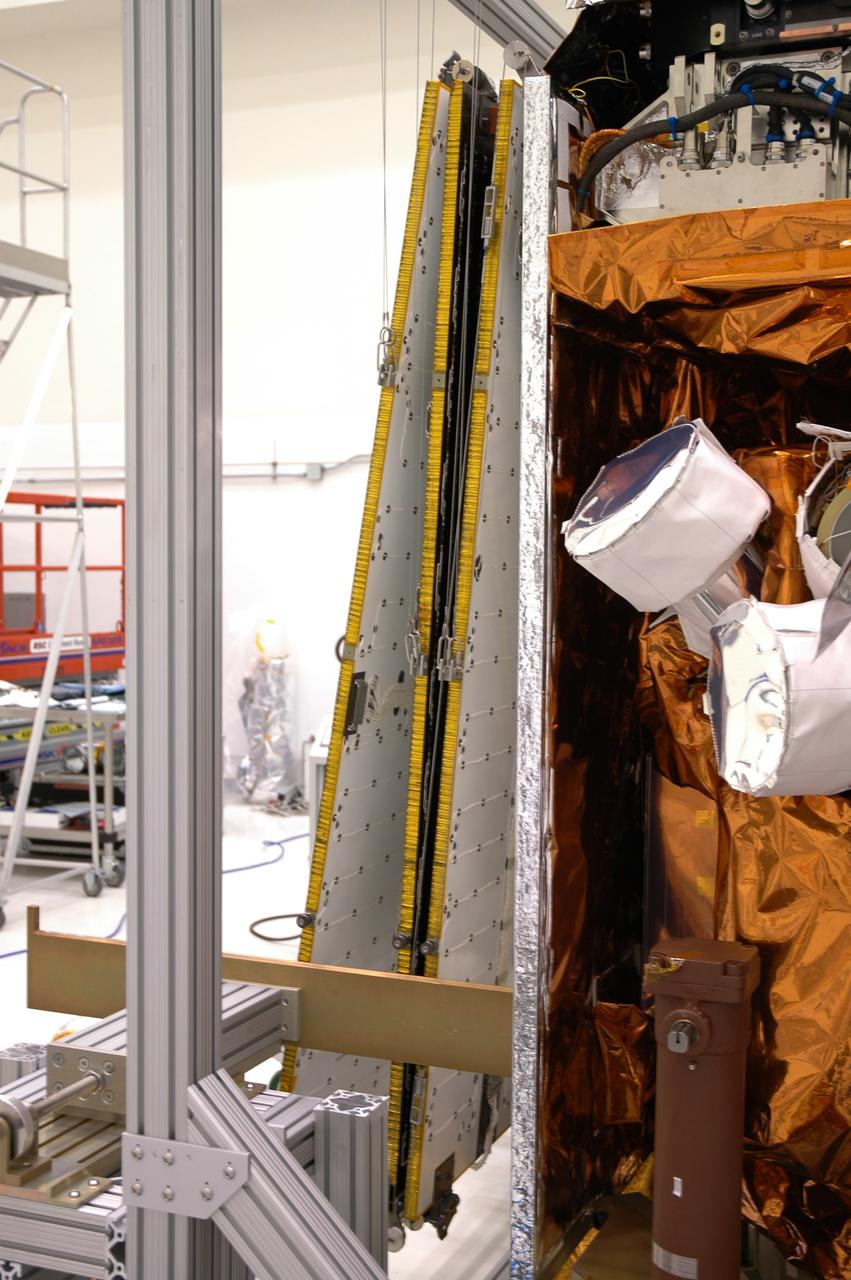
CAPE CANAVERAL, Fla. --- In the Astrotech payload processing facility, the mechanism on NASA's Gamma-Ray Large Area Space Telescope, or GLAST, solar arrays has been released. The telescope will launch aboard a Delta II rocket May 16 from Launch Pad 17-B on Cape Canaveral Air Force Station. A powerful space observatory, the GLAST will explore the most extreme environments in the universe, and answer questions about supermassive black hole systems, pulsars and the origin of cosmic rays. It also will study the mystery of powerful explosions known as gamma-ray bursts. Photo credit: NASA/Jim Grossmann
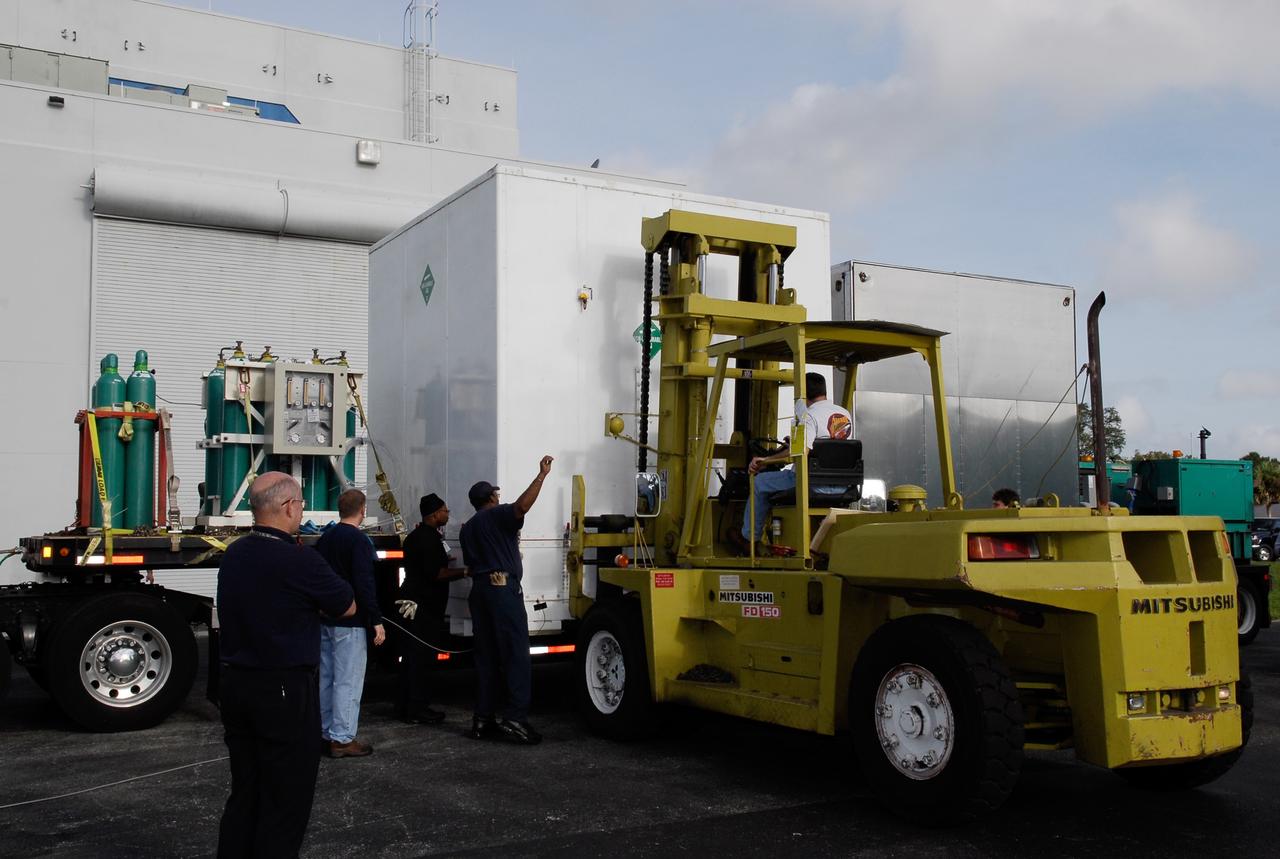
KENNEDY SPACE CENTER, FLA. -- The shipping container holding NASA's Gamma-Ray Large Area Space Telescope, or GLAST, is removed from the truck at the Astrotech payload processing facility near the Kennedy Space Center to begin prelaunch activities. The GLAST will launch aboard a Delta II rocket May 16 from Launch Pad 17-B on Cape Canaveral Air Force Station. A powerful space observatory, the GLAST will explore the most extreme environments in the universe, and answer questions about supermassive black hole systems, pulsars and the origin of cosmic rays. It also will study the mystery of powerful explosions known as gamma-ray bursts. Photo credit: NASA/Kim Shiflett
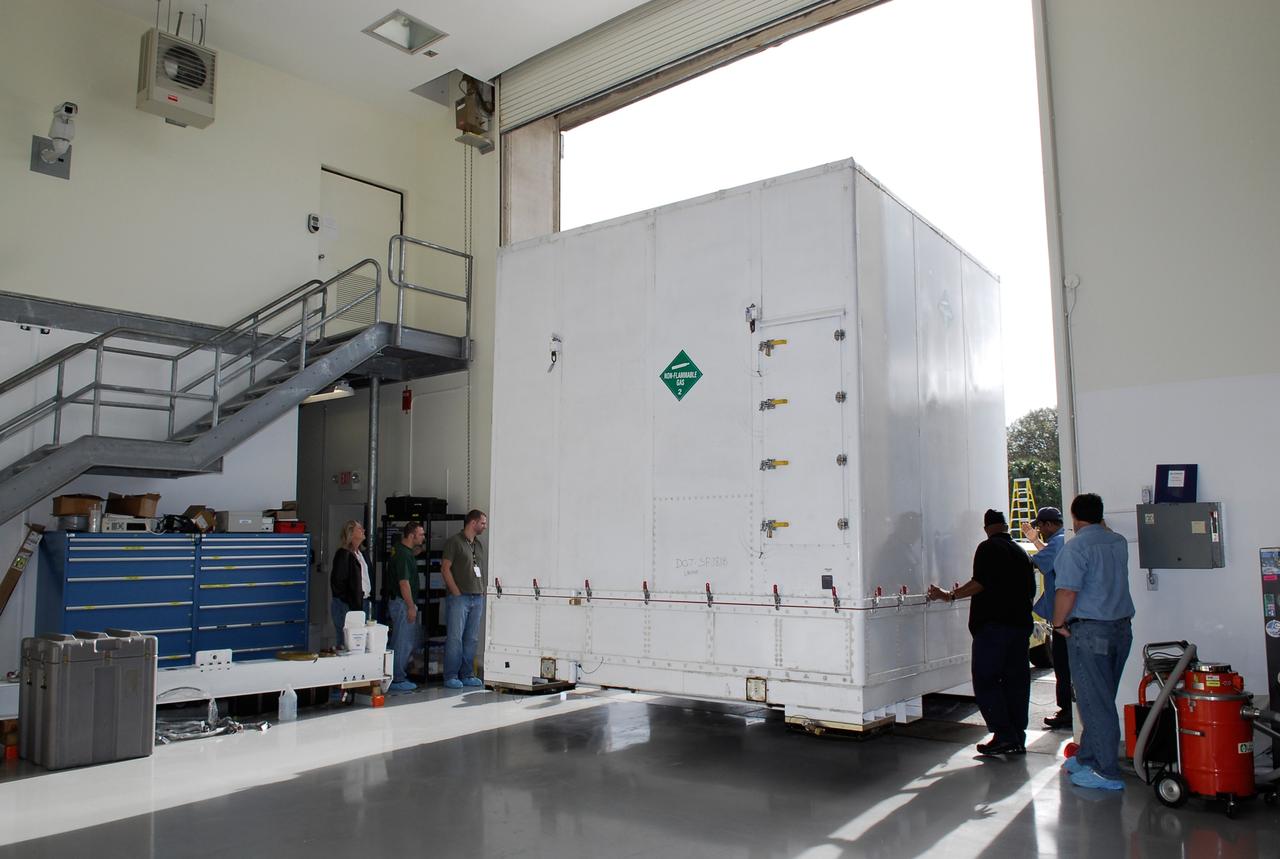
KENNEDY SPACE CENTER, FLA. -- The shipping container holding NASA's Gamma-Ray Large Area Space Telescope, or GLAST, is moved into the Astrotech payload processing facility near the Kennedy Space Center to begin prelaunch activities. The GLAST will launch aboard a Delta II rocket May 16 from Launch Pad 17-B on Cape Canaveral Air Force Station. A powerful space observatory, the GLAST will explore the most extreme environments in the universe, and answer questions about supermassive black hole systems, pulsars and the origin of cosmic rays. It also will study the mystery of powerful explosions known as gamma-ray bursts. Photo credit: NASA/Kim Shiflett
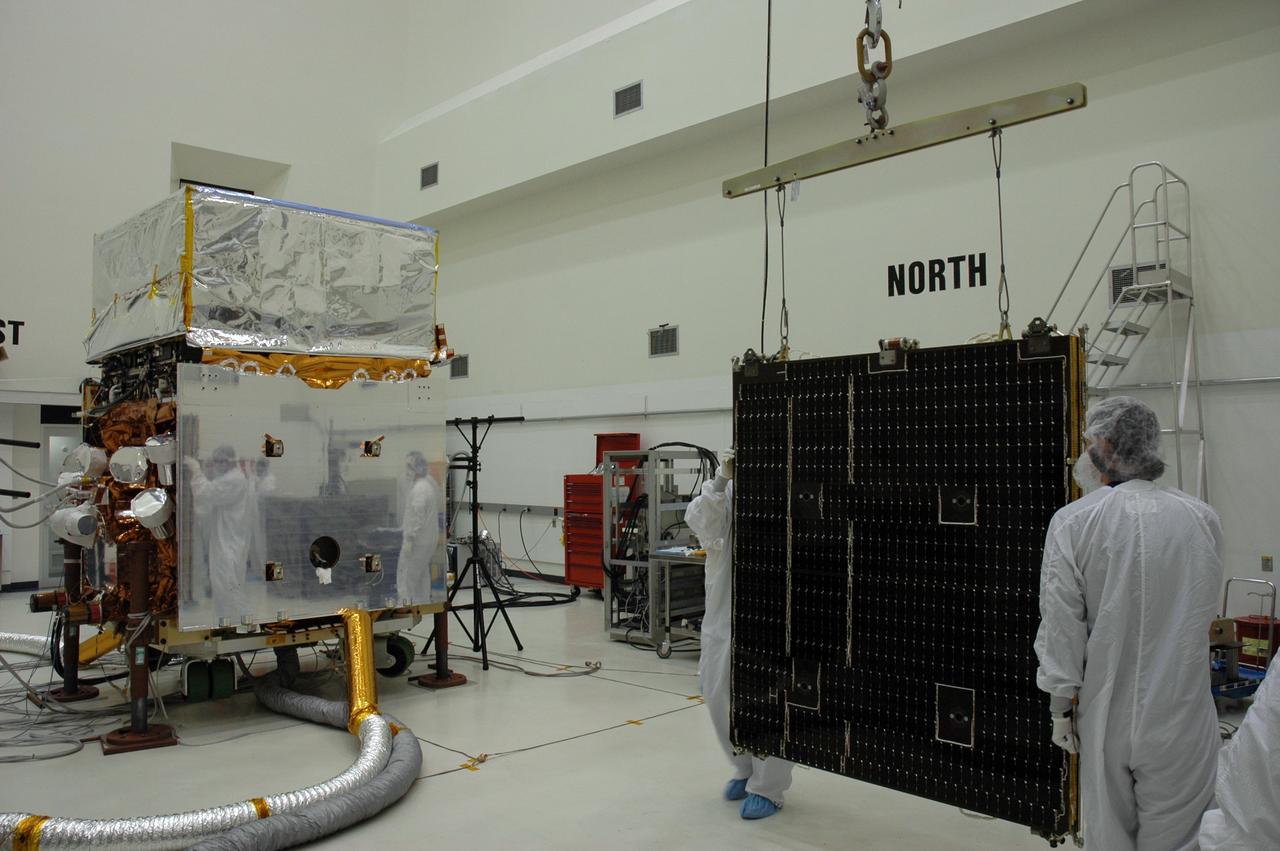
KENNEDY SPACE CENTER, FLA. - In the Astrotech payload processing facility, General Dynamics technicians guide one of twin solar arrays toward NASA's Gamma-Ray Large Area Space Telescope, or GLAST. The telescope will launch aboard a Delta II rocket May 16 from Launch Pad 17-B on Cape Canaveral Air Force Station. A powerful space observatory, the GLAST will explore the most extreme environments in the universe, and answer questions about supermassive black hole systems, pulsars and the origin of cosmic rays. It also will study the mystery of powerful explosions known as gamma-ray bursts. Photo credit: NASA/Chris Rhodes