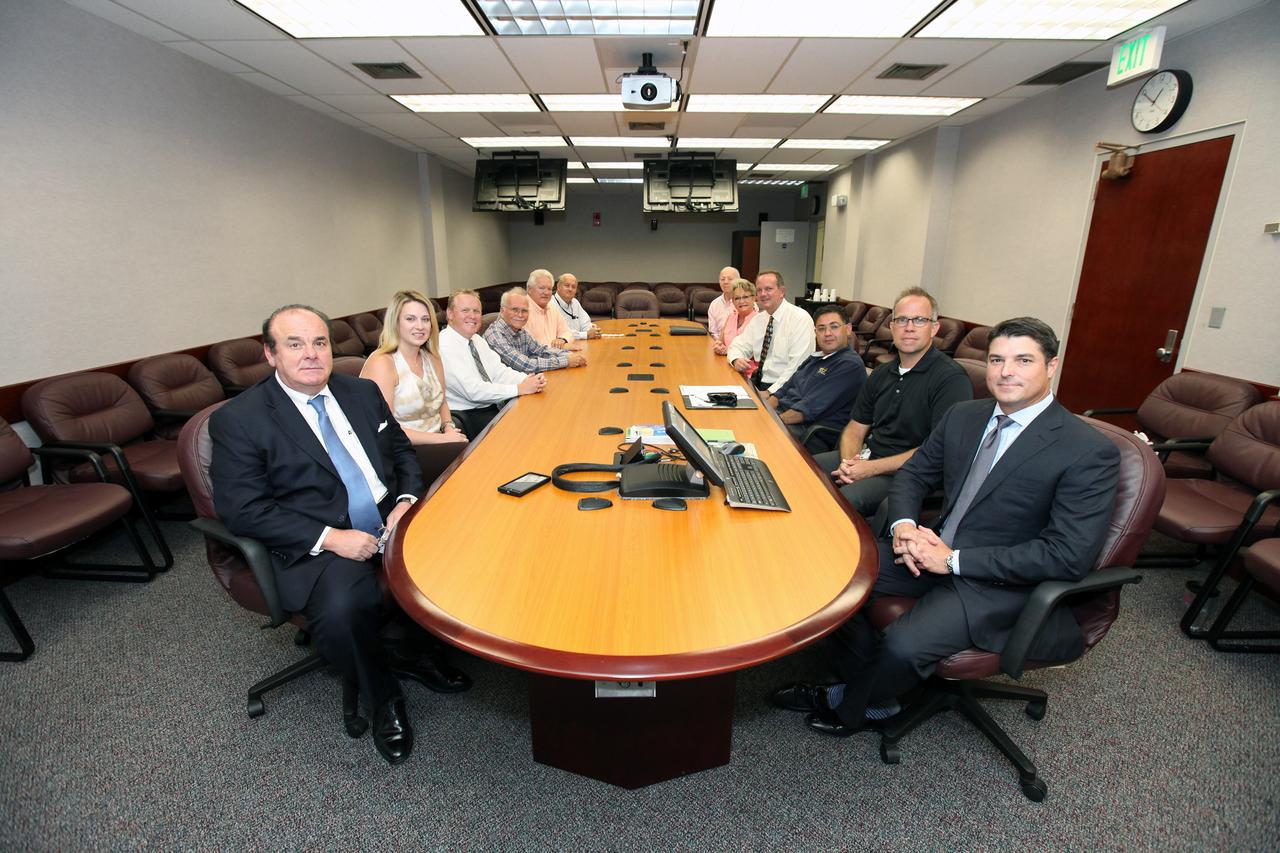
NASA, local and state officials met at Kennedy Space Center in Florida for the sixth KSC Roundtable, in which participants exchanged ideas about the center’s current plans. The meeting was hosted by Kennedy’s Center Planning and Development Directorate (CPD). Seated from left to right are Greg Weiner of the Economic Development Commission of Florida’s Space Coast; Ashley Guinn, legislative assistant to Steve Crisafulli, speaker of the Florida House of Representatives; Todd Pokrywa of The Viera Co.; Charles Lee of the Florida Audubon Society; Rich Biter, former assistant secretary of Intermodal Systems Development, Florida Department of Transportation (FDOT); David Pierce of CPD; Marshall Heard, retired Boeing senior executive; Nancy Potts of CPD; Tom Engler, acting director of CPD; Moataz Hassan of FDOT District 5; Trey Carlson of CPD; and Rep. Crisafulli.
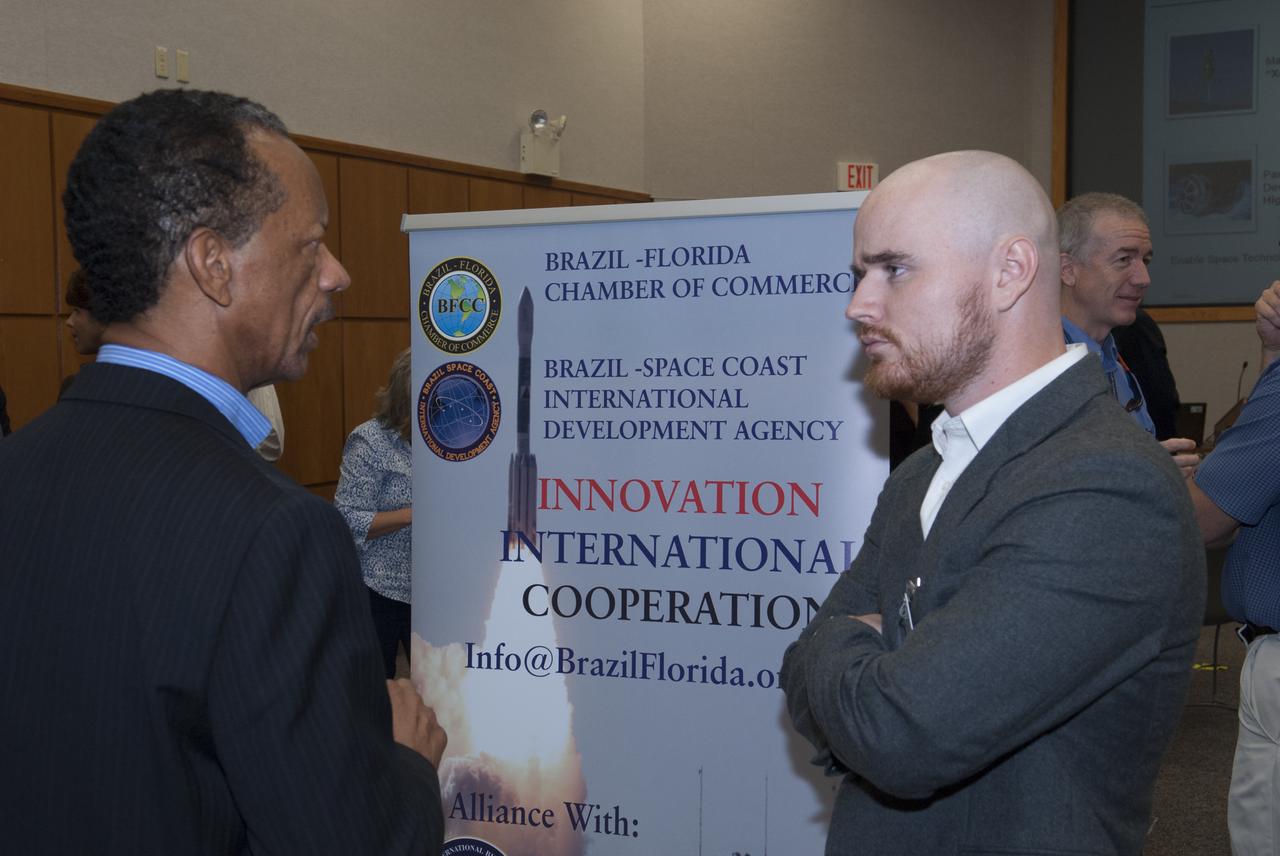
Vendors at the CPD Innovation Expo Showcase with speaker Janet Petro.
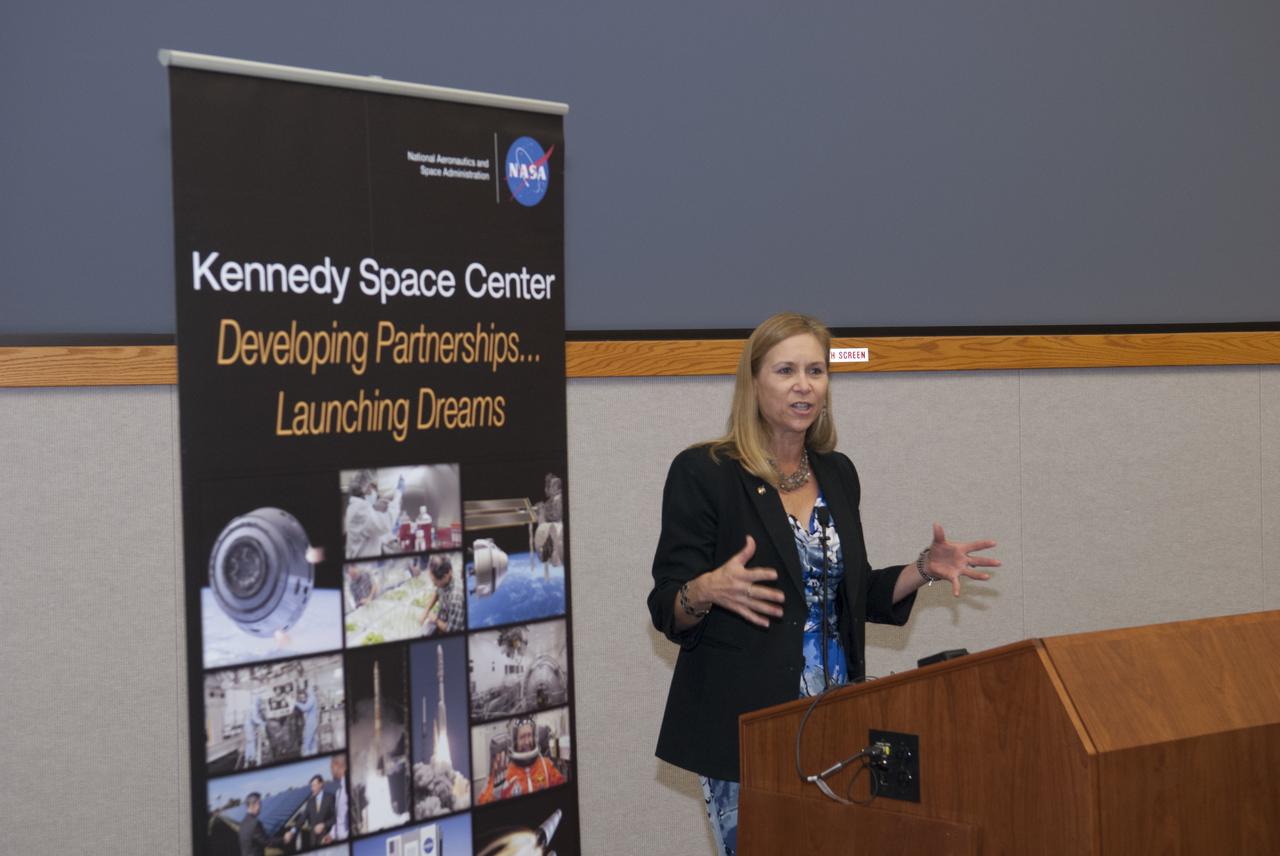
Vendors at the CPD Innovation Expo Showcase with speaker Janet Petro.
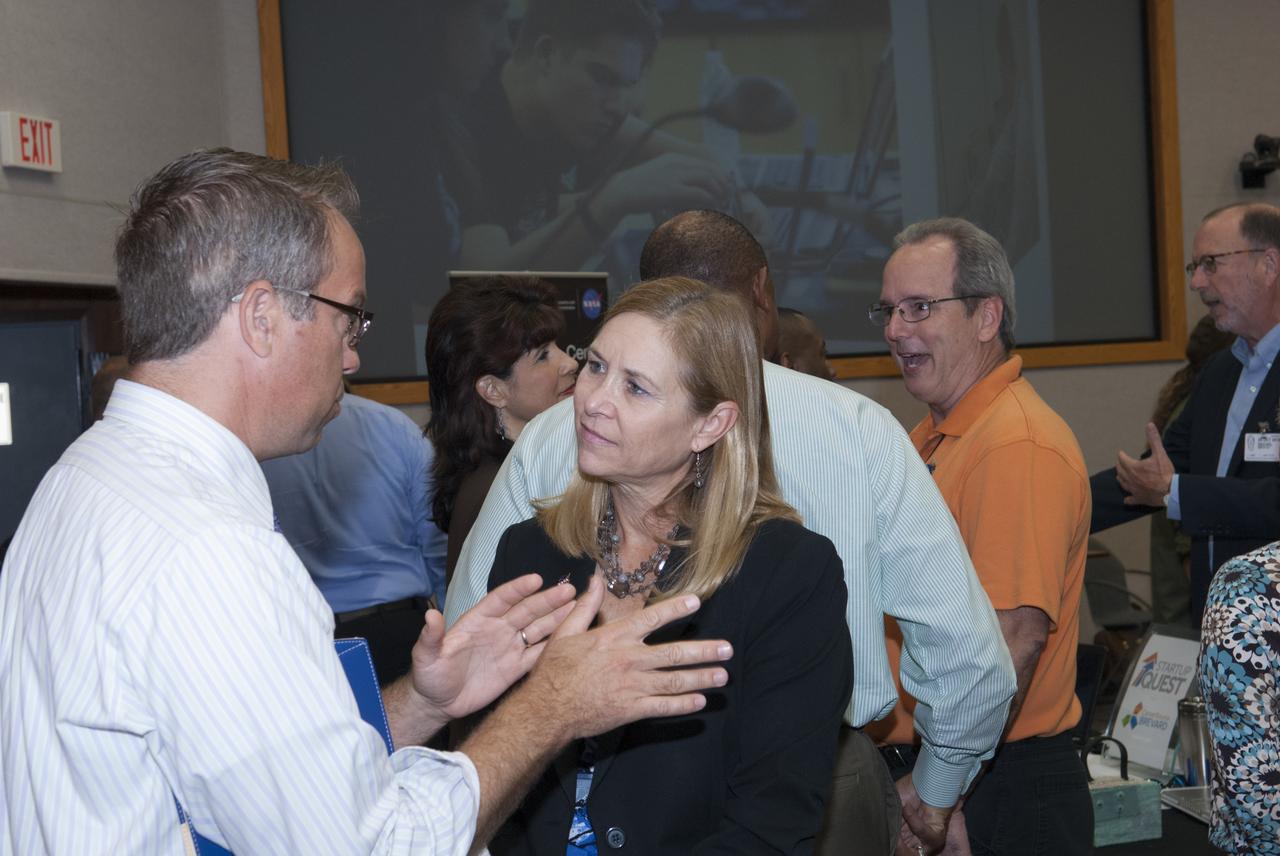
Vendors at the CPD Innovation Expo Showcase with speaker Janet Petro.
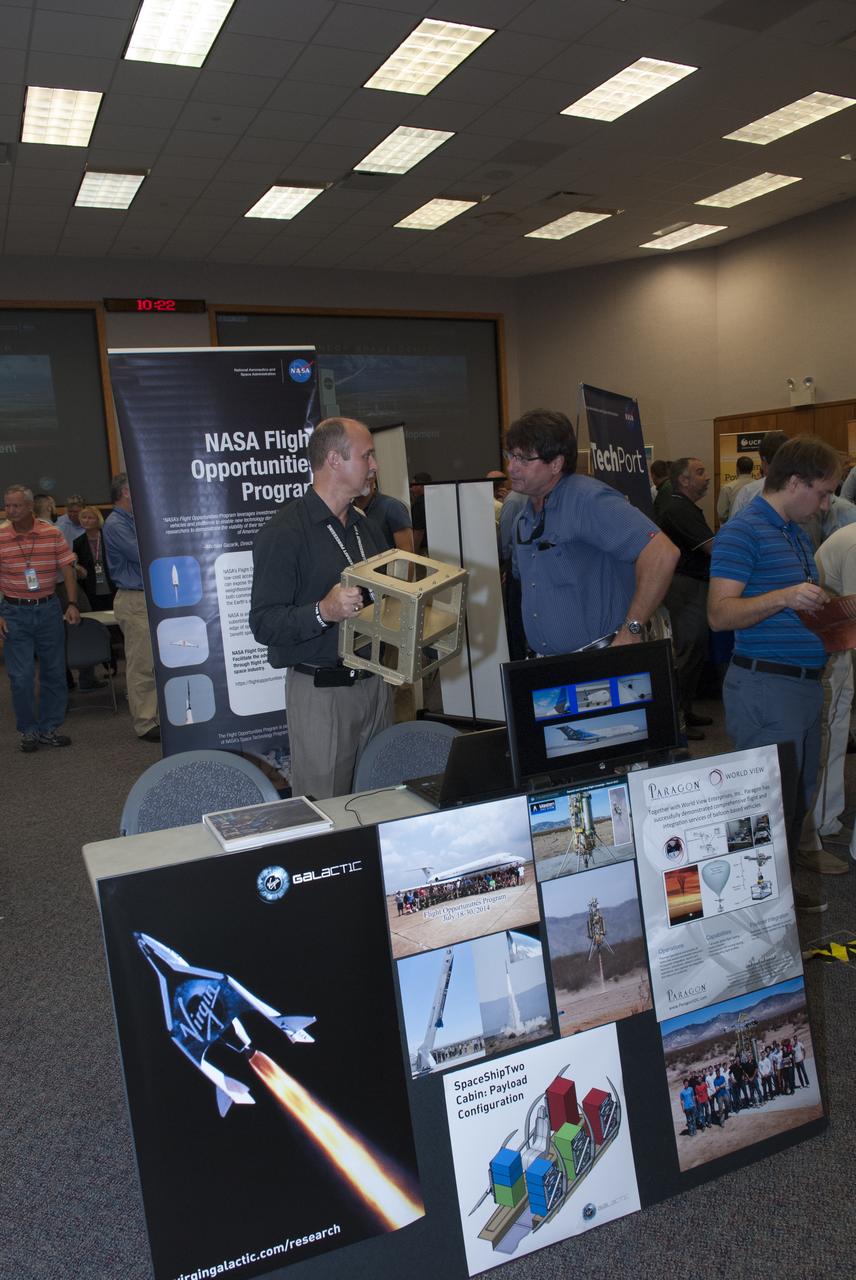
Vendors at the CPD Innovation Expo Showcase with speaker Janet Petro.
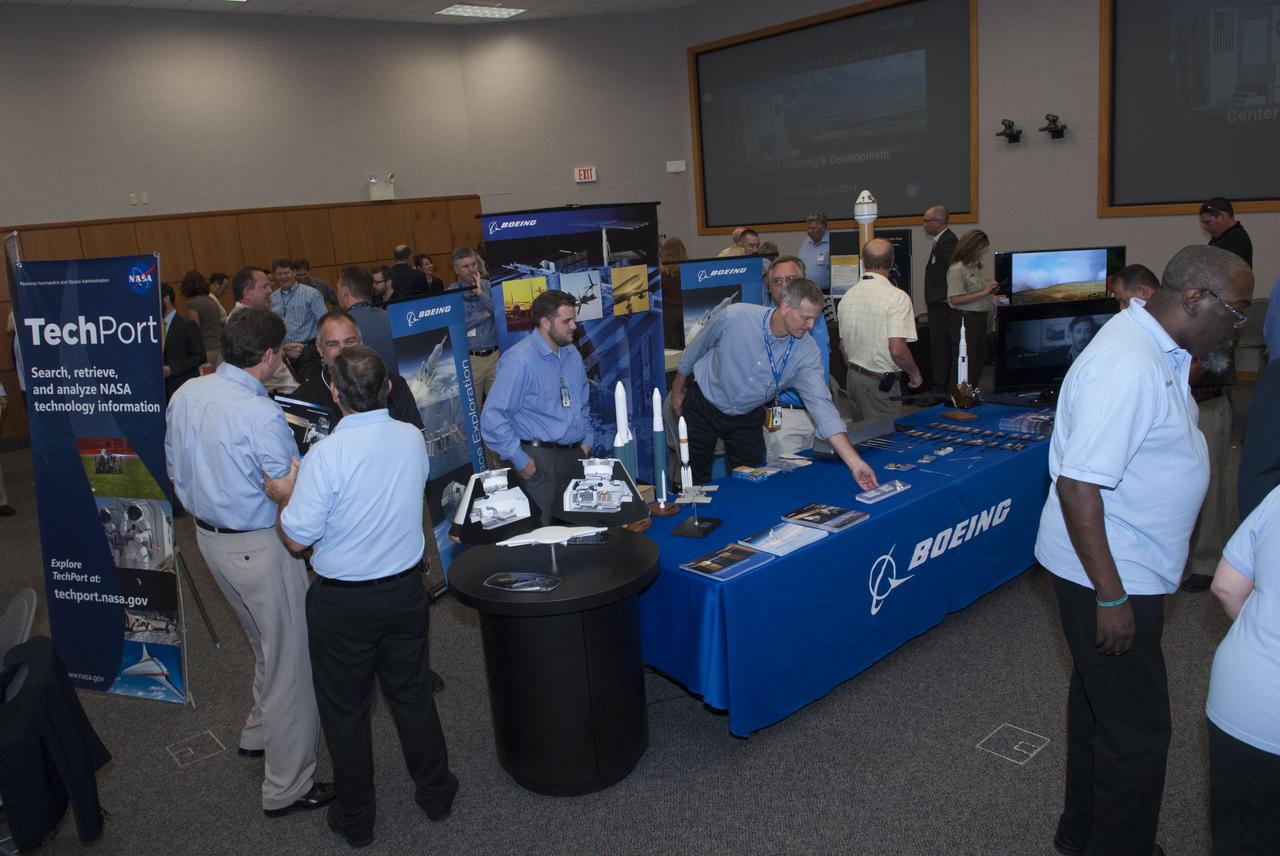
Vendors at the CPD Innovation Expo Showcase with speaker Janet Petro.
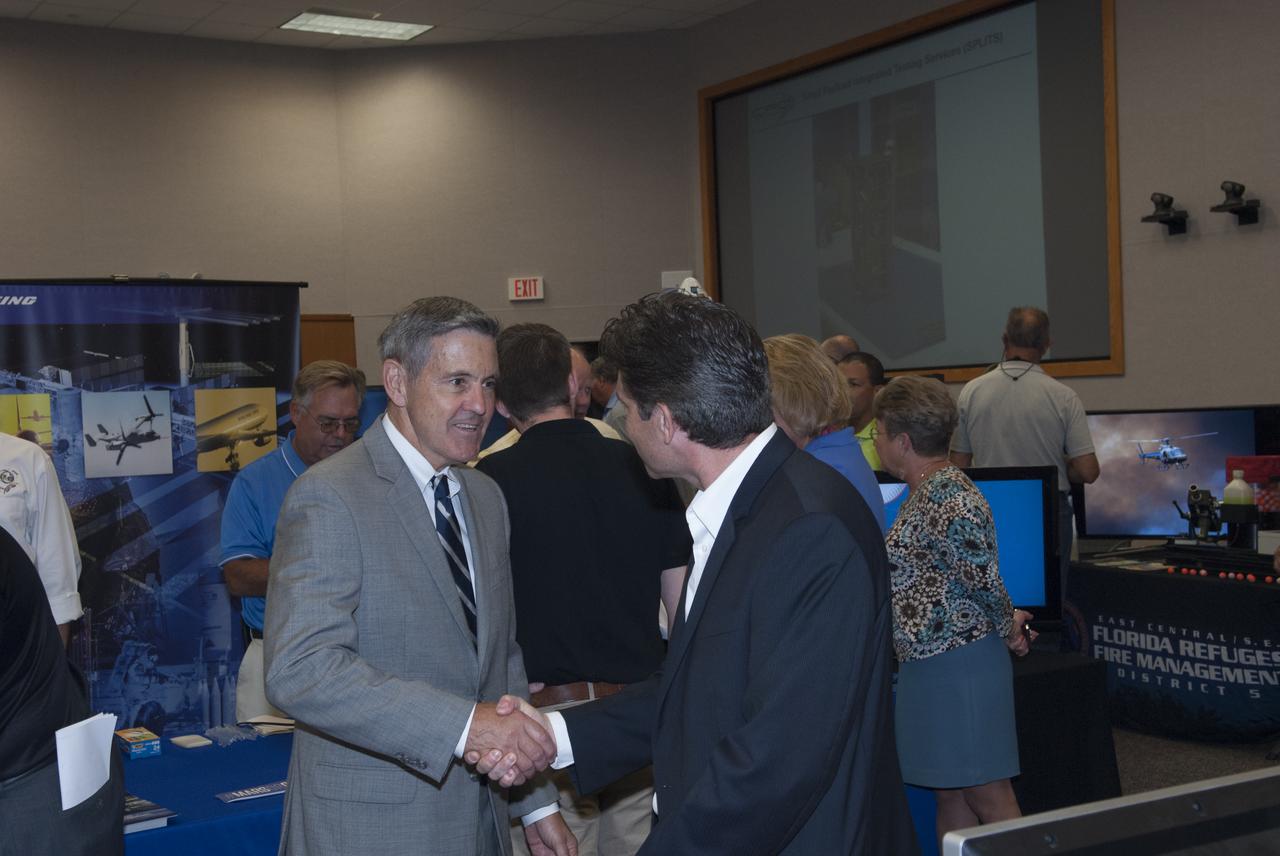
Vendors at the CPD Innovation Expo Showcase with speaker Janet Petro.
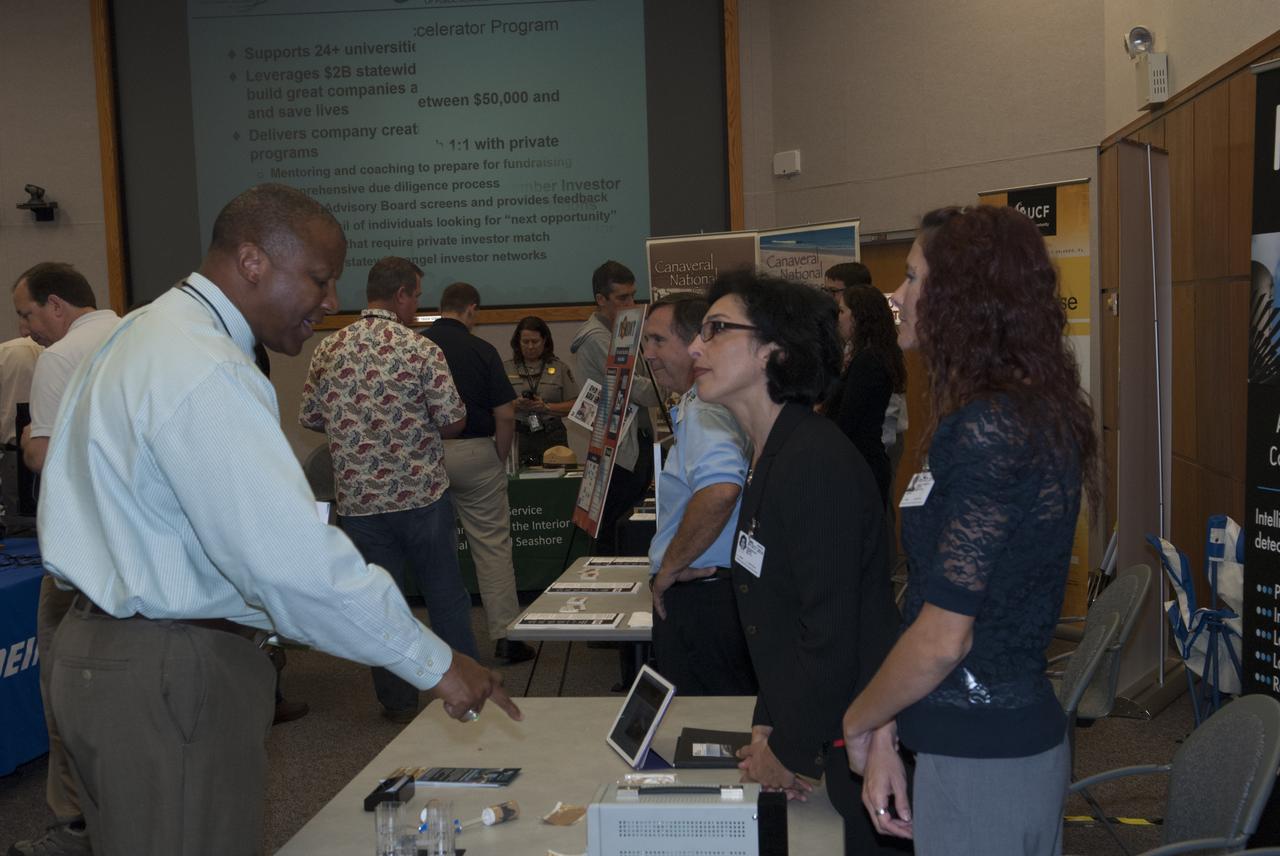
Vendors at the CPD Innovation Expo Showcase with speaker Janet Petro.
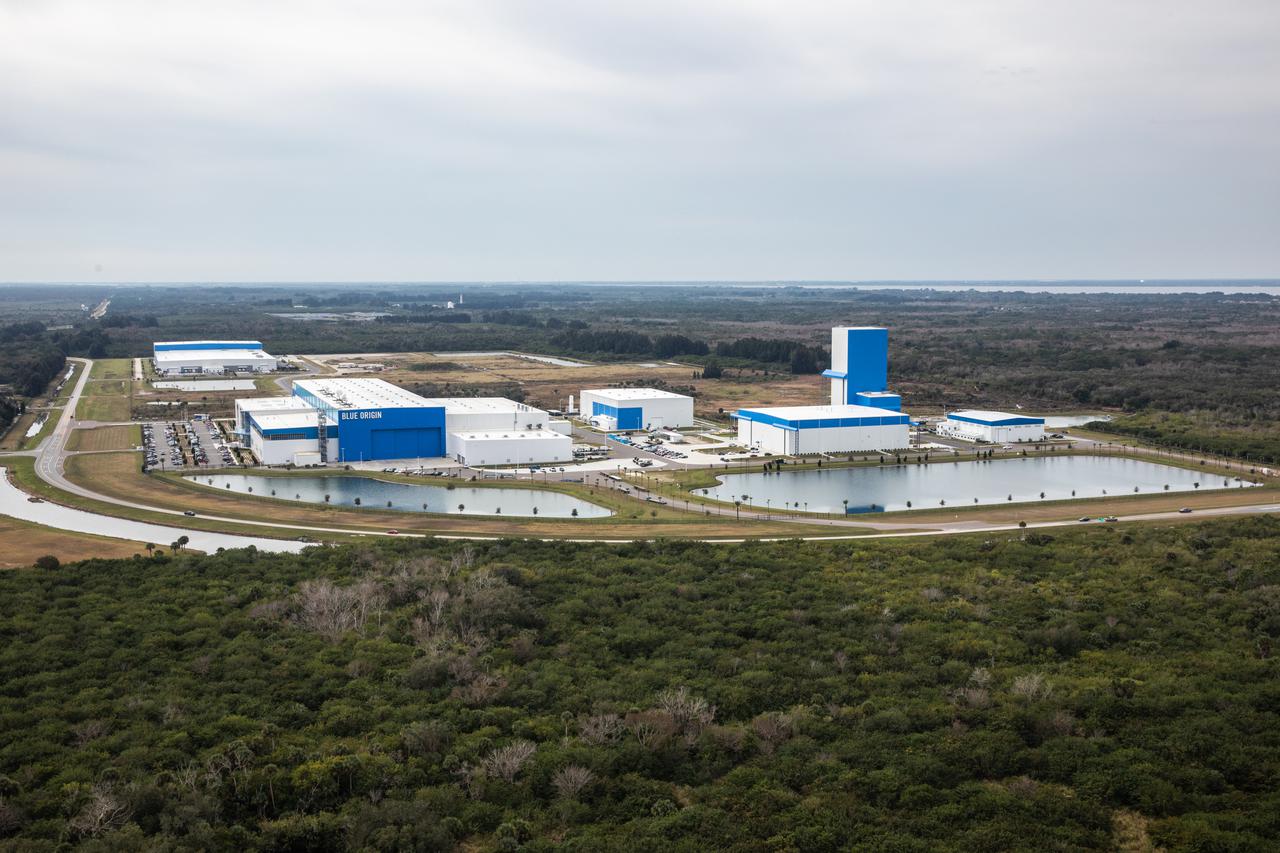
An aerial view of processing facilities at NASA’s Kennedy Space Center in Florida on Jan. 13, 2021.
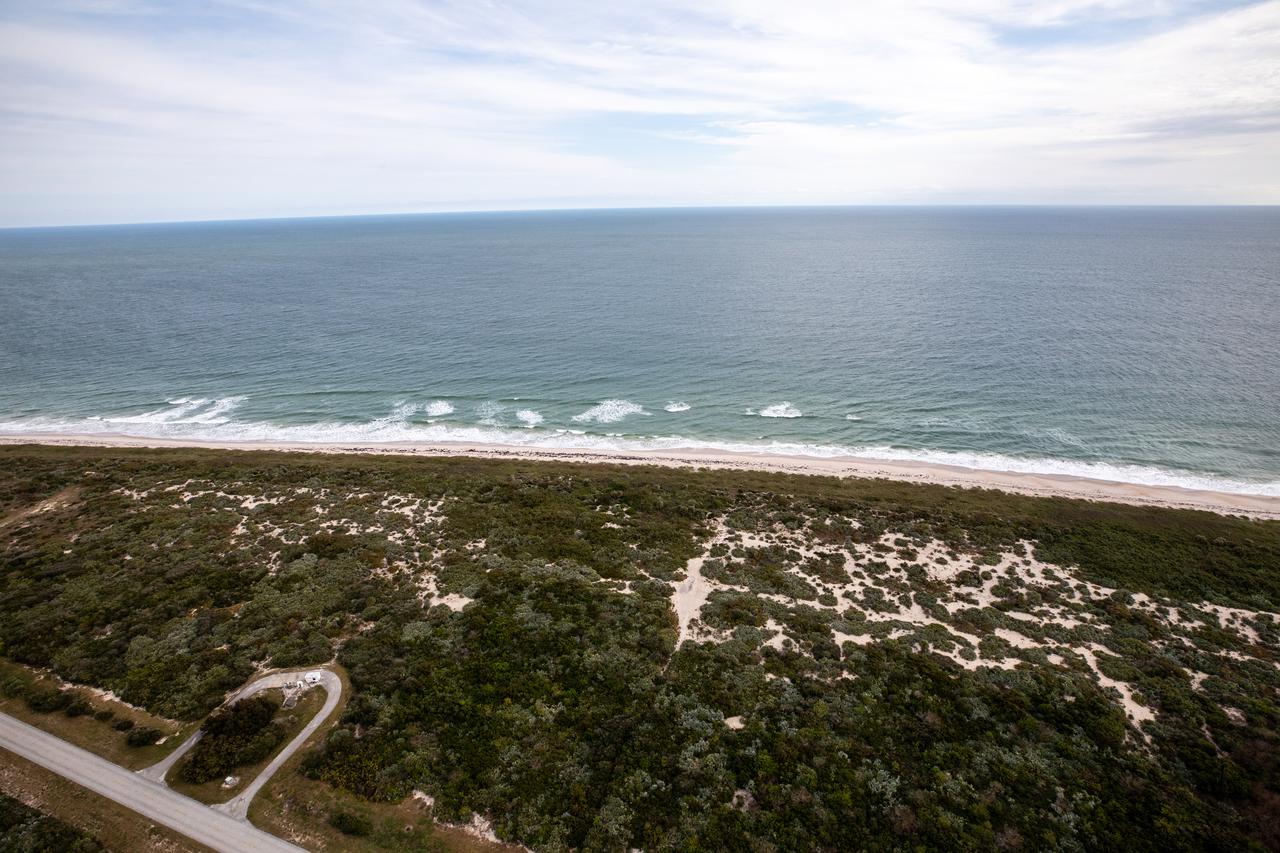
An aerial view of the Atlantic Ocean coastline and dunes along NASA’s Kennedy Space Center in Florida on Jan. 13, 2021.
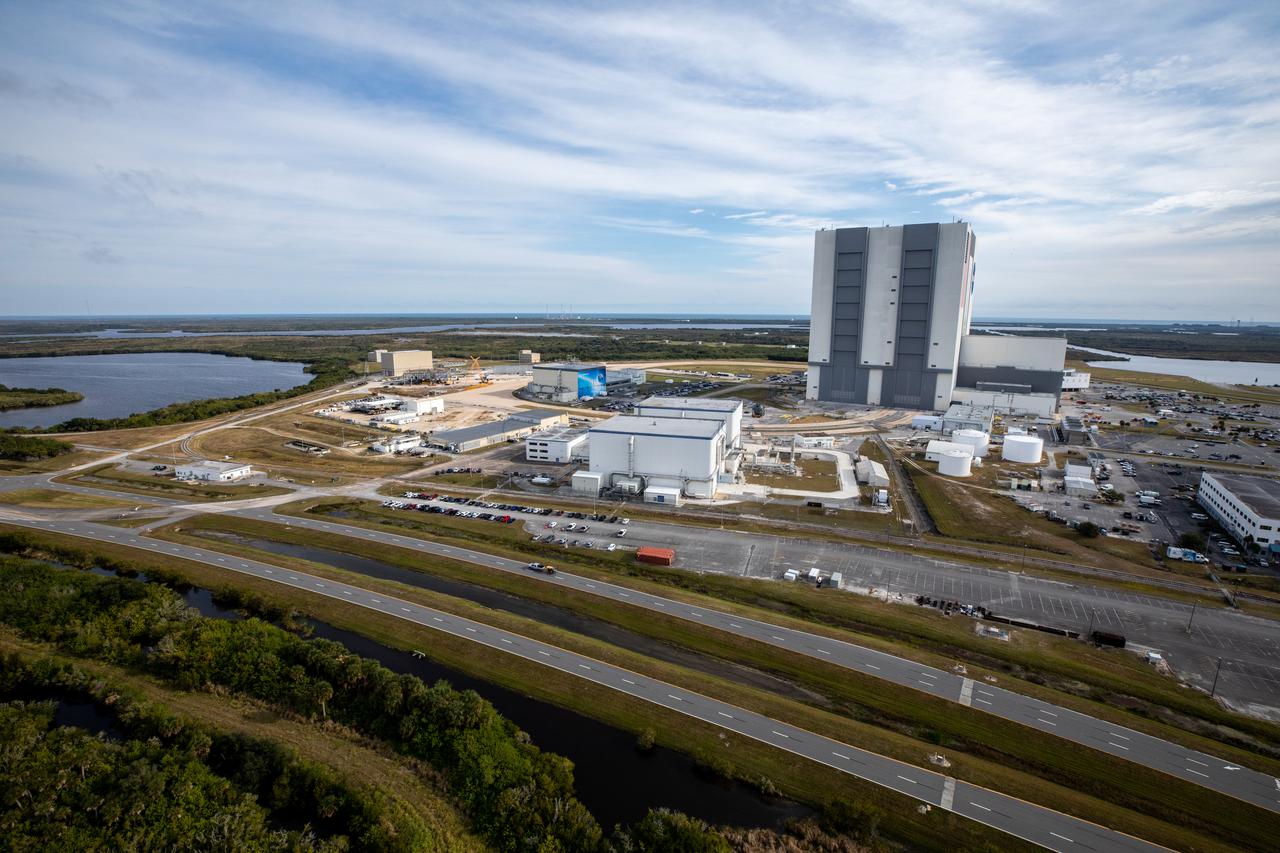
An aerial view of the iconic Vehicle Assembly Building (VAB) at NASA’s Kennedy Space Center in Florida on Jan. 13, 2021. The High Bay 3 in the VAB is where NASA’s Space Launch System and Orion spacecraft will be stacked on top of the mobile launcher before it is rolled out atop crawler-transporter 2 to Launch Pad 39B for launch on the agency’s Artemis I mission.
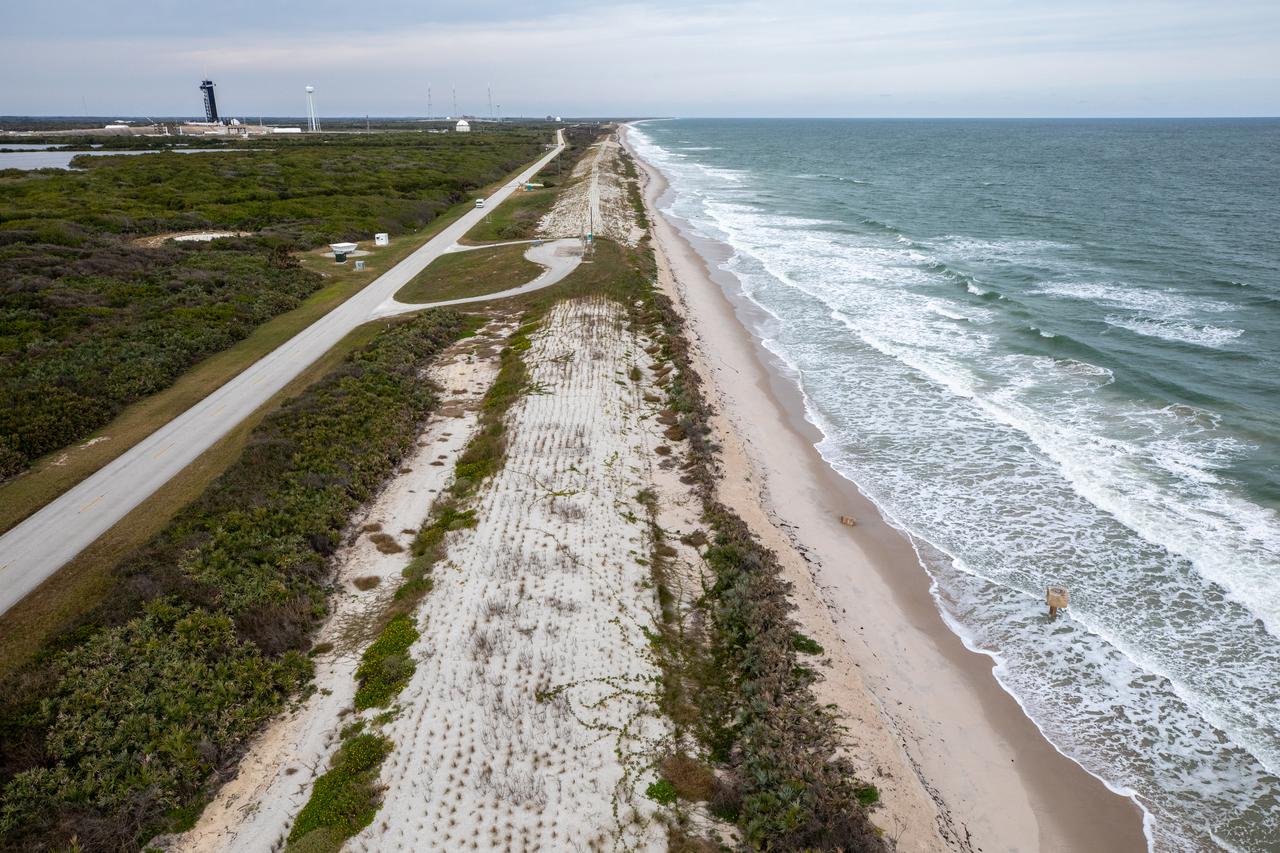
An aerial view of the Atlantic Ocean coastline and dunes along NASA’s Kennedy Space Center in Florida on Jan. 13, 2021.
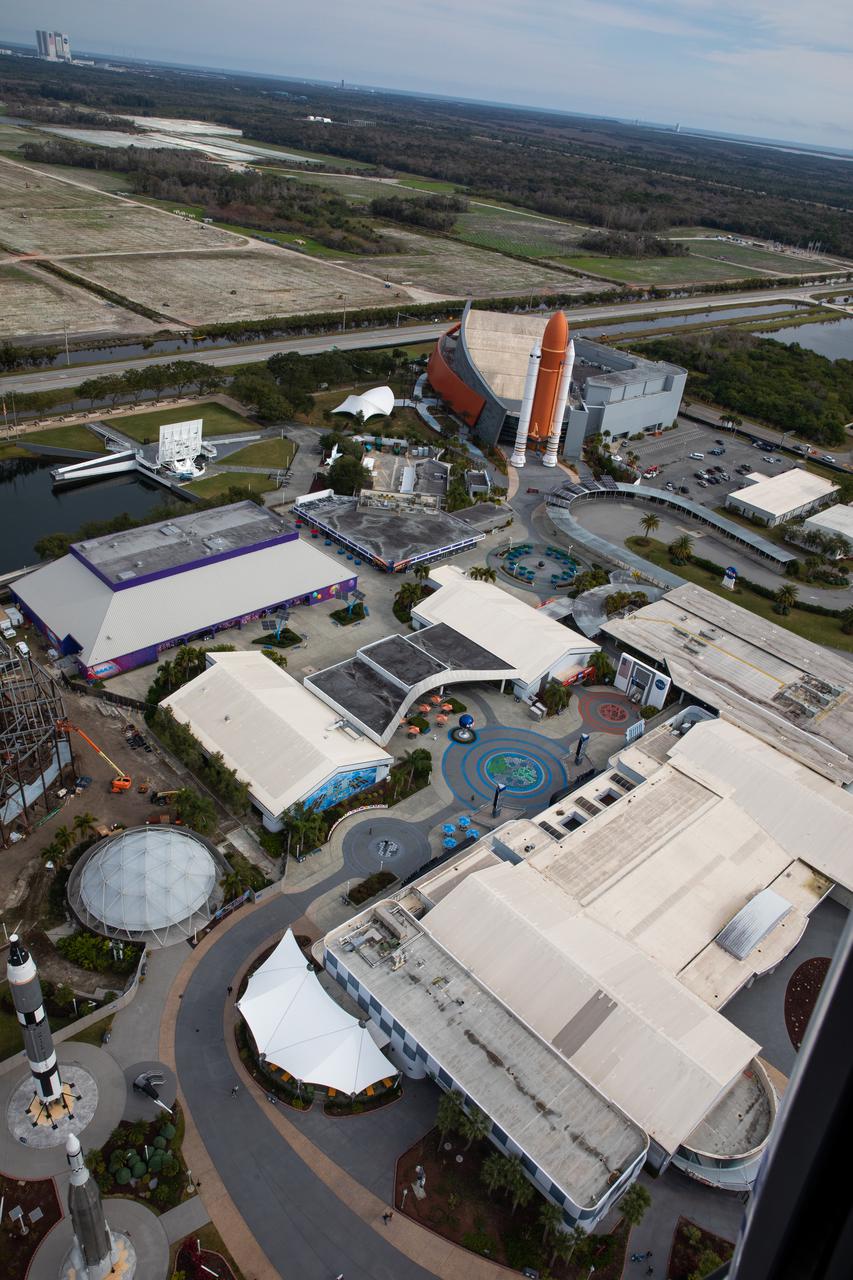
An aerial view of nearby Kennedy Space Center Visitor Complex in Florida on Jan. 13, 2021. In view is a full-scale mockup of the space shuttle’s external tank and twin solid rocket boosters serving as the entranceway to the Space Shuttle Atlantis attraction. Inside, visitor complex guests have the opportunity to come nose-to-nose with the orbiter in its permanent home while also discovering the legacy of NASA’s Space Shuttle Program. Seen at the top left of the image is the Vehicle Assembly Building (VAB) at NASA’s Kennedy Space Center
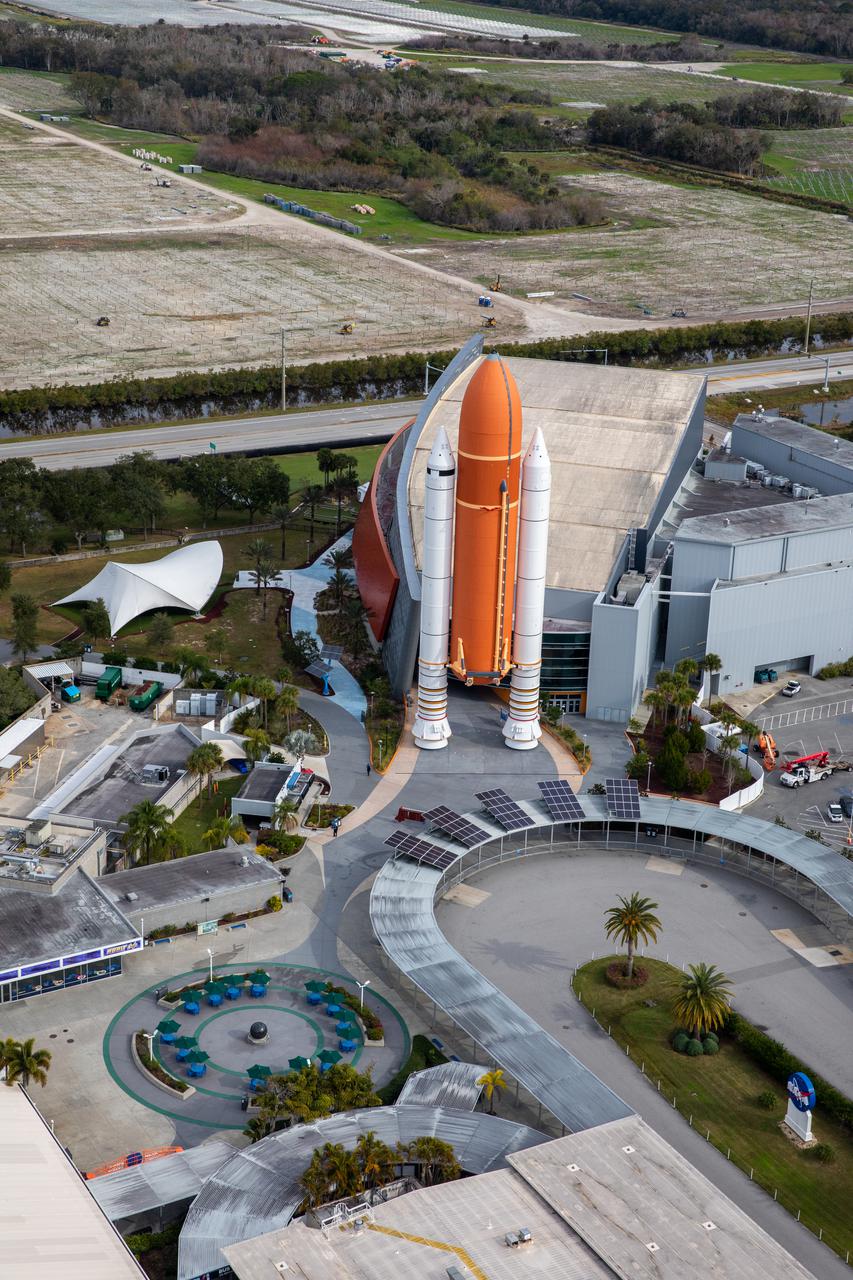
An aerial view of nearby Kennedy Space Center Visitor Complex in Florida on Jan. 13, 2021. In view is a full-scale mockup of the space shuttle’s external tank and twin solid rocket boosters serving as the entranceway to the Space Shuttle Atlantis attraction. Inside, visitor complex guests have the opportunity to come nose-to-nose with the orbiter in its permanent home while also discovering the legacy of NASA’s Space Shuttle Program.

An aerial view of the iconic Vehicle Assembly Building (VAB) at NASA’s Kennedy Space Center in Florida on Jan. 13, 2021. The High Bay 3 in the VAB is where NASA’s Space Launch System and Orion spacecraft will be stacked on top of the mobile launcher before it is rolled out atop crawler-transporter 2 to Launch Pad 39B for launch on the agency’s Artemis I mission.
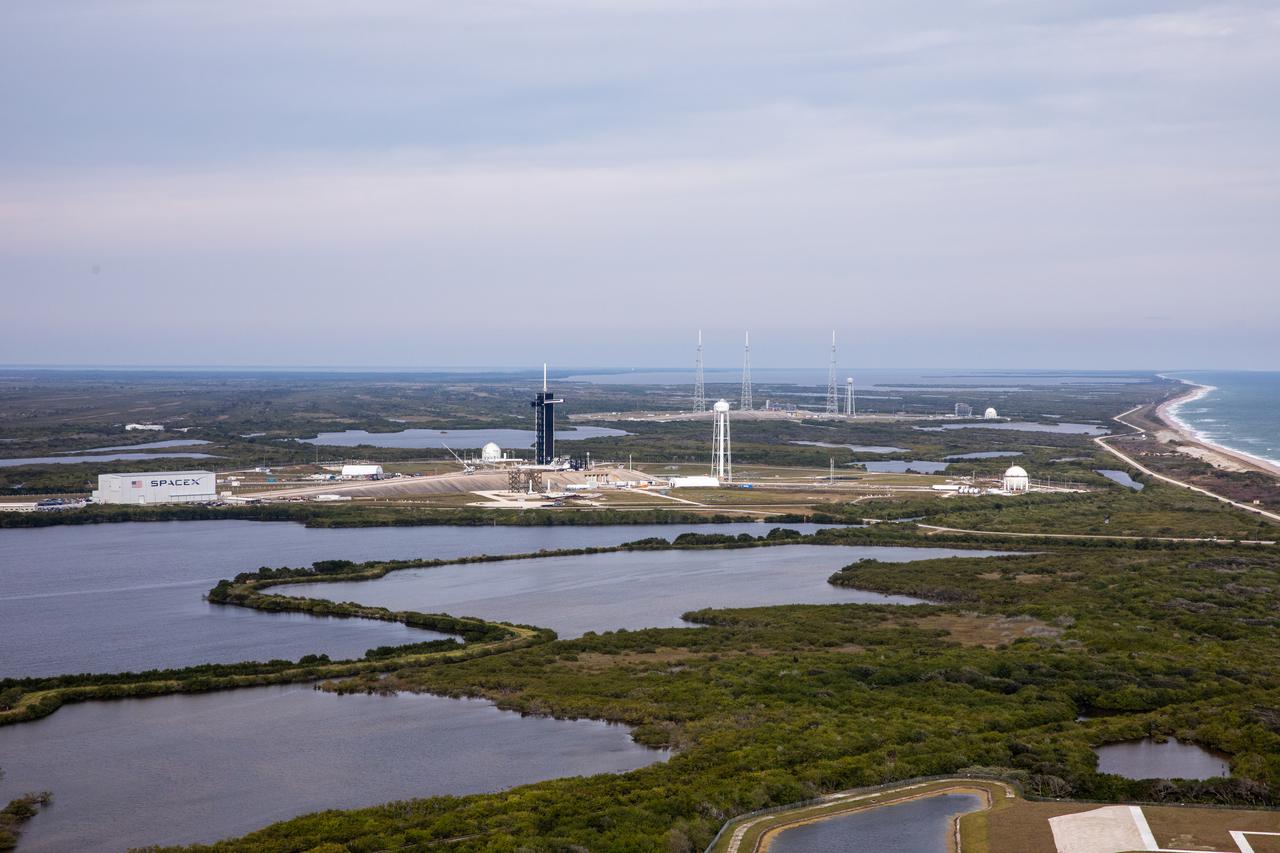
An aerial view looking north at SpaceX’s Launch Complex 39A at NASA’s Kennedy Space Center in Florida on Jan. 13, 2021. Launch Complex 39B, from which NASA will launch Artemis missions, is just beyond. A proposed site for Launch Complex 49 is north of these historic launch pads on the Atlantic Ocean and still within Kennedy’s security perimeter.
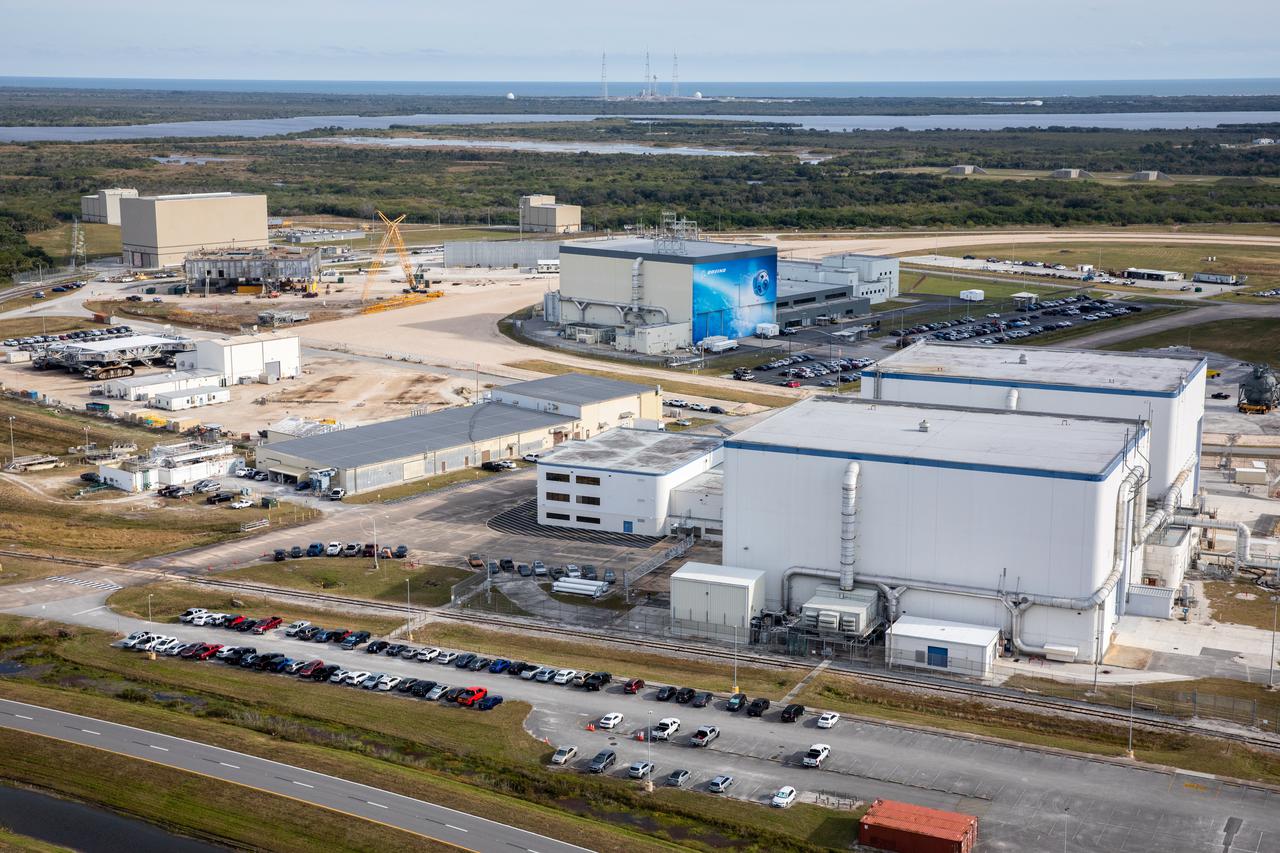
An aerial view of several processing facilities at NASA’s Kennedy Space Center in Florida on Jan. 13, 2021. In view in the background is Boeing’s Commercial Crew and Cargo Processing Facility.
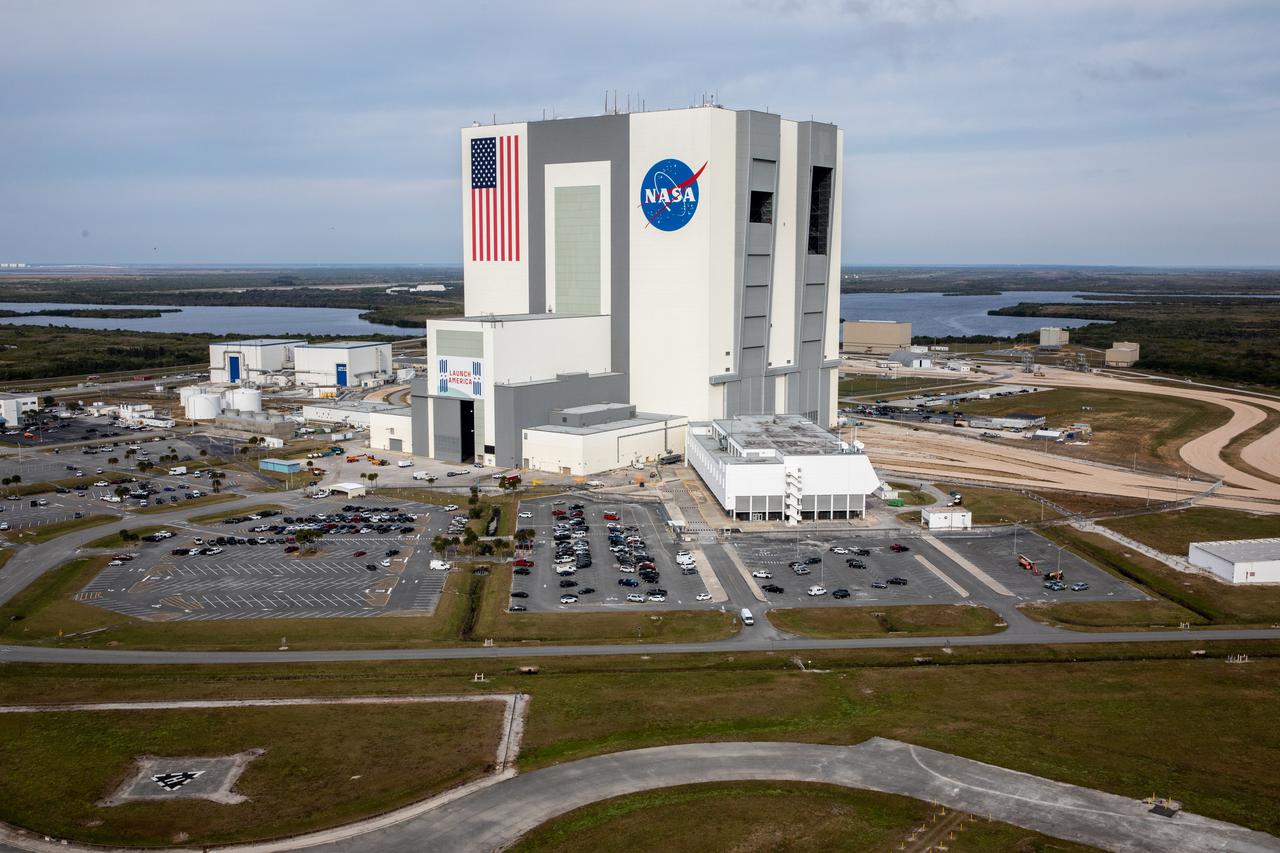
An aerial view of the iconic Vehicle Assembly Building (VAB) and Launch Control Center at NASA’s Kennedy Space Center in Florida on Jan. 13, 2021. The High Bay 3 in the VAB is where NASA’s Space Launch System and Orion spacecraft will be stacked on top of the mobile launcher before it is rolled out atop crawler-transporter 2 to Launch Pad 39B for launch on the agency’s Artemis I mission.
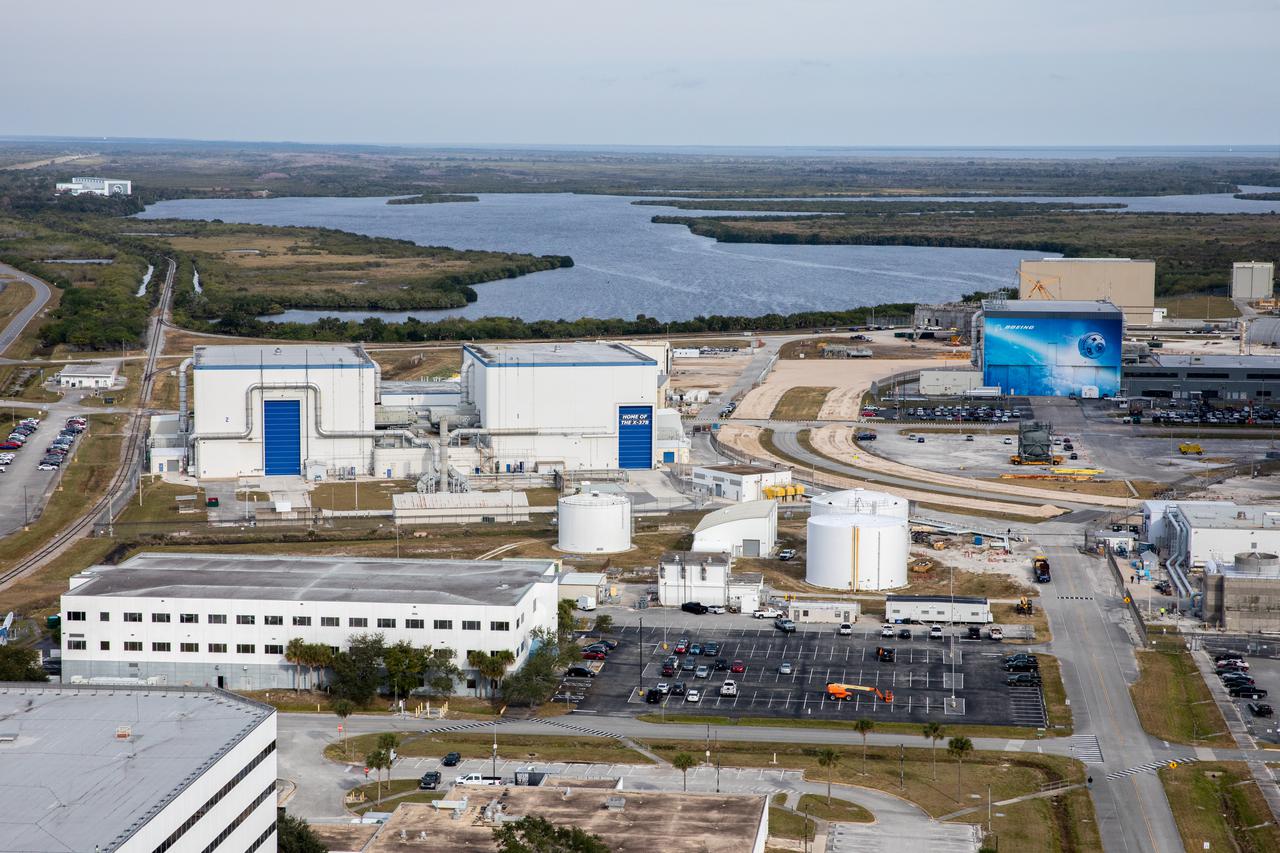
An aerial view of several processing facilities at NASA’s Kennedy Space Center in Florida on Jan. 13, 2021. In view at right is Boeing’s Commercial Crew and Cargo Processing Facility.
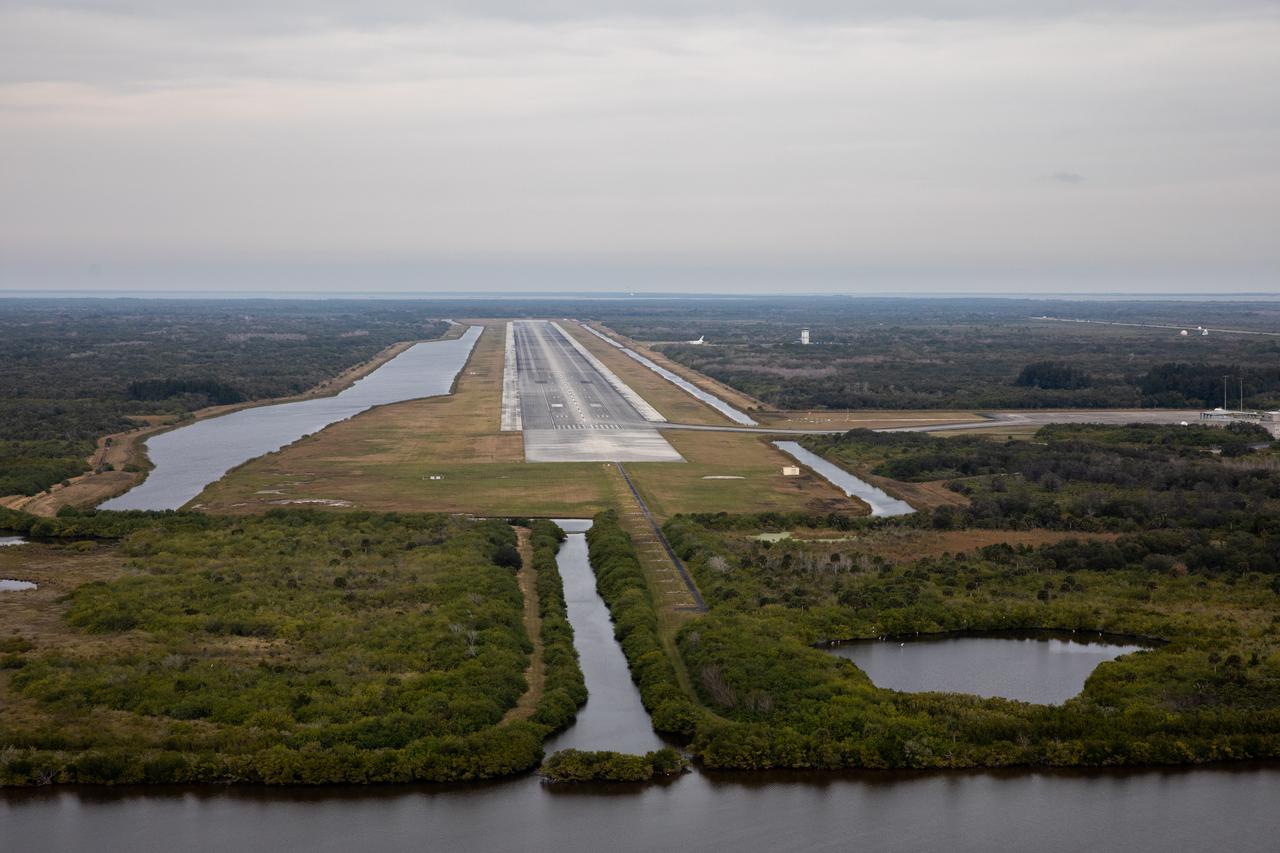
An aerial view of the Launch and Landing Facility at NASA’s Kennedy Space Center in Florida on Jan. 13, 2021. The runway is where the space shuttle touched down and came to a stop after returning to Earth from a mission. The facility is managed by Space Florida.
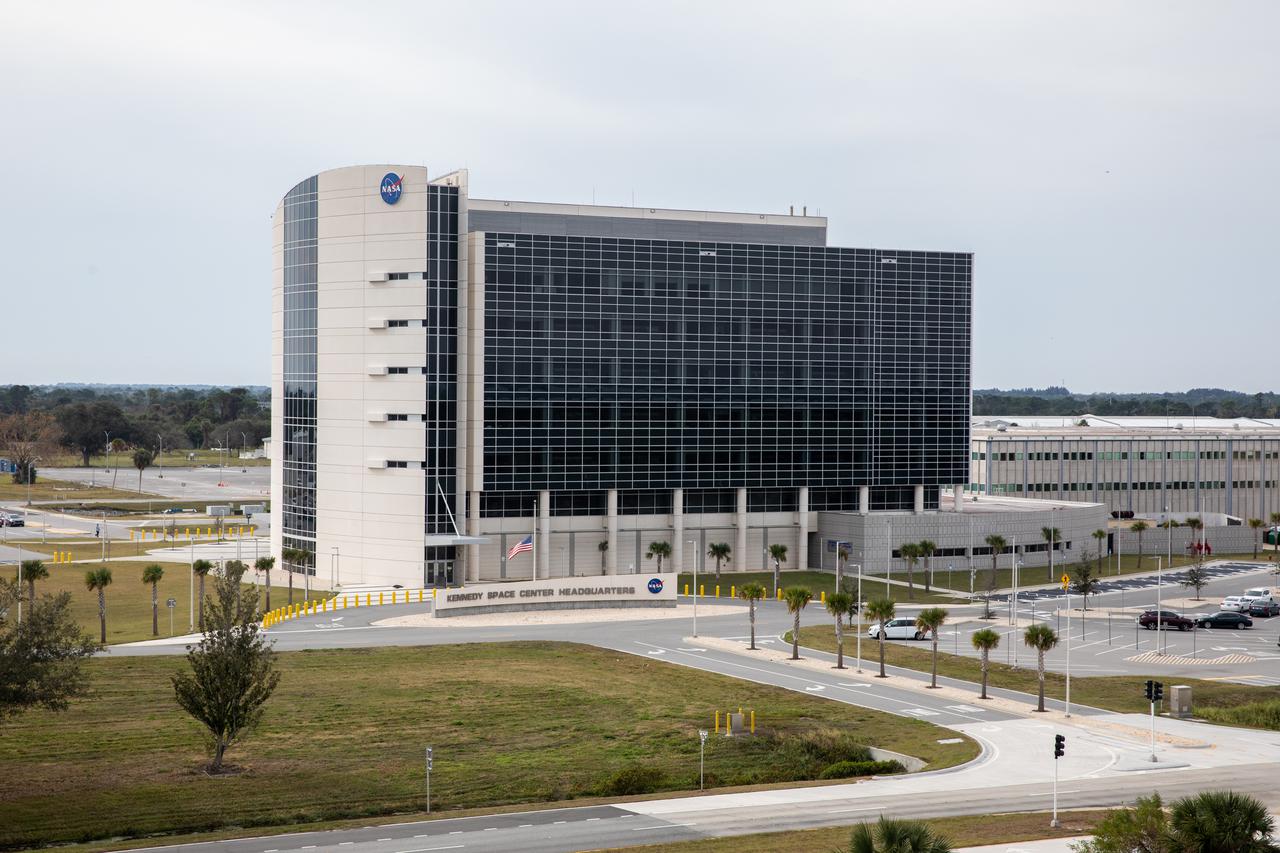
An aerial view of the Central Campus Headquarters Building in the industrial area at NASA’s Kennedy Space Center in Florida on Jan. 13, 2021.

CAPE CANAVERAL, Fla. – Official portrait of Scott Colloredo, director, Center Planning and Development Directorate. Photo credit: NASA/Tony Gray
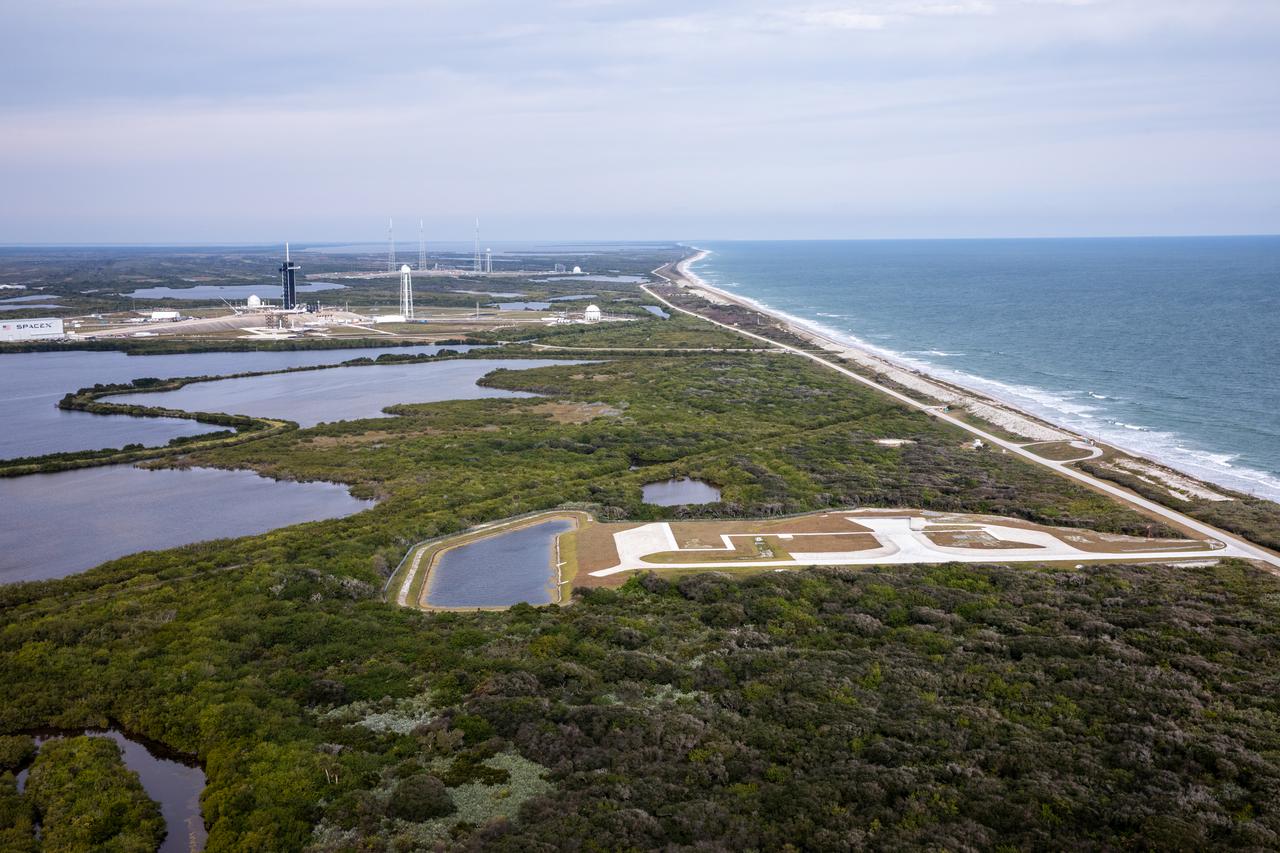
NASA Kennedy Space Center’s newest launch complex – Launch Complex 48 – is a dedicated site for small-class launch vehicles. The complex offers a “clean pad” concept, allowing companies to bring in their own resources and commodities for launch and, in turn, reducing their investment in launch pad infrastructure.
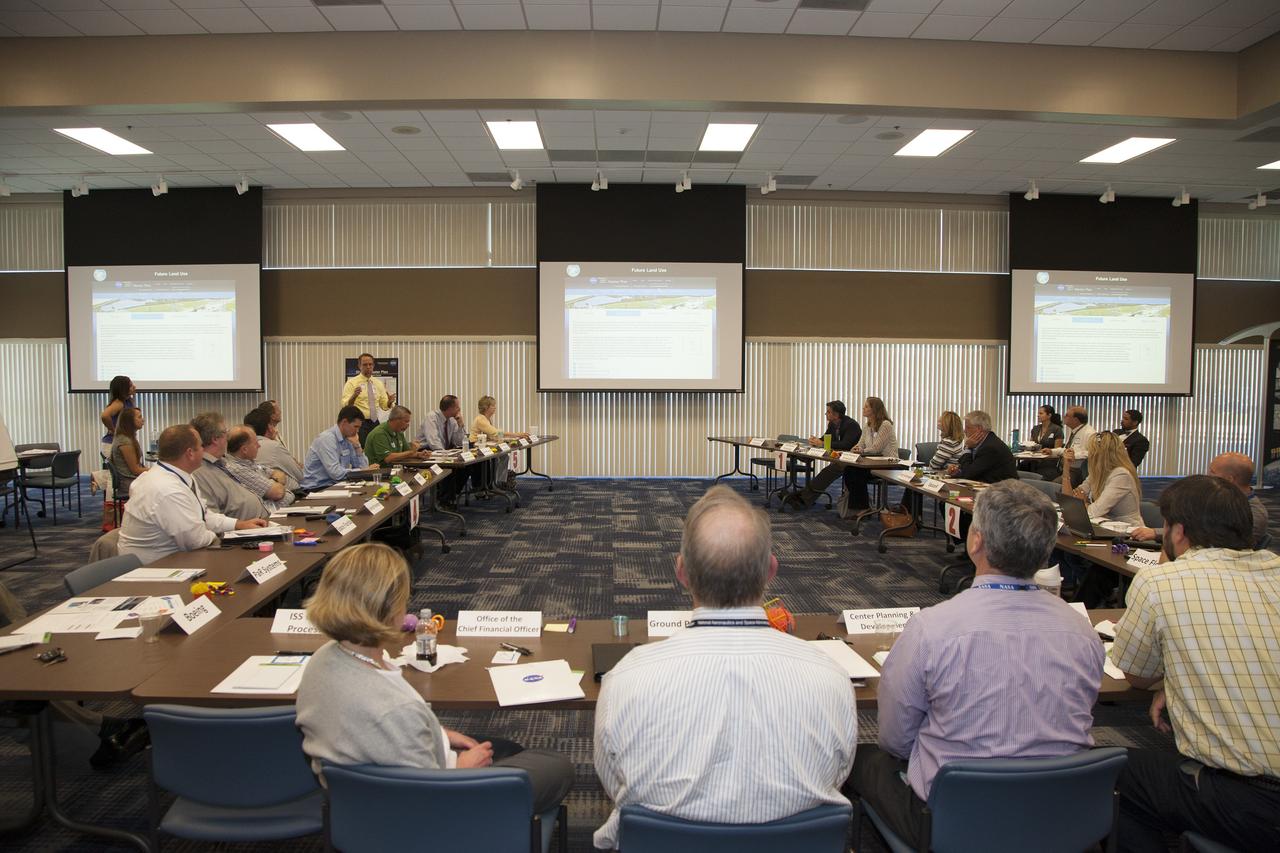
CAPE CANAVERAL, Fla. -- At the Kennedy Space Center in Florida, Trey Carlson, the spaceport's master planner, describes how the Center Planning and Development Directorate CPD is working to help transform Kennedy into a multi-user spaceport through partnerships and resource planning. The event was first of what is planned to be quarterly meetings between NASA's industry partners and representatives of Kennedy's CPD, Safety and Mission Assurance, International Space Station Ground Processing, Chief Financial officer and Ground Processing and Ground Systems Development and Operations directorates. Center Planning and Development is the “front door” for partnerships with NASA’s Kennedy Space Center. Kennedy is now developing the world’s premier spaceport for government and commercial space industries using comprehensive resource planning and partnerships. Photo credit: NASA/Daniel Casper
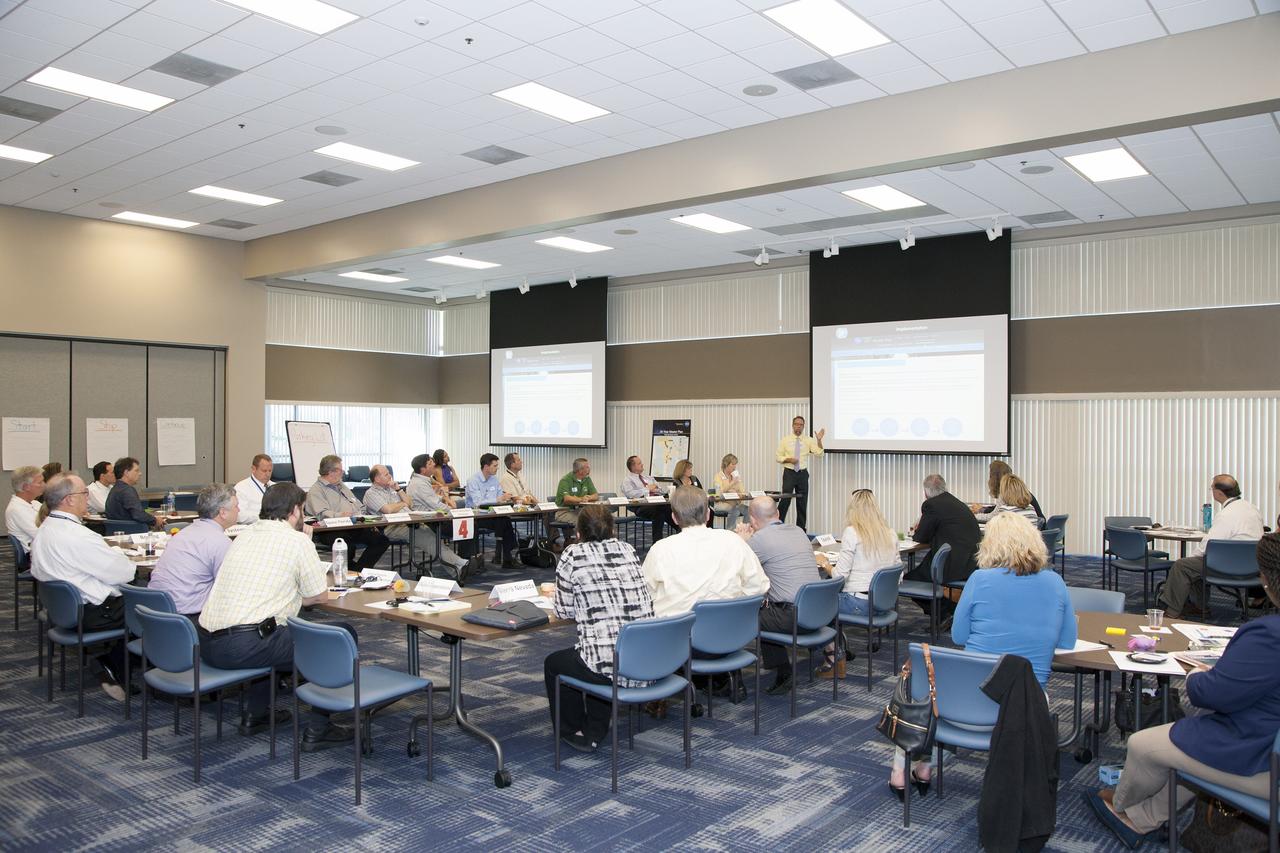
CAPE CANAVERAL, Fla. -- At the Kennedy Space Center in Florida, Trey Carlson, the spaceport's master planner, describes how the Center Planning and Development Directorate CPD is working to help transform Kennedy into a multi-user spaceport through partnerships and resource planning. The event was first of what is planned to be quarterly meetings between NASA's industry partners and representatives of Kennedy's CPD, Safety and Mission Assurance, International Space Station Ground Processing, Chief Financial officer and Ground Processing and Ground Systems Development and Operations directorates. Center Planning and Development is the “front door” for partnerships with NASA’s Kennedy Space Center. Kennedy is now developing the world’s premier spaceport for government and commercial space industries using comprehensive resource planning and partnerships. Photo credit: NASA/Daniel Casper
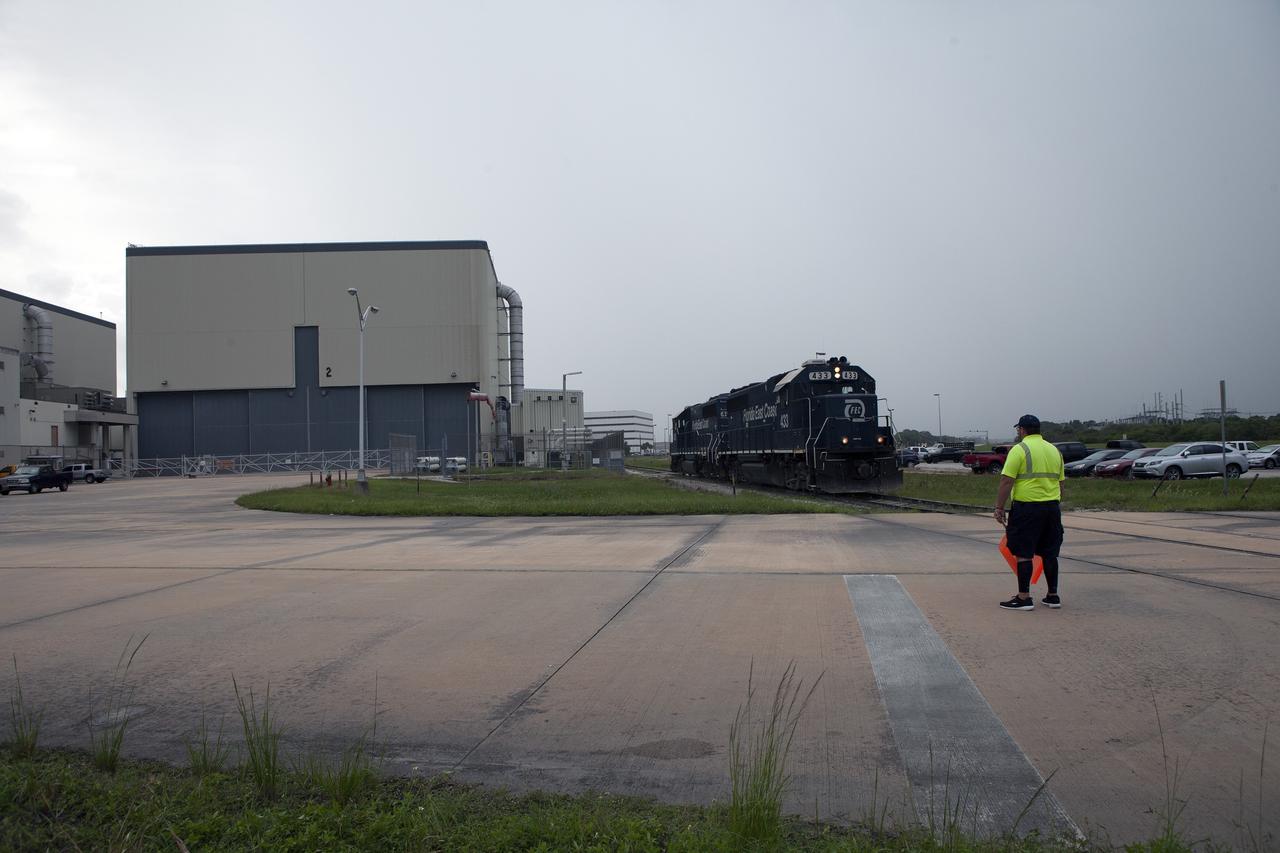
CAPE CANAVERAL, Fla. – Coupled Florida East Coast Railway, or FEC, locomotives No. 433 and No. 428 make the first run past the Orbiter Processing Facility and Thermal Protection System Facility in Launch Complex 39 at NASA’s Kennedy Space Center in Florida during the Rail Vibration Test for the Canaveral Port Authority. Seismic monitors are collecting data as the train passes by. The purpose of the test is to collect amplitude, frequency and vibration test data utilizing two Florida East Coast locomotives operating on KSC tracks to ensure that future railroad operations will not affect launch vehicle processing at the center. Buildings instrumented for the test include the Rotation Processing Surge Facility, Thermal Protection Systems Facility, Vehicle Assembly Building, Orbiter Processing Facility and Booster Fabrication Facility. Photo credit: NASA/Daniel Casper
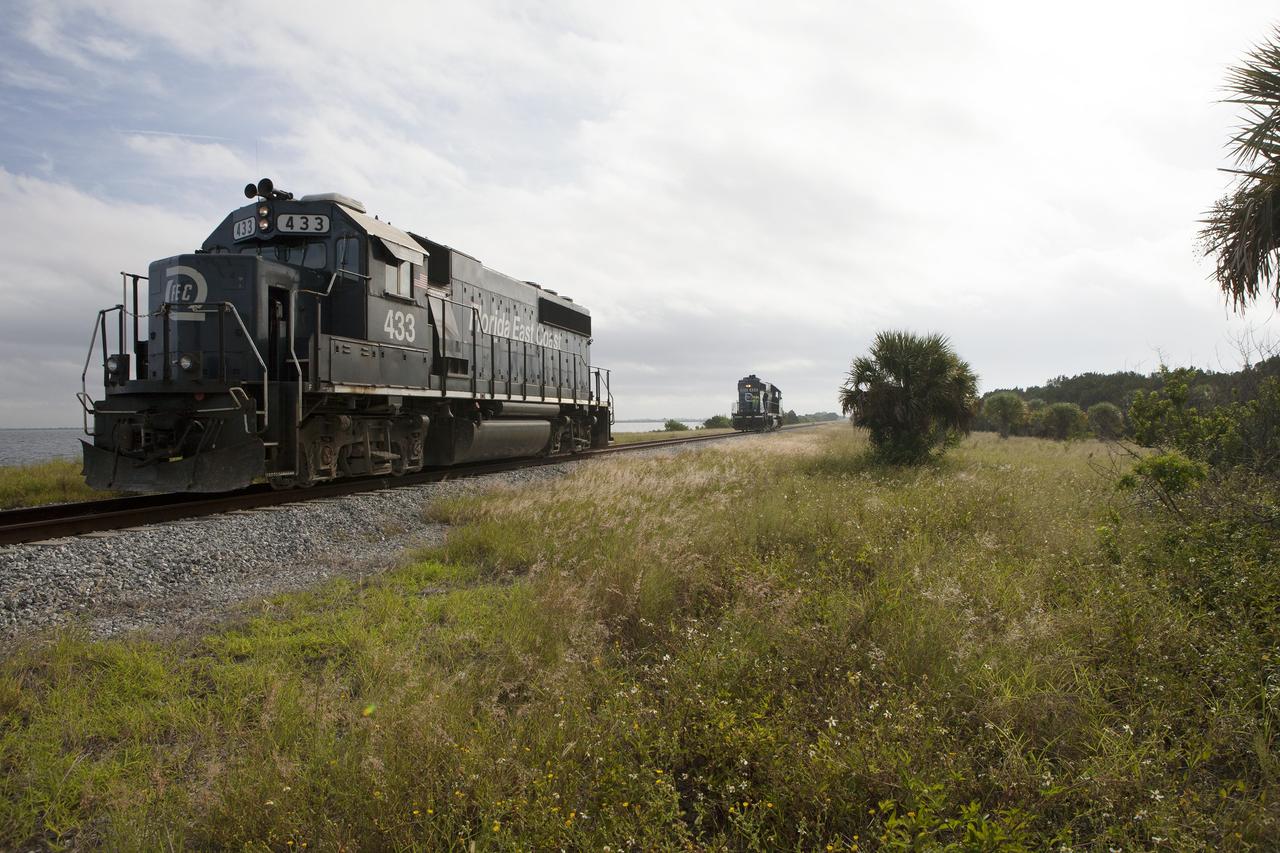
CAPE CANAVERAL, Fla. – Operations are underway to couple Florida East Coast Railway, or FEC, locomotives No. 433 and No. 428 on the track alongside the Indian River, north of Launch Complex 39 at NASA’s Kennedy Space Center in Florida. Kennedy's Center Planning and Development Directorate has enlisted the locomotives to support a Rail Vibration Test for the Canaveral Port Authority. The purpose of the test is to collect amplitude, frequency and vibration test data utilizing two Florida East Coast locomotives operating on KSC tracks to ensure that future railroad operations will not affect launch vehicle processing at the center. Buildings instrumented for the test include the Rotation Processing Surge Facility, Thermal Protection Systems Facility, Vehicle Assembly Building, Orbiter Processing Facility and Booster Fabrication Facility. Photo credit: NASA/Daniel Casper
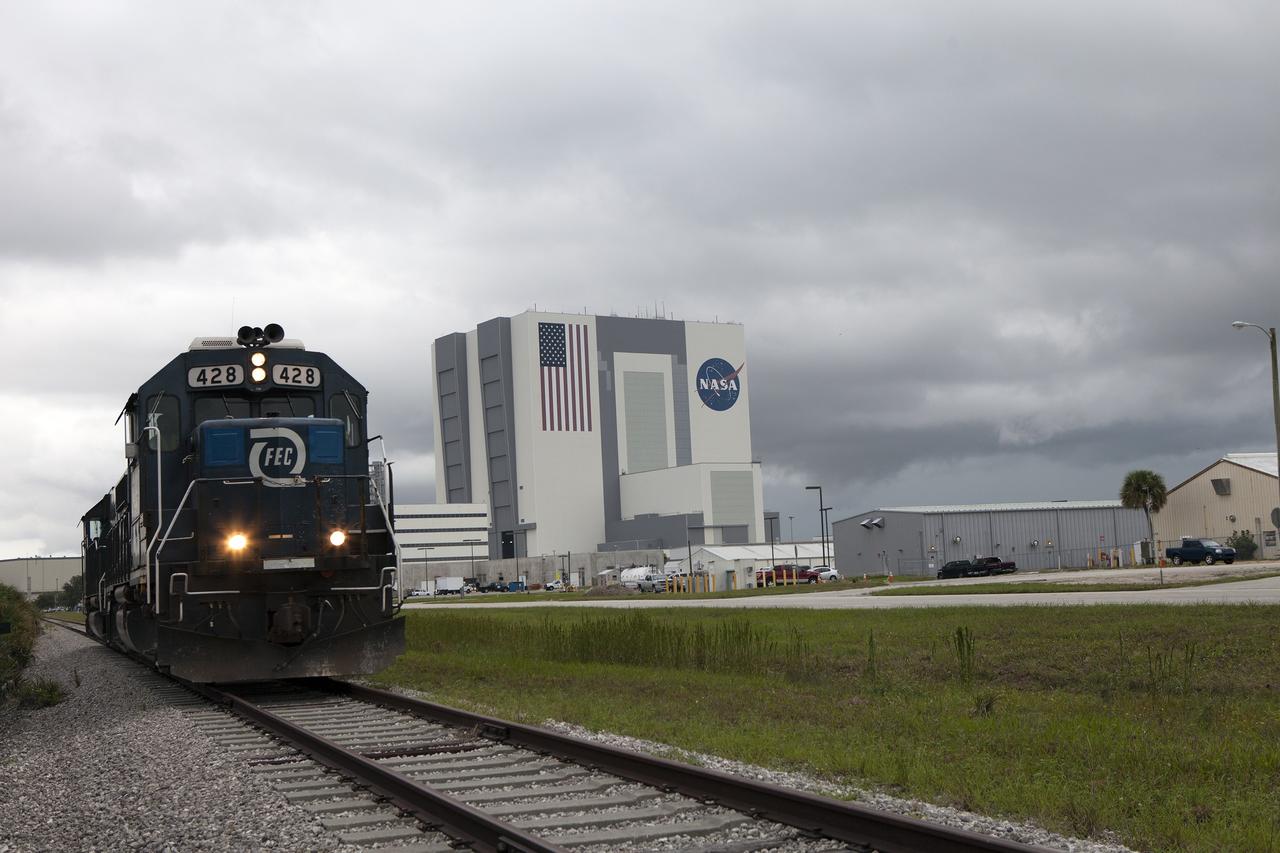
CAPE CANAVERAL, Fla. – Coupled Florida East Coast Railway, or FEC, locomotives No. 433 and No. 428 pass the Vehicle Assembly Building in Launch Complex 39 at NASA’s Kennedy Space Center in Florida on their way to NASA's Locomotive Maintenance Facility. Kennedy's Center Planning and Development Directorate has enlisted the locomotives to support a Rail Vibration Test for the Canaveral Port Authority. The purpose of the test is to collect amplitude, frequency and vibration test data utilizing two Florida East Coast locomotives operating on KSC tracks to ensure that future railroad operations will not affect launch vehicle processing at the center. Buildings instrumented for the test include the Rotation Processing Surge Facility, Thermal Protection Systems Facility, Vehicle Assembly Building, Orbiter Processing Facility and Booster Fabrication Facility. Photo credit: NASA/Daniel Casper