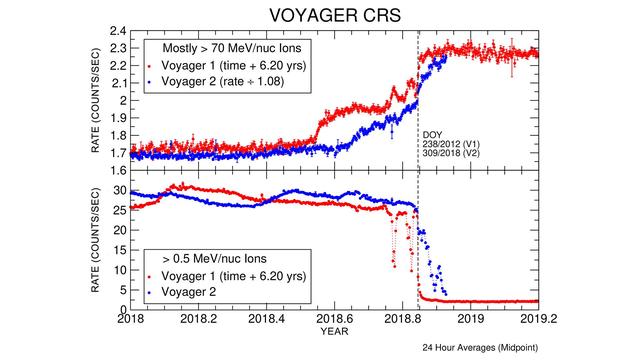
These graphs compare data from identical instruments onboard NASA's Voyager 1 and Voyager 2 spacecraft as they each exited the heliosphere. Voyager 1 exited in 2012, and Voyager 2 exited in 2018. The cosmic ray subsystem (CRS) measures the rate of energetic particles hitting the radiation detector on the instrument. The top graph shows high energy particles (called cosmic rays) that originate outside the heliosphere. The CRS instruments on both spacecraft observed similar, but not identical, increases in the cosmic ray rate as they both crossed the heliopause (the outer edge of the heliosphere). The lower graph shows slightly lower energy particles that originate inside the heliosphere. Both spacecraft detected a similar but not identical decrease in these lower energy particles when they crossed the heliopause and immediately after. https://photojournal.jpl.nasa.gov/catalog/PIA22916

CAPE CANAVERAL, Fla. – A truck carrying the first stage of the SpaceX Falcon 9 rocket arrives at Cape Canaveral Air Force Station in Florida. The two-stage rocket will launch the company's Dragon spacecraft on the upcoming SpaceX CRS-2 mission. The flight will be the second commercial resupply mission to the International Space Station by Space Exploration Technologies, or SpaceX. NASA has contracted for a total of 12 commercial resupply flights from SpaceX and eight from the Orbital Sciences Corp. Photo credit: NASA/Jim Grossmann
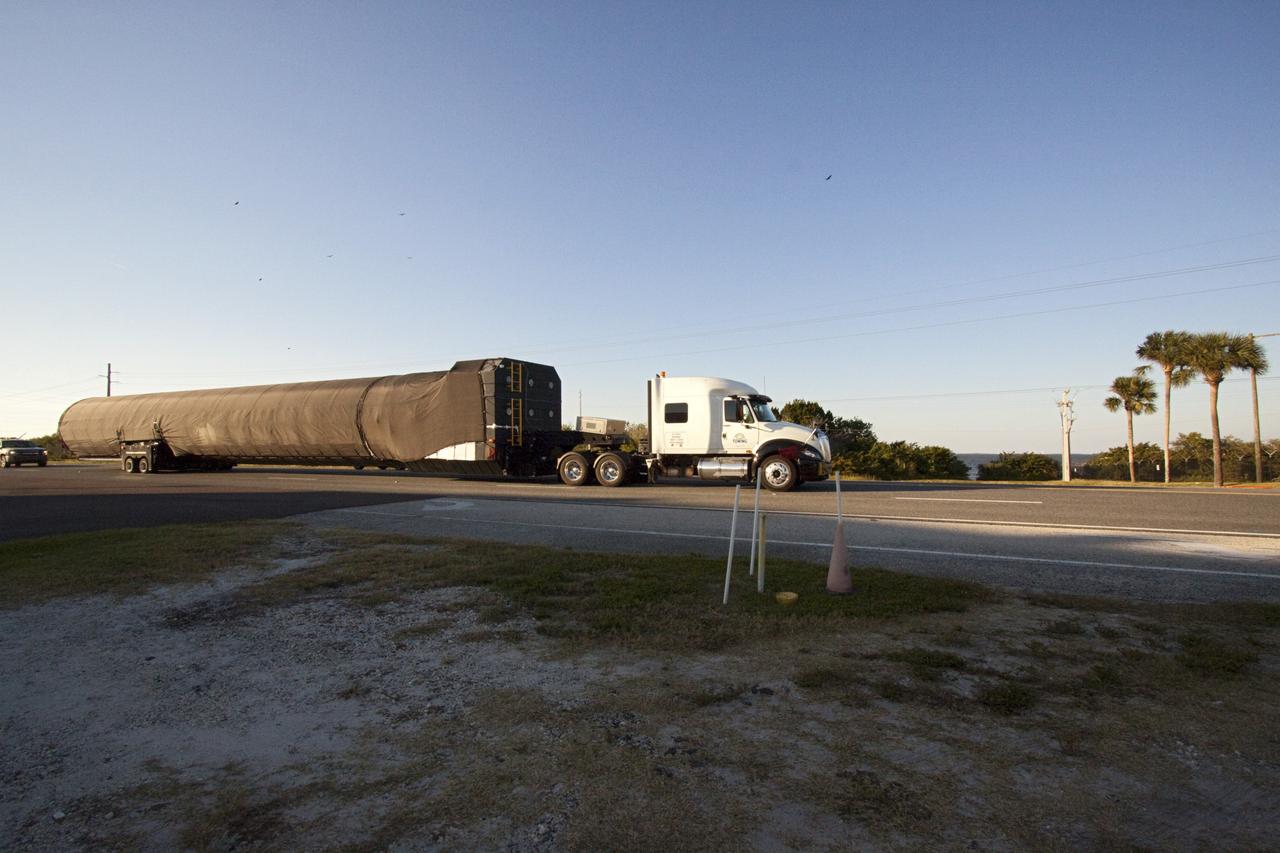
CAPE CANAVERAL, Fla. – A truck carrying the first stage of the SpaceX Falcon 9 rocket arrives at Cape Canaveral Air Force Station in Florida. The two-stage rocket will launch the company's Dragon spacecraft on the upcoming SpaceX CRS-2 mission. The flight will be the second commercial resupply mission to the International Space Station by Space Exploration Technologies, or SpaceX. NASA has contracted for a total of 12 commercial resupply flights from SpaceX and eight from the Orbital Sciences Corp. Photo credit: NASA/Jim Grossmann

CAPE CANAVERAL, Fla. – A truck carries the first stage of the SpaceX Falcon 9 rocket through the gate at Cape Canaveral Air Force Station in Florida. The two-stage rocket will launch the company's Dragon spacecraft on the upcoming SpaceX CRS-2 mission. The flight will be the second commercial resupply mission to the International Space Station by Space Exploration Technologies, or SpaceX. NASA has contracted for a total of 12 commercial resupply flights from SpaceX and eight from the Orbital Sciences Corp. Photo credit: NASA/Jim Grossmann
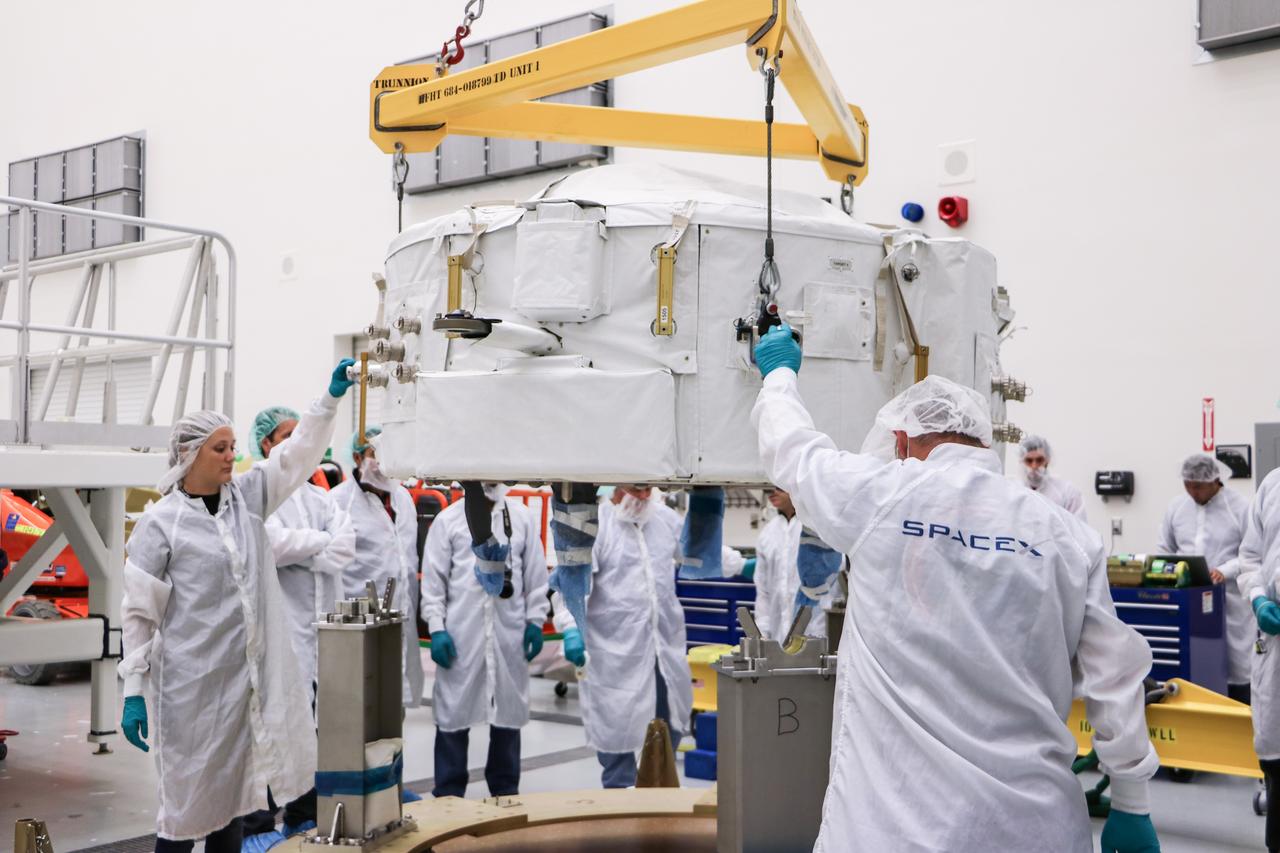
International Docking Adapter #2 installation for SpaceX's CRS-9 mission.
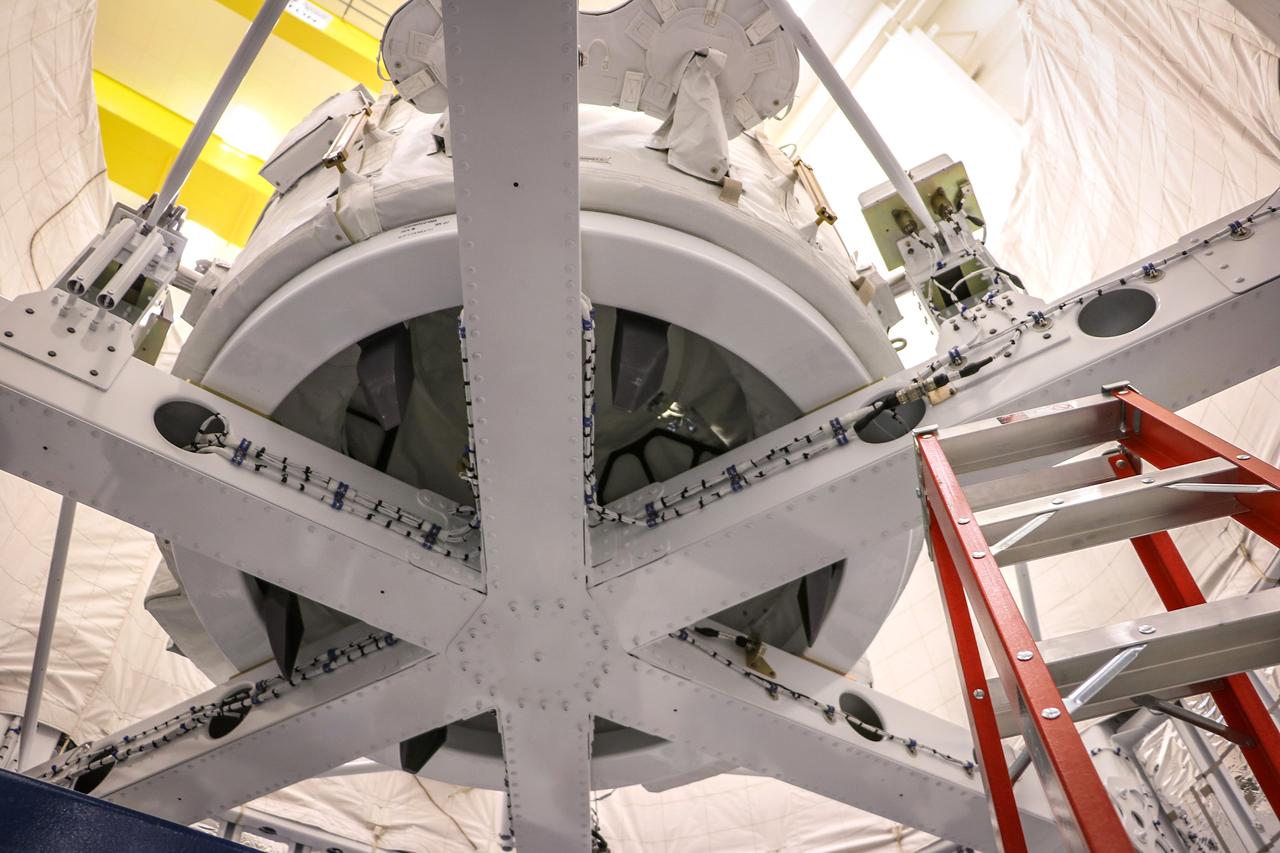
International Docking Adapter #2 installation for SpaceX's CRS-9 mission.

International Docking Adapter #2 installation for SpaceX's CRS-9 mission.
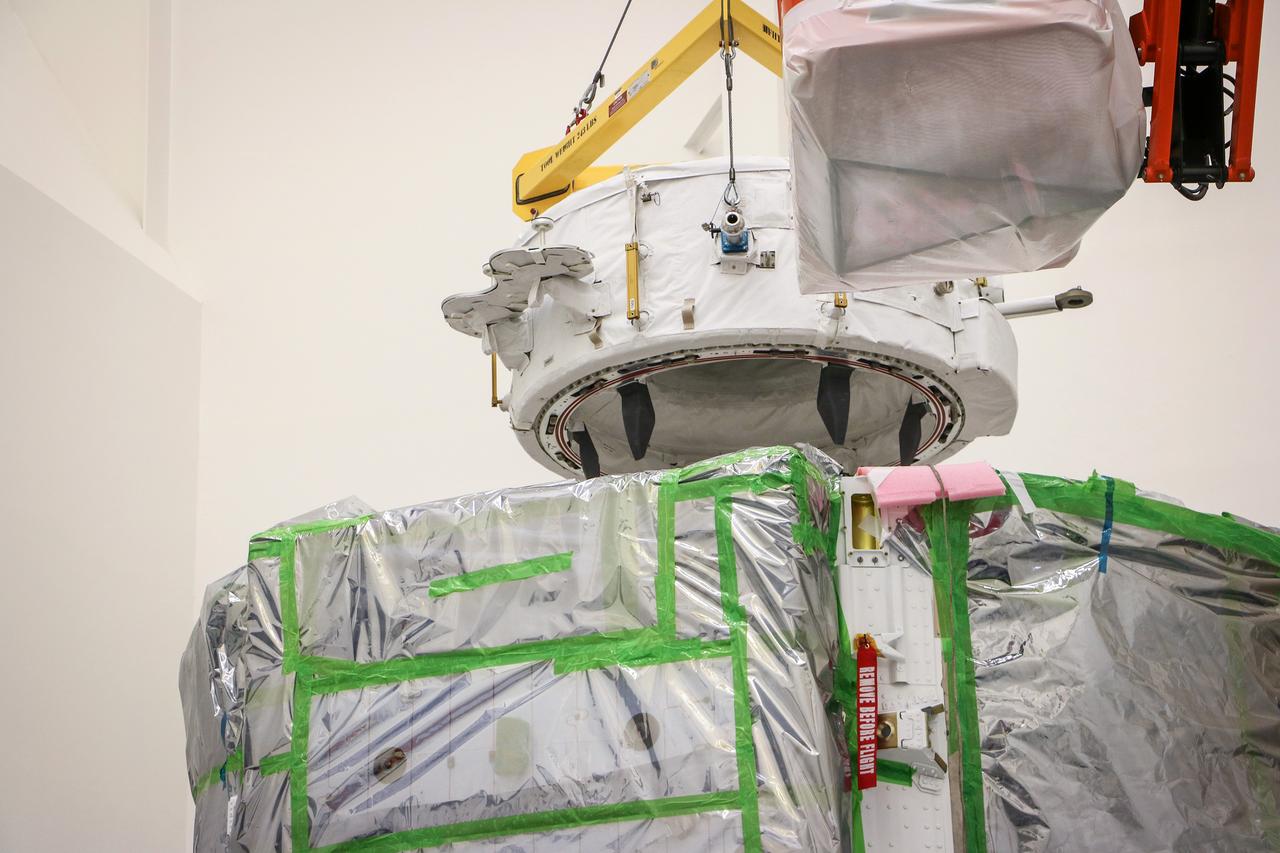
International Docking Adapter #2 installation for SpaceX's CRS-9 mission.

The upgraded version of SpaceX’s Cargo Dragon spacecraft, Dragon 2, is seen atop a Falcon 9 rocket on Dec. 2, 2020, as they prepare to be rolled out to Launch Complex 39A at NASA’s Kennedy Space Center in Florida for the company’s 21st Commercial Resupply Services (CRS-21) launch. The first launch for SpaceX under NASA’s second Commercial Resupply Services contract, CRS-21 will deliver critical supplies, equipment, and material to support a variety of science and research investigations that will take place aboard the International Space Station. Liftoff is scheduled for 11:39 a.m. EST on Saturday, Dec. 5.
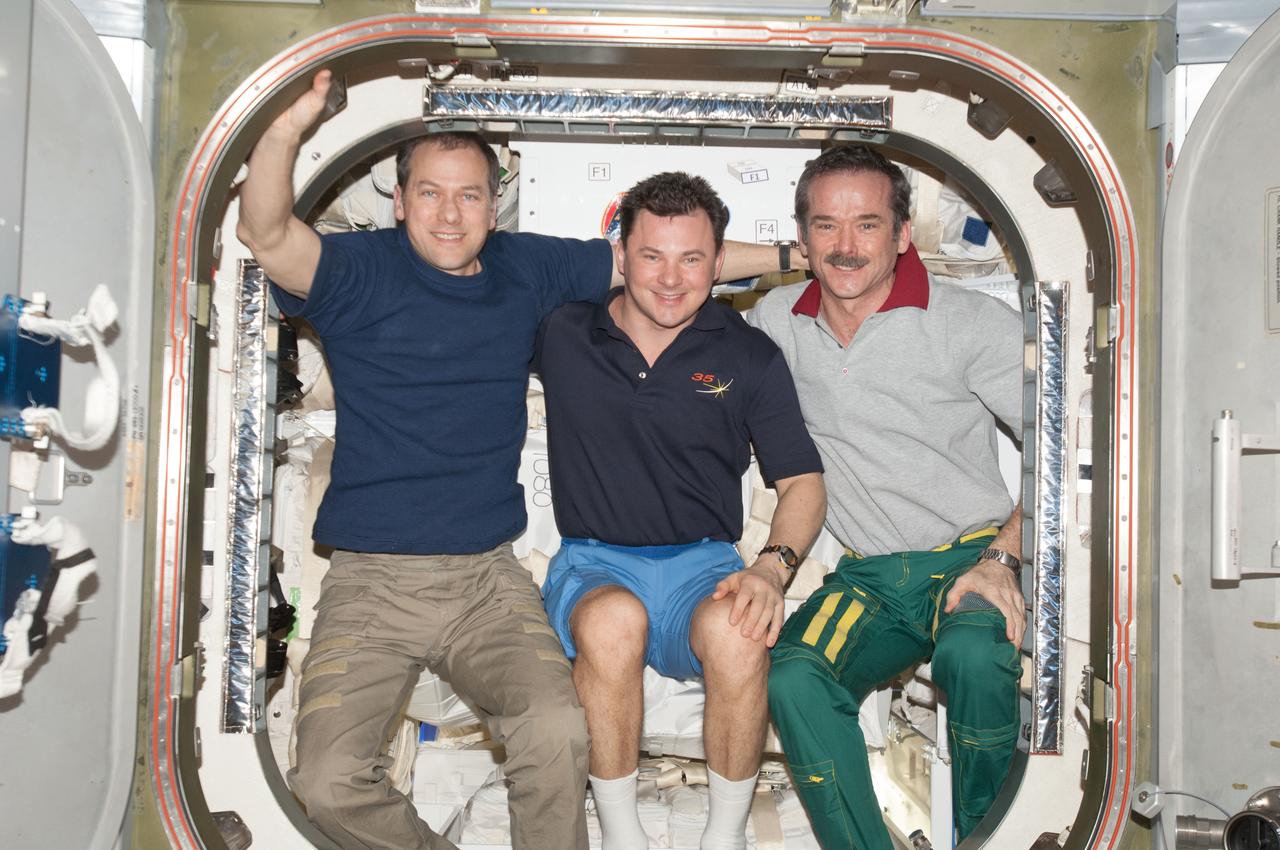
Expedition 35 flight engineer (FE) Tom Marshburn, FE Roman Romanenko, and commander Chris Hadfield pose for a photo in the SpaceX Dragon Commercial Resupply Services-2 (CRS-2) spacecraft. Romanenko is a Roscosmos cosmonaut and Hadfield is a Canadian Space Agency (CSA) astronaut.
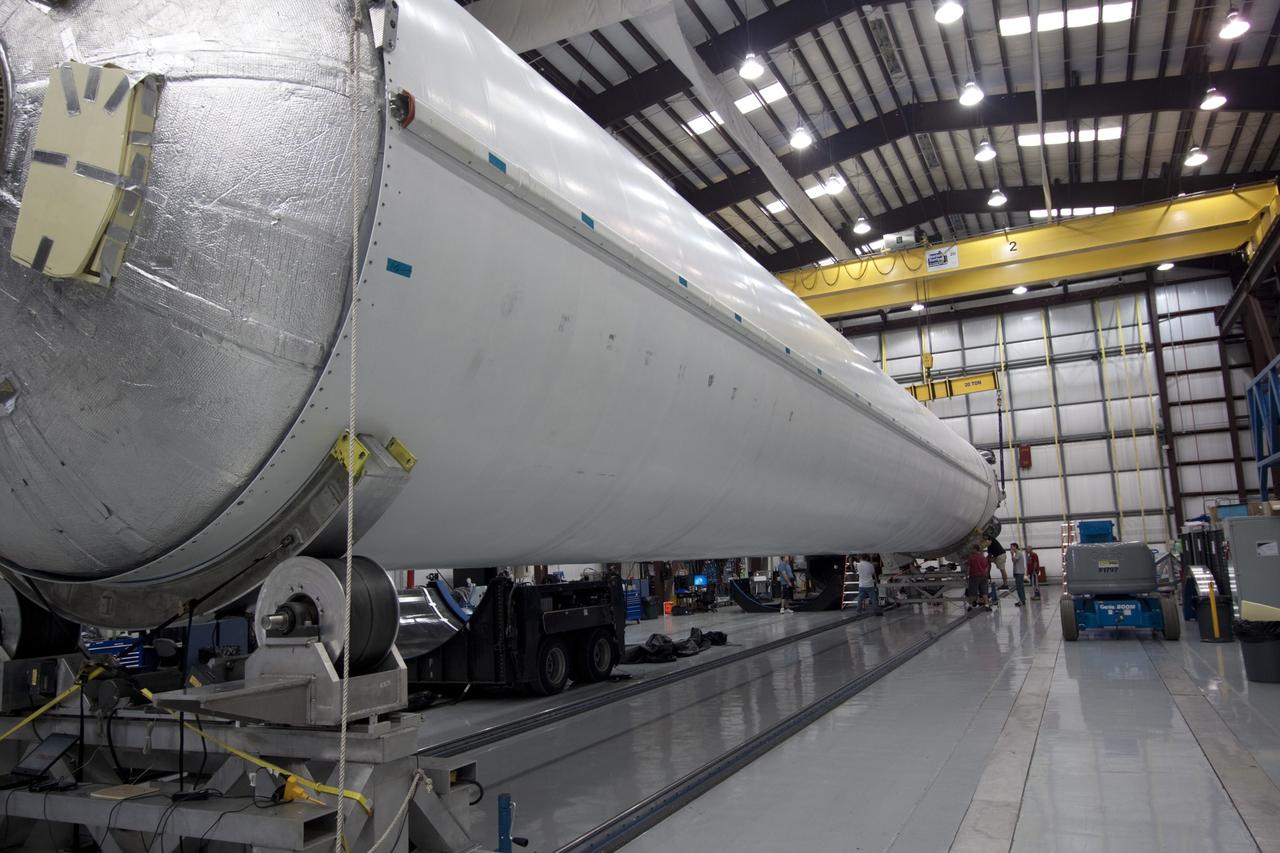
CAPE CANAVERAL, Fla. – The first stage of the Falcon 9 rocket is placed in a workstand inside the SpaceX Falcon Hangar at Launch Complex 40 on Cape Canaveral Air Force Station in Florida. The two-stage rocket will launch the company's Dragon spacecraft on the upcoming SpaceX CRS-2 mission. The flight will be the second commercial resupply mission to the International Space Station by Space Exploration Technologies, or SpaceX. NASA has contracted for a total of 12 commercial resupply flights from SpaceX and eight from the Orbital Sciences Corp. Photo credit: NASA/Jim Grossmann
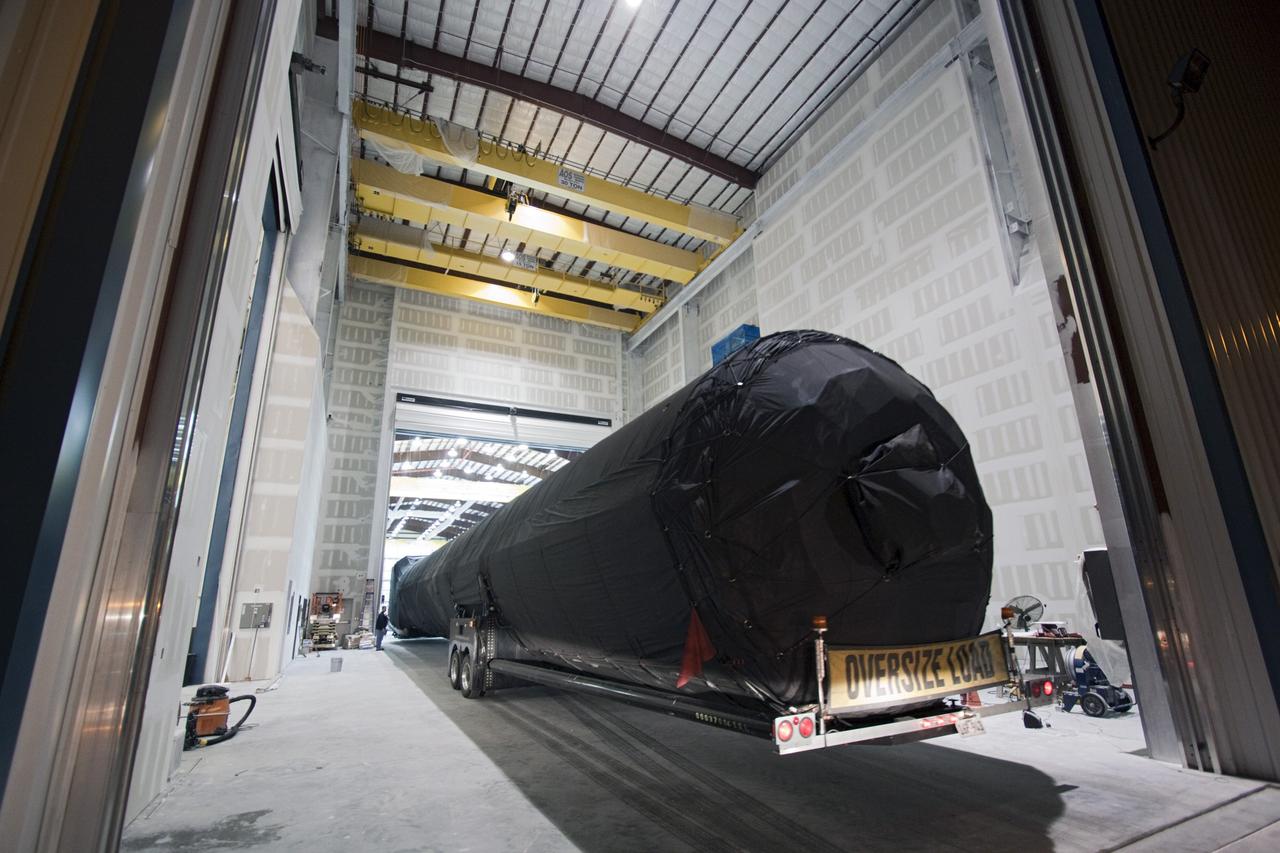
CAPE CANAVERAL, Fla. – A truck pulls the first stage of the Falcon 9 rocket inside the SpaceX Falcon Hangar at Launch Complex 40 on Cape Canaveral Air Force Station in Florida. The two-stage rocket will launch the company's Dragon spacecraft on the upcoming SpaceX CRS-2 mission. The flight will be the second commercial resupply mission to the International Space Station by Space Exploration Technologies, or SpaceX. NASA has contracted for a total of 12 commercial resupply flights from SpaceX and eight from the Orbital Sciences Corp. Photo credit: NASA/Jim Grossmann
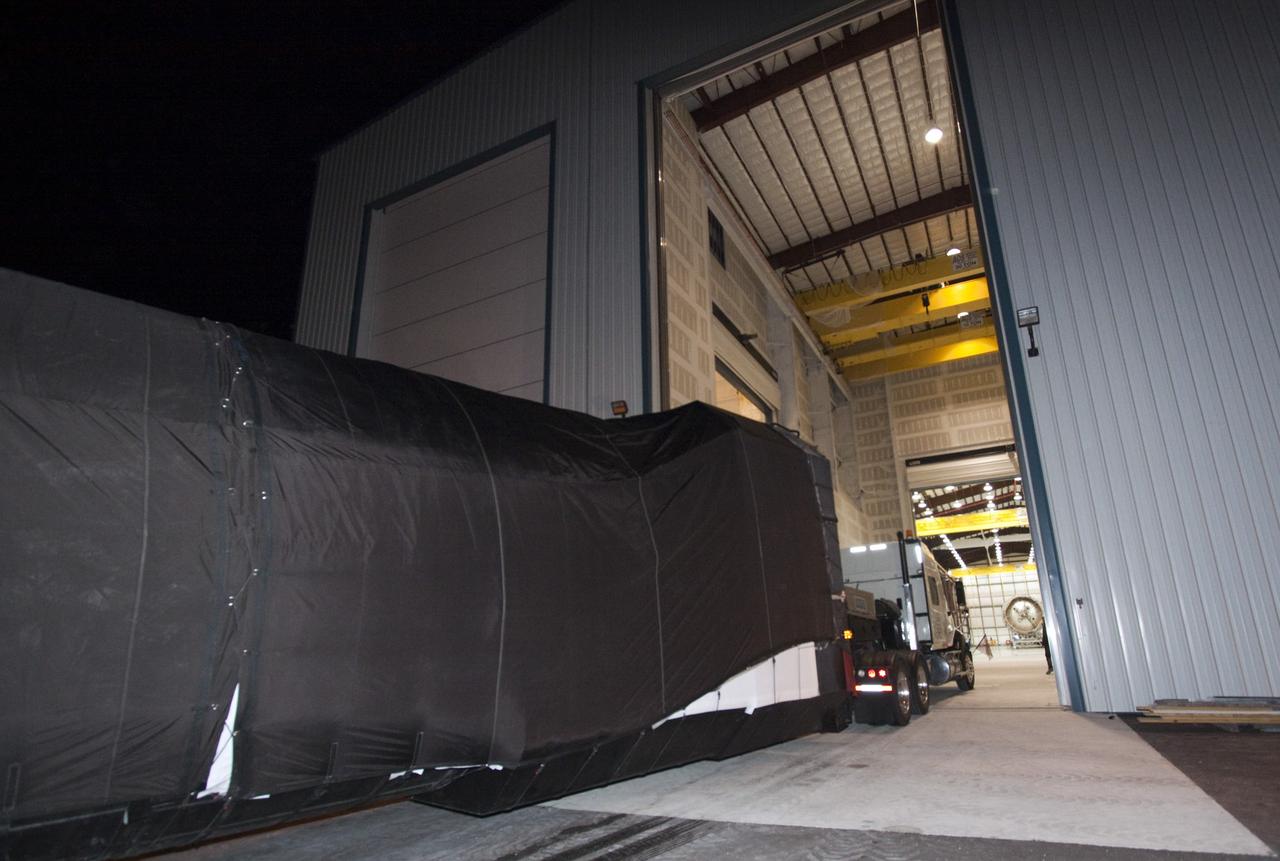
CAPE CANAVERAL, Fla. – The first stage of the Falcon 9 rocket arrives at the SpaceX Falcon Hangar at Launch Complex 40 on Cape Canaveral Air Force Station in Florida. The two-stage rocket will launch the company's Dragon spacecraft on the upcoming SpaceX CRS-2 mission. The flight will be the second commercial resupply mission to the International Space Station by Space Exploration Technologies, or SpaceX. NASA has contracted for a total of 12 commercial resupply flights from SpaceX and eight from the Orbital Sciences Corp. Photo credit: NASA/Jim Grossmann
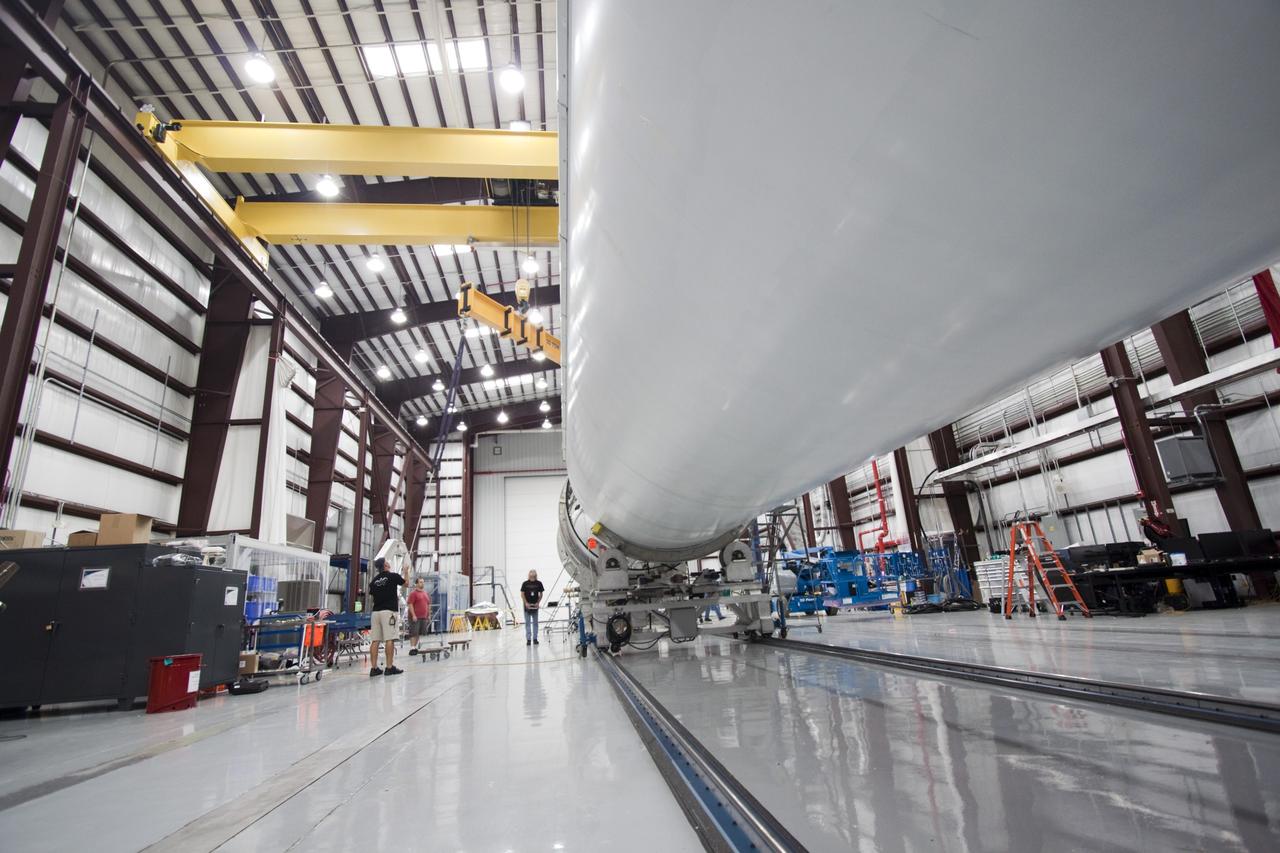
CAPE CANAVERAL, Fla. – Inside the SpaceX Falcon Hangar at Launch Complex 40 on Cape Canaveral Air Force Station in Florida, the first stage of the Falcon 9 rocket is placed in a workstand for prelaunch processing. The two-stage rocket will launch the company's Dragon spacecraft on the upcoming SpaceX CRS-2 mission. The flight will be the second commercial resupply mission to the International Space Station by Space Exploration Technologies, or SpaceX. NASA has contracted for a total of 12 commercial resupply flights from SpaceX and eight from the Orbital Sciences Corp. Photo credit: NASA/Jim Grossmann
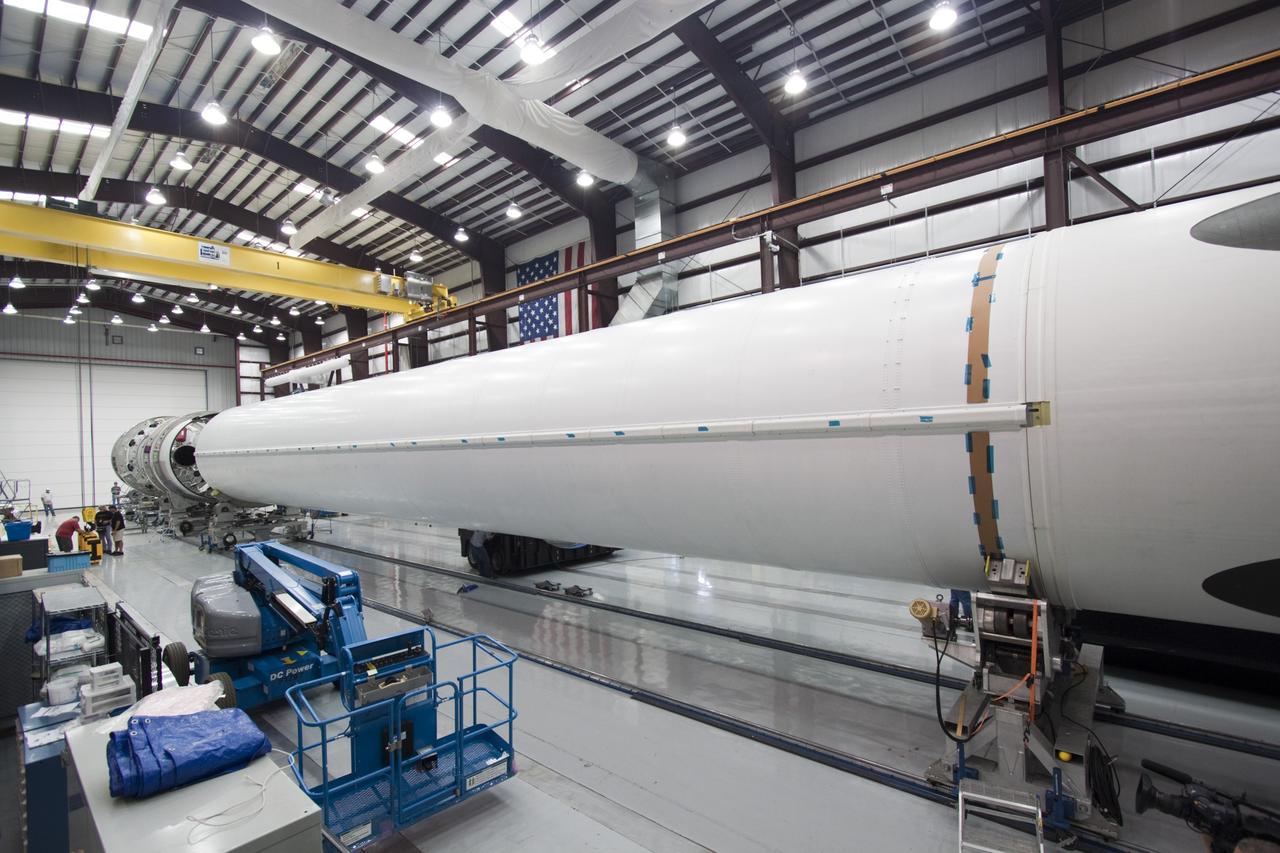
CAPE CANAVERAL, Fla. – Inside the SpaceX Falcon Hangar at Launch Complex 40 on Cape Canaveral Air Force Station in Florida, the first stage of the Falcon 9 rocket is placed in a workstand for prelaunch processing. The two-stage rocket will launch the company's Dragon spacecraft on the upcoming SpaceX CRS-2 mission. The flight will be the second commercial resupply mission to the International Space Station by Space Exploration Technologies, or SpaceX. NASA has contracted for a total of 12 commercial resupply flights from SpaceX and eight from the Orbital Sciences Corp. Photo credit: NASA/Jim Grossmann

A SpaceX Falcon 9 rocket, topped with the upgraded version of the Cargo Dragon spacecraft, is seen inside the company’s hangar at NASA’s Kennedy Space Center in Florida on Dec. 2, 2020, prior to being rolled out to the launch pad in preparation for the 21st Commercial Resupply Services (CRS-21) launch. The first launch for SpaceX under NASA’s second Commercial Resupply Services contract, CRS-21 will deliver critical supplies, equipment, and material to support a variety of science and research investigations that will take place aboard the International Space Station. Liftoff is scheduled for 11:39 a.m. EST on Saturday, Dec. 5, from Kennedy’s Launch Complex 39A.

A SpaceX Falcon 9 rocket, topped with the upgraded version of the Cargo Dragon spacecraft, is seen inside the company’s hangar at NASA’s Kennedy Space Center in Florida on Dec. 2, 2020, prior to being rolled out to the launch pad in preparation for the 21st Commercial Resupply Services (CRS-21) launch. The first launch for SpaceX under NASA’s second Commercial Resupply Services contract, CRS-21 will deliver critical supplies, equipment, and material to support a variety of science and research investigations that will take place aboard the International Space Station. Liftoff is scheduled for 11:39 a.m. EST on Saturday, Dec. 5, from Kennedy’s Launch Complex 39A.
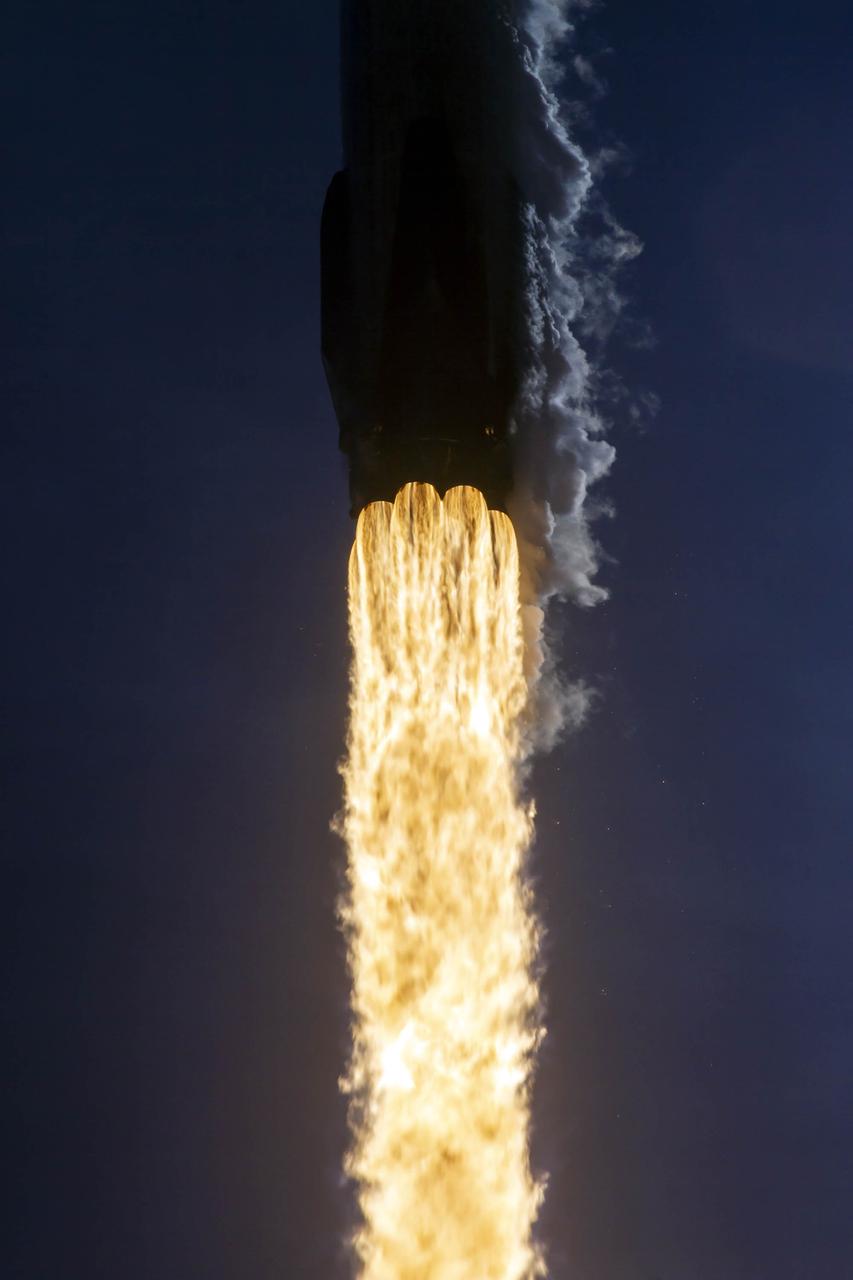
A SpaceX Falcon 9 rocket lifts off from Launch Complex 39A at Kennedy Space Center in Florida at 11:17 a.m. EST on Dec. 6, 2020, carrying the uncrewed cargo Dragon spacecraft on its journey to the International Space Station for NASA and SpaceX’s 21st Commercial Resupply Services (CRS-21) mission. Dragon will deliver more than 6,400 pounds of science investigations and cargo to the orbiting laboratory. The mission marks the first launch for SpaceX under NASA’s CRS-2 contract.
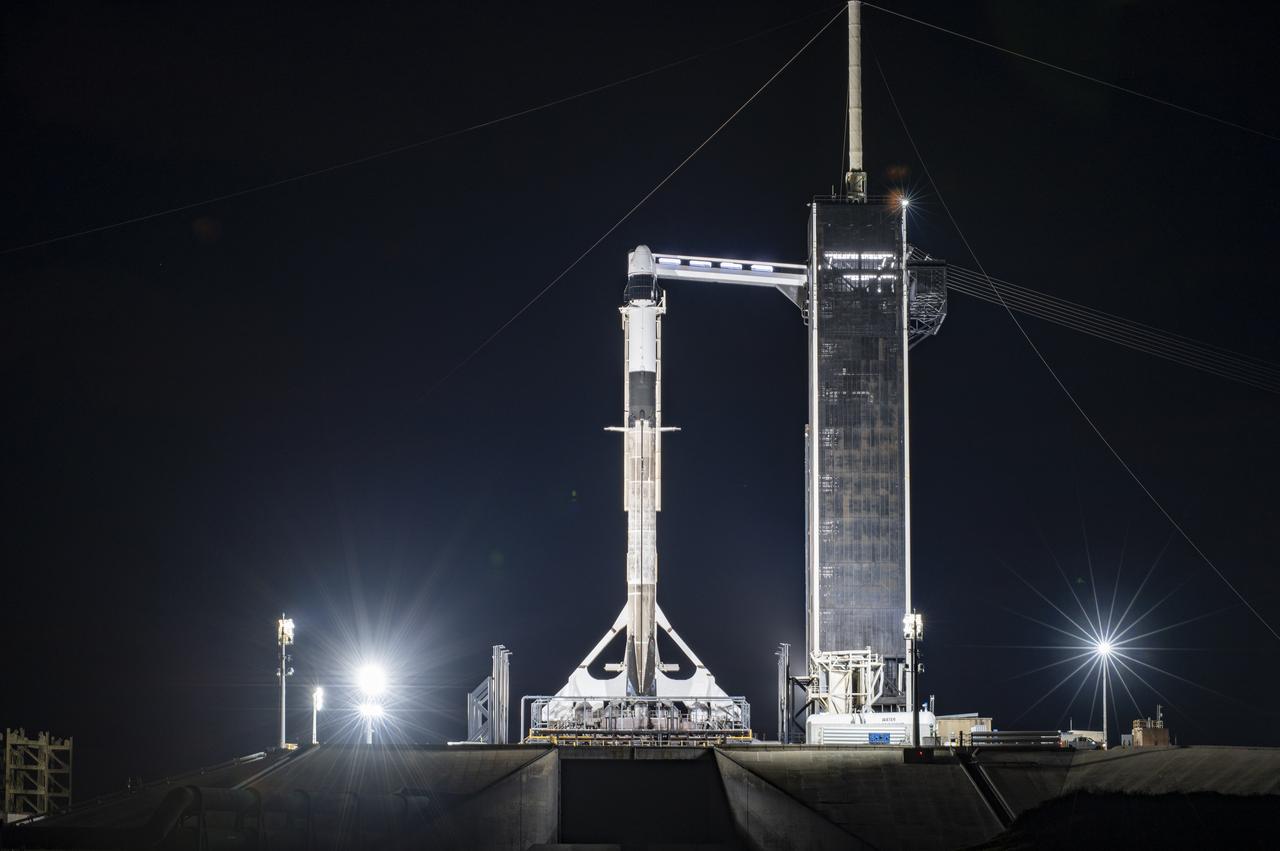
A SpaceX Falcon 9 rocket, topped with the company’s upgraded version of the Dragon spacecraft, stands vertical at NASA Kennedy Space Center’s Launch Complex 39A in Florida on Wednesday, Dec. 2, 2020. The first mission for SpaceX under NASA’s second Commercial Resupply Services contract, CRS-21 is scheduled to lift off from Launch Complex 39A on Saturday, Dec. 5, at 11:39 a.m. EST. The mission will deliver critical supplies and equipment to the International Space Station.
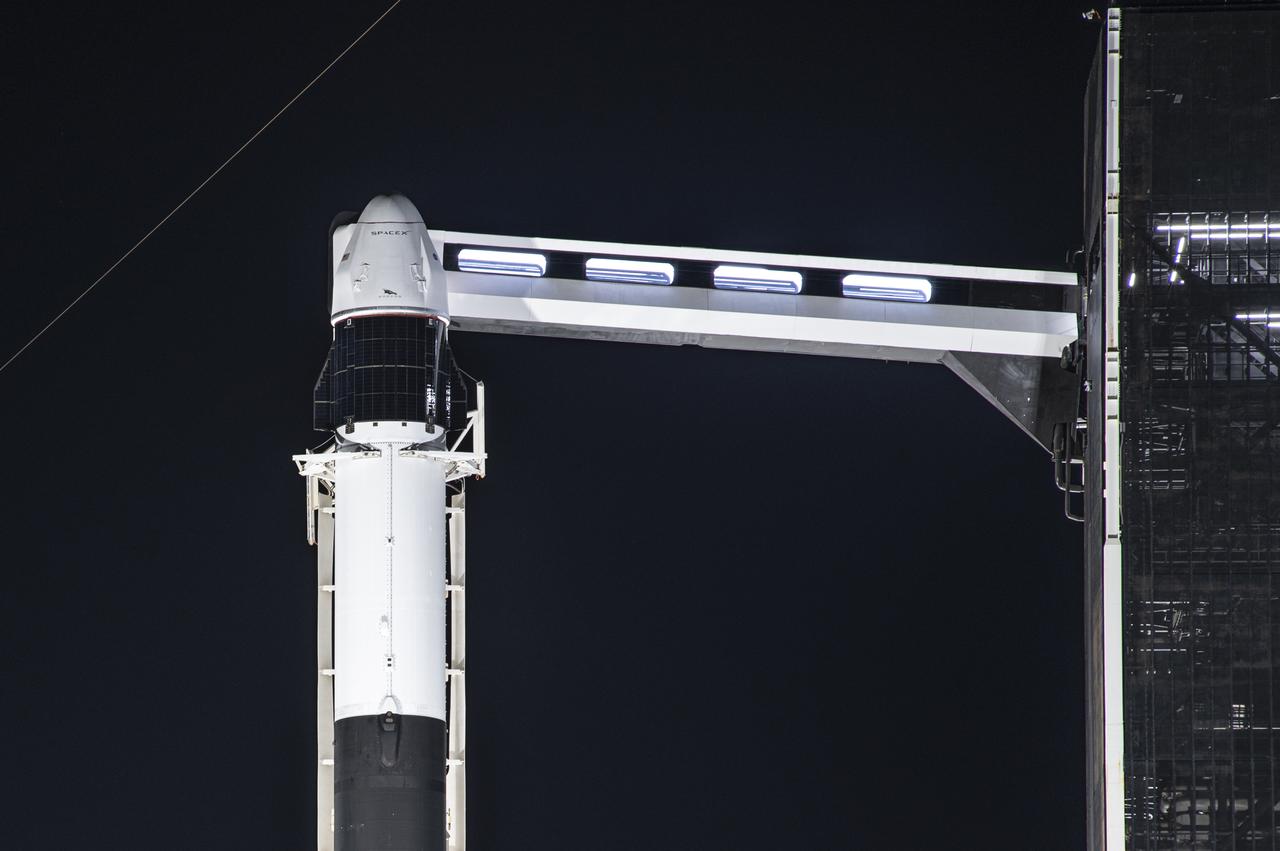
A SpaceX Falcon 9 rocket, topped with the company’s upgraded version of the Dragon spacecraft, stands vertical at NASA Kennedy Space Center’s Launch Complex 39A in Florida on Wednesday, Dec. 2, 2020. The first mission for SpaceX under NASA’s second Commercial Resupply Services contract, CRS-21 is scheduled to lift off from Launch Complex 39A on Saturday, Dec. 5, at 11:39 a.m. EST. The mission will deliver critical supplies and equipment to the International Space Station.
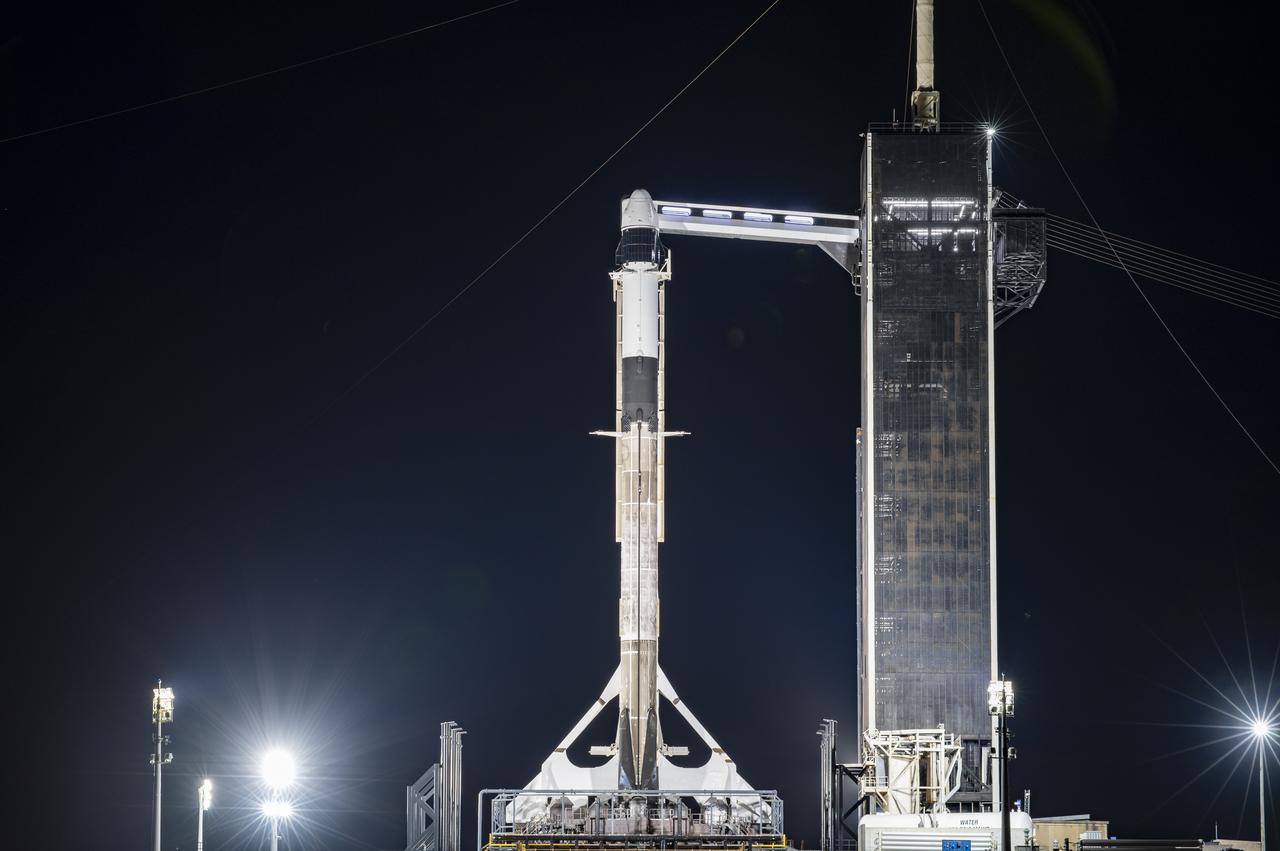
A SpaceX Falcon 9 rocket, topped with the company’s upgraded version of the Dragon spacecraft, stands vertical at NASA Kennedy Space Center’s Launch Complex 39A in Florida on Wednesday, Dec. 2, 2020. The first mission for SpaceX under NASA’s second Commercial Resupply Services contract, CRS-21 is scheduled to lift off from Launch Complex 39A on Saturday, Dec. 5, at 11:39 a.m. EST. The mission will deliver critical supplies and equipment to the International Space Station.
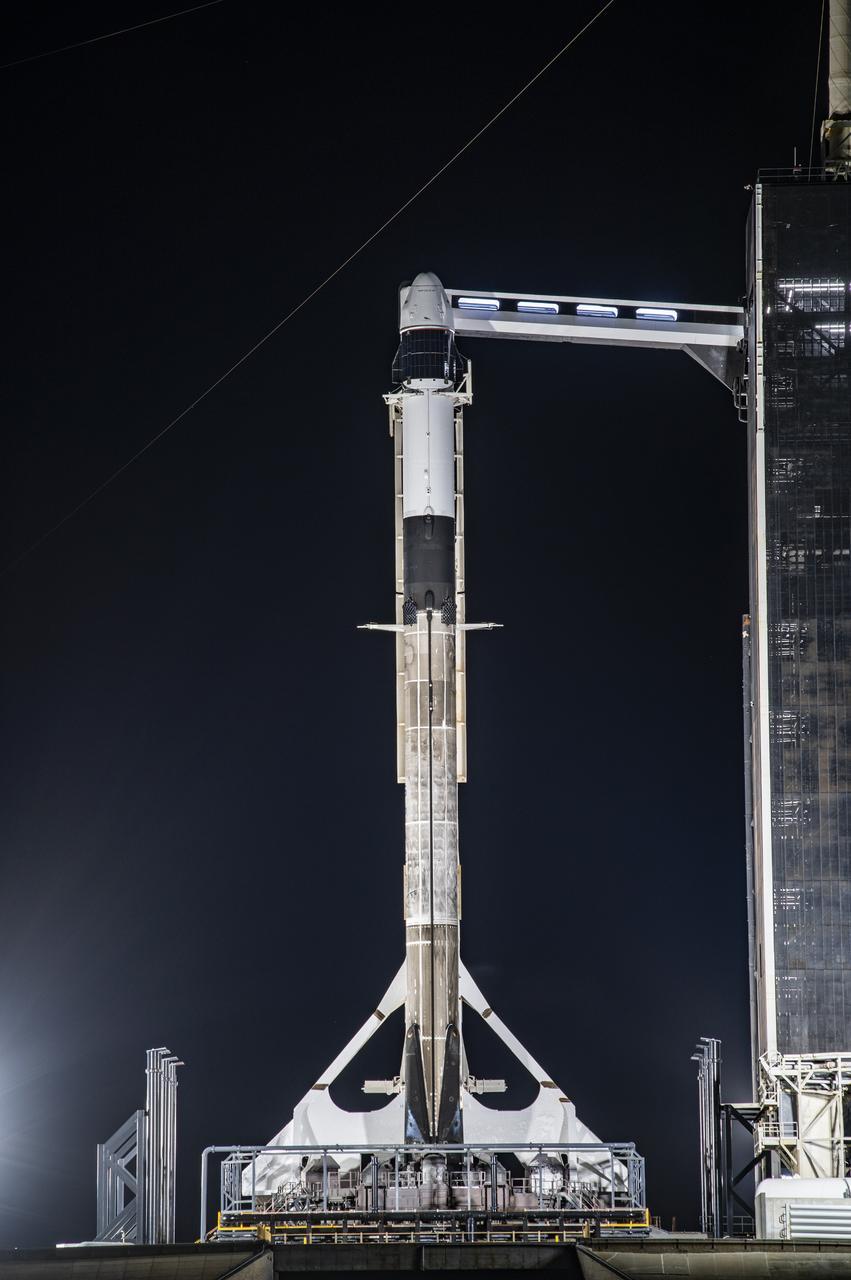
A SpaceX Falcon 9 rocket, topped with the company’s upgraded version of the Dragon spacecraft, stands vertical at NASA Kennedy Space Center’s Launch Complex 39A in Florida on Wednesday, Dec. 2, 2020. The first mission for SpaceX under NASA’s second Commercial Resupply Services contract, CRS-21 is scheduled to lift off from Launch Complex 39A on Saturday, Dec. 5, at 11:39 a.m. EST. The mission will deliver critical supplies and equipment to the International Space Station.
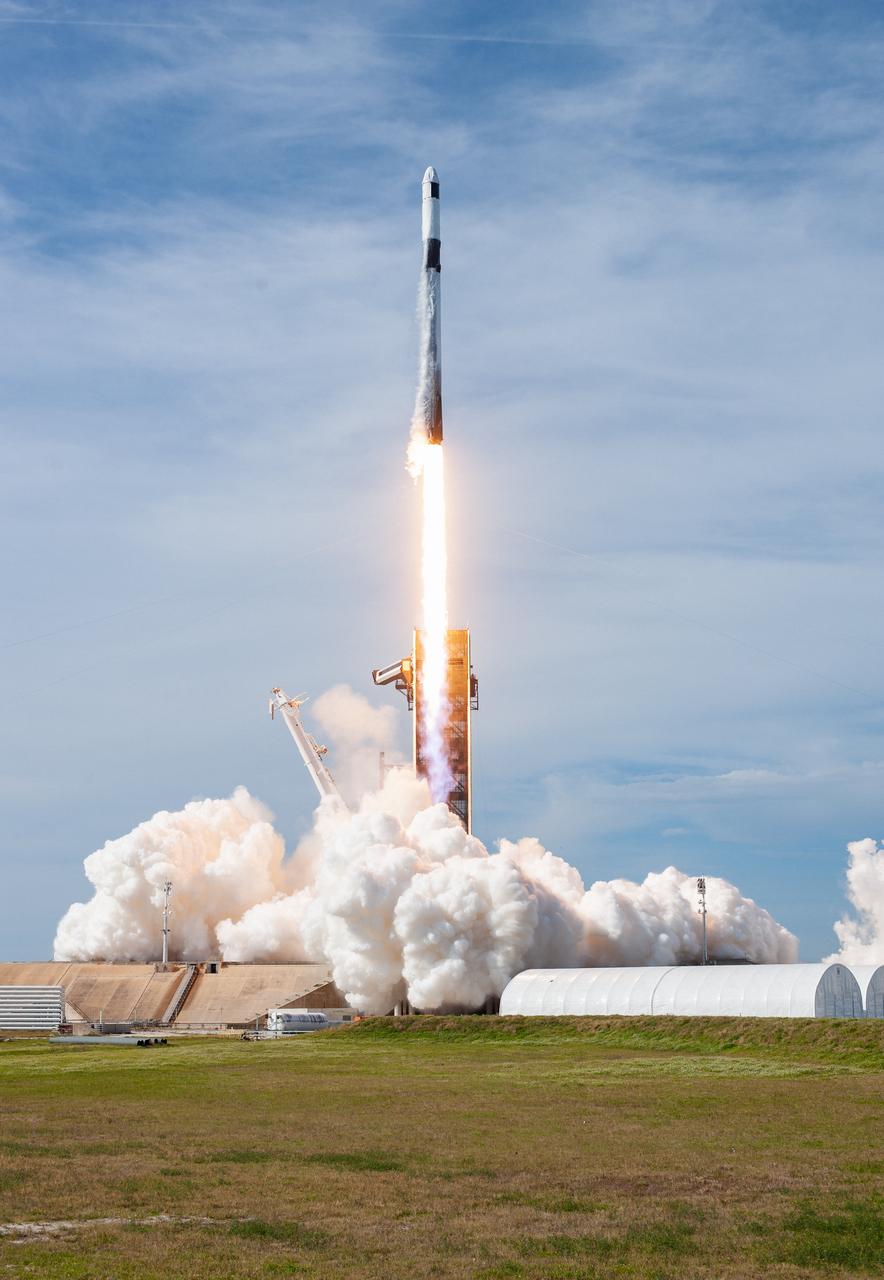
A SpaceX Falcon 9 rocket lifts off from Launch Complex 39A at Kennedy Space Center in Florida at 11:17 a.m. EST on Dec. 6, 2020, carrying the uncrewed cargo Dragon spacecraft on its journey to the International Space Station for NASA and SpaceX’s 21st Commercial Resupply Services (CRS-21) mission. Dragon will deliver more than 6,400 pounds of science investigations and cargo to the orbiting laboratory. The mission marks the first launch for SpaceX under NASA’s CRS-2 contract.
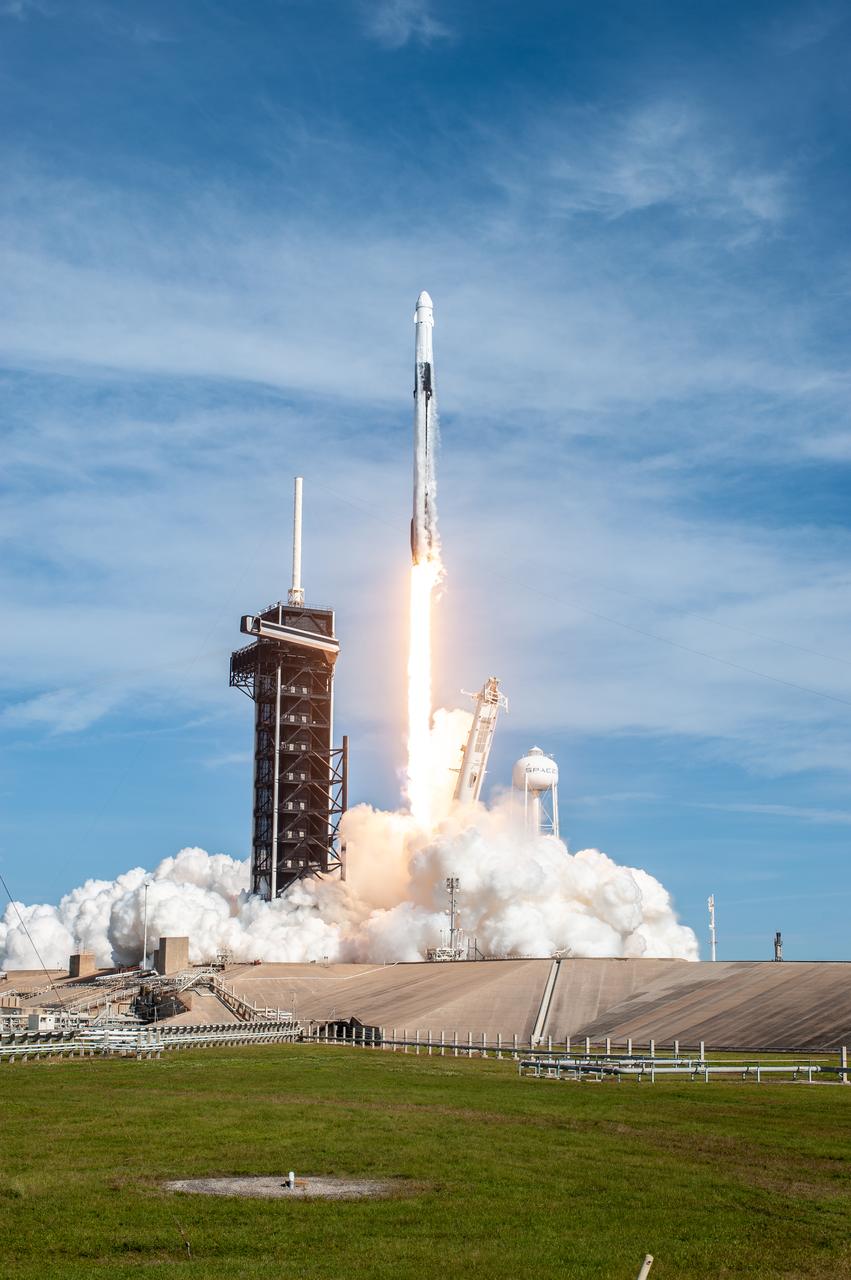
A SpaceX Falcon 9 rocket lifts off from Launch Complex 39A at Kennedy Space Center in Florida at 11:17 a.m. EST on Dec. 6, 2020, carrying the uncrewed cargo Dragon spacecraft on its journey to the International Space Station for NASA and SpaceX’s 21st Commercial Resupply Services (CRS-21) mission. Dragon will deliver more than 6,400 pounds of science investigations and cargo to the orbiting laboratory. The mission marks the first launch for SpaceX under NASA’s CRS-2 contract.
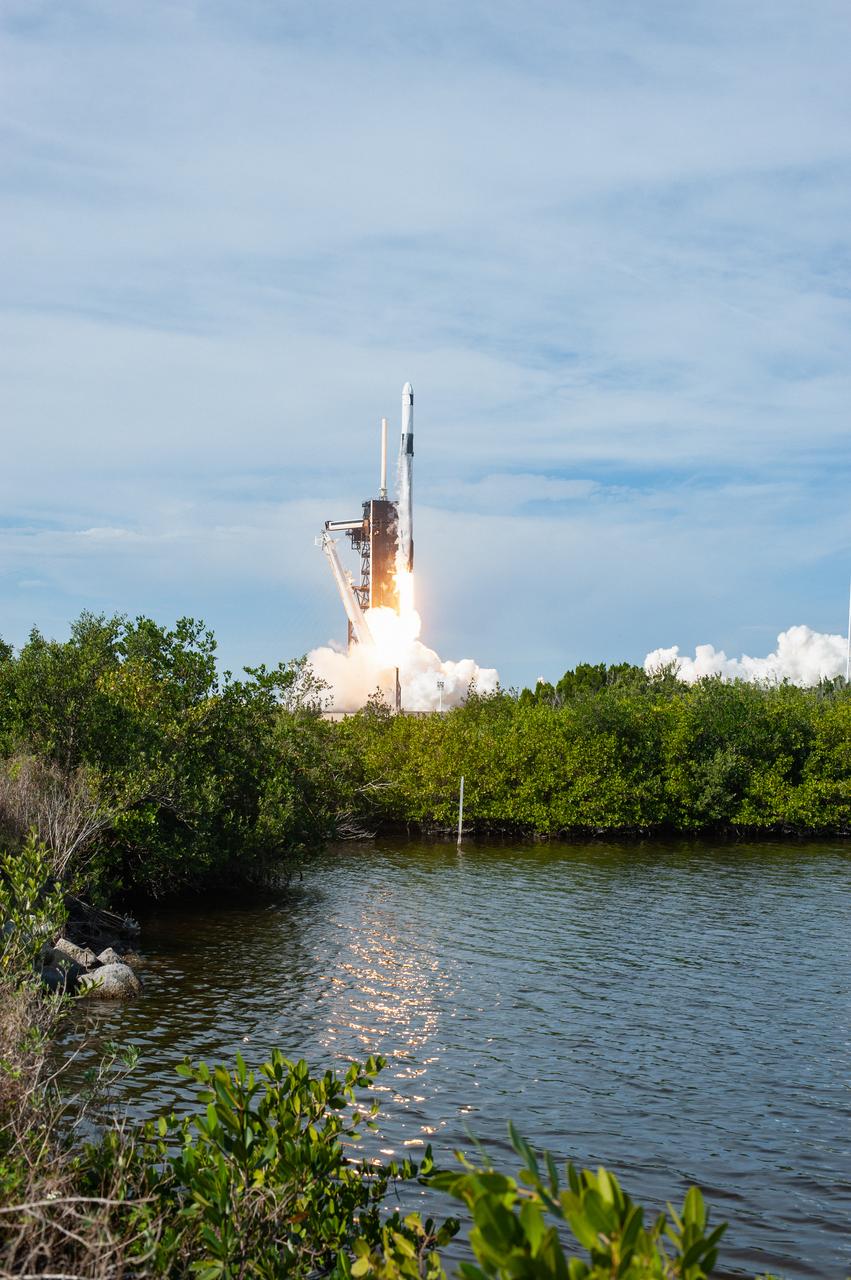
A SpaceX Falcon 9 rocket lifts off from Launch Complex 39A at Kennedy Space Center in Florida at 11:17 a.m. EST on Dec. 6, 2020, carrying the uncrewed cargo Dragon spacecraft on its journey to the International Space Station for NASA and SpaceX’s 21st Commercial Resupply Services (CRS-21) mission. Dragon will deliver more than 6,400 pounds of science investigations and cargo to the orbiting laboratory. The mission marks the first launch for SpaceX under NASA’s CRS-2 contract.
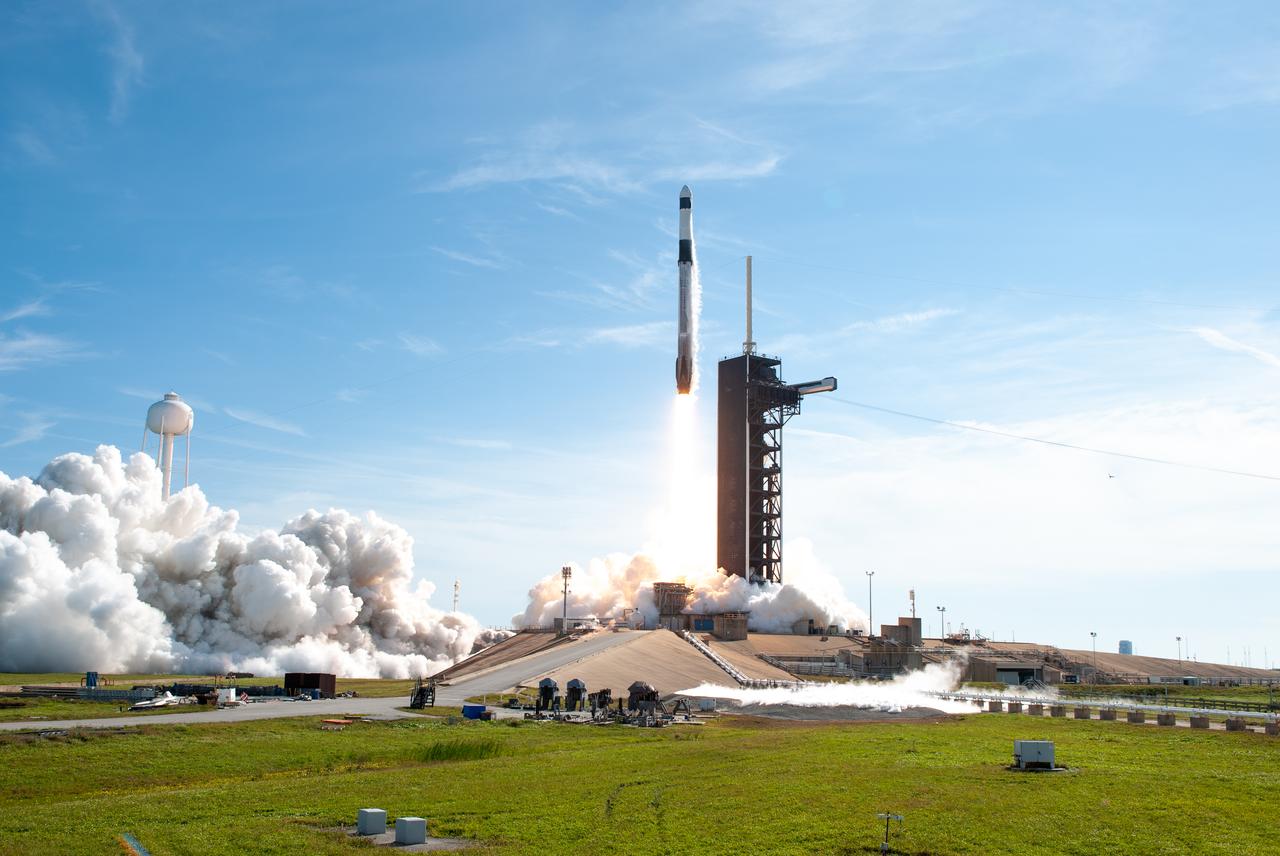
A SpaceX Falcon 9 rocket lifts off from Launch Complex 39A at Kennedy Space Center in Florida at 11:17 a.m. EST on Dec. 6, 2020, carrying the uncrewed cargo Dragon spacecraft on its journey to the International Space Station for NASA and SpaceX’s 21st Commercial Resupply Services (CRS-21) mission. Dragon will deliver more than 6,400 pounds of science investigations and cargo to the orbiting laboratory. The mission marks the first launch for SpaceX under NASA’s CRS-2 contract.
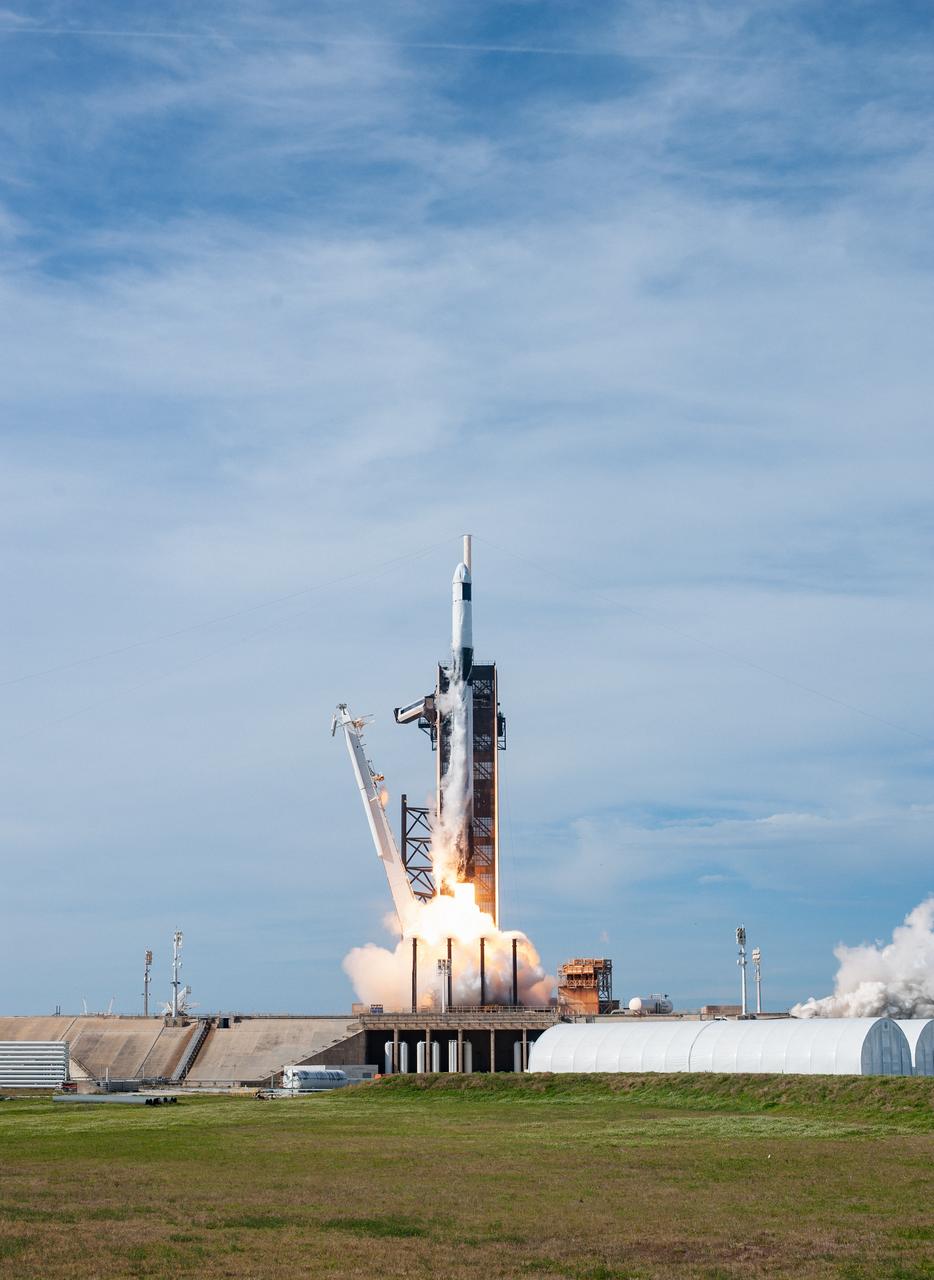
A SpaceX Falcon 9 rocket lifts off from Launch Complex 39A at Kennedy Space Center in Florida at 11:17 a.m. EST on Dec. 6, 2020, carrying the uncrewed cargo Dragon spacecraft on its journey to the International Space Station for NASA and SpaceX’s 21st Commercial Resupply Services (CRS-21) mission. Dragon will deliver more than 6,400 pounds of science investigations and cargo to the orbiting laboratory. The mission marks the first launch for SpaceX under NASA’s CRS-2 contract.
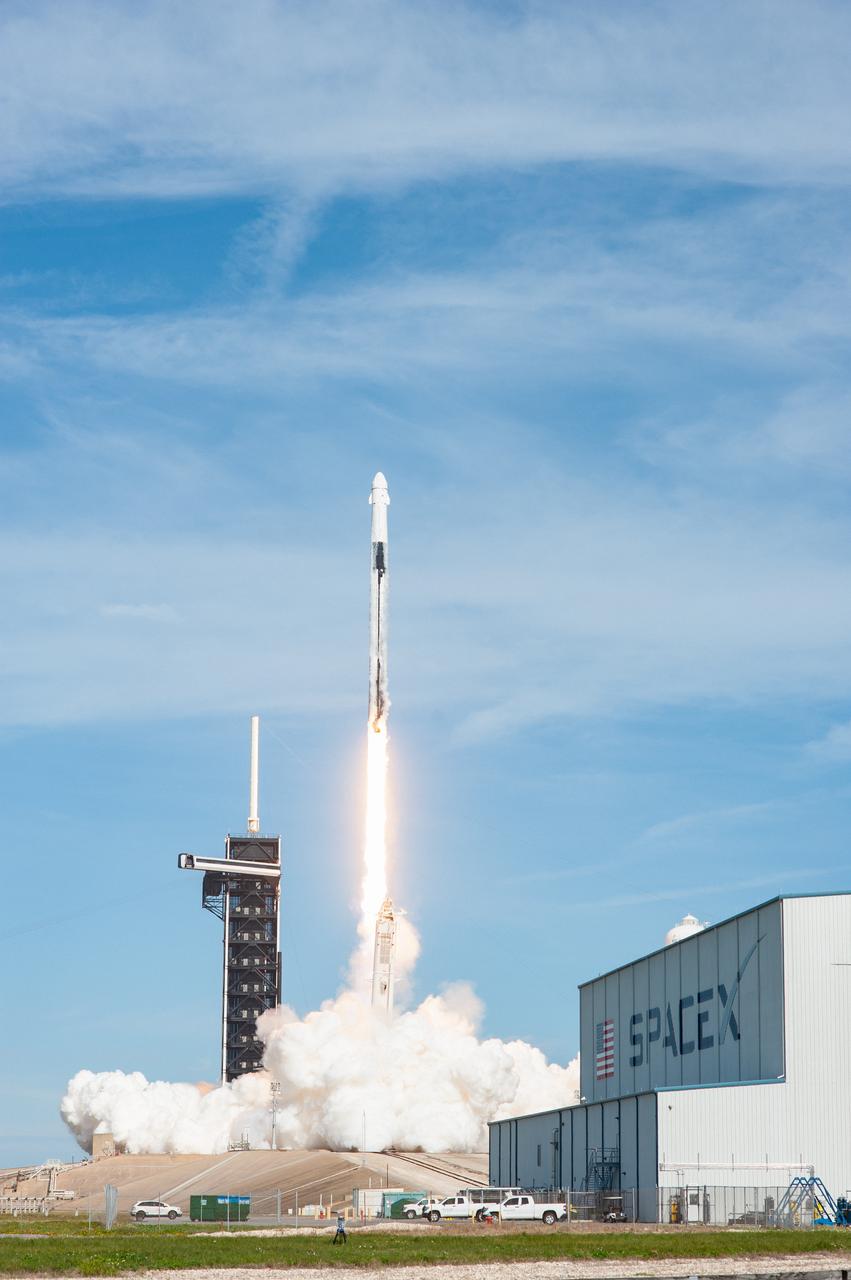
A SpaceX Falcon 9 rocket lifts off from Launch Complex 39A at Kennedy Space Center in Florida at 11:17 a.m. EST on Dec. 6, 2020, carrying the uncrewed cargo Dragon spacecraft on its journey to the International Space Station for NASA and SpaceX’s 21st Commercial Resupply Services (CRS-21) mission. Dragon will deliver more than 6,400 pounds of science investigations and cargo to the orbiting laboratory. The mission marks the first launch for SpaceX under NASA’s CRS-2 contract.
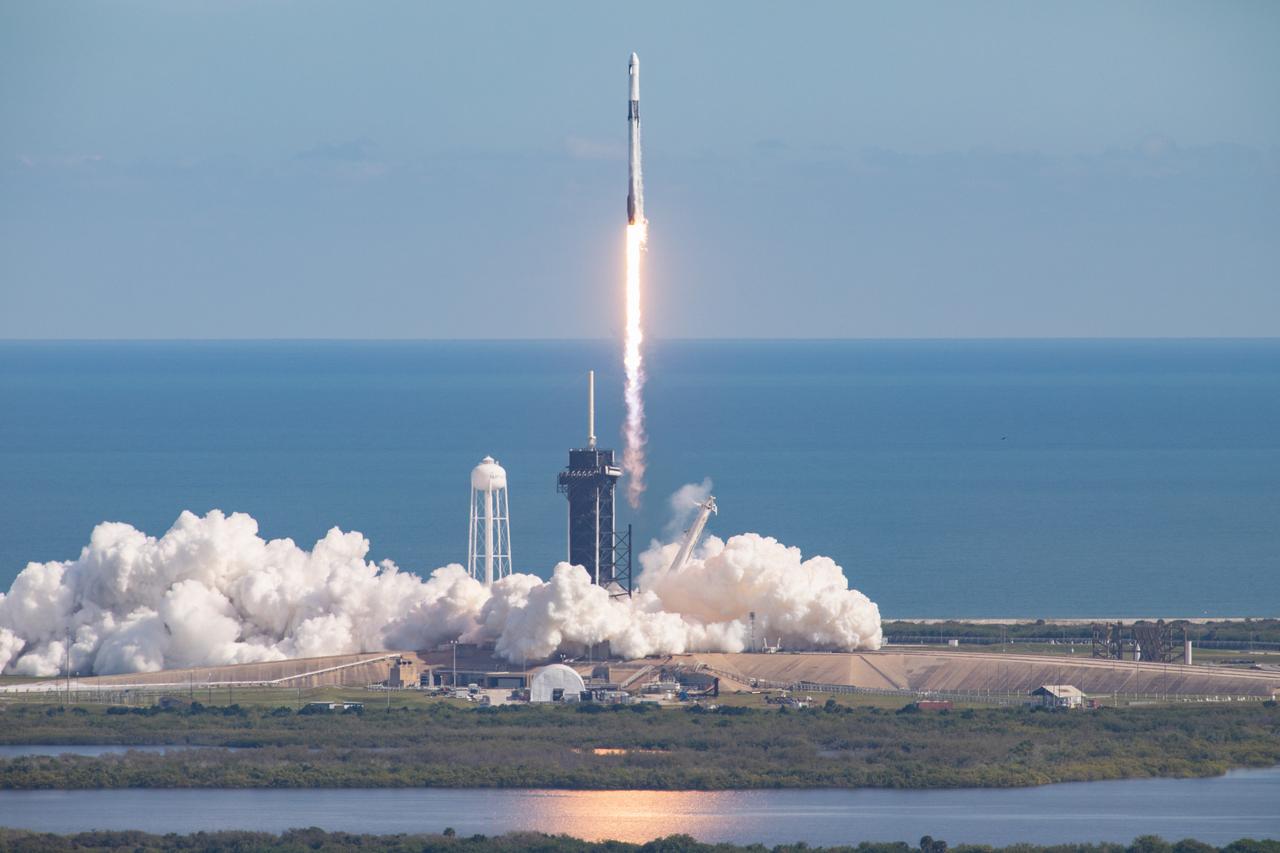
A SpaceX Falcon 9 rocket lifts off from Launch Complex 39A at Kennedy Space Center in Florida at 11:17 a.m. EST on Dec. 6, 2020, carrying the uncrewed cargo Dragon spacecraft on its journey to the International Space Station for NASA and SpaceX’s 21st Commercial Resupply Services (CRS-21) mission. Dragon will deliver more than 6,400 pounds of science investigations and cargo to the orbiting laboratory. The mission marks the first launch for SpaceX under NASA’s CRS-2 contract.
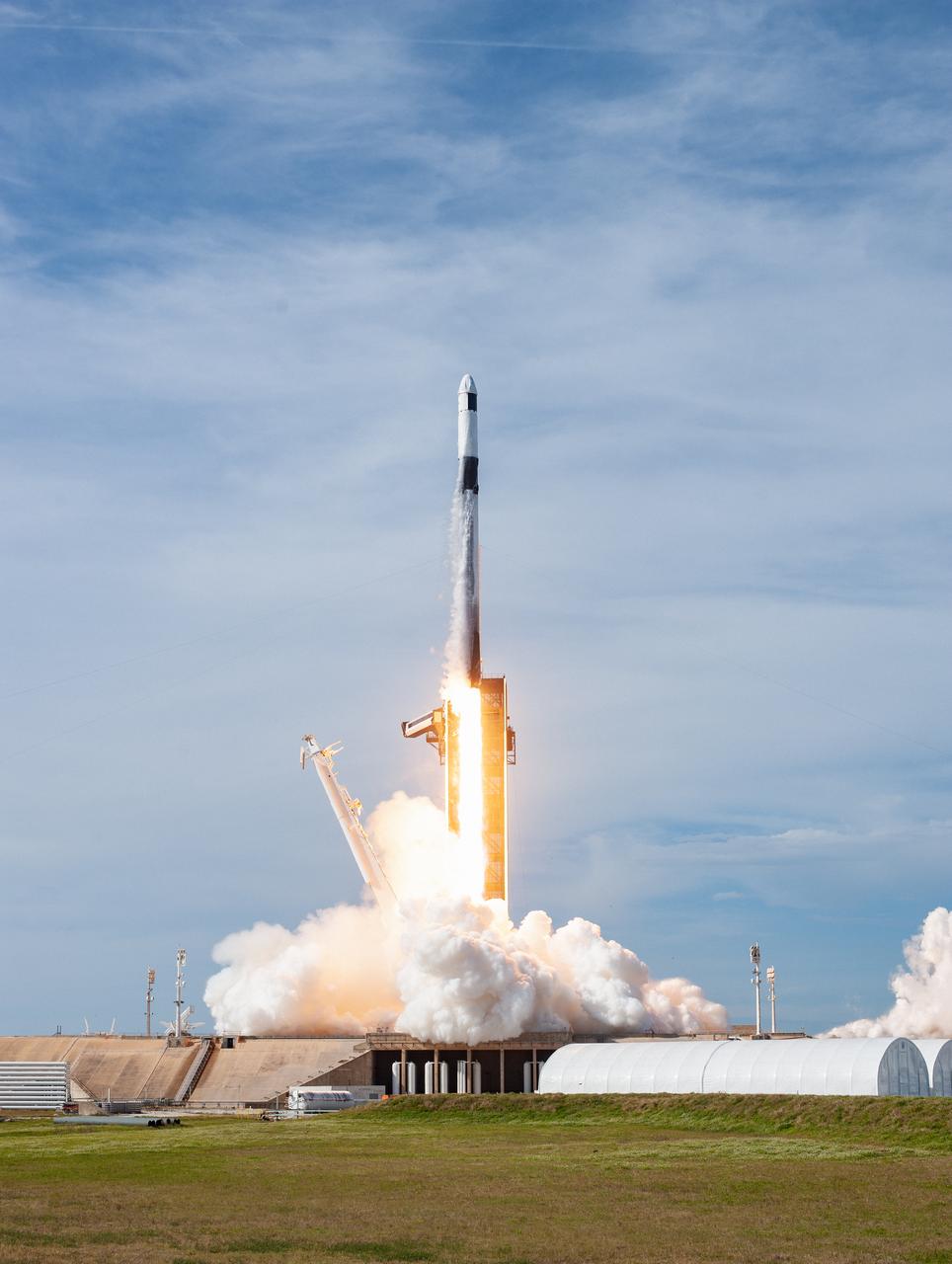
A SpaceX Falcon 9 rocket lifts off from Launch Complex 39A at Kennedy Space Center in Florida at 11:17 a.m. EST on Dec. 6, 2020, carrying the uncrewed cargo Dragon spacecraft on its journey to the International Space Station for NASA and SpaceX’s 21st Commercial Resupply Services (CRS-21) mission. Dragon will deliver more than 6,400 pounds of science investigations and cargo to the orbiting laboratory. The mission marks the first launch for SpaceX under NASA’s CRS-2 contract.
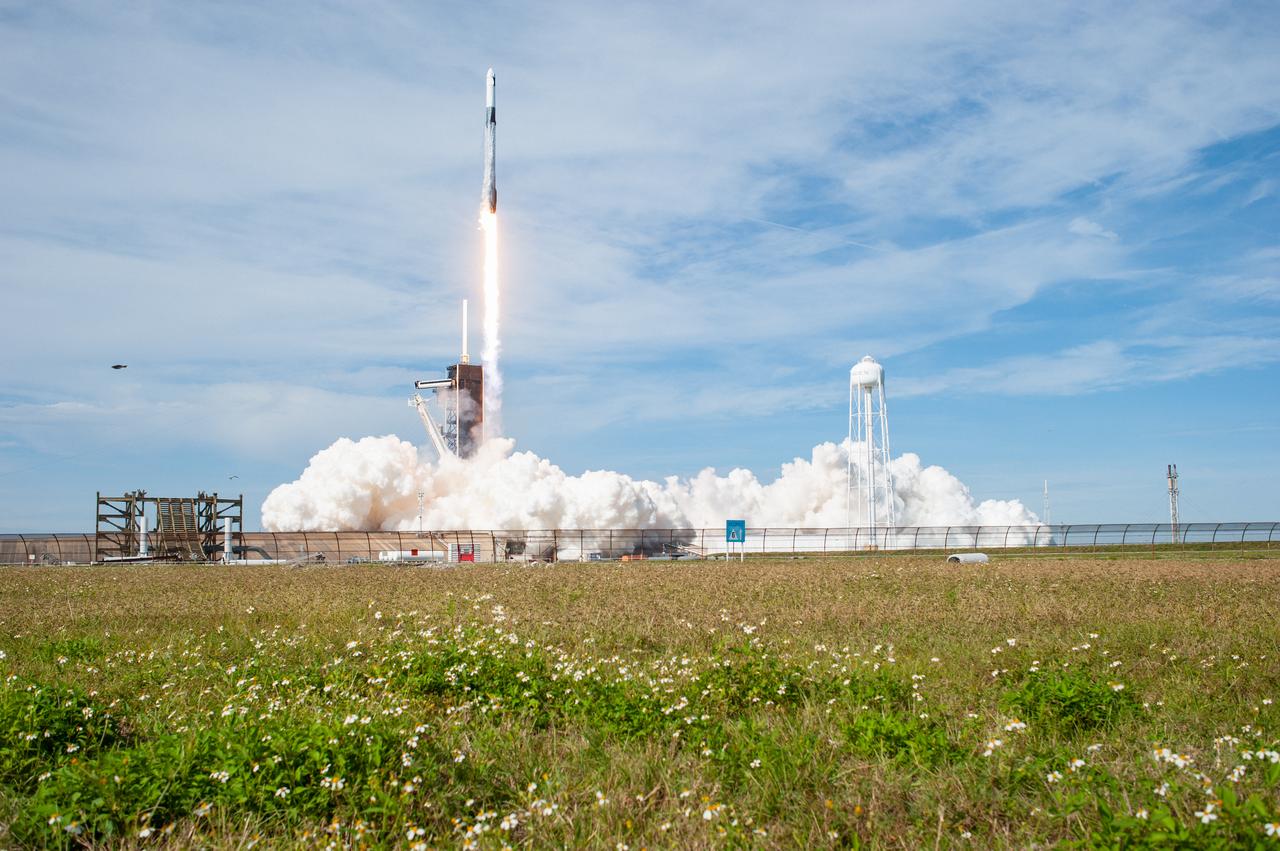
A SpaceX Falcon 9 rocket lifts off from Launch Complex 39A at Kennedy Space Center in Florida at 11:17 a.m. EST on Dec. 6, 2020, carrying the uncrewed cargo Dragon spacecraft on its journey to the International Space Station for NASA and SpaceX’s 21st Commercial Resupply Services (CRS-21) mission. Dragon will deliver more than 6,400 pounds of science investigations and cargo to the orbiting laboratory. The mission marks the first launch for SpaceX under NASA’s CRS-2 contract.
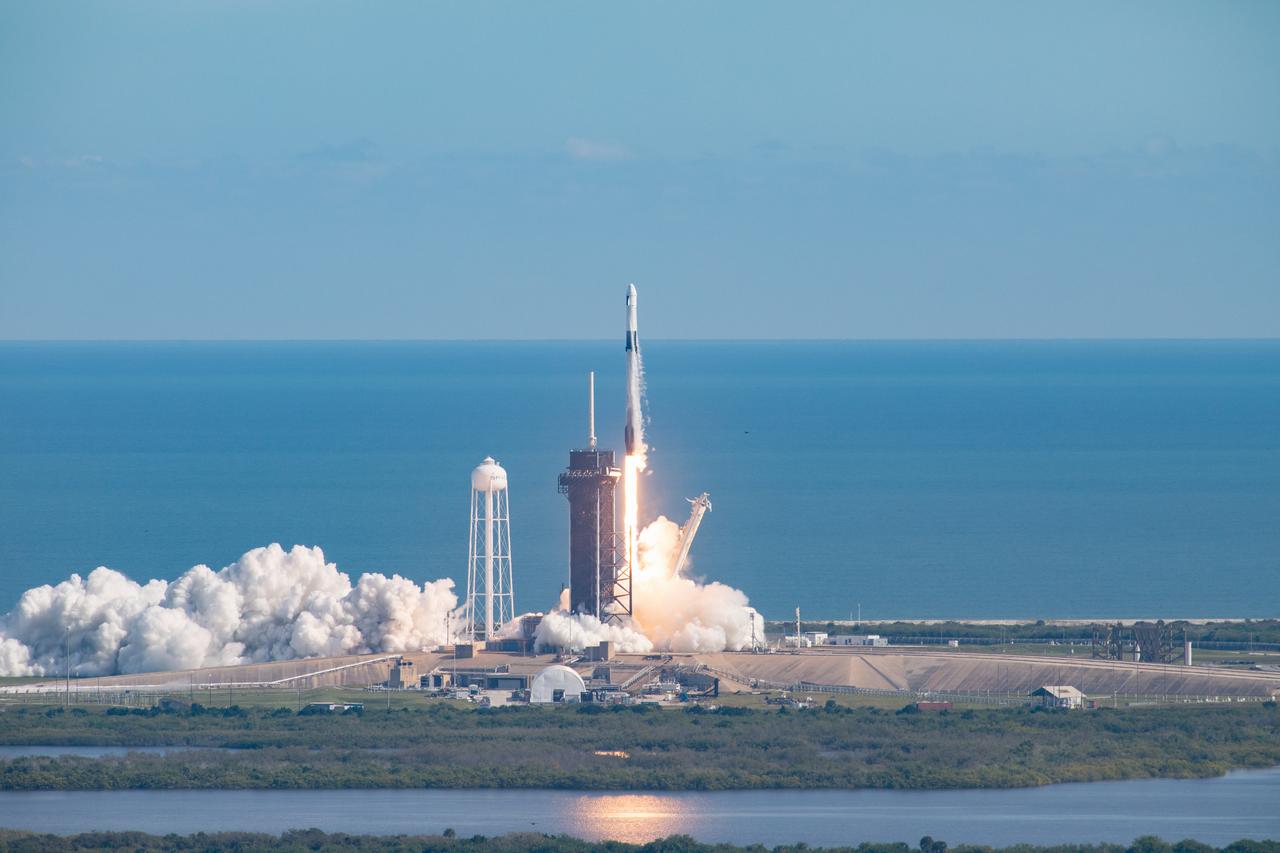
A SpaceX Falcon 9 rocket lifts off from Launch Complex 39A at Kennedy Space Center in Florida at 11:17 a.m. EST on Dec. 6, 2020, carrying the uncrewed cargo Dragon spacecraft on its journey to the International Space Station for NASA and SpaceX’s 21st Commercial Resupply Services (CRS-21) mission. Dragon will deliver more than 6,400 pounds of science investigations and cargo to the orbiting laboratory. The mission marks the first launch for SpaceX under NASA’s CRS-2 contract.

A SpaceX Falcon 9 rocket lifts off from Launch Complex 39A at Kennedy Space Center in Florida at 11:17 a.m. EST on Dec. 6, 2020, carrying the uncrewed cargo Dragon spacecraft on its journey to the International Space Station for NASA and SpaceX’s 21st Commercial Resupply Services (CRS-21) mission. Dragon will deliver more than 6,400 pounds of science investigations and cargo to the orbiting laboratory. The mission marks the first launch for SpaceX under NASA’s CRS-2 contract.
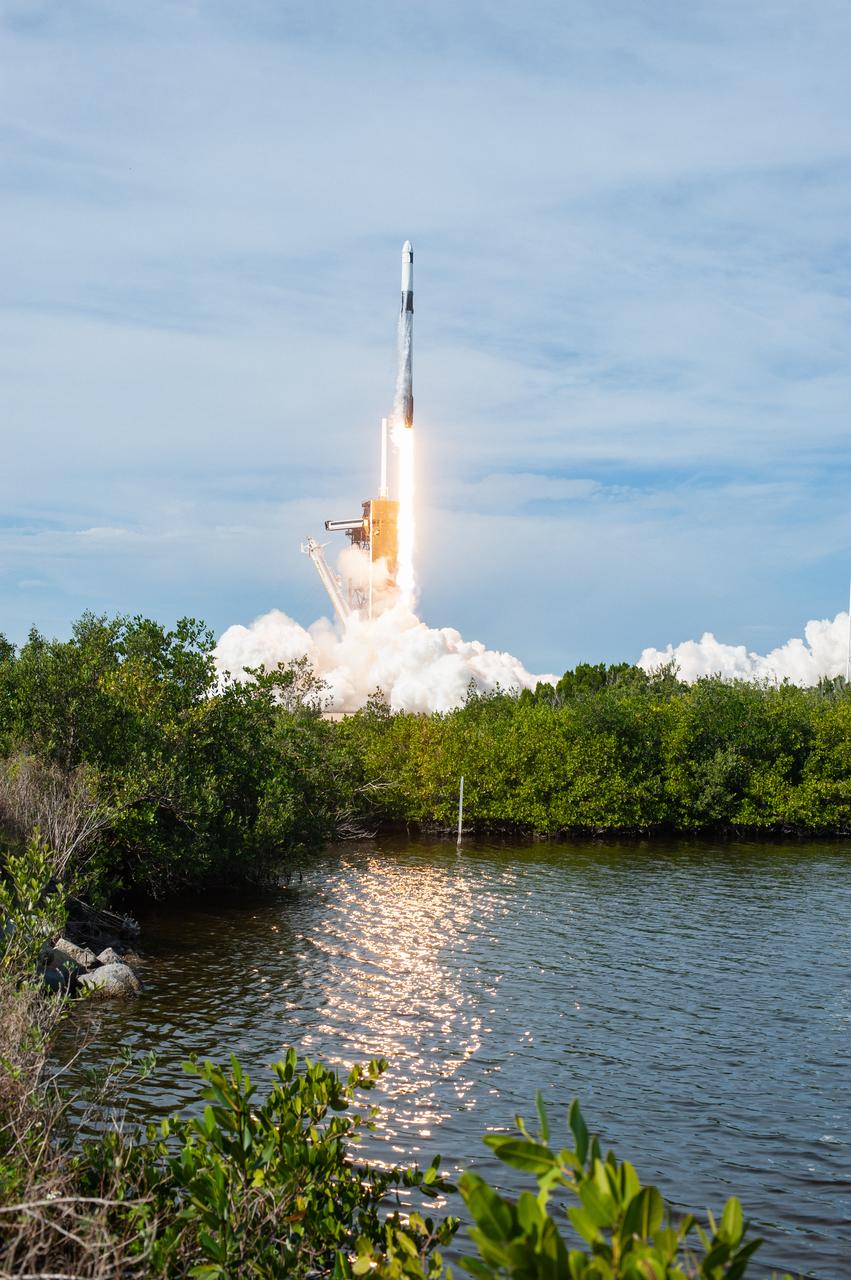
A SpaceX Falcon 9 rocket lifts off from Launch Complex 39A at Kennedy Space Center in Florida at 11:17 a.m. EST on Dec. 6, 2020, carrying the uncrewed cargo Dragon spacecraft on its journey to the International Space Station for NASA and SpaceX’s 21st Commercial Resupply Services (CRS-21) mission. Dragon will deliver more than 6,400 pounds of science investigations and cargo to the orbiting laboratory. The mission marks the first launch for SpaceX under NASA’s CRS-2 contract.
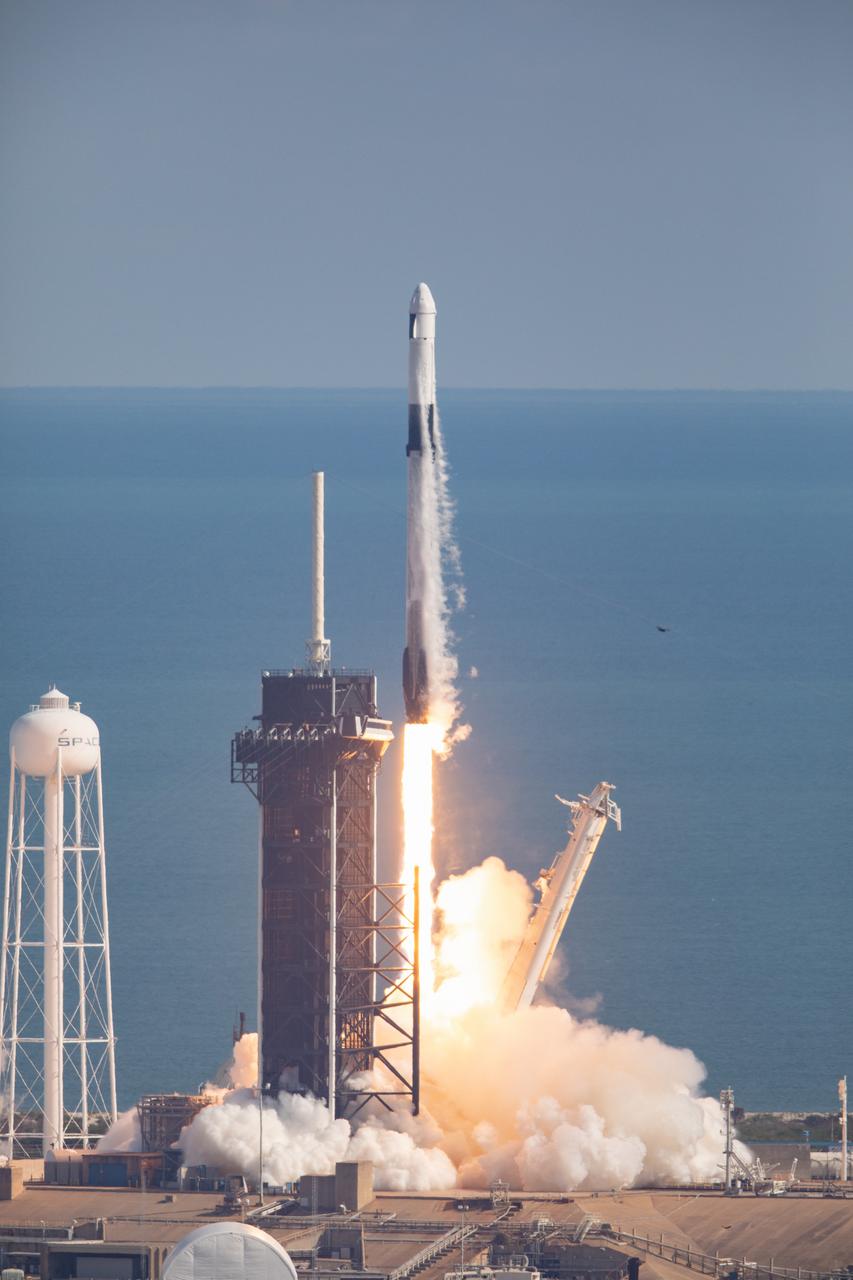
A SpaceX Falcon 9 rocket lifts off from Launch Complex 39A at Kennedy Space Center in Florida at 11:17 a.m. EST on Dec. 6, 2020, carrying the uncrewed cargo Dragon spacecraft on its journey to the International Space Station for NASA and SpaceX’s 21st Commercial Resupply Services (CRS-21) mission. Dragon will deliver more than 6,400 pounds of science investigations and cargo to the orbiting laboratory. The mission marks the first launch for SpaceX under NASA’s CRS-2 contract.
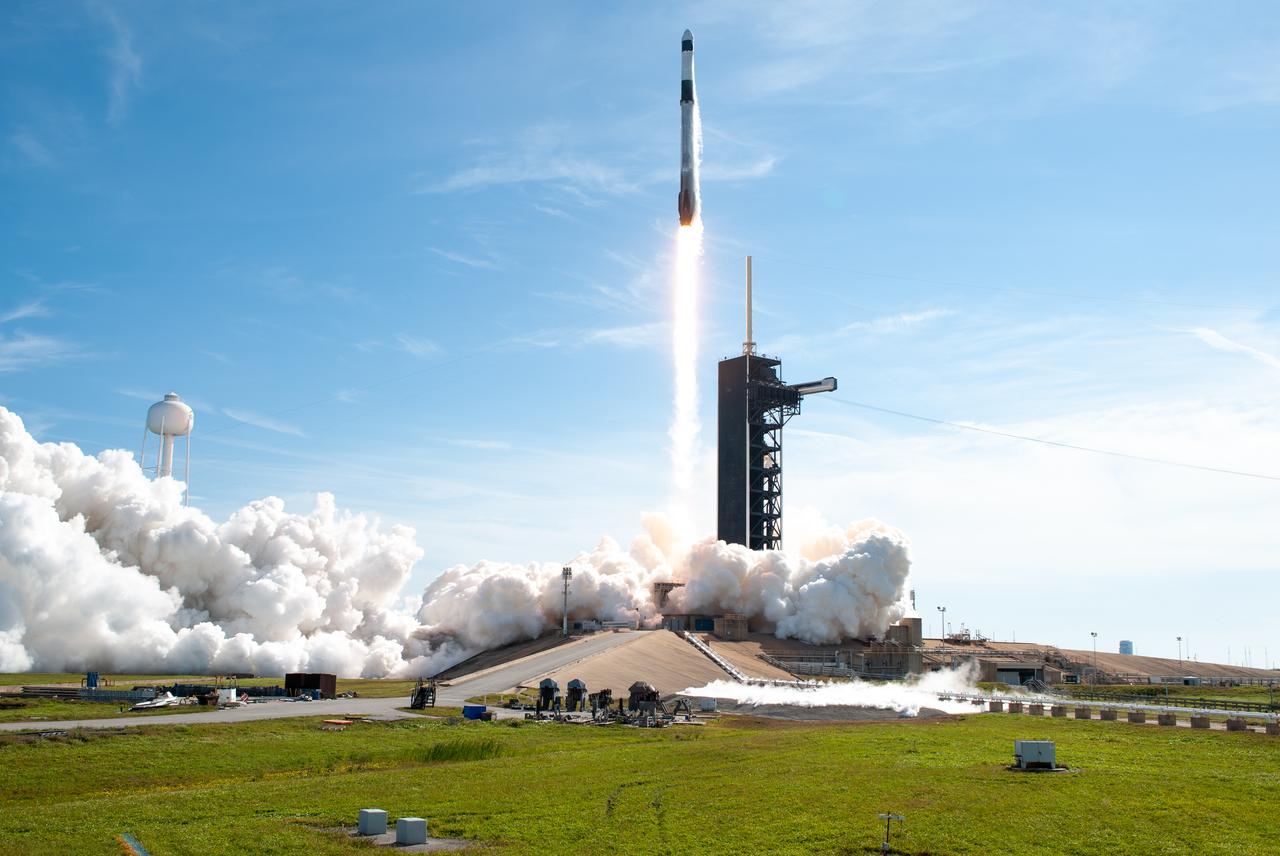
A SpaceX Falcon 9 rocket lifts off from Launch Complex 39A at Kennedy Space Center in Florida at 11:17 a.m. EST on Dec. 6, 2020, carrying the uncrewed cargo Dragon spacecraft on its journey to the International Space Station for NASA and SpaceX’s 21st Commercial Resupply Services (CRS-21) mission. Dragon will deliver more than 6,400 pounds of science investigations and cargo to the orbiting laboratory. The mission marks the first launch for SpaceX under NASA’s CRS-2 contract.
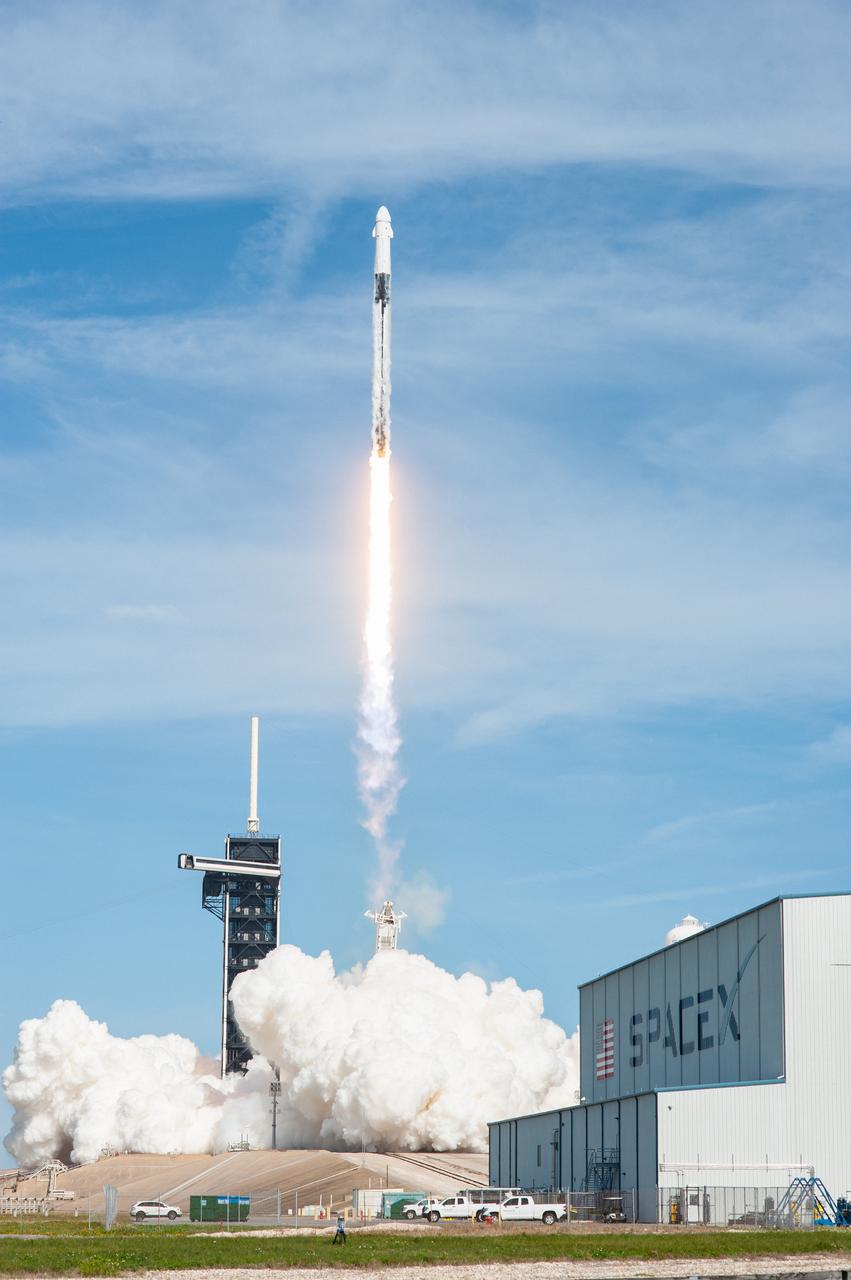
A SpaceX Falcon 9 rocket lifts off from Launch Complex 39A at Kennedy Space Center in Florida at 11:17 a.m. EST on Dec. 6, 2020, carrying the uncrewed cargo Dragon spacecraft on its journey to the International Space Station for NASA and SpaceX’s 21st Commercial Resupply Services (CRS-21) mission. Dragon will deliver more than 6,400 pounds of science investigations and cargo to the orbiting laboratory. The mission marks the first launch for SpaceX under NASA’s CRS-2 contract.
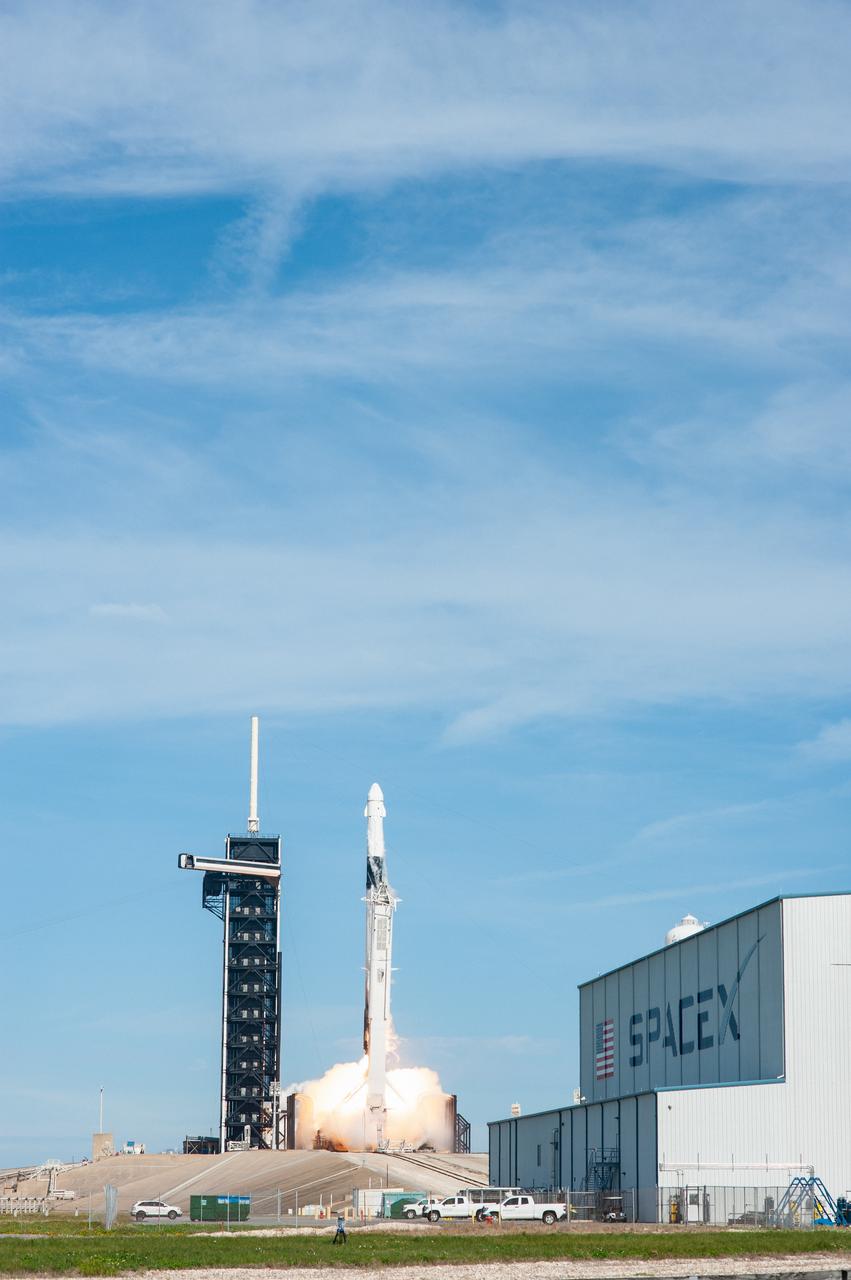
A SpaceX Falcon 9 rocket lifts off from Launch Complex 39A at Kennedy Space Center in Florida at 11:17 a.m. EST on Dec. 6, 2020, carrying the uncrewed cargo Dragon spacecraft on its journey to the International Space Station for NASA and SpaceX’s 21st Commercial Resupply Services (CRS-21) mission. Dragon will deliver more than 6,400 pounds of science investigations and cargo to the orbiting laboratory. The mission marks the first launch for SpaceX under NASA’s CRS-2 contract.
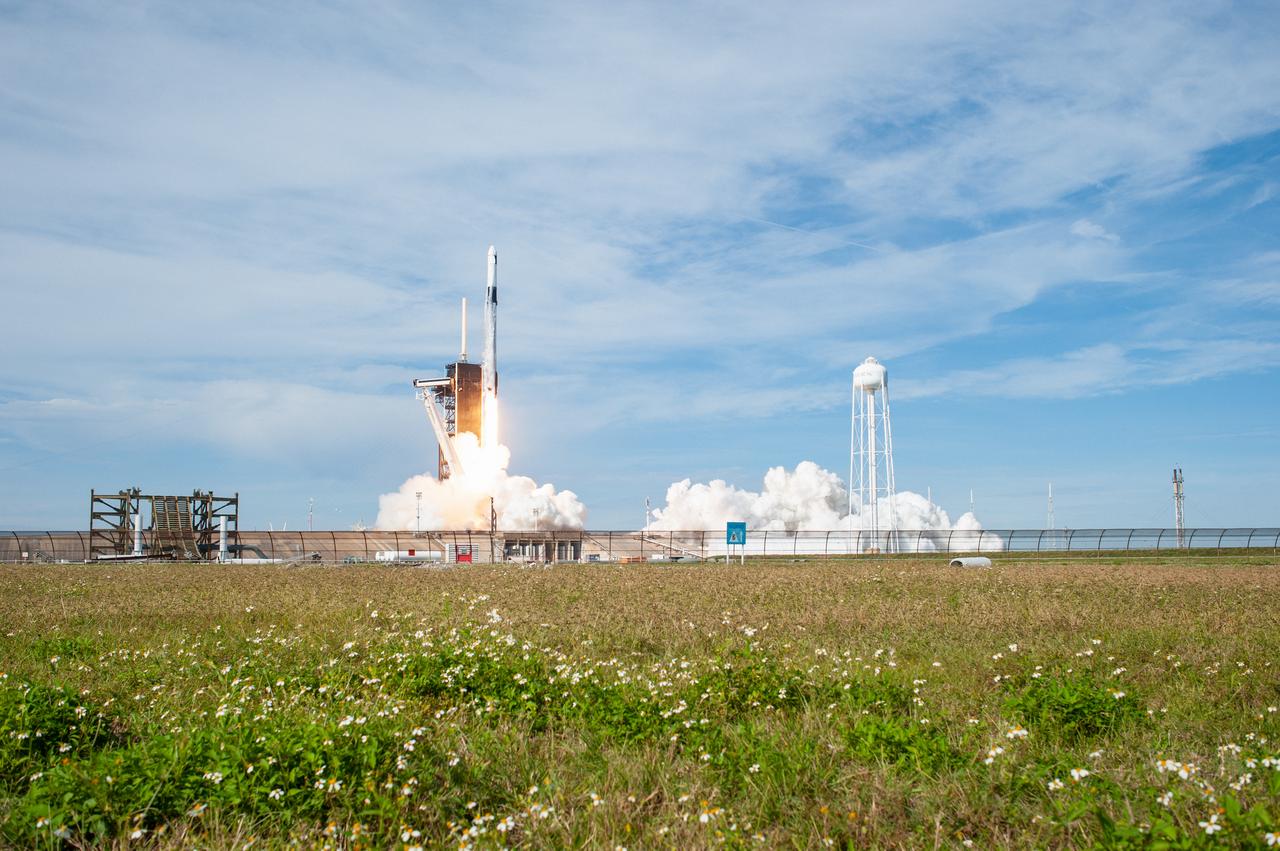
A SpaceX Falcon 9 rocket lifts off from Launch Complex 39A at Kennedy Space Center in Florida at 11:17 a.m. EST on Dec. 6, 2020, carrying the uncrewed cargo Dragon spacecraft on its journey to the International Space Station for NASA and SpaceX’s 21st Commercial Resupply Services (CRS-21) mission. Dragon will deliver more than 6,400 pounds of science investigations and cargo to the orbiting laboratory. The mission marks the first launch for SpaceX under NASA’s CRS-2 contract.
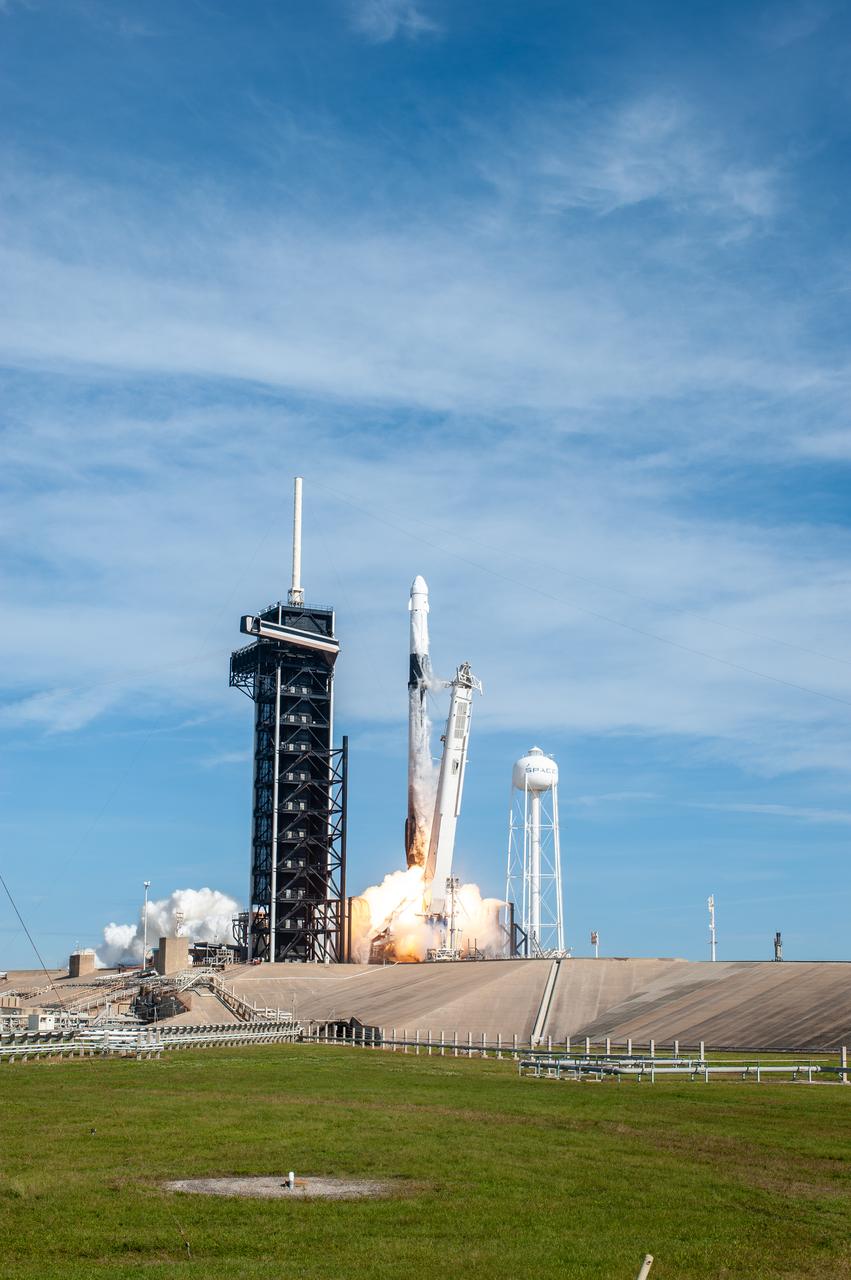
A SpaceX Falcon 9 rocket lifts off from Launch Complex 39A at Kennedy Space Center in Florida at 11:17 a.m. EST on Dec. 6, 2020, carrying the uncrewed cargo Dragon spacecraft on its journey to the International Space Station for NASA and SpaceX’s 21st Commercial Resupply Services (CRS-21) mission. Dragon will deliver more than 6,400 pounds of science investigations and cargo to the orbiting laboratory. The mission marks the first launch for SpaceX under NASA’s CRS-2 contract.
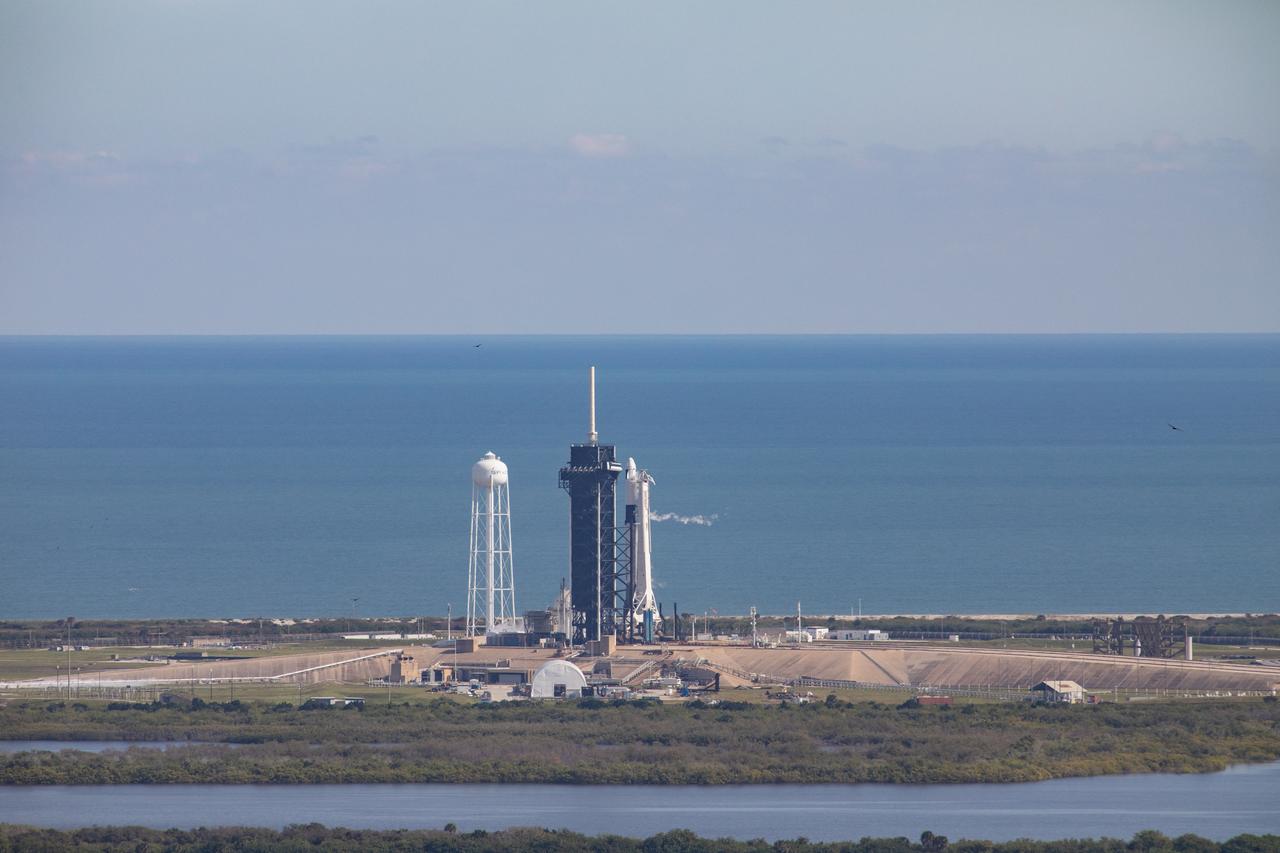
A SpaceX Falcon 9 rocket and cargo Dragon spacecraft stand poised for launch moments before liftoff at Kennedy Space Center’s Launch Complex 39A in Florida on Dec. 6, 2020, for NASA and SpaceX’s 21st Commercial Resupply Services (CRS-21) mission to the International Space Station. The first launch for SpaceX under NASA’s CRS-2 contract, the mission blasted off the pad at 11:17 a.m. EST.
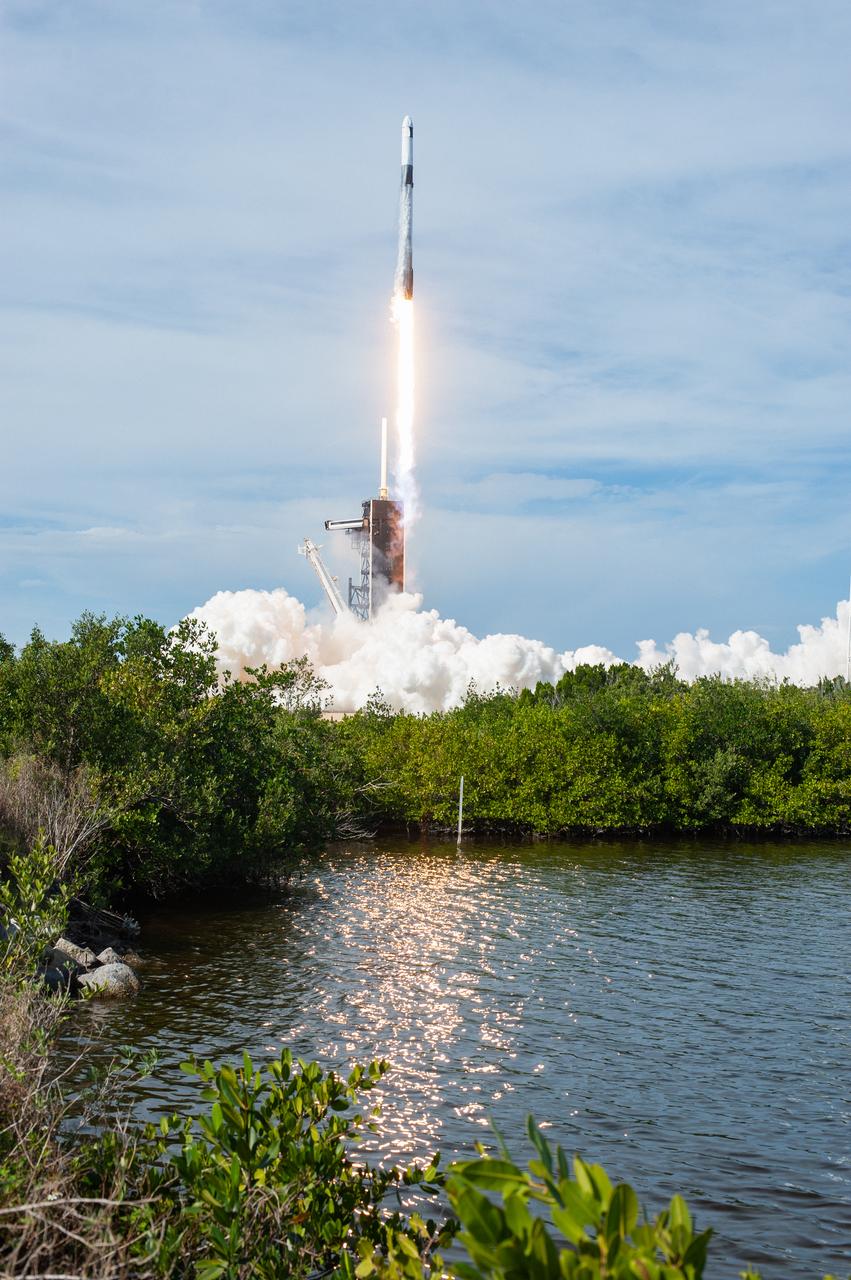
A SpaceX Falcon 9 rocket lifts off from Launch Complex 39A at Kennedy Space Center in Florida at 11:17 a.m. EST on Dec. 6, 2020, carrying the uncrewed cargo Dragon spacecraft on its journey to the International Space Station for NASA and SpaceX’s 21st Commercial Resupply Services (CRS-21) mission. Dragon will deliver more than 6,400 pounds of science investigations and cargo to the orbiting laboratory. The mission marks the first launch for SpaceX under NASA’s CRS-2 contract.

A SpaceX Falcon 9 rocket soars into the sky after lifting off from Launch Complex 39A at Kennedy Space Center in Florida at 11:17 a.m. EST on Dec. 6, 2020. The rocket is carrying the uncrewed cargo Dragon spacecraft on its journey to the International Space Station for NASA and SpaceX’s 21st Commercial Resupply Services (CRS-21) mission. Dragon will deliver more than 6,400 pounds of science investigations and cargo to the orbiting laboratory. The mission marks the first launch for SpaceX under NASA’s CRS-2 contract.
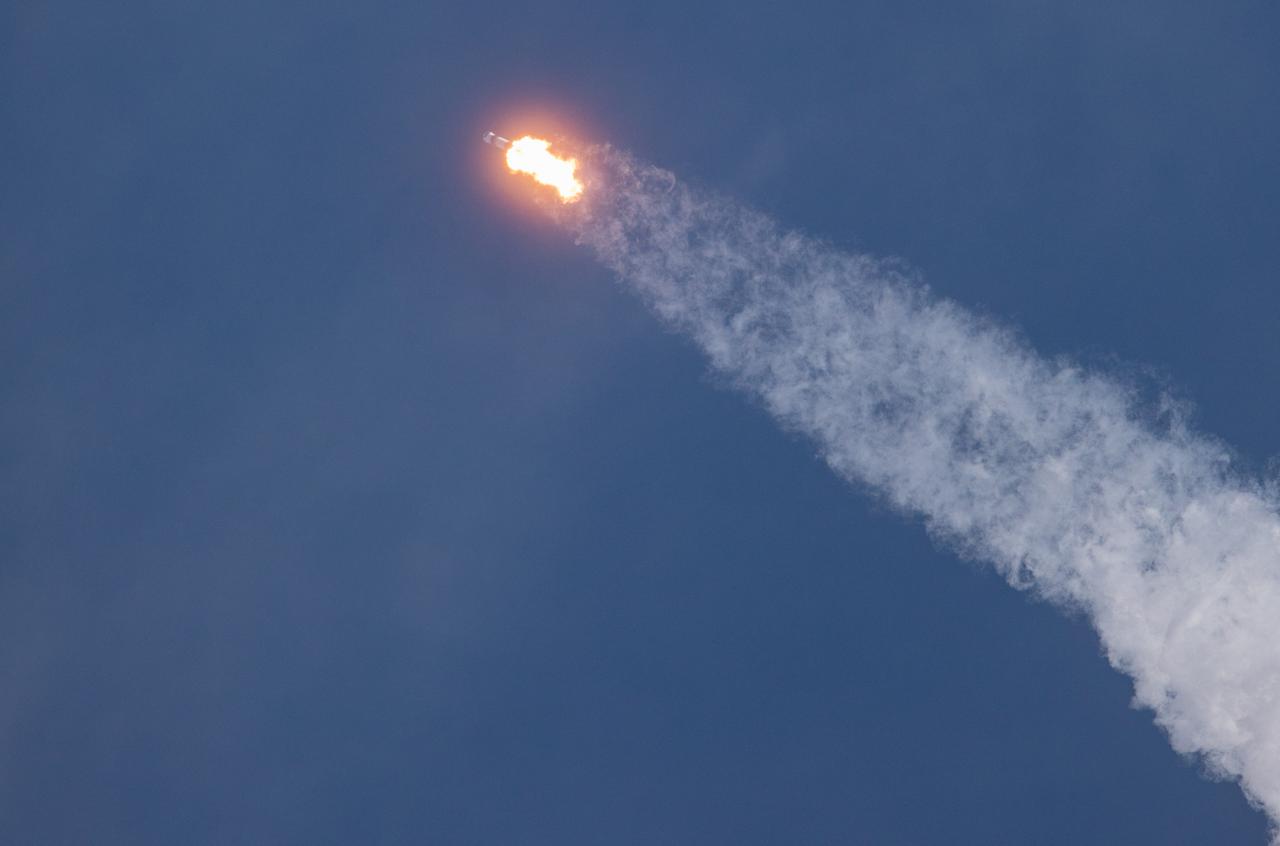
A SpaceX Falcon 9 rocket soars into the sky after lifting off from Launch Complex 39A at Kennedy Space Center in Florida at 11:17 a.m. EST on Dec. 6, 2020. The rocket is carrying the uncrewed cargo Dragon spacecraft on its journey to the International Space Station for NASA and SpaceX’s 21st Commercial Resupply Services (CRS-21) mission. Dragon will deliver more than 6,400 pounds of science investigations and cargo to the orbiting laboratory. The mission marks the first launch for SpaceX under NASA’s CRS-2 contract.
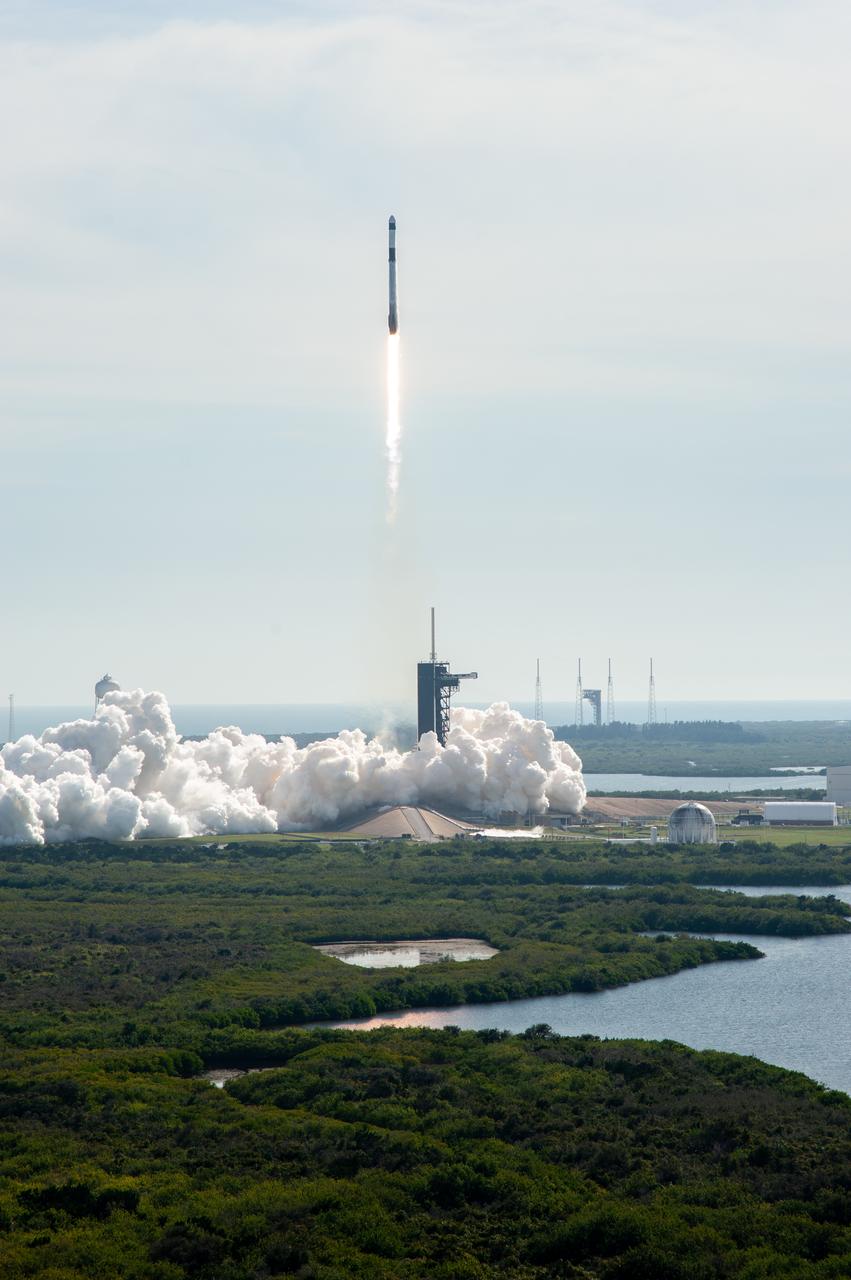
A SpaceX Falcon 9 rocket soars into the sky after lifting off from Launch Complex 39A at Kennedy Space Center in Florida at 11:17 a.m. EST on Dec. 6, 2020. The rocket is carrying the uncrewed cargo Dragon spacecraft on its journey to the International Space Station for NASA and SpaceX’s 21st Commercial Resupply Services (CRS-21) mission. Dragon will deliver more than 6,400 pounds of science investigations and cargo to the orbiting laboratory. The mission marks the first launch for SpaceX under NASA’s CRS-2 contract.
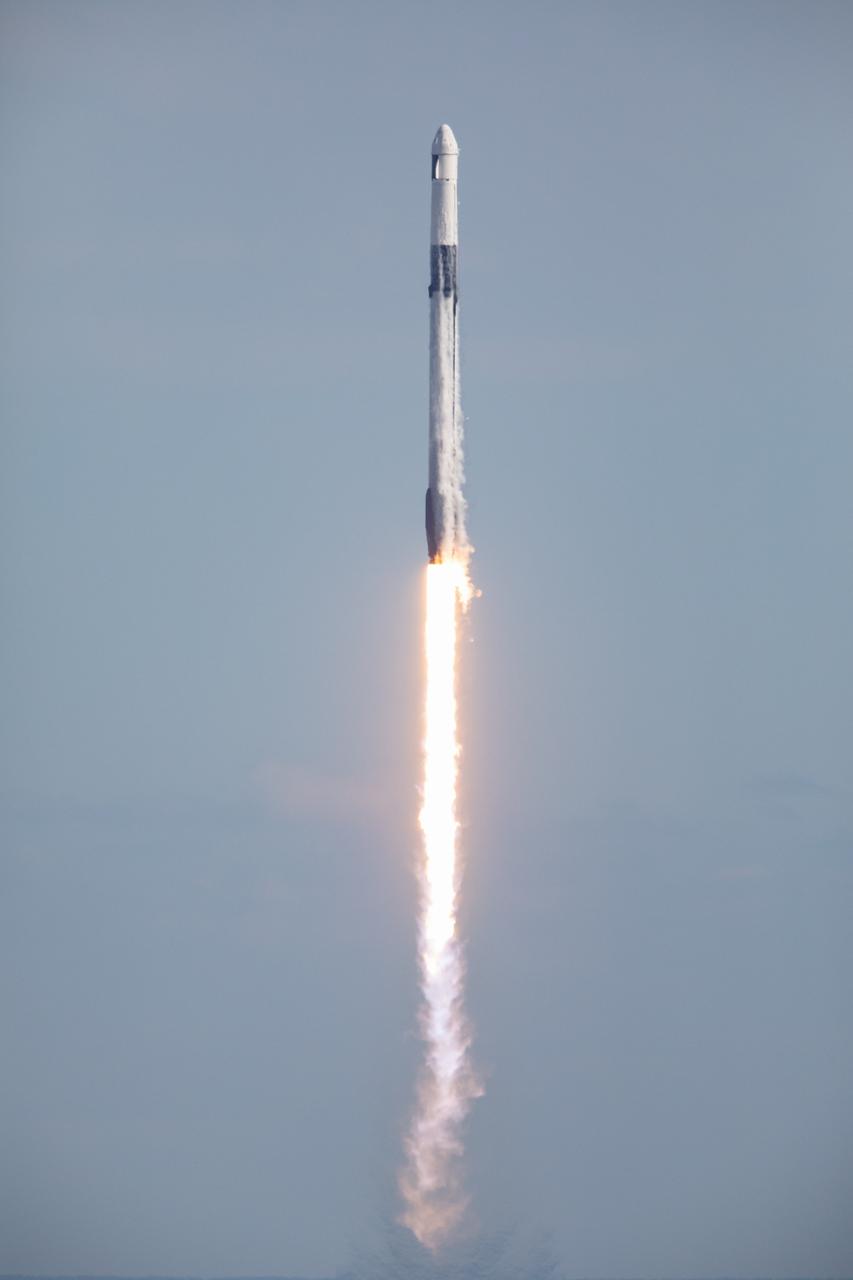
A SpaceX Falcon 9 rocket soars into the sky after lifting off from Launch Complex 39A at Kennedy Space Center in Florida at 11:17 a.m. EST on Dec. 6, 2020. The rocket is carrying the uncrewed cargo Dragon spacecraft on its journey to the International Space Station for NASA and SpaceX’s 21st Commercial Resupply Services (CRS-21) mission. Dragon will deliver more than 6,400 pounds of science investigations and cargo to the orbiting laboratory. The mission marks the first launch for SpaceX under NASA’s CRS-2 contract.
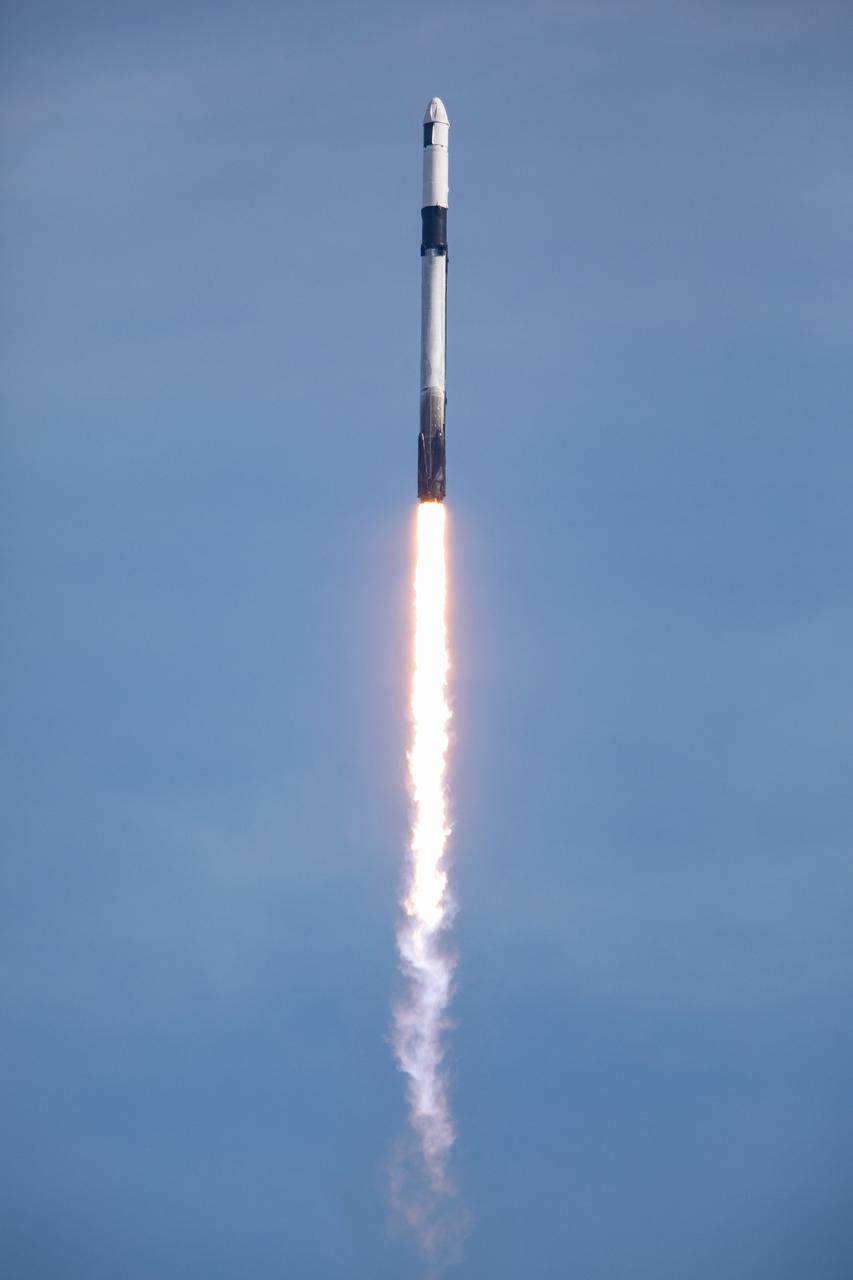
A SpaceX Falcon 9 rocket soars into the sky after lifting off from Launch Complex 39A at Kennedy Space Center in Florida at 11:17 a.m. EST on Dec. 6, 2020. The rocket is carrying the uncrewed cargo Dragon spacecraft on its journey to the International Space Station for NASA and SpaceX’s 21st Commercial Resupply Services (CRS-21) mission. Dragon will deliver more than 6,400 pounds of science investigations and cargo to the orbiting laboratory. The mission marks the first launch for SpaceX under NASA’s CRS-2 contract.
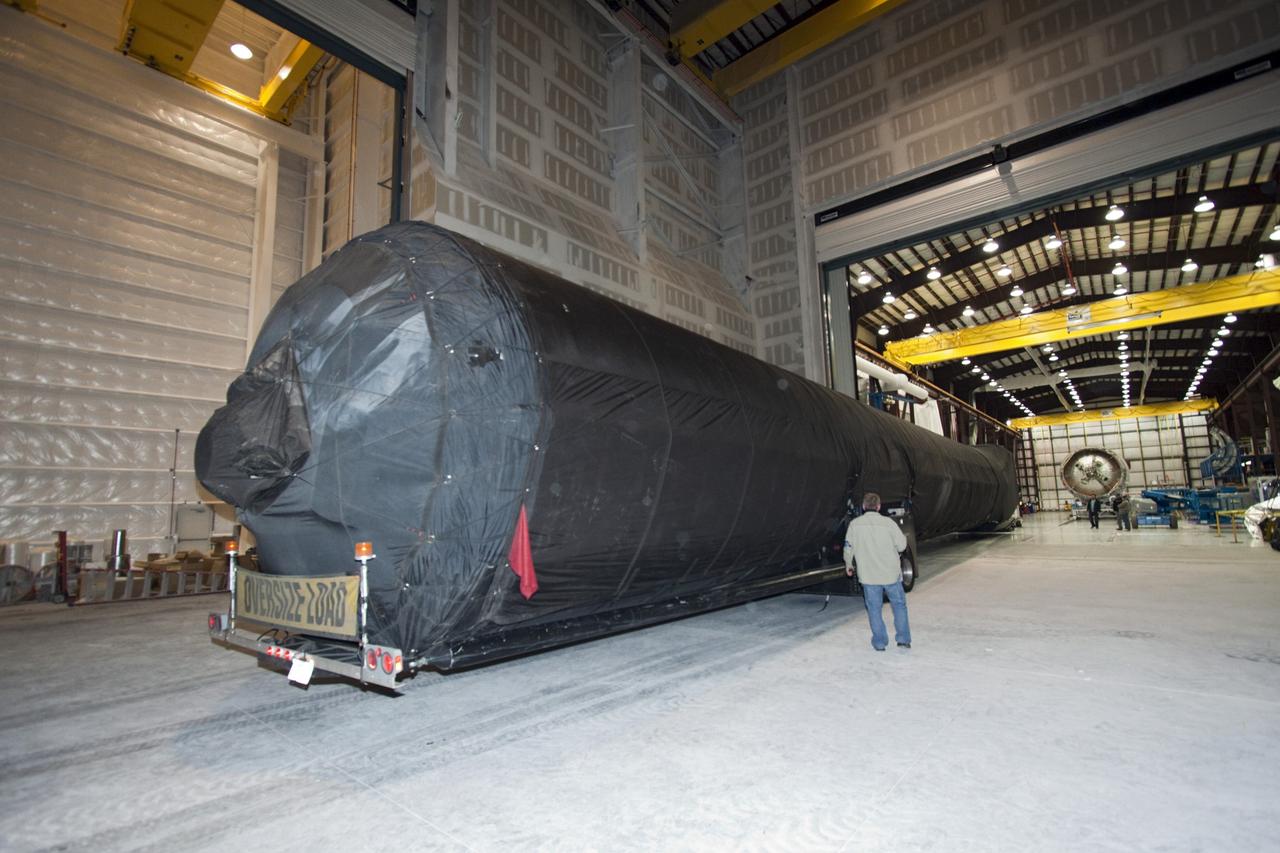
CAPE CANAVERAL, Fla. – A truck pulls the first stage of the Falcon 9 rocket inside the SpaceX Falcon Hangar at Launch Complex 40 on Cape Canaveral Air Force Station in Florida. The two-stage rocket will launch the company's Dragon spacecraft on the upcoming SpaceX-2 mission. SpaceX-2 will be the second commercial resupply mission to the International Space Station by Space Exploration Technologies SpaceX. NASA has contracted for a total of 12 commercial resupply flights from SpaceX and eight from the Orbital Sciences Corp. Photo credit: NASA/Jim Grossmann
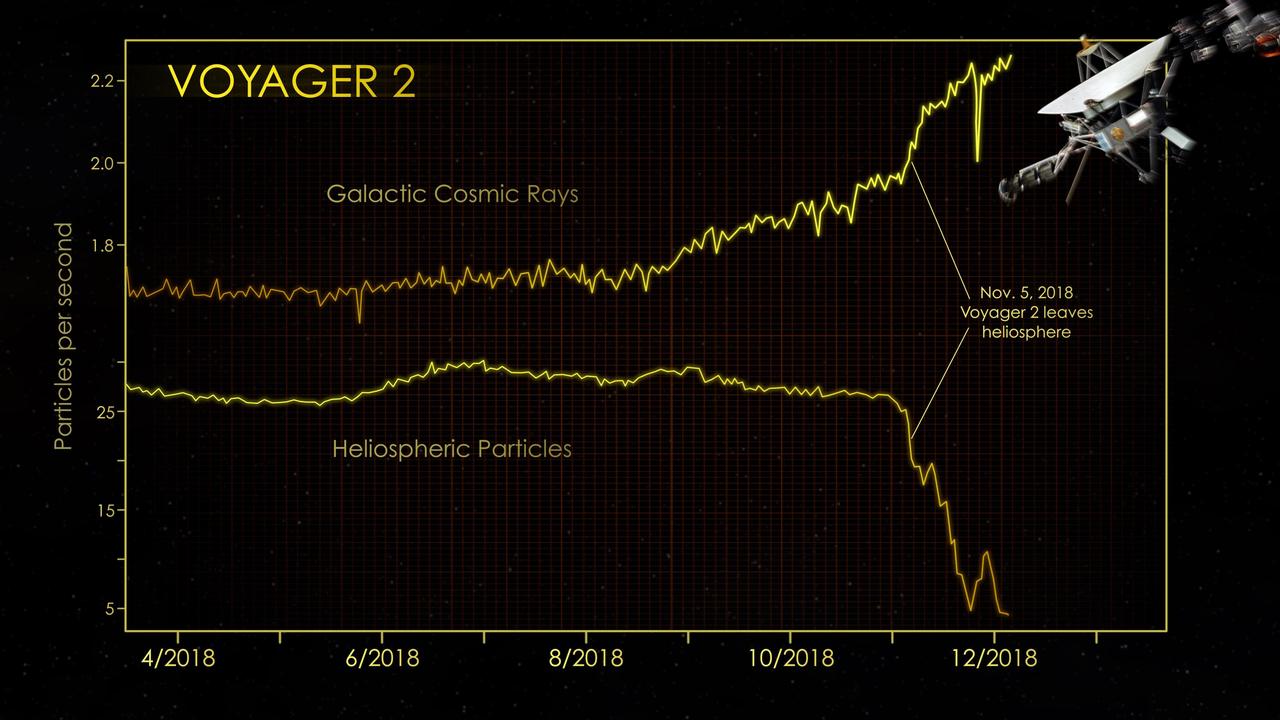
At the end of 2018, the cosmic ray subsystem (CRS) aboard NASA's Voyager 2 spacecraft provided evidence that Voyager 2 had left the heliosphere (the plasma bubble the Sun blows around itself). There were steep drops in the rate at which particles that originate inside the heliosphere hit the instrument's radiation detector. At the same time, there were significant increases in the rate at which particles that originate outside our heliosphere (also known as galactic cosmic rays) hit the detector. The graphs show data from Voyager 2's CRS, which averages the number of particle hits over a six-hour block of time. CRS detects both lower-energy particles that originate inside the heliosphere (greater than 0.5 MeV) and higher-energy particles that originate farther out in the galaxy (greater than 70 MeV). https://photojournal.jpl.nasa.gov/catalog/PIA22924
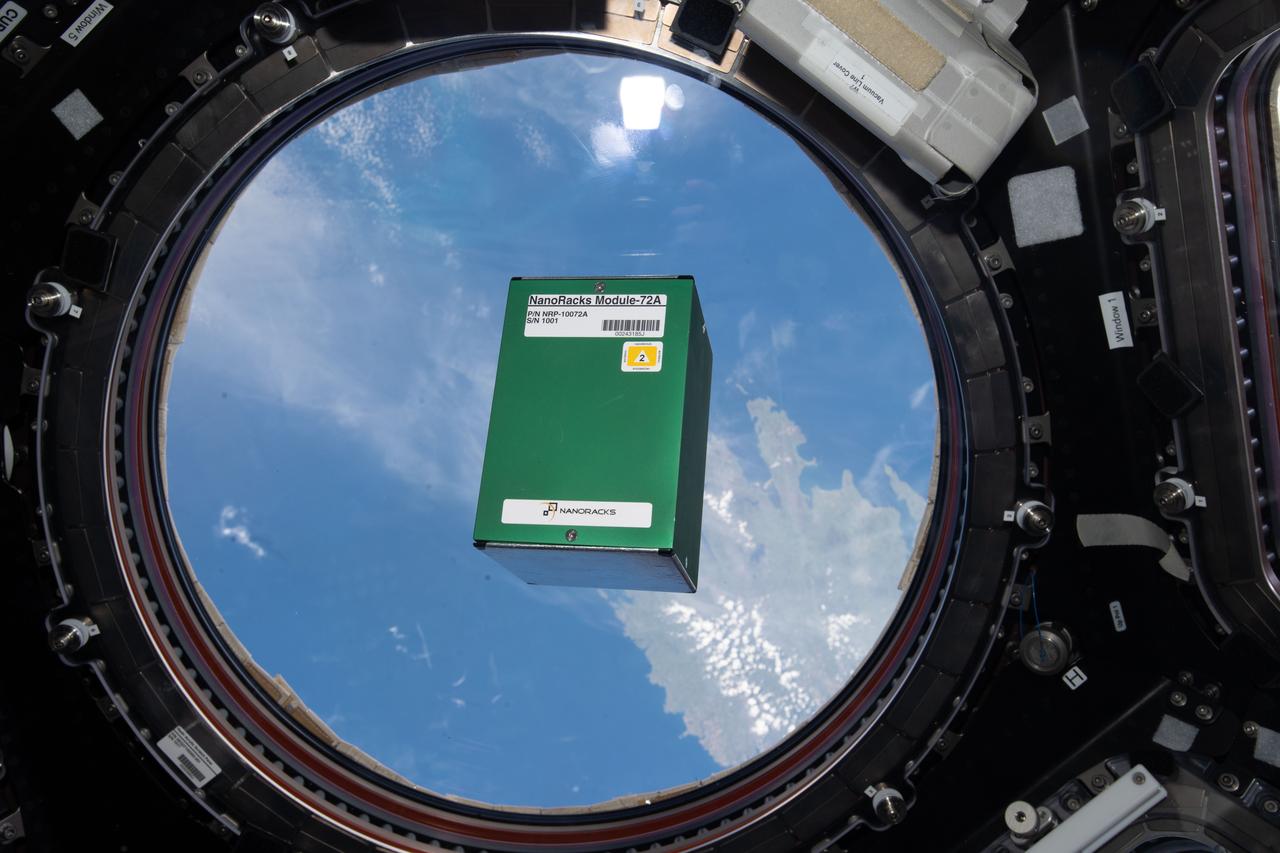
iss067e245386 (8/8/2022) --- A view of the NanoRacks-CUBERIDER-2 investigation shown in the cupola module aboard the International Space Station (ISS). NanoRacks-CUBERIDER-2 (NanoRacks-CR-2) is a small device flown aboard the International Space Station (ISS) that allows students in grades 6 to 11 to remotely operate space sensors.
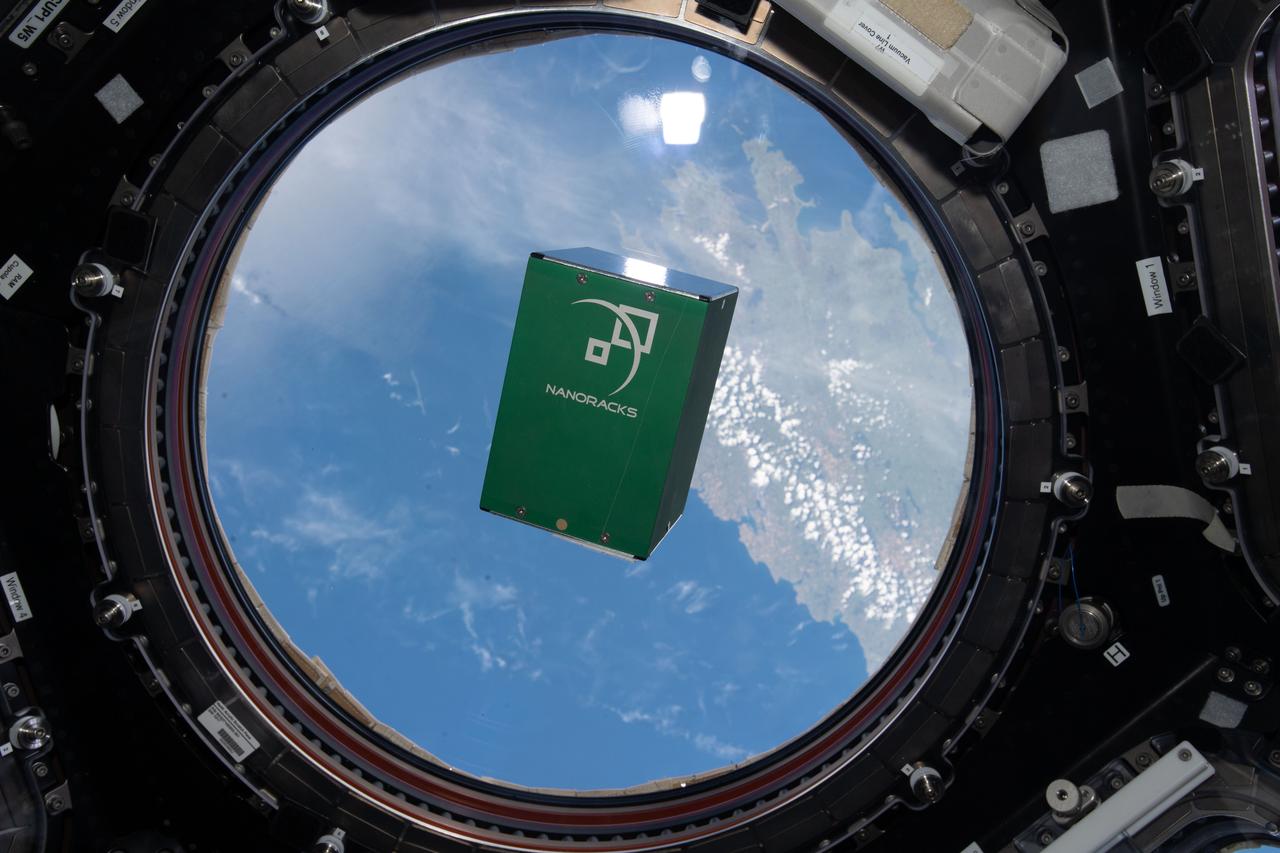
iss067e245388 (8/8/2022) --- A view of the NanoRacks-CUBERIDER-2 investigation shown in the cupola module aboard the International Space Station (ISS). NanoRacks-CUBERIDER-2 (NanoRacks-CR-2) is a small device flown aboard the International Space Station (ISS) that allows students in grades 6 to 11 to remotely operate space sensors.
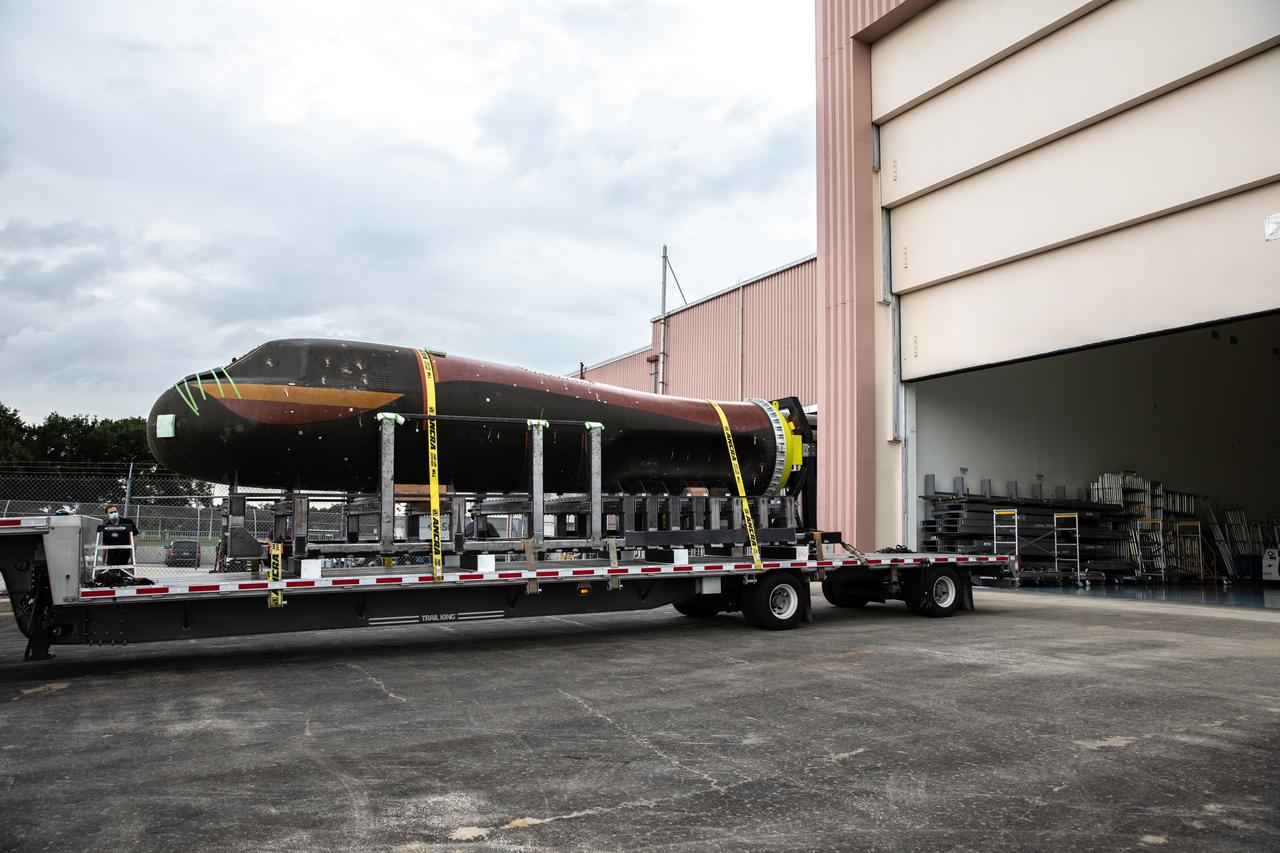
Sierra Nevada Corporation’s (SNC) Dream Chaser pressure test article arrives by flatbed truck at the Space Station Processing Facility at NASA’s Kennedy Space Center in Florida on June 3, 2020, from Louisville, Colorado. The test article is similar to the actual pressurized cabin being used in the Dream Chaser spaceplane for Commercial Resupply Services-2 (CRS-2) missions. NASA selected Dream Chaser to provide cargo delivery, return and disposal service for the International Space Station under the CRS-2 contract. The test article will remain at Kennedy while SNC engineers use it to develop and verify refurbishment operations that will be used on Dream Chaser between flights.
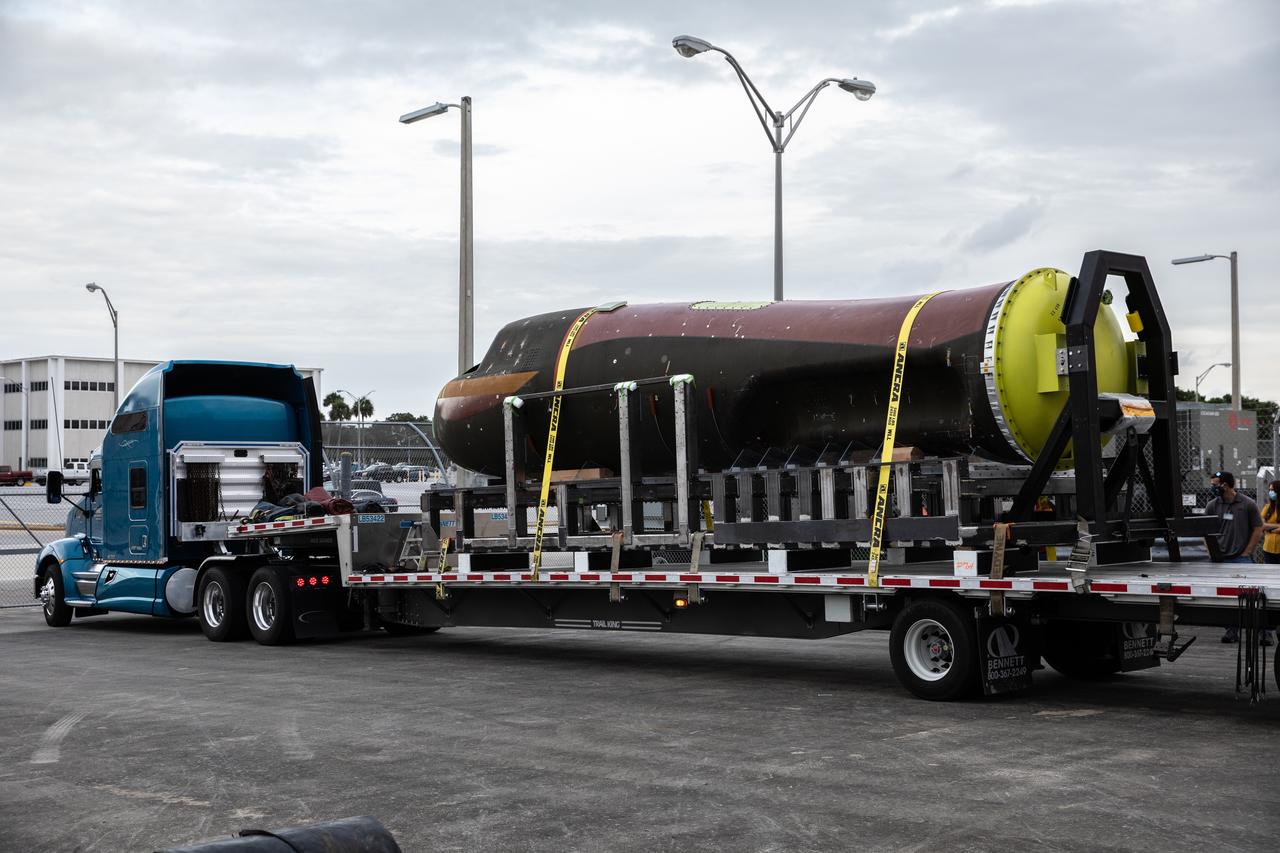
Sierra Nevada Corporation’s (SNC) Dream Chaser pressure test article arrives by flatbed truck at NASA’s Kennedy Space Center in Florida on June 3, 2020, from Louisville, Colorado. It will be transported to the high bay in the Space Station Processing Facility. The test article is similar to the actual pressurized cabin being used in the Dream Chaser spaceplane for Commercial Resupply Services-2 (CRS-2) missions. NASA selected Dream Chaser to provide cargo delivery, return and disposal service for the International Space Station under the CRS-2 contract. The test article will remain at Kennedy while SNC engineers use it to develop and verify refurbishment operations that will be used on Dream Chaser between flights.
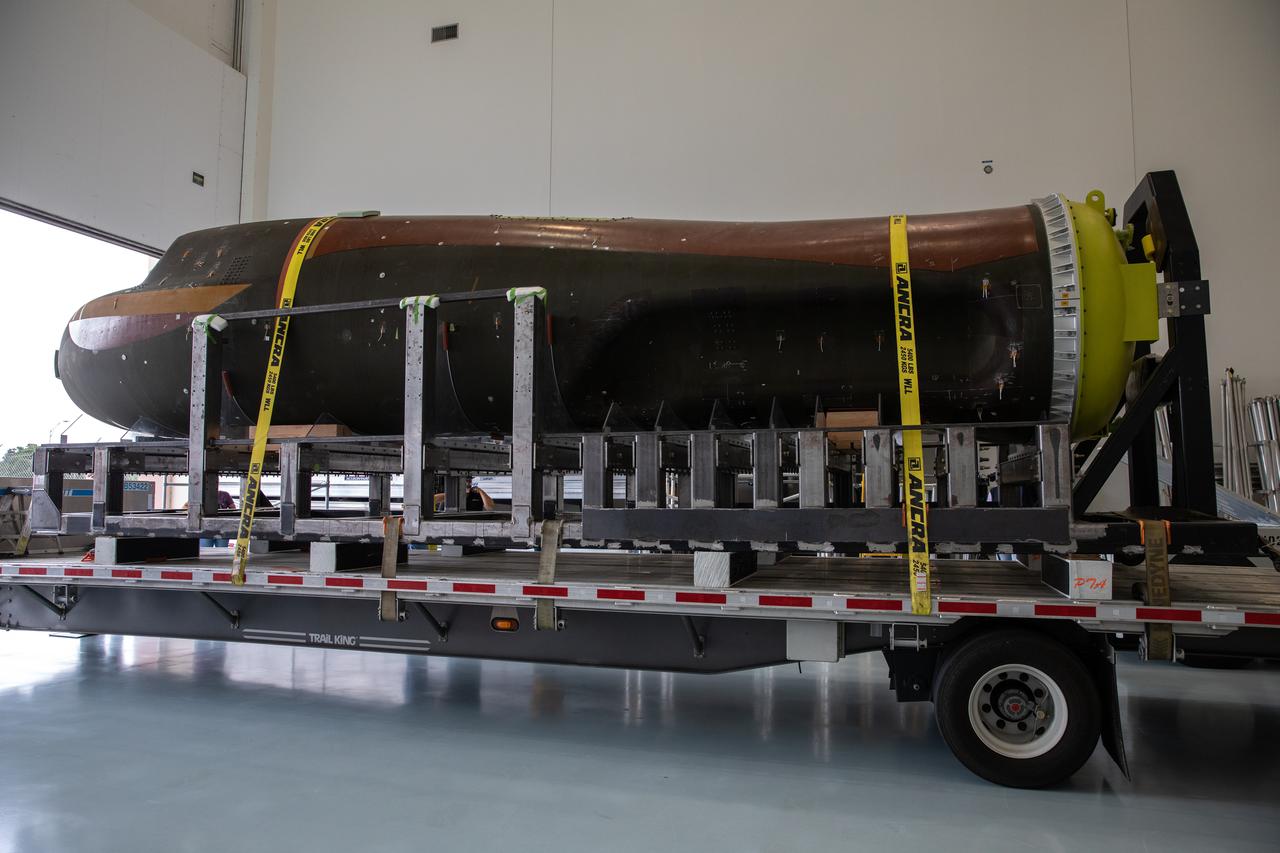
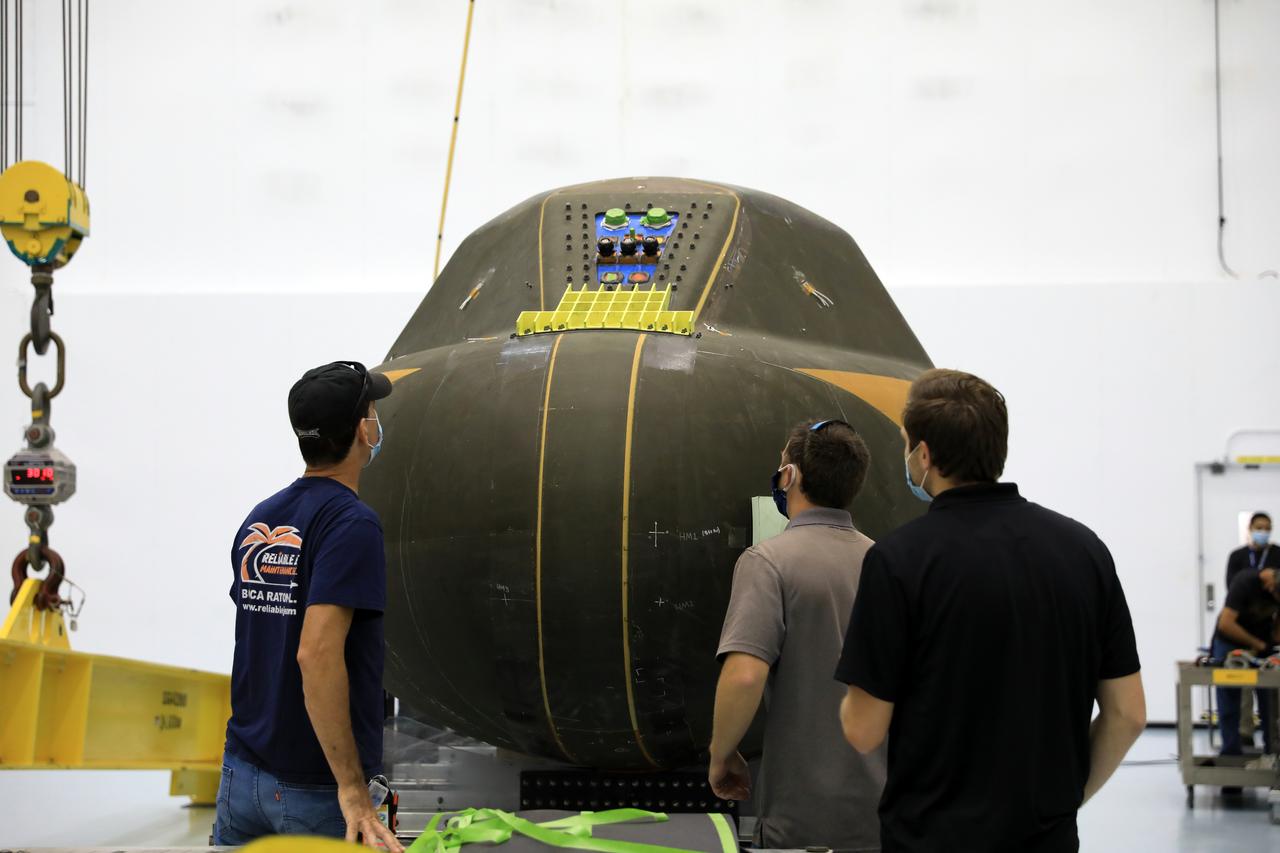
Sierra Nevada Corporation’s (SNC) Dream Chaser pressure test article is moved into the low bay of the Space Station Processing Facility at NASA’s Kennedy Space Center in Florida on June 3, 2020. The test article was shipped from Louisville, Colorado. It is similar to the actual pressurized cabin being used in the Dream Chaser spaceplane for Commercial Resupply Services-2 (CRS-2) missions. NASA selected Dream Chaser to provide cargo delivery, return and disposal service for the International Space Station under the CRS-2 contract. The test article will remain at Kennedy while SNC engineers use it to develop and verify refurbishment operations that will be used on Dream Chaser between flights.
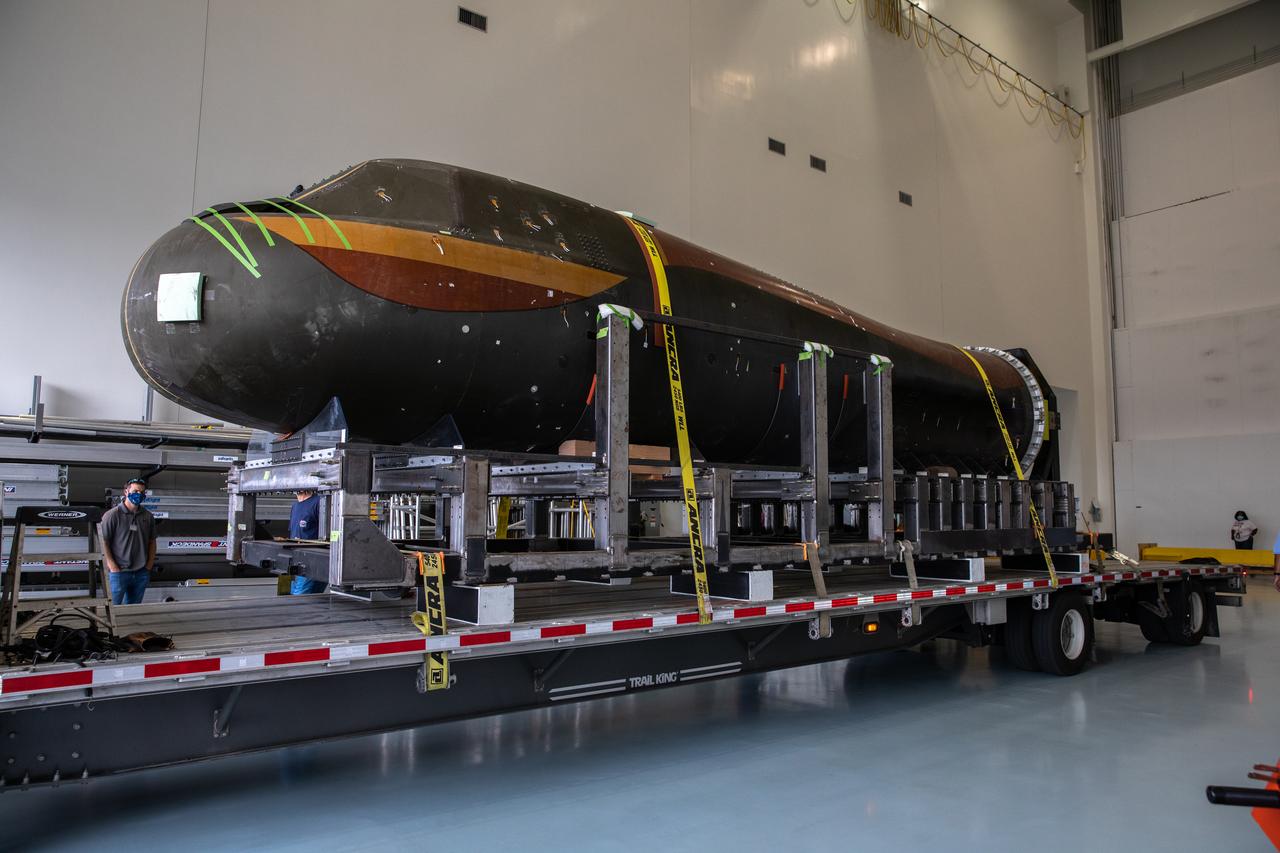
Sierra Nevada Corporation’s (SNC) Dream Chaser pressure test article is moved into the low bay of the Space Station Processing Facility at NASA’s Kennedy Space Center in Florida on June 3, 2020. The test article was shipped from Louisville, Colorado. It is similar to the actual pressurized cabin being used in the Dream Chaser spaceplane for Commercial Resupply Services-2 (CRS-2) missions. NASA selected Dream Chaser to provide cargo delivery, return and disposal service for the International Space Station under the CRS-2 contract. The test article will remain at Kennedy while SNC engineers use it to develop and verify refurbishment operations that will be used on Dream Chaser between flights.
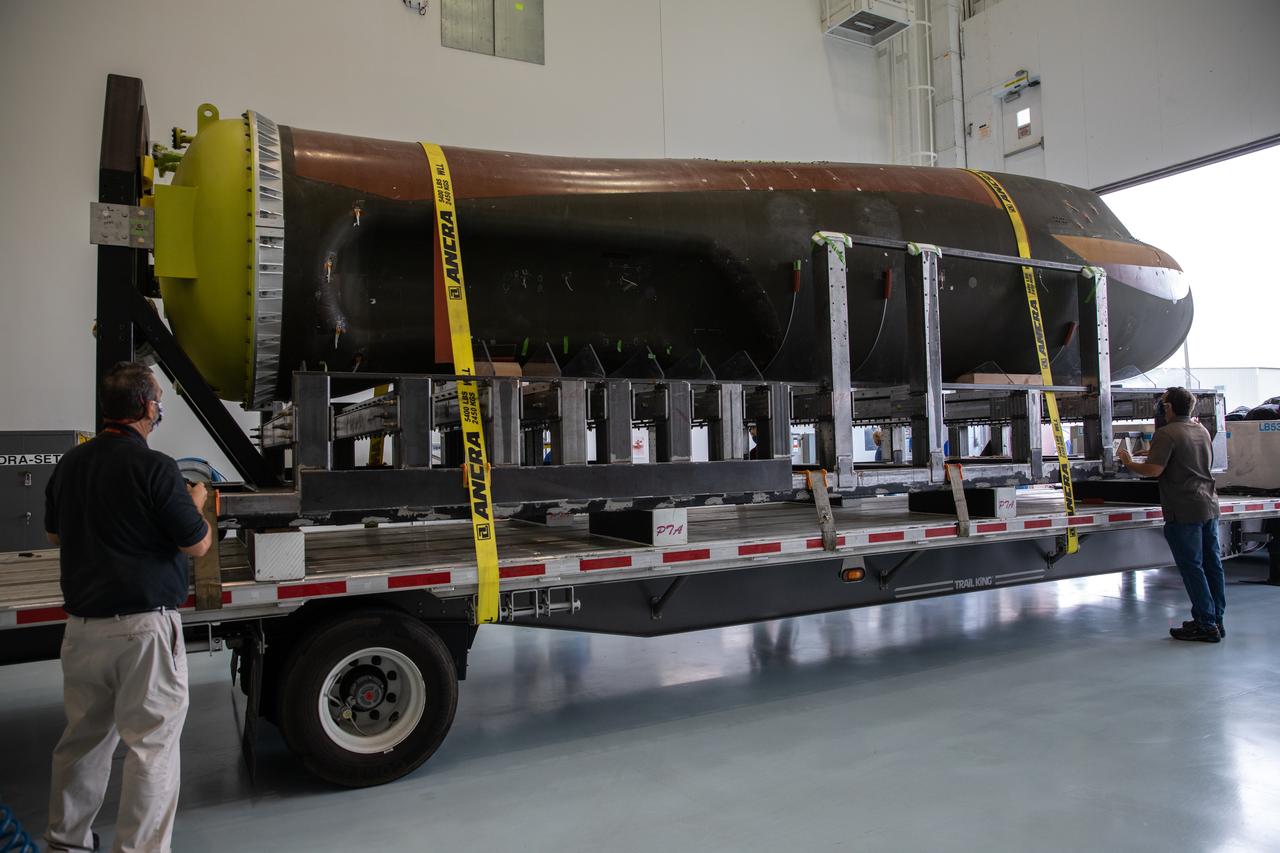
Sierra Nevada Corporation’s (SNC) Dream Chaser pressure test article is moved into the low bay of the Space Station Processing Facility at NASA’s Kennedy Space Center in Florida on June 3, 2020. The test article was shipped from Louisville, Colorado. It is similar to the actual pressurized cabin being used in the Dream Chaser spaceplane for Commercial Resupply Services-2 (CRS-2) missions. NASA selected Dream Chaser to provide cargo delivery, return and disposal service for the International Space Station under the CRS-2 contract. The test article will remain at Kennedy while SNC engineers use it to develop and verify refurbishment operations that will be used on Dream Chaser between flights.
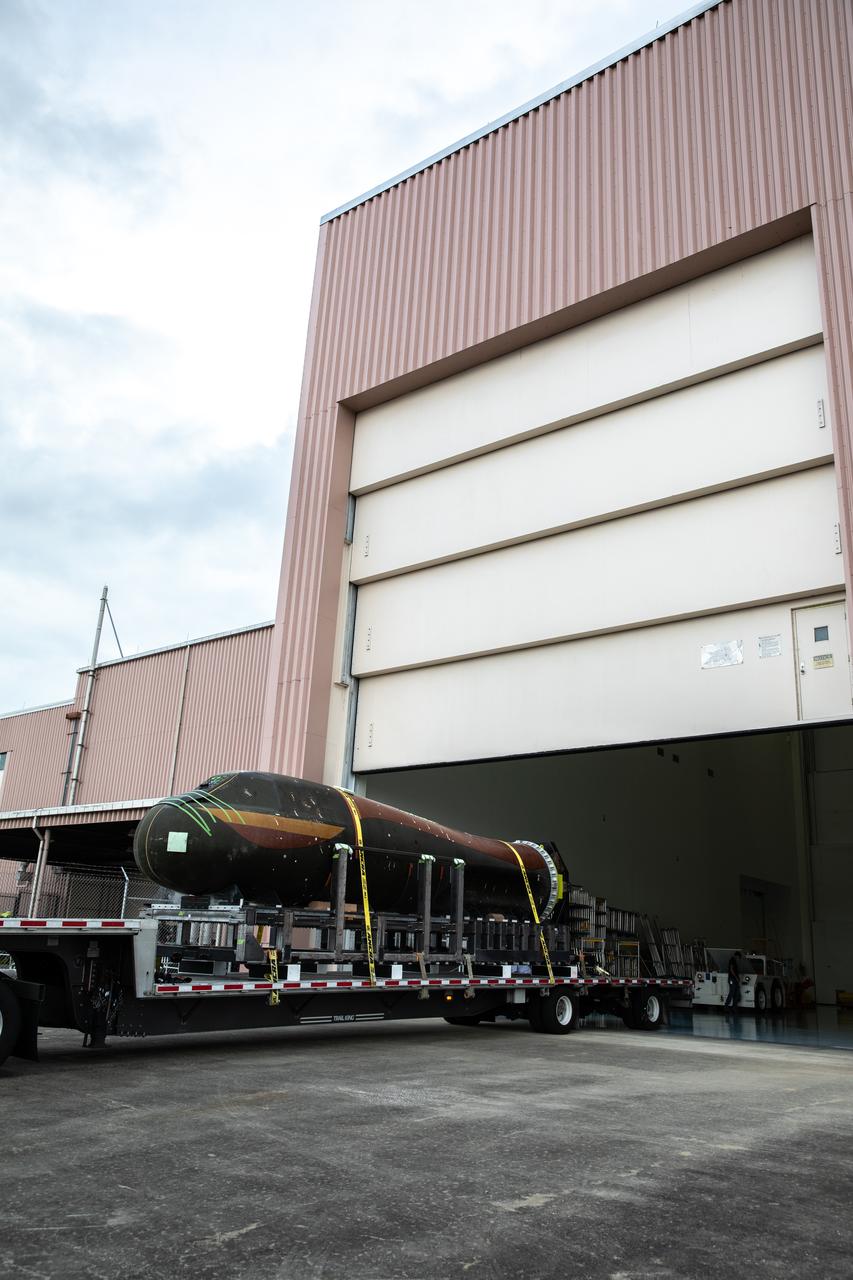
Sierra Nevada Corporation’s (SNC) Dream Chaser pressure test article arrives by flatbed truck at the Space Station Processing Facility at NASA’s Kennedy Space Center in Florida on June 3, 2020, from Louisville, Colorado. The test article is similar to the actual pressurized cabin being used in the Dream Chaser spaceplane for Commercial Resupply Services-2 (CRS-2) missions. NASA selected Dream Chaser to provide cargo delivery, return and disposal service for the International Space Station under the CRS-2 contract. The test article will remain at Kennedy while SNC engineers use it to develop and verify refurbishment operations that will be used on Dream Chaser between flights.
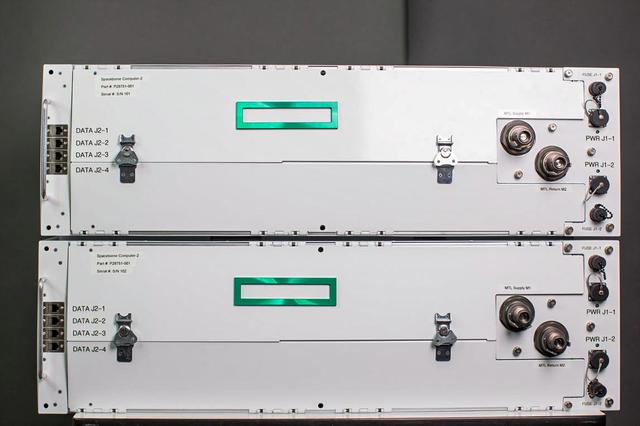
JSC2021E007775 - The Spaceborne Computer-2 High Performance Commercial Off-The-Shelf (COTS) Computer System on the ISS (Spaceborne Computer-2) is pictured in preparation for launch. Lifting off on the Northrop Grumman CRS-15 mission, the study explores how space exploration can be advanced by the use of the commercial off-the-shelf computer systems.
Inside the low bay of the Space Station Processing Facility at NASA’s Kennedy Space Center in Florida, workers monitor the progress as Sierra Nevada Corporation’s (SNC) Dream Chaser pressure test article on its support structure is lowered by crane away from the flatbed truck on June 3, 2020, for its move into the high bay. The test article was shipped from Louisville, Colorado. It is similar to the actual pressurized cabin being used in the Dream Chaser spaceplane for Commercial Resupply Services-2 (CRS-2) missions. NASA selected Dream Chaser to provide cargo delivery, return and disposal service for the International Space Station under the CRS-2 contract. The test article will remain at Kennedy while SNC engineers use it to develop and verify refurbishment operations that will be used on Dream Chaser between flights.
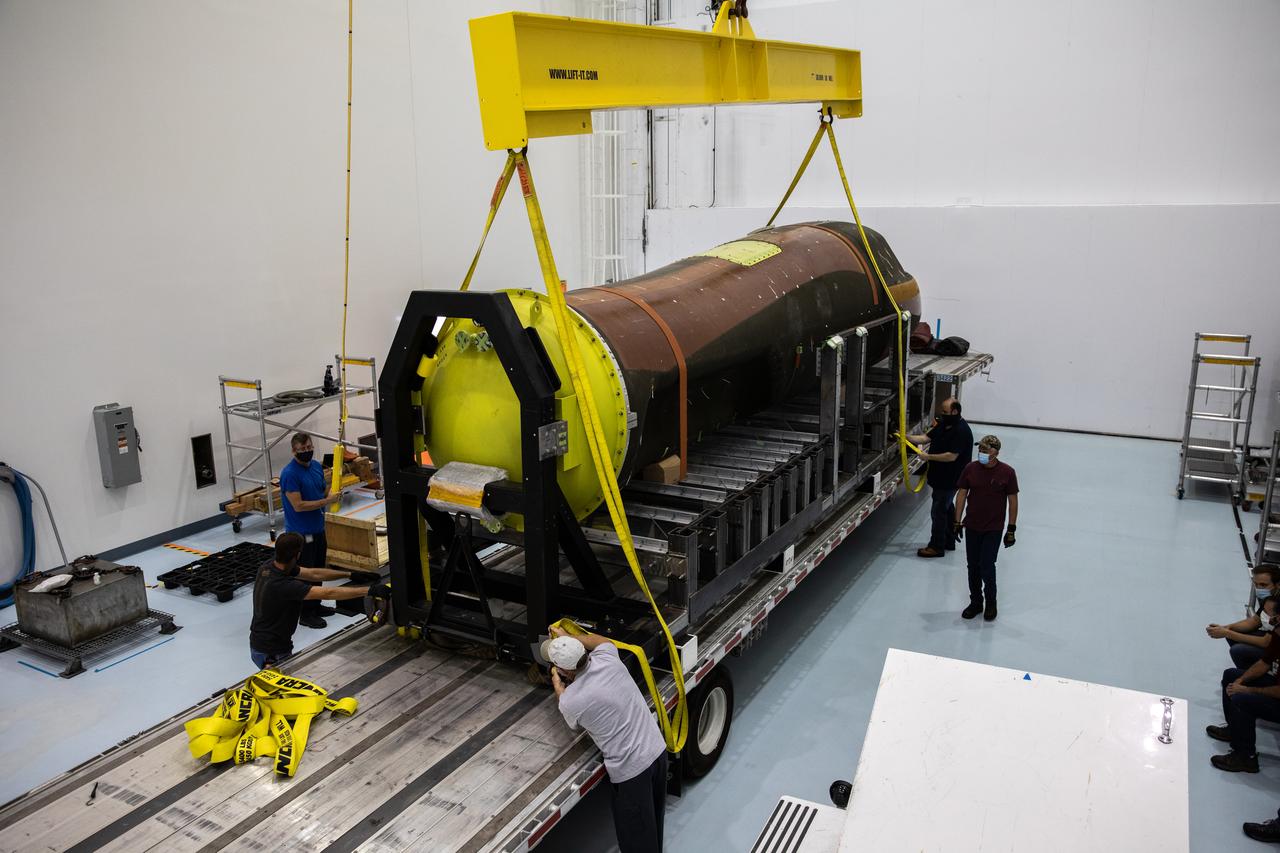
Sierra Nevada Corporation’s (SNC) Dream Chaser pressure test article is moved into the low bay of the Space Station Processing Facility at NASA’s Kennedy Space Center in Florida on June 3, 2020. Workers attach a crane to the test article to begin lifting it off of the flatbed truck. The test article was shipped from Louisville, Colorado. It is similar to the actual pressurized cabin being used in the Dream Chaser spaceplane for Commercial Resupply Services-2 (CRS-2) missions. NASA selected Dream Chaser to provide cargo delivery, return and disposal service for the International Space Station under the CRS-2 contract. The test article will remain at Kennedy while SNC engineers use it to develop and verify refurbishment operations that will be used on Dream Chaser between flights.
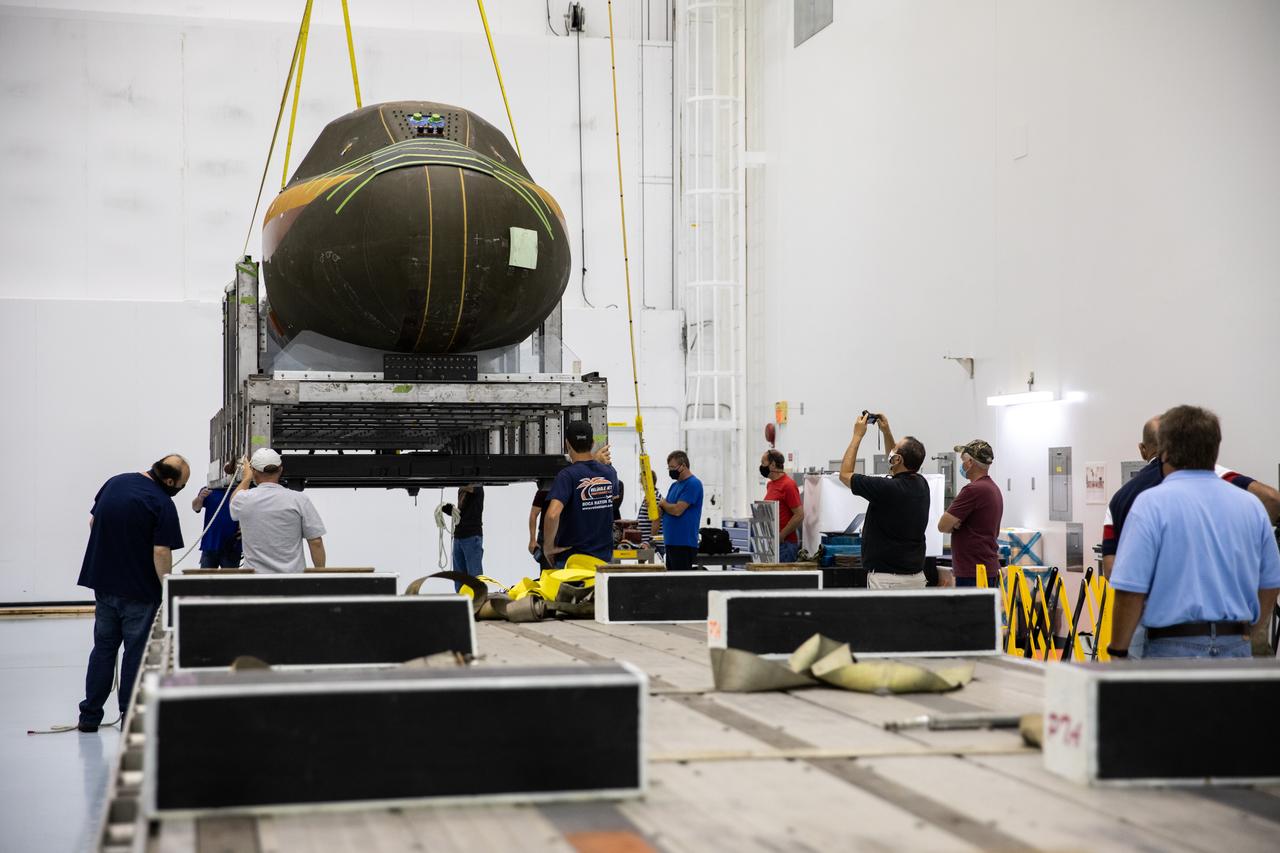
Inside the low bay of the Space Station Processing Facility at NASA’s Kennedy Space Center in Florida, Sierra Nevada Corporation’s (SNC) Dream Chaser pressure test article on its support structure is lifted up by crane from the flatbed truck on June 3, 2020, for its move into the high bay. The test article was shipped from Louisville, Colorado. It is similar to the actual pressurized cabin being used in the Dream Chaser spaceplane for Commercial Resupply Services-2 (CRS-2) missions. NASA selected Dream Chaser to provide cargo delivery, return and disposal service for the International Space Station under the CRS-2 contract. The test article will remain at Kennedy while SNC engineers use it to develop and verify refurbishment operations that will be used on Dream Chaser between flights.
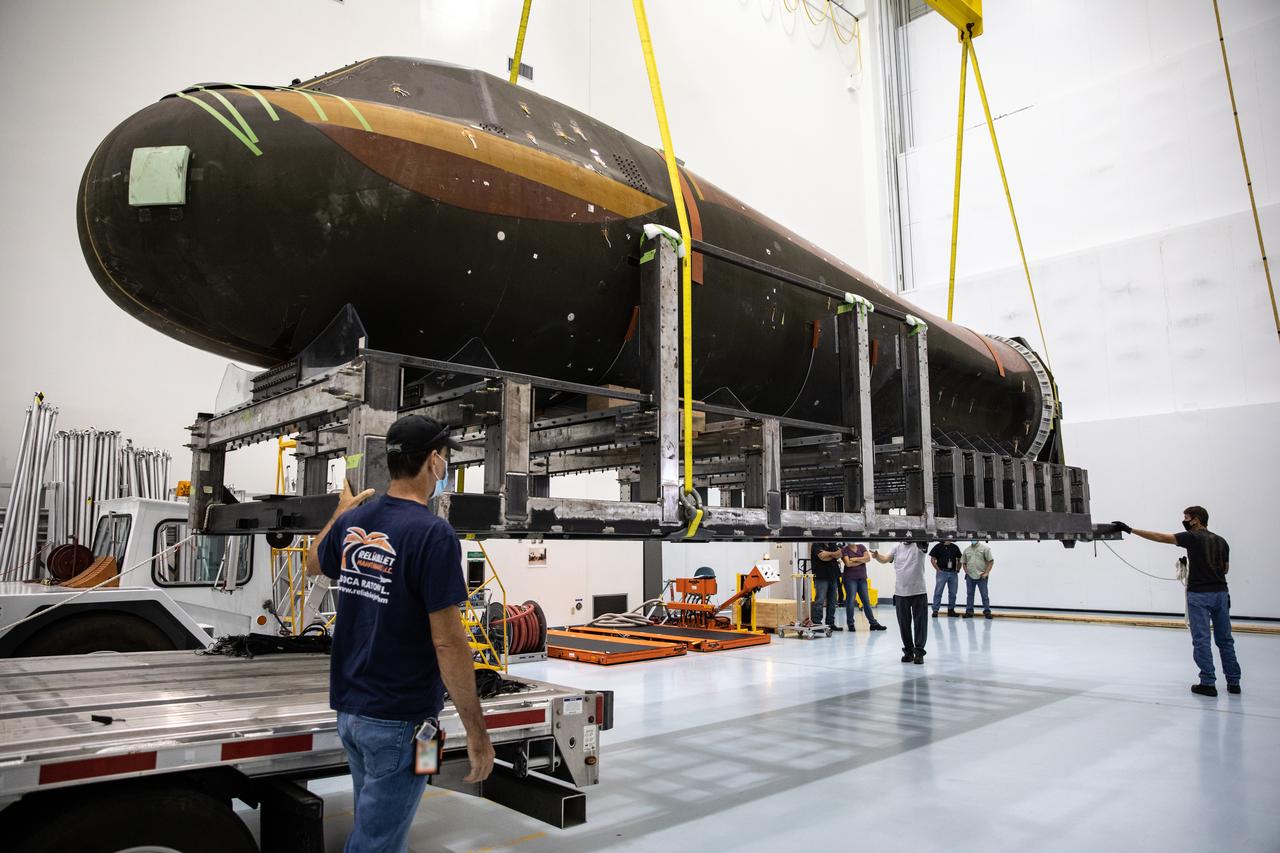
Inside the low bay of the Space Station Processing Facility at NASA’s Kennedy Space Center in Florida, Sierra Nevada Corporation’s (SNC) Dream Chaser pressure test article on its support structure is lifted up by crane from the flatbed truck on June 3, 2020, for its move into the high bay. The test article was shipped from Louisville, Colorado. It is similar to the actual pressurized cabin being used in the Dream Chaser spaceplane for Commercial Resupply Services-2 (CRS-2) missions. NASA selected Dream Chaser to provide cargo delivery, return and disposal service for the International Space Station under the CRS-2 contract. The test article will remain at Kennedy while SNC engineers use it to develop and verify refurbishment operations that will be used on Dream Chaser between flights.
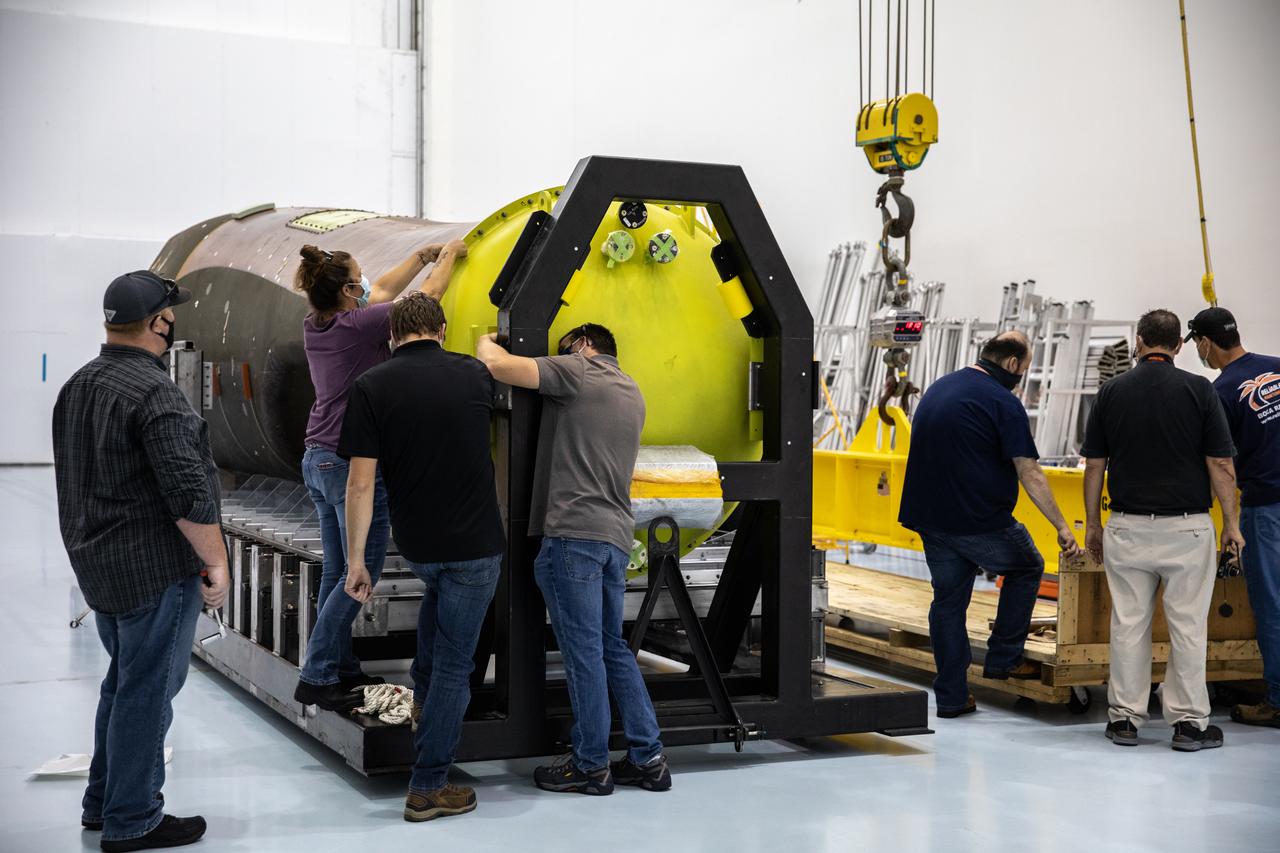
Inside the low bay of the Space Station Processing Facility at NASA’s Kennedy Space Center in Florida, workers assist as Sierra Nevada Corporation’s (SNC) Dream Chaser pressure test article on its support structure is lowered by crane on June 3, 2020, for its move into the high bay. The test article was shipped from Louisville, Colorado. It is similar to the actual pressurized cabin being used in the Dream Chaser spaceplane for Commercial Resupply Services-2 (CRS-2) missions. NASA selected Dream Chaser to provide cargo delivery, return and disposal service for the International Space Station under the CRS-2 contract. The test article will remain at Kennedy while SNC engineers use it to develop and verify refurbishment operations that will be used on Dream Chaser between flights.
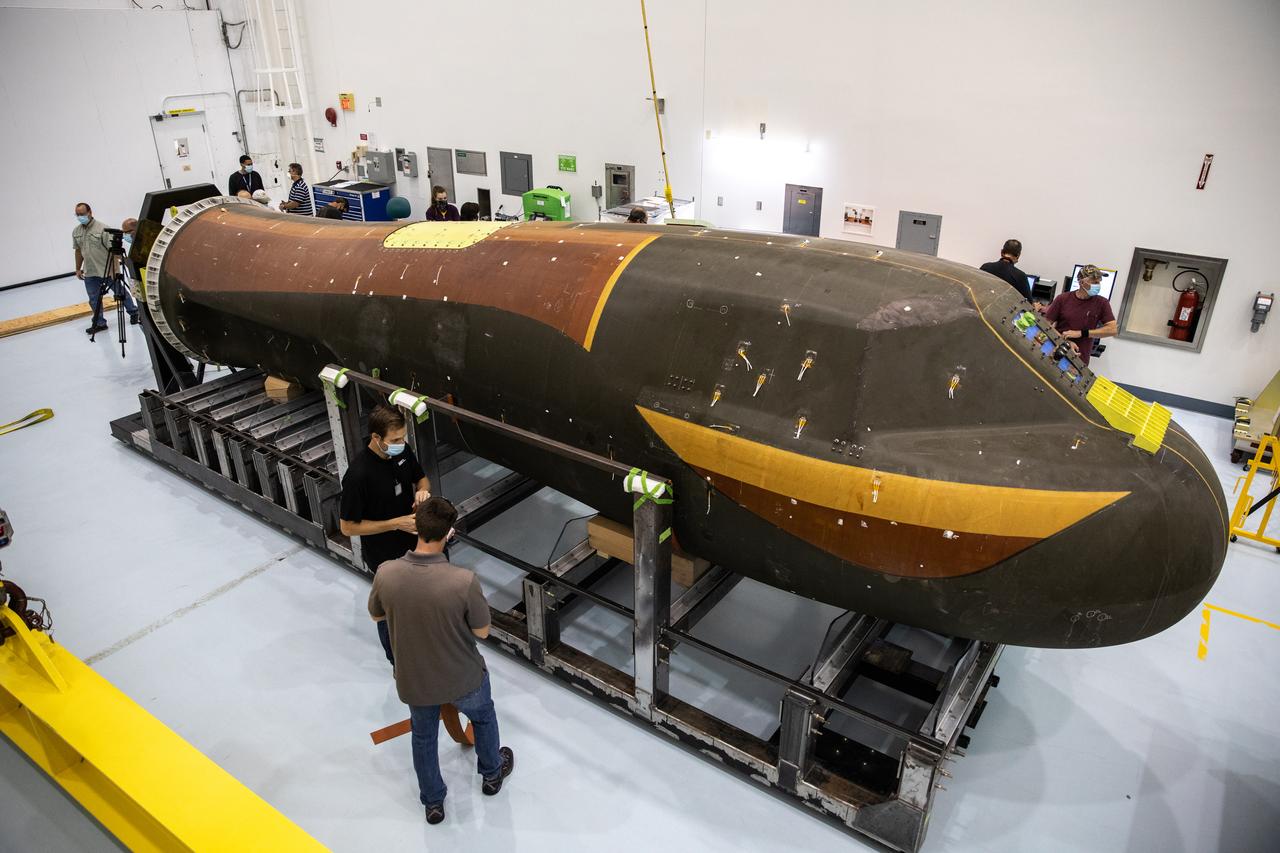
Inside the low bay of the Space Station Processing Facility at NASA’s Kennedy Space Center in Florida, workers assist as Sierra Nevada Corporation’s (SNC) Dream Chaser pressure test article on its support structure is lowered by crane on June 3, 2020, for its move into the high bay. The test article was shipped from Louisville, Colorado. It is similar to the actual pressurized cabin being used in the Dream Chaser spaceplane for Commercial Resupply Services-2 (CRS-2) missions. NASA selected Dream Chaser to provide cargo delivery, return and disposal service for the International Space Station under the CRS-2 contract. The test article will remain at Kennedy while SNC engineers use it to develop and verify refurbishment operations that will be used on Dream Chaser between flights.
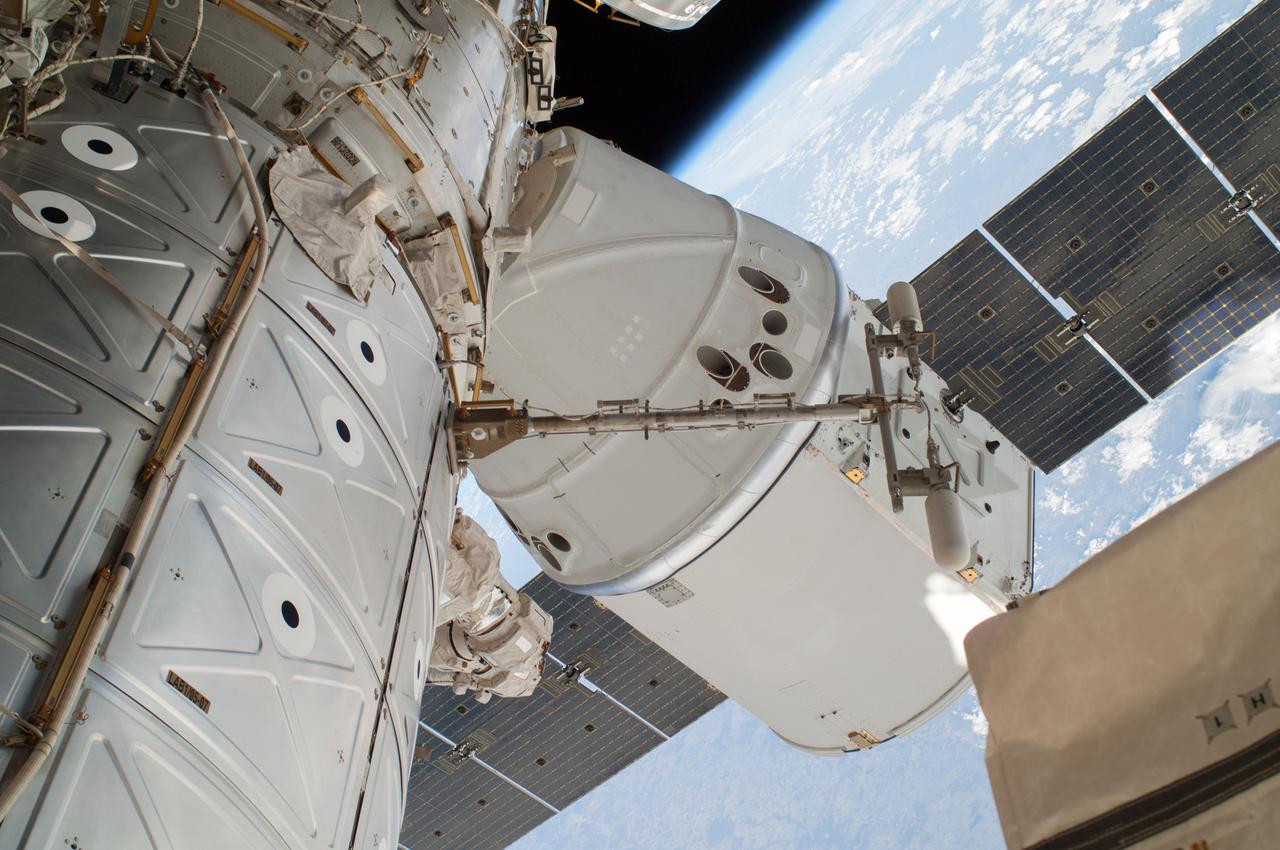
View of the SpaceX Dragon Commercial Resupply Services-3 (CRS-3) spacecraft and portions of the Destiny U.S. Laboratory and Harmony Node 2 taken against a backdrop of Earth and space by Extravehicular crewmember 1 (EV1) during Extravehicular Activity 26 (EVA 26).
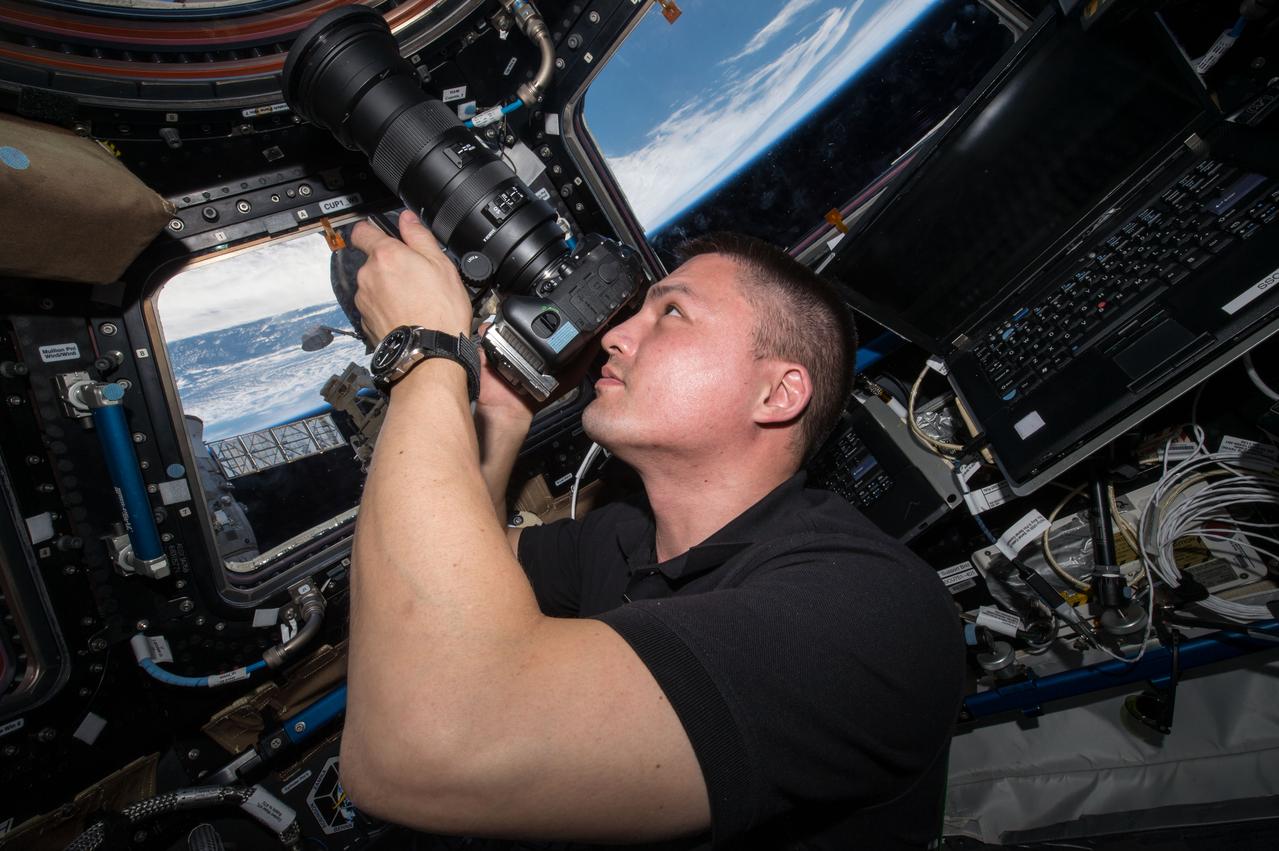
ISS045e152270 (12/01/2015) --- NASA astronaut Kjell Lindgren takes images of the Earth on board the International Space Station on Dec. 1, 2015 from the Cupola, the 360 degree viewing and robotic Canadarm 2 control area. Later this area will be used by Lindgren and NASA astronaut Scott Kelly to use the station’s Canadarm 2 robotic arm to reach out and grapple the Orbital ATK CRS-4 "Cygnus" spaceship full of equipment and supplies.
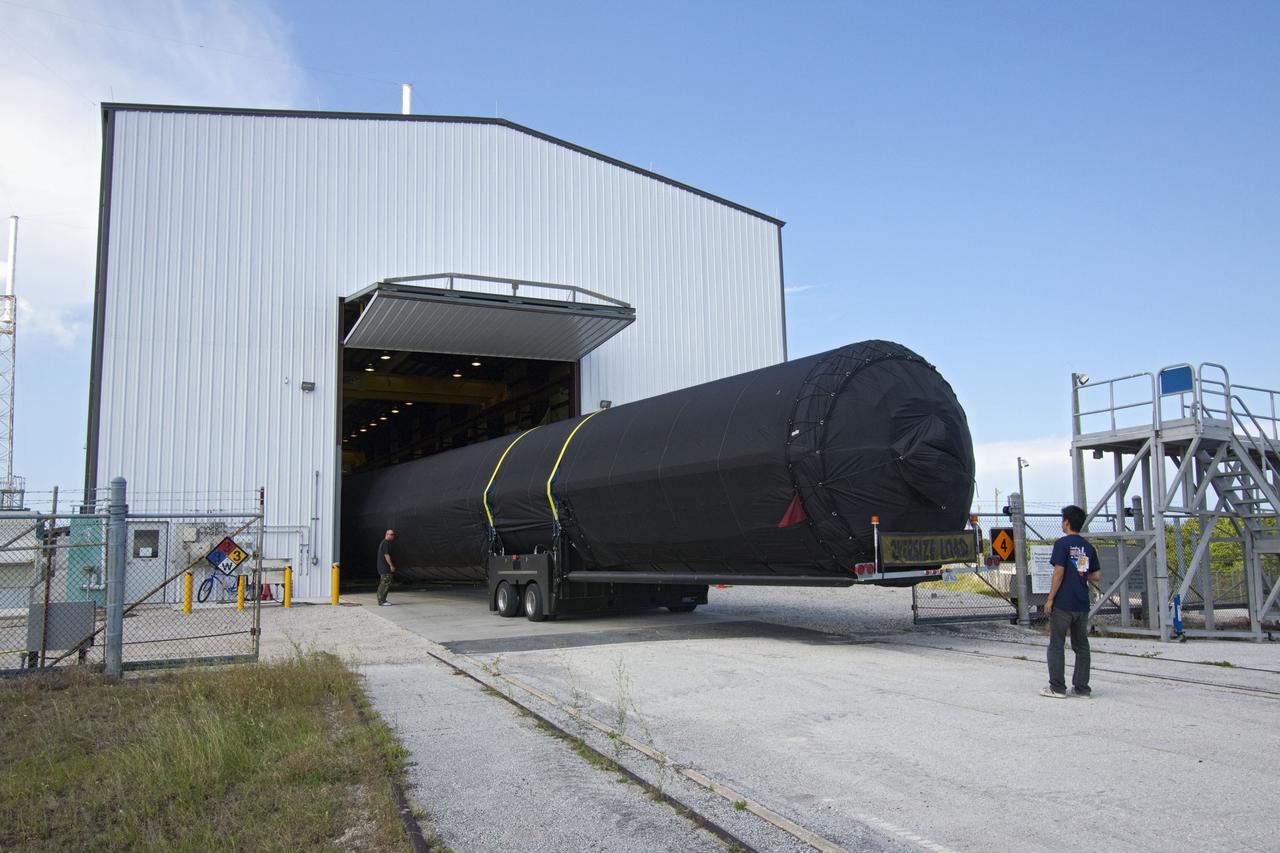
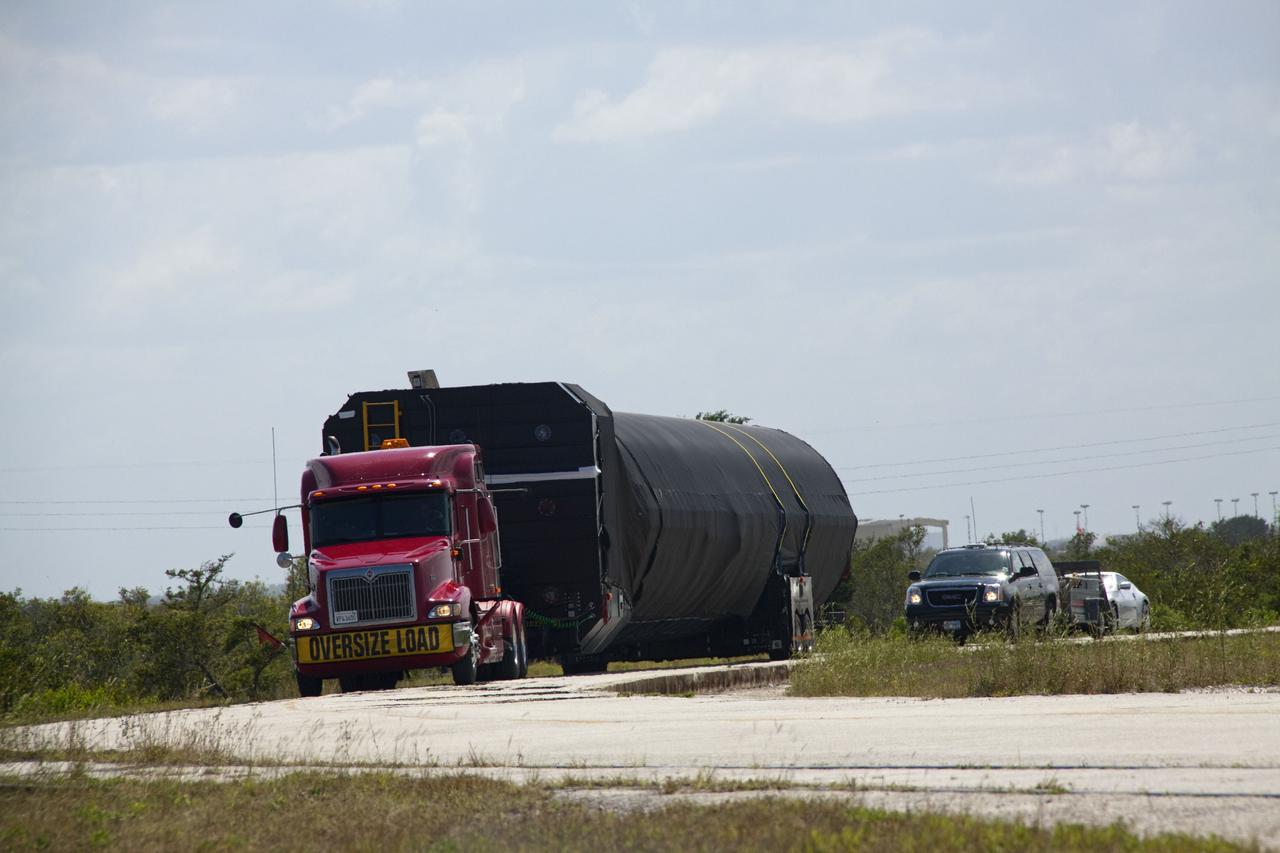
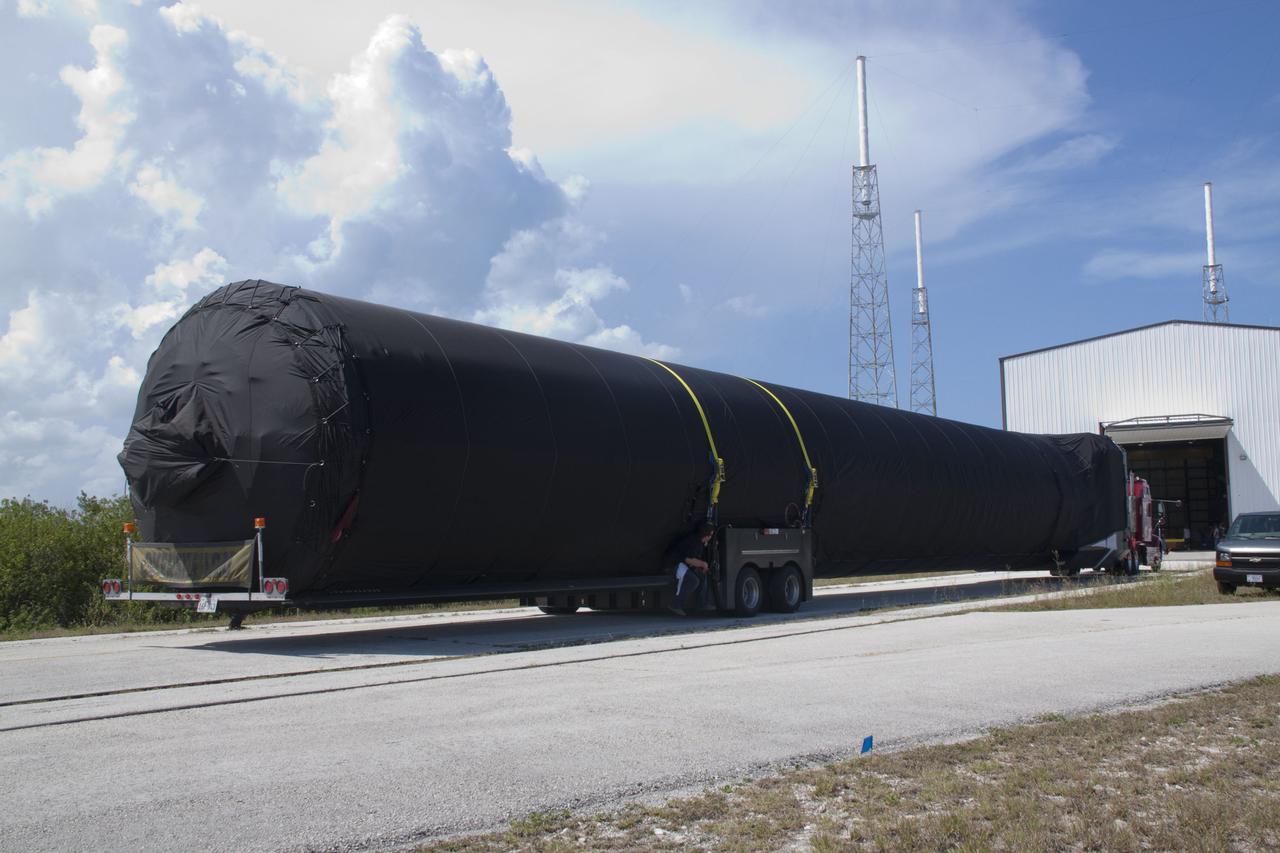
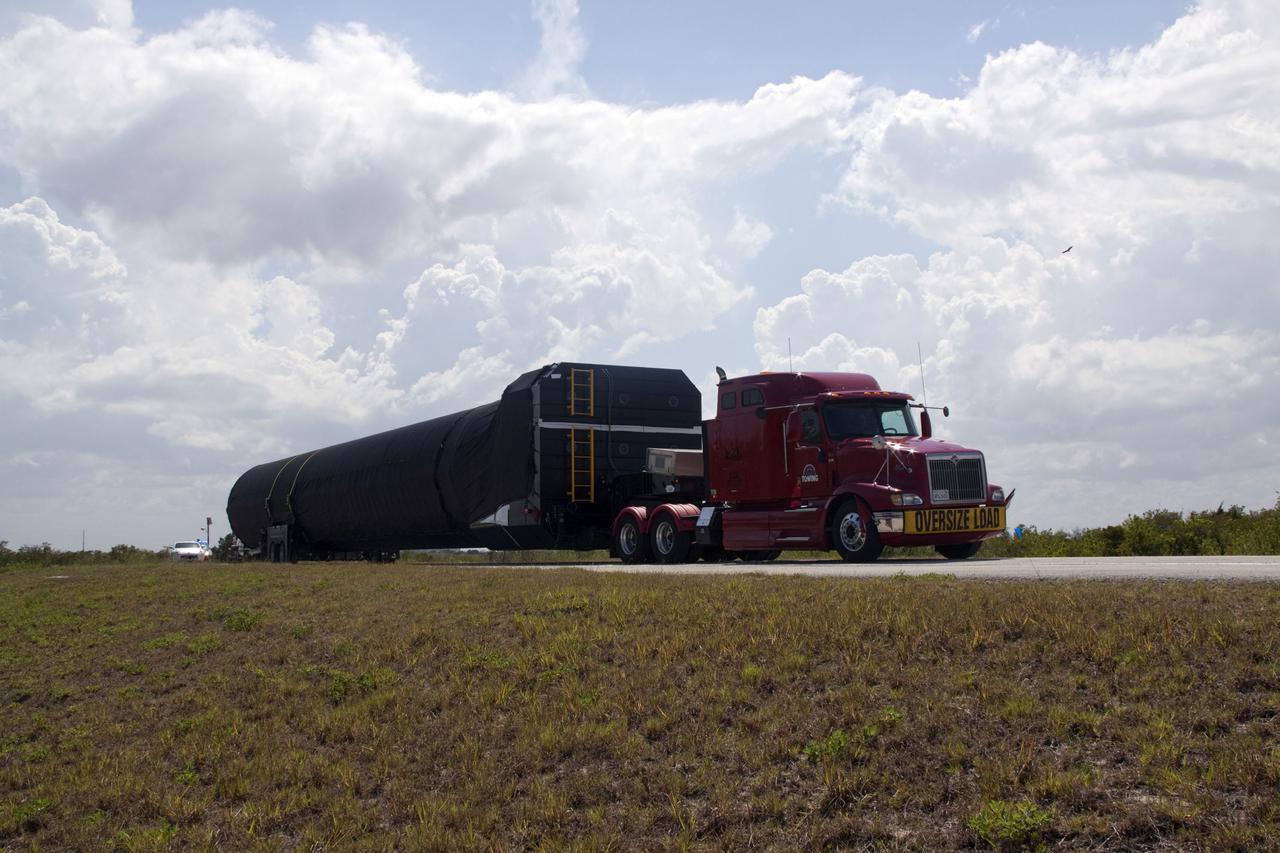
CAPE CANAVERAL, Fla. -- The first stage of the SpaceX COTS-2 Falcon 9 rocket is being moved into a SpaceX hangar at Pad 40 at Cape Canaveral Air Force Station in Florida. Once assembled, it will be a two-stage fully integrated launch vehicle, consisting of a first stage powered by nine SpaceX-developed Merlin 1C engines, a second stage, an interstage, an unpressurized trunk and the Dragon spacecraft qualification unit. SpaceX was awarded procurement for three demonstration flights under the Commercial Orbital Transportation Services, or COTS, program managed by NASA's Johnson Space Center in Houston. A subsequent contract for Commercial Resupply Services, or CRS, was awarded in late 2008 to resupply the International Space Station. The SpaceX CRS contract provides for 12 missions to resupply the station from 2011 through 2015. Photo credit: NASA/Jack Pfaller
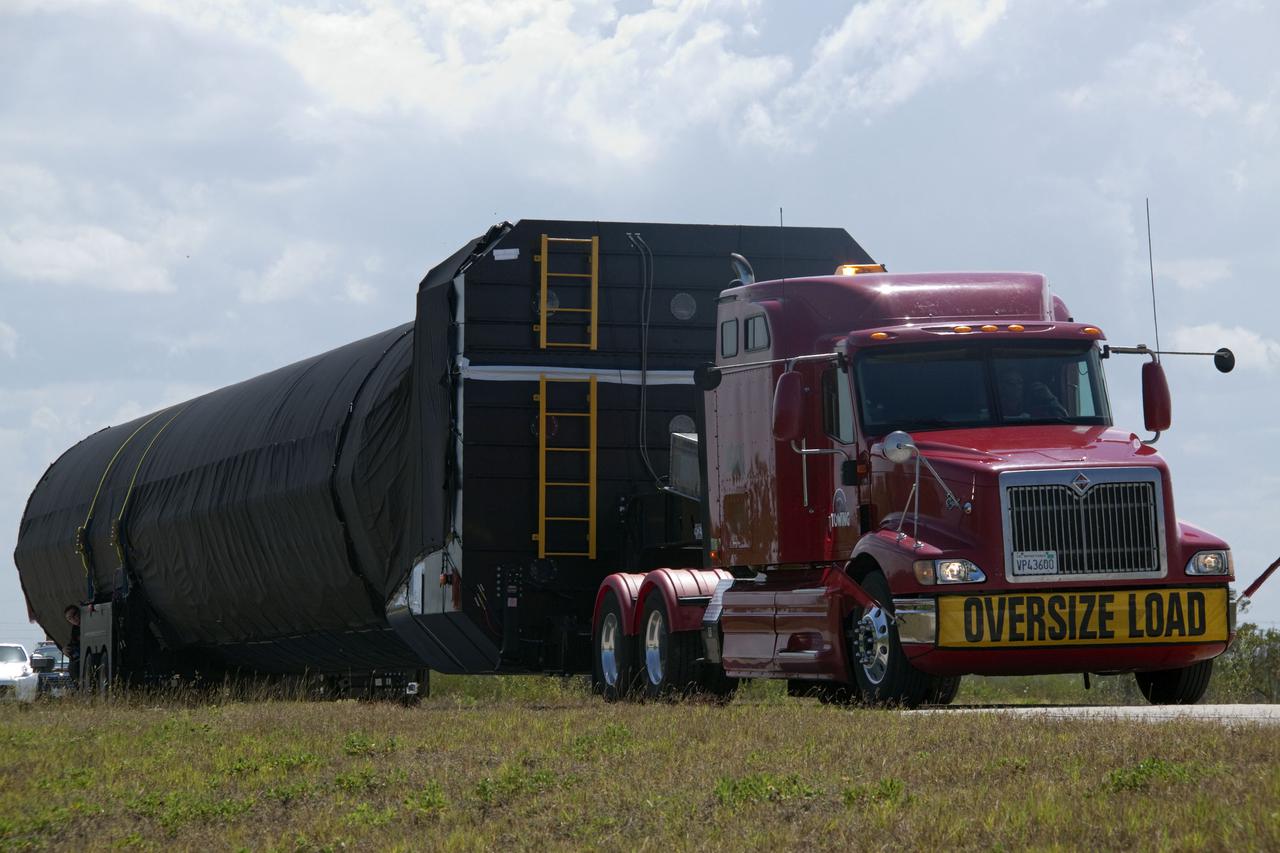
CAPE CANAVERAL, Fla. -- The first stage of the SpaceX COTS-2 Falcon 9 rocket is being transported to a SpaceX hangar at Pad 40 at Cape Canaveral Air Force Station in Florida. Once assembled, it will be a two-stage fully integrated launch vehicle, consisting of a first stage powered by nine SpaceX-developed Merlin 1C engines, a second stage, an interstage, an unpressurized trunk and the Dragon spacecraft qualification unit. SpaceX was awarded procurement for three demonstration flights under the Commercial Orbital Transportation Services, or COTS, program managed by NASA's Johnson Space Center in Houston. A subsequent contract for Commercial Resupply Services, or CRS, was awarded in late 2008 to resupply the International Space Station. The SpaceX CRS contract provides for 12 missions to resupply the station from 2011 through 2015. Photo credit: NASA_Jack Pfaller
CAPE CANAVERAL, Fla. -- The first stage of the SpaceX COTS-2 Falcon 9 rocket is being transported to a SpaceX hangar at Pad 40 at Cape Canaveral Air Force Station in Florida. Once assembled, it will be a two-stage fully integrated launch vehicle, consisting of a first stage powered by nine SpaceX-developed Merlin 1C engines, a second stage, an interstage, an unpressurized trunk and the Dragon spacecraft qualification unit. SpaceX was awarded procurement for three demonstration flights under the Commercial Orbital Transportation Services, or COTS, program managed by NASA's Johnson Space Center in Houston. A subsequent contract for Commercial Resupply Services, or CRS, was awarded in late 2008 to resupply the International Space Station. The SpaceX CRS contract provides for 12 missions to resupply the station from 2011 through 2015. Photo credit: NASA_Jack Pfaller
CAPE CANAVERAL, Fla. -- The first stage of the SpaceX COTS-2 Falcon 9 rocket is being transported to a SpaceX hangar at Pad 40 at Cape Canaveral Air Force Station in Florida. Once assembled, it will be a two-stage fully integrated launch vehicle, consisting of a first stage powered by nine SpaceX-developed Merlin 1C engines, a second stage, an interstage, an unpressurized trunk and the Dragon spacecraft qualification unit. SpaceX was awarded procurement for three demonstration flights under the Commercial Orbital Transportation Services, or COTS, program managed by NASA's Johnson Space Center in Houston. A subsequent contract for Commercial Resupply Services, or CRS, was awarded in late 2008 to resupply the International Space Station. The SpaceX CRS contract provides for 12 missions to resupply the station from 2011 through 2015. Photo credit: NASA_Jack Pfaller
CAPE CANAVERAL, Fla. -- The first stage of the SpaceX COTS-2 Falcon 9 rocket is being transported to a SpaceX hangar at Pad 40 at Cape Canaveral Air Force Station in Florida. Once assembled, it will be a two-stage fully integrated launch vehicle, consisting of a first stage powered by nine SpaceX-developed Merlin 1C engines, a second stage, an interstage, an unpressurized trunk and the Dragon spacecraft qualification unit. SpaceX was awarded procurement for three demonstration flights under the Commercial Orbital Transportation Services, or COTS, program managed by NASA's Johnson Space Center in Houston. A subsequent contract for Commercial Resupply Services, or CRS, was awarded in late 2008 to resupply the International Space Station. The SpaceX CRS contract provides for 12 missions to resupply the station from 2011 through 2015. Photo credit: NASA_Jack Pfaller
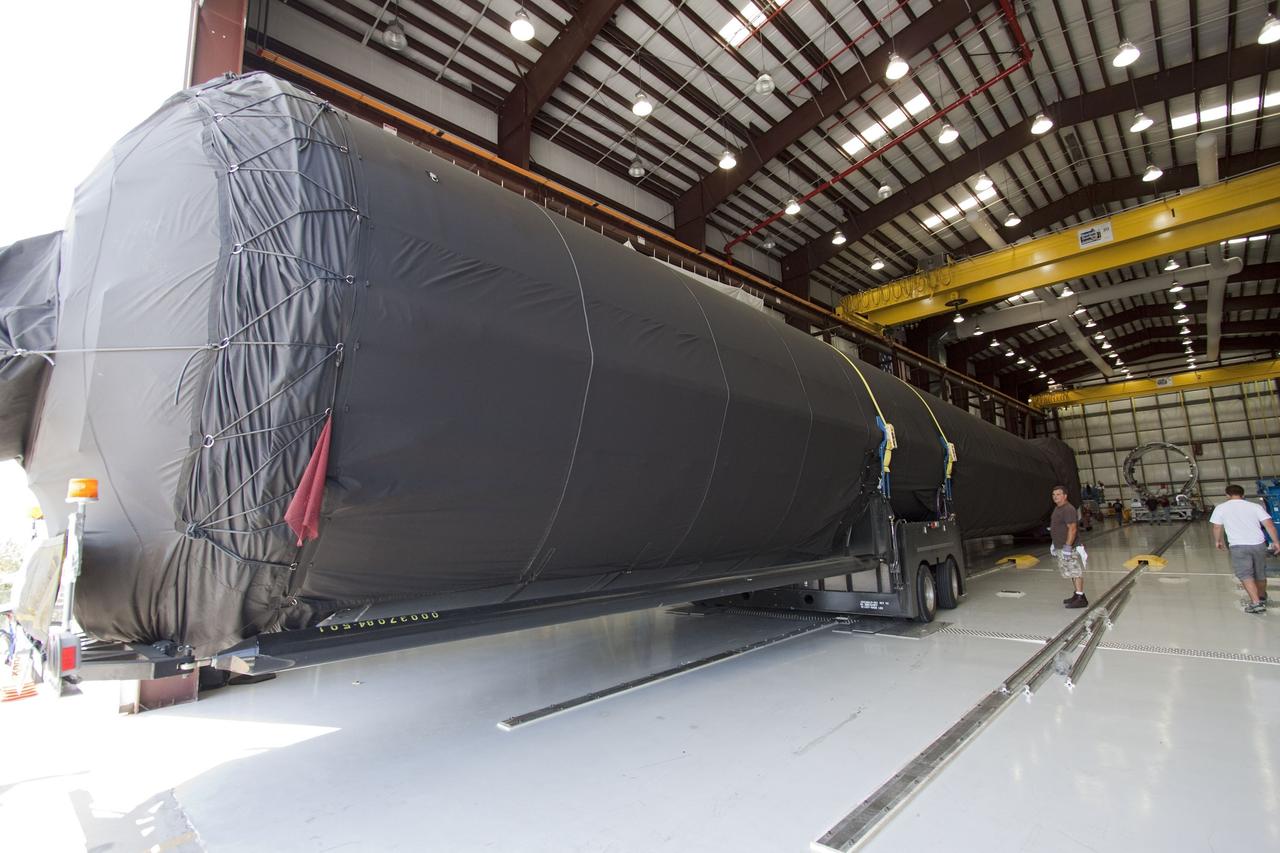
CAPE CANAVERAL, Fla. -- The first stage of the SpaceX COTS-2 Falcon 9 rocket has been moved to a SpaceX hangar at Pad 40 at Cape Canaveral Air Force Station in Florida. Once assembled, it will be a two-stage fully integrated launch vehicle, consisting of a first stage powered by nine SpaceX-developed Merlin 1C engines, a second stage, an interstage, an unpressurized trunk and the Dragon spacecraft qualification unit. SpaceX was awarded procurement for three demonstration flights under the Commercial Orbital Transportation Services, or COTS, program managed by NASA's Johnson Space Center in Houston. A subsequent contract for Commercial Resupply Services, or CRS, was awarded in late 2008 to resupply the International Space Station. The SpaceX CRS contract provides for 12 missions to resupply the station from 2011 through 2015. Photo credit: NASA/Jack Pfaller
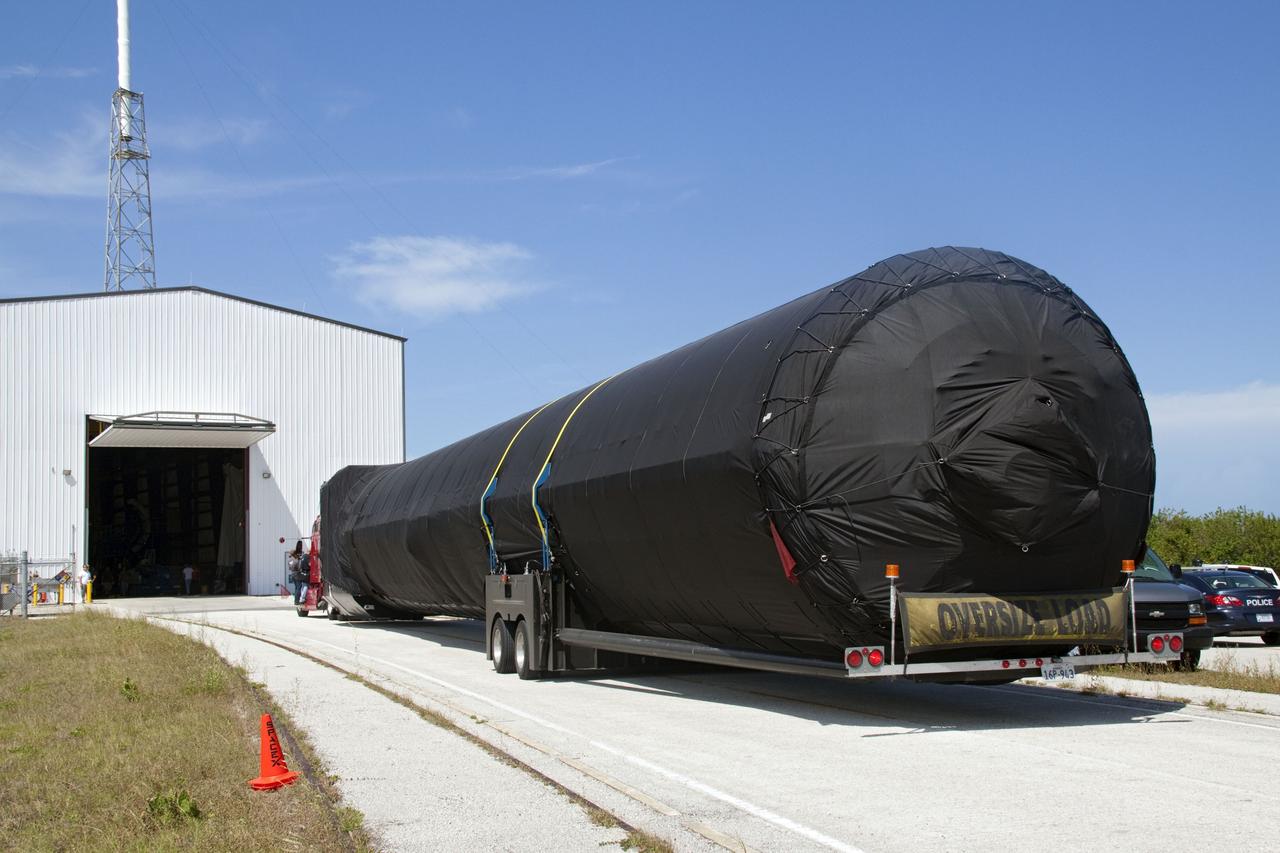
CAPE CANAVERAL, Fla. -- The first stage of the SpaceX COTS-2 Falcon 9 rocket is being moved into a SpaceX hangar at Pad 40 at Cape Canaveral Air Force Station in Florida. Once assembled, it will be a two-stage fully integrated launch vehicle, consisting of a first stage powered by nine SpaceX-developed Merlin 1C engines, a second stage, an interstage, an unpressurized trunk and the Dragon spacecraft qualification unit. SpaceX was awarded procurement for three demonstration flights under the Commercial Orbital Transportation Services, or COTS, program managed by NASA's Johnson Space Center in Houston. A subsequent contract for Commercial Resupply Services, or CRS, was awarded in late 2008 to resupply the International Space Station. The SpaceX CRS contract provides for 12 missions to resupply the station from 2011 through 2015. Photo credit: NASA/Jack Pfaller
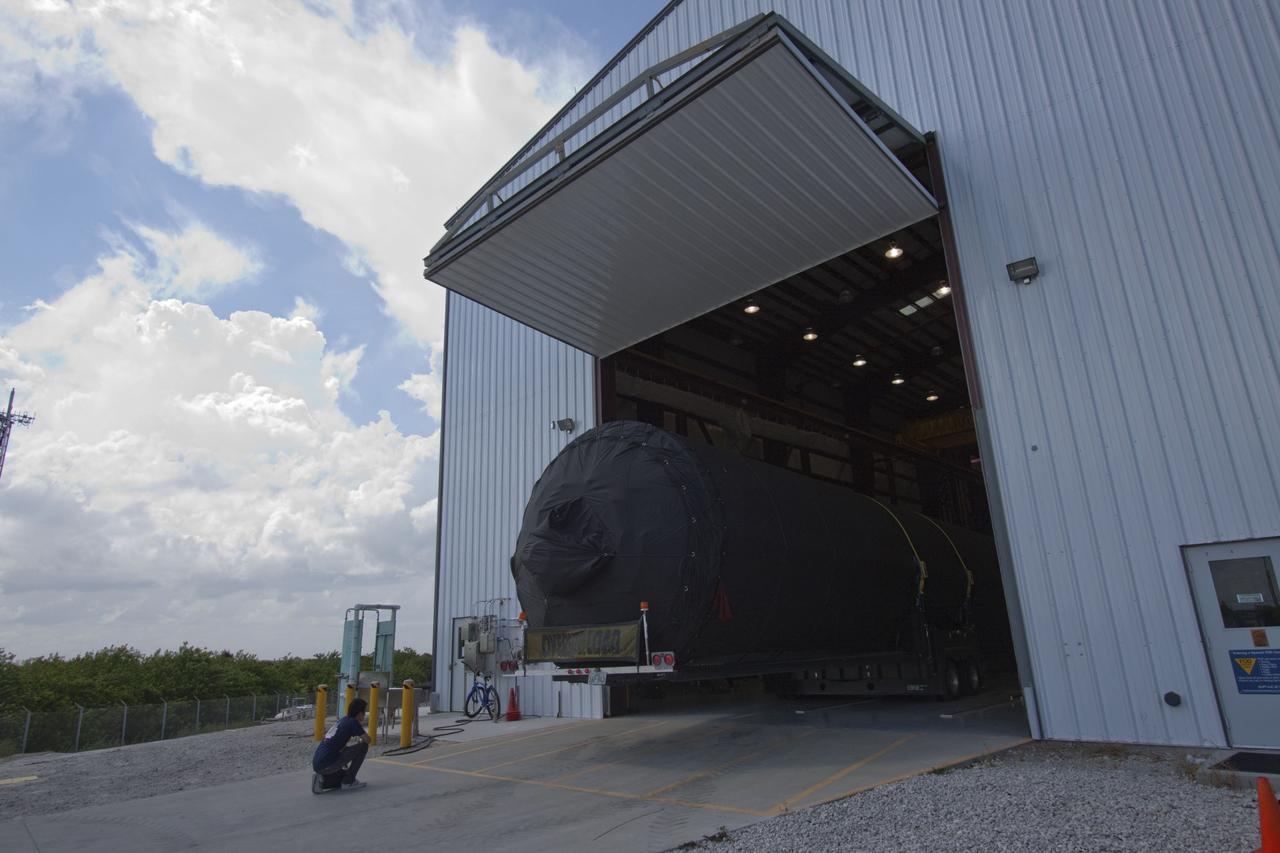
CAPE CANAVERAL, Fla. -- The first stage of the SpaceX COTS-2 Falcon 9 rocket is being moved into a SpaceX hangar at Pad 40 at Cape Canaveral Air Force Station in Florida. Once assembled, it will be a two-stage fully integrated launch vehicle, consisting of a first stage powered by nine SpaceX-developed Merlin 1C engines, a second stage, an interstage, an unpressurized trunk and the Dragon spacecraft qualification unit. SpaceX was awarded procurement for three demonstration flights under the Commercial Orbital Transportation Services, or COTS, program managed by NASA's Johnson Space Center in Houston. A subsequent contract for Commercial Resupply Services, or CRS, was awarded in late 2008 to resupply the International Space Station. The SpaceX CRS contract provides for 12 missions to resupply the station from 2011 through 2015. Photo credit: NASA/Jack Pfaller
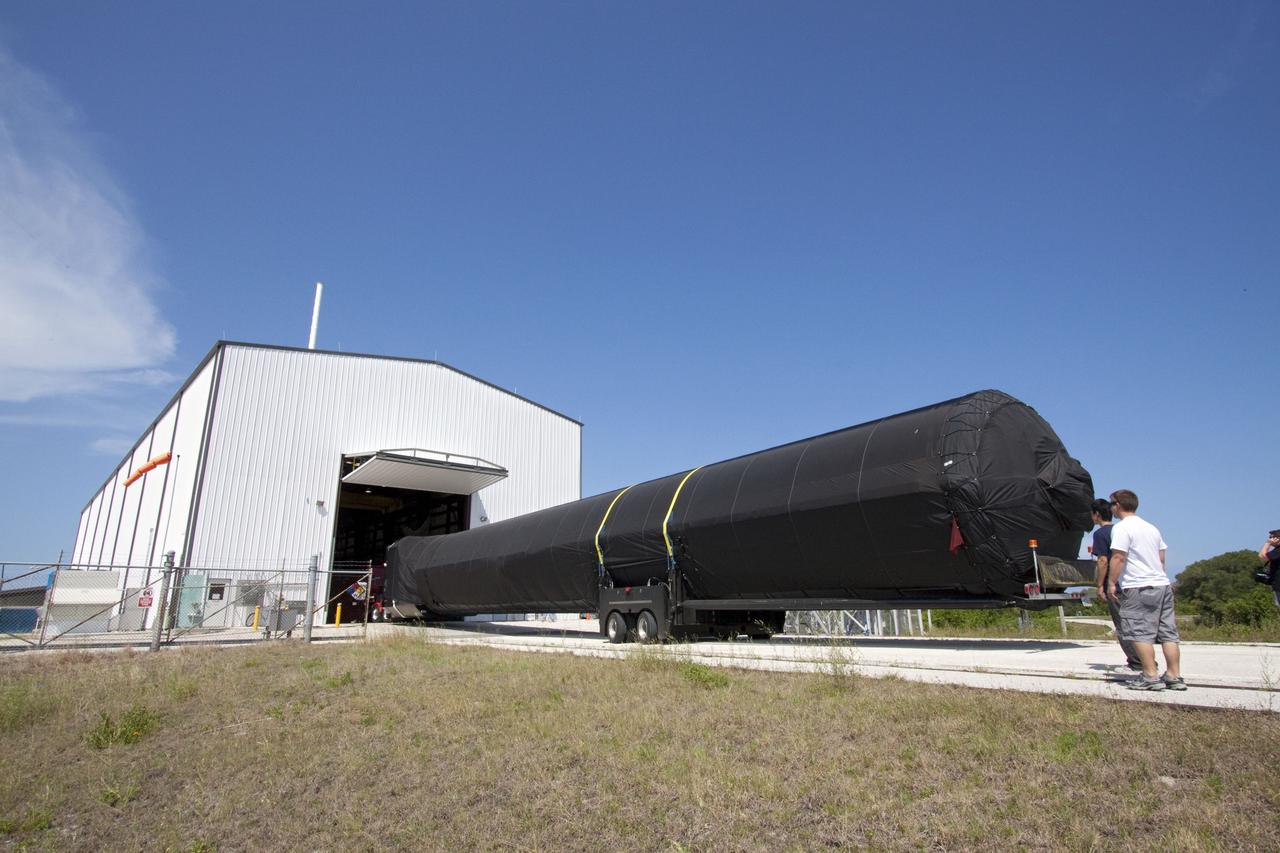
CAPE CANAVERAL, Fla. -- The first stage of the SpaceX COTS-2 Falcon 9 rocket is being moved into a SpaceX hangar at Pad 40 at Cape Canaveral Air Force Station in Florida. Once assembled, it will be a two-stage fully integrated launch vehicle, consisting of a first stage powered by nine SpaceX-developed Merlin 1C engines, a second stage, an interstage, an unpressurized trunk and the Dragon spacecraft qualification unit. SpaceX was awarded procurement for three demonstration flights under the Commercial Orbital Transportation Services, or COTS, program managed by NASA's Johnson Space Center in Houston. A subsequent contract for Commercial Resupply Services, or CRS, was awarded in late 2008 to resupply the International Space Station. The SpaceX CRS contract provides for 12 missions to resupply the station from 2011 through 2015. Photo credit: NASA/Jack Pfaller
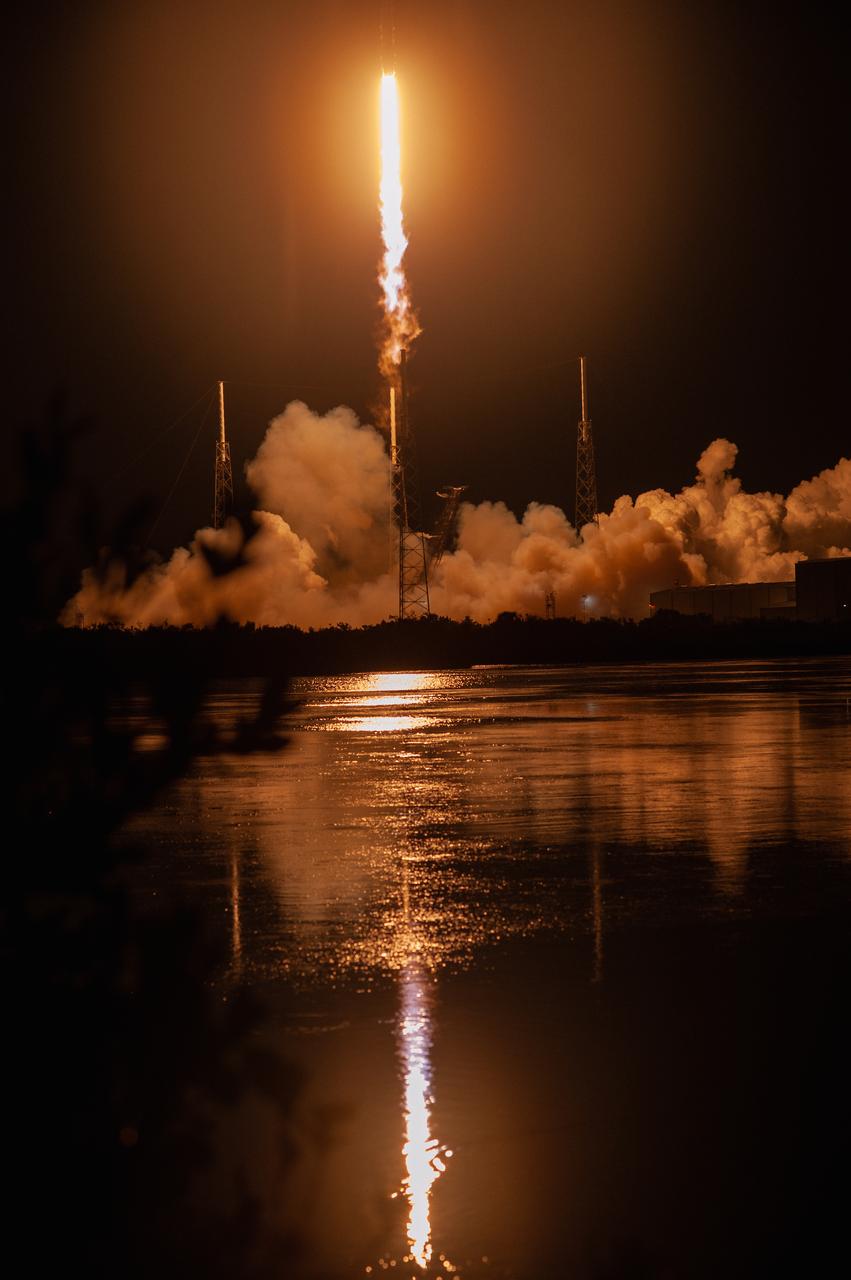
The SpaceX Falcon 9 rocket with the Dragon cargo module lifts off Space Launch Complex 40 on Cape Canaveral Air Force Station in Florida in the early morning May 4, 2019. Liftoff was at 2:48 a.m. EDT. This is SpaceX’s 17th Commercial Resupply Services (CRS-17) mission for NASA to the International Space Station. The Dragon cargo module will deliver about 5,500 pounds of science and research, crew supplies and vehicle hardware to the orbital laboratory and its crew.
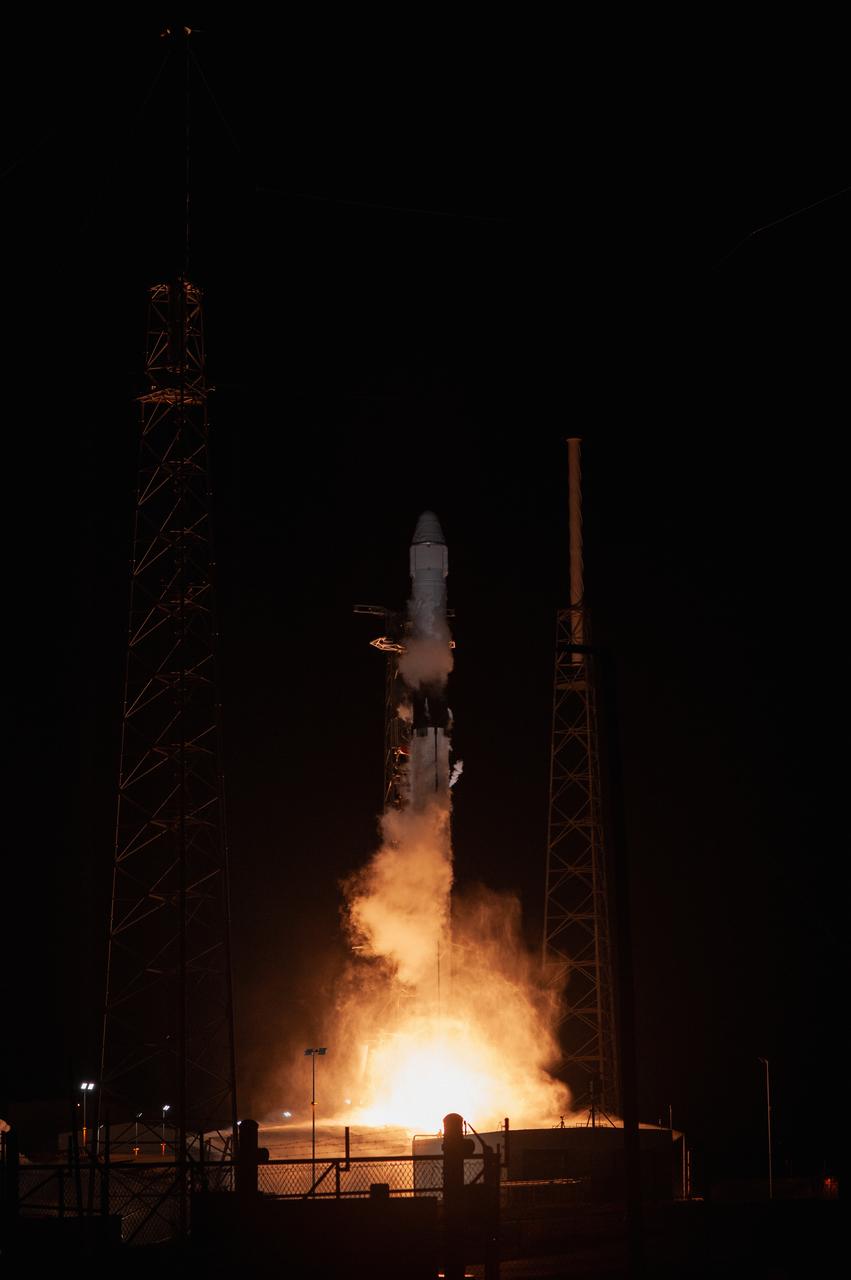
The SpaceX Falcon 9 rocket with the Dragon cargo module lifts off Space Launch Complex 40 on Cape Canaveral Air Force Station in Florida in the early morning May 4, 2019. Liftoff was at 2:48 a.m. EDT. This is SpaceX’s 17th Commercial Resupply Services (CRS-17) mission for NASA to the International Space Station. The Dragon cargo module will deliver about 5,500 pounds of science and research, crew supplies and vehicle hardware to the orbital laboratory and its crew.
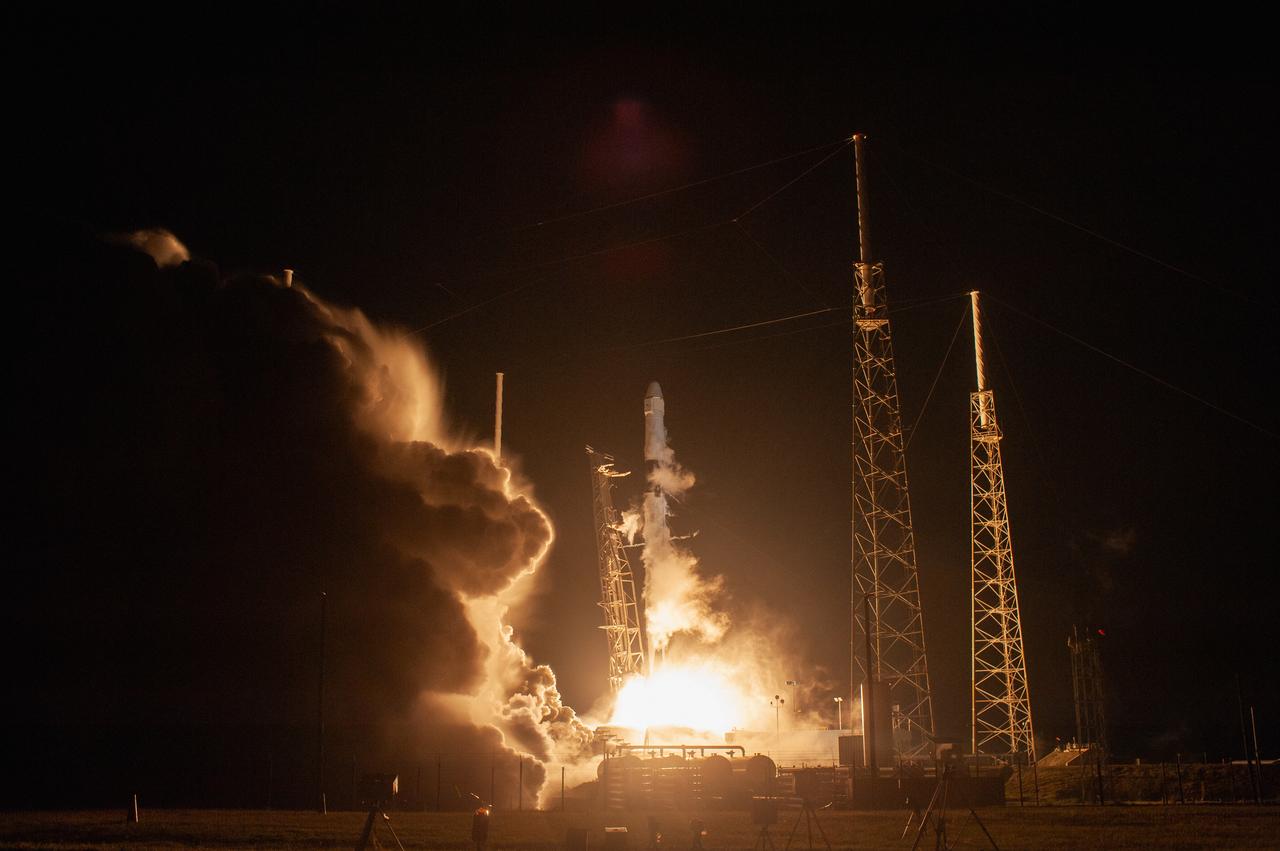
The SpaceX Falcon 9 rocket with the Dragon cargo module lifts off Space Launch Complex 40 on Cape Canaveral Air Force Station in Florida in the early morning May 4, 2019. Liftoff was at 2:48 a.m. EDT. This is SpaceX’s 17th Commercial Resupply Services (CRS-17) mission for NASA to the International Space Station. The Dragon cargo module will deliver about 5,500 pounds of science and research, crew supplies and vehicle hardware to the orbital laboratory and its crew.
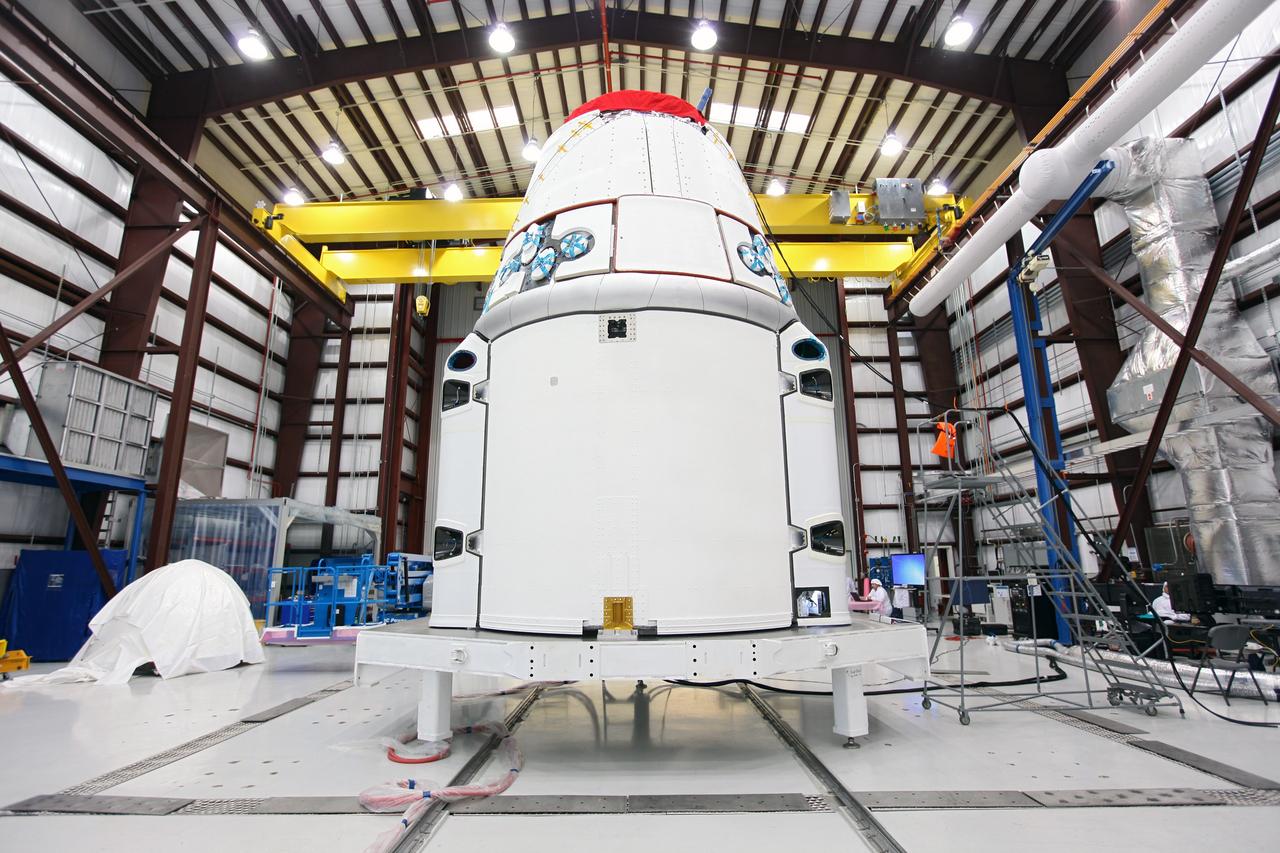
CAPE CANAVERAL, Fla. – The Space Exploration Technologies, or SpaceX, Dragon spacecraft with solar array fairings attached, stands inside a processing hangar at Cape Canaveral Air Force Station, Fla. The spacecraft will launch on the upcoming SpaceX CRS-2 mission. The flight will be the second commercial resupply mission to the International Space Station by SpaceX. NASA has contracted for a total of 12 commercial resupply flights from SpaceX and eight from the Orbital Sciences Corp. Photo credit: NASA/Kim Shiflett
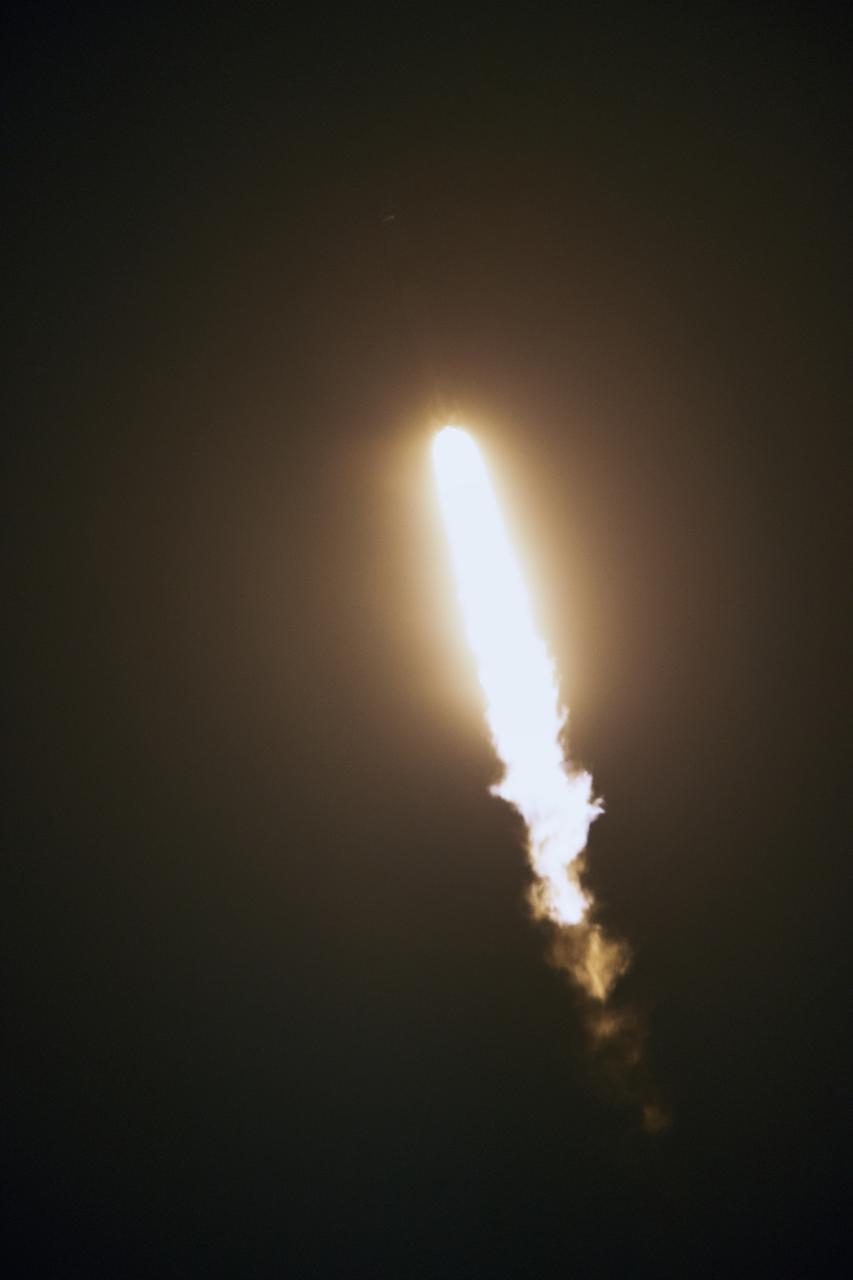
The SpaceX Falcon 9 rocket with the Dragon cargo module climbs upward after liftoff from Space Launch Complex 40 on Cape Canaveral Air Force Station in Florida in the early morning May 4, 2019. Liftoff was at 2:48 a.m. EDT. This is SpaceX’s 17th Commercial Resupply Services (CRS-17) mission for NASA to the International Space Station. The Dragon cargo module will deliver about 5,500 pounds of science and research, crew supplies and vehicle hardware to the orbital laboratory and its crew.

The SpaceX Falcon 9 rocket with the Dragon cargo module climbs upward after liftoff from Space Launch Complex 40 on Cape Canaveral Air Force Station in Florida in the early morning May 4, 2019. Liftoff was at 2:48 a.m. EDT. This is SpaceX’s 17th Commercial Resupply Services (CRS-17) mission for NASA to the International Space Station. The Dragon cargo module will deliver about 5,500 pounds of science and research, crew supplies and vehicle hardware to the orbital laboratory and its crew.
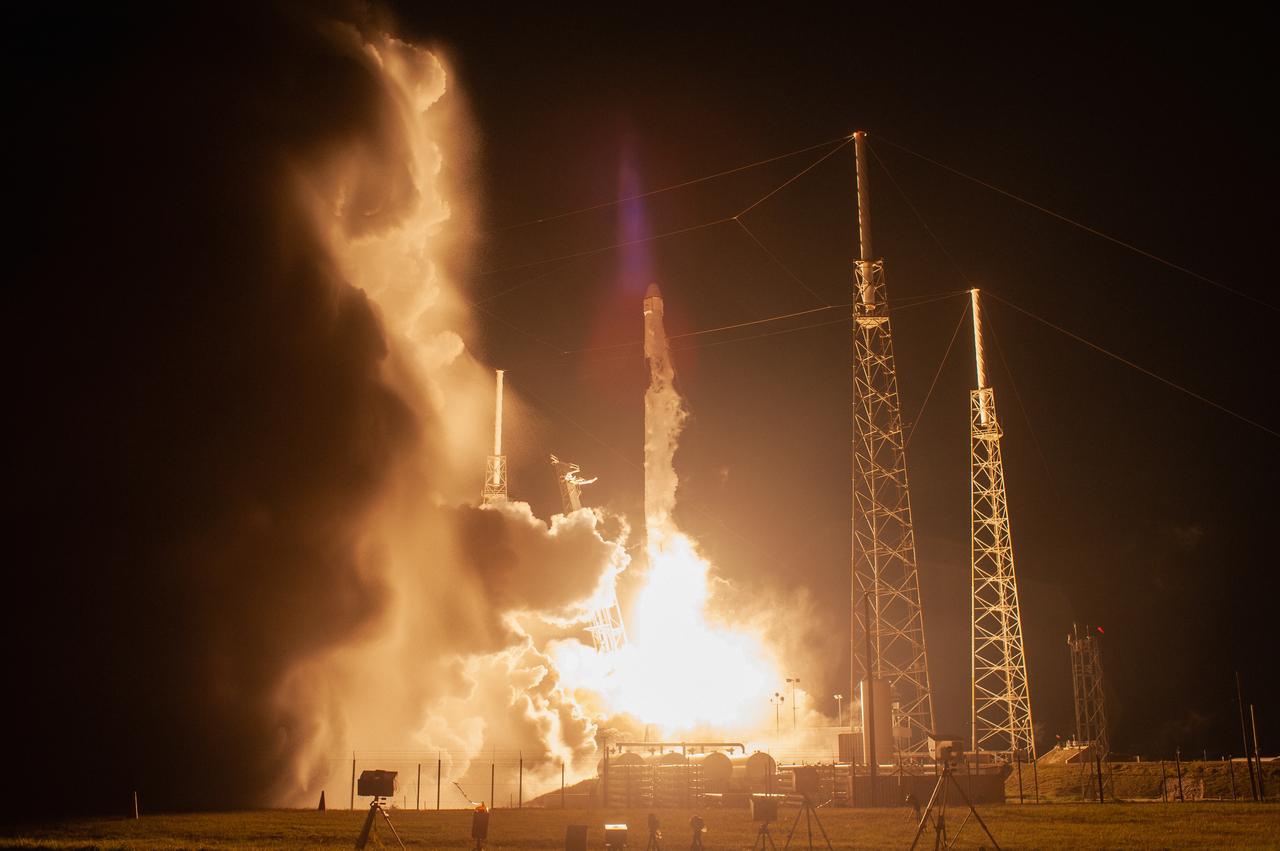
The SpaceX Falcon 9 rocket with the Dragon cargo module lifts off Space Launch Complex 40 on Cape Canaveral Air Force Station in Florida in the early morning May 4, 2019. Liftoff was at 2:48 a.m. EDT. This is SpaceX’s 17th Commercial Resupply Services (CRS-17) mission for NASA to the International Space Station. The Dragon cargo module will deliver about 5,500 pounds of science and research, crew supplies and vehicle hardware to the orbital laboratory and its crew.
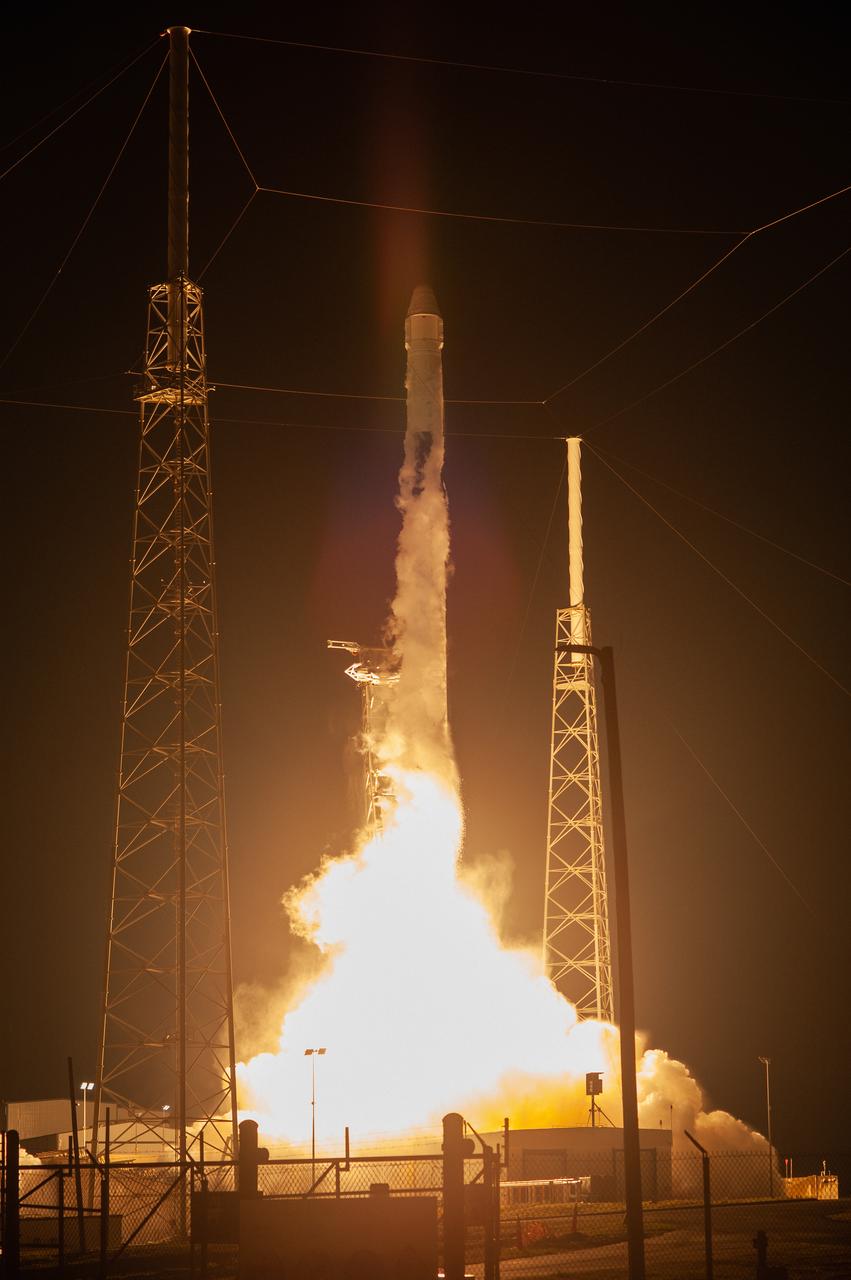
The SpaceX Falcon 9 rocket with the Dragon cargo module lifts off Space Launch Complex 40 on Cape Canaveral Air Force Station in Florida in the early morning May 4, 2019. Liftoff was at 2:48 a.m. EDT. This is SpaceX’s 17th Commercial Resupply Services (CRS-17) mission for NASA to the International Space Station. The Dragon cargo module will deliver about 5,500 pounds of science and research, crew supplies and vehicle hardware to the orbital laboratory and its crew.
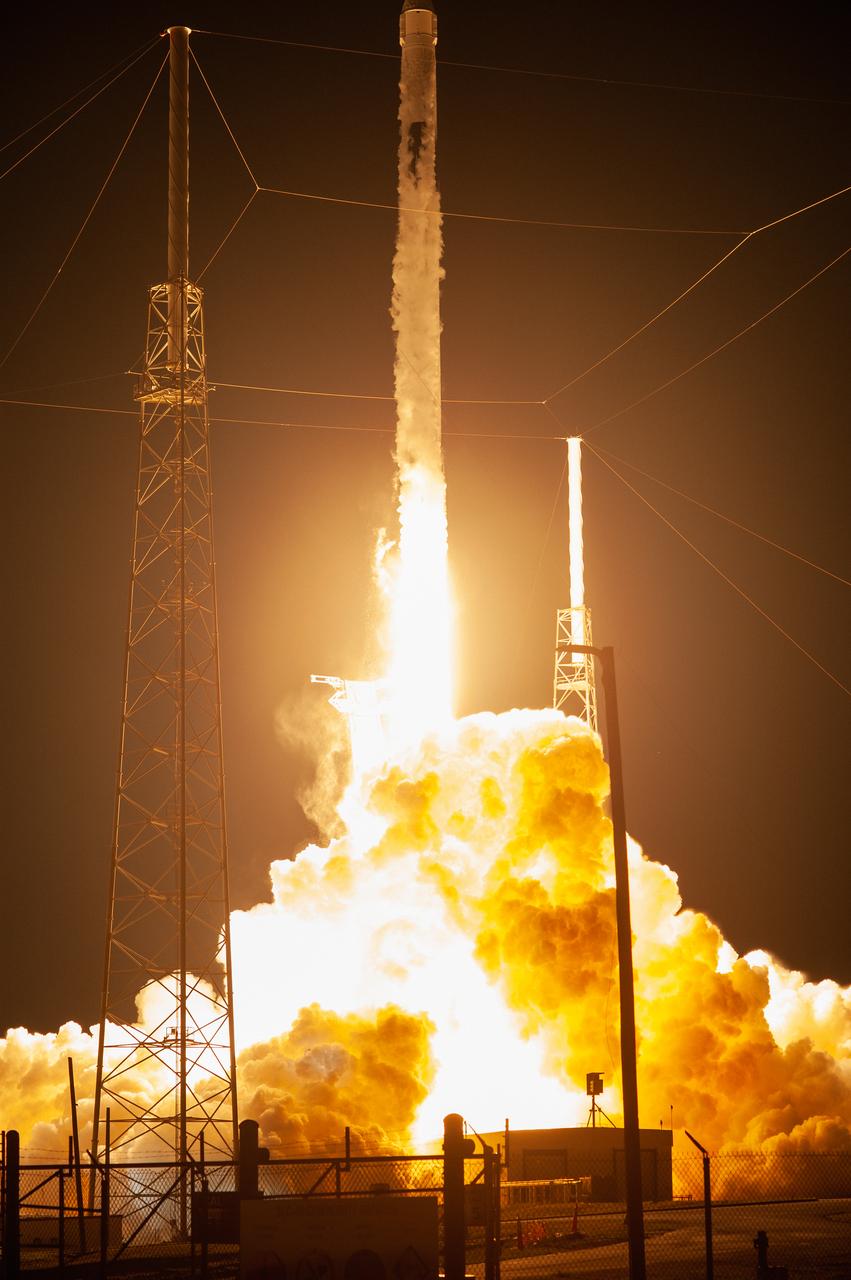
The SpaceX Falcon 9 rocket with the Dragon cargo module lifts off Space Launch Complex 40 on Cape Canaveral Air Force Station in Florida in the early morning May 4, 2019. Liftoff was at 2:48 a.m. EDT. This is SpaceX’s 17th Commercial Resupply Services (CRS-17) mission for NASA to the International Space Station. The Dragon cargo module will deliver about 5,500 pounds of science and research, crew supplies and vehicle hardware to the orbital laboratory and its crew.
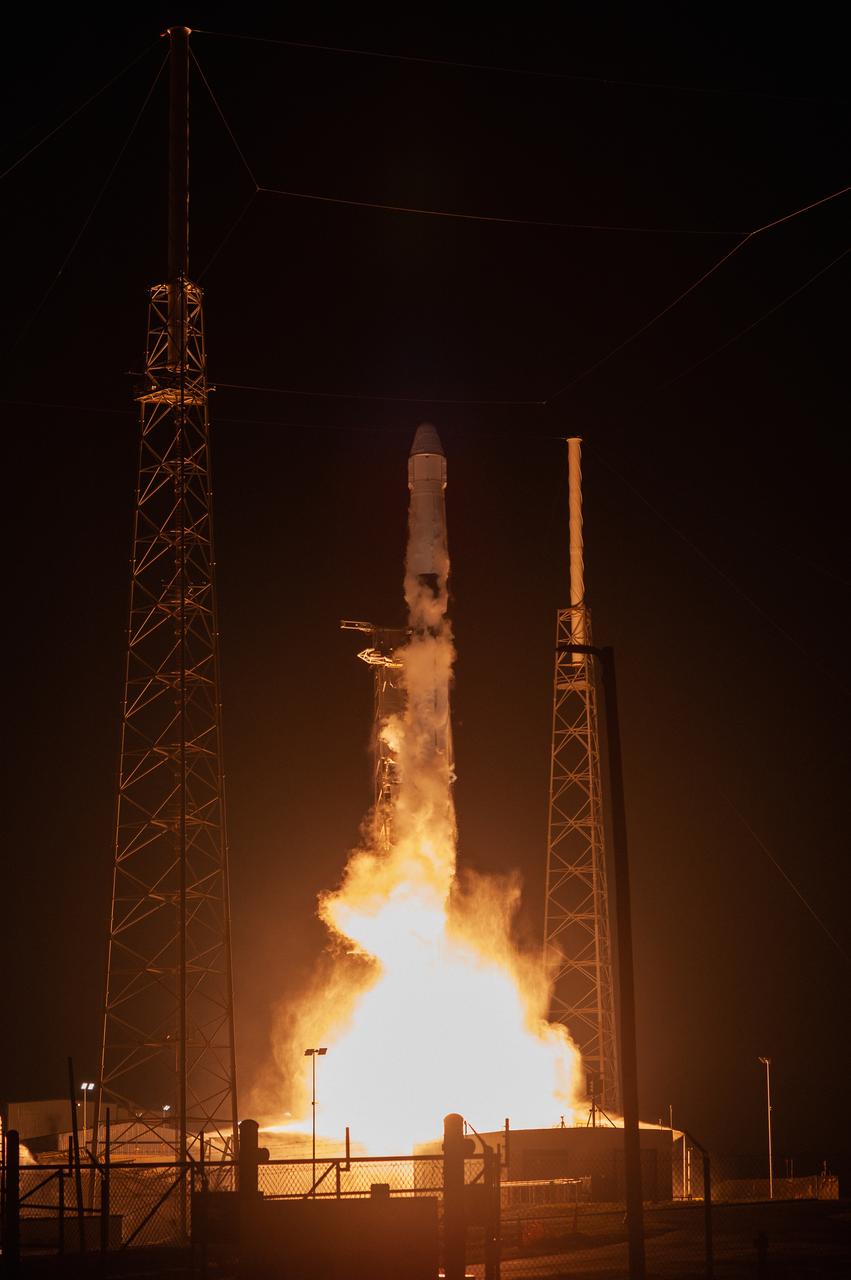
The SpaceX Falcon 9 rocket with the Dragon cargo module lifts off Space Launch Complex 40 on Cape Canaveral Air Force Station in Florida in the early morning May 4, 2019. Liftoff was at 2:48 a.m. EDT. This is SpaceX’s 17th Commercial Resupply Services (CRS-17) mission for NASA to the International Space Station. The Dragon cargo module will deliver about 5,500 pounds of science and research, crew supplies and vehicle hardware to the orbital laboratory and its crew.
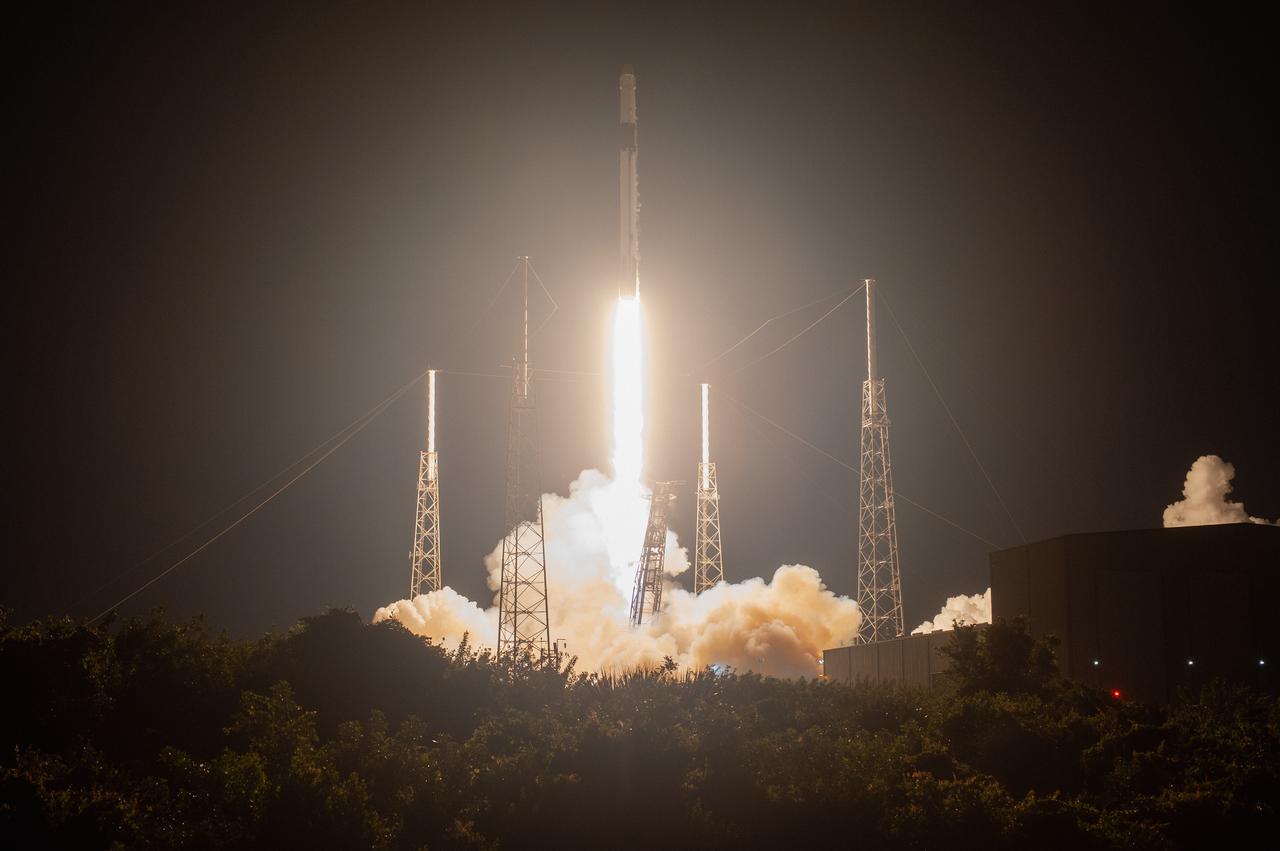
The SpaceX Falcon 9 rocket with the Dragon cargo module lifts off Space Launch Complex 40 on Cape Canaveral Air Force Station in Florida in the early morning May 4, 2019. Liftoff was at 2:48 a.m. EDT. This is SpaceX’s 17th Commercial Resupply Services (CRS-17) mission for NASA to the International Space Station. The Dragon cargo module will deliver about 5,500 pounds of science and research, crew supplies and vehicle hardware to the orbital laboratory and its crew.
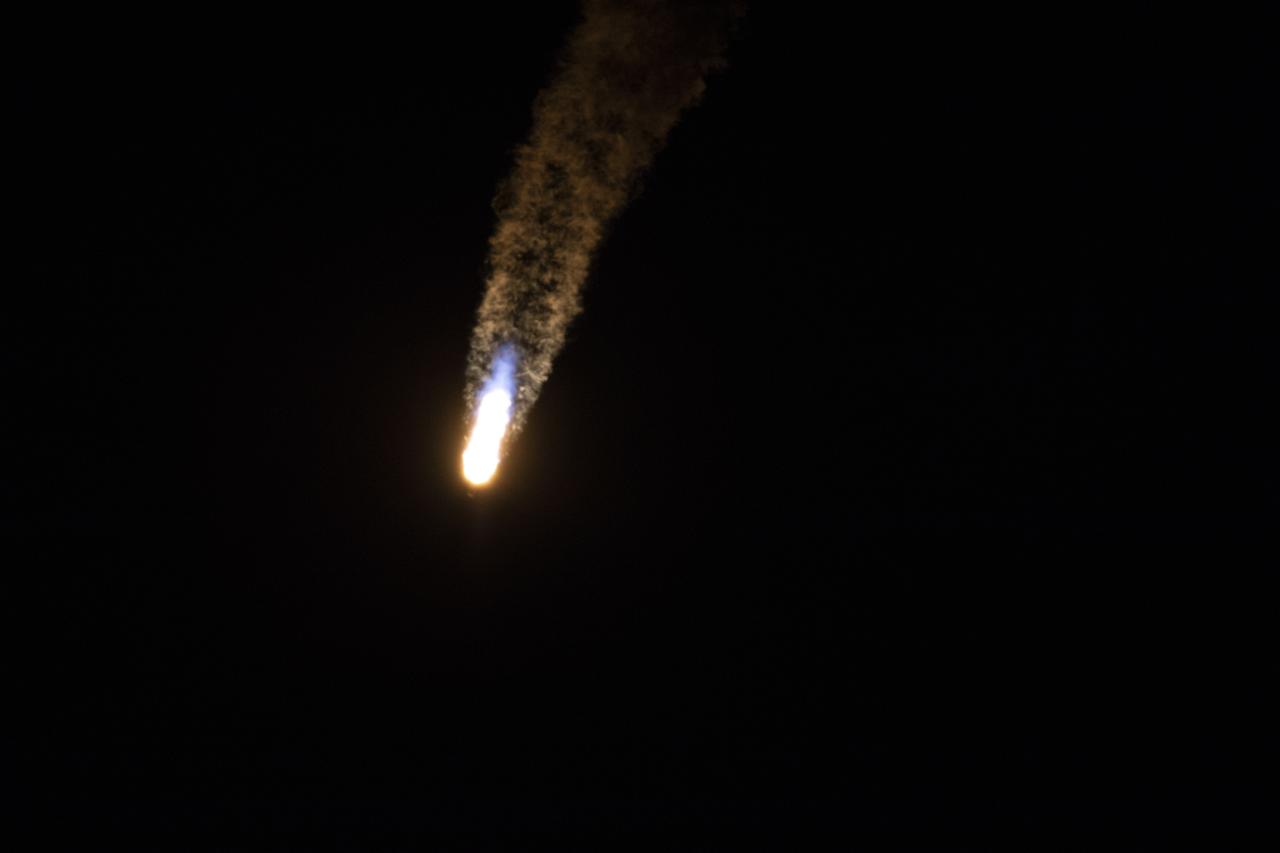
The SpaceX Falcon 9 rocket with the Dragon cargo module climbs upward after liftoff from Space Launch Complex 40 on Cape Canaveral Air Force Station in Florida in the early morning May 4, 2019. Liftoff was at 2:48 a.m. EDT. This is SpaceX’s 17th Commercial Resupply Services (CRS-17) mission for NASA to the International Space Station. The Dragon cargo module will deliver about 5,500 pounds of science and research, crew supplies and vehicle hardware to the orbital laboratory and its crew.
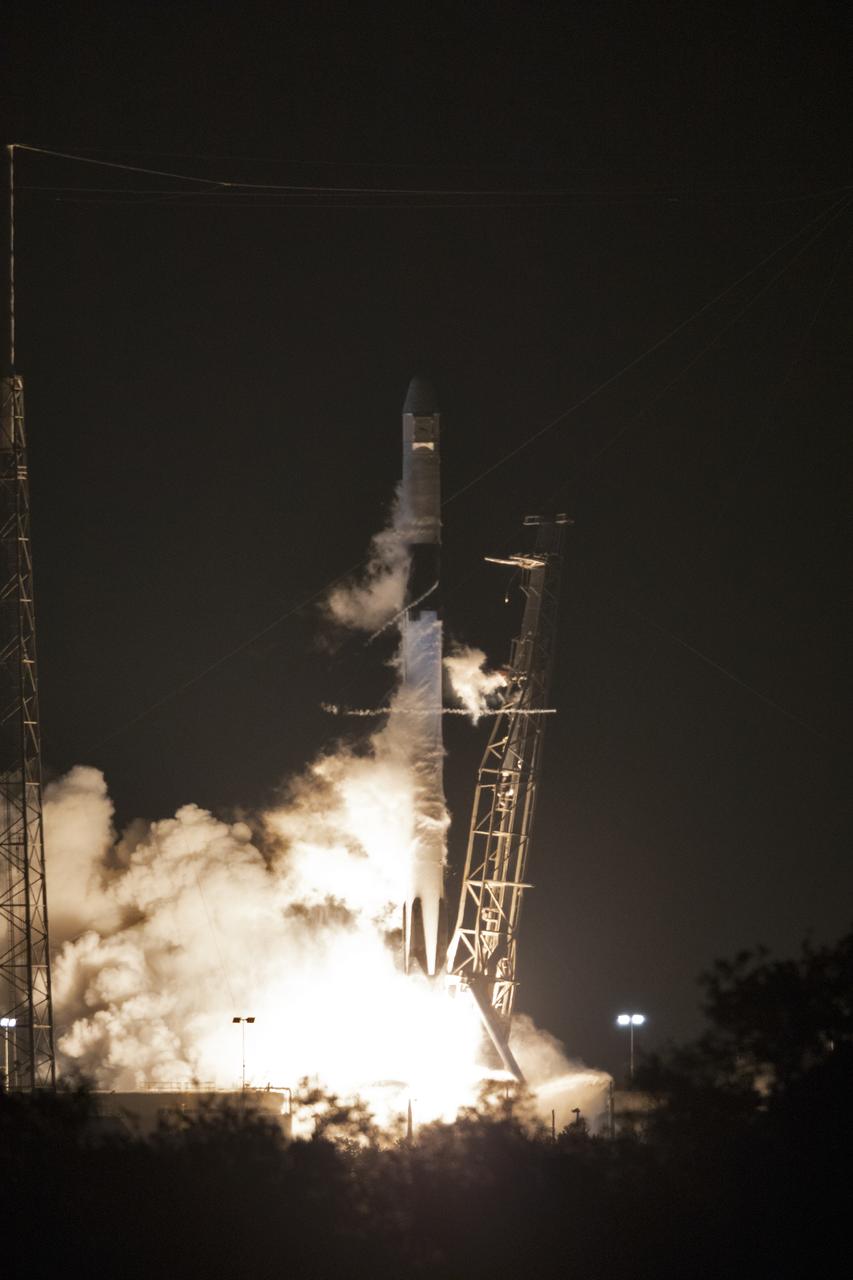
The SpaceX Falcon 9 rocket with the Dragon cargo module lifts off Space Launch Complex 40 on Cape Canaveral Air Force Station in Florida in the early morning May 4, 2019. Liftoff was at 2:48 a.m. EDT. This is SpaceX’s 17th Commercial Resupply Services (CRS-17) mission for NASA to the International Space Station. The Dragon cargo module will deliver about 5,500 pounds of science and research, crew supplies and vehicle hardware to the orbital laboratory and its crew.

The SpaceX Falcon 9 rocket with the Dragon cargo module lifts off Space Launch Complex 40 on Cape Canaveral Air Force Station in Florida in the early morning May 4, 2019. Liftoff was at 2:48 a.m. EDT. This is SpaceX’s 17th Commercial Resupply Services (CRS-17) mission for NASA to the International Space Station. The Dragon cargo module will deliver about 5,500 pounds of science and research, crew supplies and vehicle hardware to the orbital laboratory and its crew.
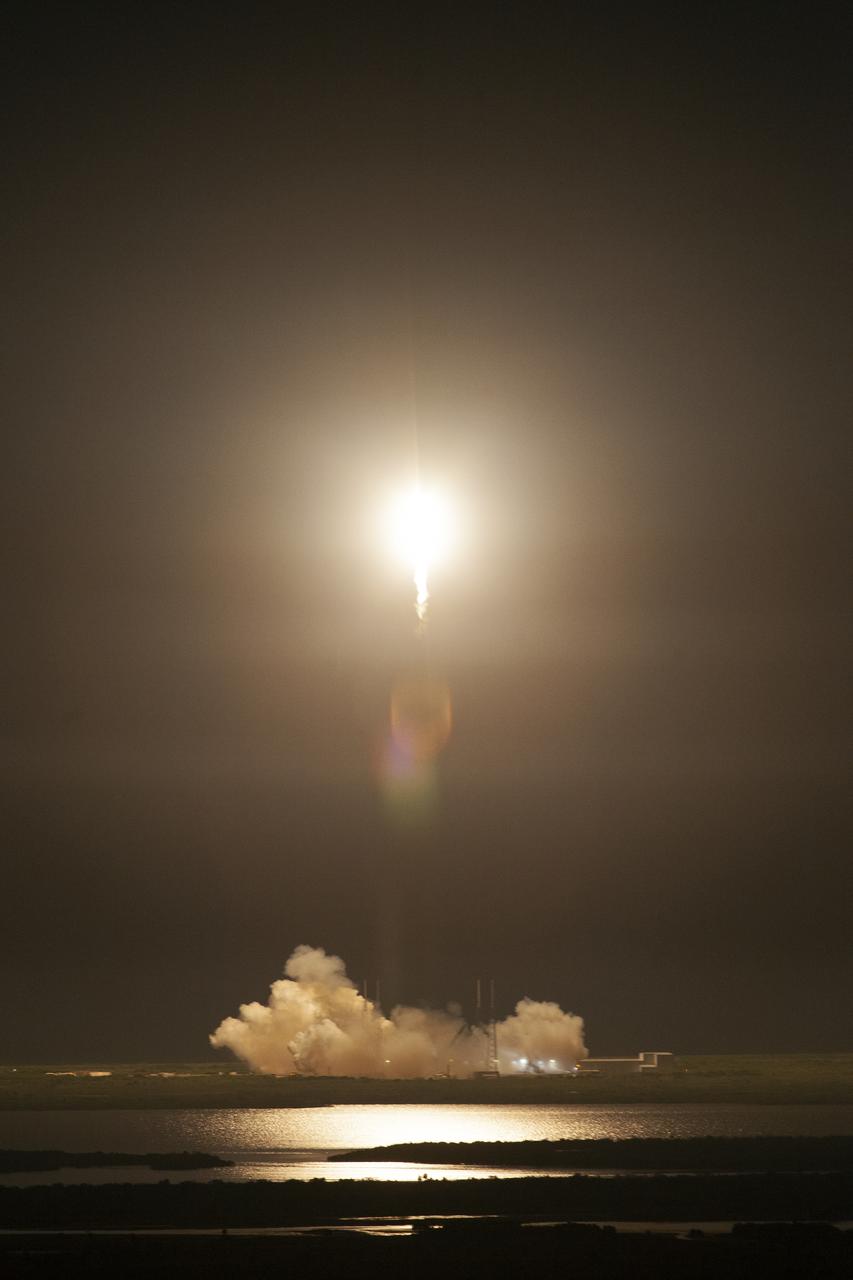
The SpaceX Falcon 9 rocket with the Dragon cargo module climbs upward after liftoff from Space Launch Complex 40 on Cape Canaveral Air Force Station in Florida in the early morning May 4, 2019. Liftoff was at 2:48 a.m. EDT. This is SpaceX’s 17th Commercial Resupply Services (CRS-17) mission for NASA to the International Space Station. The Dragon cargo module will deliver about 5,500 pounds of science and research, crew supplies and vehicle hardware to the orbital laboratory and its crew.
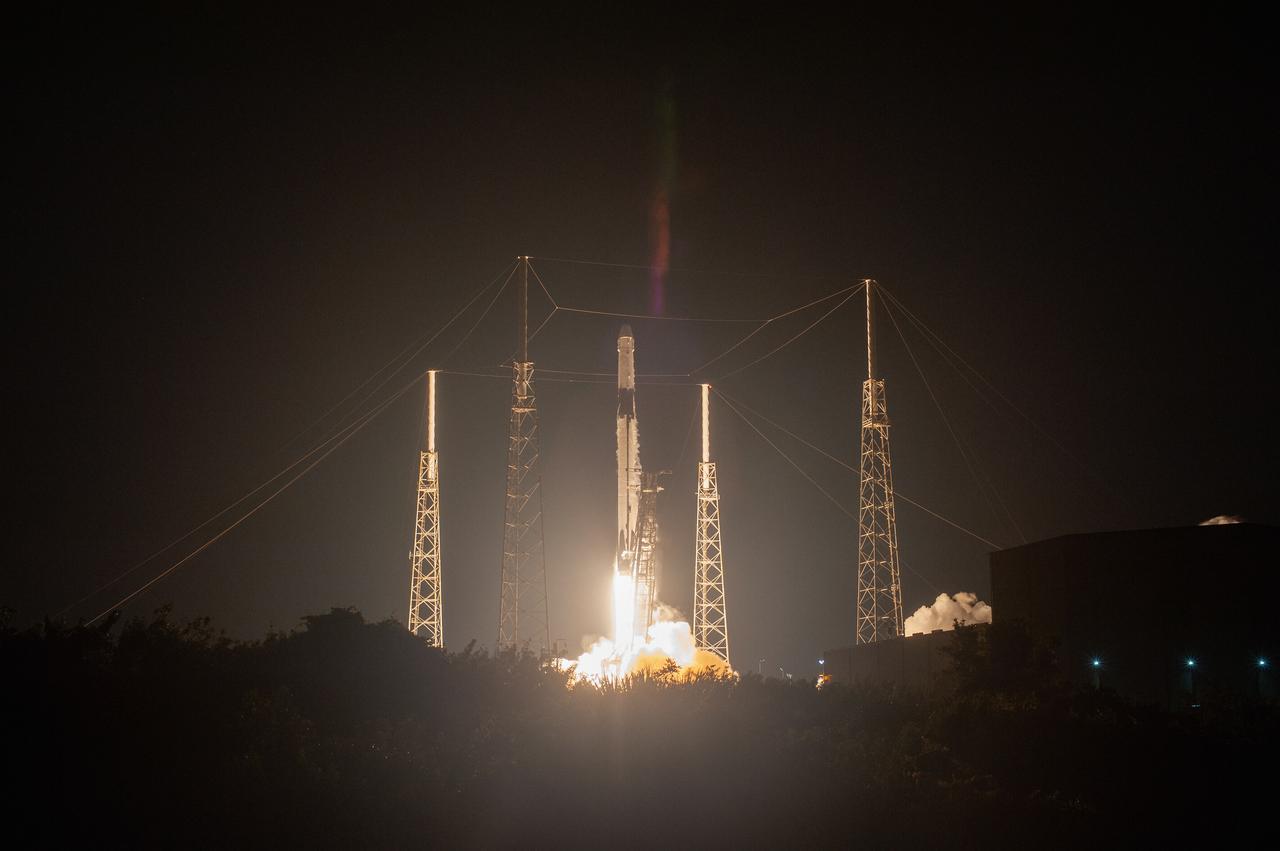
The SpaceX Falcon 9 rocket with the Dragon cargo module lifts off Space Launch Complex 40 on Cape Canaveral Air Force Station in Florida in the early morning May 4, 2019. Liftoff was at 2:48 a.m. EDT. This is SpaceX’s 17th Commercial Resupply Services (CRS-17) mission for NASA to the International Space Station. The Dragon cargo module will deliver about 5,500 pounds of science and research, crew supplies and vehicle hardware to the orbital laboratory and its crew.
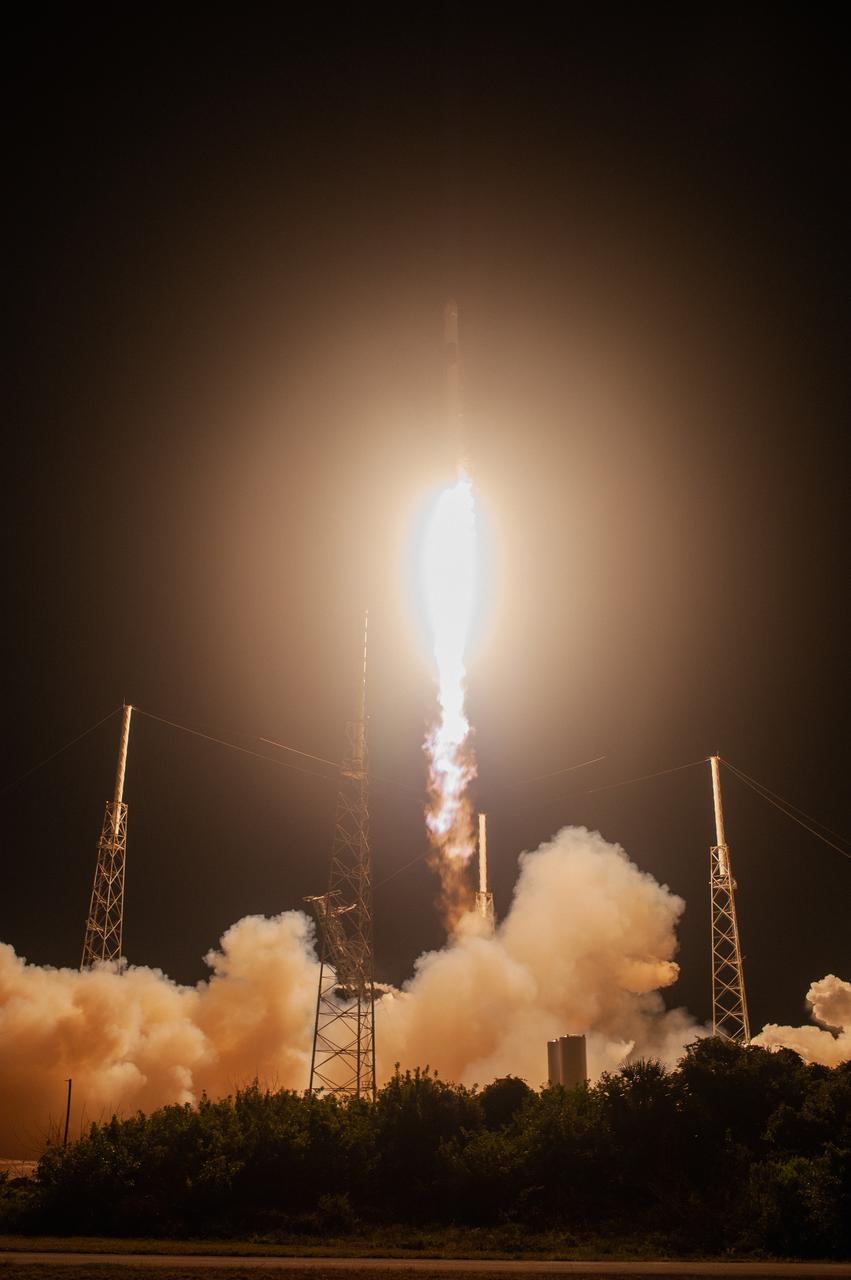
The SpaceX Falcon 9 rocket with the Dragon cargo module climbs upward after liftoff from Space Launch Complex 40 on Cape Canaveral Air Force Station in Florida in the early morning May 4, 2019. Liftoff was at 2:48 a.m. EDT. This is SpaceX’s 17th Commercial Resupply Services (CRS-17) mission for NASA to the International Space Station. The Dragon cargo module will deliver about 5,500 pounds of science and research, crew supplies and vehicle hardware to the orbital laboratory and its crew.
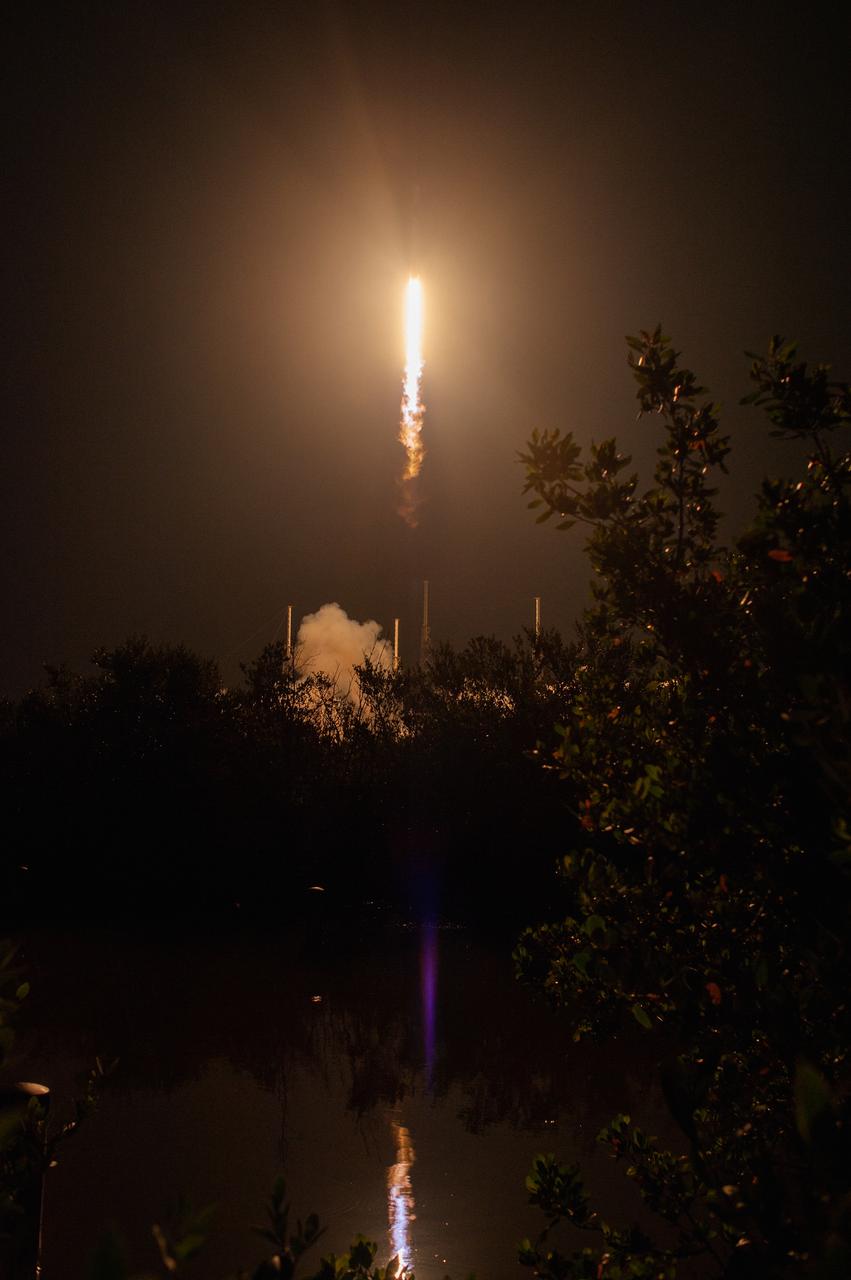
The SpaceX Falcon 9 rocket with the Dragon cargo module climbs upward after liftoff from Space Launch Complex 40 on Cape Canaveral Air Force Station in Florida in the early morning May 4, 2019. Liftoff was at 2:48 a.m. EDT. This is SpaceX’s 17th Commercial Resupply Services (CRS-17) mission for NASA to the International Space Station. The Dragon cargo module will deliver about 5,500 pounds of science and research, crew supplies and vehicle hardware to the orbital laboratory and its crew.
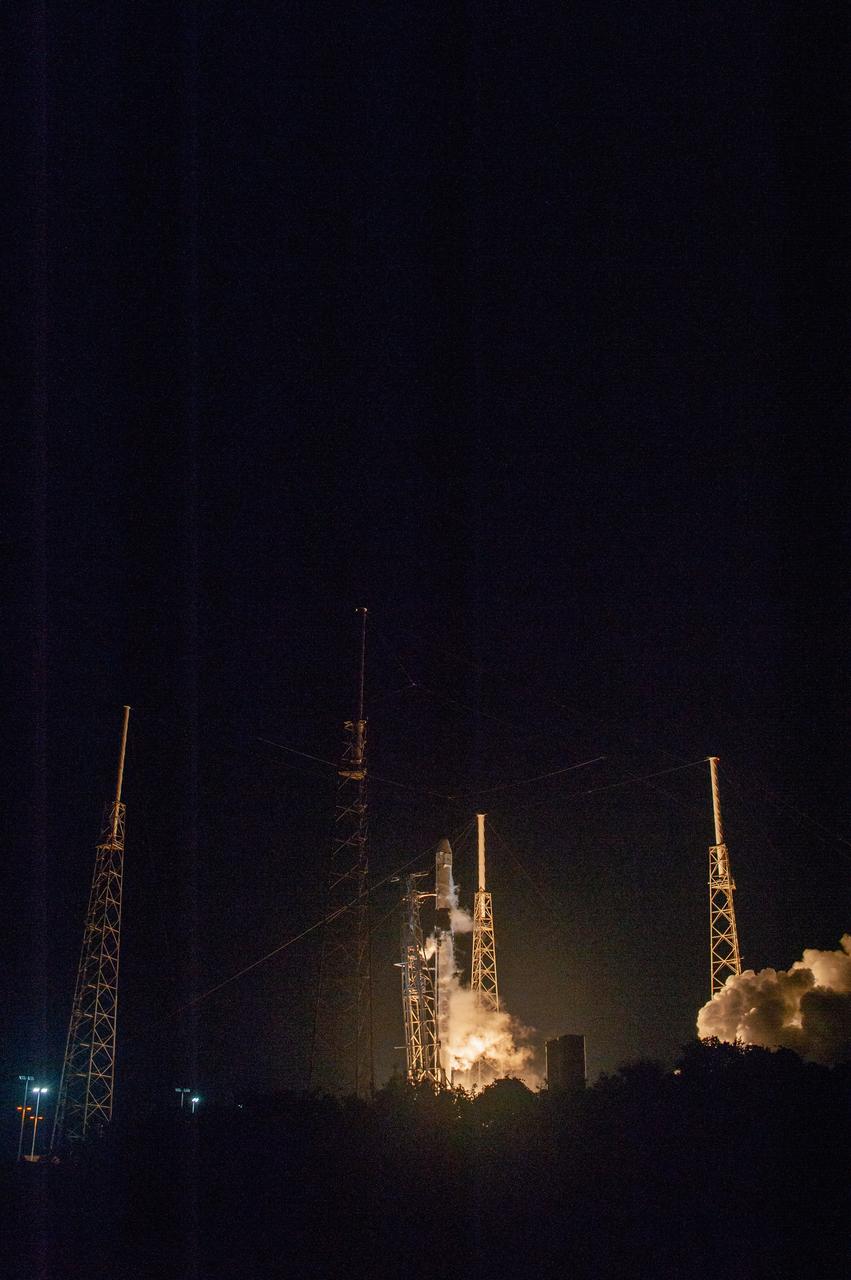
The SpaceX Falcon 9 rocket with the Dragon cargo module lifts off Space Launch Complex 40 on Cape Canaveral Air Force Station in Florida in the early morning May 4, 2019. Liftoff was at 2:48 a.m. EDT. This is SpaceX’s 17th Commercial Resupply Services (CRS-17) mission for NASA to the International Space Station. The Dragon cargo module will deliver about 5,500 pounds of science and research, crew supplies and vehicle hardware to the orbital laboratory and its crew.
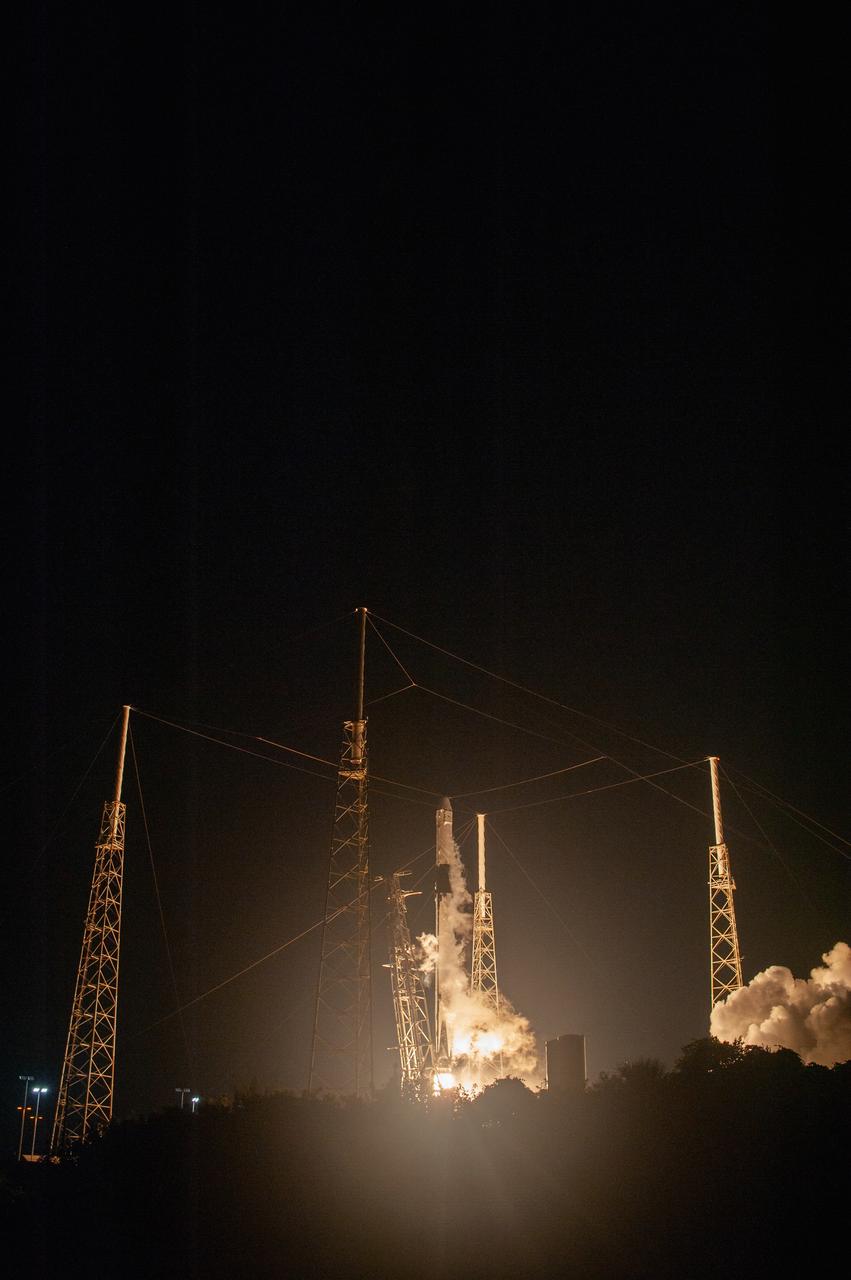
The SpaceX Falcon 9 rocket with the Dragon cargo module lifts off Space Launch Complex 40 on Cape Canaveral Air Force Station in Florida in the early morning May 4, 2019. Liftoff was at 2:48 a.m. EDT. This is SpaceX’s 17th Commercial Resupply Services (CRS-17) mission for NASA to the International Space Station. The Dragon cargo module will deliver about 5,500 pounds of science and research, crew supplies and vehicle hardware to the orbital laboratory and its crew.
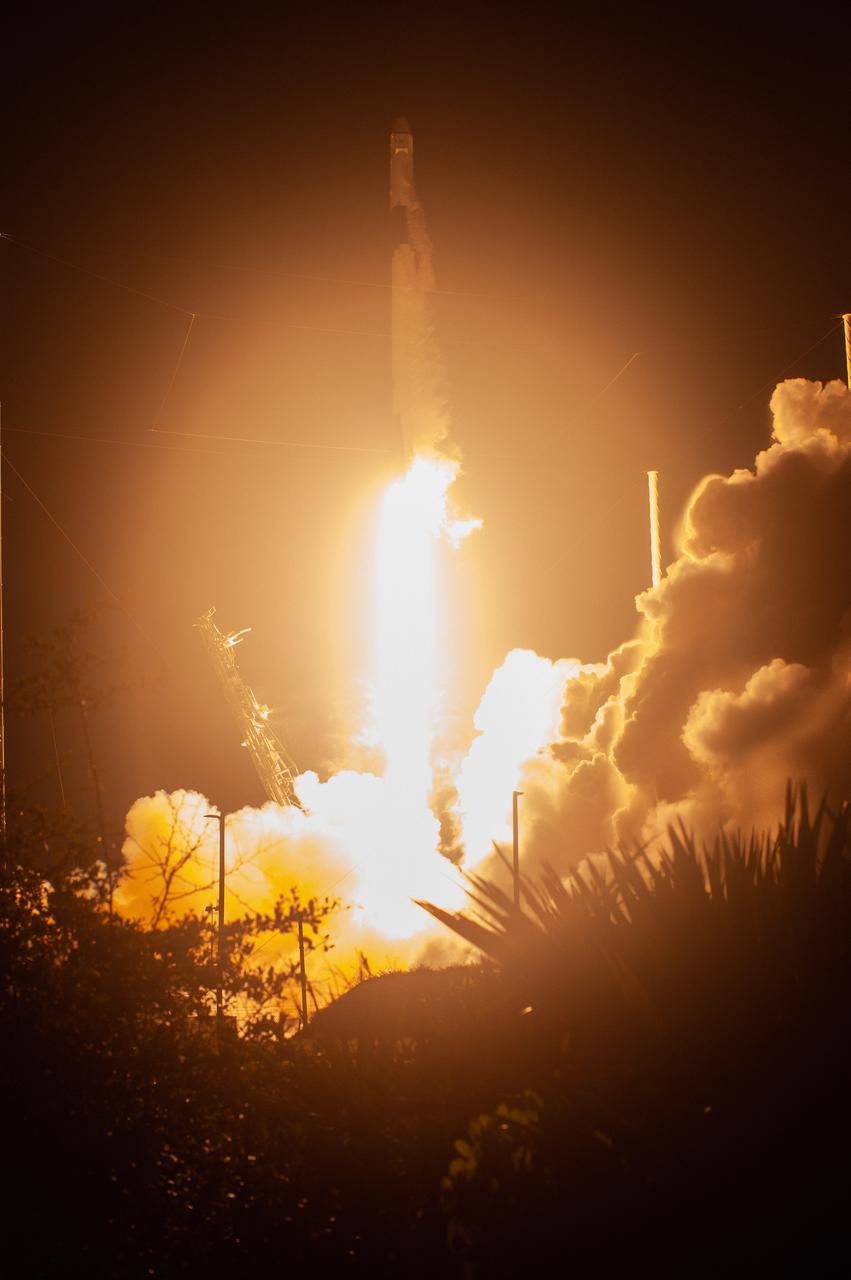
The SpaceX Falcon 9 rocket with the Dragon cargo module climbs upward after liftoff from Space Launch Complex 40 on Cape Canaveral Air Force Station in Florida in the early morning May 4, 2019. Liftoff was at 2:48 a.m. EDT. This is SpaceX’s 17th Commercial Resupply Services (CRS-17) mission for NASA to the International Space Station. The Dragon cargo module will deliver about 5,500 pounds of science and research, crew supplies and vehicle hardware to the orbital laboratory and its crew.
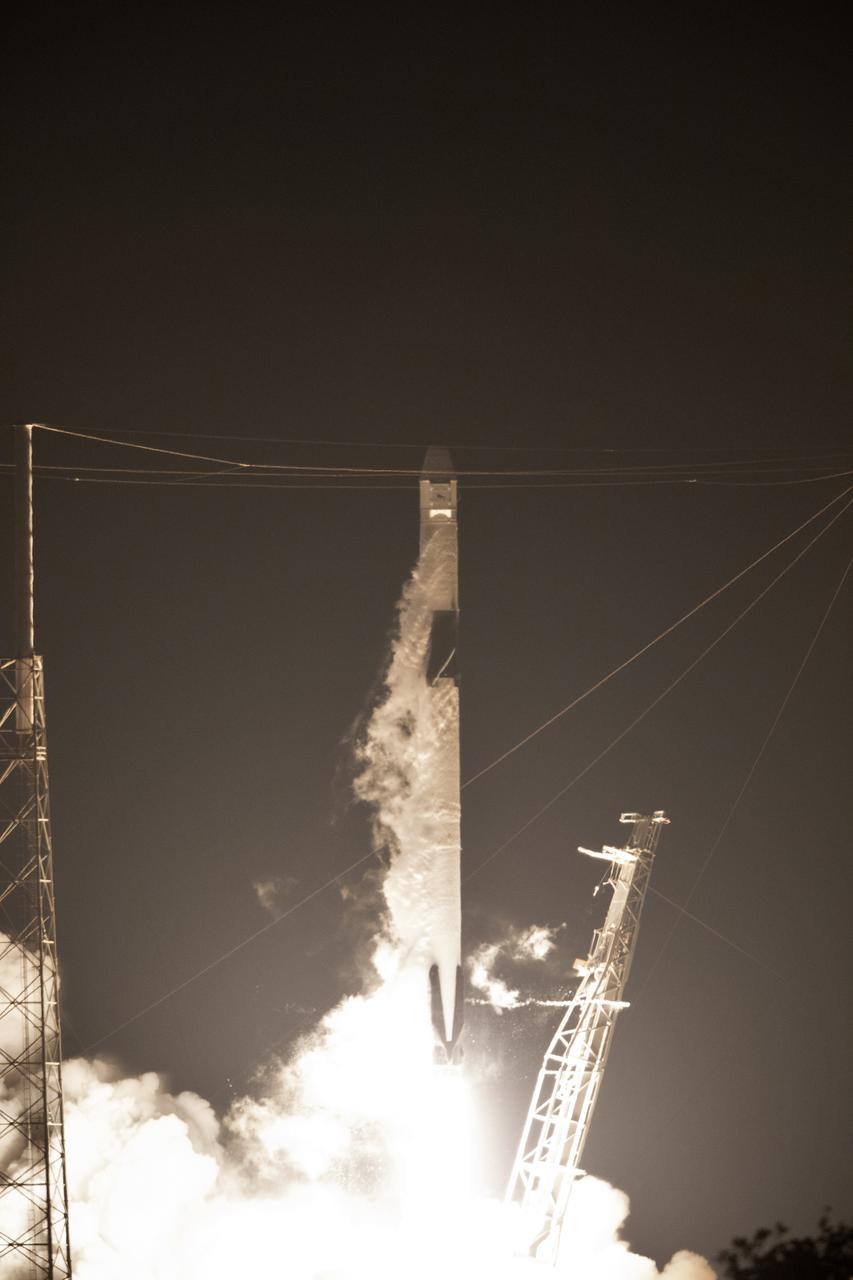
The SpaceX Falcon 9 rocket with the Dragon cargo module lifts off Space Launch Complex 40 on Cape Canaveral Air Force Station in Florida in the early morning May 4, 2019. Liftoff was at 2:48 a.m. EDT. This is SpaceX’s 17th Commercial Resupply Services (CRS-17) mission for NASA to the International Space Station. The Dragon cargo module will deliver about 5,500 pounds of science and research, crew supplies and vehicle hardware to the orbital laboratory and its crew.
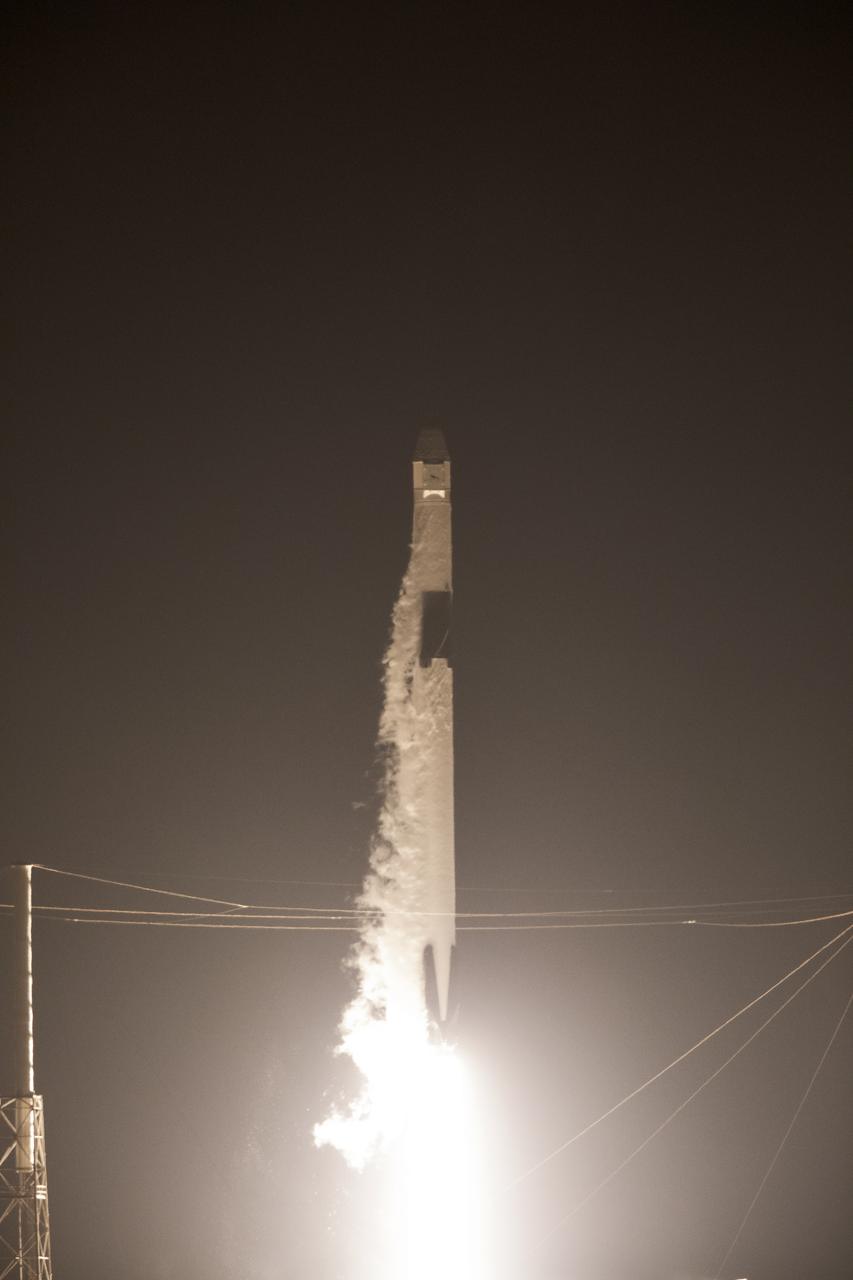
The SpaceX Falcon 9 rocket with the Dragon cargo module lifts off Space Launch Complex 40 on Cape Canaveral Air Force Station in Florida in the early morning May 4, 2019. Liftoff was at 2:48 a.m. EDT. This is SpaceX’s 17th Commercial Resupply Services (CRS-17) mission for NASA to the International Space Station. The Dragon cargo module will deliver about 5,500 pounds of science and research, crew supplies and vehicle hardware to the orbital laboratory and its crew.
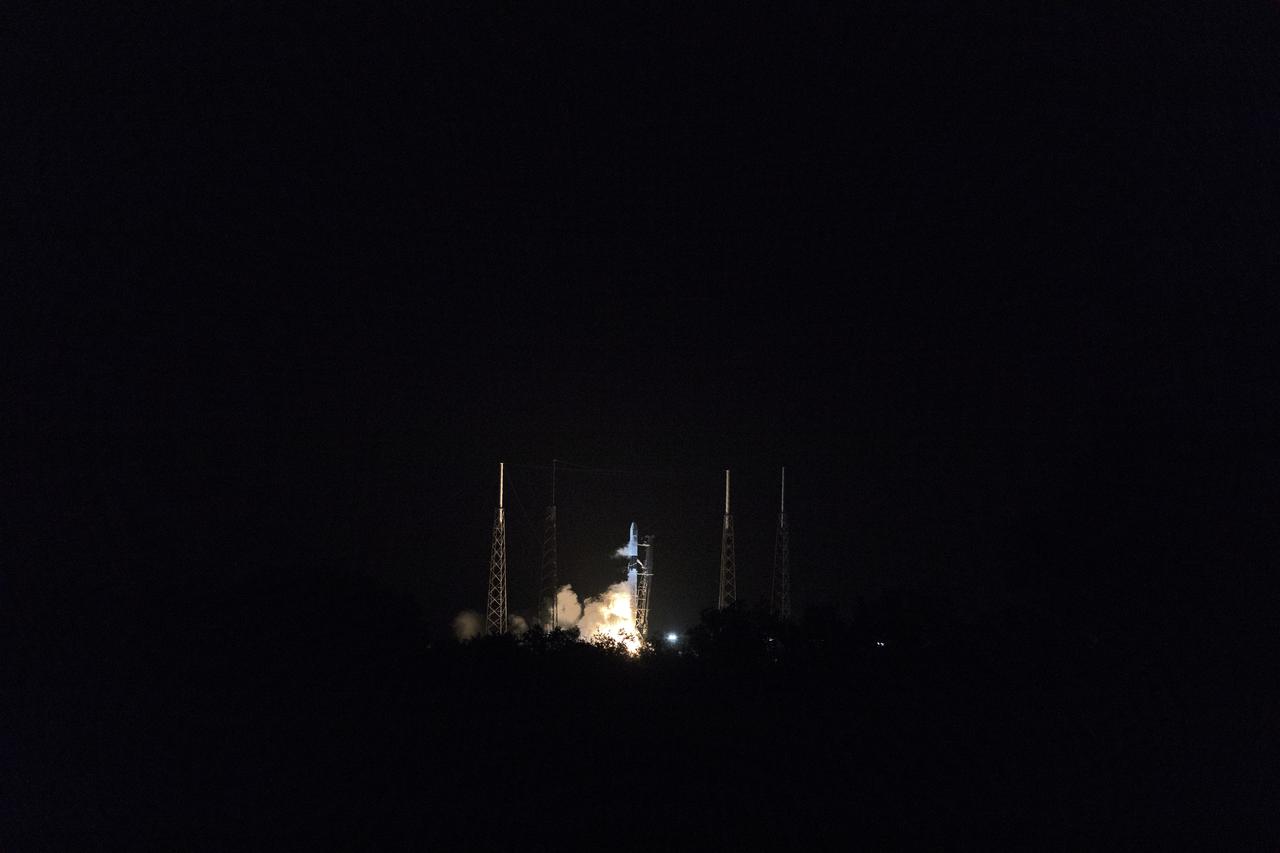
The SpaceX Falcon 9 rocket with the Dragon cargo module lifts off Space Launch Complex 40 on Cape Canaveral Air Force Station in Florida in the early morning May 4, 2019. Liftoff was at 2:48 a.m. EDT. This is SpaceX’s 17th Commercial Resupply Services (CRS-17) mission for NASA to the International Space Station. The Dragon cargo module will deliver about 5,500 pounds of science and research, crew supplies and vehicle hardware to the orbital laboratory and its crew.
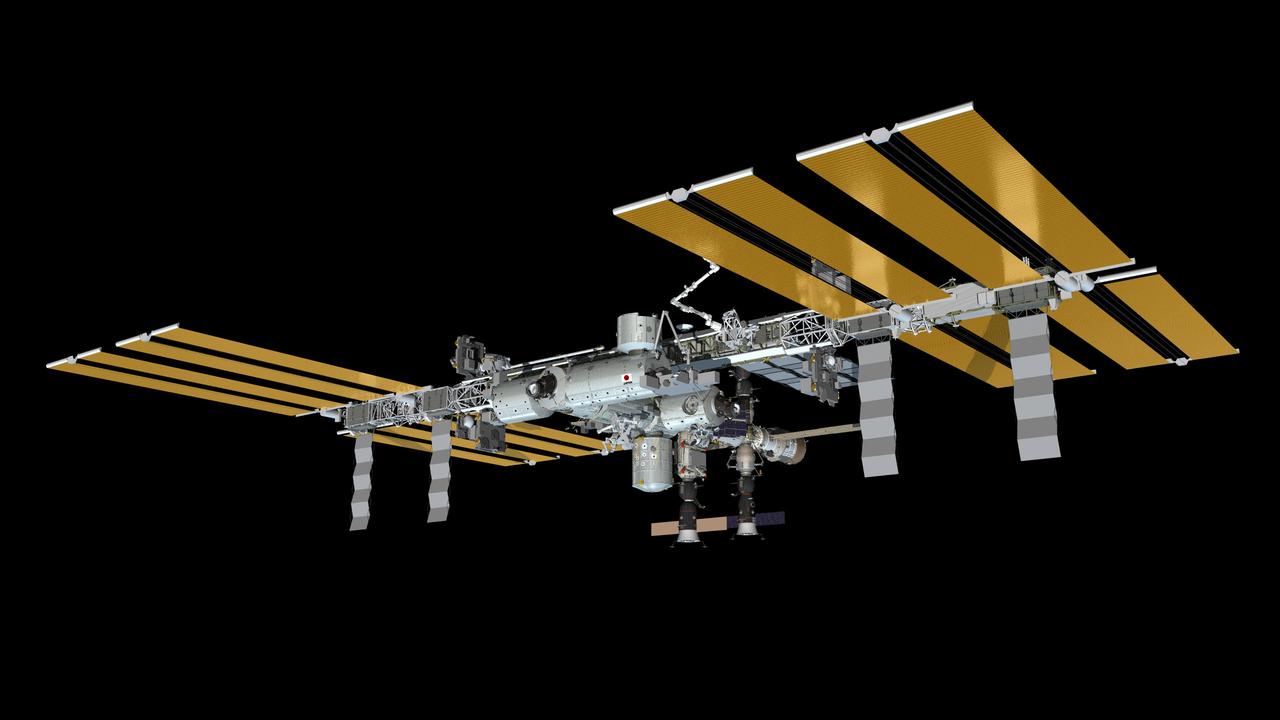
JSC2012-E-226839 (October 2012) --- Computer-generated artist?s rendering of the International Space Station as of Oct. 28, 2012. SpaceX Dragon CRS-1 is unberthed from the Harmony node nadir port. Soyuz 32 (TMA-06M) is docked to the Poisk Mini-Research Module 2 (MRM2). Progress 48 is linked to the Pirs Docking Compartment and Soyuz 31 (TMA-05M) is attached to the Rassvet Mini-Research Module 1 (MRM1). Photo credit: NASA