
The upgraded version of SpaceX’s Cargo Dragon spacecraft, Dragon 2, is seen atop a Falcon 9 rocket on Dec. 2, 2020, as they prepare to be rolled out to Launch Complex 39A at NASA’s Kennedy Space Center in Florida for the company’s 21st Commercial Resupply Services (CRS-21) launch. The first launch for SpaceX under NASA’s second Commercial Resupply Services contract, CRS-21 will deliver critical supplies, equipment, and material to support a variety of science and research investigations that will take place aboard the International Space Station. Liftoff is scheduled for 11:39 a.m. EST on Saturday, Dec. 5.

A SpaceX Falcon 9 rocket, topped with the upgraded version of the Cargo Dragon spacecraft, is seen inside the company’s hangar at NASA’s Kennedy Space Center in Florida on Dec. 2, 2020, prior to being rolled out to the launch pad in preparation for the 21st Commercial Resupply Services (CRS-21) launch. The first launch for SpaceX under NASA’s second Commercial Resupply Services contract, CRS-21 will deliver critical supplies, equipment, and material to support a variety of science and research investigations that will take place aboard the International Space Station. Liftoff is scheduled for 11:39 a.m. EST on Saturday, Dec. 5, from Kennedy’s Launch Complex 39A.

A SpaceX Falcon 9 rocket, topped with the upgraded version of the Cargo Dragon spacecraft, is seen inside the company’s hangar at NASA’s Kennedy Space Center in Florida on Dec. 2, 2020, prior to being rolled out to the launch pad in preparation for the 21st Commercial Resupply Services (CRS-21) launch. The first launch for SpaceX under NASA’s second Commercial Resupply Services contract, CRS-21 will deliver critical supplies, equipment, and material to support a variety of science and research investigations that will take place aboard the International Space Station. Liftoff is scheduled for 11:39 a.m. EST on Saturday, Dec. 5, from Kennedy’s Launch Complex 39A.
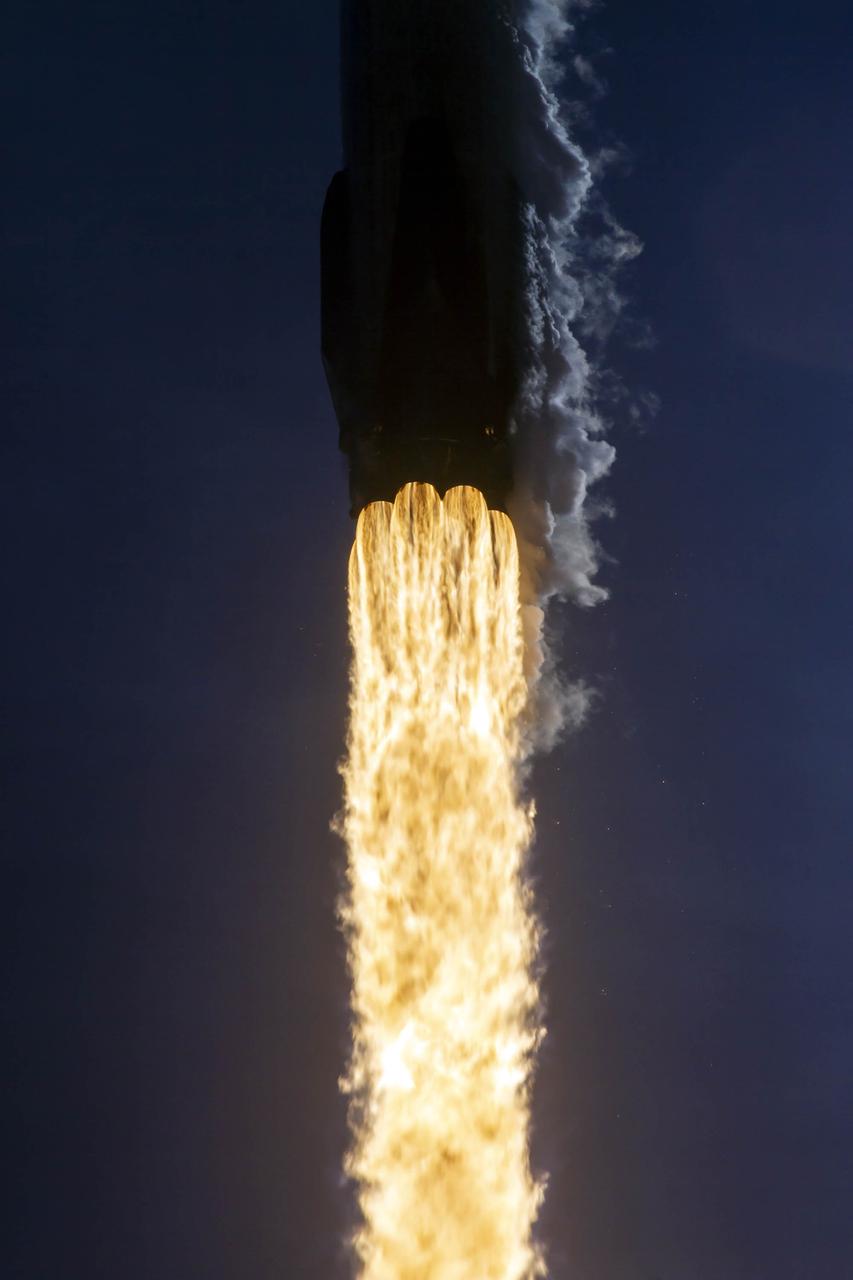
A SpaceX Falcon 9 rocket lifts off from Launch Complex 39A at Kennedy Space Center in Florida at 11:17 a.m. EST on Dec. 6, 2020, carrying the uncrewed cargo Dragon spacecraft on its journey to the International Space Station for NASA and SpaceX’s 21st Commercial Resupply Services (CRS-21) mission. Dragon will deliver more than 6,400 pounds of science investigations and cargo to the orbiting laboratory. The mission marks the first launch for SpaceX under NASA’s CRS-2 contract.
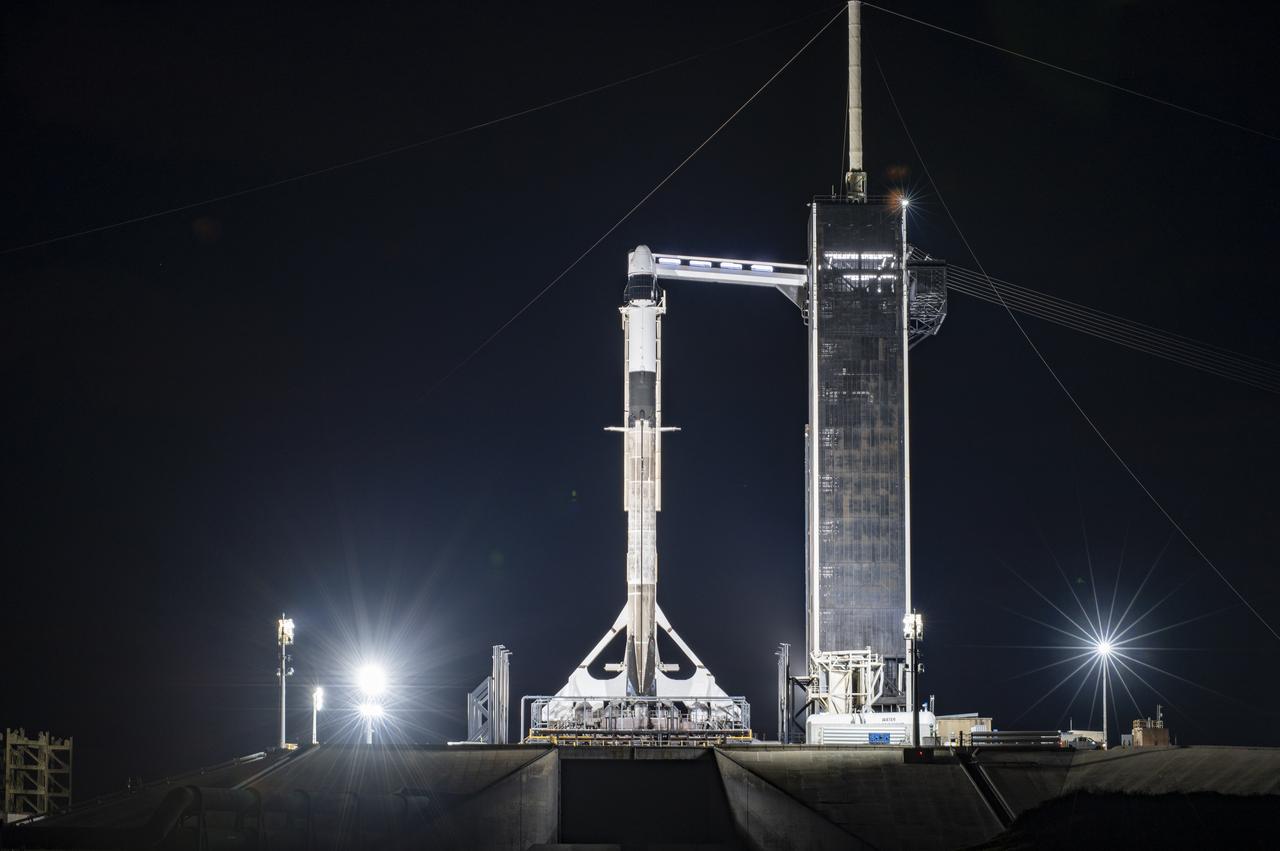
A SpaceX Falcon 9 rocket, topped with the company’s upgraded version of the Dragon spacecraft, stands vertical at NASA Kennedy Space Center’s Launch Complex 39A in Florida on Wednesday, Dec. 2, 2020. The first mission for SpaceX under NASA’s second Commercial Resupply Services contract, CRS-21 is scheduled to lift off from Launch Complex 39A on Saturday, Dec. 5, at 11:39 a.m. EST. The mission will deliver critical supplies and equipment to the International Space Station.
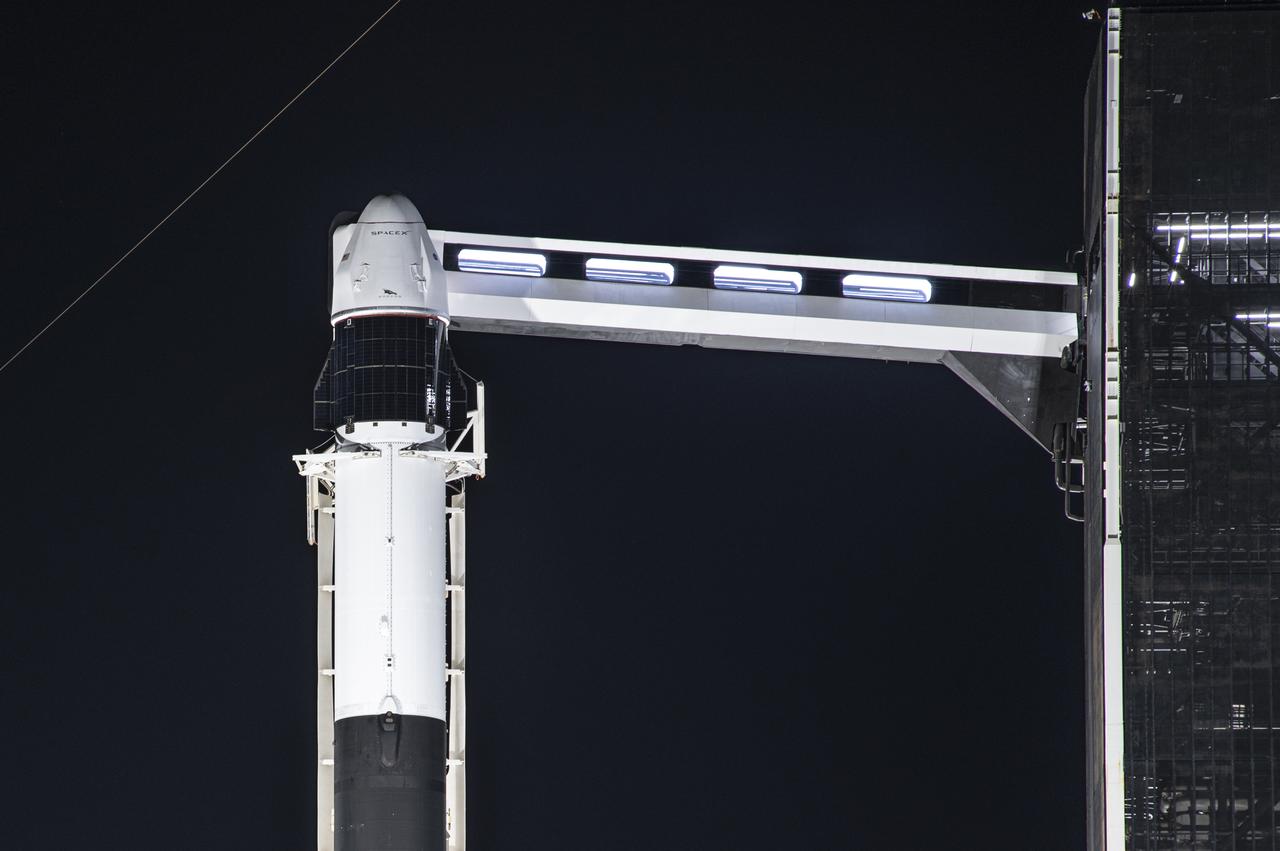
A SpaceX Falcon 9 rocket, topped with the company’s upgraded version of the Dragon spacecraft, stands vertical at NASA Kennedy Space Center’s Launch Complex 39A in Florida on Wednesday, Dec. 2, 2020. The first mission for SpaceX under NASA’s second Commercial Resupply Services contract, CRS-21 is scheduled to lift off from Launch Complex 39A on Saturday, Dec. 5, at 11:39 a.m. EST. The mission will deliver critical supplies and equipment to the International Space Station.
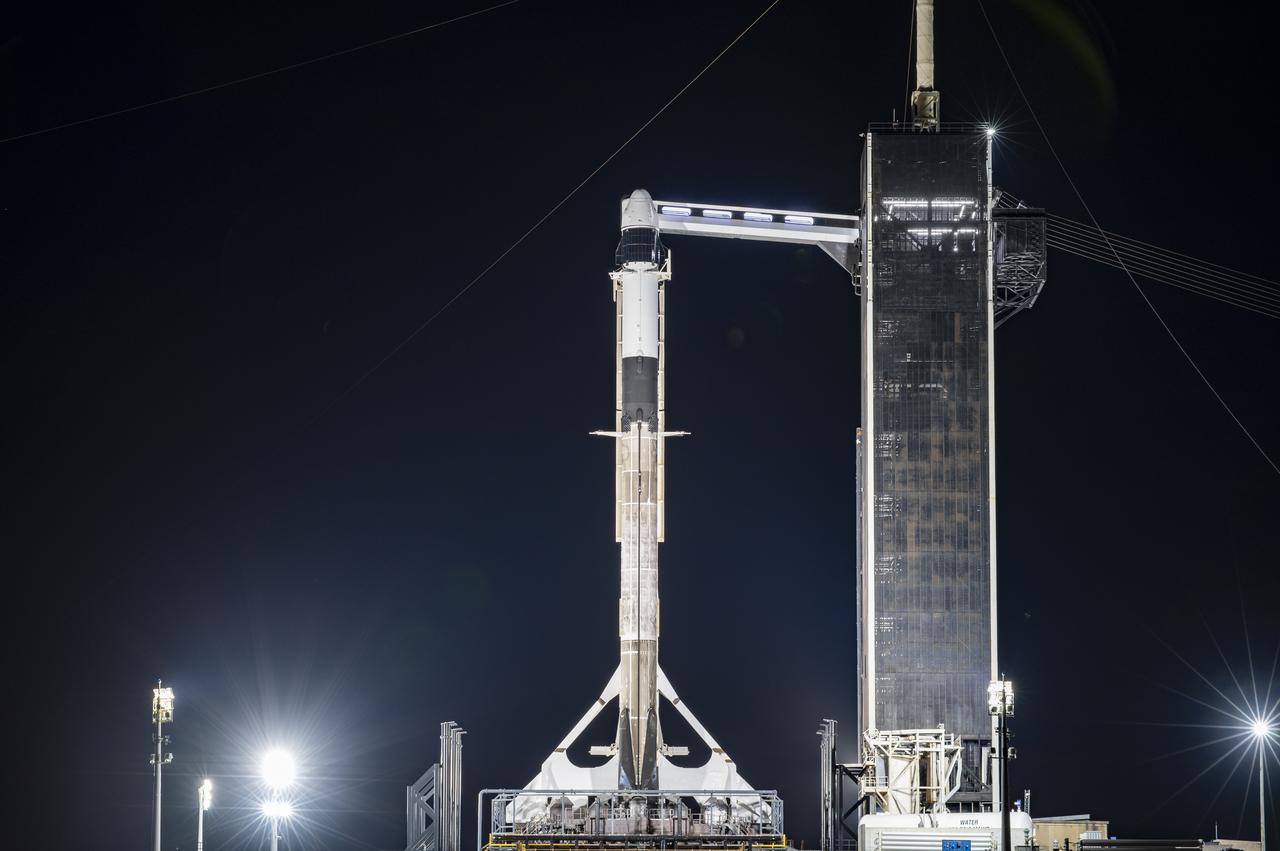
A SpaceX Falcon 9 rocket, topped with the company’s upgraded version of the Dragon spacecraft, stands vertical at NASA Kennedy Space Center’s Launch Complex 39A in Florida on Wednesday, Dec. 2, 2020. The first mission for SpaceX under NASA’s second Commercial Resupply Services contract, CRS-21 is scheduled to lift off from Launch Complex 39A on Saturday, Dec. 5, at 11:39 a.m. EST. The mission will deliver critical supplies and equipment to the International Space Station.
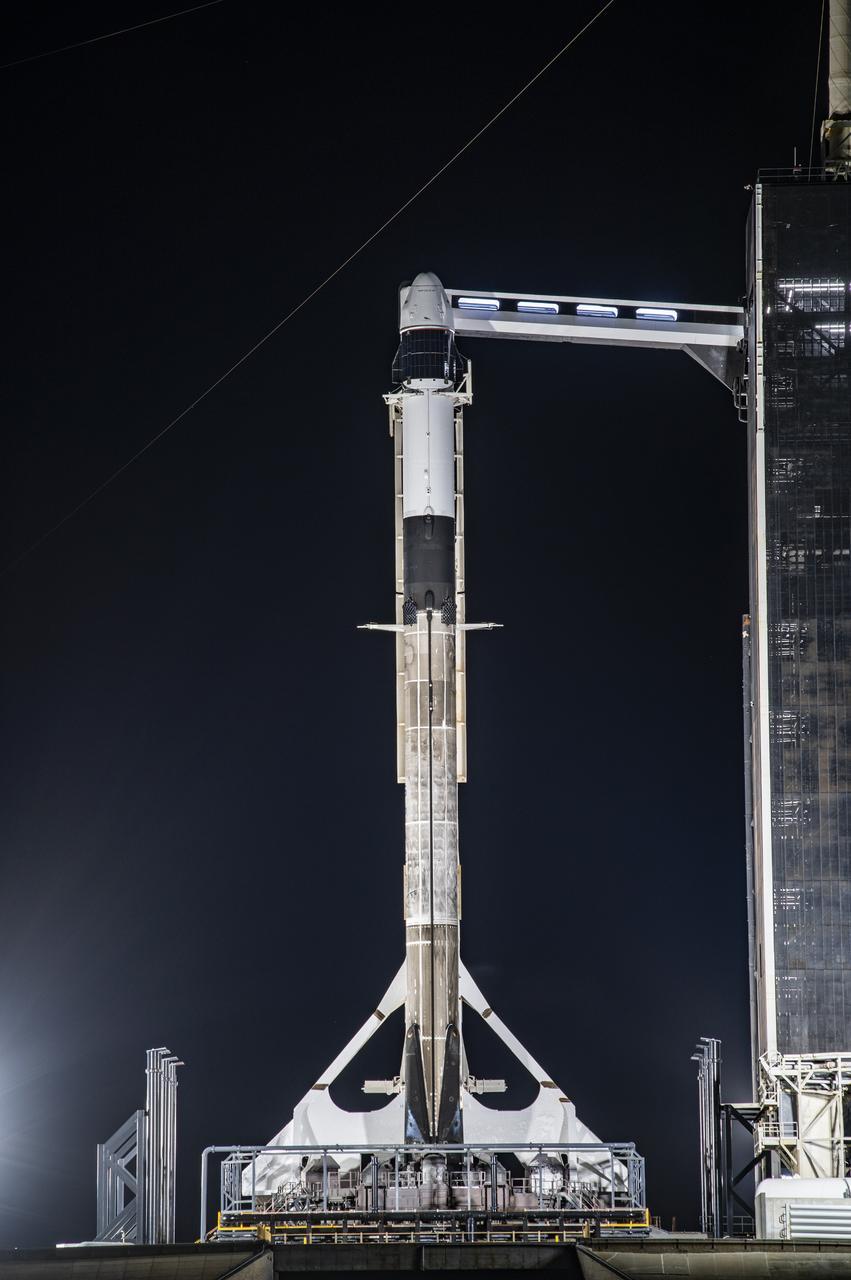
A SpaceX Falcon 9 rocket, topped with the company’s upgraded version of the Dragon spacecraft, stands vertical at NASA Kennedy Space Center’s Launch Complex 39A in Florida on Wednesday, Dec. 2, 2020. The first mission for SpaceX under NASA’s second Commercial Resupply Services contract, CRS-21 is scheduled to lift off from Launch Complex 39A on Saturday, Dec. 5, at 11:39 a.m. EST. The mission will deliver critical supplies and equipment to the International Space Station.
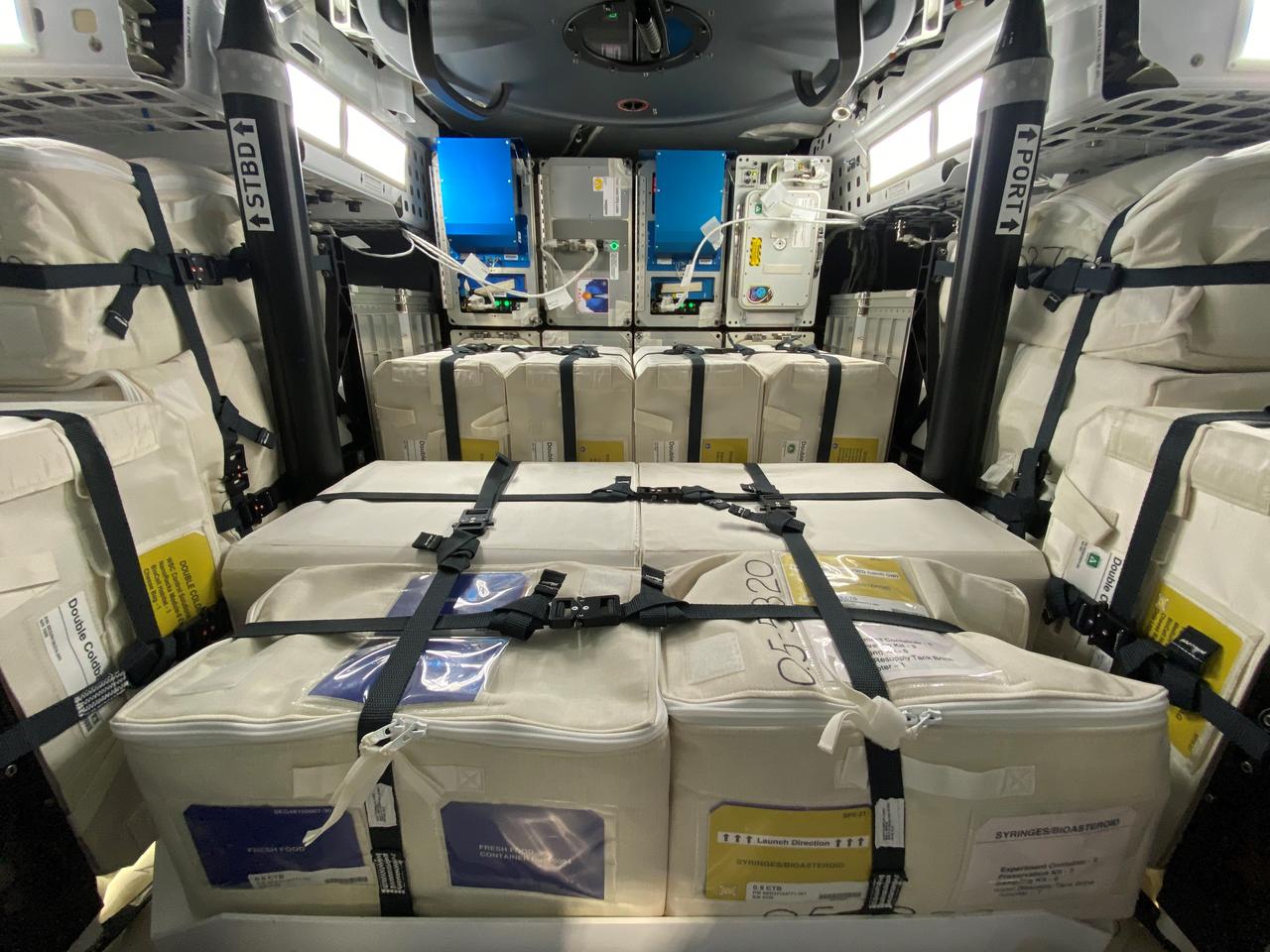
The remaining time-sensitive payloads bound for the International Space Station on SpaceX’s 21st Commercial Resupply Services (CRS-21) mission are loaded into the Cargo Dragon spacecraft on Friday, Dec. 4, 2020. A SpaceX Falcon 9 rocket, carrying the Cargo Dragon, lifted off from Launch Complex 39A at Kennedy Space Center in Florida at 11:17 a.m. EST on Dec. 6, 2020. The spacecraft is delivering more than 6,400 pounds of science investigations and cargo to the orbiting laboratory.
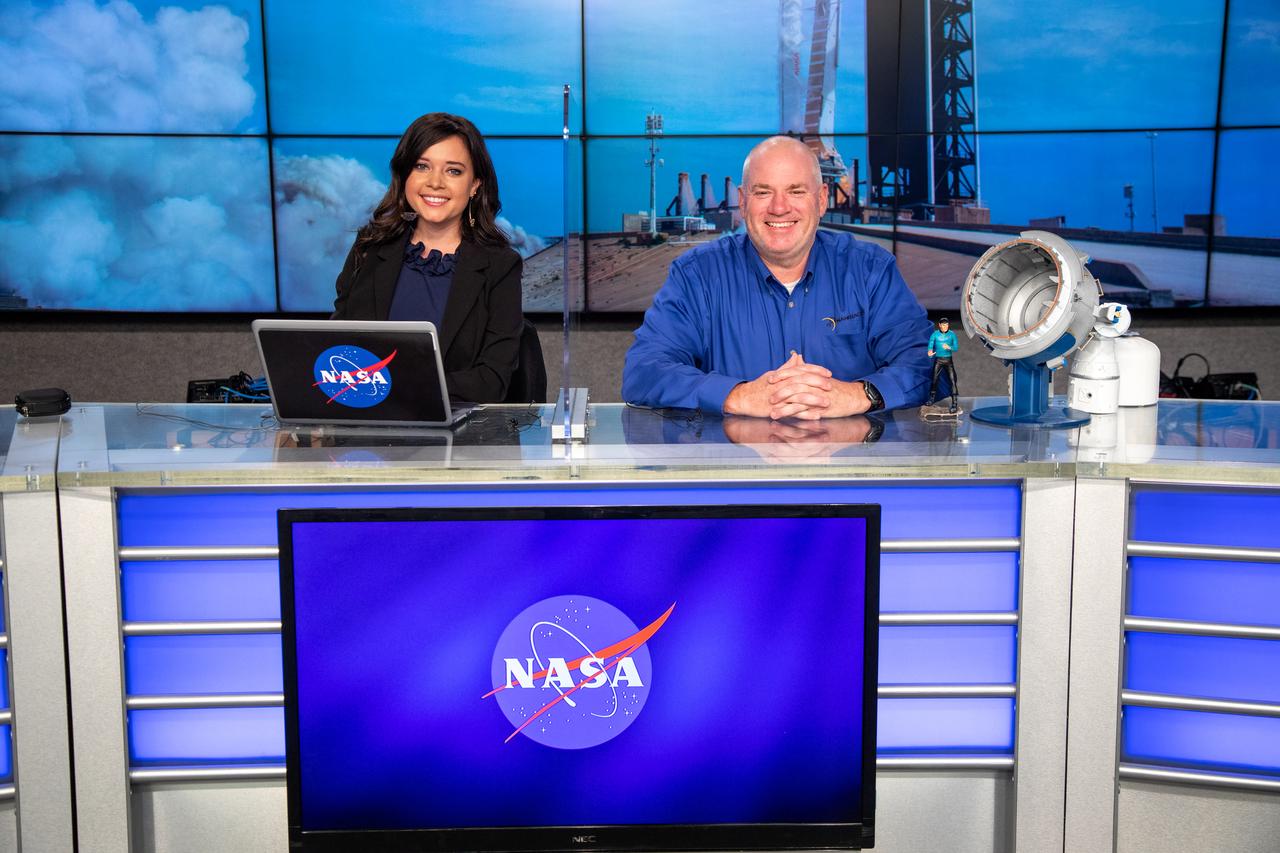
NASA Communications’ Kenna Pell, left, and Brock Howe, airlock program manager, Nanoracks, participate in a #NASASocial Science and Station Q&A show at the agency’s Kennedy Space Center in Florida on Dec. 4, 2020. During the briefing, NASA Social participants heard from principal investigators for payloads launching on SpaceX’s 21st Commercial Resupply Services (CRS-21) mission. CRS-21 is scheduled to launch from Kennedy’s Launch Complex 39A on Dec. 5, 2020. Liftoff of the SpaceX Falcon 9 rocket and cargo Dragon spacecraft is targeted for 11:39 a.m. EST.
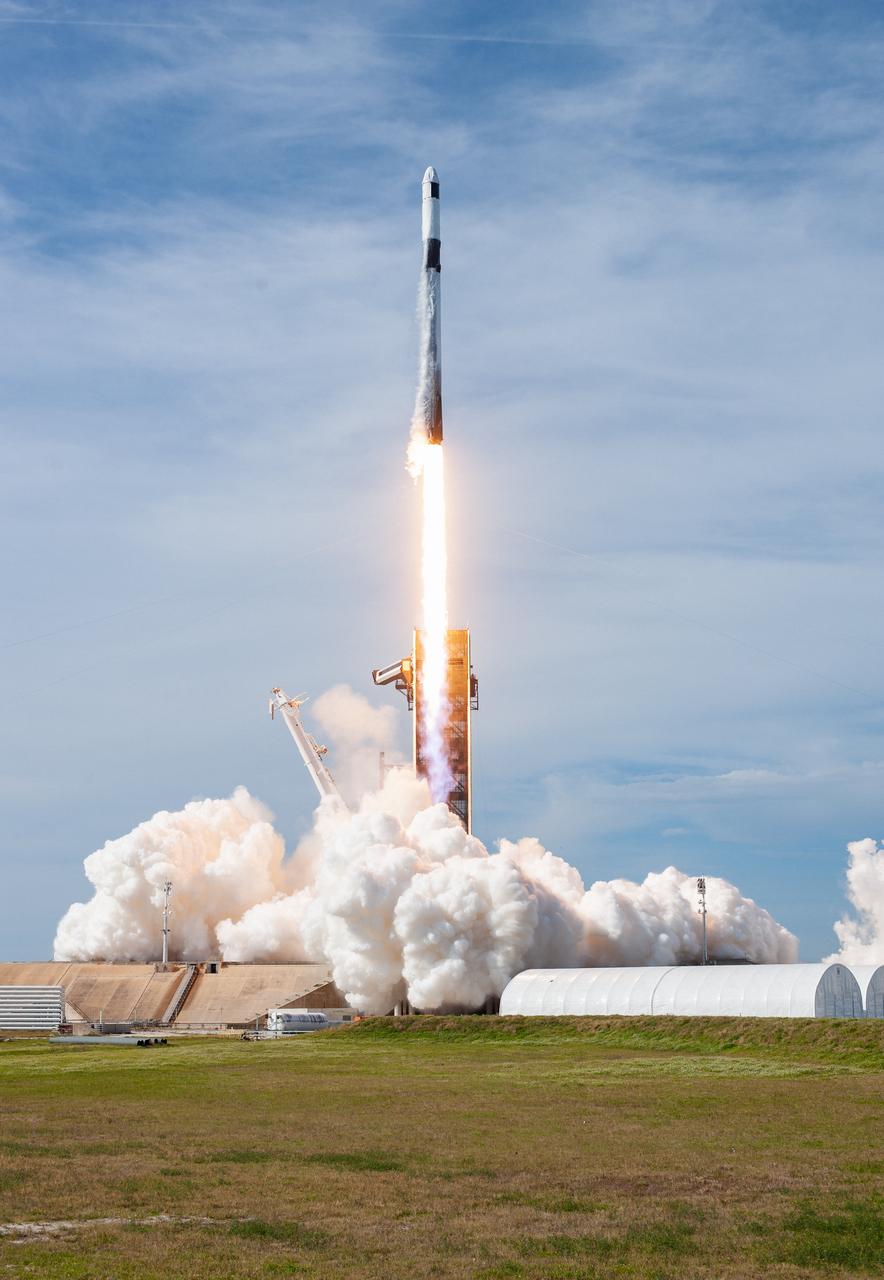
A SpaceX Falcon 9 rocket lifts off from Launch Complex 39A at Kennedy Space Center in Florida at 11:17 a.m. EST on Dec. 6, 2020, carrying the uncrewed cargo Dragon spacecraft on its journey to the International Space Station for NASA and SpaceX’s 21st Commercial Resupply Services (CRS-21) mission. Dragon will deliver more than 6,400 pounds of science investigations and cargo to the orbiting laboratory. The mission marks the first launch for SpaceX under NASA’s CRS-2 contract.
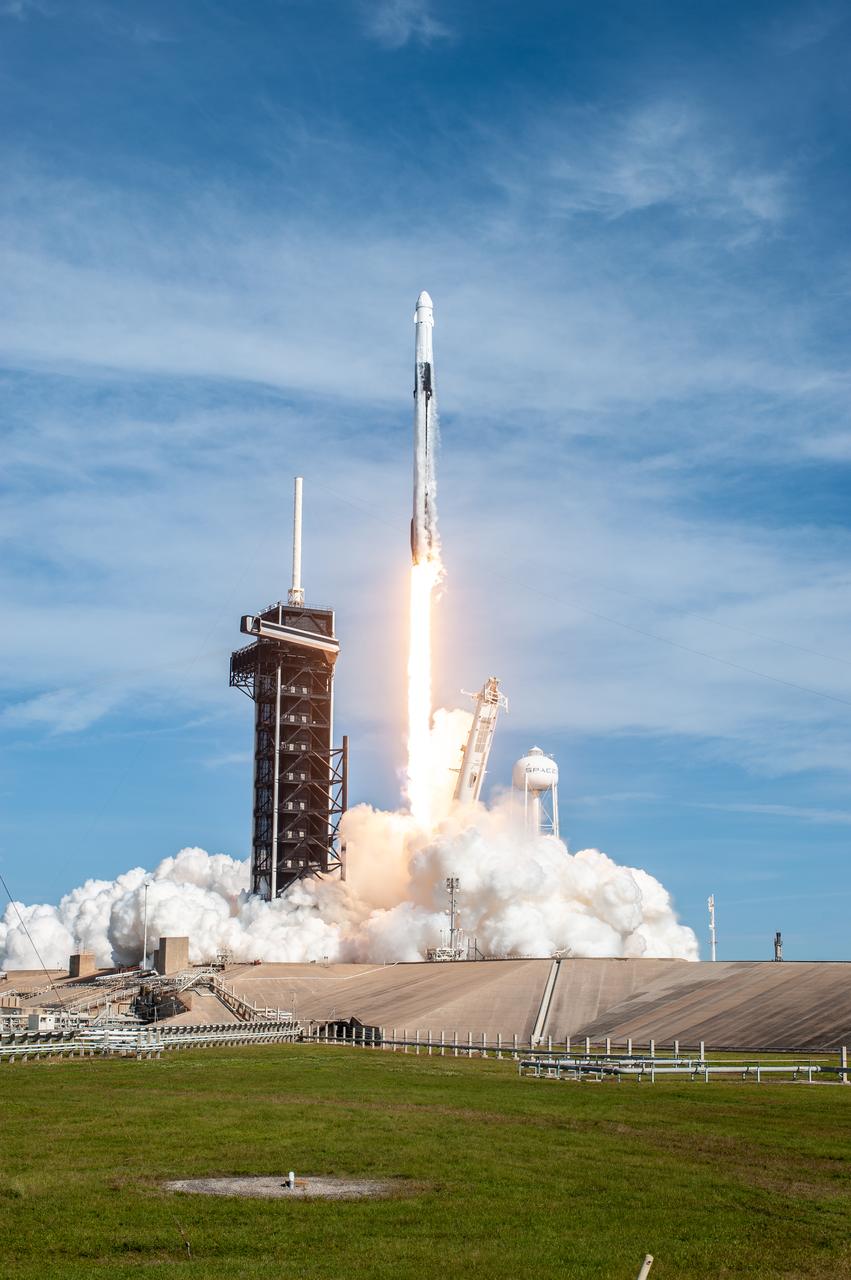
A SpaceX Falcon 9 rocket lifts off from Launch Complex 39A at Kennedy Space Center in Florida at 11:17 a.m. EST on Dec. 6, 2020, carrying the uncrewed cargo Dragon spacecraft on its journey to the International Space Station for NASA and SpaceX’s 21st Commercial Resupply Services (CRS-21) mission. Dragon will deliver more than 6,400 pounds of science investigations and cargo to the orbiting laboratory. The mission marks the first launch for SpaceX under NASA’s CRS-2 contract.
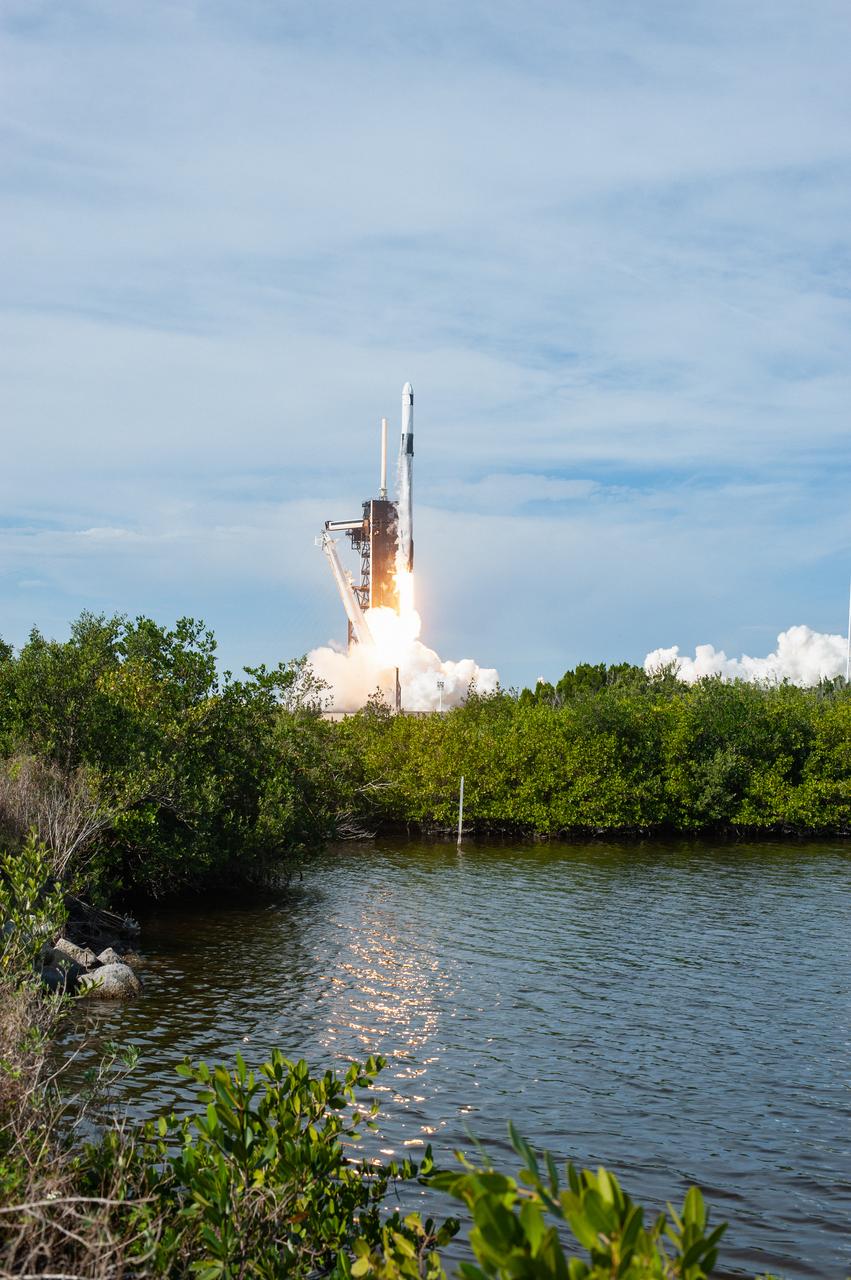
A SpaceX Falcon 9 rocket lifts off from Launch Complex 39A at Kennedy Space Center in Florida at 11:17 a.m. EST on Dec. 6, 2020, carrying the uncrewed cargo Dragon spacecraft on its journey to the International Space Station for NASA and SpaceX’s 21st Commercial Resupply Services (CRS-21) mission. Dragon will deliver more than 6,400 pounds of science investigations and cargo to the orbiting laboratory. The mission marks the first launch for SpaceX under NASA’s CRS-2 contract.
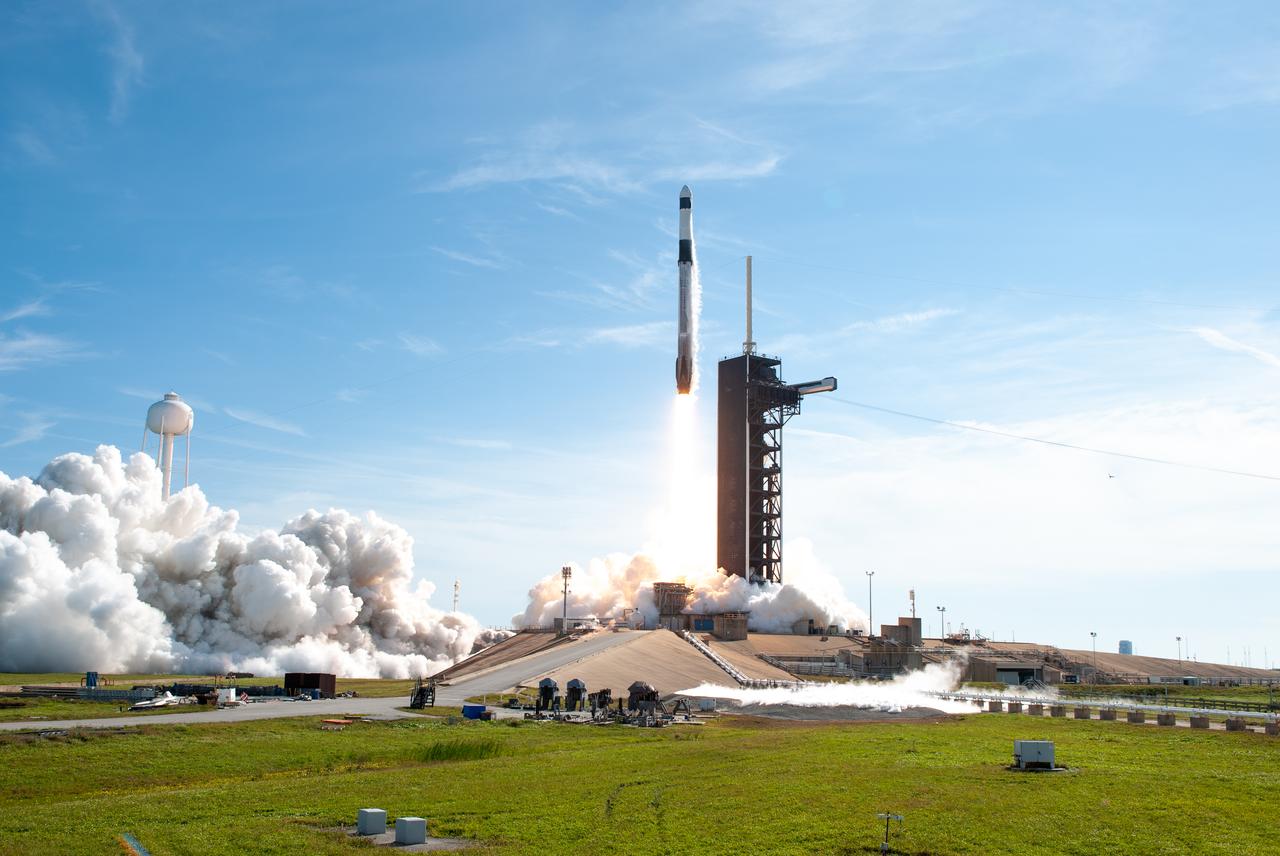
A SpaceX Falcon 9 rocket lifts off from Launch Complex 39A at Kennedy Space Center in Florida at 11:17 a.m. EST on Dec. 6, 2020, carrying the uncrewed cargo Dragon spacecraft on its journey to the International Space Station for NASA and SpaceX’s 21st Commercial Resupply Services (CRS-21) mission. Dragon will deliver more than 6,400 pounds of science investigations and cargo to the orbiting laboratory. The mission marks the first launch for SpaceX under NASA’s CRS-2 contract.
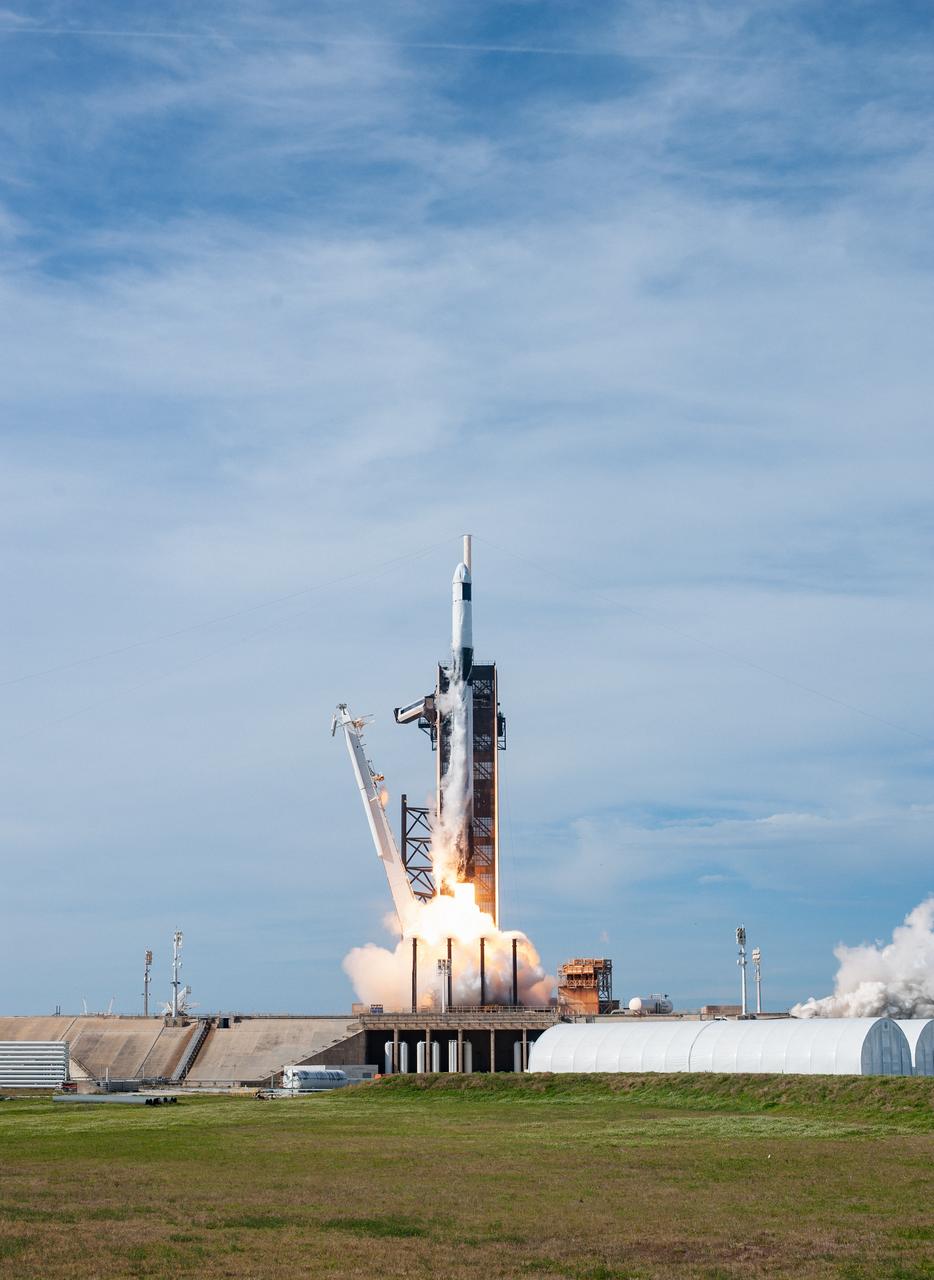
A SpaceX Falcon 9 rocket lifts off from Launch Complex 39A at Kennedy Space Center in Florida at 11:17 a.m. EST on Dec. 6, 2020, carrying the uncrewed cargo Dragon spacecraft on its journey to the International Space Station for NASA and SpaceX’s 21st Commercial Resupply Services (CRS-21) mission. Dragon will deliver more than 6,400 pounds of science investigations and cargo to the orbiting laboratory. The mission marks the first launch for SpaceX under NASA’s CRS-2 contract.
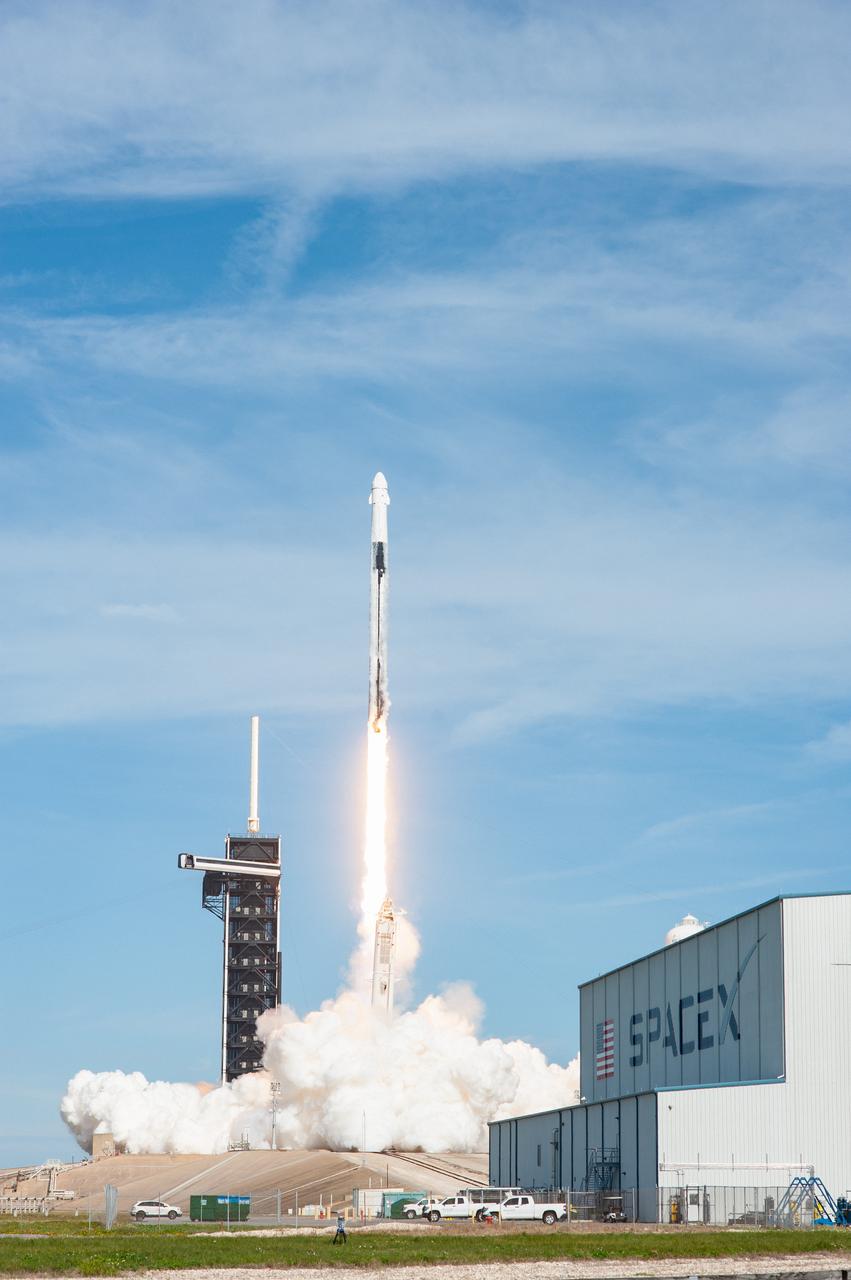
A SpaceX Falcon 9 rocket lifts off from Launch Complex 39A at Kennedy Space Center in Florida at 11:17 a.m. EST on Dec. 6, 2020, carrying the uncrewed cargo Dragon spacecraft on its journey to the International Space Station for NASA and SpaceX’s 21st Commercial Resupply Services (CRS-21) mission. Dragon will deliver more than 6,400 pounds of science investigations and cargo to the orbiting laboratory. The mission marks the first launch for SpaceX under NASA’s CRS-2 contract.
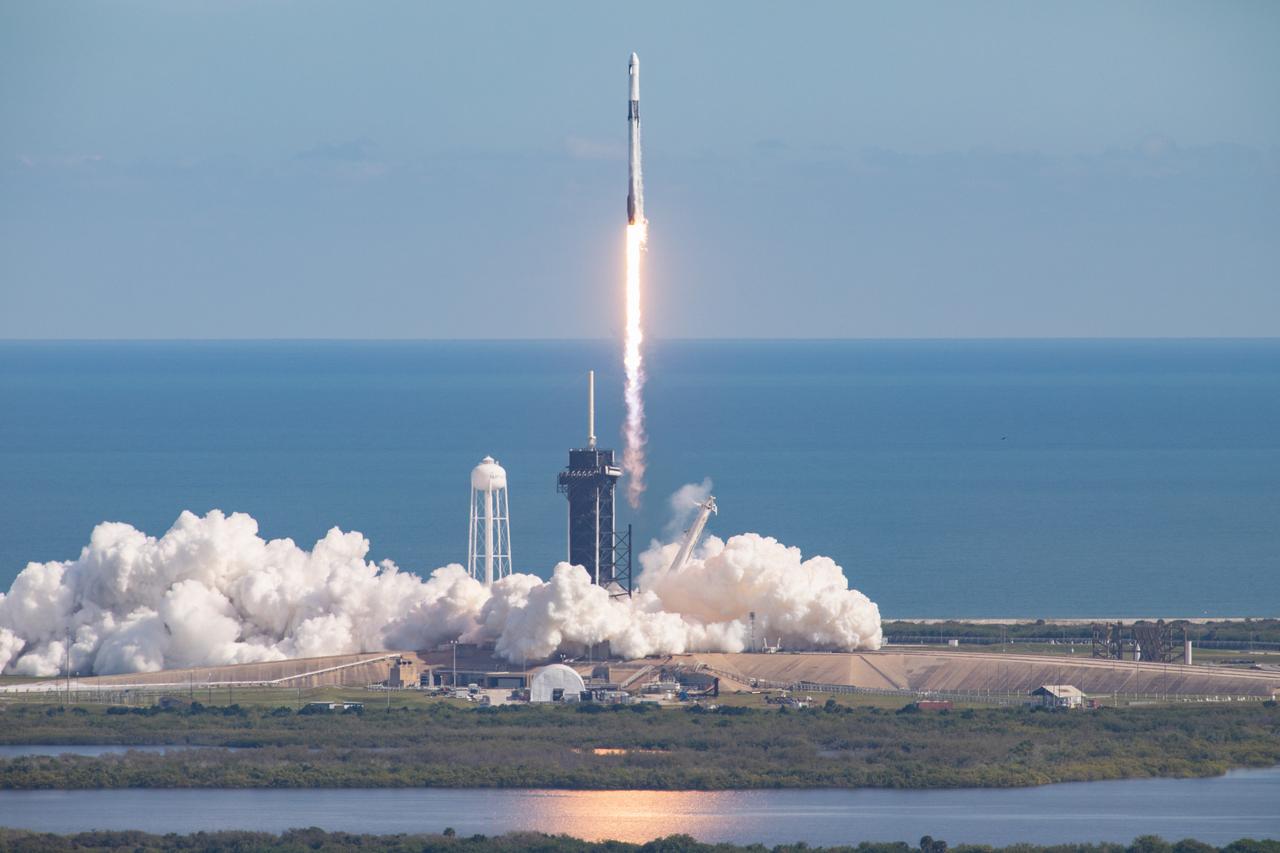
A SpaceX Falcon 9 rocket lifts off from Launch Complex 39A at Kennedy Space Center in Florida at 11:17 a.m. EST on Dec. 6, 2020, carrying the uncrewed cargo Dragon spacecraft on its journey to the International Space Station for NASA and SpaceX’s 21st Commercial Resupply Services (CRS-21) mission. Dragon will deliver more than 6,400 pounds of science investigations and cargo to the orbiting laboratory. The mission marks the first launch for SpaceX under NASA’s CRS-2 contract.
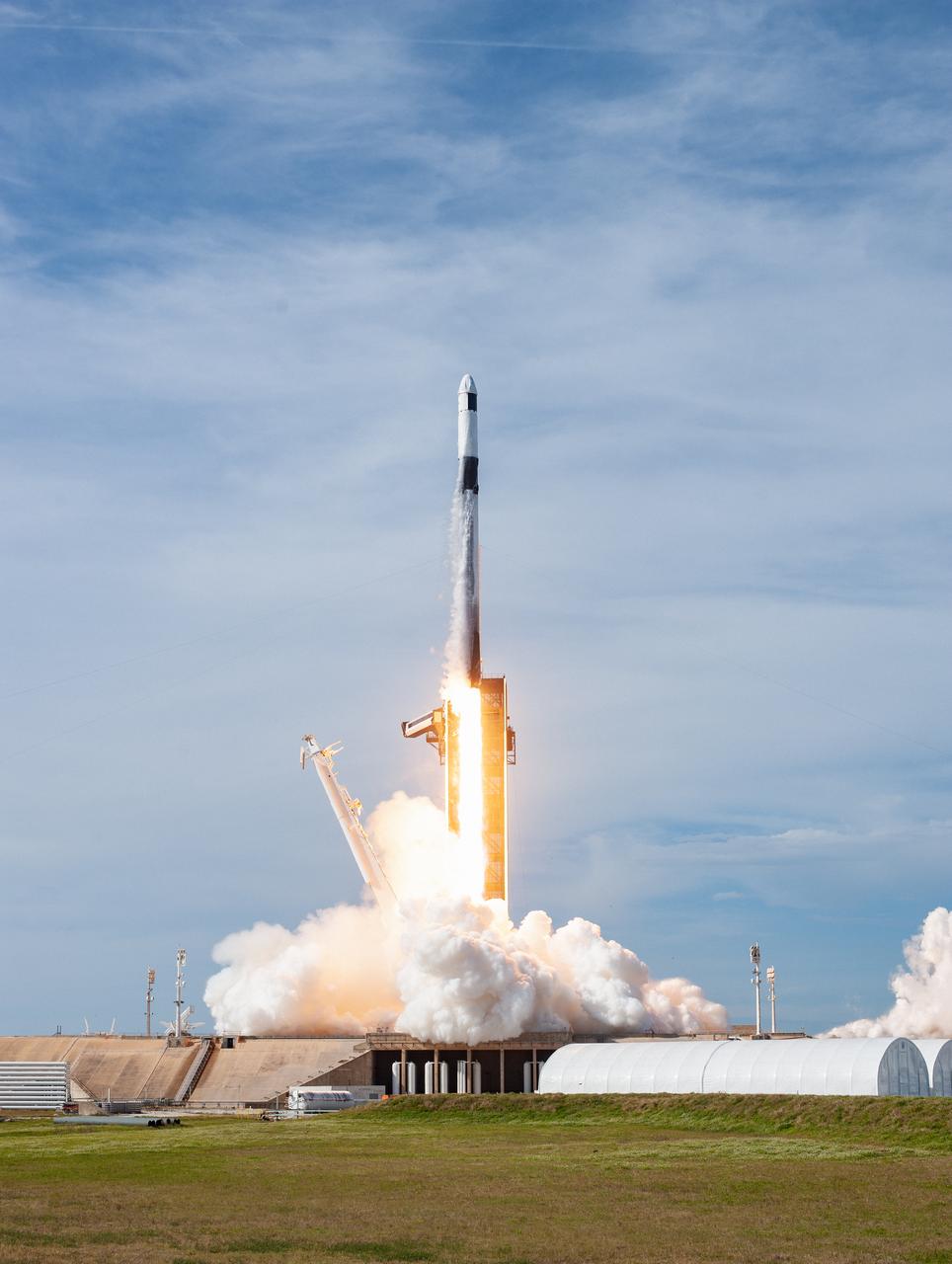
A SpaceX Falcon 9 rocket lifts off from Launch Complex 39A at Kennedy Space Center in Florida at 11:17 a.m. EST on Dec. 6, 2020, carrying the uncrewed cargo Dragon spacecraft on its journey to the International Space Station for NASA and SpaceX’s 21st Commercial Resupply Services (CRS-21) mission. Dragon will deliver more than 6,400 pounds of science investigations and cargo to the orbiting laboratory. The mission marks the first launch for SpaceX under NASA’s CRS-2 contract.
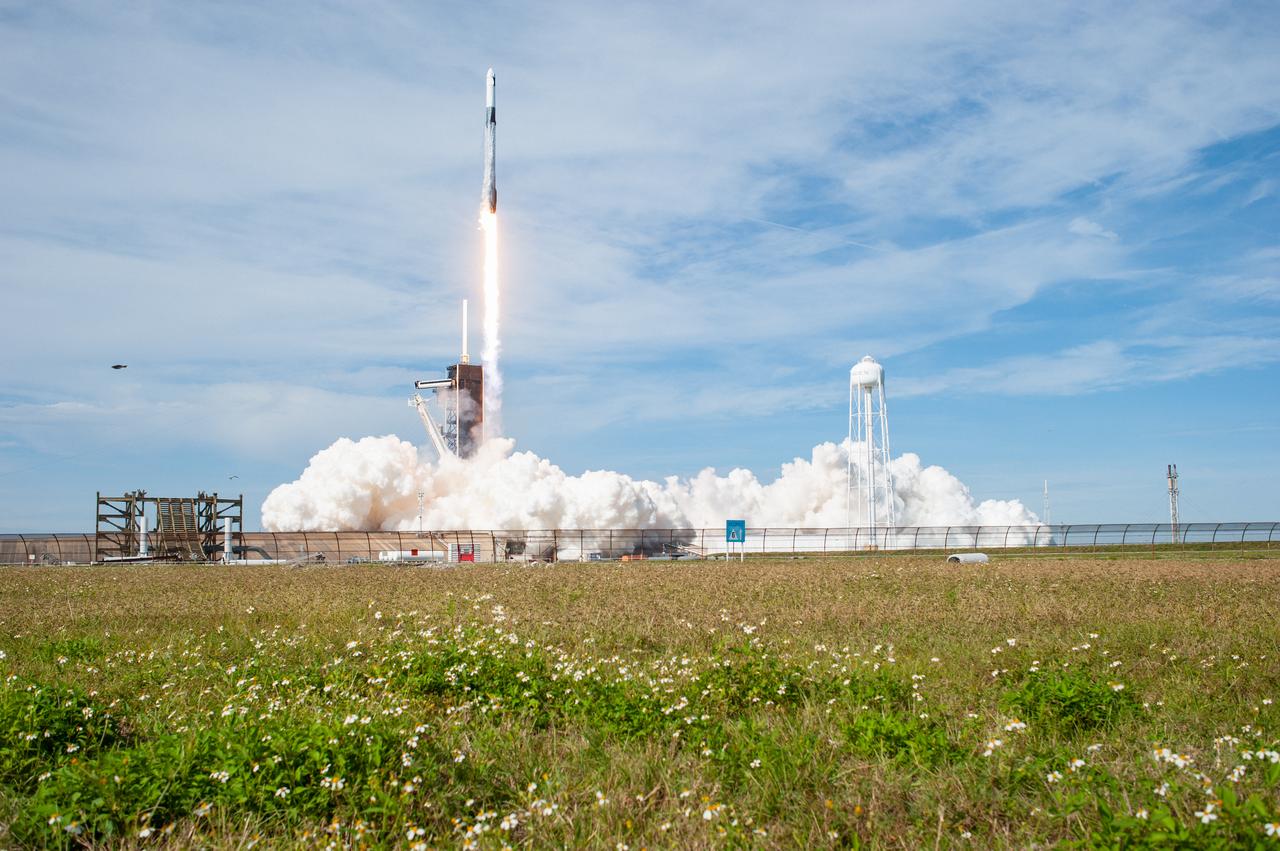
A SpaceX Falcon 9 rocket lifts off from Launch Complex 39A at Kennedy Space Center in Florida at 11:17 a.m. EST on Dec. 6, 2020, carrying the uncrewed cargo Dragon spacecraft on its journey to the International Space Station for NASA and SpaceX’s 21st Commercial Resupply Services (CRS-21) mission. Dragon will deliver more than 6,400 pounds of science investigations and cargo to the orbiting laboratory. The mission marks the first launch for SpaceX under NASA’s CRS-2 contract.
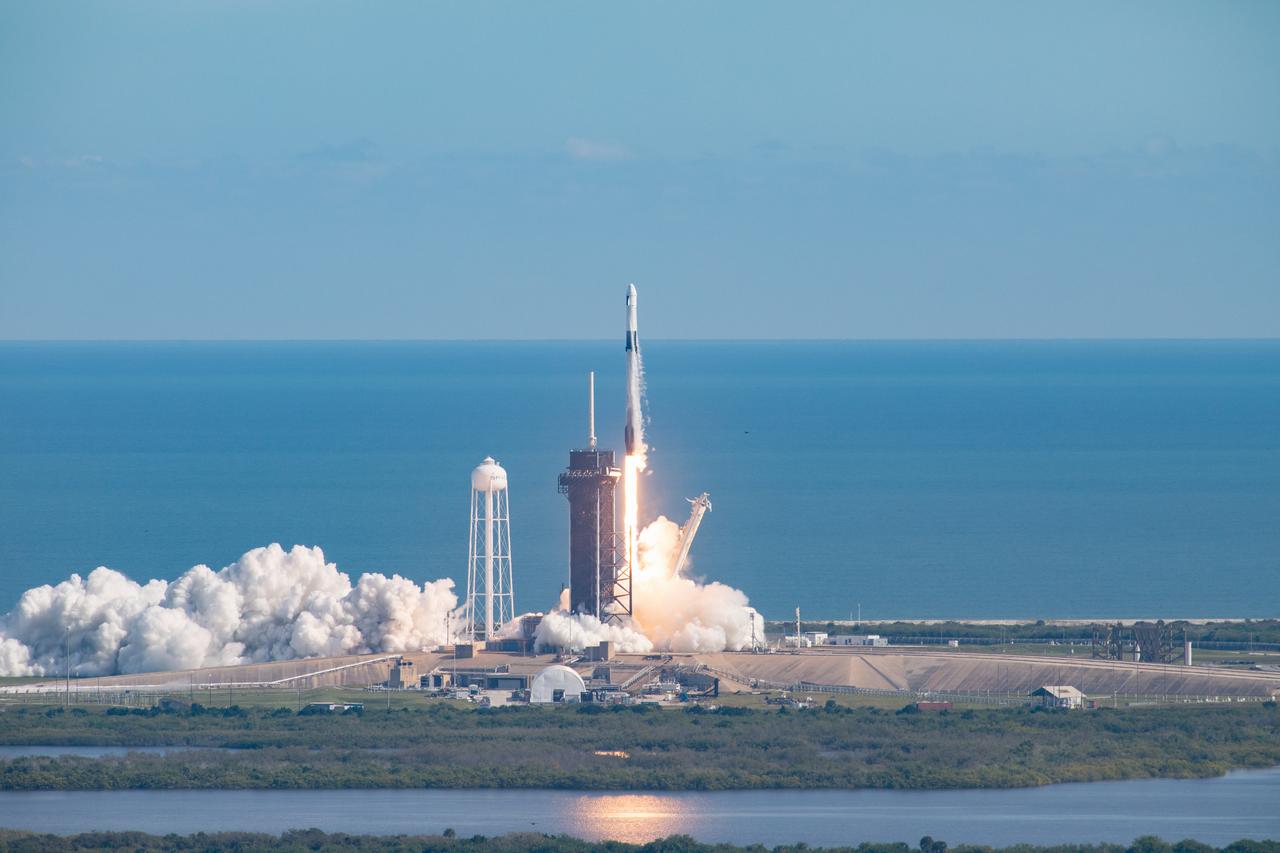
A SpaceX Falcon 9 rocket lifts off from Launch Complex 39A at Kennedy Space Center in Florida at 11:17 a.m. EST on Dec. 6, 2020, carrying the uncrewed cargo Dragon spacecraft on its journey to the International Space Station for NASA and SpaceX’s 21st Commercial Resupply Services (CRS-21) mission. Dragon will deliver more than 6,400 pounds of science investigations and cargo to the orbiting laboratory. The mission marks the first launch for SpaceX under NASA’s CRS-2 contract.

A SpaceX Falcon 9 rocket lifts off from Launch Complex 39A at Kennedy Space Center in Florida at 11:17 a.m. EST on Dec. 6, 2020, carrying the uncrewed cargo Dragon spacecraft on its journey to the International Space Station for NASA and SpaceX’s 21st Commercial Resupply Services (CRS-21) mission. Dragon will deliver more than 6,400 pounds of science investigations and cargo to the orbiting laboratory. The mission marks the first launch for SpaceX under NASA’s CRS-2 contract.
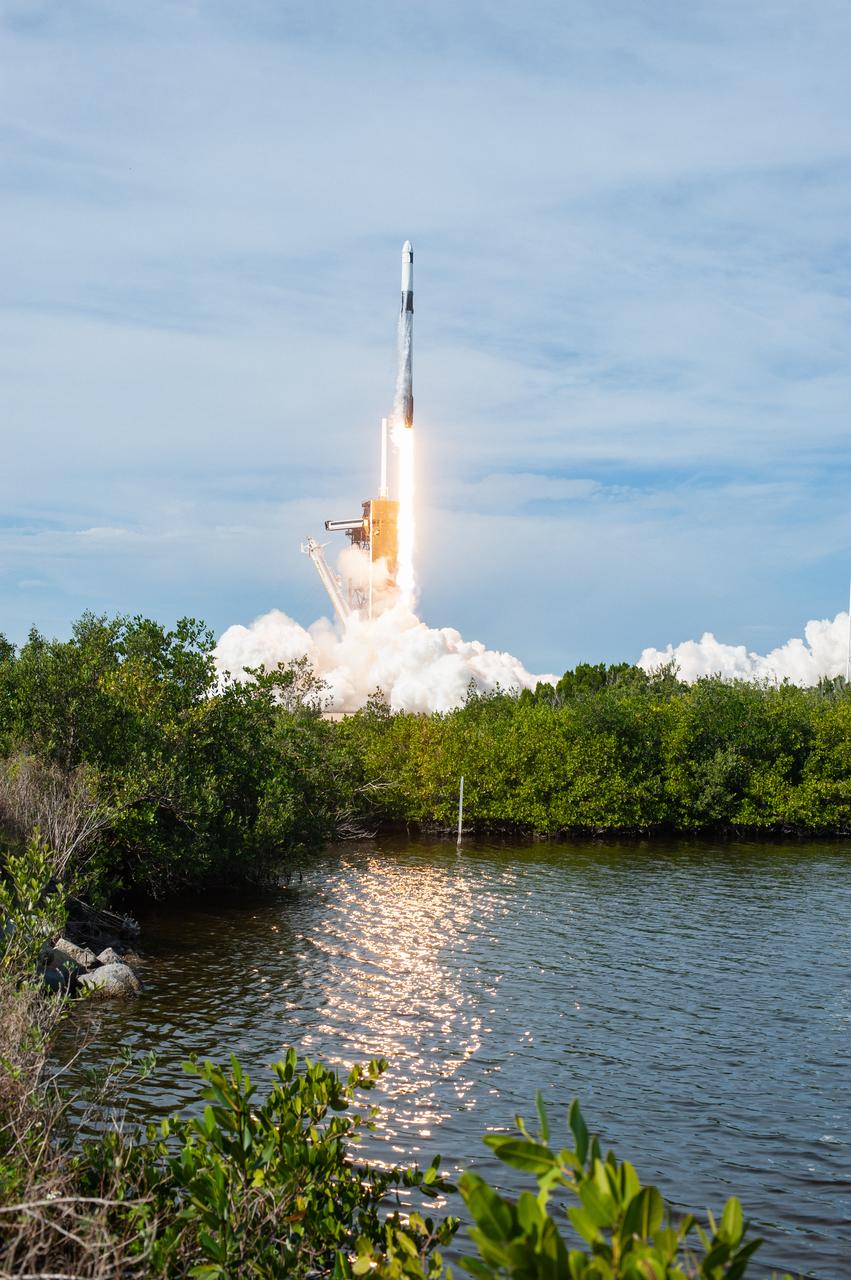
A SpaceX Falcon 9 rocket lifts off from Launch Complex 39A at Kennedy Space Center in Florida at 11:17 a.m. EST on Dec. 6, 2020, carrying the uncrewed cargo Dragon spacecraft on its journey to the International Space Station for NASA and SpaceX’s 21st Commercial Resupply Services (CRS-21) mission. Dragon will deliver more than 6,400 pounds of science investigations and cargo to the orbiting laboratory. The mission marks the first launch for SpaceX under NASA’s CRS-2 contract.
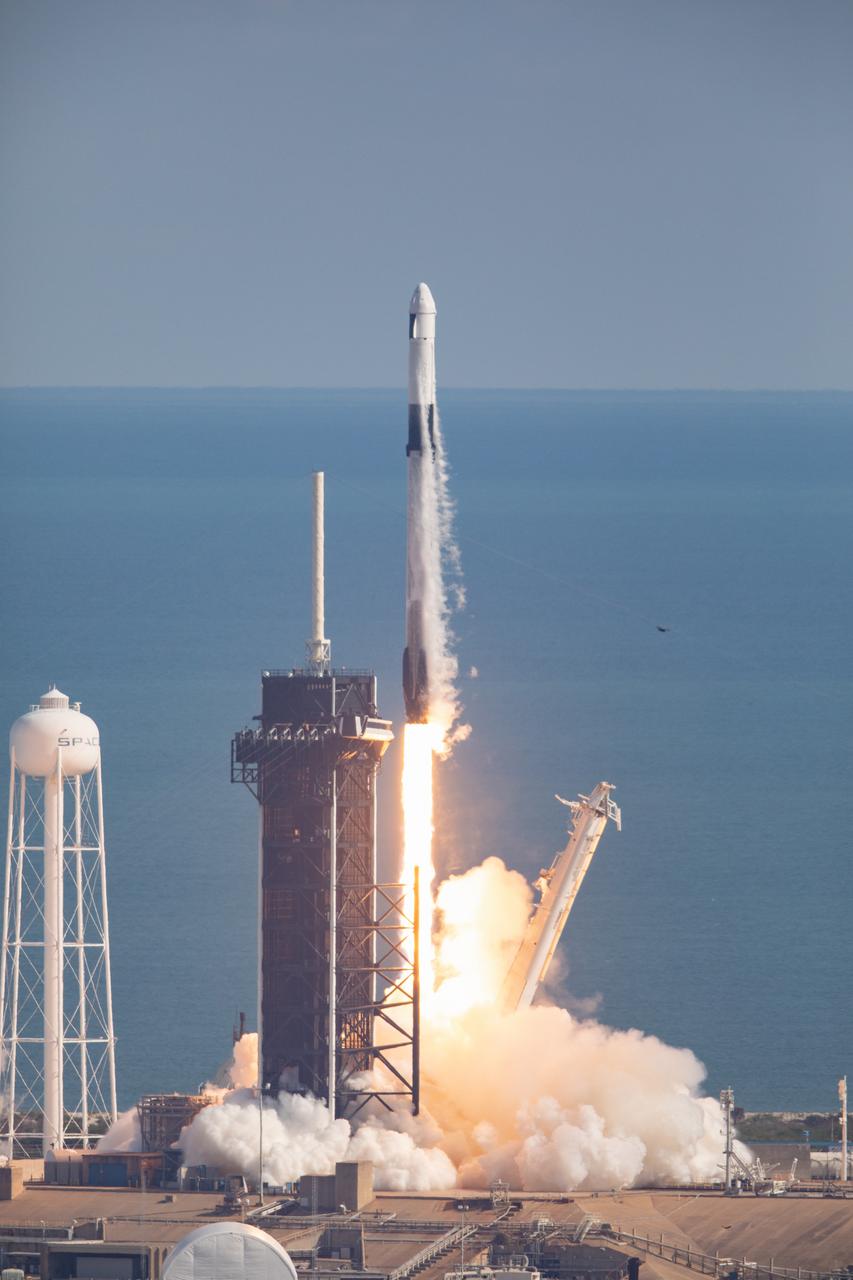
A SpaceX Falcon 9 rocket lifts off from Launch Complex 39A at Kennedy Space Center in Florida at 11:17 a.m. EST on Dec. 6, 2020, carrying the uncrewed cargo Dragon spacecraft on its journey to the International Space Station for NASA and SpaceX’s 21st Commercial Resupply Services (CRS-21) mission. Dragon will deliver more than 6,400 pounds of science investigations and cargo to the orbiting laboratory. The mission marks the first launch for SpaceX under NASA’s CRS-2 contract.
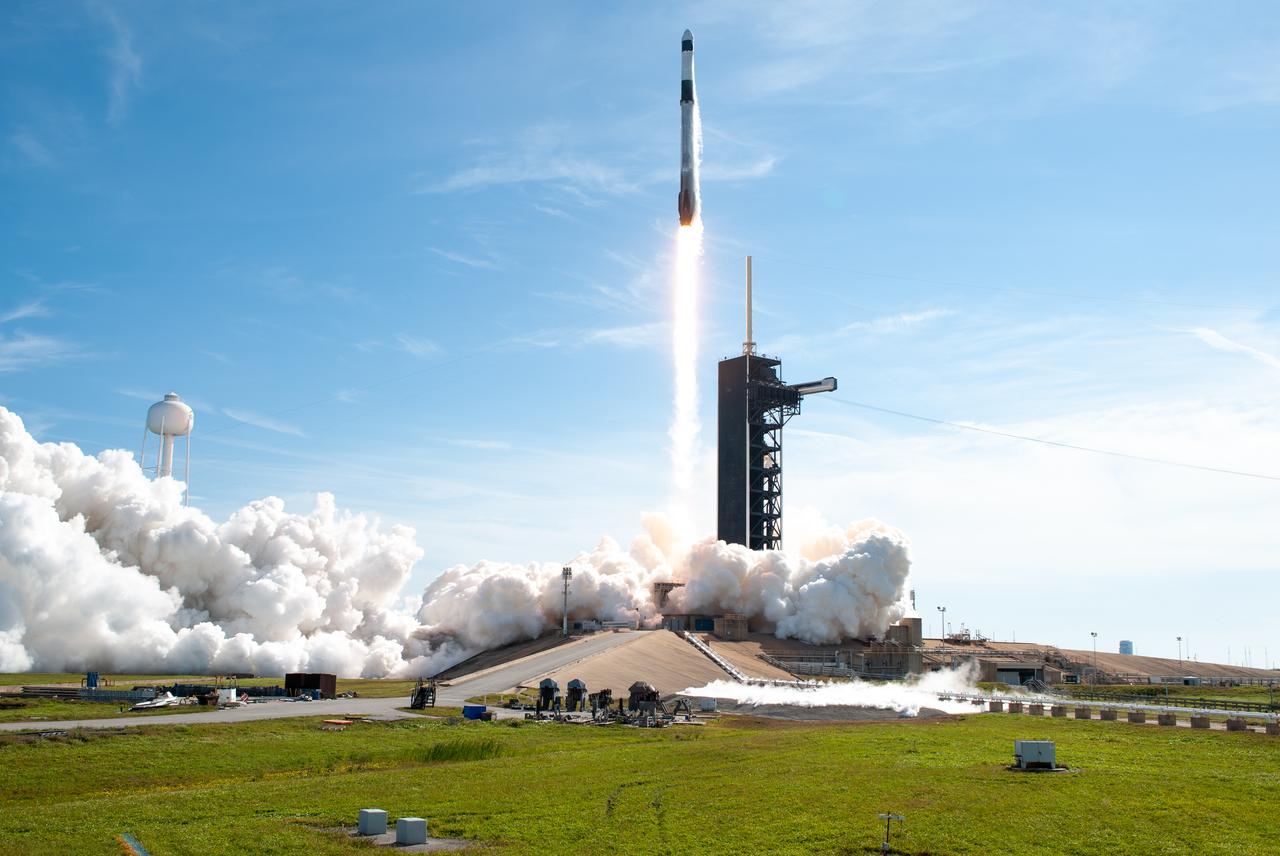
A SpaceX Falcon 9 rocket lifts off from Launch Complex 39A at Kennedy Space Center in Florida at 11:17 a.m. EST on Dec. 6, 2020, carrying the uncrewed cargo Dragon spacecraft on its journey to the International Space Station for NASA and SpaceX’s 21st Commercial Resupply Services (CRS-21) mission. Dragon will deliver more than 6,400 pounds of science investigations and cargo to the orbiting laboratory. The mission marks the first launch for SpaceX under NASA’s CRS-2 contract.
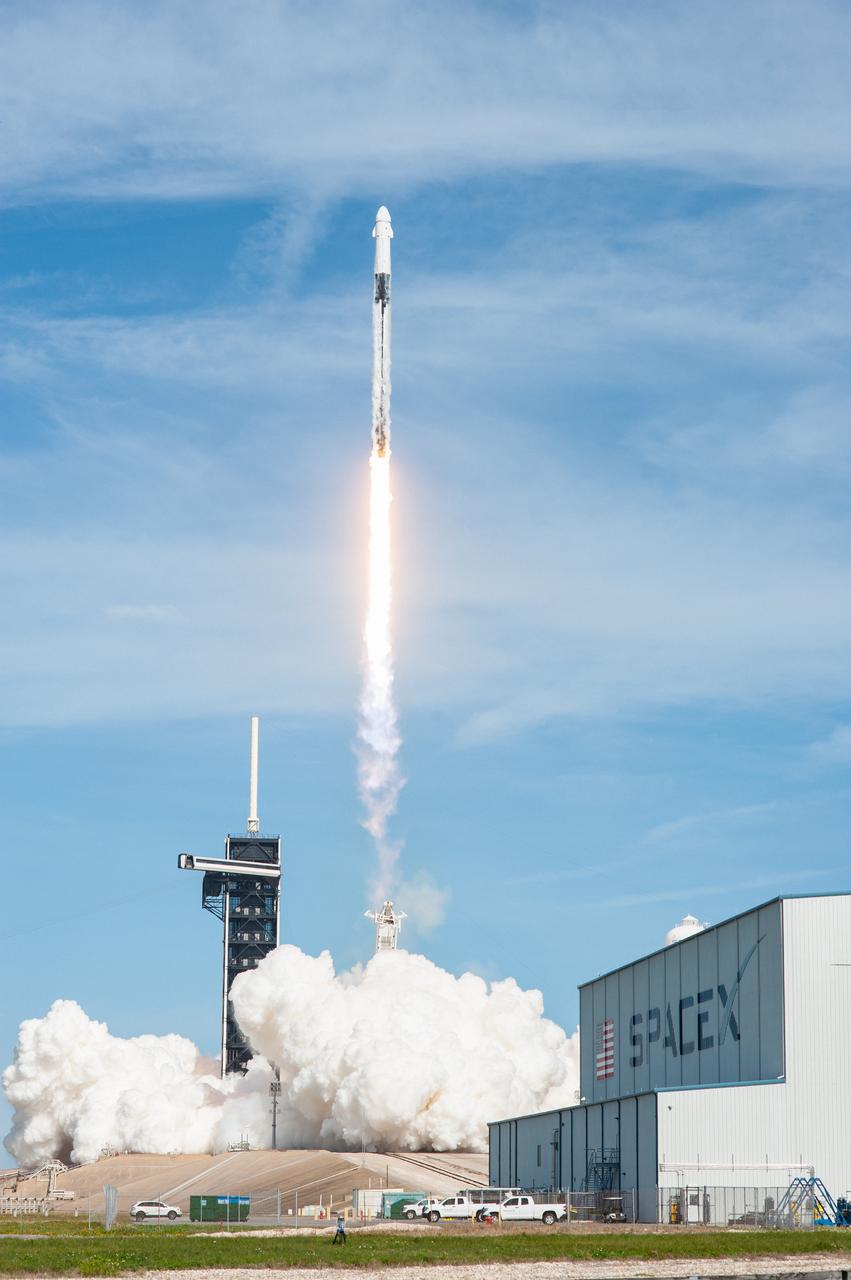
A SpaceX Falcon 9 rocket lifts off from Launch Complex 39A at Kennedy Space Center in Florida at 11:17 a.m. EST on Dec. 6, 2020, carrying the uncrewed cargo Dragon spacecraft on its journey to the International Space Station for NASA and SpaceX’s 21st Commercial Resupply Services (CRS-21) mission. Dragon will deliver more than 6,400 pounds of science investigations and cargo to the orbiting laboratory. The mission marks the first launch for SpaceX under NASA’s CRS-2 contract.
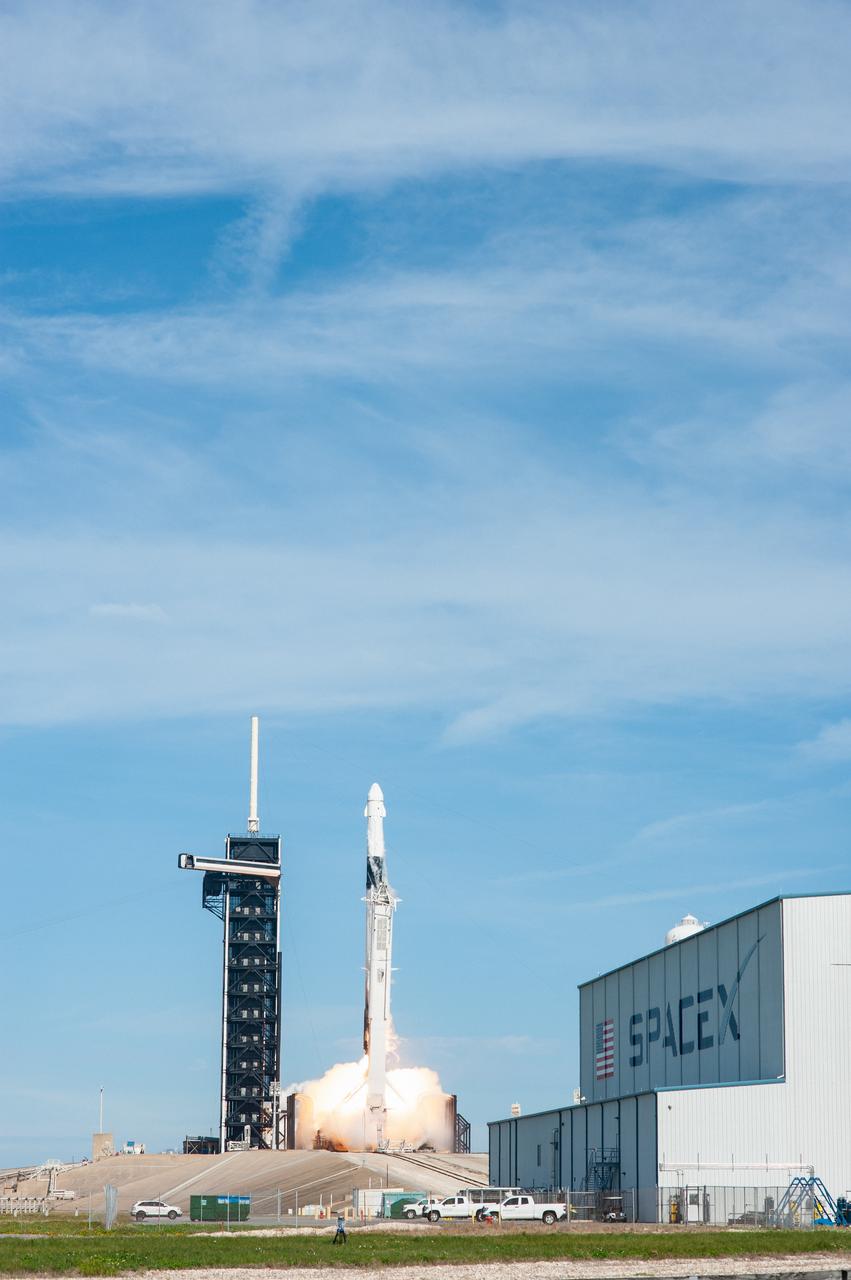
A SpaceX Falcon 9 rocket lifts off from Launch Complex 39A at Kennedy Space Center in Florida at 11:17 a.m. EST on Dec. 6, 2020, carrying the uncrewed cargo Dragon spacecraft on its journey to the International Space Station for NASA and SpaceX’s 21st Commercial Resupply Services (CRS-21) mission. Dragon will deliver more than 6,400 pounds of science investigations and cargo to the orbiting laboratory. The mission marks the first launch for SpaceX under NASA’s CRS-2 contract.
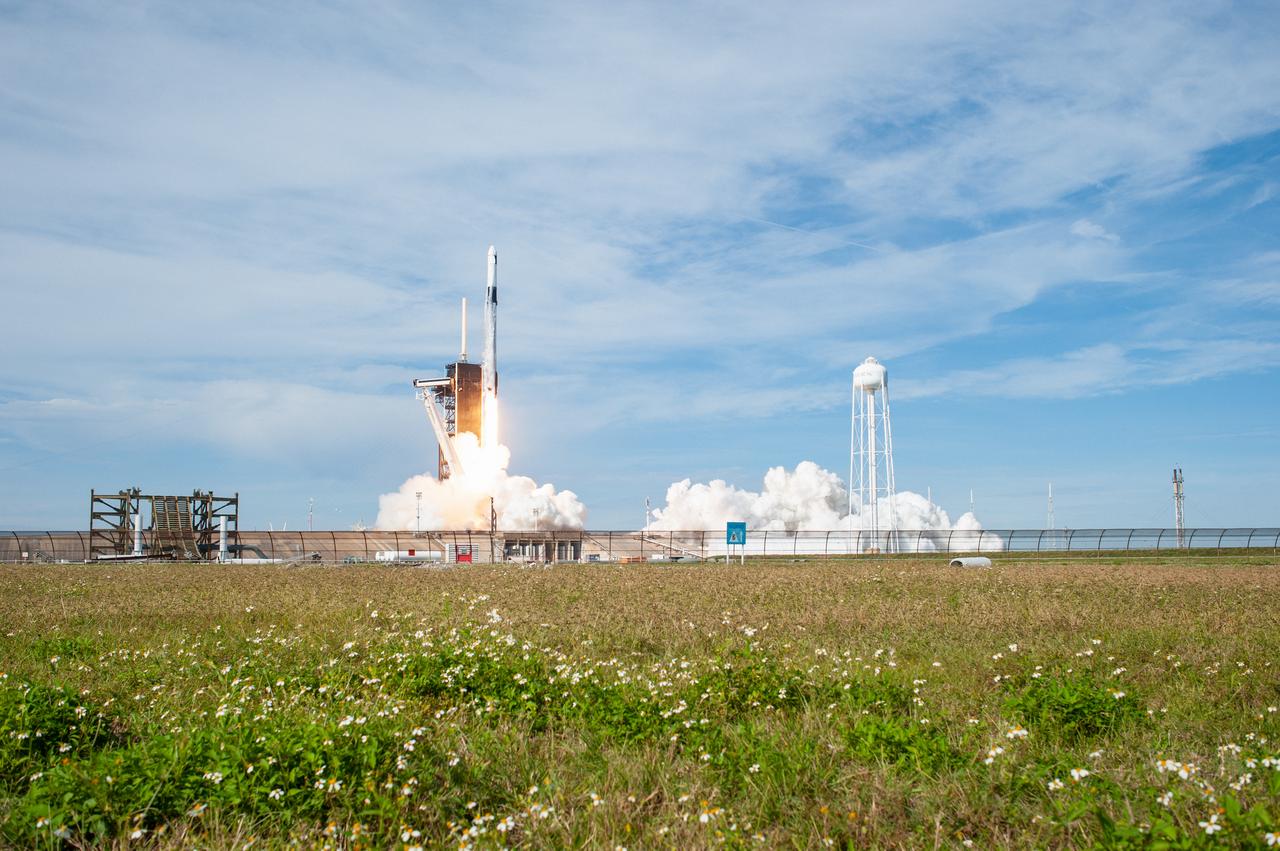
A SpaceX Falcon 9 rocket lifts off from Launch Complex 39A at Kennedy Space Center in Florida at 11:17 a.m. EST on Dec. 6, 2020, carrying the uncrewed cargo Dragon spacecraft on its journey to the International Space Station for NASA and SpaceX’s 21st Commercial Resupply Services (CRS-21) mission. Dragon will deliver more than 6,400 pounds of science investigations and cargo to the orbiting laboratory. The mission marks the first launch for SpaceX under NASA’s CRS-2 contract.
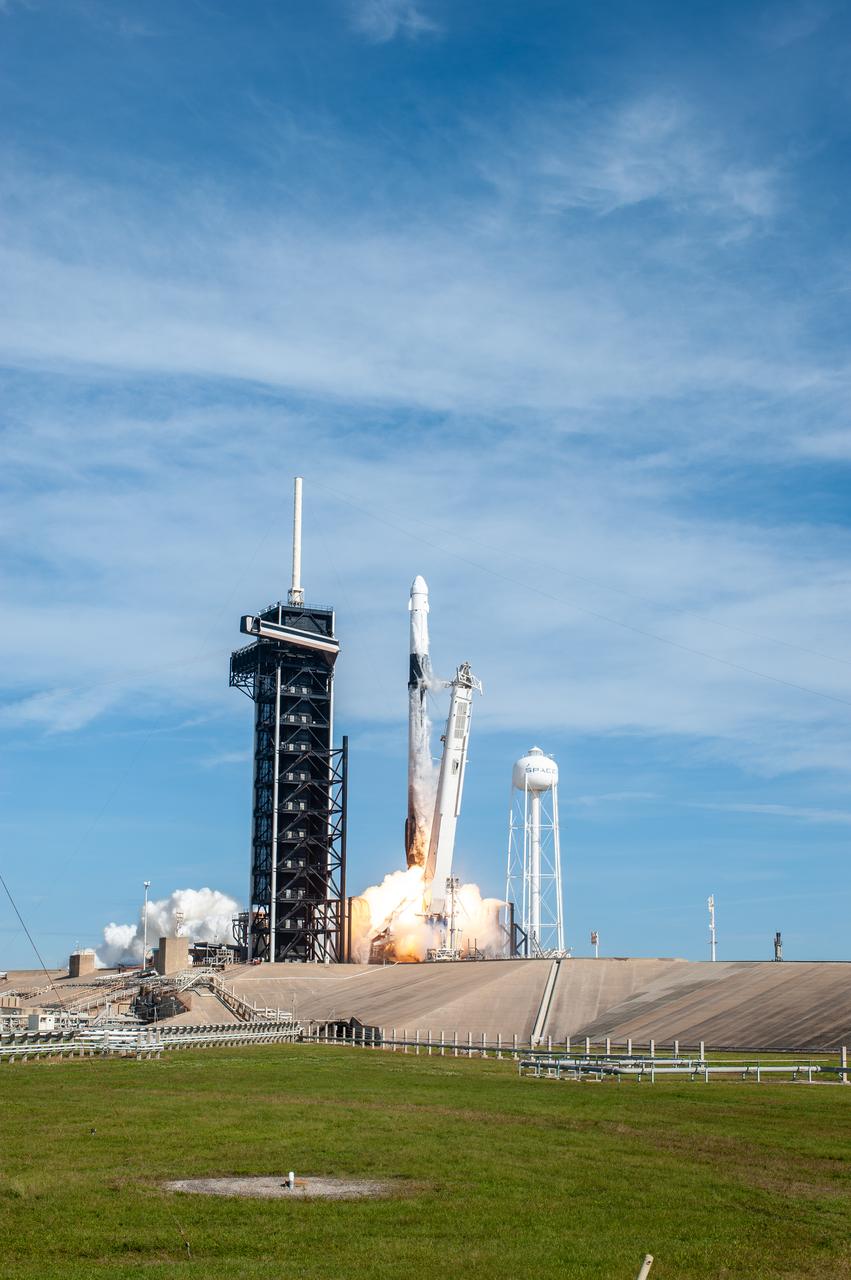
A SpaceX Falcon 9 rocket lifts off from Launch Complex 39A at Kennedy Space Center in Florida at 11:17 a.m. EST on Dec. 6, 2020, carrying the uncrewed cargo Dragon spacecraft on its journey to the International Space Station for NASA and SpaceX’s 21st Commercial Resupply Services (CRS-21) mission. Dragon will deliver more than 6,400 pounds of science investigations and cargo to the orbiting laboratory. The mission marks the first launch for SpaceX under NASA’s CRS-2 contract.
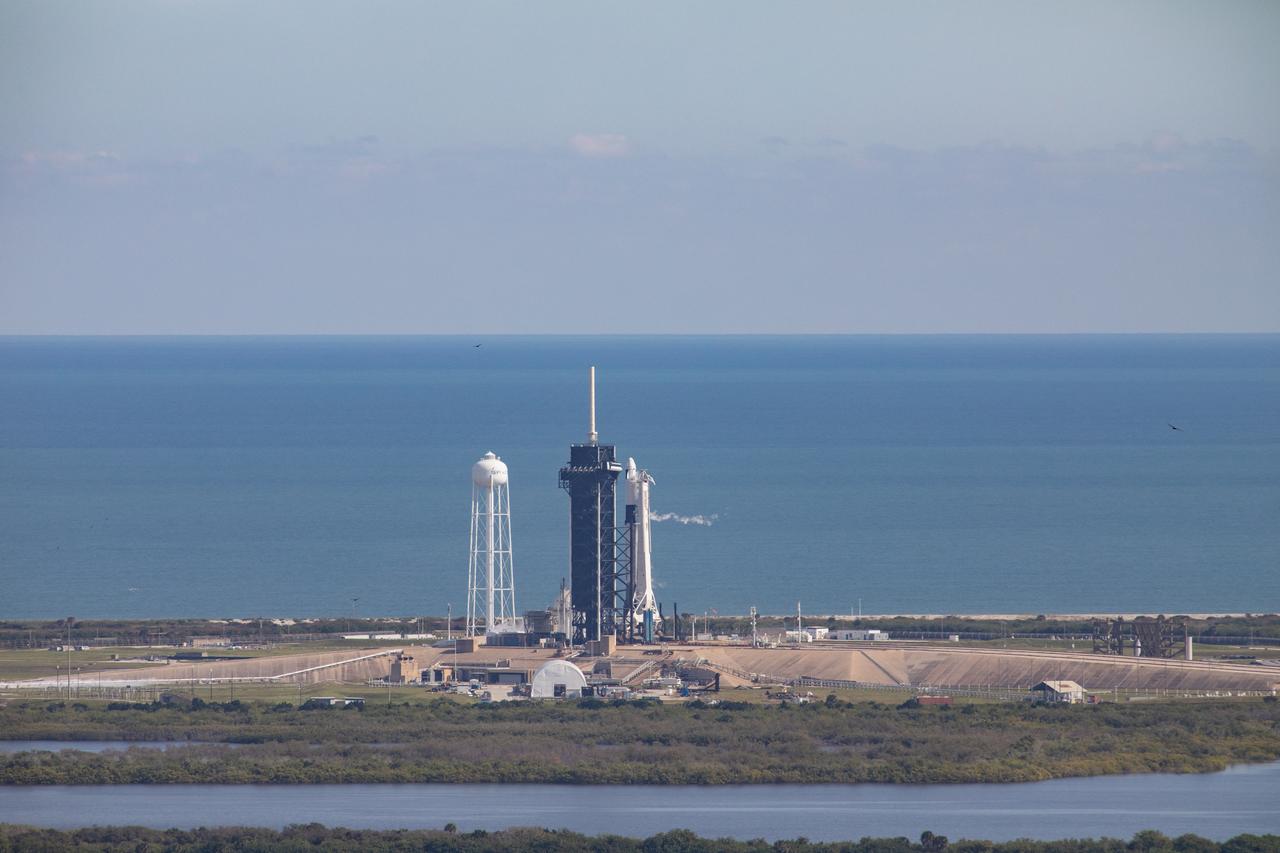
A SpaceX Falcon 9 rocket and cargo Dragon spacecraft stand poised for launch moments before liftoff at Kennedy Space Center’s Launch Complex 39A in Florida on Dec. 6, 2020, for NASA and SpaceX’s 21st Commercial Resupply Services (CRS-21) mission to the International Space Station. The first launch for SpaceX under NASA’s CRS-2 contract, the mission blasted off the pad at 11:17 a.m. EST.
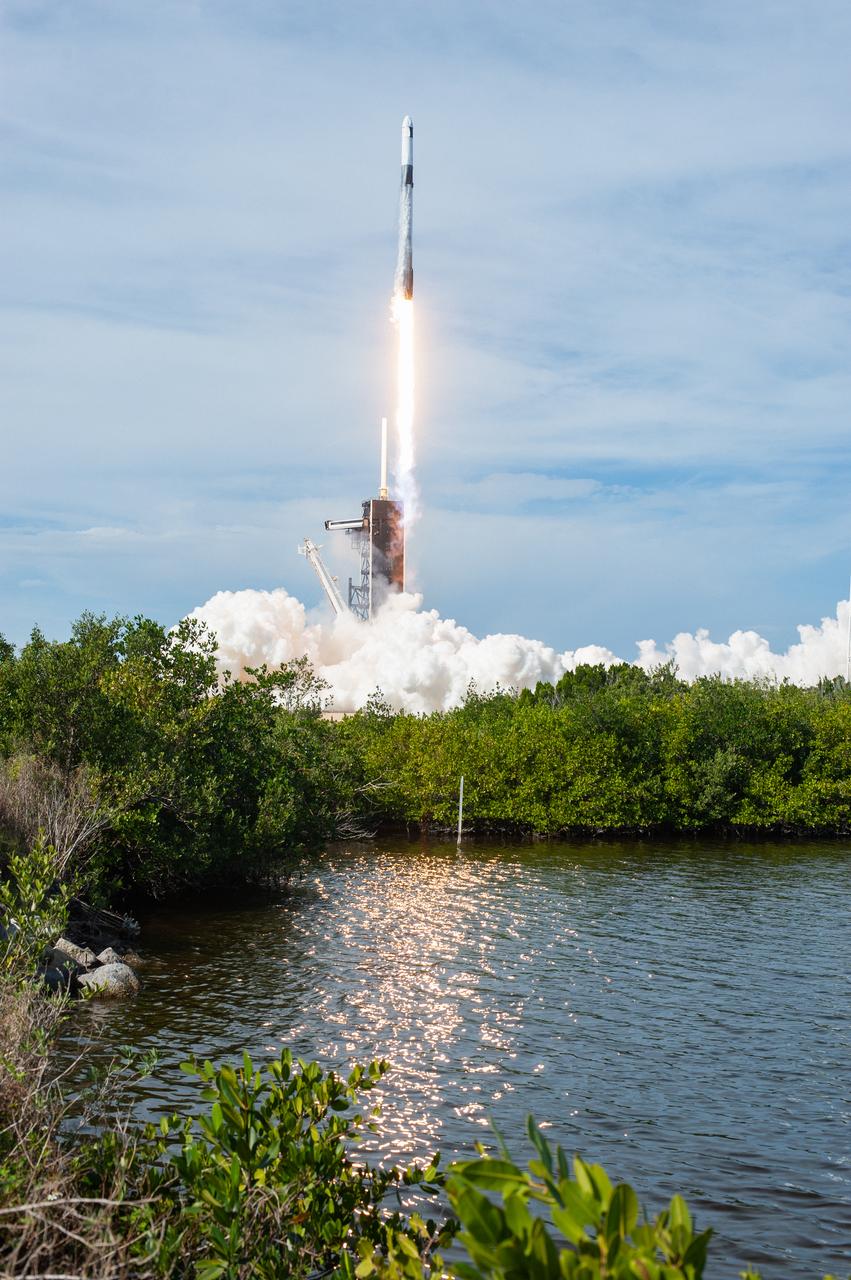
A SpaceX Falcon 9 rocket lifts off from Launch Complex 39A at Kennedy Space Center in Florida at 11:17 a.m. EST on Dec. 6, 2020, carrying the uncrewed cargo Dragon spacecraft on its journey to the International Space Station for NASA and SpaceX’s 21st Commercial Resupply Services (CRS-21) mission. Dragon will deliver more than 6,400 pounds of science investigations and cargo to the orbiting laboratory. The mission marks the first launch for SpaceX under NASA’s CRS-2 contract.
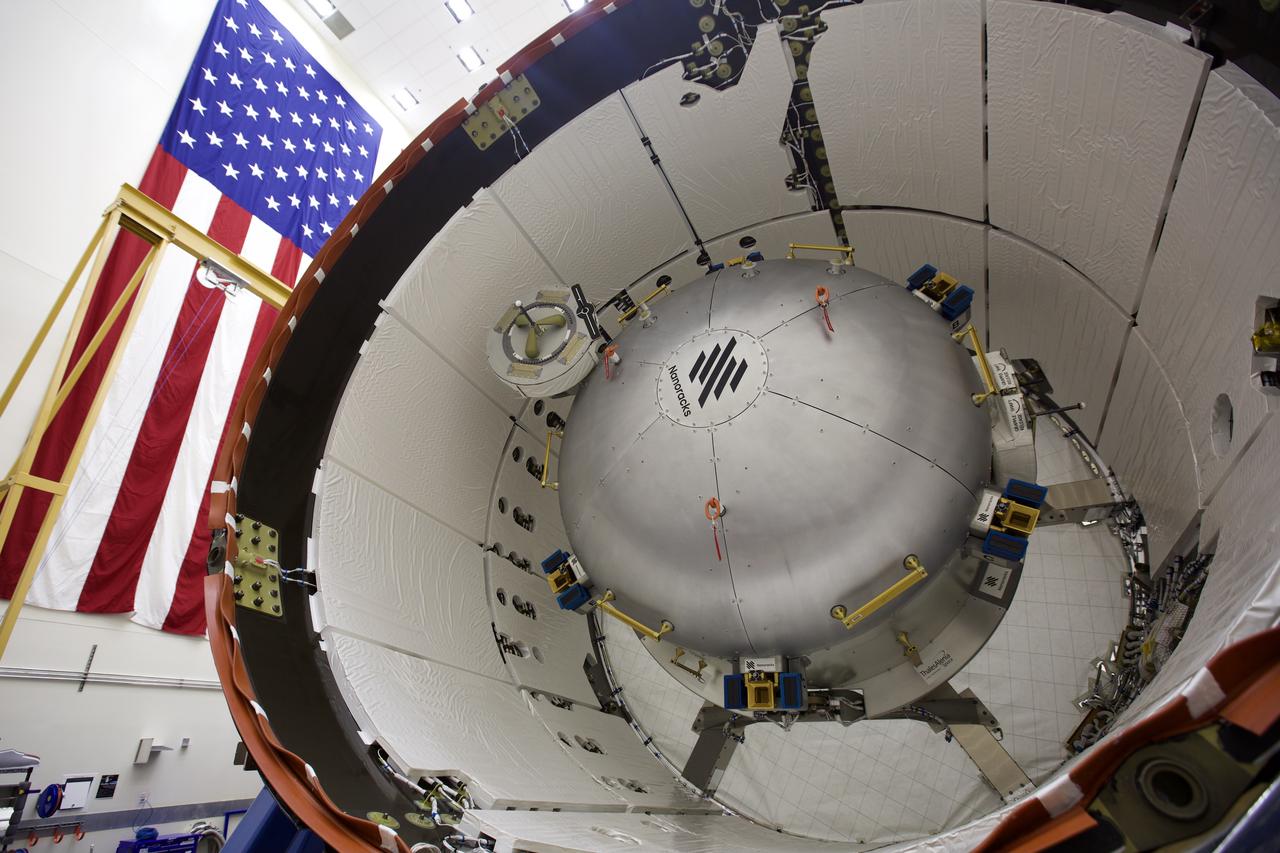
The first commercially funded airlock for the International Space Station is packed in the Cargo Dragon spacecraft’s trunk in October 2020 for its ride to the International Space Station on SpaceX’s 21st Commercial Resupply Services (CRS-21) mission. The airlock will provide payload hosting, robotics testing, and satellite deployment, and also will serve as an outside toolbox for crew members conducting spacewalks. A SpaceX Falcon 9 rocket, carrying the Cargo Dragon, lifted off from Launch Complex 39A at Kennedy Space Center in Florida at 11:17 a.m. EST on Dec. 6, 2020.

Kirt Costello, chief scientist, International Space Station Program Office, is introduced during a CRS-21 prelaunch news conference at NASA’s Kennedy Space Center in Florida on Dec. 4, 2020. Kenny Todd, deputy program manager, International Space Station Program Office; Sarah Walker, director, Dragon Mission Management, SpaceX; and Melody Lovin, launch weather officer, U.S. Air Force 45th Space Wing, also participated in the event, which was moderated by NASA Communications’ Jasmine Hopkins. SpaceX’s Falcon 9 rocket, with the upgraded version of the Cargo Dragon spacecraft atop, is targeted to lift off from Kennedy’s Launch Complex 39A Saturday, Dec. 5, at 11:39 a.m. EST. CRS-21 will deliver supplies, equipment, and critical materials needed to support a variety of science and research investigations on the International Space Station.
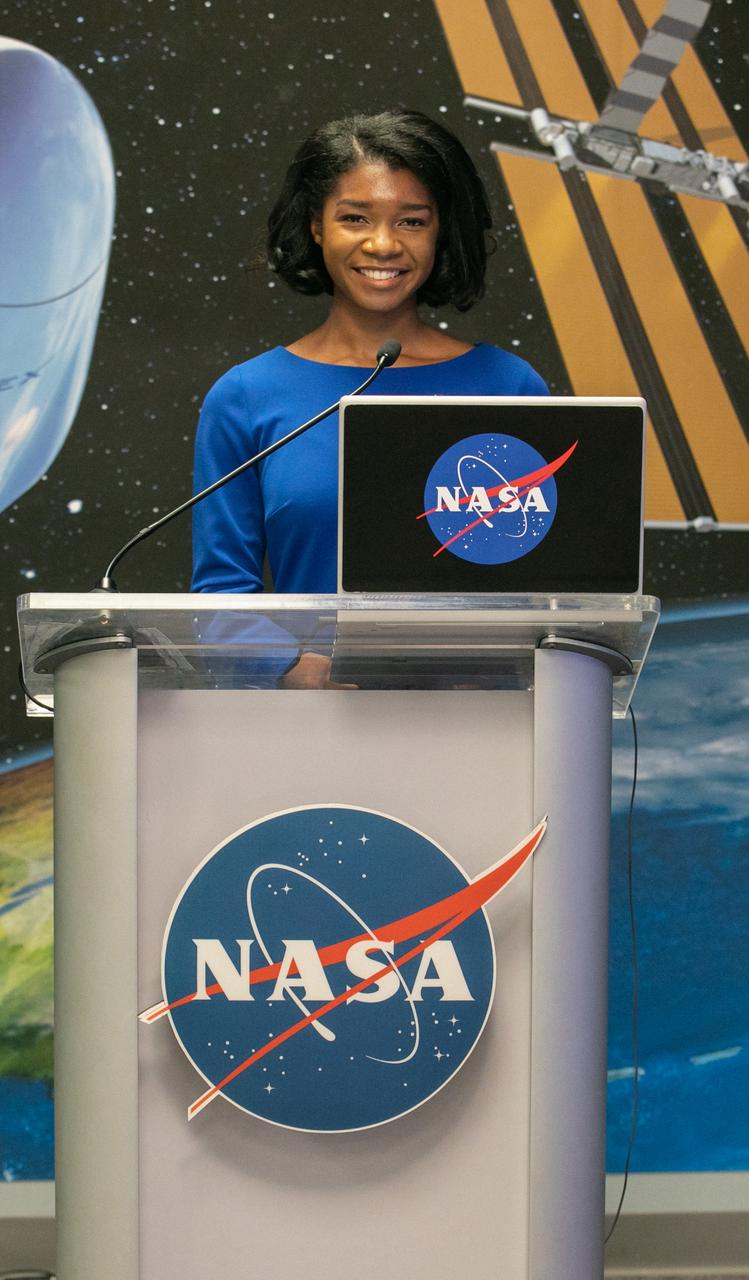
NASA Communications’ Jasmine Hopkins moderates a CRS-21 prelaunch news conference at Kennedy Space Center in Florida on Dec. 4, 2020. Participants included Kenny Todd, deputy program manager, International Space Station Program Office; Kirt Costello, chief scientist, International Space Station Program Office; Sarah Walker, director, Dragon Mission Management, SpaceX; and Melody Lovin, launch weather officer, U.S. Air Force 45th Space Wing. SpaceX’s Falcon 9 rocket, with the upgraded version of the Cargo Dragon spacecraft atop, is targeted to lift off from Kennedy’s Launch Complex 39A Saturday, Dec. 5, at 11:39 a.m. EST. CRS-21 will deliver supplies, equipment, and critical materials needed to support a variety of science and research investigations on the International Space Station.

Melody Lovin, launch weather officer, U.S. Air Force 45th Space Wing, responds to a question during a CRS-21 prelaunch news conference at NASA’s Kennedy Space Center in Florida on Dec. 4, 2020. Sarah Walker, director, Dragon Mission Management, SpaceX, Kirt Costello, chief scientist, International Space Station Program Office, and Kenny Todd, deputy program manager, International Space Station Program Office, also participated in the event, which was moderated by NASA Communications’ Jasmine Hopkins. SpaceX’s Falcon 9 rocket, with the upgraded version of the Cargo Dragon spacecraft atop, is targeted to lift off from Kennedy’s Launch Complex 39A Saturday, Dec. 5, at 11:39 a.m. EST. CRS-21 will deliver supplies, equipment, and critical materials needed to support a variety of science and research investigations on the International Space Station.

Kenny Todd, deputy program manager, International Space Station Program Office, is introduced during a CRS-21 prelaunch news conference at NASA’s Kennedy Space Center in Florida on Dec. 4, 2020. Kirt Costello, chief scientist, International Space Station Program Office; Sarah Walker, director, Dragon Mission Management, SpaceX; and Melody Lovin, launch weather officer, U.S. Air Force 45th Space Wing, also participated in the event, which was moderated by NASA Communications’ Jasmine Hopkins. SpaceX’s Falcon 9 rocket, with the upgraded version of the Cargo Dragon spacecraft atop, is targeted to lift off from Kennedy’s Launch Complex 39A Saturday, Dec. 5, at 11:39 a.m. EST. CRS-21 will deliver supplies, equipment, and critical materials needed to support a variety of science and research investigations on the International Space Station.

Melody Lovin, launch weather officer, U.S. Air Force 45th Space Wing, is introduced during a CRS-21 prelaunch news conference at NASA’s Kennedy Space Center in Florida on Dec. 4, 2020. Sarah Walker, director, Dragon Mission Management, SpaceX, Kirt Costello, chief scientist, International Space Station Program Office, and Kenny Todd, deputy program manager, International Space Station Program Office, also participated in the event, which was moderated by NASA Communications’ Jasmine Hopkins. SpaceX’s Falcon 9 rocket, with the upgraded version of the Cargo Dragon spacecraft atop, is targeted to lift off from Kennedy’s Launch Complex 39A Saturday, Dec. 5, at 11:39 a.m. EST. CRS-21 will deliver supplies, equipment, and critical materials needed to support a variety of science and research investigations on the International Space Station.

Sarah Walker, director, Dragon Mission Management, SpaceX, listens to a question during a CRS-21 prelaunch news conference at NASA’s Kennedy Space Center in Florida on Dec. 4, 2020. Kirt Costello, chief scientist, International Space Station Program Office, Kenny Todd, deputy program manager, International Space Station Program Office; and Melody Lovin, launch weather officer, U.S. Air Force 45th Space Wing, also participated in the event, which was moderated by NASA Communications’ Jasmine Hopkins. SpaceX’s Falcon 9 rocket, with the upgraded version of the Cargo Dragon spacecraft atop, is targeted to lift off from Kennedy’s Launch Complex 39A Saturday, Dec. 5, at 11:39 a.m. EST. CRS-21 will deliver supplies, equipment, and critical materials needed to support a variety of science and research investigations on the International Space Station.
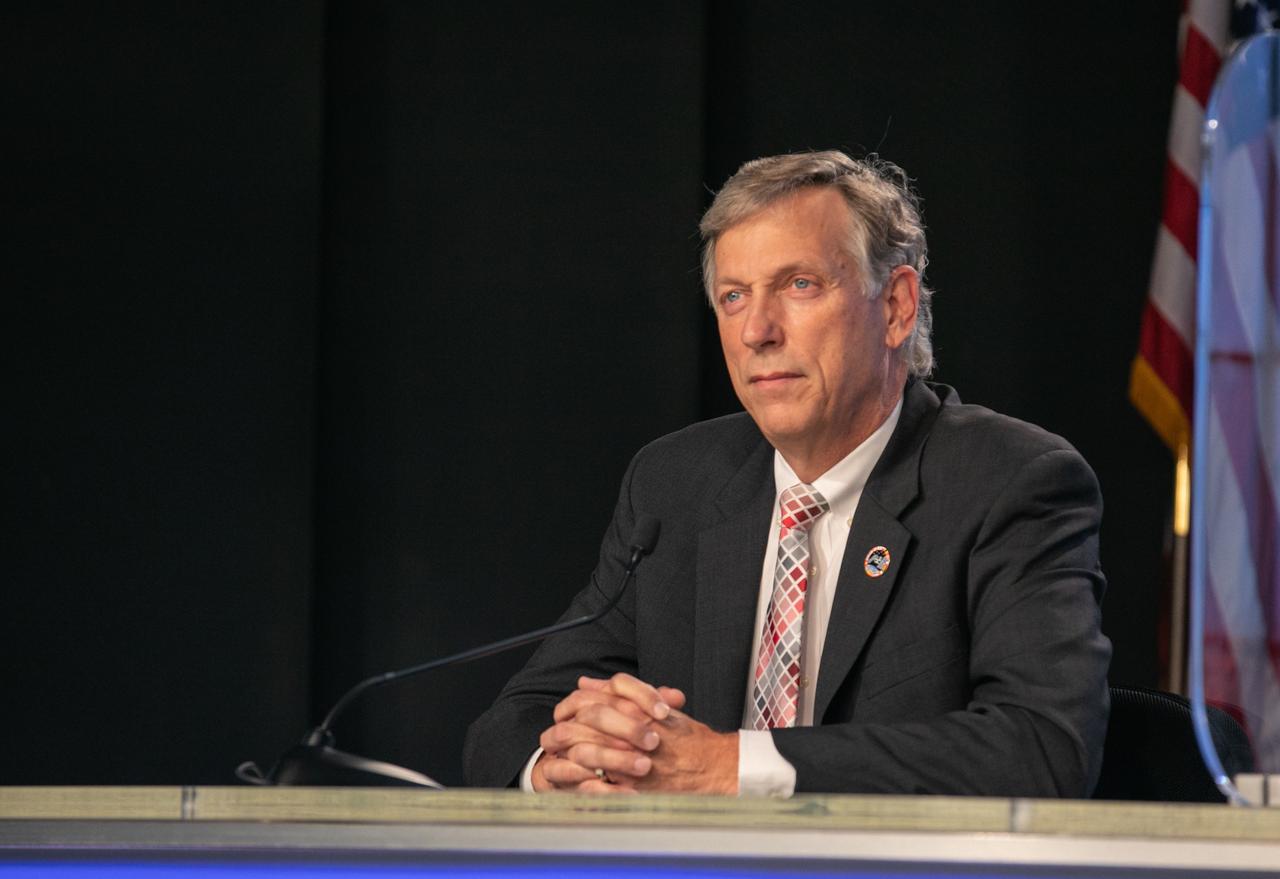
Kenny Todd, deputy program manager, International Space Station Program Office, listens to a question during a CRS-21 prelaunch news conference at NASA’s Kennedy Space Center in Florida on Dec. 4, 2020. Kirt Costello, chief scientist, International Space Station Program Office; Sarah Walker, director, Dragon Mission Management, SpaceX; and Melody Lovin, launch weather officer, U.S. Air Force 45th Space Wing, also participated in the event, which was moderated by NASA Communications’ Jasmine Hopkins. SpaceX’s Falcon 9 rocket, with the upgraded version of the Cargo Dragon spacecraft atop, is targeted to lift off from Kennedy’s Launch Complex 39A Saturday, Dec. 5, at 11:39 a.m. EST. CRS-21 will deliver supplies, equipment, and critical materials needed to support a variety of science and research investigations on the International Space Station.
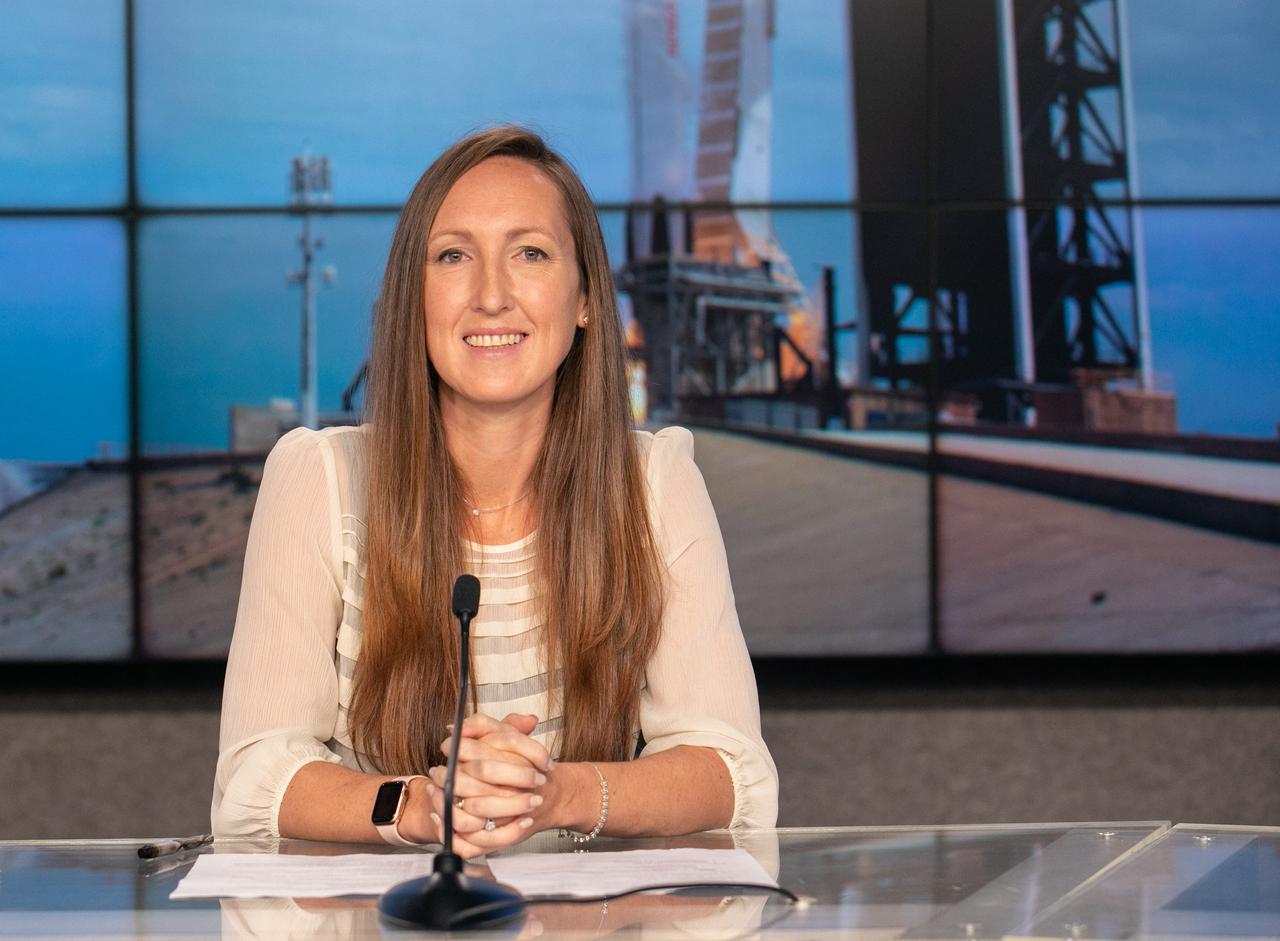
Sarah Walker, director, Dragon Mission Management, SpaceX, is introduced during a CRS-21 prelaunch news conference at NASA’s Kennedy Space Center in Florida on Dec. 4, 2020. Kirt Costello, chief scientist, International Space Station Program Office, Kenny Todd, deputy program manager, International Space Station Program Office; and Melody Lovin, launch weather officer, U.S. Air Force 45th Space Wing, also participated in the event, which was moderated by NASA Communications’ Jasmine Hopkins. SpaceX’s Falcon 9 rocket, with the upgraded version of the Cargo Dragon spacecraft atop, is targeted to lift off from Kennedy’s Launch Complex 39A Saturday, Dec. 5, at 11:39 a.m. EST. CRS-21 will deliver supplies, equipment, and critical materials needed to support a variety of science and research investigations on the International Space Station.
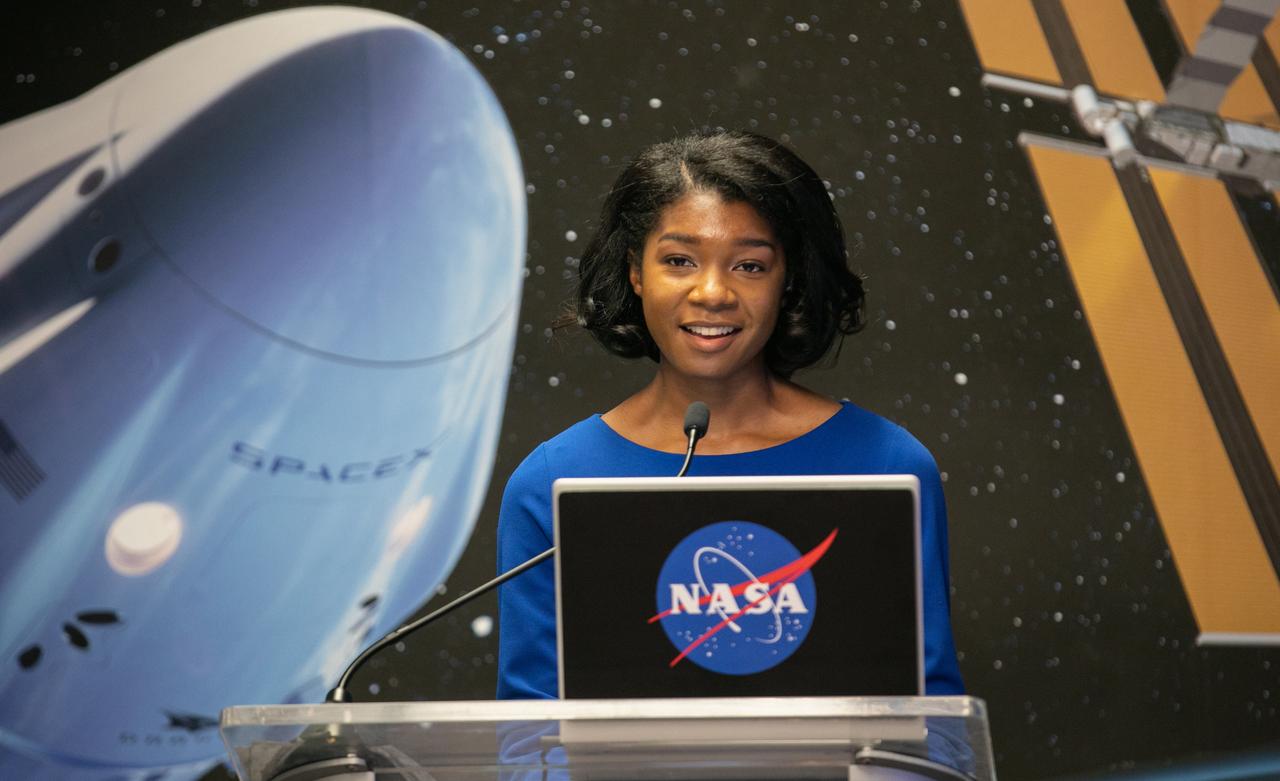
NASA Communications’ Jasmine Hopkins moderates a CRS-21 prelaunch news conference at Kennedy Space Center in Florida on Dec. 4, 2020. Participants included Kenny Todd, deputy program manager, International Space Station Program Office; Kirt Costello, chief scientist, International Space Station Program Office; Sarah Walker, director, Dragon Mission Management, SpaceX; and Melody Lovin, launch weather officer, U.S. Air Force 45th Space Wing. SpaceX’s Falcon 9 rocket, with the upgraded version of the Cargo Dragon spacecraft atop, is targeted to lift off from Kennedy’s Launch Complex 39A Saturday, Dec. 5, at 11:39 a.m. EST. CRS-21 will deliver supplies, equipment, and critical materials needed to support a variety of science and research investigations on the International Space Station.

Kirt Costello, chief scientist, International Space Station Program Office, listens to a question during a CRS-21 prelaunch news conference at NASA’s Kennedy Space Center in Florida on Dec. 4, 2020. Kenny Todd, deputy program manager, International Space Station Program Office; Sarah Walker, director, Dragon Mission Management, SpaceX; and Melody Lovin, launch weather officer, U.S. Air Force 45th Space Wing, also participated in the event, which was moderated by NASA Communications’ Jasmine Hopkins. SpaceX’s Falcon 9 rocket, with the upgraded version of the Cargo Dragon spacecraft atop, is targeted to lift off from Kennedy’s Launch Complex 39A Saturday, Dec. 5, at 11:39 a.m. EST. CRS-21 will deliver supplies, equipment, and critical materials needed to support a variety of science and research investigations on the International Space Station.

Sarah Walker, director, Dragon Mission Management, SpaceX, responds to a question during a CRS-21 prelaunch news conference at NASA’s Kennedy Space Center in Florida on Dec. 4, 2020. Kirt Costello, chief scientist, International Space Station Program Office, Kenny Todd, deputy program manager, International Space Station Program Office; and Melody Lovin, launch weather officer, U.S. Air Force 45th Space Wing, also participated in the event, which was moderated by NASA Communications’ Jasmine Hopkins. SpaceX’s Falcon 9 rocket, with the upgraded version of the Cargo Dragon spacecraft atop, is targeted to lift off from Kennedy’s Launch Complex 39A Saturday, Dec. 5, at 11:39 a.m. EST. CRS-21 will deliver supplies, equipment, and critical materials needed to support a variety of science and research investigations on the International Space Station.
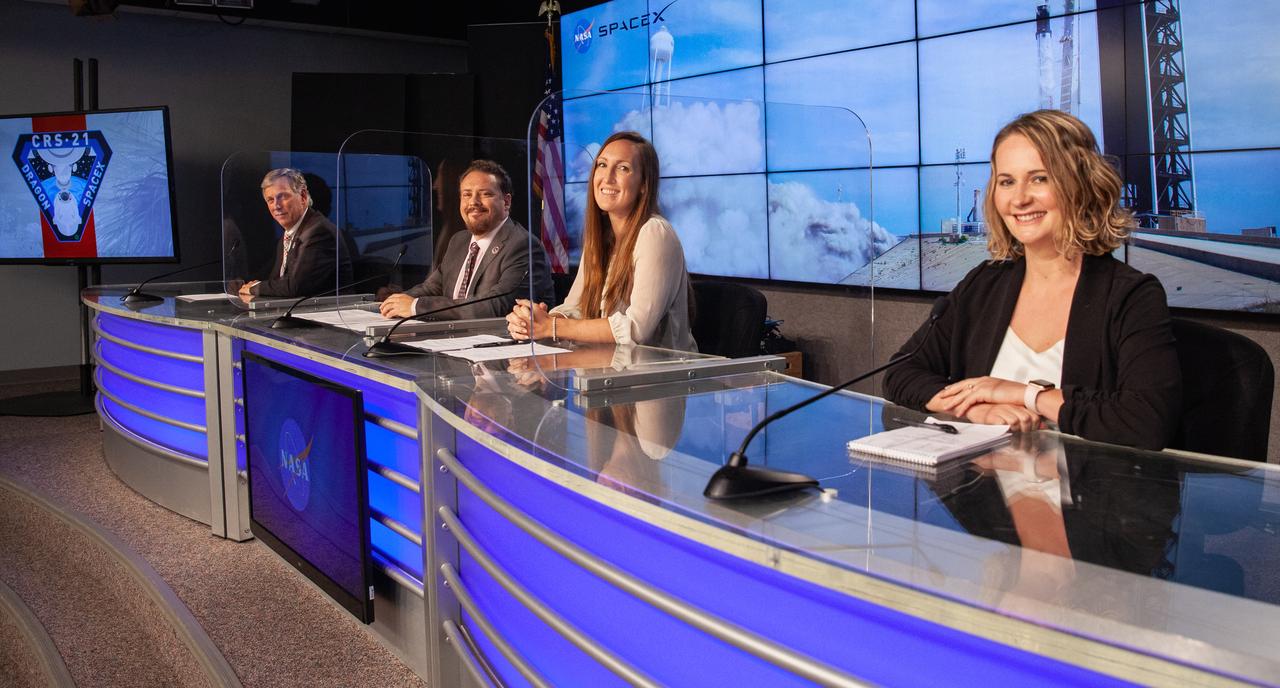
From left, Kenny Todd, deputy program manager, International Space Station Program Office; Kirt Costello, chief scientist, International Space Station Program Office; Sarah Walker, director, Dragon Mission Management, SpaceX; and Melody Lovin, launch weather officer, U.S. Air Force 45th Space Wing, participate in a CRS-21 prelaunch news conference at Kennedy Space Center in Florida on Dec. 4, 2020. NASA Communications’ Jasmine Hopkins moderated the event. SpaceX’s Falcon 9 rocket, with the upgraded version of the Cargo Dragon spacecraft atop, is targeted to lift off from Kennedy’s Launch Complex 39A Saturday, Dec. 5, at 11:39 a.m. EST. CRS-21 will deliver supplies, equipment, and critical materials needed to support a variety of science and research investigations on the International Space Station.

A SpaceX Falcon 9 rocket soars into the sky after lifting off from Launch Complex 39A at Kennedy Space Center in Florida at 11:17 a.m. EST on Dec. 6, 2020. The rocket is carrying the uncrewed cargo Dragon spacecraft on its journey to the International Space Station for NASA and SpaceX’s 21st Commercial Resupply Services (CRS-21) mission. Dragon will deliver more than 6,400 pounds of science investigations and cargo to the orbiting laboratory. The mission marks the first launch for SpaceX under NASA’s CRS-2 contract.
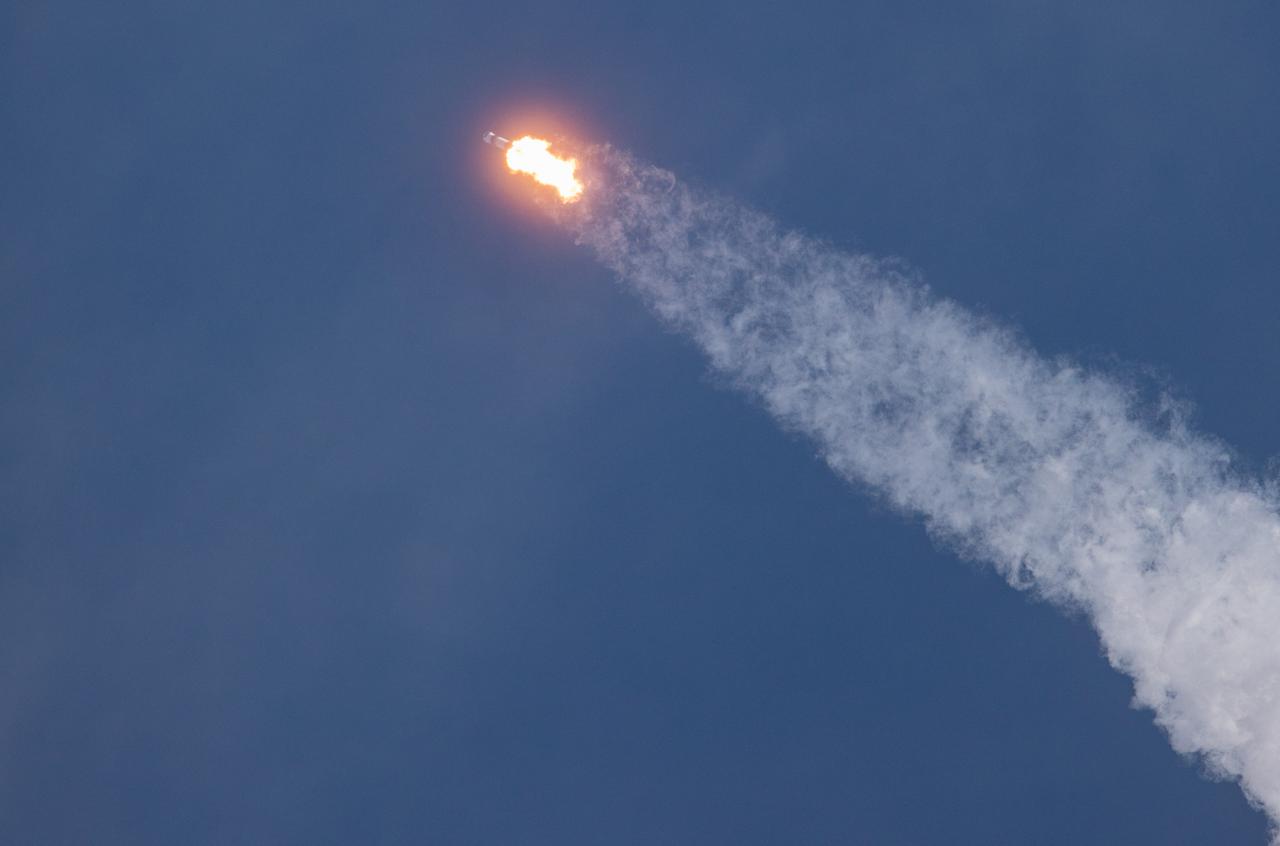
A SpaceX Falcon 9 rocket soars into the sky after lifting off from Launch Complex 39A at Kennedy Space Center in Florida at 11:17 a.m. EST on Dec. 6, 2020. The rocket is carrying the uncrewed cargo Dragon spacecraft on its journey to the International Space Station for NASA and SpaceX’s 21st Commercial Resupply Services (CRS-21) mission. Dragon will deliver more than 6,400 pounds of science investigations and cargo to the orbiting laboratory. The mission marks the first launch for SpaceX under NASA’s CRS-2 contract.
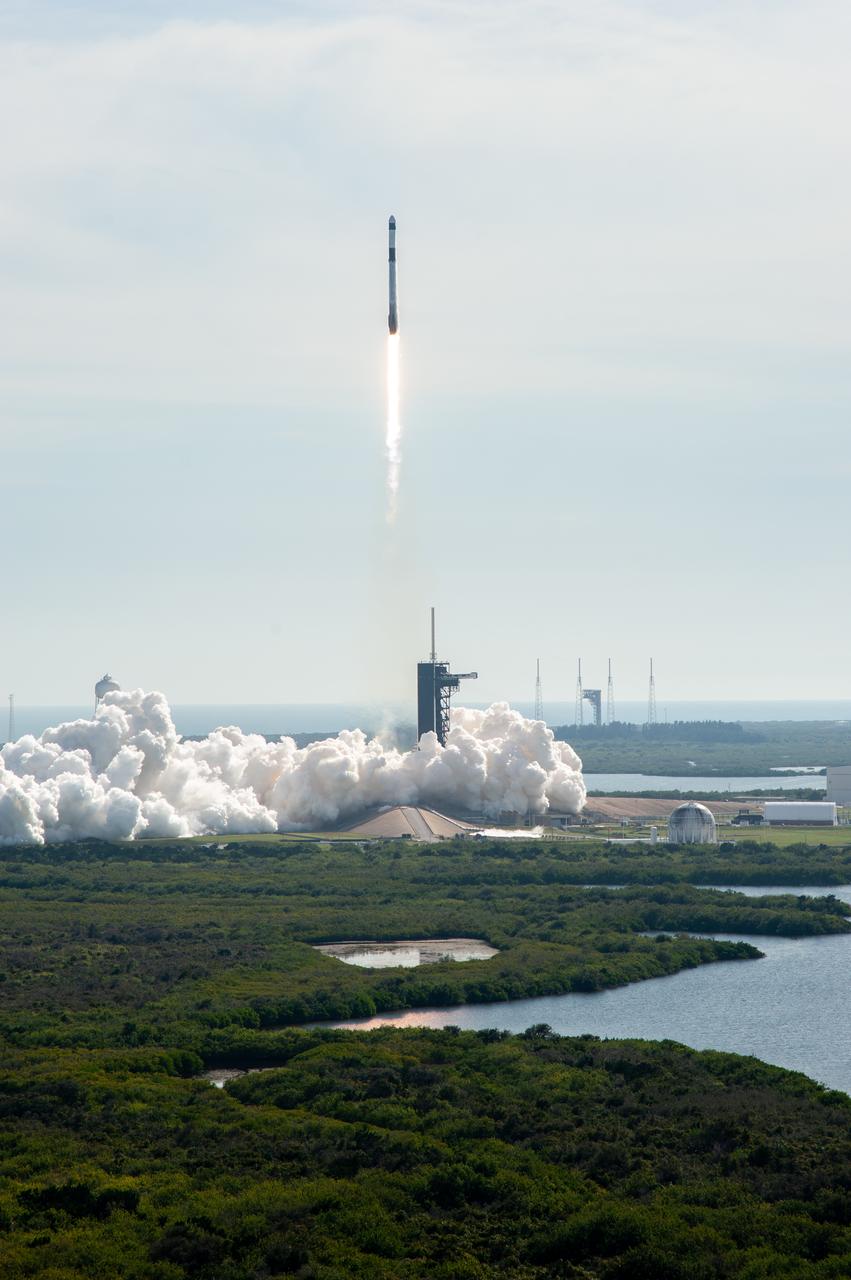
A SpaceX Falcon 9 rocket soars into the sky after lifting off from Launch Complex 39A at Kennedy Space Center in Florida at 11:17 a.m. EST on Dec. 6, 2020. The rocket is carrying the uncrewed cargo Dragon spacecraft on its journey to the International Space Station for NASA and SpaceX’s 21st Commercial Resupply Services (CRS-21) mission. Dragon will deliver more than 6,400 pounds of science investigations and cargo to the orbiting laboratory. The mission marks the first launch for SpaceX under NASA’s CRS-2 contract.
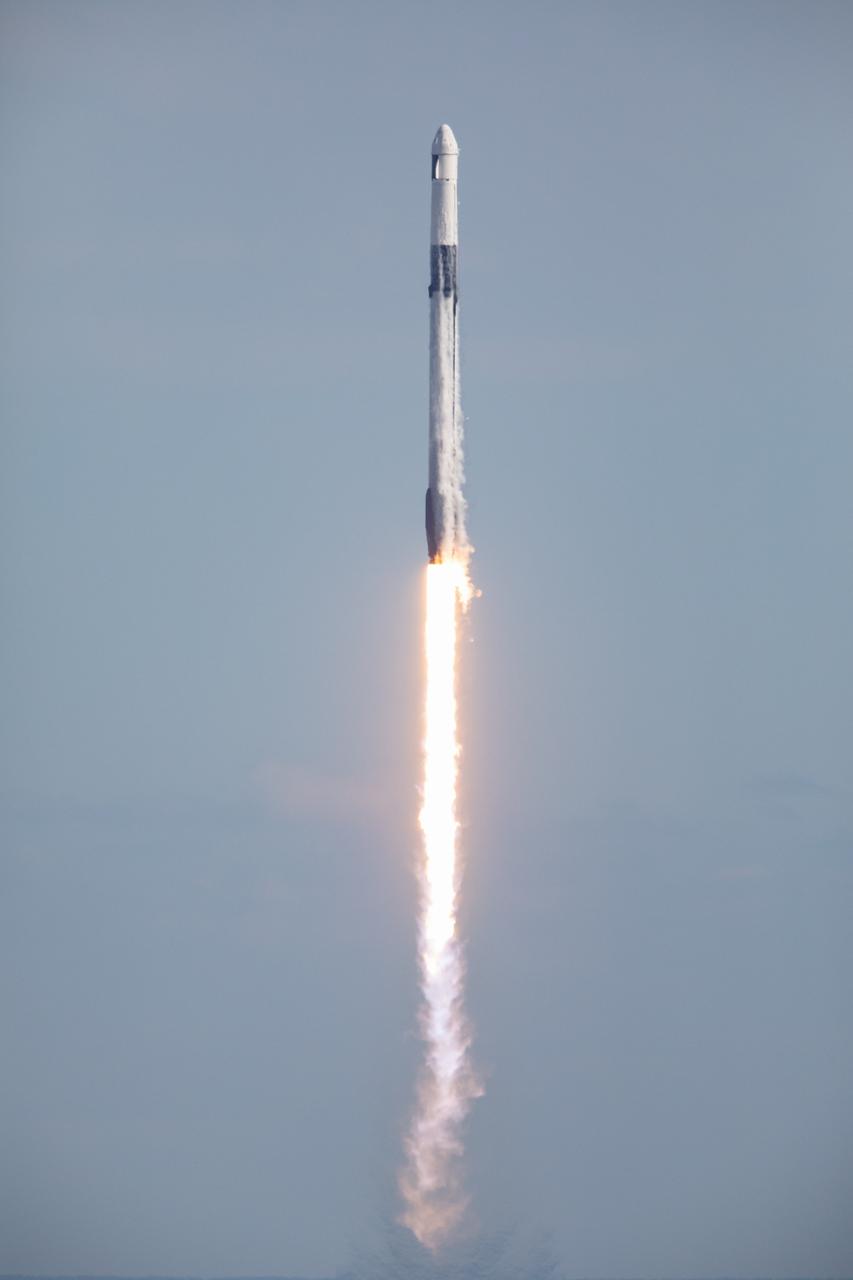
A SpaceX Falcon 9 rocket soars into the sky after lifting off from Launch Complex 39A at Kennedy Space Center in Florida at 11:17 a.m. EST on Dec. 6, 2020. The rocket is carrying the uncrewed cargo Dragon spacecraft on its journey to the International Space Station for NASA and SpaceX’s 21st Commercial Resupply Services (CRS-21) mission. Dragon will deliver more than 6,400 pounds of science investigations and cargo to the orbiting laboratory. The mission marks the first launch for SpaceX under NASA’s CRS-2 contract.
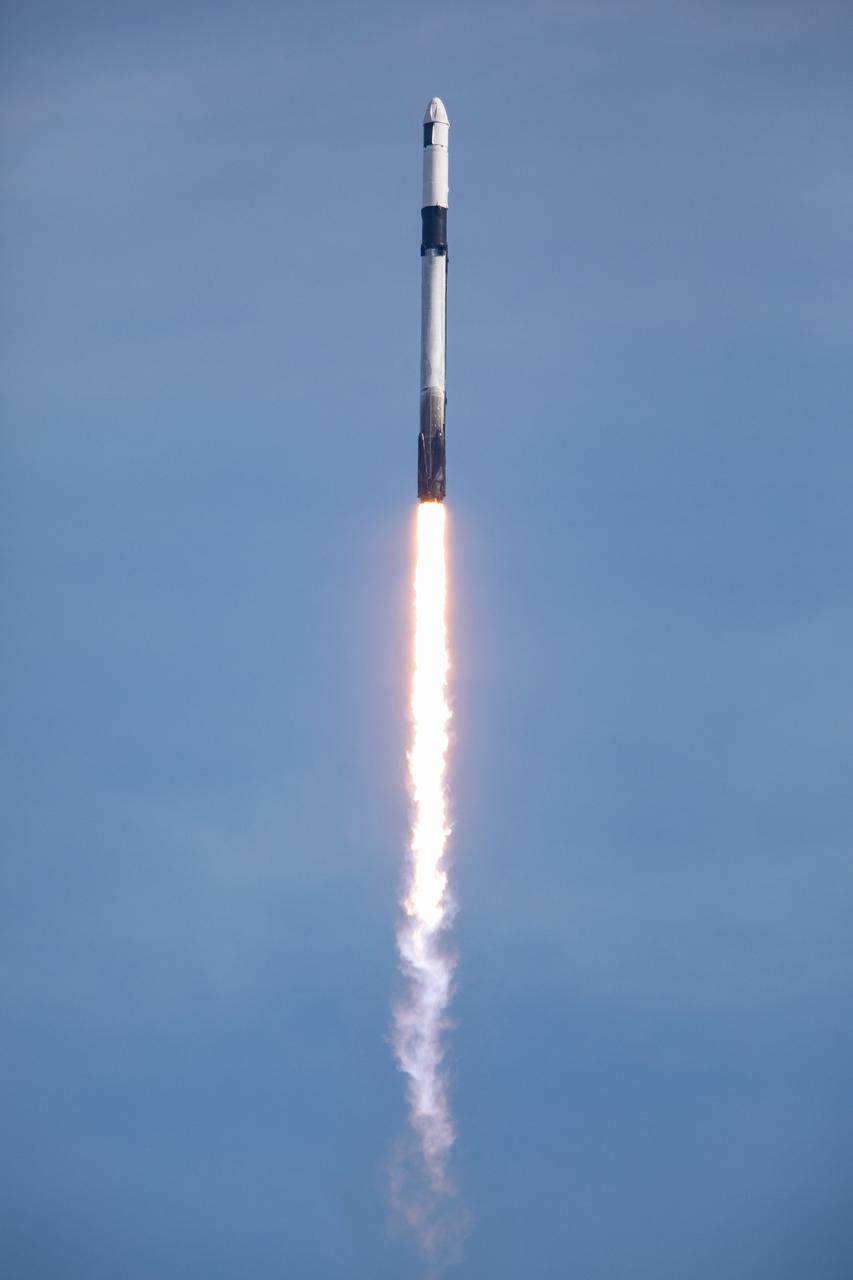
A SpaceX Falcon 9 rocket soars into the sky after lifting off from Launch Complex 39A at Kennedy Space Center in Florida at 11:17 a.m. EST on Dec. 6, 2020. The rocket is carrying the uncrewed cargo Dragon spacecraft on its journey to the International Space Station for NASA and SpaceX’s 21st Commercial Resupply Services (CRS-21) mission. Dragon will deliver more than 6,400 pounds of science investigations and cargo to the orbiting laboratory. The mission marks the first launch for SpaceX under NASA’s CRS-2 contract.
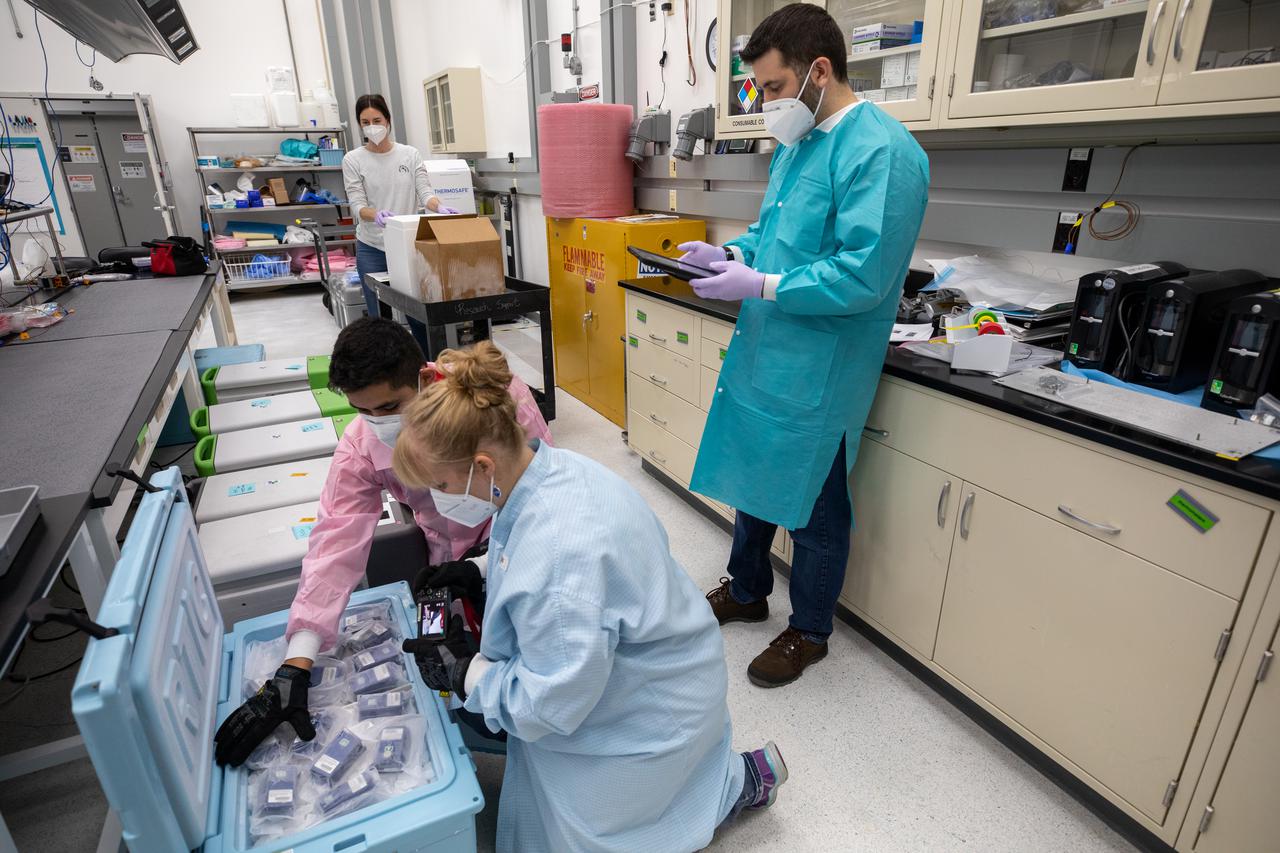
Members of the cold stowage team unpack science experiments inside the Space Station Processing Facility at NASA’s Kennedy Space Center in Florida on Jan. 14, 2021. The experiments returned to Earth on SpaceX’s 21st commercial resupply services mission (CRS-21). Making its successful parachute-assisted splashdown west of Tampa off the Florida coast, at 8:26 p.m. EST on Jan. 13, the SpaceX cargo Dragon returned more than 4,400 pounds of scientific experiments and other cargo from the International Space Station. After splashdown, SpaceX loaded Dragon aboard their Go Navigator recovery ship and packed an Airbus H225 helicopter with the time-sensitive research cargo for delivery to Kennedy. The upgraded cargo Dragon capsule also boasts double the powered locker capacity to preserve science samples, allowing for a significant increase in the research that can be carried back to Earth.
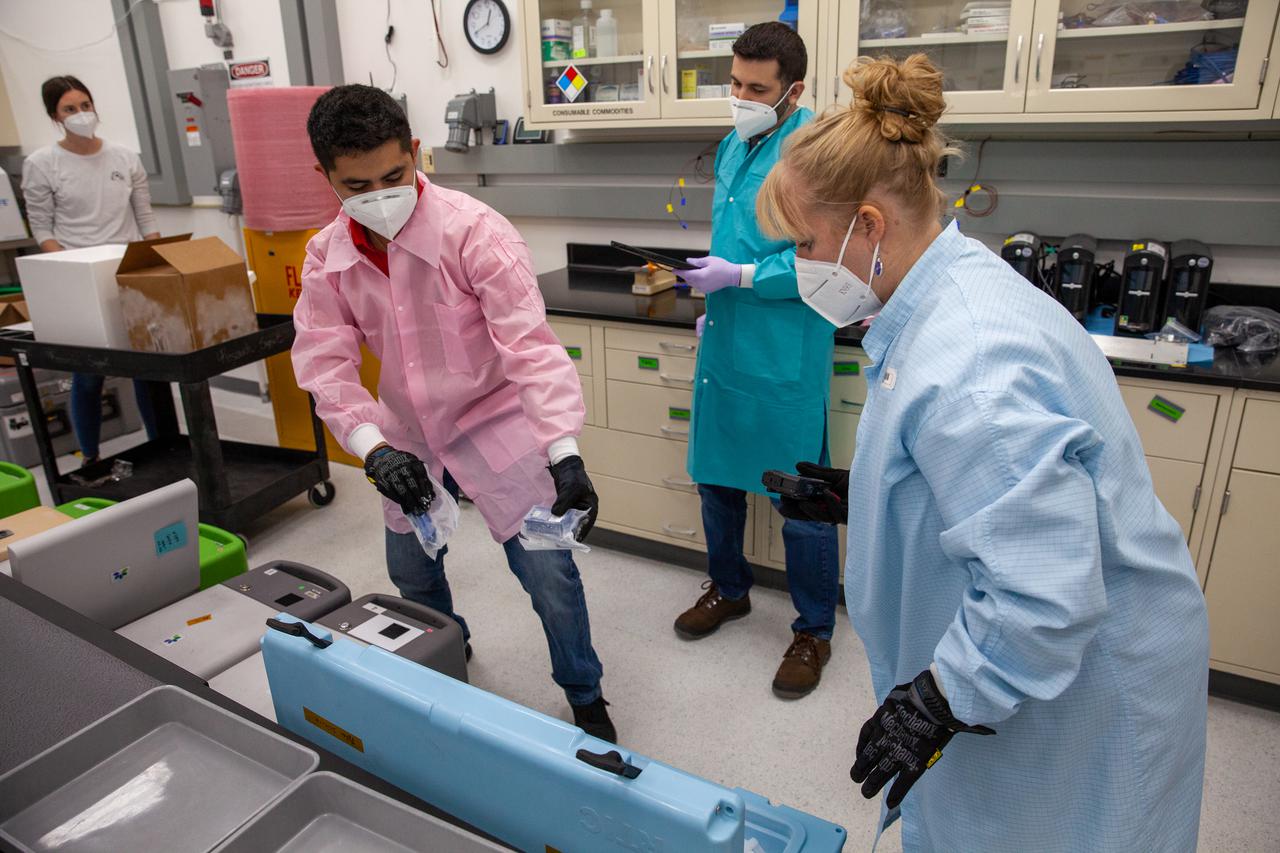
Members of the cold stowage team unpack science experiments inside the Space Station Processing Facility at NASA’s Kennedy Space Center in Florida on Jan. 14, 2021. The experiments returned to Earth on SpaceX’s 21st commercial resupply services mission (CRS-21). Making its successful parachute-assisted splashdown west of Tampa off the Florida coast, at 8:26 p.m. EST on Jan. 13, the SpaceX cargo Dragon returned more than 4,400 pounds of scientific experiments and other cargo from the International Space Station. After splashdown, SpaceX loaded Dragon aboard their Go Navigator recovery ship and packed an Airbus H225 helicopter with the time-sensitive research cargo for delivery to Kennedy. The upgraded cargo Dragon capsule also boasts double the powered locker capacity to preserve science samples, allowing for a significant increase in the research that can be carried back to Earth.
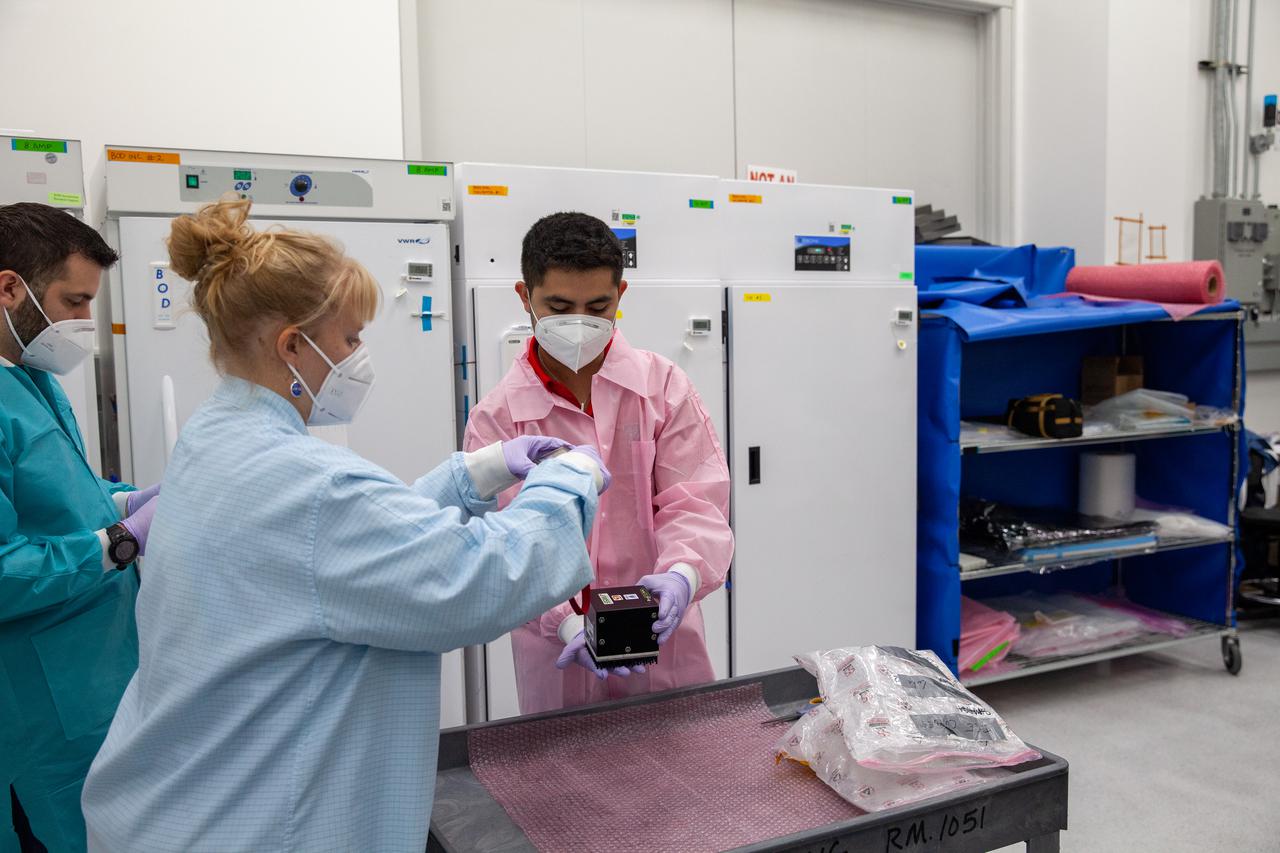
Members of the cold stowage team unpack science experiments inside the Space Station Processing Facility at NASA’s Kennedy Space Center in Florida on Jan. 14, 2021. The experiments returned to Earth on SpaceX’s 21st commercial resupply services mission (CRS-21). Making its successful parachute-assisted splashdown west of Tampa off the Florida coast, at 8:26 p.m. EST on Jan. 13, the SpaceX cargo Dragon returned more than 4,400 pounds of scientific experiments and other cargo from the International Space Station. After splashdown, SpaceX loaded Dragon aboard their Go Navigator recovery ship and packed an Airbus H225 helicopter with the time-sensitive research cargo for delivery to Kennedy. The upgraded cargo Dragon capsule also boasts double the powered locker capacity to preserve science samples, allowing for a significant increase in the research that can be carried back to Earth.
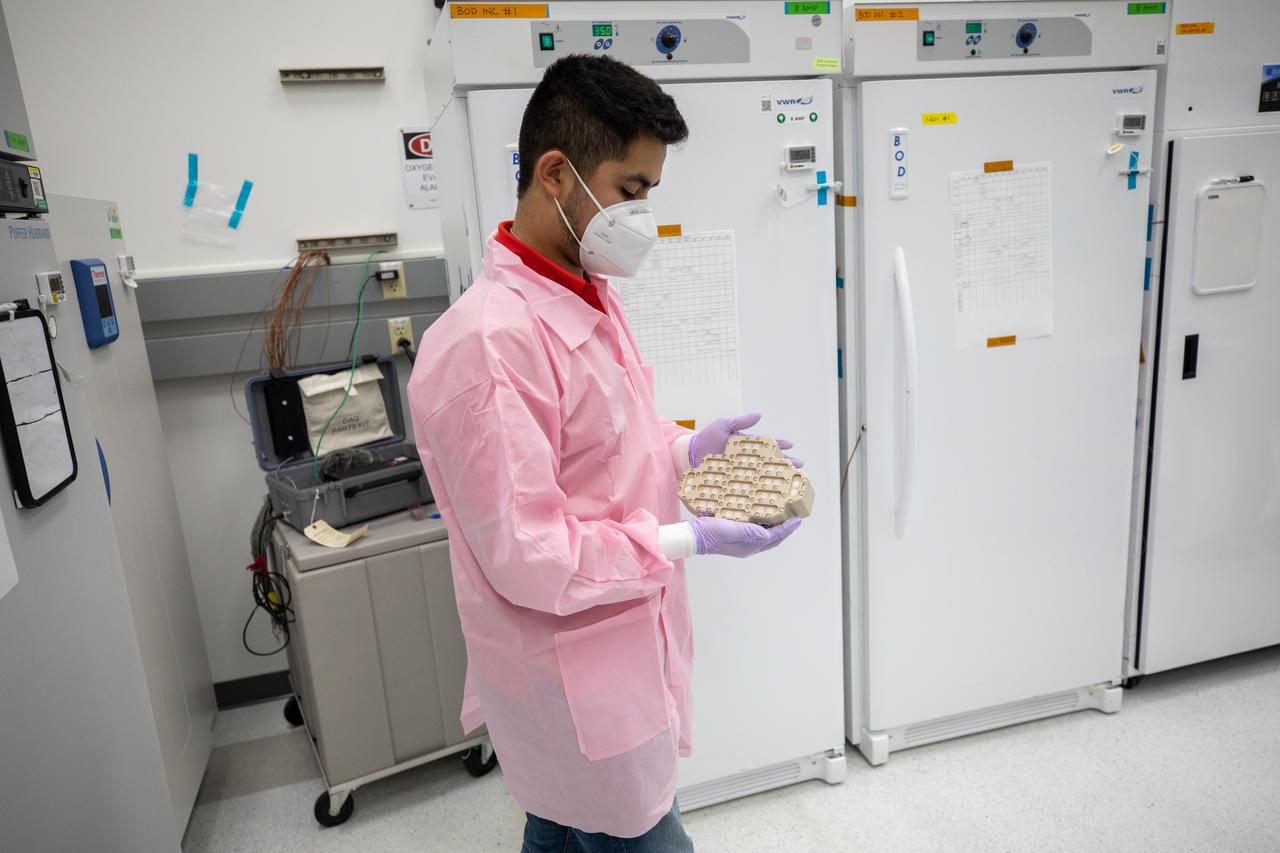
A member of the cold stowage team unpacks science experiments inside the Space Station Processing Facility at NASA’s Kennedy Space Center in Florida on Jan. 14, 2021. The experiments returned to Earth on SpaceX’s 21st commercial resupply services mission (CRS-21). Making its successful parachute-assisted splashdown west of Tampa off the Florida coast, at 8:26 p.m. EST on Jan. 13, the SpaceX cargo Dragon returned more than 4,400 pounds of scientific experiments and other cargo from the International Space Station. After splashdown, SpaceX loaded Dragon aboard their Go Navigator recovery ship and packed an Airbus H225 helicopter with the time-sensitive research cargo for delivery to Kennedy. The upgraded cargo Dragon capsule also boasts double the powered locker capacity to preserve science samples, allowing for a significant increase in the research that can be carried back to Earth.
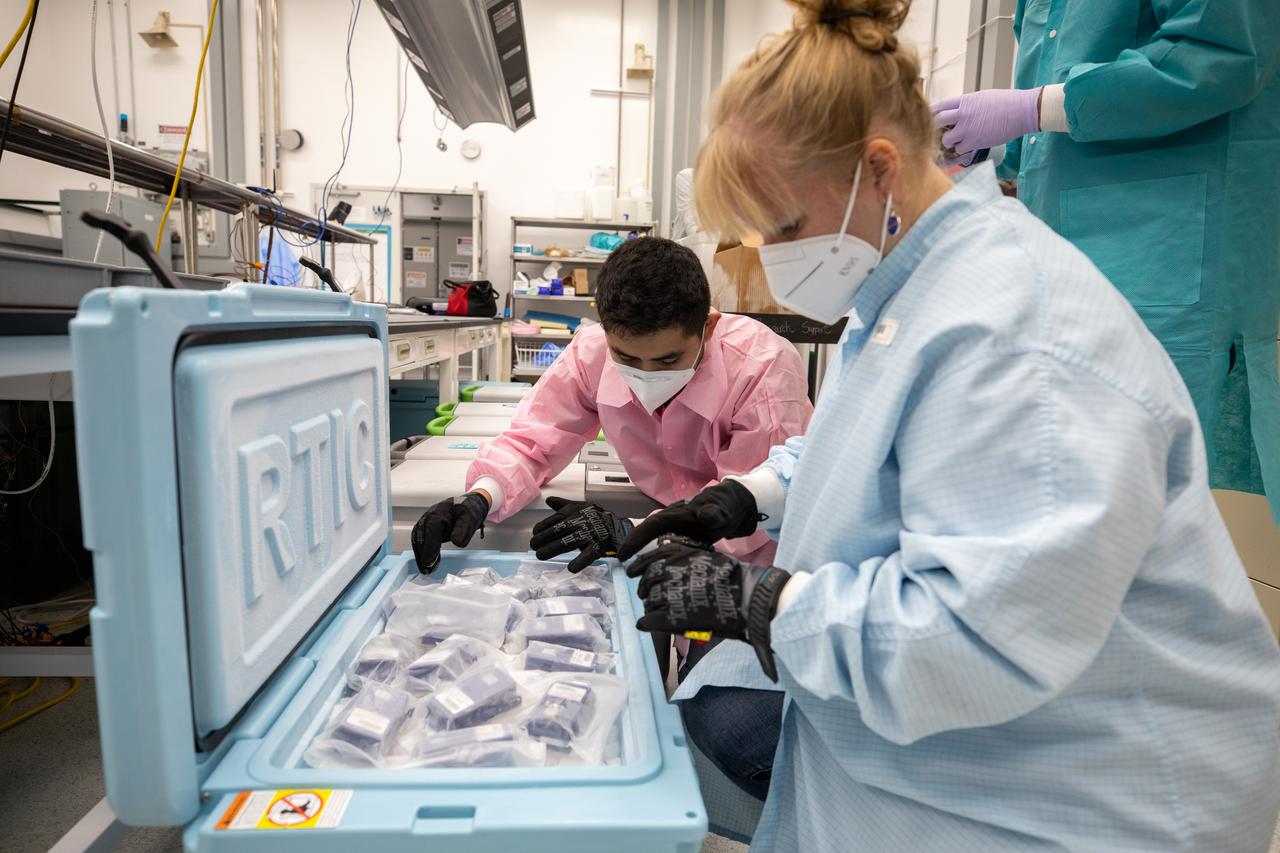
Members of the cold stowage team unpack science experiments inside the Space Station Processing Facility at NASA’s Kennedy Space Center in Florida on Jan. 14, 2021. The experiments returned to Earth on SpaceX’s 21st commercial resupply services mission (CRS-21). Making its successful parachute-assisted splashdown west of Tampa off the Florida coast, at 8:26 p.m. EST on Jan. 13, the SpaceX cargo Dragon returned more than 4,400 pounds of scientific experiments and other cargo from the International Space Station. After splashdown, SpaceX loaded Dragon aboard their Go Navigator recovery ship and packed an Airbus H225 helicopter with the time-sensitive research cargo for delivery to Kennedy. The upgraded cargo Dragon capsule also boasts double the powered locker capacity to preserve science samples, allowing for a significant increase in the research that can be carried back to Earth.
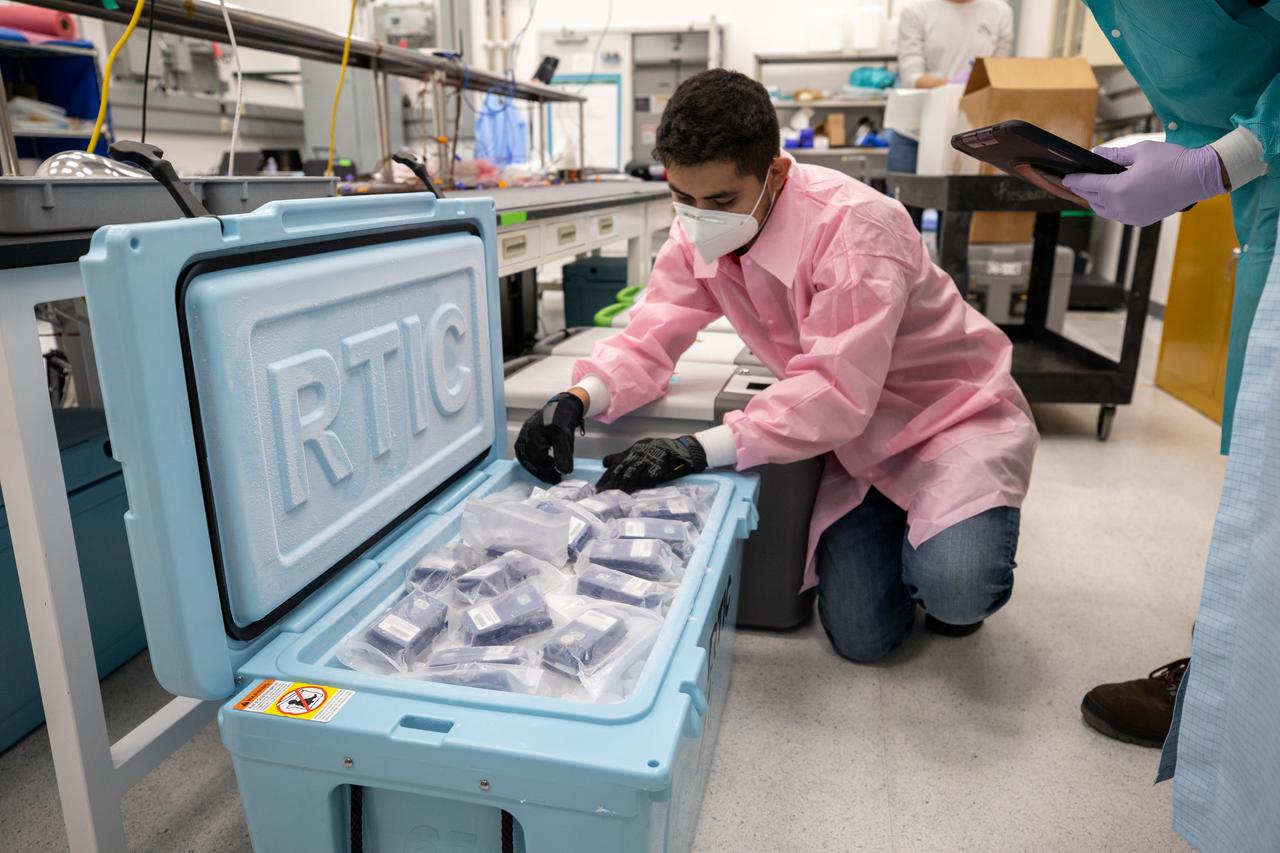
Members of the cold stowage team unpack science experiments inside the Space Station Processing Facility at NASA’s Kennedy Space Center in Florida on Jan. 14, 2021. The experiments returned to Earth on SpaceX’s 21st commercial resupply services mission (CRS-21). Making its successful parachute-assisted splashdown west of Tampa off the Florida coast, at 8:26 p.m. EST on Jan. 13, the SpaceX cargo Dragon returned more than 4,400 pounds of scientific experiments and other cargo from the International Space Station. After splashdown, SpaceX loaded Dragon aboard their Go Navigator recovery ship and packed an Airbus H225 helicopter with the time-sensitive research cargo for delivery to Kennedy. The upgraded cargo Dragon capsule also boasts double the powered locker capacity to preserve science samples, allowing for a significant increase in the research that can be carried back to Earth.
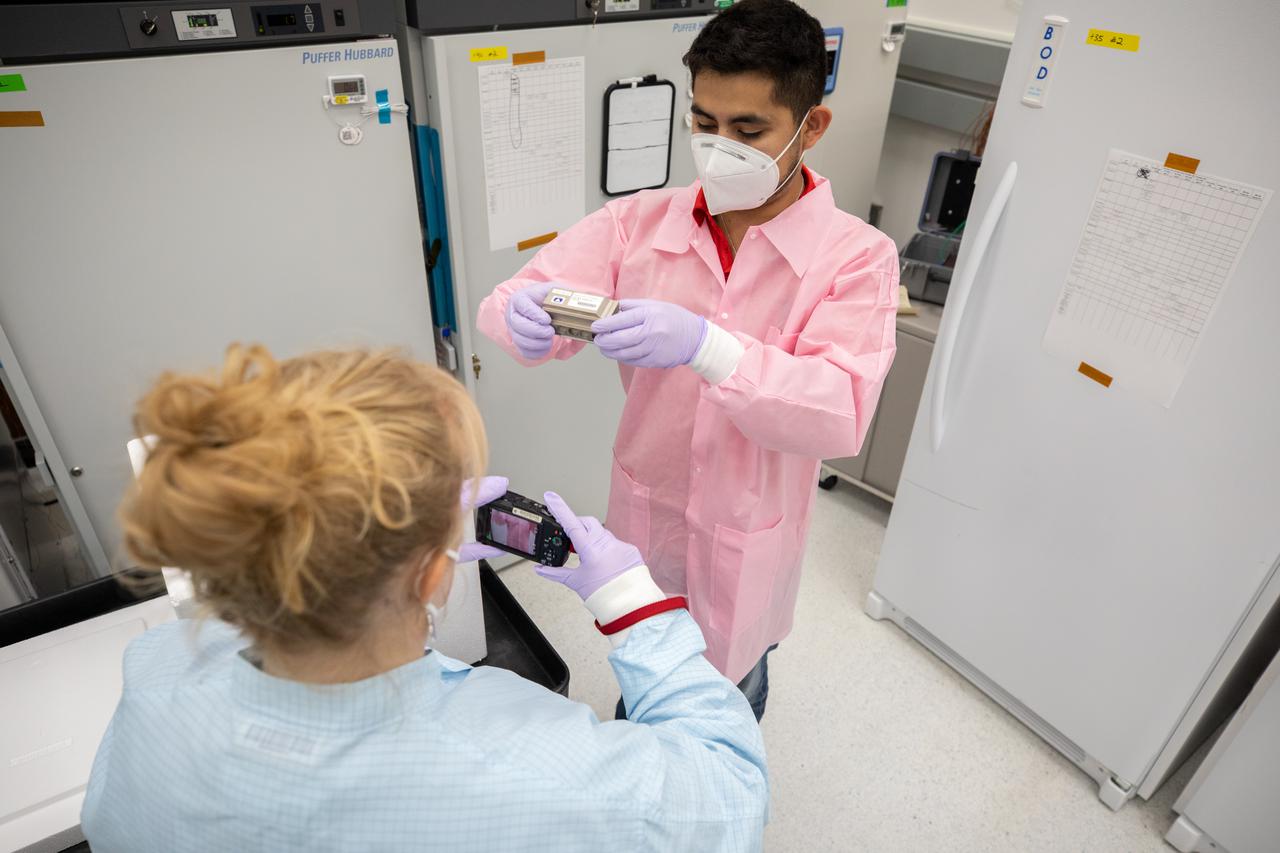
Members of the cold stowage team unpack science experiments inside the Space Station Processing Facility at NASA’s Kennedy Space Center in Florida on Jan. 14, 2021. The experiments returned to Earth on SpaceX’s 21st commercial resupply services mission (CRS-21). Making its successful parachute-assisted splashdown west of Tampa off the Florida coast, at 8:26 p.m. EST on Jan. 13, the SpaceX cargo Dragon returned more than 4,400 pounds of scientific experiments and other cargo from the International Space Station. After splashdown, SpaceX loaded Dragon aboard their Go Navigator recovery ship and packed an Airbus H225 helicopter with the time-sensitive research cargo for delivery to Kennedy. The upgraded cargo Dragon capsule also boasts double the powered locker capacity to preserve science samples, allowing for a significant increase in the research that can be carried back to Earth.
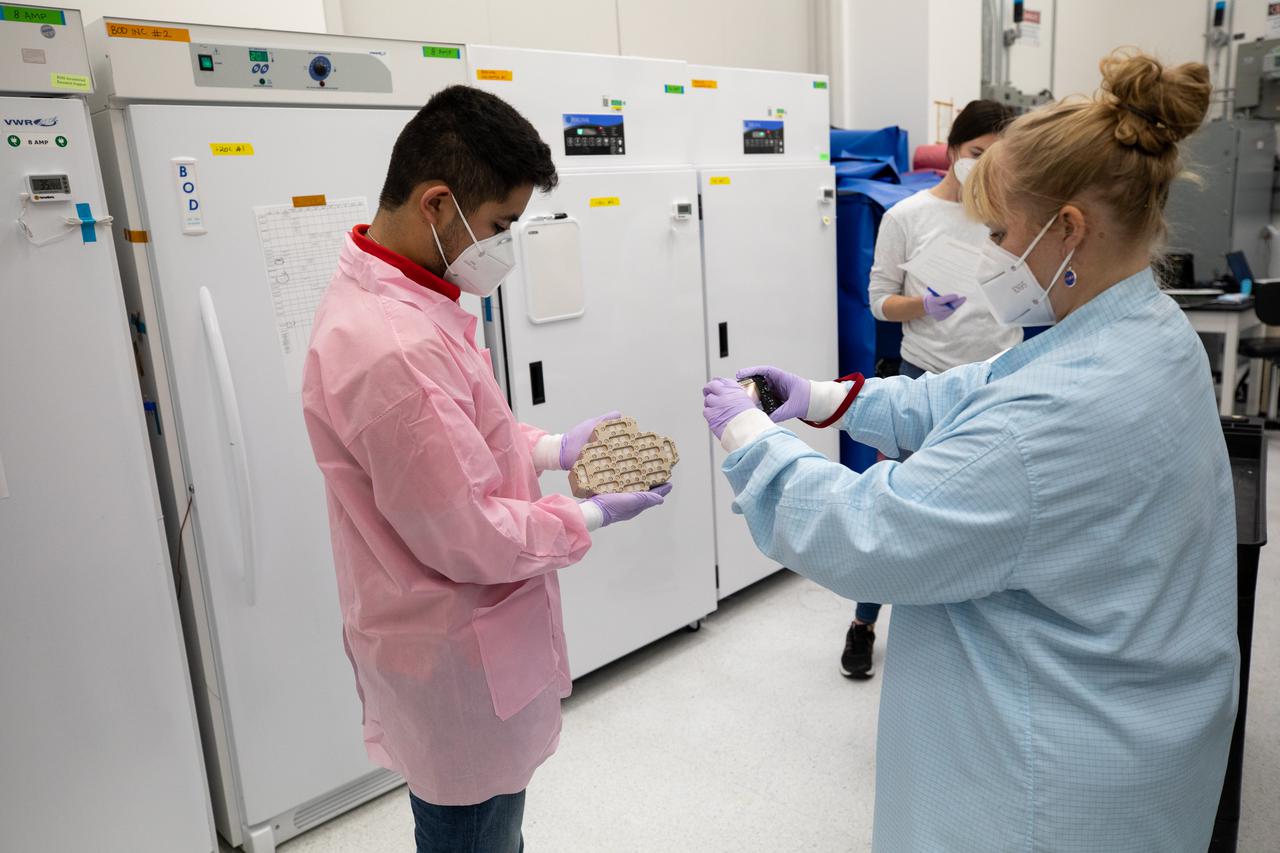
Members of the cold stowage team unpack science experiments inside the Space Station Processing Facility at NASA’s Kennedy Space Center in Florida on Jan. 14, 2021. The experiments returned to Earth on SpaceX’s 21st commercial resupply services mission (CRS-21). Making its successful parachute-assisted splashdown west of Tampa off the Florida coast, at 8:26 p.m. EST on Jan. 13, the SpaceX cargo Dragon returned more than 4,400 pounds of scientific experiments and other cargo from the International Space Station. After splashdown, SpaceX loaded Dragon aboard their Go Navigator recovery ship and packed an Airbus H225 helicopter with the time-sensitive research cargo for delivery to Kennedy. The upgraded cargo Dragon capsule also boasts double the powered locker capacity to preserve science samples, allowing for a significant increase in the research that can be carried back to Earth.
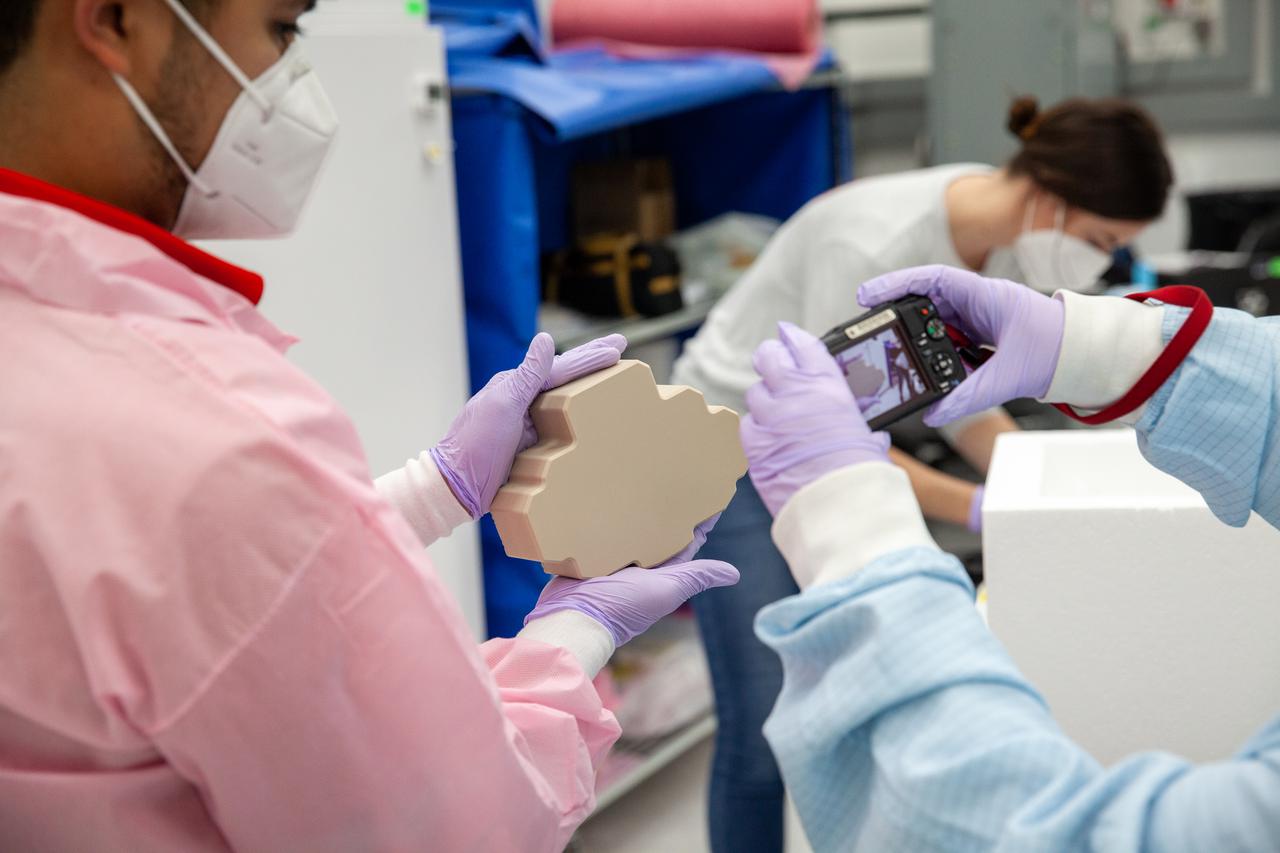
Members of the cold stowage team unpack science experiments inside the Space Station Processing Facility at NASA’s Kennedy Space Center in Florida on Jan. 14, 2021. The experiments returned to Earth on SpaceX’s 21st commercial resupply services mission (CRS-21). Making its successful parachute-assisted splashdown west of Tampa off the Florida coast, at 8:26 p.m. EST on Jan. 13, the SpaceX cargo Dragon returned more than 4,400 pounds of scientific experiments and other cargo from the International Space Station. After splashdown, SpaceX loaded Dragon aboard their Go Navigator recovery ship and packed an Airbus H225 helicopter with the time-sensitive research cargo for delivery to Kennedy. The upgraded cargo Dragon capsule also boasts double the powered locker capacity to preserve science samples, allowing for a significant increase in the research that can be carried back to Earth.
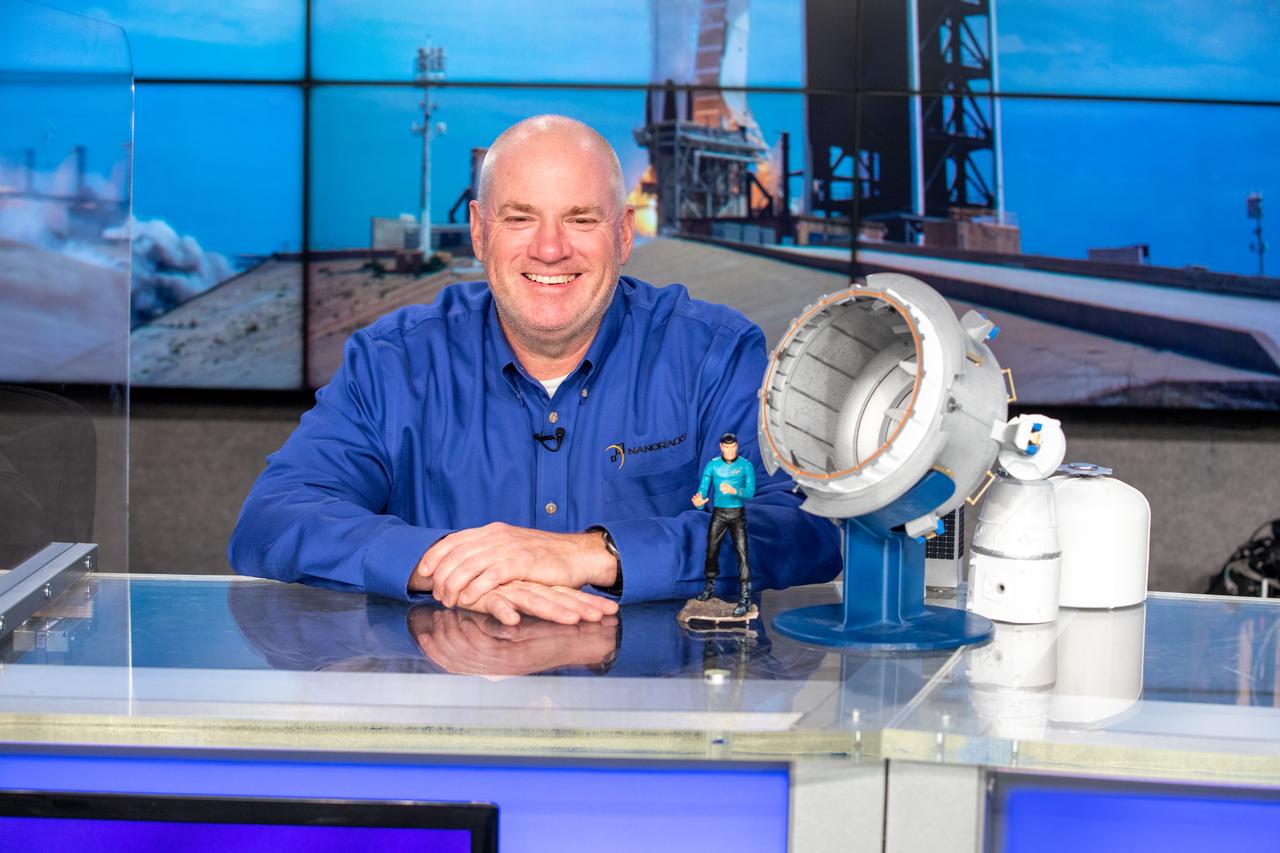
Brock Howe, airlock program manager, Nanoracks, participates in a #NASASocial Science and Station Q&A show at the agency’s Kennedy Space Center in Florida on Dec. 4, 2020. Jennifer Scott-Williams, ISS Program Research Office; and Pinar Mesci, project scientist, Sanford Consortium for Regenerative Medicine, UC San Diego, also participated in the event, which was moderated by NASA Communications’ Kenna Pell. SpaceX’s 21st Commercial Resupply Services (CRS-21) mission is scheduled to launch from Kennedy’s Launch Complex 39A on Dec. 5, 2020. Liftoff of the SpaceX Falcon 9 rocket and cargo Dragon spacecraft is targeted for 11:39 a.m. EST.
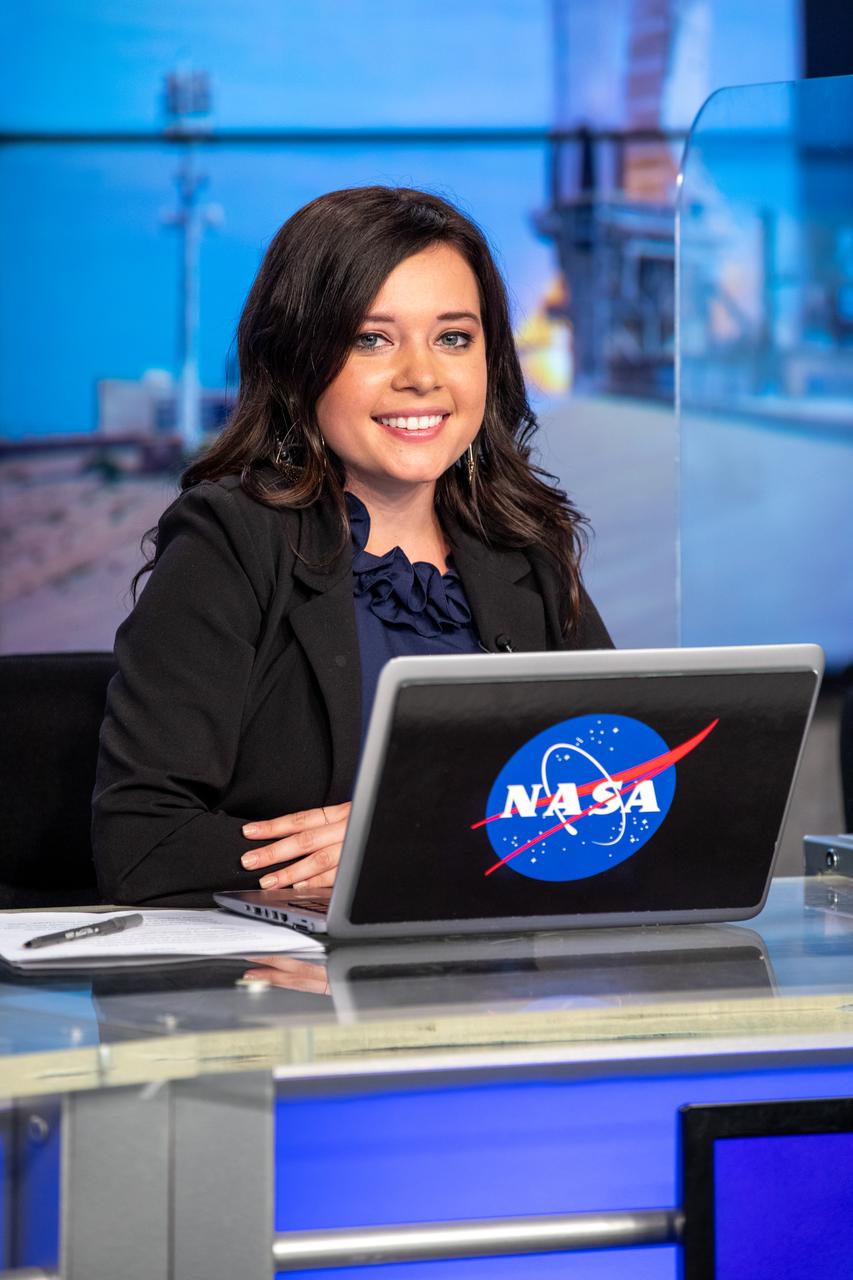
NASA Communications’ Kenna Pell moderates a #NASASocial Science and Station Q&A show at the agency’s Kennedy Space Center in Florida on Dec. 4, 2020. Participants included Brock Howe, airlock program manager, Nanoracks; Jennifer Scott-Williams, ISS Program Research Office; and Pinar Mesci, project scientist, Sanford Consortium for Regenerative Medicine, UC San Diego. SpaceX’s 21st Commercial Resupply Services (CRS-21) mission is scheduled to launch from Kennedy’s Launch Complex 39A on Dec. 5, 2020. Liftoff of the SpaceX Falcon 9 rocket and cargo Dragon spacecraft is targeted for 11:39 a.m. EST.
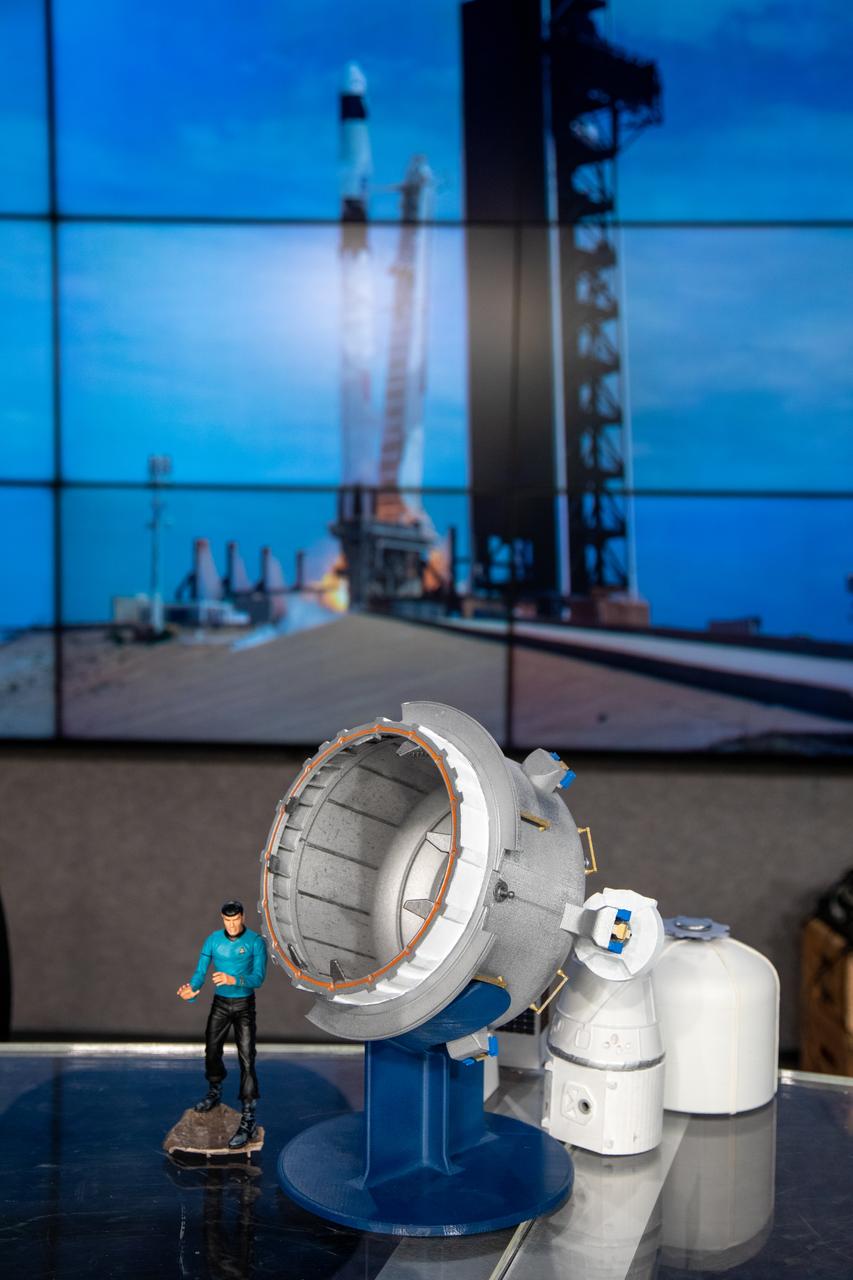
Props are used by Brock Howe, airlock program manager, Nanoracks, during a #NASASocial Science and Station Q&A show at the agency’s Kennedy Space Center in Florida on Dec. 4, 2020. NASA Communications’ Kenna Pell moderated the program, which also included Jennifer Scott-Williams, ISS Program Research Office; and Pinar Mesci, project scientist, Sanford Consortium for Regenerative Medicine, UC San Diego. SpaceX’s 21st Commercial Resupply Services (CRS-21) mission is scheduled to launch from Kennedy’s Launch Complex 39A on Dec. 5, 2020. Liftoff of the SpaceX Falcon 9 rocket and cargo Dragon spacecraft is targeted for 11:39 a.m. EST.
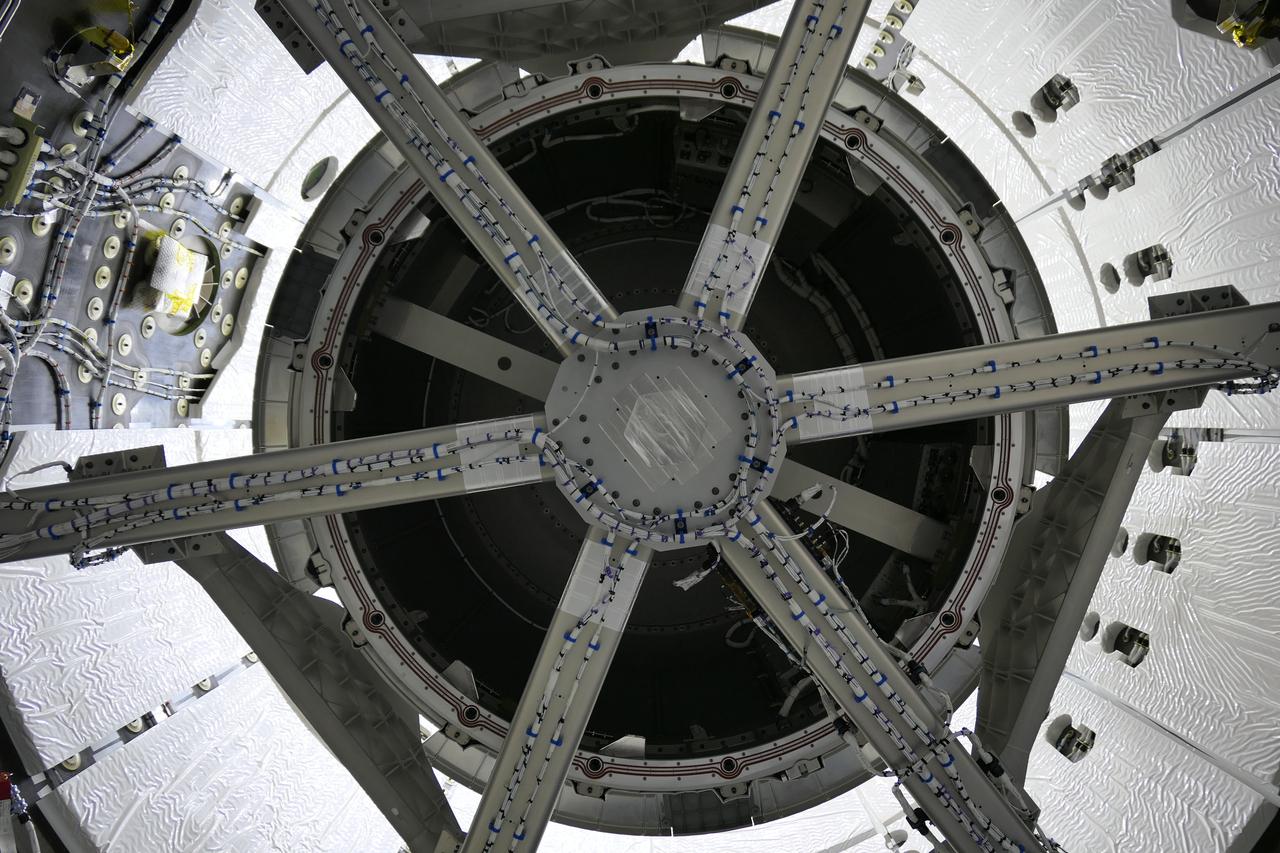
The Nanoracks Bishop Airlock is packed in the Dragon spacecraft’s trunk on Oct. 12, 2020, inside SpaceX’s processing facility at NASA’s Kennedy Space Center in Florida for its ride to the International Space Station aboard the company’s 21st Commercial Resupply Services (CRS-21) mission. The first commercially funded airlock for the orbiting laboratory, it will provide payload hosting, robotics testing, satellite deployment, serve as an outside toolbox for station crew spacewalks, and more. CRS-21 is scheduled to launch on a SpaceX Falcon 9 from Kennedy’s Launch Complex 39A.

The Nanoracks Bishop Airlock is packed in the Dragon spacecraft’s trunk on Oct. 12, 2020, inside SpaceX’s processing facility at NASA’s Kennedy Space Center in Florida for its ride to the International Space Station aboard the company’s 21st Commercial Resupply Services (CRS-21) mission. The first commercially funded airlock for the orbiting laboratory, it will provide payload hosting, robotics testing, satellite deployment, serve as an outside toolbox for station crew spacewalks, and more. CRS-21 is scheduled to launch on a SpaceX Falcon 9 from Kennedy’s Launch Complex 39A.
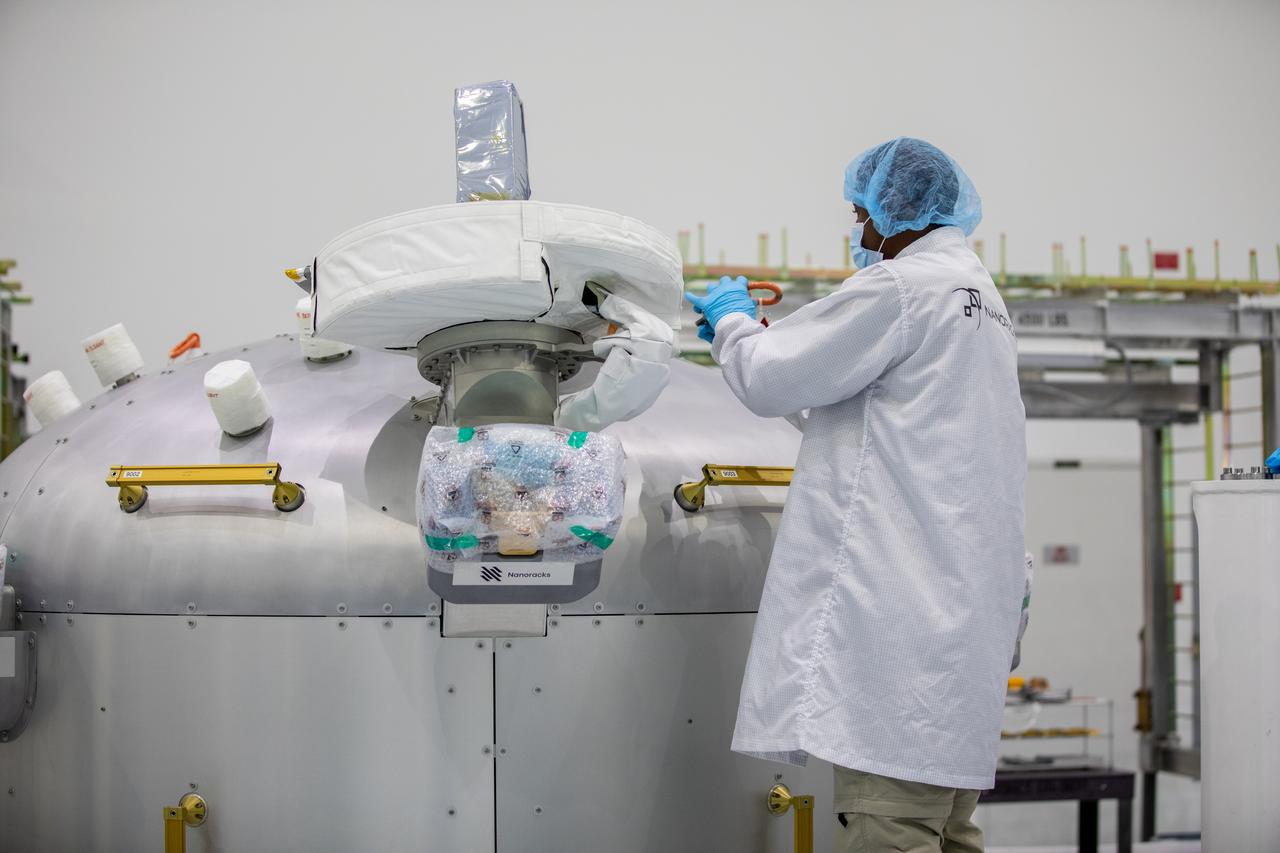
A Nanoracks technician works on the Nanoracks Bishop Airlock inside the Space Station Processing Facility at NASA's Kennedy Space Center in Florida on Sept. 29, 2020. The next-generation Nanoracks payload facility is being prepared for its flight to the International Space Station on SpaceX’s 21st commercial resupply services mission (CRS-21) to the International Space Station. The Bishop Airlock is the first commercially funded airlock for the space station. It will provide payload hosting, robotics testing, satellite deployment, and serve as an outside toolbox for station crew spacewalks, and more. CRS-21 is scheduled to launch on a SpaceX Falcon 9 rocket no earlier than November from Launch Complex 39A at Kennedy Space Center.
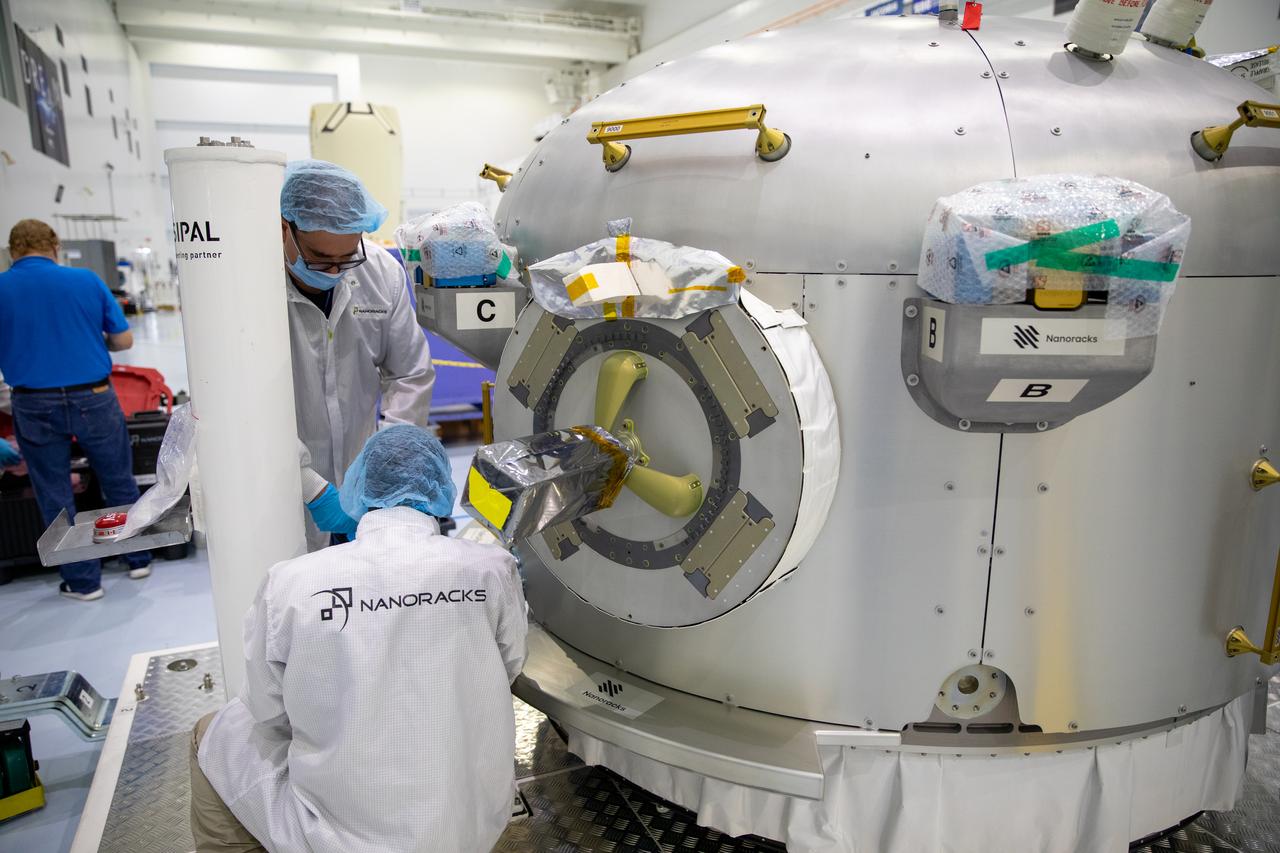
Nanoracks technicians work on the NanoRacks Bishop Airlock inside the Space Station Processing Facility at NASA's Kennedy Space Center in Florida on Sept. 29, 2020. The next-generation Nanoracks payload facility is being prepared for its flight to the International Space Station on SpaceX’s 21st commercial resupply services mission (CRS-21) to the International Space Station. The Bishop Airlock is the first commercially funded airlock for the space station. It will provide payload hosting, robotics testing, satellite deployment, serve as an outside toolbox for station crew spacewalks, and more. CRS-21 is scheduled to launch on a SpaceX Falcon 9 rocket no earlier than November from Launch Complex 39A at Kennedy Space Center.
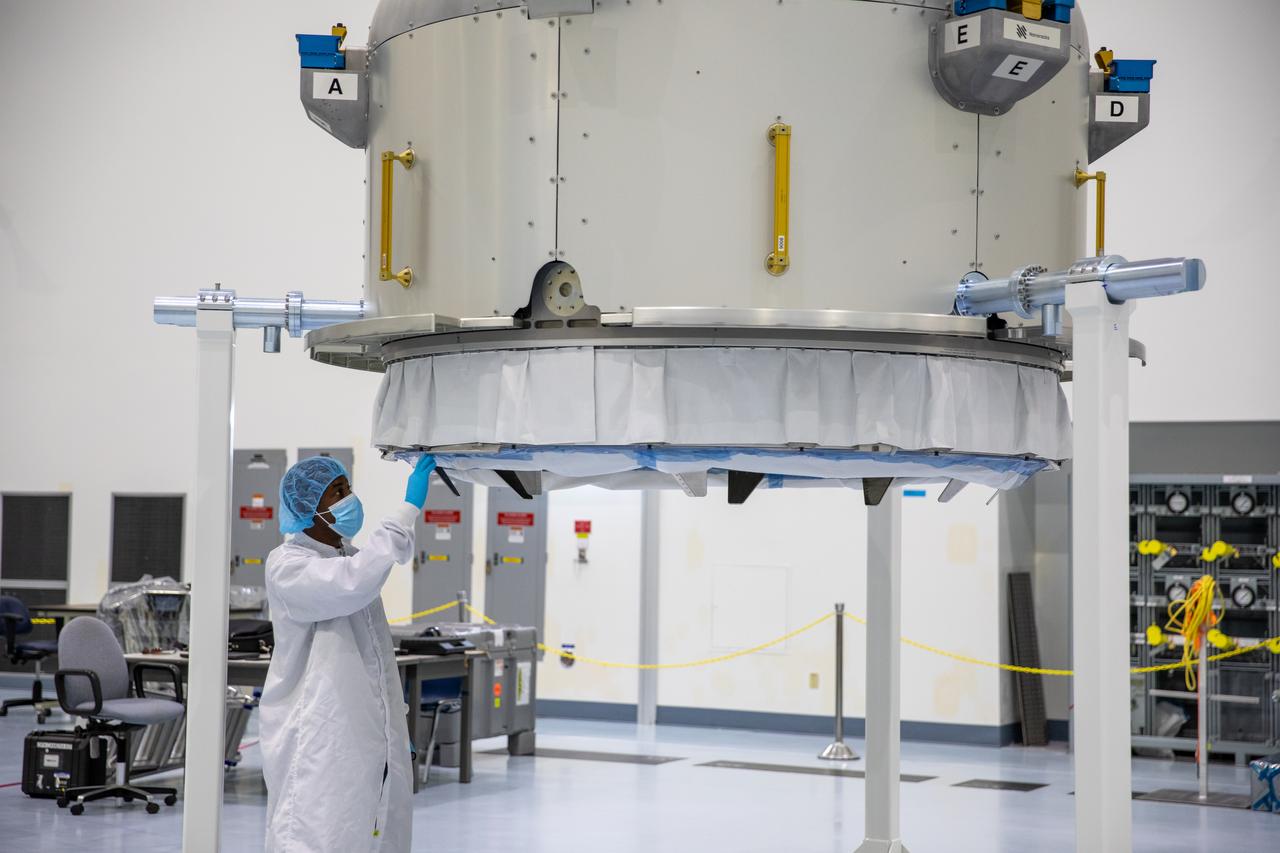
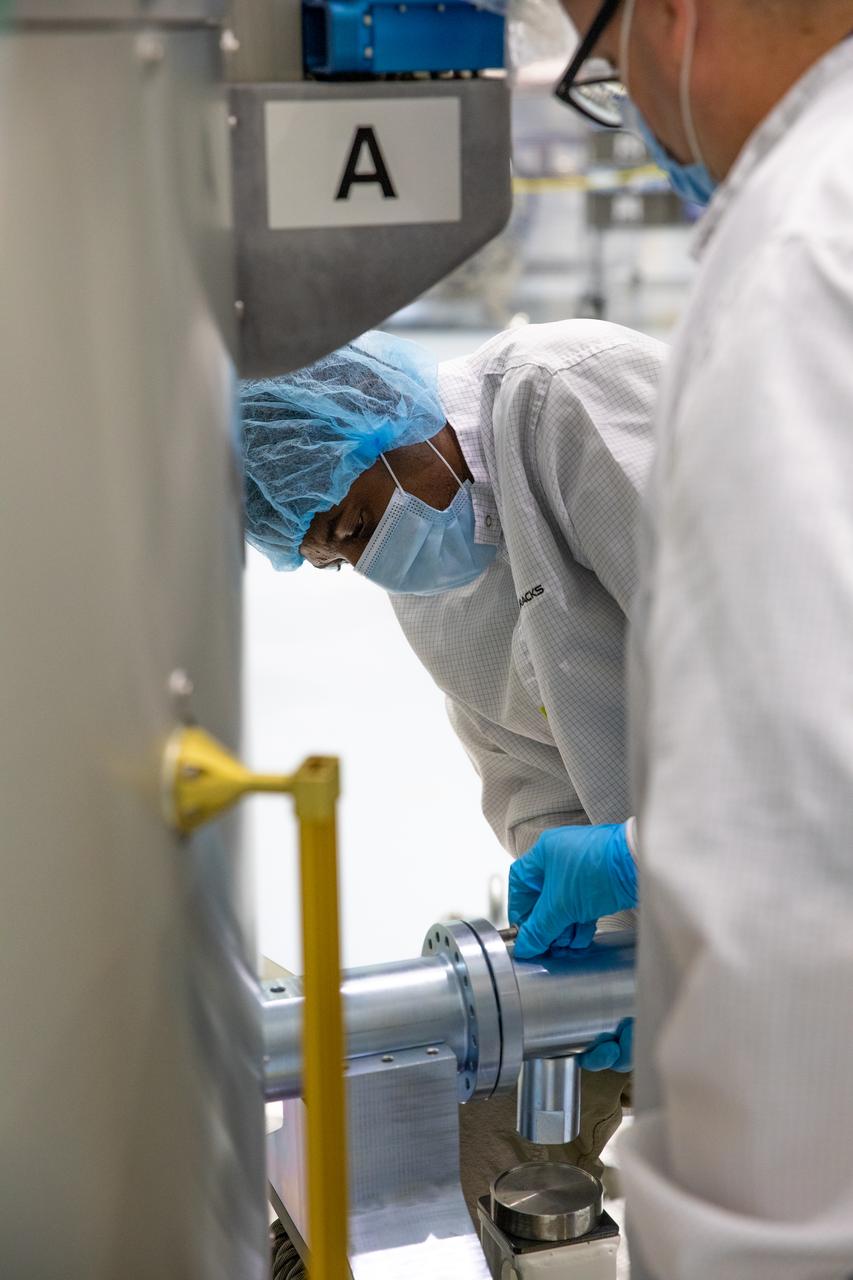
A Nanoracks technician works on the Nanoracks Bishop Airlock inside the Space Station Processing Facility at NASA's Kennedy Space Center in Florida on Oct. 7, 2020. The next-generation Nanoracks payload facility is being prepared for its flight to the International Space Station on SpaceX’s 21st commercial resupply services mission (CRS-21) to the International Space Station. The Bishop Airlock is the first commercially funded airlock for the space station. It will provide payload hosting, robotics testing, satellite deployment, and serve as an outside toolbox for station crew spacewalks, and more. CRS-21 is scheduled to launch on a SpaceX Falcon 9 from Kennedy’s Launch Complex 39A.
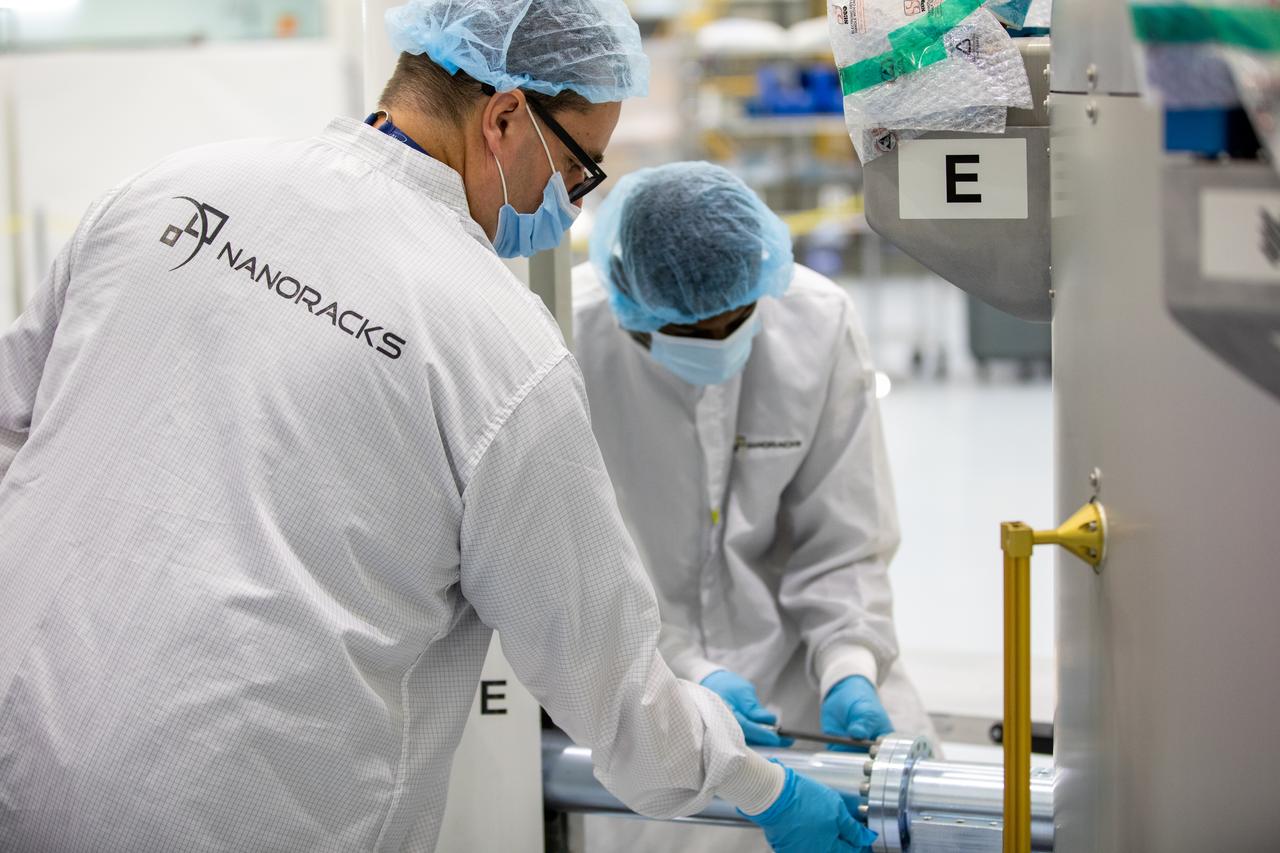
Nanoracks technicians work on the Nanoracks Bishop Airlock inside the Space Station Processing Facility at NASA's Kennedy Space Center in Florida on Sept. 29, 2020. The next-generation Nanoracks payload facility is being prepared for its flight to the International Space Station on SpaceX’s 21st commercial resupply services mission (CRS-21) to the International Space Station. The Bishop Airlock is the first commercially funded airlock for the space station. It will provide payload hosting, robotics testing, satellite deployment, serve as an outside toolbox for station crew spacewalks, and more. CRS-21 is scheduled to launch on a SpaceX Falcon 9 rocket no earlier than November from Launch Complex 39A at Kennedy Space Center.
A Nanoracks technician works on the Nanoracks Bishop Airlock inside the Space Station Processing Facility at NASA's Kennedy Space Center in Florida on Oct. 7, 2020. The next-generation Nanoracks payload facility is being prepared for its flight to the International Space Station on SpaceX’s 21st commercial resupply services mission (CRS-21) to the International Space Station. The Bishop Airlock is the first commercially funded airlock for the space station. It will provide payload hosting, robotics testing, satellite deployment, serve as an outside toolbox for station crew spacewalks, and more. CRS-21 is scheduled to launch on a SpaceX Falcon 9 from Kennedy’s Launch Complex 39A.
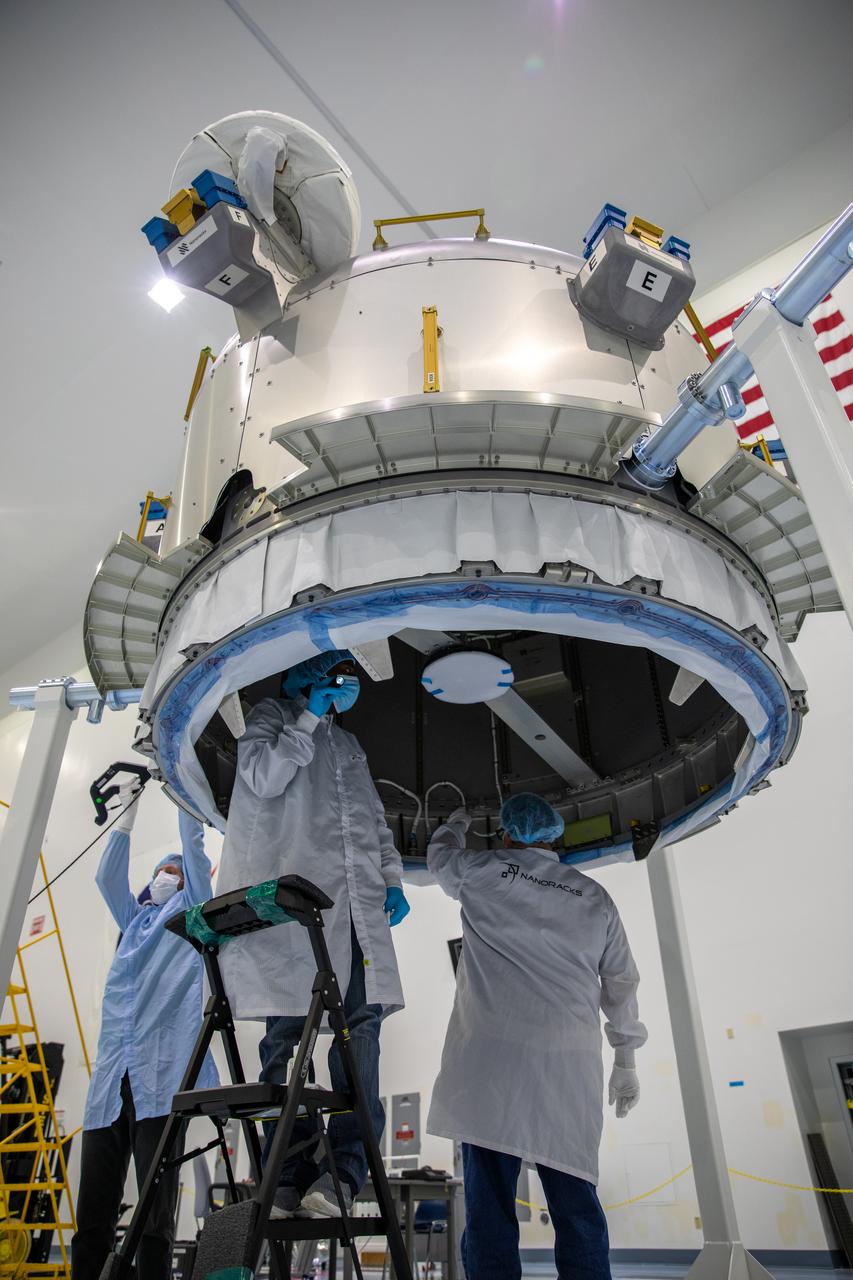
Nanoracks technicians work on the NanoRacks Bishop Airlock inside the Space Station Processing Facility at NASA's Kennedy Space Center in Florida on Oct. 7, 2020. The next-generation Nanoracks payload facility is being prepared for its flight to the International Space Station on SpaceX’s 21st commercial resupply services mission (CRS-21) to the International Space Station. The Bishop Airlock is the first commercially funded airlock for the space station. It will provide payload hosting, robotics testing, satellite deployment, serve as an outside toolbox for station crew spacewalks, and more. CRS-21 is scheduled to launch on a SpaceX Falcon 9 from Kennedy’s Launch Complex 39A.
Nanoracks technicians work on the NanoRacks Bishop Airlock inside the Space Station Processing Facility at NASA's Kennedy Space Center in Florida on Sept. 29, 2020. The next-generation Nanoracks payload facility is being prepared for its flight to the International Space Station on SpaceX’s 21st commercial resupply services mission (CRS-21) to the International Space Station. The Bishop Airlock is the first commercially funded airlock for the space station. It will provide payload hosting, robotics testing, satellite deployment, serve as an outside toolbox for station crew spacewalks, and more. CRS-21 is scheduled to launch on a SpaceX Falcon 9 rocket no earlier than November from Launch Complex 39A at Kennedy Space Center.
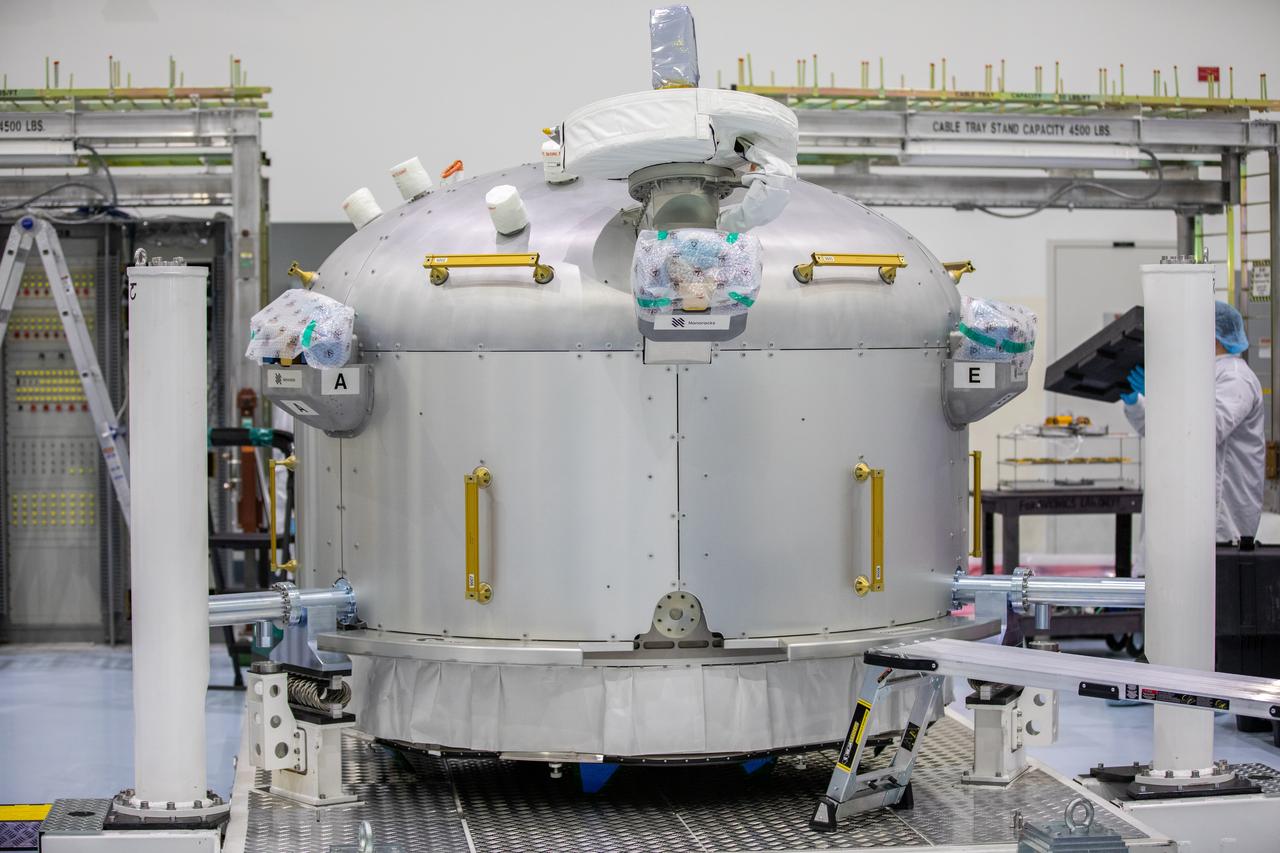
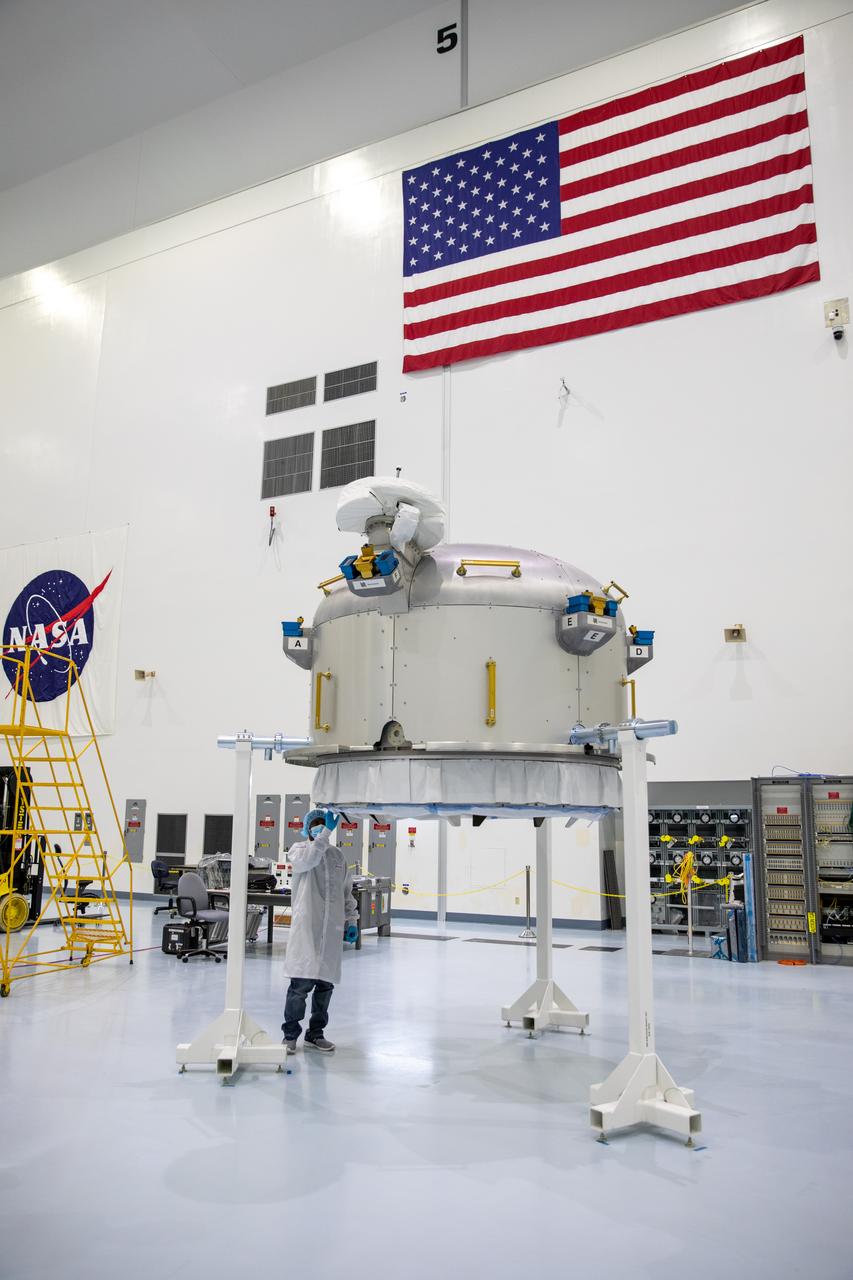
The Nanoracks Bishop Airlock is in view inside the Space Station Processing Facility at NASA's Kennedy Space Center in Florida on Sept. 29, 2020. The next-generation Nanoracks payload facility is being prepared for its flight to the International Space Station on SpaceX’s 21st commercial resupply services mission (CRS-21) to the International Space Station. The Bishop Airlock is the first commercially funded airlock for the space station. It will provide payload hosting, robotics testing, satellite deployment, serve as an outside toolbox for station crew spacewalks, and more. CRS-21 is scheduled to launch on a SpaceX Falcon 9 rocket no earlier than November from Launch Complex 39A at Kennedy Space Center.
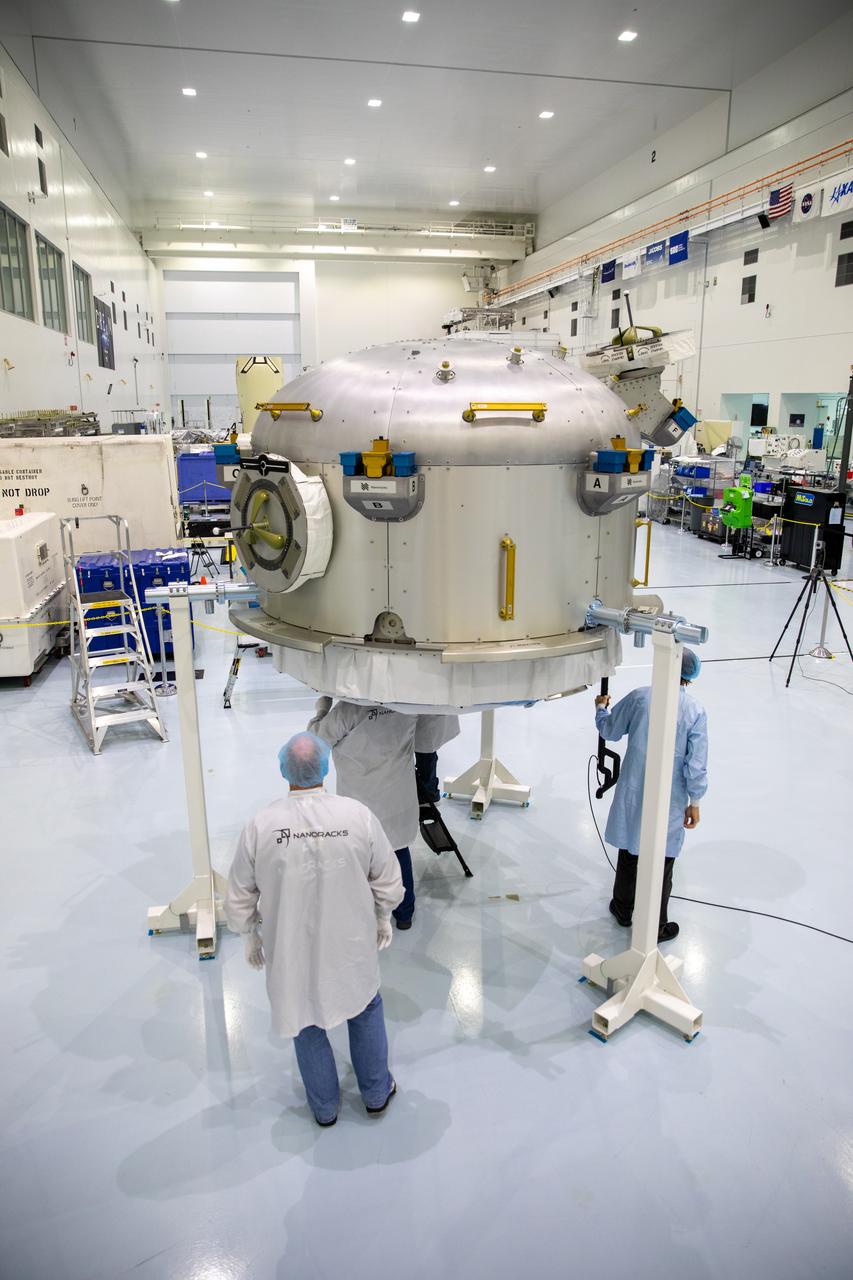
Nanoracks technicians work on the Nanoracks Bishop Airlock inside the Space Station Processing Facility at NASA's Kennedy Space Center in Florida on Oct. 7, 2020. The next-generation Nanoracks payload facility is being prepared for its flight to the International Space Station on SpaceX’s 21st commercial resupply services mission (CRS-21) to the International Space Station. The Bishop Airlock is the first commercially funded airlock for the space station. It will provide payload hosting, robotics testing, satellite deployment, serve as an outside toolbox for station crew spacewalks, and more. CRS-21 is scheduled to launch on a SpaceX Falcon 9 from Kennedy’s Launch Complex 39A.
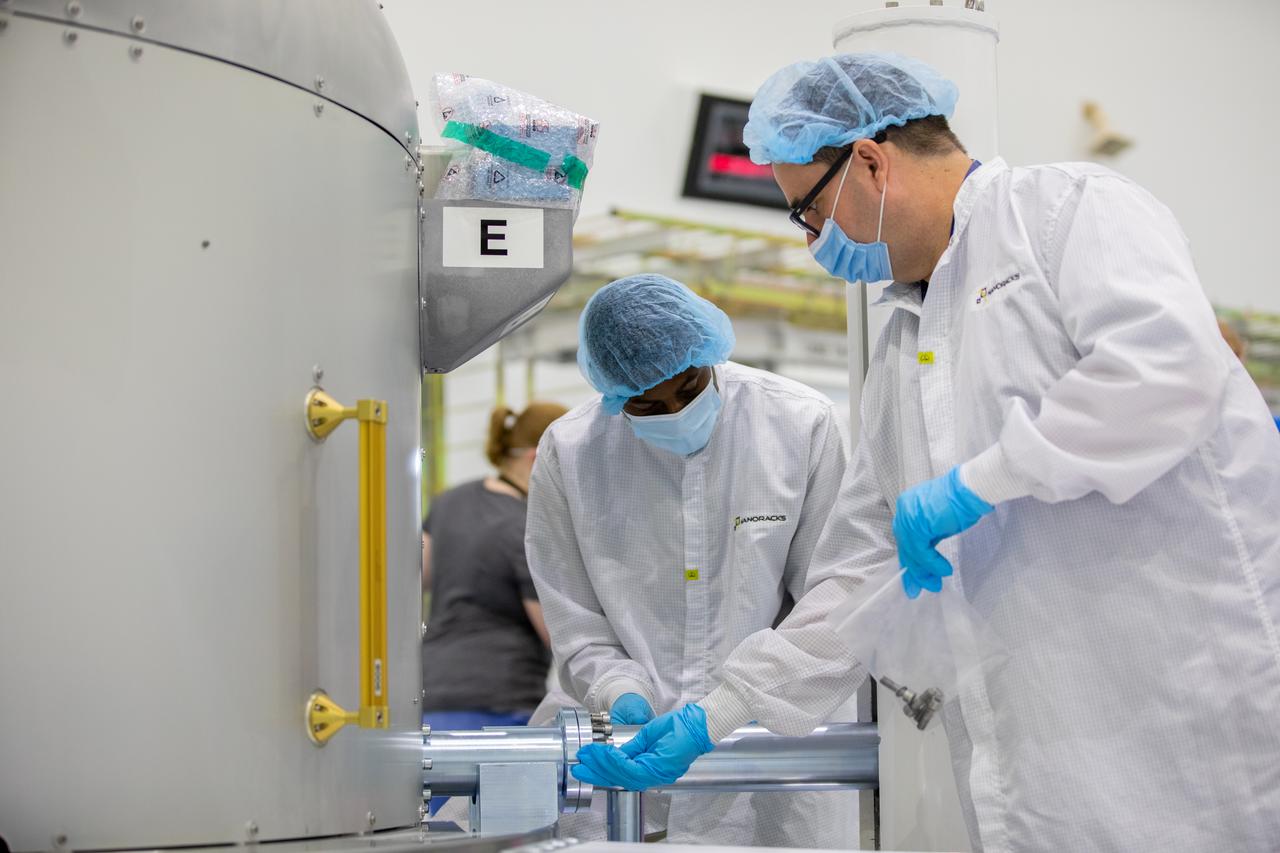
Nanoracks technicians work on the NanoRacks Bishop Airlock inside the Space Station Processing Facility at NASA's Kennedy Space Center in Florida on Sept. 29, 2020. The next-generation Nanoracks payload facility is being prepared for its flight to the International Space Station on SpaceX’s 21st commercial resupply services mission (CRS-21) to the International Space Station. The Bishop Airlock is the first commercially funded airlock for the space station. It will provide payload hosting, robotics testing, satellite deployment, serve as an outside toolbox for station crew spacewalks, and more. CRS-21 is scheduled to launch on a SpaceX Falcon 9 rocket no earlier than November from Launch Complex 39A at Kennedy Space Center.
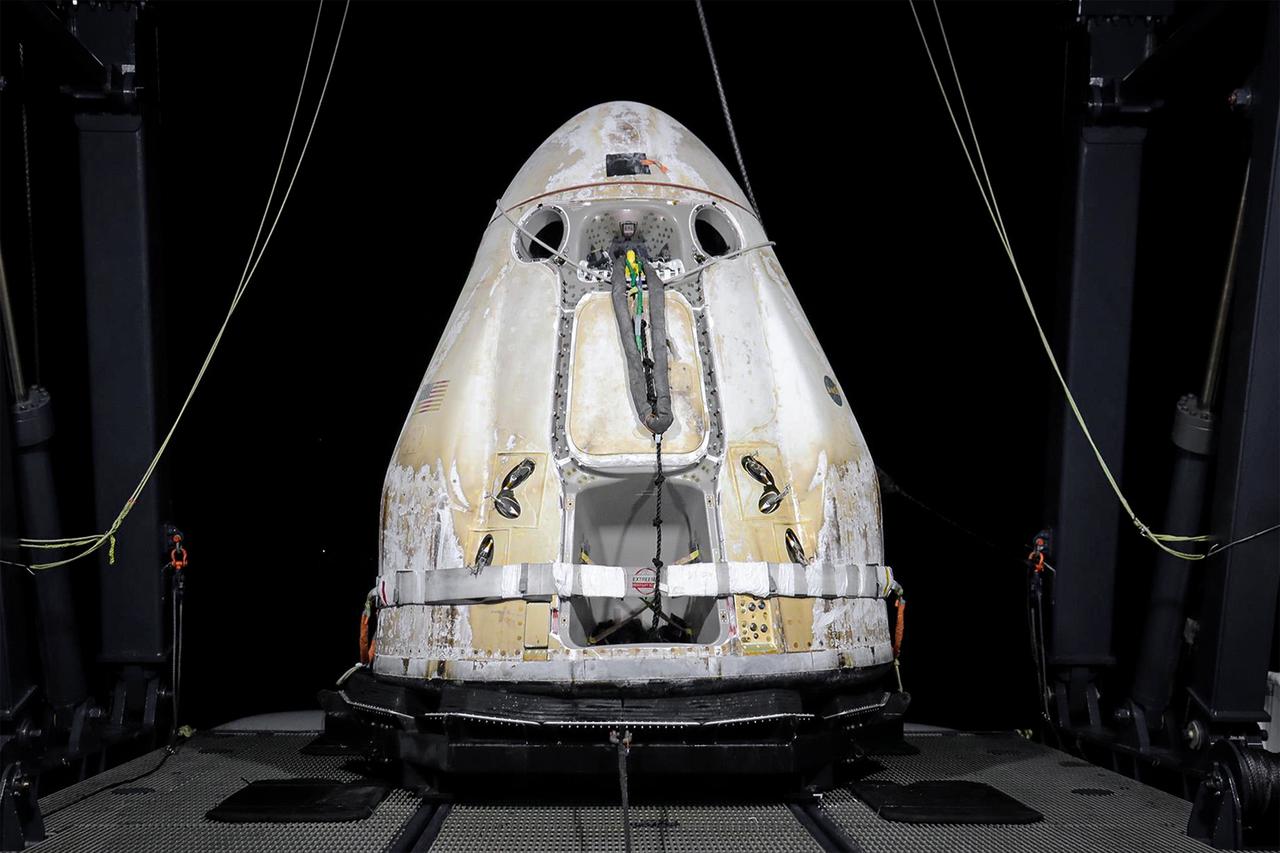
Shown here is the SpaceX Cargo Dragon spacecraft on board the company's Go Navigator recovery ship after making its successful parachute-assisted splashdown west of Tampa off the Florida coast on Jan. 13, 2020, at 8:26 p.m. EST. Just after loading Dragon onto Go Navigator, SpaceX packed an Airbus H225 helicopter with the time-sensitive research cargo for delivery to NASA’s Kennedy Space Center. Dragon returned more than 4,400 pounds of scientific experiments and other cargo from the International Space Station. The upgraded cargo Dragon capsule boasts double the powered locker capacity to preserve science samples, allowing for a significant increase in the research that can be carried back to Earth. Photo credit: SpaceX

Shown here is the SpaceX Cargo Dragon spacecraft on board the company's Go Navigator recovery ship after making its successful parachute-assisted splashdown west of Tampa off the Florida coast on Jan. 13, 2020, at 8:26 p.m. EST. Just after loading Dragon onto Go Navigator, SpaceX packed an Airbus H225 helicopter with the time-sensitive research cargo for delivery to NASA’s Kennedy Space Center. Dragon returned more than 4,400 pounds of scientific experiments and other cargo from the International Space Station. The upgraded cargo Dragon capsule boasts double the powered locker capacity to preserve science samples, allowing for a significant increase in the research that can be carried back to Earth. Photo credit: SpaceX
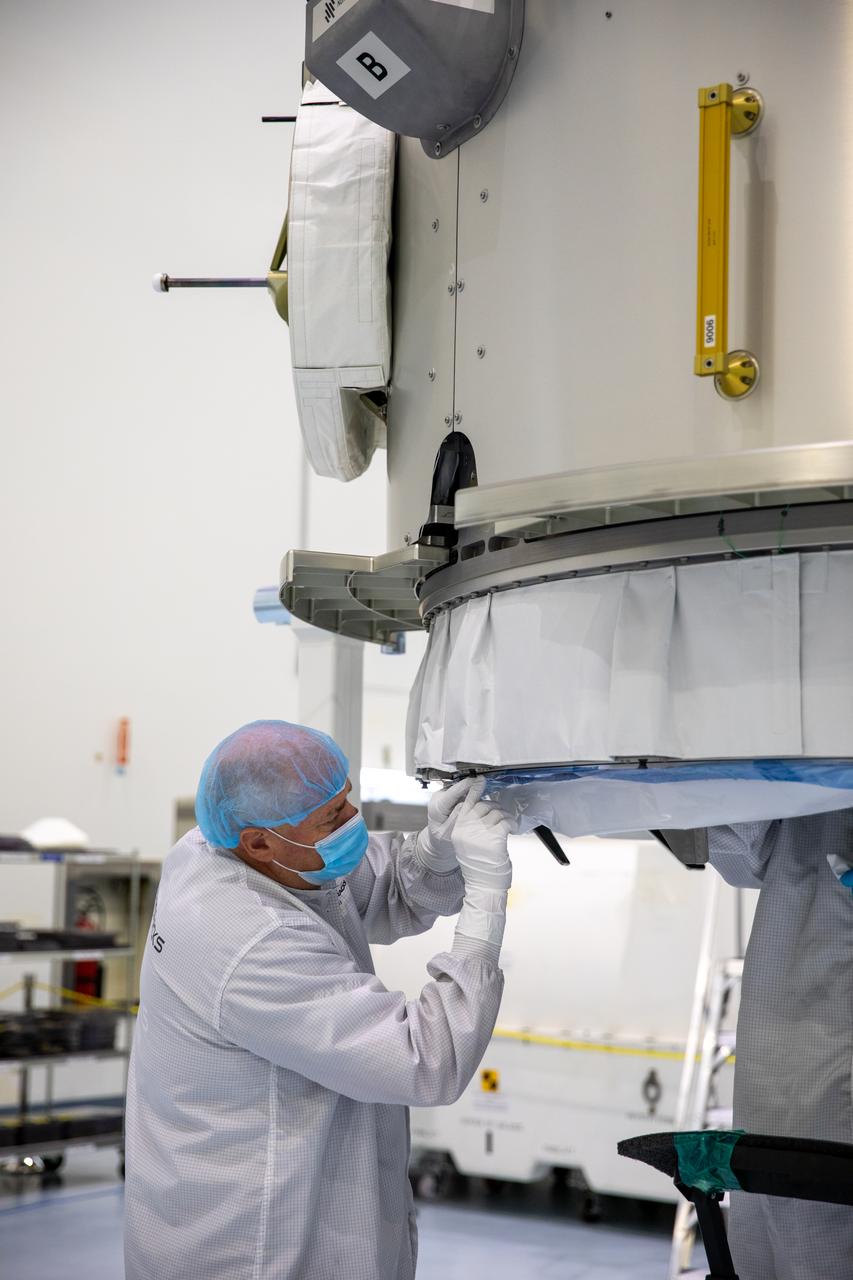
A Nanoracks technician works on the NanoRacks Bishop Airlock inside the Space Station Processing Facility at NASA's Kennedy Space Center in Florida on Oct. 7, 2020. The next-generation Nanoracks payload facility is being prepared for its flight to the International Space Station on SpaceX’s 21st commercial resupply services to the space station. It will provide payload hosting, robotics testing, satellite deployment, serve as an outside toolbox for station crew spacewalks, and more. CRS-21 is scheduled to launch on a SpaceX Falcon 9 from Kennedy’s Launch Complex 39A.
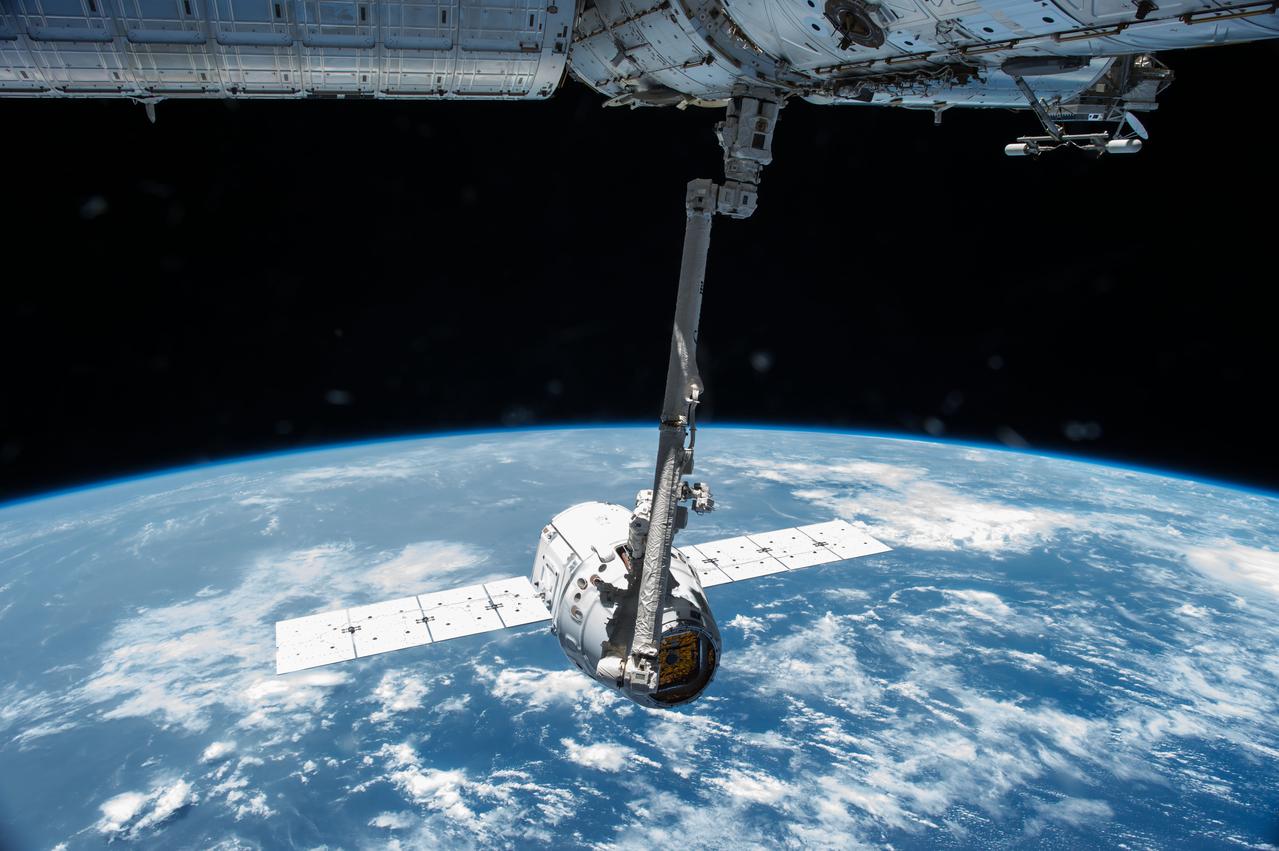
ISS043E124426 (04/17/2015) --- The Canadarm2 robotic arm grapples the SpaceX Dragon CRS-6 cargo spacecraft before attaching it to the International Space Station. Robotics officers at Mission Control Houston installed the vehicle to the Earth-facing port of the Harmony module. Emptied of its cargo Dragon is set to return to Earth on May 21.
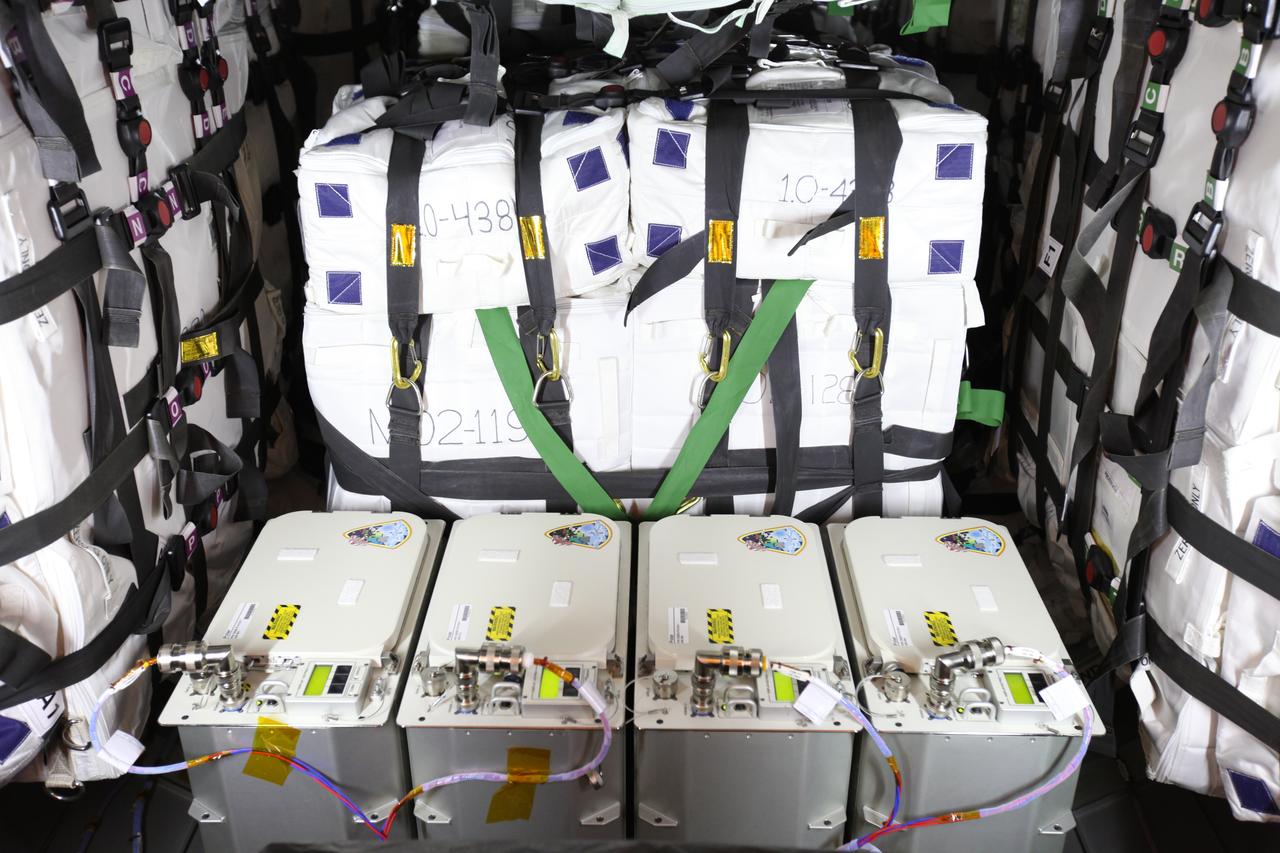
Inside the Payload Hazardous Servicing Facility at NASA's Kennedy Space Center in Florida, technicians have completed installation of the final cargo and power in the Orbital ATK Cygnus pressurized cargo module. The Orbital ATK CRS-7 commercial resupply services mission to the International Space Station is scheduled to launch atop a United Launch Alliance Atlas V rocket from Space Launch Complex 41 at Cape Canaveral Air Force Station no earlier than March 21, 2017. Cygnus will deliver 7,600 pounds of supplies, equipment and scientific research materials to the space station.
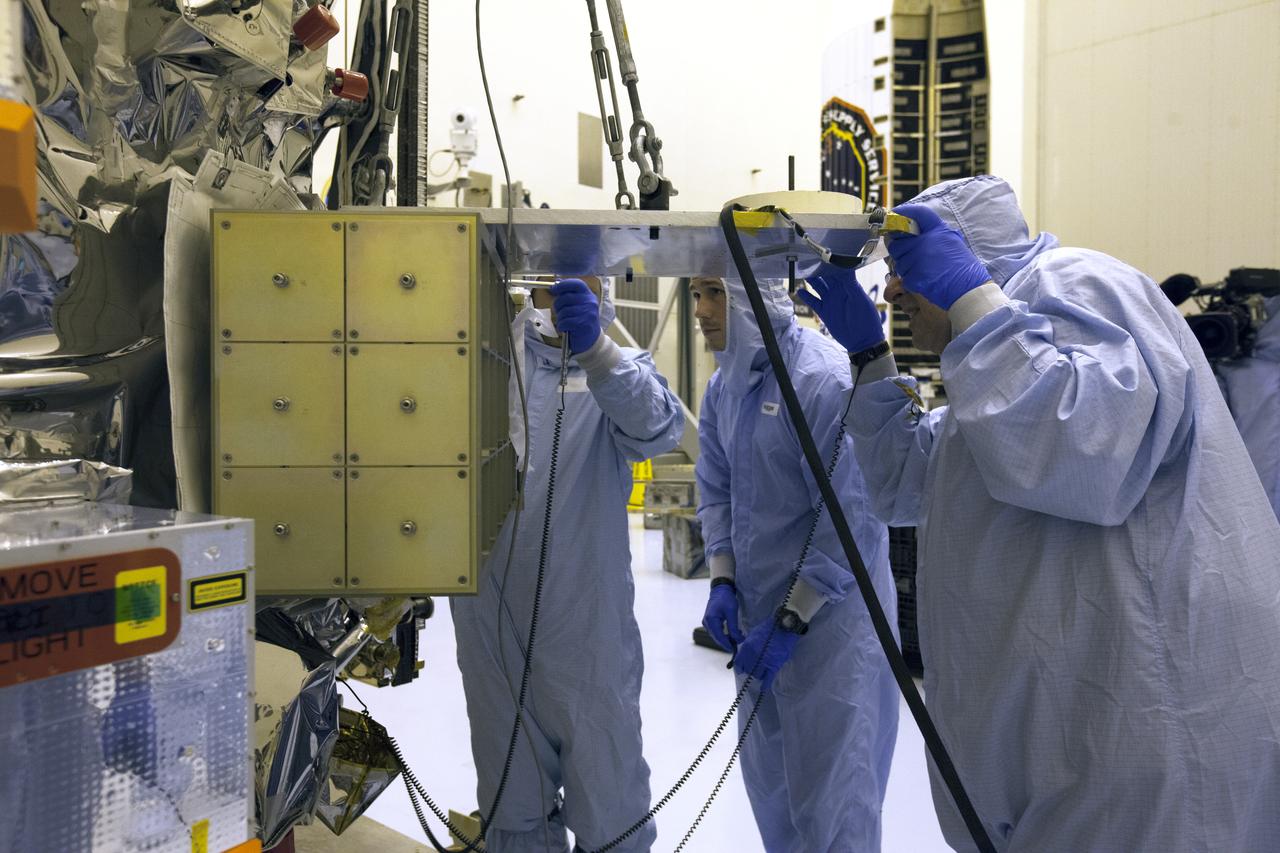
Inside the Payload Hazardous Servicing Facility at NASA's Kennedy Space Center in Florida, technicians begin the process to install several Nanoracks on the exterior of the Orbital ATK Cygnus pressurized cargo module. The Orbital ATK CRS-7 commercial resupply services mission to the International Space Station is scheduled to launch atop a United Launch Alliance Atlas V rocket from Space Launch Complex 41 at Cape Canaveral Air Force Station no earlier than March 21, 2017. Cygnus will deliver 7,600 pounds of supplies, equipment and scientific research materials to the space station.
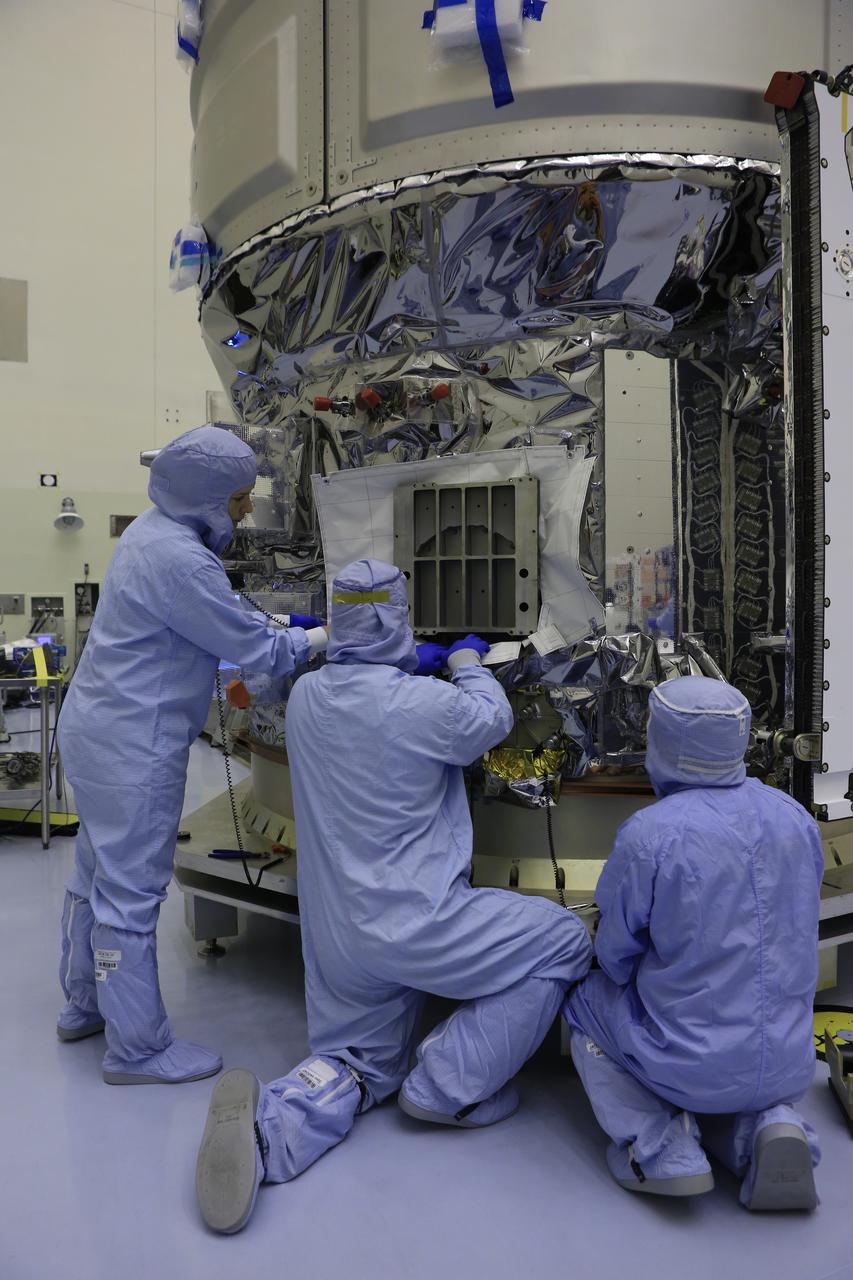
Inside the Payload Hazardous Servicing Facility at NASA's Kennedy Space Center in Florida, technicians install thermal blankets around the area where several Nanoracks will be installed on the exterior of the Orbital ATK Cygnus pressurized cargo module. The Orbital ATK CRS-7 commercial resupply services mission to the International Space Station is scheduled to launch atop a United Launch Alliance Atlas V rocket from Space Launch Complex 41 at Cape Canaveral Air Force Station no earlier than March 21, 2017. Cygnus will deliver 7,600 pounds of supplies, equipment and scientific research materials to the space station.
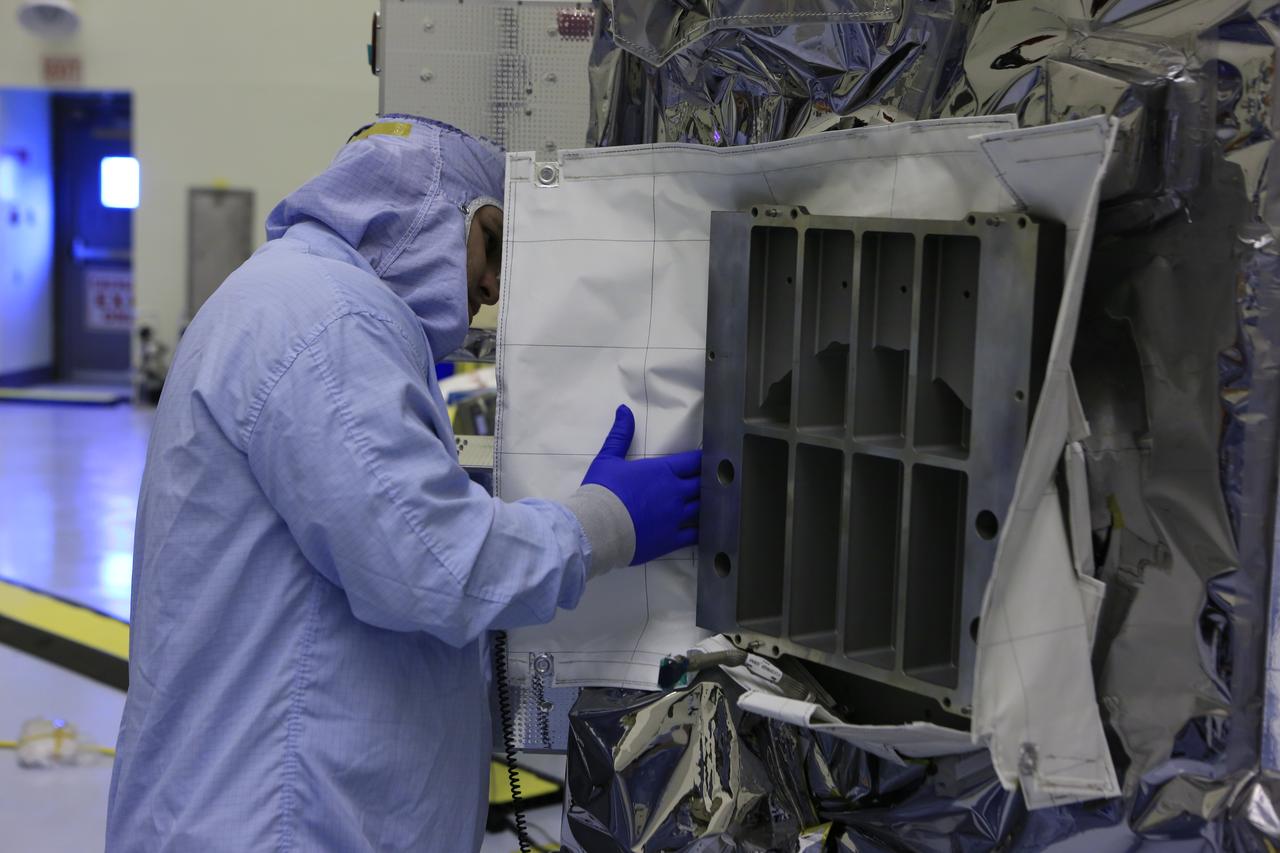
Inside the Payload Hazardous Servicing Facility at NASA's Kennedy Space Center in Florida, a technician adjusts the thermal blankets around the area where several Nanoracks will be installed on the exterior of the Orbital ATK Cygnus pressurized cargo module. The Orbital ATK CRS-7 commercial resupply services mission to the International Space Station is scheduled to launch atop a United Launch Alliance Atlas V rocket from Space Launch Complex 41 at Cape Canaveral Air Force Station no earlier than March 21, 2017. Cygnus will deliver 7,600 pounds of supplies, equipment and scientific research materials to the space station.
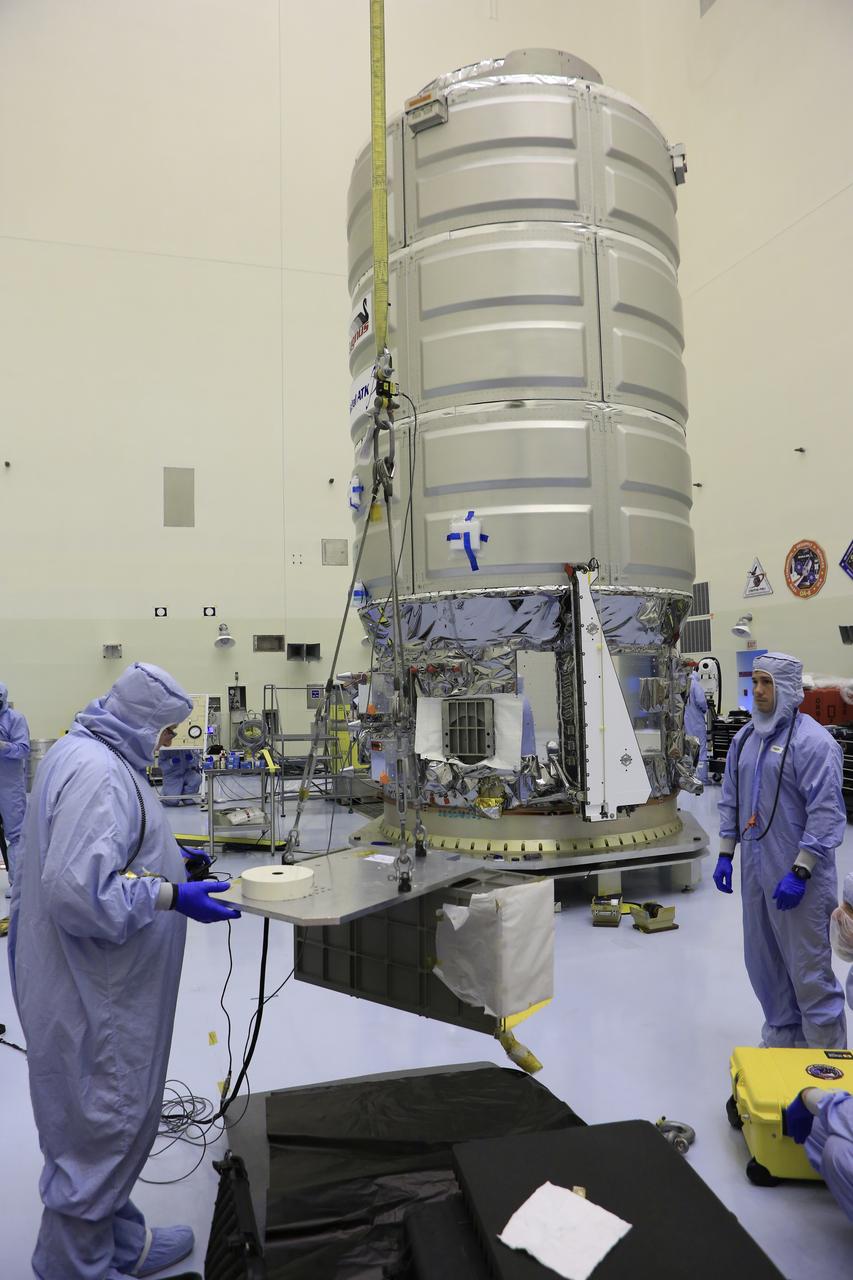
Inside the Payload Hazardous Servicing Facility at NASA's Kennedy Space Center in Florida, technicians prepare several Nanoracks for installation on the exterior of the Orbital ATK Cygnus pressurized cargo module. The Orbital ATK CRS-7 commercial resupply services mission to the International Space Station is scheduled to launch atop a United Launch Alliance Atlas V rocket from Space Launch Complex 41 at Cape Canaveral Air Force Station no earlier than March 21, 2017. Cygnus will deliver 7,600 pounds of supplies, equipment and scientific research materials to the space station.
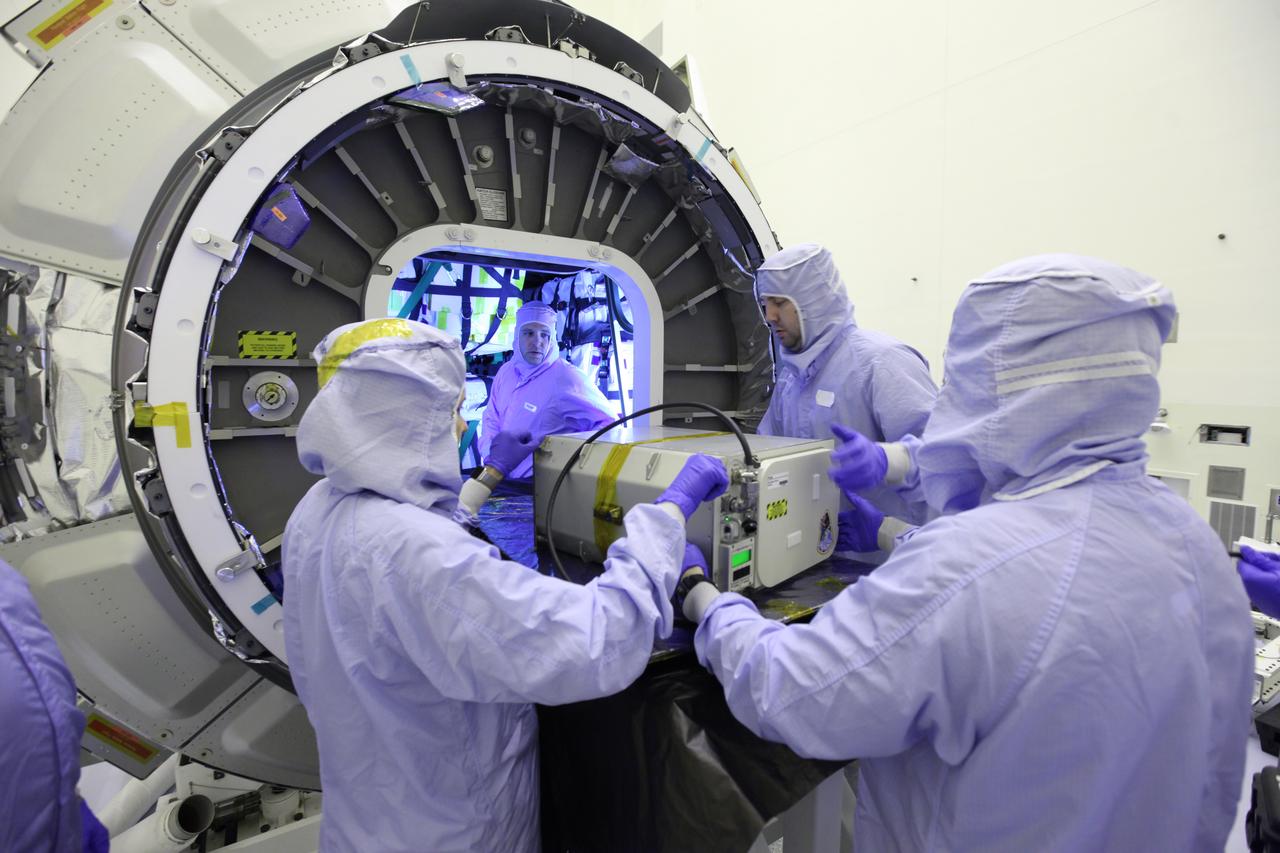
Inside the Payload Hazardous Servicing Facility at NASA's Kennedy Space Center in Florida, technicians perform final cargo installation in the Orbital ATK Cygnus pressurized cargo module. The Orbital ATK CRS-7 commercial resupply services mission to the International Space Station is scheduled to launch atop a United Launch Alliance Atlas V rocket from Space Launch Complex 41 at Cape Canaveral Air Force Station no earlier than March 21, 2017. Cygnus will deliver 7,600 pounds of supplies, equipment and scientific research materials to the space station.
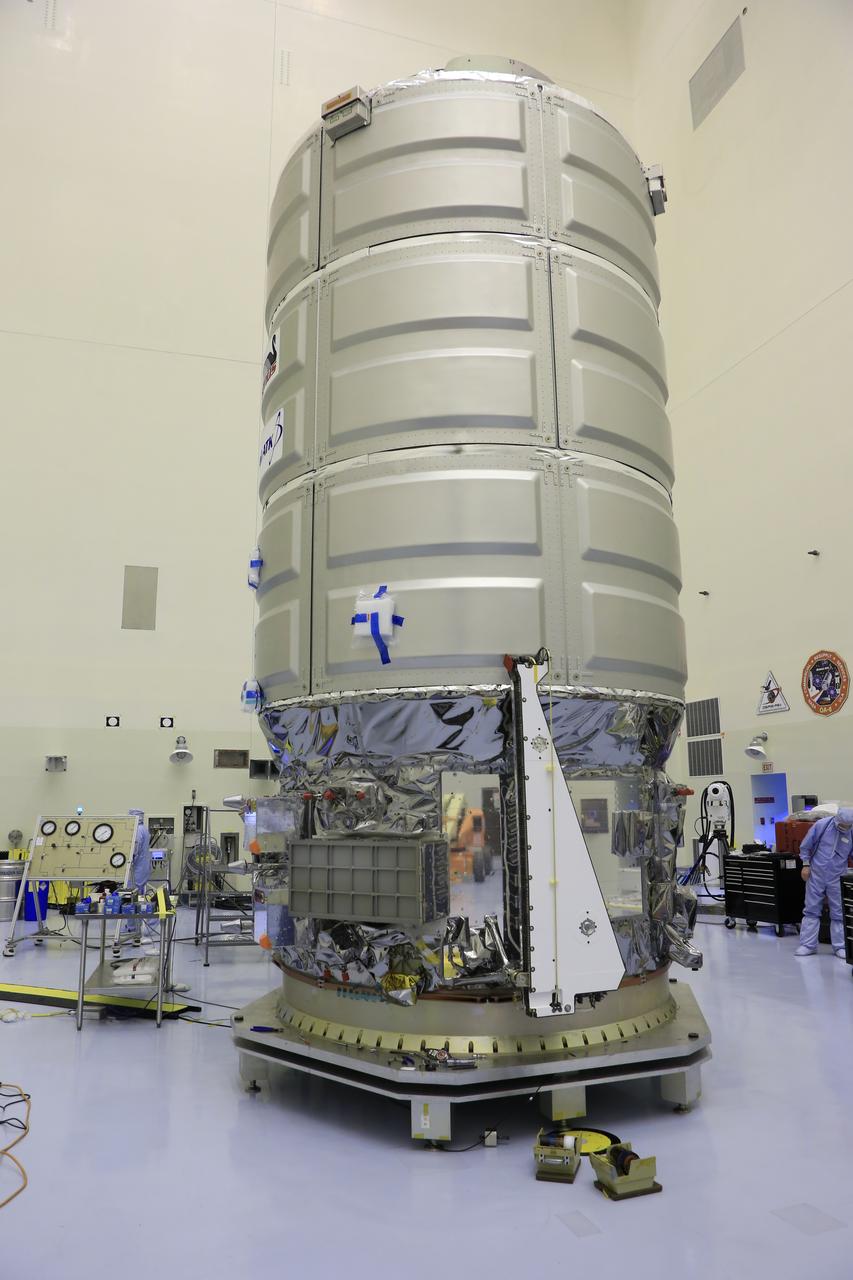
Inside the Payload Hazardous Servicing Facility at NASA's Kennedy Space Center in Florida, technicians have installed several Nanoracks on the exterior of the Orbital ATK Cygnus pressurized cargo module. The Orbital ATK CRS-7 commercial resupply services mission to the International Space Station is scheduled to launch atop a United Launch Alliance Atlas V rocket from Space Launch Complex 41 at Cape Canaveral Air Force Station no earlier than March 21, 2017. Cygnus will deliver 7,600 pounds of supplies, equipment and scientific research materials to the space station.
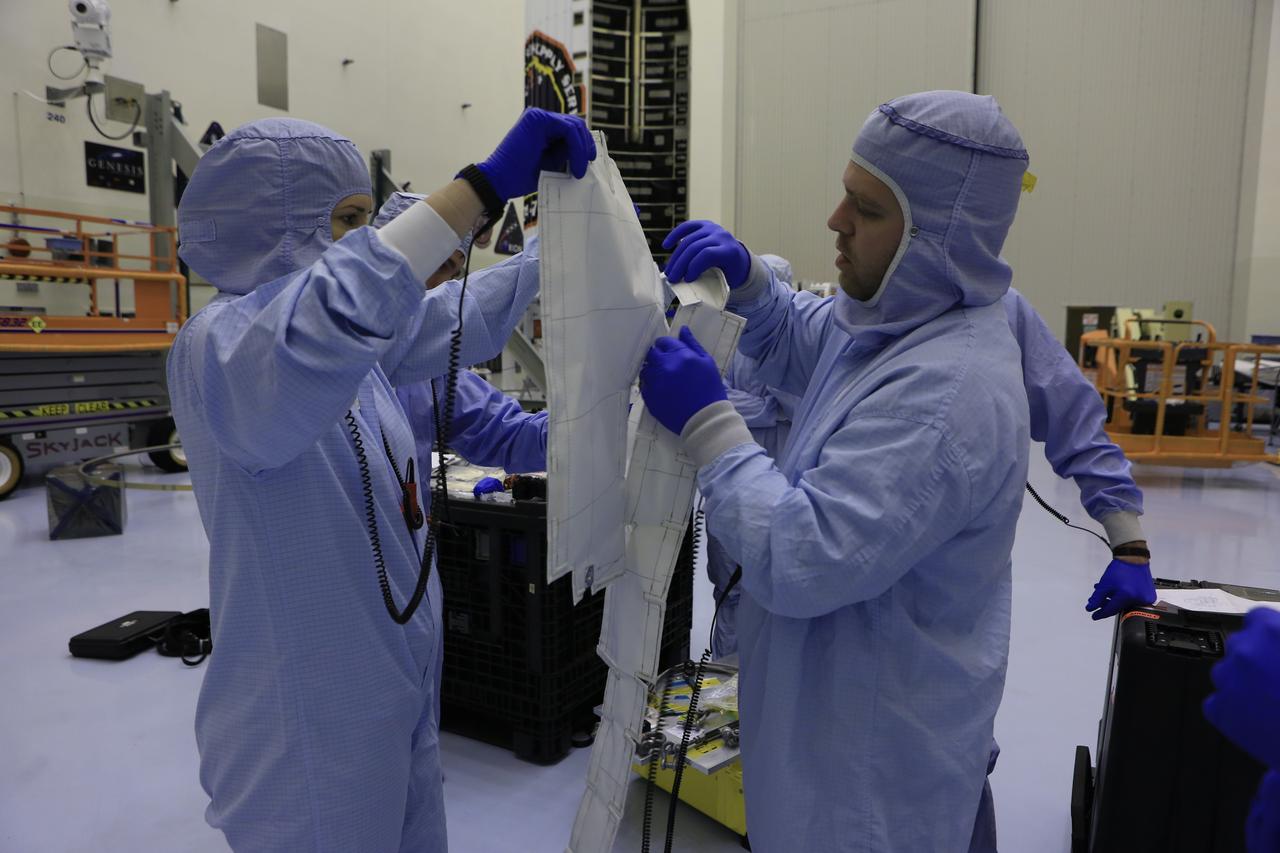
Inside the Payload Hazardous Servicing Facility at NASA's Kennedy Space Center in Florida, technicians prepare thermal blankets for several Nanoracks that will be installed on the exterior of the Orbital ATK Cygnus pressurized cargo module. The Orbital ATK CRS-7 commercial resupply services mission to the International Space Station is scheduled to launch atop a United Launch Alliance Atlas V rocket from Space Launch Complex 41 at Cape Canaveral Air Force Station no earlier than March 21, 2017. Cygnus will deliver 7,600 pounds of supplies, equipment and scientific research materials to the space station.
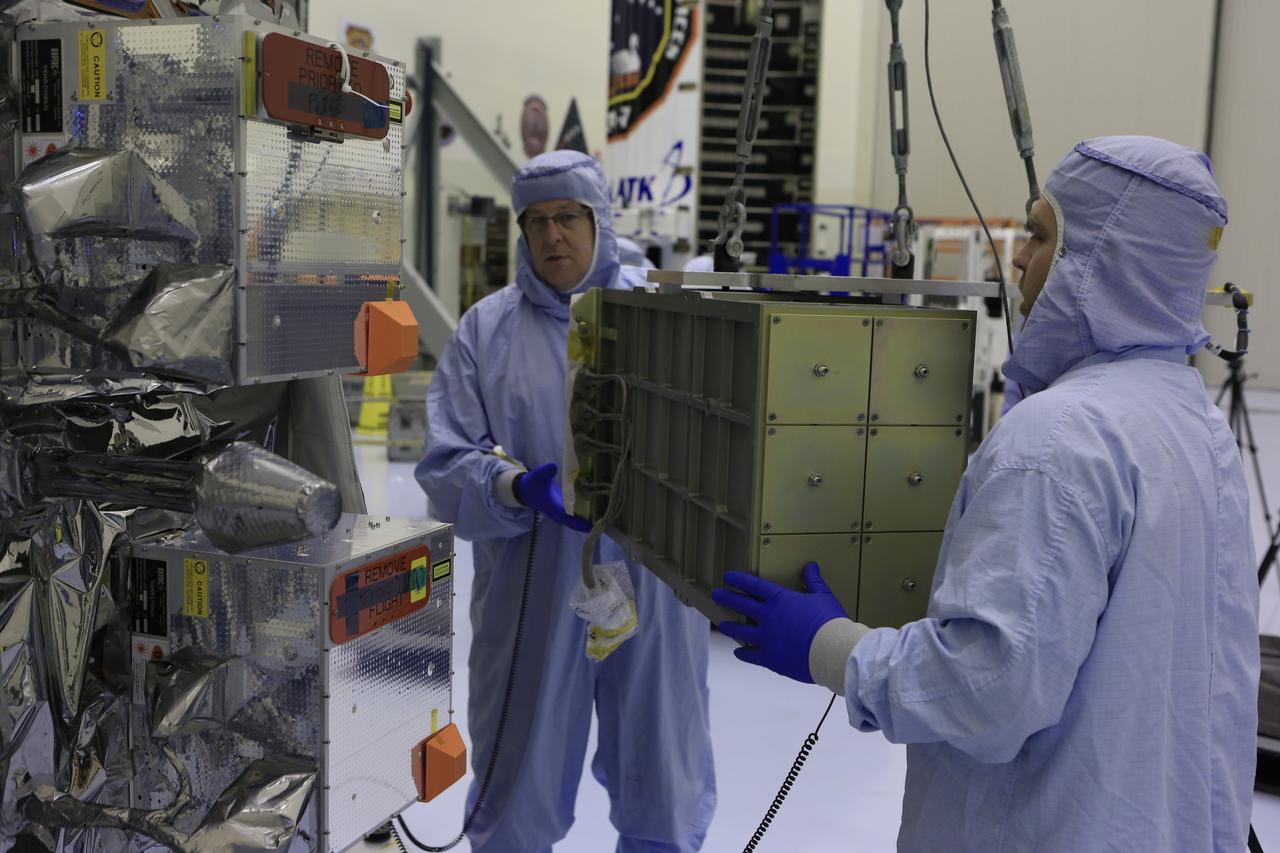
Inside the Payload Hazardous Servicing Facility at NASA's Kennedy Space Center in Florida, technicians prepare to install several Nanoracks on the exterior of the Orbital ATK Cygnus pressurized cargo module. The Orbital ATK CRS-7 commercial resupply services mission to the International Space Station is scheduled to launch atop a United Launch Alliance Atlas V rocket from Space Launch Complex 41 at Cape Canaveral Air Force Station no earlier than March 21, 2017. Cygnus will deliver 7,600 pounds of supplies, equipment and scientific research materials to the space station.
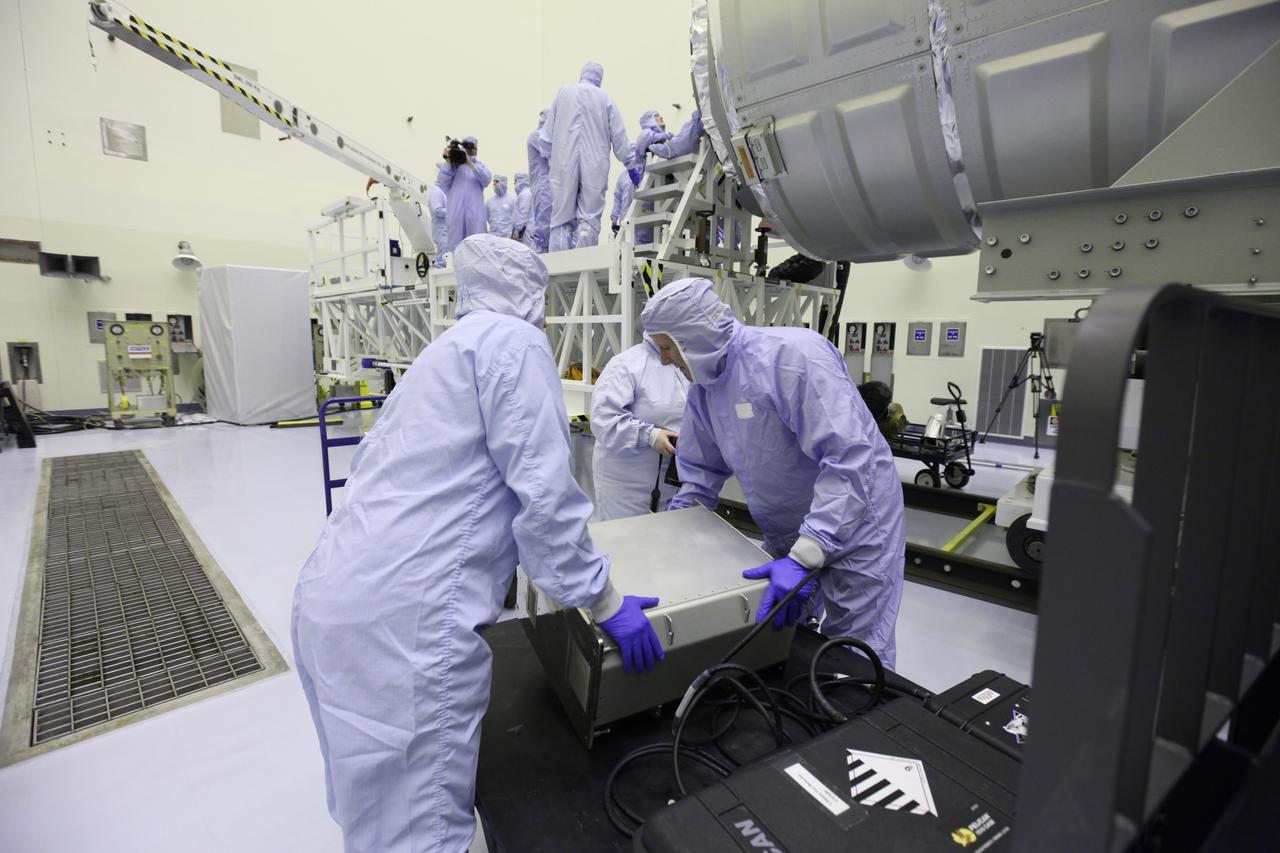
Inside the Payload Hazardous Servicing Facility at NASA's Kennedy Space Center in Florida, preparations are underway for final cargo installation in the Orbital ATK Cygnus pressurized cargo module. The Orbital ATK CRS-7 commercial resupply services mission to the International Space Station is scheduled to launch atop a United Launch Alliance Atlas V rocket from Space Launch Complex 41 at Cape Canaveral Air Force Station no earlier than March 21, 2017. Cygnus will deliver 7,600 pounds of supplies, equipment and scientific research materials to the space station.
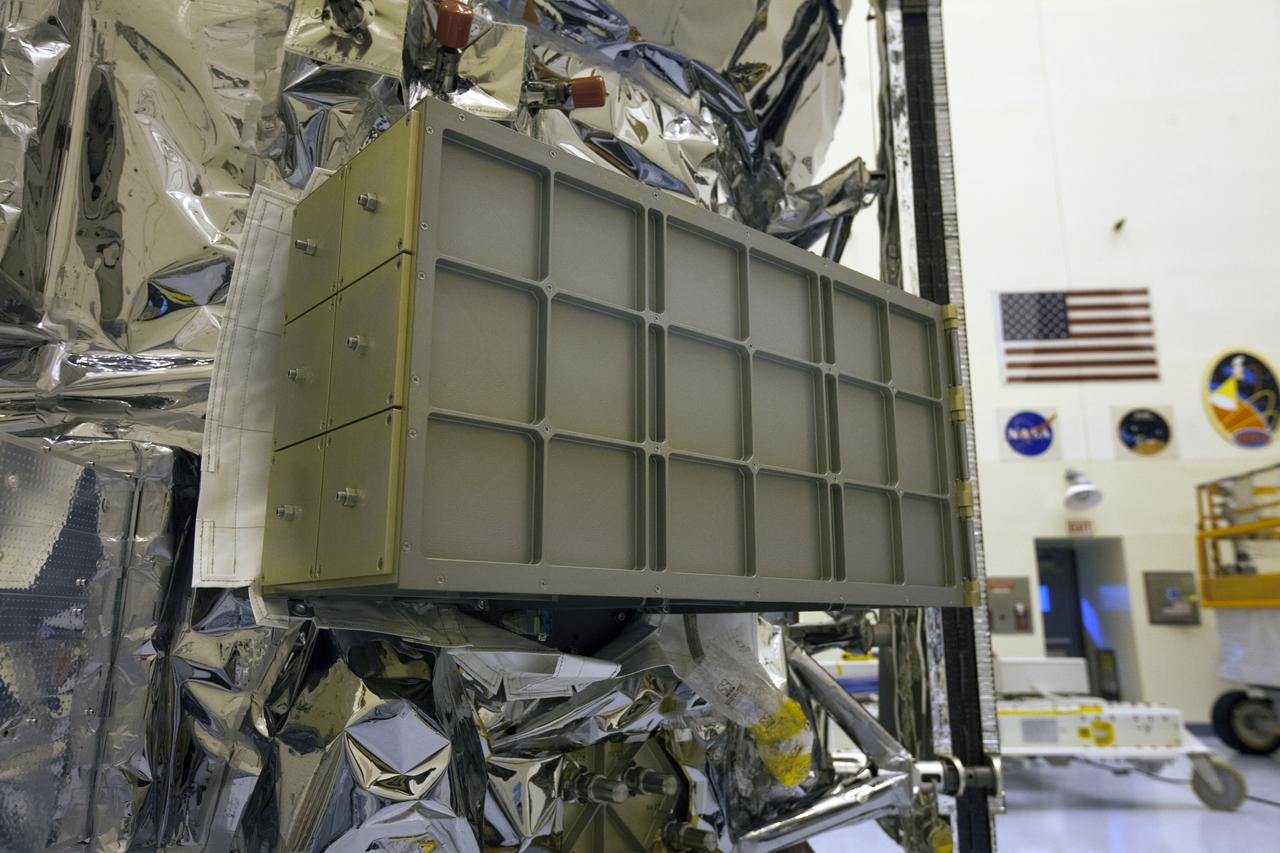
Inside the Payload Hazardous Servicing Facility at NASA's Kennedy Space Center in Florida, technicians have installed several Nanoracks on the exterior of the Orbital ATK Cygnus pressurized cargo module. The Orbital ATK CRS-7 commercial resupply services mission to the International Space Station is scheduled to launch atop a United Launch Alliance Atlas V rocket from Space Launch Complex 41 at Cape Canaveral Air Force Station no earlier than March 21, 2017. Cygnus will deliver 7,600 pounds of supplies, equipment and scientific research materials to the space station.
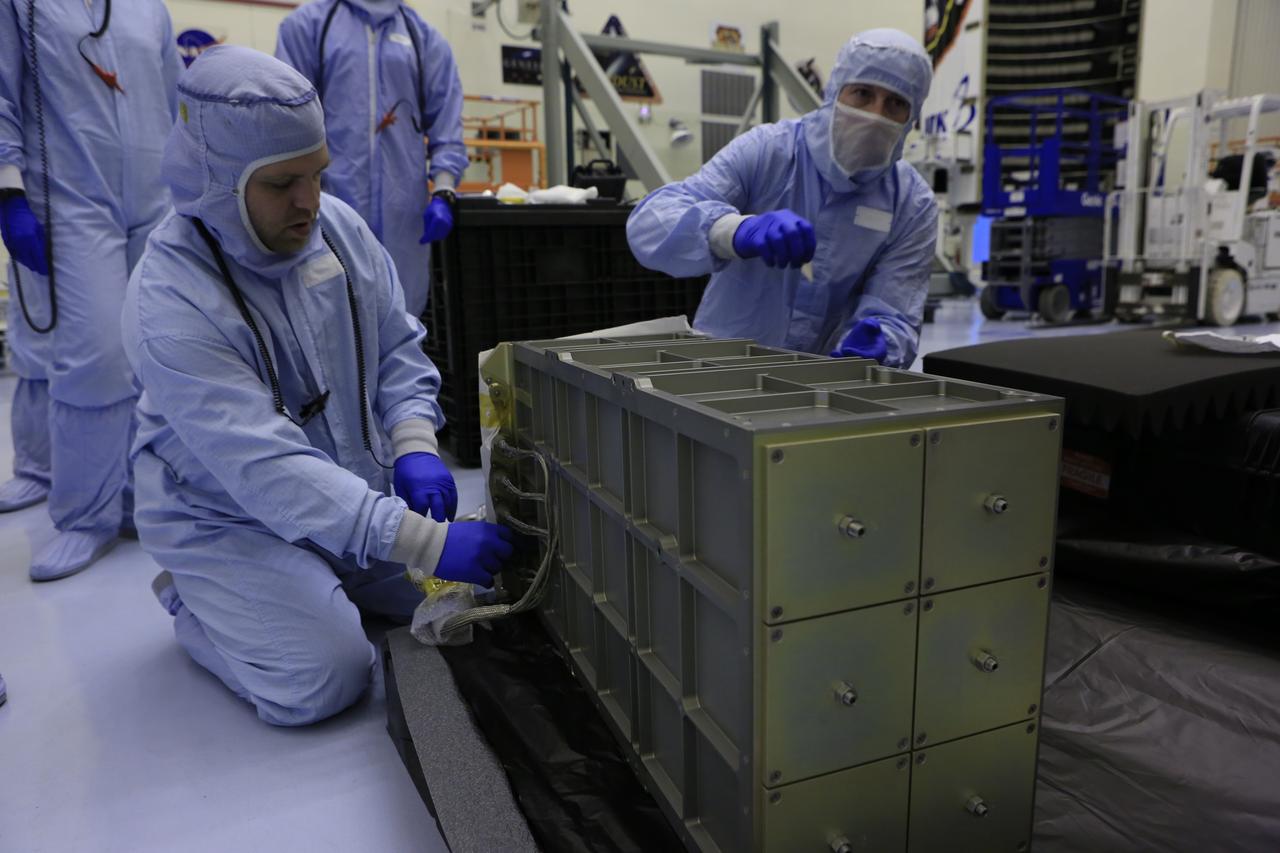
Inside the Payload Hazardous Servicing Facility at NASA's Kennedy Space Center in Florida, technicians prepare several Nanoracks for installation on the exterior of the Orbital ATK Cygnus pressurized cargo module. The Orbital ATK CRS-7 commercial resupply services mission to the International Space Station is scheduled to launch atop a United Launch Alliance Atlas V rocket from Space Launch Complex 41 at Cape Canaveral Air Force Station no earlier than March 21, 2017. Cygnus will deliver 7,600 pounds of supplies, equipment and scientific research materials to the space station.
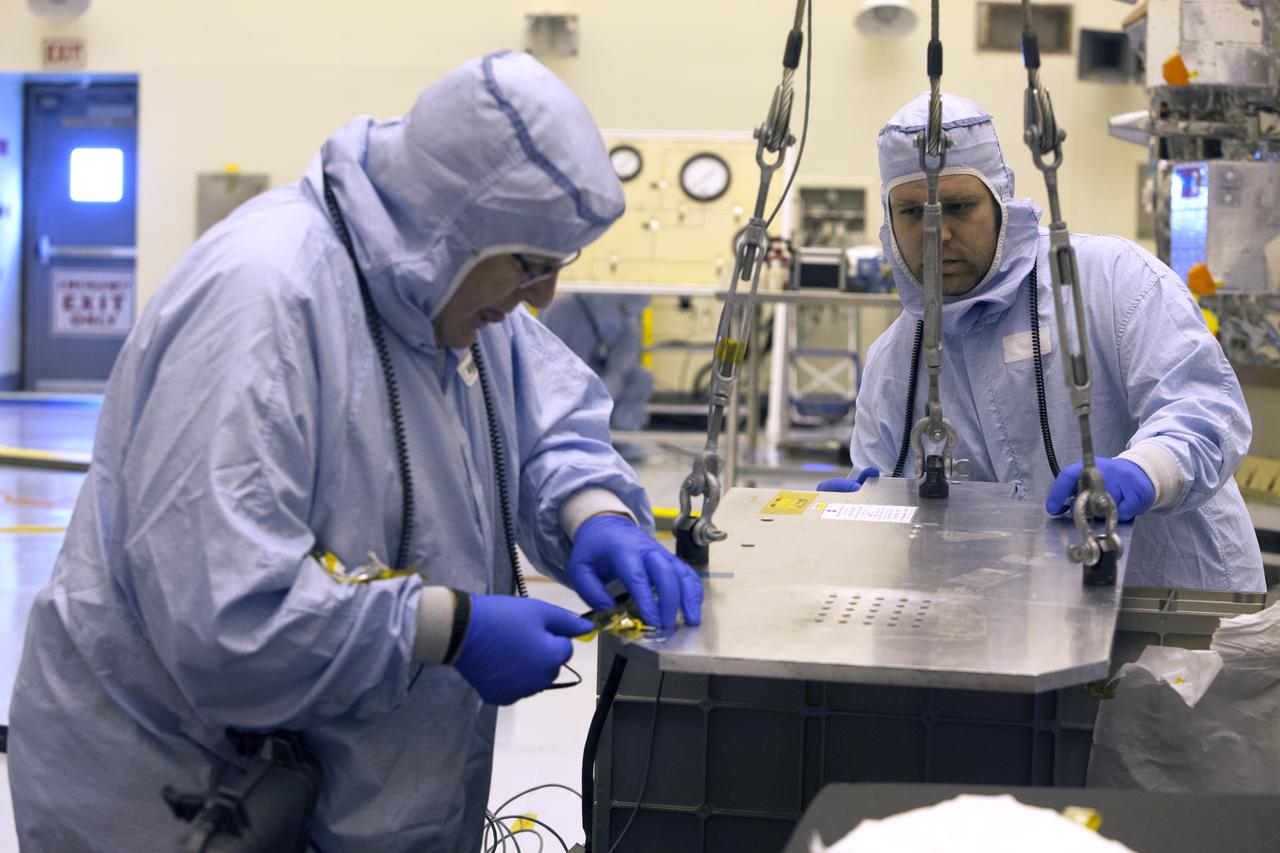
Inside the Payload Hazardous Servicing Facility at NASA's Kennedy Space Center in Florida, technicians prepare several Nanoracks for installation on the exterior of the Orbital ATK Cygnus pressurized cargo module. The Orbital ATK CRS-7 commercial resupply services mission to the International Space Station is scheduled to launch atop a United Launch Alliance Atlas V rocket from Space Launch Complex 41 at Cape Canaveral Air Force Station no earlier than March 21, 2017. Cygnus will deliver 7,600 pounds of supplies, equipment and scientific research materials to the space station.
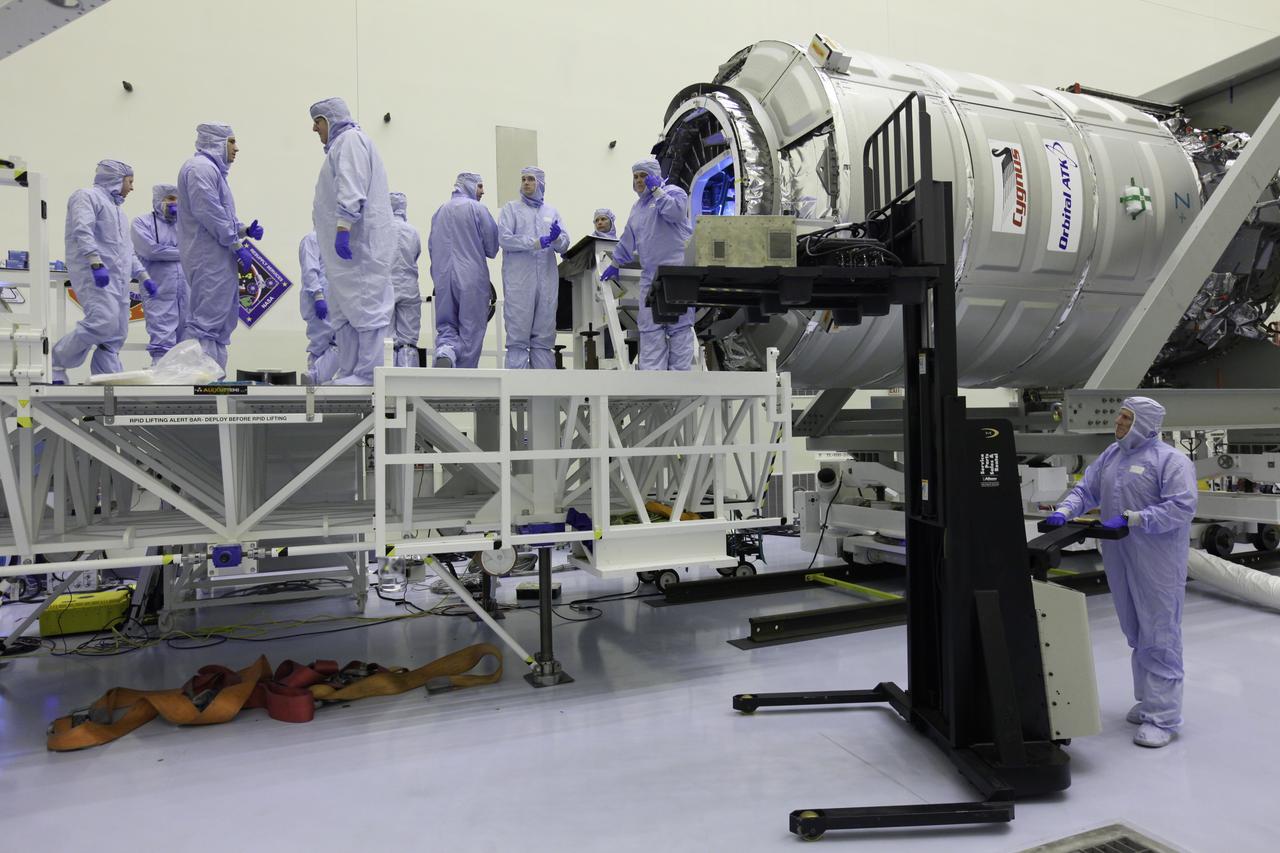
Inside the Payload Hazardous Servicing Facility at NASA's Kennedy Space Center in Florida, technicians prepare payloads for final cargo installation in the Orbital ATK Cygnus pressurized cargo module. The Orbital ATK CRS-7 commercial resupply services mission to the International Space Station is scheduled to launch atop a United Launch Alliance Atlas V rocket from Space Launch Complex 41 at Cape Canaveral Air Force Station no earlier than March 21, 2017. Cygnus will deliver 7,600 pounds of supplies, equipment and scientific research materials to the space station.
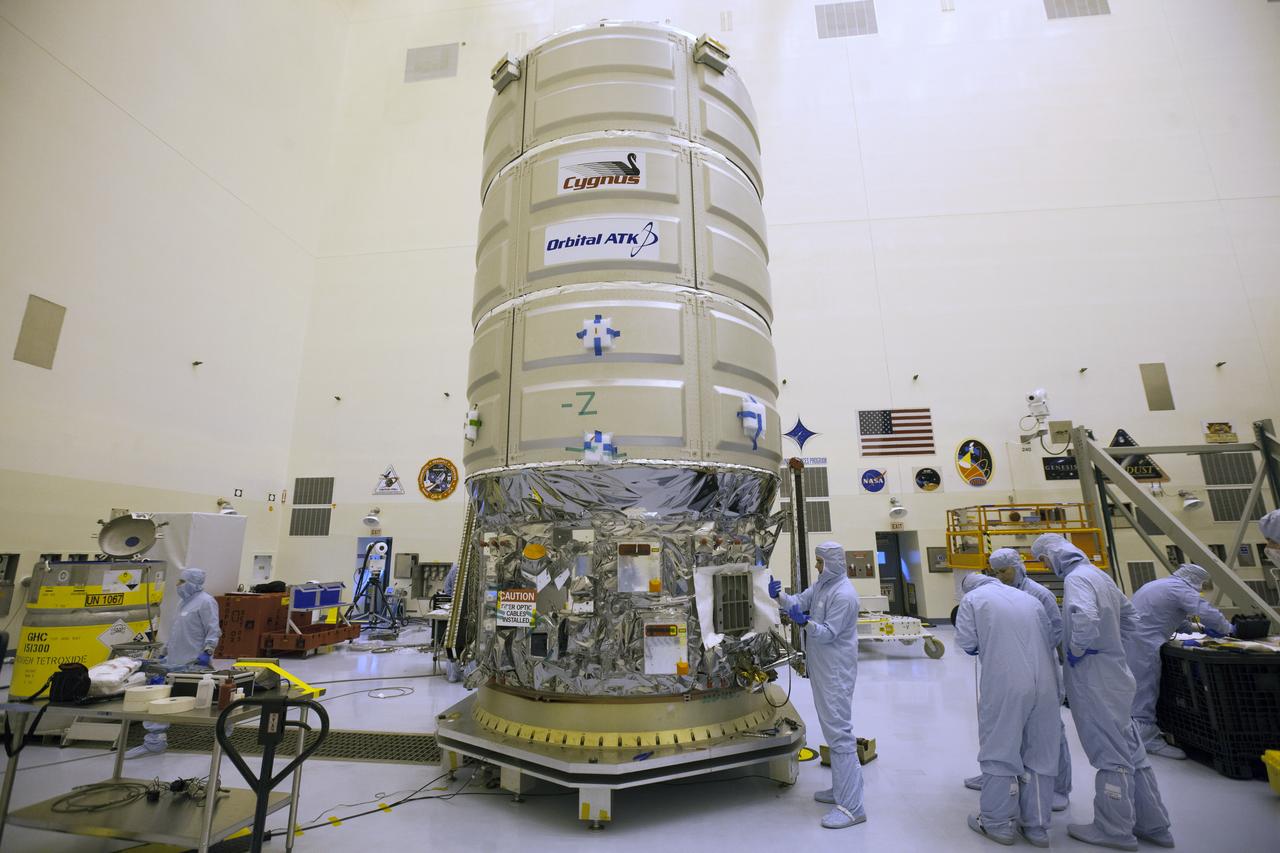
Inside the Payload Hazardous Servicing Facility at NASA's Kennedy Space Center in Florida, preparations are underway to install the Nanoracks on the exterior of the Orbital ATK Cygnus pressurized cargo module. The Orbital ATK CRS-7 commercial resupply services mission to the International Space Station is scheduled to launch atop a United Launch Alliance Atlas V rocket from Space Launch Complex 41 at Cape Canaveral Air Force Station no earlier than March 21, 2017. Cygnus will deliver 7,600 pounds of supplies, equipment and scientific research materials to the space station.
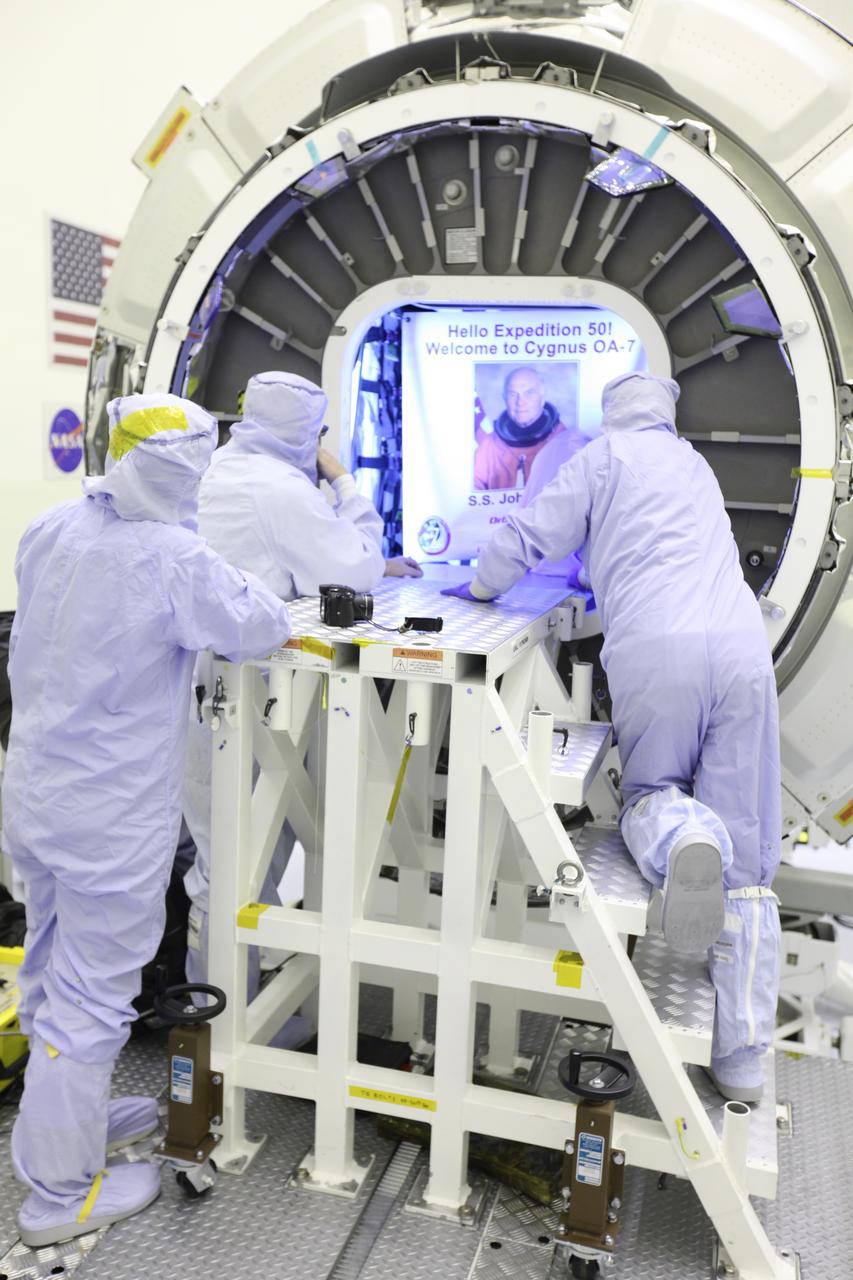
Inside the Payload Hazardous Servicing Facility at NASA's Kennedy Space Center in Florida, technicians attach the John Glenn banner to inside the Orbital ATK Cygnus pressurized cargo module. The Cygnus cargo module has been renamed the S.S. John Glenn to honor the late former Project Mercury and space shuttle astronaut. The Orbital ATK CRS-7 commercial resupply services mission to the International Space Station is scheduled to launch atop a United Launch Alliance Atlas V rocket from Space Launch Complex 41 at Cape Canaveral Air Force Station no earlier than March 21, 2017. Cygnus will deliver 7,600 pounds of supplies, equipment and scientific research materials to the space station.
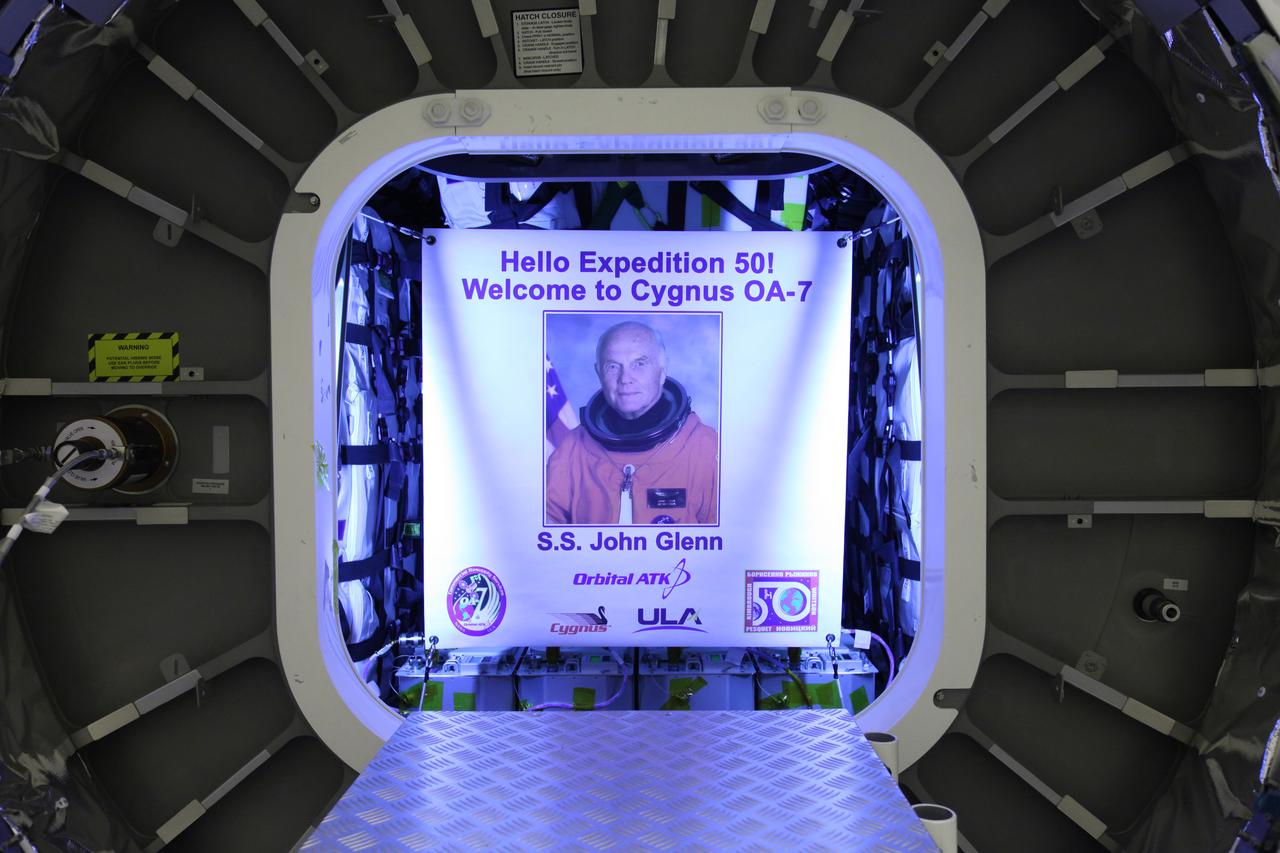
Inside the Payload Hazardous Servicing Facility at NASA's Kennedy Space Center in Florida, the John Glenn banner is attached inside the Orbital ATK Cygnus pressurized cargo module. The Cygnus cargo module has been renamed the S.S. John Glenn to honor the late former Project Mercury and space shuttle astronaut. The Orbital ATK CRS-7 commercial resupply services mission to the International Space Station is scheduled to launch atop a United Launch Alliance Atlas V rocket from Space Launch Complex 41 at Cape Canaveral Air Force Station no earlier than March 21, 2017. Cygnus will deliver 7,600 pounds of supplies, equipment and scientific research materials to the space station.
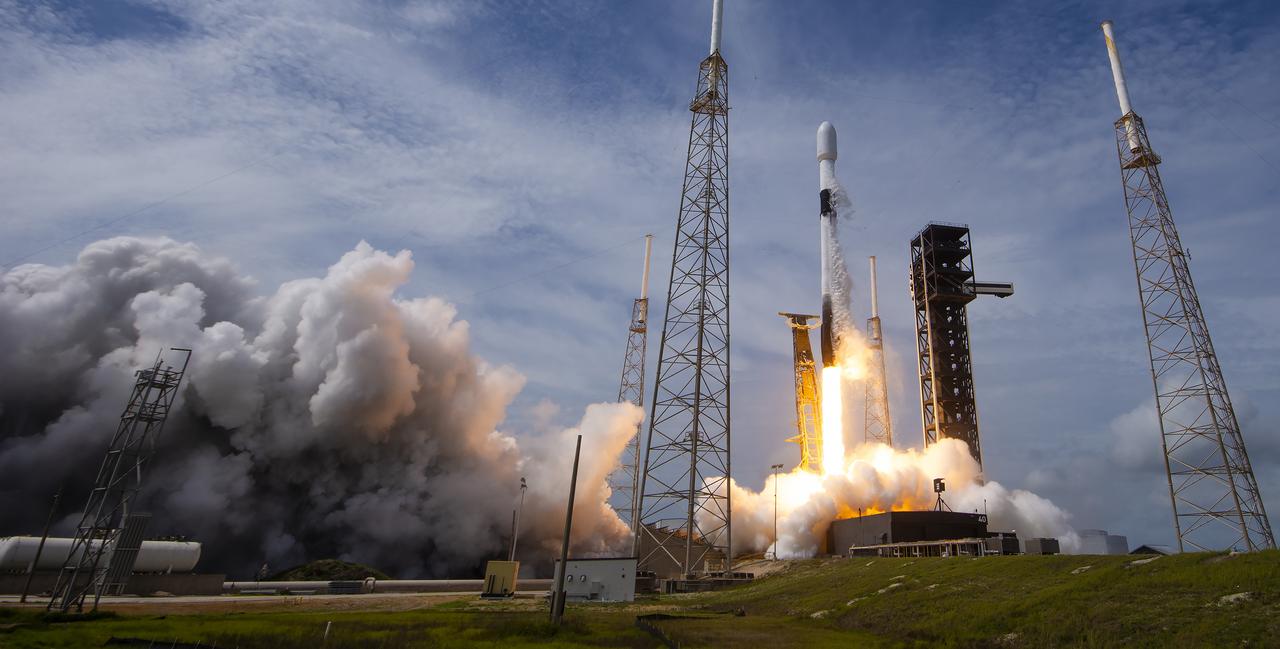
Northrop Grumman’s Cygnus spacecraft, atop a SpaceX Falcon 9 rocket, soars from Space Launch Complex 40 at Cape Canaveral Space Force Station in Florida on Sunday, Aug. 4, 2024, for the 21st Northrop Grumman commercial resupply mission for NASA. The spacecraft is expected to reach the space station Tuesday, Aug. 6, bringing 8,200 pounds of science investigations, supplies, and equipment for the international crew.

Northrop Grumman’s Cygnus spacecraft, atop a SpaceX Falcon 9 rocket, soars from Space Launch Complex 40 at Cape Canaveral Space Force Station in Florida on Sunday, Aug. 4, 2024, for the 21st Northrop Grumman commercial resupply mission for NASA. The spacecraft is expected to reach the space station Tuesday, Aug. 6, bringing 8,200 pounds of science investigations, supplies, and equipment for the international crew.
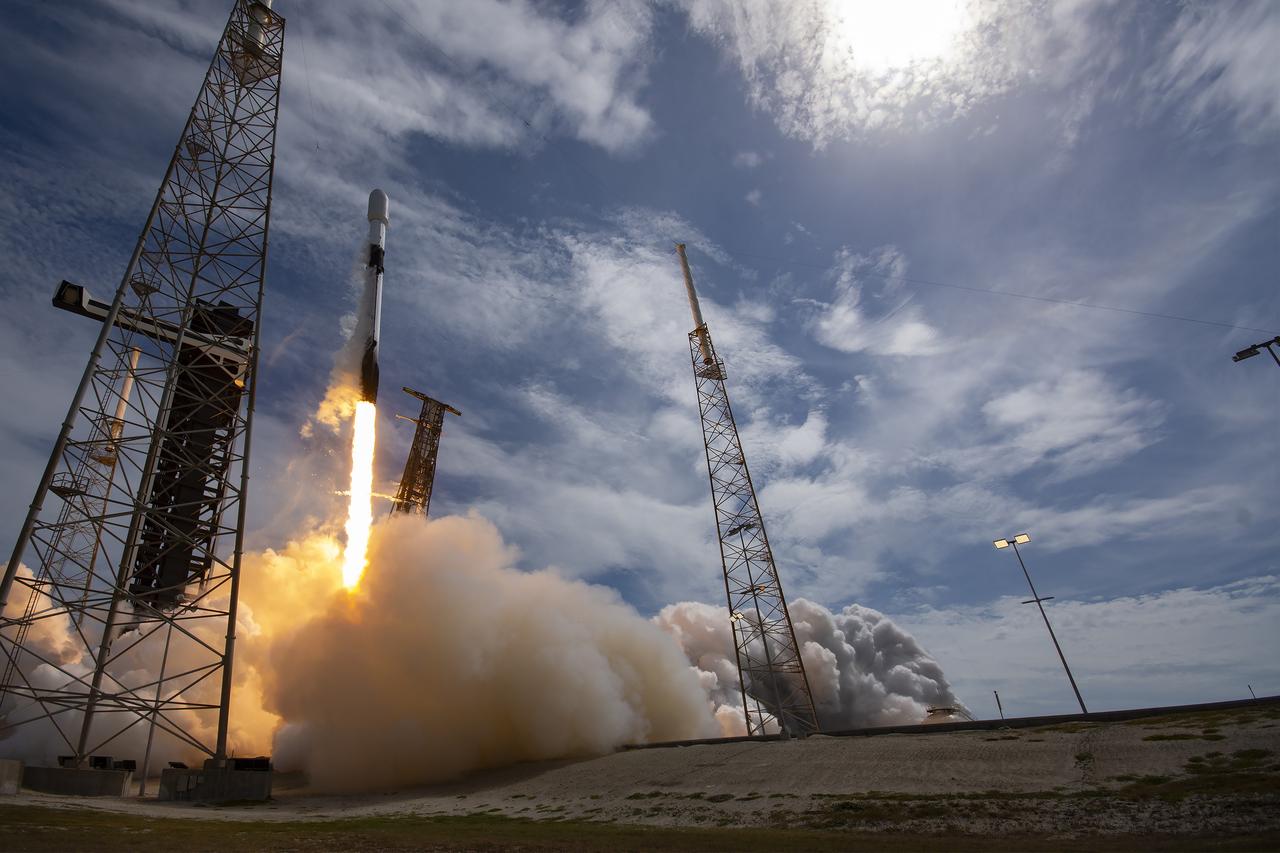
Northrop Grumman’s Cygnus spacecraft, atop a SpaceX 9 Falcon rocket, soars from Space Launch Complex 40 at Cape Canaveral Space Force Station in Florida on Sunday, Aug. 4, 2024, for the 21st Northrop Grumman commercial resupply mission for NASA. The spacecraft is expected to reach the space station Tuesday, Aug. 6, bringing 8,200 pounds of science investigations, supplies, and equipment for the international crew.
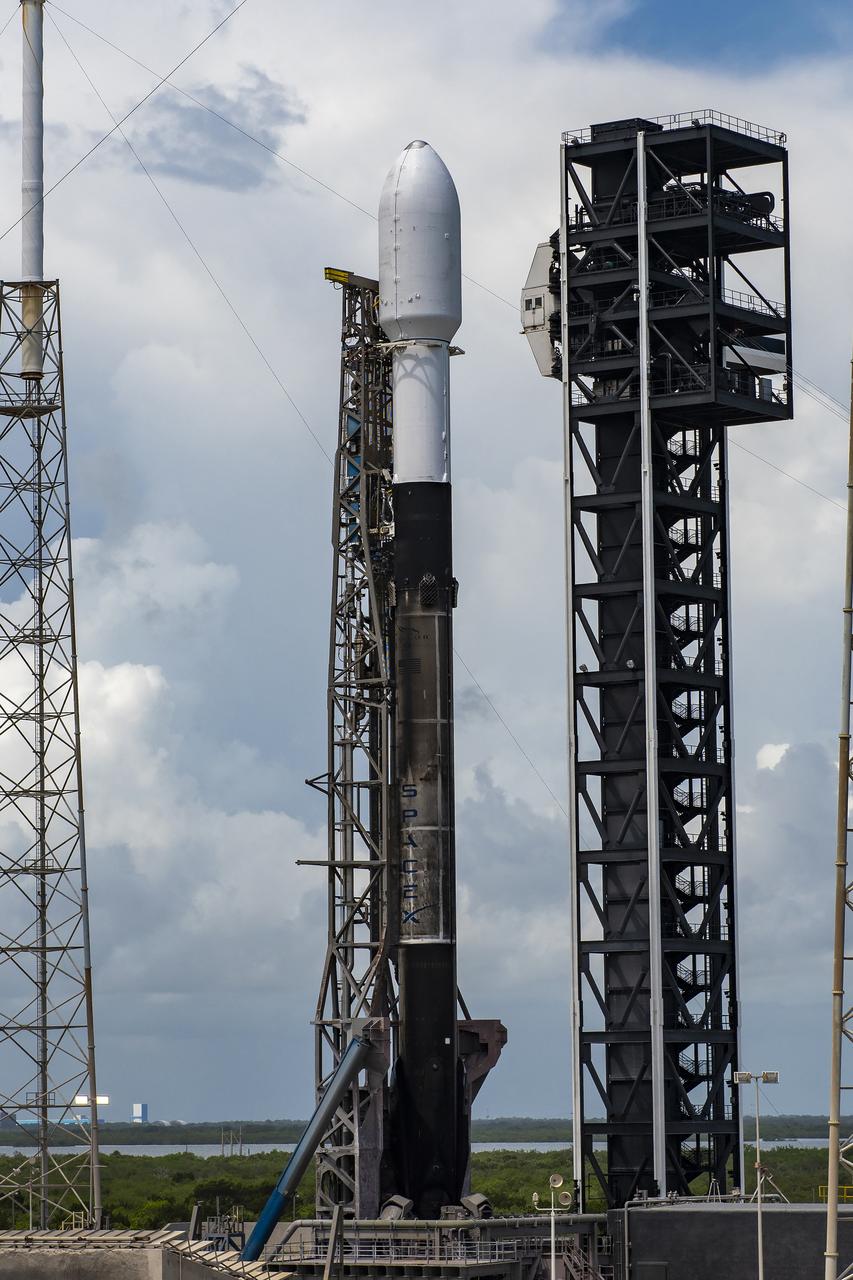
A Northrop Grumman Cygnus resupply spacecraft, atop a SpaceX Falcon 9 rocket, stands tall at Space Launch Complex 40 at Cape Canaveral Space Force Station in Florida on Sunday, Aug. 4, 2024, in preparation for a launch to the International Space Station. Cygnus will deliver 8,200 pounds of scientific investigations and cargo to the international crew.
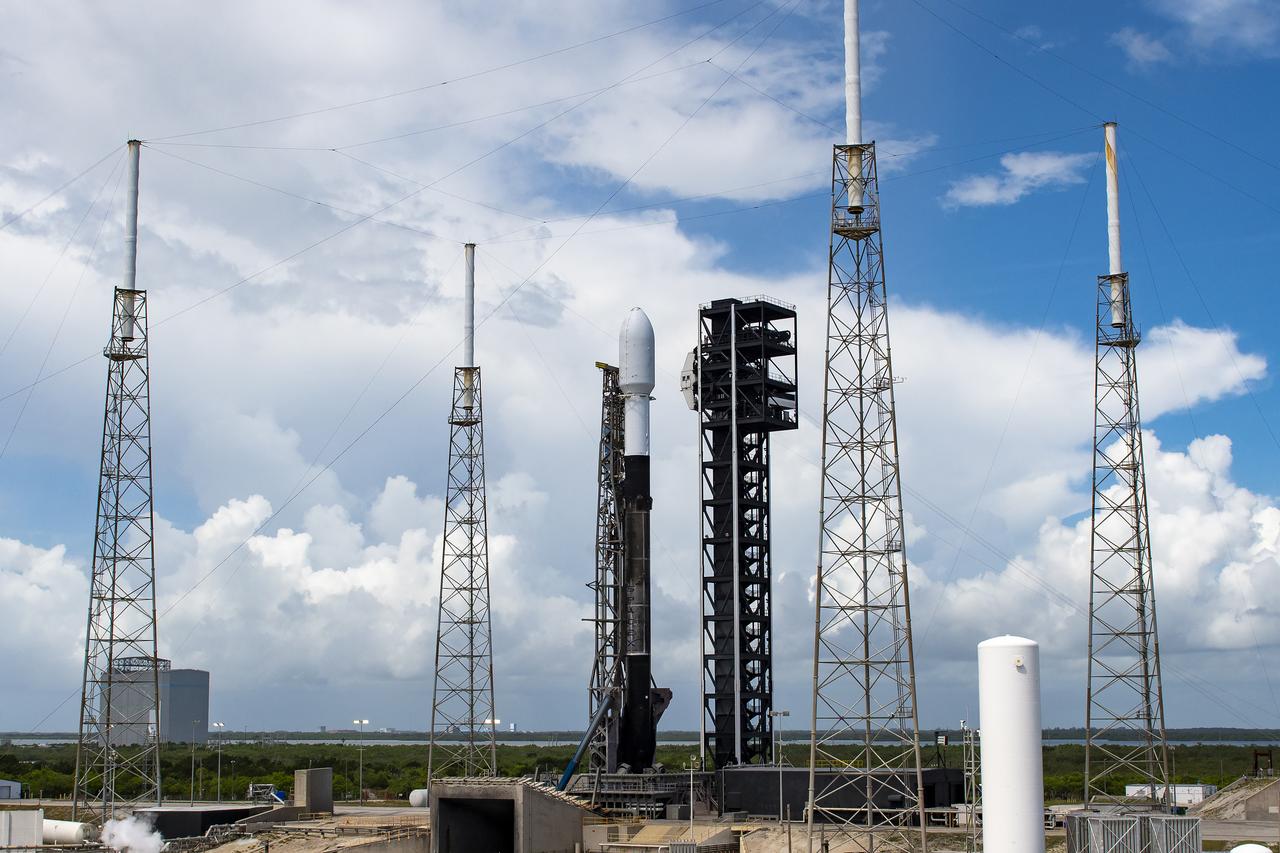
A Northrop Grumman Cygnus resupply spacecraft, atop a SpaceX Falcon 9 rocket, stands tall at Space Launch Complex 40 at Cape Canaveral Space Force Station in Florida on Sunday, Aug. 4, 2024, in preparation for a launch to the International Space Station. Cygnus will deliver 8,200 pounds of scientific investigations and cargo to the international crew.
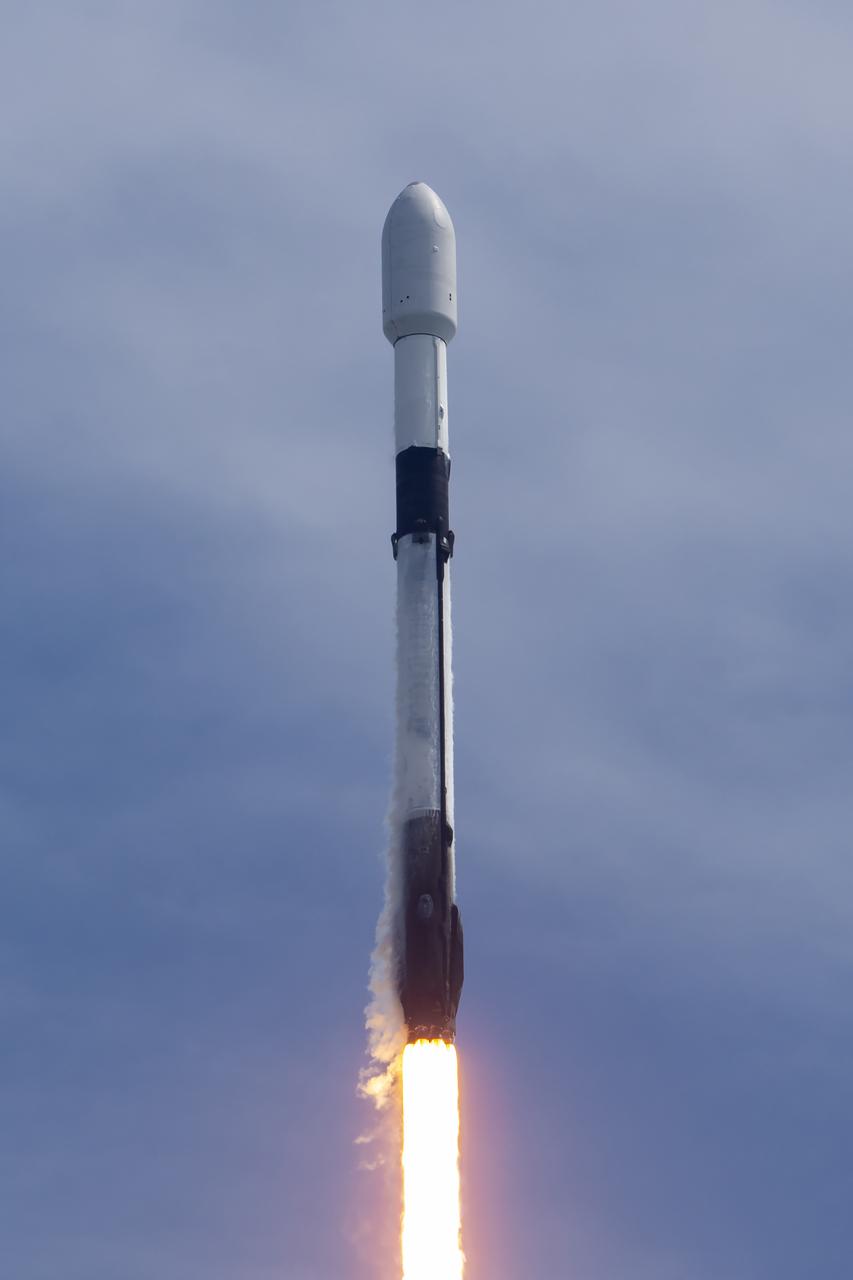
A successful liftoff from Space Launch Complex 40 at Cape Canaveral Space Force Station in Florida as Northrop Grumman’s Cygnus spacecraft, atop a SpaceX Falcon 9 rocket, heads to the International Space Station for the 21st Northrop Grumman resupply mission on Sunday, Aug. 4, 2024. The spacecraft is expected to reach the space station Tuesday, Aug. 6, bringing 8,200 pounds of science investigations, supplies, and equipment for the international crew.
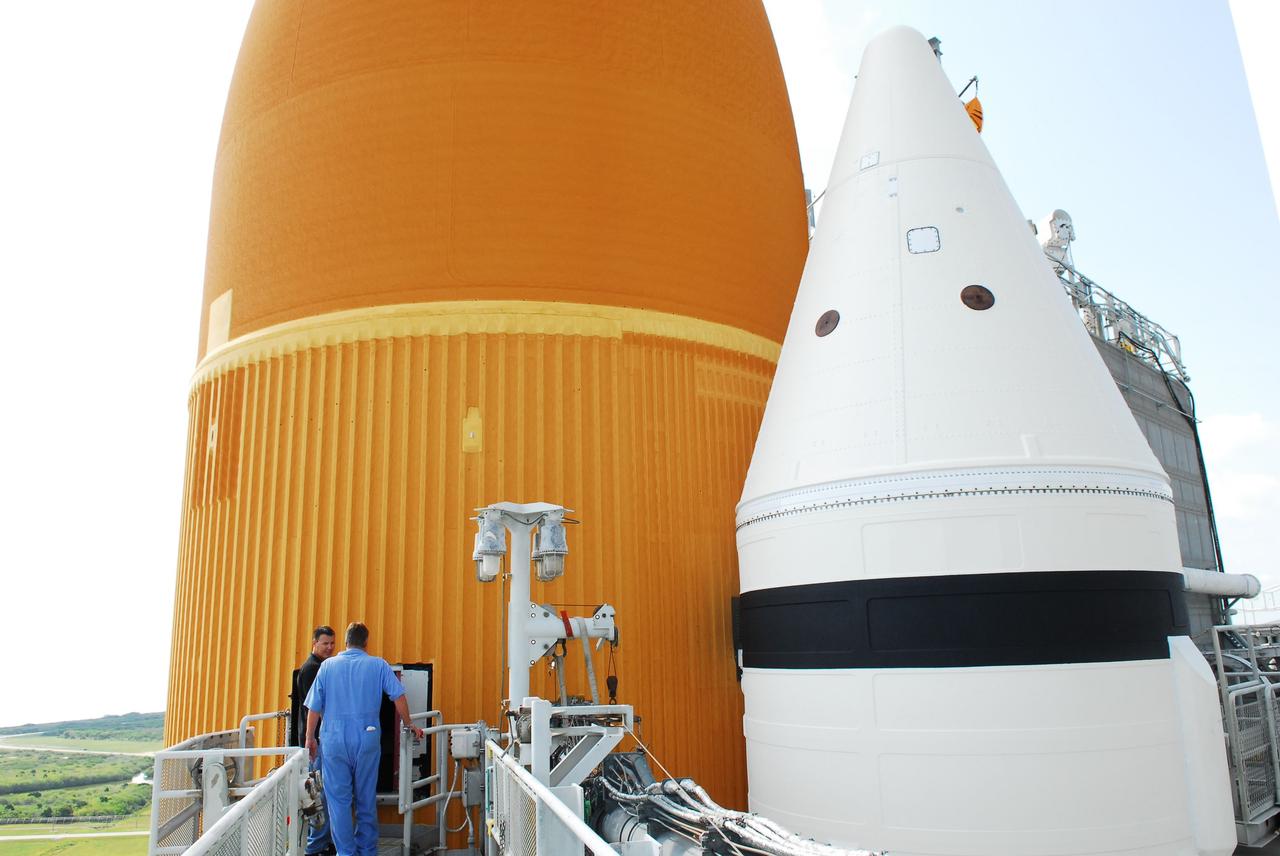
CAPE CANAVERAL, Fla. -- At NASA's Kennedy Space Center in Florida, technicians prepare to conduct Computed Radiography (CR) X-ray scans of 50 support beams, called stringers, on the shuttle-facing side of Atlantis' external tank at Launch Pad 39A. The hi-tech images will be taken of the tops and bottoms of the 21-foot long beams, which are located on the tank's intertank section. The scans follow a June 15th tanking test when the launch team filled then drained the tank of about 535,000 gallons of liquid hydrogen and liquid oxygen, just like for a launch. Earlier this year, managers directed teams to make the same stringer modifications to Atlantis' tank, ET-138, as they had after small cracks in the support beams of shuttle Discovery's STS-133 mission external tank were discovered. The scans will confirm there are no issues with Atlantis' tank. STS-135 Commander Chris Ferguson, Pilot Doug Hurley and Mission Specialists Sandy Magnus and Rex Walheim are targeted to lift off on space shuttle Atlantis July 8, taking with them the MPLM packed with supplies, logistics and spare parts to the International Space Station. The STS-135 mission also will fly a system to investigate the potential for robotically refueling existing satellites and return a failed ammonia pump module to help NASA better understand the failure mechanism and improve pump designs for future systems. STS-135 will be the 33rd flight of Atlantis, the 37th shuttle mission to the space station, and the 135th and final mission of NASA's Space Shuttle Program. For more information visit, www.nasa.gov/mission_pages/shuttle/shuttlemissions/sts135/index.html. Photo credit: NASA/Jim Grossmann