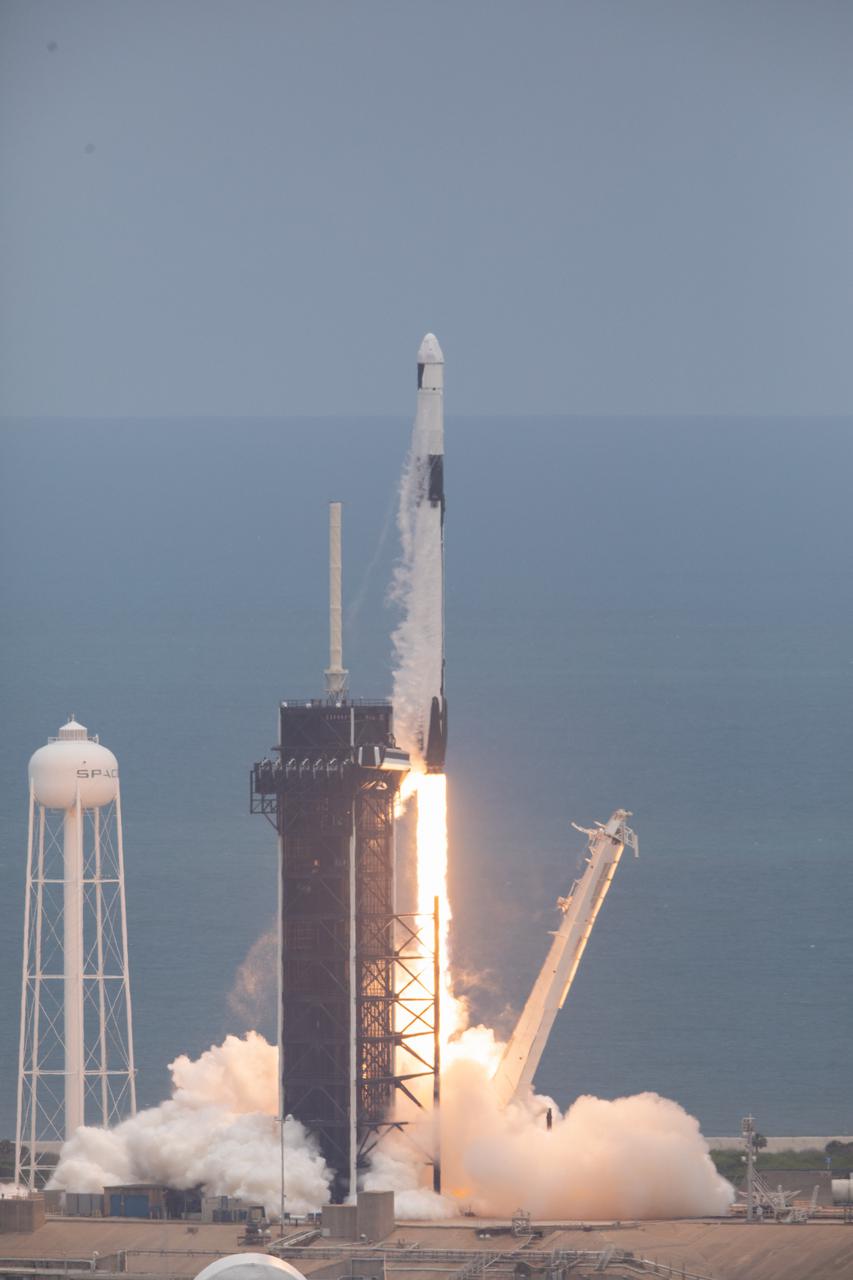
The SpaceX Falcon 9 rocket carrying the Dragon cargo capsule lifts off from Launch Complex 39A at NASA’s Kennedy Space Center in Florida on June 3, 2021, on the company’s 22nd Commercial Resupply Services mission for the agency to the International Space Station. Liftoff was at 1:29 p.m. EDT. Dragon is filled with supplies and payloads including critical materials to directly support dozens of the more than 250 science and research investigations that will occur during Expeditions 65 and 66 on the station.

The SpaceX Falcon 9 rocket carrying the Dragon cargo capsule soars upward after lifting off from Launch Complex 39A at NASA’s Kennedy Space Center in Florida on June 3, 2021, on the company’s 22nd Commercial Resupply Services mission for the agency to the International Space Station. Liftoff was at 1:29 p.m. EDT. Dragon is filled with supplies and payloads including critical materials to directly support dozens of the more than 250 science and research investigations that will occur during Expeditions 65 and 66 on the station.
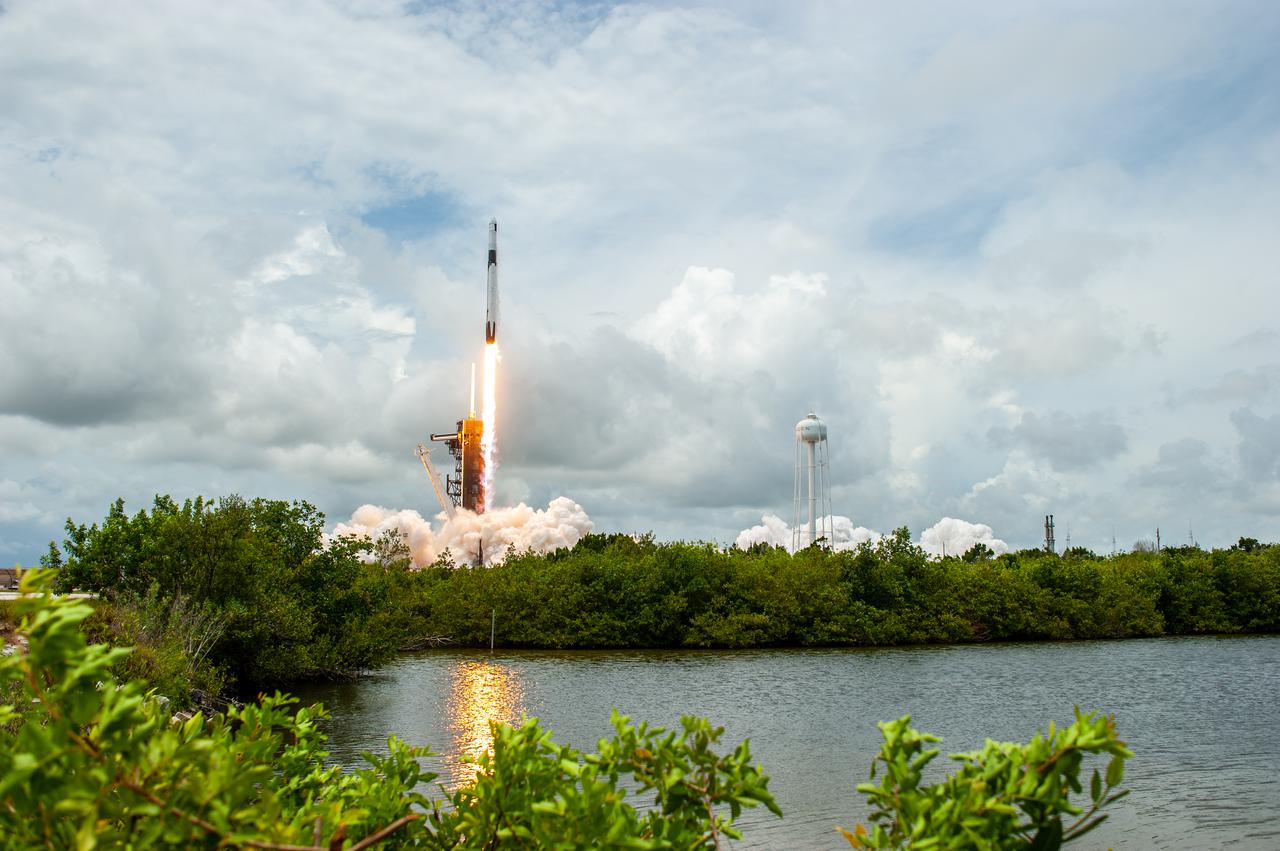
The SpaceX Falcon 9 rocket carrying the Dragon cargo capsule soars upward after lifting off from Launch Complex 39A at NASA’s Kennedy Space Center in Florida on June 3, 2021, on the company’s 22nd Commercial Resupply Services mission for the agency to the International Space Station. Liftoff was at 1:29 p.m. EDT. Dragon is filled with supplies and payloads including critical materials to directly support dozens of the more than 250 science and research investigations that will occur during Expeditions 65 and 66 on the station.
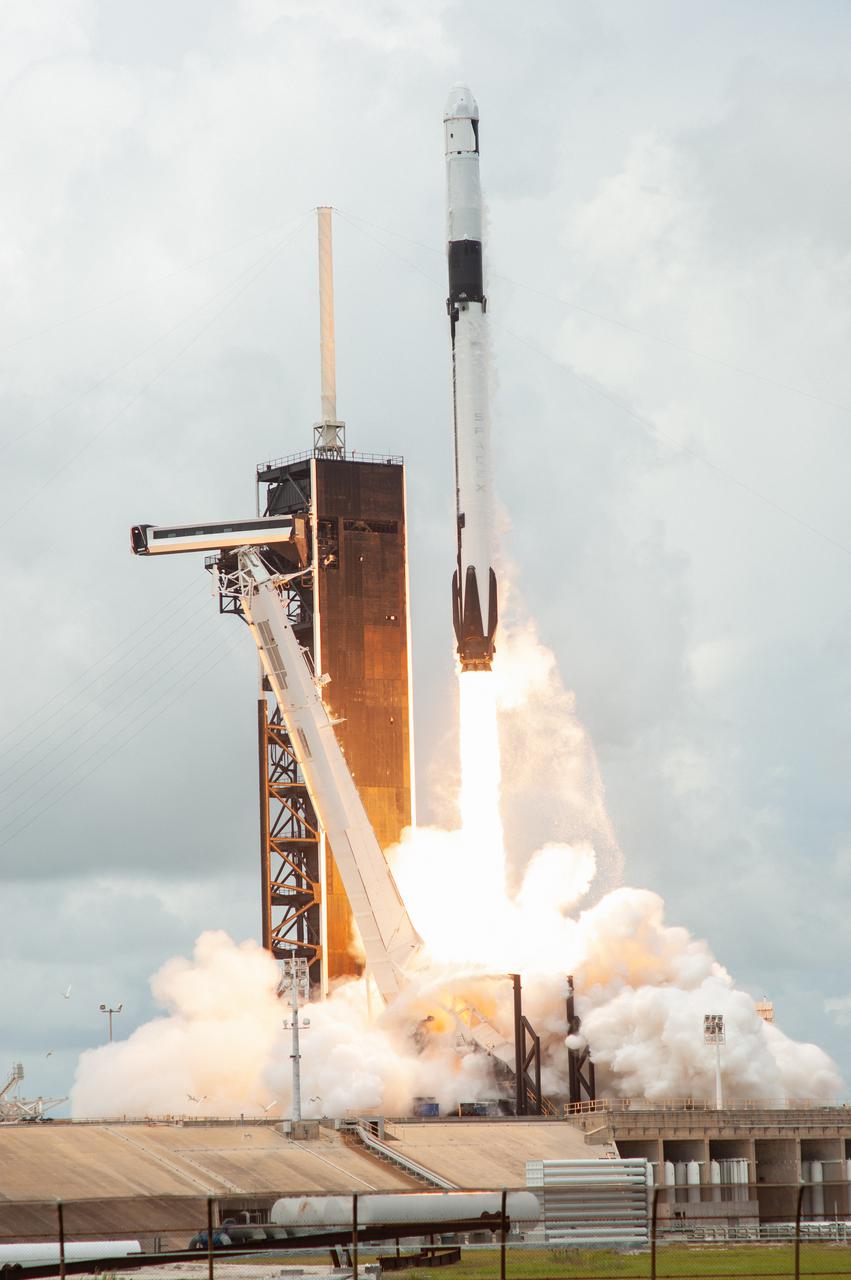
The SpaceX Falcon 9 rocket carrying the Dragon cargo capsule lifts off from Launch Complex 39A at NASA’s Kennedy Space Center in Florida on June 3, 2021, on the company’s 22nd Commercial Resupply Services mission for the agency to the International Space Station. Liftoff was at 1:29 p.m. EDT. Dragon is filled with supplies and payloads including critical materials to directly support dozens of the more than 250 science and research investigations that will occur during Expeditions 65 and 66 on the station.
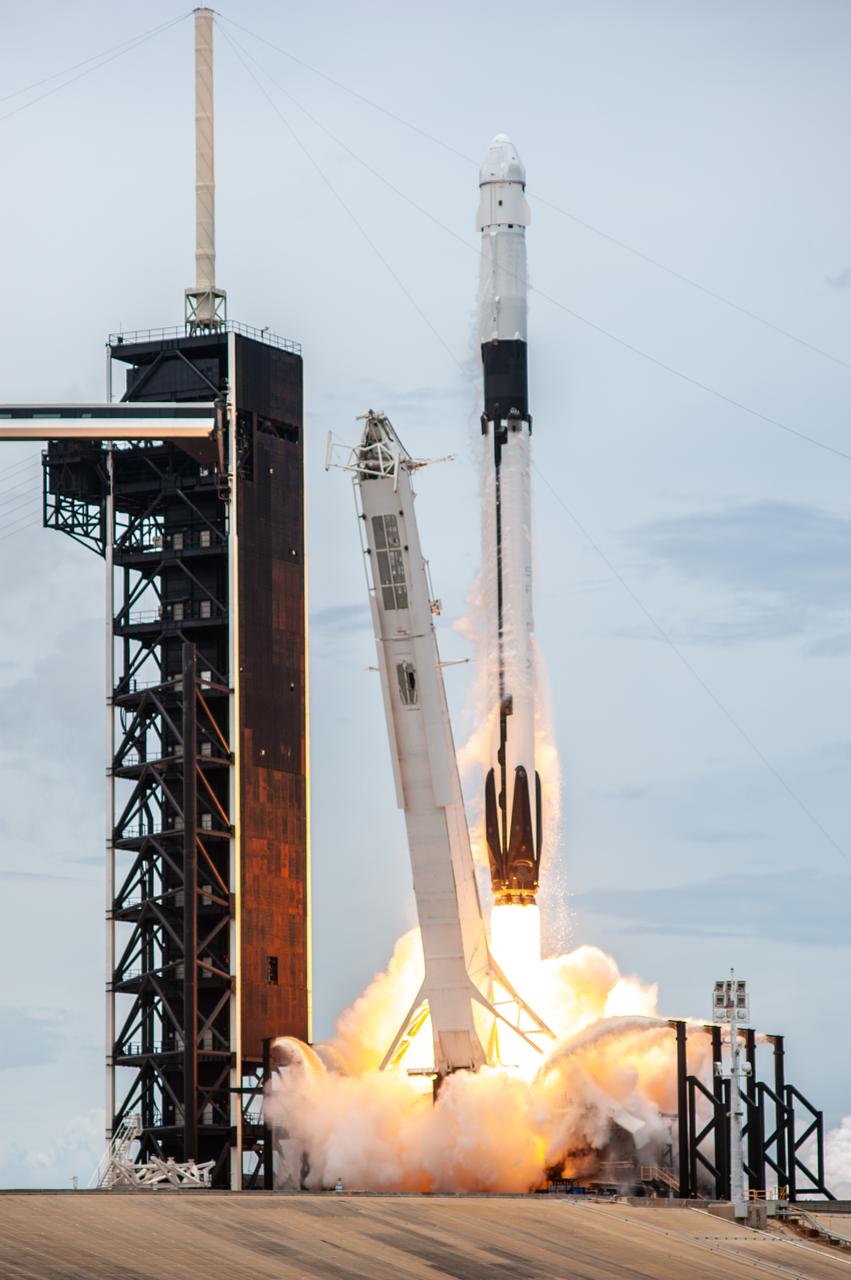
The SpaceX Falcon 9 rocket carrying the Dragon cargo capsule lifts off from Launch Complex 39A at NASA’s Kennedy Space Center in Florida on June 3, 2021, on the company’s 22nd Commercial Resupply Services mission for the agency to the International Space Station. Liftoff was at 1:29 p.m. EDT. Dragon is filled with supplies and payloads including critical materials to directly support dozens of the more than 250 science and research investigations that will occur during Expeditions 65 and 66 on the station.
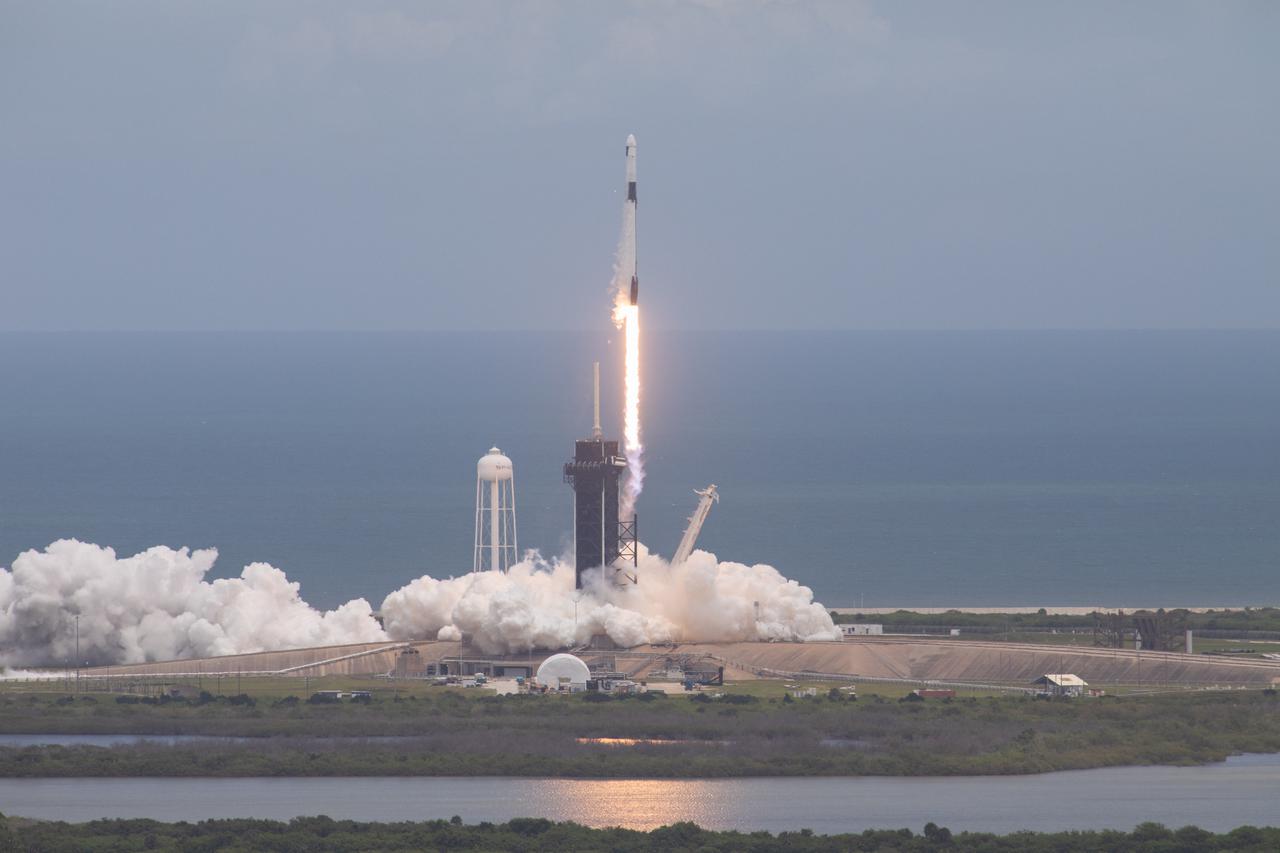
The SpaceX Falcon 9 rocket carrying the Dragon cargo capsule lifts off from Launch Complex 39A at NASA’s Kennedy Space Center in Florida on June 3, 2021, on the company’s 22nd Commercial Resupply Services mission for the agency to the International Space Station. Liftoff was at 1:29 p.m. EDT. Dragon is filled with supplies and payloads including critical materials to directly support dozens of the more than 250 science and research investigations that will occur during Expeditions 65 and 66 on the station.

The SpaceX Falcon 9 rocket carrying the Dragon cargo capsule lifts off from Launch Complex 39A at NASA’s Kennedy Space Center in Florida on June 3, 2021, on the company’s 22nd Commercial Resupply Services mission for the agency to the International Space Station. Liftoff was at 1:29 p.m. EDT. Dragon is filled with supplies and payloads including critical materials to directly support dozens of the more than 250 science and research investigations that will occur during Expeditions 65 and 66 on the station.
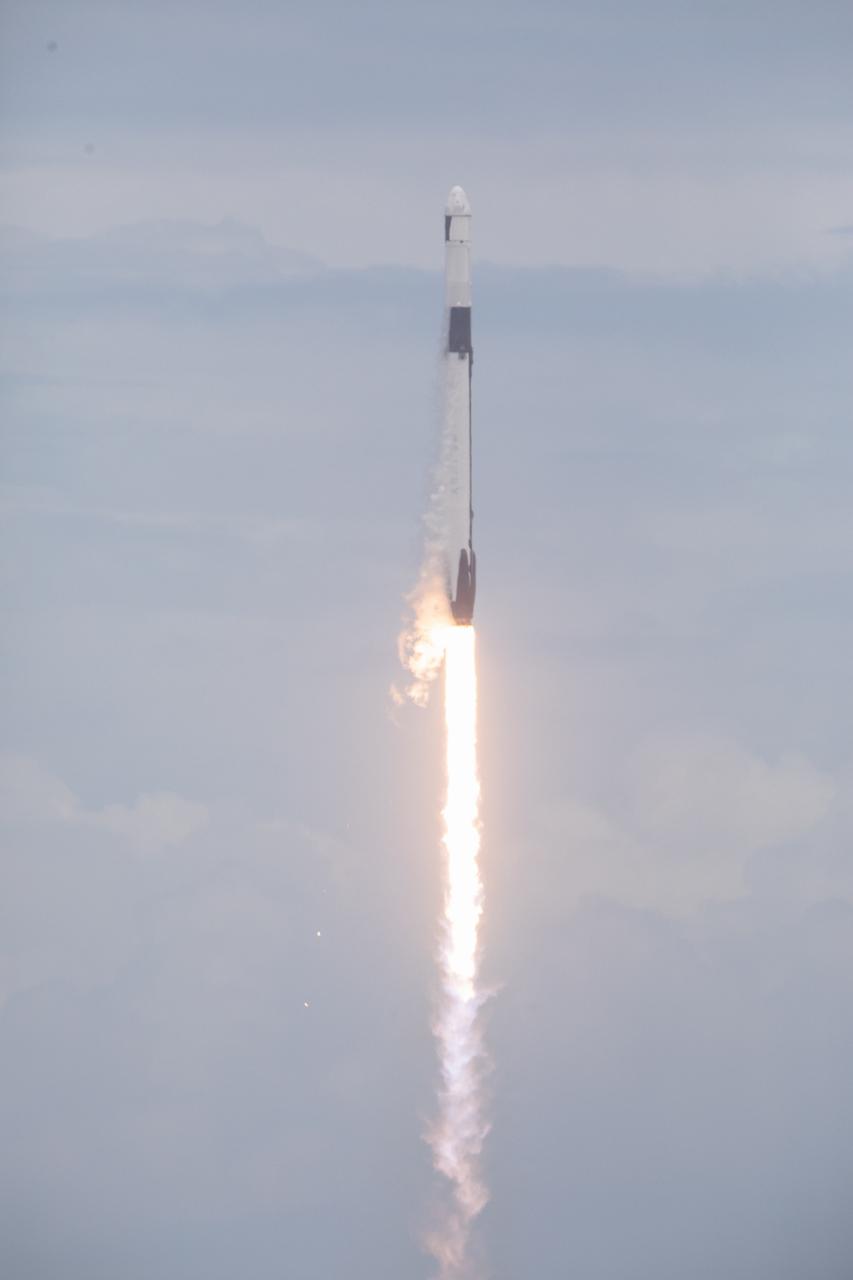
The SpaceX Falcon 9 rocket carrying the Dragon cargo capsule soars upward after lifting off from Launch Complex 39A at NASA’s Kennedy Space Center in Florida on June 3, 2021, on the company’s 22nd Commercial Resupply Services mission for the agency to the International Space Station. Liftoff was at 1:29 p.m. EDT. Dragon is filled with supplies and payloads including critical materials to directly support dozens of the more than 250 science and research investigations that will occur during Expeditions 65 and 66 on the station.
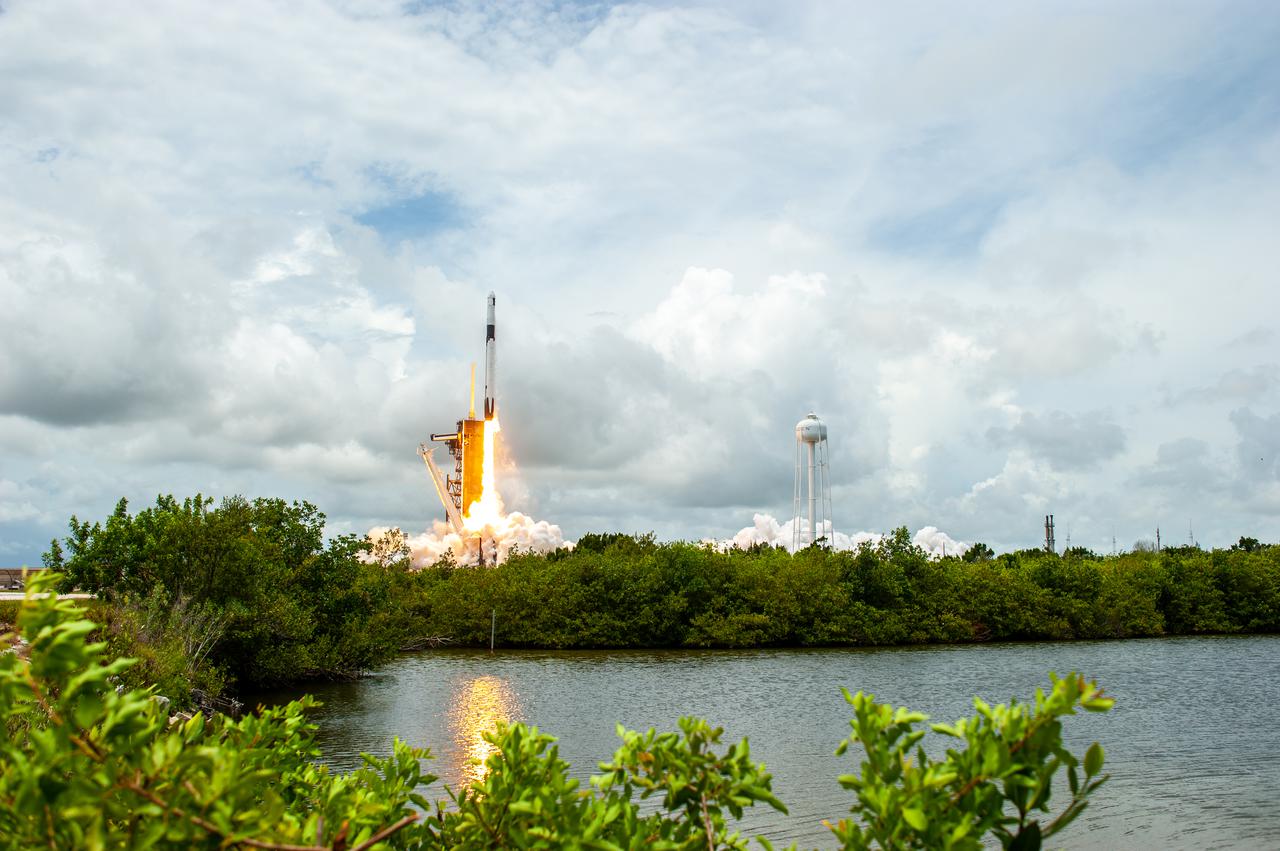
The SpaceX Falcon 9 rocket carrying the Dragon cargo capsule soars upward after lifting off from Launch Complex 39A at NASA’s Kennedy Space Center in Florida on June 3, 2021, on the company’s 22nd Commercial Resupply Services mission for the agency to the International Space Station. Liftoff was at 1:29 p.m. EDT. Dragon is filled with supplies and payloads including critical materials to directly support dozens of the more than 250 science and research investigations that will occur during Expeditions 65 and 66 on the station.
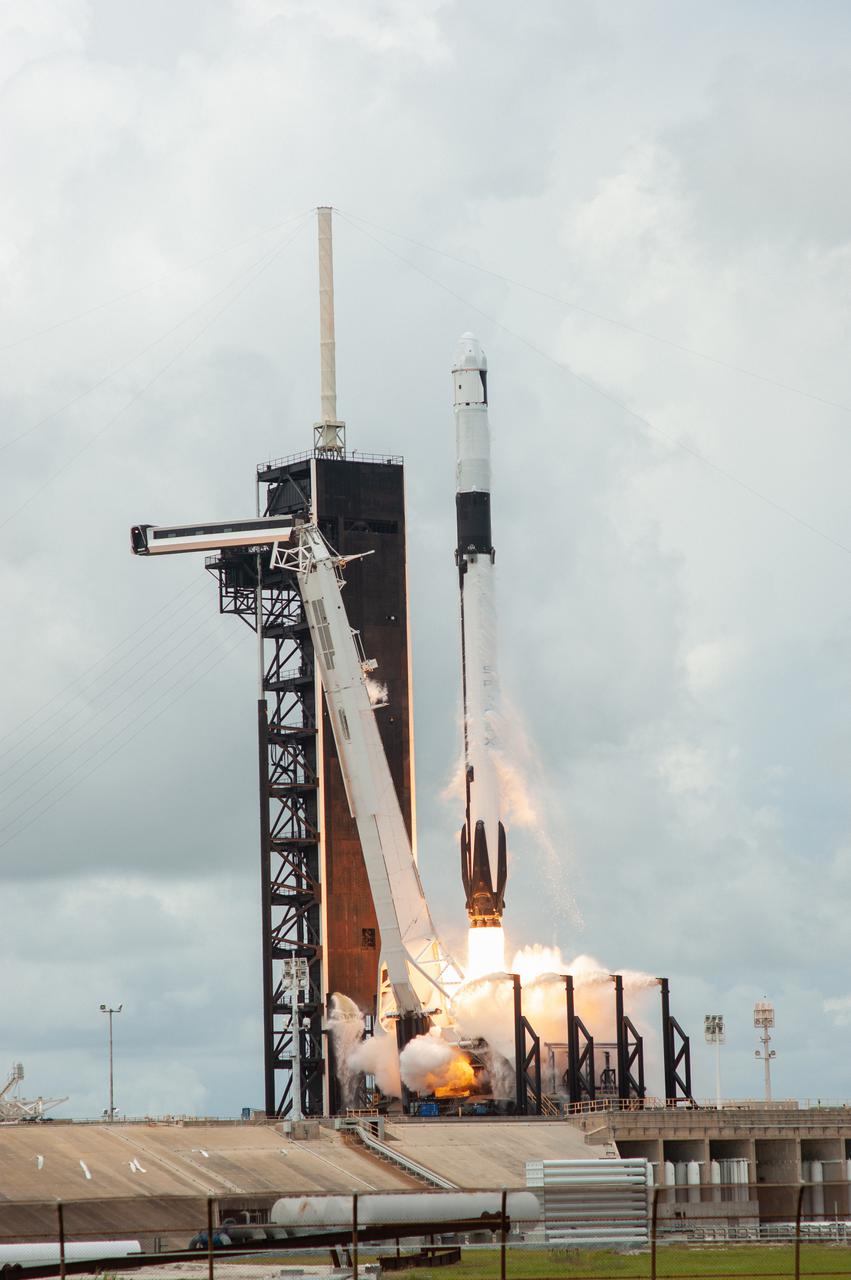
The SpaceX Falcon 9 rocket carrying the Dragon cargo capsule lifts off from Launch Complex 39A at NASA’s Kennedy Space Center in Florida on June 3, 2021, on the company’s 22nd Commercial Resupply Services mission for the agency to the International Space Station. Liftoff was at 1:29 p.m. EDT. Dragon is filled with supplies and payloads including critical materials to directly support dozens of the more than 250 science and research investigations that will occur during Expeditions 65 and 66 on the station.
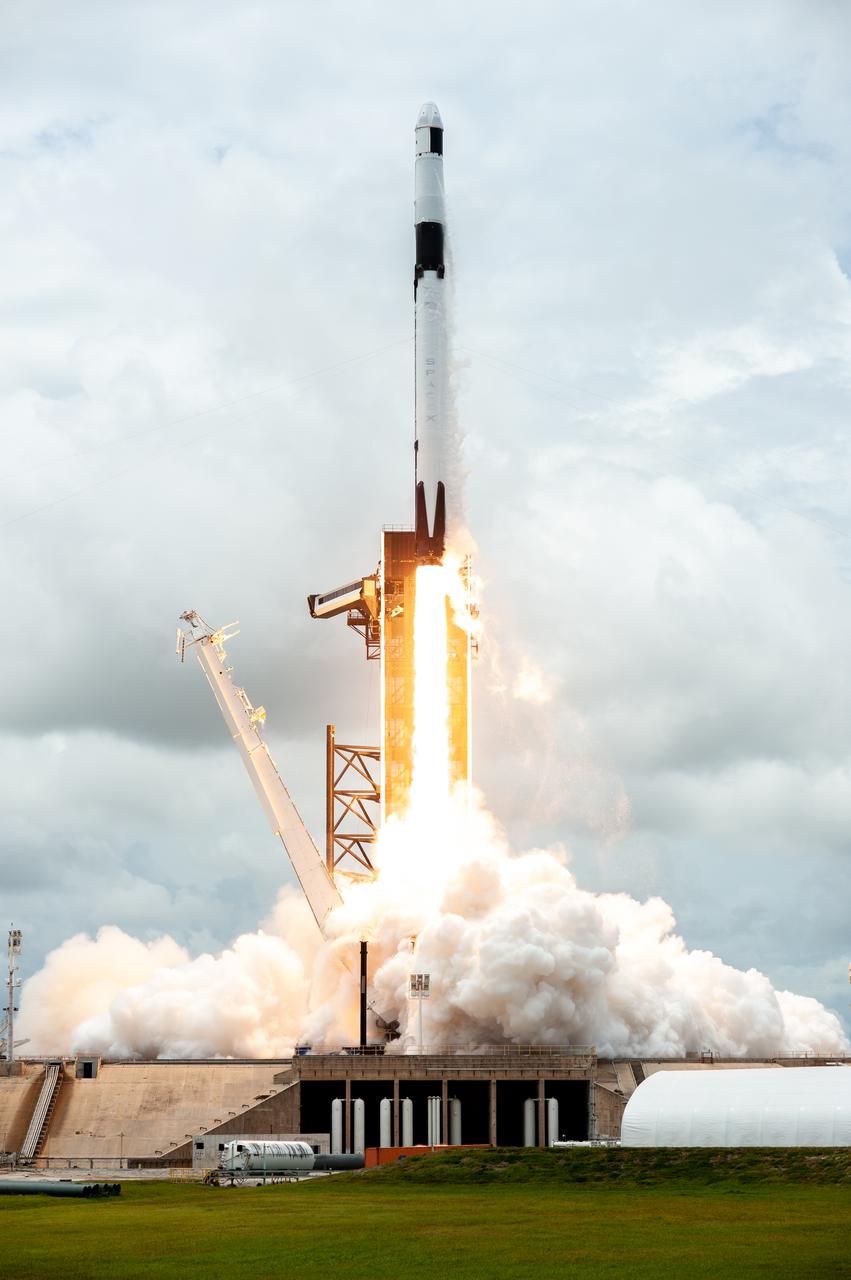
The SpaceX Falcon 9 rocket carrying the Dragon cargo capsule soars upward after lifting off from Launch Complex 39A at NASA’s Kennedy Space Center in Florida on June 3, 2021, on the company’s 22nd Commercial Resupply Services mission for the agency to the International Space Station. Liftoff was at 1:29 p.m. EDT. Dragon is filled with supplies and payloads including critical materials to directly support dozens of the more than 250 science and research investigations that will occur during Expeditions 65 and 66 on the station.
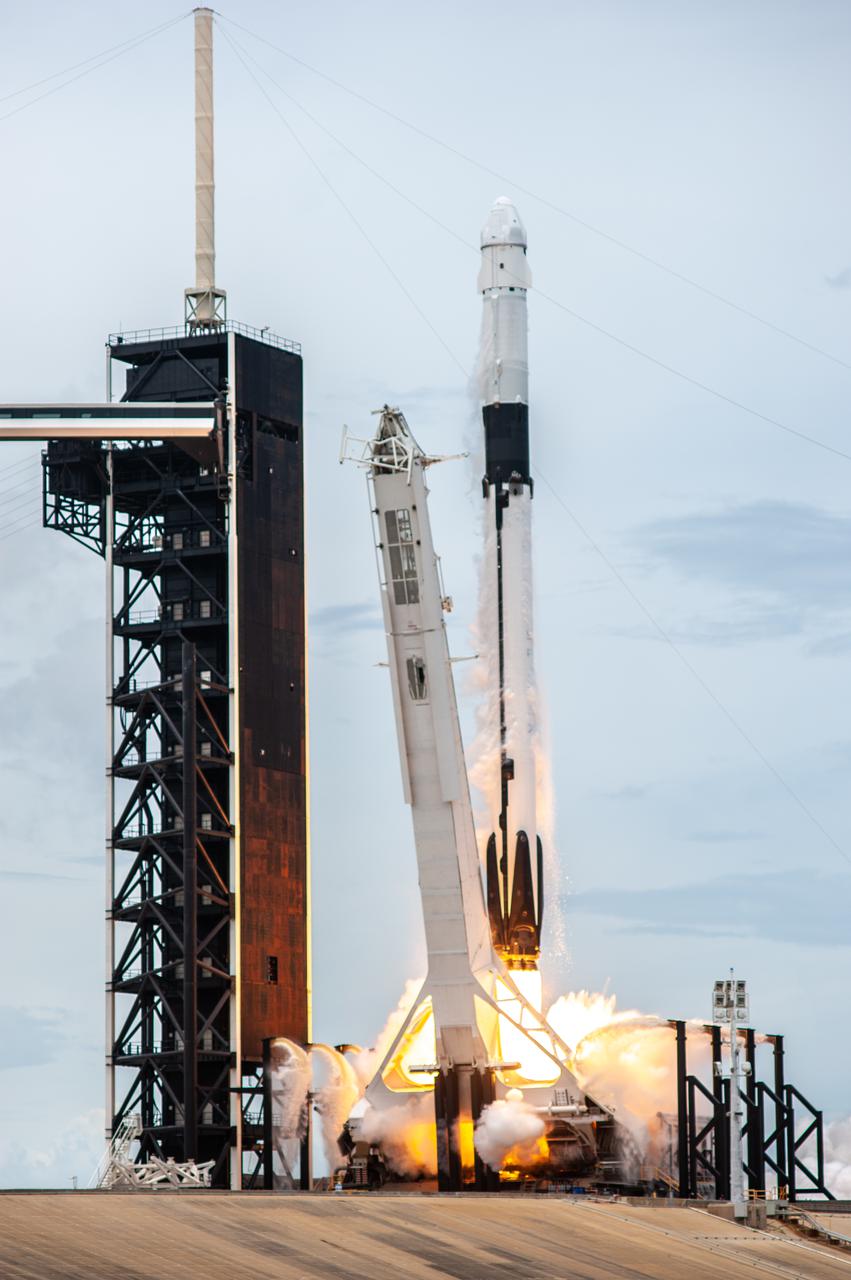
The SpaceX Falcon 9 rocket carrying the Dragon cargo capsule lifts off from Launch Complex 39A at NASA’s Kennedy Space Center in Florida on June 3, 2021, on the company’s 22nd Commercial Resupply Services mission for the agency to the International Space Station. Liftoff was at 1:29 p.m. EDT. Dragon is filled with supplies and payloads including critical materials to directly support dozens of the more than 250 science and research investigations that will occur during Expeditions 65 and 66 on the station.
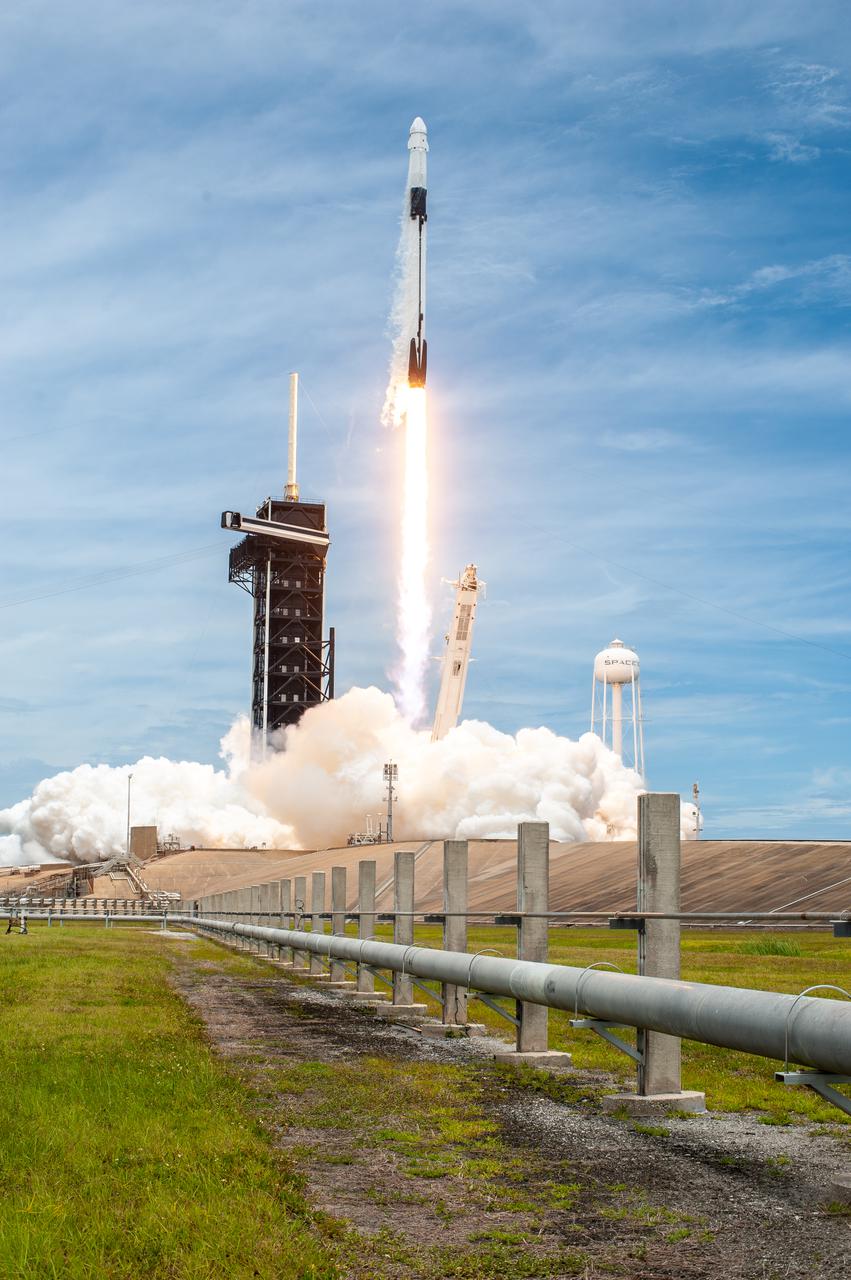
The SpaceX Falcon 9 rocket carrying the Dragon cargo capsule soars upward after lifting off from Launch Complex 39A at NASA’s Kennedy Space Center in Florida on June 3, 2021, on the company’s 22nd Commercial Resupply Services mission for the agency to the International Space Station. Liftoff was at 1:29 p.m. EDT. Dragon is filled with supplies and payloads including critical materials to directly support dozens of the more than 250 science and research investigations that will occur during Expeditions 65 and 66 on the station.
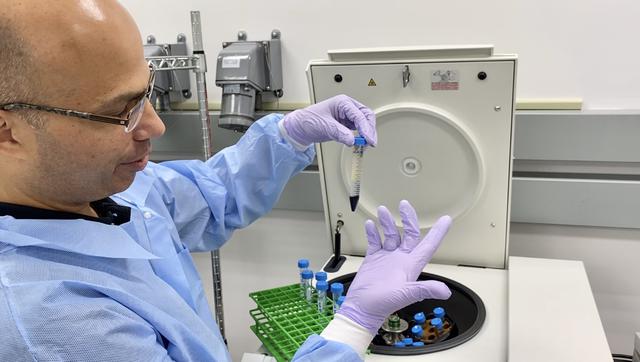
Senior Scientist George Makedonas, from NASA’S Human Immunology and Virology Lab, works with blood samples returned to Earth on SpaceX’s 22nd commercial resupply services mission in the Space Station Processing Facility (SSPF) at Kennedy Space Center in Florida, on July 10, 2021. After its successful parachute-assisted splashdown off the coast of Tallahassee, Florida at 11:29 p.m. EST on Friday, July 9, the SpaceX cargo Dragon returned more than 5,300 pounds of scientific experiments and other cargo from the International Space Station. Splashing down off the coast of Florida enables quick transportation of the science aboard the capsule to the SSPF, delivering some science back into the hands of the researchers as soon as four to nine hours after splashdown. This shorter transportation timeframe allows researchers to collect data with minimal loss of microgravity effects.
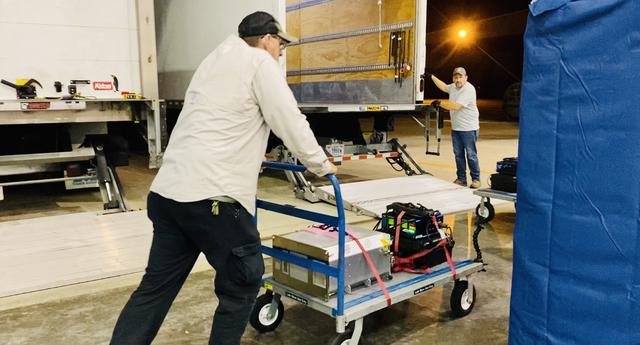
An employee with contractor Jacobs transports research cargo from the International Space Station for processing inside the Space Station Processing Facility (SSPF) at NASA’s Kennedy Space Center in Florida on July 10, 2021. The experiments returned to Earth on SpaceX’s 22nd commercial resupply services mission. After its successful parachute-assisted splashdown off the coast of Tallahassee, Florida at 11:29 p.m. EST on Friday, July 9, the SpaceX cargo Dragon returned more than 5,300 pounds of scientific experiments and other cargo from the International Space Station. Splashing down off the coast of Florida enables quick transportation of the science aboard the capsule to the SSPF, delivering some science back into the hands of the researchers as soon as four to nine hours after splashdown. This shorter transportation timeframe allows researchers to collect data with minimal loss of microgravity effects.
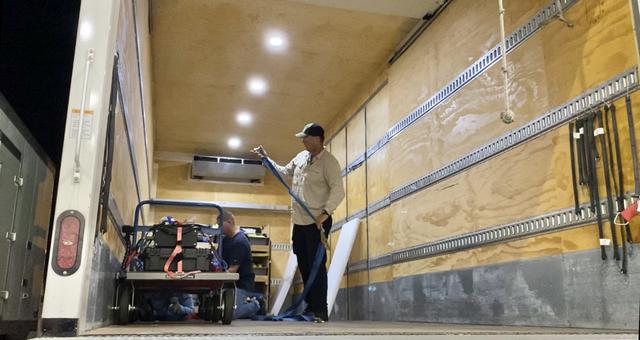
An employee with contractor Jacobs from contractor Jacobs transports research cargo from the International Space Station for processing inside the Space Station Processing Facility (SSPF) at NASA’s Kennedy Space Center in Florida on July 10, 2021. The experiments returned to Earth on SpaceX’s 22nd commercial resupply services mission. After its successful parachute-assisted splashdown off the coast of Tallahassee, Florida at 11:29 p.m. EST on Friday, July 9, the SpaceX cargo Dragon returned more than 5,300 pounds of scientific experiments and other cargo from the International Space Station. Splashing down off the coast of Florida enables quick transportation of the science aboard the capsule to the SSPF, delivering some science back into the hands of the researchers as soon as four to nine hours after splashdown. This shorter transportation timeframe allows researchers to collect data with minimal loss of microgravity effects.
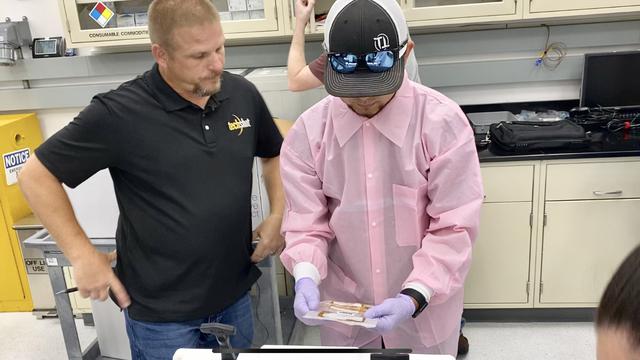
Members of the cold stowage team unpack science experiments inside the Space Station Processing Facility (SSPF) at NASA’s Kennedy Space Center in Florida on July 10, 2021. The experiments returned to Earth on SpaceX’s 22nd commercial resupply services mission. After its successful parachute-assisted splashdown off the coast of Tallahassee, Florida at 11:29 p.m. EST on Friday, July 9, the SpaceX cargo Dragon returned more than 5,300 pounds of scientific experiments and other cargo from the International Space Station. Splashing down off the coast of Florida enables quick transportation of the science aboard the capsule to the SSPF, delivering some science back into the hands of the researchers as soon as four to nine hours after splashdown. This shorter transportation timeframe allows researchers to collect data with minimal loss of microgravity effects.
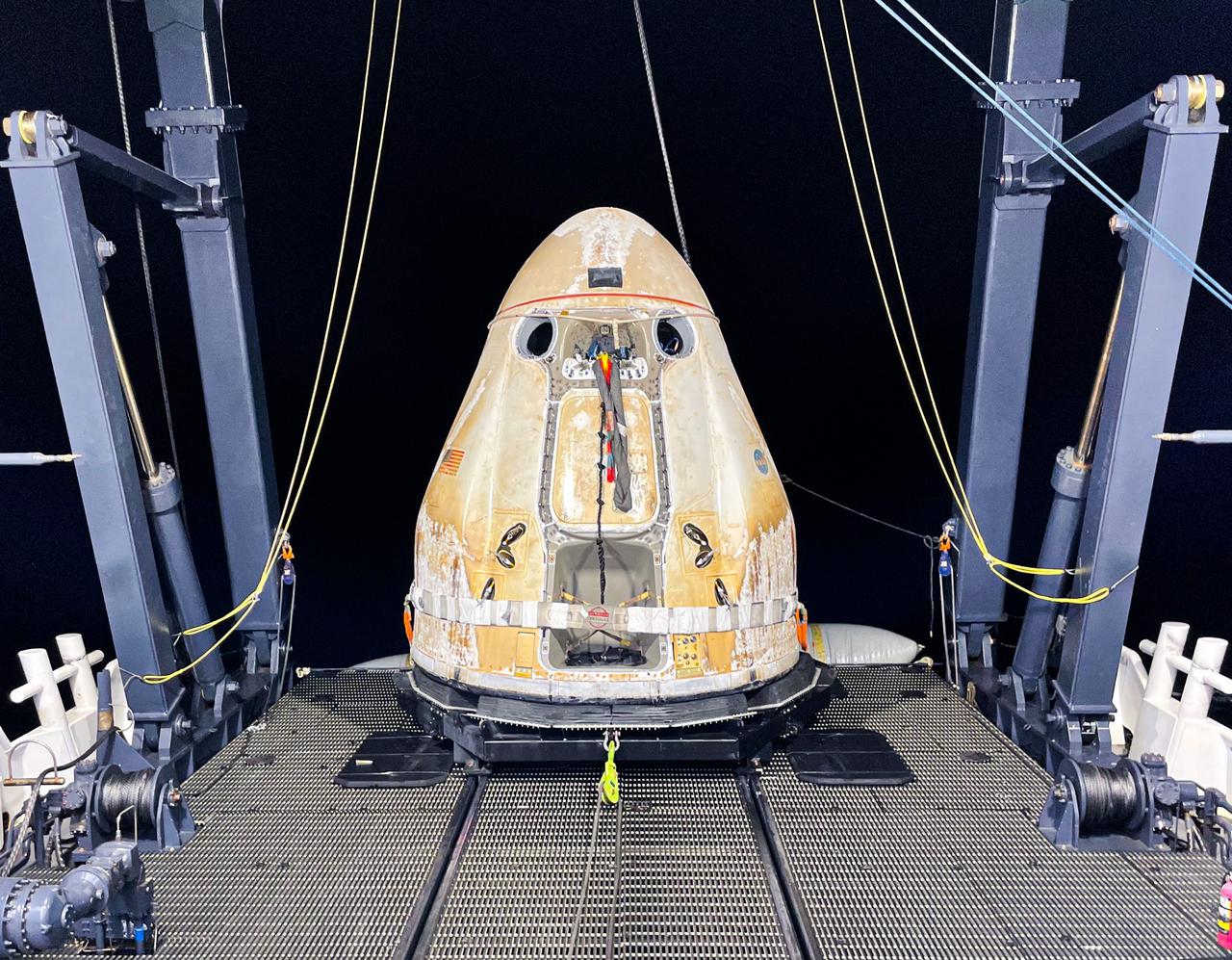
After its successful parachute-assisted splashdown off the coast of Tallahassee, Florida, at 11:29 p.m. EST on July 9, 2021, the cargo Dragon spacecraft was loaded aboard SpaceX’s Go Navigator recovery ship. The SpaceX cargo Dragon returned more than 5,300 pounds of scientific experiments and other cargo from the International Space Station on SpaceX’s 22nd commercial resupply services mission. Splashing down off the coast of Florida enables quick transportation of the science aboard the capsule to NASA Kennedy Space Center’s Space Station Processing Facility, delivering some science back into the hands of the researchers as soon as four to nine hours after splashdown. This shorter transportation timeframe allows researchers to collect data with minimal loss of microgravity effects.
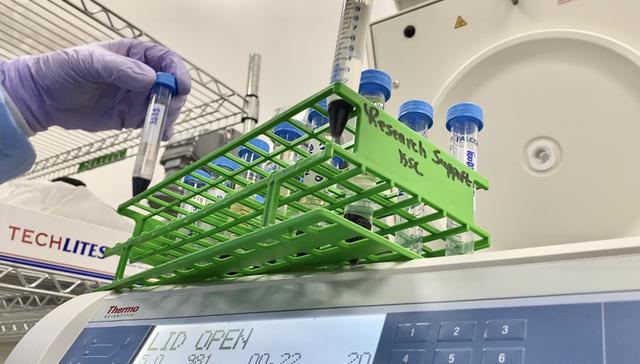
Senior Scientist George Makedonas, from NASA’S Human Immunology and Virology Lab, works with blood samples returned to Earth on SpaceX’s 22nd commercial resupply services mission in the Space Station Processing Facility (SSPF) at Kennedy Space Center in Florida, on July 10, 2021. After its successful parachute-assisted splashdown off the coast of Tallahassee, Florida at 11:29 p.m. EST on Friday, July 9, the SpaceX cargo Dragon returned more than 5,300 pounds of scientific experiments and other cargo from the International Space Station. Splashing down off the coast of Florida enables quick transportation of the science aboard the capsule to the SSPF, delivering some science back into the hands of the researchers as soon as four to nine hours after splashdown. This shorter transportation timeframe allows researchers to collect data with minimal loss of microgravity effects.
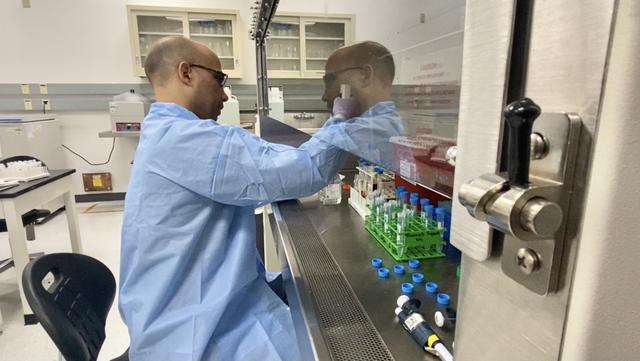
Senior Scientist George Makedonas, from NASA’S Human Immunology and Virology Lab, works with blood samples returned to Earth on SpaceX’s 22nd commercial resupply services mission in the Space Station Processing Facility (SSPF) at Kennedy Space Center in Florida, on July 10, 2021. After its successful parachute-assisted splashdown off the coast of Tallahassee, Florida at 11:29 p.m. EST on July 9, the SpaceX cargo Dragon returned more than 5,300 pounds of scientific experiments and other cargo from the International Space Station. Splashing down off the coast of Florida enables quick transportation of the science aboard the capsule to the SSPF, delivering some science back into the hands of the researchers as soon as four to nine hours after splashdown. This shorter transportation timeframe allows researchers to collect data with minimal loss of microgravity effects.
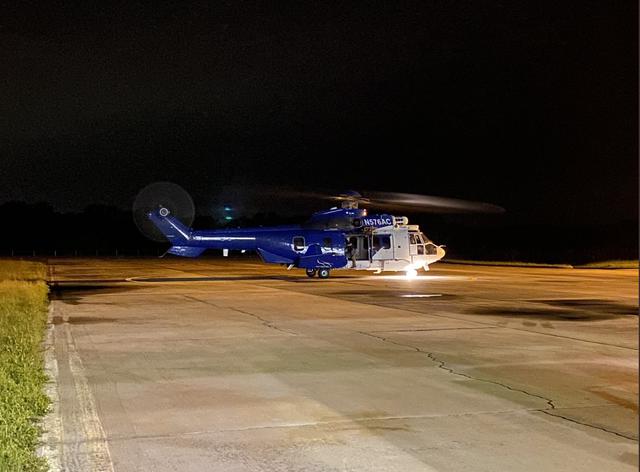
An Airbus H225 helicopter with cargo from SpaceX’s 22nd commercial resupply services mission lands during the early morning on July 10, 2021, at the Launch and Landing Facility at NASA’s Kennedy Space Center in Florida. From there, contractor Jacobs transported the cargo to the center’s Space Station Processing Facility (SSPF). After its successful parachute-assisted splashdown off the coast of Tallahassee, Florida, at 11:29 p.m. EST on Friday, July 9, the SpaceX cargo Dragon returned more than 5,300 pounds of scientific experiments and other cargo from the International Space Station. Splashing down off the coast of Florida enables quick transportation of the science aboard the capsule to the SSPF, delivering some science back into the hands of the researchers as soon as four to nine hours after splashdown. This shorter transportation timeframe allows researchers to collect data with minimal loss of microgravity effects.

The first two of six new solar arrays for the International Space Station have been loaded into Dragon’s unpressurized spacecraft trunk. SpaceX will deliver them to the orbiting laboratory during its next cargo resupply mission, targeted for June 3 at 1:29pm. The arrays will provide additional electrical power for the numerous research and science investigations conducted every day, as well as the continued operations of the station. Spacewalking astronauts will install the two new arrays in two spacewalks that will take place in June.
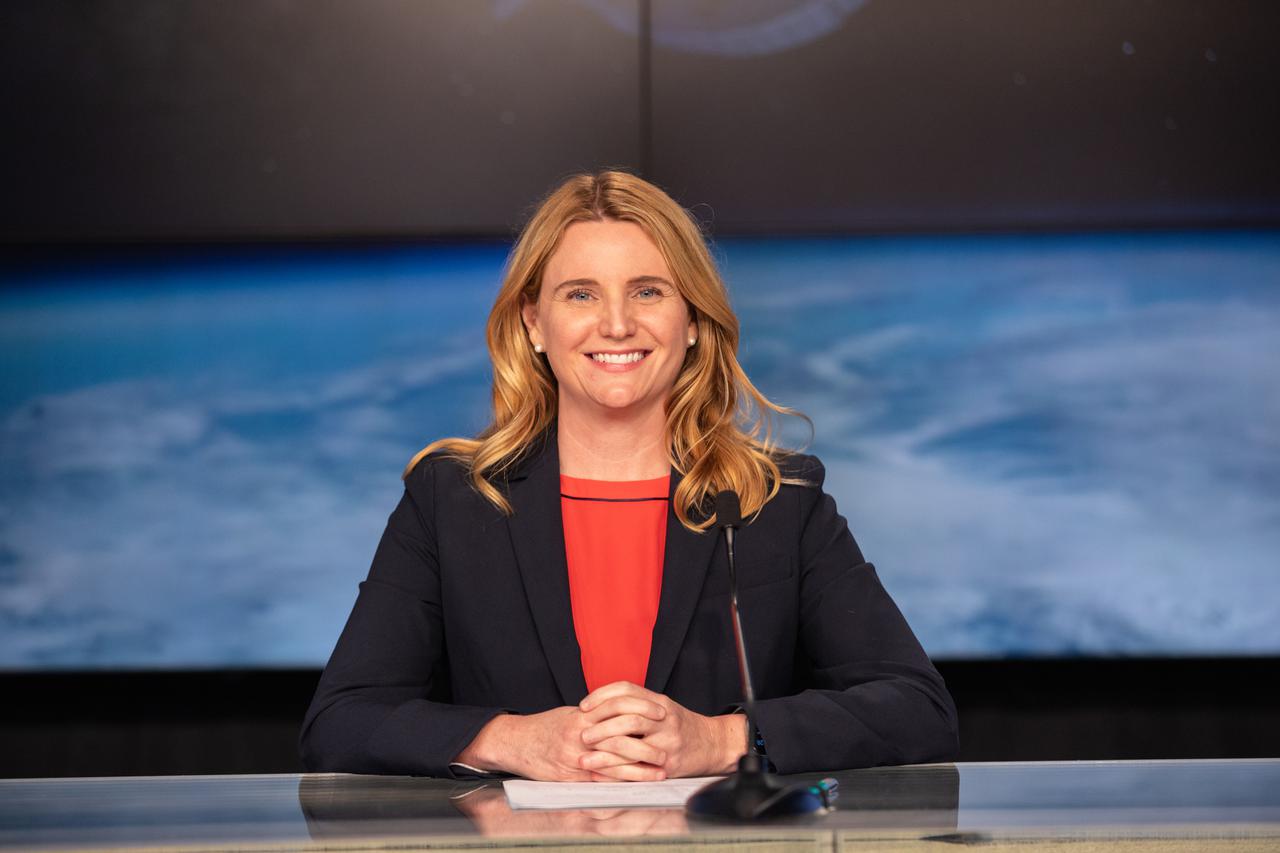
A prelaunch news conference for SpaceX’s 22nd Commercial Resupply Services mission for NASA to the International Space Station is held on June 2, 2021 at Kennedy Space Center in Florida. Jennifer Buchli, deputy chief scientist for International Space Station Program, answers questions from members of the media. The Dragon capsule atop SpaceX’s Falcon 9 rocket is scheduled to lift off from Launch Complex 39A at 1:29 p.m. EDT on Thursday, June 3. Dragon will deliver more than 7,300 pounds of cargo to the space station.
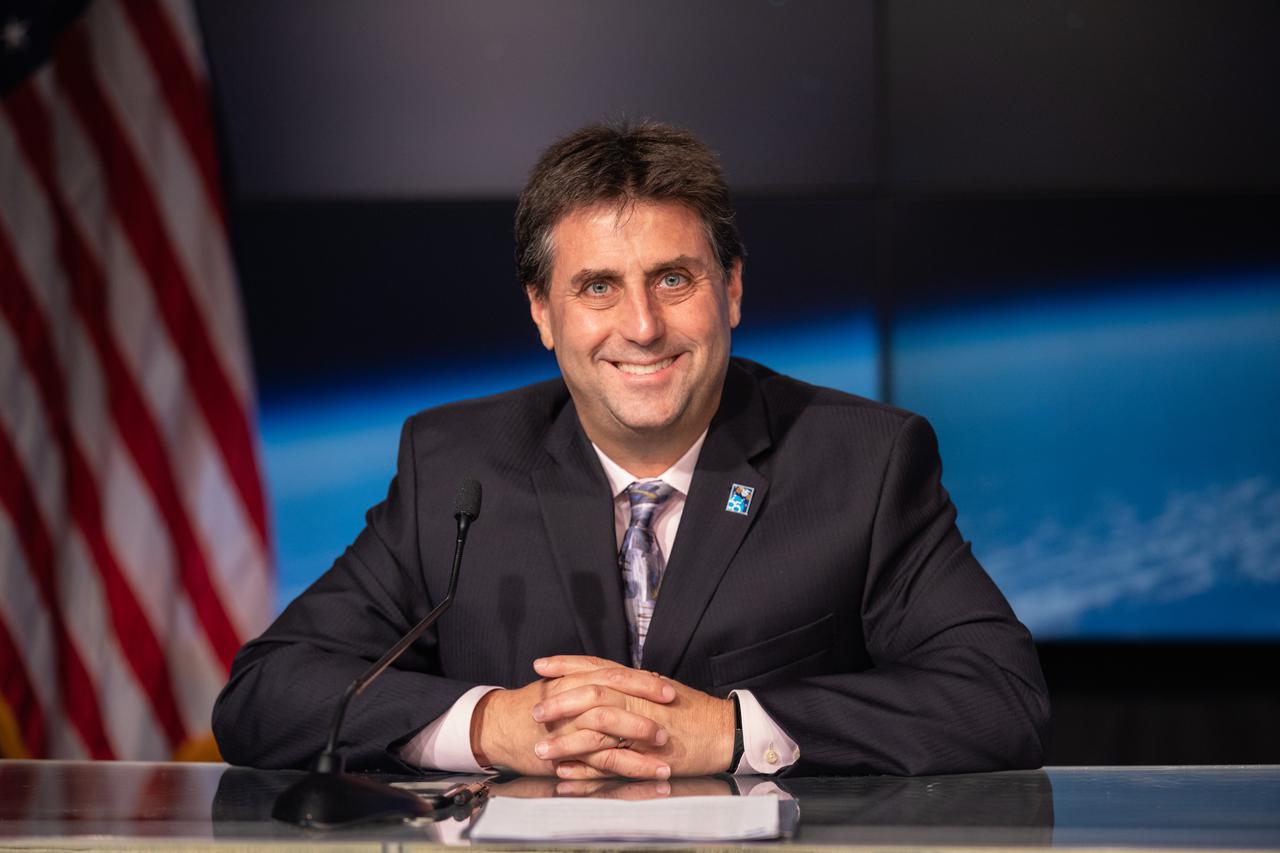
A prelaunch news conference for SpaceX’s 22nd Commercial Resupply Services mission for NASA to the International Space Station is held on June 2, 2021 at Kennedy Space Center in Florida. Joel Montalbano, manager for International Space Station Program, answers questions from members of the media. The Dragon capsule atop SpaceX’s Falcon 9 rocket is scheduled to lift off from Launch Complex 39A at 1:29 p.m. EDT on Thursday, June 3. Dragon will deliver more than 7,300 pounds of cargo to the space station.
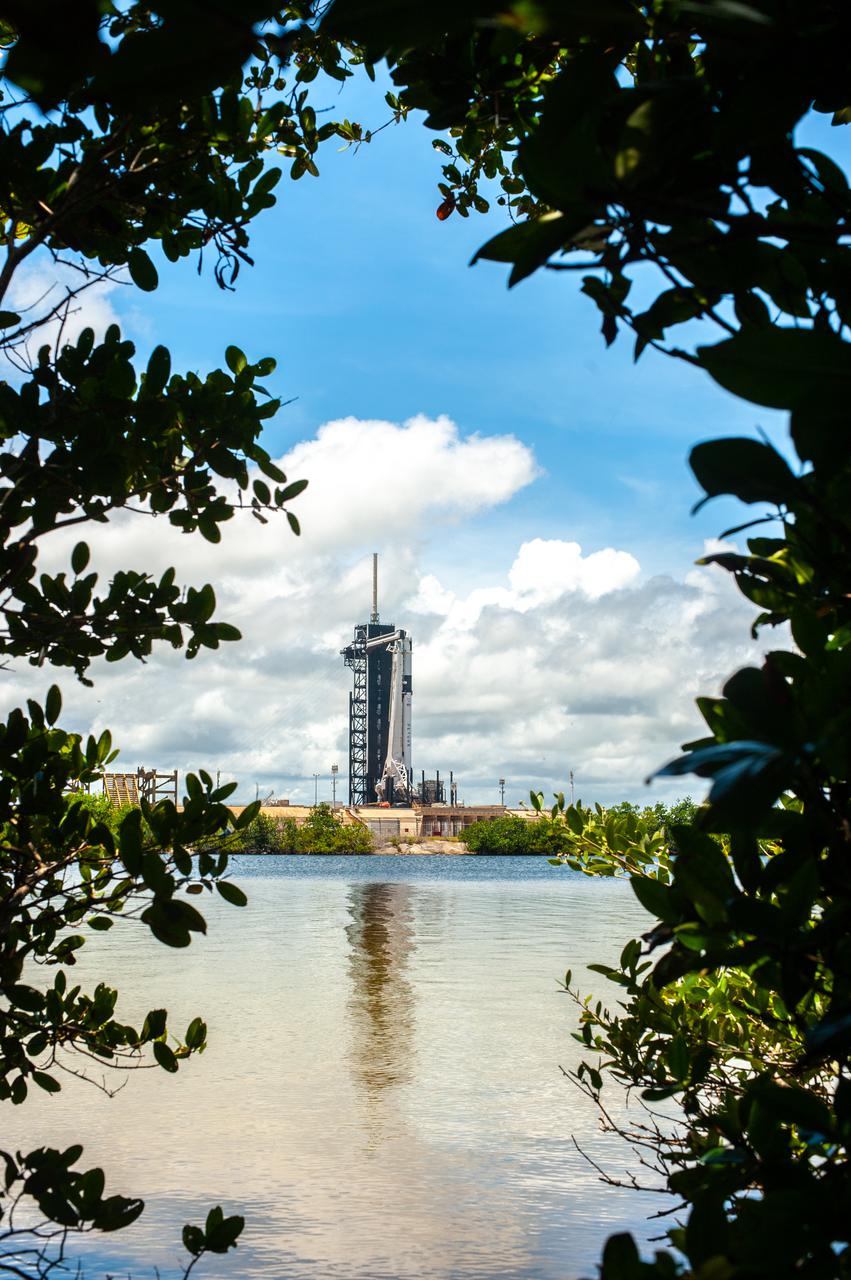
The SpaceX Falcon 9 rocket carrying the Dragon cargo capsule lifts off from Launch Complex 39A at NASA’s Kennedy Space Center in Florida on June 3, 2021, on the company’s 22nd Commercial Resupply Services mission for the agency to the International Space Station. Liftoff was at 1:29 p.m. EDT. Dragon is filled with supplies and payloads including critical materials to directly support dozens of the more than 250 science and research investigations that will occur during Expeditions 65 and 66 on the station.
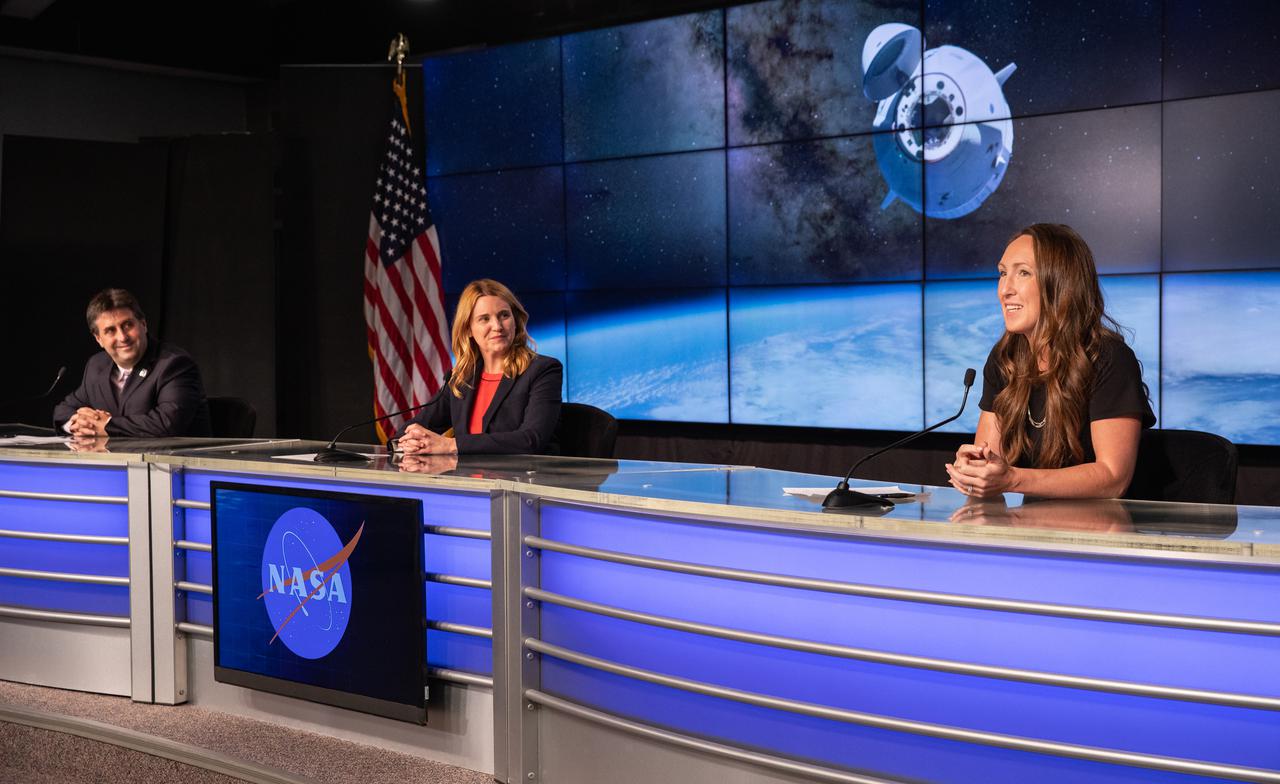
A prelaunch news conference for SpaceX’s 22nd Commercial Resupply Services mission for NASA to the International Space Station is held on June 2, 2021 at Kennedy Space Center in Florida. From left are Joel Montalbano, manager for International Space Station Program; Jennifer Buchli, deputy chief scientist for International Space Station Program; and Sarah Walker, director, Dragon mission management at SpaceX. The Dragon capsule atop SpaceX’s Falcon 9 rocket is scheduled to lift off from Launch Complex 39A at 1:29 p.m. EDT on Thursday, June 3. Dragon will deliver more than 7,300 pounds of cargo to the space station.
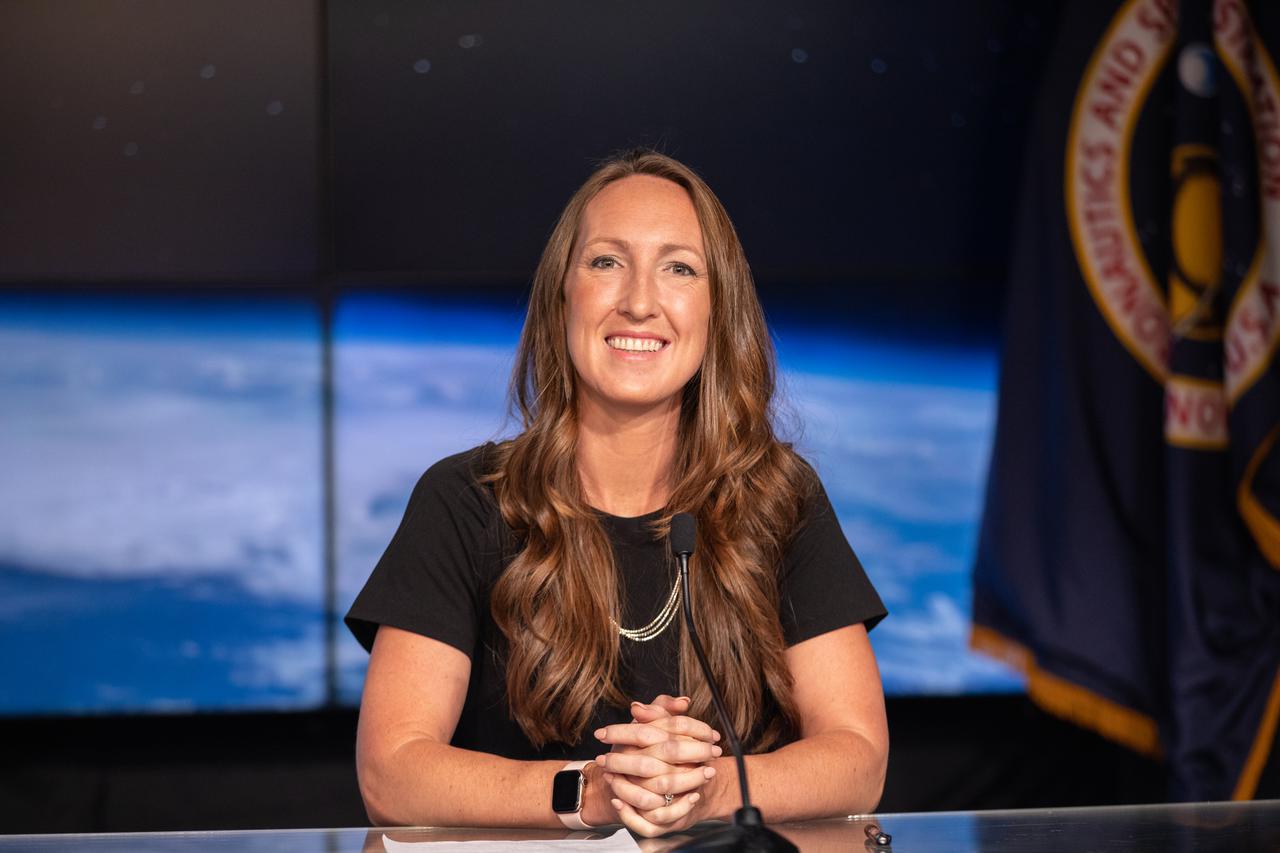
A prelaunch news conference for SpaceX’s 22nd Commercial Resupply Services mission for NASA to the International Space Station is held on June 2, 2021 at Kennedy Space Center in Florida. Sarah Walker, director, Dragon mission management at SpaceX, answers questions from members of the media. The Dragon capsule atop SpaceX’s Falcon 9 rocket is scheduled to lift off from Launch Complex 39A at 1:29 p.m. EDT on Thursday, June 3. Dragon will deliver more than 7,300 pounds of cargo to the space station.
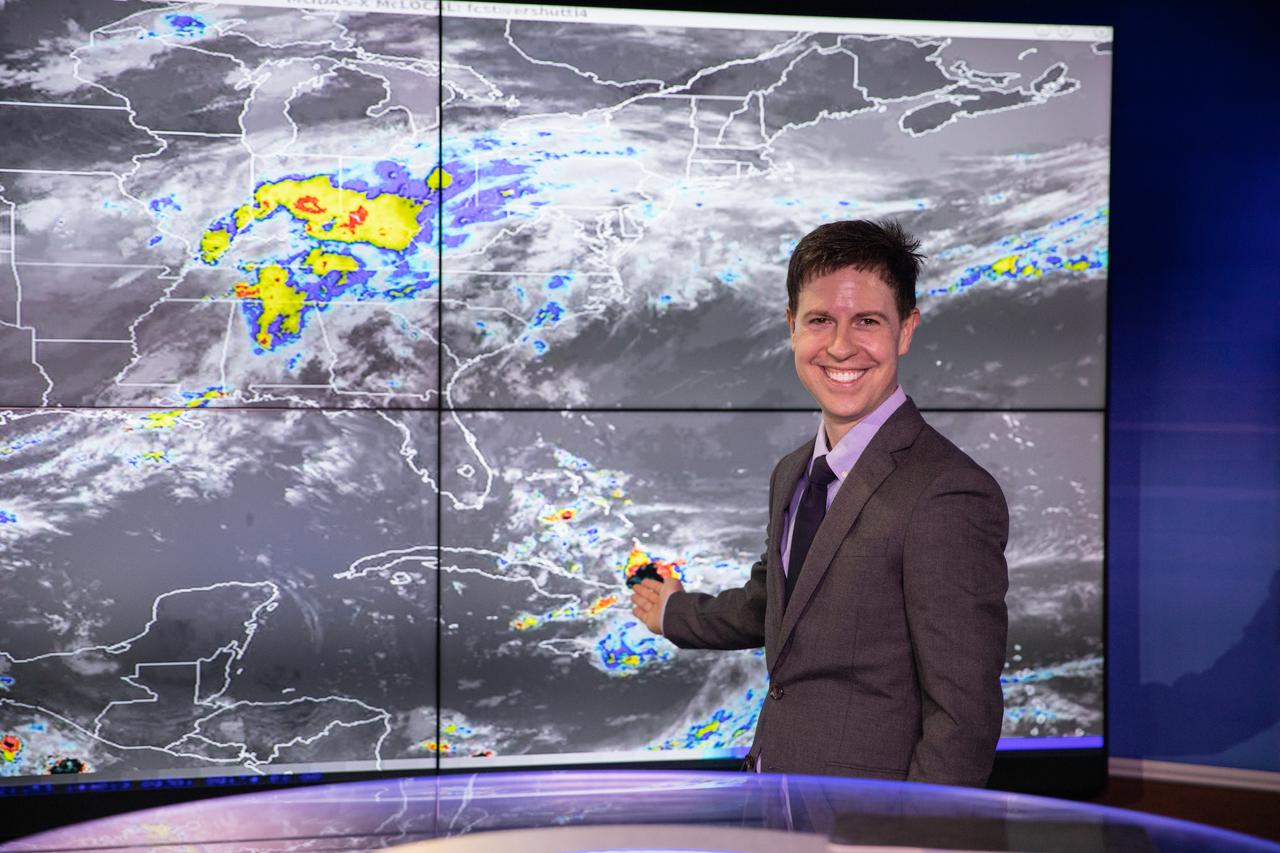
Mark Burger, launch weather officer, 45th Weather Squadron, Cape Canaveral Space Force Station, participates in a prelaunch news conference for SpaceX’s 22nd Commercial Resupply Services mission for NASA to the International Space Station on June 2, 2021 at Kennedy Space Center in Florida. The Dragon capsule atop SpaceX’s Falcon 9 rocket is scheduled to lift off from Launch Complex 39A at 1:29 p.m. EDT on June 3. Dragon will deliver more than 7,300 pounds of cargo to the space station.
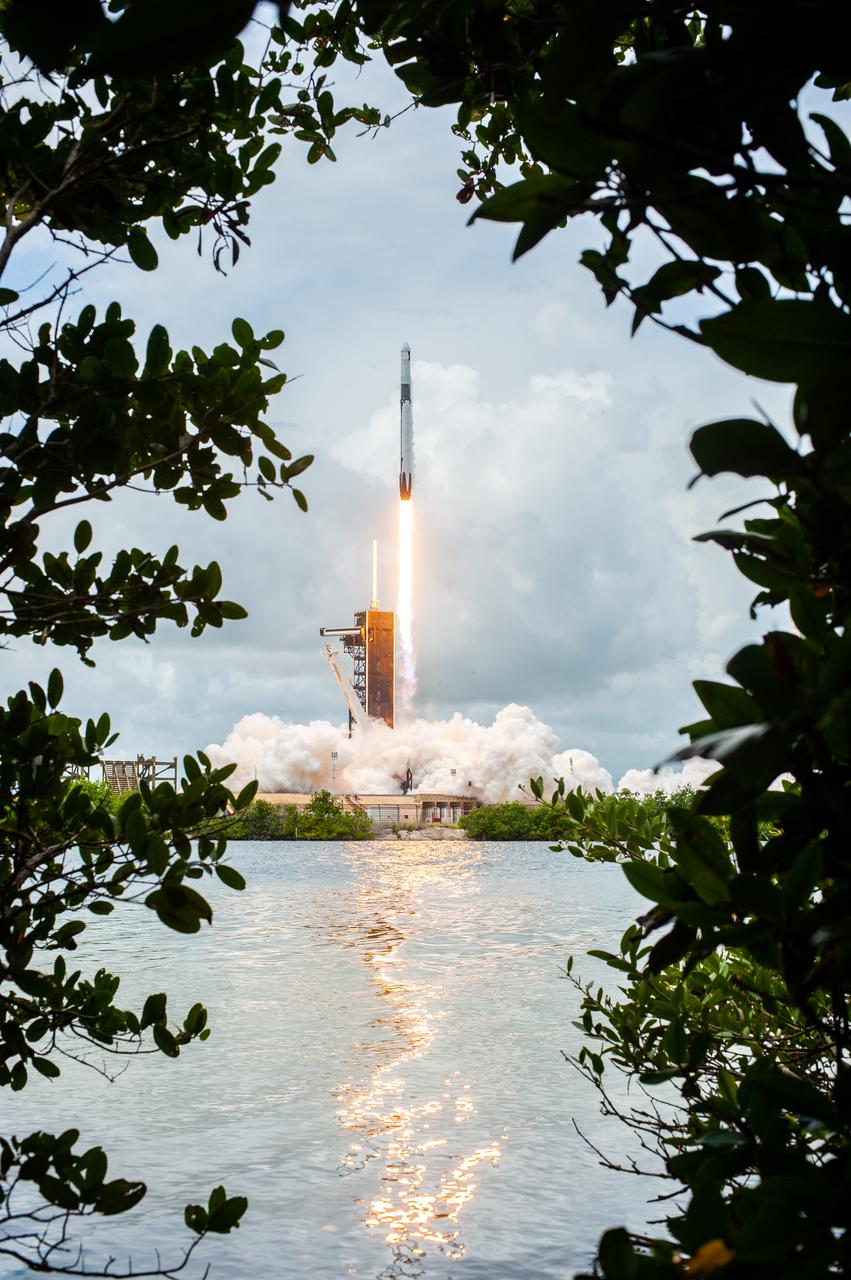
The SpaceX Falcon 9 rocket carrying the Dragon cargo capsule lifts off from Launch Complex 39A at NASA’s Kennedy Space Center in Florida on June 3, 2021, on the company’s 22nd Commercial Resupply Services mission for the agency to the International Space Station. Liftoff was at 1:29 p.m. EDT. Dragon is filled with supplies and payloads including critical materials to directly support dozens of the more than 250 science and research investigations that will occur during Expeditions 65 and 66 on the station.
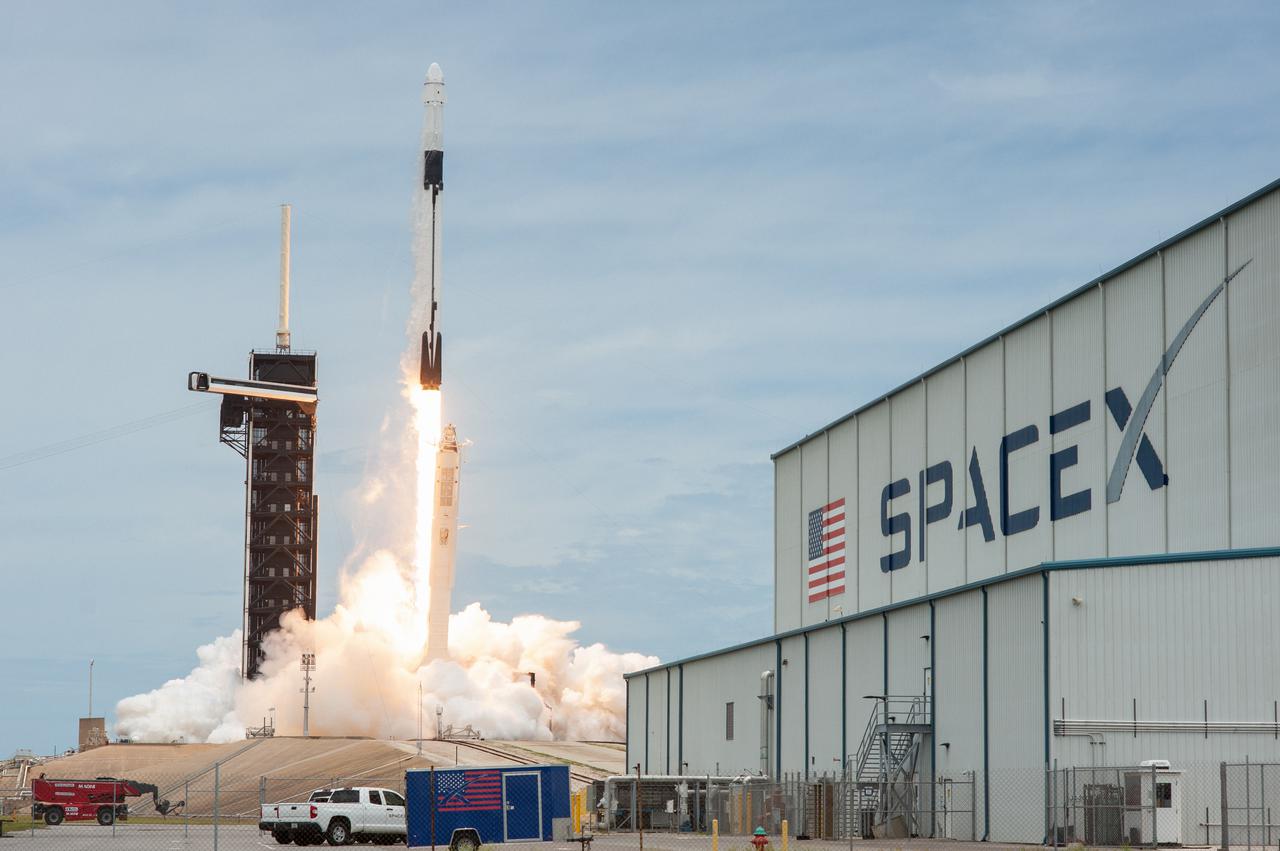
The SpaceX Falcon 9 rocket carrying the Dragon cargo capsule lifts off from Launch Complex 39A at NASA’s Kennedy Space Center in Florida on June 3, 2021, on the company’s 22nd Commercial Resupply Services mission for the agency to the International Space Station. Liftoff was at 1:29 p.m. EDT. Dragon is filled with supplies and payloads including critical materials to directly support dozens of the more than 250 science and research investigations that will occur during Expeditions 65 and 66 on the station.
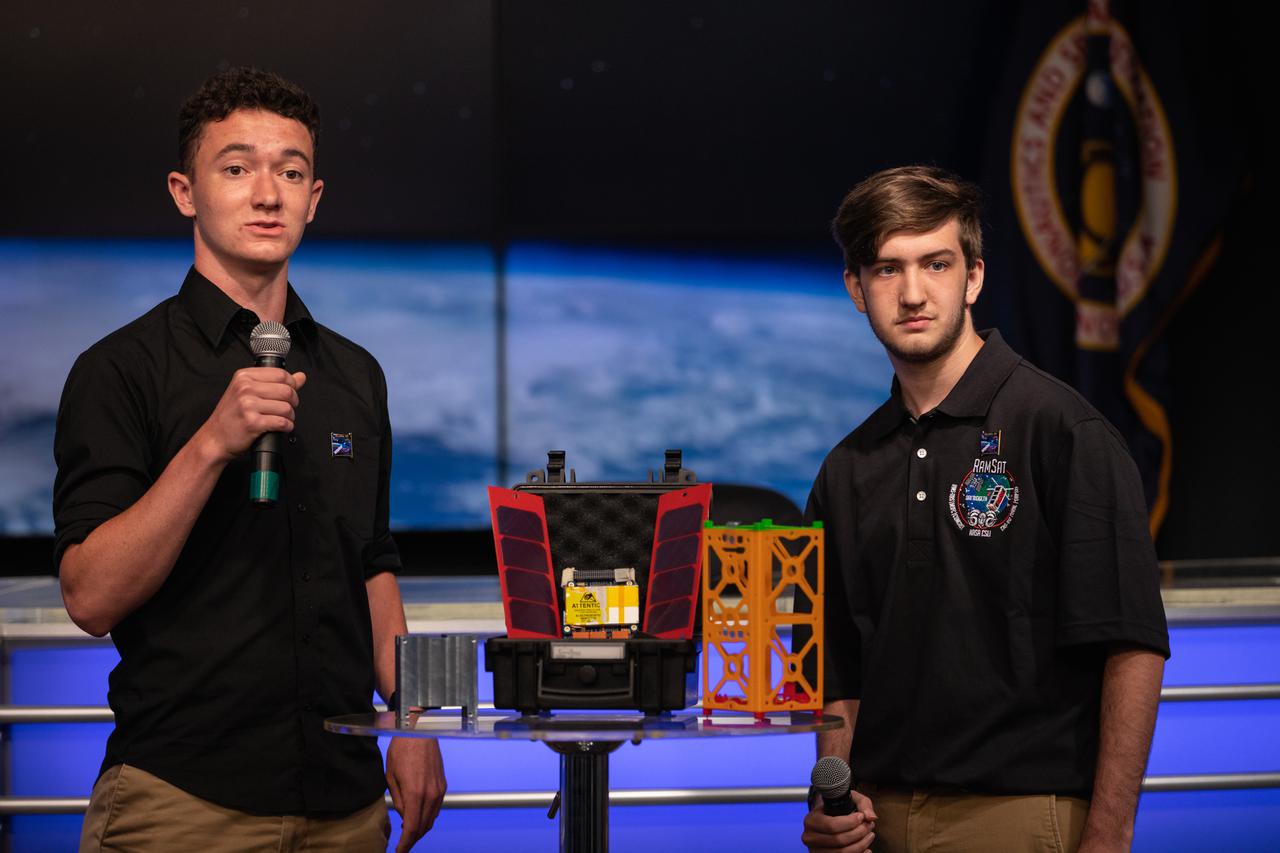
Students Joe Blair, at left, and Jonathon Bonamarte, describe a CubeSat, called RamSat, during a What’s On Board Science Briefing on June 2, 2021, at Kennedy Space Center in Florida for SpaceX’s 22nd Commercial Resupply Services Mission for NASA to the International Space Station. The small research satellite was developed by students and faculty at Robertsville Middle School in Oak Ridge, Tennessee. RamSat will observe forest regrowth in the Gatlinburg, Tennessee area which was devastated by wildfires in 2016. RamSat is the sole payload of the 36th Educational Launch of Nanosatellites (ELaNa) mission and was selected through NASA’s CubeSat Launch Initiative (CSLI). The SpaceX Falcon 9 rocket with the Dragon capsule atop is scheduled to launch at 1:29 p.m. EDT on Thursday, June 3, from the center’s Launch Complex 39A. Dragon will deliver more than 7,300 pounds of cargo and science experiments to the space station.
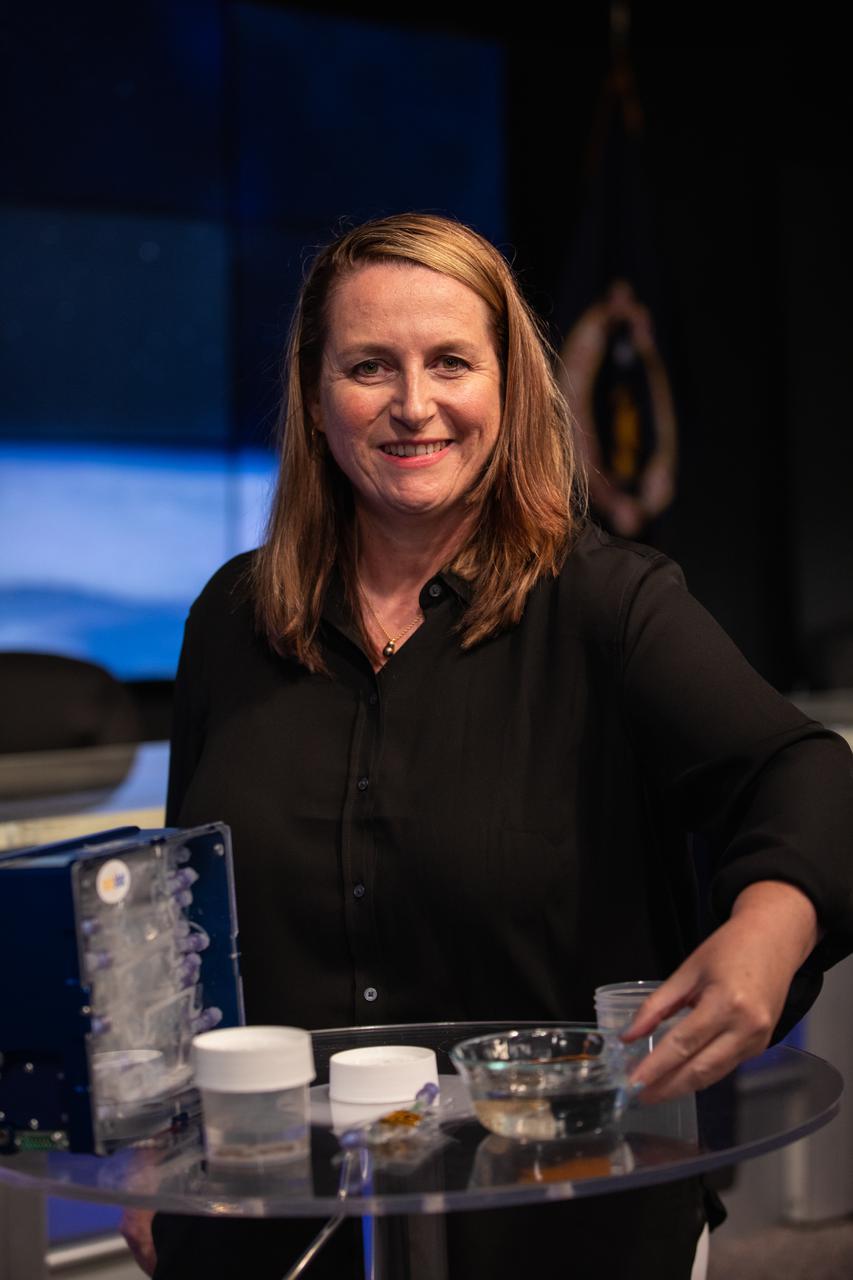
Jamie Foster, principal investigator, ADSEP-UMAMI (Understanding of Microgravity on Animal-Microbe Interactions experiment), describes the experiment during a What’s On Board Science Briefing on June 2, 2021, at Kennedy Space Center in Florida for SpaceX’s Commercial Resupply Services mission for NASA to the International Space Station. The experiment will examine the effects of spaceflight on the molecular and chemical interactions between beneficial microbes and their animal hosts, in this case bobtail squid. Amimals, including humans, rely on microbes to maintain a healthy digestive and immune system. UMAMI is one of several experiments bound for the space station. The SpaceX Falcon 9 rocket with the Dragon capsule atop is scheduled to launch at 1:29 p.m. EDT on Thursday, June 3, from the center’s Launch Complex 39A.
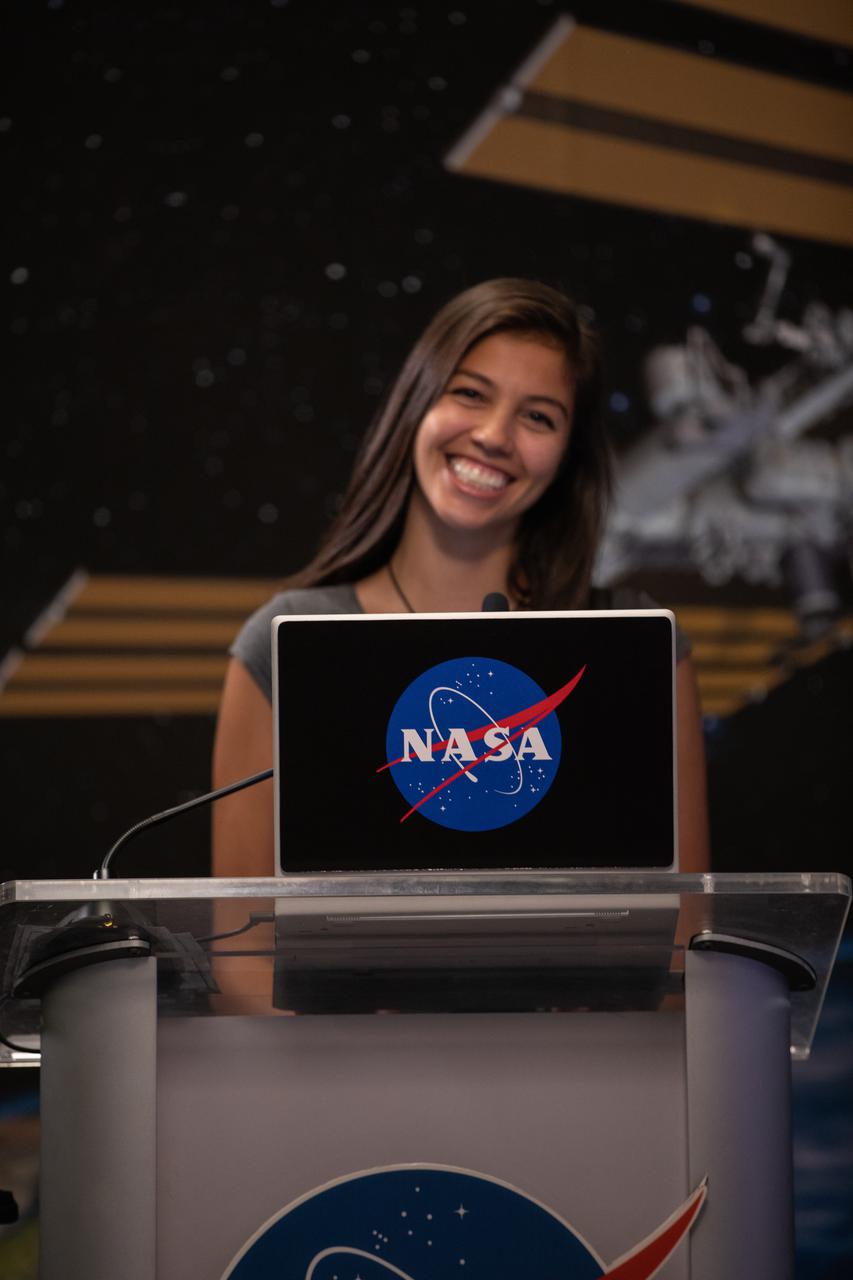
Antonia Jaramillo, NASA Communications, moderates a What’s On Board Science Briefing on June 2, 2021, at Kennedy Space Center in Florida for SpaceX’s 22nd Commercial Resupply Services mission for NASA to the International Space Station. The SpaceX Falcon 9 rocket with the Dragon capsule atop is scheduled to launch at 1:29 p.m. EDT on Thursday, June 3, from the center’s Launch Complex 39A. Dragon will deliver more than 7,300 pounds of cargo and science experiments to the space station.
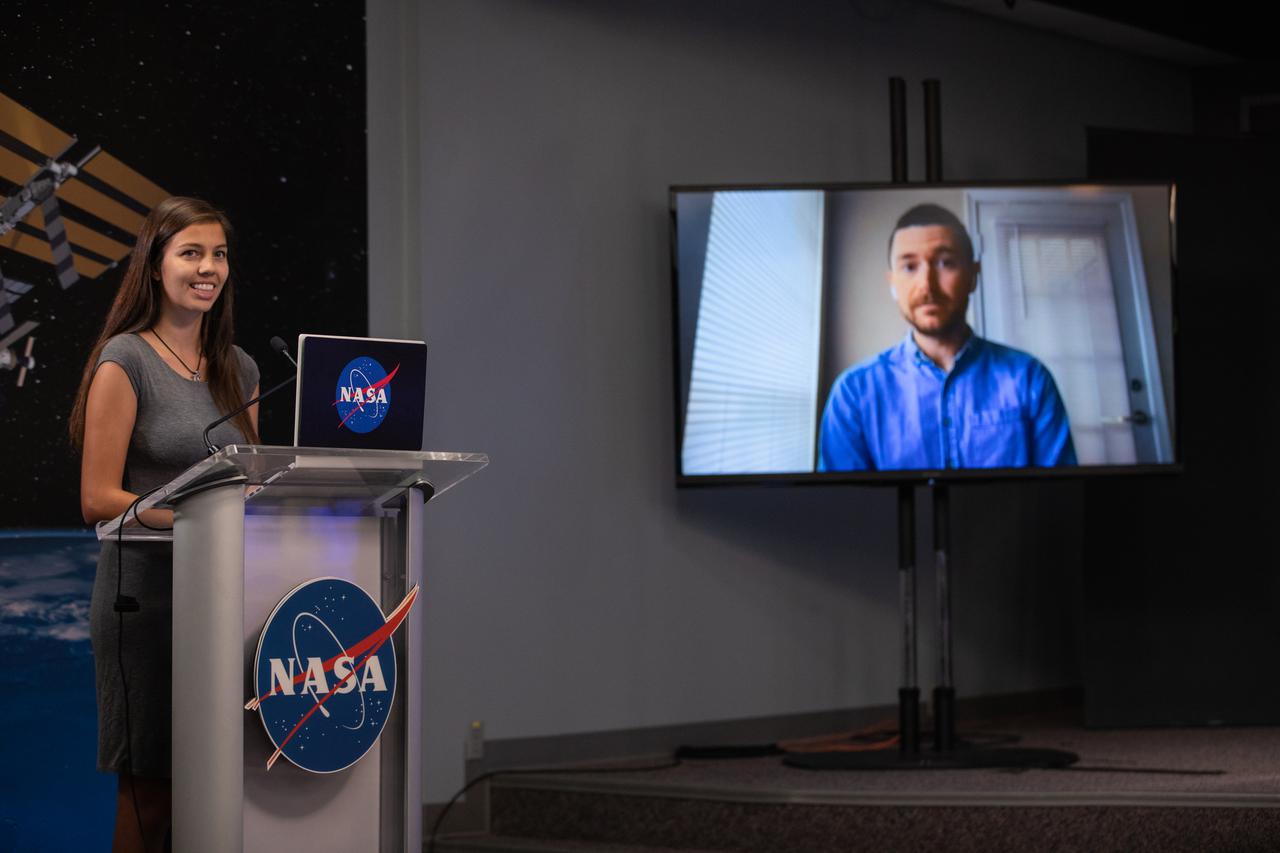
Antonia Jaramillo, NASA Communications, moderates a What’s On Board Science Briefing on June 2, 2021, at Kennedy Space Center in Florida for SpaceX’s 22nd Commercial Resupply Services mission for NASA to the International Space Station. On screen, principal investigator Dr. Thomas Boothby describes the Cell Science-04 experiment that will be delivered to the space station. Cell Science-04 will research the effects of microgravity on tardigrades, more commonly known as water bears. The results could advance understanding of the stress factors affecting humans in space. The SpaceX Falcon 9 rocket with the Dragon capsule atop is scheduled to launch at 1:29 p.m. EDT on Thursday, June 3, from the center’s Launch Complex 39A. Dragon will deliver more than 7,300 pounds of cargo and science experiments to the space station.
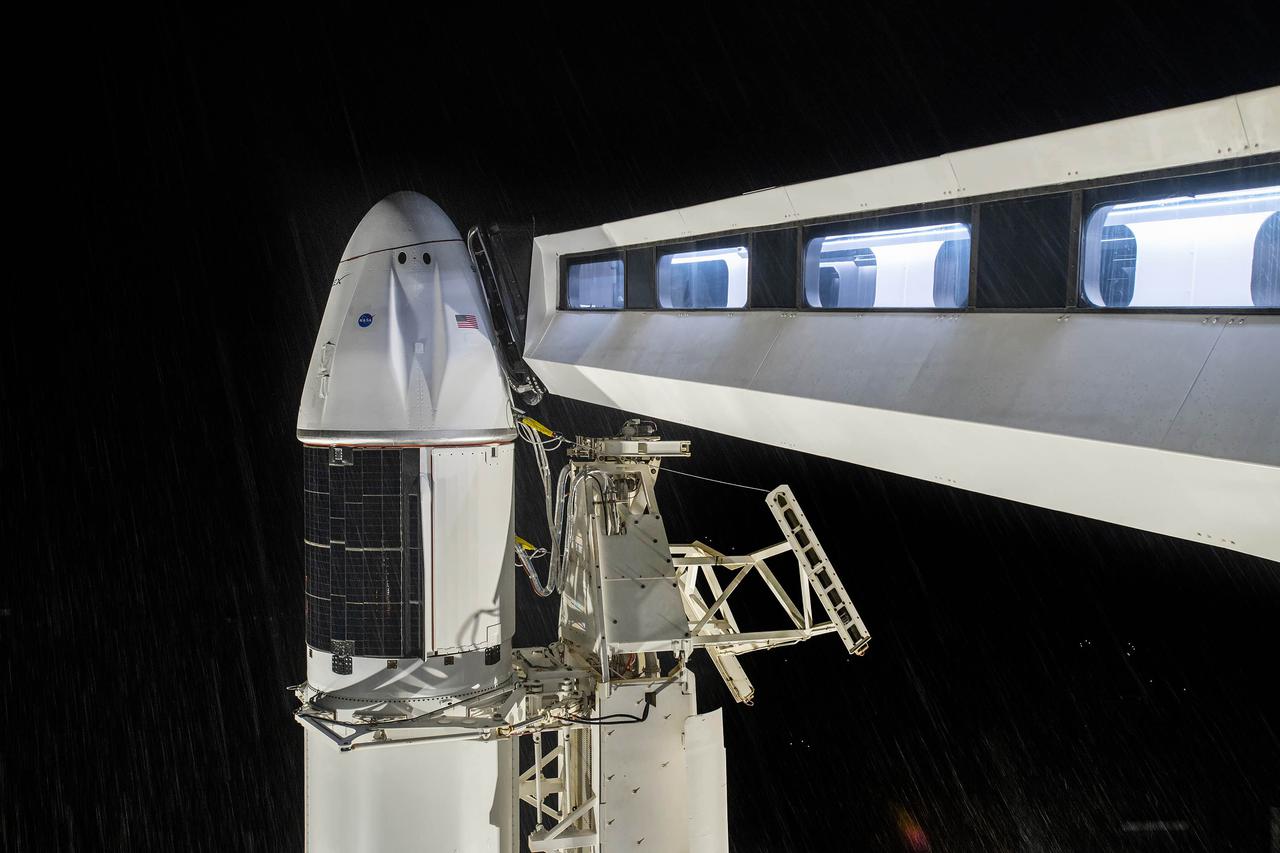
A close-up view of the SpaceX Falcon 9 rocket with the Dragon capsule atop in the vertical position on June 2, 2021, at Launch Complex 39A at NASA’s Kennedy Space Center in Florida, in preparation for the company’s 22nd Commercial Resupply Services mission for NASA to the International Space Station. In view is the access arm. Dragon will deliver more than 7,300 pounds of cargo to the space station. Liftoff is scheduled for 1:29 p.m. EDT on Thursday, June 3.
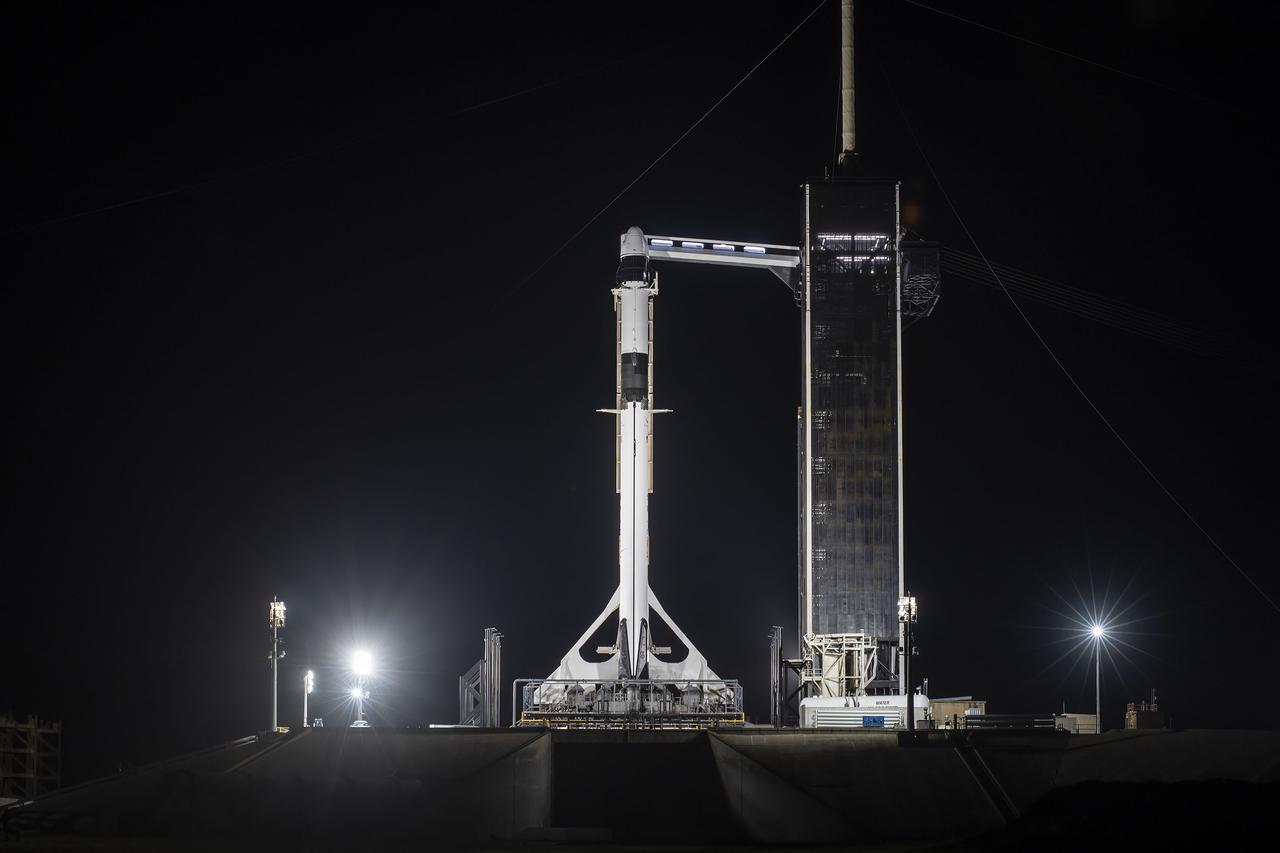
The SpaceX Falcon 9 rocket with the Dragon capsule atop is raised to the vertical position on June 2, 2021, at Launch Complex 39A at NASA’s Kennedy Space Center in Florida, in preparation for the company’s 22nd Commercial Resupply Services mission for NASA to the International Space Station. In view is the access arm. Dragon will deliver more than 7,300 pounds of cargo to the space station. Liftoff is scheduled for 1:29 p.m. EDT on Thursday, June 3.
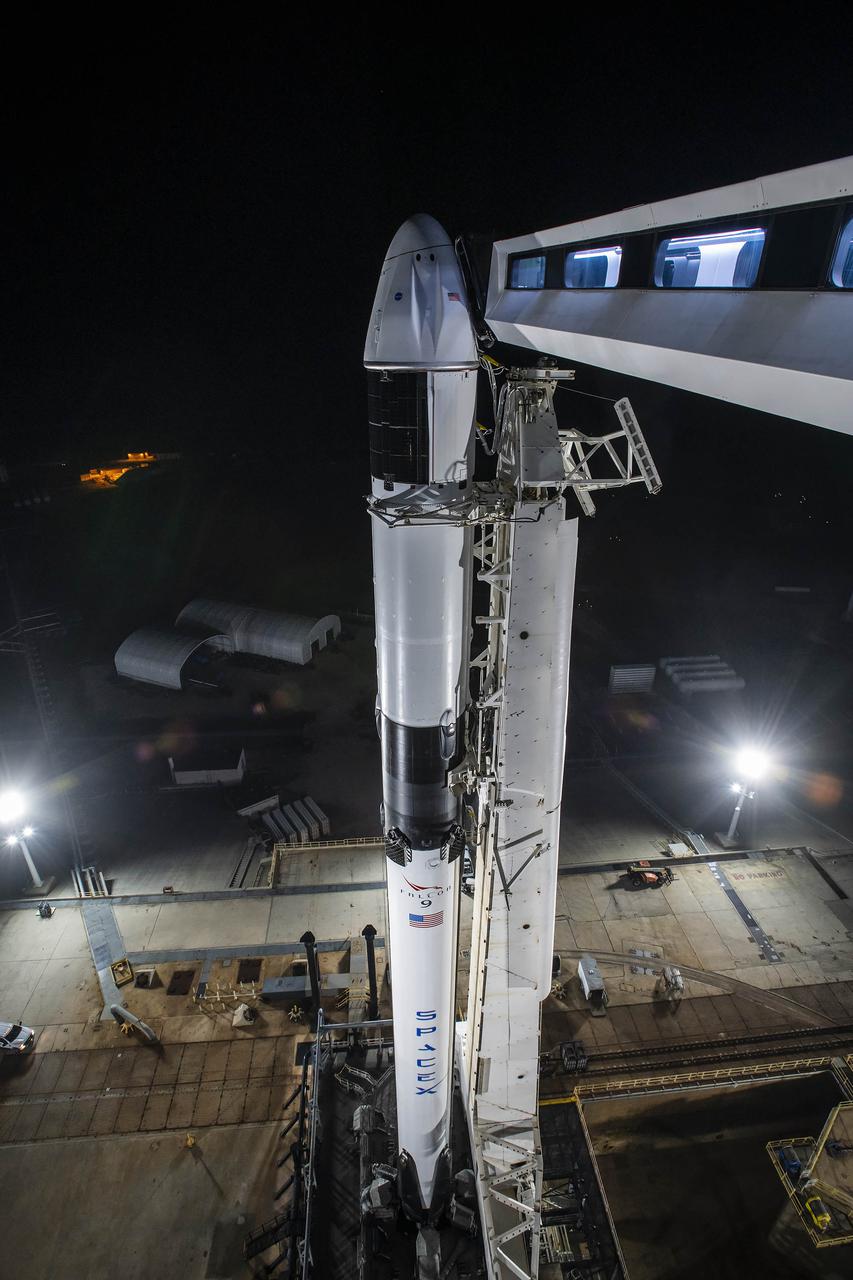
The SpaceX Falcon 9 rocket with the Dragon capsule atop is raised to the vertical position on June 2, 2021, at Launch Complex 39A at NASA’s Kennedy Space Center in Florida, in preparation for the company’s 22nd Commercial Resupply Services mission for NASA to the International Space Station. In view is the access arm. Dragon will deliver more than 7,300 pounds of cargo to the space station. Liftoff is scheduled for 1:29 p.m. EDT on Thursday, June 3.
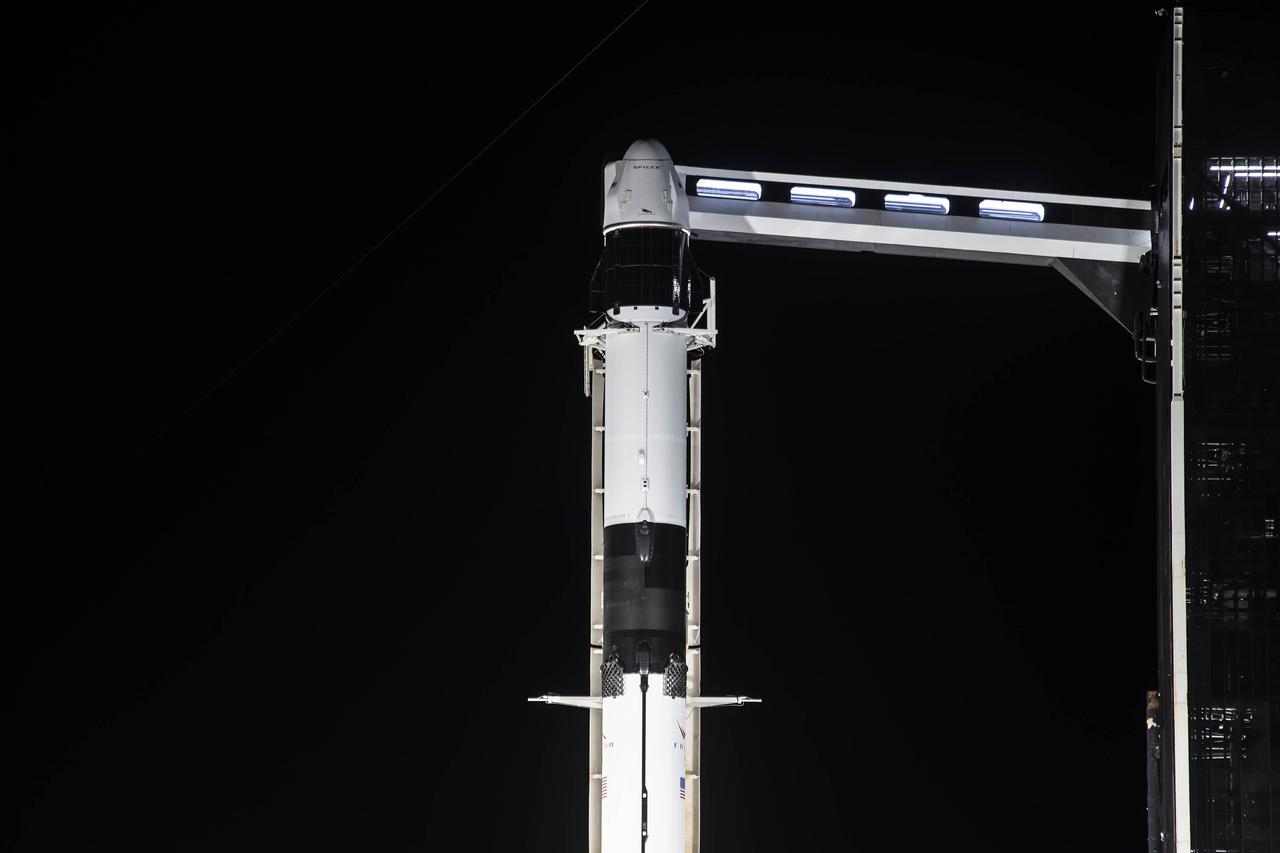
A close-up view of the SpaceX Falcon 9 rocket with the Dragon capsule atop in the vertical position on June 2, 2021, at Launch Complex 39A at NASA’s Kennedy Space Center in Florida, in preparation for the company’s 22nd Commercial Resupply Services mission for NASA to the International Space Station. In view is the access arm. Dragon will deliver more than 7,300 pounds of cargo to the space station. Liftoff is scheduled for 1:29 p.m. EDT on Thursday, June 3.
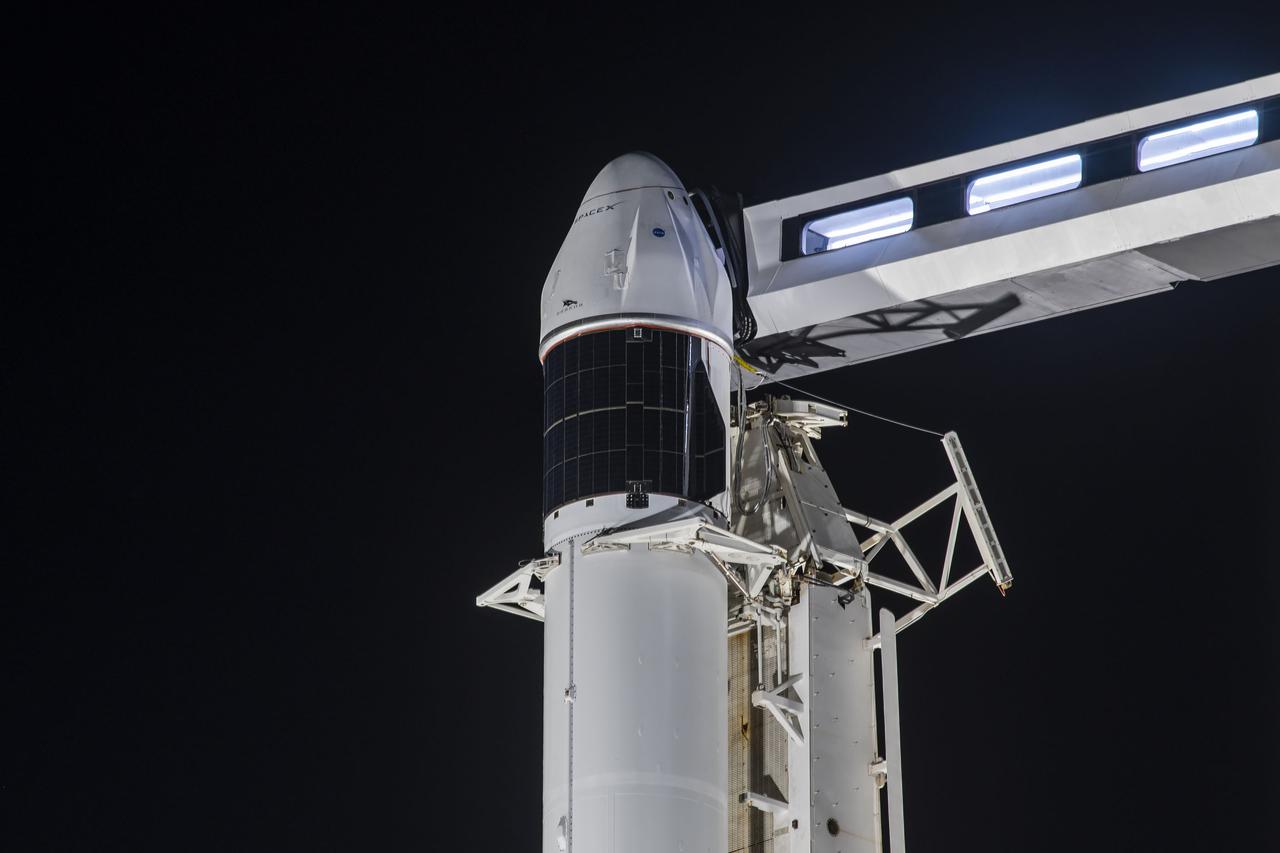
A close-up view of the SpaceX Falcon 9 rocket with the Dragon capsule atop in the vertical position on June 2, 2021, at Launch Complex 39A at NASA’s Kennedy Space Center in Florida, in preparation for the company’s 22nd Commercial Resupply Services mission for NASA to the International Space Station. In view is the access arm. Dragon will deliver more than 7,300 pounds of cargo to the space station. Liftoff is scheduled for 1:29 p.m. EDT on Thursday, June 3.
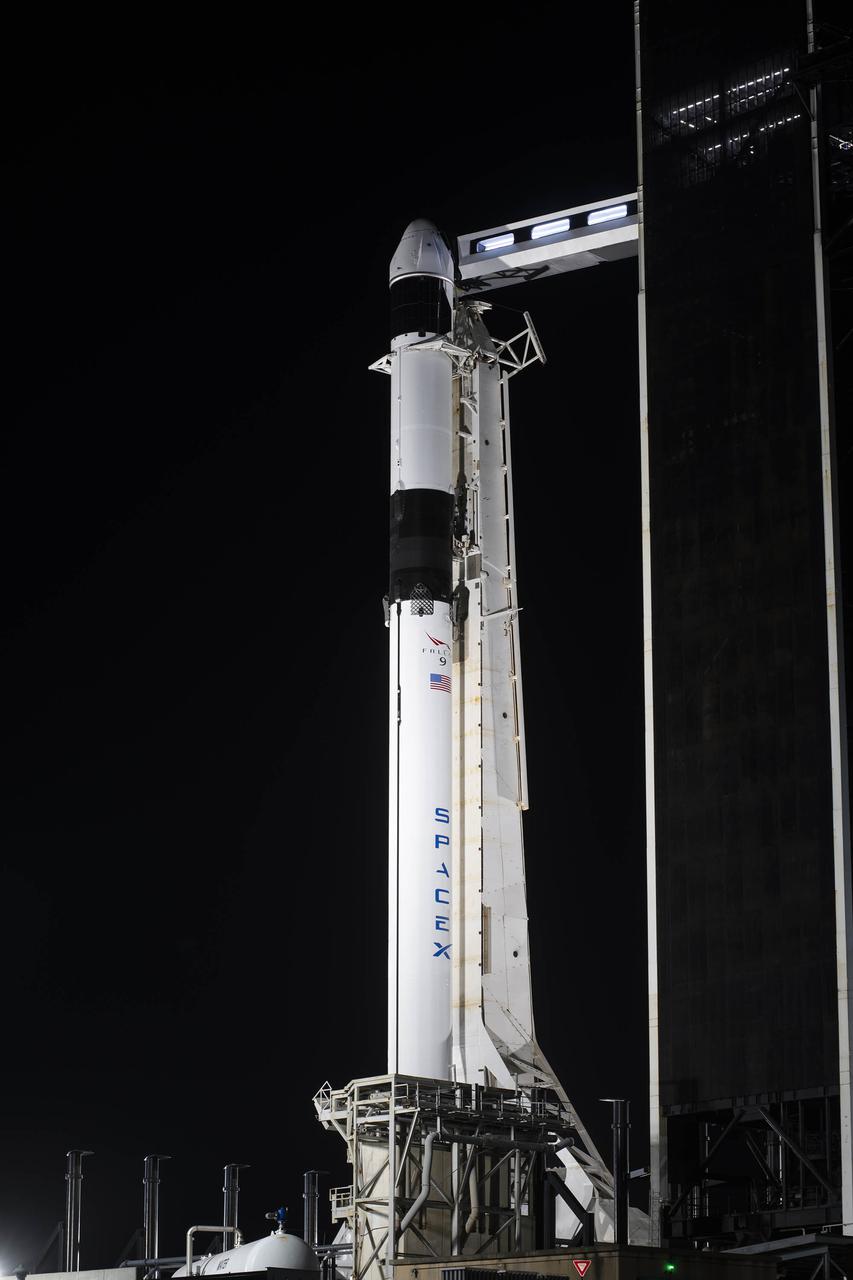
The SpaceX Falcon 9 rocket with the Dragon capsule atop is raised to the vertical position on June 2, 2021, at Launch Complex 39A at NASA’s Kennedy Space Center in Florida, in preparation for the company’s 22nd Commercial Resupply Services mission for NASA to the International Space Station. In view is the access arm. Dragon will deliver more than 7,300 pounds of cargo to the space station. Liftoff is scheduled for 1:29 p.m. EDT on Thursday, June 3.
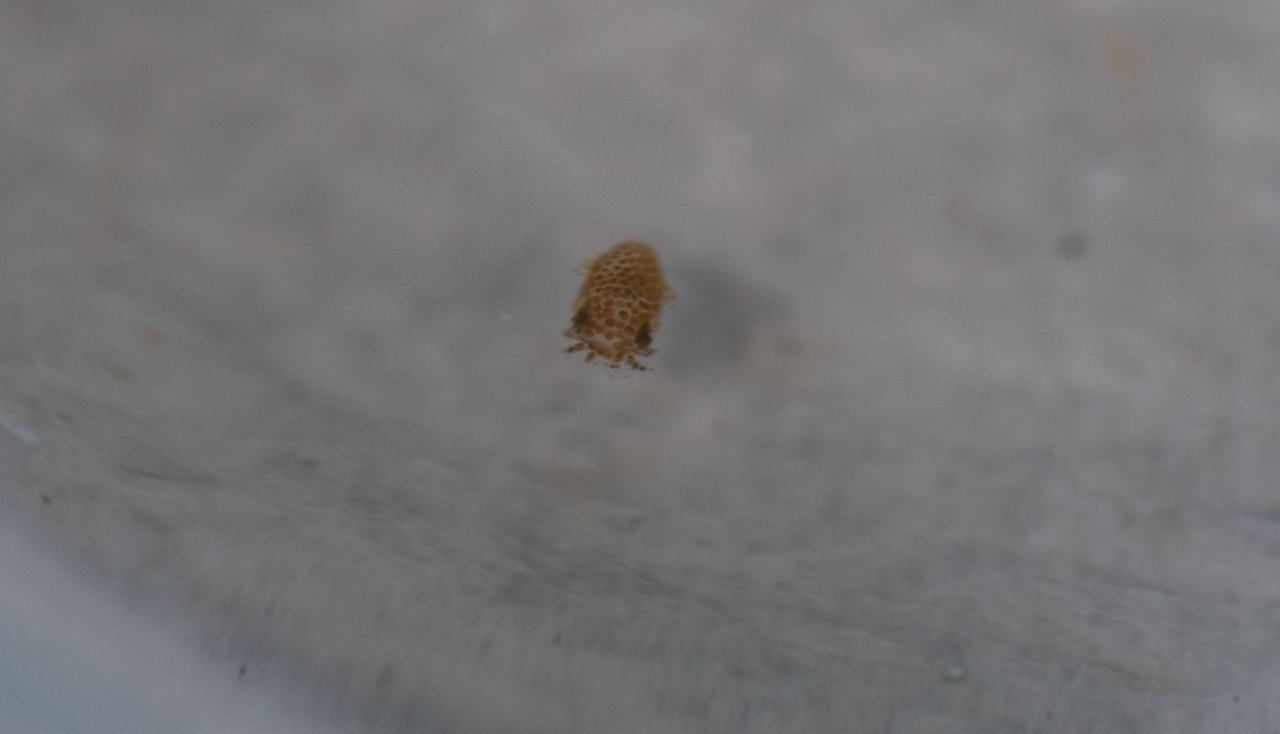
Inside the Space Life Sciences Laboratory at NASA’s Kennedy Space Center in Florida, bobtail squid are part of preparations on May 20, 2021, for the Understanding of Microgravity on Animal-Microbe Interactions (UMAMI) experiment that will launch to the International Space Station aboard SpaceX’s 22nd Commercial Resupply Services mission. The experiment will examine the effects of spaceflight on the molecular and chemical interactions between beneficial microbes and their animal hosts. Amimals, including humans, rely on microbes to maintain a healthy digestive and immune system. UMAMI is one of several experiments bound for the space station in the Dragon capsule atop the SpaceX Falcon 9 rocket. The mission is scheduled to lift off from Launch Complex 39A on June 3.
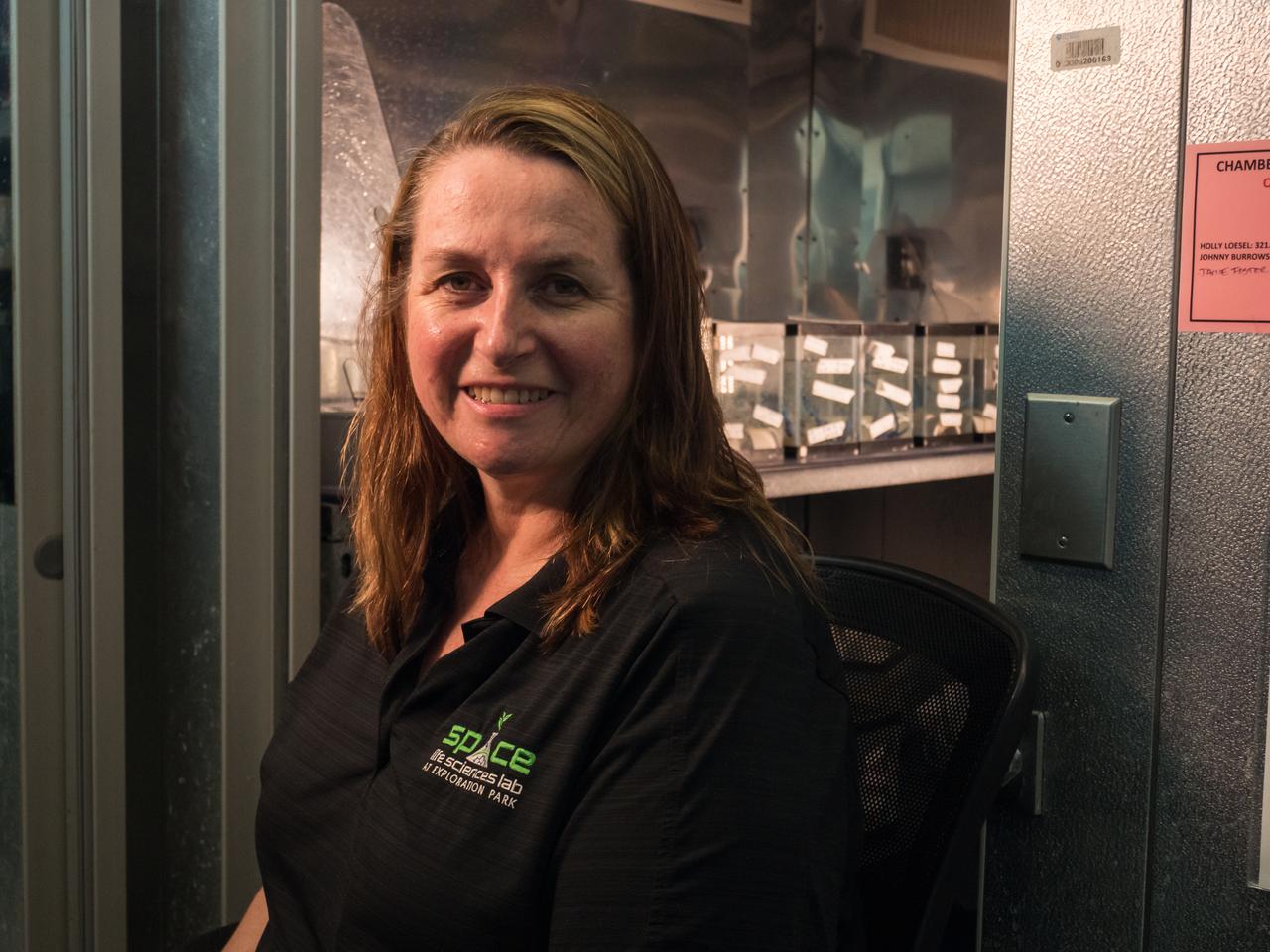
Inside the Space Life Sciences Laboratory at NASA’s Kennedy Space Center in Florida, Jamie Foster, principal investigator on the Understanding of Microgravity on Animal-Microbe Interactions (UMAMI) experiment, demonstrates preparations for bobtail squid on May 20, 2021, for a trip to the International Space Station aboard SpaceX’s 22nd Commercial Resupply Services mission. The experiment will examine the effects of spaceflight on the molecular and chemical interactions between beneficial microbes and their animal hosts. Amimals, including humans, rely on microbes to maintain a healthy digestive and immune system. UMAMI is one of several experiments bound for the space station in the Dragon capsule atop the SpaceX Falcon 9 rocket. The mission is scheduled to lift off from Launch Complex 39A on June 3.
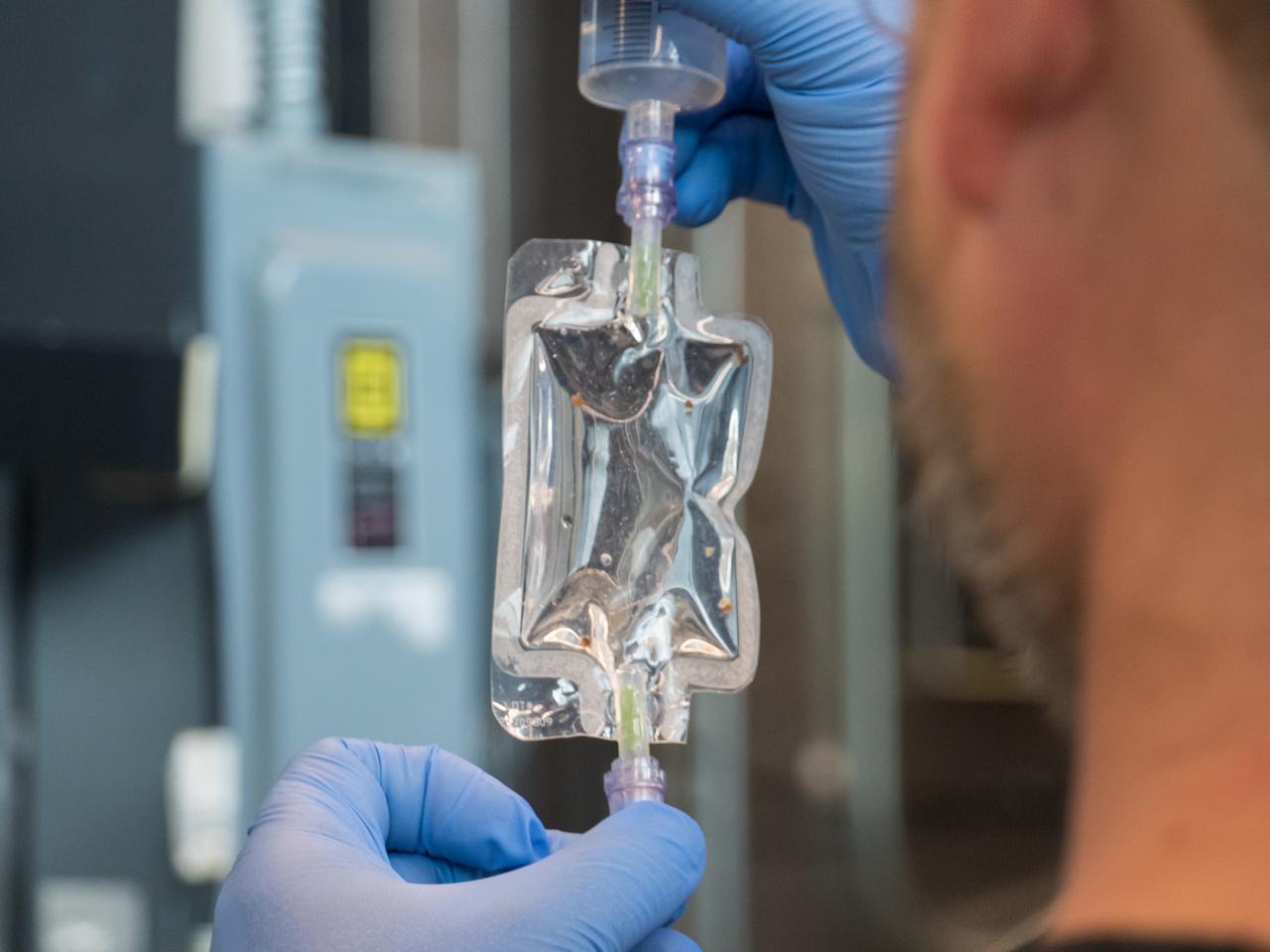
Inside the Space Life Sciences Laboratory at NASA’s Kennedy Space Center in Florida, Dr. Eric Koch, a postdoctoral fellow at the University of Florida, demonstrates preparations for bobtail squid on May 20, 2021, for a trip to the International Space Station aboard SpaceX’s 22nd Commercial Resupply Services mission. The experiment will examine the effects of spaceflight on the molecular and chemical interactions between beneficial microbes and their animal hosts. Amimals, including humans, rely on microbes to maintain a healthy digestive and immune system. UMAMI is one of several experiments bound for the space station in the Dragon capsule atop the SpaceX Falcon 9 rocket. The mission is scheduled to lift off from Launch Complex 39A on June 3.
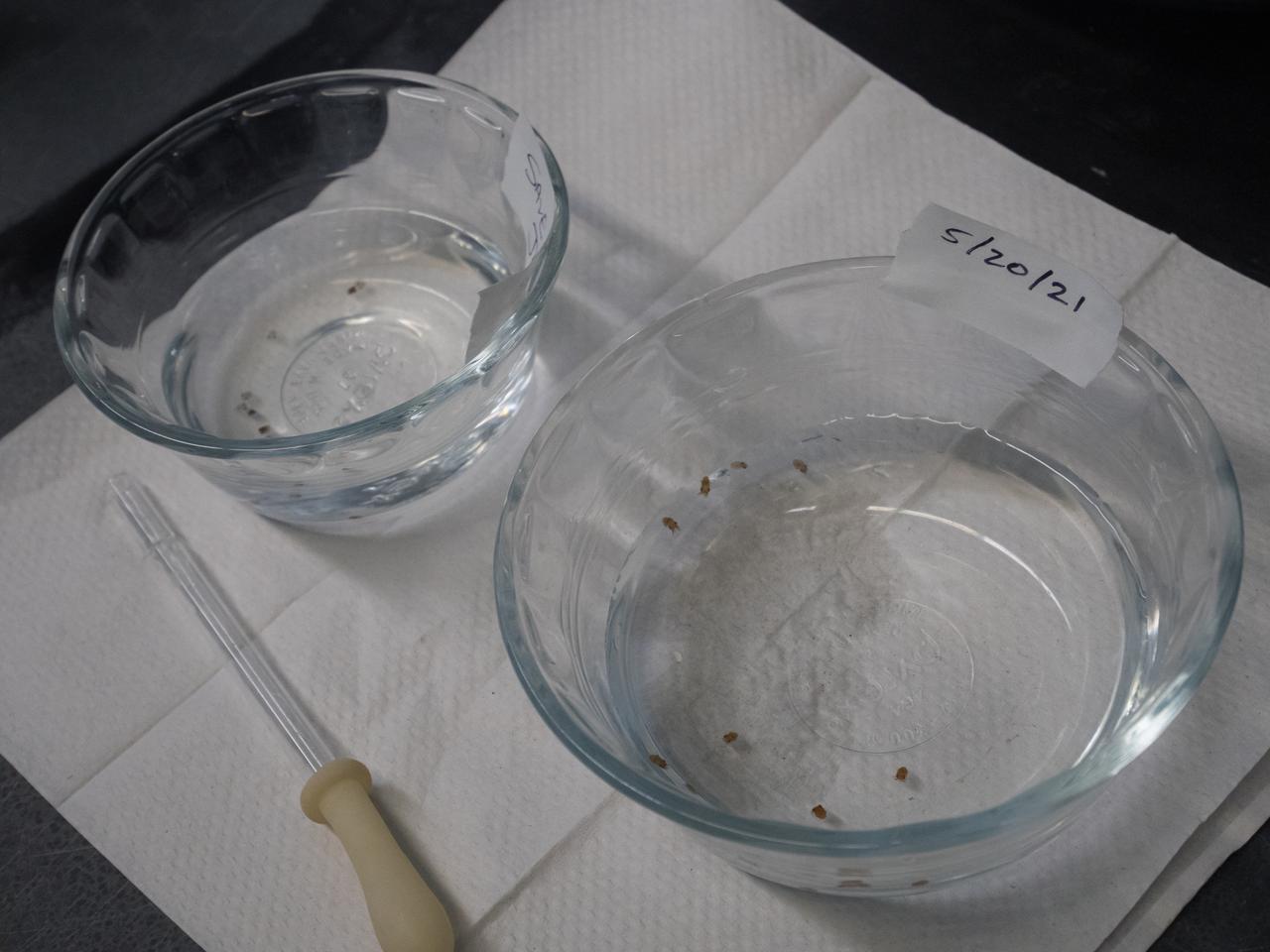
Inside the Space Life Sciences Laboratory at NASA’s Kennedy Space Center in Florida, bobtail squid are part of preparations on May 20, 2021, for the Understanding of Microgravity on Animal-Microbe Interactions (UMAMI) experiment that will launch to the International Space Station aboard SpaceX’s 22nd Commercial Resupply Services mission. The experiment will examine the effects of spaceflight on the molecular and chemical interactions between beneficial microbes and their animal hosts. Animals, including humans, rely on microbes to maintain a healthy digestive and immune system. UMAMI is one of several experiments bound for the space station in the Dragon capsule atop the SpaceX Falcon 9 rocket. The mission is scheduled to lift off from Launch Complex 39A on June 3.

Inside the Space Life Sciences Laboratory at NASA’s Kennedy Space Center in Florida, Dr. Eric Koch, a postdoctoral fellow at the University of Florida, demonstrates preparations for bobtail squid on May 20, 2021, for a trip to the International Space Station aboard SpaceX’s 22nd Commercial Resupply Services mission. The experiment will examine the effects of spaceflight on the molecular and chemical interactions between beneficial microbes and their animal hosts. Amimals, including humans, rely on microbes to maintain a healthy digestive and immune system. UMAMI is one of several experiments bound for the space station in the Dragon capsule atop the SpaceX Falcon 9 rocket. The mission is scheduled to lift off from Launch Complex 39A on June 3.
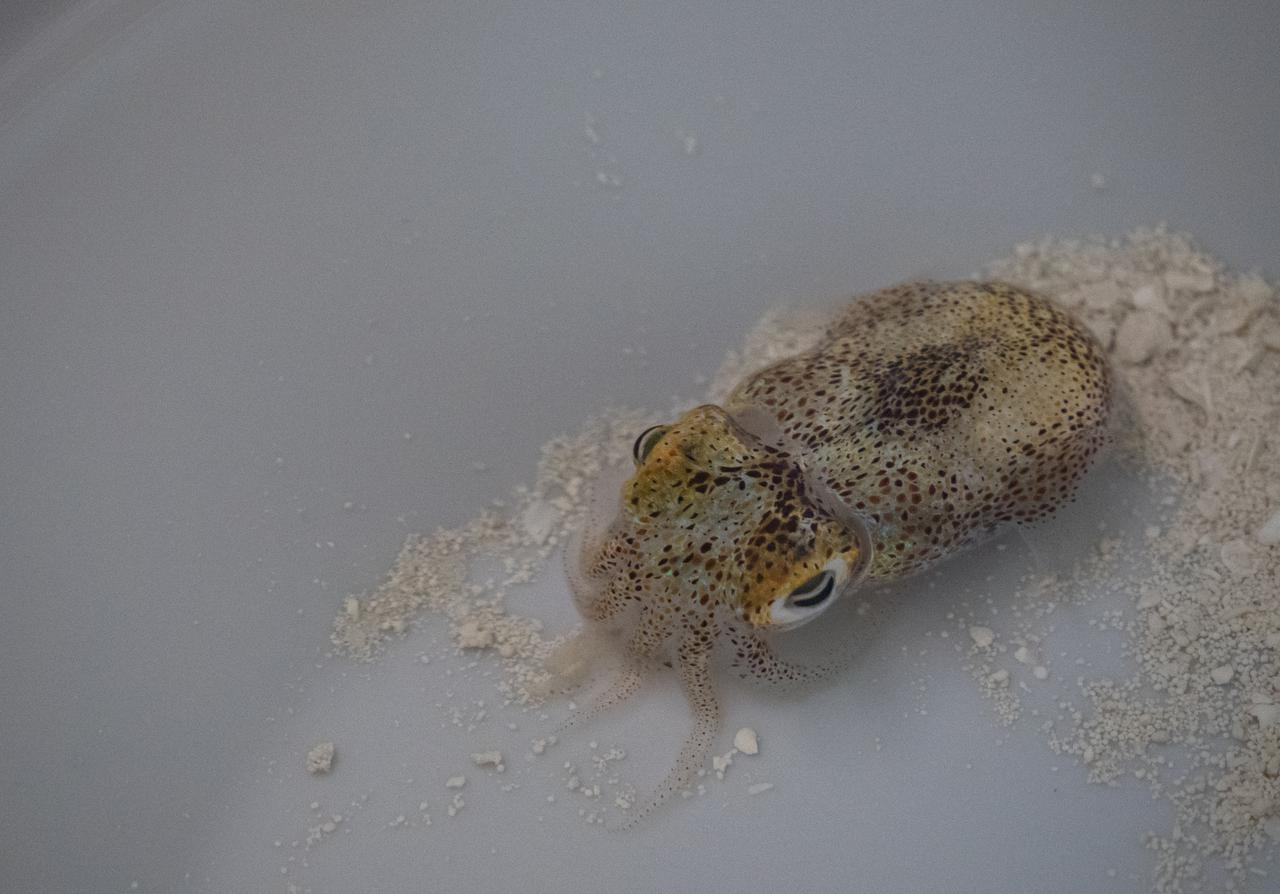
Inside the Space Life Sciences Laboratory at NASA’s Kennedy Space Center in Florida, bobtail squid are part of preparations on May 20, 2021, for the Understanding of Microgravity on Animal-Microbe Interactions (UMAMI) experiment that will launch to the International Space Station aboard SpaceX’s 22nd Commercial Resupply Services mission. The experiment will examine the effects of spaceflight on the molecular and chemical interactions between beneficial microbes and their animal hosts. Amimals, including humans, rely on microbes to maintain a healthy digestive and immune system. UMAMI is one of several experiments bound for the space station in the Dragon capsule atop the SpaceX Falcon 9 rocket. The mission is scheduled to lift off from Launch Complex 39A on June 3.
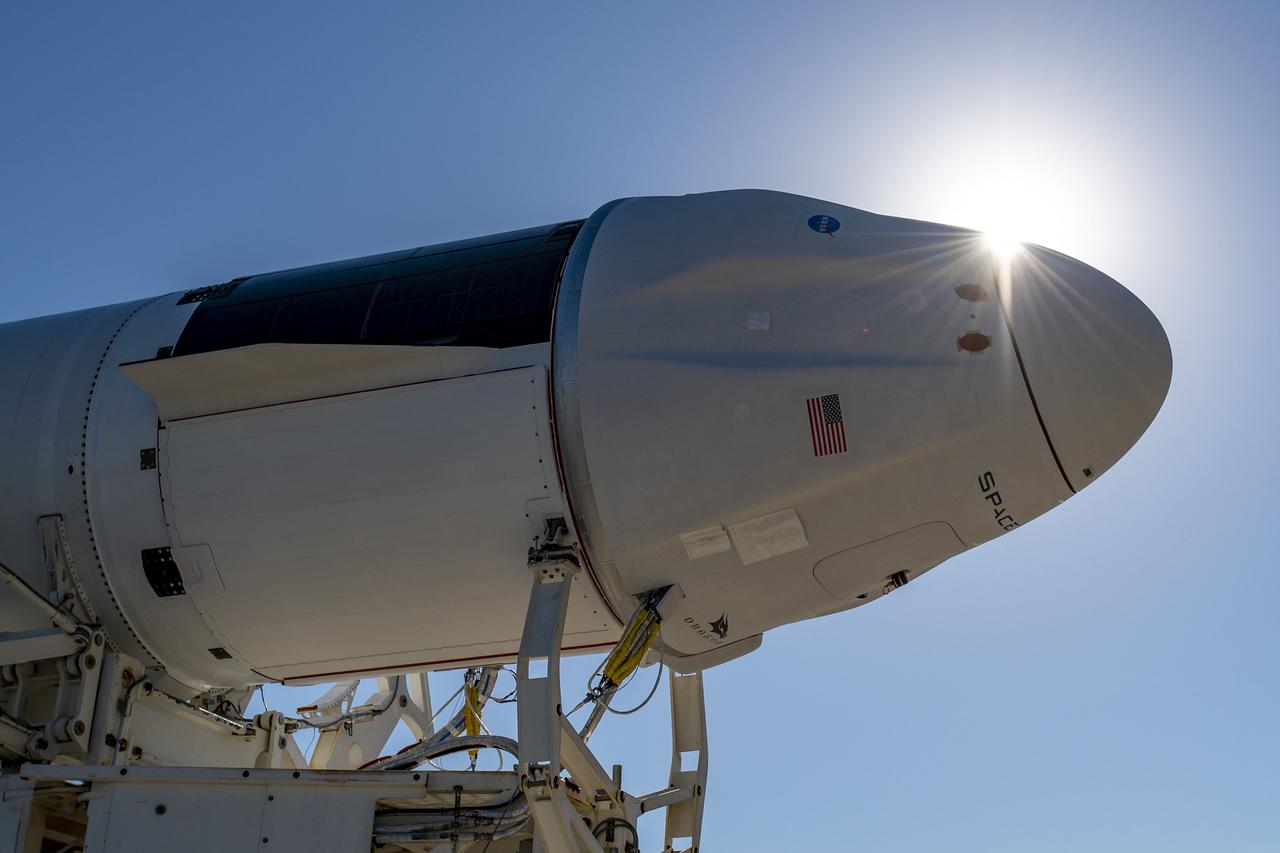
The SpaceX Dragon spacecraft that will fly on the company’s 22nd commercial resupply services to the International Space Station is now ready for its journey to space. On June 1, SpaceX rolled its Falcon 9 rocket with Dragon attached to Launch Complex 39A at NASA’s Kennedy Space Center in Florida. Liftoff is scheduled for 1:29 p.m. EDT on Thursday, June 3.
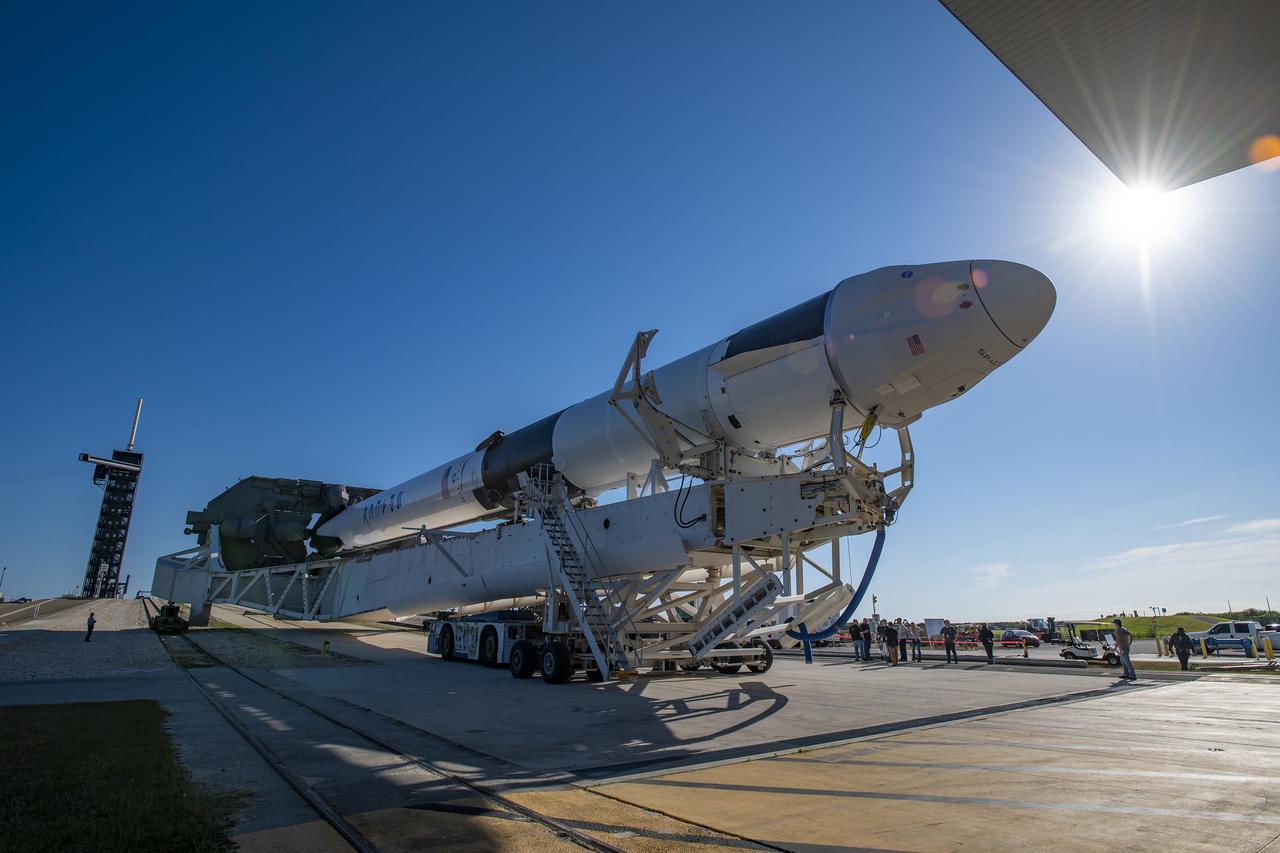
The SpaceX Dragon spacecraft that will fly on the company’s 22nd commercial resupply services to the International Space Station is now ready for its journey to space. On June 1, SpaceX rolled its Falcon 9 rocket with Dragon attached to Launch Complex 39A at NASA’s Kennedy Space Center in Florida. Liftoff is scheduled for 1:29 p.m. EDT on Thursday, June 3.
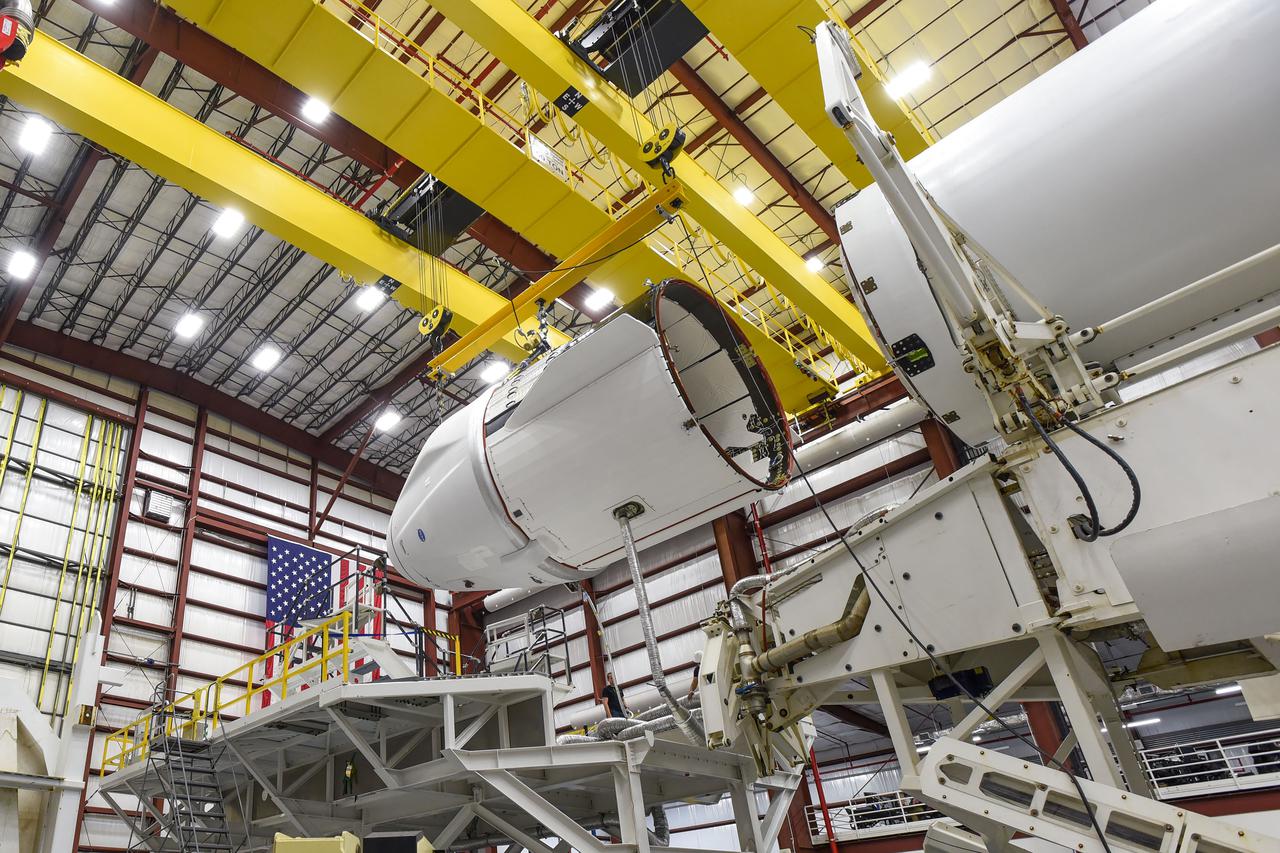
The SpaceX Dragon spacecraft that will fly on the company’s 22nd commercial resupply services mission to the International Space Station is now ready for its journey to space. On Thursday, May 27, teams transported the spacecraft from SpaceX’s processing facility at Cape Canaveral Space Force Station into the hangar at nearby Kennedy Space Center’s Launch Complex 39A, where it was attached to the Falcon 9 rocket. Liftoff of the Falcon 9 is scheduled for 1:29 p.m. EDT on Thursday, June 3.
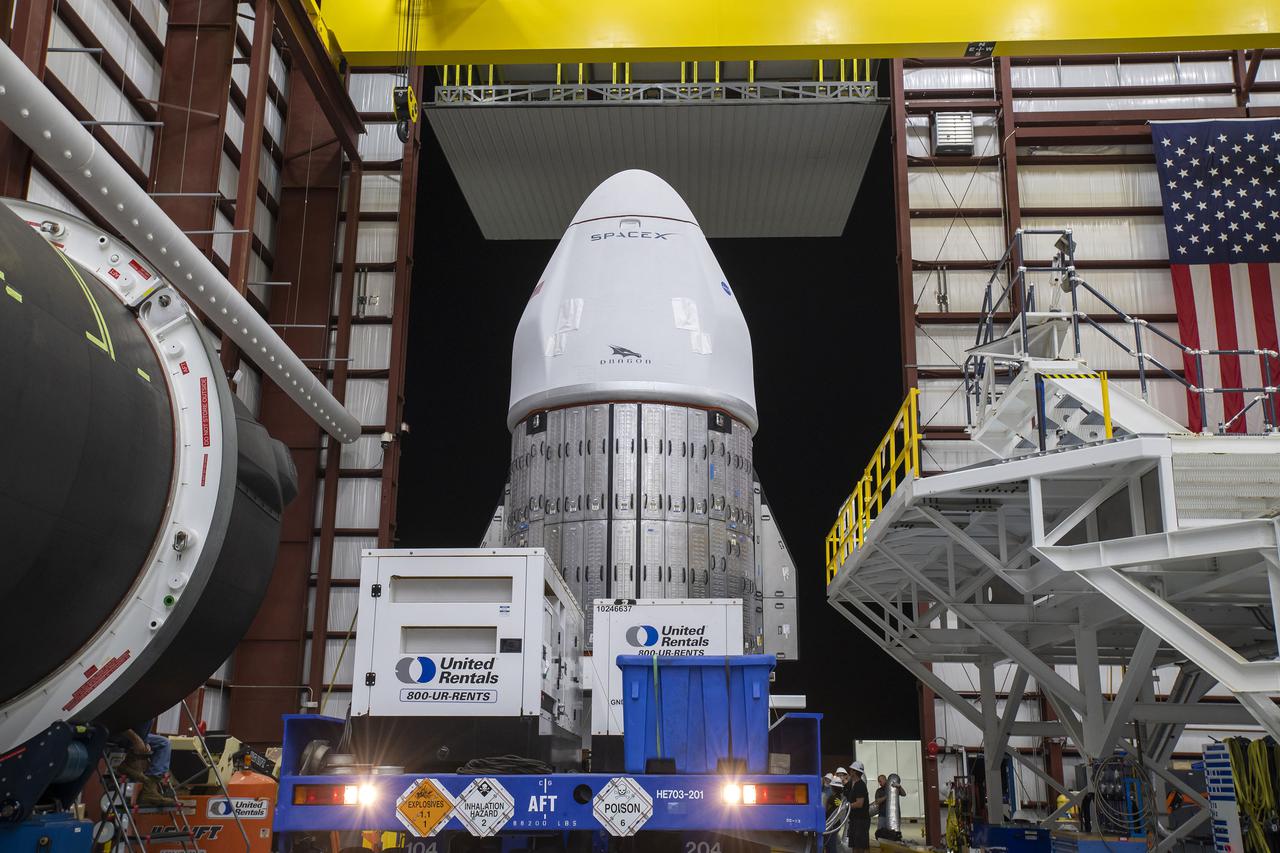
The SpaceX Dragon spacecraft that will fly on the company’s 22nd commercial resupply services mission to the International Space Station is now ready for its journey to space. On Thursday, May 27, teams transported the spacecraft from SpaceX’s processing facility at Cape Canaveral Space Force Station into the hangar at nearby Kennedy Space Center’s Launch Complex 39A, where it was attached to the Falcon 9 rocket. Liftoff of the Falcon 9 is scheduled for 1:29 p.m. EDT on Thursday, June 3.
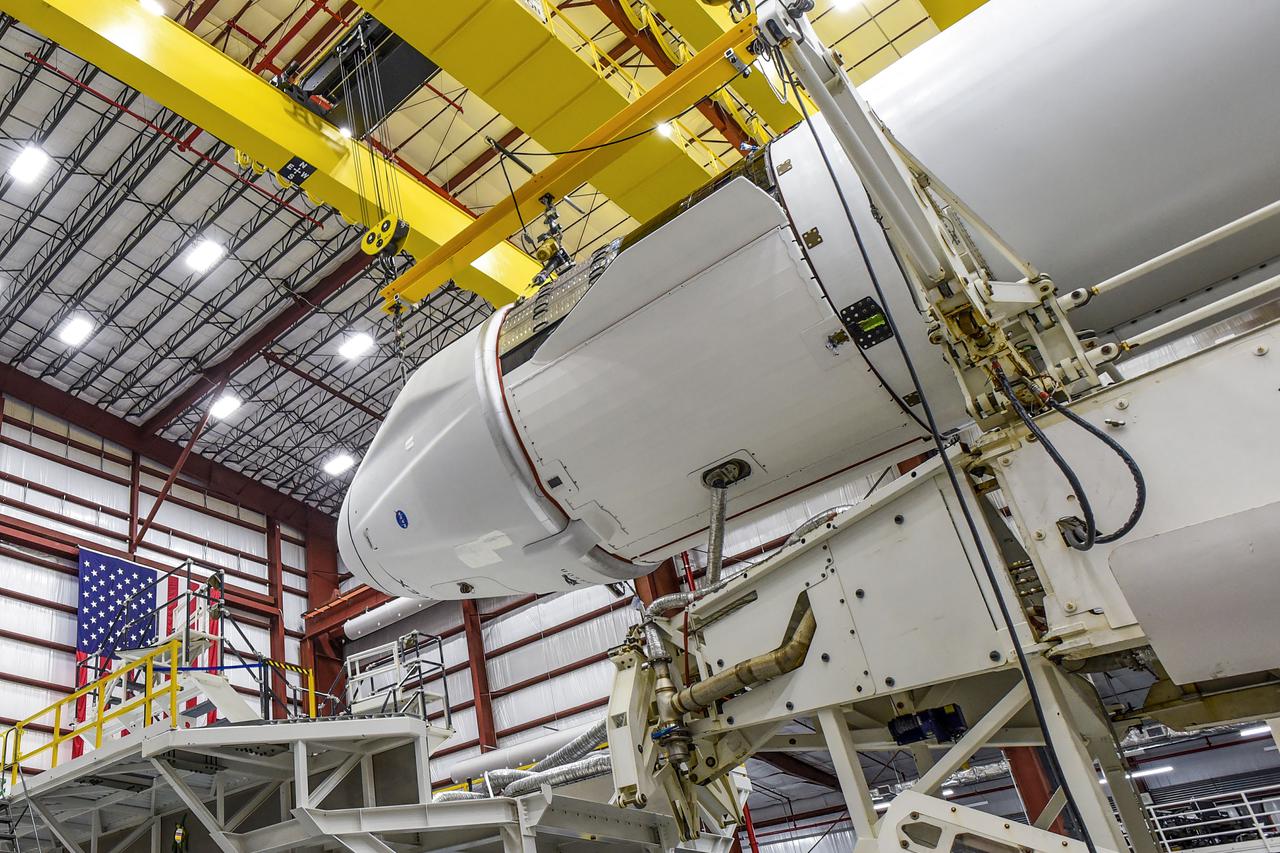
The SpaceX Dragon spacecraft that will fly on the company’s 22nd commercial resupply services mission to the International Space Station is now ready for its journey to space. On Thursday, May 27, teams transported the spacecraft from SpaceX’s processing facility at Cape Canaveral Space Force Station into the hangar at nearby Kennedy Space Center’s Launch Complex 39A, where it was attached to the Falcon 9 rocket. Liftoff of the Falcon 9 is scheduled for 1:29 p.m. EDT on Thursday, June 3.
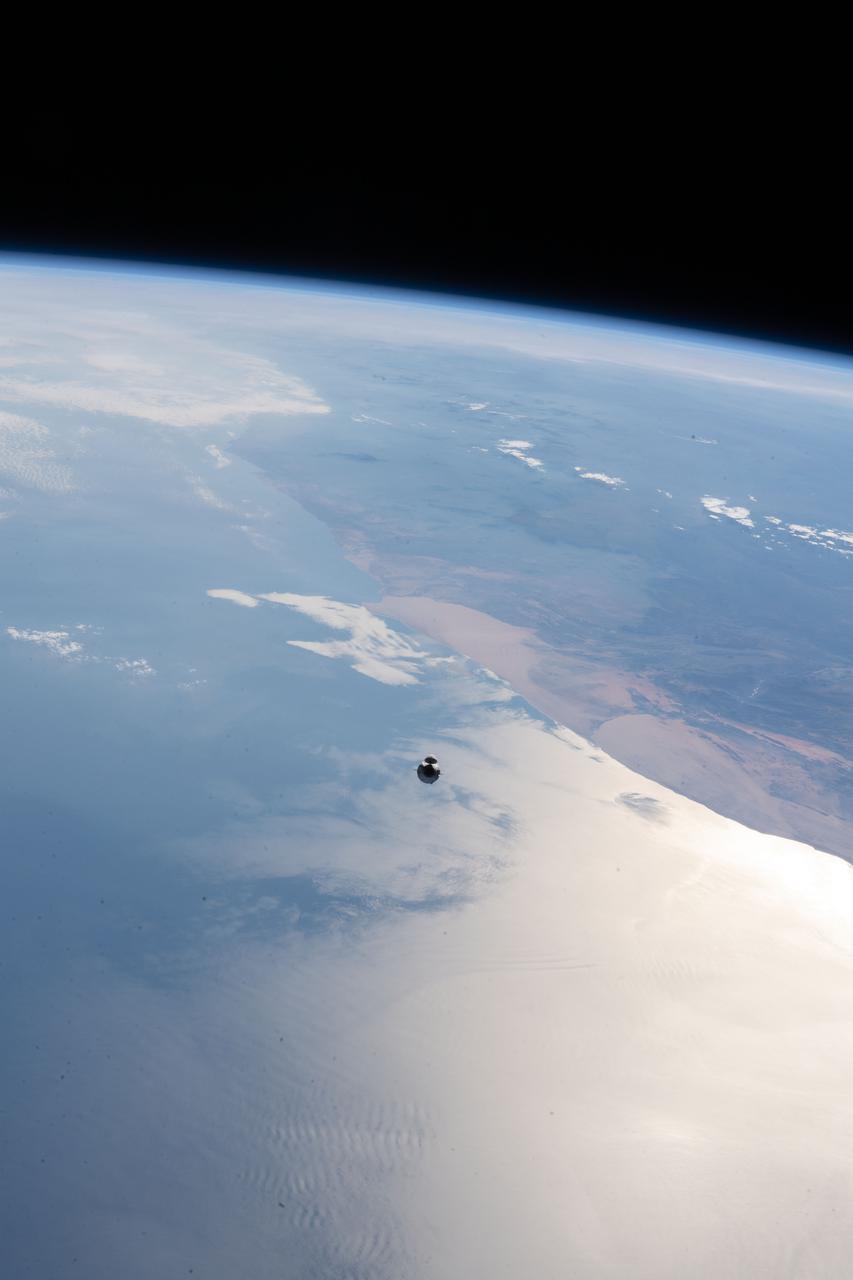
iss065e094357 (June 5, 2021) --- The SpaceX Cargo Dragon vehicle, on the SpaceX CRS-22 mission, approaches the International Space Station 265 miles above the Atlantic Ocean off the coast of Namibia on the African continent.
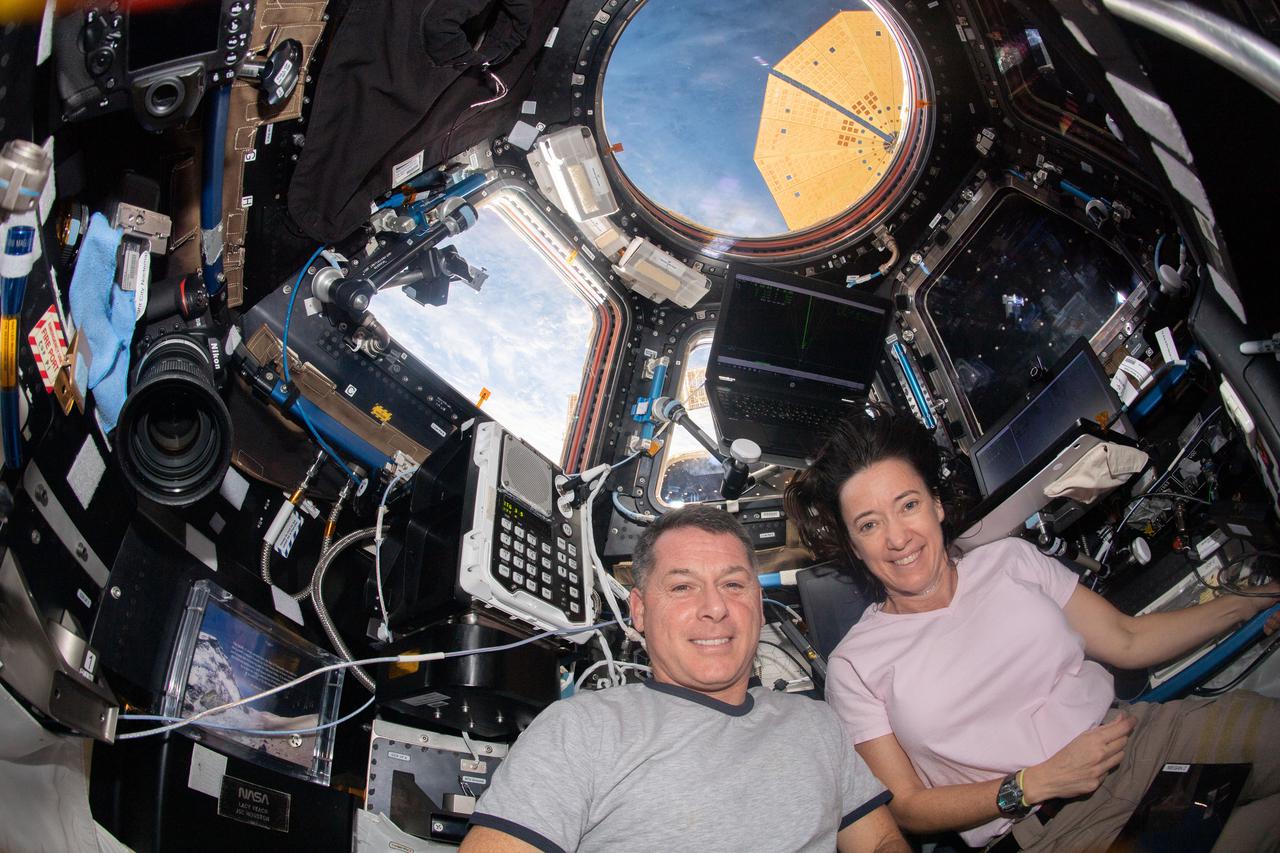
iss065e087513 (June 5, 2021) --- NASA's Expedition 65 Flight Engineers Shane Kimbrough and Megan McArthur are pictured inside the cupola, the International Space Station's "window to the world," monitoring the approach and rendezvous of the SpaceX Cargo Dragon vehicle on the SpaceX CRS-22 mission.
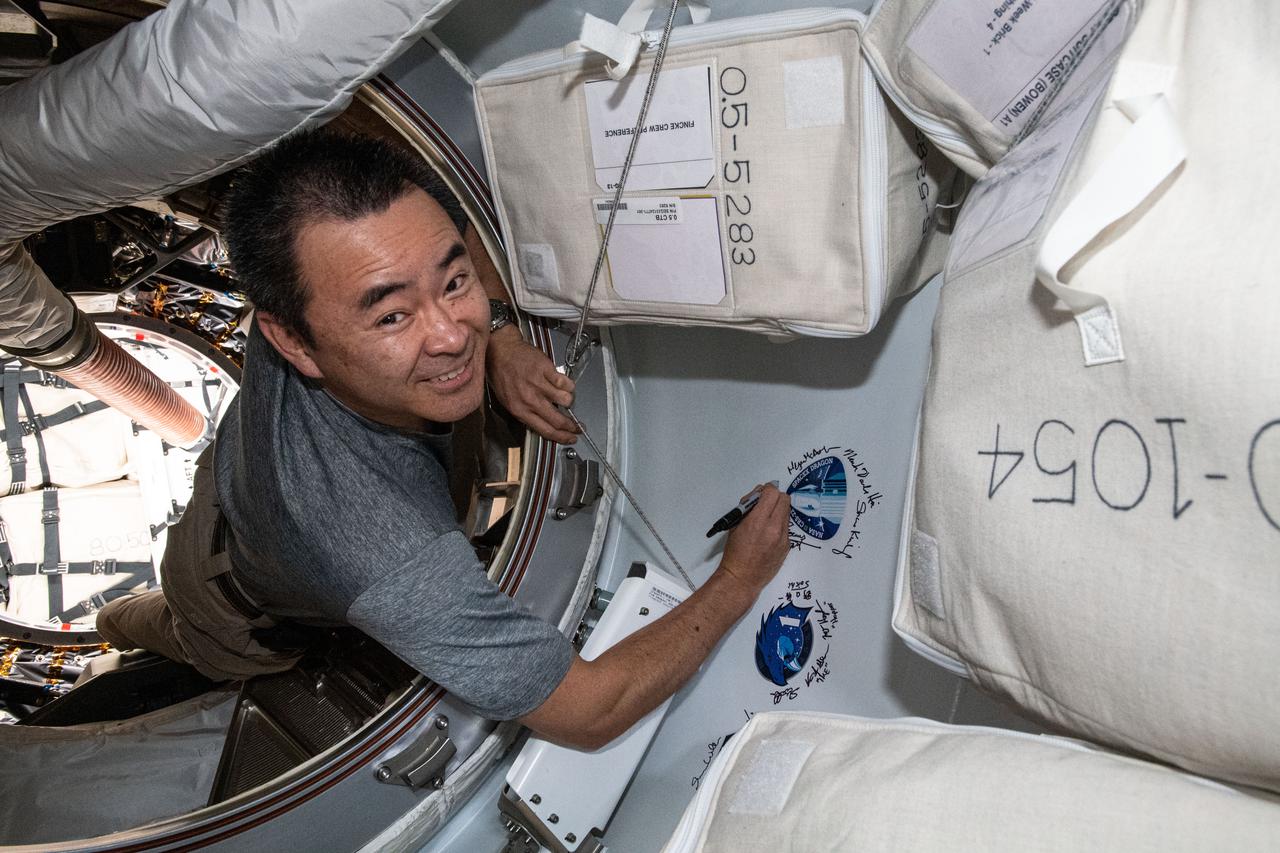
iss065e162509 (July 6, 2021) --- Expedition 65 Commander Akihiko Hoshide of the Japan Aerospace Exploration Agency (JAXA) signs his name next to the SpaceX CRS-22 cargo mission sticker attached to the vestibule between the SpaceX Cargo Dragon resupply ship and the Harmony module's space-facing international docking adapter.
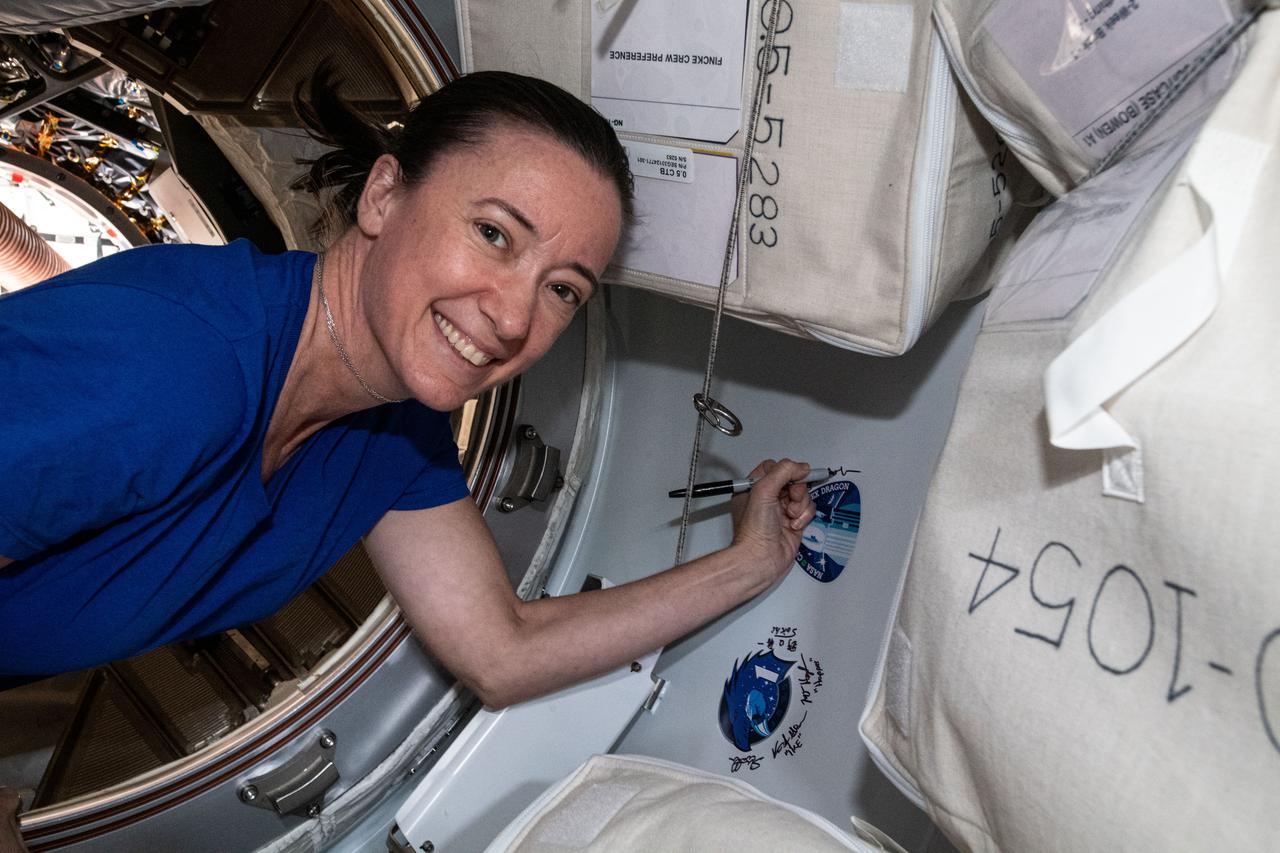
iss065e162499 (July 6, 2021) --- NASA astronaut and Expedition 65 Flight Engineer Megan McArthur signs her name next to the SpaceX CRS-22 cargo mission sticker attached to the vestibule between the SpaceX Cargo Dragon resupply ship and the Harmony module's space-facing international docking adapter.
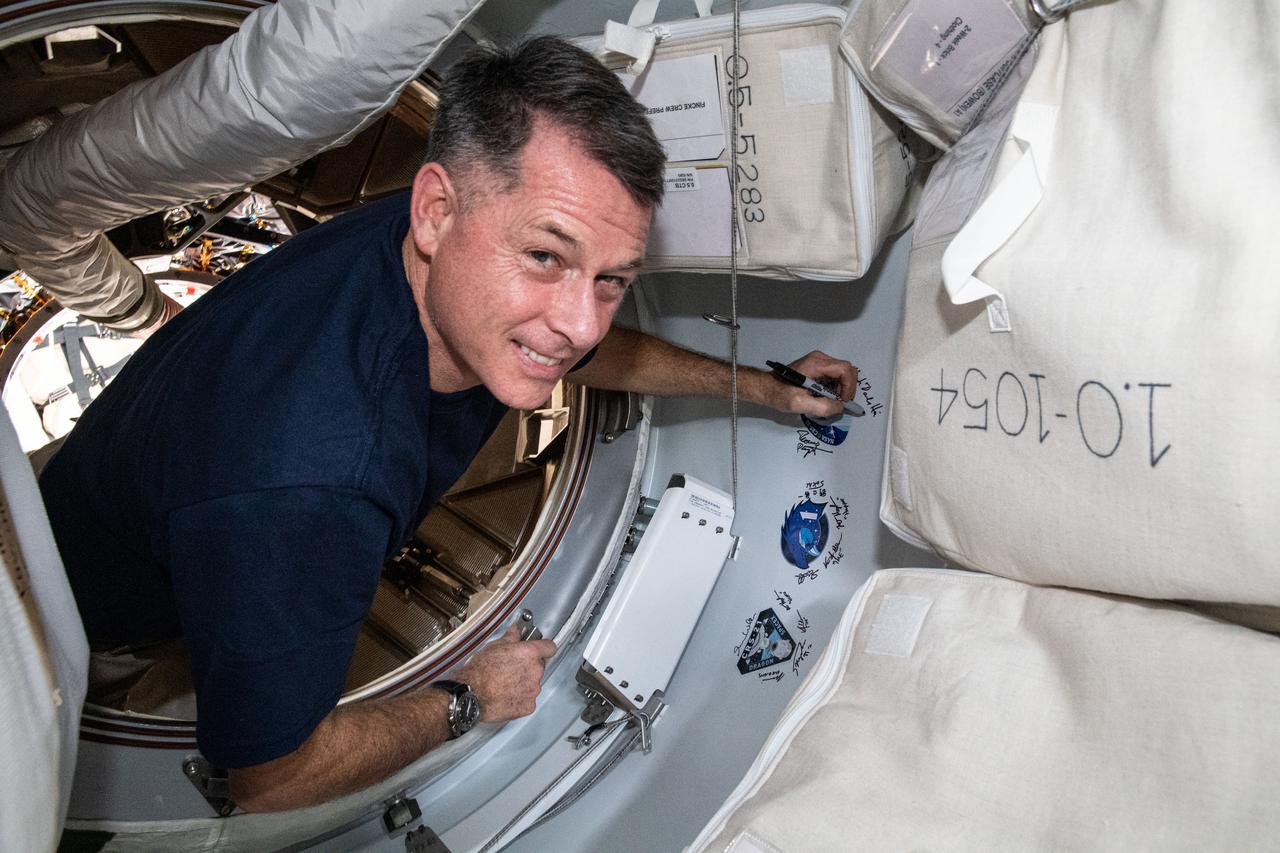
iss065e162506 (July 6, 2021) --- NASA astronaut and Expedition 65 Flight Engineer Shane Kimbrough signs his name next to the SpaceX CRS-22 cargo mission sticker attached to the vestibule between the SpaceX Cargo Dragon resupply ship and the Harmony module's space-facing international docking adapter.
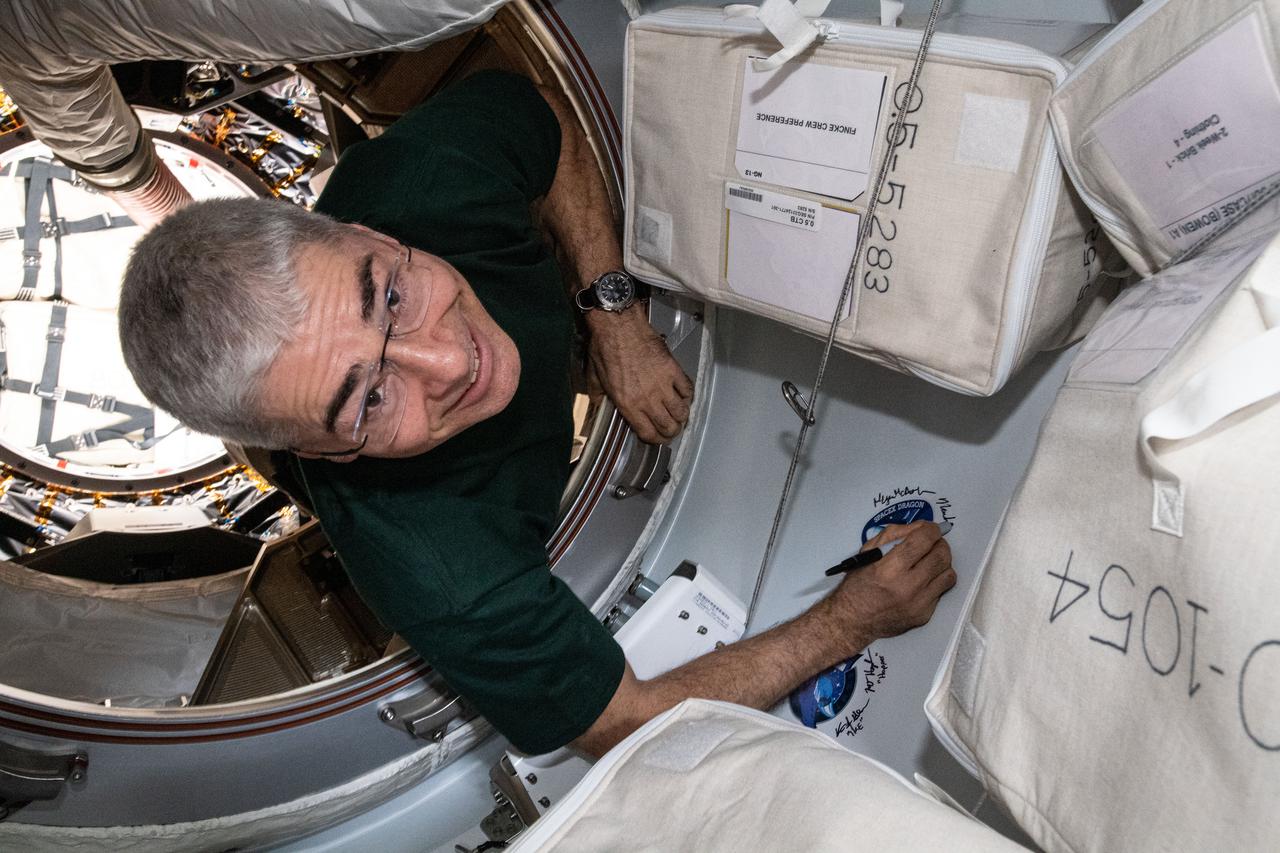
iss065e162500 (July 6, 2021) --- NASA astronaut and Expedition 65 Flight Engineer Mark Vande Hei signs his name next to the SpaceX CRS-22 cargo mission sticker attached to the vestibule between the SpaceX Cargo Dragon resupply ship and the Harmony module's space-facing international docking adapter.
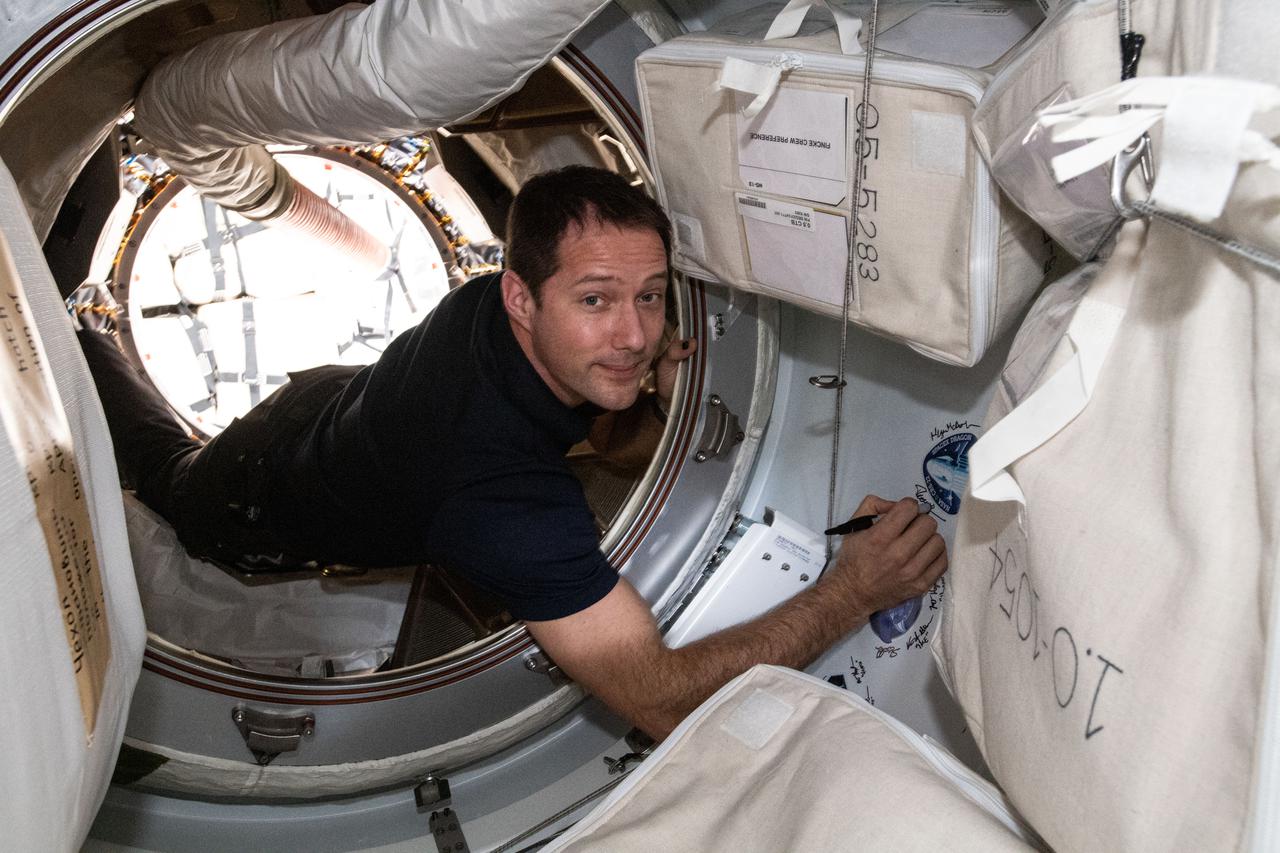
iss065e162503 (July 6, 2021) --- Expedition 65 Flight Engineer Thomas Pesquet of ESA (European Space Agency) signs his name next to the SpaceX CRS-22 cargo mission sticker attached to the vestibule between the SpaceX Cargo Dragon resupply ship and the Harmony module's space-facing international docking adapter.
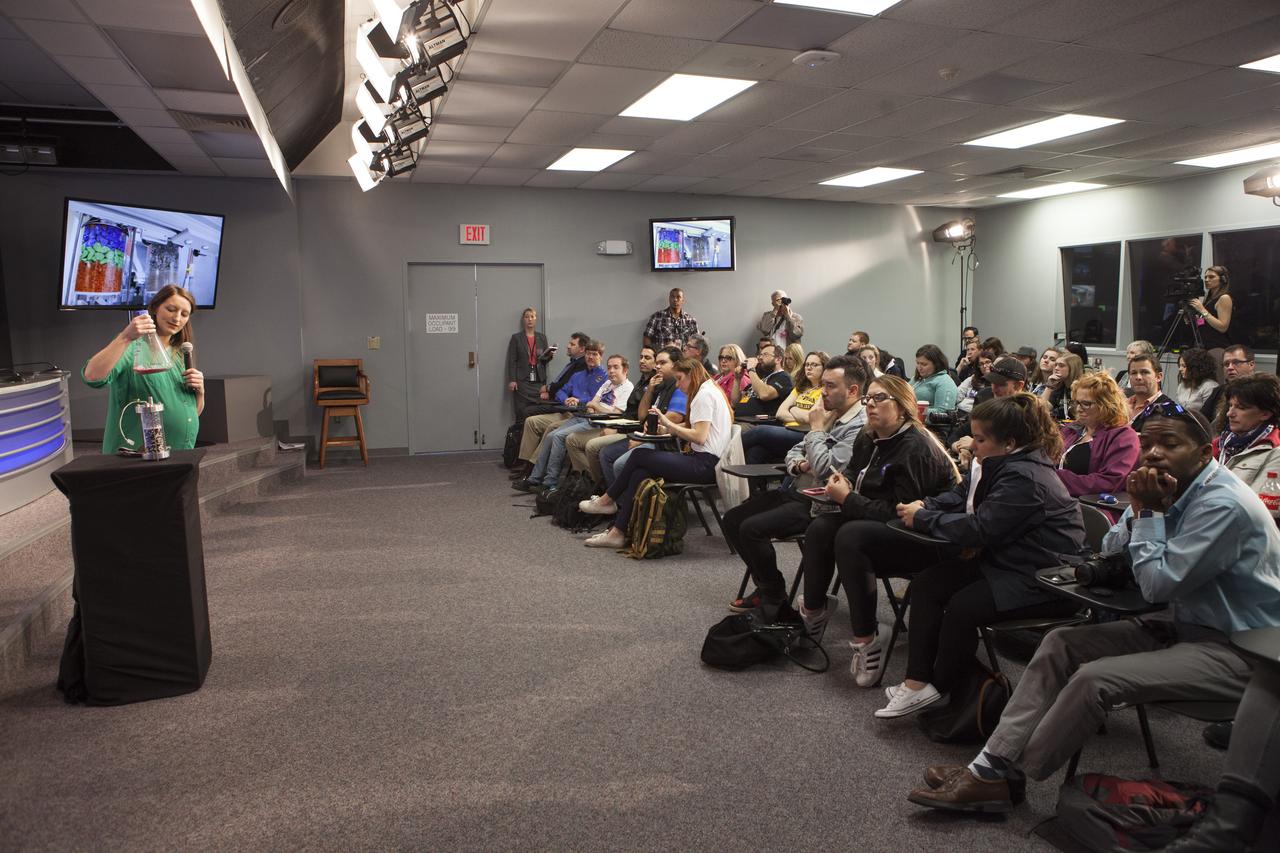
Dr. Kristen John, deputy project manager and co-investigator for the Strata-1 experiment at the Johnson Space Center in Houston , speaks to members of the media in the Kennedy Space Center’s Press Site auditorium. The briefing focused on science research and technology work planned for the International Space Station, or ISS, following the arrival of a Cygnus spacecraft. The Cygnus is scheduled to be launched March 22 atop a United Launch Alliance Atlas V rocket on the Orbital ATK CRS-6 commercial resupply services mission.
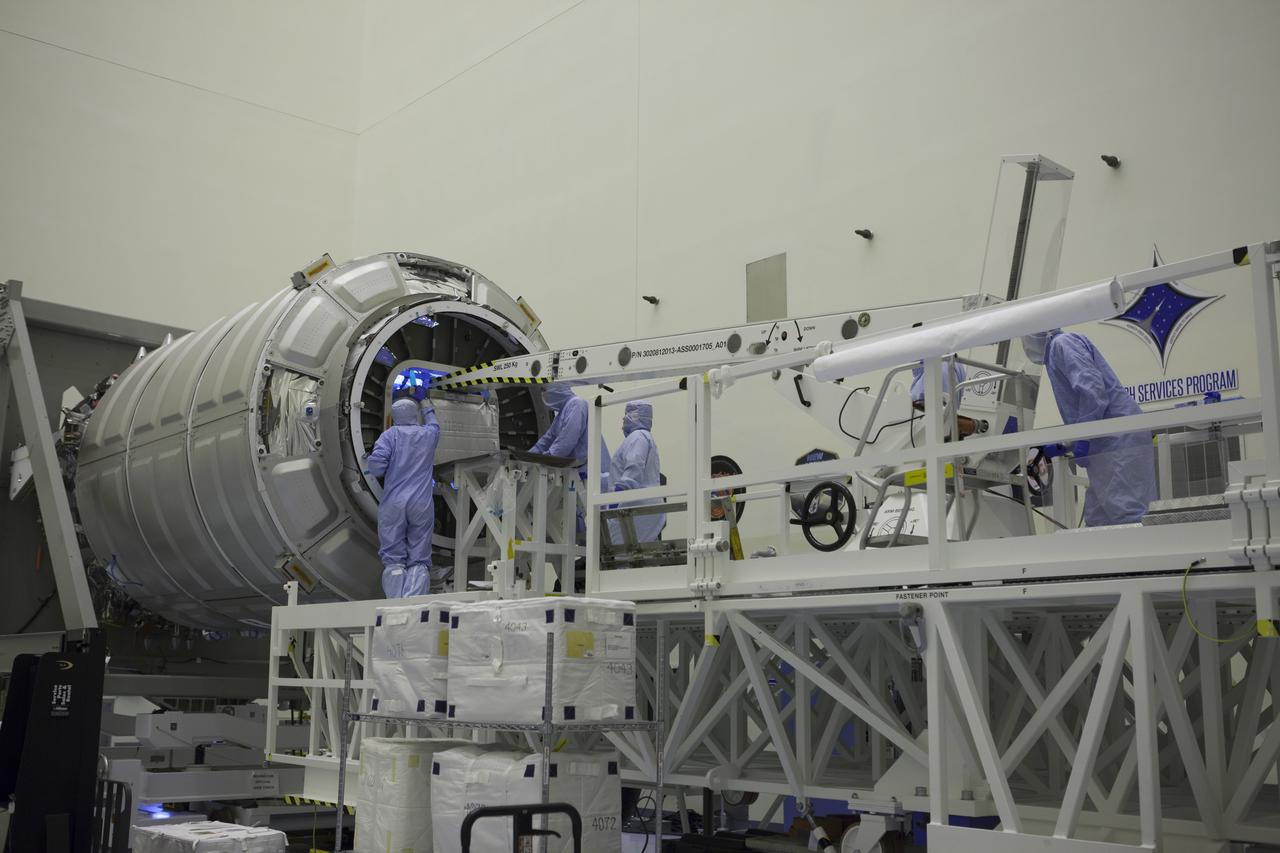
Technicians move cargo into the Orbital ATK CRS-6 pressurized cargo module during late stowage inside the Payload Hazardous Servicing Facility at NASA’s Kennedy Space Center in Florida. The spacecraft is scheduled for the upcoming Orbital ATK Commercial Resupply Services-6 mission to deliver hardware and supplies to the International Space Station. The Cygnus is scheduled to lift off atop a United Launch Alliance Atlas V rocket on March 22.
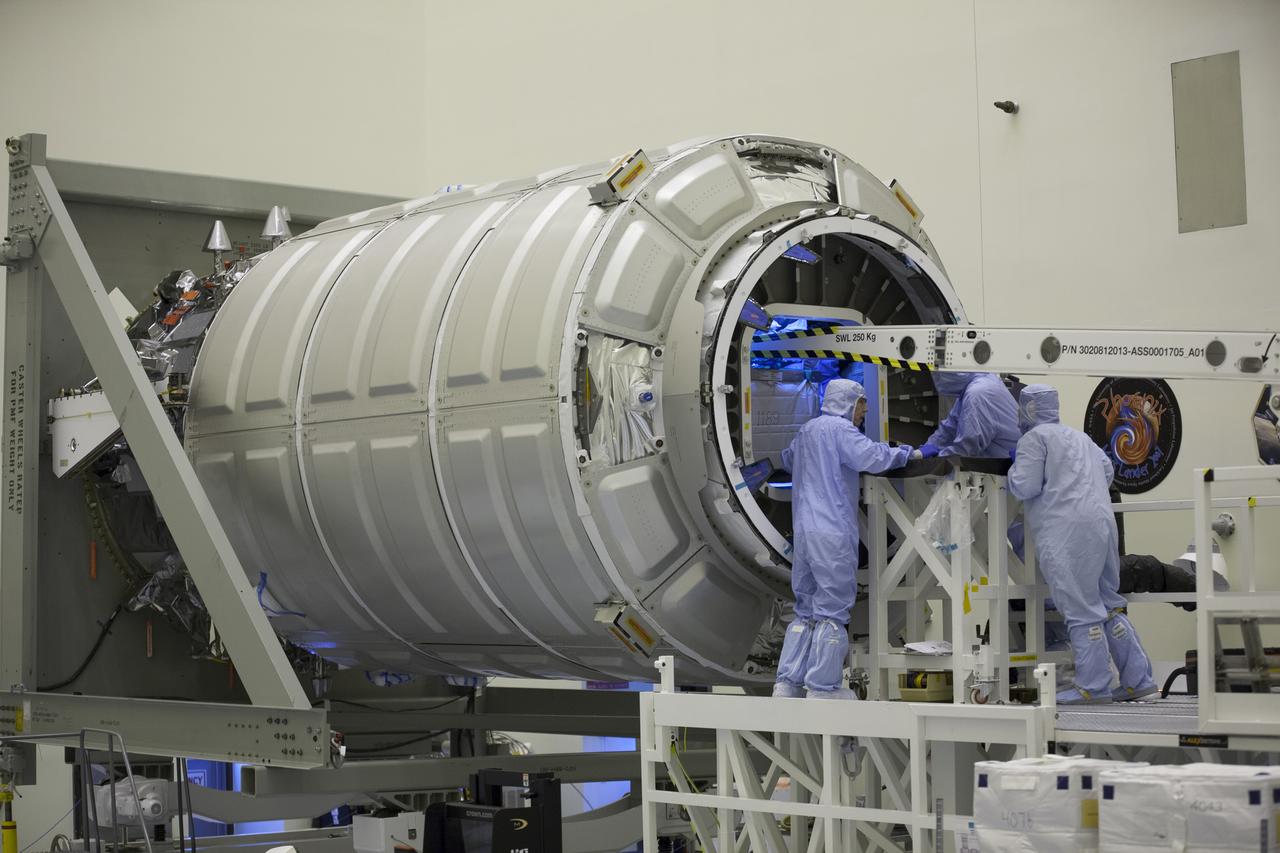
Technicians move cargo into the Orbital ATK CRS-6 pressurized cargo module during late stowage inside the Payload Hazardous Servicing Facility at NASA’s Kennedy Space Center in Florida. The spacecraft is scheduled for the upcoming Orbital ATK Commercial Resupply Services-6 mission to deliver hardware and supplies to the International Space Station. The Cygnus is scheduled to lift off atop a United Launch Alliance Atlas V rocket on March 22.
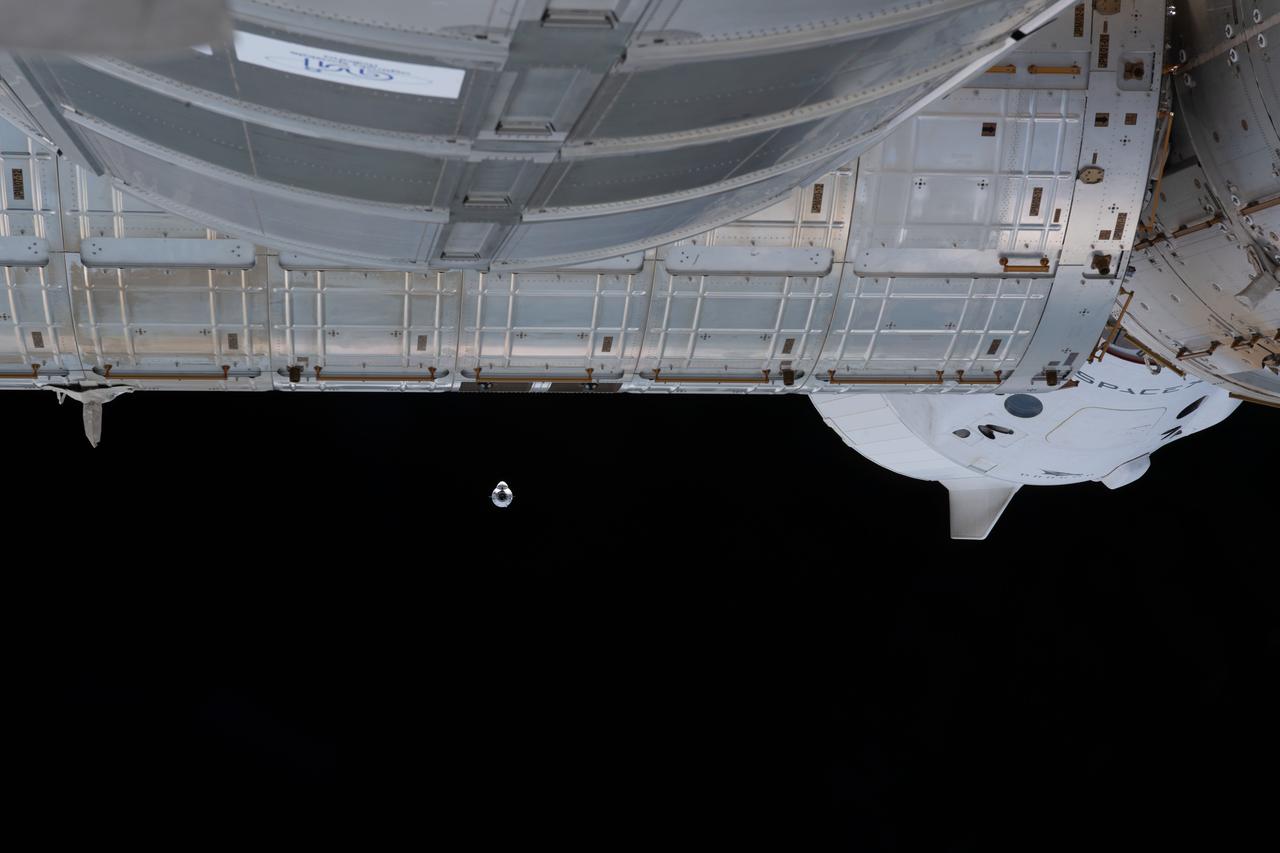
iss065e094372 (June 5, 2021) --- The SpaceX Cargo Dragon vehicle approaches the International Space Station on the SpaceX CRS-22 mission. At center right, is the SpaceX Crew Dragon spaceship docked to the Harmony module's forward-facing international docking adapter. The Cargo Dragon would dock adjacent to the Crew Dragon on Harmony's space-facing international docking adapter.
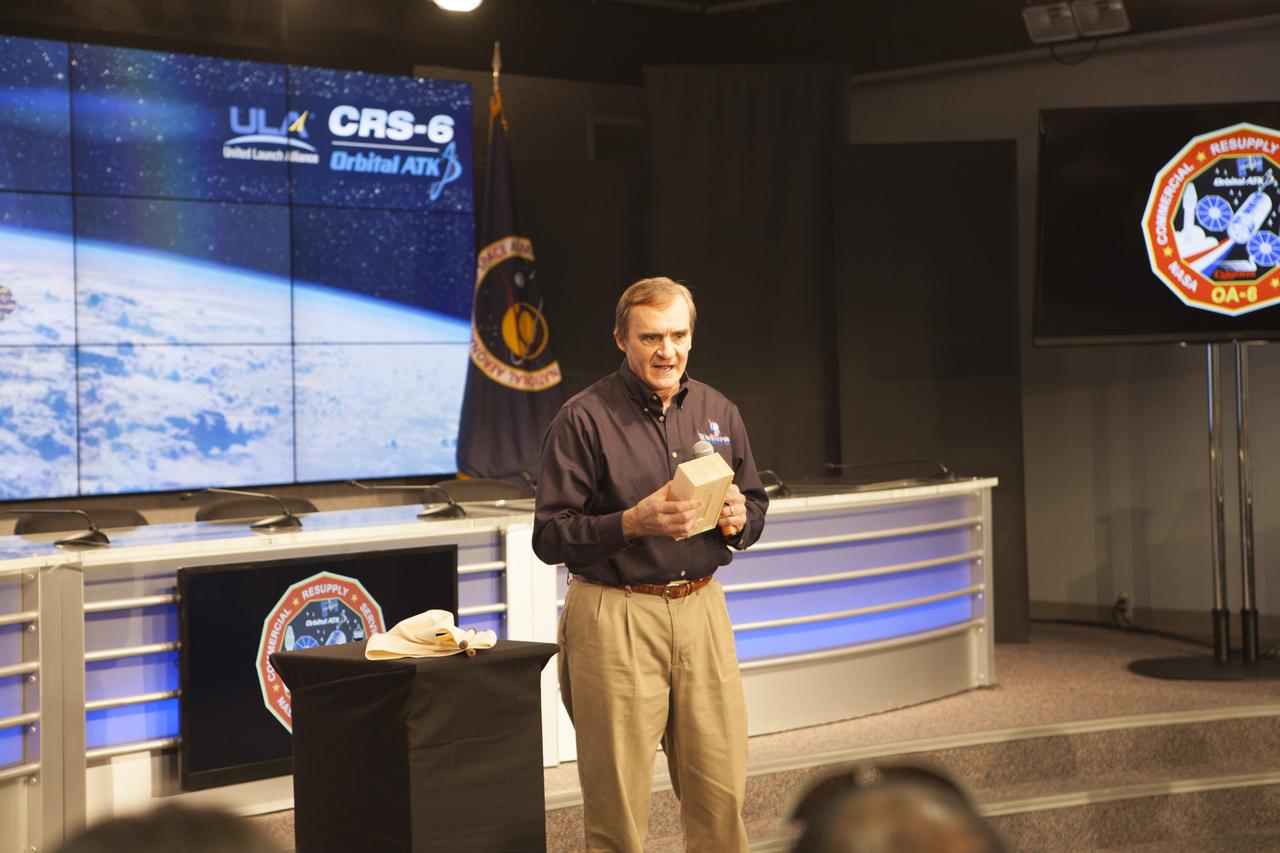
Gary Ruff, NASA project manager and co-investigator for the Spacecraft Fire Safety Demonstration Project, or Saffire, at the Glenn Research Center in Cleveland, speaks to members of the media in the Kennedy Space Center’s Press Site auditorium. The briefing focused on science research and technology work planned for the International Space Station, or ISS, following the arrival of a Cygnus spacecraft. The Cygnus is scheduled to be launched March 22 atop a United Launch Alliance Atlas V rocket on the Orbital ATK CRS-6 commercial resupply services mission.
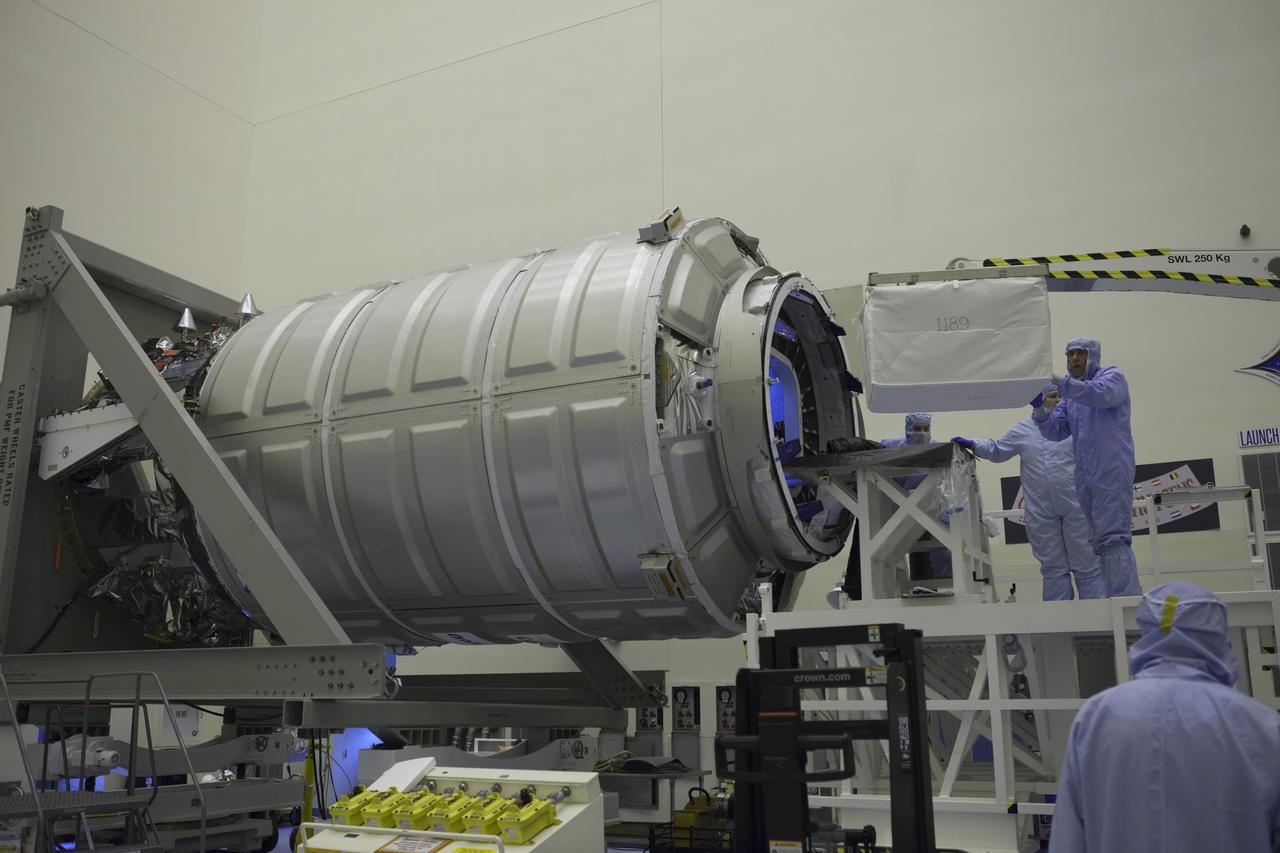
Technicians move cargo into the Orbital ATK CRS-6 pressurized cargo module during late stowage inside the Payload Hazardous Servicing Facility at NASA’s Kennedy Space Center in Florida. The spacecraft is scheduled for the upcoming Orbital ATK Commercial Resupply Services-6 mission to deliver hardware and supplies to the International Space Station. The Cygnus is scheduled to lift off atop a United Launch Alliance Atlas V rocket on March 22.
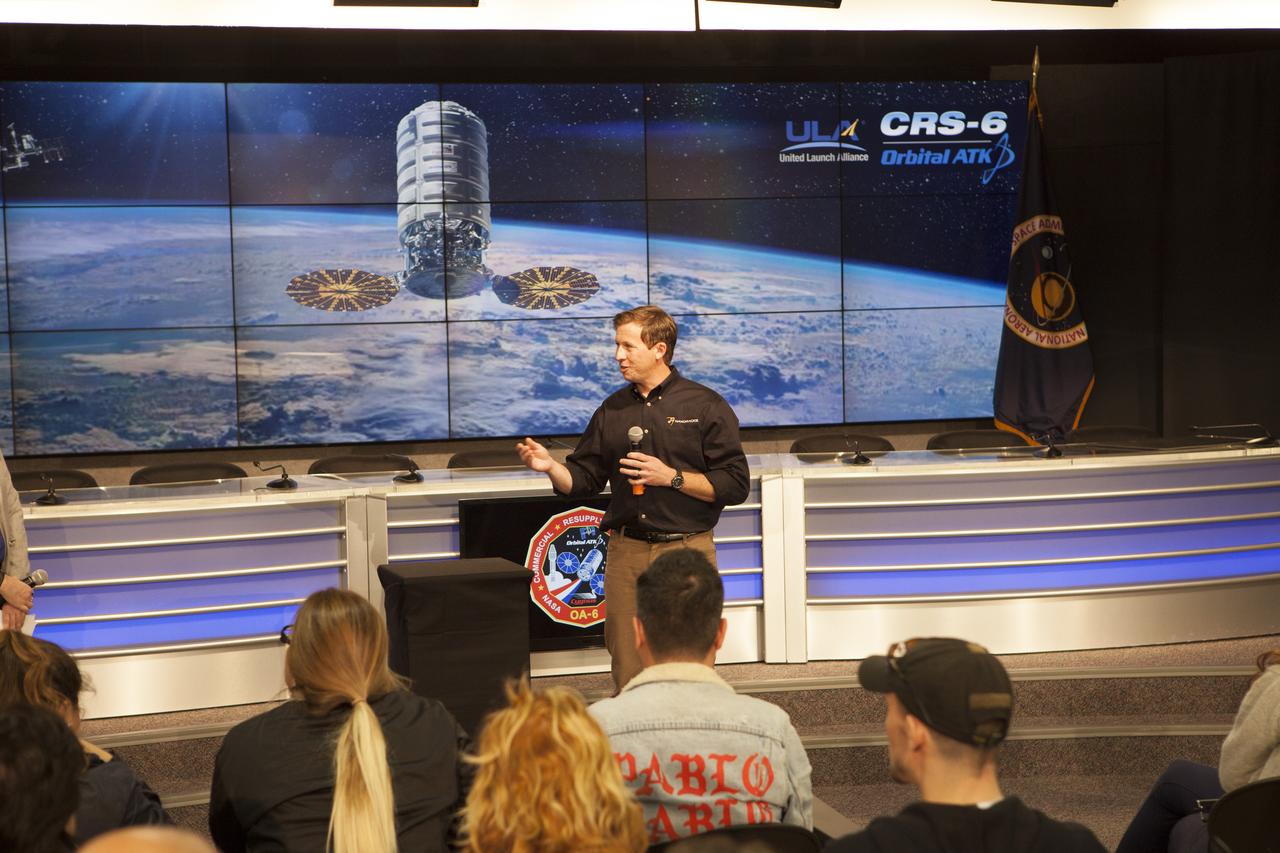
Michael Lewis, chief technology officer for NanoRacks, speaks to members of the media in the Kennedy Space Center’s Press Site auditorium. The briefing focused on science research and technology work planned for the International Space Station, or ISS, following the arrival of a Cygnus spacecraft. The Cygnus is scheduled to be launched March 22 atop a United Launch Alliance Atlas V rocket on the Orbital ATK CRS-6 commercial resupply services mission.
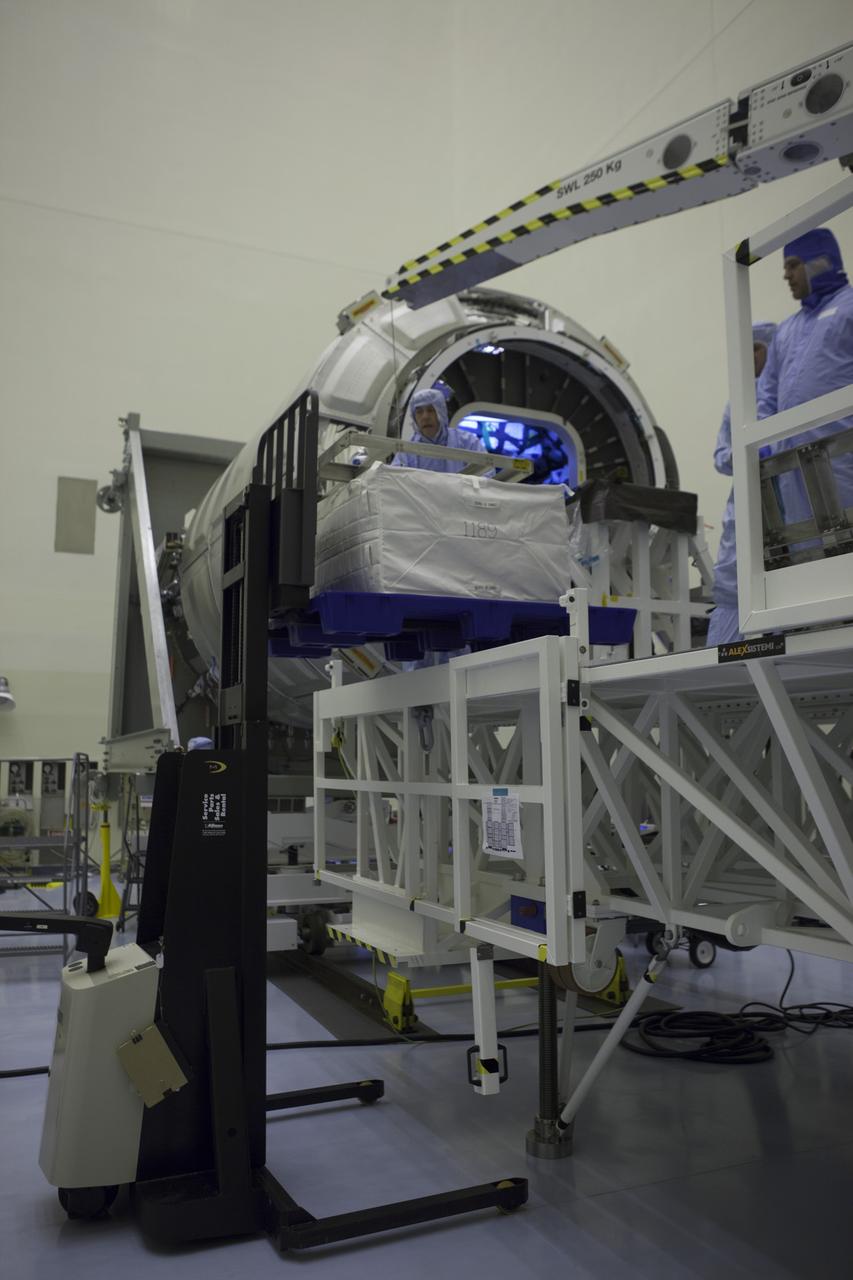
Technicians prepare to move a cargo package from a forklift into the Orbital ATK CRS-6 pressurized cargo module during late stowage inside the Payload Hazardous Servicing Facility at NASA’s Kennedy Space Center in Florida. The spacecraft is scheduled for the upcoming Orbital ATK Commercial Resupply Services-6 mission to deliver hardware and supplies to the International Space Station. The Cygnus is scheduled to lift off atop a United Launch Alliance Atlas V rocket on March 22.
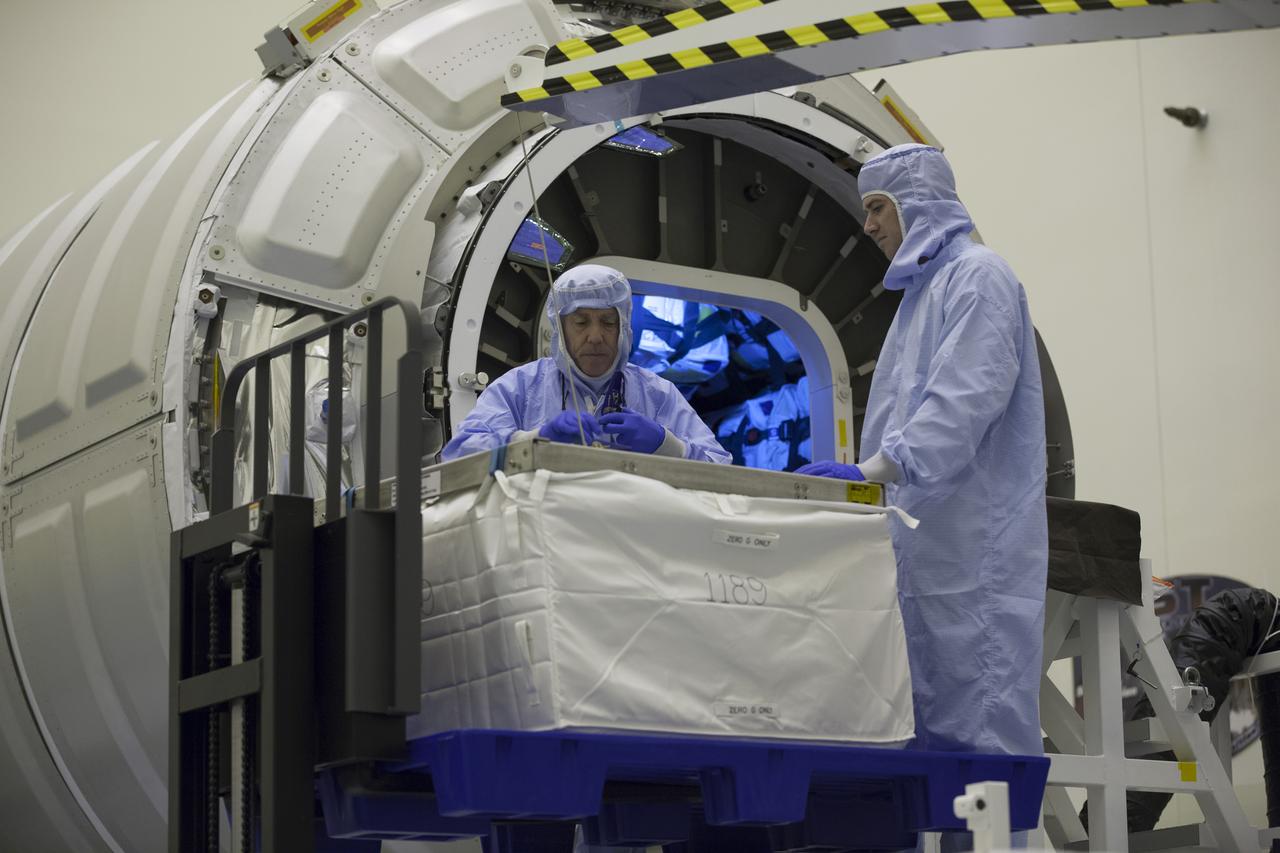
Technicians prepare to move cargo into the Orbital ATK CRS-6 pressurized cargo module during late stowage inside the Payload Hazardous Servicing Facility at NASA’s Kennedy Space Center in Florida. The spacecraft is scheduled for the upcoming Orbital ATK Commercial Resupply Services-6 mission to deliver hardware and supplies to the International Space Station. The Cygnus is scheduled to lift off atop a United Launch Alliance Atlas V rocket on March 22.
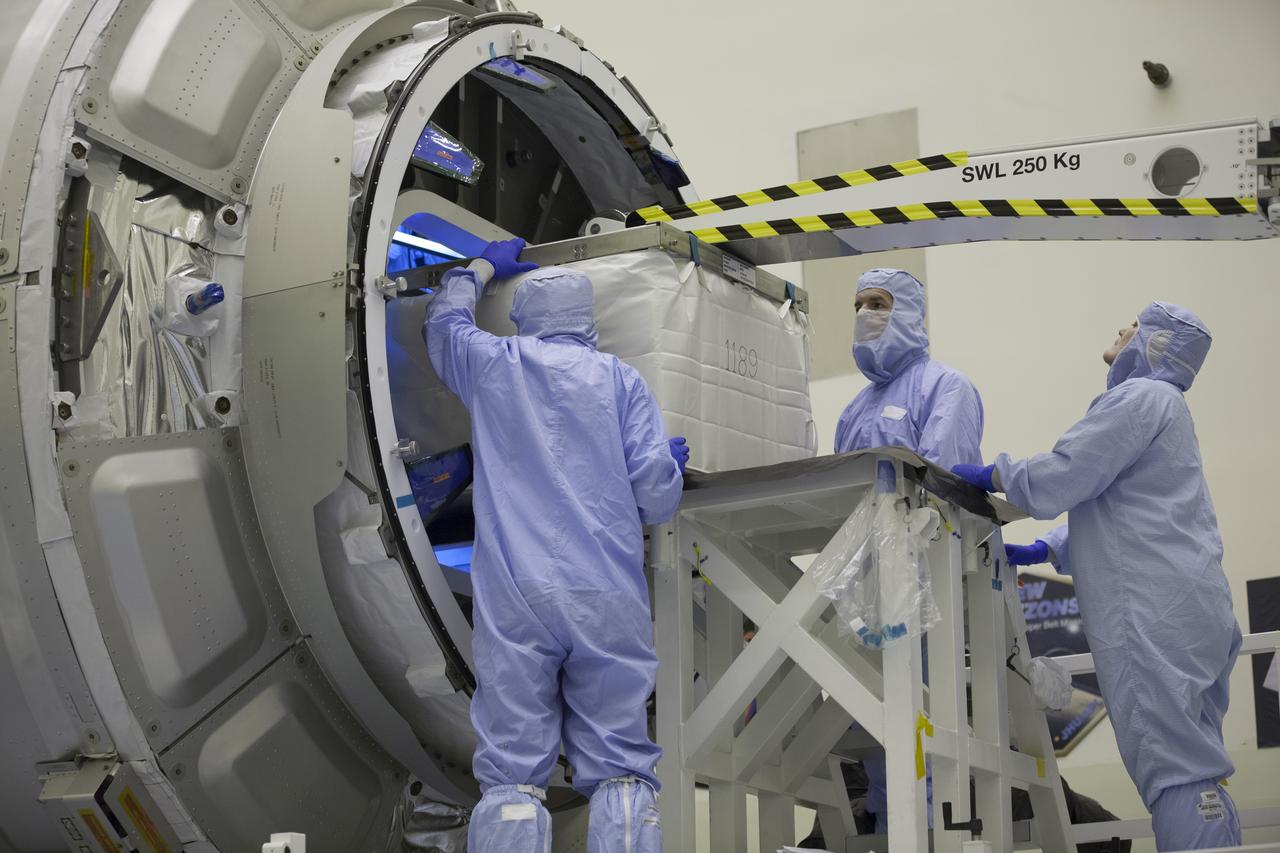
Technicians move cargo into the Orbital ATK CRS-6 pressurized cargo module during late stowage inside the Payload Hazardous Servicing Facility at NASA’s Kennedy Space Center in Florida. The spacecraft is scheduled for the upcoming Orbital ATK Commercial Resupply Services-6 mission to deliver hardware and supplies to the International Space Station. The Cygnus is scheduled to lift off atop a United Launch Alliance Atlas V rocket on March 22.
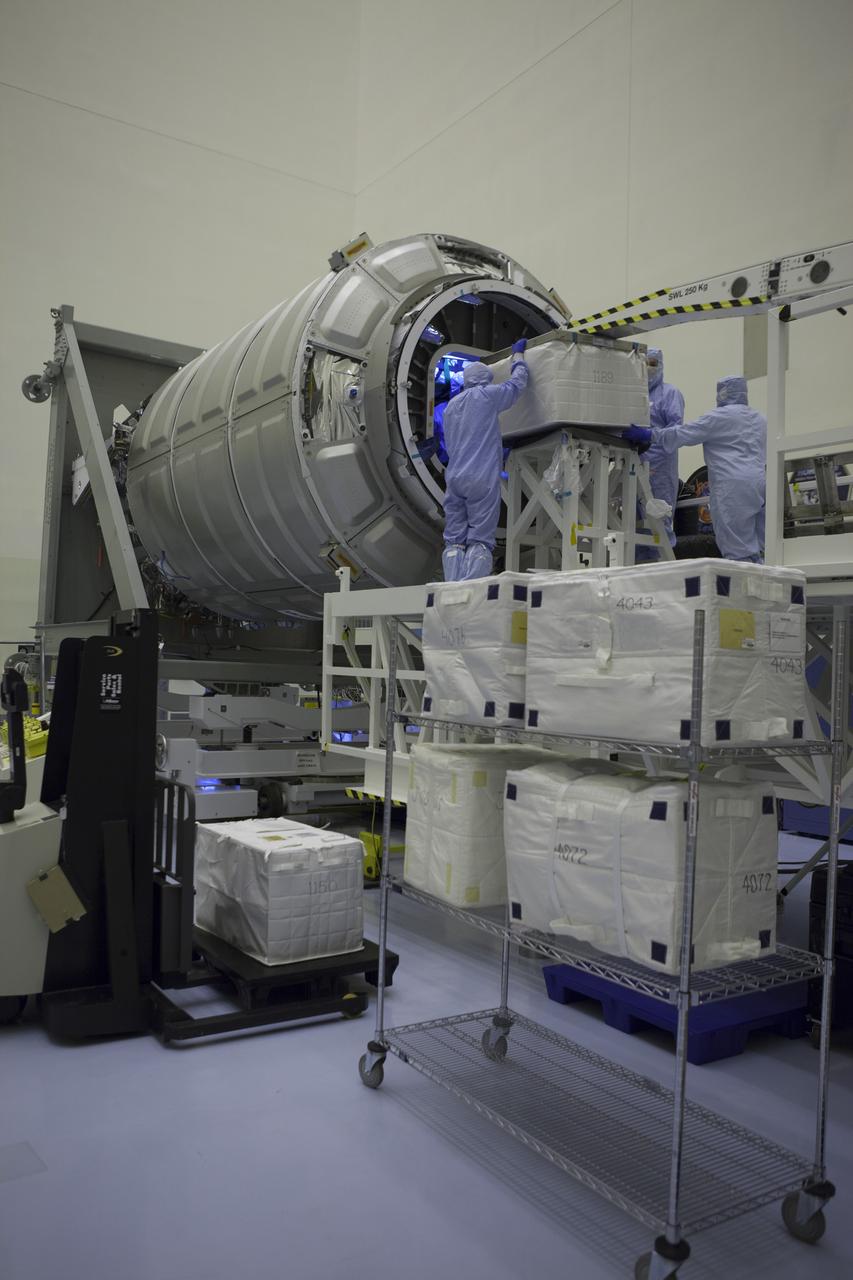
Technicians move cargo into the Orbital ATK CRS-6 pressurized cargo module during late stowage inside the Payload Hazardous Servicing Facility at NASA’s Kennedy Space Center in Florida. The spacecraft is scheduled for the upcoming Orbital ATK Commercial Resupply Services-6 mission to deliver hardware and supplies to the International Space Station. The Cygnus is scheduled to lift off atop a United Launch Alliance Atlas V rocket on March 22.
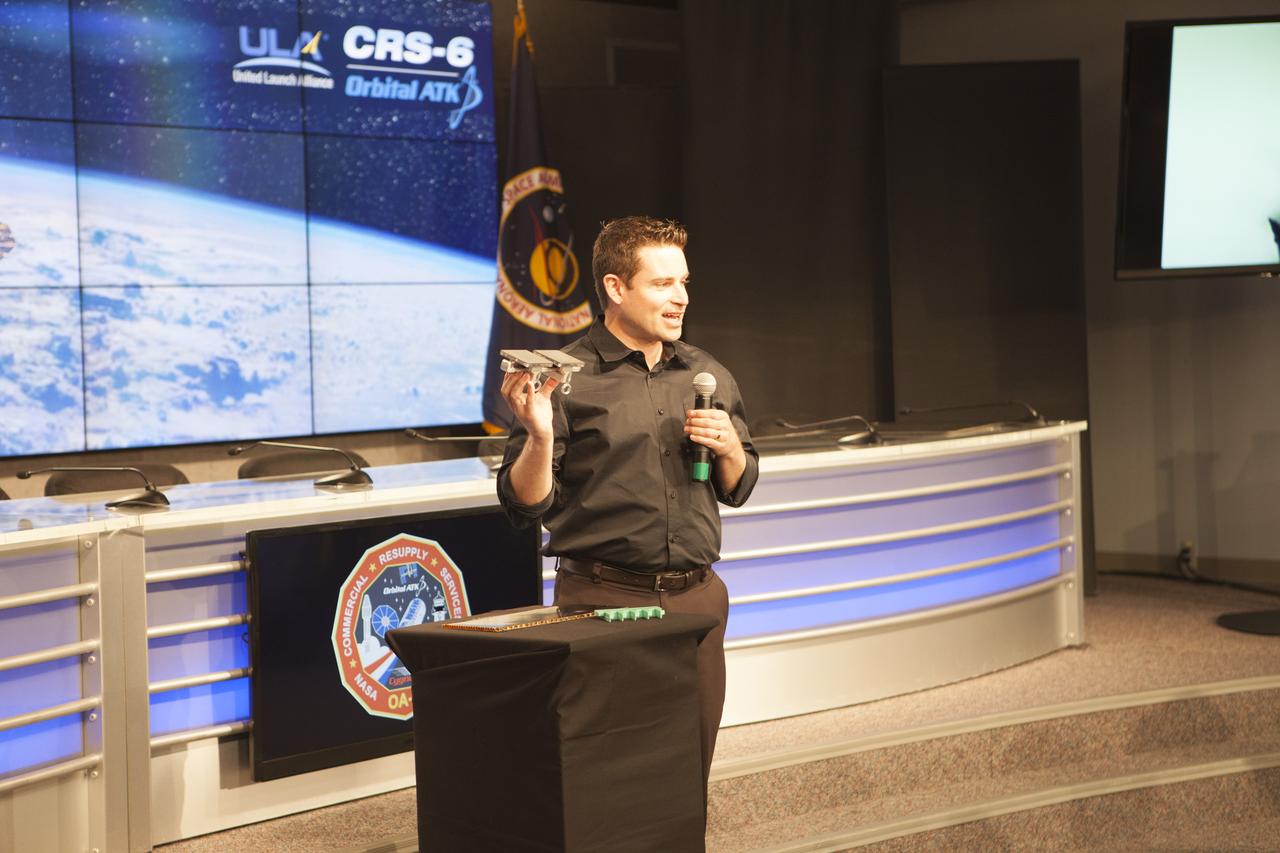
Dr. Aaron Parness, group leader at the Jet Propulsion Laboratory in Pasadena, California, who is working the Extreme Environment Robots Group on the Gecko Grippers experiment, speaks to members of the media in the Kennedy Space Center’s Press Site auditorium. The briefing focused on science research and technology work planned for the International Space Station, or ISS, following the arrival of a Cygnus spacecraft. The Cygnus is scheduled to be launched March 22 atop a United Launch Alliance Atlas V rocket on the Orbital ATK CRS-6 commercial resupply services mission.
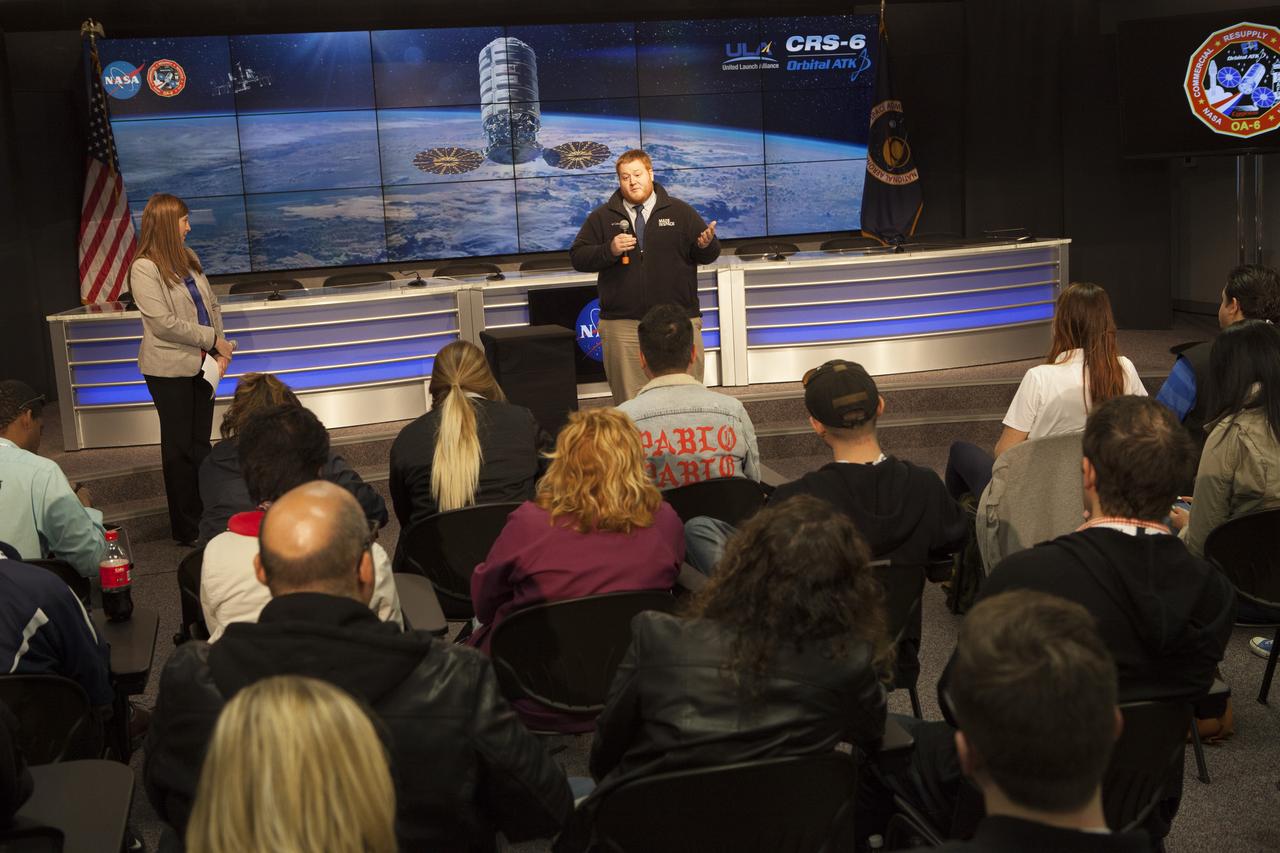
Michael Snyder, chief engineer for Made in Space, speaks to members of the media in the Kennedy Space Center’s Press Site auditorium. The briefing focused on science research and technology work planned for the International Space Station, or ISS, following the arrival of a Cygnus spacecraft. The Cygnus is scheduled to be launched March 22 atop a United Launch Alliance Atlas V rocket on the Orbital ATK CRS-6 commercial resupply services mission.
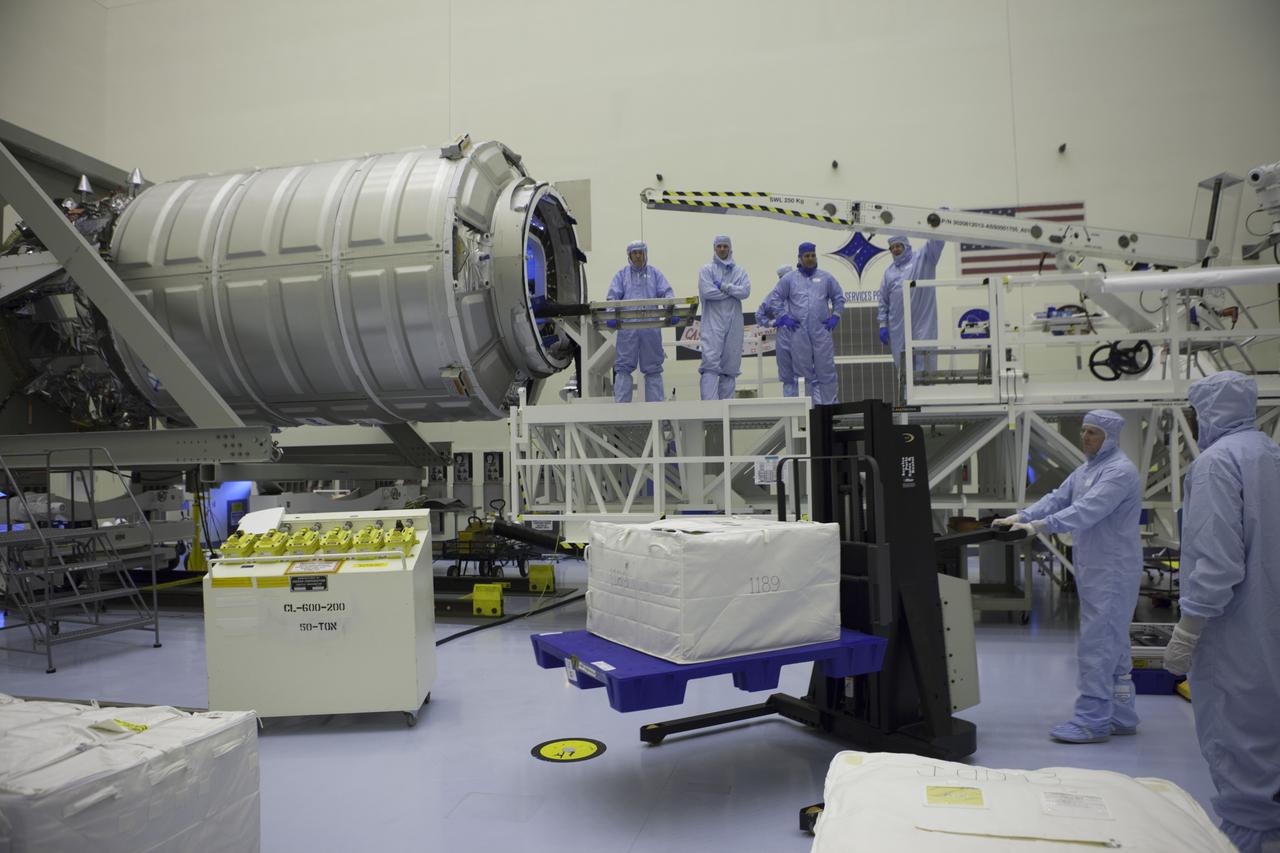
Technicians are positioned at the hatch of the Orbital ATK CRS-6 pressurized cargo module as a forklift moves a cargo package into position for installation into the spacecraft inside the Payload Hazardous Servicing Facility at NASA’s Kennedy Space Center in Florida. The spacecraft is scheduled for the upcoming Orbital ATK Commercial Resupply Services-6 mission to deliver hardware and supplies to the International Space Station. The Cygnus is scheduled to lift off atop a United Launch Alliance Atlas V rocket on March 22

A researcher from NASA’s Kennedy Space Center in Florida prepares pepper seeds for planting inside science carriers on April 8, 2021, inside the Space Life Sciences Lab for the Plant Habitat-04 (PH-04) experiment. The seeds will fly to the International Space Station on SpaceX’s 22nd Commercial Resupply Services (CRS-22) mission. When the experiment starts, astronauts will grow the pepper seeds in the Advanced Plant Habitat (APH) growth chamber, which will monitor the experiment with more than 180 sensors. The astronauts will observe plant growth for about four months and conduct two harvests to study whether microgravity affects growth, flavor, or texture. Since peppers take longer to germinate, grow, and develop than previous crops grown in space, the PH-04 experiment also will test the durability and reliability of the various systems within the APH.

A researcher from NASA’s Kennedy Space Center in Florida prepares pepper seeds for planting inside science carriers on April 8, 2021, inside the Space Life Sciences Lab for the Plant Habitat-04 (PH-04) experiment. The seeds will fly to the International Space Station on SpaceX’s 22nd Commercial Resupply Services (CRS-22) mission. When the experiment starts, astronauts will grow the pepper seeds in the Advanced Plant Habitat (APH) growth chamber, which will monitor the experiment with more than 180 sensors. The astronauts will observe plant growth for about four months and conduct two harvests to study whether microgravity affects growth, flavor, or texture. Since peppers take longer to germinate, grow, and develop than previous crops grown in space, the PH-04 experiment also will test the durability and reliability of the various systems within the APH.

Inside the Space Life Sciences Lab at NASA’s Kennedy Space Center in Florida, researchers plant pepper seeds in a science carrier on April 8, 2021, in preparation for the Plant Habitat-04 (PH-04) experiment. The seeds will fly to the International Space Station on SpaceX’s 22nd Commercial Resupply Services (CRS-22) mission. When the experiment starts, astronauts will grow the pepper seeds in the Advanced Plant Habitat (APH) growth chamber, which will monitor the experiment with more than 180 sensors. The astronauts will observe plant growth for about four months and conduct two harvests to study whether microgravity affects growth, flavor, or texture. Since peppers take longer to germinate, grow, and develop than previous crops grown in space, the PH-04 experiment also will test the durability and reliability of the various systems within the APH.

A researcher from NASA’s Kennedy Space Center in Florida prepares pepper seeds for planting inside science carriers on April 8, 2021, inside the Space Life Sciences Lab for the Plant Habitat-04 (PH-04) experiment. The seeds will fly to the International Space Station on SpaceX’s 22nd Commercial Resupply Services (CRS-22) mission. When the experiment starts, astronauts will grow the pepper seeds in the Advanced Plant Habitat (APH) growth chamber, which will monitor the experiment with more than 180 sensors. The astronauts will observe plant growth for about four months and conduct two harvests to study whether microgravity affects growth, flavor, or texture. Since peppers take longer to germinate, grow, and develop than previous crops grown in space, the PH-04 experiment also will test the durability and reliability of the various systems within the APH.

A close-up photo of a pepper seed prepared by researchers at NASA’s Kennedy Space Center in Florida is shown before it’s planted inside a science carrier on April 8, 2021, inside the Space Life Sciences Lab for the Plant Habitat-04 (PH-04) experiment. The seeds will fly to the International Space Station on SpaceX’s 22nd Commercial Resupply Services (CRS-22) mission. When the experiment starts, astronauts will grow the pepper seeds in the Advanced Plant Habitat (APH) growth chamber, which will monitor the experiment with more than 180 sensors. The astronauts will observe plant growth for about four months and conduct two harvests to study whether microgravity affects growth, flavor, or texture. Since peppers take longer to germinate, grow, and develop than previous crops grown in space, the PH-04 experiment also will test the durability and reliability of the various systems within the APH.

Inside the Space Life Sciences Lab at NASA’s Kennedy Space Center in Florida, a researcher plants pepper seeds in science carriers on April 8, 2021, in preparation for the Plant Habitat-04 (PH-04) experiment. The seeds will fly to the International Space Station on SpaceX’s 22nd Commercial Resupply Services (CRS-22) mission. When the experiment starts, astronauts will grow the pepper seeds in the Advanced Plant Habitat (APH) growth chamber, which will monitor the experiment with more than 180 sensors. The astronauts will observe plant growth for about four months and conduct two harvests to study whether microgravity affects growth, flavor, or texture. Since peppers take longer to germinate, grow, and develop than previous crops grown in space, the PH-04 experiment also will test the durability and reliability of the various systems within the APH.
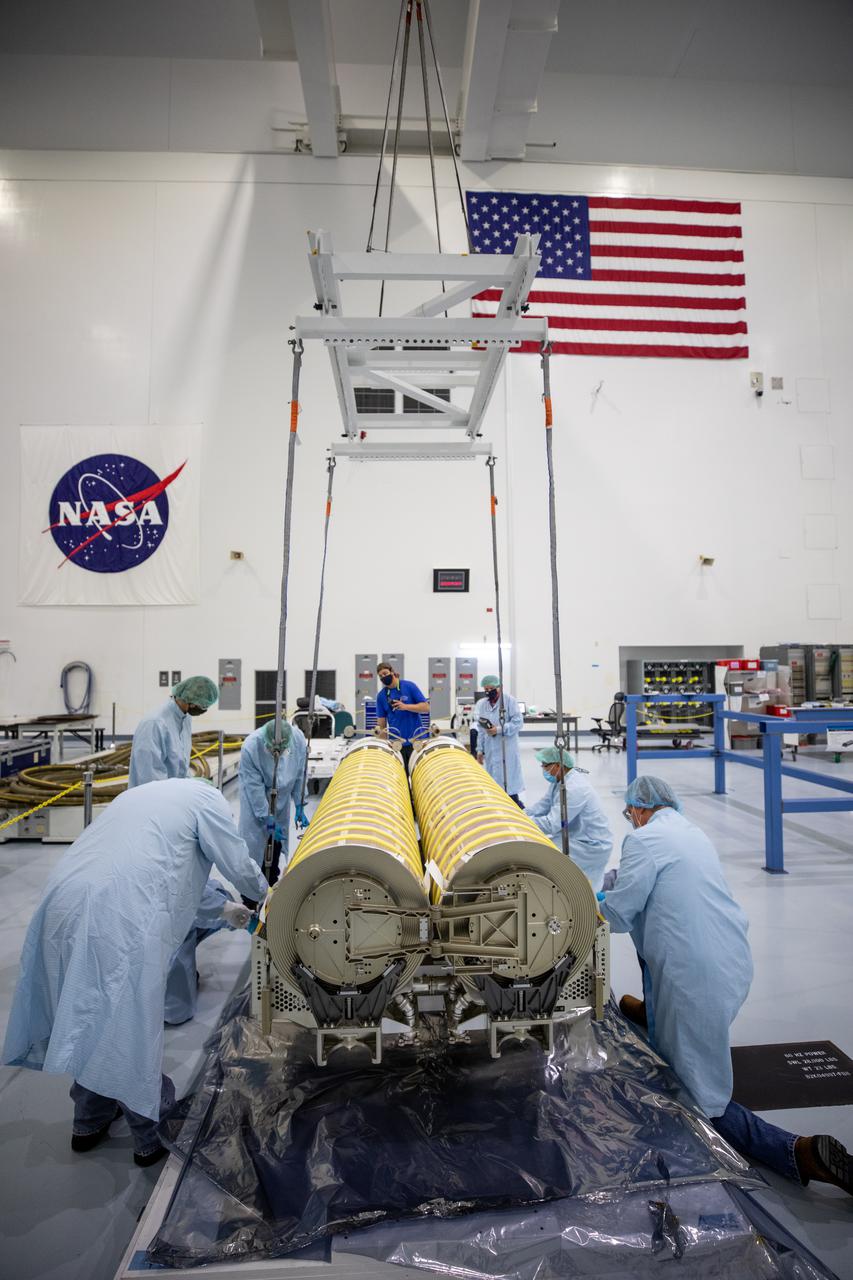
NASA and Boeing workers move solar arrays for the International Space Station to flight support equipment in the high bay of the Space Station Processing Facility at NASA’s Kennedy Space Center in Florida on April 2, 2021. The 63- by- 20-foot solar arrays will launch to the International Space Station later this year. They are the first two of six new solar arrays that in total will produce more than 120 kilowatts of electricity from the Sun’s energy, enough to power more than 40 average U.S. homes. Combined with the eight original, larger arrays, this advanced hardware will provide 215 kilowatts of energy, a 20 to 30 percent increase in power, helping maximize the space station’s capabilities for years to come. The arrays will produce electricity to sustain the station’s systems and equipment, plus augment the electricity available to continue a wide variety of public and private experiments and research in the microgravity environment of low-Earth orbit.
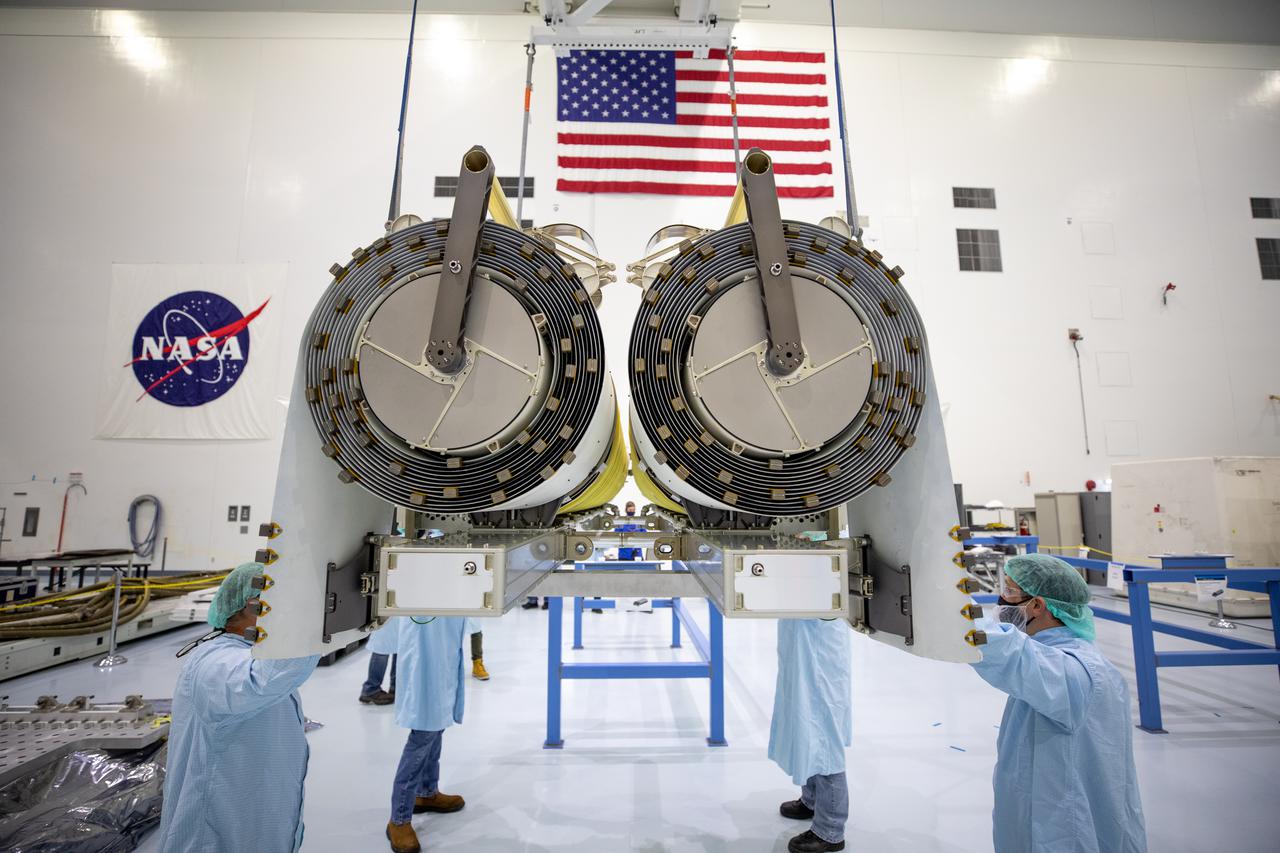
NASA and Boeing workers help position the solar arrays onto flight support equipment inside the high bay of the Space Station Processing Facility at NASA’s Kennedy Space Center in Florida on April 2, 2021. The 63- by- 20-foot solar arrays will launch to the International Space Station later this year. They are the first two of six new solar arrays that in total will produce more than 120 kilowatts of electricity from the Sun’s energy, enough to power more than 40 average U.S. homes. Combined with the eight original, larger arrays, this advanced hardware will provide 215 kilowatts of energy, a 20 to 30 percent increase in power, helping maximize the space station’s capabilities for years to come. The arrays will produce electricity to sustain the station’s systems and equipment, plus augment the electricity available to continue a wide variety of public and private experiments and research in the microgravity environment of low-Earth orbit.
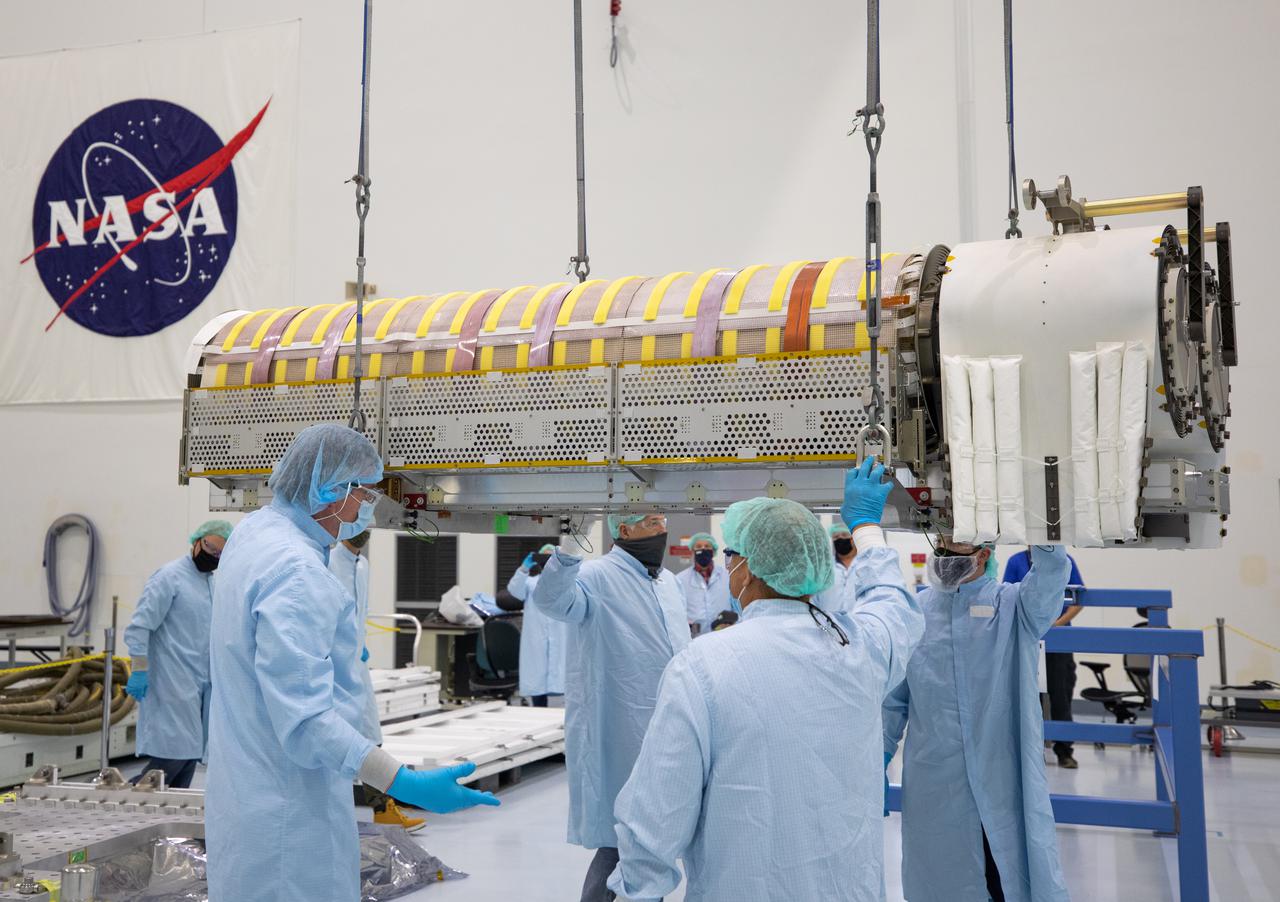
NASA and Boeing workers lift solar arrays into flight support equipment on April 2, 2021, in the Space Station Processing Facility at NASA’s Kennedy Space Center in Florida. The 63- by- 20-foot solar arrays will launch to the International Space Station later this year. They are the first two of six new solar arrays that in total will produce more than 120 kilowatts of electricity from the Sun’s energy, enough to power more than 40 average U.S. homes. Combined with the eight original, larger arrays, this advanced hardware will provide 215 kilowatts of energy, a 20 to 30 percent increase in power, helping maximize the space station’s capabilities for years to come. The arrays will produce electricity to sustain the station’s systems and equipment, plus augment the electricity available to continue a wide variety of public and private experiments and research in the microgravity environment of low-Earth orbit. Most of the station systems, including its batteries, scientific equipment racks, and communications equipment have been upgraded since humans began a continuous presence on the orbiting laboratory in November 2000. For more than two decades, astronauts have lived and worked on this unique orbiting lab, supporting scientific research that has led to numerous discoveries that benefit people on Earth and prepare for future Artemis missions to the Moon and beyond.
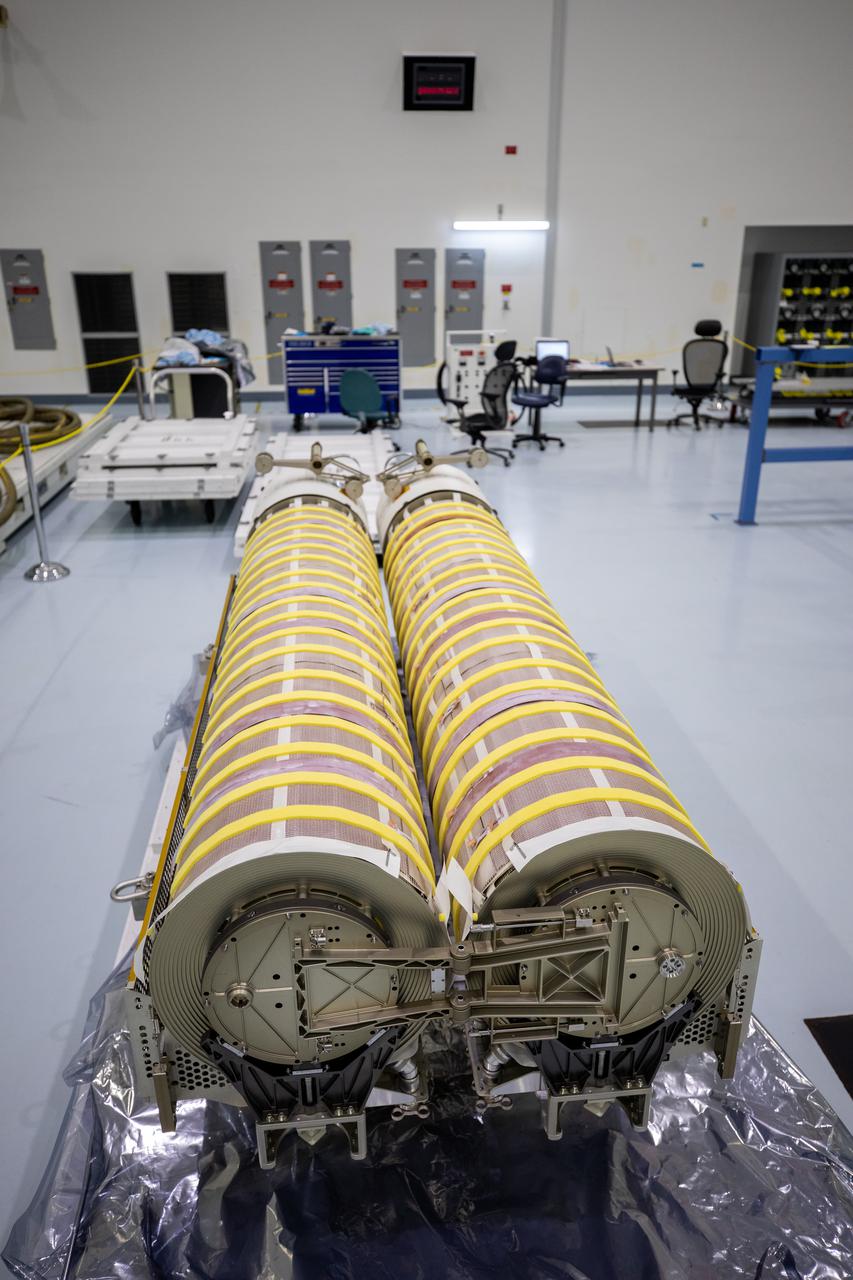
In view are the first two of six solar arrays shortly before NASA and Boeing workers began lifting them into flight support equipment the Space Station Processing Facility at NASA’s Kennedy Space Center in Florida on April 2, 2021. The 63- by- 20-foot solar arrays will launch to the International Space Station later this year. The six new solar arrays in total will produce more than 120 kilowatts of electricity from the Sun’s energy, enough to power more than 40 average U.S. homes. Combined with the eight original, larger arrays, this advanced hardware will provide 215 kilowatts of energy, a 20 to 30 percent increase in power, helping maximize the space station’s capabilities for years to come. The arrays will produce electricity to sustain the station’s systems and equipment, plus augment the electricity available to continue a wide variety of public and private experiments and research in the microgravity environment of low-Earth orbit.
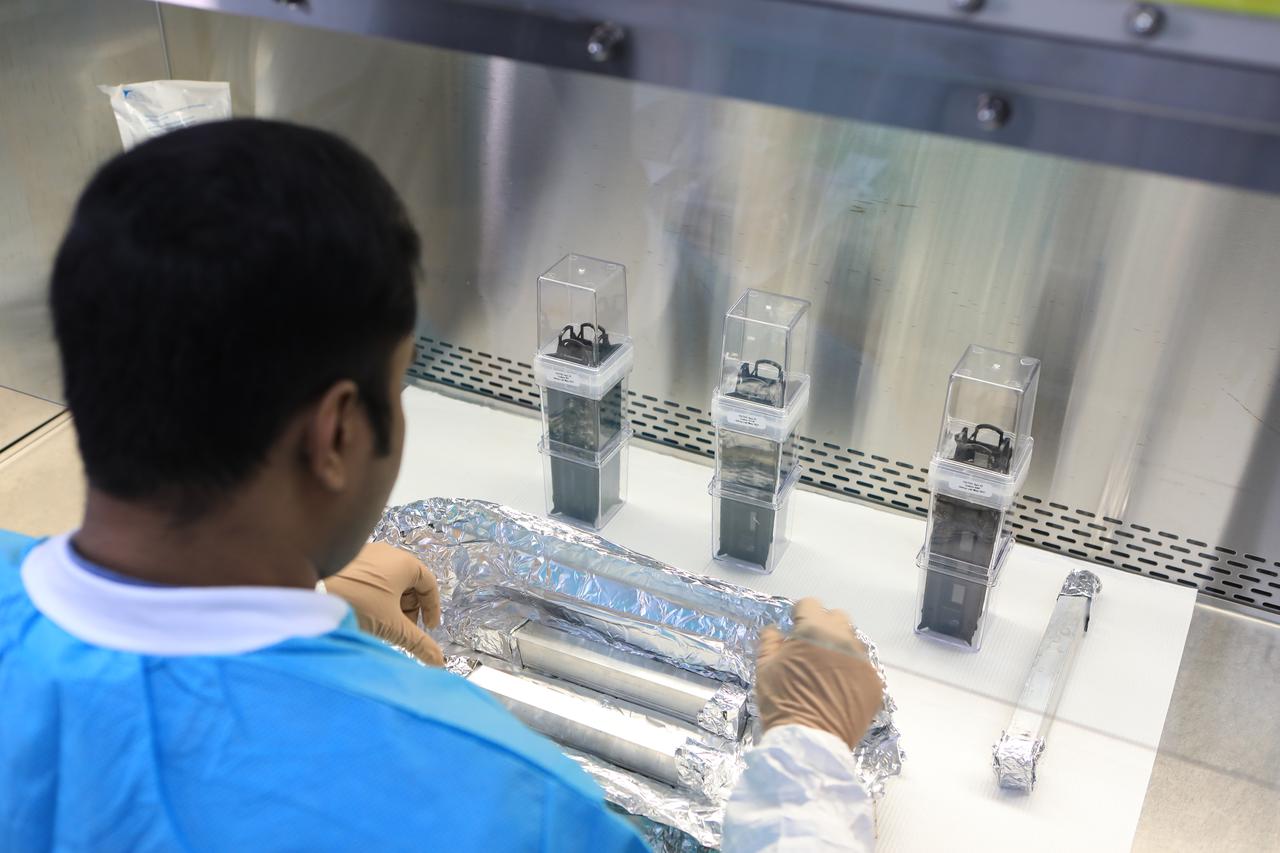
Dr. Arko Bakshi, a research associate with the Department of Botany at the University of Wisconsin, Madison, adds nutrient gel to Target Veggie Chambers, or TVCs, inside a laboratory in the Space Station Processing Facility at Kennedy Space Center in Florida on May 28, 2021. Bakshi waited until the gel solidified and then planted cotton seeds in it as part of the Targeting Improved Cotton Through Orbital Cultivation (TICTOC) experiment, which will launch to the International Space Station aboard SpaceX’s 22nd commercial resupply services mission. TICTOC will investigate how environmental factors and genes control development of roots in the absence of gravity. Liftoff of the SpaceX Falcon 9 rocket and Dragon capsule is scheduled for 1:29 p.m. EDT Thursday, June 3, 2021, from Launch Complex 39A at Kennedy Space Center.
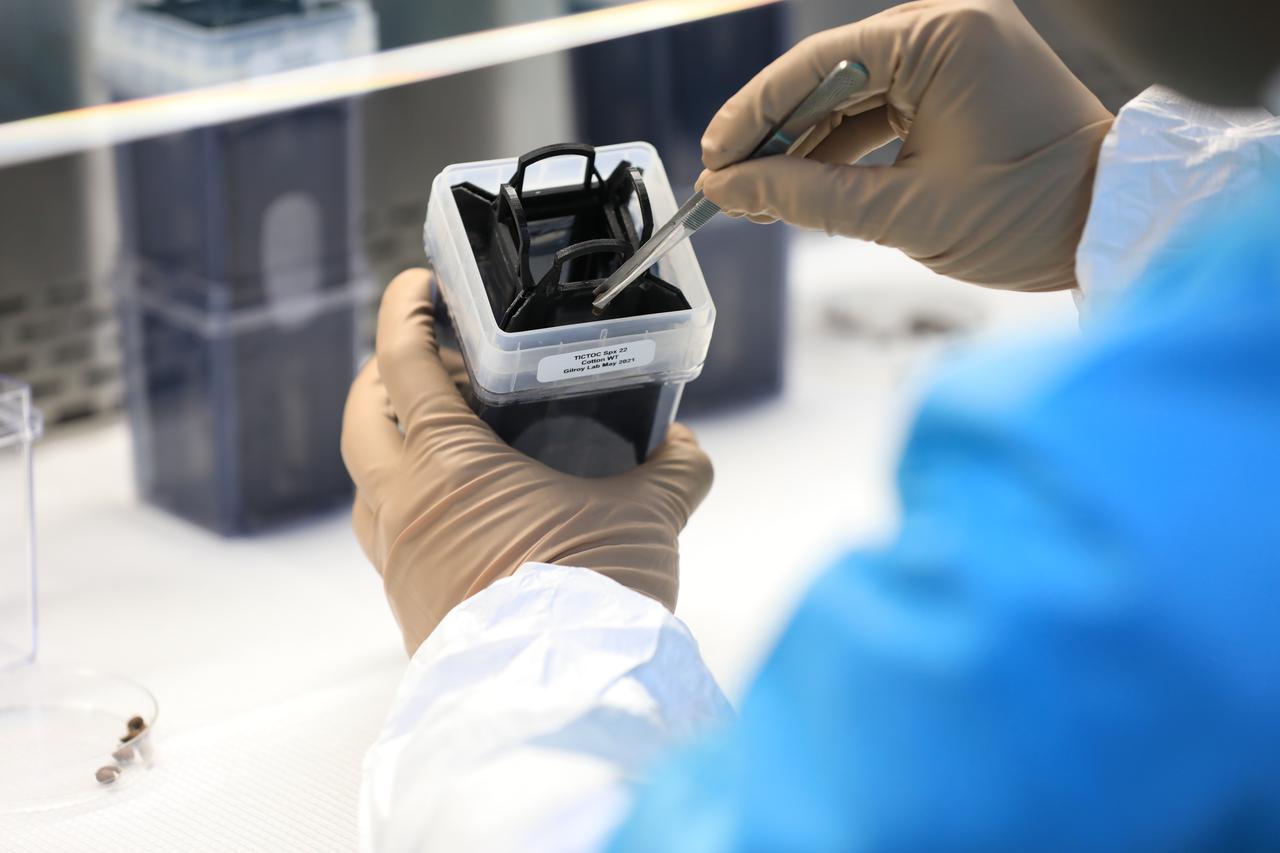
Dr. Arko Bakshi, a research associate with the Department of Botany at the University of Wisconsin, Madison, adds nutrient gel to Target Veggie Chambers, or TVCs, inside a laboratory in the Space Station Processing Facility at Kennedy Space Center in Florida on May 28, 2021. Bakshi waited until the gel solidified and then planted cotton seeds in it as part of the Targeting Improved Cotton Through Orbital Cultivation (TICTOC) experiment, which will launch to the International Space Station aboard SpaceX’s 22nd commercial resupply services mission. TICTOC will investigate how environmental factors and genes control development of roots in the absence of gravity. Liftoff of the SpaceX Falcon 9 rocket and Dragon capsule is scheduled for 1:29 p.m. EDT Thursday, June 3, 2021, from Launch Complex 39A at Kennedy Space Center.
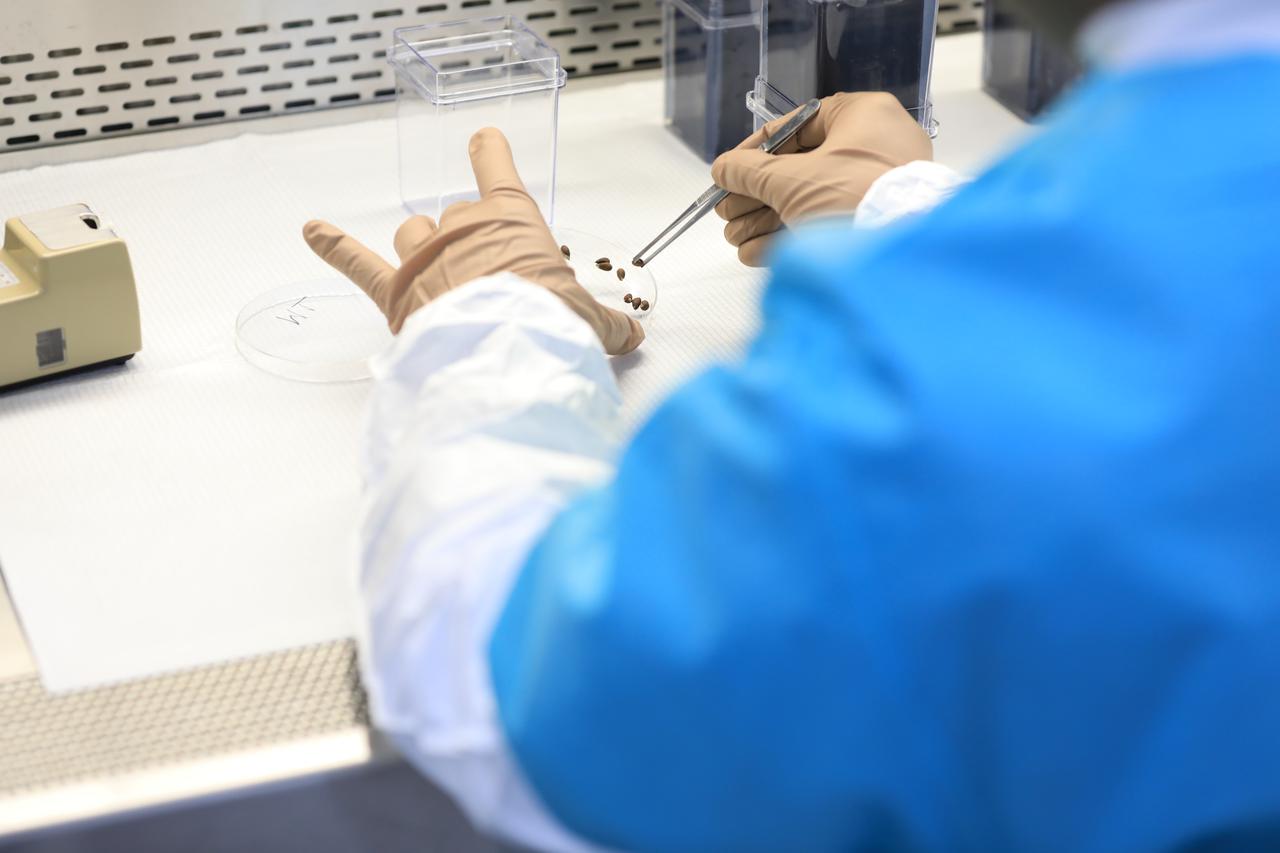
Dr. Arko Bakshi, a research associate with the Department of Botany at the University of Wisconsin, Madison, adds nutrient gel to Target Veggie Chambers, or TVCs, inside a laboratory in the Space Station Processing Facility at Kennedy Space Center in Florida on May 28, 2021. Bakshi waited until the gel solidified and then planted cotton seeds in it as part of the Targeting Improved Cotton Through Orbital Cultivation (TICTOC) experiment, which will launch to the International Space Station aboard SpaceX’s 22nd commercial resupply services mission. TICTOC will investigate how environmental factors and genes control development of roots in the absence of gravity. Liftoff of the SpaceX Falcon 9 rocket and Dragon capsule is scheduled for 1:29 p.m. EDT Thursday, June 3, 2021, from Launch Complex 39A at Kennedy Space Center.
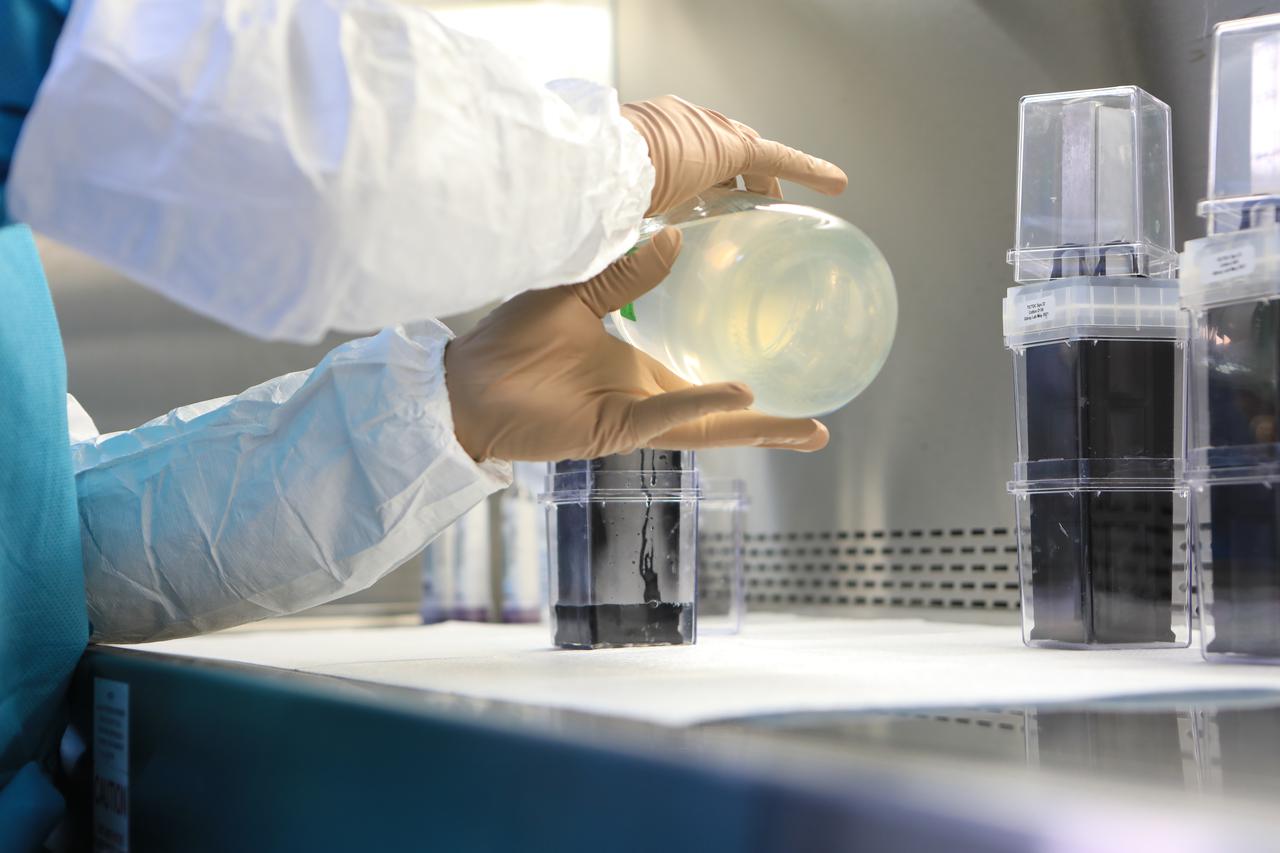
Dr. Arko Bakshi, a research associate with the Department of Botany at the University of Wisconsin, Madison, adds nutrient gel to Target Veggie Chambers, or TVCs, inside a laboratory in the Space Station Processing Facility at Kennedy Space Center in Florida on May 28, 2021. Bakshi waited until the gel solidified and then planted cotton seeds in it as part of the Targeting Improved Cotton Through Orbital Cultivation (TICTOC) experiment, which will launch to the International Space Station aboard SpaceX’s 22nd commercial resupply services mission. TICTOC will investigate how environmental factors and genes control development of roots in the absence of gravity. Liftoff of the SpaceX Falcon 9 rocket and Dragon capsule is scheduled for 1:29 p.m. EDT Thursday, June 3, 2021, from Launch Complex 39A at Kennedy Space Center.
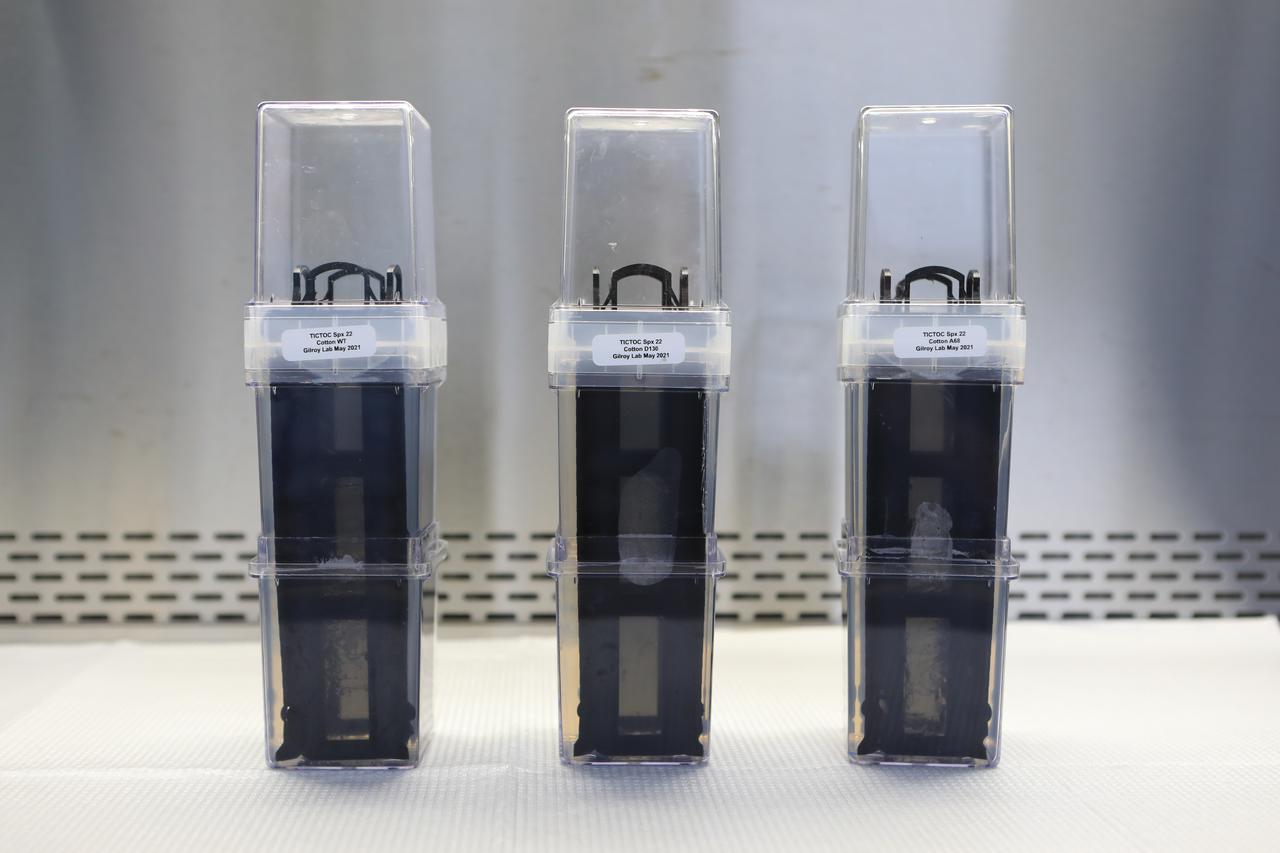
Several Target Veggie Chambers, or TVCs, are in view inside a laboratory in the Space Station Processing Facility at NASA’s Kennedy Space Center in Florida on May 28, 2021. A nutrient gel has been added to them, and when the gel solidified, Dr. Arko Bakshi, a research associate with the Department of Botany at the University of Wisconsin, Madison, planted cotton seeds in them as part of the Targeting Improved Cotton Through Orbital Cultivation (TICTOC) experiment, which will launch to the International Space Station aboard SpaceX’s 22nd commercial resupply services mission. TICTOC will investigate how environmental factors and genes control development of roots in the absence of gravity. Liftoff of the SpaceX Falcon 9 rocket and Dragon capsule is scheduled for 1:29 p.m. EDT Thursday, June 3, 2021, from Launch Complex 39A at Kennedy Space Center.
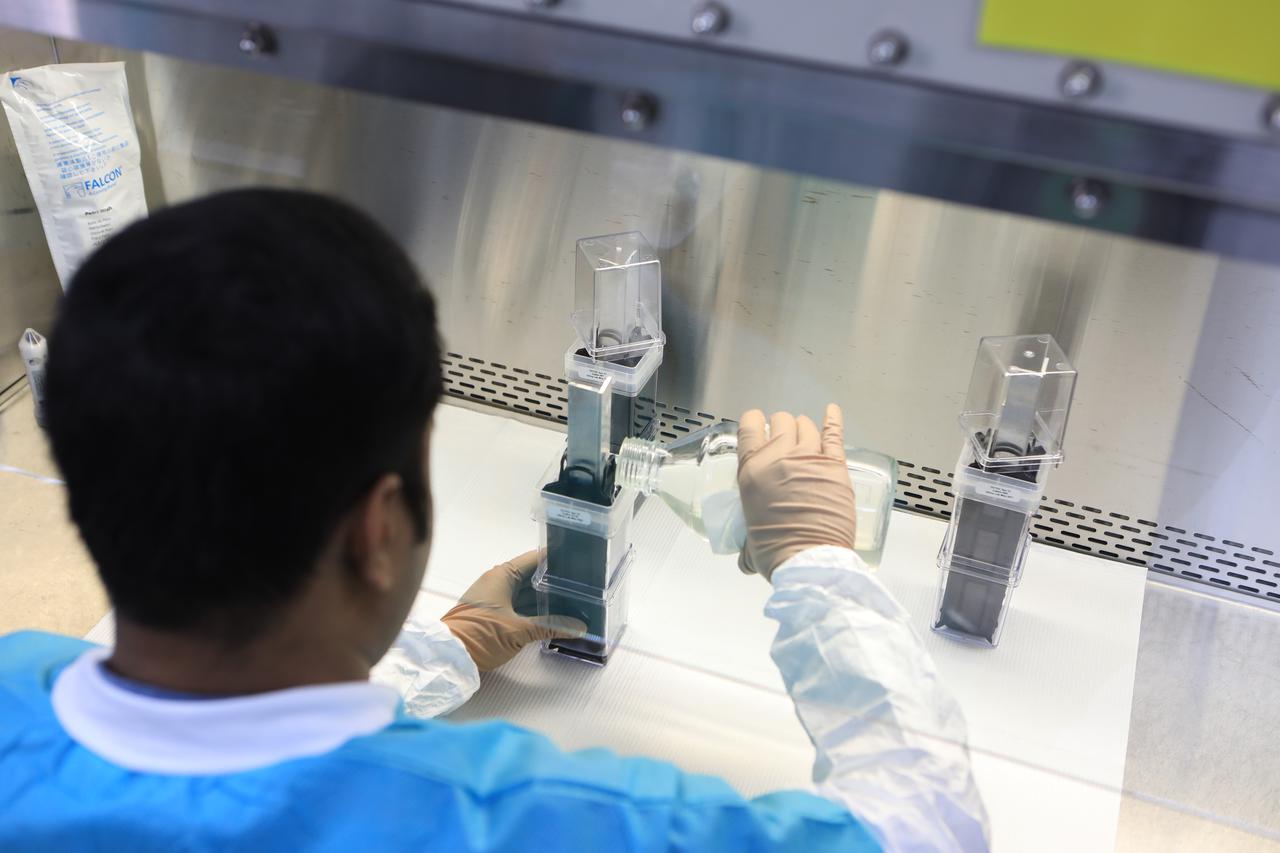
Dr. Arko Bakshi, a research associate with the Department of Botany at the University of Wisconsin, Madison, adds nutrient gel to Target Veggie Chambers, or TVCs, inside a laboratory in the Space Station Processing Facility at Kennedy Space Center in Florida on May 28, 2021. Bakshi waited until the gel solidified and then planted cotton seeds in it as part of the Targeting Improved Cotton Through Orbital Cultivation (TICTOC) experiment, which will launch to the International Space Station aboard SpaceX’s 22nd commercial resupply services mission. TICTOC will investigate how environmental factors and genes control development of roots in the absence of gravity. Liftoff of the SpaceX Falcon 9 rocket and Dragon capsule is scheduled for 1:29 p.m. EDT Thursday, June 3, 2021, from Launch Complex 39A at Kennedy Space Center.
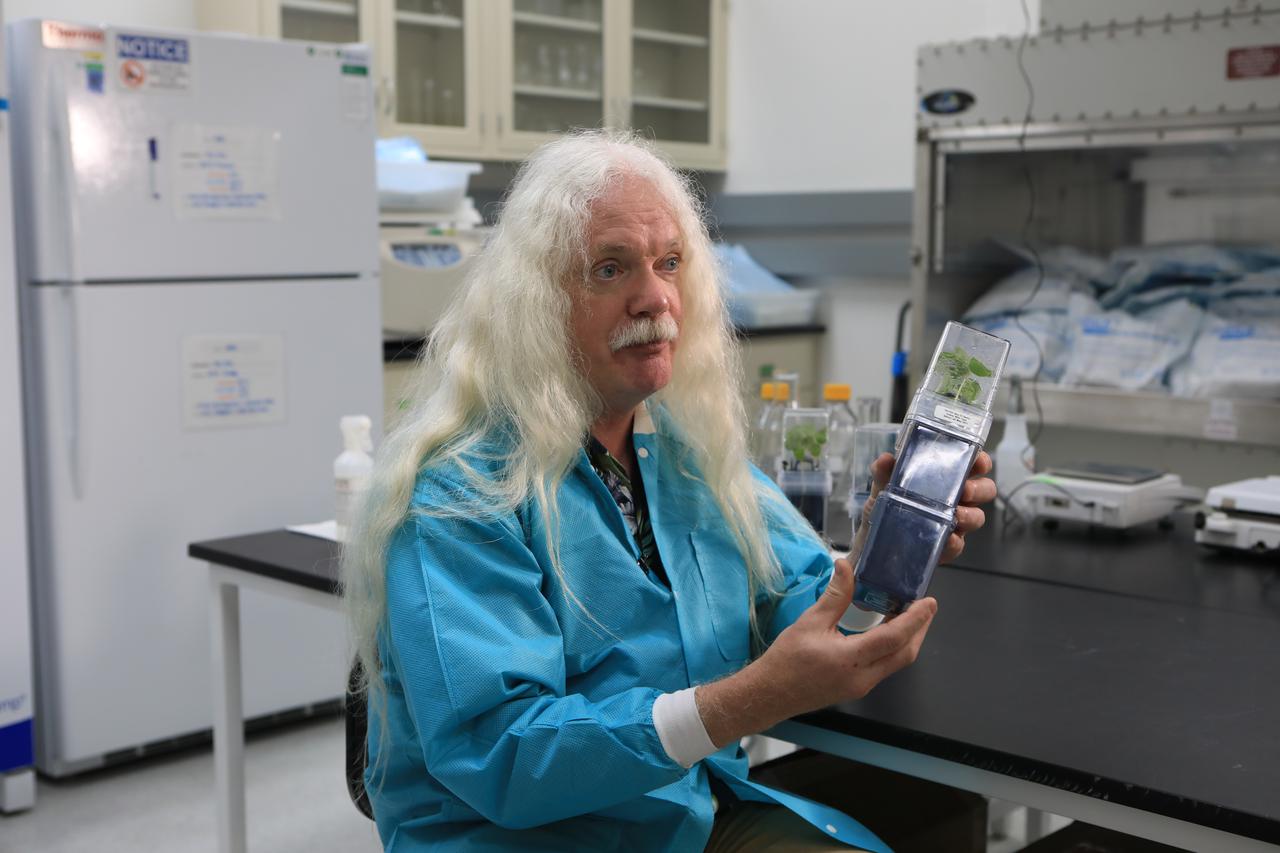
Inside a laboratory in the Space Station Processing Facility at NASA’s Kennedy Space Center in Florida on May 28, 2021, Dr. Simon Gilroy, principal investigator, holds one of several Target Veggie Chambers containing a nutrient gel so that cotton seeds can be planted in them as part of the Targeting Improved Cotton Through Orbital Cultivation (TICTOC) experiment. TICTOC will investigate how environmental factors and genes control development of roots in the absence of gravity. TICTOC will launch to the International Space Station aboard SpaceX’s 22nd Commercial Resupply Services mission. Liftoff of the SpaceX Falcon 9 rocket and Dragon capsule is scheduled for 1:29 p.m. EDT Thursday, June 3, 2021, from Launch Complex 39A at Kennedy Space Center.
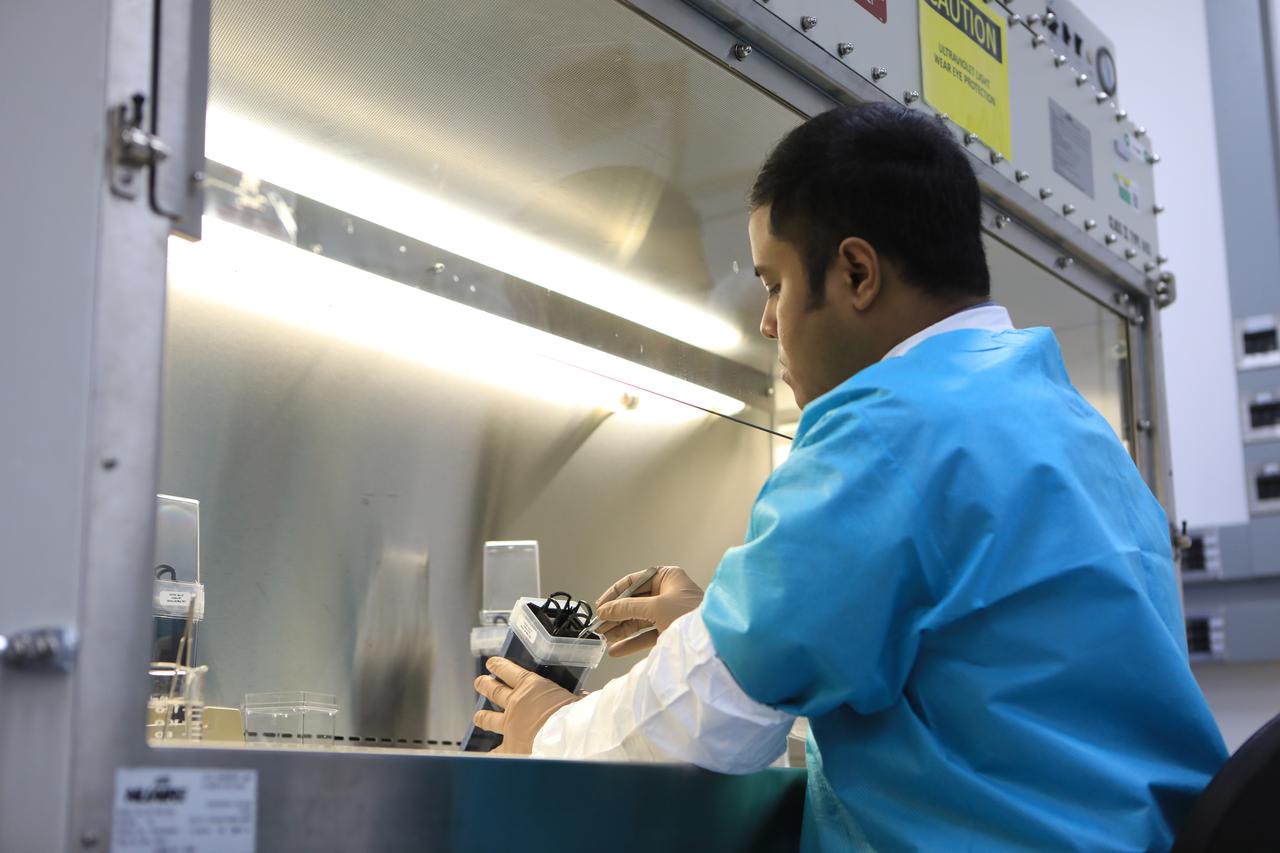
Dr. Arko Bakshi, a research associate with the Department of Botany at the University of Wisconsin, Madison, adds nutrient gel to Target Veggie Chambers, or TVCs, inside a laboratory in the Space Station Processing Facility at Kennedy Space Center in Florida on May 28, 2021. Bakshi waited until the gel solidified and then planted cotton seeds in it as part of the Targeting Improved Cotton Through Orbital Cultivation (TICTOC) experiment, which will launch to the International Space Station aboard SpaceX’s 22nd commercial resupply services mission. TICTOC will investigate how environmental factors and genes control development of roots in the absence of gravity. Liftoff of the SpaceX Falcon 9 rocket and Dragon capsule is scheduled for 1:29 p.m. EDT Thursday, June 3, 2021, from Launch Complex 39A at Kennedy Space Center.