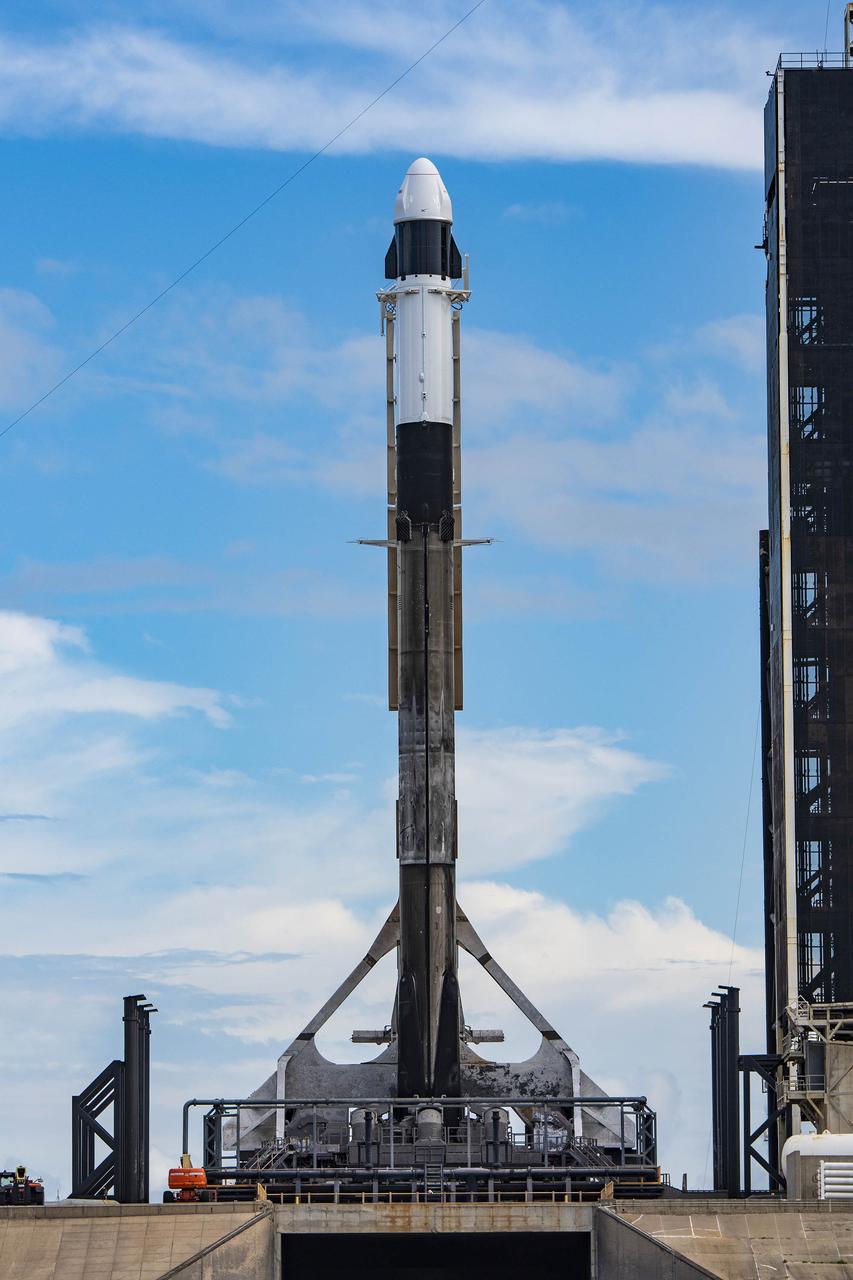
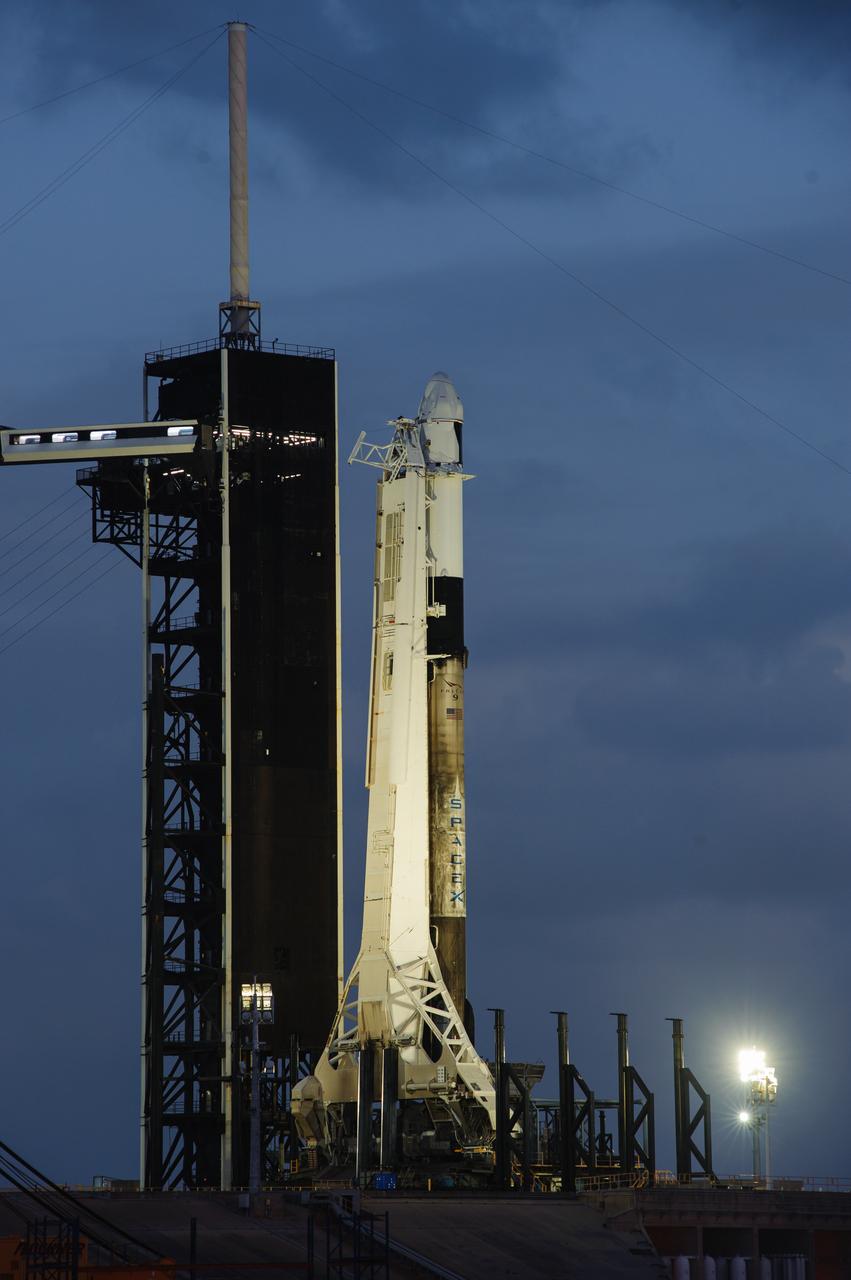
The SpaceX Falcon 9 rocket with the Dragon spacecraft atop is on the pad at Launch Complex 39A at NASA’s Kennedy Space Center in Florida on June 2, 2023. SpaceX is scheduled to launch its 28th commercial resupply services mission to the International Space Station for NASA. Launch is scheduled for June 3 at 12:35 p.m. EDT. Dragon will deliver approximately 7,000 pounds of crew supplies, equipment, and science experiments to the orbiting laboratory. The spacecraft is expected to spend about a month attached to the orbiting outpost before it returns to Earth with research and return cargo, splashing down off the coast of Florida.
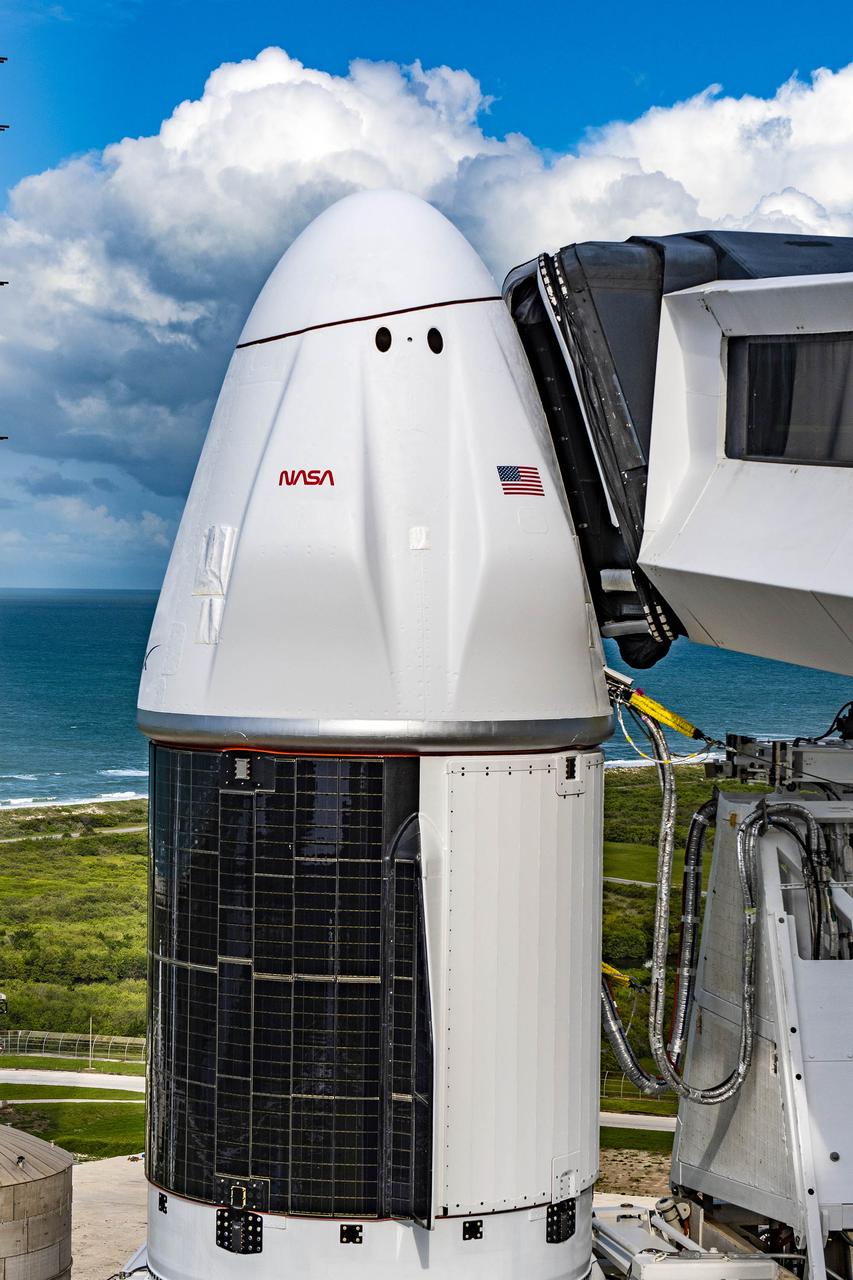
A close-up view of the SpaceX Dragon spacecraft atop the Falcon 9 rocket with the access arm extended on the pad at Launch Complex 39A at NASA’s Kennedy Space Center in Florida on June 2, 2023. SpaceX is scheduled to launch its 28th commercial resupply services mission to the International Space Station for NASA. Launch is scheduled for June 3 at 12:35 p.m. EDT. Dragon will deliver approximately 7,000 pounds of crew supplies, equipment, and science experiments to the orbiting laboratory. The spacecraft is expected to spend about a month attached to the orbiting outpost before it returns to Earth with research and return cargo, splashing down off the coast of Florida.
The SpaceX Falcon 9 rocket with the Dragon spacecraft atop is on the pad at Launch Complex 39A at NASA’s Kennedy Space Center in Florida on June 2, 2023. SpaceX is scheduled to launch its 28th commercial resupply services mission to the International Space Station for NASA. Launch is scheduled for June 3 at 12:35 p.m. EDT. Dragon will deliver approximately 7,000 pounds of crew supplies, equipment, and science experiments to the orbiting laboratory. The spacecraft is expected to spend about a month attached to the orbiting outpost before it returns to Earth with research and return cargo, splashing down off the coast of Florida.
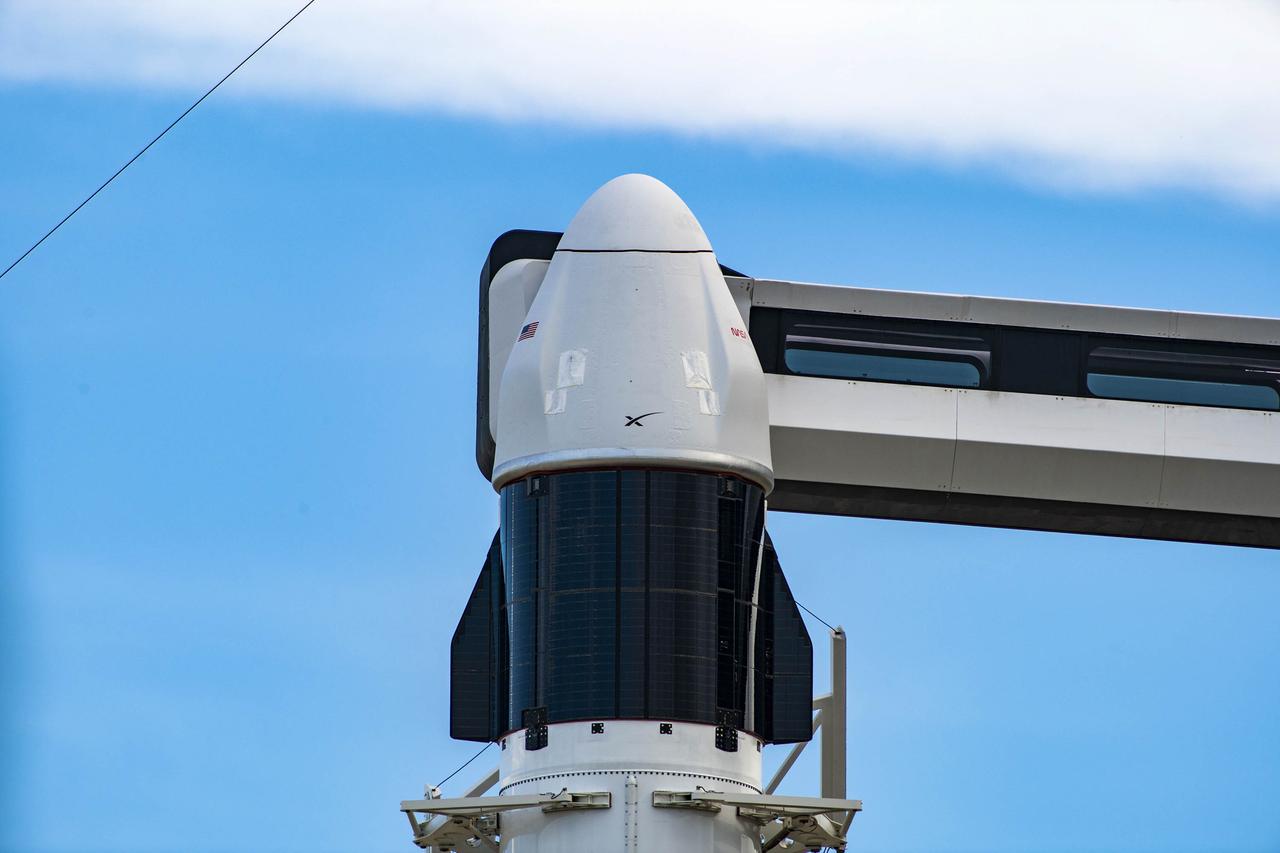
A close-up view of the SpaceX Dragon spacecraft atop the Falcon 9 rocket on the pad at Launch Complex 39A at NASA’s Kennedy Space Center in Florida on June 2, 2023. SpaceX is scheduled to launch its 28th commercial resupply services mission to the International Space Station for NASA. Launch is scheduled for June 3 at 12:35 p.m. EDT. Dragon will deliver approximately 7,000 pounds of crew supplies, equipment, and science experiments to the orbiting laboratory. The spacecraft is expected to spend about a month attached to the orbiting outpost before it returns to Earth with research and return cargo, splashing down off the coast of Florida.
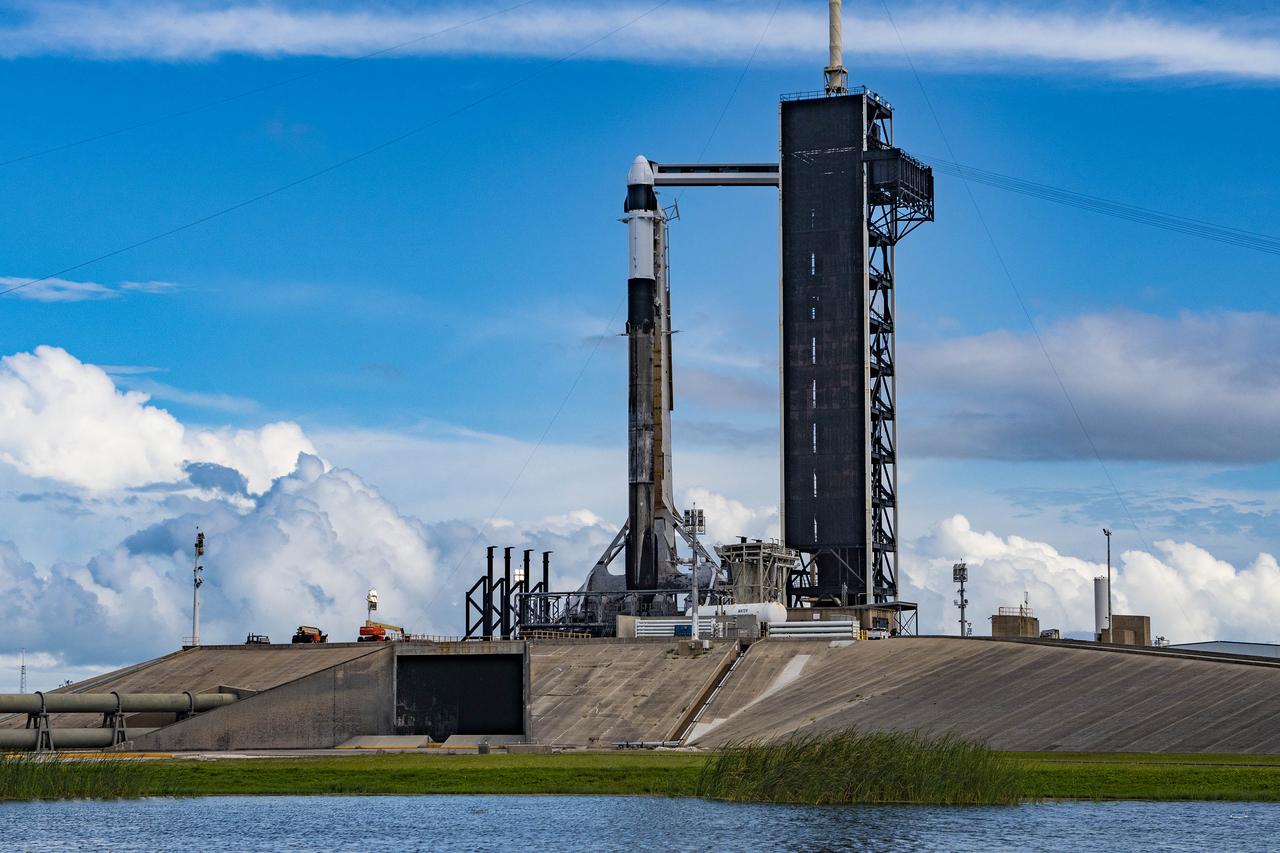
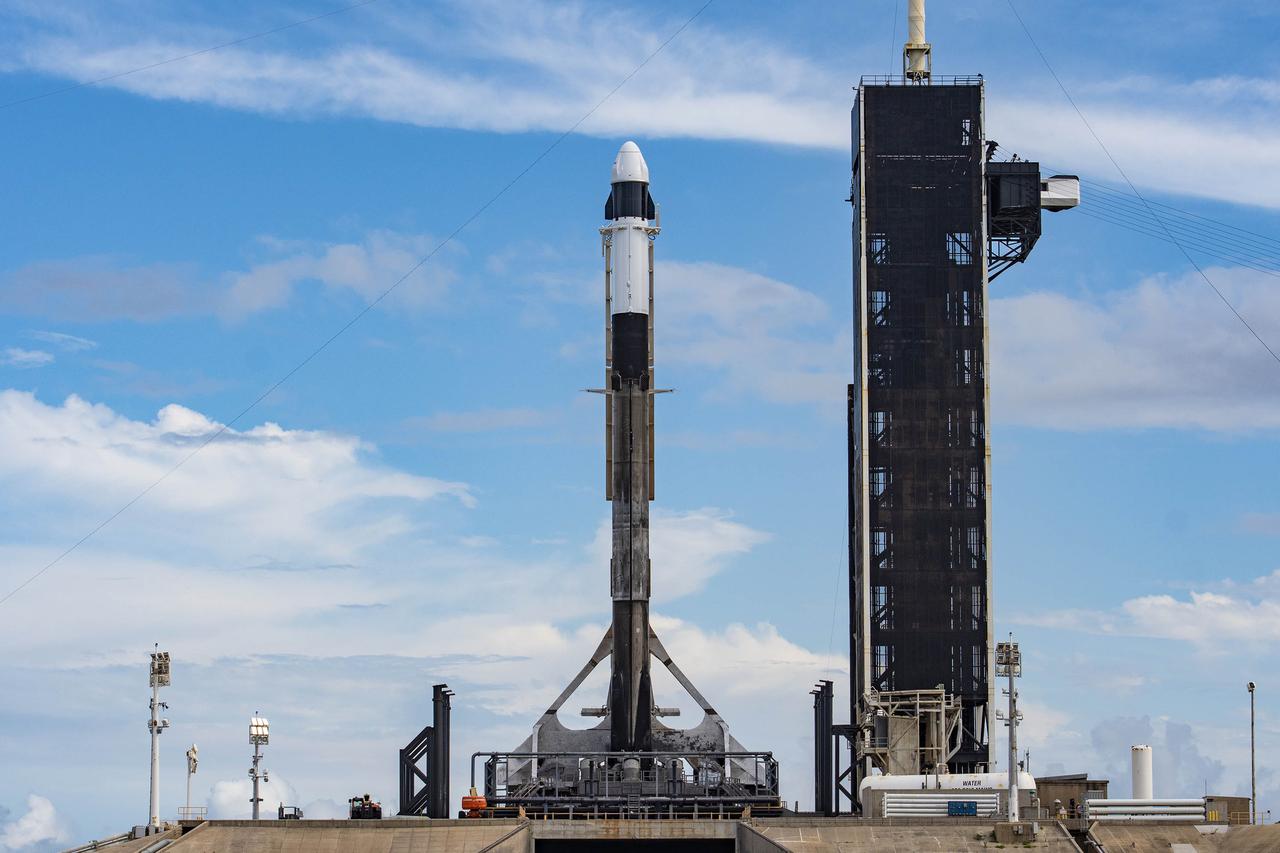
Blue sky and clouds serve as a backdrop for the SpaceX Falcon 9 rocket with the Dragon spacecraft atop on the pad at Launch Complex 39A at NASA’s Kennedy Space Center in Florida on June 2, 2023. SpaceX is scheduled to launch its 28th commercial resupply services mission to the International Space Station for NASA. Launch is scheduled for June 3 at 12:35 p.m. EDT. Dragon will deliver approximately 7,000 pounds of crew supplies, equipment, and science experiments to the orbiting laboratory. The spacecraft is expected to spend about a month attached to the orbiting outpost before it returns to Earth with research and return cargo, splashing down off the coast of Florida.
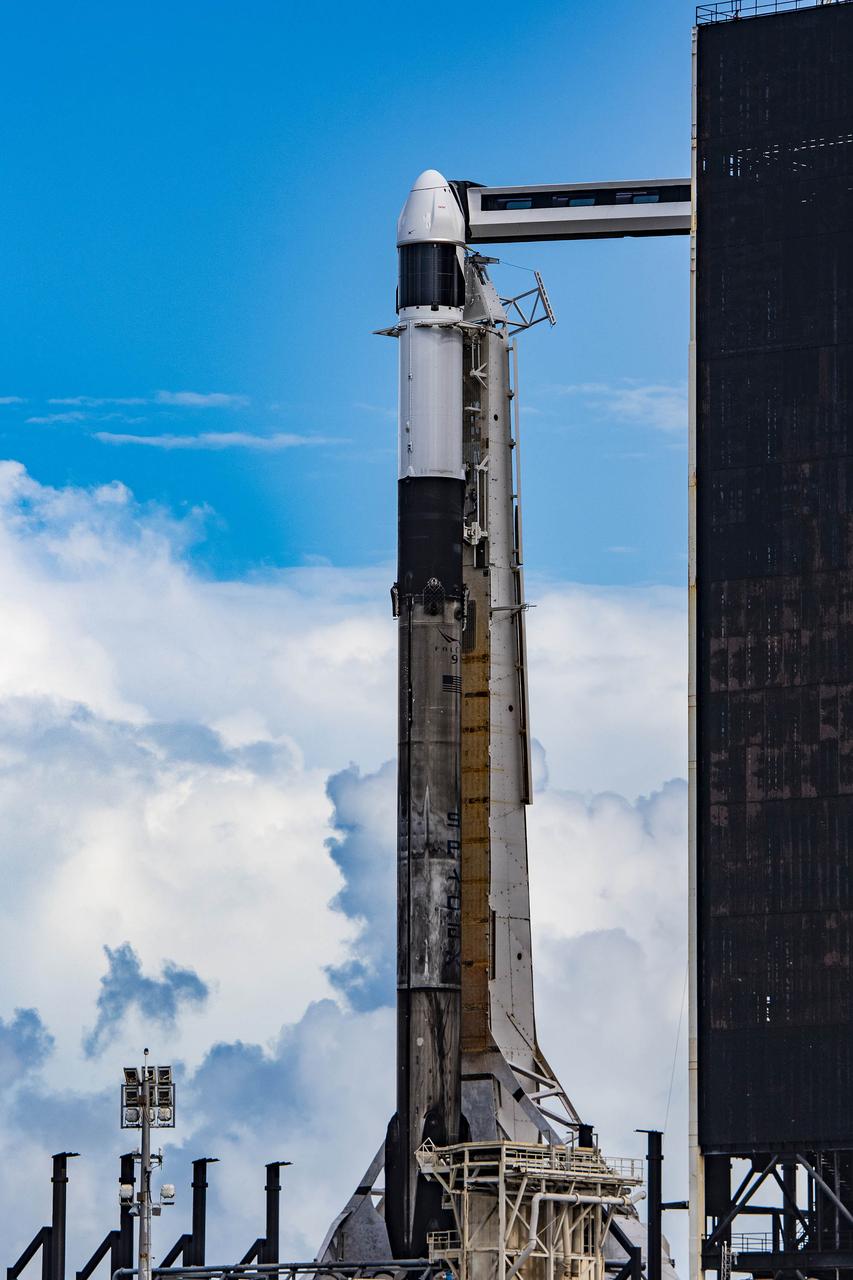
Blue sky and clouds serve as a backdrop for the SpaceX Falcon 9 rocket with the Dragon spacecraft atop on the pad at Launch Complex 39A at NASA’s Kennedy Space Center in Florida on June 2, 2023. SpaceX is scheduled to launch its 28th commercial resupply services mission to the International Space Station for NASA. Launch is scheduled for June 3 at 12:35 p.m. EDT. Dragon will deliver approximately 7,000 pounds of crew supplies, equipment, and science experiments to the orbiting laboratory. The spacecraft is expected to spend about a month attached to the orbiting outpost before it returns to Earth with research and return cargo, splashing down off the coast of Florida.
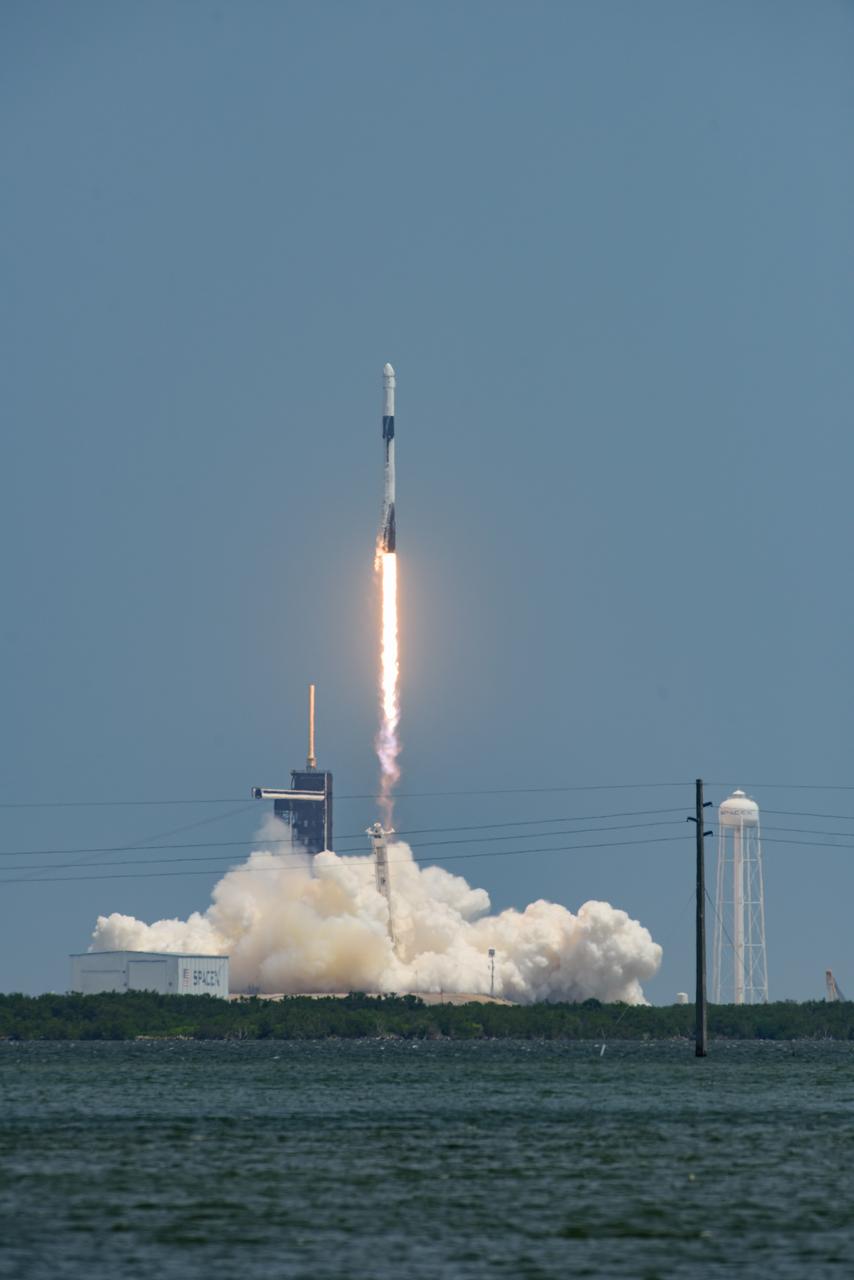
NASA and SpaceX launched the 28th commercial resupply mission of the Cargo Dragon from Launch Complex 39A at the agency's Kennedy Space Center in Florida. Liftoff occurred at 11:47 a.m. EDT, June 5, 2023. SpaceX's Dragon will deliver new science investigations, food, supplies, and equipment to the International Space Station for the crew, including the next pair of IROSAs (International Space Station Roll Out Solar Arrays). These solar panels, which roll out using stored kinetic energy, will expand the energy-production capabilities of the space station. This will be the third set launching in the SpaceX Dragon's trunk, and once installed, will help provide a 20% to 30% increase in power for space station research and operations.
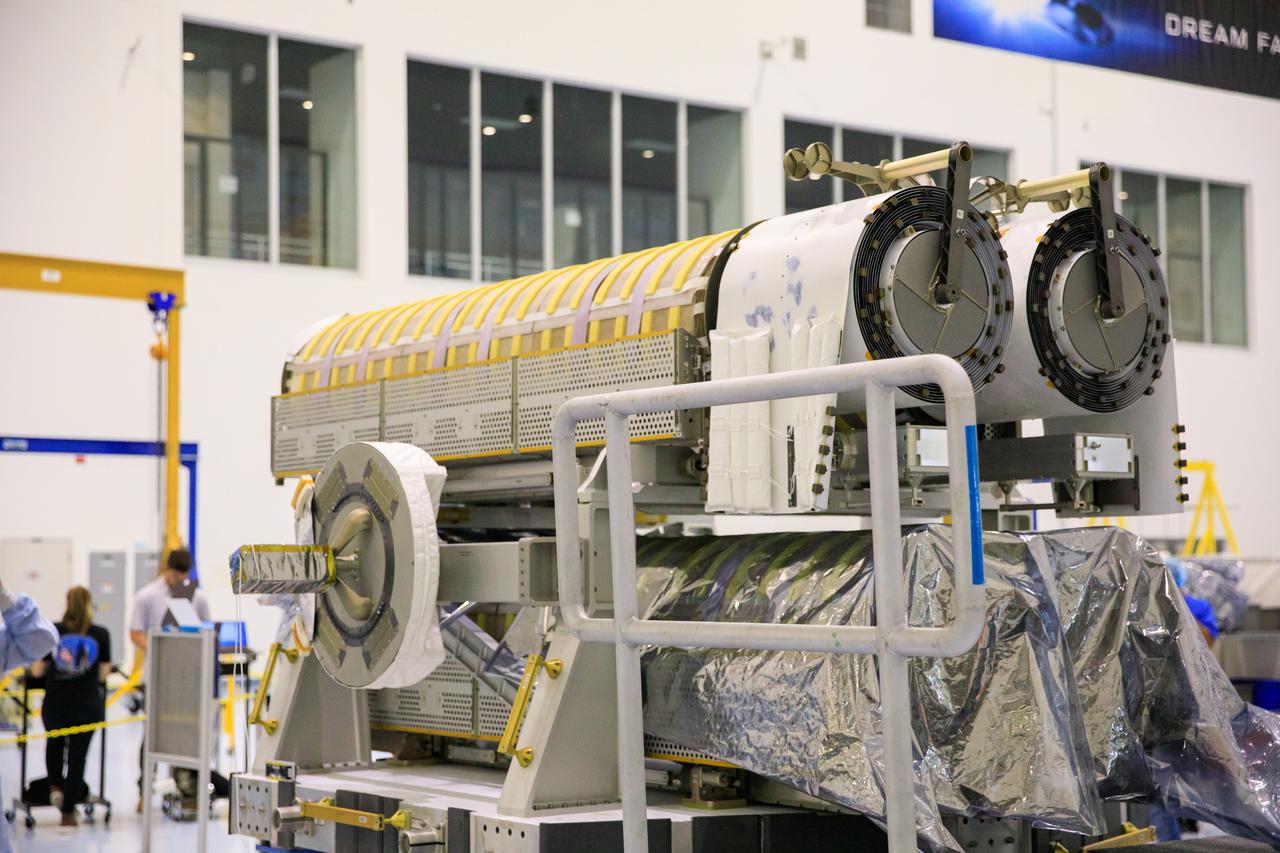
Inside the Space Station Processing Facility high bay at NASA's Kennedy Space Center in Florida, a set of International Space Station Roll Out Solar Arrays (iROSA) have been secured onto a platform on March 23, 2023. They are being prepared for delivery to the space station aboard SpaceX’s Dragon cargo carrier on the company’s 28th commercial resupply services (CRS-28) mission to the space station. iROSA is a new type of solar panel that rolls open in space and is more compact than current rigid panel designs.
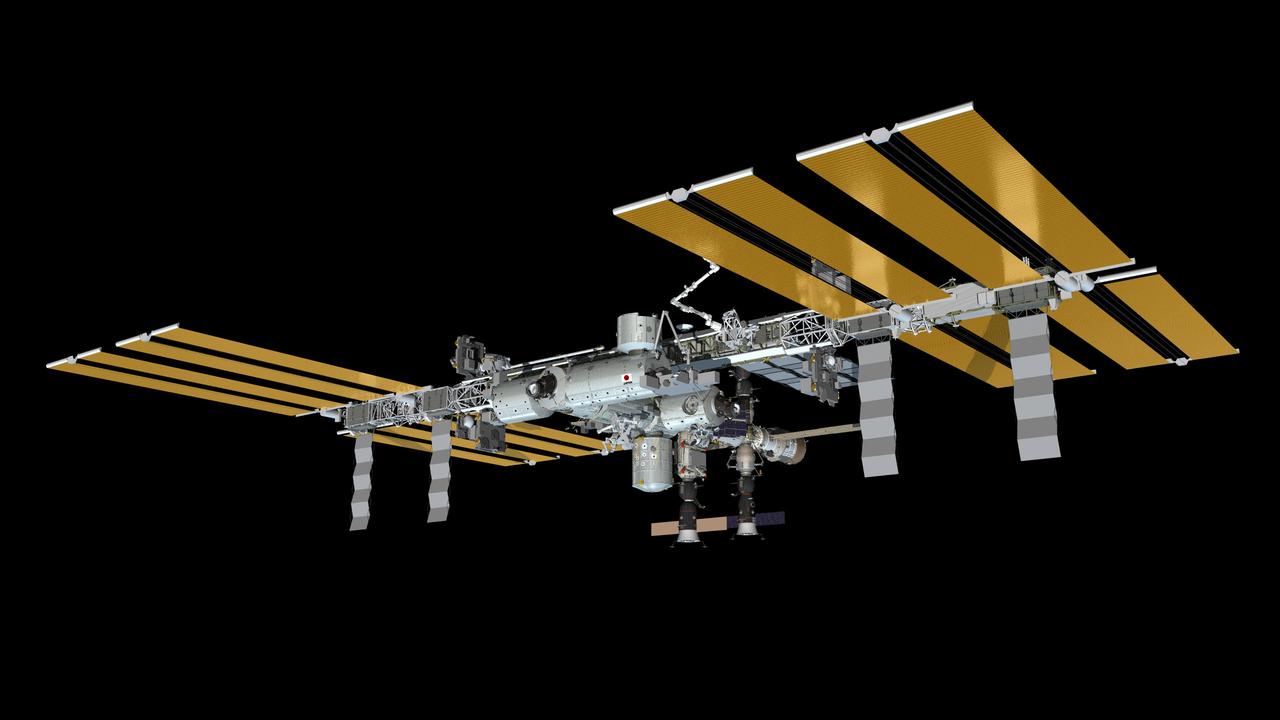
JSC2012-E-226839 (October 2012) --- Computer-generated artist?s rendering of the International Space Station as of Oct. 28, 2012. SpaceX Dragon CRS-1 is unberthed from the Harmony node nadir port. Soyuz 32 (TMA-06M) is docked to the Poisk Mini-Research Module 2 (MRM2). Progress 48 is linked to the Pirs Docking Compartment and Soyuz 31 (TMA-05M) is attached to the Rassvet Mini-Research Module 1 (MRM1). Photo credit: NASA
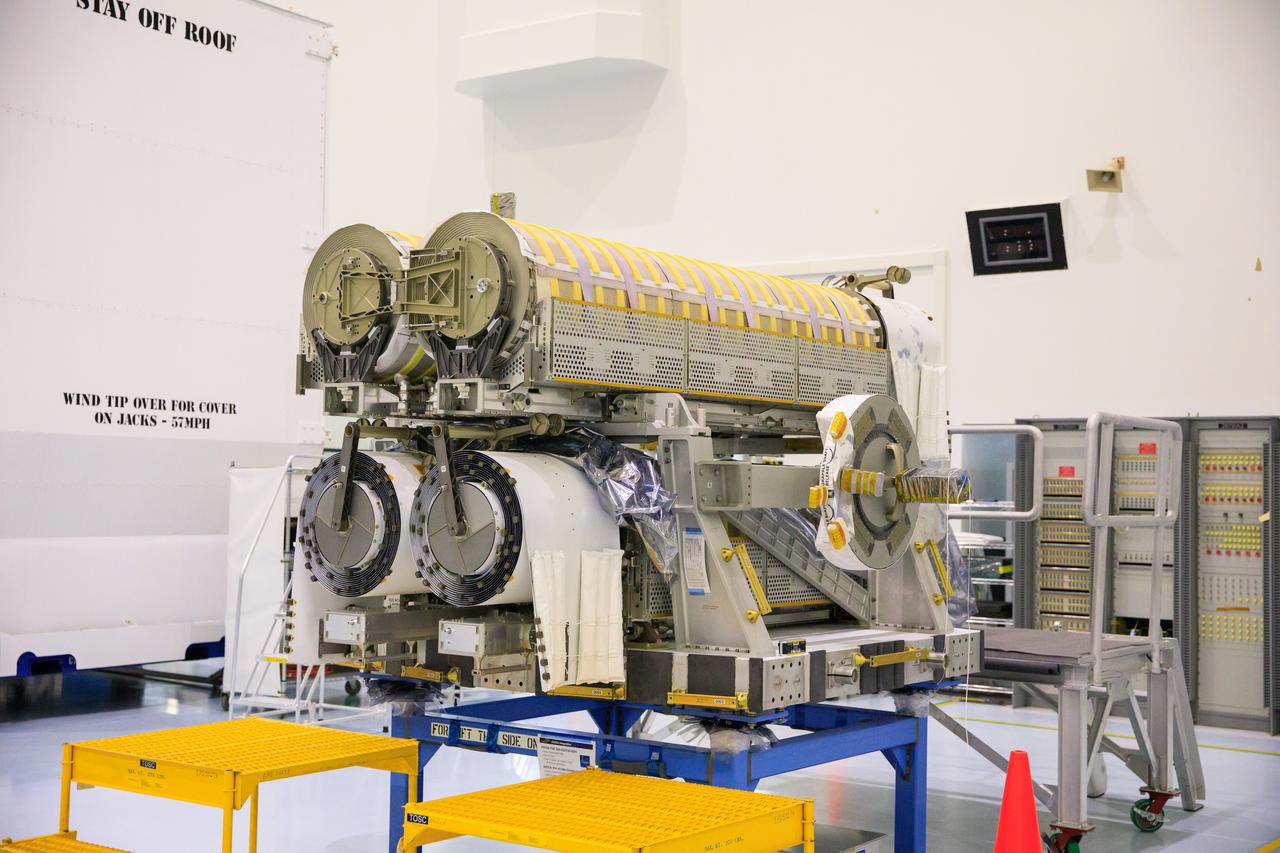
Inside the Space Station Processing Facility high bay at NASA's Kennedy Space Center in Florida, a set of International Space Station Roll Out Solar Arrays (iROSA) have been secured onto a platform on March 23, 2023. They are being prepared for delivery to the space station aboard SpaceX’s Dragon cargo carrier on the company’s 28th commercial resupply services (CRS-28) mission to the space station. iROSA is a new type of solar panel that rolls open in space and is more compact than current rigid panel designs.
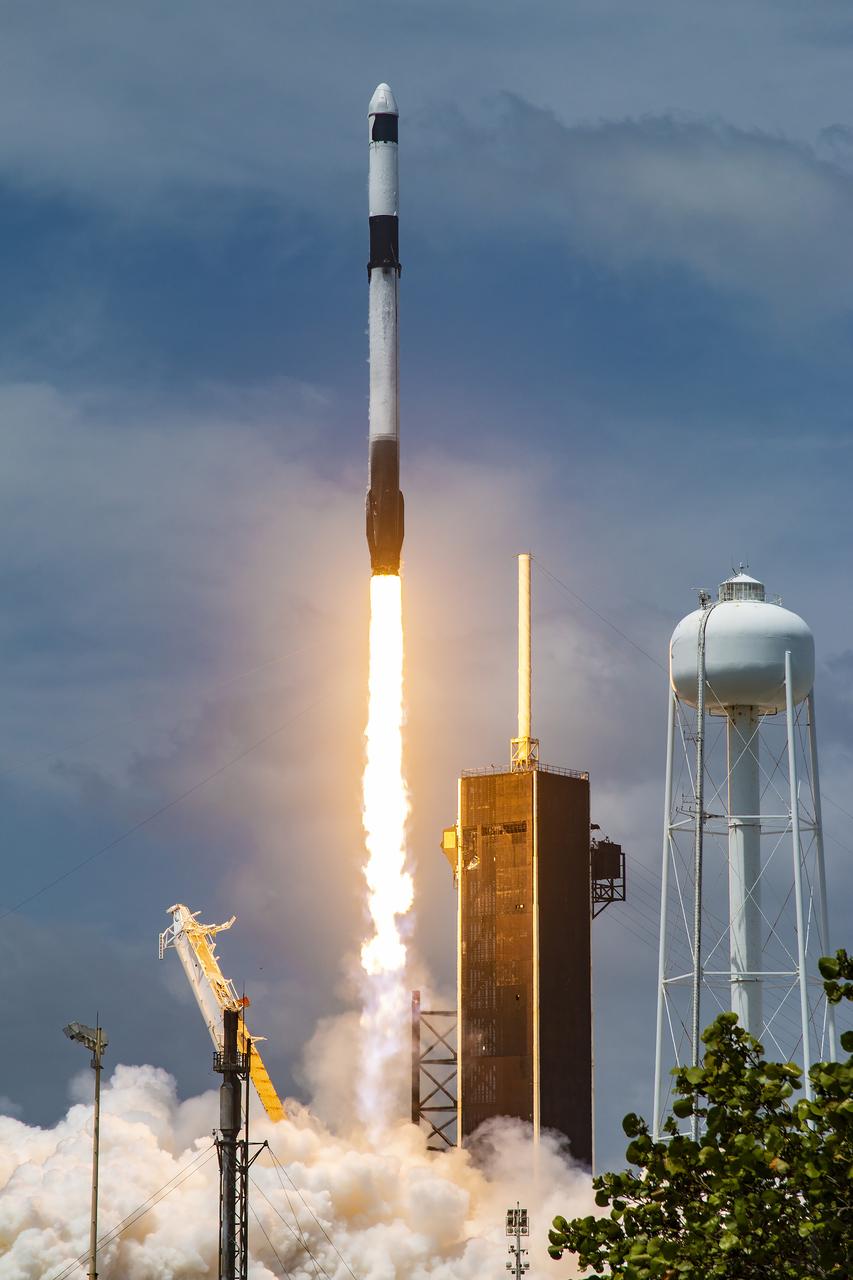
The SpaceX Falcon 9 rocket carrying the Dragon capsule lifts off from Launch Complex 39A at NASA’s Kennedy Space Center in Florida on June 5, 2023, on the company’s 28th Commercial Resupply Services mission for the agency to the International Space Station. Liftoff was at 12:47 a.m. EDT. Dragon will deliver approximately 7,000 pounds of crew supplies, equipment, and science experiments to the orbiting laboratory. The spacecraft is expected to spend about a month attached to the orbiting outpost before it returns to Earth with research and return cargo, splashing down off the coast of Florida.
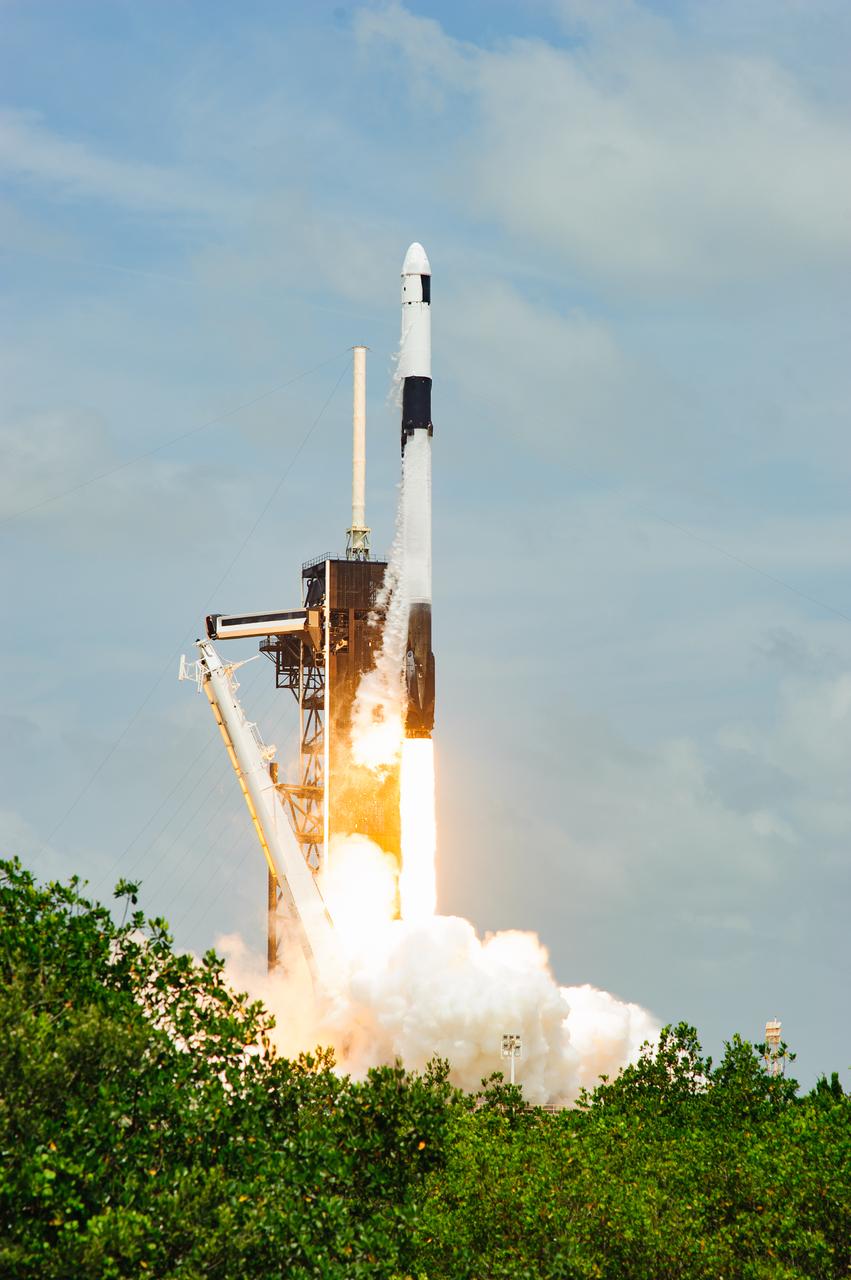
NASA and SpaceX launched the 28th commercial resupply mission of the Cargo Dragon from Launch Complex 39A at the agency's Kennedy Space Center in Florida. Liftoff occurred at 11:47 a.m. EDT, June 5, 2023. SpaceX's Dragon will deliver new science investigations, food, supplies, and equipment to the International Space Station for the crew, including the next pair of IROSAs (International Space Station Roll Out Solar Arrays). These solar panels, which roll out using stored kinetic energy, will expand the energy-production capabilities of the space station. This will be the third set launching in the SpaceX Dragon's trunk, and once installed, will help provide a 20% to 30% increase in power for space station research and operations.
NASA and SpaceX launched the 28th commercial resupply mission of the Cargo Dragon from Launch Complex 39A at the agency's Kennedy Space Center in Florida. Liftoff occurred at 11:47 a.m. EDT, June 5, 2023. SpaceX's Dragon will deliver new science investigations, food, supplies, and equipment to the International Space Station for the crew, including the next pair of IROSAs (International Space Station Roll Out Solar Arrays). These solar panels, which roll out using stored kinetic energy, will expand the energy-production capabilities of the space station. This will be the third set launching in the SpaceX Dragon's trunk, and once installed, will help provide a 20% to 30% increase in power for space station research and operations.
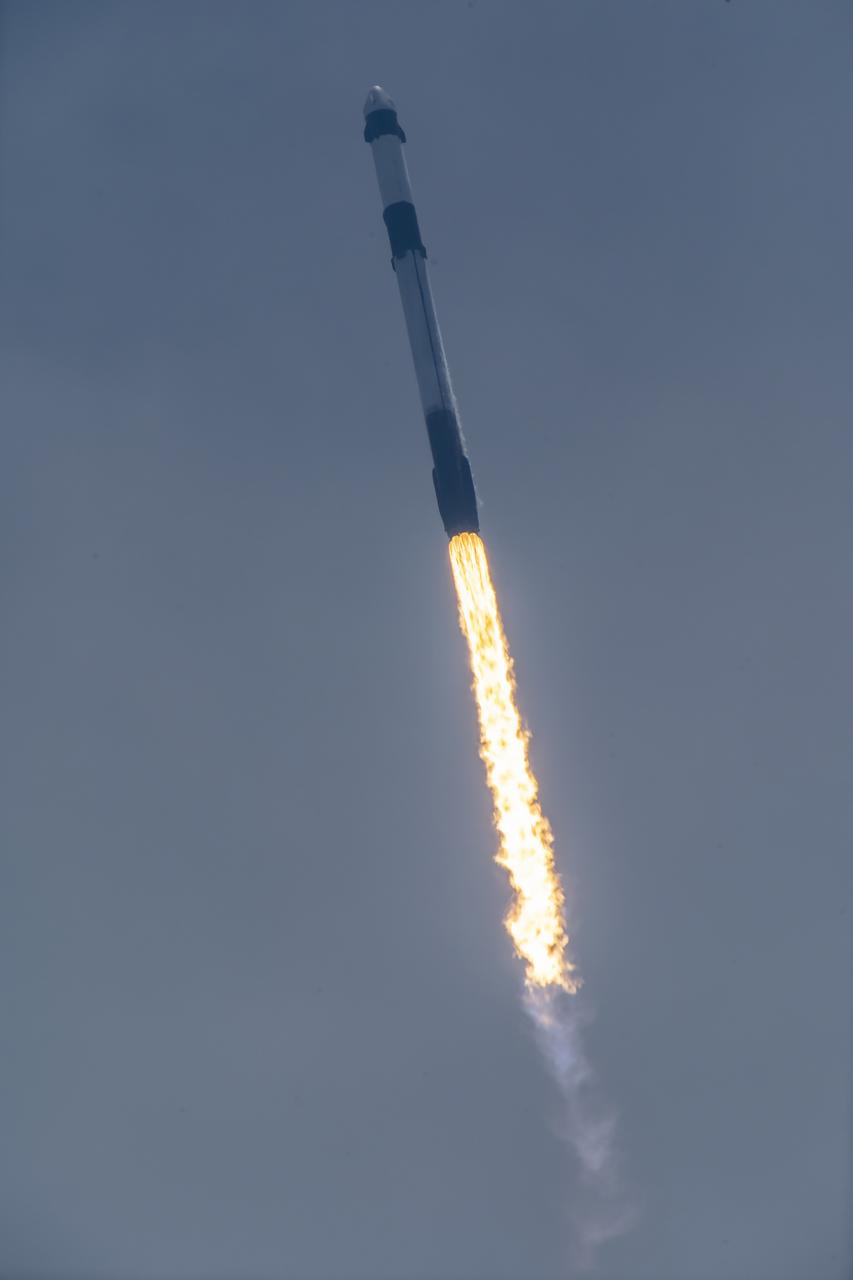
The SpaceX Falcon 9 rocket carrying the Dragon capsule soars upward after lifting off from Launch Complex 39A at NASA’s Kennedy Space Center in Florida on June 5, 2023, on the company’s 28th Commercial Resupply Services mission for the agency to the International Space Station. Liftoff was at 11:47 a.m. EDT. Dragon will deliver more than XXX pounds of crew supplies, equipment, and science experiments to the orbiting laboratory. The spacecraft is expected to spend about a month attached to the orbiting outpost before it returns to Earth with research and return cargo, splashing down off the coast of Florida.
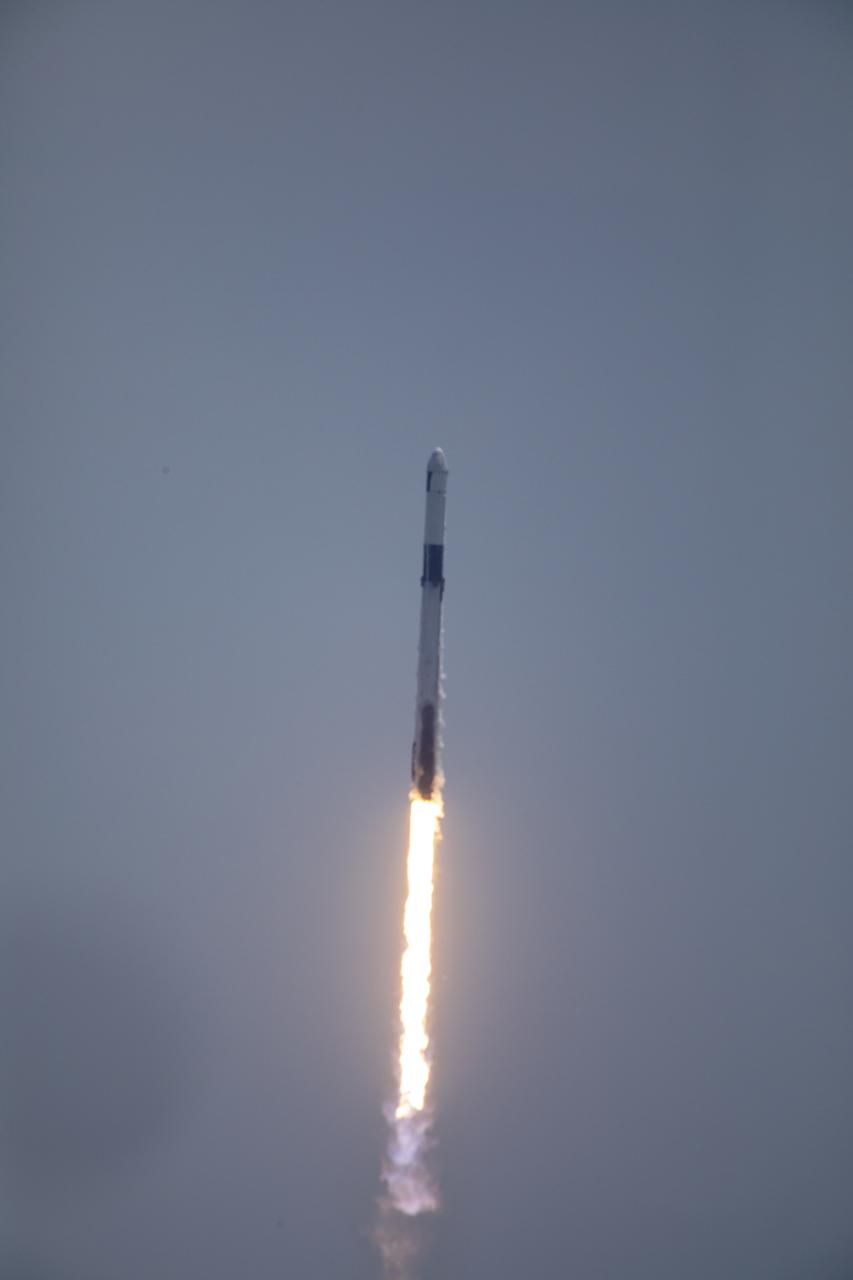
The SpaceX Falcon 9 rocket carrying the Dragon capsule soars upward after lifting off from Launch Complex 39A at NASA’s Kennedy Space Center in Florida on June 5, 2023, on the company’s 28th Commercial Resupply Services mission for the agency to the International Space Station. Liftoff was at 11:47 a.m. EDT. Dragon will deliver more than XXX pounds of crew supplies, equipment, and science experiments to the orbiting laboratory. The spacecraft is expected to spend about a month attached to the orbiting outpost before it returns to Earth with research and return cargo, splashing down off the coast of Florida.
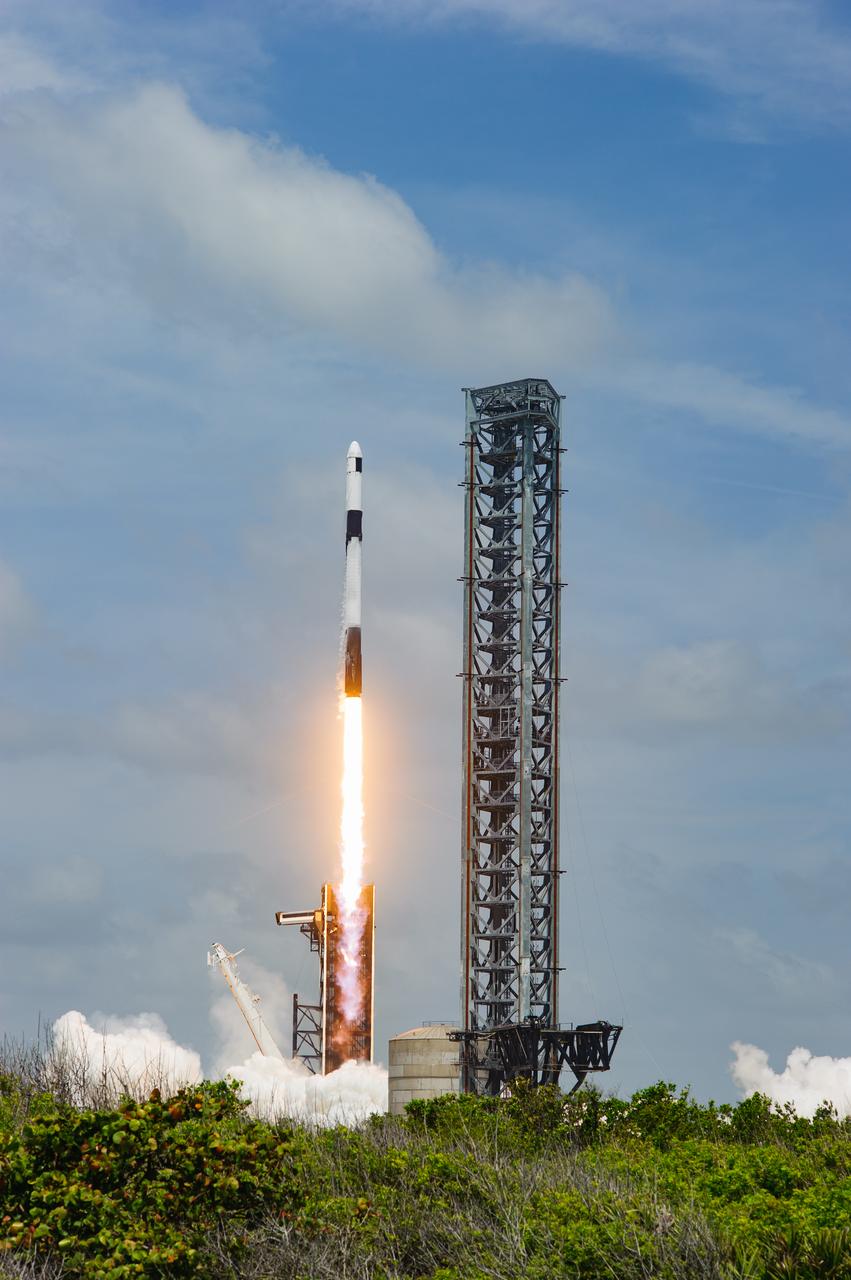
NASA and SpaceX launched the 28th commercial resupply mission of the Cargo Dragon from Launch Complex 39A at the agency's Kennedy Space Center in Florida. Liftoff occurred at 11:47 a.m. EDT, June 5, 2023. SpaceX's Dragon will deliver new science investigations, food, supplies, and equipment to the International Space Station for the crew, including the next pair of IROSAs (International Space Station Roll Out Solar Arrays). These solar panels, which roll out using stored kinetic energy, will expand the energy-production capabilities of the space station. This will be the third set launching in the SpaceX Dragon's trunk, and once installed, will help provide a 20% to 30% increase in power for space station research and operations.
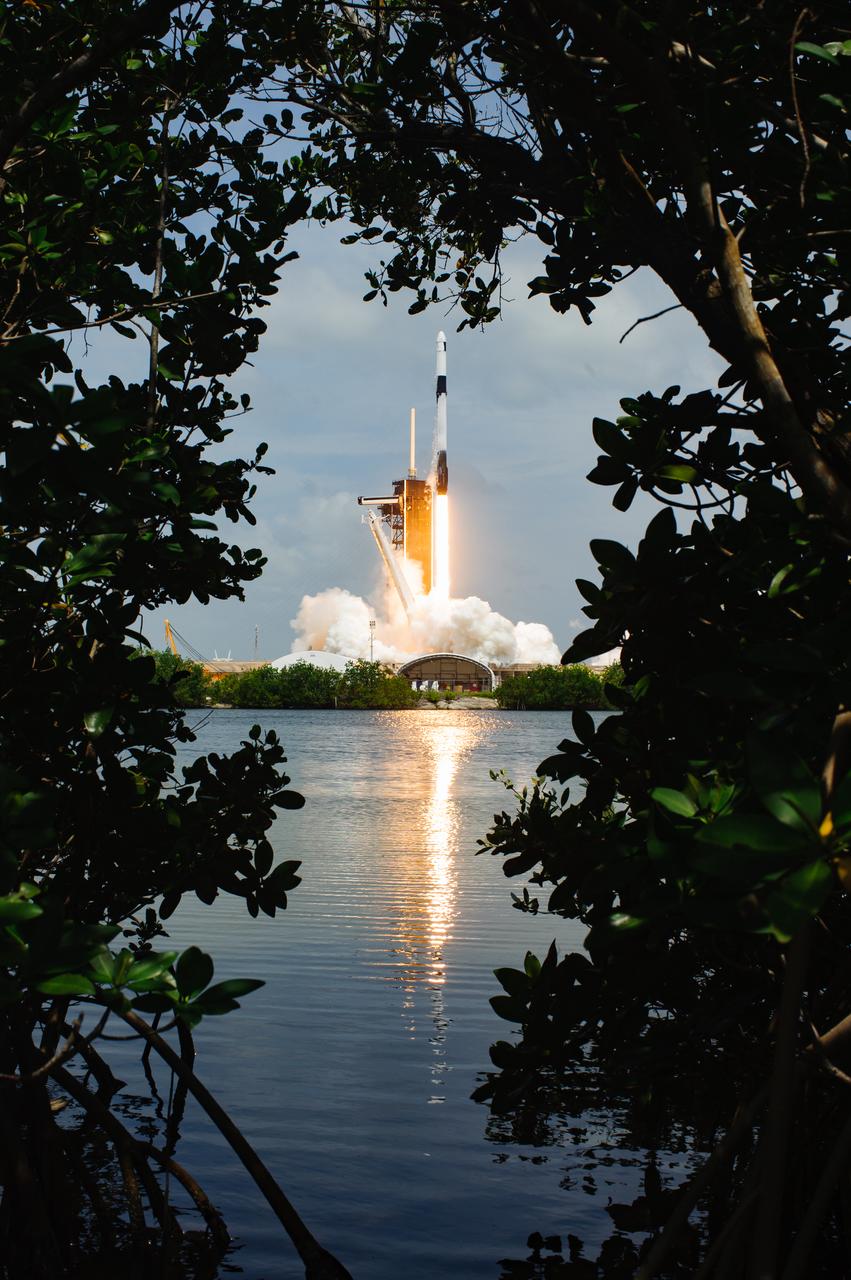
NASA and SpaceX launched the 28th commercial resupply mission of the Cargo Dragon from Launch Complex 39A at the agency's Kennedy Space Center in Florida. Liftoff occurred at 11:47 a.m. EDT, June 5, 2023. SpaceX's Dragon will deliver new science investigations, food, supplies, and equipment to the International Space Station for the crew, including the next pair of IROSAs (International Space Station Roll Out Solar Arrays). These solar panels, which roll out using stored kinetic energy, will expand the energy-production capabilities of the space station. This will be the third set launching in the SpaceX Dragon's trunk, and once installed, will help provide a 20% to 30% increase in power for space station research and operations.
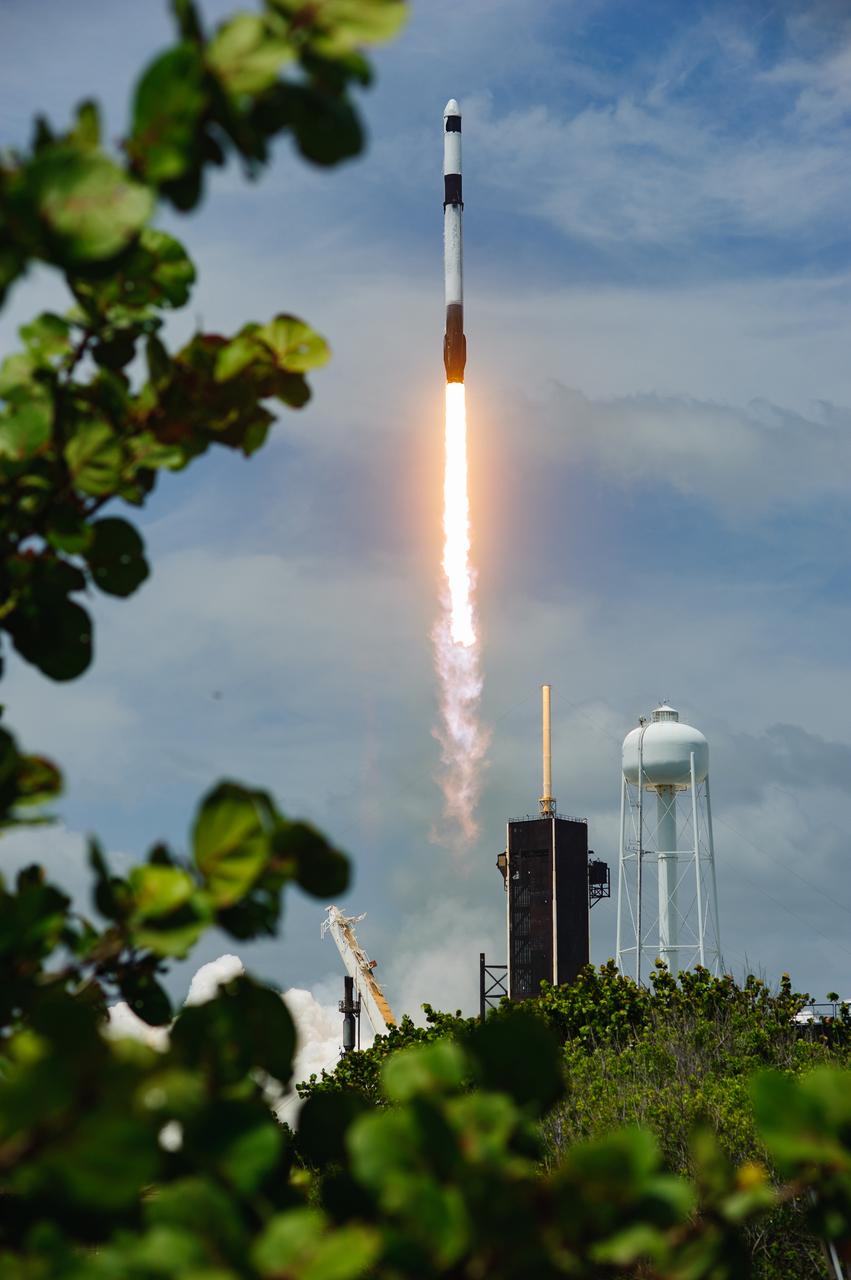
NASA and SpaceX launched the 28th commercial resupply mission of the Cargo Dragon from Launch Complex 39A at the agency's Kennedy Space Center in Florida. Liftoff occurred at 11:47 a.m. EDT, June 5, 2023. SpaceX's Dragon will deliver new science investigations, food, supplies, and equipment to the International Space Station for the crew, including the next pair of IROSAs (International Space Station Roll Out Solar Arrays). These solar panels, which roll out using stored kinetic energy, will expand the energy-production capabilities of the space station. This will be the third set launching in the SpaceX Dragon's trunk, and once installed, will help provide a 20% to 30% increase in power for space station research and operations.
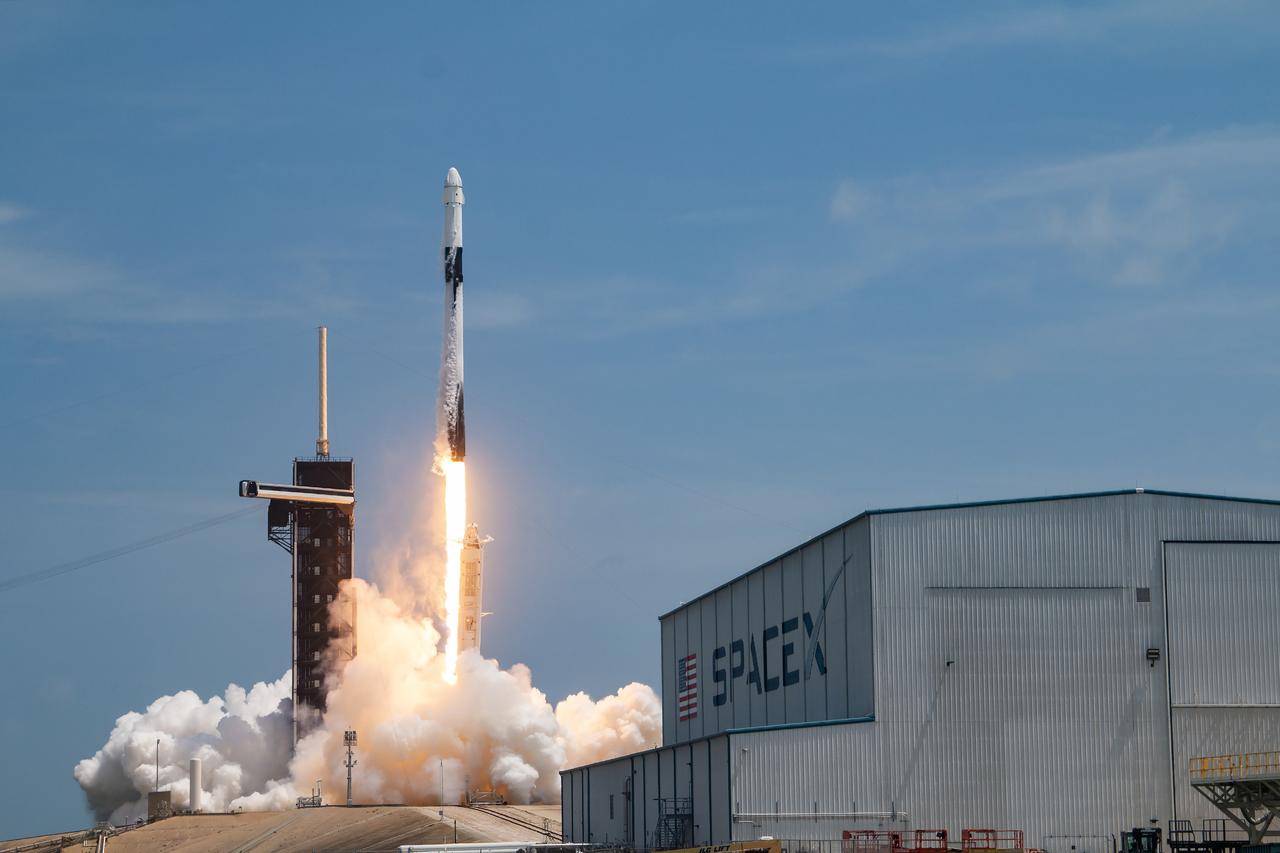
The SpaceX Falcon 9 rocket carrying the Dragon capsule lifts off from Launch Complex 39A at NASA’s Kennedy Space Center in Florida on June 5, 2023, on the company’s 28th Commercial Resupply Services mission for the agency to the International Space Station. Liftoff was at 12:47 a.m. EDT. Dragon will deliver approximately 7,000 pounds of crew supplies, equipment, and science experiments to the orbiting laboratory. The spacecraft is expected to spend about a month attached to the orbiting outpost before it returns to Earth with research and return cargo, splashing down off the coast of Florida.
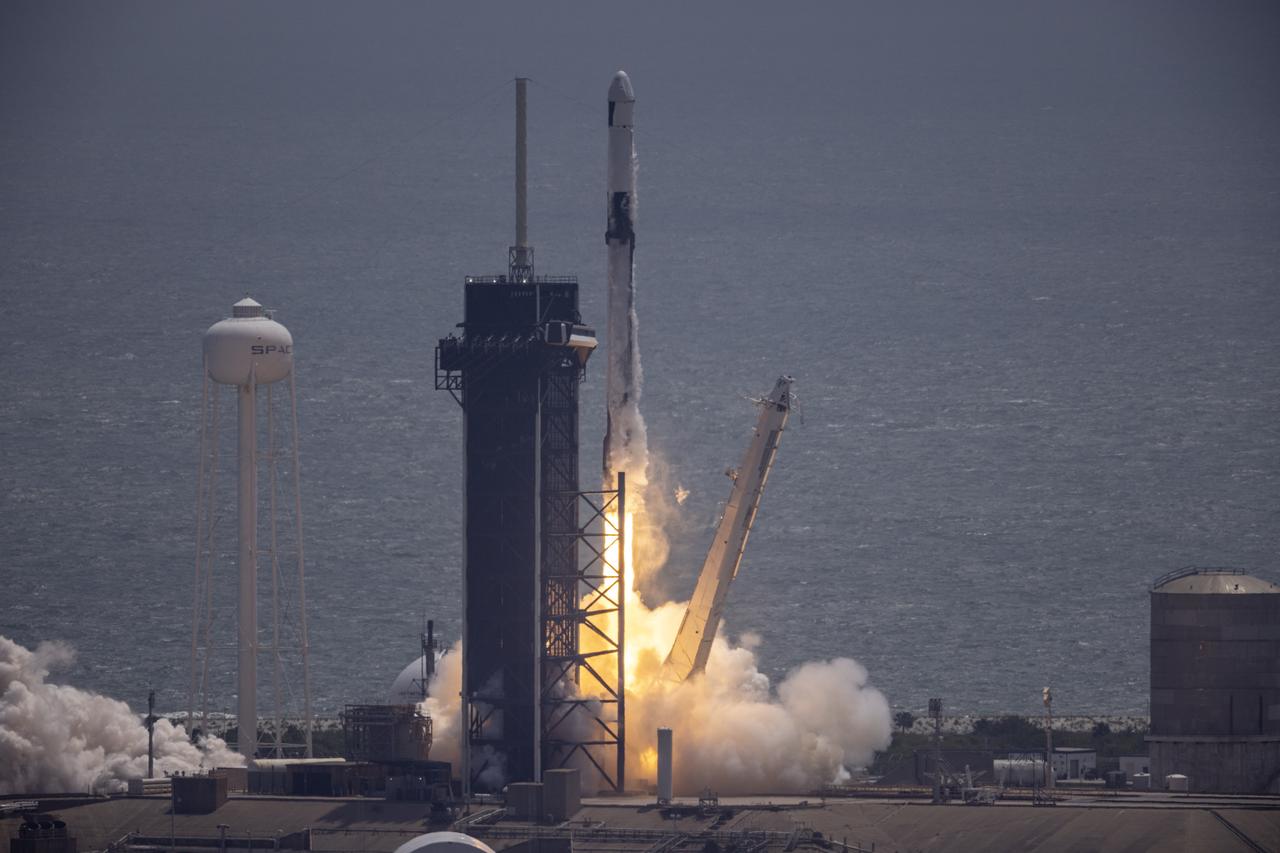
The SpaceX Falcon 9 rocket carrying the Dragon capsule lifts off from Launch Complex 39A at NASA’s Kennedy Space Center in Florida on June 5, 2023, on the company’s 28th Commercial Resupply Services mission for the agency to the International Space Station. Liftoff was at 12:47 a.m. EDT. Dragon will deliver approximately 7,000 pounds of crew supplies, equipment, and science experiments to the orbiting laboratory. The spacecraft is expected to spend about a month attached to the orbiting outpost before it returns to Earth with research and return cargo, splashing down off the coast of Florida.
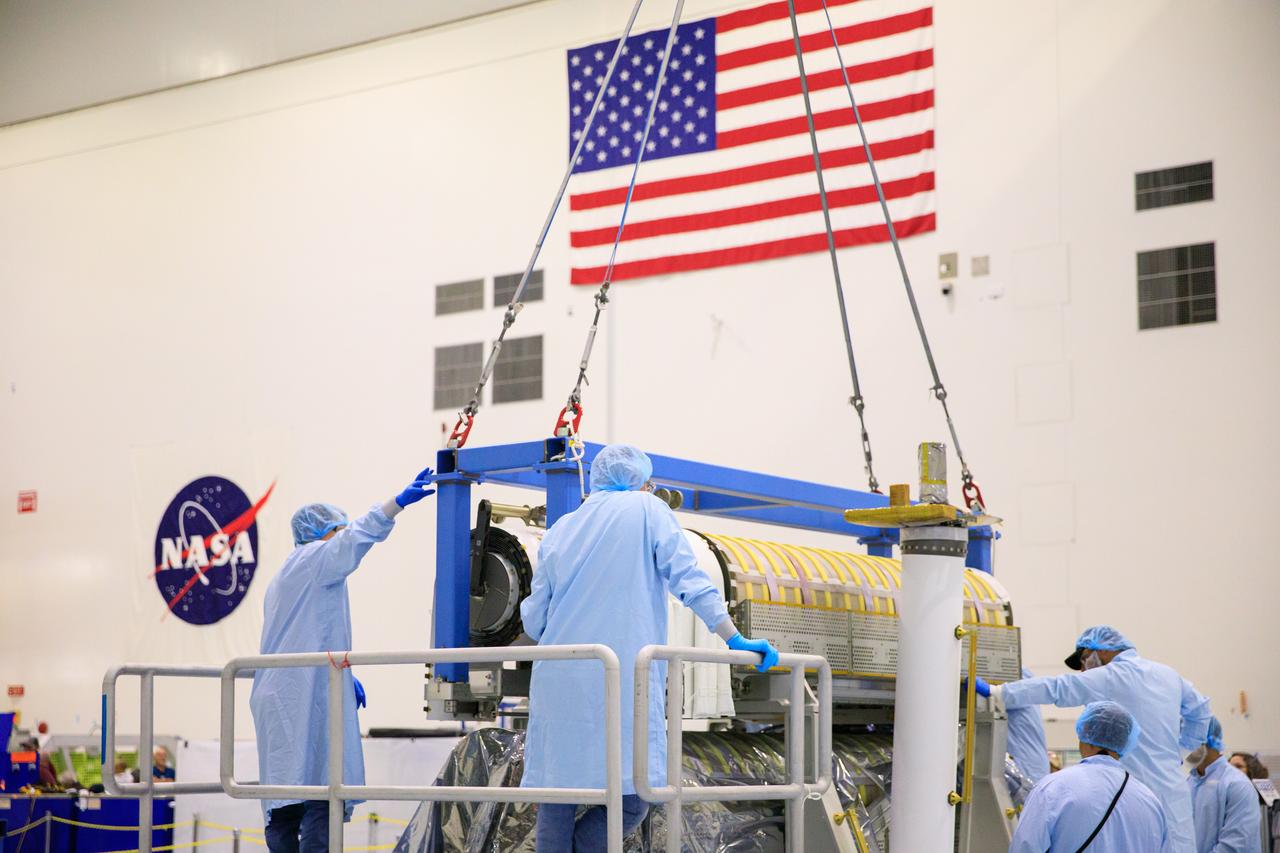
Inside the Space Station Processing Facility high bay at NASA's Kennedy Space Center in Florida, technicians assist as a crane is used to lower a set of International Space Station Roll Out Solar Arrays (iROSA) onto a platform on March 23, 2023. They are being prepared for delivery to the space station aboard SpaceX’s Dragon cargo carrier on the company’s 28th commercial resupply services (CRS-28) mission to the space station. iROSA is a new type of solar panel that rolls open in space and is more compact than current rigid panel designs.

Inside the Space Station Processing Facility high bay at NASA's Kennedy Space Center in Florida, technicians assist as a crane is used to lift and stack the third set of two International Space Station Roll Out Solar Arrays (iROSA) onto a platform on March 23, 2023. They are being prepared for delivery to the space station aboard SpaceX’s Dragon cargo carrier on the company’s 28th commercial resupply services (CRS-28) mission to the space station. iROSA is a new type of solar panel that rolls open in space and is more compact than current rigid panel designs.
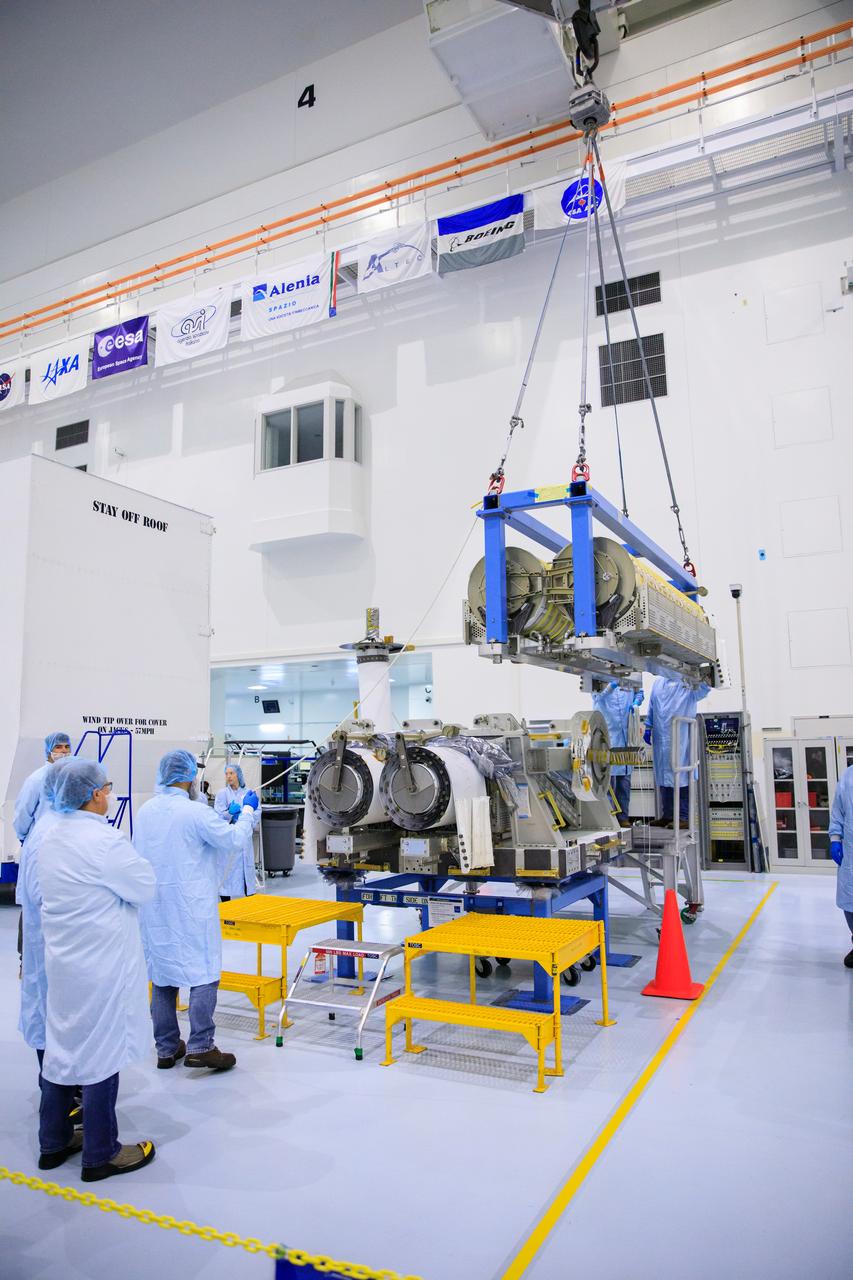
Inside the Space Station Processing Facility high bay at NASA's Kennedy Space Center in Florida, technicians monitor the progress as a crane is used to lift and stack the third set of two International Space Station Roll Out Solar Arrays (iROSA) onto a platform on March 23, 2023. They are being prepared for delivery to the space station aboard SpaceX’s Dragon cargo carrier on the company’s 28th commercial resupply services (CRS-28) mission to the space station. iROSA is a new type of solar panel that rolls open in space and is more compact than current rigid panel designs.
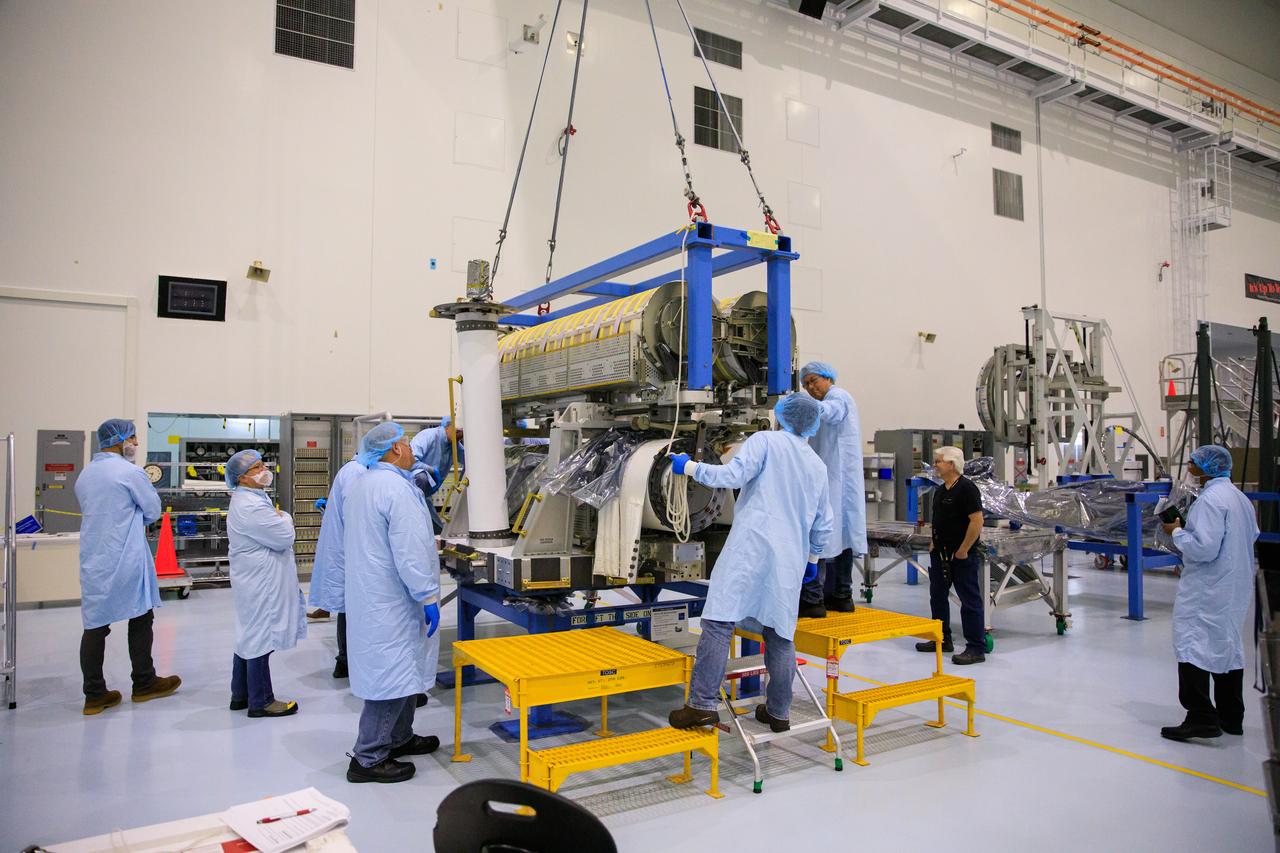
Inside the Space Station Processing Facility high bay at NASA's Kennedy Space Center in Florida, technicians assist as a crane is used to lower a set of International Space Station Roll Out Solar Arrays (iROSA) onto a platform on March 23, 2023. They are being prepared for delivery to the space station aboard SpaceX’s Dragon cargo carrier on the company’s 28th commercial resupply services (CRS-28) mission to the space station. iROSA is a new type of solar panel that rolls open in space and is more compact than current rigid panel designs.
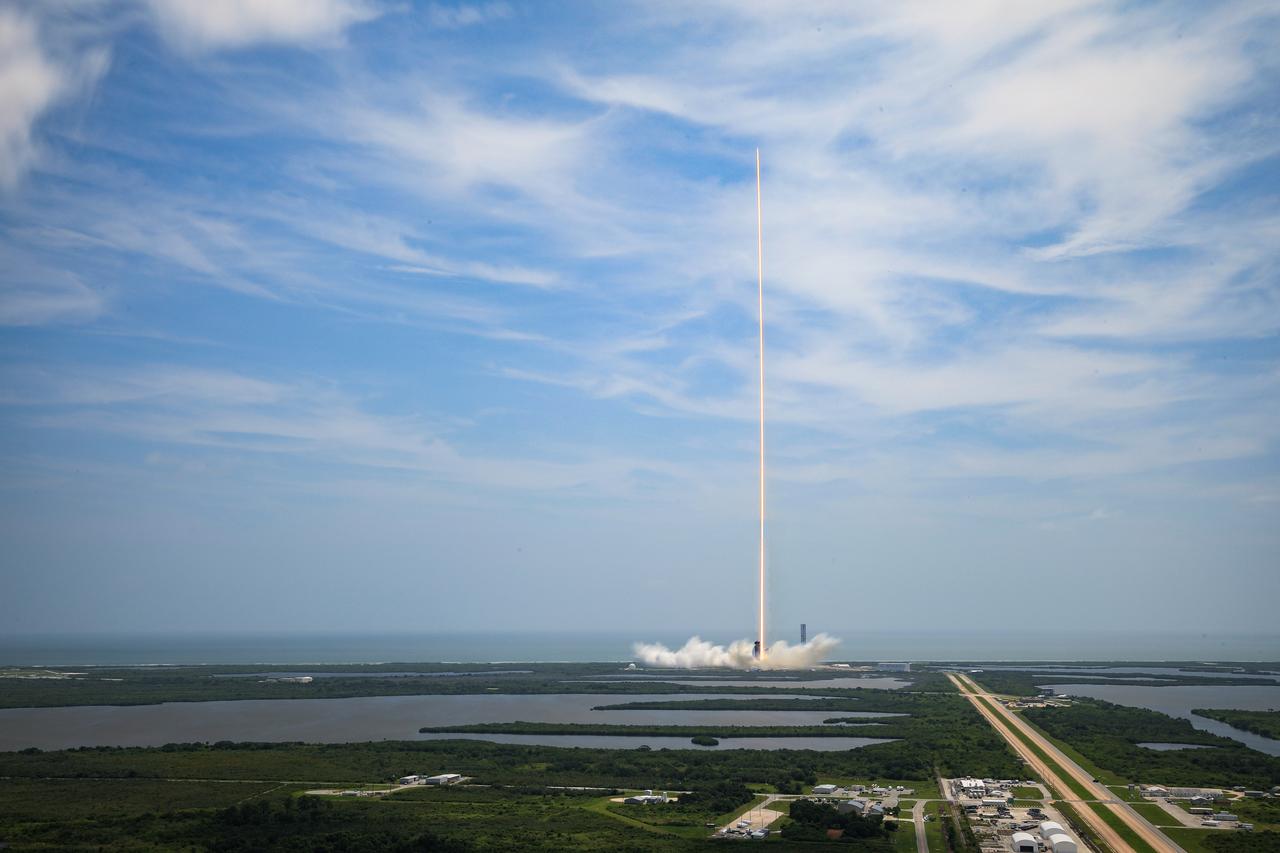
NASA and SpaceX launched the 28th commercial resupply mission of the Cargo Dragon from Launch Complex 39A at the agency's Kennedy Space Center in Florida. Liftoff occurred at 11:47 a.m. EDT, June 5, 2023. SpaceX's Dragon will deliver new science investigations, food, supplies, and equipment to the International Space Station for the crew, including the next pair of IROSAs (International Space Station Roll Out Solar Arrays). These solar panels, which roll out using stored kinetic energy, will expand the energy-production capabilities of the space station. This will be the third set launching in the SpaceX Dragon's trunk, and once installed, will help provide a 20% to 30% increase in power for space station research and operations.