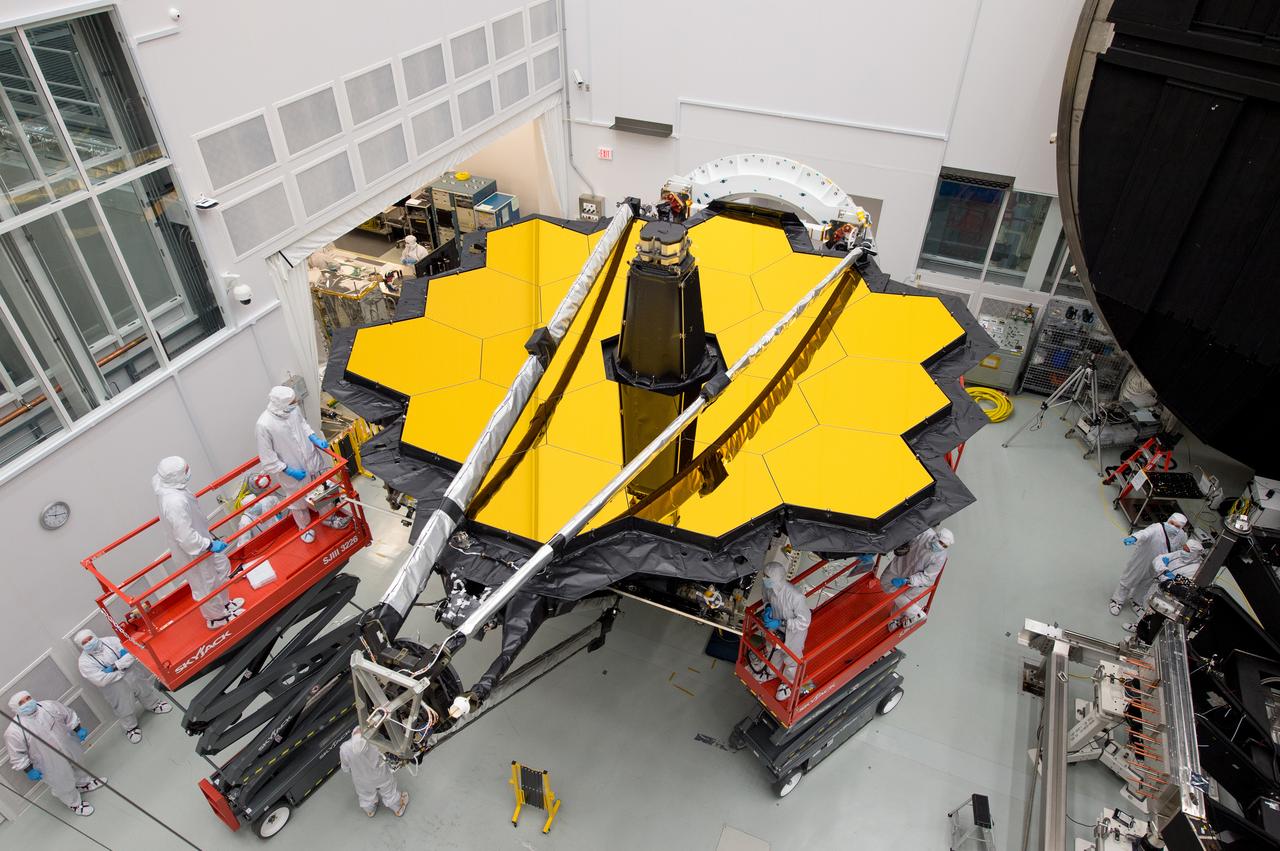
Now that NASA's James Webb Space Telescope has moved to NASA's Johnson Space Center in Houston, Texas, a special Webb camera was installed there to continue providing daily video feeds on the telescope's progress. Space enthusiasts, who are fascinated to see how this next generation space telescope has come together and how it is being tested, are able to see the telescope’s progress as it happens by watching the Webb-cam feed online. The Web camera at NASA’s Johnson Space Center can be seen online at: <a href="http://jwst.nasa.gov/" rel="nofollow">jwst.nasa.gov/</a>, with larger views of the cams available at: <a href="http://jwst.nasa.gov/webcam.html" rel="nofollow">jwst.nasa.gov/webcam.html</a>. Read more: <a href="https://go.nasa.gov/2rQYpT2" rel="nofollow">go.nasa.gov/2rQYpT2</a> <b><a href="http://www.nasa.gov/audience/formedia/features/MP_Photo_Guidelines.html" rel="nofollow">NASA image use policy.</a></b> <b><a href="http://www.nasa.gov/centers/goddard/home/index.html" rel="nofollow">NASA Goddard Space Flight Center</a></b> enables NASA’s mission through four scientific endeavors: Earth Science, Heliophysics, Solar System Exploration, and Astrophysics. Goddard plays a leading role in NASA’s accomplishments by contributing compelling scientific knowledge to advance the Agency’s mission. <b>Follow us on <a href="http://twitter.com/NASAGoddardPix" rel="nofollow">Twitter</a></b> <b>Like us on <a href="http://www.facebook.com/pages/Greenbelt-MD/NASA-Goddard/395013845897?ref=tsd" rel="nofollow">Facebook</a></b> <b>Find us on <a href="http://instagrid.me/nasagoddard/?vm=grid" rel="nofollow">Instagram</a></b>
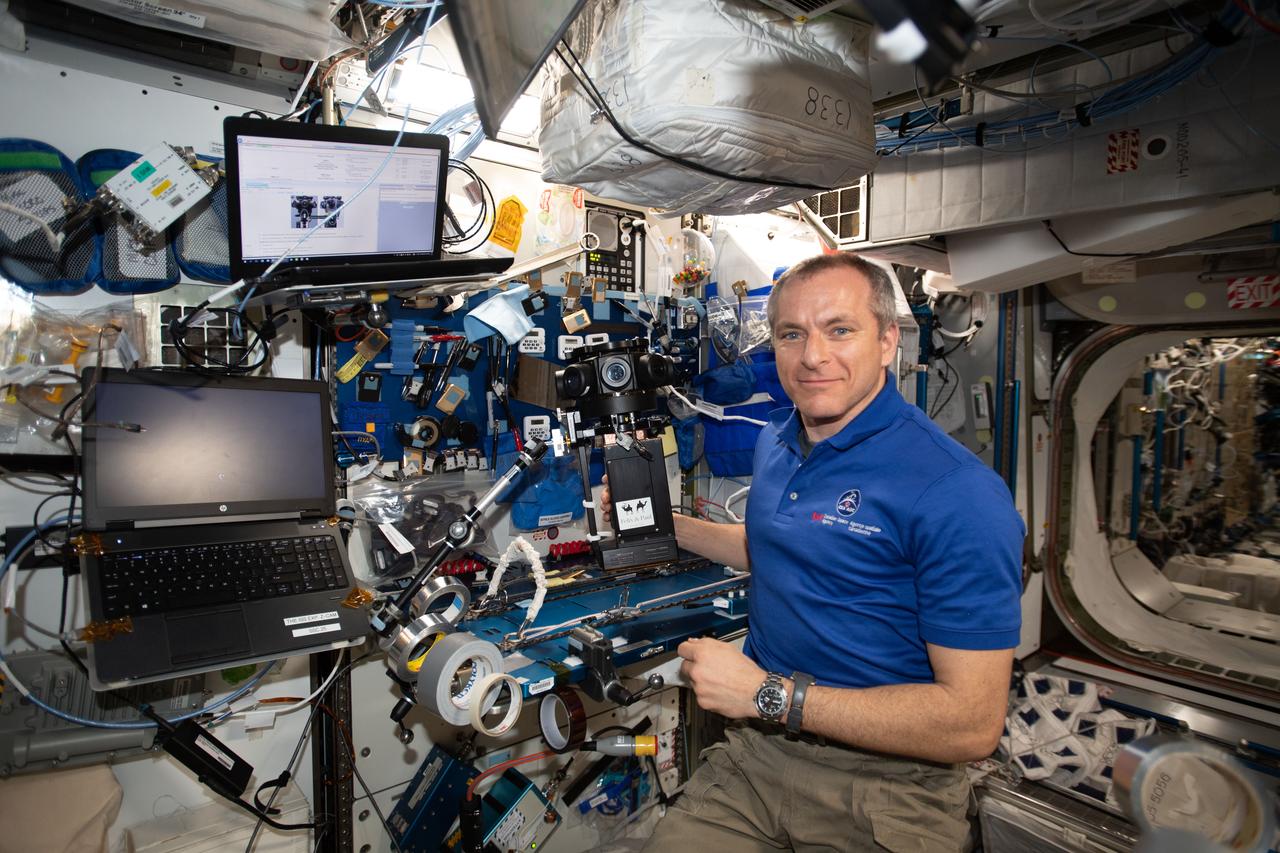
iss058e005160 (1/21/2019) --- A view of Canadian Space Agency (CSA) astronaut David Saint-Jacques setting up the Z-CAM V1 Pro Cinematic camera for the ISS Experience payload. The International Space Station Experience (ISS Experience) creates a virtual reality film documenting daily life aboard the space station. The 8- to 10-minute film created from footage taken during the six-month investigation covers different aspects of crew life, conducting science aboard the station, and the international partnerships involved.

iss069e091063 (Sept. 22, 2023) --- The cities of Cam Lâm and Cam Ranh on the Vietnamese coast of the South China Sea are pictured from the International Space Station as it orbited 258 miles above.
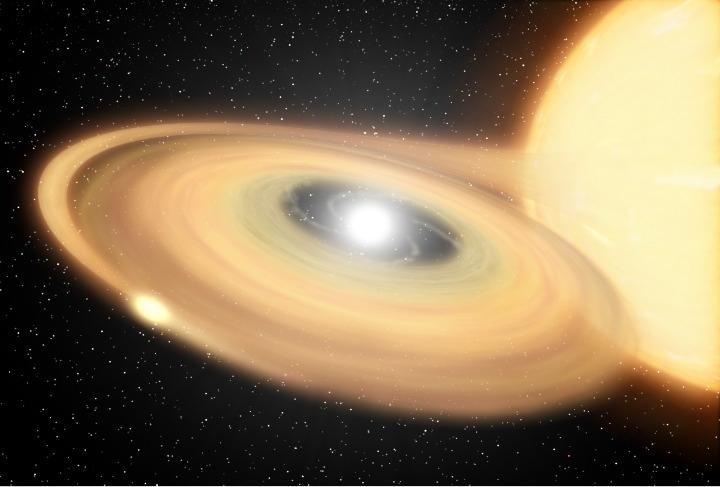
This artist concept is of Z Camelopardalis Z Cam, a stellar system featuring a collapsed, dead star, or white dwarf, and a companion star. This image shows one of the first regions of Mars measured after CRISM cover was opened
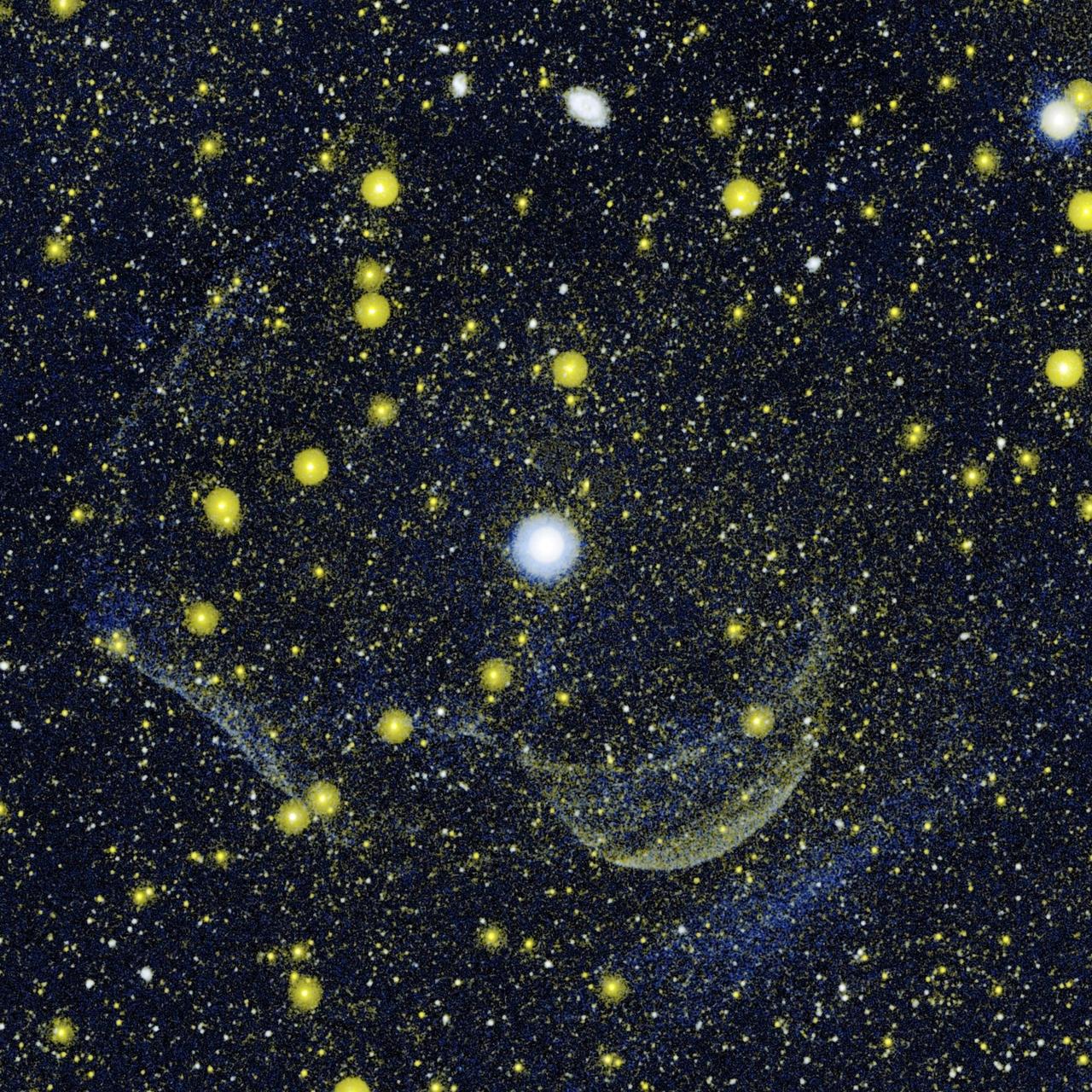
This composite image NASA Galaxy Evolution Explorer shows Z Camelopardalis, or Z Cam, a double-star system featuring a collapsed, dead star, called a white dwarf, and a companion star, as well as a ghostly shell around the system.

HAZMAT helicopter flying CAM (Camera) at SanJose Airport

HAZMAT helicopter flying CAM (Camera) at SanJose Airport

HAZMAT helicopter flying CAM (Camera) at SanJose Airport

HAZMAT helicopter flying CAM (Camera) at SanJose Airport
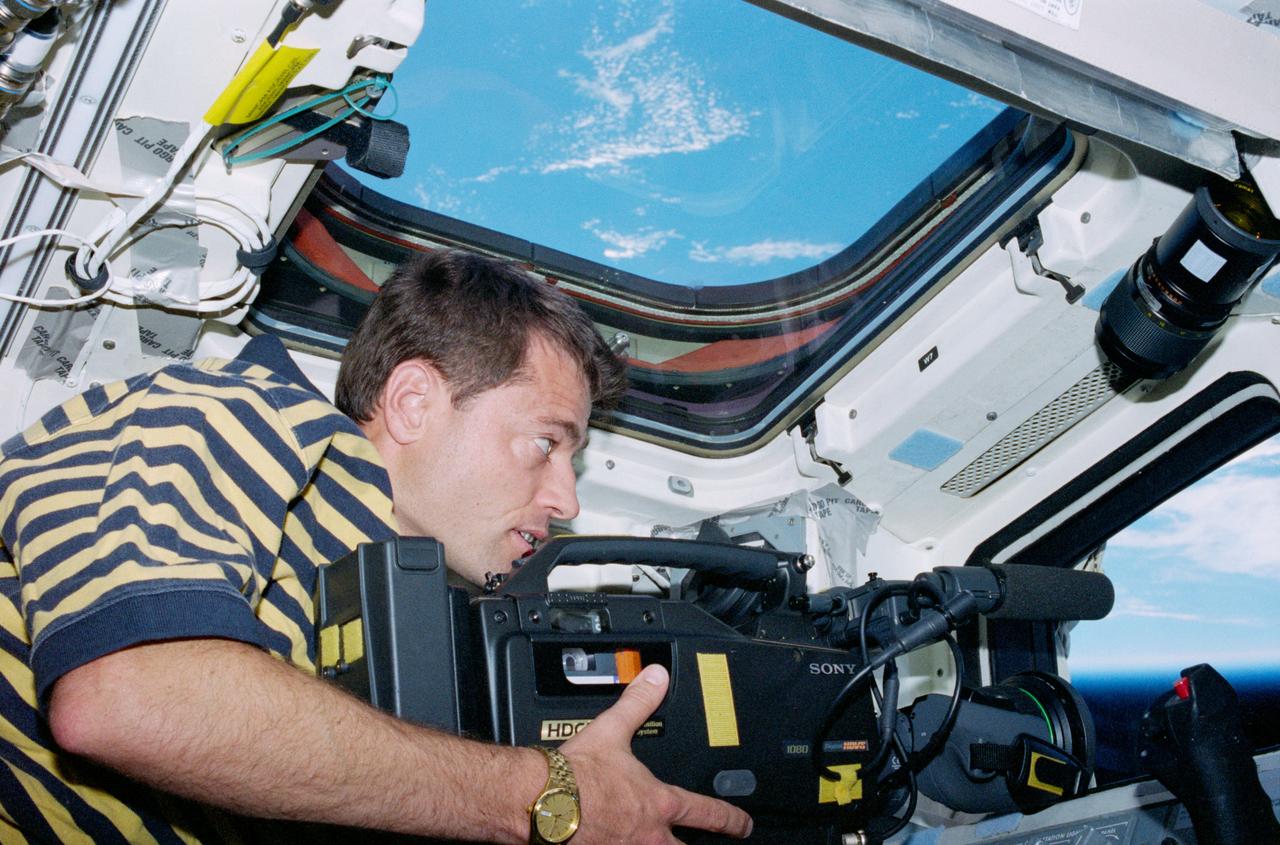
STS093-328-007 (22-27 July 1999) --- Astronaut Jeffrey S. Ashby, pilot, takes video footage with a High Definition Camera (HD-CAM) from the flight deck of the Earth-orbiting Space Shuttle Columbia.
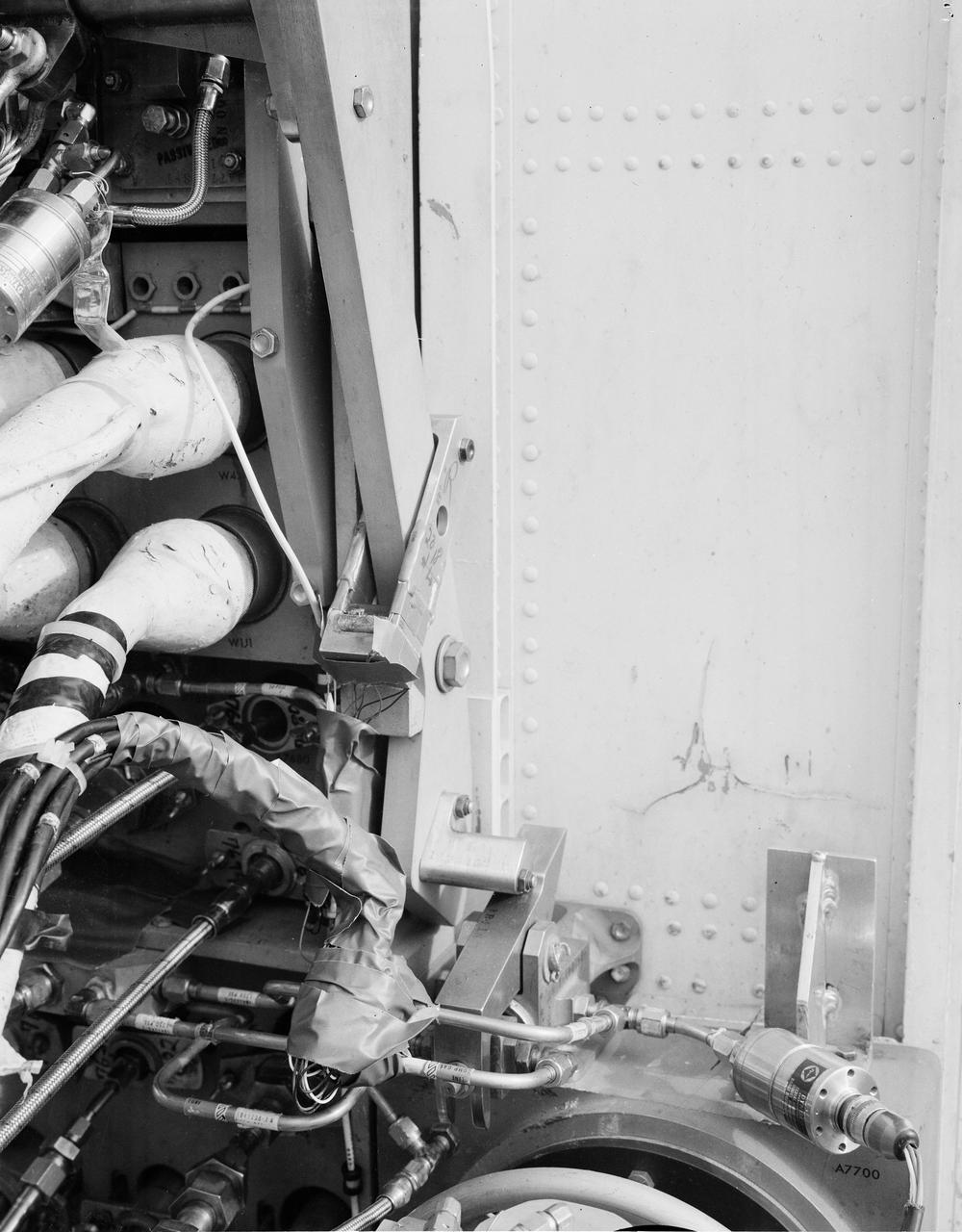
The Marshall Space Flight Center (MSFC) played a crucial role in the development of the huge Saturn rockets that delivered humans to the moon in the 1960s. Many unique facilities existed at MSFC for the development and testing of the Saturn rockets. Affectionately nicknamed “The Arm Farm”, the Random Motion/ Lift-Off Simulator was one of those unique facilities. This facility was developed to test the swing arm mechanisms that were used to hold the rocket in position until liftoff. The Arm Farm provided the capability of testing the detachment and reconnection of various arms under brutally realistic conditions. The 18-acre facility consisted of more than a half dozen arm test positions and one position for testing access arms used by the Apollo astronauts. Each test position had two elements: a vehicle simulator for duplicating motions during countdown and launch; and a section duplicating the launch tower. The vehicle simulator duplicated the portion of the vehicle skin that contained the umbilical connections and personnel access hatches. Driven by a hydraulic servo system, the vehicle simulator produced relative motion between the vehicle and tower. On the Arm Farm, extreme environmental conditions (such as a launch scrub during an approaching Florida thunderstorm) could be simulated. The dramatic scenes that the Marshall engineers and technicians created at the Arm Farm permitted the gathering of crucial technical and engineering data to ensure a successful real time launch from the Kennedy Space Center. This photo depicts a close up of the S-IV-B aft swing arm cam lever stop strain guage.
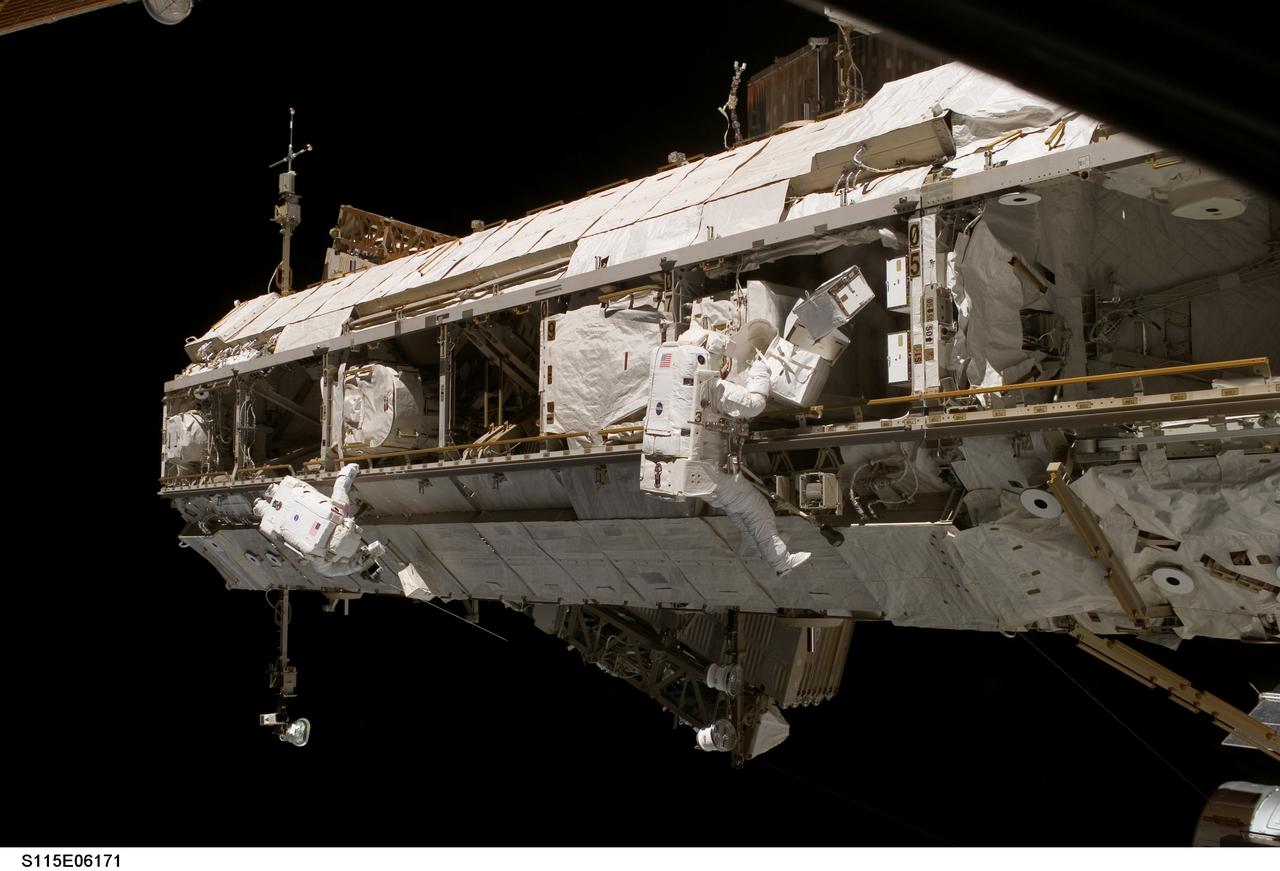
View of Astronaut Joseph R. (Joe) Tanner, STS-115 Mission Specialist (MS), in the red striped Extravehicular Mobility Unit (EMU), as he uses the Infrared (IR) CAM from the Forward (FWD) side of the S1 Truss to take image of the Starboard (STBD) Wing Leading Edge (WLE) of Atlantis for Detailed Test Objective (DTO) 851 while Astronaut Heidemarie M. Stefanyshyn-Piper, STS-115 MS, in the white striped EMU, removes stowed equipment during third Extravehicular Activity (EVA).
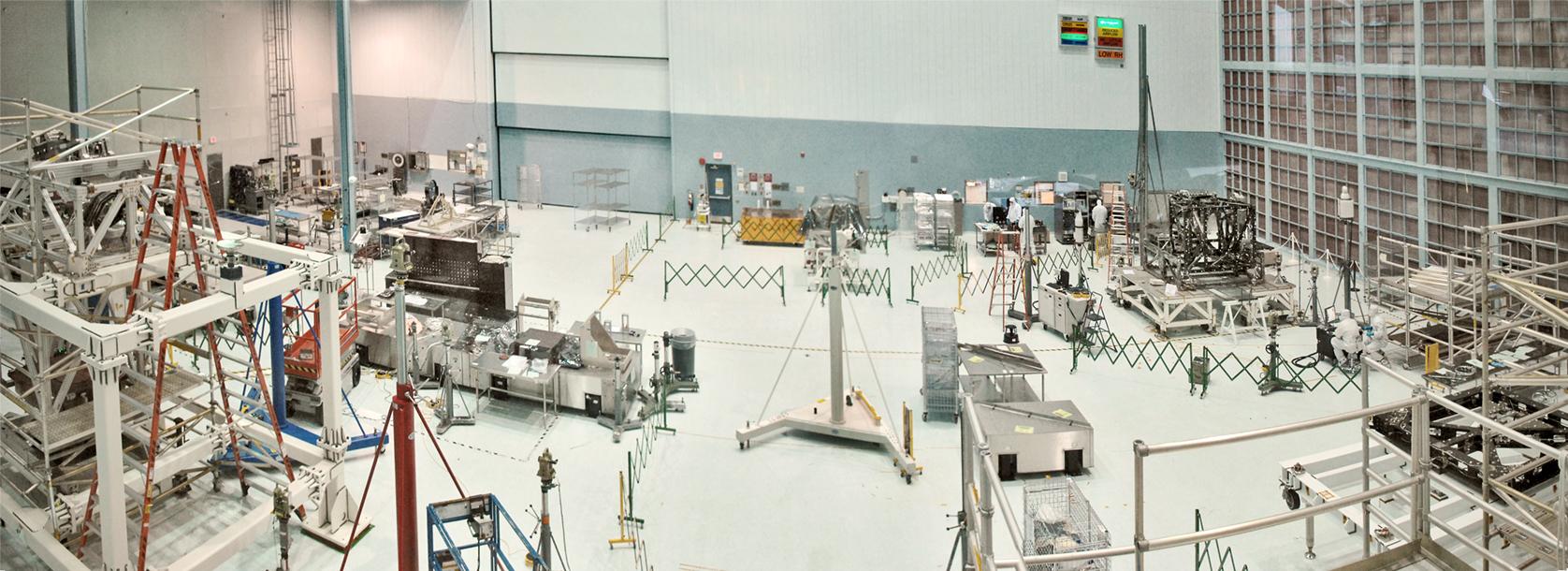
This panorama shows the inside of Goddard's High Bay Clean Room, as seen from the observation deck. Credit: NASA/Goddard Space Flight Center/Chris Gunn Go into a NASA Clean Room Daily with the Webb Telescope via NASA's 'Webb-cam' here: <a href="http://www.jwst.nasa.gov/webcam.html" rel="nofollow">www.jwst.nasa.gov/webcam.html</a> For more information on JWST go to: <a href="http://www.jwst.nasa.gov/" rel="nofollow">www.jwst.nasa.gov/</a> For more information on Goddard Space Flight Center go to: <a href="http://www.nasa.gov/centers/goddard/home/index.html" rel="nofollow">www.nasa.gov/centers/goddard/home/index.html</a>
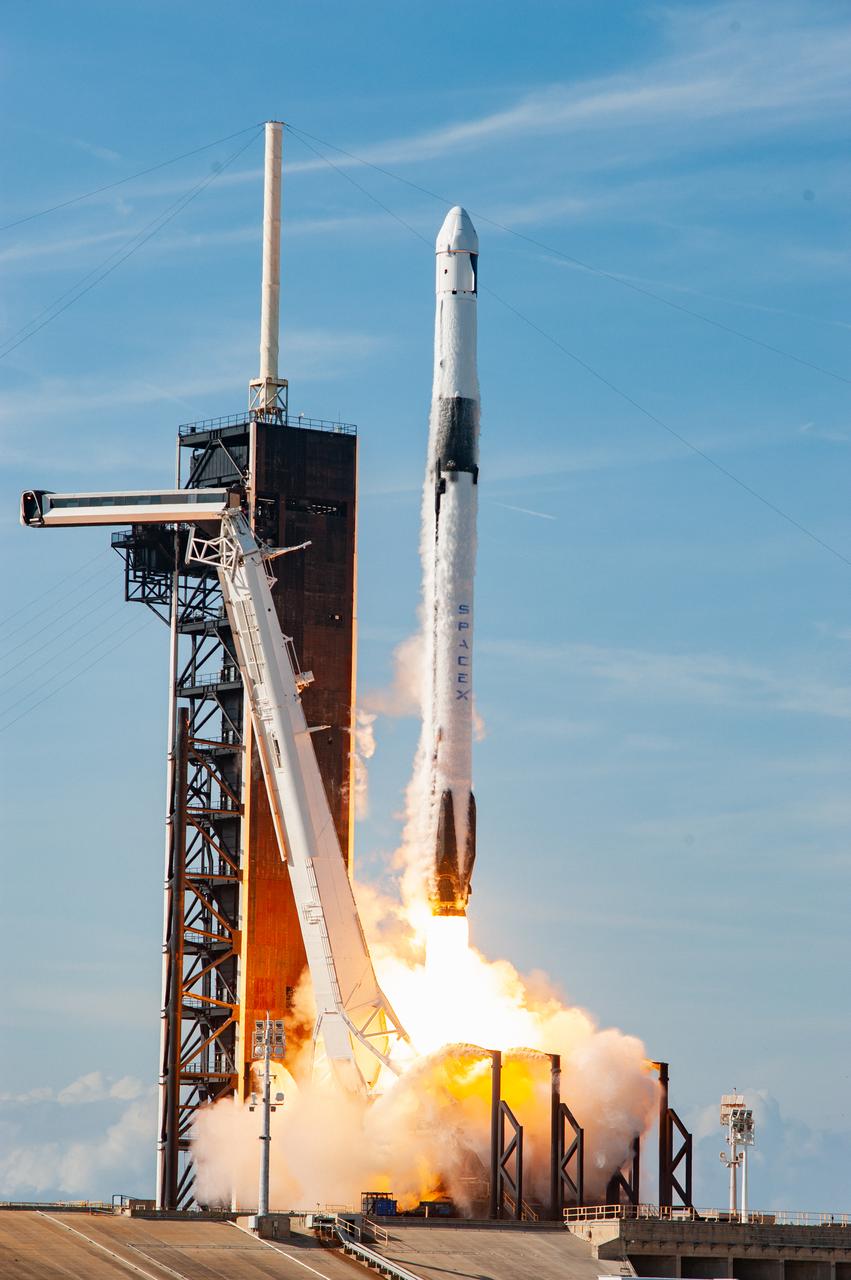
The SpaceX Falcon 9 rocket carrying the Dragon cargo spacecraft lifts off from Launch Complex 39A at NASA’s Kennedy Space Center in Florida on Nov. 26, 2022, on the company’s 26th commercial resupply services mission for the agency to the International Space Station. Liftoff was at 2:20 p.m. EST. Dragon will deliver more than 7,700 pounds of cargo, including a variety of NASA investigations, supplies, and equipment to the crew aboard the space station, including the next pair of ISS Roll Out Solar Arrays (iROSAs). The spacecraft is expected to spend about a month attached to the orbiting outpost before it returns to Earth with research and return cargo, splashing down off the coast of Florida.
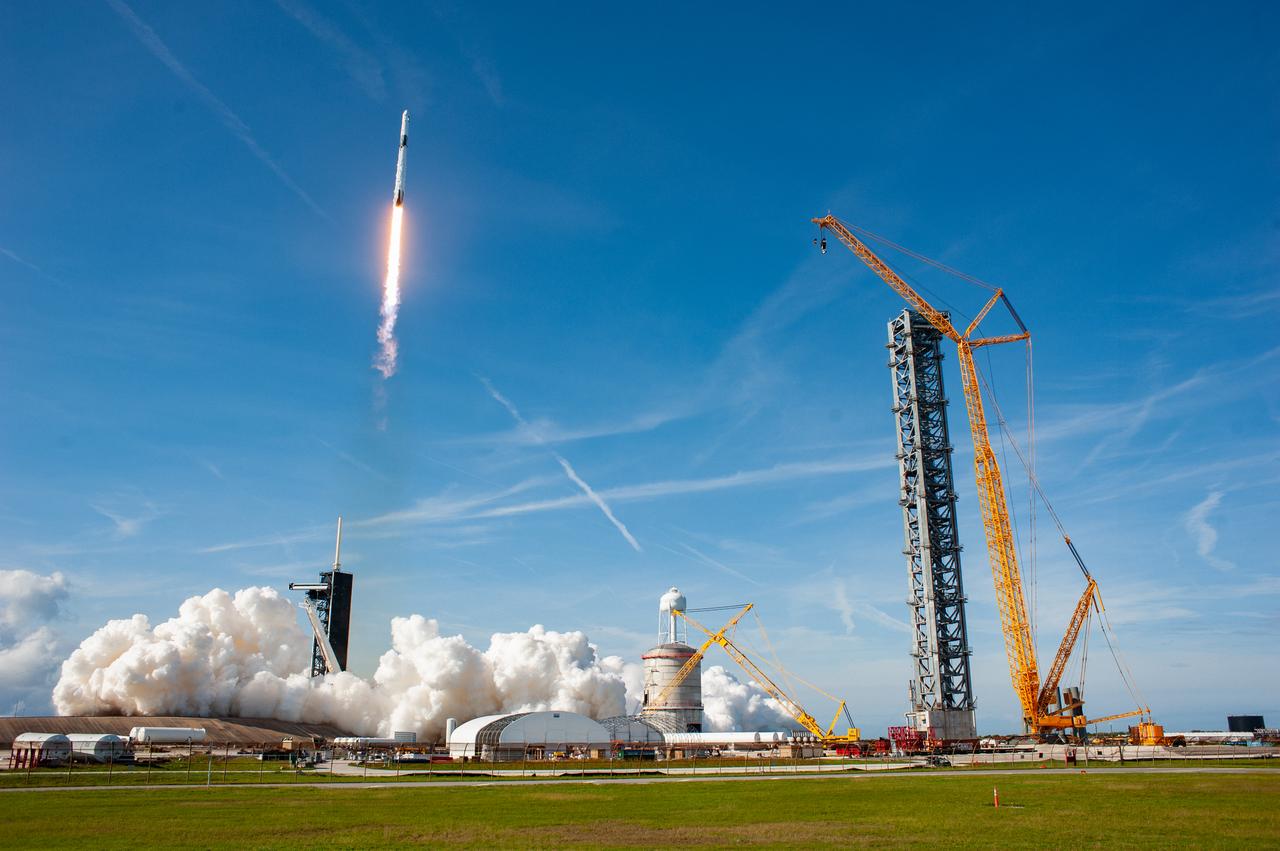
The SpaceX Falcon 9 rocket carrying the Dragon cargo spacecraft lifts off from Launch Complex 39A at NASA’s Kennedy Space Center in Florida on Nov. 26, 2022, on the company’s 26th commercial resupply services mission for the agency to the International Space Station. Liftoff was at 2:20 p.m. EST. Dragon will deliver more than 7,700 pounds of cargo, including a variety of NASA investigations, supplies, and equipment to the crew aboard the space station, including the next pair of ISS Roll Out Solar Arrays (iROSAs). The spacecraft is expected to spend about a month attached to the orbiting outpost before it returns to Earth with research and return cargo, splashing down off the coast of Florida.
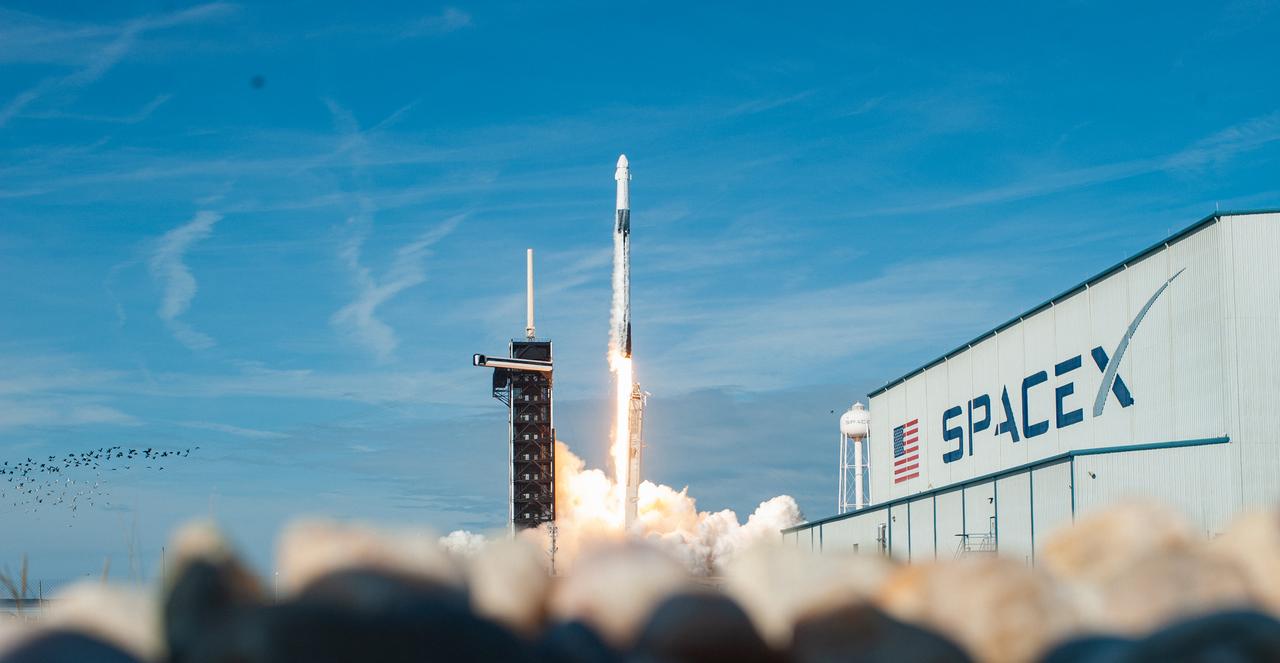
The SpaceX Falcon 9 rocket carrying the Dragon cargo spacecraft lifts off from Launch Complex 39A at NASA’s Kennedy Space Center in Florida on Nov. 26, 2022, on the company’s 26th commercial resupply services mission for the agency to the International Space Station. Liftoff was at 2:20 p.m. EST. Dragon will deliver more than 7,700 pounds of cargo, including a variety of NASA investigations, supplies, and equipment to the crew aboard the space station, including the next pair of ISS Roll Out Solar Arrays (iROSAs). The spacecraft is expected to spend about a month attached to the orbiting outpost before it returns to Earth with research and return cargo, splashing down off the coast of Florida.
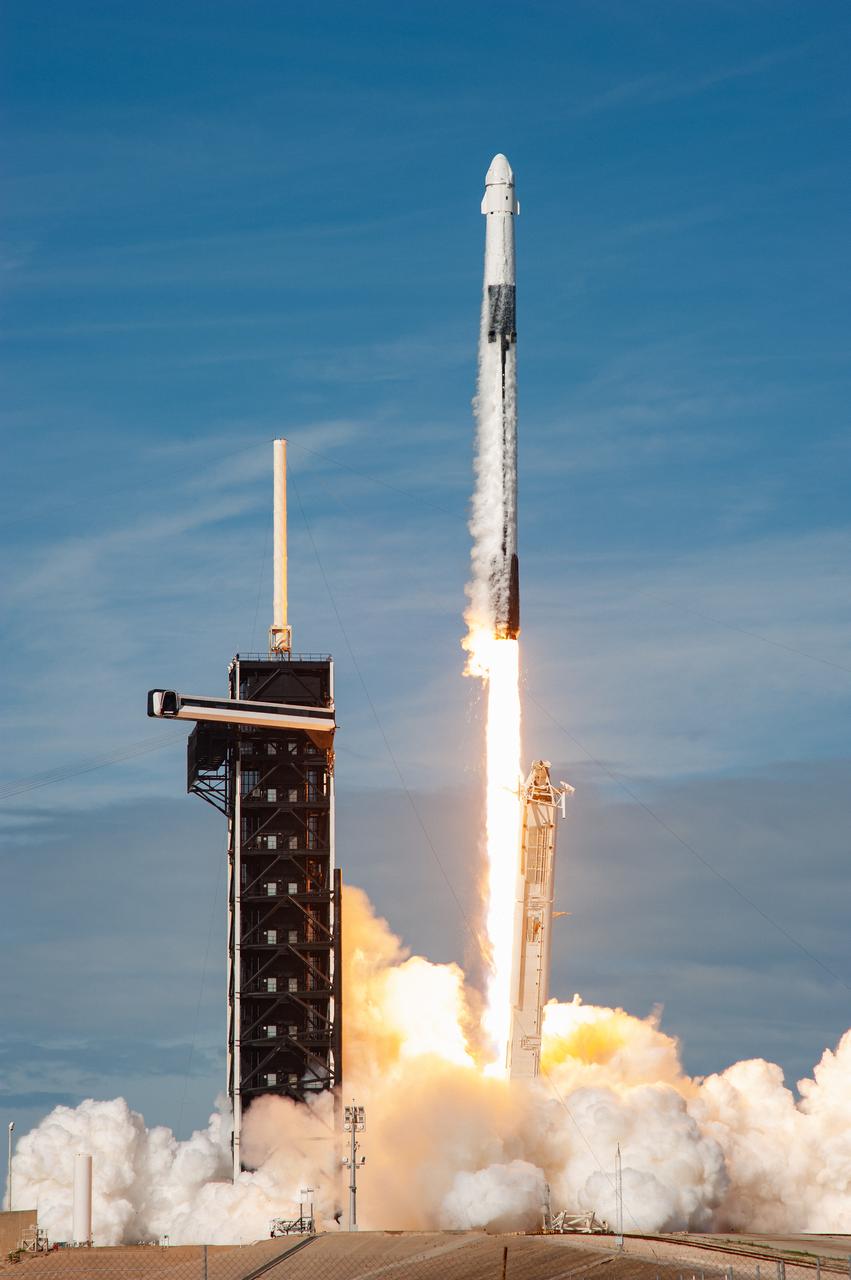
The SpaceX Falcon 9 rocket carrying the Dragon cargo spacecraft lifts off from Launch Complex 39A at NASA’s Kennedy Space Center in Florida on Nov. 26, 2022, on the company’s 26th commercial resupply services mission for the agency to the International Space Station. Liftoff was at 2:20 p.m. EST. Dragon will deliver more than 7,700 pounds of cargo, including a variety of NASA investigations, supplies, and equipment to the crew aboard the space station, including the next pair of ISS Roll Out Solar Arrays (iROSAs). The spacecraft is expected to spend about a month attached to the orbiting outpost before it returns to Earth with research and return cargo, splashing down off the coast of Florida.
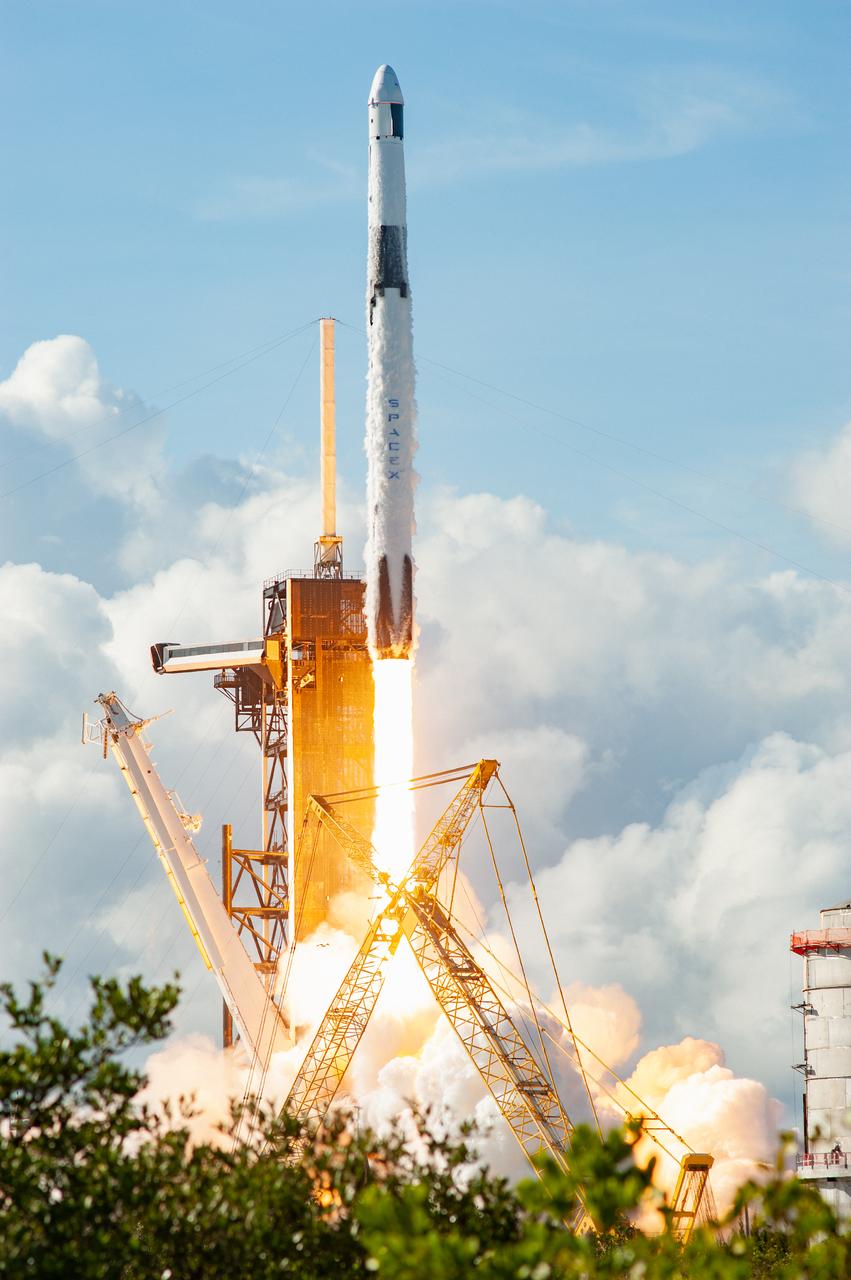
The SpaceX Falcon 9 rocket carrying the Dragon cargo spacecraft lifts off from Launch Complex 39A at NASA’s Kennedy Space Center in Florida on Nov. 26, 2022, on the company’s 26th commercial resupply services mission for the agency to the International Space Station. Liftoff was at 2:20 p.m. EST. Dragon will deliver more than 7,700 pounds of cargo, including a variety of NASA investigations, supplies, and equipment to the crew aboard the space station, including the next pair of ISS Roll Out Solar Arrays (iROSAs). The spacecraft is expected to spend about a month attached to the orbiting outpost before it returns to Earth with research and return cargo, splashing down off the coast of Florida.
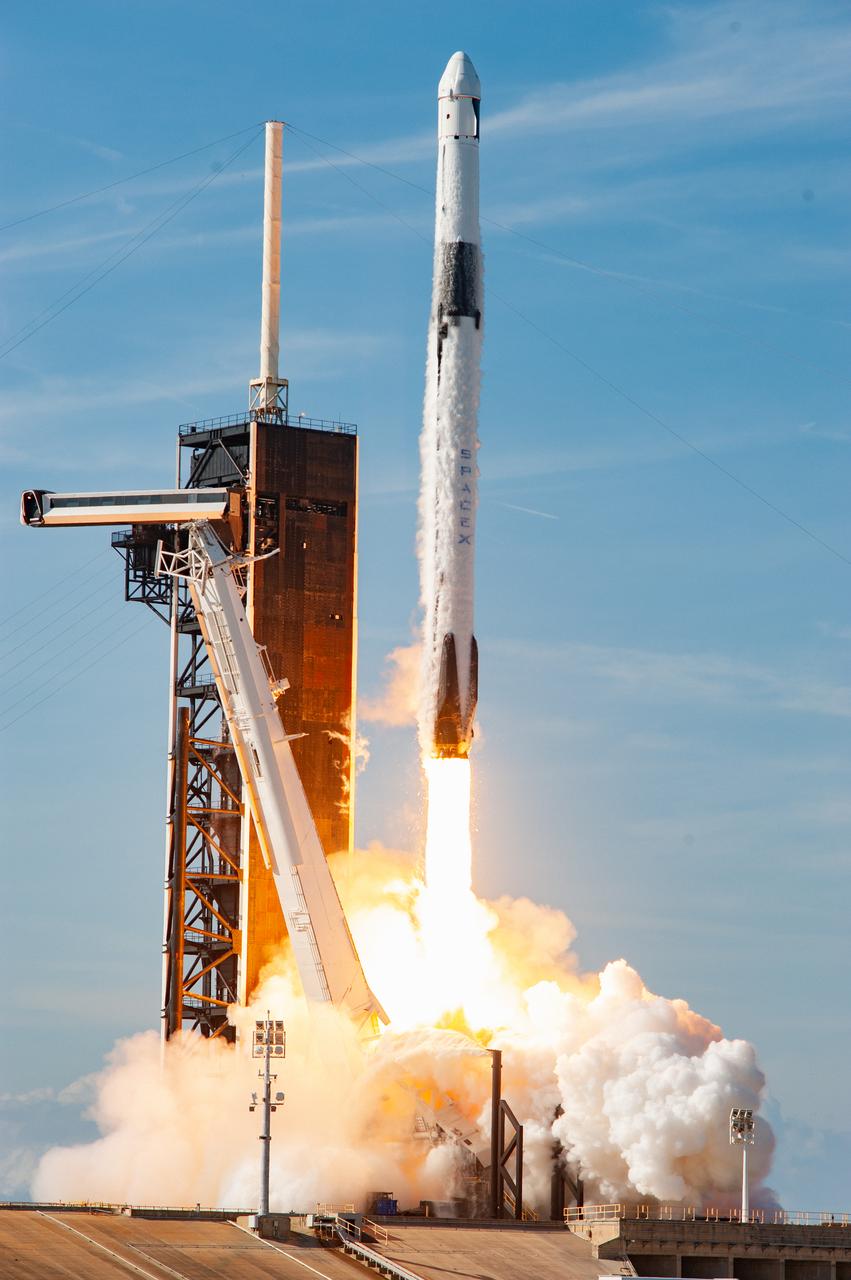
The SpaceX Falcon 9 rocket carrying the Dragon cargo spacecraft lifts off from Launch Complex 39A at NASA’s Kennedy Space Center in Florida on Nov. 26, 2022, on the company’s 26th commercial resupply services mission for the agency to the International Space Station. Liftoff was at 2:20 p.m. EST. Dragon will deliver more than 7,700 pounds of cargo, including a variety of NASA investigations, supplies, and equipment to the crew aboard the space station, including the next pair of ISS Roll Out Solar Arrays (iROSAs). The spacecraft is expected to spend about a month attached to the orbiting outpost before it returns to Earth with research and return cargo, splashing down off the coast of Florida.
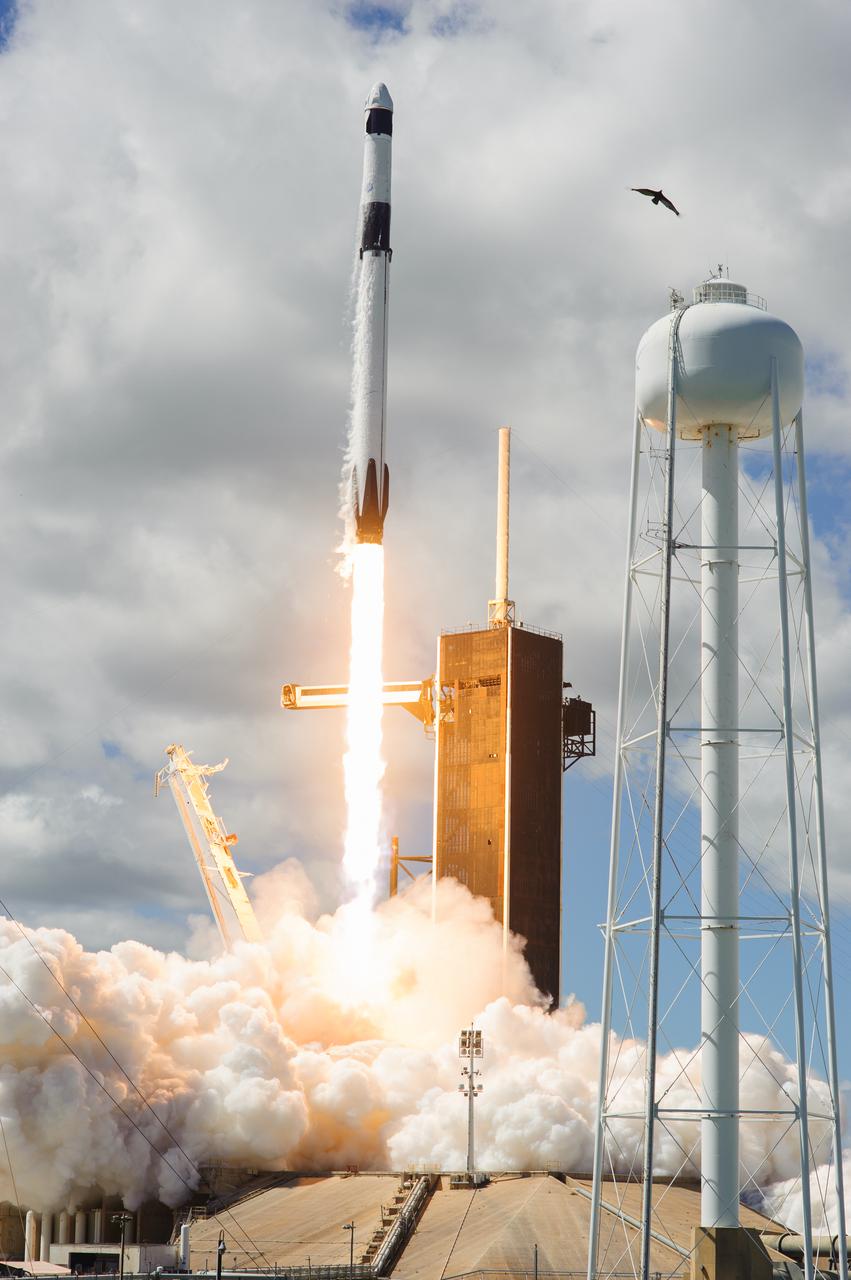
SpaceX’s Falcon 9 rocket, with the Dragon Endurance spacecraft atop, lifts off from NASA’s Kennedy Space Center Launch Complex 39A in Florida on Oct. 5, 2022, on the agency’s SpaceX Crew-5 launch. Inside Endurance are NASA astronauts Nicole Mann, commander; Josh Cassada, pilot; and Mission Specialists Koichi Wakata, of JAXA (Japan Aerospace Exploration Agency), and Roscosmos cosmonaut Anna Kikina. The crew is heading to the International Space Station for a science expedition mission as part of the agency’s Commercial Crew Program. Liftoff occurred at noon EDT.
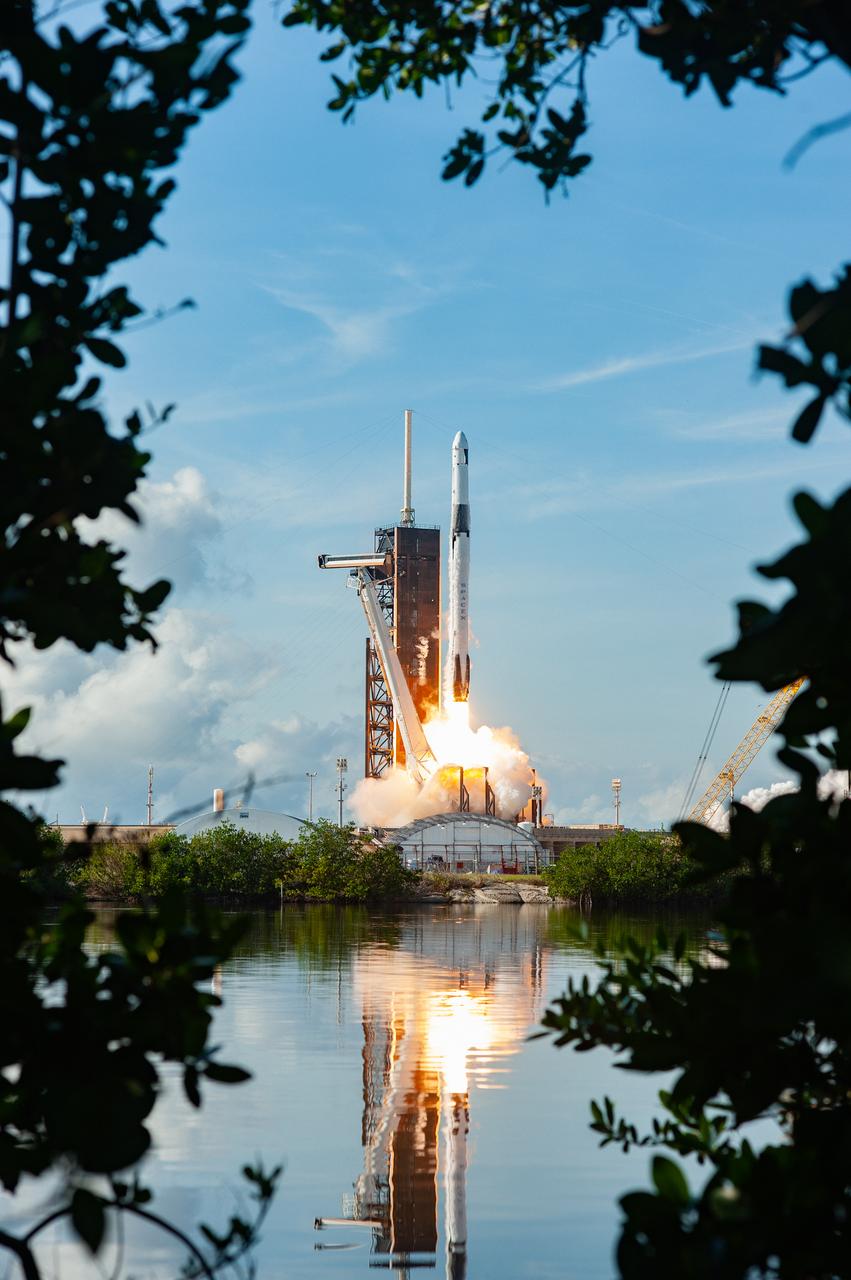
The SpaceX Falcon 9 rocket carrying the Dragon cargo spacecraft lifts off from Launch Complex 39A at NASA’s Kennedy Space Center in Florida on Nov. 26, 2022, on the company’s 26th commercial resupply services mission for the agency to the International Space Station. Liftoff was at 2:20 p.m. EST. Dragon will deliver more than 7,700 pounds of cargo, including a variety of NASA investigations, supplies, and equipment to the crew aboard the space station, including the next pair of ISS Roll Out Solar Arrays (iROSAs). The spacecraft is expected to spend about a month attached to the orbiting outpost before it returns to Earth with research and return cargo, splashing down off the coast of Florida.
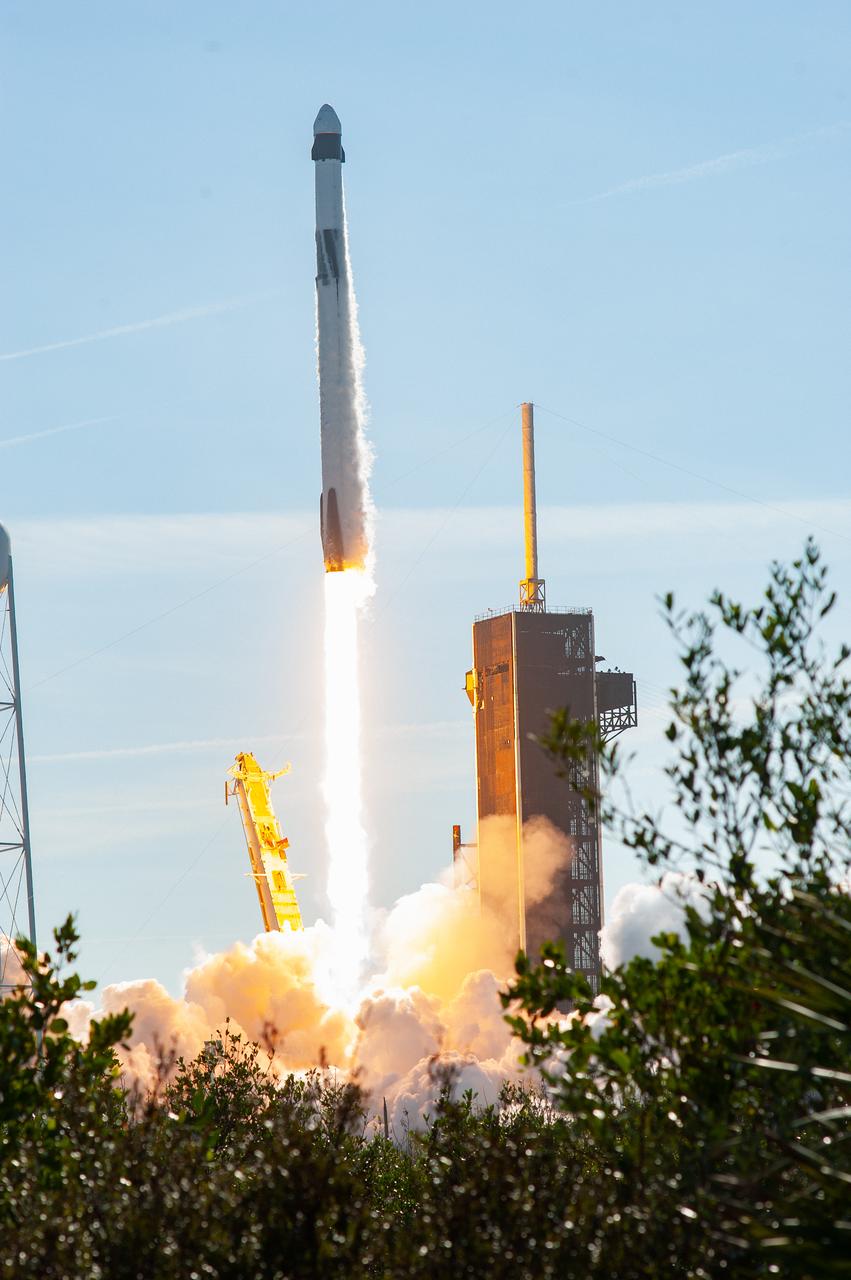
The SpaceX Falcon 9 rocket carrying the Dragon cargo spacecraft lifts off from Launch Complex 39A at NASA’s Kennedy Space Center in Florida on Nov. 26, 2022, on the company’s 26th commercial resupply services mission for the agency to the International Space Station. Liftoff was at 2:20 p.m. EST. Dragon will deliver more than 7,700 pounds of cargo, including a variety of NASA investigations, supplies, and equipment to the crew aboard the space station, including the next pair of ISS Roll Out Solar Arrays (iROSAs). The spacecraft is expected to spend about a month attached to the orbiting outpost before it returns to Earth with research and return cargo, splashing down off the coast of Florida.
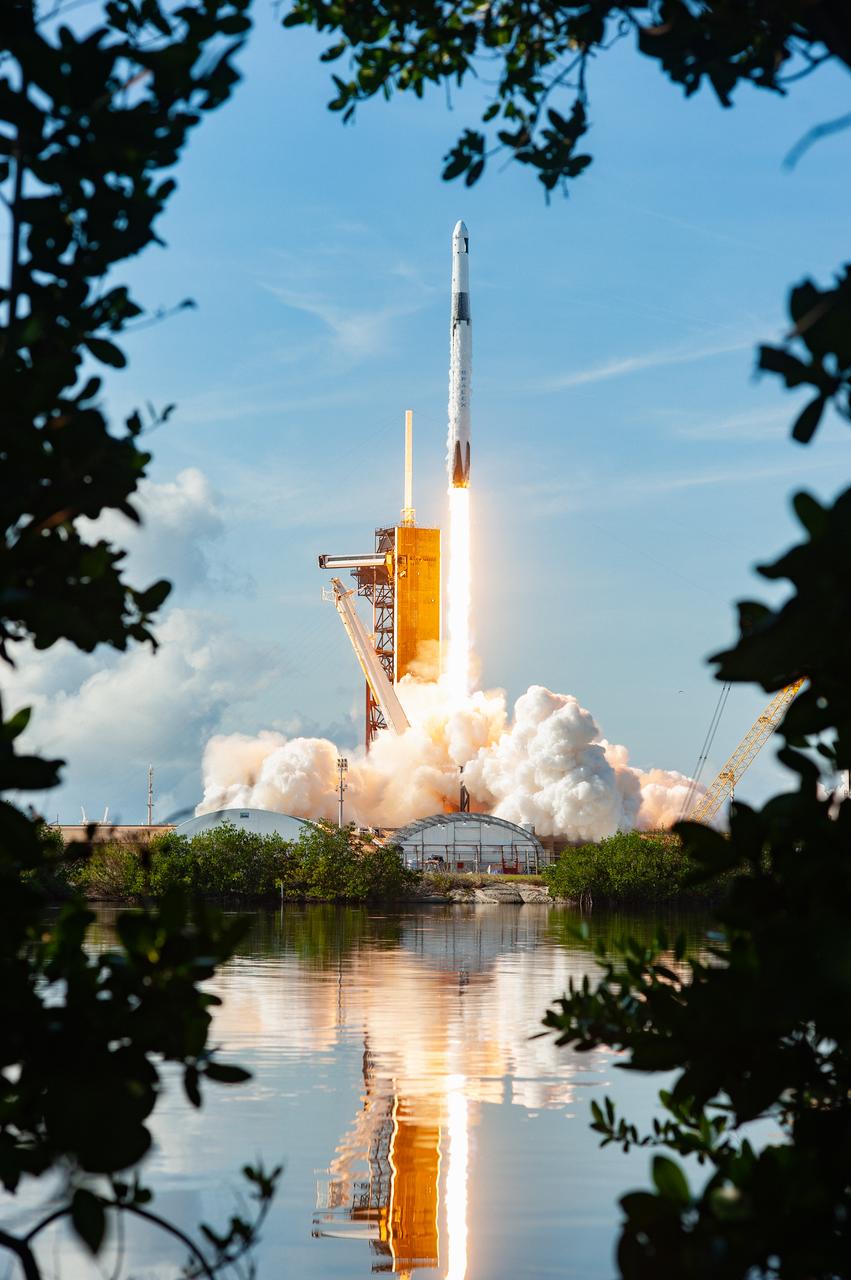
The SpaceX Falcon 9 rocket carrying the Dragon cargo spacecraft lifts off from Launch Complex 39A at NASA’s Kennedy Space Center in Florida on Nov. 26, 2022, on the company’s 26th commercial resupply services mission for the agency to the International Space Station. Liftoff was at 2:20 p.m. EST. Dragon will deliver more than 7,700 pounds of cargo, including a variety of NASA investigations, supplies, and equipment to the crew aboard the space station, including the next pair of ISS Roll Out Solar Arrays (iROSAs). The spacecraft is expected to spend about a month attached to the orbiting outpost before it returns to Earth with research and return cargo, splashing down off the coast of Florida.
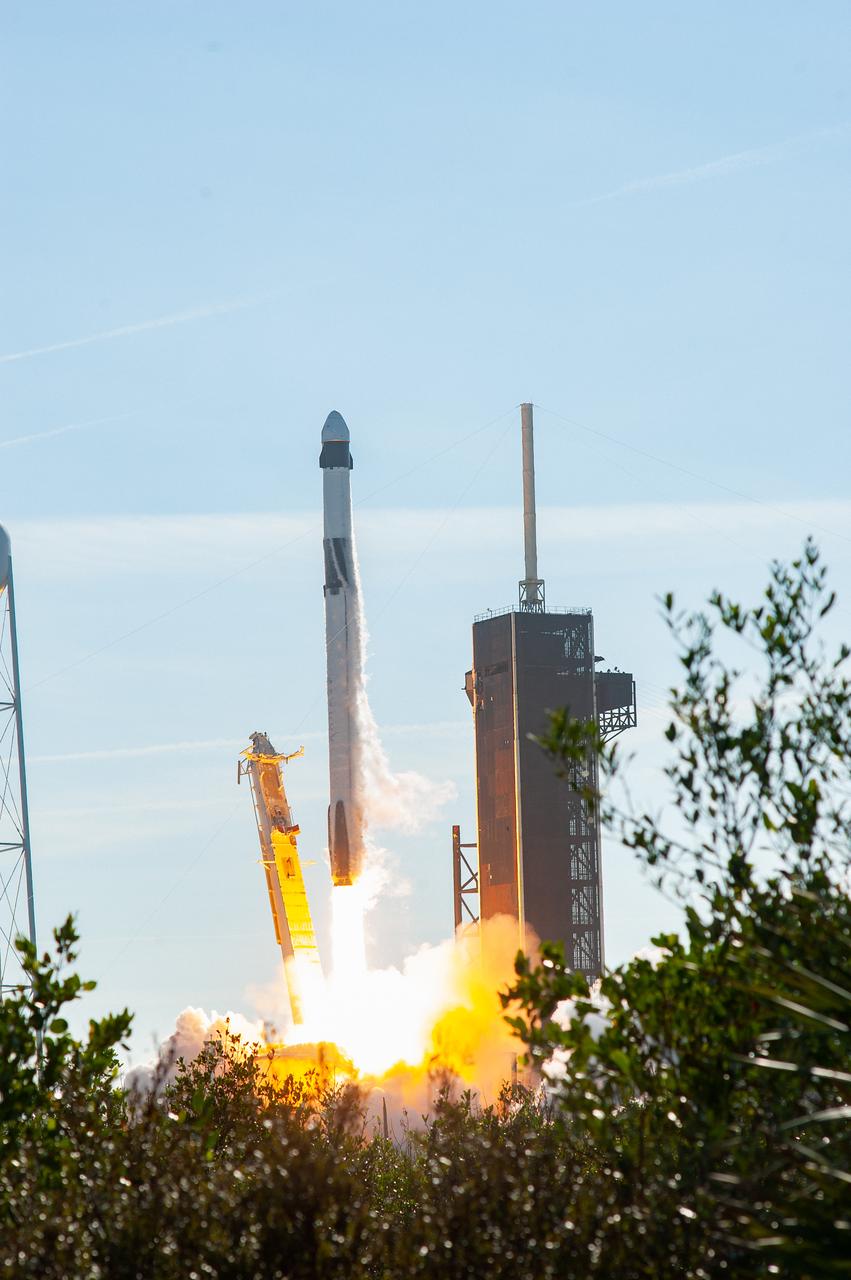
The SpaceX Falcon 9 rocket carrying the Dragon cargo spacecraft lifts off from Launch Complex 39A at NASA’s Kennedy Space Center in Florida on Nov. 26, 2022, on the company’s 26th commercial resupply services mission for the agency to the International Space Station. Liftoff was at 2:20 p.m. EST. Dragon will deliver more than 7,700 pounds of cargo, including a variety of NASA investigations, supplies, and equipment to the crew aboard the space station, including the next pair of ISS Roll Out Solar Arrays (iROSAs). The spacecraft is expected to spend about a month attached to the orbiting outpost before it returns to Earth with research and return cargo, splashing down off the coast of Florida.
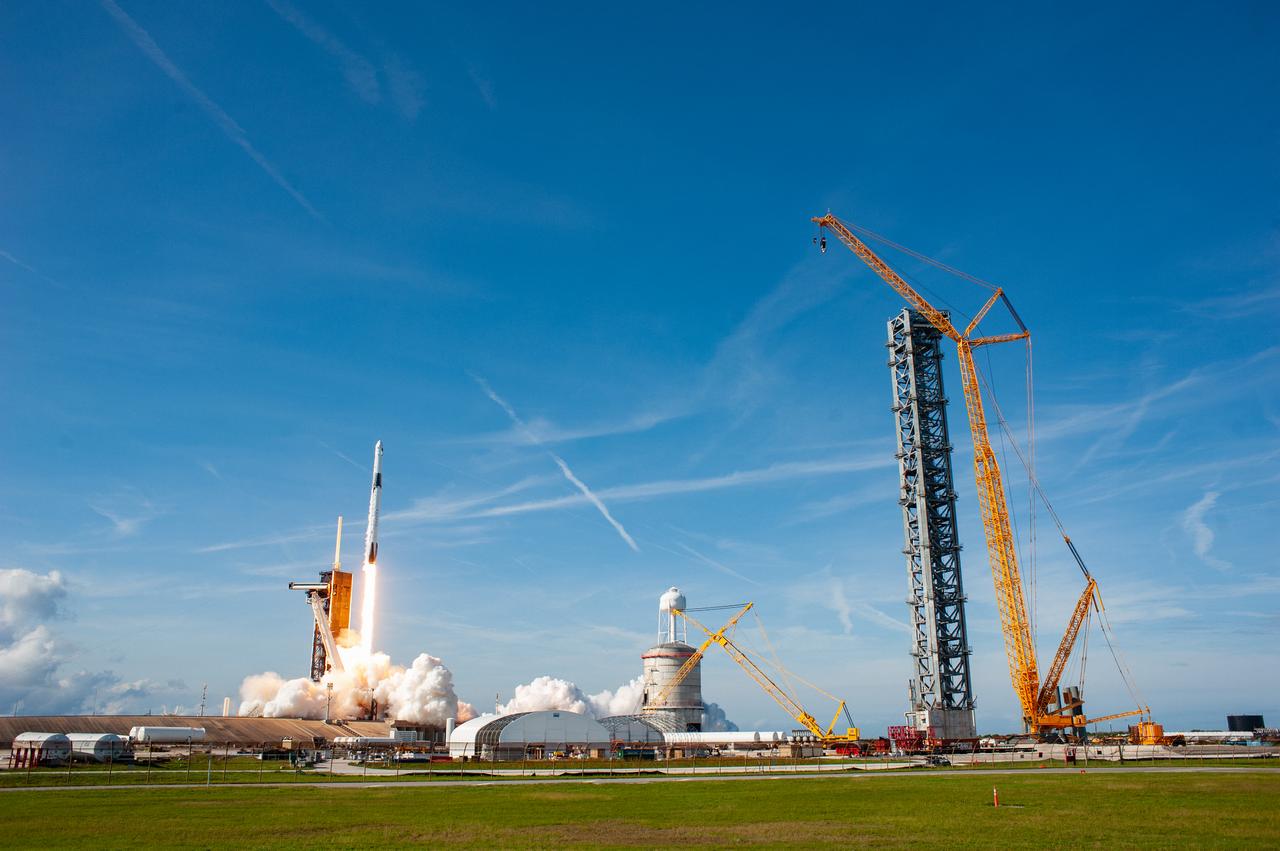
The SpaceX Falcon 9 rocket carrying the Dragon cargo spacecraft lifts off from Launch Complex 39A at NASA’s Kennedy Space Center in Florida on Nov. 26, 2022, on the company’s 26th commercial resupply services mission for the agency to the International Space Station. Liftoff was at 2:20 p.m. EST. Dragon will deliver more than 7,700 pounds of cargo, including a variety of NASA investigations, supplies, and equipment to the crew aboard the space station, including the next pair of ISS Roll Out Solar Arrays (iROSAs). The spacecraft is expected to spend about a month attached to the orbiting outpost before it returns to Earth with research and return cargo, splashing down off the coast of Florida.
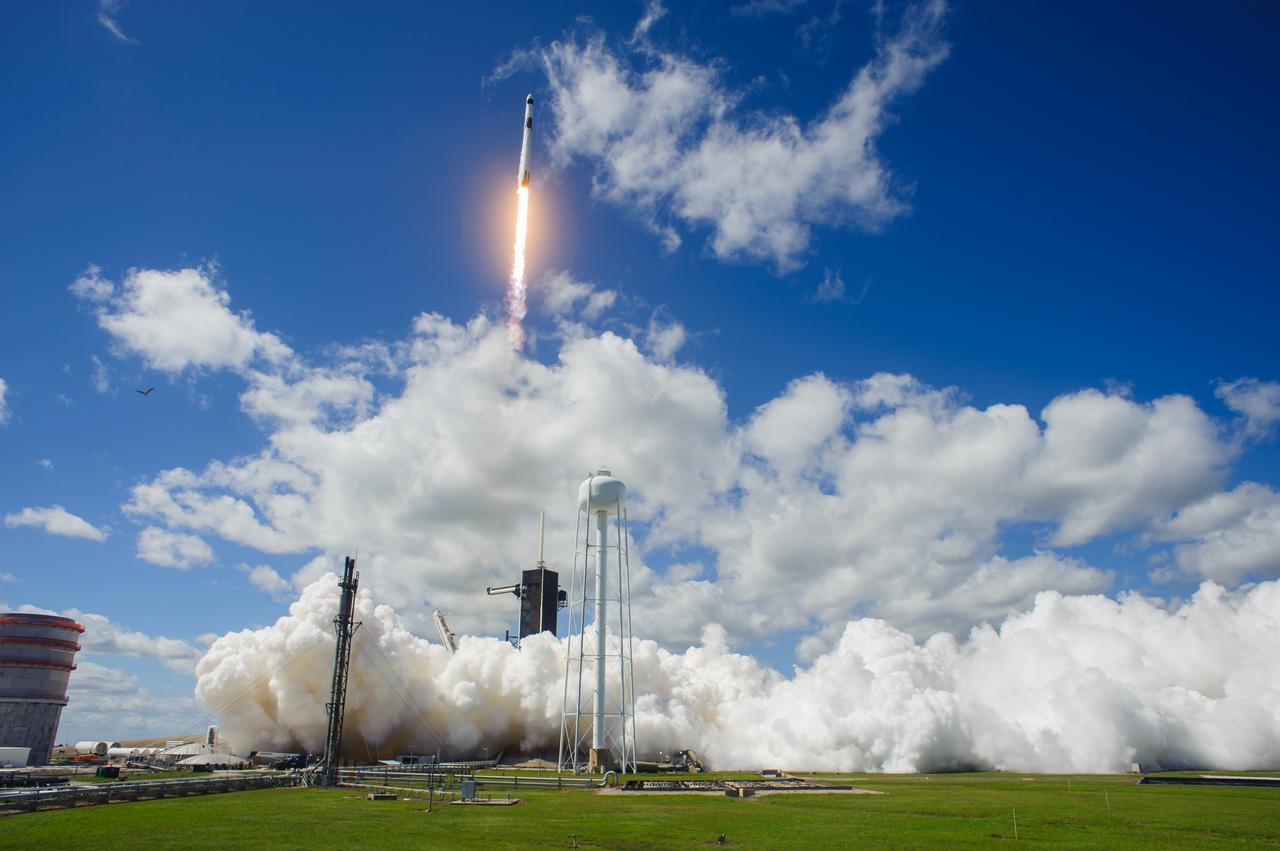
SpaceX’s Falcon 9 rocket, with the Dragon Endurance spacecraft atop, soars upward after lifting off from NASA’s Kennedy Space Center Launch Complex 39A in Florida on Oct. 5, 2022, on the agency’s SpaceX Crew-5 launch. Inside Endurance are NASA astronauts Nicole Mann, commander; Josh Cassada, pilot; and Mission Specialists Koichi Wakata, of JAXA (Japan Aerospace Exploration Agency), and Roscosmos cosmonaut Anna Kikina. The crew is heading to the International Space Station for a science expedition mission as part of the agency’s Commercial Crew Program. Liftoff occurred at noon EDT.

SpaceX’s Falcon 9 rocket, with the Dragon Endurance spacecraft atop, soars upward after lifting off from NASA’s Kennedy Space Center Launch Complex 39A in Florida on Oct. 5, 2022, on the agency’s SpaceX Crew-5 launch. Inside Endurance are NASA astronauts Nicole Mann, commander; Josh Cassada, pilot; and Mission Specialists Koichi Wakata, of JAXA (Japan Aerospace Exploration Agency), and Roscosmos cosmonaut Anna Kikina. The crew is heading to the International Space Station for a science expedition mission as part of the agency’s Commercial Crew Program. Liftoff occurred at noon EDT.
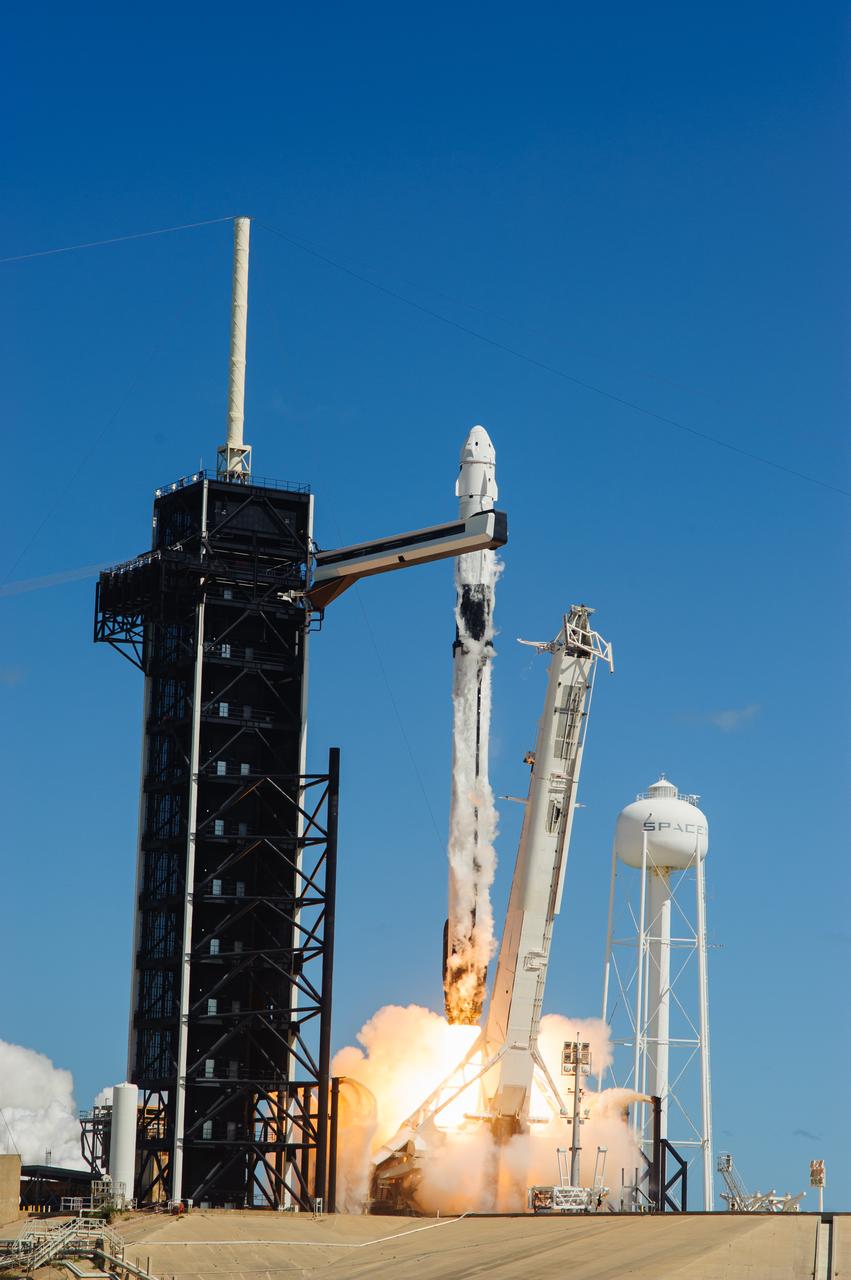
SpaceX’s Falcon 9 rocket, with the Dragon Endurance spacecraft atop, lifts off from NASA’s Kennedy Space Center Launch Complex 39A in Florida on Oct. 5, 2022, on the agency’s SpaceX Crew-5 launch. Inside Endurance are NASA astronauts Nicole Mann, commander; Josh Cassada, pilot; and Mission Specialists Koichi Wakata, of JAXA (Japan Aerospace Exploration Agency), and Roscosmos cosmonaut Anna Kikina. The crew is heading to the International Space Station for a science expedition mission as part of the agency’s Commercial Crew Program. Liftoff occurred at noon EDT.
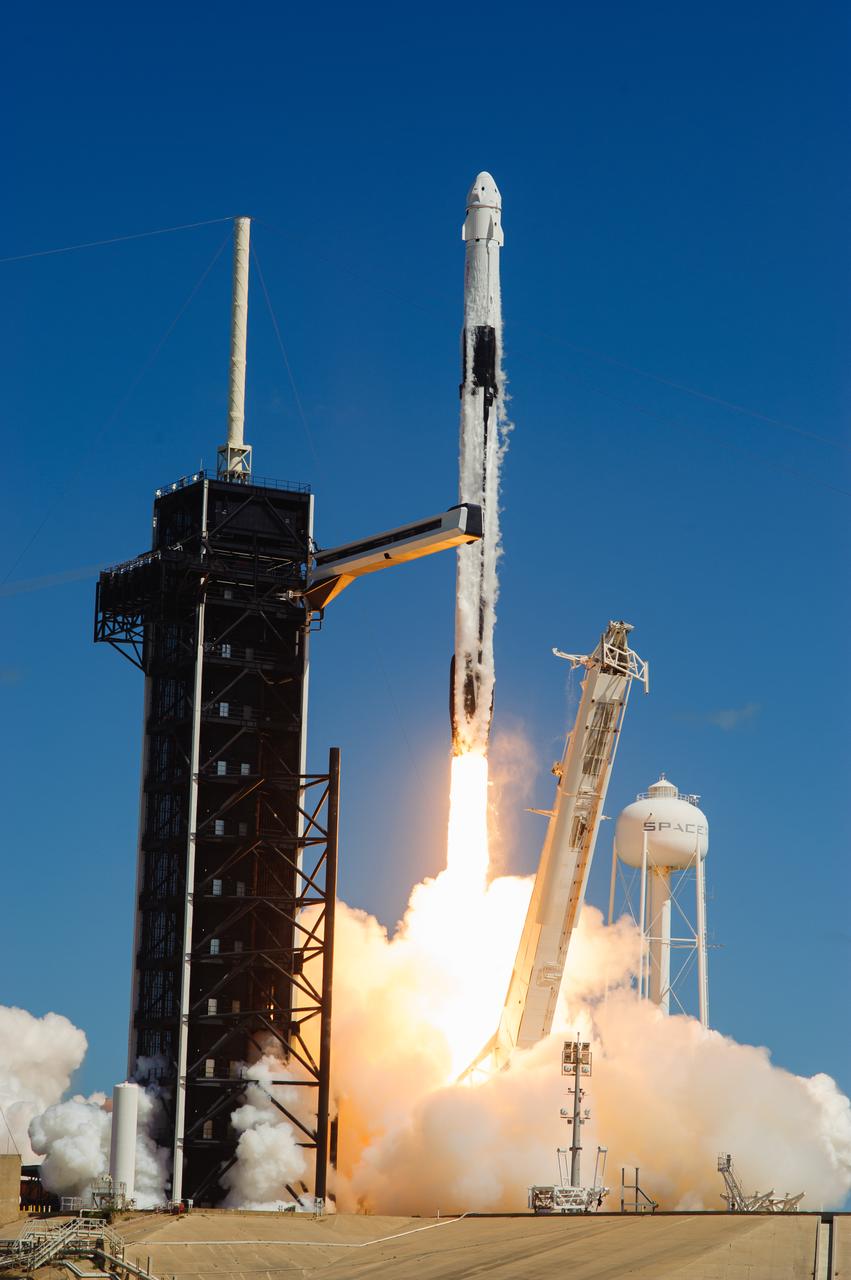
SpaceX’s Falcon 9 rocket, with the Dragon Endurance spacecraft atop, lifts off from NASA’s Kennedy Space Center Launch Complex 39A in Florida on Oct. 5, 2022, on the agency’s SpaceX Crew-5 launch. Inside Endurance are NASA astronauts Nicole Mann, commander; Josh Cassada, pilot; and Mission Specialists Koichi Wakata, of JAXA (Japan Aerospace Exploration Agency), and Roscosmos cosmonaut Anna Kikina. The crew is heading to the International Space Station for a science expedition mission as part of the agency’s Commercial Crew Program. Liftoff occurred at noon EDT.
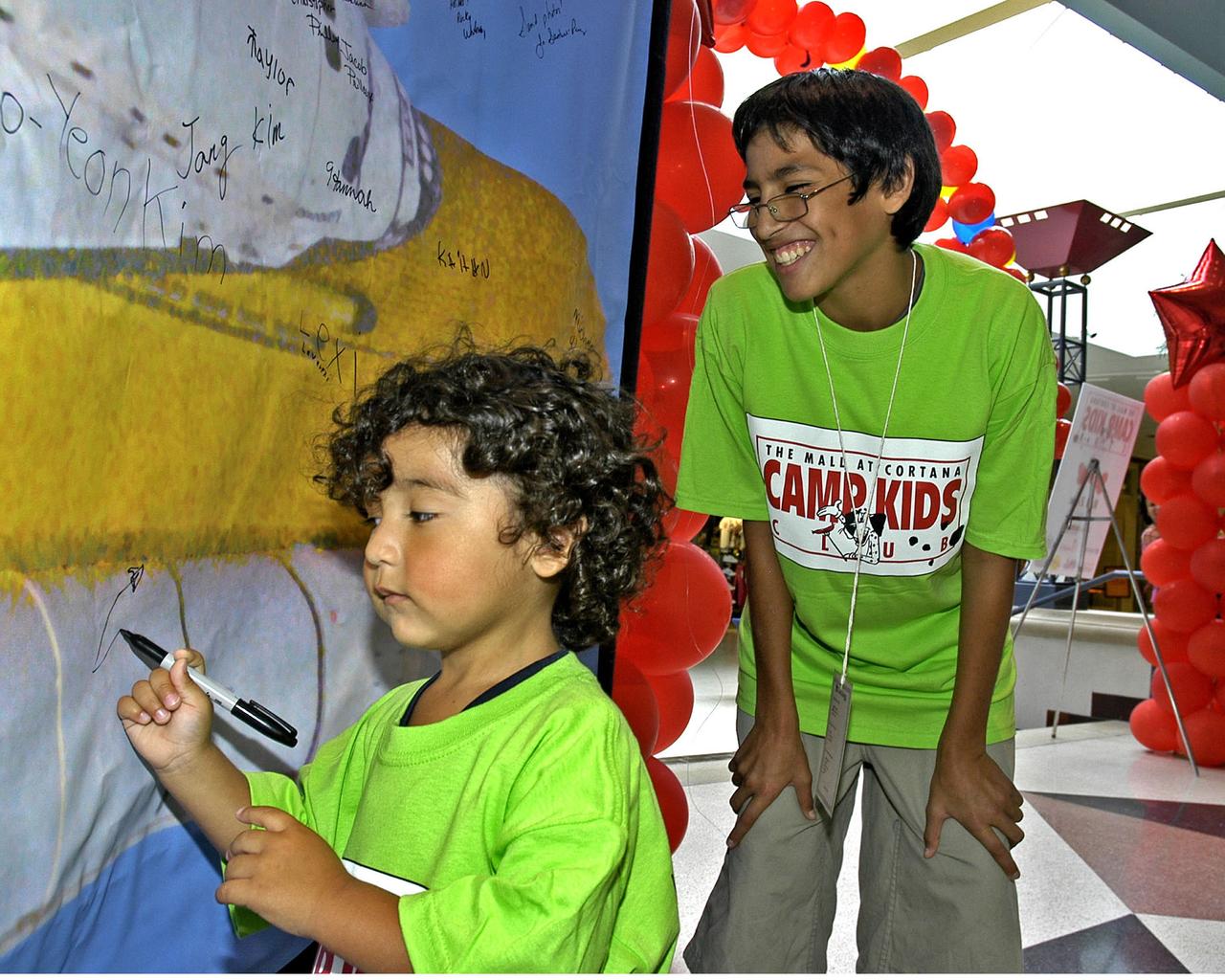
Christian Gonzales, 11 (right), watches as his little brother Walter, 2, adds his own brand of good wishes to a banner encouraging the crew of Space Shuttle Discovery on NASA's Return to Flight mission, scheduled to launch in summer 2005. The brothers, of Baton Rouge, were participating in a Camp Kids event at The Mall at Cortana, where Return to Flight activities were presented by NASA's Stennis Space Center (SSC).
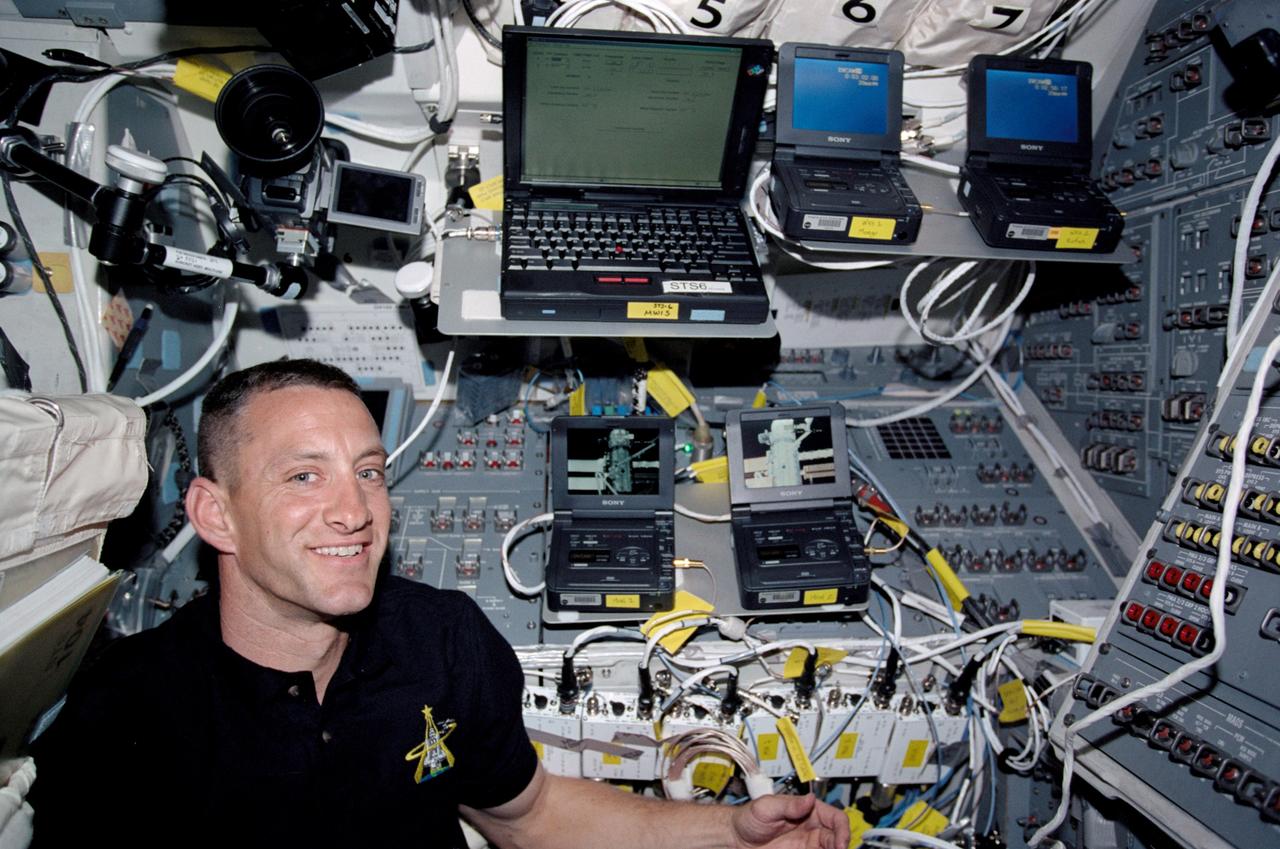
STS104-326-005 (12-24 July 2001) --- Astronaut Charles O. Hobaugh, STS-104 pilot, prepares to do some work at the recently-fashioned computer network station on the flight deck of the Space Shuttle Atlantis.

Combining two images, this mosaic shows a close-up view of the rock target named "Yeehgo" from the SuperCam instrument on NASA's Perseverance rover on Mars. The component images were taken by SuperCam's Remote Micro-Imager (RMI) on March 7, 2021 (the 16th Martian day, or sol, of Perseverance's mission on Mars). To be compatible with the rover's software, "Yeehgo" is an alternative spelling of "Yéigo," the Navajo word for diligent. The target is 10.9 feet (3.325 meters) from the rover. Each of the two images in the mosaic shows a field of view 2.5 inches (6.2 centimeters) in diameter. Perseverance's Navigation Cameras (Nav Cam) and Mastcam-Z instrument also took images of that area at the same time to provide multiple views of the rock target, as seen in the annotated version of this image. A key objective for Perseverance's mission on Mars is astrobiology, including the search for signs of ancient microbial life. The rover will characterize the planet's geology and past climate, pave the way for human exploration of the Red Planet, and be the first mission to collect and cache Martian rock and regolith (broken rock and dust). Subsequent NASA missions, in cooperation with ESA (European Space Agency), would send spacecraft to Mars to collect these sealed samples from the surface and return them to Earth for in-depth analysis. The Mars 2020 Perseverance mission is part of NASA's Moon to Mars exploration approach, which includes Artemis missions to the Moon that will help prepare for human exploration of the Red Planet. https://photojournal.jpl.nasa.gov/catalog/PIA24492