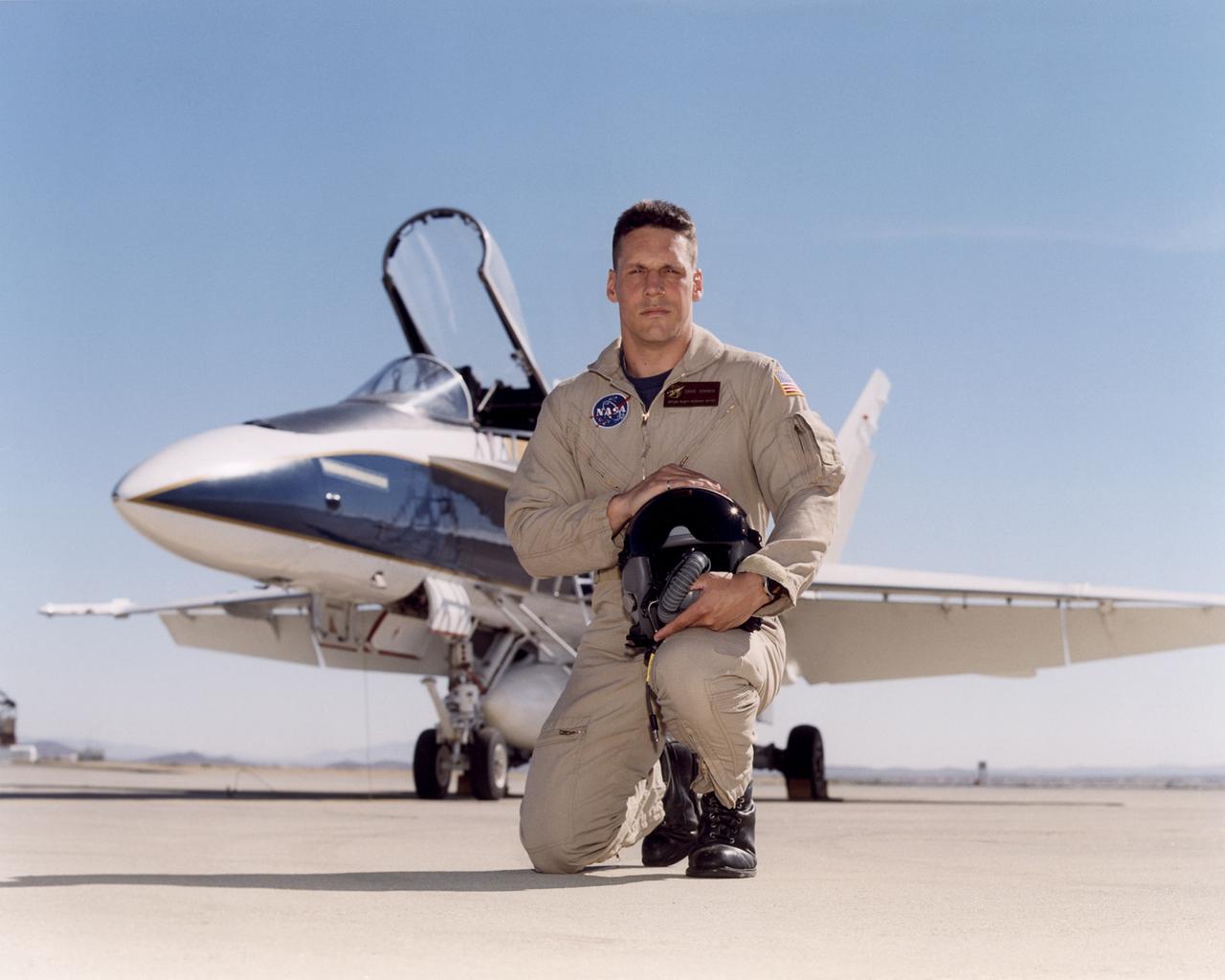
Craig R. Bomben became a pilot in the Flight Crew Branch of NASA's Dryden Flight Research Center, Edwards, Calif., in June 2001. His flying duties include a variety of research and support activities while piloting the F/A-18, DC-8, T-34C and King Air aircraft. He has more than 17 years and 3,800 hours of military and civilian flight experience in over 50 different aircraft types. Bomben came to NASA Dryden from a U.S. Navy assignment to the Personnel Exchange Program, Canada. He served as a test pilot in the Canadian Armed Forces located in Cold Lake, Alberta. He participated in numerous developmental programs to include CT-133 airborne ejection seat testing, F/A-18 weapons flutter testing and F/A-18 night vision goggles integration. Bomben performed U.S. Navy fleet service in 1995 as a strike-fighter department head. He completed two overseas deployments onboard the USS George Washington and USS Stennis. As a combat strike leader, he headed numerous multi-national missions over Iraq in support of Operation Southern Watch. Bomben graduated from the U.S. Naval Test Pilot School in 1992 and was subsequently assigned to the Naval Weapons Test Squadron at Pt. Mugu, Calif. During this tour he developed the F-14D bombsight and worked on various other F-14D and F/A-18 weapon systems developmental programs. Bomben is a 1985 graduate of Washington State University with a bachelor of science degree in electrical engineering. He graduated from naval flight training in 1987 and was recognized as a Commodore List graduate. His first assignment was to Naval Air Station Pensacola, Fla., where he was an instructor in the T-2B Buckeye. When selected to fly the F/A-18 in 1989, he joined a fleet squadron and deployed aboard the USS Forrestal. Bomben is married to the former Aissa Asuncion. They live in Lancaster, Calif., with their 3 children.
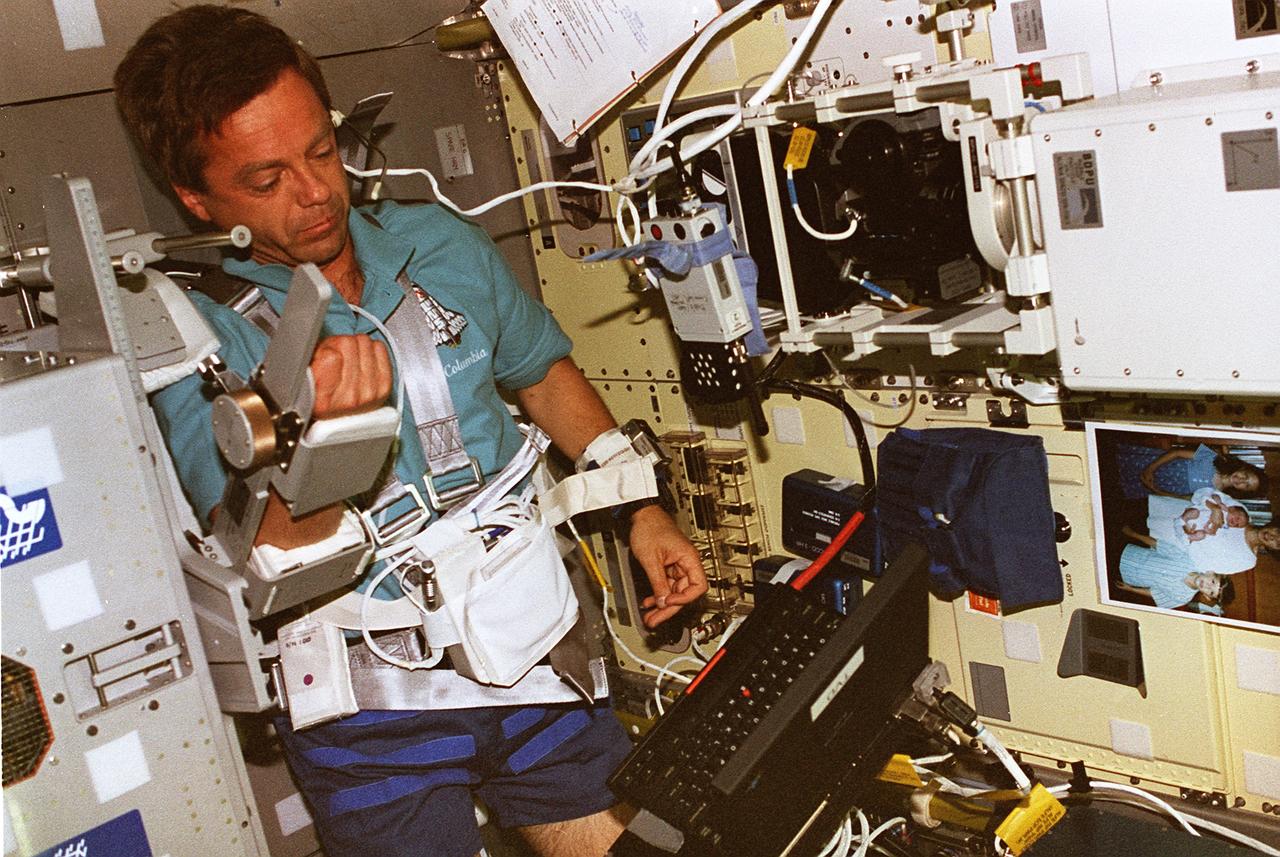
STS078-304-018 (20 June - 7 July 1996) --- Payload specialist Robert B. Thirsk, representing the Canadian Space Agency (CSA), performs a test on his arm using the Torque Velocity Dynamometer (TVD). Dr. Thirsk was measuring changes in muscle forces of the bicep and tricep in this particular view. The TVD hardware is also used to measure leg muscle forces and velocity at the ankle and elbow joints. Crew members for the mission performed all experiment protocols prior to flight to develop a baseline and will also perform post-flight tests to complete the analysis. Additionally, muscle biopsies were taken before the flight and will be conducted after the flight.
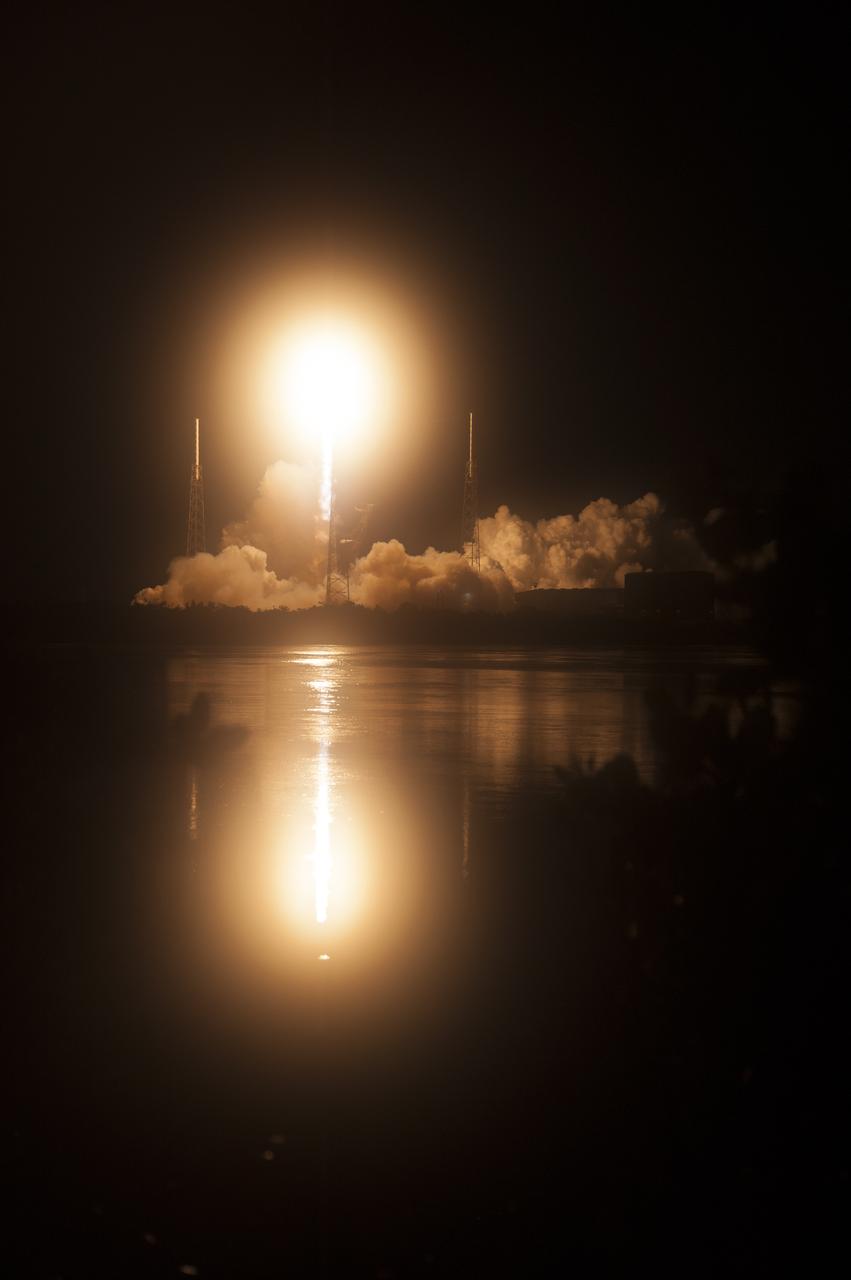
The two-stage SpaceX Falcon 9 launch vehicle lifts off from Space Launch Complex 40 at Cape Canaveral Air Force Station, carrying the SpaceX Dragon resupply spacecraft to the International Space Station. Liftoff was at 5:42 a.m. EDT on Friday, June 29, 2018. On the company’s 15th Commercial Resupply Services mission to the International Space Station, Dragon is filled with supplies and payloads, including critical materials to support several science and research investigations that will occur during Expedition 56. The spacecraft’s unpressurized trunk is carrying a Canadian-built Latching End Effector, or LEE. This new LEE will replace a failed unit astronauts removed during a series of spacewalks in the fall of 2017. Each end of the Canadarm2 robotic arm has an identical LEE, and they are used as the “hands” that grapple payloads and visiting cargo spaceships.
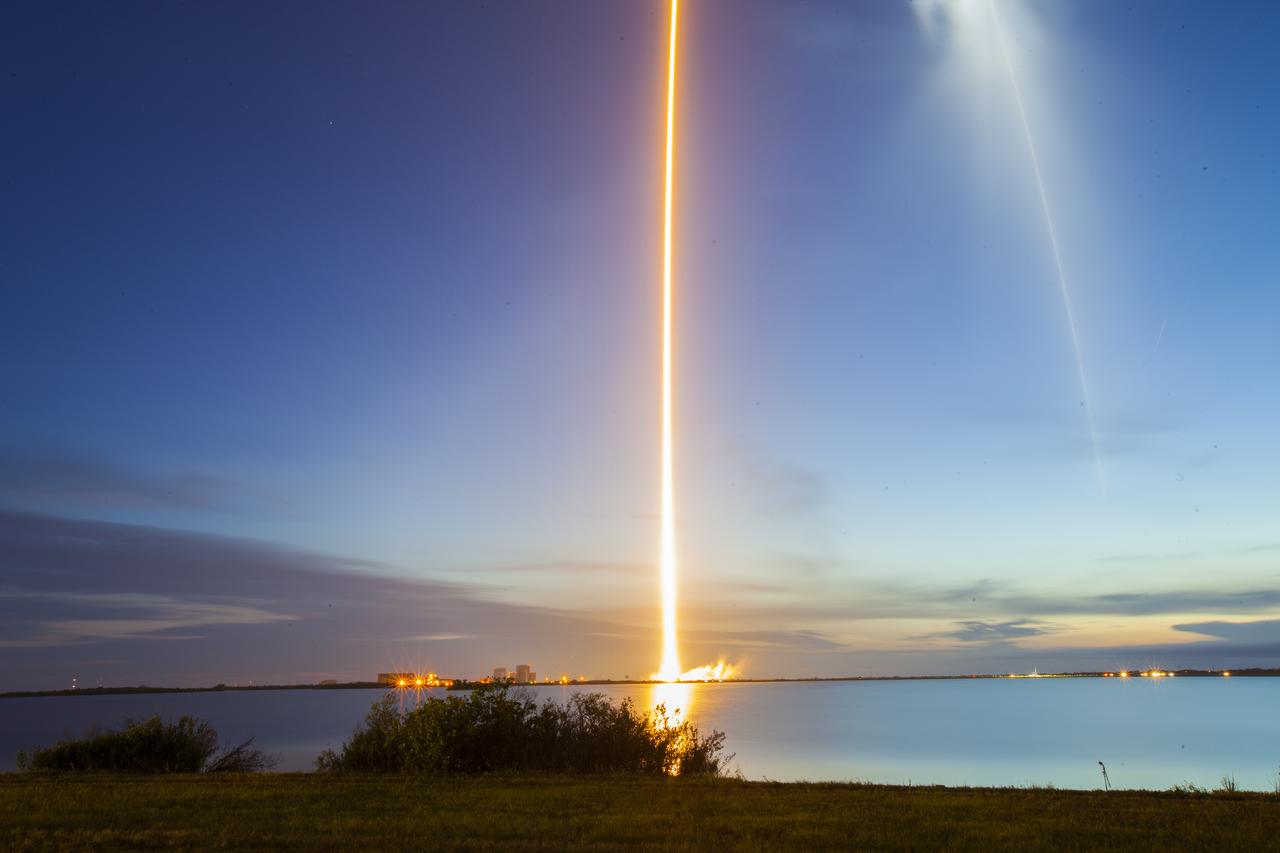
The two-stage SpaceX Falcon 9 launch vehicle lifts off from Space Launch Complex 40 at Cape Canaveral Air Force Station, carrying the SpaceX Dragon resupply spacecraft to the International Space Station. Liftoff was at 5:42 a.m. EDT on Friday, June 29, 2018. On the company’s 15th Commercial Resupply Services mission to the International Space Station, Dragon is filled with supplies and payloads, including critical materials to support several science and research investigations that will occur during Expedition 56. The spacecraft’s unpressurized trunk is carrying a Canadian-built Latching End Effector, or LEE. This new LEE will replace a failed unit astronauts removed during a series of spacewalks in the fall of 2017. Each end of the Canadarm2 robotic arm has an identical LEE, and they are used as the “hands” that grapple payloads and visiting cargo spaceships.
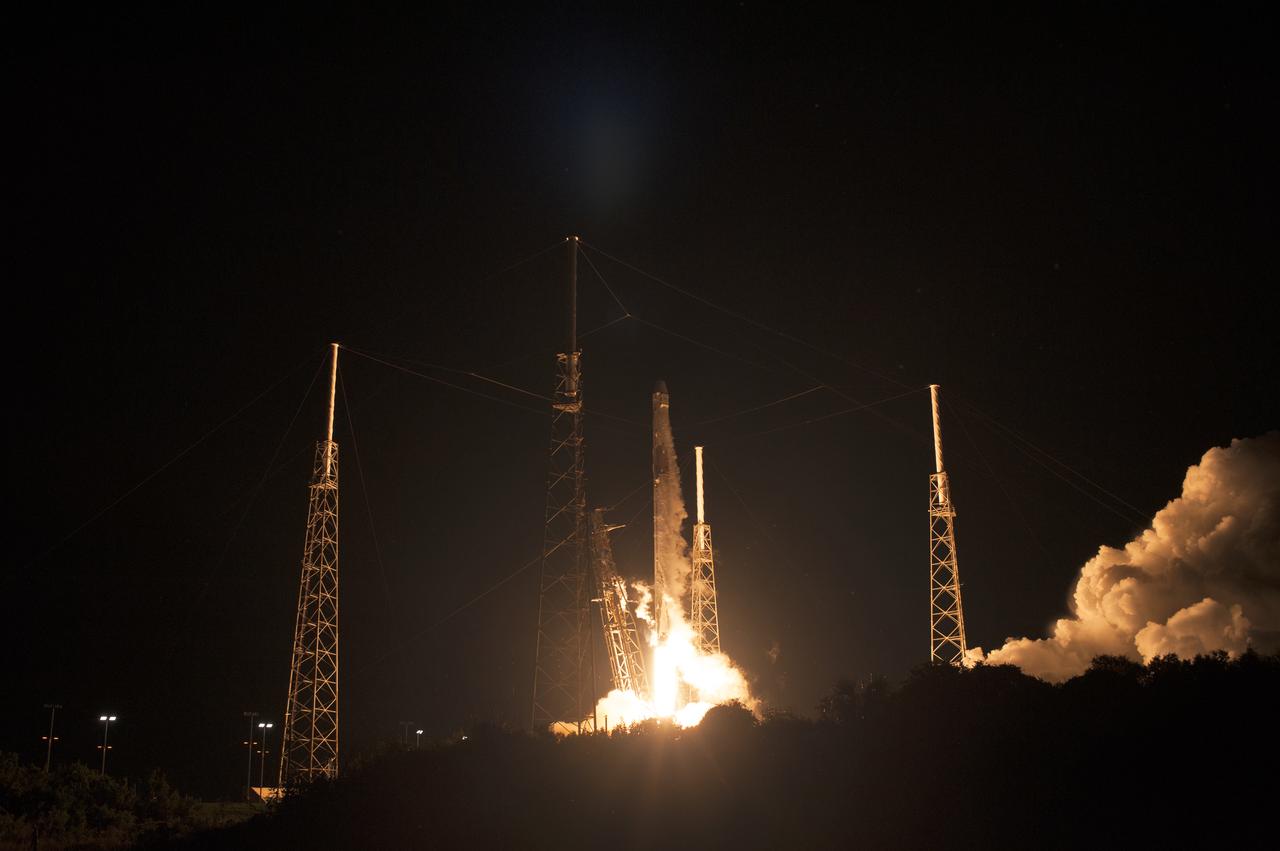
The two-stage SpaceX Falcon 9 launch vehicle lifts off from Space Launch Complex 40 at Cape Canaveral Air Force Station, carrying the SpaceX Dragon resupply spacecraft to the International Space Station. Liftoff was at 5:42 a.m. EDT on Friday, June 29, 2018. On the company’s 15th Commercial Resupply Services mission to the International Space Station, Dragon is filled with supplies and payloads, including critical materials to support several science and research investigations that will occur during Expedition 56. The spacecraft’s unpressurized trunk is carrying a Canadian-built Latching End Effector, or LEE. This new LEE will replace a failed unit astronauts removed during a series of spacewalks in the fall of 2017. Each end of the Canadarm2 robotic arm has an identical LEE, and they are used as the “hands” that grapple payloads and visiting cargo spaceships.
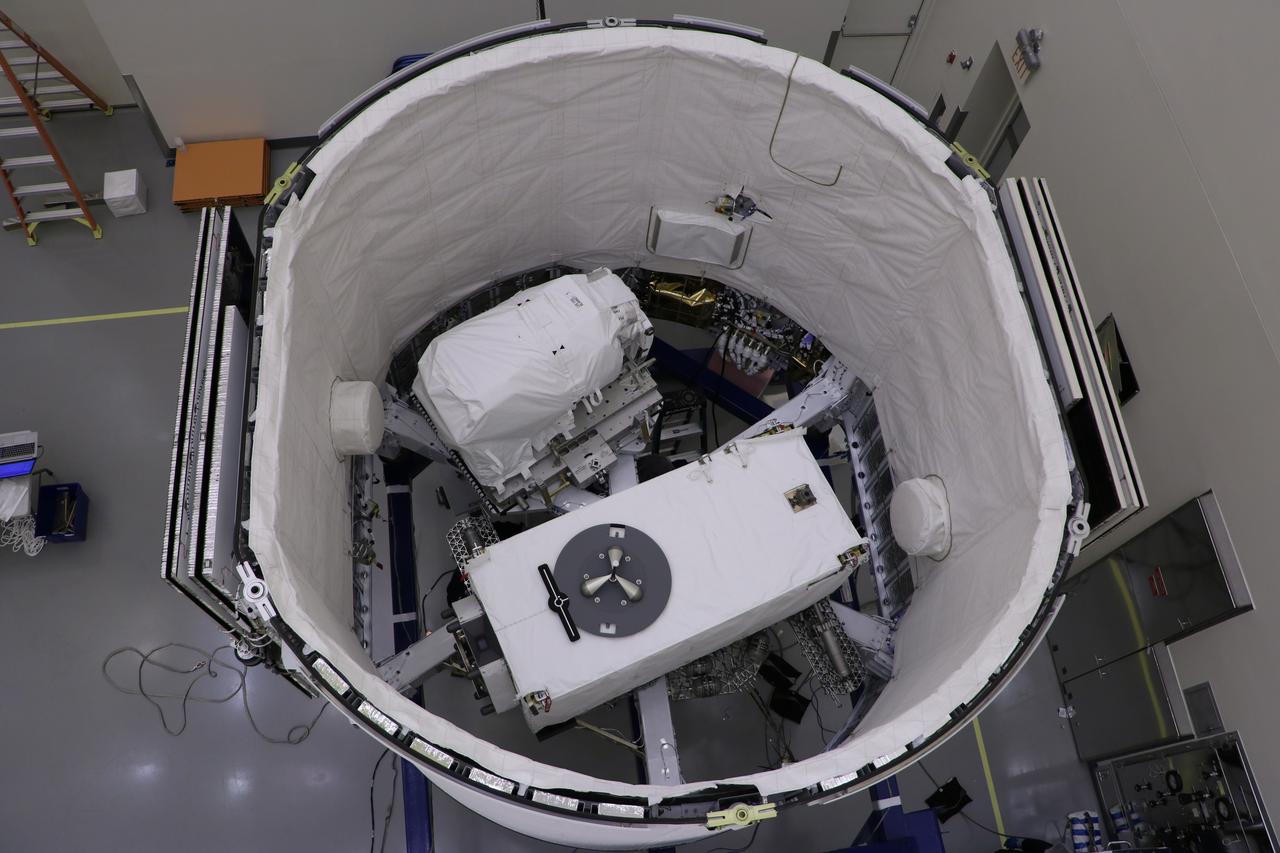
The ECOsystem Spaceborne Thermal Radiometer Experiment on Space Station (ECOSTRESS), pictured at the bottom, and the Latching End Effector (LEE), pictured at the top, are integrated into the unpressurized SpaceX Dragon truck June 2, 2018, at the SpaceX facility on Cape Canaveral Air Force Station in Florida. The payloads will be carried to the International Space Station on SpaceX's 15th Commercial Resupply Services mission. ECOSTRESS will measure the temperature of plants and use that information to better understand how much water plants need and how they respond to stress. The Canadian Space Agency is supplying LEE for the Canadarm2 as a spare to replace a failed unit removed by astronauts during a spacewalk in 2017. Each end of the Canadarm2 robotic arm has an identical LEE, which acts like a "hand" to grapple payloads and visiting cargo spaceships.
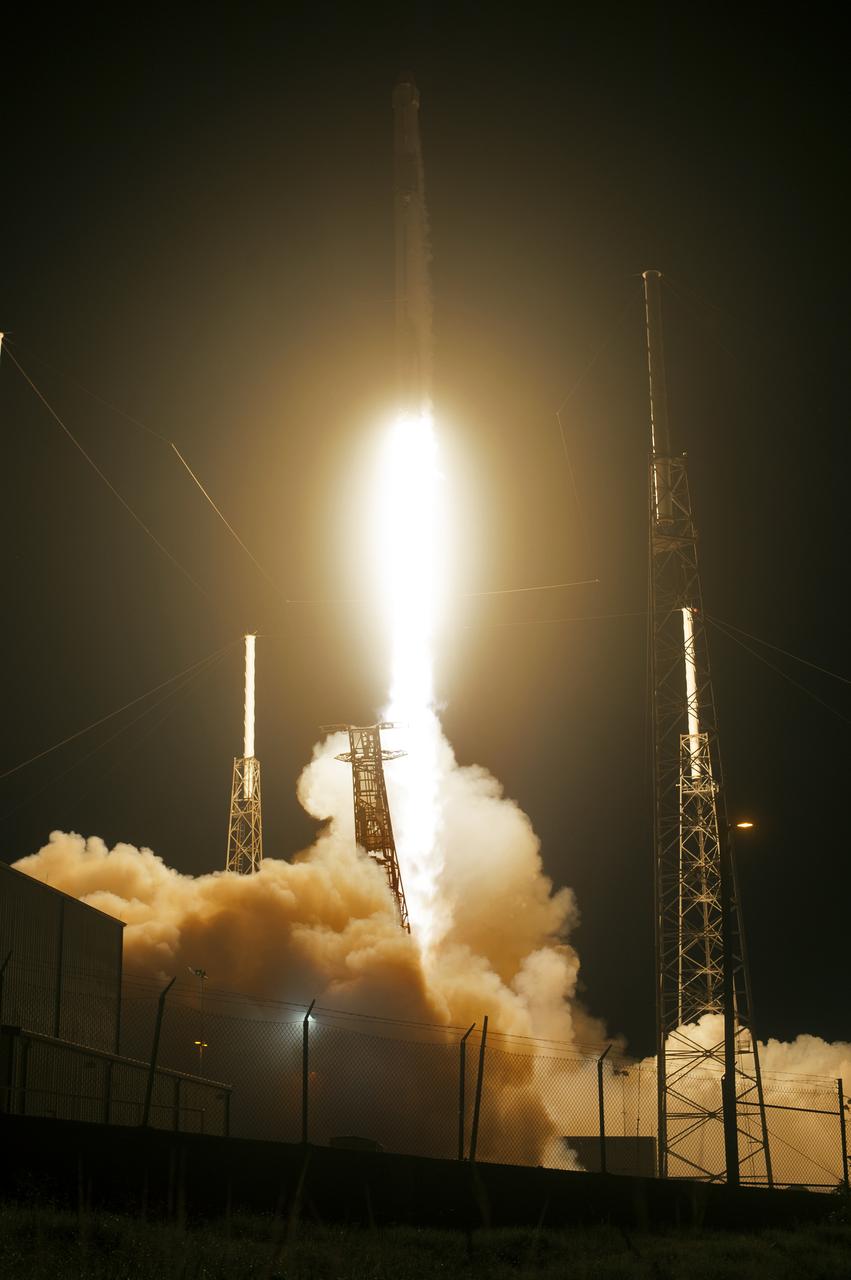
The two-stage SpaceX Falcon 9 launch vehicle lifts off from Space Launch Complex 40 at Cape Canaveral Air Force Station, carrying the SpaceX Dragon resupply spacecraft to the International Space Station. Liftoff was at 5:42 a.m. EDT on Friday, June 29, 2018. On the company’s 15th Commercial Resupply Services mission to the International Space Station, Dragon is filled with supplies and payloads, including critical materials to support several science and research investigations that will occur during Expedition 56. The spacecraft’s unpressurized trunk is carrying a Canadian-built Latching End Effector, or LEE. This new LEE will replace a failed unit astronauts removed during a series of spacewalks in the fall of 2017. Each end of the Canadarm2 robotic arm has an identical LEE, and they are used as the “hands” that grapple payloads and visiting cargo spaceships.
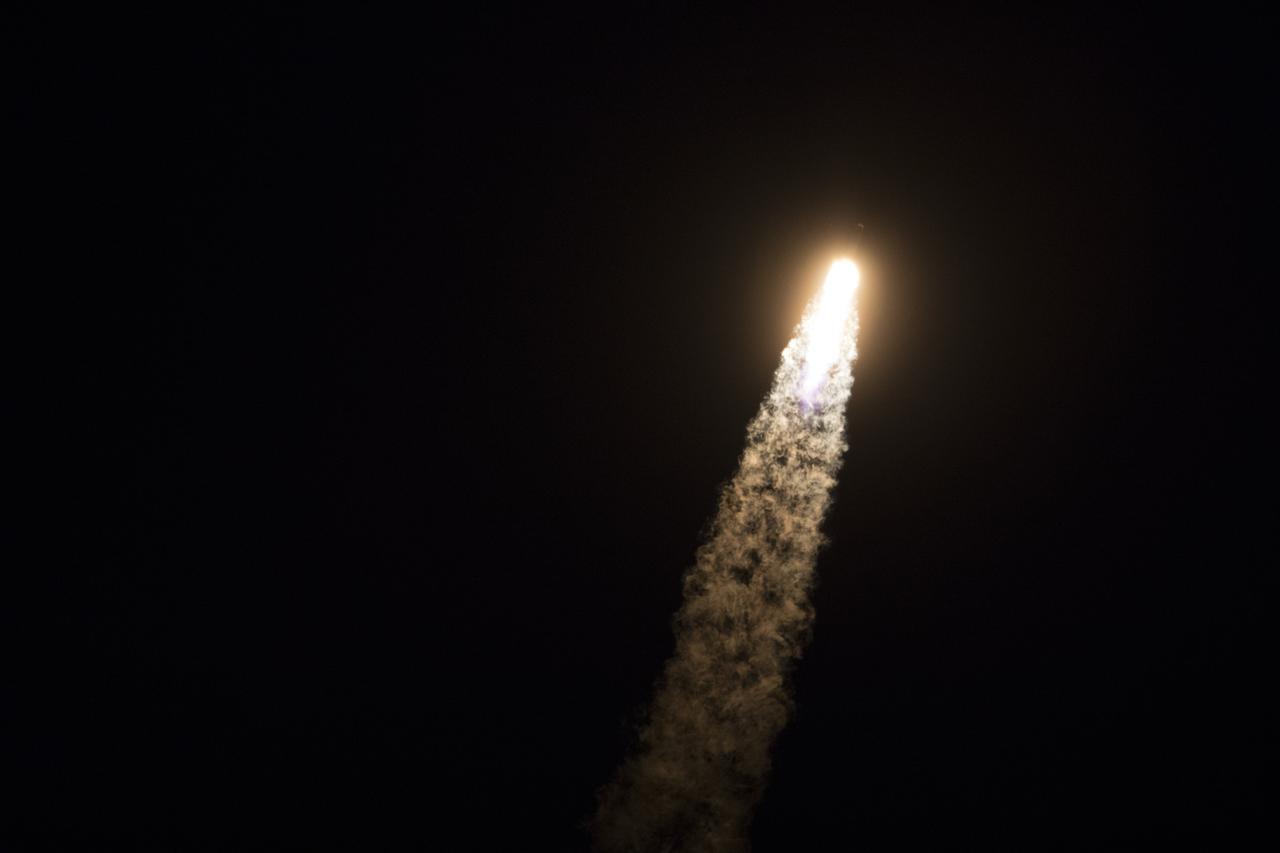
The two-stage SpaceX Falcon 9 launch vehicle soars into the sky from Space Launch Complex 40 at Cape Canaveral Air Force Station, carrying the SpaceX Dragon resupply spacecraft to the International Space Station. Liftoff was at 5:42 a.m. EDT on Friday, June 29, 2018. On the company’s 15th Commercial Resupply Services mission to the International Space Station, Dragon is filled with supplies and payloads, including critical materials to support several science and research investigations that will occur during Expedition 56. The spacecraft’s unpressurized trunk is carrying a Canadian-built Latching End Effector, or LEE. This new LEE will replace a failed unit astronauts removed during a series of spacewalks in the fall of 2017. Each end of the Canadarm2 robotic arm has an identical LEE, and they are used as the “hands” that grapple payloads and visiting cargo spaceships.
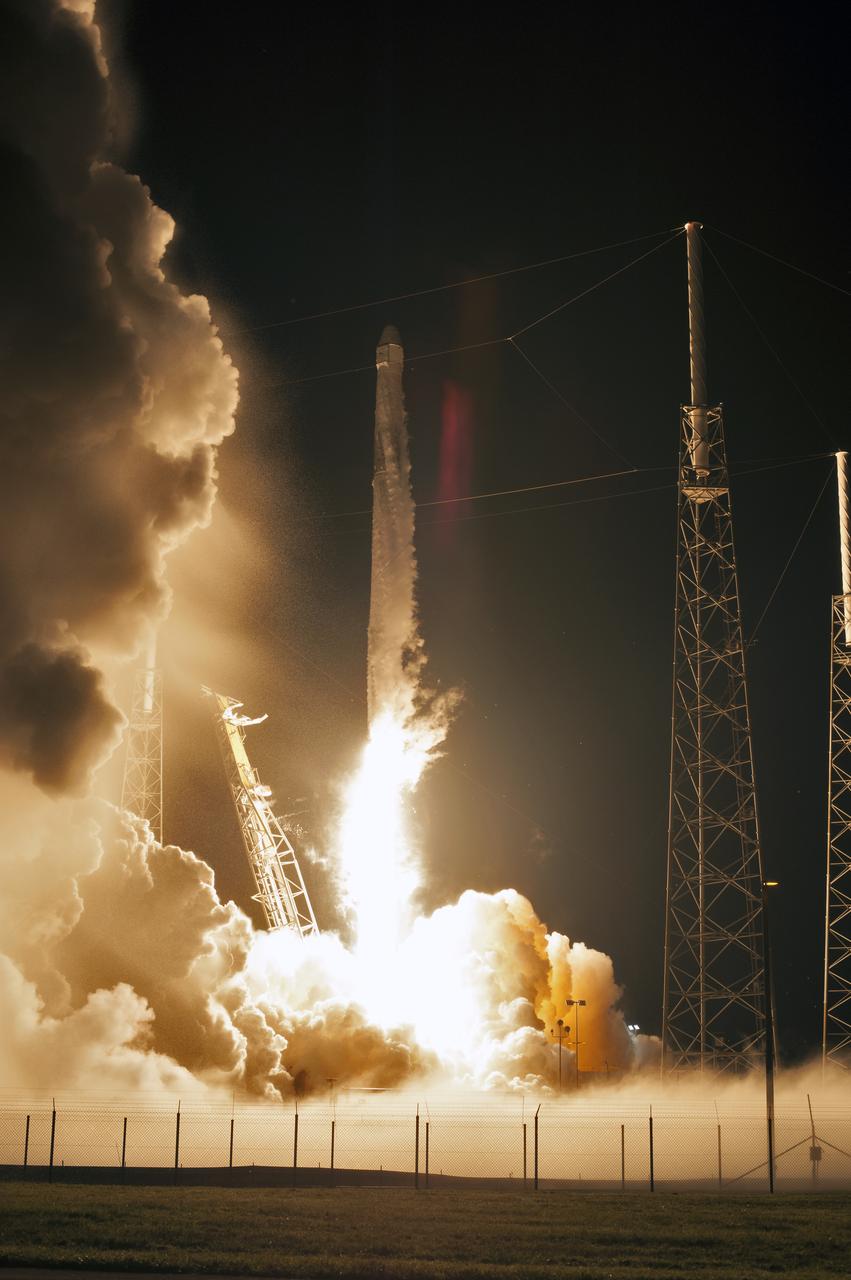
The two-stage SpaceX Falcon 9 launch vehicle lifts off from Space Launch Complex 40 at Cape Canaveral Air Force Station, carrying the SpaceX Dragon resupply spacecraft to the International Space Station. Liftoff was at 5:42 a.m. EDT on Friday, June 29, 2018. On the company’s 15th Commercial Resupply Services mission to the International Space Station, Dragon is filled with supplies and payloads, including critical materials to support several science and research investigations that will occur during Expedition 56. The spacecraft’s unpressurized trunk is carrying a Canadian-built Latching End Effector, or LEE. This new LEE will replace a failed unit astronauts removed during a series of spacewalks in the fall of 2017. Each end of the Canadarm2 robotic arm has an identical LEE, and they are used as the “hands” that grapple payloads and visiting cargo spaceships.

The two-stage SpaceX Falcon 9 launch vehicle lifts off from Space Launch Complex 40 at Cape Canaveral Air Force Station, carrying the SpaceX Dragon resupply spacecraft to the International Space Station. Liftoff was at 5:42 a.m. EDT on Friday, June 29, 2018. On the company’s 15th Commercial Resupply Services mission to the International Space Station, Dragon is filled with supplies and payloads, including critical materials to support several science and research investigations that will occur during Expedition 56. The spacecraft’s unpressurized trunk is carrying a Canadian-built Latching End Effector, or LEE. This new LEE will replace a failed unit astronauts removed during a series of spacewalks in the fall of 2017. Each end of the Canadarm2 robotic arm has an identical LEE, and they are used as the “hands” that grapple payloads and visiting cargo spaceships.
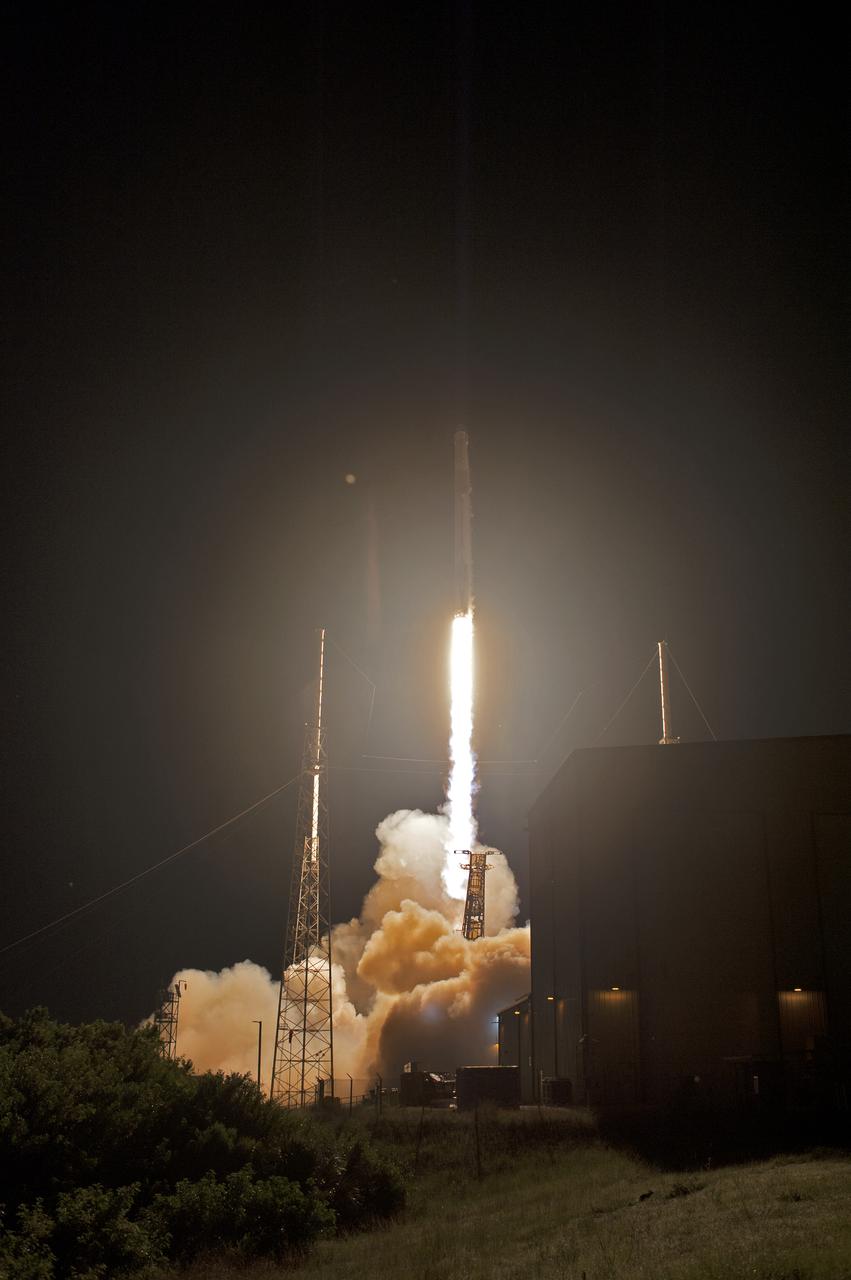
The two-stage SpaceX Falcon 9 launch vehicle lifts off from Space Launch Complex 40 at Cape Canaveral Air Force Station, carrying the SpaceX Dragon resupply spacecraft to the International Space Station. Liftoff was at 5:42 a.m. EDT on Friday, June 29, 2018. On the company’s 15th Commercial Resupply Services mission to the International Space Station, Dragon is filled with supplies and payloads, including critical materials to support several science and research investigations that will occur during Expedition 56. The spacecraft’s unpressurized trunk is carrying a Canadian-built Latching End Effector, or LEE. This new LEE will replace a failed unit astronauts removed during a series of spacewalks in the fall of 2017. Each end of the Canadarm2 robotic arm has an identical LEE, and they are used as the “hands” that grapple payloads and visiting cargo spaceships.
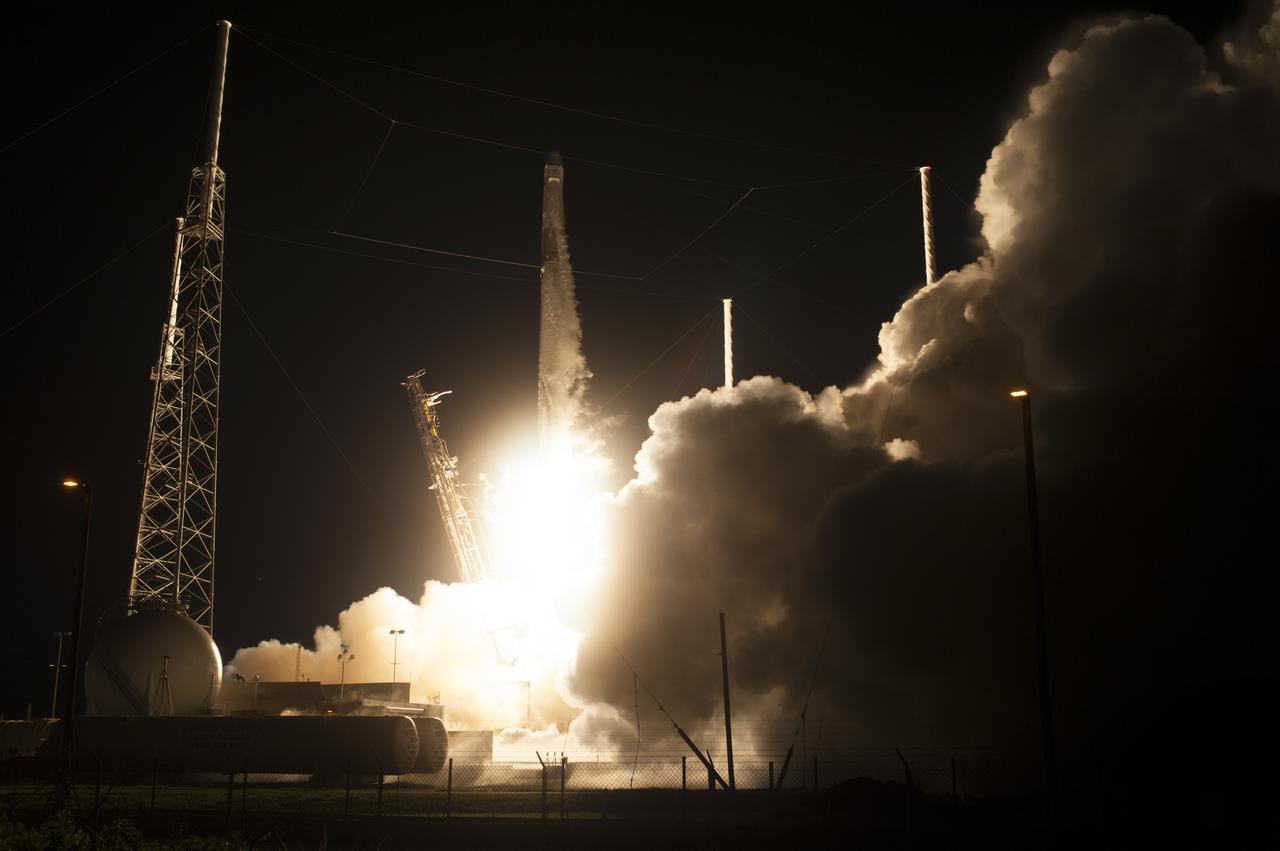
The two-stage SpaceX Falcon 9 launch vehicle lifts off from Space Launch Complex 40 at Cape Canaveral Air Force Station, carrying the SpaceX Dragon resupply spacecraft to the International Space Station. Liftoff was at 5:42 a.m. EDT on Friday, June 29, 2018. On the company’s 15th Commercial Resupply Services mission to the International Space Station, Dragon is filled with supplies and payloads, including critical materials to support several science and research investigations that will occur during Expedition 56. The spacecraft’s unpressurized trunk is carrying a Canadian-built Latching End Effector, or LEE. This new LEE will replace a failed unit astronauts removed during a series of spacewalks in the fall of 2017. Each end of the Canadarm2 robotic arm has an identical LEE, and they are used as the “hands” that grapple payloads and visiting cargo spaceships.
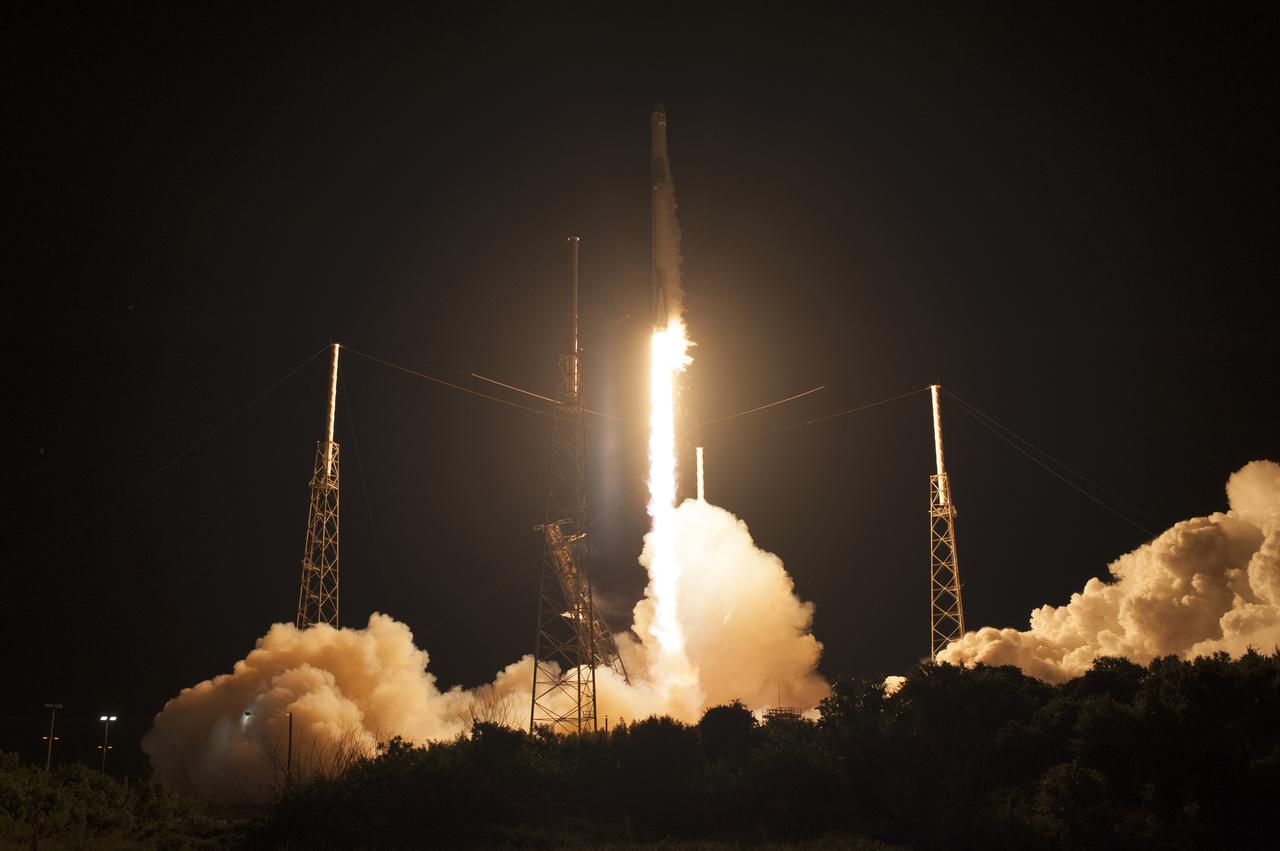
The two-stage SpaceX Falcon 9 launch vehicle lifts off from Space Launch Complex 40 at Cape Canaveral Air Force Station, carrying the SpaceX Dragon resupply spacecraft to the International Space Station. Liftoff was at 5:42 a.m. EDT on Friday, June 29, 2018. On the company’s 15th Commercial Resupply Services mission to the International Space Station, Dragon is filled with supplies and payloads, including critical materials to support several science and research investigations that will occur during Expedition 56. The spacecraft’s unpressurized trunk is carrying a Canadian-built Latching End Effector, or LEE. This new LEE will replace a failed unit astronauts removed during a series of spacewalks in the fall of 2017. Each end of the Canadarm2 robotic arm has an identical LEE, and they are used as the “hands” that grapple payloads and visiting cargo spaceships.
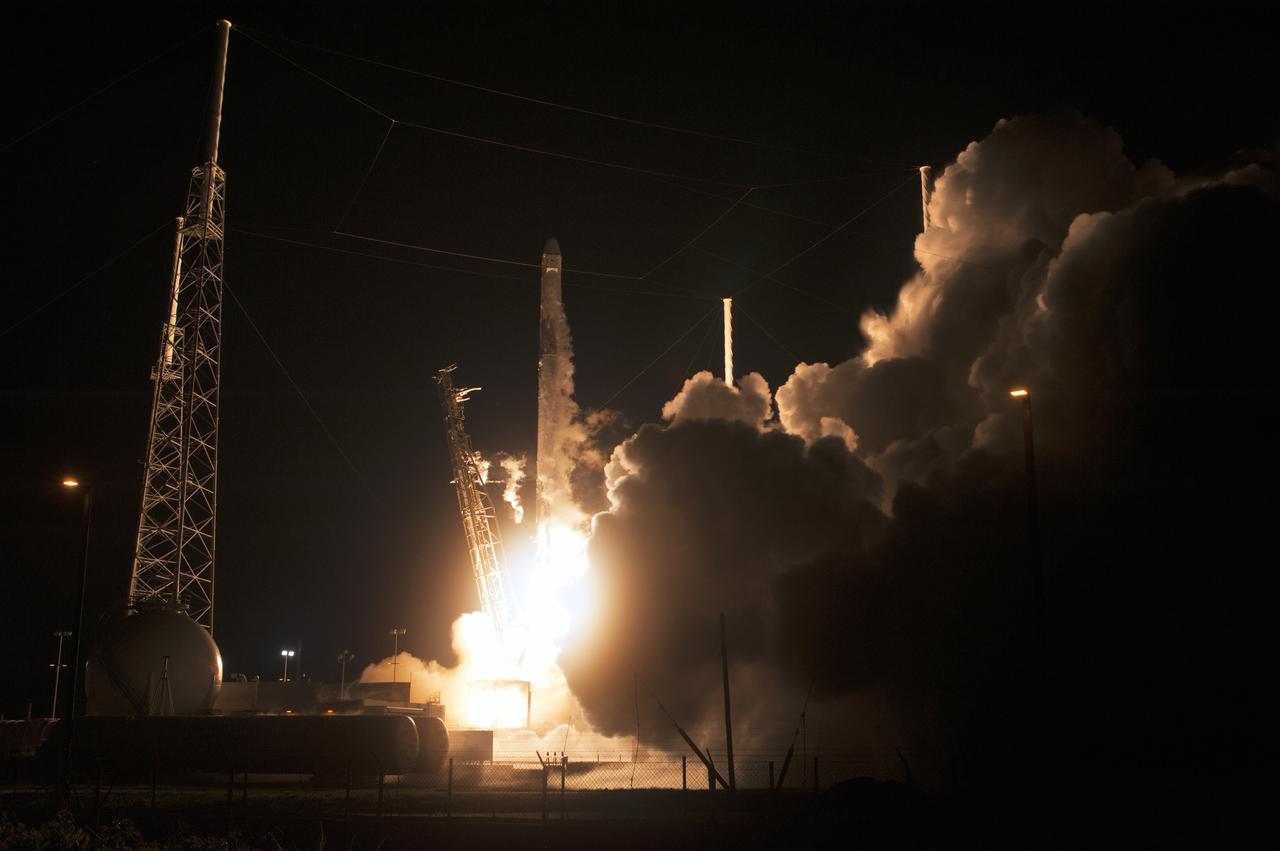
The two-stage SpaceX Falcon 9 launch vehicle lifts off from Space Launch Complex 40 at Cape Canaveral Air Force Station, carrying the SpaceX Dragon resupply spacecraft to the International Space Station. Liftoff was at 5:42 a.m. EDT on Friday, June 29, 2018. On the company’s 15th Commercial Resupply Services mission to the International Space Station, Dragon is filled with supplies and payloads, including critical materials to support several science and research investigations that will occur during Expedition 56. The spacecraft’s unpressurized trunk is carrying a Canadian-built Latching End Effector, or LEE. This new LEE will replace a failed unit astronauts removed during a series of spacewalks in the fall of 2017. Each end of the Canadarm2 robotic arm has an identical LEE, and they are used as the “hands” that grapple payloads and visiting cargo spaceships.
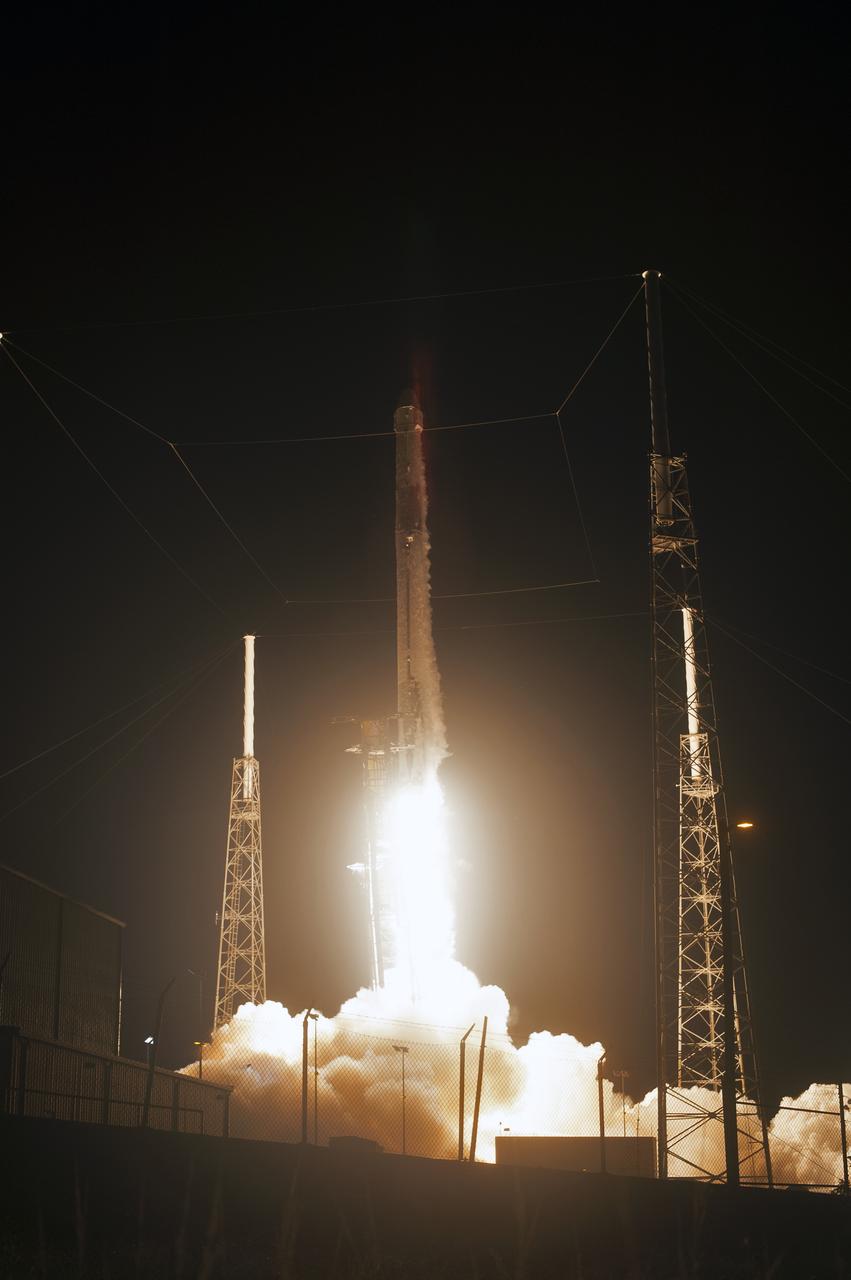
The two-stage SpaceX Falcon 9 launch vehicle lifts off from Space Launch Complex 40 at Cape Canaveral Air Force Station, carrying the SpaceX Dragon resupply spacecraft to the International Space Station. Liftoff was at 5:42 a.m. EDT on Friday, June 29, 2018. On the company’s 15th Commercial Resupply Services mission to the International Space Station, Dragon is filled with supplies and payloads, including critical materials to support several science and research investigations that will occur during Expedition 56. The spacecraft’s unpressurized trunk is carrying a Canadian-built Latching End Effector, or LEE. This new LEE will replace a failed unit astronauts removed during a series of spacewalks in the fall of 2017. Each end of the Canadarm2 robotic arm has an identical LEE, and they are used as the “hands” that grapple payloads and visiting cargo spaceships.

A SpaceX Falcon 9 rocket powers the Dragon spacecraft toward the International Space Station on Friday, June 29, 2018. The two-stage launch vehicle lifted off from Space Launch Complex 40 at Cape Canaveral Air Force Station at 5:42 a.m. EDT. On the company’s 15th Commercial Resupply Services mission to the space station, Dragon is filled with supplies and payloads, including critical materials to support several science and research investigations that will occur during Expedition 56. The spacecraft’s unpressurized trunk is carrying a Canadian-built Latching End Effector, or LEE. This new LEE will replace a failed unit astronauts removed during a series of spacewalks in the fall of 2017. Each end of the Canadarm2 robotic arm has an identical LEE, and they are used as the “hands” that grapple payloads and visiting cargo spaceships.
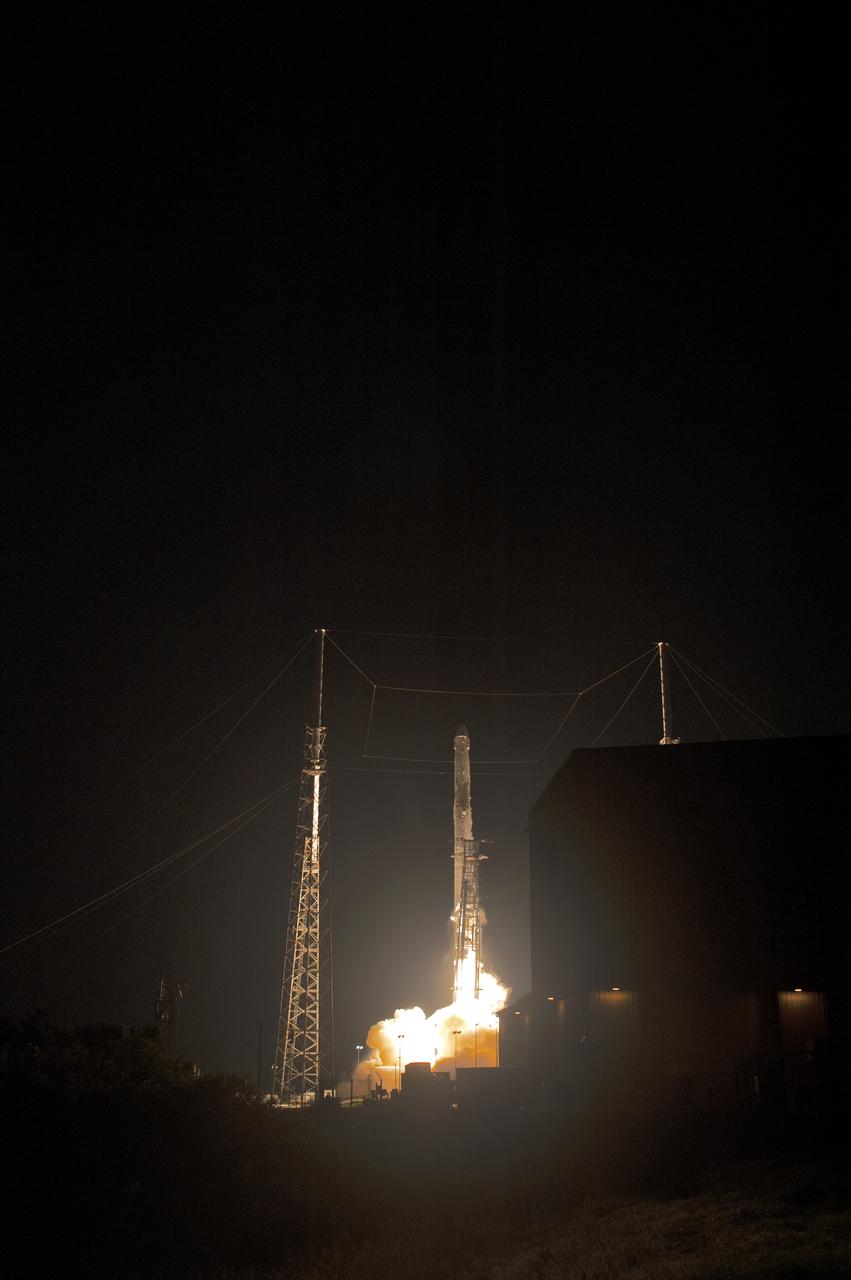
The two-stage SpaceX Falcon 9 launch vehicle lifts off from Space Launch Complex 40 at Cape Canaveral Air Force Station, carrying the SpaceX Dragon resupply spacecraft to the International Space Station. Liftoff was at 5:42 a.m. EDT on Friday, June 29, 2018. On the company’s 15th Commercial Resupply Services mission to the International Space Station, Dragon is filled with supplies and payloads, including critical materials to support several science and research investigations that will occur during Expedition 56. The spacecraft’s unpressurized trunk is carrying a Canadian-built Latching End Effector, or LEE. This new LEE will replace a failed unit astronauts removed during a series of spacewalks in the fall of 2017. Each end of the Canadarm2 robotic arm has an identical LEE, and they are used as the “hands” that grapple payloads and visiting cargo spaceships.
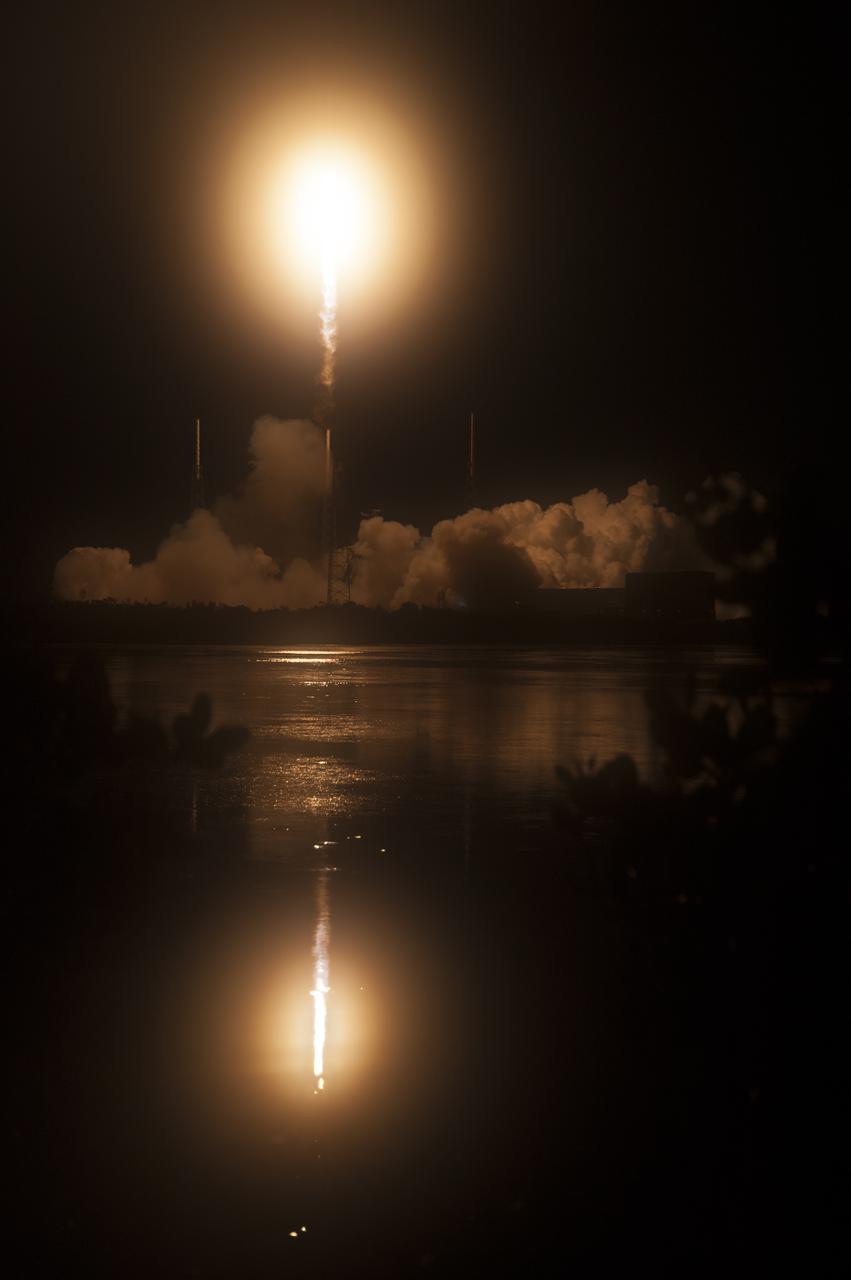
The two-stage SpaceX Falcon 9 launch vehicle lifts off from Space Launch Complex 40 at Cape Canaveral Air Force Station, carrying the SpaceX Dragon resupply spacecraft to the International Space Station. Liftoff was at 5:42 a.m. EDT on Friday, June 29, 2018. On the company’s 15th Commercial Resupply Services mission to the International Space Station, Dragon is filled with supplies and payloads, including critical materials to support several science and research investigations that will occur during Expedition 56. The spacecraft’s unpressurized trunk is carrying a Canadian-built Latching End Effector, or LEE. This new LEE will replace a failed unit astronauts removed during a series of spacewalks in the fall of 2017. Each end of the Canadarm2 robotic arm has an identical LEE, and they are used as the “hands” that grapple payloads and visiting cargo spaceships.
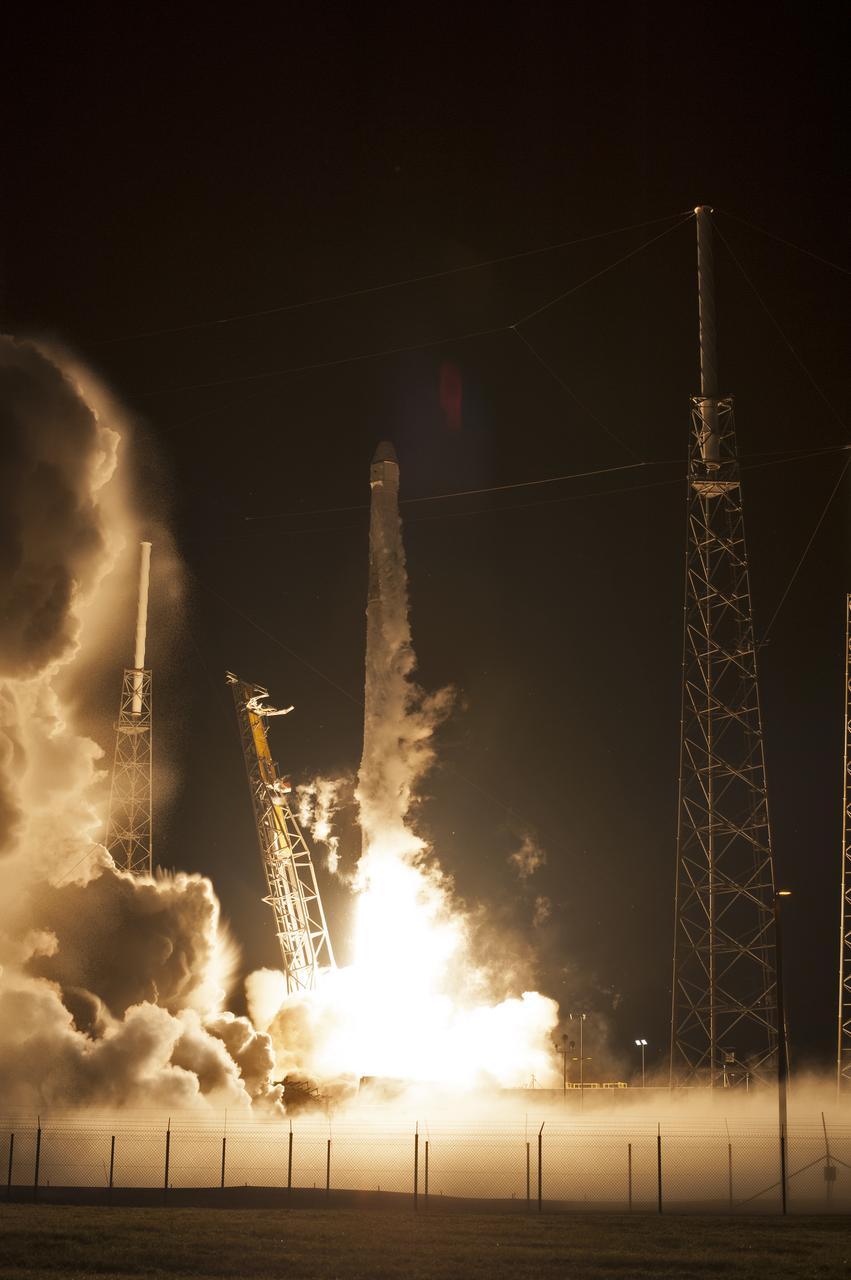
The two-stage SpaceX Falcon 9 launch vehicle lifts off from Space Launch Complex 40 at Cape Canaveral Air Force Station, carrying the SpaceX Dragon resupply spacecraft to the International Space Station. Liftoff was at 5:42 a.m. EDT on Friday, June 29, 2018. On the company’s 15th Commercial Resupply Services mission to the International Space Station, Dragon is filled with supplies and payloads, including critical materials to support several science and research investigations that will occur during Expedition 56. The spacecraft’s unpressurized trunk is carrying a Canadian-built Latching End Effector, or LEE. This new LEE will replace a failed unit astronauts removed during a series of spacewalks in the fall of 2017. Each end of the Canadarm2 robotic arm has an identical LEE, and they are used as the “hands” that grapple payloads and visiting cargo spaceships.
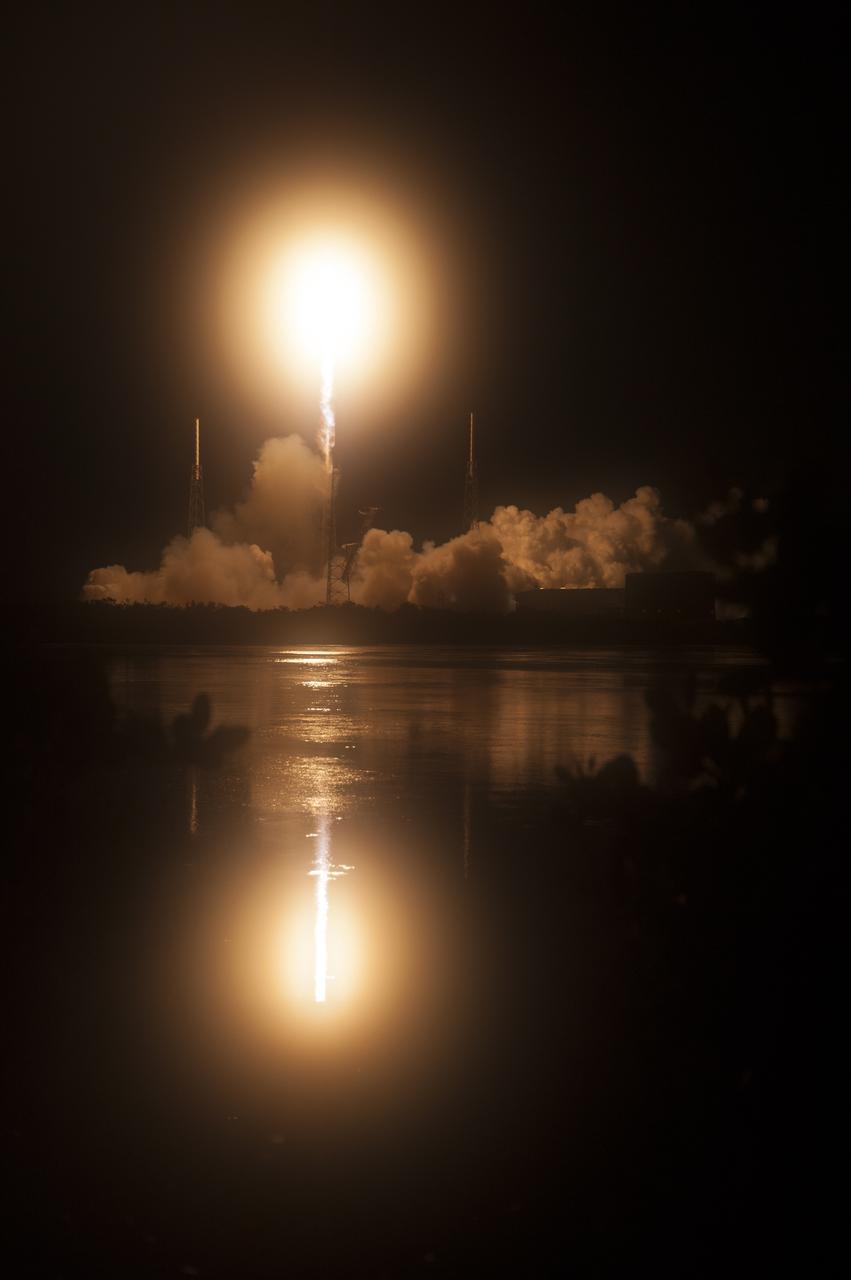
The two-stage SpaceX Falcon 9 launch vehicle lifts off from Space Launch Complex 40 at Cape Canaveral Air Force Station, carrying the SpaceX Dragon resupply spacecraft to the International Space Station. Liftoff was at 5:42 a.m. EDT on Friday, June 29, 2018. On the company’s 15th Commercial Resupply Services mission to the International Space Station, Dragon is filled with supplies and payloads, including critical materials to support several science and research investigations that will occur during Expedition 56. The spacecraft’s unpressurized trunk is carrying a Canadian-built Latching End Effector, or LEE. This new LEE will replace a failed unit astronauts removed during a series of spacewalks in the fall of 2017. Each end of the Canadarm2 robotic arm has an identical LEE, and they are used as the “hands” that grapple payloads and visiting cargo spaceships.
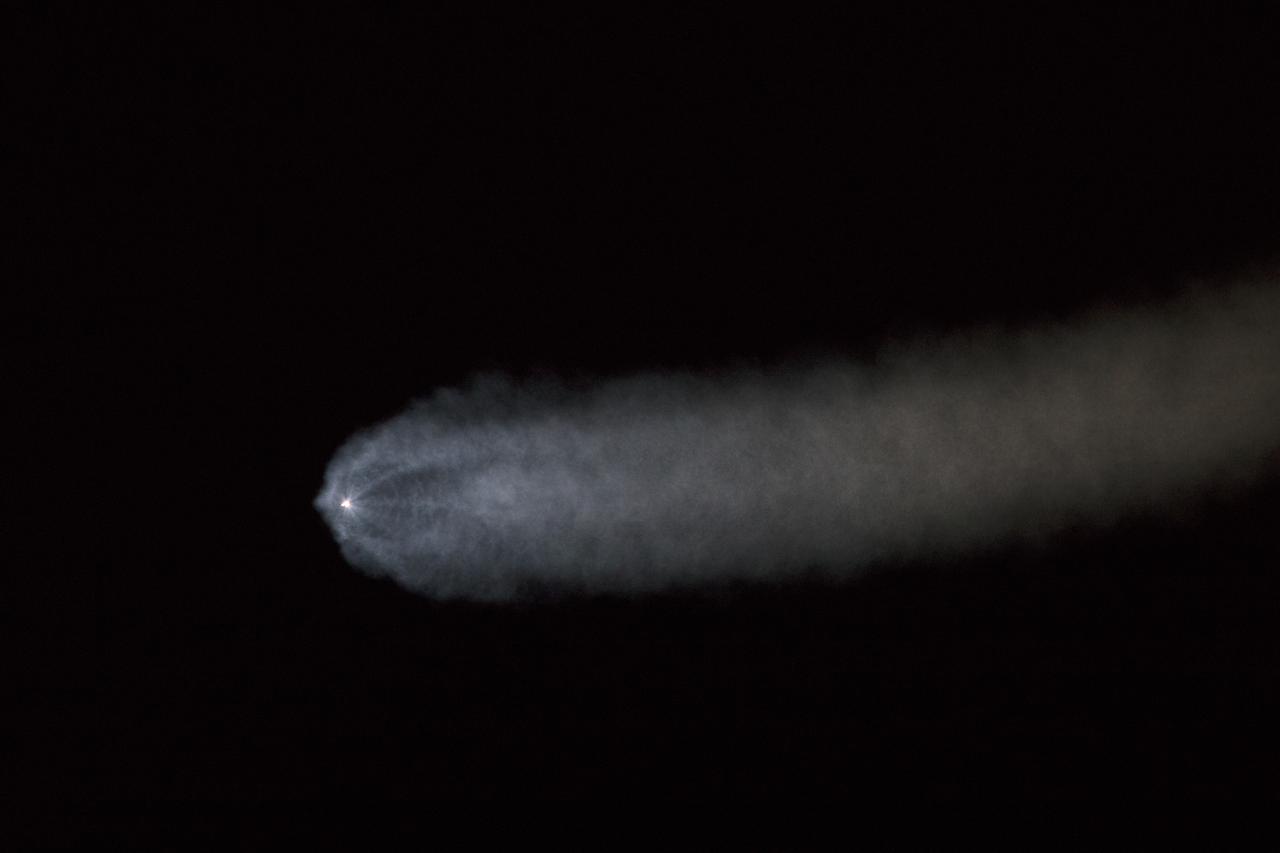
A SpaceX Falcon 9 rocket powers the Dragon spacecraft toward the International Space Station on Friday, June 29, 2018. The two-stage launch vehicle lifted off from Space Launch Complex 40 at Cape Canaveral Air Force Station at 5:42 a.m. EDT. On the company’s 15th Commercial Resupply Services mission to the space station, Dragon is filled with supplies and payloads, including critical materials to support several science and research investigations that will occur during Expedition 56. The spacecraft’s unpressurized trunk is carrying a Canadian-built Latching End Effector, or LEE. This new LEE will replace a failed unit astronauts removed during a series of spacewalks in the fall of 2017. Each end of the Canadarm2 robotic arm has an identical LEE, and they are used as the “hands” that grapple payloads and visiting cargo spaceships.
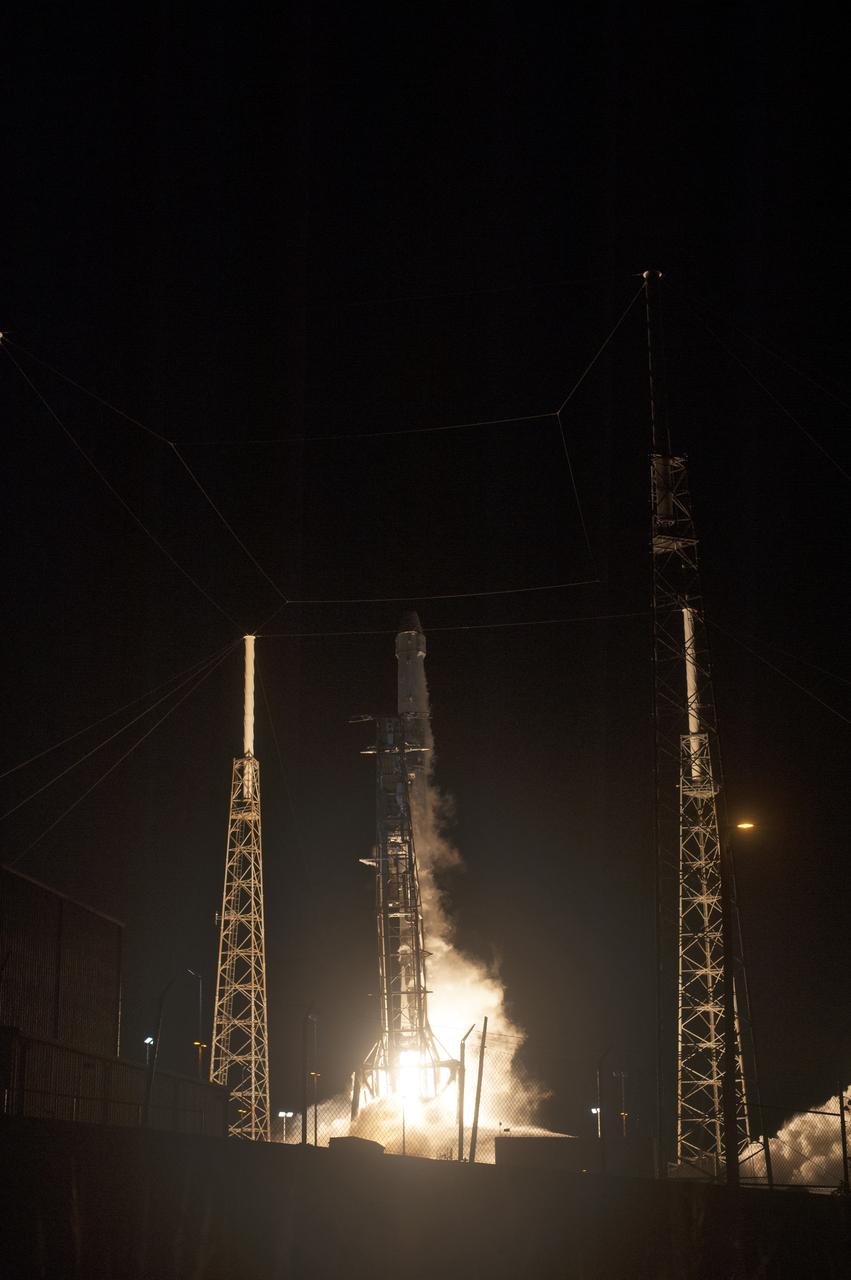
The two-stage SpaceX Falcon 9 launch vehicle lifts off from Space Launch Complex 40 at Cape Canaveral Air Force Station, carrying the SpaceX Dragon resupply spacecraft to the International Space Station. Liftoff was at 5:42 a.m. EDT on Friday, June 29, 2018. On the company’s 15th Commercial Resupply Services mission to the International Space Station, Dragon is filled with supplies and payloads, including critical materials to support several science and research investigations that will occur during Expedition 56. The spacecraft’s unpressurized trunk is carrying a Canadian-built Latching End Effector, or LEE. This new LEE will replace a failed unit astronauts removed during a series of spacewalks in the fall of 2017. Each end of the Canadarm2 robotic arm has an identical LEE, and they are used as the “hands” that grapple payloads and visiting cargo spaceships.
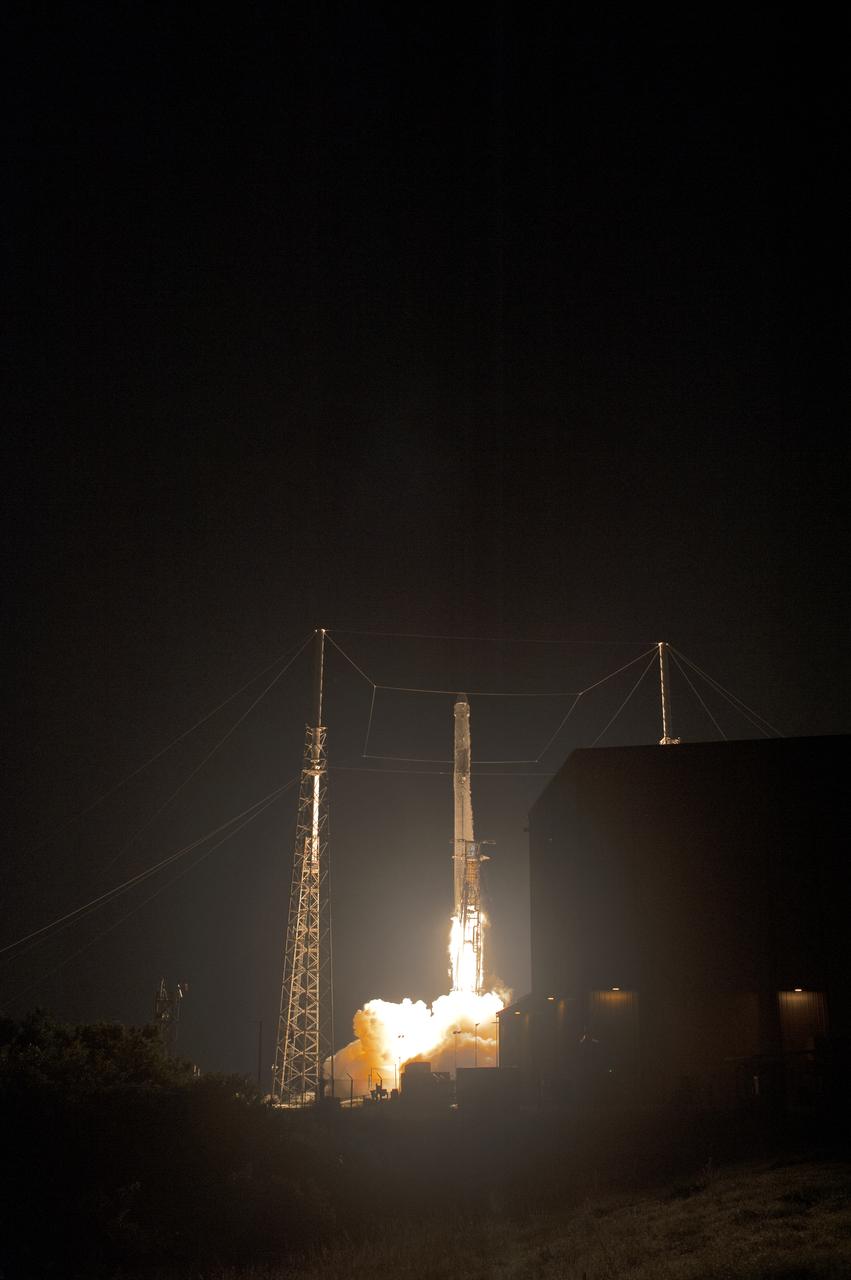
The two-stage SpaceX Falcon 9 launch vehicle lifts off from Space Launch Complex 40 at Cape Canaveral Air Force Station, carrying the SpaceX Dragon resupply spacecraft to the International Space Station. Liftoff was at 5:42 a.m. EDT on Friday, June 29, 2018. On the company’s 15th Commercial Resupply Services mission to the International Space Station, Dragon is filled with supplies and payloads, including critical materials to support several science and research investigations that will occur during Expedition 56. The spacecraft’s unpressurized trunk is carrying a Canadian-built Latching End Effector, or LEE. This new LEE will replace a failed unit astronauts removed during a series of spacewalks in the fall of 2017. Each end of the Canadarm2 robotic arm has an identical LEE, and they are used as the “hands” that grapple payloads and visiting cargo spaceships.
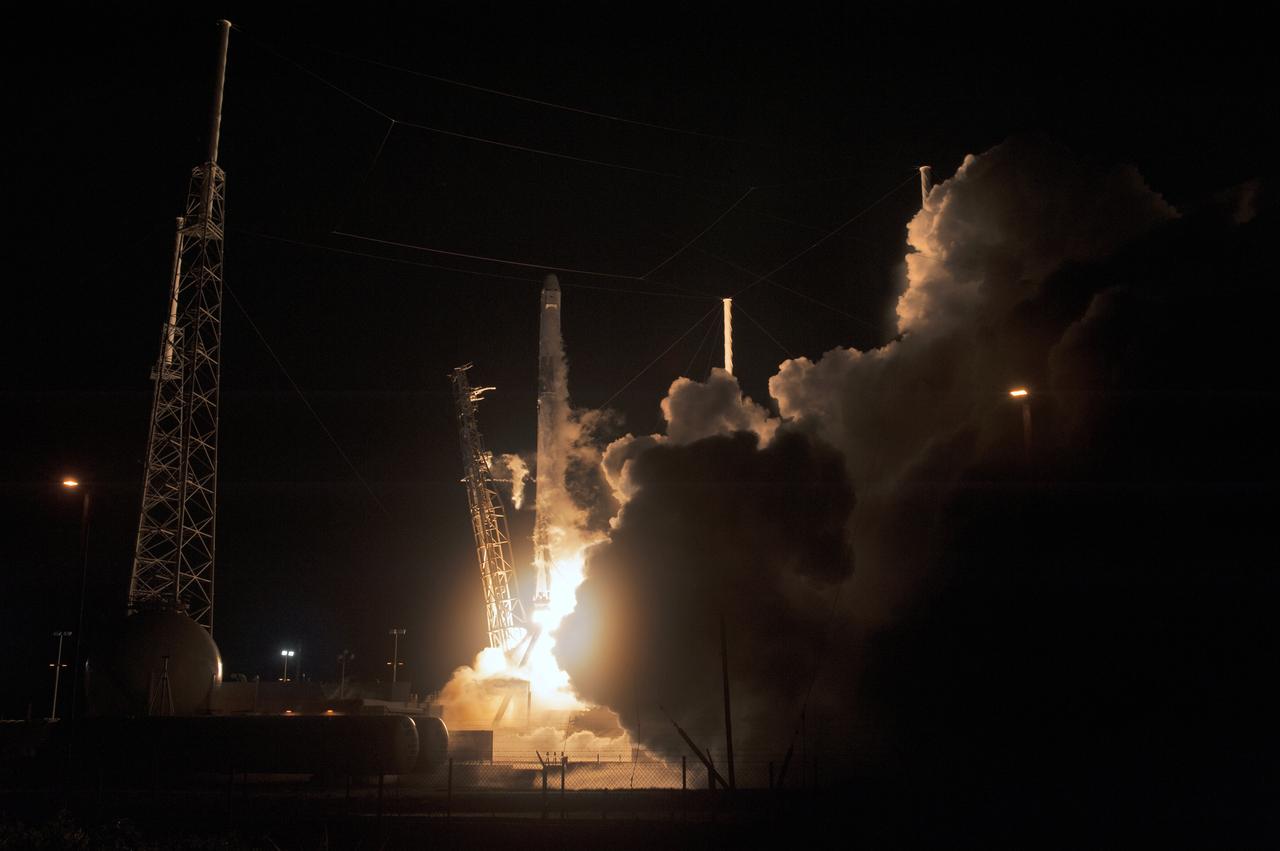
The two-stage SpaceX Falcon 9 launch vehicle lifts off from Space Launch Complex 40 at Cape Canaveral Air Force Station, carrying the SpaceX Dragon resupply spacecraft to the International Space Station. Liftoff was at 5:42 a.m. EDT on Friday, June 29, 2018. On the company’s 15th Commercial Resupply Services mission to the International Space Station, Dragon is filled with supplies and payloads, including critical materials to support several science and research investigations that will occur during Expedition 56. The spacecraft’s unpressurized trunk is carrying a Canadian-built Latching End Effector, or LEE. This new LEE will replace a failed unit astronauts removed during a series of spacewalks in the fall of 2017. Each end of the Canadarm2 robotic arm has an identical LEE, and they are used as the “hands” that grapple payloads and visiting cargo spaceships.
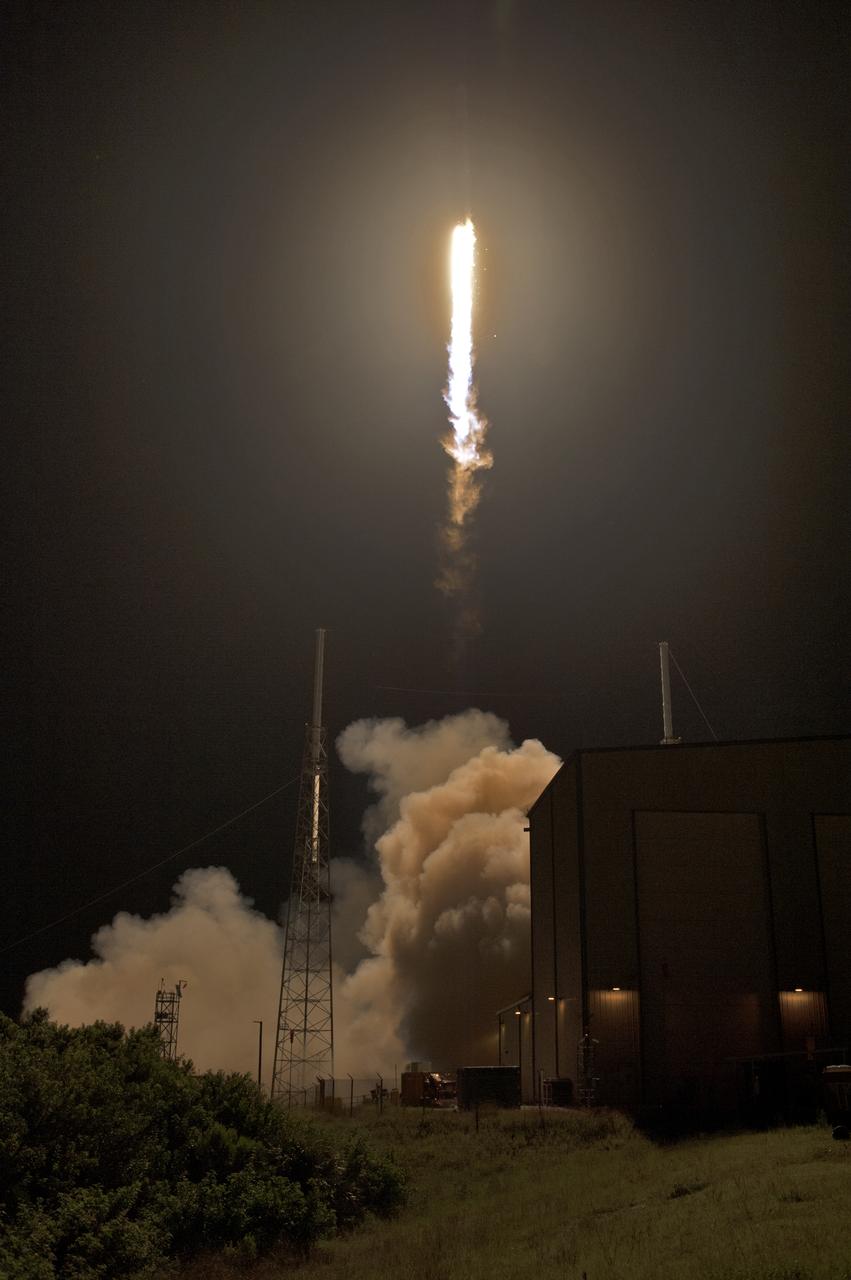
The two-stage SpaceX Falcon 9 launch vehicle lifts off from Space Launch Complex 40 at Cape Canaveral Air Force Station, carrying the SpaceX Dragon resupply spacecraft to the International Space Station. Liftoff was at 5:42 a.m. EDT on Friday, June 29, 2018. On the company’s 15th Commercial Resupply Services mission to the International Space Station, Dragon is filled with supplies and payloads, including critical materials to support several science and research investigations that will occur during Expedition 56. The spacecraft’s unpressurized trunk is carrying a Canadian-built Latching End Effector, or LEE. This new LEE will replace a failed unit astronauts removed during a series of spacewalks in the fall of 2017. Each end of the Canadarm2 robotic arm has an identical LEE, and they are used as the “hands” that grapple payloads and visiting cargo spaceships.
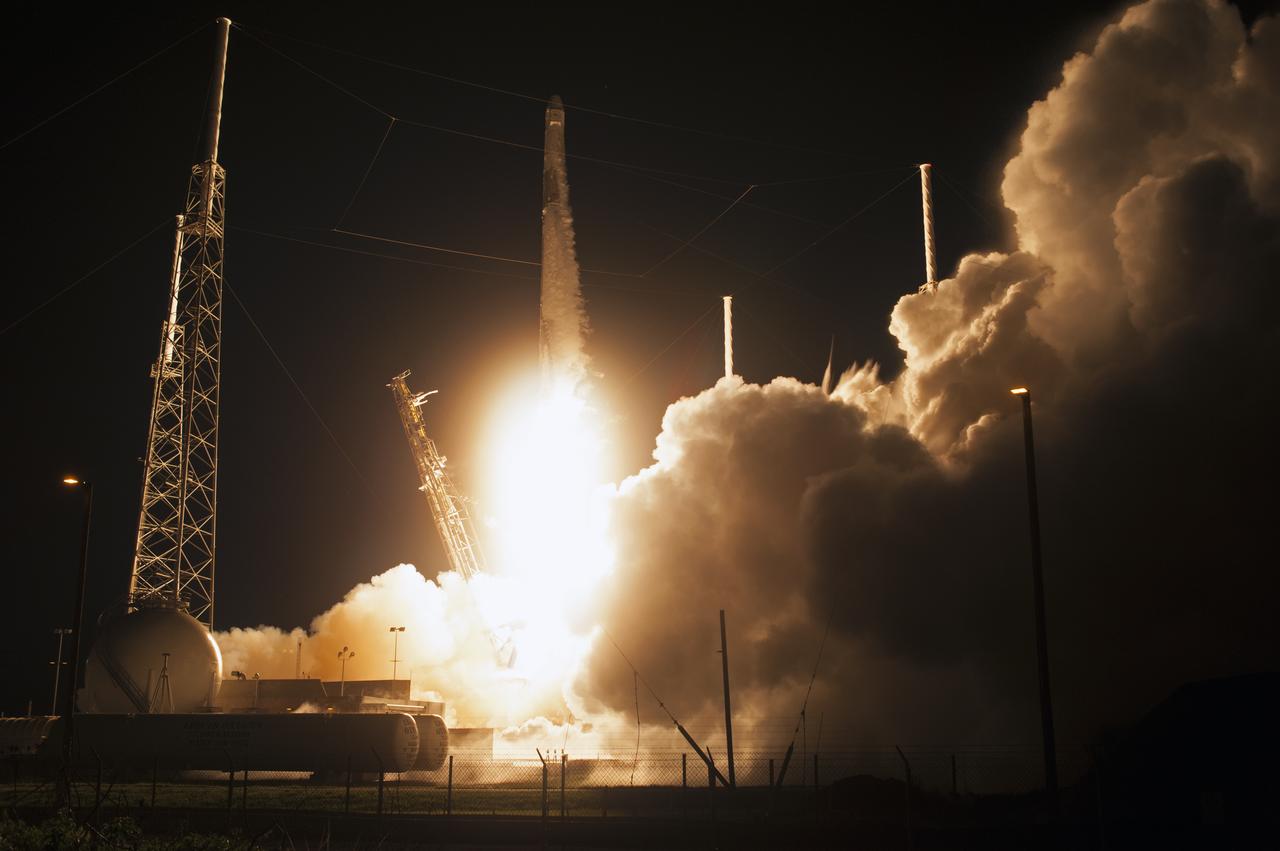
The two-stage SpaceX Falcon 9 launch vehicle lifts off from Space Launch Complex 40 at Cape Canaveral Air Force Station, carrying the SpaceX Dragon resupply spacecraft to the International Space Station. Liftoff was at 5:42 a.m. EDT on Friday, June 29, 2018. On the company’s 15th Commercial Resupply Services mission to the International Space Station, Dragon is filled with supplies and payloads, including critical materials to support several science and research investigations that will occur during Expedition 56. The spacecraft’s unpressurized trunk is carrying a Canadian-built Latching End Effector, or LEE. This new LEE will replace a failed unit astronauts removed during a series of spacewalks in the fall of 2017. Each end of the Canadarm2 robotic arm has an identical LEE, and they are used as the “hands” that grapple payloads and visiting cargo spaceships.
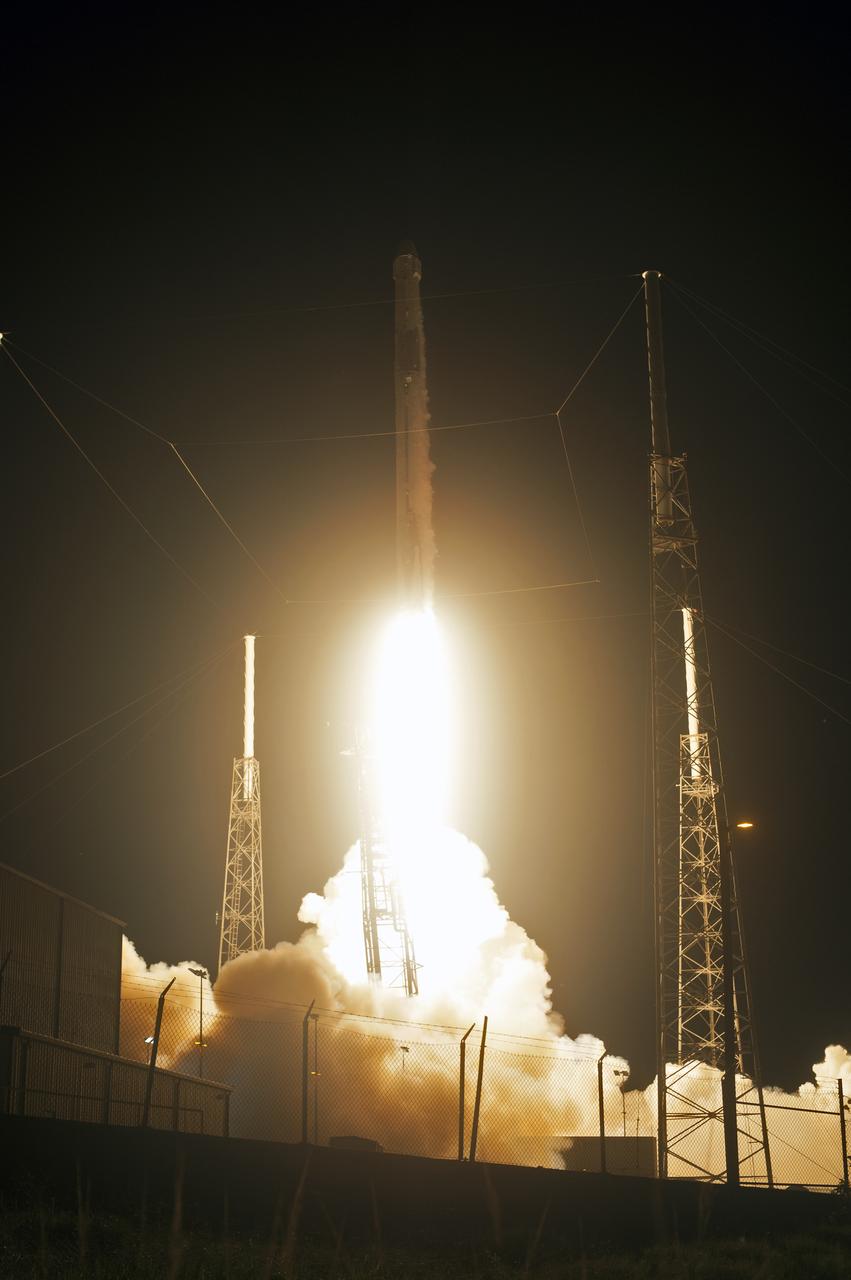
The two-stage SpaceX Falcon 9 launch vehicle lifts off from Space Launch Complex 40 at Cape Canaveral Air Force Station, carrying the SpaceX Dragon resupply spacecraft to the International Space Station. Liftoff was at 5:42 a.m. EDT on Friday, June 29, 2018. On the company’s 15th Commercial Resupply Services mission to the International Space Station, Dragon is filled with supplies and payloads, including critical materials to support several science and research investigations that will occur during Expedition 56. The spacecraft’s unpressurized trunk is carrying a Canadian-built Latching End Effector, or LEE. This new LEE will replace a failed unit astronauts removed during a series of spacewalks in the fall of 2017. Each end of the Canadarm2 robotic arm has an identical LEE, and they are used as the “hands” that grapple payloads and visiting cargo spaceships.

The two-stage SpaceX Falcon 9 launch vehicle lifts off from Space Launch Complex 40 at Cape Canaveral Air Force Station, carrying the SpaceX Dragon resupply spacecraft to the International Space Station. Liftoff was at 5:42 a.m. EDT on Friday, June 29, 2018. On the company’s 15th Commercial Resupply Services mission to the International Space Station, Dragon is filled with supplies and payloads, including critical materials to support several science and research investigations that will occur during Expedition 56. The spacecraft’s unpressurized trunk is carrying a Canadian-built Latching End Effector, or LEE. This new LEE will replace a failed unit astronauts removed during a series of spacewalks in the fall of 2017. Each end of the Canadarm2 robotic arm has an identical LEE, and they are used as the “hands” that grapple payloads and visiting cargo spaceships.
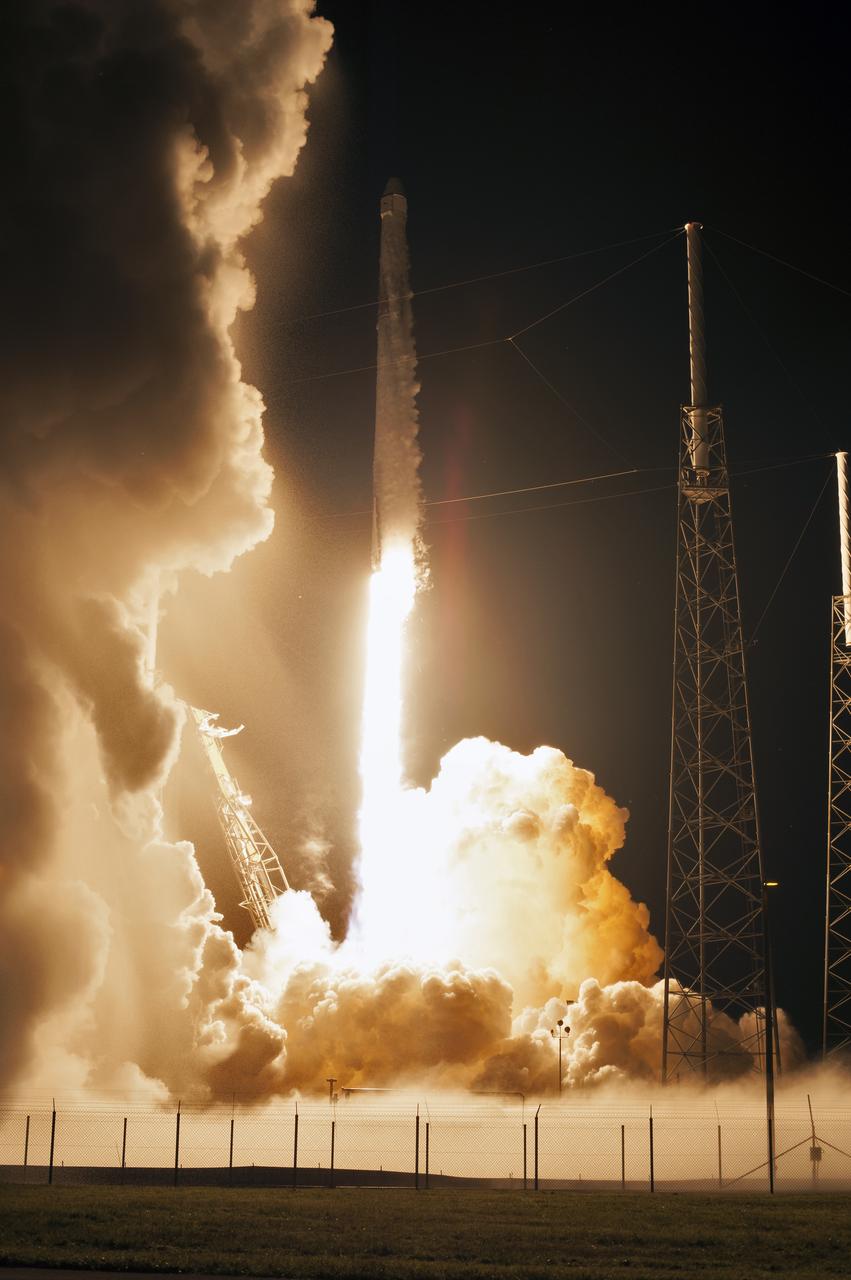
The two-stage SpaceX Falcon 9 launch vehicle lifts off from Space Launch Complex 40 at Cape Canaveral Air Force Station, carrying the SpaceX Dragon resupply spacecraft to the International Space Station. Liftoff was at 5:42 a.m. EDT on Friday, June 29, 2018. On the company’s 15th Commercial Resupply Services mission to the International Space Station, Dragon is filled with supplies and payloads, including critical materials to support several science and research investigations that will occur during Expedition 56. The spacecraft’s unpressurized trunk is carrying a Canadian-built Latching End Effector, or LEE. This new LEE will replace a failed unit astronauts removed during a series of spacewalks in the fall of 2017. Each end of the Canadarm2 robotic arm has an identical LEE, and they are used as the “hands” that grapple payloads and visiting cargo spaceships.
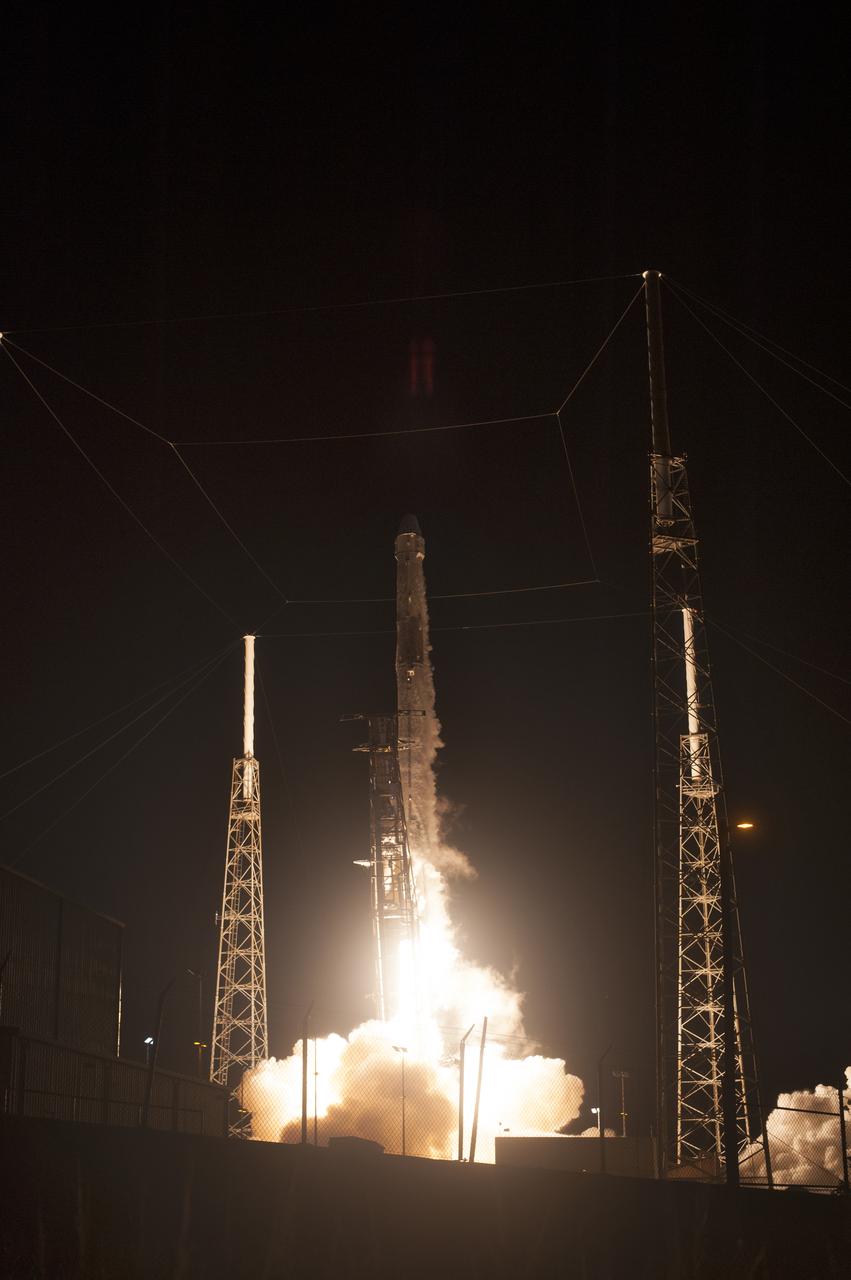
The two-stage SpaceX Falcon 9 launch vehicle lifts off from Space Launch Complex 40 at Cape Canaveral Air Force Station, carrying the SpaceX Dragon resupply spacecraft to the International Space Station. Liftoff was at 5:42 a.m. EDT on Friday, June 29, 2018. On the company’s 15th Commercial Resupply Services mission to the International Space Station, Dragon is filled with supplies and payloads, including critical materials to support several science and research investigations that will occur during Expedition 56. The spacecraft’s unpressurized trunk is carrying a Canadian-built Latching End Effector, or LEE. This new LEE will replace a failed unit astronauts removed during a series of spacewalks in the fall of 2017. Each end of the Canadarm2 robotic arm has an identical LEE, and they are used as the “hands” that grapple payloads and visiting cargo spaceships.
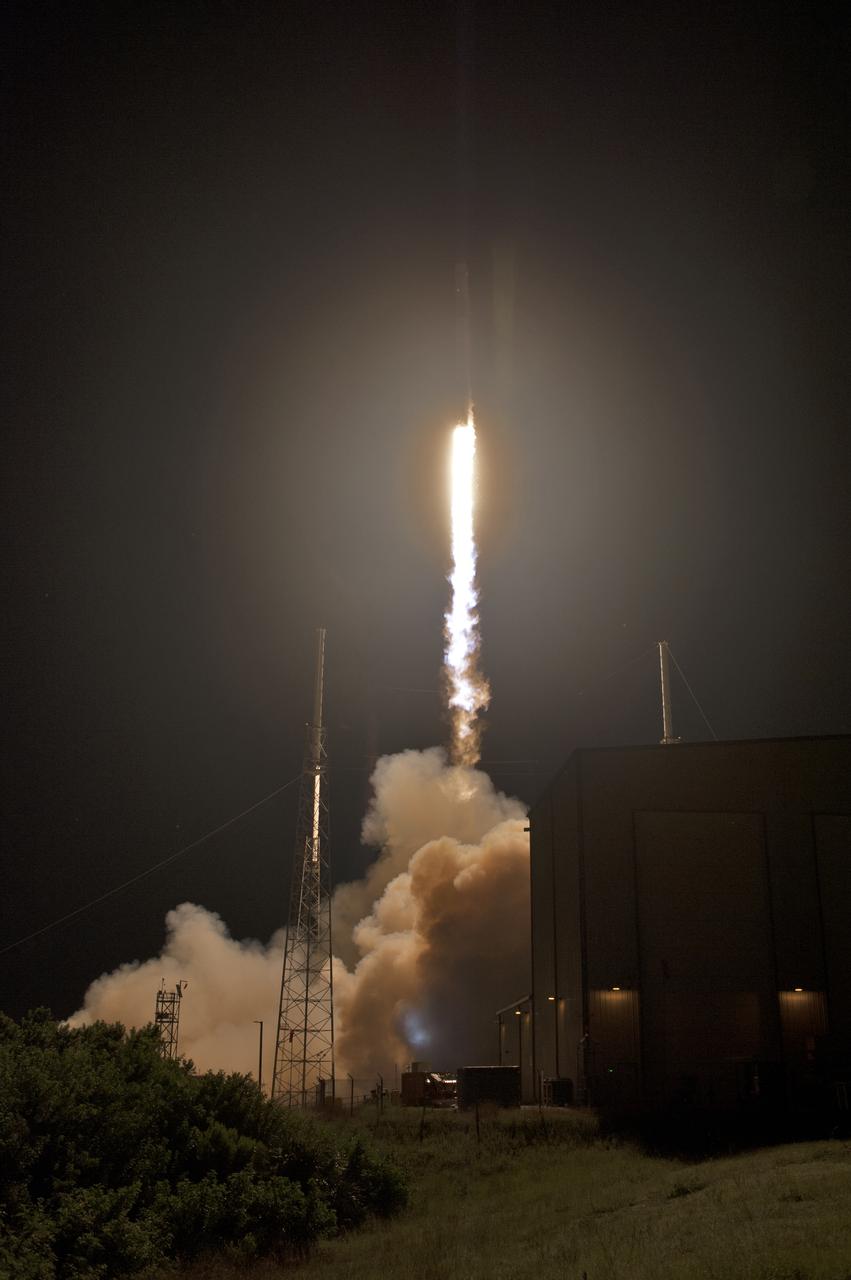
The two-stage SpaceX Falcon 9 launch vehicle lifts off from Space Launch Complex 40 at Cape Canaveral Air Force Station, carrying the SpaceX Dragon resupply spacecraft to the International Space Station. Liftoff was at 5:42 a.m. EDT on Friday, June 29, 2018. On the company’s 15th Commercial Resupply Services mission to the International Space Station, Dragon is filled with supplies and payloads, including critical materials to support several science and research investigations that will occur during Expedition 56. The spacecraft’s unpressurized trunk is carrying a Canadian-built Latching End Effector, or LEE. This new LEE will replace a failed unit astronauts removed during a series of spacewalks in the fall of 2017. Each end of the Canadarm2 robotic arm has an identical LEE, and they are used as the “hands” that grapple payloads and visiting cargo spaceships.
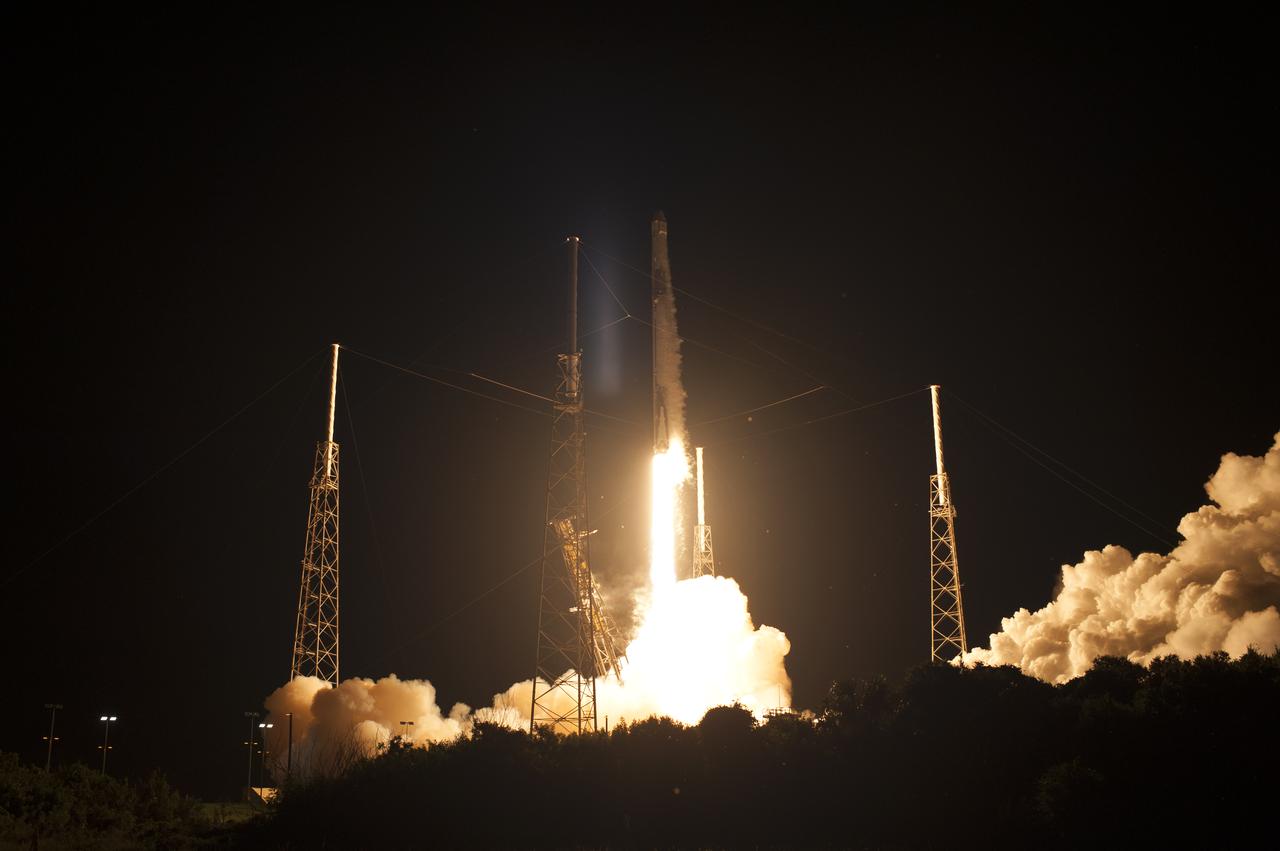
The two-stage SpaceX Falcon 9 launch vehicle lifts off from Space Launch Complex 40 at Cape Canaveral Air Force Station, carrying the SpaceX Dragon resupply spacecraft to the International Space Station. Liftoff was at 5:42 a.m. EDT on Friday, June 29, 2018. On the company’s 15th Commercial Resupply Services mission to the International Space Station, Dragon is filled with supplies and payloads, including critical materials to support several science and research investigations that will occur during Expedition 56. The spacecraft’s unpressurized trunk is carrying a Canadian-built Latching End Effector, or LEE. This new LEE will replace a failed unit astronauts removed during a series of spacewalks in the fall of 2017. Each end of the Canadarm2 robotic arm has an identical LEE, and they are used as the “hands” that grapple payloads and visiting cargo spaceships.

The two-stage SpaceX Falcon 9 launch vehicle lifts off from Space Launch Complex 40 at Cape Canaveral Air Force Station, carrying the SpaceX Dragon resupply spacecraft to the International Space Station. Liftoff was at 5:42 a.m. EDT on Friday, June 29, 2018. On the company’s 15th Commercial Resupply Services mission to the International Space Station, Dragon is filled with supplies and payloads, including critical materials to support several science and research investigations that will occur during Expedition 56. The spacecraft’s unpressurized trunk is carrying a Canadian-built Latching End Effector, or LEE. This new LEE will replace a failed unit astronauts removed during a series of spacewalks in the fall of 2017. Each end of the Canadarm2 robotic arm has an identical LEE, and they are used as the “hands” that grapple payloads and visiting cargo spaceships.