
NASA Social participants are reflected in the sunglasses of former NASA astronaut Garrett Reisman, now a senior engineer working on astronaut safety and mission assurance for Space Exploration Technologies, or SpaceX, as he speaks with them, Friday, May 18, 2012, at the launch complex where the company's Falcon 9 rocket is set to launch early Friday morning at Cape Canaveral Air Force Station in Cape Canaveral, Fla. Photo Credit: (NASA/Paul E. Alers)
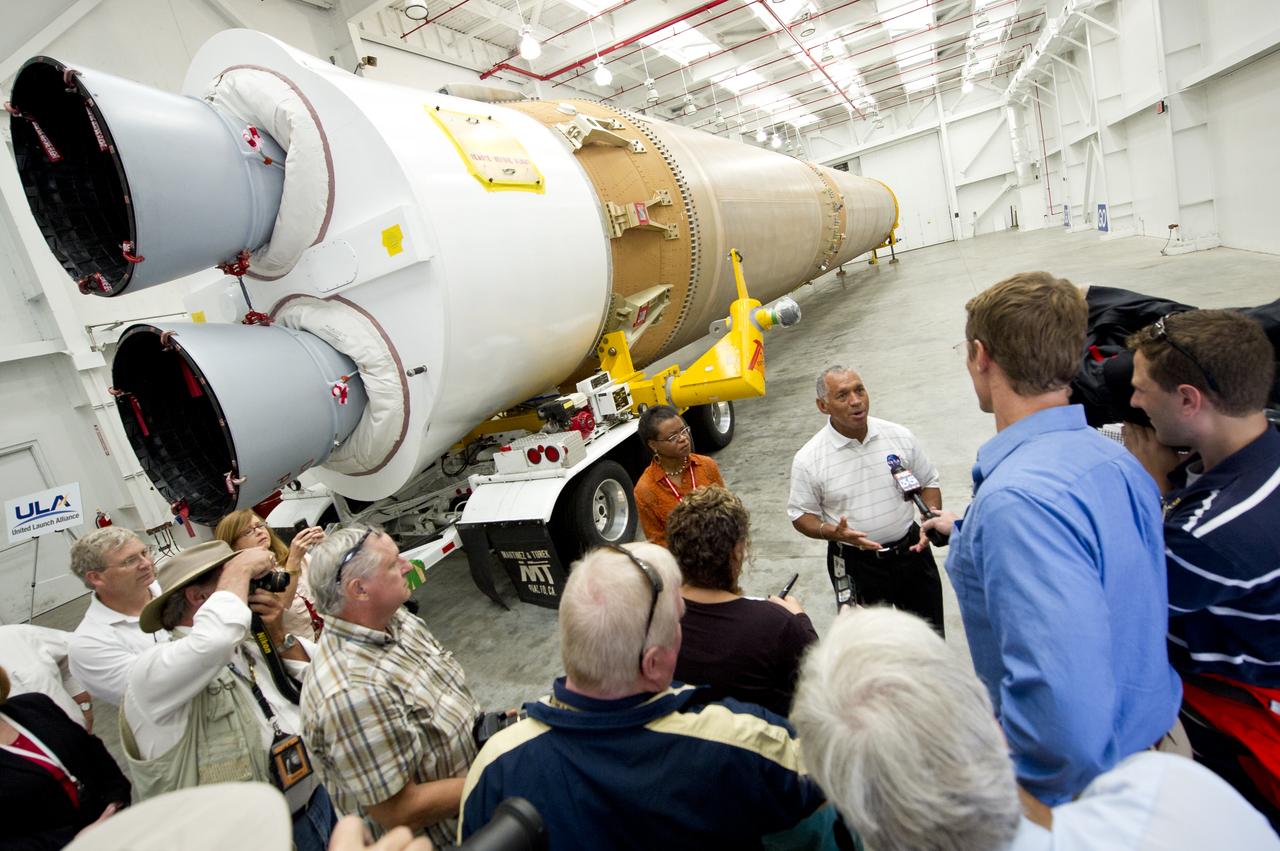
NASA Administrator Charles Bolden, stands in front of the United Launch Alliance Atlas V first stage booster while taking questions from the media, Wednesday, Sept. 7, 2011, at the Cape Canaveral Air Force Station in Cape Canaveral, Fla. The booster will help send NASA's Mars Science Laboratory Curiosity rover to Mars later this year. Photo Credit: (NASA/Bill Ingalls)
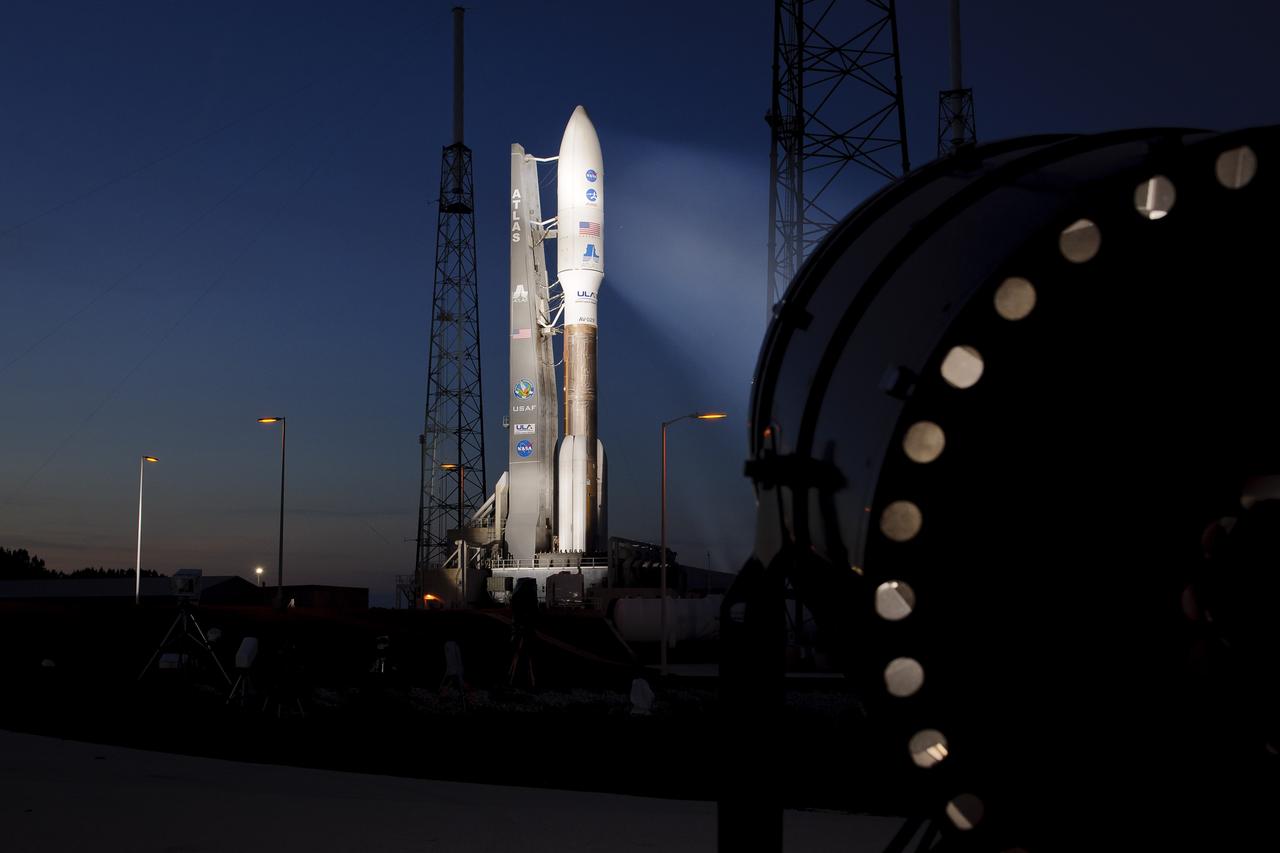
An Atlas V rocket with NASA's Juno spacecraft payload is seen the evening before it's planned launch at Space Launch Complex 41 of the Cape Canaveral Air Force Station in Florida on Thursday, August 4, 2011. The Juno spacecraft will make a five-year, 400-million-mile voyage to Jupiter, orbit the planet, investigate its origin and evolution with eight instruments to probe its internal structure and gravity field, measure water and ammonia in its atmosphere, map its powerful magnetic field and observe its intense auroras. Photo Credit: (NASA/Bill Ingalls)
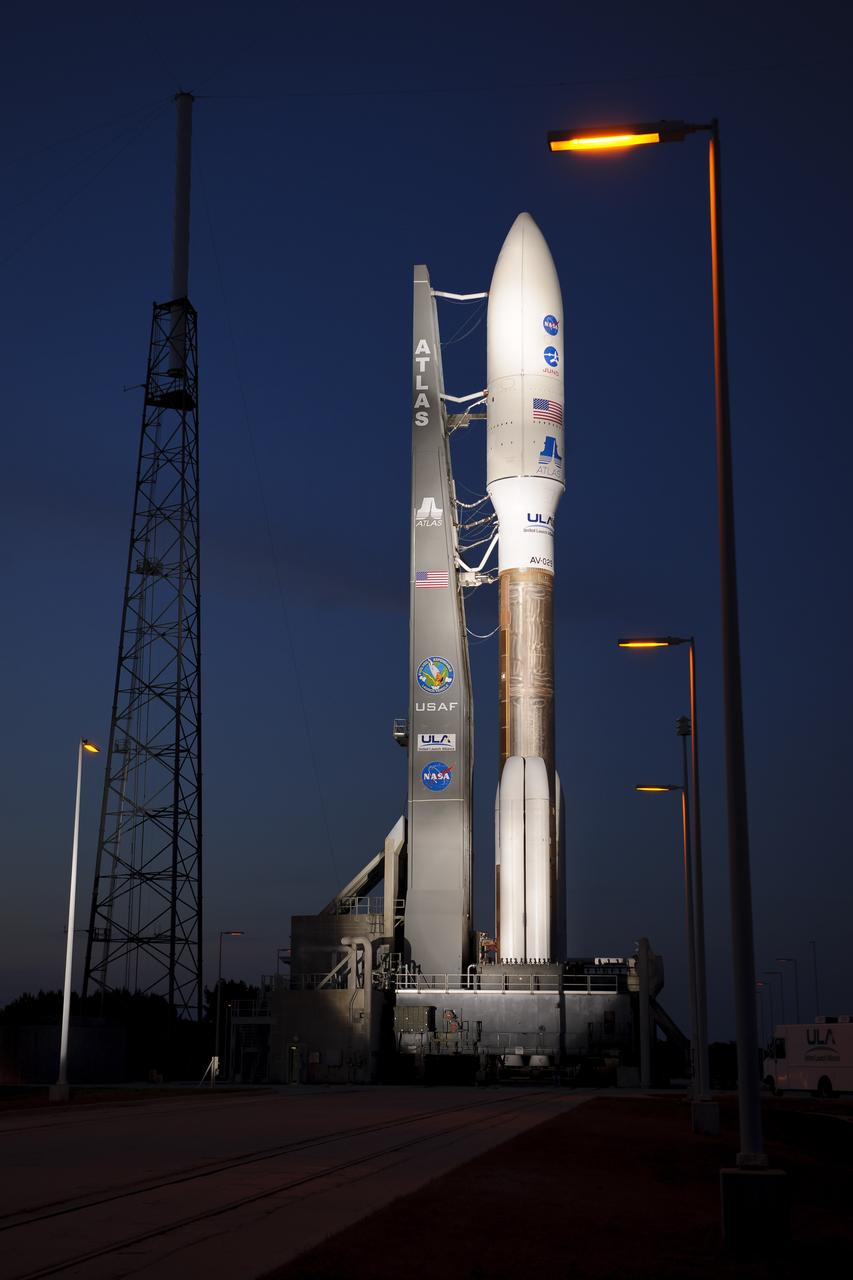
An Atlas V rocket with NASA's Juno spacecraft payload is seen the evening before it's planned launch at Space Launch Complex 41 of the Cape Canaveral Air Force Station in Florida on Thursday, August 4, 2011. The Juno spacecraft will make a five-year, 400-million-mile voyage to Jupiter, orbit the planet, investigate its origin and evolution with eight instruments to probe its internal structure and gravity field, measure water and ammonia in its atmosphere, map its powerful magnetic field and observe its intense auroras. Photo Credit: (NASA/Bill Ingalls)
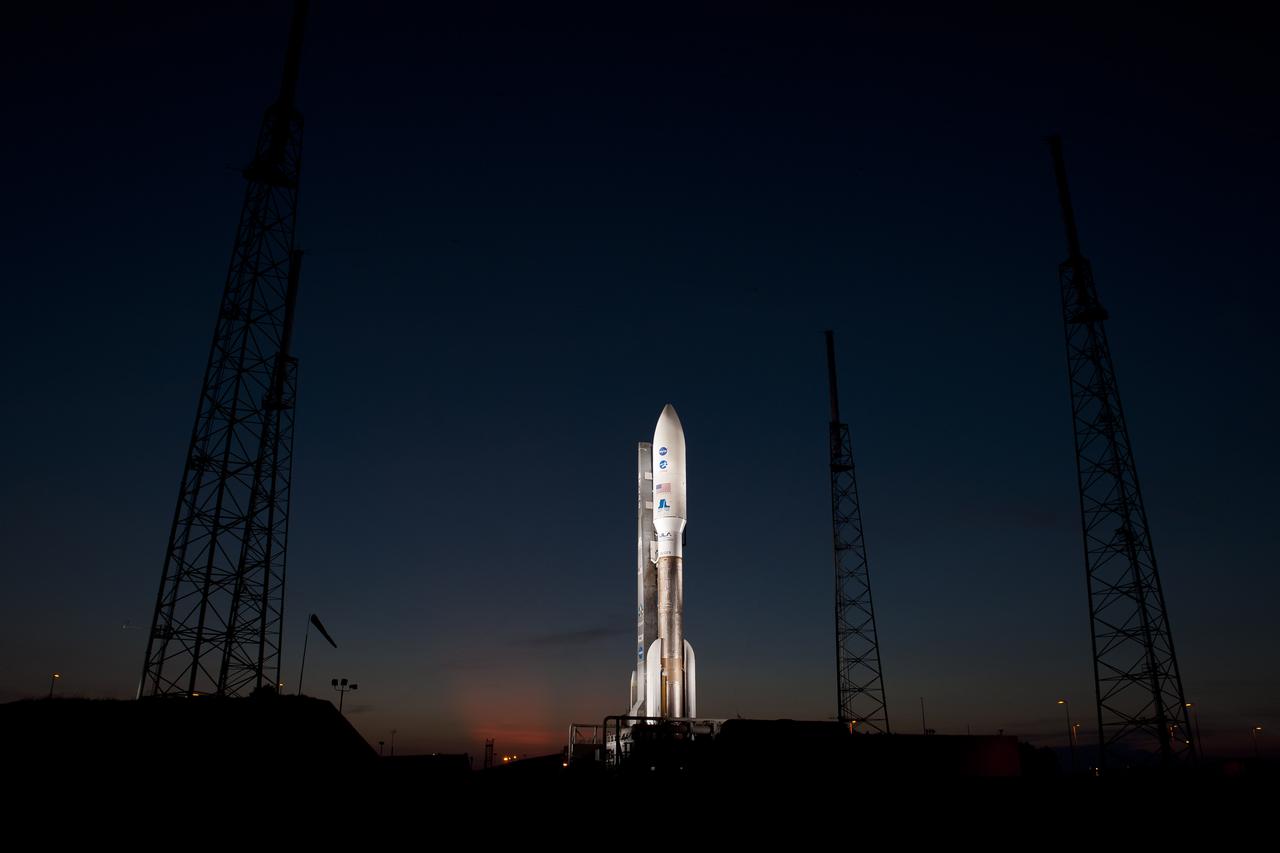
An Atlas V rocket with NASA's Juno spacecraft payload is seen the evening before it's planned launch at Space Launch Complex 41 of the Cape Canaveral Air Force Station in Florida on Thursday, August 4, 2011. The Juno spacecraft will make a five-year, 400-million-mile voyage to Jupiter, orbit the planet, investigate its origin and evolution with eight instruments to probe its internal structure and gravity field, measure water and ammonia in its atmosphere, map its powerful magnetic field and observe its intense auroras. Photo Credit: (NASA/Bill Ingalls)
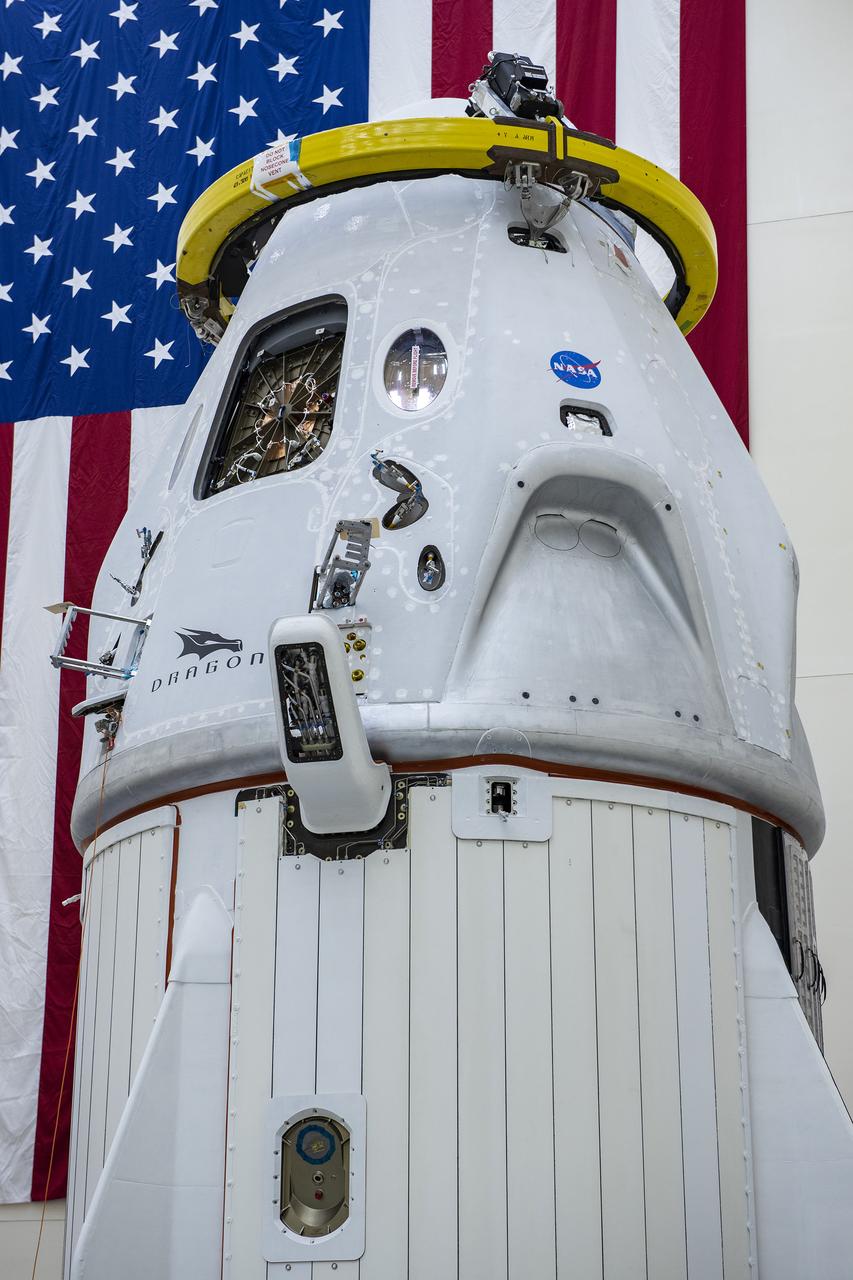
The SpaceX Crew Dragon trunk was secured to the spacecraft on Thursday, April 30, 2020, at Cape Canaveral Air Force Station, Florida, in preparation for the Demo-2 launch with NASA astronauts Robert Behnken and Douglas Hurley to the International Space Station for NASA’s Commercial Crew Program. Crew Dragon will carry Behnken and Hurley atop a Falcon 9 rocket, returning crew launches to the space station from U.S. soil for the first time since the Space Shuttle Program ended in 2011.
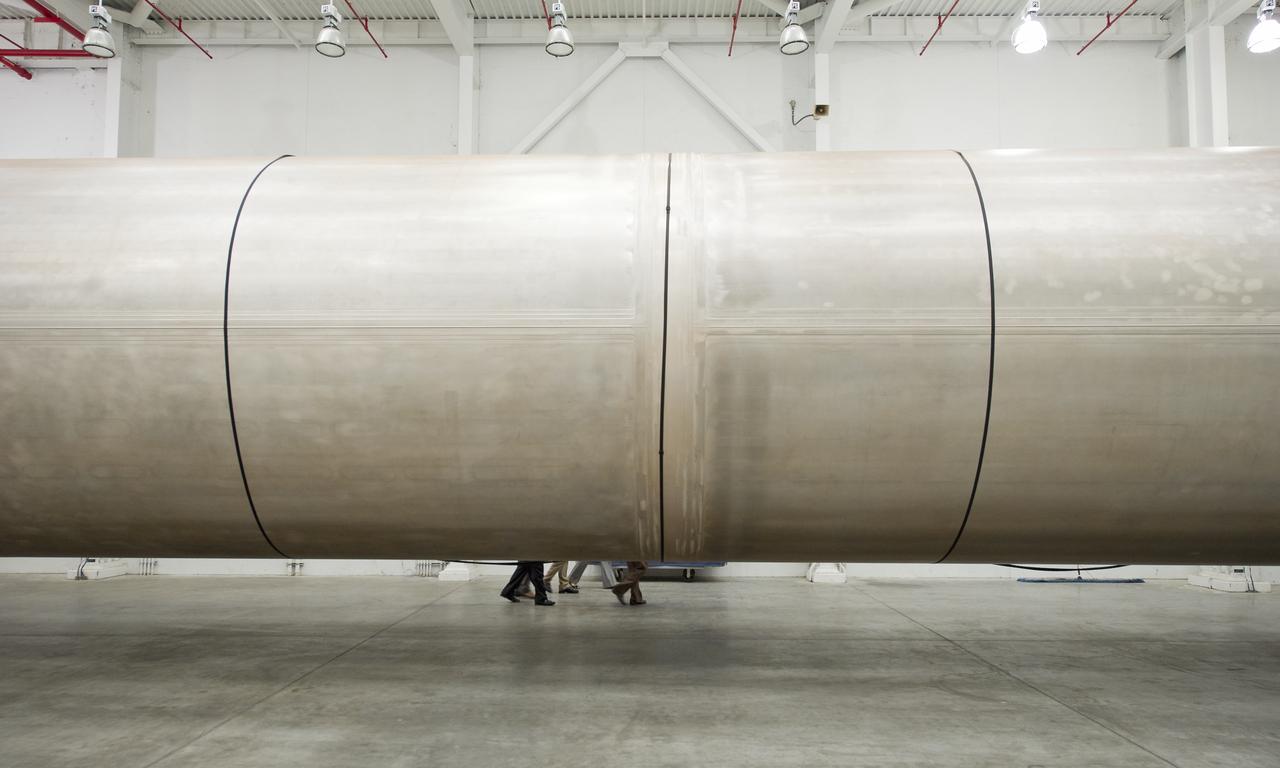
NASA Administrator Charles Bolden walks around the United Launch Alliance Atlas V first stage booster with United Launch Alliance Vice President of Mission operations Jim Sponnick, NASA Mission Manager for Launch Services Wanda Harding, NASA Senior Advisor Mike French, and White House Fellow Debra Kurshan, Wednesday, Sept. 7, 2011, at the Cape Canaveral Air Force Station in Cape Canaveral, Fla. The booster will help send NASA's Mars Science Laboratory Curiosity rover to Mars later this year. Photo Credit: (NASA/Bill Ingalls)
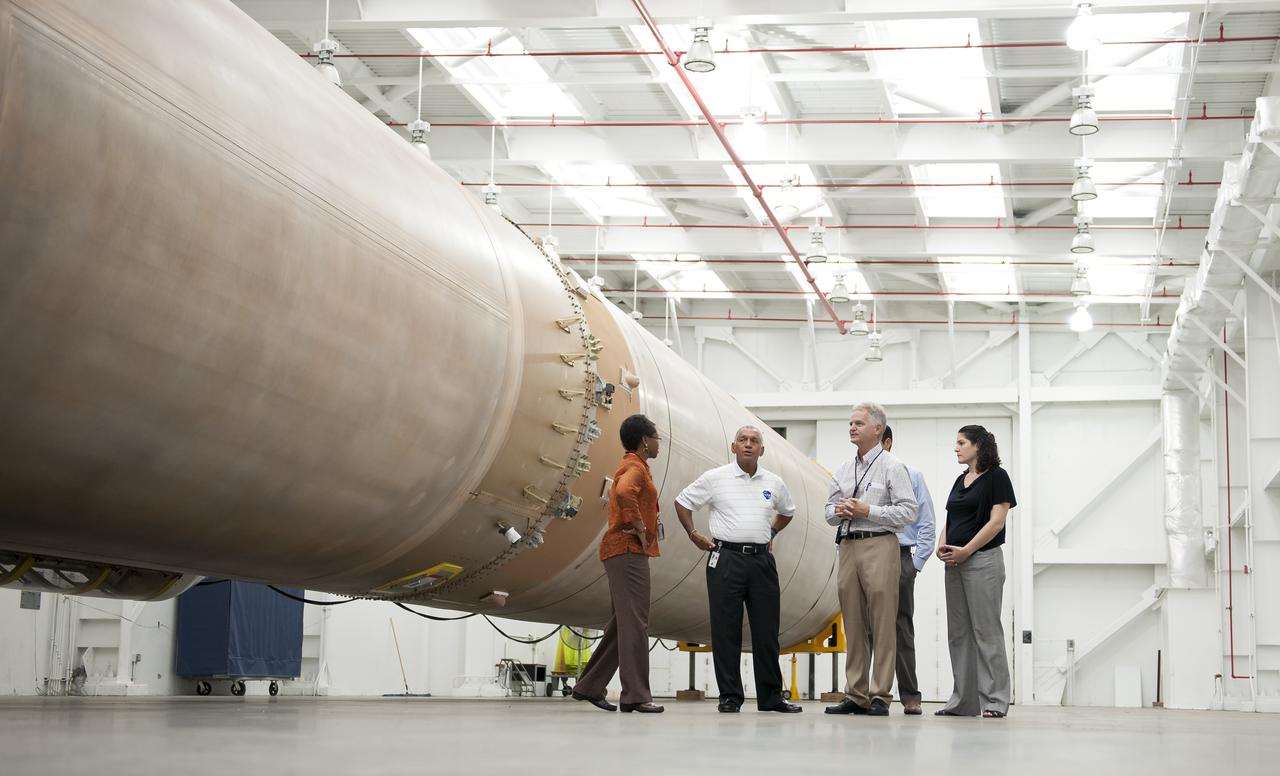
NASA Administrator Charles Bolden, second from left, talks with United Launch Alliance Vice President of Mission operations Jim Sponnick, along with NASA Mission Manager for Launch Services Wanda Harding, left, White House Fellow Debra Kurshan, right, and NASA Senior Advisor Mike French, background, in front of the United Launch Alliance Atlas V first stage booster, Wednesday, Sept. 7, 2011, at the Cape Canaveral Air Force Station in Cape Canaveral, Fla. The booster will help send NASA's Mars Science Laboratory Curiosity rover to Mars later this year. Photo Credit: (NASA/Bill Ingalls)
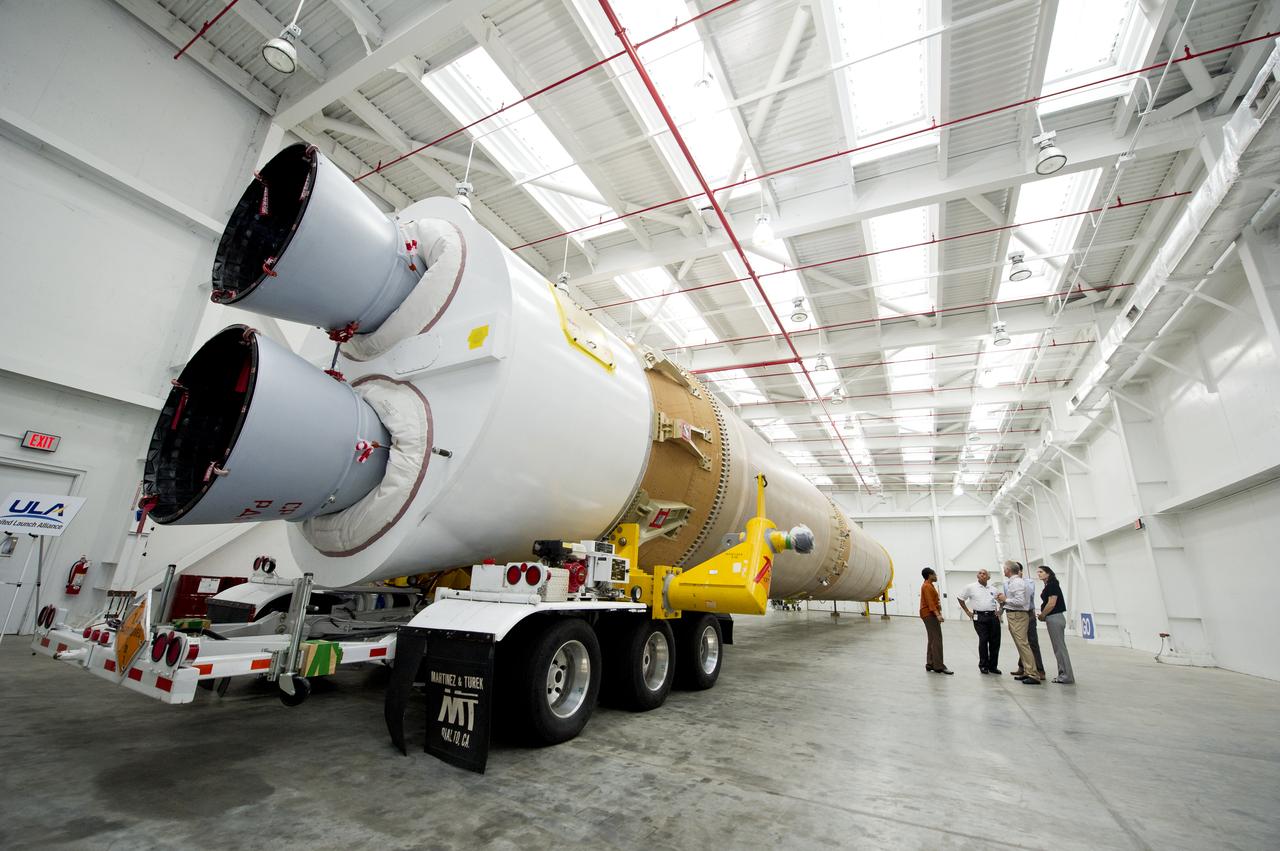
NASA Administrator Charles Bolden, second from left, talks with United Launch Alliance Vice President of Mission operations Jim Sponnick, along with NASA Mission Manager for Launch Services Wanda Harding, left, White House Fellow Debra Kurshan, right, and NASA Senior Advisor Mike French, background, in front of the United Launch Alliance Atlas V first stage booster, Wednesday, Sept. 7, 2011, at the Cape Canaveral Air Force Station in Cape Canaveral, Fla. The booster will help send NASA's Mars Science Laboratory Curiosity rover to Mars later this year. Photo Credit: (NASA/Bill Ingalls)
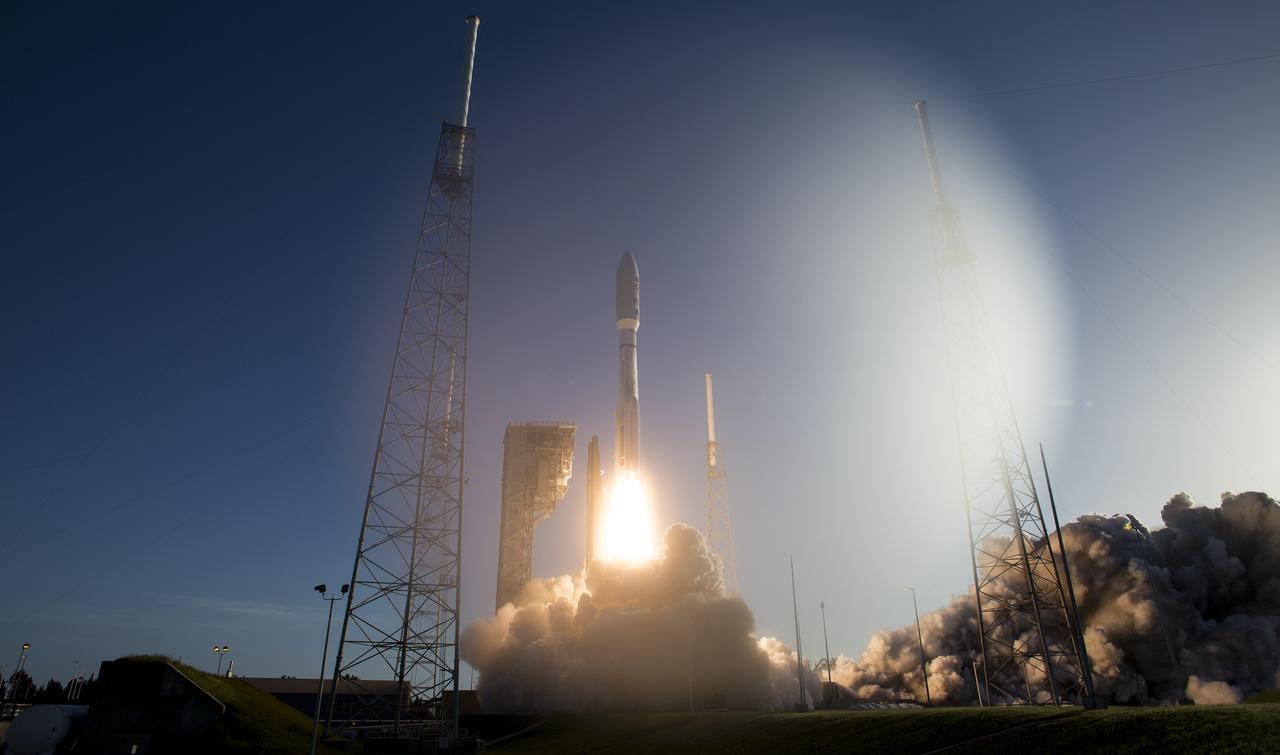
A United Launch Alliance Atlas V rocket with NASA’s Mars 2020 Perseverance rover onboard launches from Space Launch Complex 41, Thursday, July 30, 2020, at Cape Canaveral Air Force Station in Florida. The Perseverance rover is part of NASA’s Mars Exploration Program, a long-term effort of robotic exploration of the Red Planet. Photo Credit: (NASA/Joel Kowsky)
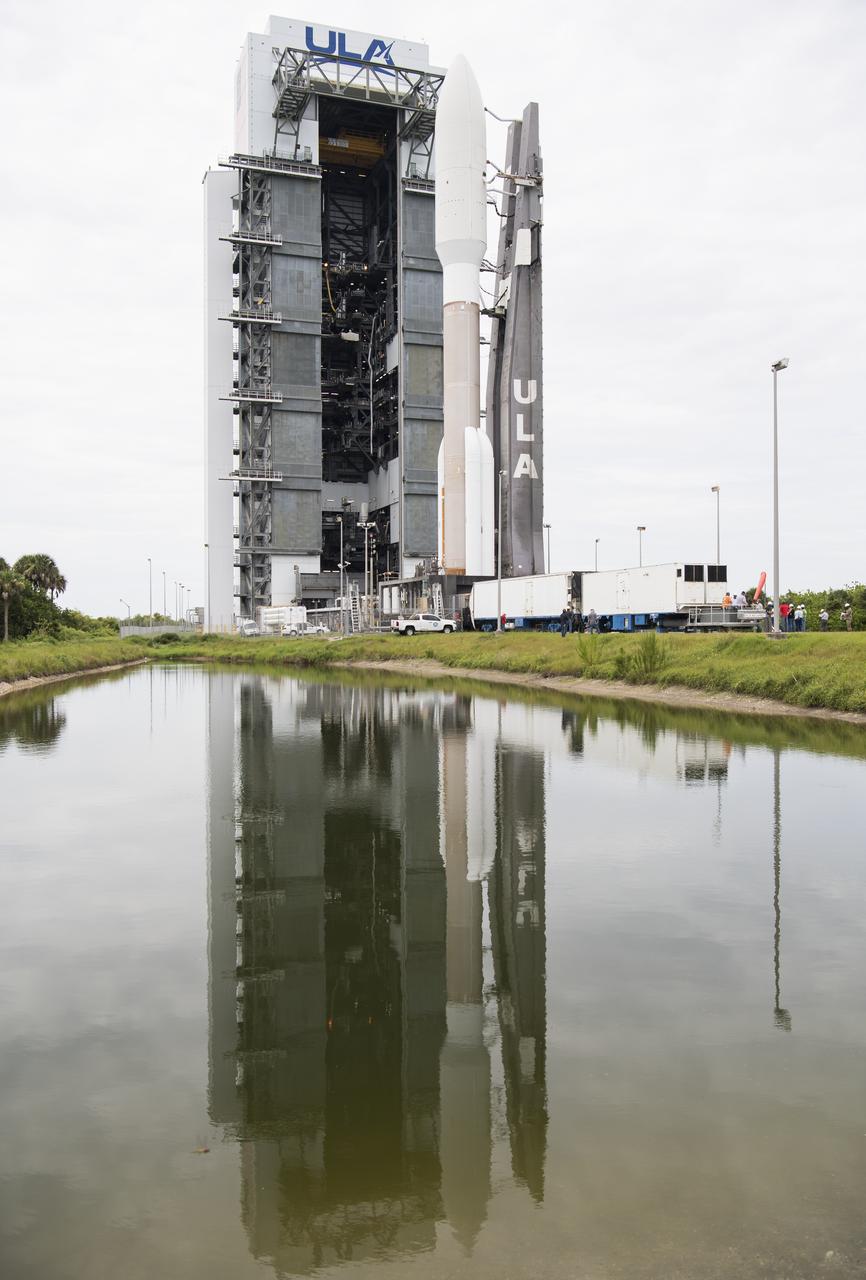
A United Launch Alliance Atlas V rocket with NASA’s Mars 2020 Perseverance rover onboard is seen as it is rolled out of the Vertical Integration Facility to the launch pad at Space Launch Complex 41, Tuesday, July 28, 2020, at Cape Canaveral Air Force Station in Florida. The Perseverance rover is part of NASA’s Mars Exploration Program, a long-term effort of robotic exploration of the Red Planet. Launch is scheduled for Thursday, July 30. Photo Credit: (NASA/Joel Kowsky)
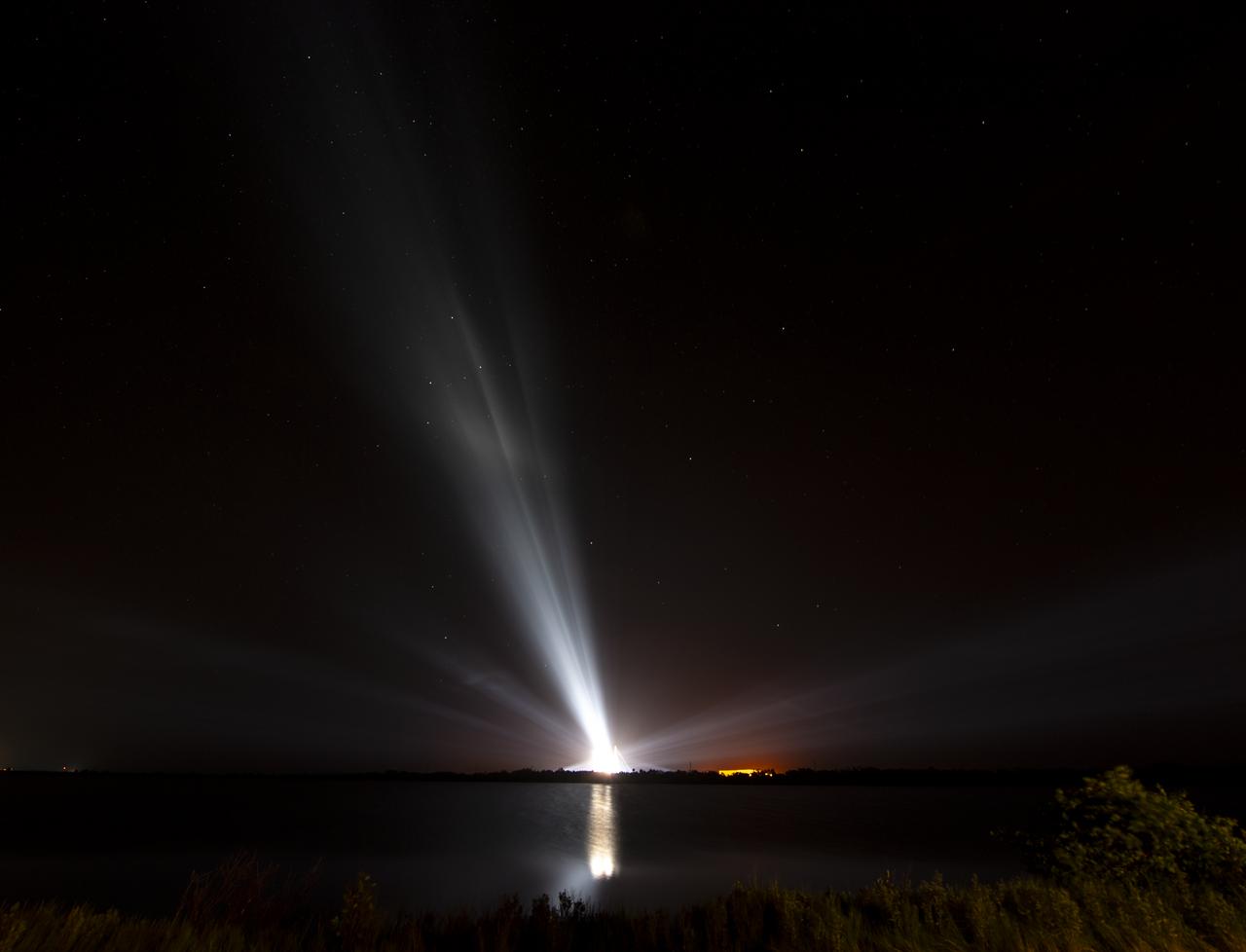
The United Launch Alliance Delta IV Heavy rocket with the Parker Solar Probe is illuminated ahead of launch, Saturday, Aug. 11, 2018, Launch Complex 37 at Cape Canaveral Air Force Station in Florida. Parker Solar Probe is humanity’s first-ever mission into a part of the Sun’s atmosphere called the corona. Here it will directly explore solar processes that are key to understanding and forecasting space weather events that can impact life on Earth. Photo Credit: (NASA/Bill Ingalls)
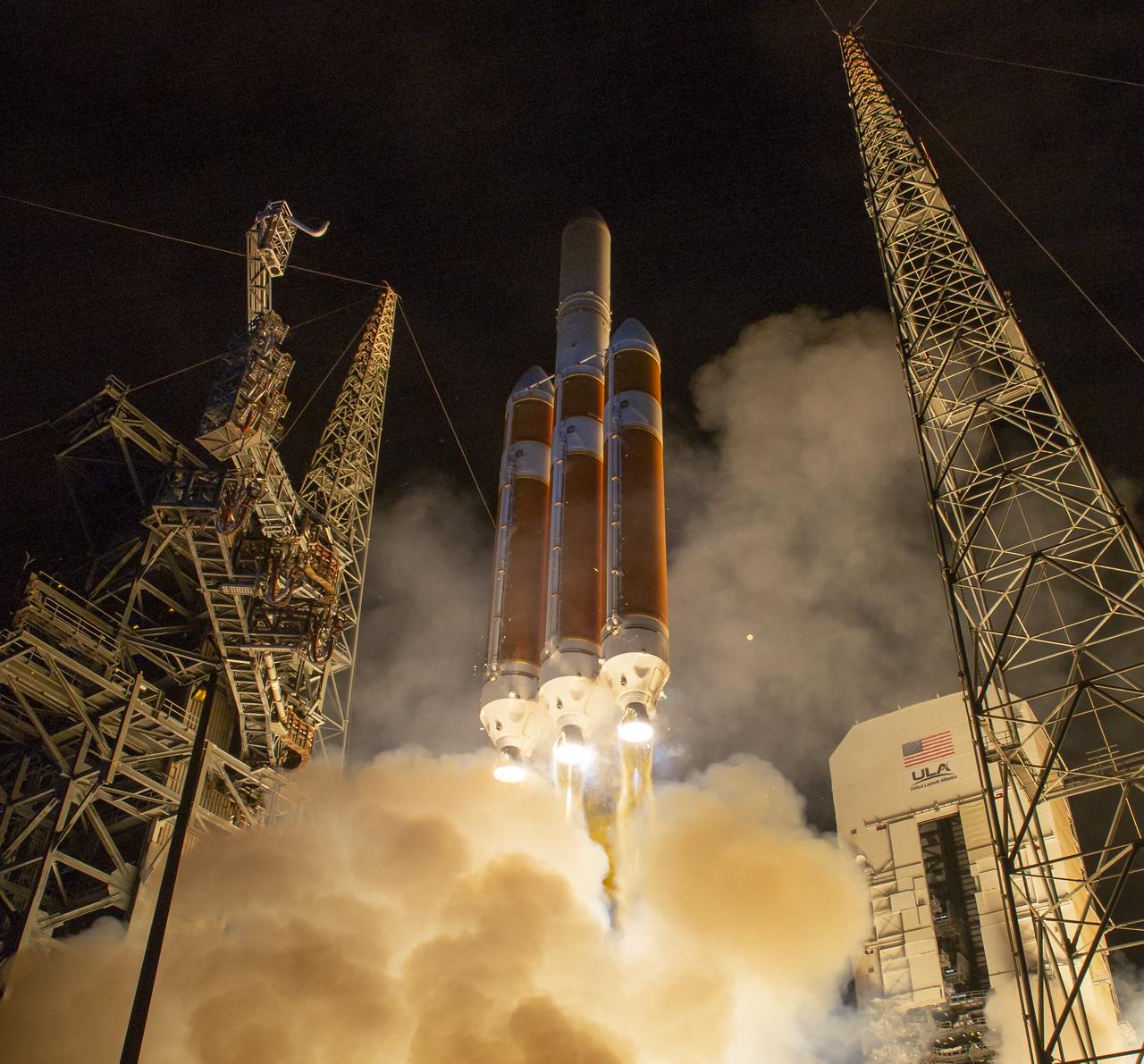
The United Launch Alliance Delta IV Heavy rocket launches NASA's Parker Solar Probe to touch the Sun, Sunday, Aug. 12, 2018 from Launch Complex 37 at Cape Canaveral Air Force Station, Florida. Parker Solar Probe is humanity’s first-ever mission into a part of the Sun’s atmosphere called the corona. Here it will directly explore solar processes that are key to understanding and forecasting space weather events that can impact life on Earth. Photo Credit: (NASA/Bill Ingalls)
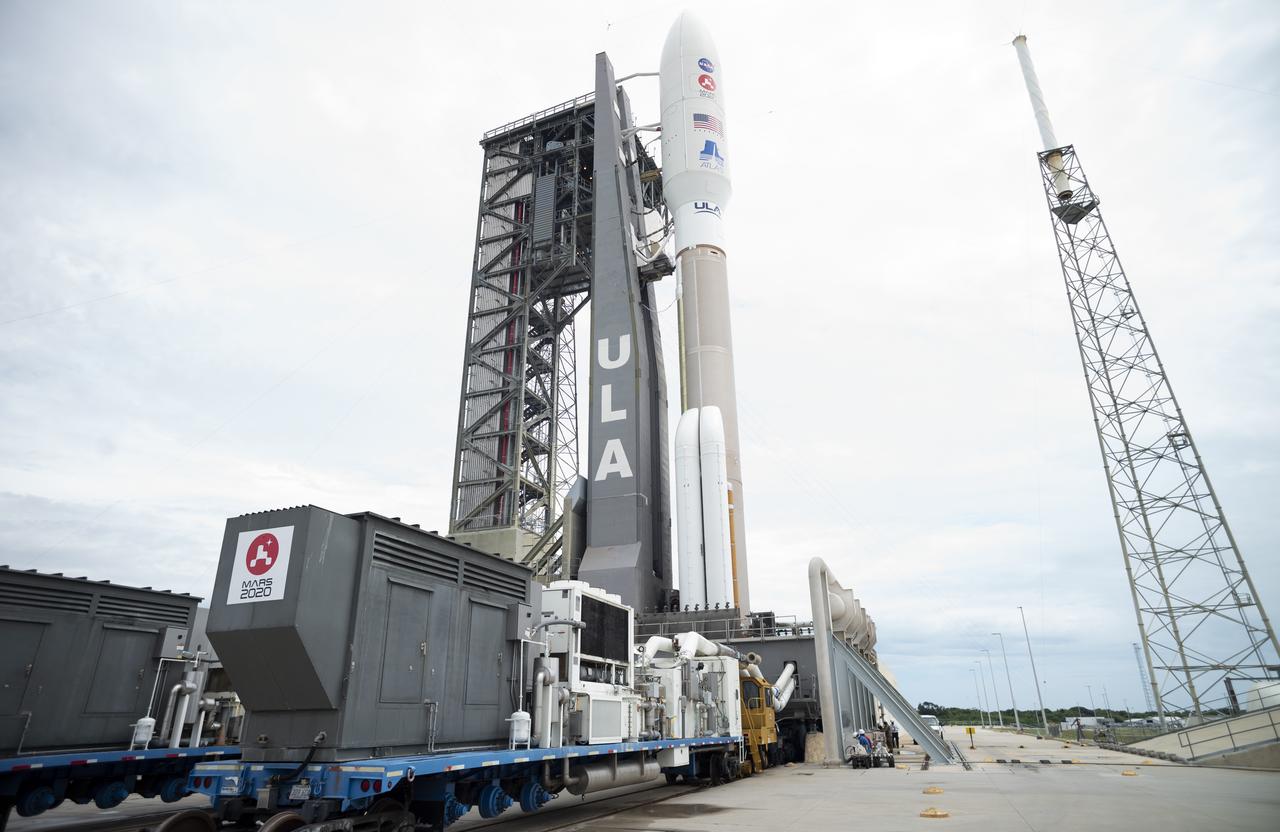
A United Launch Alliance Atlas V rocket with NASA’s Mars 2020 Perseverance rover onboard is seen on the launch pad at Space Launch Complex 41 after being rolled out of the Vertical Integration Facility, Tuesday, July 28, 2020, at Cape Canaveral Air Force Station in Florida. The Perseverance rover is part of NASA’s Mars Exploration Program, a long-term effort of robotic exploration of the Red Planet. Launch is scheduled for Thursday, July 30. Photo Credit: (NASA/Joel Kowsky)
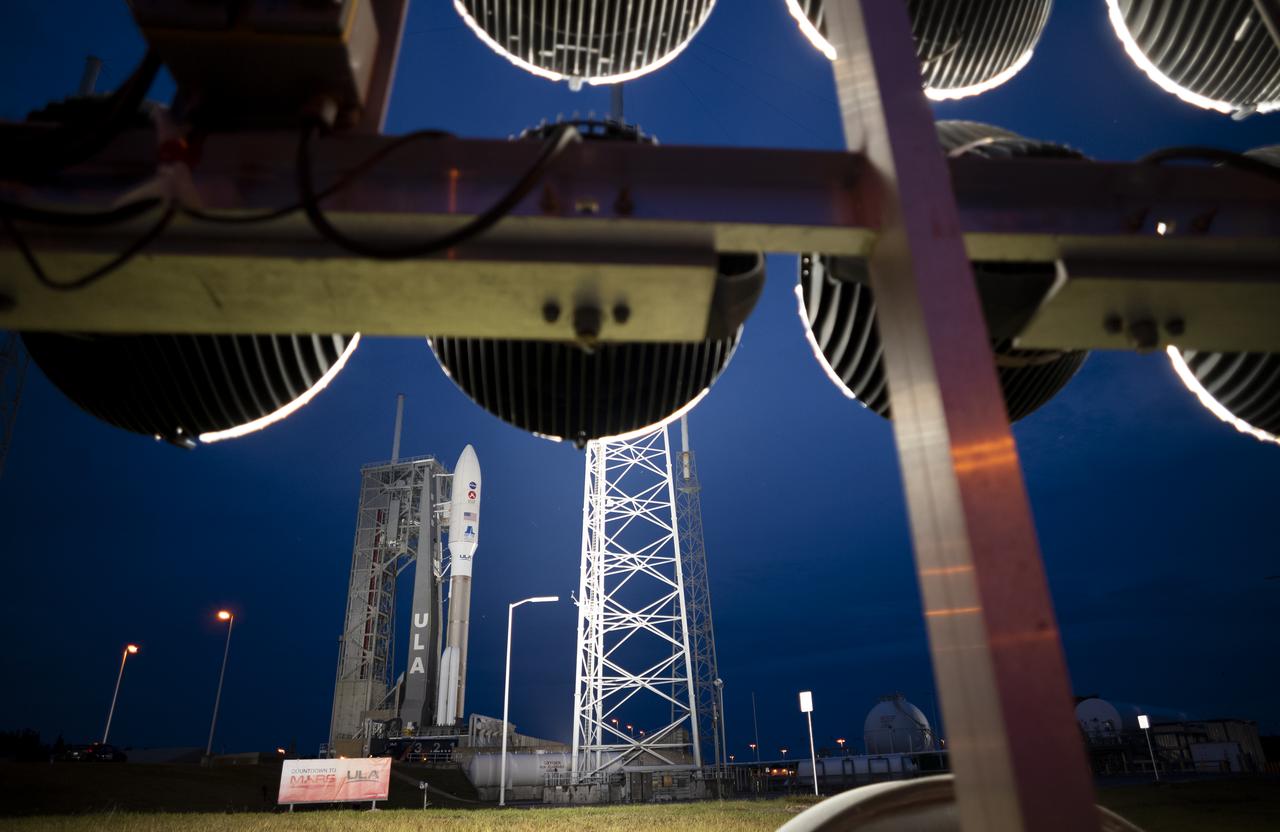
A United Launch Alliance Atlas V rocket with NASA’s Mars 2020 Perseverance rover onboard is seen illuminated by spotlights on the launch pad at Space Launch Complex 41, Tuesday, July 28, 2020, at Cape Canaveral Air Force Station in Florida. The Perseverance rover is part of NASA’s Mars Exploration Program, a long-term effort of robotic exploration of the Red Planet. Launch is scheduled for Thursday, July 30. Photo Credit: (NASA/Joel Kowsky)
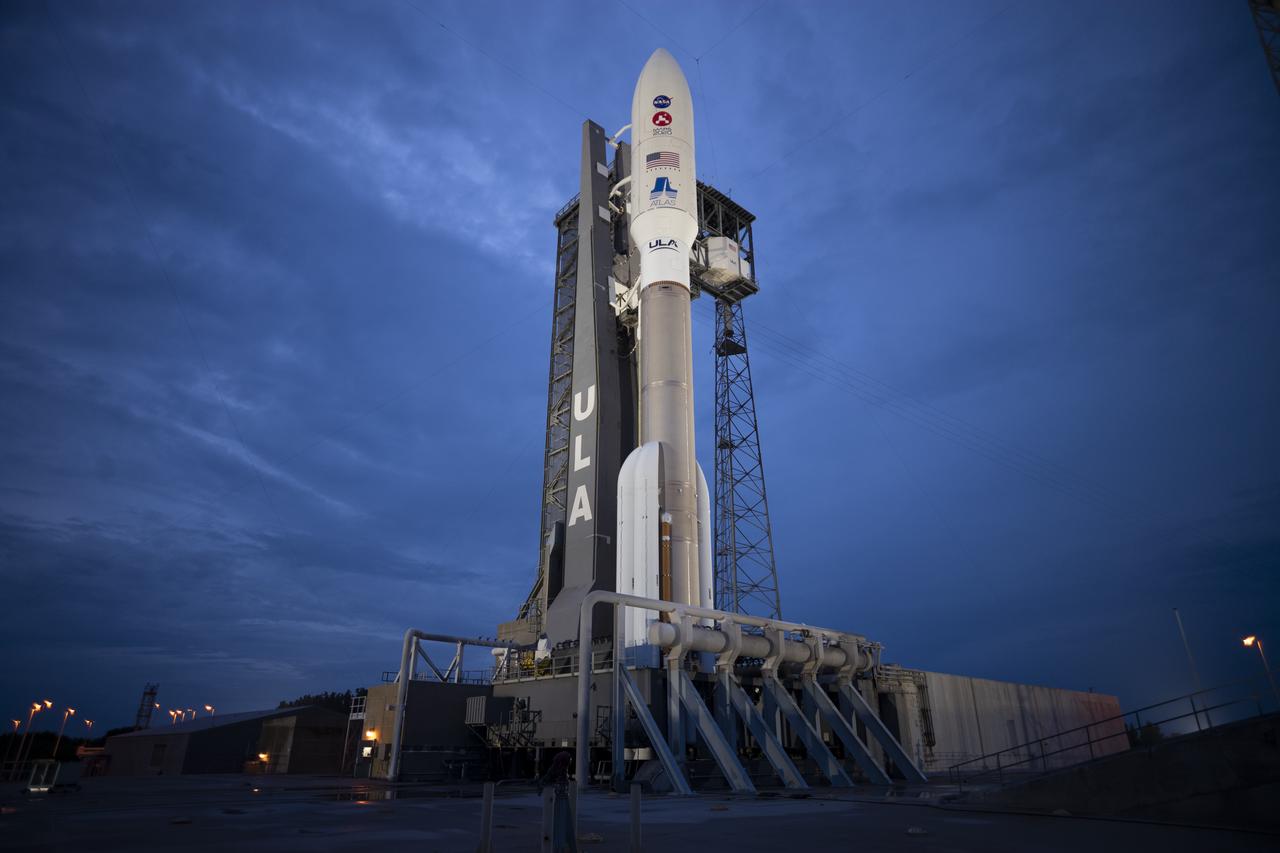
A United Launch Alliance Atlas V rocket with NASA’s Mars 2020 Perseverance rover onboard is seen illuminated by spotlights on the launch pad at Space Launch Complex 41, Tuesday, July 28, 2020, at Cape Canaveral Air Force Station in Florida. The Perseverance rover is part of NASA’s Mars Exploration Program, a long-term effort of robotic exploration of the Red Planet. Launch is scheduled for Thursday, July 30. Photo Credit: (NASA/Joel Kowsky)
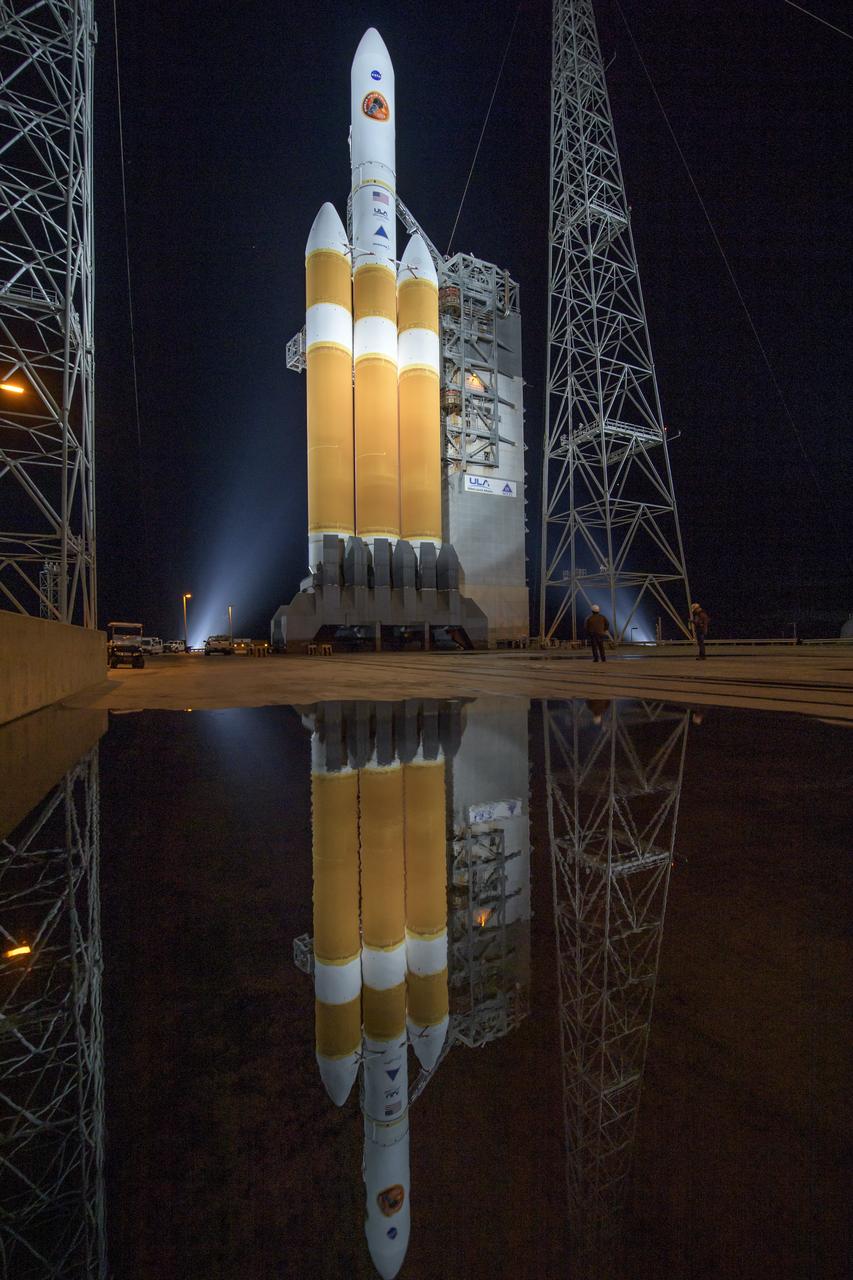
The Mobile Service Tower is rolled back to reveal the United Launch Alliance Delta IV Heavy rocket with the Parker Solar Probe onboard, Saturday, Aug. 11, 2018, Launch Complex 37 at Cape Canaveral Air Force Station in Florida. Parker Solar Probe is humanity’s first-ever mission into a part of the Sun’s atmosphere called the corona. Here it will directly explore solar processes that are key to understanding and forecasting space weather events that can impact life on Earth. Photo Credit: (NASA/Bill Ingalls)
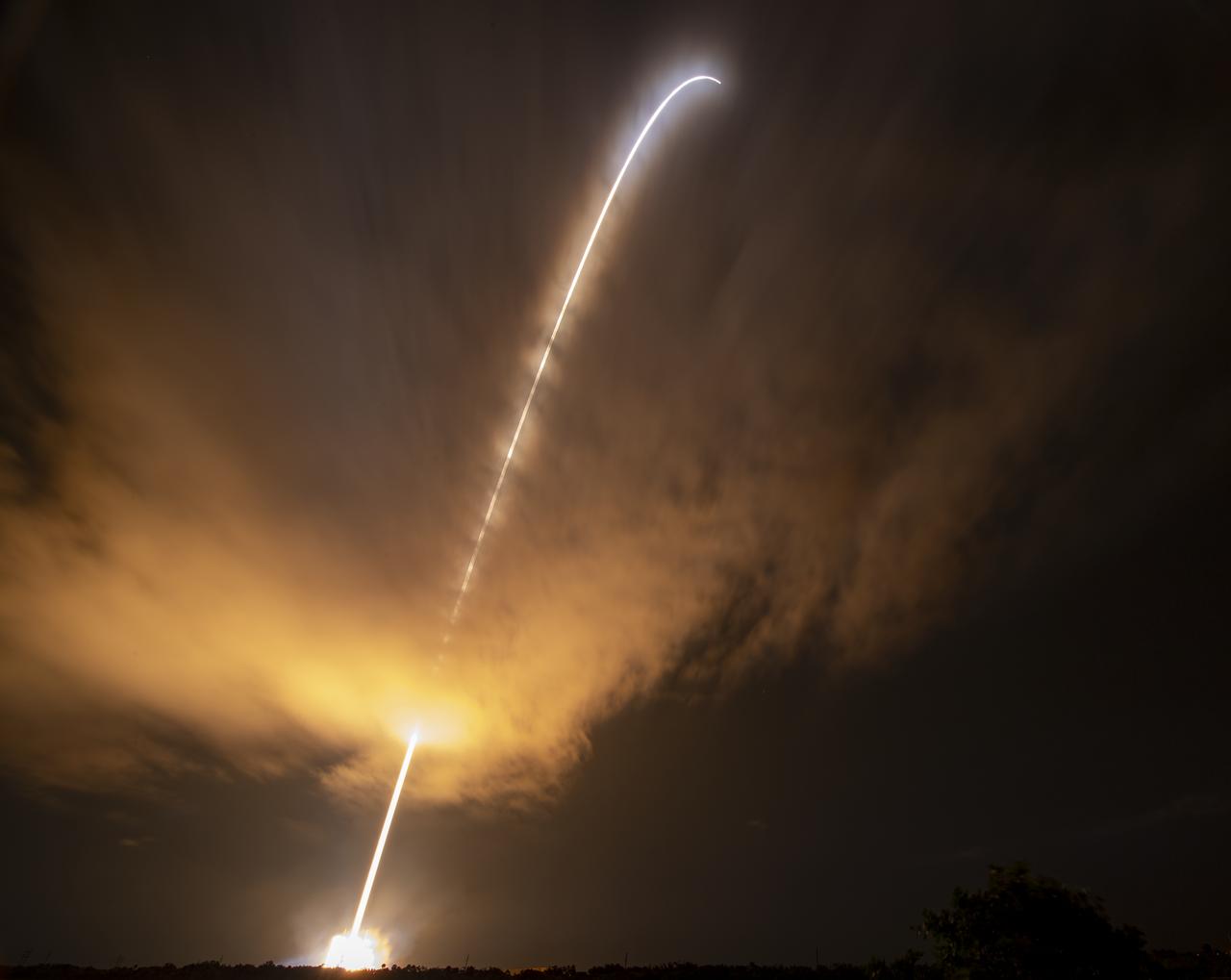
The United Launch Alliance Delta IV Heavy rocket is seen in this long exposure photograph as it launches NASA's Parker Solar Probe to touch the Sun, Sunday, Aug. 12, 2018 from Launch Complex 37 at Cape Canaveral Air Force Station, Florida. Parker Solar Probe is humanity’s first-ever mission into a part of the Sun’s atmosphere called the corona. Here it will directly explore solar processes that are key to understanding and forecasting space weather events that can impact life on Earth. Photo Credit: (NASA/Bill Ingalls)
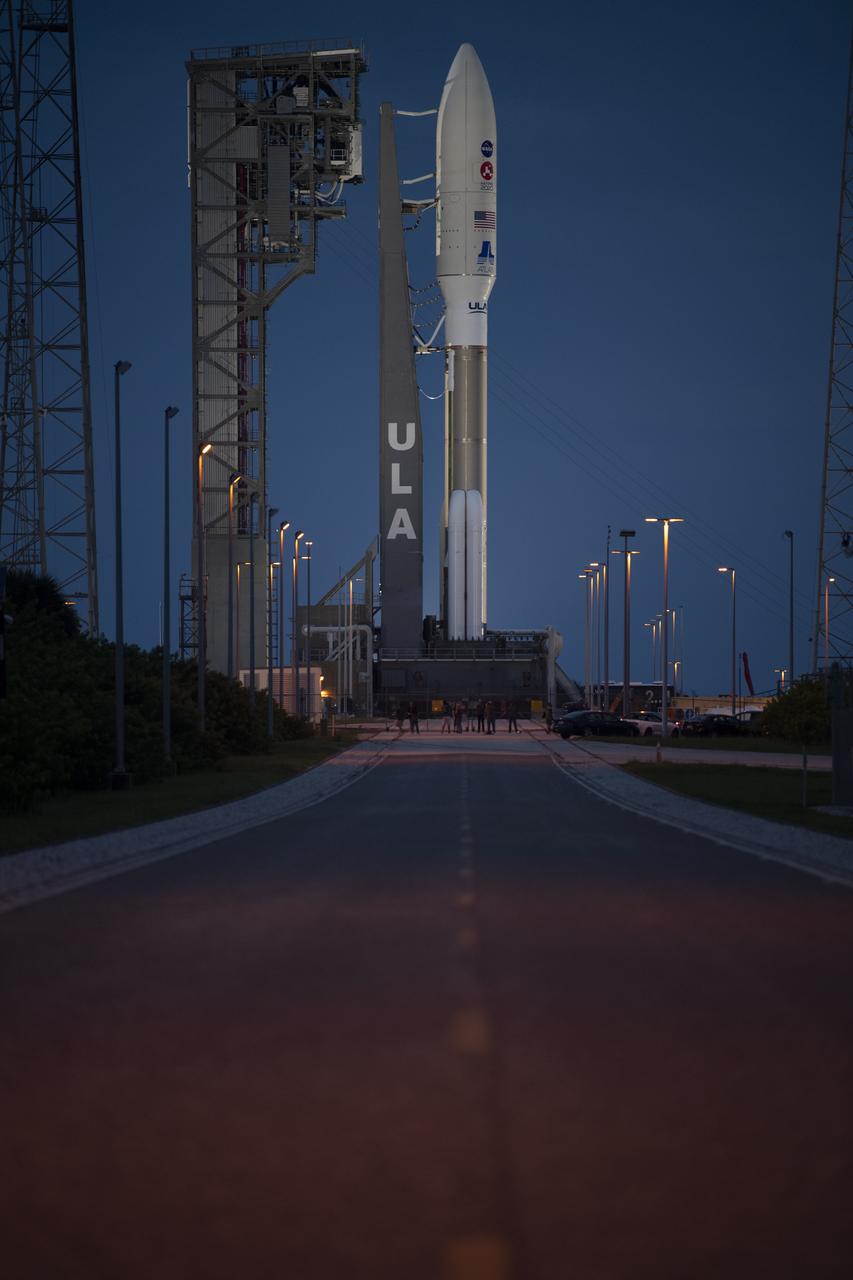
A United Launch Alliance Atlas V rocket with NASA’s Mars 2020 Perseverance rover onboard is seen illuminated by spotlights on the launch pad at Space Launch Complex 41, Wednesday, July 29, 2020, at Cape Canaveral Air Force Station in Florida. The Perseverance rover is part of NASA’s Mars Exploration Program, a long-term effort of robotic exploration of the Red Planet. Launch is scheduled for Thursday, July 30. Photo Credit: (NASA/Joel Kowsky)
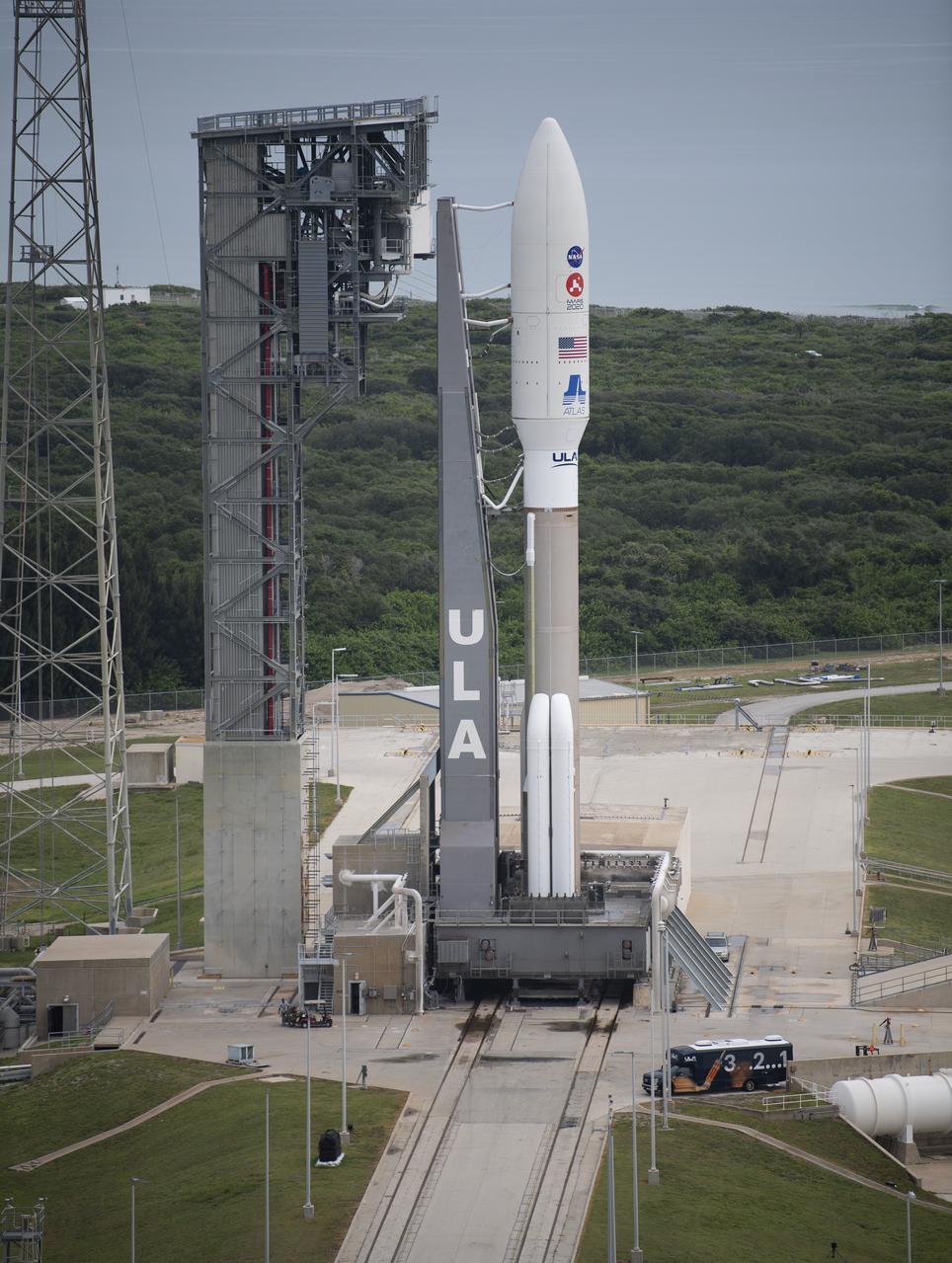
A United Launch Alliance Atlas V rocket with NASA’s Mars 2020 Perseverance rover onboard is seen on the launch pad at Space Launch Complex 41, Wednesday, July 29, 2020, at Cape Canaveral Air Force Station in Florida. The Perseverance rover is part of NASA’s Mars Exploration Program, a long-term effort of robotic exploration of the Red Planet. Launch is scheduled for Thursday, July 30. Photo Credit: (NASA/Joel Kowsky)
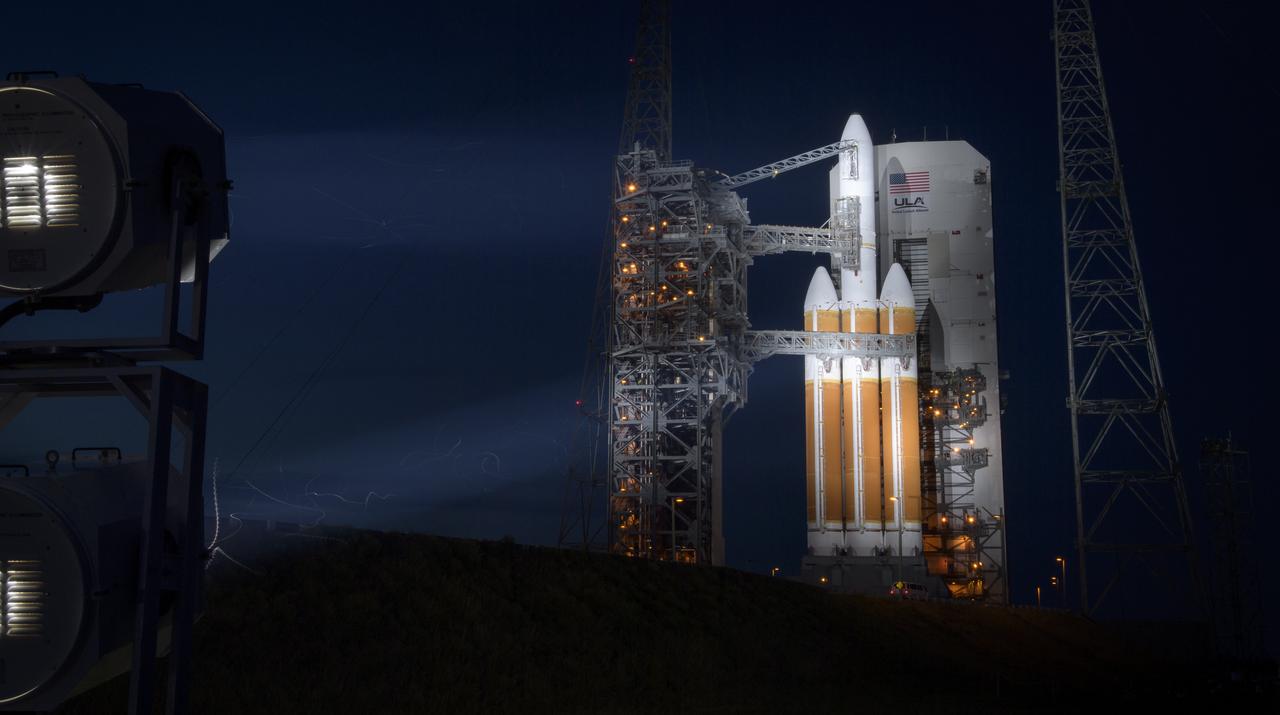
The United Launch Alliance Delta IV Heavy rocket with the Parker Solar Probe onboard is seen shortly after the Mobile Service Tower was rolled back, Friday, Aug. 10, 2018, Launch Complex 37 at Cape Canaveral Air Force Station in Florida. Parker Solar Probe is humanity’s first-ever mission into a part of the Sun’s atmosphere called the corona. Here it will directly explore solar processes that are key to understanding and forecasting space weather events that can impact life on Earth. Photo Credit: (NASA/Bill Ingalls)
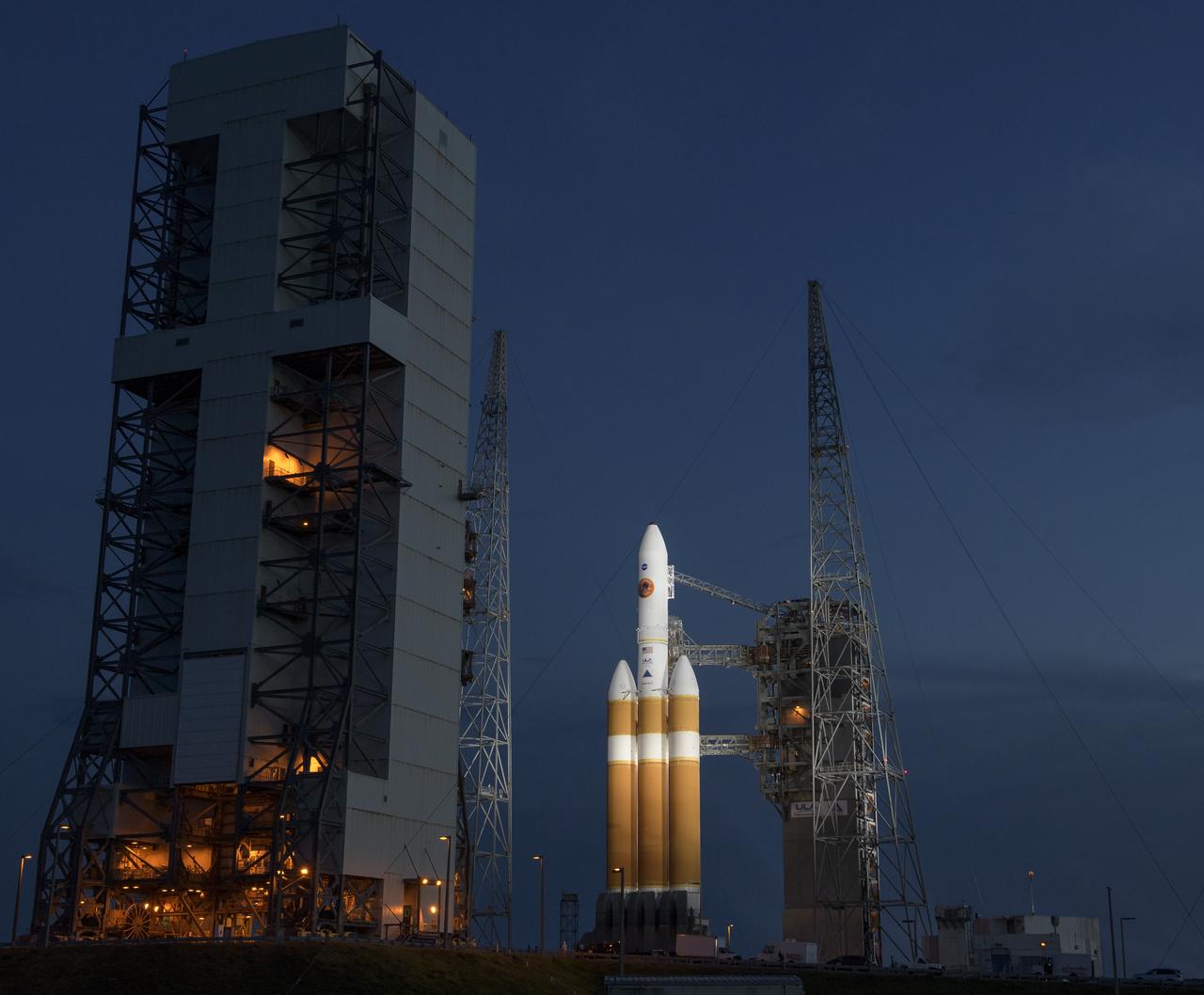
The United Launch Alliance Delta IV Heavy rocket with the Parker Solar Probe onboard is seen shortly after the Mobile Service Tower was rolled back, Friday, Aug. 10, 2018, Launch Complex 37 at Cape Canaveral Air Force Station in Florida. Parker Solar Probe is humanity’s first-ever mission into a part of the Sun’s atmosphere called the corona. Here it will directly explore solar processes that are key to understanding and forecasting space weather events that can impact life on Earth. Photo Credit: (NASA/Bill Ingalls)
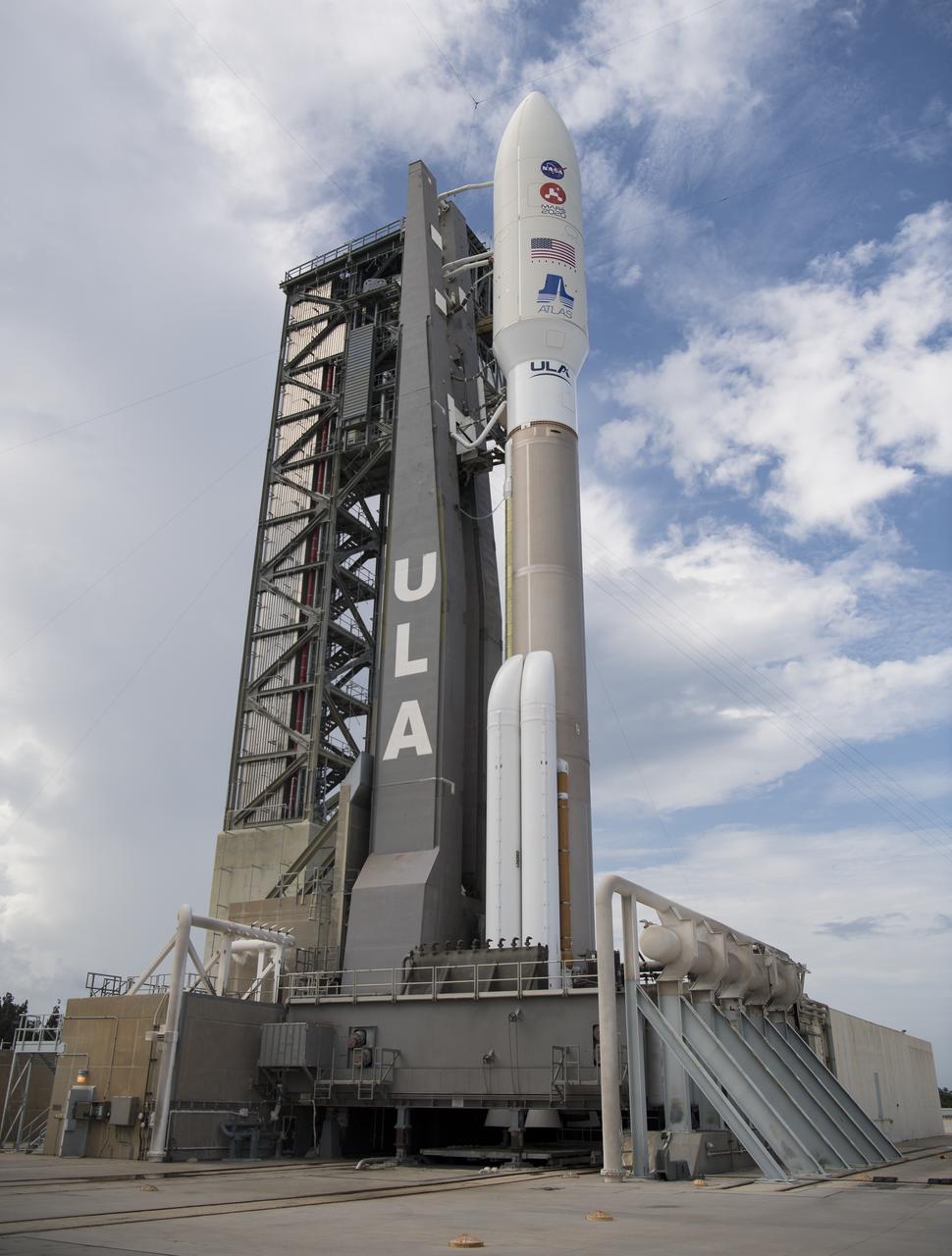
A United Launch Alliance Atlas V rocket with NASA’s Mars 2020 Perseverance rover onboard is seen on the launch pad at Space Launch Complex 41, Wednesday, July 29, 2020, at Cape Canaveral Air Force Station in Florida. The Perseverance rover is part of NASA’s Mars Exploration Program, a long-term effort of robotic exploration of the Red Planet. Launch is scheduled for Thursday, July 30. Photo Credit: (NASA/Joel Kowsky)
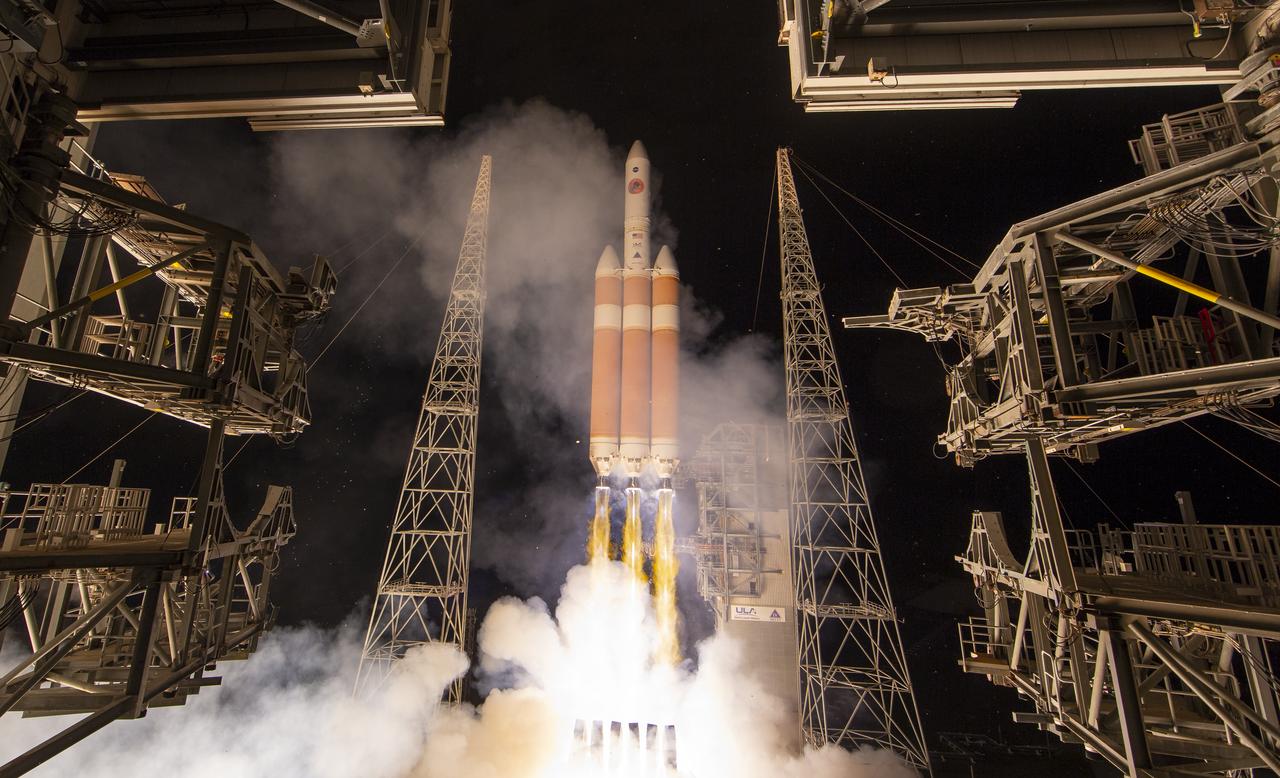
The United Launch Alliance Delta IV Heavy rocket launches NASA's Parker Solar Probe to touch the Sun, Sunday, Aug. 12, 2018 from Launch Complex 37 at Cape Canaveral Air Force Station, Florida. Parker Solar Probe is humanity’s first-ever mission into a part of the Sun’s atmosphere called the corona. Here it will directly explore solar processes that are key to understanding and forecasting space weather events that can impact life on Earth. Photo Credit: (NASA/Bill Ingalls)
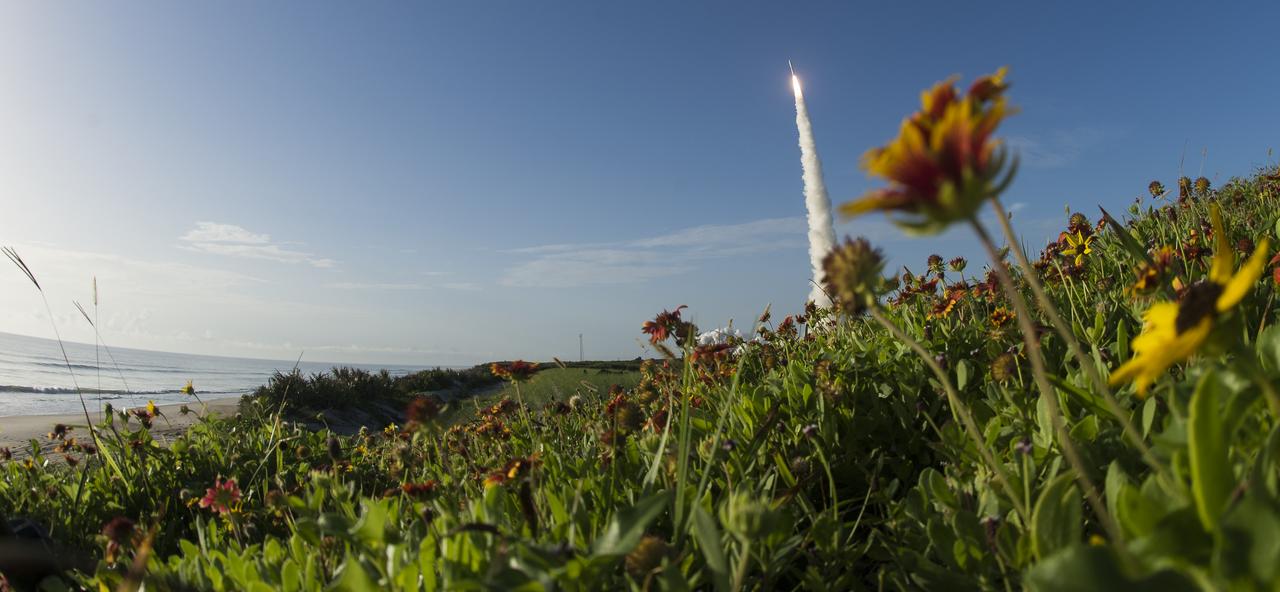
A United Launch Alliance Atlas V rocket with NASA’s Mars 2020 Perseverance rover onboard launches from Space Launch Complex 41, Thursday, July 30, 2020, at Cape Canaveral Air Force Station in Florida. The Perseverance rover is part of NASA’s Mars Exploration Program, a long-term effort of robotic exploration of the Red Planet. Photo Credit: (NASA/Joel Kowsky)
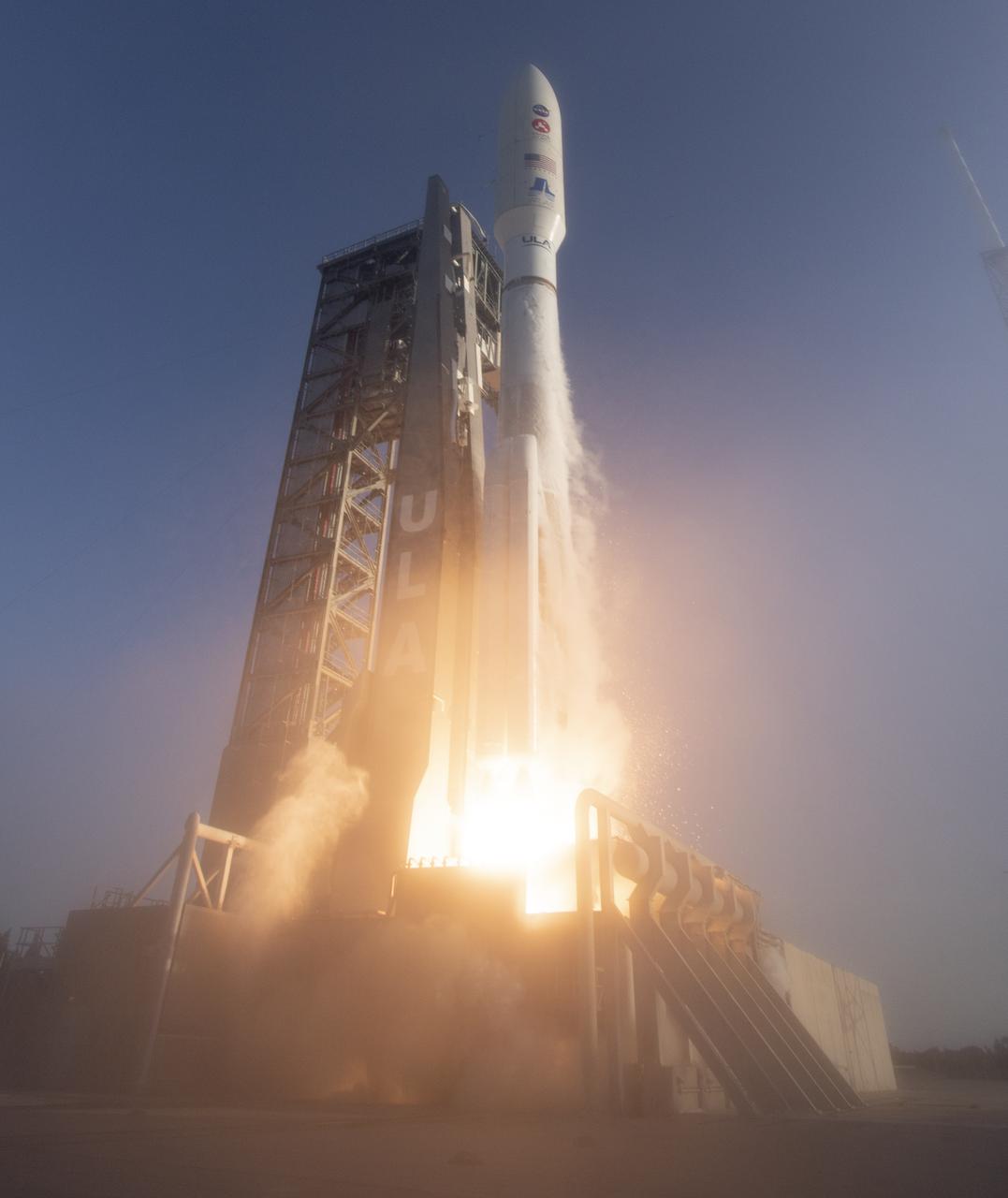
A United Launch Alliance Atlas V rocket with NASA’s Mars 2020 Perseverance rover onboard launches from Space Launch Complex 41, Thursday, July 30, 2020, at Cape Canaveral Air Force Station in Florida. The Perseverance rover is part of NASA’s Mars Exploration Program, a long-term effort of robotic exploration of the Red Planet. Photo Credit: (NASA/Joel Kowsky)
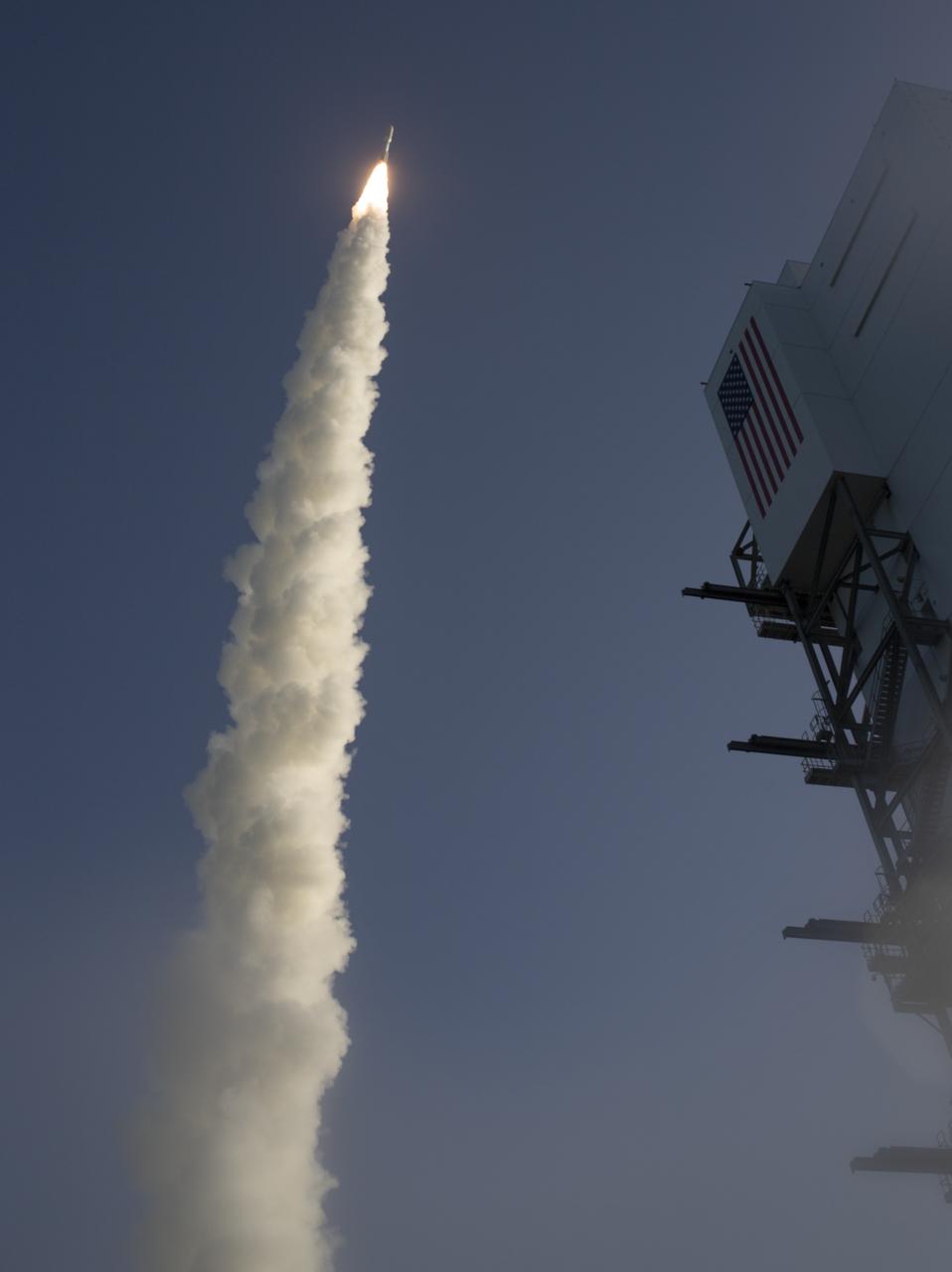
A United Launch Alliance Atlas V rocket with NASA’s Mars 2020 Perseverance rover onboard launches from Space Launch Complex 41, Thursday, July 30, 2020, at Cape Canaveral Air Force Station in Florida. The Perseverance rover is part of NASA’s Mars Exploration Program, a long-term effort of robotic exploration of the Red Planet. Photo Credit: (NASA/Joel Kowsky)
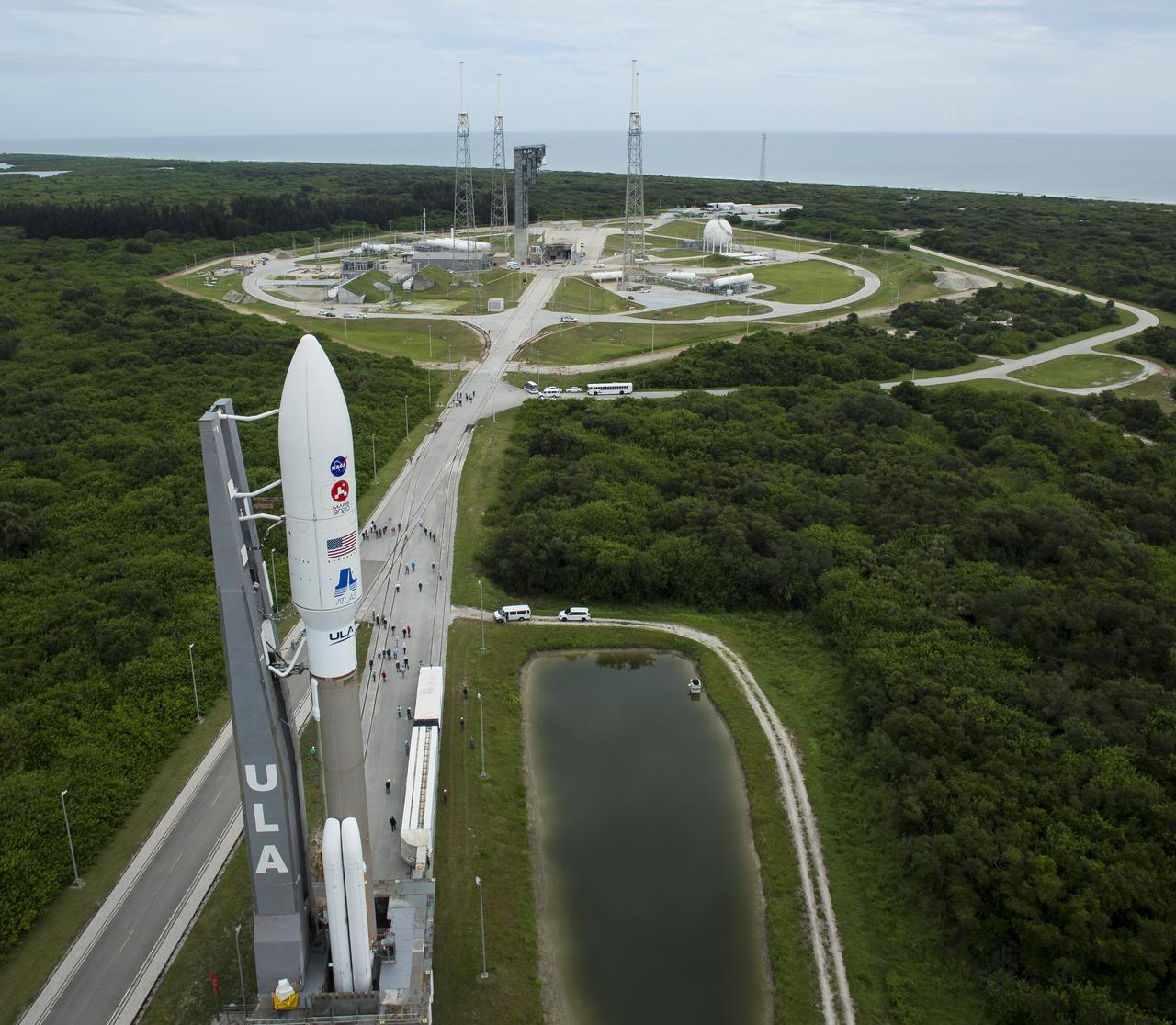
A United Launch Alliance Atlas V rocket with NASA’s Mars 2020 Perseverance rover onboard is seen as it is rolled out of the Vertical Integration Facility to the launch pad at Space Launch Complex 41, Tuesday, July 28, 2020, at Cape Canaveral Air Force Station in Florida. The Perseverance rover is part of NASA’s Mars Exploration Program, a long-term effort of robotic exploration of the Red Planet. Launch is scheduled for Thursday, July 30. Photo Credit: (NASA/Joel Kowsky)
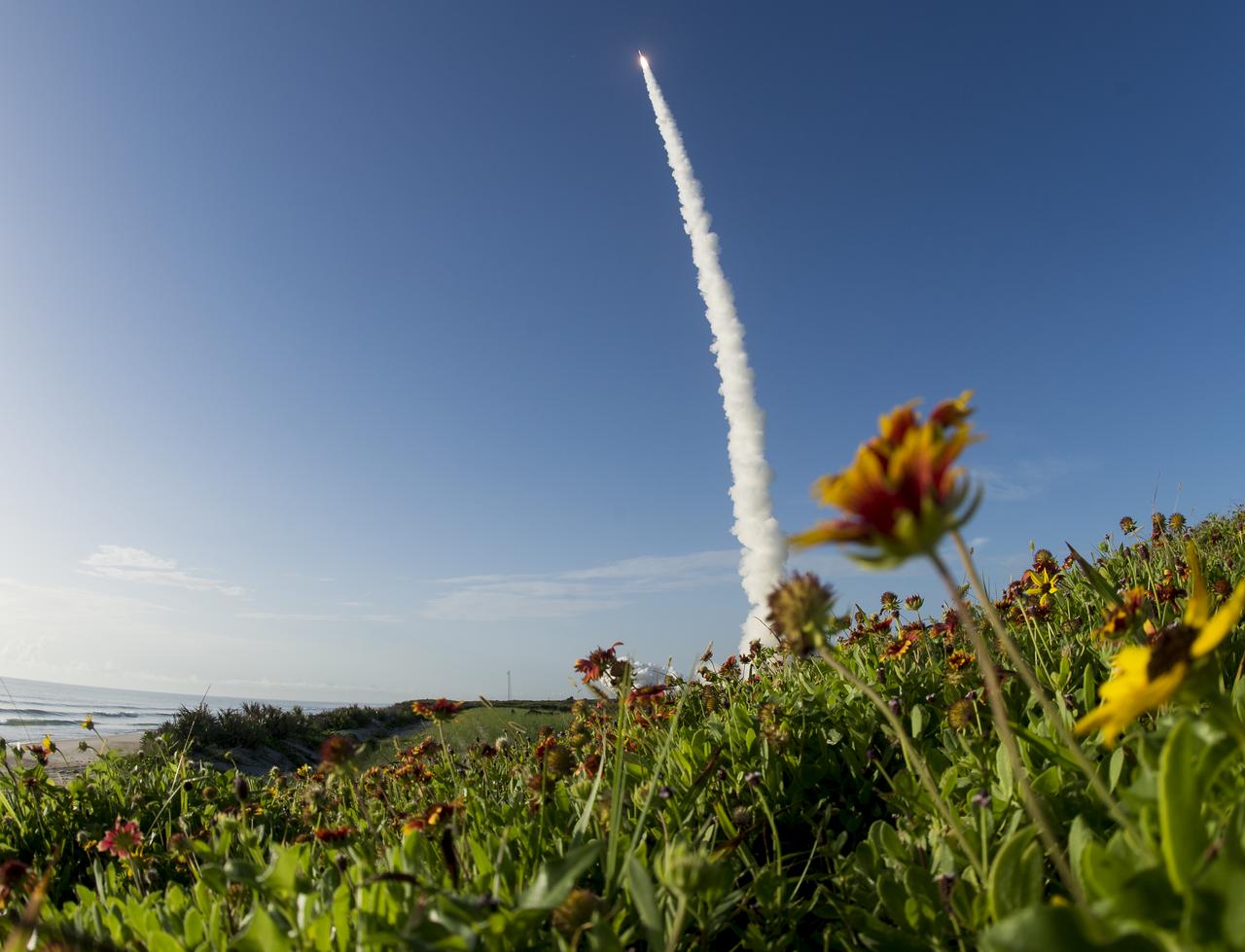
A United Launch Alliance Atlas V rocket with NASA’s Mars 2020 Perseverance rover onboard launches from Space Launch Complex 41, Thursday, July 30, 2020, at Cape Canaveral Air Force Station in Florida. The Perseverance rover is part of NASA’s Mars Exploration Program, a long-term effort of robotic exploration of the Red Planet. Photo Credit: (NASA/Joel Kowsky)
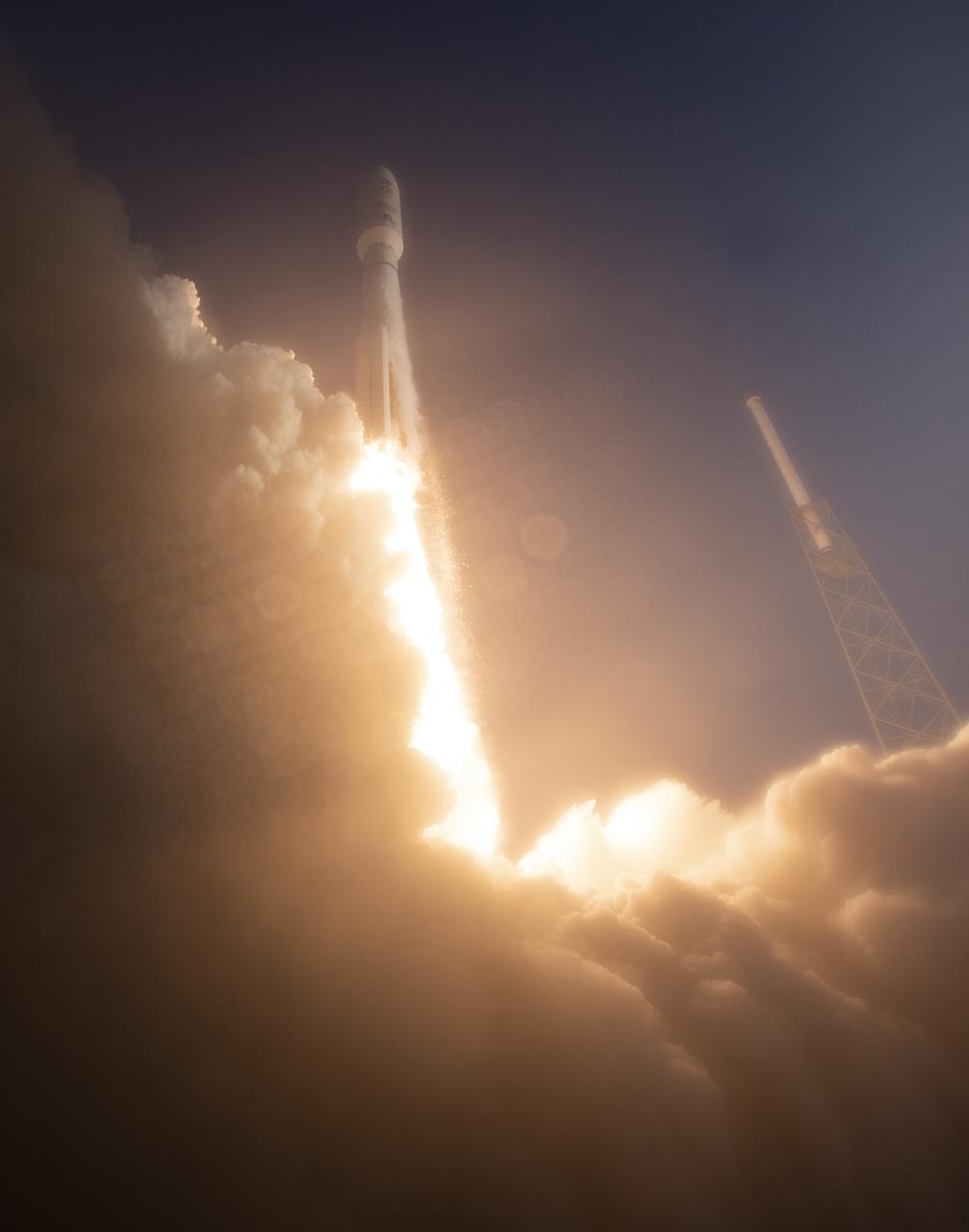
A United Launch Alliance Atlas V rocket with NASA’s Mars 2020 Perseverance rover onboard launches from Space Launch Complex 41, Thursday, July 30, 2020, at Cape Canaveral Air Force Station in Florida. The Perseverance rover is part of NASA’s Mars Exploration Program, a long-term effort of robotic exploration of the Red Planet. Photo Credit: (NASA/Joel Kowsky)
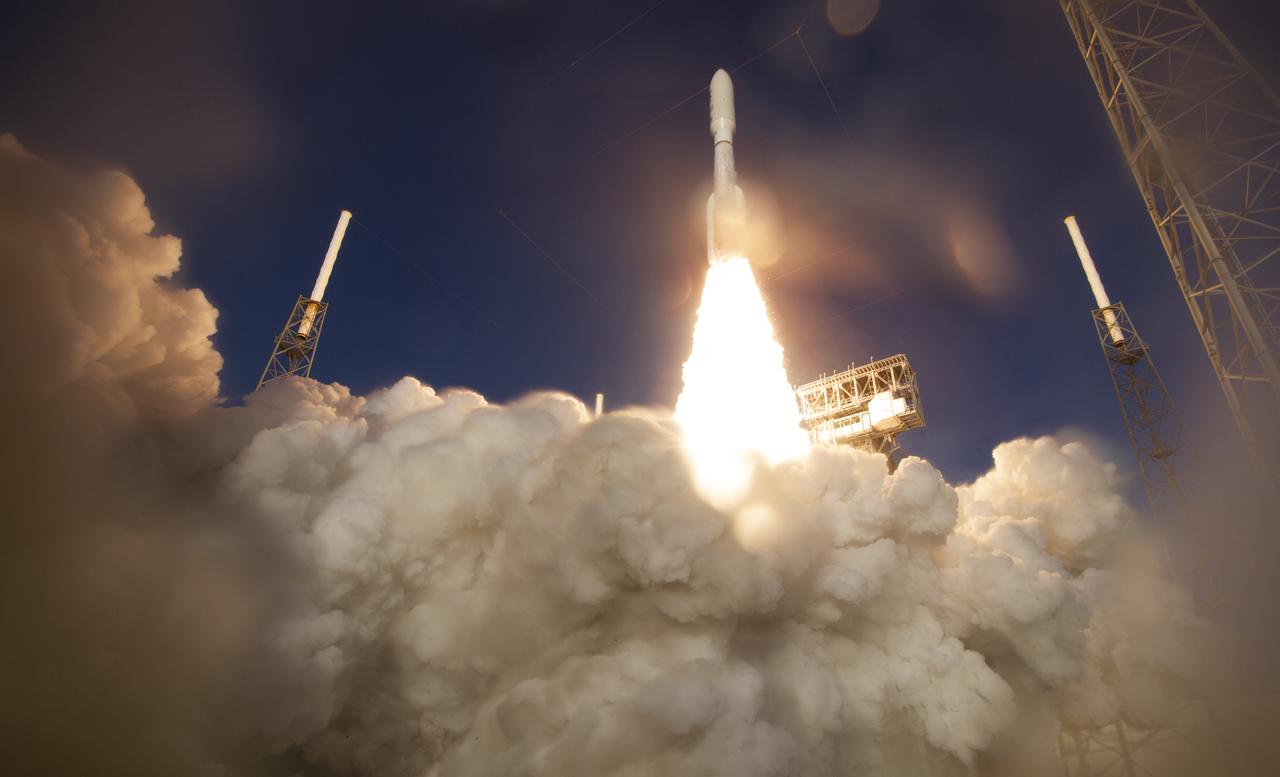
A United Launch Alliance Atlas V rocket with NASA’s Mars 2020 Perseverance rover onboard launches from Space Launch Complex 41, Thursday, July 30, 2020, at Cape Canaveral Air Force Station in Florida. The Perseverance rover is part of NASA’s Mars Exploration Program, a long-term effort of robotic exploration of the Red Planet. Photo Credit: (NASA/Joel Kowsky)
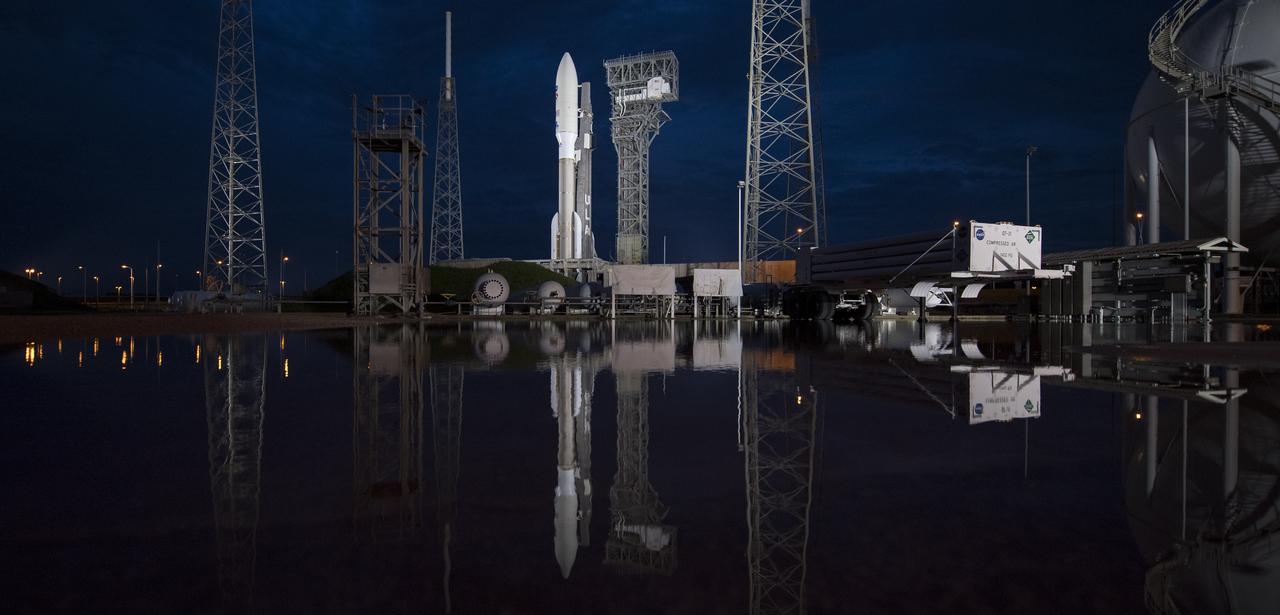
A United Launch Alliance Atlas V rocket with NASA’s Mars 2020 Perseverance rover onboard is seen illuminated by spotlights on the launch pad at Space Launch Complex 41, Tuesday, July 28, 2020, at Cape Canaveral Air Force Station in Florida. The Perseverance rover is part of NASA’s Mars Exploration Program, a long-term effort of robotic exploration of the Red Planet. Launch is scheduled for Thursday, July 30. Photo Credit: (NASA/Joel Kowsky)
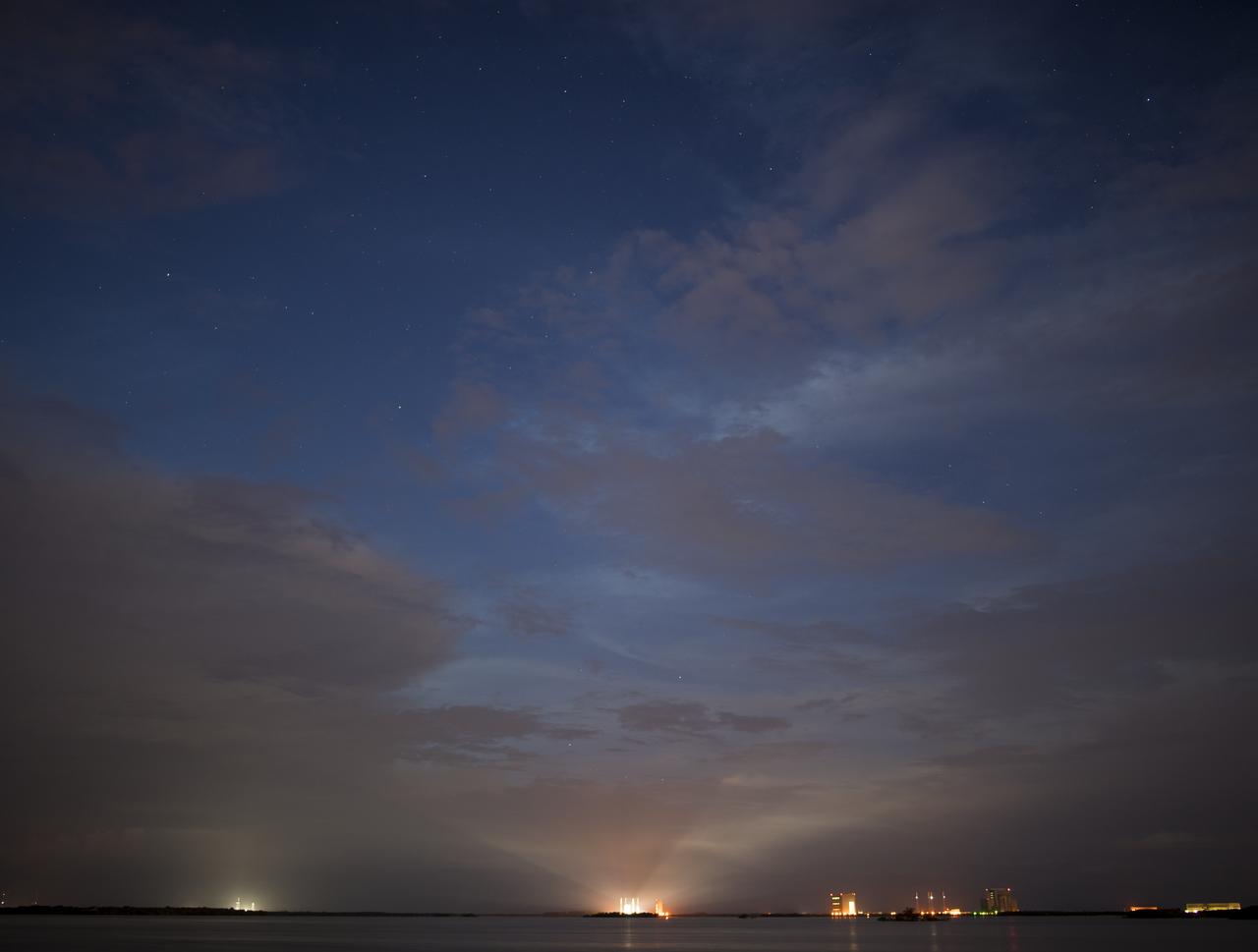
Space Launch Complex 41 is seen illuminated by spotlights, Wednesday, July 29, 2020, ahead of the launch of a United Launch Alliance Atlas V rocket with NASA’s Mars 2020 Perseverance rover onboard from Cape Canaveral Air Force Station in Florida. The Perseverance rover is part of NASA’s Mars Exploration Program, a long-term effort of robotic exploration of the Red Planet. Launch is scheduled for Thursday, July 30. Photo Credit: (NASA/Joel Kowsky)
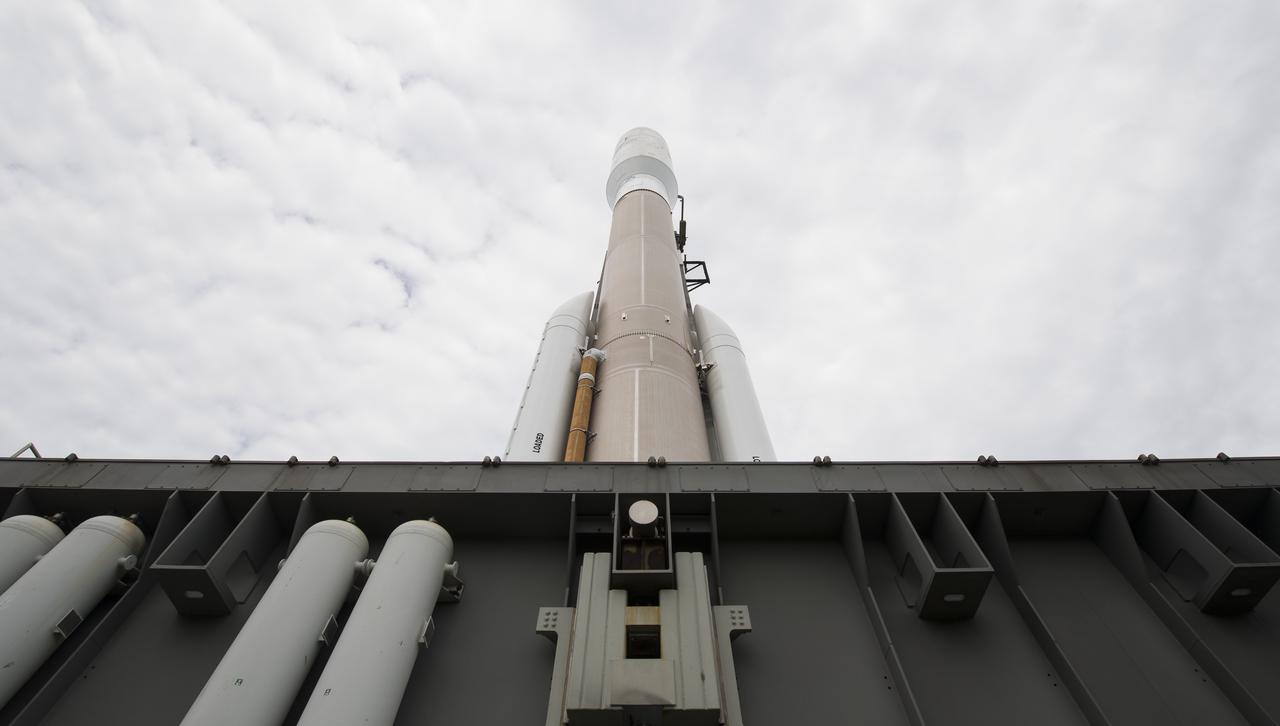
A United Launch Alliance Atlas V rocket with NASA’s Mars 2020 Perseverance rover onboard is seen as it is rolled out of the Vertical Integration Facility to the launch pad at Space Launch Complex 41, Tuesday, July 28, 2020, at Cape Canaveral Air Force Station in Florida. The Perseverance rover is part of NASA’s Mars Exploration Program, a long-term effort of robotic exploration of the Red Planet. Launch is scheduled for Thursday, July 30. Photo Credit: (NASA/Joel Kowsky)
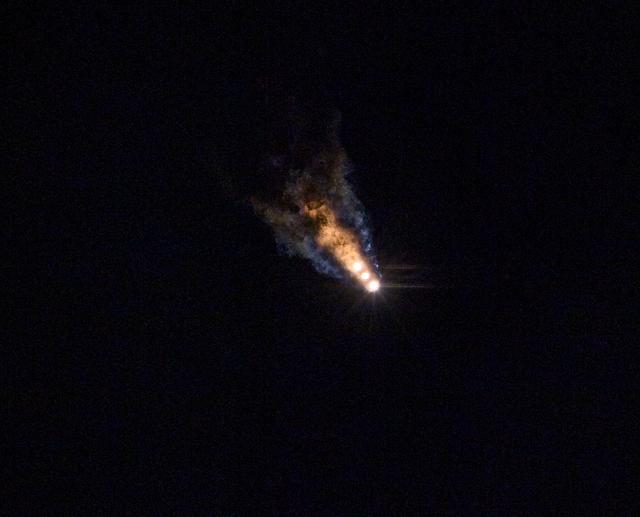
The United Launch Alliance Delta IV Heavy rocket launches NASA's Parker Solar Probe to touch the Sun, Sunday, Aug. 12, 2018 from Launch Complex 37 at Cape Canaveral Air Force Station, Florida. Parker Solar Probe is humanity’s first-ever mission into a part of the Sun’s atmosphere called the corona. Here it will directly explore solar processes that are key to understanding and forecasting space weather events that can impact life on Earth. Photo Credit: (NASA/Bill Ingalls)
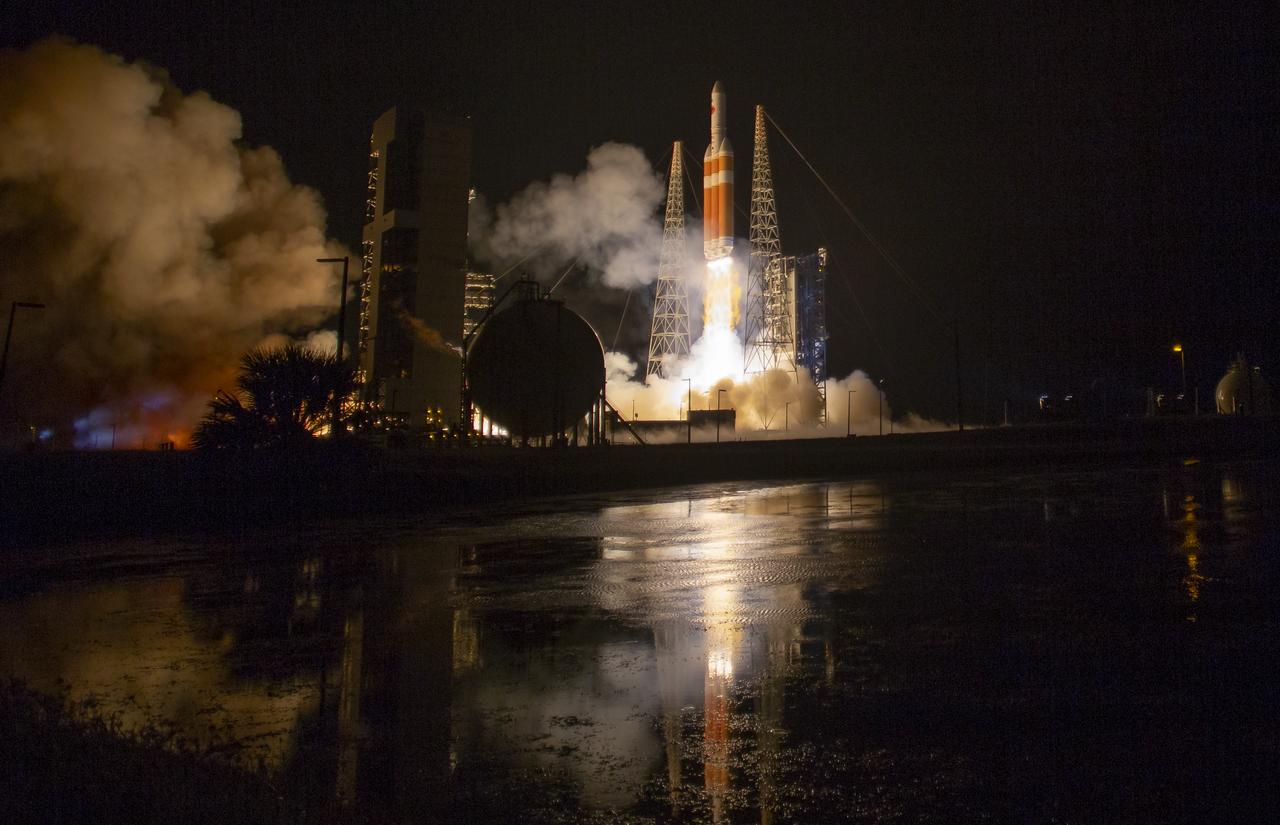
The United Launch Alliance Delta IV Heavy rocket launches NASA's Parker Solar Probe to touch the Sun, Sunday, Aug. 12, 2018 from Launch Complex 37 at Cape Canaveral Air Force Station, Florida. Parker Solar Probe is humanity’s first-ever mission into a part of the Sun’s atmosphere called the corona. Here it will directly explore solar processes that are key to understanding and forecasting space weather events that can impact life on Earth. Photo Credit: (NASA/Bill Ingalls)
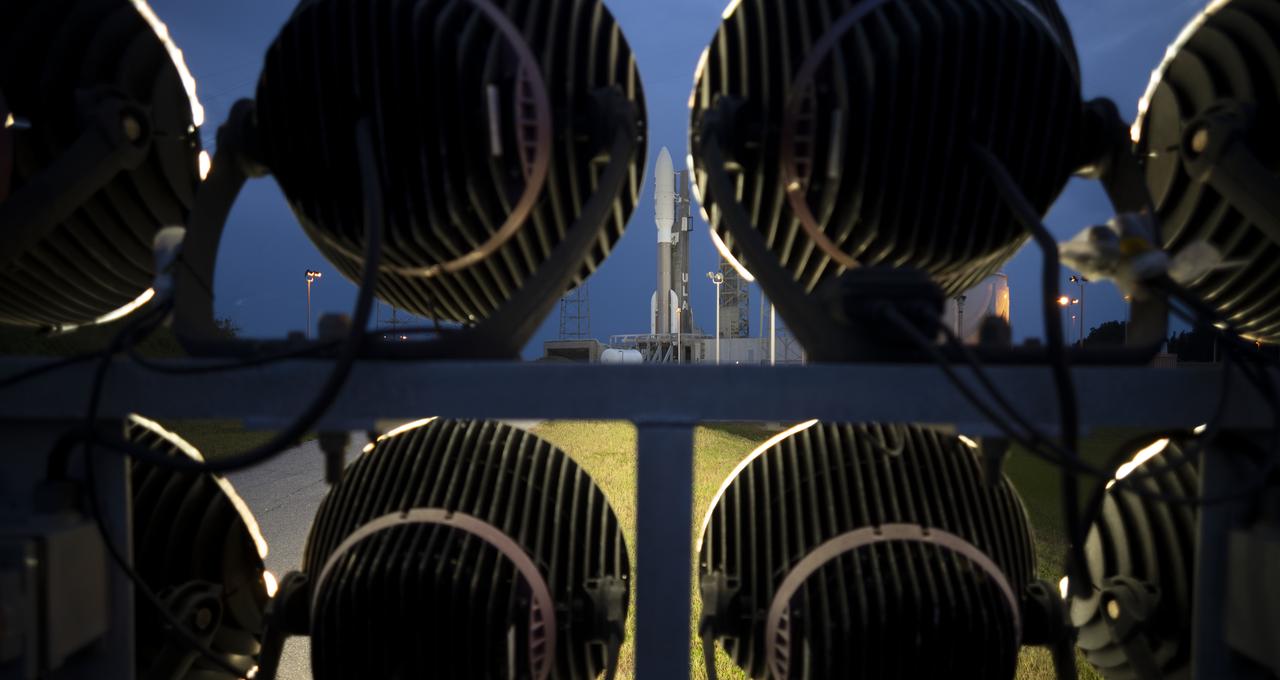
A United Launch Alliance Atlas V rocket with NASA’s Mars 2020 Perseverance rover onboard is seen illuminated by spotlights on the launch pad at Space Launch Complex 41, Wednesday, July 29, 2020, at Cape Canaveral Air Force Station in Florida. The Perseverance rover is part of NASA’s Mars Exploration Program, a long-term effort of robotic exploration of the Red Planet. Launch is scheduled for Thursday, July 30. Photo Credit: (NASA/Joel Kowsky)
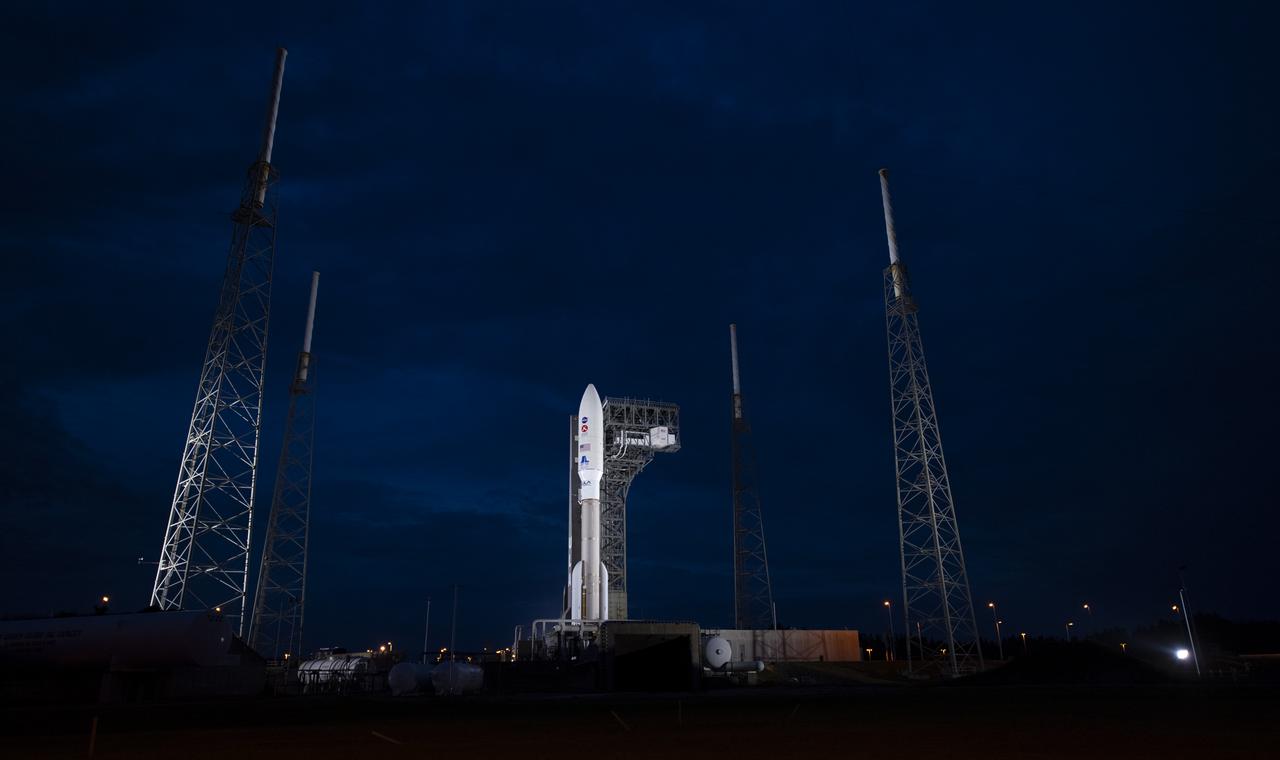
A United Launch Alliance Atlas V rocket with NASA’s Mars 2020 Perseverance rover onboard is seen illuminated by spotlights on the launch pad at Space Launch Complex 41, Tuesday, July 28, 2020, at Cape Canaveral Air Force Station in Florida. The Perseverance rover is part of NASA’s Mars Exploration Program, a long-term effort of robotic exploration of the Red Planet. Launch is scheduled for Thursday, July 30. Photo Credit: (NASA/Joel Kowsky)
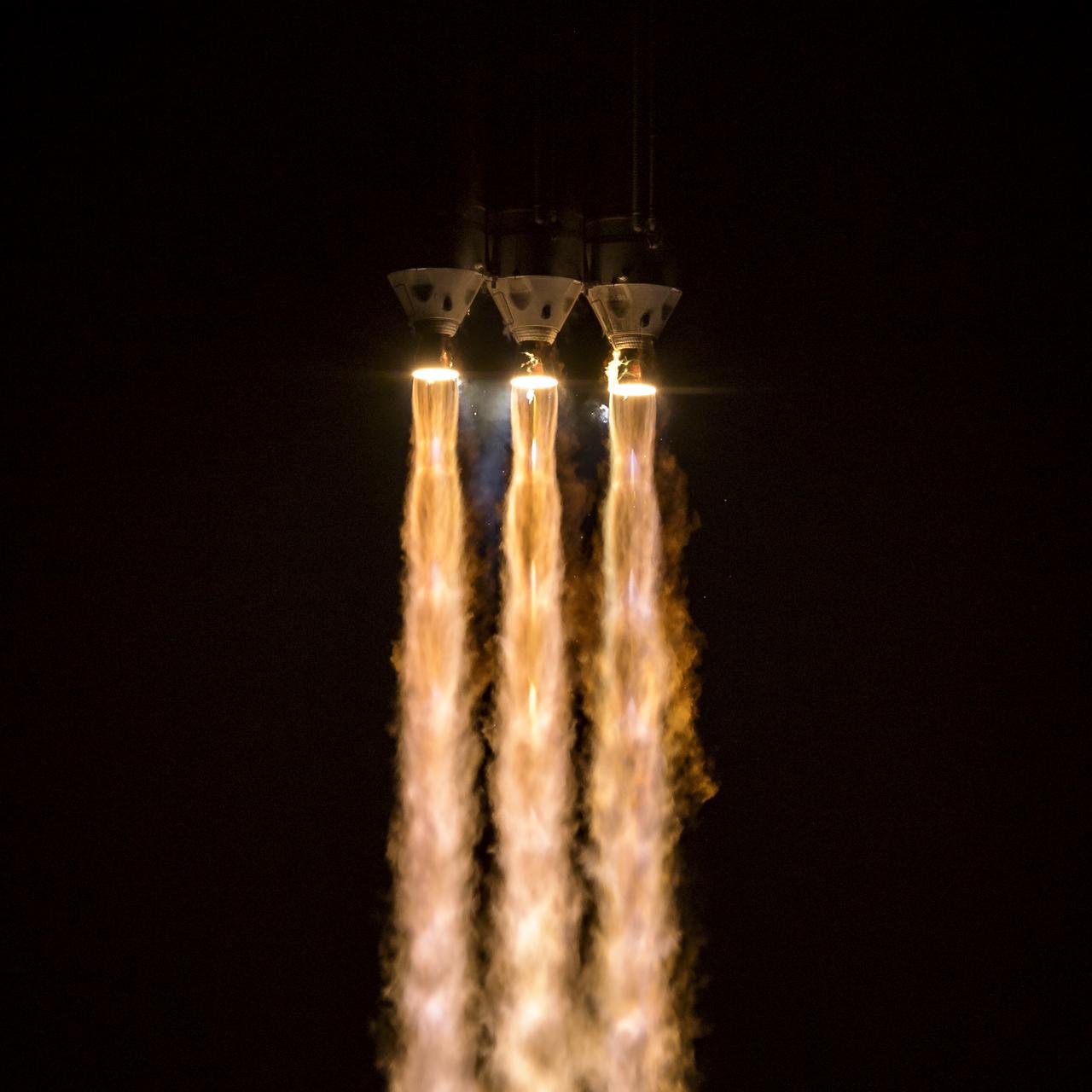
The United Launch Alliance Delta IV Heavy rocket launches NASA's Parker Solar Probe to touch the Sun, Sunday, Aug. 12, 2018 from Launch Complex 37 at Cape Canaveral Air Force Station, Florida. Parker Solar Probe is humanity’s first-ever mission into a part of the Sun’s atmosphere called the corona. Here it will directly explore solar processes that are key to understanding and forecasting space weather events that can impact life on Earth. Photo Credit: (NASA/Bill Ingalls)
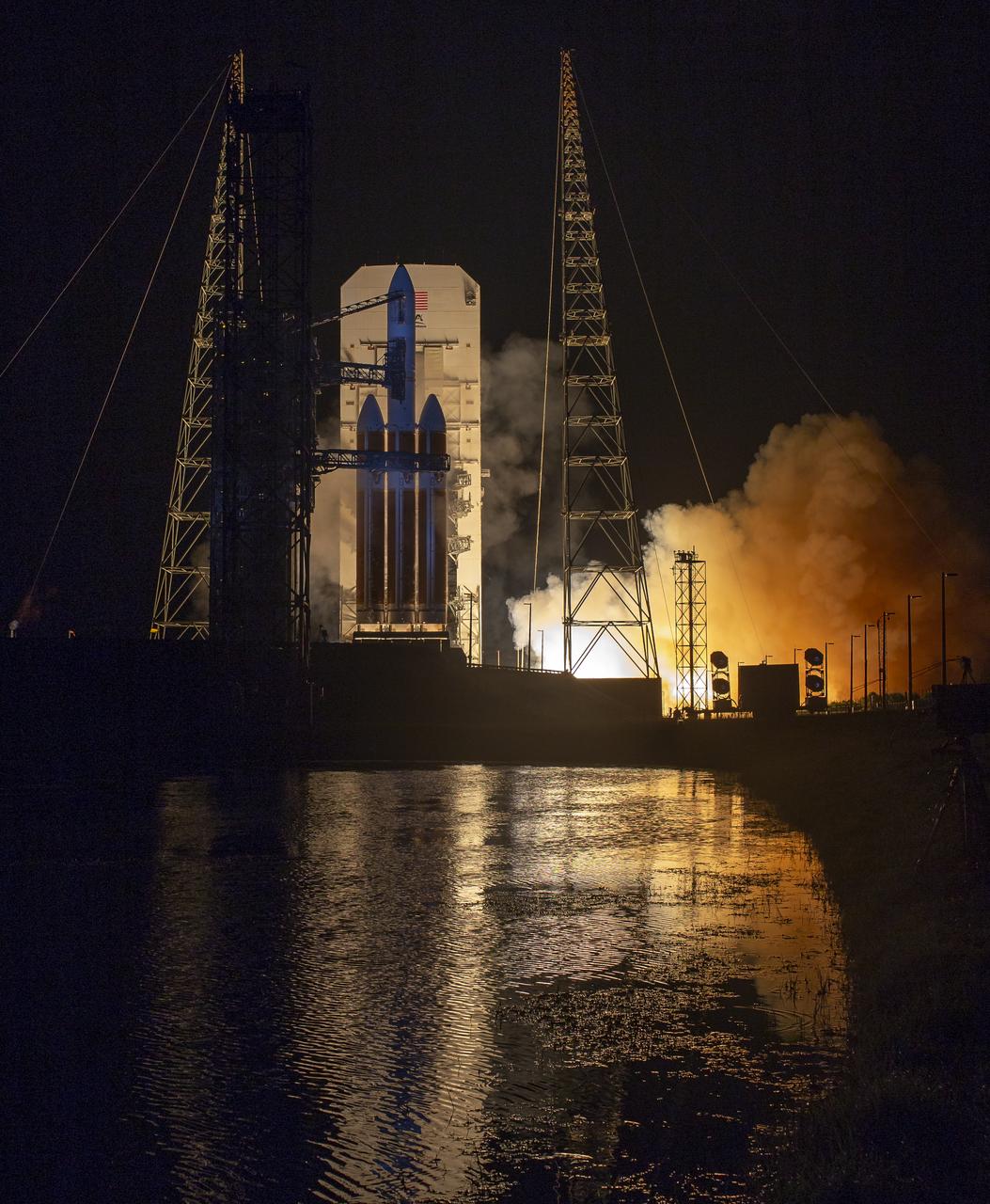
The United Launch Alliance Delta IV Heavy rocket launches NASA's Parker Solar Probe to touch the Sun, Sunday, Aug. 12, 2018 from Launch Complex 37 at Cape Canaveral Air Force Station, Florida. Parker Solar Probe is humanity’s first-ever mission into a part of the Sun’s atmosphere called the corona. Here it will directly explore solar processes that are key to understanding and forecasting space weather events that can impact life on Earth. Photo Credit: (NASA/Bill Ingalls)
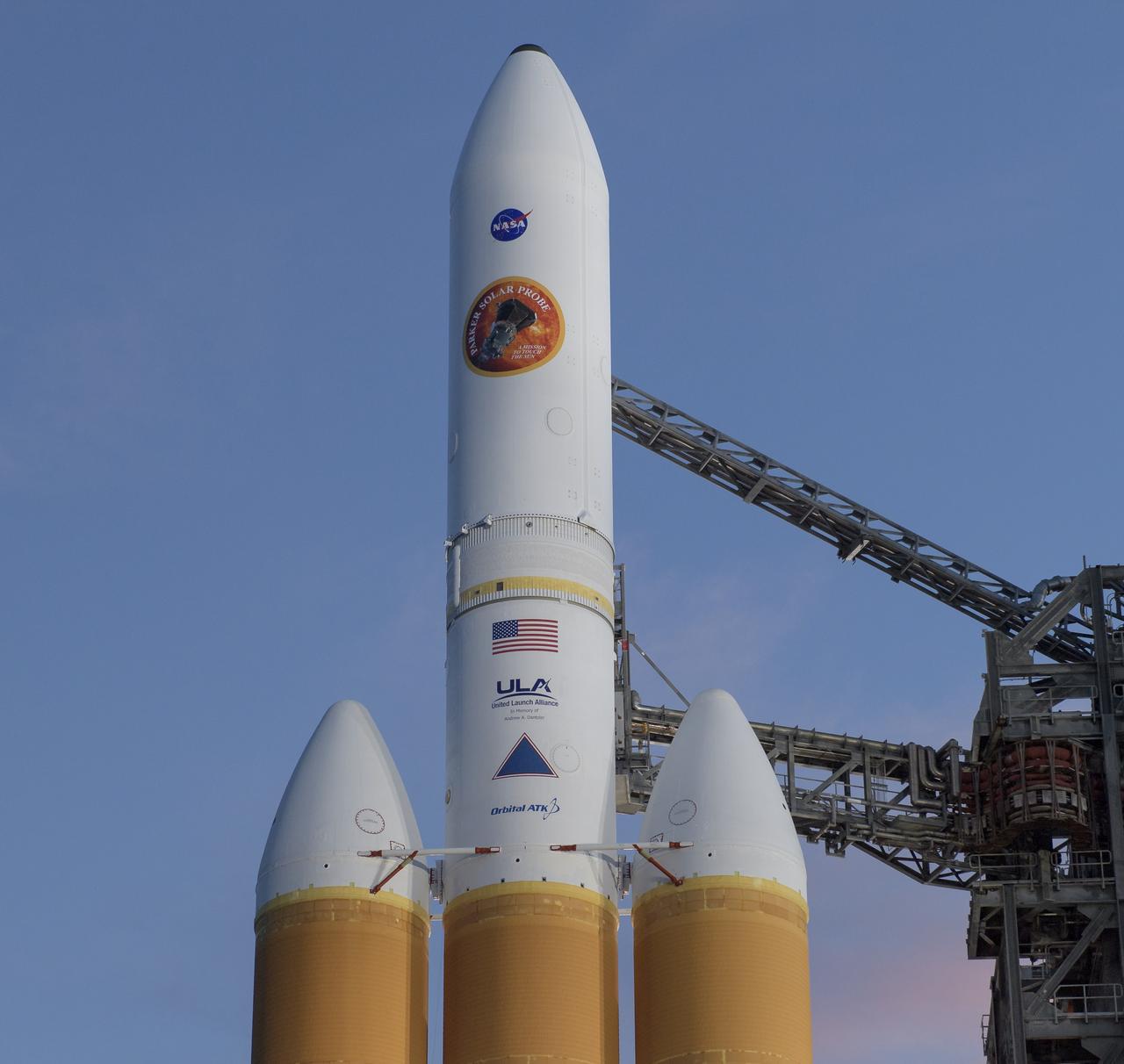
The Mobile Service Tower is rolled back to reveal the United Launch Alliance Delta IV Heavy rocket with the Parker Solar Probe onboard, Friday, Aug. 10, 2018, Launch Complex 37 at Cape Canaveral Air Force Station in Florida. Parker Solar Probe is humanity’s first-ever mission into a part of the Sun’s atmosphere called the corona. Here it will directly explore solar processes that are key to understanding and forecasting space weather events that can impact life on Earth. Photo Credit: (NASA/Bill Ingalls)
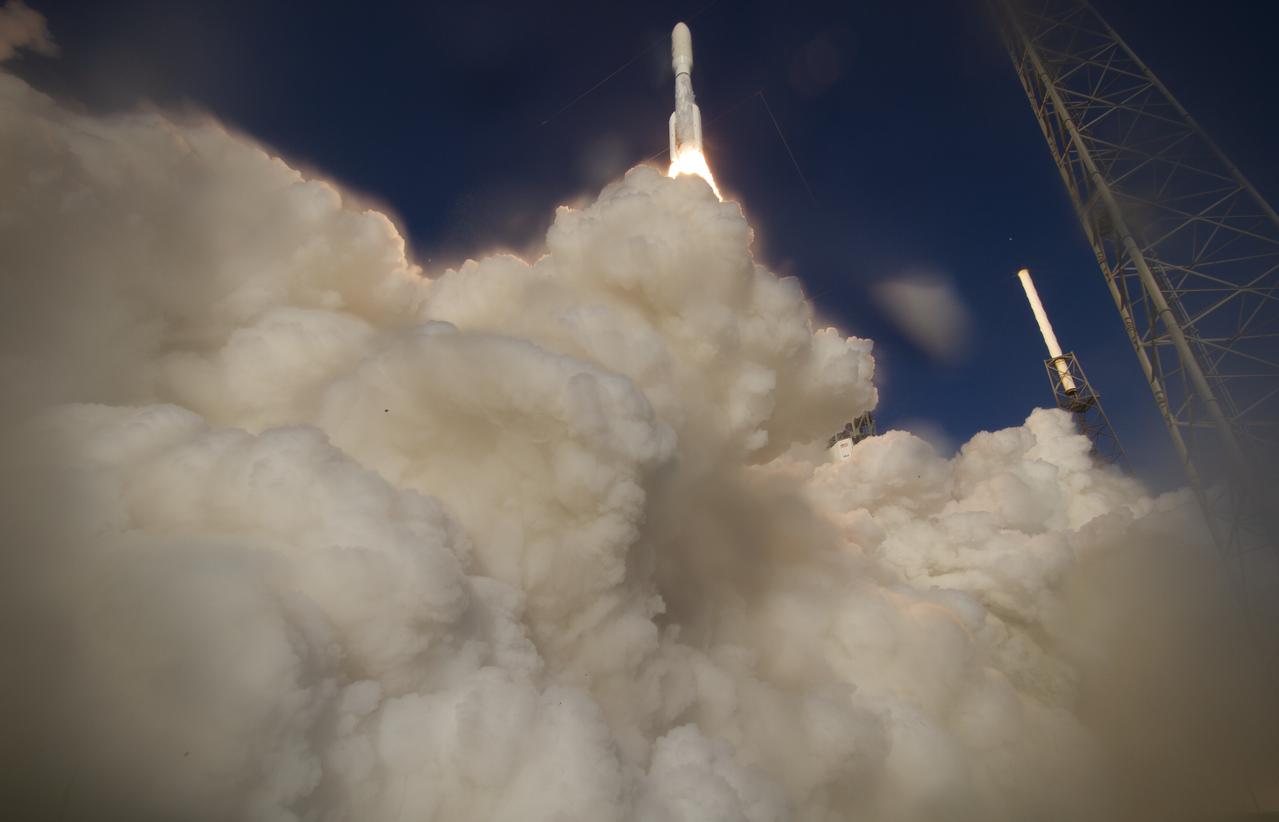
A United Launch Alliance Atlas V rocket with NASA’s Mars 2020 Perseverance rover onboard launches from Space Launch Complex 41, Thursday, July 30, 2020, at Cape Canaveral Air Force Station in Florida. The Perseverance rover is part of NASA’s Mars Exploration Program, a long-term effort of robotic exploration of the Red Planet. Photo Credit: (NASA/Joel Kowsky)
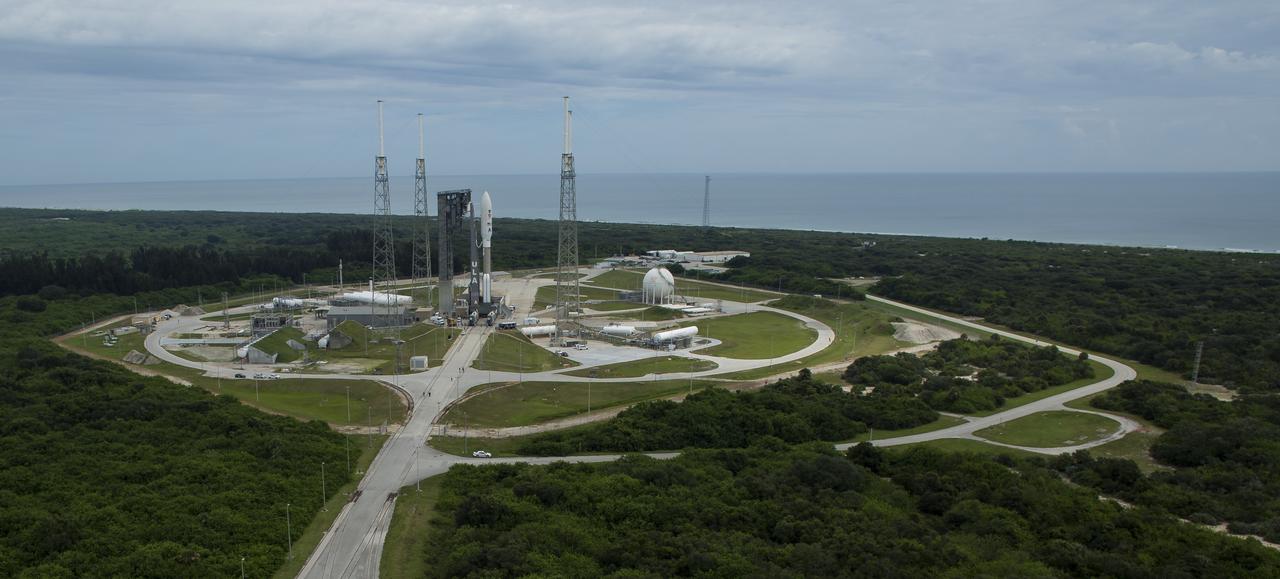
A United Launch Alliance Atlas V rocket with NASA’s Mars 2020 Perseverance rover onboard is seen on the launch pad at Space Launch Complex 41 after being rolled out of the Vertical Integration Facility, Tuesday, July 28, 2020, at Cape Canaveral Air Force Station in Florida. The Perseverance rover is part of NASA’s Mars Exploration Program, a long-term effort of robotic exploration of the Red Planet. Launch is scheduled for Thursday, July 30. Photo Credit: (NASA/Joel Kowsky)
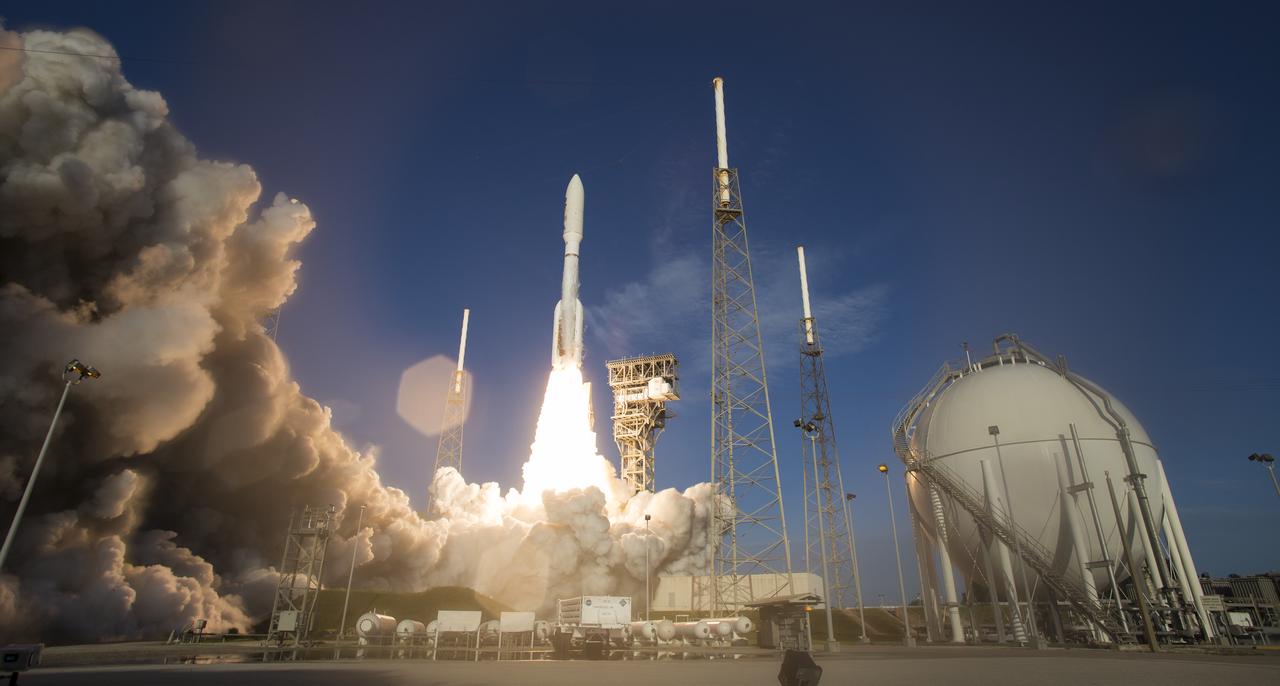
A United Launch Alliance Atlas V rocket with NASA’s Mars 2020 Perseverance rover onboard launches from Space Launch Complex 41, Thursday, July 30, 2020, at Cape Canaveral Air Force Station in Florida. The Perseverance rover is part of NASA’s Mars Exploration Program, a long-term effort of robotic exploration of the Red Planet. Photo Credit: (NASA/Joel Kowsky)
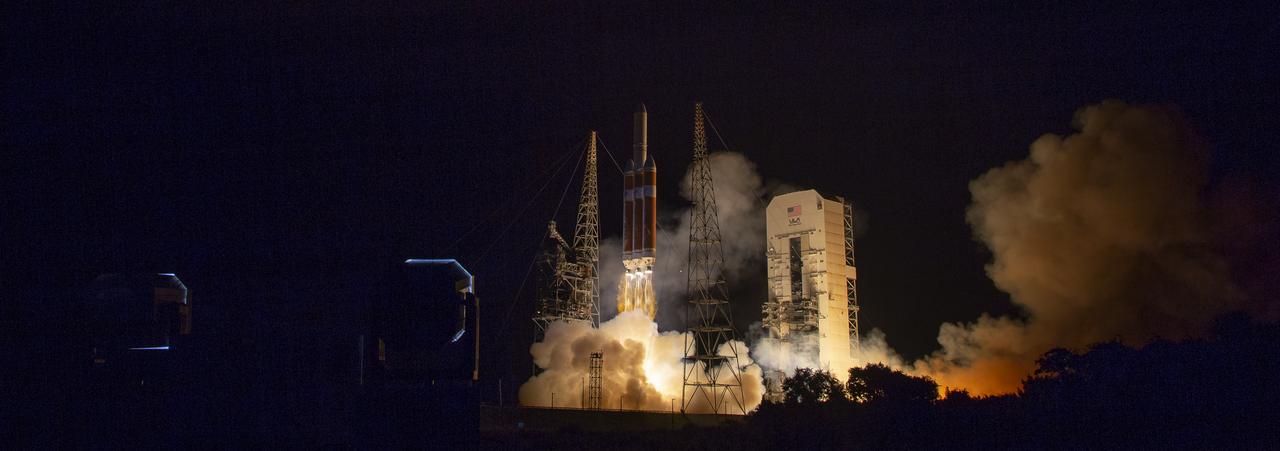
The United Launch Alliance Delta IV Heavy rocket launches NASA's Parker Solar Probe to touch the Sun, Sunday, Aug. 12, 2018 from Launch Complex 37 at Cape Canaveral Air Force Station, Florida. Parker Solar Probe is humanity’s first-ever mission into a part of the Sun’s atmosphere called the corona. Here it will directly explore solar processes that are key to understanding and forecasting space weather events that can impact life on Earth. Photo Credit: (NASA/Bill Ingalls)
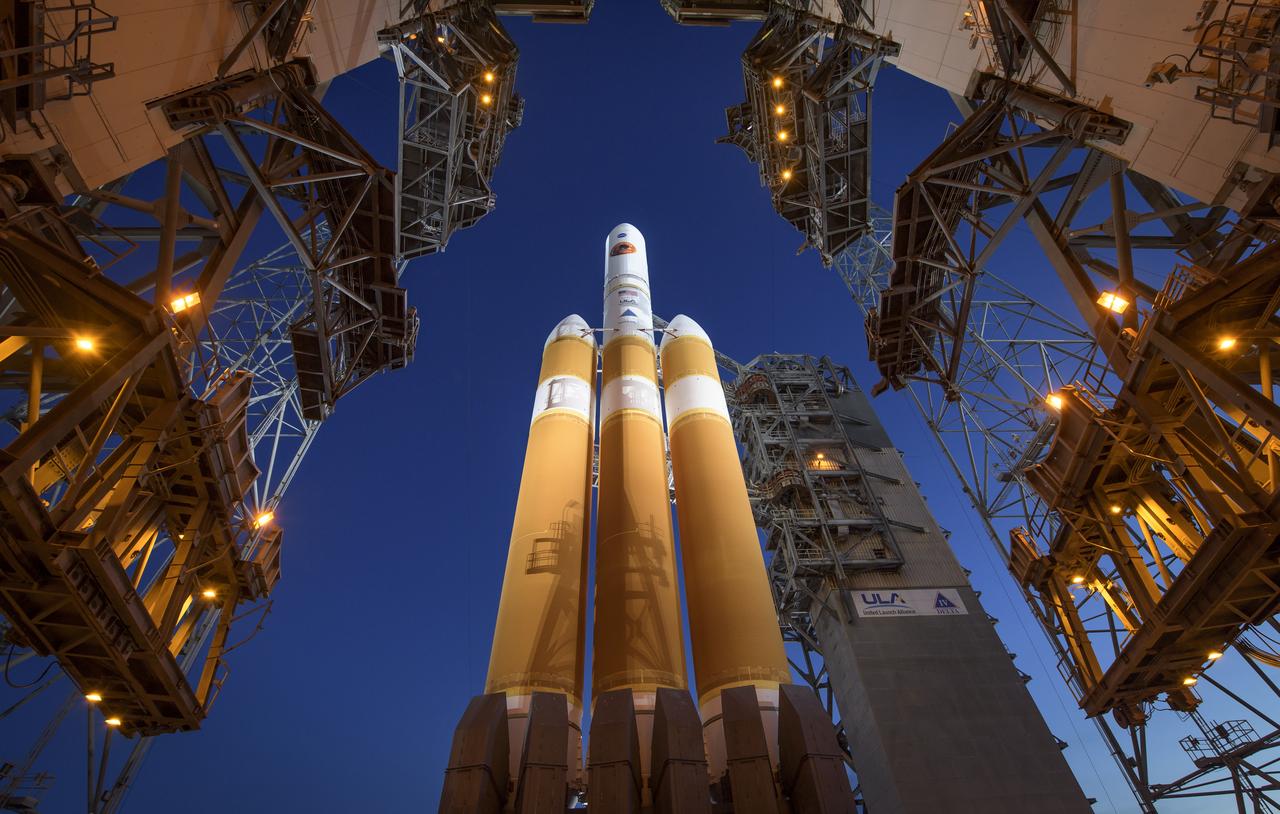
The Mobile Service Tower is rolled back to reveal the United Launch Alliance Delta IV Heavy rocket with the Parker Solar Probe onboard, Saturday, Aug. 11, 2018, Launch Complex 37 at Cape Canaveral Air Force Station in Florida. Parker Solar Probe is humanity’s first-ever mission into a part of the Sun’s atmosphere called the corona. Here it will directly explore solar processes that are key to understanding and forecasting space weather events that can impact life on Earth. Photo Credit: (NASA/Bill Ingalls)
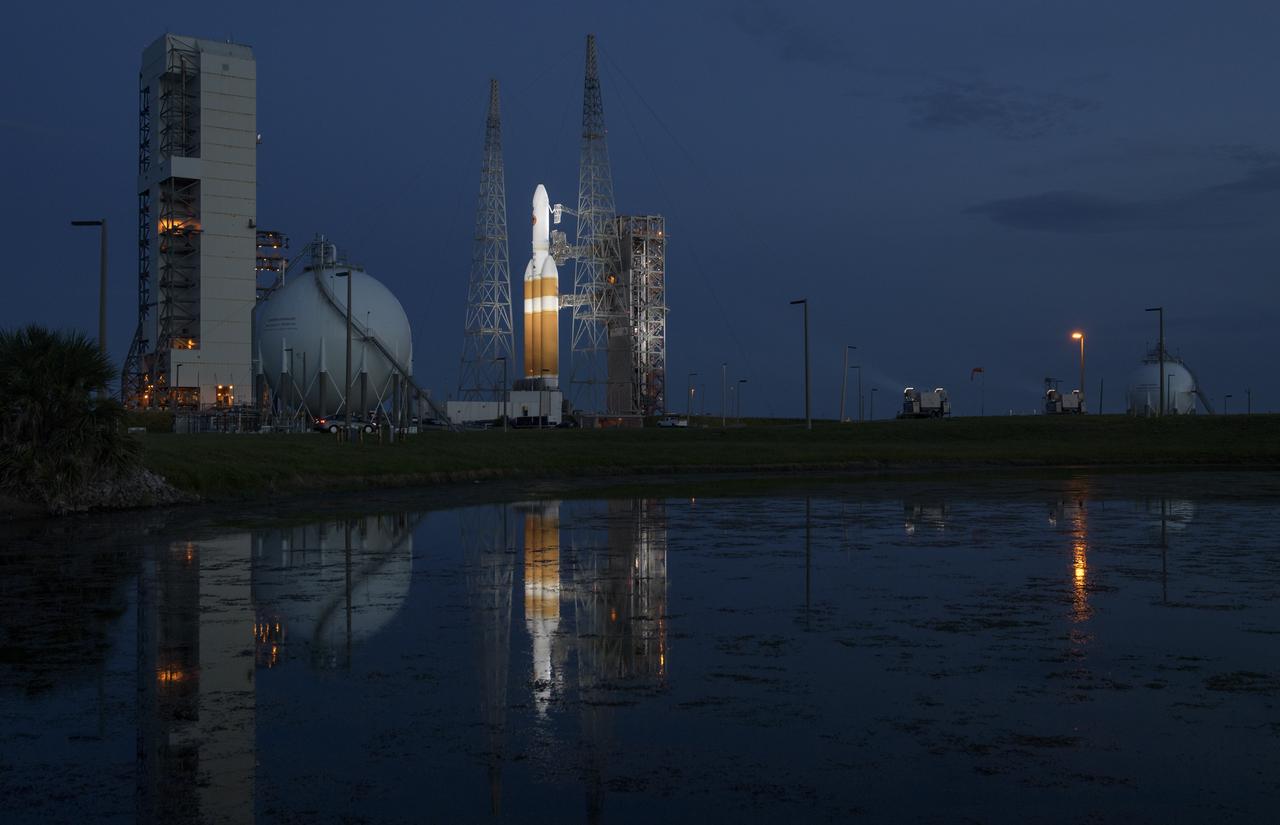
The United Launch Alliance Delta IV Heavy rocket with the Parker Solar Probe onboard is seen shortly after the Mobile Service Tower was rolled back, Friday, Aug. 10, 2018, Launch Complex 37 at Cape Canaveral Air Force Station in Florida. Parker Solar Probe is humanity’s first-ever mission into a part of the Sun’s atmosphere called the corona. Here it will directly explore solar processes that are key to understanding and forecasting space weather events that can impact life on Earth. Photo Credit: (NASA/Bill Ingalls)
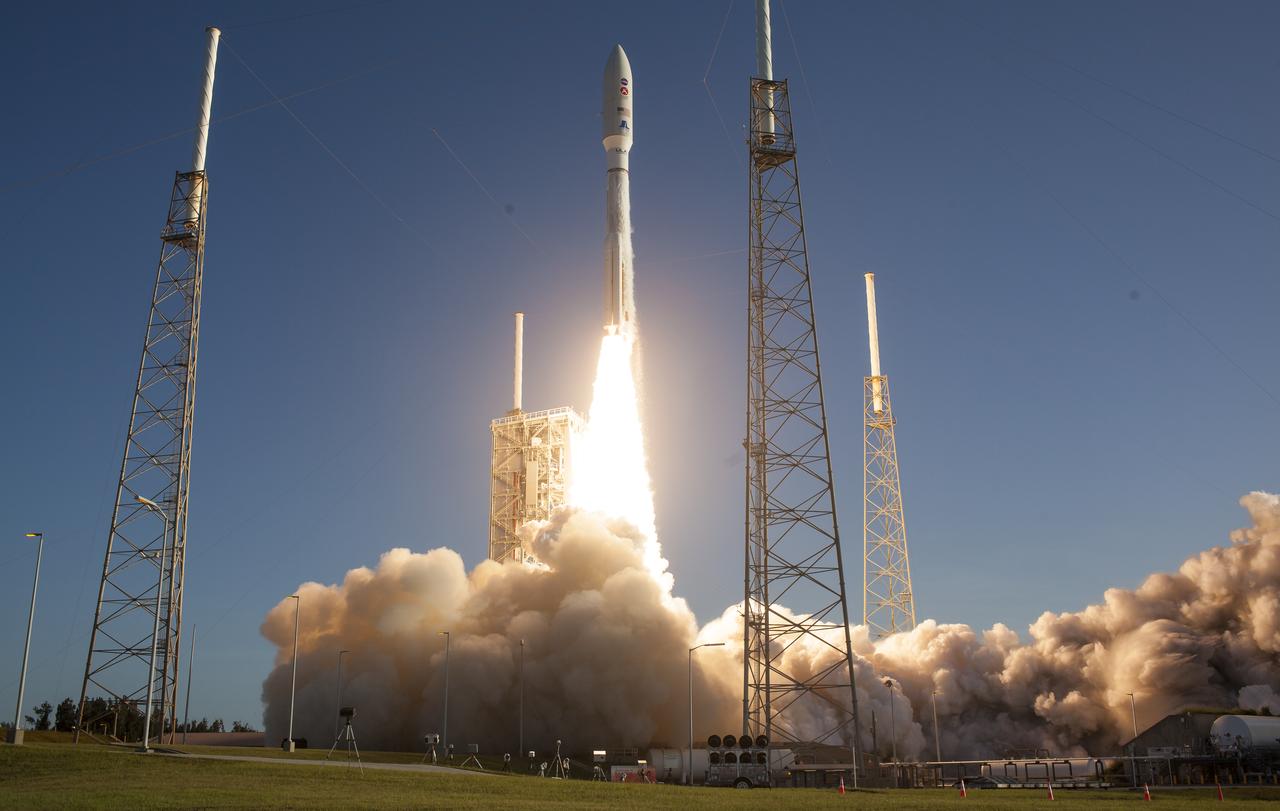
A United Launch Alliance Atlas V rocket with NASA’s Mars 2020 Perseverance rover onboard launches from Space Launch Complex 41, Thursday, July 30, 2020, at Cape Canaveral Air Force Station in Florida. The Perseverance rover is part of NASA’s Mars Exploration Program, a long-term effort of robotic exploration of the Red Planet. Photo Credit: (NASA/Joel Kowsky)
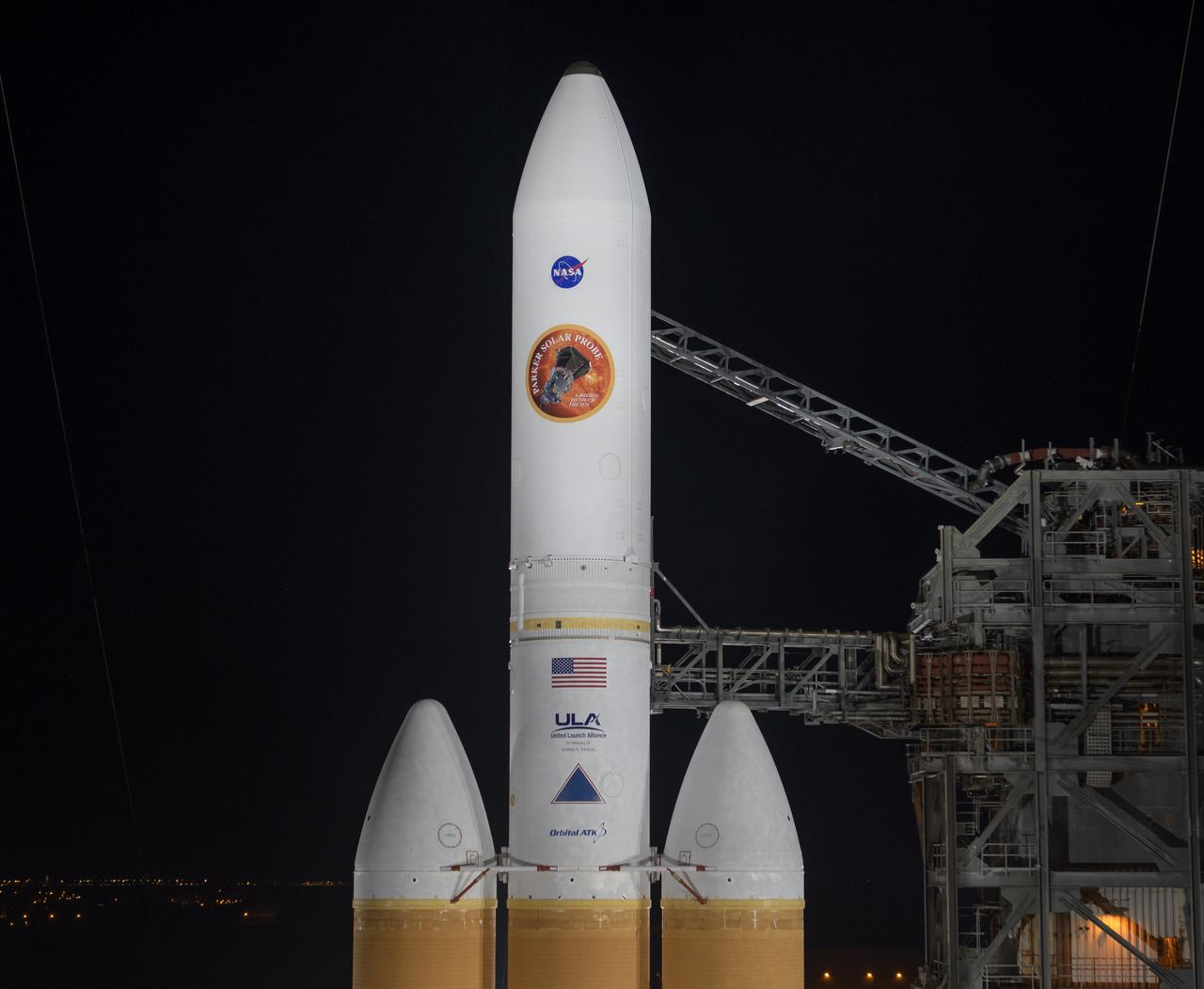
The Mobile Service Tower is rolled back to reveal the United Launch Alliance Delta IV Heavy rocket with the Parker Solar Probe onboard, Saturday, Aug. 11, 2018, Launch Complex 37 at Cape Canaveral Air Force Station in Florida. Parker Solar Probe is humanity’s first-ever mission into a part of the Sun’s atmosphere called the corona. Here it will directly explore solar processes that are key to understanding and forecasting space weather events that can impact life on Earth. Photo Credit: (NASA/Bill Ingalls)
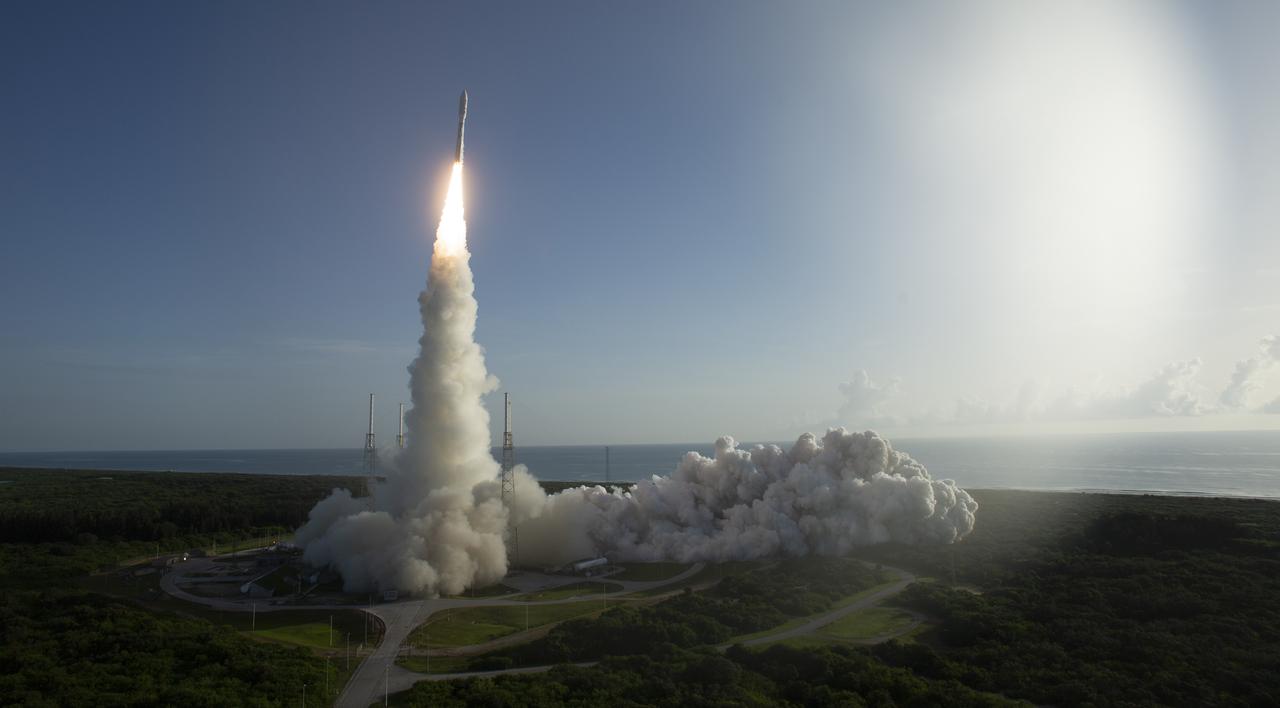
A United Launch Alliance Atlas V rocket with NASA’s Mars 2020 Perseverance rover onboard launches from Space Launch Complex 41, Thursday, July 30, 2020, at Cape Canaveral Air Force Station in Florida. The Perseverance rover is part of NASA’s Mars Exploration Program, a long-term effort of robotic exploration of the Red Planet. Photo Credit: (NASA/Joel Kowsky)
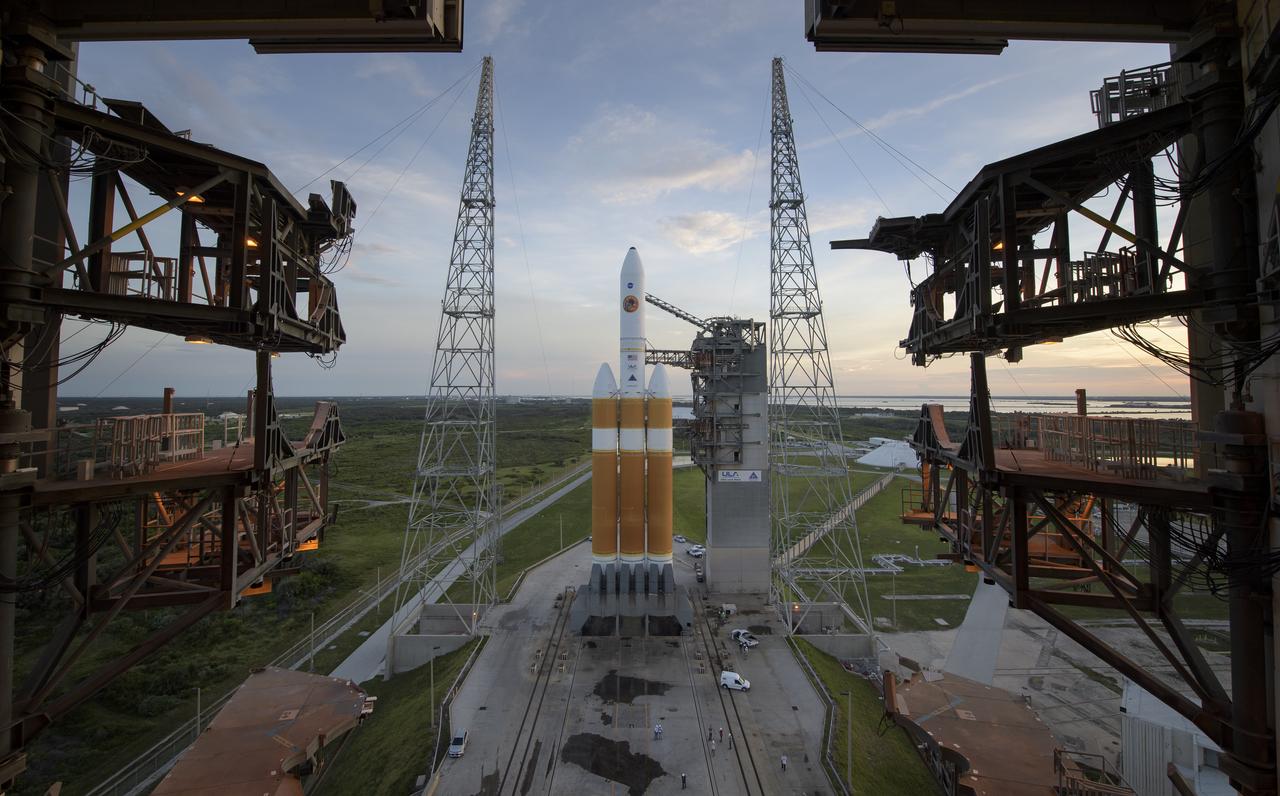
The United Launch Alliance Delta IV Heavy rocket with the Parker Solar Probe onboard is seen shortly after the Mobile Service Tower was rolled back, Friday, Aug. 10, 2018, Launch Complex 37 at Cape Canaveral Air Force Station in Florida. Parker Solar Probe is humanity’s first-ever mission into a part of the Sun’s atmosphere called the corona. Here it will directly explore solar processes that are key to understanding and forecasting space weather events that can impact life on Earth. Photo Credit: (NASA/Bill Ingalls)
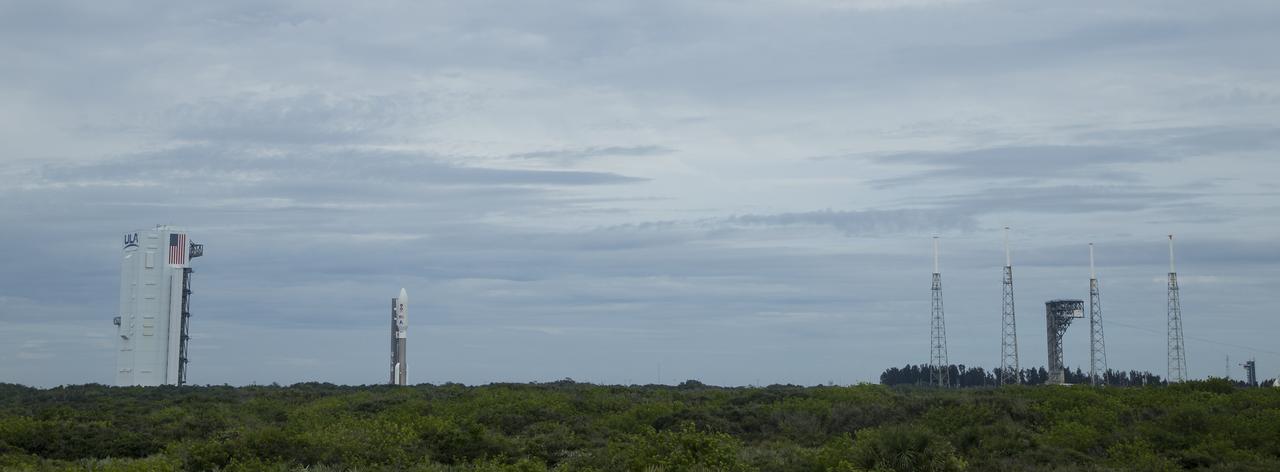
A United Launch Alliance Atlas V rocket with NASA’s Mars 2020 Perseverance rover onboard is seen as it is rolled out of the Vertical Integration Facility to the launch pad at Space Launch Complex 41, Tuesday, July 28, 2020, at Cape Canaveral Air Force Station in Florida. The Perseverance rover is part of NASA’s Mars Exploration Program, a long-term effort of robotic exploration of the Red Planet. Launch is scheduled for Thursday, July 30. Photo Credit: (NASA/Joel Kowsky)
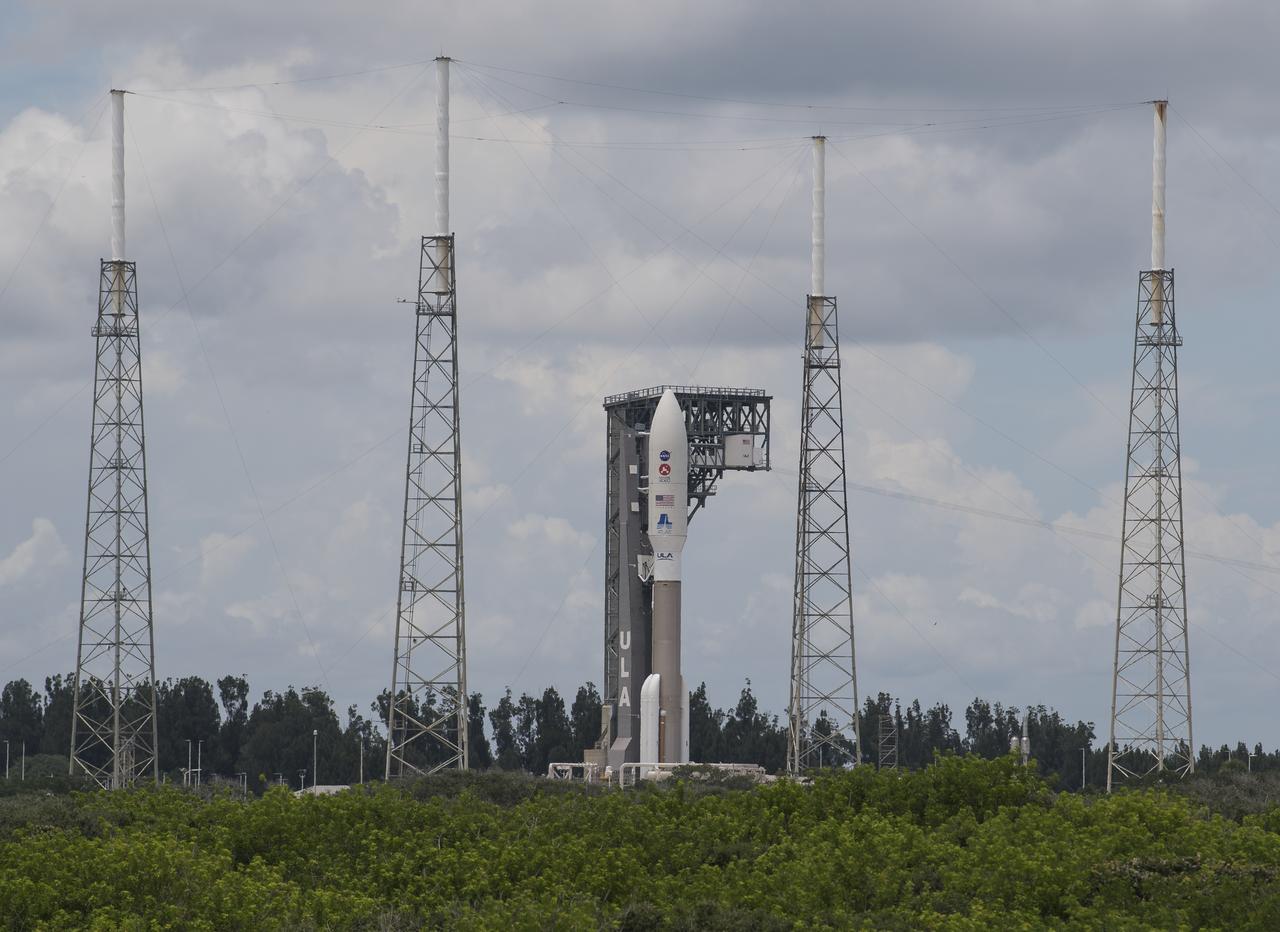
A United Launch Alliance Atlas V rocket with NASA’s Mars 2020 Perseverance rover onboard is seen on the launch pad at Space Launch Complex 41, Tuesday, July 28, 2020, at Cape Canaveral Air Force Station in Florida. The Perseverance rover is part of NASA’s Mars Exploration Program, a long-term effort of robotic exploration of the Red Planet. Launch is scheduled for Thursday, July 30. Photo Credit: (NASA/Joel Kowsky)
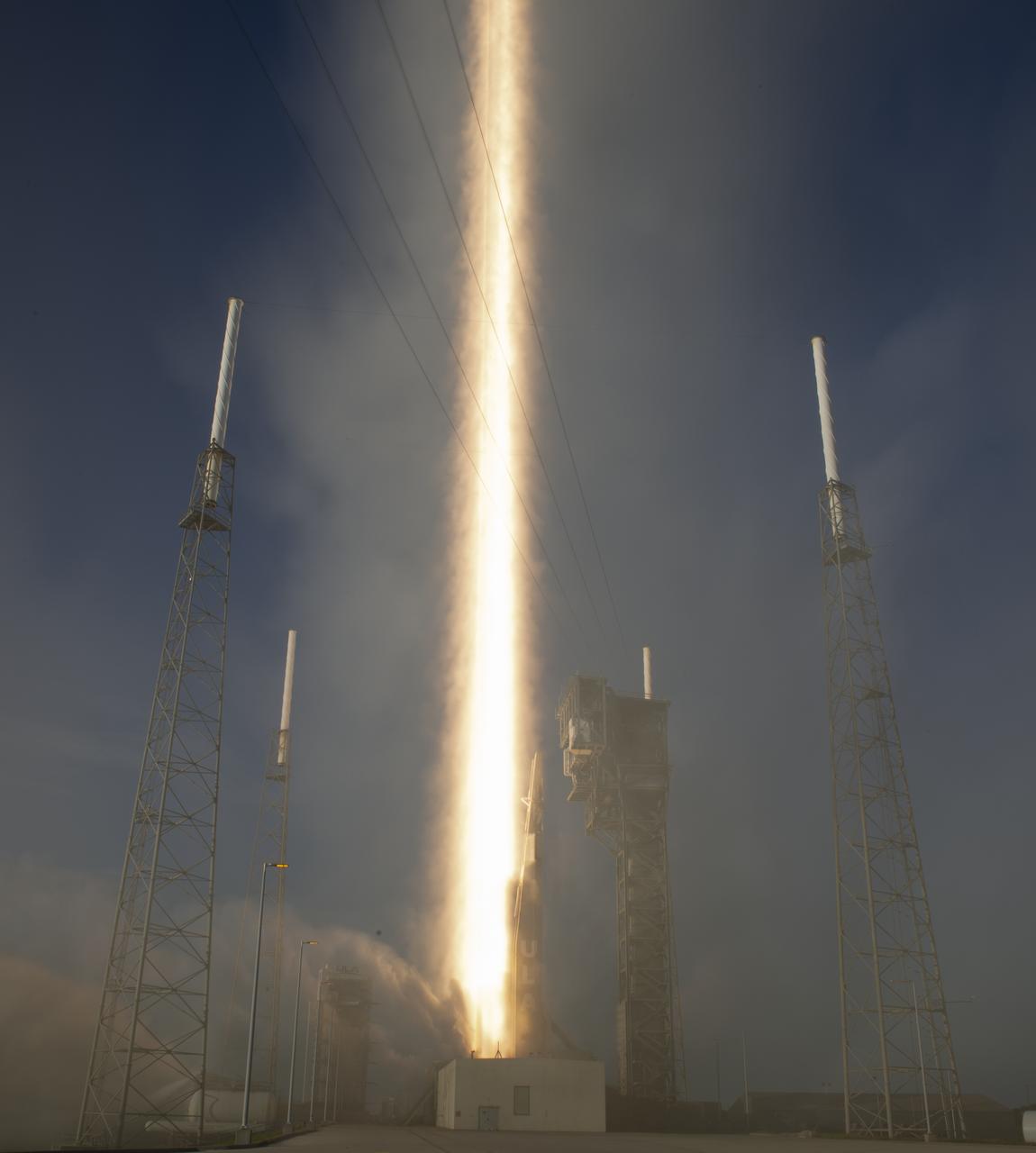
In this twenty second exposure, a United Launch Alliance Atlas V rocket with NASA’s Mars 2020 Perseverance rover onboard is seen as it launches from Space Launch Complex 41, Thursday, July 30, 2020, at Cape Canaveral Air Force Station in Florida. The Perseverance rover is part of NASA’s Mars Exploration Program, a long-term effort of robotic exploration of the Red Planet. Photo Credit: (NASA/Joel Kowsky)
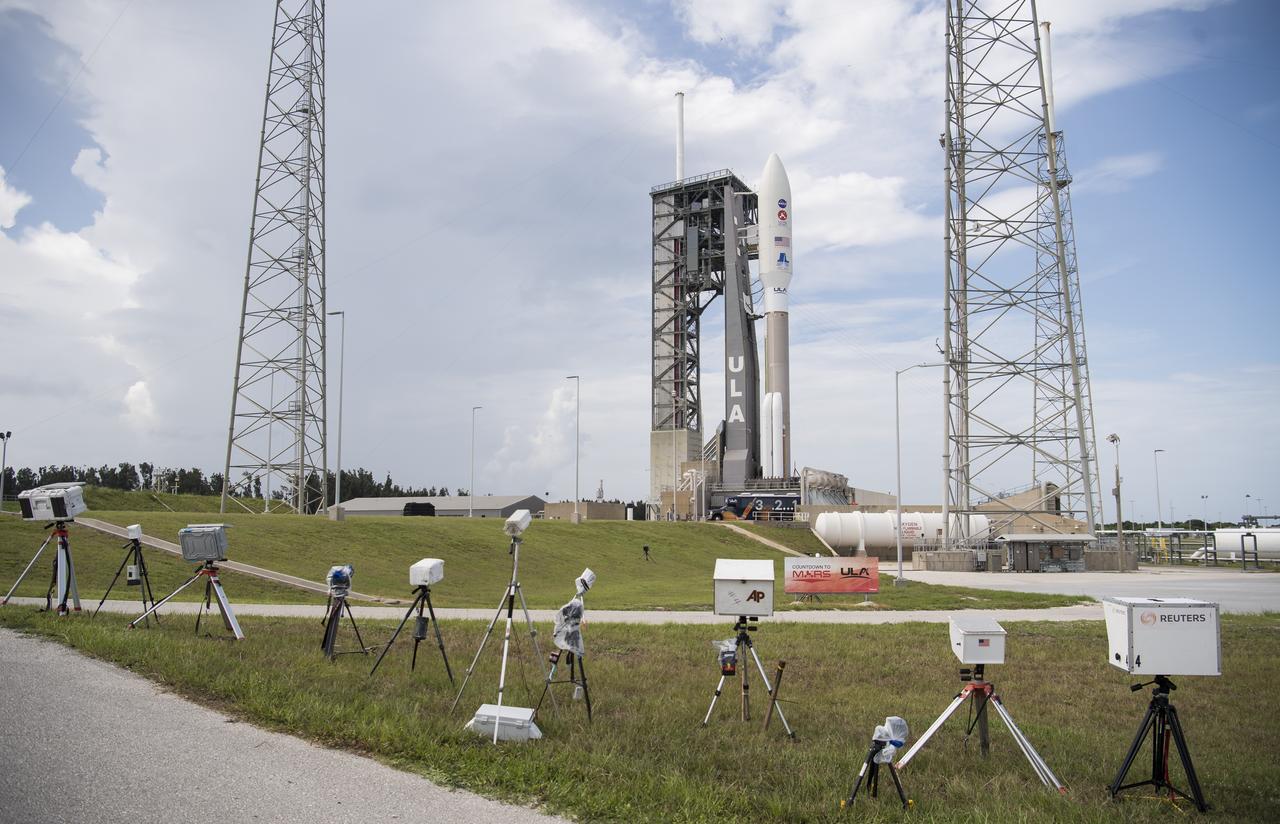
Remote cameras setup to capture the launch of a United Launch Alliance Atlas V rocket with NASA’s Mars 2020 Perseverance rover onboard are seen on the launch pad at Space Launch Complex 41, Wednesday, July 29, 2020, as preparations continue for a planned launch on July 30 at Cape Canaveral Air Force Station in Florida. The Perseverance rover is part of NASA’s Mars Exploration Program, a long-term effort of robotic exploration of the Red Planet. Photo Credit: (NASA/Joel Kowsky)
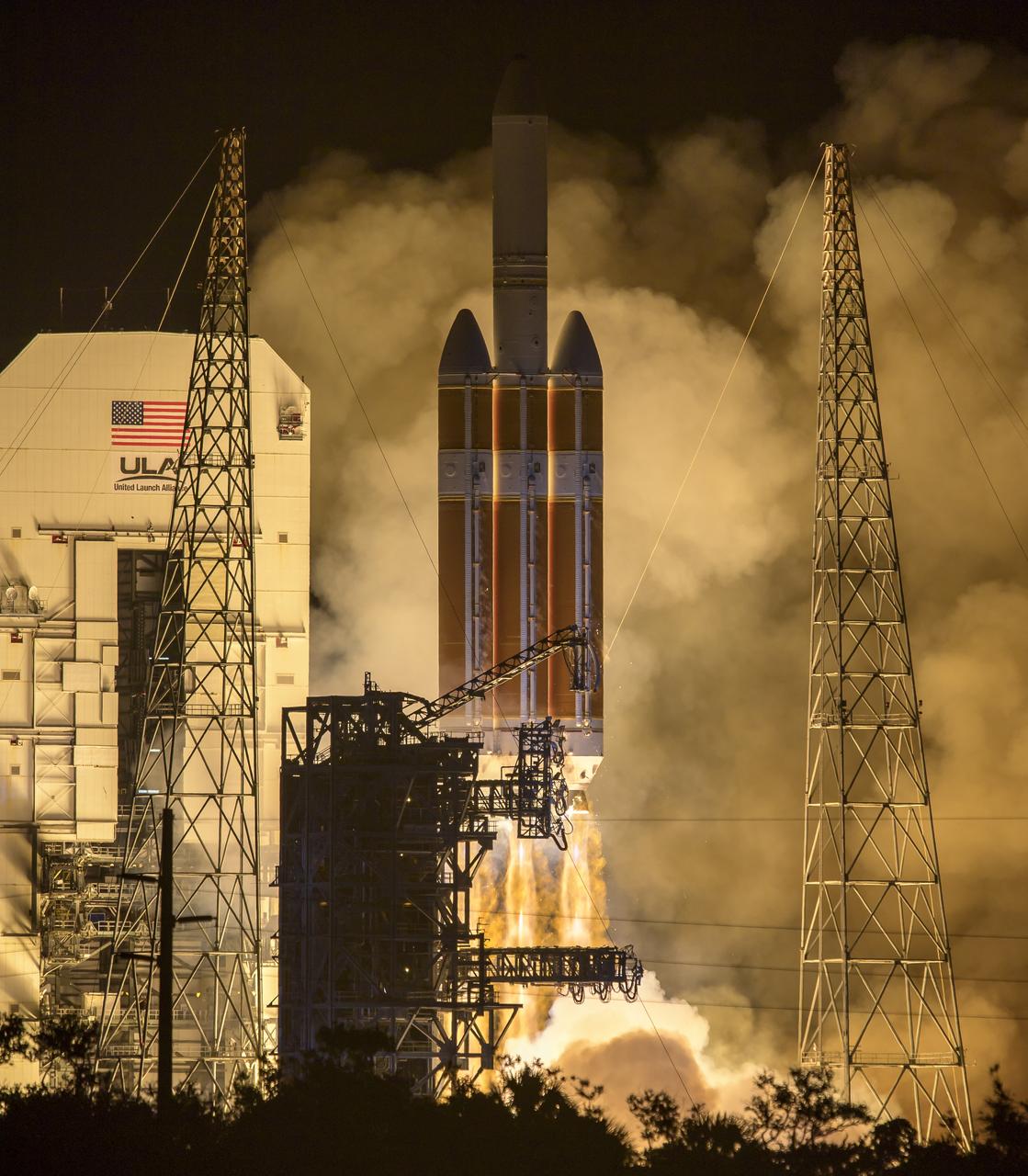
The United Launch Alliance Delta IV Heavy rocket launches NASA's Parker Solar Probe to touch the Sun, Sunday, Aug. 12, 2018 from Launch Complex 37 at Cape Canaveral Air Force Station, Florida. Parker Solar Probe is humanity’s first-ever mission into a part of the Sun’s atmosphere called the corona. Here it will directly explore solar processes that are key to understanding and forecasting space weather events that can impact life on Earth. Photo Credit: (NASA/Bill Ingalls)
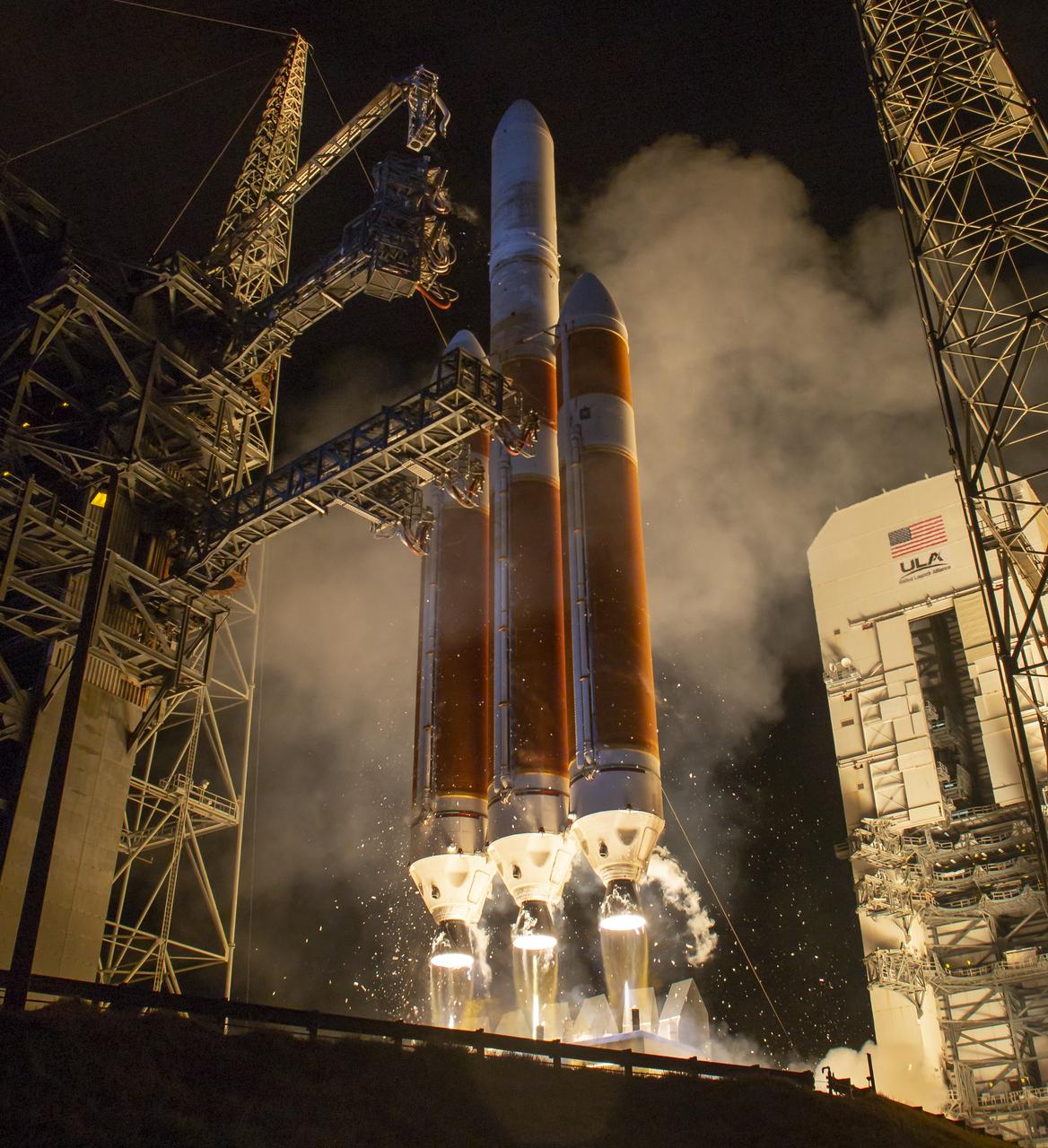
The United Launch Alliance Delta IV Heavy rocket launches NASA's Parker Solar Probe to touch the Sun, Sunday, Aug. 12, 2018 from Launch Complex 37 at Cape Canaveral Air Force Station, Florida. Parker Solar Probe is humanity’s first-ever mission into a part of the Sun’s atmosphere called the corona. Here it will directly explore solar processes that are key to understanding and forecasting space weather events that can impact life on Earth. Photo Credit: (NASA/Bill Ingalls)
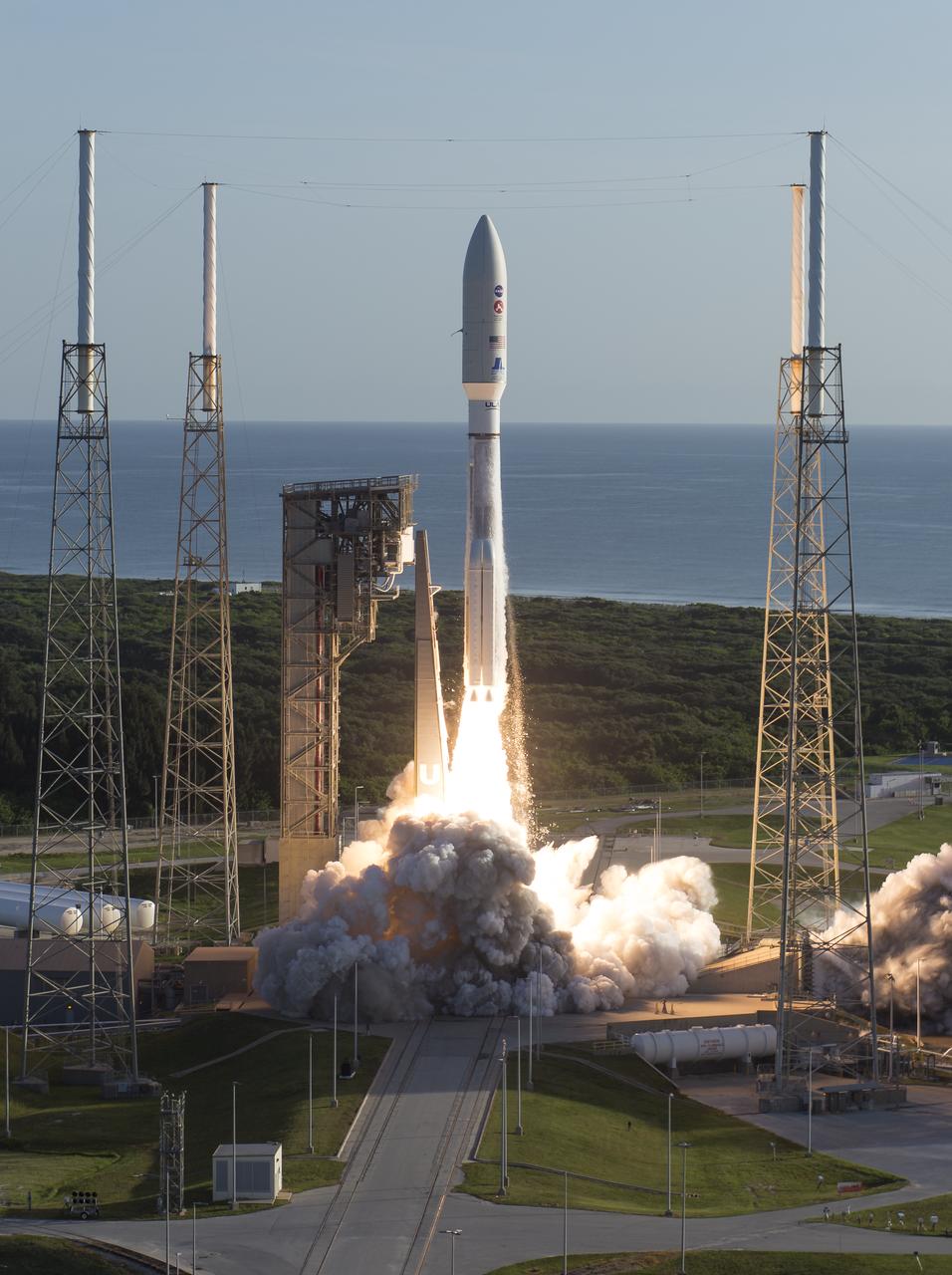
A United Launch Alliance Atlas V rocket with NASA’s Mars 2020 Perseverance rover onboard launches from Space Launch Complex 41, Thursday, July 30, 2020, at Cape Canaveral Air Force Station in Florida. The Perseverance rover is part of NASA’s Mars Exploration Program, a long-term effort of robotic exploration of the Red Planet. Photo Credit: (NASA/Joel Kowsky)
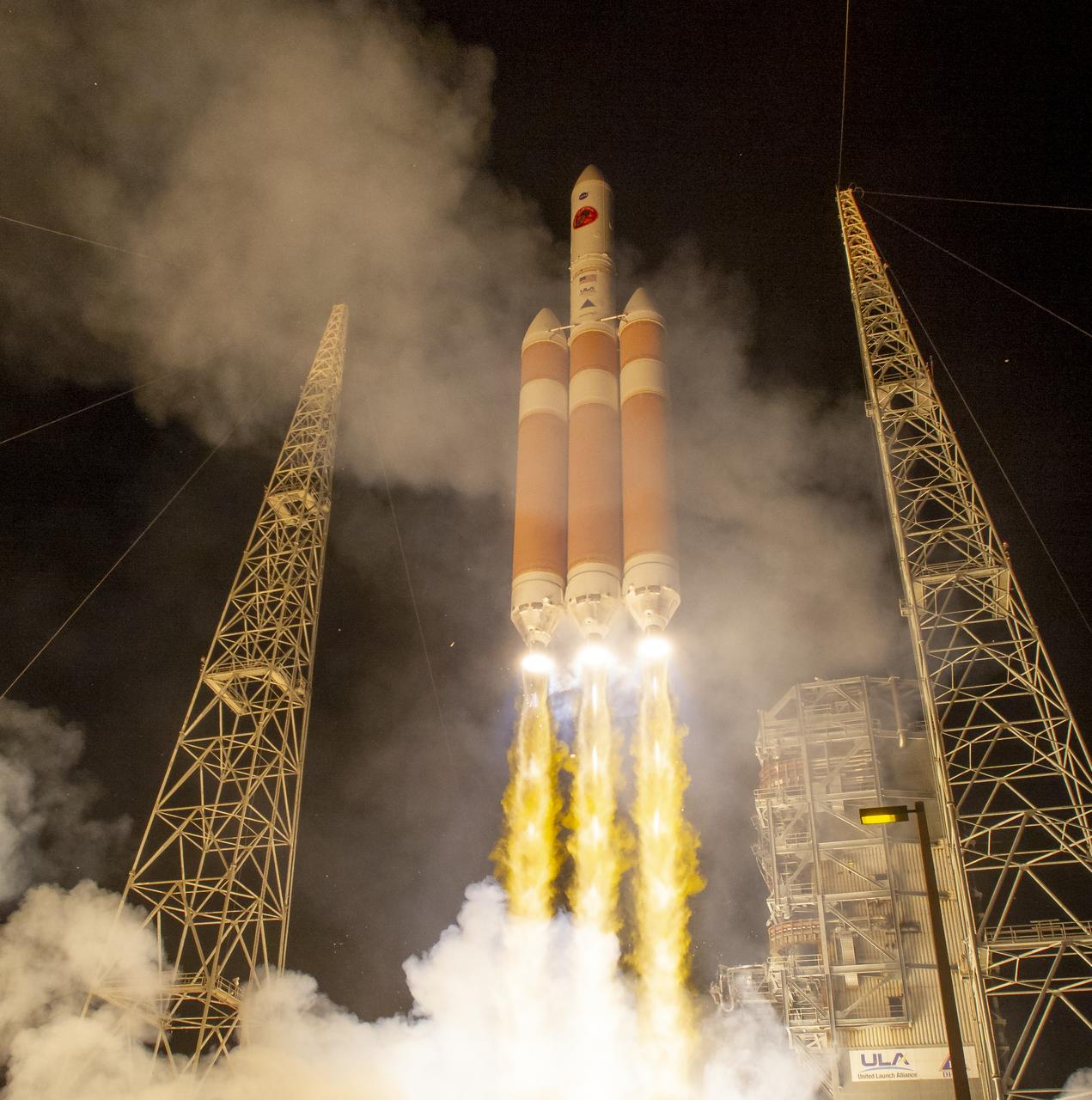
The United Launch Alliance Delta IV Heavy rocket launches NASA's Parker Solar Probe to touch the Sun, Sunday, Aug. 12, 2018 from Launch Complex 37 at Cape Canaveral Air Force Station, Florida. Parker Solar Probe is humanity’s first-ever mission into a part of the Sun’s atmosphere called the corona. Here it will directly explore solar processes that are key to understanding and forecasting space weather events that can impact life on Earth. Photo Credit: (NASA/Bill Ingalls)
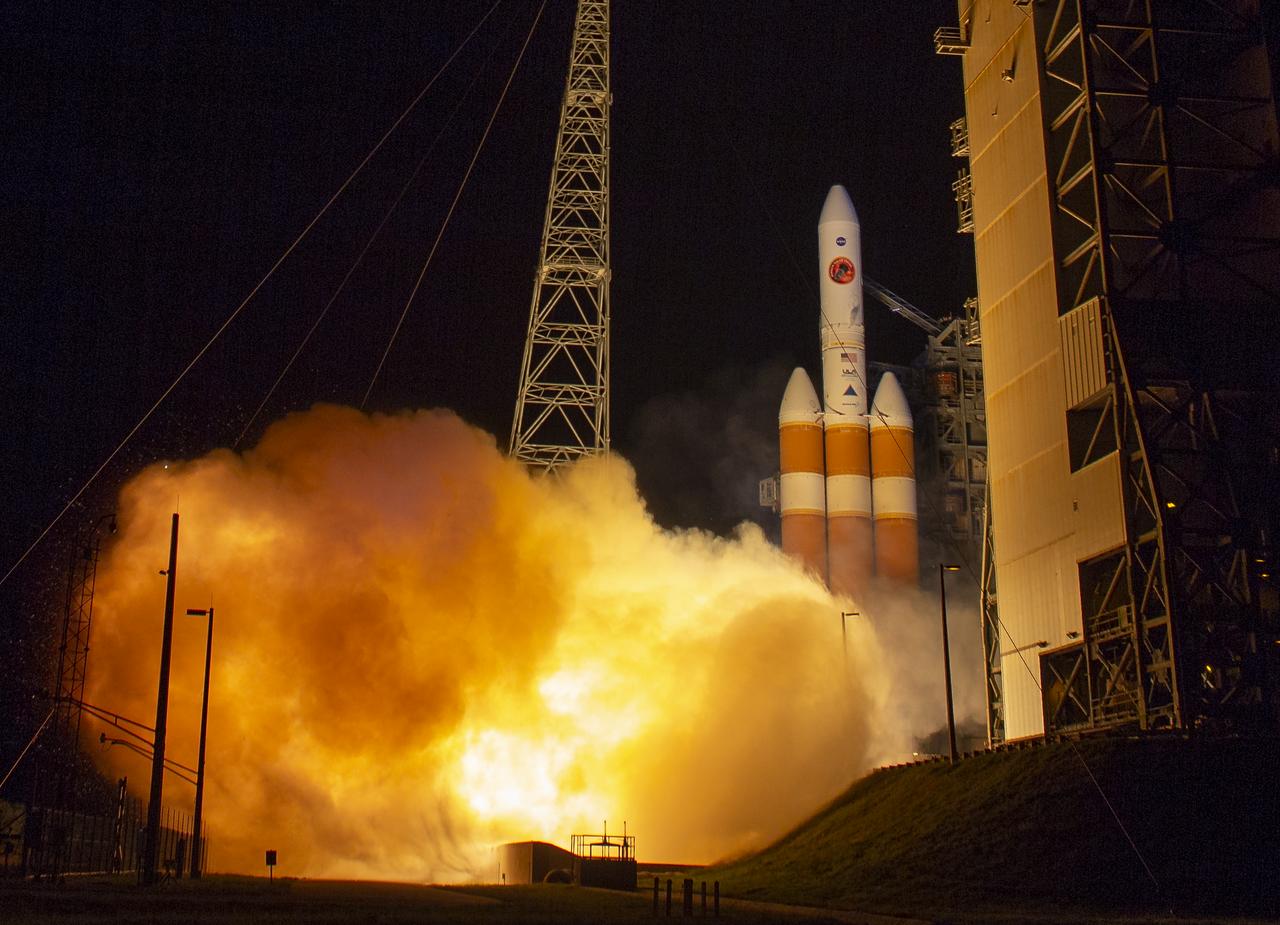
The United Launch Alliance Delta IV Heavy rocket launches NASA's Parker Solar Probe to touch the Sun, Sunday, Aug. 12, 2018 from Launch Complex 37 at Cape Canaveral Air Force Station, Florida. Parker Solar Probe is humanity’s first-ever mission into a part of the Sun’s atmosphere called the corona. Here it will directly explore solar processes that are key to understanding and forecasting space weather events that can impact life on Earth. Photo Credit: (NASA/Bill Ingalls)
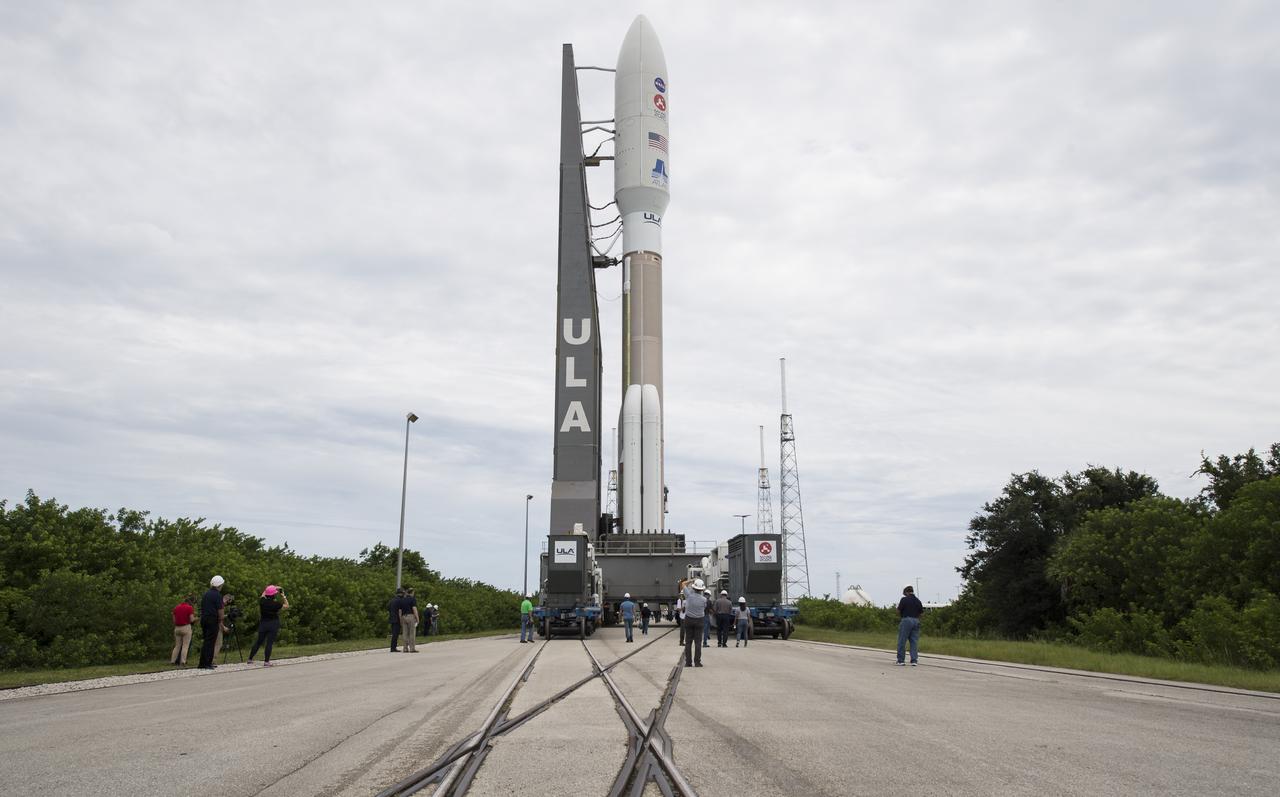
A United Launch Alliance Atlas V rocket with NASA’s Mars 2020 Perseverance rover onboard is seen as it is rolled out of the Vertical Integration Facility to the launch pad at Space Launch Complex 41, Tuesday, July 28, 2020, at Cape Canaveral Air Force Station in Florida. The Perseverance rover is part of NASA’s Mars Exploration Program, a long-term effort of robotic exploration of the Red Planet. Launch is scheduled for Thursday, July 30. Photo Credit: (NASA/Joel Kowsky)
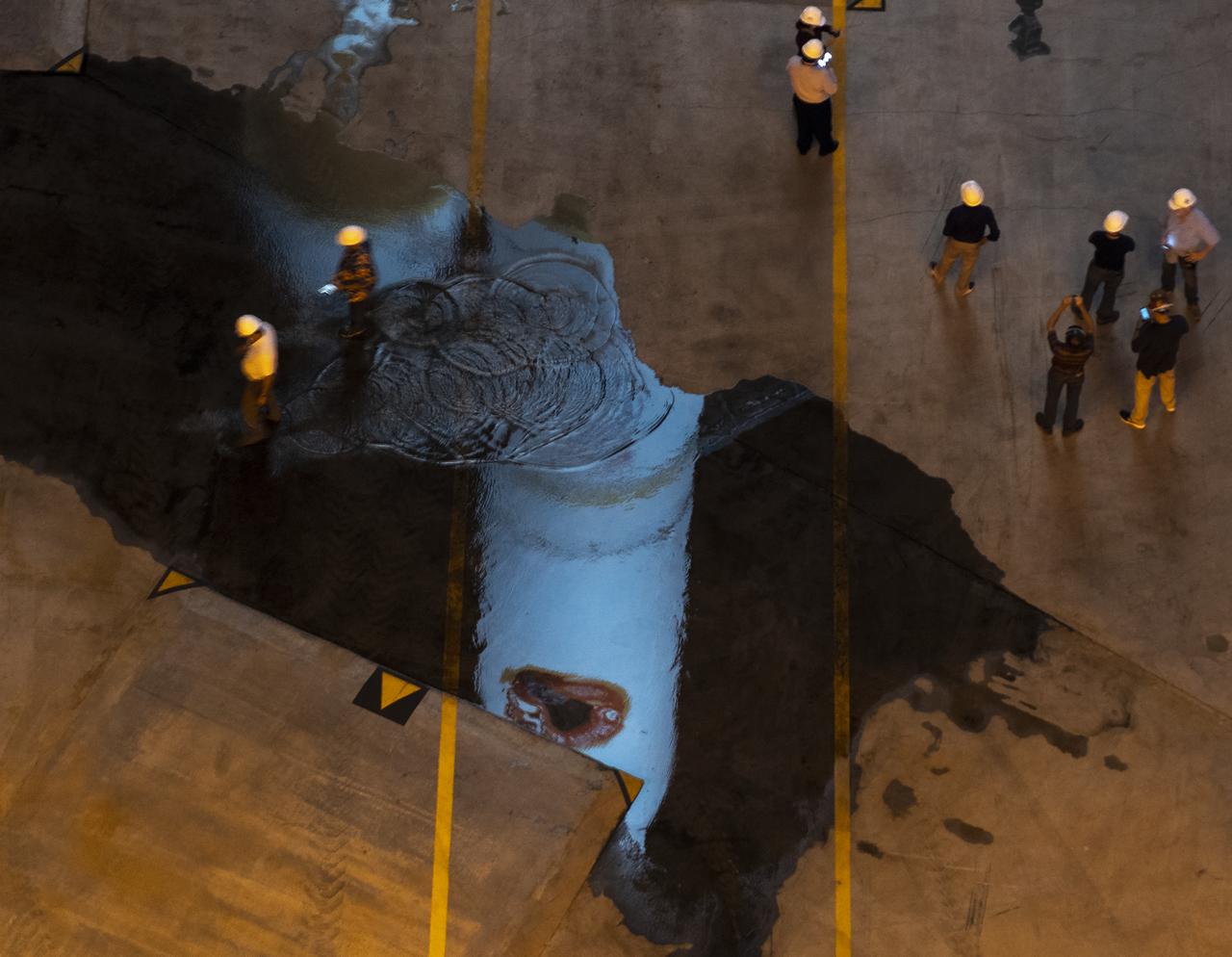
The United Launch Alliance Delta IV Heavy rocket with the Parker Solar Probe onboard, is reflected in water on the launch pad, Saturday, Aug. 11, 2018, Launch Complex 37 at Cape Canaveral Air Force Station in Florida. Parker Solar Probe is humanity’s first-ever mission into a part of the Sun’s atmosphere called the corona. Here it will directly explore solar processes that are key to understanding and forecasting space weather events that can impact life on Earth. Photo Credit: (NASA/Bill Ingalls)
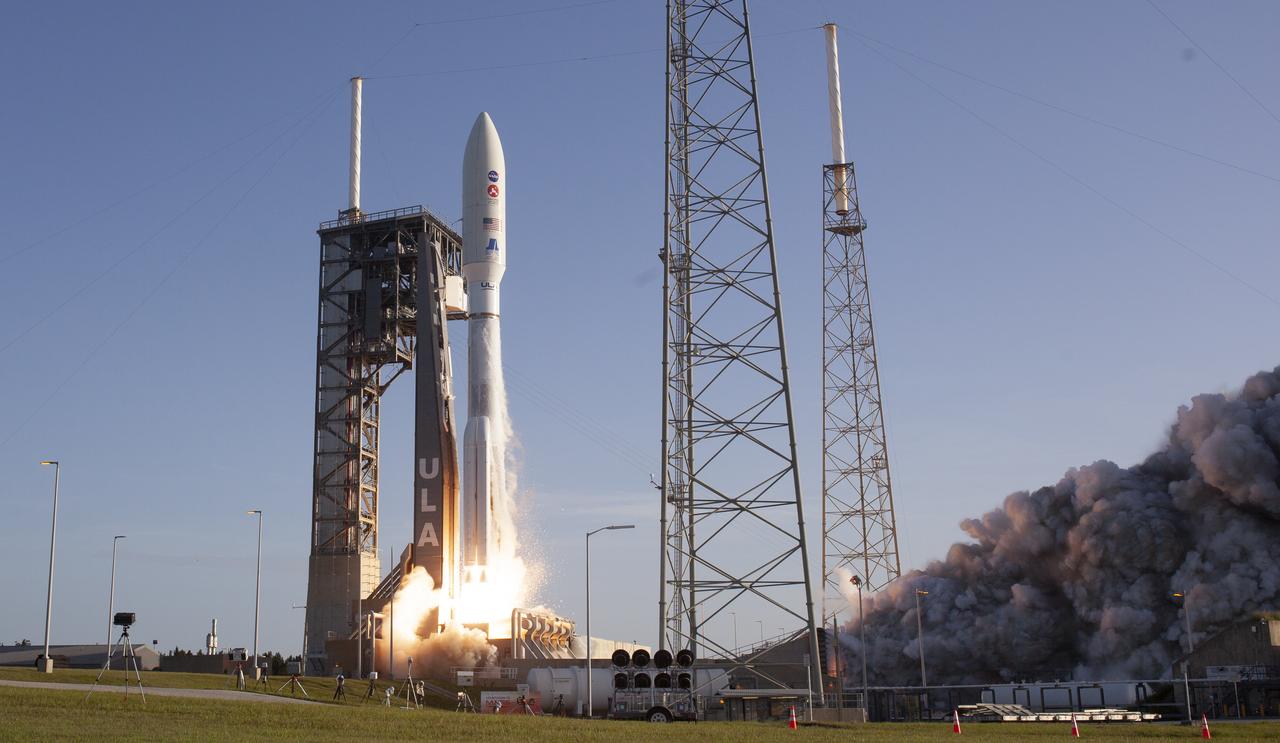
A United Launch Alliance Atlas V rocket with NASA’s Mars 2020 Perseverance rover onboard launches from Space Launch Complex 41, Thursday, July 30, 2020, at Cape Canaveral Air Force Station in Florida. The Perseverance rover is part of NASA’s Mars Exploration Program, a long-term effort of robotic exploration of the Red Planet. Photo Credit: (NASA/Joel Kowsky)
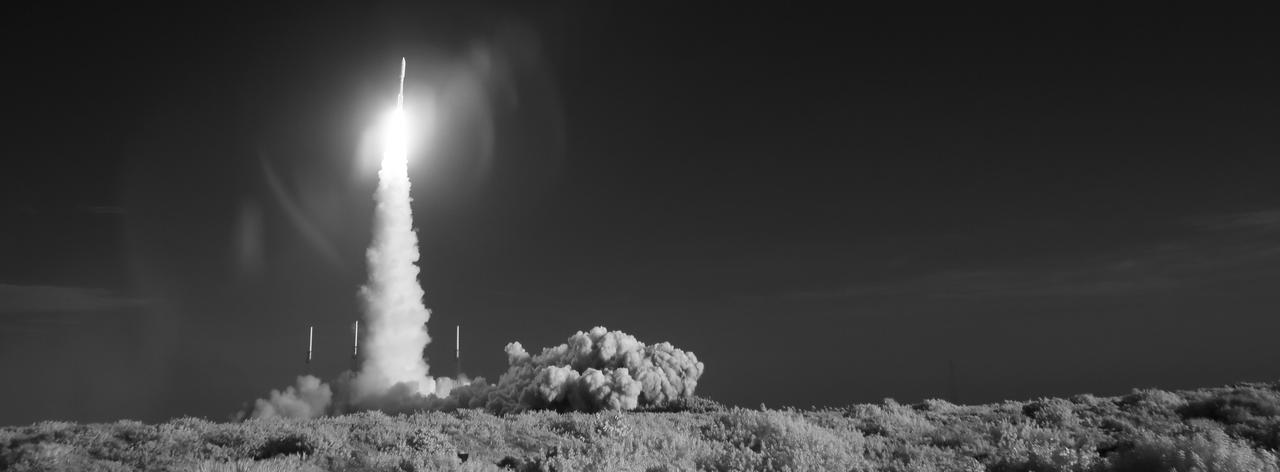
In this black and white infrared image, a United Launch Alliance Atlas V rocket with NASA’s Mars 2020 Perseverance rover onboard launches from Space Launch Complex 41, Thursday, July 30, 2020, at Cape Canaveral Air Force Station in Florida. The Perseverance rover is part of NASA’s Mars Exploration Program, a long-term effort of robotic exploration of the Red Planet. Photo Credit: (NASA/Joel Kowsky)
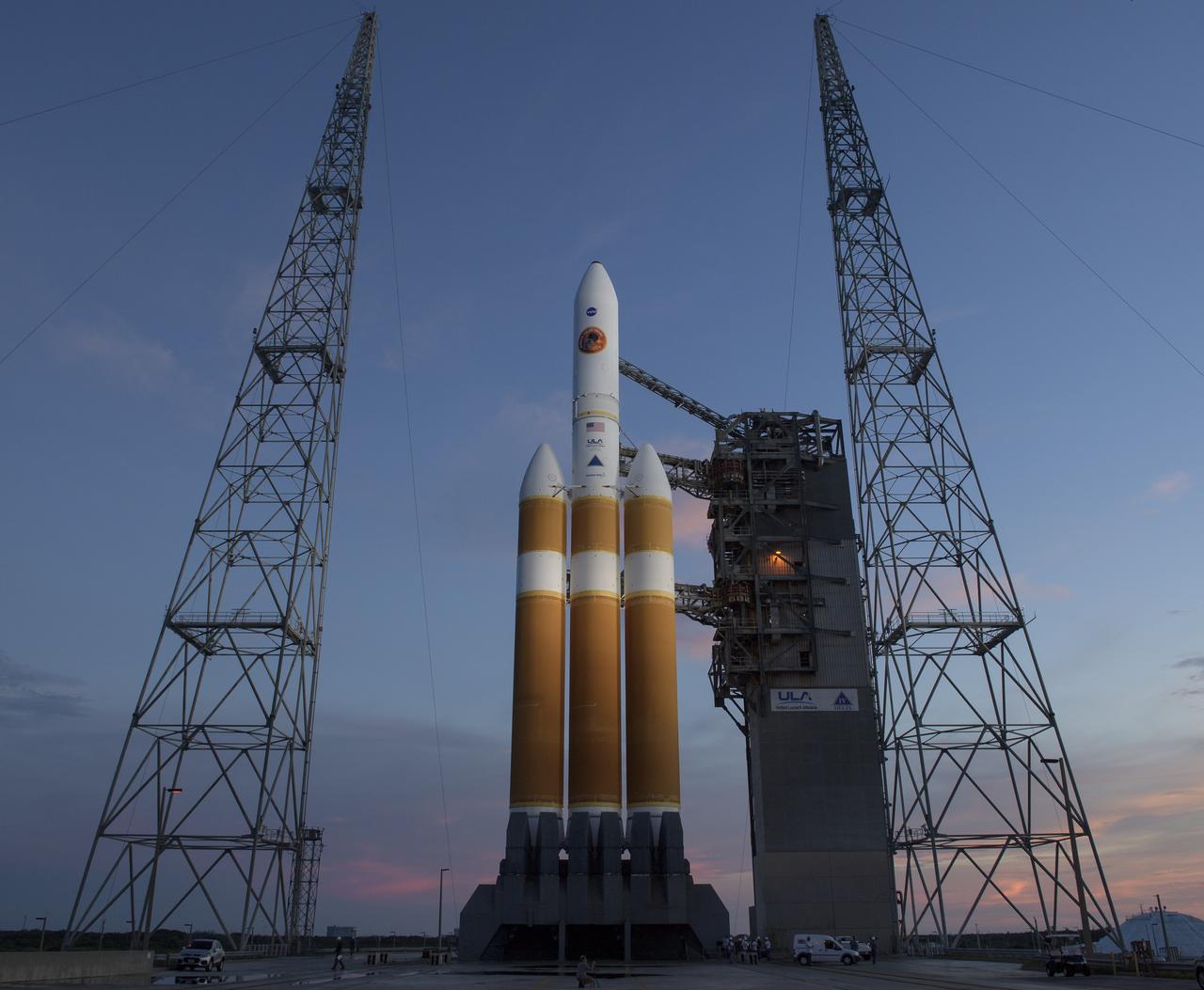
The United Launch Alliance Delta IV Heavy rocket with the Parker Solar Probe onboard is seen shortly after the Mobile Service Tower was rolled back, Friday, Aug. 10, 2018, Launch Complex 37 at Cape Canaveral Air Force Station in Florida. Parker Solar Probe is humanity’s first-ever mission into a part of the Sun’s atmosphere called the corona. Here it will directly explore solar processes that are key to understanding and forecasting space weather events that can impact life on Earth. Photo Credit: (NASA/Bill Ingalls)
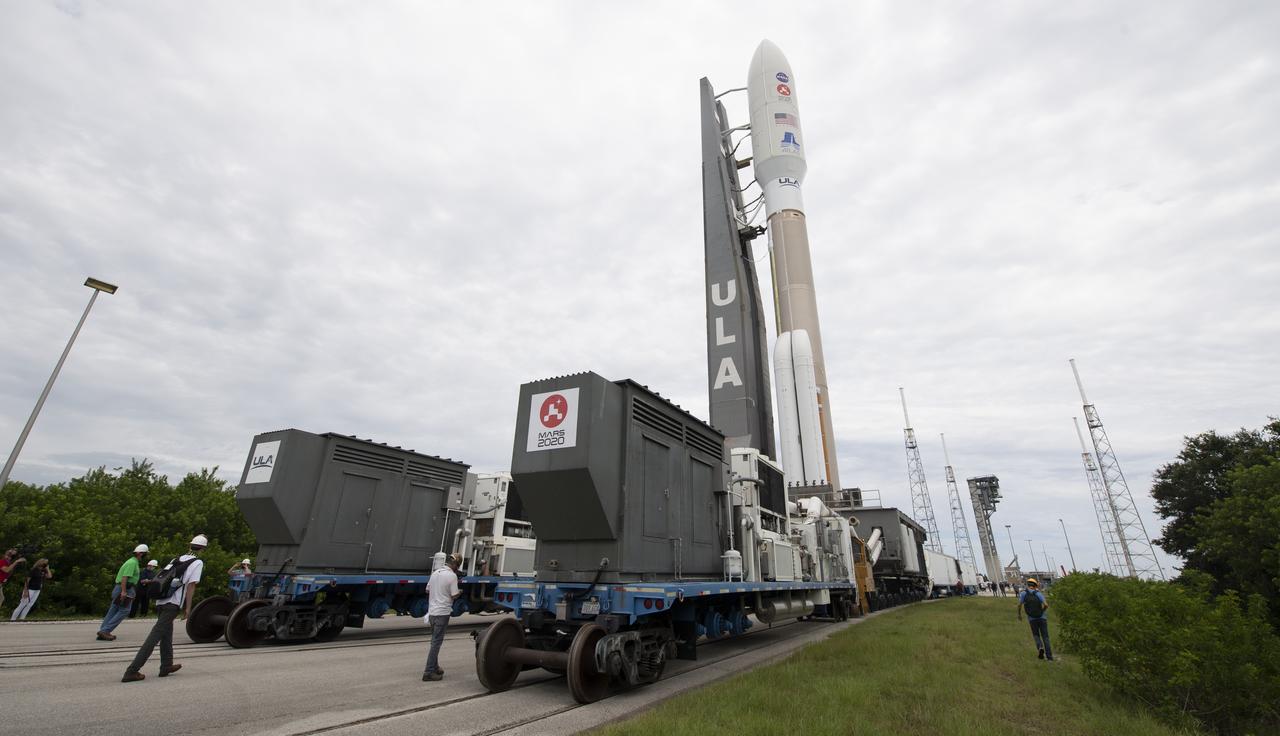
A United Launch Alliance Atlas V rocket with NASA’s Mars 2020 Perseverance rover onboard is seen as it is rolled out of the Vertical Integration Facility to the launch pad at Space Launch Complex 41, Tuesday, July 28, 2020, at Cape Canaveral Air Force Station in Florida. The Perseverance rover is part of NASA’s Mars Exploration Program, a long-term effort of robotic exploration of the Red Planet. Launch is scheduled for Thursday, July 30. Photo Credit: (NASA/Joel Kowsky)
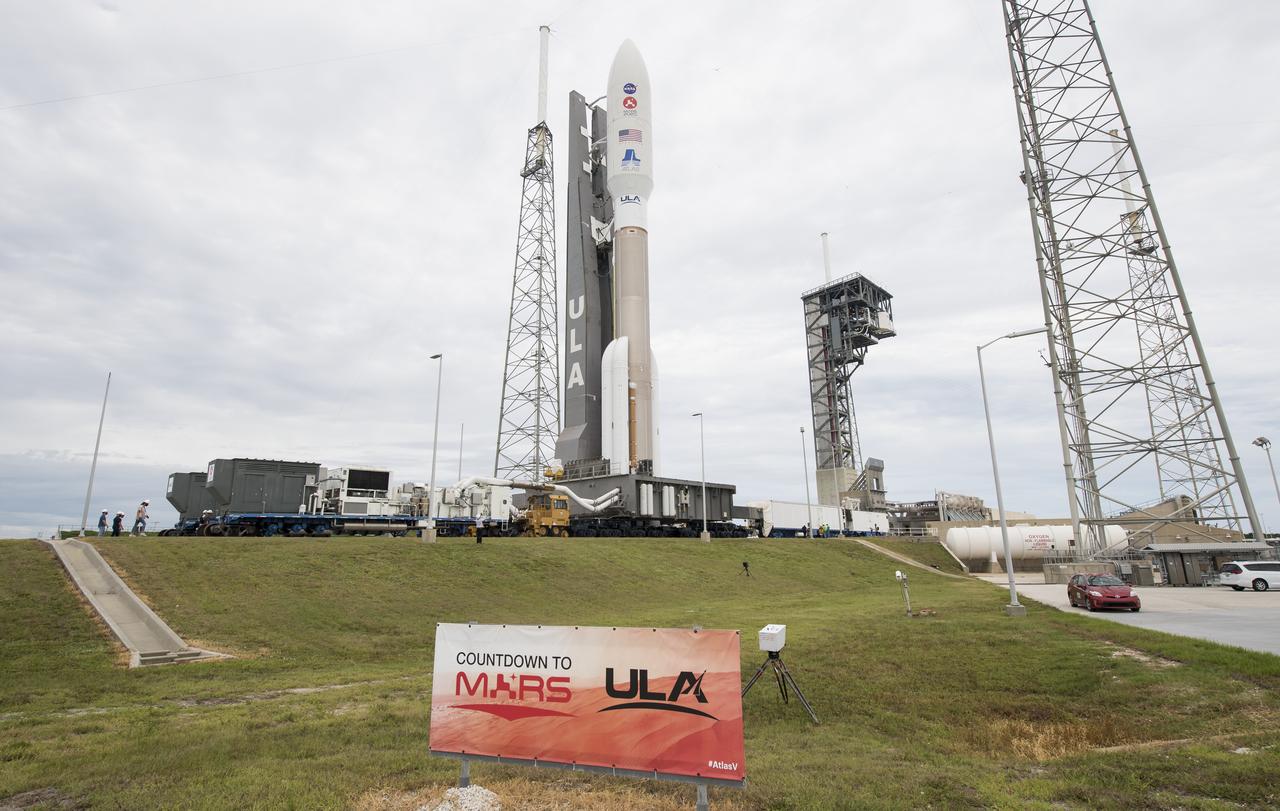
A United Launch Alliance Atlas V rocket with NASA’s Mars 2020 Perseverance rover onboard is seen as it is rolled out of the Vertical Integration Facility to the launch pad at Space Launch Complex 41, Tuesday, July 28, 2020, at Cape Canaveral Air Force Station in Florida. The Perseverance rover is part of NASA’s Mars Exploration Program, a long-term effort of robotic exploration of the Red Planet. Launch is scheduled for Thursday, July 30. Photo Credit: (NASA/Joel Kowsky)
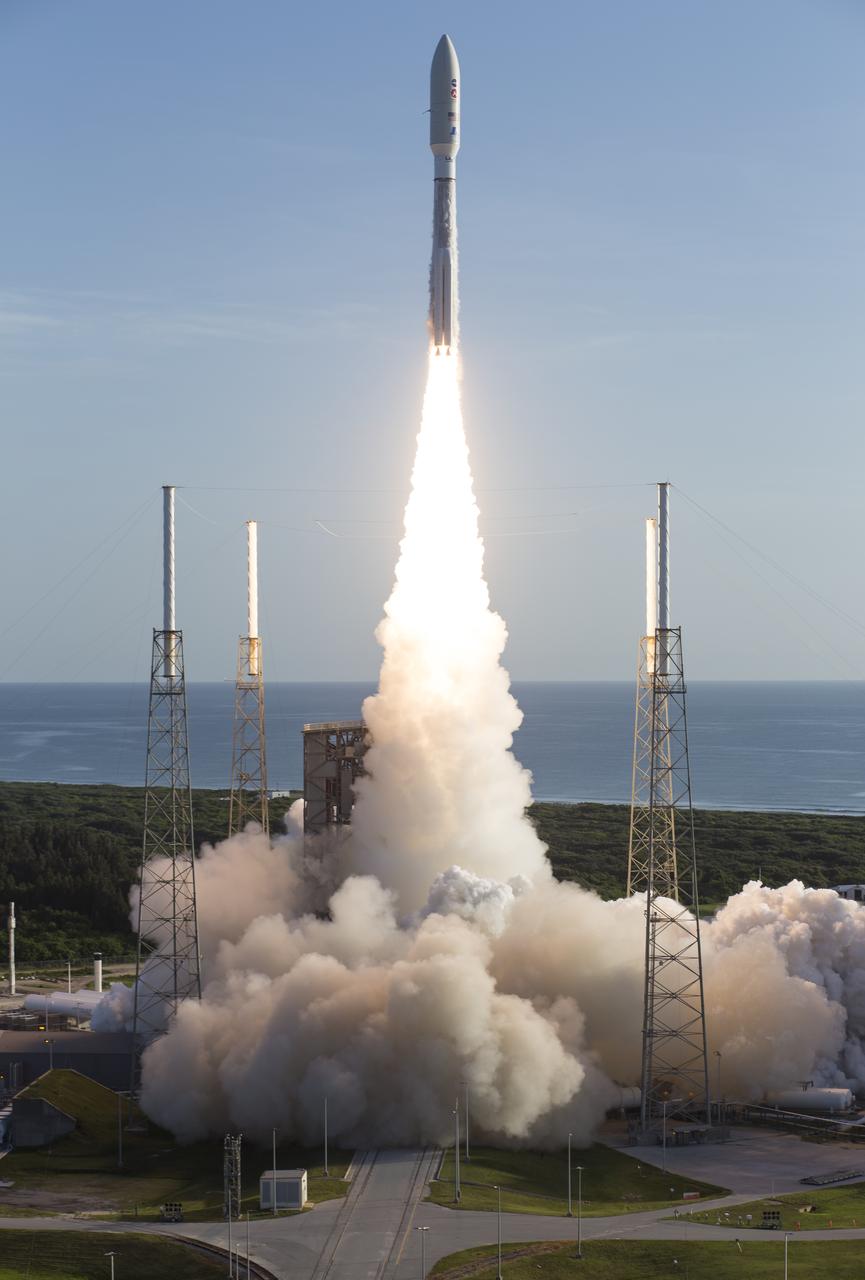
A United Launch Alliance Atlas V rocket with NASA’s Mars 2020 Perseverance rover onboard launches from Space Launch Complex 41, Thursday, July 30, 2020, at Cape Canaveral Air Force Station in Florida. The Perseverance rover is part of NASA’s Mars Exploration Program, a long-term effort of robotic exploration of the Red Planet. Photo Credit: (NASA/Joel Kowsky)
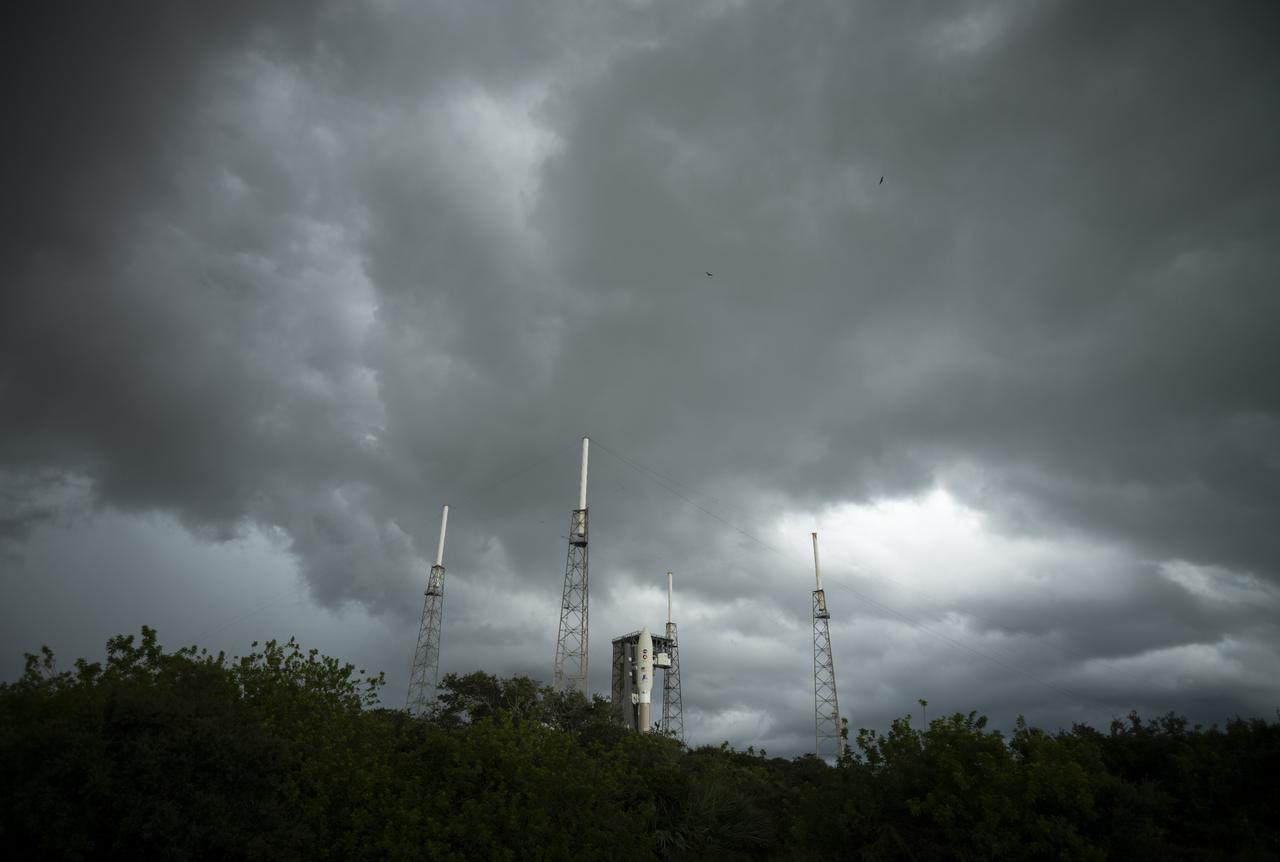
A United Launch Alliance Atlas V rocket with NASA’s Mars 2020 Perseverance rover onboard is seen on the launch pad at Space Launch Complex 41, Tuesday, July 28, 2020, at Cape Canaveral Air Force Station in Florida. The Perseverance rover is part of NASA’s Mars Exploration Program, a long-term effort of robotic exploration of the Red Planet. Launch is scheduled for Thursday, July 30. Photo Credit: (NASA/Joel Kowsky)
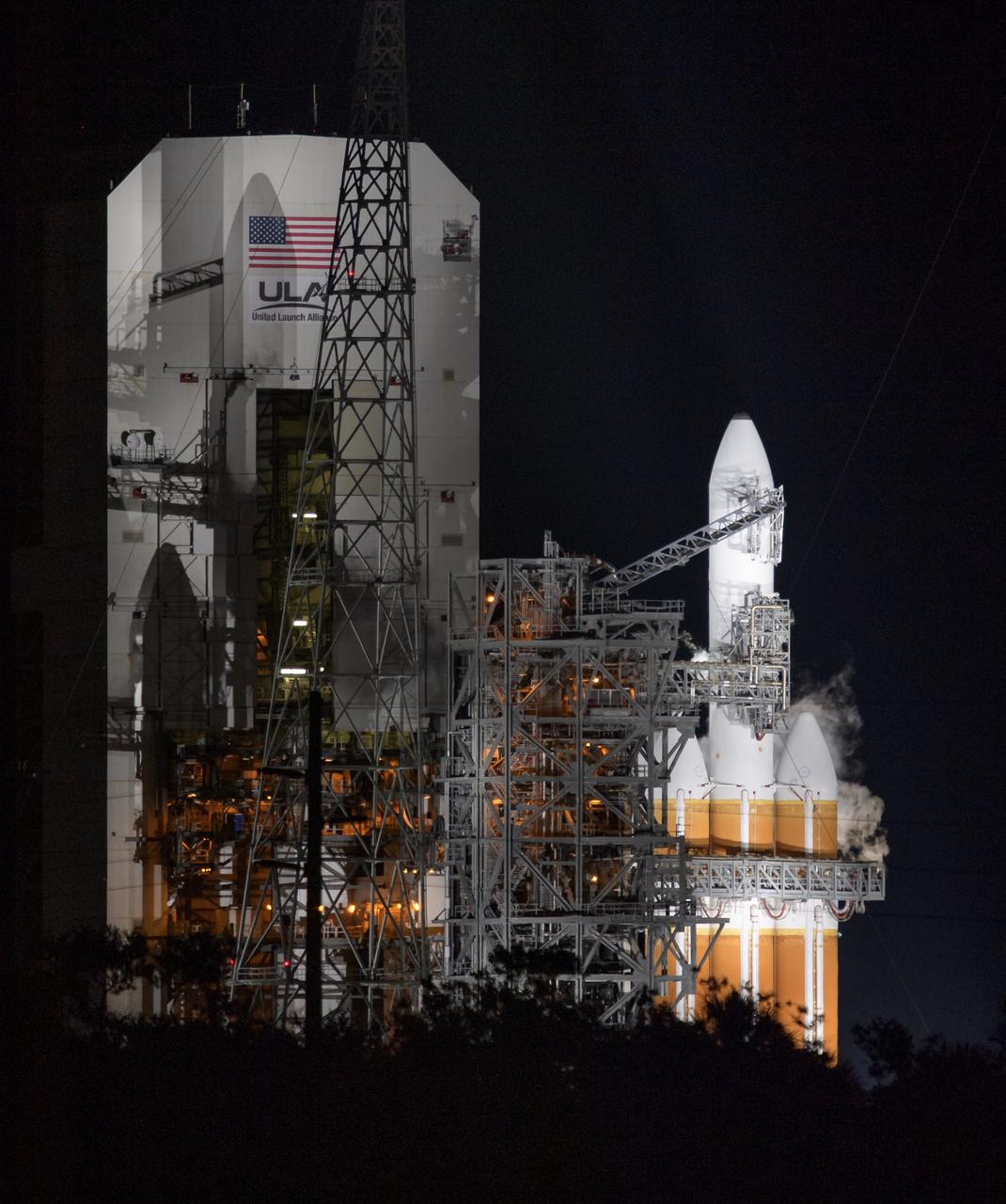
The United Launch Alliance Delta IV Heavy rocket with the Parker Solar Probe onboard is seen moments before launch, Sunday, Aug. 12, 2018, Launch Complex 37 at Cape Canaveral Air Force Station in Florida. Parker Solar Probe is humanity’s first-ever mission into a part of the Sun’s atmosphere called the corona. Here it will directly explore solar processes that are key to understanding and forecasting space weather events that can impact life on Earth. Photo Credit: (NASA/Bill Ingalls)
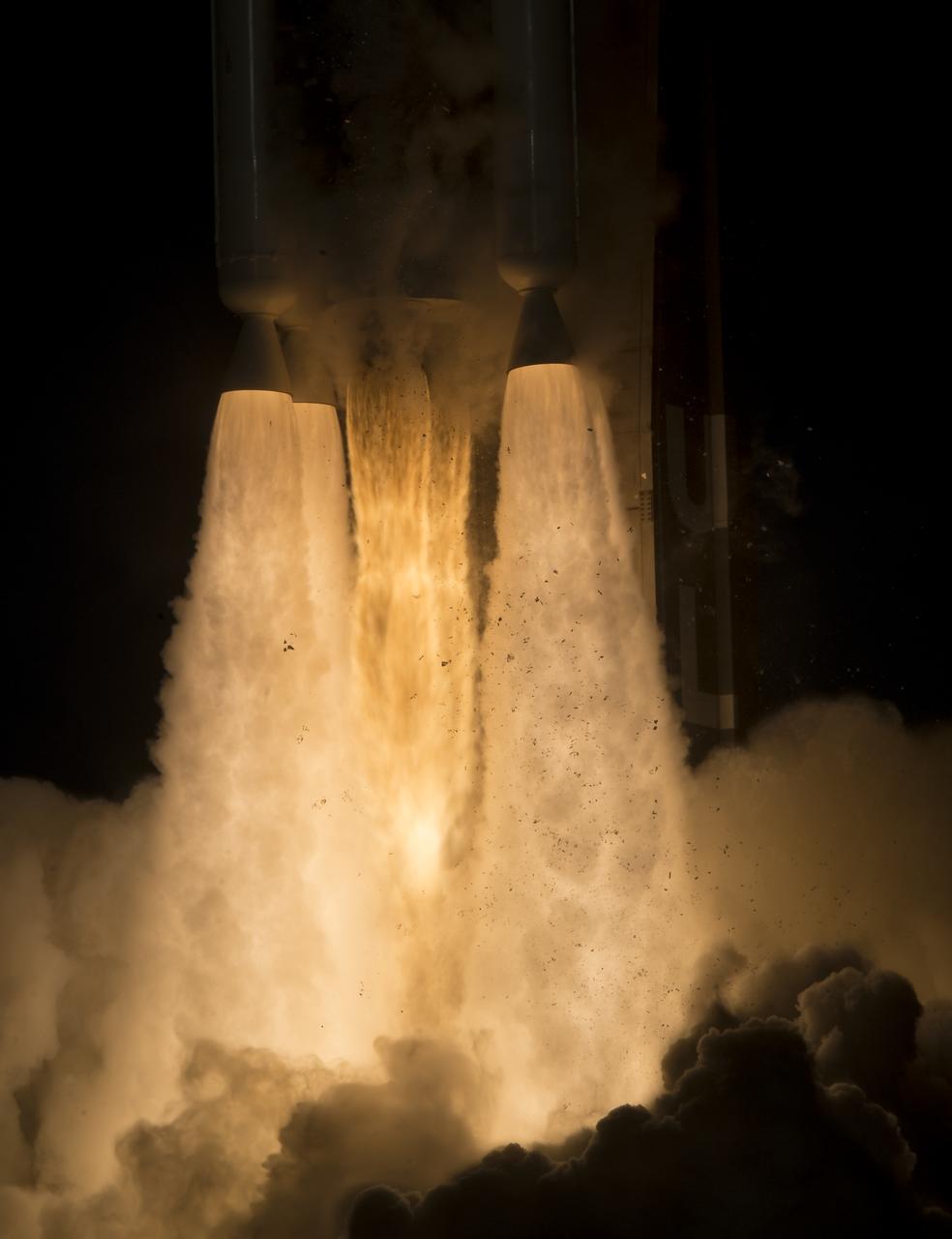
A United Launch Alliance Atlas V rocket with NASA’s Mars 2020 Perseverance rover onboard launches from Space Launch Complex 41, Thursday, July 30, 2020, at Cape Canaveral Air Force Station in Florida. The Perseverance rover is part of NASA’s Mars Exploration Program, a long-term effort of robotic exploration of the Red Planet. Photo Credit: (NASA/Joel Kowsky)
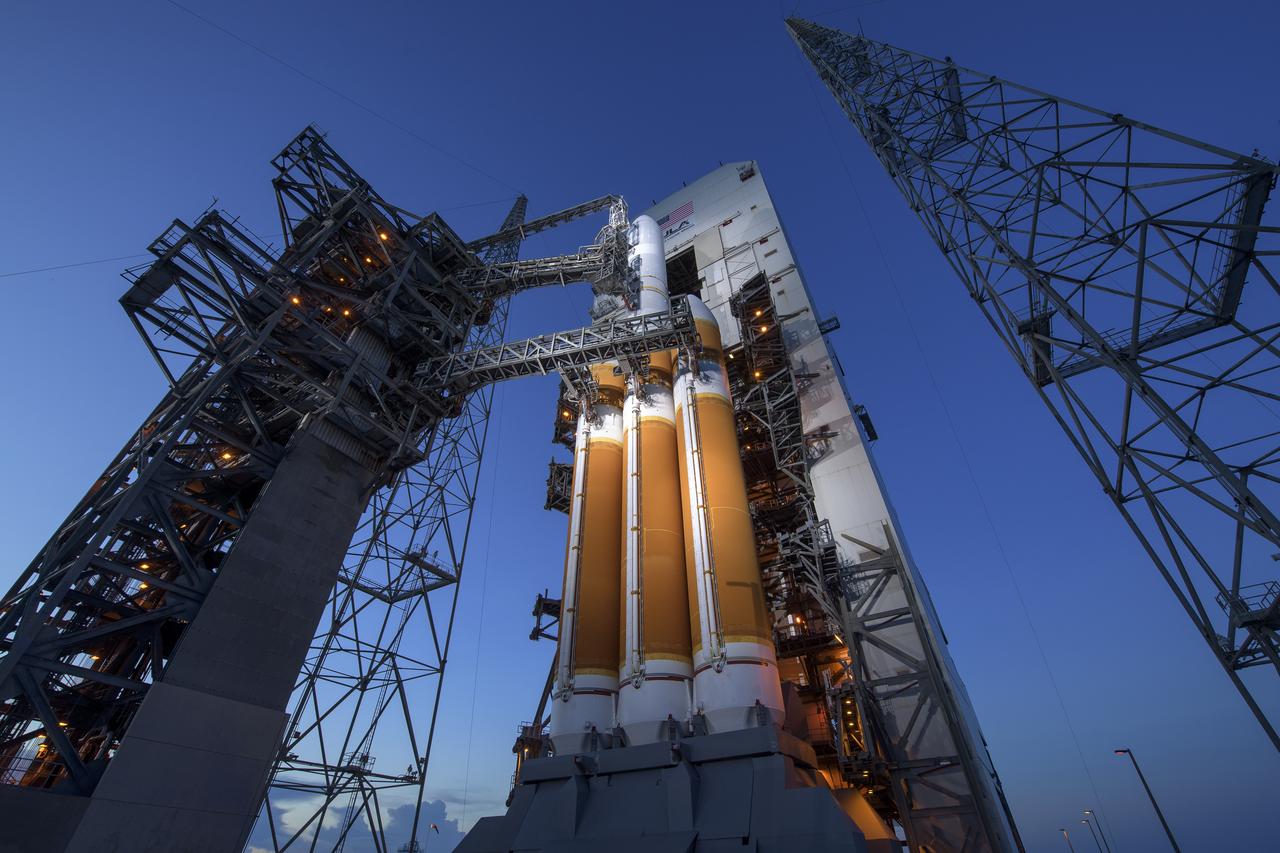
The Mobile Service Tower is rolled back to reveal the United Launch Alliance Delta IV Heavy rocket with the Parker Solar Probe onboard, Saturday, Aug. 11, 2018, Launch Complex 37 at Cape Canaveral Air Force Station in Florida. Parker Solar Probe is humanity’s first-ever mission into a part of the Sun’s atmosphere called the corona. Here it will directly explore solar processes that are key to understanding and forecasting space weather events that can impact life on Earth. Photo Credit: (NASA/Bill Ingalls)
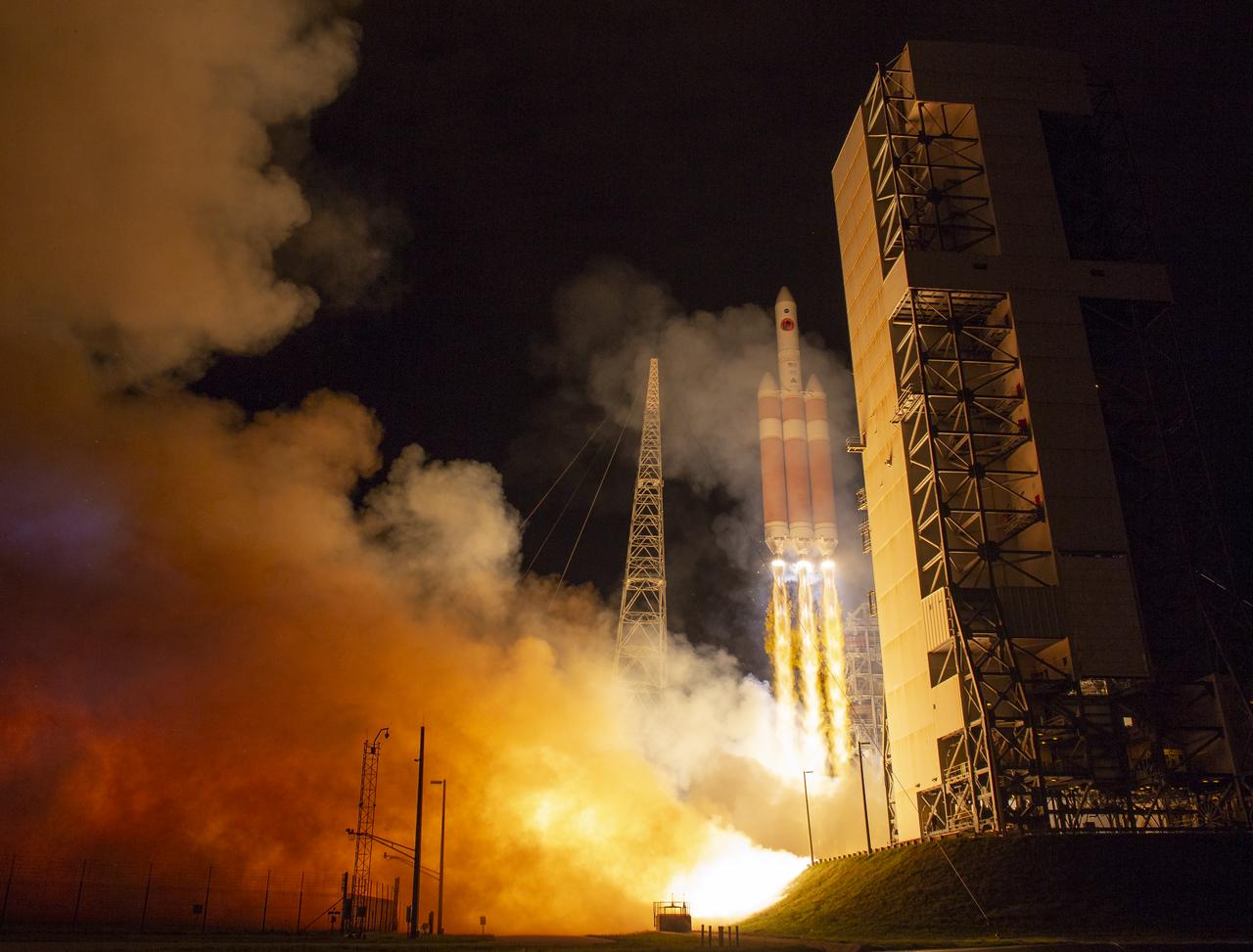
The United Launch Alliance Delta IV Heavy rocket launches NASA's Parker Solar Probe to touch the Sun, Sunday, Aug. 12, 2018 from Launch Complex 37 at Cape Canaveral Air Force Station, Florida. Parker Solar Probe is humanity’s first-ever mission into a part of the Sun’s atmosphere called the corona. Here it will directly explore solar processes that are key to understanding and forecasting space weather events that can impact life on Earth. Photo Credit: (NASA/Bill Ingalls)
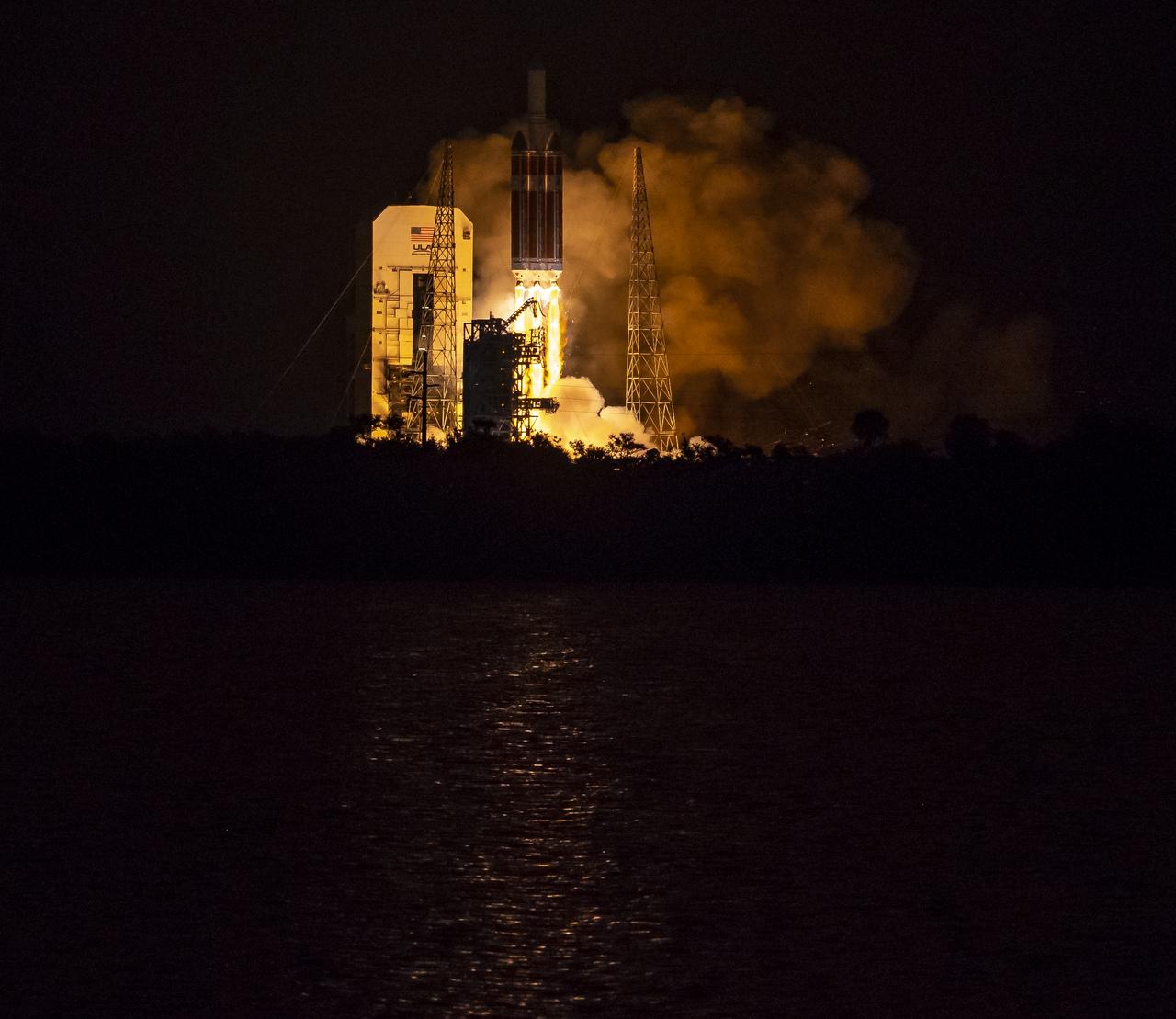
The United Launch Alliance Delta IV Heavy rocket launches NASA's Parker Solar Probe to touch the Sun, Sunday, Aug. 12, 2018 from Launch Complex 37 at Cape Canaveral Air Force Station, Florida. Parker Solar Probe is humanity’s first-ever mission into a part of the Sun’s atmosphere called the corona. Here it will directly explore solar processes that are key to understanding and forecasting space weather events that can impact life on Earth. Photo Credit: (NASA/Bill Ingalls)
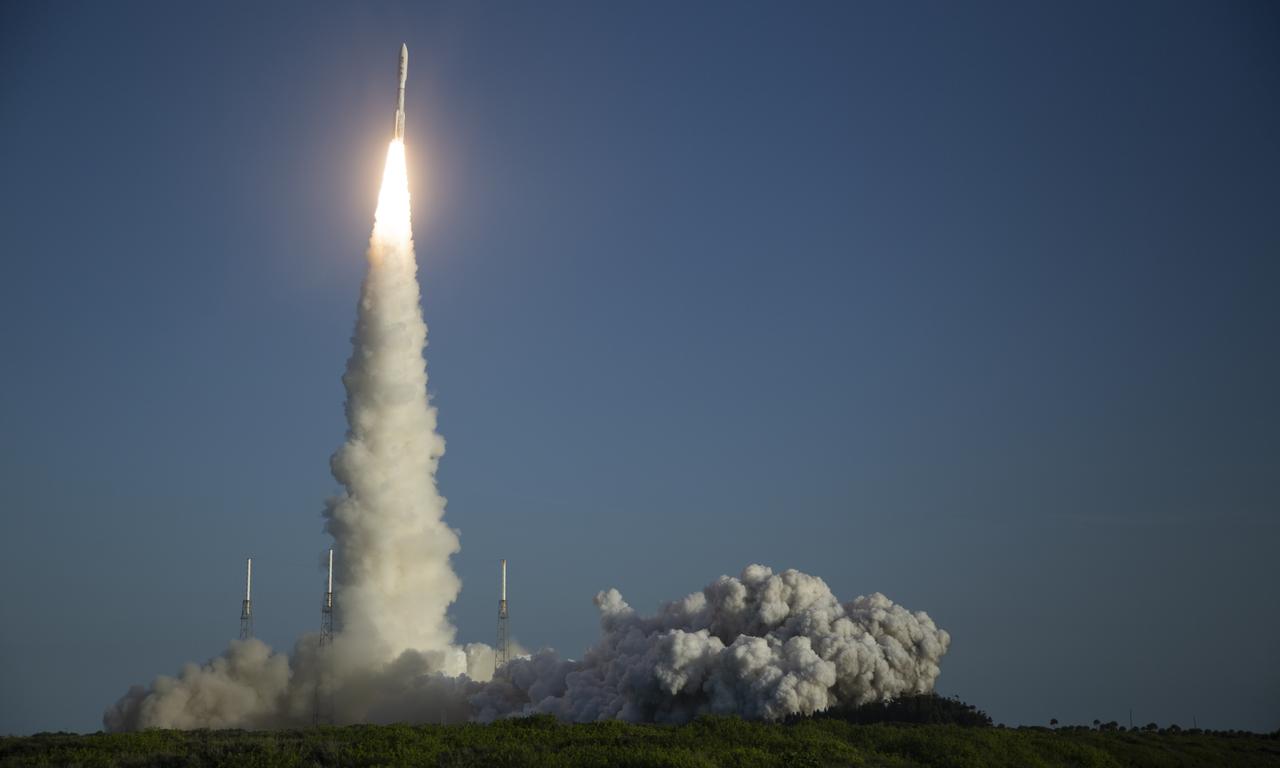
A United Launch Alliance Atlas V rocket with NASA’s Mars 2020 Perseverance rover onboard launches from Space Launch Complex 41, Thursday, July 30, 2020, at Cape Canaveral Air Force Station in Florida. The Perseverance rover is part of NASA’s Mars Exploration Program, a long-term effort of robotic exploration of the Red Planet. Photo Credit: (NASA/Joel Kowsky)
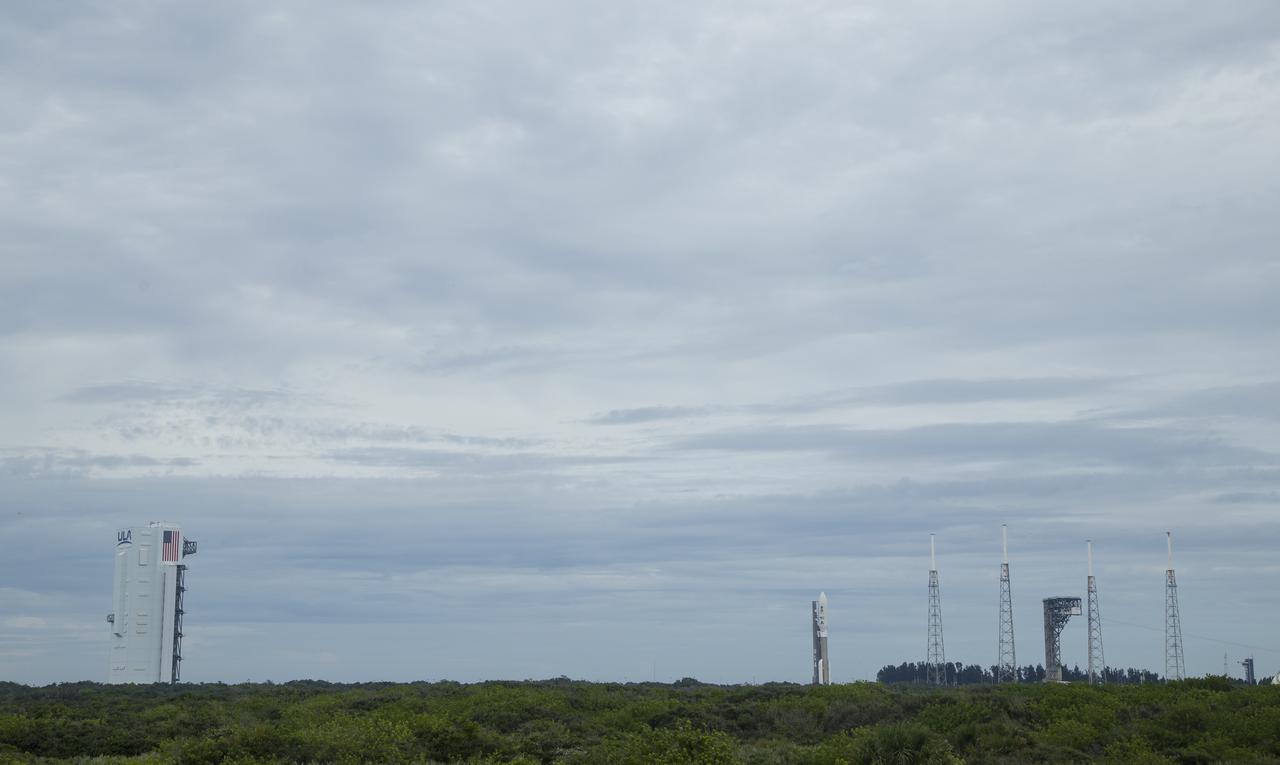
A United Launch Alliance Atlas V rocket with NASA’s Mars 2020 Perseverance rover onboard is seen as it is rolled out of the Vertical Integration Facility to the launch pad at Space Launch Complex 41, Tuesday, July 28, 2020, at Cape Canaveral Air Force Station in Florida. The Perseverance rover is part of NASA’s Mars Exploration Program, a long-term effort of robotic exploration of the Red Planet. Launch is scheduled for Thursday, July 30. Photo Credit: (NASA/Joel Kowsky)
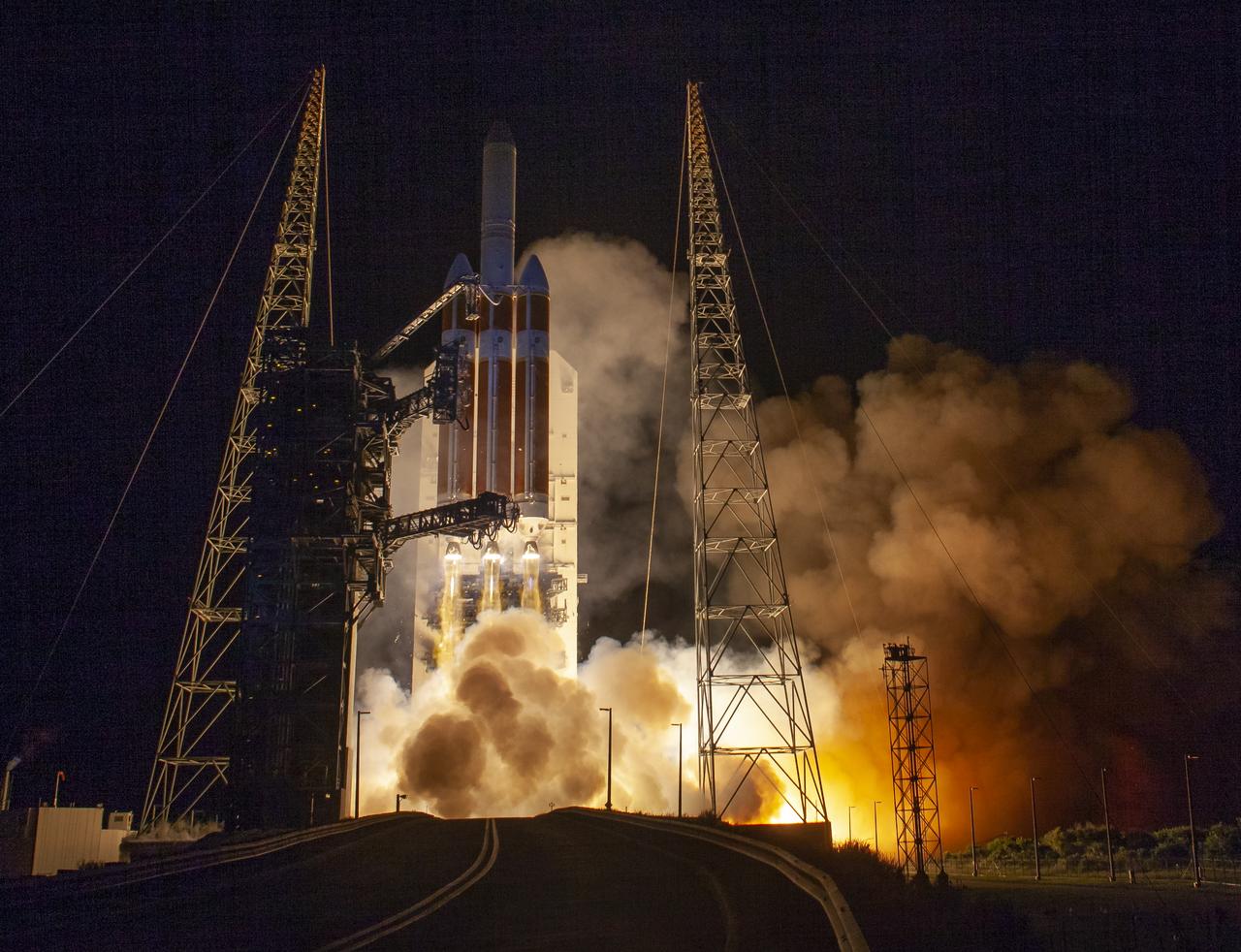
The United Launch Alliance Delta IV Heavy rocket launches NASA's Parker Solar Probe to touch the Sun, Sunday, Aug. 12, 2018 from Launch Complex 37 at Cape Canaveral Air Force Station, Florida. Parker Solar Probe is humanity’s first-ever mission into a part of the Sun’s atmosphere called the corona. Here it will directly explore solar processes that are key to understanding and forecasting space weather events that can impact life on Earth. Photo Credit: (NASA/Bill Ingalls)
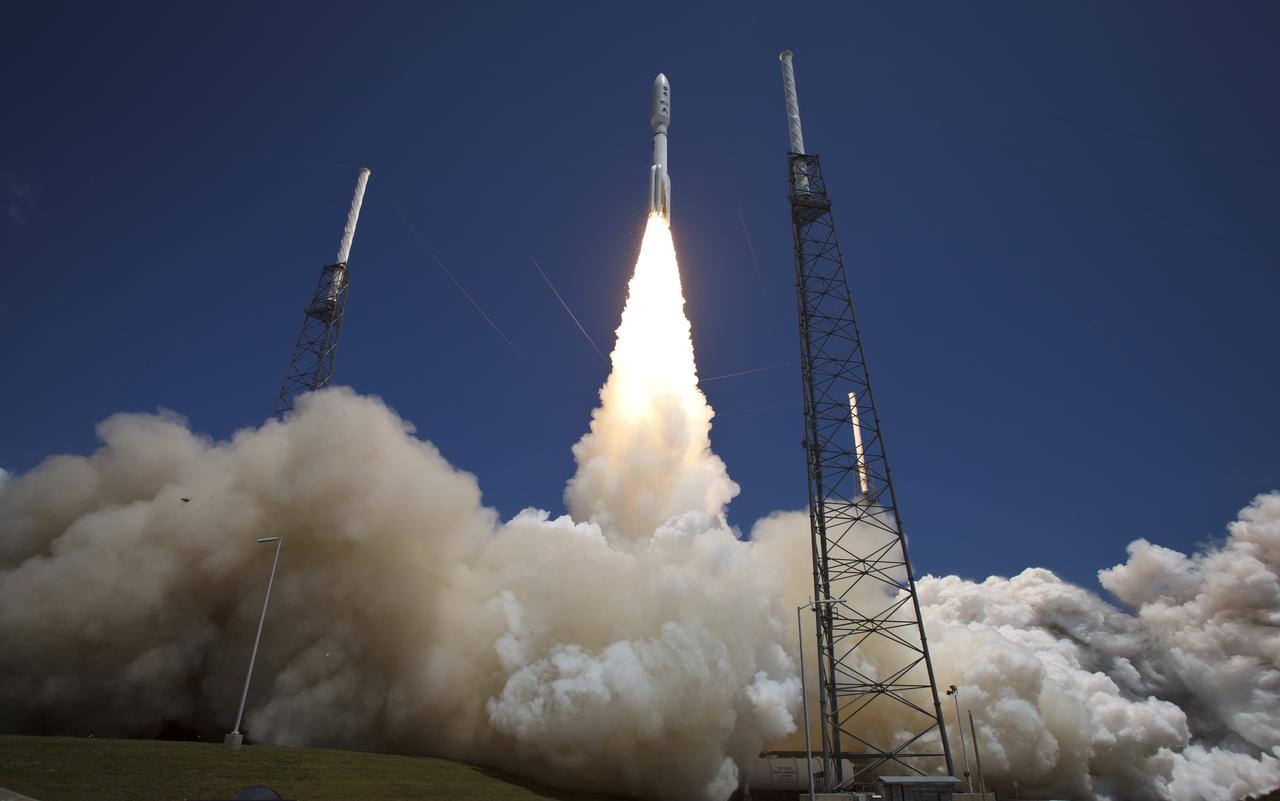
An Atlas V rocket launches with the Juno spacecraft payload from Space Launch Complex 41 at Cape Canaveral Air Force Station in Florida on Friday, August 5, 2011. The Juno spacecraft will make a five-year, 400-million-mile voyage to Jupiter, orbit the planet, investigate its origin and evolution with eight instruments to probe its internal structure and gravity field, measure water and ammonia in its atmosphere, map its powerful magnetic field and observe its intense auroras. Photo Credit: (NASA/Bill Ingalls)
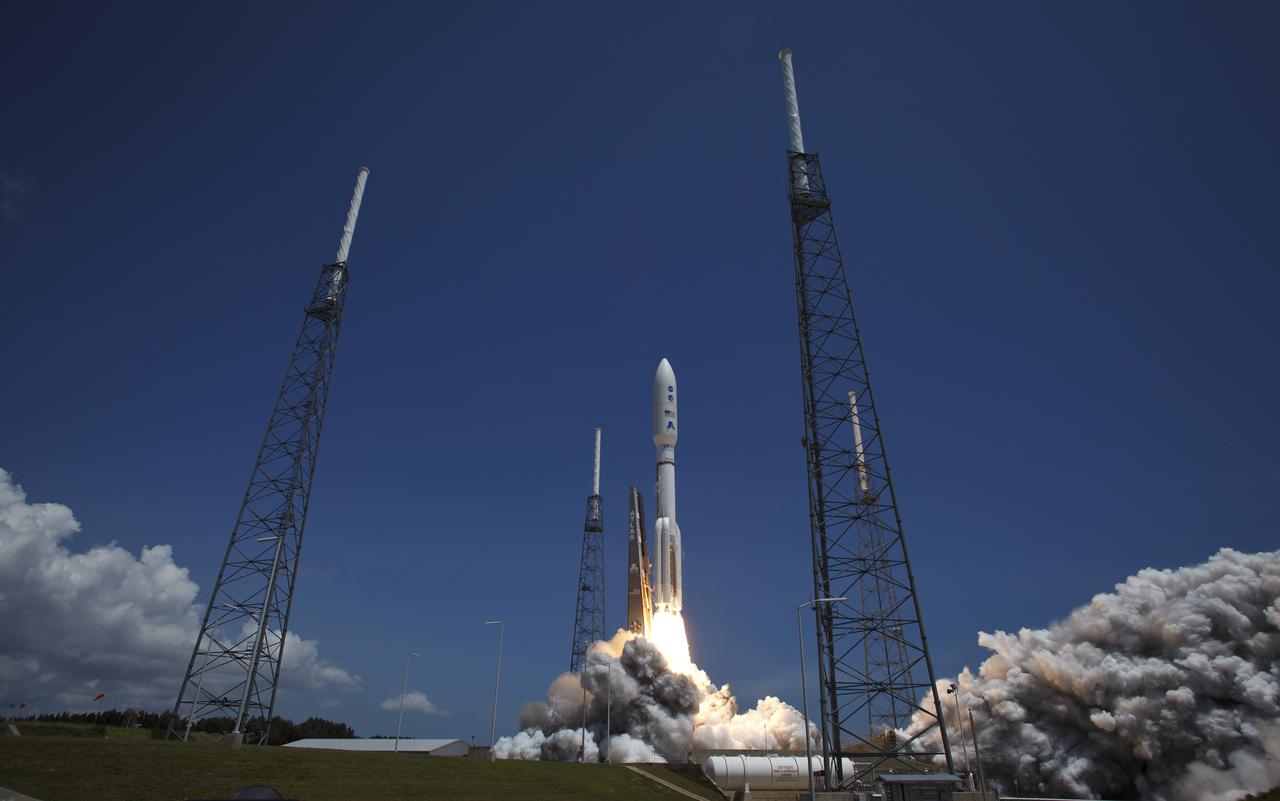
An Atlas V rocket launches with the Juno spacecraft payload from Space Launch Complex 41 at Cape Canaveral Air Force Station in Florida on Friday, August 5, 2011. The Juno spacecraft will make a five-year, 400-million-mile voyage to Jupiter, orbit the planet, investigate its origin and evolution with eight instruments to probe its internal structure and gravity field, measure water and ammonia in its atmosphere, map its powerful magnetic field and observe its intense auroras. Photo Credit: (NASA/Bill Ingalls)
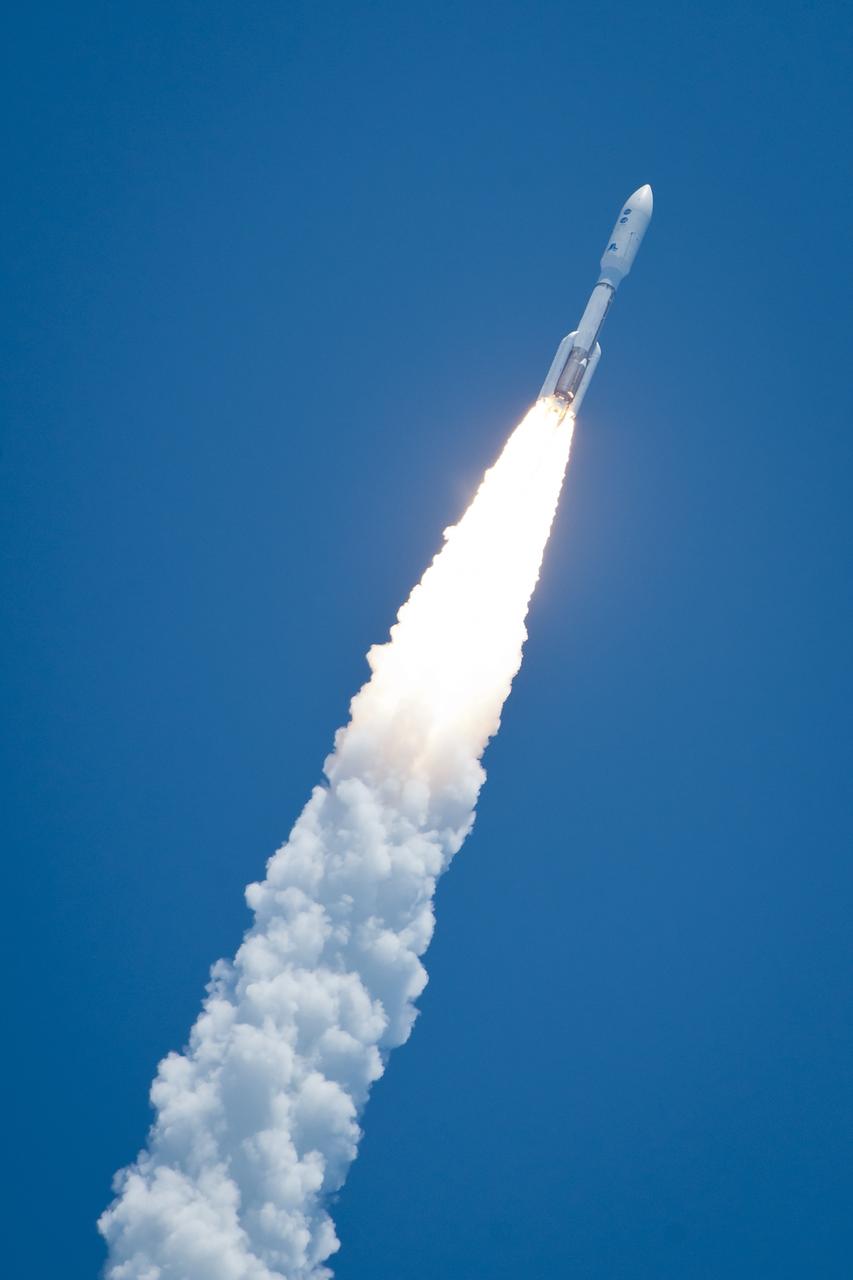
An Atlas V rocket launches with the Juno spacecraft payload from Space Launch Complex 41 at Cape Canaveral Air Force Station in Florida on Friday, August 5, 2011. The Juno spacecraft will make a five-year, 400-million-mile voyage to Jupiter, orbit the planet, investigate its origin and evolution with eight instruments to probe its internal structure and gravity field, measure water and ammonia in its atmosphere, map its powerful magnetic field and observe its intense auroras. Photo Credit: (NASA/Bill Ingalls)
An Atlas V rocket launches with the Juno spacecraft payload from Space Launch Complex 41 at Cape Canaveral Air Force Station in Florida on Friday, August 5, 2011. The Juno spacecraft will make a five-year, 400-million-mile voyage to Jupiter, orbit the planet, investigate its origin and evolution with eight instruments to probe its internal structure and gravity field, measure water and ammonia in its atmosphere, map its powerful magnetic field and observe its intense auroras. Photo Credit: (NASA/Bill Ingalls)
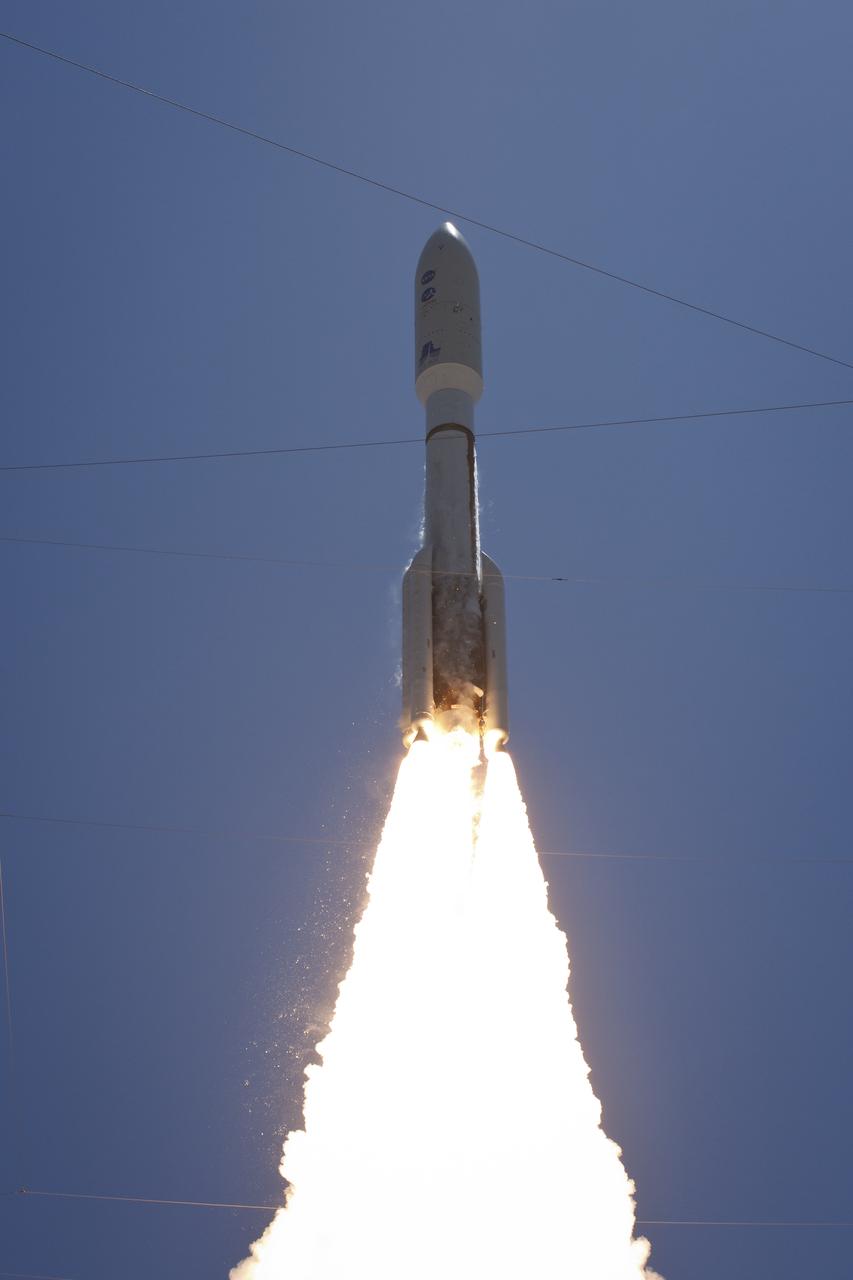
An Atlas V rocket launches with the Juno spacecraft payload from Space Launch Complex 41 at Cape Canaveral Air Force Station in Florida on Friday, August 5, 2011. The Juno spacecraft will make a five-year, 400-million-mile voyage to Jupiter, orbit the planet, investigate its origin and evolution with eight instruments to probe its internal structure and gravity field, measure water and ammonia in its atmosphere, map its powerful magnetic field and observe its intense auroras. Photo Credit: (NASA/Bill Ingalls)
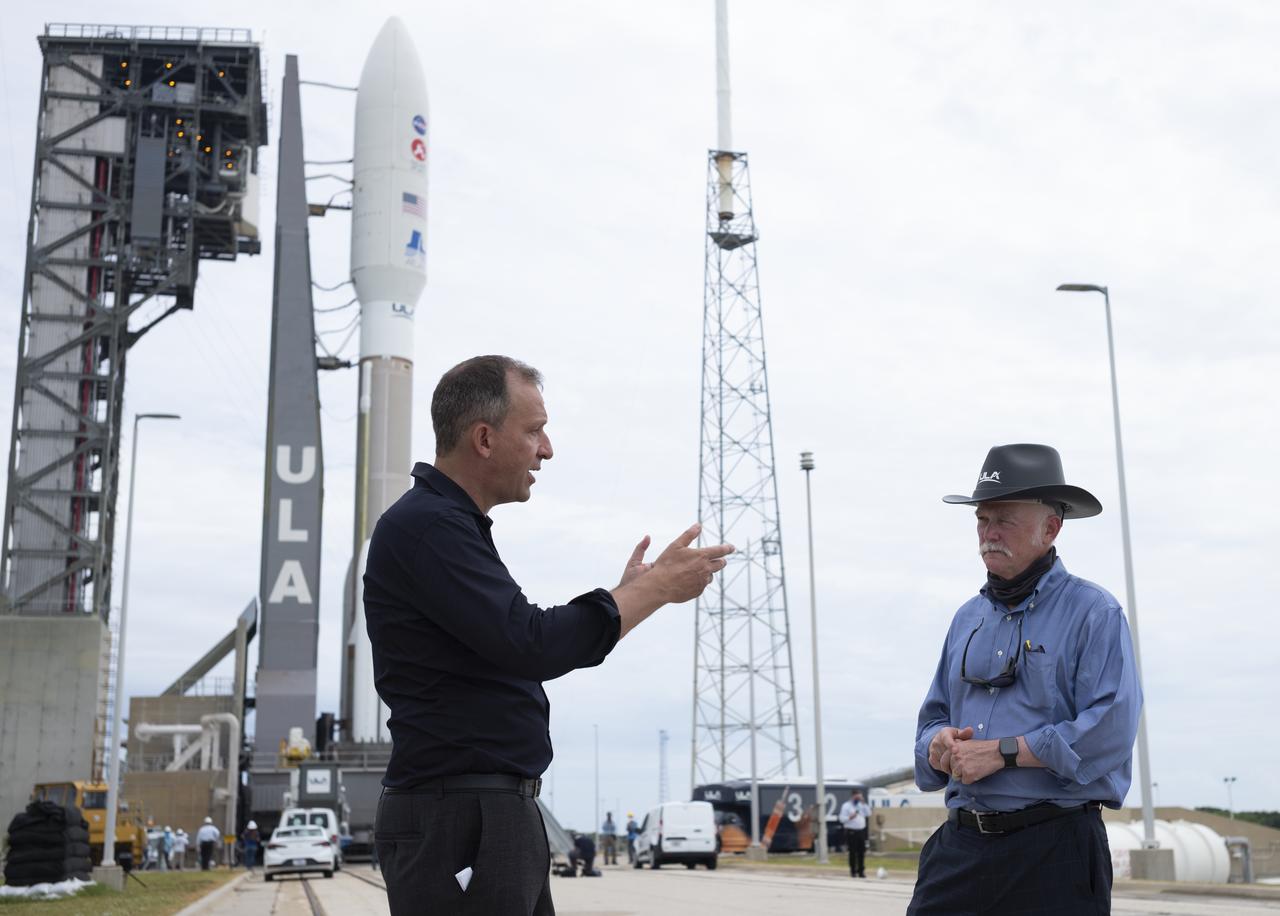
Thomas Zurbuchen, Associate Administrator for NASA's Science Mission Directorate, left, is seen with Tory Bruno, president and CEO of United Launch Alliance, after the rollout of a United Launch Alliance Atlas V rocket with NASA’s Mars 2020 Perseverance rover to the launch pad at Launch Complex 41, Tuesday, July 28, 2020, at Cape Canaveral Air Force Station in Florida. The Perseverance rover is part of NASA’s Mars Exploration Program, a long-term effort of robotic exploration of the Red Planet. Launch is scheduled for Thursday, July 30. Photo Credit: (NASA/Joel Kowsky)
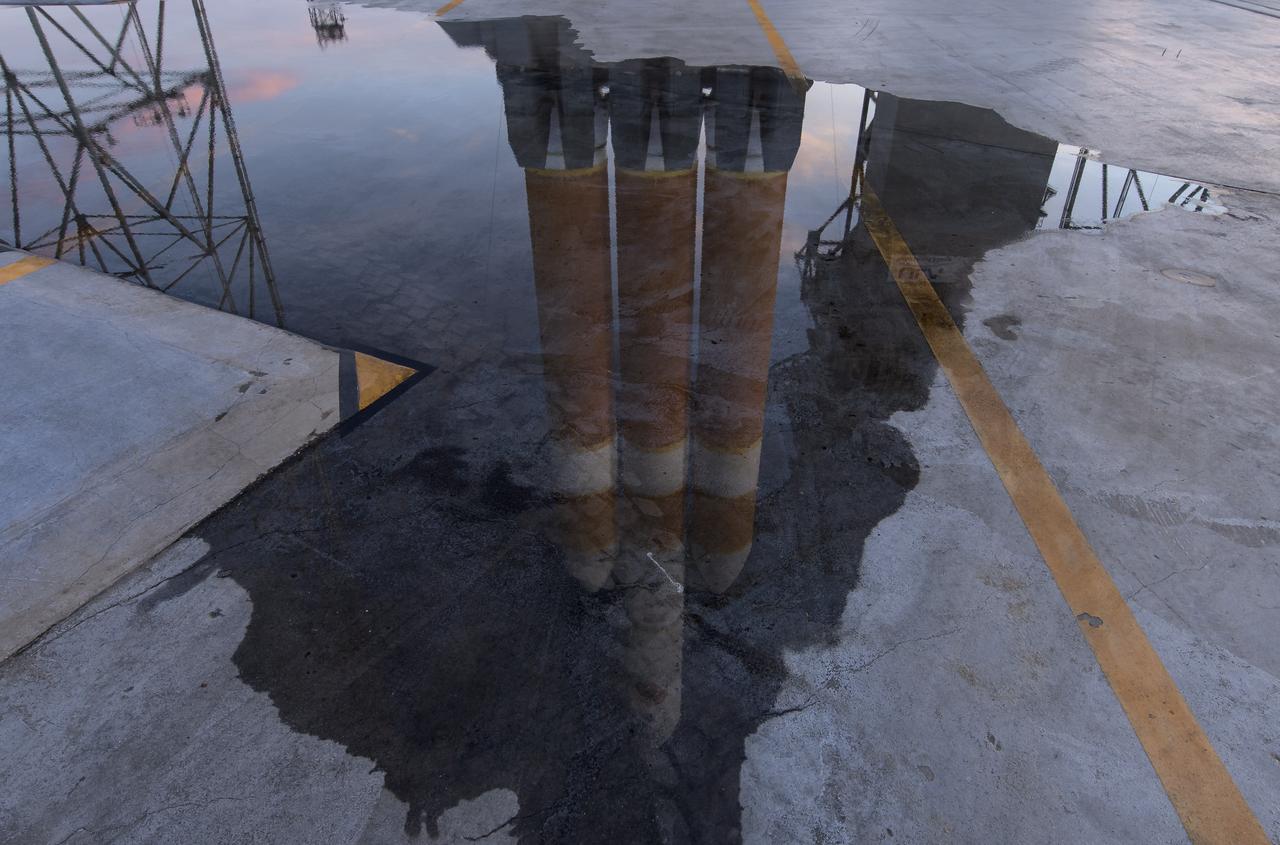
The United Launch Alliance Delta IV Heavy rocket with the Parker Solar Probe onboard is seen refelcted in water shortly after the Mobile Service Tower was rolled back, Friday, Aug. 10, 2018, Launch Complex 37 at Cape Canaveral Air Force Station in Florida. Parker Solar Probe is humanity’s first-ever mission into a part of the Sun’s atmosphere called the corona. Here it will directly explore solar processes that are key to understanding and forecasting space weather events that can impact life on Earth. Photo Credit: (NASA/Bill Ingalls)
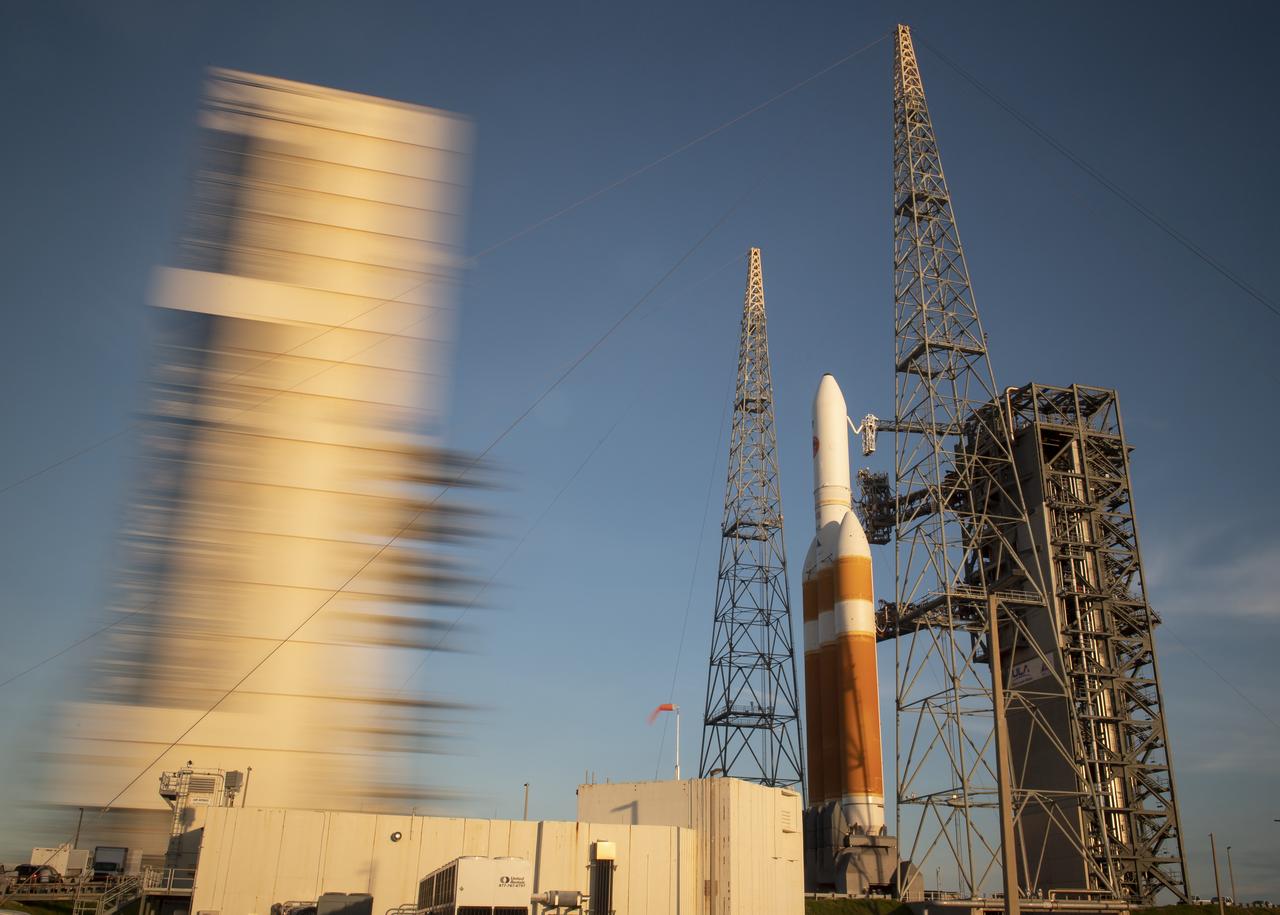
This long exposure photograph shows the Mobile Service Tower being rolled back to reveal the United Launch Alliance Delta IV Heavy rocket with the Parker Solar Probe onboard, Friday, Aug. 10, 2018, Launch Complex 37 at Cape Canaveral Air Force Station in Florida. Parker Solar Probe is humanity’s first-ever mission into a part of the Sun’s atmosphere called the corona. Here it will directly explore solar processes that are key to understanding and forecasting space weather events that can impact life on Earth. Photo Credit: (NASA/Bill Ingalls)

NASA Administrator Jim Bridenstine, left, and Tory Bruno, president and CEO of United Launch Alliance, are seen as they watch a United Launch Alliance Atlas V rocket with NASA’s Mars 2020 Perseverance rover onboard as it is rolled out of the Vertical Integration Facility to the launch pad at Space Launch Complex 41, Tuesday, July 28, 2020, at Cape Canaveral Air Force Station in Florida. The Perseverance rover is part of NASA’s Mars Exploration Program, a long-term effort of robotic exploration of the Red Planet. Launch is scheduled for Thursday, July 30. Photo Credit: (NASA/Joel Kowsky)
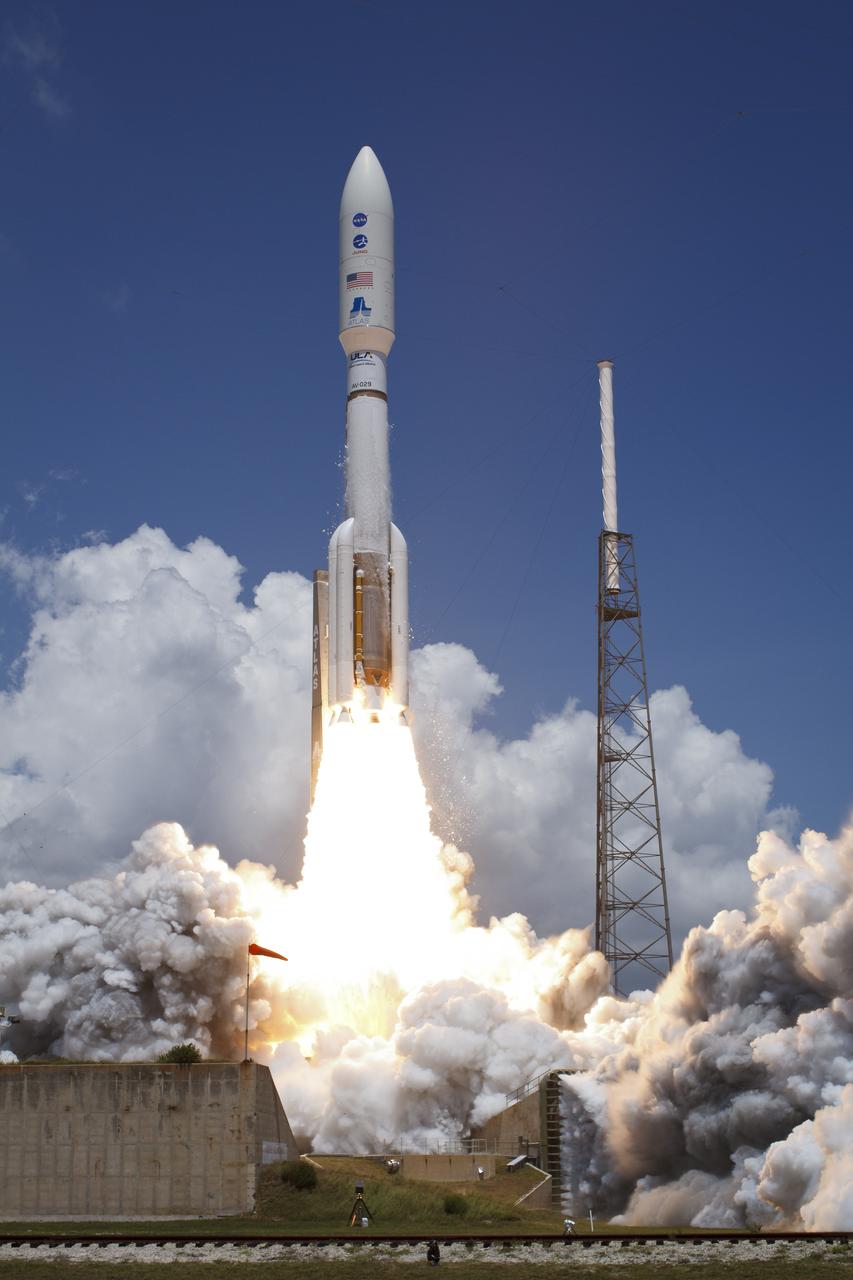
An Atlas V rocket launches with the Juno spacecraft payload from Space Launch Complex 41 at Cape Canaveral Air Force Station in Florida on Friday, August 5, 2011. The Juno spacecraft will make a five-year, 400-million-mile voyage to Jupiter, orbit the planet, investigate its origin and evolution with eight instruments to probe its internal structure and gravity field, measure water and ammonia in its atmosphere, map its powerful magnetic field and observe its intense auroras. Photo Credit: (NASA/Bill Ingalls)
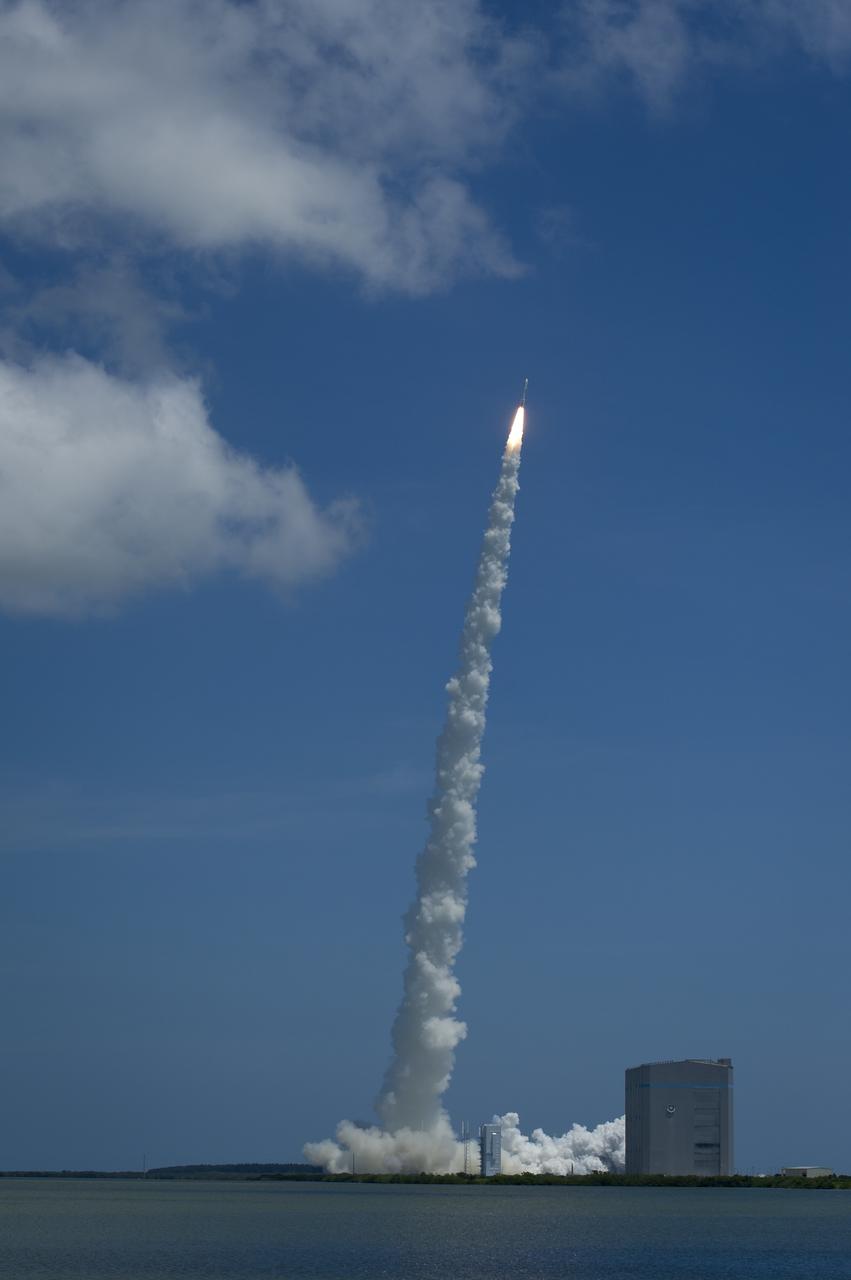
An Atlas V rocket launches with the Juno spacecraft payload from Space Launch Complex 41 at Cape Canaveral Air Force Station in Florida on Friday, August 5, 2011. The Juno spacecraft will make a five-year, 400-million-mile voyage to Jupiter, orbit the planet, investigate its origin and evolution with eight instruments to probe its internal structure and gravity field, measure water and ammonia in its atmosphere, map its powerful magnetic field and observe its intense auroras. Photo Credit: (NASA/Bill Ingalls)
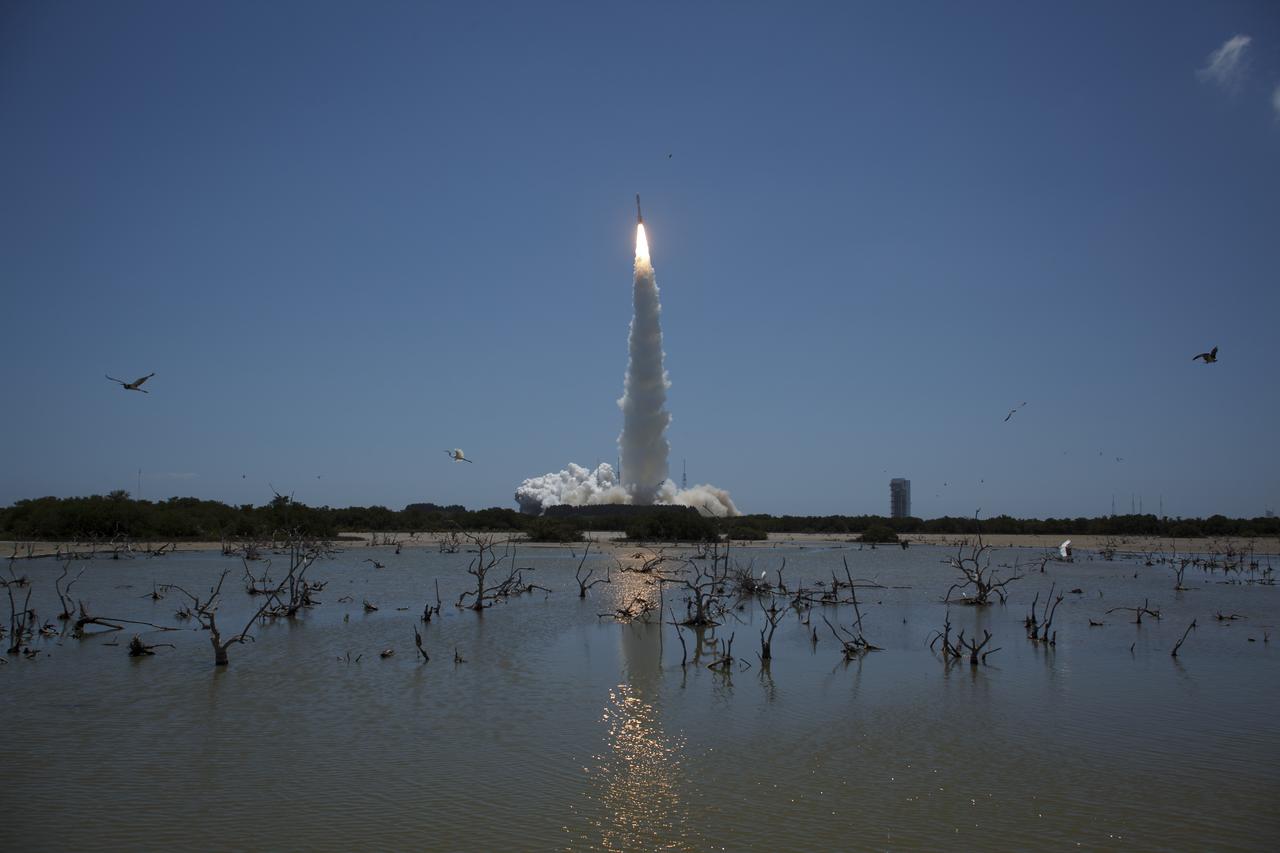
An Atlas V rocket launches with the Juno spacecraft payload from Space Launch Complex 41 at Cape Canaveral Air Force Station in Florida on Friday, August 5, 2011. The Juno spacecraft will make a five-year, 400-million-mile voyage to Jupiter, orbit the planet, investigate its origin and evolution with eight instruments to probe its internal structure and gravity field, measure water and ammonia in its atmosphere, map its powerful magnetic field and observe its intense auroras. Photo Credit: (NASA/Bill Ingalls)
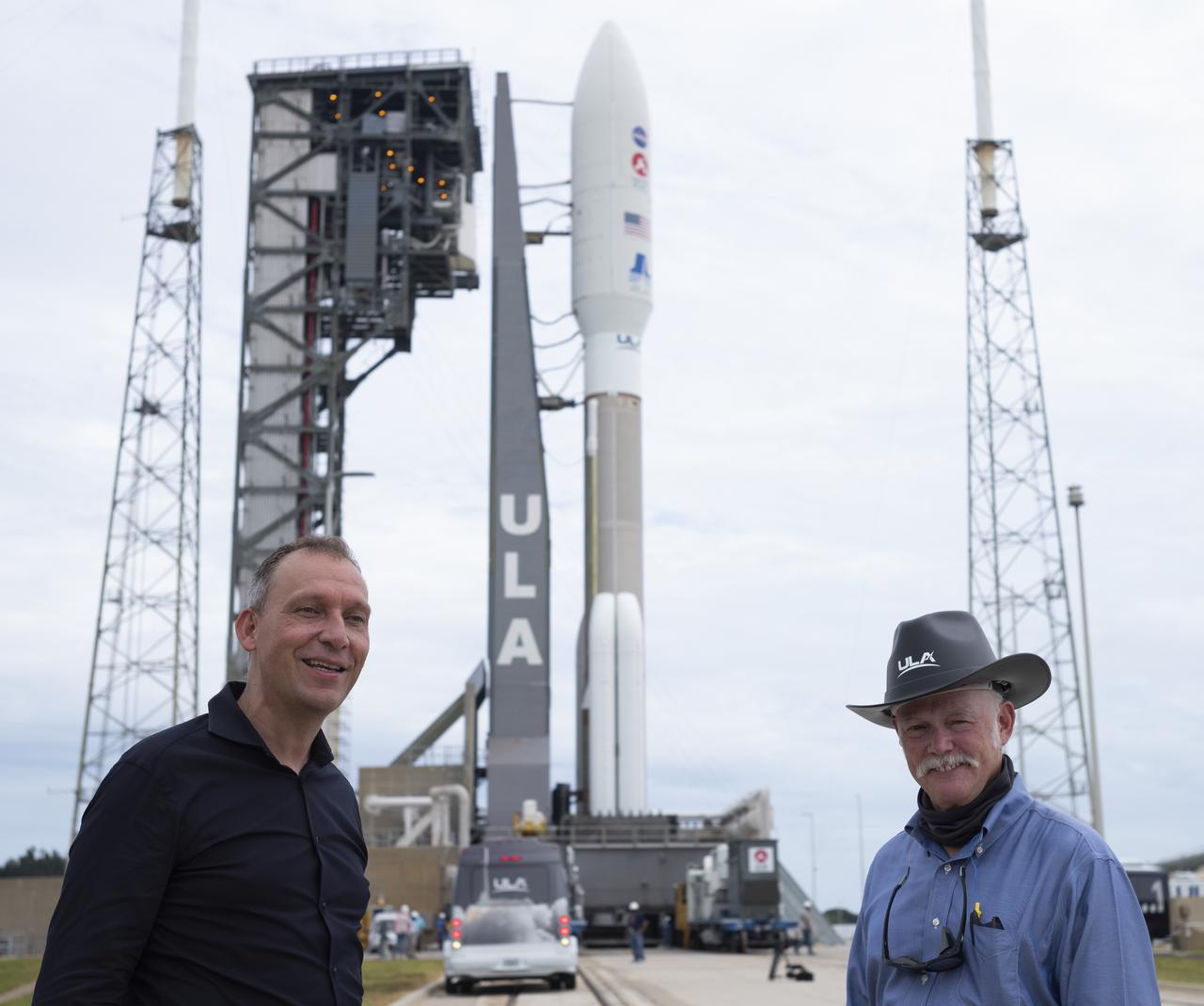
Thomas Zurbuchen, Associate Administrator for NASA's Science Mission Directorate, left, is seen with Tory Bruno, president and CEO of United Launch Alliance, after the rollout of a United Launch Alliance Atlas V rocket with NASA’s Mars 2020 Perseverance rover to the launch pad at Launch Complex 41, Tuesday, July 28, 2020, at Cape Canaveral Air Force Station in Florida. The Perseverance rover is part of NASA’s Mars Exploration Program, a long-term effort of robotic exploration of the Red Planet. Launch is scheduled for Thursday, July 30. Photo Credit: (NASA/Joel Kowsky)
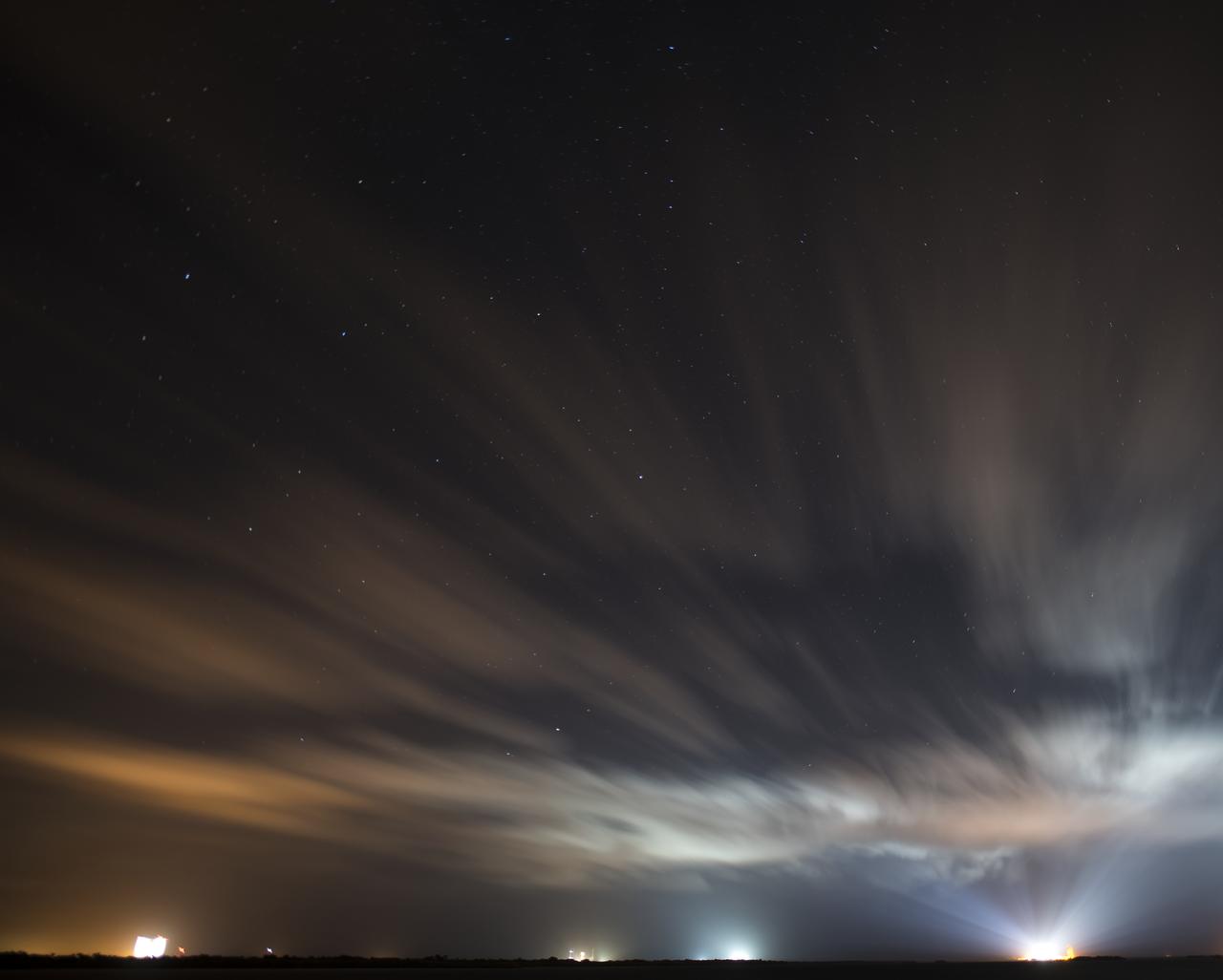
In this long exposure image, Space Launch Complex 41 at Cape Canaveral Air Force Station, right, is seen illuminated by spotlights ahead of Boeing's CST-100 Starliner Orbital Flight Test mission, Wednesday, Dec. 18, 2019, at Cape Canaveral Air Force Station in Florida. Also visible are the Vehicle Assembly Building, left, and Launch Pad’s 39B, second from left, and 39A, second from right at NASA’s Kennedy Space Center. The uncrewed Orbital Flight Test, launching onboard a United Launch Alliance Atlas V rocket, will be Starliner’s maiden mission to the International Space Station for NASA's Commercial Crew Program. The mission, currently targeted for a 6:26 a.m. EST launch on Dec. 20, will serve as an end-to-end test of the system's capabilities. Photo Credit: (NASA/Joel Kowsky)
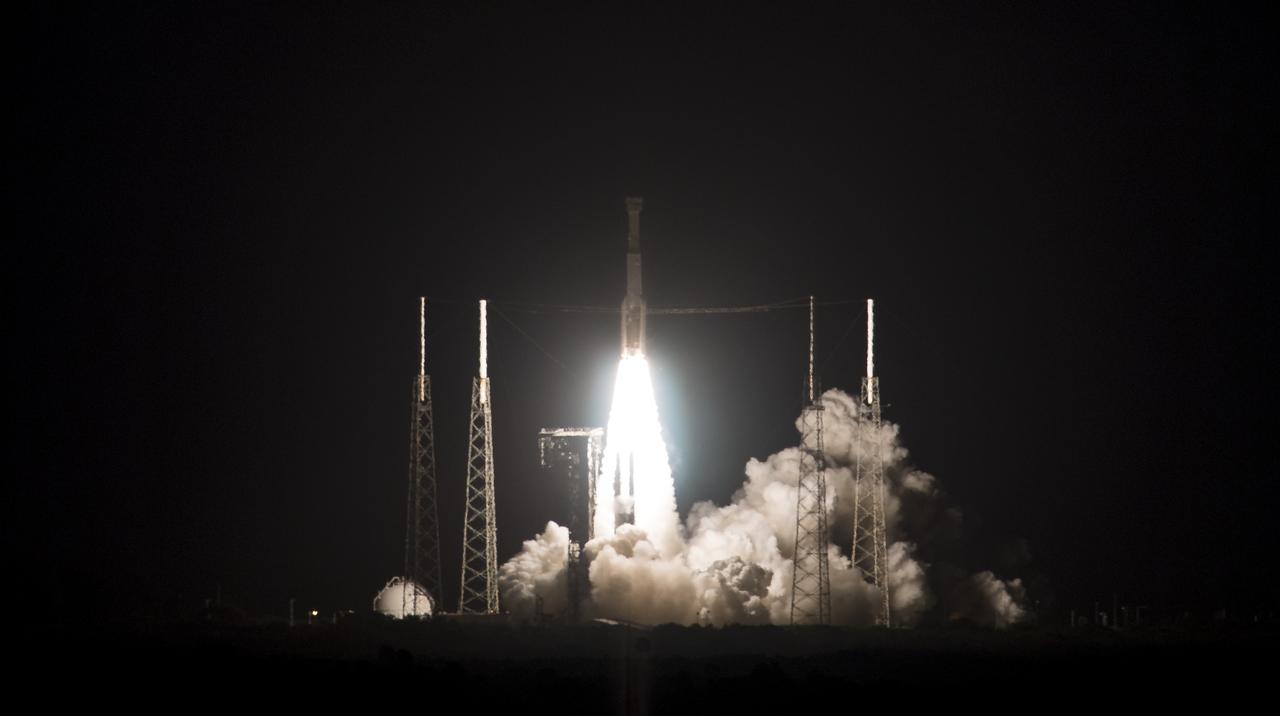
A United Launch Alliance Atlas V rocket with Boeing’s CST-100 Starliner spacecraft launches from Space Launch Complex 41, Friday, Dec. 20, 2019, at Cape Canaveral Air Force Station in Florida. The uncrewed Orbital Flight Test launched at 6:36 a.m. EST and is Starliner’s maiden mission to the International Space Station for NASA's Commercial Crew Program. The mission will serve as an end-to-end test of the system's capabilities. Photo Credit: (NASA/Joel Kowsky)
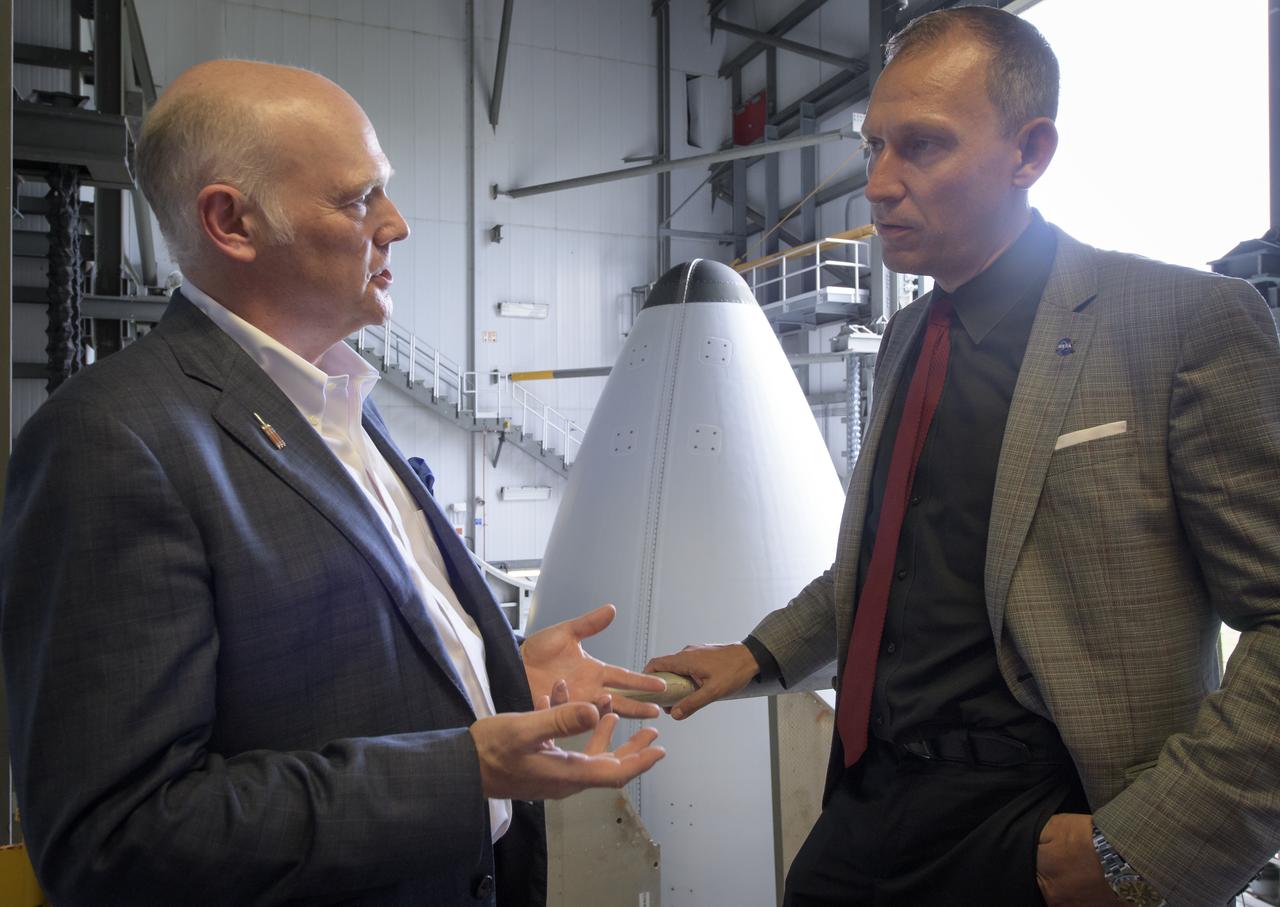
President and Chief Executive Officer for United Launch Alliance Tory Bruno, left, and NASA Associate Administrator for the Science Mission Directorate Thomas Zurbuchen talk while viewing the top of the ULA Delta IV Heavy rocket with NASA's Parker Solar onboard, Friday, Aug. 10, 2018, Launch Complex 37 at Cape Canaveral Air Force Station, Florida. This is the first NASA mission that has been named for a living individual. Parker Solar Probe is humanity’s first-ever mission into a part of the Sun’s atmosphere called the corona. Here it will directly explore solar processes that are key to understanding and forecasting space weather events that can impact life on Earth. Photo Credit: (NASA/Bill Ingalls)
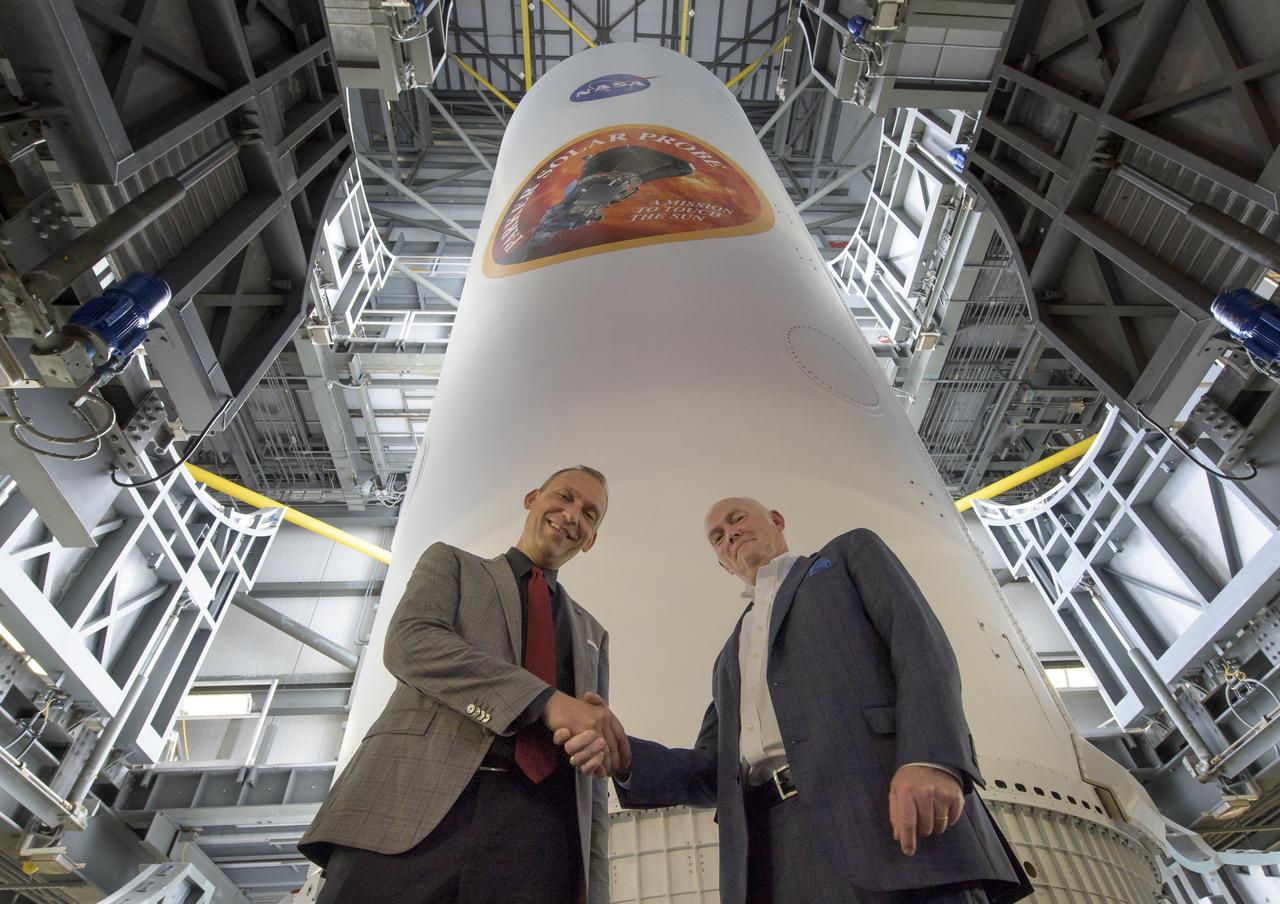
NASA Associate Administrator for the Science Mission Directorate Thomas Zurbuchen, left, and President and Chief Executive Officer for United Launch Alliance Tory Bruno shake hands after viewing the ULA Delta IV Heavy rocket with NASA's Parker Solar onboard, Friday, Aug. 10, 2018, Launch Complex 37 at Cape Canaveral Air Force Station, Florida. This is the first NASA mission that has been named for a living individual. Parker Solar Probe is humanity’s first-ever mission into a part of the Sun’s atmosphere called the corona. Here it will directly explore solar processes that are key to understanding and forecasting space weather events that can impact life on Earth. Photo Credit: (NASA/Bill Ingalls)
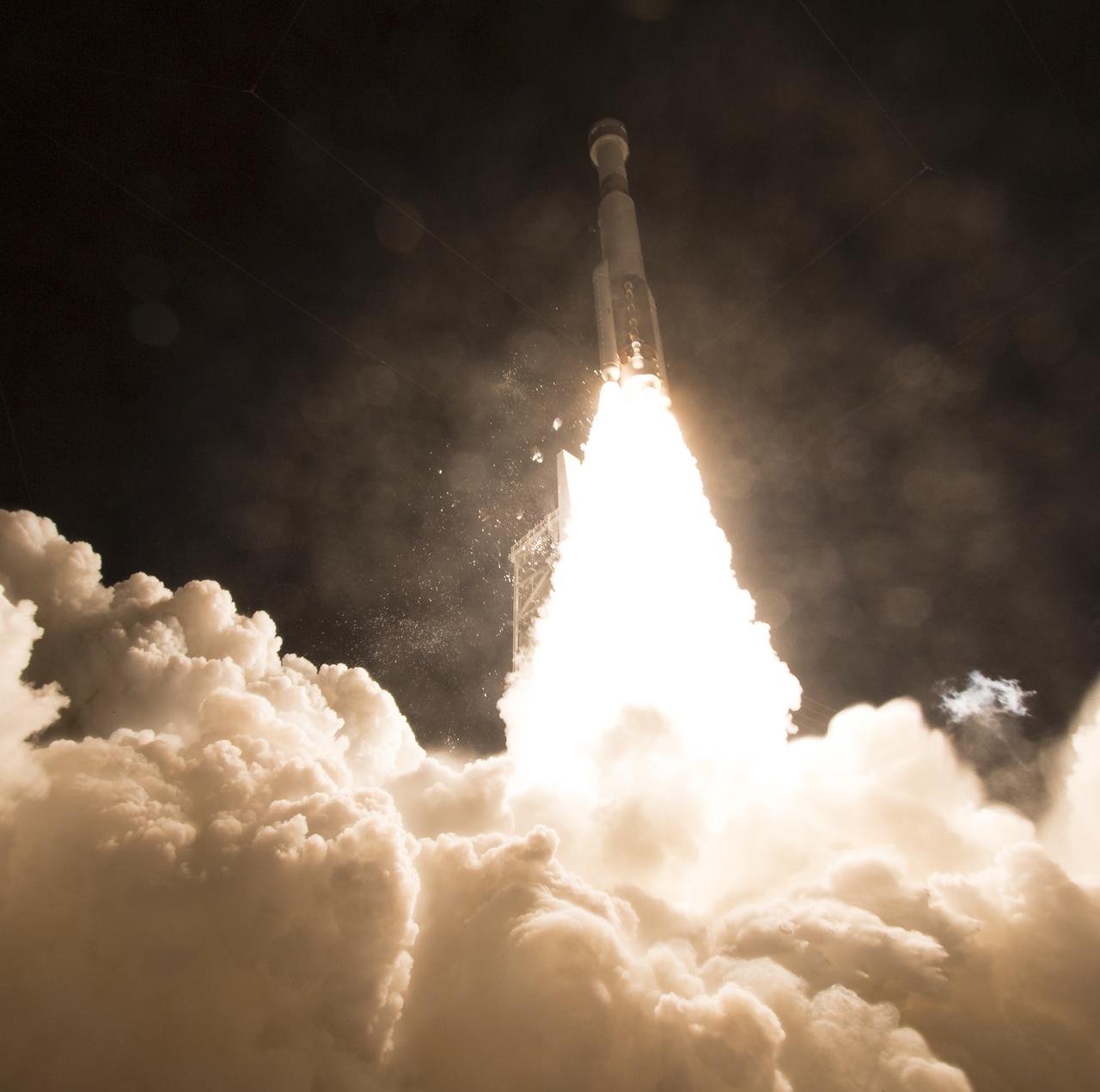
A United Launch Alliance Atlas V rocket with Boeing’s CST-100 Starliner spacecraft launches from Space Launch Complex 41, Friday, Dec. 20, 2019, at Cape Canaveral Air Force Station in Florida. After a successful launch at 6:36 a.m. EST, Boeing’s CST-100 Starliner is in an unplanned, but stable orbit. The team is assessing what test objectives can be achieved before the spacecraft’s return to land in White Sands, New Mexico. Photo Credit: (NASA/Joel Kowsky)

A United Launch Alliance Atlas V rocket with Boeing’s CST-100 Starliner spacecraft launches from Space Launch Complex 41, Friday, Dec. 20, 2019, at Cape Canaveral Air Force Station in Florida. After a successful launch at 6:36 a.m. EST, Boeing’s CST-100 Starliner is in an unplanned, but stable orbit. The team is assessing what test objectives can be achieved before the spacecraft’s return to land in White Sands, New Mexico. Photo Credit: (NASA/Joel Kowsky)

A United Launch Alliance Atlas V rocket with Boeing’s CST-100 Starliner spacecraft launches from Space Launch Complex 41, Friday, Dec. 20, 2019, at Cape Canaveral Air Force Station in Florida. After a successful launch at 6:36 a.m. EST, Boeing’s CST-100 Starliner is in an unplanned, but stable orbit. The team is assessing what test objectives can be achieved before the spacecraft’s return to land in White Sands, New Mexico. Photo Credit: (NASA/Joel Kowsky)
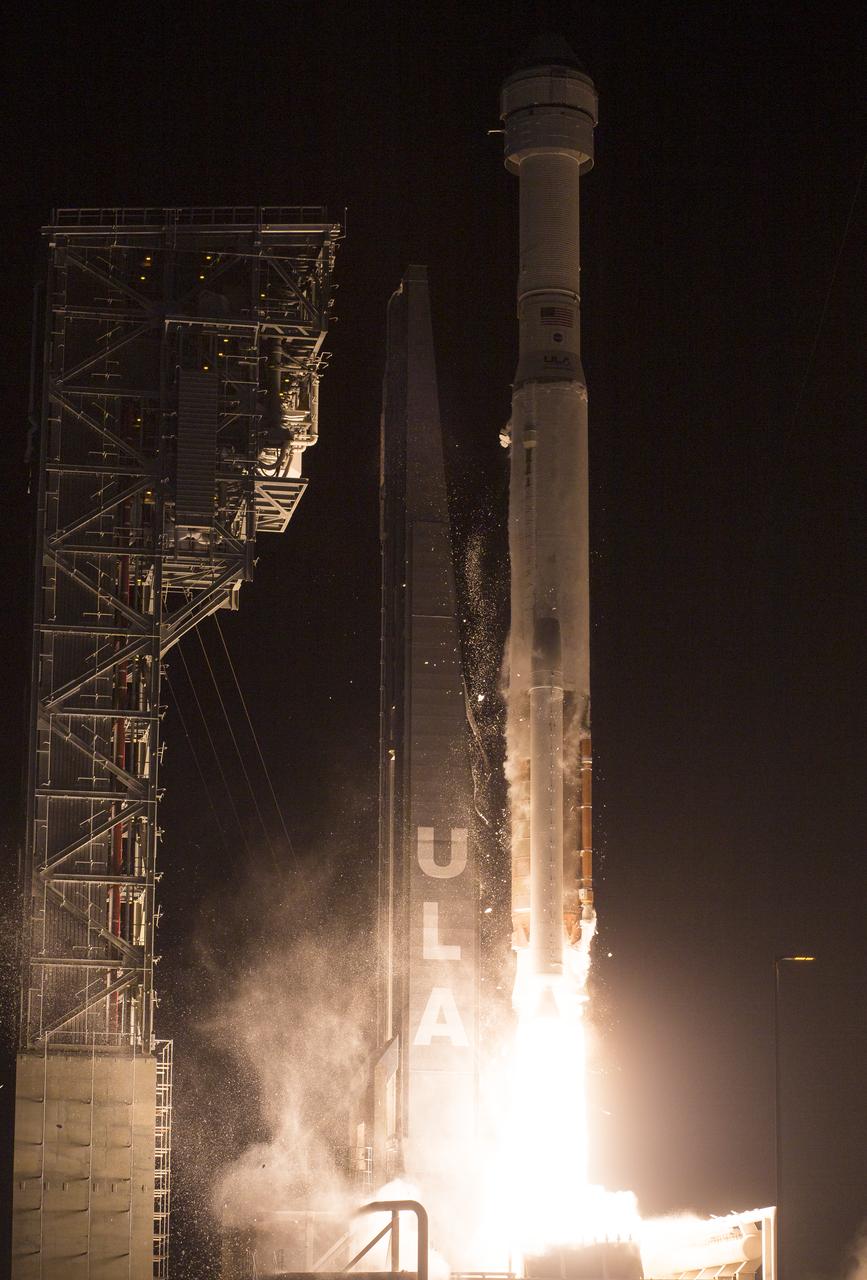
A United Launch Alliance Atlas V rocket with Boeing’s CST-100 Starliner spacecraft launches from Space Launch Complex 41, Friday, Dec. 20, 2019, at Cape Canaveral Air Force Station in Florida. After a successful launch at 6:36 a.m. EST, Boeing’s CST-100 Starliner is in an unplanned, but stable orbit. The team is assessing what test objectives can be achieved before the spacecraft’s return to land in White Sands, New Mexico. Photo Credit: (NASA/Joel Kowsky)
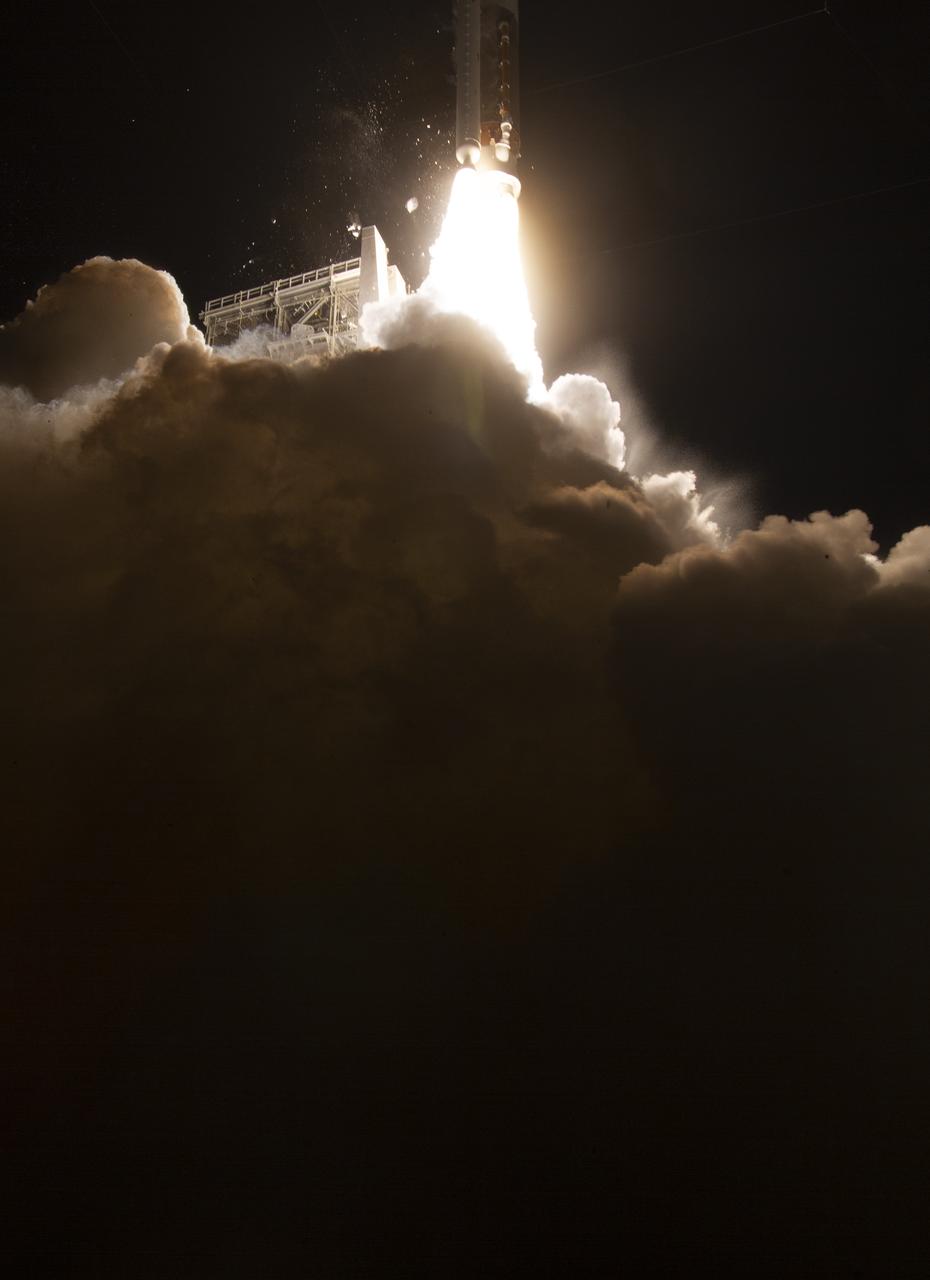
A United Launch Alliance Atlas V rocket with Boeing’s CST-100 Starliner spacecraft launches from Space Launch Complex 41, Friday, Dec. 20, 2019, at Cape Canaveral Air Force Station in Florida. After a successful launch at 6:36 a.m. EST, Boeing’s CST-100 Starliner is in an unplanned, but stable orbit. The team is assessing what test objectives can be achieved before the spacecraft’s return to land in White Sands, New Mexico. Photo Credit: (NASA/Joel Kowsky)
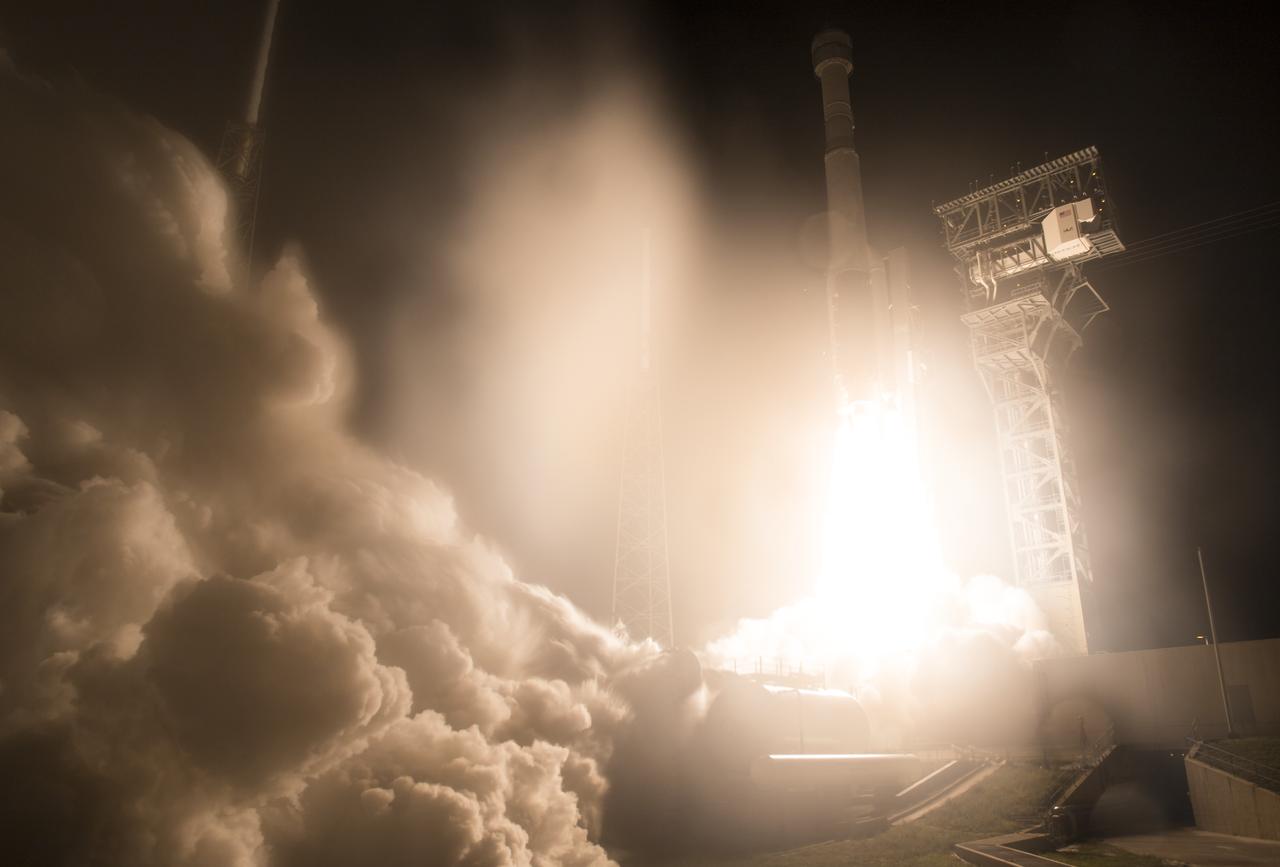
A United Launch Alliance Atlas V rocket with Boeing’s CST-100 Starliner spacecraft launches from Space Launch Complex 41, Friday, Dec. 20, 2019, at Cape Canaveral Air Force Station in Florida. After a successful launch at 6:36 a.m. EST, Boeing’s CST-100 Starliner is in an unplanned, but stable orbit. The team is assessing what test objectives can be achieved before the spacecraft’s return to land in White Sands, New Mexico. Photo Credit: (NASA/Joel Kowsky)