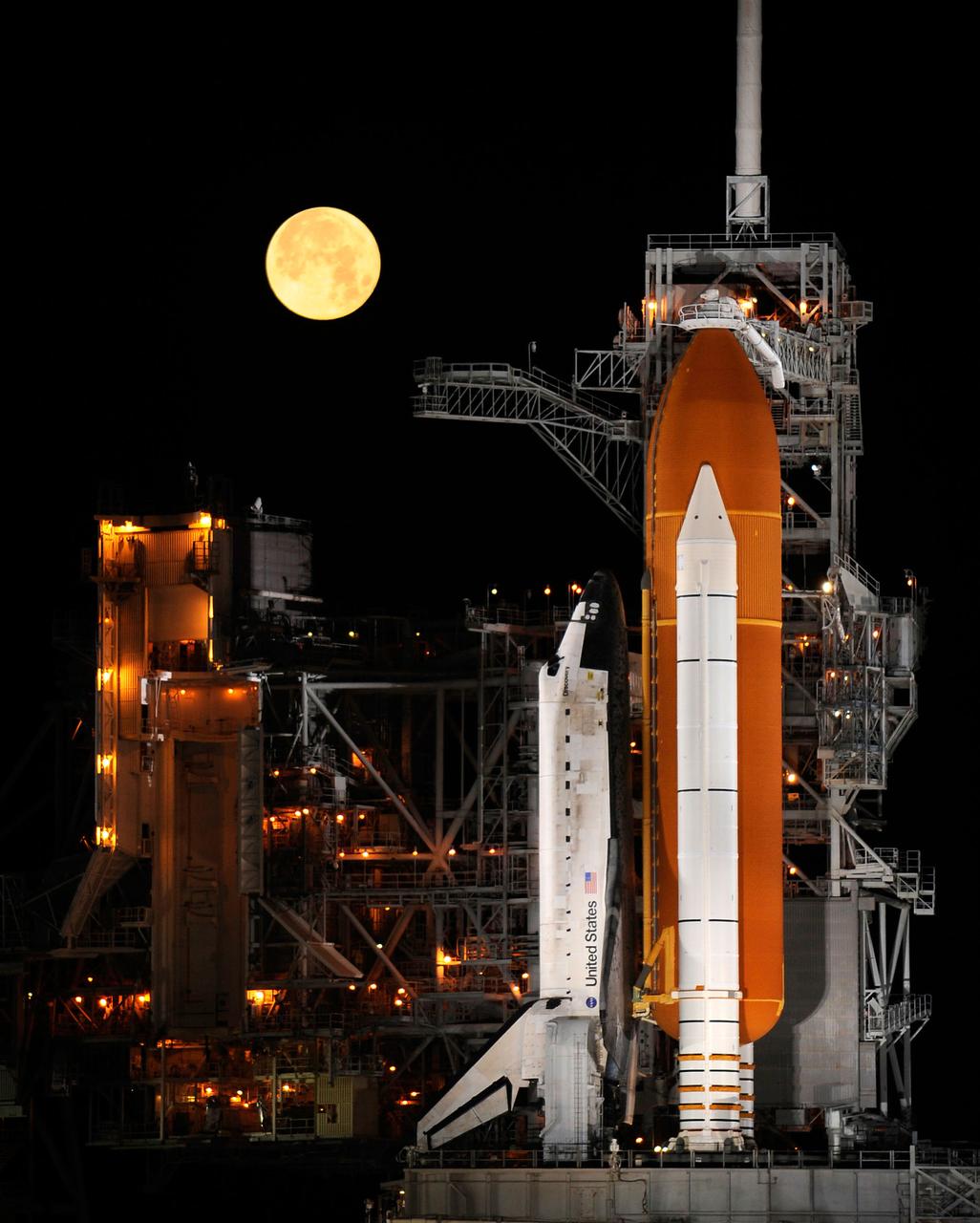
A nearly full Moon sets as the space shuttle Discovery sits atop Launch pad 39A at the Kennedy Space Center in Cape Canaveral, Florida, Wednesday, March 11, 2009. Photo Credit: (NASA/Bill Ingalls)
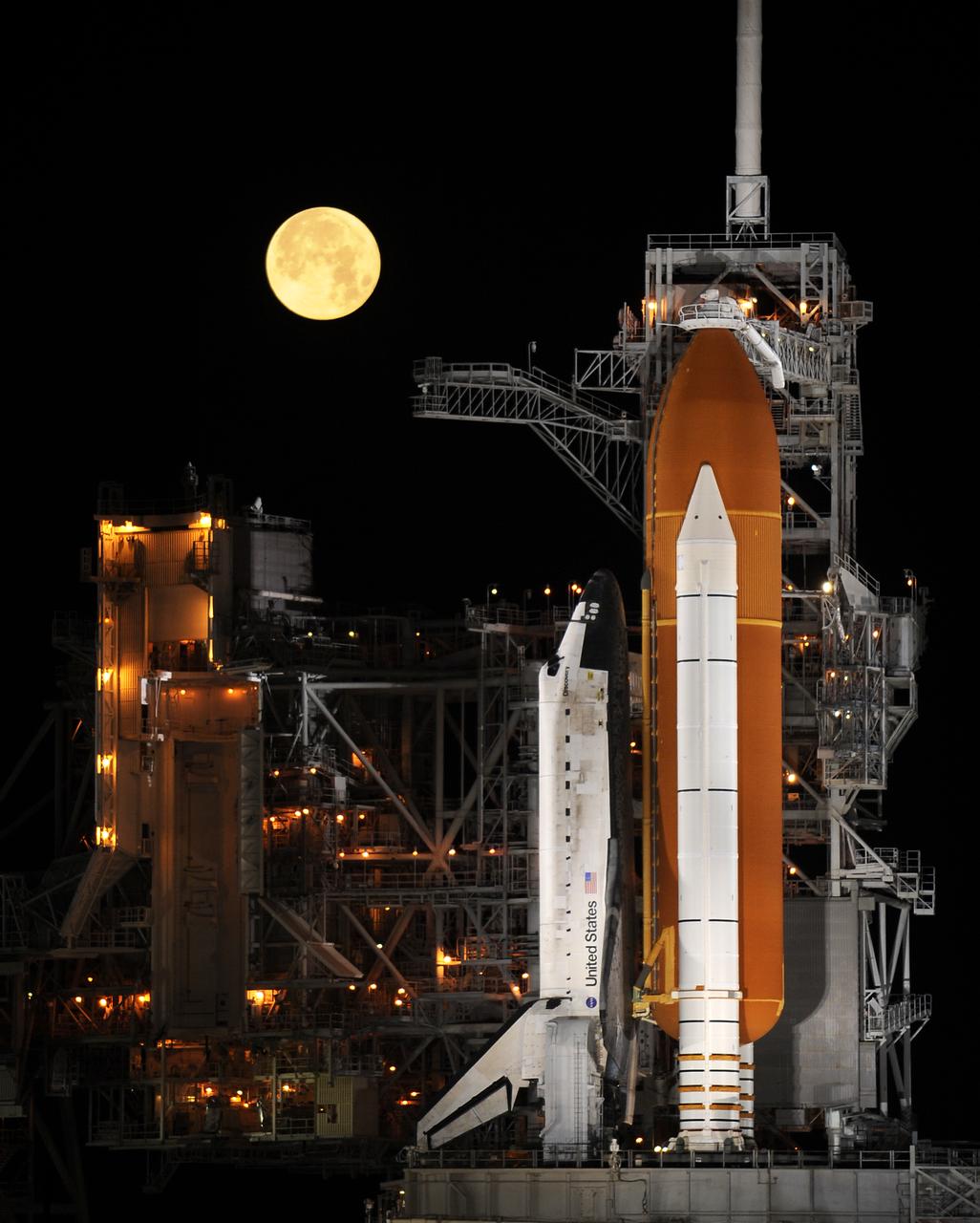
A nearly full Moon sets as the space shuttle Discovery sits atop Launch pad 39A at the Kennedy Space Center in Cape Canaveral, Florida, Wednesday, March 11, 2009. Photo Credit: (NASA/Bill Ingalls)
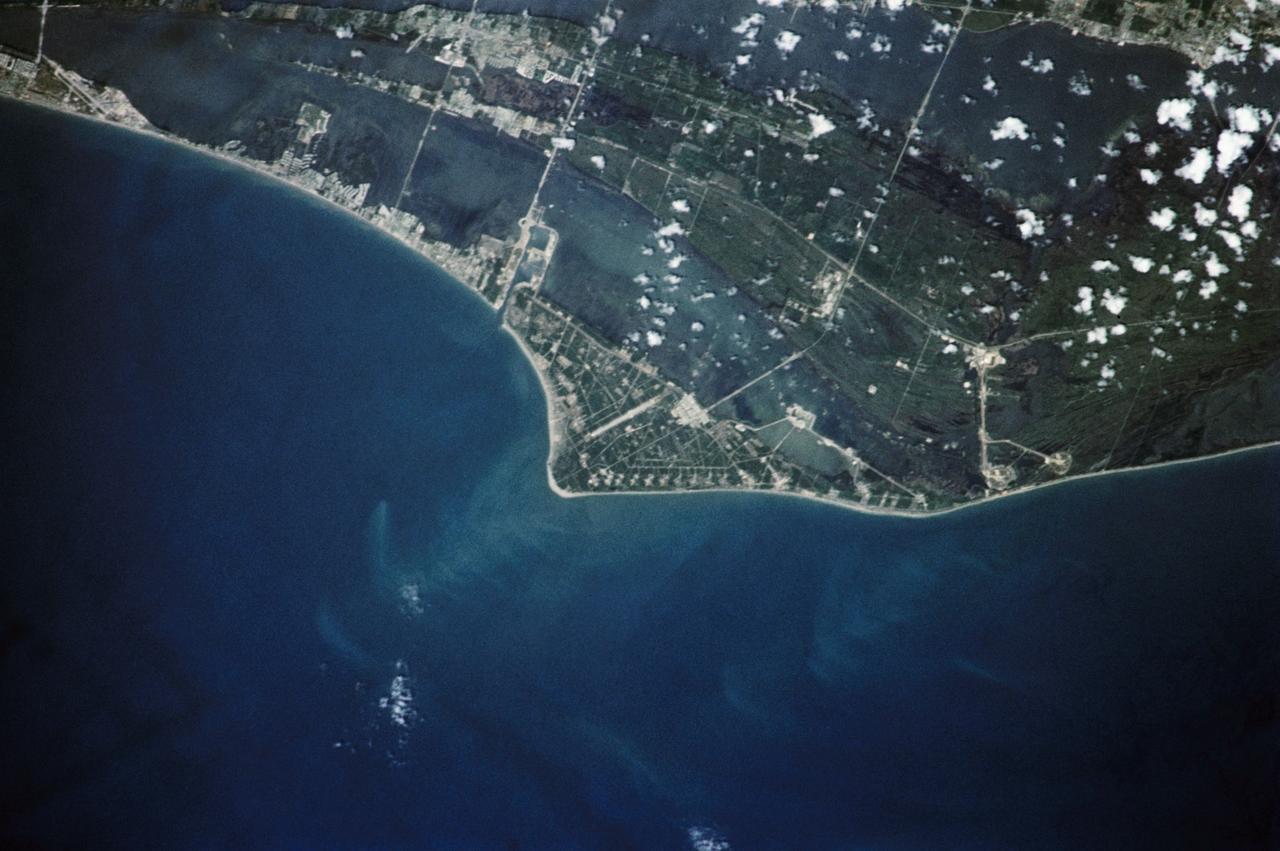
SL2-106-1194 (22 June 1973) --- This overhead view of the central eastern shore of Florida shows the Cape Canaveral and Kennedy Space Center (28.5N, 80.5W), where all of the NASA manned space missions originate. Sprinkled along the jutting cape are a number of KSC launch pads from the earlier Mercury, Gemini Apollo and Skylab series of spaceflights. Merritt Island, just south of Kennedy Space Center, is where the spacecraft liftoff tracking station is located. Photo credit: NASA
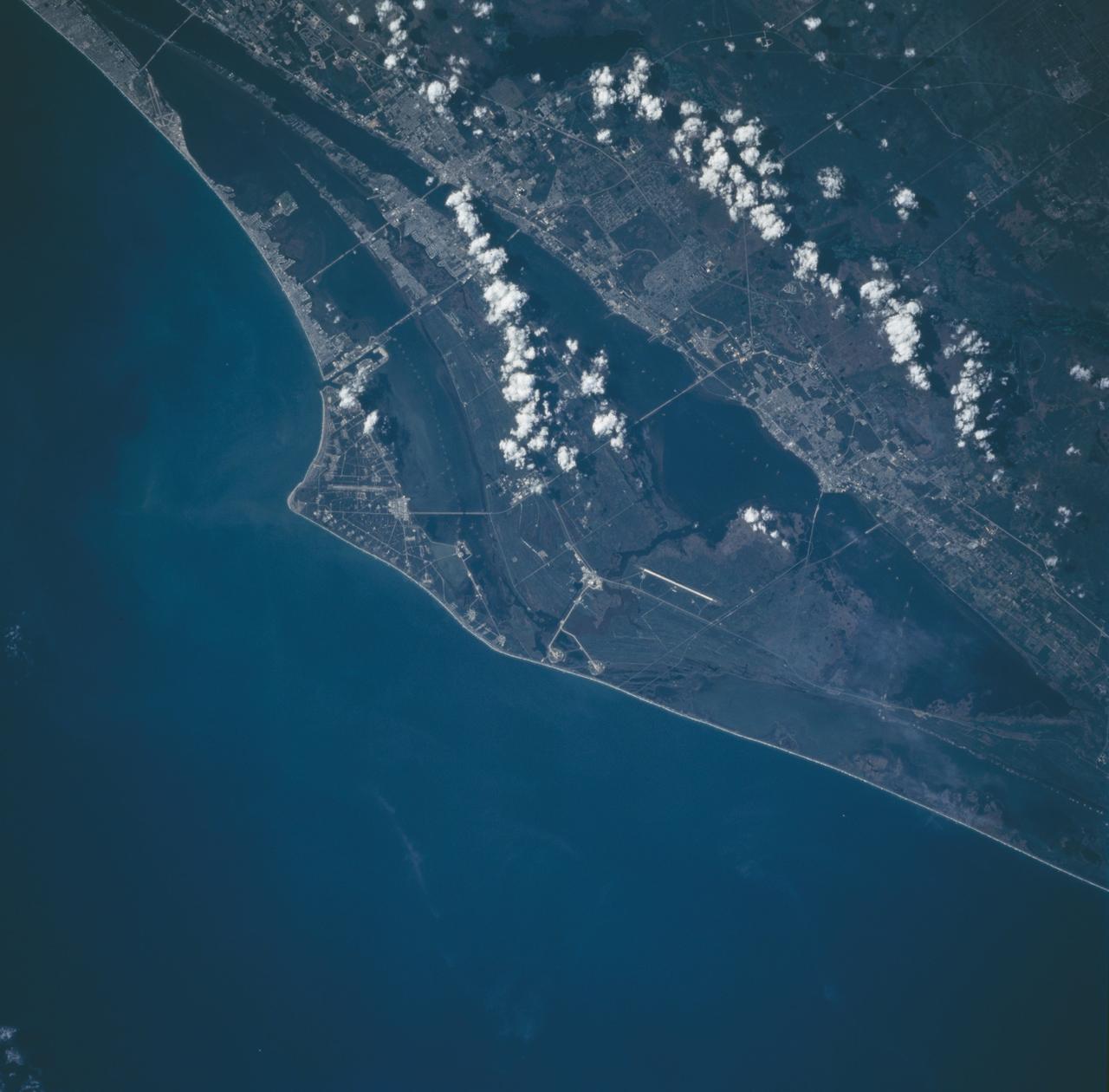
This nadir photograph of the Cape Canaveral area on Florida's eastern coast was taken by the STS-66 crew in November, 1994. The Space Shuttle Vehicle Assembly area and the runways used by the returning Shuttles can be seen near the center of this photograph as part of the John F. Kennedy Space Center (KSC). Launch Pads A and B as well as many other launch pads and a runway can be seen on Cape Canaveral. Cape Canaveral is located to the east of KSC. South of the launch area is Port Canaveral and Cocoa Beach on the Atlantic coast with the towns of Cocoa, Merrit Island and Titusville situated along the Intercoastal Waterway.
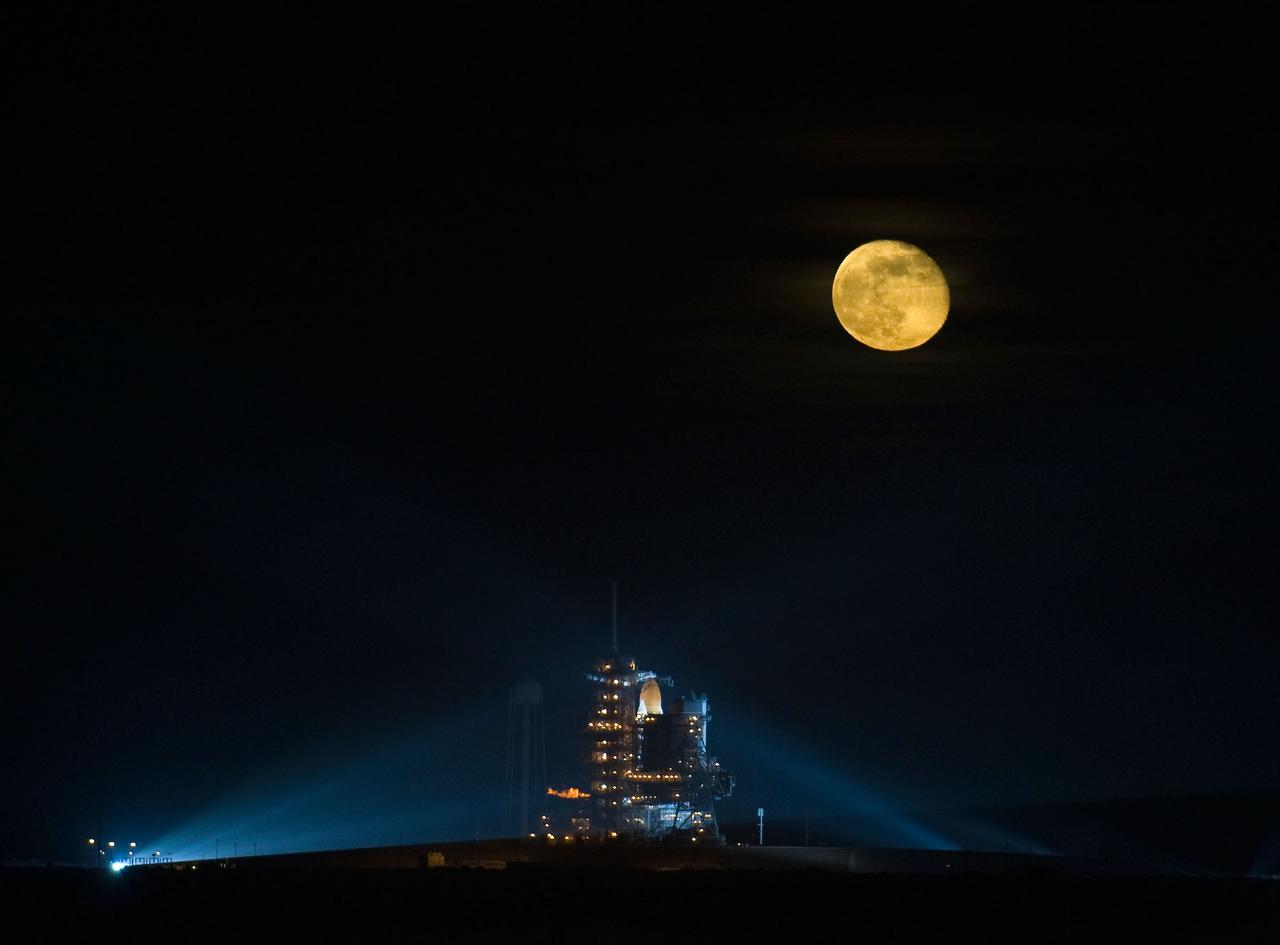
The Moon is seen rising behind the Space Shuttle Endeavour (STS-126) on pad 39a Friday, November 14, 2008, at the Kennedy Space Center in Cape Canaveral, Fla. The Shuttle lifted off from launch pad 39A at 7:55 p.m. EST. Photo Credit: (NASA/Bill Ingalls)

NASA Administrator, Michael Griffin watches the launch of the Space Shuttle Discovery (STS-124) from the Launch Control Center Saturday, May 31, 2008, at the Kennedy Space Center in Cape Canaveral, Fla. The Shuttle lifted off from launch pad 39A at 5:02 p.m. EDT. Photo Credit: (NASA/Bill Ingalls)
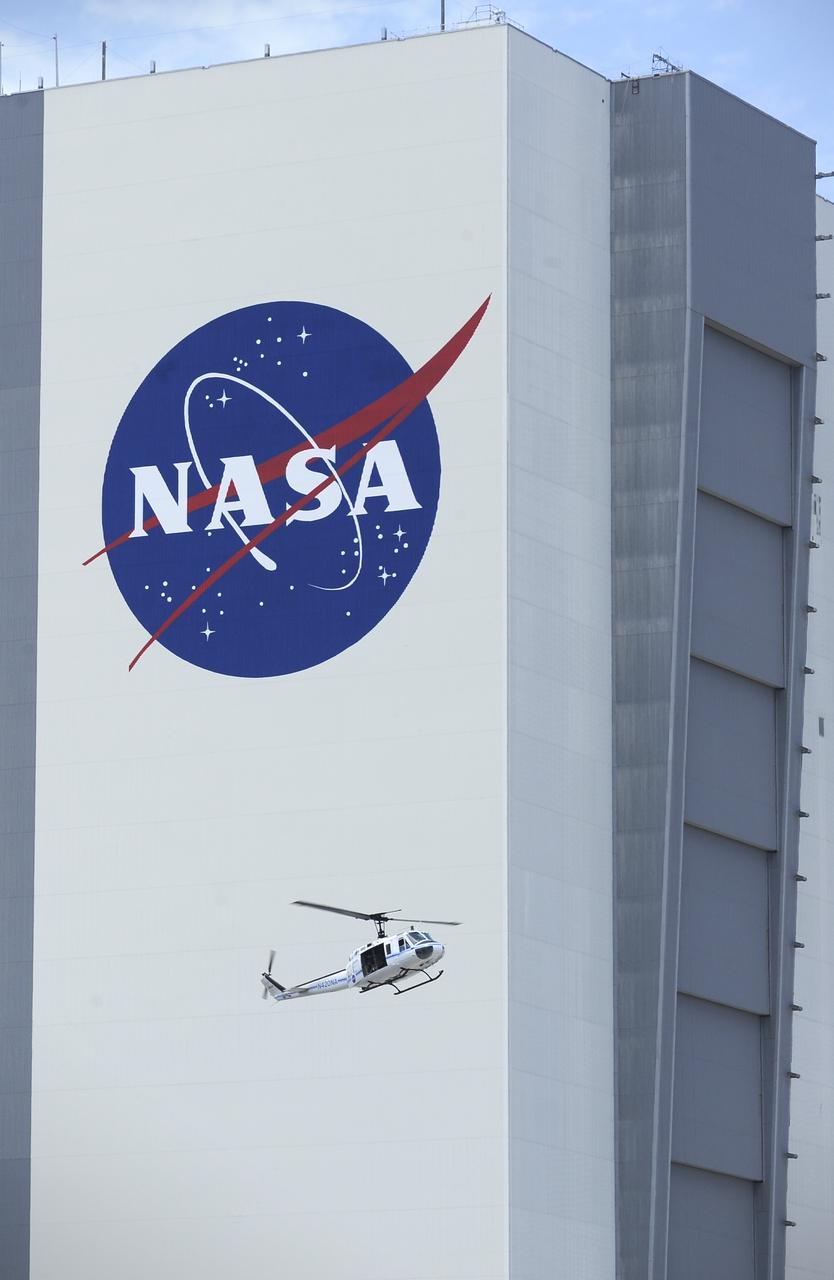
A NASA helicopter escorting the STS-124 crew in their Astronvan to launch pad 39A flies in front of the Vehicle Assembly Building Saturday, May 31, 2008, at the Kennedy Space Center in Cape Canaveral, Fla. Photo Credit: (NASA/Bill Ingalls)

NASA Administrator, Michael Griffin talks with other NASA managers in the Launch Control Center prior to the launch of the Space Shuttle Discovery (STS-124) Saturday, May 31, 2008, at the Kennedy Space Center in Cape Canaveral, Fla. The Shuttle lifted off from launch pad 39A at 5:02 p.m. EDT. Photo Credit: (NASA/Bill Ingalls)
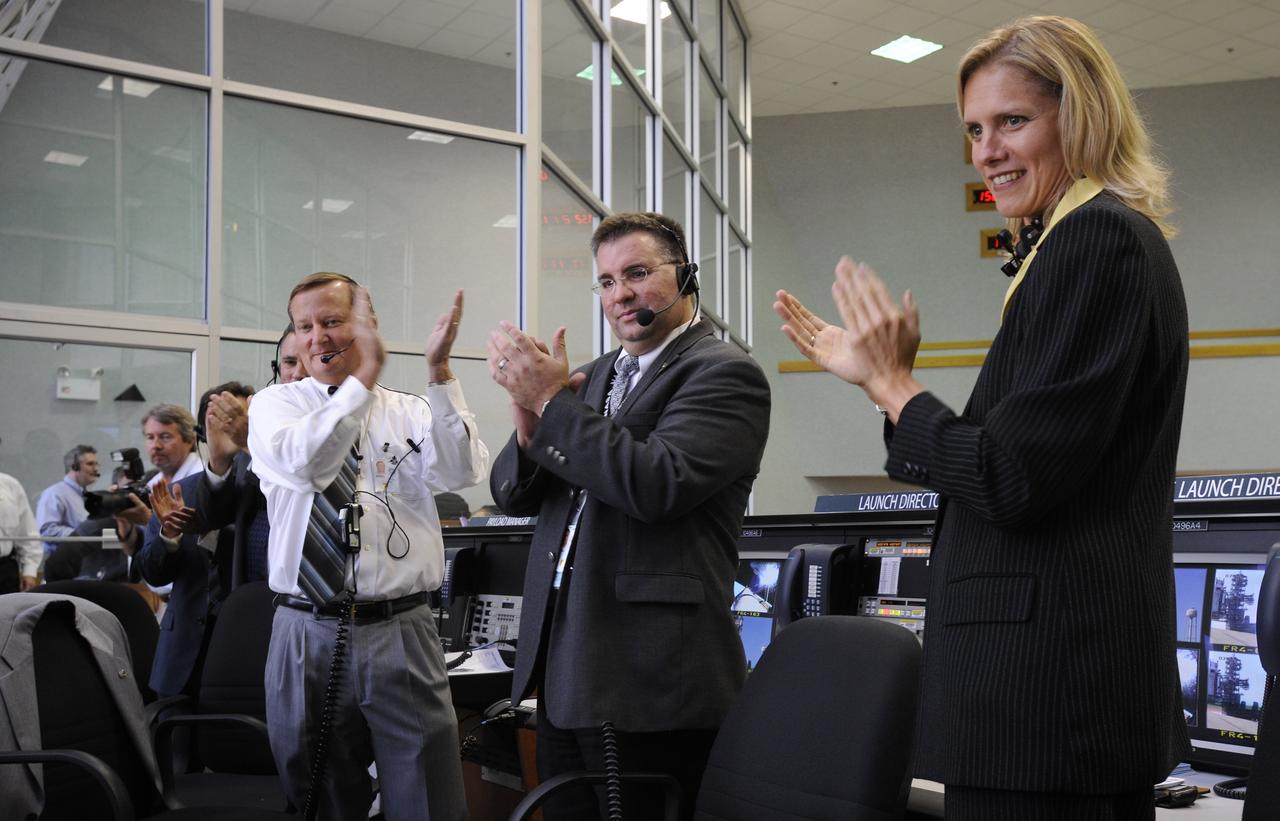
NASA Shuttle Launch Director Michael Leinbach, left, STS-124 Assistant Launch Director Ed Mango, center, and Flow Director for Space Shuttle Discovery Stephanie Stilson clap in the the Launch Control Center after the main engine cut off and successful launch of the Space Shuttle Discovery (STS-124) Saturday, May 31, 2008, at the Kennedy Space Center in Cape Canaveral, Fla. The Shuttle lifted off from launch pad 39A at 5:02 p.m. EDT. Photo Credit: (NASA/Bill Ingalls)

The Moon is seen rising behind the Space Shuttle Endeavour (STS-126) on pad 39a Friday, November 14, 2008, at the Kennedy Space Center in Cape Canaveral, Fla. The Shuttle lifted off from launch pad 39A at 7:55 p.m. EST. Photo Credit: (NASA/Bill Ingalls)
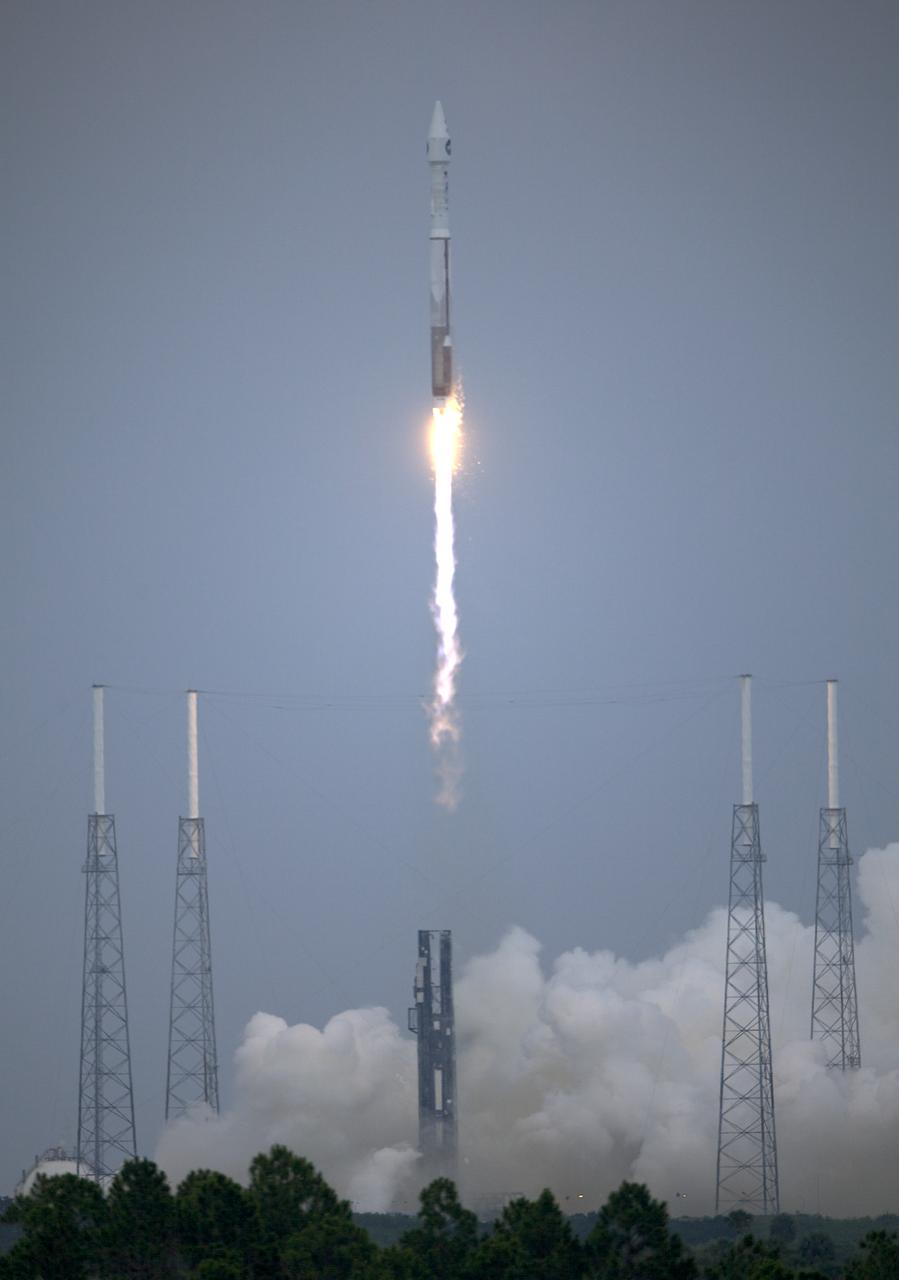
The Lunar Reconnaissance Orbiter and Lunar Crater Observation and Sensing Satellite are bound for the moon after a flawless liftoff Thursday, June 18, 2009, from Cape Canaveral Air Force Station in Florida aboard an Atlas V rocket. Photo Credit: (NASA/Bill Ingalls)
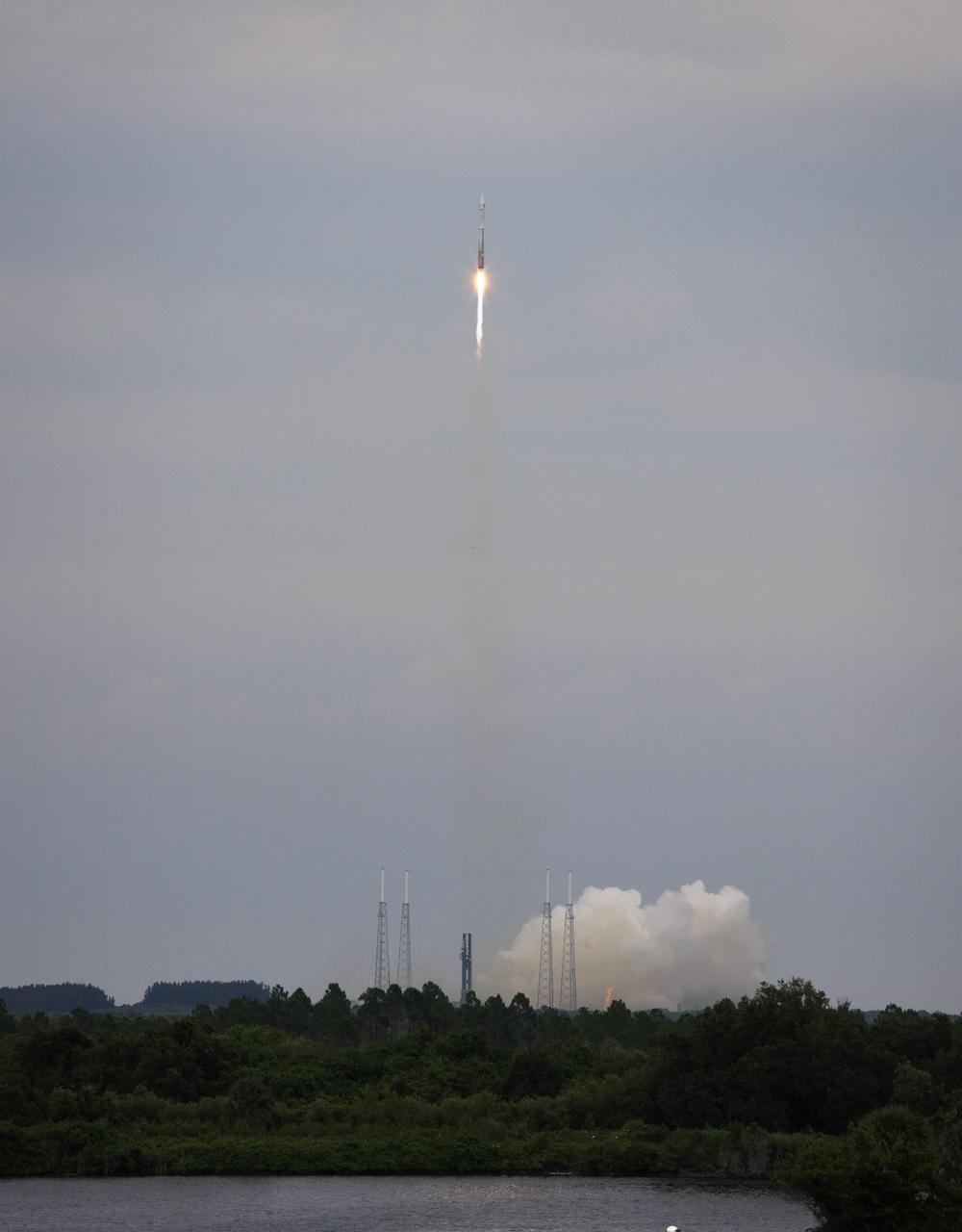
The Lunar Reconnaissance Orbiter and Lunar Crater Observation and Sensing Satellite are bound for the moon after a flawless liftoff Thursday, June 18, 2009, from Cape Canaveral Air Force Station in Florida aboard an Atlas V rocket. Photo Credit: (NASA/Bill Ingalls)
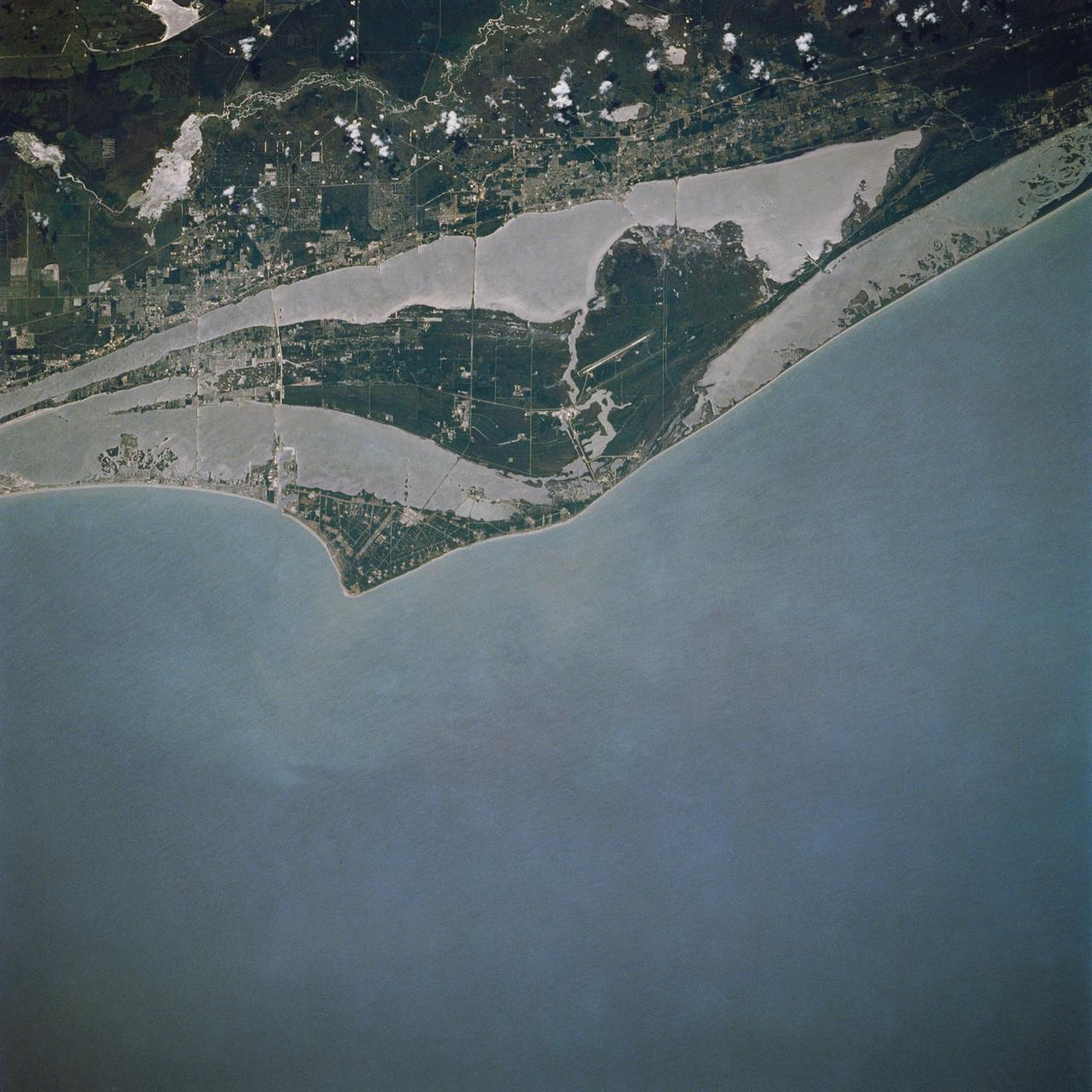
STS030-76-042 (4-8 May 1989) --- For two decades, astronauts have been photographing their launching area from space, but in terms of sharpness and clarity, NASA photo experts feel, few rival this STS-30 vertical scene over the Cape Canaveral area. Sprinkled along the jutting cape feature are a number of launching pads of Kennedy Space Center, and nearby is seen the Shuttle landing facility. Titusville can be seen just above center on the north; Cocoa, Cocoa Beach and Merritt Island are south, near bottom of the frame. St. Johns, Banana and Indian Rivers are easily traced as well.
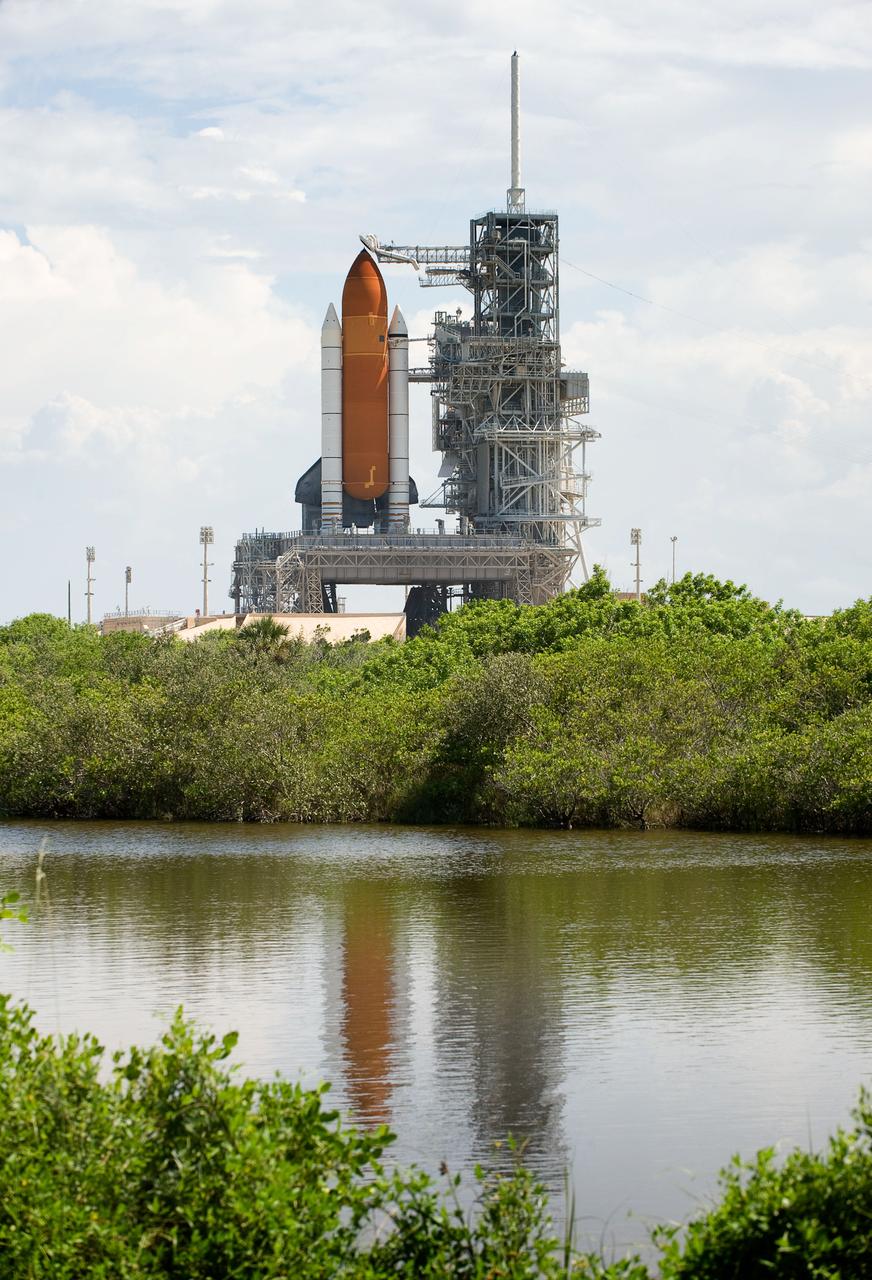
The space shuttle Endeavour is seen at launch pad 39A at NASA's Kennedy Space Center in Cape Canaveral, Florida on Saturday, July 11, 2009. NASA is hopeful that Endeavour will launch with the crew of STS-127 on Sunday. Photo Credit: (NASA/Bill Ingalls)
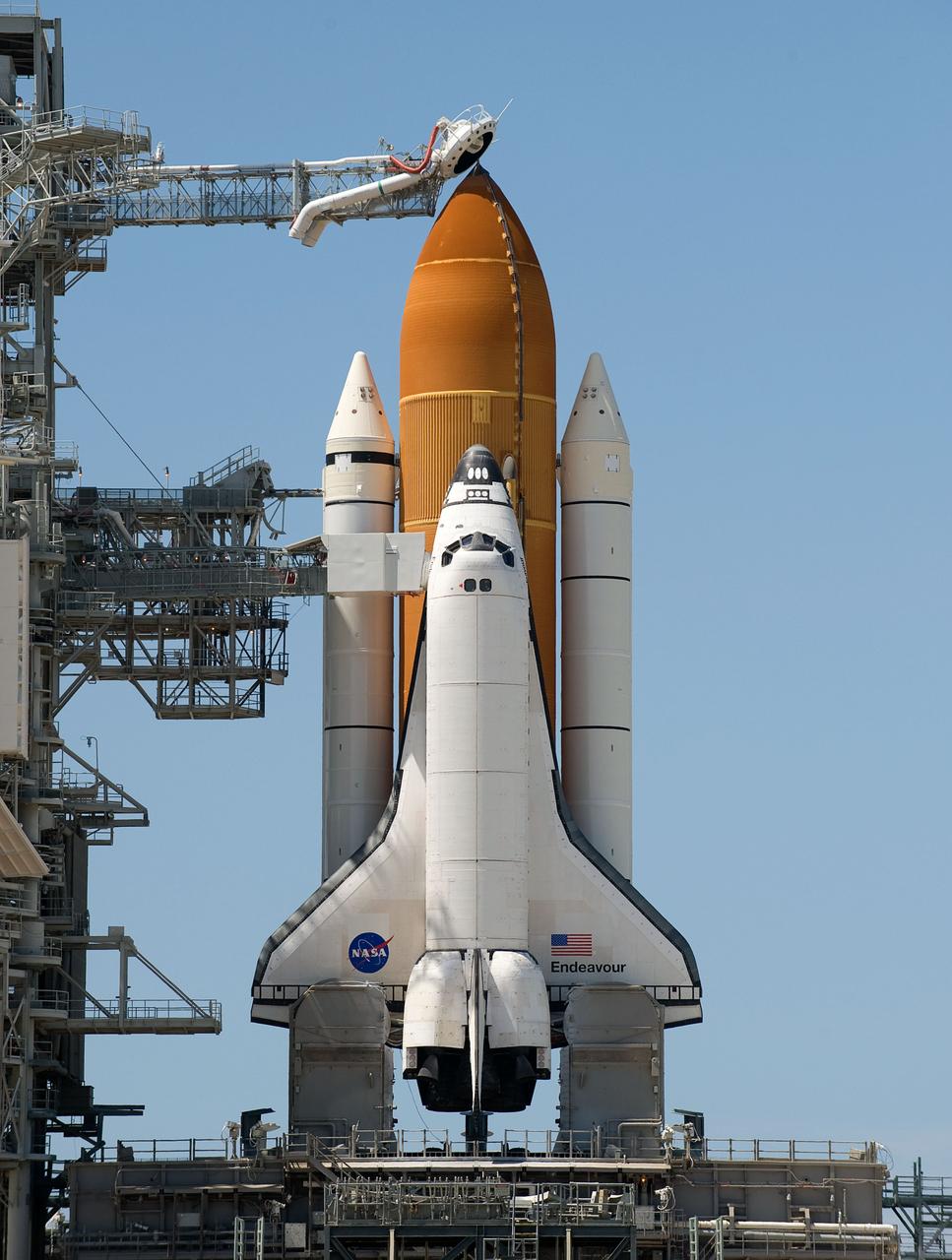
The space shuttle Endeavour is seen at launch pad 39A at NASA's Kennedy Space Center in Cape Canaveral, Florida on Saturday, July 11, 2009. NASA is hopeful that Endeavour will launch with the crew of STS-127 on Sunday. Photo Credit: (NASA/Bill Ingalls)
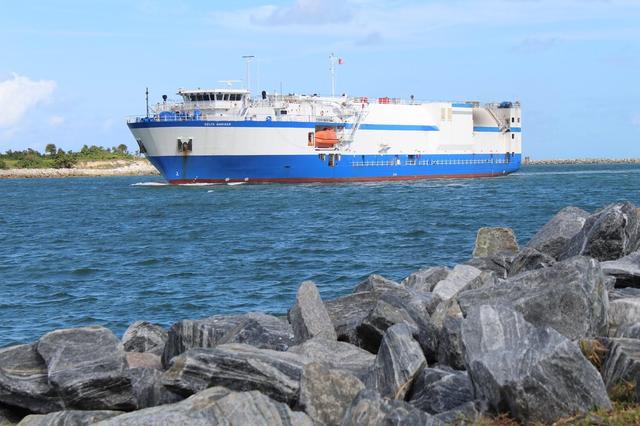
The Launch Vehicle Adapter (LVA) that will attach Boeing’s first Starliner spacecraft to the Atlas V launch vehicle arrived at Cape Canaveral in Florida on November 11, 2018. The Mariner cargo vessel brought the LVA and two stages of a Delta IV rocket from United Launch Alliance's manufacturing plant in Decatur, Alabama.
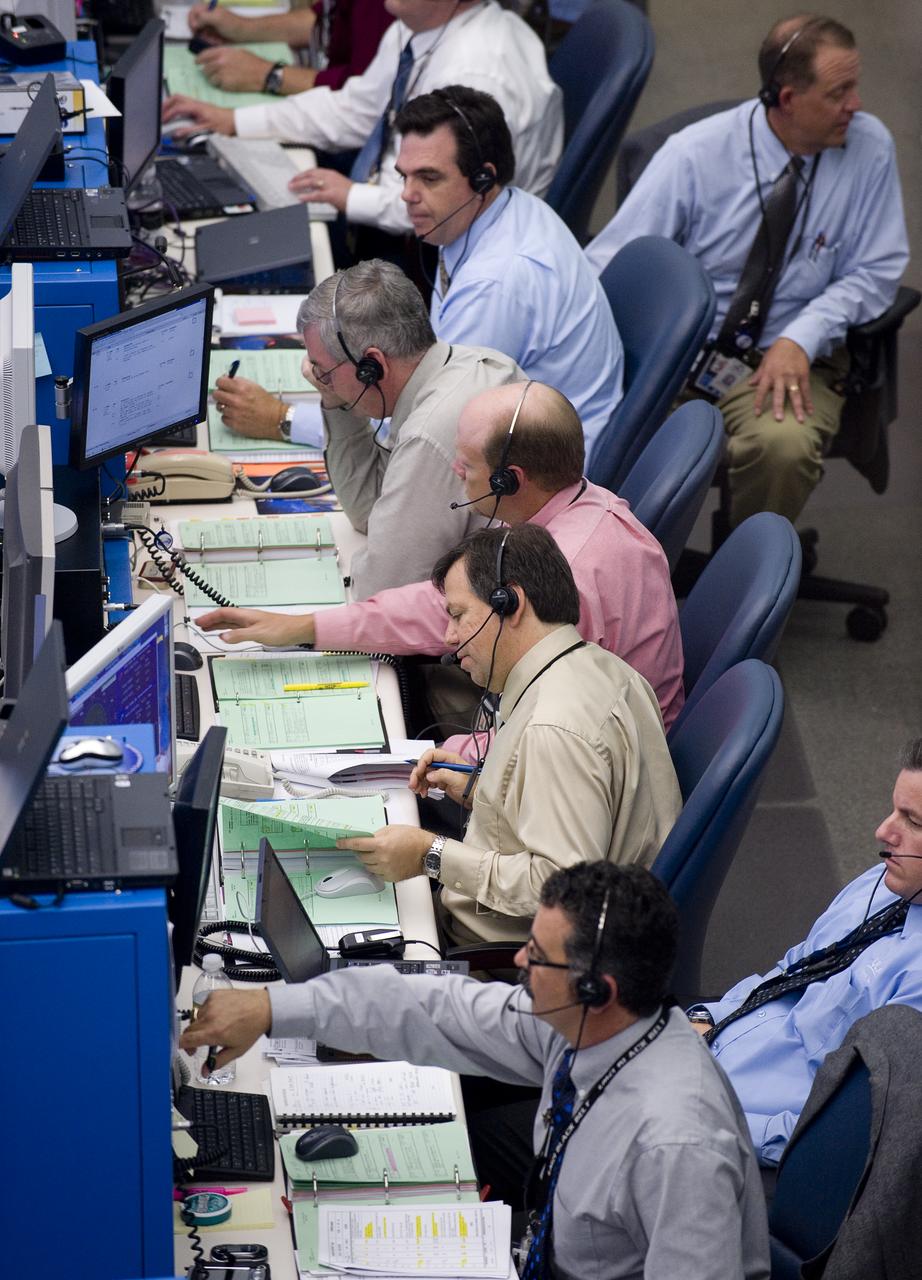
United Launch Alliance (ULA) team members work in the Atlas V Spaceflight Operations Center prior to the launch of the Lunar Reconnaissance Orbiter and Lunar Crater Observation and Sensing Satellite Thursday, June 18, 2009, from Cape Canaveral Air Force Station, Florida. Photo Credit: (NASA/Bill Ingalls)
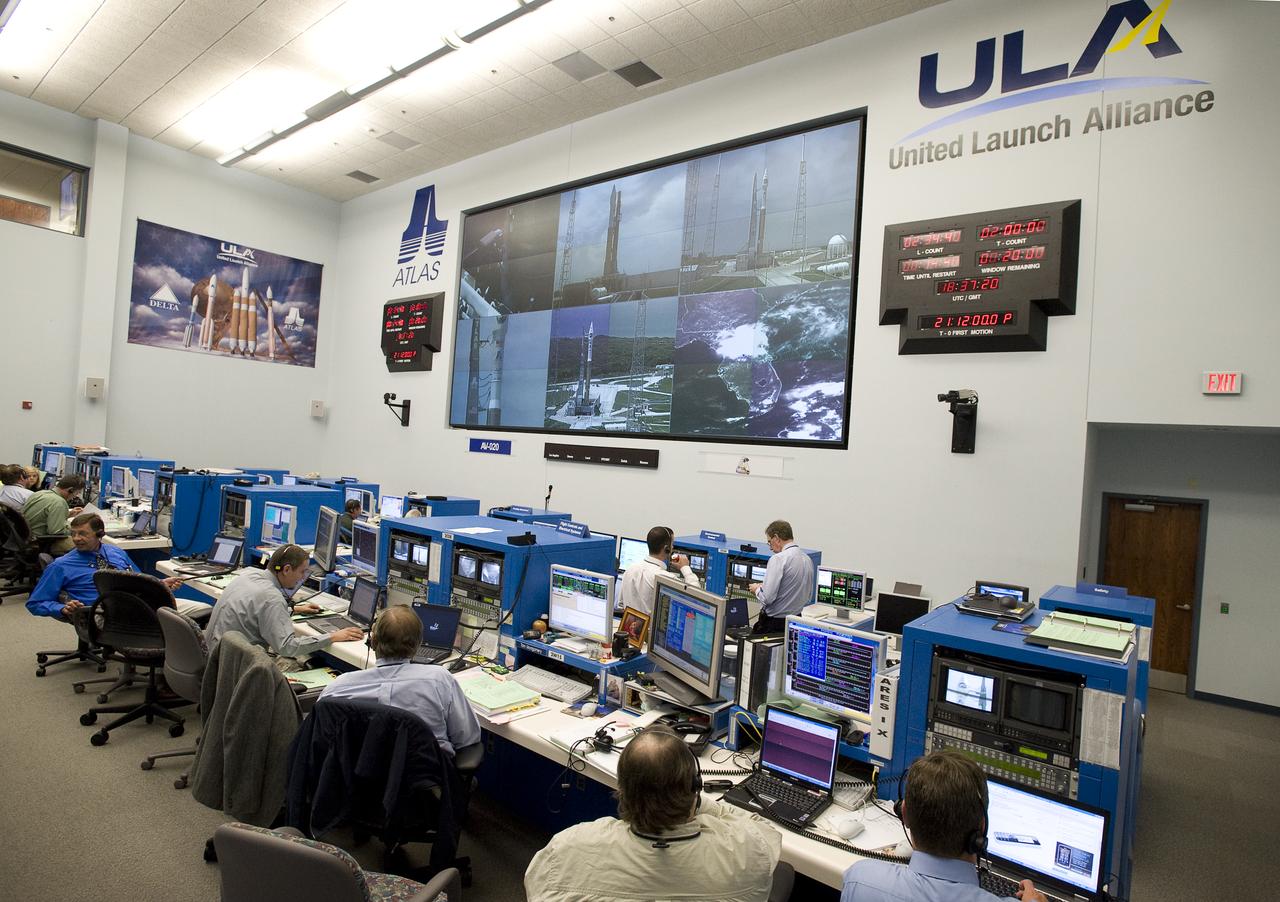
United Launch Alliance (ULA) team members work in the Atlas V Spaceflight Operations Center prior to the launch of the Lunar Reconnaissance Orbiter and Lunar Crater Observation and Sensing Satellite Thursday, June 18, 2009, from Cape Canaveral Air Force Station, Florida. . Photo Credit: (NASA/Bill Ingalls)
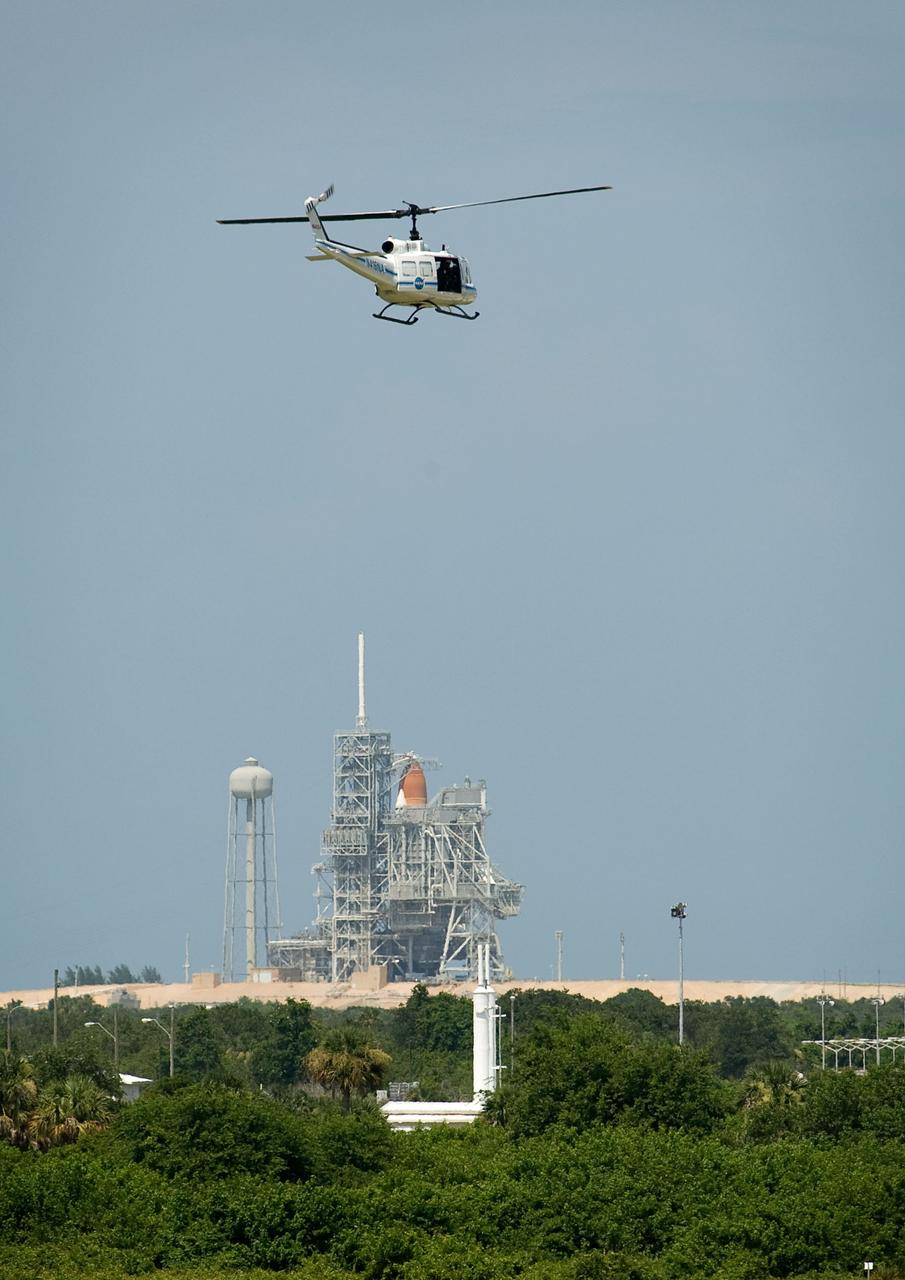
A NASA Security helicopter watches over the Astrovan as it takes the crew of STS-127 to the space shuttle Endeavour at pad 39a at NASA's Kennedy Space Center in Cape Canaveral, Florida, Saturday, July 12, 2009. Endeavour is set to launch at 7:13p.m. EDT with the crew of STS-127 and start a 16-day mission that will feature five spacewalks and complete construction of the Japan Aerospace Exploration Agency's Kibo laboratory. Photo Credit: (NASA/Bill Ingalls)
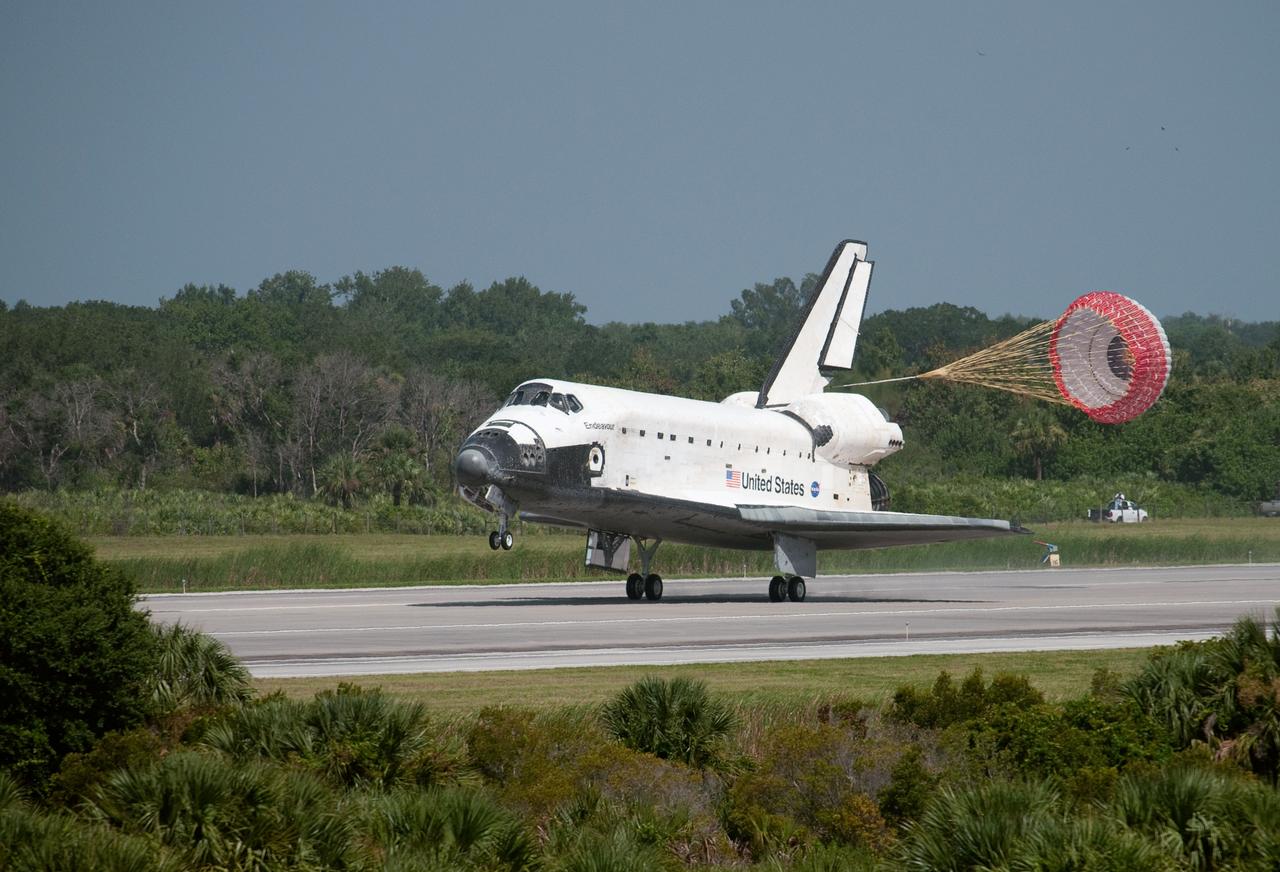
The space shuttle Endeavour and its crew land, Friday, July 31, 2009 at NASA's Kennedy Space Center in Cape Canaveral, Florida, completing a 16-day journey of more than 6.5 million miles. Endeavour delivered the final segment to the Japan Aerospace Exploration Agency's Kibo laboratory and a new crew member to the International Space Station. Photo Credit: (NASA/Bill Ingalls)
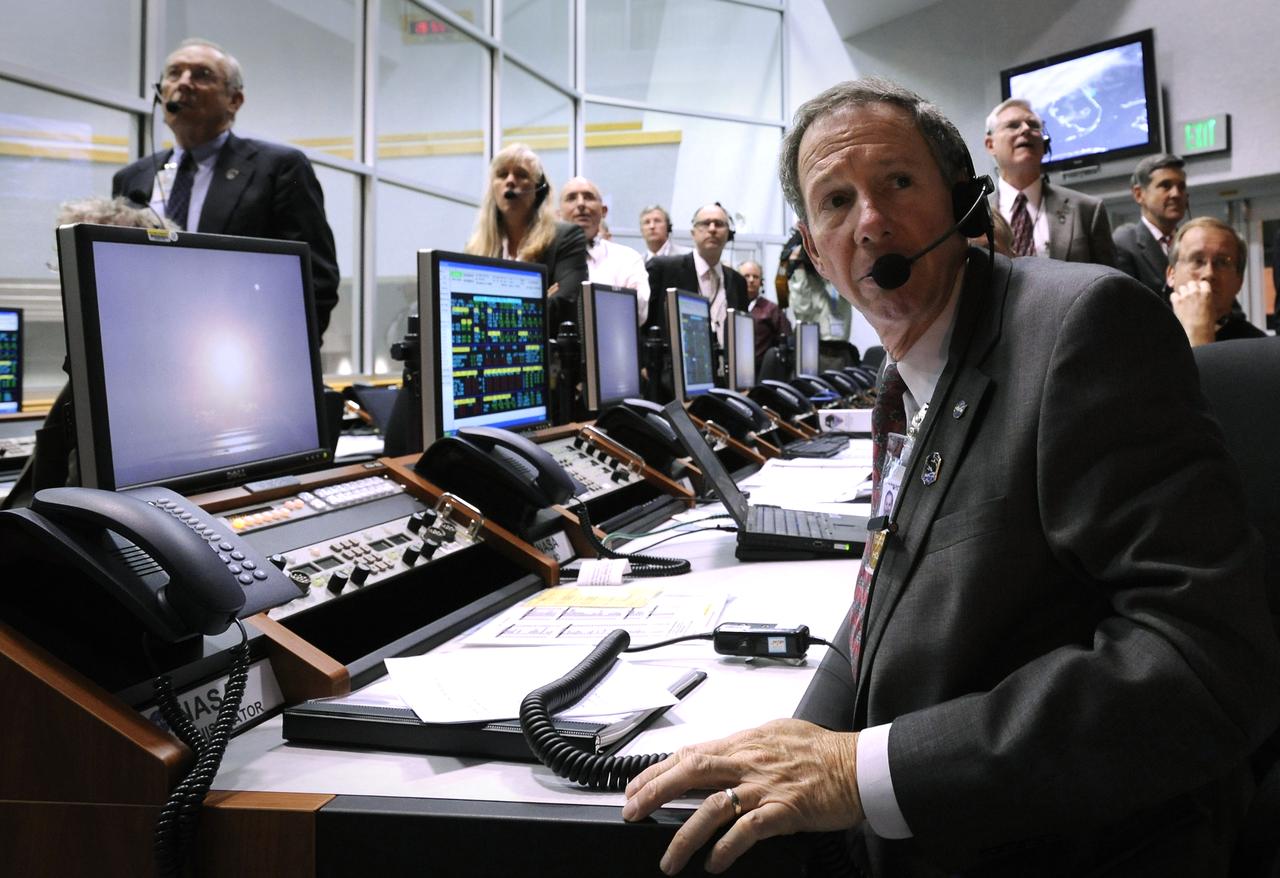
NASA Administrator, Michael Griffin watches the launch of the Space Shuttle Endeavour (STS-126) from the Launch Control Center Friday, November 14, 2008, at the Kennedy Space Center in Cape Canaveral, Fla. The Shuttle lifted off from launch pad 39A at 7:55 p.m. EST. Photo Credit: (NASA/Bill Ingalls)

The Moon, lower left, and Jupiter, upper right, are seen the night before the planned launch of a United Launch Alliance Atlas V rocket with the Lucy spacecraft, Friday, Oct. 15, 2021, at Cape Canaveral, Florida. Scheduled to launch early Saturday morning, Lucy will be the first spacecraft to study Jupiter's Trojan Asteroids. Like the mission's namesake – the fossilized human ancestor, "Lucy," whose skeleton provided unique insight into humanity's evolution – Lucy will revolutionize our knowledge of planetary origins and the formation of the solar system. Photo Credit: (NASA/Bill Ingalls)
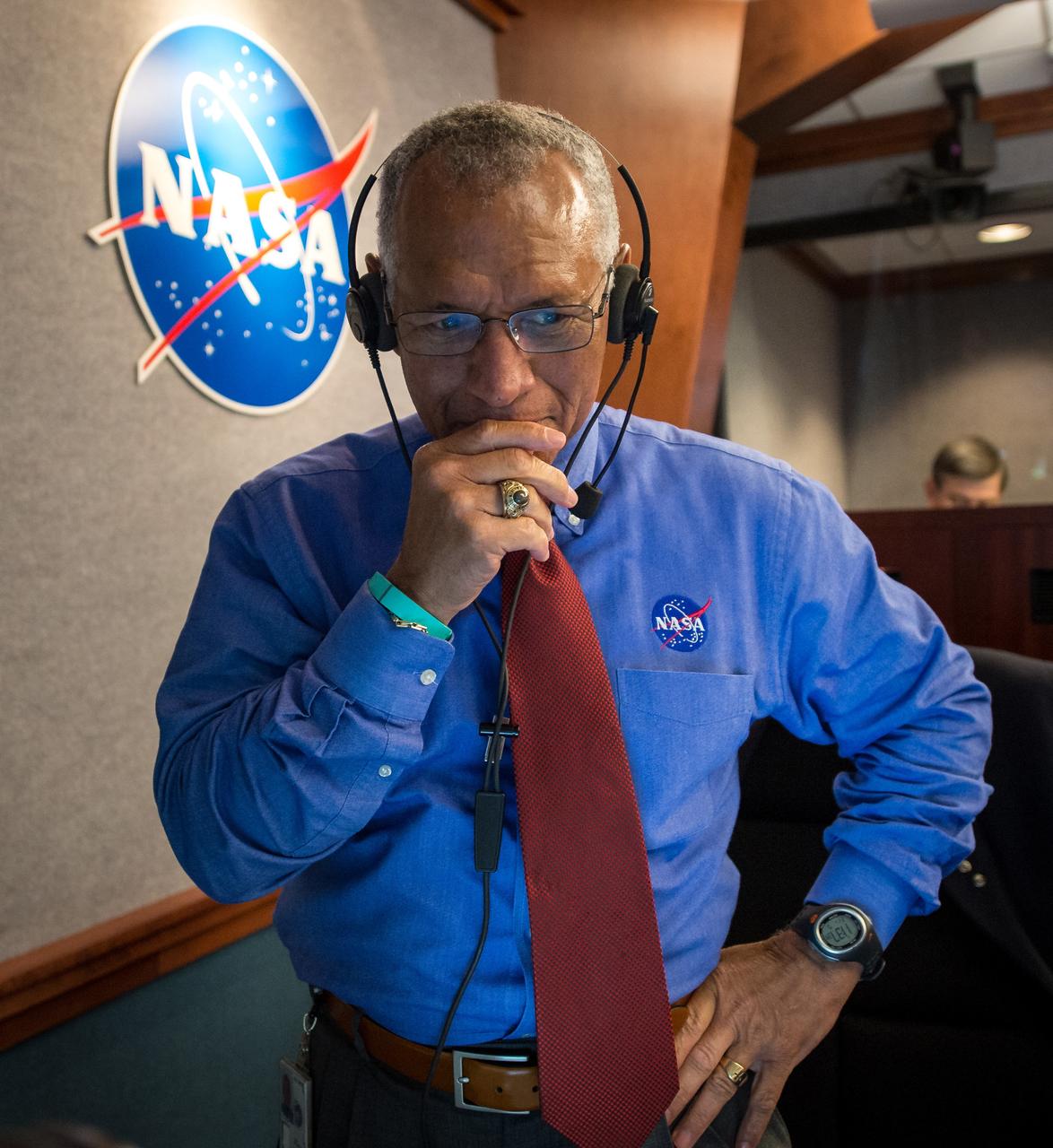
NASA Administrator Charles Bolden pauses for a moment in Building AE at Cape Canaveral Air Force Station after having watched and celebrated the Orion spacecraft splash down in the Pacific Ocean more than three hours after the spacecraft launched onboard a United Launch Alliance Delta IV Heavy rocket from Launch Complex 37, Friday, Dec. 5, 2014, Cape Canaveral, Florida. The Orion spacecraft orbited Earth twice, reaching an altitude of approximately 3,600 miles above Earth before landing. No one was aboard Orion for this flight test, but the spacecraft is designed to allow us to journey to destinations never before visited by humans, including an asteroid and Mars. Part of Batch image transfer from Flickr.
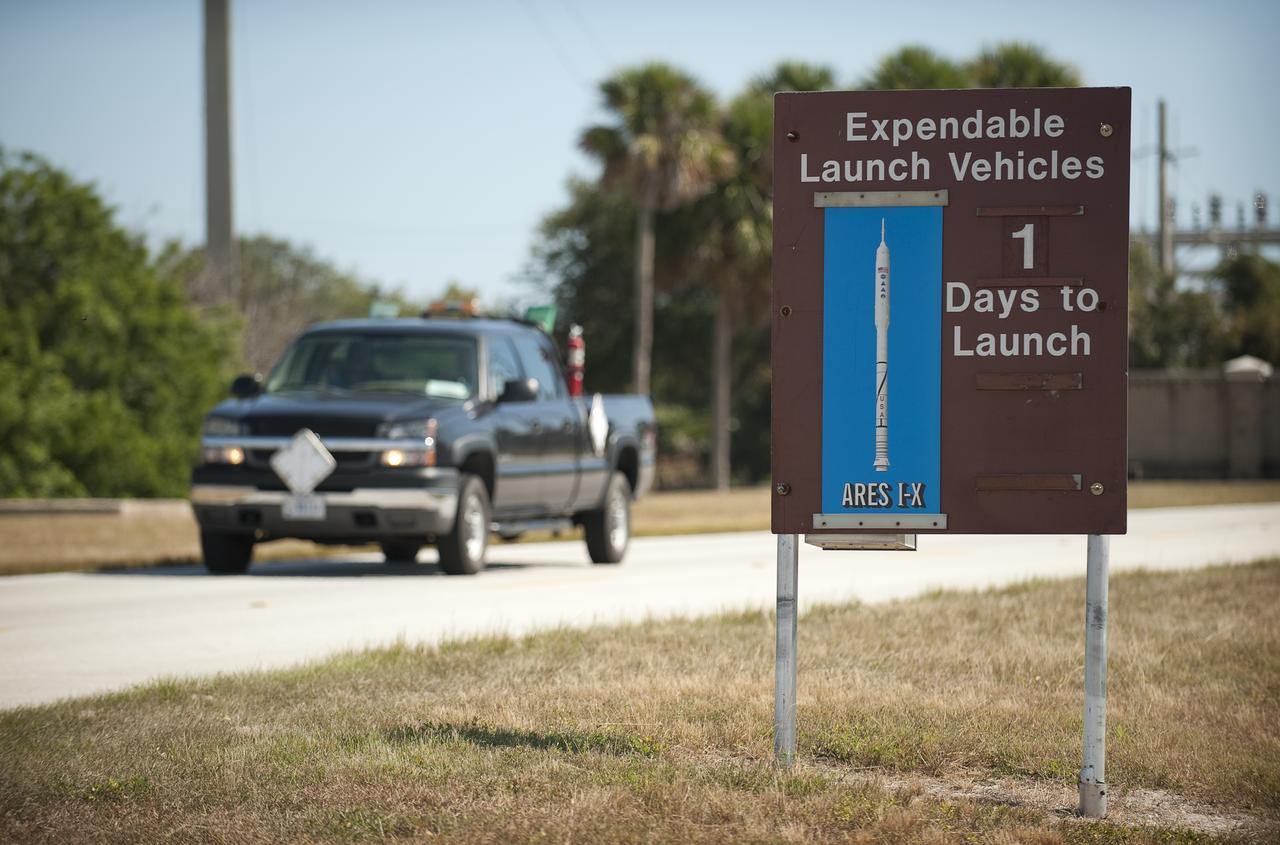
A launch countdown sign showing one day until launch of the NASA ARES I-X rocket is seen along the road between Cape Canaveral Air Force Base and the NASA Kennedy Space Center in Cape Canaveral, Florida on Monday, Oct. 26, 2009. The flight test of Ares I-X, scheduled for Tuesday, Oct. 27, 2009, will provide NASA with an early opportunity to test and prove flight characteristics, hardware, facilities and ground operations associated with the Ares I. Photo Credit: (NASA/Bill Ingalls)
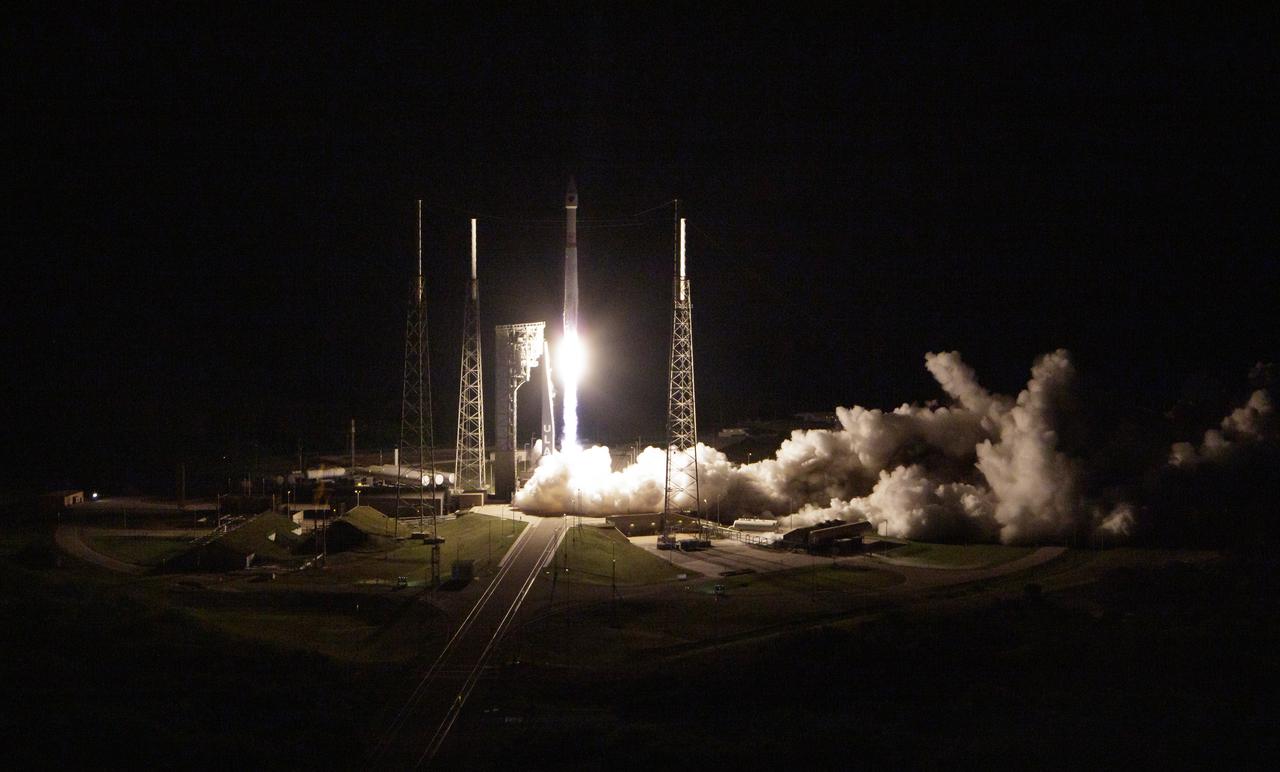
A United Launch Alliance Atlas V rocket with the Lucy spacecraft aboard launches from Space Launch Complex 41, Saturday, Oct. 16, 2021, at Cape Canaveral Space Force Station in Florida. Lucy will be the first spacecraft to study Jupiter's Trojan Asteroids. Like the mission's namesake – the fossilized human ancestor, "Lucy," whose skeleton provided unique insight into humanity's evolution – Lucy will revolutionize our knowledge of planetary origins and the formation of the solar system. Photo Credit: (NASA/Bill Ingalls)
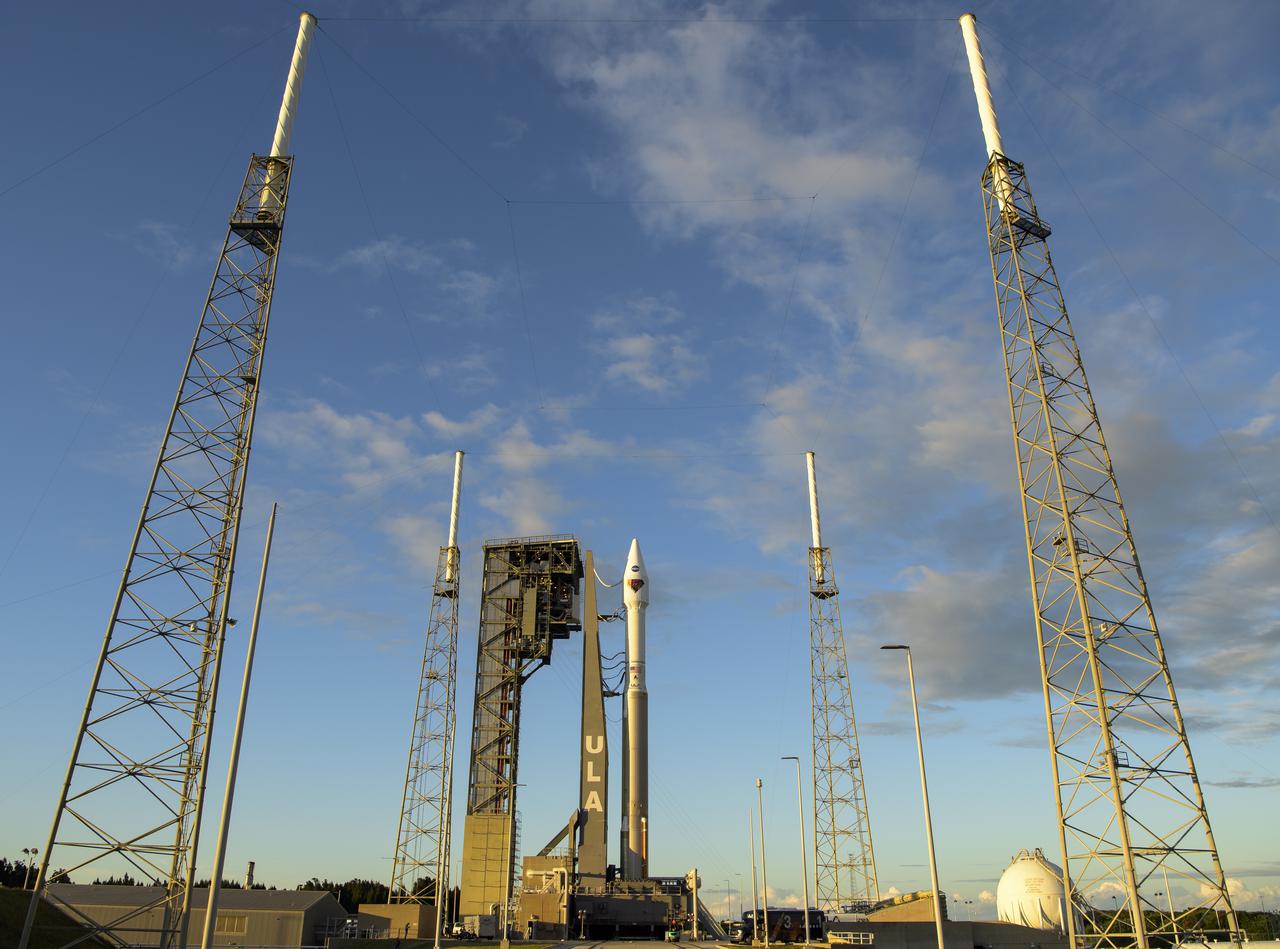
A United Launch Alliance Atlas V rocket with the Lucy spacecraft aboard is seen at Space Launch Complex 41, Thursday, Oct. 14, 2021, at Cape Canaveral Space Force Station in Florida. Lucy will be the first spacecraft to study Jupiter's Trojan Asteroids. Like the mission's namesake – the fossilized human ancestor, "Lucy," whose skeleton provided unique insight into humanity's evolution – Lucy will revolutionize our knowledge of planetary origins and the formation of the solar system. Photo Credit: (NASA/Bill Ingalls)
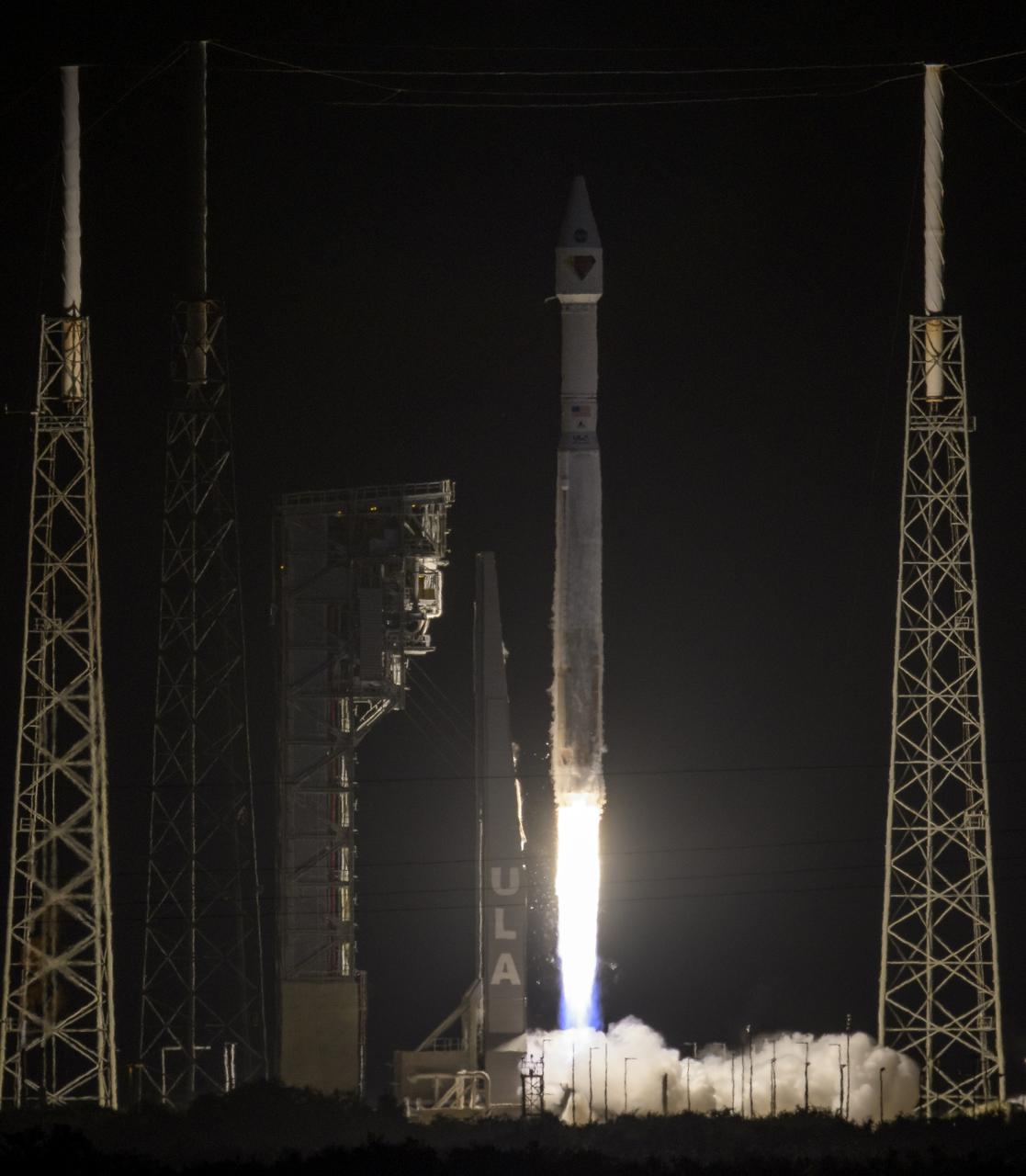
A United Launch Alliance Atlas V rocket with the Lucy spacecraft aboard launches from Space Launch Complex 41, Saturday, Oct. 16, 2021, at Cape Canaveral Space Force Station in Florida. Lucy will be the first spacecraft to study Jupiter's Trojan Asteroids. Like the mission's namesake – the fossilized human ancestor, "Lucy," whose skeleton provided unique insight into humanity's evolution – Lucy will revolutionize our knowledge of planetary origins and the formation of the solar system. Photo Credit: (NASA/Bill Ingalls)

A United Launch Alliance Atlas V rocket with the Lucy spacecraft aboard is seen at Space Launch Complex 41, Friday, Oct. 15, 2021, at Cape Canaveral Space Force Station in Florida. Lucy will be the first spacecraft to study Jupiter's Trojan Asteroids. Like the mission's namesake – the fossilized human ancestor, "Lucy," whose skeleton provided unique insight into humanity's evolution – Lucy will revolutionize our knowledge of planetary origins and the formation of the solar system. Photo Credit: (NASA/Bill Ingalls)
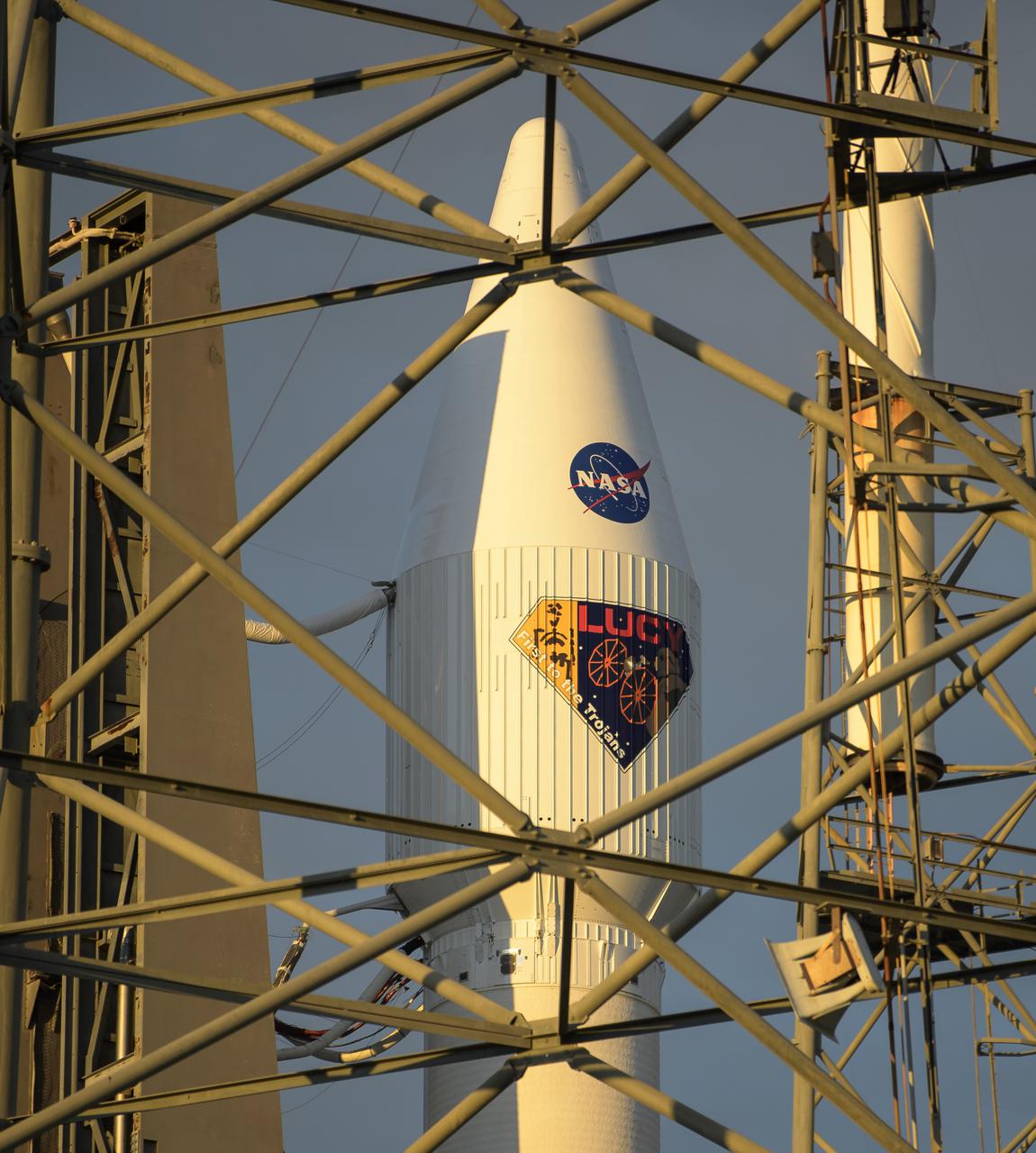
A United Launch Alliance Atlas V rocket with the Lucy spacecraft aboard is seen at Space Launch Complex 41, Thursday, Oct. 14, 2021, at Cape Canaveral Space Force Station in Florida. Lucy will be the first spacecraft to study Jupiter's Trojan Asteroids. Like the mission's namesake – the fossilized human ancestor, "Lucy," whose skeleton provided unique insight into humanity's evolution – Lucy will revolutionize our knowledge of planetary origins and the formation of the solar system. Photo Credit: (NASA/Bill Ingalls)
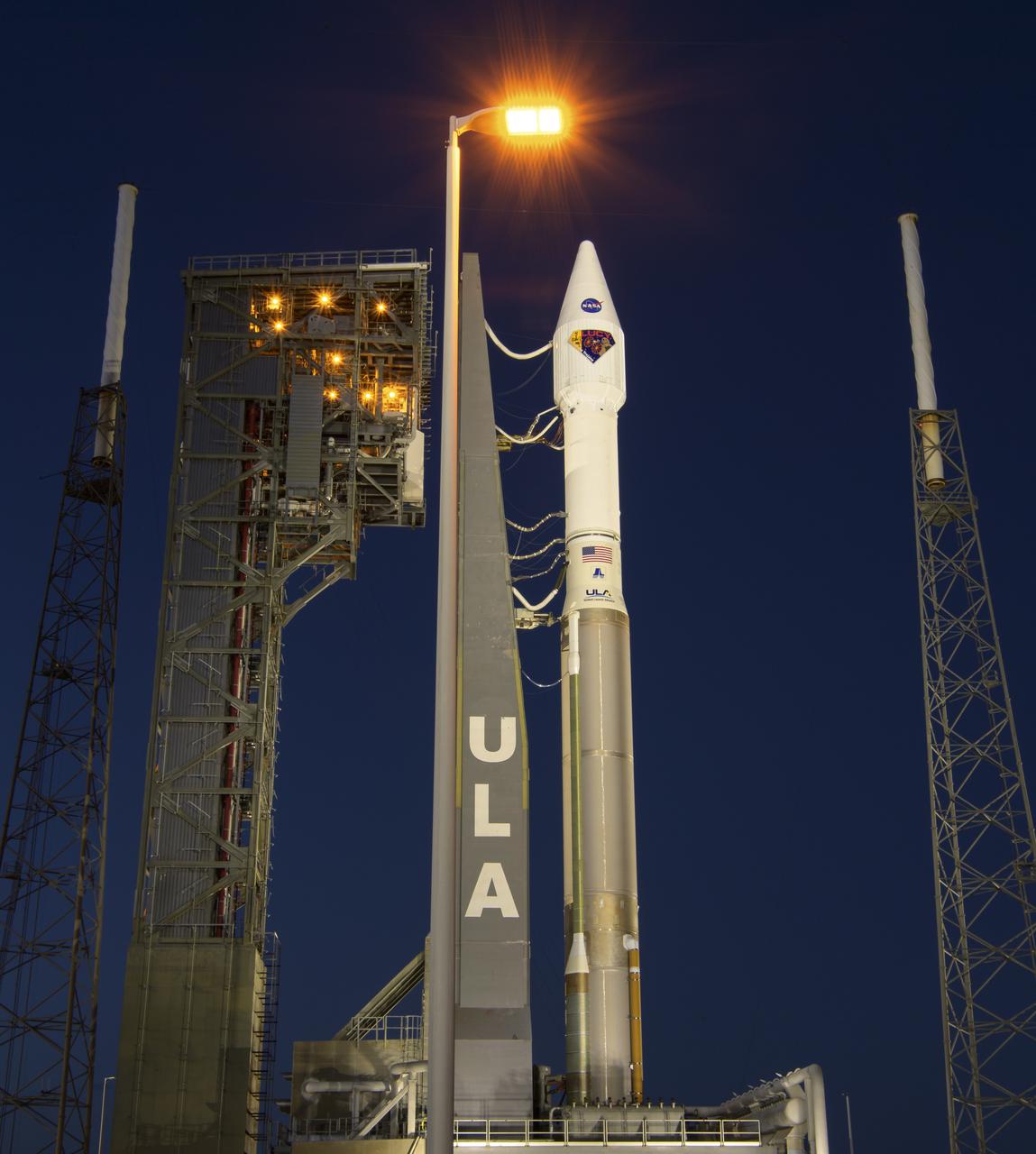
A United Launch Alliance Atlas V rocket with the Lucy spacecraft aboard is seen at Space Launch Complex 41, Thursday, Oct. 14, 2021, at Cape Canaveral Space Force Station in Florida. Lucy will be the first spacecraft to study Jupiter's Trojan Asteroids. Like the mission's namesake – the fossilized human ancestor, "Lucy," whose skeleton provided unique insight into humanity's evolution – Lucy will revolutionize our knowledge of planetary origins and the formation of the solar system. Photo Credit: (NASA/Bill Ingalls)
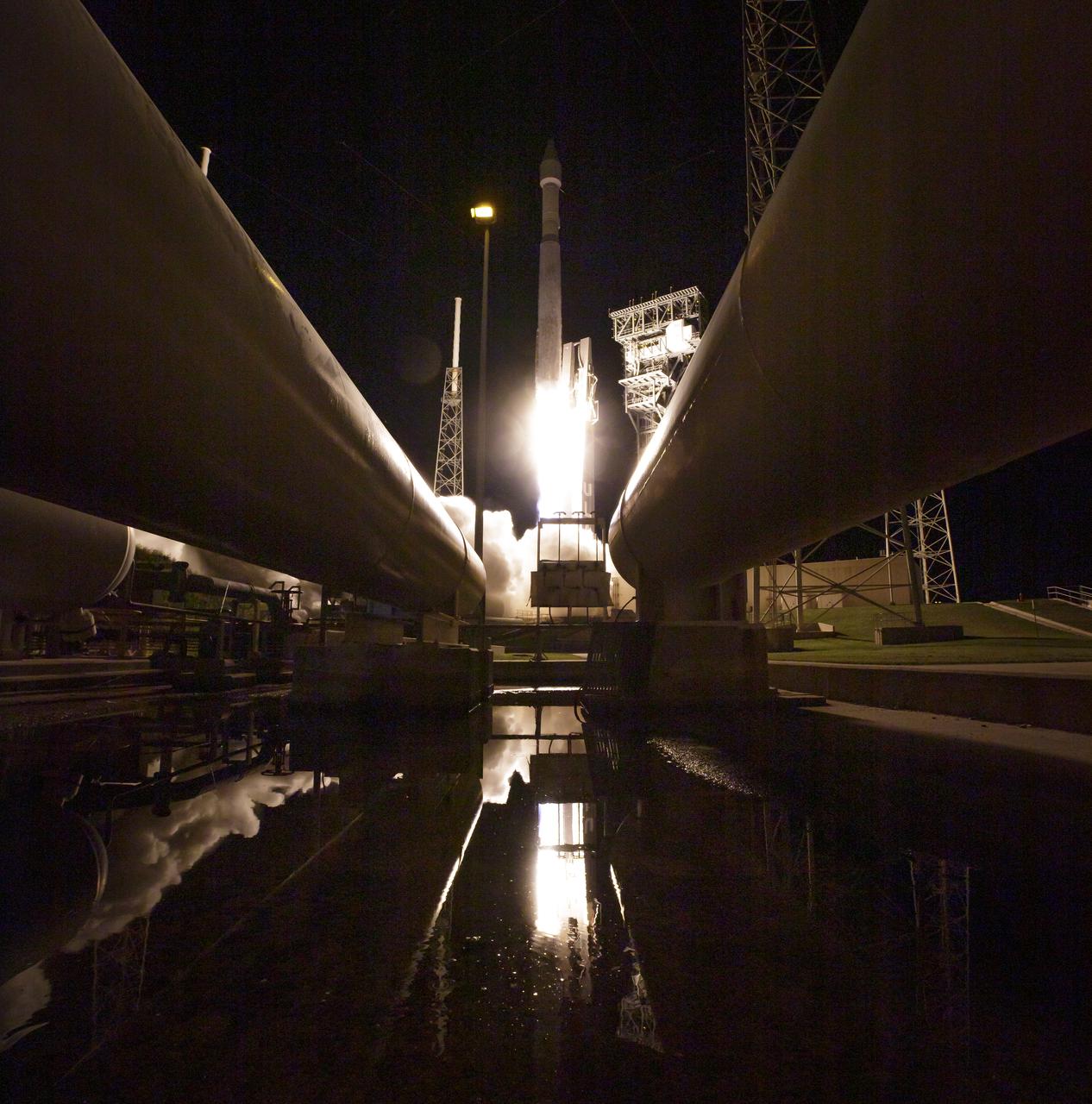
A United Launch Alliance Atlas V rocket with the Lucy spacecraft aboard launches from Space Launch Complex 41, Saturday, Oct. 16, 2021, at Cape Canaveral Space Force Station in Florida. Lucy will be the first spacecraft to study Jupiter's Trojan Asteroids. Like the mission's namesake – the fossilized human ancestor, "Lucy," whose skeleton provided unique insight into humanity's evolution – Lucy will revolutionize our knowledge of planetary origins and the formation of the solar system. Photo Credit: (NASA/Bill Ingalls)
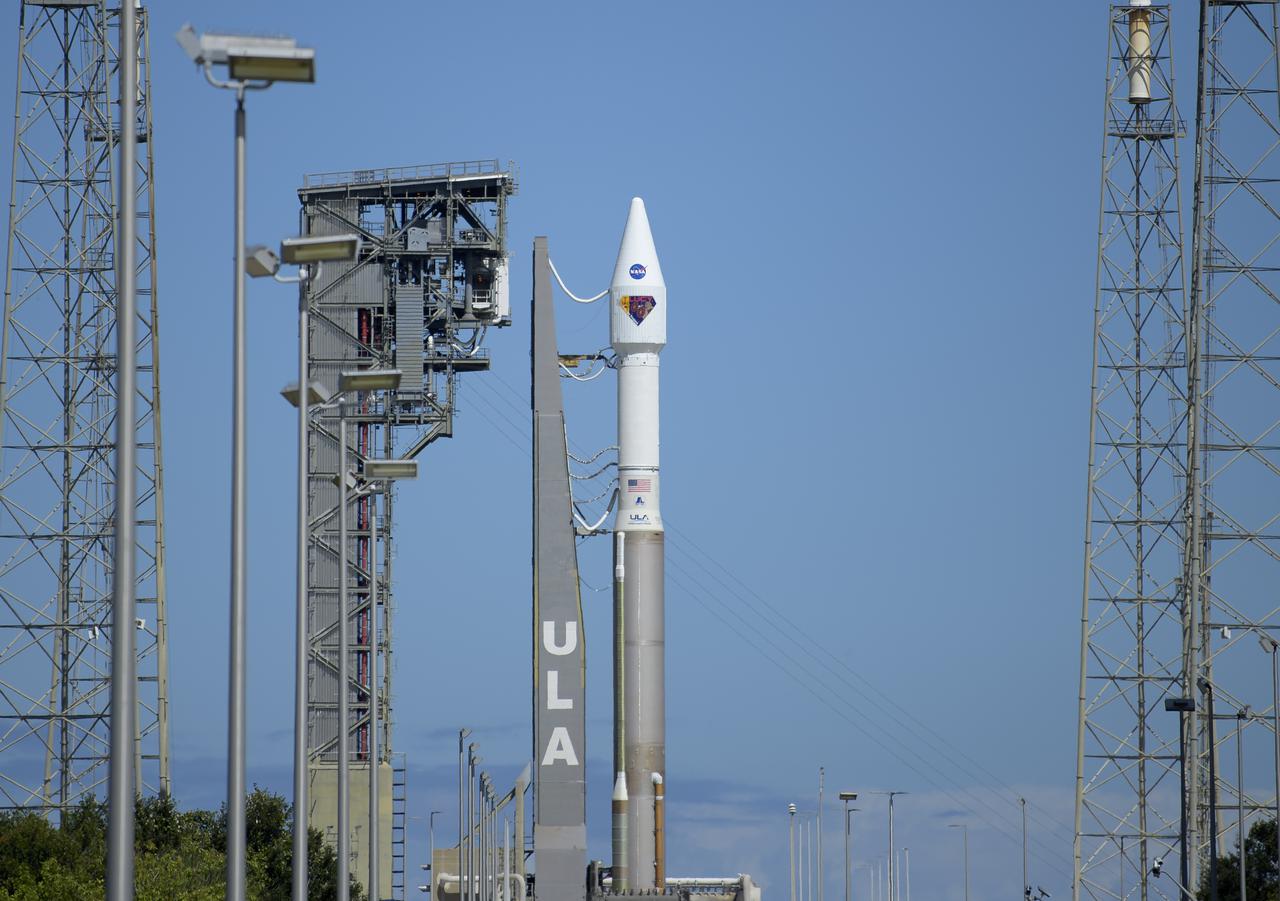
A United Launch Alliance Atlas V rocket with the Lucy spacecraft aboard is seen at Space Launch Complex 41, Thursday, Oct. 14, 2021, at Cape Canaveral Space Force Station in Florida. Lucy will be the first spacecraft to study Jupiter's Trojan Asteroids. Like the mission's namesake – the fossilized human ancestor, "Lucy," whose skeleton provided unique insight into humanity's evolution – Lucy will revolutionize our knowledge of planetary origins and the formation of the solar system. Photo Credit: (NASA/Bill Ingalls)
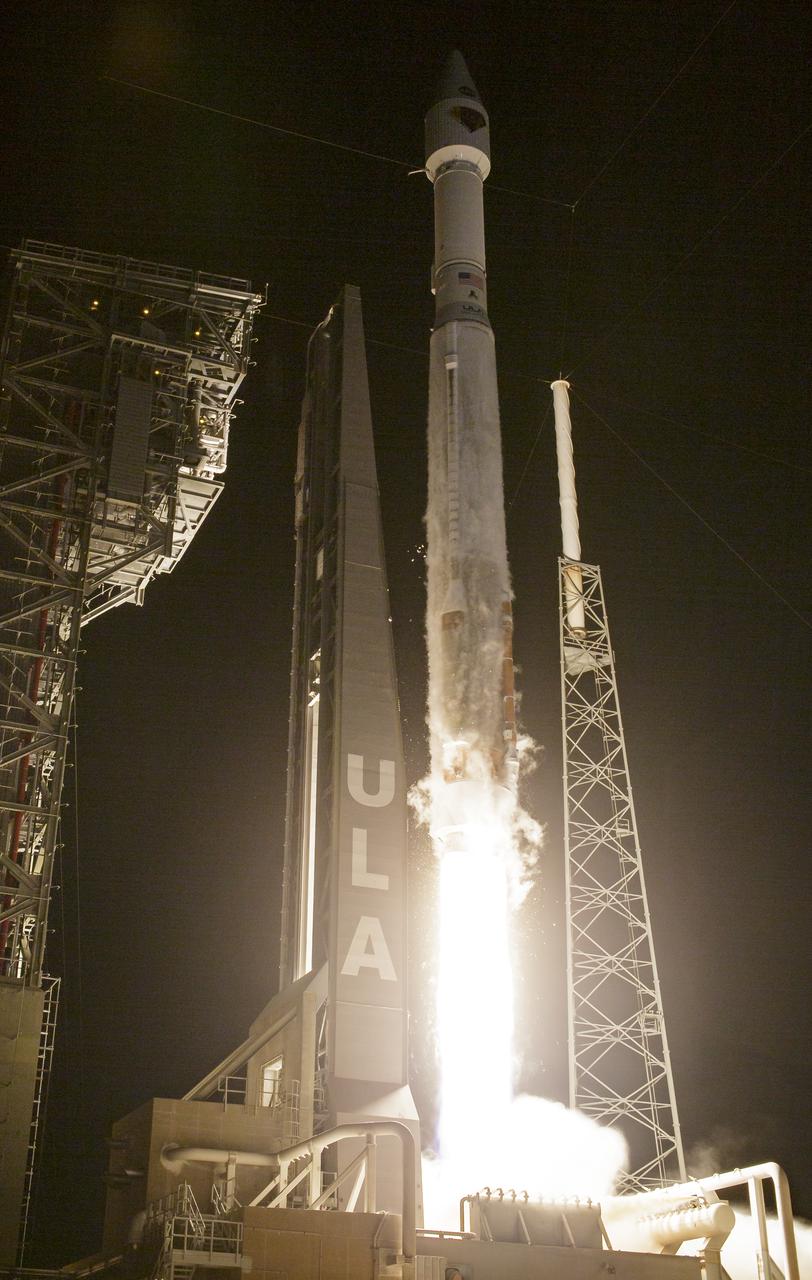
A United Launch Alliance Atlas V rocket with the Lucy spacecraft aboard launches from Space Launch Complex 41, Saturday, Oct. 16, 2021, at Cape Canaveral Space Force Station in Florida. Lucy will be the first spacecraft to study Jupiter's Trojan Asteroids. Like the mission's namesake – the fossilized human ancestor, "Lucy," whose skeleton provided unique insight into humanity's evolution – Lucy will revolutionize our knowledge of planetary origins and the formation of the solar system. Photo Credit: (NASA/Bill Ingalls)
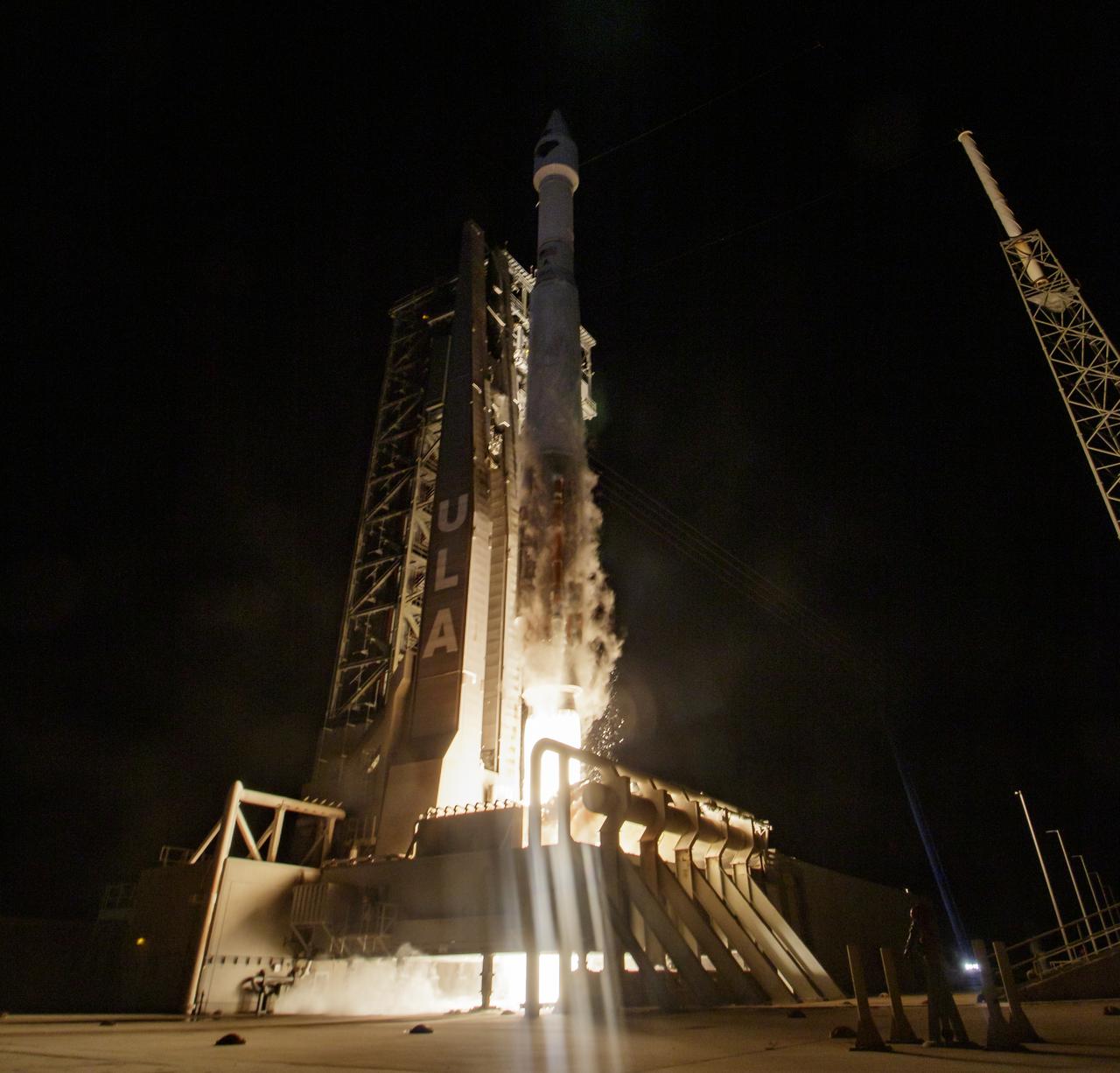
A United Launch Alliance Atlas V rocket with the Lucy spacecraft aboard launches from Space Launch Complex 41, Saturday, Oct. 16, 2021, at Cape Canaveral Space Force Station in Florida. Lucy will be the first spacecraft to study Jupiter's Trojan Asteroids. Like the mission's namesake – the fossilized human ancestor, "Lucy," whose skeleton provided unique insight into humanity's evolution – Lucy will revolutionize our knowledge of planetary origins and the formation of the solar system. Photo Credit: (NASA/Bill Ingalls)
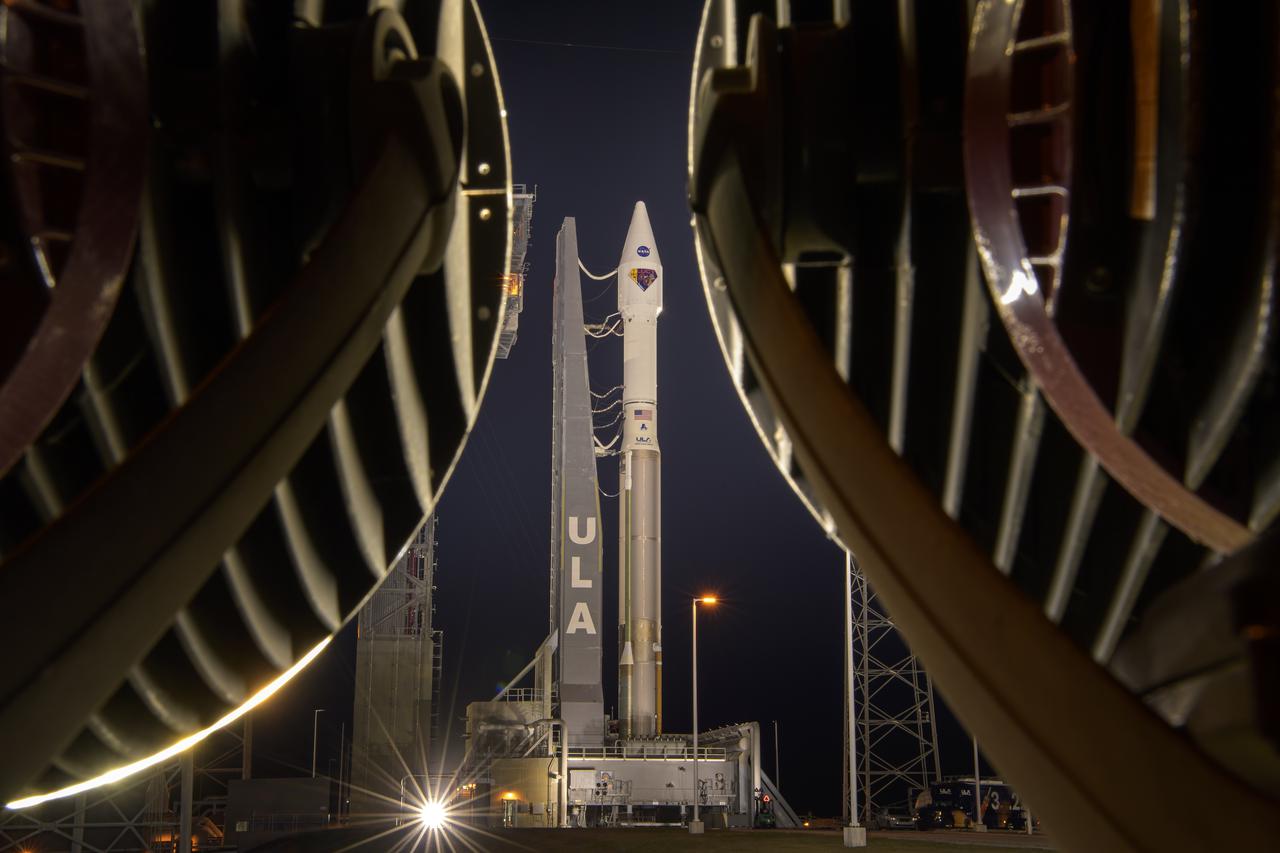
A United Launch Alliance Atlas V rocket with the Lucy spacecraft aboard is seen at Space Launch Complex 41, Thursday, Oct. 14, 2021, at Cape Canaveral Space Force Station in Florida. Lucy will be the first spacecraft to study Jupiter's Trojan Asteroids. Like the mission's namesake – the fossilized human ancestor, "Lucy," whose skeleton provided unique insight into humanity's evolution – Lucy will revolutionize our knowledge of planetary origins and the formation of the solar system. Photo Credit: (NASA/Bill Ingalls)
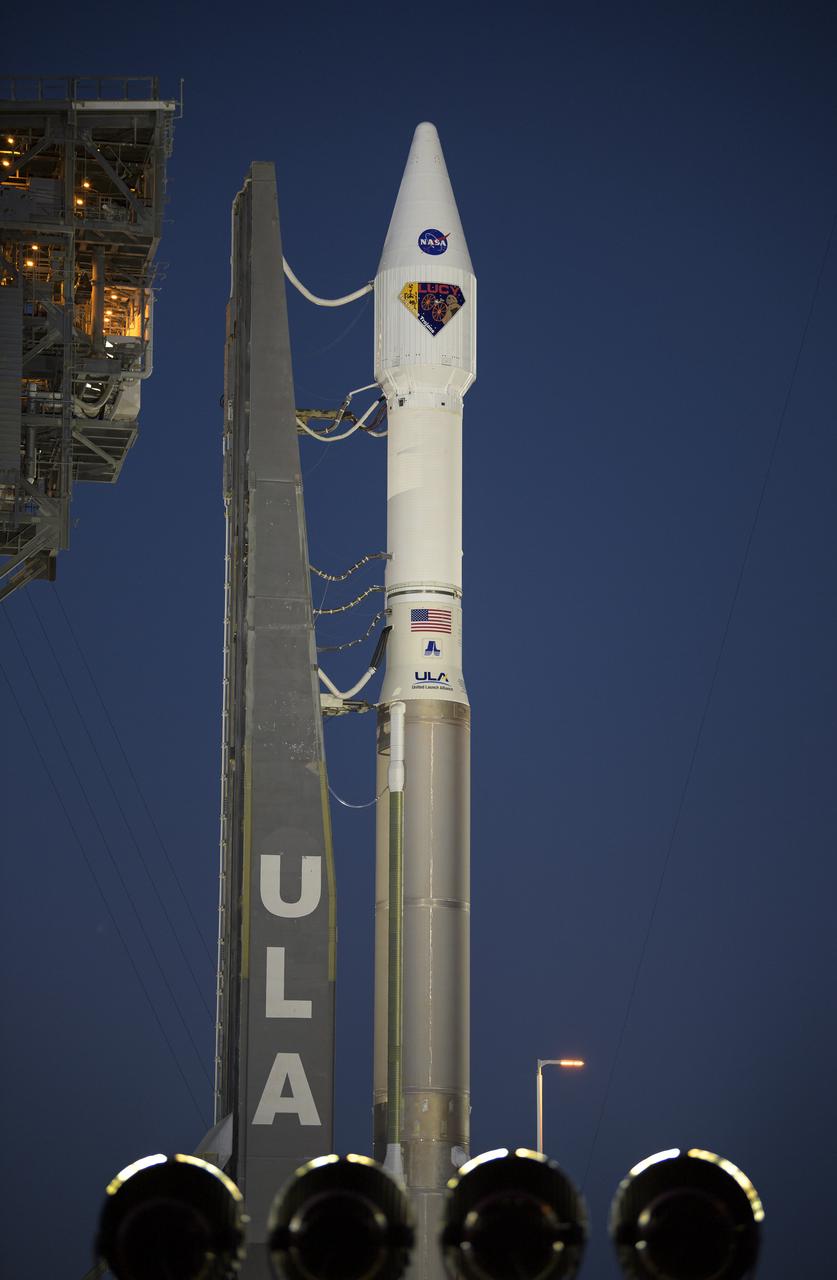
A United Launch Alliance Atlas V rocket with the Lucy spacecraft aboard is seen at Space Launch Complex 41, Thursday, Oct. 14, 2021, at Cape Canaveral Space Force Station in Florida. Lucy will be the first spacecraft to study Jupiter's Trojan Asteroids. Like the mission's namesake – the fossilized human ancestor, "Lucy," whose skeleton provided unique insight into humanity's evolution – Lucy will revolutionize our knowledge of planetary origins and the formation of the solar system. Photo Credit: (NASA/Bill Ingalls)
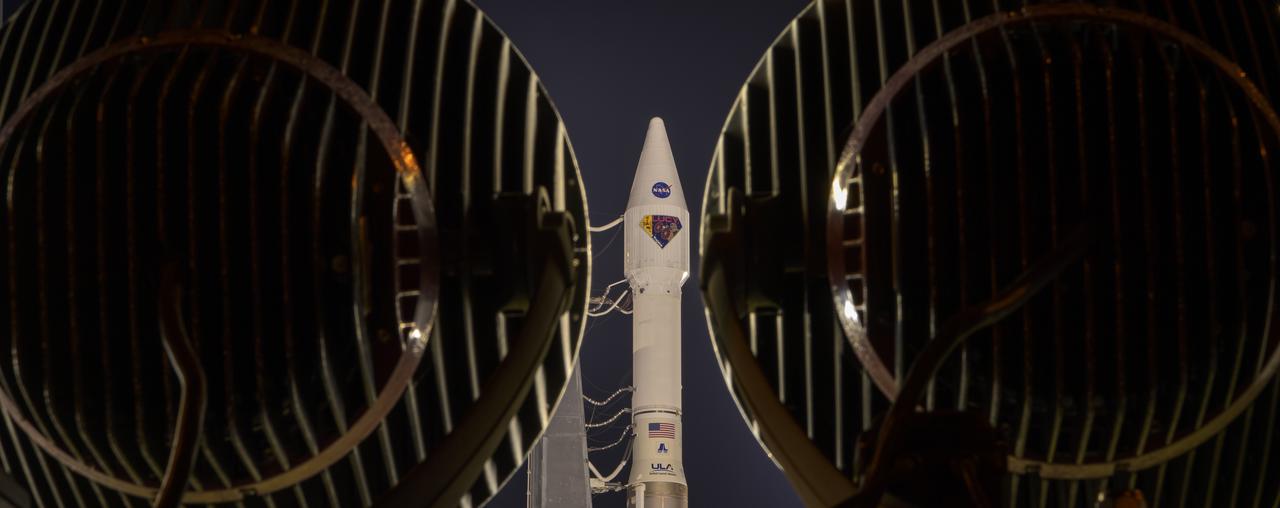
A United Launch Alliance Atlas V rocket with the Lucy spacecraft aboard is seen at Space Launch Complex 41, Thursday, Oct. 14, 2021, at Cape Canaveral Space Force Station in Florida. Lucy will be the first spacecraft to study Jupiter's Trojan Asteroids. Like the mission's namesake – the fossilized human ancestor, "Lucy," whose skeleton provided unique insight into humanity's evolution – Lucy will revolutionize our knowledge of planetary origins and the formation of the solar system. Photo Credit: (NASA/Bill Ingalls)
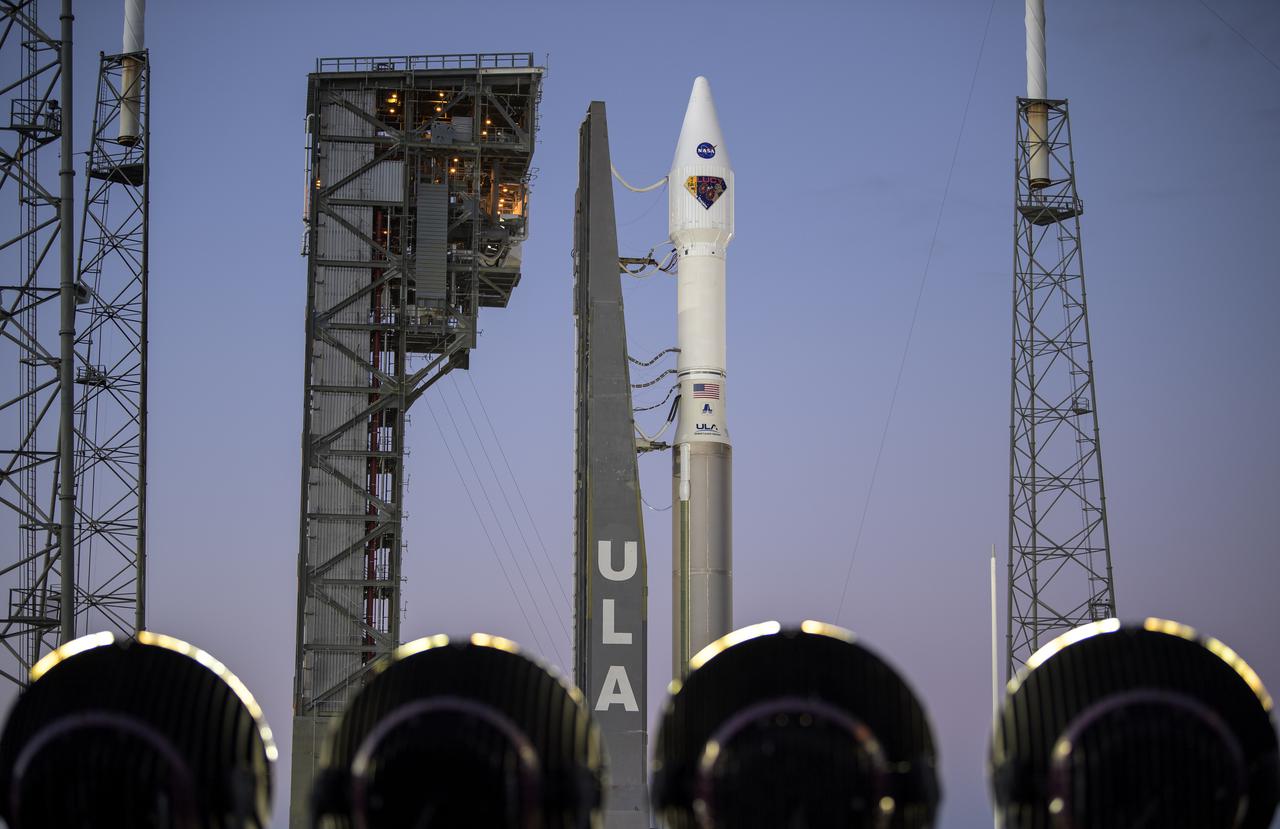
A United Launch Alliance Atlas V rocket with the Lucy spacecraft aboard is seen at Space Launch Complex 41, Thursday, Oct. 14, 2021, at Cape Canaveral Space Force Station in Florida. Lucy will be the first spacecraft to study Jupiter's Trojan Asteroids. Like the mission's namesake – the fossilized human ancestor, "Lucy," whose skeleton provided unique insight into humanity's evolution – Lucy will revolutionize our knowledge of planetary origins and the formation of the solar system. Photo Credit: (NASA/Bill Ingalls)

A United Launch Alliance Atlas V rocket with the Lucy spacecraft aboard is seen at Space Launch Complex 41, Friday, Oct. 15, 2021, at Cape Canaveral Space Force Station in Florida. Lucy will be the first spacecraft to study Jupiter's Trojan Asteroids. Like the mission's namesake – the fossilized human ancestor, "Lucy," whose skeleton provided unique insight into humanity's evolution – Lucy will revolutionize our knowledge of planetary origins and the formation of the solar system. Photo Credit: (NASA/Bill Ingalls)
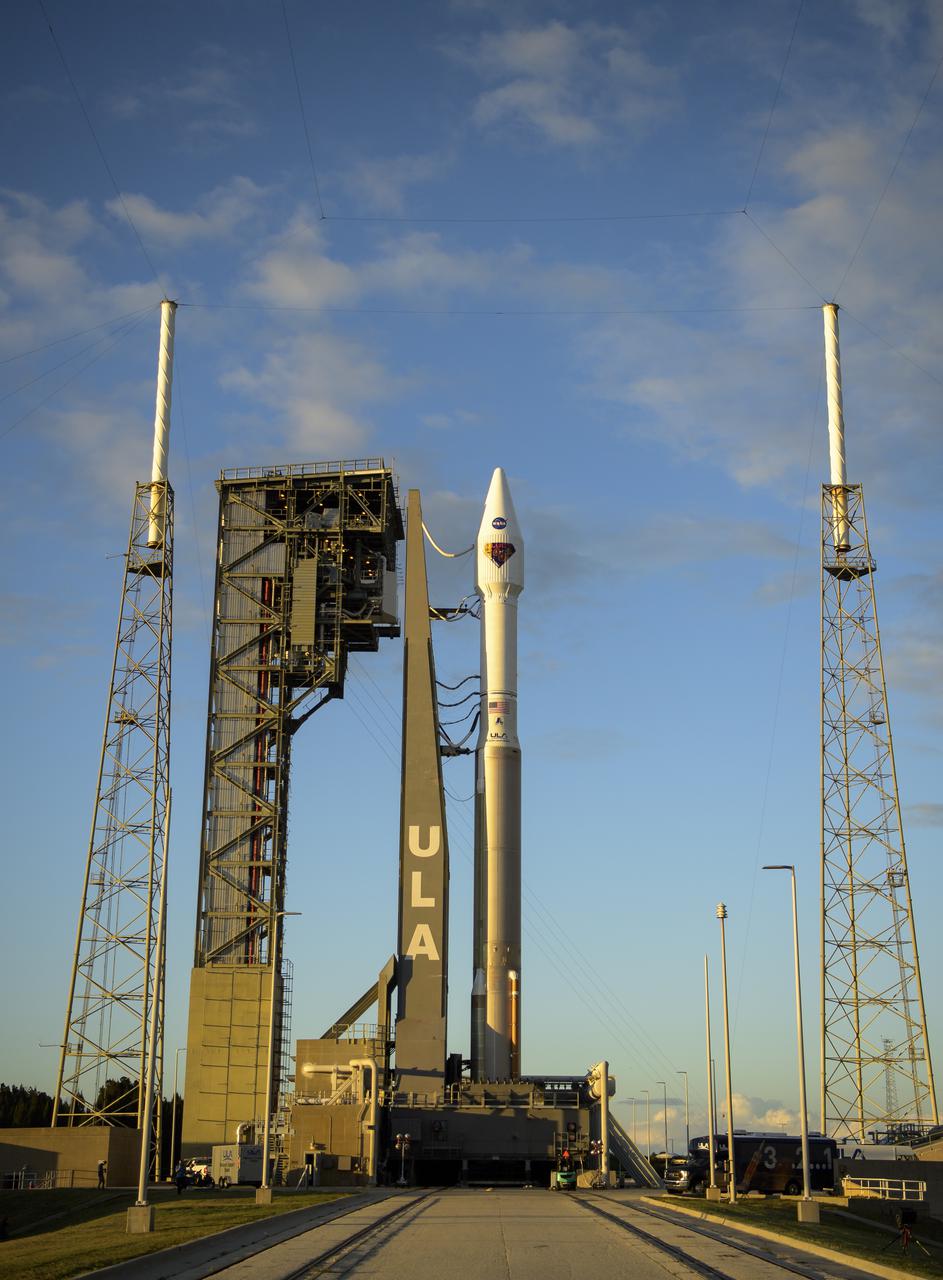
A United Launch Alliance Atlas V rocket with the Lucy spacecraft aboard is seen at Space Launch Complex 41, Thursday, Oct. 14, 2021, at Cape Canaveral Space Force Station in Florida. Lucy will be the first spacecraft to study Jupiter's Trojan Asteroids. Like the mission's namesake – the fossilized human ancestor, "Lucy," whose skeleton provided unique insight into humanity's evolution – Lucy will revolutionize our knowledge of planetary origins and the formation of the solar system. Photo Credit: (NASA/Bill Ingalls)
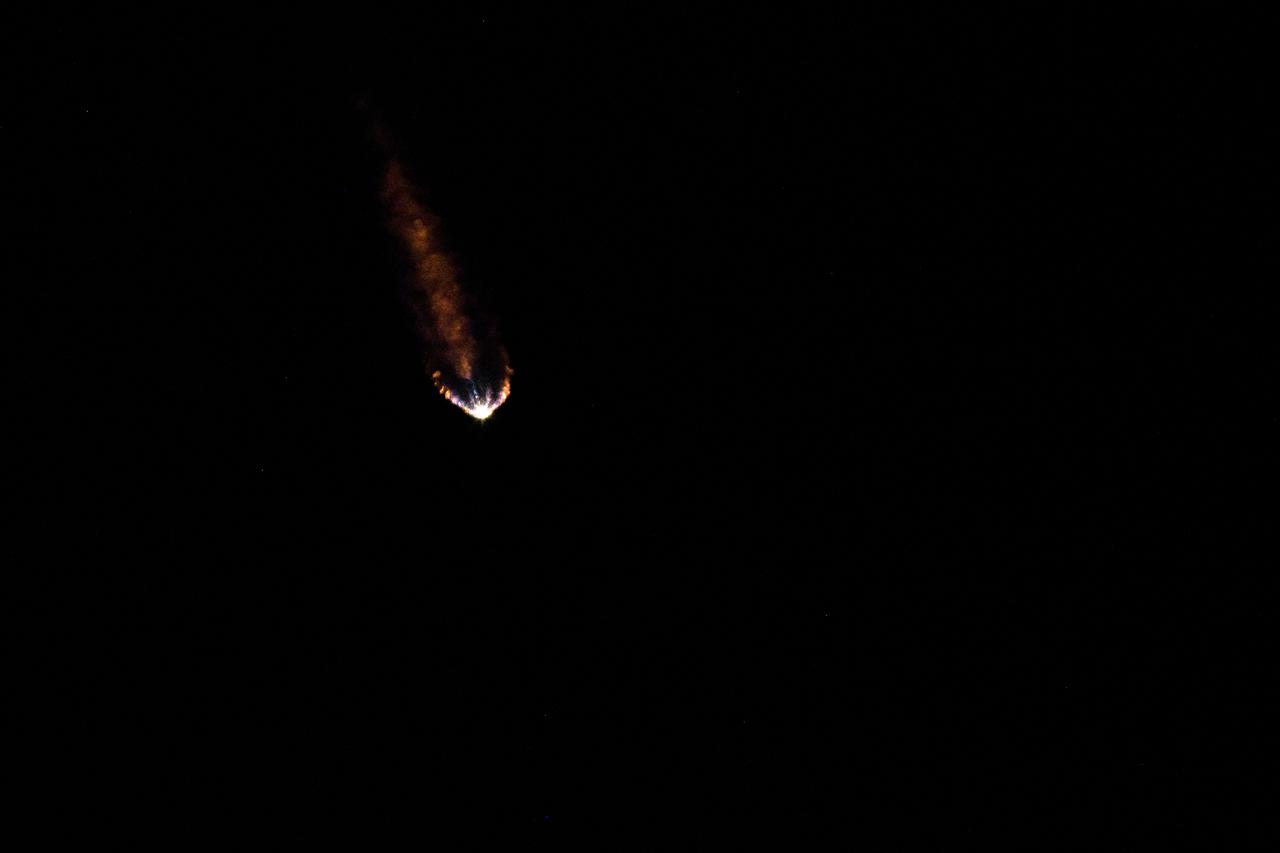
A United Launch Alliance Atlas V rocket with the Lucy spacecraft aboard launches from Space Launch Complex 41, Saturday, Oct. 16, 2021, at Cape Canaveral Space Force Station in Florida. Lucy will be the first spacecraft to study Jupiter's Trojan Asteroids. Like the mission's namesake – the fossilized human ancestor, "Lucy," whose skeleton provided unique insight into humanity's evolution – Lucy will revolutionize our knowledge of planetary origins and the formation of the solar system. Photo Credit: (NASA/Bill Ingalls)
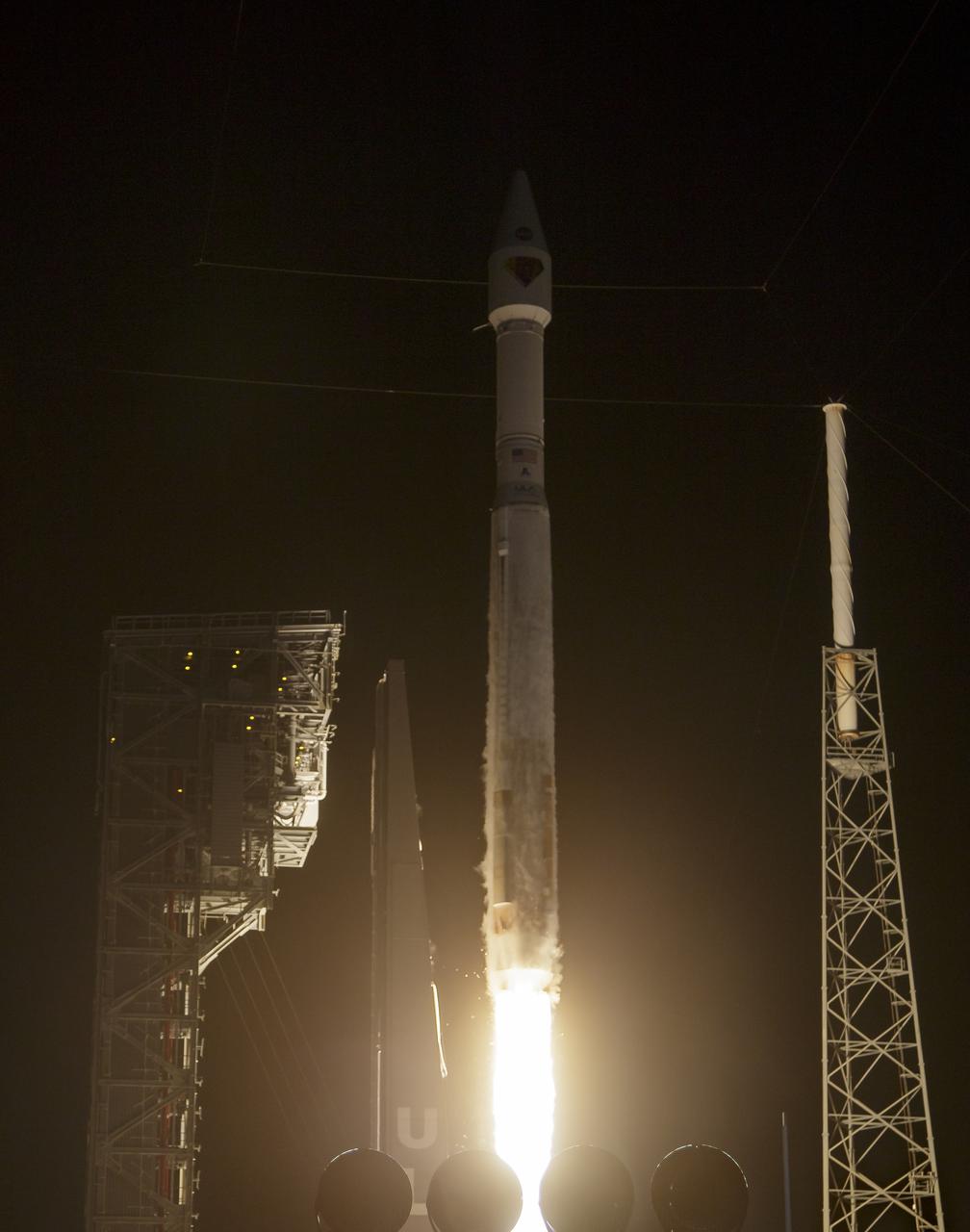
A United Launch Alliance Atlas V rocket with the Lucy spacecraft aboard launches from Space Launch Complex 41, Saturday, Oct. 16, 2021, at Cape Canaveral Space Force Station in Florida. Lucy will be the first spacecraft to study Jupiter's Trojan Asteroids. Like the mission's namesake – the fossilized human ancestor, "Lucy," whose skeleton provided unique insight into humanity's evolution – Lucy will revolutionize our knowledge of planetary origins and the formation of the solar system. Photo Credit: (NASA/Bill Ingalls)
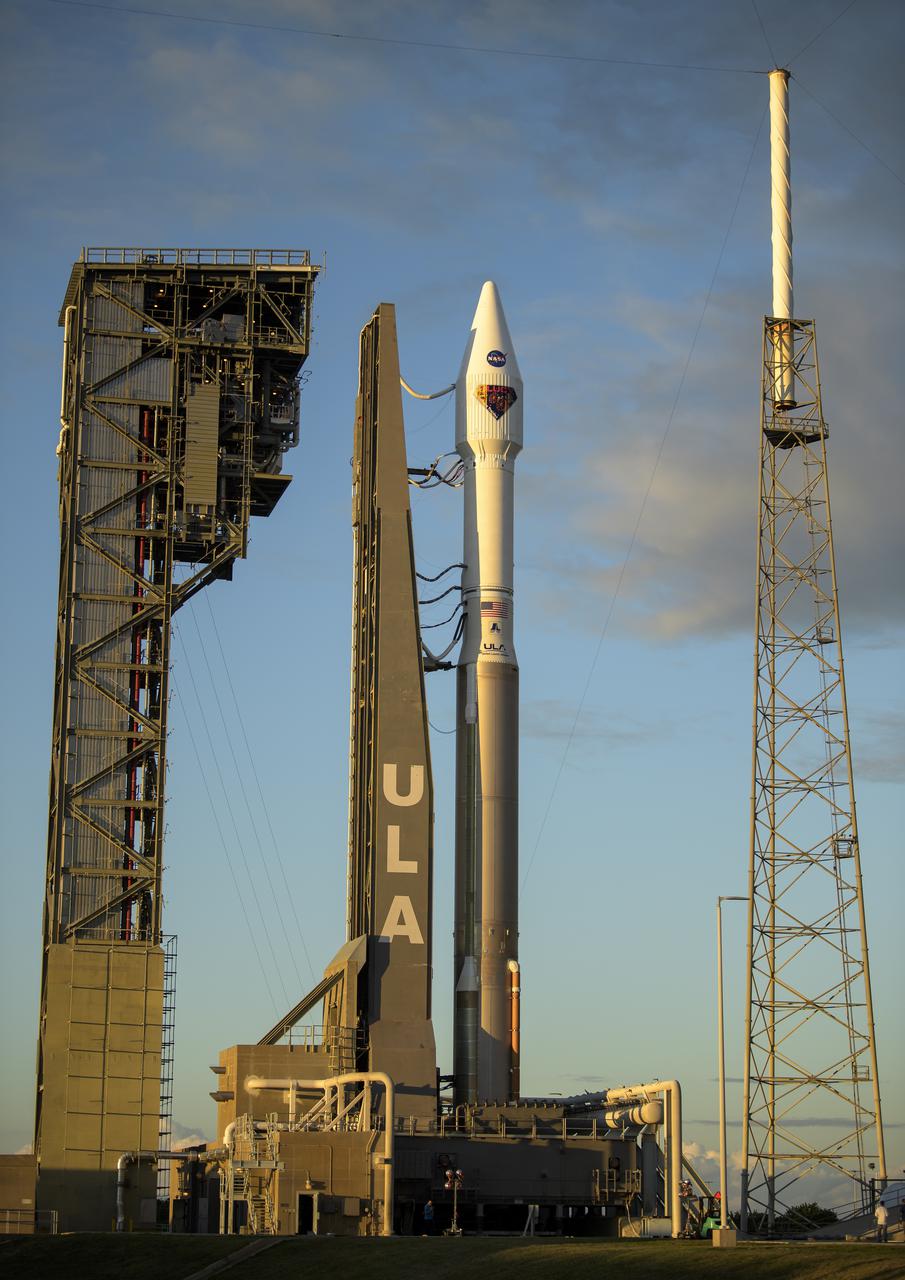
A United Launch Alliance Atlas V rocket with the Lucy spacecraft aboard is seen at Space Launch Complex 41, Thursday, Oct. 14, 2021, at Cape Canaveral Space Force Station in Florida. Lucy will be the first spacecraft to study Jupiter's Trojan Asteroids. Like the mission's namesake – the fossilized human ancestor, "Lucy," whose skeleton provided unique insight into humanity's evolution – Lucy will revolutionize our knowledge of planetary origins and the formation of the solar system. Photo Credit: (NASA/Bill Ingalls)
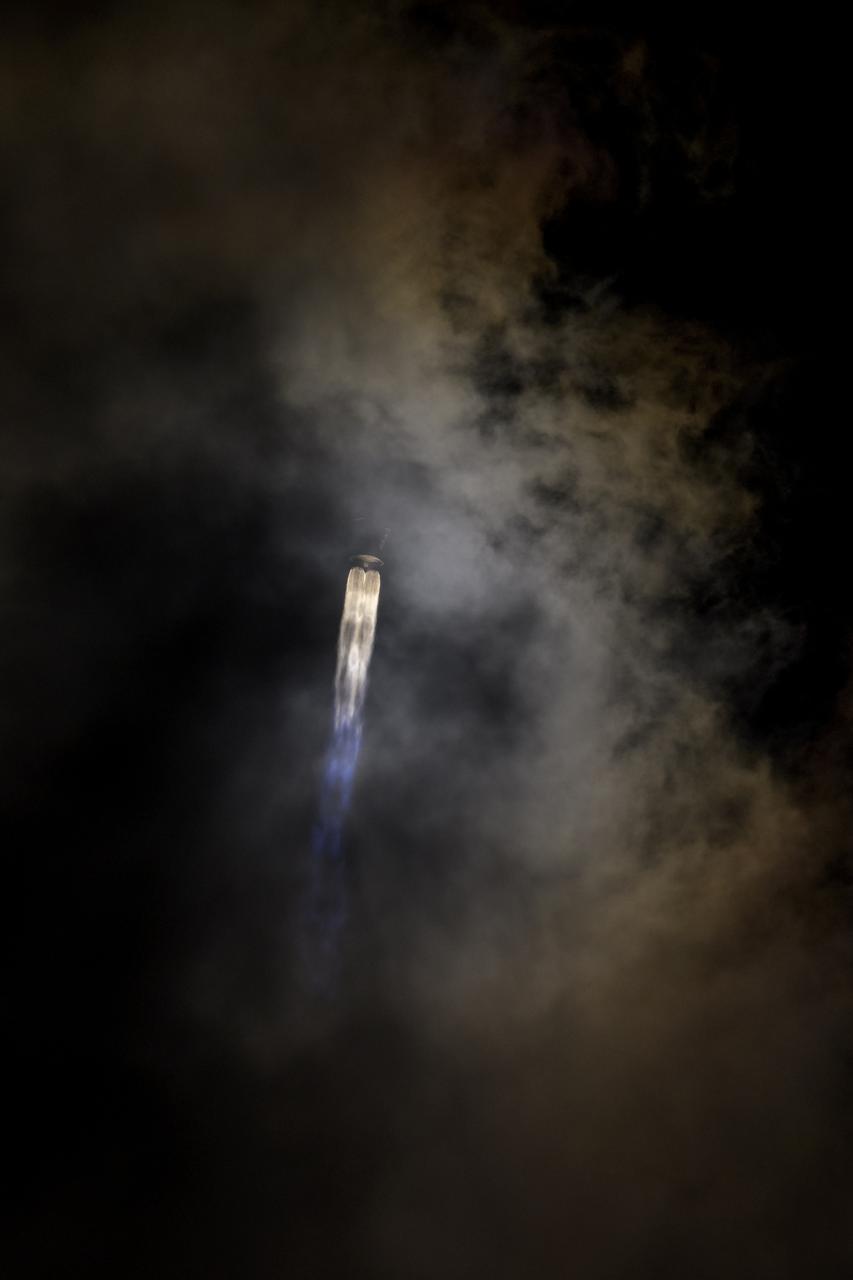
A United Launch Alliance Atlas V rocket with the Lucy spacecraft aboard launches from Space Launch Complex 41, Saturday, Oct. 16, 2021, at Cape Canaveral Space Force Station in Florida. Lucy will be the first spacecraft to study Jupiter's Trojan Asteroids. Like the mission's namesake – the fossilized human ancestor, "Lucy," whose skeleton provided unique insight into humanity's evolution – Lucy will revolutionize our knowledge of planetary origins and the formation of the solar system. Photo Credit: (NASA/Bill Ingalls)
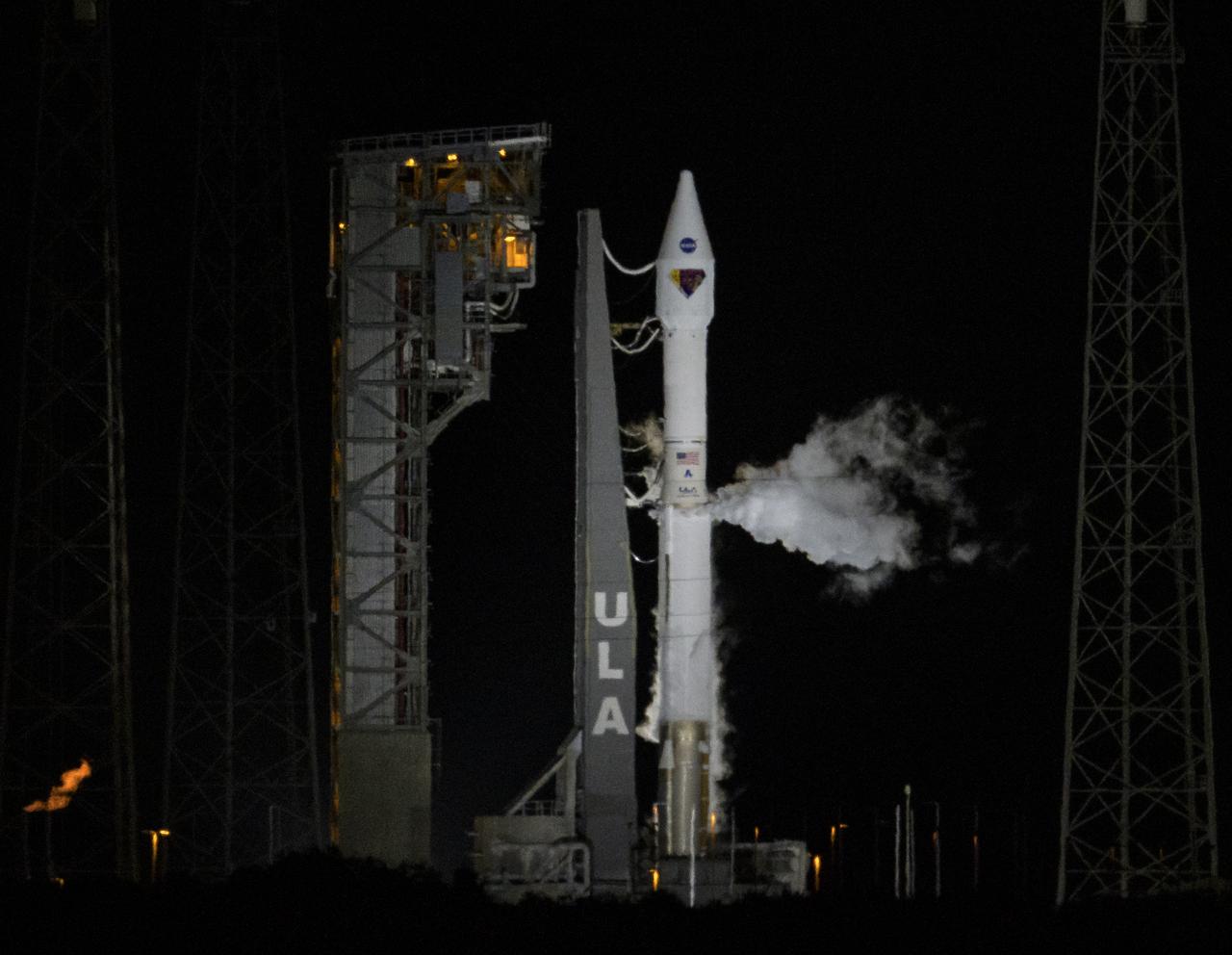
A United Launch Alliance Atlas V rocket with the Lucy spacecraft stands ready to launch from Space Launch Complex 41, Saturday, Oct. 16, 2021, at Cape Canaveral Space Force Station in Florida. Lucy will be the first spacecraft to study Jupiter's Trojan Asteroids. Like the mission's namesake – the fossilized human ancestor, "Lucy," whose skeleton provided unique insight into humanity's evolution – Lucy will revolutionize our knowledge of planetary origins and the formation of the solar system. Photo Credit: (NASA/Bill Ingalls)
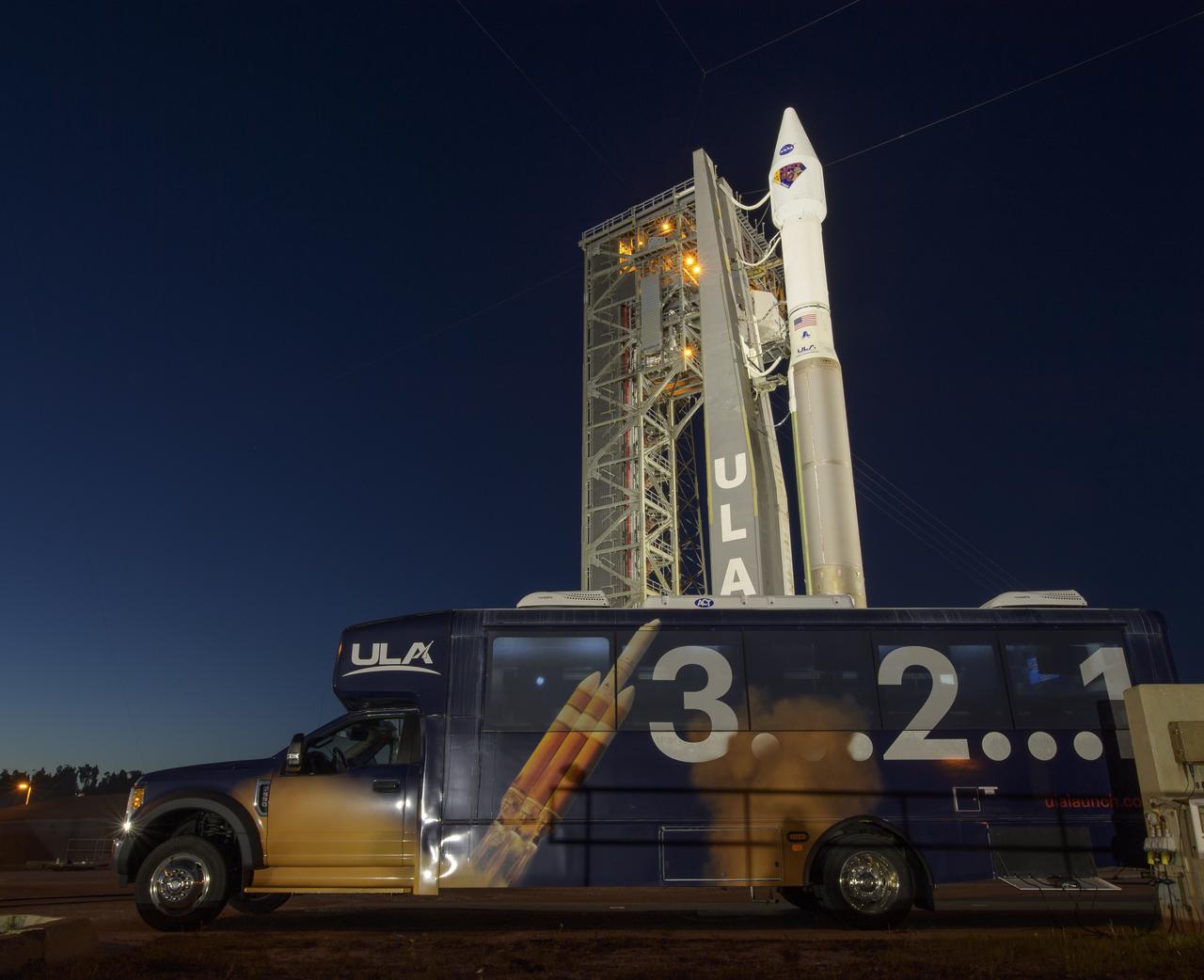
A United Launch Alliance Atlas V rocket with the Lucy spacecraft aboard is seen at Space Launch Complex 41, Thursday, Oct. 14, 2021, at Cape Canaveral Space Force Station in Florida. Lucy will be the first spacecraft to study Jupiter's Trojan Asteroids. Like the mission's namesake – the fossilized human ancestor, "Lucy," whose skeleton provided unique insight into humanity's evolution – Lucy will revolutionize our knowledge of planetary origins and the formation of the solar system. Photo Credit: (NASA/Bill Ingalls)
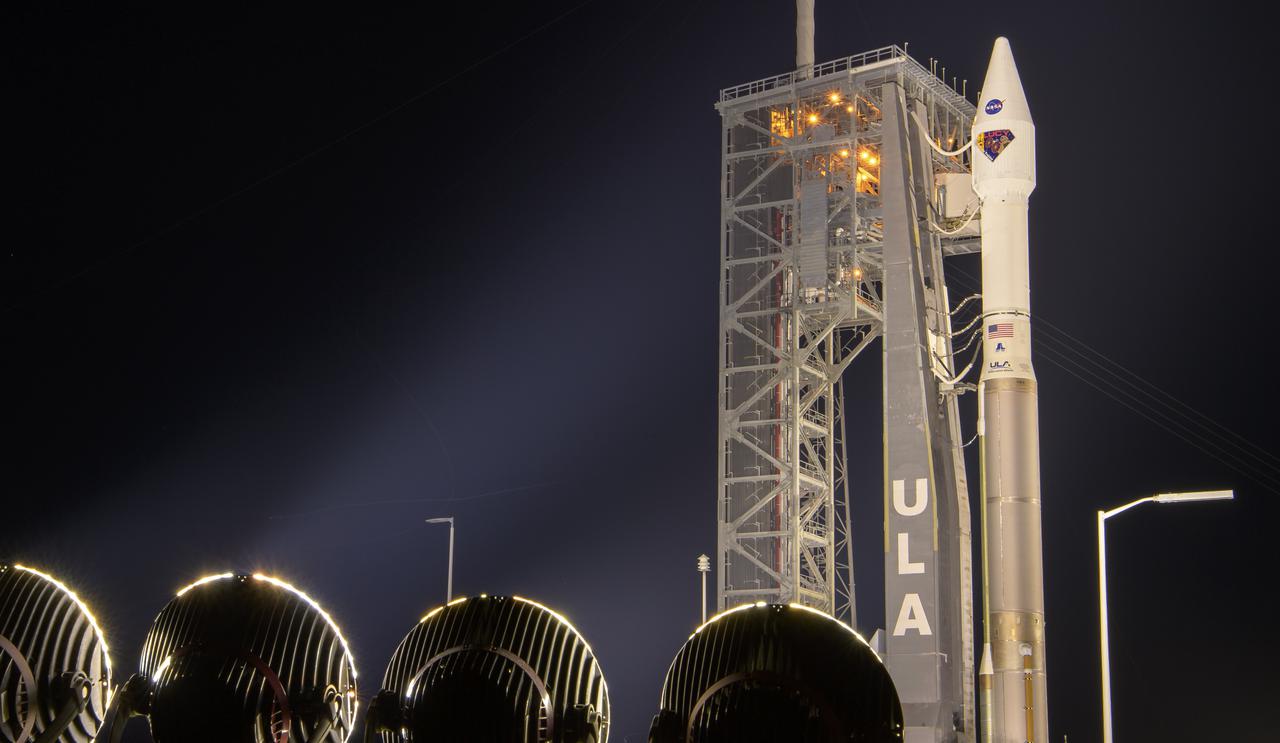
A United Launch Alliance Atlas V rocket with the Lucy spacecraft aboard is seen at Space Launch Complex 41, Thursday, Oct. 14, 2021, at Cape Canaveral Space Force Station in Florida. Lucy will be the first spacecraft to study Jupiter's Trojan Asteroids. Like the mission's namesake – the fossilized human ancestor, "Lucy," whose skeleton provided unique insight into humanity's evolution – Lucy will revolutionize our knowledge of planetary origins and the formation of the solar system. Photo Credit: (NASA/Bill Ingalls)
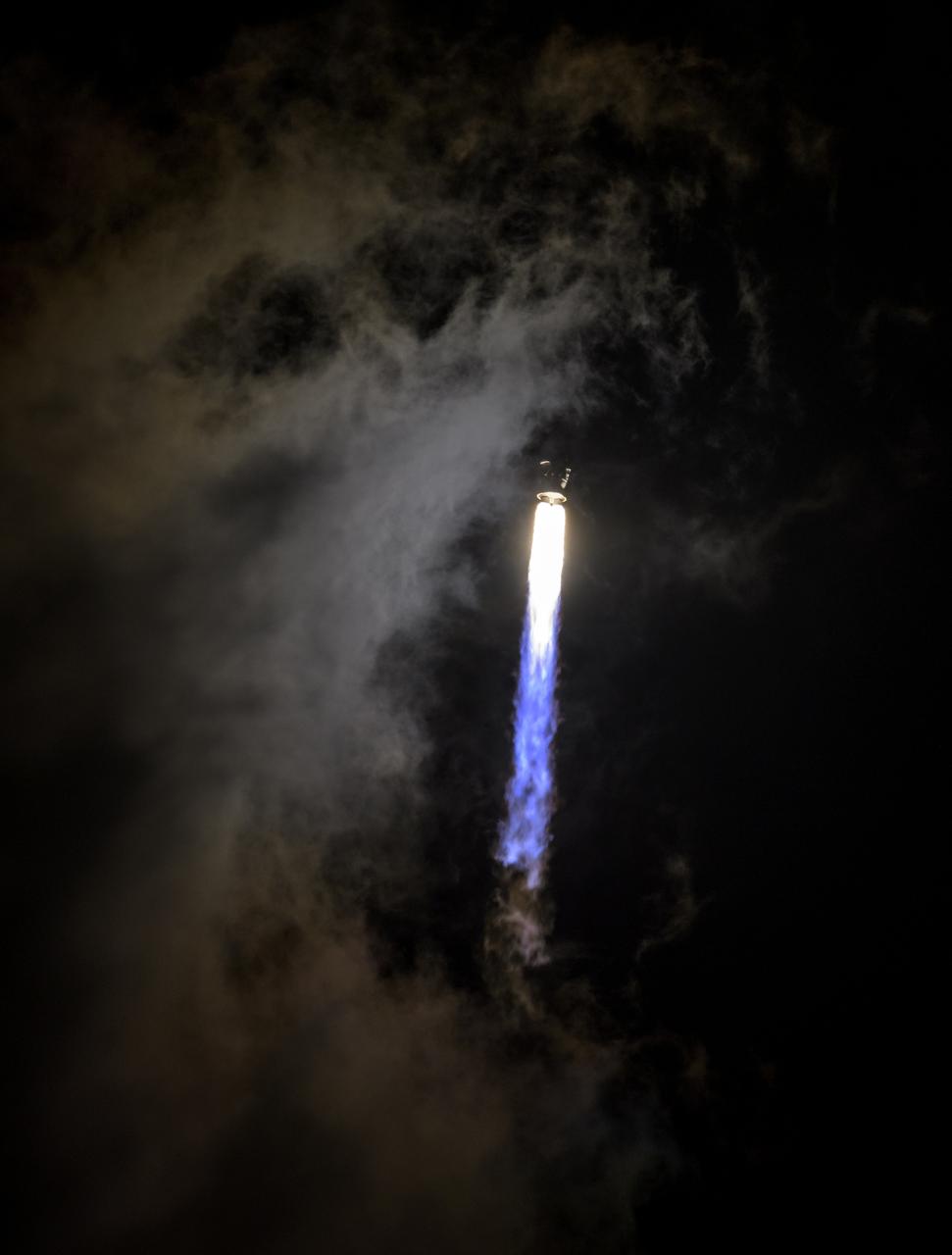
A United Launch Alliance Atlas V rocket with the Lucy spacecraft aboard launches from Space Launch Complex 41, Saturday, Oct. 16, 2021, at Cape Canaveral Space Force Station in Florida. Lucy will be the first spacecraft to study Jupiter's Trojan Asteroids. Like the mission's namesake – the fossilized human ancestor, "Lucy," whose skeleton provided unique insight into humanity's evolution – Lucy will revolutionize our knowledge of planetary origins and the formation of the solar system. Photo Credit: (NASA/Bill Ingalls)
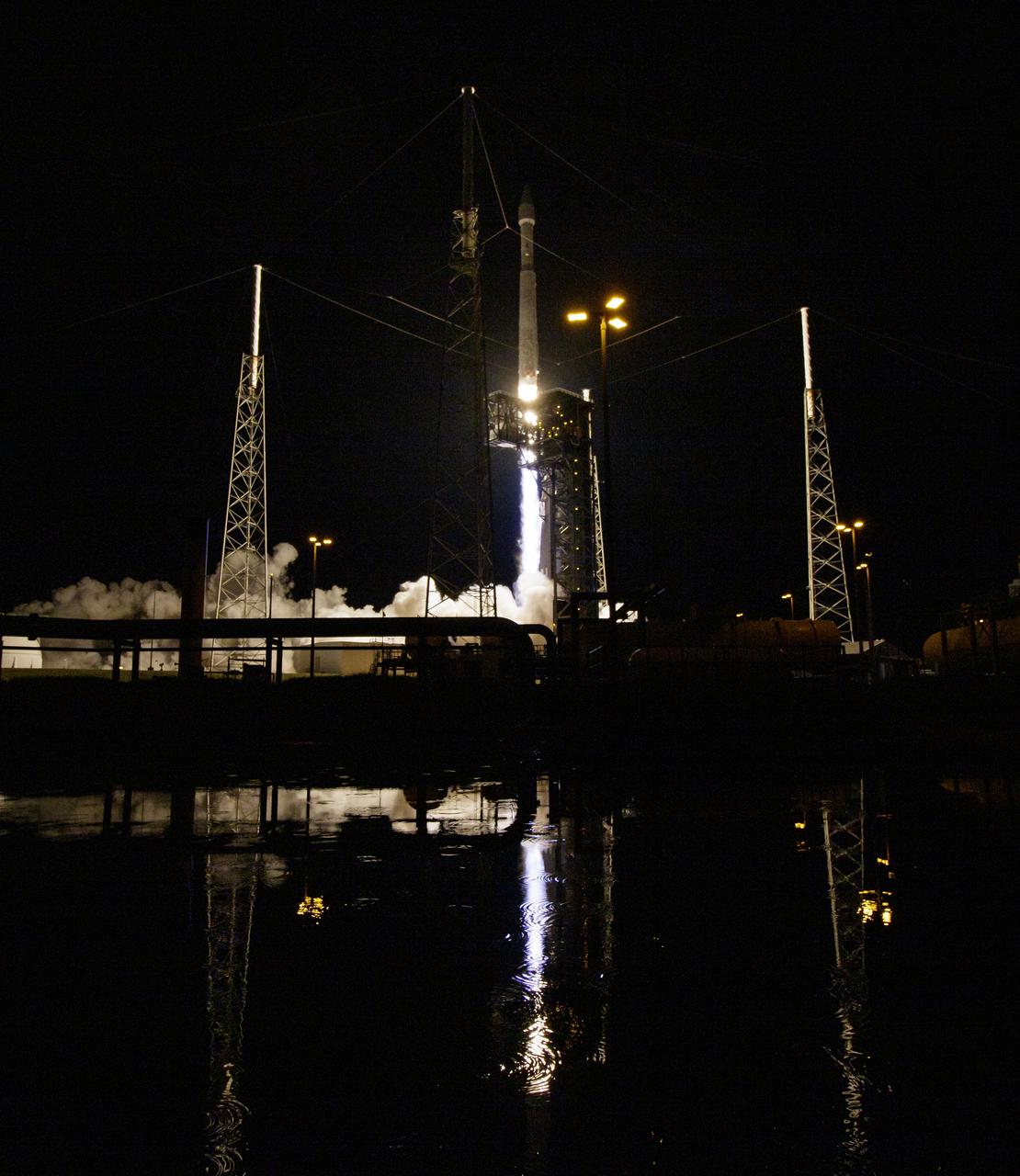
A United Launch Alliance Atlas V rocket with the Lucy spacecraft aboard launches from Space Launch Complex 41, Saturday, Oct. 16, 2021, at Cape Canaveral Space Force Station in Florida. Lucy will be the first spacecraft to study Jupiter's Trojan Asteroids. Like the mission's namesake – the fossilized human ancestor, "Lucy," whose skeleton provided unique insight into humanity's evolution – Lucy will revolutionize our knowledge of planetary origins and the formation of the solar system. Photo Credit: (NASA/Bill Ingalls)
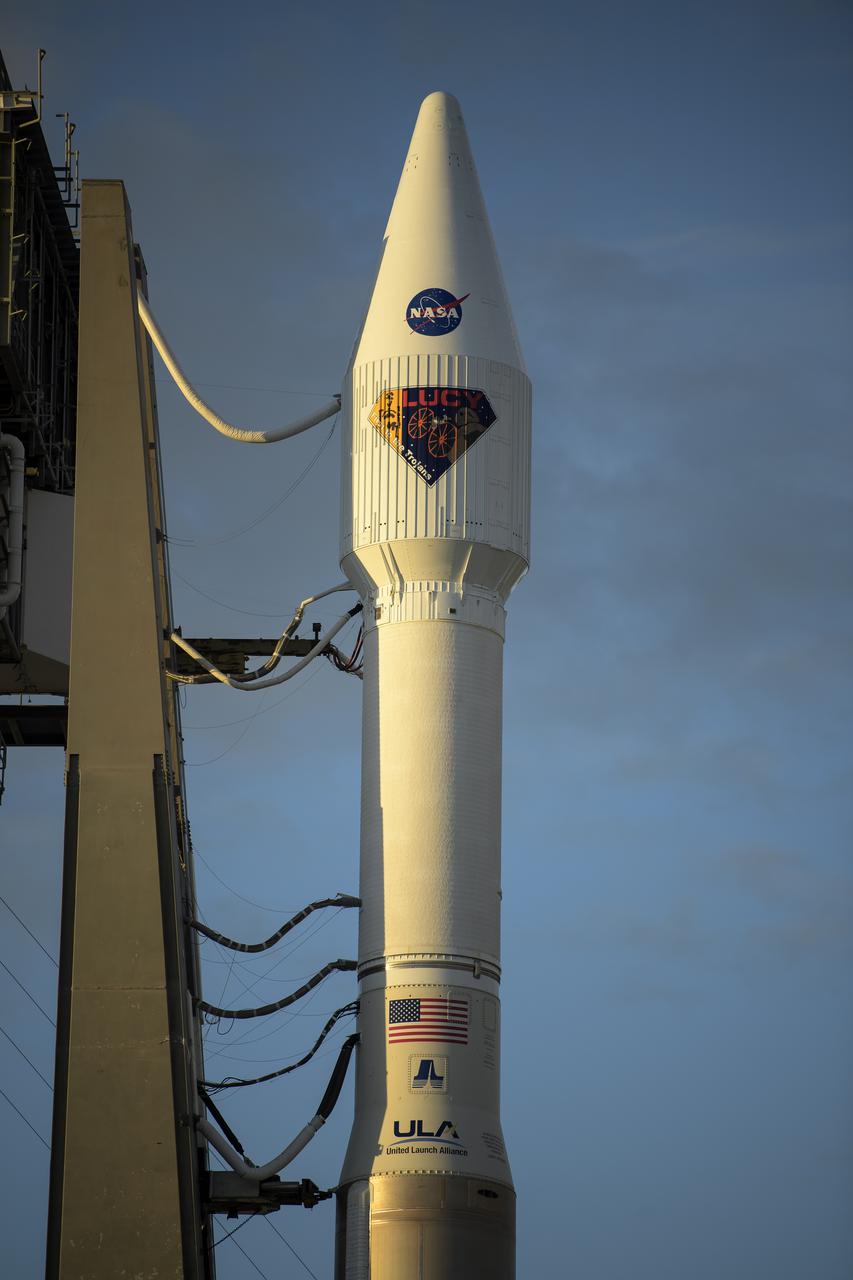
A United Launch Alliance Atlas V rocket with the Lucy spacecraft aboard is seen at Space Launch Complex 41, Thursday, Oct. 14, 2021, at Cape Canaveral Space Force Station in Florida. Lucy will be the first spacecraft to study Jupiter's Trojan Asteroids. Like the mission's namesake – the fossilized human ancestor, "Lucy," whose skeleton provided unique insight into humanity's evolution – Lucy will revolutionize our knowledge of planetary origins and the formation of the solar system. Photo Credit: (NASA/Bill Ingalls)
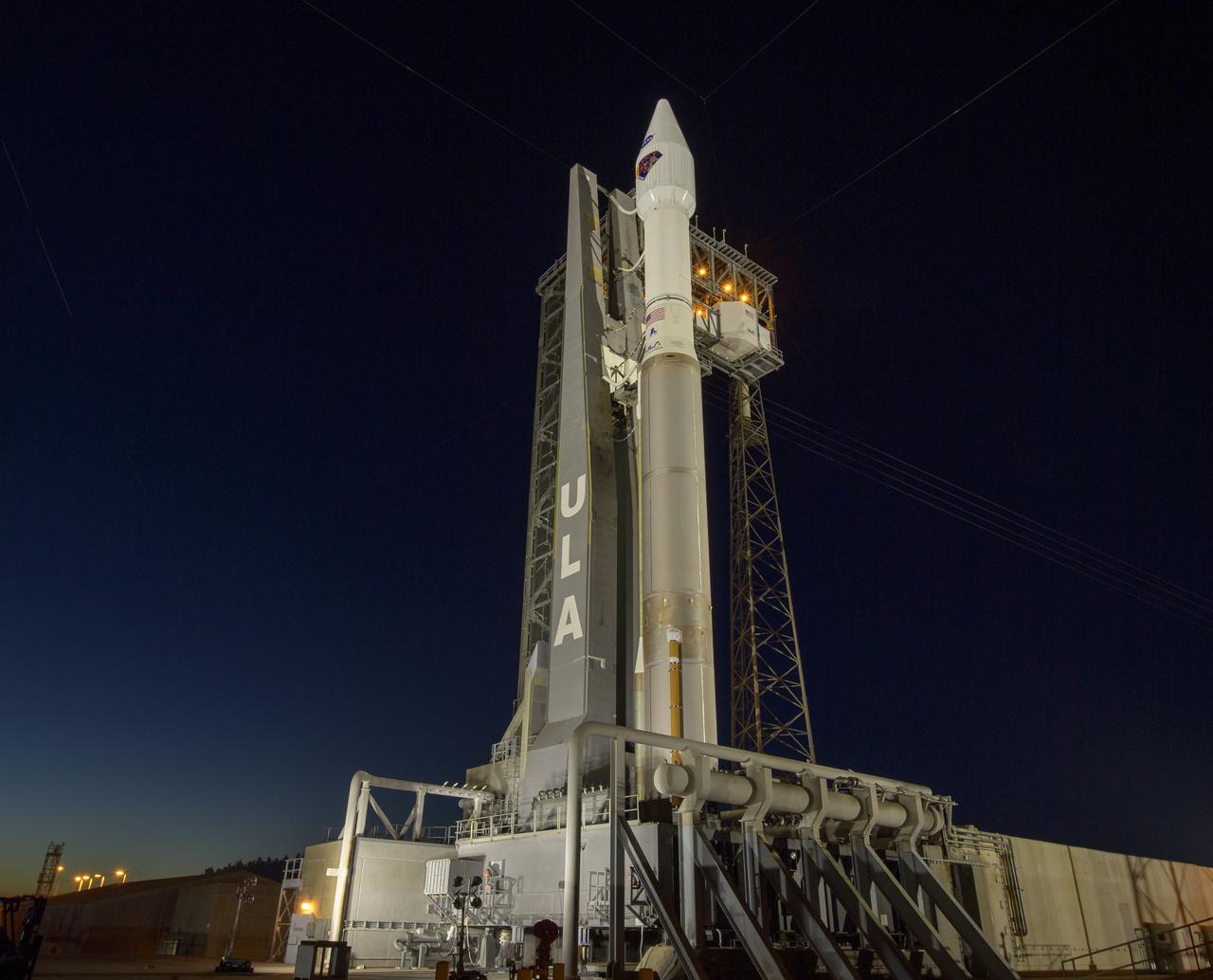
A United Launch Alliance Atlas V rocket with the Lucy spacecraft aboard is seen at Space Launch Complex 41, Thursday, Oct. 14, 2021, at Cape Canaveral Space Force Station in Florida. Lucy will be the first spacecraft to study Jupiter's Trojan Asteroids. Like the mission's namesake – the fossilized human ancestor, "Lucy," whose skeleton provided unique insight into humanity's evolution – Lucy will revolutionize our knowledge of planetary origins and the formation of the solar system. Photo Credit: (NASA/Bill Ingalls)

A United Launch Alliance Atlas V rocket with the Lucy spacecraft aboard launches from Space Launch Complex 41, Saturday, Oct. 16, 2021, at Cape Canaveral Space Force Station in Florida. Lucy will be the first spacecraft to study Jupiter's Trojan Asteroids. Like the mission's namesake – the fossilized human ancestor, "Lucy," whose skeleton provided unique insight into humanity's evolution – Lucy will revolutionize our knowledge of planetary origins and the formation of the solar system. Photo Credit: (NASA/Bill Ingalls)
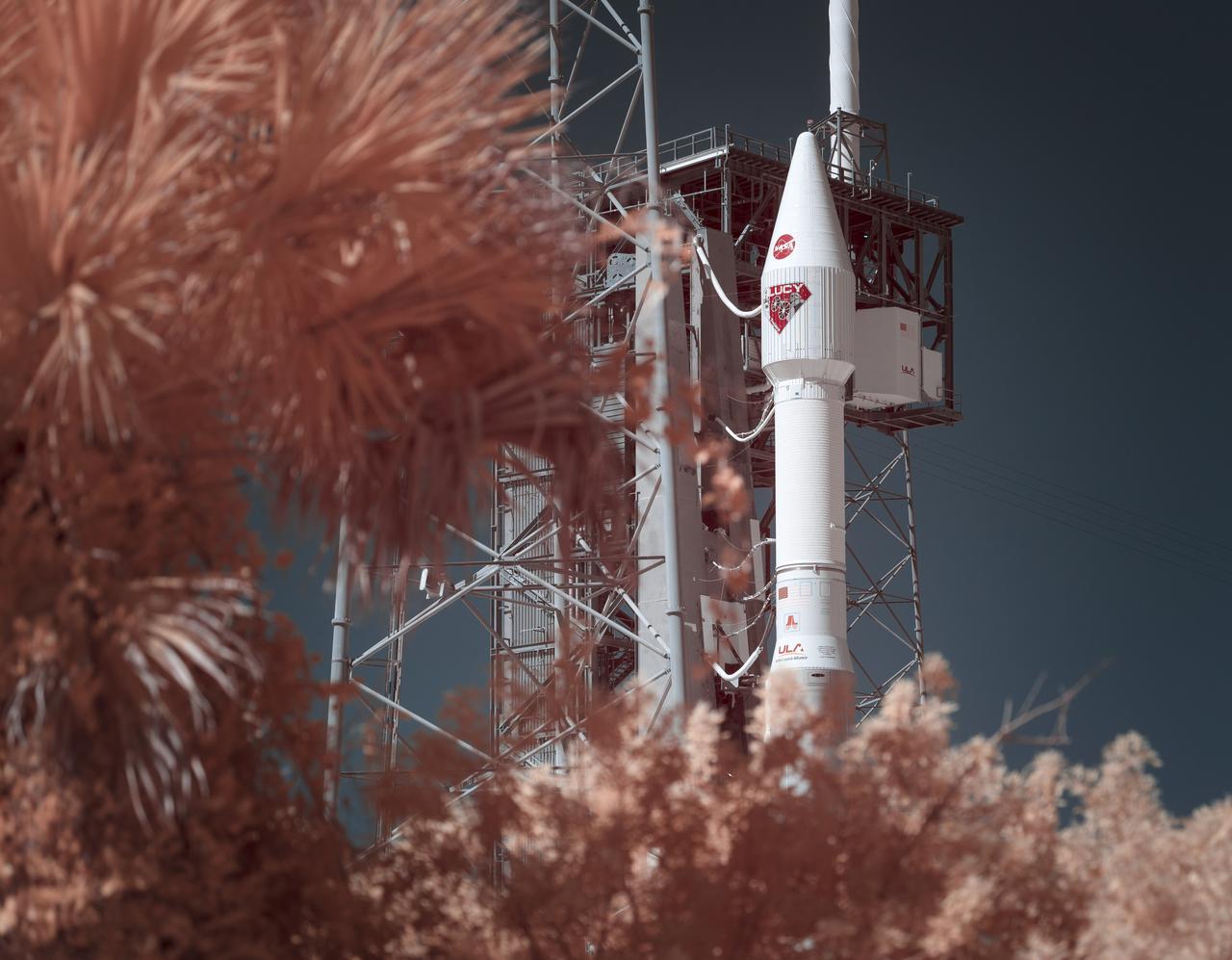
A United Launch Alliance Atlas V rocket with the Lucy spacecraft aboard is seen is seen in this false color infrared image at Space Launch Complex 41, Friday, Oct. 15, 2021, at Cape Canaveral Space Force Station in Florida. Lucy will be the first spacecraft to study Jupiter's Trojan Asteroids. Like the mission's namesake – the fossilized human ancestor, "Lucy," whose skeleton provided unique insight into humanity's evolution – Lucy will revolutionize our knowledge of planetary origins and the formation of the solar system. Photo Credit: (NASA/Bill Ingalls)
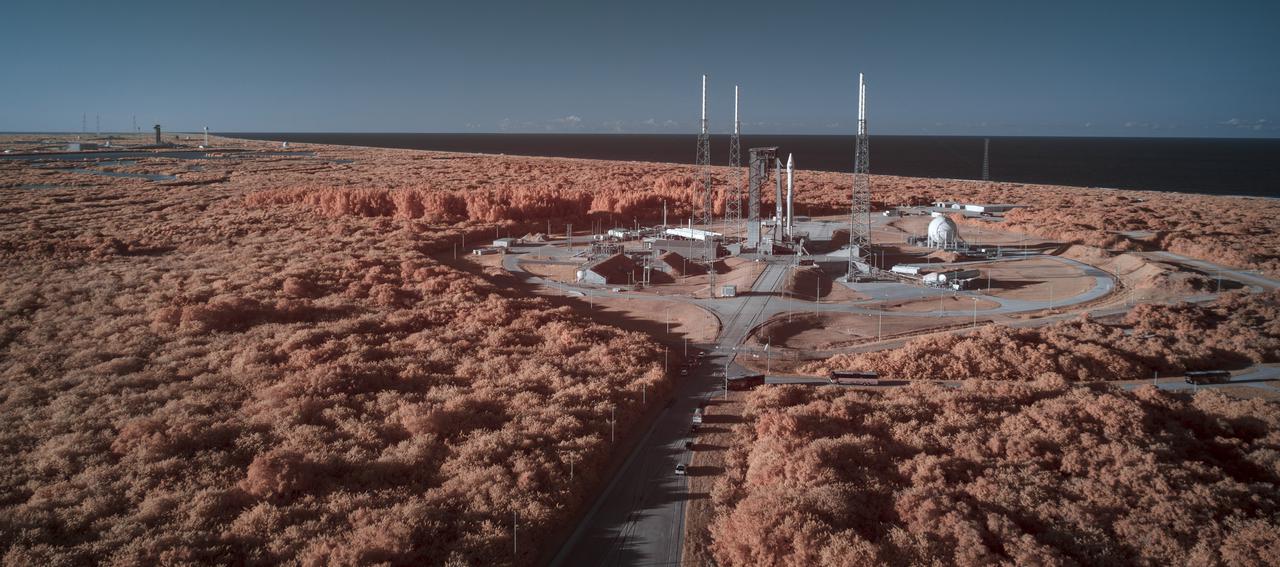
A United Launch Alliance Atlas V rocket with the Lucy spacecraft aboard is seen is seen in this false color infrared image at Space Launch Complex 41, Friday, Oct. 15, 2021, at Cape Canaveral Space Force Station in Florida. Lucy will be the first spacecraft to study Jupiter's Trojan Asteroids. Like the mission's namesake – the fossilized human ancestor, "Lucy," whose skeleton provided unique insight into humanity's evolution – Lucy will revolutionize our knowledge of planetary origins and the formation of the solar system. Photo Credit: (NASA/Bill Ingalls)
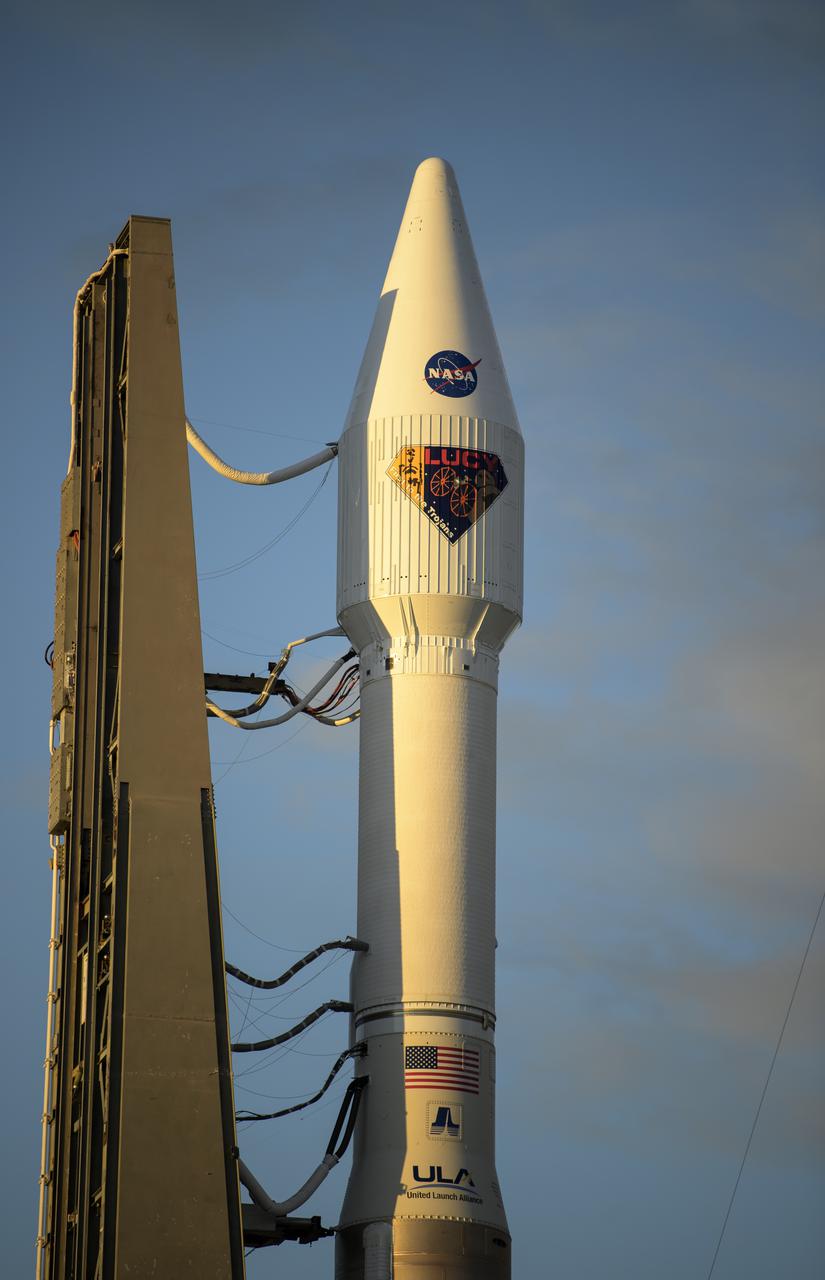
A United Launch Alliance Atlas V rocket with the Lucy spacecraft aboard is seen at Space Launch Complex 41, Thursday, Oct. 14, 2021, at Cape Canaveral Space Force Station in Florida. Lucy will be the first spacecraft to study Jupiter's Trojan Asteroids. Like the mission's namesake – the fossilized human ancestor, "Lucy," whose skeleton provided unique insight into humanity's evolution – Lucy will revolutionize our knowledge of planetary origins and the formation of the solar system. Photo Credit: (NASA/Bill Ingalls)
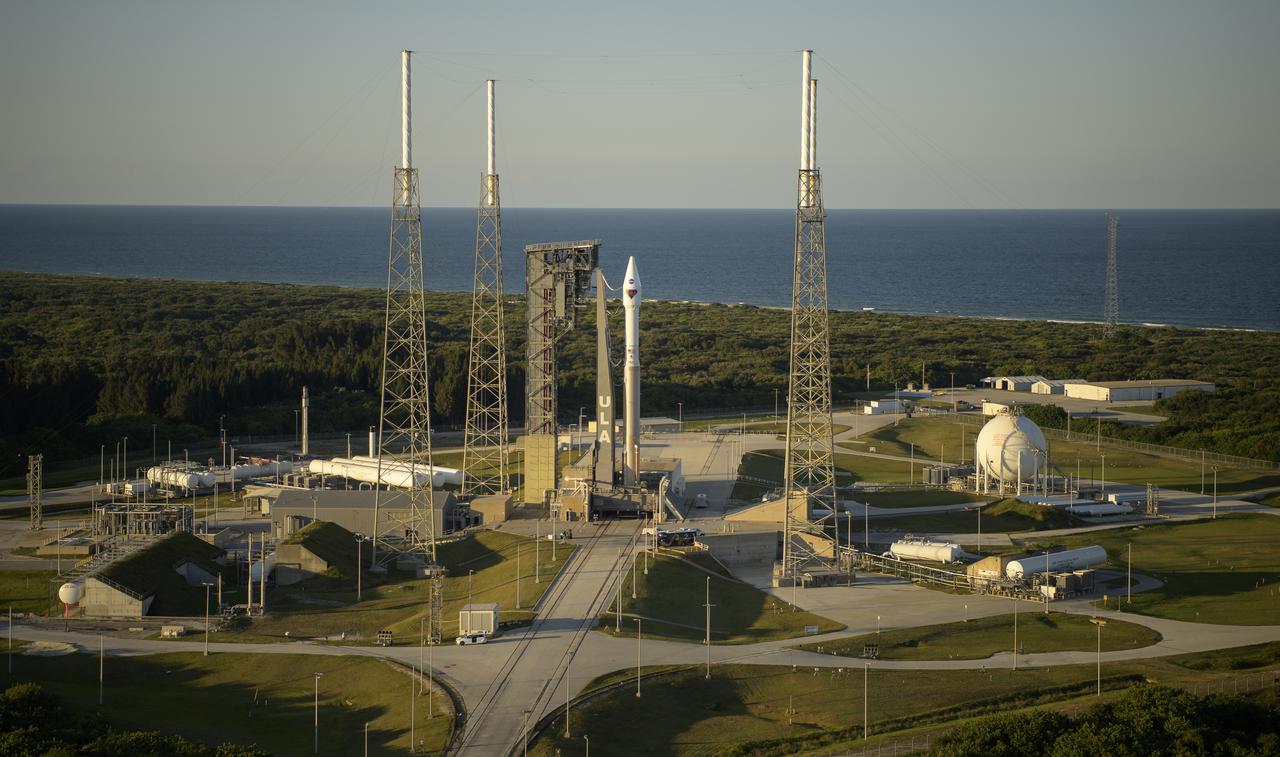
A United Launch Alliance Atlas V rocket with the Lucy spacecraft aboard is seen at Space Launch Complex 41, Friday, Oct. 15, 2021, at Cape Canaveral Space Force Station in Florida. Lucy will be the first spacecraft to study Jupiter's Trojan Asteroids. Like the mission's namesake – the fossilized human ancestor, "Lucy," whose skeleton provided unique insight into humanity's evolution – Lucy will revolutionize our knowledge of planetary origins and the formation of the solar system. Photo Credit: (NASA/Bill Ingalls)
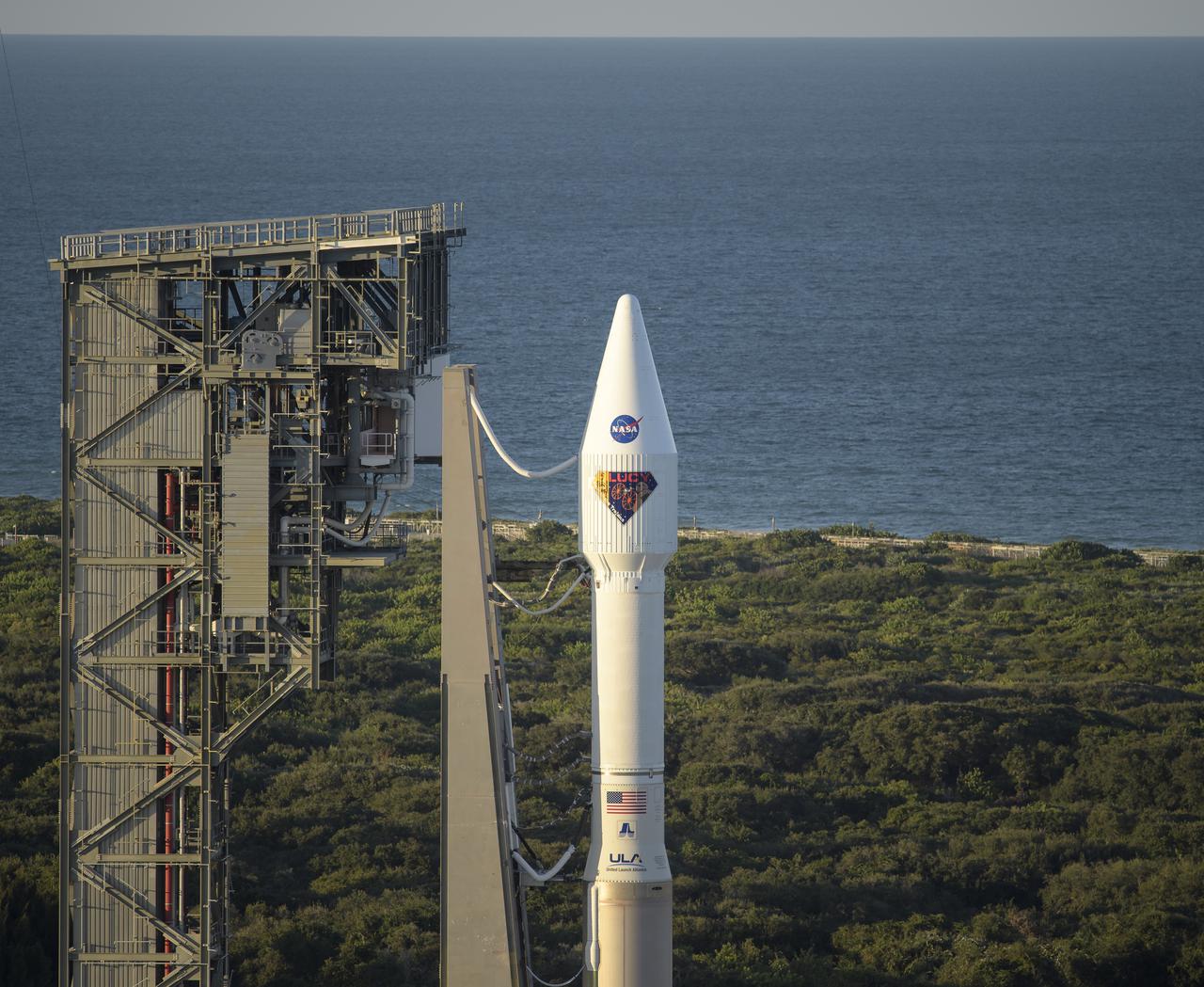
A United Launch Alliance Atlas V rocket with the Lucy spacecraft aboard is seen at Space Launch Complex 41, Friday, Oct. 15, 2021, at Cape Canaveral Space Force Station in Florida. Lucy will be the first spacecraft to study Jupiter's Trojan Asteroids. Like the mission's namesake – the fossilized human ancestor, "Lucy," whose skeleton provided unique insight into humanity's evolution – Lucy will revolutionize our knowledge of planetary origins and the formation of the solar system. Photo Credit: (NASA/Bill Ingalls)
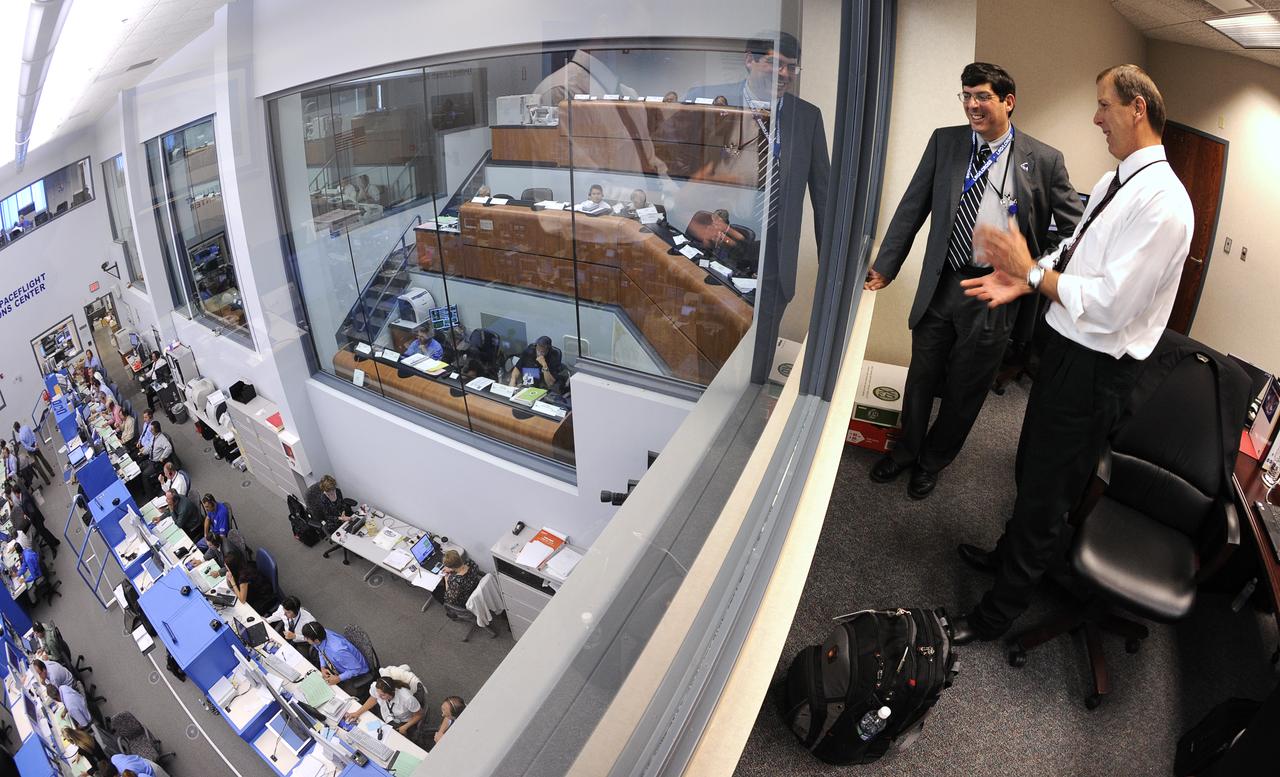
NASA Acting Administrator Chris Scolese, 2nd from right, looks out over the Atlas V Spaceflight Operations Center prior to the launch of the Lunar Reconnaissance Orbiter and Lunar Crater Observation and Sensing Satellite Thursday, June 18, 2009, from Cape Canaveral Air Force Station, Florida. Photo Credit: (NASA/Bill Ingalls)
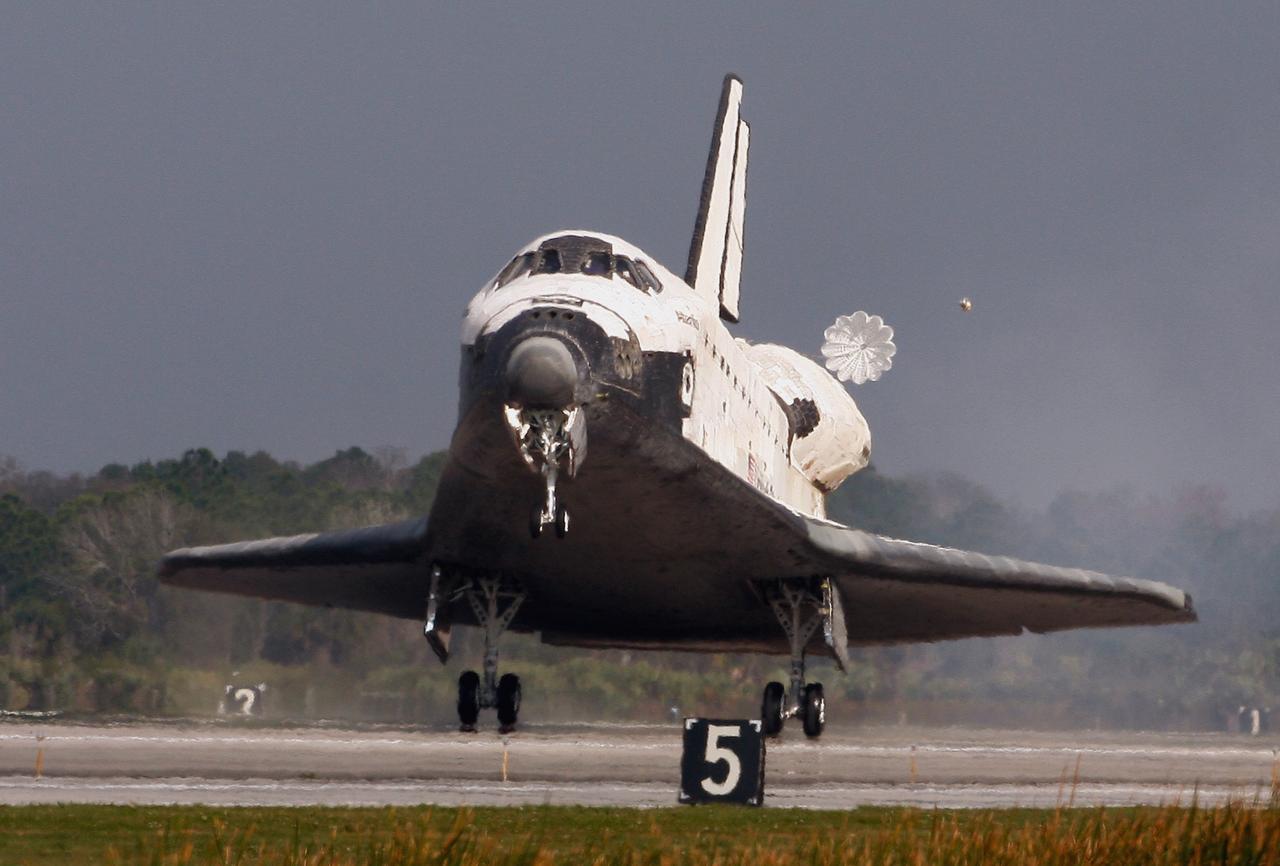
Space shuttle Atlantis lands at the Kennedy Space Center, Shuttle Landing Facility, Cape Canaveral, Florida, USA, 20 February 2008. Atlantis completed a thirteen day mission to the International Space Station where it delivered the latest modu;e to the ISS named Columbus.
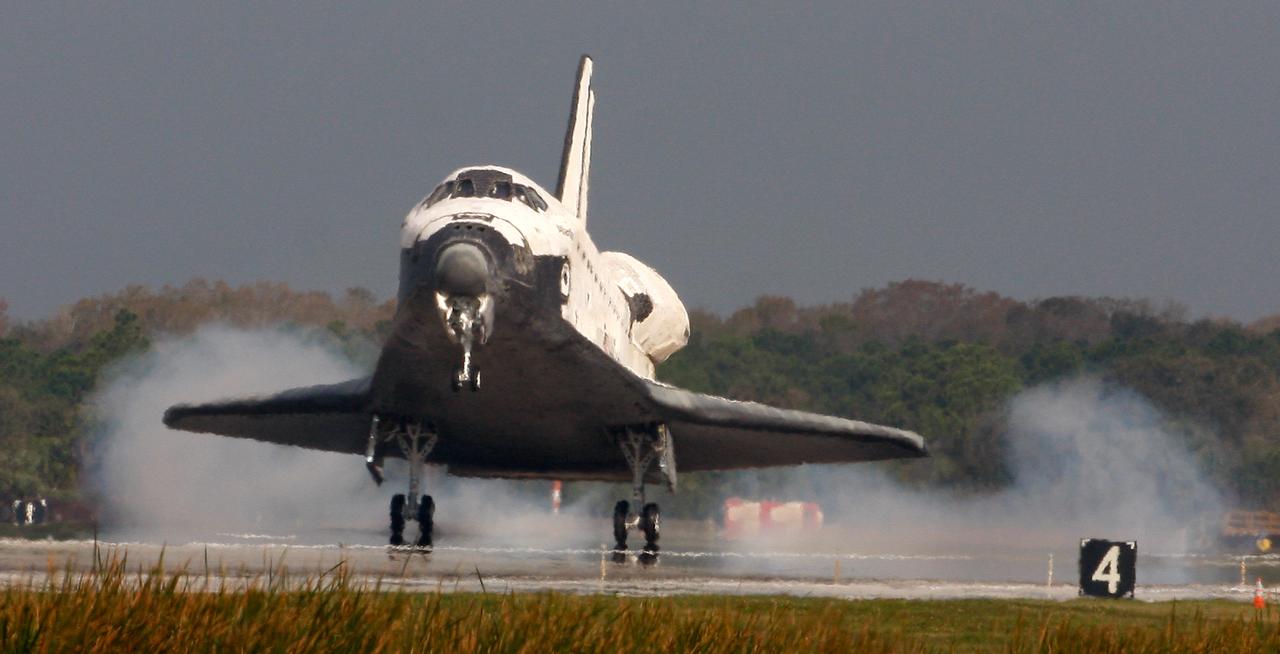
Space shuttle Atlantis lands at the Kennedy Space Center, Shuttle Landing Facility, Cape Canaveral, Florida, USA, 20 February 2008. Atlantis completed a thirteen day mission to the International Space Station where it delivered the latest modu;e to the ISS named Columbus.

The Launch Vehicle Adapter (LVA) that will attach Boeing’s first Starliner spacecraft to the Atlas V launch vehicle is unloaded from the Mariner cargo vessel at Cape Canaveral in Florida on November 12, 2018, following transport from United Launch Alliance's manufacturing factory in Decatur, Alabama. Technicians transported the LVA to Cape Canaveral Air Force Station to begin integrated operations with the Centaur upper stage.The LVA is the specially-designed structure that will be fitted to the top of Centaur. It will soon be attached to the Centaur during pre-launch stacking operations and eventually support the Starliner spacecraft during launch of the Orbital Flight Test next year. Also part of the LVA is the aeroskirt, which ULA designed in collaboration with Boeing and NASA for added aerodynamic stability during the flight. This metallic orthogrid structure will smooth the air flow over the Starliner-Atlas V vehicle, and will be nominally jettisoned after the first stage of flight. The aeroskirt also has provisions for venting in the event the Starliner abort engines are fired.
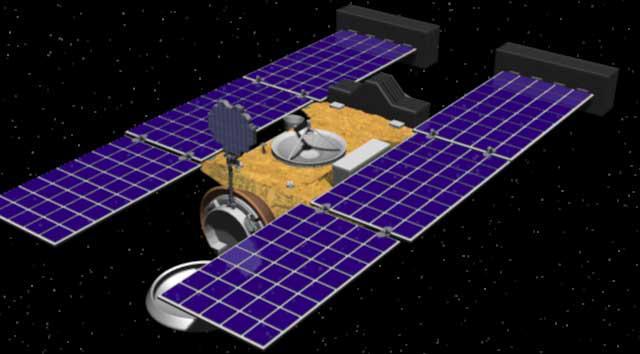
Artist rendering of NASA Stardust spacecraft. The spacecraft was launched on February 7, 1999, from Cape Canaveral Air Station, Florida, aboard a Delta II rocket.

This archival photo shows Voyager 2 at the Spacecraft Assembly and Encapsulation Facility at NASA's Kennedy Space Center in Cape Canaveral, Florida. https://photojournal.jpl.nasa.gov/catalog/PIA21728
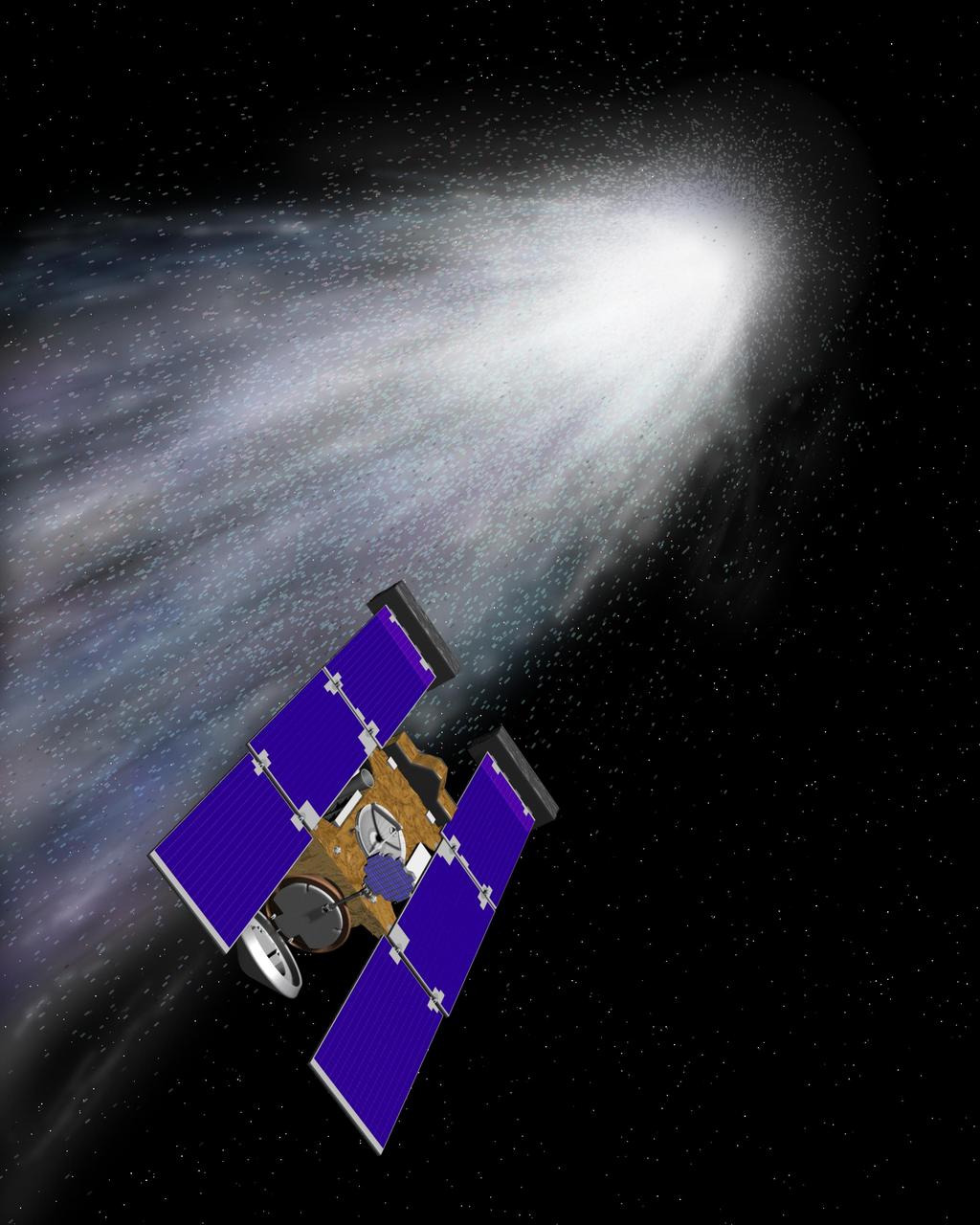
Artist rendering of NASA Stardust spacecraft. The spacecraft was launched on February 7, 1999, from Cape Canaveral Air Station, Florida, aboard a Delta II rocket.
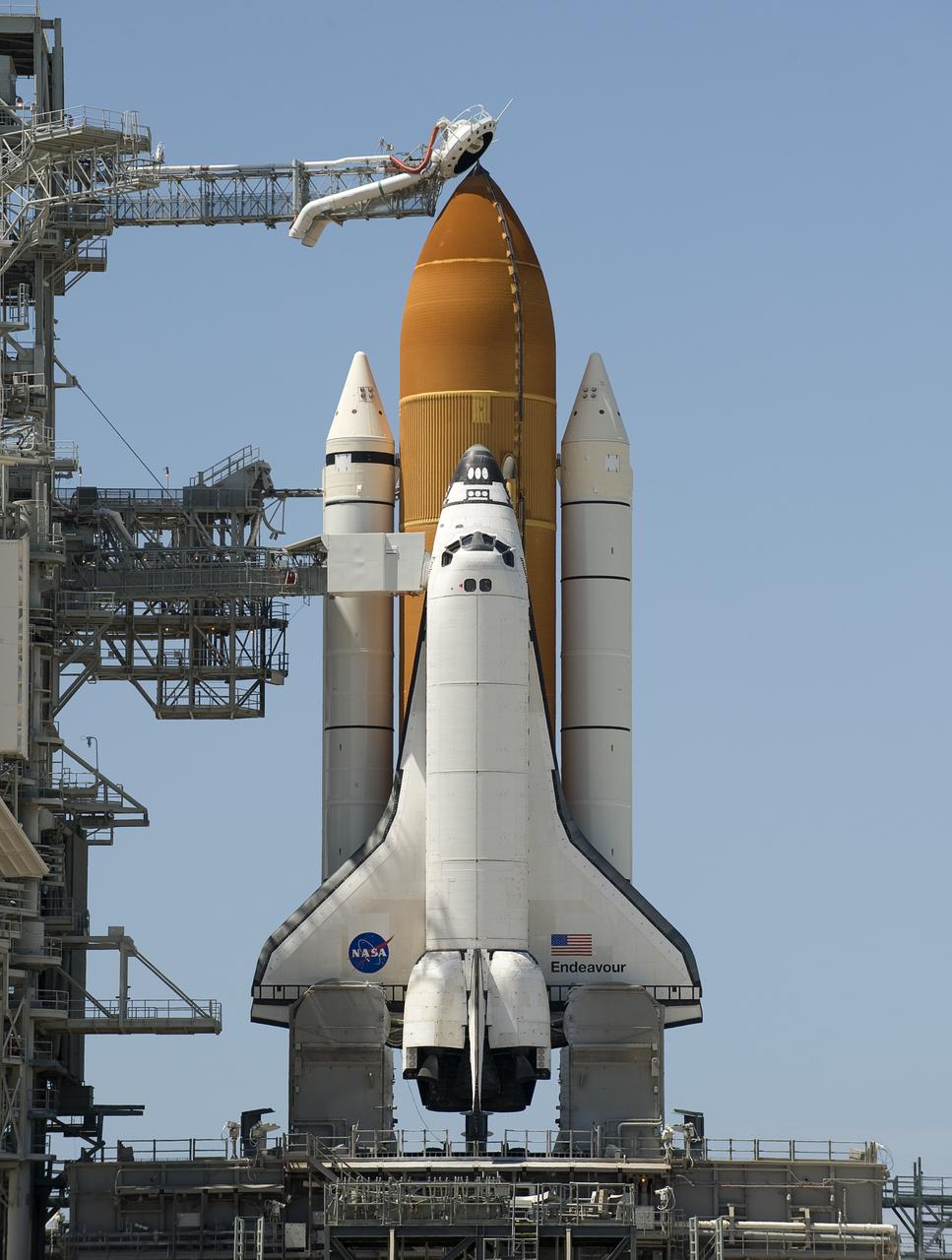
The space shuttle Endeavour is seen at launch pad 39A at NASA's Kennedy Space Center in Cape Canaveral, Florida on Saturday, July 11, 2009. NASA is hopeful that Endeavour will launch with the crew of STS-127 on Sunday. Photo Credit: (NASA/Bill Ingalls)
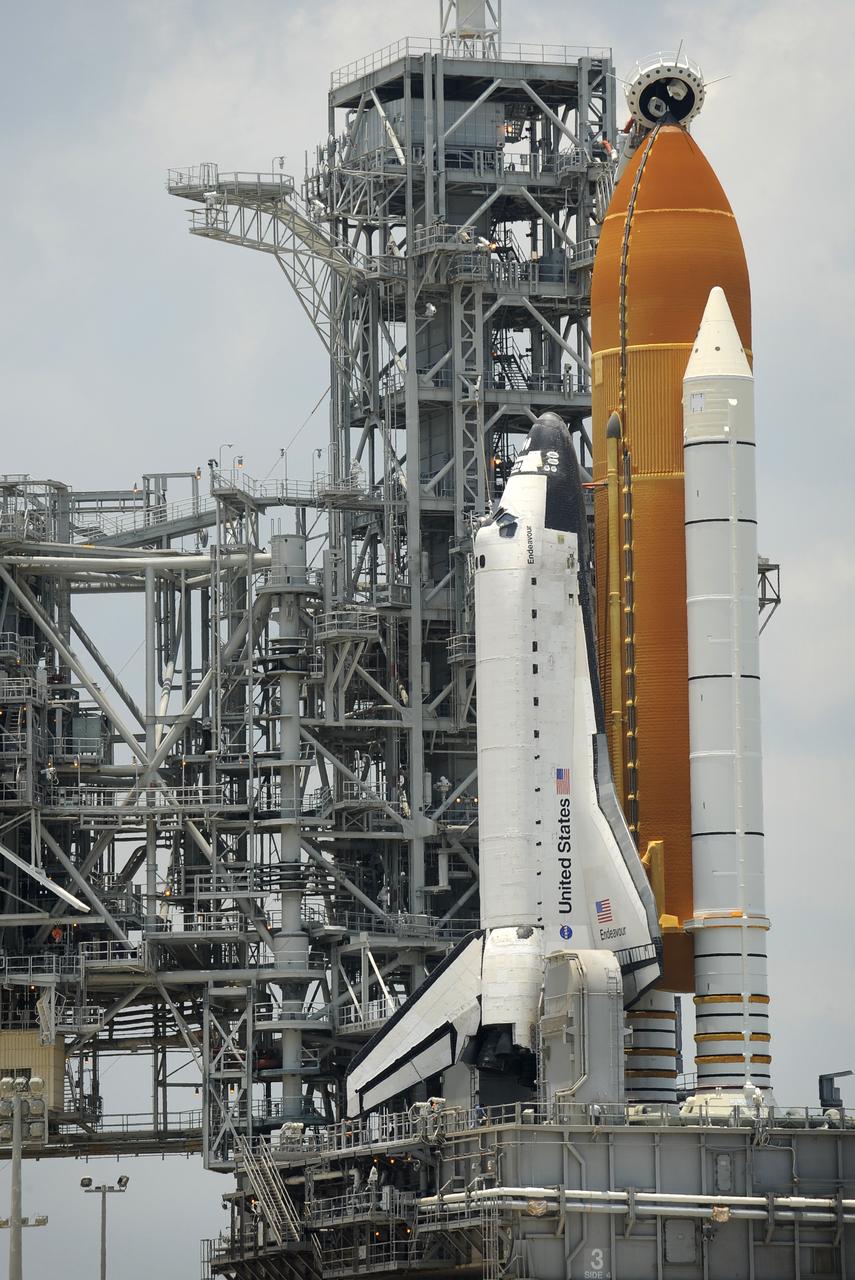
Space shuttle Endeavour is in place at Launch Pad 39A, Friday, June 12, 2009 at NASA's Kennedy Space Center in Cape Canaveral, Florida. Endeavour is undergoing final preparations for its upcoming 16-day mission to the International Space Station. Photo Credit: (NASA/Bill Ingalls)
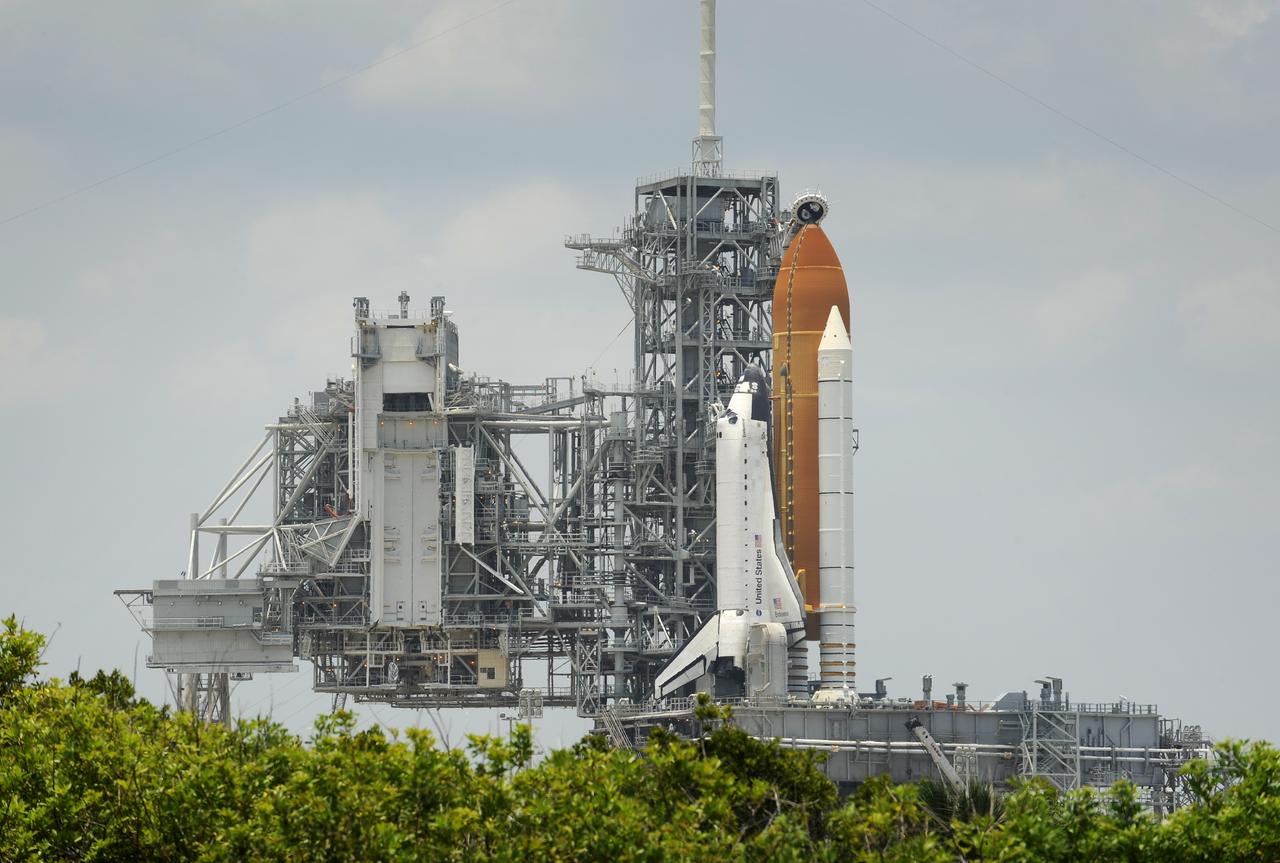
Space shuttle Endeavour is in place at Launch Pad 39A, Friday, June 12, 2009 at NASA's Kennedy Space Center in Cape Canaveral, Florida. Endeavour is undergoing final preparations for its upcoming 16-day mission to the International Space Station. Photo Credit (NASA/Bill Ingalls)
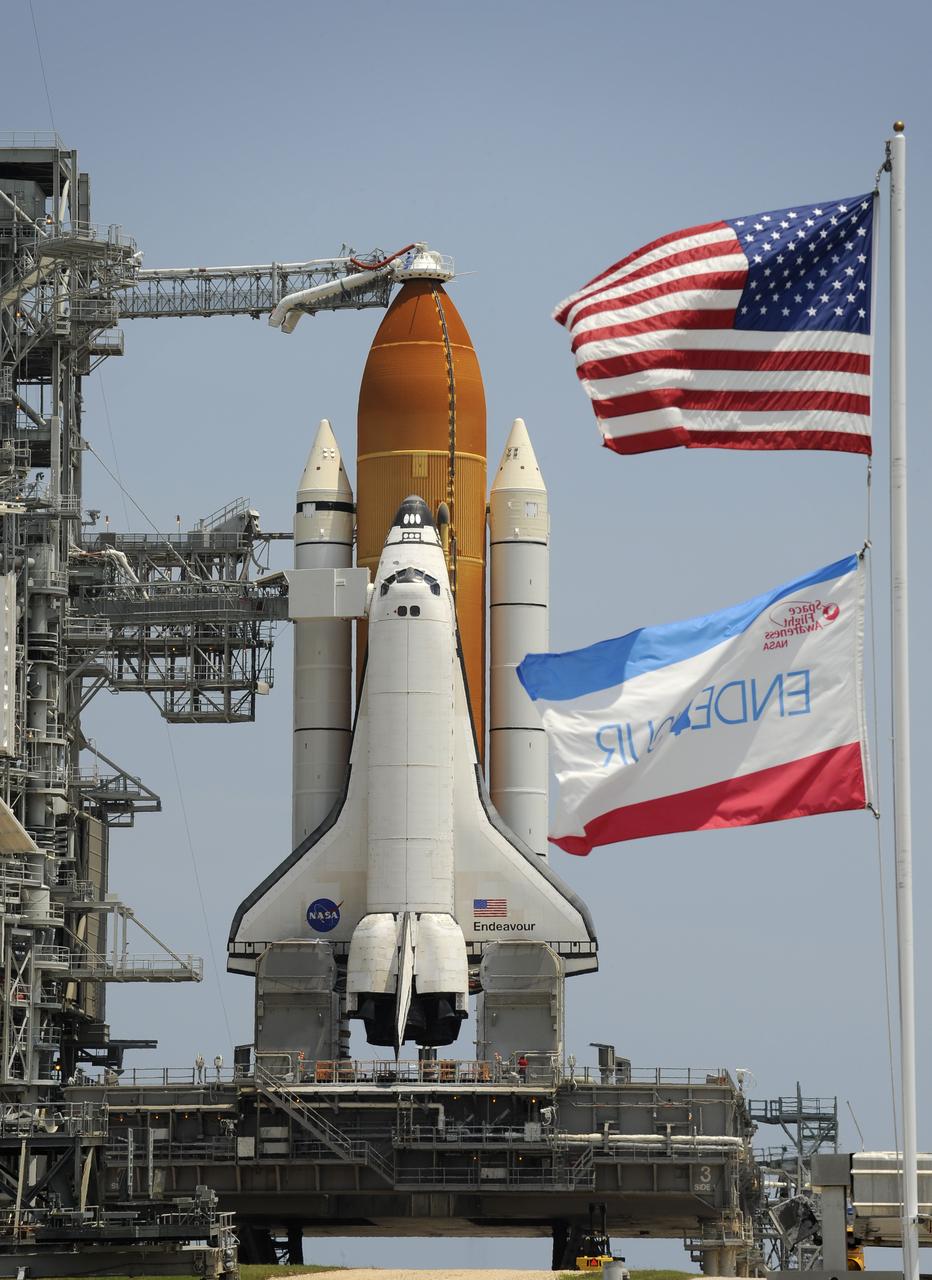
Space shuttle Endeavour is in place at Launch Pad 39A, Friday, June 12, 2009 at NASA's Kennedy Space Center in Cape Canaveral, Florida. Endeavour is undergoing final preparations for its upcoming 16-day mission to the International Space Station. Photo Credit (NASA/Bill Ingalls)
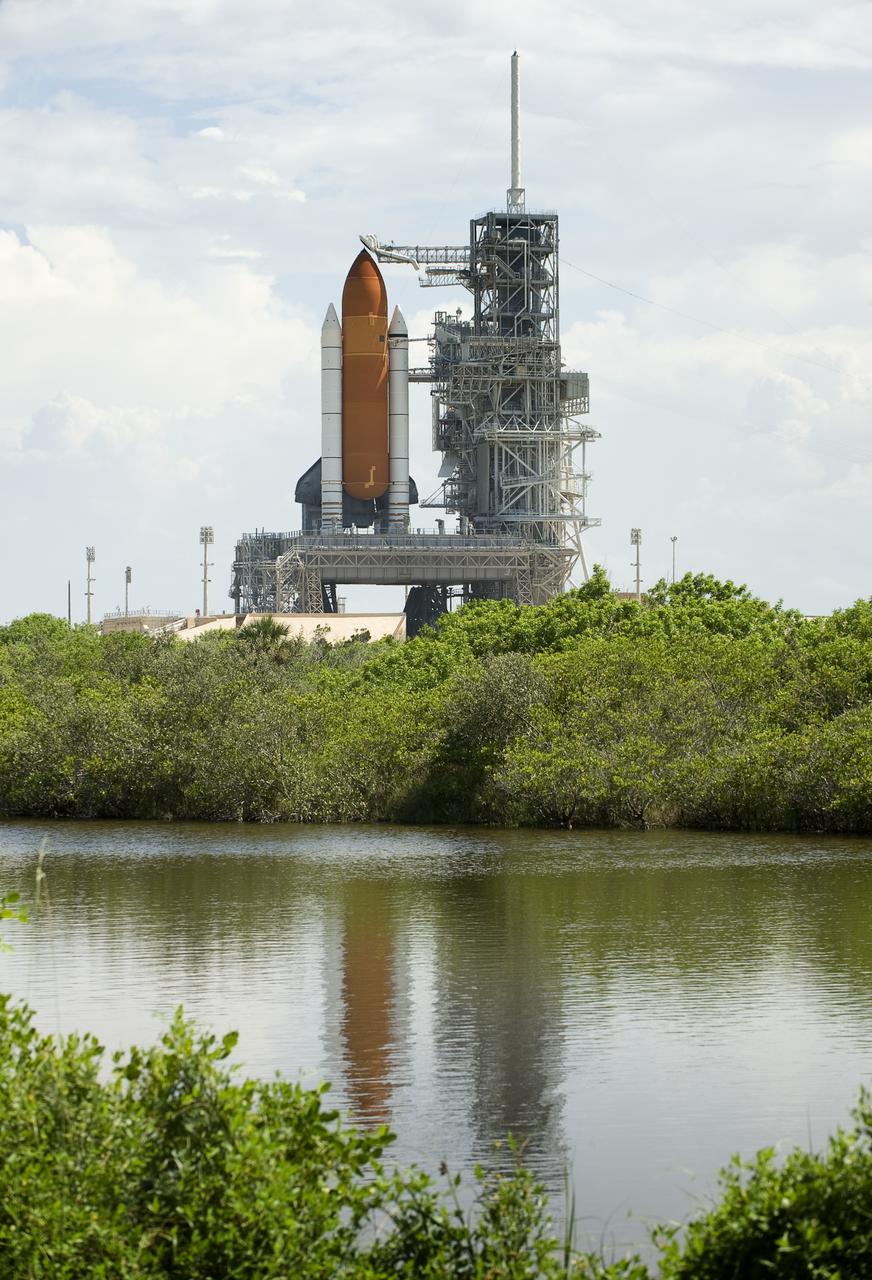
The space shuttle Endeavour is seen at launch pad 39A at NASA's Kennedy Space Center in Cape Canaveral, Florida on Saturday, July 11, 2009. NASA is hopeful that Endeavour will launch with the crew of STS-127 on Sunday. Photo Credit: (NASA/Bill Ingalls)
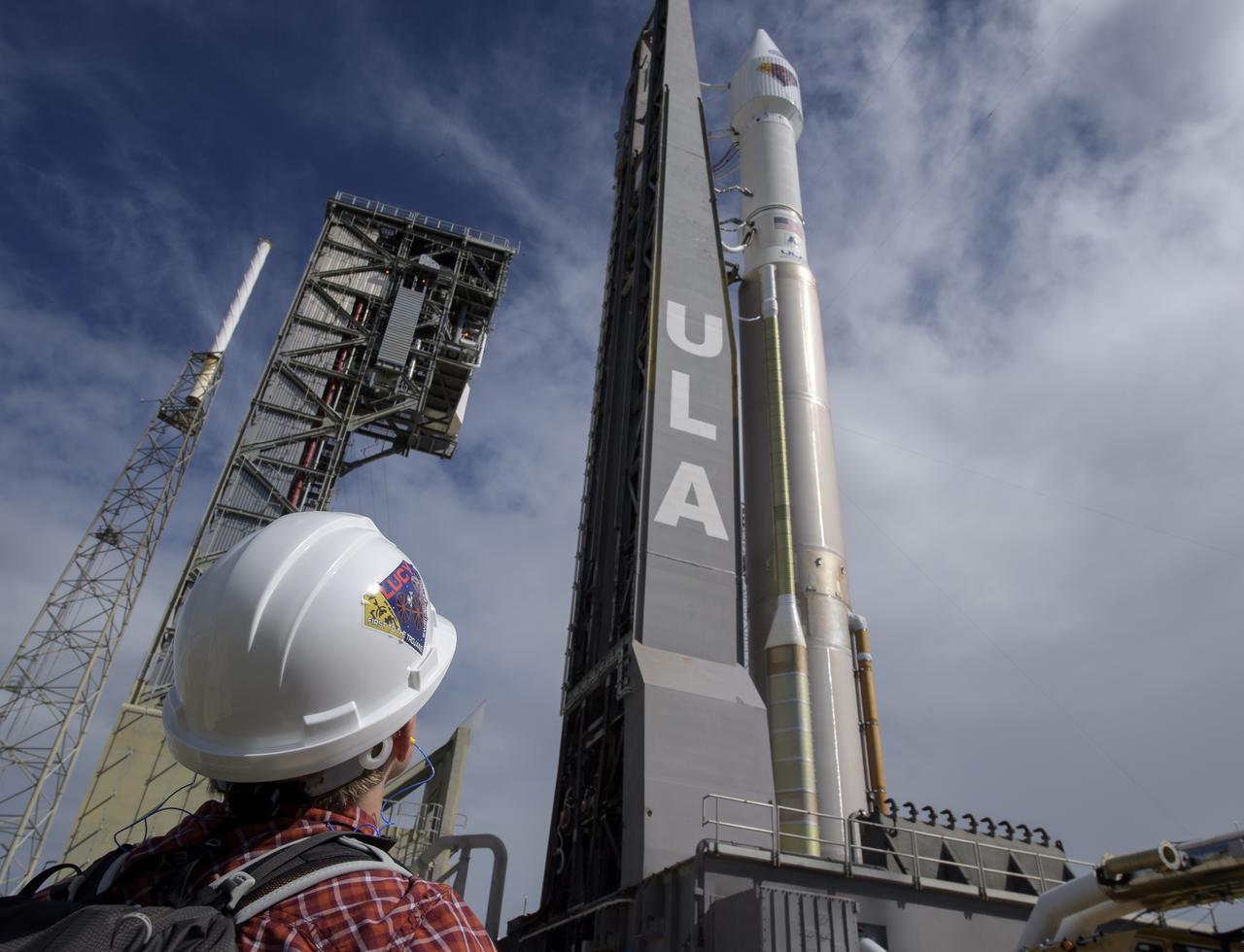
A United Launch Alliance Atlas V rocket with the Lucy spacecraft aboard is seen as it is rolled out of the Vertical Integration Facility to the launch pad at Space Launch Complex 41, Thursday, Oct. 14, 2021, at Cape Canaveral Space Force Station in Florida. Lucy will be the first spacecraft to study Jupiter's Trojan Asteroids. Like the mission's namesake – the fossilized human ancestor, "Lucy," whose skeleton provided unique insight into humanity's evolution – Lucy will revolutionize our knowledge of planetary origins and the formation of the solar system. Photo Credit: (NASA/Bill Ingalls)
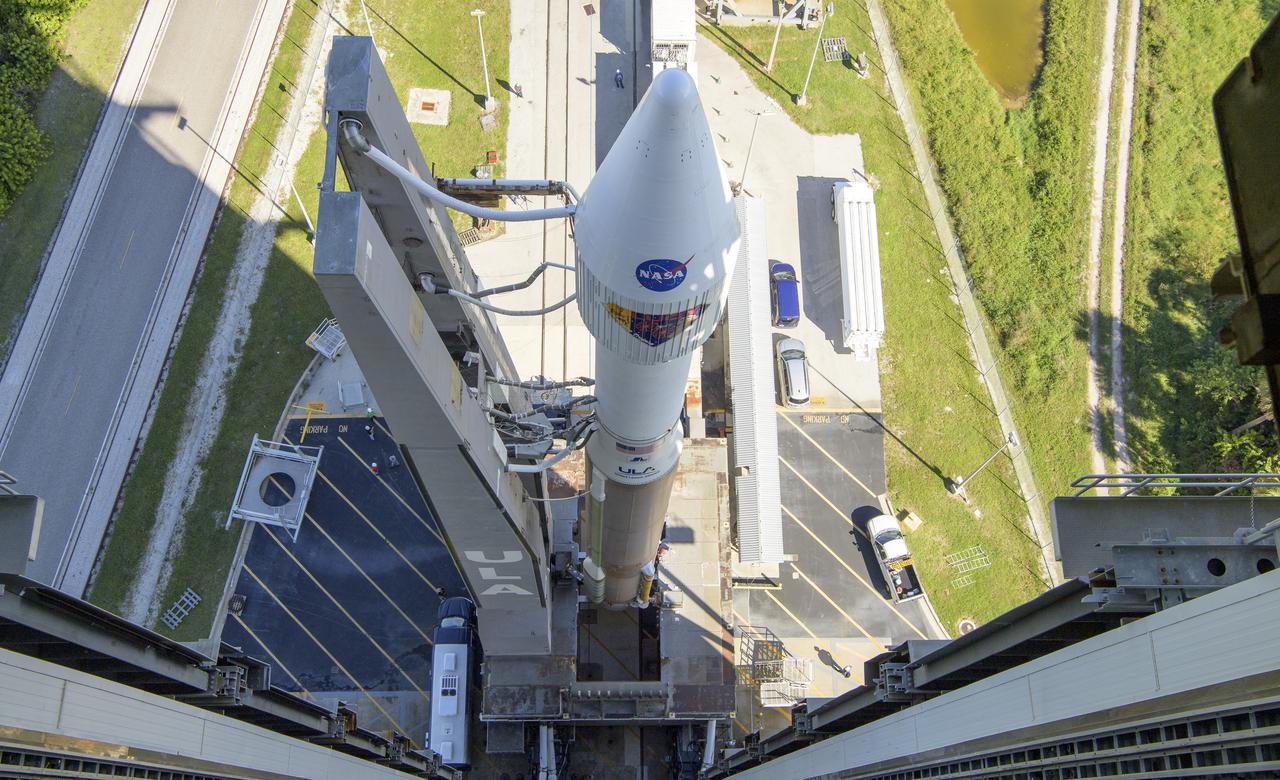
A United Launch Alliance Atlas V rocket with the Lucy spacecraft aboard is seen as it is rolled out of the Vertical Integration Facility to the launch pad at Space Launch Complex 41, Thursday, Oct. 14, 2021, at Cape Canaveral Space Force Station in Florida. Lucy will be the first spacecraft to study Jupiter's Trojan Asteroids. Like the mission's namesake – the fossilized human ancestor, "Lucy," whose skeleton provided unique insight into humanity's evolution – Lucy will revolutionize our knowledge of planetary origins and the formation of the solar system. Photo Credit: (NASA/Bill Ingalls)
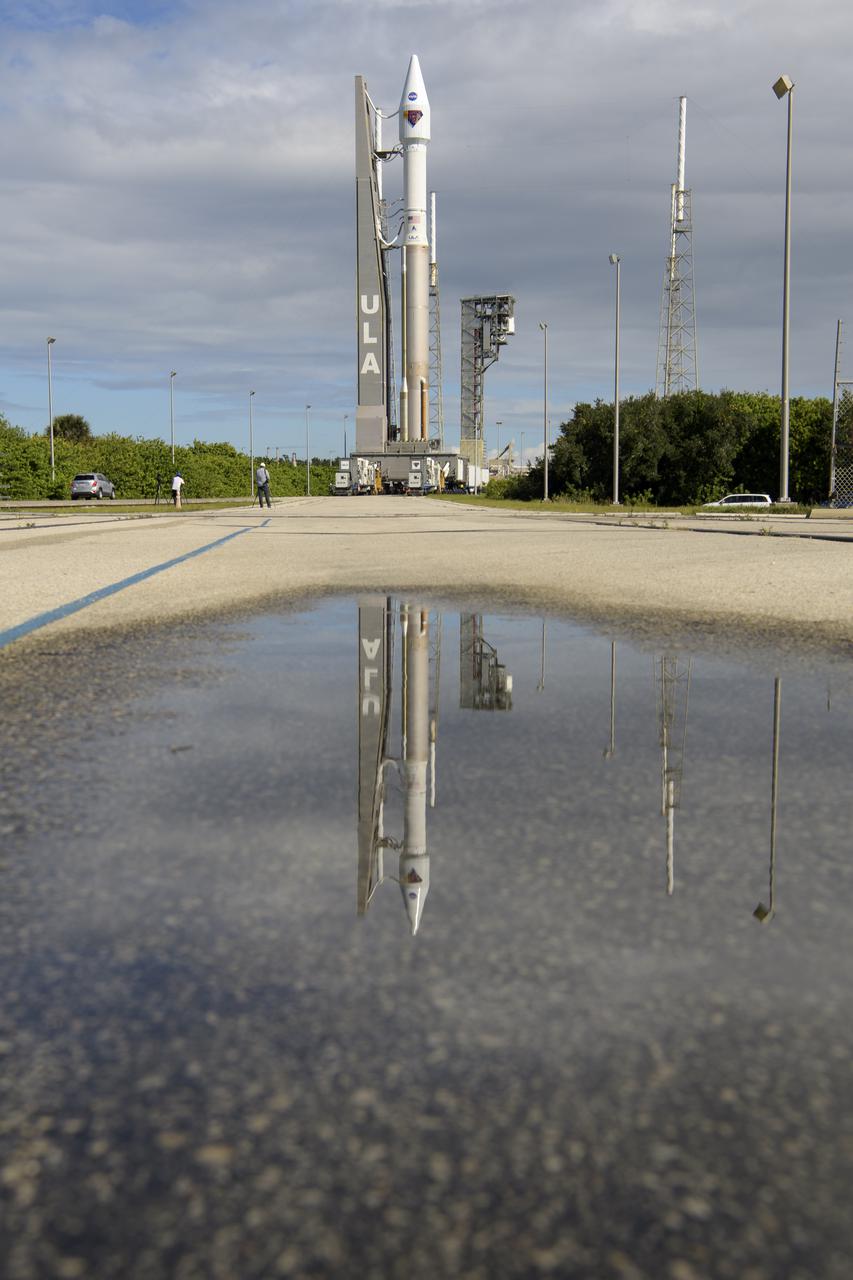
A United Launch Alliance Atlas V rocket with the Lucy spacecraft aboard is seen as it is rolled out of the Vertical Integration Facility to the launch pad at Space Launch Complex 41, Thursday, Oct. 14, 2021, at Cape Canaveral Space Force Station in Florida. Lucy will be the first spacecraft to study Jupiter's Trojan Asteroids. Like the mission's namesake – the fossilized human ancestor, "Lucy," whose skeleton provided unique insight into humanity's evolution – Lucy will revolutionize our knowledge of planetary origins and the formation of the solar system. Photo Credit: (NASA/Bill Ingalls)
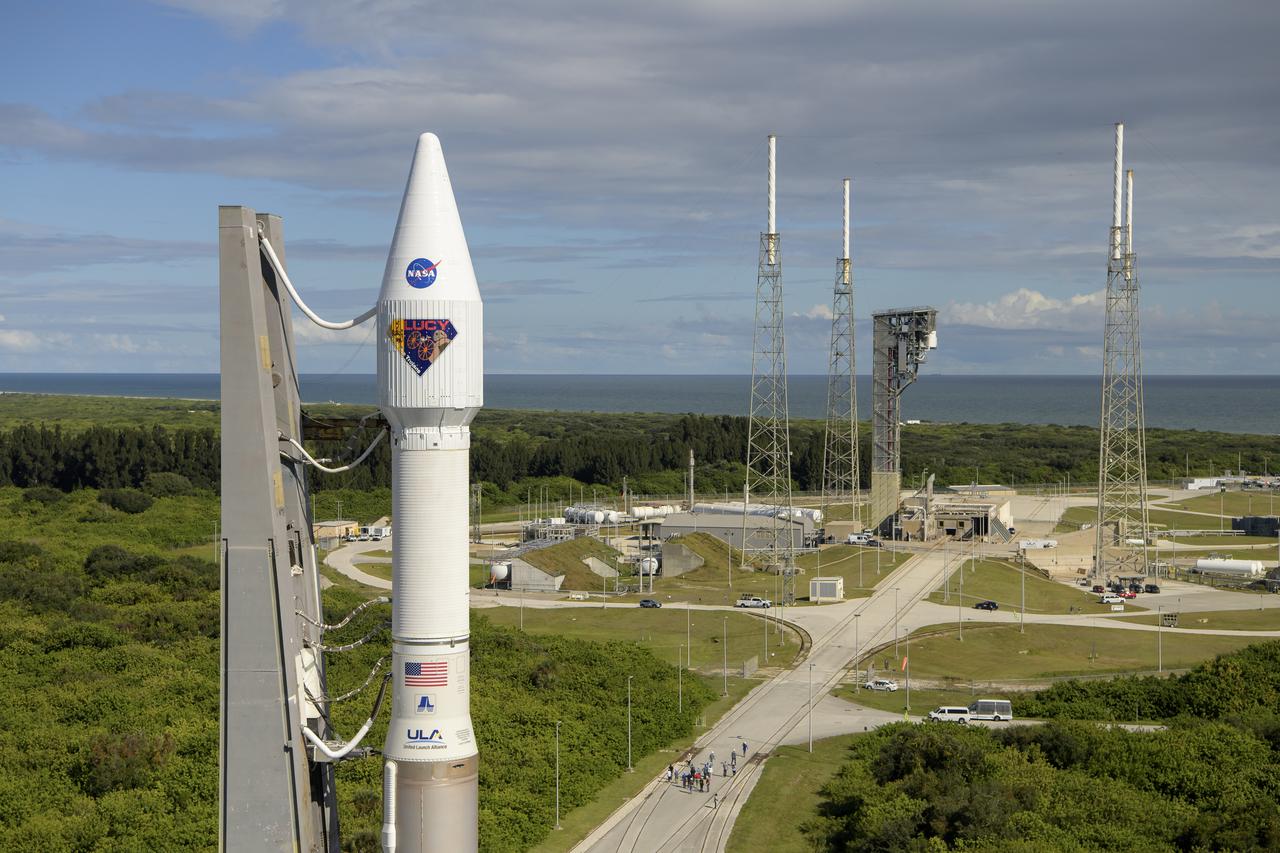
A United Launch Alliance Atlas V rocket with the Lucy spacecraft aboard is seen as it is rolled out of the Vertical Integration Facility to the launch pad at Space Launch Complex 41, Thursday, Oct. 14, 2021, at Cape Canaveral Space Force Station in Florida. Lucy will be the first spacecraft to study Jupiter's Trojan Asteroids. Like the mission's namesake – the fossilized human ancestor, "Lucy," whose skeleton provided unique insight into humanity's evolution – Lucy will revolutionize our knowledge of planetary origins and the formation of the solar system. Photo Credit: (NASA/Bill Ingalls)
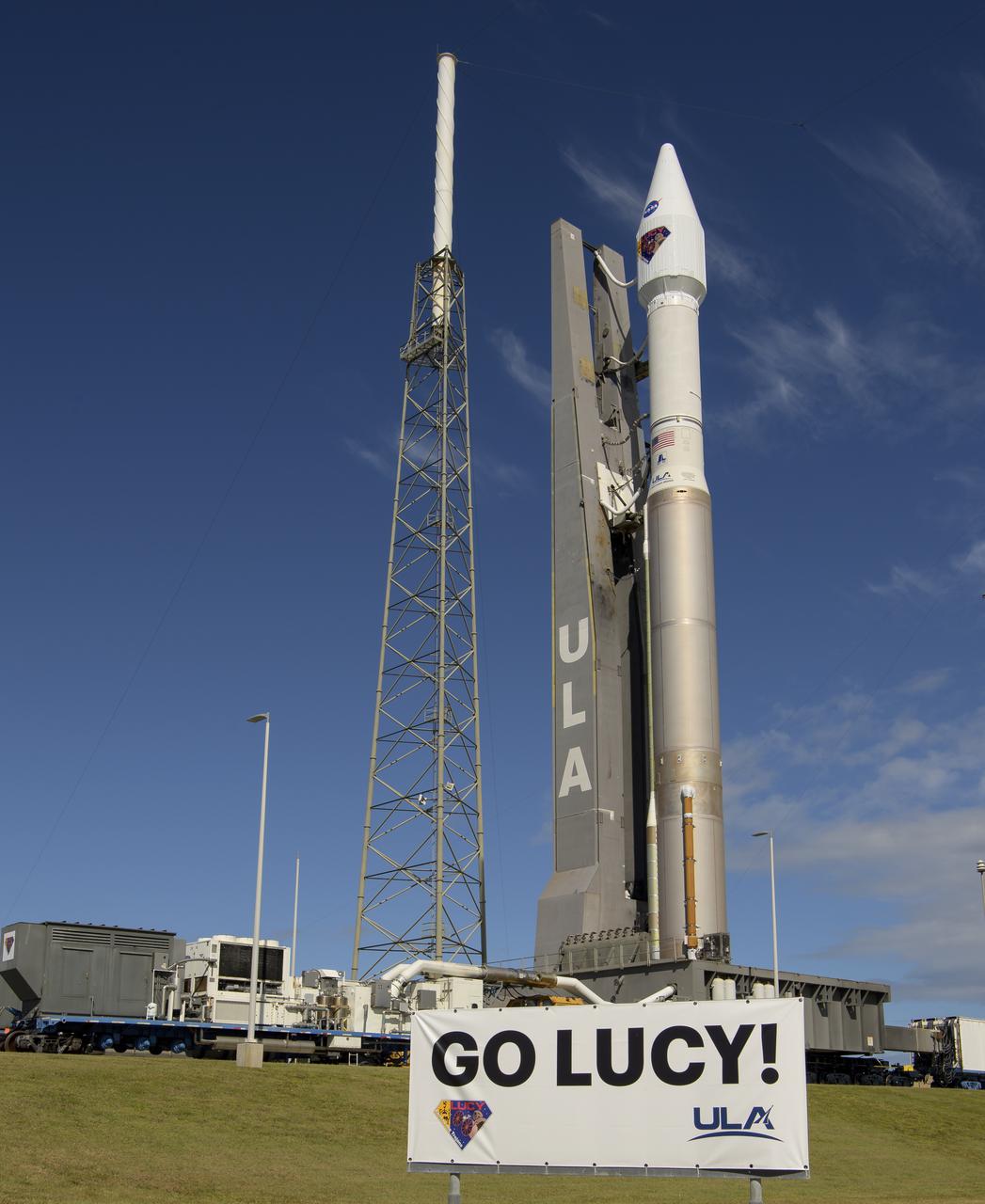
A United Launch Alliance Atlas V rocket with the Lucy spacecraft aboard is seen as it is rolled out of the Vertical Integration Facility to the launch pad at Space Launch Complex 41, Thursday, Oct. 14, 2021, at Cape Canaveral Space Force Station in Florida. Lucy will be the first spacecraft to study Jupiter's Trojan Asteroids. Like the mission's namesake – the fossilized human ancestor, "Lucy," whose skeleton provided unique insight into humanity's evolution – Lucy will revolutionize our knowledge of planetary origins and the formation of the solar system. Photo Credit: (NASA/Bill Ingalls)
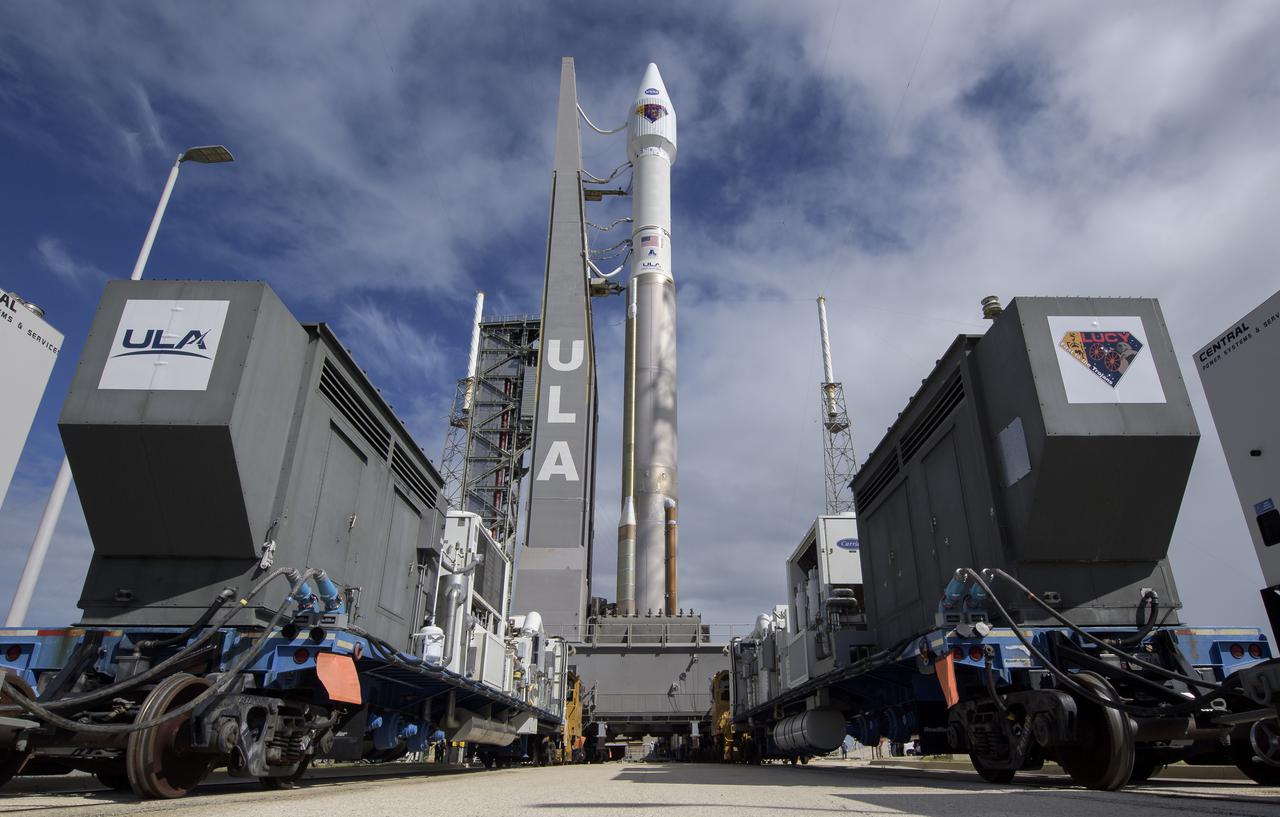
A United Launch Alliance Atlas V rocket with the Lucy spacecraft aboard is seen as it is rolled out of the Vertical Integration Facility to the launch pad at Space Launch Complex 41, Thursday, Oct. 14, 2021, at Cape Canaveral Space Force Station in Florida. Lucy will be the first spacecraft to study Jupiter's Trojan Asteroids. Like the mission's namesake – the fossilized human ancestor, "Lucy," whose skeleton provided unique insight into humanity's evolution – Lucy will revolutionize our knowledge of planetary origins and the formation of the solar system. Photo Credit: (NASA/Bill Ingalls)
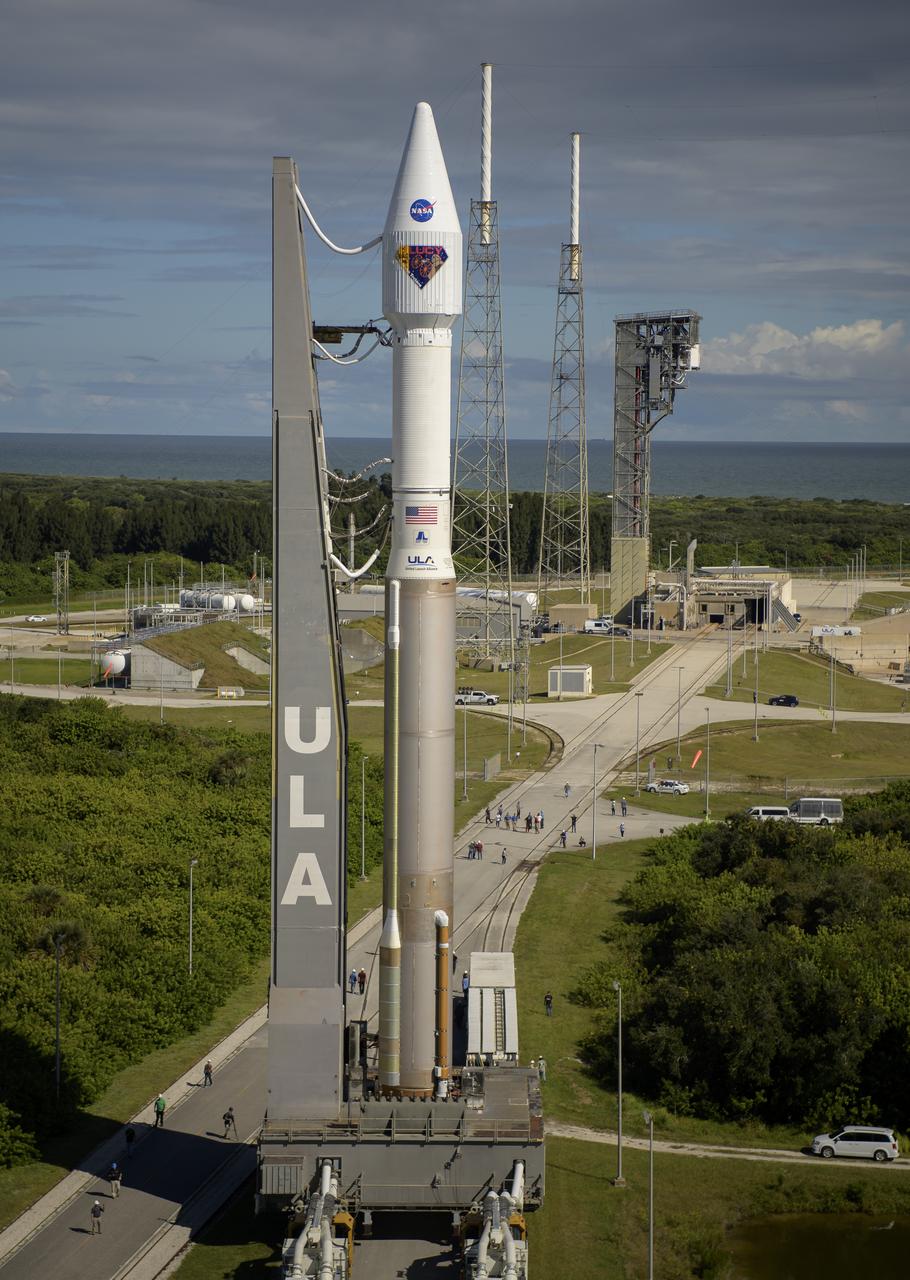
A United Launch Alliance Atlas V rocket with the Lucy spacecraft aboard is seen as it is rolled out of the Vertical Integration Facility to the launch pad at Space Launch Complex 41, Thursday, Oct. 14, 2021, at Cape Canaveral Space Force Station in Florida. Lucy will be the first spacecraft to study Jupiter's Trojan Asteroids. Like the mission's namesake – the fossilized human ancestor, "Lucy," whose skeleton provided unique insight into humanity's evolution – Lucy will revolutionize our knowledge of planetary origins and the formation of the solar system. Photo Credit: (NASA/Bill Ingalls)
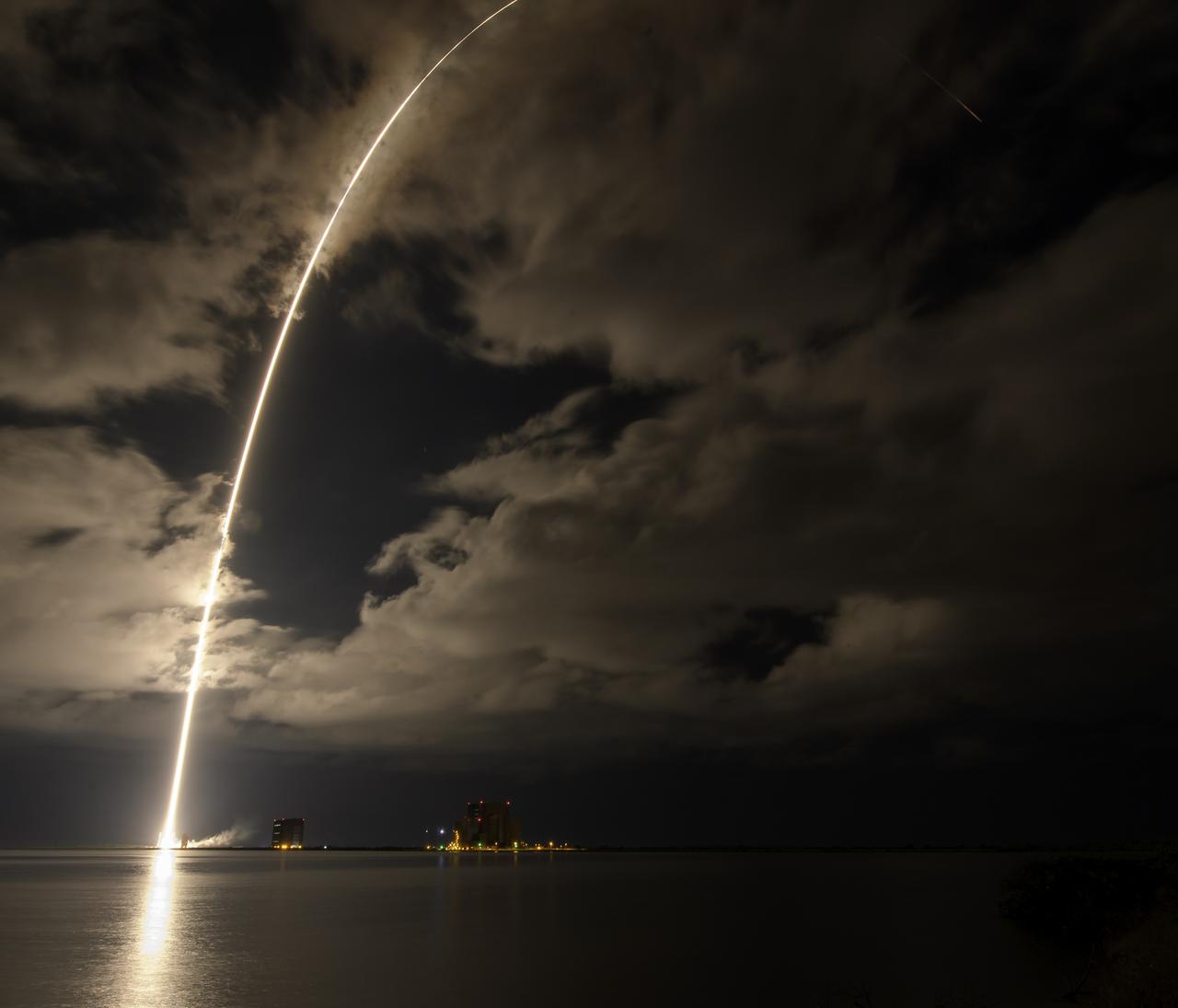
A United Launch Alliance Atlas V rocket with the Lucy spacecraft aboard is seen in this 2 minute and 30 second exposure photograph as it launches from Space Launch Complex 41, Saturday, Oct. 16, 2021, at Cape Canaveral Space Force Station in Florida. Lucy will be the first spacecraft to study Jupiter's Trojan Asteroids. Like the mission's namesake – the fossilized human ancestor, "Lucy," whose skeleton provided unique insight into humanity's evolution – Lucy will revolutionize our knowledge of planetary origins and the formation of the solar system. Photo Credit: (NASA/Bill Ingalls)
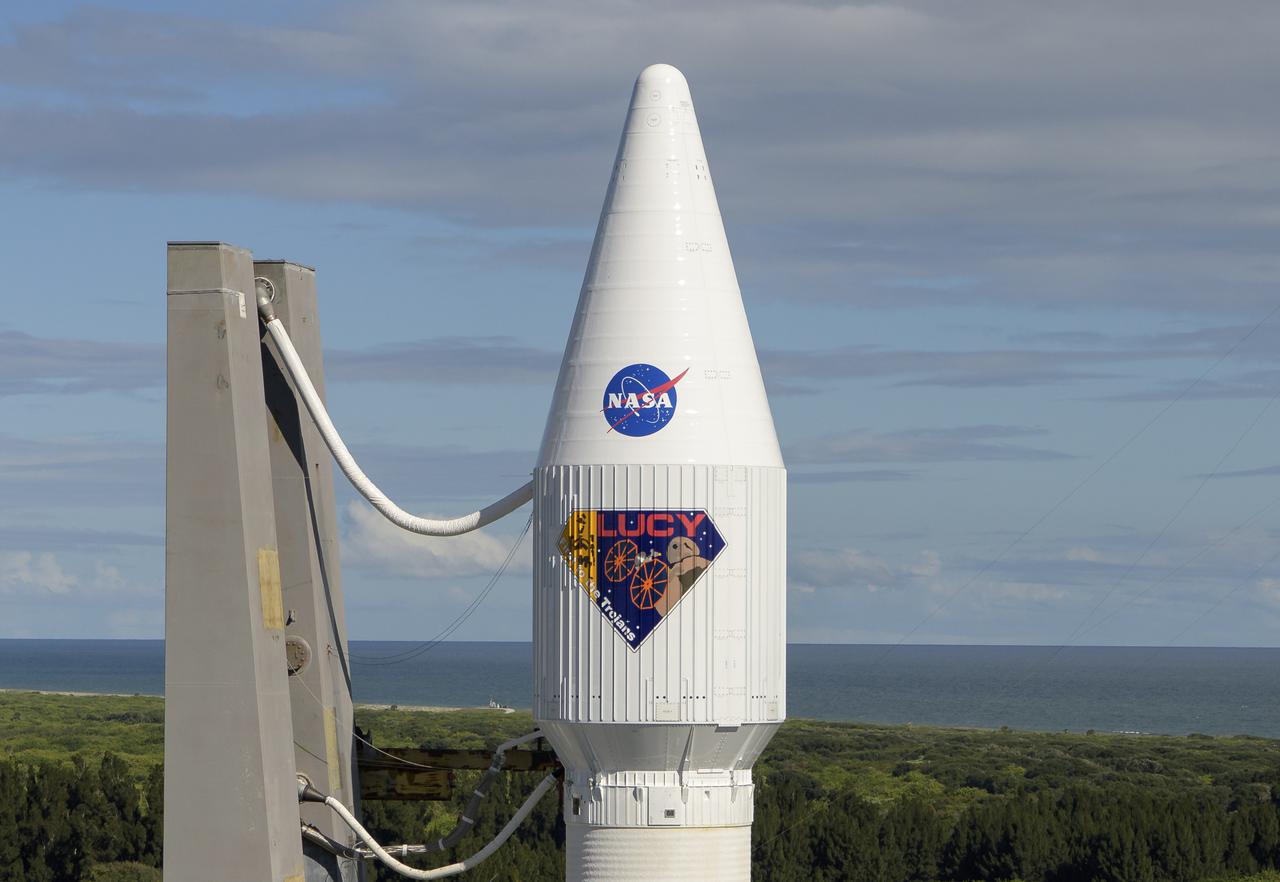
A United Launch Alliance Atlas V rocket with the Lucy spacecraft aboard is seen as it is rolled out of the Vertical Integration Facility to the launch pad at Space Launch Complex 41, Thursday, Oct. 14, 2021, at Cape Canaveral Space Force Station in Florida. Lucy will be the first spacecraft to study Jupiter's Trojan Asteroids. Like the mission's namesake – the fossilized human ancestor, "Lucy," whose skeleton provided unique insight into humanity's evolution – Lucy will revolutionize our knowledge of planetary origins and the formation of the solar system. Photo Credit: (NASA/Bill Ingalls)
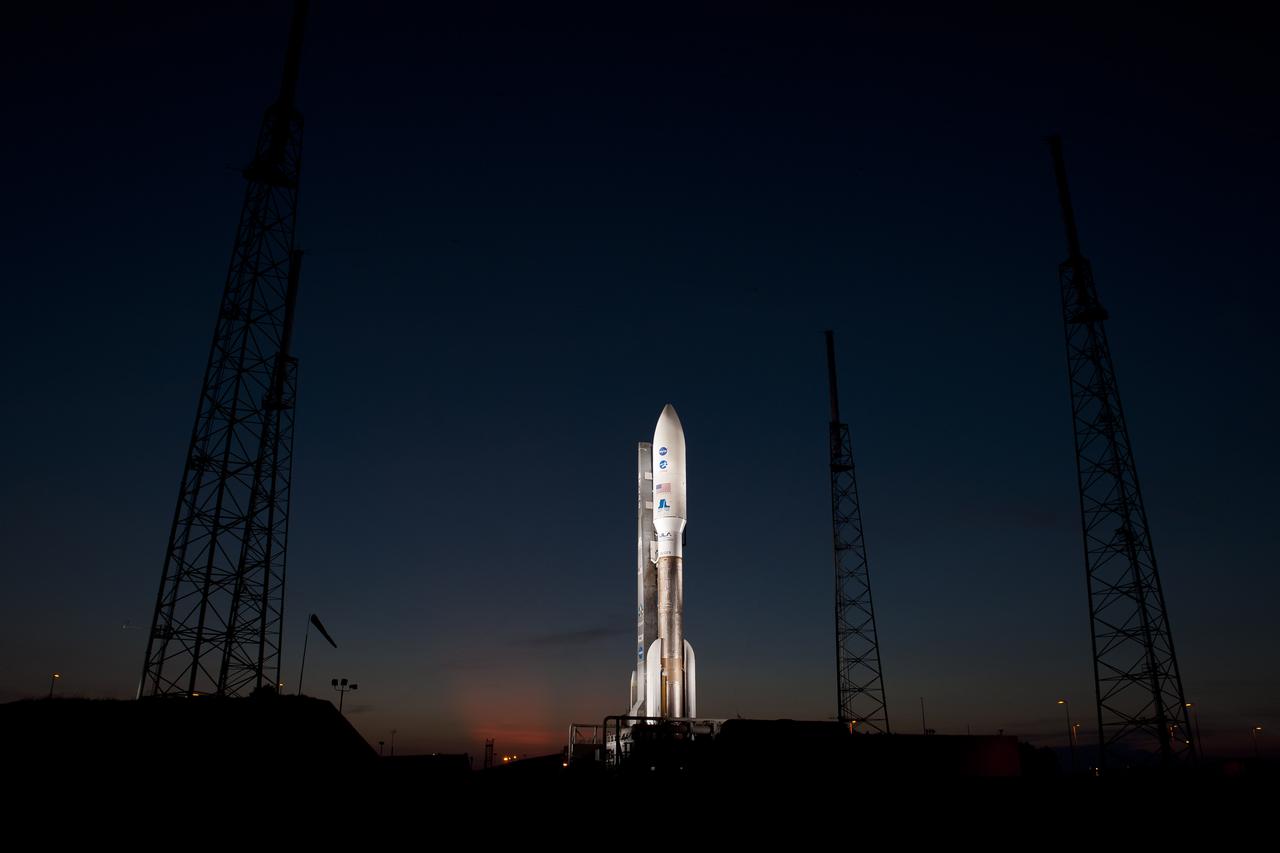
An Atlas V rocket with NASA's Juno spacecraft payload is seen the evening before it's planned launch at Space Launch Complex 41 of the Cape Canaveral Air Force Station in Florida on Thursday, August 4, 2011. The Juno spacecraft will make a five-year, 400-million-mile voyage to Jupiter, orbit the planet, investigate its origin and evolution with eight instruments to probe its internal structure and gravity field, measure water and ammonia in its atmosphere, map its powerful magnetic field and observe its intense auroras. Photo Credit: (NASA/Bill Ingalls)
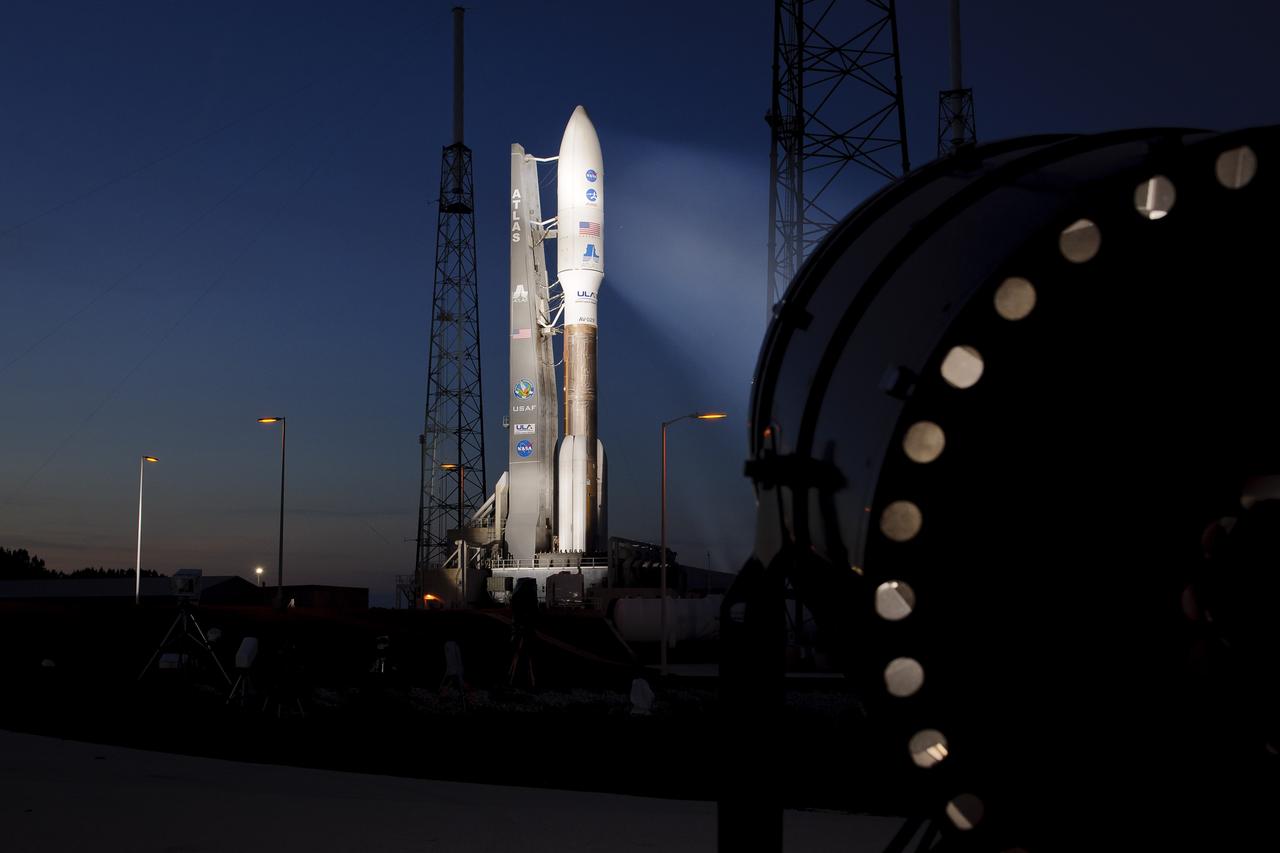
An Atlas V rocket with NASA's Juno spacecraft payload is seen the evening before it's planned launch at Space Launch Complex 41 of the Cape Canaveral Air Force Station in Florida on Thursday, August 4, 2011. The Juno spacecraft will make a five-year, 400-million-mile voyage to Jupiter, orbit the planet, investigate its origin and evolution with eight instruments to probe its internal structure and gravity field, measure water and ammonia in its atmosphere, map its powerful magnetic field and observe its intense auroras. Photo Credit: (NASA/Bill Ingalls)
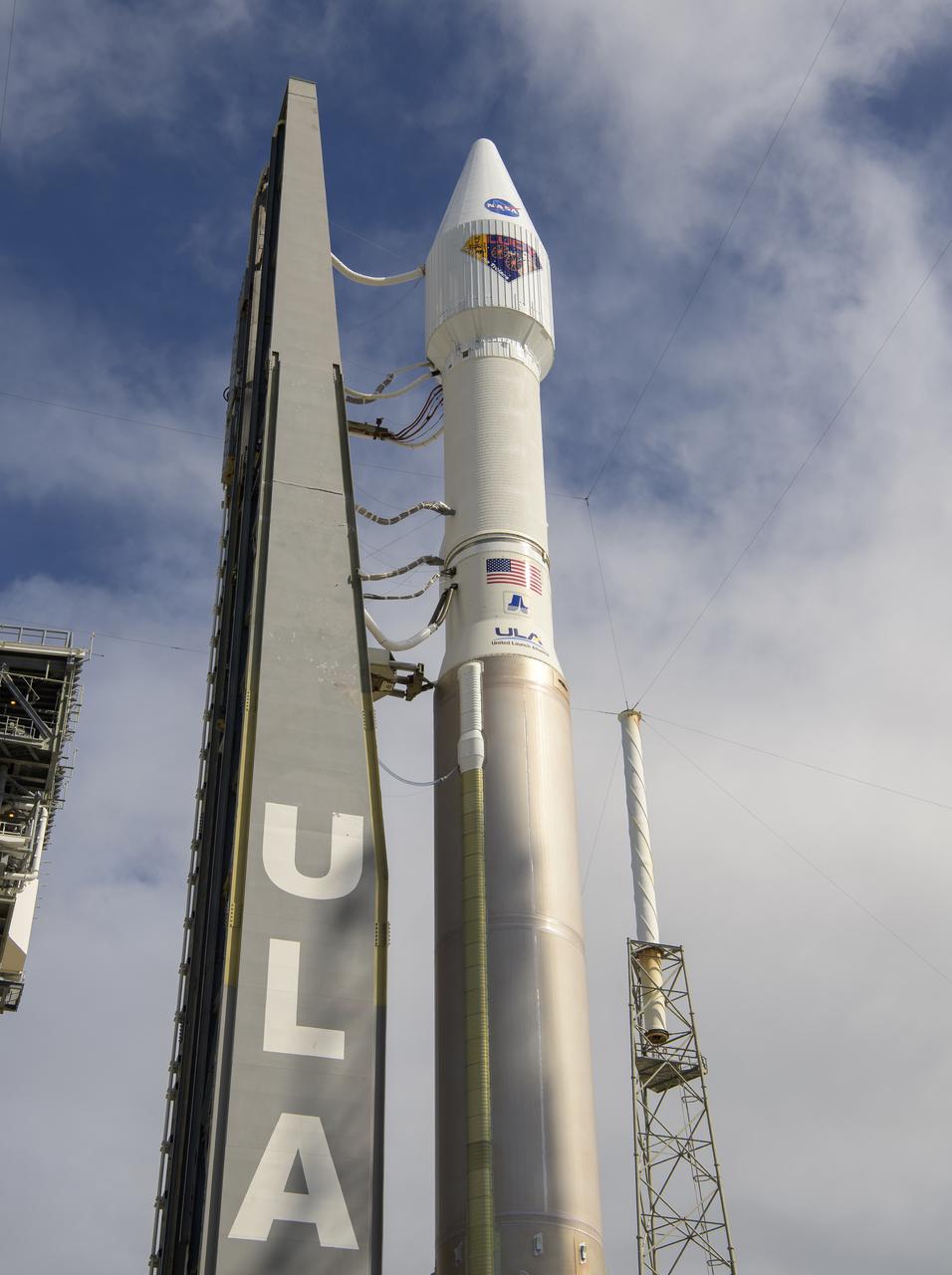
A United Launch Alliance Atlas V rocket with the Lucy spacecraft aboard is seen as it is rolled out of the Vertical Integration Facility to the launch pad at Space Launch Complex 41, Thursday, Oct. 14, 2021, at Cape Canaveral Space Force Station in Florida. Lucy will be the first spacecraft to study Jupiter's Trojan Asteroids. Like the mission's namesake – the fossilized human ancestor, "Lucy," whose skeleton provided unique insight into humanity's evolution – Lucy will revolutionize our knowledge of planetary origins and the formation of the solar system. Photo Credit: (NASA/Bill Ingalls)
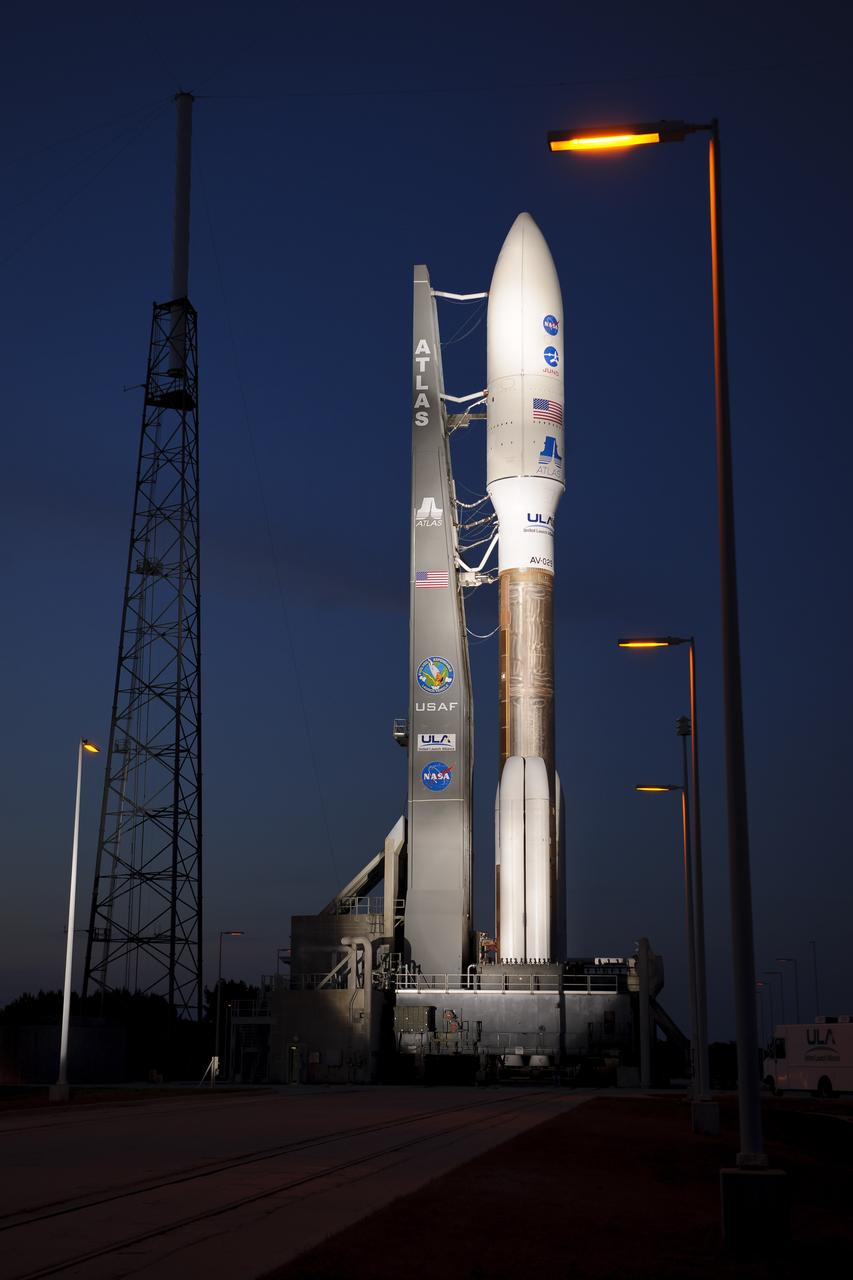
An Atlas V rocket with NASA's Juno spacecraft payload is seen the evening before it's planned launch at Space Launch Complex 41 of the Cape Canaveral Air Force Station in Florida on Thursday, August 4, 2011. The Juno spacecraft will make a five-year, 400-million-mile voyage to Jupiter, orbit the planet, investigate its origin and evolution with eight instruments to probe its internal structure and gravity field, measure water and ammonia in its atmosphere, map its powerful magnetic field and observe its intense auroras. Photo Credit: (NASA/Bill Ingalls)
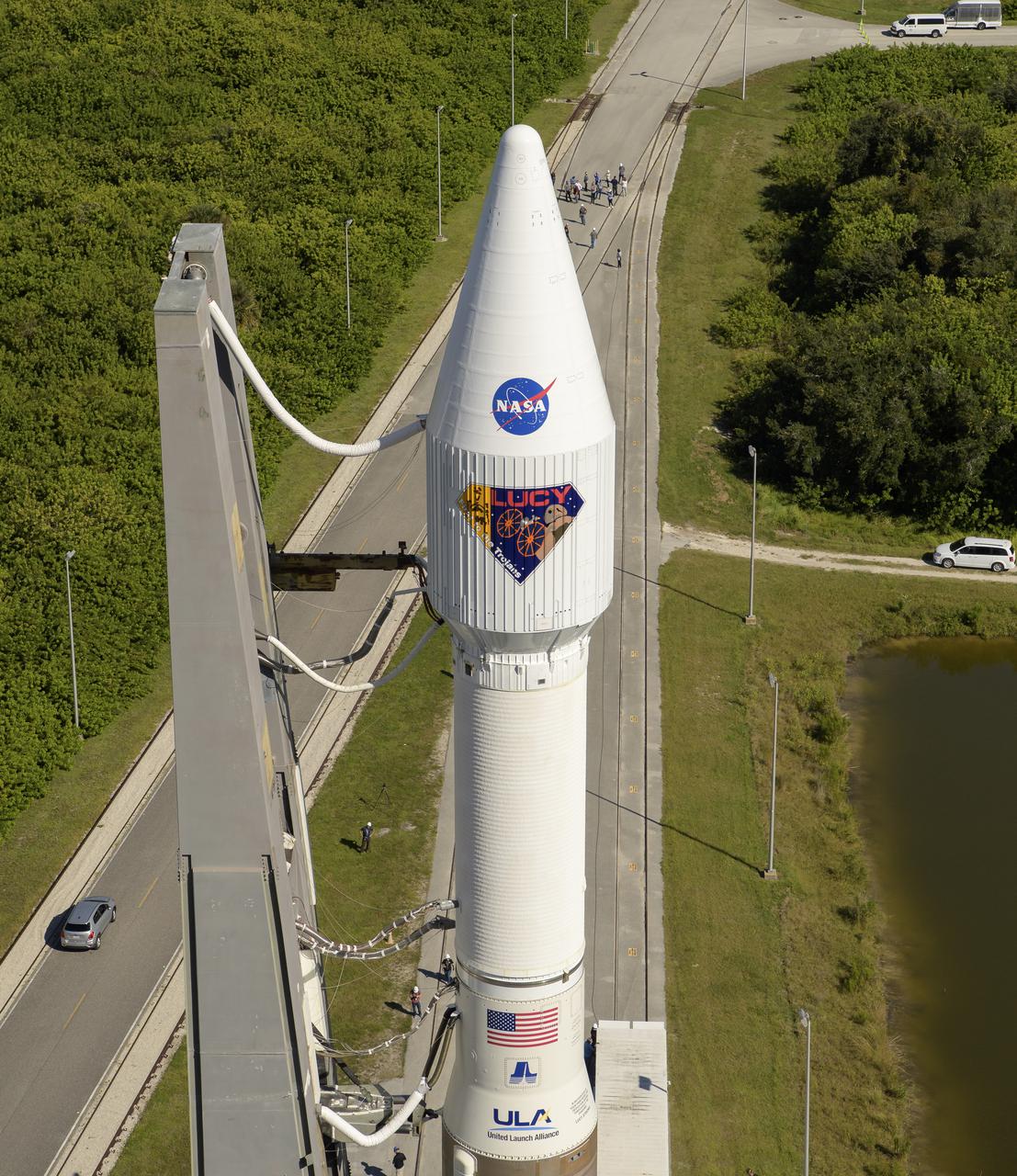
A United Launch Alliance Atlas V rocket with the Lucy spacecraft aboard is seen as it is rolled out of the Vertical Integration Facility to the launch pad at Space Launch Complex 41, Thursday, Oct. 14, 2021, at Cape Canaveral Space Force Station in Florida. Lucy will be the first spacecraft to study Jupiter's Trojan Asteroids. Like the mission's namesake – the fossilized human ancestor, "Lucy," whose skeleton provided unique insight into humanity's evolution – Lucy will revolutionize our knowledge of planetary origins and the formation of the solar system. Photo Credit: (NASA/Bill Ingalls)
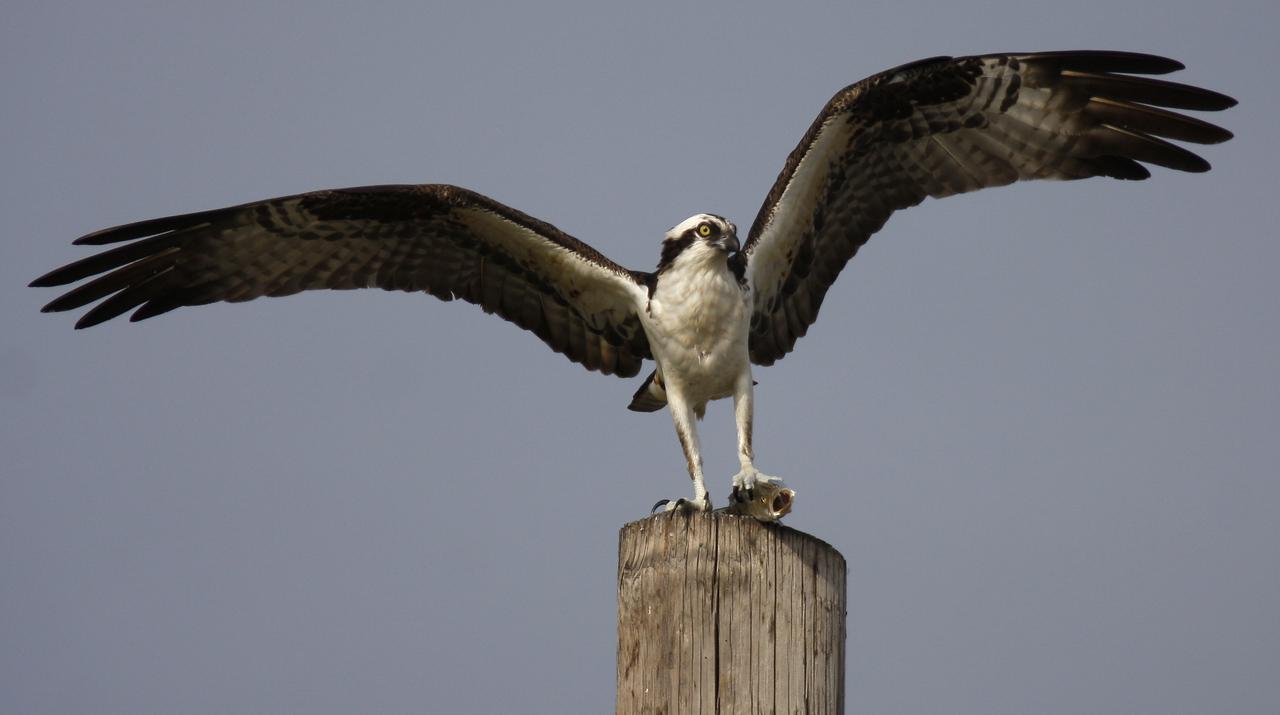
An osprey with a sea trout in its claws gets ready to fly in the Kennedy Space Center area, Cape Canaveral, Florida, USA, 23 February 2008. The crew of space shuttle Endeavour mission STS-123 is scheduled to arrive at 11:00 A.M. EST., at the shuttle landing facility 23 february 2008. The mission STS-123 launch is scheduled for launch no earlier than 11 March 2008.
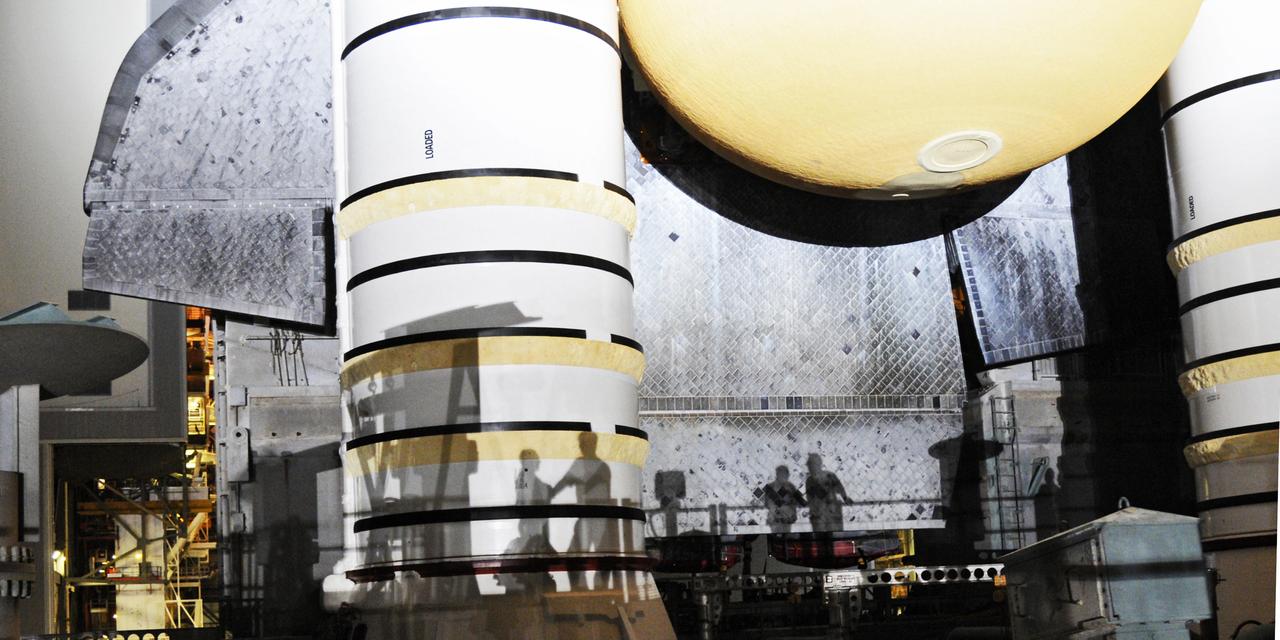
Space Shuttle Atlantis viewed from the Mobil Launch Platform (MLP) during it's final rollout to Launch Pad 39A at Kennedy Space Center, Cape Canaveral, Florida, USA 31 May 2011. Launch of Atlantis on the STS-135 mission to deliver supplies to the International Space Station is currently planned for no earlier than 08 July 2011. The STS-135 mission is planned to last eight days and will be the final flight of the Space Shuttle program.
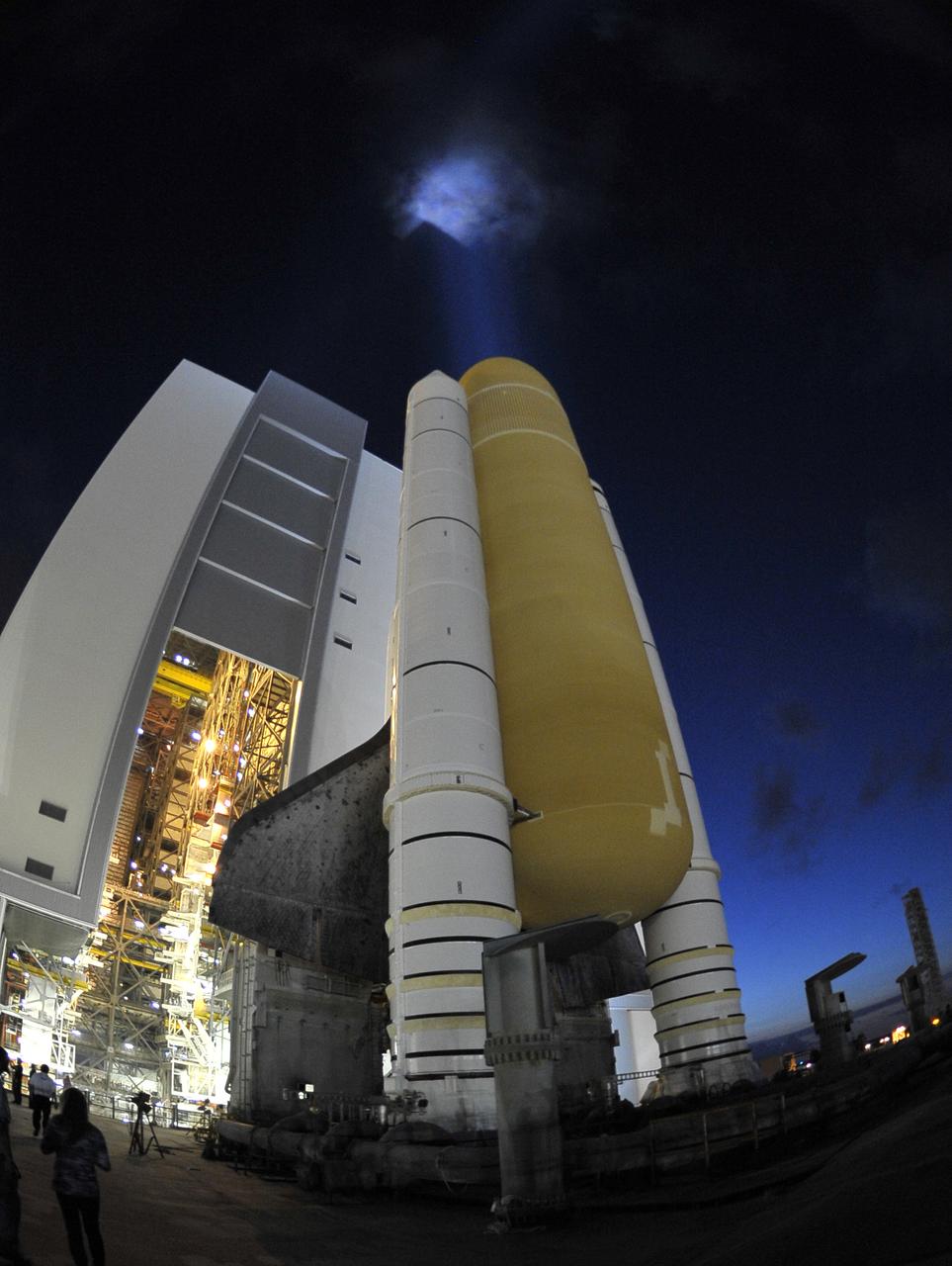
Shuttle Atlantis viewed from the Mobil Launch Platform (MLP) departs the Vehicle Assembly Building (VAB) during it's final rollout to Launch Pad 39A at Kennedy Space Center, Cape Canaveral, Florida, USA 31 May 2011. Launch of Atlantis on the STS-135 mission to deliver supplies to the International Space Station is planned for no earlier than 08 July 2011. The STS-135 mission is planned to last eight days and will be the final flight of the Space Shuttle program.
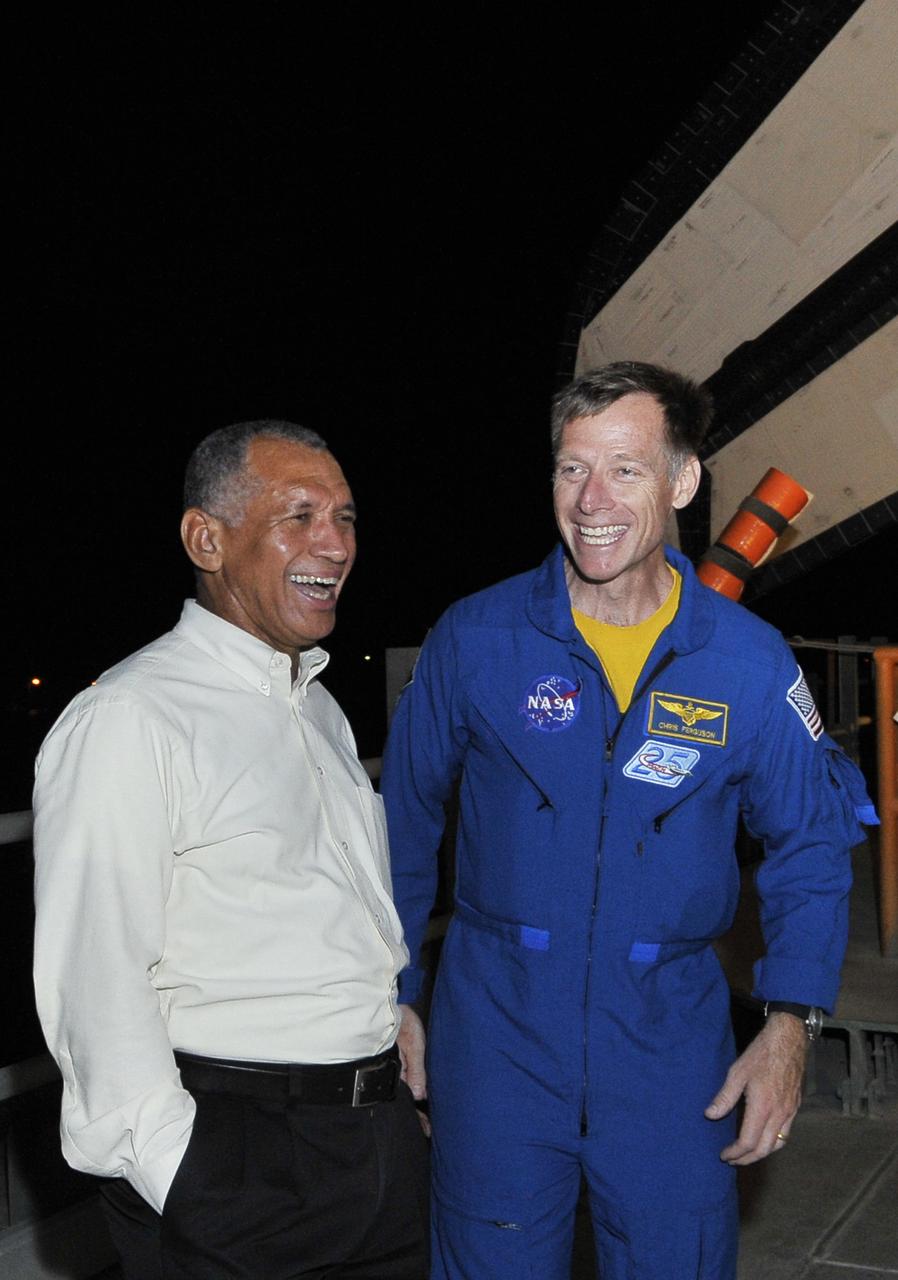
Kennedy Space Center Director Charley Bolden laughs at a story being told to him by STS-135 crew Commander Chris Ferguson during rollout of Shuttle Atlantis on the Mobil Launch Platform (MLP) at Kennedy Space Center, Cape Canaveral, Florida, USA 31 May 2011. Launch of Atlantis on the STS-135 mission to deliver supplies to the International Space Station is currently planned for no earlier than 08 July 2011. The STS-135 mission is planned to last eight days and will be the final flight of the Space Shuttle program.
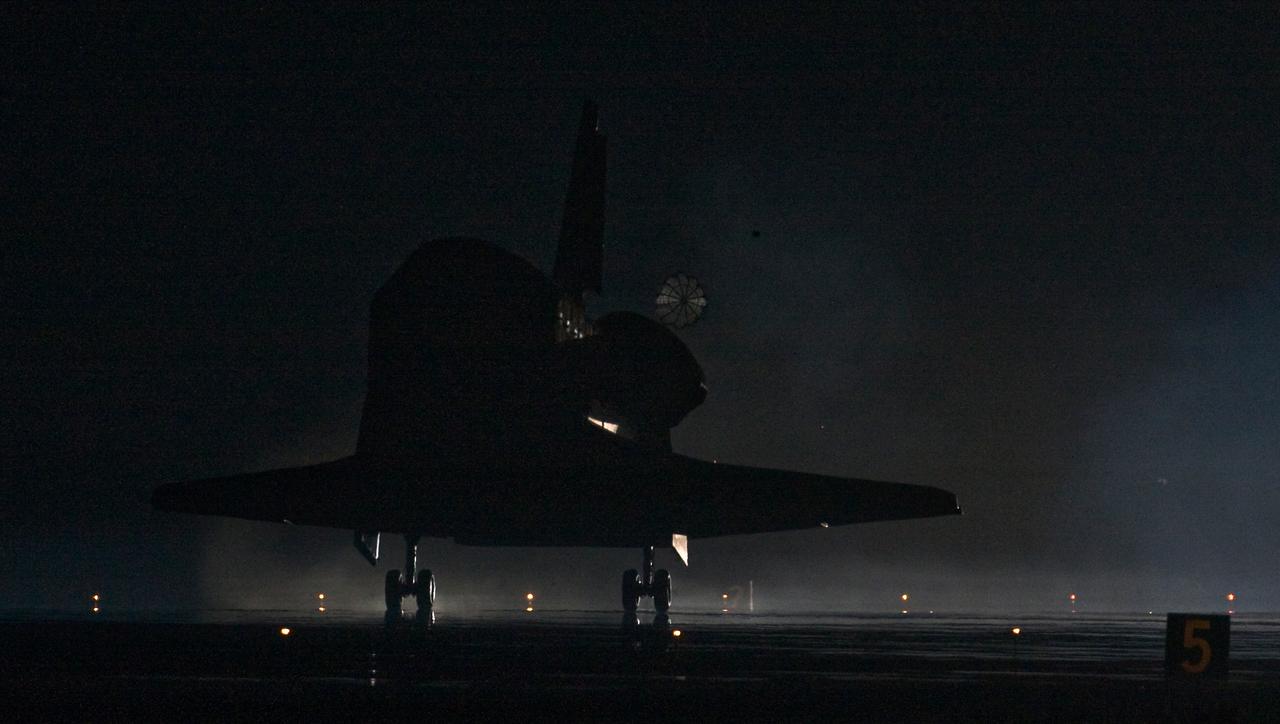
Space shuttle Endeavour lands at the Kennedy Space Center, Shuttle Landing Facility, Cape Canaveral, Florida, USA, 26 March 2008. Endeavour completed a sixteen day mission to the International Space Station where it delivered the latest KIBO Experiment Module and the Canadian Robot DEXTRE. The mission STS-123 also had five space walks associated with the mission.
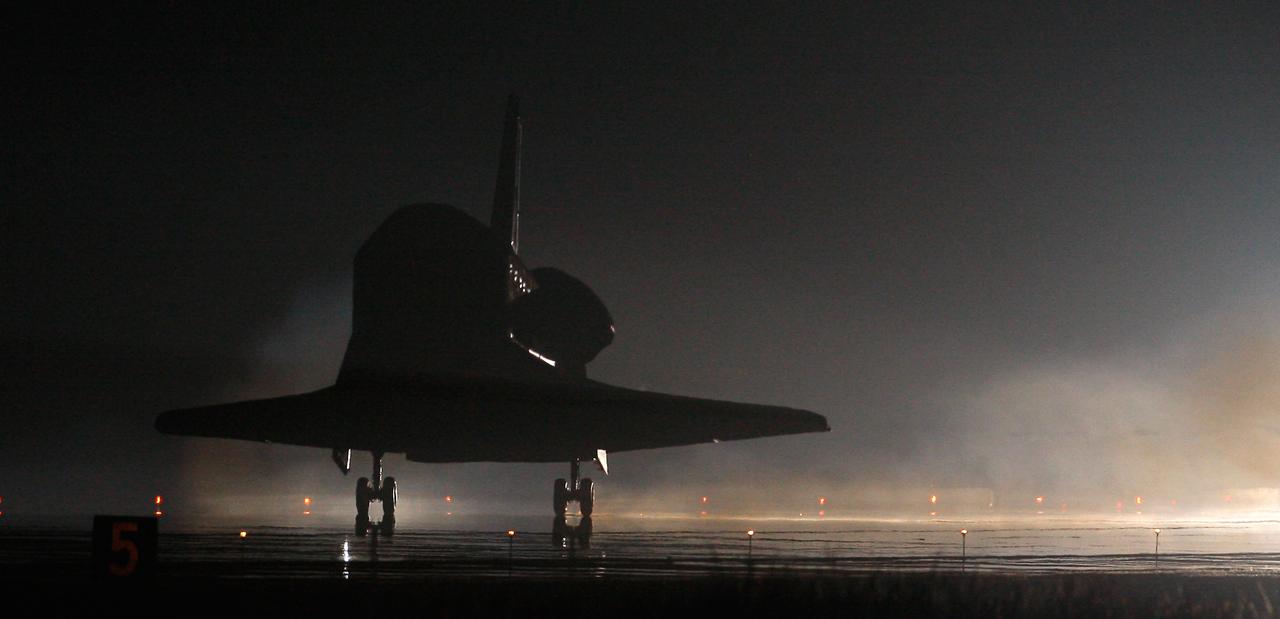
Space shuttle Endeavour lands at the Kennedy Space Center, Shuttle Landing Facility, Cape Canaveral, Florida, USA, 26 March 2008. Endeavour completed a sixteen day mission to the International Space Station where it delivered the latest KIBO Experiment Module and the Canadian Robot DEXTRE. The mission STS-123 also had five space walks associated with the mission.
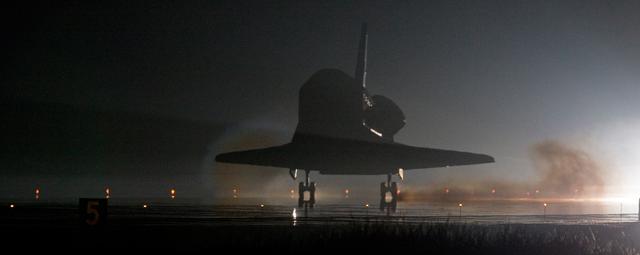
Space shuttle Endeavour lands at the Kennedy Space Center, Shuttle Landing Facility, Cape Canaveral, Florida, USA, 26 March 2008. Endeavour completed a sixteen day mission to the International Space Station where it delivered the latest KIBO Experiment Module and the Canadian Robot DEXTRE. The mission STS-123 also had five space walks associated with the mission.Endeavour landed on the second landing possibility.
Space shuttle Endeavour lands at the Kennedy Space Center, Shuttle Landing Facility, Cape Canaveral, Florida, USA, 26 March 2008. Endeavour completed a sixteen day mission to the International Space Station where it delivered the latest KIBO Experiment Module and the Canadian Robot DEXTRE. The mission STS-123 also had five space walks associated with the mission.
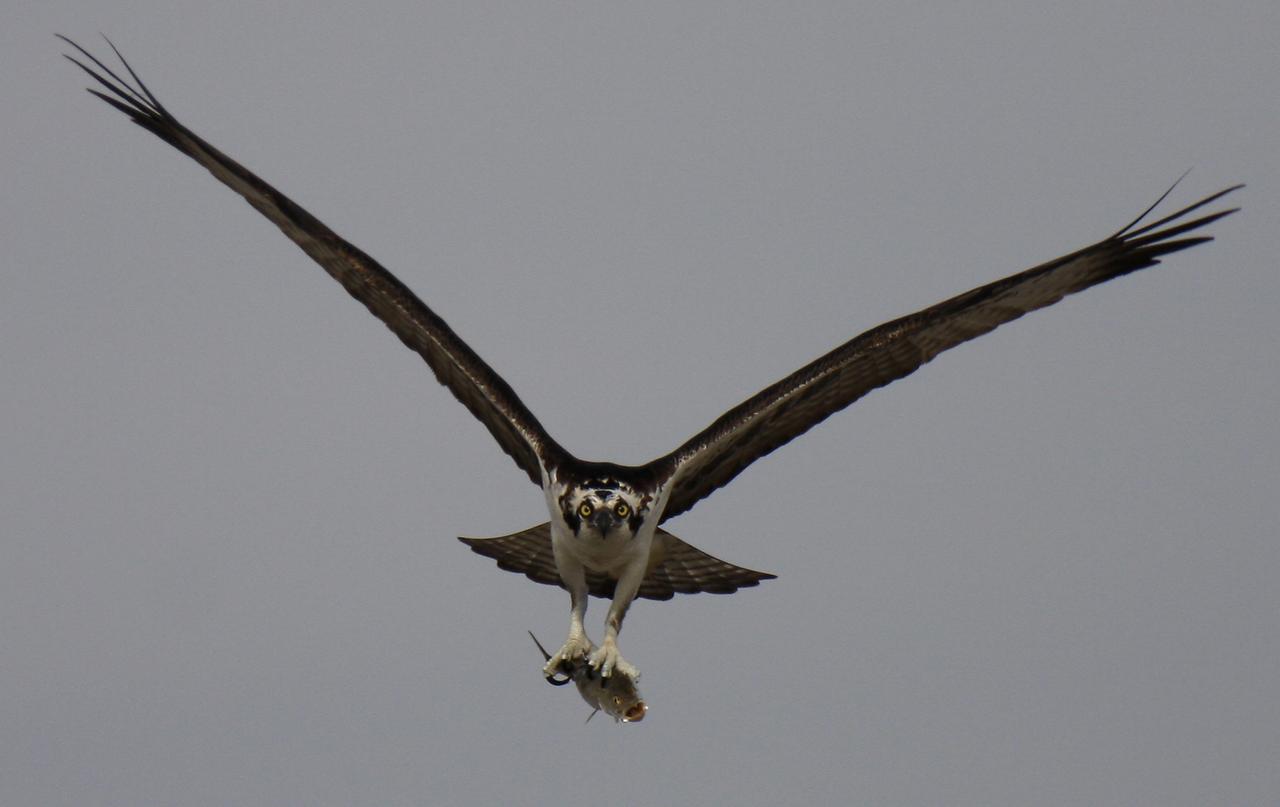
An osprey with a sea trout in its claws flies in the Kennedy Space Center area, Cape Canaveral, Florida, USA, 23 February 2008. The crew of space shuttle Endeavour mission STS-123 is scheduled to arrive at 11:00 A.M. EST., at the shuttle landing facility 23 february 2008. The mission STS-123 launch is scheduled for launch no earlier than 11 March 2008.
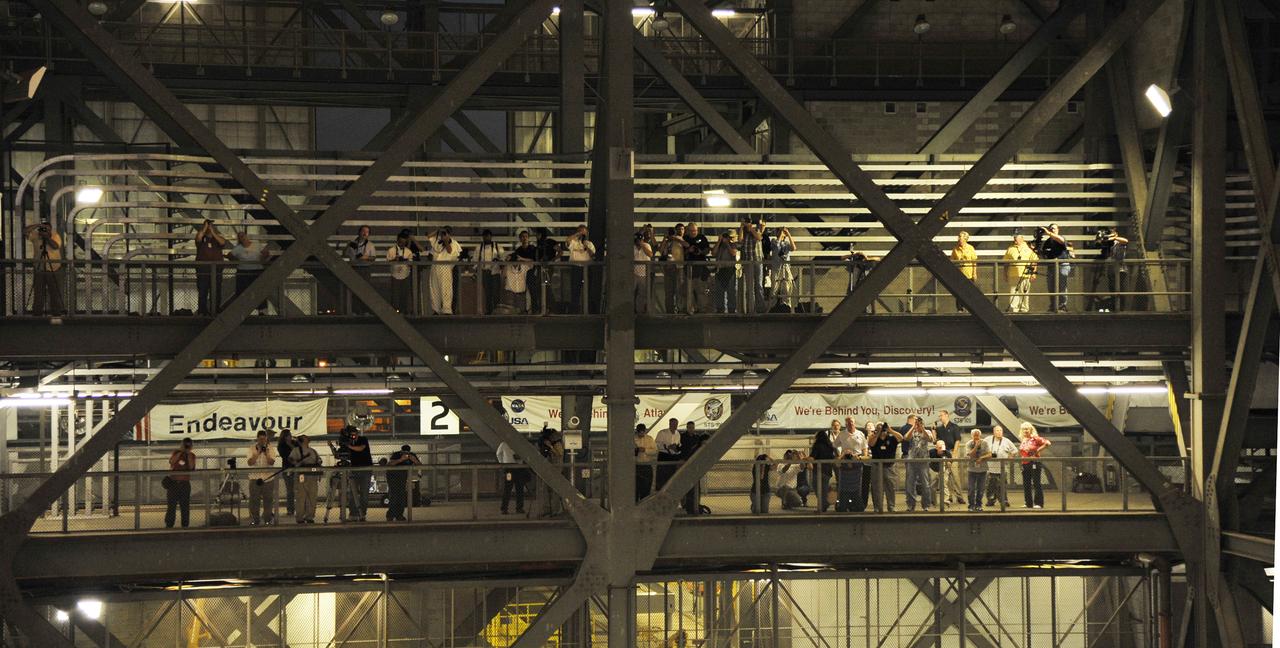
members of the media gather in the VAB to photograph the last rollout of Shuttle Atlantis on the Mobil Launch Platform (MLP) at Kennedy Space Center, Cape Canaveral, Florida, USA 31 May 2011. Launch of Atlantis on the STS-135 mission to deliver supplies to the International Space Station is currently planned for no earlier than 08 July 2011. The STS-135 mission is planned to last eight days and will be the final flight of the Space Shuttle program.
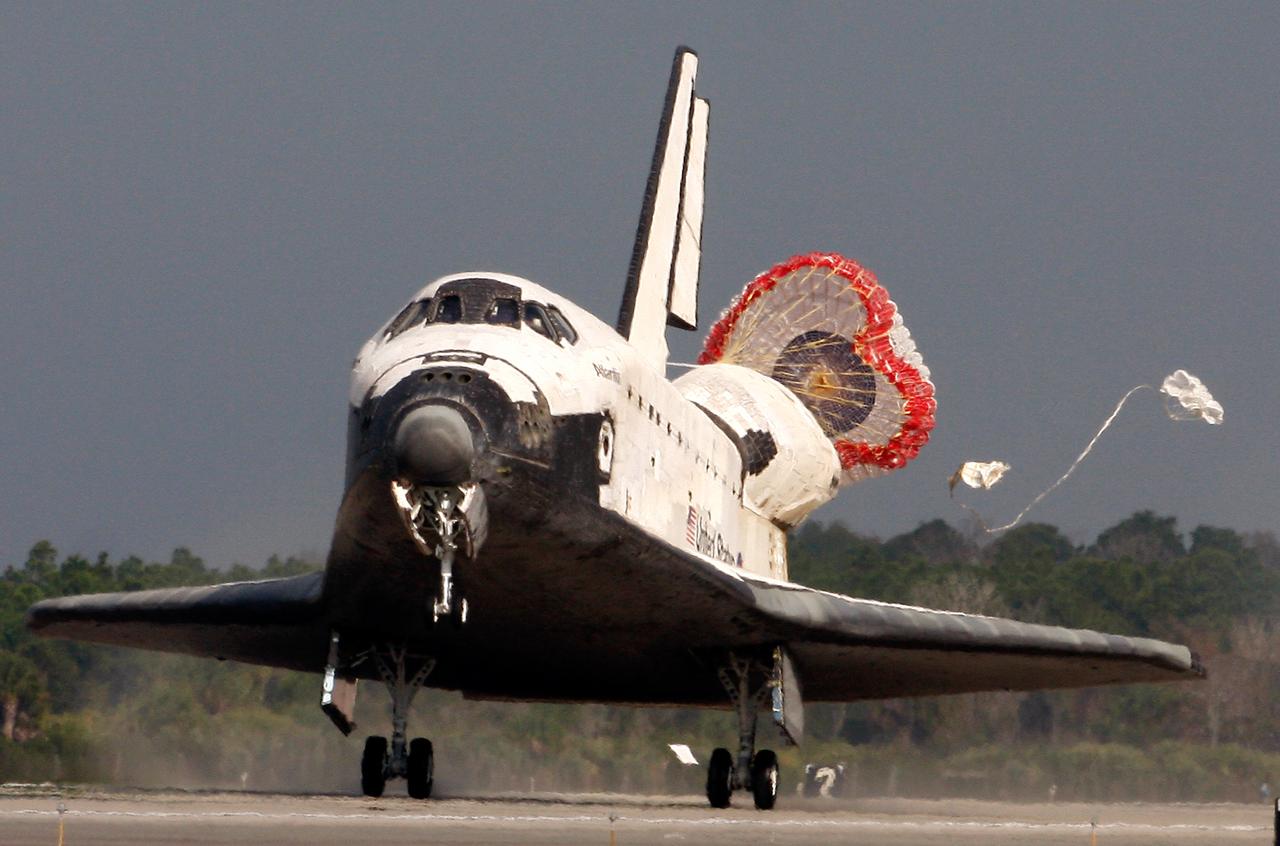
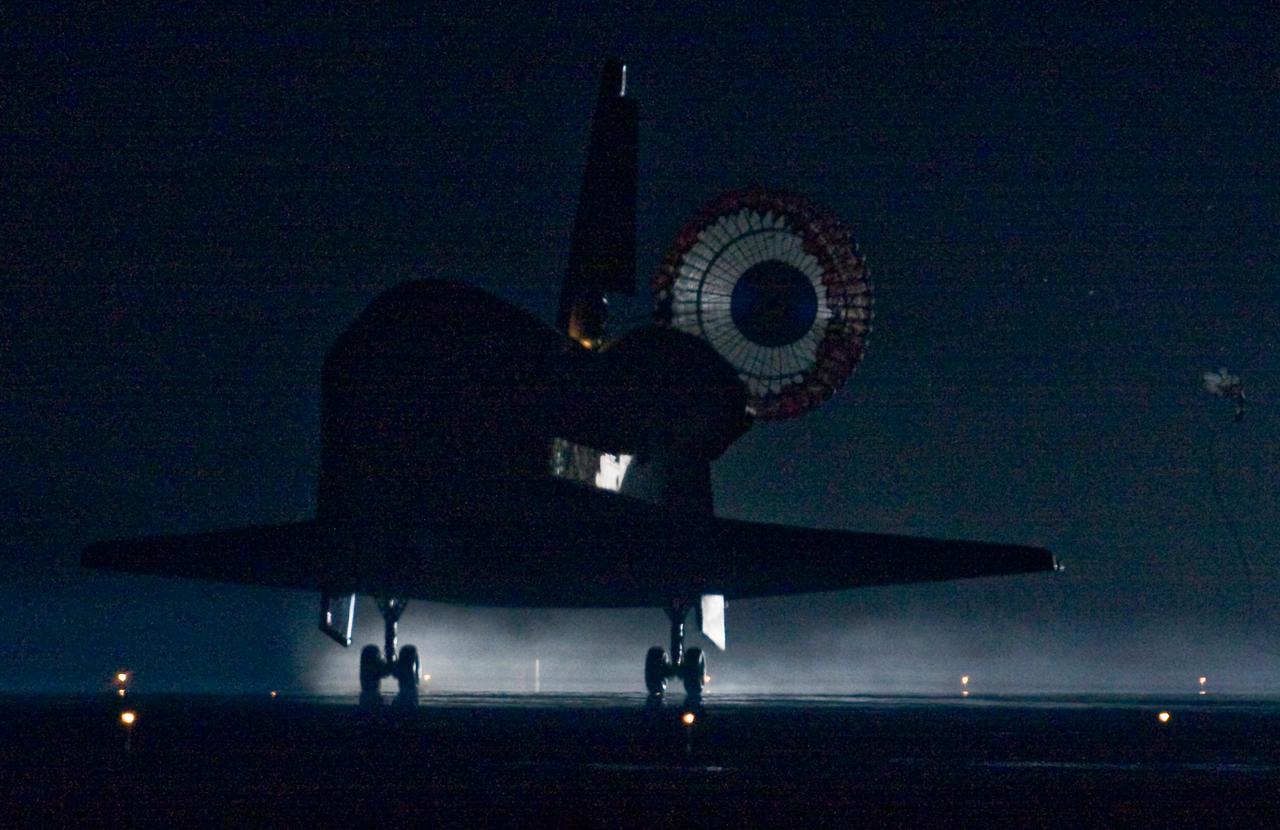
Space shuttle Atlantis lands at the Kennedy Space Center, Shuttle Landing Facility, Cape Canaveral, Florida, USA, 20 February 2008. Atlantis completed a thirteen day mission to the International Space Station where it delivered the latest modu;e to the ISS named Columbus. The parachute deployed out of the rear of Atlantis will help slow don the shuttle after landing.
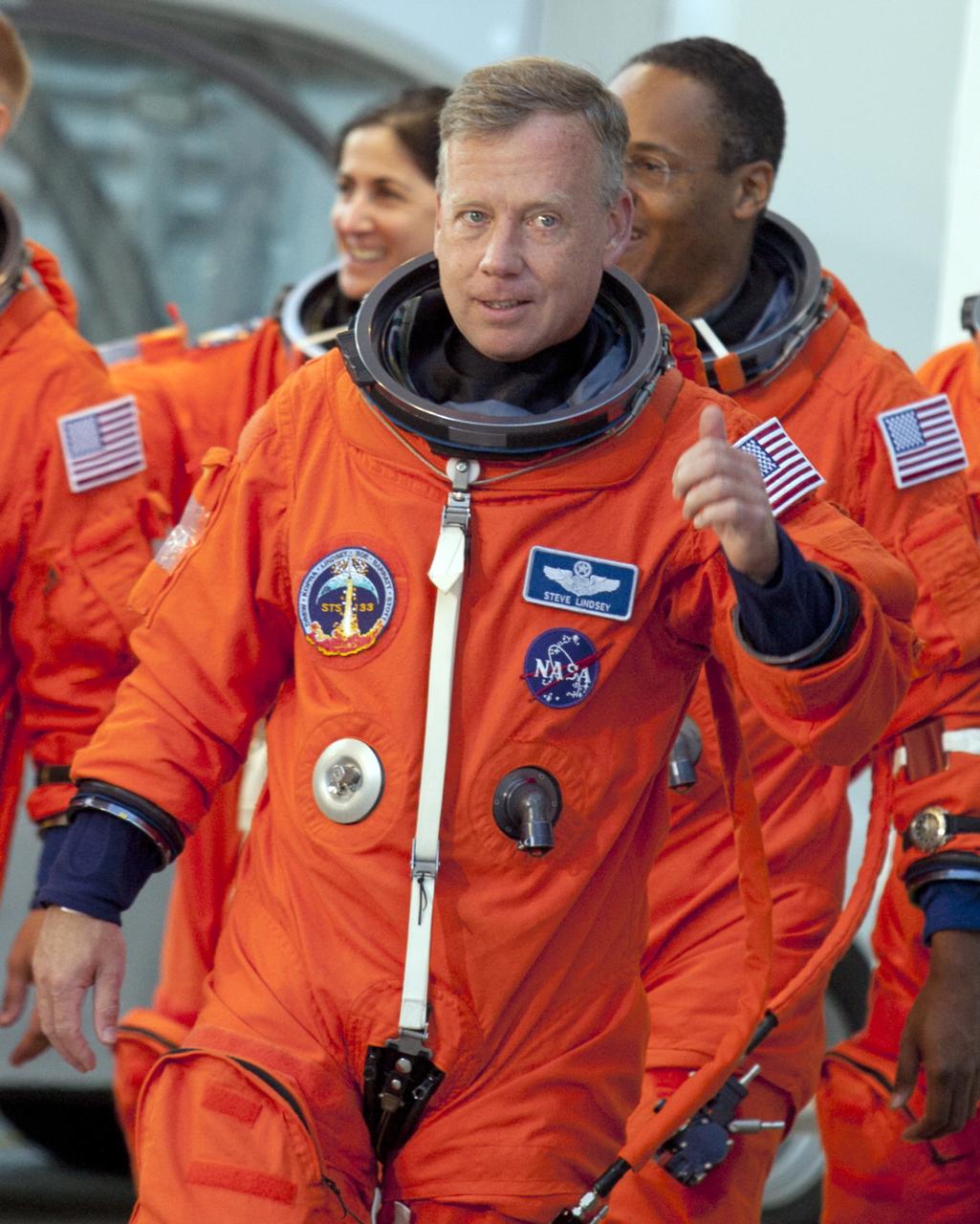
Shuttle Discovery STS-133 Mission Commander Steve Lindsey gives a thumbs up during a practice crew walkout at Kennedy Space Center, Cape Canaveral, Florida, USA 15 October 2010. The crew of six is headed to launch pad 39A for a mock countdown that completes the three day Terminal Countdown Demonstration Test. Shuttle Discovery is being prepared for what is to be it's final mission to the International Space Station, with launch scheduled for no earlier than 01 November 2010.
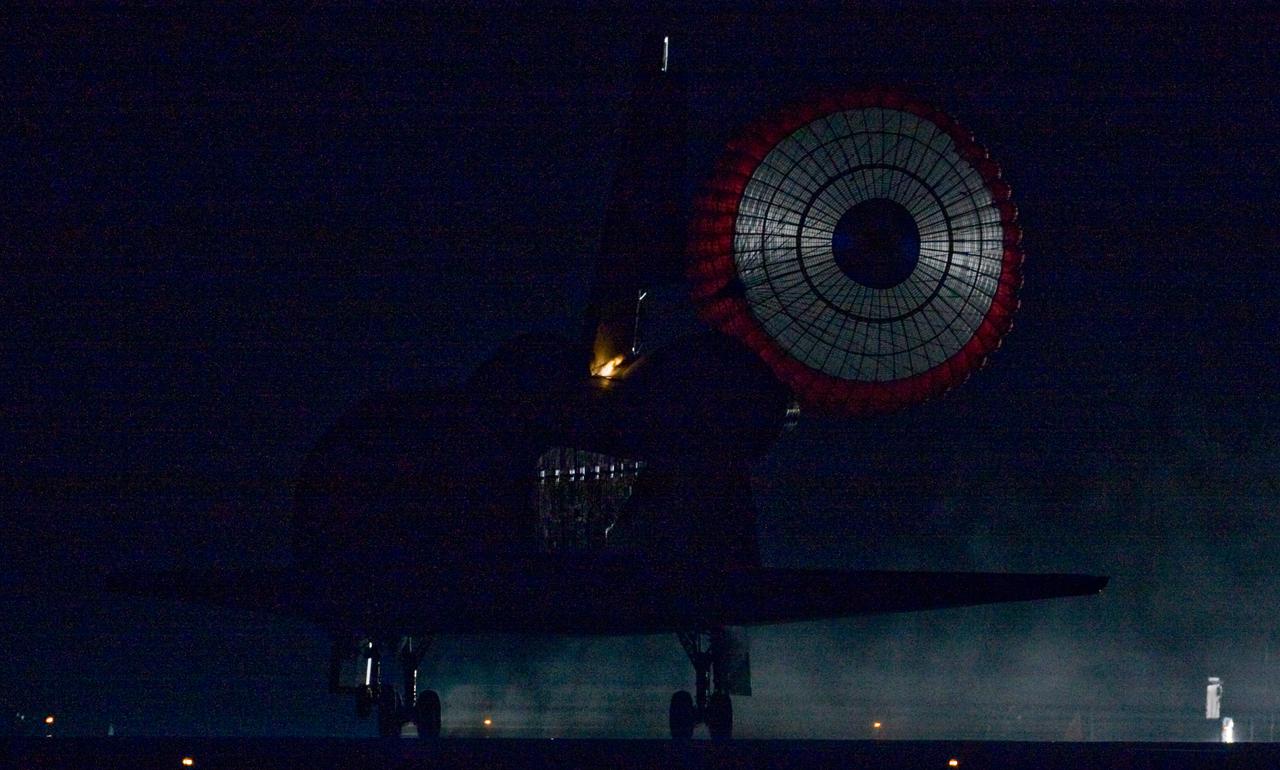
Space shuttle Endeavour lands at the Kennedy Space Center, Shuttle Landing Facility, Cape Canaveral, Florida, USA, 26 March 2008. Endeavour completed a sixteen day mission to the International Space Station where it delivered the latest KIBO Experiment Module and the Canadian Robot DEXTRE. The mission STS-123 also had five space walks associated with the mission.Endeavour landed on the second landing possibility.
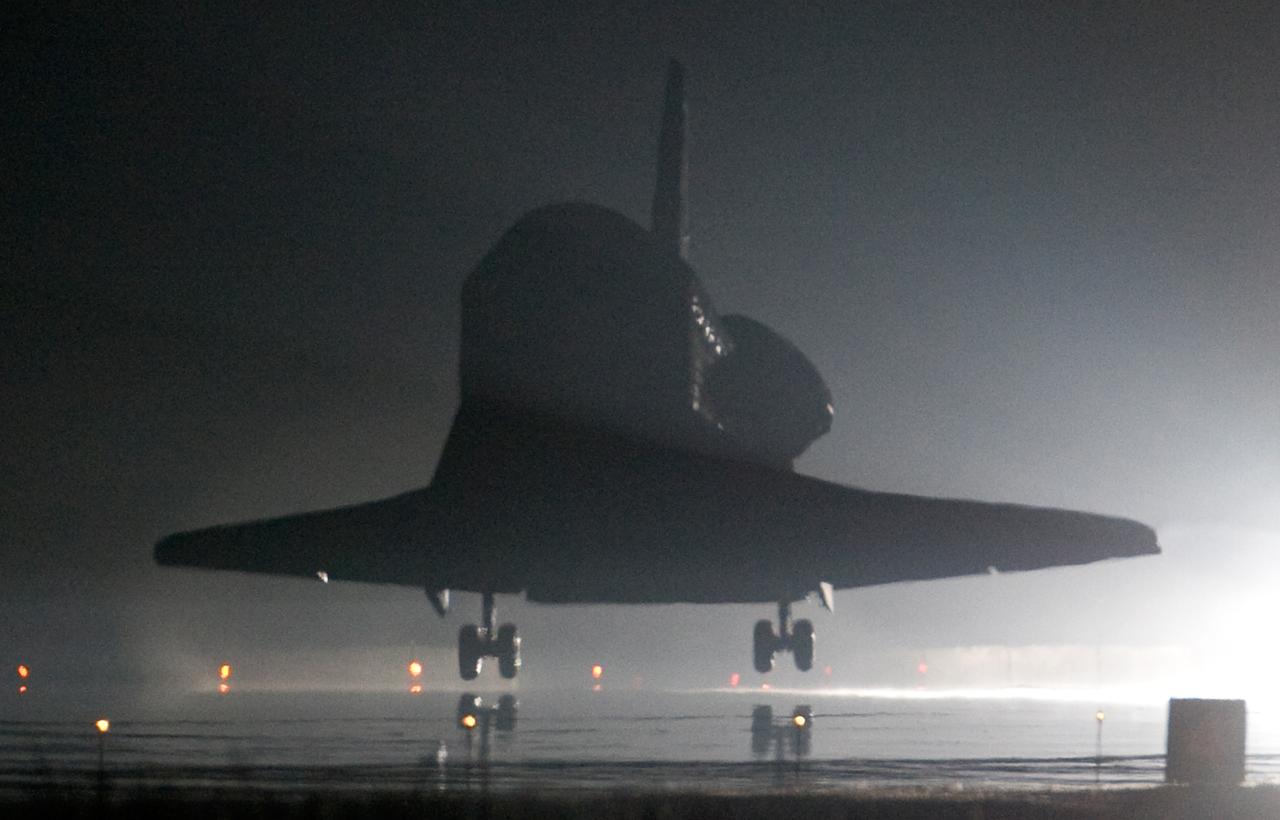
Space shuttle Endeavour lands at the Kennedy Space Center, Shuttle Landing Facility, Cape Canaveral, Florida, USA, 26 March 2008. Endeavour completed a sixteen day mission to the International Space Station where it delivered the latest KIBO Experiment Module and the Canadian Robot DEXTRE. The mission STS-123 also had five space walks associated with the mission.Endeavour landed on the secon landing possibility.

Space shuttle Endeavour lands at the Kennedy Space Center, Shuttle Landing Facility, Cape Canaveral, Florida, USA, 26 March 2008. Endeavour completed a sixteen day mission to the International Space Station where it delivered the latest KIBO Experiment Module and the Canadian Robot DEXTRE. The mission STS-123 also had five space walks associated with the mission.Endeavour landed on the second landing possibility.
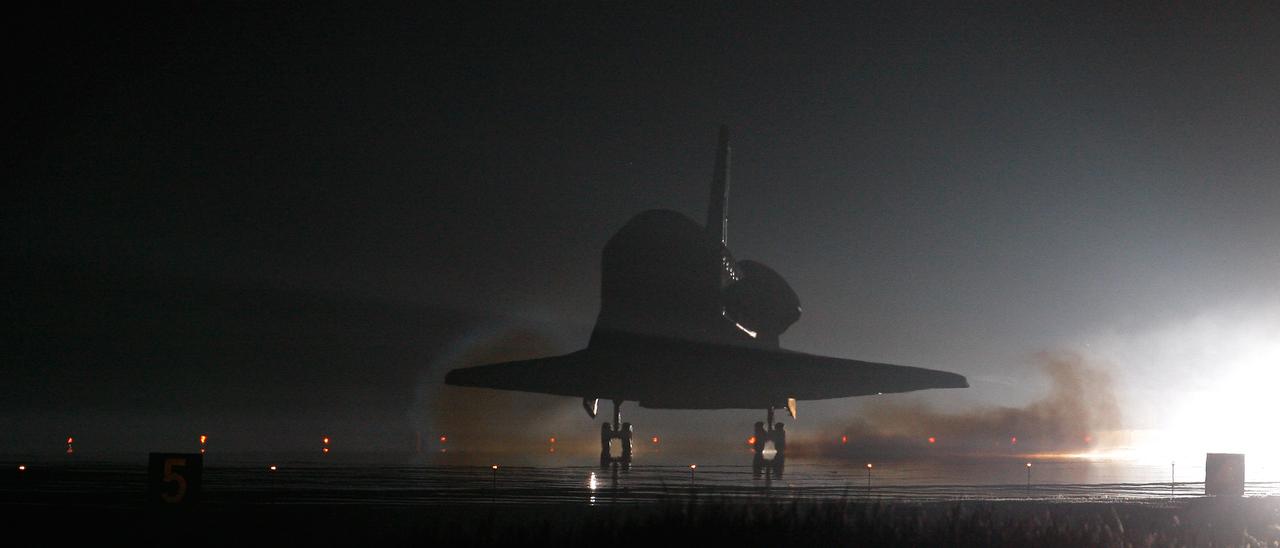
Space shuttle Endeavour lands at the Kennedy Space Center, Shuttle Landing Facility, Cape Canaveral, Florida, USA, 26 March 2008. Endeavour completed a sixteen day mission to the International Space Station where it delivered the latest KIBO Experiment Module and the Canadian Robot DEXTRE. The mission STS-123 also had five space walks associated with the mission.

Acting NASA Director, Robert Lightfoot, welcomes guests and introduces Vice President Mike Pence, Thursday, July 6, 2017, at the Vehicle Assembly Building at NASA’s Kennedy Space Center (KSC) in Cape Canaveral, Florida. Vice President Mike Pence is also scheduled to speak at the event to highlight innovations made in America and tour some of the public/private partnership work that is helping to transform the center into a multi-user spaceport. Photo Credit: (NASA/Aubrey Gemignani)