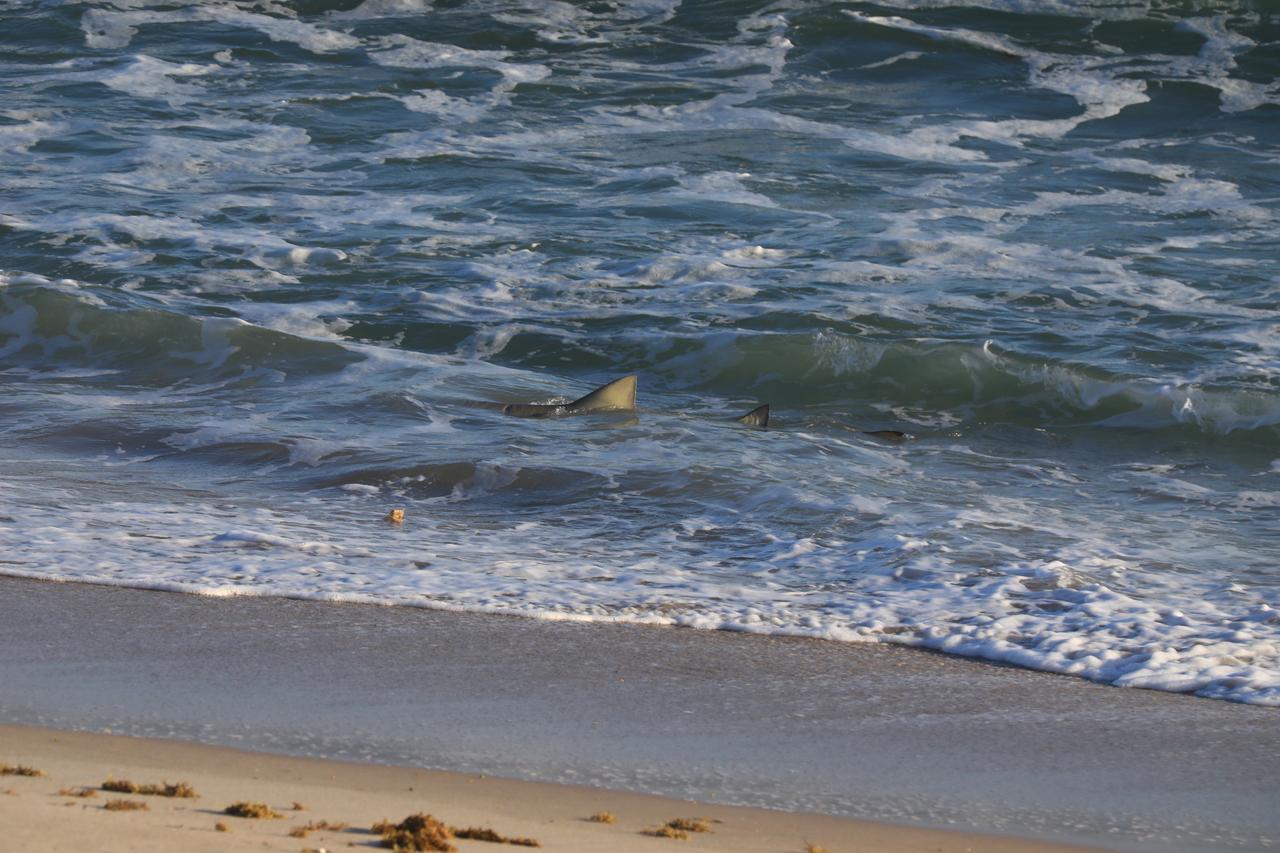
A shark swims near the shore at Cape Canaveral Space Force Station (CCSFS) on Oct. 27, 2020. CCSFS shares boundaries with the Merritt Island National Wildlife Refuge, featuring miles of pristine beaches on the Atlantic Ocean. The refuge contains coastal dunes, saltwater marshes, freshwater impoundments, scrub, pine flatwoods, and hardwood hammocks that provide habitat for more than 1,500 species of plants and animals.
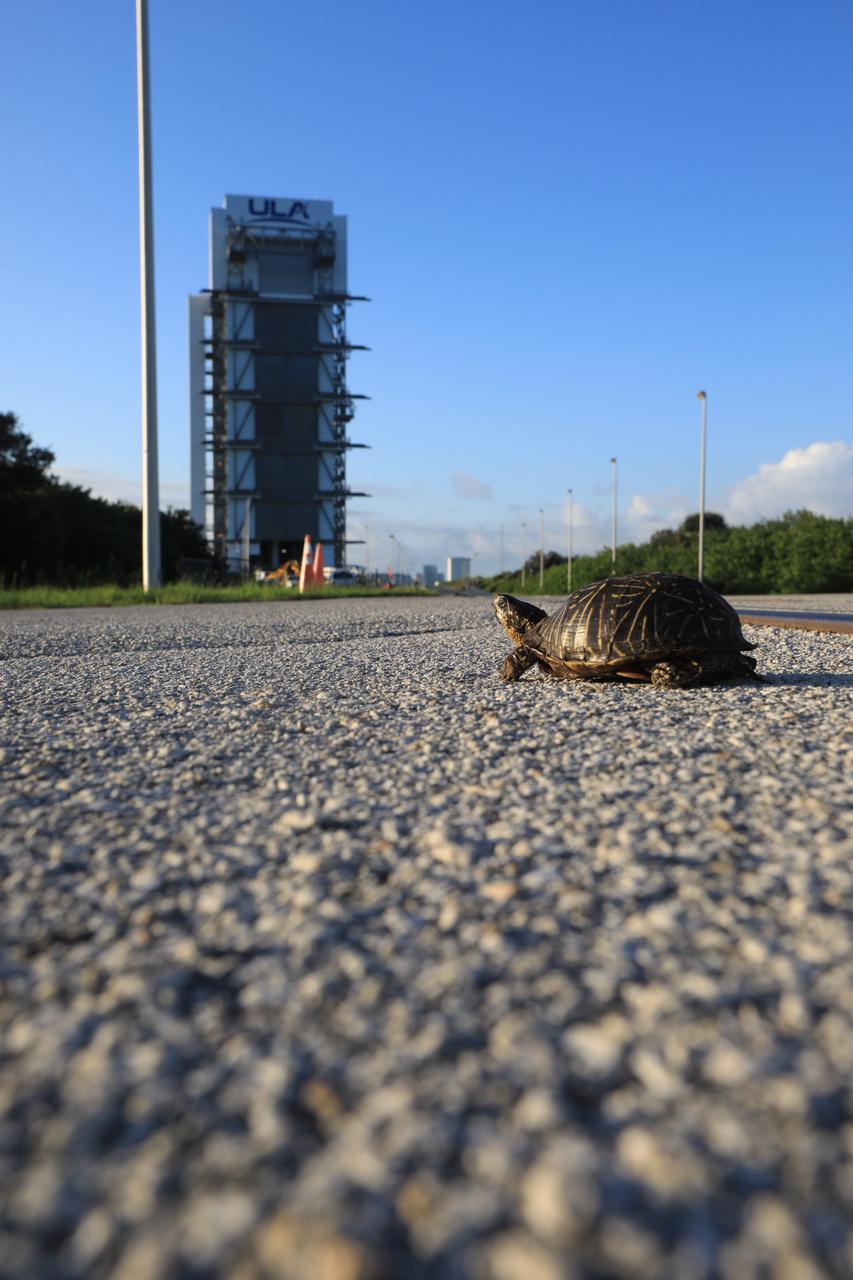
A turtle makes it way along the roadway at Cape Canaveral Space Force Station (CCSFS) in Florida on Oct. 27, 2020. CCSFS shares boundaries with the Merritt Island National Wildlife Refuge, consisting of 140,000 acres. The refuge contains coastal dunes, saltwater marshes, freshwater impoundments, scrub, pine flatwoods, and hardwood hammocks that provide habitat for more than 1,500 species of plants and animals.
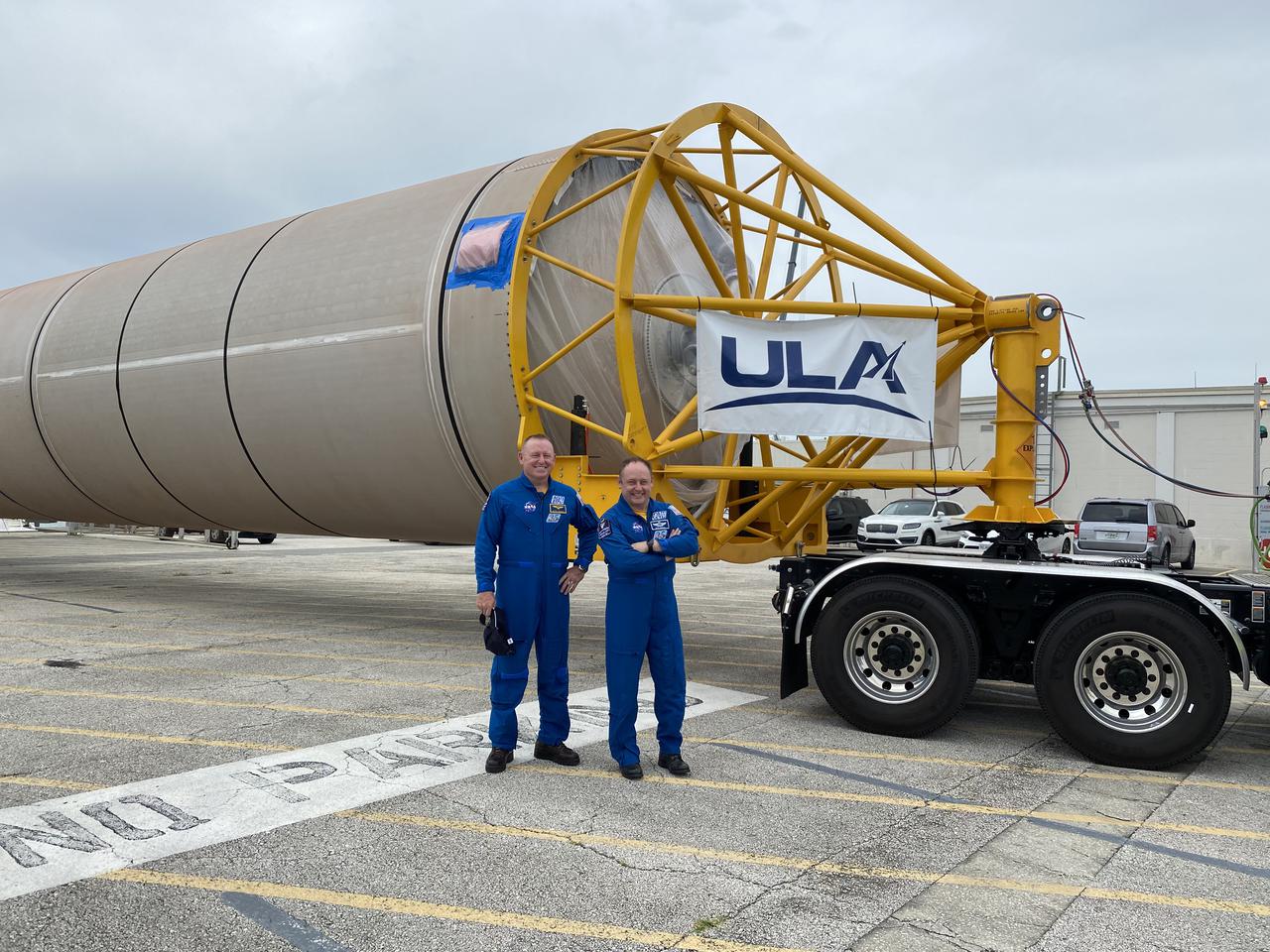
NASA astronauts Barry “Butch” Wilmore, left, Mike Fincke, right, welcome the United Launch Alliance (ULA) Atlas V rocket that will transport them and NASA astronaut Nicole Mann to the International Space Station on Boeing’s CST-100 Starliner spacecraft for the company’s Crew Flight Test (CFT). The Atlas V rocket arrived at Cape Canaveral Space Force Station (CCSFS), Florida on June 21, 2021, after its journey on a rocket-delivery ship from ULA’s manufacturing factory in Decatur, Alabama. Starliner’s first flight with astronauts aboard, CFT will launch from Space Launch Complex-41 at CCSFS. The flight test will demonstrate the ability of the Atlas V and Starliner to safely carry astronauts to and from the space station for the agency’s Commercial Crew Program.
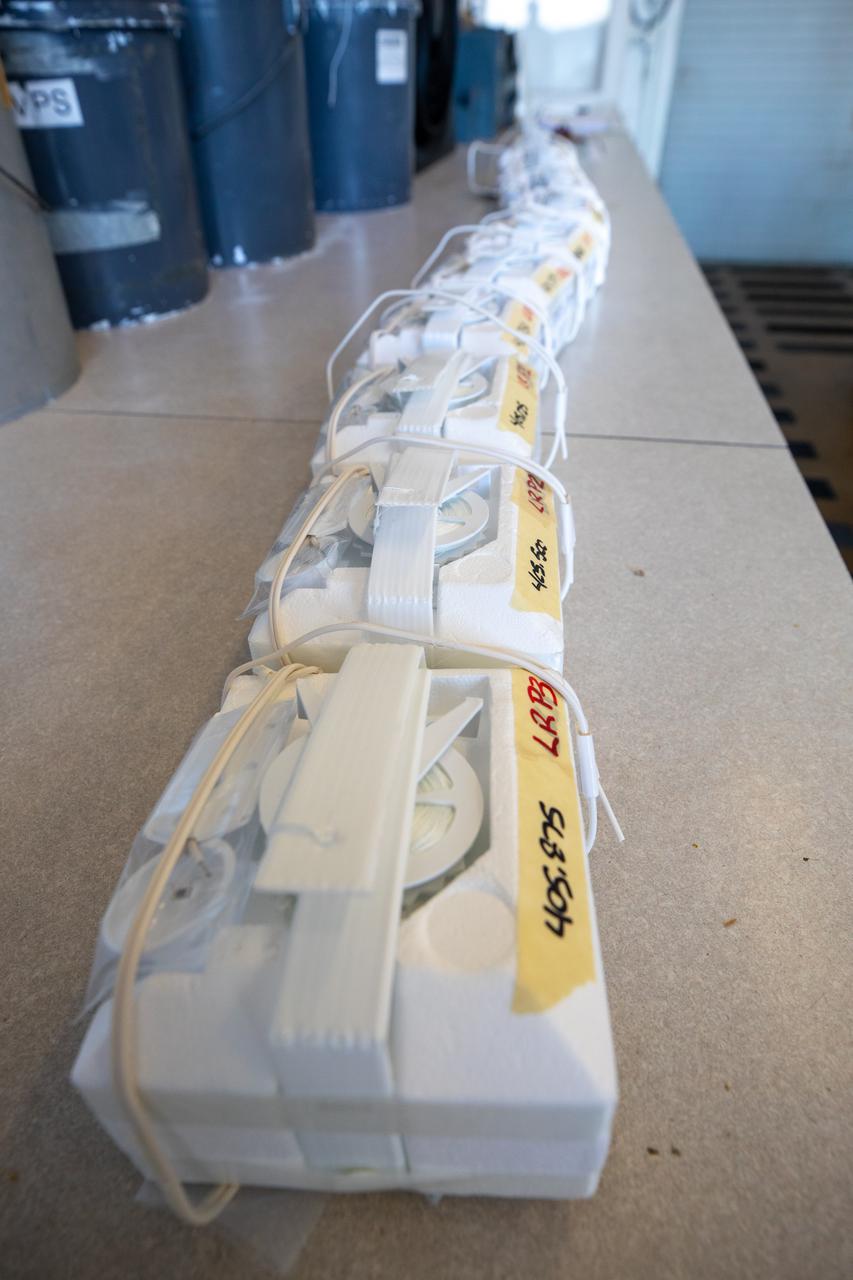
Weather balloons are lined up prior to release at the Cape Canaveral Space Force Station (CCSFS) Weather Station in preparation for an Artemis I weather simulation on Nov. 3, 2021. The event involved teams from CCSFS, Kennedy Space Center, Johnson Space Center in Texas, and Marshall Space Flight Center in Alabama. Weather balloons provided data below 6,000 feet and above 62,000 feet, while Kennedy’s Tropospheric Doppler Radar Wind Profiler delivered data from 6,000 to 62,000 feet. The radar wind profiler will be used as the primary upper level wind instrument for NASA’s Artemis missions, including Artemis I, the first launch of the agency’s Space Launch System rocket and the Orion spacecraft on a flight beyond the Moon.

Meteorological Data Specialist Michael Boyer prepares weather balloons for release at the Cape Canaveral Space Force Station (CCSFS) Weather Station in preparation for an Artemis I weather simulation on Nov. 3, 2021. The event involved teams from CCSFS, Kennedy Space Center, Johnson Space Center in Texas, and Marshall Space Flight Center in Alabama. Weather balloons provided data below 6,000 feet and above 62,000 feet, while Kennedy’s Tropospheric Doppler Radar Wind Profiler delivered data from 6,000 to 62,000 feet. The radar wind profiler will be used as the primary upper level wind instrument for NASA’s Artemis missions, including Artemis I, the first launch of the agency’s Space Launch System rocket and the Orion spacecraft on a flight beyond the Moon.
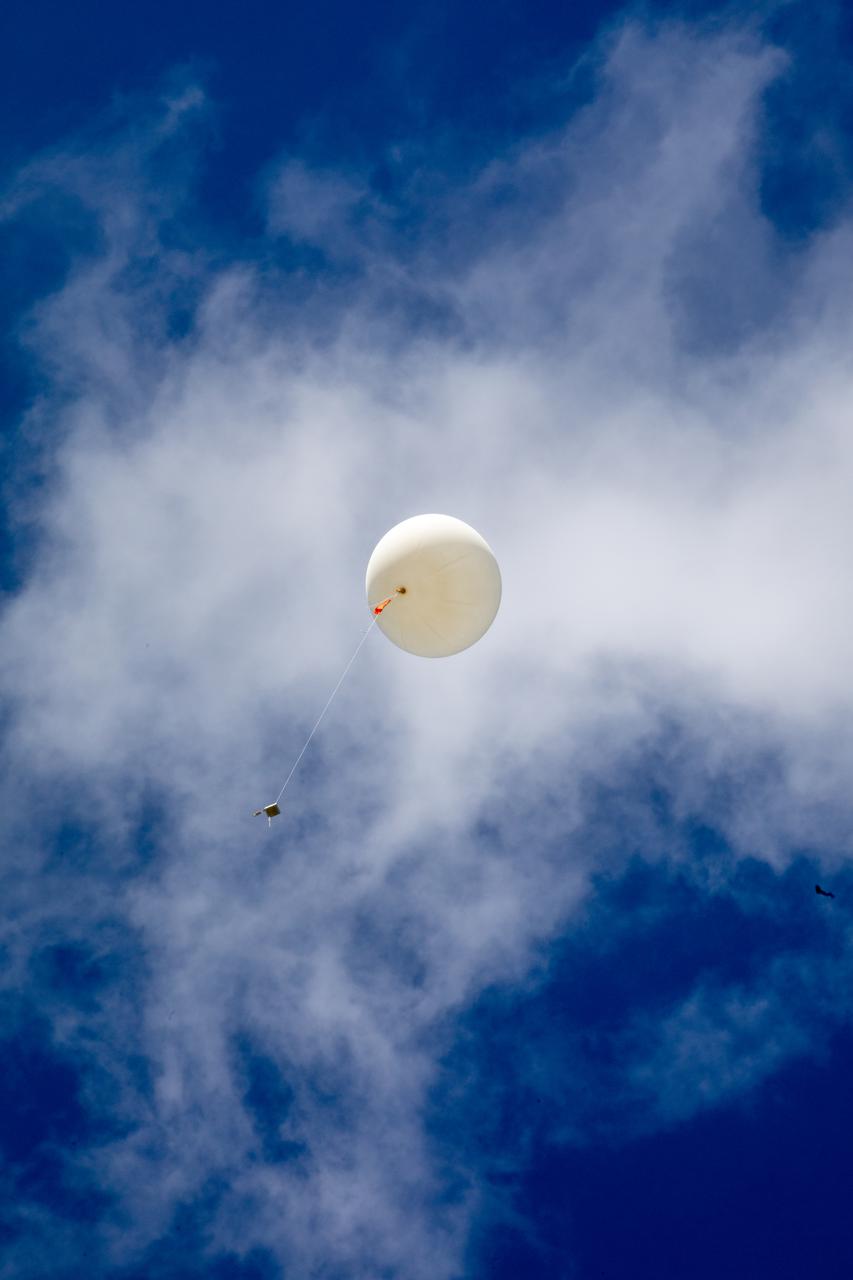
Meteorological Data Specialist Michael Boyer releases a weather balloon at the Cape Canaveral Space Force Station (CCSFS) Weather Station during an Artemis I weather simulation on Nov. 3, 2021. The event involved teams from CCSFS, Kennedy Space Center, Johnson Space Center in Texas, and Marshall Space Flight Center in Alabama. Weather balloons provided data below 6,000 feet and above 62,000 feet, while Kennedy’s Tropospheric Doppler Radar Wind Profiler delivered data from 6,000 to 62,000 feet. The radar wind profiler will be used as the primary upper level wind instrument for NASA’s Artemis missions, including Artemis I, the first launch of the agency’s Space Launch System rocket and the Orion spacecraft on a flight beyond the Moon.
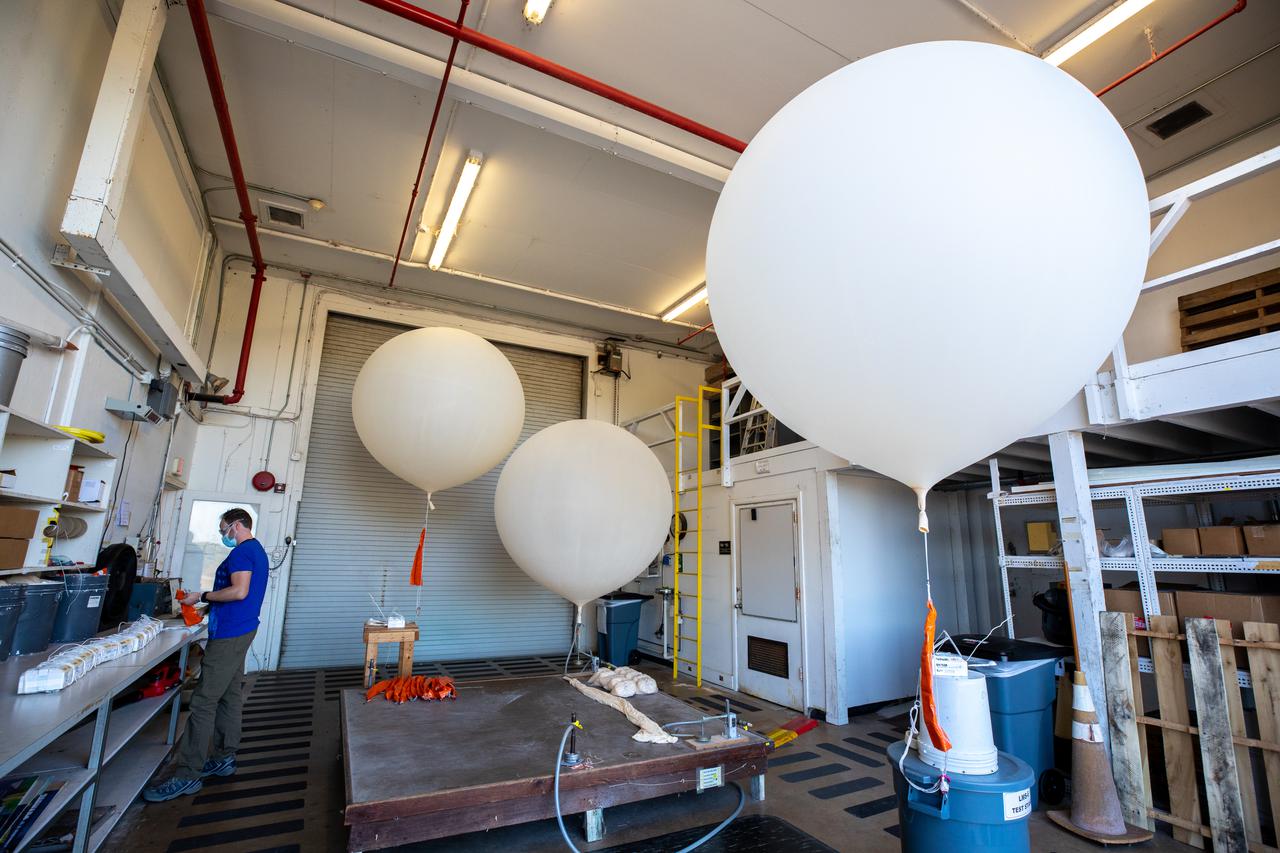
Meteorological Data Specialist Michael Boyer prepares weather balloons for release at the Cape Canaveral Space Force Station (CCSFS) Weather Station in preparation for an Artemis I weather simulation on Nov. 3, 2021. The event involved teams from CCSFS, Kennedy Space Center, Johnson Space Center in Texas, and Marshall Space Flight Center in Alabama. Weather balloons provided data below 6,000 feet and above 62,000 feet, while Kennedy’s Tropospheric Doppler Radar Wind Profiler delivered data from 6,000 to 62,000 feet. The radar wind profiler will be used as the primary upper level wind instrument for NASA’s Artemis missions, including Artemis I, the first launch of the agency’s Space Launch System rocket and the Orion spacecraft on a flight beyond the Moon.
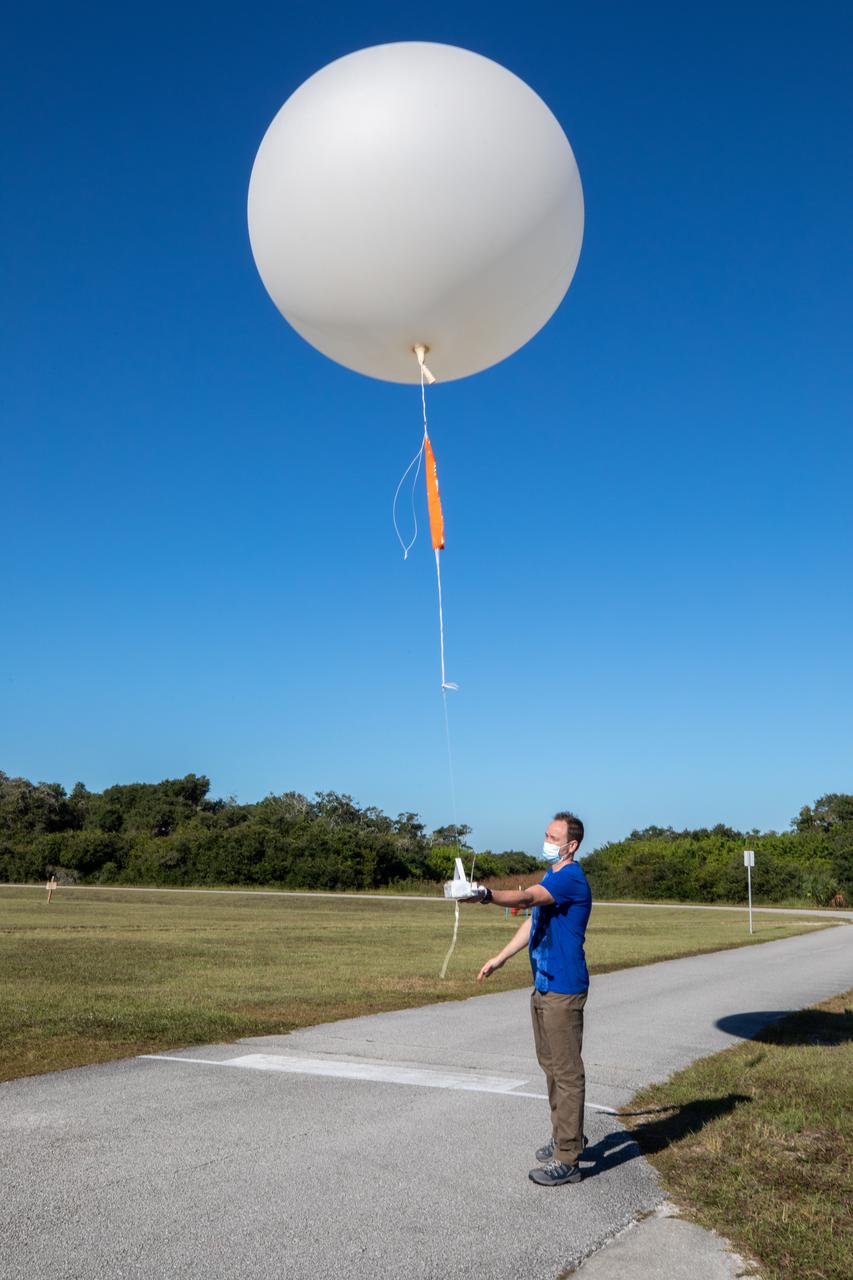
Meteorological Data Specialist Michael Boyer releases a weather balloon at the Cape Canaveral Space Force Station (CCSFS) Weather Station during an Artemis I weather simulation on Nov. 3, 2021. The event involved teams from CCSFS, Kennedy Space Center, Johnson Space Center in Texas, and Marshall Space Flight Center in Alabama. Weather balloons provided data below 6,000 feet and above 62,000 feet, while Kennedy’s Tropospheric Doppler Radar Wind Profiler delivered data from 6,000 to 62,000 feet. The radar wind profiler will be used as the primary upper level wind instrument for NASA’s Artemis missions, including Artemis I, the first launch of the agency’s Space Launch System rocket and the Orion spacecraft on a flight beyond the Moon.

Meteorological Data Specialist Michael Boyer prepares to release a weather balloon at the Cape Canaveral Space Force Station (CCSFS) Weather Station during an Artemis I weather simulation on Nov. 3, 2021. The event involved teams from CCSFS, Kennedy Space Center, Johnson Space Center in Texas, and Marshall Space Flight Center in Alabama. Weather balloons provided data below 6,000 feet and above 62,000 feet, while Kennedy’s Tropospheric Doppler Radar Wind Profiler delivered data from 6,000 to 62,000 feet. The radar wind profiler will be used as the primary upper level wind instrument for NASA’s Artemis missions, including Artemis I, the first launch of the agency’s Space Launch System rocket and the Orion spacecraft on a flight beyond the Moon.
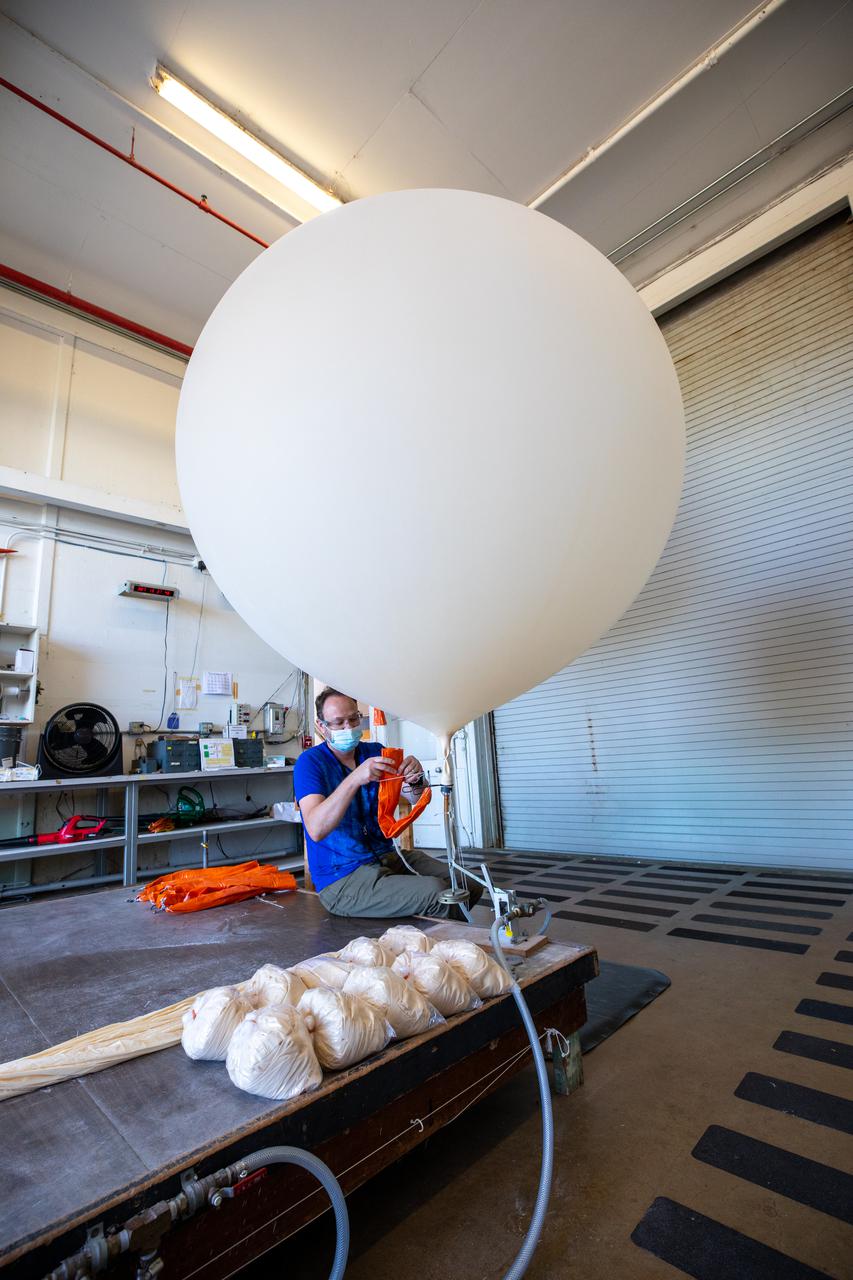
Meteorological Data Specialist Michael Boyer prepares weather balloons for release at the Cape Canaveral Space Force Station (CCSFS) Weather Station in preparation for an Artemis I weather simulation on Nov. 3, 2021. The event involved teams from CCSFS, Kennedy Space Center, Johnson Space Center in Texas, and Marshall Space Flight Center in Alabama. Weather balloons provided data below 6,000 feet and above 62,000 feet, while Kennedy’s Tropospheric Doppler Radar Wind Profiler delivered data from 6,000 to 62,000 feet. The radar wind profiler will be used as the primary upper level wind instrument for NASA’s Artemis missions, including Artemis I, the first launch of the agency’s Space Launch System rocket and the Orion spacecraft on a flight beyond the Moon.

Meteorological Data Specialist Michael Boyer releases a weather balloon at the Cape Canaveral Space Force Station (CCSFS) Weather Station during an Artemis I weather simulation on Nov. 3, 2021. The event involved teams from CCSFS, Kennedy Space Center, Johnson Space Center in Texas, and Marshall Space Flight Center in Alabama. Weather balloons provided data below 6,000 feet and above 62,000 feet, while Kennedy’s Tropospheric Doppler Radar Wind Profiler delivered data from 6,000 to 62,000 feet. The radar wind profiler will be used as the primary upper level wind instrument for NASA’s Artemis missions, including Artemis I, the first launch of the agency’s Space Launch System rocket and the Orion spacecraft on a flight beyond the Moon.
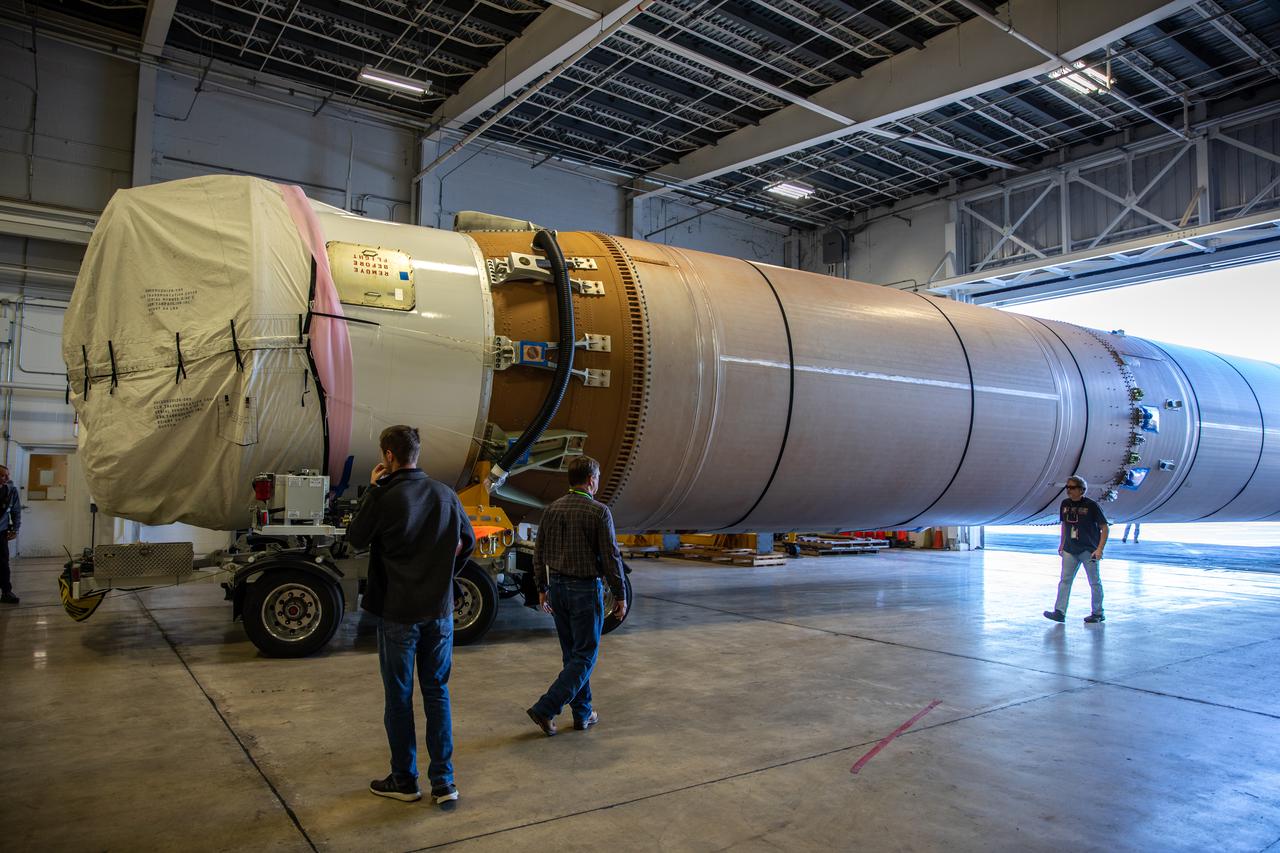
The United Launch Alliance (ULA) first stage of the Atlas V 541 rocket arrives at the horizontal processing facility at Space Launch Complex 41 at Cape Canaveral Space Force Station (CCSFS) in Florida on Nov. 16, 2021, after arriving on the company’s transport boat. The ship journeyed from ULA’s manufacturing plant in Decatur, Alabama, to deliver the rocket that will launch NASA and the National Oceanic Atmospheric Administration’s (NOAA) Geostationary Operational Environmental Satellite T (GOES-T). GOES-T is the third satellite in the GOES-R series that will continue to help meteorologists observe and predict local weather events that affect public safety. GOES-T is scheduled to launch from Space Launch Complex 41 at CCSFS on March 1, 2022. The launch is being managed by NASA’s Launch Services Program based at Kennedy Space Center, America’s multi-user spaceport.

The United Launch Alliance (ULA) first stage of the Atlas V 541 rocket arrives at the horizontal processing facility at Space Launch Complex 41 at Cape Canaveral Space Force Station (CCSFS) in Florida on Nov. 16, 2021, after arriving on the company’s transport boat. The ship journeyed from ULA’s manufacturing plant in Decatur, Alabama, to deliver the rocket that will launch NASA and the National Oceanic Atmospheric Administration’s (NOAA) Geostationary Operational Environmental Satellite T (GOES-T). GOES-T is the third satellite in the GOES-R series that will continue to help meteorologists observe and predict local weather events that affect public safety. GOES-T is scheduled to launch from Space Launch Complex 41 at CCSFS on March 1, 2022. The launch is being managed by NASA’s Launch Services Program based at Kennedy Space Center, America’s multi-user spaceport.
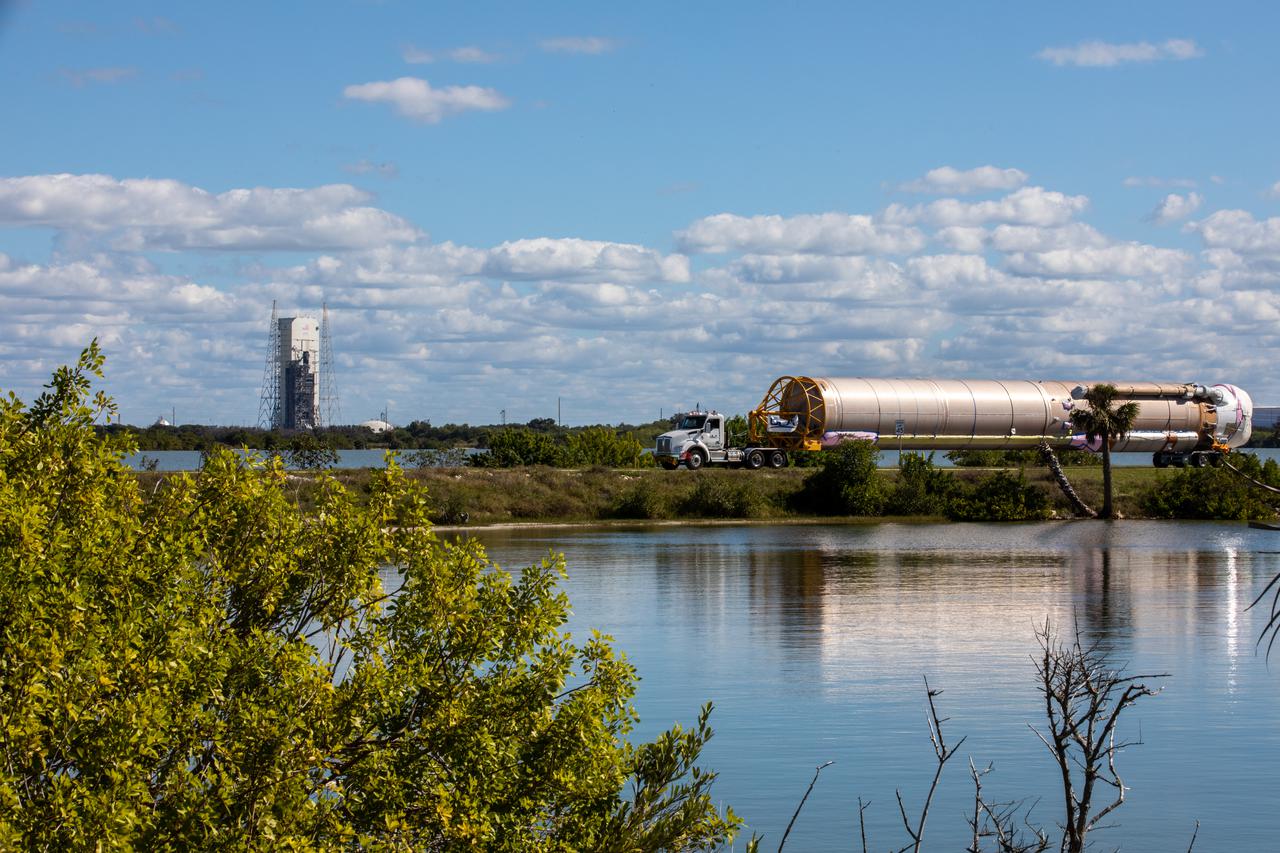
The United Launch Alliance (ULA) first stage of the Atlas V 541 rocket is transported to the horizontal processing facility at Space Launch Complex 41 at Cape Canaveral Space Force Station (CCSFS) in Florida on Nov. 16, 2021, after arriving on the company’s transport boat. The ship journeyed from ULA’s manufacturing plant in Decatur, Alabama, to deliver the rocket that will launch NASA and the National Oceanic Atmospheric Administration’s (NOAA) Geostationary Operational Environmental Satellite T (GOES-T). GOES-T is the third satellite in the GOES-R series that will continue to help meteorologists observe and predict local weather events that affect public safety. GOES-T is scheduled to launch from Space Launch Complex 41 at CCSFS on March 1, 2022. The launch is being managed by NASA’s Launch Services Program based at Kennedy Space Center, America’s multi-user spaceport.
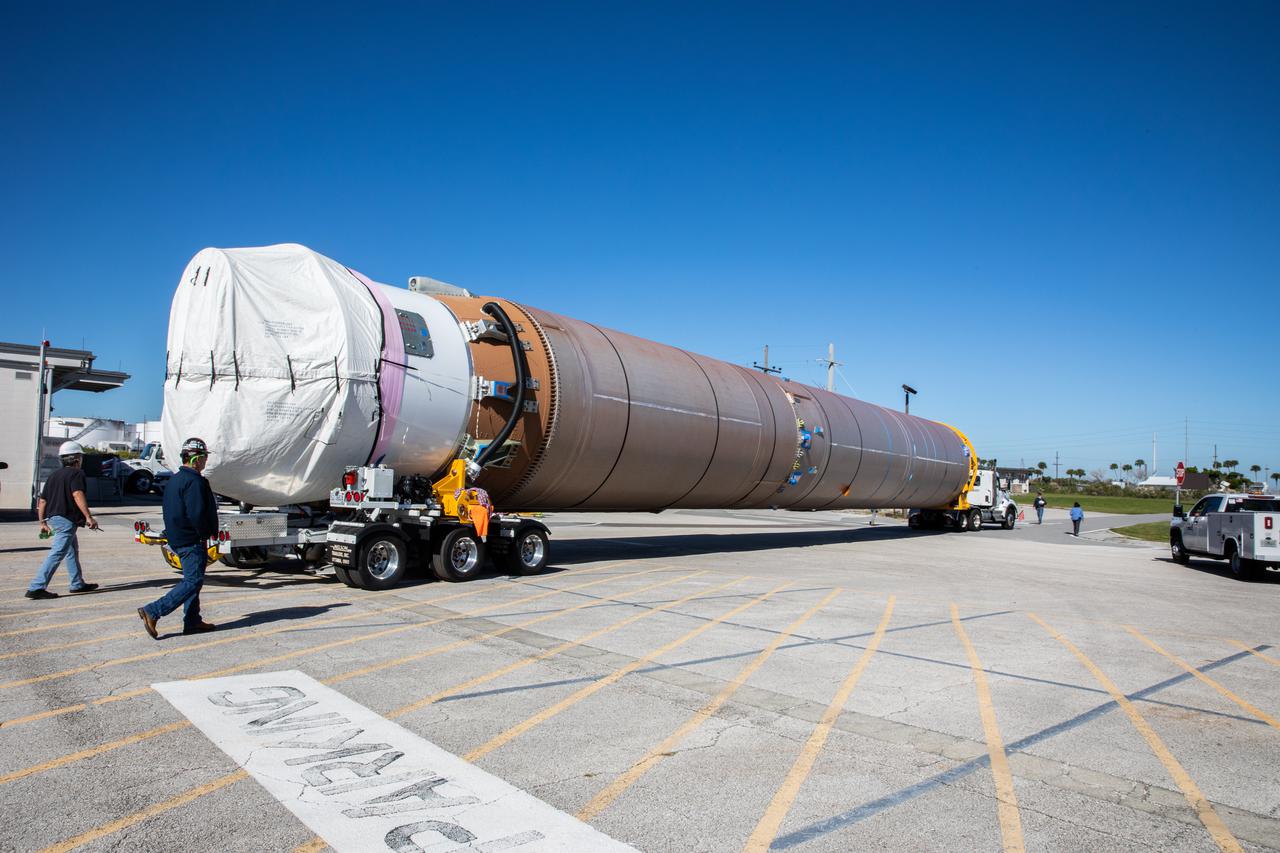
United Launch Alliance’s (ULA) first stage of the Atlas V 541 rocket is offloaded from the company’s transport boat at Cape Canaveral Space Force Station (CCSFS) in Florida on Nov. 16, 2021. The ship journeyed from ULA’s manufacturing plant in Decatur, Alabama, to deliver the rocket that will launch NASA and the National Oceanic Atmospheric Administration’s (NOAA) Geostationary Operational Environmental Satellite T (GOES-T). GOES-T is the third satellite in the GOES-R series that will continue to help meteorologists observe and predict local weather events that affect public safety. GOES-T is scheduled to launch from Space Launch Complex 41 at CCSFS on March 1, 2022. The launch is being managed by NASA’s Launch Services Program based at Kennedy Space Center, America’s multi-user spaceport.

A United Launch Alliance (ULA) transport boat carrying the first and second stages of the company’s Atlas V 541 rocket arrives at Cape Canaveral Space Force Station (CCSFS) in Florida on Nov. 15, 2021. The ship journeyed from ULA’s manufacturing plant in Decatur, Alabama, to deliver the rocket that will launch NASA and the National Oceanic Atmospheric Administration’s (NOAA) Geostationary Operational Environmental Satellite T (GOES-T). GOES-T is the third satellite in the GOES-R series that will continue to help meteorologists observe and predict local weather events that affect public safety. GOES-T is scheduled to launch from Space Launch Complex 41 at CCSFS on March 1, 2022. The launch is being managed by NASA’s Launch Services Program based at Kennedy Space Center, America’s multi-user spaceport.
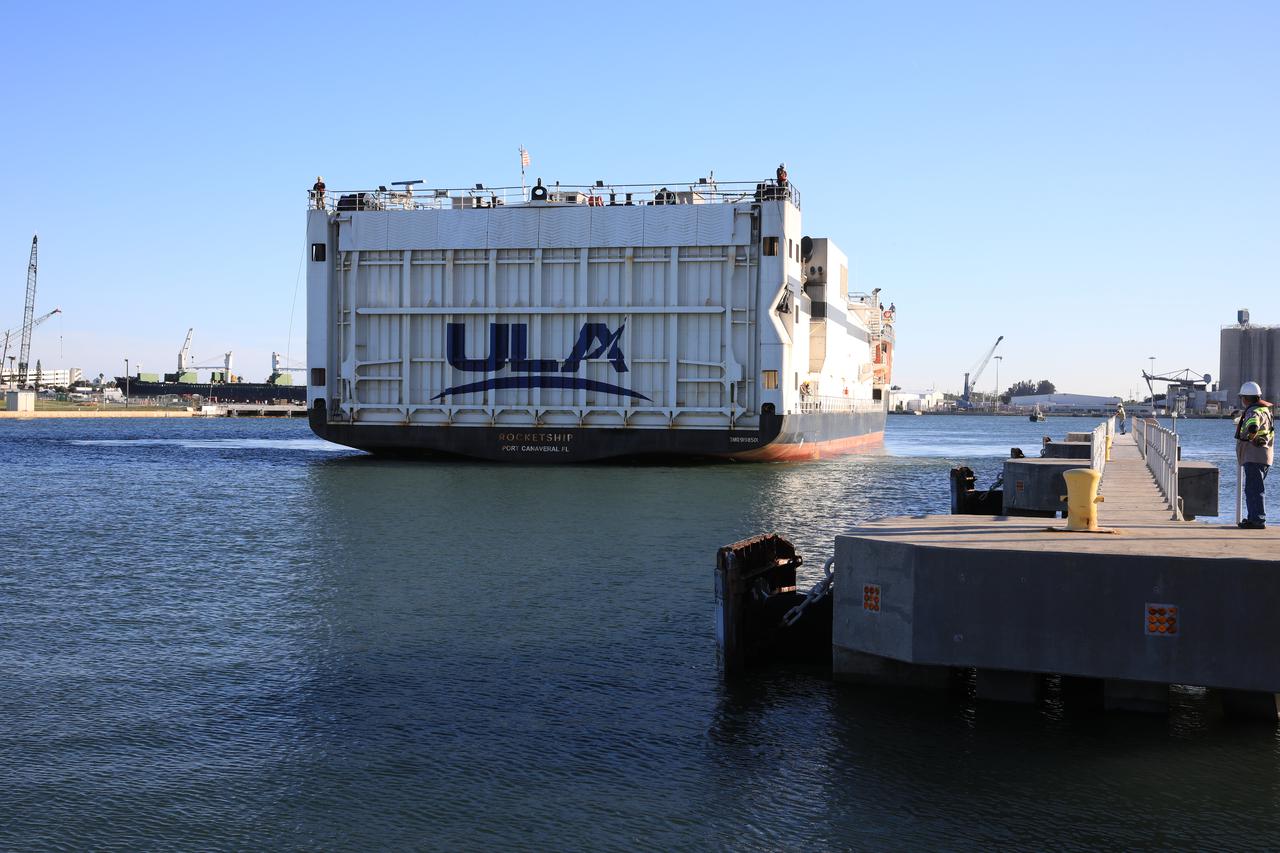
A United Launch Alliance (ULA) transport boat carrying the first and second stages of the company’s Atlas V 541 rocket arrives at Cape Canaveral Space Force Station (CCSFS) in Florida on Nov. 15, 2021. The ship journeyed from ULA’s manufacturing plant in Decatur, Alabama, to deliver the rocket that will launch NASA and the National Oceanic Atmospheric Administration’s (NOAA) Geostationary Operational Environmental Satellite T (GOES-T). GOES-T is the third satellite in the GOES-R series that will continue to help meteorologists observe and predict local weather events that affect public safety. GOES-T is scheduled to launch from Space Launch Complex 41 at CCSFS on March 1, 2022. The launch is being managed by NASA’s Launch Services Program based at Kennedy Space Center, America’s multi-user spaceport.
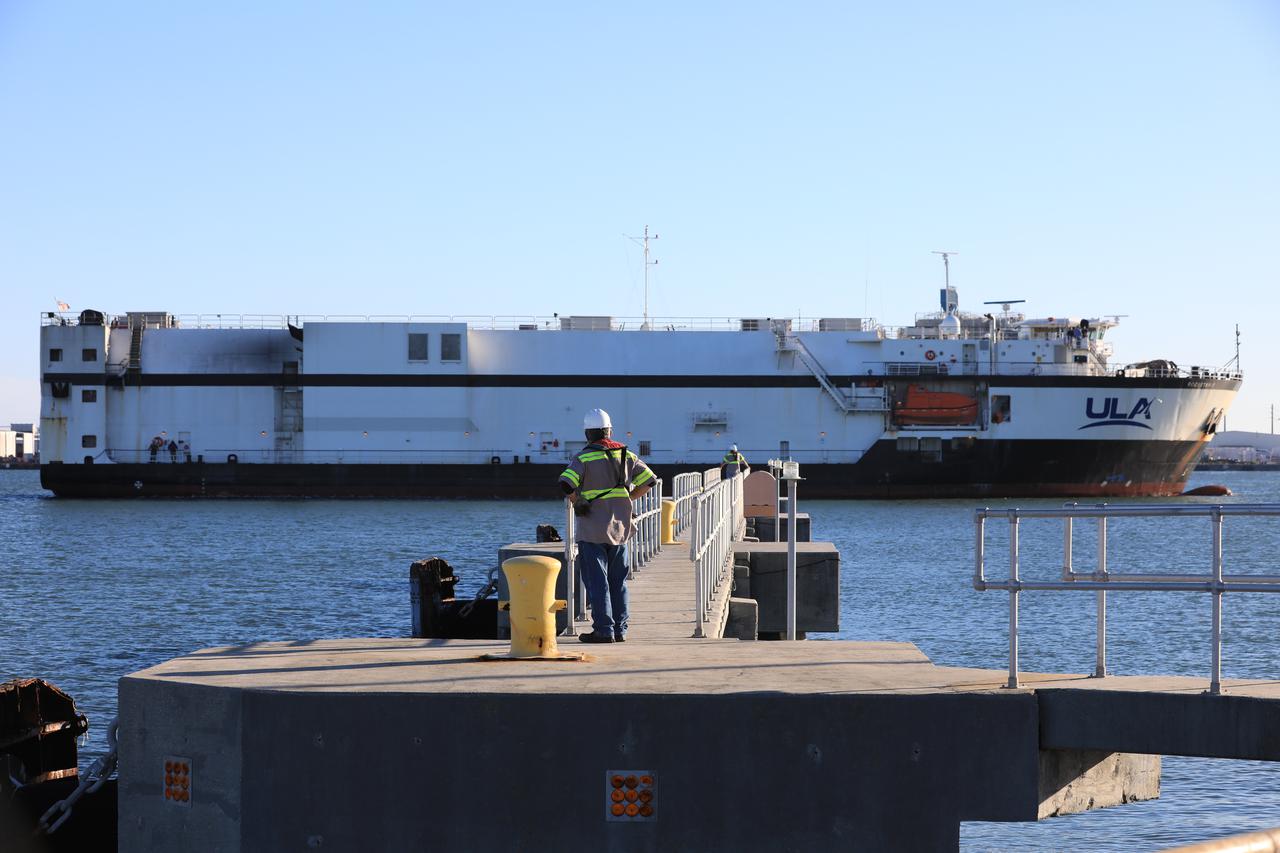
A United Launch Alliance (ULA) transport boat carrying the first and second stages of the company’s Atlas V 541 rocket arrives at Cape Canaveral Space Force Station (CCSFS) in Florida on Nov. 15, 2021. The ship journeyed from ULA’s manufacturing plant in Decatur, Alabama, to deliver the rocket that will launch NASA and the National Oceanic Atmospheric Administration’s (NOAA) Geostationary Operational Environmental Satellite T (GOES-T). GOES-T is the third satellite in the GOES-R series that will continue to help meteorologists observe and predict local weather events that affect public safety. GOES-T is scheduled to launch from Space Launch Complex 41 at CCSFS on March 1, 2022. The launch is being managed by NASA’s Launch Services Program based at Kennedy Space Center, America’s multi-user spaceport.
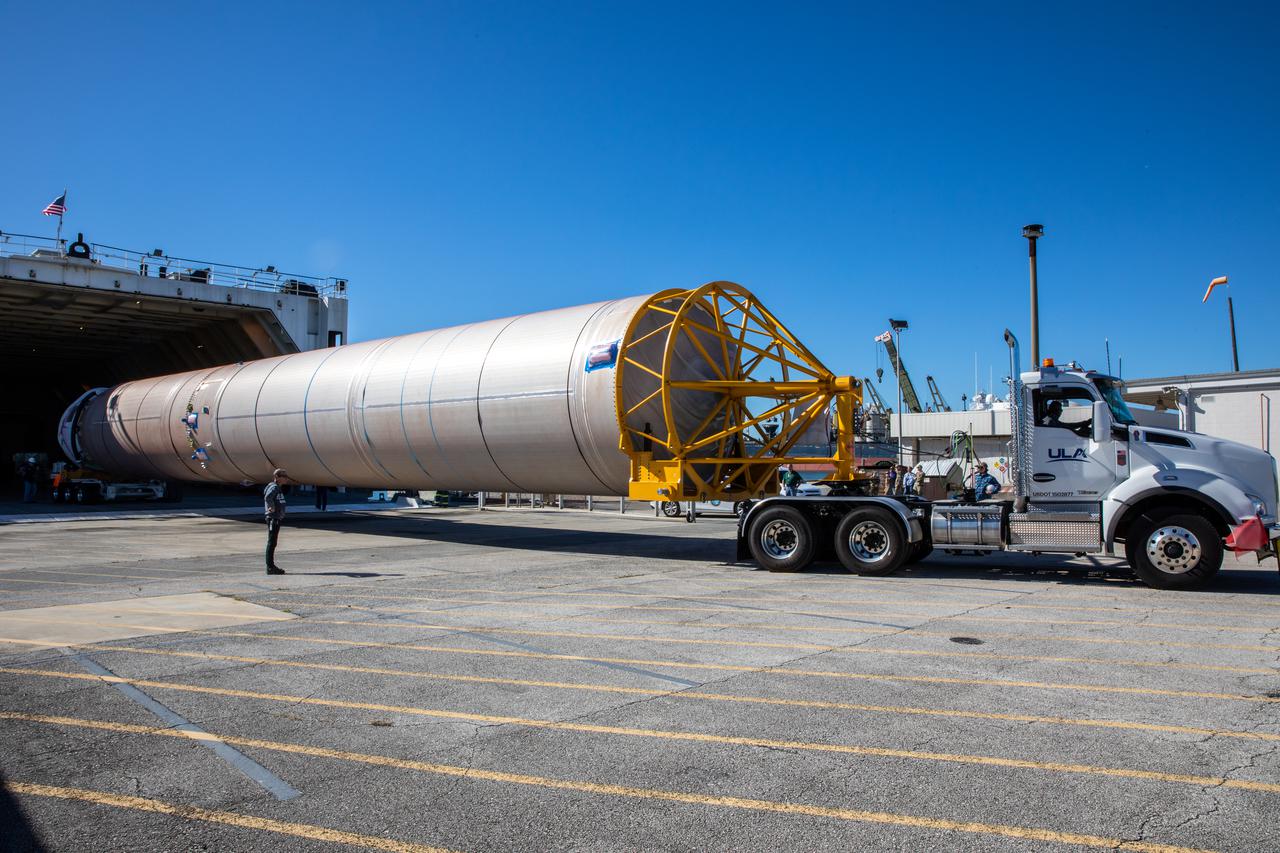
United Launch Alliance’s (ULA) first stage of the Atlas V 541 rocket is offloaded from the company’s transport boat at Cape Canaveral Space Force Station (CCSFS) in Florida on Nov. 16, 2021. The ship journeyed from ULA’s manufacturing plant in Decatur, Alabama, to deliver the rocket that will launch NASA and the National Oceanic Atmospheric Administration’s (NOAA) Geostationary Operational Environmental Satellite T (GOES-T). GOES-T is the third satellite in the GOES-R series that will continue to help meteorologists observe and predict local weather events that affect public safety. GOES-T is scheduled to launch from Space Launch Complex 41 at CCSFS on March 1, 2022. The launch is being managed by NASA’s Launch Services Program based at Kennedy Space Center, America’s multi-user spaceport.

United Launch Alliance’s (ULA) first and second stages of the Atlas V 541 rocket are offloaded from the company’s transport boat at Cape Canaveral Space Force Station (CCSFS) in Florida on Nov. 16, 2021. The ship journeyed from ULA’s manufacturing plant in Decatur, Alabama, to deliver the rocket that will launch NASA and the National Oceanic Atmospheric Administration’s (NOAA) Geostationary Operational Environmental Satellite T (GOES-T). GOES-T is the third satellite in the GOES-R series that will continue to help meteorologists observe and predict local weather events that affect public safety. GOES-T is scheduled to launch from Space Launch Complex 41 at CCSFS on March 1, 2022. The launch is being managed by NASA’s Launch Services Program based at Kennedy Space Center, America’s multi-user spaceport.
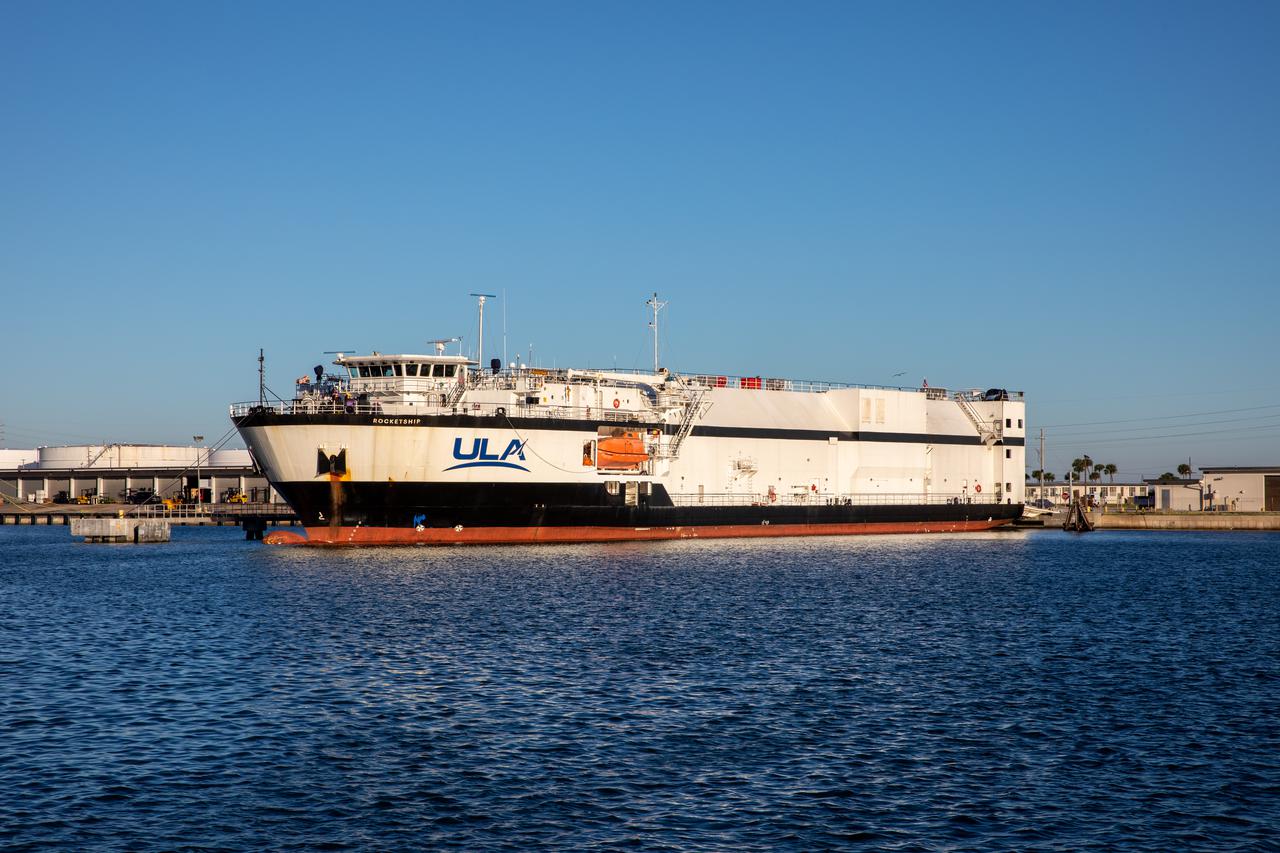
A United Launch Alliance (ULA) transport boat carrying the first and second stages of the company’s Atlas V 541 rocket arrives at Cape Canaveral Space Force Station (CCSFS) in Florida on Nov. 16, 2021. The ship journeyed from ULA’s manufacturing plant in Decatur, Alabama, to deliver the rocket that will launch NASA and the National Oceanic Atmospheric Administration’s (NOAA) Geostationary Operational Environmental Satellite T (GOES-T). GOES-T is the third satellite in the GOES-R series that will continue to help meteorologists observe and predict local weather events that affect public safety. GOES-T is scheduled to launch from Space Launch Complex 41 at CCSFS on March 1, 2022. The launch is being managed by NASA’s Launch Services Program based at Kennedy Space Center, America’s multi-user spaceport.
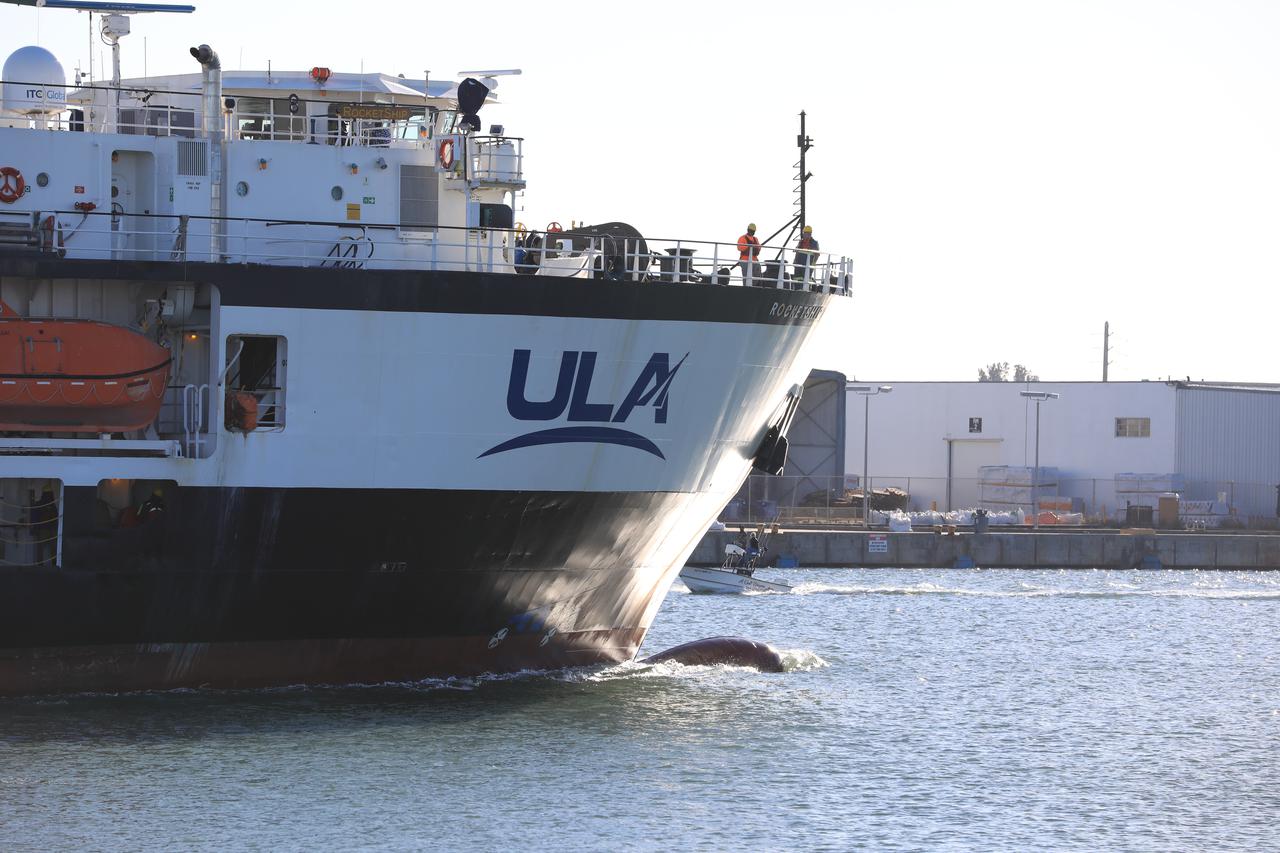
A United Launch Alliance (ULA) transport boat carrying the first and second stages of the company’s Atlas V 541 rocket arrives at Cape Canaveral Space Force Station (CCSFS) in Florida on Nov. 15, 2021. The ship journeyed from ULA’s manufacturing plant in Decatur, Alabama, to deliver the rocket that will launch NASA and the National Oceanic Atmospheric Administration’s (NOAA) Geostationary Operational Environmental Satellite T (GOES-T). GOES-T is the third satellite in the GOES-R series that will continue to help meteorologists observe and predict local weather events that affect public safety. GOES-T is scheduled to launch from Space Launch Complex 41 at CCSFS on March 1, 2022. The launch is being managed by NASA’s Launch Services Program based at Kennedy Space Center, America’s multi-user spaceport.
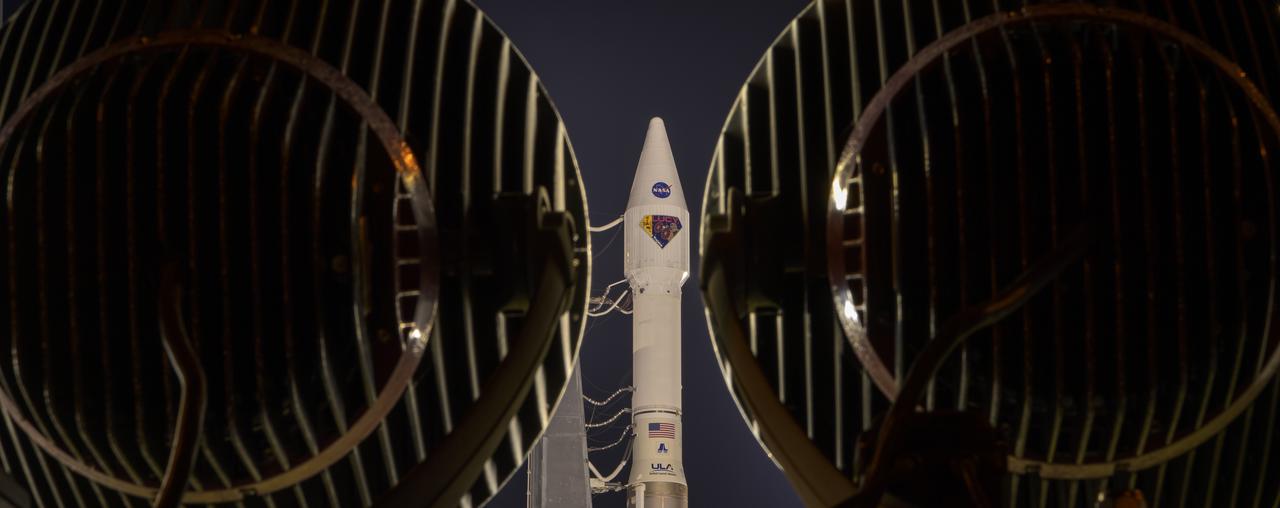
A United Launch Alliance Atlas V rocket with the Lucy spacecraft aboard is seen at Space Launch Complex 41, Thursday, Oct. 14, 2021, at Cape Canaveral Space Force Station in Florida. Lucy will be the first spacecraft to study Jupiter's Trojan Asteroids. Like the mission's namesake – the fossilized human ancestor, "Lucy," whose skeleton provided unique insight into humanity's evolution – Lucy will revolutionize our knowledge of planetary origins and the formation of the solar system. Photo Credit: (NASA/Bill Ingalls)
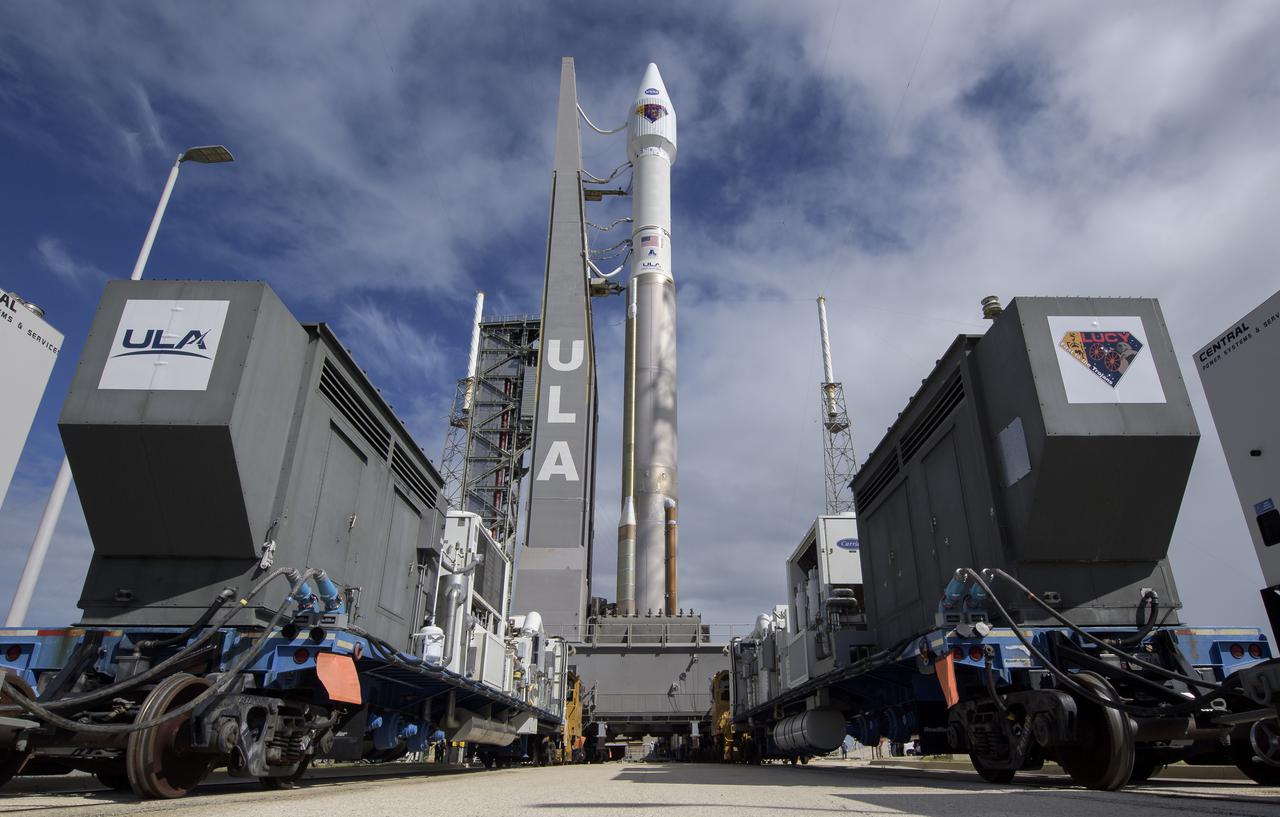
A United Launch Alliance Atlas V rocket with the Lucy spacecraft aboard is seen as it is rolled out of the Vertical Integration Facility to the launch pad at Space Launch Complex 41, Thursday, Oct. 14, 2021, at Cape Canaveral Space Force Station in Florida. Lucy will be the first spacecraft to study Jupiter's Trojan Asteroids. Like the mission's namesake – the fossilized human ancestor, "Lucy," whose skeleton provided unique insight into humanity's evolution – Lucy will revolutionize our knowledge of planetary origins and the formation of the solar system. Photo Credit: (NASA/Bill Ingalls)
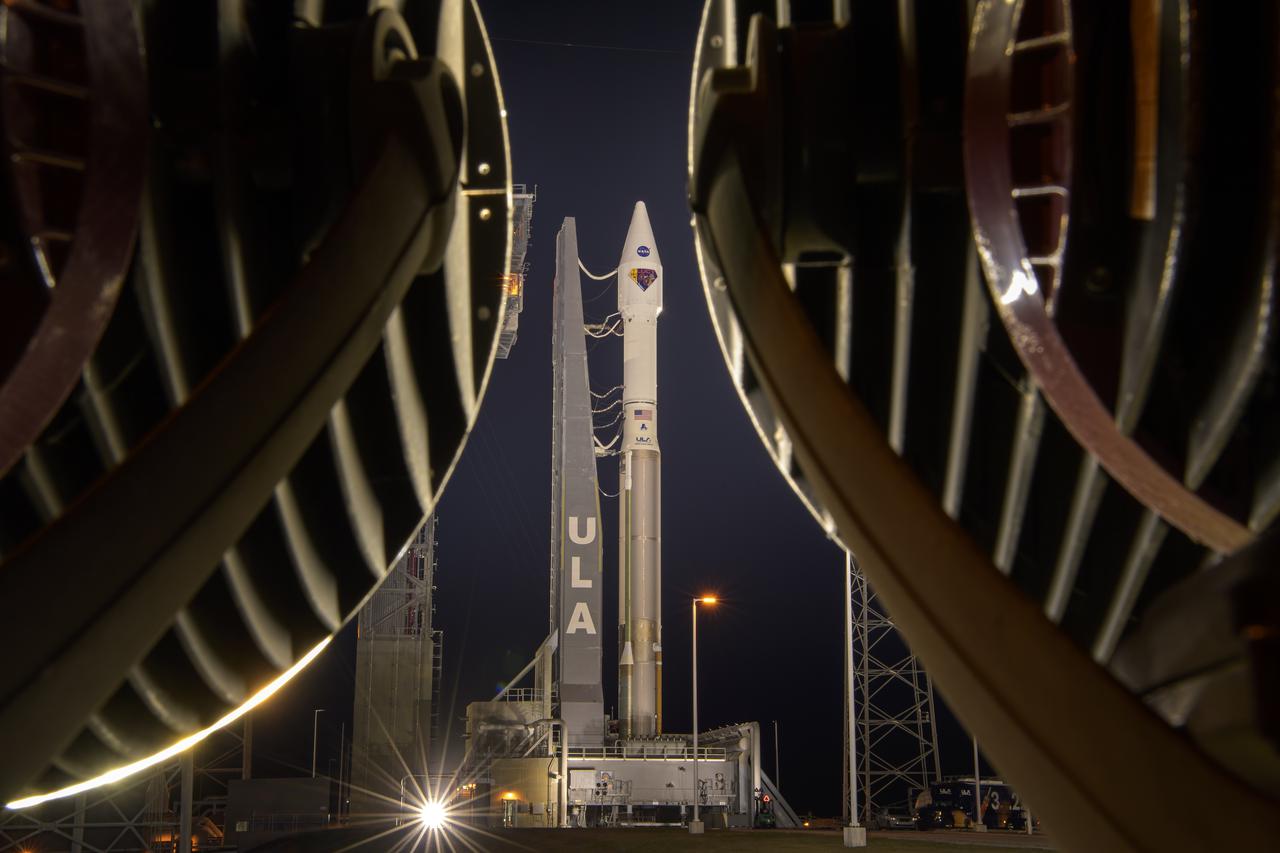
A United Launch Alliance Atlas V rocket with the Lucy spacecraft aboard is seen at Space Launch Complex 41, Thursday, Oct. 14, 2021, at Cape Canaveral Space Force Station in Florida. Lucy will be the first spacecraft to study Jupiter's Trojan Asteroids. Like the mission's namesake – the fossilized human ancestor, "Lucy," whose skeleton provided unique insight into humanity's evolution – Lucy will revolutionize our knowledge of planetary origins and the formation of the solar system. Photo Credit: (NASA/Bill Ingalls)
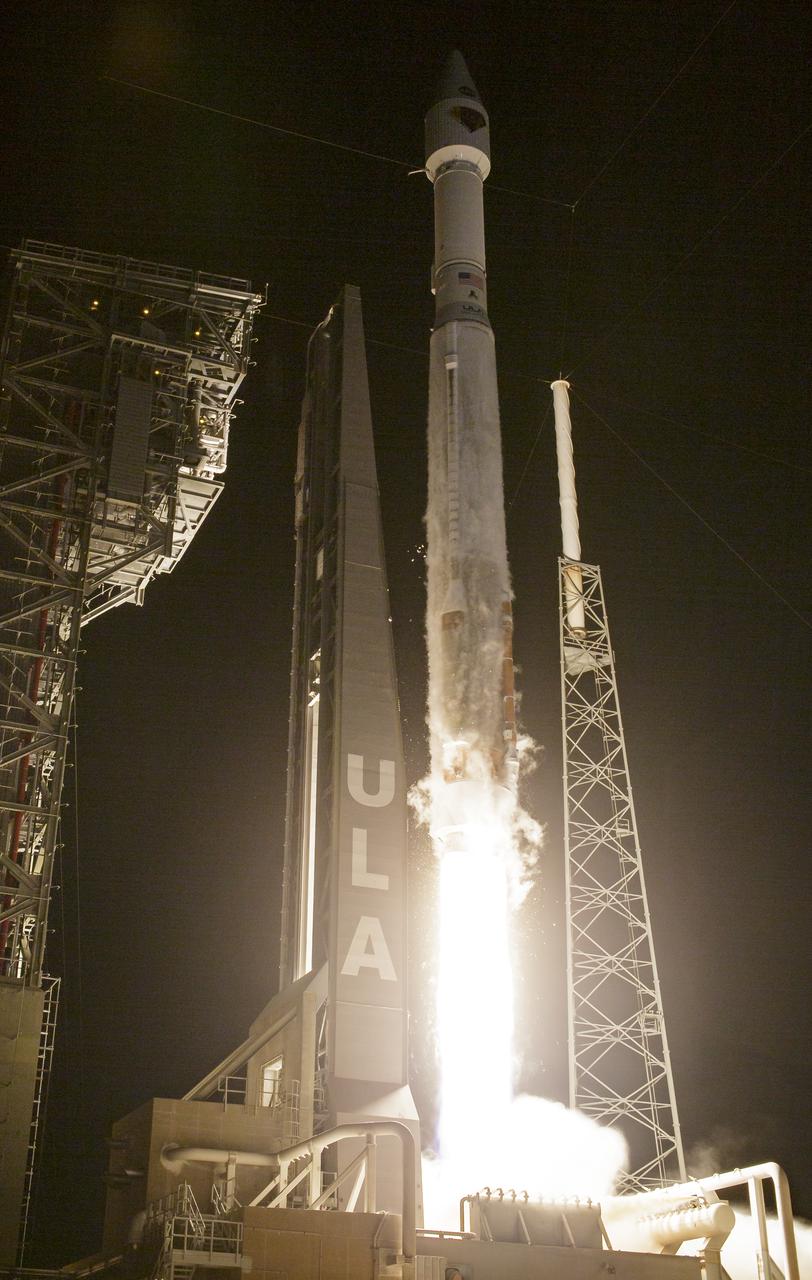
A United Launch Alliance Atlas V rocket with the Lucy spacecraft aboard launches from Space Launch Complex 41, Saturday, Oct. 16, 2021, at Cape Canaveral Space Force Station in Florida. Lucy will be the first spacecraft to study Jupiter's Trojan Asteroids. Like the mission's namesake – the fossilized human ancestor, "Lucy," whose skeleton provided unique insight into humanity's evolution – Lucy will revolutionize our knowledge of planetary origins and the formation of the solar system. Photo Credit: (NASA/Bill Ingalls)
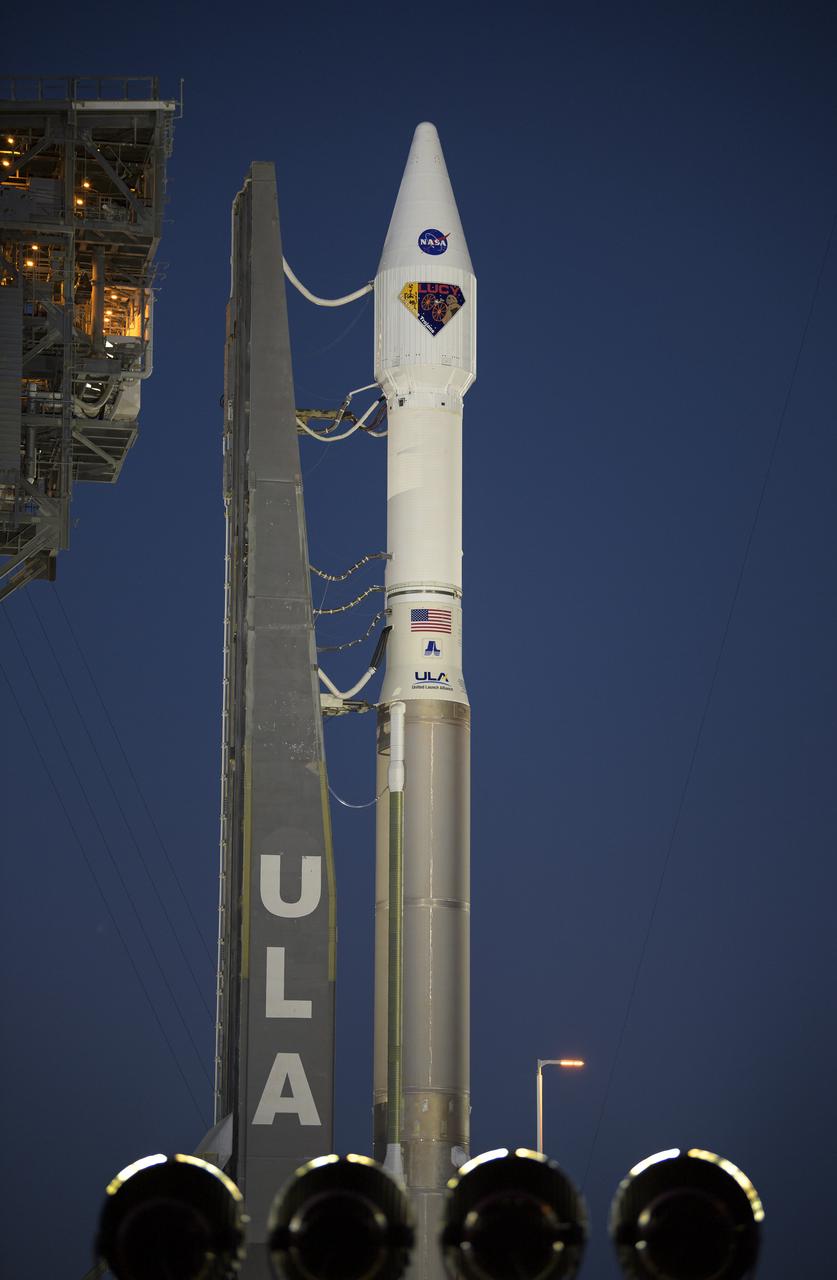
A United Launch Alliance Atlas V rocket with the Lucy spacecraft aboard is seen at Space Launch Complex 41, Thursday, Oct. 14, 2021, at Cape Canaveral Space Force Station in Florida. Lucy will be the first spacecraft to study Jupiter's Trojan Asteroids. Like the mission's namesake – the fossilized human ancestor, "Lucy," whose skeleton provided unique insight into humanity's evolution – Lucy will revolutionize our knowledge of planetary origins and the formation of the solar system. Photo Credit: (NASA/Bill Ingalls)
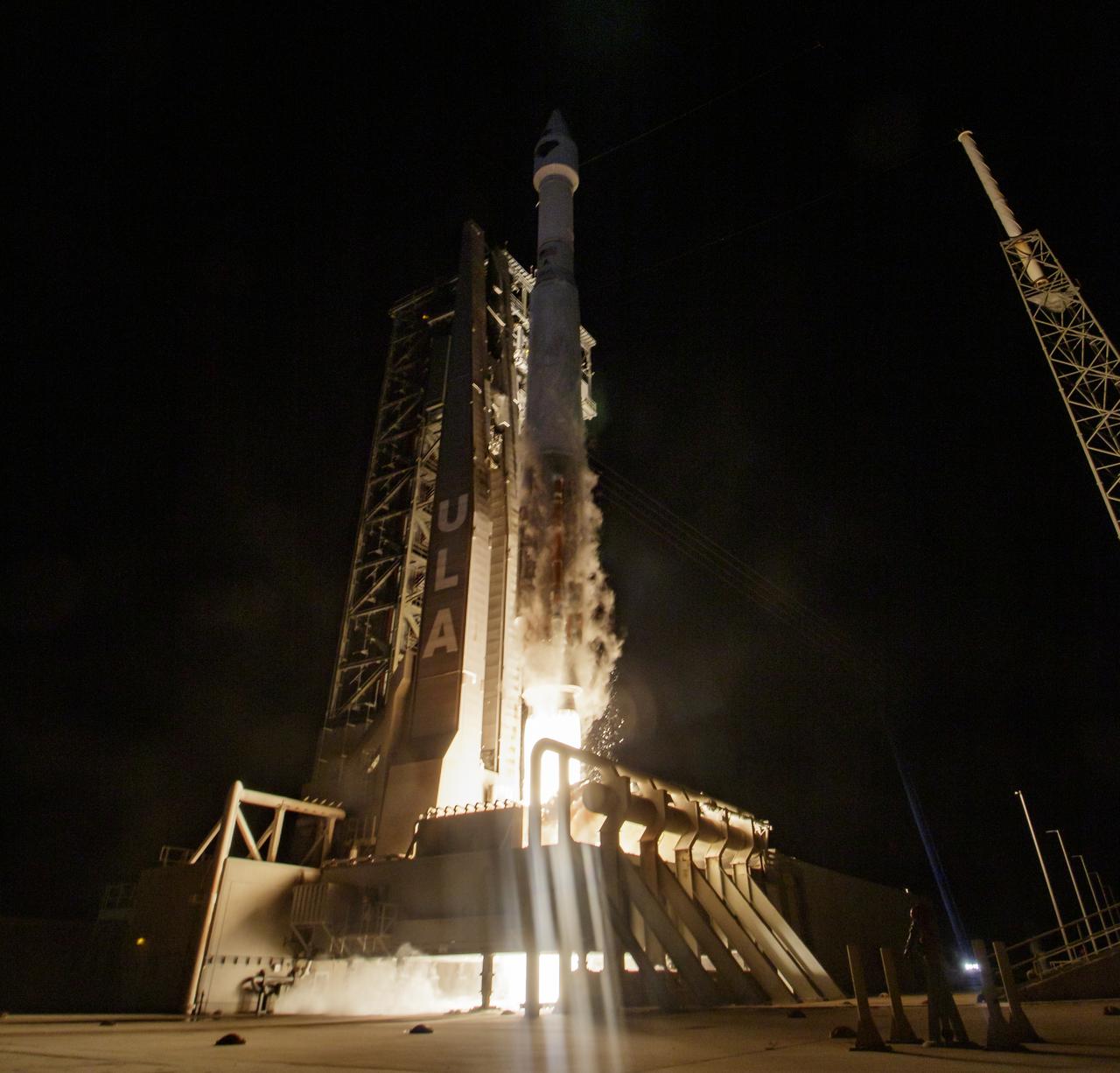
A United Launch Alliance Atlas V rocket with the Lucy spacecraft aboard launches from Space Launch Complex 41, Saturday, Oct. 16, 2021, at Cape Canaveral Space Force Station in Florida. Lucy will be the first spacecraft to study Jupiter's Trojan Asteroids. Like the mission's namesake – the fossilized human ancestor, "Lucy," whose skeleton provided unique insight into humanity's evolution – Lucy will revolutionize our knowledge of planetary origins and the formation of the solar system. Photo Credit: (NASA/Bill Ingalls)
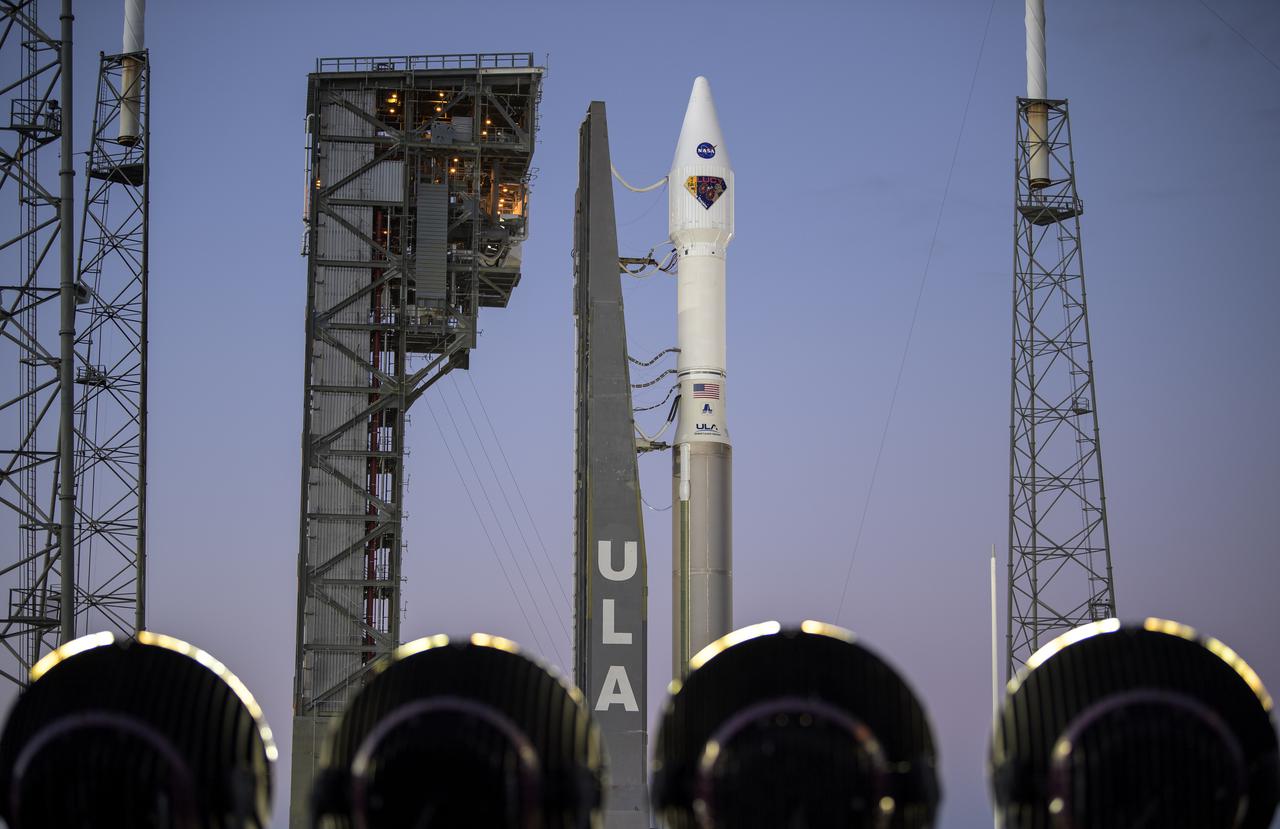
A United Launch Alliance Atlas V rocket with the Lucy spacecraft aboard is seen at Space Launch Complex 41, Thursday, Oct. 14, 2021, at Cape Canaveral Space Force Station in Florida. Lucy will be the first spacecraft to study Jupiter's Trojan Asteroids. Like the mission's namesake – the fossilized human ancestor, "Lucy," whose skeleton provided unique insight into humanity's evolution – Lucy will revolutionize our knowledge of planetary origins and the formation of the solar system. Photo Credit: (NASA/Bill Ingalls)

A United Launch Alliance Atlas V rocket with the Lucy spacecraft aboard is seen at Space Launch Complex 41, Friday, Oct. 15, 2021, at Cape Canaveral Space Force Station in Florida. Lucy will be the first spacecraft to study Jupiter's Trojan Asteroids. Like the mission's namesake – the fossilized human ancestor, "Lucy," whose skeleton provided unique insight into humanity's evolution – Lucy will revolutionize our knowledge of planetary origins and the formation of the solar system. Photo Credit: (NASA/Bill Ingalls)
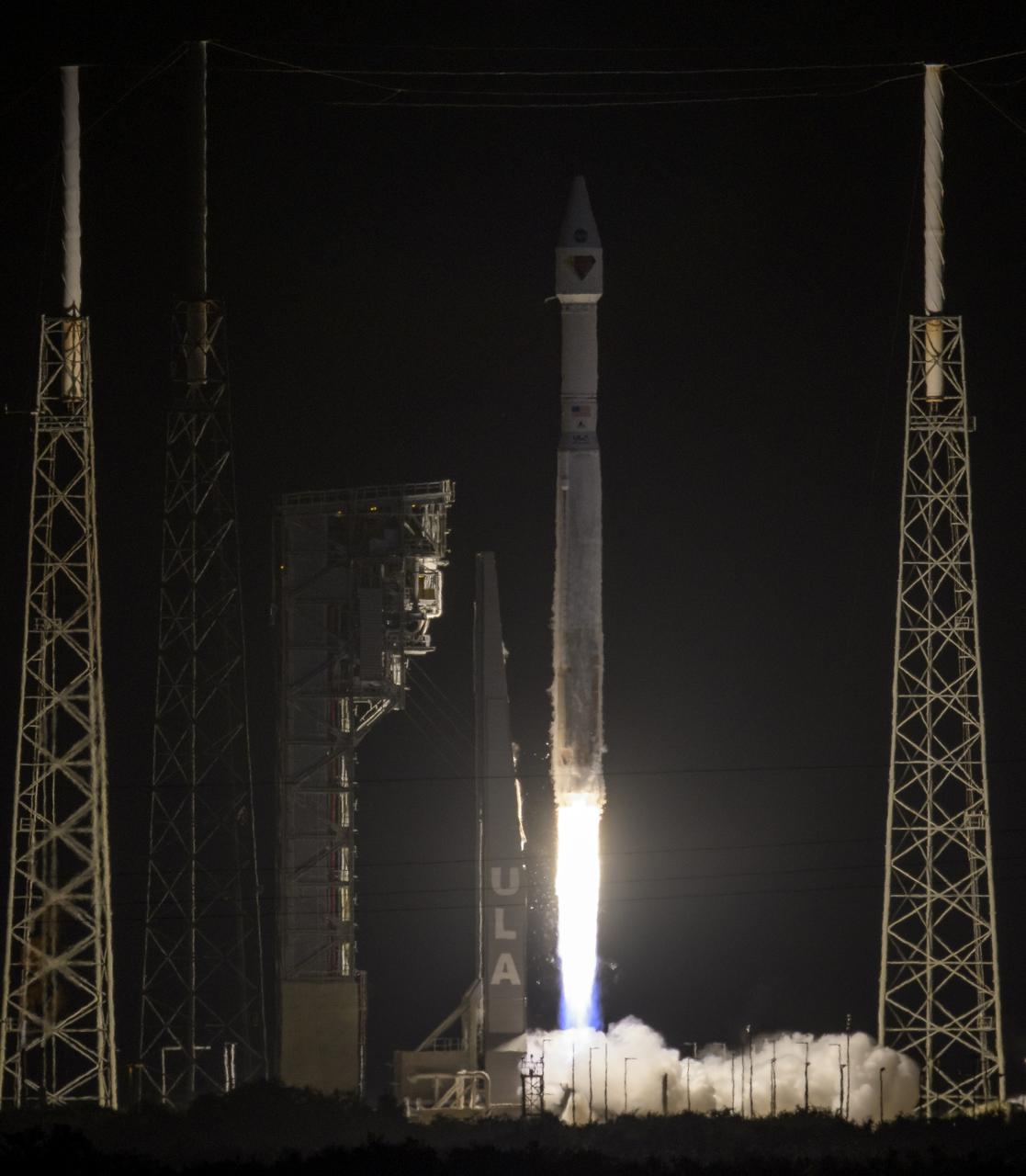
A United Launch Alliance Atlas V rocket with the Lucy spacecraft aboard launches from Space Launch Complex 41, Saturday, Oct. 16, 2021, at Cape Canaveral Space Force Station in Florida. Lucy will be the first spacecraft to study Jupiter's Trojan Asteroids. Like the mission's namesake – the fossilized human ancestor, "Lucy," whose skeleton provided unique insight into humanity's evolution – Lucy will revolutionize our knowledge of planetary origins and the formation of the solar system. Photo Credit: (NASA/Bill Ingalls)
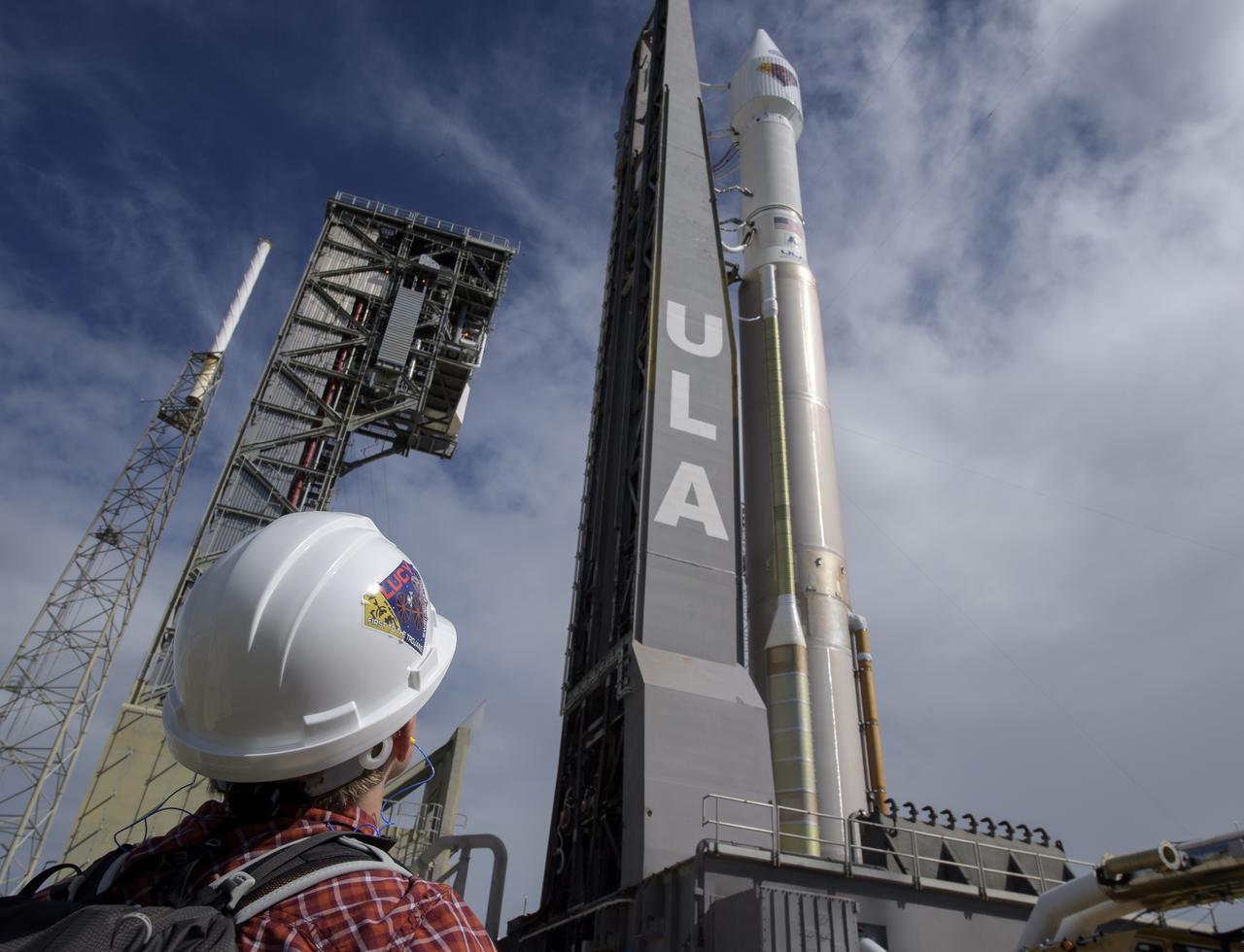
A United Launch Alliance Atlas V rocket with the Lucy spacecraft aboard is seen as it is rolled out of the Vertical Integration Facility to the launch pad at Space Launch Complex 41, Thursday, Oct. 14, 2021, at Cape Canaveral Space Force Station in Florida. Lucy will be the first spacecraft to study Jupiter's Trojan Asteroids. Like the mission's namesake – the fossilized human ancestor, "Lucy," whose skeleton provided unique insight into humanity's evolution – Lucy will revolutionize our knowledge of planetary origins and the formation of the solar system. Photo Credit: (NASA/Bill Ingalls)
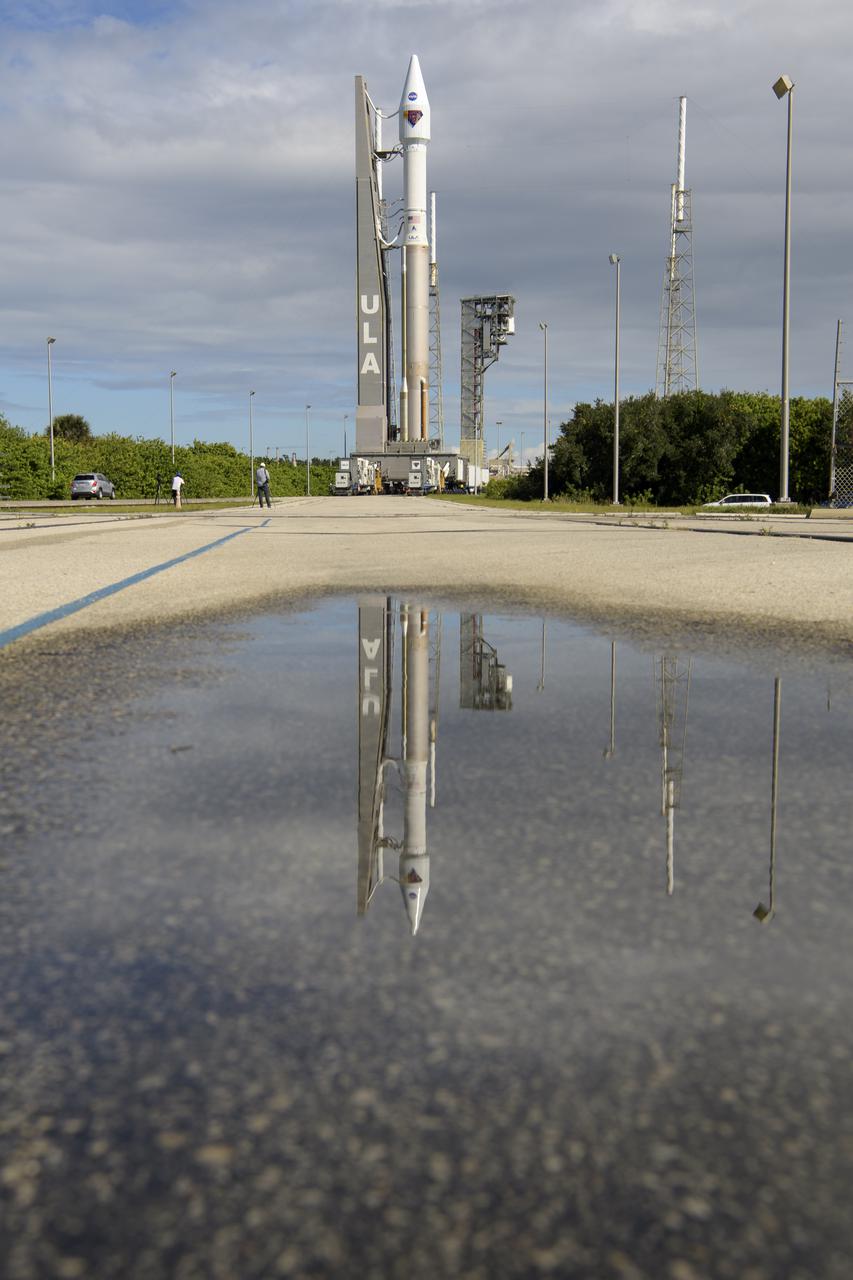
A United Launch Alliance Atlas V rocket with the Lucy spacecraft aboard is seen as it is rolled out of the Vertical Integration Facility to the launch pad at Space Launch Complex 41, Thursday, Oct. 14, 2021, at Cape Canaveral Space Force Station in Florida. Lucy will be the first spacecraft to study Jupiter's Trojan Asteroids. Like the mission's namesake – the fossilized human ancestor, "Lucy," whose skeleton provided unique insight into humanity's evolution – Lucy will revolutionize our knowledge of planetary origins and the formation of the solar system. Photo Credit: (NASA/Bill Ingalls)
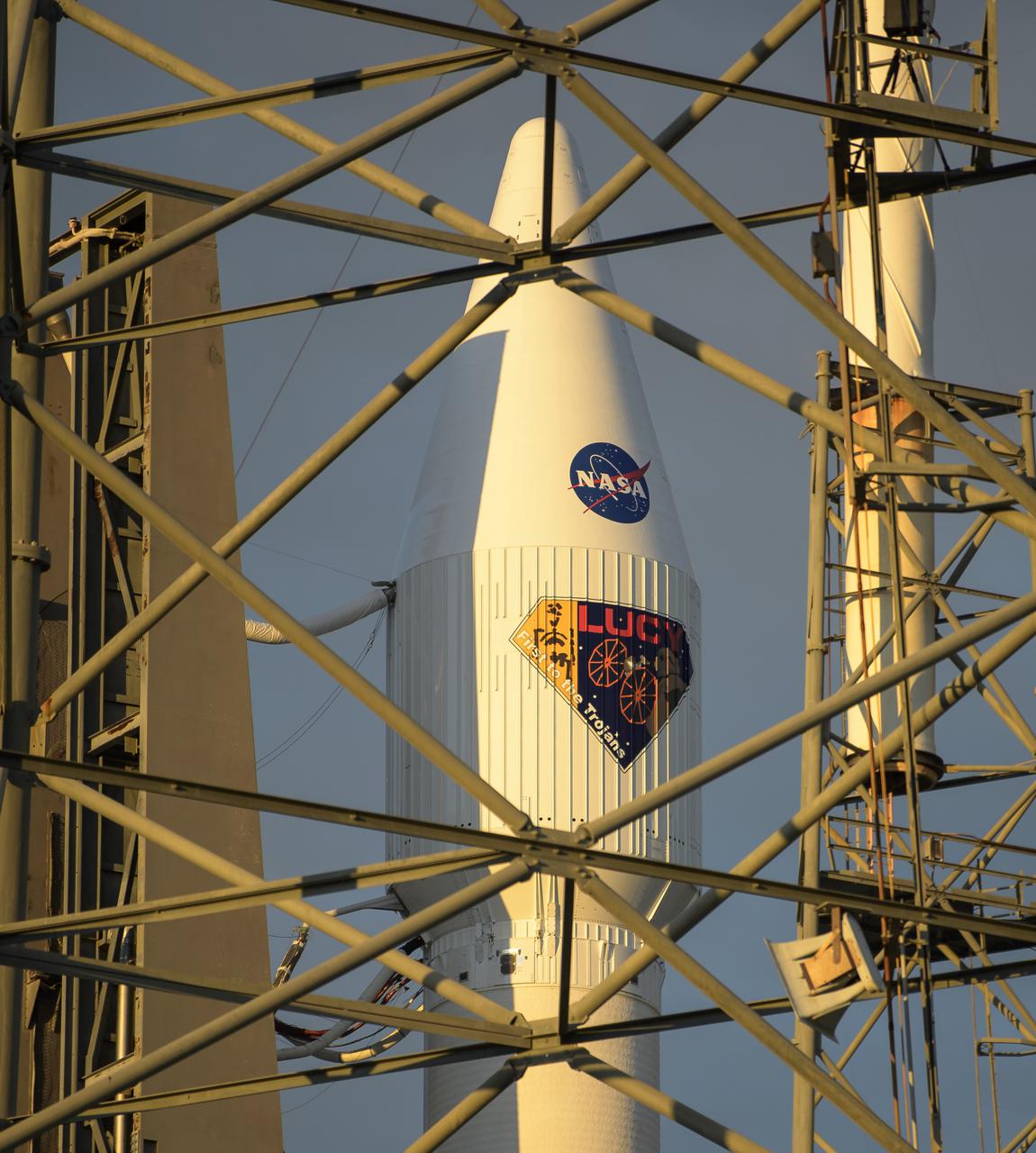
A United Launch Alliance Atlas V rocket with the Lucy spacecraft aboard is seen at Space Launch Complex 41, Thursday, Oct. 14, 2021, at Cape Canaveral Space Force Station in Florida. Lucy will be the first spacecraft to study Jupiter's Trojan Asteroids. Like the mission's namesake – the fossilized human ancestor, "Lucy," whose skeleton provided unique insight into humanity's evolution – Lucy will revolutionize our knowledge of planetary origins and the formation of the solar system. Photo Credit: (NASA/Bill Ingalls)
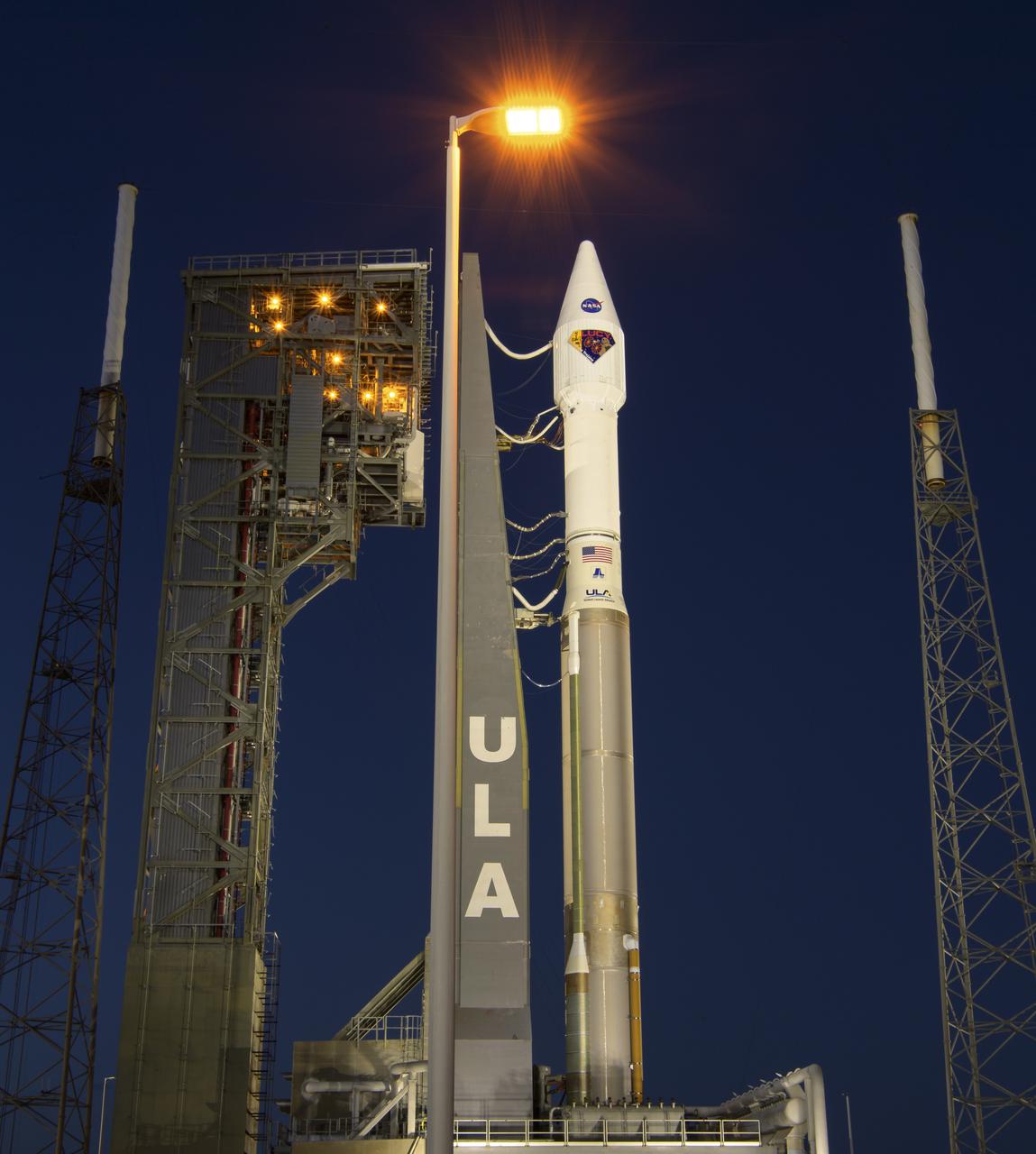
A United Launch Alliance Atlas V rocket with the Lucy spacecraft aboard is seen at Space Launch Complex 41, Thursday, Oct. 14, 2021, at Cape Canaveral Space Force Station in Florida. Lucy will be the first spacecraft to study Jupiter's Trojan Asteroids. Like the mission's namesake – the fossilized human ancestor, "Lucy," whose skeleton provided unique insight into humanity's evolution – Lucy will revolutionize our knowledge of planetary origins and the formation of the solar system. Photo Credit: (NASA/Bill Ingalls)
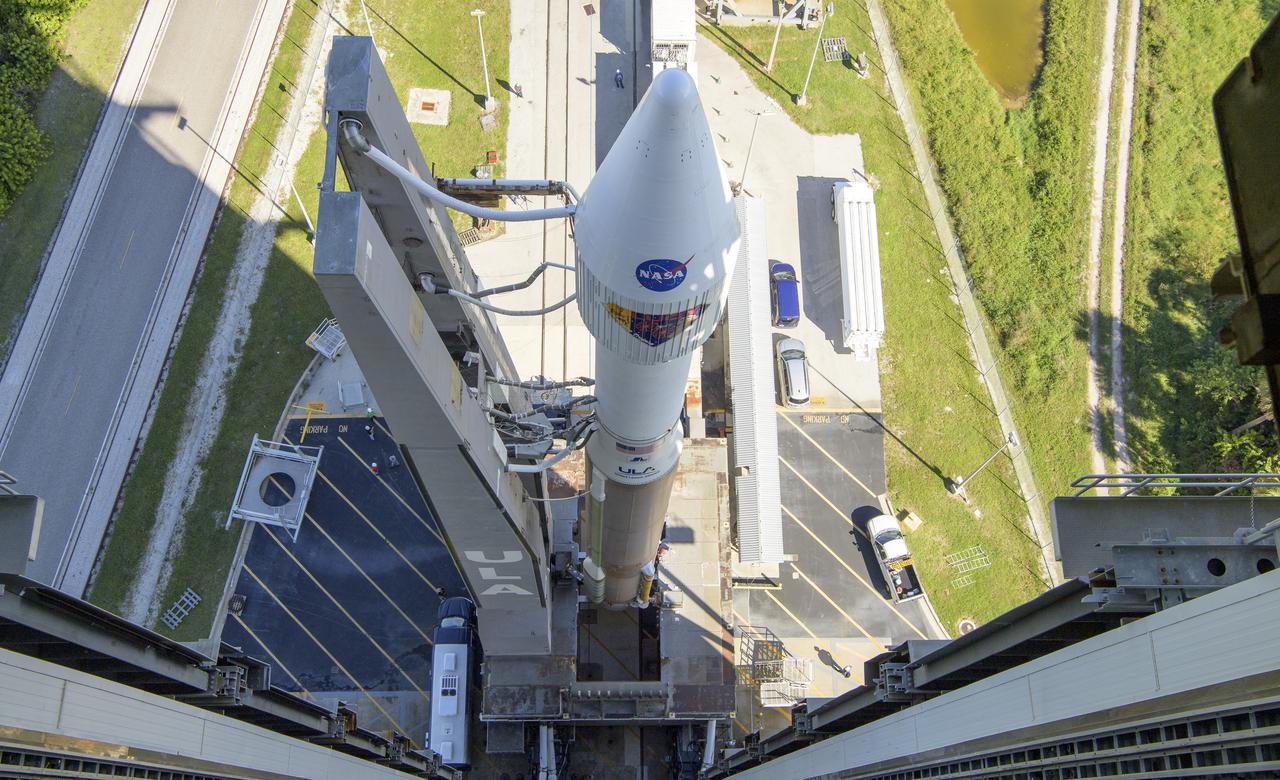
A United Launch Alliance Atlas V rocket with the Lucy spacecraft aboard is seen as it is rolled out of the Vertical Integration Facility to the launch pad at Space Launch Complex 41, Thursday, Oct. 14, 2021, at Cape Canaveral Space Force Station in Florida. Lucy will be the first spacecraft to study Jupiter's Trojan Asteroids. Like the mission's namesake – the fossilized human ancestor, "Lucy," whose skeleton provided unique insight into humanity's evolution – Lucy will revolutionize our knowledge of planetary origins and the formation of the solar system. Photo Credit: (NASA/Bill Ingalls)

A United Launch Alliance Atlas V rocket with the Lucy spacecraft aboard is seen at Space Launch Complex 41, Friday, Oct. 15, 2021, at Cape Canaveral Space Force Station in Florida. Lucy will be the first spacecraft to study Jupiter's Trojan Asteroids. Like the mission's namesake – the fossilized human ancestor, "Lucy," whose skeleton provided unique insight into humanity's evolution – Lucy will revolutionize our knowledge of planetary origins and the formation of the solar system. Photo Credit: (NASA/Bill Ingalls)
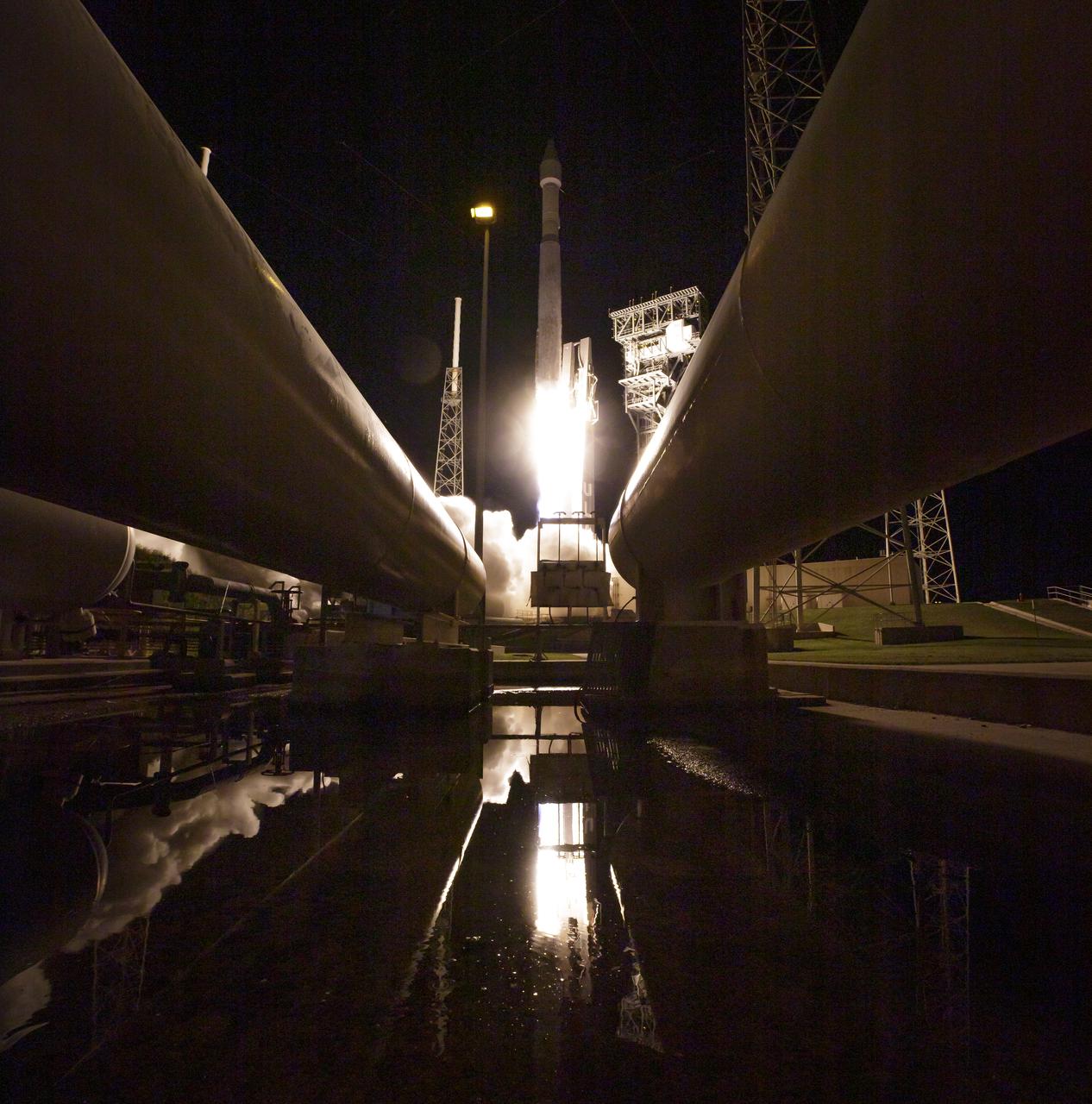
A United Launch Alliance Atlas V rocket with the Lucy spacecraft aboard launches from Space Launch Complex 41, Saturday, Oct. 16, 2021, at Cape Canaveral Space Force Station in Florida. Lucy will be the first spacecraft to study Jupiter's Trojan Asteroids. Like the mission's namesake – the fossilized human ancestor, "Lucy," whose skeleton provided unique insight into humanity's evolution – Lucy will revolutionize our knowledge of planetary origins and the formation of the solar system. Photo Credit: (NASA/Bill Ingalls)
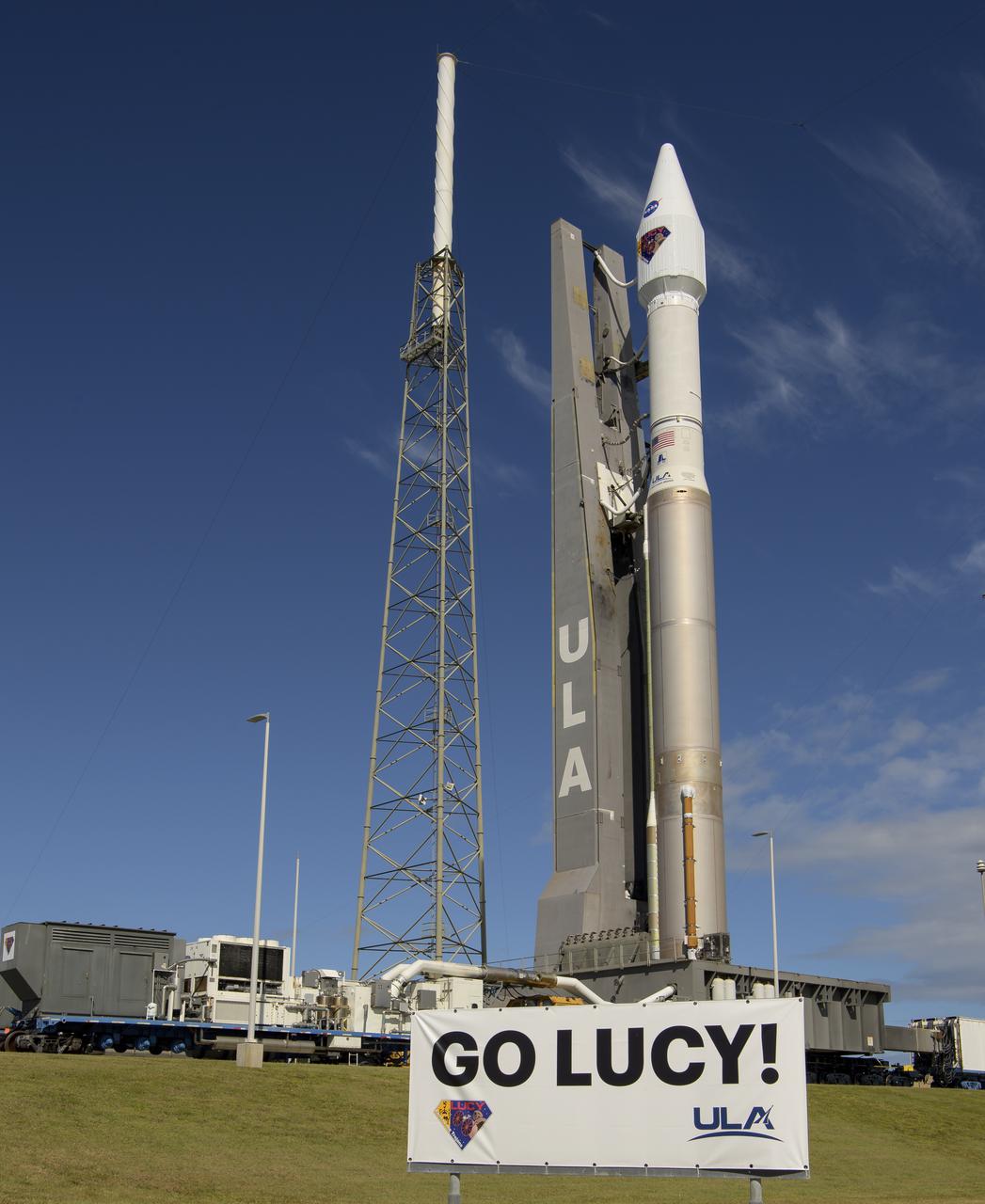
A United Launch Alliance Atlas V rocket with the Lucy spacecraft aboard is seen as it is rolled out of the Vertical Integration Facility to the launch pad at Space Launch Complex 41, Thursday, Oct. 14, 2021, at Cape Canaveral Space Force Station in Florida. Lucy will be the first spacecraft to study Jupiter's Trojan Asteroids. Like the mission's namesake – the fossilized human ancestor, "Lucy," whose skeleton provided unique insight into humanity's evolution – Lucy will revolutionize our knowledge of planetary origins and the formation of the solar system. Photo Credit: (NASA/Bill Ingalls)
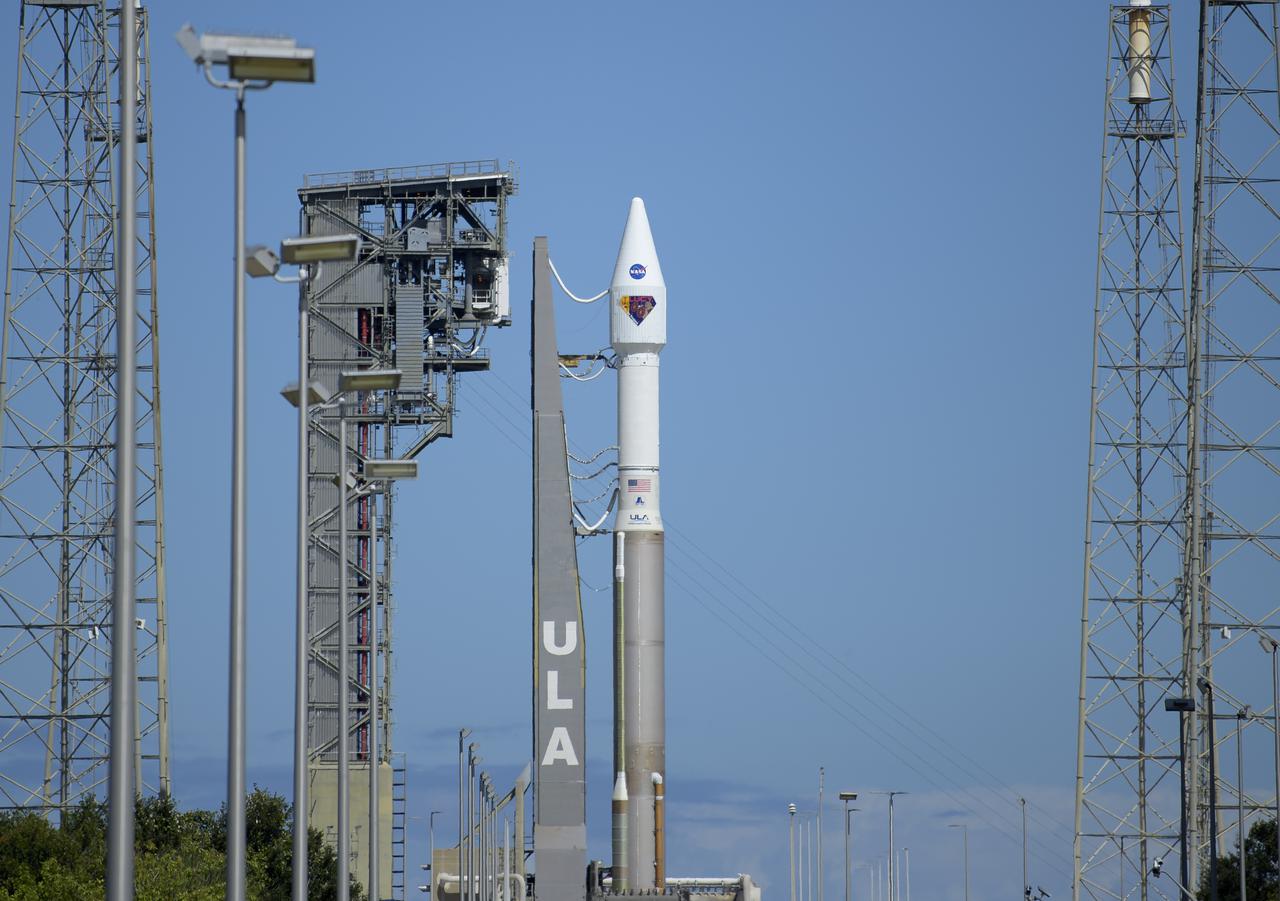
A United Launch Alliance Atlas V rocket with the Lucy spacecraft aboard is seen at Space Launch Complex 41, Thursday, Oct. 14, 2021, at Cape Canaveral Space Force Station in Florida. Lucy will be the first spacecraft to study Jupiter's Trojan Asteroids. Like the mission's namesake – the fossilized human ancestor, "Lucy," whose skeleton provided unique insight into humanity's evolution – Lucy will revolutionize our knowledge of planetary origins and the formation of the solar system. Photo Credit: (NASA/Bill Ingalls)
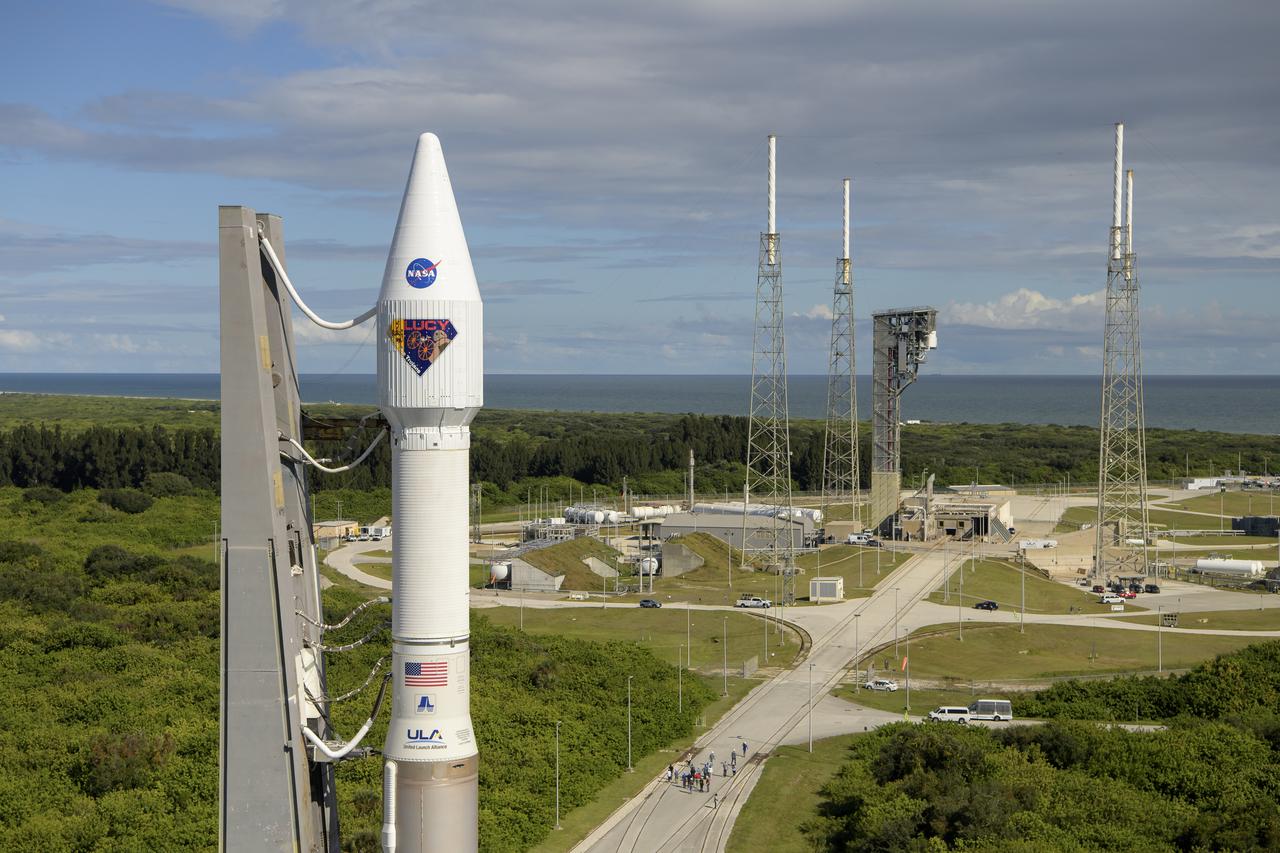
A United Launch Alliance Atlas V rocket with the Lucy spacecraft aboard is seen as it is rolled out of the Vertical Integration Facility to the launch pad at Space Launch Complex 41, Thursday, Oct. 14, 2021, at Cape Canaveral Space Force Station in Florida. Lucy will be the first spacecraft to study Jupiter's Trojan Asteroids. Like the mission's namesake – the fossilized human ancestor, "Lucy," whose skeleton provided unique insight into humanity's evolution – Lucy will revolutionize our knowledge of planetary origins and the formation of the solar system. Photo Credit: (NASA/Bill Ingalls)
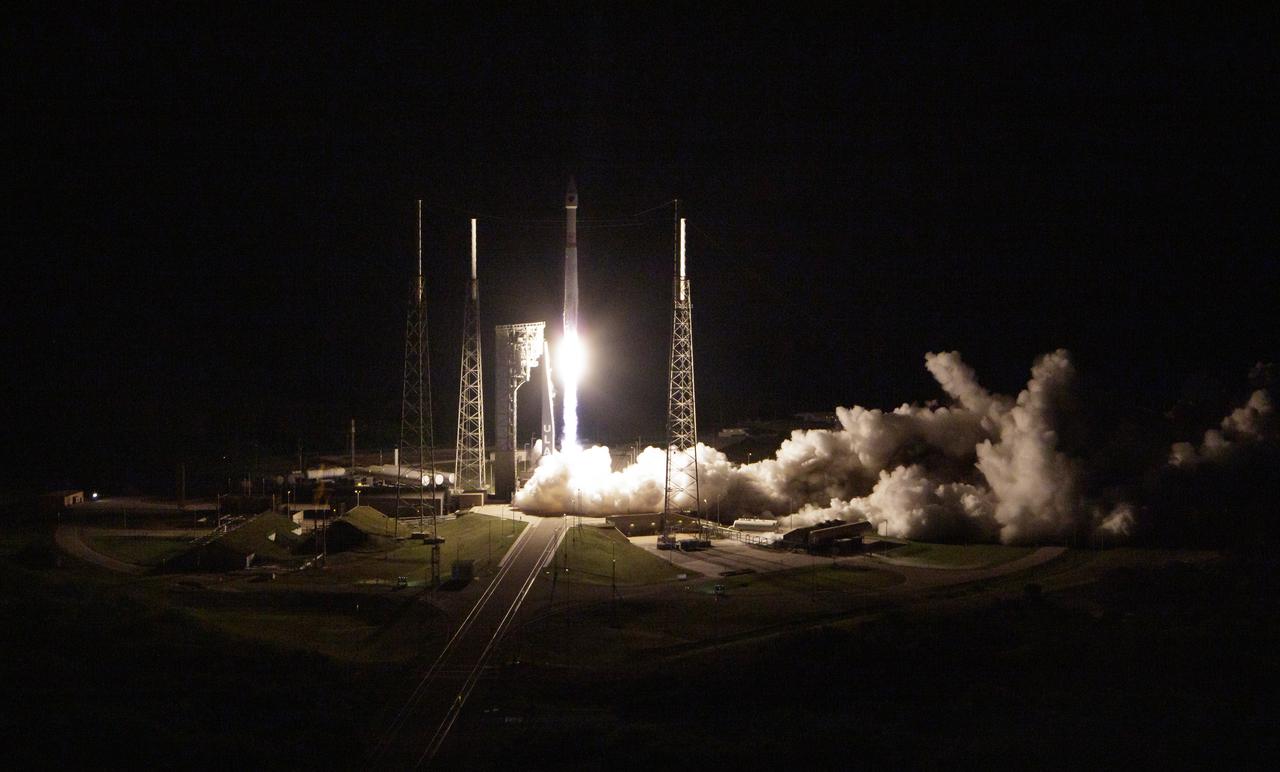
A United Launch Alliance Atlas V rocket with the Lucy spacecraft aboard launches from Space Launch Complex 41, Saturday, Oct. 16, 2021, at Cape Canaveral Space Force Station in Florida. Lucy will be the first spacecraft to study Jupiter's Trojan Asteroids. Like the mission's namesake – the fossilized human ancestor, "Lucy," whose skeleton provided unique insight into humanity's evolution – Lucy will revolutionize our knowledge of planetary origins and the formation of the solar system. Photo Credit: (NASA/Bill Ingalls)
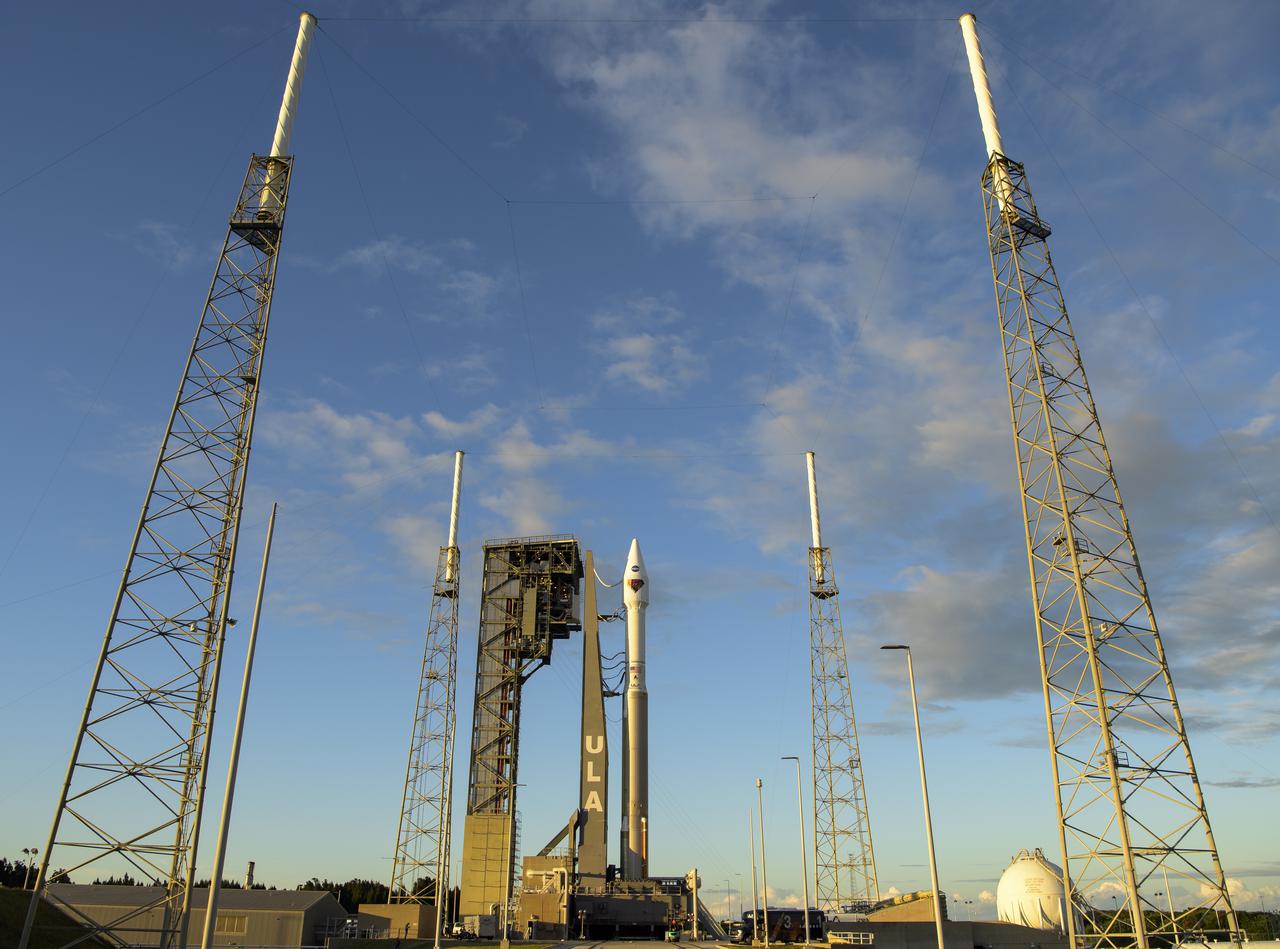
A United Launch Alliance Atlas V rocket with the Lucy spacecraft aboard is seen at Space Launch Complex 41, Thursday, Oct. 14, 2021, at Cape Canaveral Space Force Station in Florida. Lucy will be the first spacecraft to study Jupiter's Trojan Asteroids. Like the mission's namesake – the fossilized human ancestor, "Lucy," whose skeleton provided unique insight into humanity's evolution – Lucy will revolutionize our knowledge of planetary origins and the formation of the solar system. Photo Credit: (NASA/Bill Ingalls)
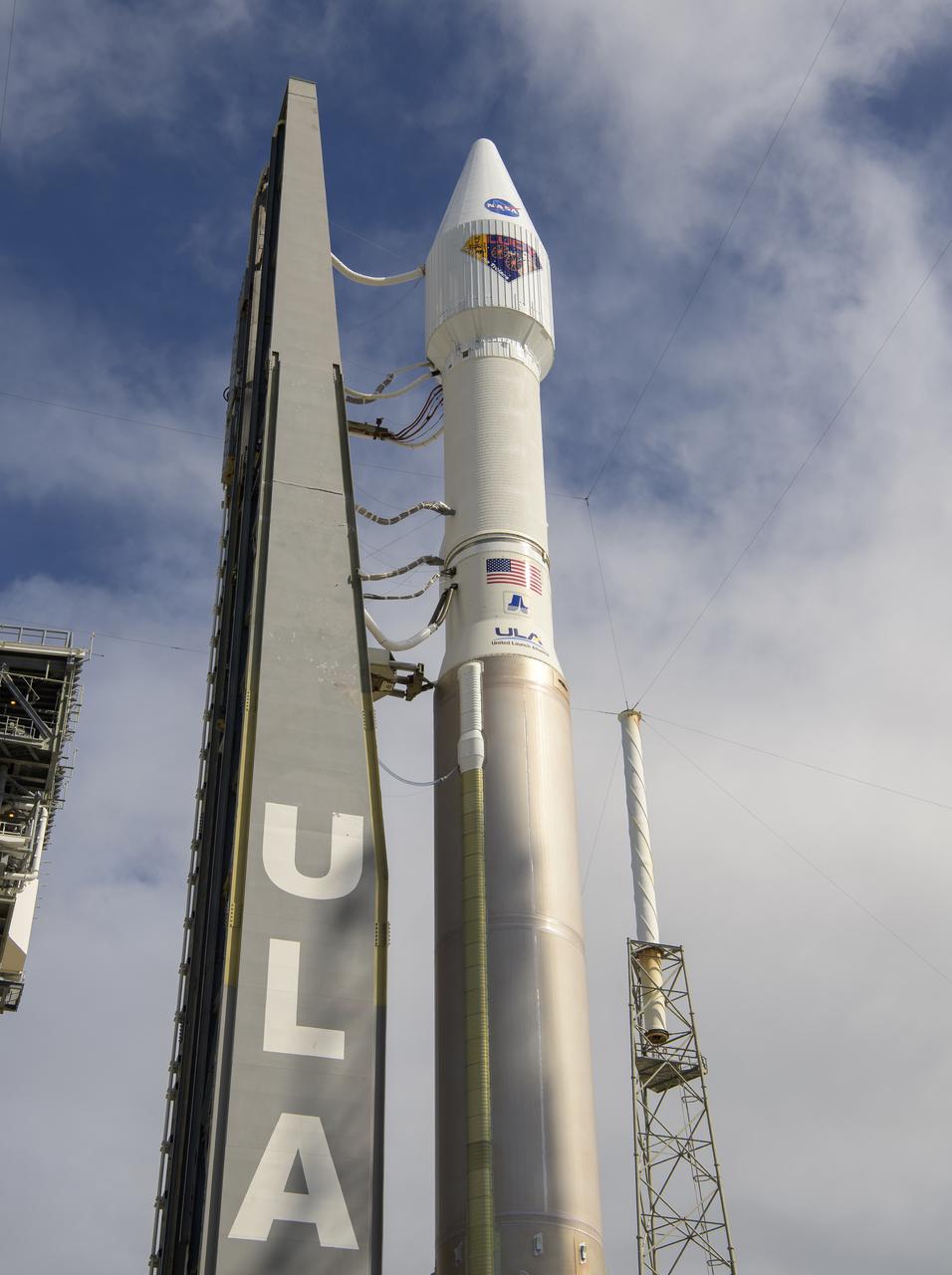
A United Launch Alliance Atlas V rocket with the Lucy spacecraft aboard is seen as it is rolled out of the Vertical Integration Facility to the launch pad at Space Launch Complex 41, Thursday, Oct. 14, 2021, at Cape Canaveral Space Force Station in Florida. Lucy will be the first spacecraft to study Jupiter's Trojan Asteroids. Like the mission's namesake – the fossilized human ancestor, "Lucy," whose skeleton provided unique insight into humanity's evolution – Lucy will revolutionize our knowledge of planetary origins and the formation of the solar system. Photo Credit: (NASA/Bill Ingalls)
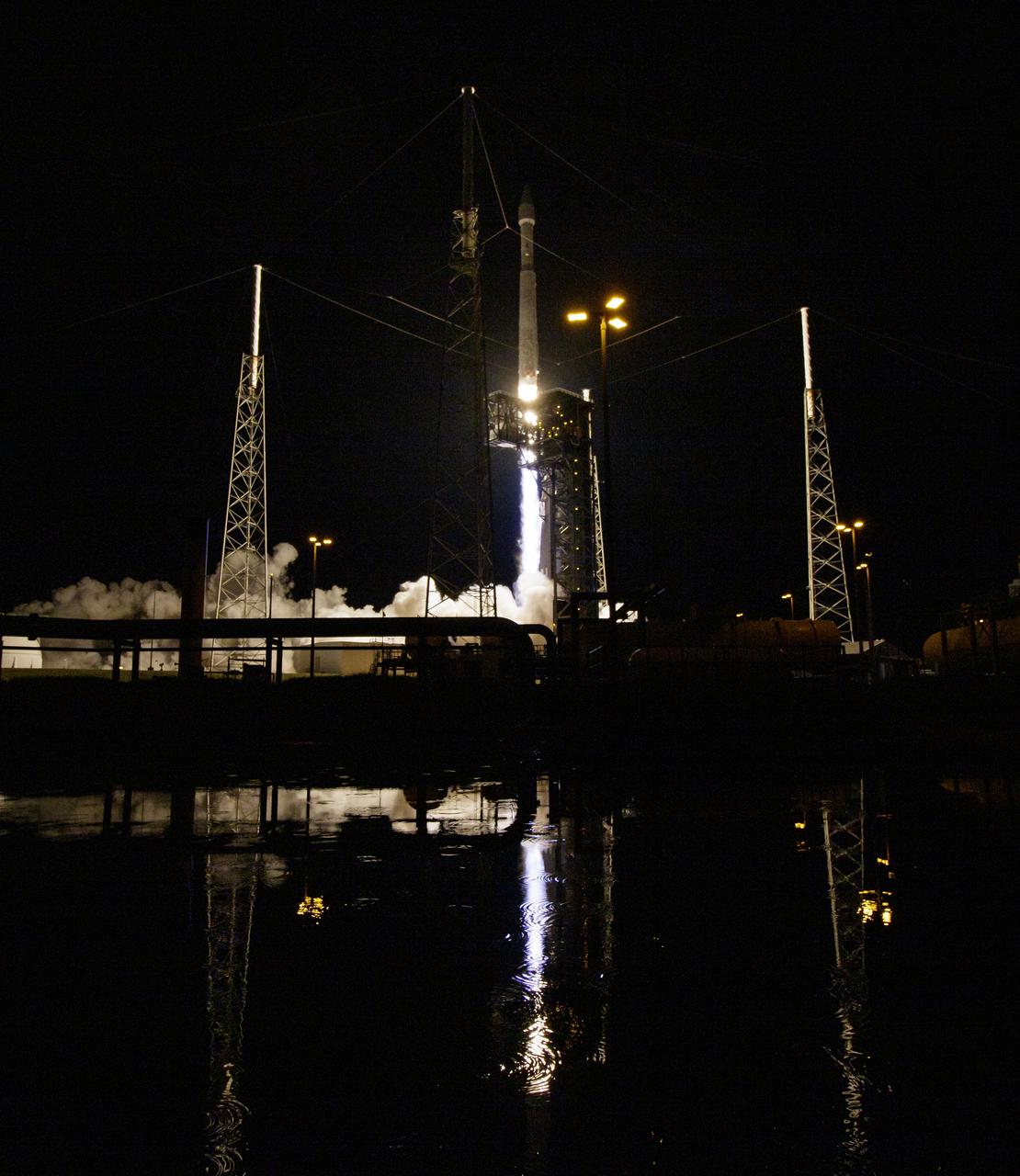
A United Launch Alliance Atlas V rocket with the Lucy spacecraft aboard launches from Space Launch Complex 41, Saturday, Oct. 16, 2021, at Cape Canaveral Space Force Station in Florida. Lucy will be the first spacecraft to study Jupiter's Trojan Asteroids. Like the mission's namesake – the fossilized human ancestor, "Lucy," whose skeleton provided unique insight into humanity's evolution – Lucy will revolutionize our knowledge of planetary origins and the formation of the solar system. Photo Credit: (NASA/Bill Ingalls)
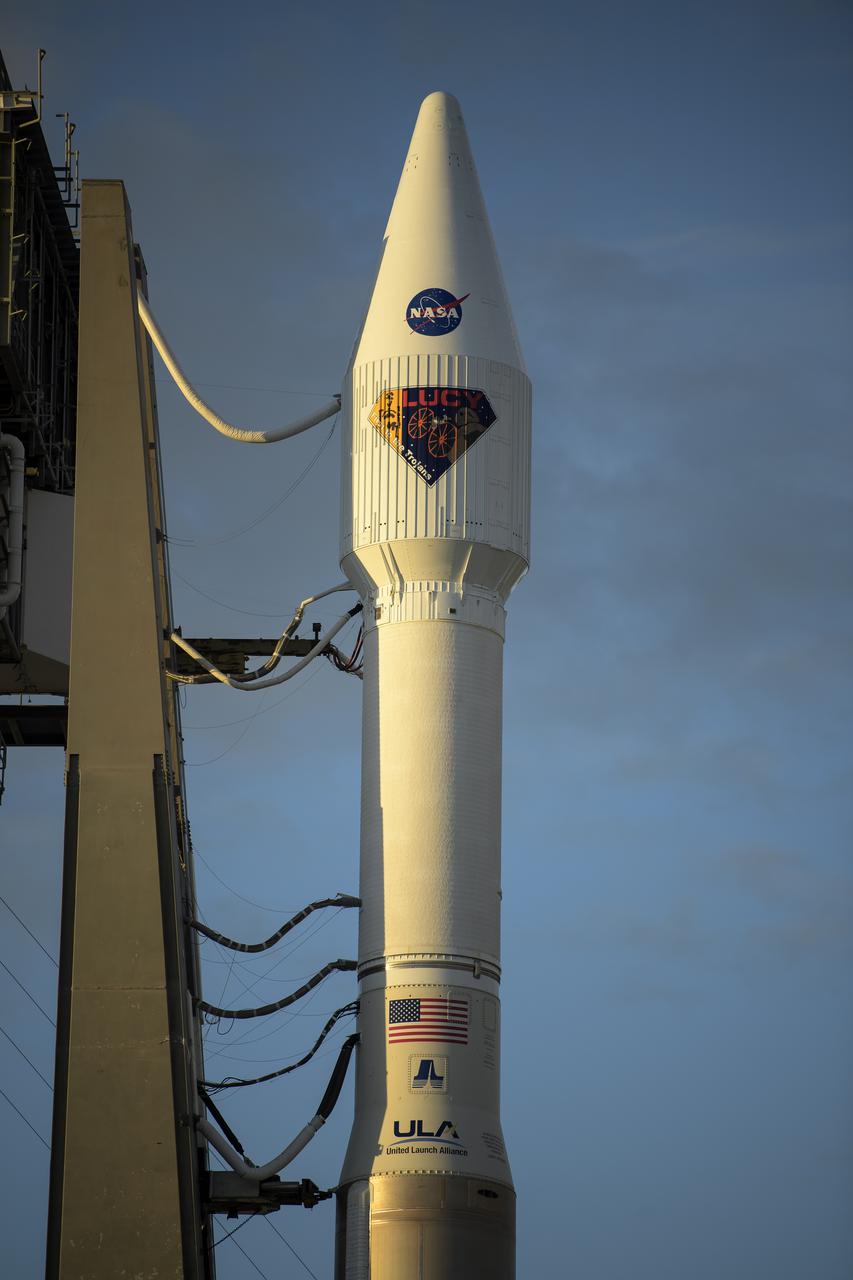
A United Launch Alliance Atlas V rocket with the Lucy spacecraft aboard is seen at Space Launch Complex 41, Thursday, Oct. 14, 2021, at Cape Canaveral Space Force Station in Florida. Lucy will be the first spacecraft to study Jupiter's Trojan Asteroids. Like the mission's namesake – the fossilized human ancestor, "Lucy," whose skeleton provided unique insight into humanity's evolution – Lucy will revolutionize our knowledge of planetary origins and the formation of the solar system. Photo Credit: (NASA/Bill Ingalls)
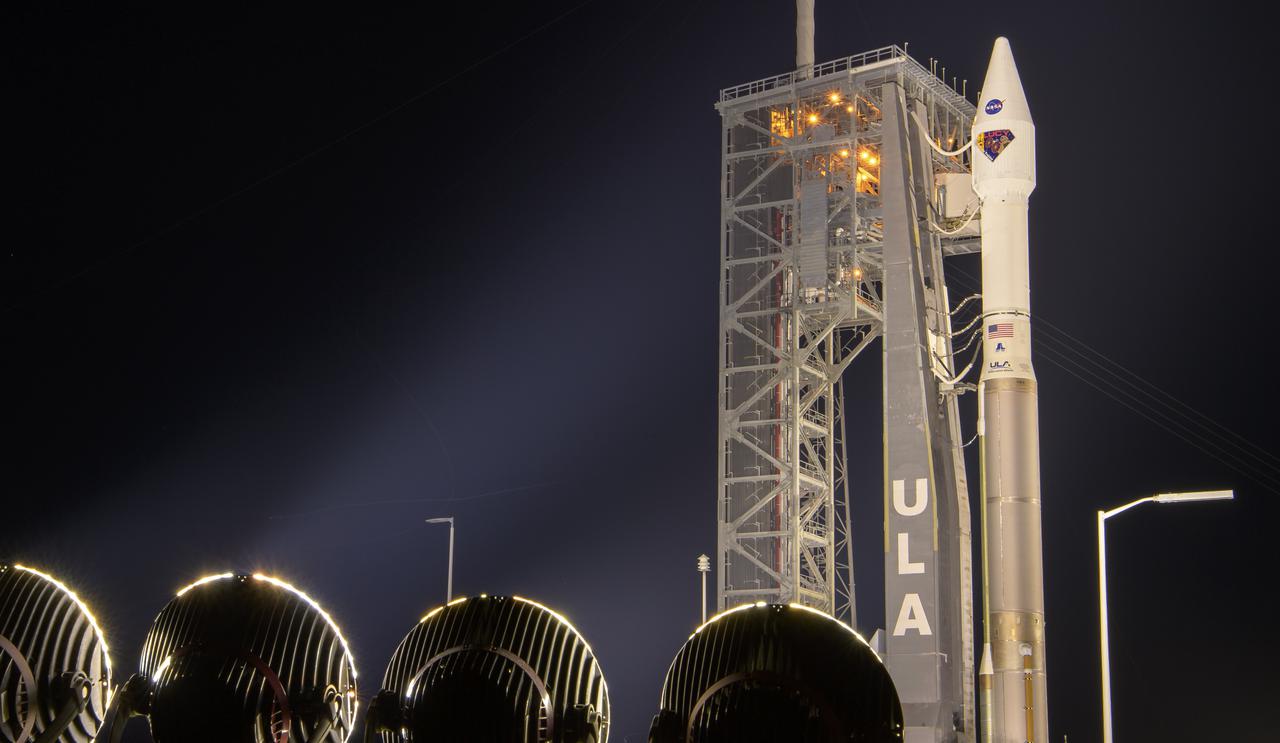
A United Launch Alliance Atlas V rocket with the Lucy spacecraft aboard is seen at Space Launch Complex 41, Thursday, Oct. 14, 2021, at Cape Canaveral Space Force Station in Florida. Lucy will be the first spacecraft to study Jupiter's Trojan Asteroids. Like the mission's namesake – the fossilized human ancestor, "Lucy," whose skeleton provided unique insight into humanity's evolution – Lucy will revolutionize our knowledge of planetary origins and the formation of the solar system. Photo Credit: (NASA/Bill Ingalls)
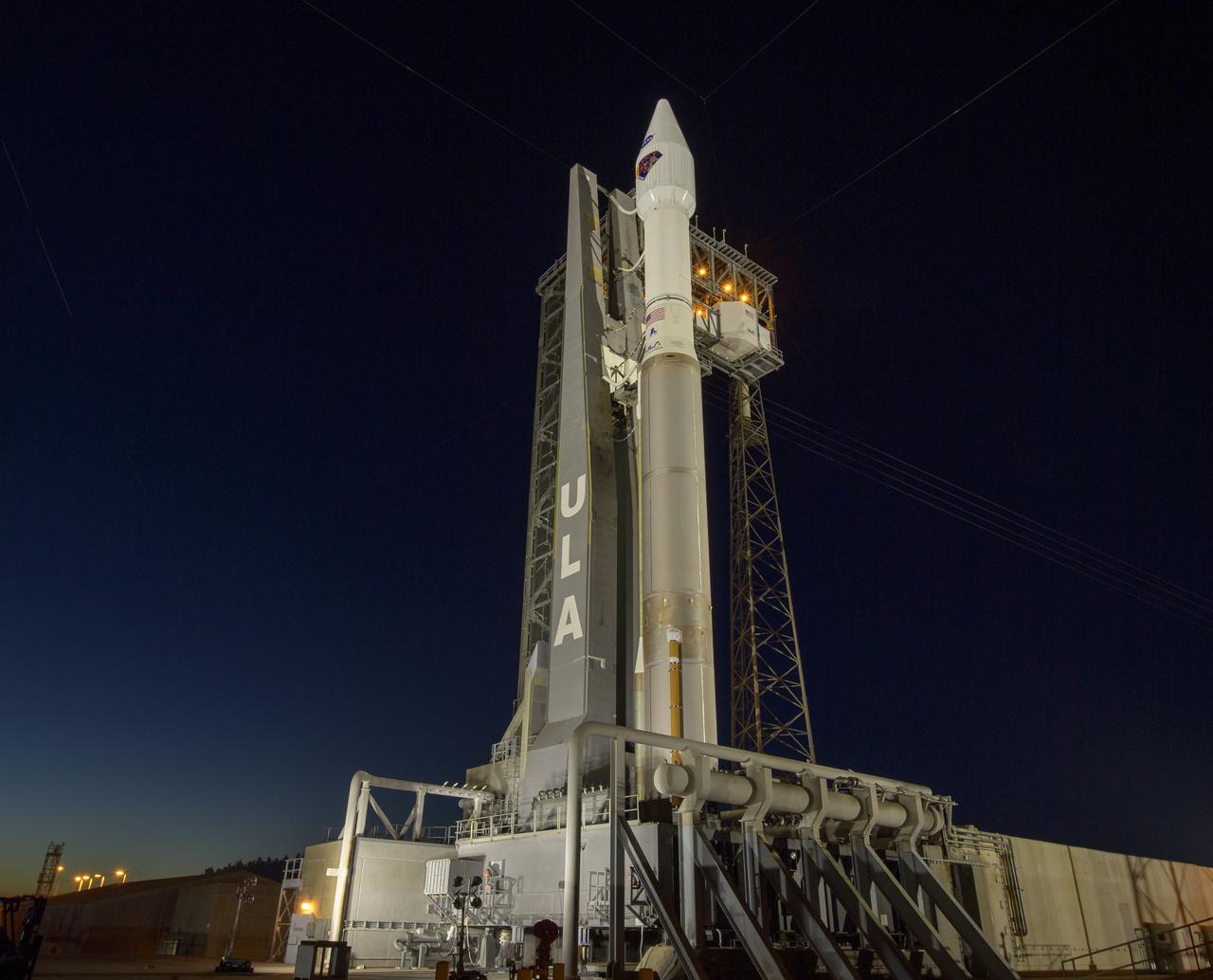
A United Launch Alliance Atlas V rocket with the Lucy spacecraft aboard is seen at Space Launch Complex 41, Thursday, Oct. 14, 2021, at Cape Canaveral Space Force Station in Florida. Lucy will be the first spacecraft to study Jupiter's Trojan Asteroids. Like the mission's namesake – the fossilized human ancestor, "Lucy," whose skeleton provided unique insight into humanity's evolution – Lucy will revolutionize our knowledge of planetary origins and the formation of the solar system. Photo Credit: (NASA/Bill Ingalls)

A United Launch Alliance Atlas V rocket with the Lucy spacecraft aboard launches from Space Launch Complex 41, Saturday, Oct. 16, 2021, at Cape Canaveral Space Force Station in Florida. Lucy will be the first spacecraft to study Jupiter's Trojan Asteroids. Like the mission's namesake – the fossilized human ancestor, "Lucy," whose skeleton provided unique insight into humanity's evolution – Lucy will revolutionize our knowledge of planetary origins and the formation of the solar system. Photo Credit: (NASA/Bill Ingalls)
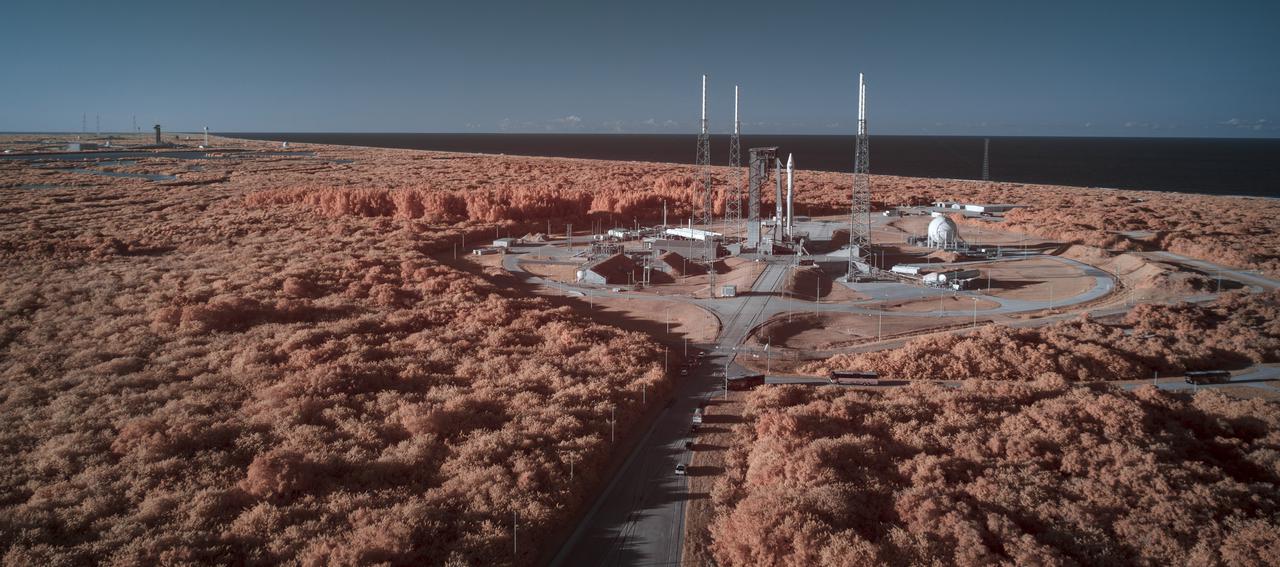
A United Launch Alliance Atlas V rocket with the Lucy spacecraft aboard is seen is seen in this false color infrared image at Space Launch Complex 41, Friday, Oct. 15, 2021, at Cape Canaveral Space Force Station in Florida. Lucy will be the first spacecraft to study Jupiter's Trojan Asteroids. Like the mission's namesake – the fossilized human ancestor, "Lucy," whose skeleton provided unique insight into humanity's evolution – Lucy will revolutionize our knowledge of planetary origins and the formation of the solar system. Photo Credit: (NASA/Bill Ingalls)
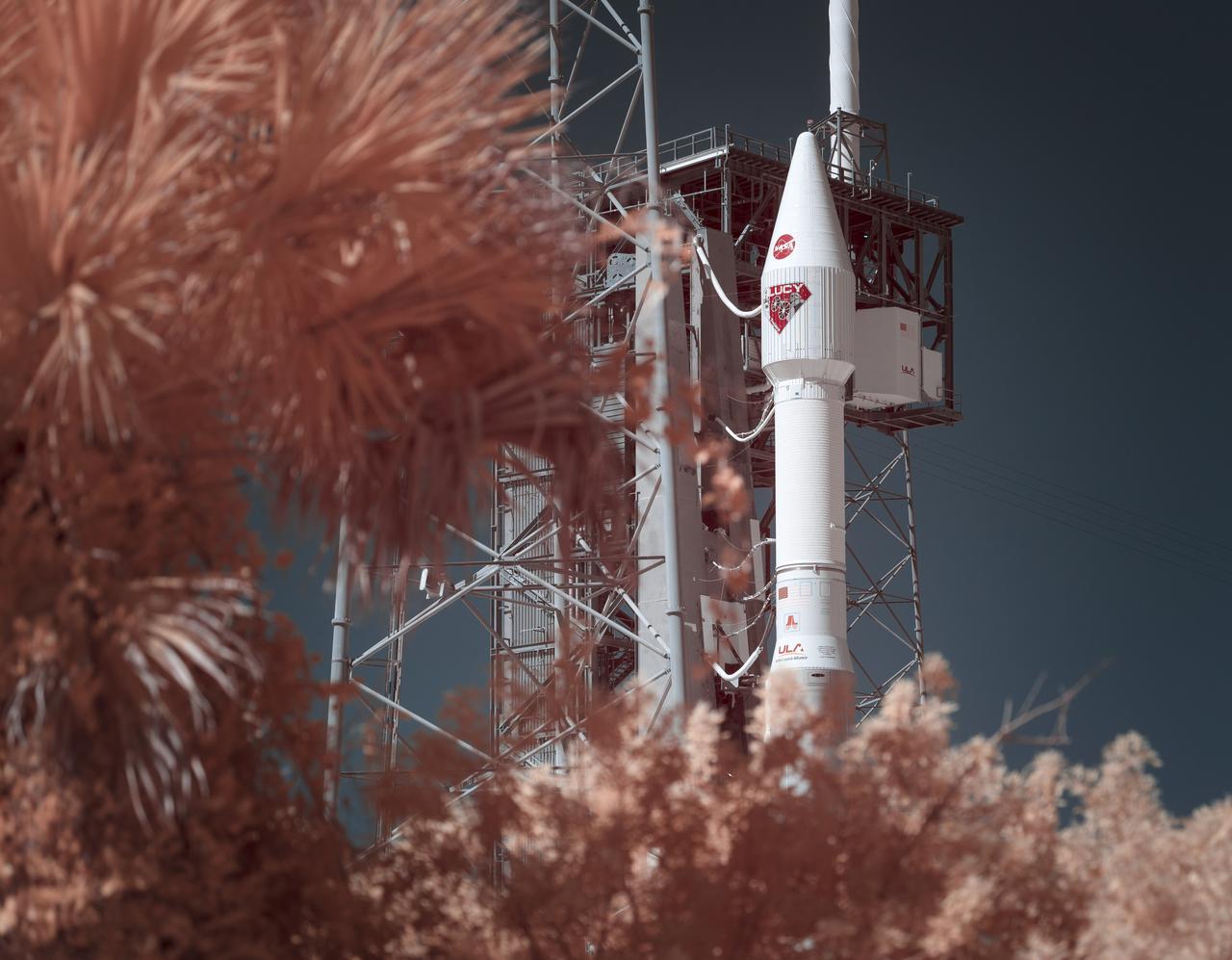
A United Launch Alliance Atlas V rocket with the Lucy spacecraft aboard is seen is seen in this false color infrared image at Space Launch Complex 41, Friday, Oct. 15, 2021, at Cape Canaveral Space Force Station in Florida. Lucy will be the first spacecraft to study Jupiter's Trojan Asteroids. Like the mission's namesake – the fossilized human ancestor, "Lucy," whose skeleton provided unique insight into humanity's evolution – Lucy will revolutionize our knowledge of planetary origins and the formation of the solar system. Photo Credit: (NASA/Bill Ingalls)
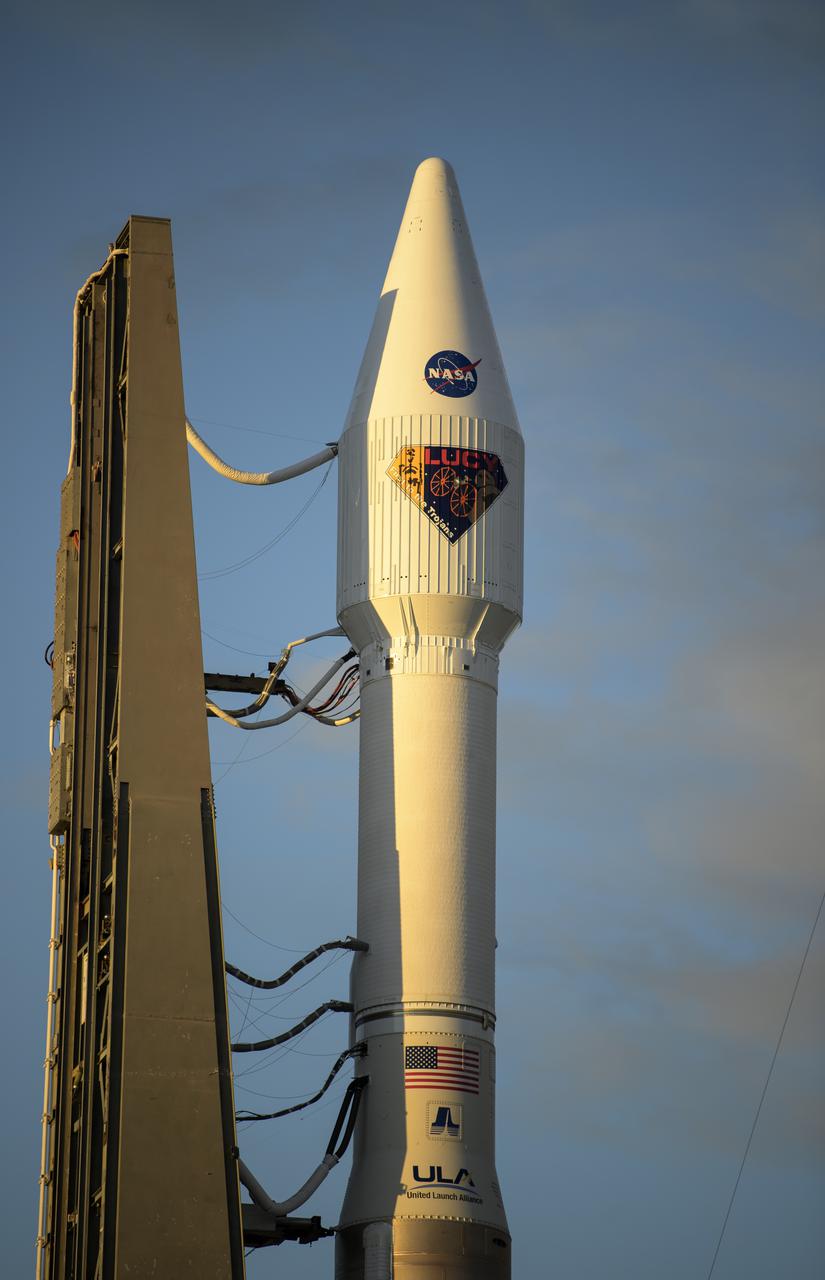
A United Launch Alliance Atlas V rocket with the Lucy spacecraft aboard is seen at Space Launch Complex 41, Thursday, Oct. 14, 2021, at Cape Canaveral Space Force Station in Florida. Lucy will be the first spacecraft to study Jupiter's Trojan Asteroids. Like the mission's namesake – the fossilized human ancestor, "Lucy," whose skeleton provided unique insight into humanity's evolution – Lucy will revolutionize our knowledge of planetary origins and the formation of the solar system. Photo Credit: (NASA/Bill Ingalls)
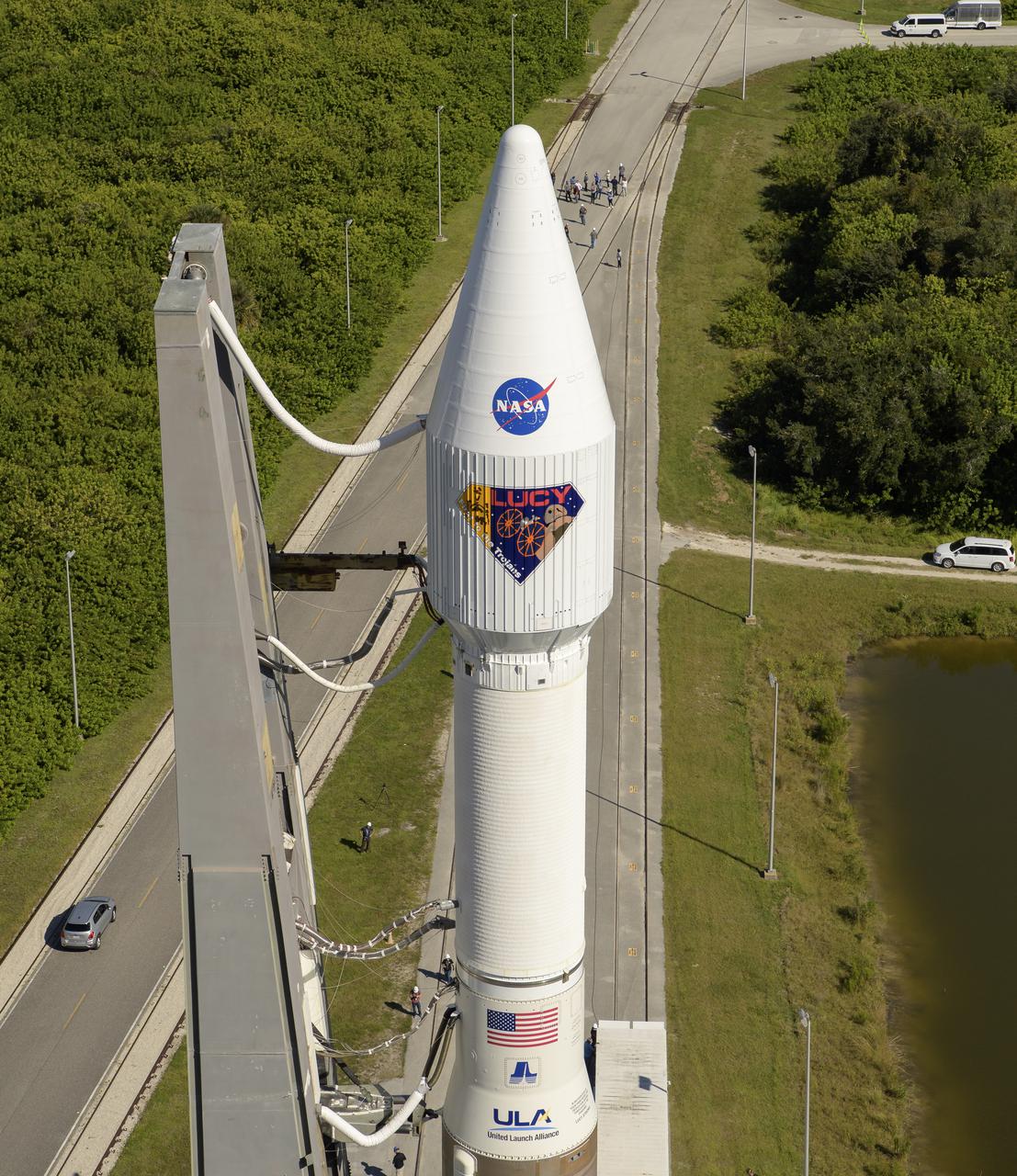
A United Launch Alliance Atlas V rocket with the Lucy spacecraft aboard is seen as it is rolled out of the Vertical Integration Facility to the launch pad at Space Launch Complex 41, Thursday, Oct. 14, 2021, at Cape Canaveral Space Force Station in Florida. Lucy will be the first spacecraft to study Jupiter's Trojan Asteroids. Like the mission's namesake – the fossilized human ancestor, "Lucy," whose skeleton provided unique insight into humanity's evolution – Lucy will revolutionize our knowledge of planetary origins and the formation of the solar system. Photo Credit: (NASA/Bill Ingalls)
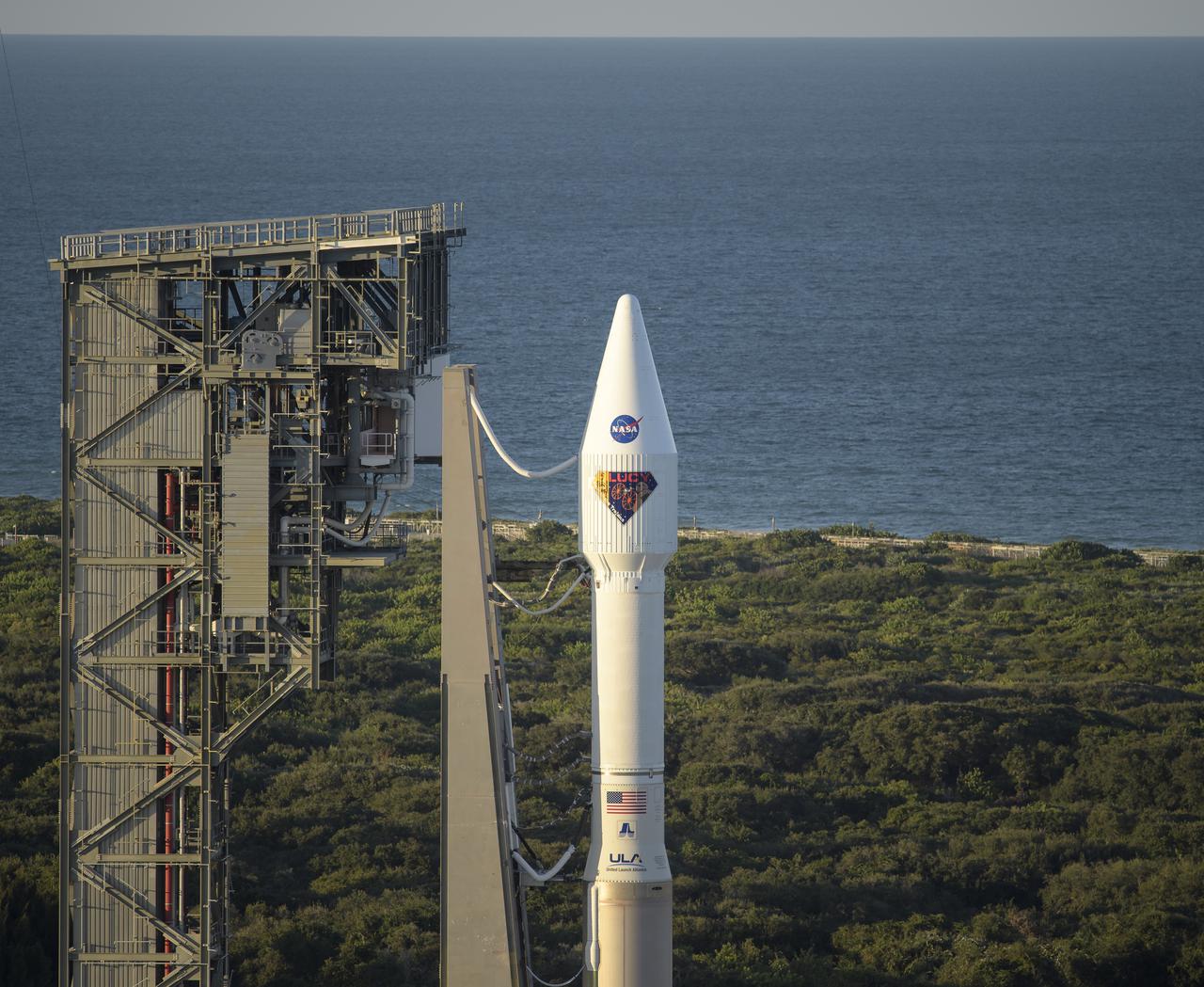
A United Launch Alliance Atlas V rocket with the Lucy spacecraft aboard is seen at Space Launch Complex 41, Friday, Oct. 15, 2021, at Cape Canaveral Space Force Station in Florida. Lucy will be the first spacecraft to study Jupiter's Trojan Asteroids. Like the mission's namesake – the fossilized human ancestor, "Lucy," whose skeleton provided unique insight into humanity's evolution – Lucy will revolutionize our knowledge of planetary origins and the formation of the solar system. Photo Credit: (NASA/Bill Ingalls)
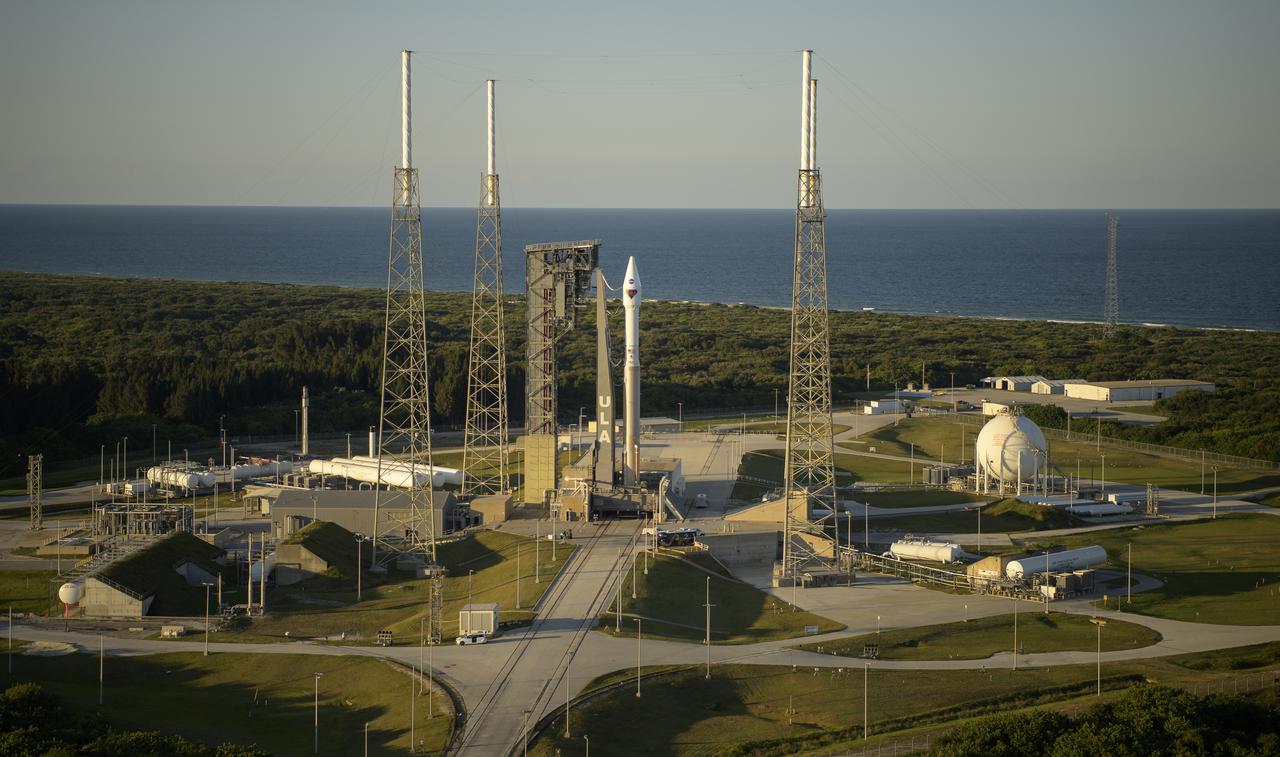
A United Launch Alliance Atlas V rocket with the Lucy spacecraft aboard is seen at Space Launch Complex 41, Friday, Oct. 15, 2021, at Cape Canaveral Space Force Station in Florida. Lucy will be the first spacecraft to study Jupiter's Trojan Asteroids. Like the mission's namesake – the fossilized human ancestor, "Lucy," whose skeleton provided unique insight into humanity's evolution – Lucy will revolutionize our knowledge of planetary origins and the formation of the solar system. Photo Credit: (NASA/Bill Ingalls)
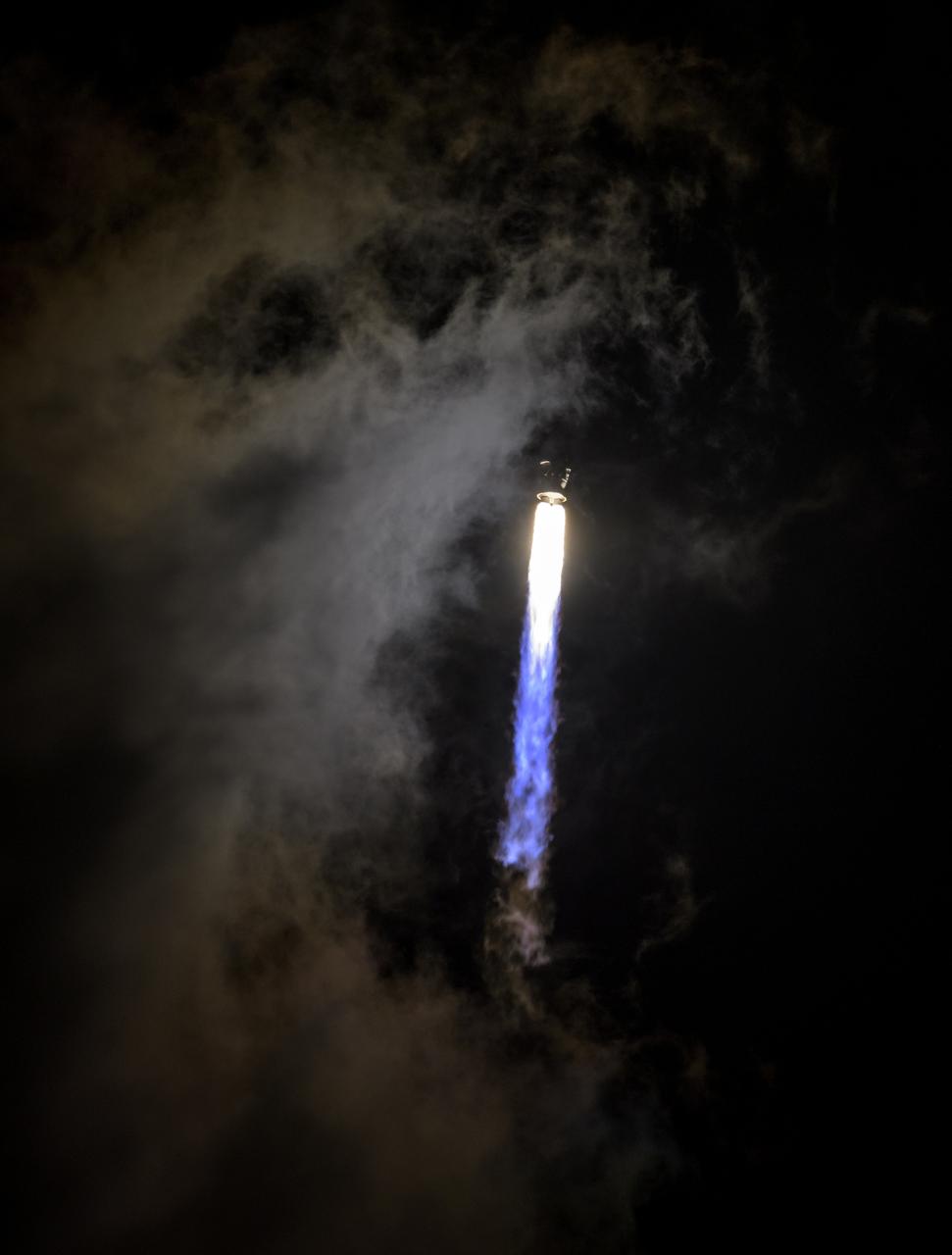
A United Launch Alliance Atlas V rocket with the Lucy spacecraft aboard launches from Space Launch Complex 41, Saturday, Oct. 16, 2021, at Cape Canaveral Space Force Station in Florida. Lucy will be the first spacecraft to study Jupiter's Trojan Asteroids. Like the mission's namesake – the fossilized human ancestor, "Lucy," whose skeleton provided unique insight into humanity's evolution – Lucy will revolutionize our knowledge of planetary origins and the formation of the solar system. Photo Credit: (NASA/Bill Ingalls)
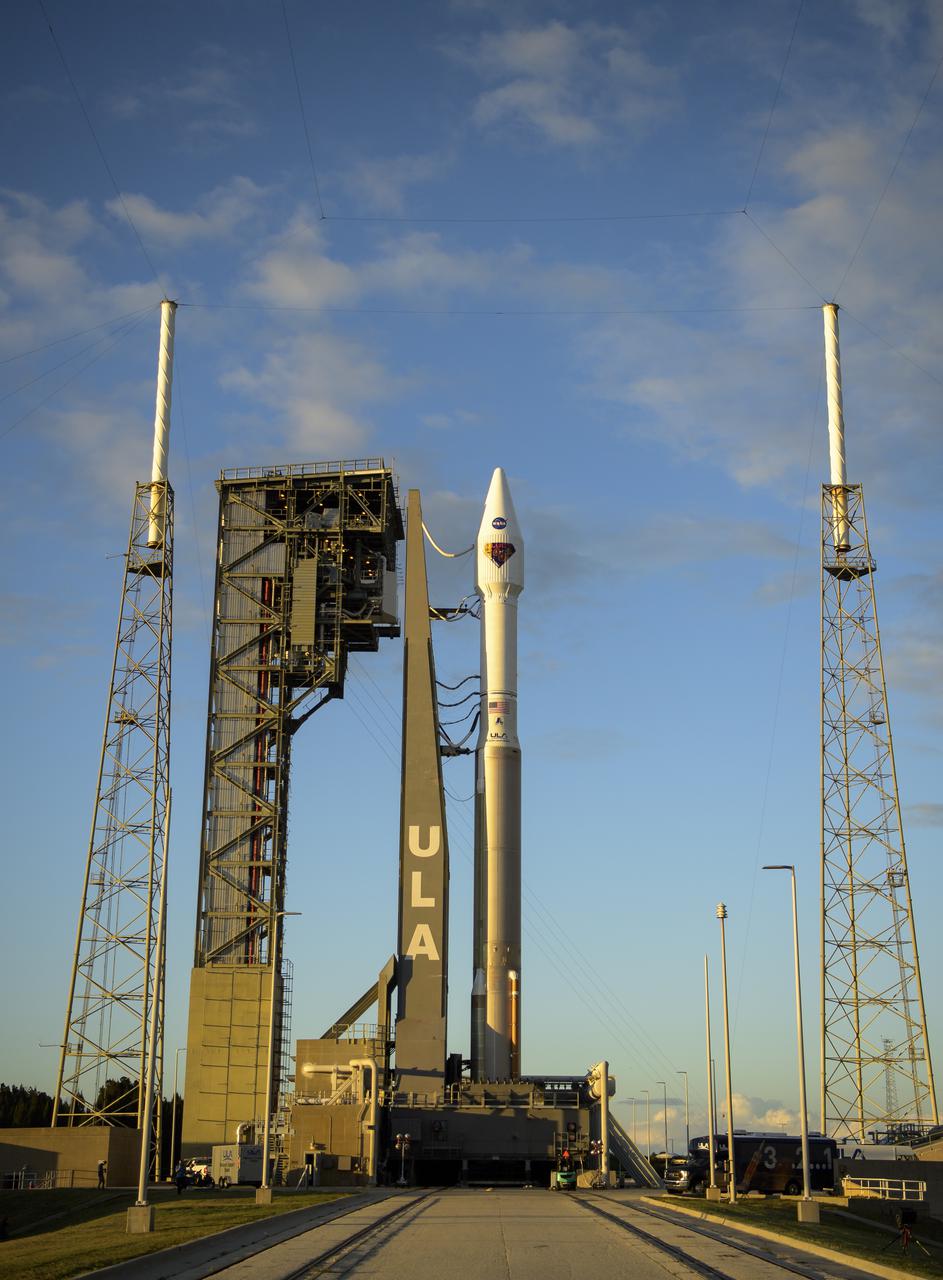
A United Launch Alliance Atlas V rocket with the Lucy spacecraft aboard is seen at Space Launch Complex 41, Thursday, Oct. 14, 2021, at Cape Canaveral Space Force Station in Florida. Lucy will be the first spacecraft to study Jupiter's Trojan Asteroids. Like the mission's namesake – the fossilized human ancestor, "Lucy," whose skeleton provided unique insight into humanity's evolution – Lucy will revolutionize our knowledge of planetary origins and the formation of the solar system. Photo Credit: (NASA/Bill Ingalls)
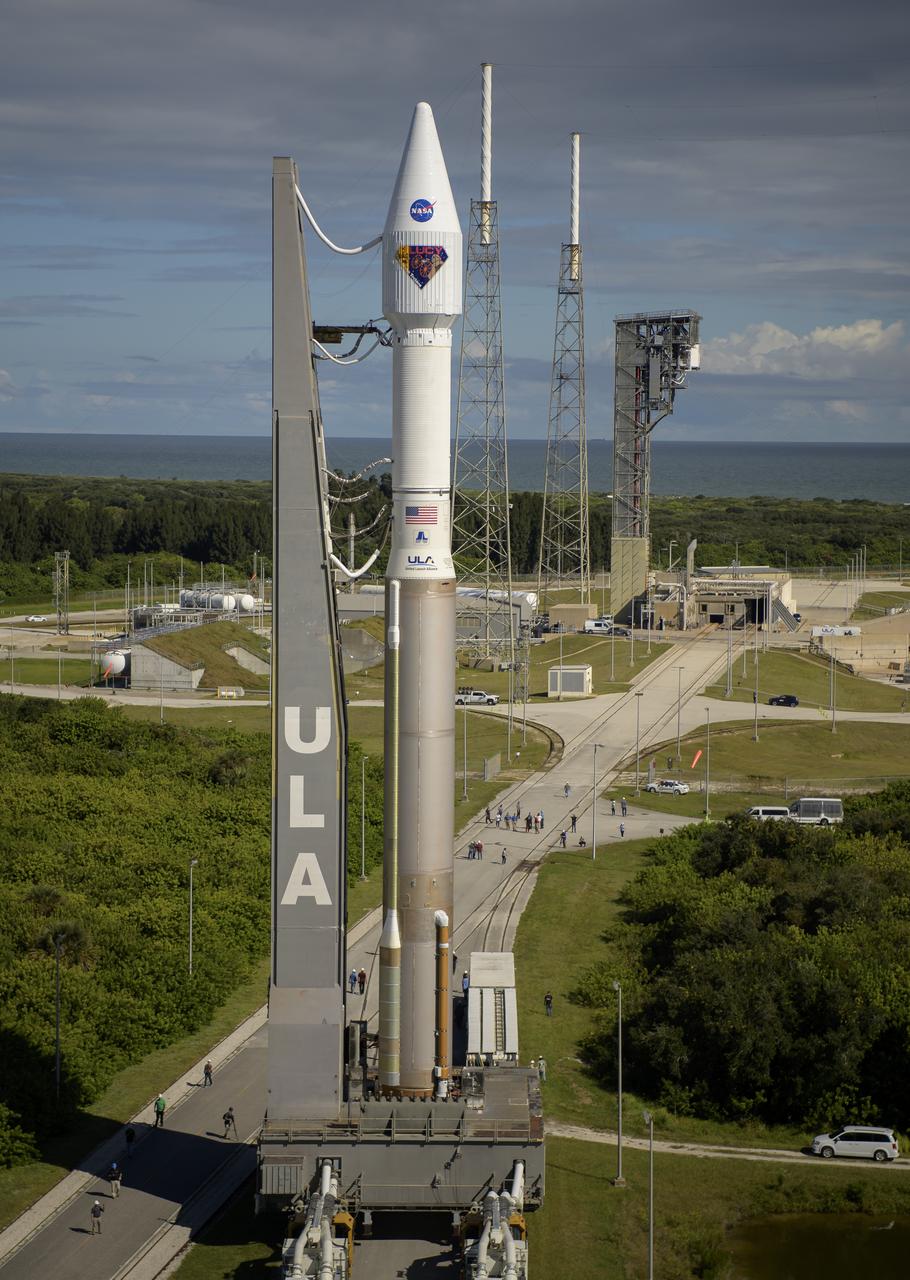
A United Launch Alliance Atlas V rocket with the Lucy spacecraft aboard is seen as it is rolled out of the Vertical Integration Facility to the launch pad at Space Launch Complex 41, Thursday, Oct. 14, 2021, at Cape Canaveral Space Force Station in Florida. Lucy will be the first spacecraft to study Jupiter's Trojan Asteroids. Like the mission's namesake – the fossilized human ancestor, "Lucy," whose skeleton provided unique insight into humanity's evolution – Lucy will revolutionize our knowledge of planetary origins and the formation of the solar system. Photo Credit: (NASA/Bill Ingalls)
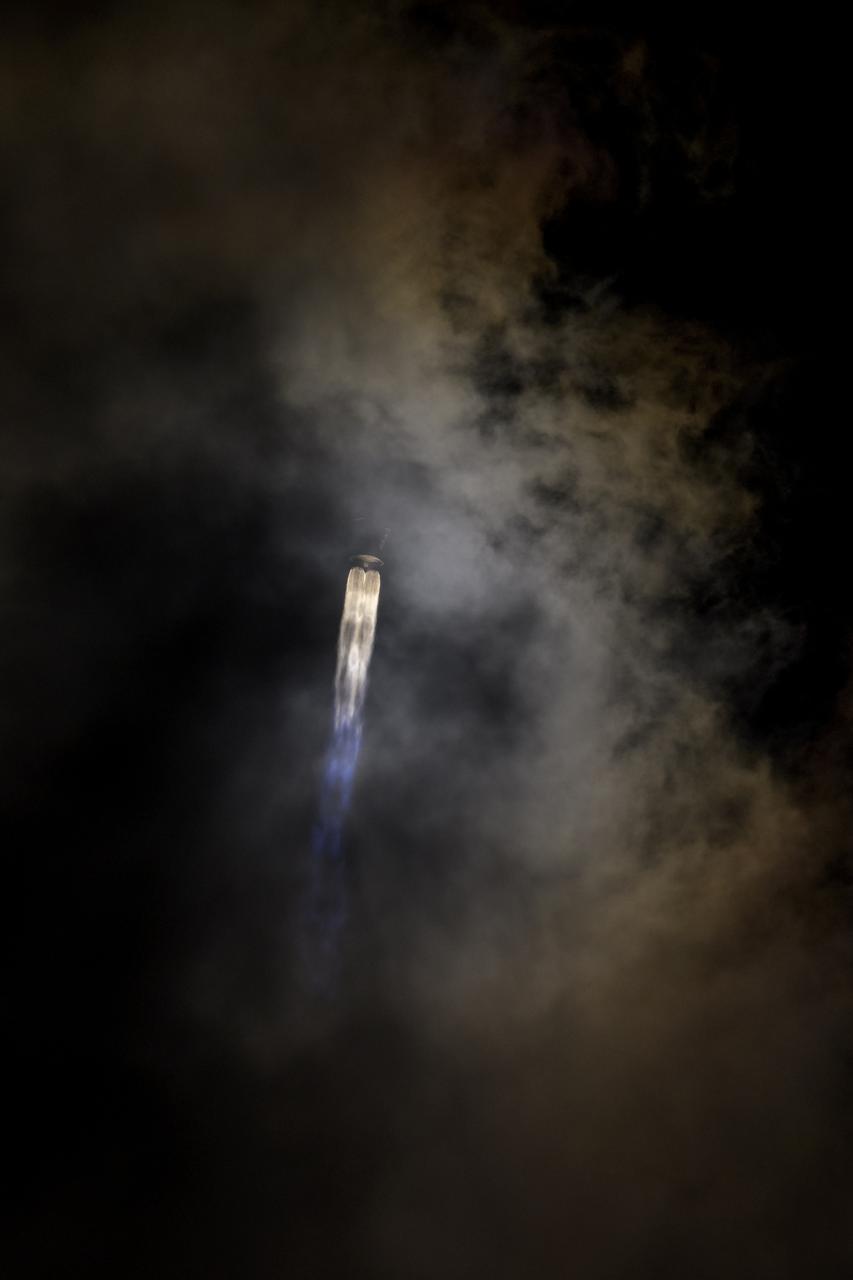
A United Launch Alliance Atlas V rocket with the Lucy spacecraft aboard launches from Space Launch Complex 41, Saturday, Oct. 16, 2021, at Cape Canaveral Space Force Station in Florida. Lucy will be the first spacecraft to study Jupiter's Trojan Asteroids. Like the mission's namesake – the fossilized human ancestor, "Lucy," whose skeleton provided unique insight into humanity's evolution – Lucy will revolutionize our knowledge of planetary origins and the formation of the solar system. Photo Credit: (NASA/Bill Ingalls)
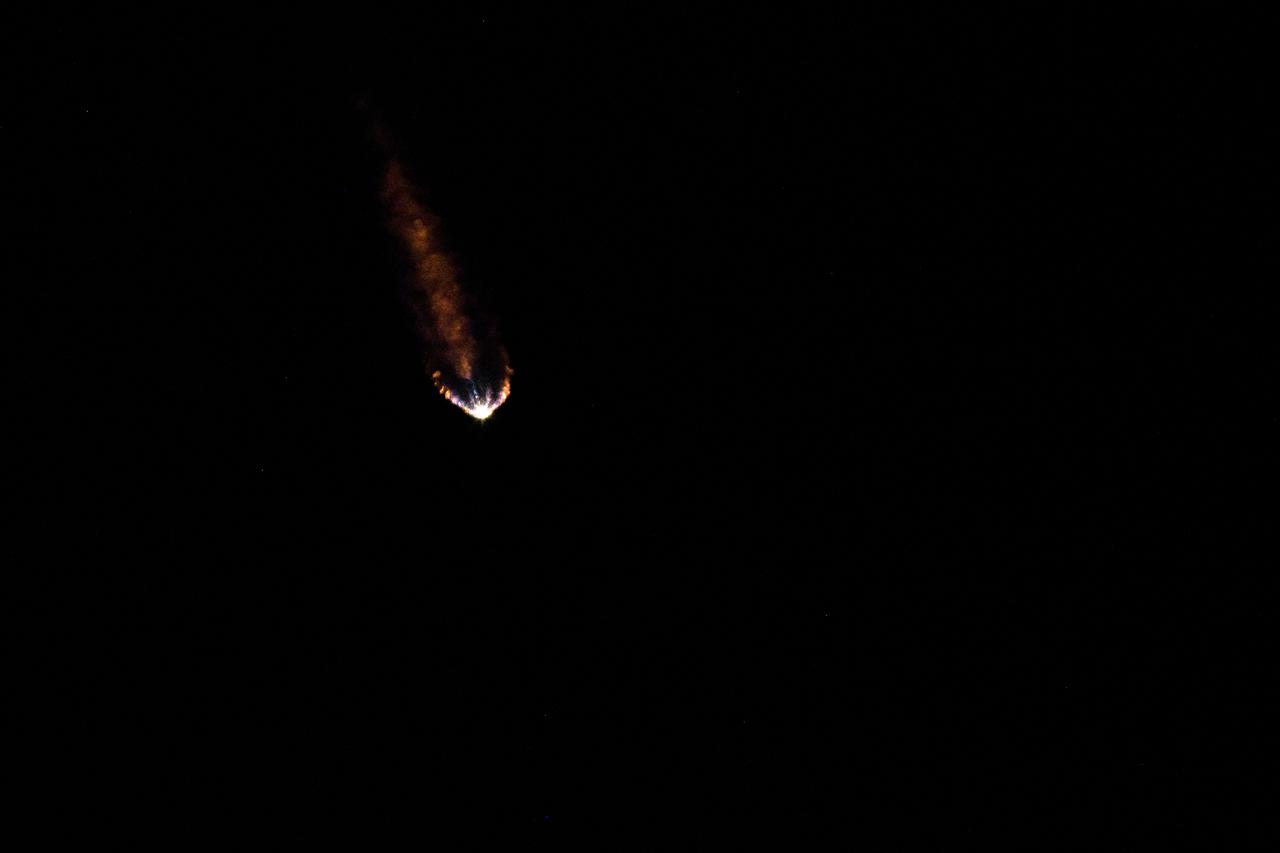
A United Launch Alliance Atlas V rocket with the Lucy spacecraft aboard launches from Space Launch Complex 41, Saturday, Oct. 16, 2021, at Cape Canaveral Space Force Station in Florida. Lucy will be the first spacecraft to study Jupiter's Trojan Asteroids. Like the mission's namesake – the fossilized human ancestor, "Lucy," whose skeleton provided unique insight into humanity's evolution – Lucy will revolutionize our knowledge of planetary origins and the formation of the solar system. Photo Credit: (NASA/Bill Ingalls)
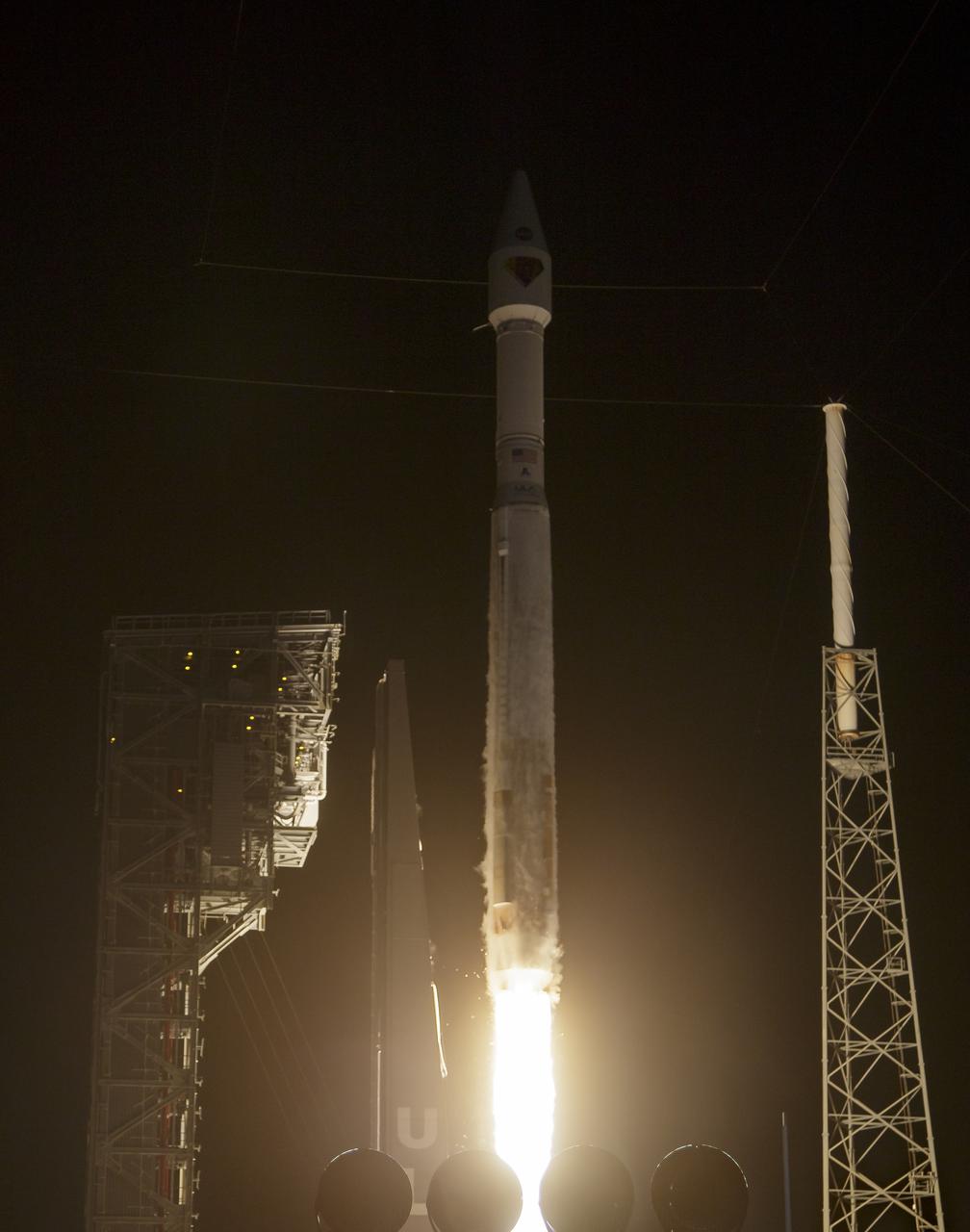
A United Launch Alliance Atlas V rocket with the Lucy spacecraft aboard launches from Space Launch Complex 41, Saturday, Oct. 16, 2021, at Cape Canaveral Space Force Station in Florida. Lucy will be the first spacecraft to study Jupiter's Trojan Asteroids. Like the mission's namesake – the fossilized human ancestor, "Lucy," whose skeleton provided unique insight into humanity's evolution – Lucy will revolutionize our knowledge of planetary origins and the formation of the solar system. Photo Credit: (NASA/Bill Ingalls)
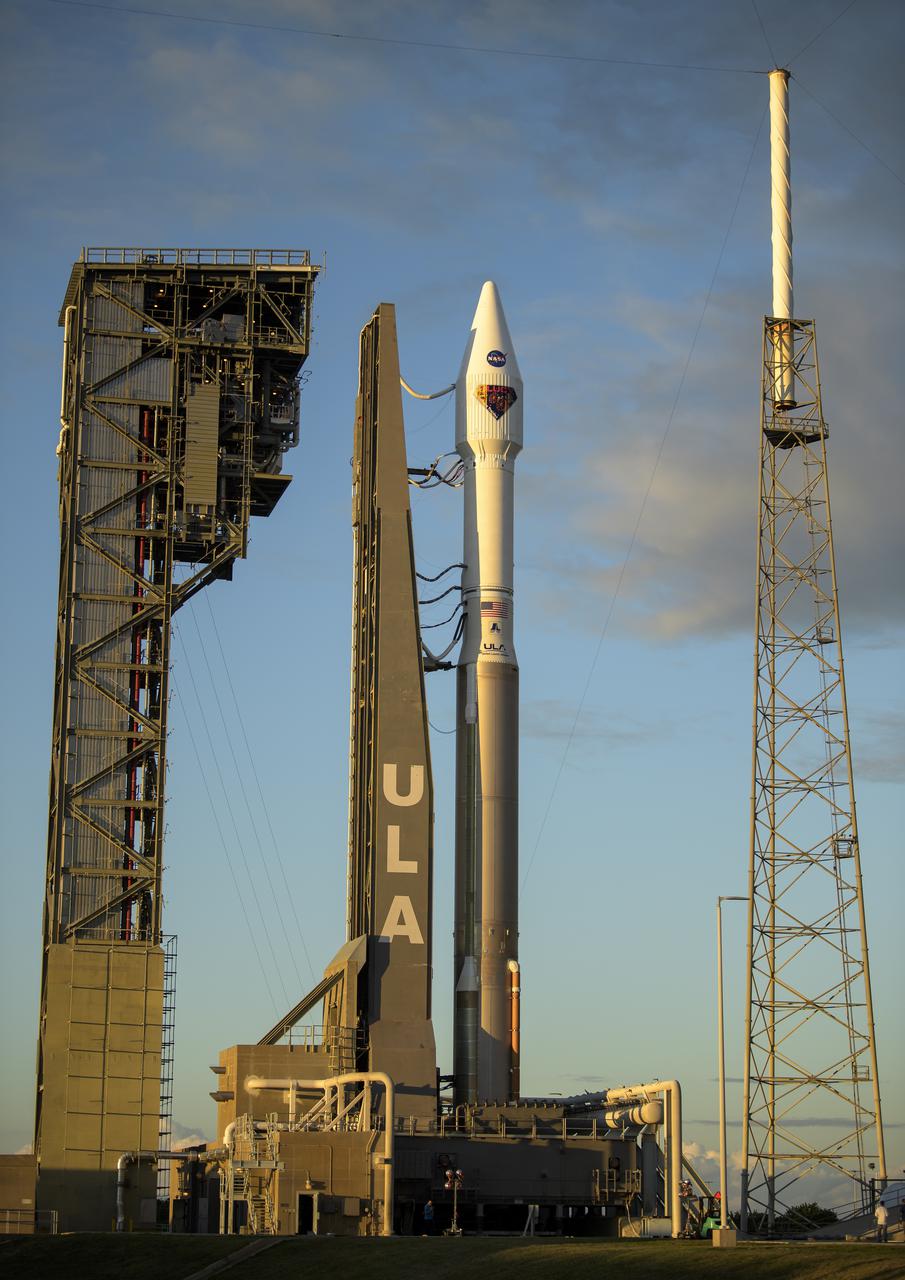
A United Launch Alliance Atlas V rocket with the Lucy spacecraft aboard is seen at Space Launch Complex 41, Thursday, Oct. 14, 2021, at Cape Canaveral Space Force Station in Florida. Lucy will be the first spacecraft to study Jupiter's Trojan Asteroids. Like the mission's namesake – the fossilized human ancestor, "Lucy," whose skeleton provided unique insight into humanity's evolution – Lucy will revolutionize our knowledge of planetary origins and the formation of the solar system. Photo Credit: (NASA/Bill Ingalls)
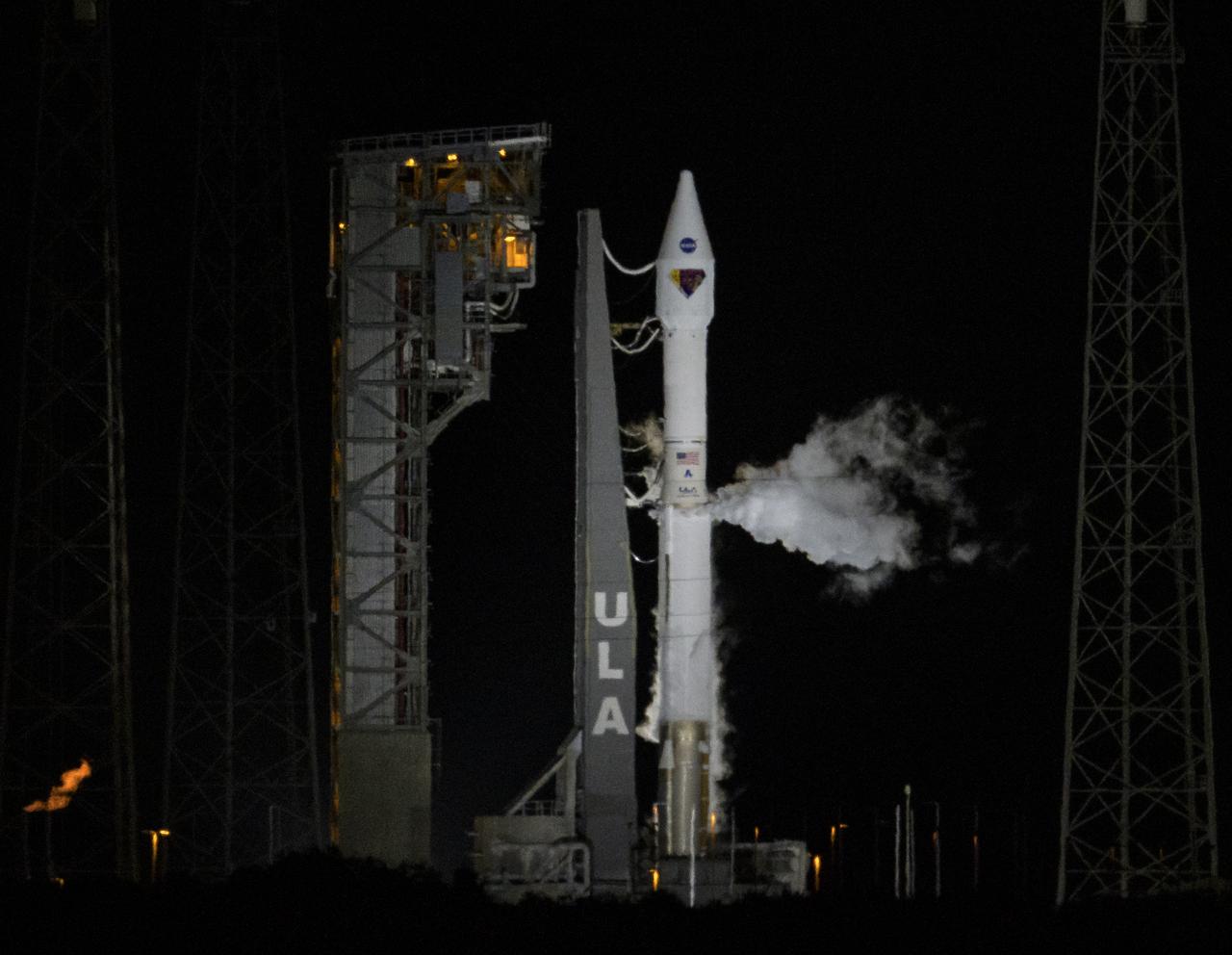
A United Launch Alliance Atlas V rocket with the Lucy spacecraft stands ready to launch from Space Launch Complex 41, Saturday, Oct. 16, 2021, at Cape Canaveral Space Force Station in Florida. Lucy will be the first spacecraft to study Jupiter's Trojan Asteroids. Like the mission's namesake – the fossilized human ancestor, "Lucy," whose skeleton provided unique insight into humanity's evolution – Lucy will revolutionize our knowledge of planetary origins and the formation of the solar system. Photo Credit: (NASA/Bill Ingalls)
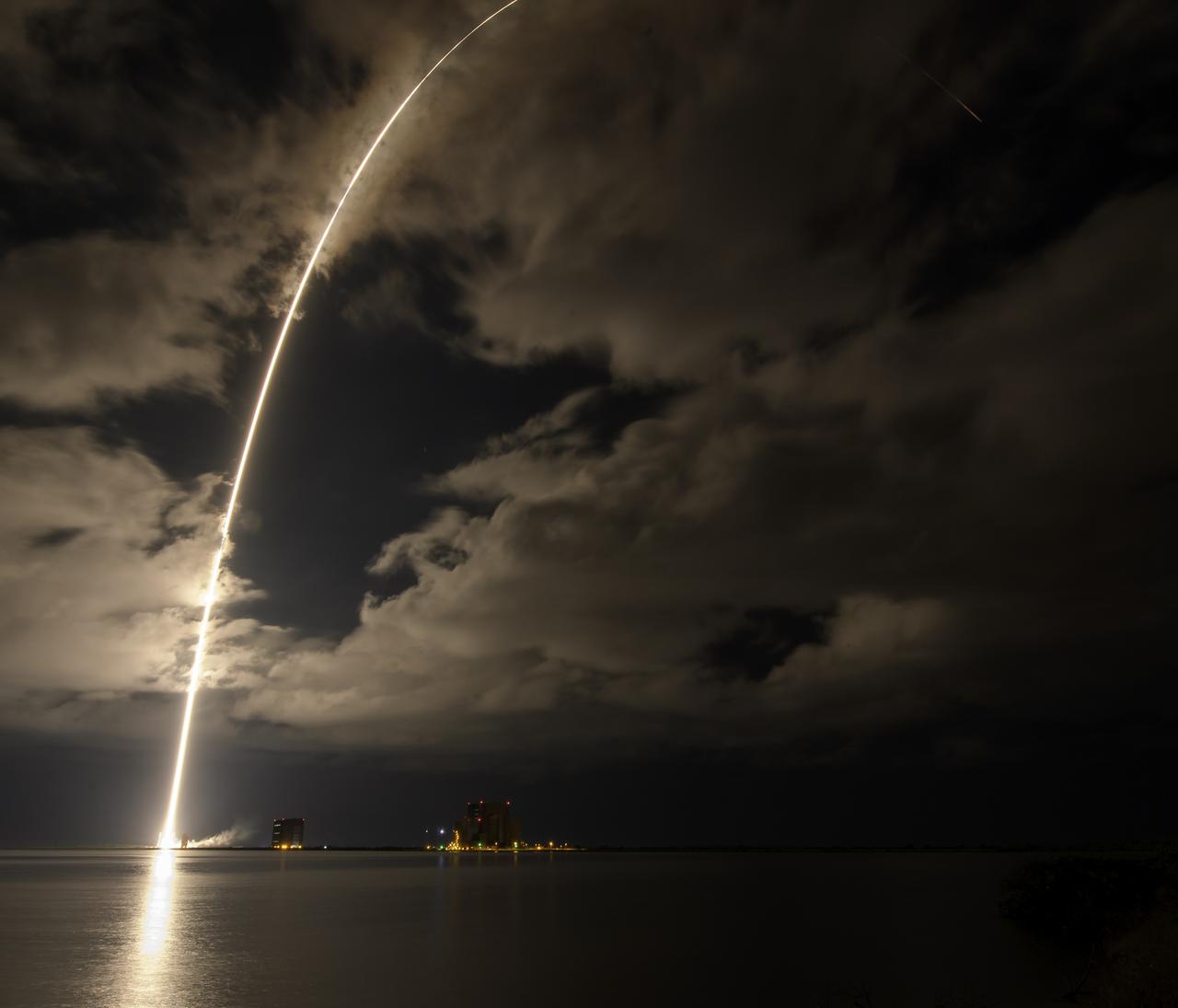
A United Launch Alliance Atlas V rocket with the Lucy spacecraft aboard is seen in this 2 minute and 30 second exposure photograph as it launches from Space Launch Complex 41, Saturday, Oct. 16, 2021, at Cape Canaveral Space Force Station in Florida. Lucy will be the first spacecraft to study Jupiter's Trojan Asteroids. Like the mission's namesake – the fossilized human ancestor, "Lucy," whose skeleton provided unique insight into humanity's evolution – Lucy will revolutionize our knowledge of planetary origins and the formation of the solar system. Photo Credit: (NASA/Bill Ingalls)
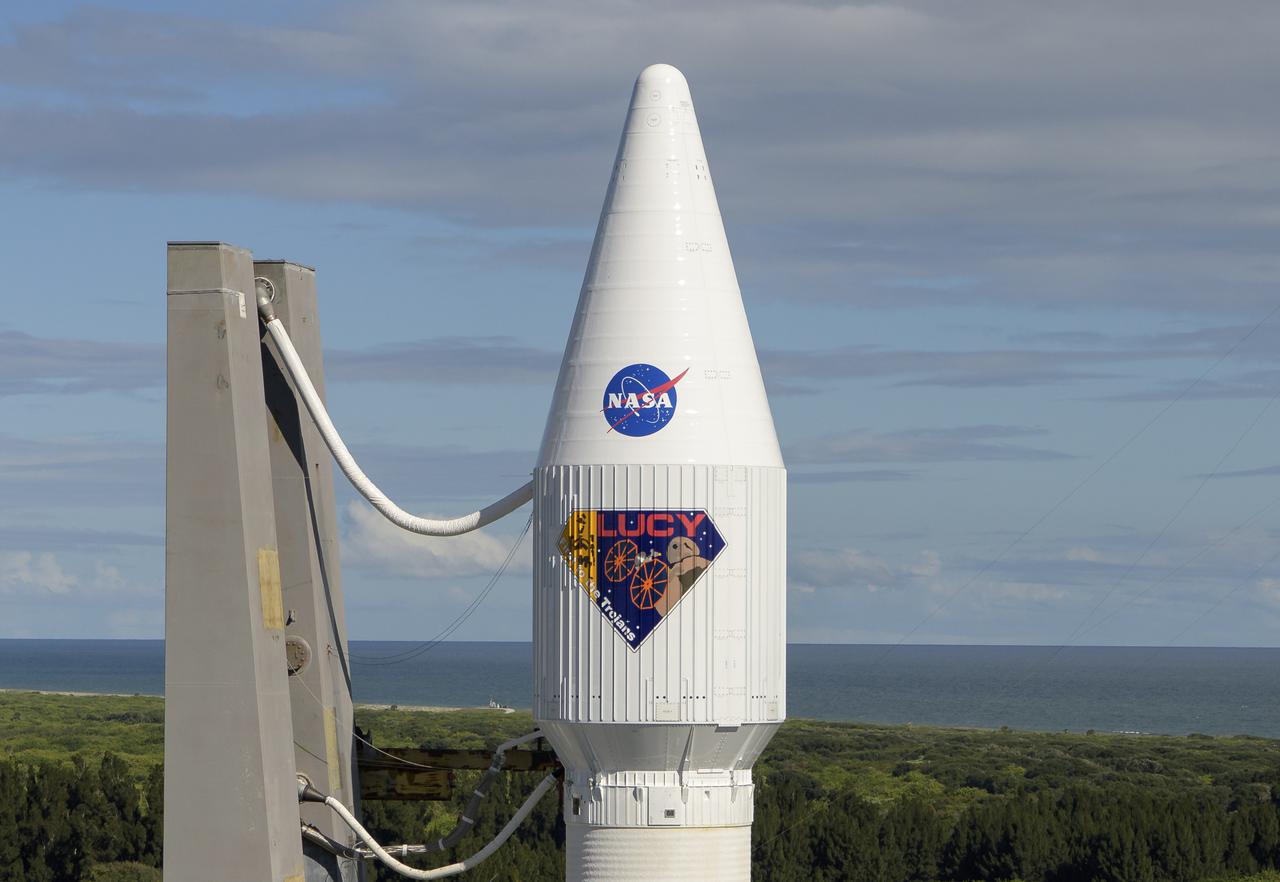
A United Launch Alliance Atlas V rocket with the Lucy spacecraft aboard is seen as it is rolled out of the Vertical Integration Facility to the launch pad at Space Launch Complex 41, Thursday, Oct. 14, 2021, at Cape Canaveral Space Force Station in Florida. Lucy will be the first spacecraft to study Jupiter's Trojan Asteroids. Like the mission's namesake – the fossilized human ancestor, "Lucy," whose skeleton provided unique insight into humanity's evolution – Lucy will revolutionize our knowledge of planetary origins and the formation of the solar system. Photo Credit: (NASA/Bill Ingalls)
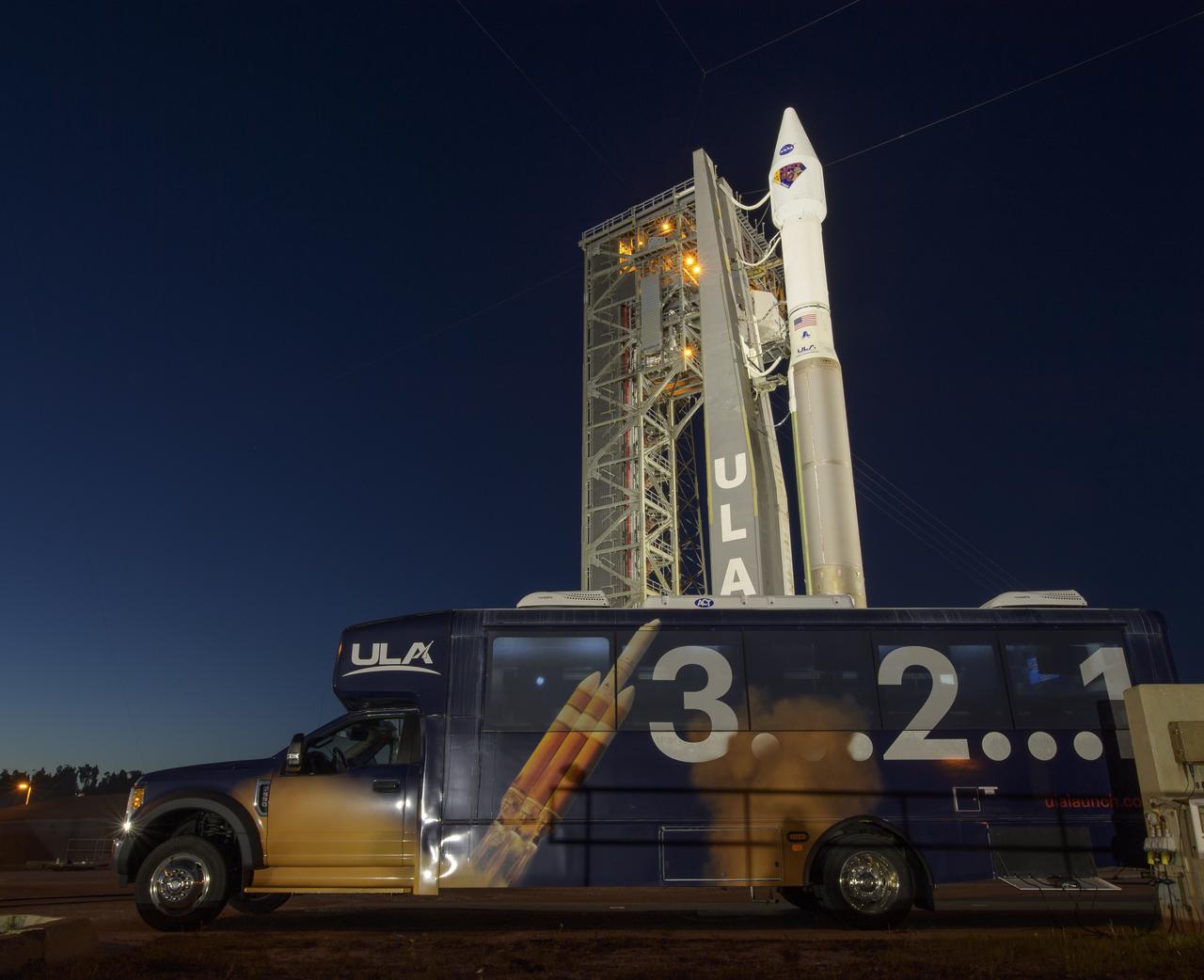
A United Launch Alliance Atlas V rocket with the Lucy spacecraft aboard is seen at Space Launch Complex 41, Thursday, Oct. 14, 2021, at Cape Canaveral Space Force Station in Florida. Lucy will be the first spacecraft to study Jupiter's Trojan Asteroids. Like the mission's namesake – the fossilized human ancestor, "Lucy," whose skeleton provided unique insight into humanity's evolution – Lucy will revolutionize our knowledge of planetary origins and the formation of the solar system. Photo Credit: (NASA/Bill Ingalls)
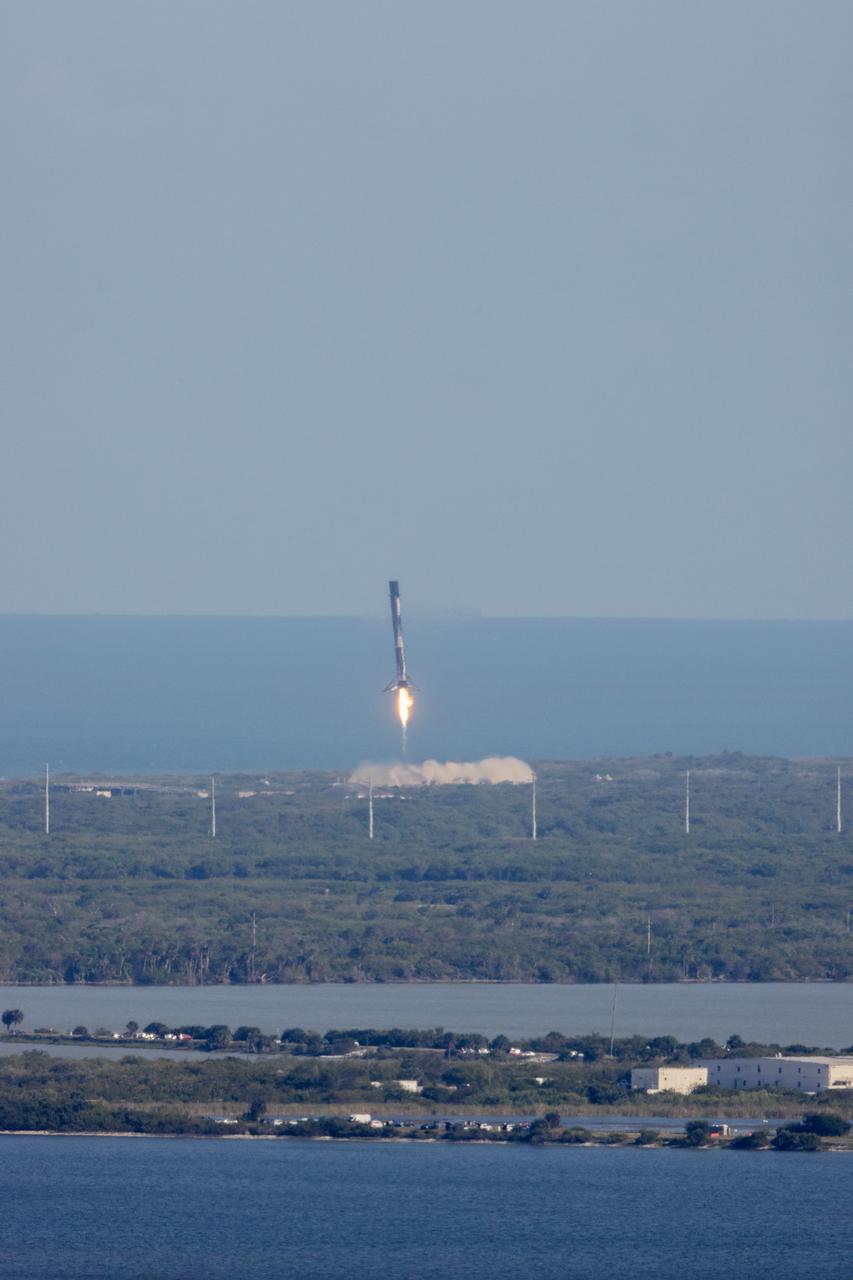
After boosting a SpaceX Dragon spacecraft on its way to the International Space Station for the company’s 30th Commercial Resupply Services mission for NASA, the first stage of the Falcon 9 rocket returns to Landing Zone 1 at Cape Canaveral Space Force Station (CCSFS) in Florida on Thursday, March 21, 2024. Dragon will deliver more than 6,200 pounds of cargo, including a variety of NASA and partner research including a look at plant metabolism in space and a set of new sensors for free-flying Astrobee robots to provide 3D mapping capabilities. Other studies include a fluid physics study that could benefit solar cell technology and a university project from CSA (Canadian Space Agency) that will monitor sea ice and ocean conditions. The spacecraft is expected to spend about a month attached to the orbiting outpost before it returns to Earth with research and return cargo, splashing down off the coast of Florida. Liftoff occurred at 4:55 p.m. EDT from Space Launch Complex 40 at CCSFS.
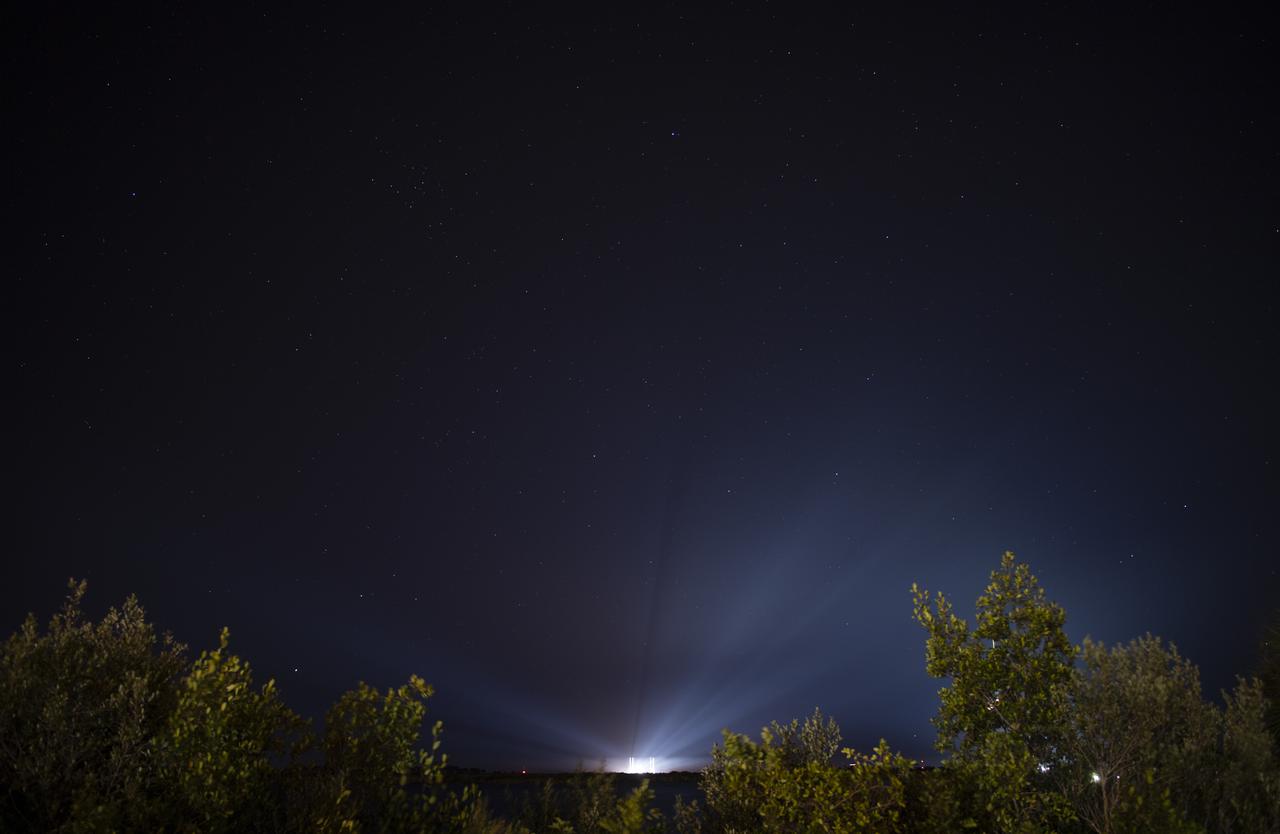
A United Launch Alliance Atlas V rocket carrying the Department of Defense’s Space Test Program 3 (STP-3) mission is seen illuminated by spotlights at Space Launch Complex 41 at Cape Canaveral Space Force Station, Tuesday, Dec. 7, 2021, from NASA’s Kennedy Space Center in Florida. The mission’s Space Test Program Satellite-6 (STPSat-6) spacecraft hosts NASA’s Laser Communications Relay Demonstration (LCRD) and the NASA-U.S. Naval Research Laboratory Ultraviolet Spectro-Coronagraph (UVSC) Pathfinder. Photo Credit: (NASA/Joel Kowsky)
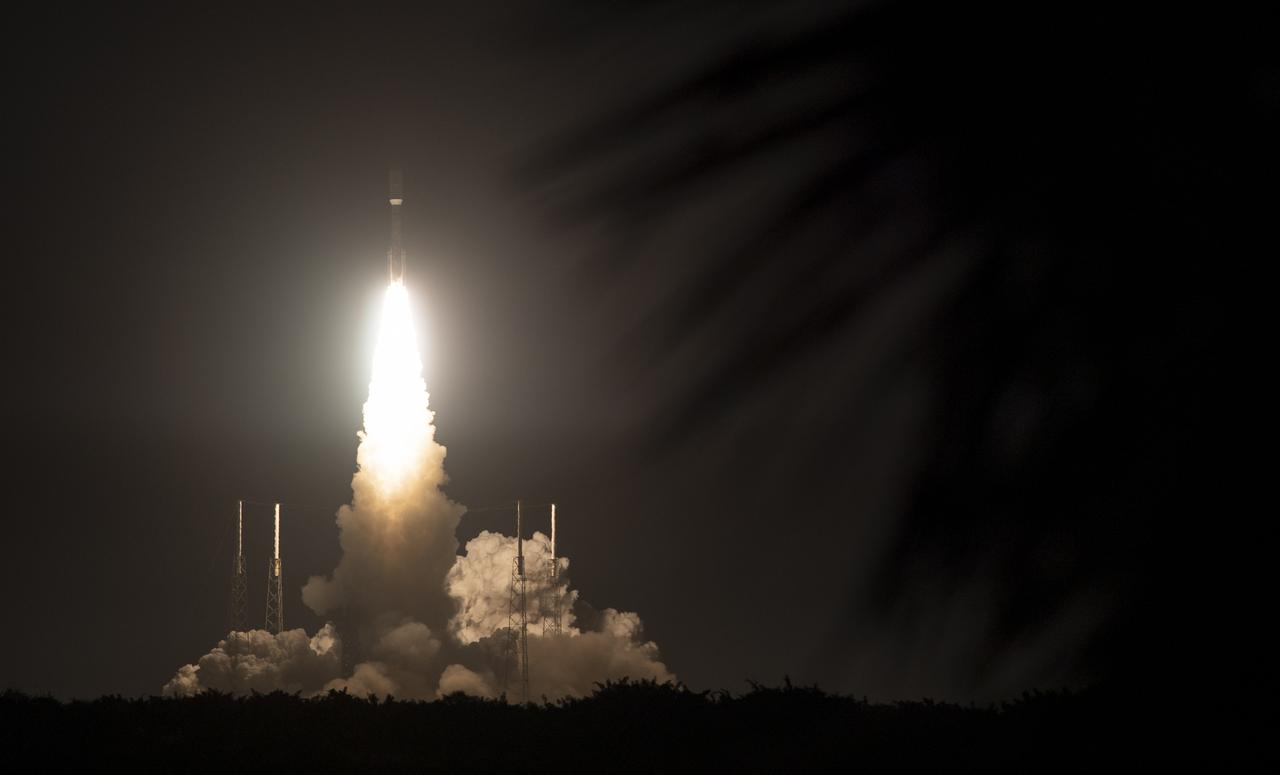
A United Launch Alliance Atlas V rocket launches on the Department of Defense’s Space Test Program 3 (STP-3) mission from Space Launch Complex 41 at Cape Canaveral Space Force Station, Tuesday, Dec. 7, 2021, from NASA’s Kennedy Space Center in Florida. The mission’s Space Test Program Satellite-6 (STPSat-6) spacecraft hosts NASA’s Laser Communications Relay Demonstration (LCRD) and the NASA-U.S. Naval Research Laboratory Ultraviolet Spectro-Coronagraph (UVSC) Pathfinder. Photo Credit: (NASA/Joel Kowsky)
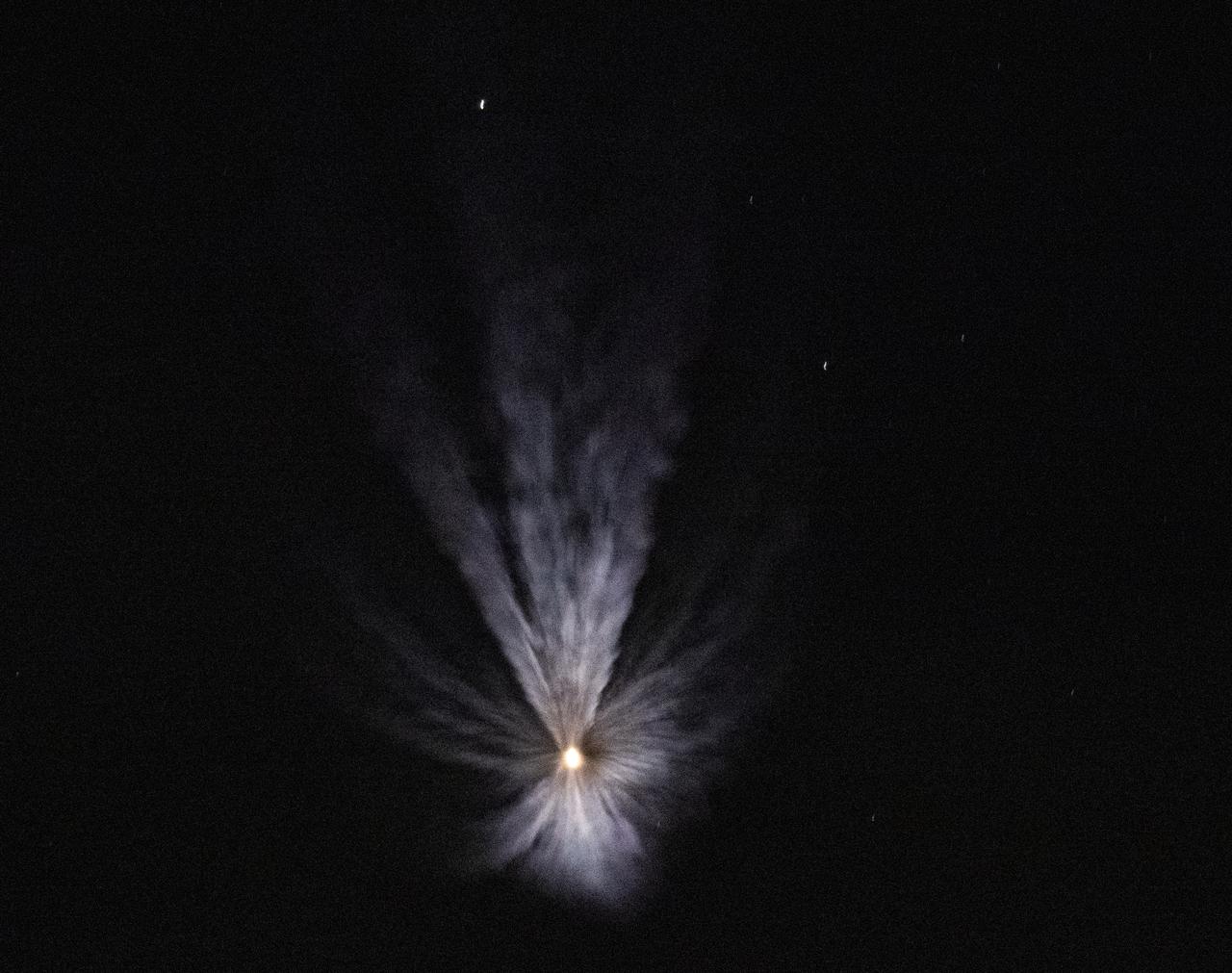
A United Launch Alliance Atlas V rocket launches on the Department of Defense’s Space Test Program 3 (STP-3) mission from Space Launch Complex 41 at Cape Canaveral Space Force Station, Tuesday, Dec. 7, 2021, from NASA’s Kennedy Space Center in Florida. The mission’s Space Test Program Satellite-6 (STPSat-6) spacecraft hosts NASA’s Laser Communications Relay Demonstration (LCRD) and the NASA-U.S. Naval Research Laboratory Ultraviolet Spectro-Coronagraph (UVSC) Pathfinder. Photo Credit: (NASA/Joel Kowsky)
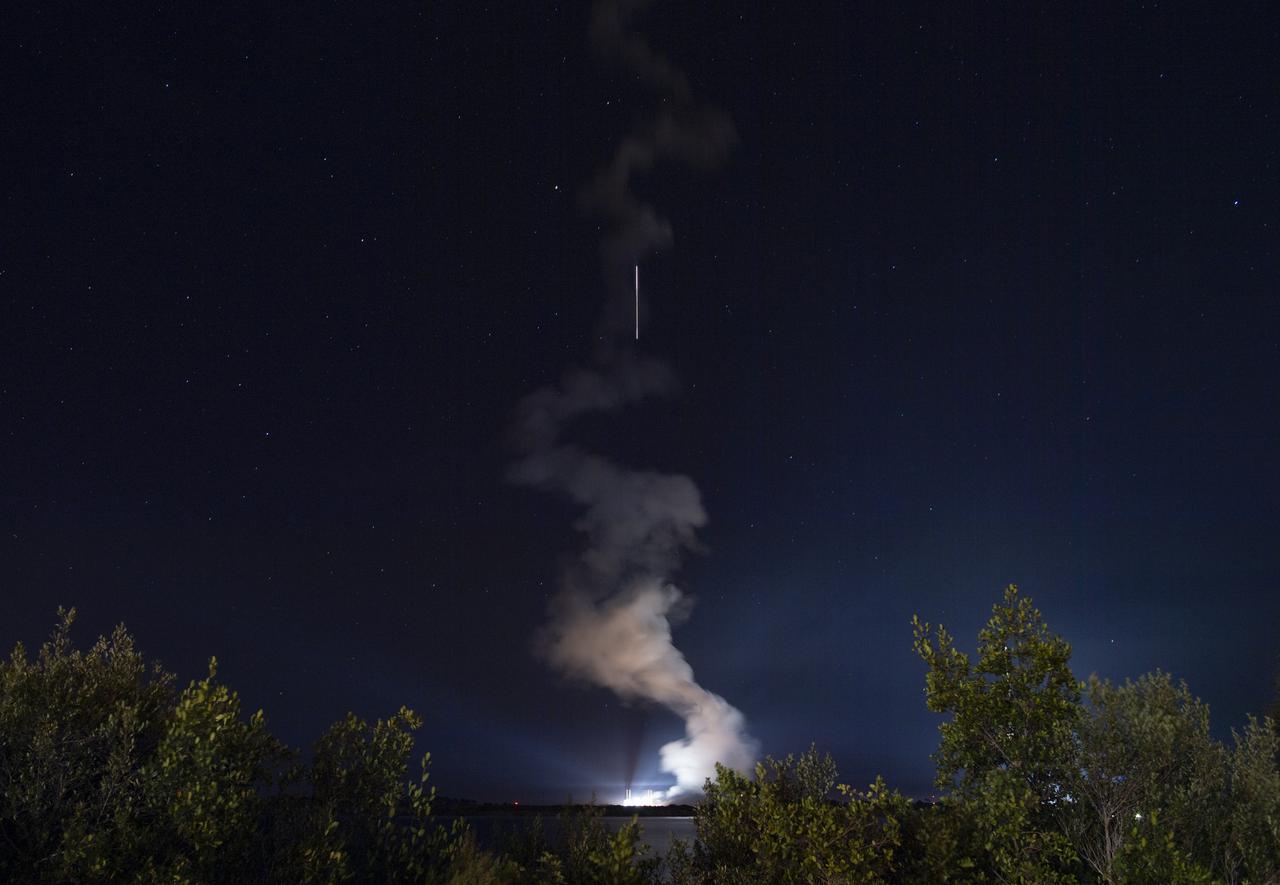
In this twenty-second exposure, a United Launch Alliance Atlas V rocket launches on the Department of Defense’s Space Test Program 3 (STP-3) mission from Space Launch Complex 41 at Cape Canaveral Space Force Station, Tuesday, Dec. 7, 2021, from NASA’s Kennedy Space Center in Florida. The mission’s Space Test Program Satellite-6 (STPSat-6) spacecraft hosts NASA’s Laser Communications Relay Demonstration (LCRD) and the NASA-U.S. Naval Research Laboratory Ultraviolet Spectro-Coronagraph (UVSC) Pathfinder. Photo Credit: (NASA/Joel Kowsky)
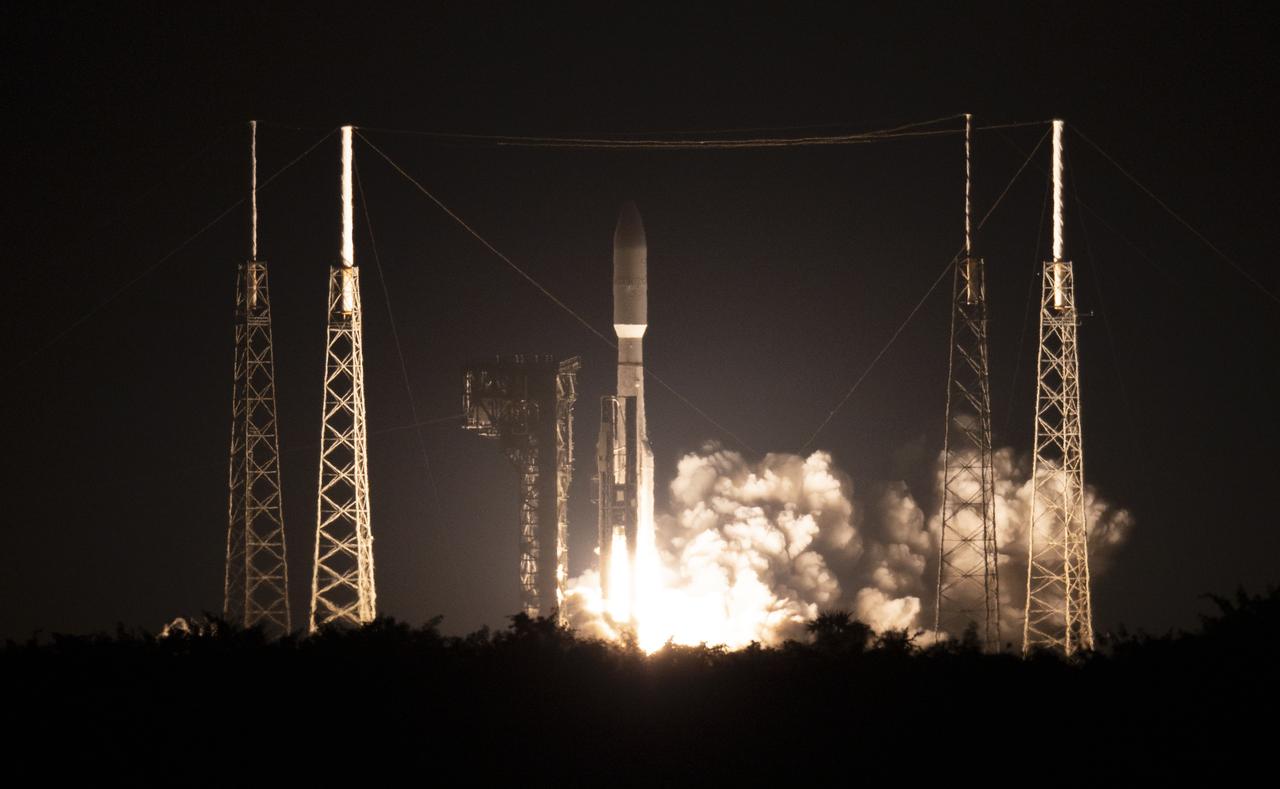
A United Launch Alliance Atlas V rocket launches on the Department of Defense’s Space Test Program 3 (STP-3) mission from Space Launch Complex 41 at Cape Canaveral Space Force Station, Tuesday, Dec. 7, 2021, from NASA’s Kennedy Space Center in Florida. The mission’s Space Test Program Satellite-6 (STPSat-6) spacecraft hosts NASA’s Laser Communications Relay Demonstration (LCRD) and the NASA-U.S. Naval Research Laboratory Ultraviolet Spectro-Coronagraph (UVSC) Pathfinder. Photo Credit: (NASA/Joel Kowsky)
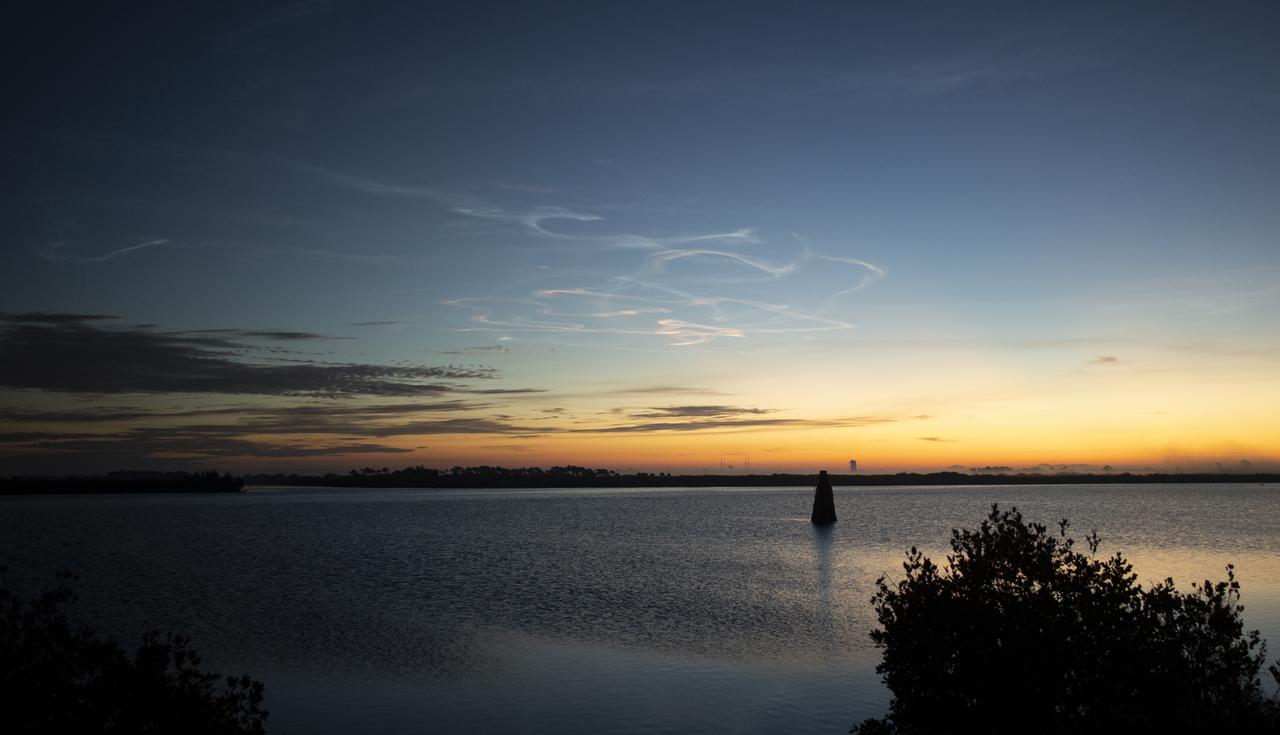
Contrails are seen illuminated in the sky as the Sun begins to rise following the launch of a United Launch Alliance Atlas V rocket on the Department of Defense’s Space Test Program 3 (STP-3) mission from Space Launch Complex 41 at Cape Canaveral Space Force Station, Tuesday, Dec. 7, 2021, from NASA’s Kennedy Space Center in Florida. The mission’s Space Test Program Satellite-6 (STPSat-6) spacecraft hosts NASA’s Laser Communications Relay Demonstration (LCRD) and the NASA-U.S. Naval Research Laboratory Ultraviolet Spectro-Coronagraph (UVSC) Pathfinder. Photo Credit: (NASA/Joel Kowsky)
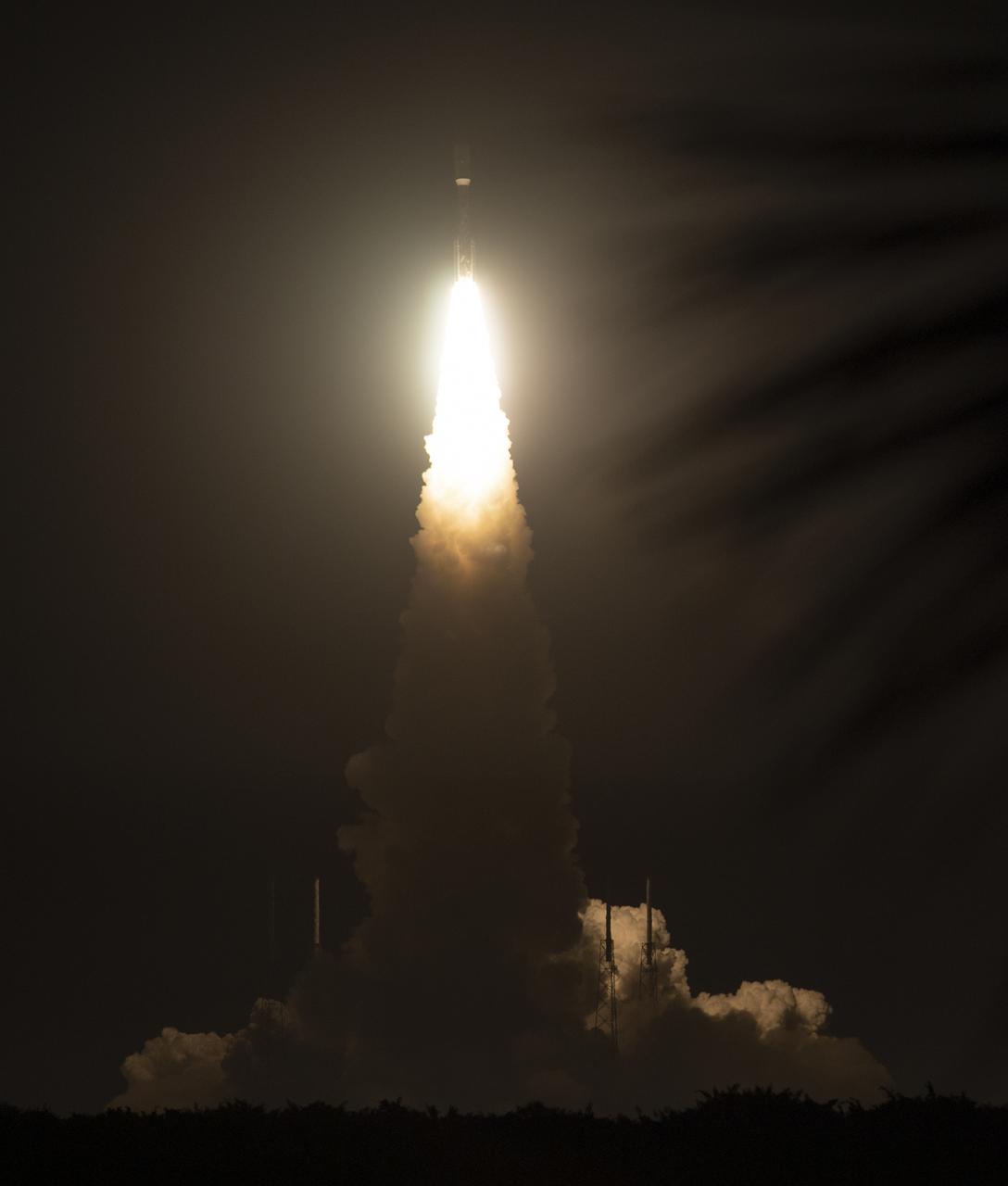
A United Launch Alliance Atlas V rocket launches on the Department of Defense’s Space Test Program 3 (STP-3) mission from Space Launch Complex 41 at Cape Canaveral Space Force Station, Tuesday, Dec. 7, 2021, from NASA’s Kennedy Space Center in Florida. The mission’s Space Test Program Satellite-6 (STPSat-6) spacecraft hosts NASA’s Laser Communications Relay Demonstration (LCRD) and the NASA-U.S. Naval Research Laboratory Ultraviolet Spectro-Coronagraph (UVSC) Pathfinder. Photo Credit: (NASA/Joel Kowsky)
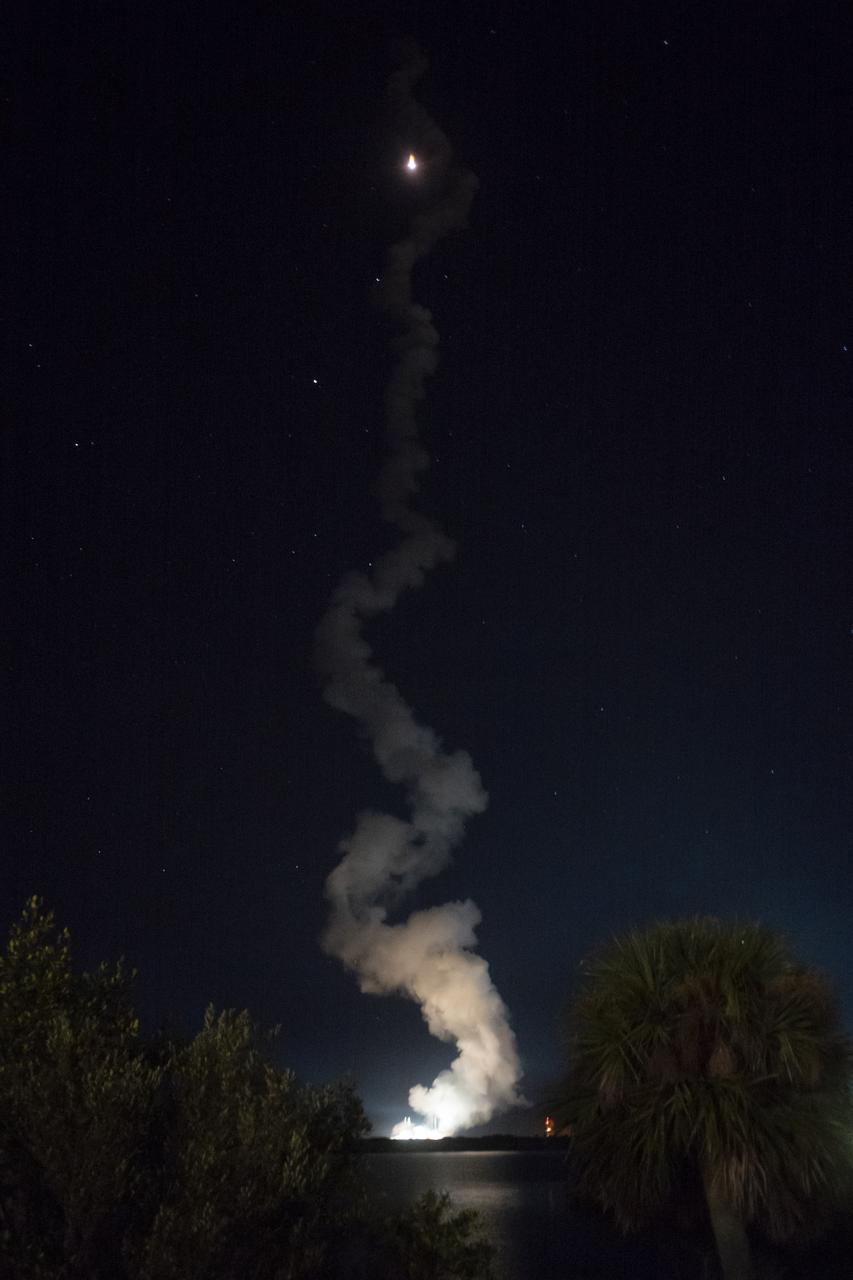
A United Launch Alliance Atlas V rocket launches on the Department of Defense’s Space Test Program 3 (STP-3) mission from Space Launch Complex 41 at Cape Canaveral Space Force Station, Tuesday, Dec. 7, 2021, from NASA’s Kennedy Space Center in Florida. The mission’s Space Test Program Satellite-6 (STPSat-6) spacecraft hosts NASA’s Laser Communications Relay Demonstration (LCRD) and the NASA-U.S. Naval Research Laboratory Ultraviolet Spectro-Coronagraph (UVSC) Pathfinder. Photo Credit: (NASA/Joel Kowsky)
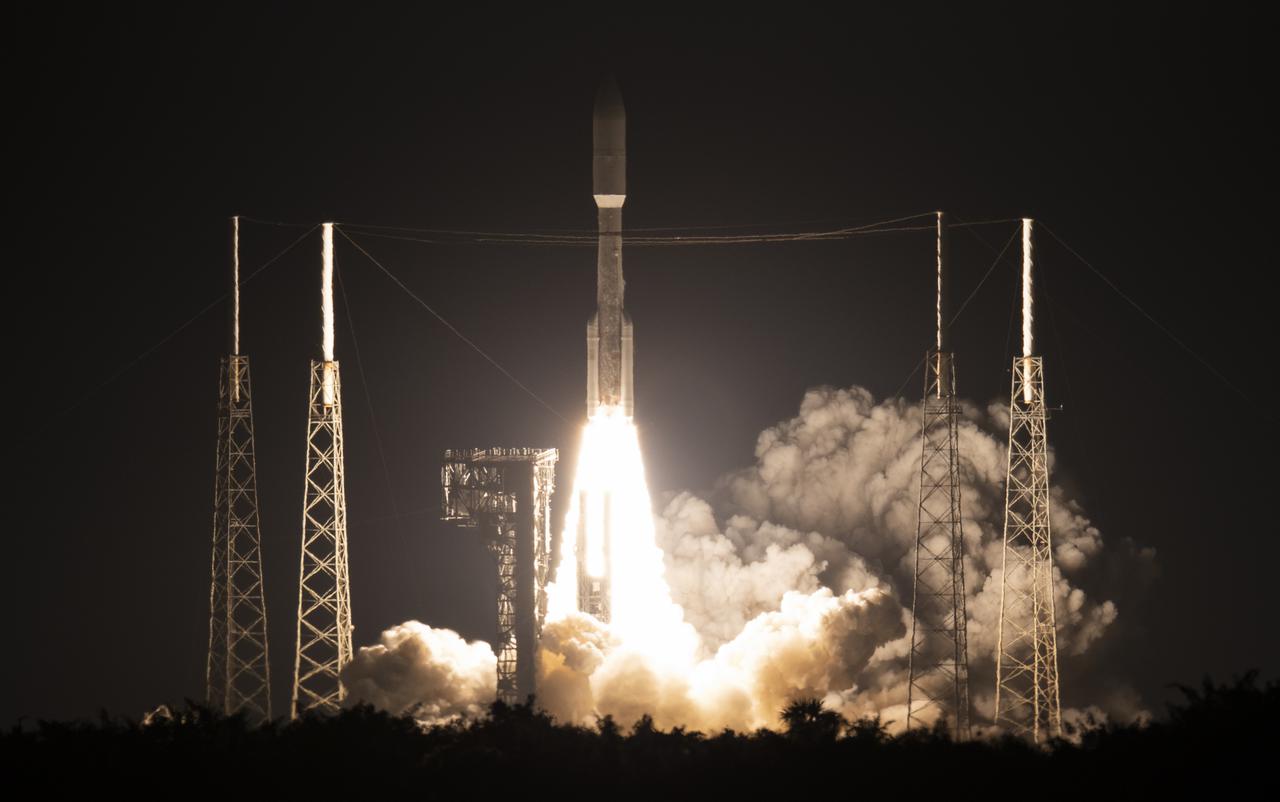
A United Launch Alliance Atlas V rocket launches on the Department of Defense’s Space Test Program 3 (STP-3) mission from Space Launch Complex 41 at Cape Canaveral Space Force Station, Tuesday, Dec. 7, 2021, from NASA’s Kennedy Space Center in Florida. The mission’s Space Test Program Satellite-6 (STPSat-6) spacecraft hosts NASA’s Laser Communications Relay Demonstration (LCRD) and the NASA-U.S. Naval Research Laboratory Ultraviolet Spectro-Coronagraph (UVSC) Pathfinder. Photo Credit: (NASA/Joel Kowsky)
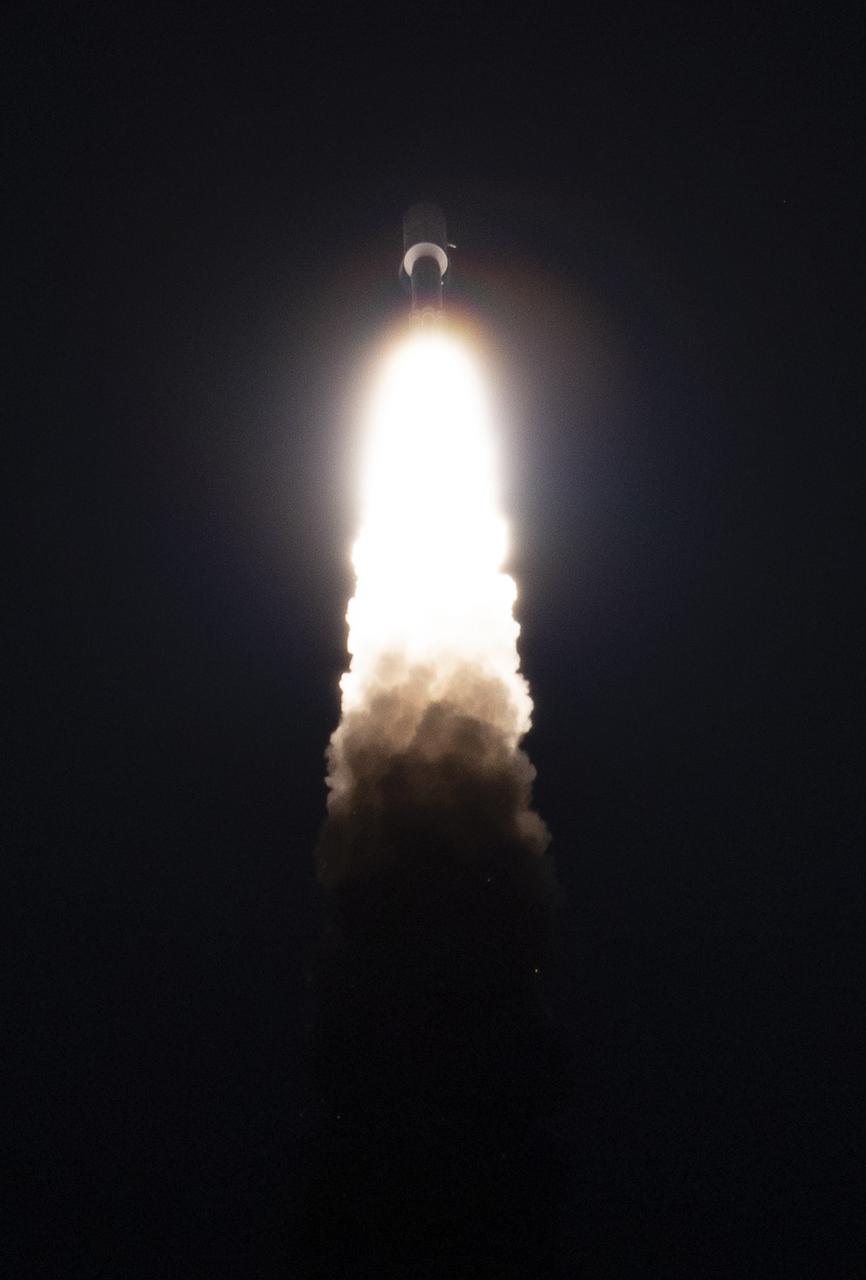
A United Launch Alliance Atlas V rocket launches on the Department of Defense’s Space Test Program 3 (STP-3) mission from Space Launch Complex 41 at Cape Canaveral Space Force Station, Tuesday, Dec. 7, 2021, from NASA’s Kennedy Space Center in Florida. The mission’s Space Test Program Satellite-6 (STPSat-6) spacecraft hosts NASA’s Laser Communications Relay Demonstration (LCRD) and the NASA-U.S. Naval Research Laboratory Ultraviolet Spectro-Coronagraph (UVSC) Pathfinder. Photo Credit: (NASA/Joel Kowsky)
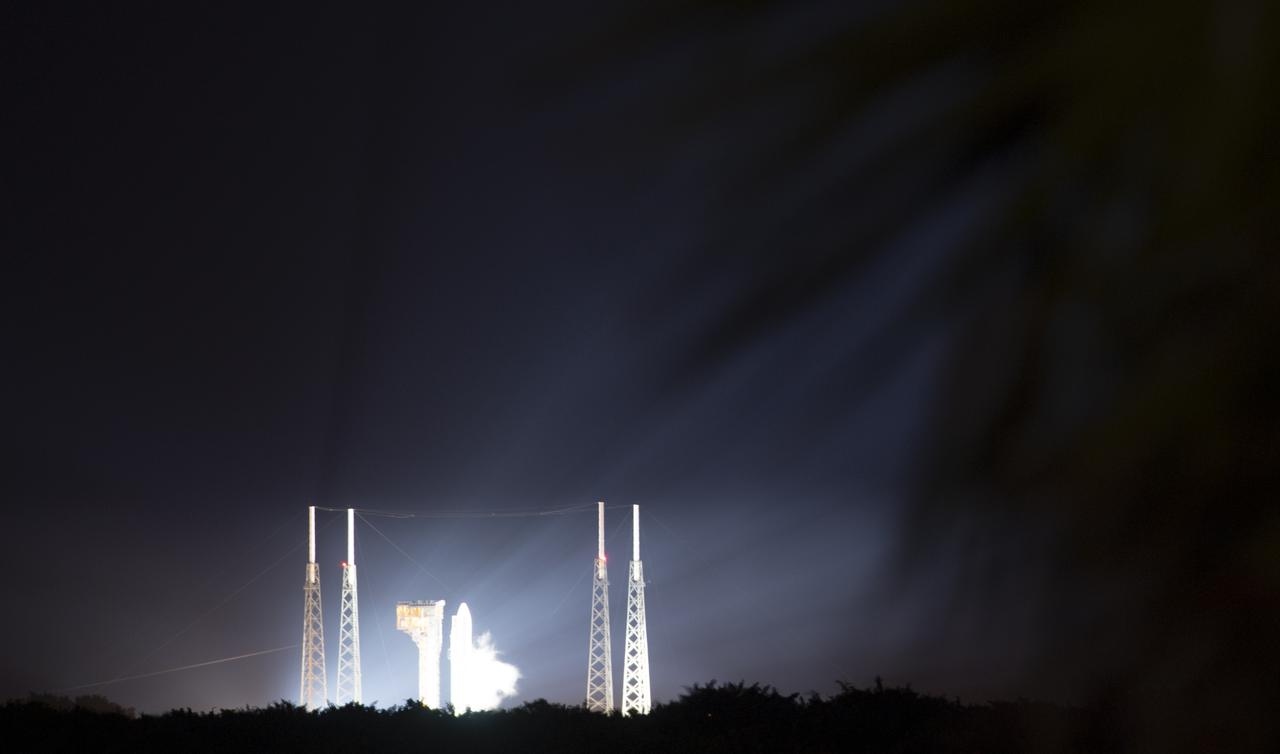
A United Launch Alliance Atlas V rocket carrying the Department of Defense’s Space Test Program 3 (STP-3) mission is seen illuminated by spotlights at Space Launch Complex 41 at Cape Canaveral Space Force Station, Tuesday, Dec. 7, 2021, from NASA’s Kennedy Space Center in Florida. The mission’s Space Test Program Satellite-6 (STPSat-6) spacecraft hosts NASA’s Laser Communications Relay Demonstration (LCRD) and the NASA-U.S. Naval Research Laboratory Ultraviolet Spectro-Coronagraph (UVSC) Pathfinder. Photo Credit: (NASA/Joel Kowsky)
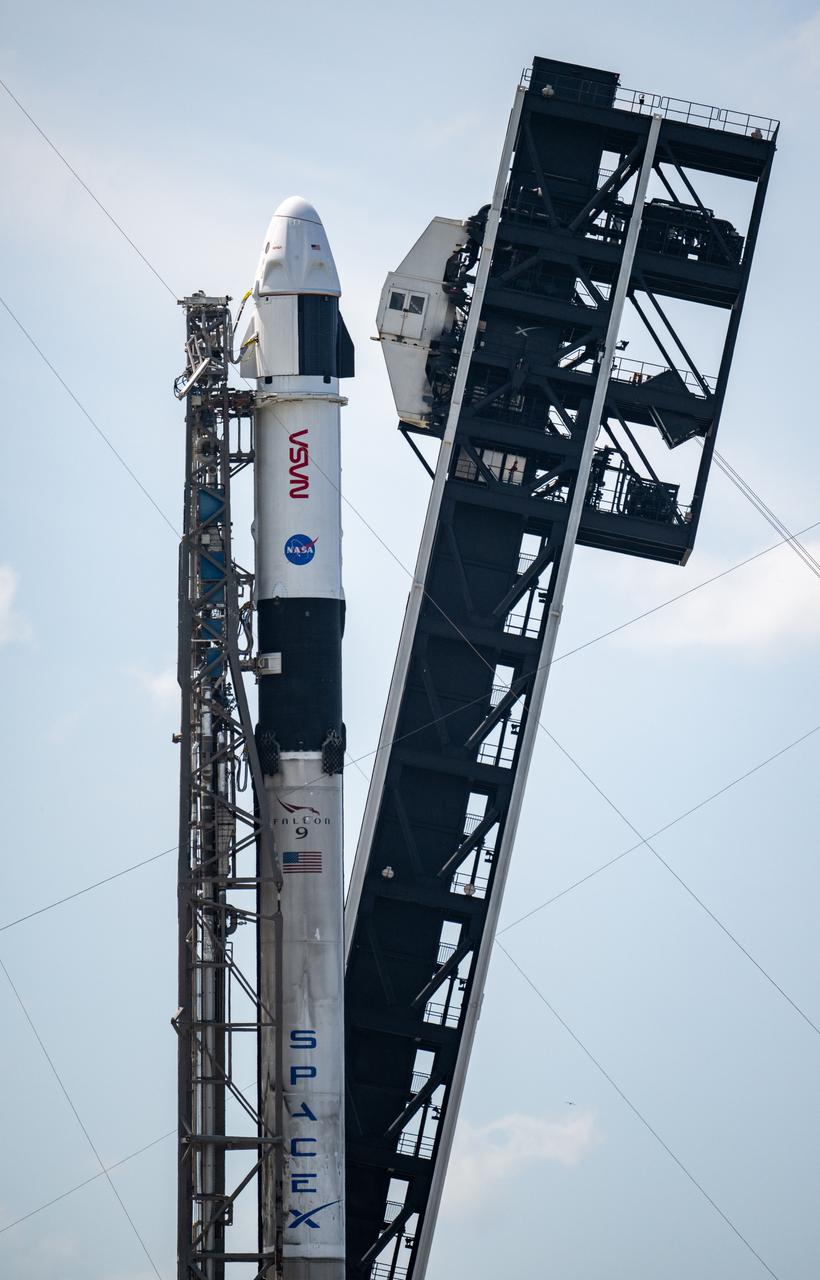
A SpaceX Falcon 9 rocket with the company's Dragon spacecraft on top is seen, photographed at an angle, as it is raised into a vertical position on the launch pad at Space Launch Complex 40 as preparations continue for the Crew-9 mission, Friday, Sept. 27, 2024, at Cape Canaveral Space Force Station in Florida. NASA’s SpaceX Crew-9 mission is the ninth crew rotation mission of the SpaceX Dragon spacecraft and Falcon 9 rocket to the International Space Station as part of the agency’s Commercial Crew Program. NASA astronaut Nick Hague and Roscosmos cosmonaut Aleksandr Gorbunov are scheduled to launch on 1:17 p.m. EDT on Saturday, Sept. 28, from Space Launch Complex 40 at the Cape Canaveral Space Force Station. Photo Credit: (NASA/Keegan Barber)
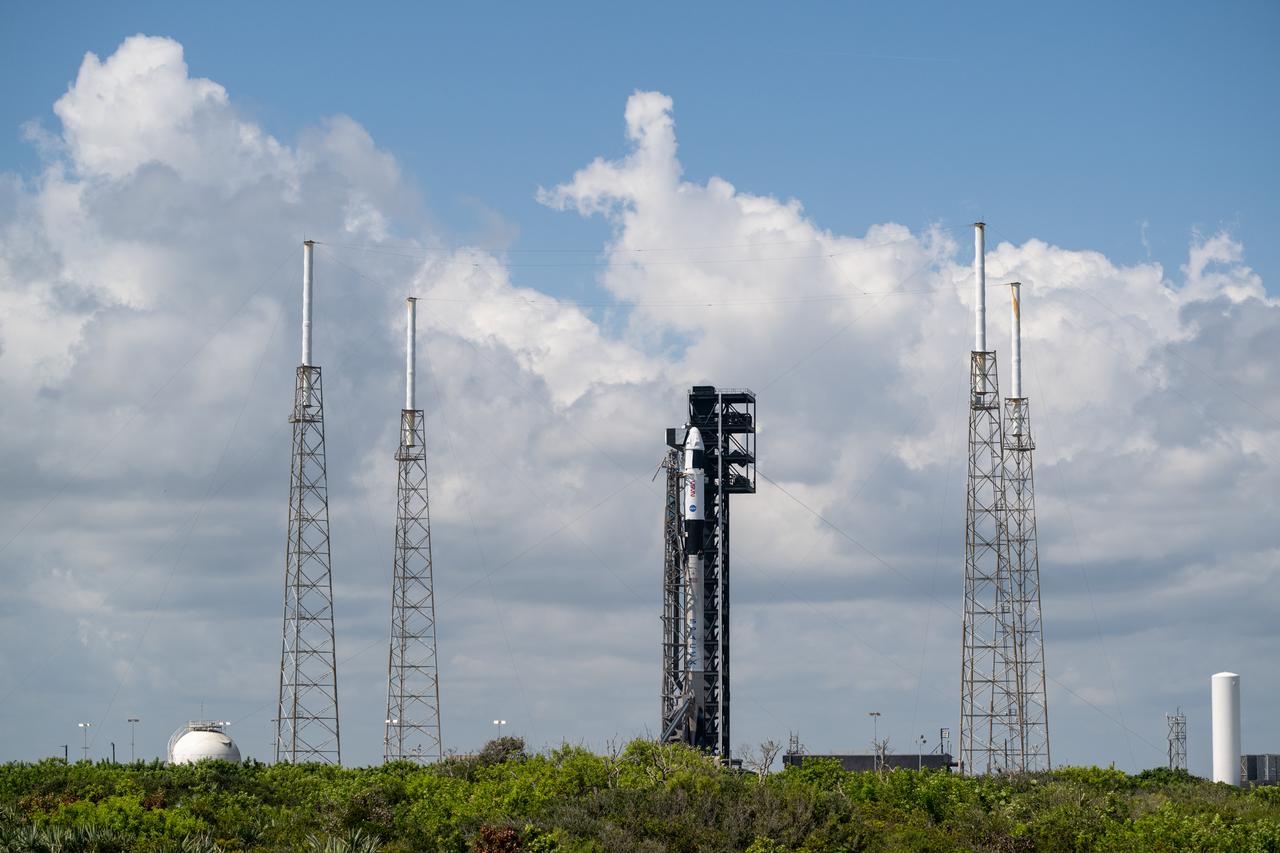
A SpaceX Falcon 9 rocket with the company's Dragon spacecraft on top is seen on the launch pad at Space Launch Complex 40 as preparations continue for the Crew-9 mission, Tuesday, Sept. 24, 2024, at Cape Canaveral Space Force Station in Florida. NASA’s SpaceX Crew-9 mission is the ninth crew rotation mission of the SpaceX Dragon spacecraft and Falcon 9 rocket to the International Space Station as part of the agency’s Commercial Crew Program. Photo Credit: (NASA/Keegan Barber)

A SpaceX Falcon 9 rocket with the company's Dragon spacecraft on top is seen on the launch pad at Space Launch Complex 40 as preparations continue for the Crew-9 mission, Tuesday, Sept. 24, 2024, at Cape Canaveral Space Force Station in Florida. NASA’s SpaceX Crew-9 mission is the ninth crew rotation mission of the SpaceX Dragon spacecraft and Falcon 9 rocket to the International Space Station as part of the agency’s Commercial Crew Program. Photo Credit: (NASA/Keegan Barber)
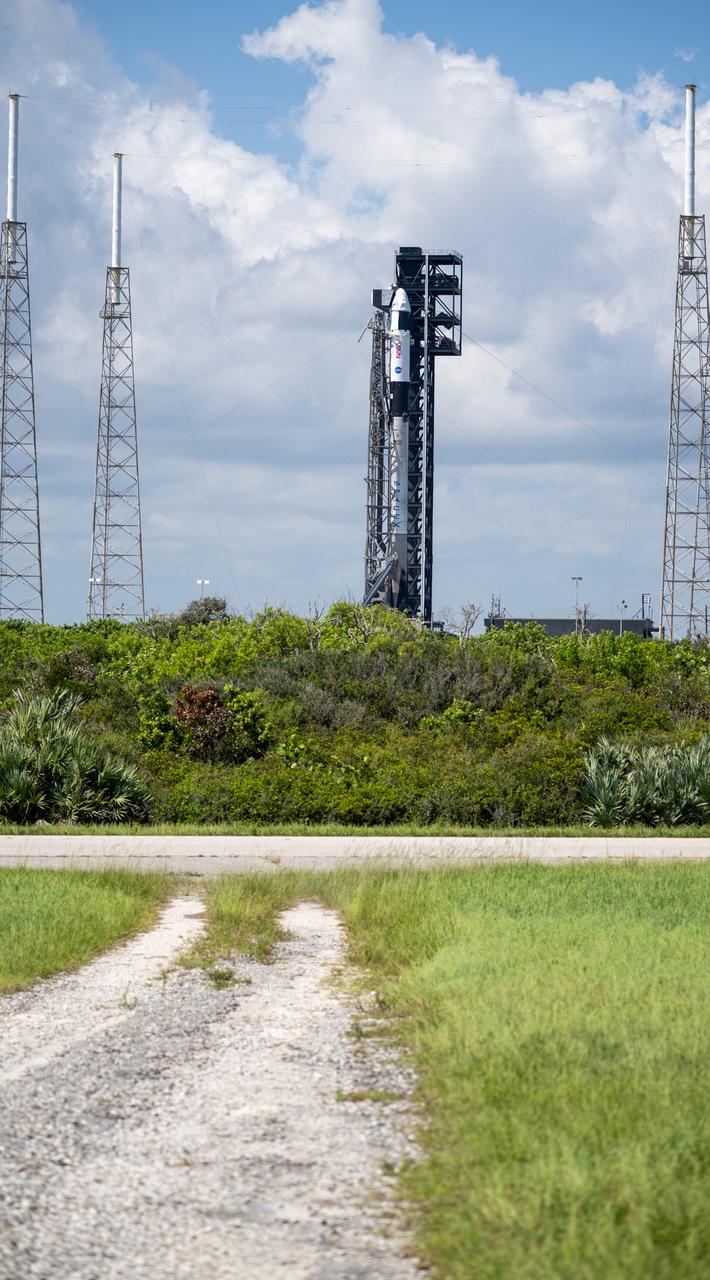
A SpaceX Falcon 9 rocket with the company's Dragon spacecraft on top is seen on the launch pad at Space Launch Complex 40 as preparations continue for the Crew-9 mission, Tuesday, Sept. 24, 2024, at Cape Canaveral Space Force Station in Florida. NASA’s SpaceX Crew-9 mission is the ninth crew rotation mission of the SpaceX Dragon spacecraft and Falcon 9 rocket to the International Space Station as part of the agency’s Commercial Crew Program. Photo Credit: (NASA/Keegan Barber)
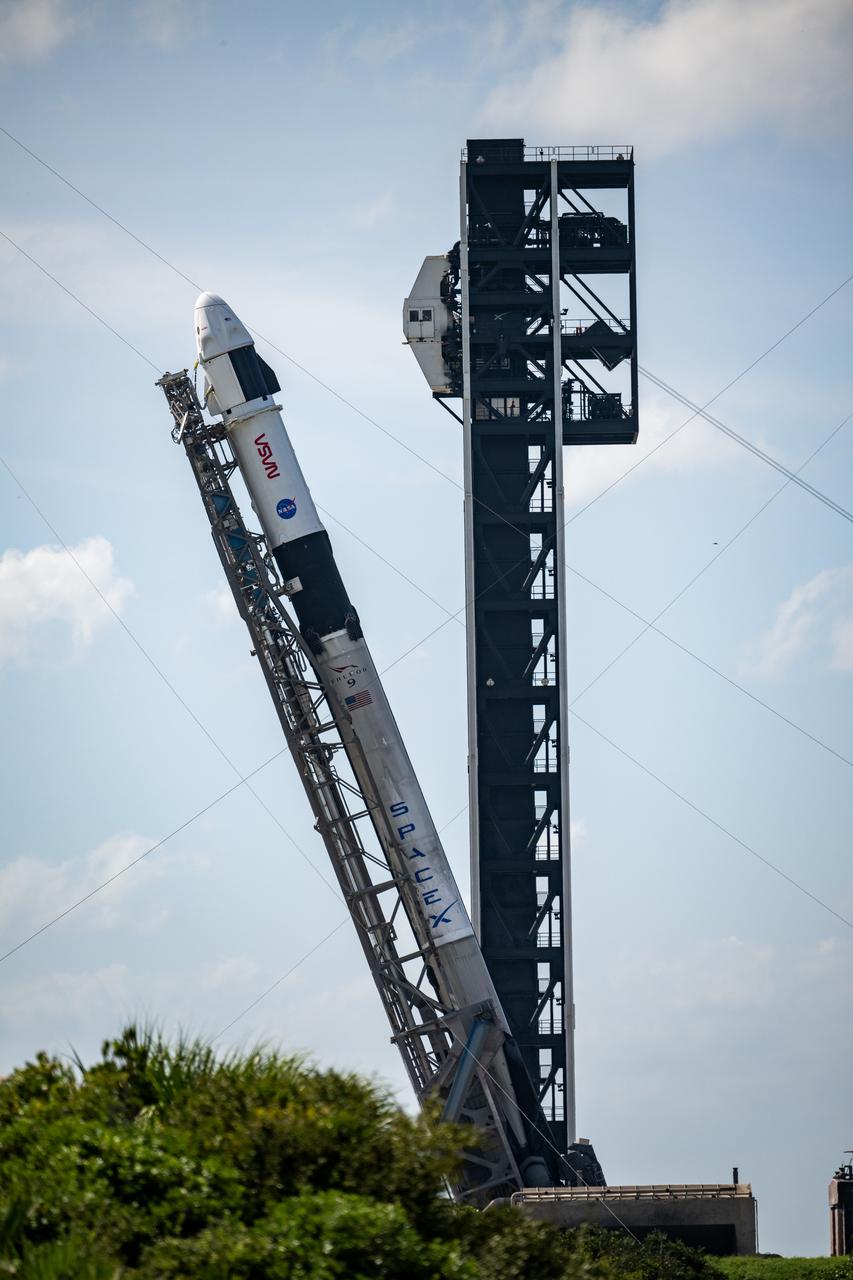
A SpaceX Falcon 9 rocket with the company's Dragon spacecraft on top is seen as it is raised into a vertical position on the launch pad at Space Launch Complex 40 as preparations continue for the Crew-9 mission, Friday, Sept. 27, 2024, at Cape Canaveral Space Force Station in Florida. NASA’s SpaceX Crew-9 mission is the ninth crew rotation mission of the SpaceX Dragon spacecraft and Falcon 9 rocket to the International Space Station as part of the agency’s Commercial Crew Program. NASA astronaut Nick Hague and Roscosmos cosmonaut Aleksandr Gorbunov are scheduled to launch on 1:17 p.m. EDT on Saturday, Sept. 28, from Space Launch Complex 40 at the Cape Canaveral Space Force Station. Photo Credit: (NASA/Keegan Barber)
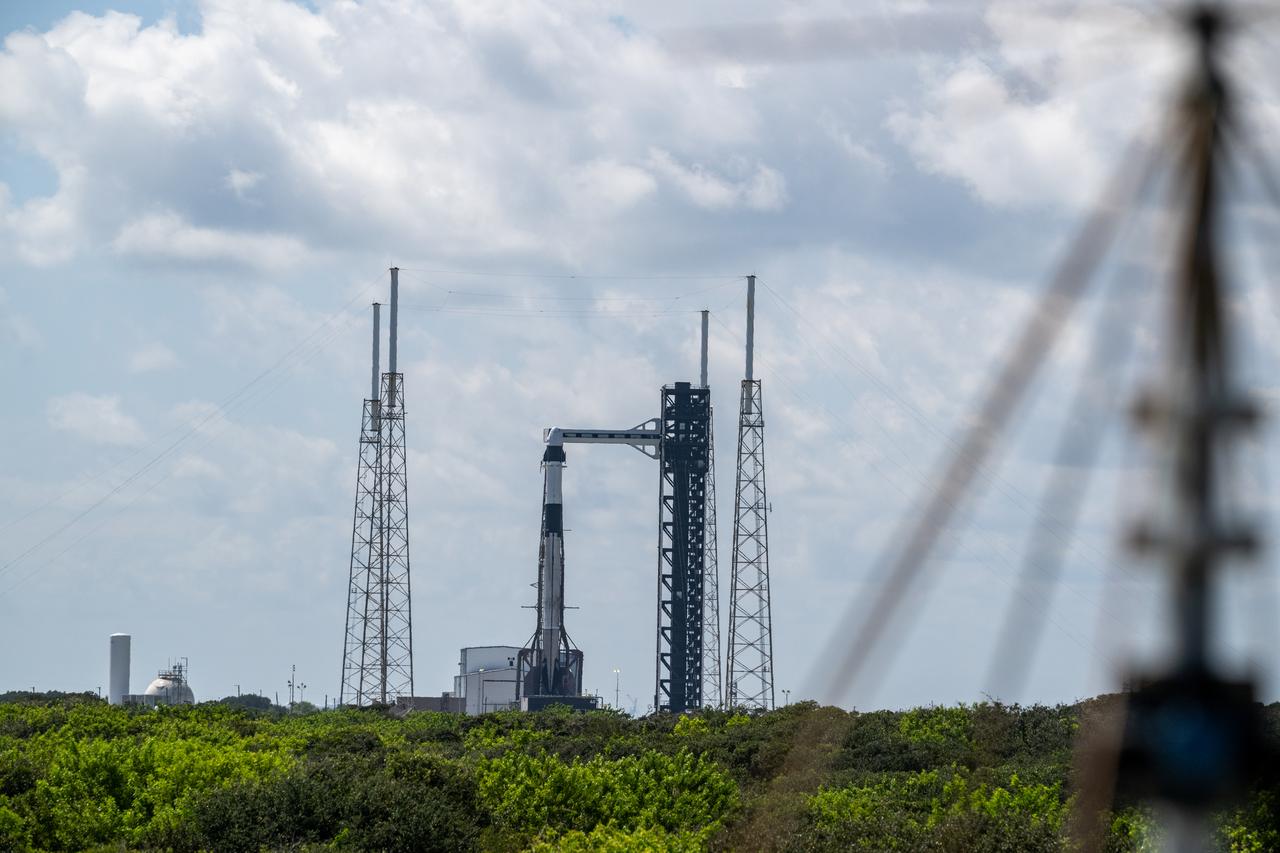
A SpaceX Falcon 9 rocket with the company's Dragon spacecraft on top is seen on the launch pad at Space Launch Complex 40 as preparations continue for the Crew-9 mission, Tuesday, Sept. 24, 2024, at Cape Canaveral Space Force Station in Florida. NASA’s SpaceX Crew-9 mission is the ninth crew rotation mission of the SpaceX Dragon spacecraft and Falcon 9 rocket to the International Space Station as part of the agency’s Commercial Crew Program. Photo Credit: (NASA/Keegan Barber)
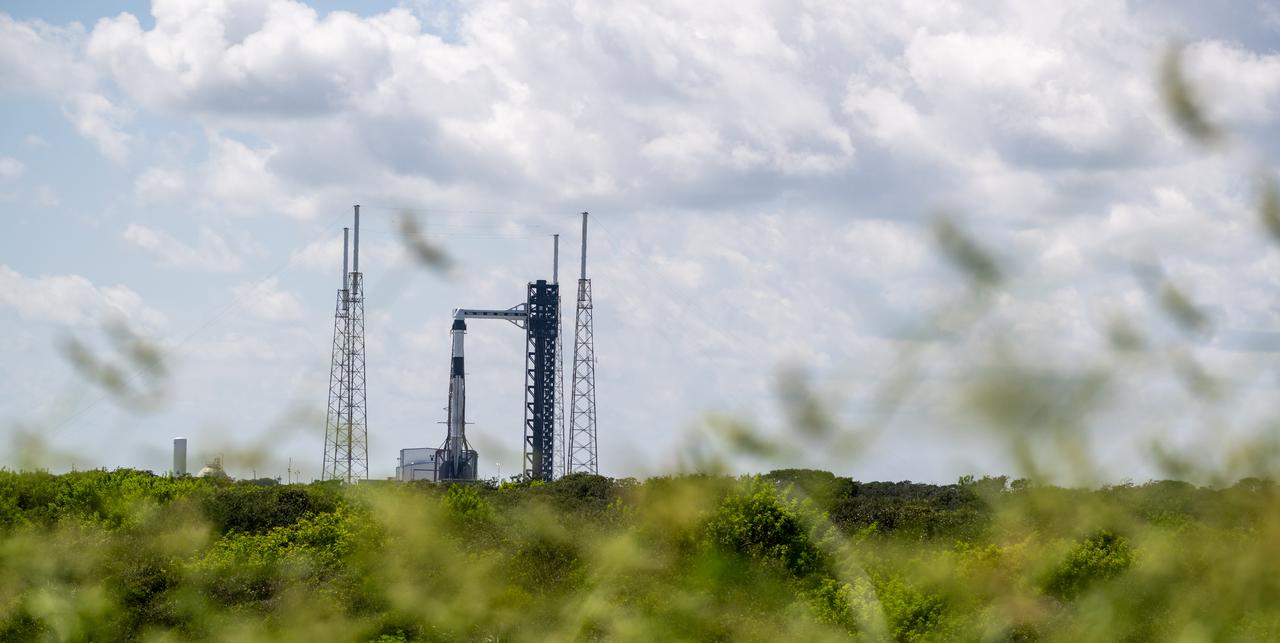
A SpaceX Falcon 9 rocket with the company's Dragon spacecraft on top is seen on the launch pad at Space Launch Complex 40 as preparations continue for the Crew-9 mission, Tuesday, Sept. 24, 2024, at Cape Canaveral Space Force Station in Florida. NASA’s SpaceX Crew-9 mission is the ninth crew rotation mission of the SpaceX Dragon spacecraft and Falcon 9 rocket to the International Space Station as part of the agency’s Commercial Crew Program. Photo Credit: (NASA/Keegan Barber)
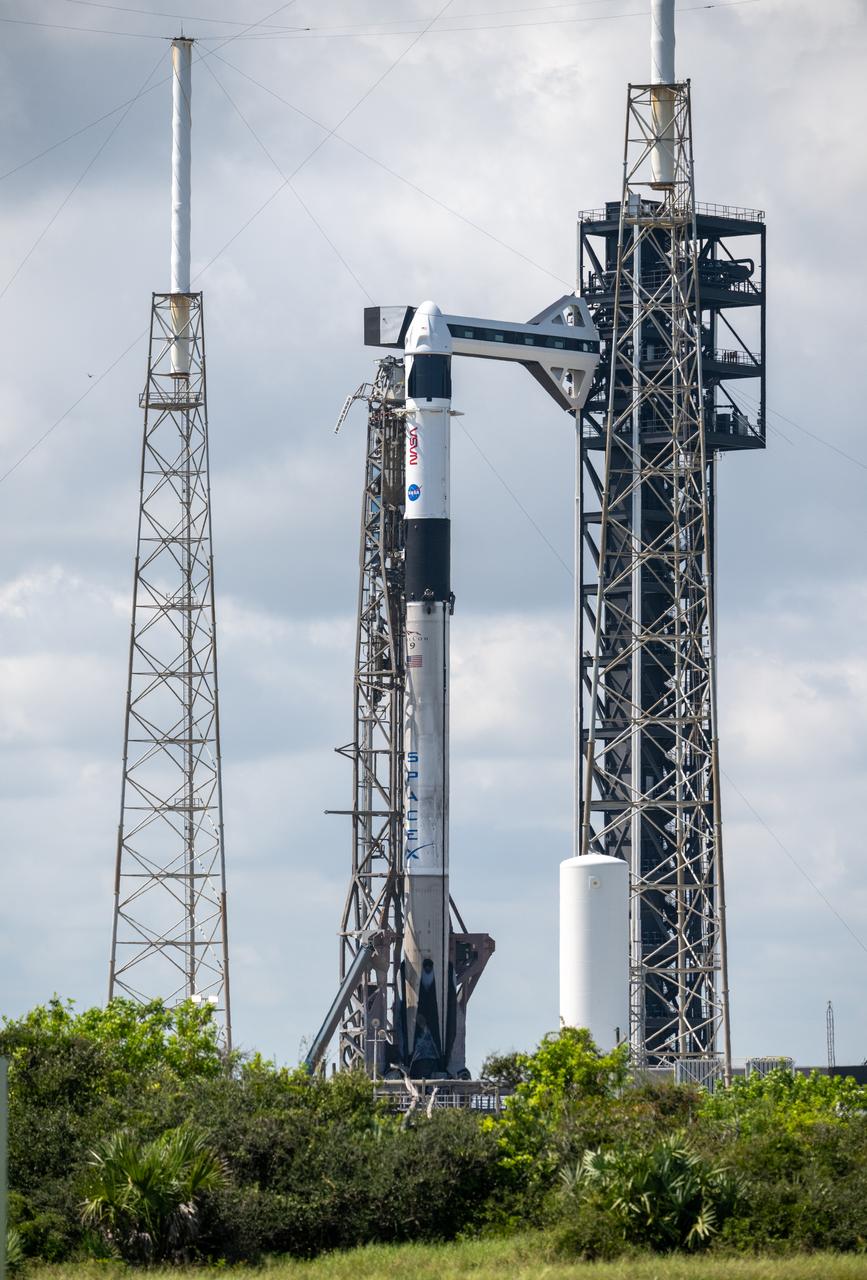
A SpaceX Falcon 9 rocket with the company's Dragon spacecraft on top is seen on the launch pad at Space Launch Complex 40 as preparations continue for the Crew-9 mission, Tuesday, Sept. 24, 2024, at Cape Canaveral Space Force Station in Florida. NASA’s SpaceX Crew-9 mission is the ninth crew rotation mission of the SpaceX Dragon spacecraft and Falcon 9 rocket to the International Space Station as part of the agency’s Commercial Crew Program. Photo Credit: (NASA/Keegan Barber)
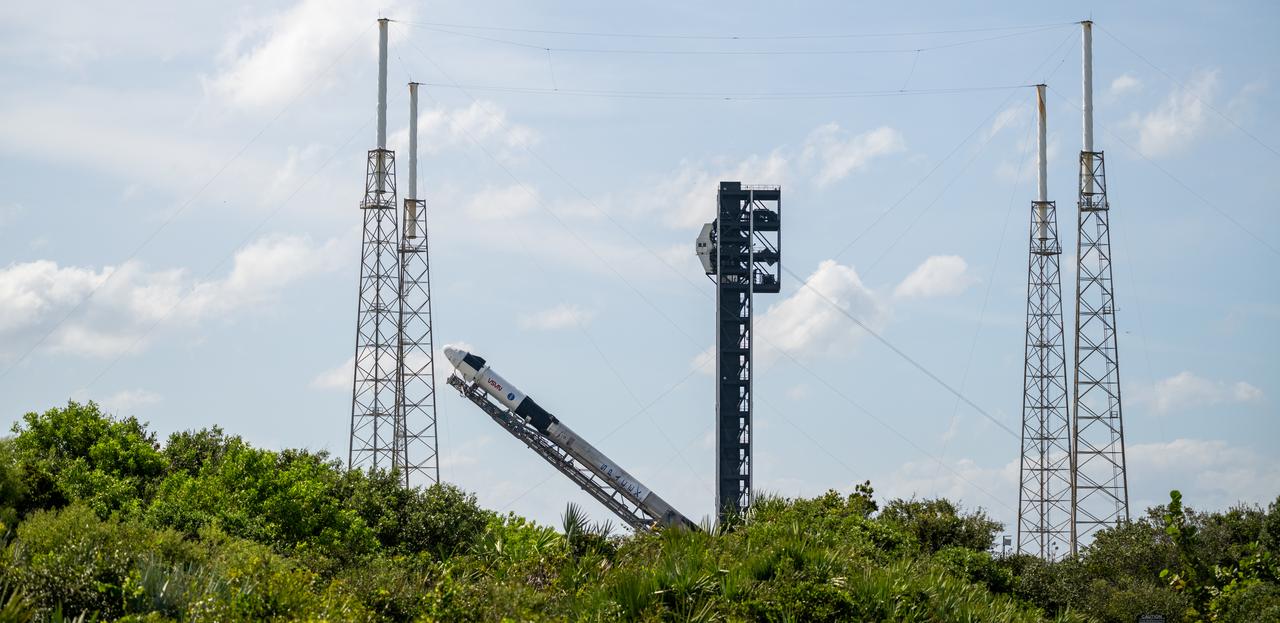
A SpaceX Falcon 9 rocket with the company's Dragon spacecraft on top is seen as it is raised into a vertical position on the launch pad at Space Launch Complex 40 as preparations continue for the Crew-9 mission, Friday, Sept. 27, 2024, at Cape Canaveral Space Force Station in Florida. NASA’s SpaceX Crew-9 mission is the ninth crew rotation mission of the SpaceX Dragon spacecraft and Falcon 9 rocket to the International Space Station as part of the agency’s Commercial Crew Program. NASA astronaut Nick Hague and Roscosmos cosmonaut Aleksandr Gorbunov are scheduled to launch on 1:17 p.m. EDT on Saturday, Sept. 28, from Space Launch Complex 40 at the Cape Canaveral Space Force Station. Photo Credit: (NASA/Keegan Barber)
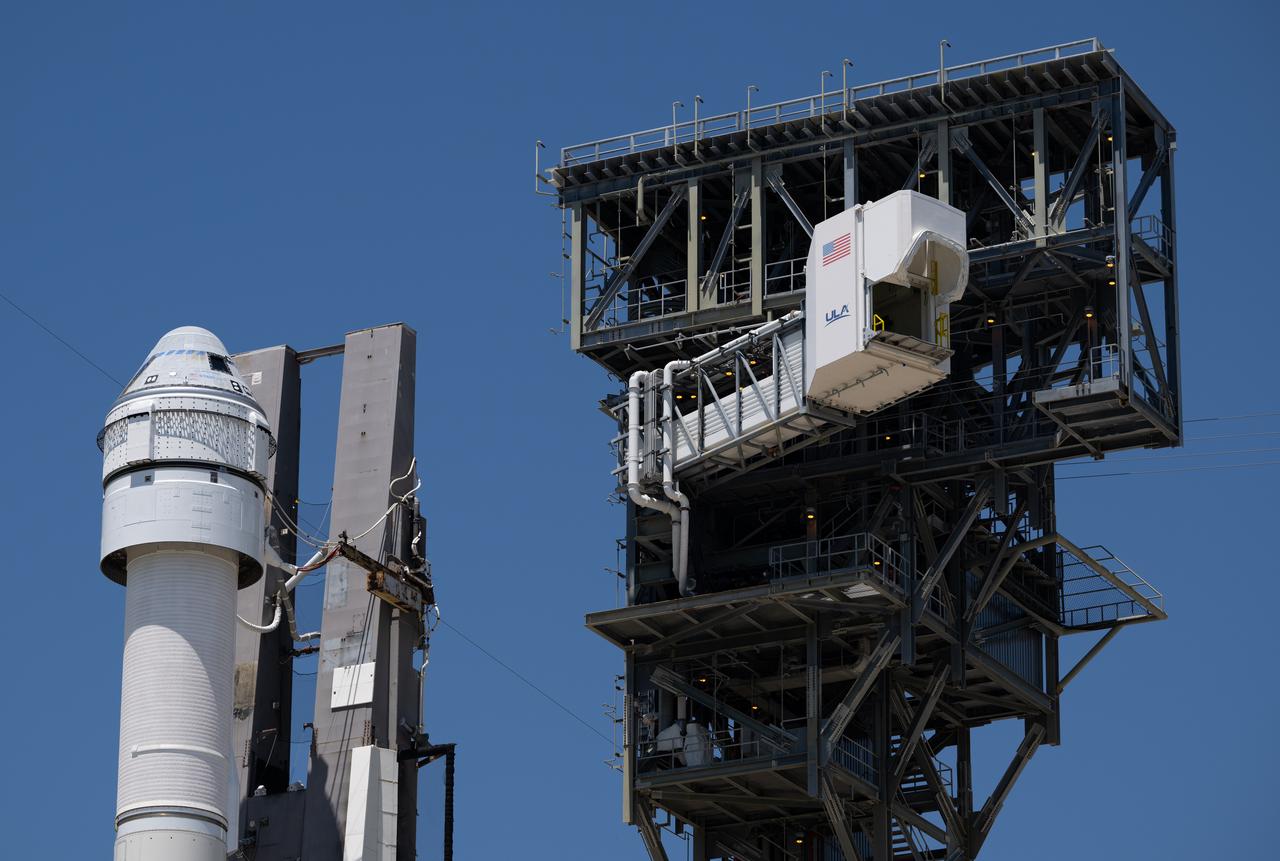
The crew access arm is seen as it is swung into position after a United Launch Alliance Atlas V rocket with Boeing’s CST-100 Starliner spacecraft aboard was rolled out of the Vertical Integration Facility to the launch pad at Space Launch Complex 41 ahead of the NASA’s Boeing Crew Flight Test, Thursday, May 30, 2024 at Cape Canaveral Space Force Station in Florida. NASA’s Boeing Crew Flight Test is the first launch with astronauts of the Boeing CFT-100 spacecraft and United Launch Alliance Atlas V rocket to the International Space Station as part of the agency’s Commercial Crew Program. The flight test, targeted for launch at 12:25 p.m. EDT on Saturday, June 1, serves as an end-to-end demonstration of Boeing’s crew transportation system and will carry NASA astronauts Butch Wilmore and Suni Williams to and from the orbiting laboratory. Photo Credit: (NASA/Joel Kowsky)
![]A United Launch Alliance Atlas V rocket with Boeing’s CST-100 Starliner spacecraft aboard is seen as it is rolled out of the Vertical Integration Facility to the launch pad at Space Launch Complex 41 ahead of the NASA’s Boeing Crew Flight Test, Saturday, May 4, 2024 at Cape Canaveral Space Force Station in Florida. NASA’s Boeing Crew Flight Test is the first launch with astronauts aboard the Starliner spacecraft and Atlas V rocket to the International Space Station as part of the agency’s Commercial Crew Program. The flight test, targeted for launch at 10:34 p.m. EDT on Monday, May 6, serves as an end-to-end demonstration of Boeing’s crew transportation system and will carry NASA astronauts Butch Wilmore and Suni Williams to and from the orbiting laboratory. Photo Credit: (NASA/Joel Kowsky)](https://images-assets.nasa.gov/image/NHQ202405040016/NHQ202405040016~medium.jpg)
]A United Launch Alliance Atlas V rocket with Boeing’s CST-100 Starliner spacecraft aboard is seen as it is rolled out of the Vertical Integration Facility to the launch pad at Space Launch Complex 41 ahead of the NASA’s Boeing Crew Flight Test, Saturday, May 4, 2024 at Cape Canaveral Space Force Station in Florida. NASA’s Boeing Crew Flight Test is the first launch with astronauts aboard the Starliner spacecraft and Atlas V rocket to the International Space Station as part of the agency’s Commercial Crew Program. The flight test, targeted for launch at 10:34 p.m. EDT on Monday, May 6, serves as an end-to-end demonstration of Boeing’s crew transportation system and will carry NASA astronauts Butch Wilmore and Suni Williams to and from the orbiting laboratory. Photo Credit: (NASA/Joel Kowsky)
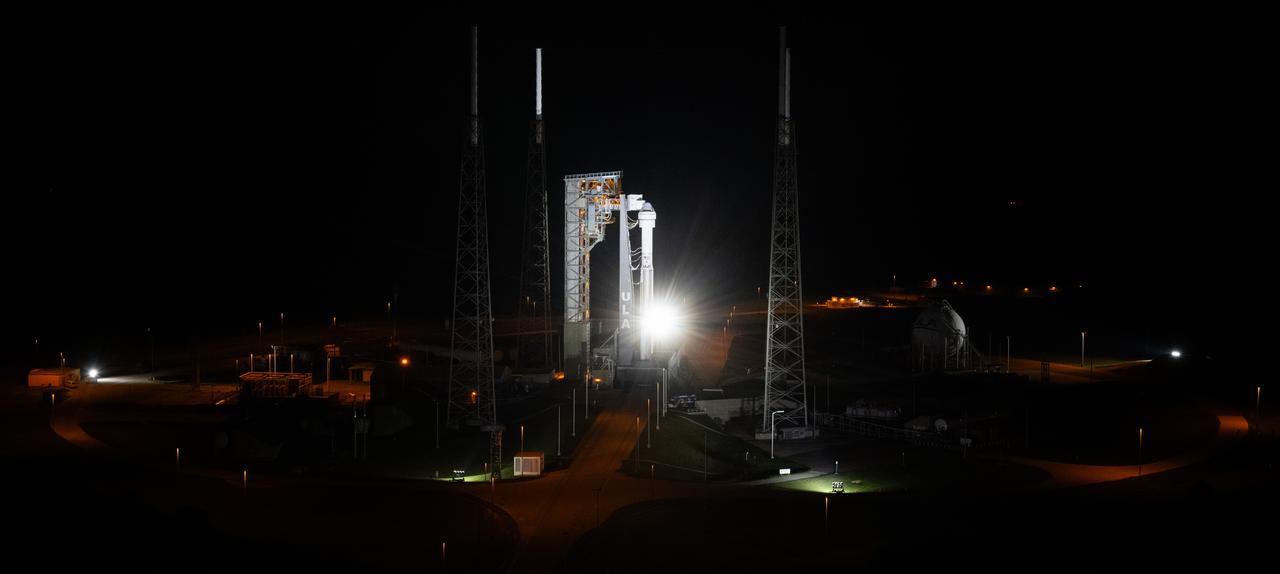
A United Launch Alliance Atlas V rocket with Boeing’s CST-100 Starliner spacecraft aboard is seen illuminated by spotlights on the launch pad at Space Launch Complex 41 ahead of the NASA’s Boeing Crew Flight Test, Thursday, May 30, 2024 at Cape Canaveral Space Force Station in Florida. NASA’s Boeing Crew Flight Test is the first launch with astronauts of the Boeing CFT-100 spacecraft and United Launch Alliance Atlas V rocket to the International Space Station as part of the agency’s Commercial Crew Program. The flight test, targeted for launch at 12:25 p.m. EDT on Saturday, June 1, serves as an end-to-end demonstration of Boeing’s crew transportation system and will carry NASA astronauts Butch Wilmore and Suni Williams to and from the orbiting laboratory. Photo Credit: (NASA/Joel Kowsky)
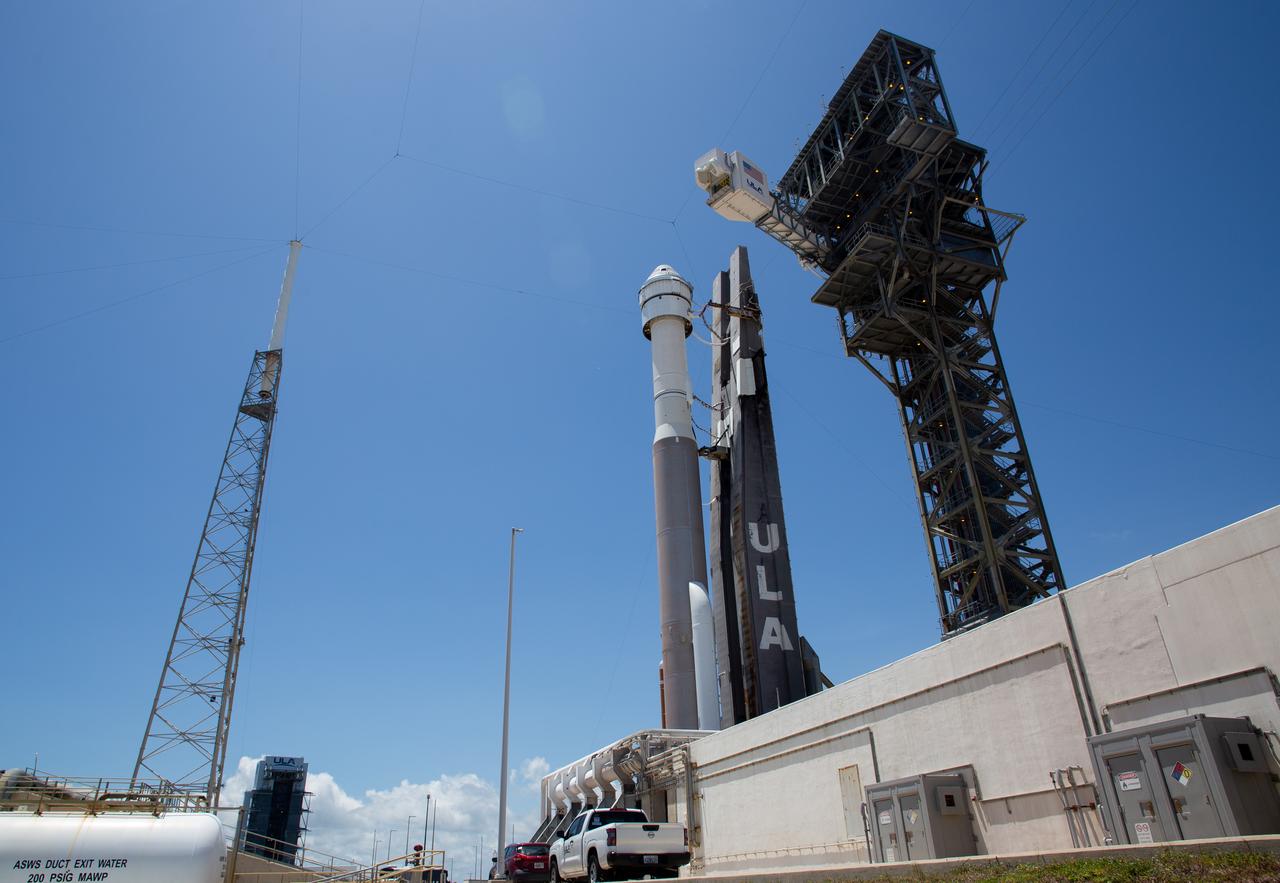
The crew access arm is seen as it is swung into position after a United Launch Alliance Atlas V rocket with Boeing’s CST-100 Starliner spacecraft aboard was rolled out of the Vertical Integration Facility to the launch pad at Space Launch Complex 41 ahead of the NASA’s Boeing Crew Flight Test, Saturday, May 4, 2024 at Cape Canaveral Space Force Station in Florida. NASA’s Boeing Crew Flight Test is the first launch with astronauts aboard the Starliner spacecraft and Atlas V rocket to the International Space Station as part of the agency’s Commercial Crew Program. The flight test, targeted for launch at 10:34 p.m. EDT on Monday, May 6, serves as an end-to-end demonstration of Boeing’s crew transportation system and will carry NASA astronauts Butch Wilmore and Suni Williams to and from the orbiting laboratory. Photo Credit: (NASA/Joel Kowsky)
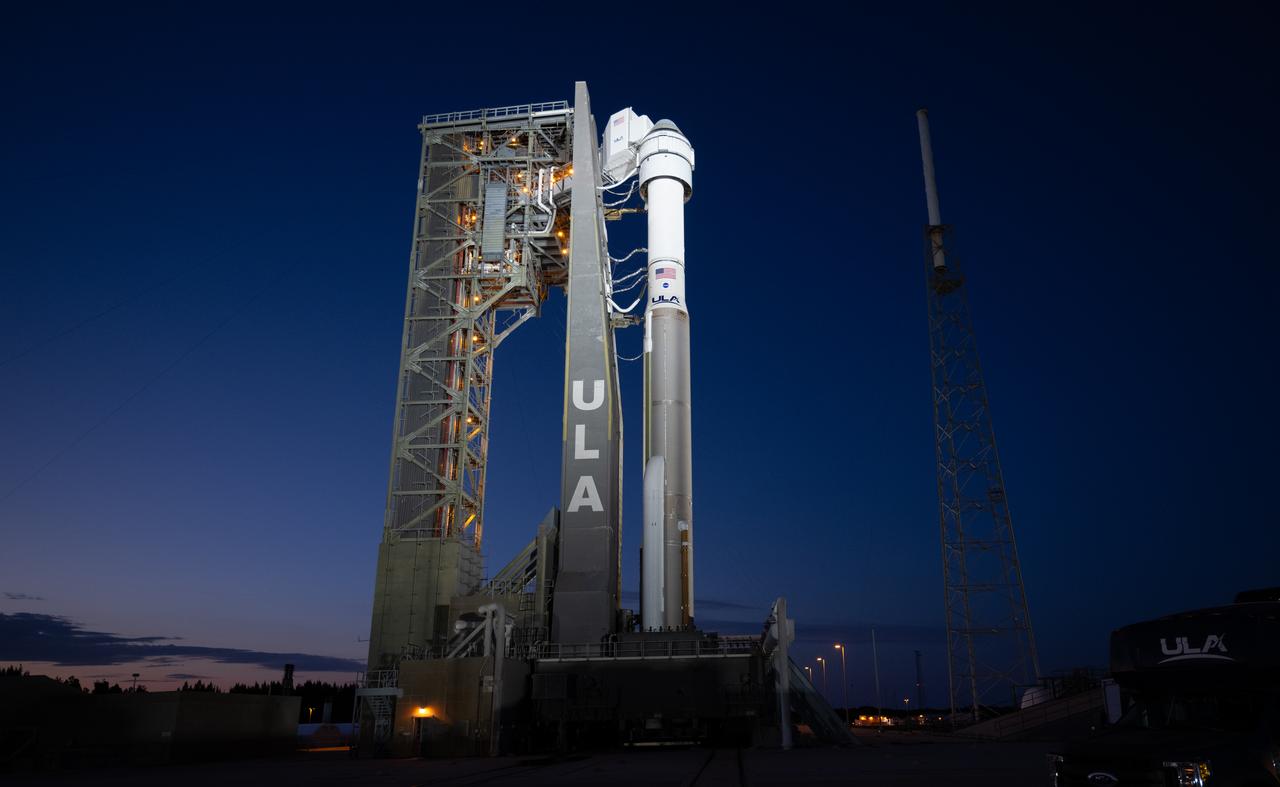
A United Launch Alliance Atlas V rocket with Boeing’s CST-100 Starliner spacecraft aboard is seen illuminated by spotlights at sunset on the launch pad at Space Launch Complex 41 ahead of the NASA’s Boeing Crew Flight Test, Thursday, May 30, 2024 at Cape Canaveral Space Force Station in Florida. NASA’s Boeing Crew Flight Test is the first launch with astronauts of the Boeing CFT-100 spacecraft and United Launch Alliance Atlas V rocket to the International Space Station as part of the agency’s Commercial Crew Program. The flight test, targeted for launch at 12:25 p.m. EDT on Saturday, June 1, serves as an end-to-end demonstration of Boeing’s crew transportation system and will carry NASA astronauts Butch Wilmore and Suni Williams to and from the orbiting laboratory. Photo Credit: (NASA/Joel Kowsky)
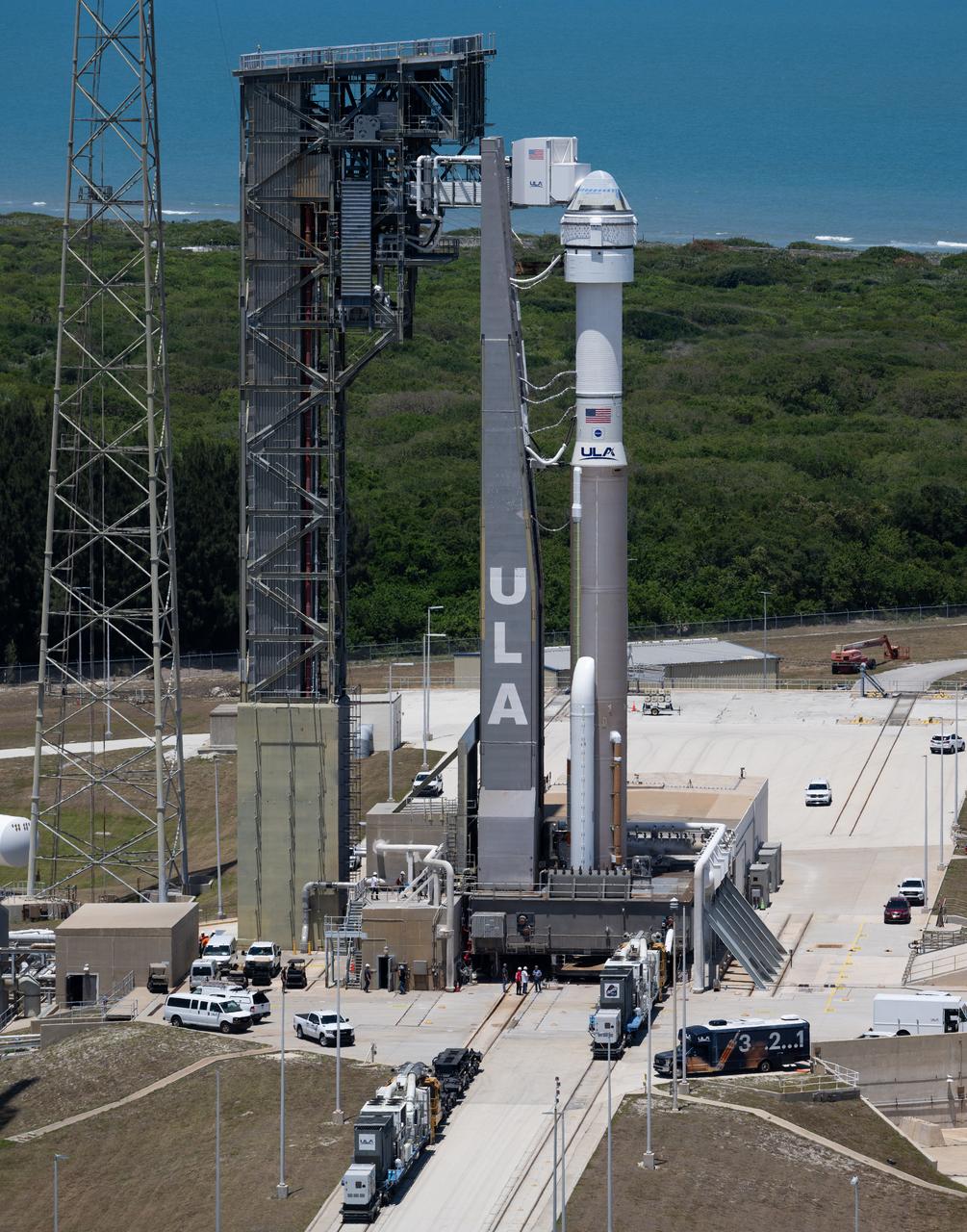
A United Launch Alliance Atlas V rocket with Boeing’s CST-100 Starliner spacecraft aboard is seen on the launch pad at Space Launch Complex 41 ahead of the NASA’s Boeing Crew Flight Test, Saturday, May 4, 2024 at Cape Canaveral Space Force Station in Florida. NASA’s Boeing Crew Flight Test is the first launch with astronauts of the Boeing CFT-100 spacecraft and United Launch Alliance Atlas V rocket to the International Space Station as part of the agency’s Commercial Crew Program. The flight test, targeted for launch at 10:34 p.m. EDT on Monday, May 6, serves as an end-to-end demonstration of Boeing’s crew transportation system and will carry NASA astronauts Butch Wilmore and Suni Williams to and from the orbiting laboratory. Photo Credit: (NASA/Joel Kowsky)
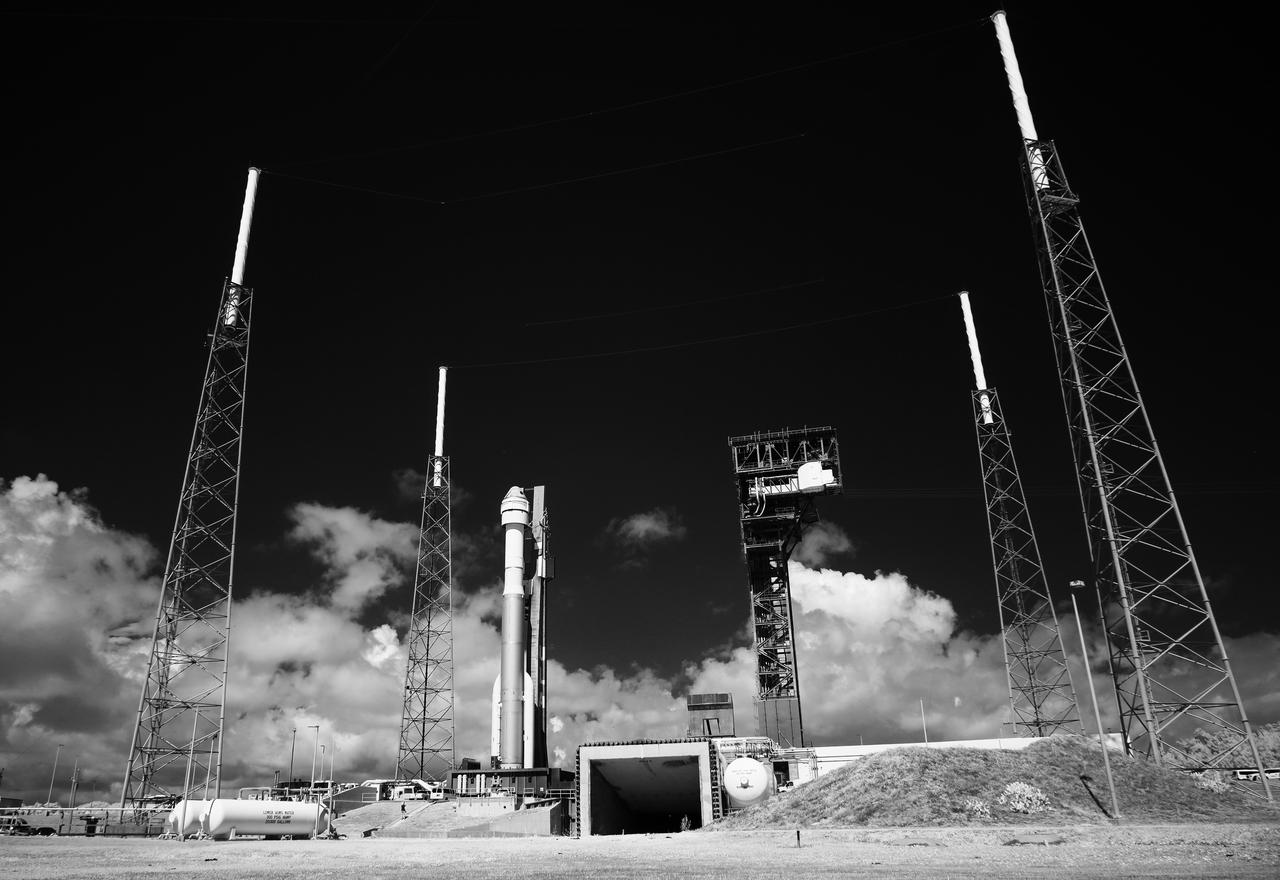
In this black and white infrared images, a United Launch Alliance Atlas V rocket with Boeing’s CST-100 Starliner spacecraft aboard is seen as it is rolled out of the Vertical Integration Facility to the launch pad at Space Launch Complex 41 ahead of the NASA’s Boeing Crew Flight Test, Saturday, May 4, 2024 at Cape Canaveral Space Force Station in Florida. NASA’s Boeing Crew Flight Test is the first launch with astronauts of the Boeing CFT-100 spacecraft and United Launch Alliance Atlas V rocket to the International Space Station as part of the agency’s Commercial Crew Program. The flight test, targeted for launch at 10:34 p.m. EDT on Monday, May 6, serves as an end-to-end demonstration of Boeing’s crew transportation system and will carry NASA astronauts Butch Wilmore and Suni Williams to and from the orbiting laboratory. Photo Credit: (NASA/Joel Kowsky)
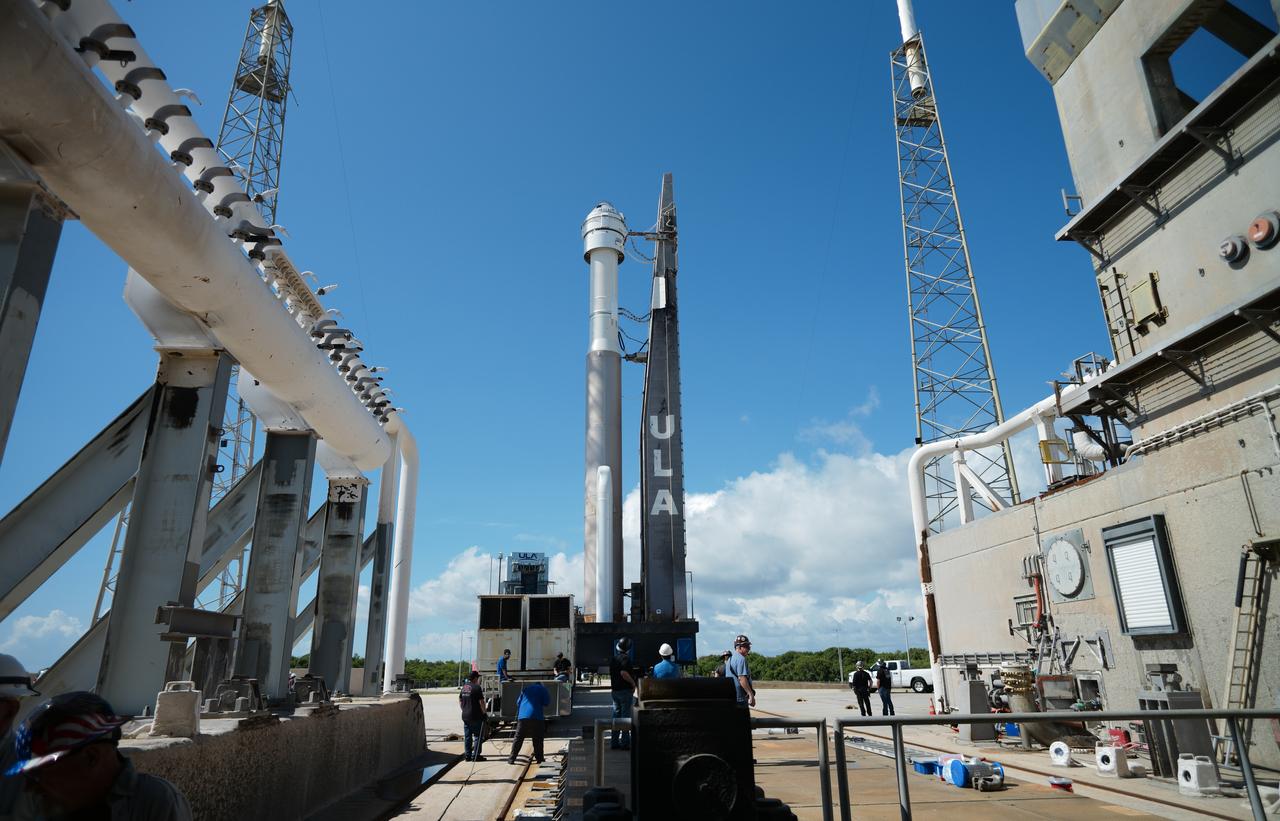
A United Launch Alliance Atlas V rocket with Boeing’s CST-100 Starliner spacecraft aboard is seen as it is rolled out of the Vertical Integration Facility to the launch pad at Space Launch Complex 41 ahead of the NASA’s Boeing Crew Flight Test, Saturday, May 4, 2024 at Cape Canaveral Space Force Station in Florida. NASA’s Boeing Crew Flight Test is the first launch with astronauts aboard the Starliner spacecraft and Atlas V rocket to the International Space Station as part of the agency’s Commercial Crew Program. The flight test, targeted for launch at 10:34 p.m. EDT on Monday, May 6, serves as an end-to-end demonstration of Boeing’s crew transportation system and will carry NASA astronauts Butch Wilmore and Suni Williams to and from the orbiting laboratory. Photo Credit: (NASA/Joel Kowsky)
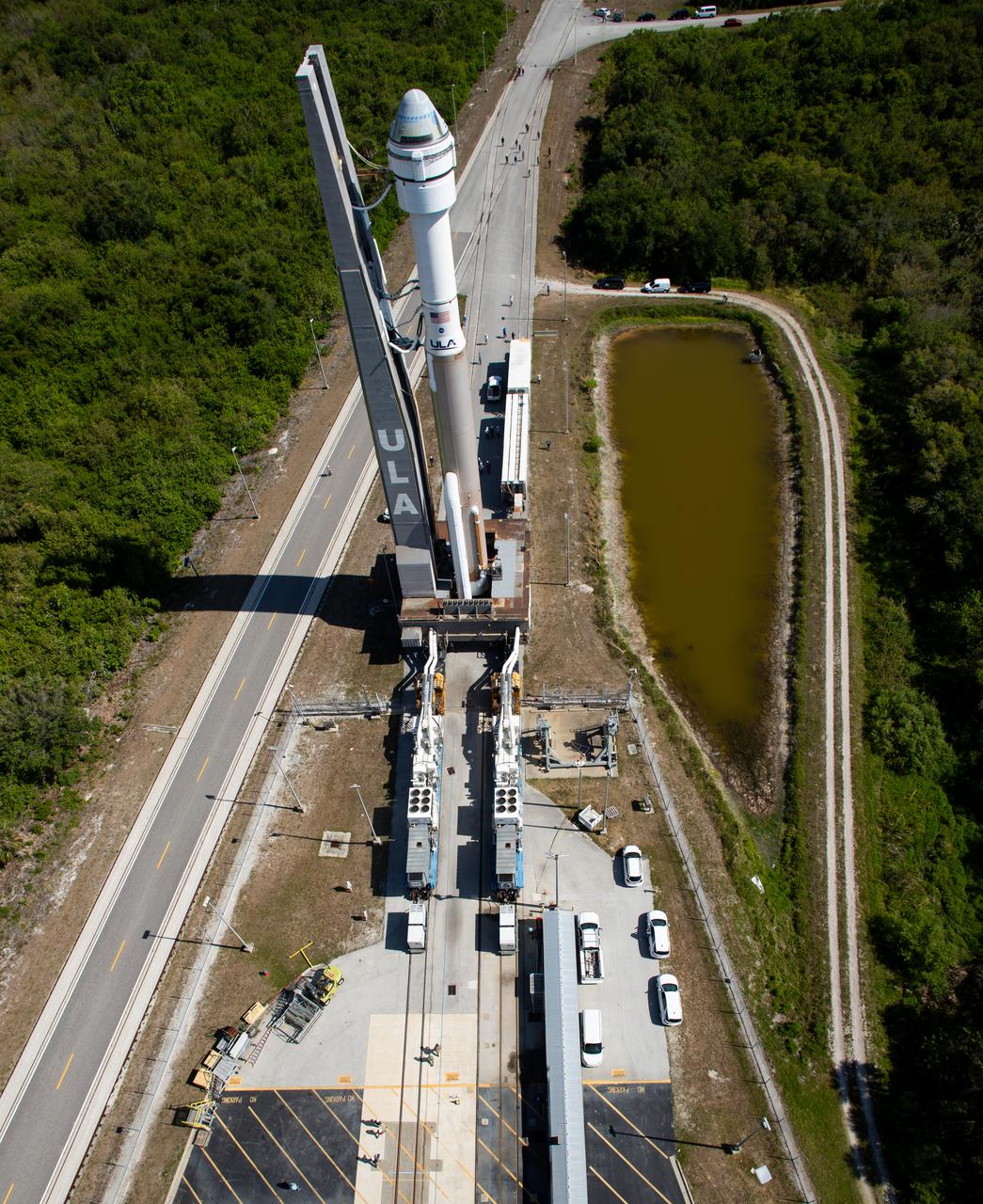
A United Launch Alliance Atlas V rocket with Boeing’s CST-100 Starliner spacecraft aboard is seen as it is rolled out of the Vertical Integration Facility to the launch pad at Space Launch Complex 41 ahead of the NASA’s Boeing Crew Flight Test, Saturday, May 4, 2024 at Cape Canaveral Space Force Station in Florida. NASA’s Boeing Crew Flight Test is the first launch with astronauts aboard the Starliner spacecraft and Atlas V rocket to the International Space Station as part of the agency’s Commercial Crew Program. The flight test, targeted for launch at 10:34 p.m. EDT on Monday, May 6, serves as an end-to-end demonstration of Boeing’s crew transportation system and will carry NASA astronauts Butch Wilmore and Suni Williams to and from the orbiting laboratory. Photo Credit: (NASA/Joel Kowsky)
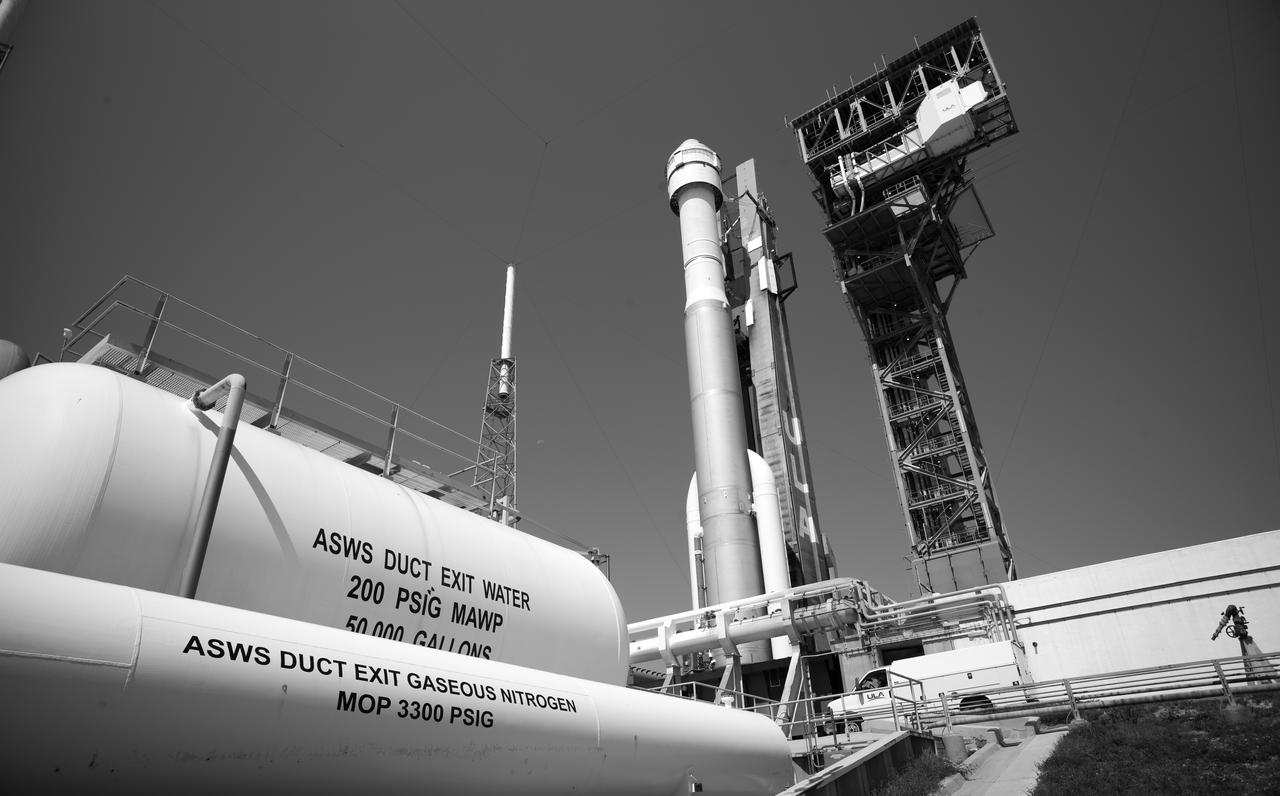
A United Launch Alliance Atlas V rocket with Boeing’s CST-100 Starliner spacecraft aboard is seen after being rolled out of the Vertical Integration Facility to the launch pad at Space Launch Complex 41 ahead of the NASA’s Boeing Crew Flight Test, Thursday, May 30, 2024 at Cape Canaveral Space Force Station in Florida. NASA’s Boeing Crew Flight Test is the first launch with astronauts of the Boeing CFT-100 spacecraft and United Launch Alliance Atlas V rocket to the International Space Station as part of the agency’s Commercial Crew Program. The flight test, targeted for launch at 12:25 p.m. EDT on Saturday, June 1, serves as an end-to-end demonstration of Boeing’s crew transportation system and will carry NASA astronauts Butch Wilmore and Suni Williams to and from the orbiting laboratory. Photo Credit: (NASA/Joel Kowsky)
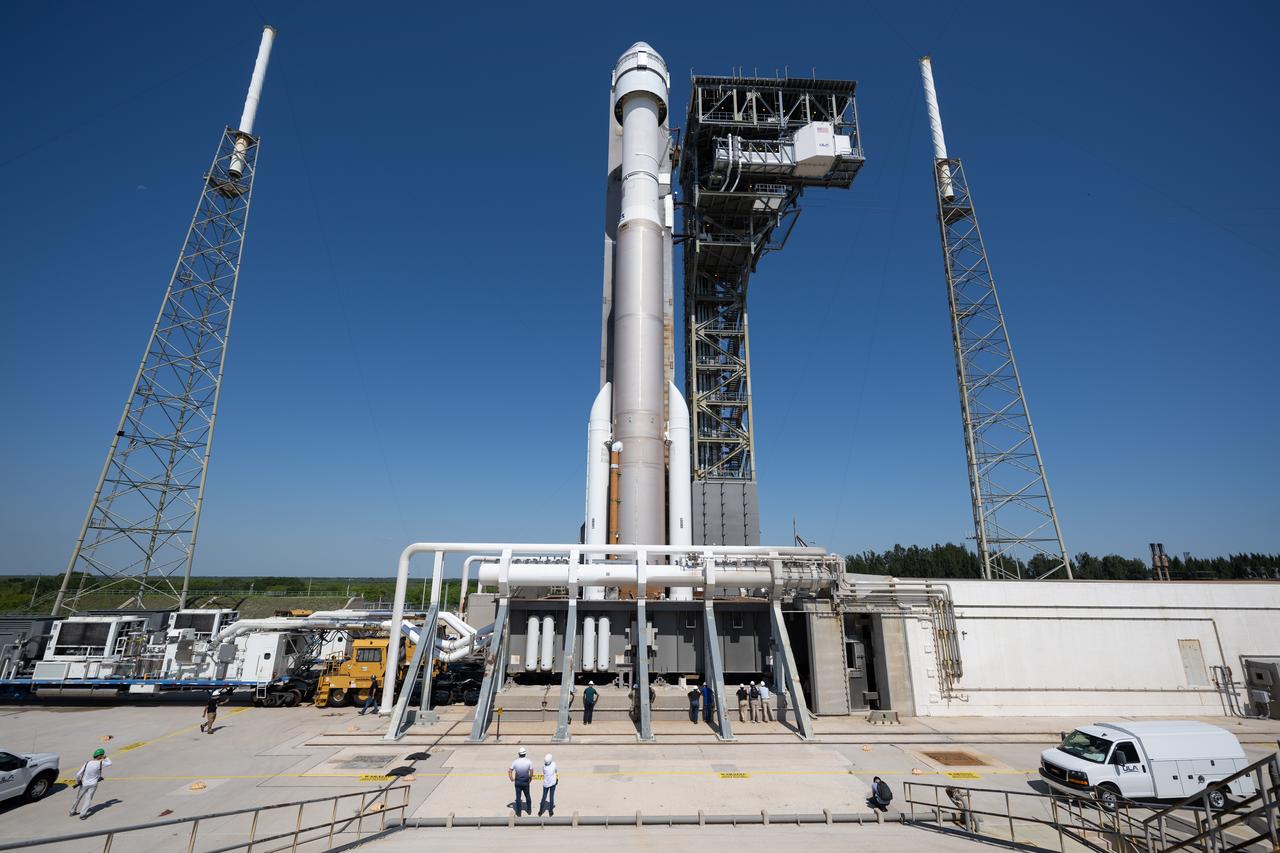
A United Launch Alliance Atlas V rocket with Boeing’s CST-100 Starliner spacecraft aboard is seen as it is rolled out of the Vertical Integration Facility to the launch pad at Space Launch Complex 41 ahead of the NASA’s Boeing Crew Flight Test, Thursday, May 30, 2024 at Cape Canaveral Space Force Station in Florida. NASA’s Boeing Crew Flight Test is the first launch with astronauts of the Boeing CFT-100 spacecraft and United Launch Alliance Atlas V rocket to the International Space Station as part of the agency’s Commercial Crew Program. The flight test, targeted for launch at 12:25 p.m. EDT on Saturday, June 1, serves as an end-to-end demonstration of Boeing’s crew transportation system and will carry NASA astronauts Butch Wilmore and Suni Williams to and from the orbiting laboratory. Photo Credit: (NASA/Joel Kowsky)
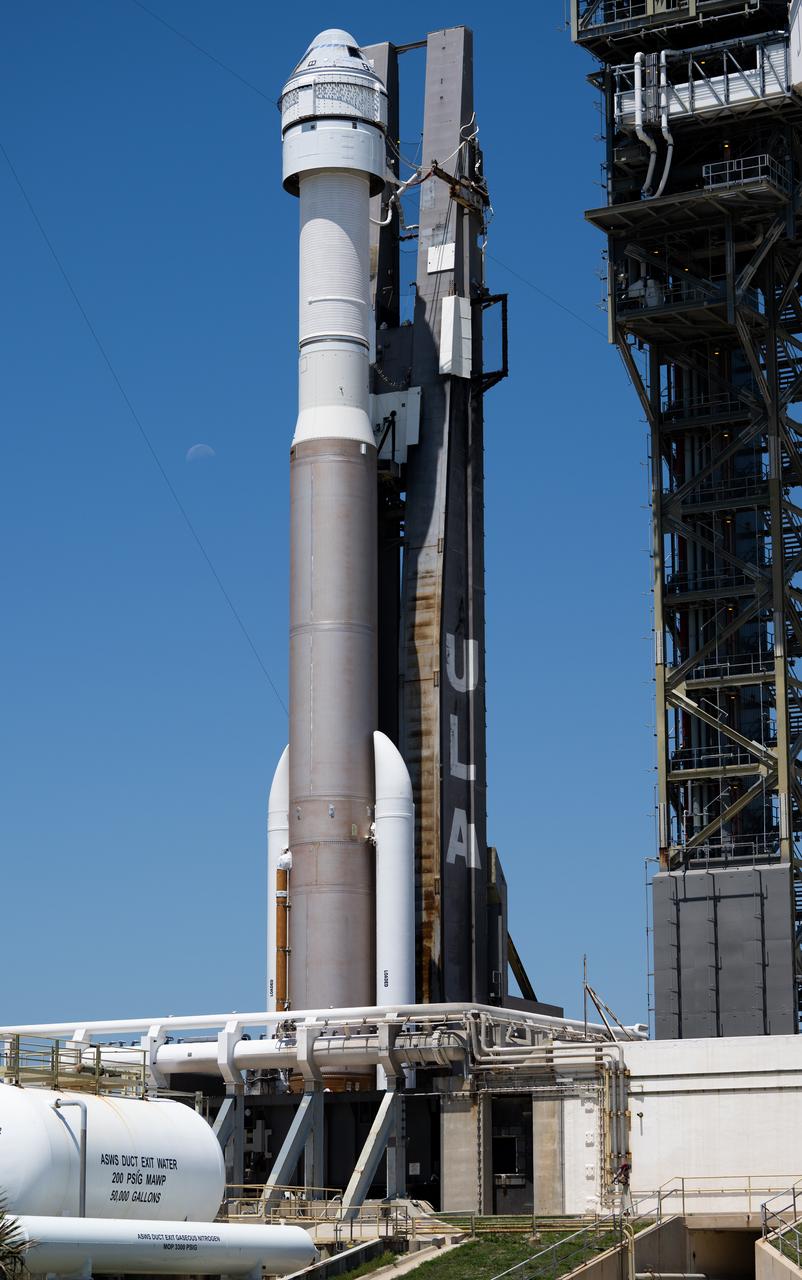
A United Launch Alliance Atlas V rocket with Boeing’s CST-100 Starliner spacecraft aboard is seen after being rolled out of the Vertical Integration Facility to the launch pad at Space Launch Complex 41 ahead of the NASA’s Boeing Crew Flight Test, Thursday, May 30, 2024 at Cape Canaveral Space Force Station in Florida. NASA’s Boeing Crew Flight Test is the first launch with astronauts of the Boeing CFT-100 spacecraft and United Launch Alliance Atlas V rocket to the International Space Station as part of the agency’s Commercial Crew Program. The flight test, targeted for launch at 12:25 p.m. EDT on Saturday, June 1, serves as an end-to-end demonstration of Boeing’s crew transportation system and will carry NASA astronauts Butch Wilmore and Suni Williams to and from the orbiting laboratory. Photo Credit: (NASA/Joel Kowsky)
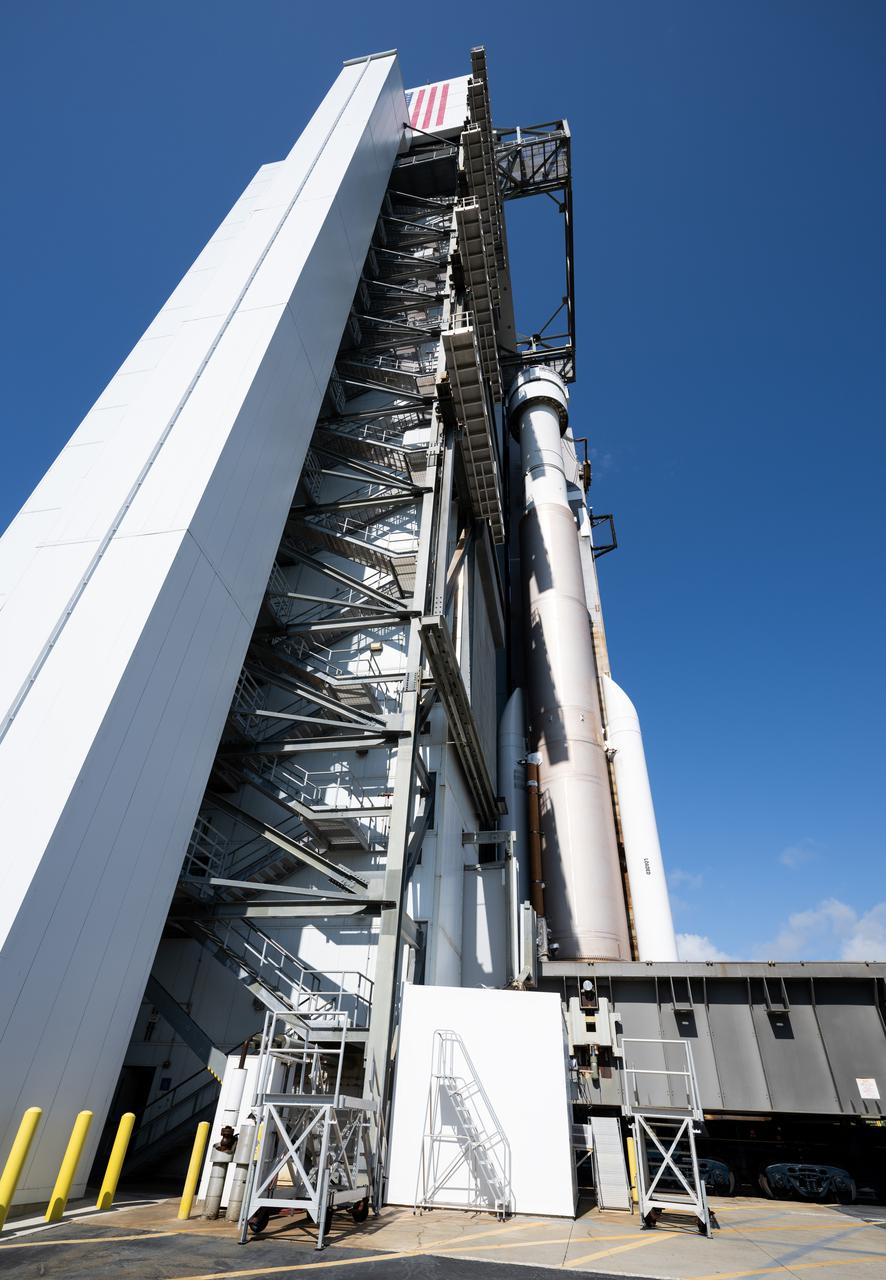
A United Launch Alliance Atlas V rocket with Boeing’s CST-100 Starliner spacecraft aboard is seen as it is rolled out of the Vertical Integration Facility to the launch pad at Space Launch Complex 41 ahead of the NASA’s Boeing Crew Flight Test, Saturday, May 4, 2024 at Cape Canaveral Space Force Station in Florida. NASA’s Boeing Crew Flight Test is the first launch with astronauts aboard the Starliner spacecraft and Atlas V rocket to the International Space Station as part of the agency’s Commercial Crew Program. The flight test, targeted for launch at 10:34 p.m. EDT on Monday, May 6, serves as an end-to-end demonstration of Boeing’s crew transportation system and will carry NASA astronauts Butch Wilmore and Suni Williams to and from the orbiting laboratory. Photo Credit: (NASA/Joel Kowsky)