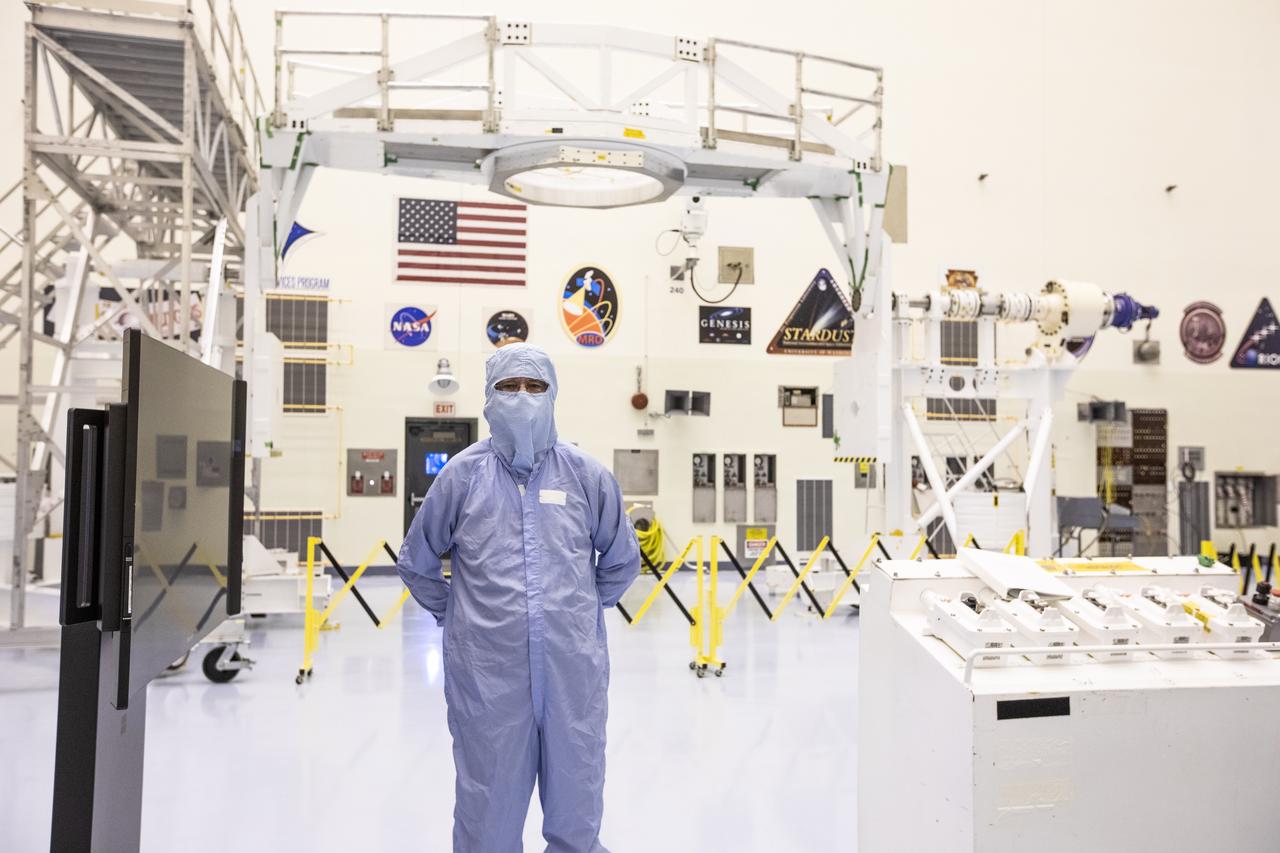
Buck Crenshaw, a quality assurance subject matter expert with NASA’s Jet Propulsion Laboratory (JPL), is photographed in front of the Spacecraft Assembly and Rotation Fixture (SCARF) that will be used to process the agency’s Mars 2020 rover inside the Kennedy Space Center’s Payload Hazardous Servicing Facility on Nov. 22, 2019. Attached to the SCARF is an access stand that will allow personnel to reach the spacecraft when it’s held above ground level. The Mars 2020 rover is being manufactured at JPL in California and, once complete, will be sent to the Florida spaceport for assembly, prelaunch processing and checkouts. The rover is scheduled to launch from Cape Canaveral Air Force Station in summer 2020 aboard a United Launch Alliance Atlas V rocket procured from NASA’s Launch Services Program. The mission will help the agency better understand the geology of Mars, test new robotic technology and assist in determining if any form of life ever was supported on the Red Planet.
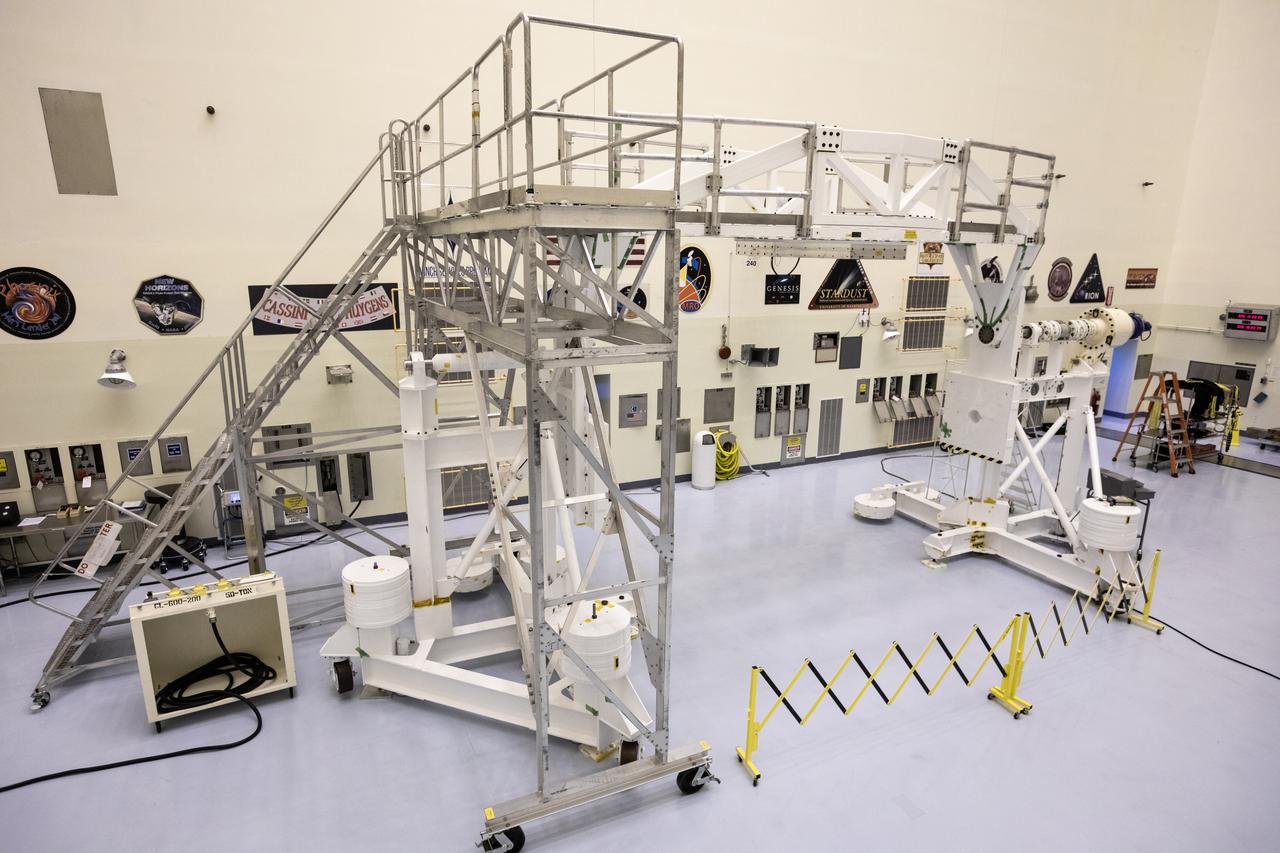
The Spacecraft Assembly and Rotation Fixture (SCARF) that will be used to process the Mars 2020 rover is photographed inside the Payload Hazardous Servicing Facility at NASA’s Kennedy Space Center in Florida on Nov. 22, 2019. Attached to the SCARF is an access stand that will allow personnel to reach the spacecraft when it’s held above ground level. The Mars 2020 rover is being manufactured at the agency’s Jet Propulsion Laboratory in California and, once complete, will be sent to Kennedy for assembly, prelaunch processing and checkouts. The rover is scheduled to launch from Cape Canaveral Air Force Station in summer 2020 aboard a United Launch Alliance Atlas V rocket procured from NASA’s Launch Services Program. The mission will help the agency better understand the geology of Mars, test new robotic technology and assist in determining if any form of life ever was supported on the Red Planet.
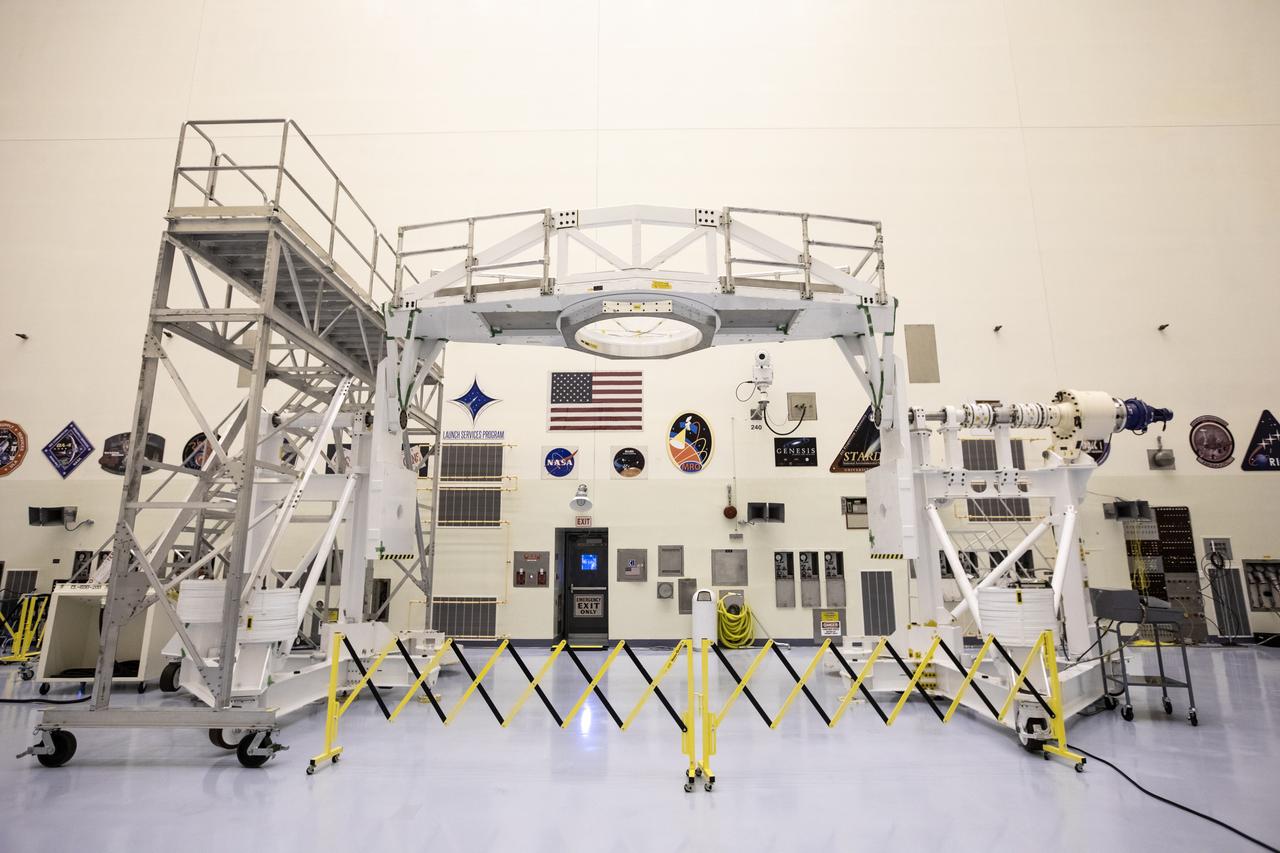
The Spacecraft Assembly and Rotation Fixture (SCARF) that will be used to process the Mars 2020 rover is photographed inside the Payload Hazardous Servicing Facility at NASA’s Kennedy Space Center in Florida on Nov. 22, 2019. Attached to the SCARF is an access stand that will allow personnel to reach the spacecraft when it’s held above ground level. The Mars 2020 rover is being manufactured at the agency’s Jet Propulsion Laboratory in California and, once complete, will be sent to Kennedy for assembly, prelaunch processing and checkouts. The rover is scheduled to launch from Cape Canaveral Air Force Station in summer 2020 aboard a United Launch Alliance Atlas V rocket procured from NASA’s Launch Services Program. The mission will help the agency better understand the geology of Mars, test new robotic technology and assist in determining if any form of life ever was supported on the Red Planet.
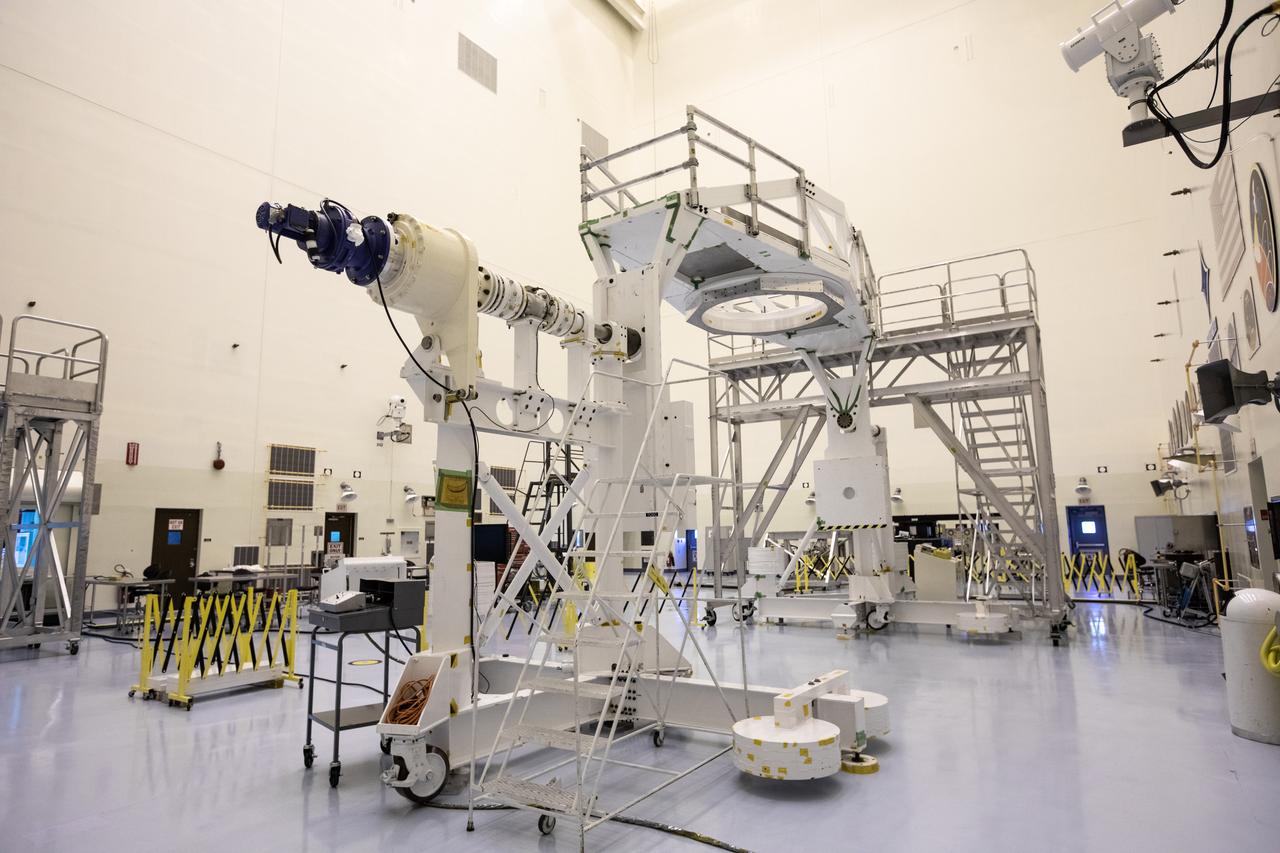
The Spacecraft Assembly and Rotation Fixture (SCARF) that will be used to process the Mars 2020 rover is photographed inside the Payload Hazardous Servicing Facility at NASA’s Kennedy Space Center in Florida on Nov. 22, 2019. Attached to the SCARF is an access stand that will allow personnel to reach the spacecraft when it’s held above ground level. The Mars 2020 rover is being manufactured at the agency’s Jet Propulsion Laboratory in California and, once complete, will be sent to Kennedy for assembly, prelaunch processing and checkouts. The rover is scheduled to launch from Cape Canaveral Air Force Station in summer 2020 aboard a United Launch Alliance Atlas V rocket procured from NASA’s Launch Services Program. The mission will help the agency better understand the geology of Mars, test new robotic technology and assist in determining if any form of life ever was supported on the Red Planet.
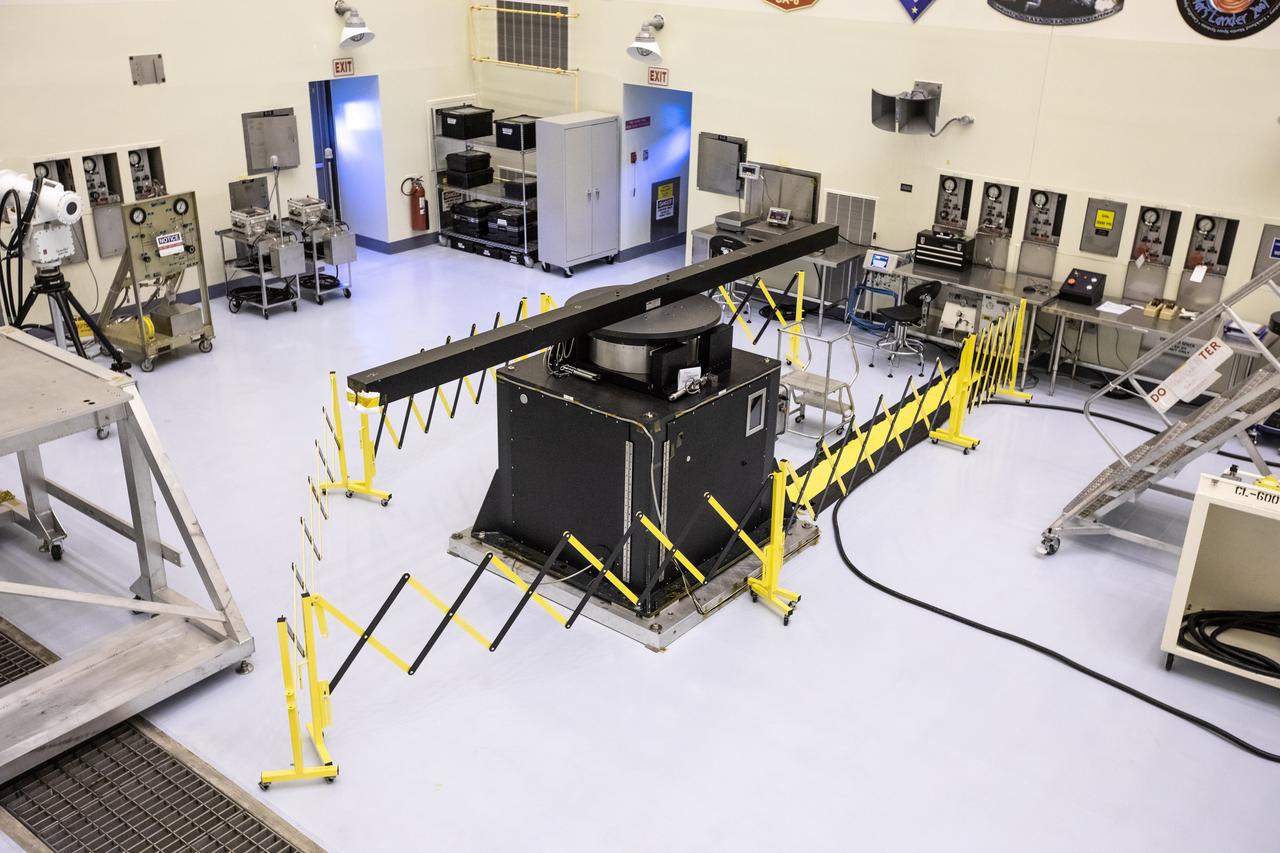
The spin table, one of the crucial hardware elements that will be utilized to process the Mars 2020 rover, is photographed inside the Payload Hazardous Servicing Facility at NASA’s Kennedy Space Center in Florida on Nov. 22, 2019. The Mars 2020 rover is being manufactured at the agency’s Jet Propulsion Laboratory in California and, once complete, will be sent to Kennedy for assembly, prelaunch processing and checkouts. The rover is scheduled to launch from Cape Canaveral Air Force Station in summer 2020 aboard a United Launch Alliance Atlas V rocket procured from NASA’s Launch Services Program. The mission will help the agency better understand the geology of Mars, test new robotic technology and assist in determining if any form of life ever was supported on the Red Planet.
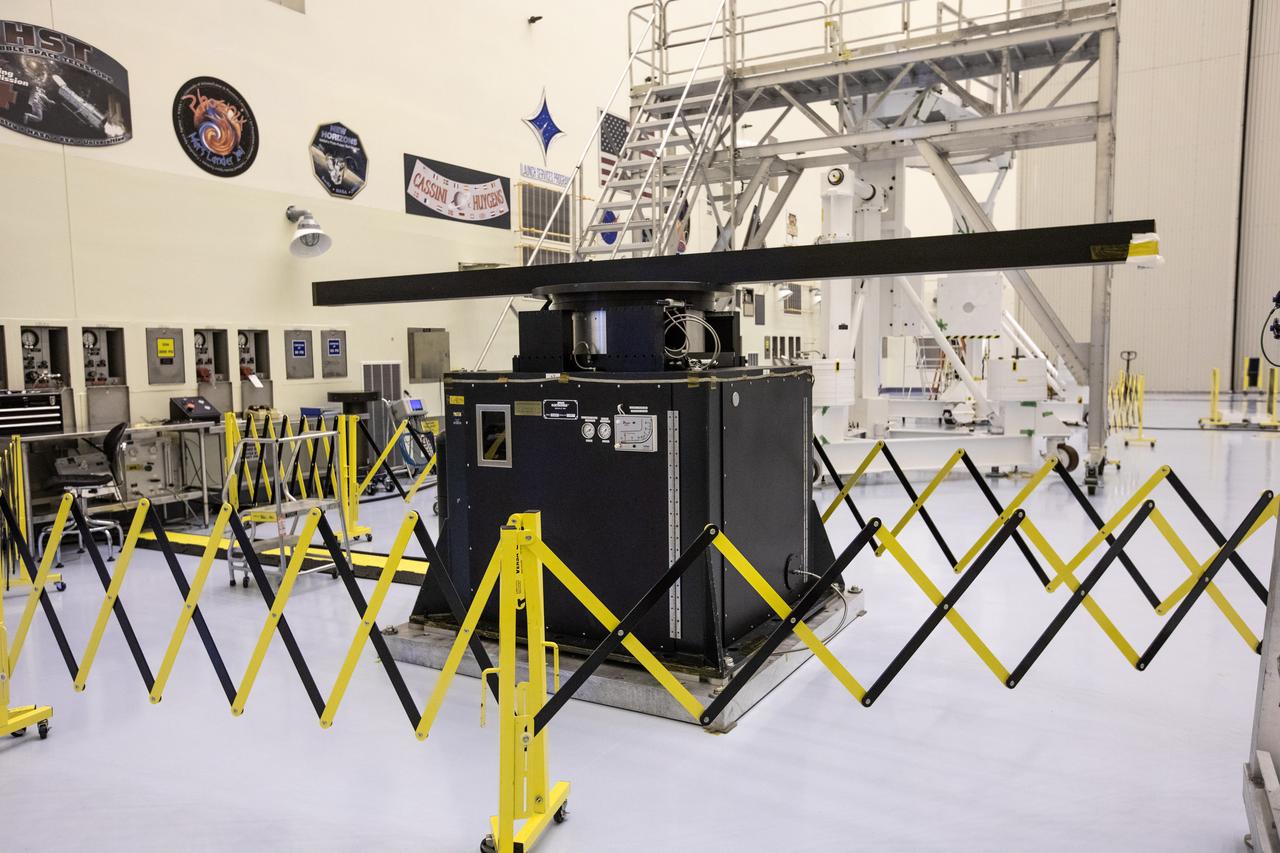
The spin table, one of the crucial hardware elements that will be utilized to process the Mars 2020 rover, is photographed inside the Payload Hazardous Servicing Facility at NASA’s Kennedy Space Center in Florida on Nov. 22, 2019. The Mars 2020 rover is being manufactured at the agency’s Jet Propulsion Laboratory in California and, once complete, will be sent to Kennedy for assembly, prelaunch processing and checkouts. The rover is scheduled to launch from Cape Canaveral Air Force Station in summer 2020 aboard a United Launch Alliance Atlas V rocket procured from NASA’s Launch Services Program. The mission will help the agency better understand the geology of Mars, test new robotic technology and assist in determining if any form of life ever was supported on the Red Planet.
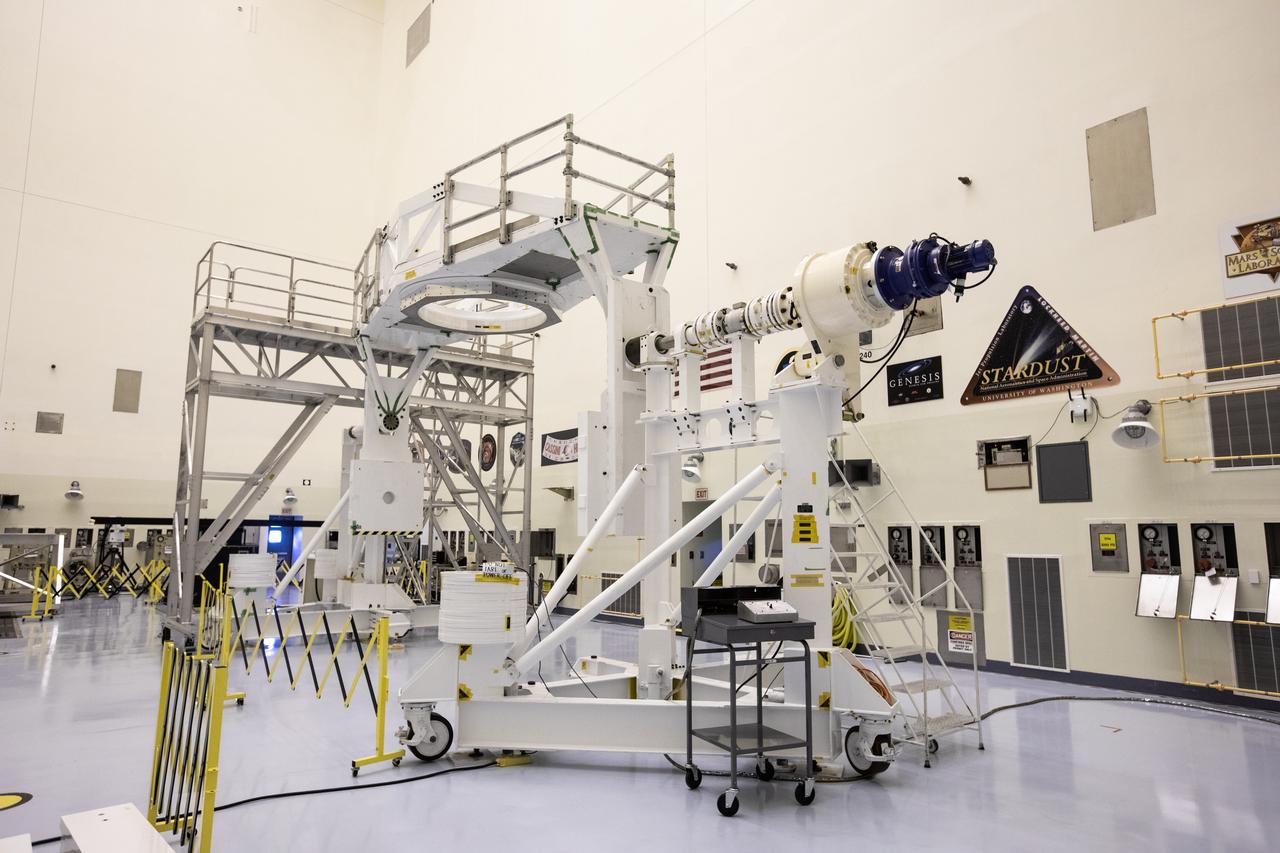
The Spacecraft Assembly and Rotation Fixture (SCARF) that will be used to process the Mars 2020 rover is photographed inside the Payload Hazardous Servicing Facility at NASA’s Kennedy Space Center in Florida on Nov. 22, 2019. Attached to the SCARF is an access stand that will allow personnel to reach the spacecraft when it’s held above ground level. The Mars 2020 rover is being manufactured at the agency’s Jet Propulsion Laboratory in California and, once complete, will be sent to Kennedy for assembly, prelaunch processing and checkouts. The rover is scheduled to launch from Cape Canaveral Air Force Station in summer 2020 aboard a United Launch Alliance Atlas V rocket procured from NASA’s Launch Services Program. The mission will help the agency better understand the geology of Mars, test new robotic technology and assist in determining if any form of life ever was supported on the Red Planet.
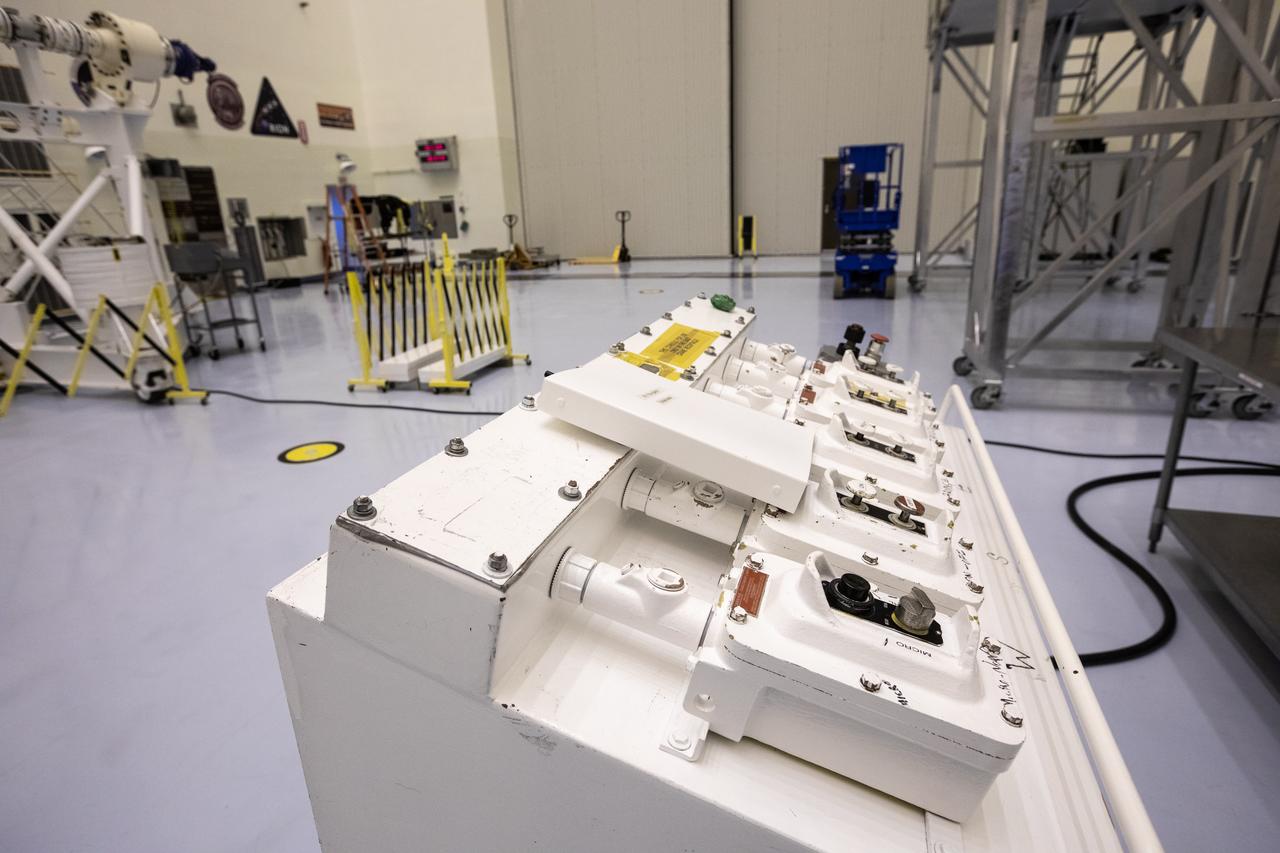
Critical ground support equipment that will be utilized to process the Mars 2020 rover is photographed inside the Payload Hazardous Servicing Facility on Nov. 22, 2019, at NASA’s Kennedy Space Center in Florida. The Mars 2020 rover is being manufactured at the agency’s Jet Propulsion Laboratory in California and, once complete, will be sent to Kennedy for assembly, prelaunch processing and checkouts. The rover is scheduled to launch from Cape Canaveral Air Force Station in summer 2020 aboard a United Launch Alliance Atlas V rocket procured from NASA’s Launch Services Program. The mission will help the agency better understand the geology of Mars, test new robotic technology and assist in determining if any form of life ever was supported on the Red Planet.
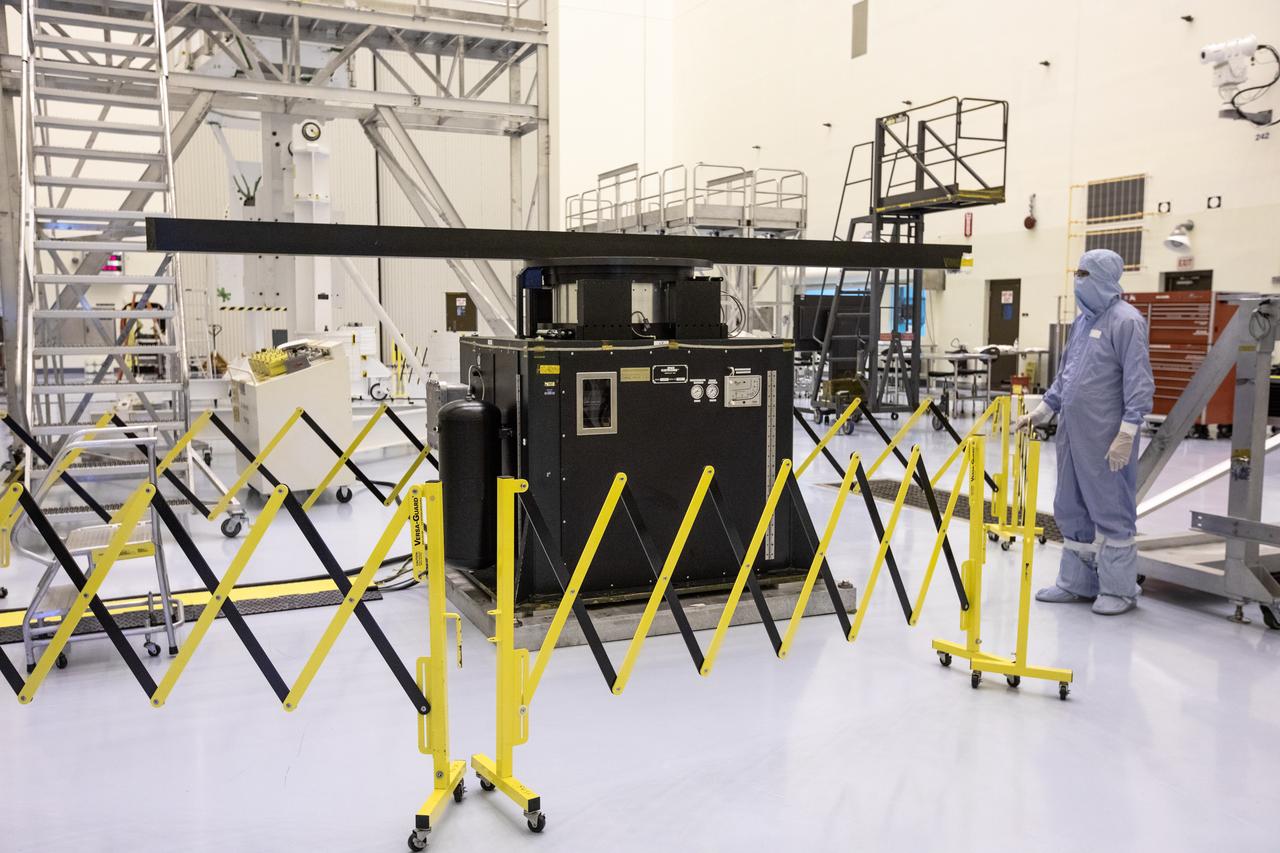
Buck Crenshaw, a quality assurance subject matter expert with NASA’s Jet Propulsion Laboratory (JPL), is photographed next to critical ground support equipment that will be utilized to process the agency’s Mars 2020 rover inside Kennedy Space Center’s Payload Hazardous Servicing Facility on Nov. 22, 2019. The Mars 2020 rover is being manufactured at JPL in California and, once complete, will be sent to the Florida spaceport for assembly, prelaunch processing and checkouts. The rover is scheduled to launch from Cape Canaveral Air Force Station in summer 2020 aboard a United Launch Alliance Atlas V rocket procured from NASA’s Launch Services Program. The mission will help the agency better understand the geology of Mars, test new robotic technology and assist in determining if any form of life ever was supported on the Red Planet.