A Capital Storm
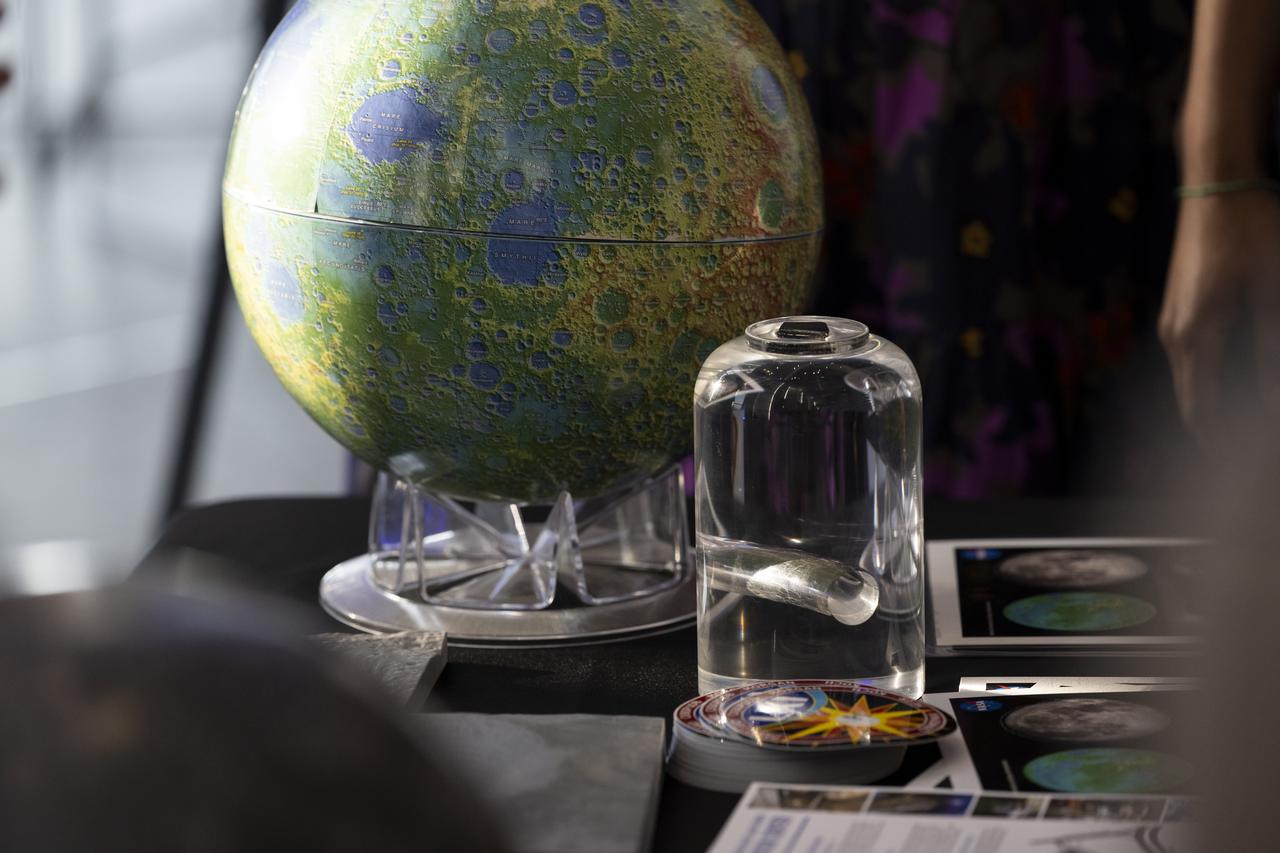
Attendees of the National Philharmonic performance of Henry Dehlinger’s “Cosmic Cycles” view a Moon rock, Thursday, May 11, 2023, at Capital One Hall in Tysons, Va. “Cosmic Cycles: A Space Symphony” is a collaboration between composer Henry Dehlinger, NASA’s Goddard Space Flight Center, and the National Philharmonic that features a fusion of music and video in seven multimedia works on the Sun, Earth, Moon, Planets, and Cosmos. Photo Credit: (NASA/Joel Kowsky)

NASA Deputy Administrator Pam Melroy delivers remarks prior to the world premier performance of Henry Dehlinger’s “Cosmic Cycles,” Thursday, May 11, 2023, at Capital One Hall in Tysons, Va. “Cosmic Cycles: A Space Symphony” is a collaboration between composer Henry Dehlinger, NASA’s Goddard Space Flight Center, and the National Philharmonic that features a fusion of music and video in seven multimedia works on the Sun, Earth, Moon, Planets, and Cosmos. Photo Credit: (NASA/Joel Kowsky)

Maestro Piotr Gajewski conducts the National Philharmonic in the world premier performance of Henry Dehlinger’s “Cosmic Cycles,” Thursday, May 11, 2023, at Capital One Hall in Tysons, Va. “Cosmic Cycles: A Space Symphony” is a collaboration between composer Henry Dehlinger, NASA’s Goddard Space Flight Center, and the National Philharmonic that features a fusion of music and video in seven multimedia works on the Sun, Earth, Moon, Planets, and Cosmos. Photo Credit: (NASA/Joel Kowsky)

Maestro Piotr Gajewski conducts the National Philharmonic in the world premier performance of Henry Dehlinger’s “Cosmic Cycles,” Thursday, May 11, 2023, at Capital One Hall in Tysons, Va. “Cosmic Cycles: A Space Symphony” is a collaboration between composer Henry Dehlinger, NASA’s Goddard Space Flight Center, and the National Philharmonic that features a fusion of music and video in seven multimedia works on the Sun, Earth, Moon, Planets, and Cosmos. Photo Credit: (NASA/Joel Kowsky)
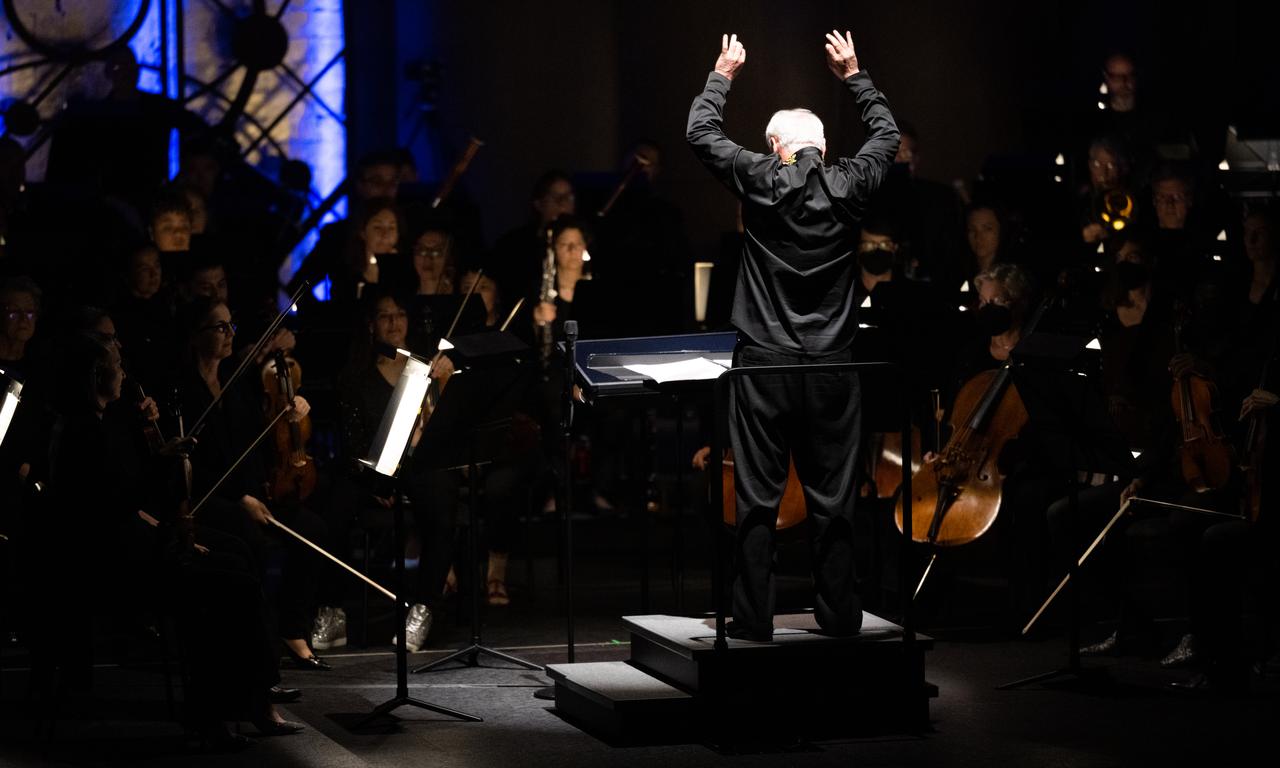
Maestro Piotr Gajewski conducts the National Philharmonic in the world premier performance of Henry Dehlinger’s “Cosmic Cycles,” Thursday, May 11, 2023, at Capital One Hall in Tysons, Va. “Cosmic Cycles: A Space Symphony” is a collaboration between composer Henry Dehlinger, NASA’s Goddard Space Flight Center, and the National Philharmonic that features a fusion of music and video in seven multimedia works on the Sun, Earth, Moon, Planets, and Cosmos. Photo Credit: (NASA/Joel Kowsky)

NASA Deputy Administrator Pam Melroy delivers remarks prior to the world premier performance of Henry Dehlinger’s “Cosmic Cycles,” Thursday, May 11, 2023, at Capital One Hall in Tysons, Va. “Cosmic Cycles: A Space Symphony” is a collaboration between composer Henry Dehlinger, NASA’s Goddard Space Flight Center, and the National Philharmonic that features a fusion of music and video in seven multimedia works on the Sun, Earth, Moon, Planets, and Cosmos. Photo Credit: (NASA/Joel Kowsky)
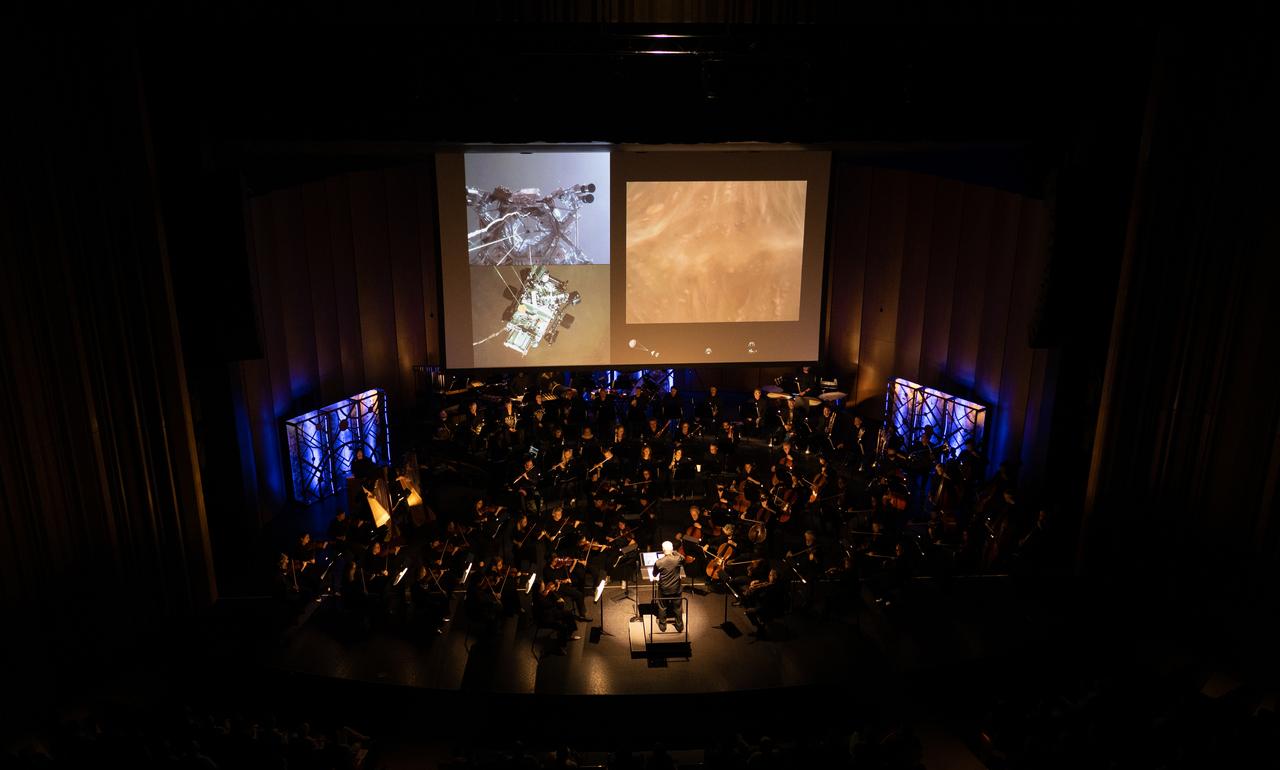
Maestro Piotr Gajewski conducts the National Philharmonic in the world premier performance of Henry Dehlinger’s “Cosmic Cycles,” Thursday, May 11, 2023, at Capital One Hall in Tysons, Va. “Cosmic Cycles: A Space Symphony” is a collaboration between composer Henry Dehlinger, NASA’s Goddard Space Flight Center, and the National Philharmonic that features a fusion of music and video in seven multimedia works on the Sun, Earth, Moon, Planets, and Cosmos. Photo Credit: (NASA/Joel Kowsky)

NASA astronaut Alvin Drew answers question prior to the world premier performance of Henry Dehlinger’s “Cosmic Cycles,” Thursday, May 11, 2023, at Capital One Hall in Tysons, Va. “Cosmic Cycles: A Space Symphony” is a collaboration between composer Henry Dehlinger, NASA’s Goddard Space Flight Center, and the National Philharmonic that features a fusion of music and video in seven multimedia works on the Sun, Earth, Moon, Planets, and Cosmos. Photo Credit: (NASA/Joel Kowsky)
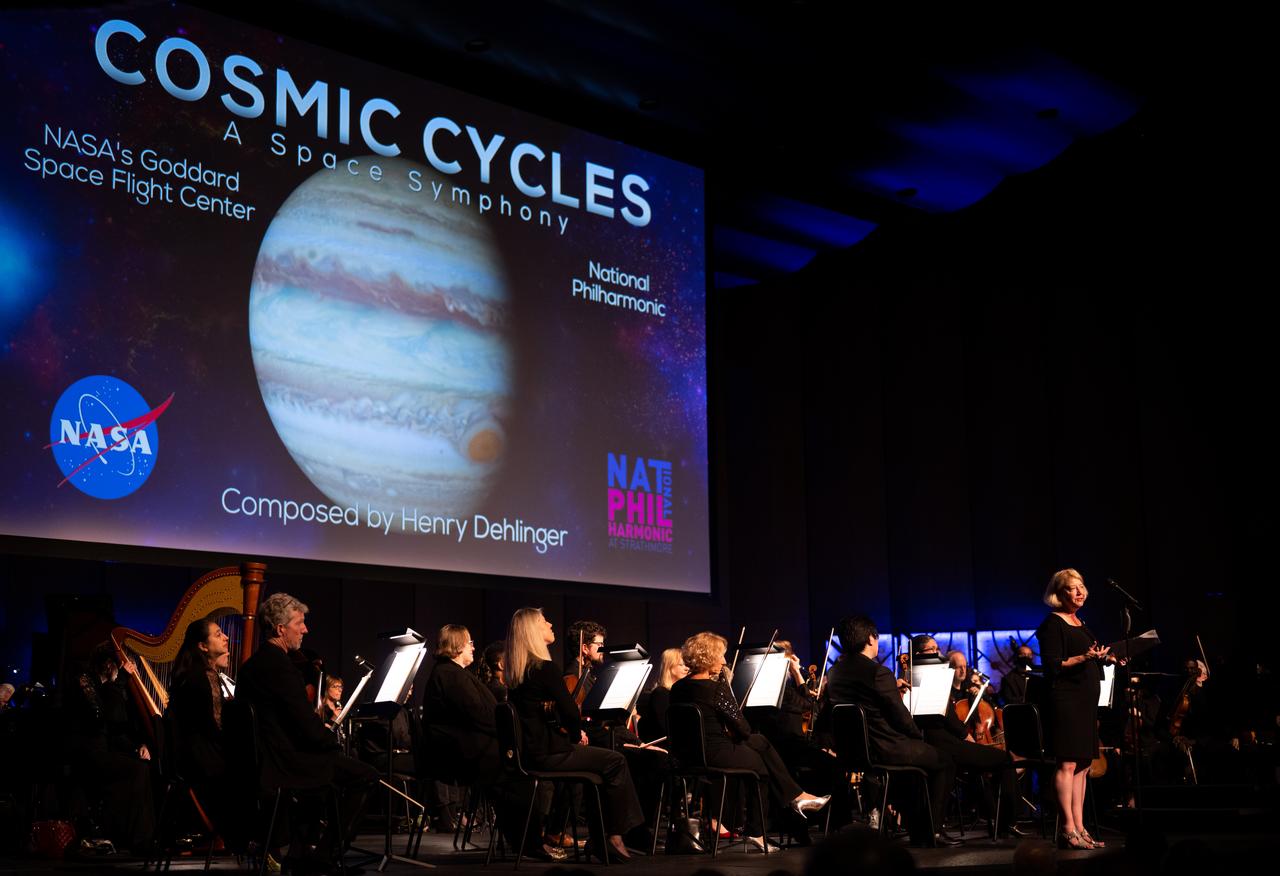
NASA Deputy Administrator Pam Melroy delivers remarks prior to the world premier performance of Henry Dehlinger’s “Cosmic Cycles,” Thursday, May 11, 2023, at Capital One Hall in Tysons, Va. “Cosmic Cycles: A Space Symphony” is a collaboration between composer Henry Dehlinger, NASA’s Goddard Space Flight Center, and the National Philharmonic that features a fusion of music and video in seven multimedia works on the Sun, Earth, Moon, Planets, and Cosmos. Photo Credit: (NASA/Joel Kowsky)

NASA astronaut Alvin Drew answers question prior to the world premier performance of Henry Dehlinger’s “Cosmic Cycles,” Thursday, May 11, 2023, at Capital One Hall in Tysons, Va. “Cosmic Cycles: A Space Symphony” is a collaboration between composer Henry Dehlinger, NASA’s Goddard Space Flight Center, and the National Philharmonic that features a fusion of music and video in seven multimedia works on the Sun, Earth, Moon, Planets, and Cosmos. Photo Credit: (NASA/Joel Kowsky)

Maestro Piotr Gajewski conducts the National Philharmonic in the world premier performance of Henry Dehlinger’s “Cosmic Cycles,” Thursday, May 11, 2023, at Capital One Hall in Tysons, Va. “Cosmic Cycles: A Space Symphony” is a collaboration between composer Henry Dehlinger, NASA’s Goddard Space Flight Center, and the National Philharmonic that features a fusion of music and video in seven multimedia works on the Sun, Earth, Moon, Planets, and Cosmos. Photo Credit: (NASA/Joel Kowsky)

Maestro Piotr Gajewski conducts the National Philharmonic in the world premier performance of Henry Dehlinger’s “Cosmic Cycles,” Thursday, May 11, 2023, at Capital One Hall in Tysons, Va. “Cosmic Cycles: A Space Symphony” is a collaboration between composer Henry Dehlinger, NASA’s Goddard Space Flight Center, and the National Philharmonic that features a fusion of music and video in seven multimedia works on the Sun, Earth, Moon, Planets, and Cosmos. Photo Credit: (NASA/Joel Kowsky)

Maestro Piotr Gajewski conducts the National Philharmonic in the world premier performance of Henry Dehlinger’s “Cosmic Cycles,” Thursday, May 11, 2023, at Capital One Hall in Tysons, Va. “Cosmic Cycles: A Space Symphony” is a collaboration between composer Henry Dehlinger, NASA’s Goddard Space Flight Center, and the National Philharmonic that features a fusion of music and video in seven multimedia works on the Sun, Earth, Moon, Planets, and Cosmos. Photo Credit: (NASA/Joel Kowsky)

NASA astronaut Alvin Drew answers question prior to the world premier performance of Henry Dehlinger’s “Cosmic Cycles,” Thursday, May 11, 2023, at Capital One Hall in Tysons, Va. “Cosmic Cycles: A Space Symphony” is a collaboration between composer Henry Dehlinger, NASA’s Goddard Space Flight Center, and the National Philharmonic that features a fusion of music and video in seven multimedia works on the Sun, Earth, Moon, Planets, and Cosmos. Photo Credit: (NASA/Joel Kowsky)
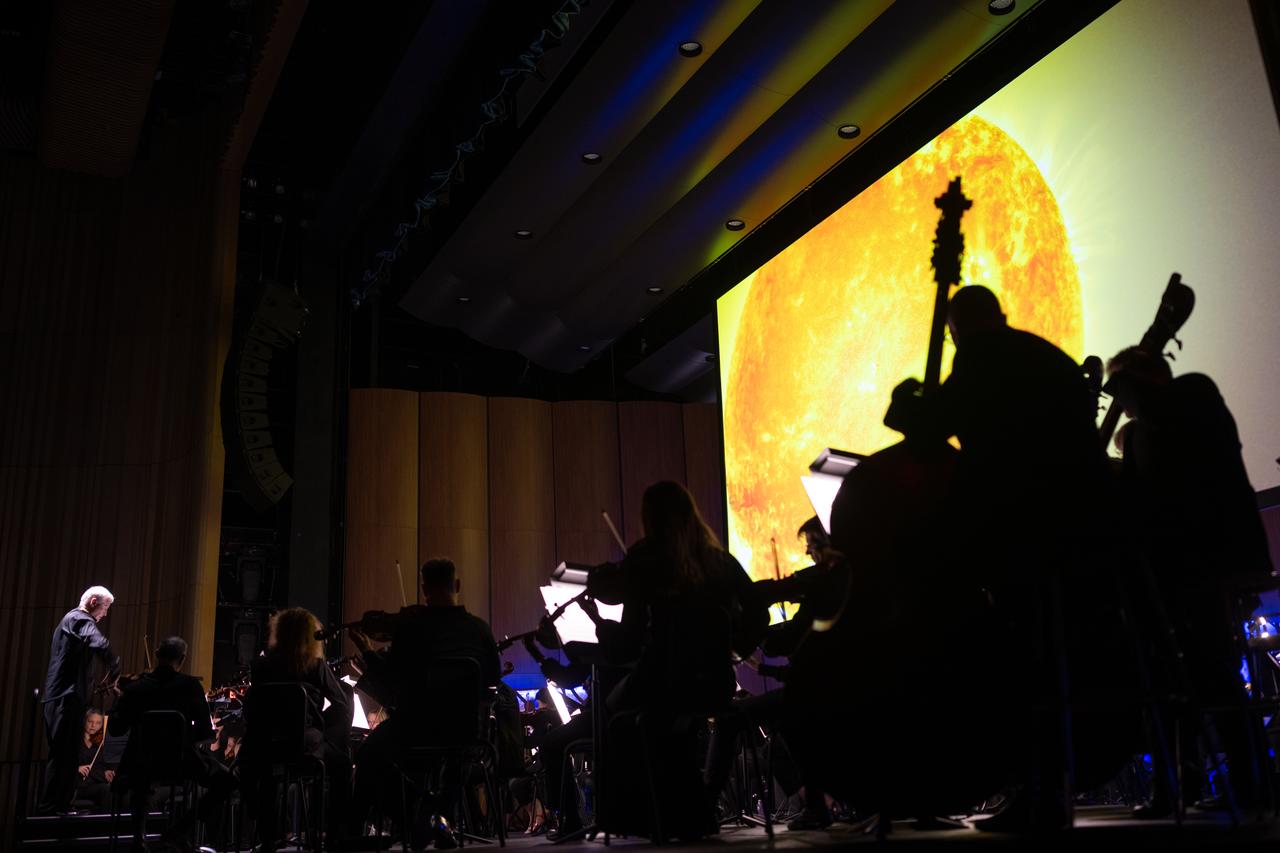
Maestro Piotr Gajewski conducts the National Philharmonic in the world premier performance of Henry Dehlinger’s “Cosmic Cycles,” Thursday, May 11, 2023, at Capital One Hall in Tysons, Va. “Cosmic Cycles: A Space Symphony” is a collaboration between composer Henry Dehlinger, NASA’s Goddard Space Flight Center, and the National Philharmonic that features a fusion of music and video in seven multimedia works on the Sun, Earth, Moon, Planets, and Cosmos. Photo Credit: (NASA/Joel Kowsky)
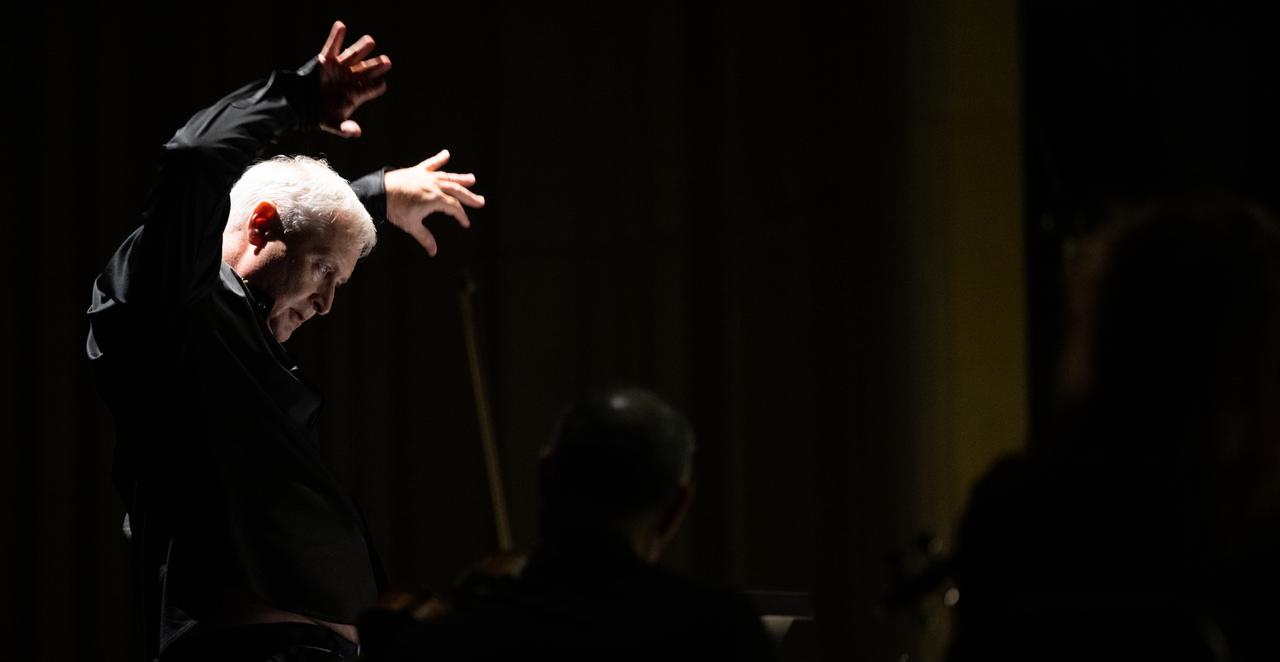
Maestro Piotr Gajewski conducts the National Philharmonic in the world premier performance of Henry Dehlinger’s “Cosmic Cycles,” Thursday, May 11, 2023, at Capital One Hall in Tysons, Va. “Cosmic Cycles: A Space Symphony” is a collaboration between composer Henry Dehlinger, NASA’s Goddard Space Flight Center, and the National Philharmonic that features a fusion of music and video in seven multimedia works on the Sun, Earth, Moon, Planets, and Cosmos. Photo Credit: (NASA/Joel Kowsky)
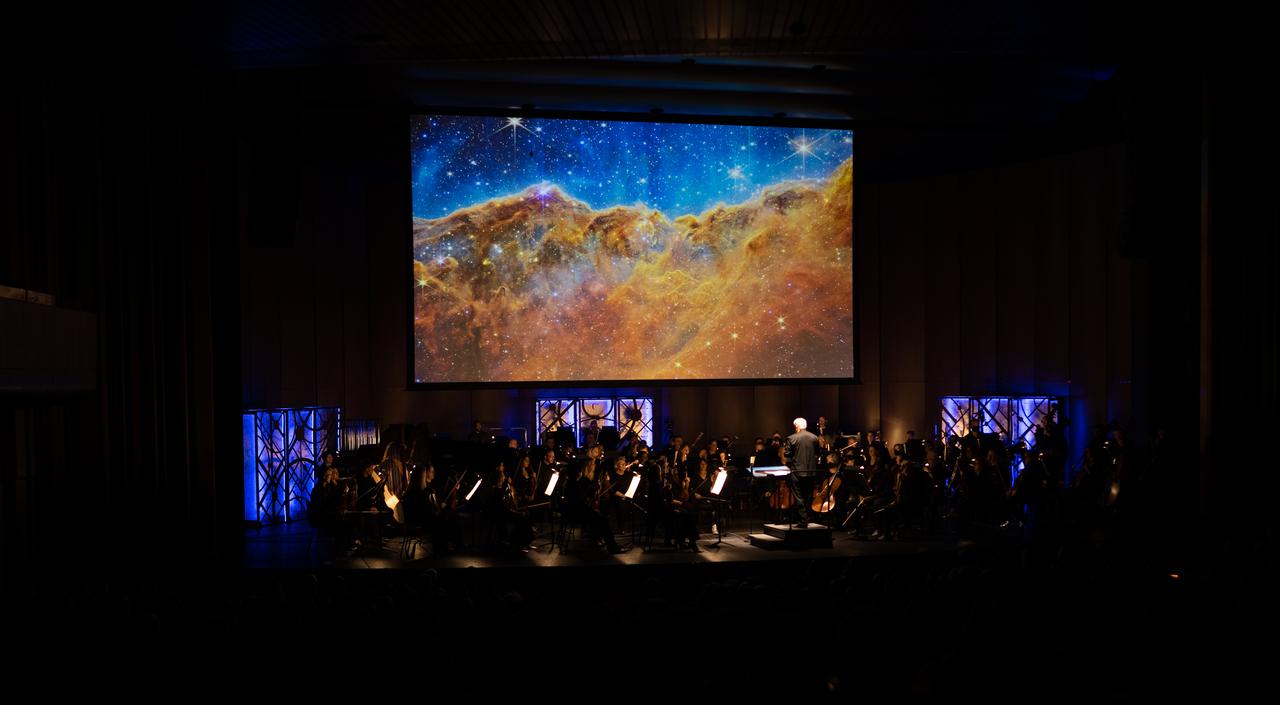
Maestro Piotr Gajewski conducts the National Philharmonic in the world premier performance of Henry Dehlinger’s “Cosmic Cycles,” Thursday, May 11, 2023, at Capital One Hall in Tysons, Va. “Cosmic Cycles: A Space Symphony” is a collaboration between composer Henry Dehlinger, NASA’s Goddard Space Flight Center, and the National Philharmonic that features a fusion of music and video in seven multimedia works on the Sun, Earth, Moon, Planets, and Cosmos. Photo Credit: (NASA/Joel Kowsky)

Maestro Piotr Gajewski conducts the National Philharmonic in the world premier performance of Henry Dehlinger’s “Cosmic Cycles,” Thursday, May 11, 2023, at Capital One Hall in Tysons, Va. “Cosmic Cycles: A Space Symphony” is a collaboration between composer Henry Dehlinger, NASA’s Goddard Space Flight Center, and the National Philharmonic that features a fusion of music and video in seven multimedia works on the Sun, Earth, Moon, Planets, and Cosmos. Photo Credit: (NASA/Joel Kowsky)
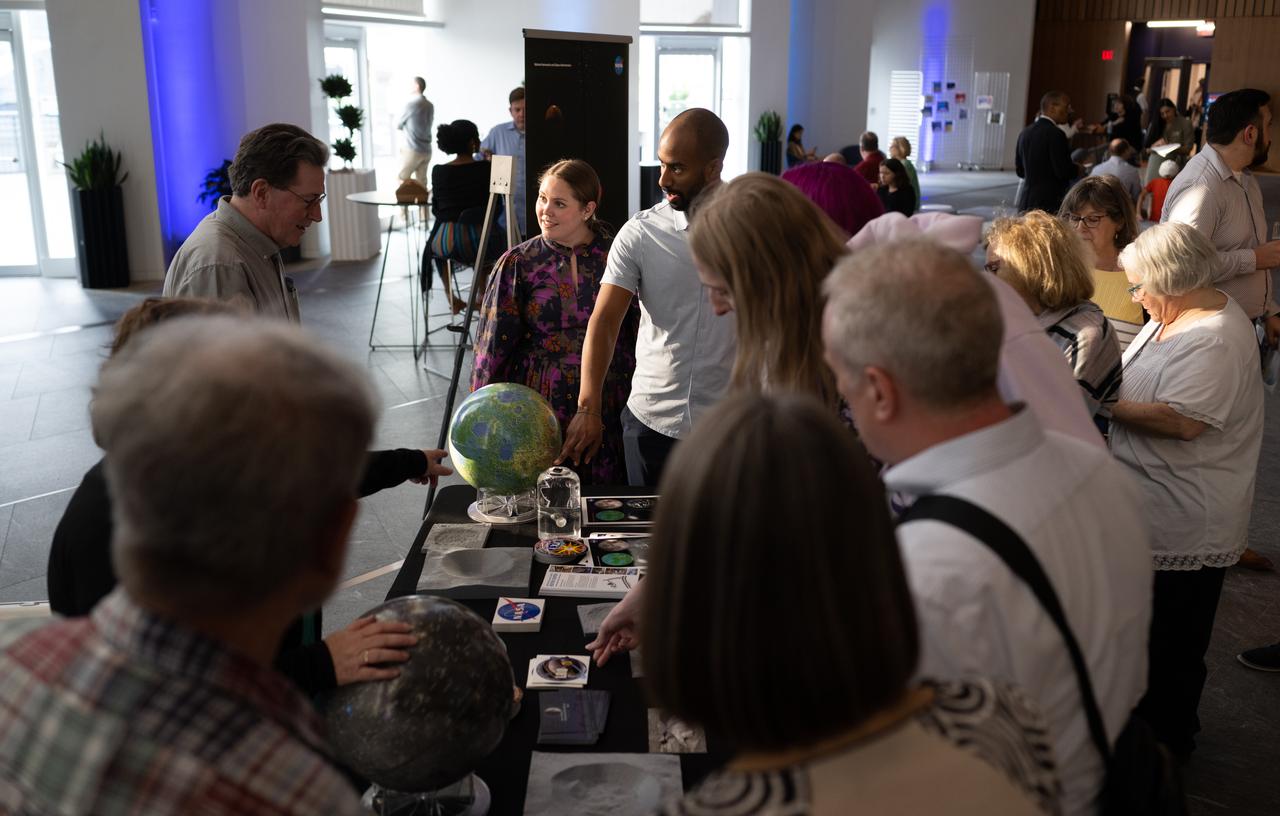
Attendees of the National Philharmonic performance of Henry Dehlinger’s “Cosmic Cycles” view a Moon rock, Thursday, May 11, 2023, at Capital One Hall in Tysons, Va. “Cosmic Cycles: A Space Symphony” is a collaboration between composer Henry Dehlinger, NASA’s Goddard Space Flight Center, and the National Philharmonic that features a fusion of music and video in seven multimedia works on the Sun, Earth, Moon, Planets, and Cosmos. Photo Credit: (NASA/Joel Kowsky)

Maestro Piotr Gajewski conducts the National Philharmonic in the world premier performance of Henry Dehlinger’s “Cosmic Cycles,” Thursday, May 11, 2023, at Capital One Hall in Tysons, Va. “Cosmic Cycles: A Space Symphony” is a collaboration between composer Henry Dehlinger, NASA’s Goddard Space Flight Center, and the National Philharmonic that features a fusion of music and video in seven multimedia works on the Sun, Earth, Moon, Planets, and Cosmos. Photo Credit: (NASA/Joel Kowsky)
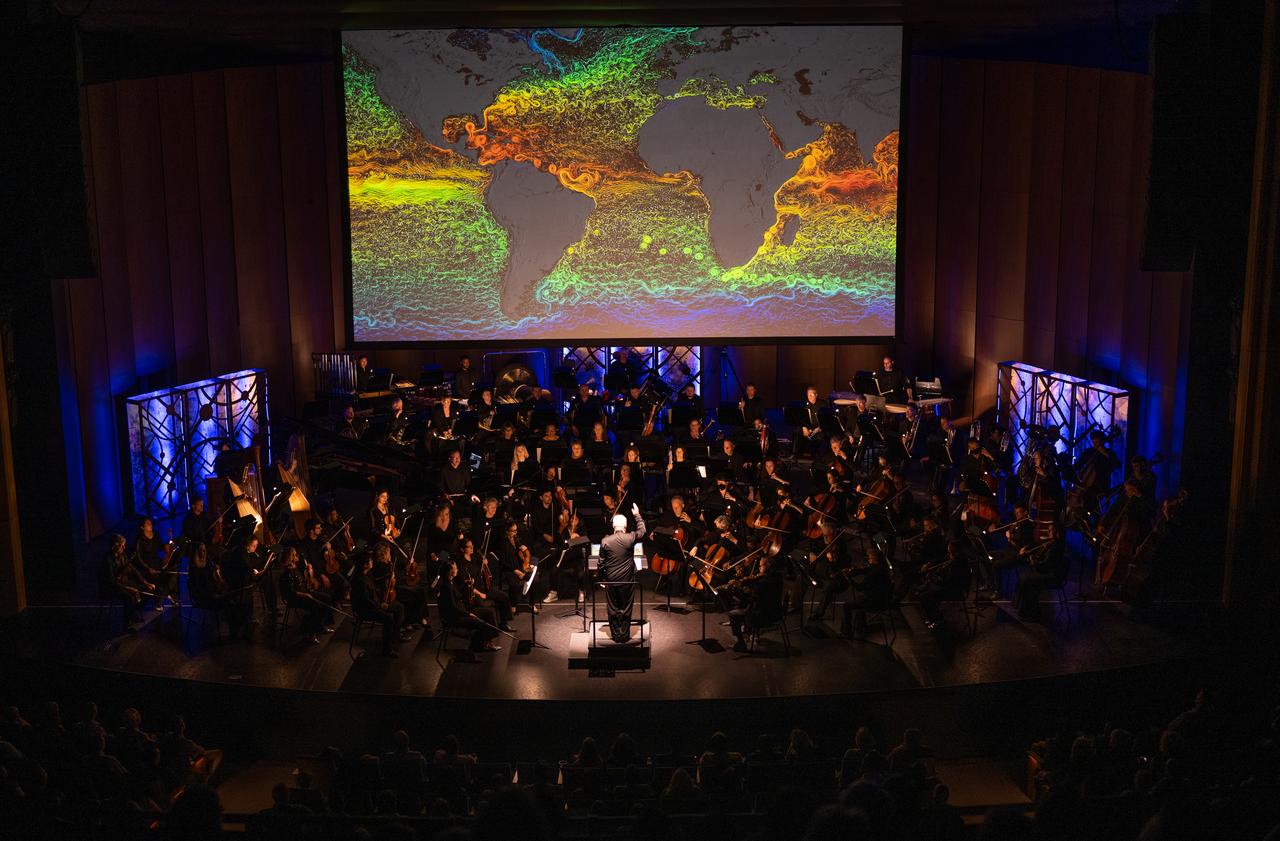
Maestro Piotr Gajewski conducts the National Philharmonic in the world premier performance of Henry Dehlinger’s “Cosmic Cycles,” Thursday, May 11, 2023, at Capital One Hall in Tysons, Va. “Cosmic Cycles: A Space Symphony” is a collaboration between composer Henry Dehlinger, NASA’s Goddard Space Flight Center, and the National Philharmonic that features a fusion of music and video in seven multimedia works on the Sun, Earth, Moon, Planets, and Cosmos. Photo Credit: (NASA/Joel Kowsky)
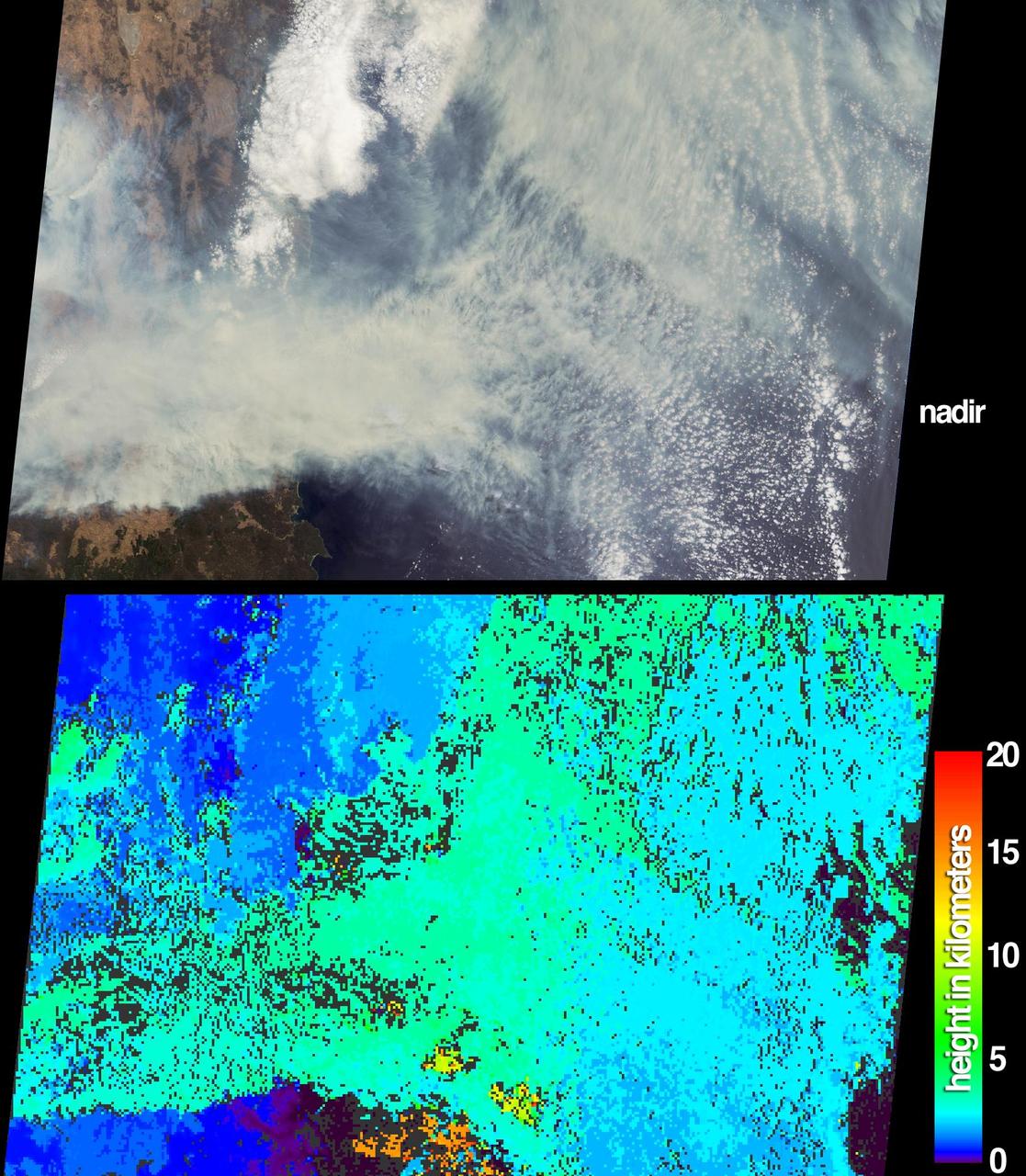
The height and extent of billowing smoke plumes from bushfires near Canberra, the Australian capital, are illustrated by these views from NASA Terra spacecraft acquired on January 18, 2003.
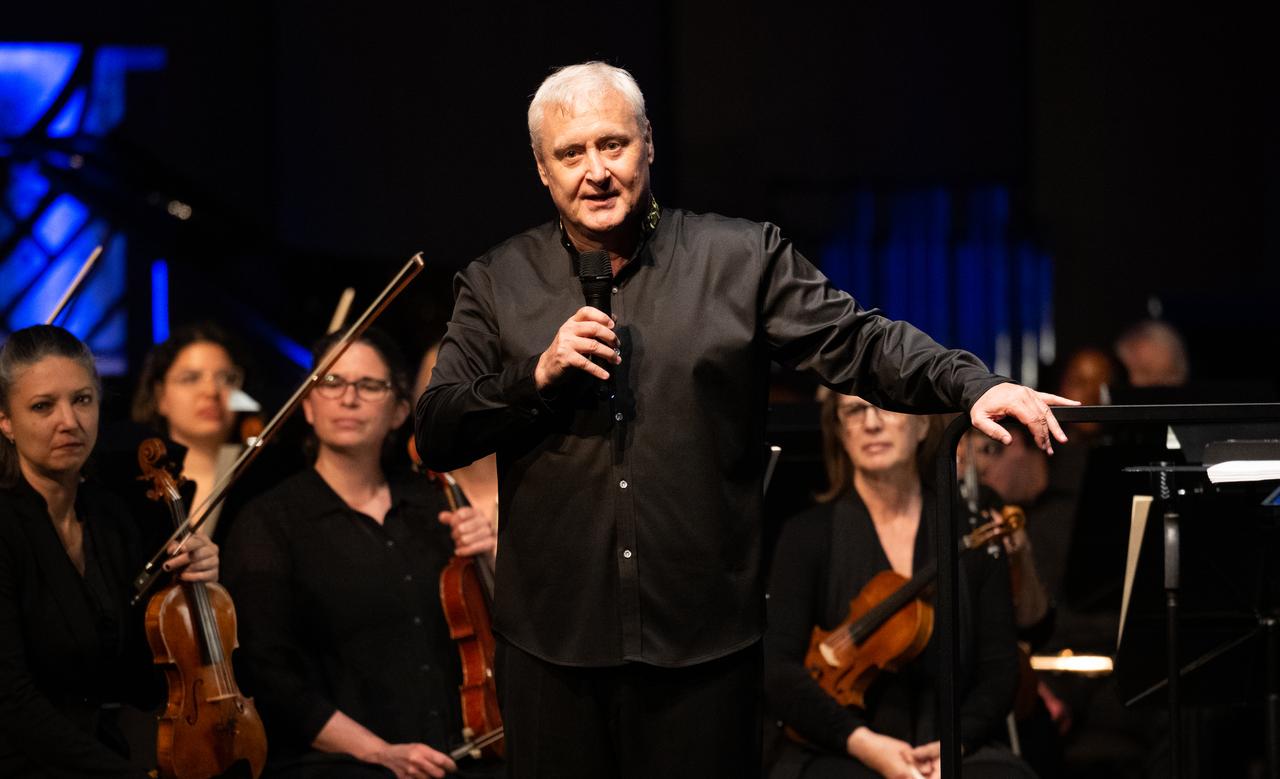
Maestro Piotr Gajewski speaks after conducting the National Philharmonic in the world premier performance of Henry Dehlinger’s “Cosmic Cycles,” Thursday, May 11, 2023, at Capital One Hall in Tysons, Va. “Cosmic Cycles: A Space Symphony” is a collaboration between composer Henry Dehlinger, NASA’s Goddard Space Flight Center, and the National Philharmonic that features a fusion of music and video in seven multimedia works on the Sun, Earth, Moon, Planets, and Cosmos. Photo Credit: (NASA/Joel Kowsky)

Maestro Piotr Gajewski conducts the National Philharmonic in the performance of Henry Dehlinger’s “Return to the Moon: Fanfare to Artemis,” Thursday, May 11, 2023, at Capital One Hall in Tysons, Va. “Cosmic Cycles: A Space Symphony” is a collaboration between composer Henry Dehlinger, NASA’s Goddard Space Flight Center, and the National Philharmonic that features a fusion of music and video in seven multimedia works on the Sun, Earth, Moon, Planets, and Cosmos. Photo Credit: (NASA/Joel Kowsky)

Composer Henry Dehlinger, left, and Maestro Piotr Gajewski, right, are seen with the National Philharmonic following the world premier performance of Dehlinger’s “Cosmic Cycles,” Thursday, May 11, 2023, at Capital One Hall in Tysons, Va. “Cosmic Cycles: A Space Symphony” is a collaboration between composer Henry Dehlinger, NASA’s Goddard Space Flight Center, and the National Philharmonic that features a fusion of music and video in seven multimedia works on the Sun, Earth, Moon, Planets, and Cosmos. Photo Credit: (NASA/Joel Kowsky)
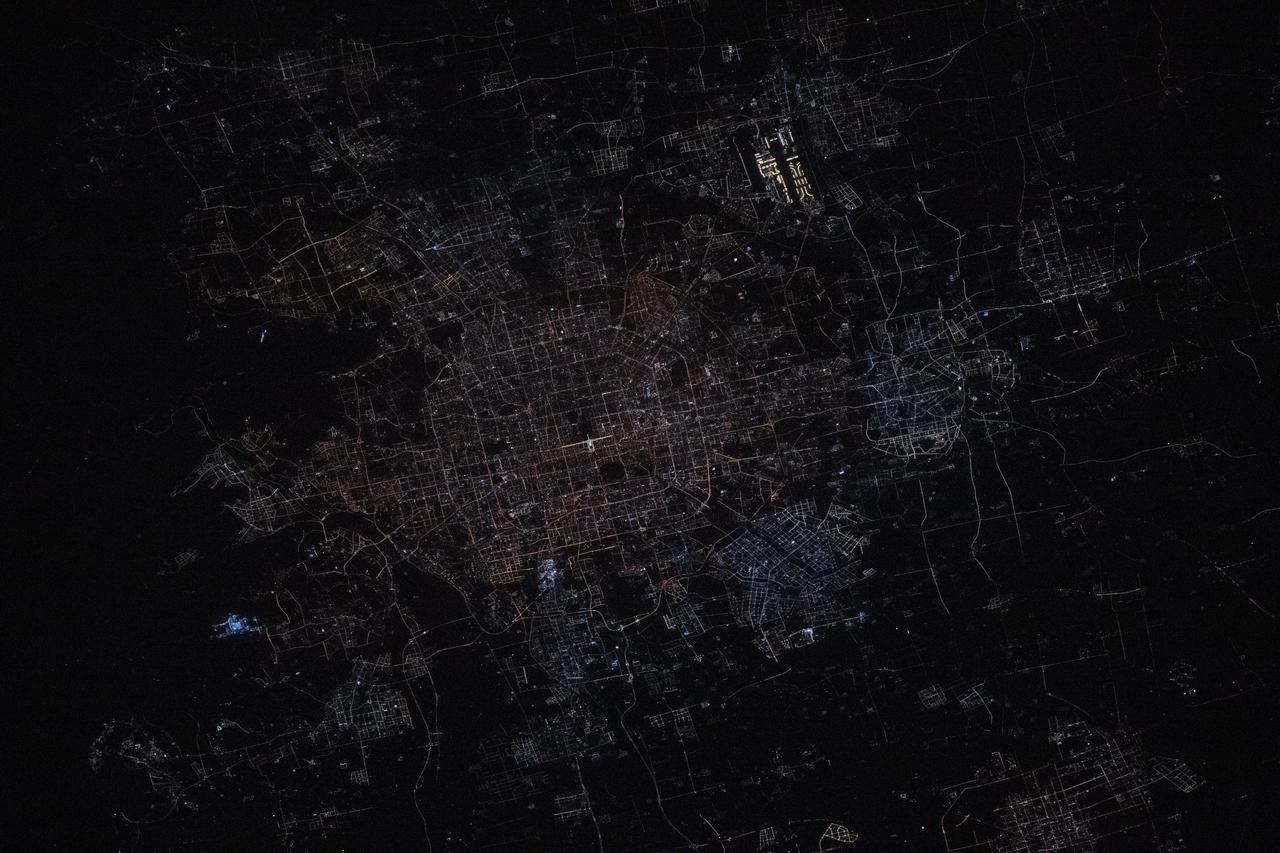
iss072e444944 (Dec. 28, 2024) --- Beijing, China's capital city with a population of about 21.9 million residents, is pictured at approximately 1:31 a.m. local time from the International Space Station as it orbited 259 miles above. Highlights in this photograph include the Forbidden City's well-lit Meridian Gate (center) and the Beijing Capital International Airport (upper right).
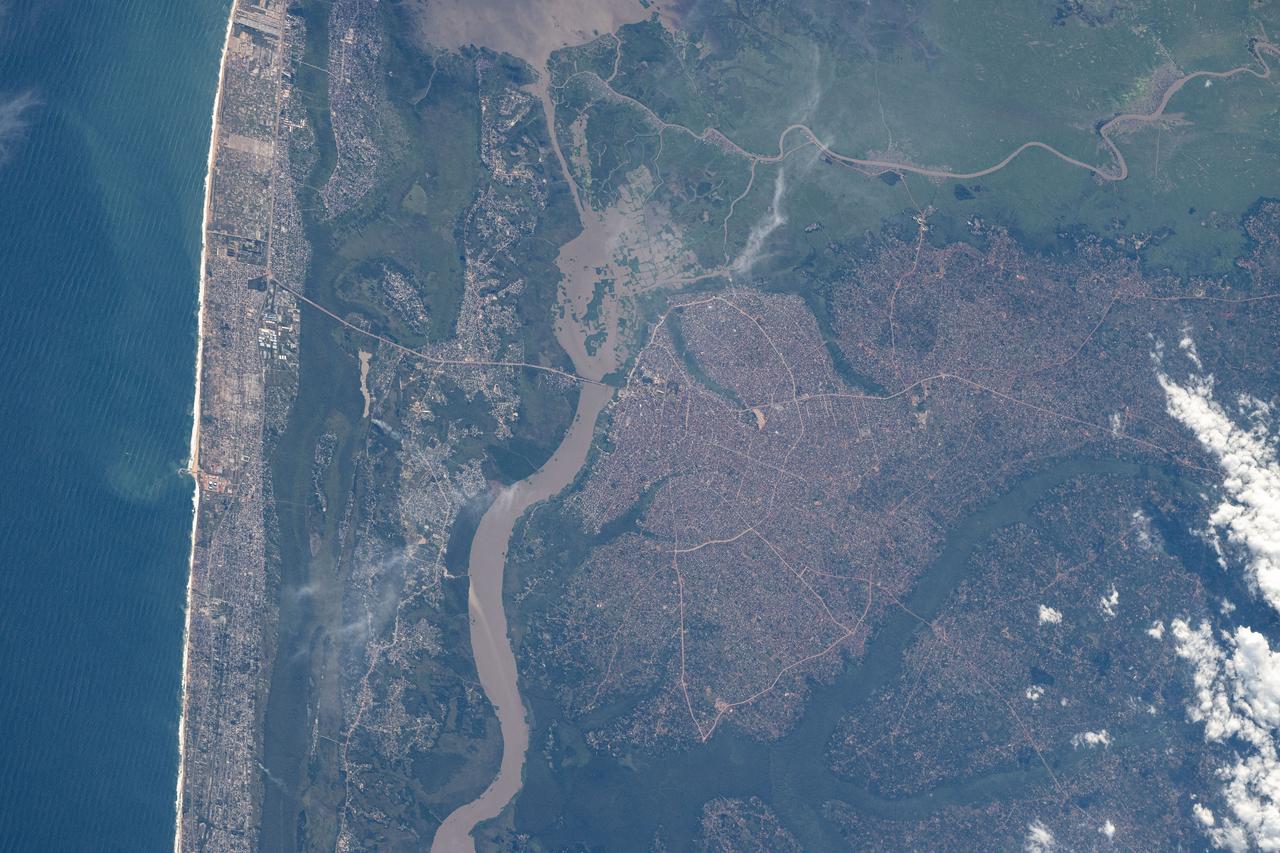
iss072e069105 (Oct. 15, 2024) --- Porto-Novo, the capital of Benin with a population of over 260,000, is situated on the Yewa River next to the coast of the Gulf of Guinea in this photograph from the International Space Station as it orbited 260 miles above.

Abu Dhabi, the capital of the United Arab Emirates on the Persian Gulf coast, is pictured from the International Space Station as it soared 257 miles above the Middle East.
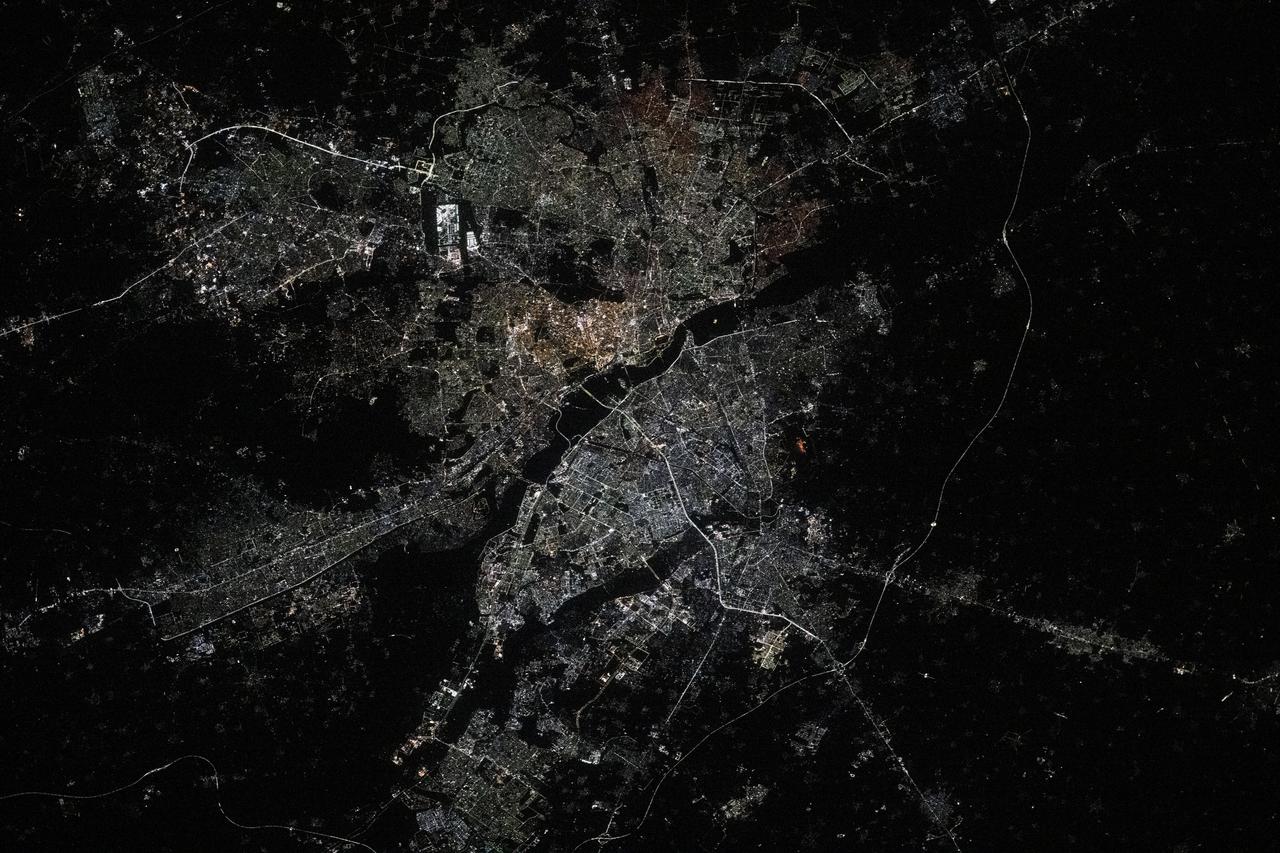
iss073e0000788 (April 22, 2025) --- The New Capital Territory of Dehli, a union territory of India hosting a population of about 21.6 million individuals, is pictured at approximately 2:32 a.m. local time from the International Space Station as it orbited 258 miles above.

iss072e519889 (Jan. 23, 2025) --- The city lights of Kuwait City, the capital of Kuwait with a population of about 3 million on the Persian Gulf coast, are pictured at approximately 9:49 p.m. local time from the International Space Station as it orbited 258 miles above.
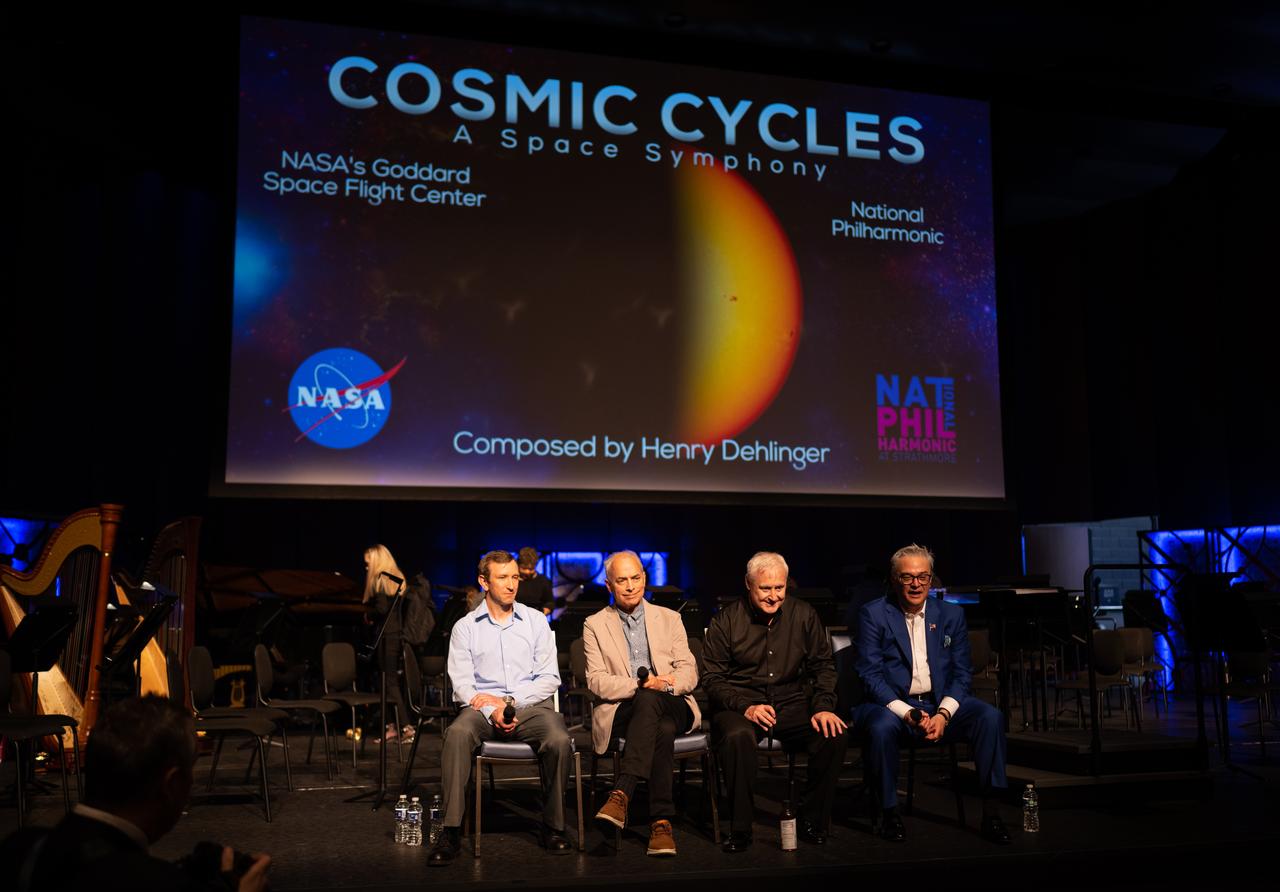
Scott Wiessinger, multimedia producer at NASA’s Goddard Space Flight Center, left, Wade Sisler, executive producer at NASA’s Goddard Space Flight Center, second from left, maestro Piotr Gajewski, second from right, composer Henry Dehlinger, right, are seen as they answer questions following the world premier performance of Dehlinger’s “Cosmic Cycles,” Thursday, May 11, 2023, at Capital One Hall in Tysons, Va. “Cosmic Cycles: A Space Symphony” is a collaboration between composer Henry Dehlinger, NASA’s Goddard Space Flight Center, and the National Philharmonic that features a fusion of music and video in seven multimedia works on the Sun, Earth, Moon, Planets, and Cosmos. Photo Credit: (NASA/Joel Kowsky)

Composer Henry Dehlinger, right, answers a question alongside Scott Wiessinger, multimedia producer at NASA’s Goddard Space Flight Center, left, Wade Sisler, executive producer at NASA’s Goddard Space Flight Center, second from left, maestro Piotr Gajewski, second from right, following the world premier performance of Dehlinger’s “Cosmic Cycles,” Thursday, May 11, 2023, at Capital One Hall in Tysons, Va. “Cosmic Cycles: A Space Symphony” is a collaboration between composer Henry Dehlinger, NASA’s Goddard Space Flight Center, and the National Philharmonic that features a fusion of music and video in seven multimedia works on the Sun, Earth, Moon, Planets, and Cosmos. Photo Credit: (NASA/Joel Kowsky)
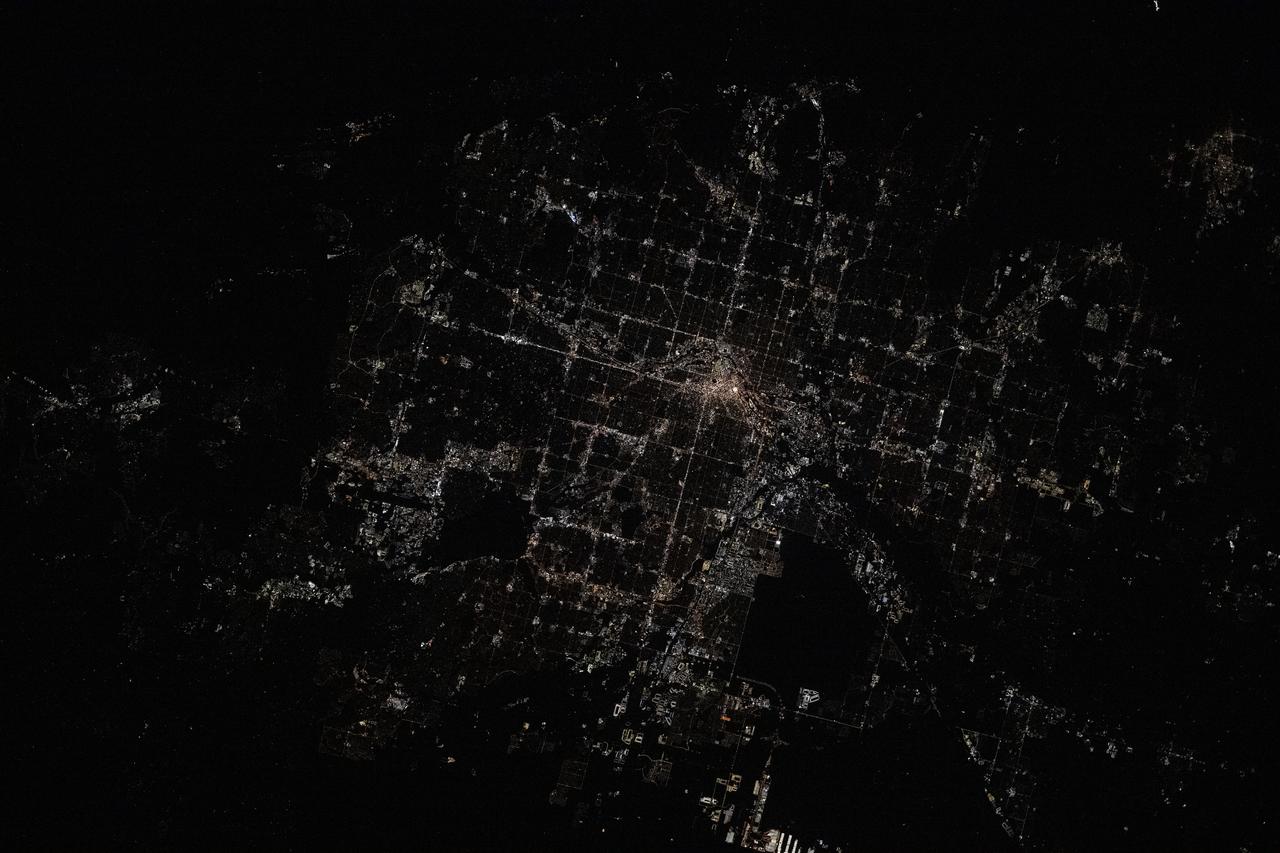
iss073e0252026 (June 26, 2025) --- Denver, Colorado's capital and largest city with a metropolitan population of over 3 million, is pictured at approximately 2:42 a.m. local time from the International Space Station as it orbited 261 miles above the Centennial State.
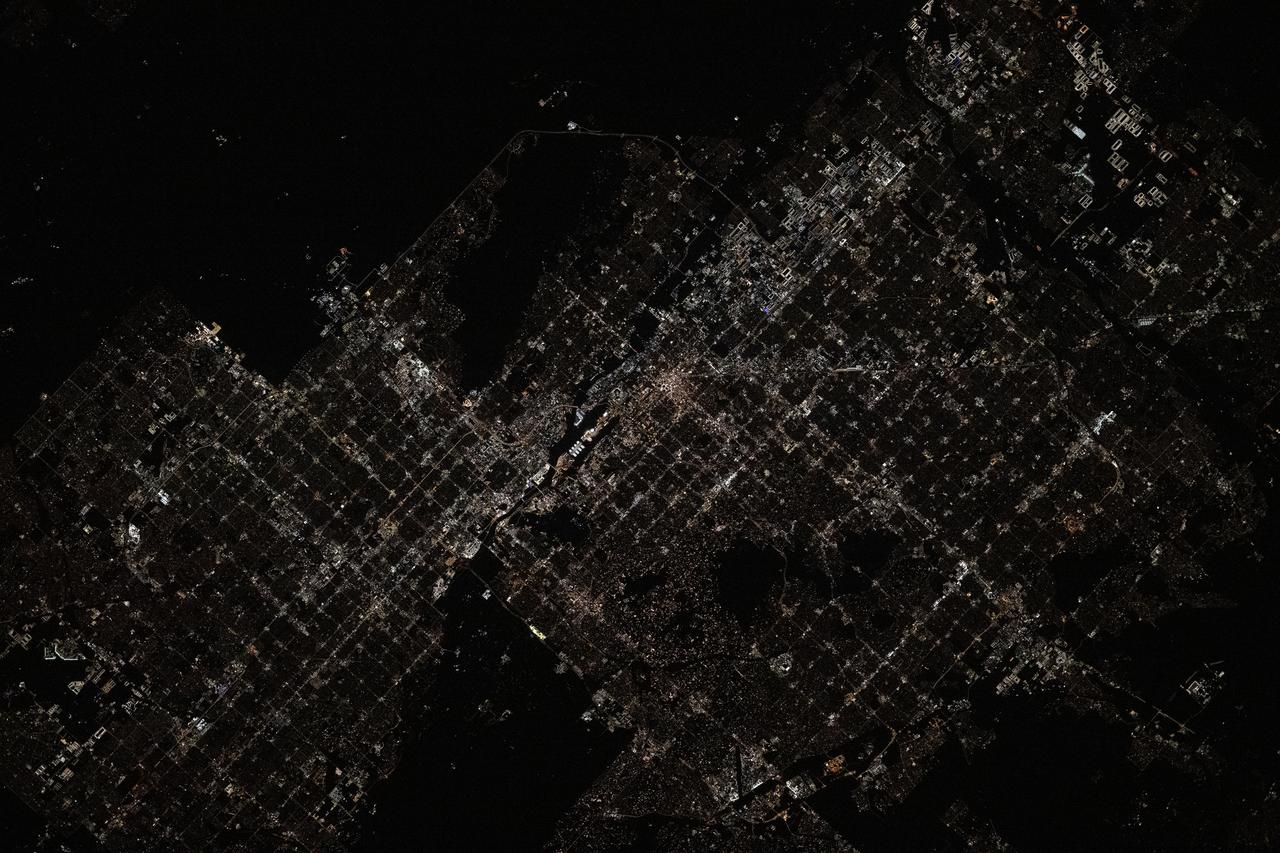
iss073e0251994 (June 26, 2025) --- Phoenix, Arizona's capital and largest city with a metropolitan population of about 4.84 million, is pictured at approximately 1:40 a.m. local time from the International Space Station as it orbited 261 miles above the Grand Canyon State.
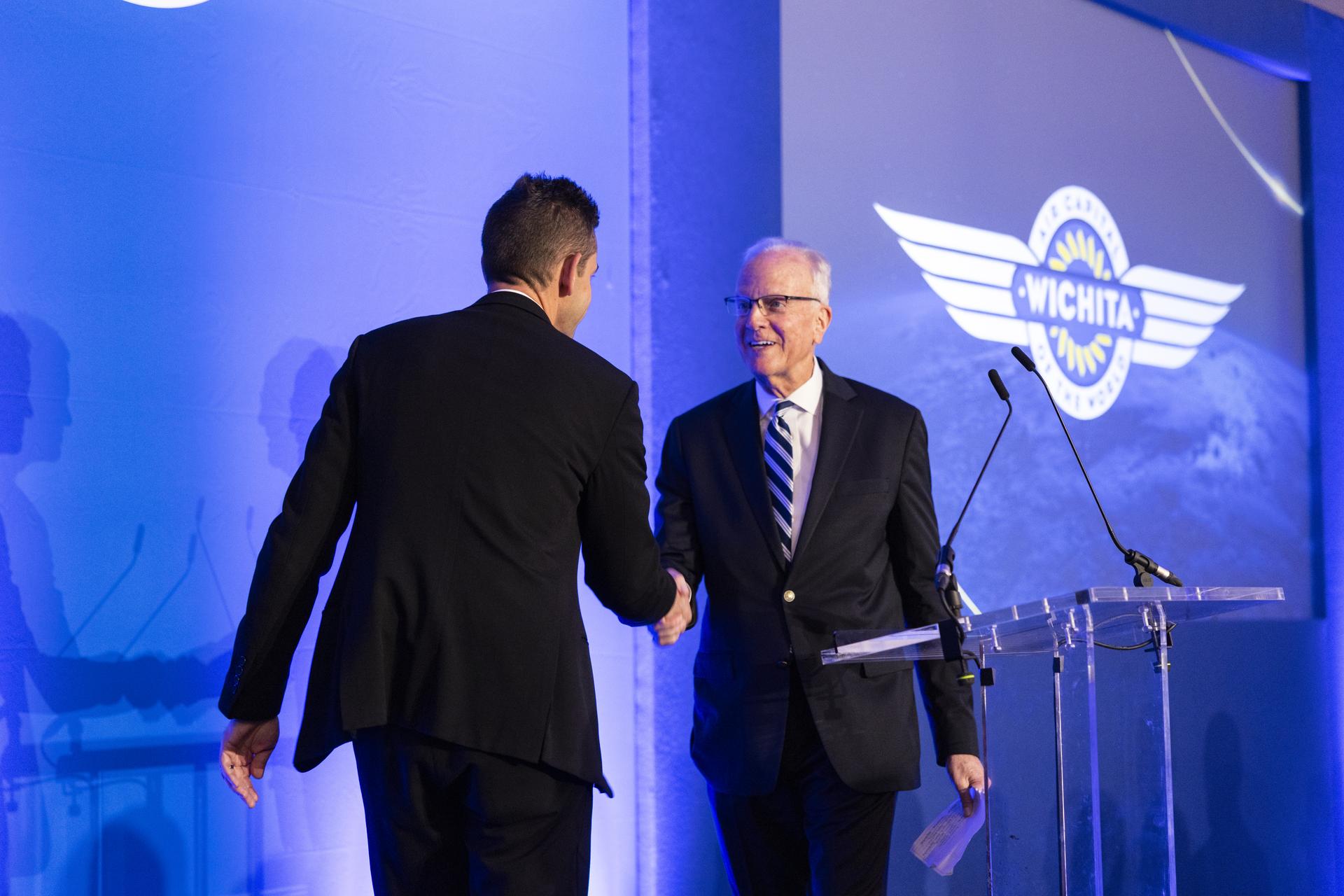
Jared Isaacman speaks at Air Capital of the World Celebration, main kick-off event for Farnborough International Airshow in the United Kingdom, pictured with Senator Jerry Moran (R-Kan).

Jared Isaacman speaks at Air Capital of the World Celebration, main kick-off event for Farnborough International Airshow in the United Kingdom, pictured with Senator Jerry Moran (R-Kan).

Jared Isaacman speaks at Air Capital of the World Celebration, main kick-off event for Farnborough International Airshow in the United Kingdom, pictured with Senator Jerry Moran (R-Kan).

Jared Isaacman speaks at Air Capital of the World Celebration, main kick-off event for Farnborough International Airshow in the United Kingdom, pictured with Senator Jerry Moran (R-Kan).

Jared Isaacman speaks at Air Capital of the World Celebration, main kick-off event for Farnborough International Airshow in the United Kingdom, pictured with Senator Jerry Moran (R-Kan).
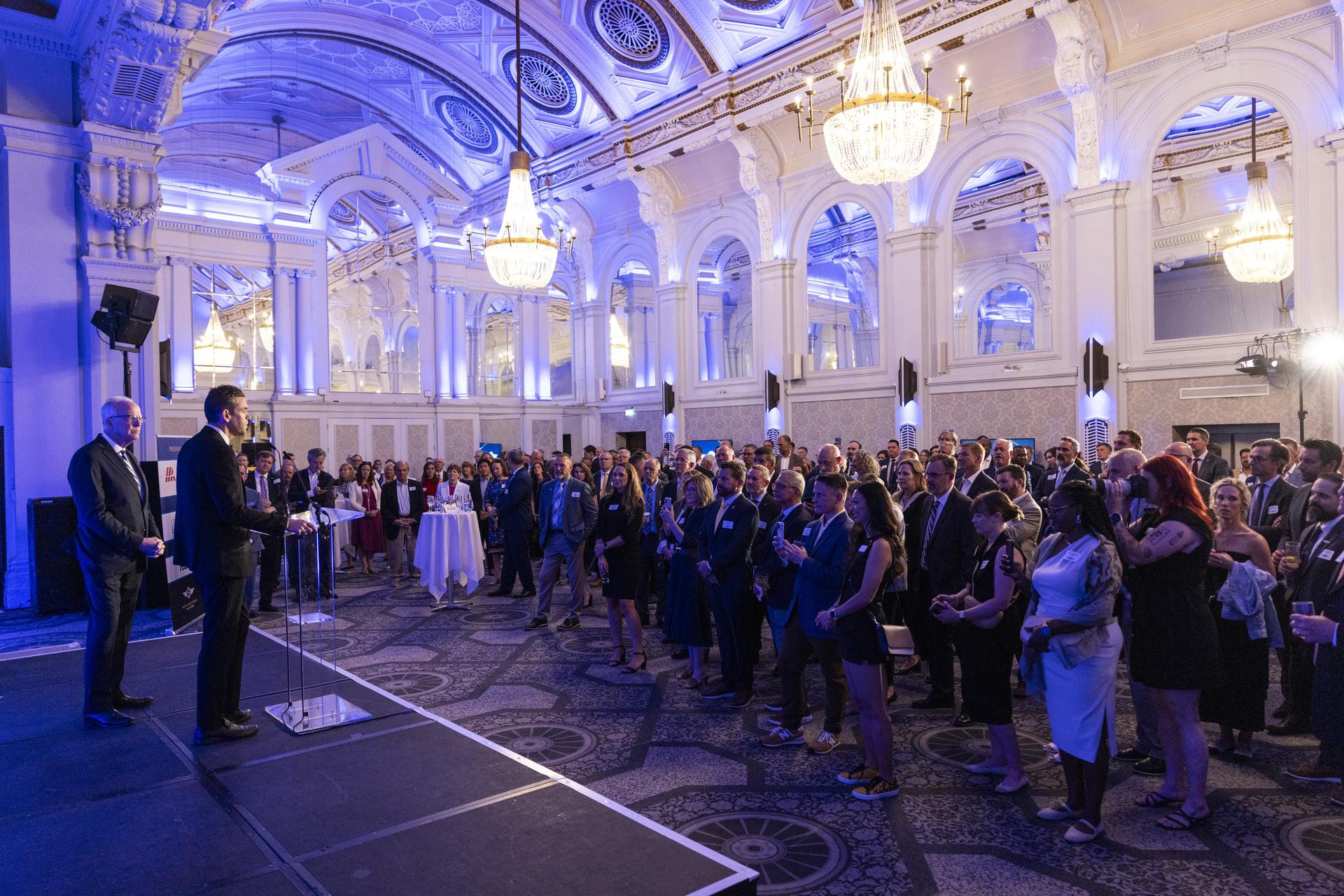
Jared Isaacman speaks at Air Capital of the World Celebration, main kick-off event for Farnborough International Airshow in the United Kingdom, pictured with Senator Jerry Moran (R-Kan).
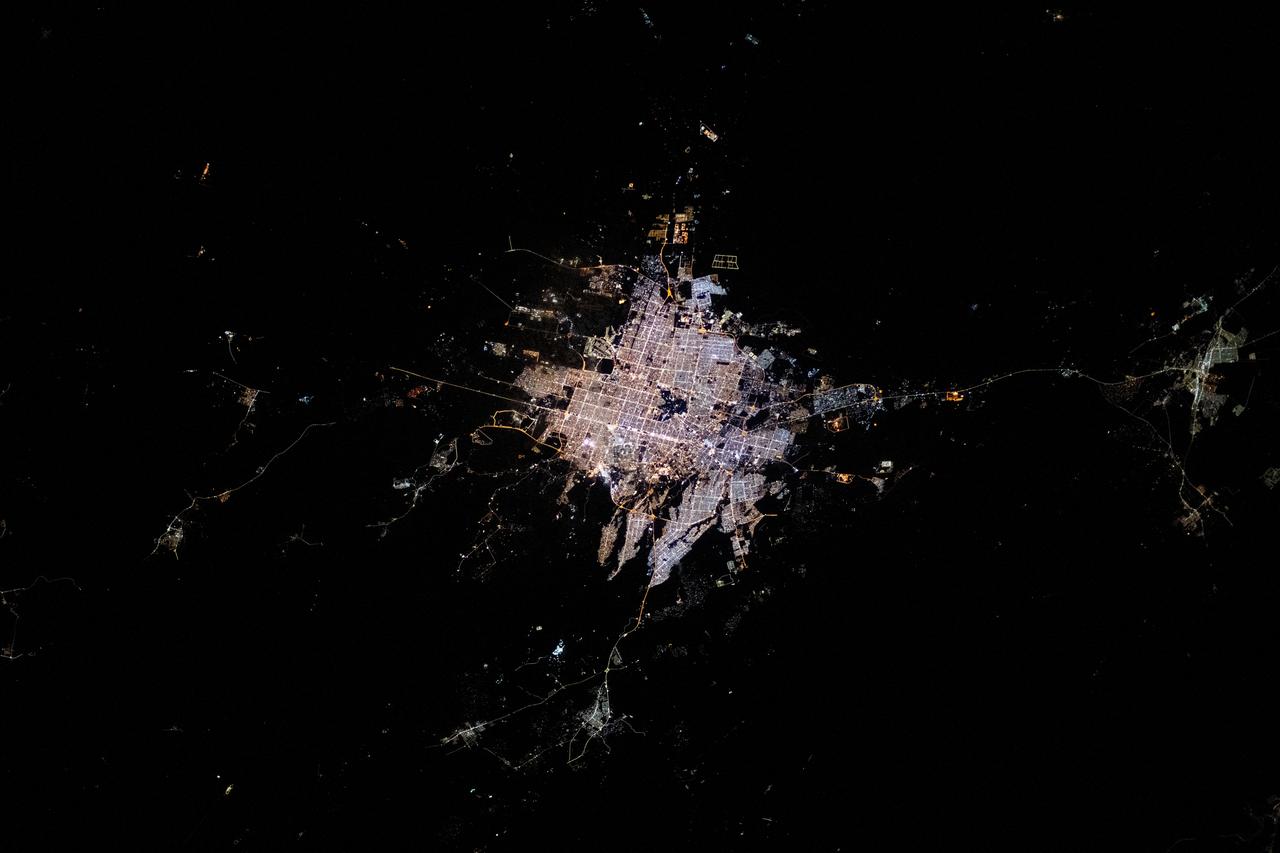
iss072e519565 (Jan. 22, 2025) --- Riyadh, Saudi Arabia, the desert nation's capital and largest city with a population af about 7 million, are pictured at aproximately 10:38 p.m. local time from the International Space Station as it orbited 258 miles above.
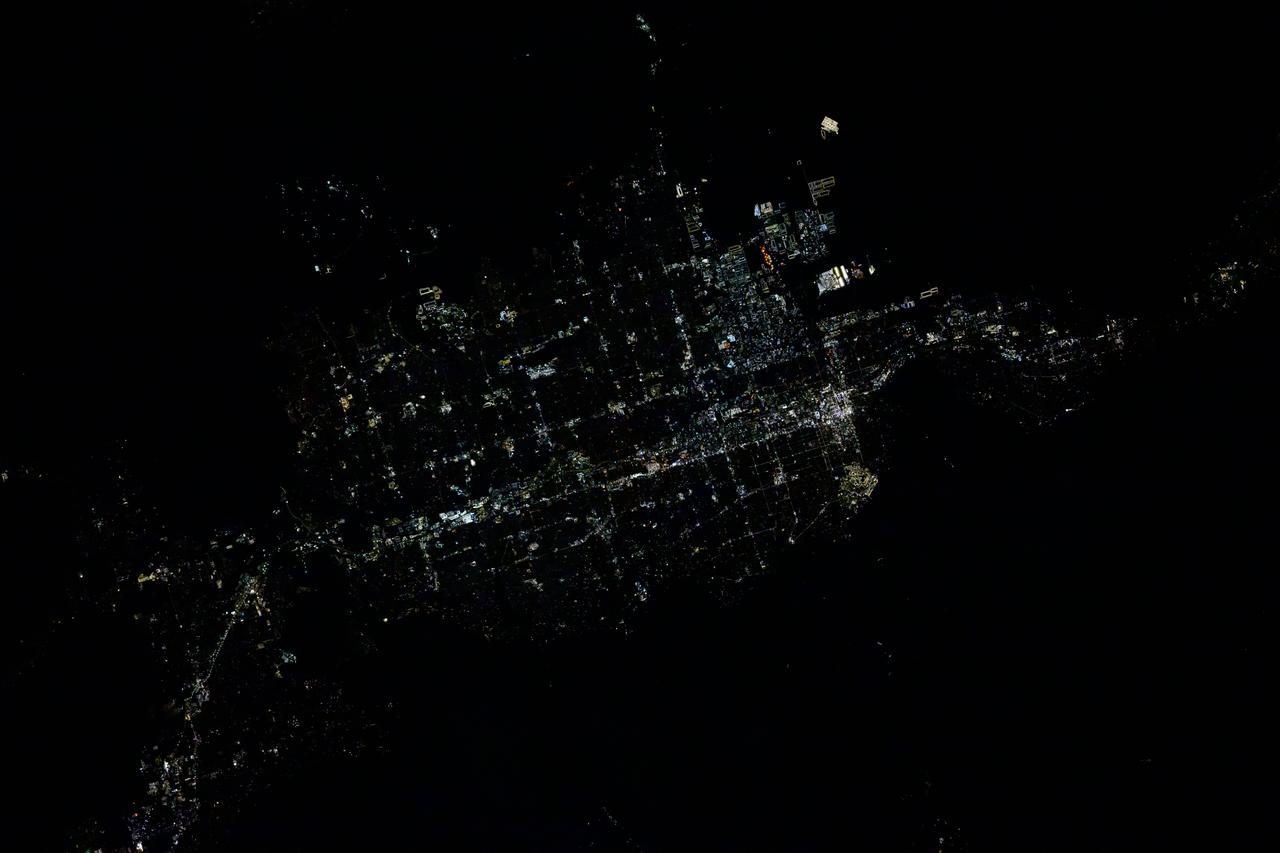
iss072e399194 (Dec. 19, 2024) --- The city lights of Salt Lake City, the capital of Utah, and its surrounding suburbs are pictured at about 5:17 a.m. local time from the International Space Station as it orbited 258 miles above.
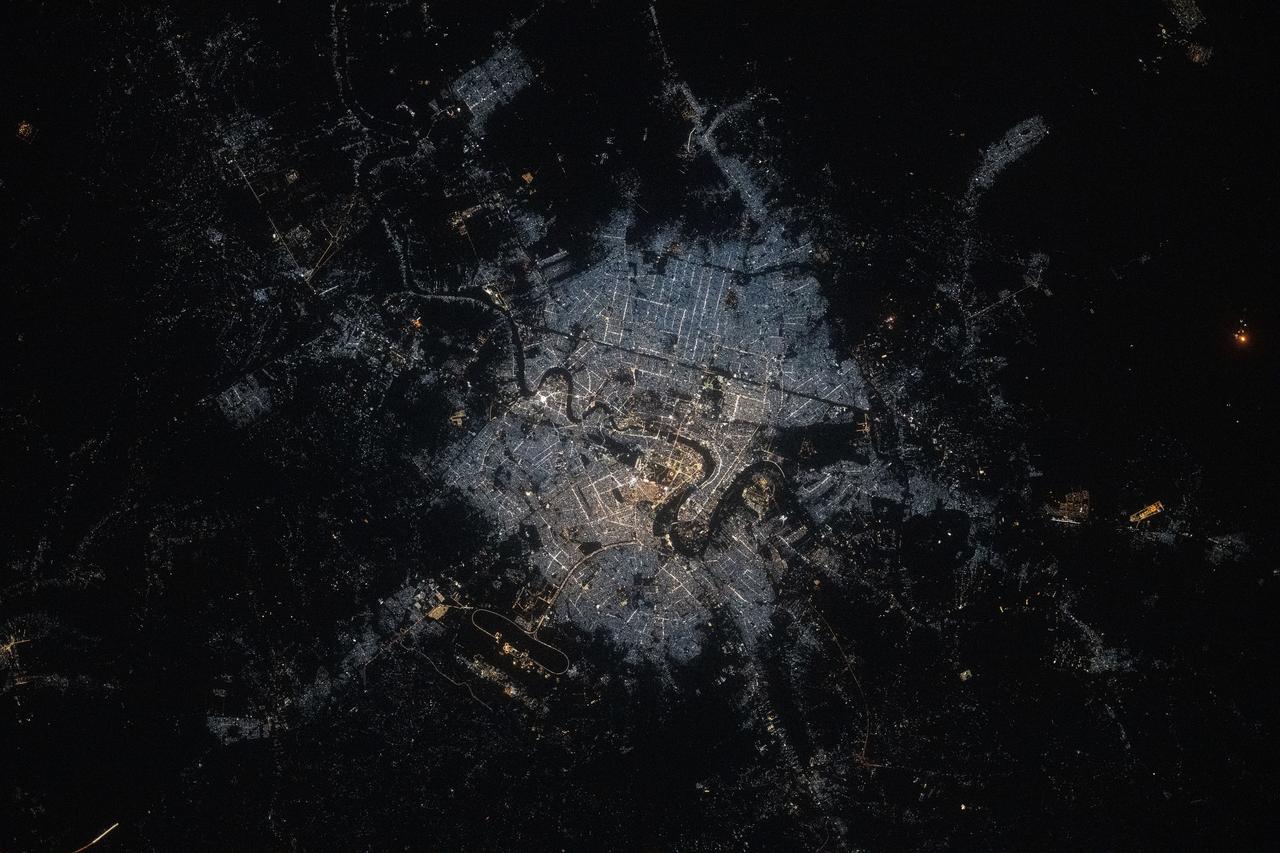
iss073e0134535 (May 22, 2025) --- Baghdad, the capital and largest city in Iraq with a population of about 7.92 million split by the Tigris River, is pictured at approximately 10:41 p.m. local from the International Space Station as it orbited 260 miles above the Middle Eastern nation.
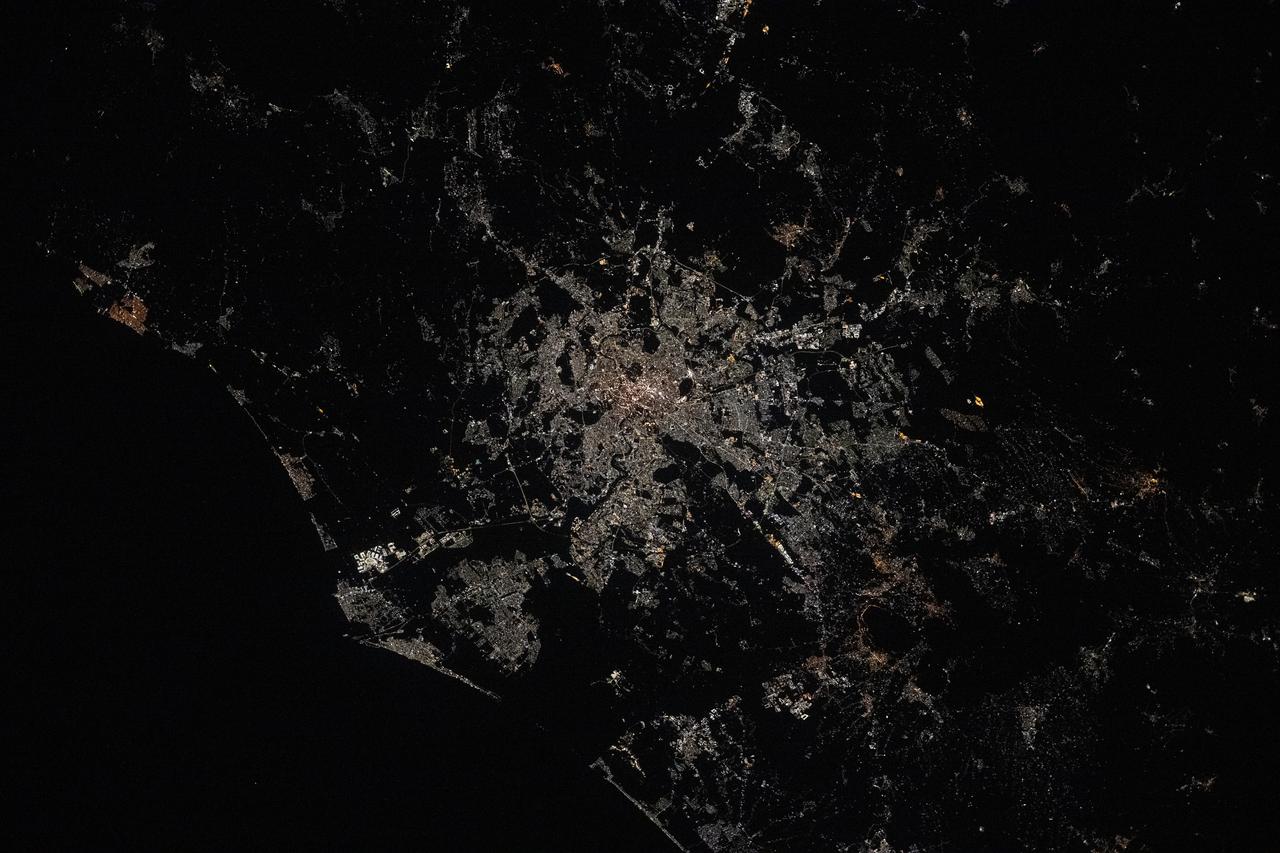
iss073e0343840 (July 15, 2025) --- Rome, Italy, the nation's capital and largest city nearly 3,000 years old with a metropolitan population of about 4.22 million, is pictured at approximately 1:16 a.m. local time from the International Space Station as it orbited 260 miles above.
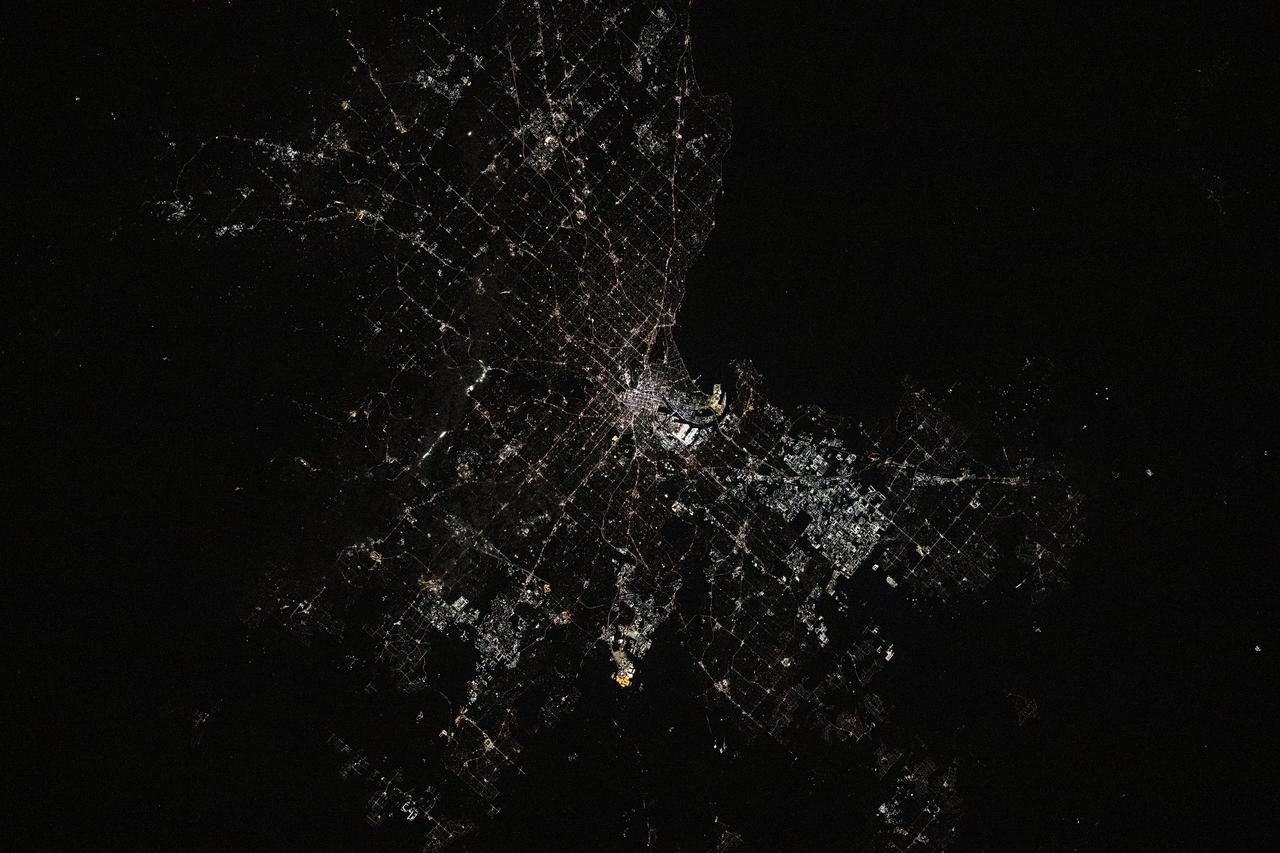
iss073e0000808 (April 23, 2025) --- Melbourne, the capital of Australia's state of Victoria with a population of about 5.2 million, is pictured at approximately 10:07 p.m. local time from the International Space Station as it orbited 267 miles above the continental nation.
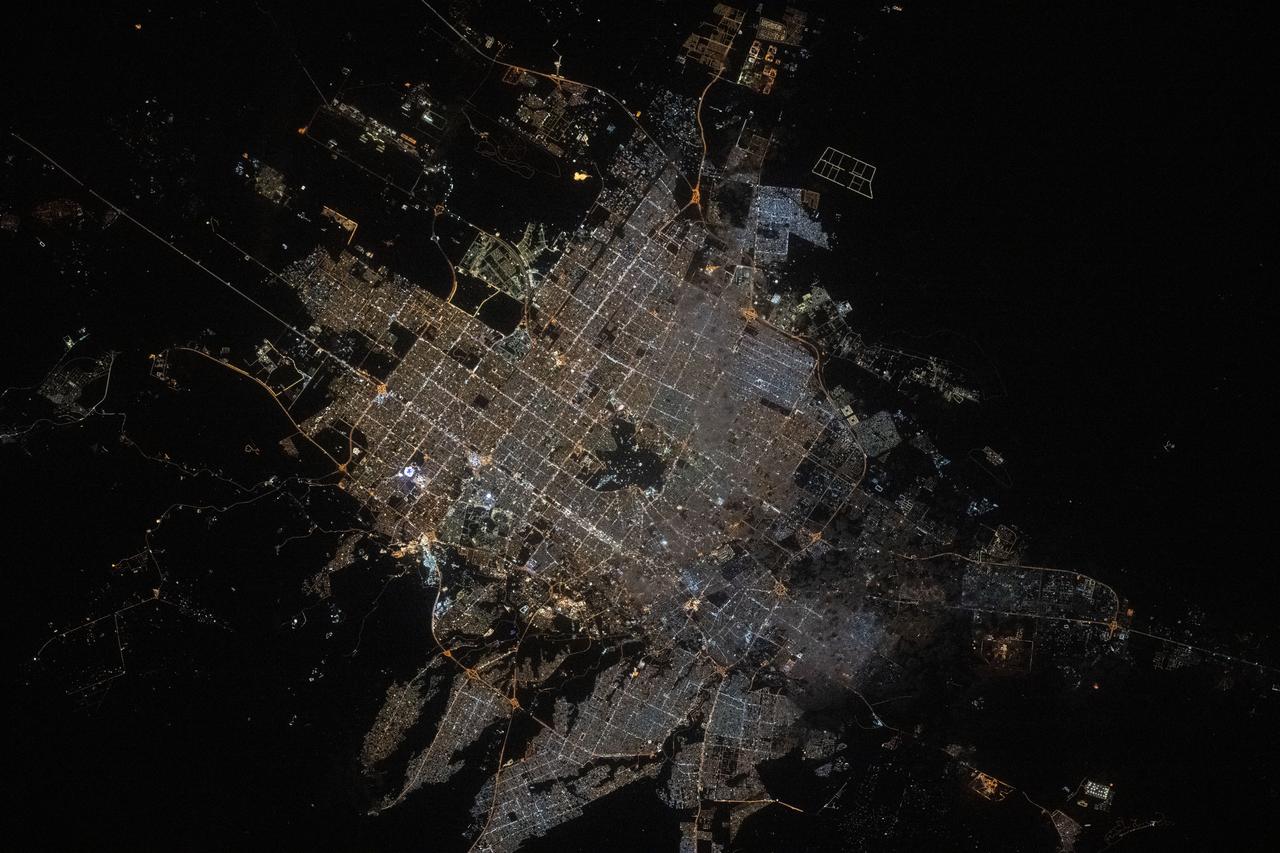
iss072e445326 (Dec. 28, 2024) --- Riyadh, Saudi Arabia's capital and the largest city on the Arabian peninsula with a population of about 7 million residents, is pictured at approximately 11:30 p.m. local time from the International Space Station as it orbited 257 miles above.
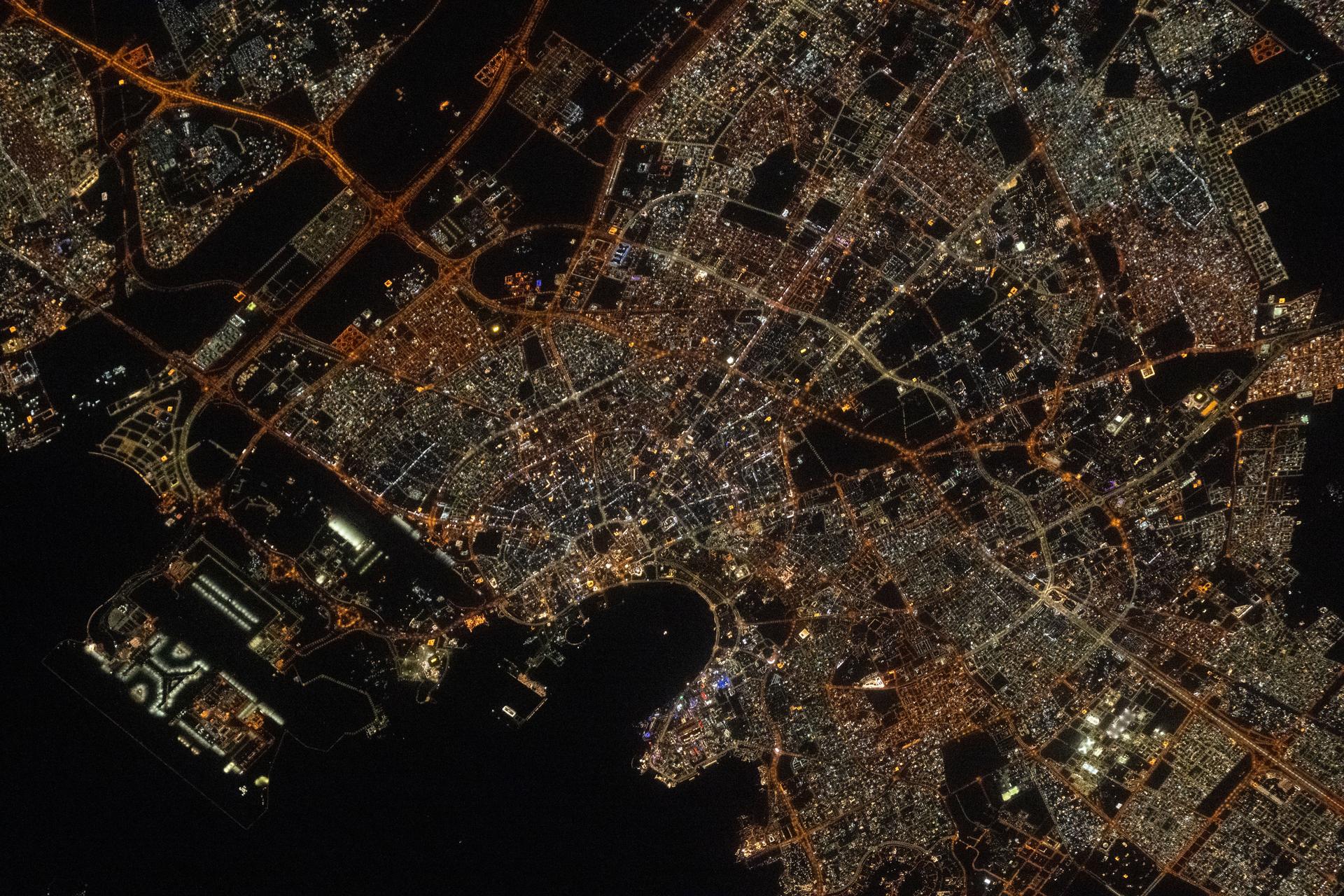
iss074e0150095 (Jan. 18, 2026) --- Doha, the capital and financial hub of Qatar with a population of about 2.4 million, is pictured at approximately 11:18 p.m. local time from the International Space Station as it orbited 262 miles above the Persian Gulf. At bottom left, is Hamad International Airport, featuring some of the longest runways in the world, built to accommodate next-generation aircraft such as the Airbus A380. Credit: NASA/Chris Williams

The Capitals mascot Slapshot is seen at a White House Halloween themed event titled, “Hallo-READ!” on Wednesday, Oct. 30, 2024 on the south lawn of the White House in Washington. Photo Credit: (NASA/Aubrey Gemignani)
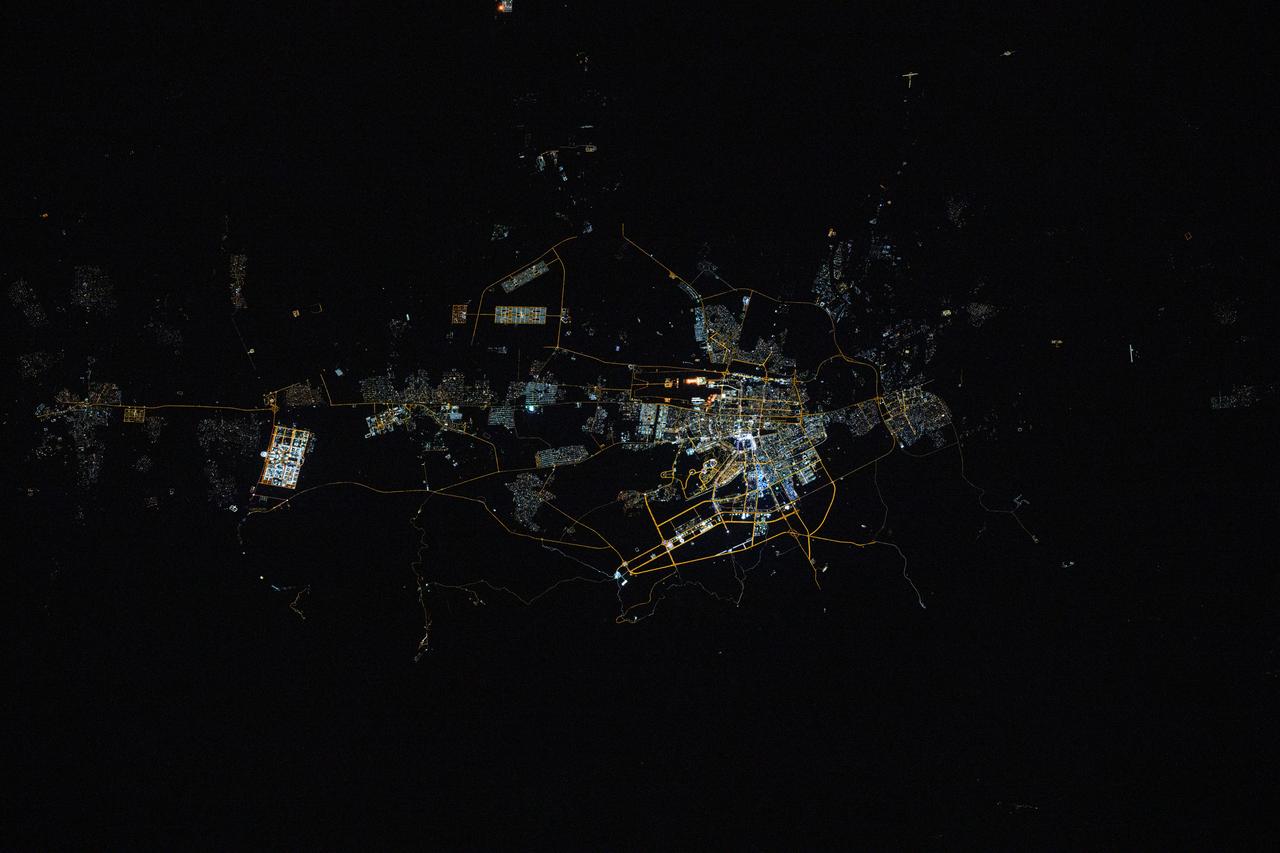
iss072e793133 (March 17, 2025) --- Ashgabat, the capital city of Turkmenistan with a population of about 1 million, is pictured at approximately 1:16 a.m. local time from the International Space Station as it orbited 261 miles above.
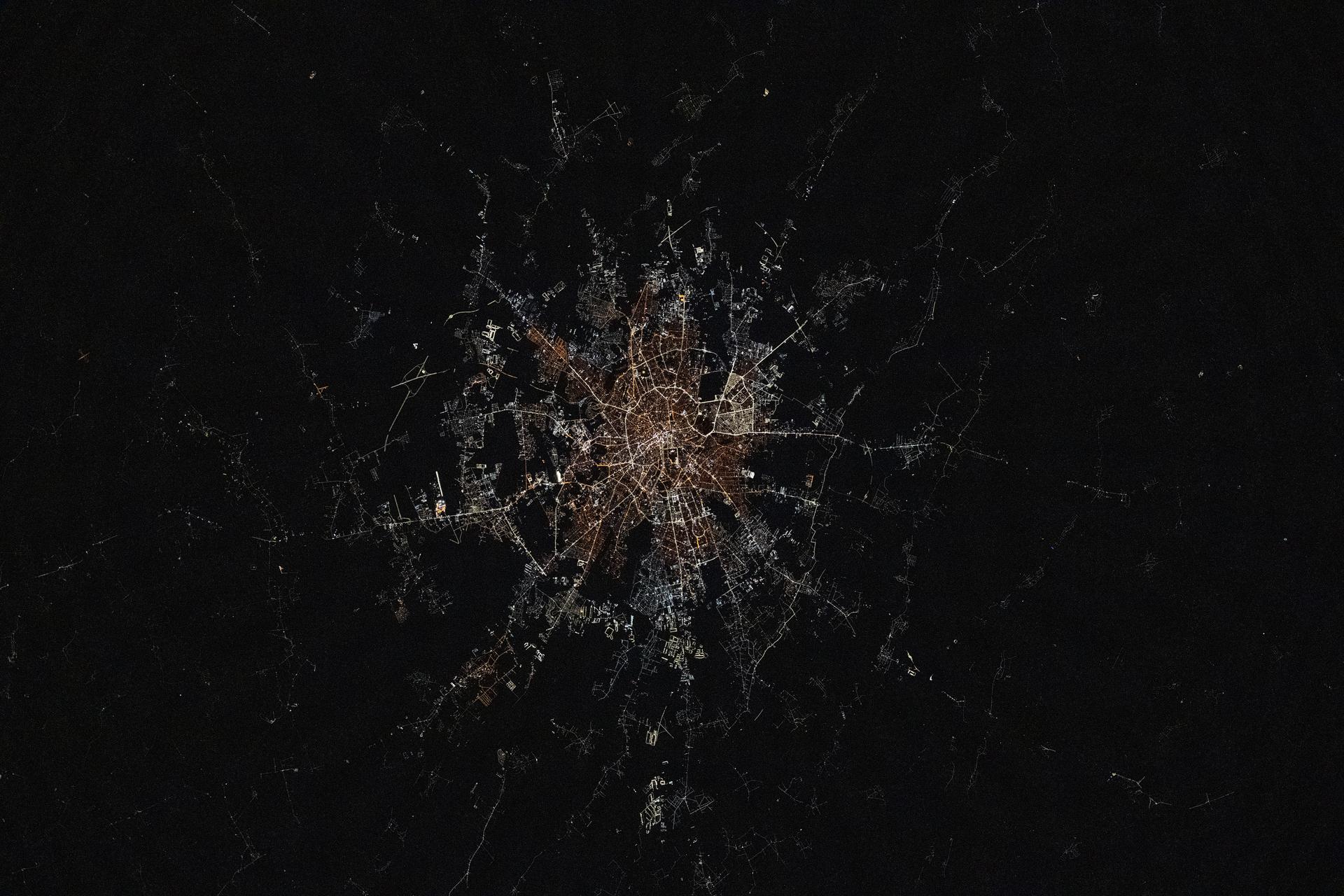
iss073e1047246 (Nov. 2, 2025) --- Bucharest, Romania—the nation's capital with a metropolitan population of about 1.78 million—transitions from older, amber-hued sodium-vapor lights in its city center to modern, white cooler LED lighting in its outskirts and suburbs. This photograph was taken from the International Space Station as it orbited 261 miles above Eastern Europe at approximately 11:15 p.m. local time.
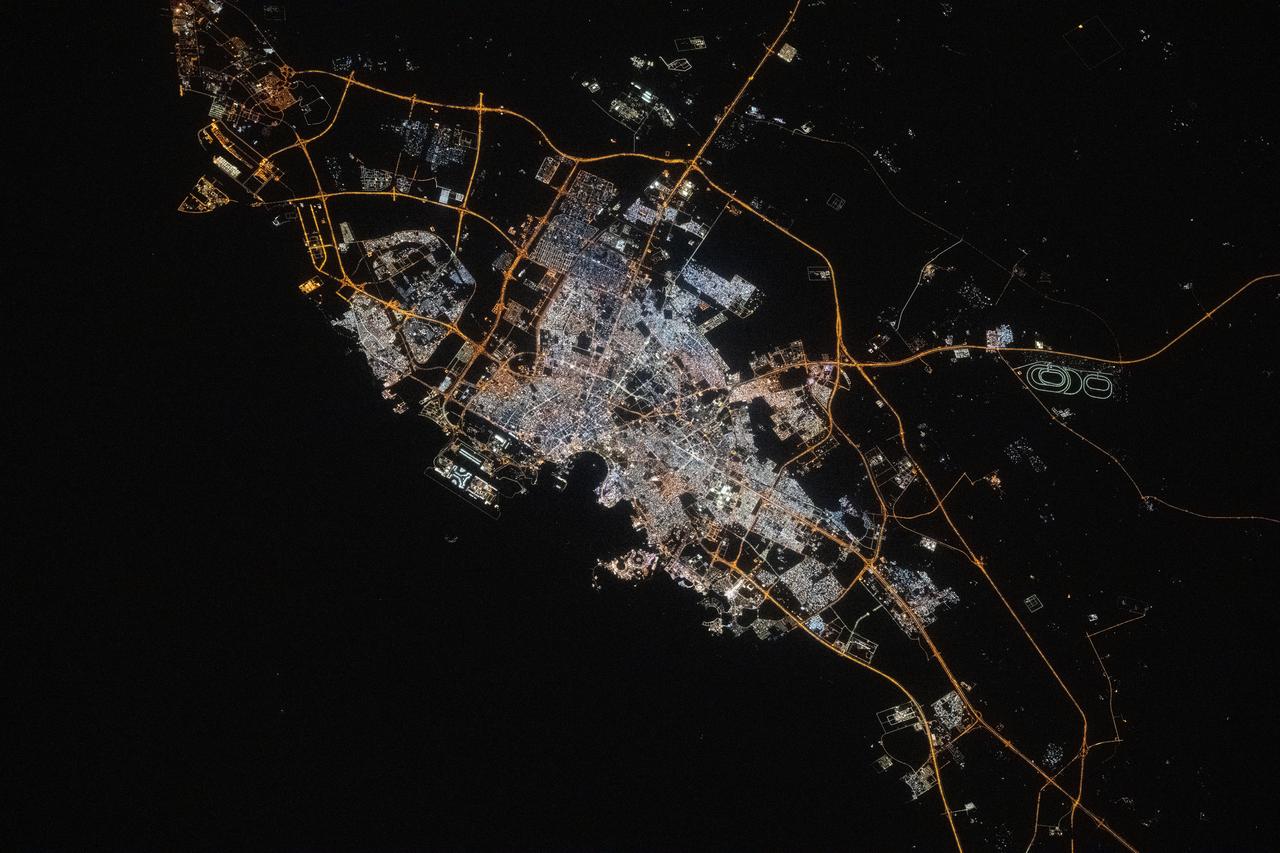
iss073e0134569 (May 22, 2025) --- Doha, the capital and largest city of Qatar with a population of about 1.9 million, is pictured at approximatelt 10:44 p.m. local time from the International Space Station as it orbited 259 miles above the Persian Gulf. Landmarks include Hamad International Airport (center left) and the artificial Pearl Island (lower center).
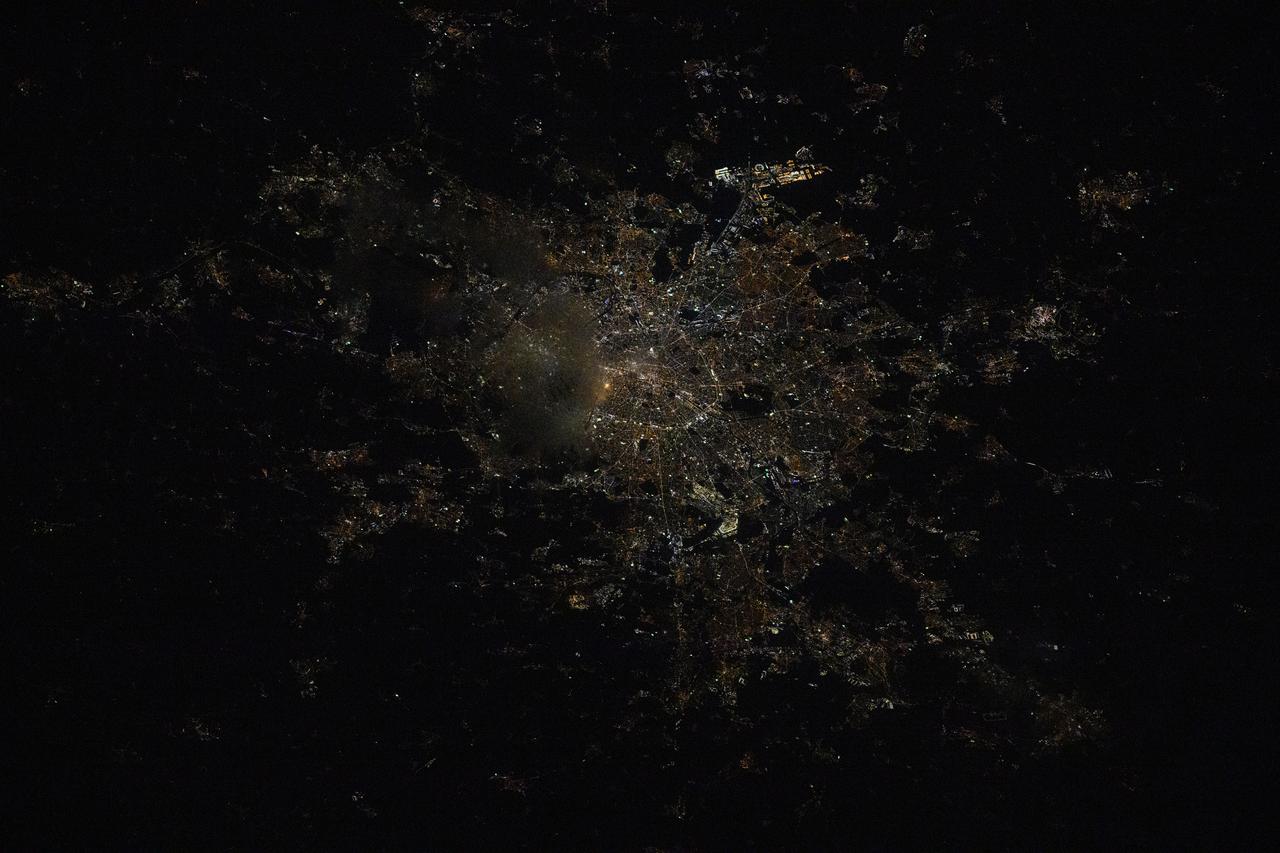
iss072e789833 (March 14, 2025) --- Paris, also known as the "City of Lights" and France's capital and largest city with a population of about 2.05 million, is pictured at approximately 9:54 p.m. local time from the International Space Staton as it orbited 261 miles above.
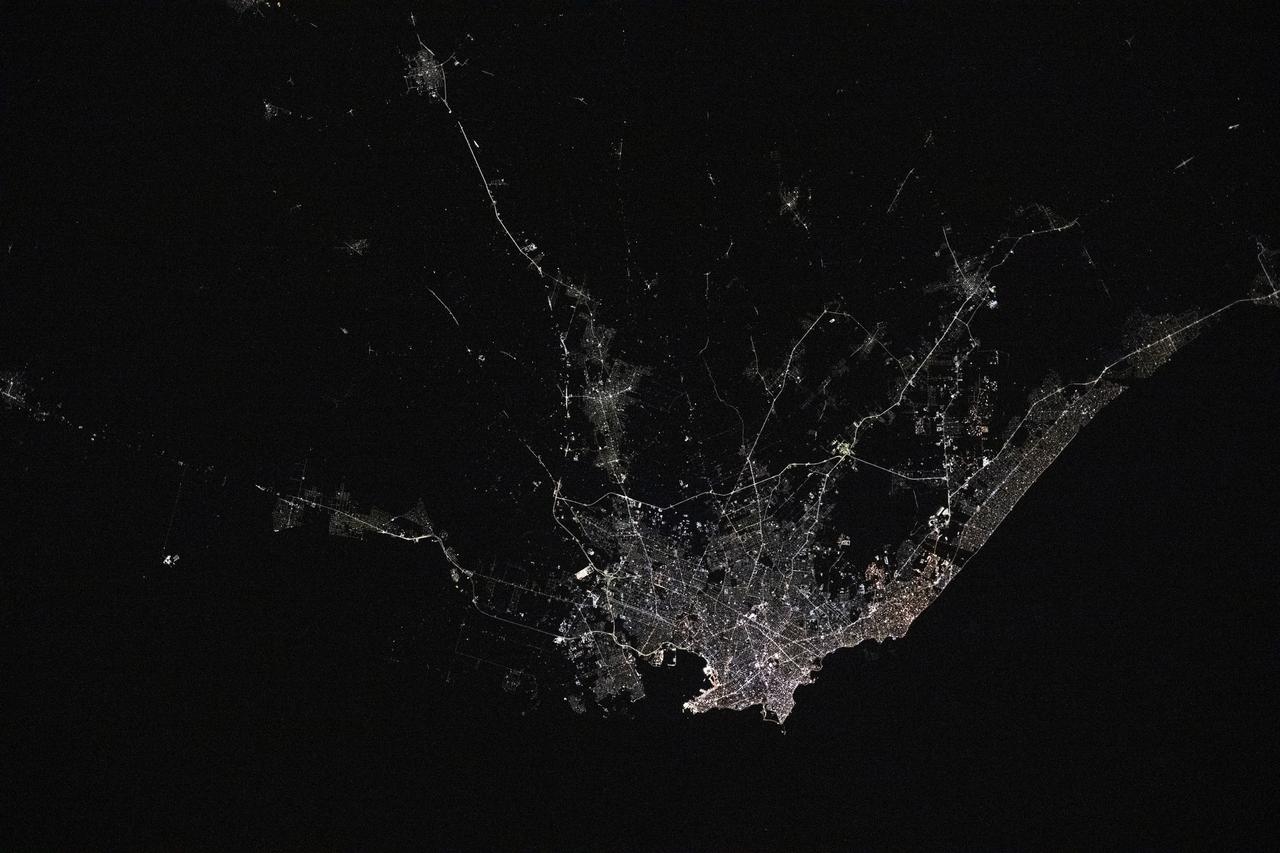
iss073e0176311 (May 20, 2025) --- Montevideo, Uruguay, the South American nation's capital and largest city with a population of about 1.28 million on the bank of the Rio de la Plata, is pictured at approximately 4:43 a.m. local time from the International Space Station as it orbited 267 miles above.
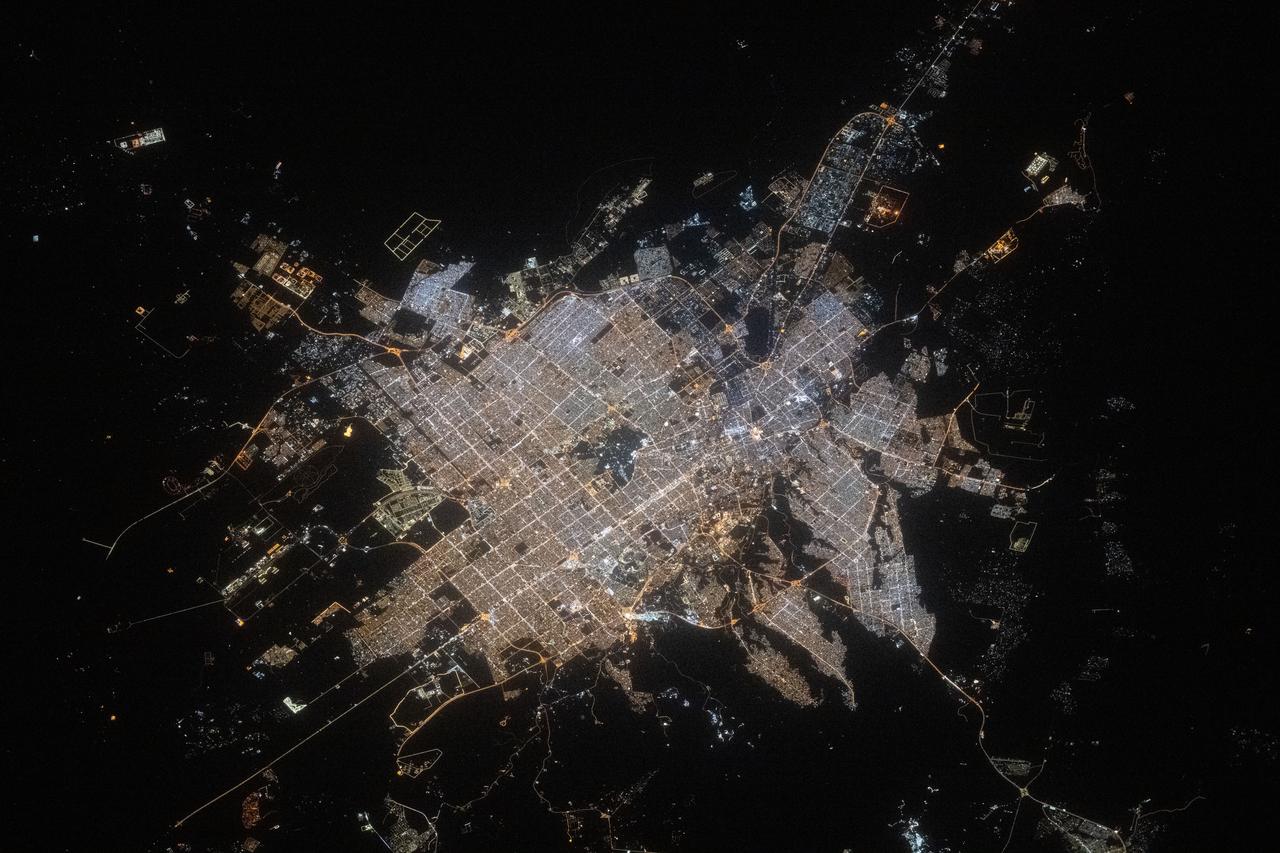
iss073e0222623 (May 25, 2025) --- Riyadh, Saudi Arabia, the Middle Eastern nation's capital and largest city with a population of about 7 million located in the Nafud desert, is pictured at approximately 9:56 p.m. local time from the International Space Station as it orbited 259 miles above the Arabian Peninsula.
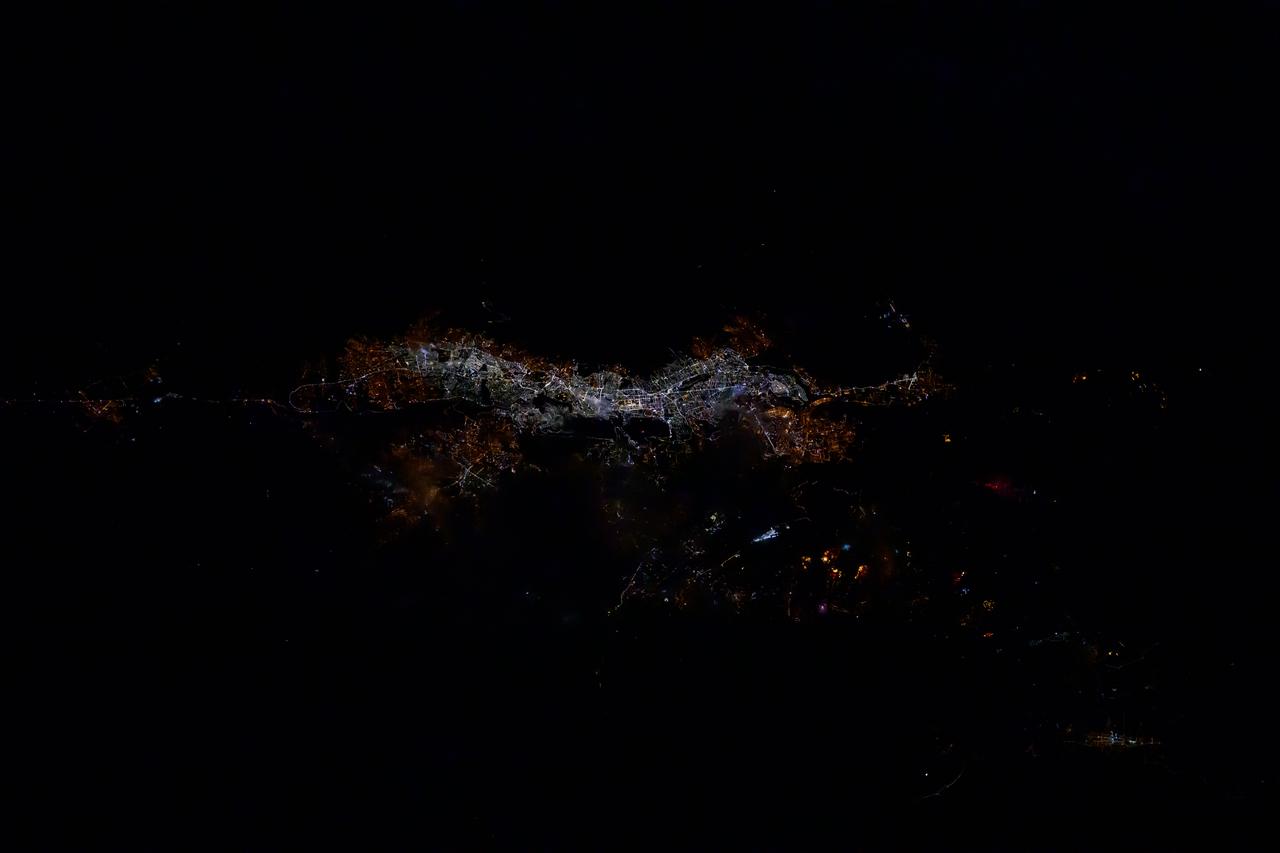
iss072e398817 (Dec. 19, 2024) --- The city lights of Quito, Ecuador, the South American nation's capital and second largest city located in the Andes, are pictured at approximately 2:24 a.m. local time from the International Space Station as it orbited 255 miles above.
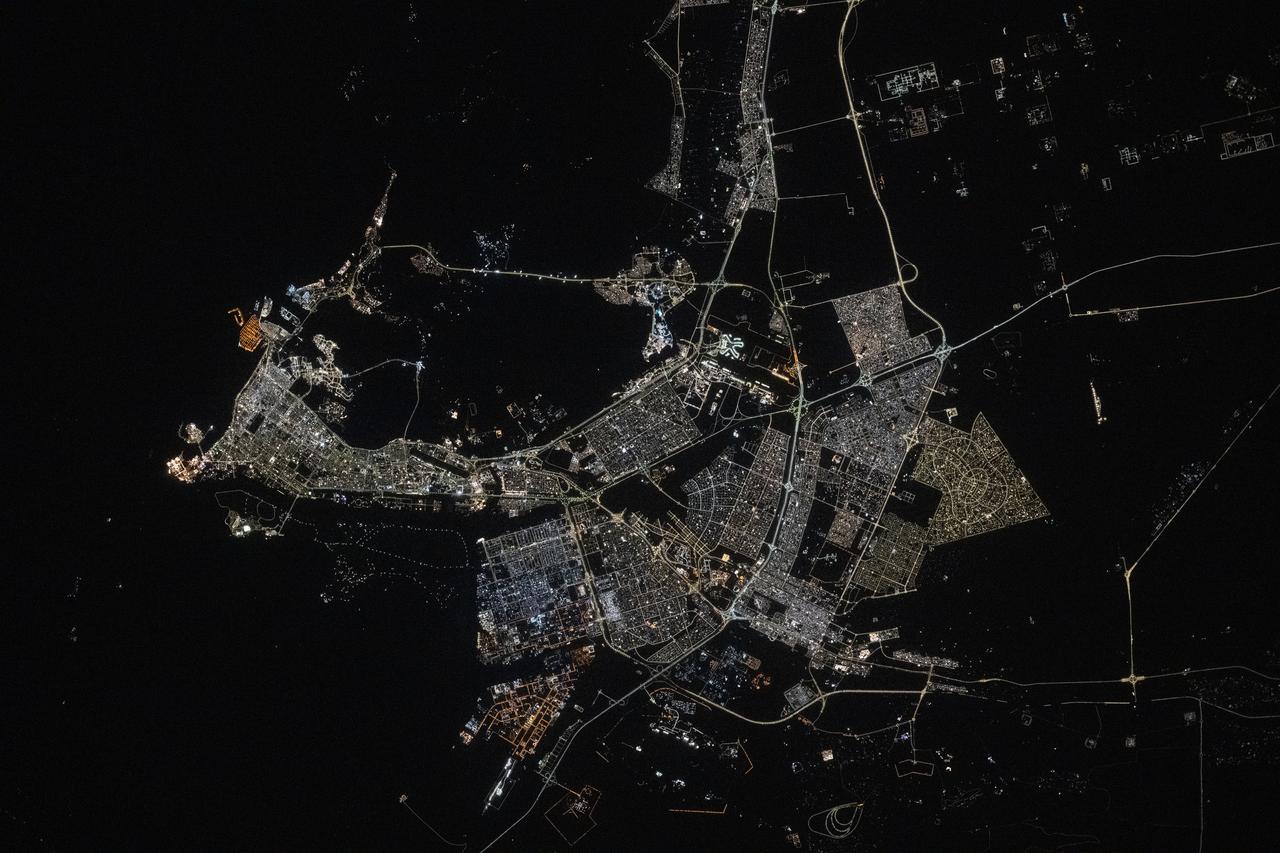
iss073e0134580 (May 22, 2025) --- Abu Dhabi, the capital and second most populous city in the United Arab Emirates with a population of about 1.57 million on the Persian Gulf, is pictured at approximately 10:44 p.m. local time from the International Space Station as it orbited 259 miles above the Middle East.
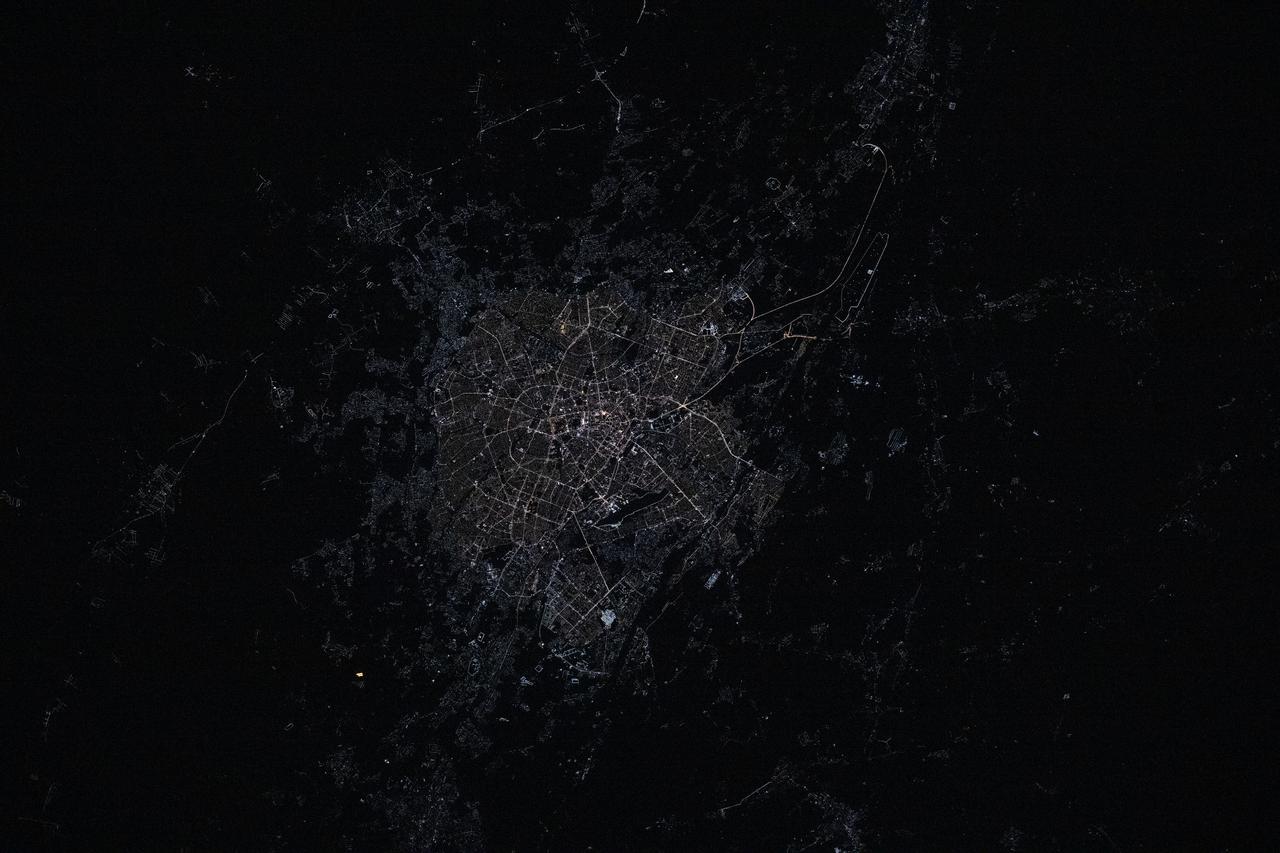
iss072e445581 (Dec. 28, 2024) --- The city lights of Tashkent, Uzbekistan's capital and most populous city with a population of about 3.1 million residents, are pictured at approximately 1:36 a.m. local time from the International Space Station as it orbited 259 miles above Central Asia.
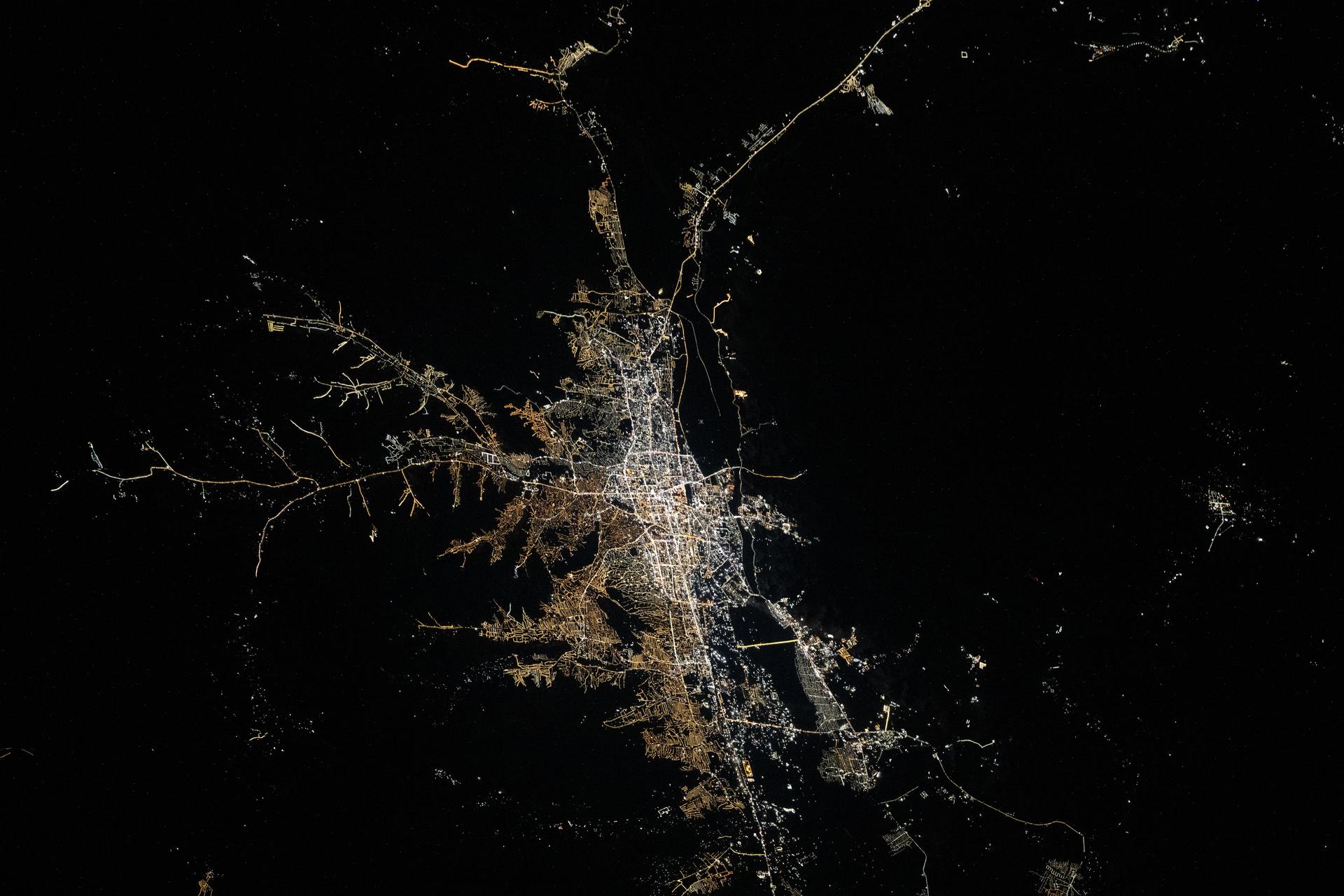
iss074e0381391 (March 14, 2026) --- Mongolia's capital, Ulaanbaatar, with a population of about 1.7 million, sits on the high, semi-arid Mongolian Plateau and experiences extremely cold winters and short warm summers. This photograph was taken at approximately 12:42 a.m. local time from the International Space Station as it orbited 264 miles above Asia. Credit: NASA/Jessica Meir
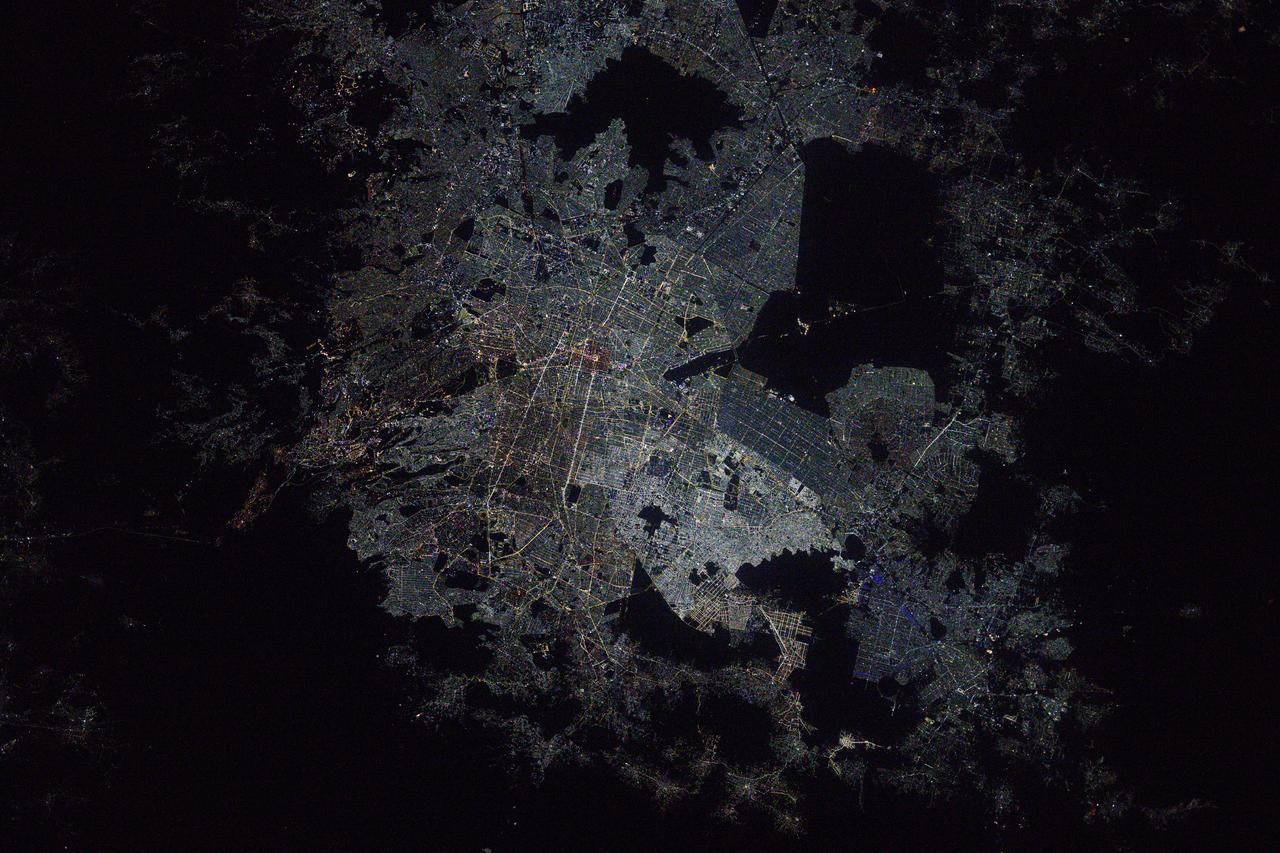
iss073e0075943 (May 16, 2025) --- Mexico City, the capital and most-populous city of the Latin American nation, surrounded by the dark voids of Lago de Texcoco nature preserve, the Lago Tláhuac-Xico nature preserve, and the Cumbres del Ajusco National Park is pictured at approximately 3 a.m. local time from the International Space Station as it orbited 259 miles above.
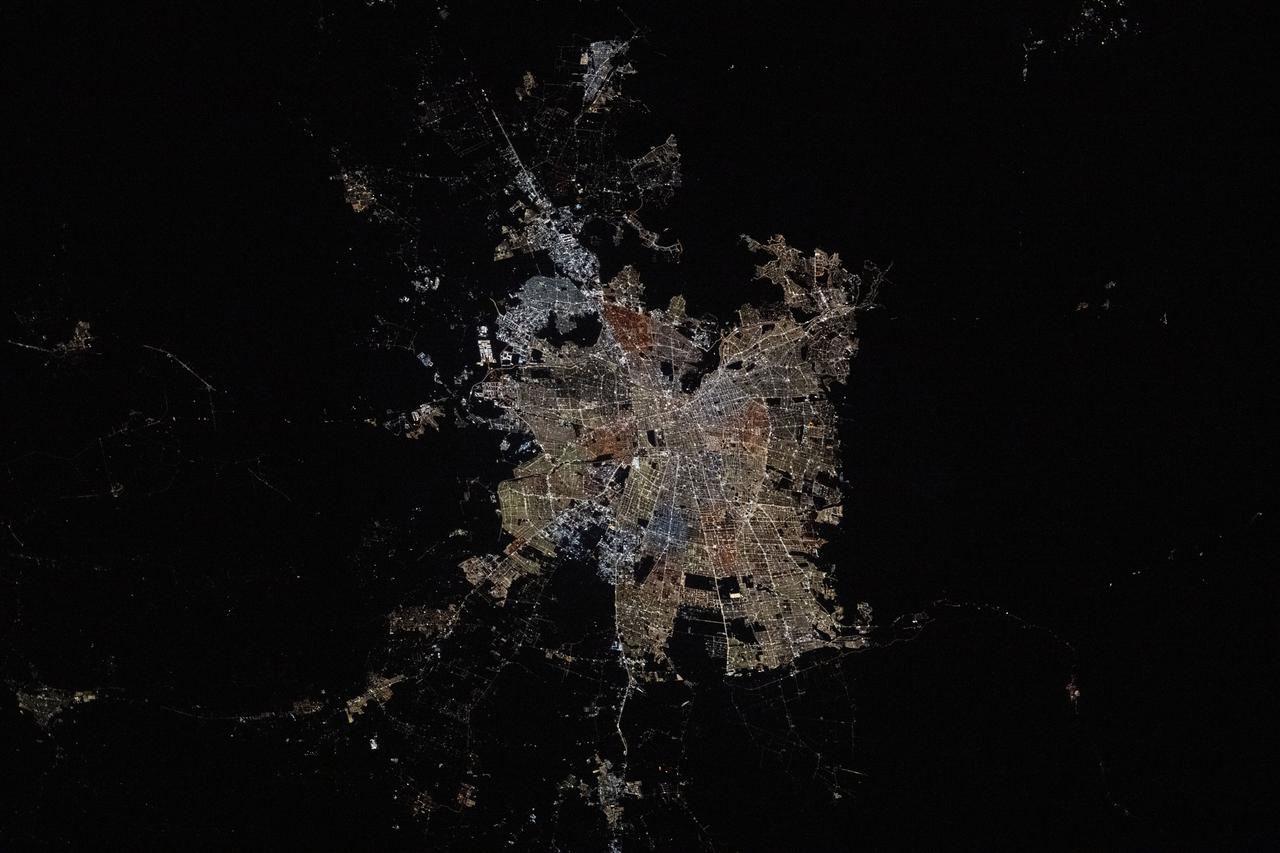
iss073e0381336 (July 18, 2025) --- Santiago, Chile, the South American nation's capital and largest city with a metropolitan population of over 6.9 million, is pictured at approximately 4:57 a.m. local time from the International Space Station as it orbited 266 miles above. Santiago rests in the Chilean Central Valley in between the Andes Mountains and the Chilean Coastal Range on the Pacific coast.
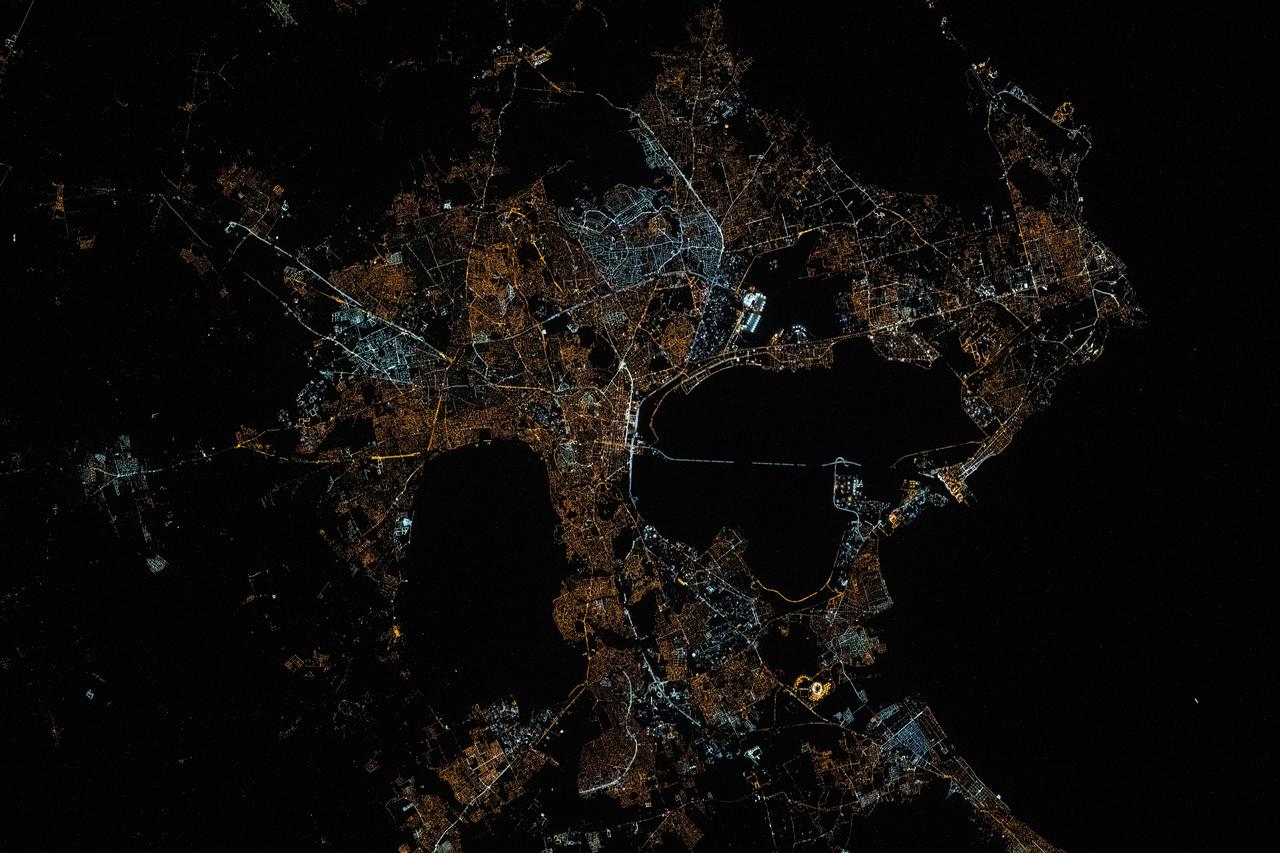
iss073e0078538 (May 17, 2025) --- The city lights of Tunis, the capital of the north African nation of Tunisia with a metropolitan population of 2.67 million, contrast the city's historical and modern character in this photograph at approximately 12:34 a.m. local time from the International Space Station as it orbited 260 miles above the Mediterranean Sea. Tunis sits in between the Lake of Tunis and the Sebkhet Sejoumi, a seasonal salt flat, and is situated on the Gulf of Tunis.
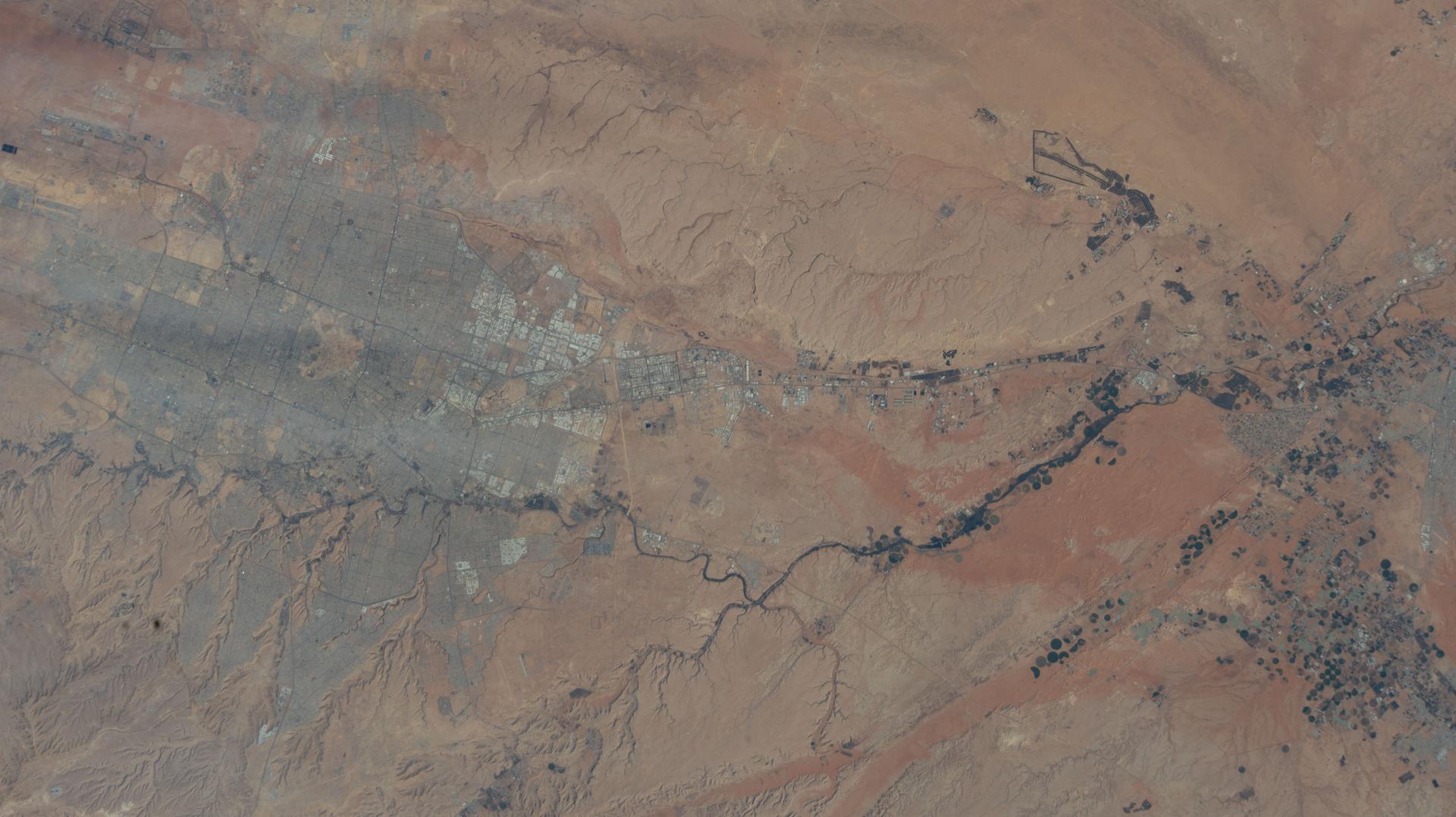
iss074e0002650 (Dec. 21, 2025) --- Riyadh, Saudi Arabia—the Middle Eastern nation’s capital and largest city, with a population of nearly 8 million—lies in the Arabian Desert, where several wadis, or dry riverbeds that carry water during periods of heavy rain, run through or near the city. The International Space Station was orbiting 261 miles above the Arabian Peninsula at the time of this photograph.
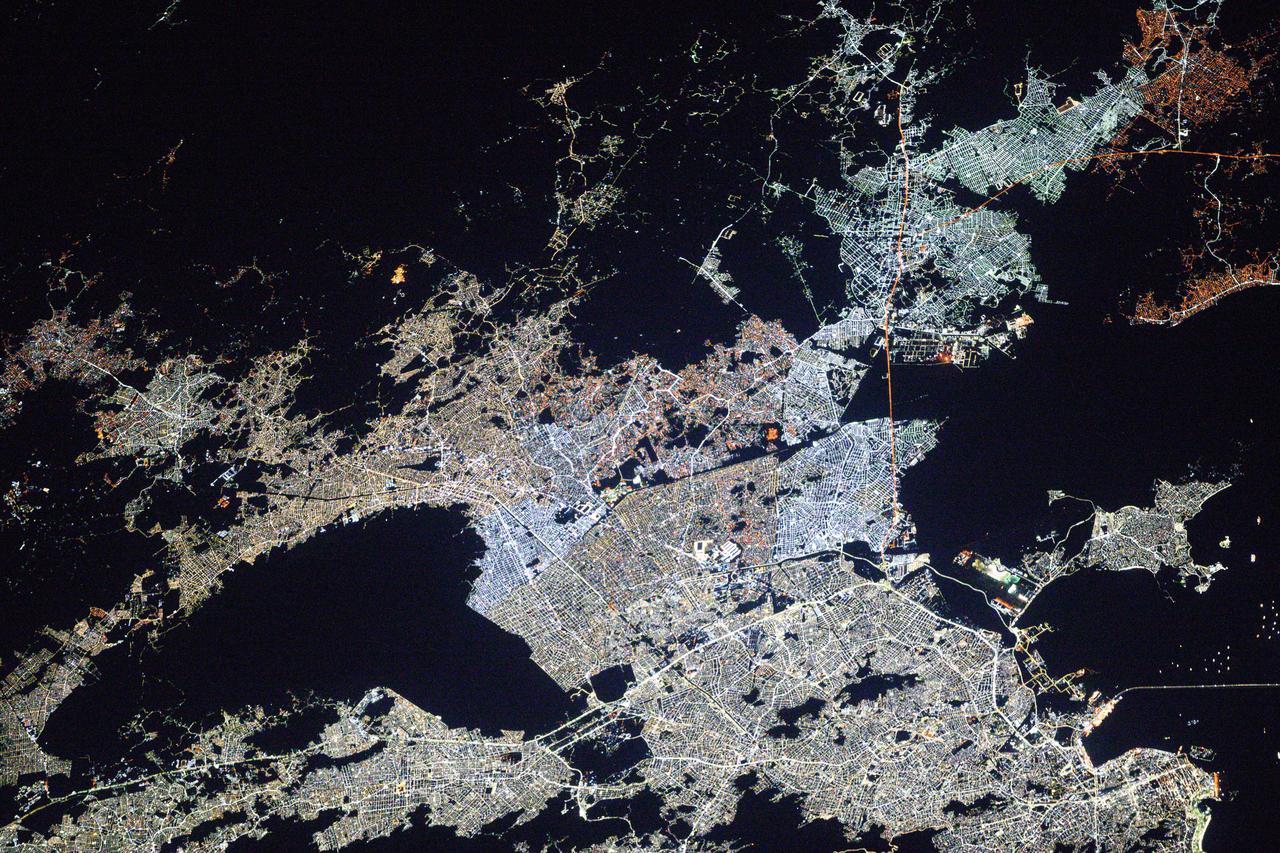
iss073e0119293 (May 20, 2025) --- Rio de Janiero, Brazil's capital and second most-populous city, along with its surrounding suburbs, is pictured in between the dark voids representing Nova Iguaçu Volcano (left) and Guanabara Bay (right) at approximately 3:06 a.m. local time from the International Space Station as it orbited 264 miles above the Atlantic Ocean.
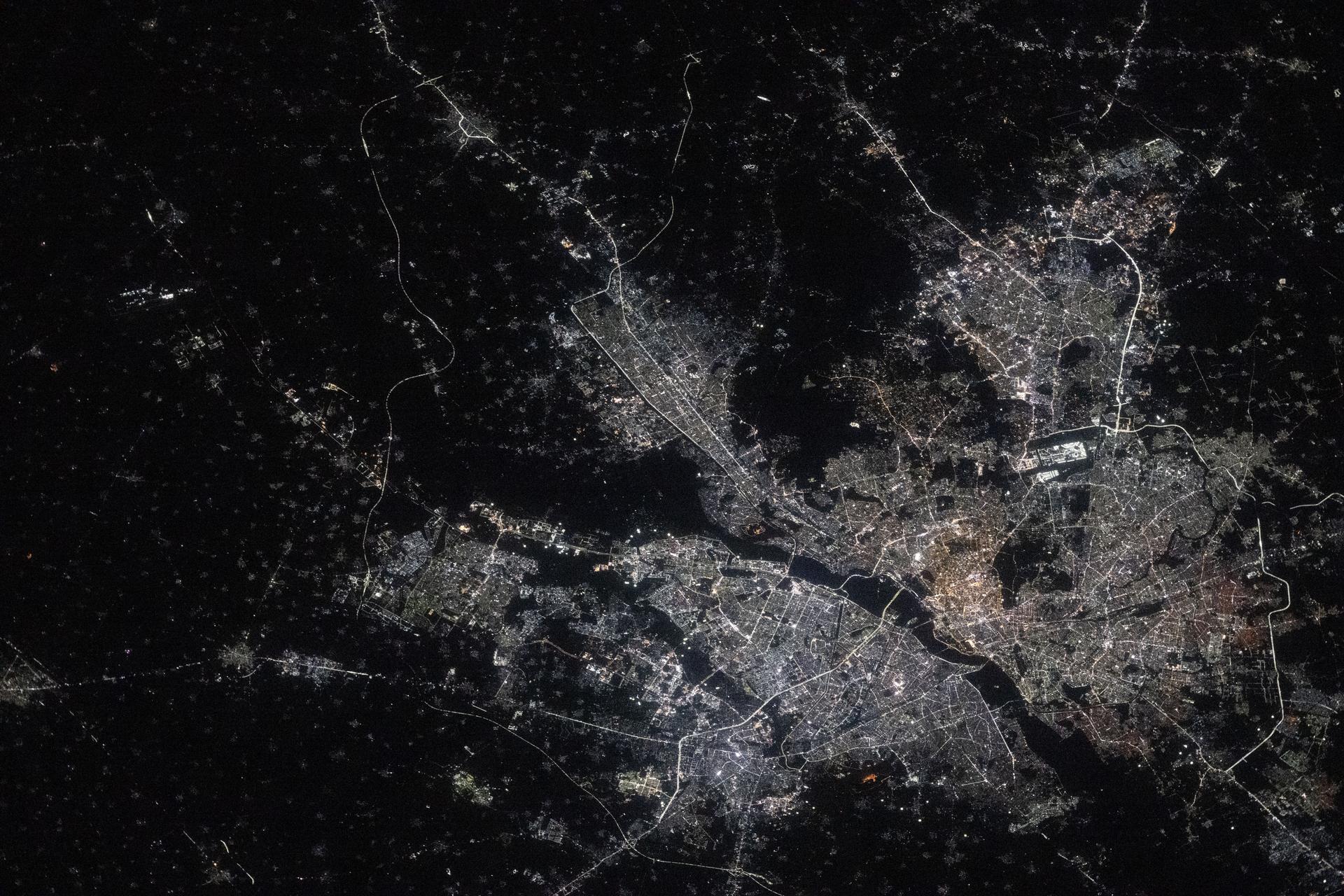
iss073e0763646 (Sept. 21, 2025) --- India’s National Capital Territory of Delhi, home to approximately 34.67 million people, is the second-largest metropolitan area in the world after Tokyo. This nighttime view from the International Space Station, taken at approximately 10:54 p.m. local time, shows the city split by the Yamuna River. The bright rectangular area near the right center marks Indira Gandhi International Airport, one of the busiest aviation hubs in South Asia.
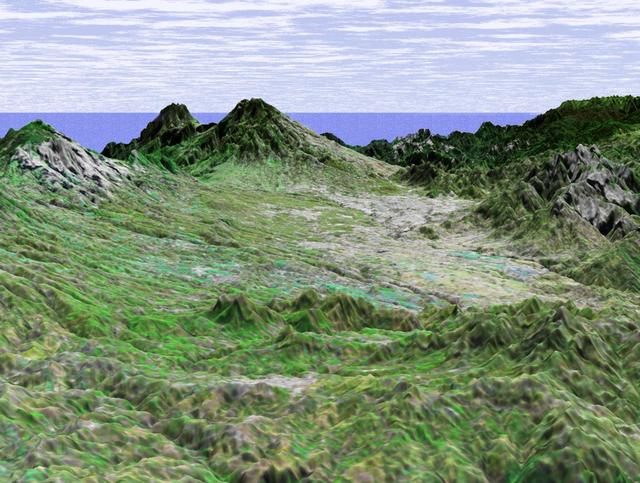
This perspective view shows the capital city of San Jose, Costa Rica, in the right center of the image gray area.
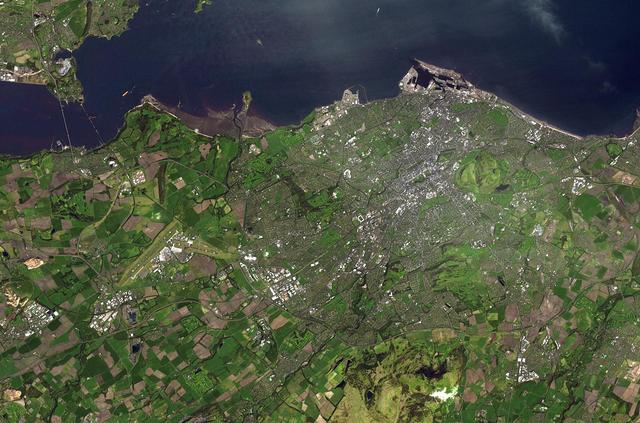
This image, from NASA Terra spacecraft, is of the capital of Scotland, and lies along the Firth of Forth.
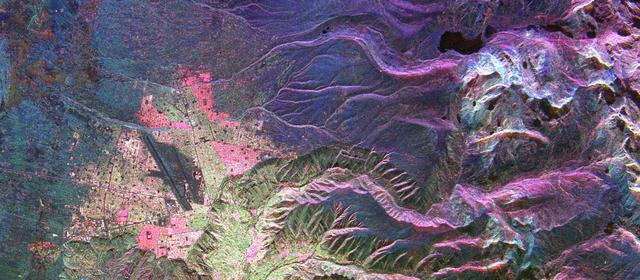
This is an image of the Bolivian capital city of La Paz that was created using three radar frequencies.
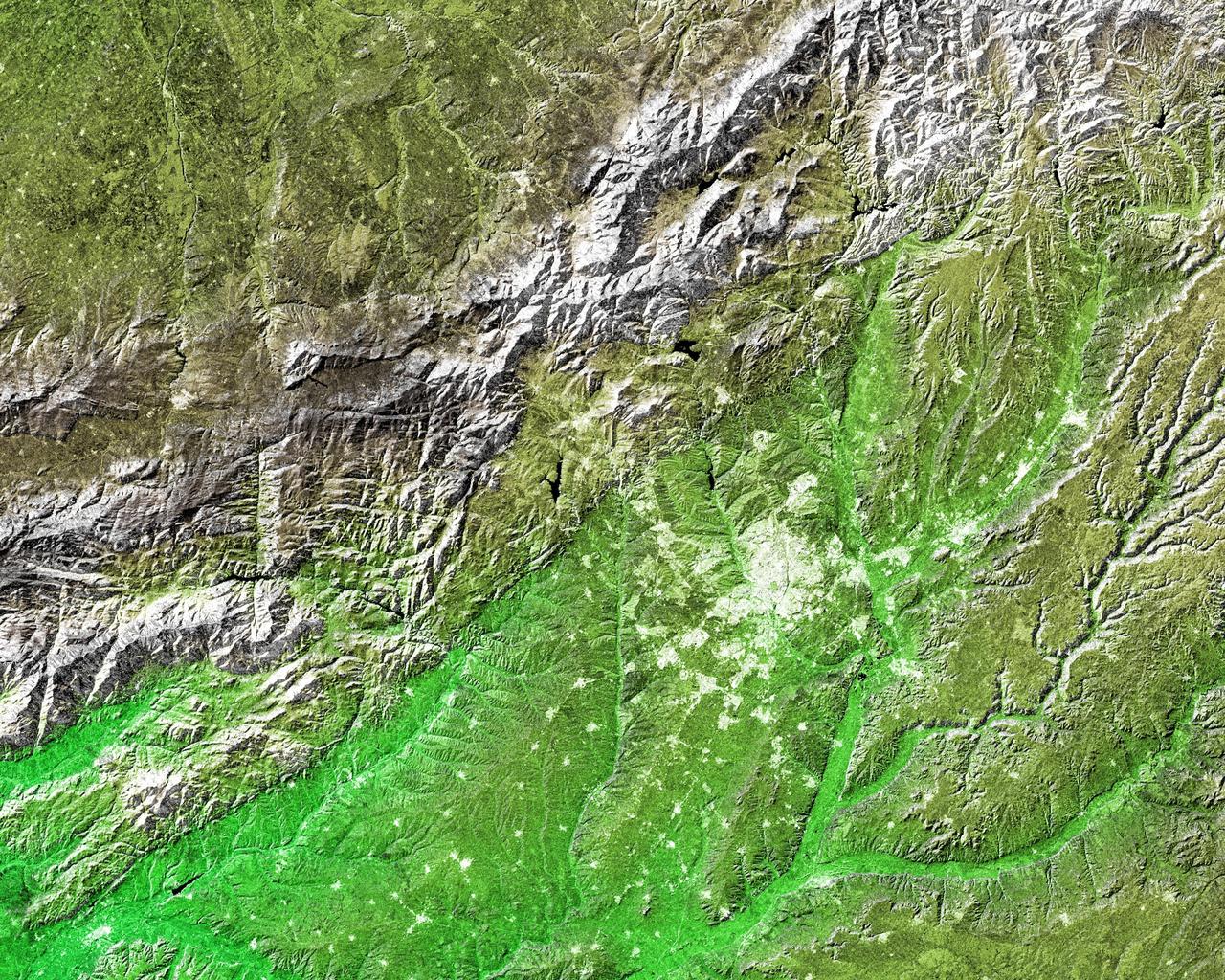
The white, mottled area in the right-center of this image from NASA Shuttle Radar Topography Mission SRTM is Madrid, the capital of Spain.
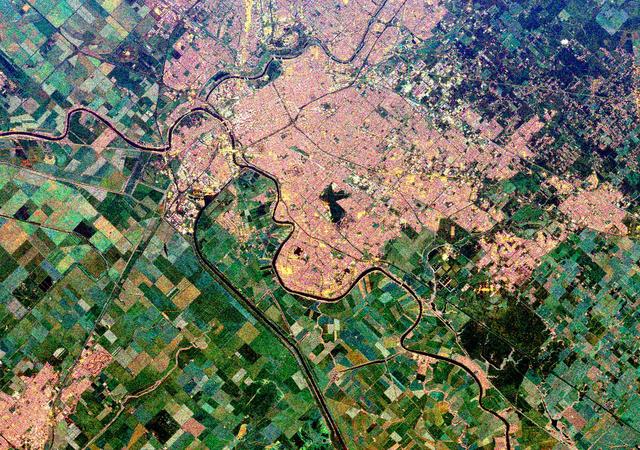
This is a spaceborne radar image of the city of Sacramento, the capital of California. Urban areas appear pink and the surrounding agricultural areas are green and blue.
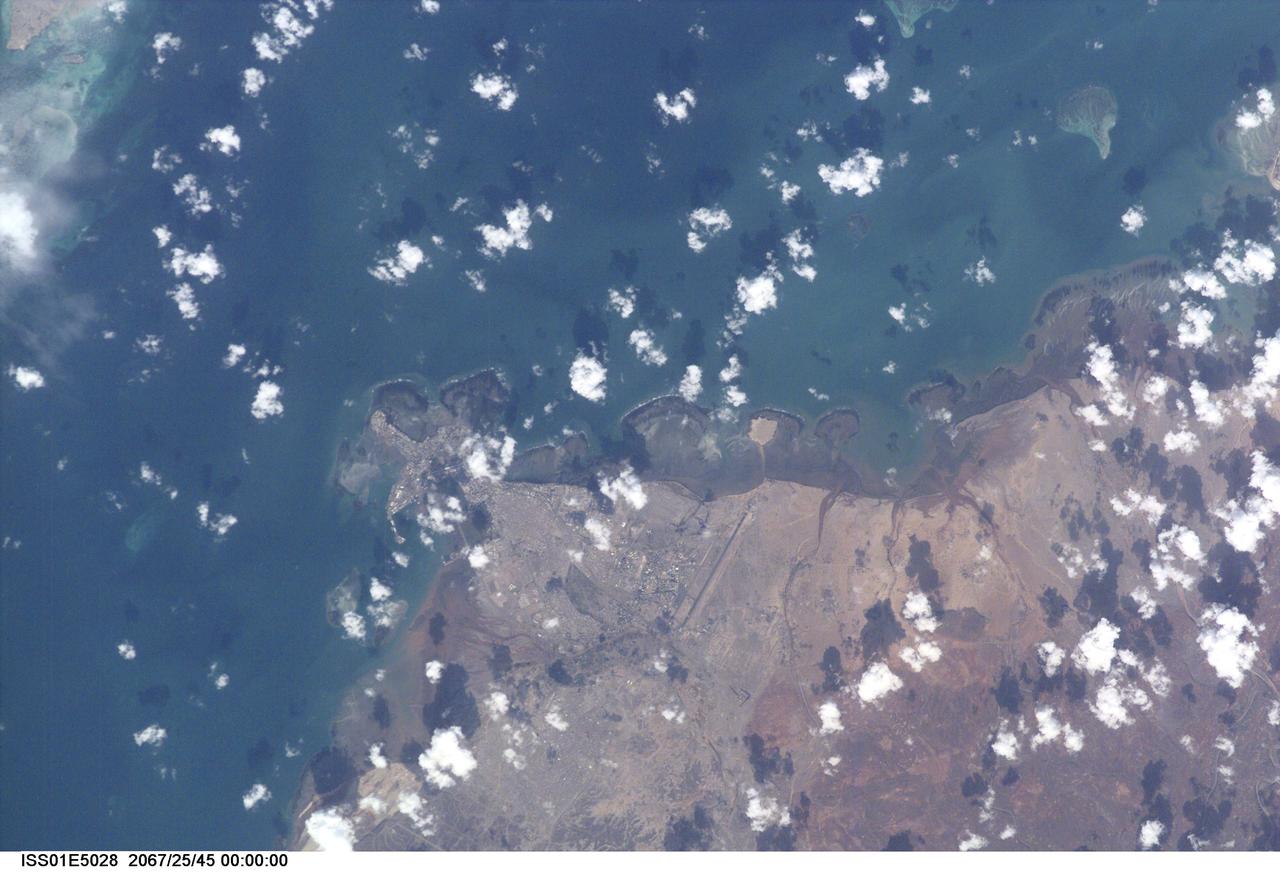
ISS001-E-5028 (December 2000) --- Djibouti, the capital city of the country of Djibouti, can be seen in this northeast-looking view taken from the International Space Station (ISS) with a digital still camera using a 400mm lens. Djibouti, scarcely 100 years old, sits on the western shore of an isthmus in the Gulf of Tadjoura, an arm of the Gulf of Aden. Djibouti is surrounded by a rugged and bleak landscape, that has a dry and hot climate. The population of Djibouti has grown from an estimated 96,000 in 1973 to over 330,000 in 1991 mainly due to the influx of refugees from the neighboring, war torn countries of Ethiopia and Somalia. With its strategically located port, Djibouti’s economic importance results from the large transit trade it enjoys as the terminus of a railroad line from Addis Ababa in Ethiopia. The city has seen an increase in tourism in the past decade due a large number of cruise ships visiting the port. Besides tourism, salt production and shipbuilding and repair are other major industries. Below the center of the image, the long runway of the Djibouti/Ambouli International Airport is visible. Coral reefs are discernible in the upper left and upper right quadrants of the image.
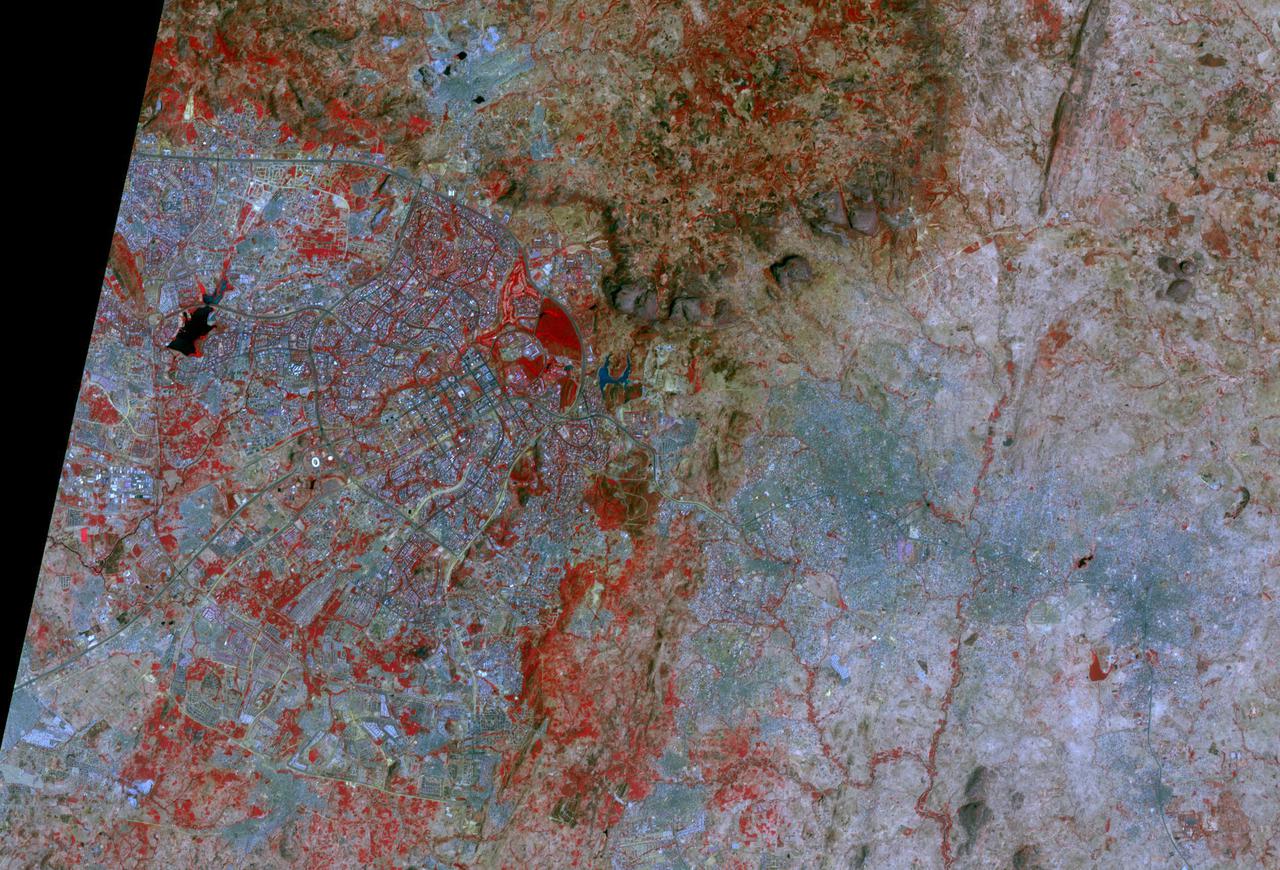
Abuja, the capital of Nigeria, is one of the fastest growing cities in Africa. It was developed as a planned city, replacing Lagos, the country's most populous city, as the capital in 1991. By 2000, the population was about 800,000; by 2020, the city, and its adjoining urban area of Karu to the east, had grown to over 6 million. The images were acquired December 2, 2003 and March 5, 2021. They are located at 9.1 degrees north, 7.5 degrees east, and cover an area of 25.5 by 37.5 km. https://photojournal.jpl.nasa.gov/catalog/PIA25186
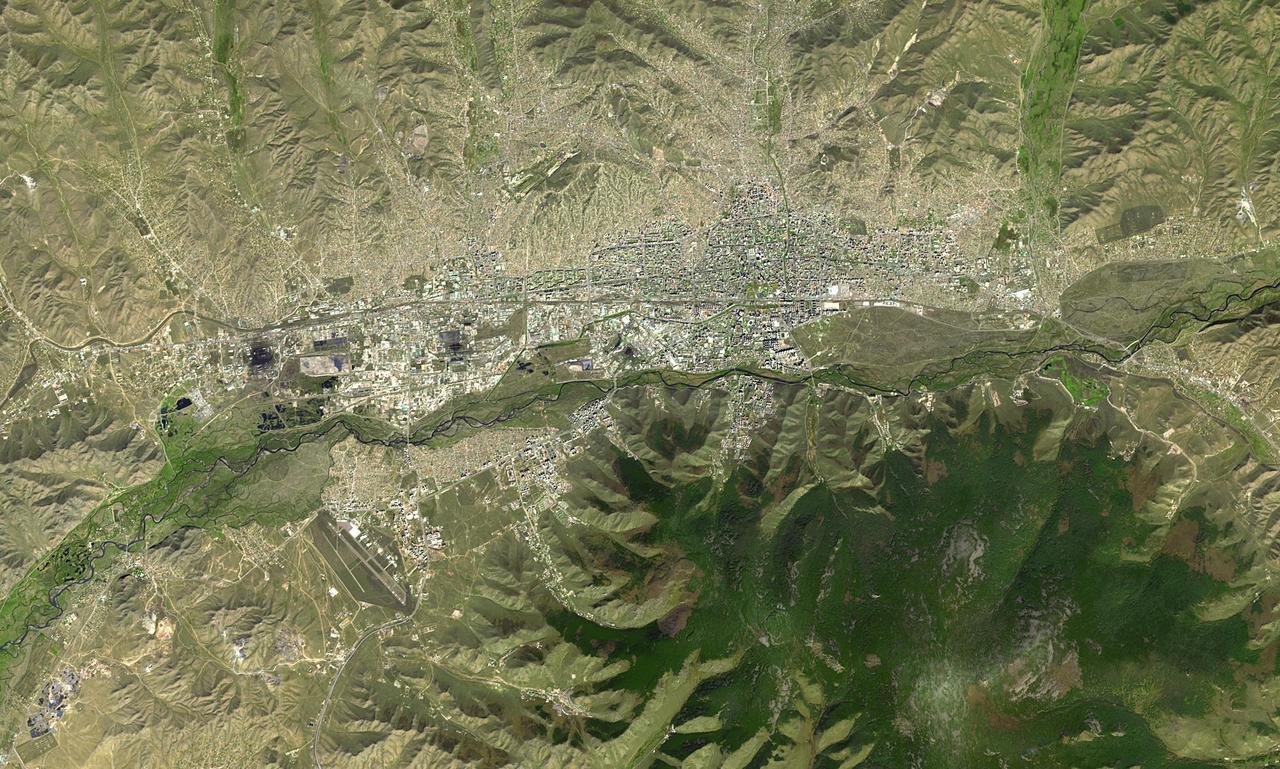
Ulaanbaatar is the capital of Mongolia, and is home to over half the country's population of about 3 million people. Human habitation dates back more than 300,000 years. The city is located along the Tuul River Valley. Due to its location deep in the interior of Asia, and its high elevation, Ulaanbaatar is the coldest national capital in the world. The image was acquired September 19, 2022, covers an area of 21.2 by 36.6 km, and is located at 47.9 degrees north, 106.9 degrees east. https://photojournal.jpl.nasa.gov/catalog/PIA26289
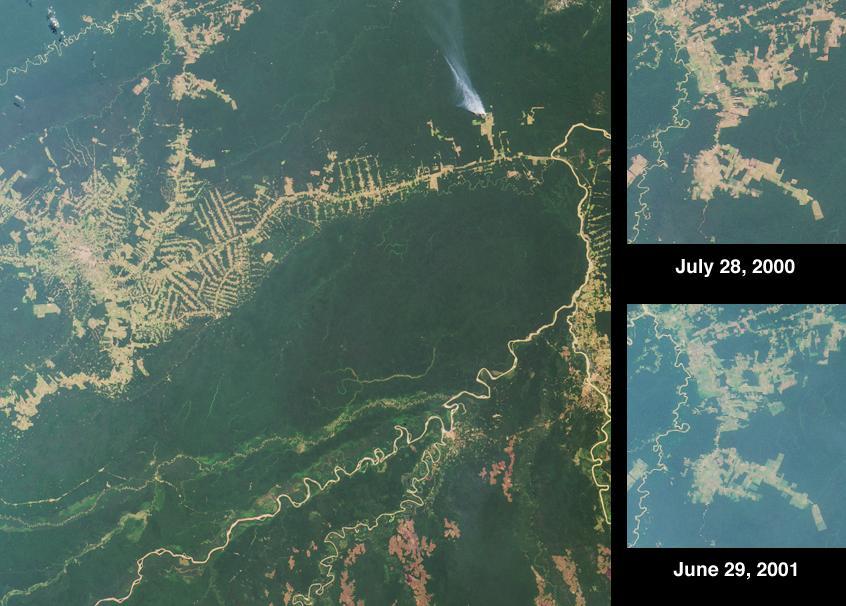
Rio Brancois the capital of the Brazilian state of Acre and is situated near the border with northeastern Bolivia. This image from NASA Terra satellite was acquired on July 28, 2000.
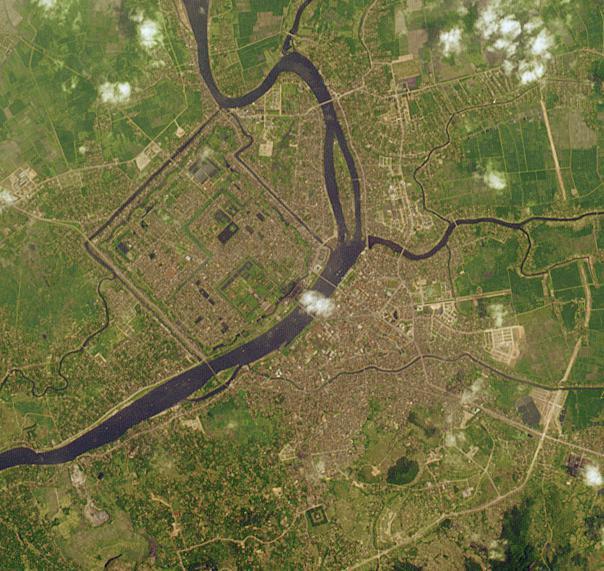
This image from NASA Terra satellite is of Hue, Vietnam. The Perfume River flows through the Capital City, the Imperial City, the Forbidden Purple City and the inner city.

NASA Terra satellite passed directly over the island of Madeira on Wednesday, Aug. 10, 2016, where a wildfire spread to the capital city of Funchal.
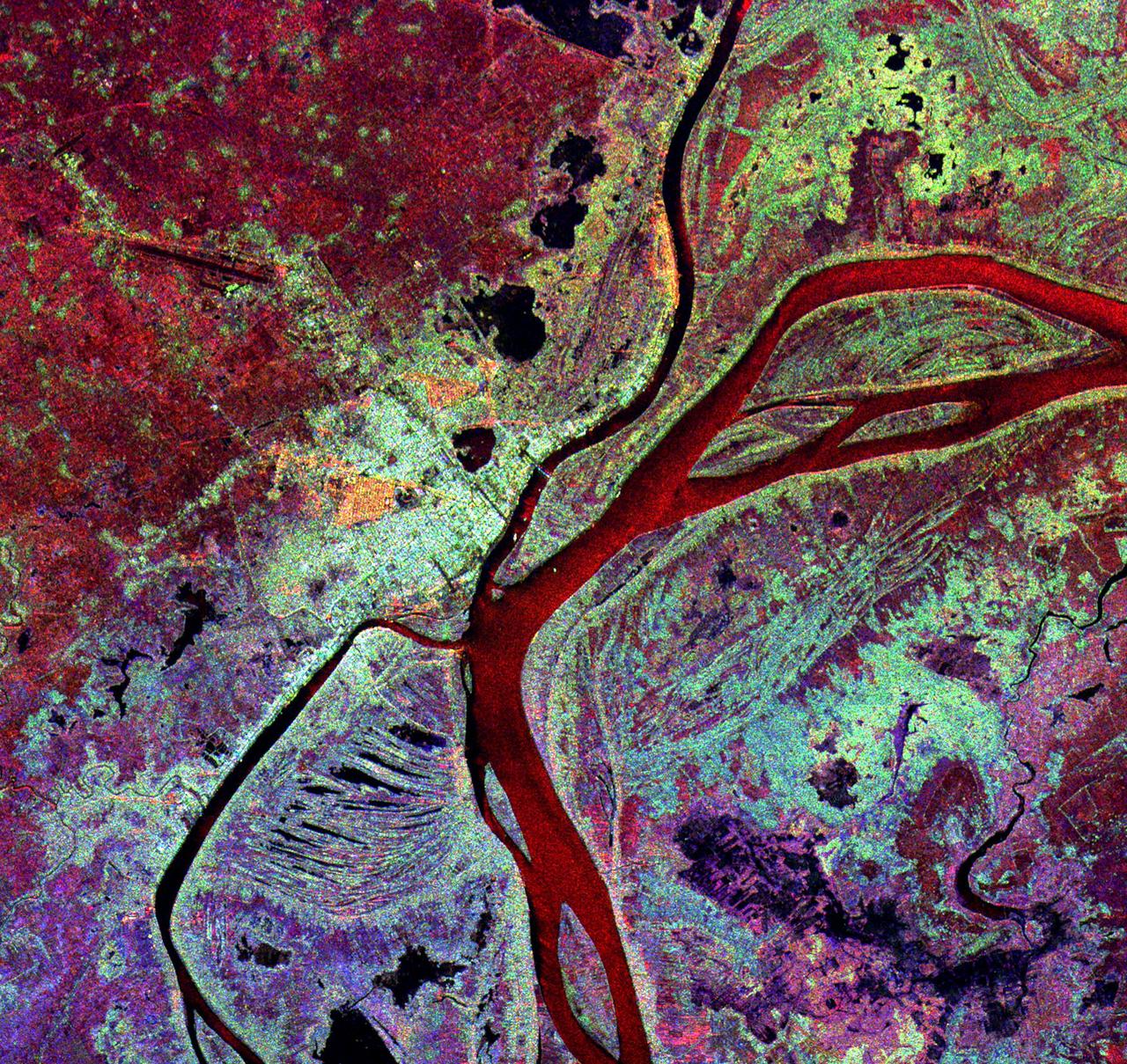
This spaceborne radar image shows the city of Phnom Penh, the capital of Cambodia. Phnom Penh lies at the confluence of the Mekong River and the Basak Sab.
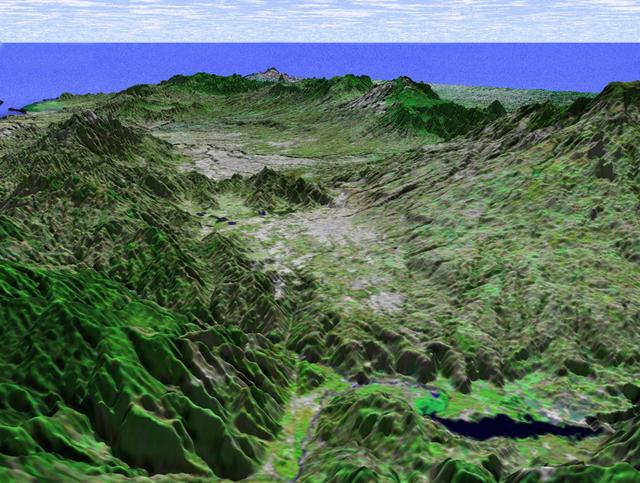
This perspective view taken in February 2000 from NASA Landsat and SRTM shows the capital city of San Jose, Costa Rica, the gray area in the center of the image.
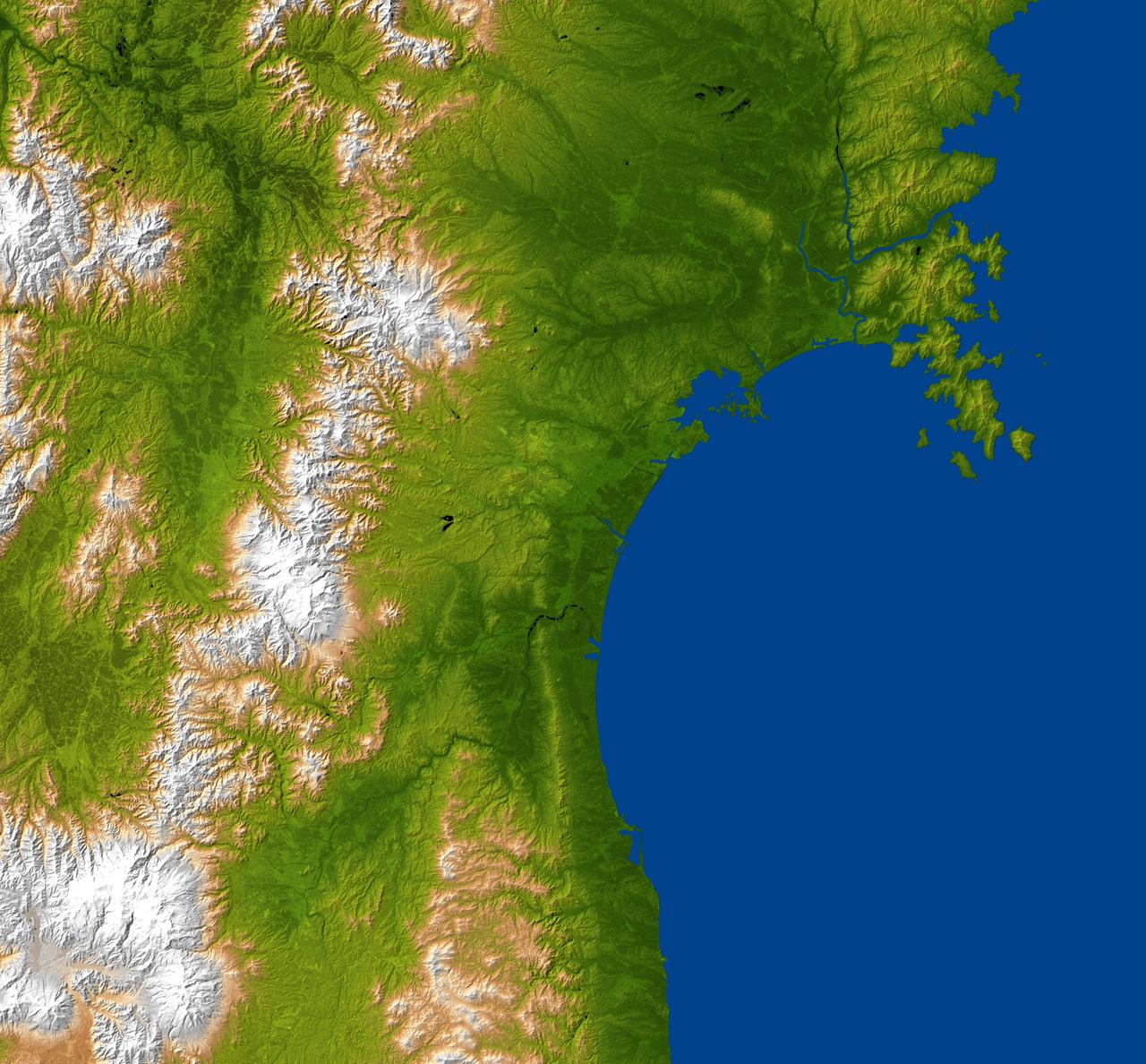
NASA Shuttle Radar Topography Mission imaged Sendai, the capital city of Japan Miyagi Prefecture a magnitude 8.9 earthquake struck offshore on Mar. 11. 2011.
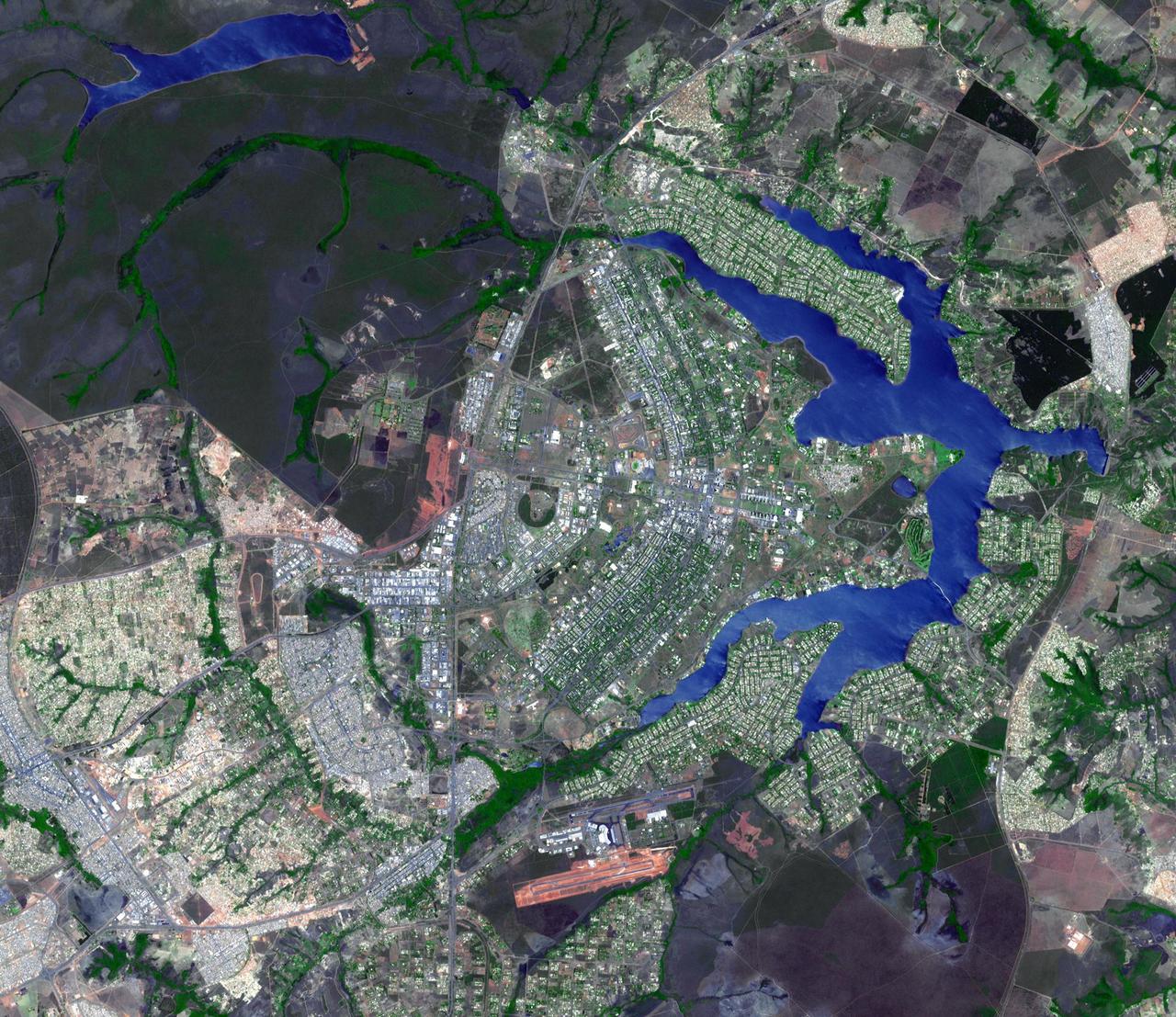
This image from NASA Terra spacecraft shows the planned city of Brasilia, the capital of Brazil, with a population of about 3.6 million for its metropolitan area.
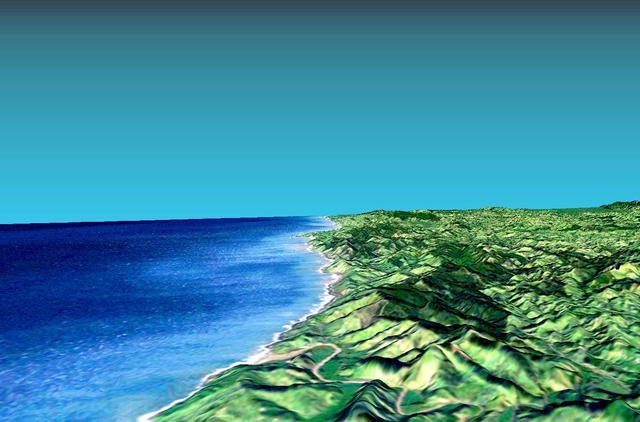
This 3-D perspective view looks south along the southeast coast of the North Island of New Zealand. The capital city of Wellington is off the right side of the image.
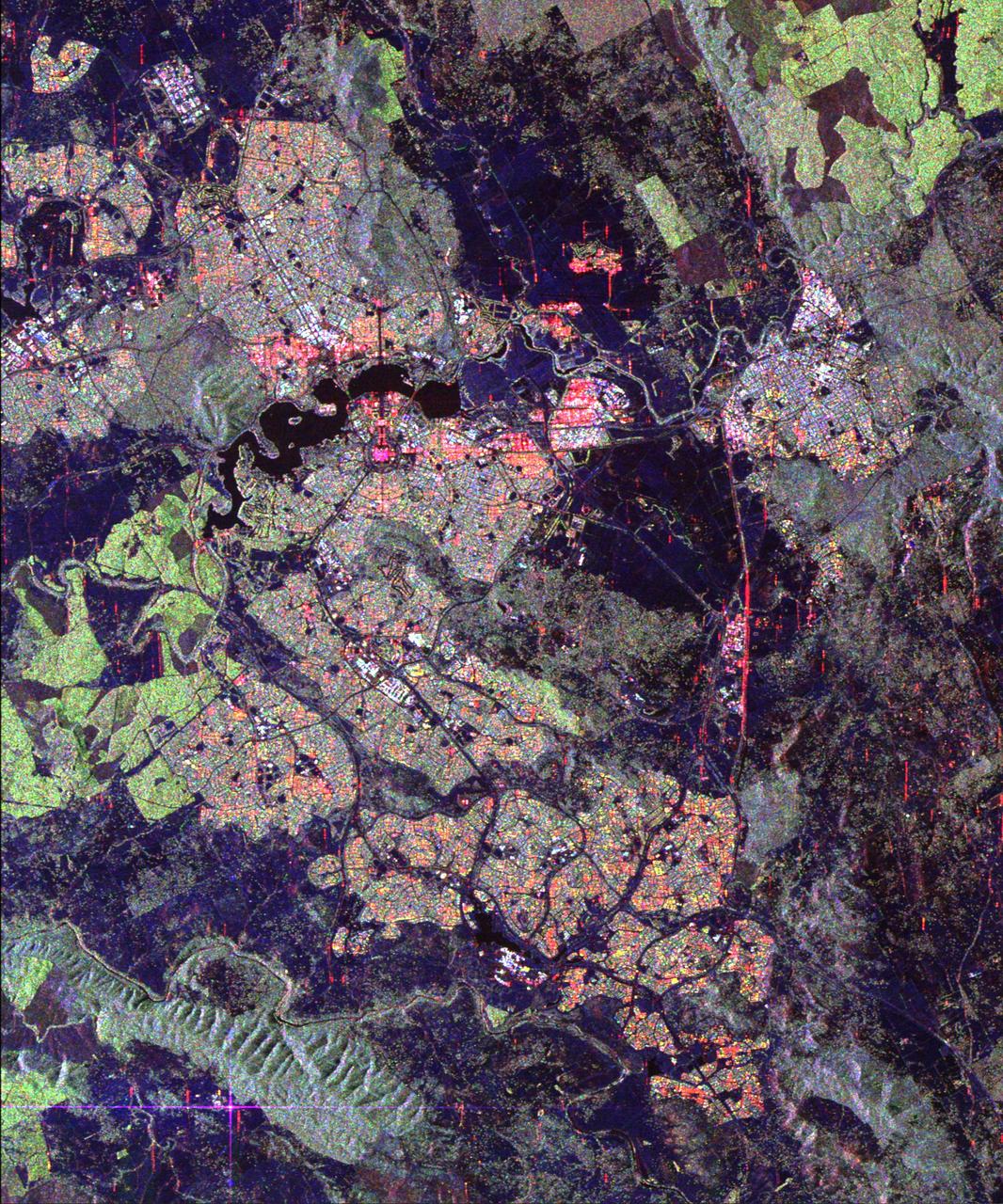
Australia capital city, Canberra, is shown in the center of this spaceborne radar image. Images like this can help urban planners assess land use patterns.
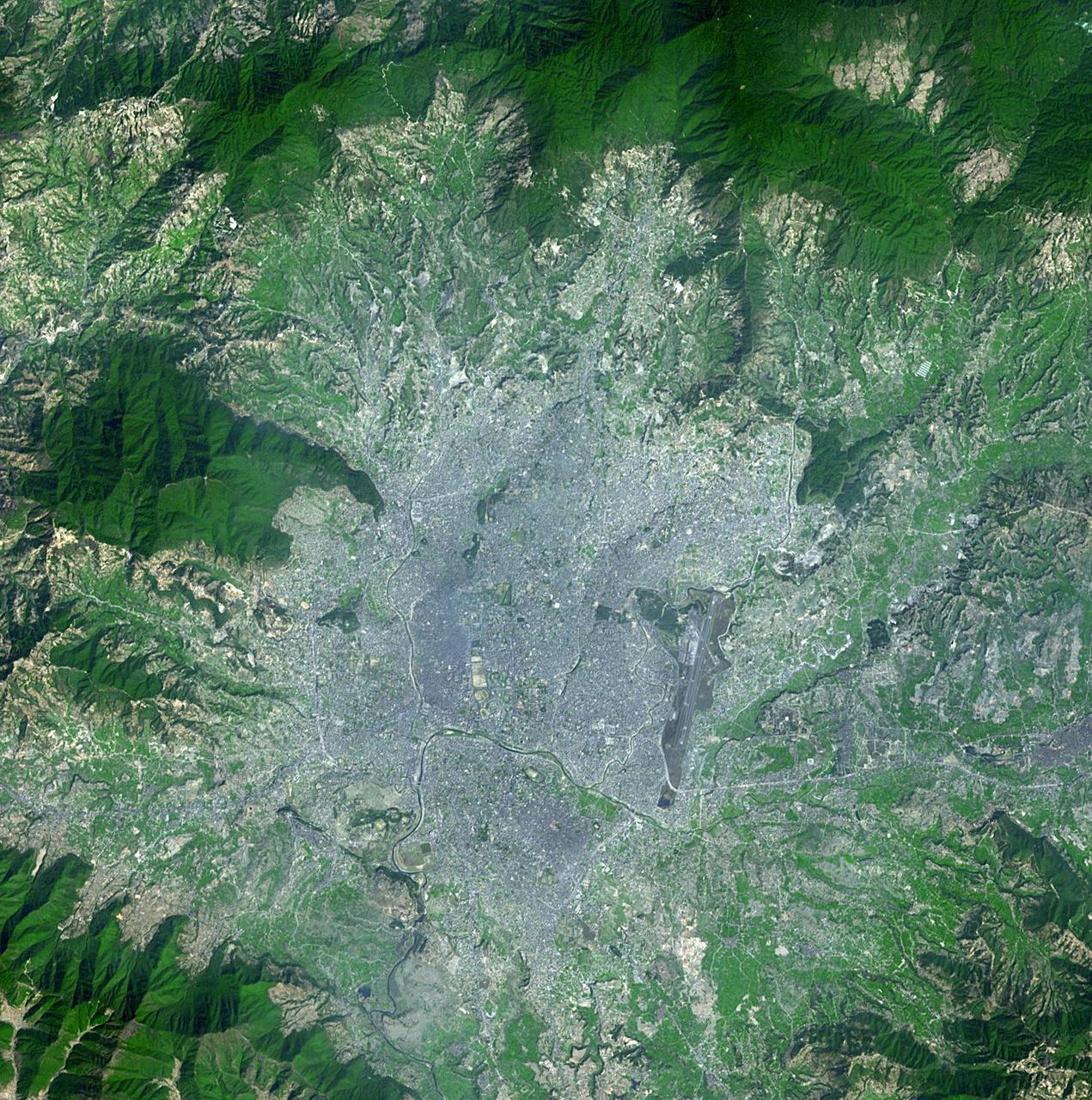
This image, acquired by NASA Terra spacecraft, shows Kathmandu, the capital of Nepal, with a population of about 2.5 million inhabitants for the greater metropolitan area.
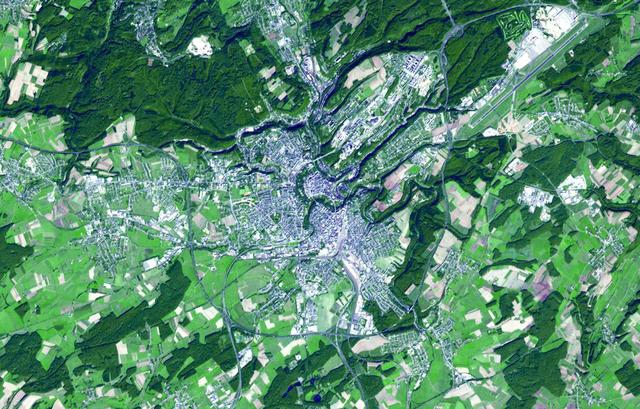
NASA Terra spacecraft acquired this image of the City of Luxembourg, one of Europe greatest fortified states. With a population of about 90,000, the city is the capital of the Grand Duchy of Luxembourg.
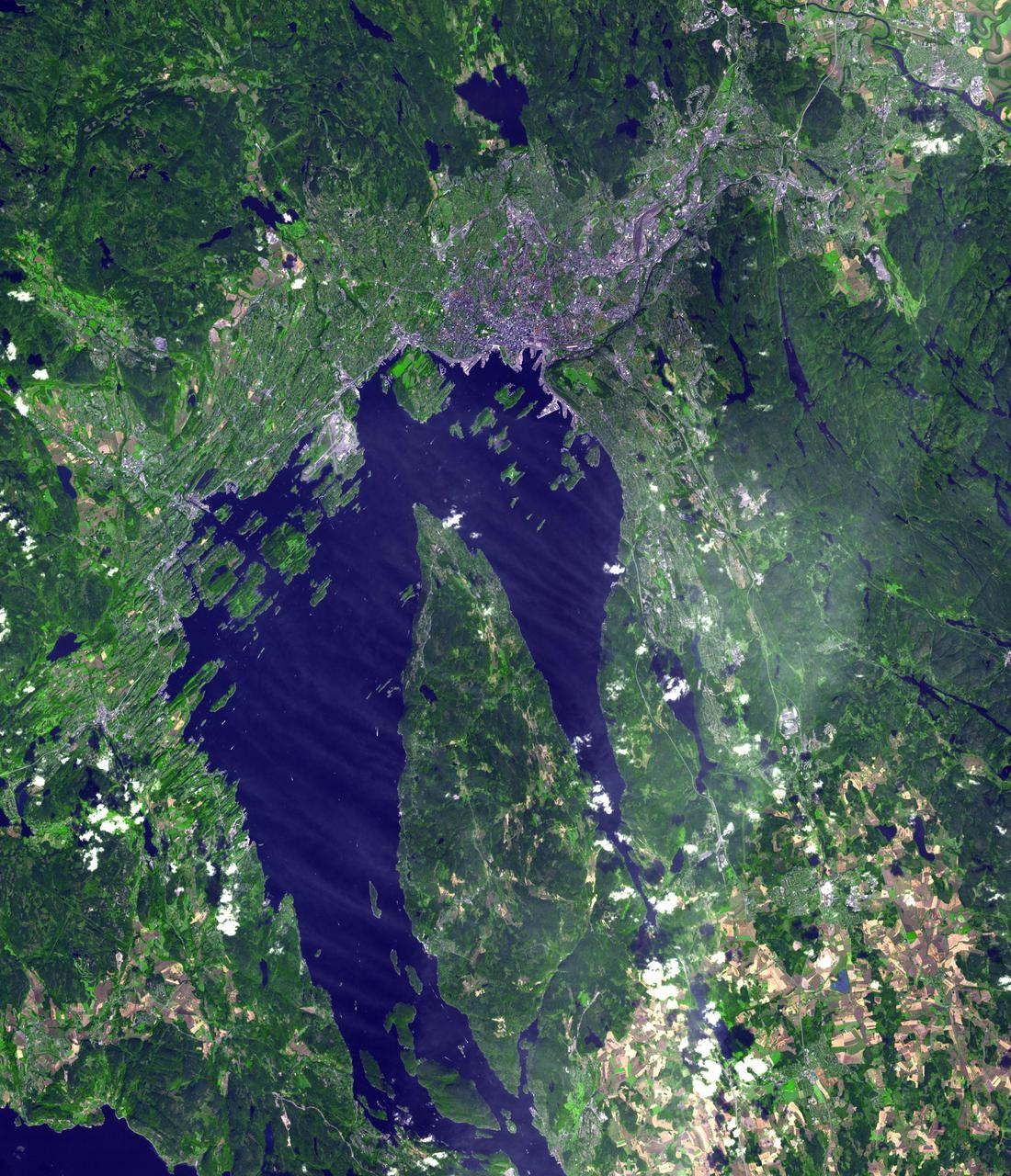
Oslo, the capital and largest city in Norway, as seen by the Advanced Spaceborne Thermal Emission and Reflection Radiometer instrument aboard NASA Terra spacecraft.
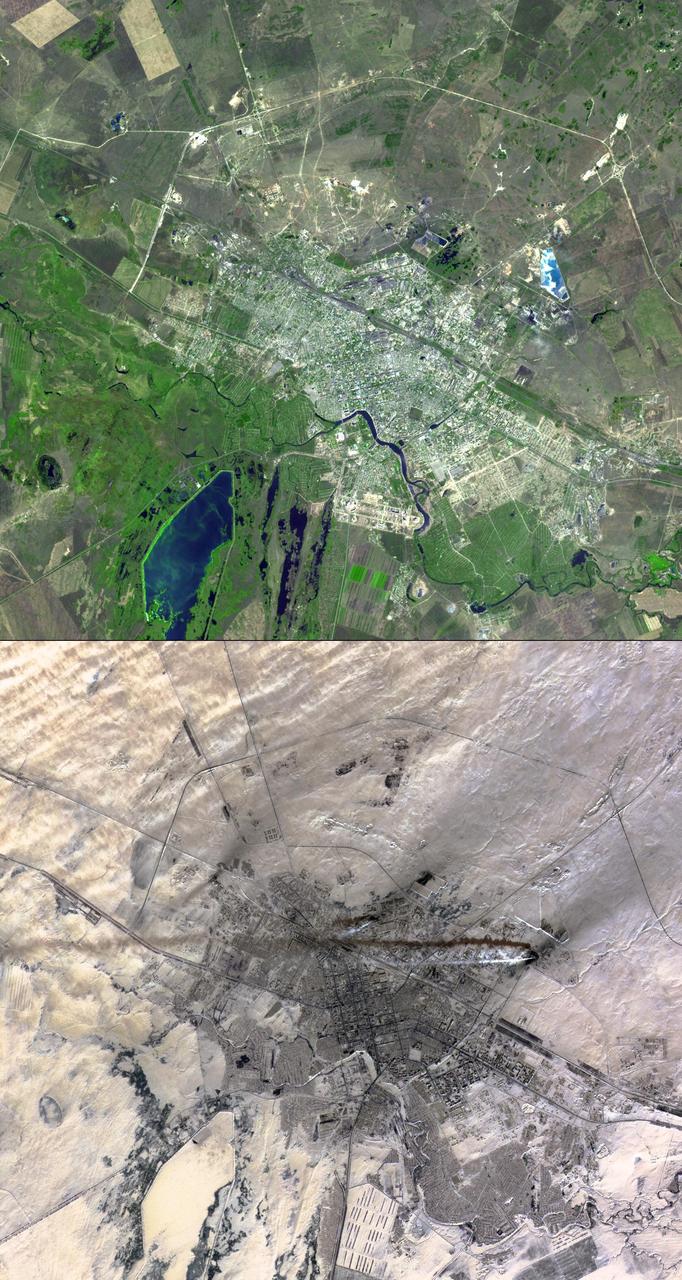
Astana is the capital and second largest city of Kazakhstan, with a population of about 600,000. It was founded as a fort in 1824 on the Ishim River by Siberian Cossacks, and became a railway junction in the early 20th century. Astana became the capital of the newly-independent Kazakhstan in 1997. These two images were acquired March 20, 2001 and September 5, 2003, cover an area of 22.5 x 24 km, and are located near 51.2 degrees north latitude, 71.4 degrees east longitude. This image is from NASA Terra satellite. http://photojournal.jpl.nasa.gov/catalog/PIA10612
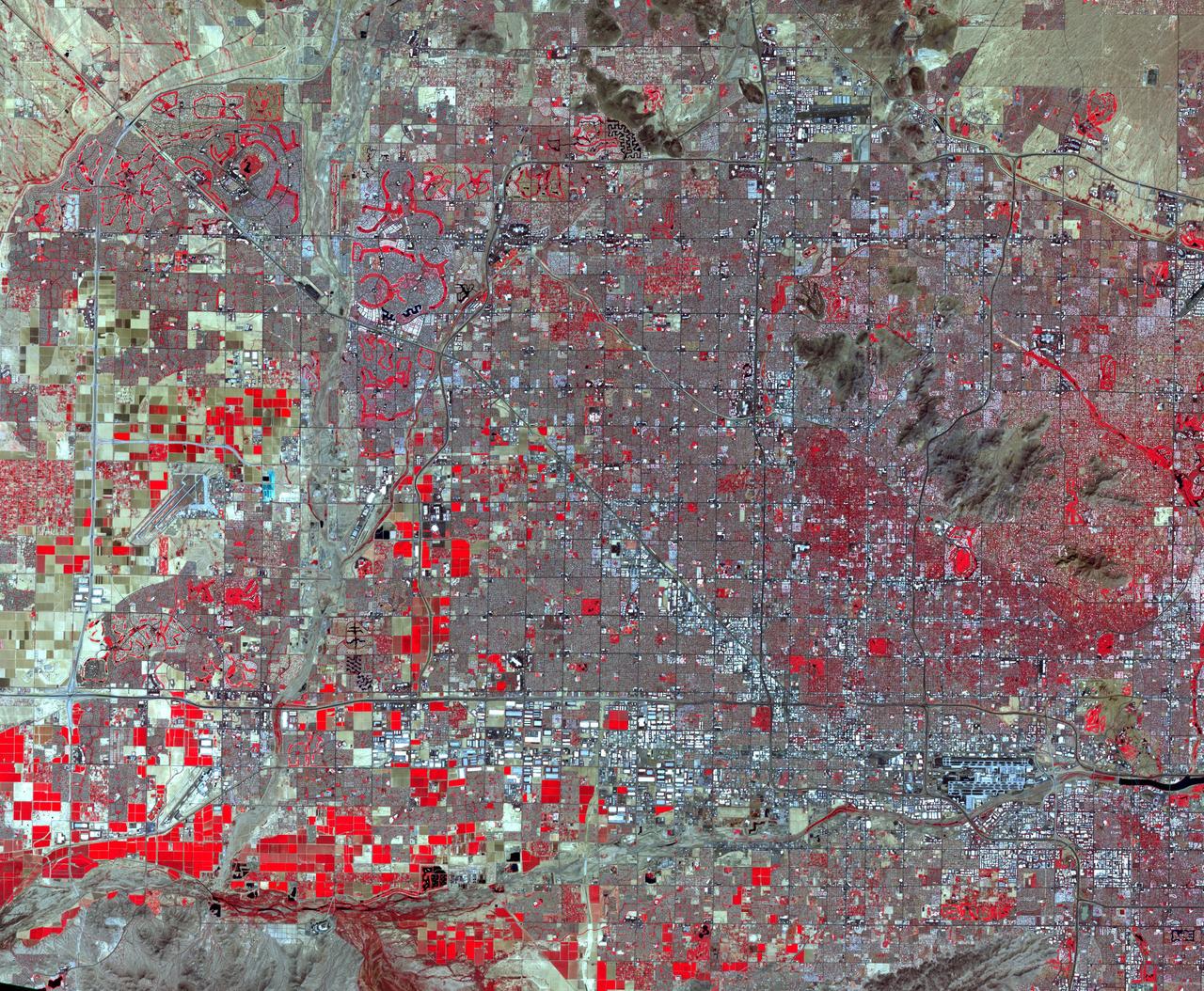
Phoenix is the capital and most populous city in Arizona. It is also the fifth largest city in the US. It was settled in the 1880s as an agricultural community. Between 1980 and 2017, the metropolitan area grew from 1.5 million residents to 4.9 million. This astonishing expansion is dramatically seen in these two satellite images. The Landsat TM image was acquired November 28, 1982, and the ASTER image September 12, 2018. The images cover an area of 42 by 51 km, and are located at 33.4 degrees north, 112.1 degrees west. https://photojournal.jpl.nasa.gov/catalog/PIA23411
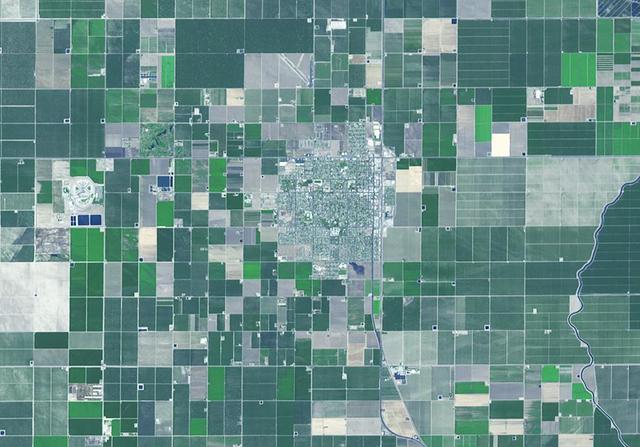
Wasco, California advertises itself as the Rose Capital of the World; over 8000 acres are devoted to cultivation of existing and new varieties of roses, shipped to every state in the U.S. and all over the world.
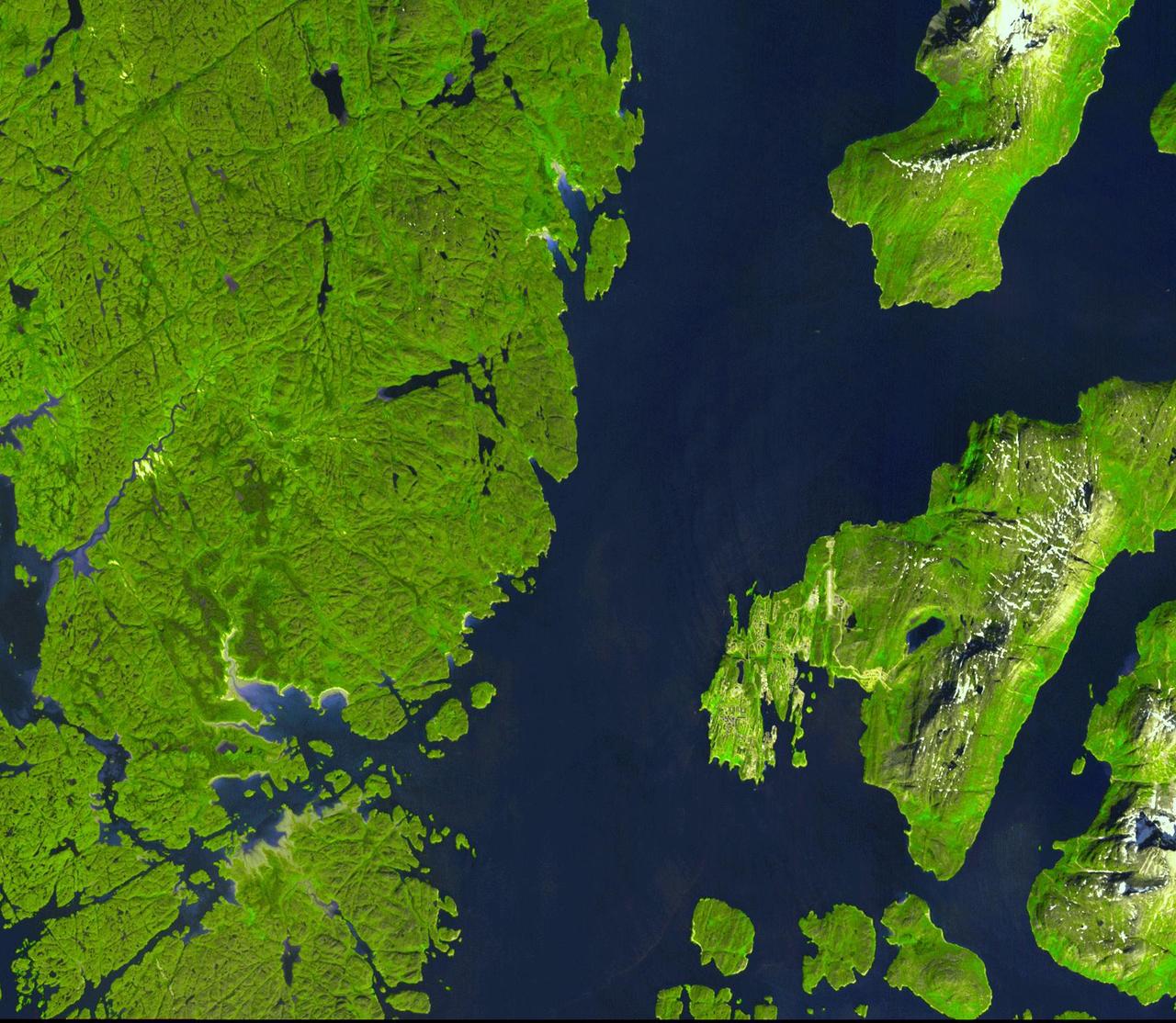
Nuuk or Gadthab is the capital and largest city of Greenland. It is located at the mouth of the Nuup Kangerlua inlet on the west coast of Greenland. This image was acquired August 2, 2004 by NASA Terra spacecraft.
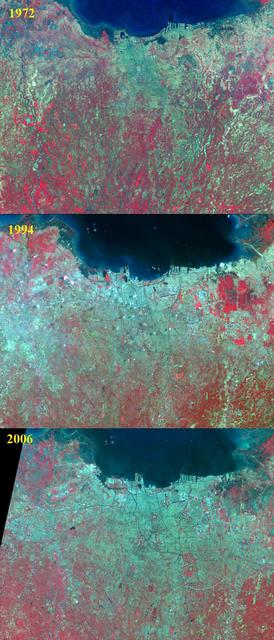
NASA Terra spacecraft flew over Jakarta, the capital and largest city of Indonesia. The population of the Jakarta conurbation is over 28 million, making it perhaps the largest metropolitan area in the world in terms of inhabitants.
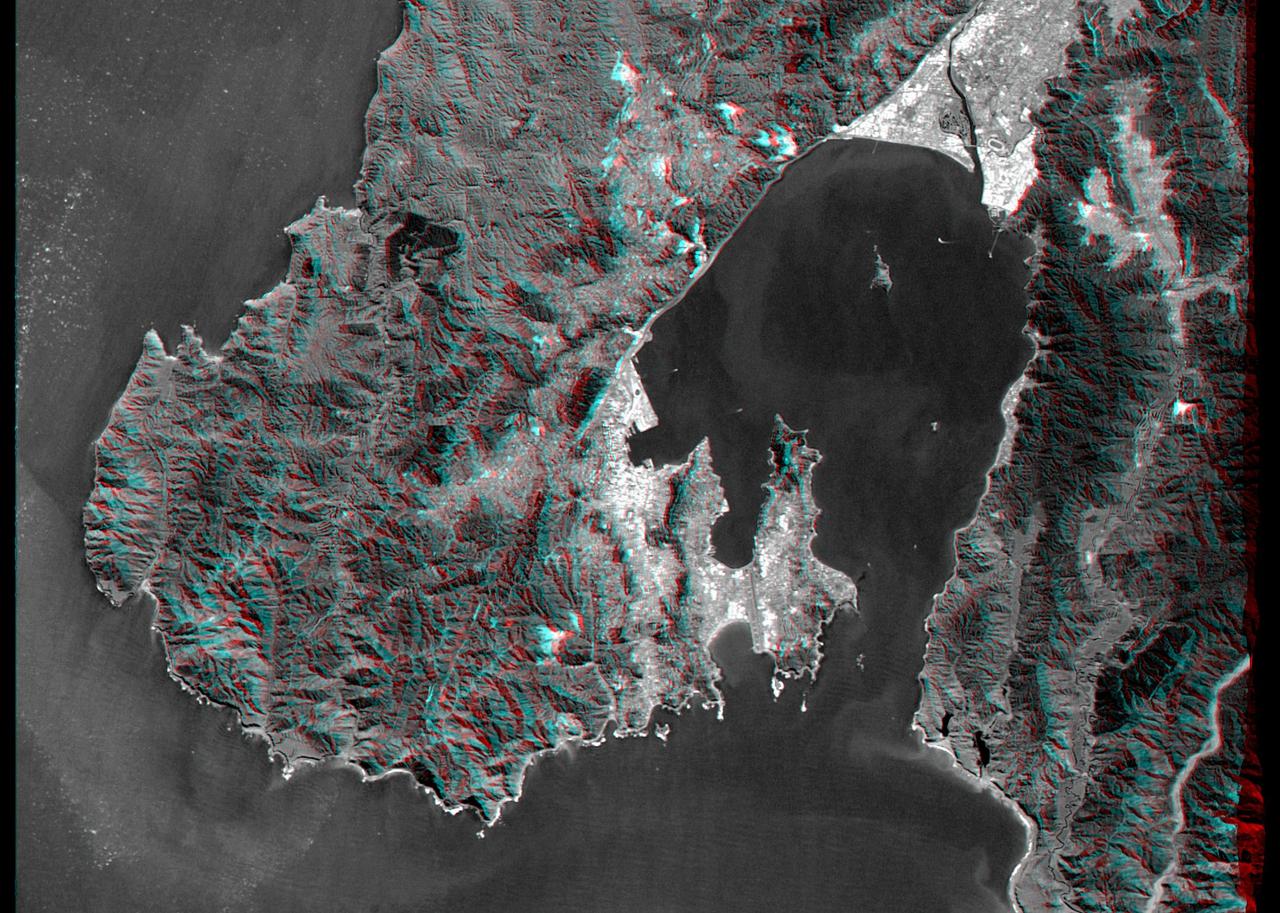
This anaglyph, from NASA Shuttle Radar Topography Mission, is of Wellington, the capital city of New Zealand, located on the shores of Port Nicholson, a natural harbor. 3D glasses are necessary to view this image.
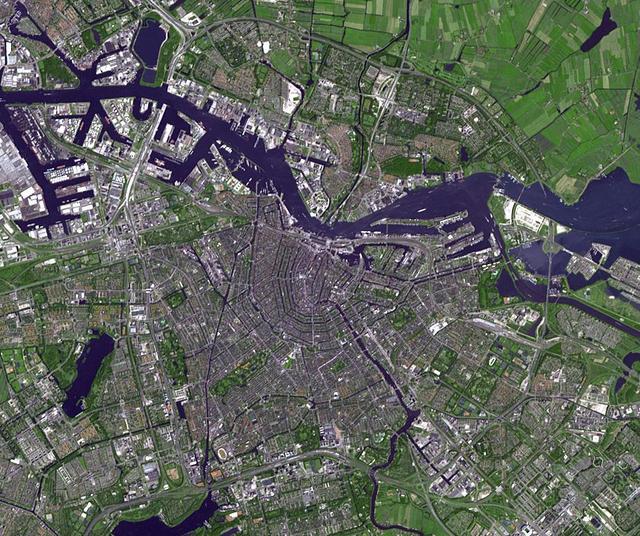
Amsterdam is the largest city and the capital of the Netherlands. Its name derives from a dam in the river Amstel. Founded in the 12th century as a fishing village, Amsterdam was one of the most important ports in the world in the 17th century.
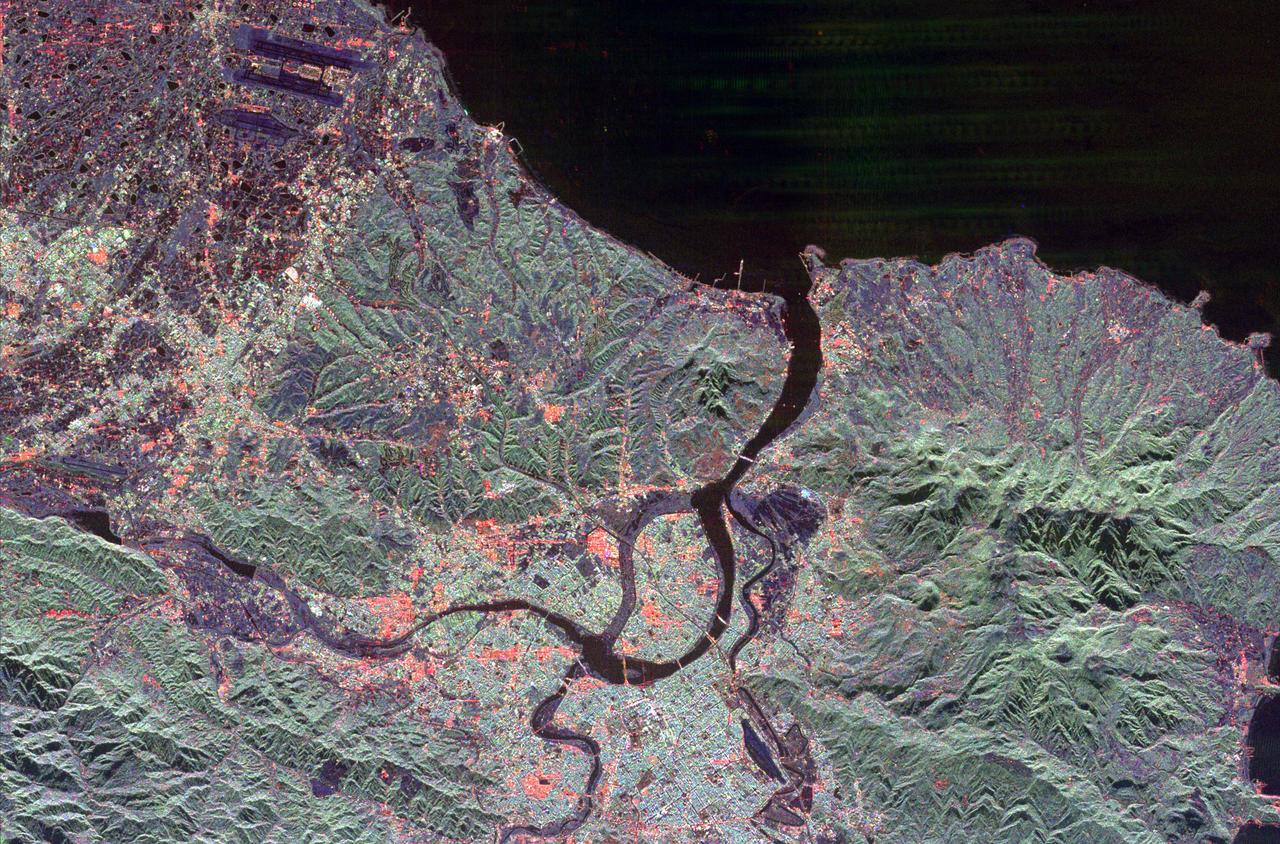
The northern end of the island country of Taiwan, including the capital city of Taipei, is shown in this spaceborne radar image. Taipei is the bright blue and red area in the lower center of the image.
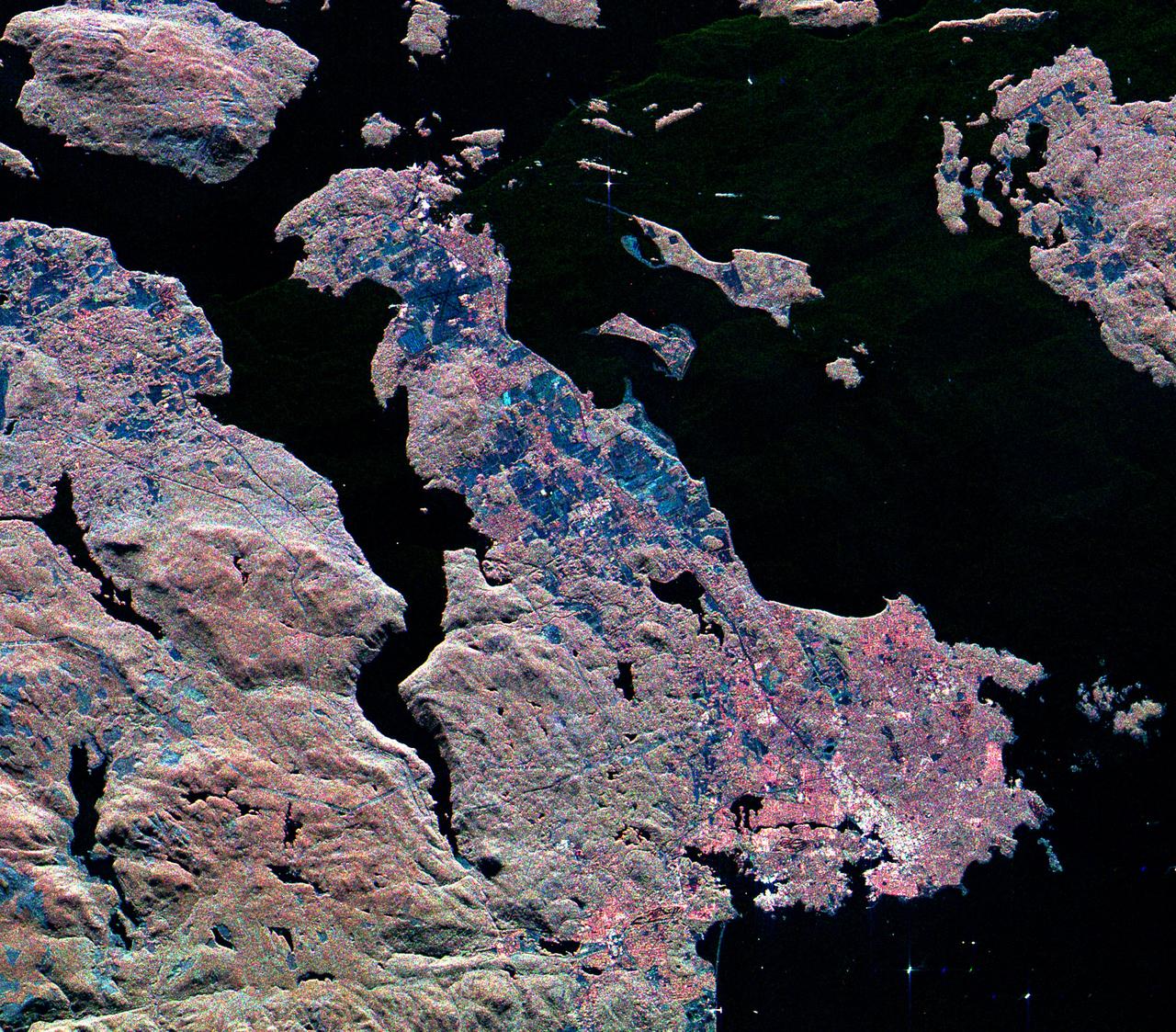
This three-frequency spaceborne radar image shows the southern end of Vancouver Island on the west coast of Canada. The white area in the lower right is the city of Victoria, the capital of the province of British Columbia.
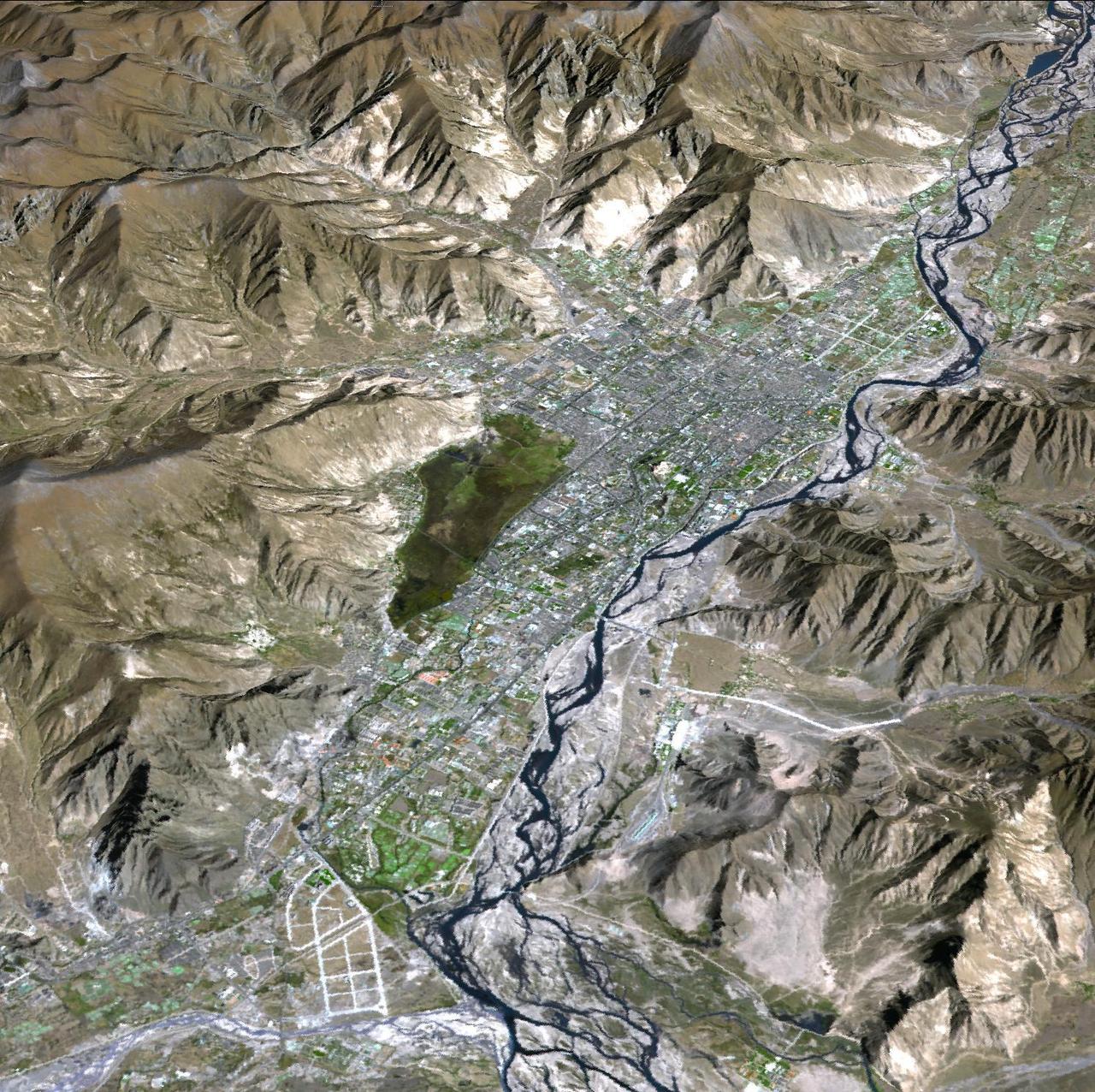
JPL Advanced Spaceborne Thermal Emission and Reflection Radiometer aboard NASA Terra satellite, shows Lhasa, the traditional seat of the Dalai Lama and capital of the Tibet Autonomous Region in China.
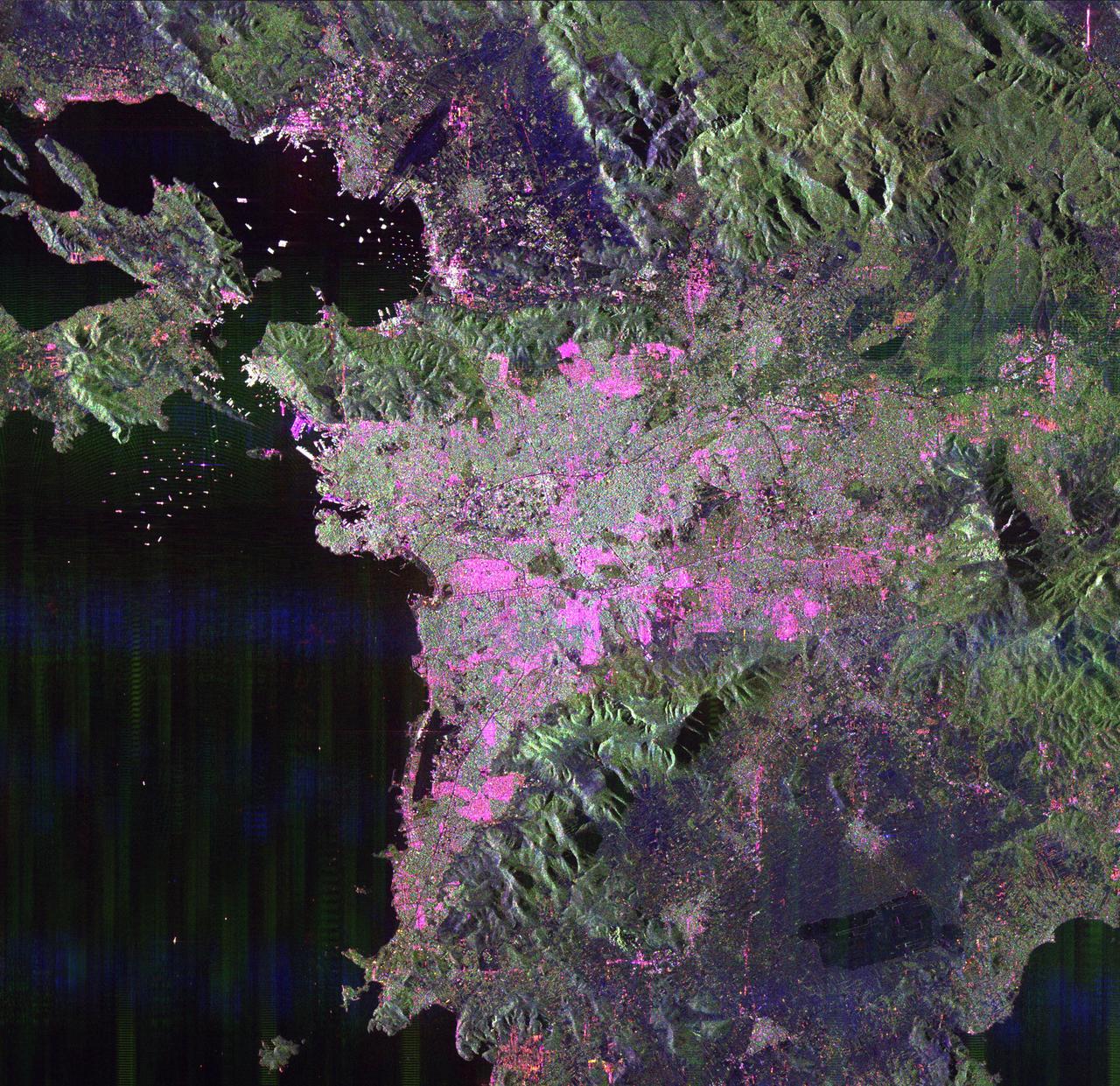
This space radar image of Athens, Greece, shows the sprawling, modern development of this ancient capital city. Densely populated urban areas appear in shades of pink and light green.
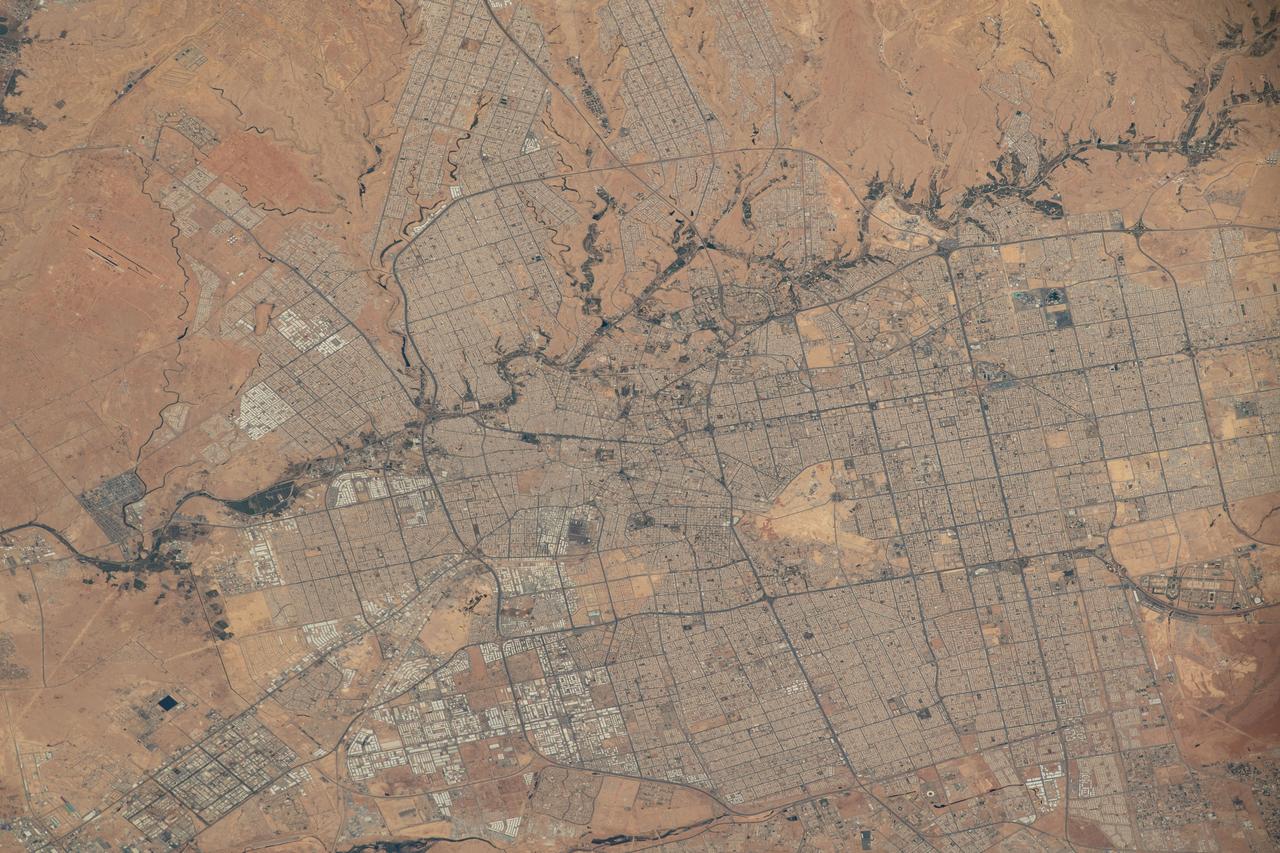
iss069e004755 (April 20, 2023) --- Riyadh, Saudi Arabia's capital and largest city, was pictured by NASA astronaut and Expedition 69 Flight Engineer Woody Hoburg as the International Space Station orbited 258 miles above.
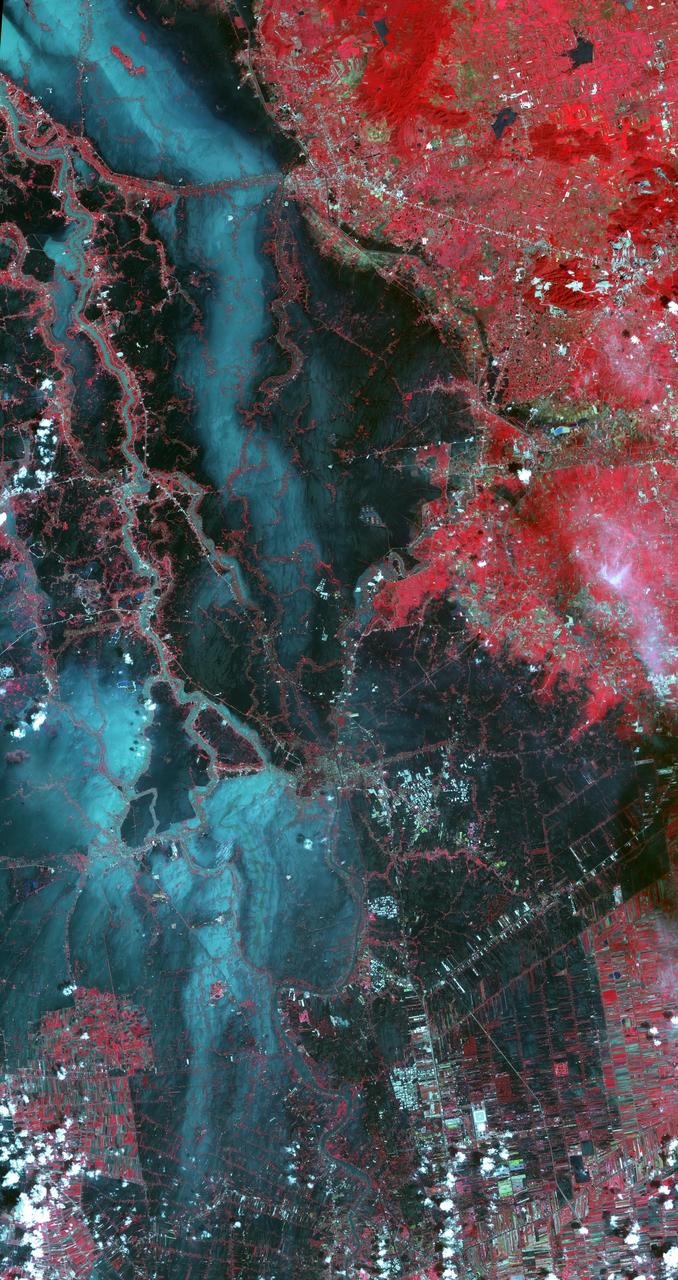
On Oct. 23, 2011, when this image from NASA Terra spacecraft was acquired, flood waters were approaching the capital city of Bangkok as the Ayutthaya River overflowed its banks.
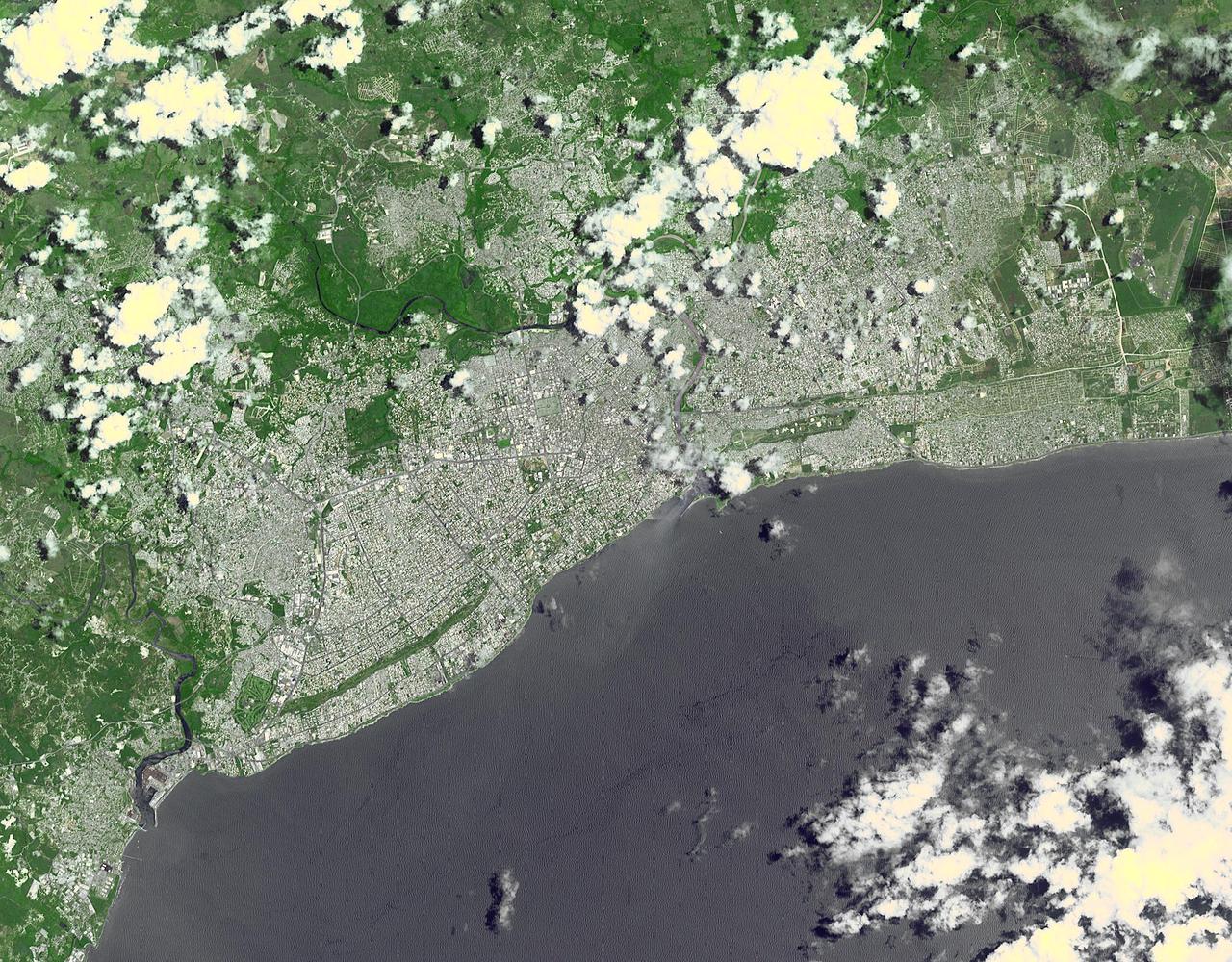
This image, acquired by NASA Terra spacecraft, shows Santo Domingo, the capital of the Dominican Republic, founded in 1496 Christopher Columbus, it is the oldest continuously inhabited European settlement in the Americas.
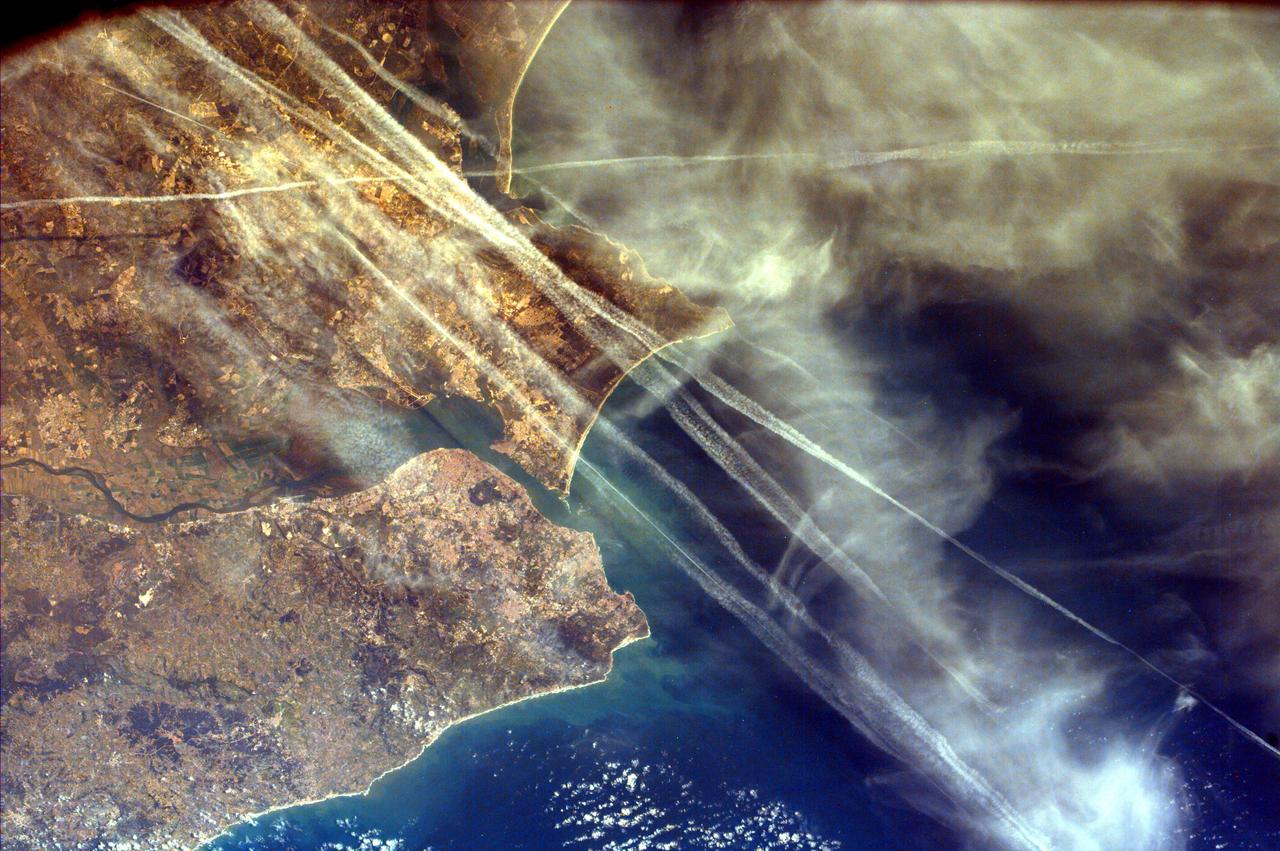
This image from NASA EarthKAM shows Lisbon, the capital of Portugal. The superb natural harbor at Lisbon is a commercially important European port handling much of the import-export traffic for Portugal and Spain.