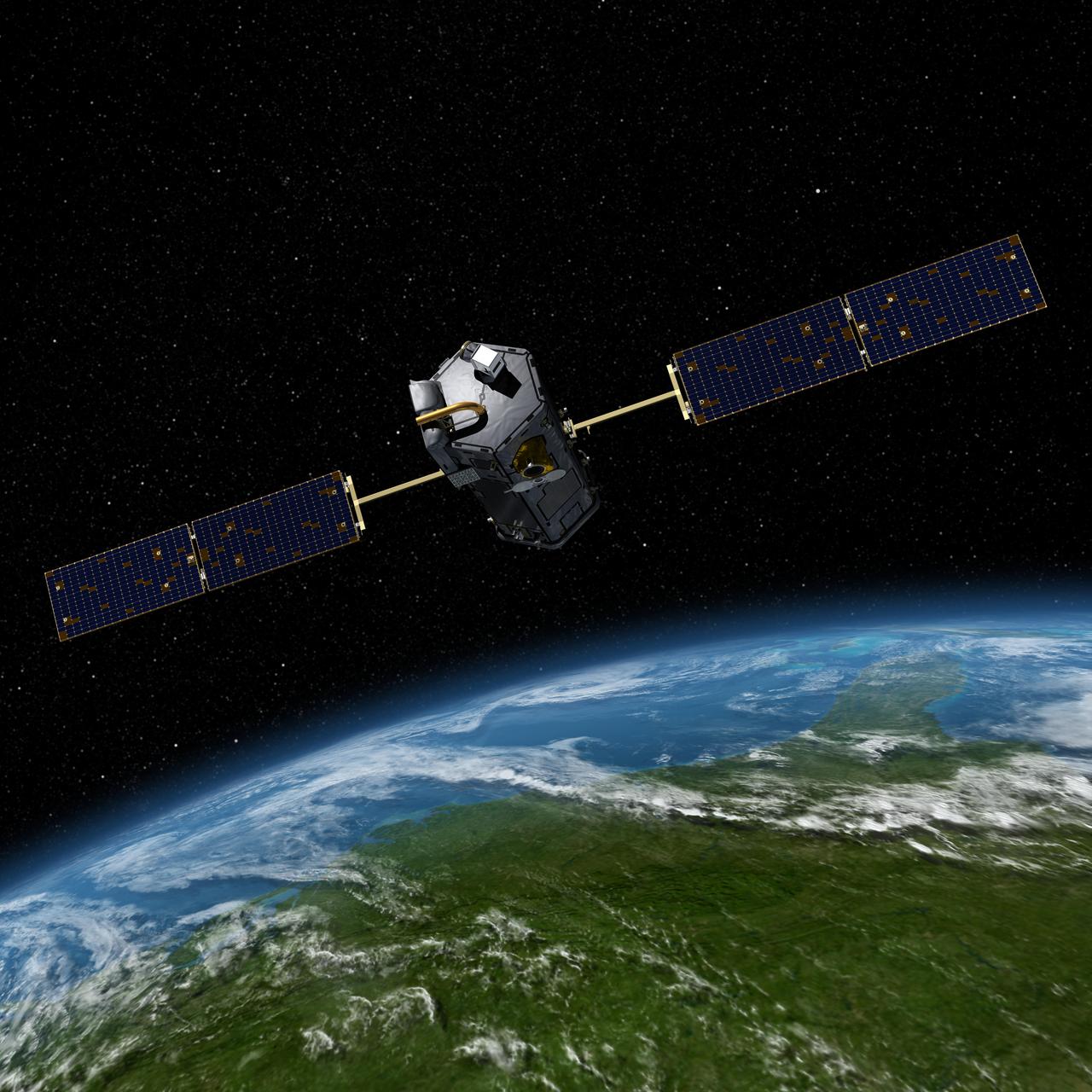
Artist’s concept of the Orbiting Carbon Observatory.
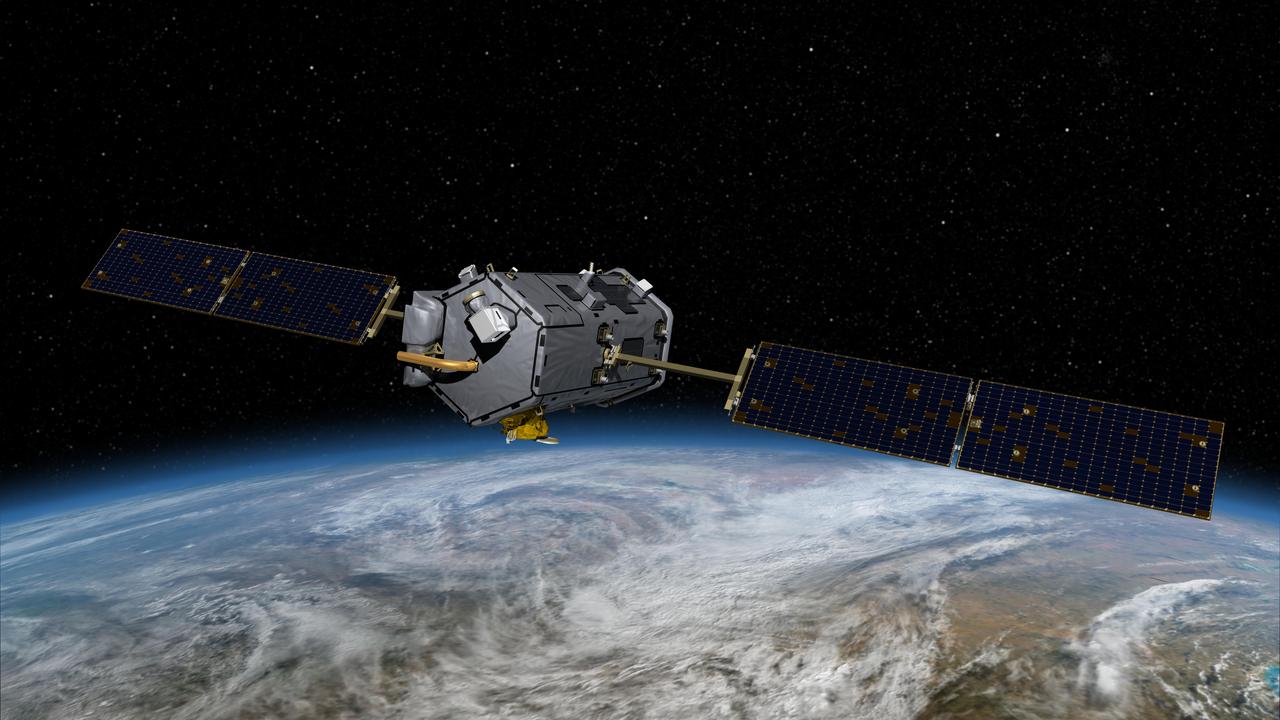
This image is an artist’s concept of the Orbiting Carbon Observatory
This image is an artist concept of the Orbiting Carbon Observatory OCO.
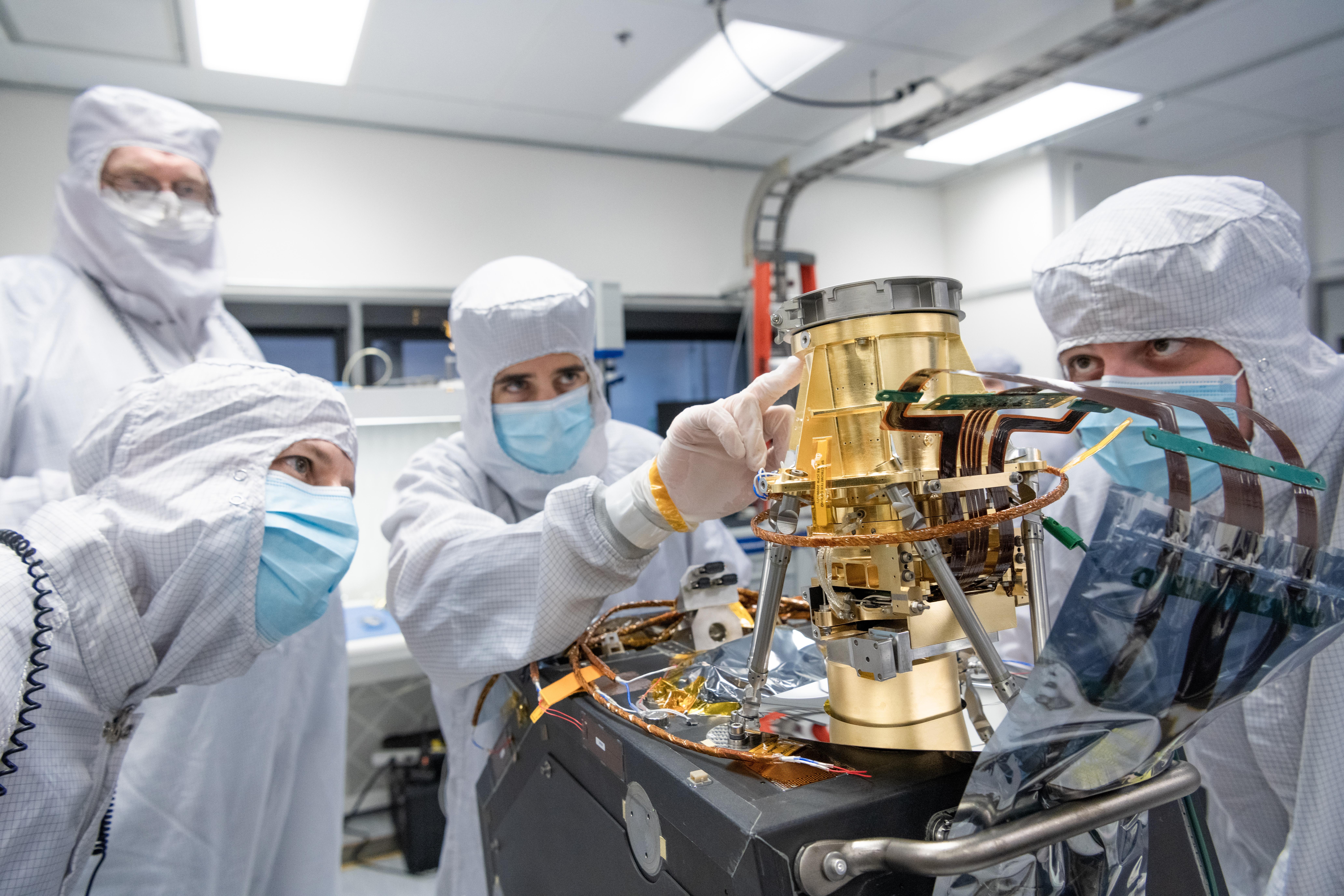
Engineers in a clean room at NASA's Jet Propulsion Laboratory in Southern California in April 2023 examine the imaging spectrometer that will ride aboard the first of two satellites to be launched by the Carbon Mapper Coalition. The instrument will help researchers detect emissions of carbon dioxide and methane from sources on Earth's surface from space. The gold-colored component is the spectrometer, which was developed at JPL. It's designed to receive sunlight reflected from Earth and divide that light into hundreds of distinct colors in the near-infrared and visible portion of the electromagnetic spectrum. By analyzing the light's spectroscopic signature – the wavelengths that show up in the signal as well as those that do not – researchers can determine whether the instrument is observing greenhouse gas emissions and, if so, estimate their concentrations. The black portion at the base of the instrument is a telescope that captures light from Earth's surface and reflects it into the spectrometer. When released into the atmosphere, carbon dioxide and methane are the greenhouse gases most responsible for human-caused global warming. Both have unique spectral signatures that make them detectable from space via spectroscopy. The imaging spectrometer is JPL's contribution to the Carbon Mapper Coalition, a joint effort led by the nonprofit Carbon Mapper that also includes Planet Labs PBC, the California Air Resources Board, Arizona State University, and the University of Arizona. Once the instrument is in orbit, researchers will use its measurements to identify the sources of carbon dioxide and methane plumes it detects. Identification of the origins of emissions is considered the first step towards mitigation. https://photojournal.jpl.nasa.gov/catalog/PIA25869
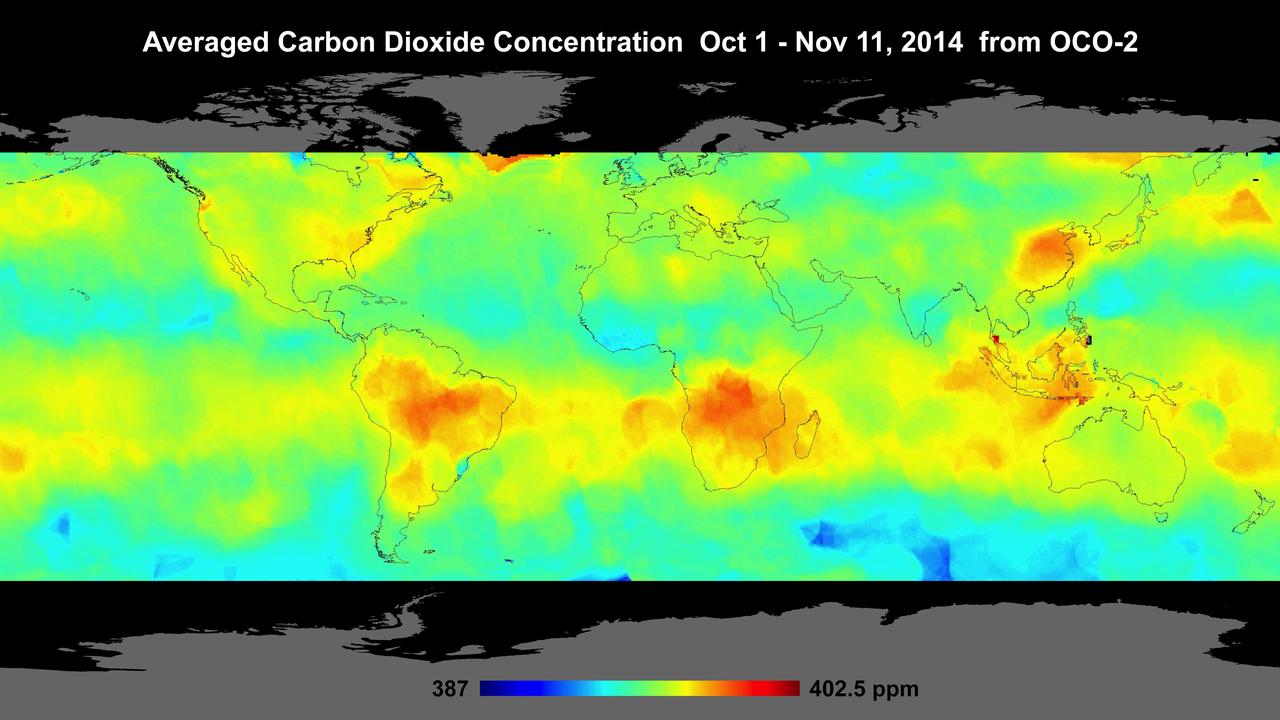
Global atmospheric carbon dioxide concentrations from Oct. 1 through Nov. 11, as recorded by NASA Orbiting Carbon Observatory-2.
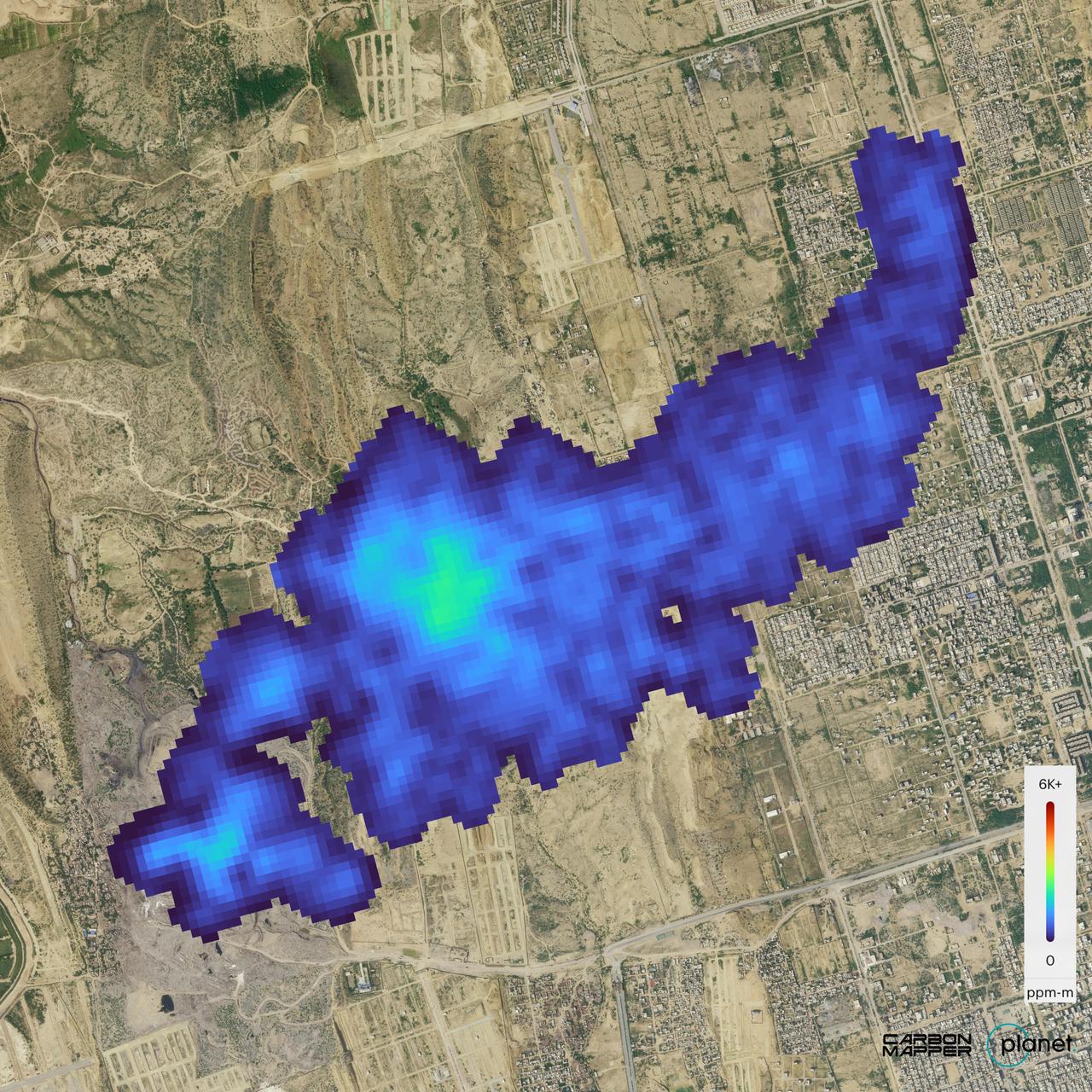
The Carbon Mapper Coalition's Tanager-1 satellite on Sept. 19, 2024, captured data over Karachi, Pakistan, showing the location and concentration of a methane plume measuring about 2½ miles (4 kilometers) long, emanating from a landfill. Enabled by the nonprofit Carbon Mapper and built by Planet Labs PBC, Tanager-1 uses an imaging spectrometer designed by NASA's Jet Propulsion Laboratory in Southern California. Carbon Mapper's preliminary estimate of the source emissions rate is about 2,600 pounds (1,200 kilograms) of methane released per hour. Launched from Vandenberg Space Force Base in California on Aug. 16, 2024, Tanager-1 is part of a broader effort by the nonprofit Carbon Mapper to identify and measure greenhouse gas point-source emissions on a global scale. Both Planet and JPL are members of the philanthropically funded Carbon Mapper Coalition. https://photojournal.jpl.nasa.gov/catalog/PIA26416
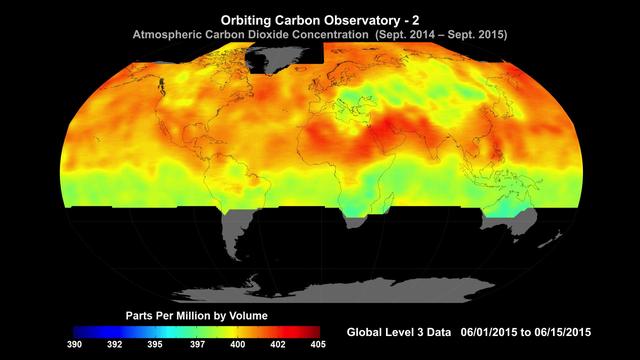
Global average carbon dioxide concentrations as seen by NASA’s Orbiting Carbon Observatory-2 mission, June 1-15, 2015. OCO-2 measures carbon dioxide from the top of Earth's atmosphere to its surface. Higher carbon dioxide concentrations are in red, with lower concentrations in yellows and greens. Scientists poring over data from OCO-2 mission are seeing patterns emerge as they seek answers to questions about atmospheric carbon dioxide. Among the most striking features visible in the first year of OCO-2 data is the increase in carbon dioxide in the northern hemisphere during winter, when trees are not removing carbon dioxide, followed by its decrease in spring, as trees start to grow and remove carbon dioxide from the atmosphere. http://photojournal.jpl.nasa.gov/catalog/PIA20039
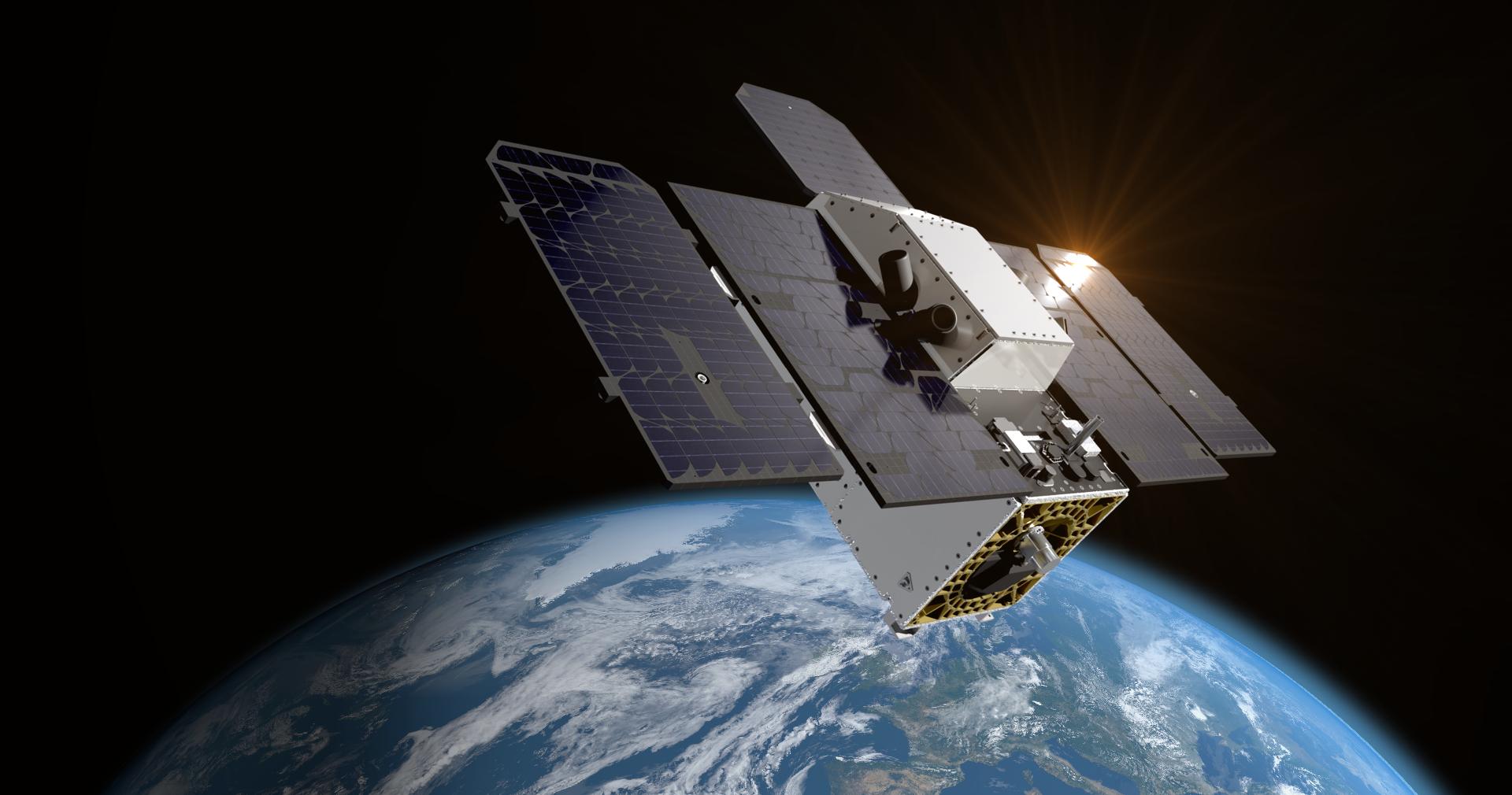
An artist's concept depicts one of the Carbon Mapper Coalition's Tanager satellites, which will use imaging spectrometer technology developed at NASA's Jet Propulsion Laboratory in Southern California to measure methane and carbon dioxide point-source emissions, down to the level of individual facilities and equipment, on a global scale. The Tanager-1 satellite, launched from Vandenberg Space Force Based in California on Aug. 16, 2024, was developed as part of a philanthropically funded public-private coalition led by the nonprofit Carbon Mapper. JPL and Planet Labs PBC, which built Tanager-1, are both members of the Carbon Mapper Coalition. The group plans to launch a second Tanager satellite, called Tanager-2, also being built by Planet Labs and equipped with a JPL-built imaging spectrometer. https://photojournal.jpl.nasa.gov/catalog/PIA26411
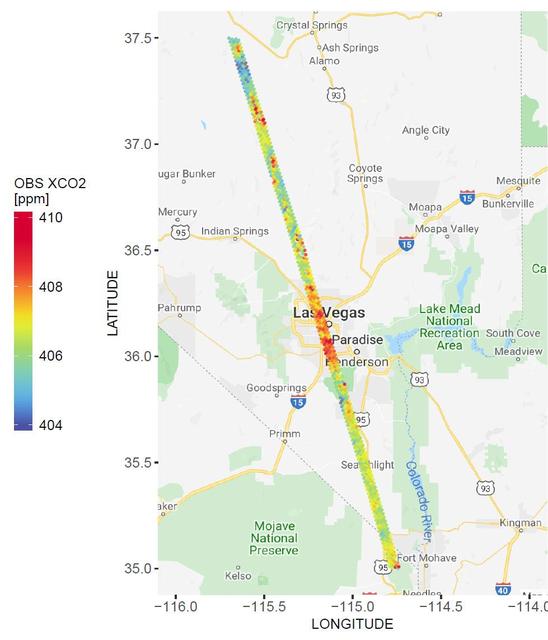
A spatial map of the amount of carbon dioxide (CO2) present in columns of the atmosphere below NASA's Orbiting Carbon Observatory-2 (OCO-2) satellite as it flew over Las Vegas on Feb. 8, 2018. Warmer colors over the city center indicate higher amounts of carbon dioxide. https://photojournal.jpl.nasa.gov/catalog/PIA23781
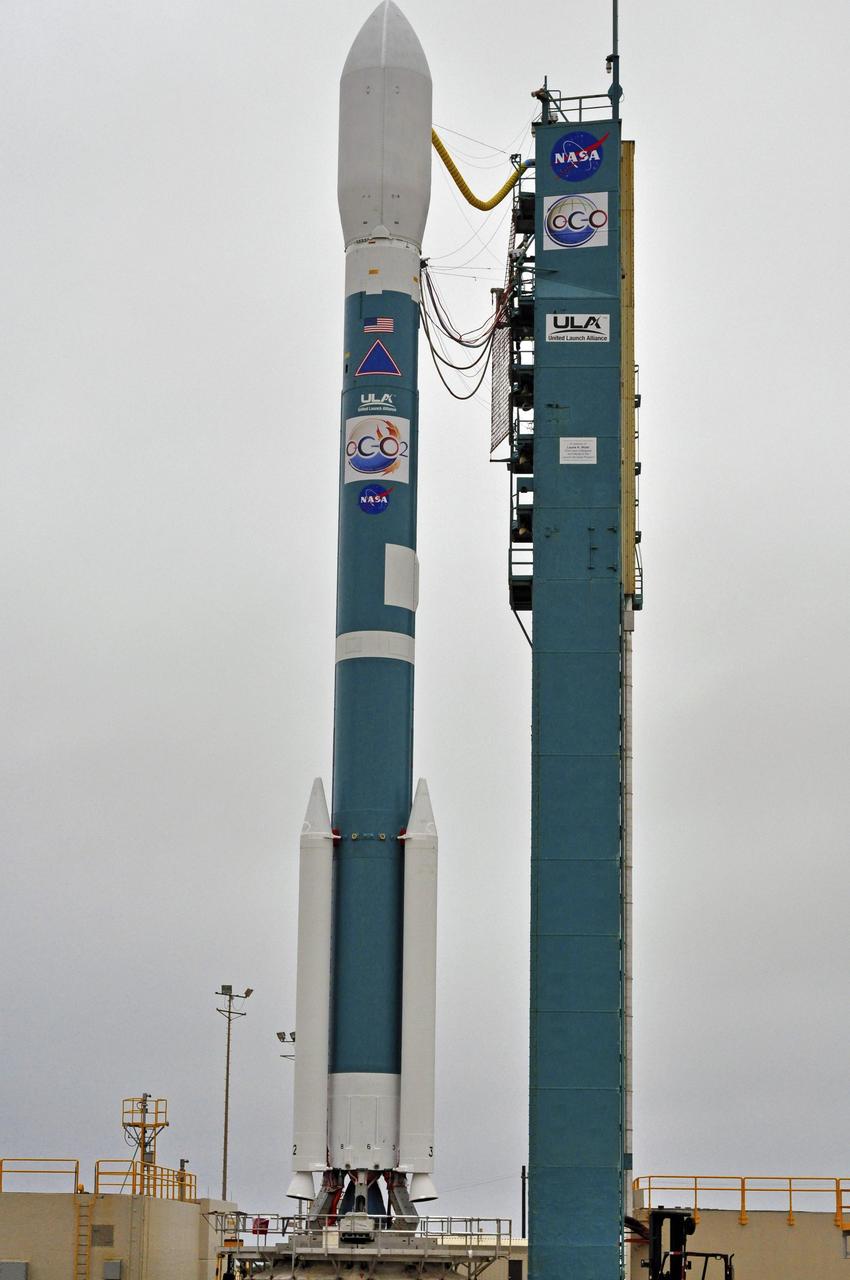
NASA Orbiting Carbon Observatory-2, perched atop a United Launch Alliance Delta II rocket, awaits launch at the Vandenberg Air Force Base in central California.
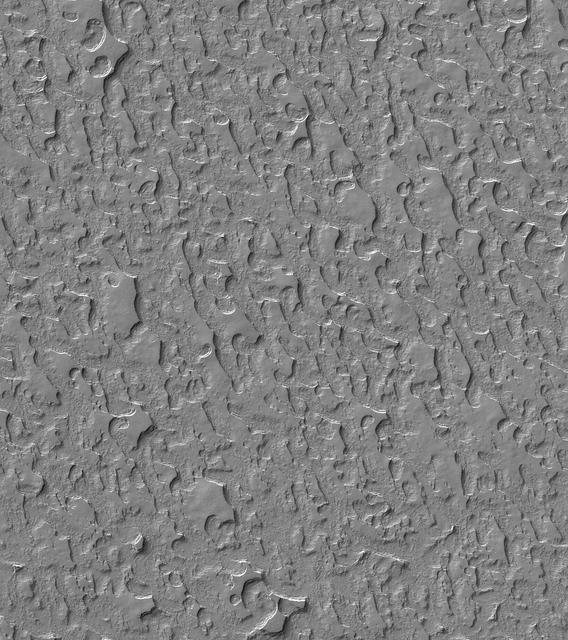
Carbon Dioxide Landscape
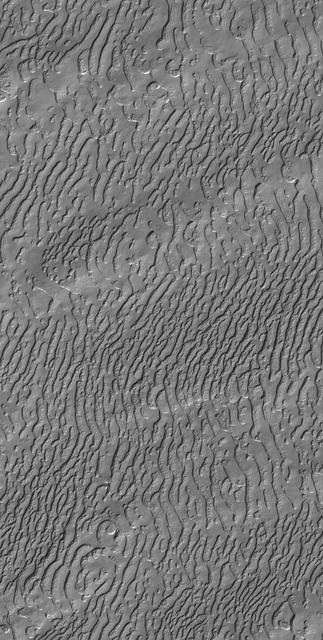
Frozen Carbon Dioxide

Carbon Dioxide Mesas
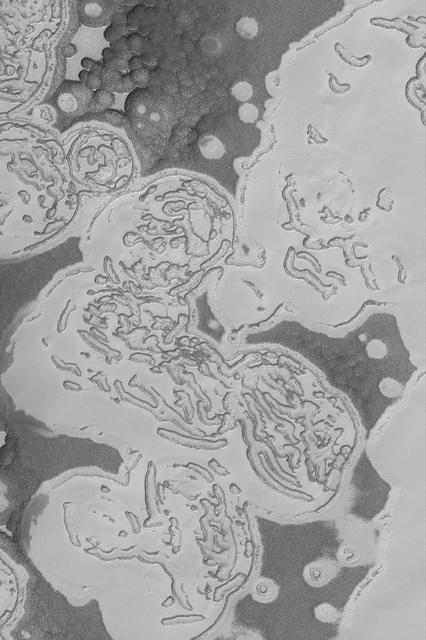
Carbon Dioxide Landforms
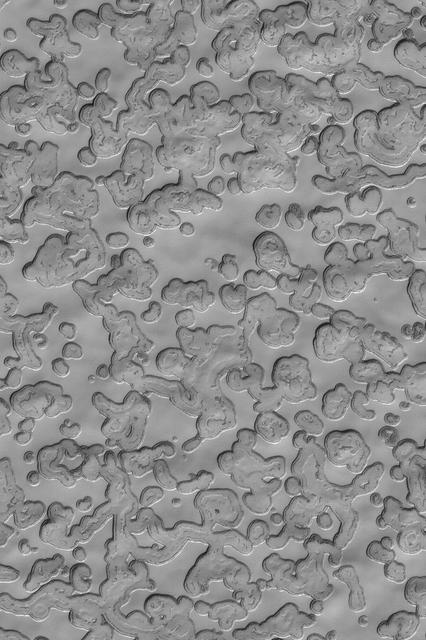
Carbon Dioxide Landscape
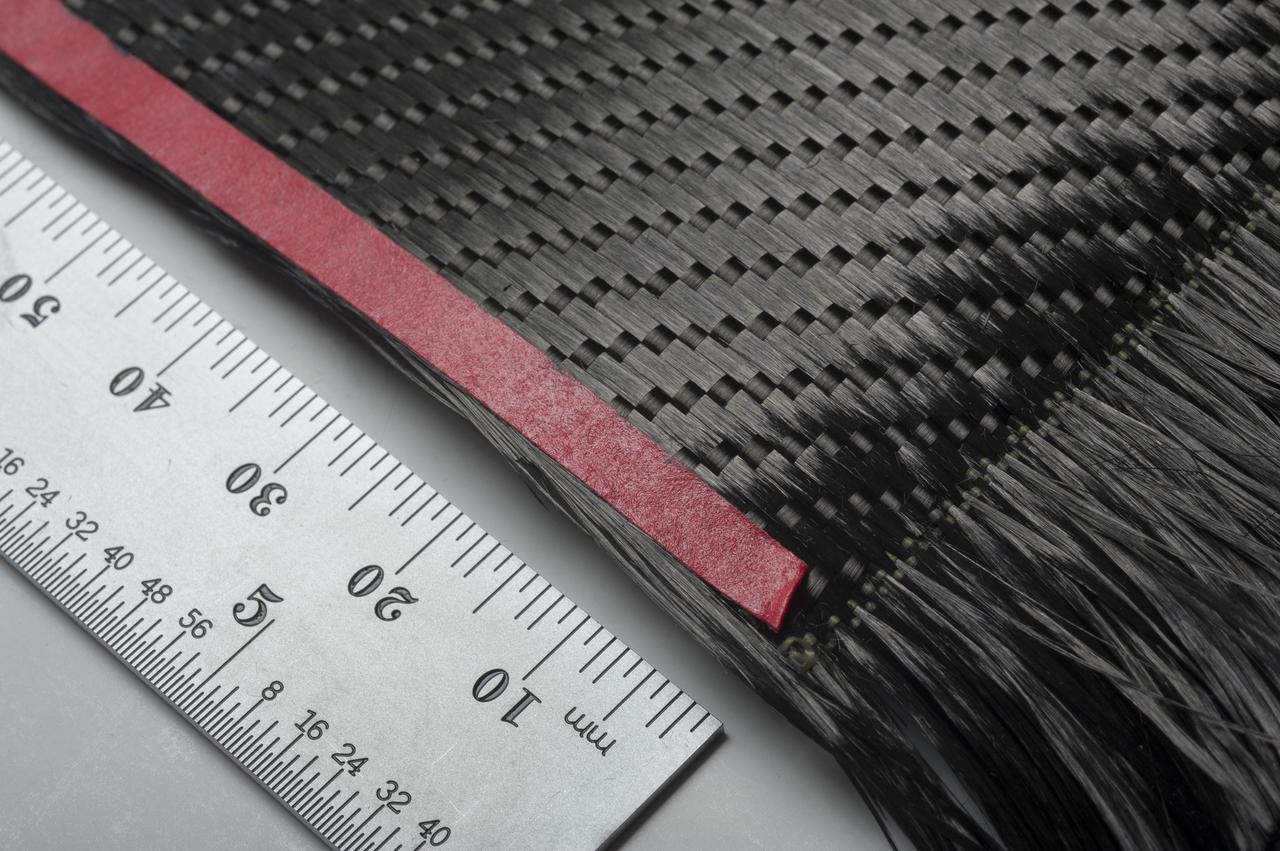
MITSUBISHI K13D2U PITCH-BASED CARBON FIBERS COMMERCIALLY WOVEN BY T.E.A.M., INC. (TEXTILE ENGINEERING AND MANUFACTURING
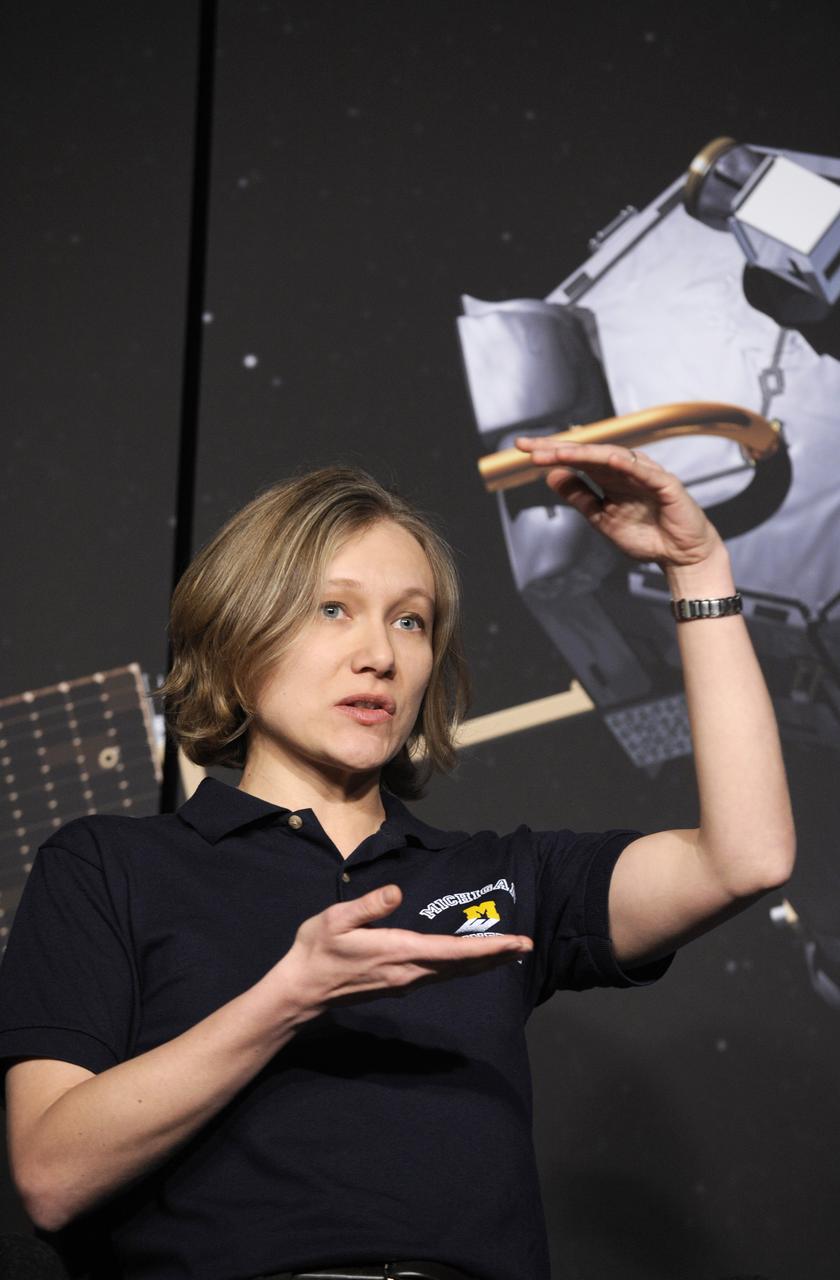
Anna Michalak, an Orbiting Carbon Observatory science team member from the University of Michigan, Ann Arbor, speaks during a media briefing to discuss the upcoming Orbiting Carbon Observatory mission, the first NASA spacecraft dedicated to studying carbon dioxide, Thursday, Jan. 29, 2009, at NASA Headquarters in Washington. Photo Credit: (NASA/Paul E. Alers)
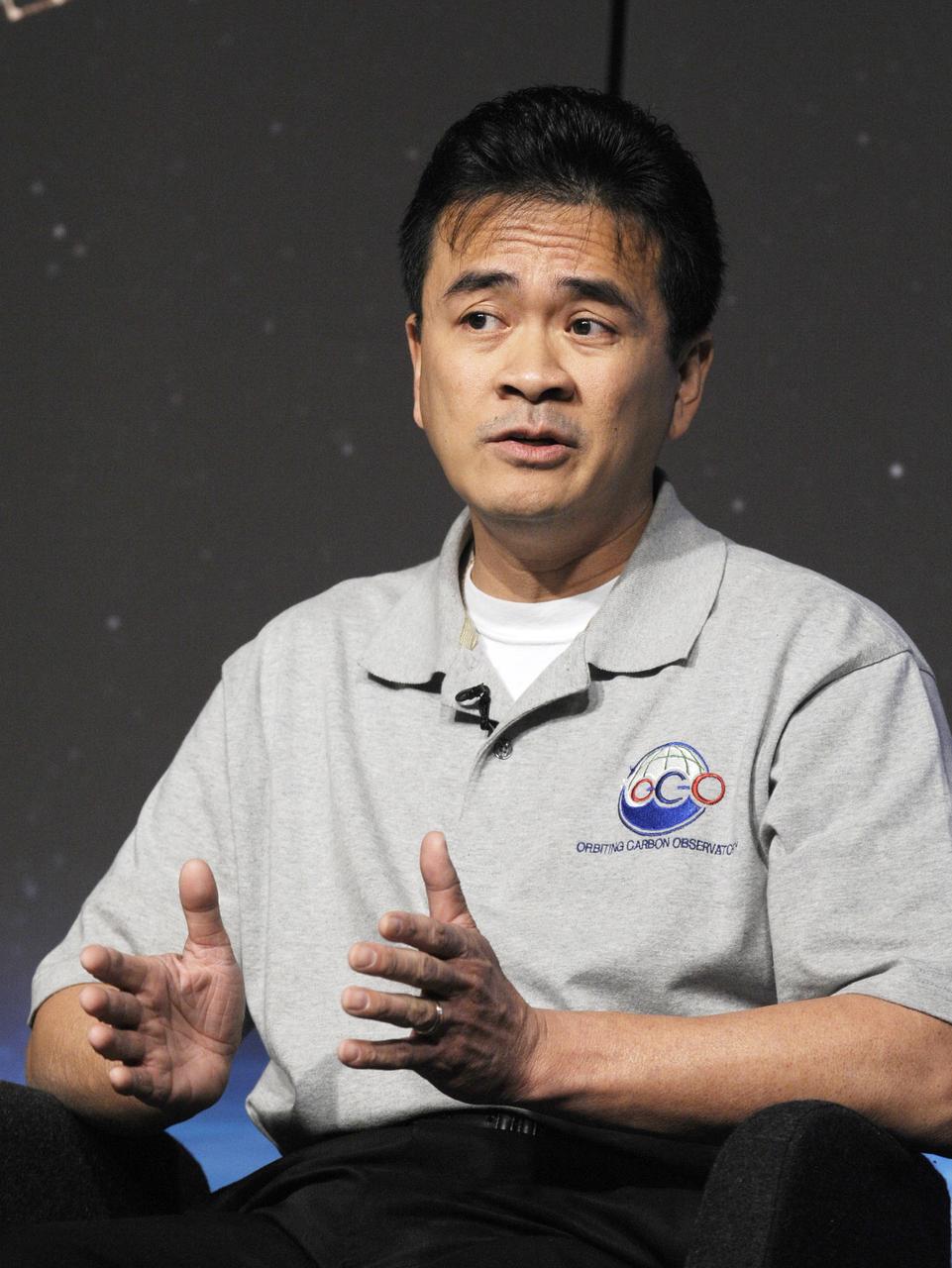
Ralph Basilio talks during a media briefing to discuss the upcoming Orbiting Carbon Observatory mission, the first NASA spacecraft dedicated to studying carbon dioxide, Thursday, Jan. 29, 2009, at NASA Headquarters in Washington. Photo Credit: (NASA/Paul E. Alers)
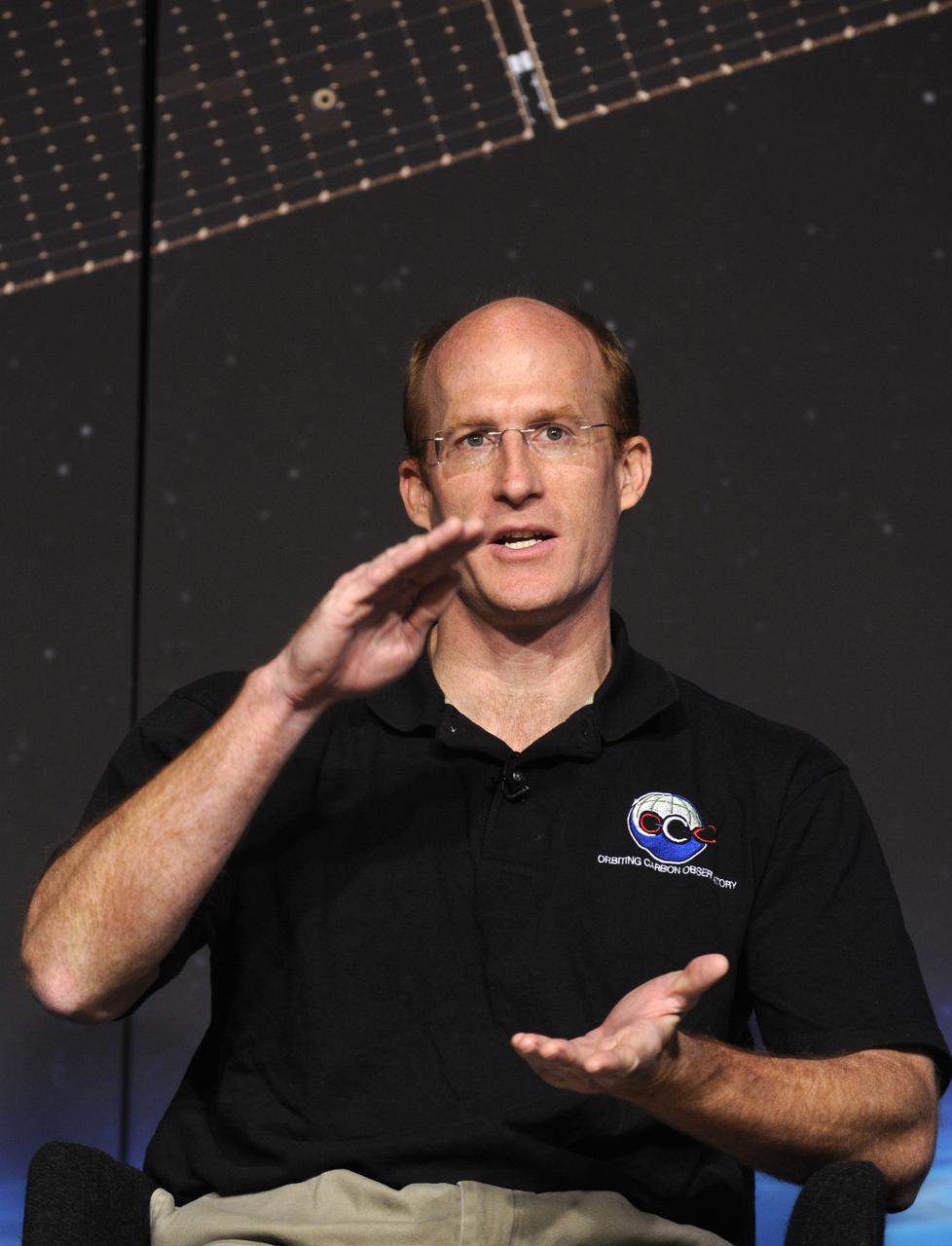
Charles Miller talks during a media briefing to discuss the upcoming Orbiting Carbon Observatory mission, the first NASA spacecraft dedicated to studying carbon dioxide, Thursday, Jan. 29, 2009, at NASA Headquarters in Washington. Photo Credit: (NASA/Paul E. Alers)
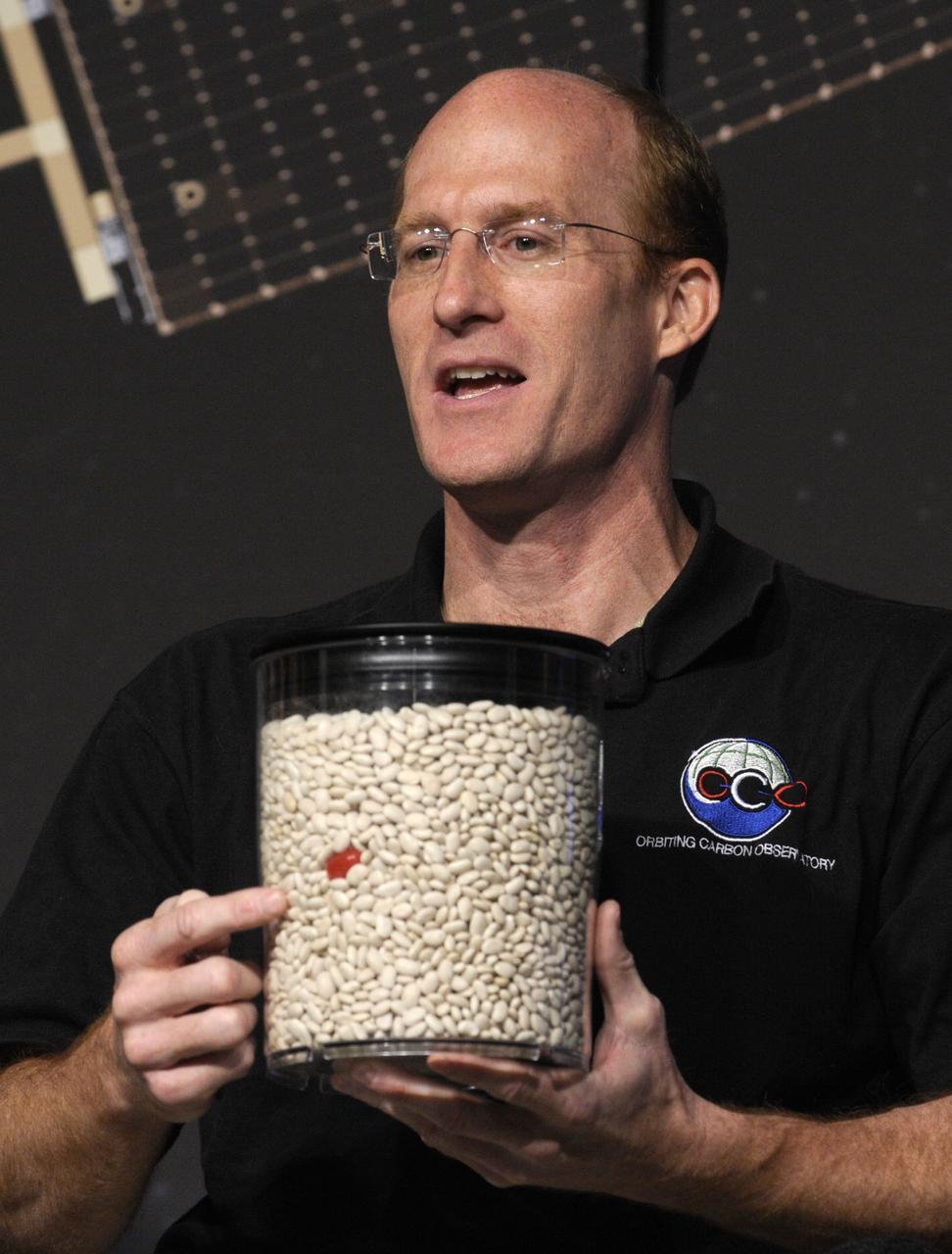
Charles Miller talks during a media briefing to discuss the upcoming Orbiting Carbon Observatory mission, the first NASA spacecraft dedicated to studying carbon dioxide, Thursday, Jan. 29, 2009, at NASA Headquarters in Washington. Photo Credit: (NASA/Paul E. Alers)
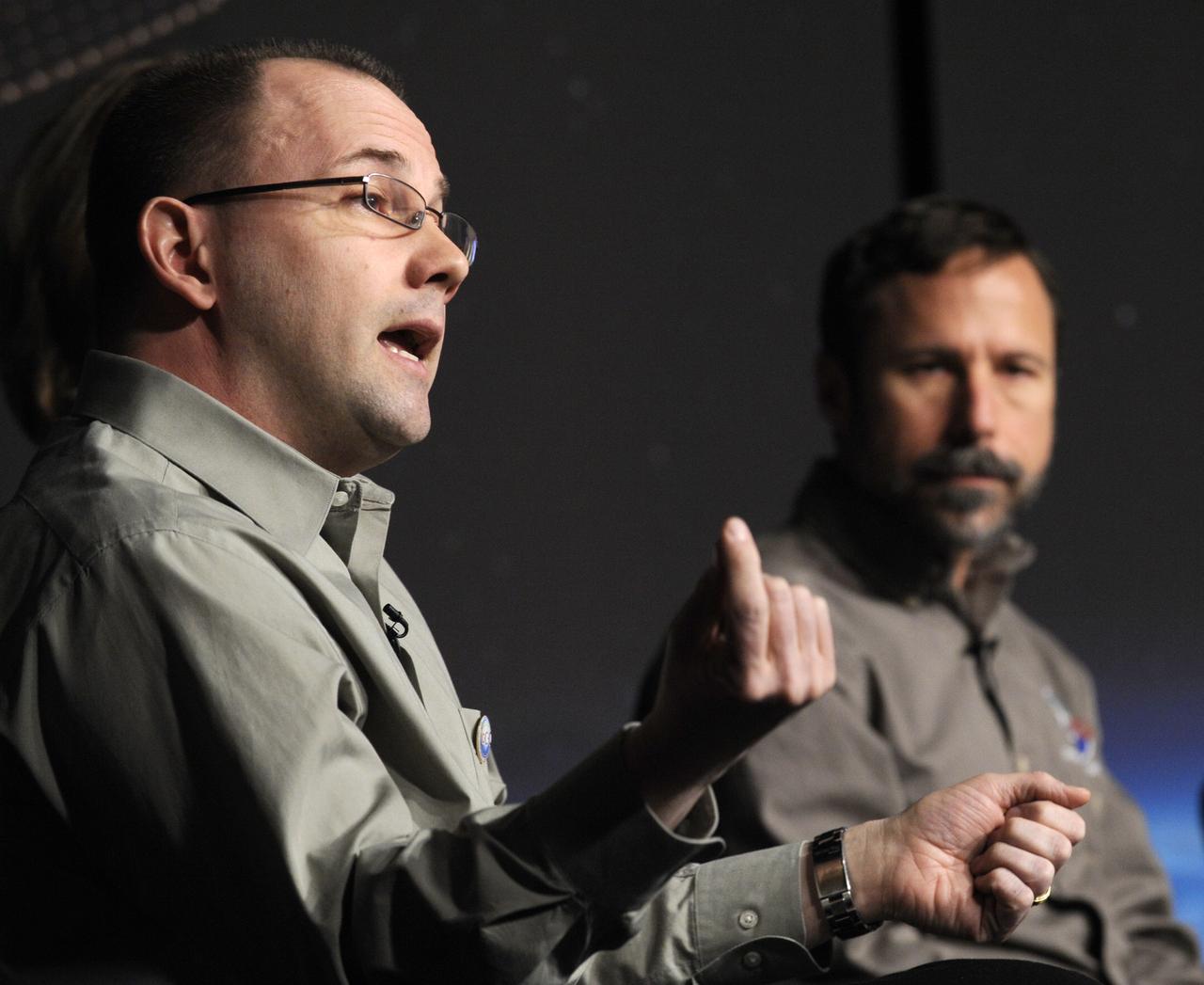
Eric Ianson speaks during a media briefing to discuss the upcoming Orbiting Carbon Observatory mission, the first NASA spacecraft dedicated to studying carbon dioxide, Thursday, Jan. 29, 2009, at NASA Headquarters in Washington. Photo Credit: (NASA/Paul E. Alers)
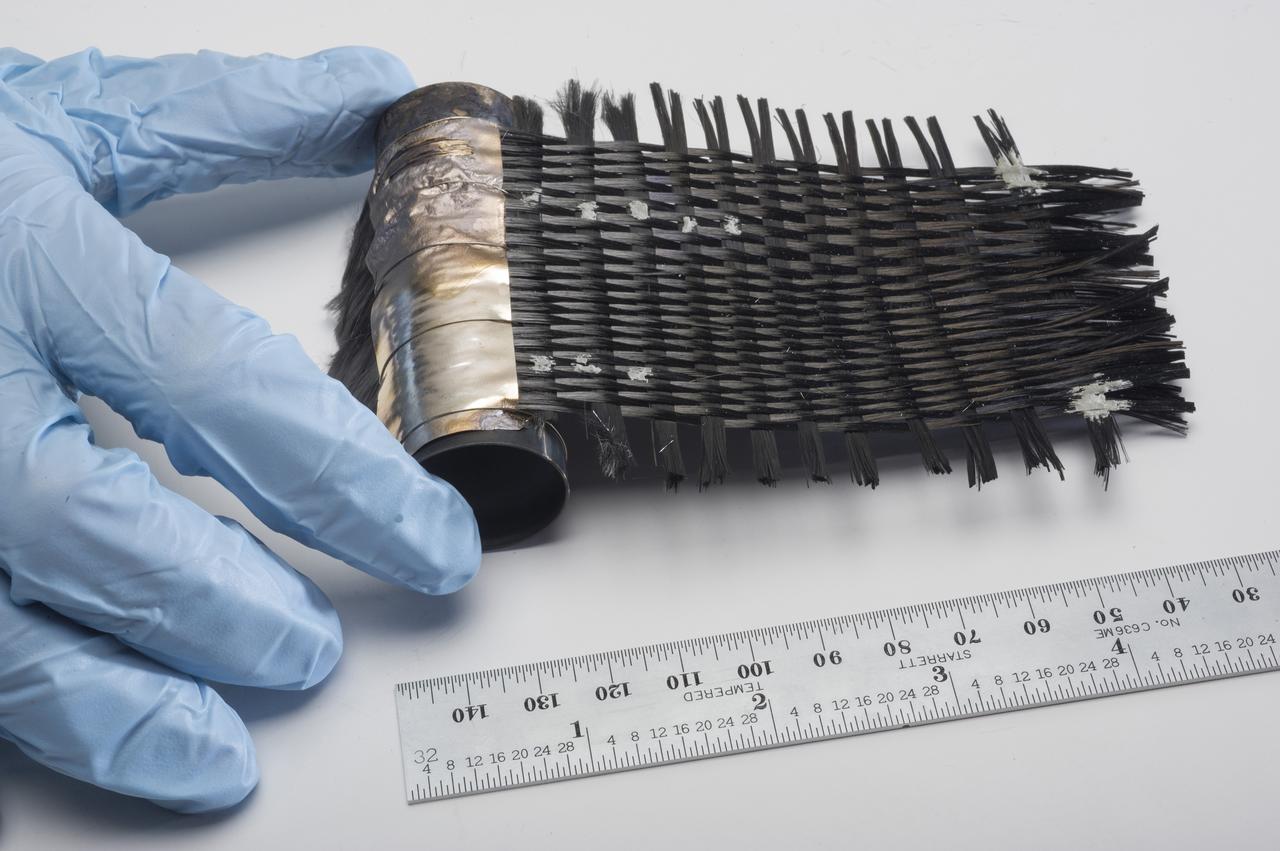
HAND-WOVEN MITSUBISHI K13D2U PITCH-BASED CARBON FIBERS BRAZED TO AN INCONEL TUBE.
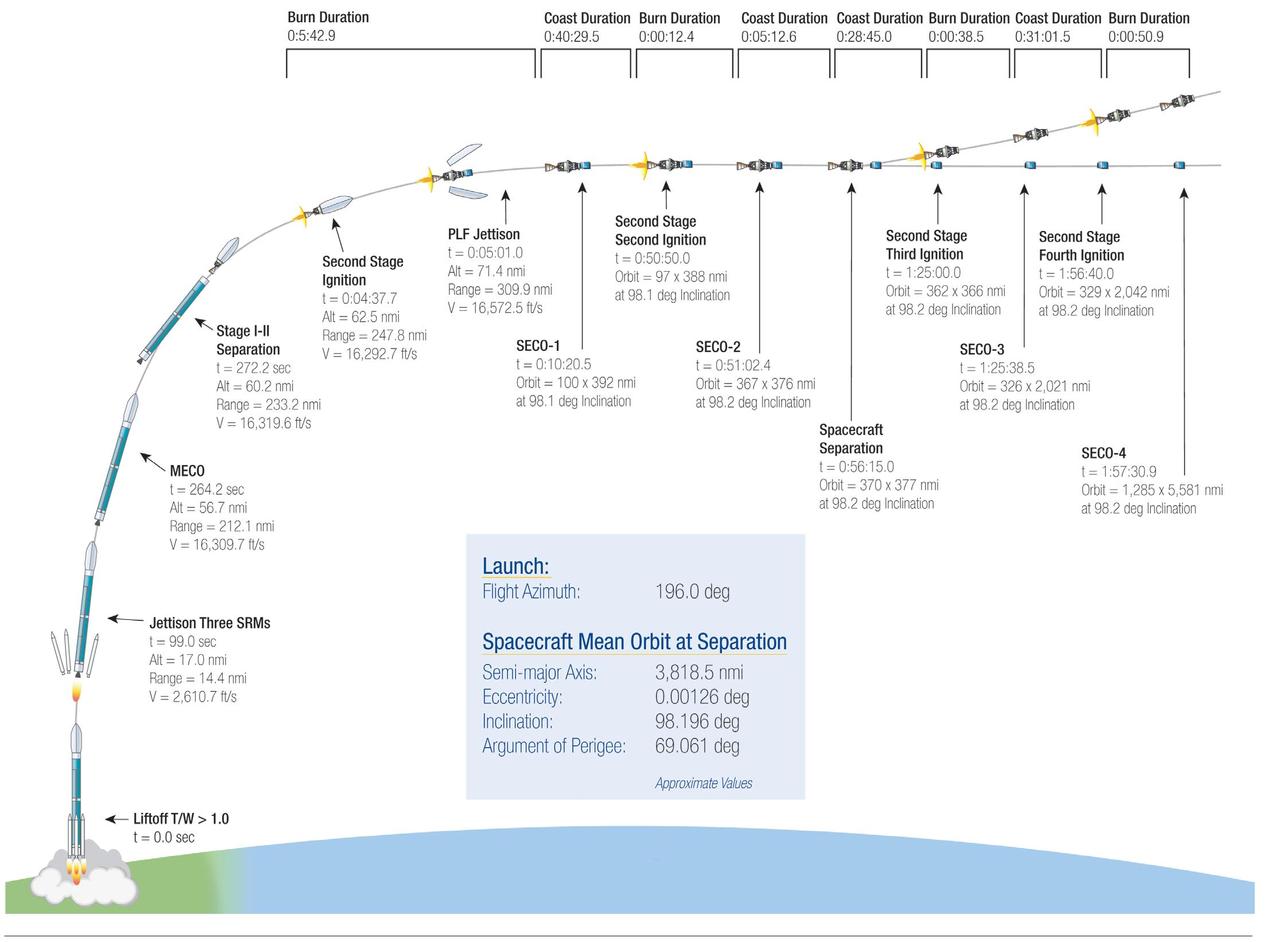
This illustration highlights key events in the launch of NASA Orbiting Carbon Observatory-2, beginning with its liftoff from Vandenberg Air Force Base in central California.
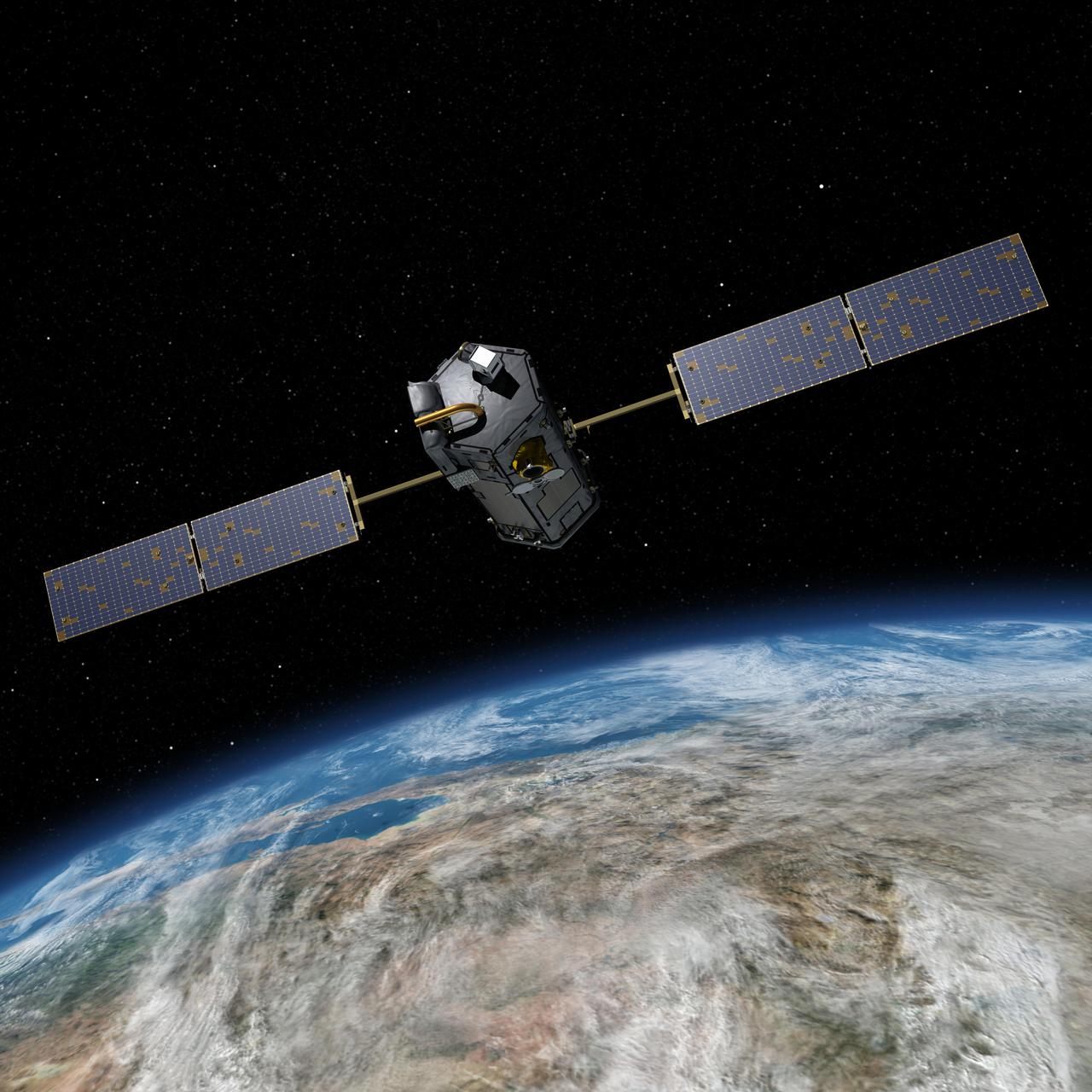
This most recent artist rendering shows NASA Orbiting Carbon Observatory OCO-2, one of five new NASA Earth science missions set to launch in 2014, and one of three managed by the Jet Propulsion Laboratory JPL.
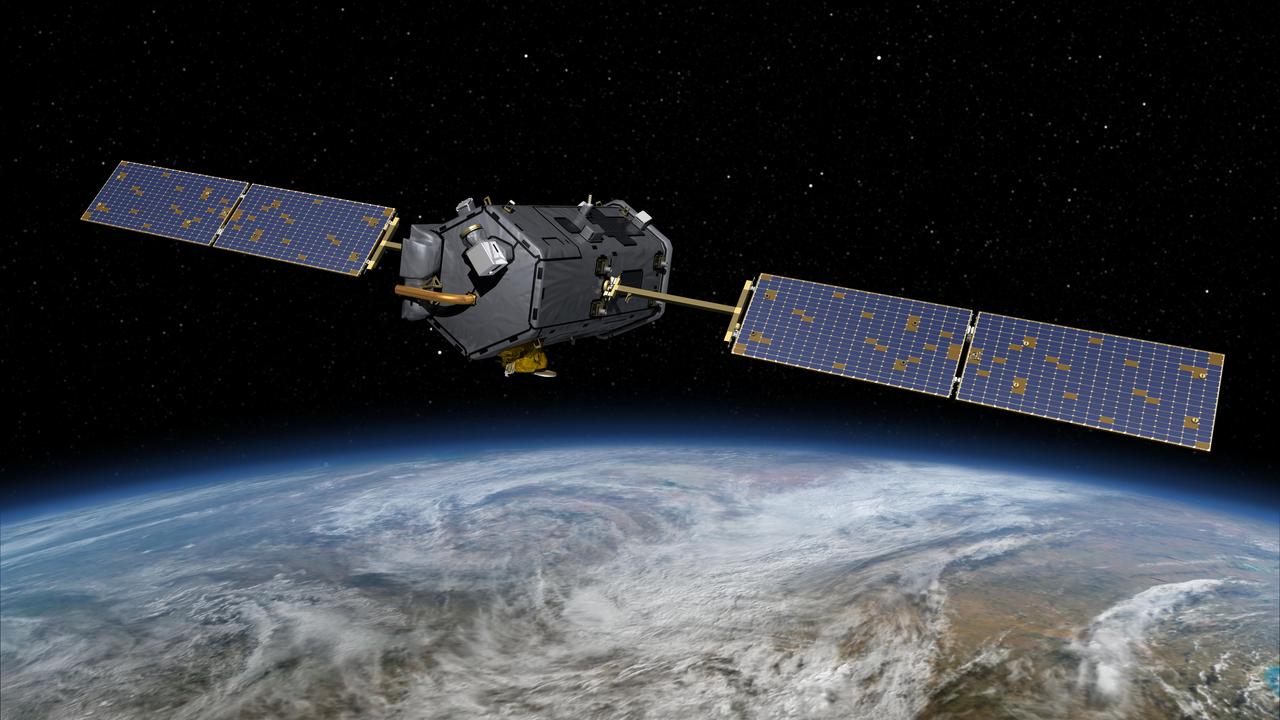
This most recent artist rendering shows NASA Orbiting Carbon Observatory OCO-2, one of five new NASA Earth science missions set to launch in 2014, and one of three managed by the Jet Propulsion Laboratory JPL.
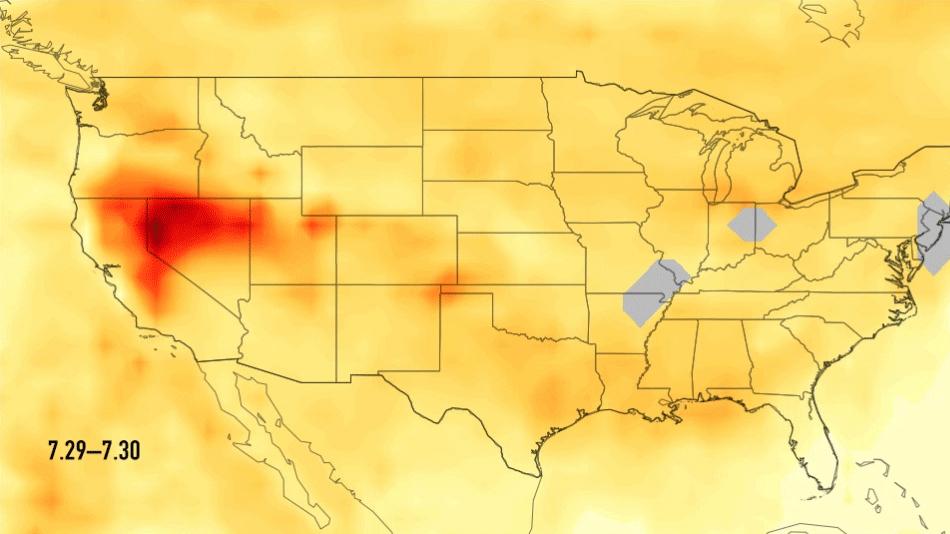
This single frame from a series of images shows carbon monoxide (in orange/red) from California's massive wildfires drifting east across the U.S. between July 30 and August 7, 2018. It was produced using data from the Atmospheric Infrared Sounder (AIRS) on NASA's Aqua satellite. AIRS measures concentrations of carbon monoxide that have been lofted high into the atmosphere. These images show the carbon monoxide at a 500 hPa pressure level, or an altitude of approximately 18,000 feet (5,500 meters). As the time series progresses, we see that this carbon monoxide is drifting east with one branch moving toward Texas and the other forking to the northeast. The high end of the scale is set to 200 parts per billion by volume (ppbv); however, local values can be significantly higher. Carbon monoxide is a pollutant that can persist in the atmosphere for about one month and can be transported large distances. It plays a role in both air pollution and climate change. An animation and single frames are available at https://photojournal.jpl.nasa.gov/catalog/PIA22492

Known Locations of Carbonate Rocks on Mars
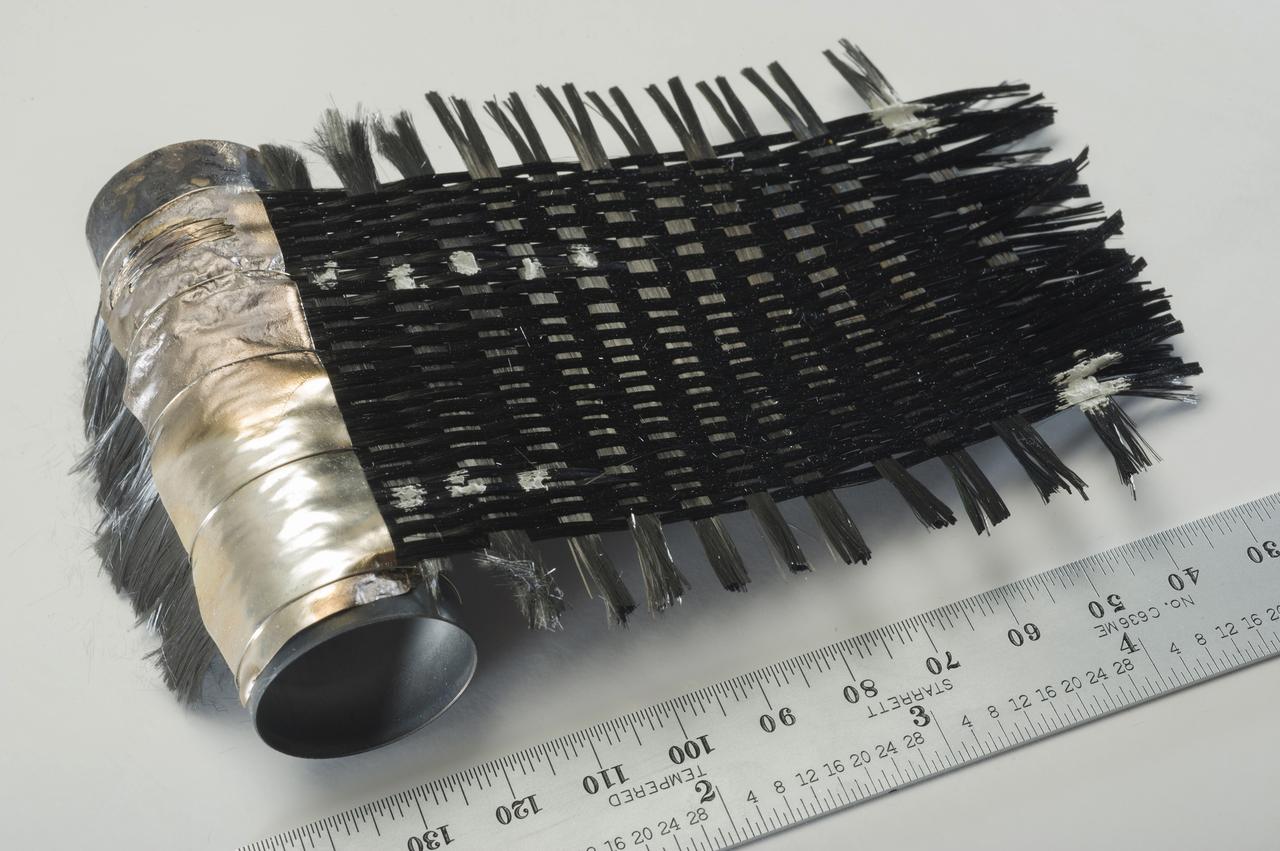
HAND-WOVEN MITSUBISHI K13D2U PITCH-BASED CARBON FIBERS BRAZED TO AN INCONEL TUBE.
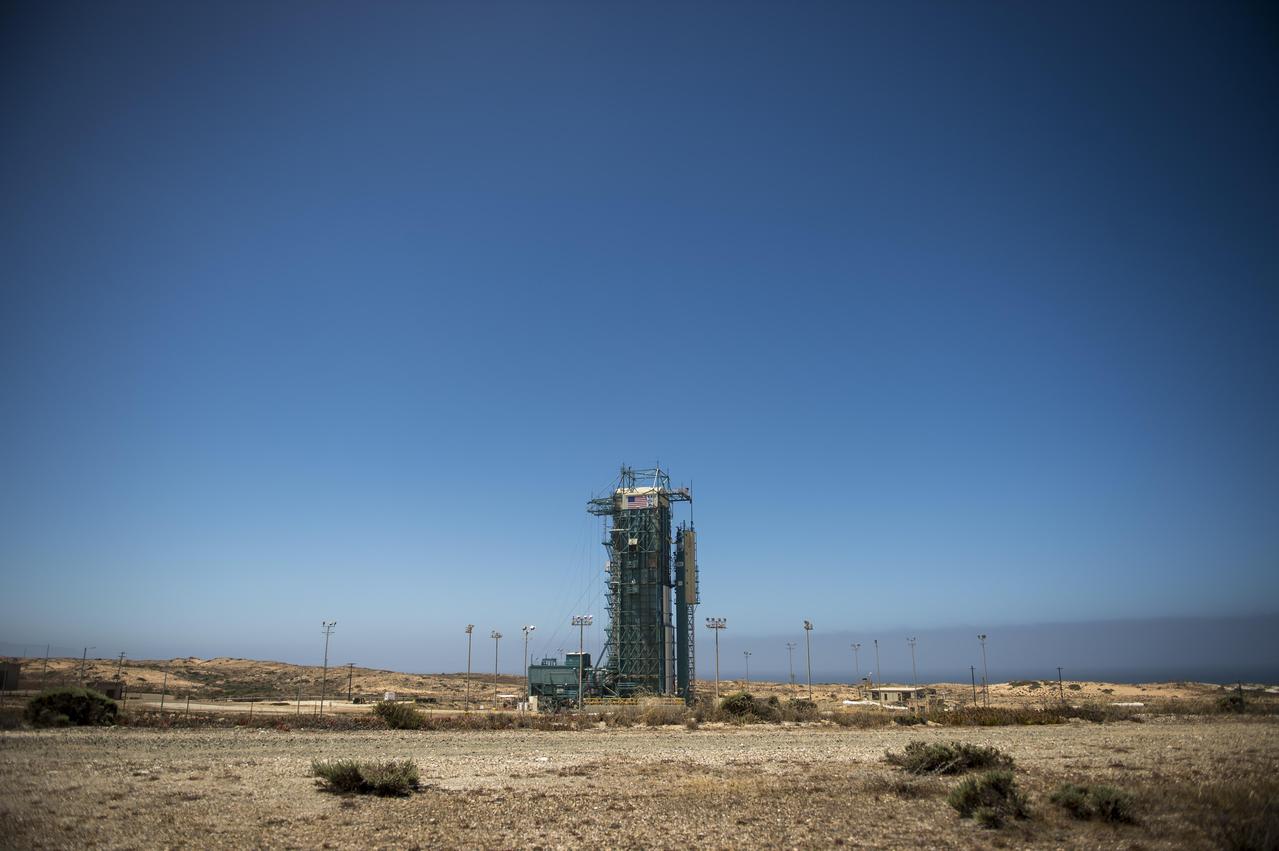
The launch gantry, surrounding the United Launch Alliance Delta II rocket with the Orbiting Carbon Observatory-2 OCO-2 satellite onboard, is seen at Space Launch Complex 2, Sunday, June 29, 2014, Vandenberg Air Force Base, Calif.
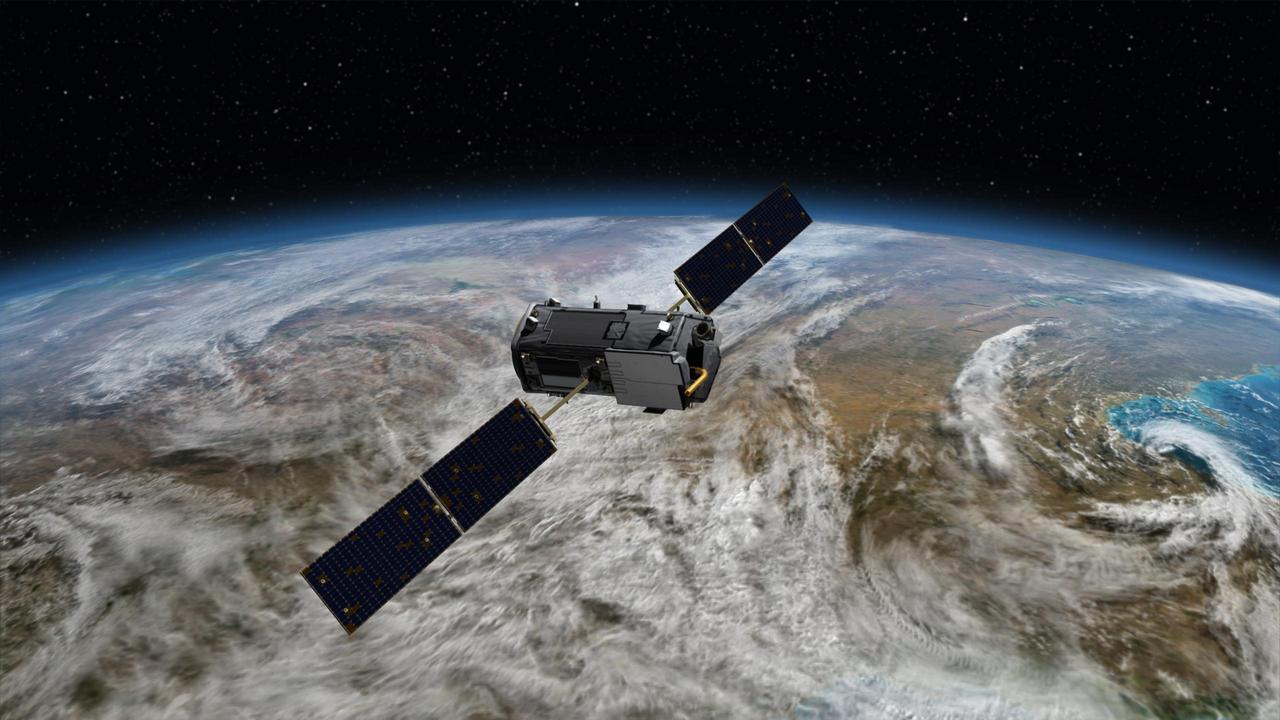
Artist rendering of NASA Orbiting Carbon Observatory OCO-2, one of five new NASA Earth science missions set to launch in 2014, and one of three managed by JPL.
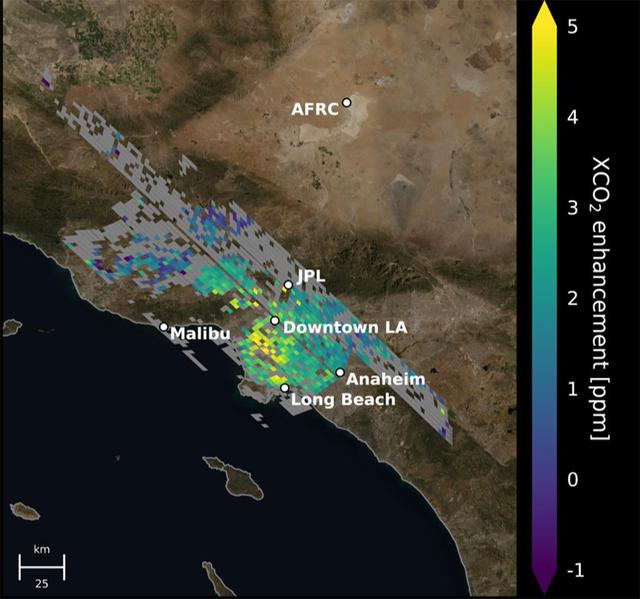
This animation shows the accumulation of five adjoining swaths of data over the Los Angeles metropolitan area that when combined, create a map of carbon dioxide (CO2) concentrations that covers about 50 square miles (80 square kilometers). Researchers have used the data, collected by NASA's Orbiting Carbon Observatory 3 (OCO-3) instrument aboard the space station, to create one of the most accurate maps ever made from space of the human influence on CO2 abundances in the L.A. Basin Each pixel is about 1.3 miles (2.2 kilometers); the color indicates how much higher the concentration of CO2 is in that spot than in clean desert air north of the city (measured at NASA's Armstrong Research Center, upper right). The highest CO2 readings, in yellow on the map, are on the west side of downtown L.A. – a densely populated area with congested freeways and CO2-emitting industries. Yellow indicates atmospheric CO2 elevated by five or more molecules out of every million molecules of air, or five parts per million. That's equivalent to the amount that global atmospheric CO2 is rising globally on average every two years Most of the increasing CO2 in the global atmosphere comes from humans burning fossil fuels for energy, and 70% of that comes from cities. Los Angeles has set goals for cutting its carbon emissions. This type of data can help decisionmakers choose the most effective policies to reach those goals and to measure the effectiveness of new regulations. Data from ground level provides critical local measurements, but satellite data is equally necessary because it covers a wider area and also measure CO2 throughout the entire depth of the atmosphere. Animation available at https://photojournal.jpl.nasa.gov/catalog/PIA24523
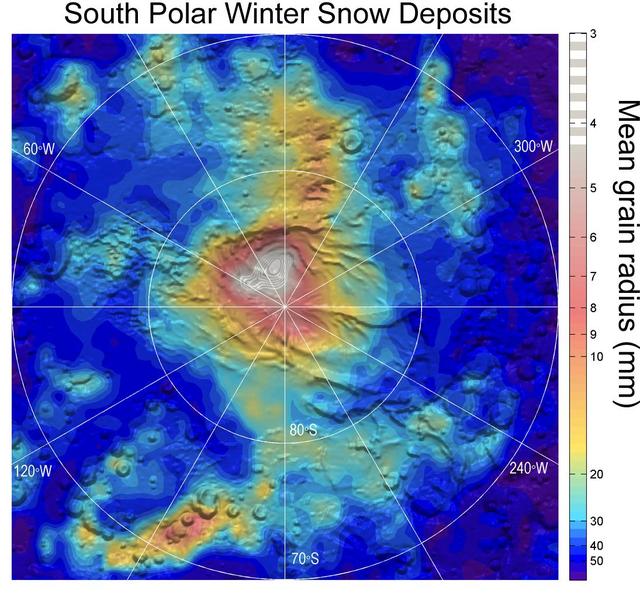
Observations by NASA Mars Reconnaissance Orbiter have detected carbon-dioxide snow clouds on Mars and evidence of carbon-dioxide snow falling to the surface.
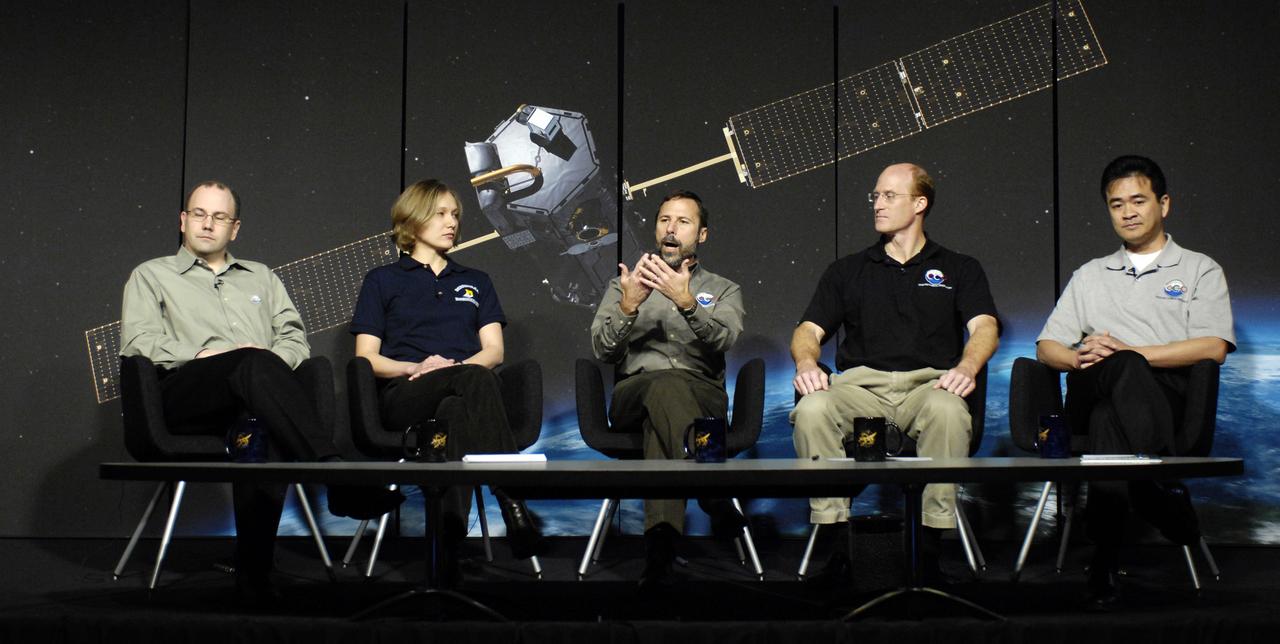
Panelists are seen during a media briefing to discuss the upcoming Orbiting Carbon Observatory mission, the first NASA spacecraft dedicated to studying carbon dioxide, Thursday, Jan. 29, 2009, at NASA Headquarters in Washington. Photo Credit: (NASA/Paul E. Alers)
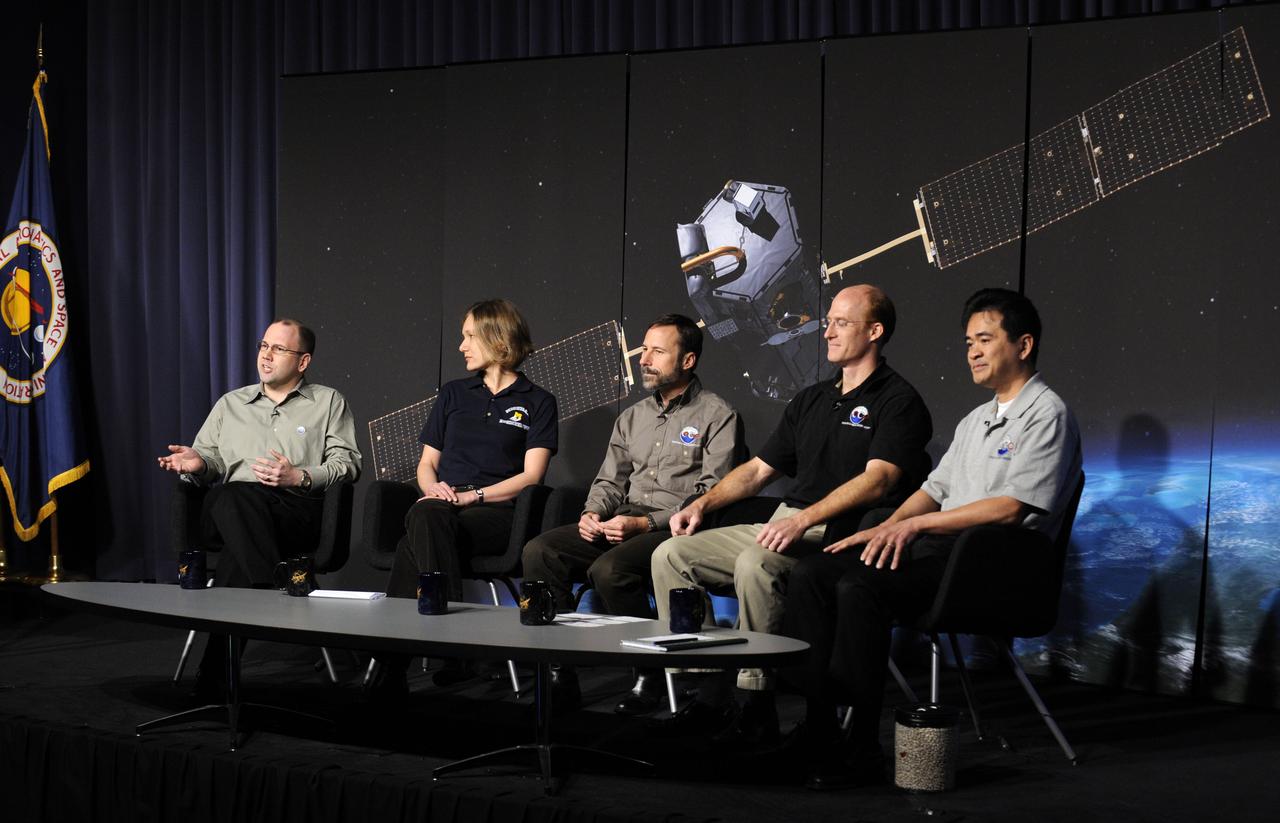
Panelists are seen during a media briefing to discuss the upcoming Orbiting Carbon Observatory mission, the first NASA spacecraft dedicated to studying carbon dioxide, Thursday, Jan. 29, 2009, at NASA Headquarters in Washington. Photo Credit: (NASA/Paul E. Alers)
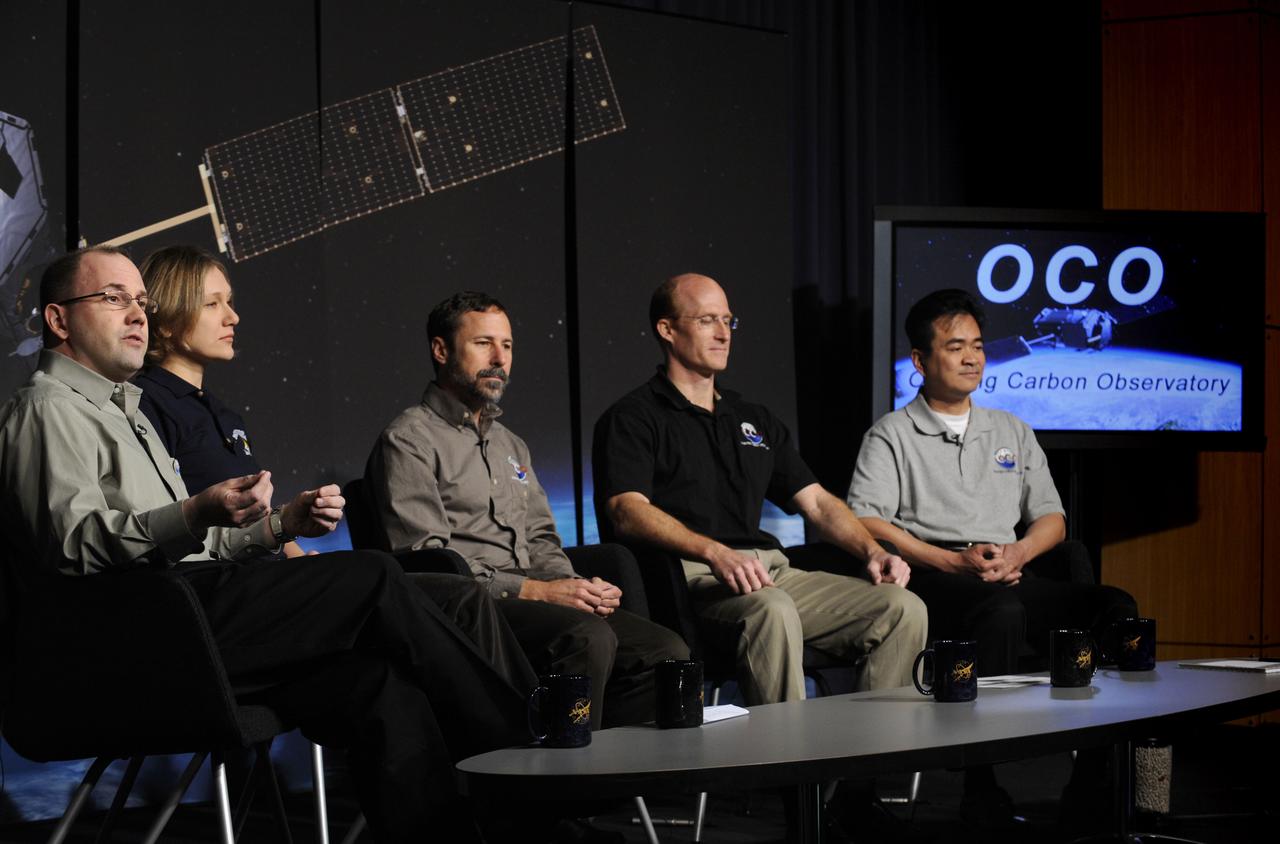
Panelists are seen during a media briefing to discuss the upcoming Orbiting Carbon Observatory mission, the first NASA spacecraft dedicated to studying carbon dioxide, Thursday, Jan. 29, 2009, at NASA Headquarters in Washington. Photo Credit: (NASA/Paul E. Alers)
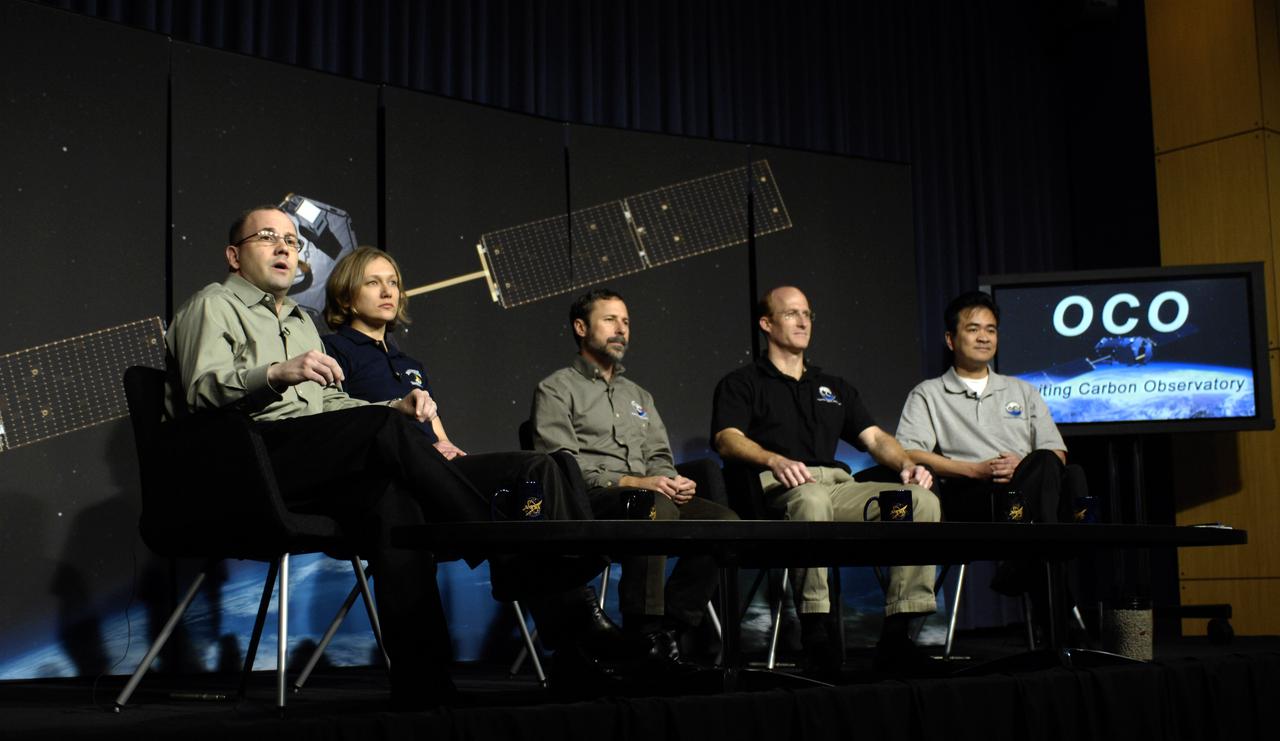
Panelists are seen during a media briefing to discuss the upcoming Orbiting Carbon Observatory mission, the first NASA spacecraft dedicated to studying carbon dioxide, Thursday, Jan. 29, 2009, at NASA Headquarters in Washington. Photo Credit: (NASA/Paul E. Alers)
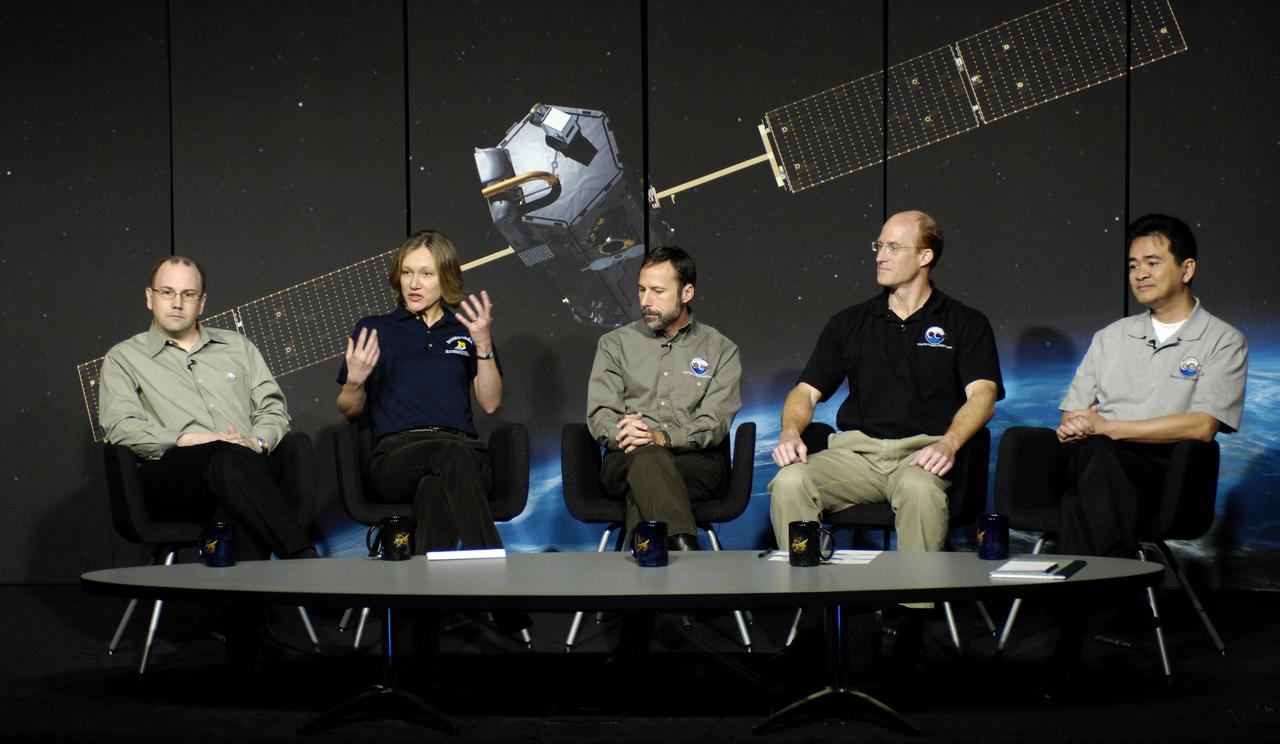
Panelists are seen during a media briefing to discuss the upcoming Orbiting Carbon Observatory mission, the first NASA spacecraft dedicated to studying carbon dioxide, Thursday, Jan. 29, 2009, at NASA Headquarters in Washington. Photo Credit: (NASA/Paul E. Alers)
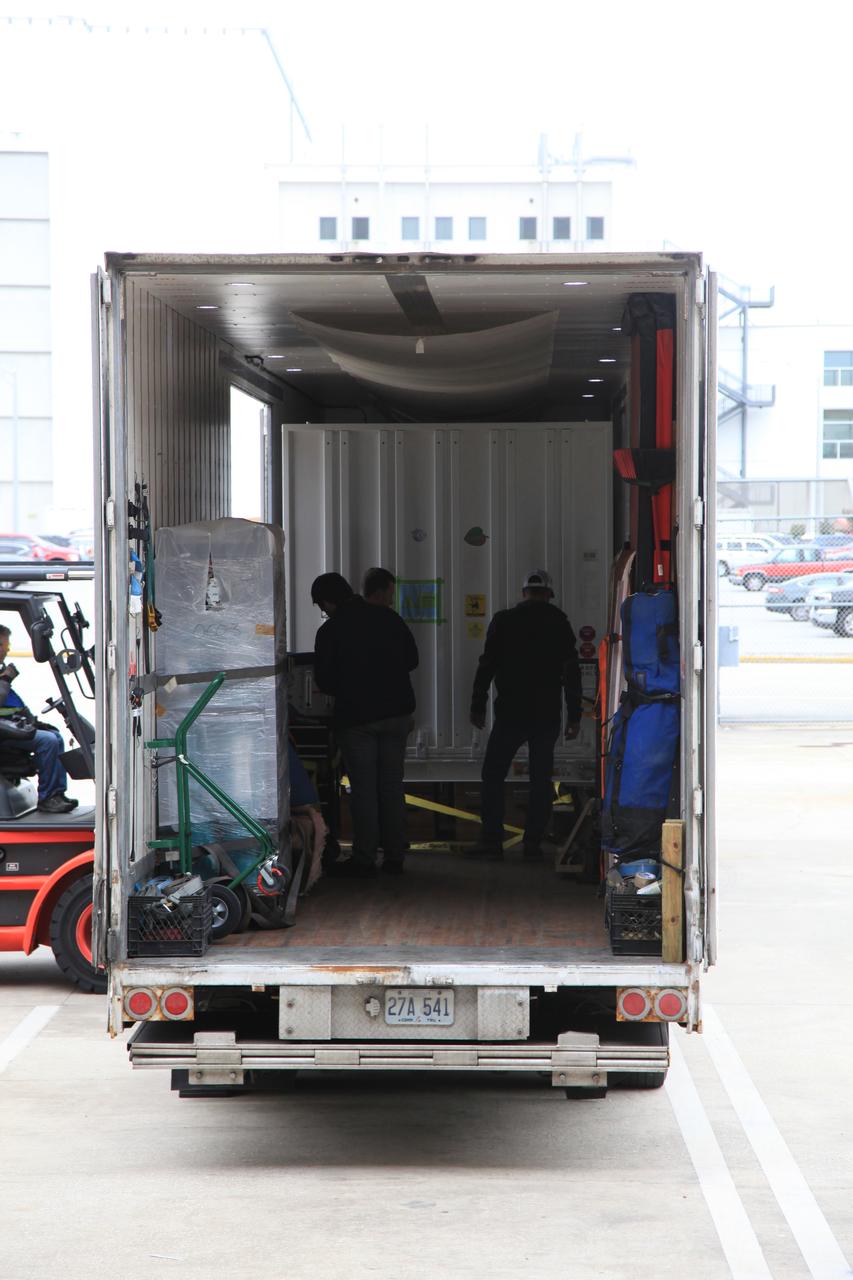
NASA’s Orbiting Carbon Observatory 3, or OCO-3, payload container is moved from the Space Station Processing Facility high bay at the agency’s Kennedy Space Center in Florida to a truck that will transport it to the SpaceX facility on March 18, 2019. The OCO-3 payload will be stowed in the trunk of SpaceX’s Dragon spacecraft, where it will launch aboard a Falcon 9 rocket on the company’s 17th Commercial Resupply Services mission to the International Space Station. Launch is scheduled for April 25, 2019, from Launch Complex 40 at Cape Canaveral Air Force Station. Once the payload reaches the station, it will be removed from Dragon and robotically installed on the exterior of the orbiting laboratory’s Japanese Experiment Module Exposed Facility Unit, where it will measure and map carbon dioxide from space to provide further understanding of the relationship between carbon and climate.
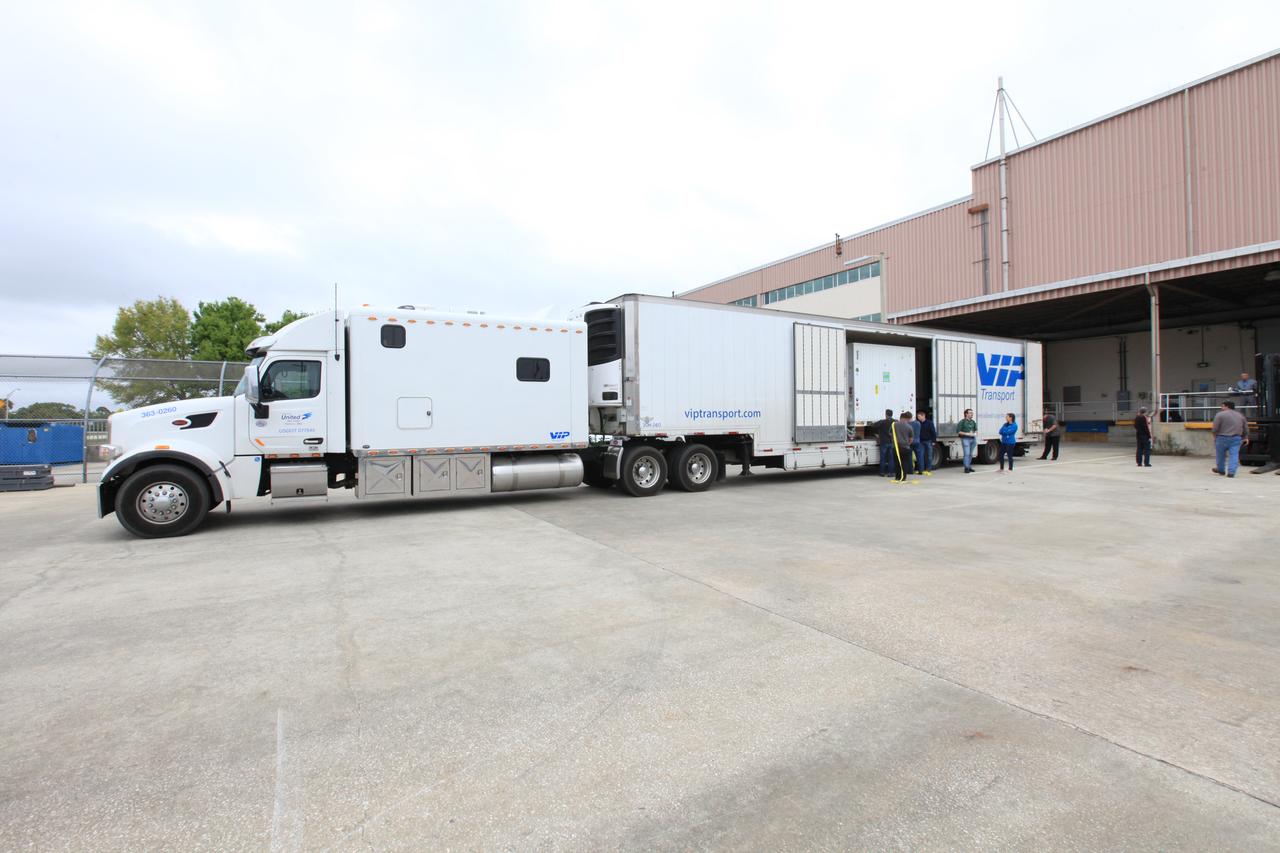
A transportation container carrying NASA’s Orbiting Carbon Observatory 3, or OCO-3, payload is moved to a truck for its transport from the Space Station Processing Facility high bay at the agency’s Kennedy Space Center in Florida to the SpaceX facility on March 18, 2019. The OCO-3 payload will be stowed in the trunk of SpaceX’s Dragon spacecraft, where it will launch aboard a Falcon 9 rocket on the company’s 17th Commercial Resupply Services mission to the International Space Station. Launch is scheduled for April 25, 2019, from Launch Complex 40 at Cape Canaveral Air Force Station. Once the payload reaches the station, it will be removed from Dragon and robotically installed on the exterior of the orbiting laboratory’s Japanese Experiment Module Exposed Facility Unit, where it will measure and map carbon dioxide from space to provide further understanding of the relationship between carbon and climate.
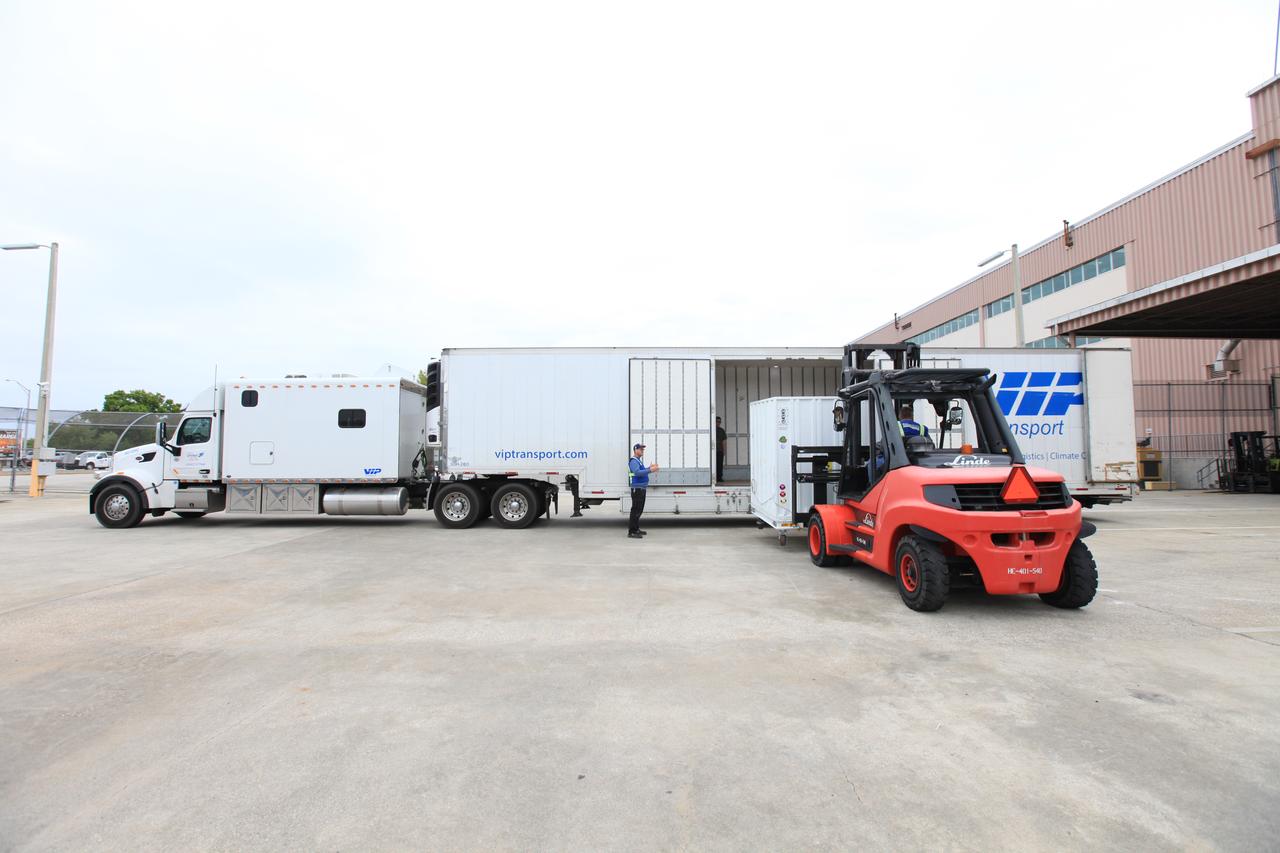
A forklift moves the transportation container carrying NASA’s Orbiting Carbon Observatory 3, or OCO-3, payload to a truck for its move from the Space Station Processing Facility high bay at the agency’s Kennedy Space Center in Florida to the SpaceX facility on March 18, 2019. The OCO-3 payload will be stowed in the trunk of SpaceX’s Dragon spacecraft, where it will launch aboard a Falcon 9 rocket on the company’s 17th Commercial Resupply Services mission to the International Space Station. Launch is scheduled for April 25, 2019, from Launch Complex 40 at Cape Canaveral Air Force Station. Once the payload reaches the station, it will be removed from Dragon and robotically installed on the exterior of the orbiting laboratory’s Japanese Experiment Module Exposed Facility Unit, where it will measure and map carbon dioxide from space to provide further understanding of the relationship between carbon and climate.
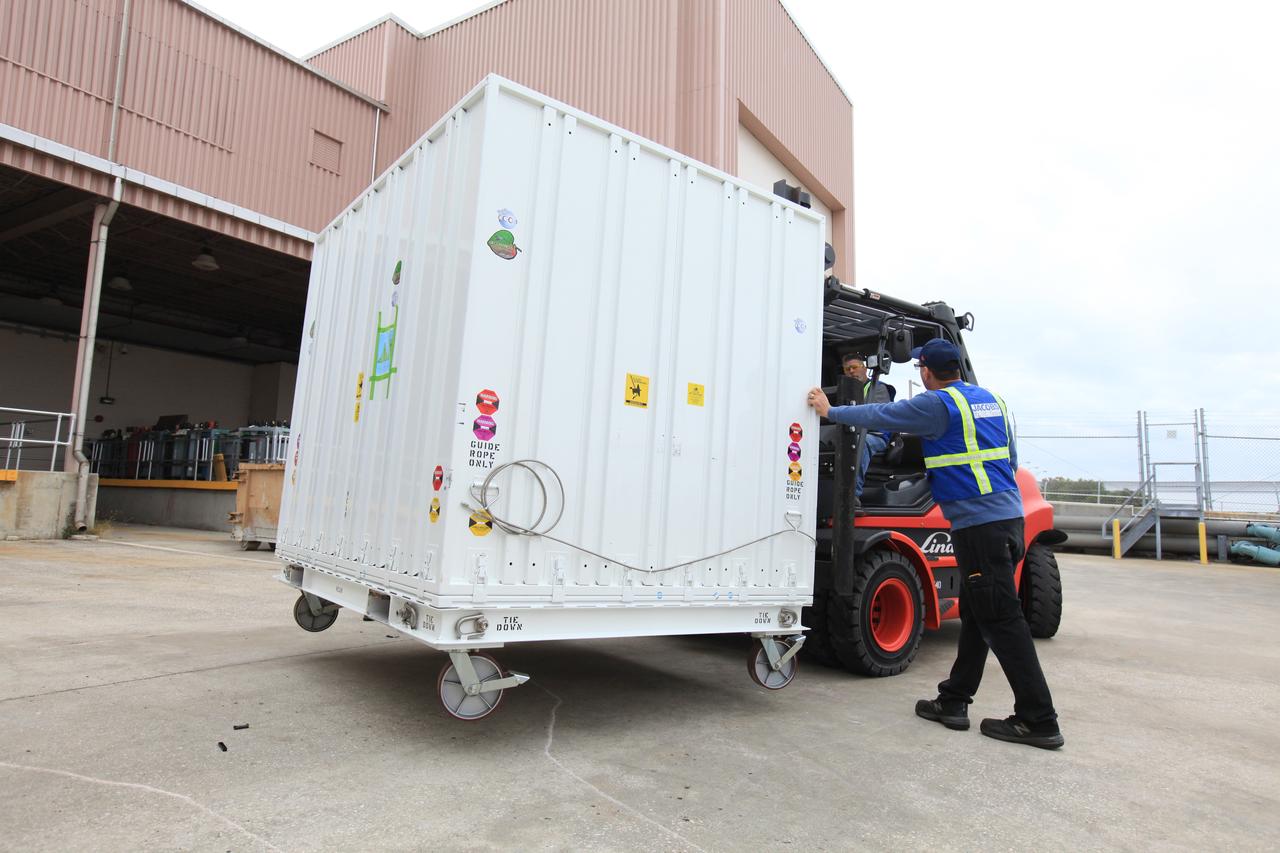
A forklift moves the transportation container carrying NASA’s Orbiting Carbon Observatory 3, or OCO-3, payload to a truck for its move from the Space Station Processing Facility high bay at the agency’s Kennedy Space Center in Florida to the SpaceX facility on March 18, 2019. The OCO-3 payload will be stowed in the trunk of SpaceX’s Dragon spacecraft, where it will launch aboard a Falcon 9 rocket on the company’s 17th Commercial Resupply Services mission to the International Space Station. Launch is scheduled for April 25, 2019, from Launch Complex 40 at Cape Canaveral Air Force Station. Once the payload reaches the station, it will be removed from Dragon and robotically installed on the exterior of the orbiting laboratory’s Japanese Experiment Module Exposed Facility Unit, where it will measure and map carbon dioxide from space to provide further understanding of the relationship between carbon and climate.
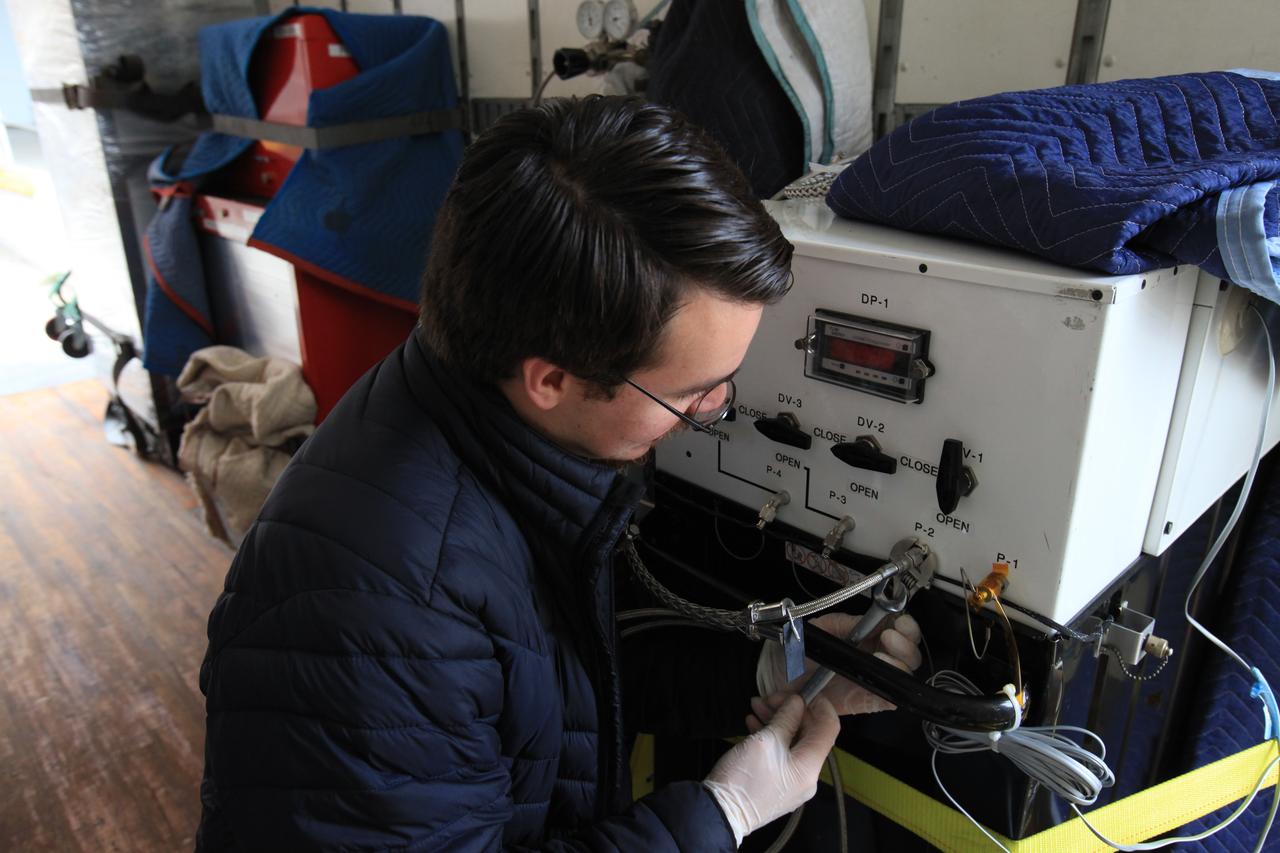
Kevin Mark, Orbiting Carbon Observatory 3 (OCO-3) purge engineer with NASA’s Jet Propulsion Laboratory, secures a separate fixture of OCO-3, stored apart from its payload container, on the truck transporting it from the Space Station Processing Facility high bay at the agency’s Kennedy Space Center in Florida to the SpaceX facility on March 18, 2019. The OCO-3 payload will be stowed in the trunk of SpaceX’s Dragon spacecraft, where it will launch aboard a Falcon 9 rocket on the company’s 17th Commercial Resupply Services mission to the International Space Station. Launch is scheduled for April 25, 2019, from Launch Complex 40 at Cape Canaveral Air Force Station. Once the payload reaches the station, it will be removed from Dragon and robotically installed on the exterior of the orbiting laboratory’s Japanese Experiment Module Exposed Facility Unit, where it will measure and map carbon dioxide from space to provide further understanding of the relationship between carbon and climate.
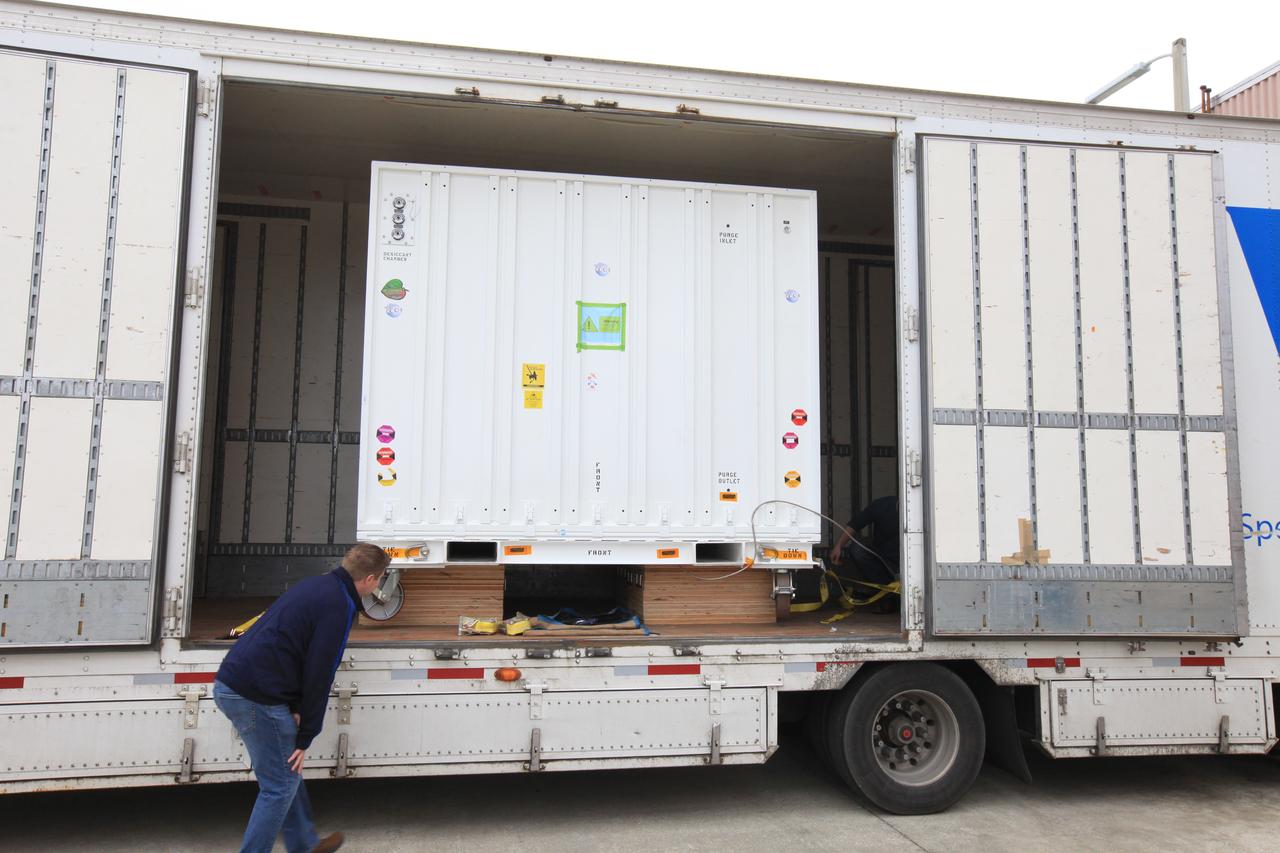
A transportation container carrying NASA’s Orbiting Carbon Observatory 3, or OCO-3, payload is moved to a truck for transport from the Space Station Processing Facility high bay at the agency’s Kennedy Space Center in Florida to the SpaceX facility on March 18, 2019. The OCO-3 payload will be stowed in the trunk of SpaceX’s Dragon spacecraft, where it will launch aboard a Falcon 9 rocket on the company’s 17th Commercial Resupply Services mission to the International Space Station. Launch is scheduled for April 25, 2019, from Launch Complex 40 at Cape Canaveral Air Force Station. Once the payload reaches the station, it will be removed from Dragon and robotically installed on the exterior of the orbiting laboratory’s Japanese Experiment Module Exposed Facility Unit, where it will measure and map carbon dioxide from space to provide further understanding of the relationship between carbon and climate.

Workers move NASA’s Orbiting Carbon Observatory 3, or OCO-3, payload container out of the Space Station Processing Facility high bay at the agency’s Kennedy Space Center in Florida to board a truck that will transport it to the SpaceX facility on March 18, 2019. The OCO-3 payload will be stowed in the trunk of SpaceX’s Dragon spacecraft, where it will launch aboard a Falcon 9 rocket on the company’s 17th Commercial Resupply Services mission the International Space Station. Launch is scheduled for April 25, 2019, from Launch Complex 40 at Cape Canaveral Air Force Station. Once the payload reaches the station, it will be removed from Dragon and robotically installed on the exterior of the orbiting laboratory’s Japanese Experiment Module Exposed Facility Unit, where it will measure and map carbon dioxide from space to provide further understanding of the relationship between carbon and climate.
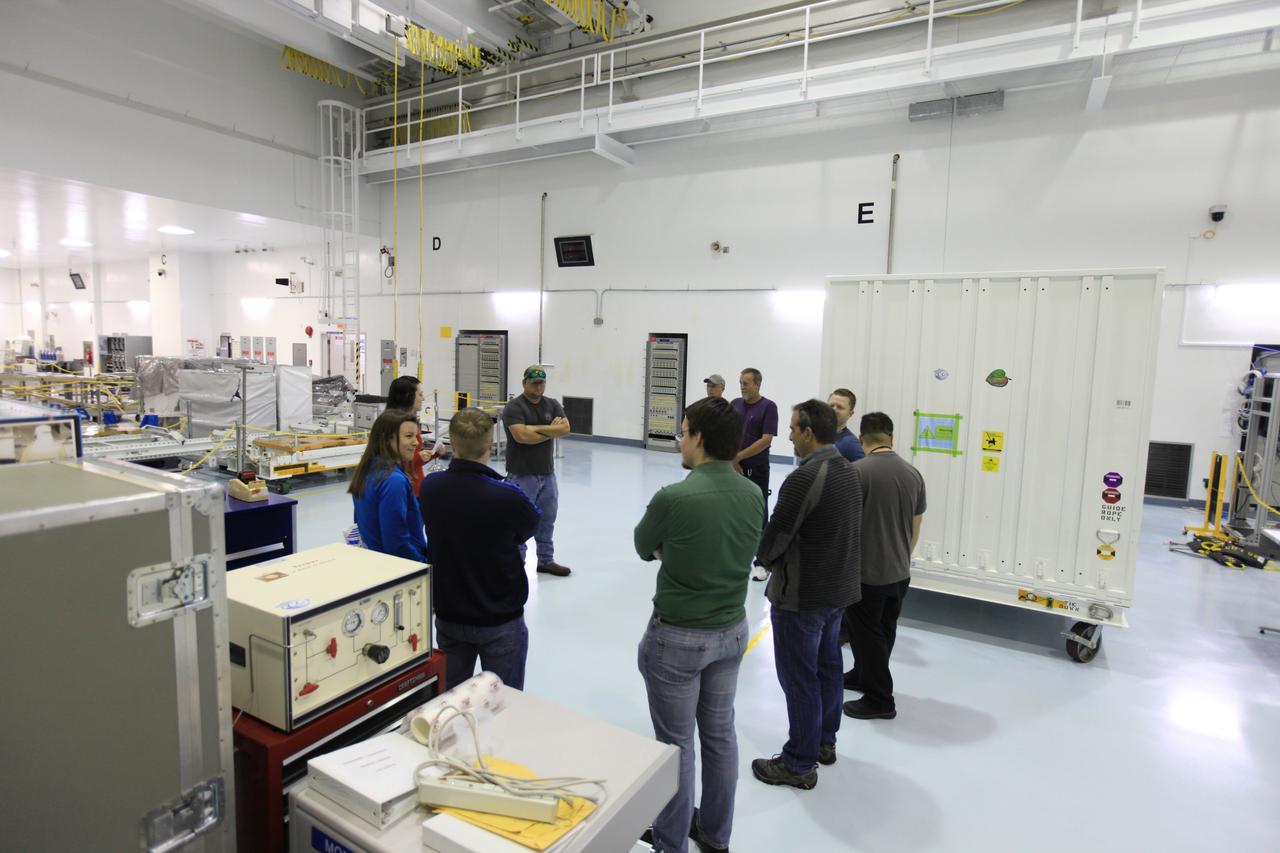
Workers prepare to move NASA’s Orbiting Carbon Observatory 3, or OCO-3, payload container out of the Space Station Processing Facility high bay at the agency’s Kennedy Space Center in Florida onto a truck that will transport it to the SpaceX facility on March 18, 2019. The OCO-3 payload will be stowed in the trunk of SpaceX’s Dragon spacecraft, which will launch aboard a Falcon 9 rocket on the company’s 17th Commercial Resupply Services mission to the International Space Station. Launch is scheduled for April 25, 2019, from Launch Complex 40 at Cape Canaveral Air Force Station. Once the payload reaches the station, it will be removed from Dragon and robotically installed on the exterior of the orbiting laboratory’s Japanese Experiment Module Exposed Facility Unit, where it will measure and map carbon dioxide from space to provide further understanding of the relationship between carbon and climate.
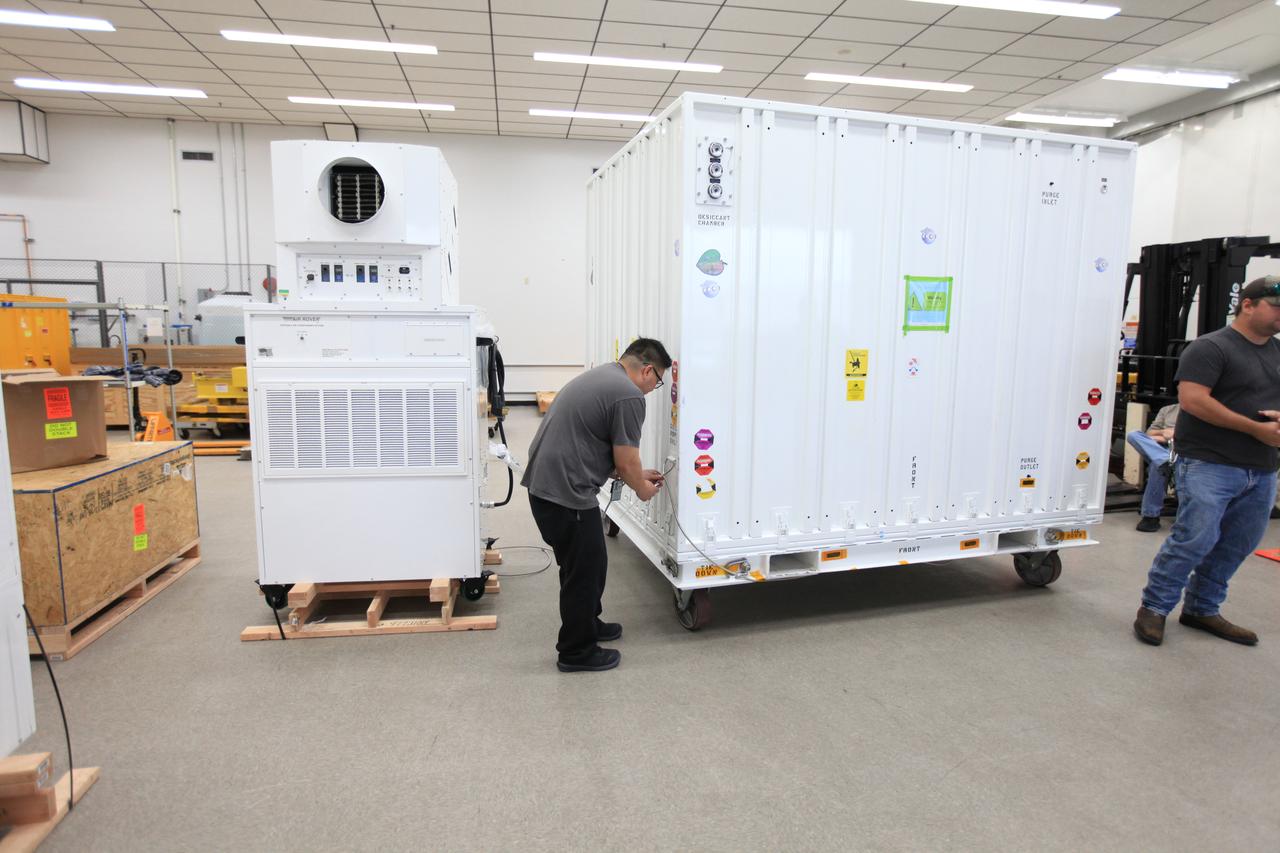
Workers prepare to move NASA’s Orbiting Carbon Observatory 3, or OCO-3, payload container out of the Space Station Processing Facility high bay at the agency’s Kennedy Space Center in Florida onto a truck that will transport it to the SpaceX facility on March 18, 2019. The OCO-3 payload will be stowed in the trunk of SpaceX’s Dragon spacecraft, where it will launch aboard a Falcon 9 rocket on the company’s 17th Commercial Resupply Services mission to the International Space Station. Launch is scheduled for April 25, 2019, from Launch Complex 40 at Cape Canaveral Air Force Station. Once the payload reaches the station, it will be removed from Dragon and robotically installed on the exterior of the orbiting laboratory’s Japanese Experiment Module Exposed Facility Unit, where it will measure and map carbon dioxide from space to provide further understanding of the relationship between carbon and climate.
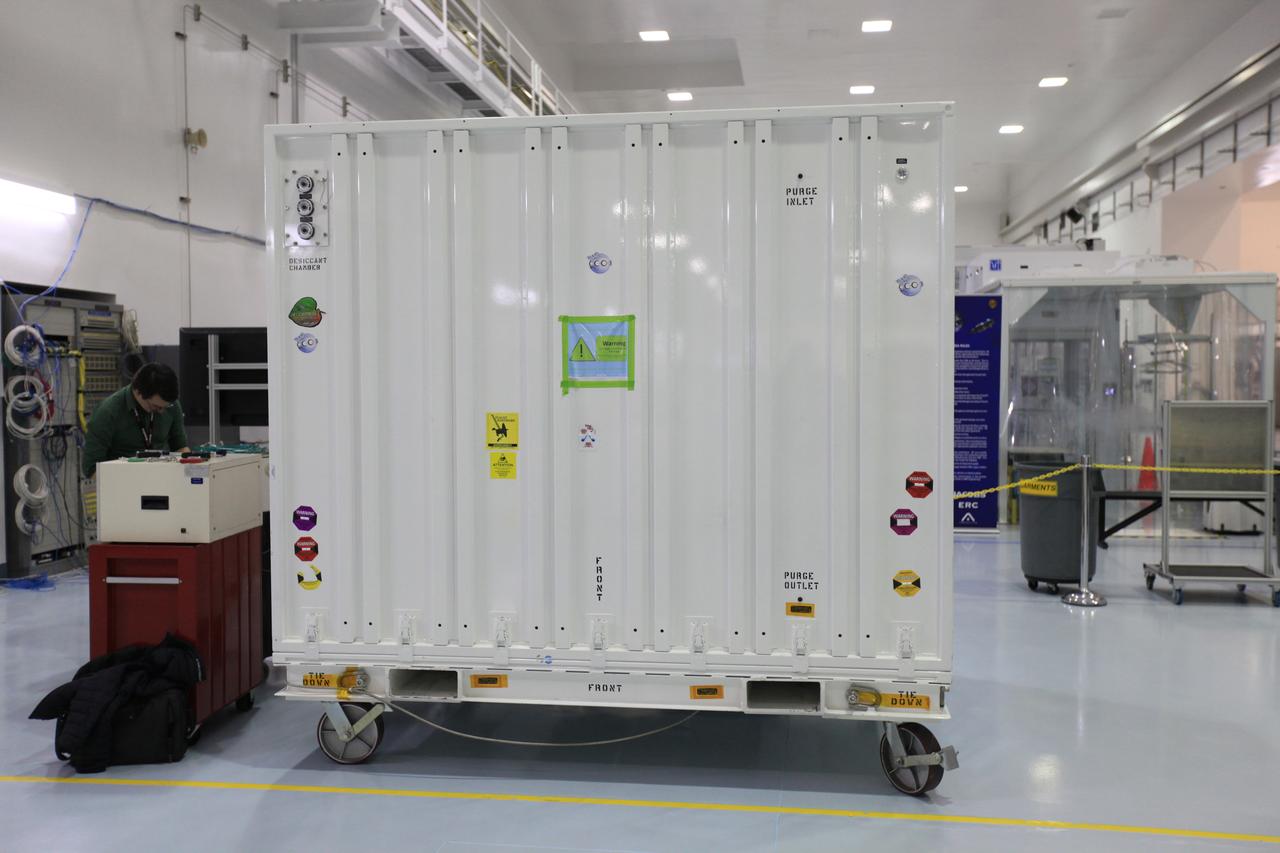
NASA’s Orbiting Carbon Observatory 3, or OCO-3, sits in a transportation container at the Space Station Processing Facility high bay at the agency’s Kennedy Space Center in Florida prior to its move to the SpaceX facility on March 18, 2019. The OCO-3 payload will be stowed in the trunk of SpaceX’s Dragon spacecraft, which will launch aboard a Falcon 9 rocket on the company’s 17th Commercial Resupply Services mission to the International Space Station. Launch is scheduled for April 25, 2019, from Launch Complex 40 at Cape Canaveral Air Force Station. Once the payload reaches the station, it will be removed from Dragon and robotically installed on the exterior of the orbiting laboratory’s Japanese Experiment Module Exposed Facility Unit, where it will measure and map carbon dioxide from space to provide further understanding of the relationship between carbon and climate.

NASA’s Orbiting Carbon Observatory 3, or OCO-3, payload sits in a transportation container at the Space Station Processing Facility high bay at the agency’s Kennedy Space Center in Florida in preparation for its move to the SpaceX facility on March 18, 2019. The OCO-3 payload will be stowed in the trunk of SpaceX’s Dragon spacecraft, where it will launch aboard a Falcon 9 rocket on the company’s 17th Commercial Resupply Services mission to the International Space Station. Launch is scheduled for April 25, 2019, from Launch Complex 40 at Cape Canaveral Air Force Station. Once the payload reaches the station, it will be removed from Dragon and robotically installed on the exterior of the orbiting laboratory’s Japanese Experiment Module Exposed Facility Unit, where it will measure and map carbon dioxide from space to provide further understanding of the relationship between carbon and climate.
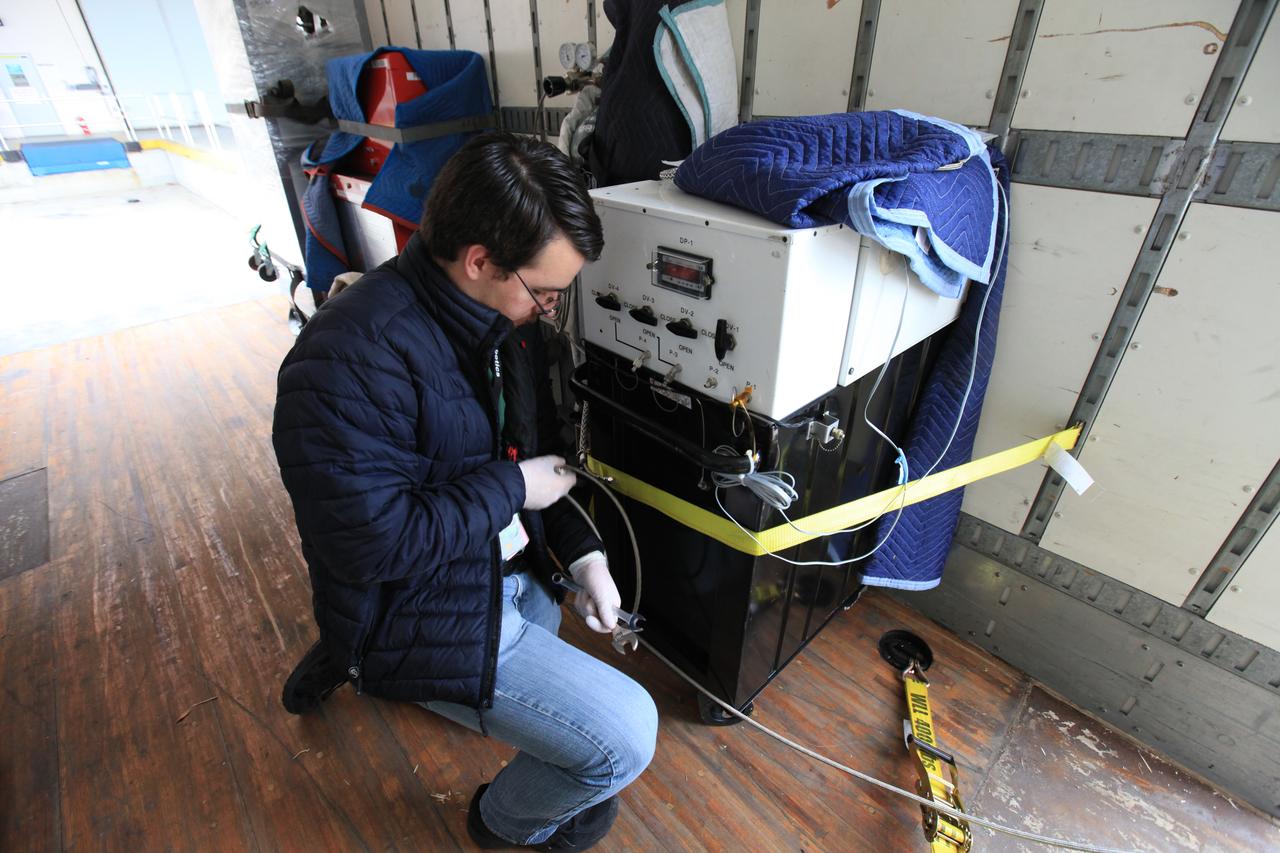
Kevin Mark, Orbiting Carbon Observatory 3 (OCO-3) purge engineer with NASA’s Jet Propulsion Laboratory, fastens a separate fixture of OCO-3, stored apart from its payload container, to a truck for transport from the Space Station Processing Facility high bay at the agency’s Kennedy Space Center in Florida to the SpaceX facility on March 18, 2019. The OCO-3 payload will be stowed in the trunk of SpaceX’s Dragon spacecraft, where it will launch aboard a Falcon 9 rocket on the company’s 17th Commercial Resupply Services mission to the International Space Station. Launch is scheduled for April 25, 2019, from Launch Complex 40 at Cape Canaveral Air Force Station. Once the payload reaches the station, it will be removed from Dragon and robotically installed on the exterior of the orbiting laboratory’s Japanese Experiment Module Exposed Facility Unit, where it will measure and map carbon dioxide from space to provide further understanding of the relationship between carbon and climate.
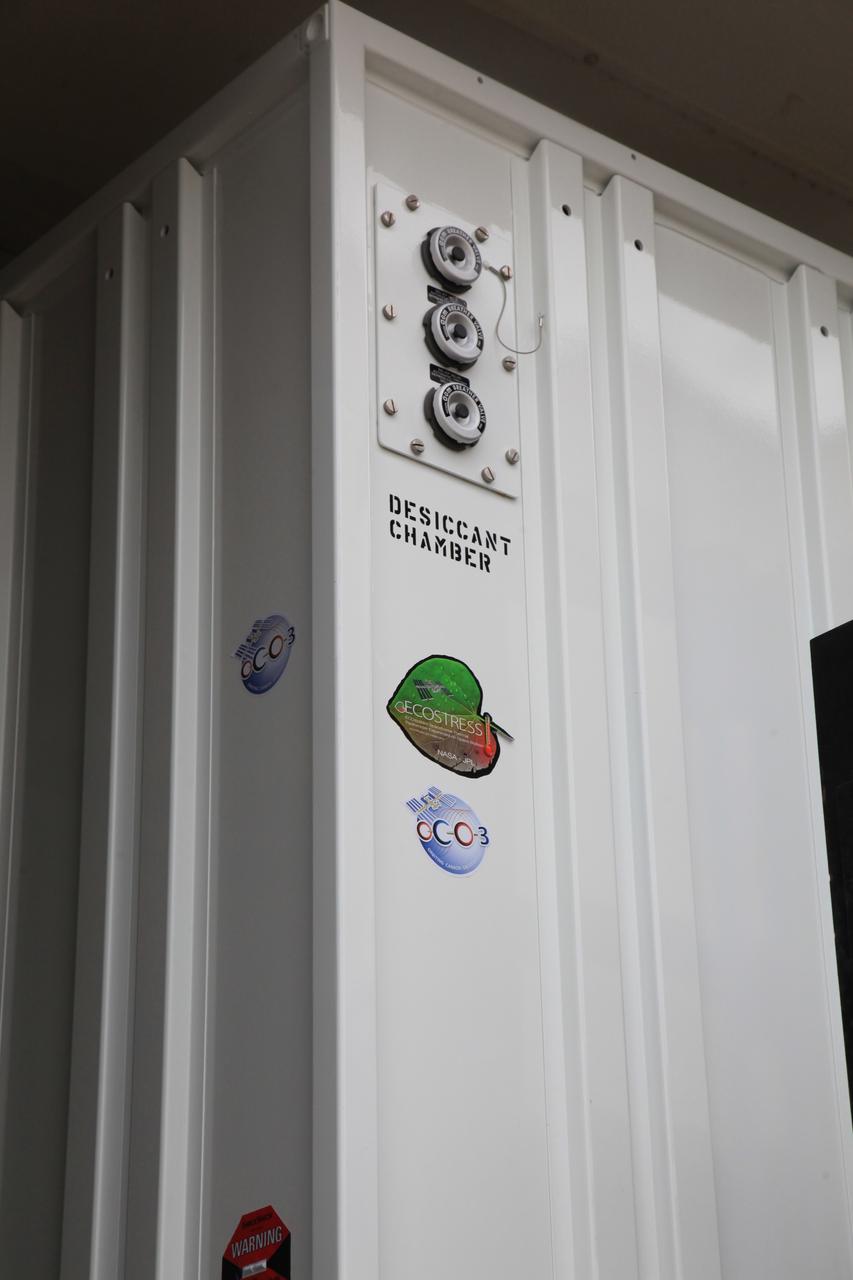
NASA’s Orbiting Carbon Observatory 3, or OCO-3, sits in a transportation container at the Space Station Processing Facility high bay at the agency’s Kennedy Space Center in Florida prior to its move to the SpaceX facility on March 18, 2019. The OCO-3 payload will be stowed in the trunk of SpaceX’s Dragon spacecraft, where it will launch aboard a Falcon 9 rocket on the company’s 17th Commercial Resupply Services mission to the International Space Station. Launch is scheduled for April 25, 2019, from Launch Complex 40 at Cape Canaveral Air Force Station. Once the payload reaches the station, it will be removed from Dragon and robotically installed on the exterior of the orbiting laboratory’s Japanese Experiment Module Exposed Facility Unit, where it will measure and map carbon dioxide from space to provide further understanding of the relationship between carbon and climate.
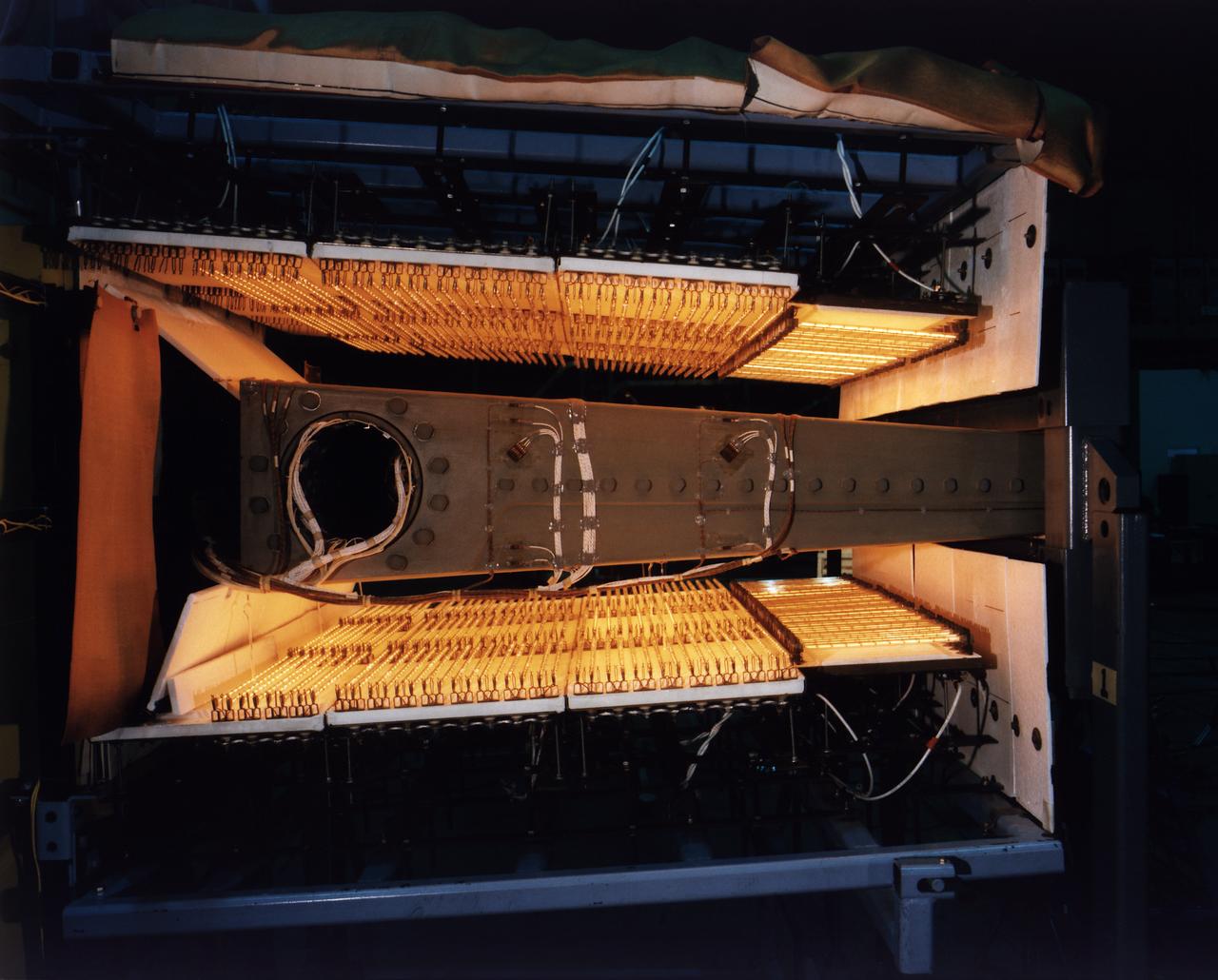
Carbon-Carbon Control Surface in heating and loading test configuration

This poster highlights the JPL missions that provide important inputs to research on the carbon cycle and ecosystem interactions as measured from space.
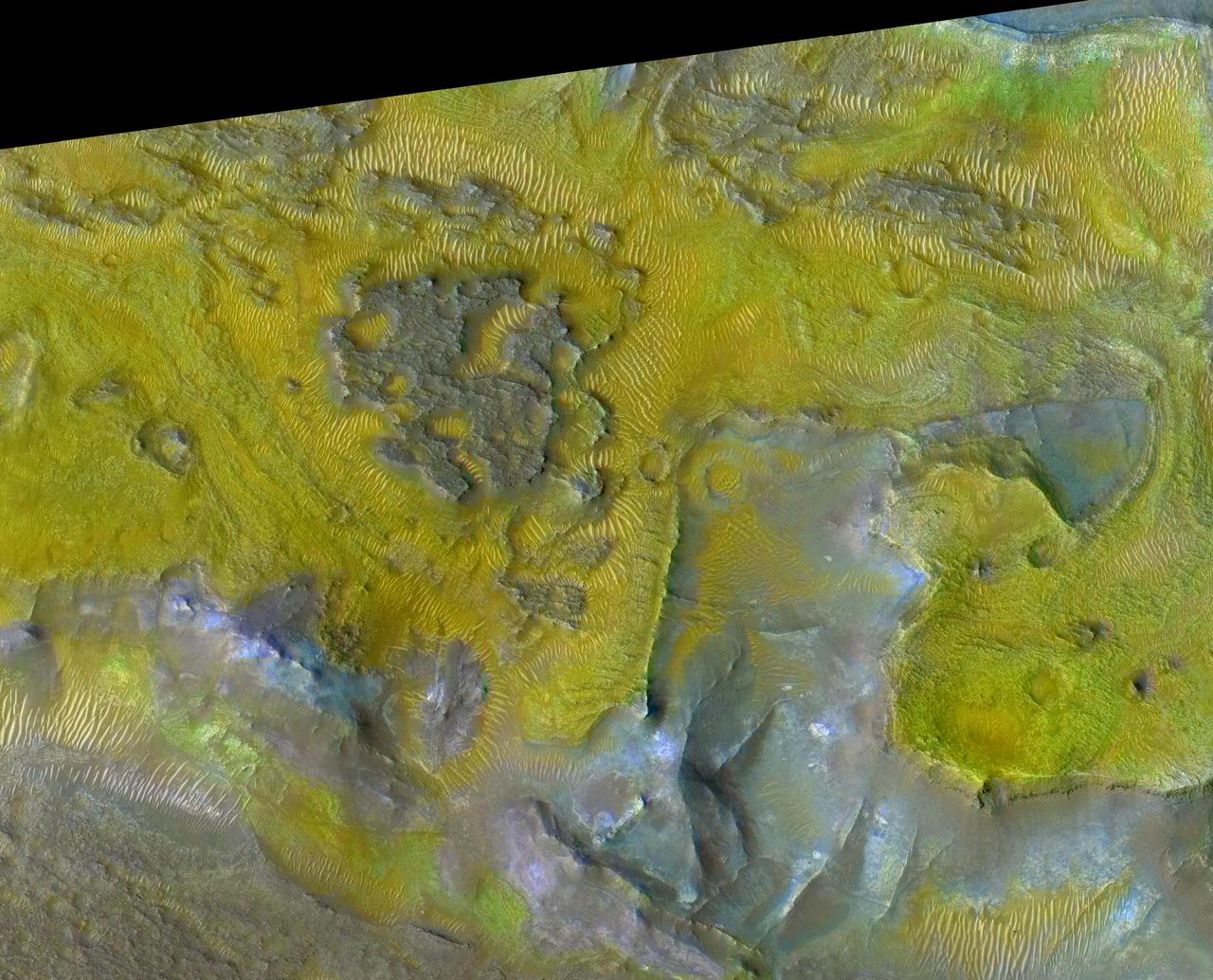
Carbonate-Olivine Relationship in Nile Fossae, Mars
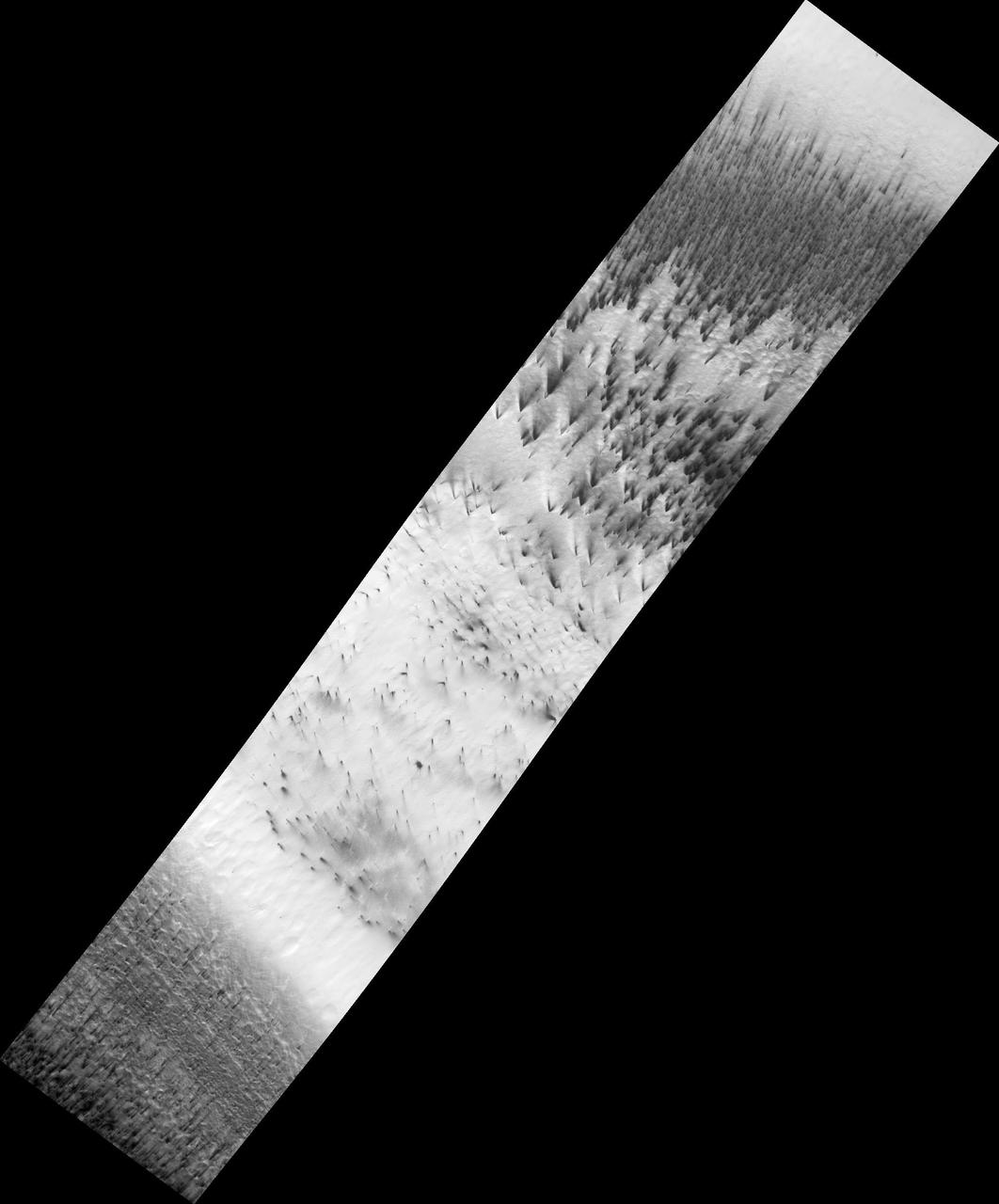
Dust Fans on the Seasonal Carbon Dioxide Polar Cap

Changes in South Polar Carbon Dioxide Ice Cap
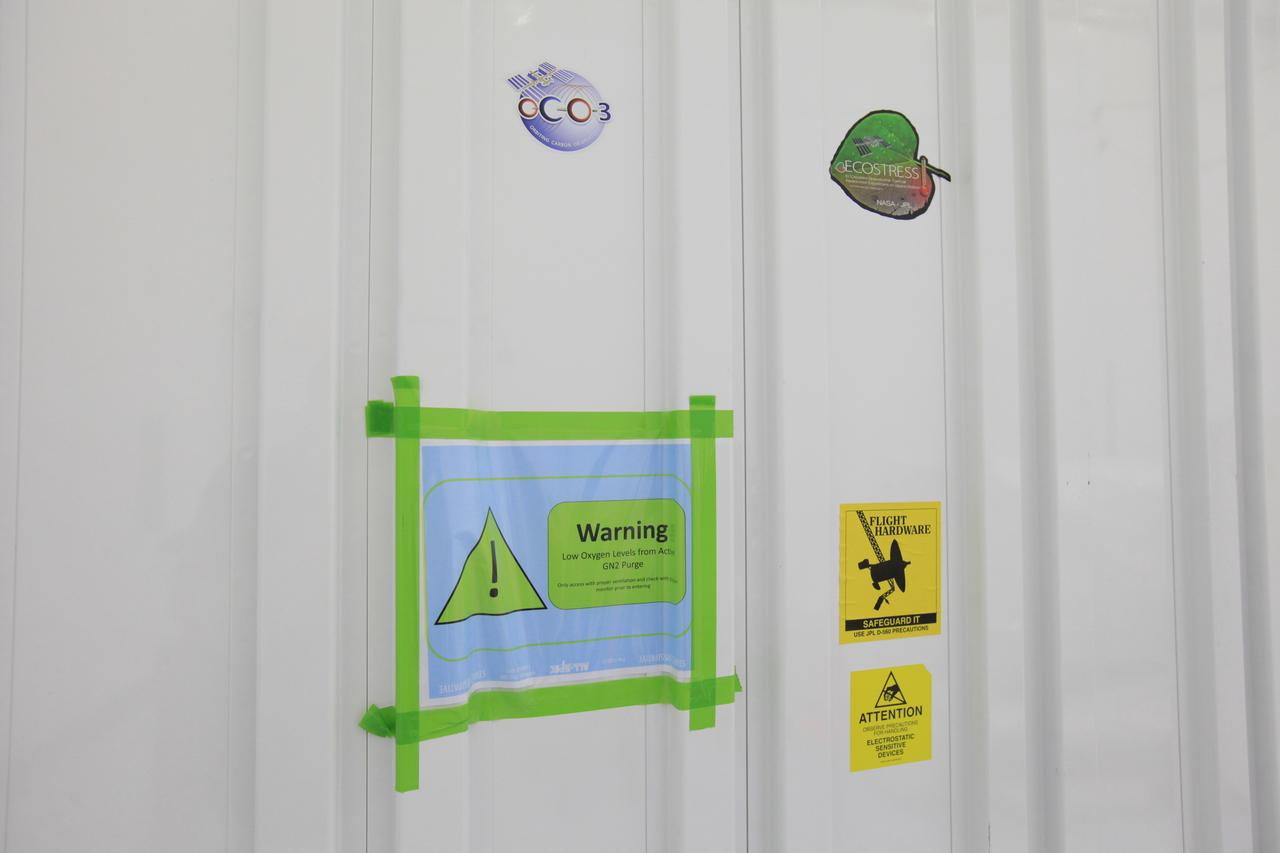
A transportation container carrying NASA’s Orbiting Carbon Observatory 3, or OCO-3, payload sits at the Space Station Processing Facility high bay at the agency’s Kennedy Space Center in Florida bearing a warning sign of low oxygen levels from an active GN2 (gaseous nitrogen that creates a dry atmosphere) purge prior to its move to the SpaceX facility on March 18, 2019. The OCO-3 payload will be stowed in the trunk of SpaceX’s Dragon spacecraft and will launch aboard a Falcon 9 rocket on the company’s 17th Commercial Resupply Services mission to the International Space Station. Launch is scheduled for April 25, 2019, from Launch Complex 40 at Cape Canaveral Air Force Station. Once the payload reaches the station, it will be removed from Dragon and robotically installed on the exterior of the orbiting laboratory’s Japanese Experiment Module Exposed Facility Unit, where it will measure and map carbon dioxide from space to provide further understanding of the relationship between carbon and climate.
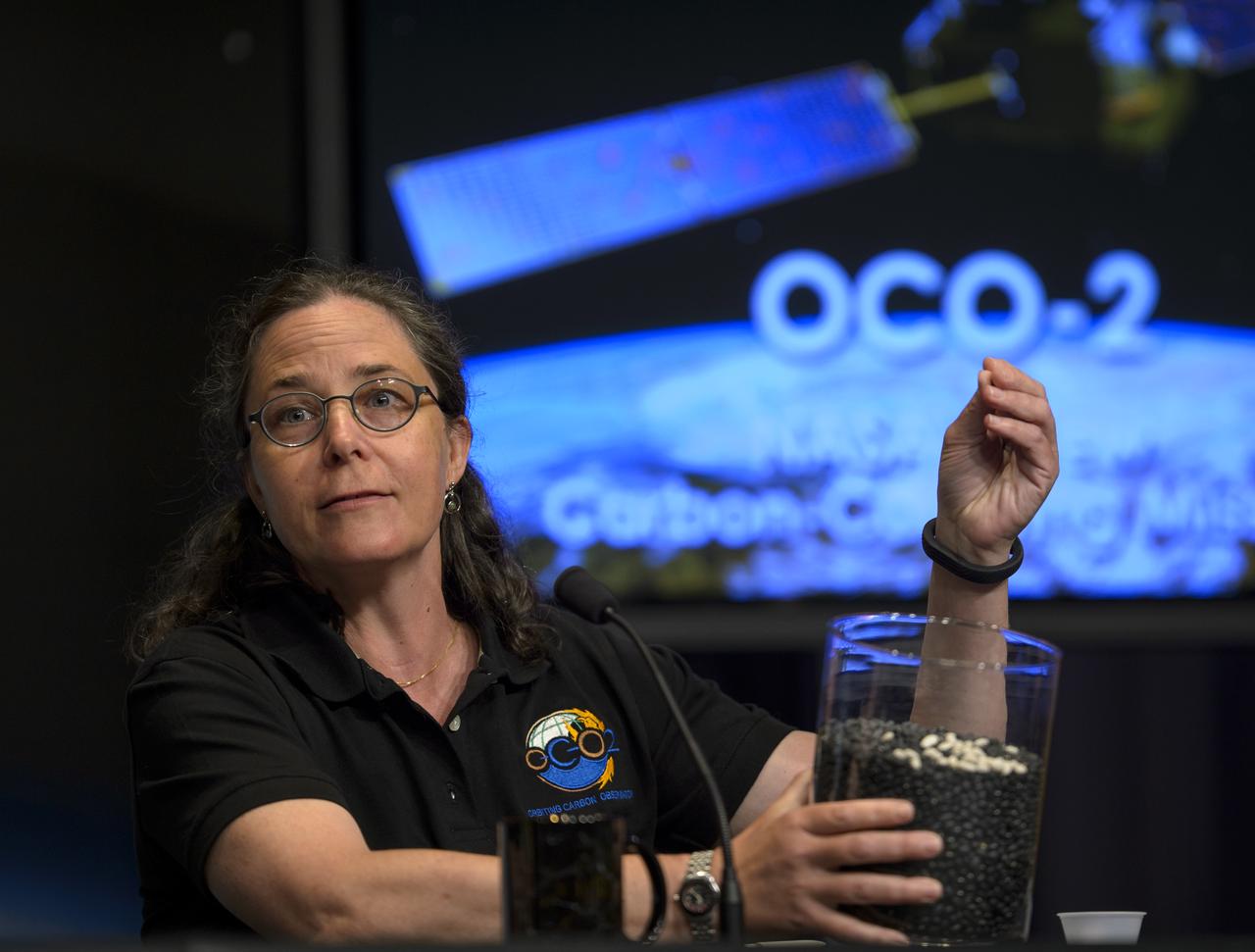
Annmarie Eldering, OCO-2 deputy project scientist with NASA’s Jet Propulsion Laboratory (JPL) in Pasadena, California, demonstrates with a few white beans in a container of black beans the small differences in carbon dioxide in the atmosphere that the Orbiting Carbon Observatory-2 (OCO-2) will be able to measure, during a press briefing, Thursday, June 12, 2014, at NASA Headquarters in Washington. OCO-2, NASA’s first spacecraft dedicated to studying carbon dioxide, is set for a July 1, 2014, launch from Vandenberg Air Force Base in California. Its mission is to measure the global distribution of carbon dioxide, the leading human-produced greenhouse gas driving changes in Earth’s climate. Photo Credit: (NASA/Bill Ingalls)
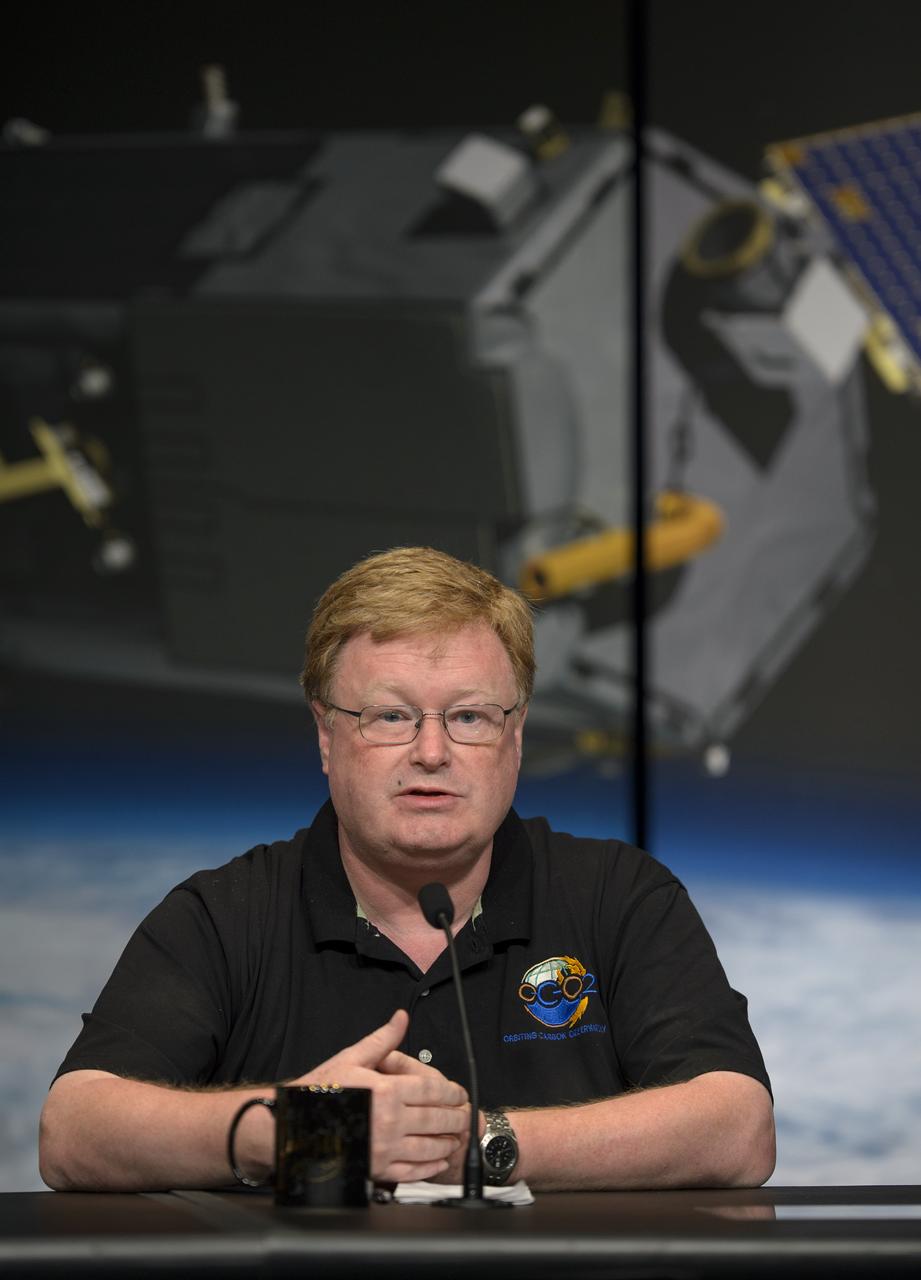
Mike Gunson, OCO-2 project scientist with NASA’s Jet Propulsion Laboratory (JPL) in Pasadena, California, discusses the Orbiting Carbon Observatory-2 (OCO-2), NASA’s first spacecraft dedicated to studying carbon dioxide, during a press briefing, Thursday, June 12, 2014, at NASA Headquarters in Washington. OCO-2 is set for a July 1, 2014 launch from Vandenberg Air Force Base in California. Its mission is to measure the global distribution of carbon dioxide, the leading human-produced greenhouse gas driving changes in Earth’s climate. Photo Credit: (NASA/Bill Ingalls)

Mike Gunson, OCO-2 project scientist with NASA’s Jet Propulsion Laboratory (JPL) in Pasadena, California, listens to a question during a press briefing for the Orbiting Carbon Observatory-2 (OCO-2), NASA’s first spacecraft dedicated to studying carbon dioxide, Thursday, June 12, 2014, at NASA Headquarters in Washington. OCO-2 is set for a July 1, 2014 launch from Vandenberg Air Force Base in California. Its mission is to measure the global distribution of carbon dioxide, the leading human-produced greenhouse gas driving changes in Earth’s climate. Photo Credit: (NASA/Bill Ingalls)
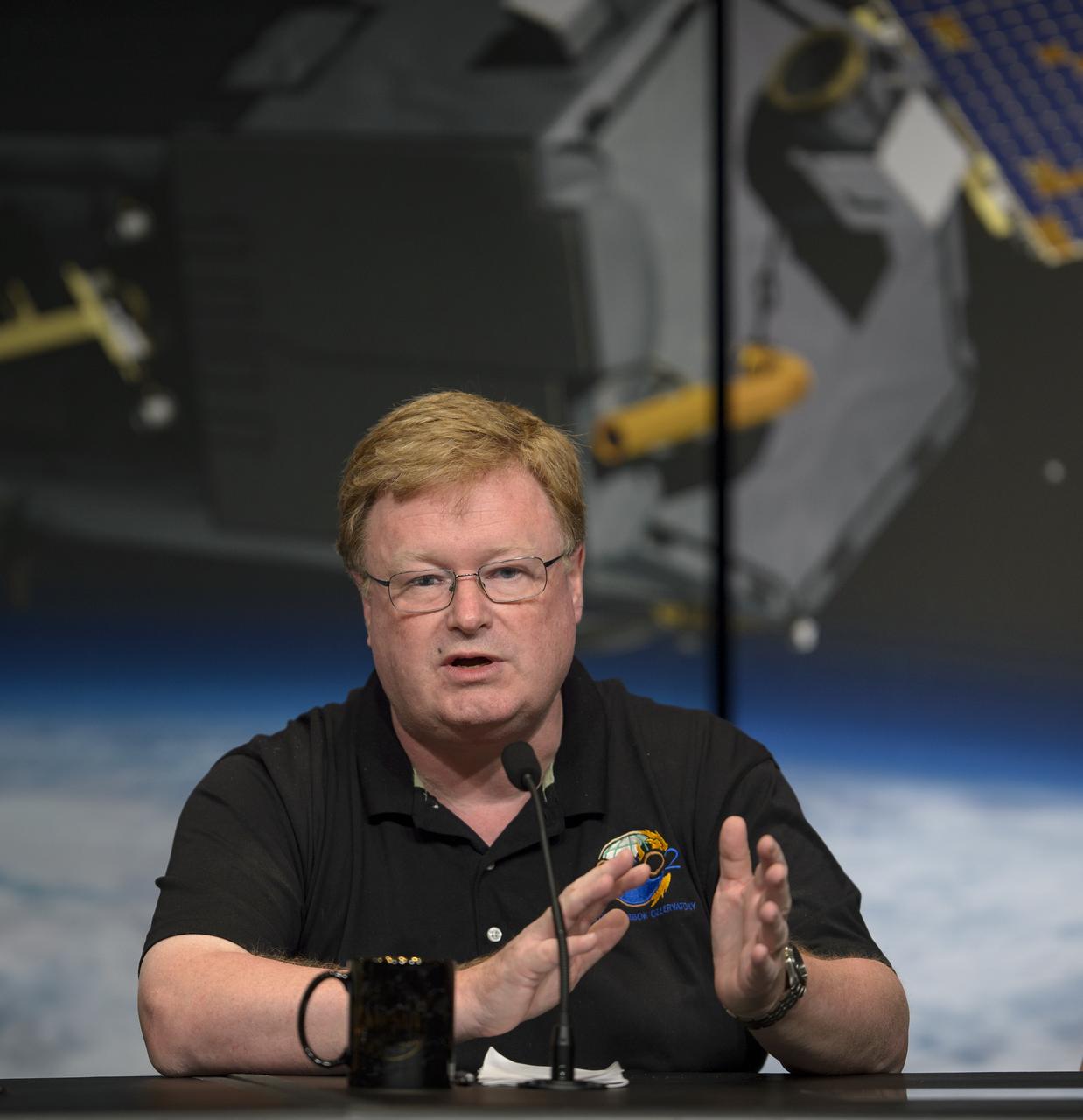
Mike Gunson, OCO-2 project scientist with NASA’s Jet Propulsion Laboratory (JPL) in Pasadena, California, discusses the Orbiting Carbon Observatory-2 (OCO-2), NASA’s first spacecraft dedicated to studying carbon dioxide, during a press briefing, Thursday, June 12, 2014, at NASA Headquarters in Washington. OCO-2 is set for a July 1, 2014 launch from Vandenberg Air Force Base in California. Its mission is to measure the global distribution of carbon dioxide, the leading human-produced greenhouse gas driving changes in Earth’s climate. Photo Credit: (NASA/Bill Ingalls)

Ralph Basilio, OCO-2 project manager with NASA’s Jet Propulsion Laboratory (JPL) in Pasadena, California discusses the Orbiting Carbon Observatory-2 (OCO-2), NASA’s first spacecraft dedicated to studying carbon dioxide, during a press briefing, Thursday, June 12, 2014, at NASA Headquarters in Washington. OCO-2 is set for a July 1, 2014 launch from Vandenberg Air Force Base in California. Its mission is to measure the global distribution of carbon dioxide, the leading human-produced greenhouse gas driving changes in Earth’s climate. Photo Credit: (NASA/Bill Ingalls)

Ralph Basilio, OCO-2 project manager, JPL, discusses the Orbiting Carbon Observatory-2 (OCO-2), NASA’s first spacecraft dedicated to studying carbon dioxide, during a press briefing, Sunday, June 29, 2014, at the Vandenberg Air Force Base, Calif. OCO-2 will measure the global distribution of carbon dioxide, the leading human-produced greenhouse gas driving changes in Earth’s climate. OCO-2 is set to launch on July 1, 2014 at 2:59 a.m. PDT. Photo Credit: (NASA/Bill Ingalls)
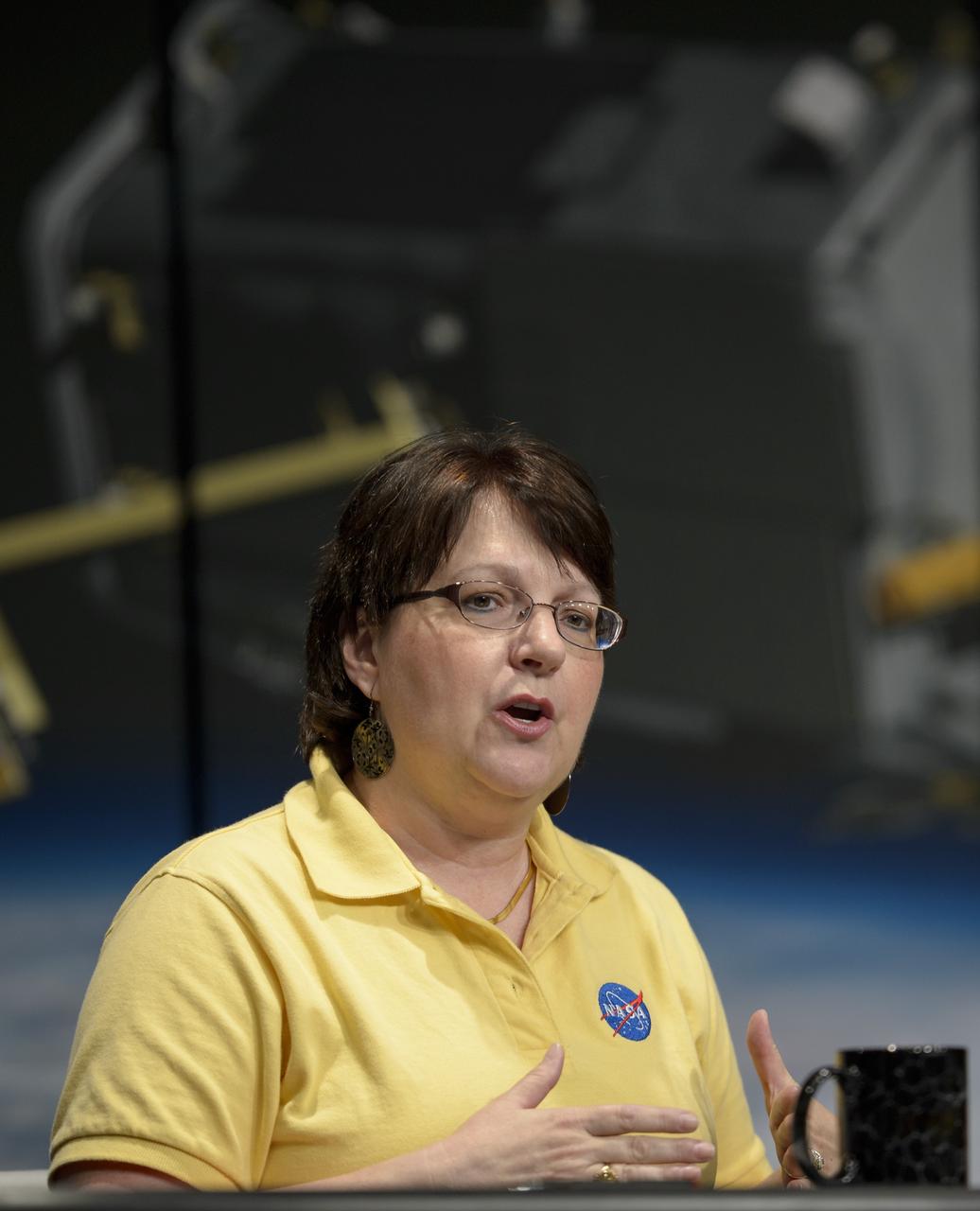
Betsy Edwards, OCO-2 program executive with the Science Mission Directorate at NASA Headquarters in Washington discusses the Orbiting Carbon Observatory-2 (OCO-2), NASA’s first spacecraft dedicated to studying carbon dioxide, during a press briefing, Thursday, June 12, 2014, at NASA Headquarters in Washington. OCO-2 is set for a July 1, 2014 launch from Vandenberg Air Force Base in California. Its mission is to measure the global distribution of carbon dioxide, the leading human-produced greenhouse gas driving changes in Earth’s climate. Photo Credit: (NASA/Bill Ingalls)
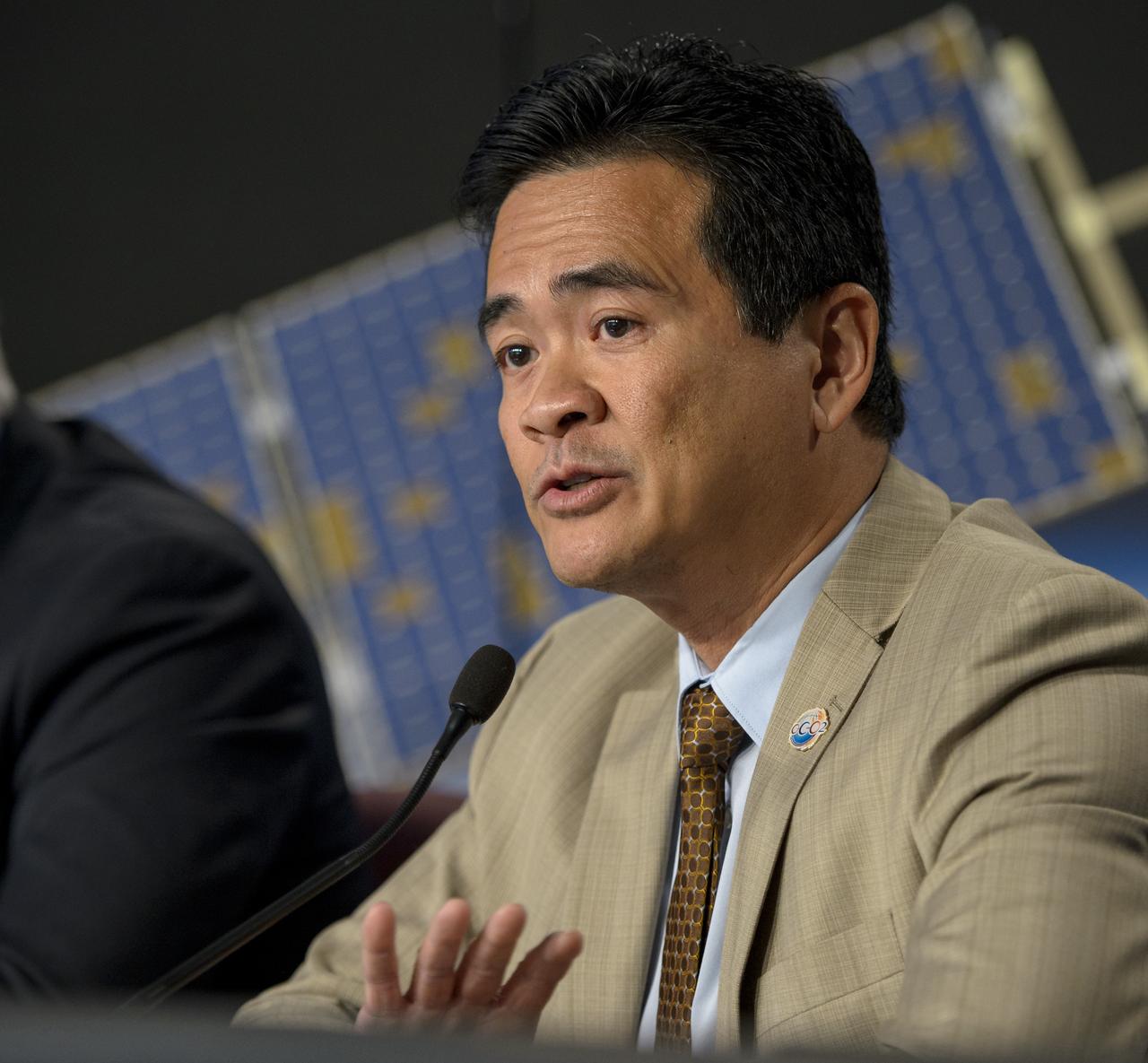
Ralph Basilio, OCO-2 project manager, JPL, discusses the Orbiting Carbon Observatory-2 (OCO-2), NASA’s first spacecraft dedicated to studying carbon dioxide, during a press briefing, Sunday, June 29, 2014, at the Vandenberg Air Force Base, Calif. OCO-2 will measure the global distribution of carbon dioxide, the leading human-produced greenhouse gas driving changes in Earth’s climate. OCO-2 is set to launch on July 1, 2014 at 2:59 a.m. PDT. Photo Credit: (NASA/Bill Ingalls)
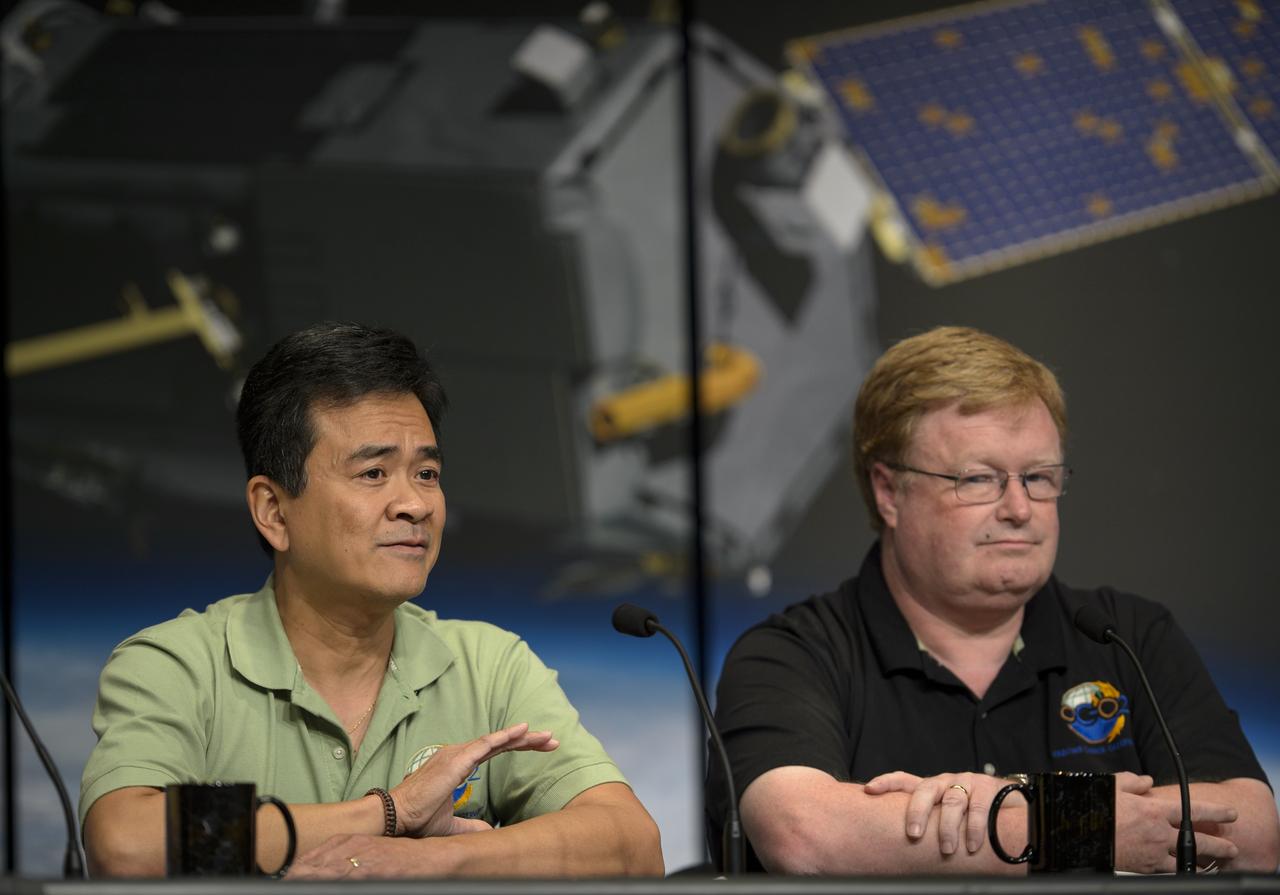
Ralph Basilio, OCO-2 project manager with NASA’s Jet Propulsion Laboratory (JPL) in Pasadena, California, left, and Mike Gunson, OCO-2 project scientist at JPL, discuss the Orbiting Carbon Observatory-2 (OCO-2), NASA’s first spacecraft dedicated to studying carbon dioxide, during a press briefing, Thursday, June 12, 2014, at NASA Headquarters in Washington. OCO-2 is set for a July 1, 2014 launch from Vandenberg Air Force Base in California. Its mission is to measure the global distribution of carbon dioxide, the leading human-produced greenhouse gas driving changes in Earth’s climate. Photo Credit: (NASA/Bill Ingalls)
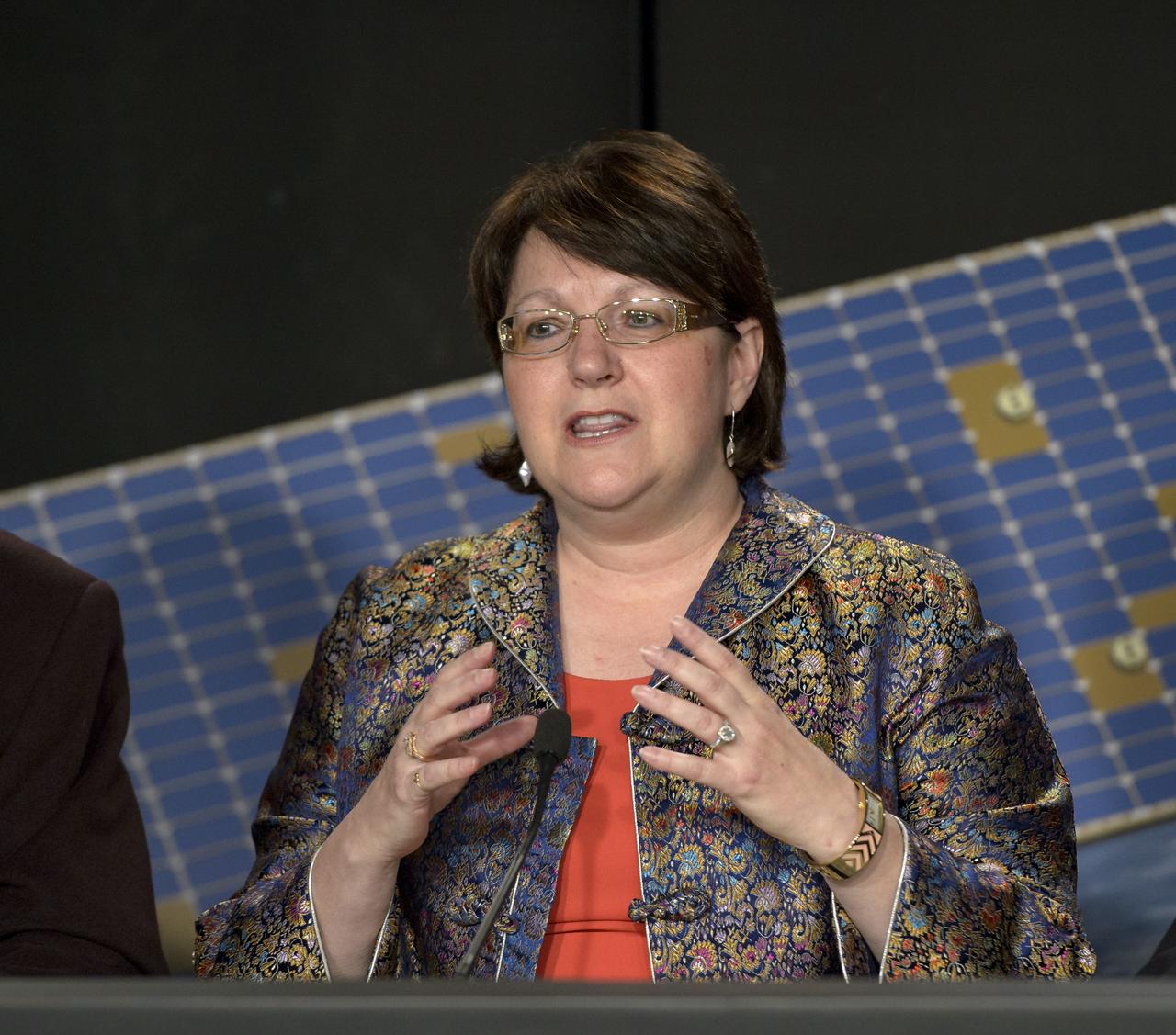
Betsy Edwards, OCO-2 program executive, NASA Headquarters, discusses the Orbiting Carbon Observatory-2 (OCO-2), NASA’s first spacecraft dedicated to studying carbon dioxide, during a press briefing, Sunday, June 29, 2014, at the Vandenberg Air Force Base, Calif. OCO-2 will measure the global distribution of carbon dioxide, the leading human-produced greenhouse gas driving changes in Earth’s climate. OCO-2 is set to launch on July 1, 2014 at 2:59 a.m. PDT. Photo Credit: (NASA/Bill Ingalls)
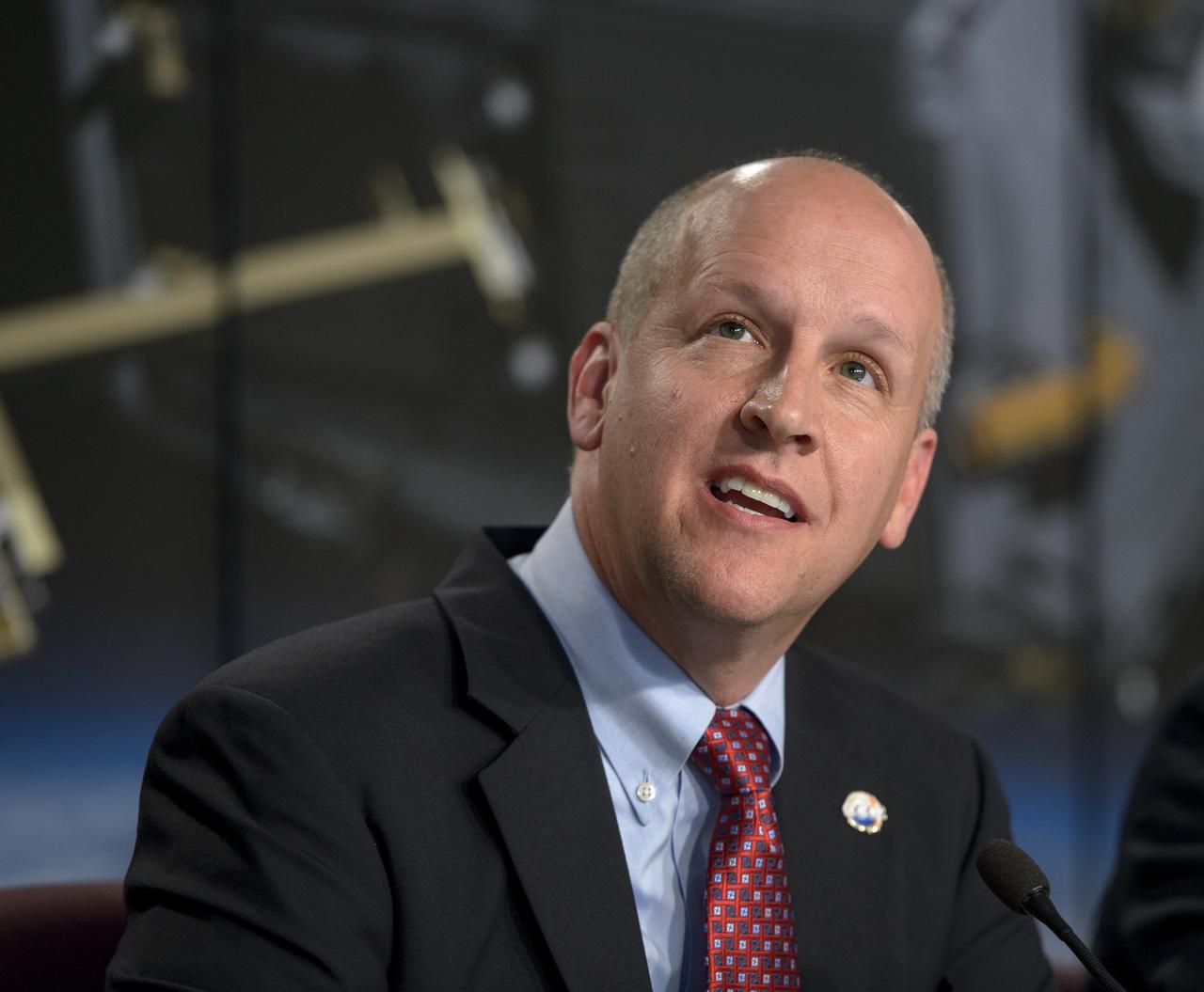
Tim Dunn, NASA launch director, Kennedy Space Center, discusses the Orbiting Carbon Observatory-2 (OCO-2), NASA’s first spacecraft dedicated to studying carbon dioxide, during a press briefing, Sunday, June 29, 2014, at the Vandenberg Air Force Base, Calif. OCO-2 will measure the global distribution of carbon dioxide, the leading human-produced greenhouse gas driving changes in Earth’s climate. OCO-2 is set to launch on July 1, 2014 at 2:59 a.m. PDT. Photo Credit: (NASA/Bill Ingalls)

Ralph Basilio, OCO-2 project manager with NASA’s Jet Propulsion Laboratory (JPL) in Pasadena, California discusses the Orbiting Carbon Observatory-2 (OCO-2), NASA’s first spacecraft dedicated to studying carbon dioxide, during a press briefing, Thursday, June 12, 2014, at NASA Headquarters in Washington. OCO-2 is set for a July 1, 2014 launch from Vandenberg Air Force Base in California. Its mission is to measure the global distribution of carbon dioxide, the leading human-produced greenhouse gas driving changes in Earth’s climate. Photo Credit: (NASA/Bill Ingalls)

The inset perspective view from NASA Dawn space of Ceres bright spot Occator Crator is overlaid with data concerning the composition. Red signifies a high abundance of carbonates, while gray indicates a low carbonate abundance. http://photojournal.jpl.nasa.gov/catalog/PIA20694
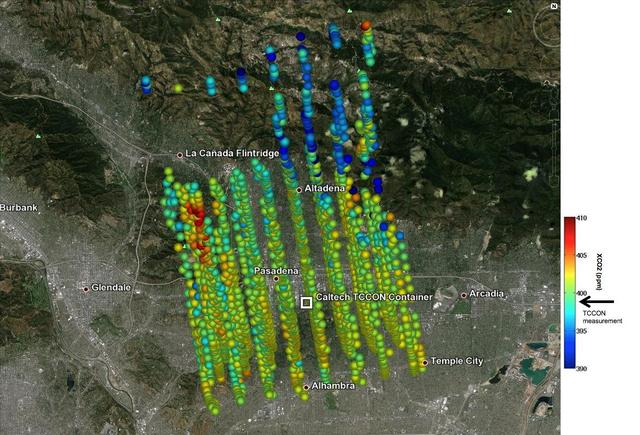
This image shows NASA OCO-2 measurements of carbon dioxide levels over Pasadena and the northern Los Angeles basin on Sept. 5, 2014. Each colored dot represents a single measurement of the greenhouse gas made during an overflight of the area.
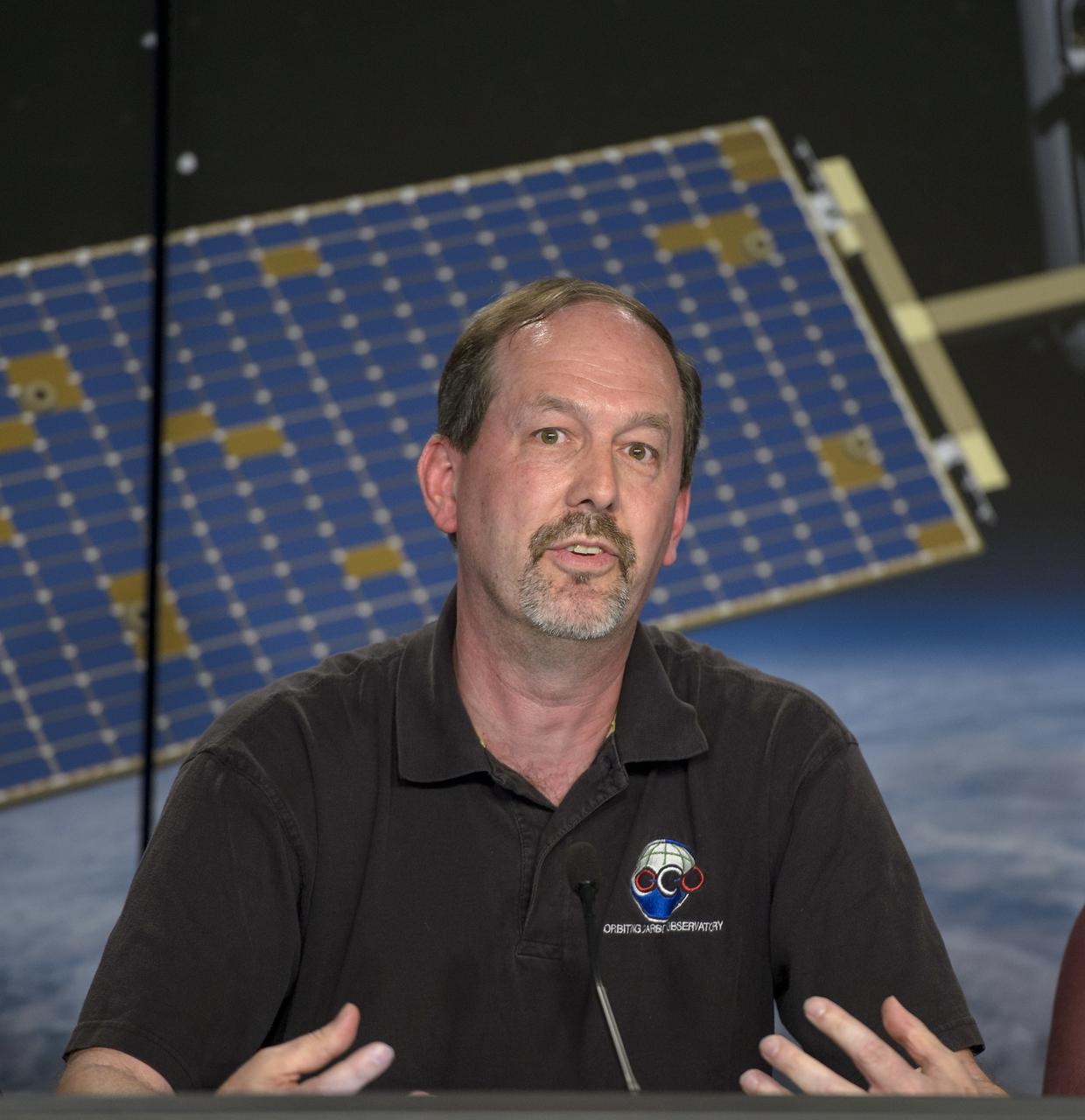
Ken Jucks, OCO-2 program scientist, NASA Headquarters talks during an Orbiting Carbon Observatory-2 (OCO-2) science briefing, Sunday, June 29, 2014, Vandenberg Air Force Base, Calif. OCO-2 will measure the global distribution of carbon dioxide, the leading human-produced greenhouse gas driving changes in Earth’s climate. OCO-2 is set to launch on July 1, 2014 at 2:59 a.m. PDT. Photo Credit: (NASA/Bill Ingalls)
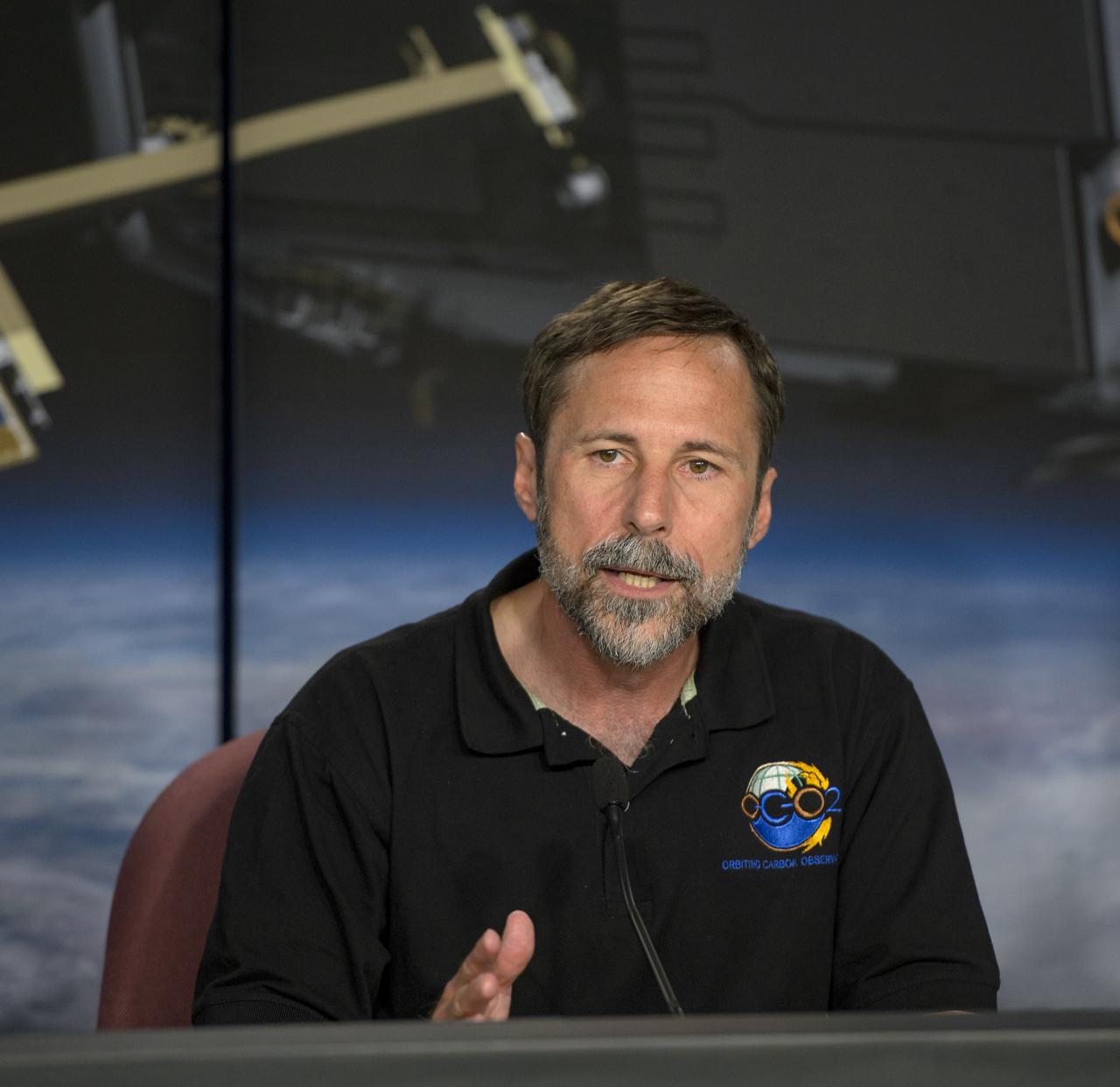
Dave Crisp, OCO-2 science team leader, JPL talks during an Orbiting Carbon Observatory-2 (OCO-2) science briefing, Sunday, June 29, 2014, Vandenberg Air Force Base, Calif. OCO-2 will measure the global distribution of carbon dioxide, the leading human-produced greenhouse gas driving changes in Earth’s climate. OCO-2 is set to launch on July 1, 2014 at 2:59 a.m. PDT. Photo Credit: (NASA/Bill Ingalls)
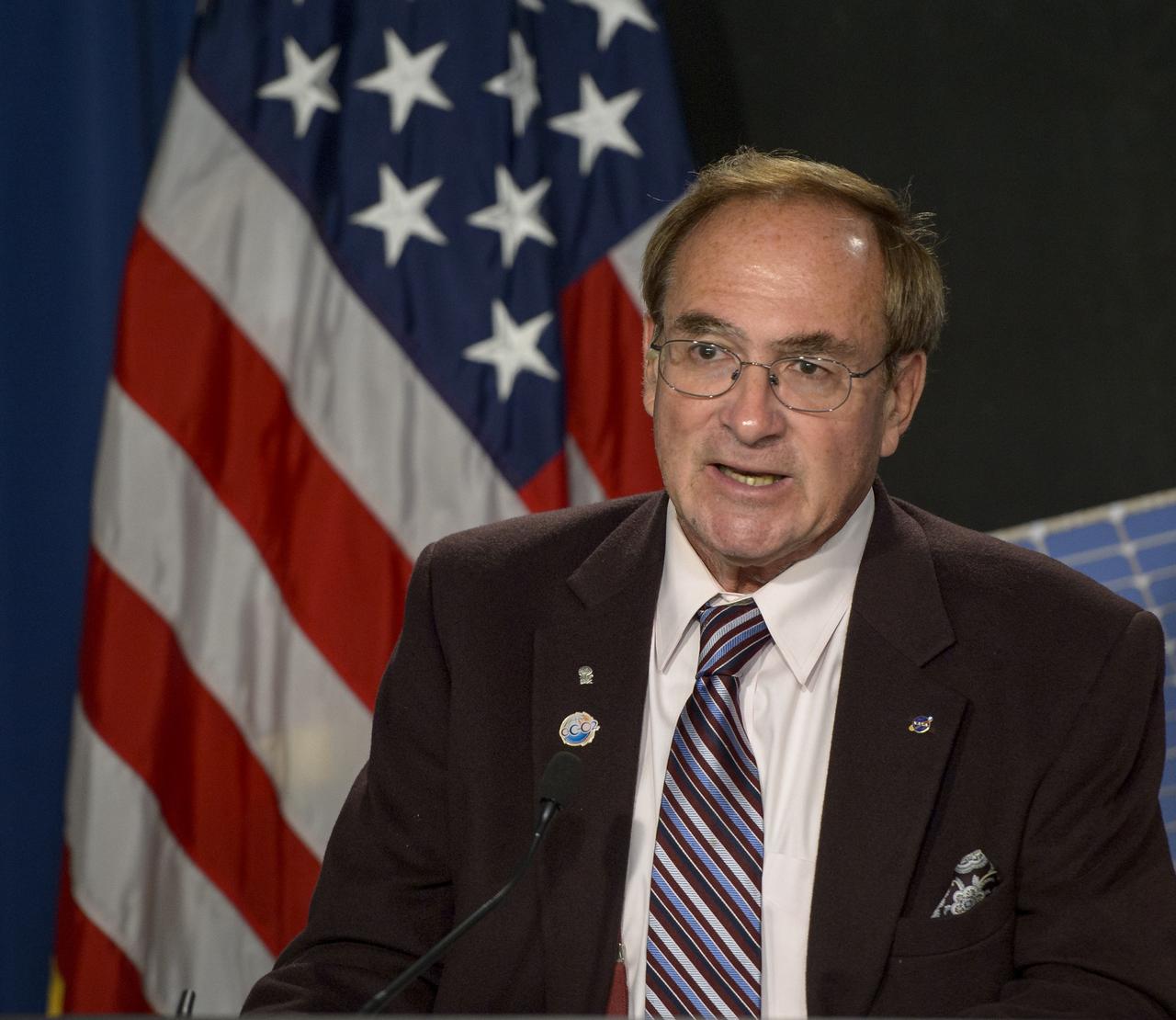
NASA Kennedy Space Center Public Affairs Officer George Diller, moderates a briefing ahead of the planned launch of the Orbiting Carbon Observatory-2 (OCO-2), Sunday, June 29, 2014, Vandenberg Air Force Base, Calif. OCO-2 will measure the global distribution of carbon dioxide, the leading human-produced greenhouse gas driving changes in Earth’s climate. OCO-2 is set to launch on July 1, 2014 at 2:59 a.m. PDT. Photo Credit: (NASA/Bill Ingalls)
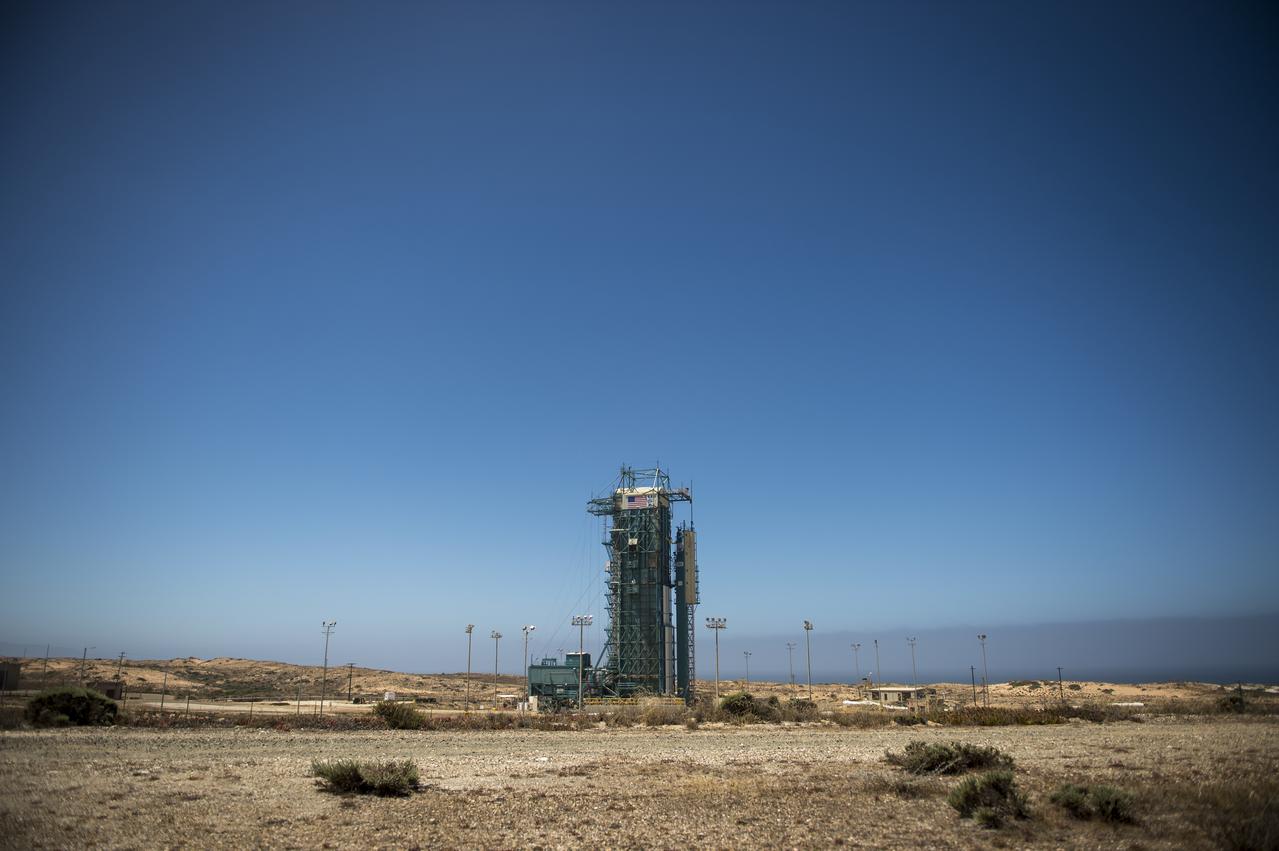
The launch gantry, surrounding the United Launch Alliance Delta II rocket with the Orbiting Carbon Observatory-2 (OCO-2) satellite onboard, is seen at the Space Launch Complex 2, Sunday, June 29, 2014, Vandenberg Air Force Base, Calif. OCO-2 will measure the global distribution of carbon dioxide, the leading human-produced greenhouse gas driving changes in Earth’s climate. OCO-2 is set for a July 1, 2014 launch. Photo Credit: (NASA/Bill Ingalls)
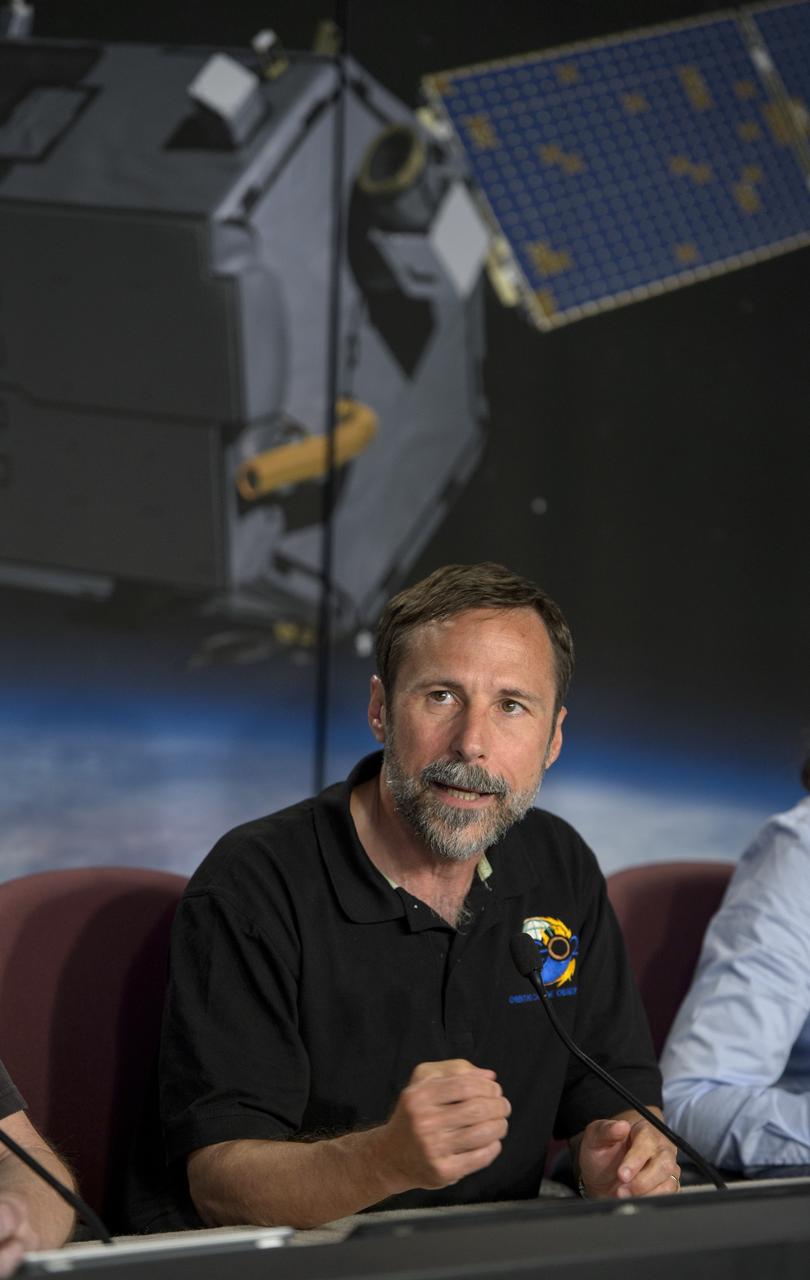
Dave Crisp, OCO-2 science team leader, JPL talks during an Orbiting Carbon Observatory-2 (OCO-2) science briefing, Sunday, June 29, 2014, Vandenberg Air Force Base, Calif. OCO-2 will measure the global distribution of carbon dioxide, the leading human-produced greenhouse gas driving changes in Earth’s climate. OCO-2 is set to launch on July 1, 2014 at 2:59 a.m. PDT. Photo Credit: (NASA/Bill Ingalls)
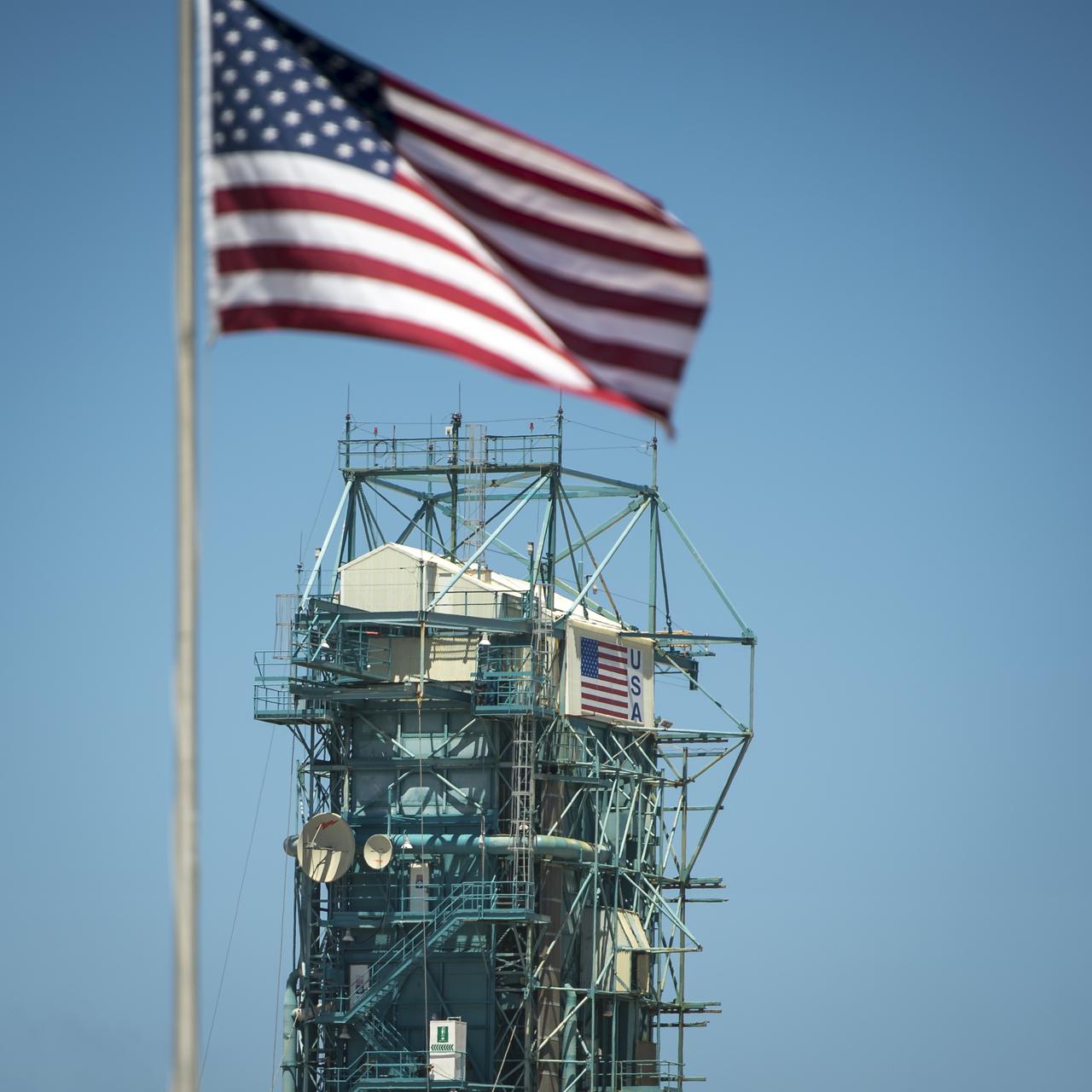
The upper levels of the launch gantry, surrounding the United Launch Alliance Delta II rocket with the Orbiting Carbon Observatory-2 (OCO-2) satellite onboard, are seen at the Space Launch Complex 2, Sunday, June 29, 2014, Vandenberg Air Force Base, Calif. OCO-2 will measure the global distribution of carbon dioxide, the leading human-produced greenhouse gas driving changes in Earth’s climate. OCO-2 is set for a July 1, 2014 launch. Photo Credit: (NASA/Bill Ingalls)
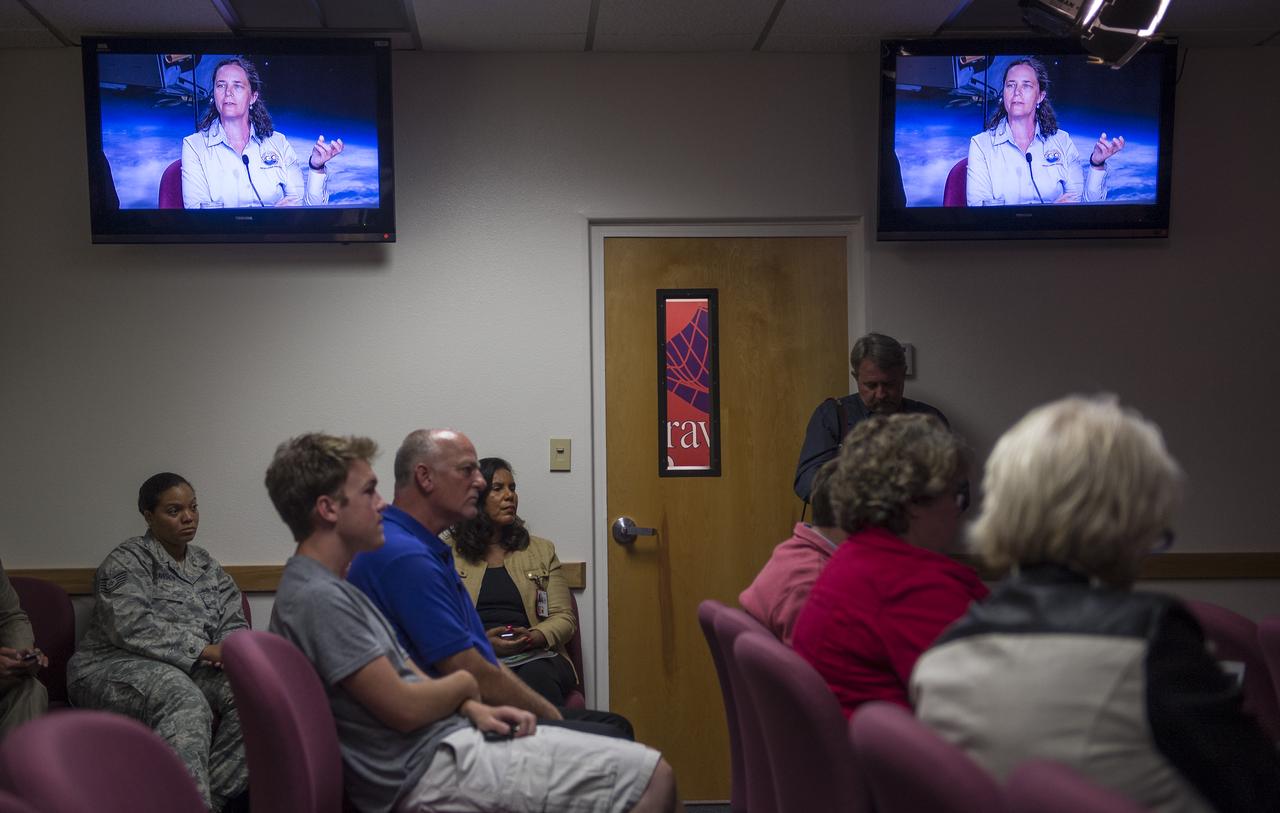
Annmarie Eldering, OCO-2 deputy project scientist, JPL is seen talking on the monitors during an Orbiting Carbon Observatory-2 (OCO-2) science briefing, Sunday, June 29, 2014, Vandenberg Air Force Base, Calif. OCO-2 will measure the global distribution of carbon dioxide, the leading human-produced greenhouse gas driving changes in Earth’s climate. OCO-2 is set to launch on July 1, 2014 at 2:59 a.m. PDT. Photo Credit: (NASA/Bill Ingalls)
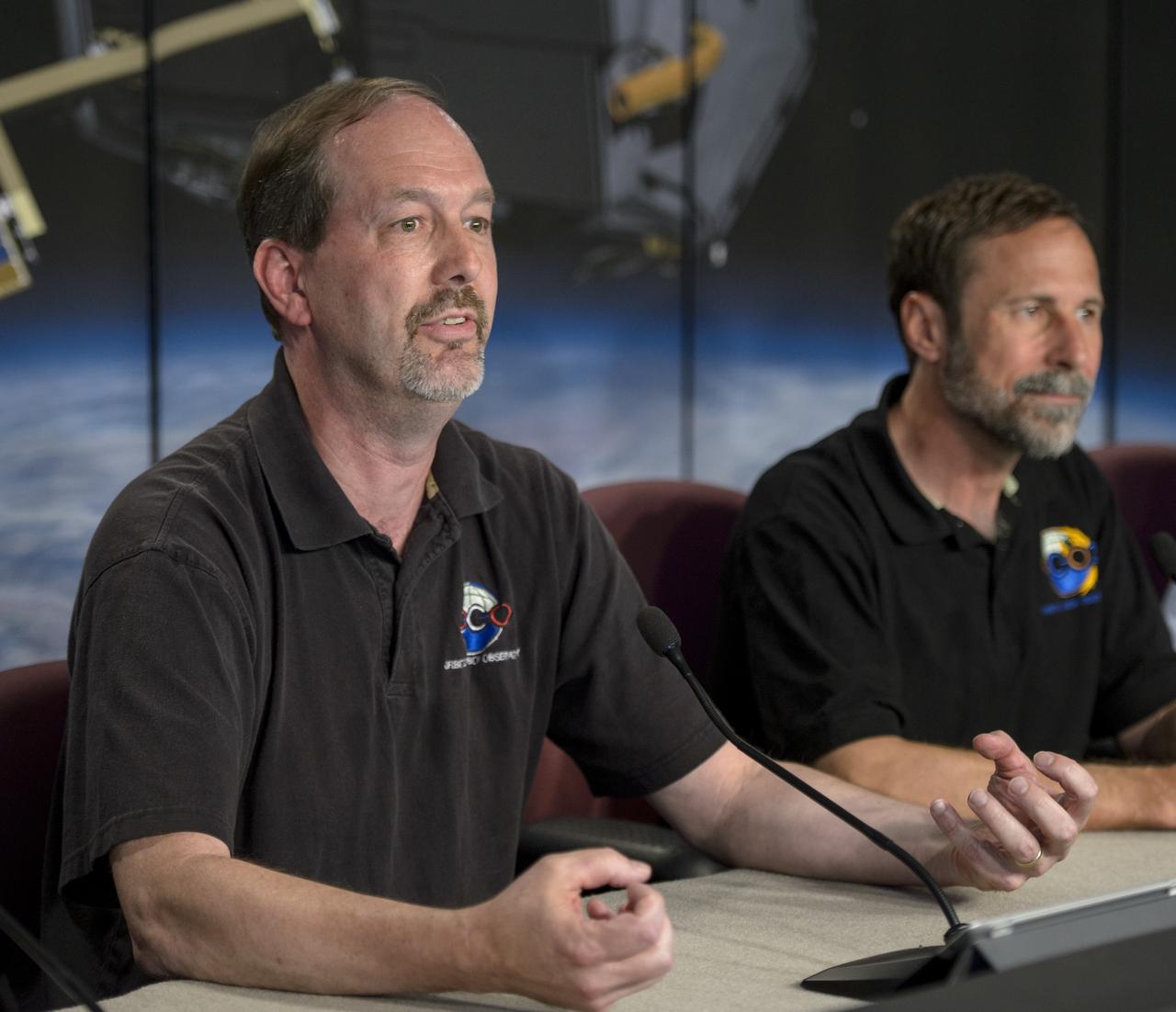
Ken Jucks, OCO-2 program scientist, NASA Headquarters talks during an Orbiting Carbon Observatory-2 (OCO-2) science briefing, Sunday, June 29, 2014, Vandenberg Air Force Base, Calif. OCO-2 will measure the global distribution of carbon dioxide, the leading human-produced greenhouse gas driving changes in Earth’s climate. OCO-2 is set to launch on July 1, 2014 at 2:59 a.m. PDT. Photo Credit: (NASA/Bill Ingalls)
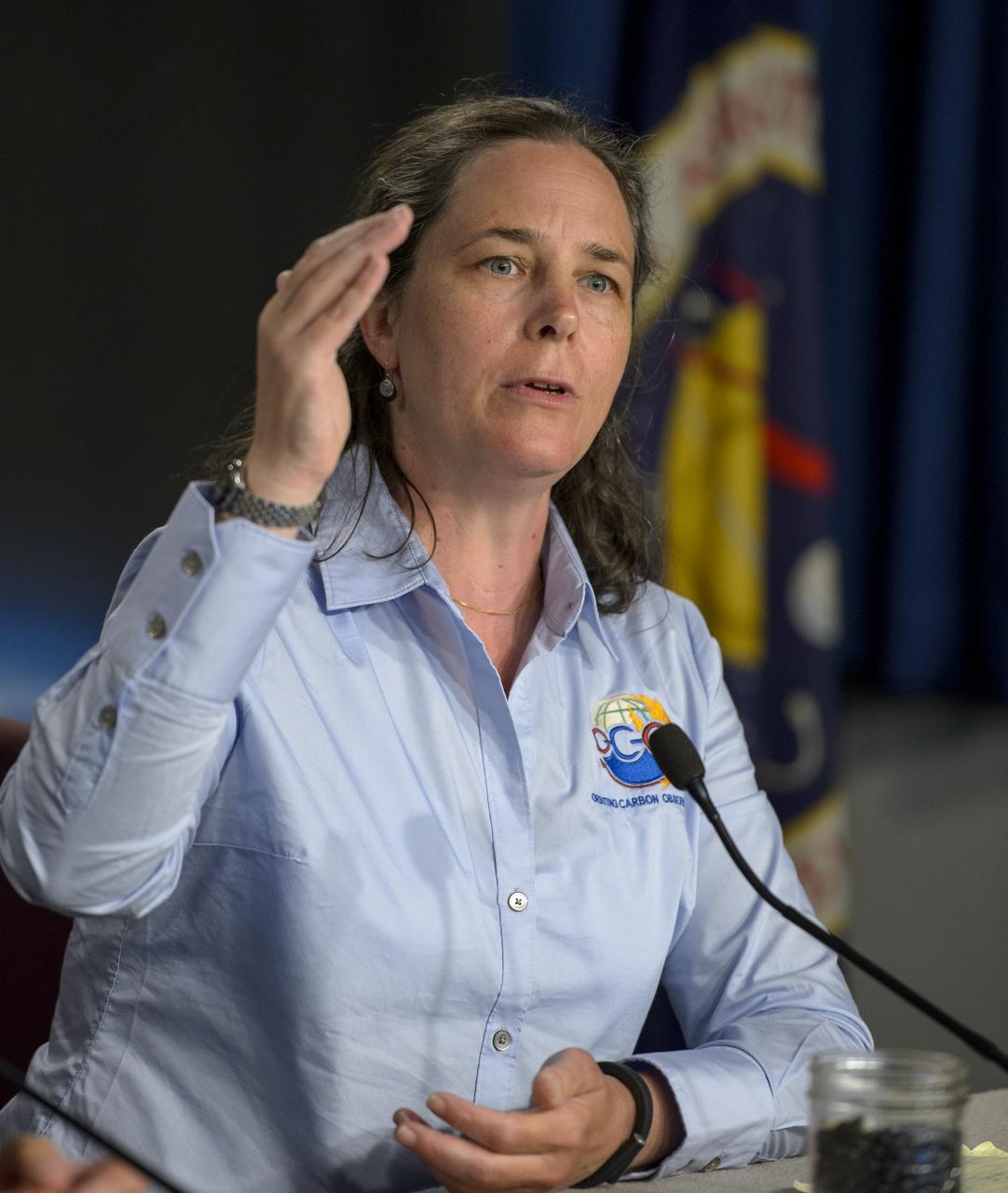
Annmarie Eldering, OCO-2 deputy project scientist, JPL talks during an Orbiting Carbon Observatory-2 (OCO-2) science briefing, Sunday, June 29, 2014, Vandenberg Air Force Base, Calif. OCO-2 will measure the global distribution of carbon dioxide, the leading human-produced greenhouse gas driving changes in Earth’s climate. OCO-2 is set to launch on July 1, 2014 at 2:59 a.m. PDT. Photo Credit: (NASA/Bill Ingalls)
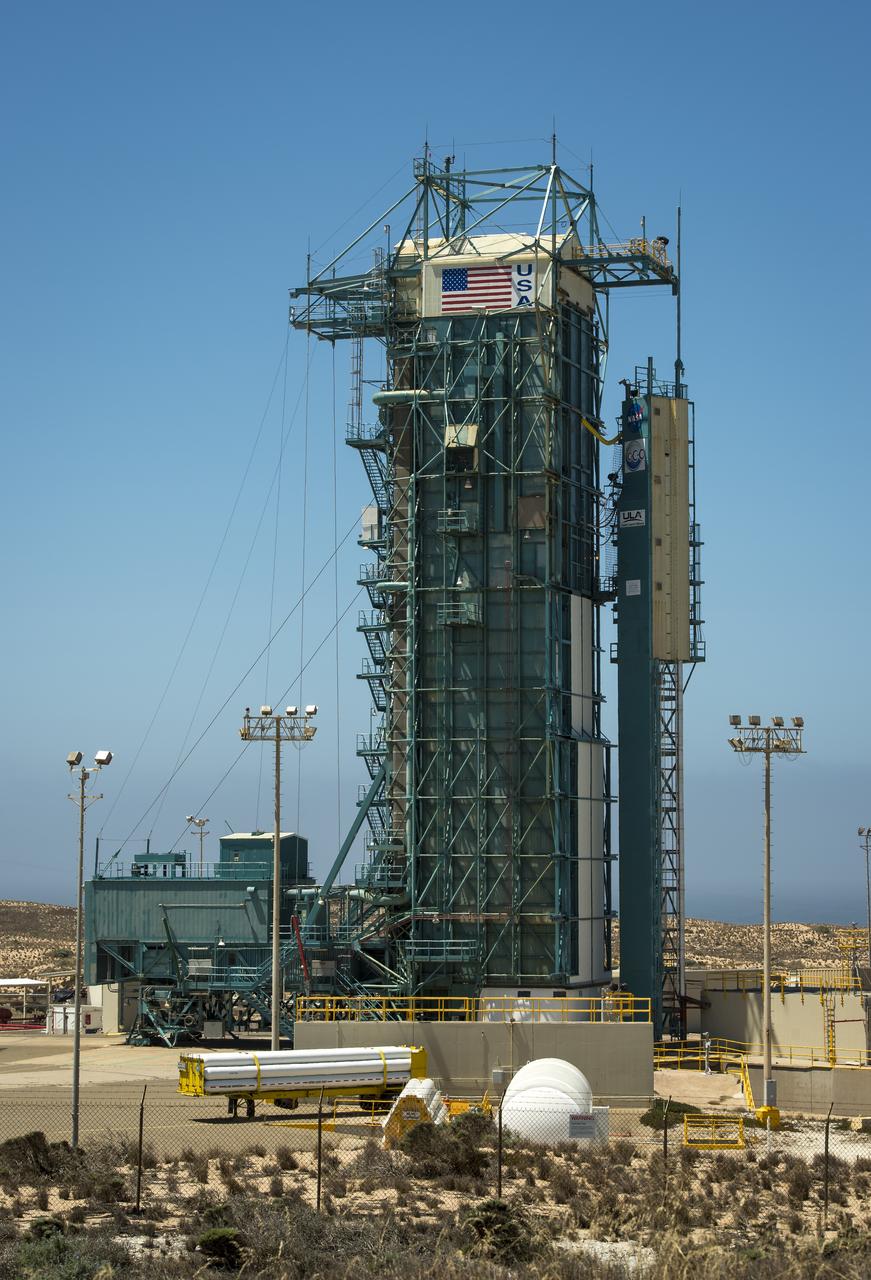
The launch gantry, surrounding the United Launch Alliance Delta II rocket with the Orbiting Carbon Observatory-2 (OCO-2) satellite onboard, is seen at the Space Launch Complex 2, Sunday, June 29, 2014, Vandenberg Air Force Base, Calif. OCO-2 will measure the global distribution of carbon dioxide, the leading human-produced greenhouse gas driving changes in Earth’s climate. OCO-2 is set for a July 1, 2014 launch. Photo Credit: (NASA/Bill Ingalls)
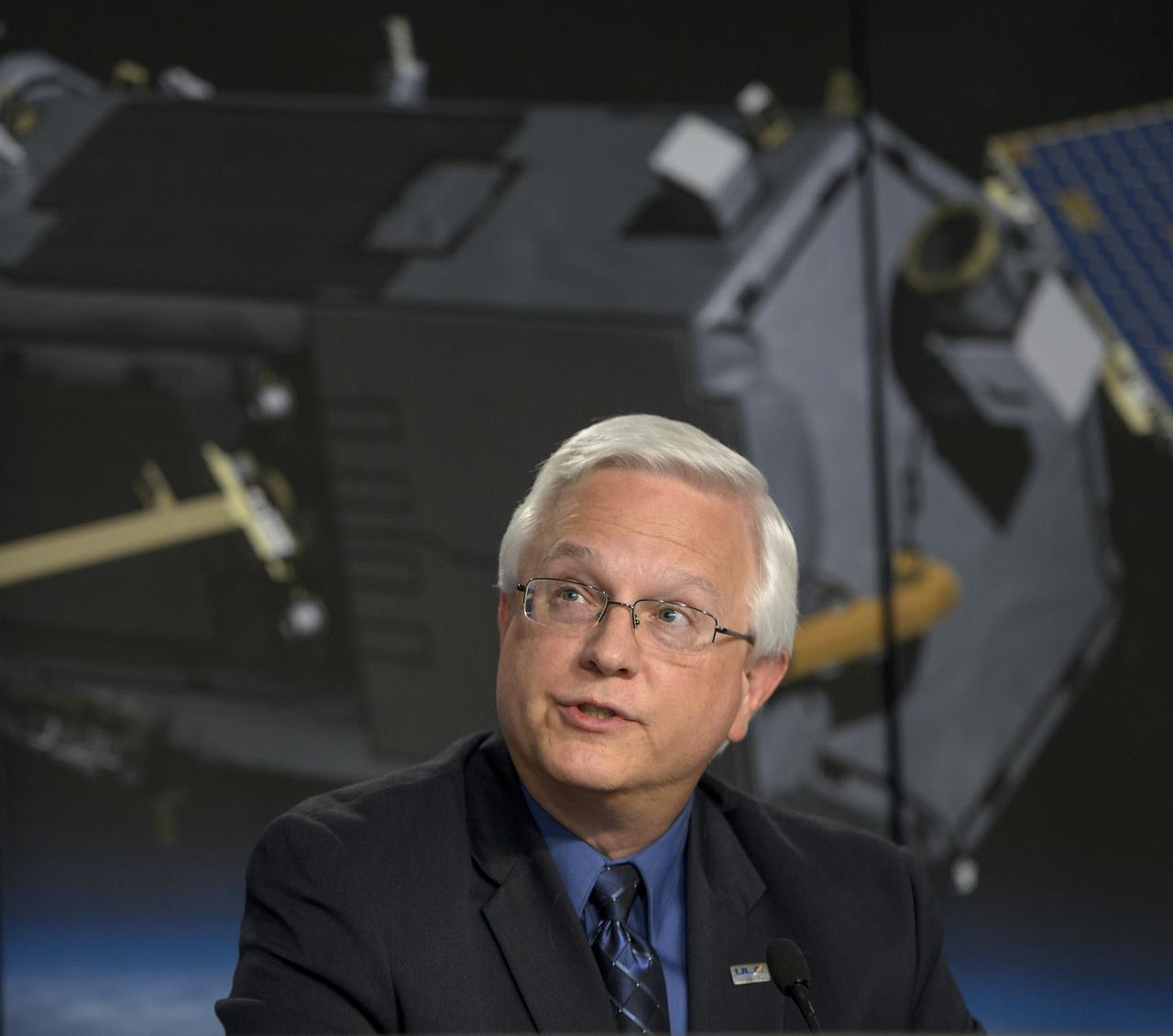
Vern Thorp, United Launch Alliance program manager, NASA missions, discusses the launch of NASA’s Orbiting Carbon Observatory-2 (OCO-2) onboard a ULA Delta II rocket, during a press briefing, Sunday, June 29, 2014, at the Vandenberg Air Force Base, Calif. OCO-2 will measure the global distribution of carbon dioxide, the leading human-produced greenhouse gas driving changes in Earth’s climate. OCO-2 is set to launch on July 1, 2014 at 2:59 a.m. PDT. Photo Credit: (NASA/Bill Ingalls)
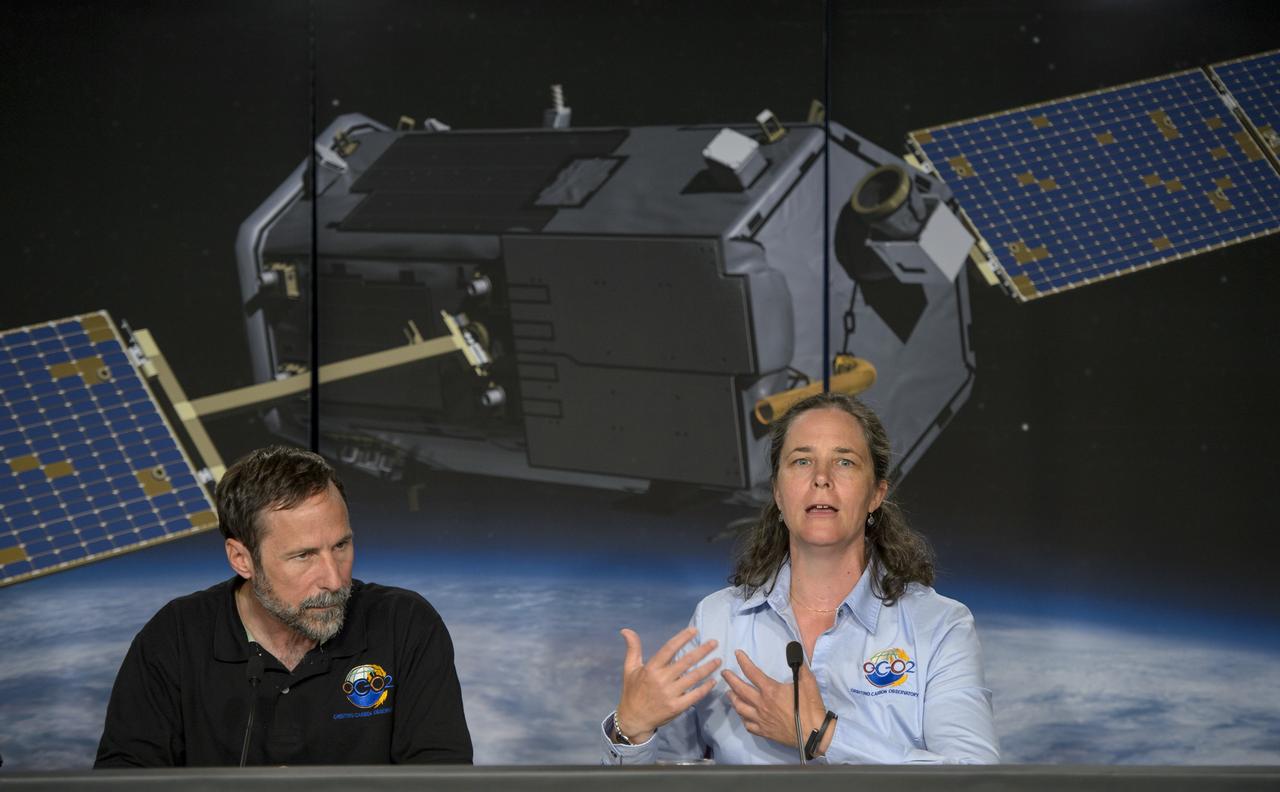
Dave Crisp, OCO-2 science team leader, JPL, left, and Annmarie Eldering, OCO-2 deputy project scientist, JPL, are seen during a science briefing ahead of the planned launch of the Orbiting Carbon Observatory-2 (OCO-2), Sunday, June 29, 2014, Vandenberg Air Force Base, Calif. OCO-2 will measure the global distribution of carbon dioxide, the leading human-produced greenhouse gas driving changes in Earth’s climate. OCO-2 is set to launch on July 1, 2014 at 2:59 a.m. PDT. Photo Credit: (NASA/Bill Ingalls)
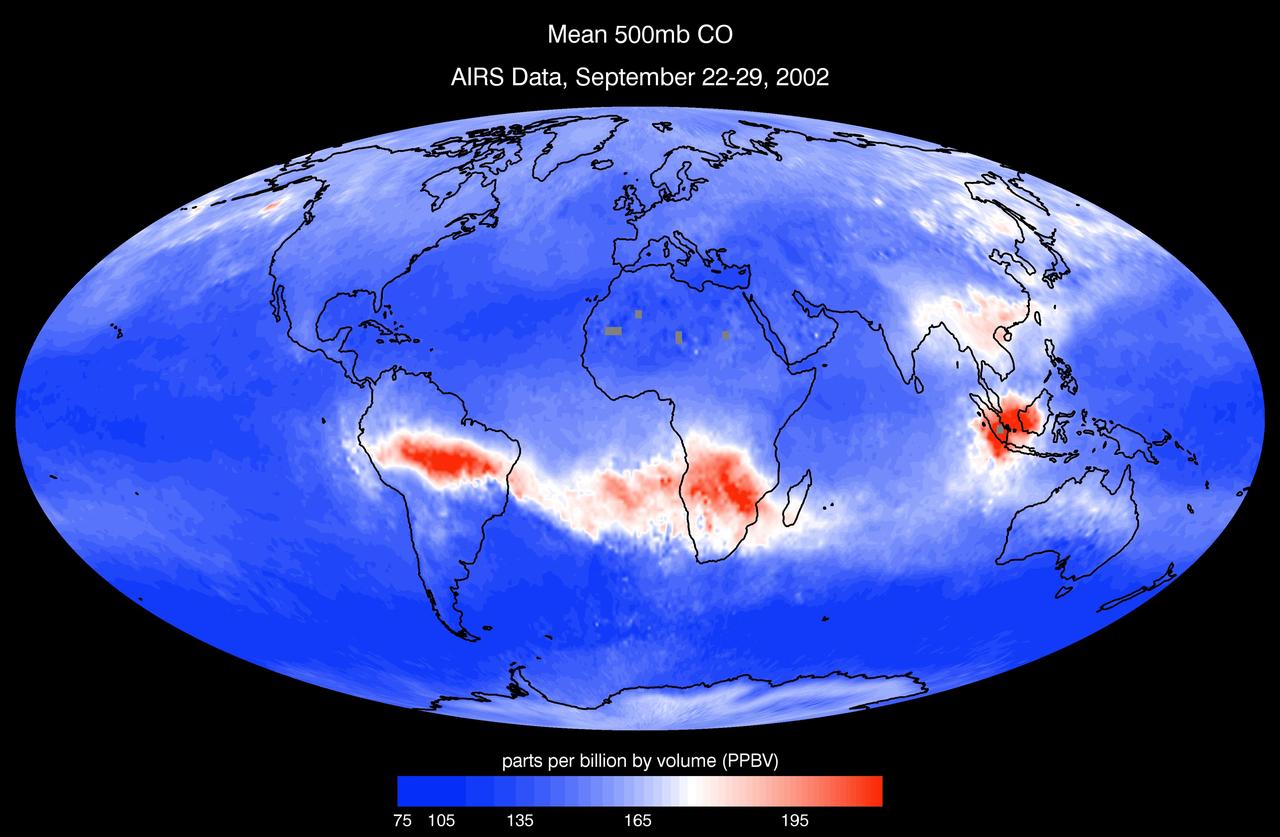
AIRS mean carbon monoxide at 500 millibar, September 22-29, 2002 AIRS Mean Carbon Monoxide at 500 Millibar, September 22-29, 2002.
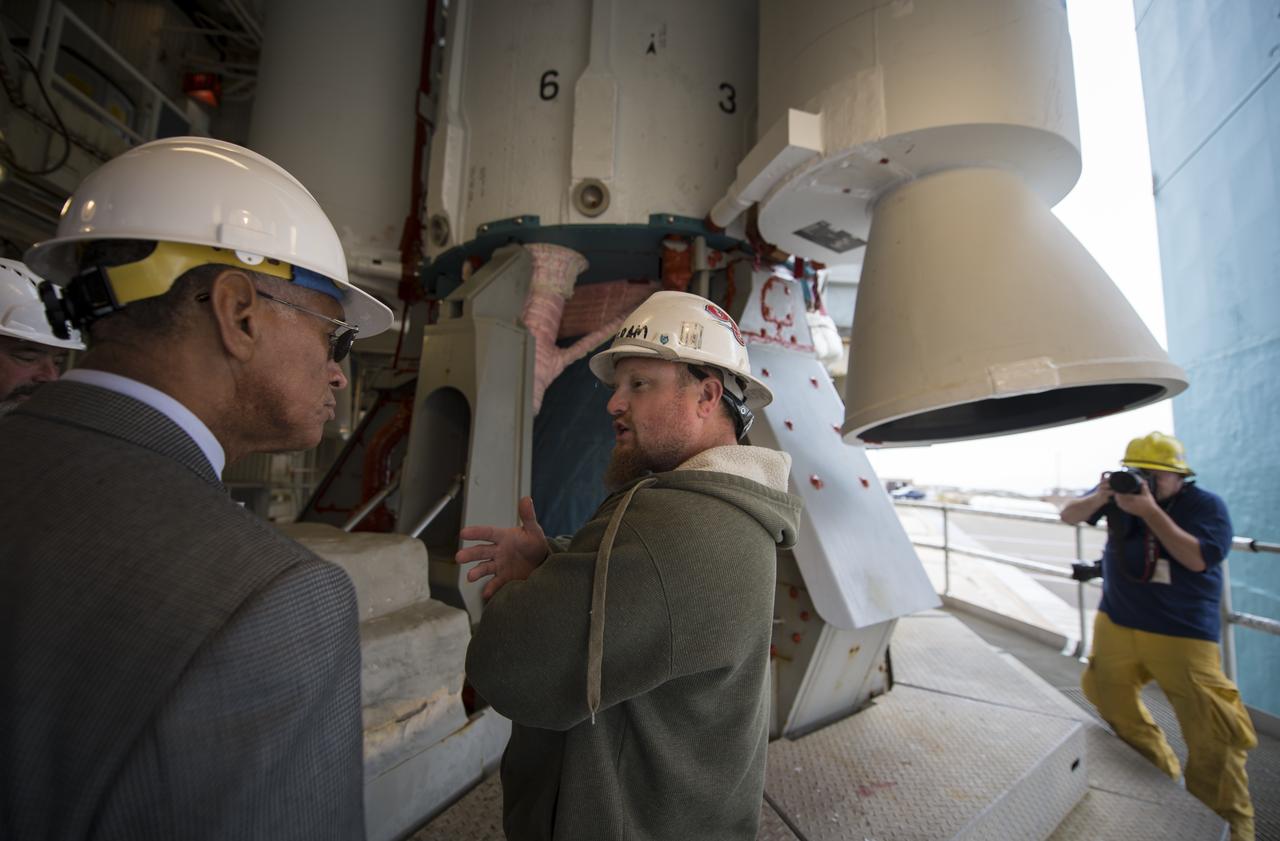
NASA Administrator Charles Bolden, left, talks with an engineer at the base of the United Launch Alliance Delta II rocket with the Orbiting Carbon Observatory-2 (OCO-2) satellite onboard, Monday, June 30, 2014, Space Launch Complex 2, Vandenberg Air Force Base, Calif. OCO-2 will measure the global distribution of carbon dioxide, the leading human-produced greenhouse gas driving changes in Earth’s climate. OCO-2 is set for a July 1, 2014 launch. Photo Credit: (NASA/Bill Ingalls)
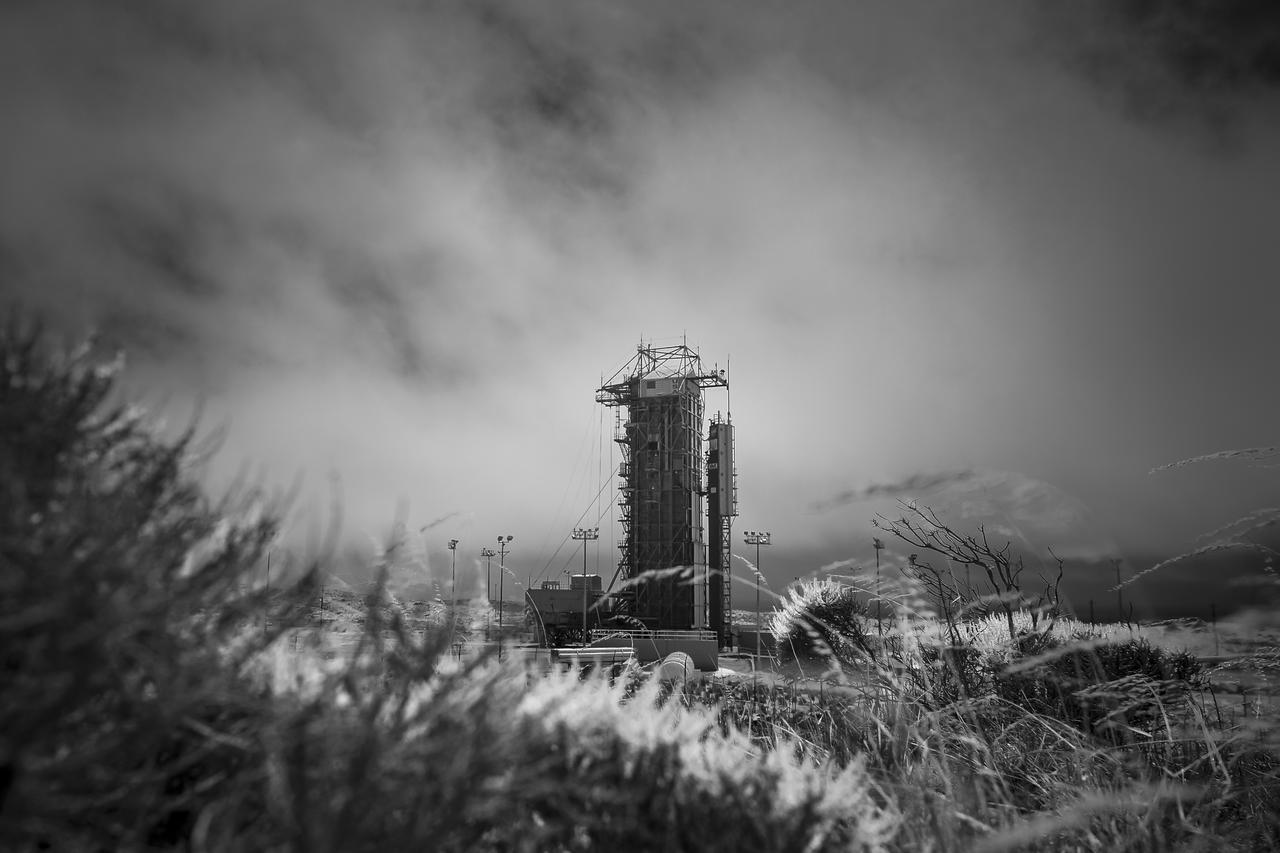
The launch gantry, surrounding the United Launch Alliance Delta II rocket with the Orbiting Carbon Observatory-2 (OCO-2) satellite onboard, is seen in this black and white infrared view at Space Launch Complex 2, Friday, June 27, 2014, Vandenberg Air Force Base, Calif. OCO-2 will measure the global distribution of carbon dioxide, the leading human-produced greenhouse gas driving changes in Earth’s climate. OCO-2 is set for a July 1, 2014 launch. Photo Credit: (NASA/Bill Ingalls)
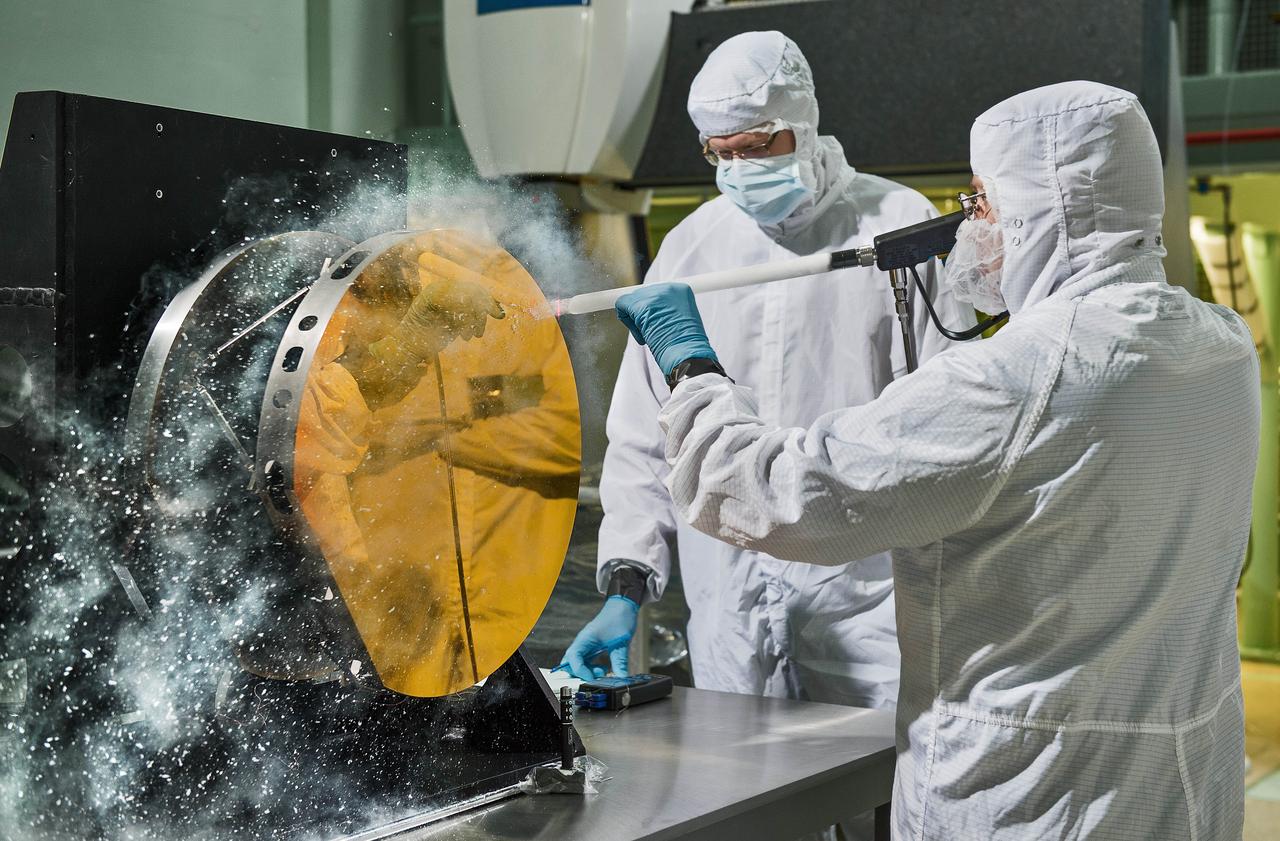
Just like drivers sometimes use snow to clean their car mirrors in winter, two Exelis Inc. engineers are practicing "snow cleaning'" on a test telescope mirror for the James Webb Space Telescope at NASA's Goddard Space Flight Center in Greenbelt, Maryland. By shooting carbon dioxide snow at the surface, engineers are able to clean large telescope mirrors without scratching them. "The snow-like crystals (carbon dioxide snow) knock contaminate particulates and molecules off the mirror," said Lee Feinberg, NASA optical telescope element manager. This technique will only be used if the James Webb Space Telescope's mirror is contaminated during integration and testing. The Webb telescope is the scientific successor to NASA's Hubble Space Telescope. It will be the most powerful space telescope ever built. With a mirror seven times as large as Hubble's and infrared capability, Webb will be capturing light from 13.5 billion light years away. To do this, its mirror must be kept super clean. "Small dust particles or molecules can impact the science that can be done with the Webb," said Feinberg. "So cleanliness especially on the mirrors is critical." Webb is an international project led by NASA with its partners, the European Space Agency and the Canadian Space Agency. Image credit: NASA/Goddard/Chris Gunn
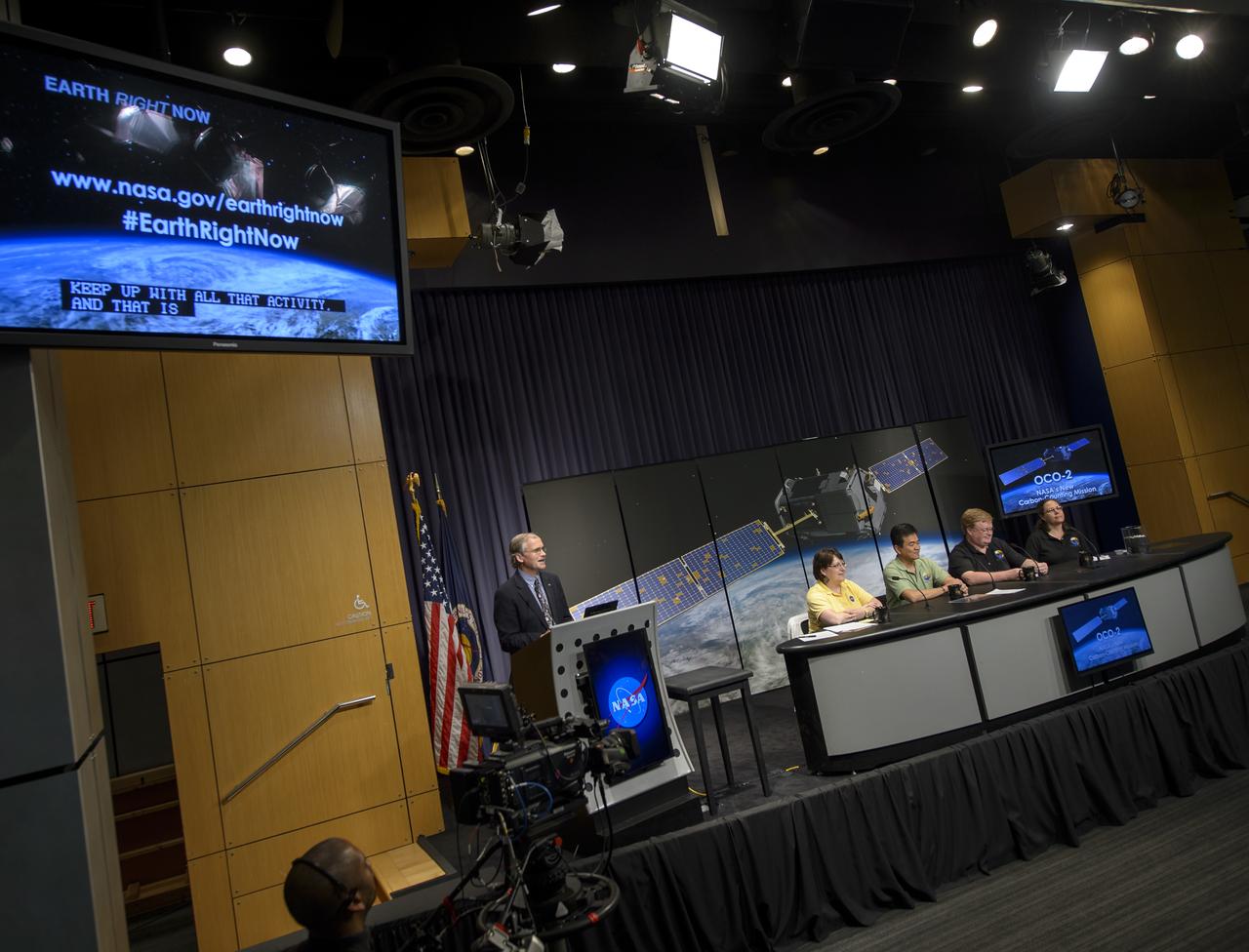
NASA Headquarters Public Affairs Officer Steve Cole, standing, moderates a Orbiting Carbon Observatory-2 (OCO-2) briefing with (from left), Betsy Edwards, OCO-2 program executive with the Science Mission Directorate at NASA Headquarters, Ralph Basilio, OCO-2 project manager with NASA’s Jet Propulsion Laboratory (JPL) in Pasadena, California, Mike Gunson, OCO-2 project scientist with JPL, and Annmarie Eldering, OCO-2 deputy project scientist JPL, , Thursday, June 12, 2014, at NASA Headquarters in Washington. OCO-2, NASA’s first spacecraft dedicated to studying carbon dioxide, is set for a July 1, 2014 launch from Vandenberg Air Force Base in California. Its mission is to measure the global distribution of carbon dioxide, the leading human-produced greenhouse gas driving changes in Earth’s climate. Photo Credit: (NASA/Bill Ingalls)
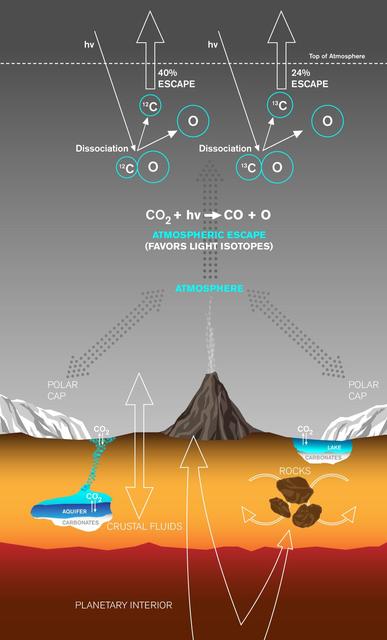
This graphic depicts paths by which carbon has been exchanged between Martian interior, surface rocks, polar caps, waters and atmosphere, and also depicts a mechanism by which carbon is lost from the atmosphere with a strong effect on isotope ratio. Carbon dioxide (CO2) to generate the Martian atmosphere originated in the planet's mantle and has been released directly through volcanoes or trapped in rocks crystallized from magmas and released later. Once in the atmosphere, the CO2 can exchange with the polar caps, passing from gas to ice and back to gas again. The CO2 can also dissolve into waters, which can then precipitate out solid carbonates, either in lakes at the surface or in shallow aquifers. Carbon dioxide gas in the atmosphere is continually lost to space at a rate controlled in part by the sun's activity. One loss mechanism is called ultraviolet photodissociation. It occurs when ultraviolet radiation (indicated on the graphic as "hv") encounters a CO2 molecule, breaking the bonds to first form carbon monoxide (CO) molecules and then carbon (C) atoms. The ratio of carbon isotopes remaining in the atmosphere is affected as these carbon atoms are lost to space, because the lighter carbon-12 (12C) isotope is more easily removed than the heavier carbon-13 (13C) isotope. This fractionation, the preferential loss of carbon-12 to space, leaves a fingerprint: enrichment of the heavy carbon-13 isotope, measured in the atmosphere of Mars today. http://photojournal.jpl.nasa.gov/catalog/PIA20163
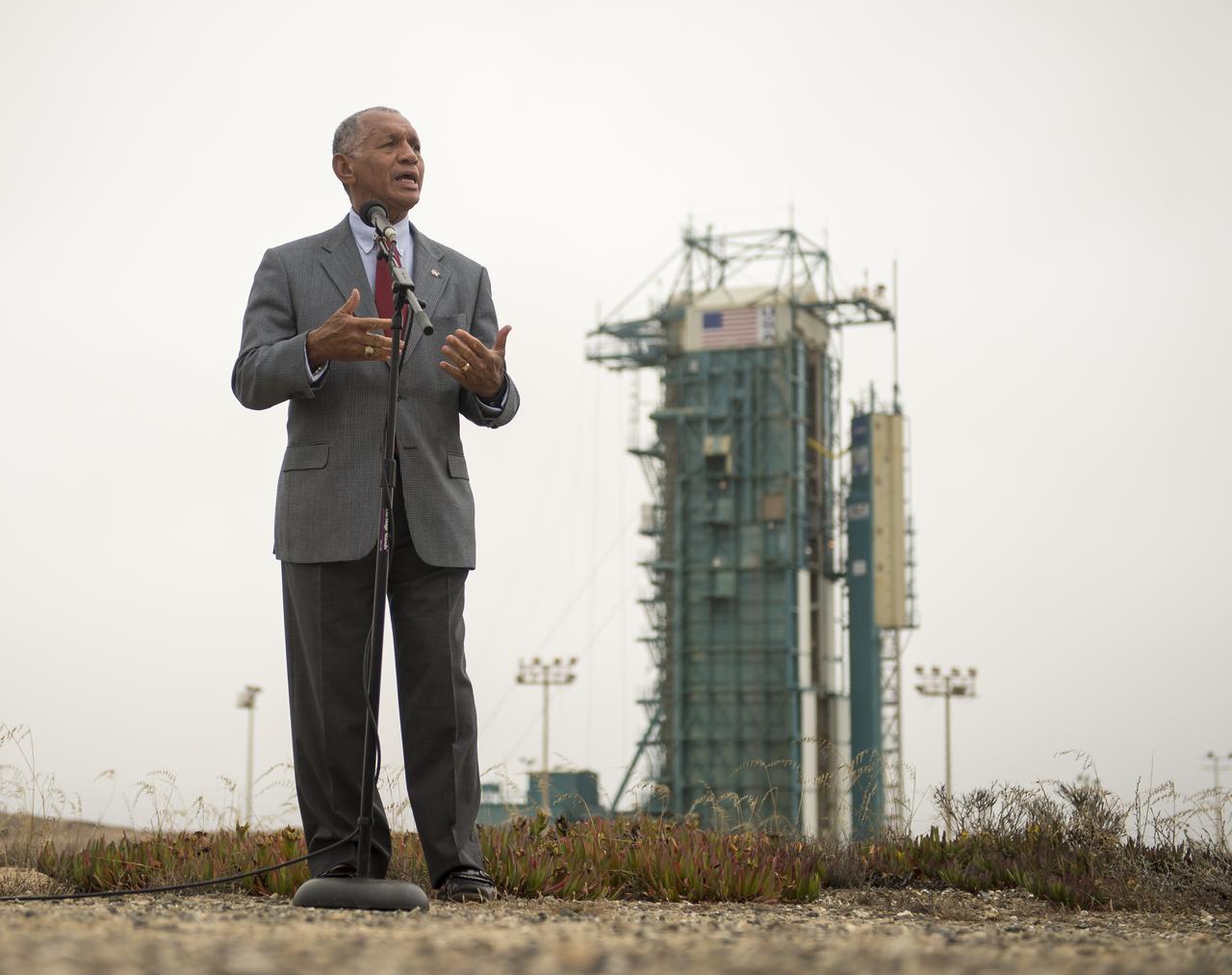
NASA Administrator Charles Bolden answers social media attendees questions from just outside the launch pad where the United Launch Alliance Delta II rocket with the Orbiting Carbon Observatory-2 (OCO-2) satellite onboard sits ready to launch, Monday, June 30, 2014, Space Launch Complex 2 Vandenberg Air Force Base, Calif. OCO-2 will measure the global distribution of carbon dioxide, the leading human-produced greenhouse gas driving changes in Earth’s climate. OCO-2 is set for a July 1, 2014 launch. Photo Credit: (NASA/Bill Ingalls)

Lt. Joseph Round, launch weather officer, USAF 30th Space Wing Weather Squadron, discusses the weather forecast for launch of NASA’s Orbiting Carbon Observatory-2 (OCO-2) onboard a ULA Delta II rocket, during a press briefing, Sunday, June 29, 2014, at the Vandenberg Air Force Base, Calif. OCO-2 will measure the global distribution of carbon dioxide, the leading human-produced greenhouse gas driving changes in Earth’s climate. OCO-2 is set to launch on July 1, 2014 at 2:59 a.m. PDT. Photo Credit: (NASA/Bill Ingalls)
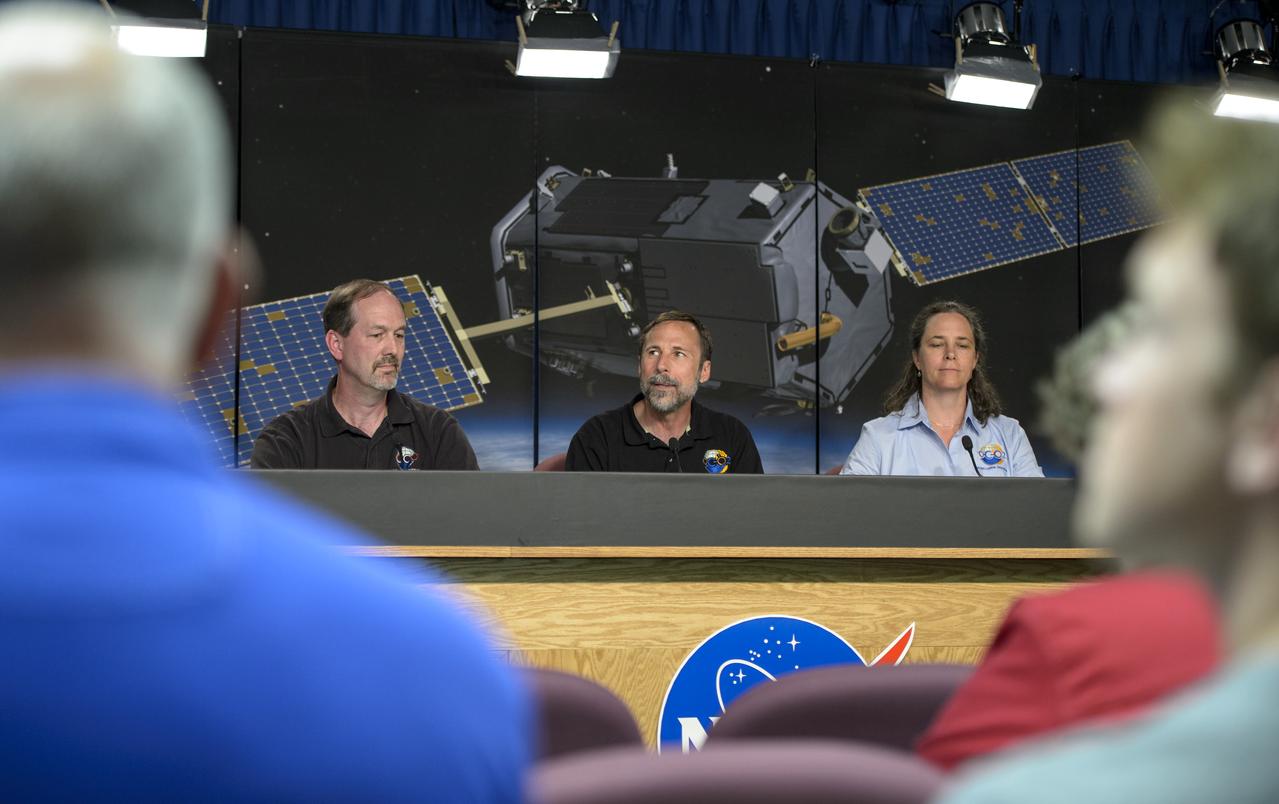
Ken Jucks, OCO-2 program scientist, NASA Headquarters, left, Dave Crisp, OCO-2 science team leader, JPL, and Annmarie Eldering, OCO-2 deputy project scientist, JPL, right, give a science briefing ahead of the planned launch of the Orbiting Carbon Observatory-2 (OCO-2), Sunday, June 29, 2014, Vandenberg Air Force Base, Calif. OCO-2 will measure the global distribution of carbon dioxide, the leading human-produced greenhouse gas driving changes in Earth’s climate. OCO-2 is set to launch on July 1, 2014 at 2:59 a.m. PDT. Photo Credit: (NASA/Bill Ingalls)
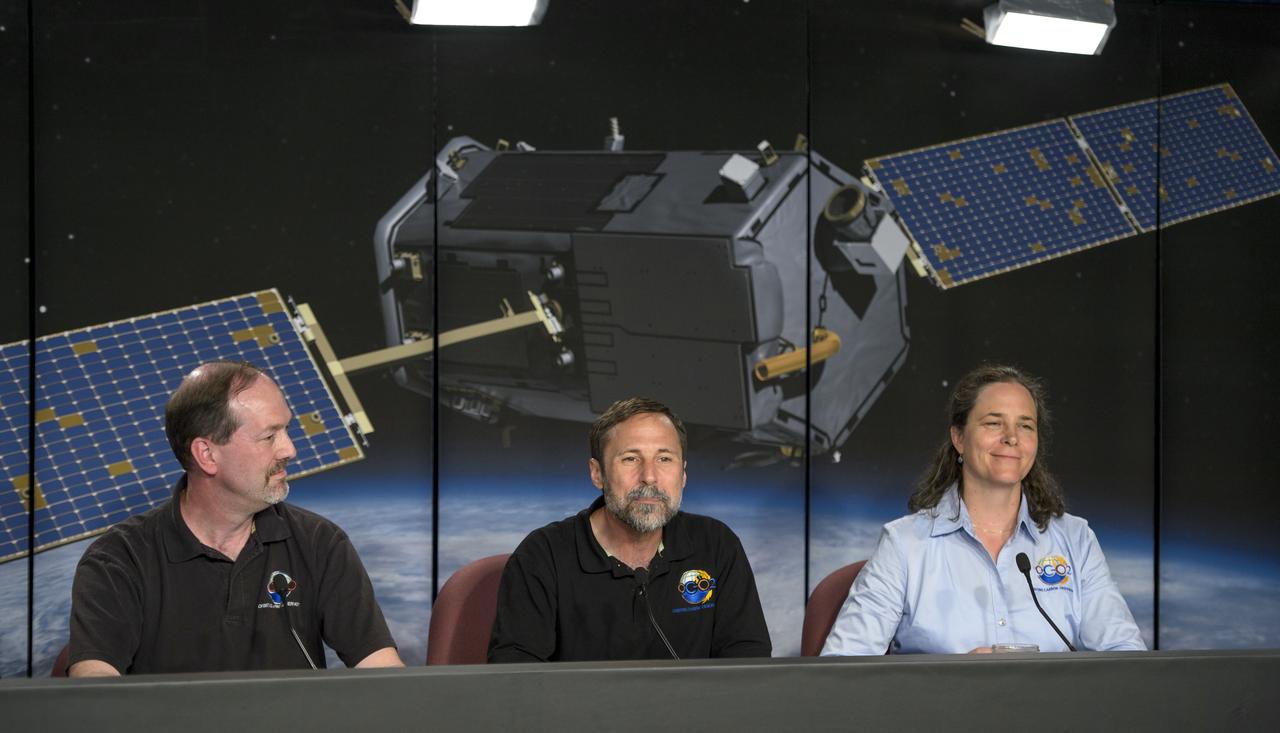
Ken Jucks, OCO-2 program scientist, NASA Headquarters, left, Dave Crisp, OCO-2 science team leader, JPL, and Annmarie Eldering, OCO-2 deputy project scientist, JPL, right, give a science briefing ahead of the planned launch of the Orbiting Carbon Observatory-2 (OCO-2), Sunday, June 29, 2014, Vandenberg Air Force Base, Calif. OCO-2 will measure the global distribution of carbon dioxide, the leading human-produced greenhouse gas driving changes in Earth’s climate. OCO-2 is set to launch on July 1, 2014 at 2:59 a.m. PDT. Photo Credit: (NASA/Bill Ingalls)

This image shows the distribution and amount of carbon dioxide in Earth mid-troposphere in July 2008 as measured by NASA Atmospheric Infrared Sounder AIRS instrument.
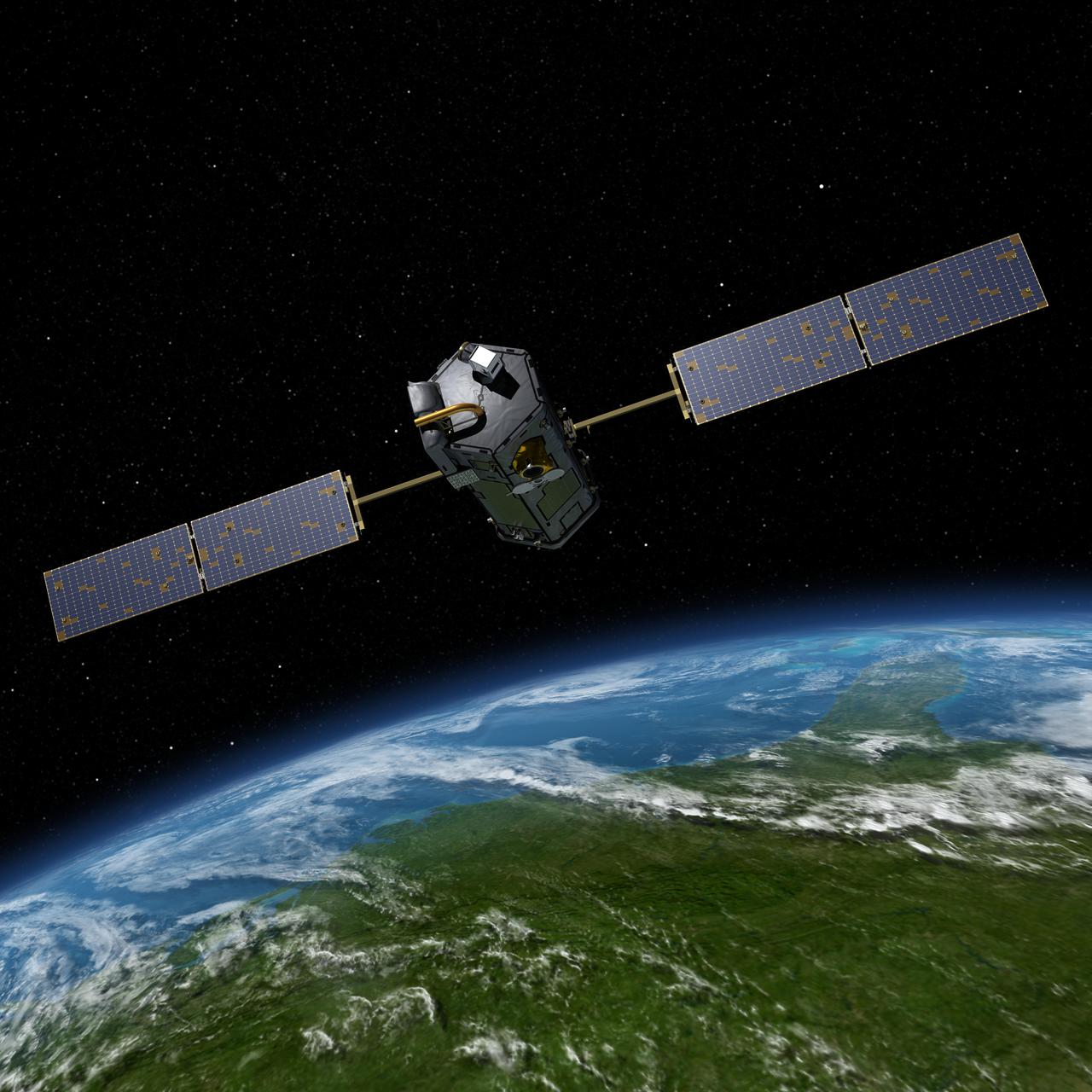
Artist rendering of NASA Orbiting Carbon Observatory OCO-2, one of five new NASA Earth science missions set to launch in 2014, and one of three managed by JPL.
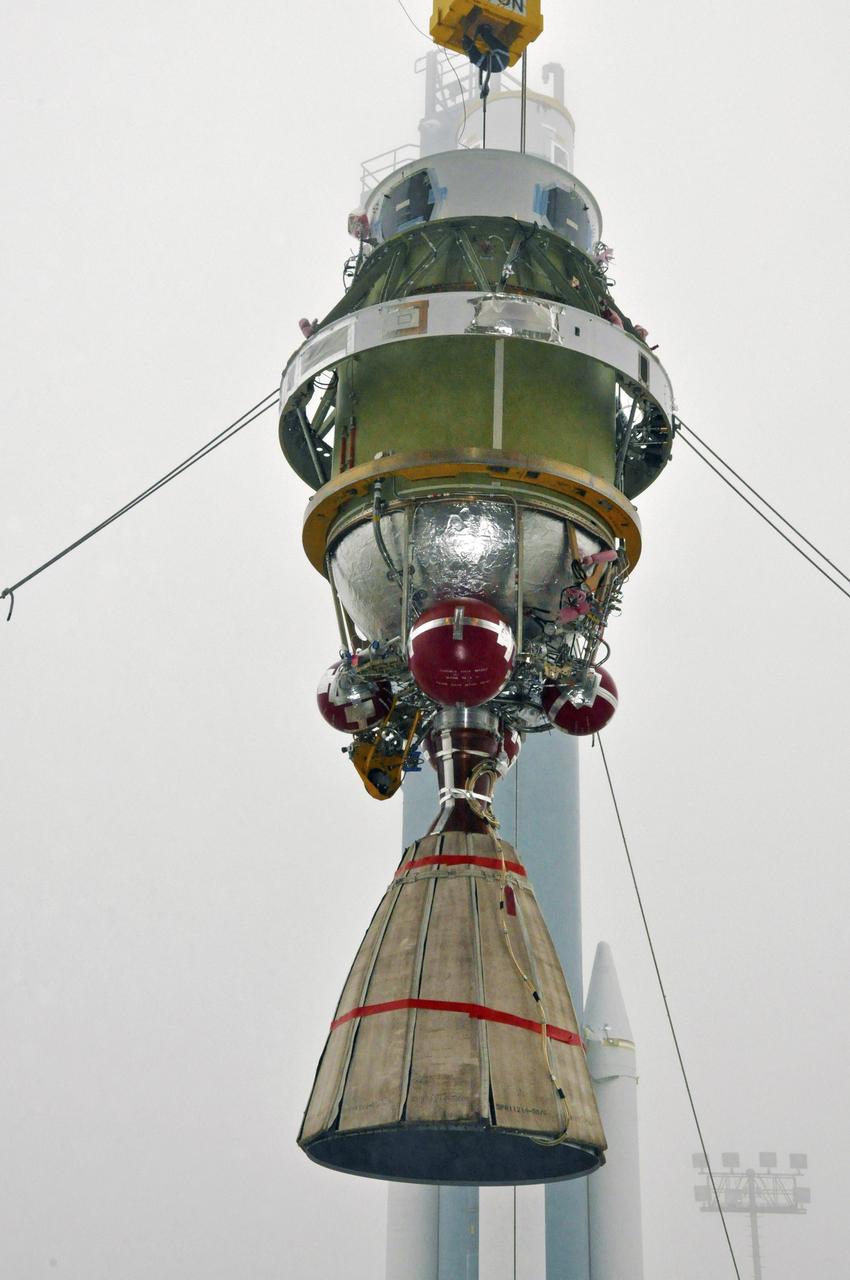
The Delta II second stage for NASA Orbiting Carbon Observatory-2 mission, or OCO-2, is lifted to the top of the mobile service tower at Space Launch Complex 2 on Vandenberg Air Force Base in California.
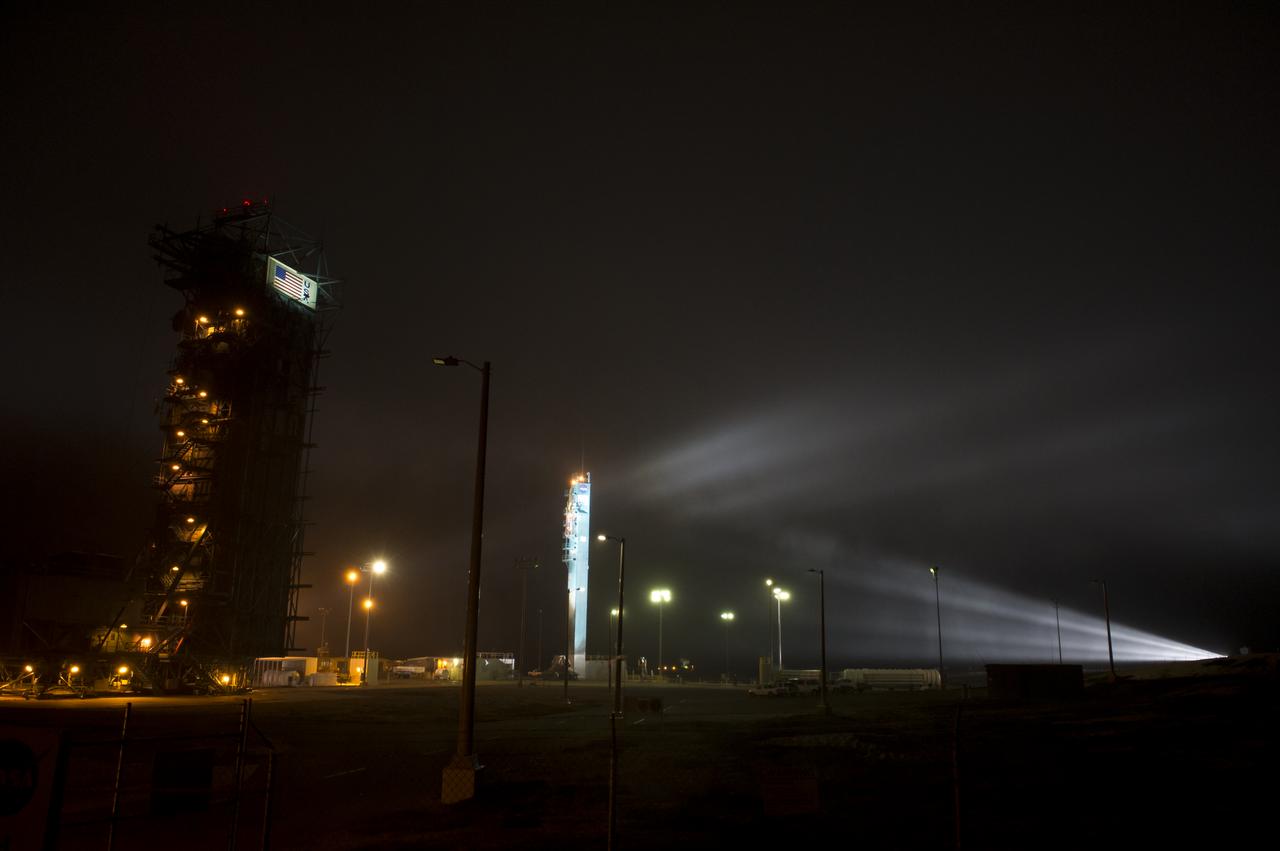
Lights shine on the umbilical tower shortly after a United Launch Alliance Delta II rocket launched with the Orbiting Carbon Observatory-2 (OCO-2)satellite onboard from Space Launch Complex 2 at Vandenberg Air Force Base, Calif. on Wednesday, July 2, 2014. OCO-2 will measure the global distribution of carbon dioxide, the leading human-produced greenhouse gas driving changes in Earth’s climate. Photo Credit: (NASA/Bill Ingalls)
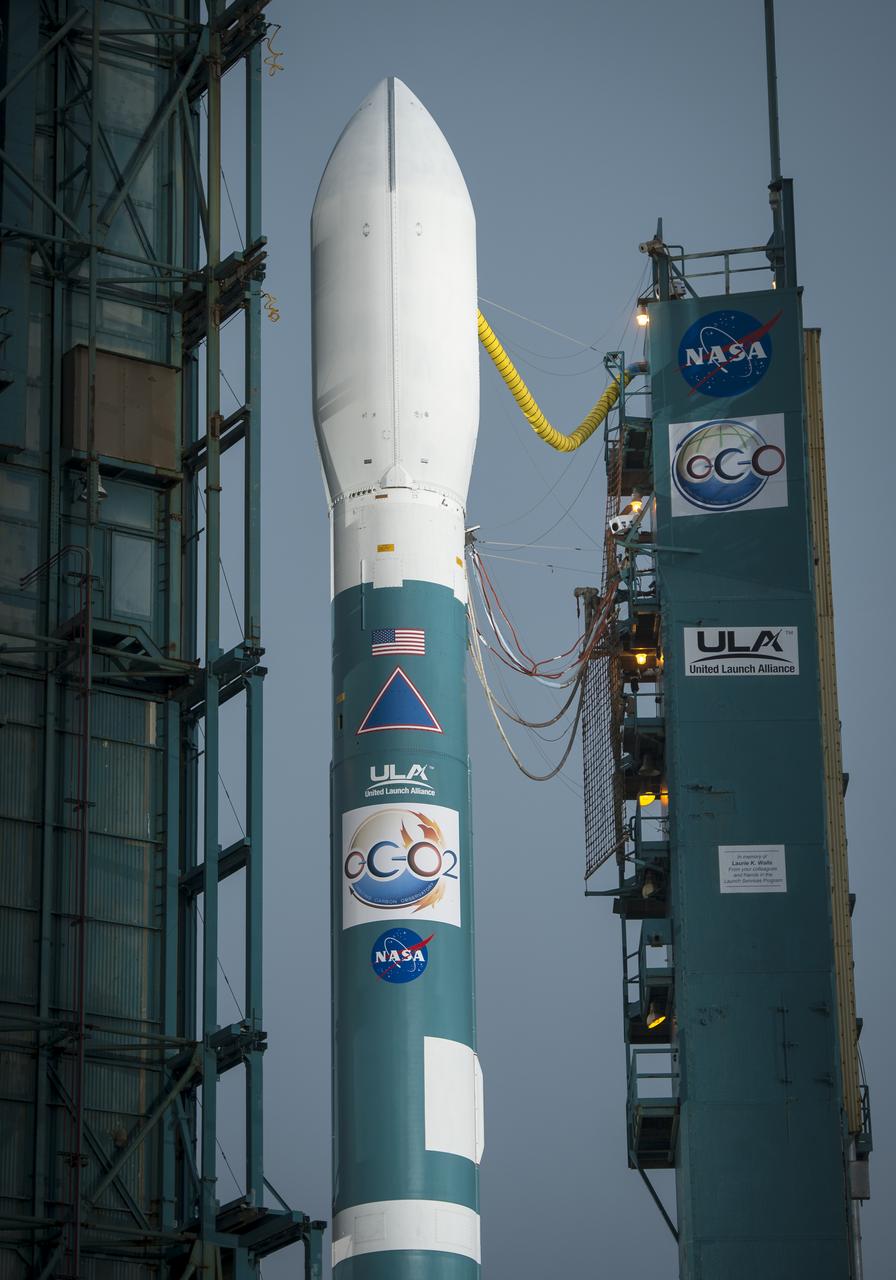
The United Launch Alliance Delta II rocket with the Orbiting Carbon Observatory-2 (OCO-2) satellite onboard, is seen as the launch gantry is moved at the Space Launch Complex 2, Monday, June 30, 2014, Vandenberg Air Force Base, Calif. OCO-2 will measure the global distribution of carbon dioxide, the leading human-produced greenhouse gas driving changes in Earth’s climate. OCO-2 is set for a July 1, 2014 launch. Photo Credit: (NASA/Bill Ingalls)
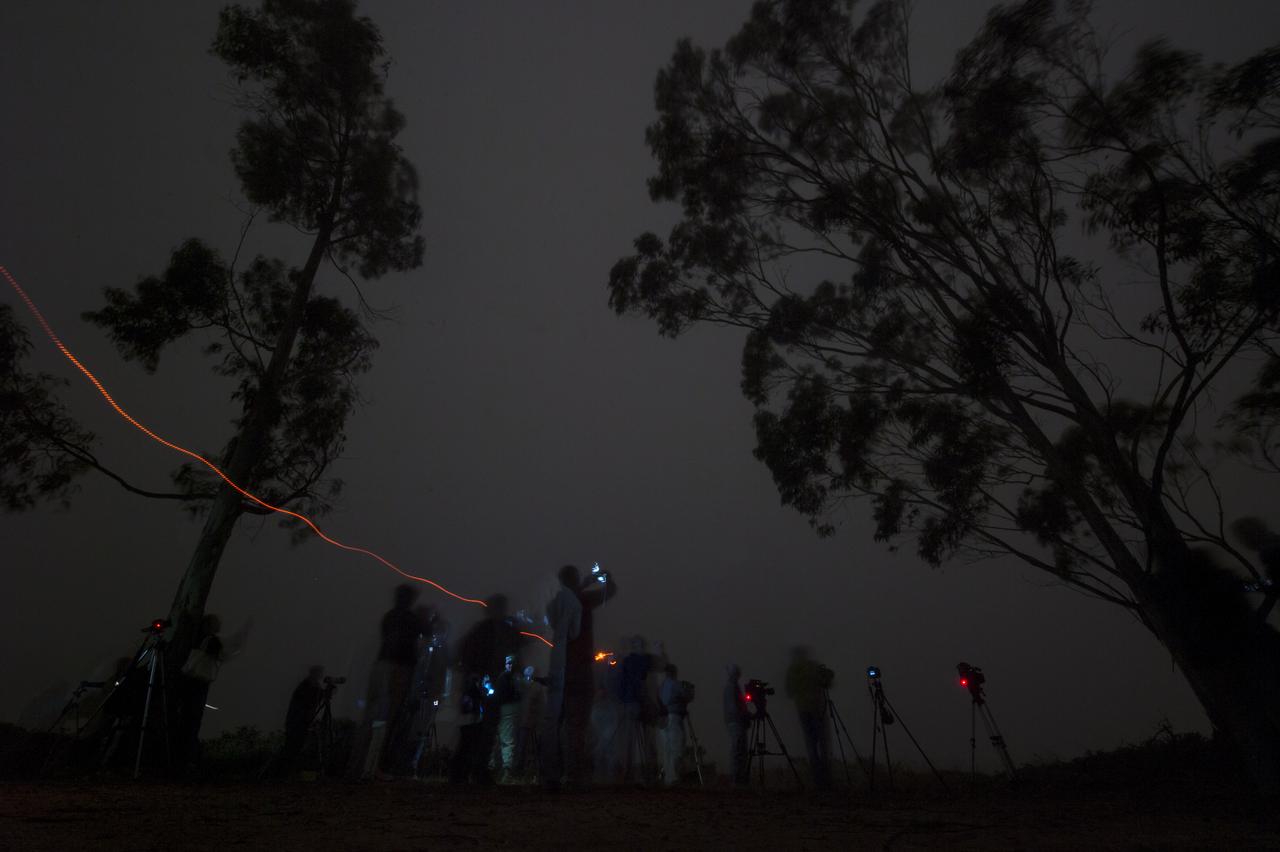
Members of the media are unable to see the launch of the United Launch Alliance Delta II rocket with the Orbiting Carbon Observatory-2 (OCO-2) satellite onboard due to heavy fog at Vandenberg Air Force Base, Calif. on Wednesday, July 2, 2014. OCO-2 launched at 2:56 a.m. PDT. OCO-2 will measure the global distribution of carbon dioxide, the leading human-produced greenhouse gas driving changes in Earth’s climate. Photo Credit: (NASA/Bill Ingalls)
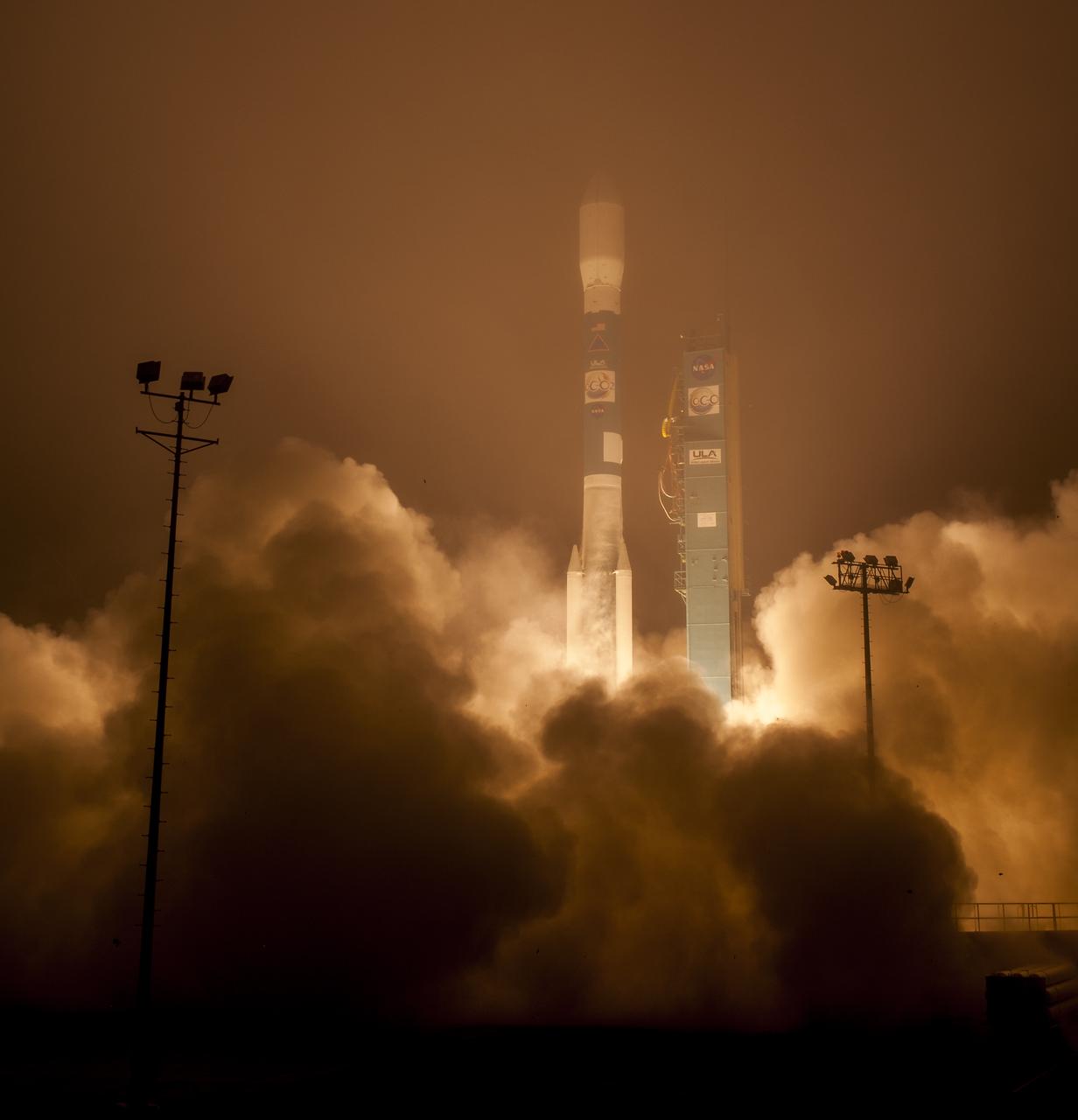
A United Launch Alliance Delta II rocket launches with the Orbiting Carbon Observatory-2 (OCO-2)satellite onboard from Space Launch Complex 2 at Vandenberg Air Force Base, Calif. on Wednesday, July 2, 2014. OCO-2 will measure the global distribution of carbon dioxide, the leading human-produced greenhouse gas driving changes in Earth’s climate. Photo Credit: (NASA/Bill Ingalls)
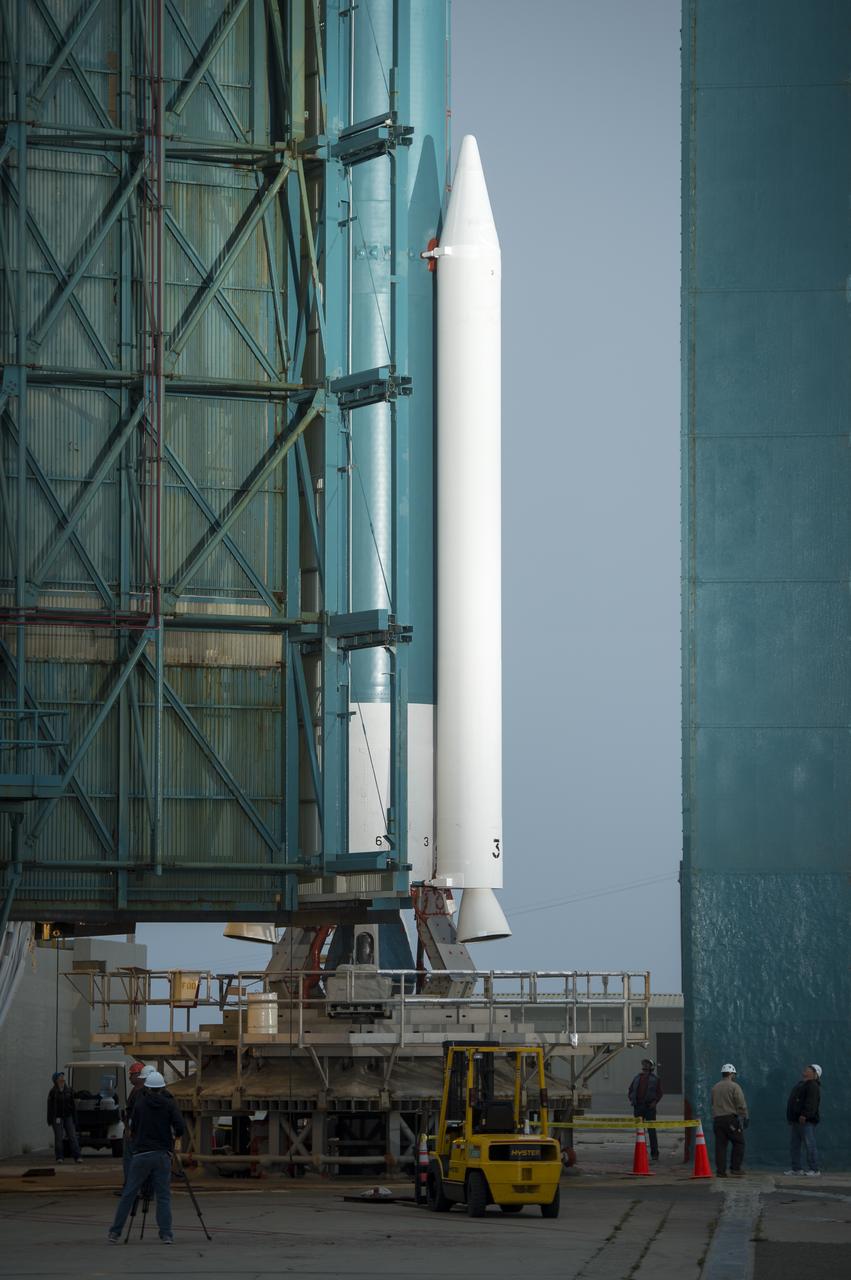
Workers monitor the progress of the rollback of the launch gantry from the United Launch Alliance Delta II rocket with the Orbiting Carbon Observatory-2 (OCO-2) satellite onboard, at Space Launch Complex 2, Monday, June 30, 2014, Vandenberg Air Force Base, Calif. OCO-2 will measure the global distribution of carbon dioxide, the leading human-produced greenhouse gas driving changes in Earth’s climate. OCO-2 is set for a July 1, 2014 launch. Photo Credit: (NASA/Bill Ingalls)