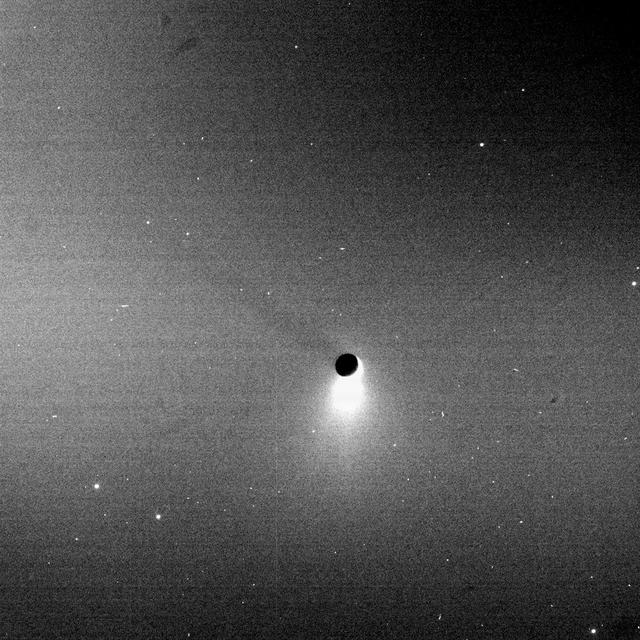
Blazing like an icy torch, the plume of Enceladus shines in scattered sunlight as the moon casts a shadow onto Saturn E ring
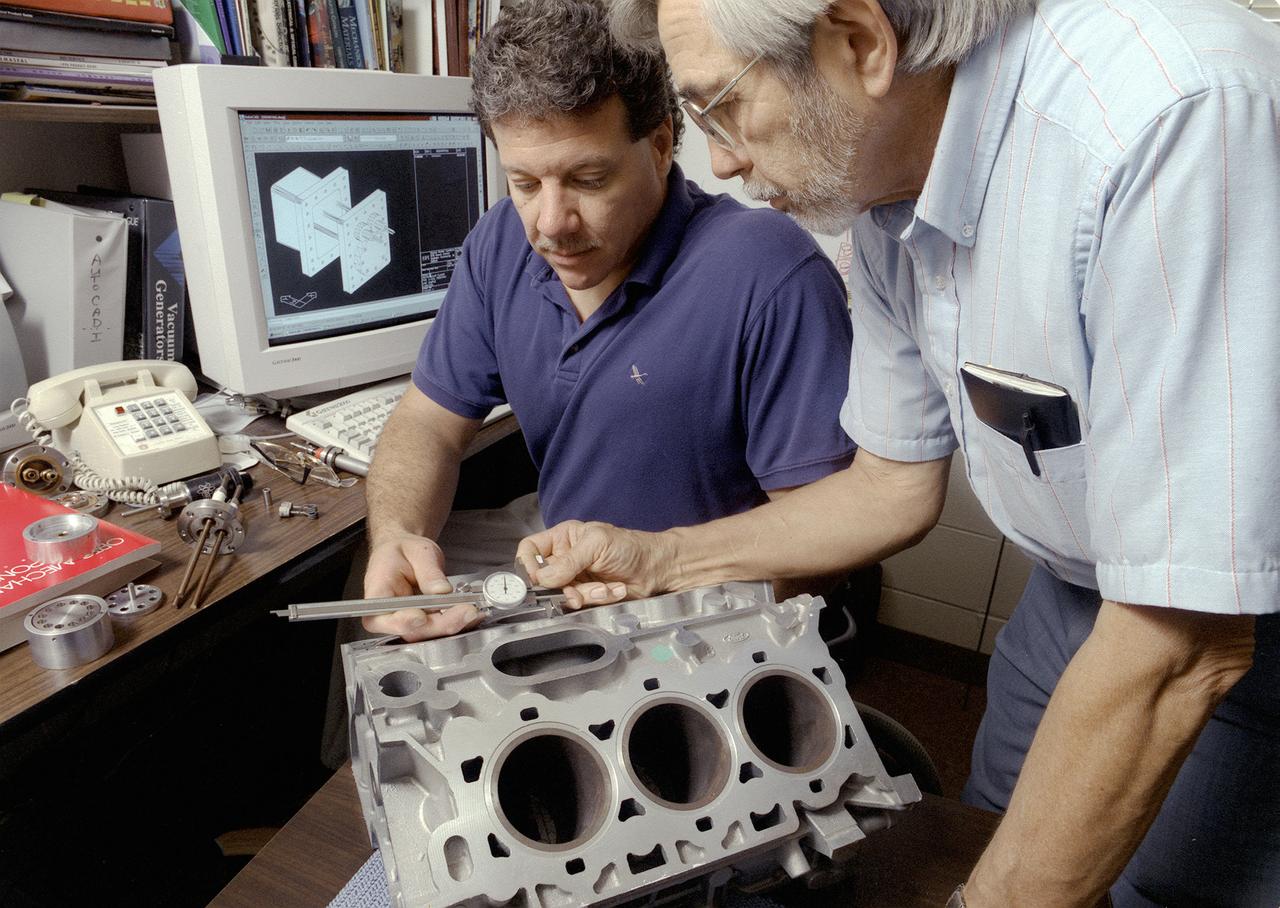
Don Sirois, an Auburn University research associate, and Bruce Strom, a mechanical engineering Co-Op Student, are evaluating the dimensional characteristics of an aluminum automobile engine casting. More accurate metal casting processes may reduce the weight of some cast metal products used in automobiles, such as engines. Research in low gravity has taken an important first step toward making metal products used in homes, automobiles, and aircraft less expensive, safer, and more durable. Auburn University and industry are partnering with NASA to develop one of the first accurate computer model predictions of molten metals and molding materials used in a manufacturing process called casting. Ford Motor Company's casting plant in Cleveland, Ohio is using NASA-sponsored computer modeling information to improve the casting process of automobile and light-truck engine blocks.
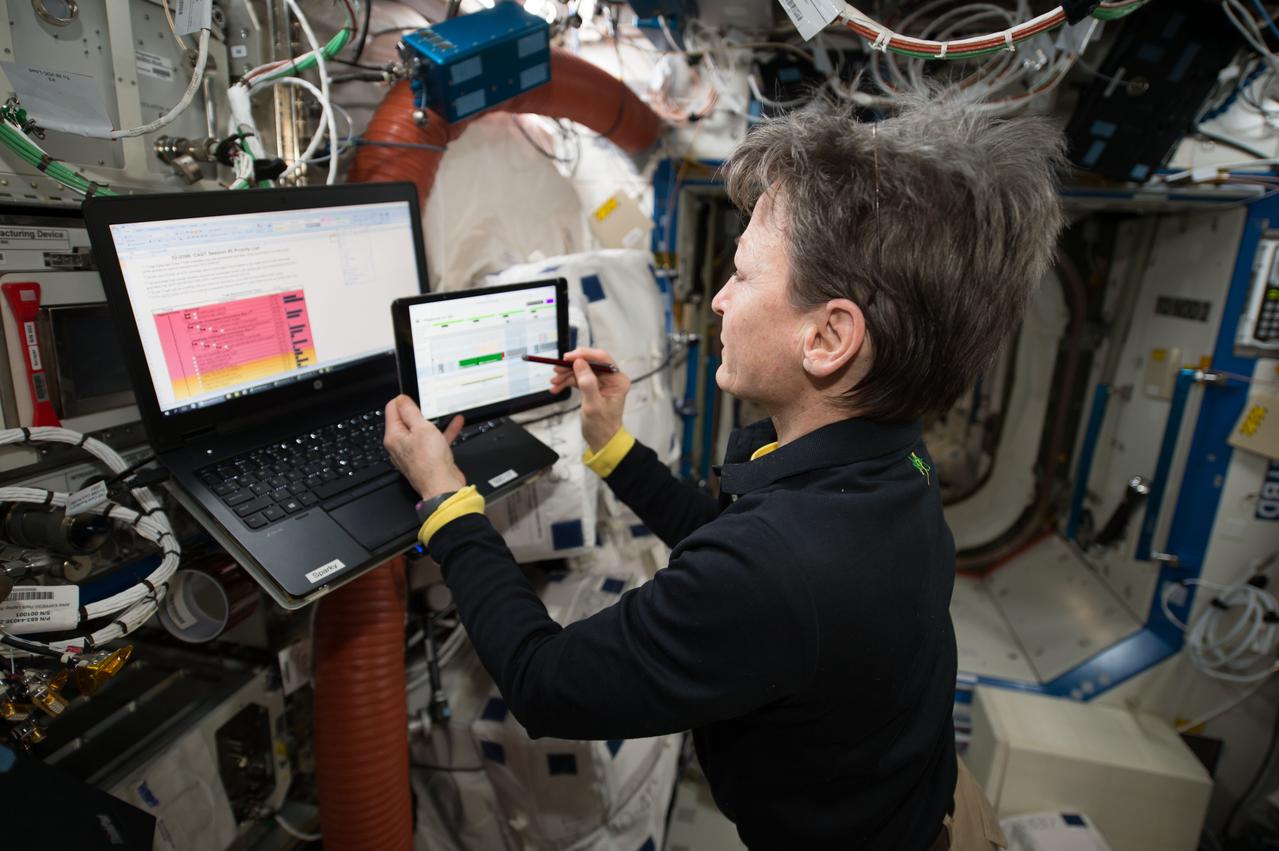
iss052e016214 (7/18/2017) --- NASA astronaut Peggy Whitson completing the final of five Crew Autonomous Scheduleing test (CAS) sessions using an iPad to schedule future work day. The CAST investigation analyzes whether crews can develop plans in a reasonable period of time with appropriate input, whether proximity of planners to the planned operations increases efficiency, and if crew members are more satisfied when given a role in plan development.
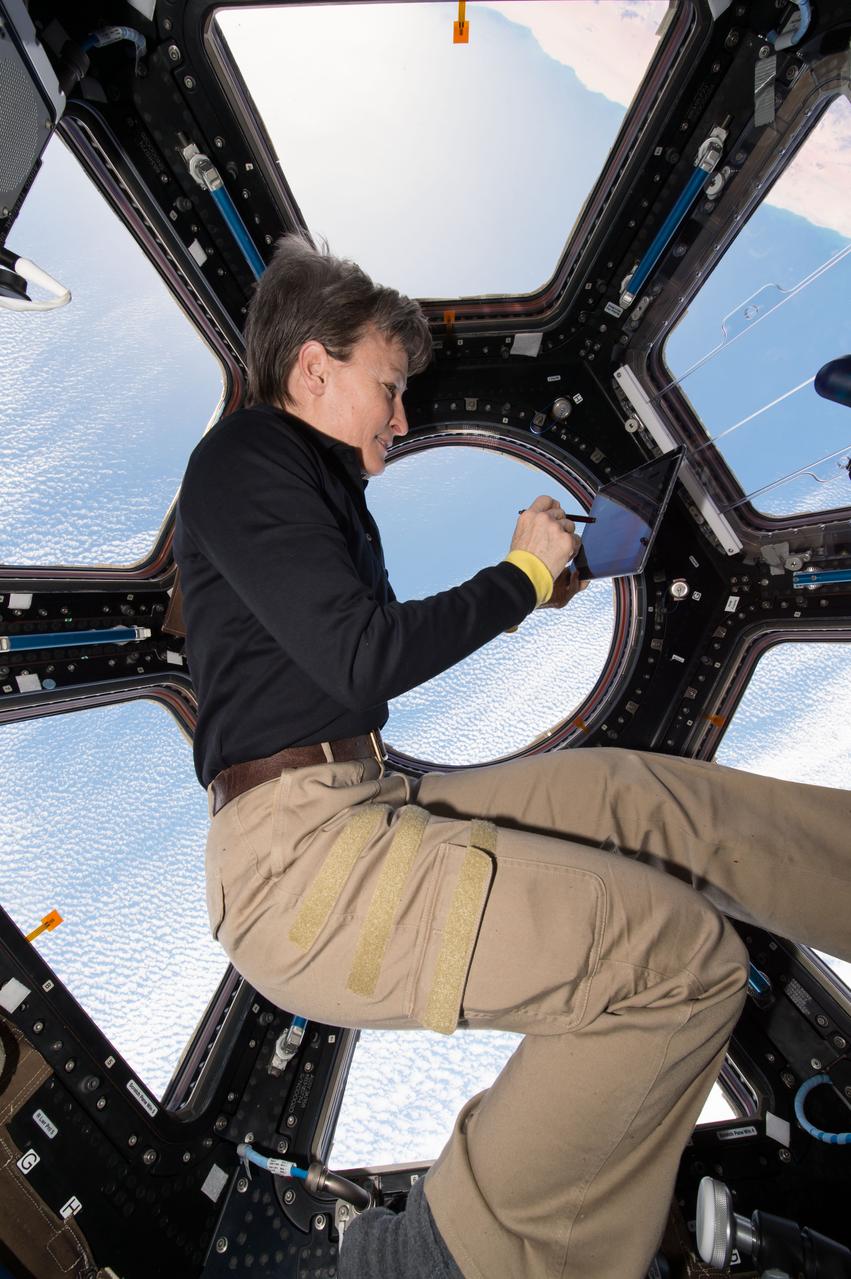
iss052e016179 (7/18/2017) --- NASA astronaut Peggy Whitson is photographed sitting in front of the Cupola windows during the final Crew Autonomous Scheduling Test (CAST) session. The CAST investigation analyzes whether crews can develop plans in a reasonable period of time with appropriate input, whether proximity of planners to the planned operations increases efficiency, and if crew members are more satisfied when given a role in plan development
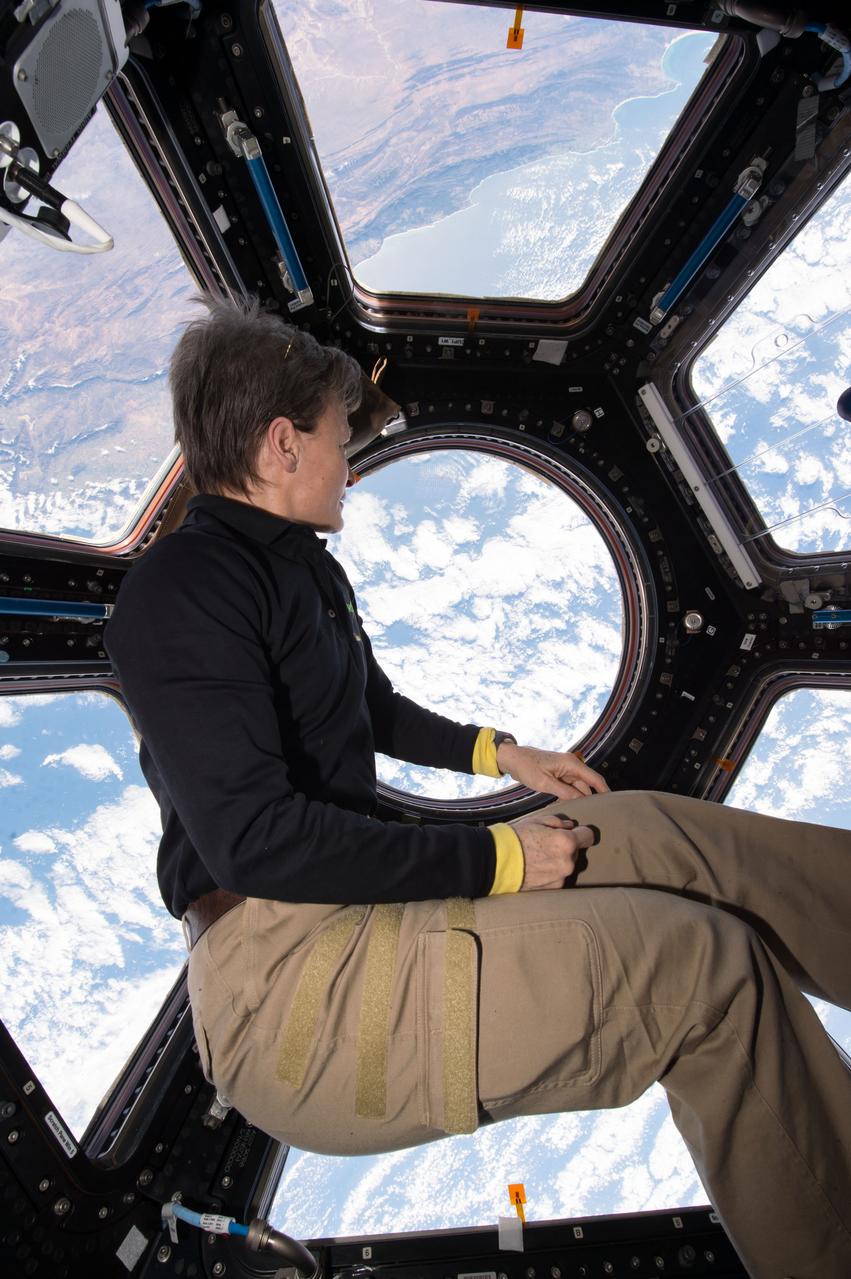
iss052e016190 (July 18, 2017) --- Astronaut Peggy Whitson is photographed sitting in front of the Cupola windows during the final Crew Autonomous Scheduling Test (CAST) session. The CAST investigation analyzes whether crews can develop plans in a reasonable period of time with appropriate input, whether proximity of planners to the planned operations increases efficiency, and if crew members are more satisfied when given a role in plan development.
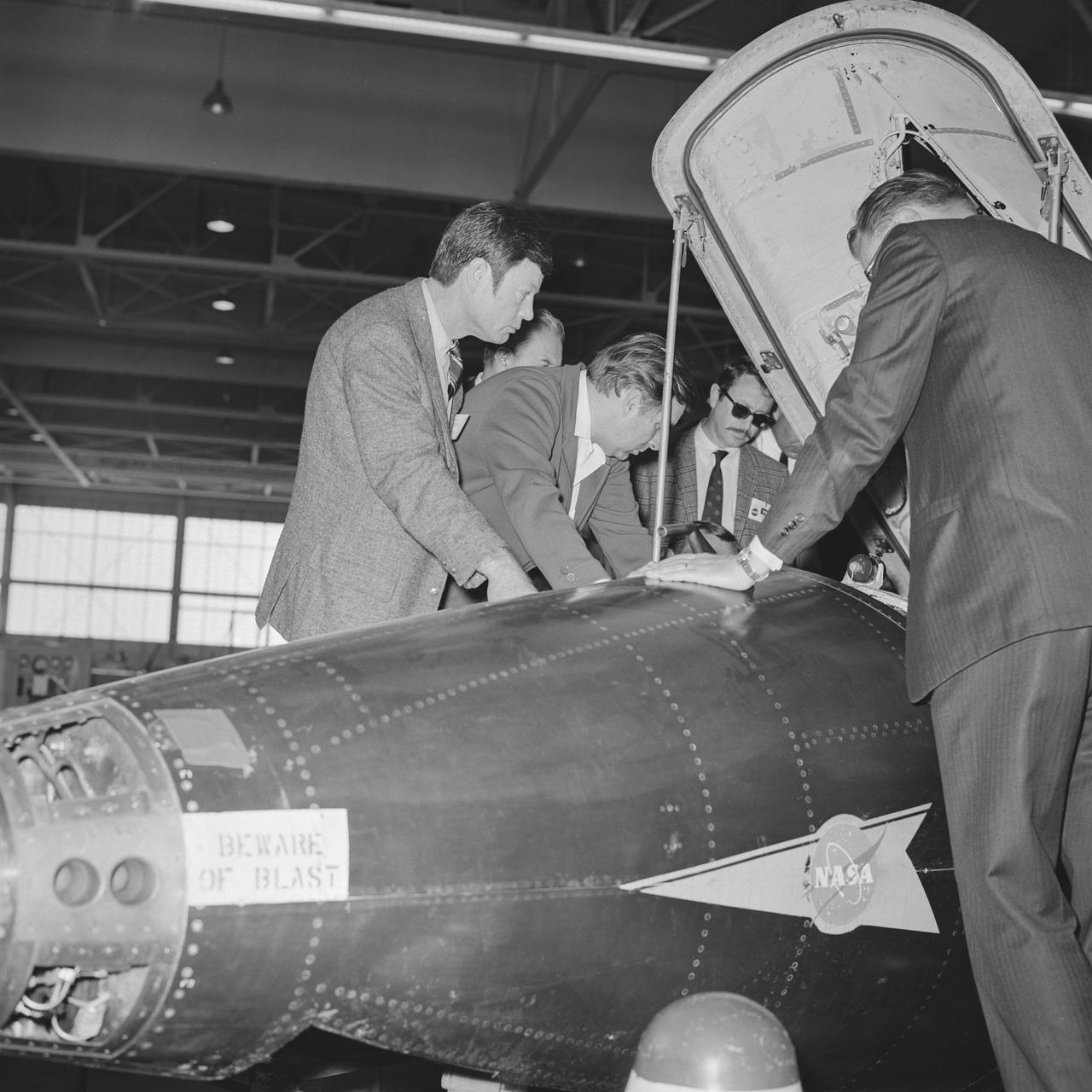
The 1960s Star Trek television series’ cast members visit NASA Dryden Flight Research Center, now Armstrong, in 1967. Chief Medical Officer Leonard ‘Bones’ McCoy played by DeForest Kelley and the show’s creator Gene Roddenberry receive briefing on X-15 cockpit as they view inside.
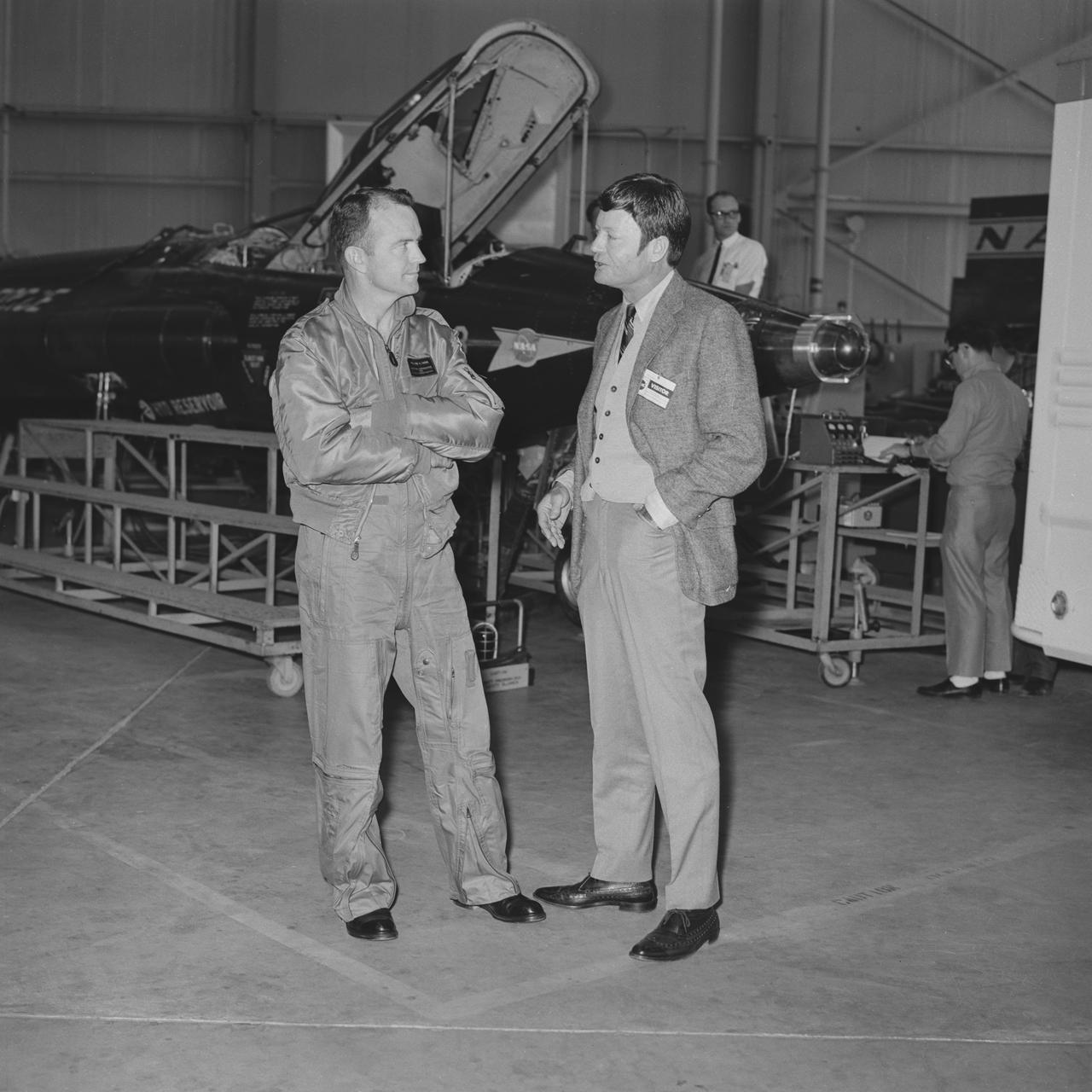
The 1960s Star Trek television series’ cast member Chief Medical Officer Leonard ‘Bones’ McCoy played by DeForest Kelley talks to Bill Dana, NASA X-15 pilot, in front of one of three X-15’s during visit to NASA Dryden Flight Research Center, now Armstrong, back in 1967.
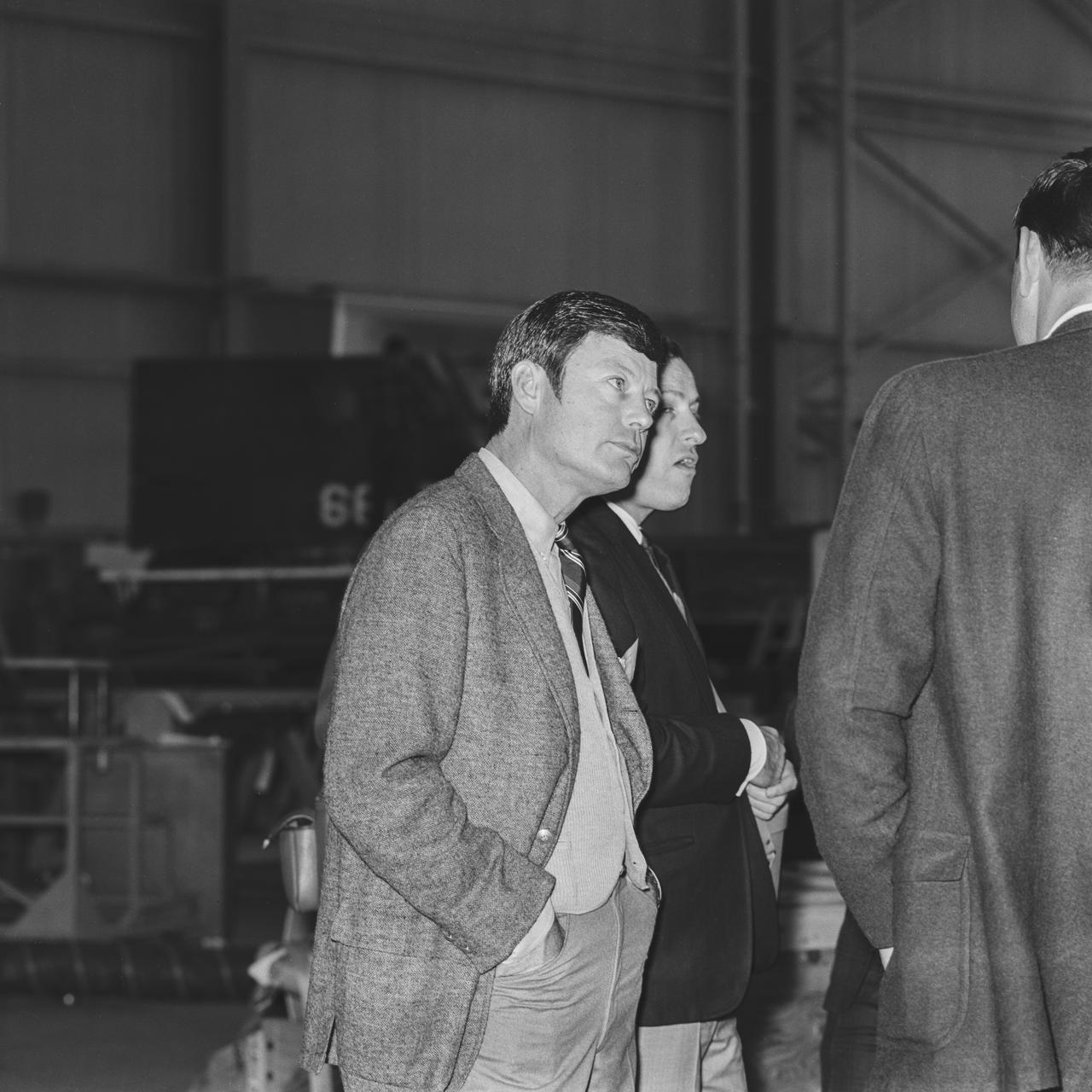
The 1960s Star Trek television series’ cast members visit NASA Dryden Flight Research Center, now Armstrong, in 1967. Chief Medical Officer Leonard ‘Bones’ McCoy played by DeForest Kelley talks with NASA officials in one of the center’s aircraft hangar.
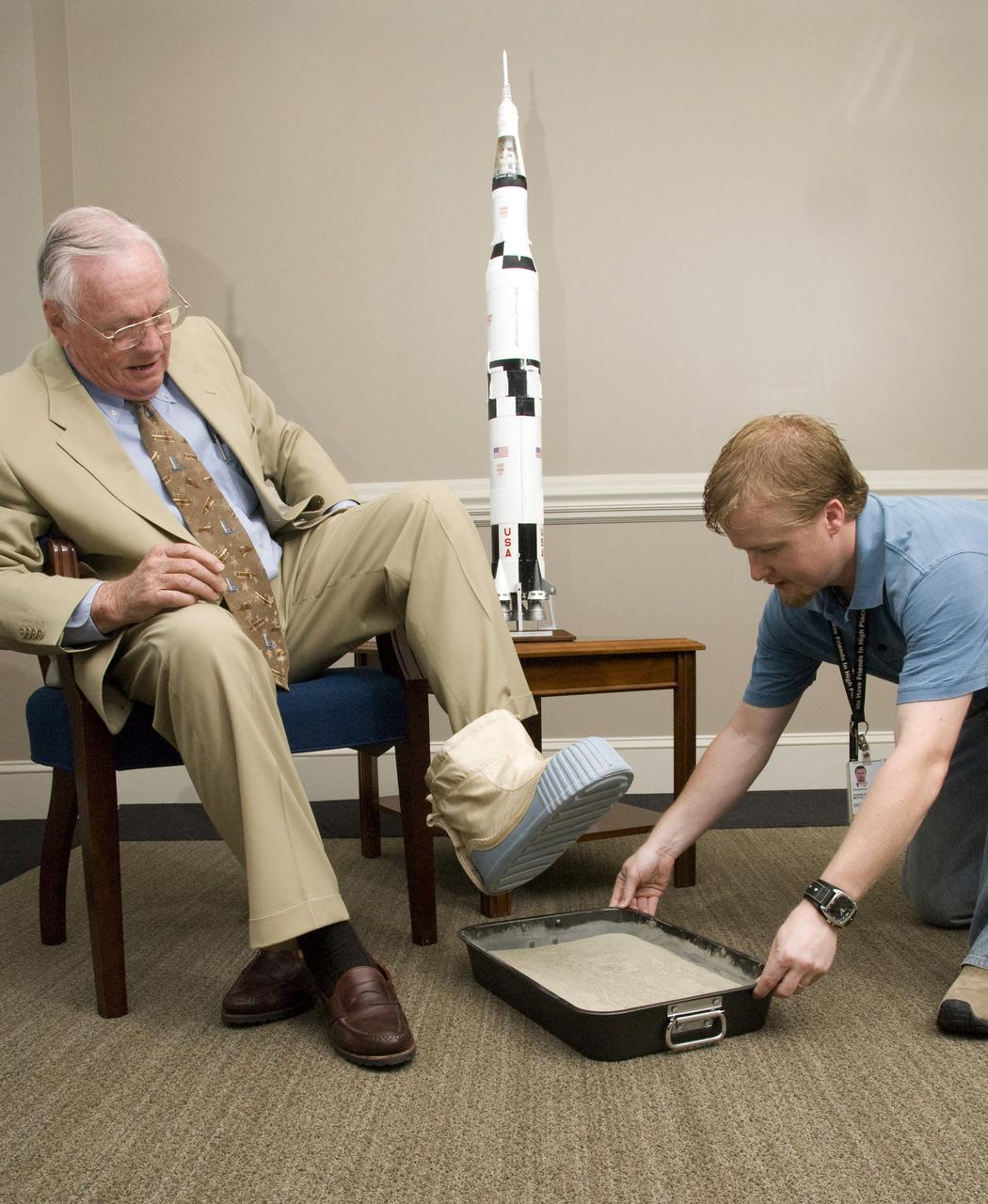
Among several other NASA dignitaries, former astronaut Neil A. Armstrong visited the Marshall Space Flight Center (MSFC) in attendance of the annual NASA Advisory Council Meeting. While here, Mr. Armstrong was gracious enough to allow the casting of his footprint. This casting will join those of other astronauts on display at the center. Armstrong was first assigned to astronaut status in 1962. He served as command pilot for the Gemini 8 mission, launched March 16, 1966, and performed the first successful docking of two vehicles in space. In 1969, Armstrong was commander of Apollo 11, the first manned lunar landing mission, and gained the distinction of being the first man to land a craft on the Moon and the first man to step on its surface. Armstrong subsequently held the position of Deputy Associate Administrator for Aeronautics, NASA Headquarters Office of Advanced Research and Technology, from 1970 to 1971. He resigned from NASA in 1971. Pictured with Armstrong is MSFC employee Daniel McFall, who assisted with the casting procedure.
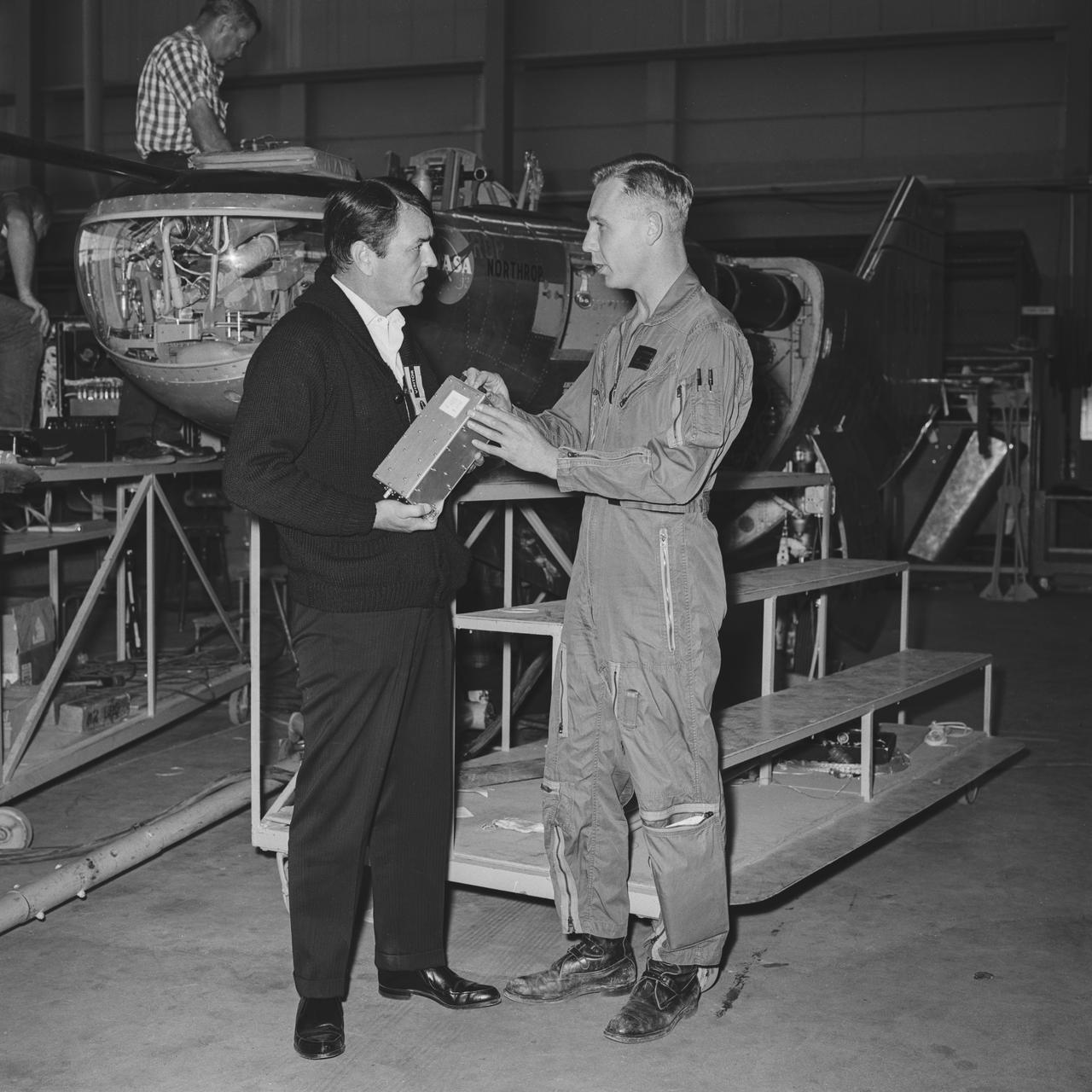
The 1960s Star Trek television series’ cast members visit NASA Dryden Flight Research Center, now called Armstrong, in 1967. The show’s Chief Engineer Montgomery ‘Scotty’ Scott played by James Doohan talks with NASA Pilot Bruce Peterson.
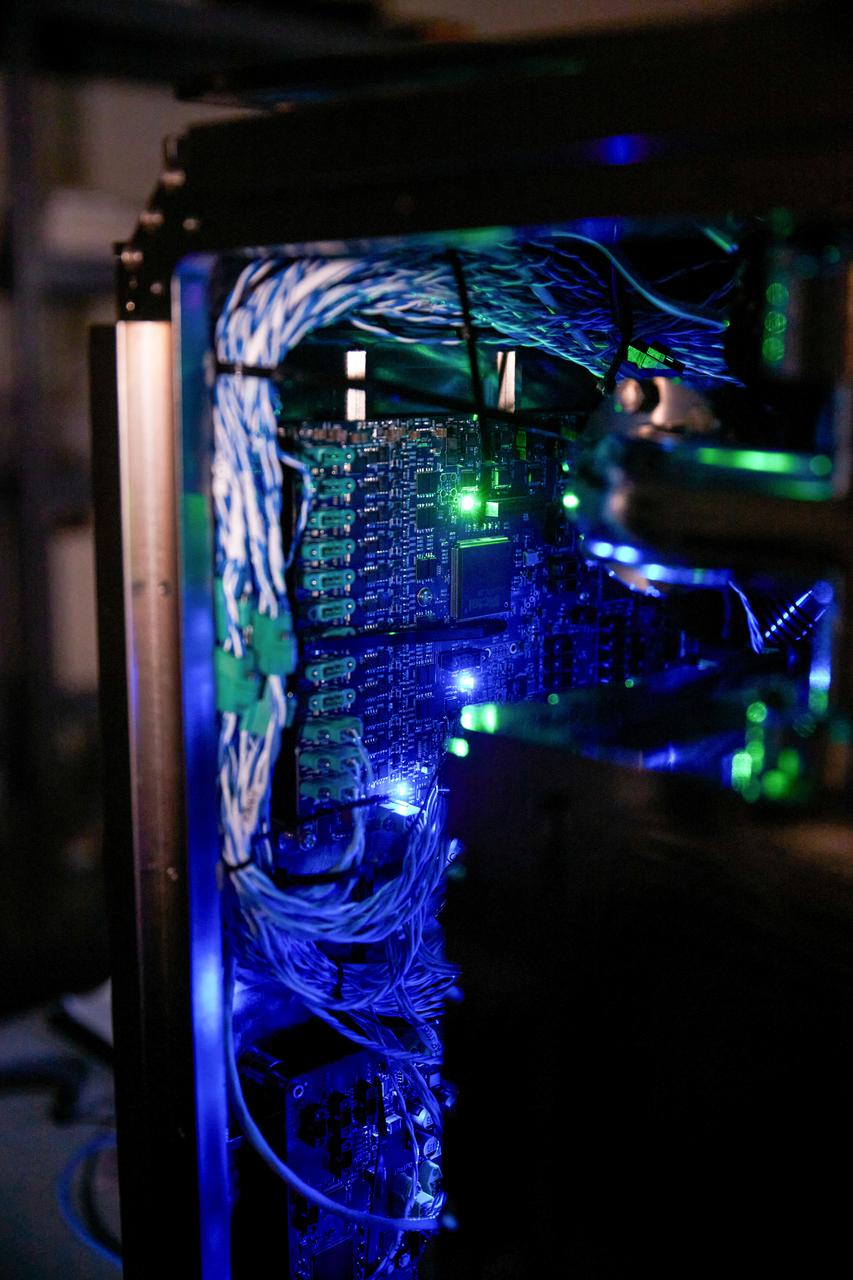
jsc2021e063286 (3/5/2021) --- The Turbine Superalloy Casting Module (Turbine SCM) is a commercial in-space manufacturing device designed to provide proof-of-principle for polycrystal superalloy part manufacturing in microgravity for terrestrial use. Image courtesy of Redwire.
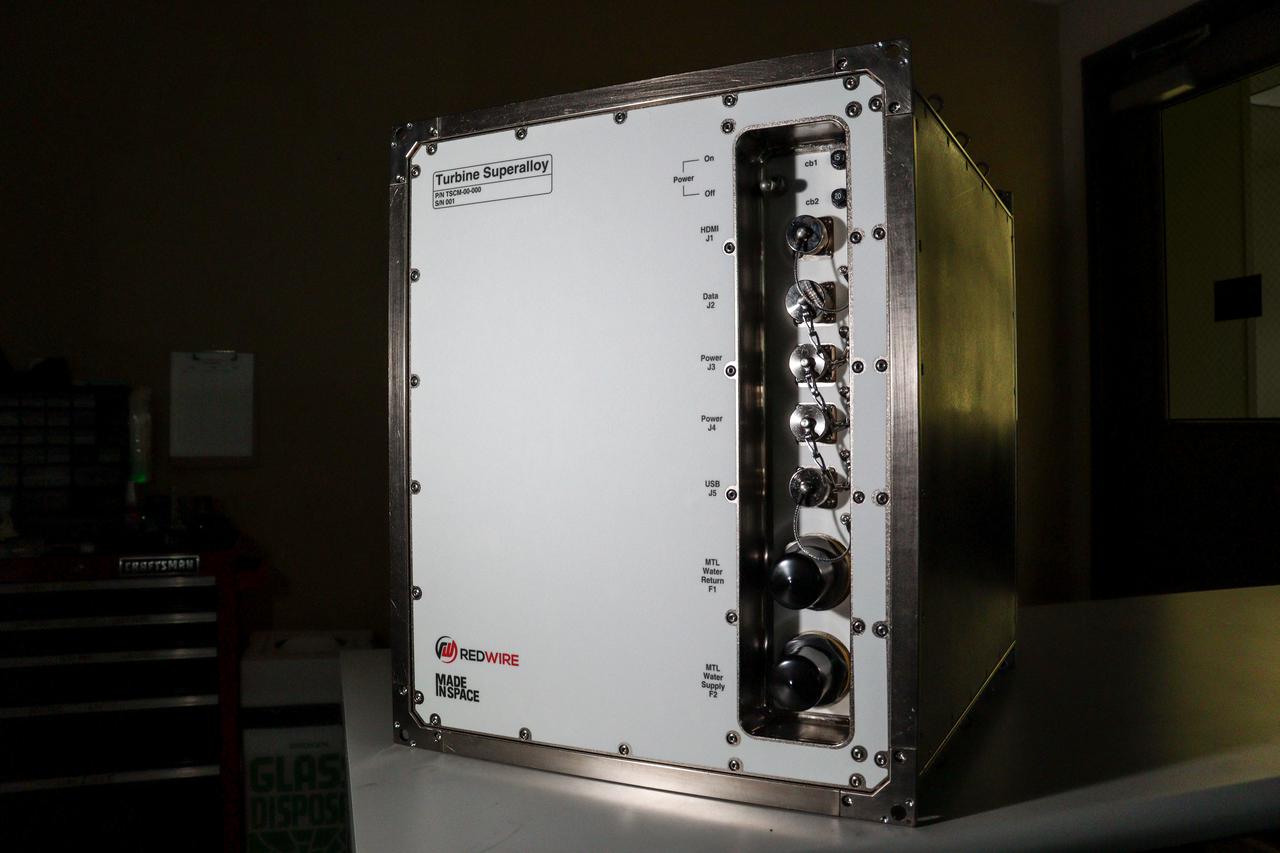
jsc2021e063285 (12/10/2021) --- The Turbine Superalloy Casting Module (Turbine SCM) is a commercial in-space manufacturing device designed to provide proof-of-principle for polycrystal superalloy part manufacturing in microgravity for terrestrial use. Image courtesy of Redwire.
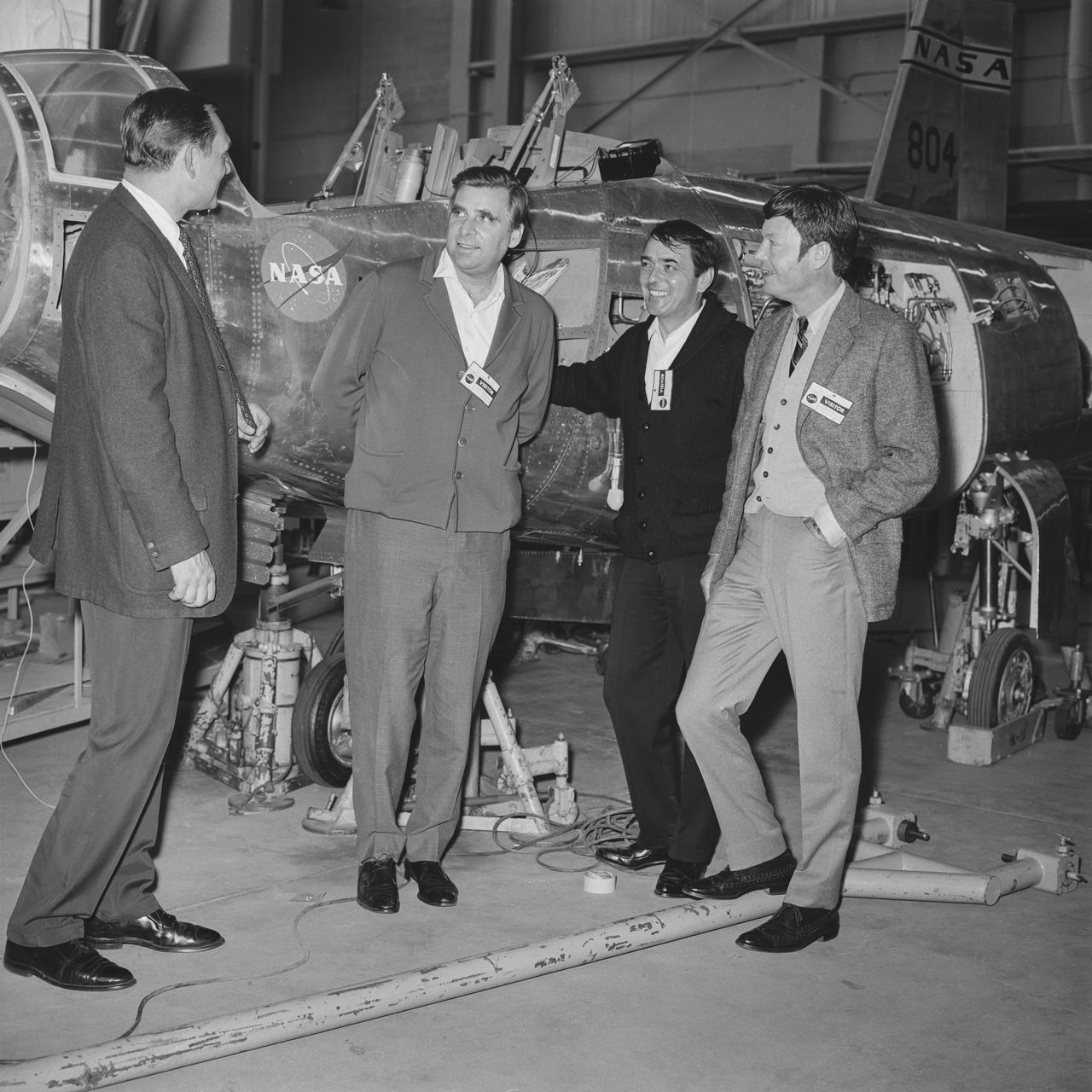
The 1960s Star Trek television series cast members Chief Engineer Montgomery ‘Scotty’ Scott played by James Doohan and Chief Medical Officer Leonard ‘Bones’ McCoy played by DeForest Kelley and the show’s creator Gene Roddenberry receive briefing on NASA Dryden Flight Research Center, now Armstrong, in front of HL-10
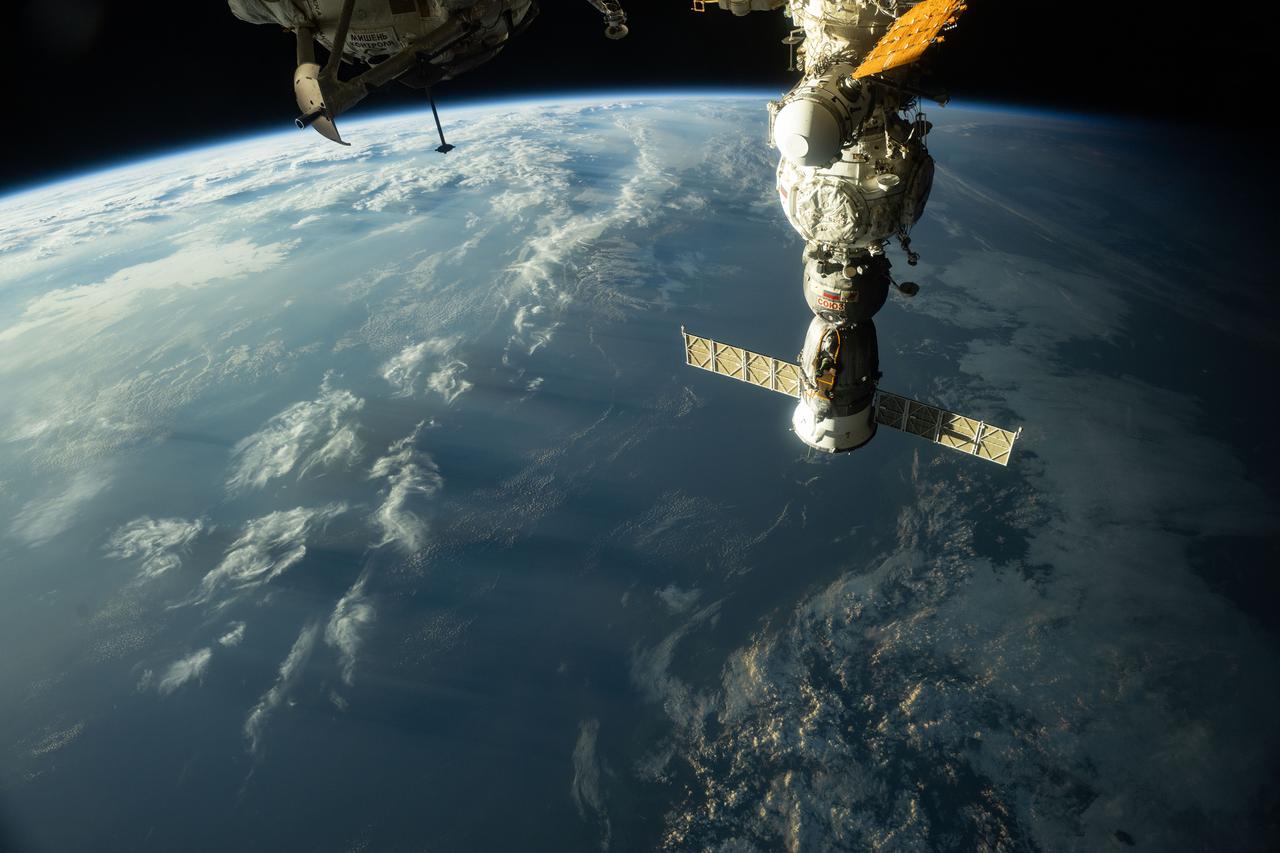
iss073e0384035 (Juny 12, 2025) --- The sunset casts long, cloudy shadows over Japan in this photograph from the International Space Station as it orbited 259 miles above the island nation. In the right foreground, the Soyuz MS-27 crew ship is docked to the Prichal module.
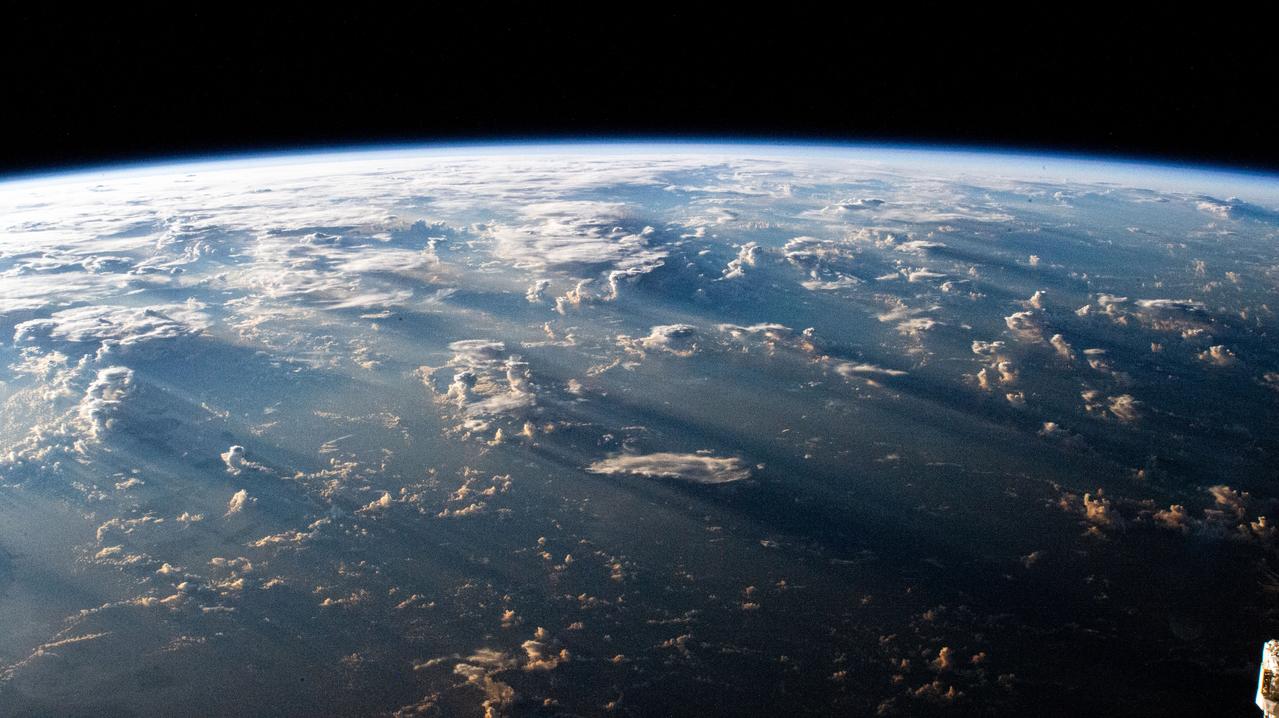
iss072e742575 (March 10, 2025) --- A Southeast Asian sunrise casts long shadows behind clouds in this photograph from the International Space Station as it orbited 263 miles above the Bismarck Sea.
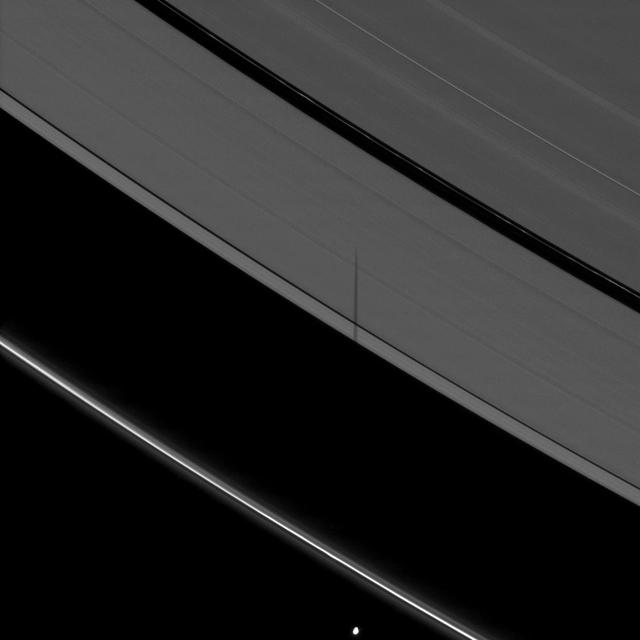
The moon Pandora casts a shadow onto Saturn A ring but not the F ring.

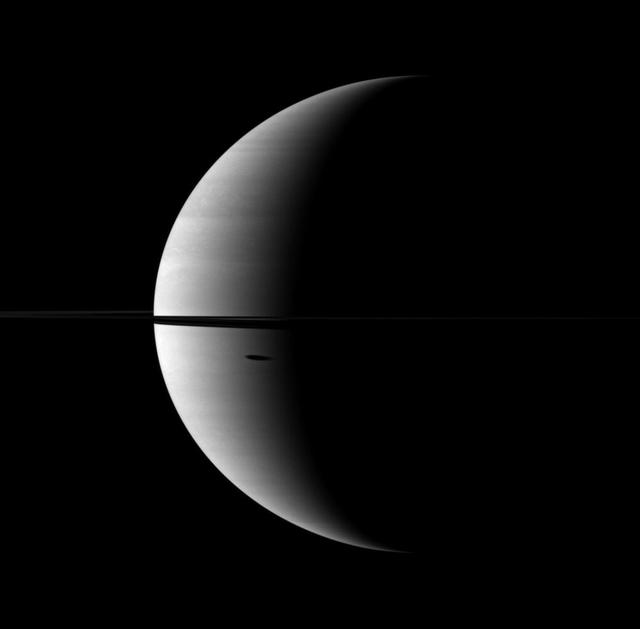
Saturn moon Mimas casts a elliptical shadow on the planet south of the larger, wider shadows cast by the planet rings. Mimas and the rings are not shown in this image captured by NASA Cassini spacecraft.
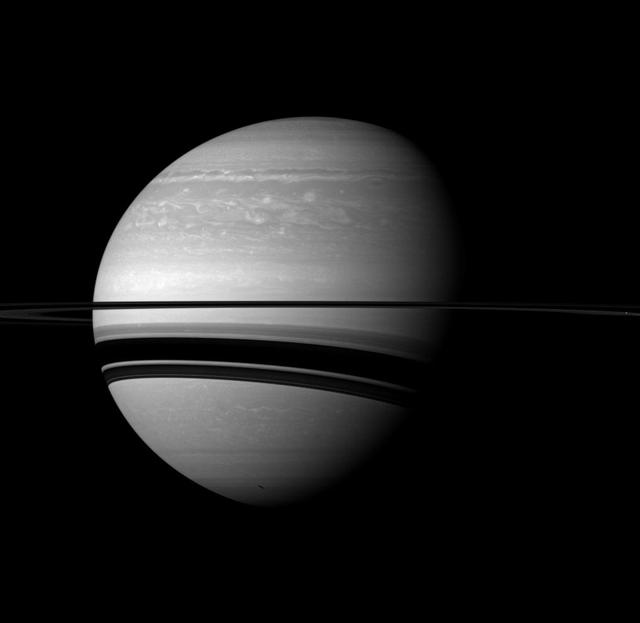
Saturn rings cast wide shadows on the planet, and the shadow of a moon also graces the gas giant in this scene from NASA Cassini spacecraft. The moon Enceladus is not shown in this view, but it does cast a small, elongated shadow.

Saturn moon Prometheus casts a narrow shadow on the rings near the much larger shadow cast by the planet in this image taken by NASA Cassini spacecraft about five months after Saturn August 2009 equinox.
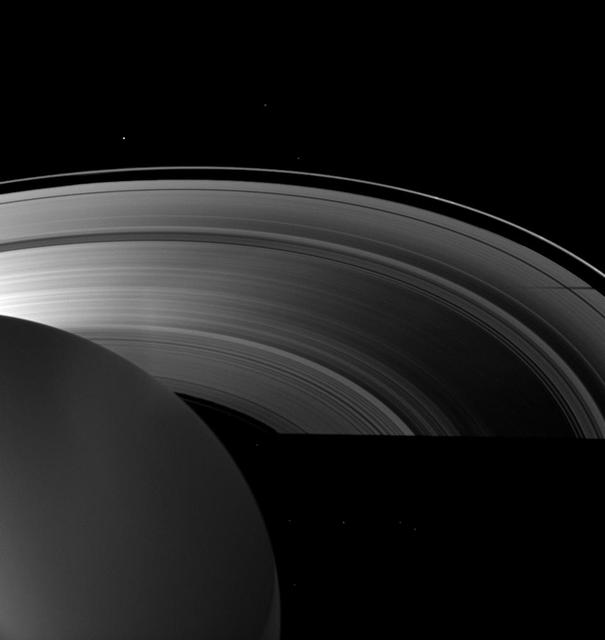
Saturn moon Tethys casts a shadow on the planet A ring alongside the larger shadow cast by the planet itself in this image taken as Saturn approached its August 2009 equinox.
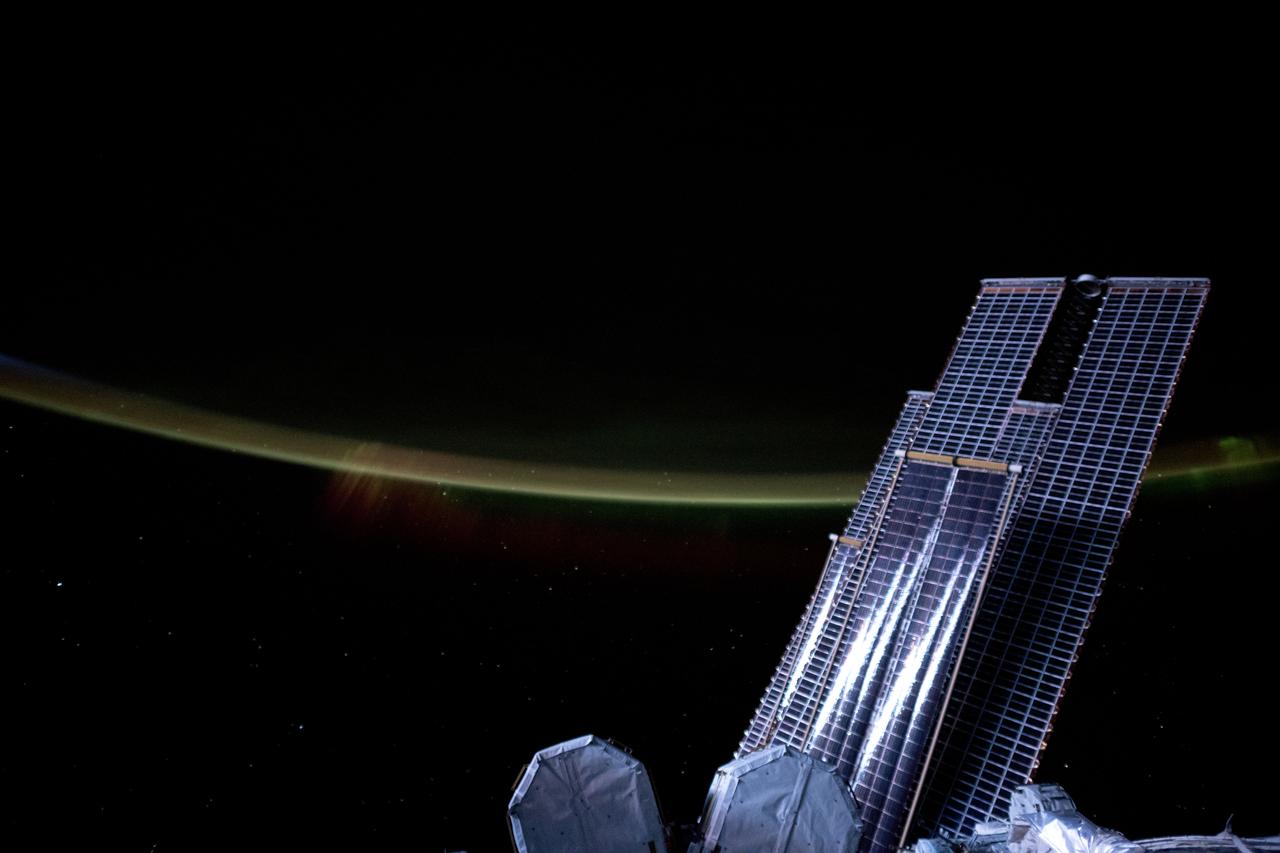
iss073e0039722 (April 23, 2025) --- Moonlight casts a silvery light on a set of the International Space Station's main solar arrays and rollout solar arrays and crowned by Earth's atmospheric glow and a wispy aurora as it orbited 272 miles above the southern Indian Ocean at approximately 8:06 p.m. local time.
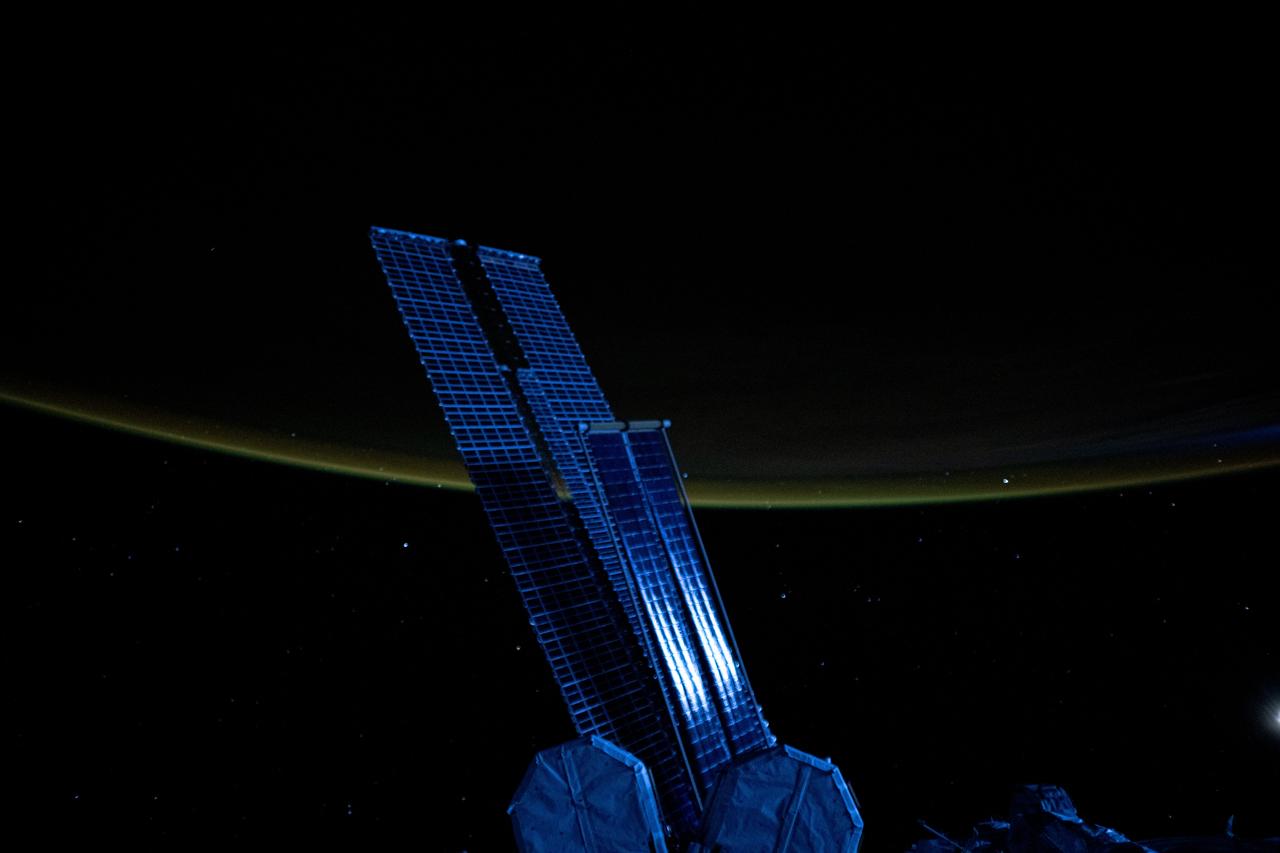
iss073e0041283 (April 23, 2025) --- Moonlight casts a blue light on a set of the International Space Station's main solar arrays and rollout solar arrays and crowned by Earth's atmospheric glow as it orbited 259 miles above the North Pacific Ocean at approximately 3:39 a.m. local time.
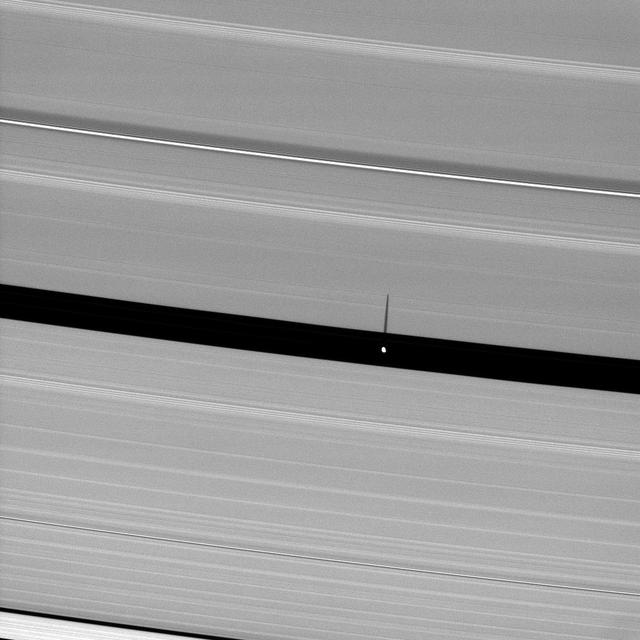
Saturn moon Pan, orbiting in the Encke Gap, casts a slender shadow onto the A ring.
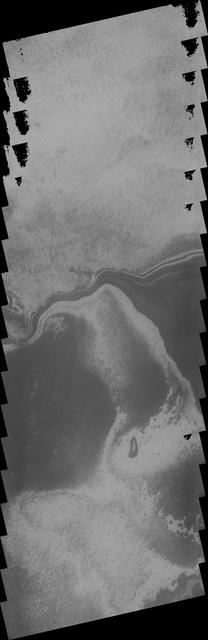
Back by popular demand: THEMIS ART IMAGE #72 Is this bearded wizard casting a martian spell?
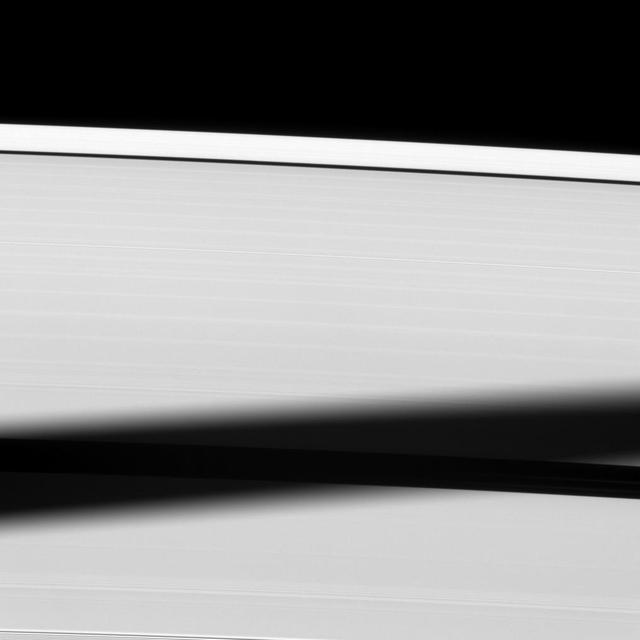
The shadow of the moon Tethys is cast onto Saturn A ring, almost blanketing the Enke Gap.
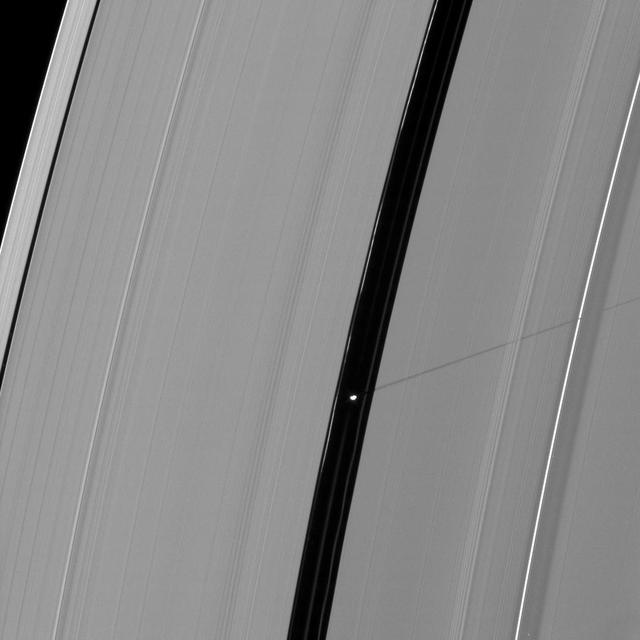
Saturn moon Pan casts a longer shadow across the A ring as the planet August 2009 equinox draws near.
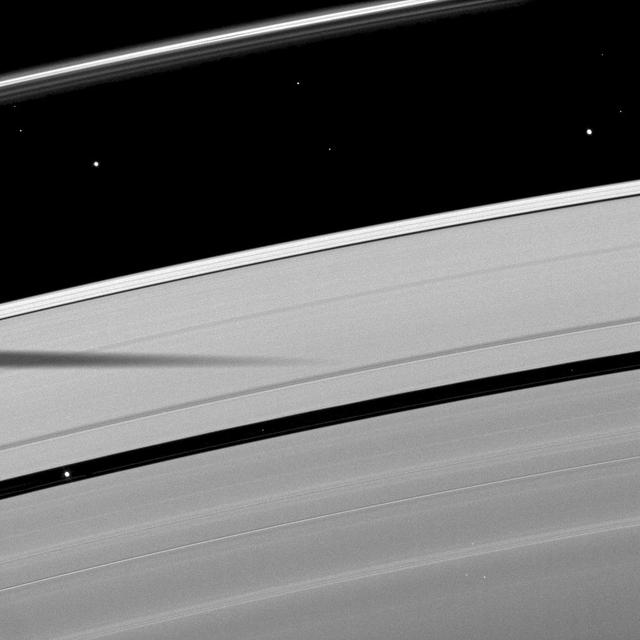
The shadow of the moon Mimas is cast on Saturn outer A ring in this image which also shows a couple of moons and a collection of stars.
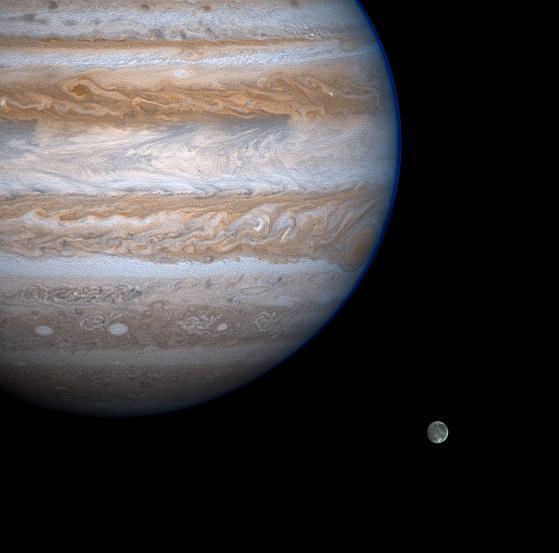
Jupiter casts a baleful eye toward the moon Ganymede in this enhanced-contrast image from NASA Cassini spacecraft.
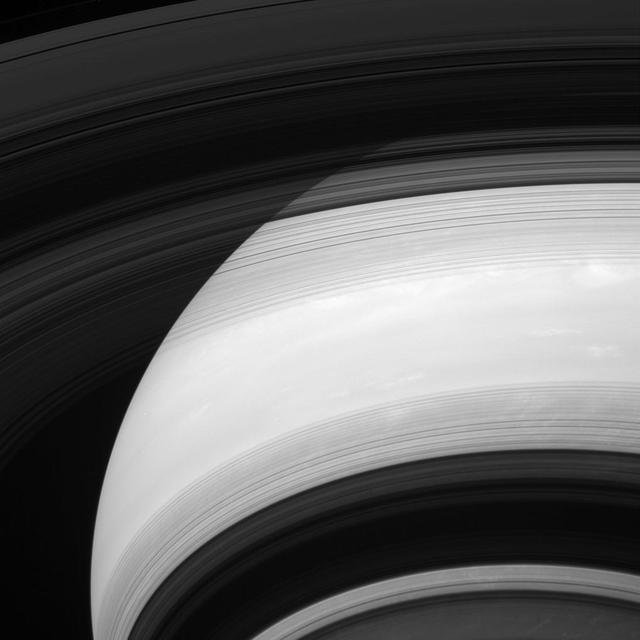
Saturn rings cast shadows on the planet, except their shadows appear to be inside out in this image captured by NASA Cassini spacecraft.
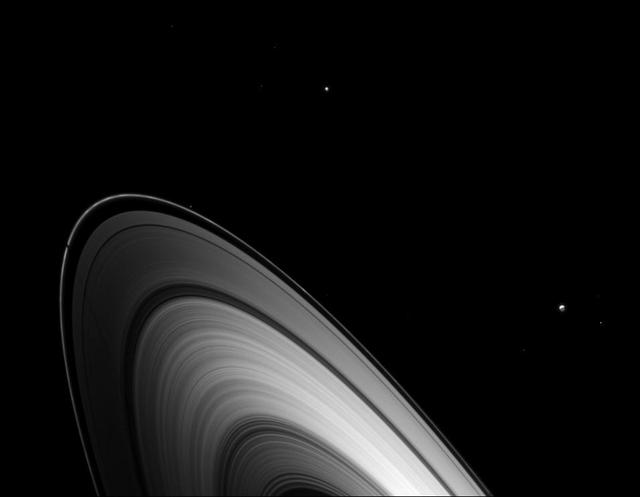
Just before Saturn August 2009 equinox, Dione joined other Saturnian moons in casting shadows on the planet main rings.
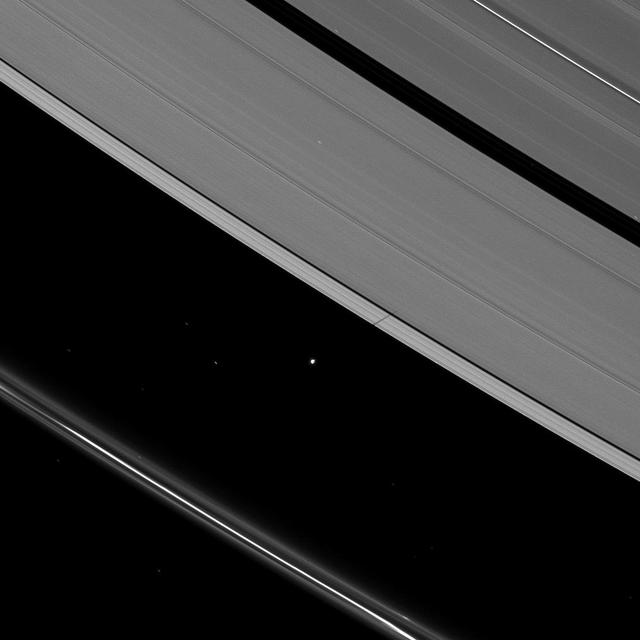
Atlas joins other moons casting shadows on Saturn rings as the planet approaches its August 2009 equinox.
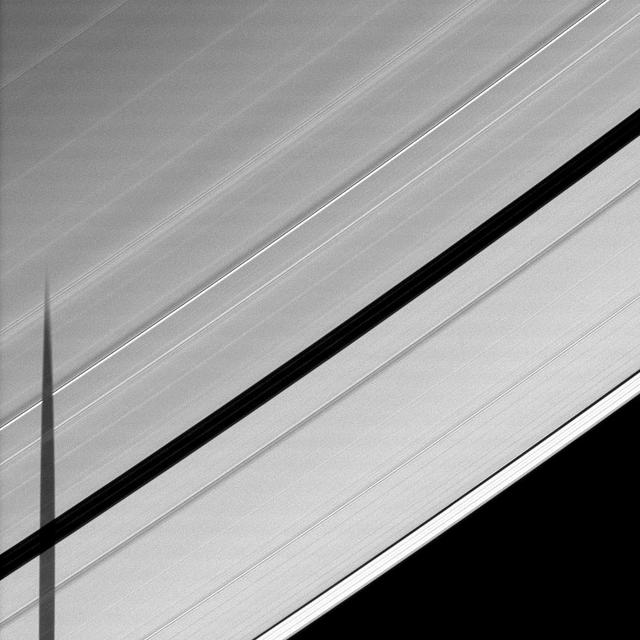
Seen from the unlit side of Saturn A ring, the shadow of the moon Janus is cast across the Encke Gap.
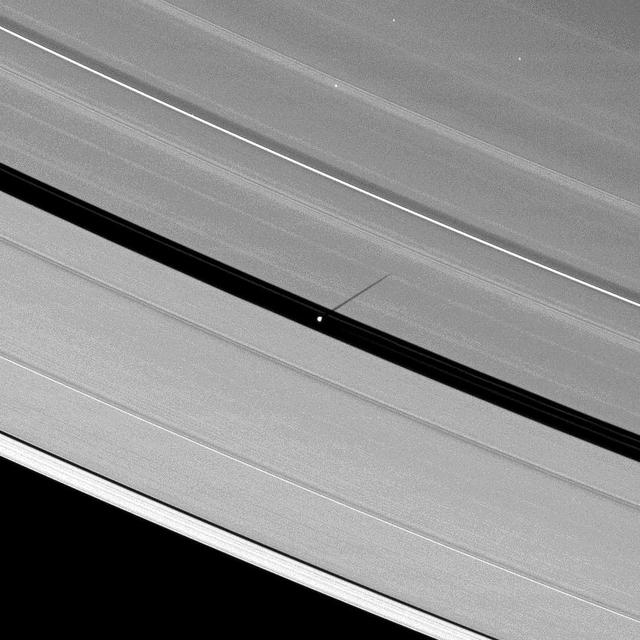
As Saturn equinox continues to approach, the moon Pan casts a slightly longer shadow on the A ring.
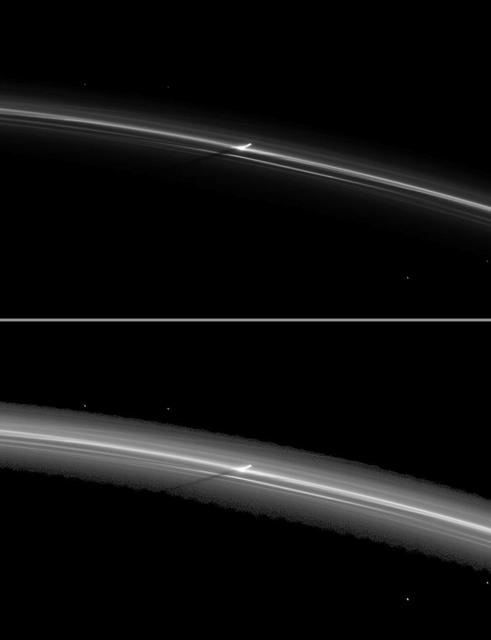
As Saturn approaches its August 2009 equinox, a shadow is cast by a narrow, vertically extended feature in the F ring.
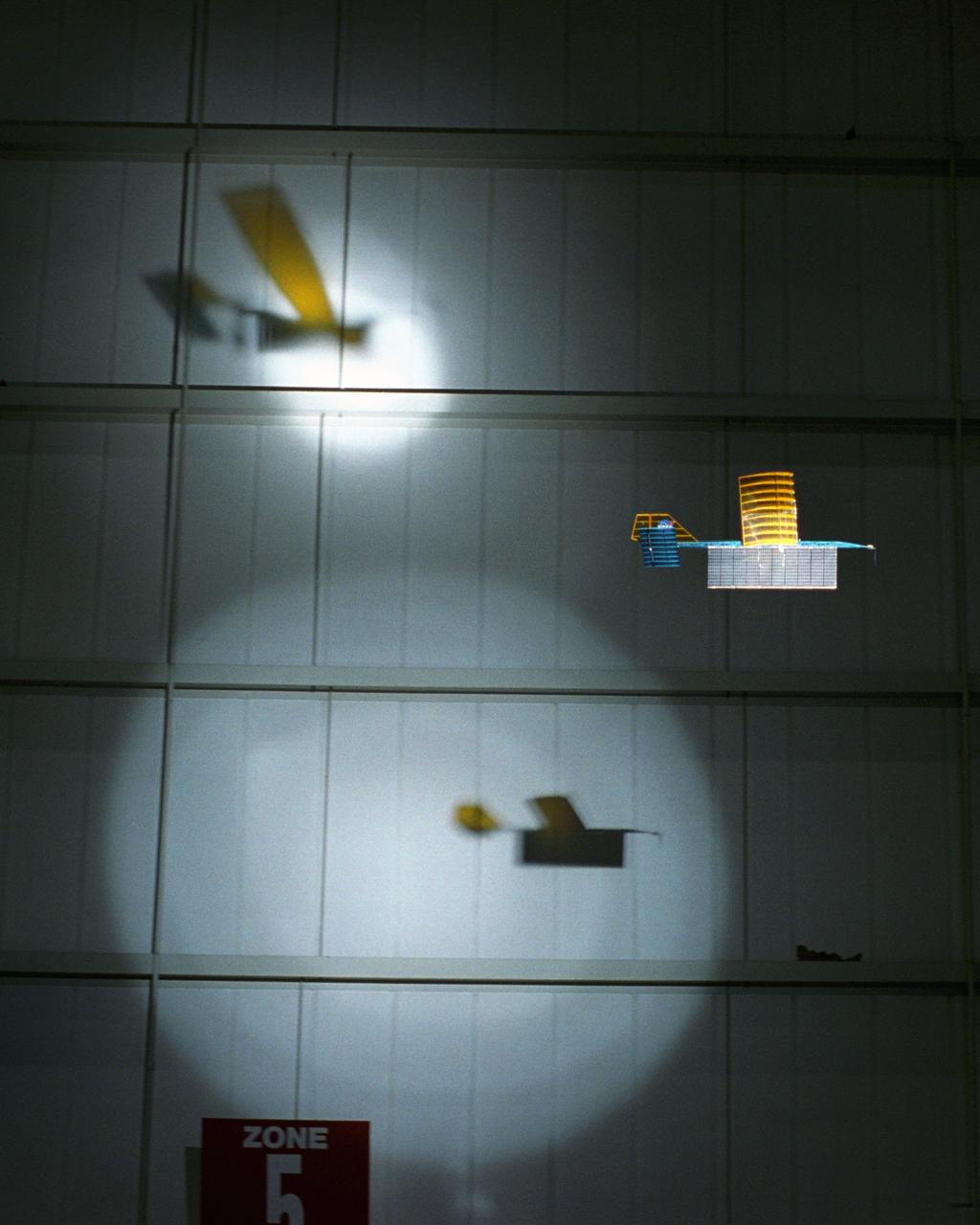
An experimental radio-controlled model aircraft casts two unique shadows as it flies inside a Dryden hangar using two spotlights as energy sources. This phase of testing was used to develop procedures and operations for "handing off" the aircraft between different sources of power.
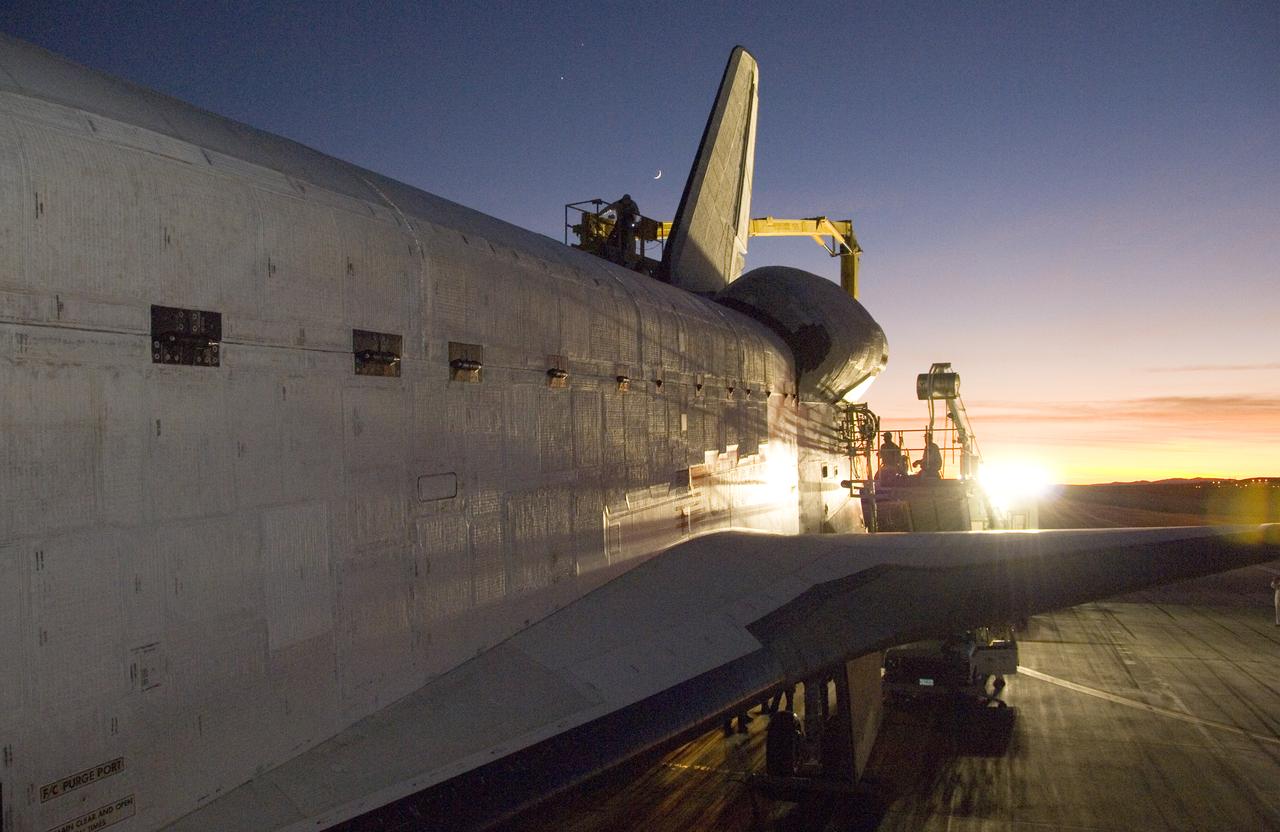
The setting sun casts long shadows over shuttle Endeavour as technicians prepare to tow the orbiter from the Edwards Air Force Base runway after landing Nov. 30.
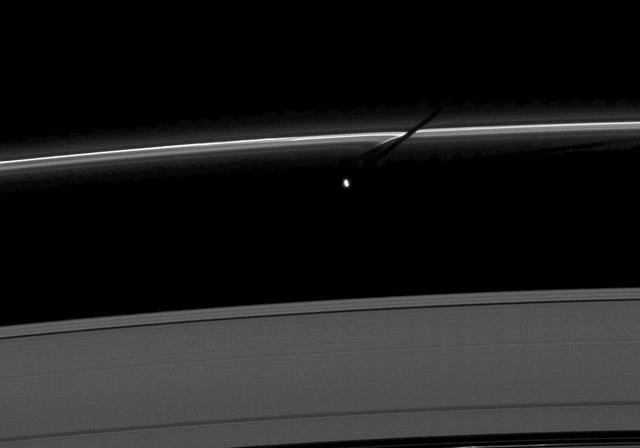
The moon Prometheus casts a shadow on the thin F ring marked with streamer-channels created by the moon in this image taken as Saturn approaches its August 2009 equinox.
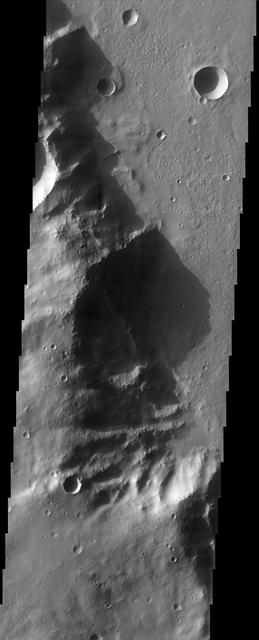
In this image from NASA Mars Odyssey, the late afternoon sun casts a shadow over a rim of Huygens Crater that 700 meters nearly 2,300 feet high.
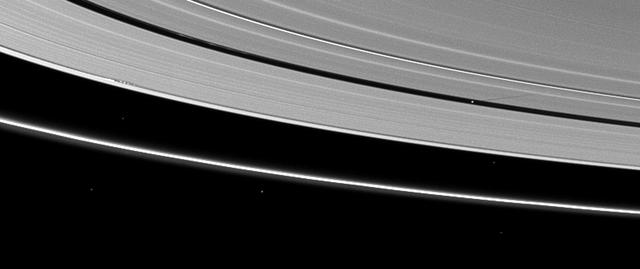
Moon shadows are cast on Saturn A ring in this image taken by NASA Cassini Orbiter almost a month after the planet August 2009 equinox.
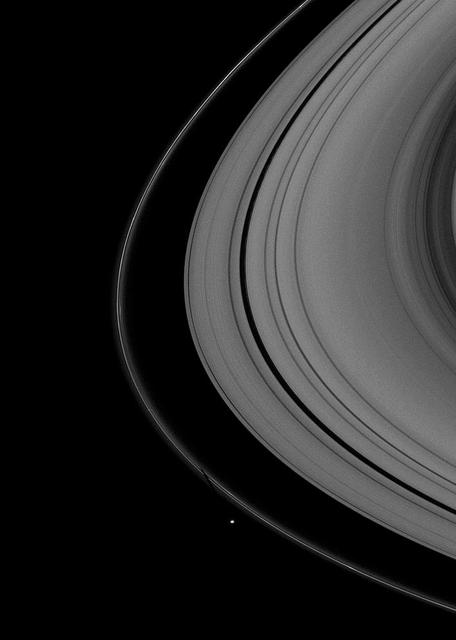
The shepherding moon Pandora, near the bottom of the image, casts a shadow on Saturn thin F ring as the planet nears its August 2009 equinox.
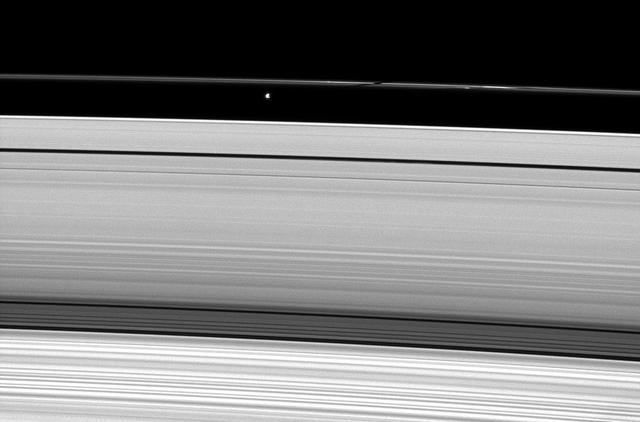
Saturn moon Prometheus casts a shadow on the narrow F ring in this image captured by NASA Cassini Orbiter weeks after the planet August 2009 equinox
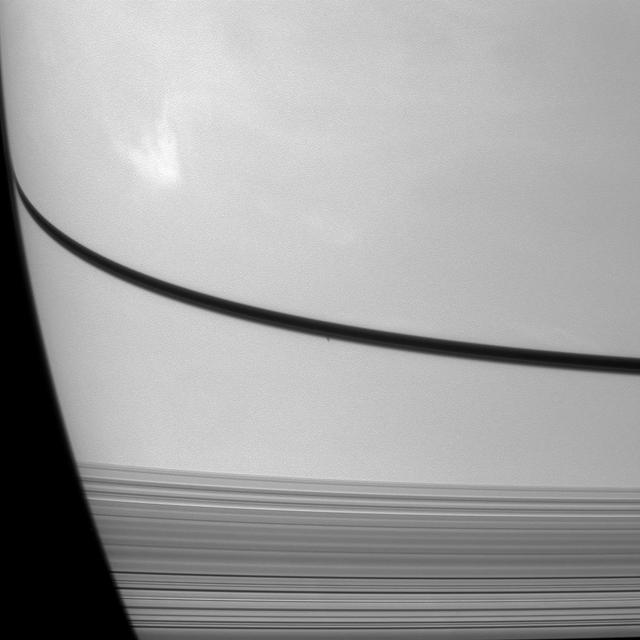
NASA Cassini Orbiter caught the shadow of the moon Prometheus as a small dark dot on Saturn just below the narrow shadow cast by the rings in the center of this image.
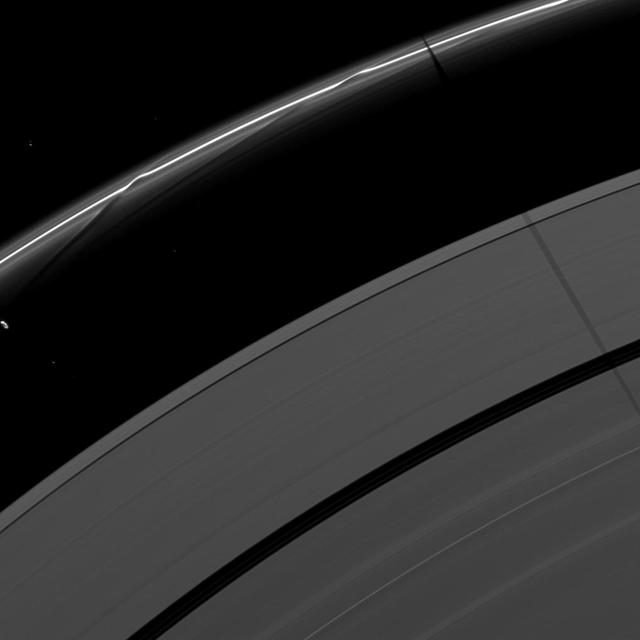
Saturn moon Janus casts a shadow on the F and A rings while the moon Prometheus, seen on the left of the image, creates a streamer-channel in the thin F ring.
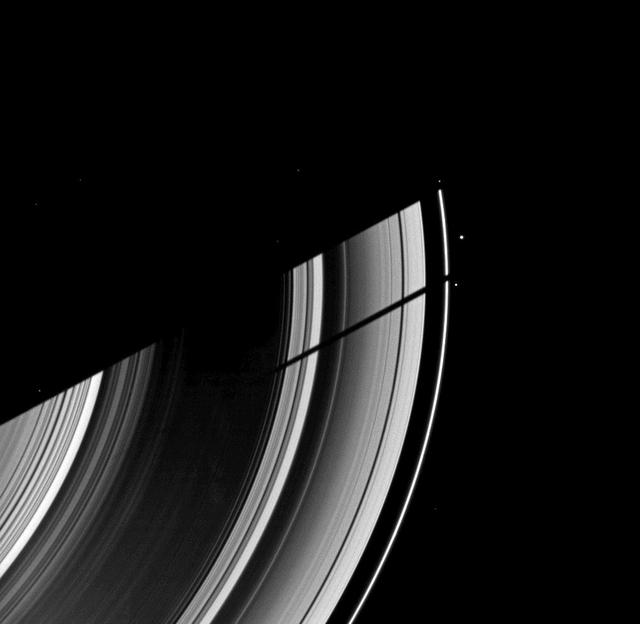
The moon Tethys casts its shadow on Saturn rings next to the shadow of the planet in this image taken as Saturn approaches its August 2009 equinox.
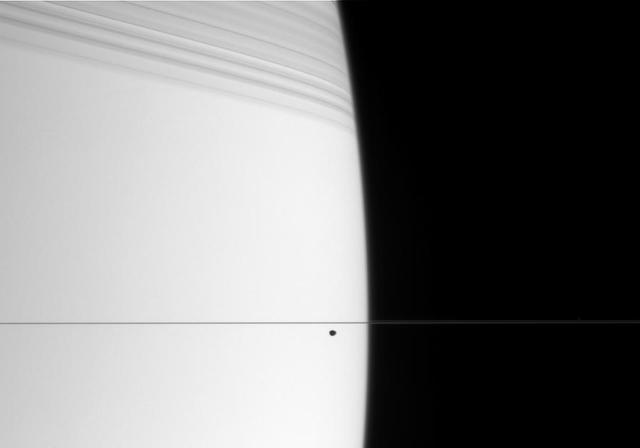
The small, dark form of Janus cruises along in front of bright Saturn. The edge-on rings cast dramatic shadows onto the northern hemisphere
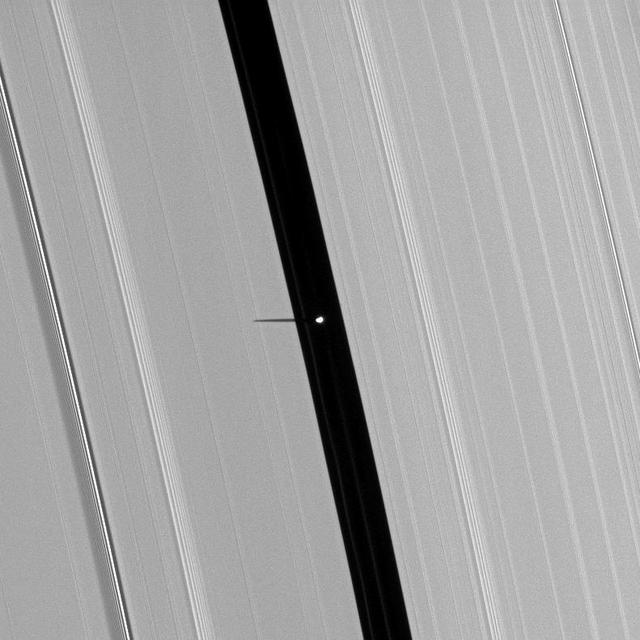
Saturn small moon Pan, brightly overexposed, casts a short shadow on the A ring in this image taken by NASA Cassini spacecraft before the planet August 2009 equinox.
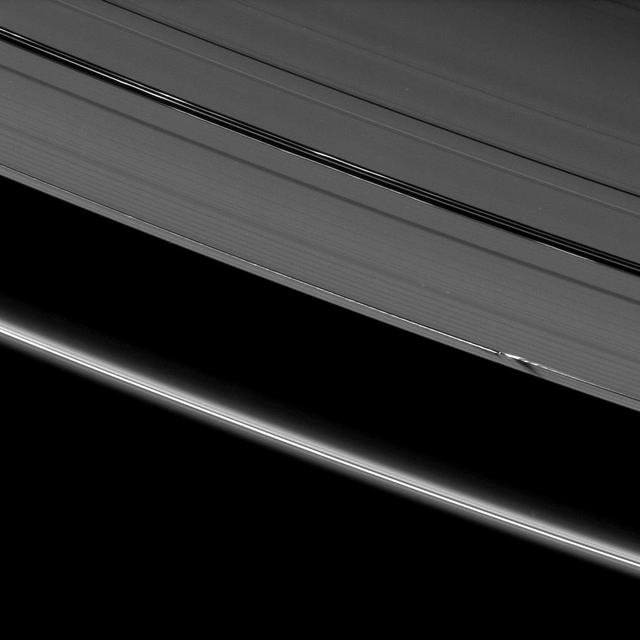
Vertical ring structures created by the moon Daphnis cast dark shadows on Saturn A ring in this image taken as the planet approached its August 2009 equinox.
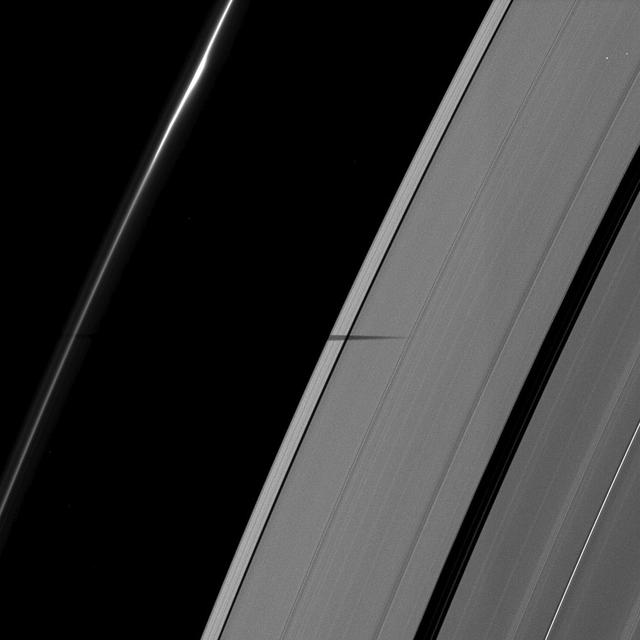
The shadow of the moon Epimetheus is cast onto Saturn rings, striking the outer-most part of the A ring and only just nipping the F ring.
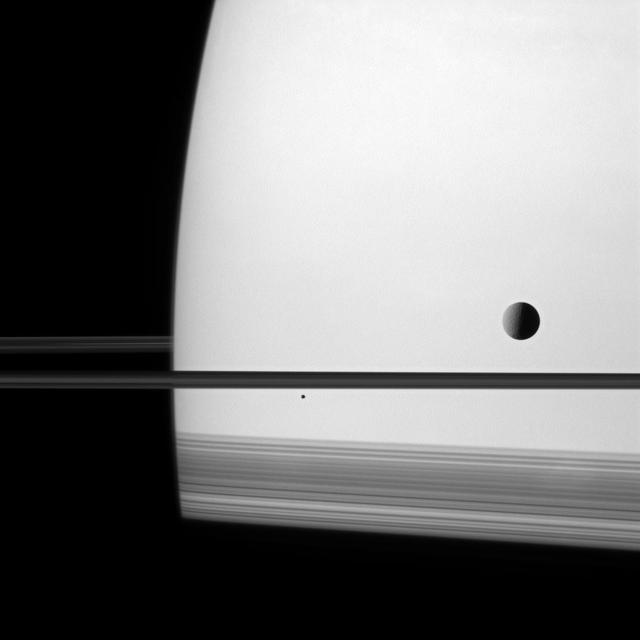
Shadows cast by Saturn rings darken the southern hemisphere of the planet and give a truncated appearance to the bottom of this image captured by NASA Cassini spacecraft.
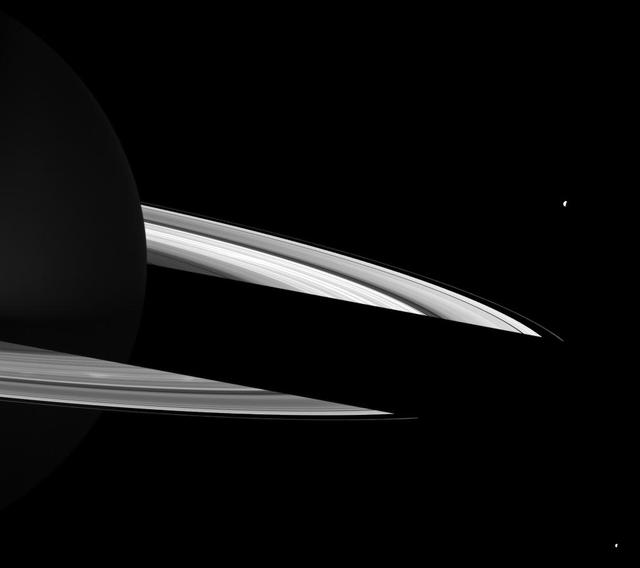
Bright spokes can be seen on Saturn B ring just in front of the shadow cast on the rings on the night side of the planet in this NASA Cassini spacecraft image.
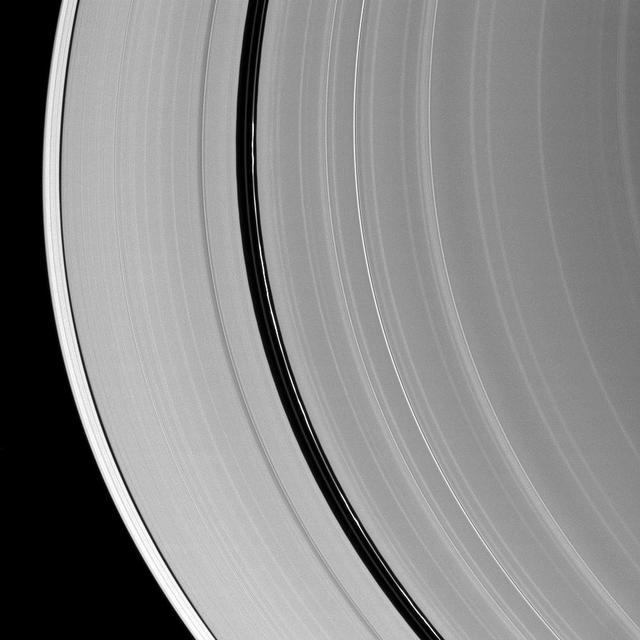
Kinky, discontinuous ringlets occupy the Encke Gap in Saturn A ring in the middle of this NASA Cassini spacecraft image; parts of these thin ringlets cast shadows onto the A ring.
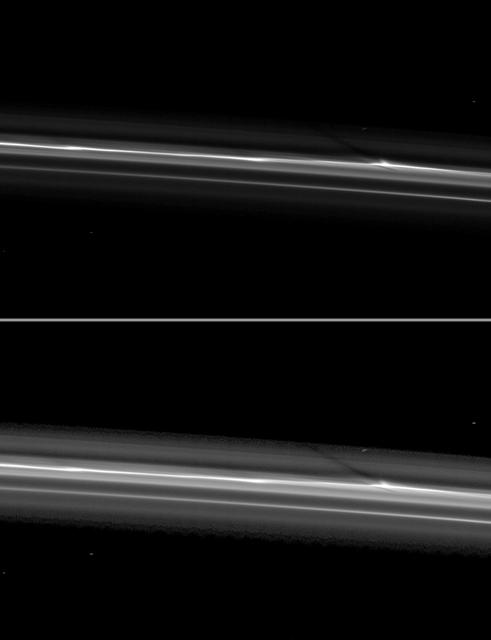
Cassini spies a shadow cast by a vertically extended structure or object in the F ring in this image taken as Saturn approaches its August 2009 equinox.
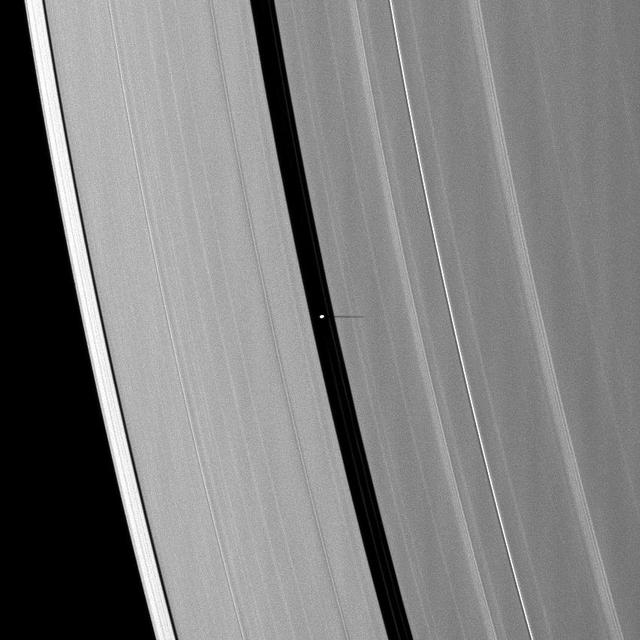
The small moon Pan casts a short shadow on Saturn A ring in this image taken by NASA Cassini spacecraft as the planet approached its August 2009 equinox.
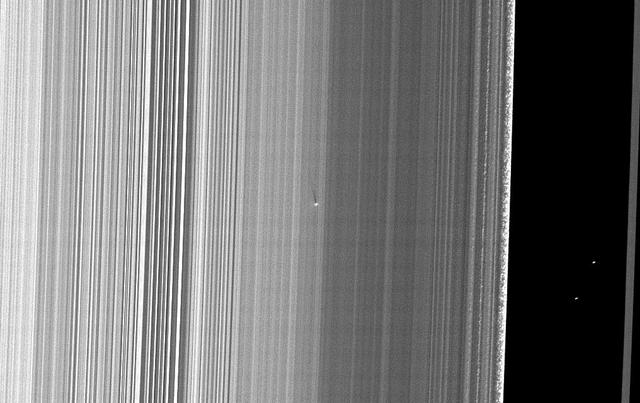
The Cassini spacecraft captured this image of a small object in the outer portion of Saturn B ring casting a shadow on the rings as Saturn approaches its August 2009 equinox.
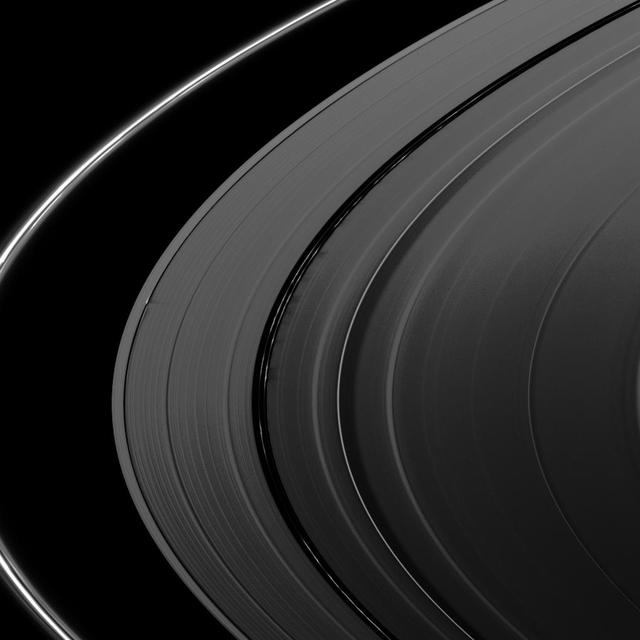
Several sets of shadows are cast onto the A ring in this image taken by NASA Cassini Orbiter about a week after Saturn’s August 2009 equinox.
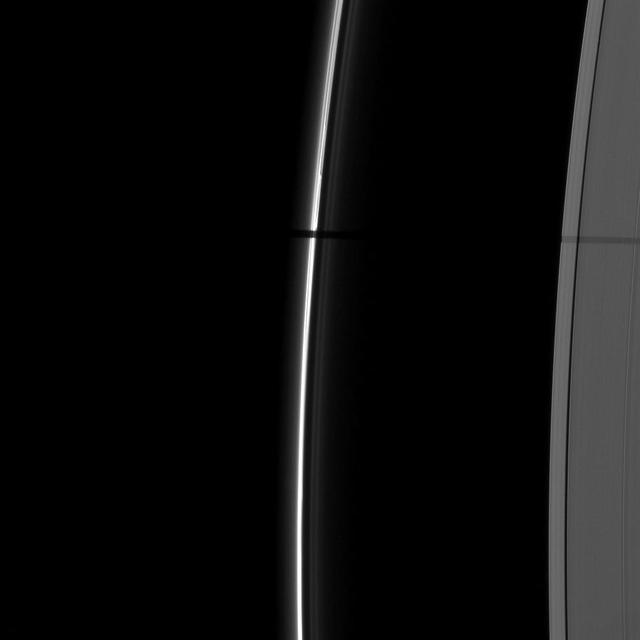
A wide shadow is cast onto the thin F ring and the A ring by the moon Janus in this image taken as Saturn approached its August 2009 equinox.
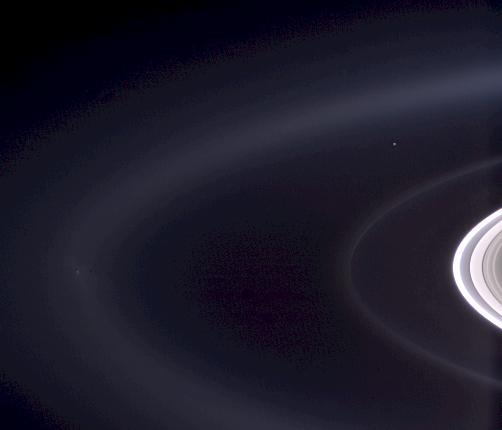
Cassini casts powerful eyes on our home planet, and captures Earth, a pale blue orb -- and a faint suggestion of our moon -- among the glories of the Saturn system.
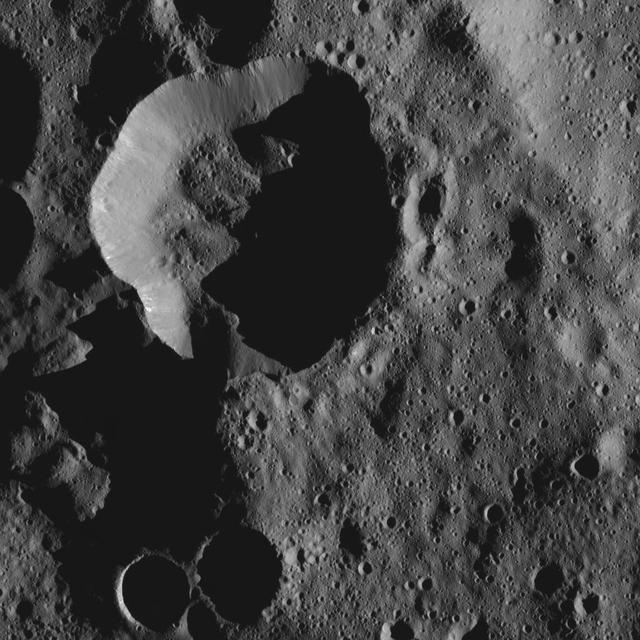
Shadows cast a dark mood on this scene from Ceres, near the dwarf planet north pole in this image acquired by NASA Dawn spacecraft.
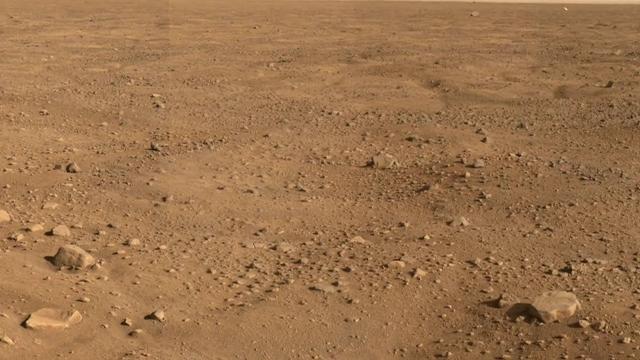
This panorama looks to the southeast and shows rocks casting shadows, polygons on the surface and as the image looks to the horizon, NASA Phoenix Mars Lander backshell gleams in the distance.
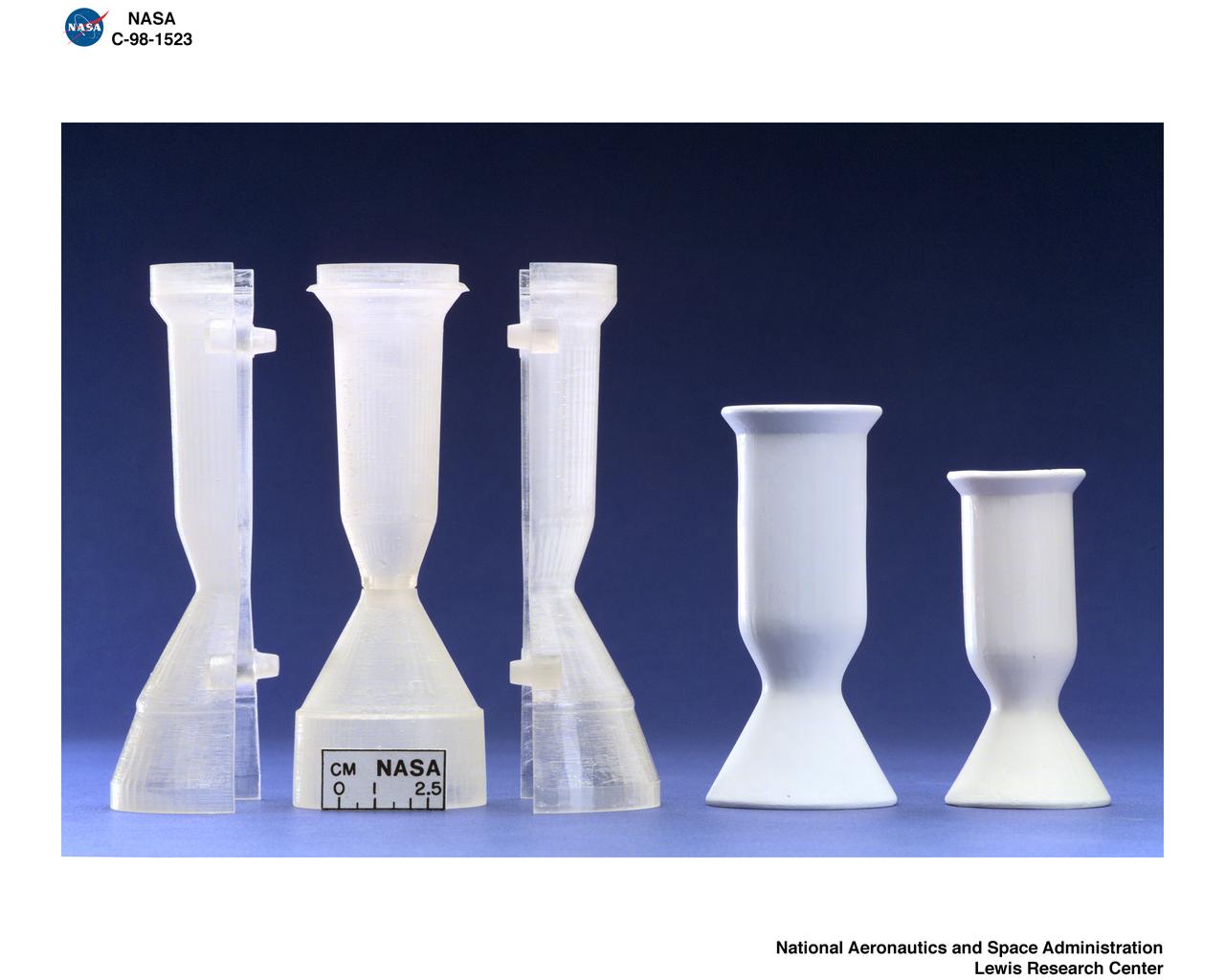
CAST CERAMIC THRUSTERS
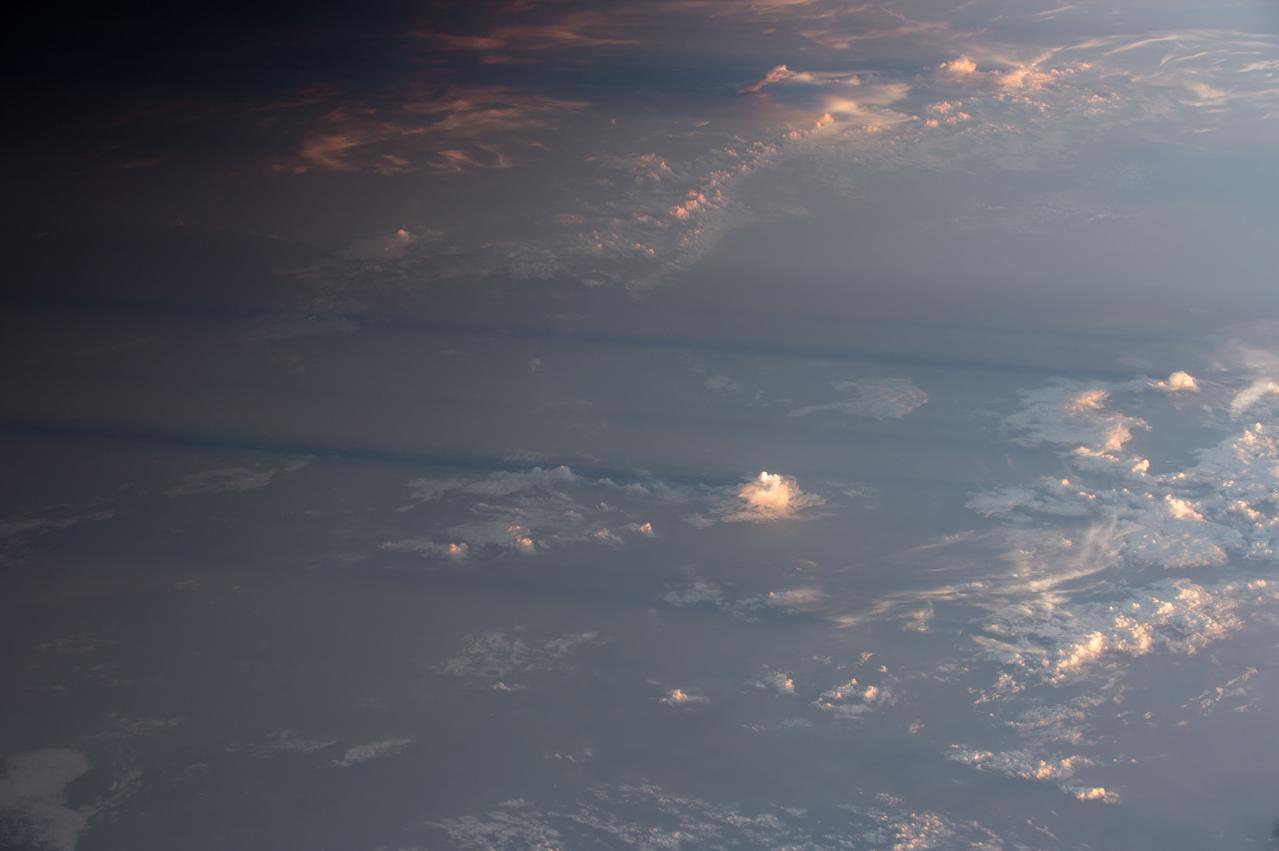
GMT001_13_42_Terry Virts_Thunderstorm casting a shadow_131
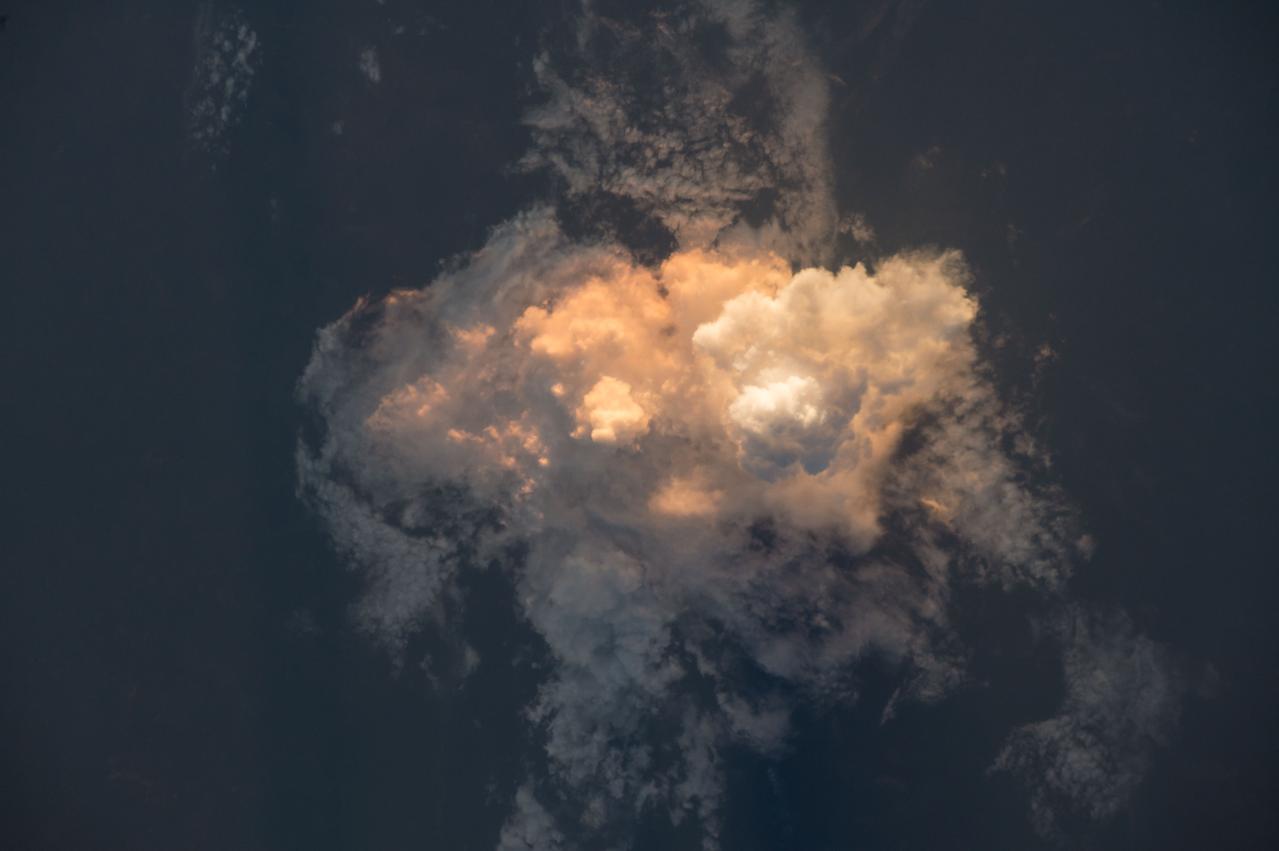
GMT001_13_42_Terry Virts_Thunderstorm casting a shadow_131
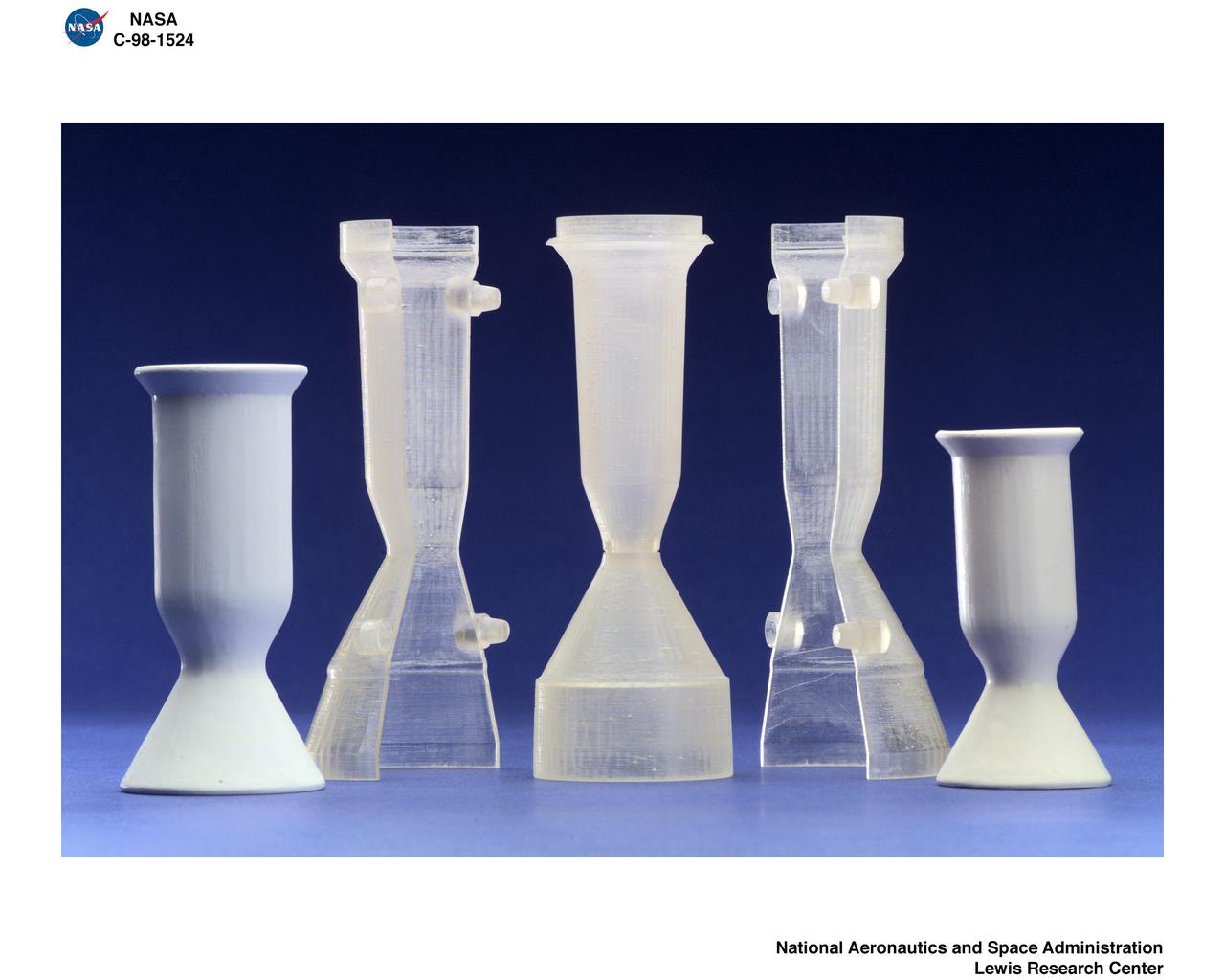
CAST CERAMIC THRUSTERS
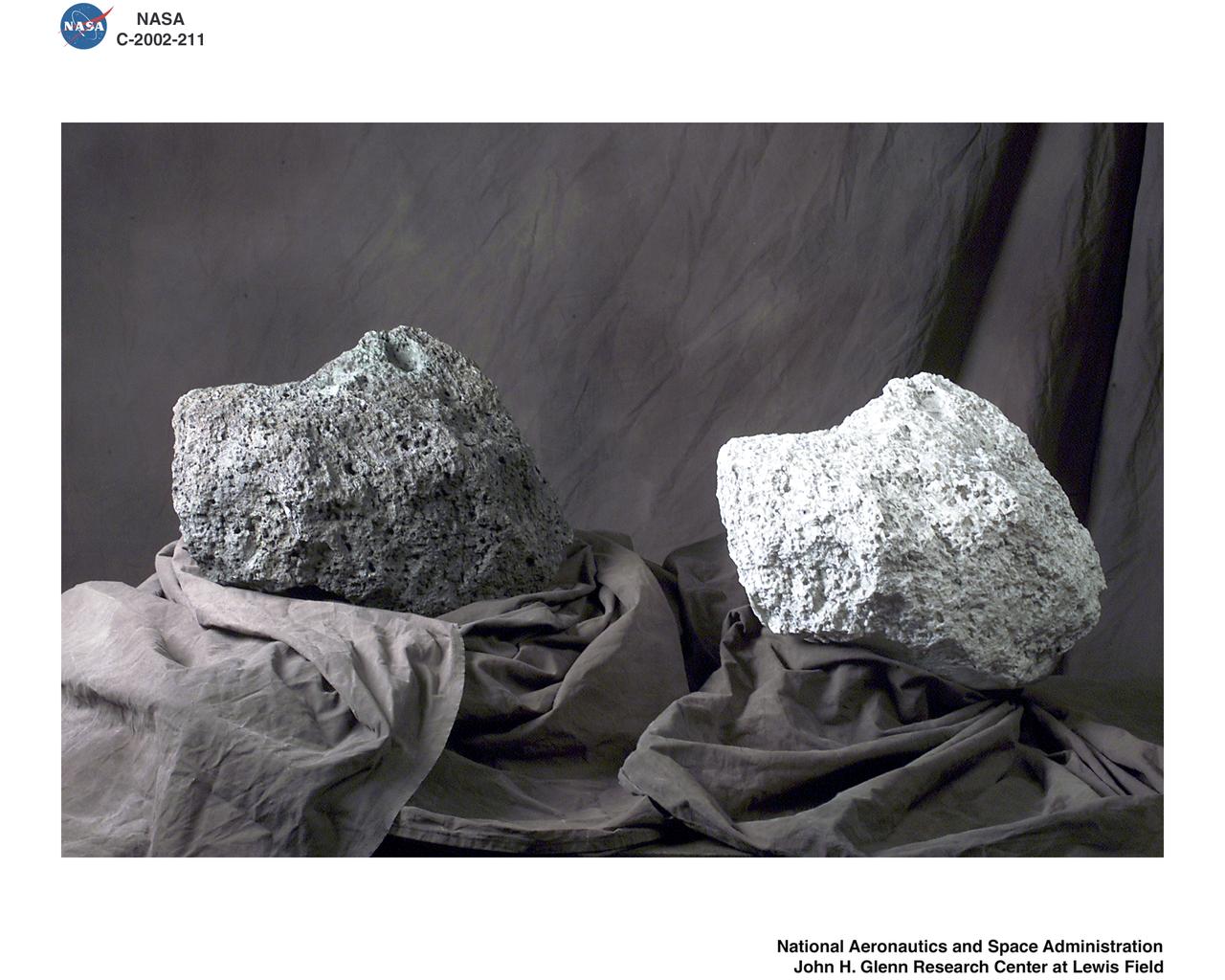
SIMULATED MARS ROCK AND CASTING MOLDS
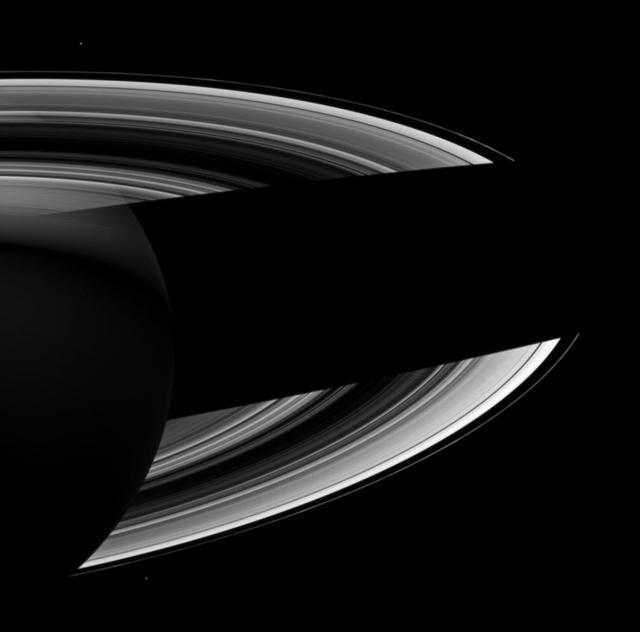
Saturn casts a wide shadow across its rings in view from NASA Cassini spacecraft which looks toward the darkened southern hemisphere of the night side of the planet.
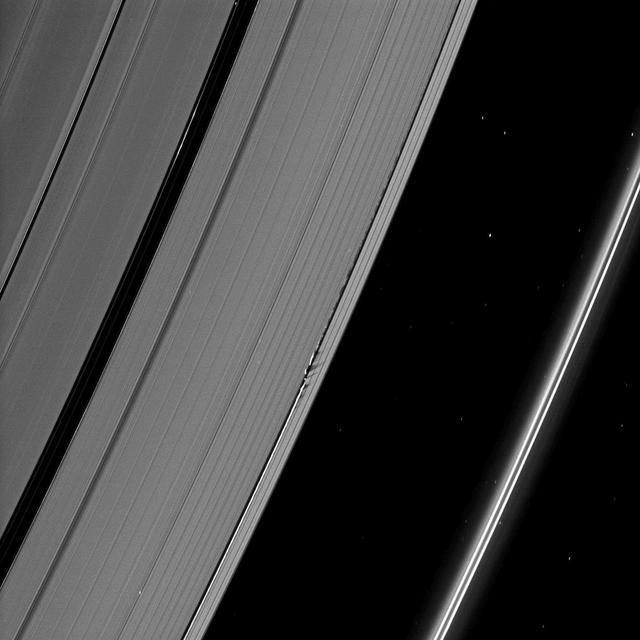
Shadows are cast by Daphnis and the moon attendant edge waves in this image from NASA Cassini spacecraft taken about a month and a half before the Saturn August 2009 equinox.
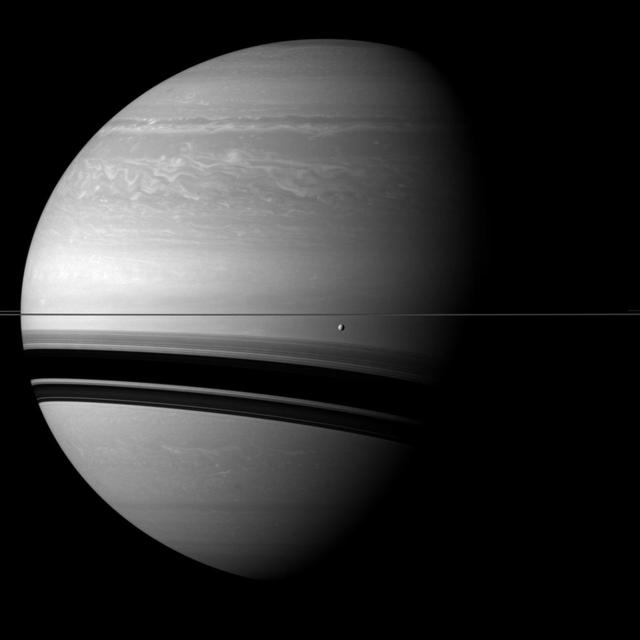
Saturn moon Tethys orbits in front of the wide shadows cast by the rings onto the planet for this view from NASA Cassini spacecraft. Tethys appears just below the rings near the center of the image.
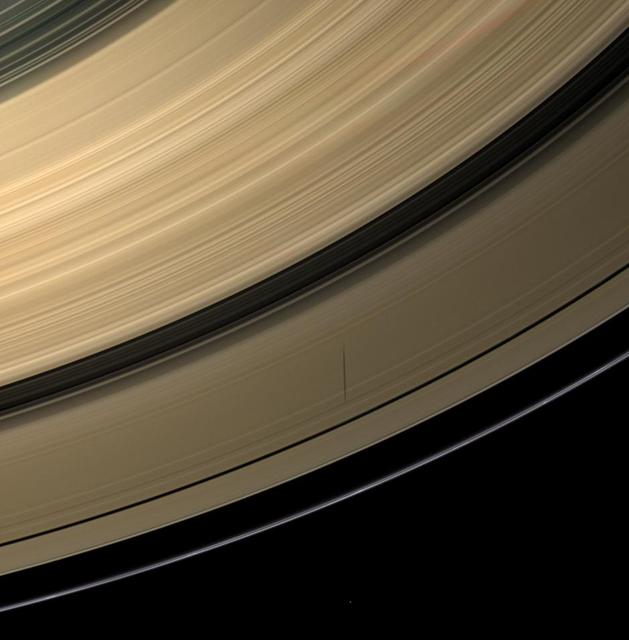
Saturn moon Epimetheus casts a shadow across colorful rings in this image taken by NASA Cassini spacecraft before the planet August 2009 equinox. Epimetheus is visible as a small dot at the center of the bottom of the image.
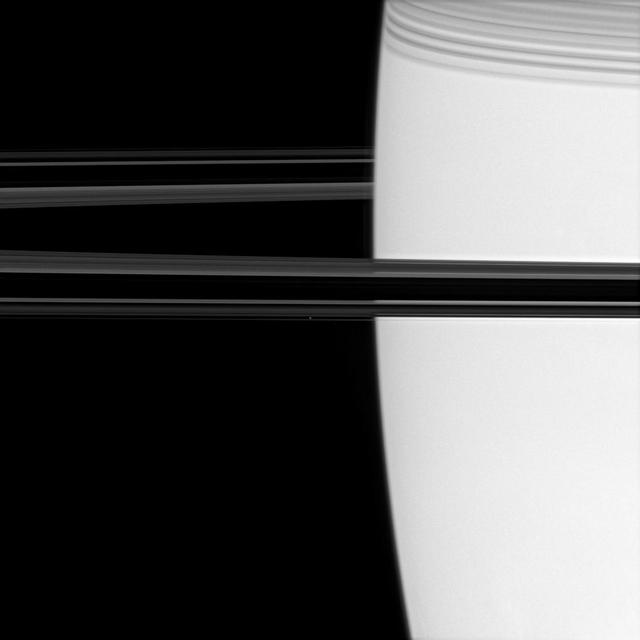
Off the shoulder of giant Saturn, a bright pinpoint marks the location of the ring moon Atlas image center. Shadows cast by the C ring adorn the planet at upper right
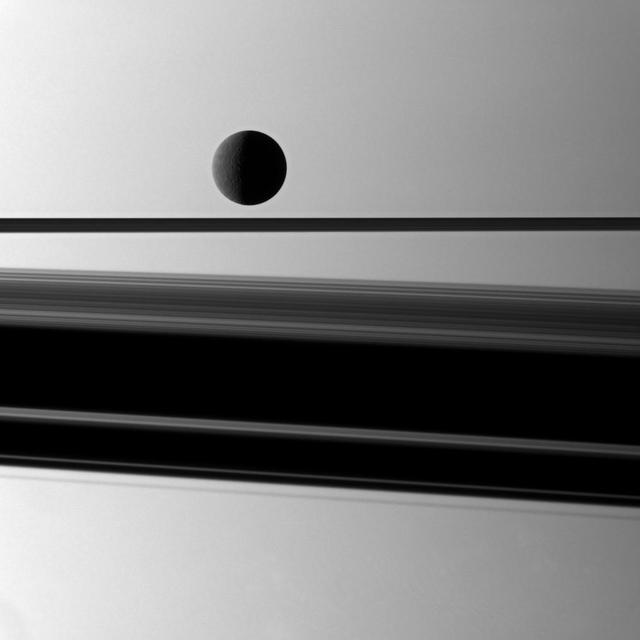
Saturn moon Rhea is gently lit in front of a background of the planet with a wide shadow cast by the rings which are seen nearly edge-on in this image captured by NASA Cassini spacecraft.
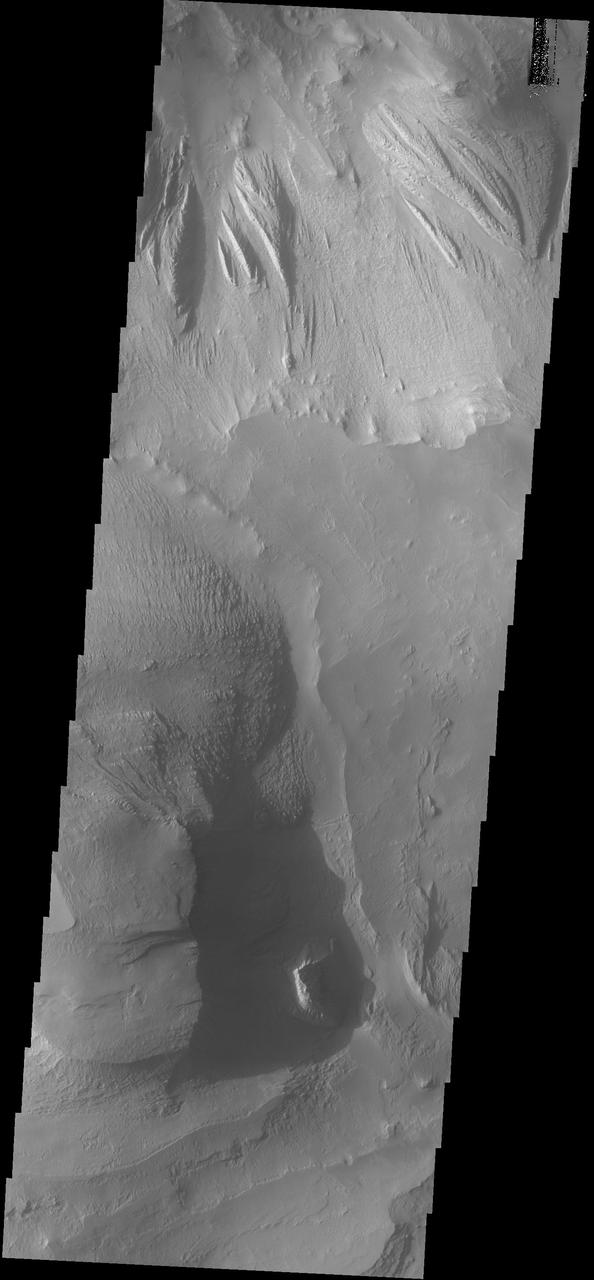
Shadows cast by the high walls and high hills within Candor Chasma are visible in this image from NASA 2001 Mars Odyssey spacecraft. The local time is near 5:00 in the afternoon.
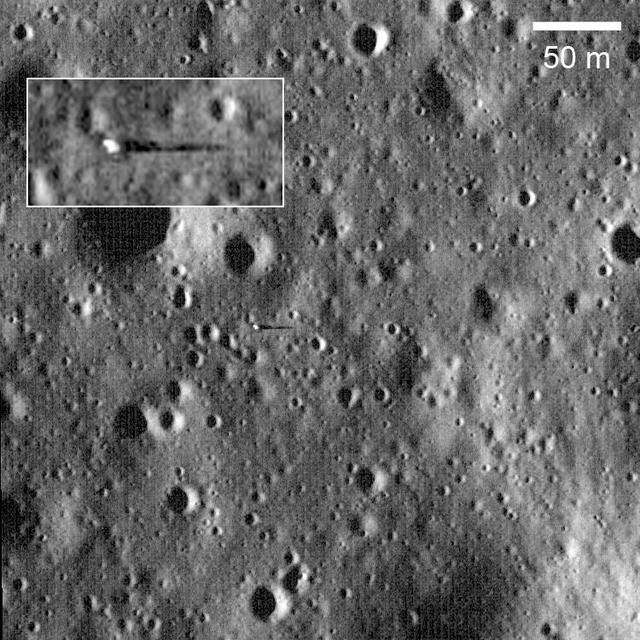
Surveyor 6 casting 18-meter long shadow with Sun just 8° above the horizon. Surveyor 6 Landed 10 November 1967 in Sinus Medii. This image was taken by NASA Lunar Reconnaissance Orbiter.
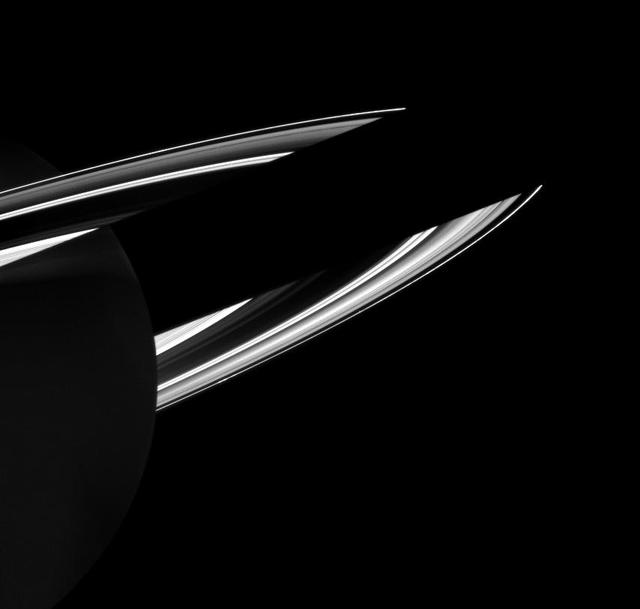
Saturn casts its shadow on the rings in this NASA Cassini spacecraft image that also shows how the rings reflect sunlight onto the dark side of the planet. Here Saturn appears dimly illuminated by this ringshine.
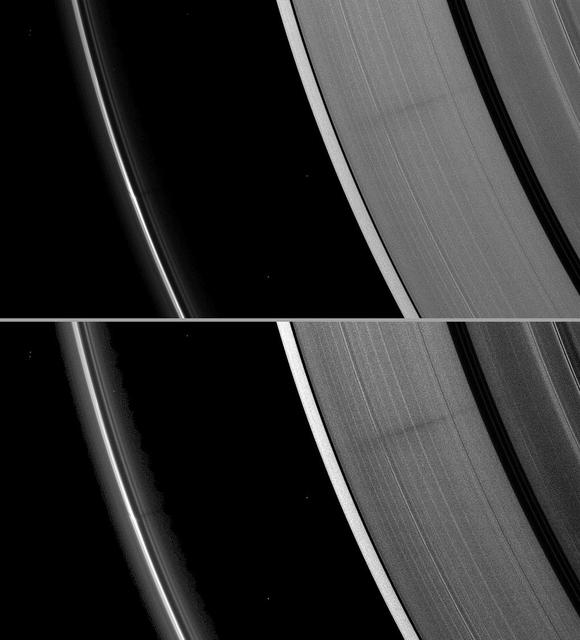
A vertically extended structure or object in Saturn F ring casts a shadow long enough to reach the A ring in this Cassini image taken just days before planet August 2009 equinox.
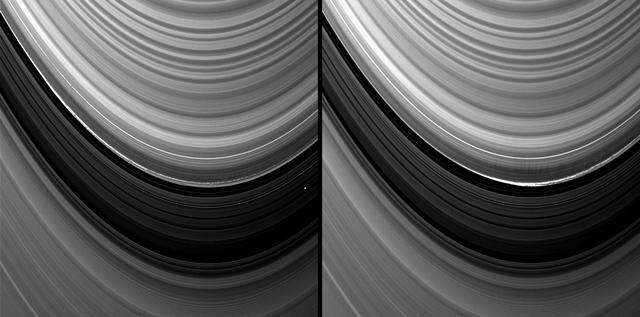
Vertical structures in the variable outer edge of Saturn B ring cast shadows in these two images captured by NASA Cassini spacecraft shortly after the planet August 2009 northern vernal equinox.

The moon Prometheus casts a shadow on Saturn F ring near a streamer-channel it has created on the ring. The image was taken as the planet approached its August 2009 equinox.
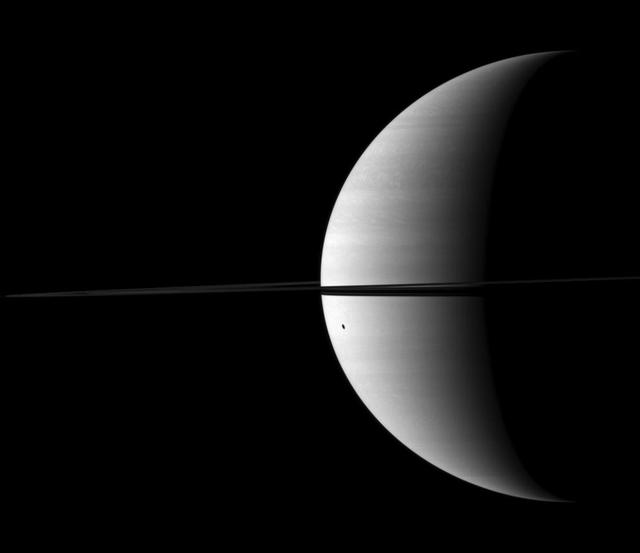
Dione shadow is elongated as it is cast onto the round shape of Saturn in this image taken by NASA Cassini spacecraft. The moon is not visible here. This view looks toward the northern, sunlit side of the rings from just above the ringplane.
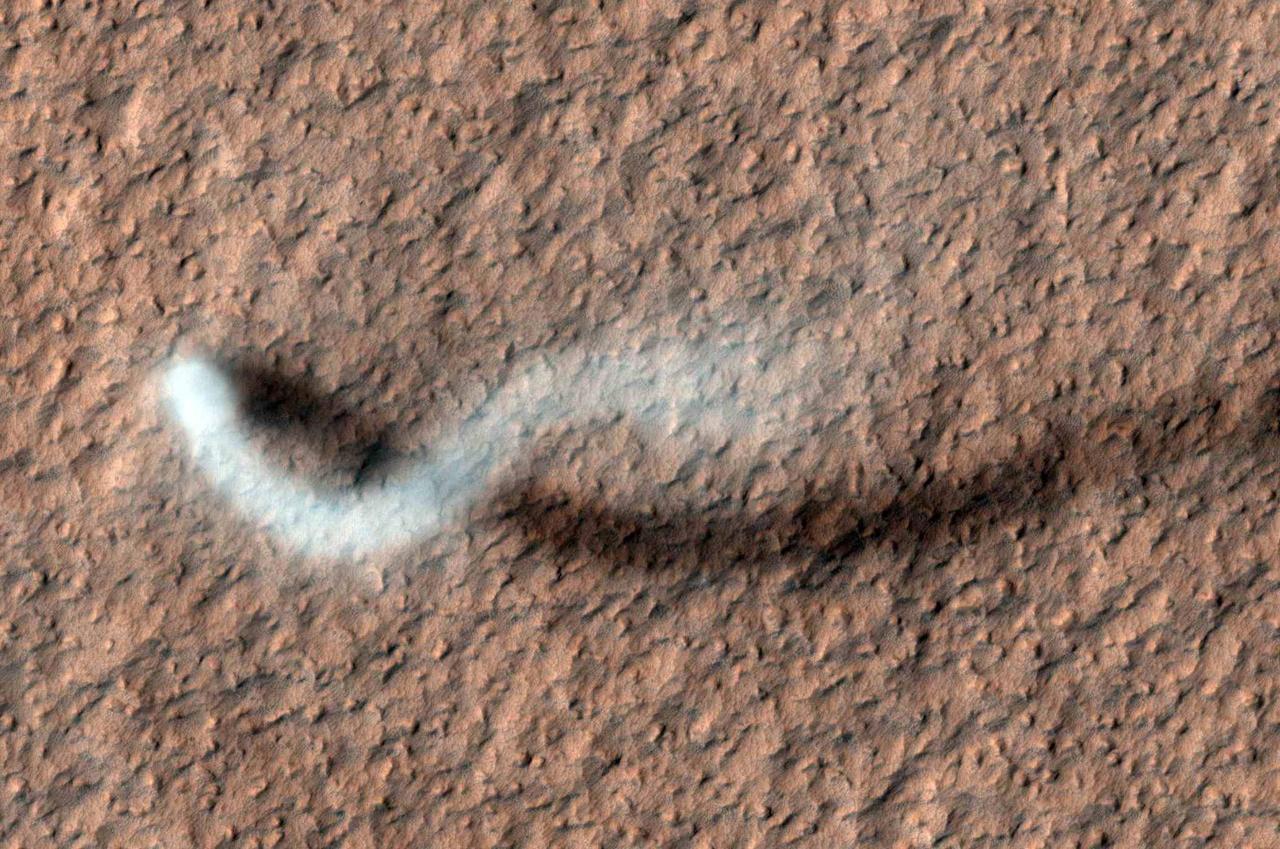
A towering dust devil casts a serpentine shadow over the Martian surface in this image from NASA Mars Reconnaissance Orbiter. The scene is a late-spring afternoon in the Amazonis Planitia region of northern Mars.
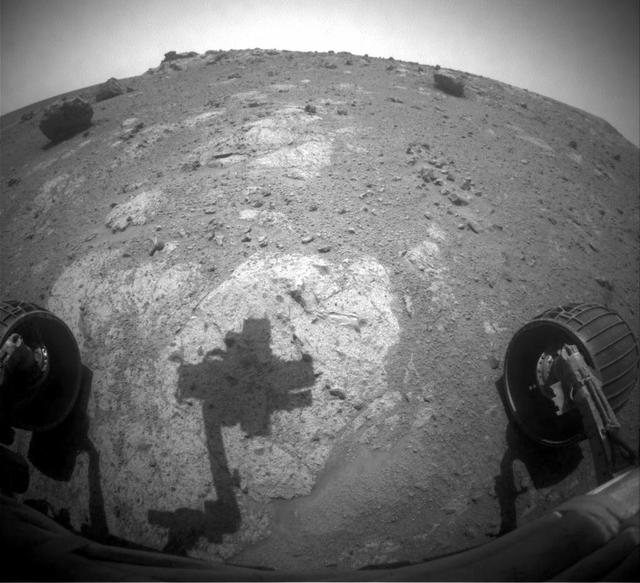
The robotic arm of NASA Mars Exploration Rover Opportunity casts a shadow on a rock outcrop called Chester Lake. The rock is on a low ridge called Cape York, which is a segment of the western rim of Endeavour crater.

Mimas drifts along in its orbit against the azure backdrop of Saturn northern latitudes in this true color view. The long, dark lines on the atmosphere are shadows cast by the planet rings.
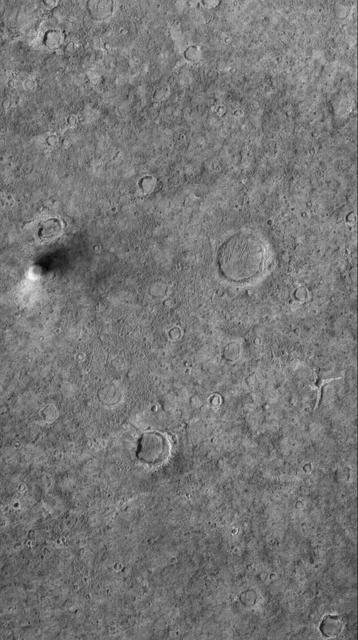
This MOC image shows a dust devil traveling across a plain west-southwest of Schiaparelli Crater, in far eastern Sinus Meridiani. The dust devil is casting a shadow toward the northeast, just south below of an egg-shaped crater
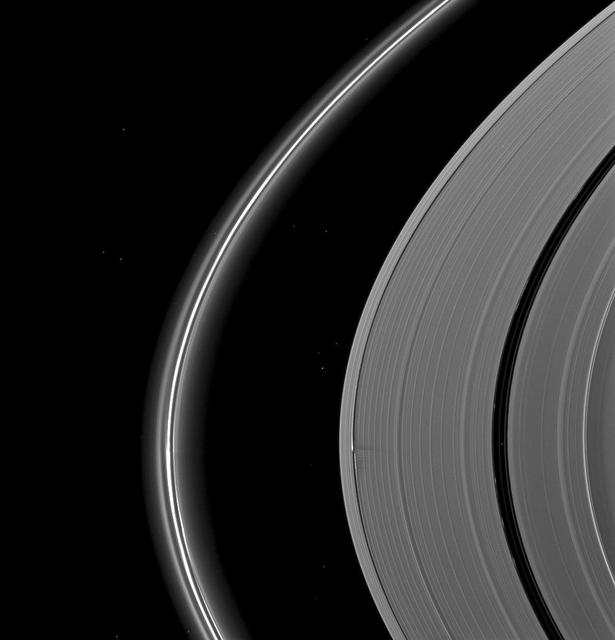
NASA Cassini spacecraft catches Saturn moon Daphnis making waves and casting shadows from the narrow Keeler Gap of the planet A ring in this view taken around the time of Saturn August 2009 equinox.
The shadow of Saturn moon Dione, cast onto the planet, is elongated in dramatic fashion in this image captured by NASA Cassini spacecraft. The moon itself does not appear here, but the shadow can be seen south of the ringplane.
NASA Cassini casts powerful eyes on our home planet, and captures Earth, a pale blue orb, and a faint suggestion of our moon, among the glories of the Saturn system in this image taken Sept. 15, 2006.
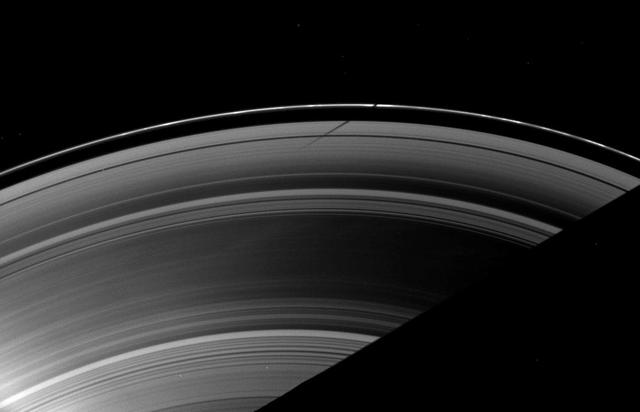
The shadow of the moon Mimas strikes the F ring at a different angle than the angle at which it is cast on the A ring, illustrating differences in the vertical heights of the rings in this image taken as Saturn approaches its August 2009 equinox.
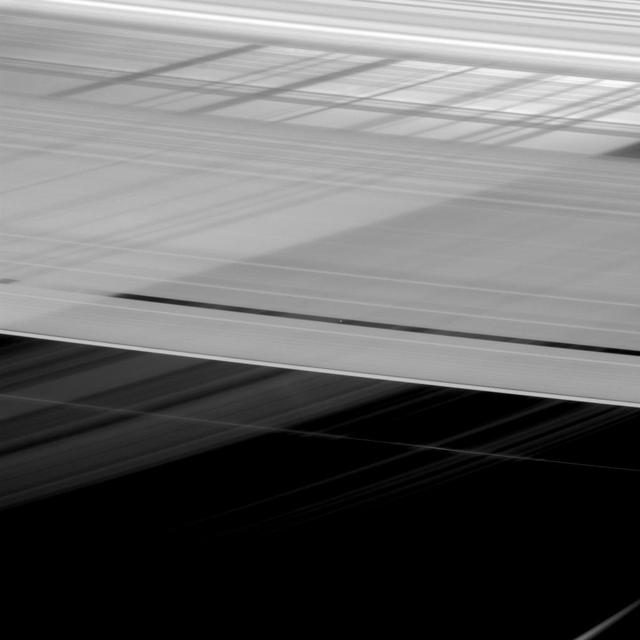
At first glance, Saturn rings appear to be intersecting themselves in an impossible way. In actuality, this view from NASA Cassini spacecraft shows the rings in front of the planet, upon which the shadow of the rings is cast.
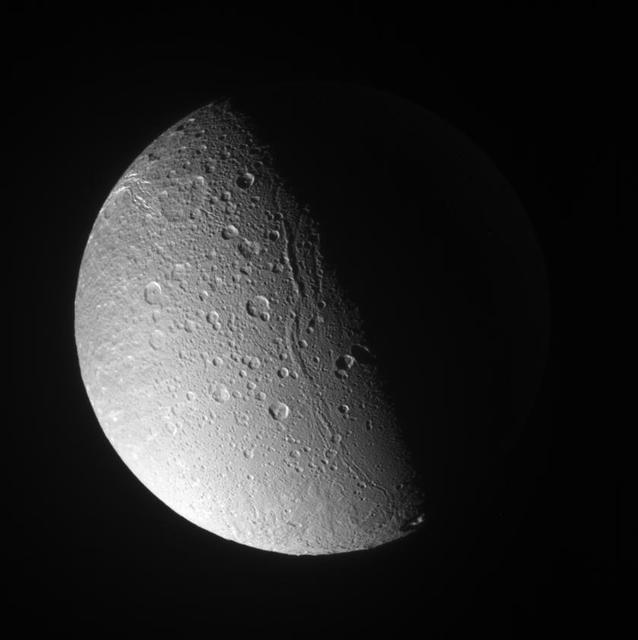
Canyons and mountain peaks snake along the terminator on the crater-covered, icy moon Dione. With the Sun at a low angle on their local horizon, the line of mountain ridges above center casts shadows toward the east
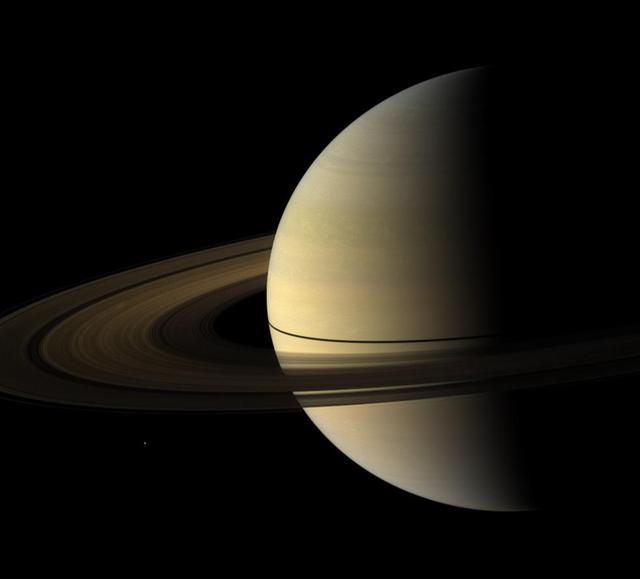
NASA Cassini Orbiter captured this natural color view of Saturn almost a month after the planet August 2009 equinox. The shadow cast on the planet by the rings remains narrow.
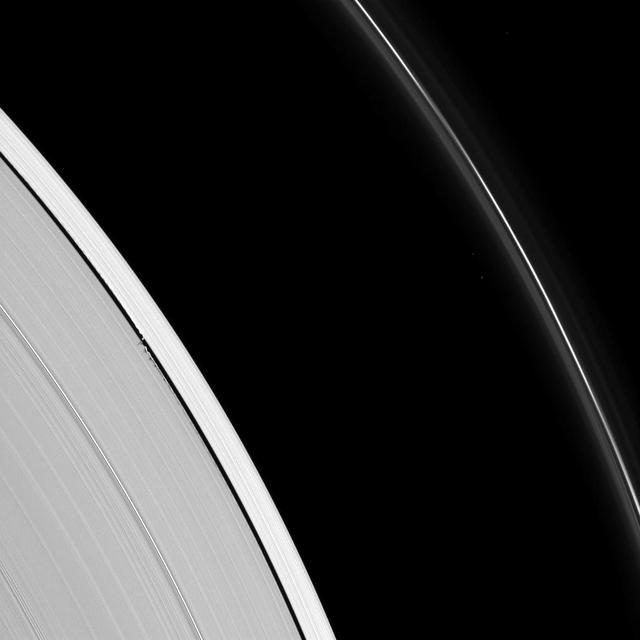
Tiny Daphnis appears as a bright dot in the Keeler Gap next to shadows cast by the moon and the edge waves it has created in the A ring in this image taken by NASA Cassini spacecraft before Saturn August 2009 equinox.

This image of Neptune shows the discovery of shadows in Neptune atmosphere, shadows cast onto a deep cloud band by small elevated clouds. They are the first cloud shadows ever seen by NASA Voyager on any planet.
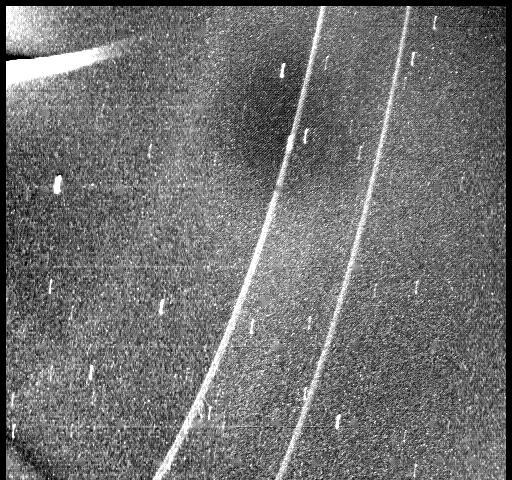
This image of Neptune south polar region was obtained by NASA Voyager on Aug. 23, 1989. The image shows the discovery of shadows in Neptune atmosphere, shadows cast onto a deep cloud bank by small elevated clouds.
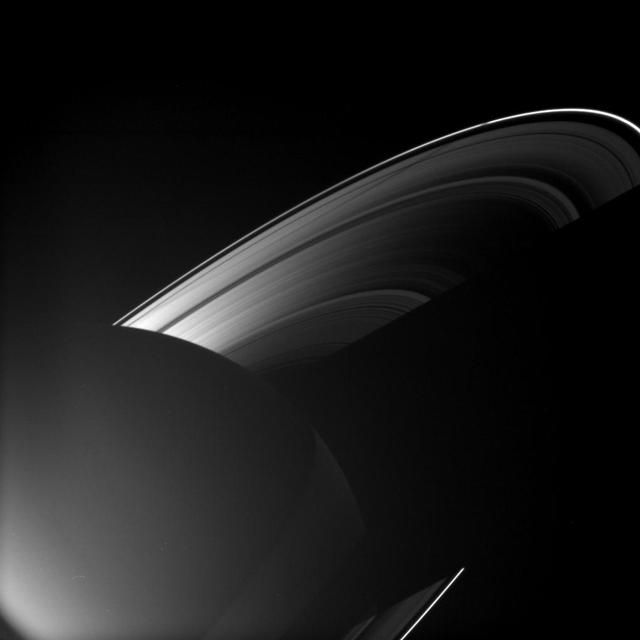
Rhea joins other Saturnian moons in casting a shadow on the rings as the planet approached its August 2009 equinox in this image taken by NASA Cassini spacecraft wide-angle camera.
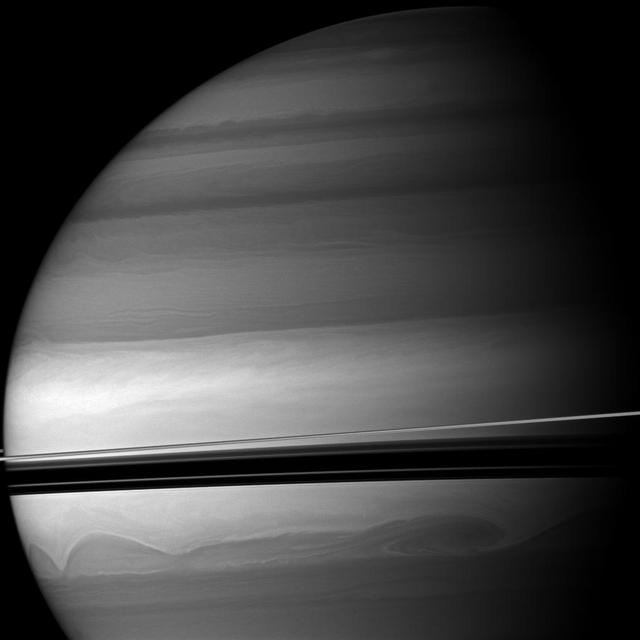
Huge clouds swirl through the southern latitudes of Saturn where the rings cast dramatic shadows. This view from NASA Cassini spacecraft looks toward the northern, sunlit side of the rings from just above the ringplane.
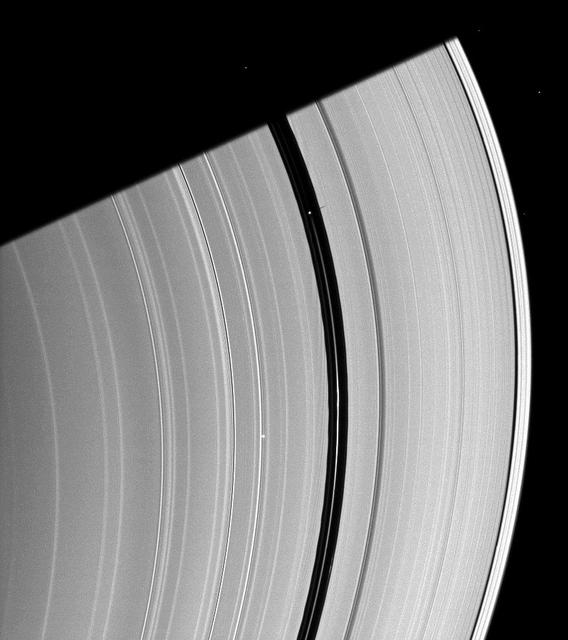
Saturn moon Pan, orbiting in the Encke Gap near the top of the image, casts a short shadow on the A ring in this image taken by NASA Cassini spacecraft about six months after the planet August 2009 equinox.
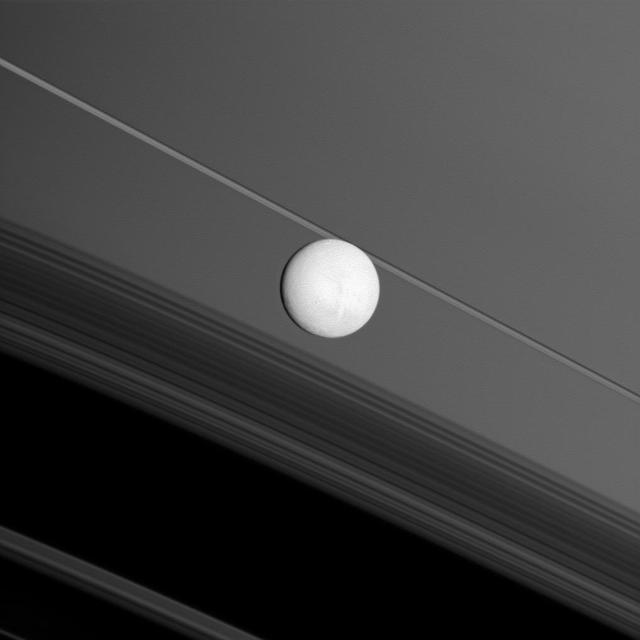
Saturn moon Enceladus brightly reflects sunlight before a backdrop of the planet rings and the rings shadows cast onto the planet. NASA Cassini spacecraft captured this snapshot during its flyby of the moon on Nov. 30, 2010.
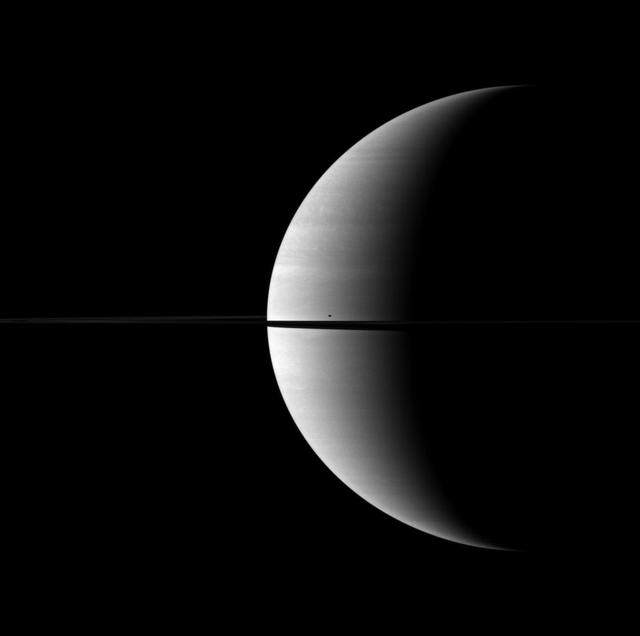
The moon Mimas casts a shadow and creates a single blemish on the kingly crescent of Saturn. Mimas is not shown in this view, but its shadow can be seen on the planet just north of the rings and their shadow.
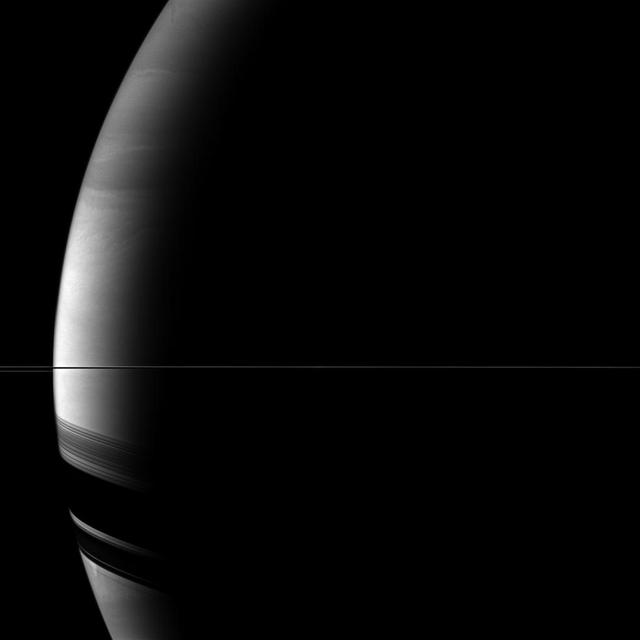
Saturn rings appear as only a thin line seen edge-on in the middle of this view from NASA Cassini spacecraft, but the rings cast broad shadows on the southern hemisphere of the planet in the lower left of the image.
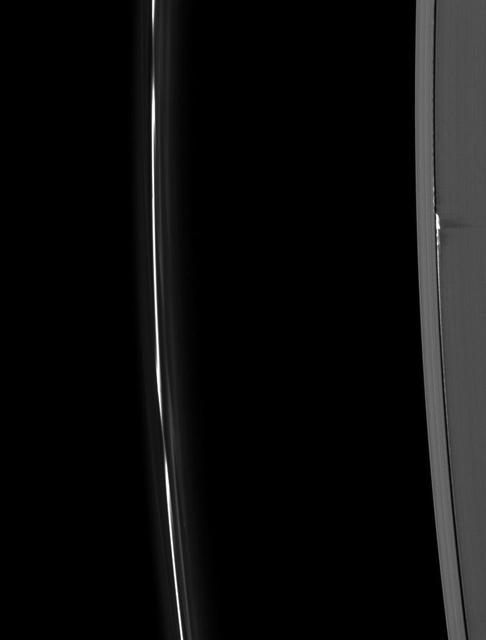
Ring material, pulled to spectacular heights above the ring plane by the gravity of the moon Daphnis, casts long shadows on Saturn’s A ring in this Cassini image taken about a month before the planet’s August 2009 equinox.
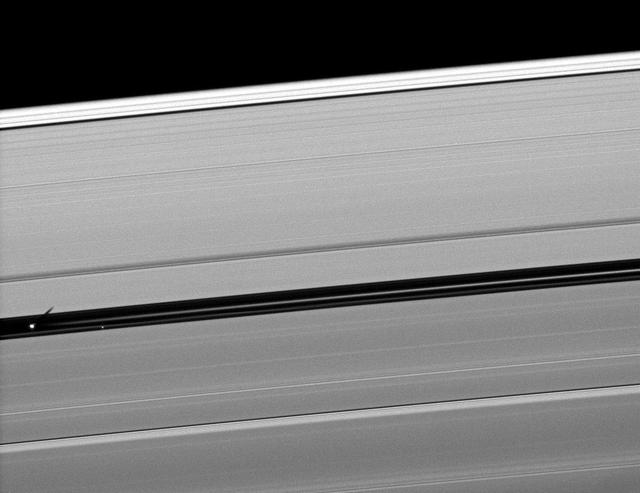
Orbiting in the Encke Gap of Saturn A ring, the moon Pan casts a shadow on the ring in this image taken about six months after the planet August 2009 equinox by NASA Cassini spacecraft.
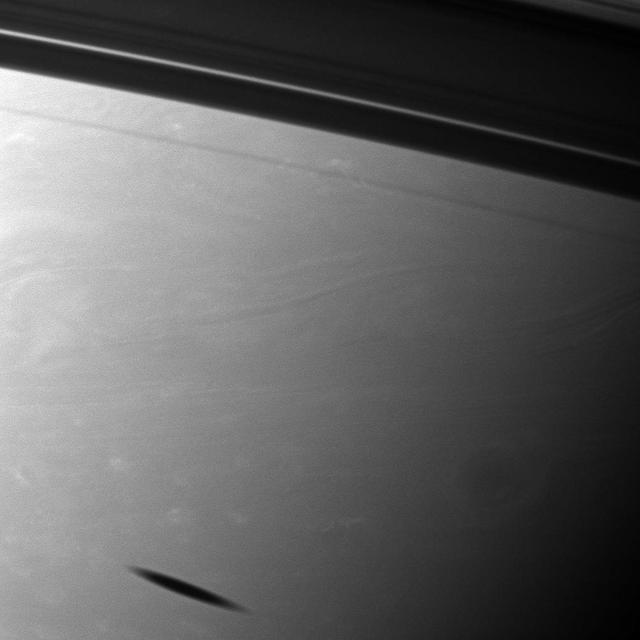
The shadow of the moon Mimas creates a smudge on the southern hemisphere of Saturn in this view from NASA Cassini spacecraft. Mimas does not appear here, but it does cast its shadow on the planet in the lower left of the image.