
The Madman and the Drunken Celestial

This image was captured by the NASA/ESA Hubble Space Telescope’s Advanced Camera for Surveys (ACS), a highly efficient wide-field camera covering the optical and near-infrared parts of the spectrum. While this lovely image contains hundreds of distant stars and galaxies, one vital thing is missing — the object Hubble was actually studying at the time! This is not because the target has disappeared. The ACS actually uses two detectors: the first captures the object being studied — in this case an open star cluster known as NGC 299 — while the other detector images the patch of space just ‘beneath’ it. This is what can be seen here. Technically, this picture is merely a sidekick of the actual object of interest — but space is bursting with activity, and this field of bright celestial bodies offers plenty of interest on its own. It may initially seem to show just stars, but a closer look reveals many of these tiny objects to be galaxies. The spiral galaxies have arms curving out from a bright center. The fuzzier, less clearly shaped galaxies might be ellipticals. Some of these galaxies contain millions or even billions of stars, but are so distant that all of their starry residents are contained within just a small pinprick of light that appears to be the same size as a single star! The bright blue dots are very hot stars, sometimes distorted into crosses by the struts supporting Hubble’s secondary mirror. The redder dots are cooler stars, possibly in the red giant phase when a dying star cools and expands. Credit: ESA/Hubble & NASA <b><a href="http://www.nasa.gov/audience/formedia/features/MP_Photo_Guidelines.html" rel="nofollow">NASA image use policy.</a></b> <b><a href="http://www.nasa.gov/centers/goddard/home/index.html" rel="nofollow">NASA Goddard Space Flight Center</a></b> enables NASA’s mission through four scientific endeavors: Earth Science, Heliophysics, Solar System Exploration, and Astrophysics. Goddard plays a leading role in NASA’s accomplishments by contributing compelling scientific knowledge to advance the Agency’s mission. <b>Follow us on <a href="http://twitter.com/NASAGoddardPix" rel="nofollow">Twitter</a></b> <b>Like us on <a href="http://www.facebook.com/pages/Greenbelt-MD/NASA-Goddard/395013845897?ref=tsd" rel="nofollow">Facebook</a></b> <b>Find us on <a href="http://instagrid.me/nasagoddard/?vm=grid" rel="nofollow">Instagram</a></b>
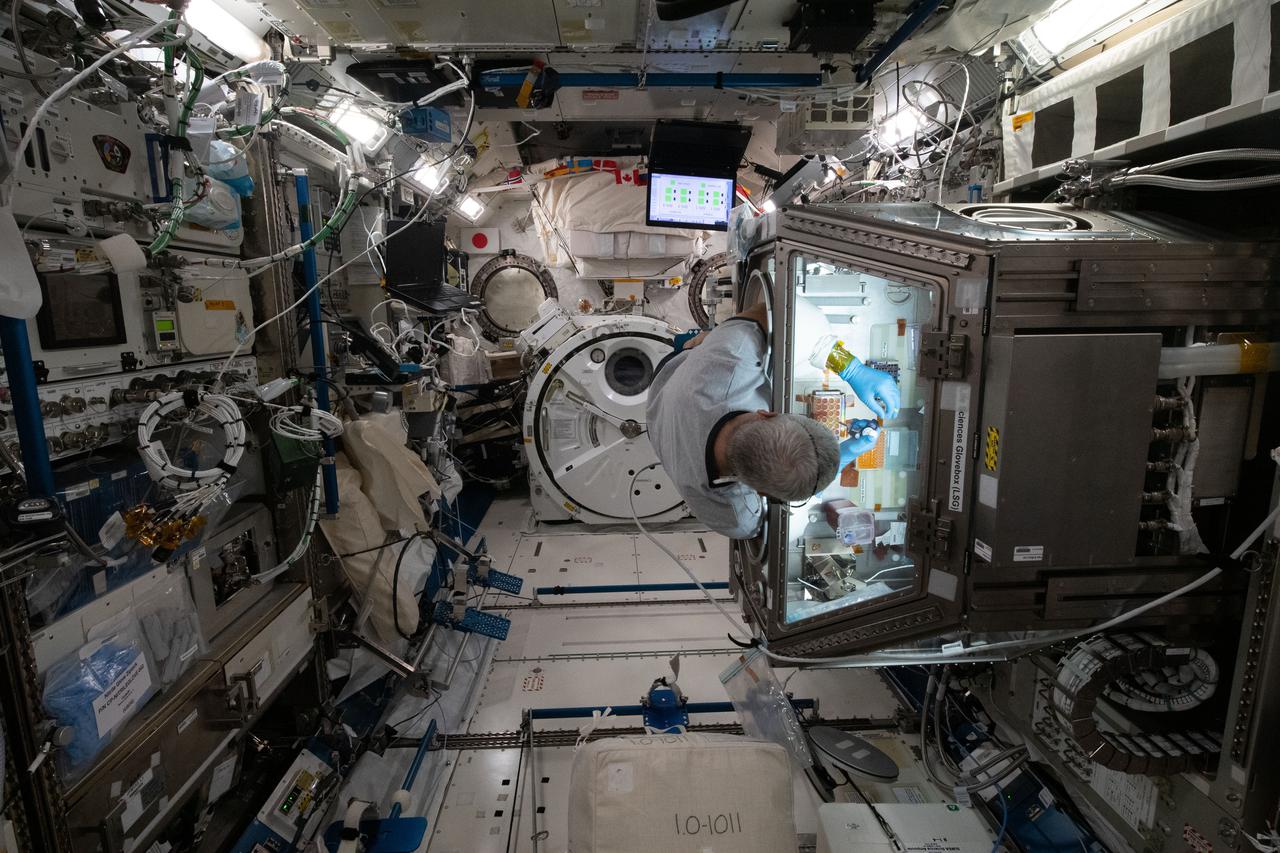
Photo (part of time lapse) taken during Celestial Immunity Plate Second Sampling in the Japanese Experiment Module (JEM). View is of the empty module with Life Sciences Glovebox (LSG) in the forefront. Astronaut Mark Vande Hei is also visible to conduct the operations. Dissecting the Influence of Gravity on Human Immune Function in Adults and the Elderly (Celestial Immunity) builds on earlier studies to evaluate how gravity affects functional immune response, from innate mechanisms of defense to adaptive responses.
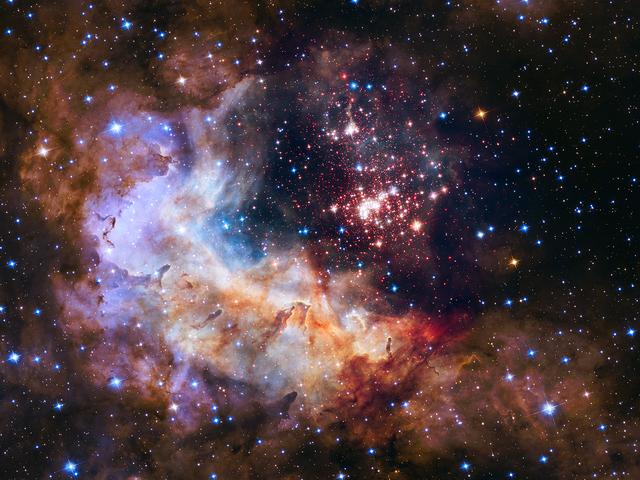
The brilliant tapestry of young stars flaring to life resemble a glittering fireworks display in the 25th anniversary NASA Hubble Space Telescope image, released to commemorate a quarter century of exploring the solar system and beyond since its launch on April 24, 1990. “Hubble has completely transformed our view of the universe, revealing the true beauty and richness of the cosmos” said John Grunsfeld, astronaut and associate administrator of NASA’s Science Mission Directorate. “This vista of starry fireworks and glowing gas is a fitting image for our celebration of 25 years of amazing Hubble science.” The sparkling centerpiece of Hubble’s anniversary fireworks is a giant cluster of about 3,000 stars called Westerlund 2, named for Swedish astronomer Bengt Westerlund who discovered the grouping in the 1960s. The cluster resides in a raucous stellar breeding ground known as Gum 29, located 20,000 light-years away from Earth in the constellation Carina. Read more: <a href="http://www.nasa.gov/press-release/nasa-unveils-celestial-fireworks-as-official-image-for-hubble-25th-anniversary" rel="nofollow">www.nasa.gov/press-release/nasa-unveils-celestial-firewor...</a> <b><a href="http://www.nasa.gov/audience/formedia/features/MP_Photo_Guidelines.html" rel="nofollow">NASA image use policy.</a></b> <b><a href="http://www.nasa.gov/centers/goddard/home/index.html" rel="nofollow">NASA Goddard Space Flight Center</a></b> enables NASA’s mission through four scientific endeavors: Earth Science, Heliophysics, Solar System Exploration, and Astrophysics. Goddard plays a leading role in NASA’s accomplishments by contributing compelling scientific knowledge to advance the Agency’s mission. <b>Follow us on <a href="http://twitter.com/NASAGoddardPix" rel="nofollow">Twitter</a></b> <b>Like us on <a href="http://www.facebook.com/pages/Greenbelt-MD/NASA-Goddard/395013845897?ref=tsd" rel="nofollow">Facebook</a></b> <b>Find us on <a href="http://instagrid.me/nasagoddard/?vm=grid" rel="nofollow">Instagram</a></b>
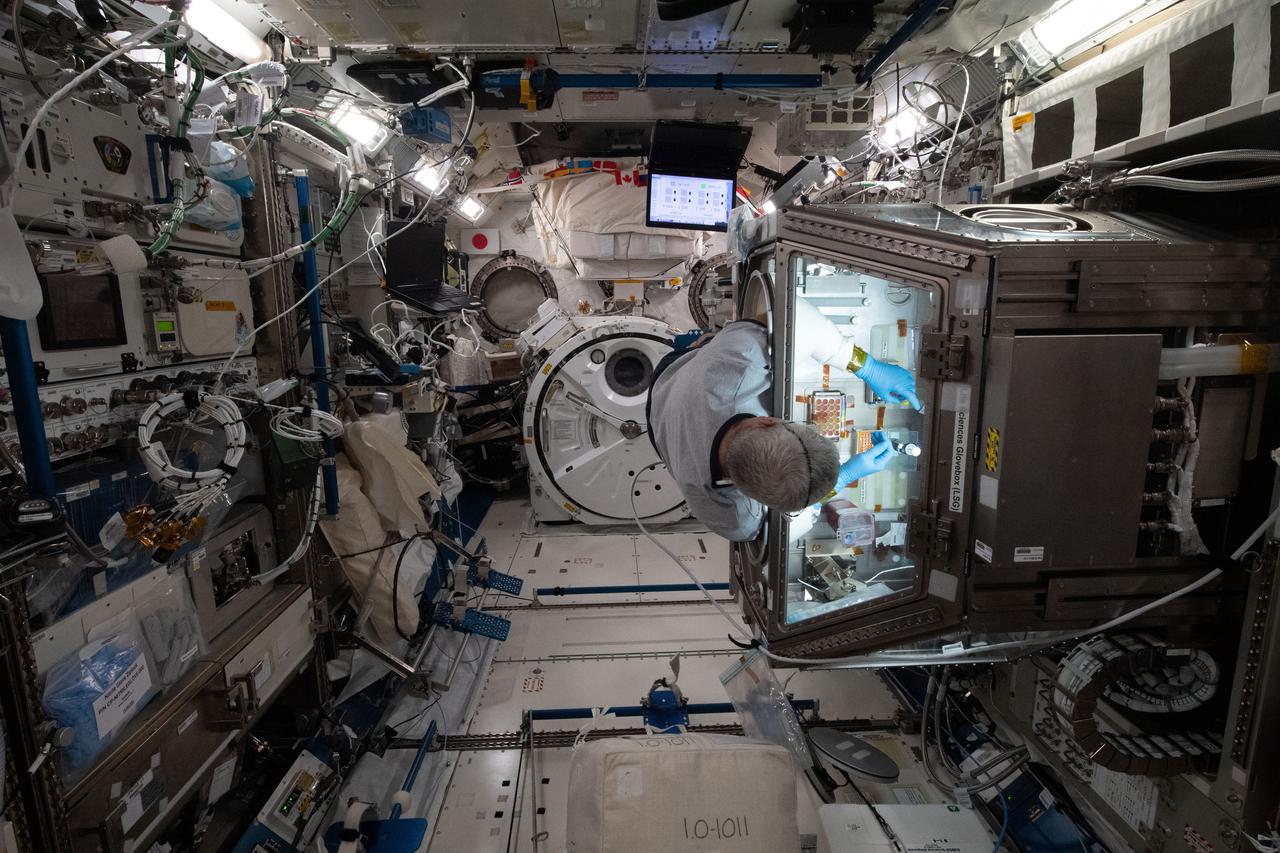
iss065e058810 (May 22, 2021) --- NASA astronaut and Expedition 65 Flight Engineer Mark Vande Hei services donor cell samples inside the Kibo laboratory module's Life Science Glovebox. The samples for the Celestial Immunity study are compared to cell cultures harvested on Earth and may help scientists develop new vaccines and drugs to treat diseases on Earth.
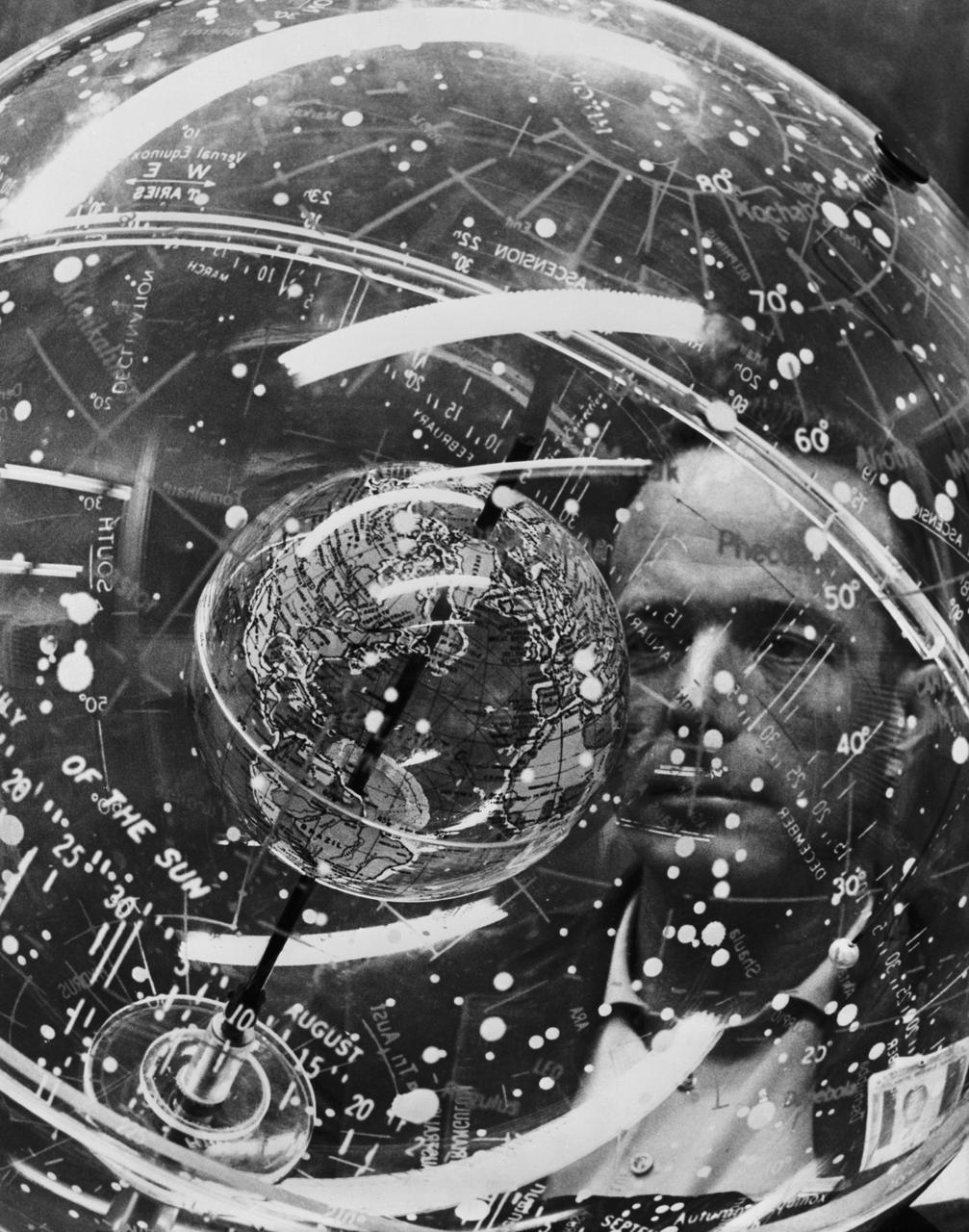
S61-04621 (1961) --- Astronaut M. Scott Carpenter looks into a Celestial Training Device (globe) during training in the Aeromedical Laboratory at Cape Canaveral, Florida. Photo credit: NASA

NASA image release June 6, 2010 Like a July 4 fireworks display a young, glittering collection of stars looks like an aerial burst. The cluster is surrounded by clouds of interstellar gas and dust - the raw material for new star formation. The nebula, located 20,000 light-years away in the constellation Carina, contains a central cluster of huge, hot stars, called NGC 3603. This environment is not as peaceful as it looks. Ultraviolet radiation and violent stellar winds have blown out an enormous cavity in the gas and dust enveloping the cluster, providing an unobstructed view of the cluster. Most of the stars in the cluster were born around the same time but differ in size, mass, temperature, and color. The course of a star's life is determined by its mass, so a cluster of a given age will contain stars in various stages of their lives, giving an opportunity for detailed analyses of stellar life cycles. NGC 3603 also contains some of the most massive stars known. These huge stars live fast and die young, burning through their hydrogen fuel quickly and ultimately ending their lives in supernova explosions. Star clusters like NGC 3603 provide important clues to understanding the origin of massive star formation in the early, distant universe. Astronomers also use massive clusters to study distant starbursts that occur when galaxies collide, igniting a flurry of star formation. The proximity of NGC 3603 makes it an excellent lab for studying such distant and momentous events. This Hubble Space Telescope image was captured in August 2009 and December 2009 with the Wide Field Camera 3 in both visible and infrared light, which trace the glow of sulfur, hydrogen, and iron. The Hubble Space Telescope is a project of international cooperation between NASA and the European Space Agency. NASA’s Goddard Space Flight Center manages the telescope. The Space Telescope Science Institute (STScI) conducts Hubble science operations. STScI is operated for NASA by the Association of Universities for Research in Astronomy, Inc. in Washington, D.C. Credit: NASA, ESA, R. O'Connell (University of Virginia), F. Paresce (National Institute for Astrophysics, Bologna, Italy), E. Young (Universities Space Research Association/Ames Research Center), the WFC3 Science Oversight Committee, and the Hubble Heritage Team (STScI/AURA) <b><a href="http://www.nasa.gov/centers/goddard/home/index.html" rel="nofollow">NASA Goddard Space Flight Center</a></b> is home to the nation's largest organization of combined scientists, engineers and technologists that build spacecraft, instruments and new technology to study the Earth, the sun, our solar system, and the universe.
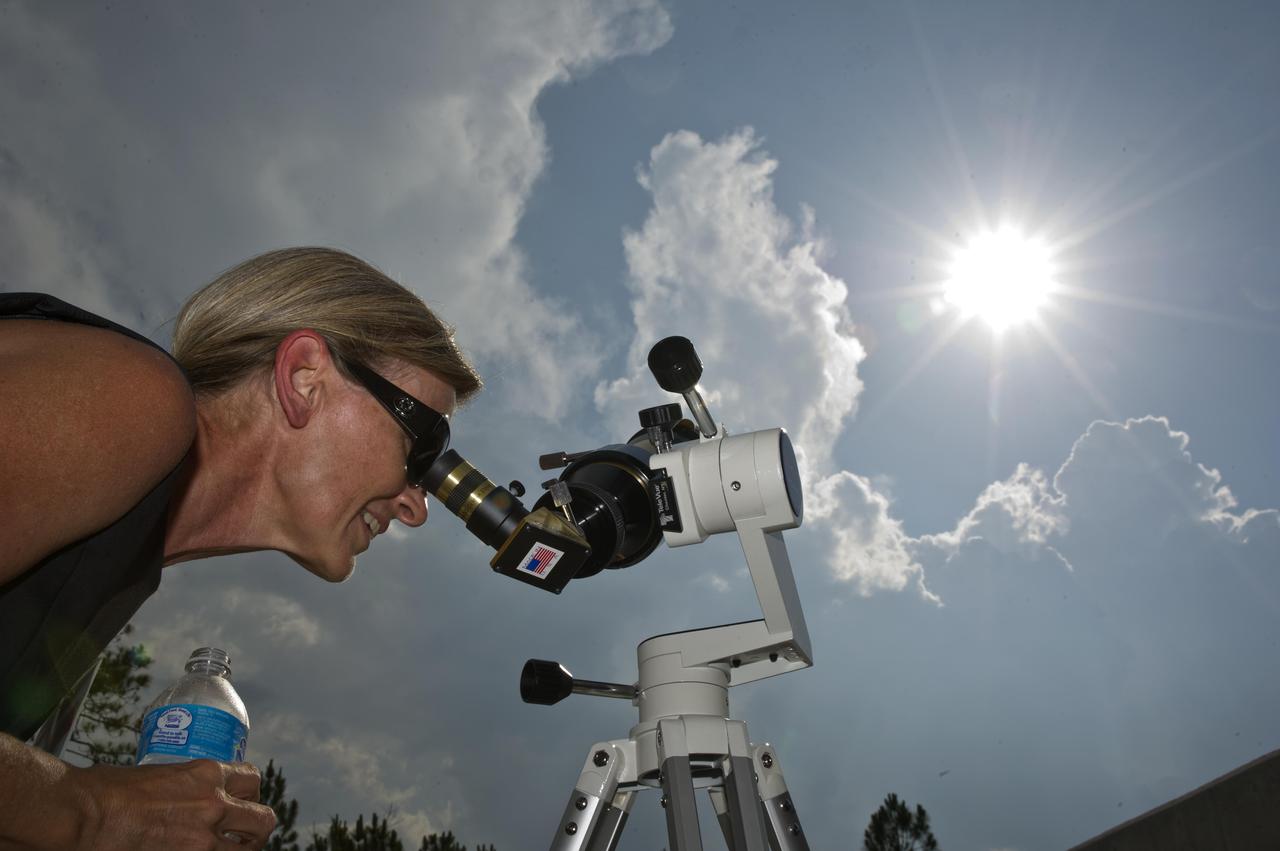
Leslie Lowes from the NASA Jet Propulsion Laboratory in Pasadena, Calif., views the June 5, 2012, Venus transit through a solar telescope. Lowes participated in an education workshop at the INFINITY at NASA Stennis Space Center visitor center and joined others to view the rare celestial event when Venus traverses the face of the sun.
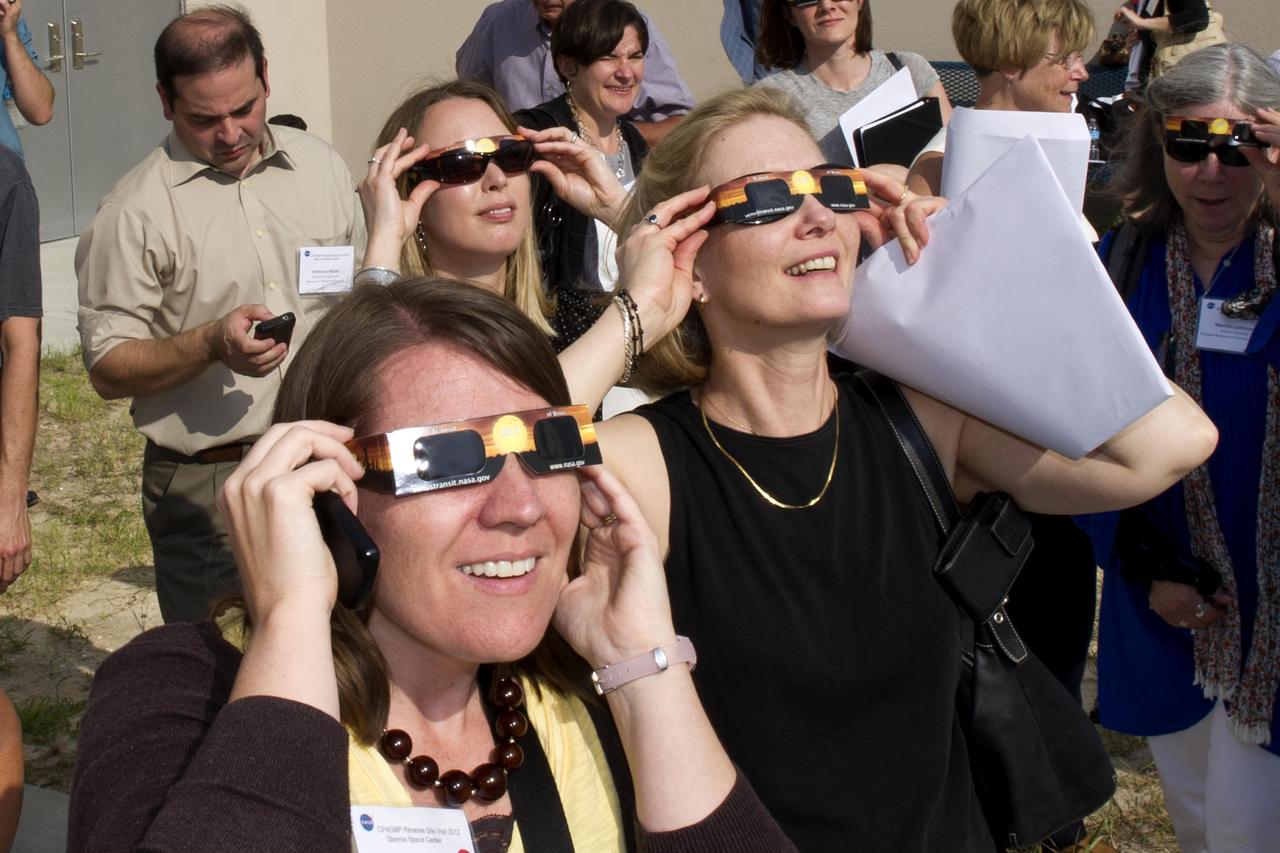
Guests at the INFINITY at NASA Stennis Space Center visitor center use special solar sunglasses to catch a lifetime view of the Venus transit June 5, 2012. The rare celestial event in which the planet Venus traverses the face of the sun will not be visible from Earth again until 2117.
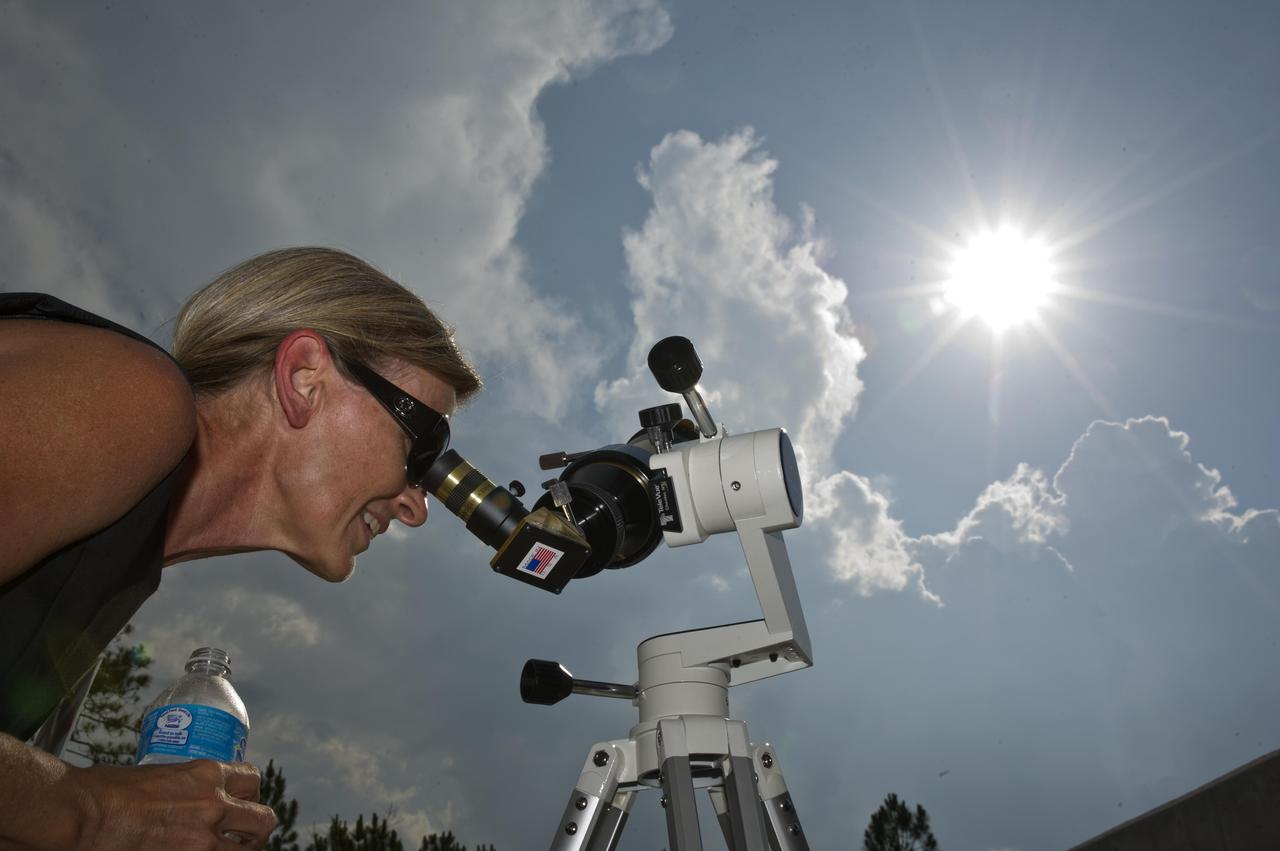
Leslie Lowes from the NASA Jet Propulsion Laboratory in Pasadena, Calif., views the June 5, 2012, Venus transit through a solar telescope. Lowes participated in an education workshop at the INFINITY at NASA Stennis Space Center visitor center and joined others to view the rare celestial event when Venus traverses the face of the sun.
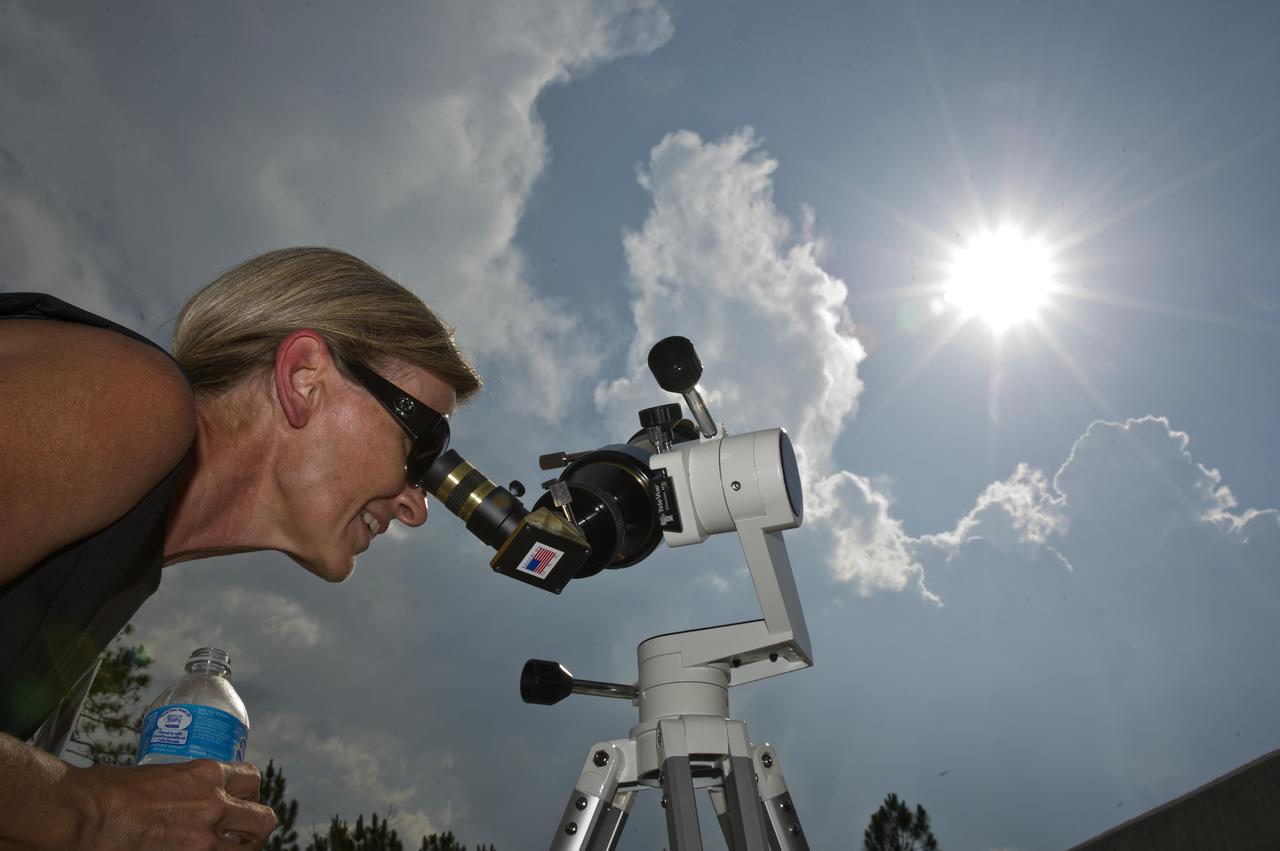
Leslie Lowes from the NASA Jet Propulsion Laboratory in Pasadena, Calif., views the June 5, 2012, Venus transit through a solar telescope. Lowes participated in an education workshop at the INFINITY at NASA Stennis Space Center visitor center and joined others to view the rare celestial event when Venus traverses the face of the sun.
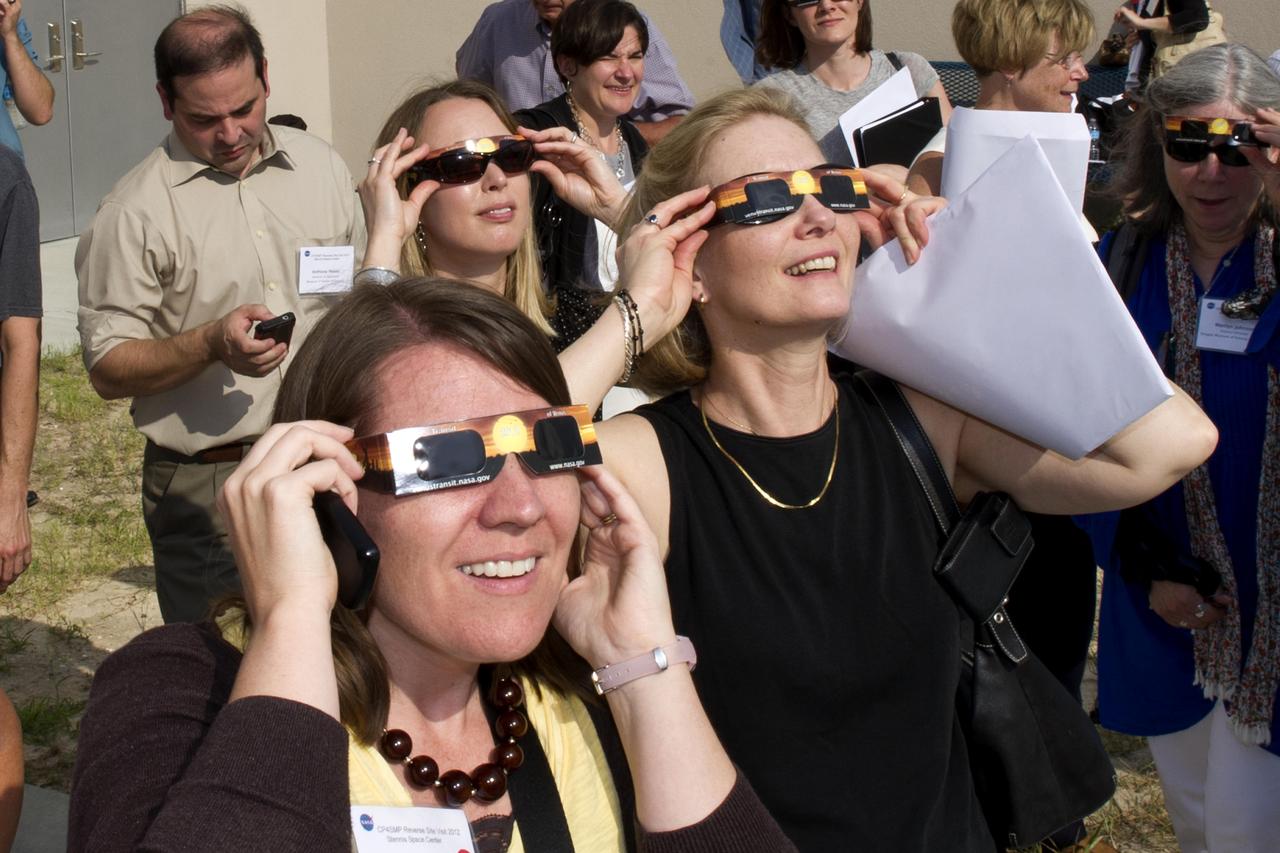
Guests at the INFINITY at NASA Stennis Space Center visitor center use special solar sunglasses to catch a lifetime view of the Venus transit June 5, 2012. The rare celestial event in which the planet Venus traverses the face of the sun will not be visible from Earth again until 2117.
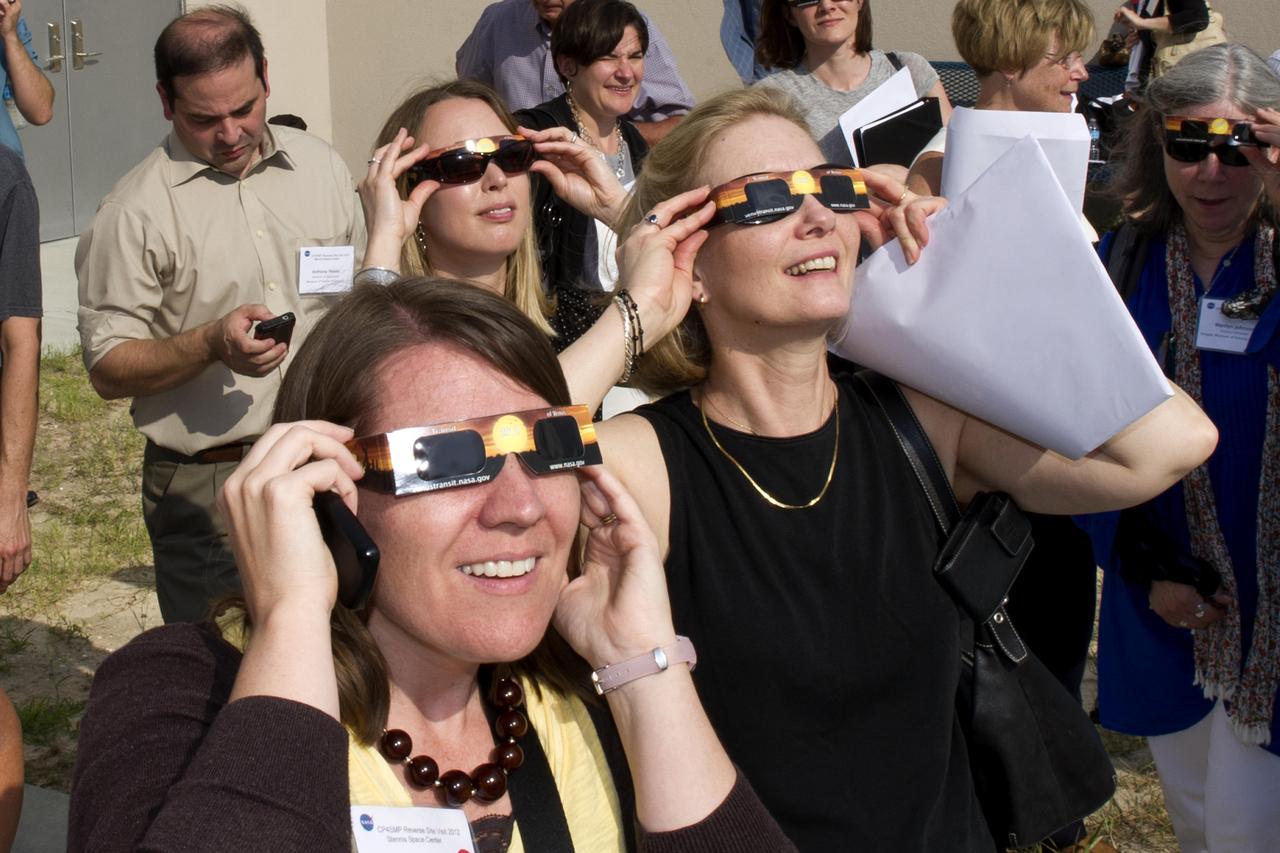
Guests at the INFINITY at NASA Stennis Space Center visitor center use special solar sunglasses to catch a lifetime view of the Venus transit June 5, 2012. The rare celestial event in which the planet Venus traverses the face of the sun will not be visible from Earth again until 2117.
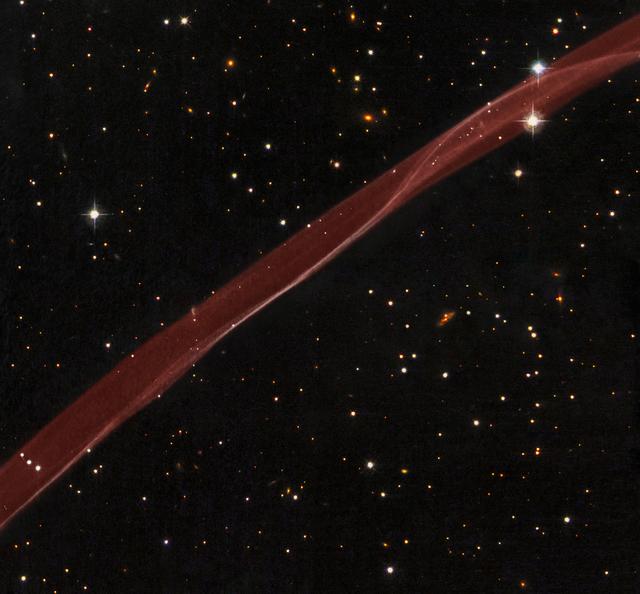
Release date: July 1, 2008 SN 1006 Supernova Remnant (Hubble) A delicate ribbon of gas floats eerily in our galaxy. A contrail from an alien spaceship? A jet from a black-hole? Actually this image, taken by NASA's Hubble Space Telescope, is a very thin section of a supernova remnant caused by a stellar explosion that occurred more than 1,000 years ago. On or around May 1, 1006 A.D., observers from Africa to Europe to the Far East witnessed and recorded the arrival of light from what is now called SN 1006, a tremendous supernova explosion caused by the final death throes of a white dwarf star nearly 7,000 light-years away. The supernova was probably the brightest star ever seen by humans, and surpassed Venus as the brightest object in the night time sky, only to be surpassed by the moon. It was visible even during the day for weeks, and remained visible to the naked eye for at least two and a half years before fading away. It wasn't until the mid-1960s that radio astronomers first detected a nearly circular ring of material at the recorded position of the supernova. The ring was almost 30 arcminutes across, the same angular diameter as the full moon. The size of the remnant implied that the blast wave from the supernova had expanded at nearly 20 million miles per hour over the nearly 1,000 years since the explosion occurred. In 1976, the first detection of exceedingly faint optical emission of the supernova remnant was reported, but only for a filament located on the northwest edge of the radio ring. A tiny portion of this filament is revealed in detail by the Hubble observation. The twisting ribbon of light seen by Hubble corresponds to locations where the expanding blast wave from the supernova is now sweeping into very tenuous surrounding gas. The hydrogen gas heated by this fast shock wave emits radiation in visible light. Hence, the optical emission provides astronomers with a detailed "snapshot" of the actual position and geometry of the shock front at any given time. Bright edges within the ribbon correspond to places where the shock wave is seen exactly edge on to our line of sight. Today we know that SN 1006 has a diameter of nearly 60 light-years, and it is still expanding at roughly 6 million miles per hour. Even at this tremendous speed, however, it takes observations typically separated by years to see significant outward motion of the shock wave against the grid of background stars. In the Hubble image as displayed, the supernova would have occurred far off the lower right corner of the image, and the motion would be toward the upper left. SN 1006 resides within our Milky Way Galaxy. Located more than 14 degrees off the plane of the galaxy's disk, there is relatively little confusion with other foreground and background objects in the field when trying to study this object. In the Hubble image, many background galaxies (orange extended objects) far off in the distant universe can be seen dotting the image. Most of the white dots are foreground or background stars in our Milky Way galaxy. This image is a composite of hydrogen-light observations taken with Hubble's Advanced Camera for Surveys in February 2006 and Wide Field Planetary Camera 2 observations in blue, yellow-green, and near-infrared light taken in April 2008. The supernova remnant, visible only in the hydrogen-light filter was assigned a red hue in the Heritage color image. Credit: NASA, ESA, and the Hubble Heritage Team (STScI/AURA) Acknowledgment: W. Blair (Johns Hopkins University) To learn more about the Hubble Space Telescope go here: <a href="http://www.nasa.gov/mission_pages/hubble/main/index.html" rel="nofollow">www.nasa.gov/mission_pages/hubble/main/index.html</a> <b><a href="http://www.nasa.gov/audience/formedia/features/MP_Photo_Guidelines.html" rel="nofollow">NASA image use policy.</a></b> <b><a href="http://www.nasa.gov/centers/goddard/home/index.html" rel="nofollow">NASA Goddard Space Flight Center</a></b> enables NASA’s mission through four scientific endeavors: Earth Science, Heliophysics, Solar System Exploration, and Astrophysics. Goddard plays a leading role in NASA’s accomplishments by contributing compelling scientific knowledge to advance the Agency’s mission. <b>Follow us on <a href="http://twitter.com/NASAGoddardPix" rel="nofollow">Twitter</a></b> <b>Like us on <a href="http://www.facebook.com/pages/Greenbelt-MD/NASA-Goddard/395013845897?ref=tsd" rel="nofollow">Facebook</a></b> <b>Find us on <a href="http://instagram.com/nasagoddard?vm=grid" rel="nofollow">Instagram</a></b>
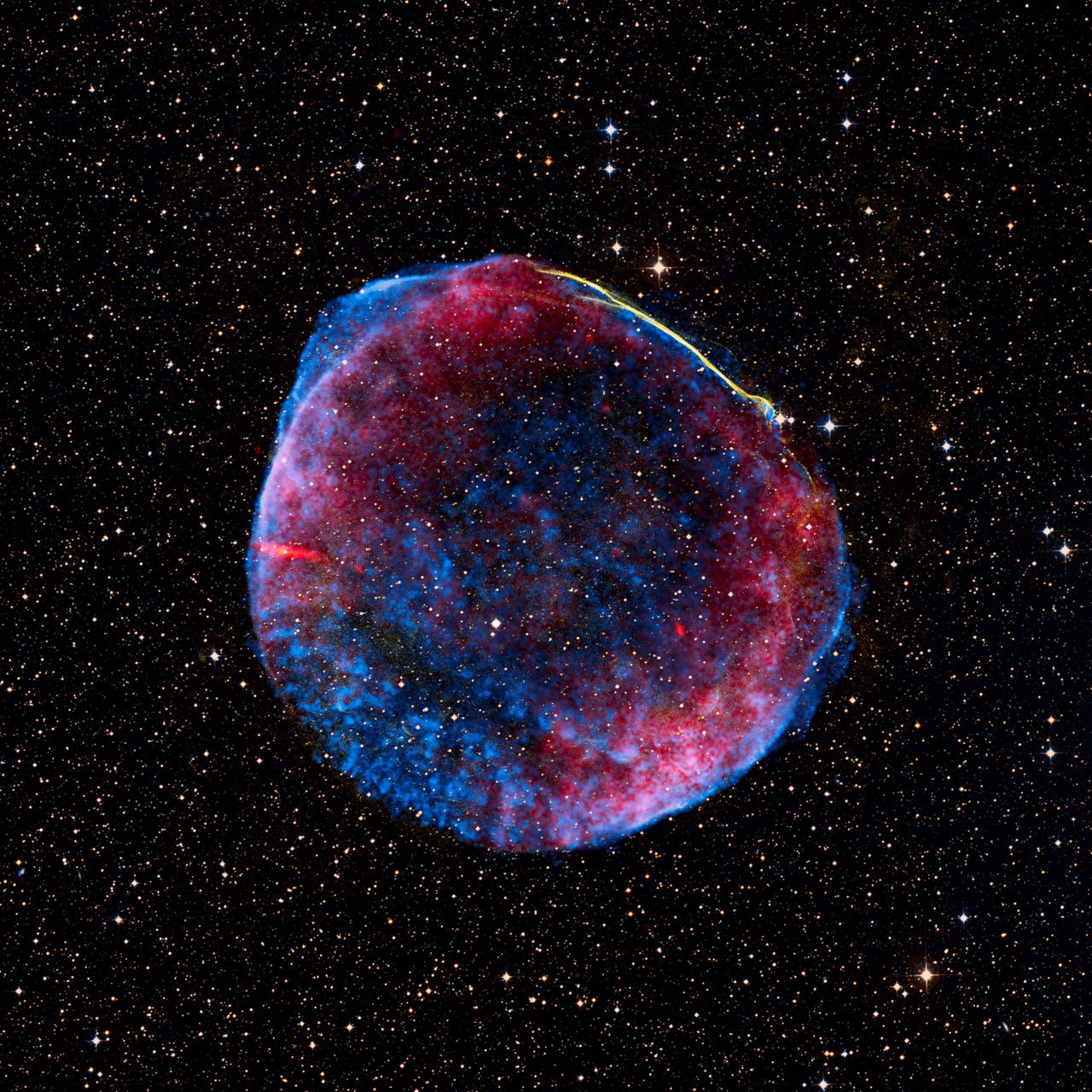
Release date: July 1, 2008 This image is a composite of visible (or optical), radio, and X-ray data of the full shell of the supernova remnant from SN 1006. The radio data show much of the extent that the X-ray image shows. In contrast, only a small linear filament in the northwest corner of the shell is visible in the optical data. The object has an angular size of roughly 30 arcminutes (0.5 degree, or about the size of the full moon), and a physical size of 60 light-years (18 parsecs) based on its distance of nearly 7,000 light-years. The small green box along the bright filament at the top of the image corresponds to the dimensions of the Hubble release image. The optical data was obtained at the University of Michigan's 0.9-meter Curtis Schmidt telescope at the National Science Foundation's Cerro Tololo Inter-American Observatory (CTIO) near La Serena, Chile. H-alpha, continuum-subtracted data were provided by F. Winkler (Middlebury COllege) et al. The X-ray data were acquired from the Chandra X-ray Observatory's AXAF CCD Imaging Spectrometer (ACIS) at 0.5-3keV, and were provided by J. Hughes (Rutgers University) et al. The radio data, supplied by K. Dyer (NRAO, Socorro) et al., were a composite from the National Radio Astronomy Observatory's Very Large Array (NRAO/VLA) in Socorro, New Mexico, along with the Green Bank Telescope (GBT) in Green Bank, West Virginia. Data of the supernova remnant were blended on a visible-light stellar background created using the Digitized Sky Survey's Anglo-Australian Observatory (AAO2) blue and red plates. Photo Credit: NASA, ESA, and Z. Levay (STScI) Science Credit: Radio: NRAO/AUI/NSF GBT+VLA 1.4 GHz mosaic (Dyer, Maddalena and Cornwell, NRAO); X-ray: NASA/CXC/Rutgers/G. Cassam-Chenai and J. Hughes et al.; Optical: F.Winkler/Middlebury College and NOAO/AURA/NSF; and DSS To learn more about the Hubble Space Telescope go here: <a href="http://www.nasa.gov/mission_pages/hubble/main/index.html" rel="nofollow">www.nasa.gov/mission_pages/hubble/main/index.html</a> <b><a href="http://www.nasa.gov/centers/goddard/home/index.html" rel="nofollow">NASA Goddard Space Flight Center</a></b> is home to the nation's largest organization of combined scientists, engineers and technologists that build spacecraft, instruments and new technology to study the Earth, the sun, our solar system, and the universe. <b>Follow us on <a href="http://twitter.com/NASAGoddardPix" rel="nofollow">Twitter</a></b> <b>Join us on <a href="http://www.facebook.com/pages/Greenbelt-MD/NASA-Goddard/395013845897?ref=tsd" rel="nofollow">Facebook</a><b> </b></b>
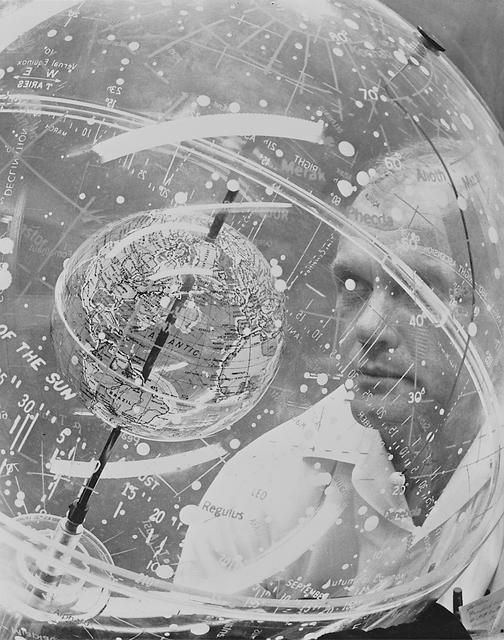
S61-04622 (1961) --- Mercury astronaut John H. Glenn Jr. looks into a Celestial Training Device (globe) during training in the Aeromedical Laboratory at Cape Canaveral, Florida. Photo credit: NASA

The NASA/ESA Hubble Space Telescope doesn’t usually get much assistance from its celestial subjects — but to take this image, the telescope opted for teamwork and made good use of a fascinating cosmic phenomenon known as gravitational lensing. This effect works when the gravitational influence of a massive object, such as the galaxy cluster in this image, is so colossal that it warps the surrounding space, causing nearby light to travel along distorted paths. The massive object is effectively turned into a giant magnifying glass, bending and amplifying the light traveling from more distant galaxies lying behind it. In this particular case, astronomers used the foreground galaxy cluster (named SDSS J0915+3826) to study star formation in galaxies lying so far away that their light has taken up to 11.5 billion years to reach Earth. These galaxies formed at a very early stage in the lifetime of the universe, giving astronomers a rare glimpse into the beginning of the cosmos. Despite the distance of these galaxies, the lensing effects of SDSS J0915+3826 allowed astronomers to work out the sizes, luminosities, star formation rates and stellar populations of individual star-forming clumps within these galaxies — quite an achievement! Image credit: ESA/Hubble & NASA
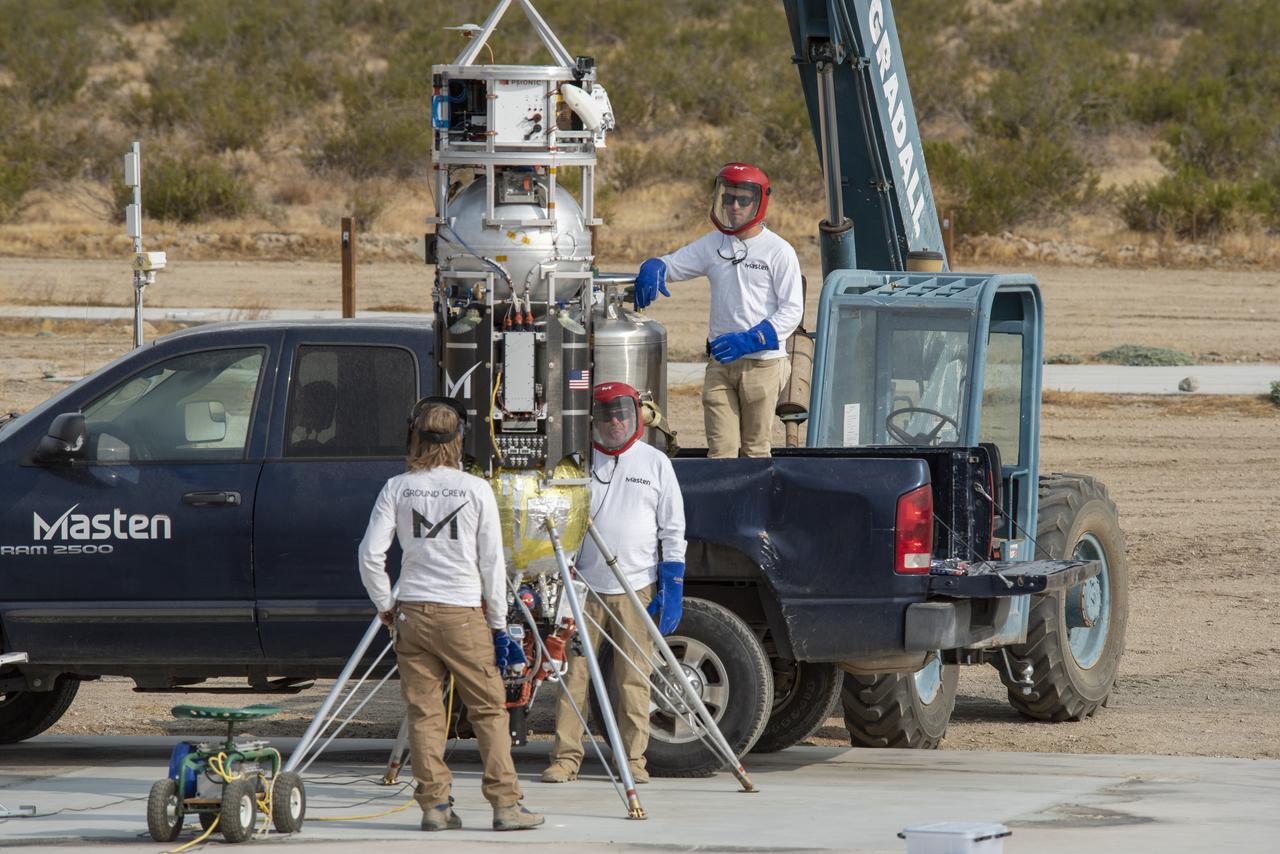
Masten Space Systems employees prepare its rocket to flight test NASA -licensed Psionic navigation doppler lidar technology that enables precision landing on celestial bodies where GPS for navigation only available on Earth is not an option.
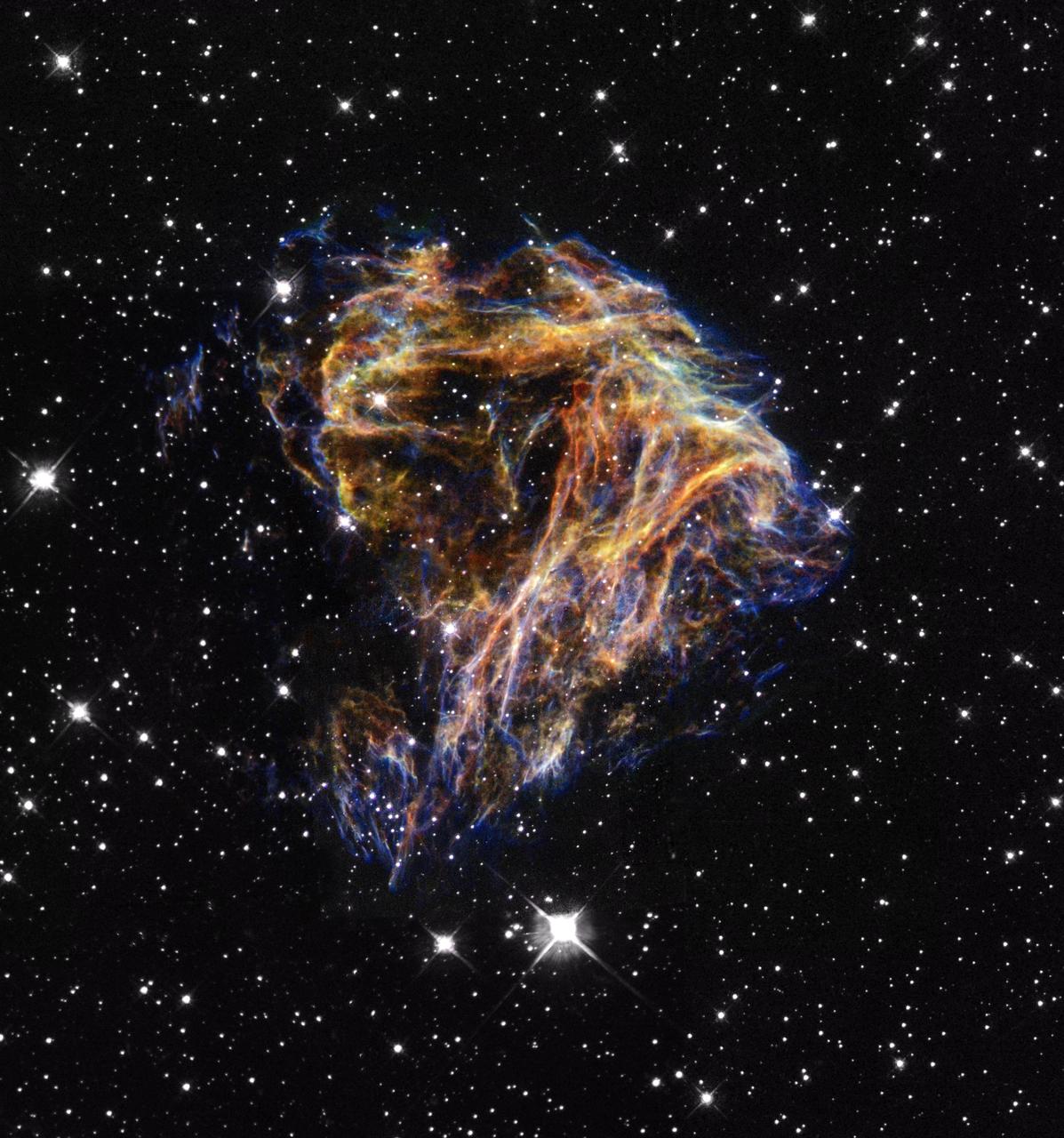
Resembling sparks from a fireworks display, this image taken by a JPL camera onboard NASA Hubble Space Telescope shows delicate filaments that are sheets of debris from a stellar explosion in the nearby Large Magellanic Cloud galaxy.
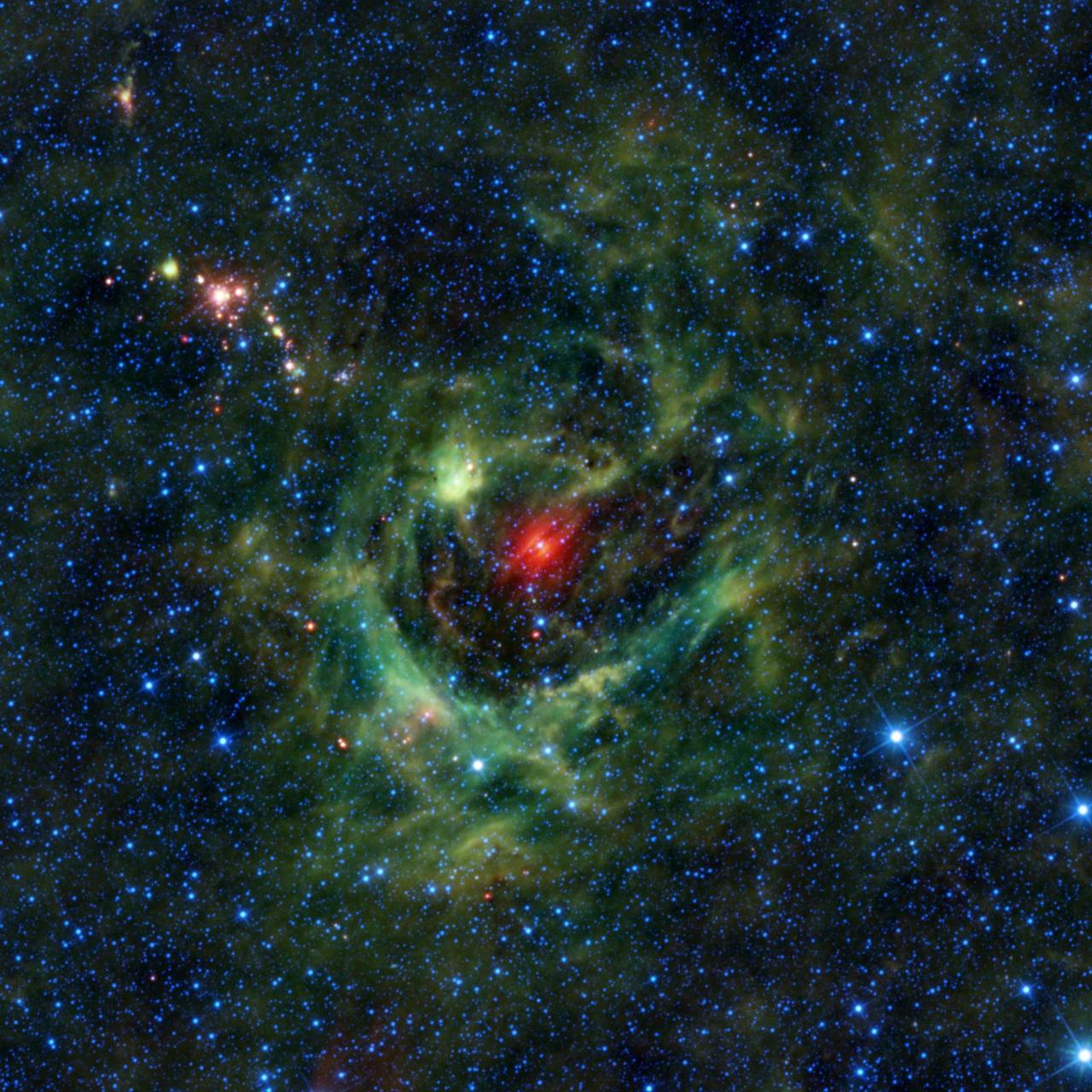
This image from NASA Wide-field Infrared Survey Explorer, or WISE, features a region of star birth wrapped in a blanket of dust, colored green in this infrared view.
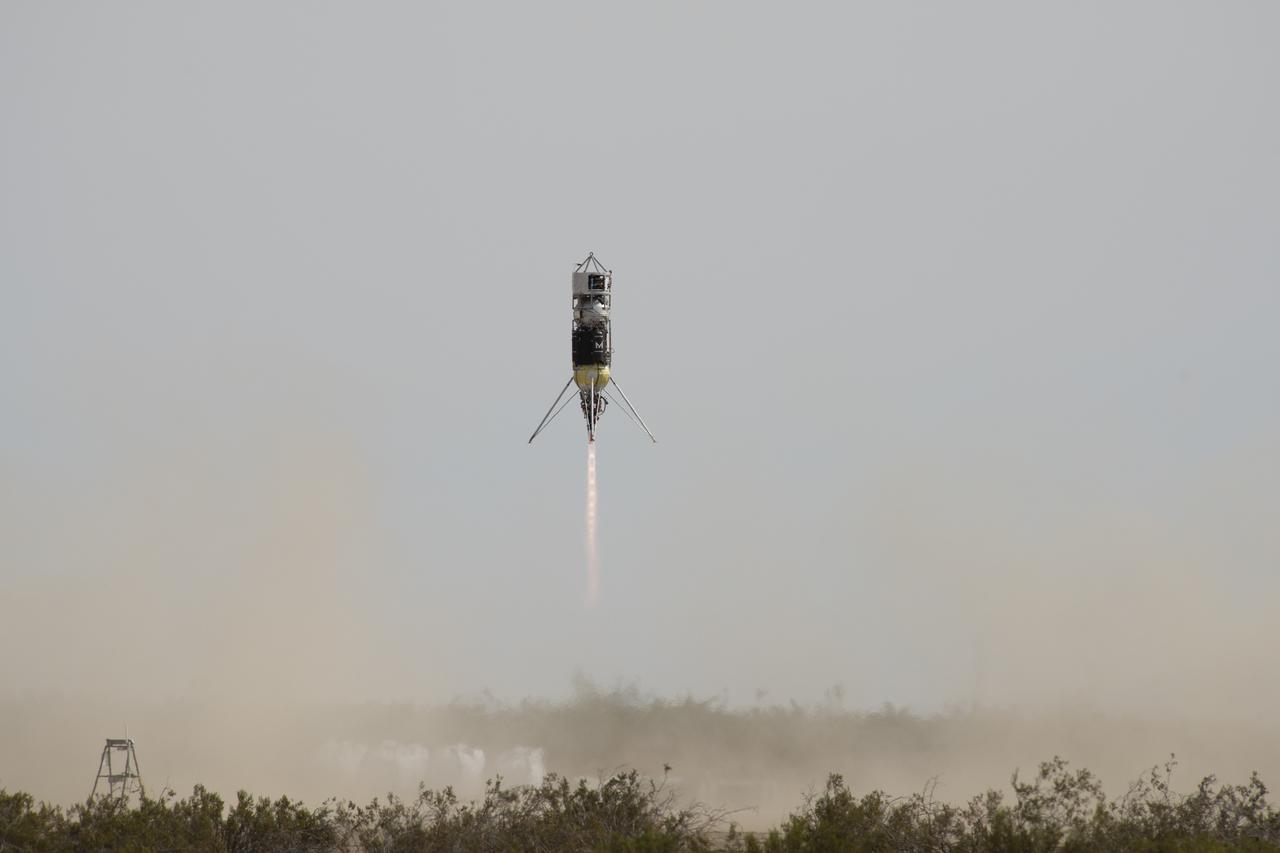
Masten Space Systems vertical takeoff vertical landing rocket launched September 10, 2020 to flight test NASA-licensed Psionic navigation doppler lidar technology that enables precision landing on celestial bodies where GPS for navigation only available on Earth is not an option.

This image from NASA Hubble Space Telescope image of a celestial object called the Ant Nebula may shed new light on the future demise of our Sun.
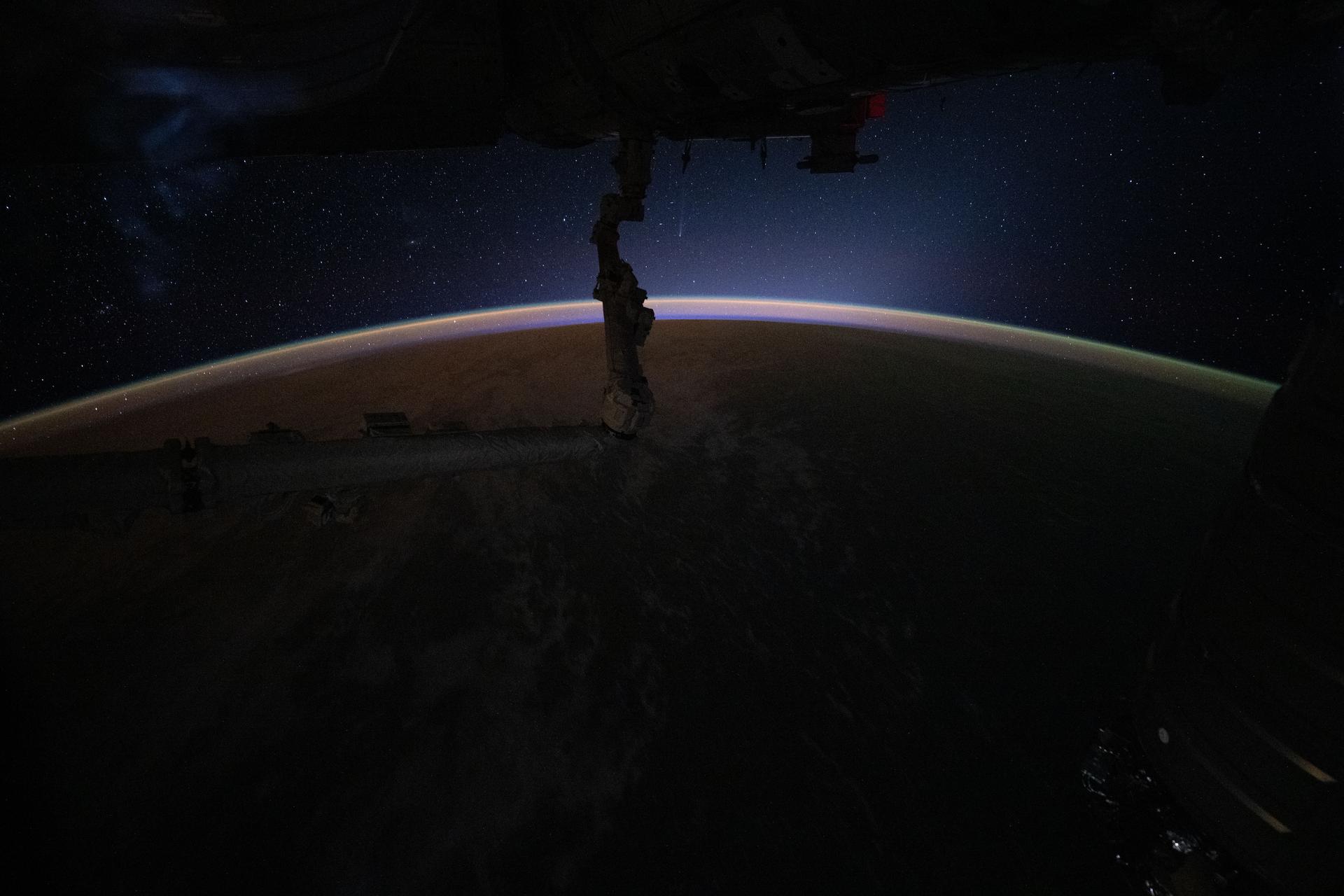
iss074e0480485 (April 17, 2026) --- This celestial image, taken moments before an orbital sunrise, reveals more than an airglow crowning Earth’s horizon—it also captures Comet C/2025 R3 (PANSTARRS) and its faint vertical tail (top center) at a distance of about 50 million miles from our planet. The International Space Station was orbiting 259 miles above the Pacific Ocean at approximately 3:50 a.m. local time when this photograph was taken. Credit: NASA/Chris Williams
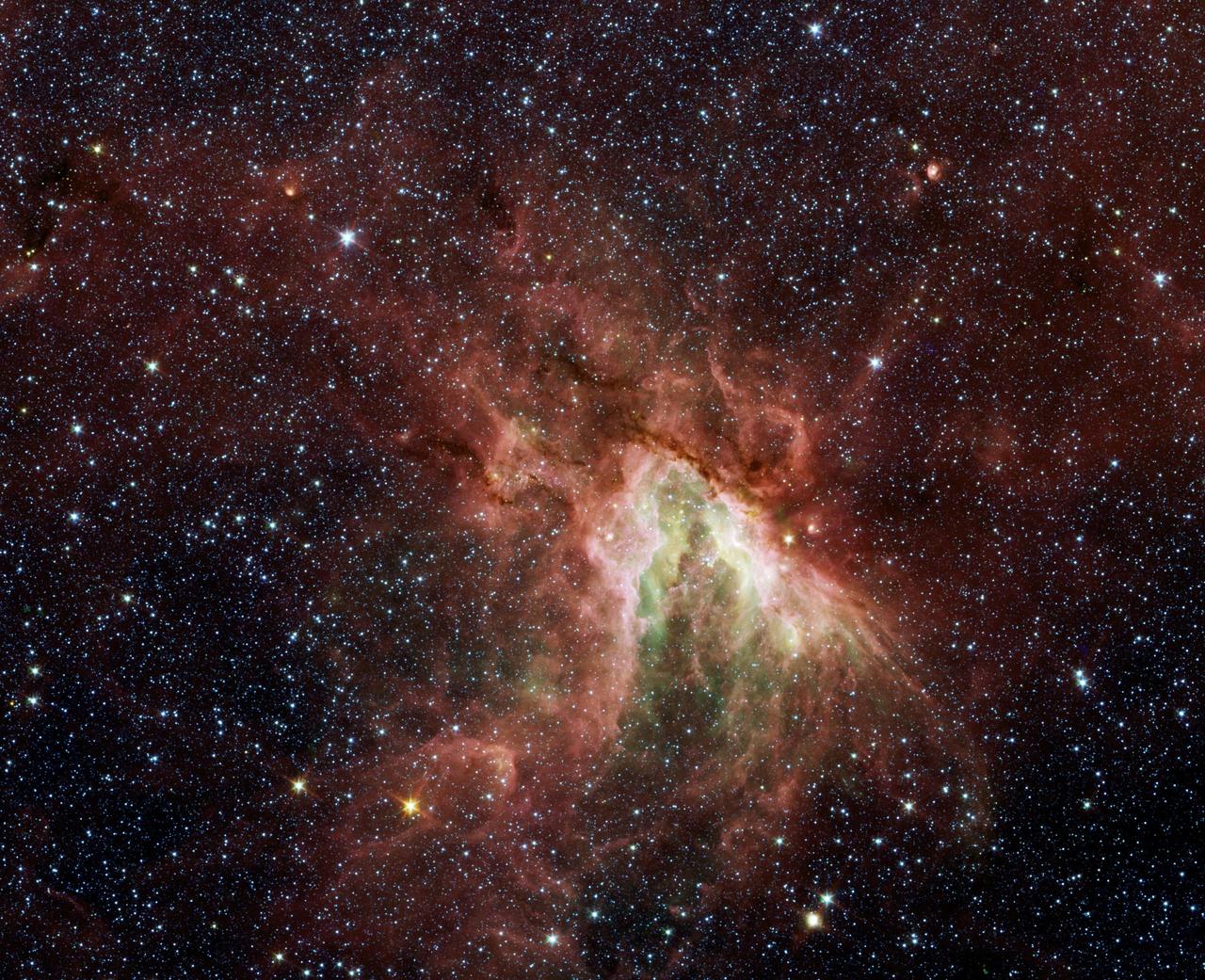
NASA Spitzer Space Telescope has captured a new, infrared view of the choppy star-making cloud called M17, also known as Omega Nebula or the Swan nebula.
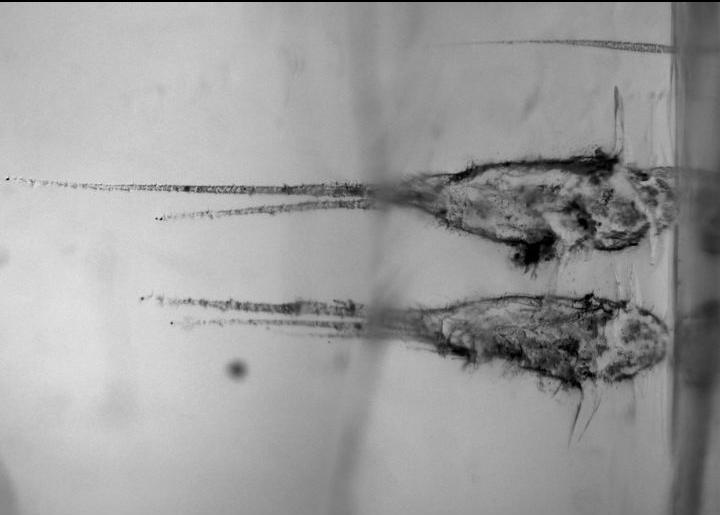
This image shows the tracks left by two comet particles after they impacted NASA Stardust spacecraft comet dust collector. The collector is made up of a low-density glass material called aerogel.
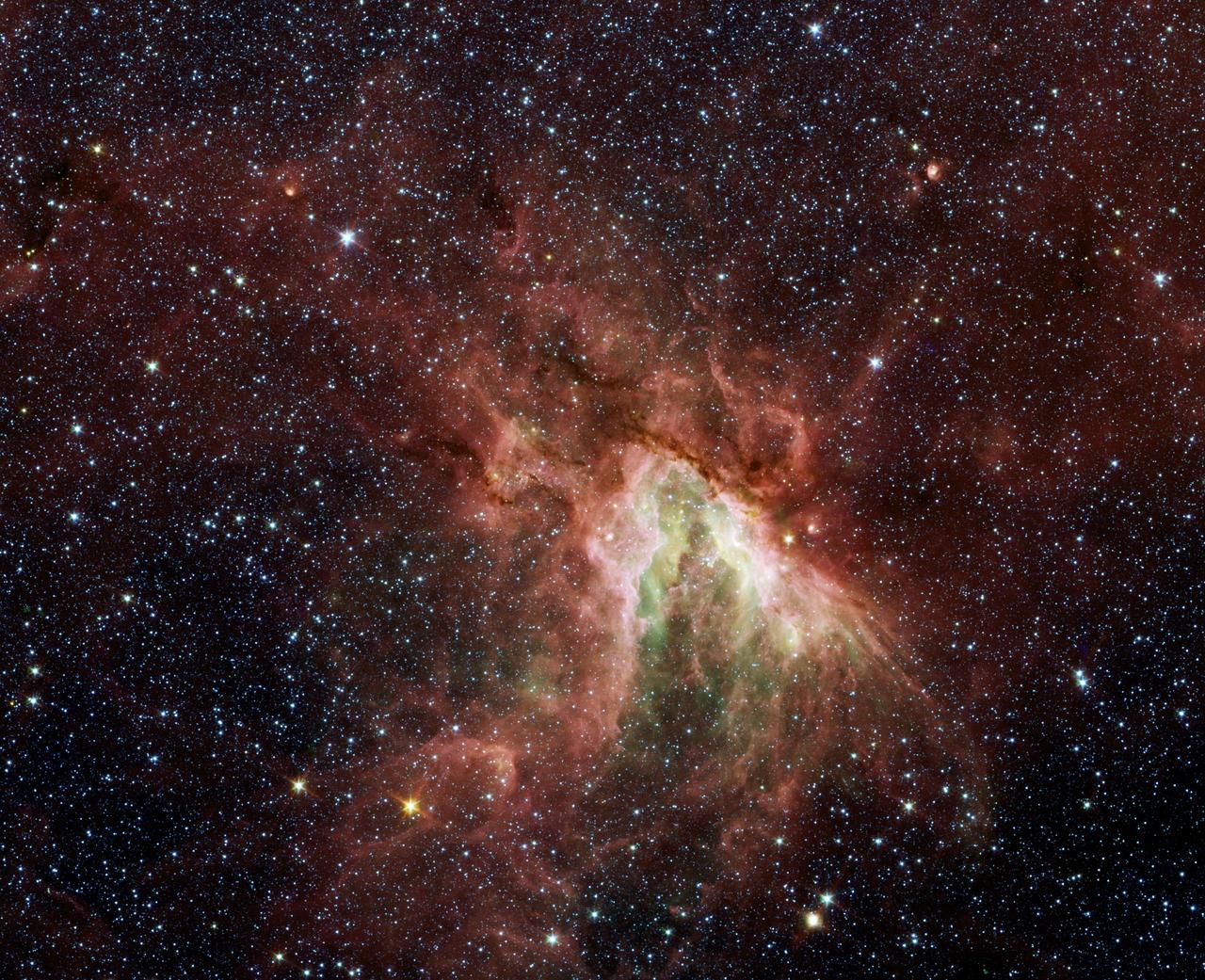
NASA Spitzer Space Telescope has captured a new, infrared view of the choppy star-making cloud called M17, or the Swan nebula.
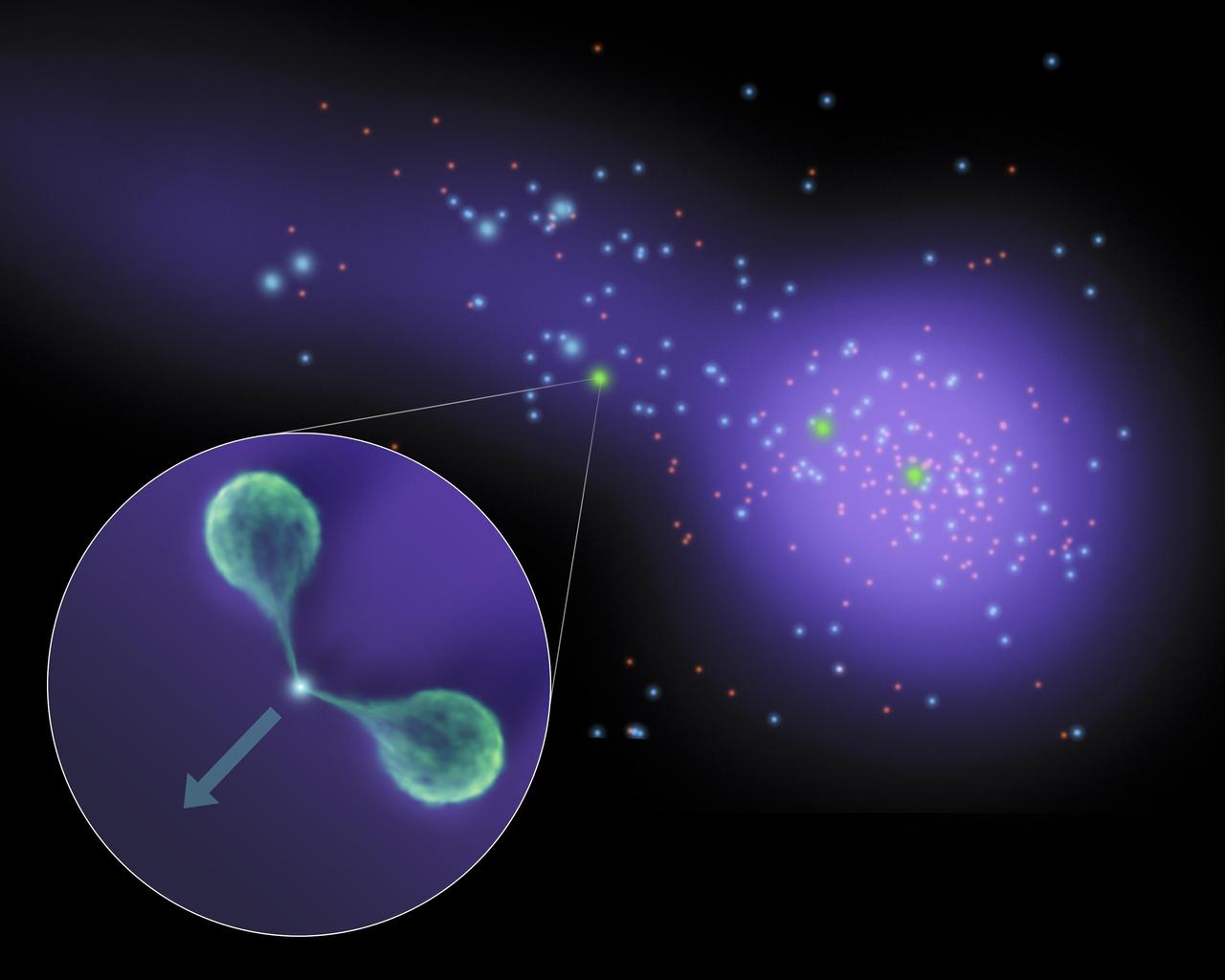
This diagram shows findings of results of observations made primarily by NASA Spitzer Telescopes and the Very Large Array radio telescope and illuminates new details about a celestial andbar connecting two massive islands of galaxies.
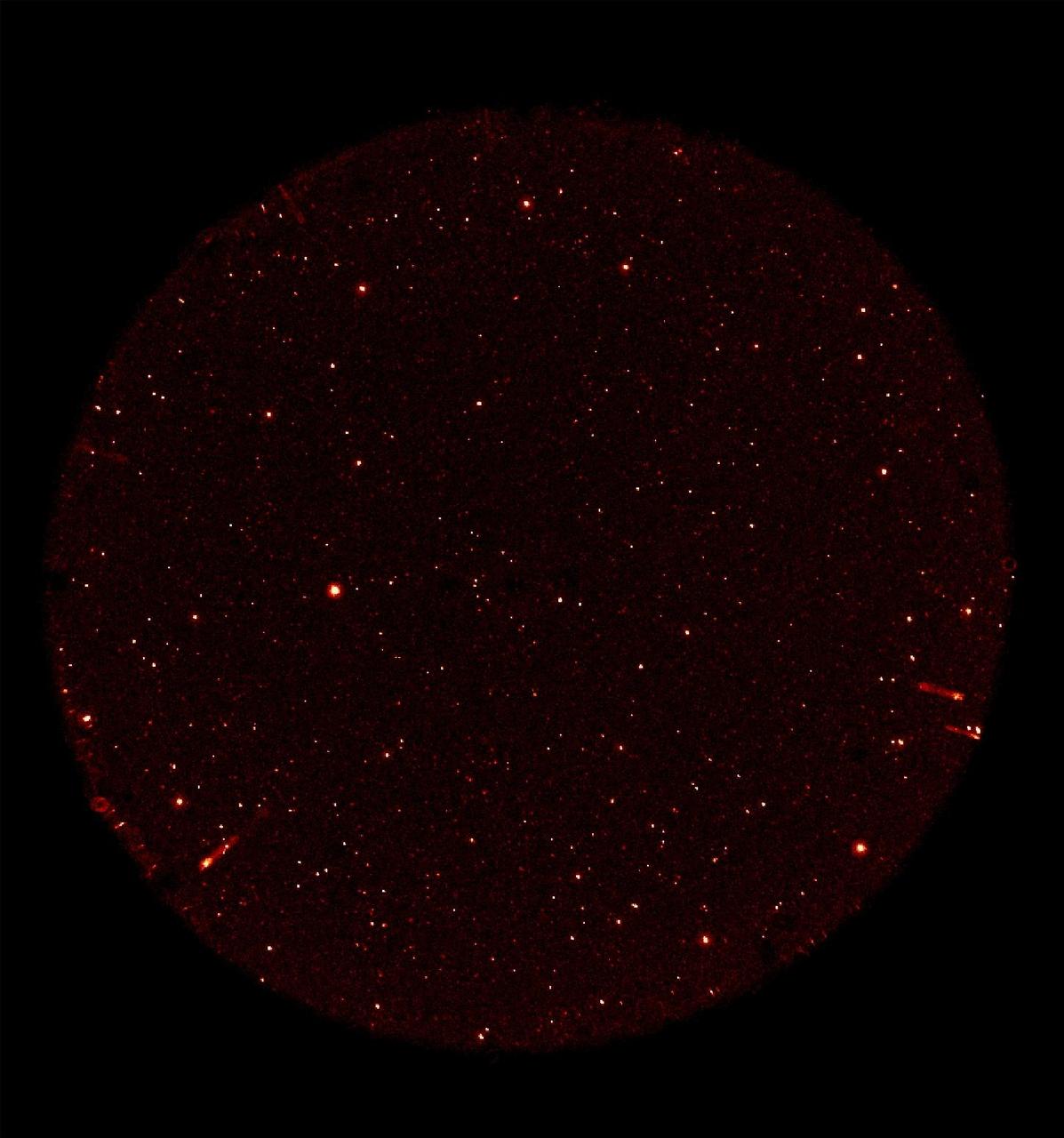
This image was taken on May 21 and 22, 2003, by NASA Galaxy Evolution Explorer. The image was made from data gathered during the missions first light milestone, and shows celestial objects in the constellation Hercules.
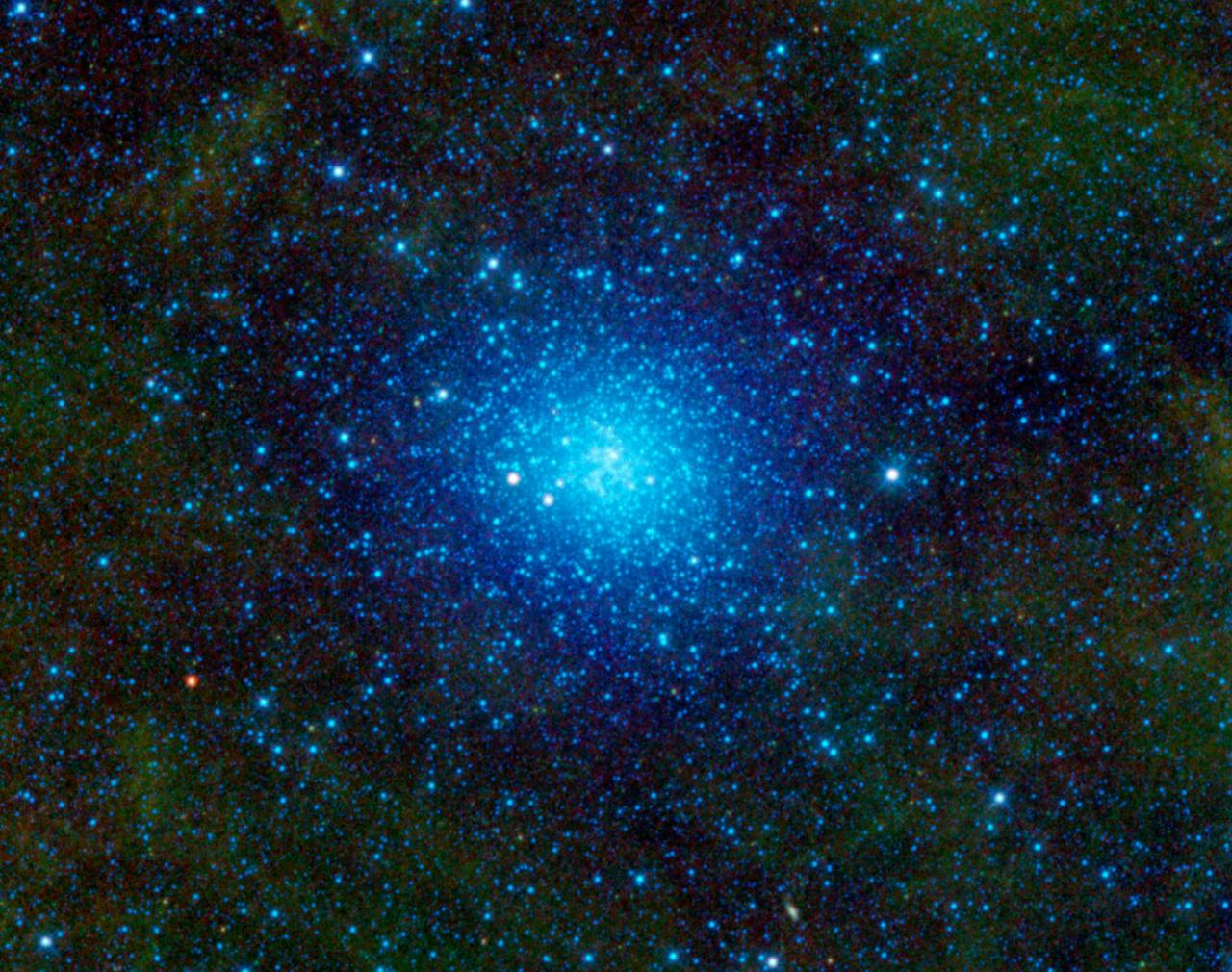
NASA Wide-field Infrared Survey Explorer has captured a favorite observing target of amateur astronomers, Omega Centauri. This celestial cluster of stars can be found in the constellation Centaurus.

Observations from NASA Spitzer Space Telescope show that filamentary galaxies form stars at twice the rate of their densely clustered counterparts. This is a representation of galaxies in and surrounding a galaxy cluster called Abell 1763.

A star's spectacular death in the constellation Taurus was observed on Earth as the supernova of 1054 A.D. Now, almost a thousand years later, a superdense neutron star left behind by the stellar death is spewing out a blizzard of extremely high-energy particles into the expanding debris field known as the Crab Nebula. This composite image uses data from three of NASA's Great Observatories. The Chandra X-ray image is shown in light blue, the Hubble Space Telescope optical images are in green and dark blue, and the Spitzer Space Telescope's infrared image is in red. The size of the X-ray image is smaller than the others because ultrahigh-energy X-ray emitting electrons radiate away their energy more quickly than the lower-energy electrons emitting optical and infrared light. The neutron star, which has the mass equivalent to the sun crammed into a rapidly spinning ball of neutrons twelve miles across, is the bright white dot in the center of the image. http://photojournal.jpl.nasa.gov/catalog/PIA01320
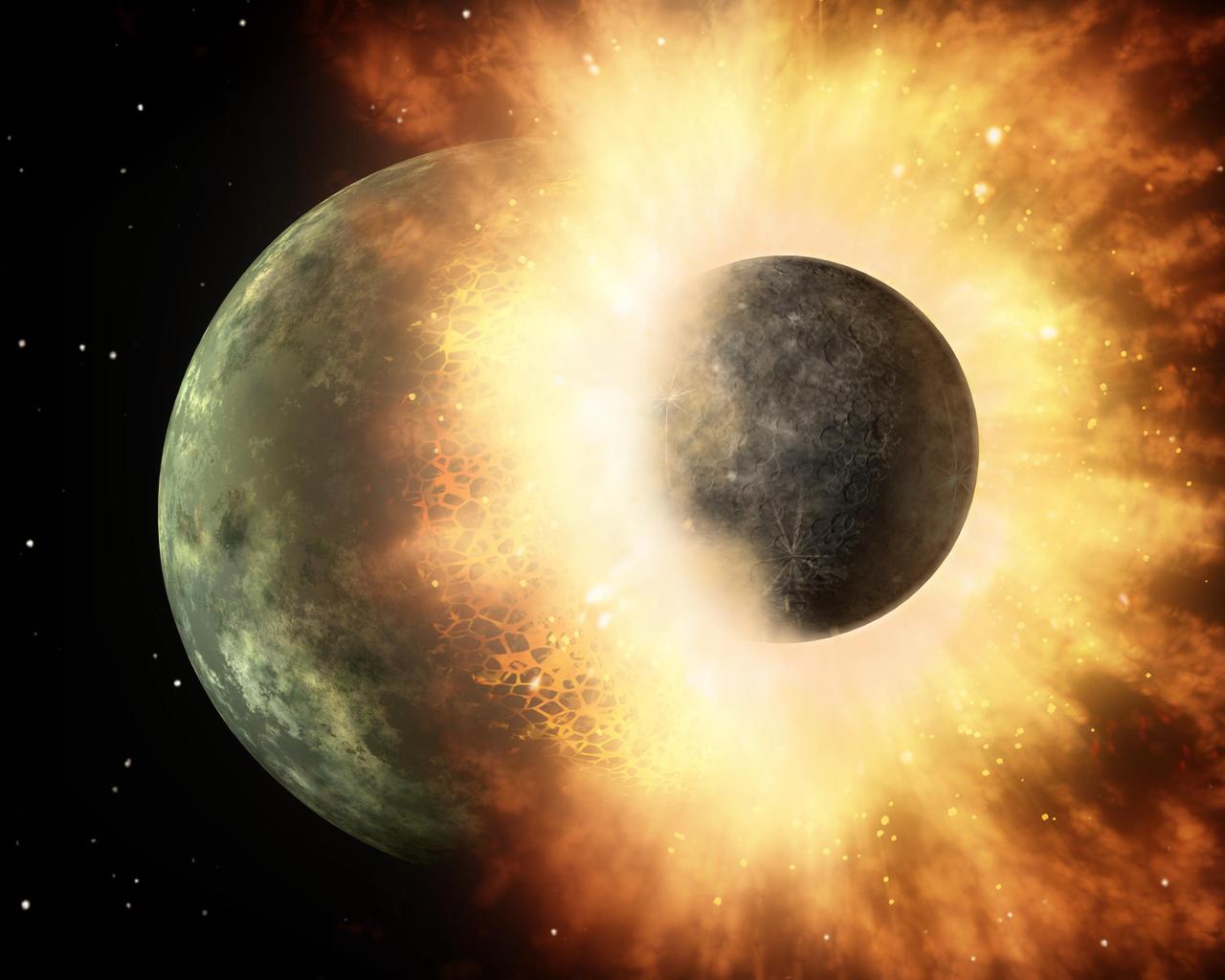
This artist concept shows a celestial body about the size of our moon slamming at great speed into a body the size of Mercury. NASA Spitzer found evidence that a high-speed collision of this sort occurred a few thousand years ago around a young star.
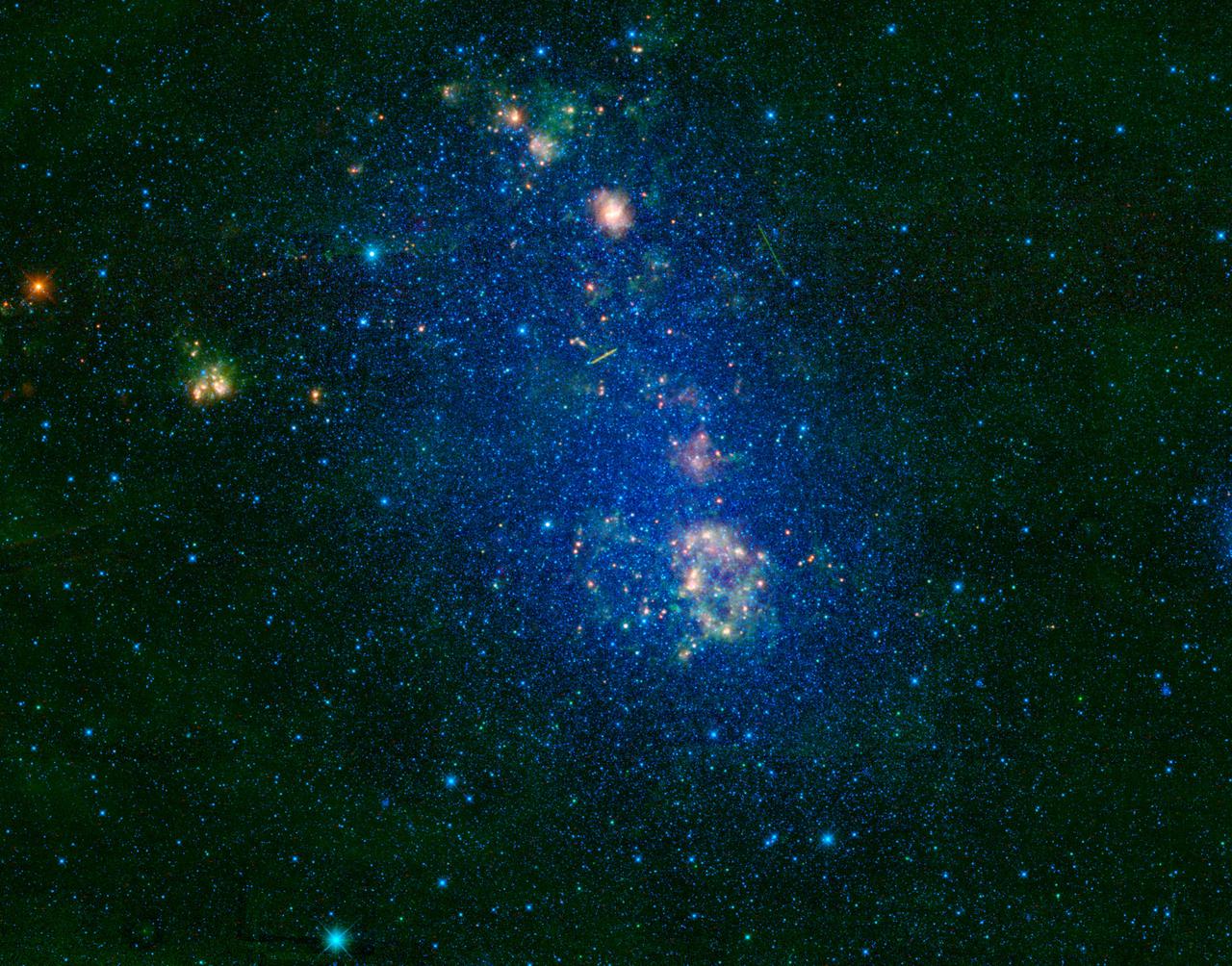
NASA Wide-field Infrared Survey Explorer highlights the Small Magellanic Cloud, a small galaxy about 200,000 light-years away. Located in the constellation Tucana, the Small Magellanic Cloud looks like a wispy cloud encircling the south celestial pole.
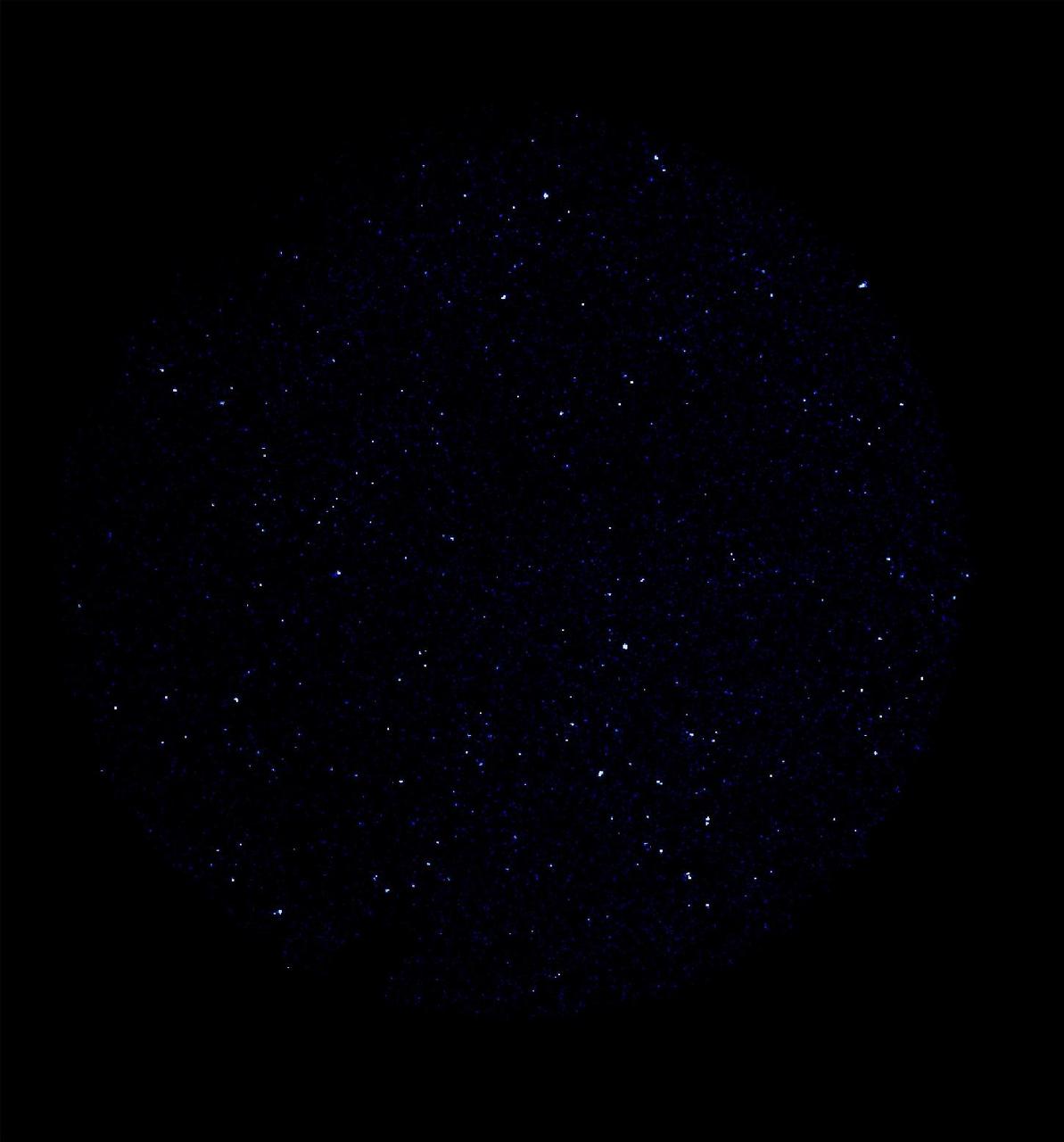
This image was taken May 21 and 22, 2003 by NASA Galaxy Evolution Explorer. The image was made from data gathered by the far ultraviolet channel of the spacecraft camera during the mission first light milestone. It shows about 400 celestial objects
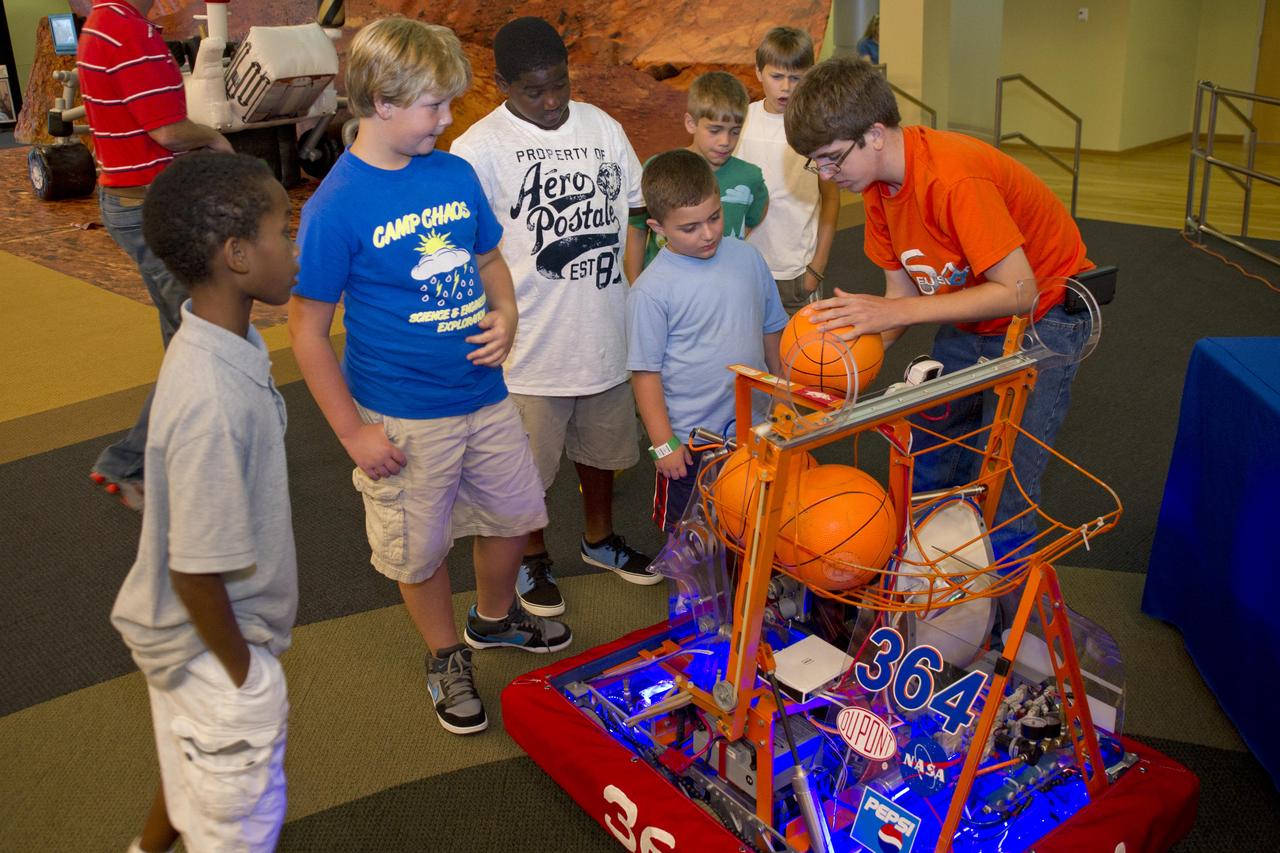
NASA welcomed hundreds of children and accompanying adults to its INFINITY visitor center on Aug. 4, offering Mars-related activities that focused attention on the space agency's Curiosity mission to the Red Planet. Among other things, students from Gulfport High School, who field a team each year in the FIRST (For Inspiration and Recognition of Science and Technology) Robotics Competition, offered young visitors a firsthand look at how robots work Hundreds of persons visited the INFINITY facility during the day, including media representatives from surrounding communities.
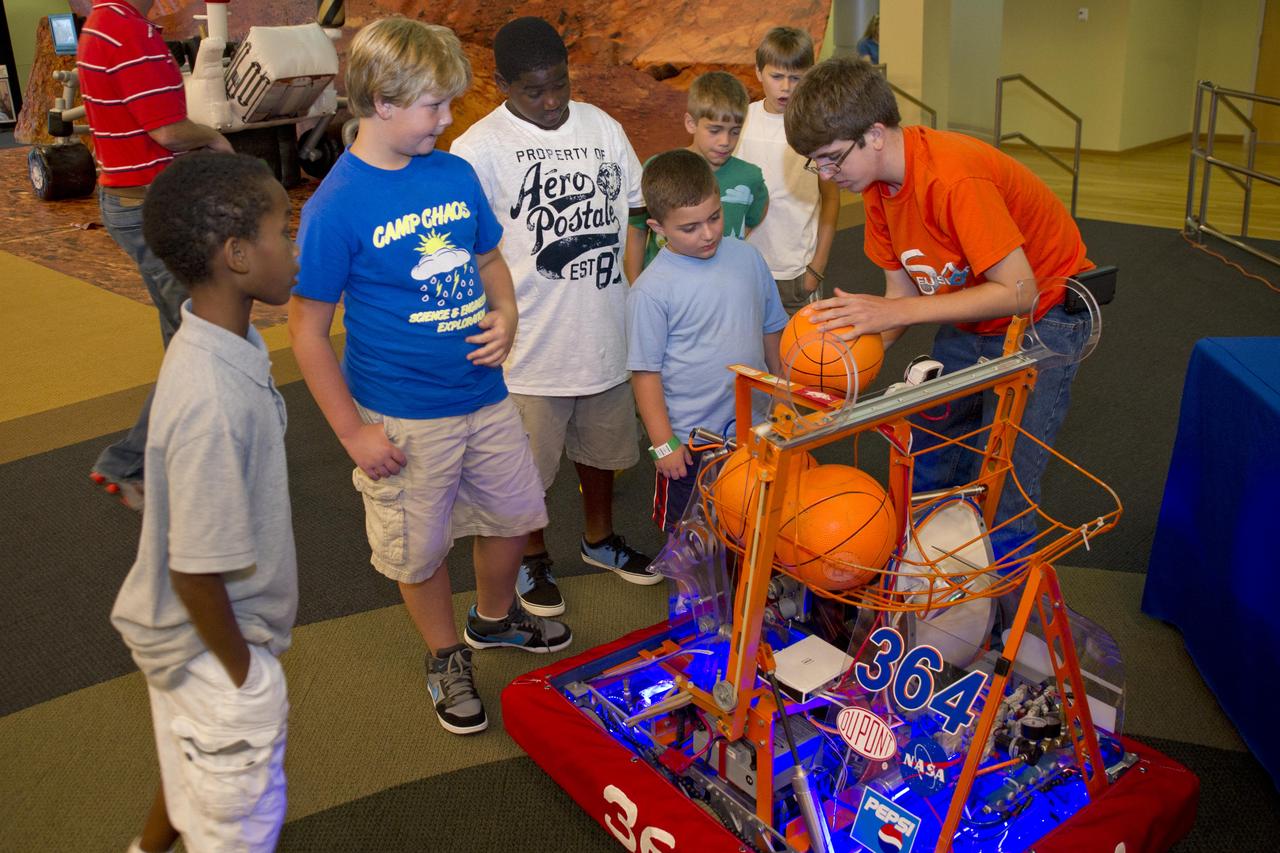
NASA welcomed hundreds of children and accompanying adults to its INFINITY visitor center on Aug. 4, offering Mars-related activities that focused attention on the space agency's Curiosity mission to the Red Planet. Among other things, students from Gulfport High School, who field a team each year in the FIRST (For Inspiration and Recognition of Science and Technology) Robotics Competition, offered young visitors a firsthand look at how robots work Hundreds of persons visited the INFINITY facility during the day, including media representatives from surrounding communities.
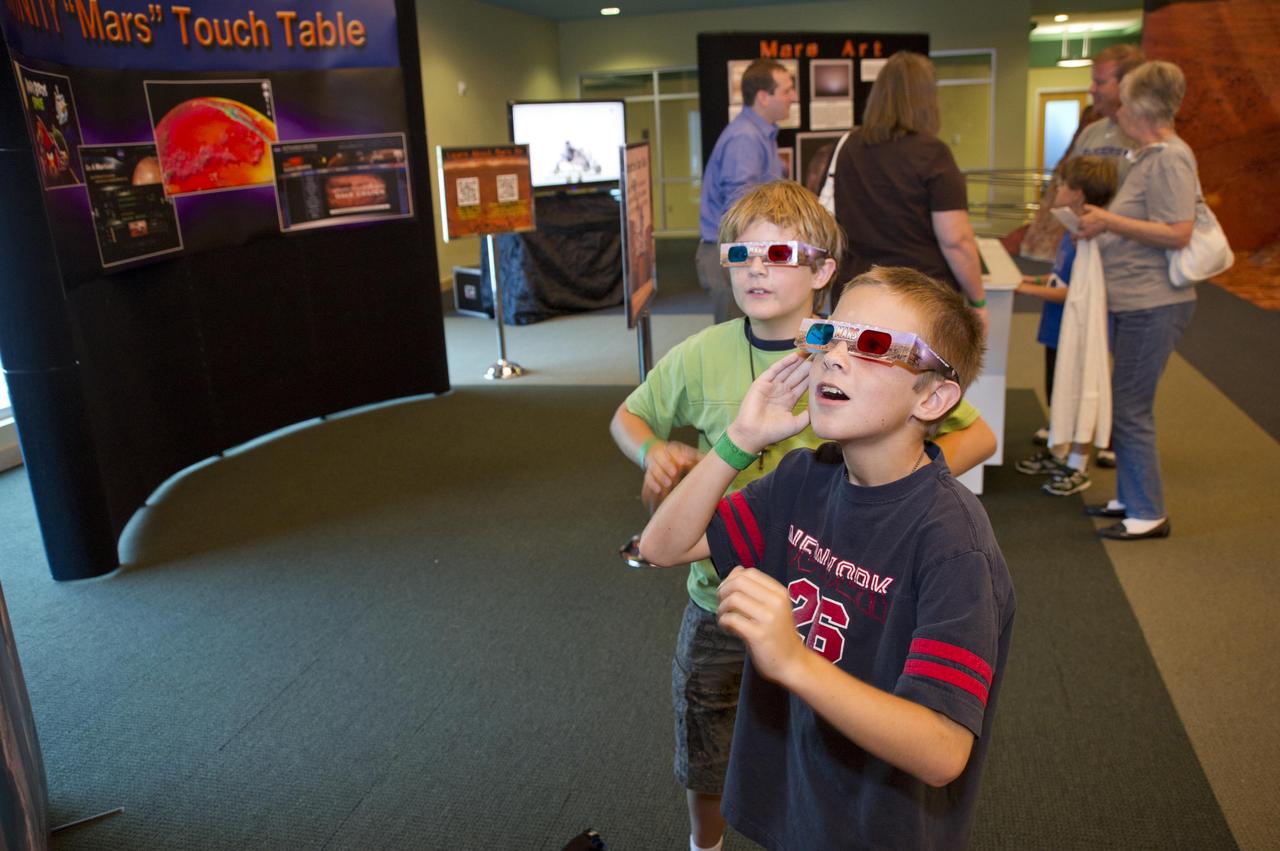
NASA welcomed hundreds of children and accompanying adults to its INFINITY visitor center on Aug. 4, offering Mars-related activities that focused attention on the space agency's Curiosity mission to the Red Planet. Among other attractions, 3-D images from Mars provided 'Wow!' glimpses of the Red Planet. In addition to the Mars activities, visitors were able to tour other space-related exhibits at the center.
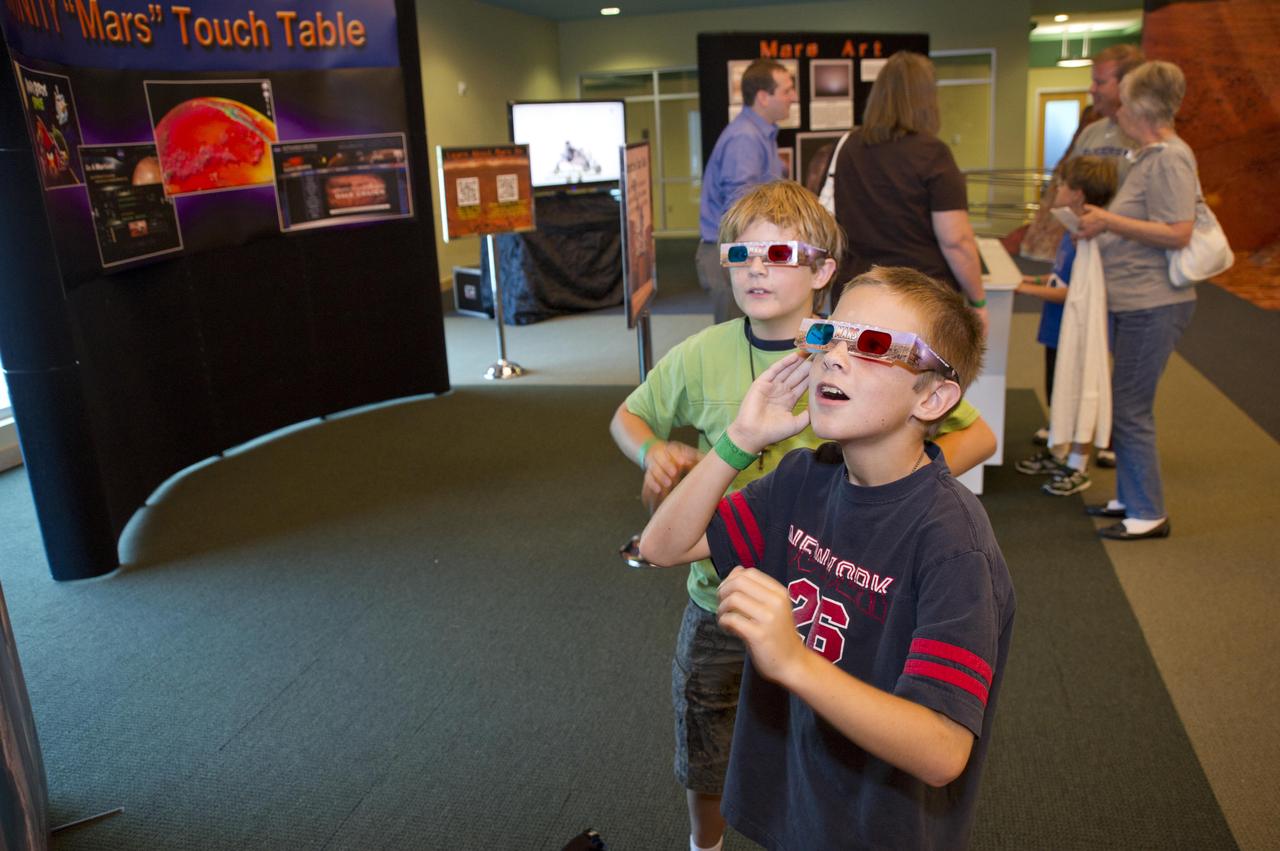
NASA welcomed hundreds of children and accompanying adults to its INFINITY visitor center on Aug. 4, offering Mars-related activities that focused attention on the space agency's Curiosity mission to the Red Planet. Among other attractions, 3-D images from Mars provided 'Wow!' glimpses of the Red Planet. In addition to the Mars activities, visitors were able to tour other space-related exhibits at the center.
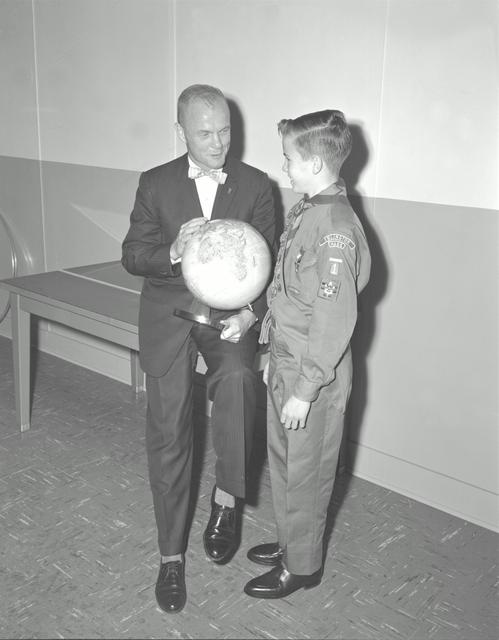
S62-00992 (1961) --- Mercury astronaut John Glenn looks into a Celestial Training Device (globe) during training in the Aeromedical Laboratory at Cape Canaveral, Florida.
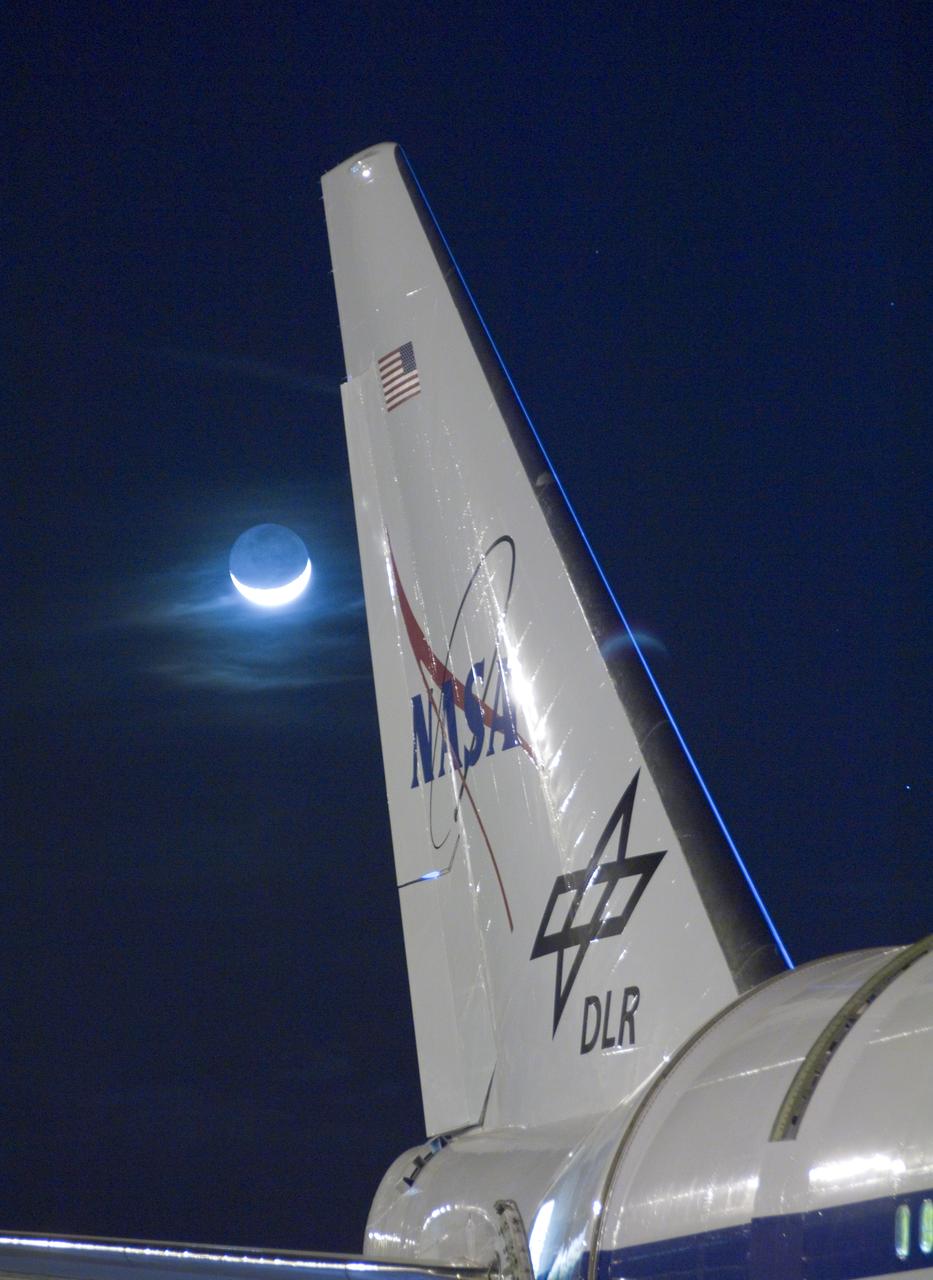
The SOFIA telescope team collected baseline operational measurements during several nights of characterization testing in March 2008 while the SOFIA 747SP aircraft that houses the German-built infrared telescope was parked on an unlit ramp next to its hangar at the NASA Dryden Flight Operations Facility in Palmdale, Calif. The primary celestial target was Polaris, the North Star. The activity provided the team with a working knowledge of how telescope operating systems interact and the experience of tracking celestial targets from the ground.

The SOFIA telescope team collected baseline operational measurements during several nights of characterization testing in March 2008 while the SOFIA 747SP aircraft that houses the German-built infrared telescope was parked on an unlit ramp next to its hangar at the NASA Dryden Flight Operations Facility in Palmdale, Calif. The primary celestial target was Polaris, the North Star. The activity provided the team with a working knowledge of how telescope operating systems interact and the experience of tracking celestial targets from the ground.

The SOFIA telescope team collected baseline operational measurements during several nights of characterization testing in March 2008 while the SOFIA 747SP aircraft that houses the German-built infrared telescope was parked on an unlit ramp next to its hangar at the NASA Dryden Flight Operations Facility in Palmdale, Calif. The primary celestial target was Polaris, the North Star. The activity provided the team with a working knowledge of how telescope operating systems interact and the experience of tracking celestial targets from the ground.

The SOFIA telescope team collected baseline operational measurements during several nights of characterization testing in March 2008 while the SOFIA 747SP aircraft that houses the German-built infrared telescope was parked on an unlit ramp next to its hangar at the NASA Dryden Flight Operations Facility in Palmdale, Calif. The primary celestial target was Polaris, the North Star. The activity provided the team with a working knowledge of how telescope operating systems interact and the experience of tracking celestial targets from the ground.

The SOFIA telescope team collected baseline operational measurements during several nights of characterization testing in March 2008 while the SOFIA 747SP aircraft that houses the German-built infrared telescope was parked on an unlit ramp next to its hangar at the NASA Dryden Flight Operations Facility in Palmdale, Calif. The primary celestial target was Polaris, the North Star. The activity provided the team with a working knowledge of how telescope operating systems interact and the experience of tracking celestial targets from the ground.

The SOFIA telescope team collected baseline operational measurements during several nights of characterization testing in March 2008 while the SOFIA 747SP aircraft that houses the German-built infrared telescope was parked on an unlit ramp next to its hangar at the NASA Dryden Flight Operations Facility in Palmdale, Calif. The primary celestial target was Polaris, the North Star. The activity provided the team with a working knowledge of how telescope operating systems interact and the experience of tracking celestial targets from the ground.

A newly expanded image of the Helix nebula lends a festive touch to the fourth anniversary of the launch of NASA Spitzer Space Telescope

A delicate ribbon of gas floats eerily in our galaxy. This image, taken by NASA Hubble Space Telescope, is a very thin section of a supernova remnant caused by a stellar explosion that occurred more than 1,000 years ago.
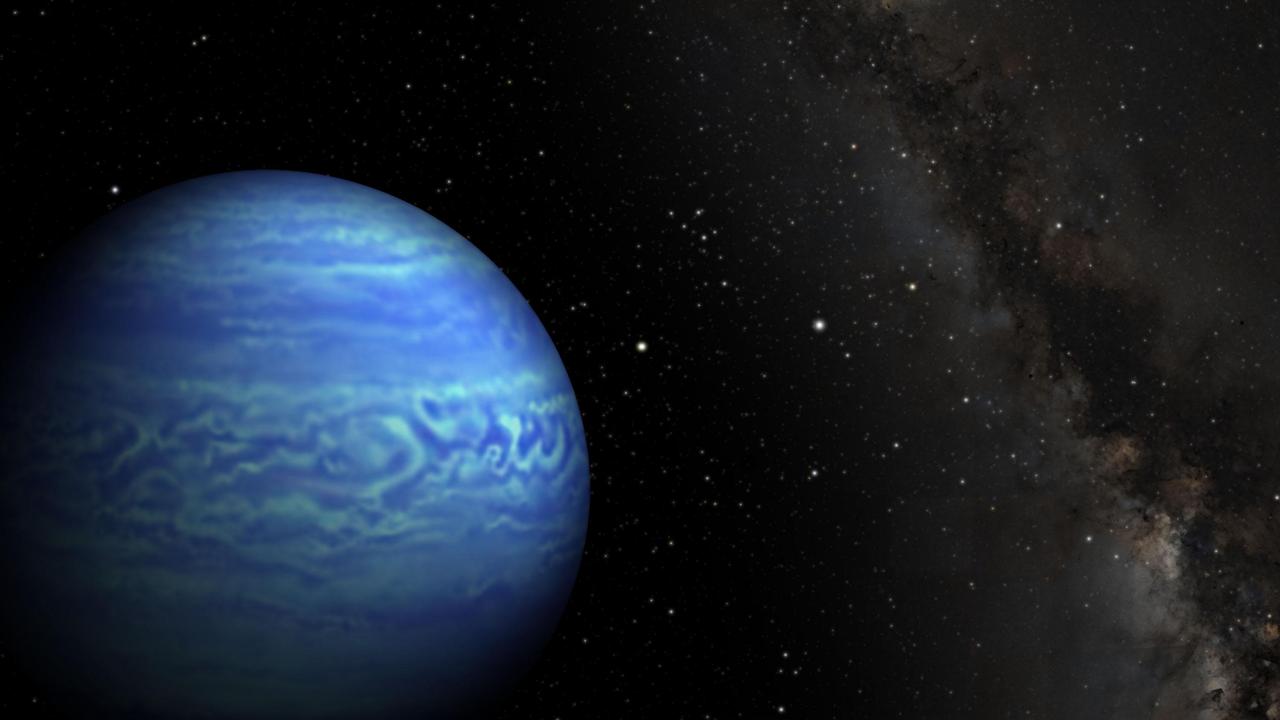
This artist conception shows the object named WISE J085510.83-071442.5, the coldest known brown dwarf. Brown dwarfs are dim star-like bodies that lack the mass to burn nuclear fuel as stars do.
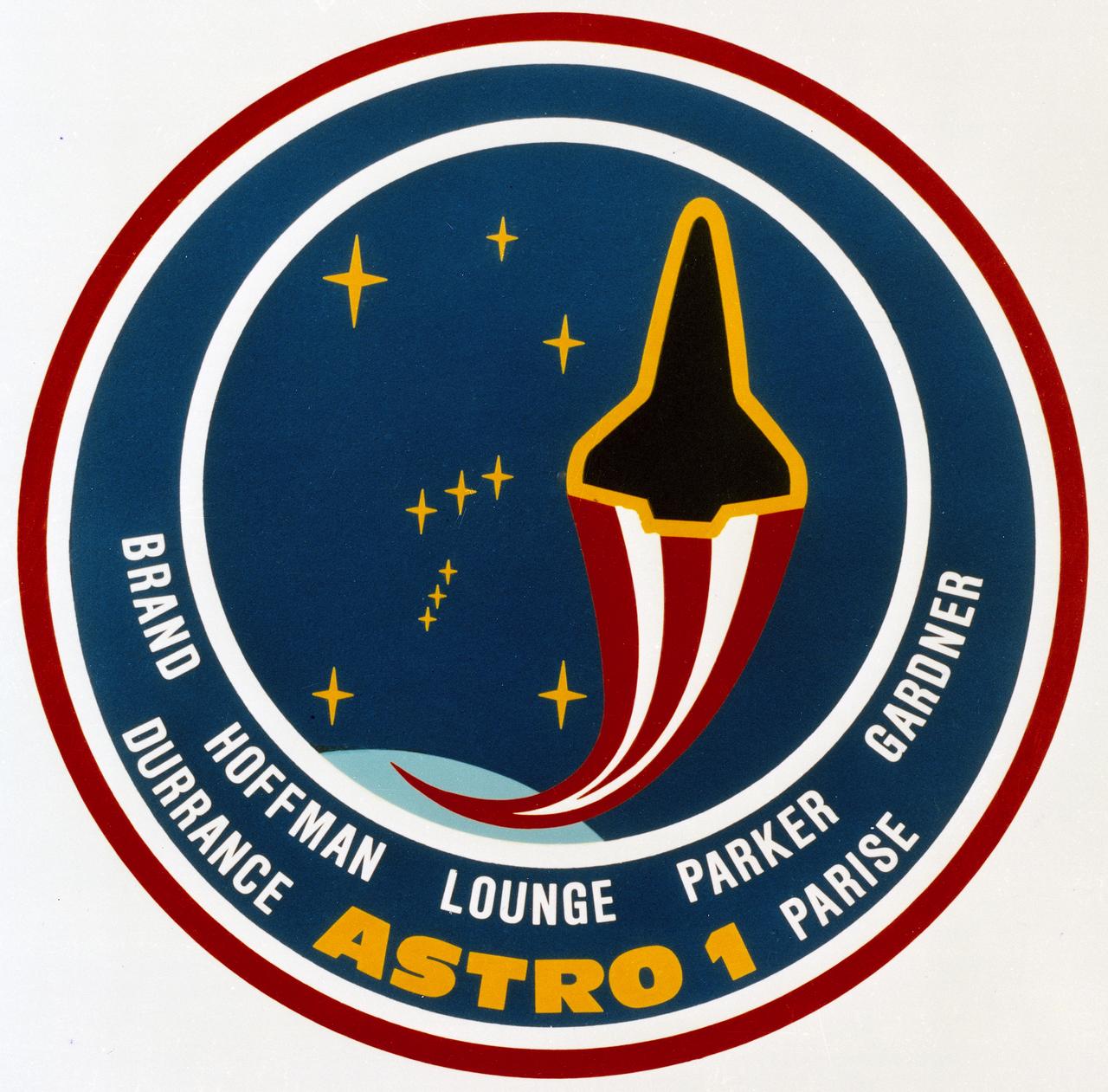
Designed by the crewmembers assigned to the mission, the STS-35 crew patch symbolizes the Space Shuttle flying above Earth's atmosphere to better study the many celestial objects of the universe, represented by the constellation Orion.
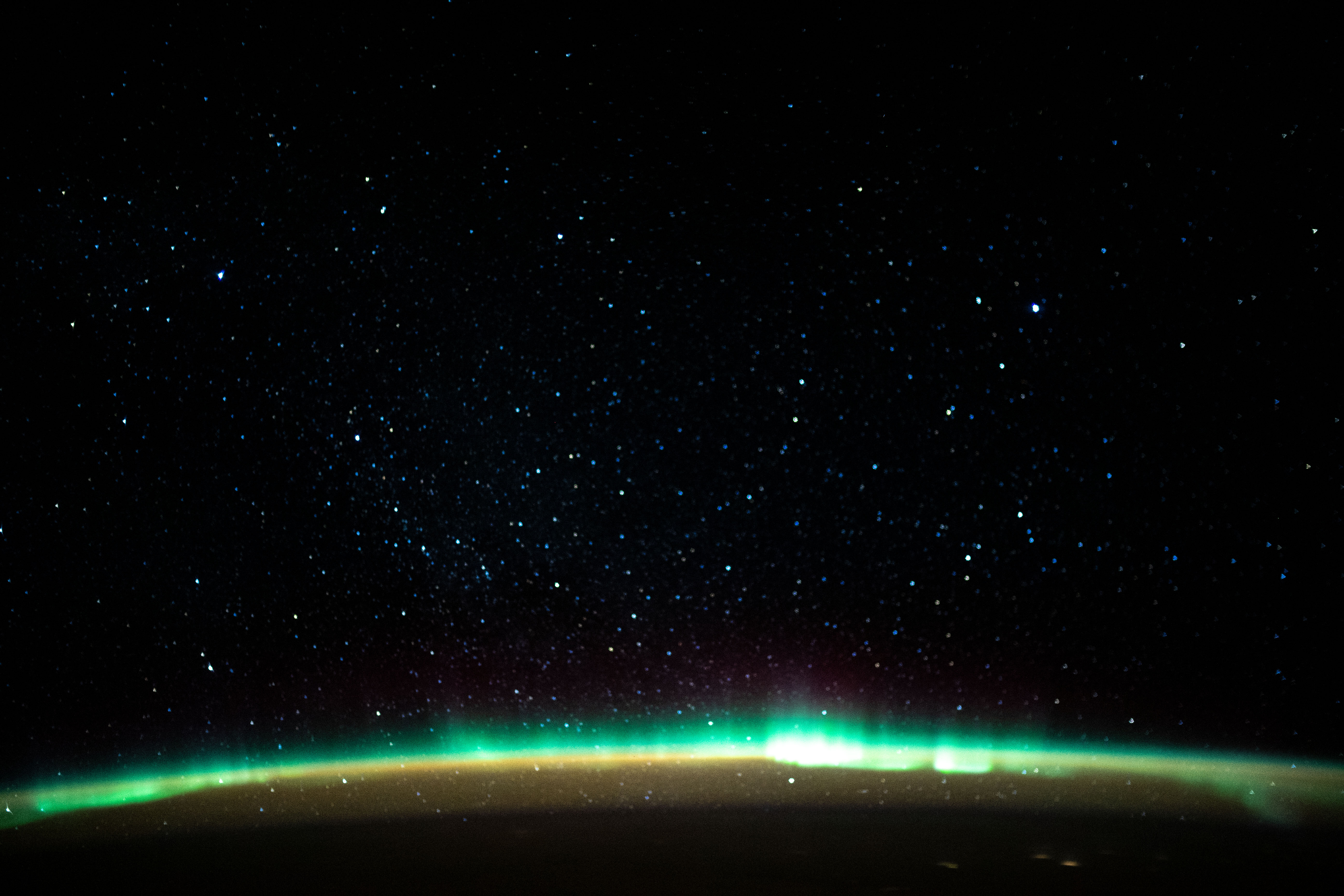
iss061e138170 (Jan. 22, 2020) --- An aurora blankets the Earth beneath a celestial night sky as the International Space Station orbited 261 miles above the Atlantic Ocean off the coast of North America.
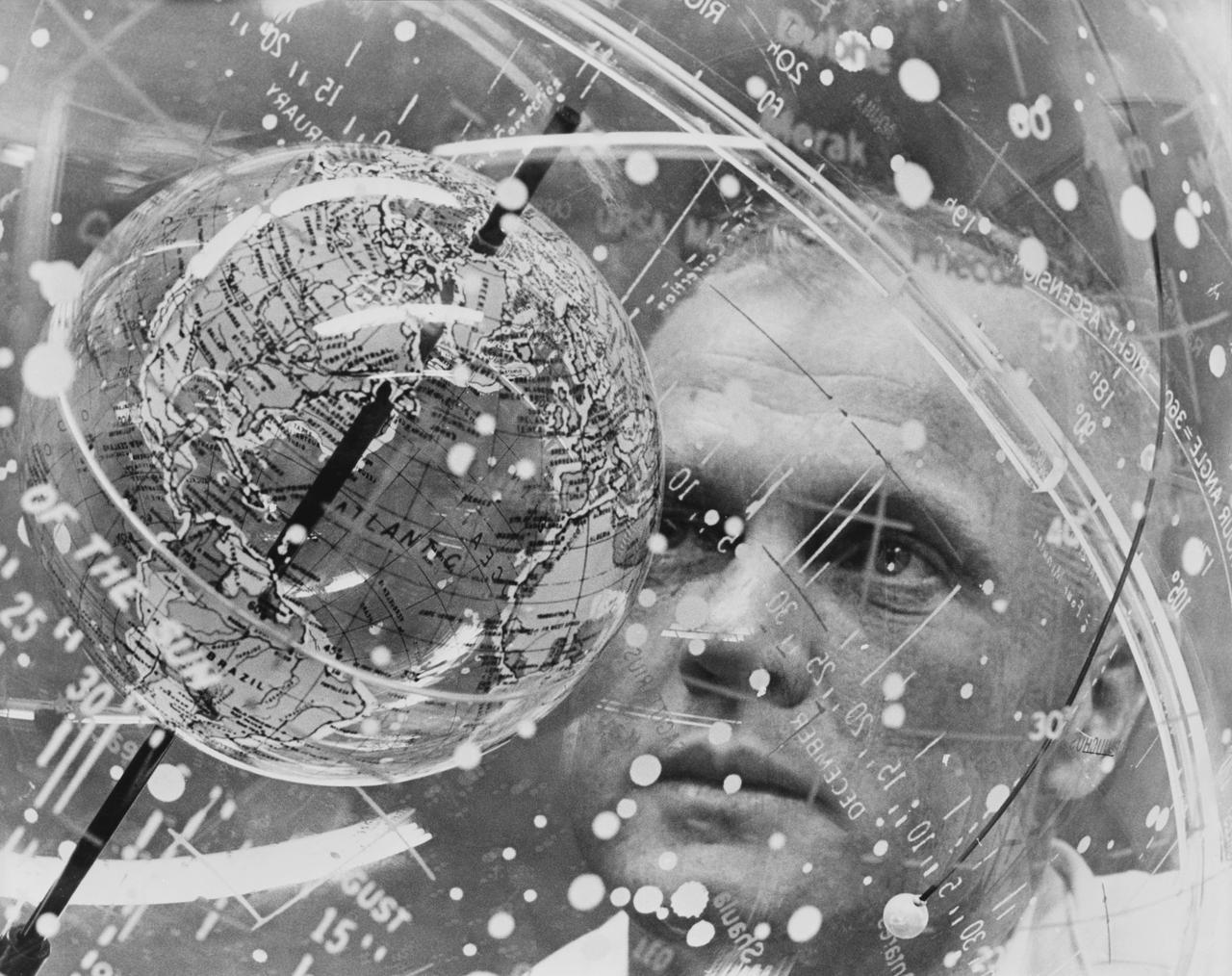
S61-04623 (1961) --- Astronaut John H. Glenn Jr. looks into a Celestial Training Device (globe) during training in the Aeromedical Laboratory at Cape Canaveral, Florida. Photo credit: NASA
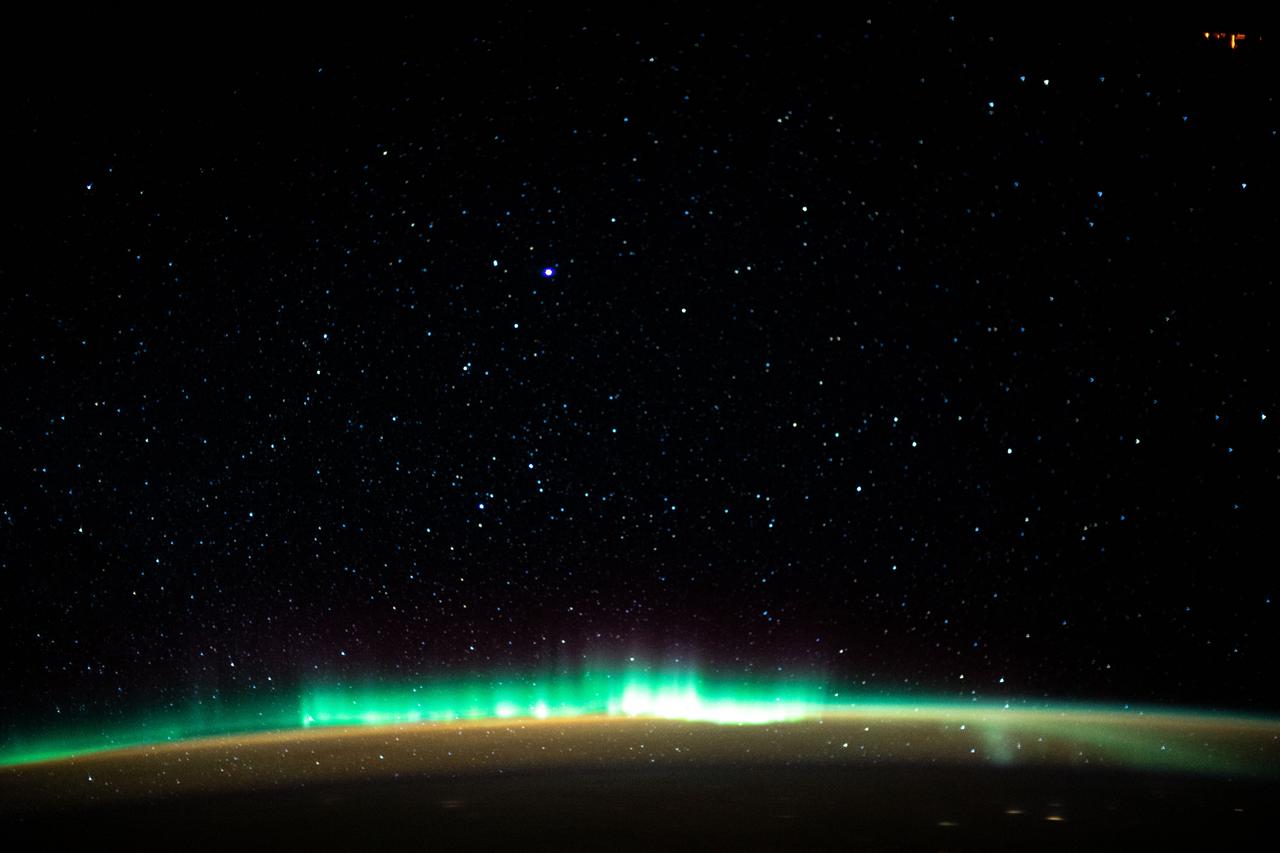
iss061e138167 (Jan. 22, 2020) --- An aurora blankets the Earth beneath a celestial night sky as the International Space Station orbited 261 miles above the Atlantic Ocean off the coast of North America.
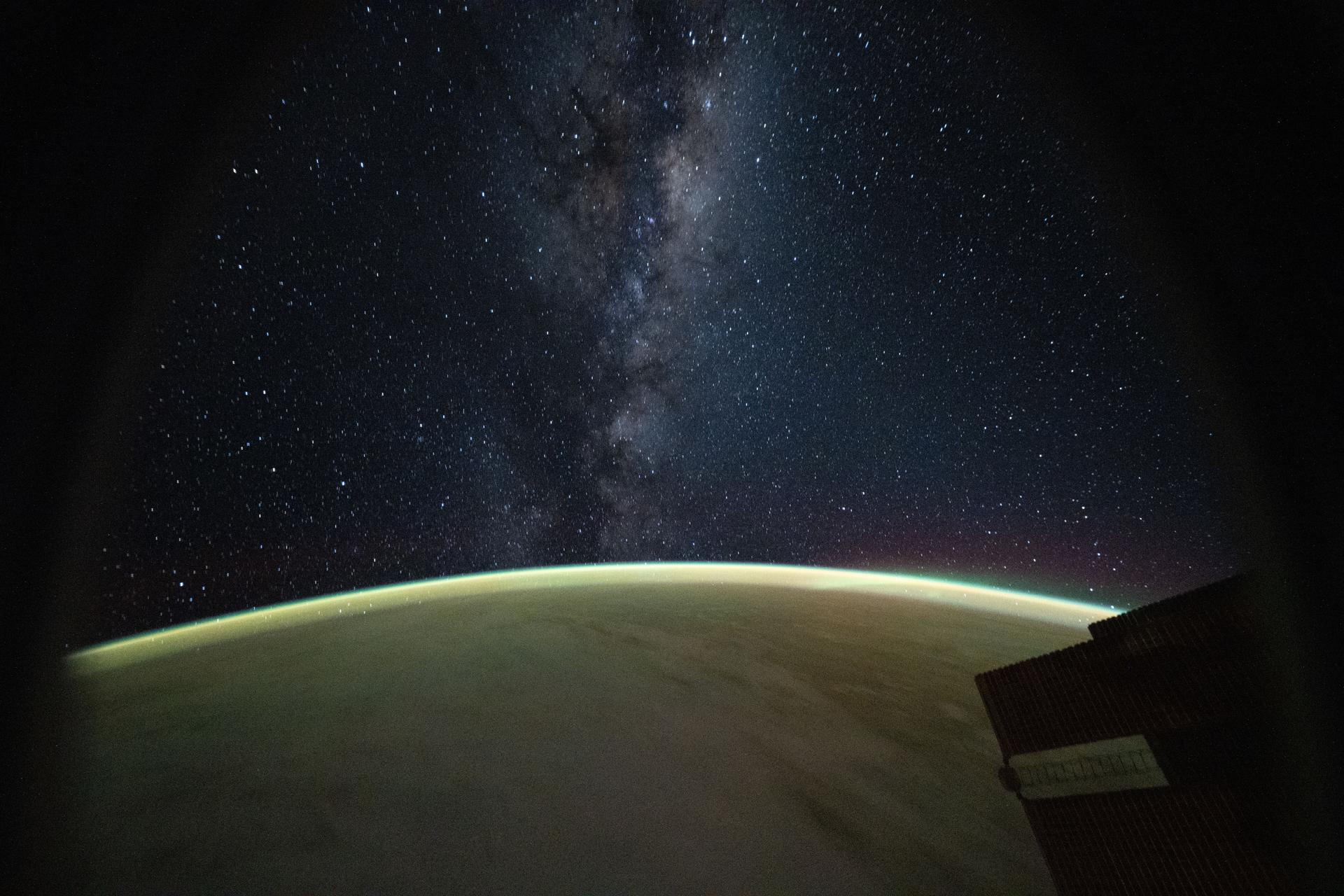
iss074e0521637 (April 13, 2026) --- This celestial image captured from a window on a SpaceX Dragon spacecraft docked to the International Space Station highlights the Milky Way rising above Earth's atmospheric glow. Credit: NASA/Chris Williams
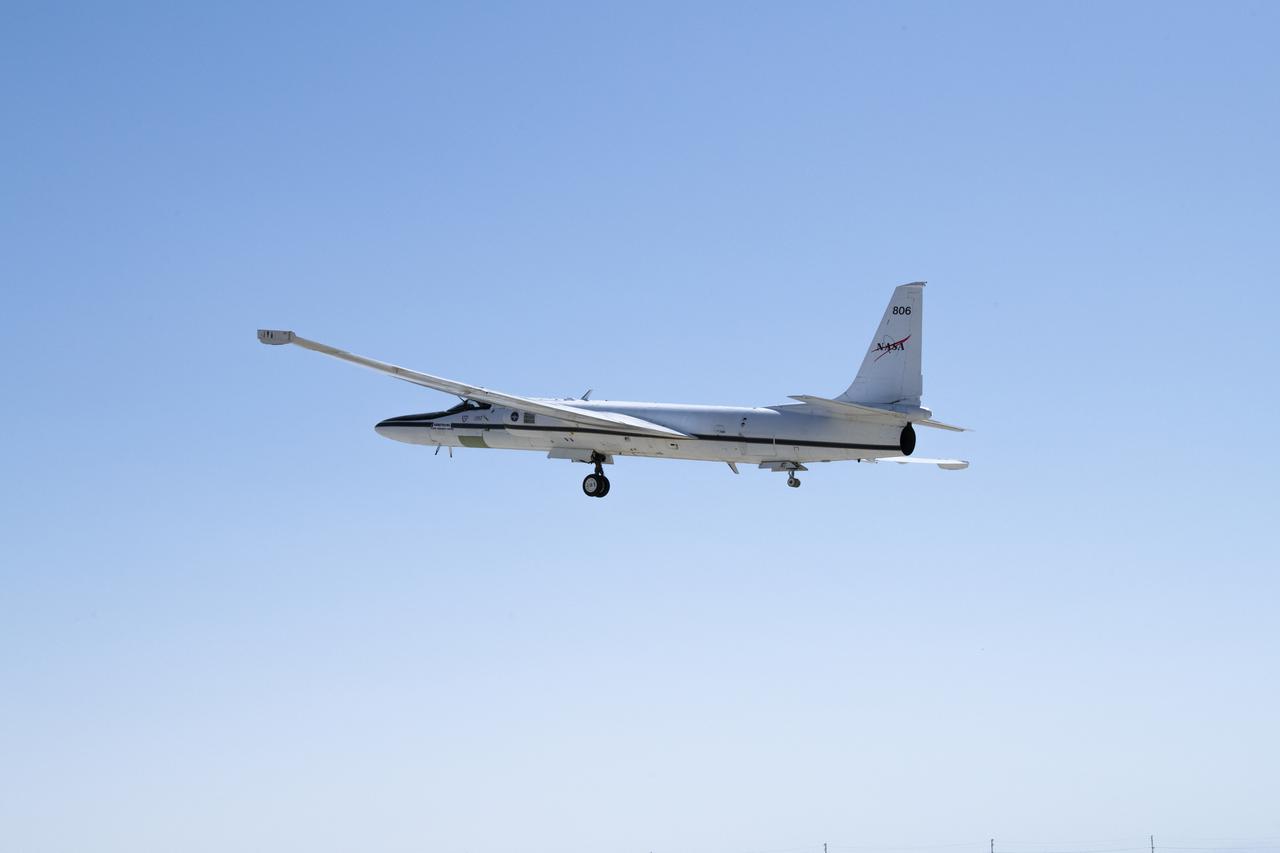
NASA’s ER-2 No. 806 returns to flying high-altitude on April 7, 2022, after three years of heavy maintenance. NASA Armstrong operates two ER-2 aircraft to collect information about Earth resources, celestial observations, atmospheric chemistry and dynamics, and oceanic processes.
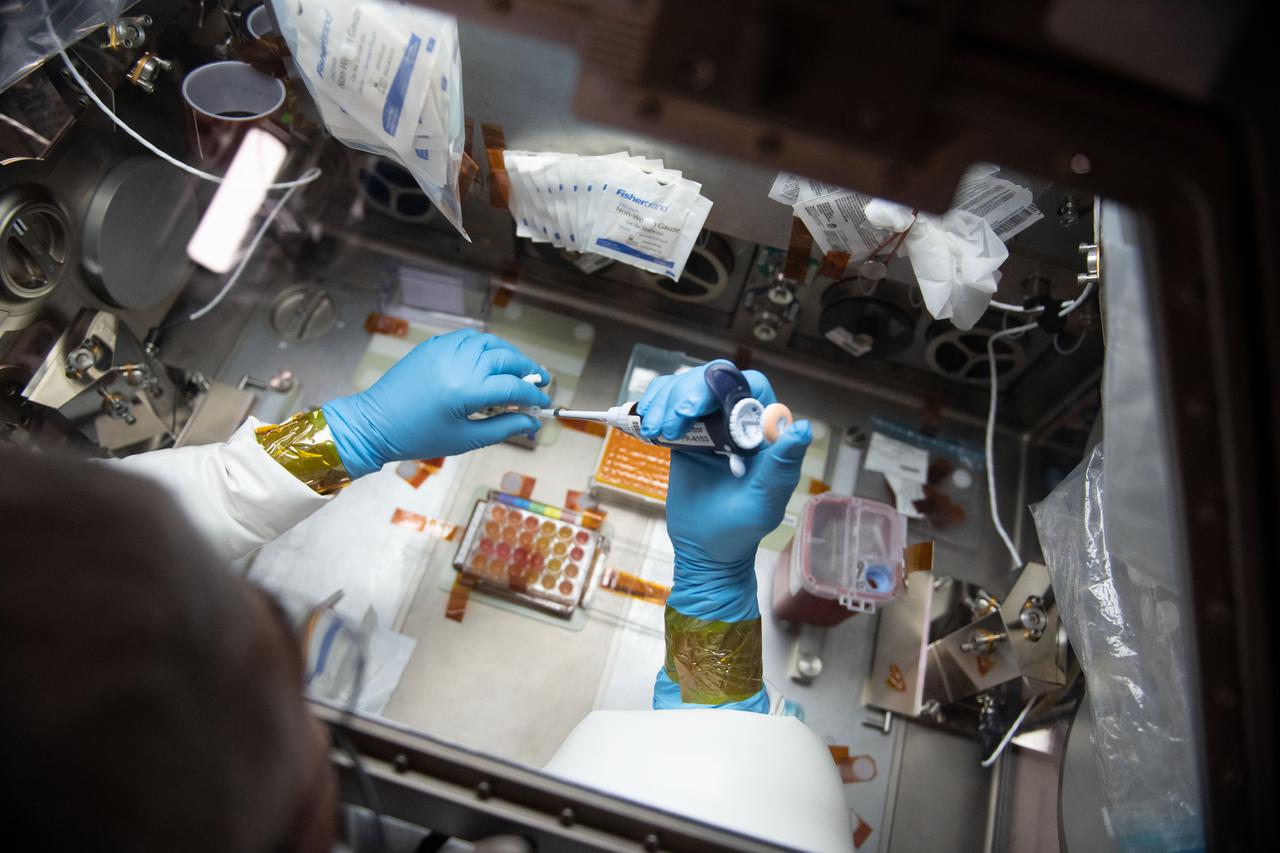
iss065e056791 (5/22/2021) --- NASA astronaut Mark Vande Hei works inside the Life Science Glovebox (LSG) for the Celestial Immunity study that may provide insights into new vaccines and drugs possibly advancing the commercialization of space. The LSG is located in the Kibo laboratory module from the Japan Aerospace Exploration Agency.
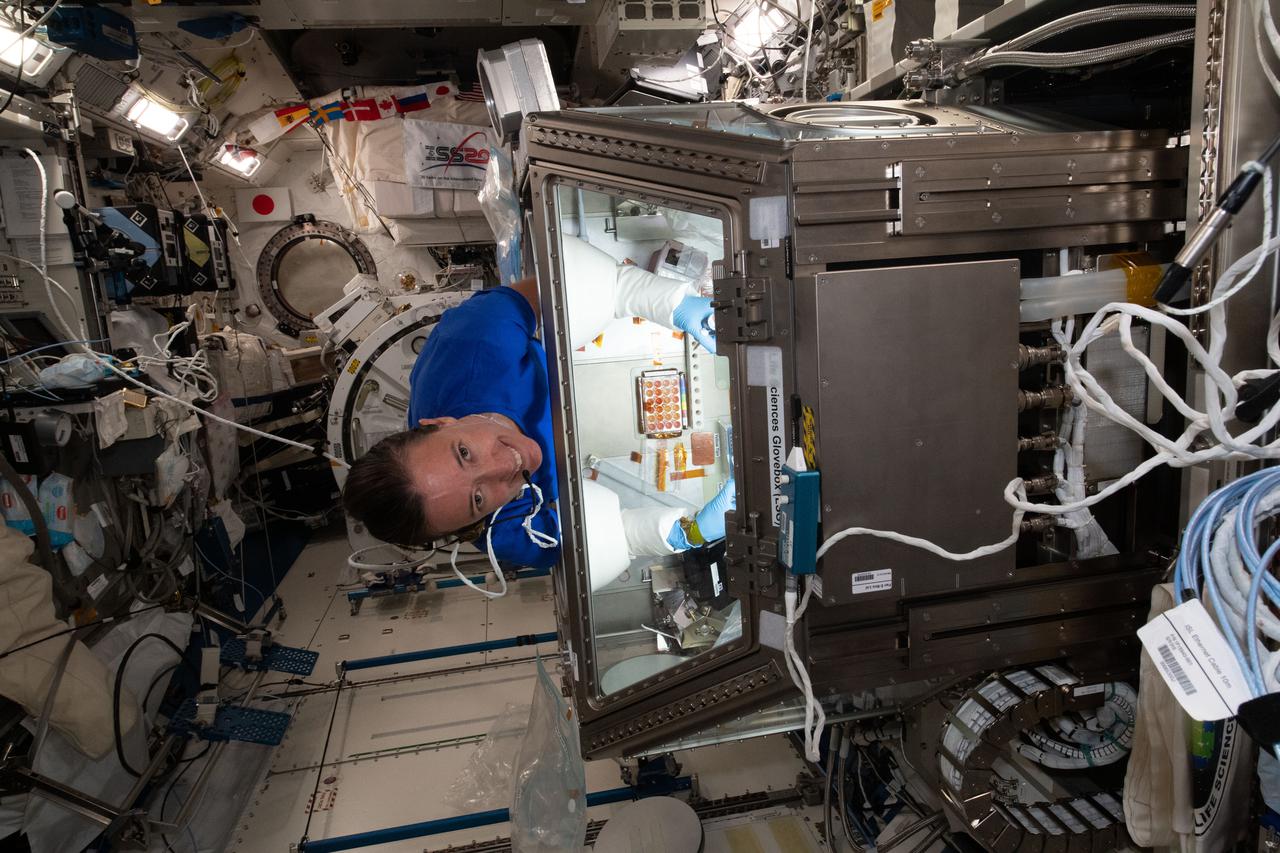
iss065e026996 (5/8/2021) --- NASA astronaut Megan McArthur services donor cells inside the Kibo laboratory module's Life Science Glovebox for the Celestial Immunity study. The human research investigation may provide insights into new vaccines and drugs possibly advancing the commercialization of space.

iss065e056800 (5/22/2021) --- NASA astronaut Mark Vande Hei works inside the Life Science Glovebox (LSG) for the Celestial Immunity study that may provide insights into new vaccines and drugs possibly advancing the commercialization of space. The LSG is located in the Kibo laboratory module from the Japan Aerospace Exploration Agency.
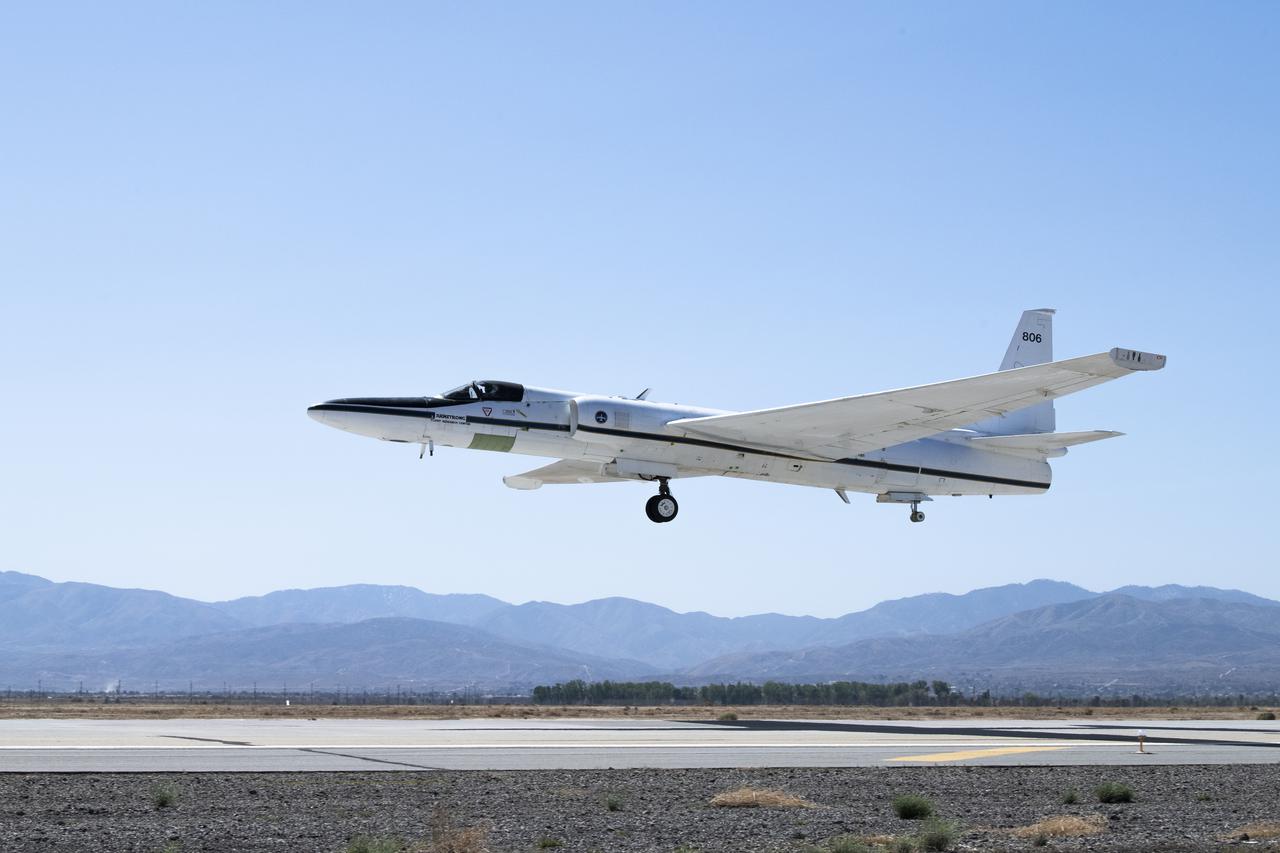
NASA's ER-2 No. 806 returns to flying high-altitude on April 7, 2022, after three years of heavy maintenance. NASA Armstrong operates two ER-2 aircraft to collect information about Earth resources, celestial observations, atmospheric chemistry and dynamics, and oceanic processes.
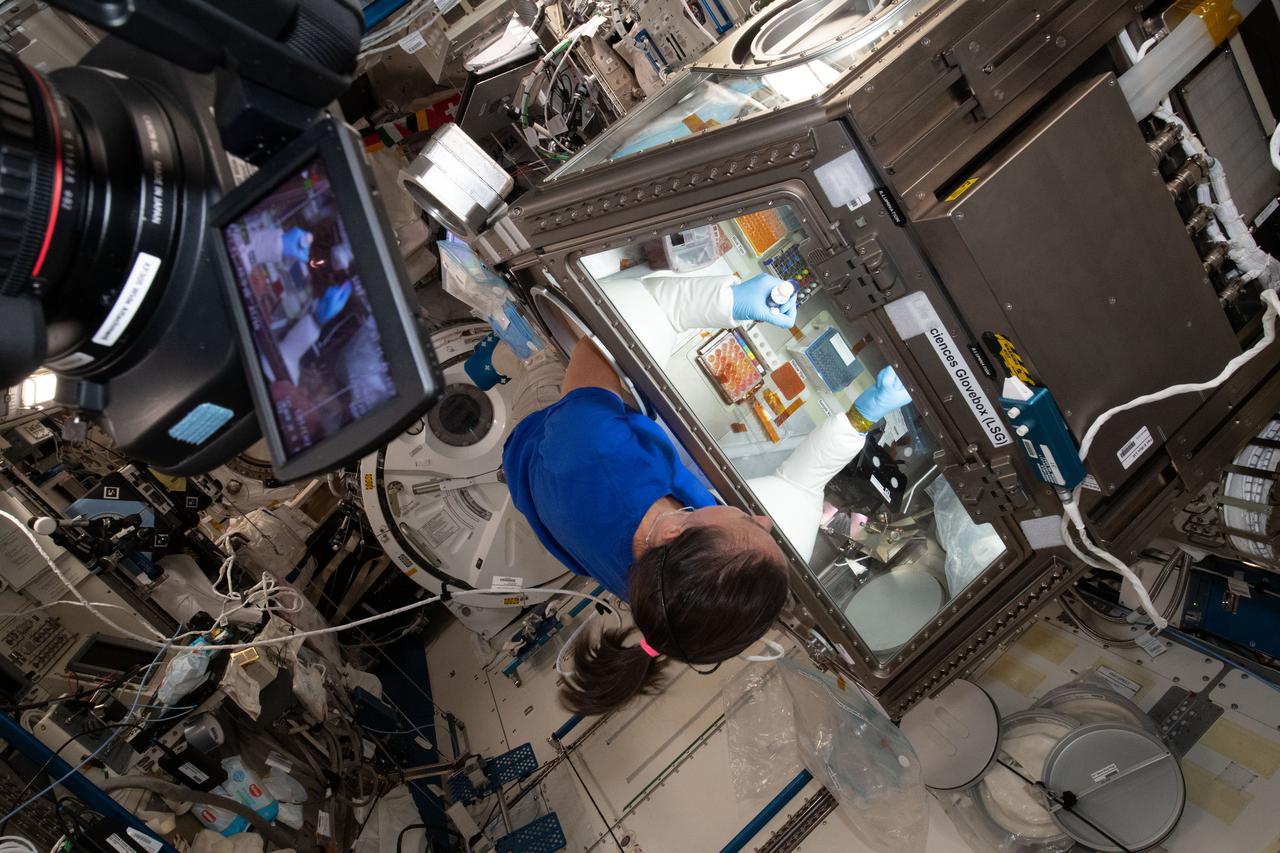
iss065e026994 (5/8/2021) --- NASA astronaut Megan McArthur services donor cells inside the Kibo laboratory module's Life Science Glovebox for the Celestial Immunity study. The human research investigation may provide insights into new vaccines and drugs possibly advancing the commercialization of space.
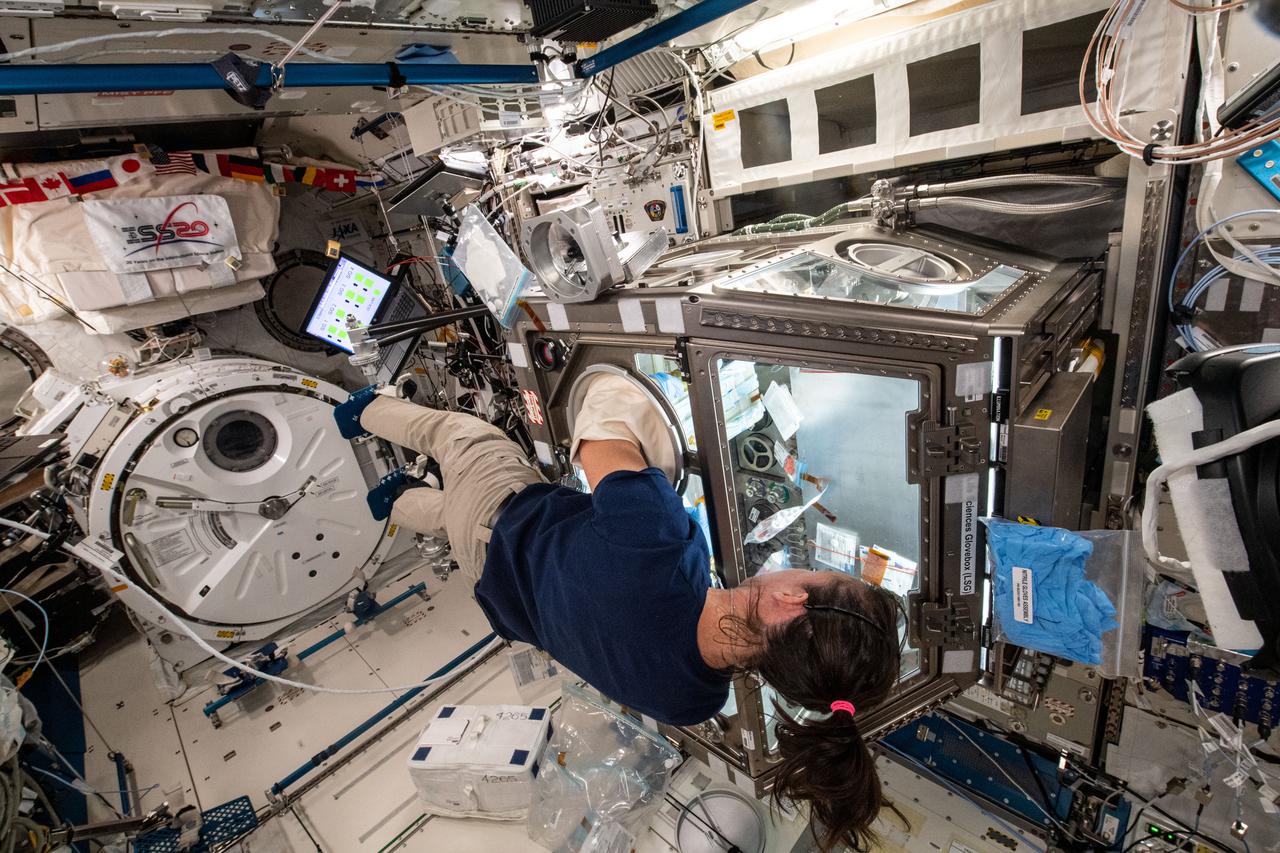
iss065e023172 (May 6, 2021) --- NASA astronaut and Expedition 65 Flight Engineer Megan McArthur services donor cells inside the Kibo laboratory module's Life Science Glovebox for the Celestial Immunity study. The human research investigation may provide insights into new vaccines and drugs possibly advancing the commercialization of space.
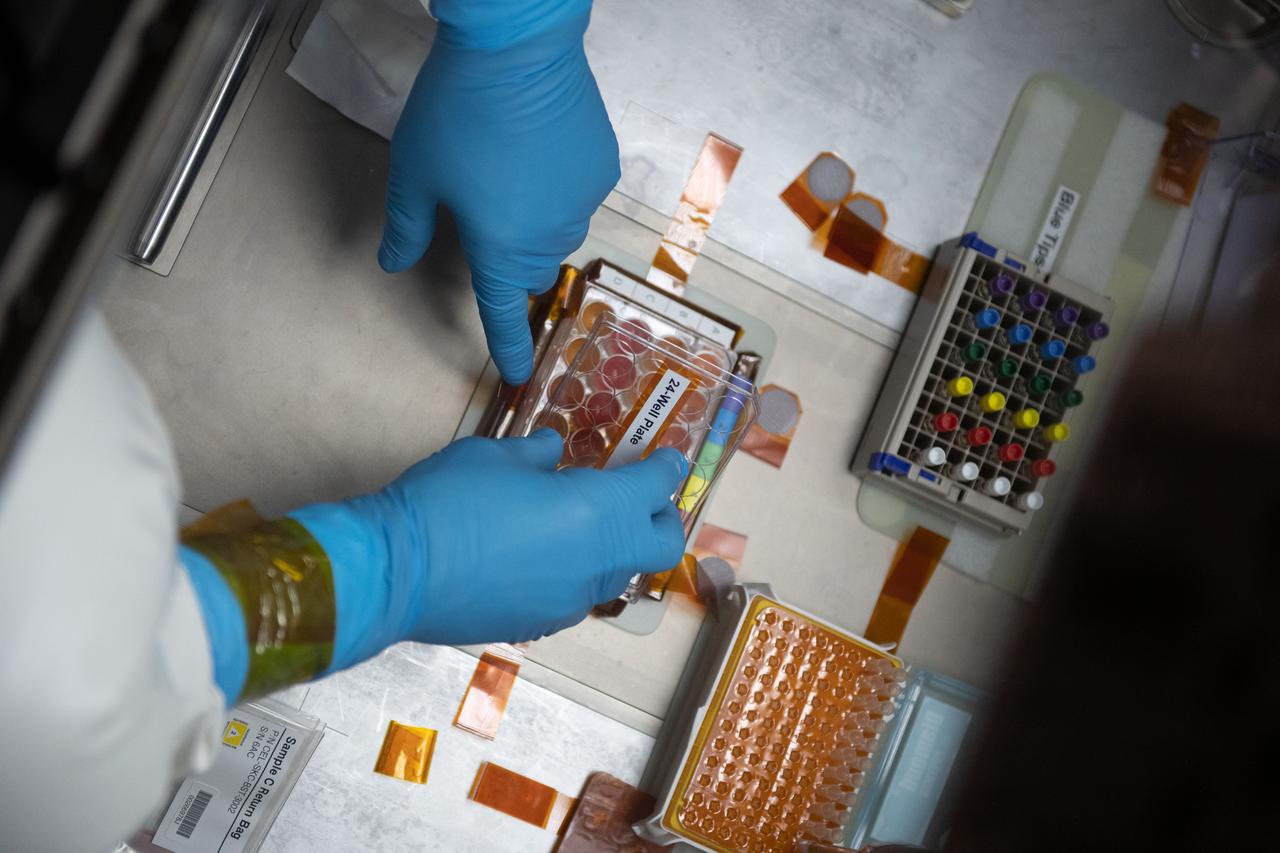
iss065e056810 (5/22/2021) --- NASA astronaut Mark Vande Hei works inside the Life Science Glovebox (LSG) for the Celestial Immunity study that may provide insights into new vaccines and drugs possibly advancing the commercialization of space. The LSG is located in the Kibo laboratory module from the Japan Aerospace Exploration Agency.
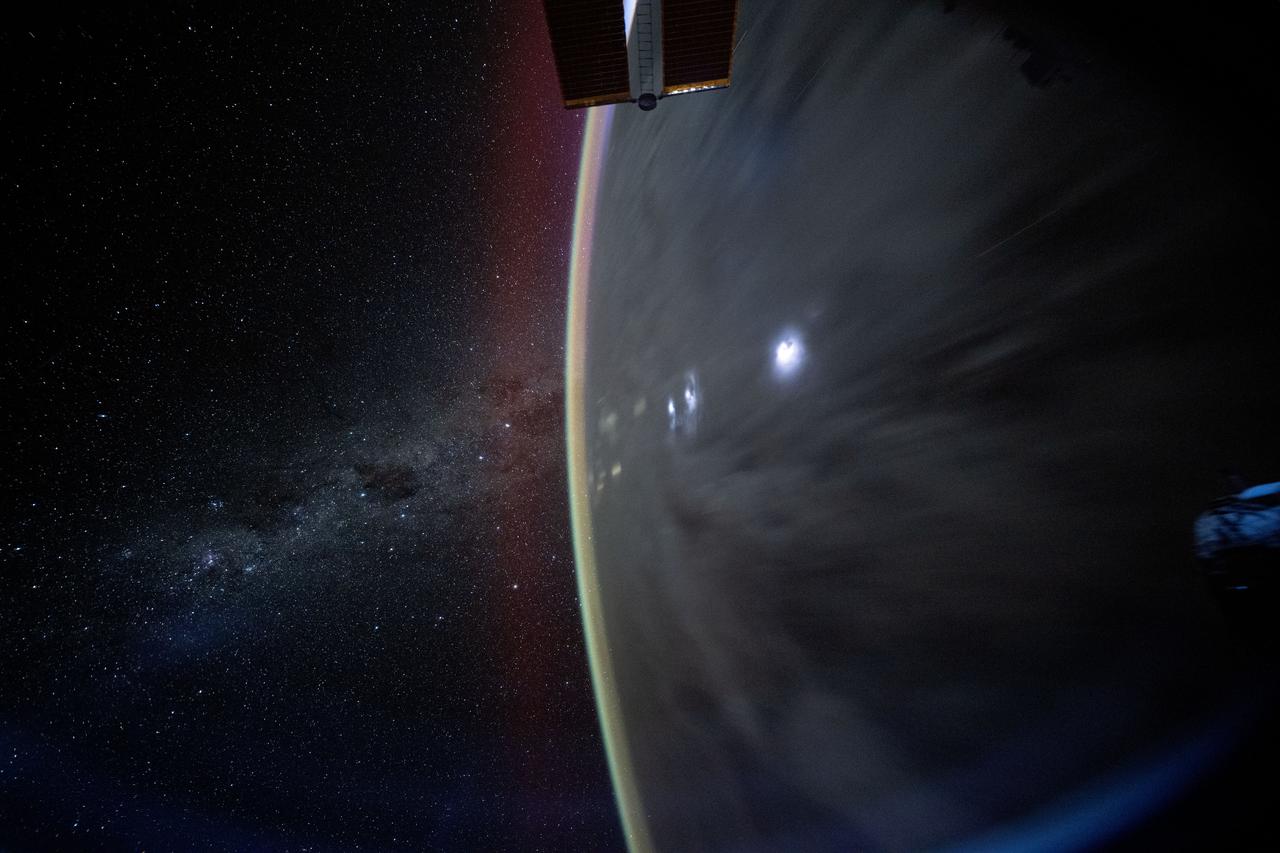
iss072e646033 (Feb. 3, 2025) --- The Milky Way appears beyond Earth's horizon in this celestial photograph captured by NASA astronaut Don Pettit using a camera with low light and long duration settings as the International Space Station orbited 259 miles above the Coral Sea off the coast of Queensland, Australia.
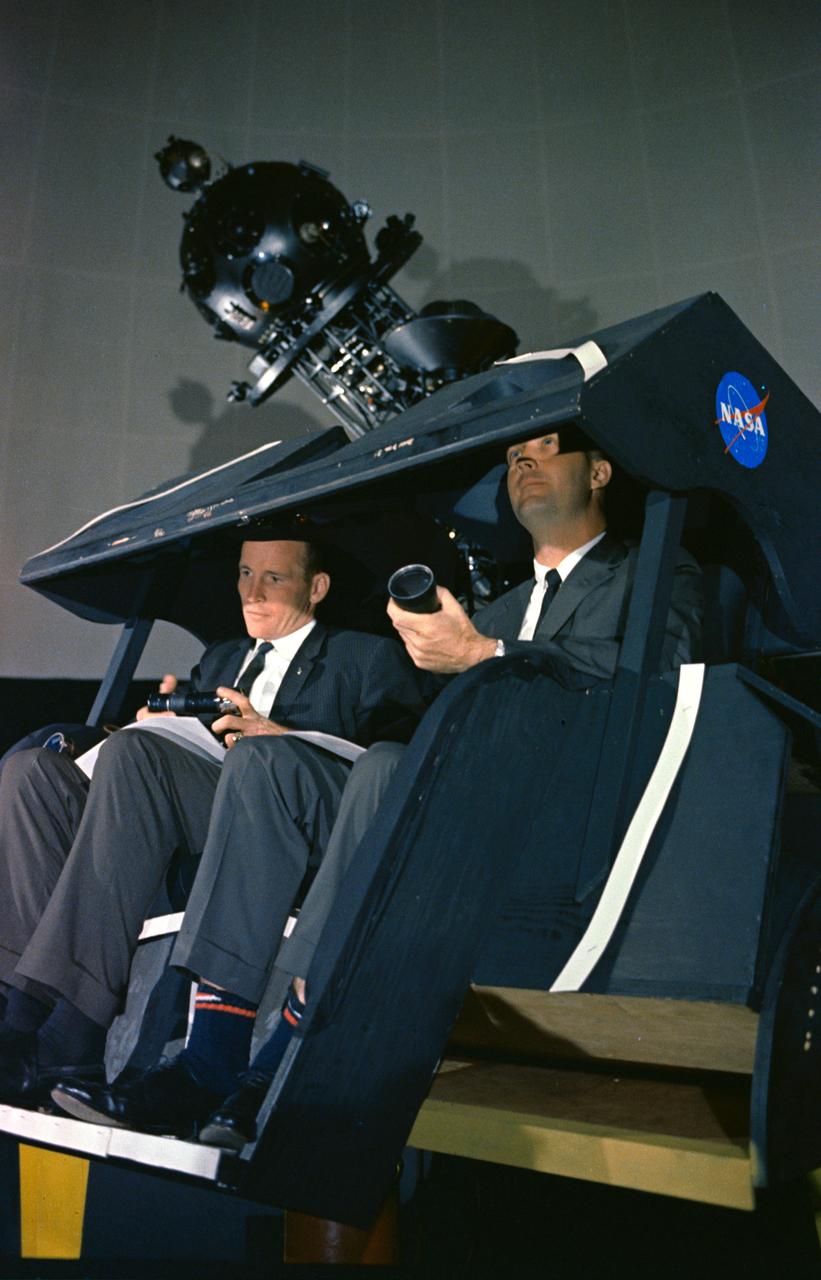
S65-29652 (7 May 1965) --- Astronauts James A. McDivitt (right) and Edward H. White II are shown at the Morehead Planetarium in North Carolina, checking out celestial navigation equipment as part of their training for the Gemini-Titan 4 mission. The NASA Headquarters alternative photo number is 65-H-277.
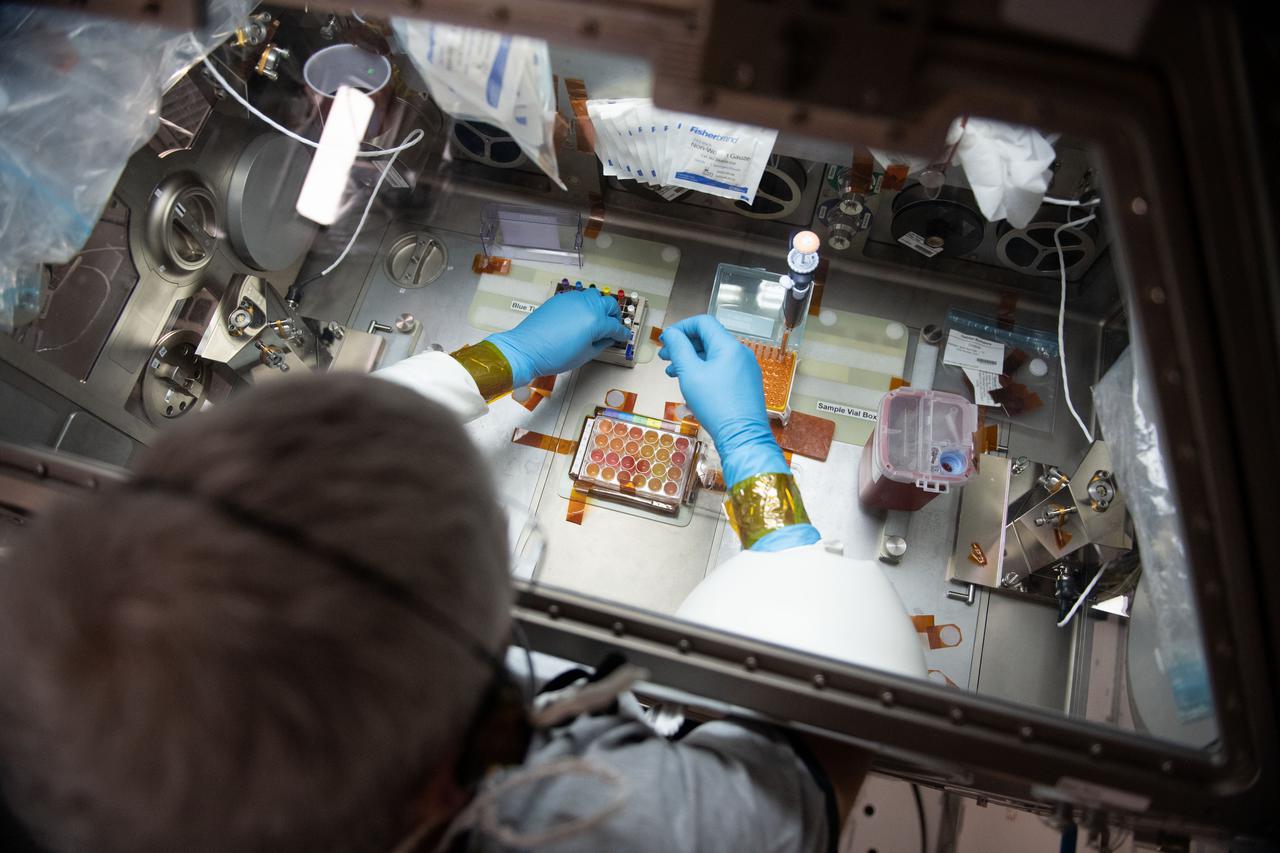
iss065e056805 (5/22/2021) --- NASA astronaut Mark Vande Hei works inside the Life Science Glovebox (LSG) for the Celestial Immunity study that may provide insights into new vaccines and drugs possibly advancing the commercialization of space. The LSG is located in the Kibo laboratory module from the Japan Aerospace Exploration Agency.
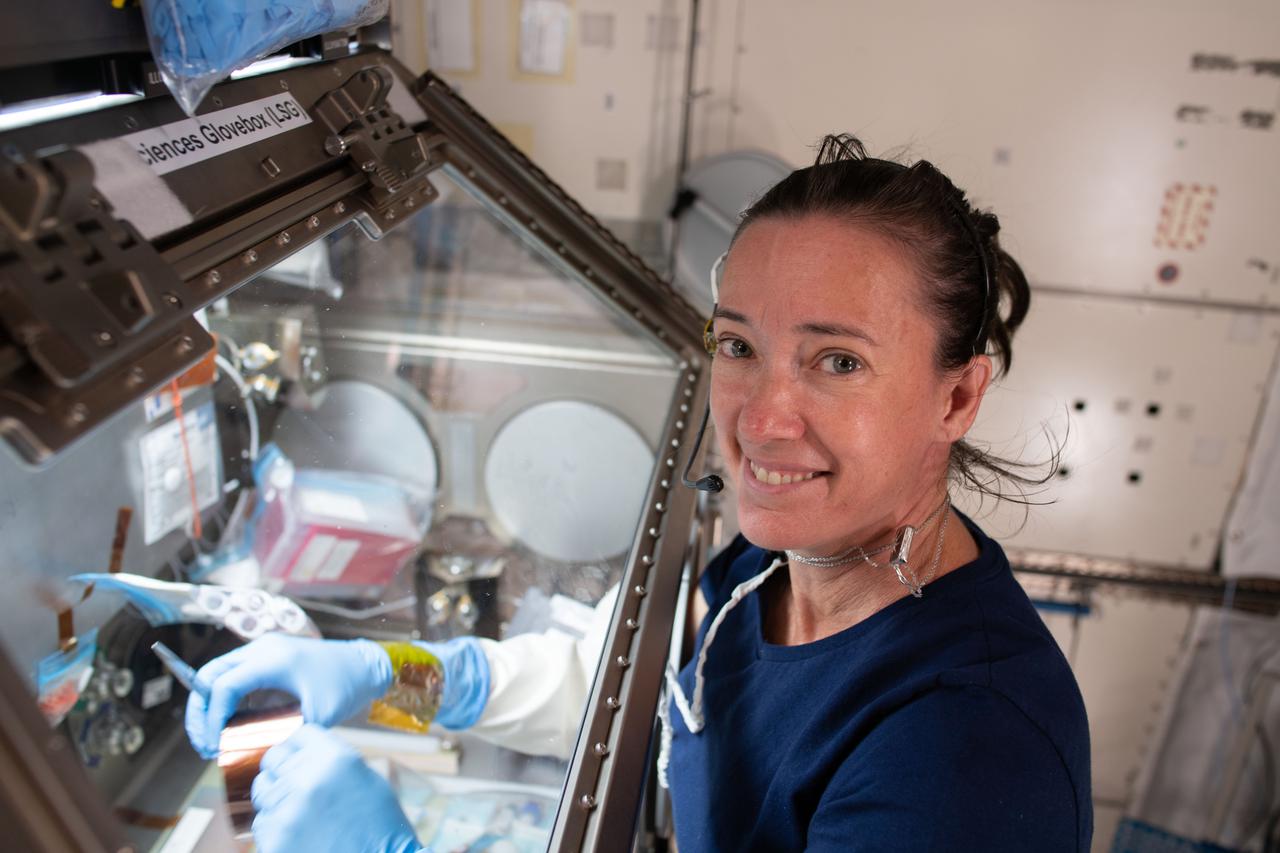
iss065e026426 (May 6, 2021) --- NASA astronaut and Expedition 65 Flight Engineer Megan McArthur services donor cells inside the Kibo laboratory module's Life Science Glovebox for the Celestial Immunity study. The human research investigation may provide insights into new vaccines and drugs possibly advancing the commercialization of space.
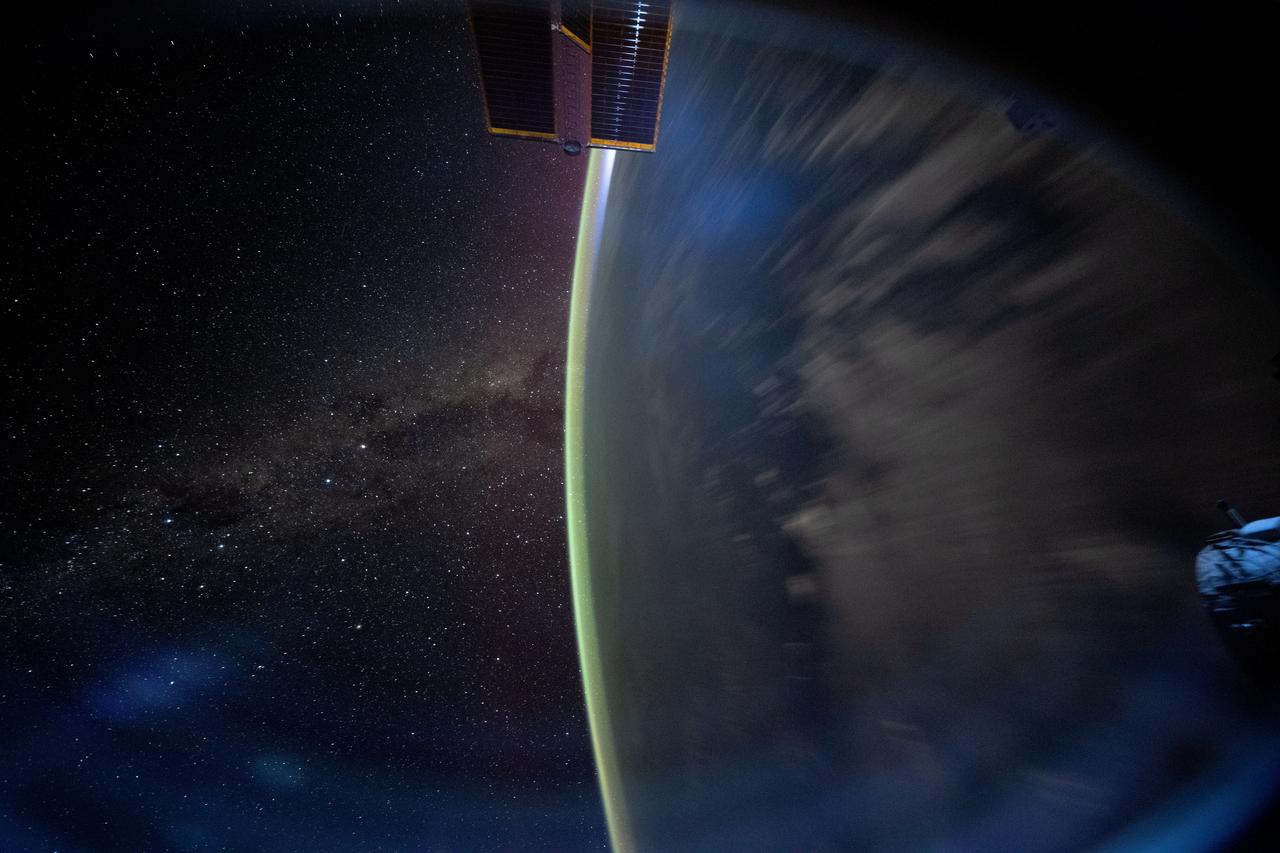
iss072e646081 (Feb. 3, 2025) --- The Milky Way appears beyond Earth's horizon in this celestial photograph captured by NASA astronaut Don Pettit using a camera with low light and long duration settings as the International Space Station orbited 263 miles above the Pacific Ocean.
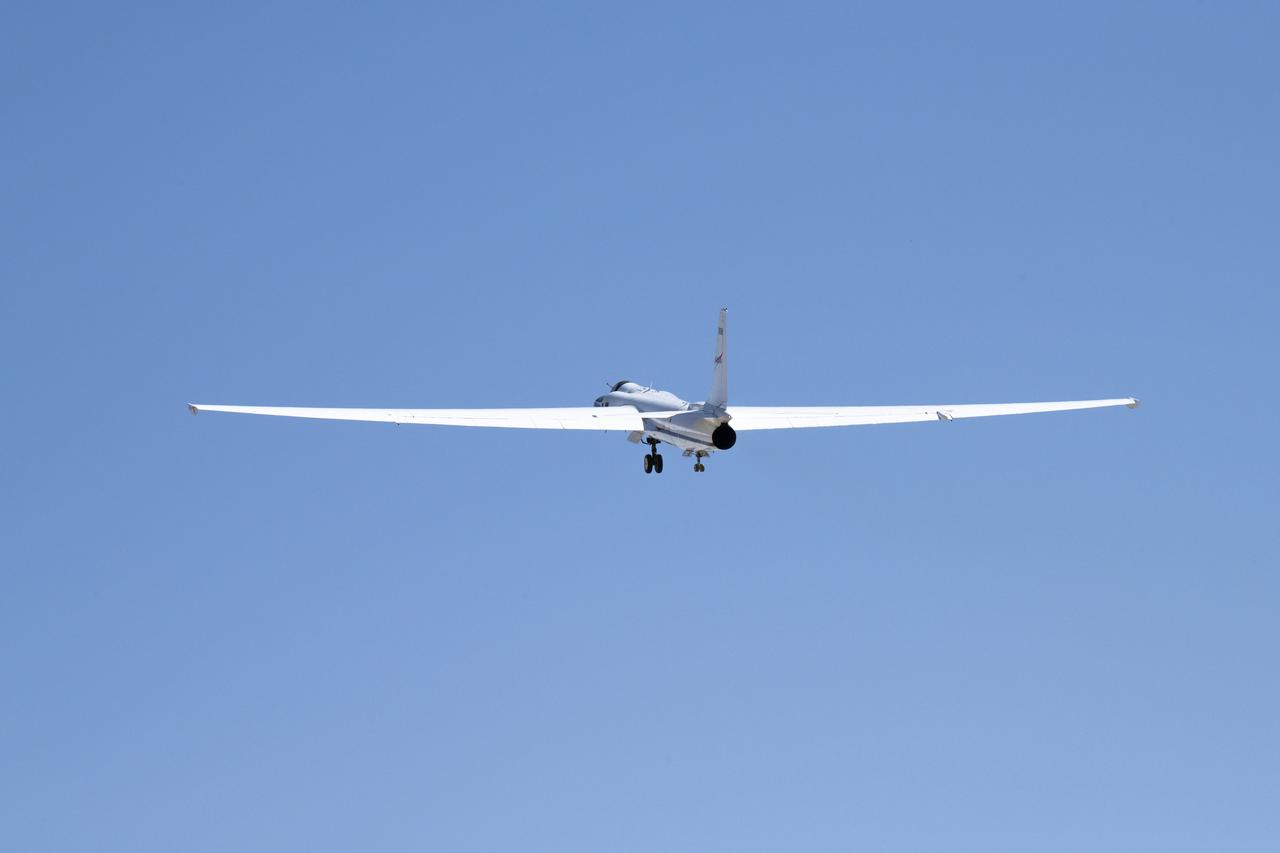
NASA’s ER-2 No. 806 returns to flying high-altitude on April 7, 2022, after three years of heavy maintenance. NASA Armstrong operates two ER-2 aircraft to collect information about Earth resources, celestial observations, atmospheric chemistry and dynamics, and oceanic processes.
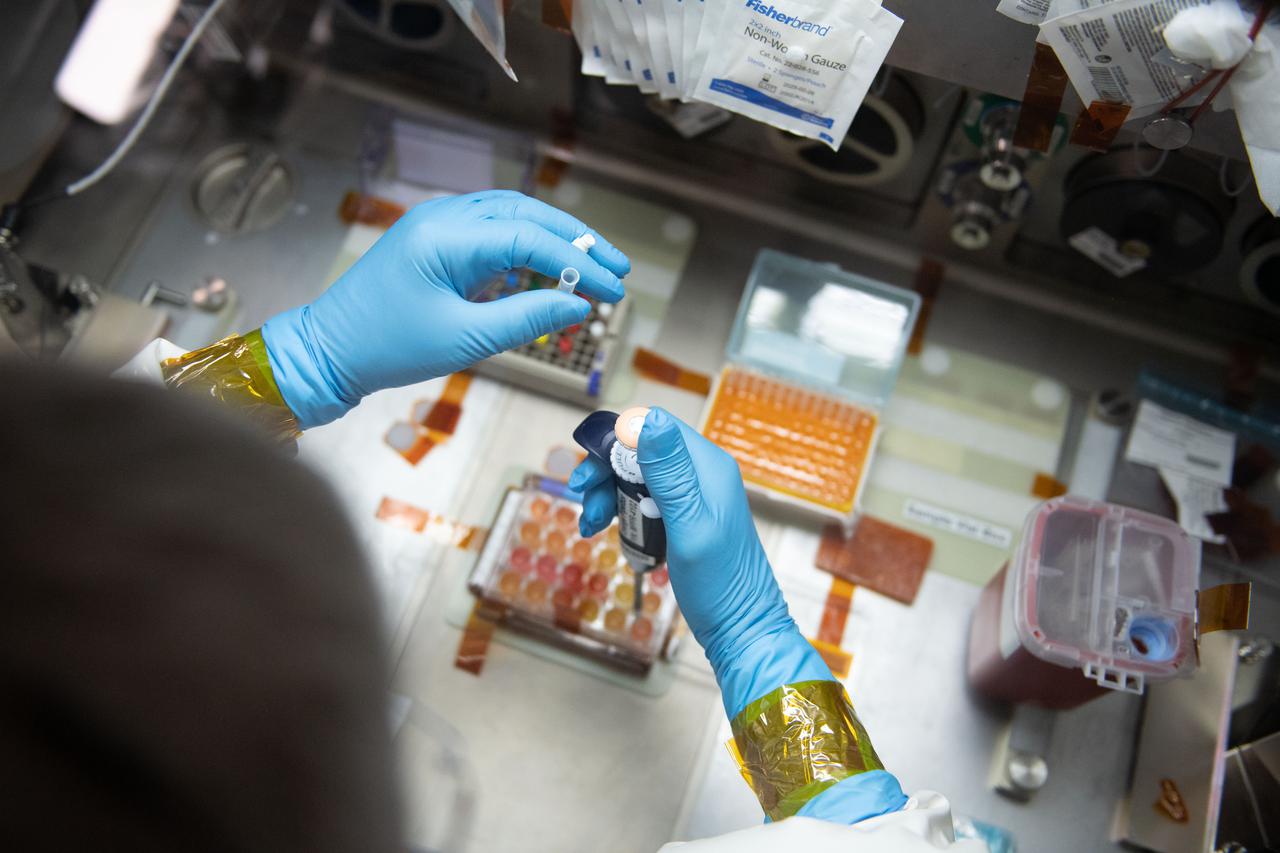
iss065e056790 (5/22/2021) --- NASA astronaut Mark Vande Hei works inside the Life Science Glovebox (LSG) for the Celestial Immunity study that may provide insights into new vaccines and drugs possibly advancing the commercialization of space. The LSG is located in the Kibo laboratory module from the Japan Aerospace Exploration Agency.
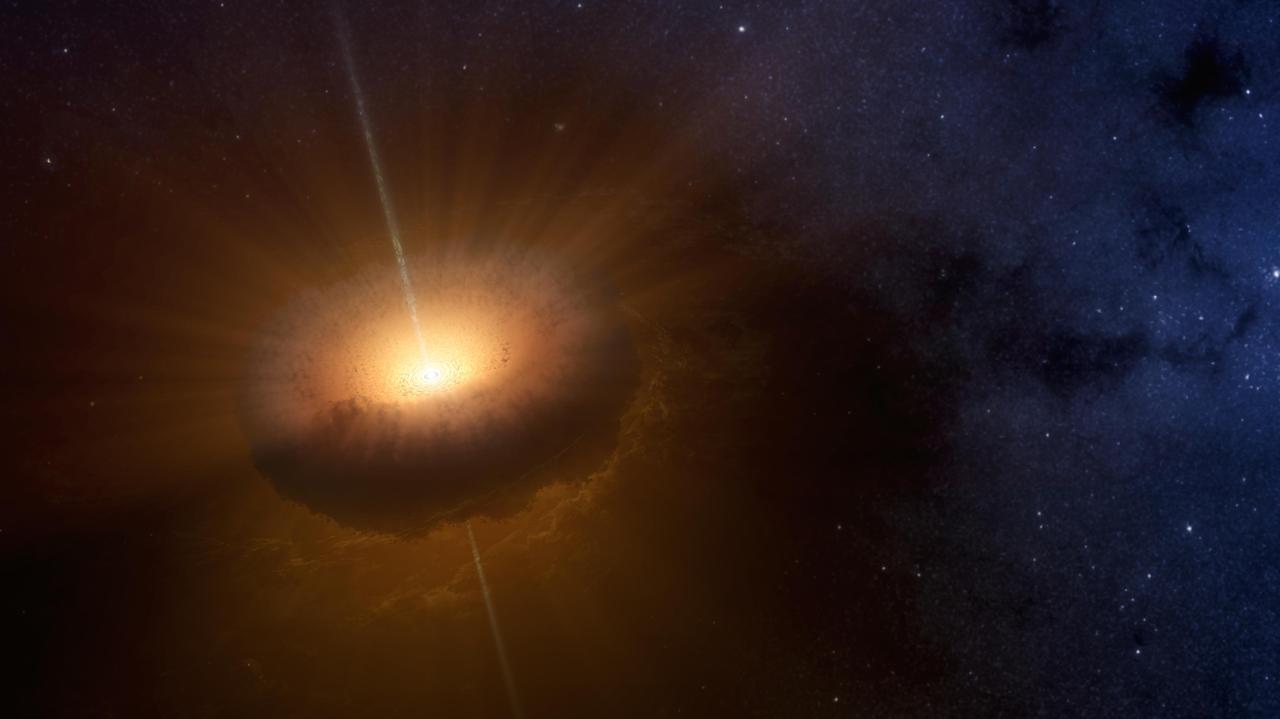
This artist's concept shows an unusual celestial object called CX330 was first detected as a source of X-ray light in 2009 by NASA's Chandra X-Ray Observatory while it was surveying the bulge in the central region of the Milky Way. A 2016 study in the Monthly Notices of the Royal Astronomical Society found that CX330 is the most isolated young star that has been discovered. Researchers compared NASA's Wide-field Infrared Survey Explorer (WISE) data from 2010 with NASA's Spitzer Space Telescope data from 2007 to come to this conclusion. CX330 is not near any star-forming region. As of the most recent observation, which was August 2015, this object was outbursting, meaning it was launching "jets" of material that slam into the gas and dust around it. Astronomers plan to continue studying the object, including with future telescopes that could view CX330 in other wavelengths of light. http://photojournal.jpl.nasa.gov/catalog/PIA20700
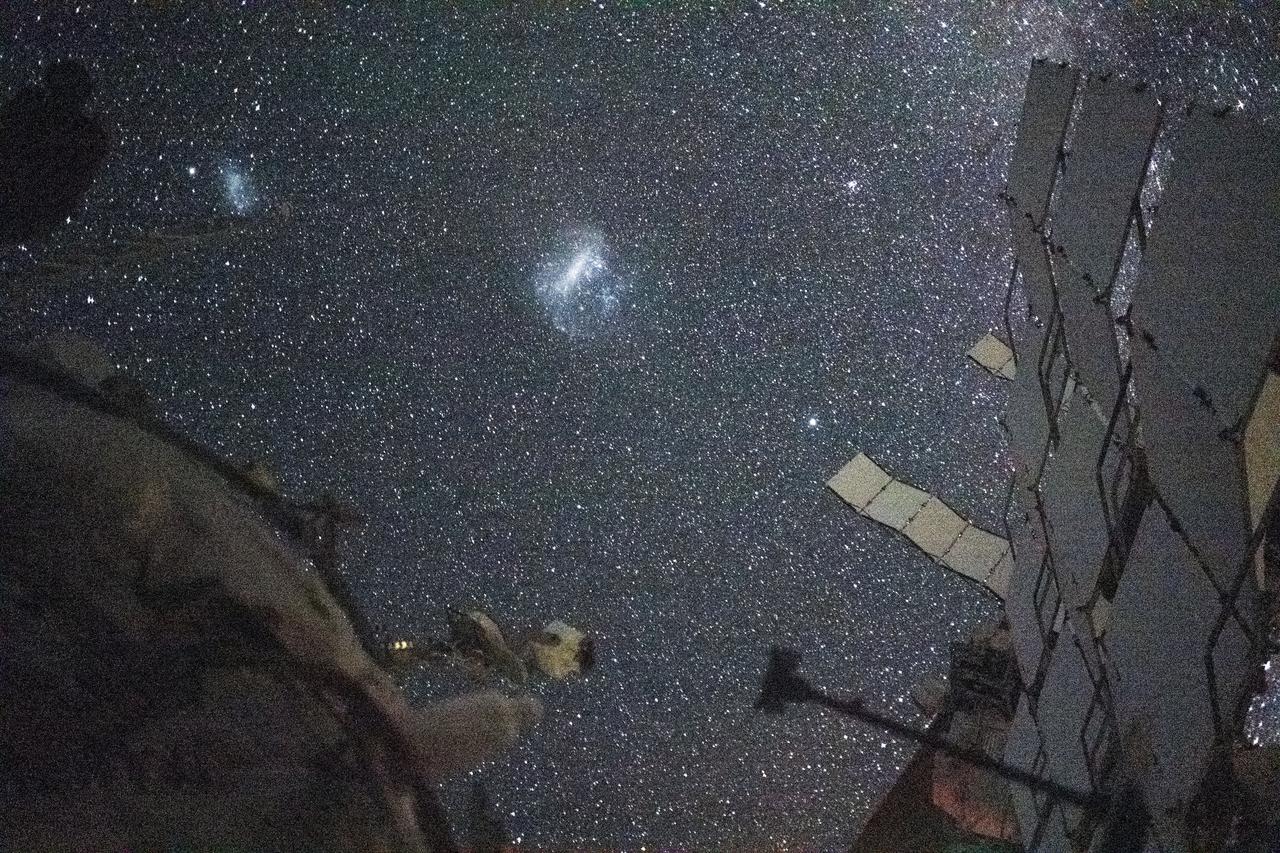
iss071e418742 (Aug. 6, 2024) --- The Large Magellanic Cloud (center) and the Small Magellanic Cloud (upper left), dwarf galaxies in close proximity with the Milky Way galaxy, are pictured from the International Space Station. NASA astronaut and Expedition 71 Flight Engineer Matthew Dominick took this long-duration photograph with a station camera increasing its sensitivity to account for low light conditions.
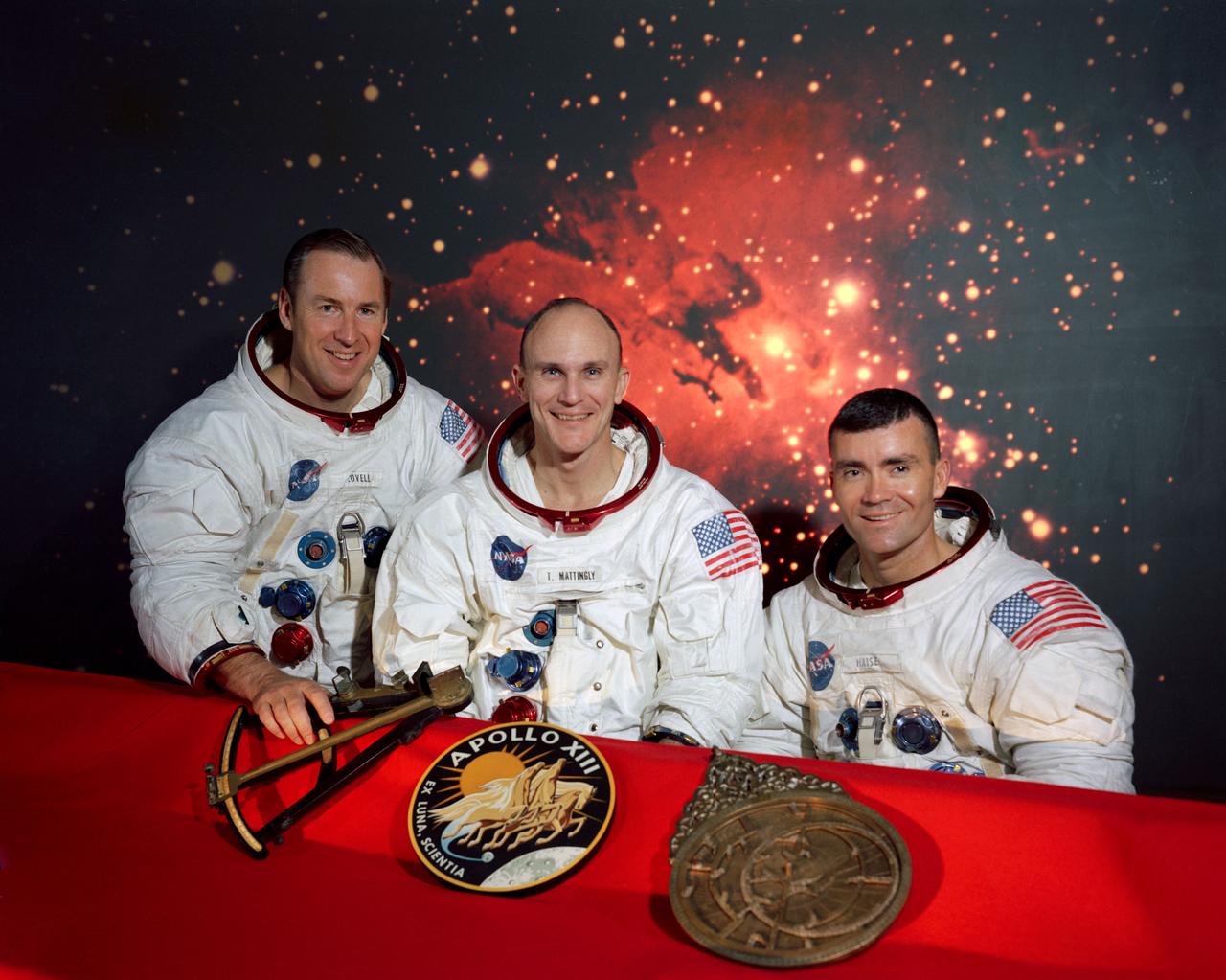
S69-62224 (December 1969) --- The members of the prime crew of the Apollo 13 lunar landing mission (left to right) are astronauts James A. Lovell Jr., commander; Thomas K. Mattingly II, command module pilot; and Fred W. Haise Jr., lunar module pilot. They are seated in front of a scene of the Lagoon Nebula, with the mission insignia and two items of early navigation in the foreground. Represented in the Apollo 13 emblem (center) is Apollo, the sun god of Greek mythology, symbolizing that the Apollo flights have extended the light of knowledge to all mankind. The Latin phrase Ex Luna, Scientia means "From the Moon, Knowledge." The Hindu astrolabe in Sanskrit (on right) was used to predict the position of celestial bodies before the invention of the octant (on left) was used in 1790 to determine the altitude of celestial bodies from aboard ship.
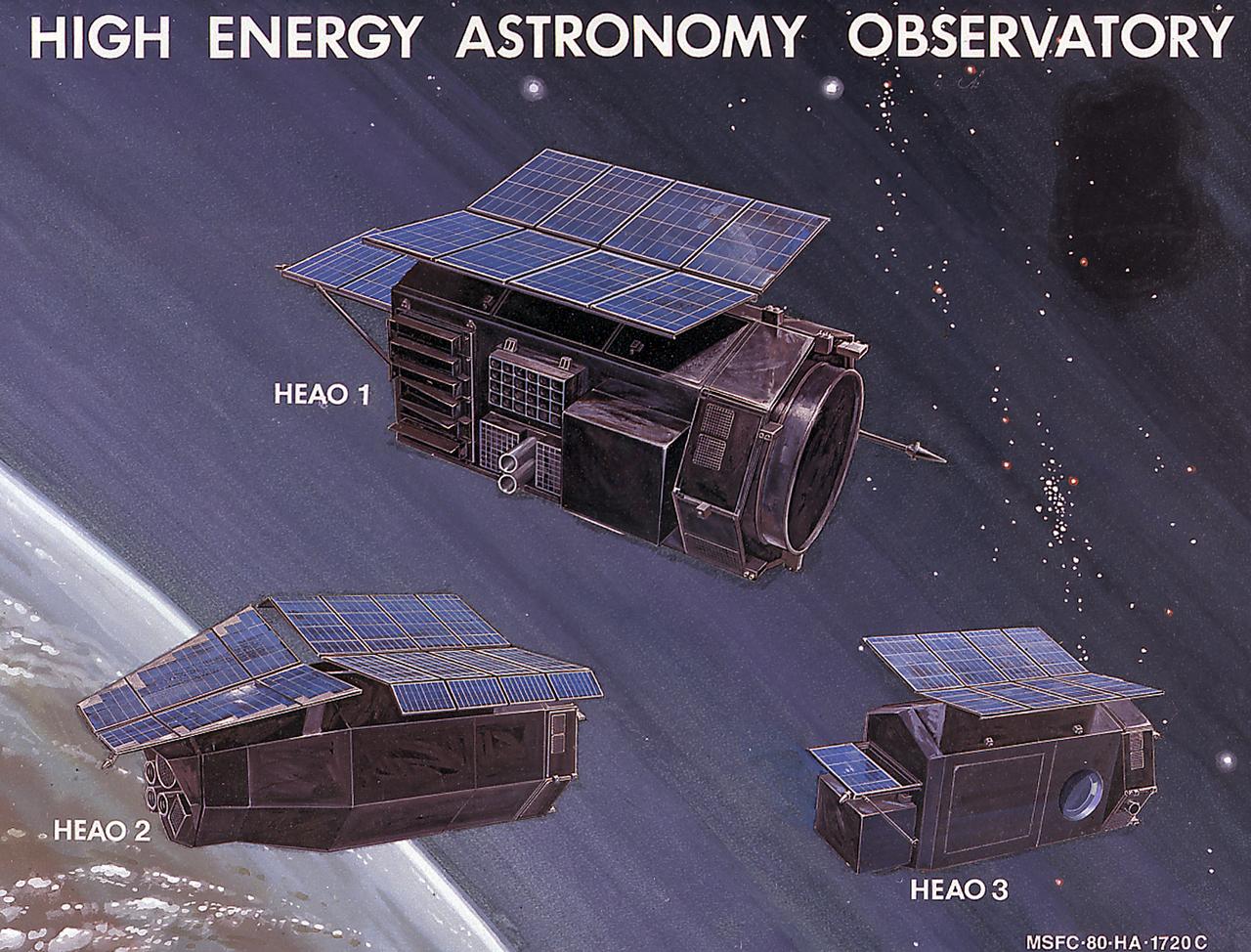
The family of High Energy Astronomy Observatory (HEAO) instruments consisted of three unmarned scientific observatories capable of detecting the x-rays emitted by the celestial bodies with high sensitivity and high resolution. The celestial gamma-ray and cosmic-ray fluxes were also collected and studied to learn more about the mysteries of the universe. High-Energy rays cannot be studied by Earth-based observatories because of the obscuring effects of the atmosphere that prevent the rays from reaching the Earth's surface. They had been observed initially by sounding rockets and balloons, and by small satellites that do not possess the needed instrumentation capabilities required for high data resolution and sensitivity. The HEAO carried the instrumentation necessary for this capability. In this photograph, an artist's concept of three HEAO spacecraft is shown: HEAO-1, launched on August 12, 1977; HEAO-2, launched on November 13, 1978; and HEAO-3, launched on September 20. 1979.
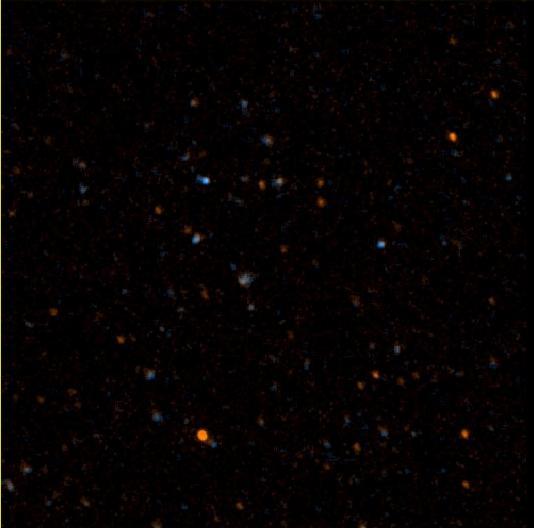
NASA's Galaxy Evolution Explorer took this image on May 21 and 22, 2003. The image was made from data gathered by the two channels of the spacecraft camera during the mission's "first light" milestone. It shows about 100 celestial objects in the constellation Hercules. The reddish objects represent those detected by the camera's near ultraviolet channel over a 5-minute period, while bluish objects were detected over a 3-minute period by the camera's far ultraviolet channel. The Galaxy Evolution Explorer's first light images are dedicated to the crew of the Space Shuttle Columbia. The Hercules region was directly above Columbia when it made its last contact with NASA Mission Control on February 1, over the skies of Texas. The Galaxy Evolution Explorer launched on April 28 on a mission to map the celestial sky in the ultraviolet and determine the history of star formation in the universe over the last 10 billion years. http://photojournal.jpl.nasa.gov/catalog/PIA04281
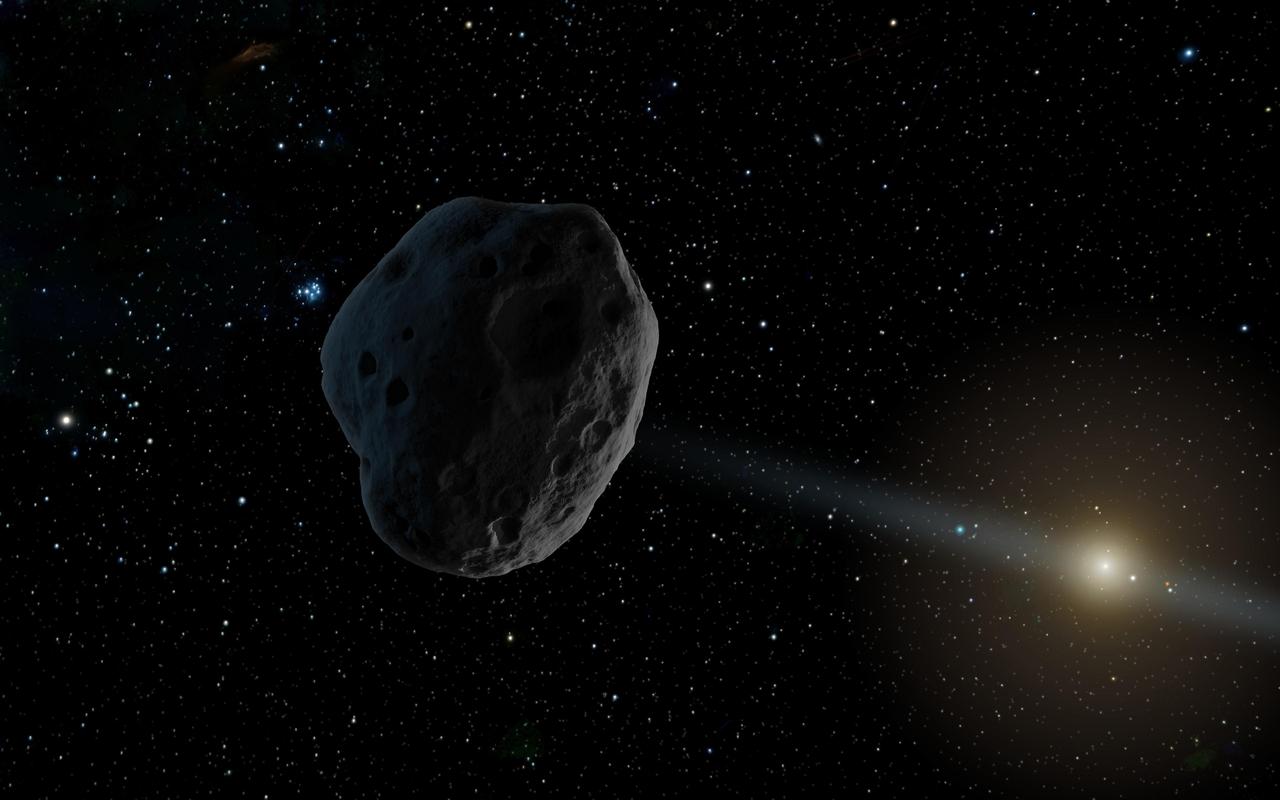
An artist rendition of 2016 WF9 as it passes Jupiter orbit inbound toward the sun. http://photojournal.jpl.nasa.gov/catalog/PIA21259
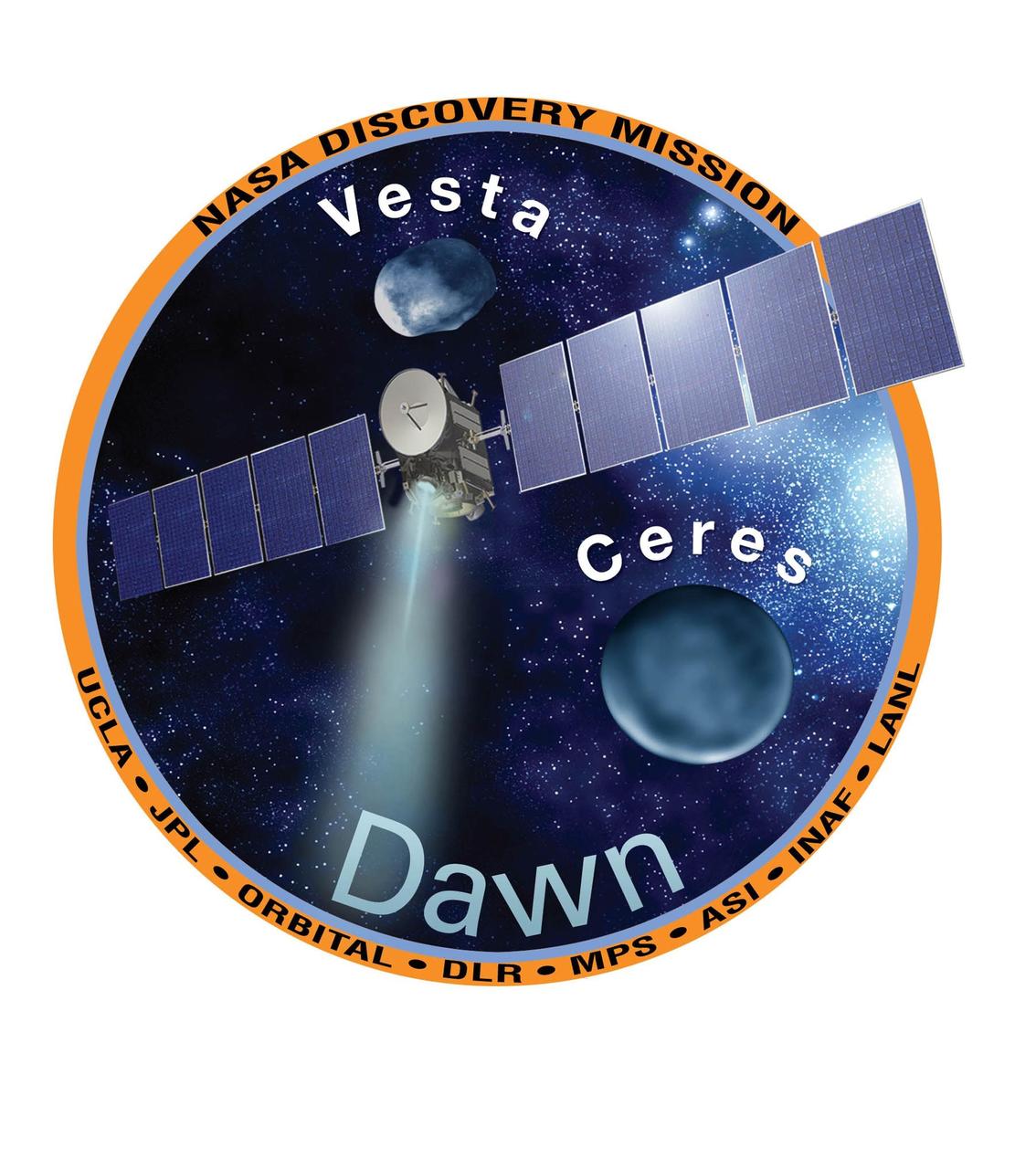
KENNEDY SPACE CENTER, FLA. -- This logo represents the mission of the Dawn spacecraft. During its nearly decade-long mission, Dawn will study the asteroid Vesta and dwarf planet Ceres, celestial bodies believed to have accreted early in the history of the solar system. The mission hopes to unlock some of the mysteries of planetary formation, including the building blocks and the processes leading to their state today. The Dawn mission is managed by the Jet Propulsion Laboratory, a division of the California Institute of Technology in Pasadena, Calif., for NASA's Science Mission Directorate in Washington, D.C.
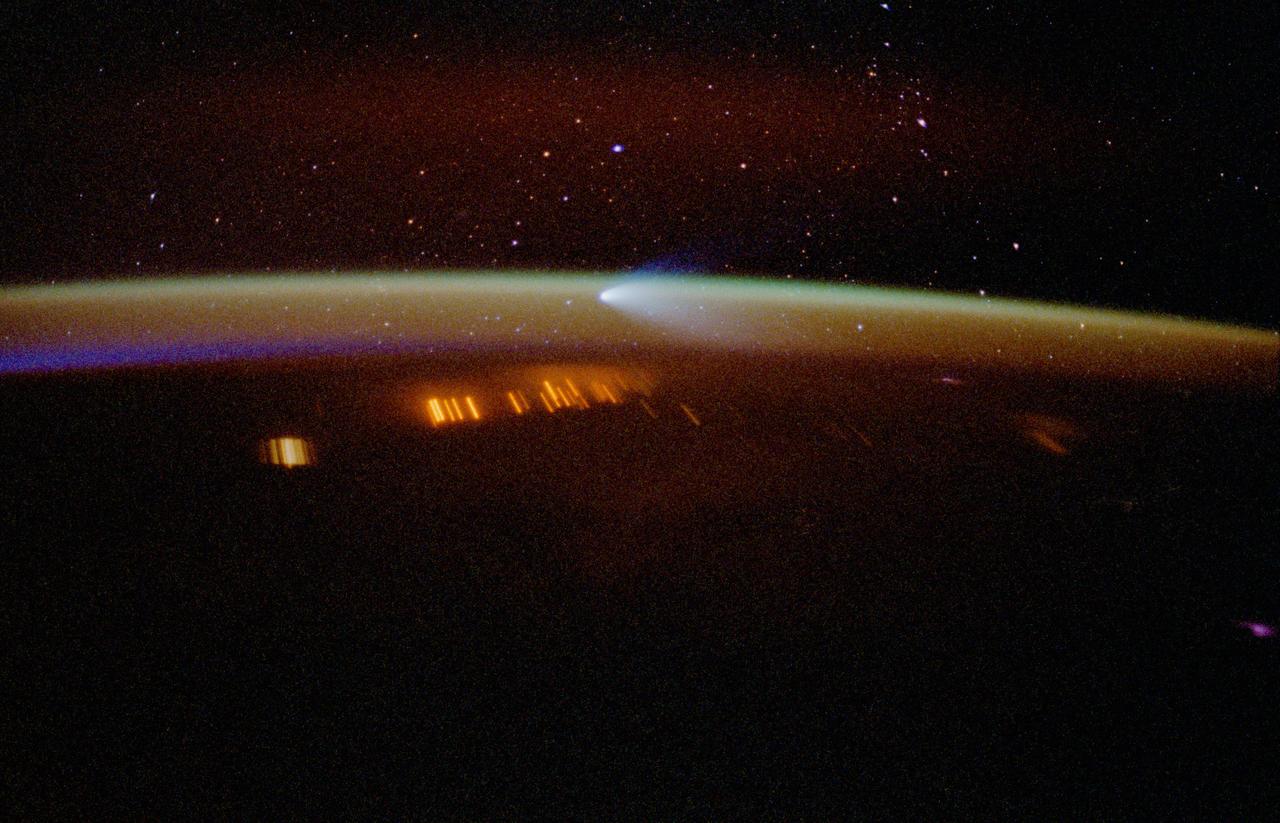
STS083-410-009 (4-8 April 1997) --- A 35mm camera was used to record this time-exposed image of Comet Hale-Bopp at sunset. Note that stars show up in this image because of the more lengthy exposure time, whereas the celestial features do not show in the majority of Space Shuttle pictures focused on Earth and its horizon. As another spin-off of the more lengthy time exposure, city lights and petroleum fires are seen as distorted streaks.
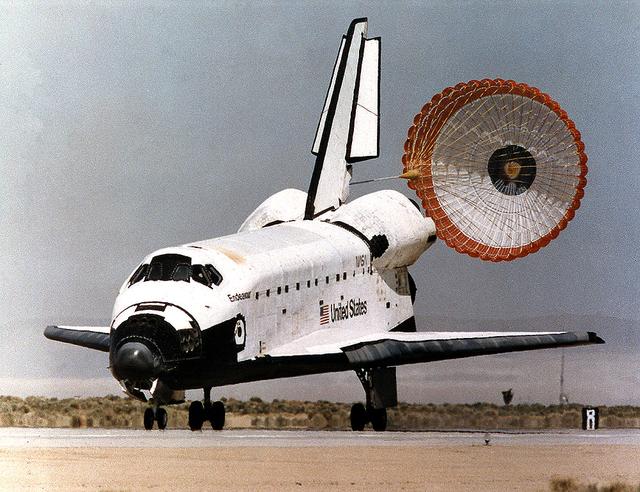
The Space Shuttle Endeavour (STS-67) lands at Edwards Air Force Base in southern California after successfully completing NASA's longest plarned shuttle mission. The seven-member crew conducted round-the-clock observations with the ASTRO-2 observatory, a trio of telescopes designed to study the universe of ultraviolet astronomy. Because of Earth's protective ozone layer ultraviolet light from celestial objects does not reach gound-based telescopes, and such studies can only be conducted from space.
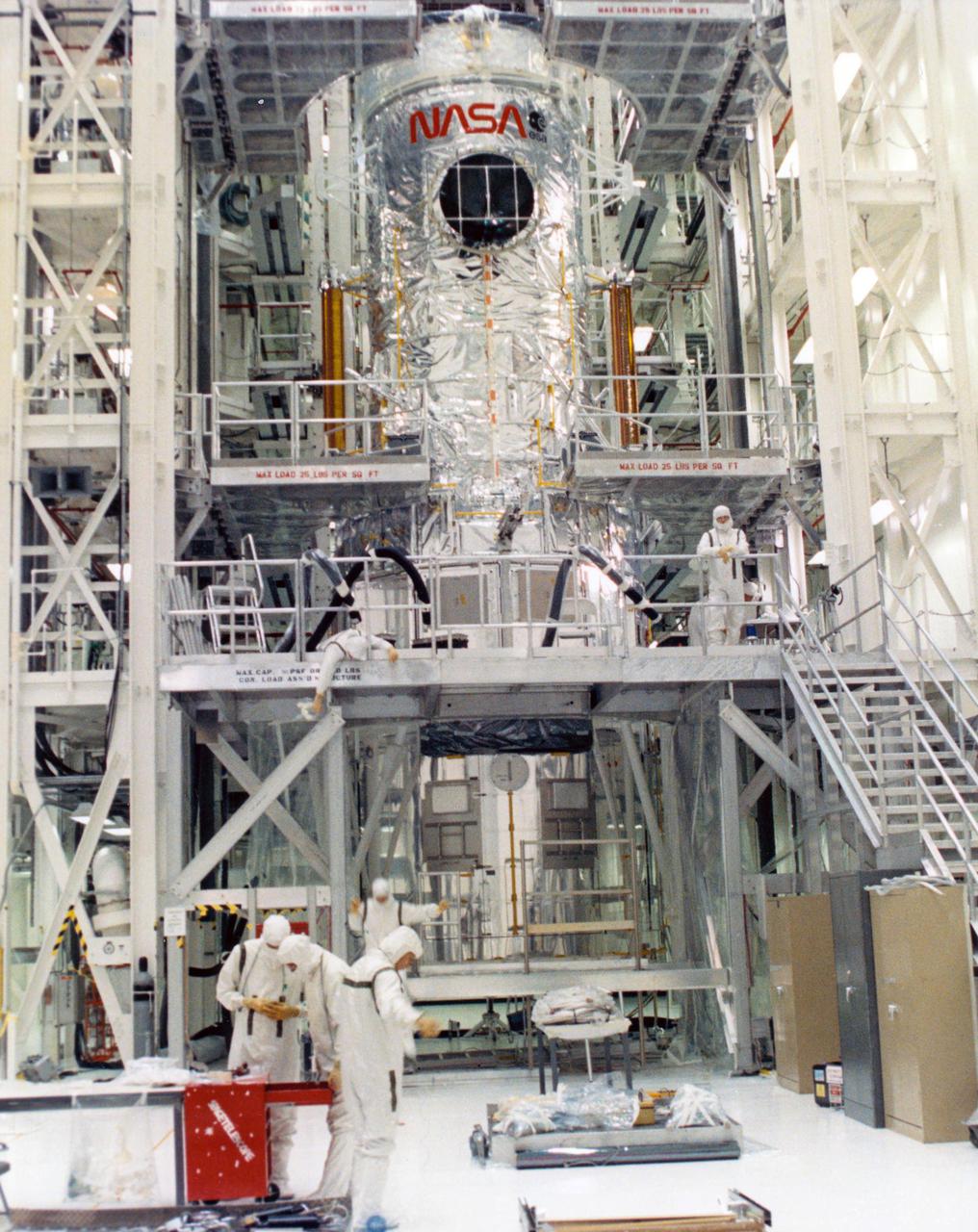
KENNEDY SPACE CENTER, FLA. -- The Hubble Space Telescope (HST) in a test cell at the Vertical Processing Facility has completed functional testing of its science instruments and is being readied for a final contamination inspection and cleaning. With HST, astronomers will be able to view 97 percent of the known universe, and will be able to get pictures unlimited and undistorted by the Earth's atmosphere. Compared with earth-based observatories, the HST will be able to view celestial objects that are 50 times fainter, provide images that are 10 times sharper, and see objects that are seven times farther away. .
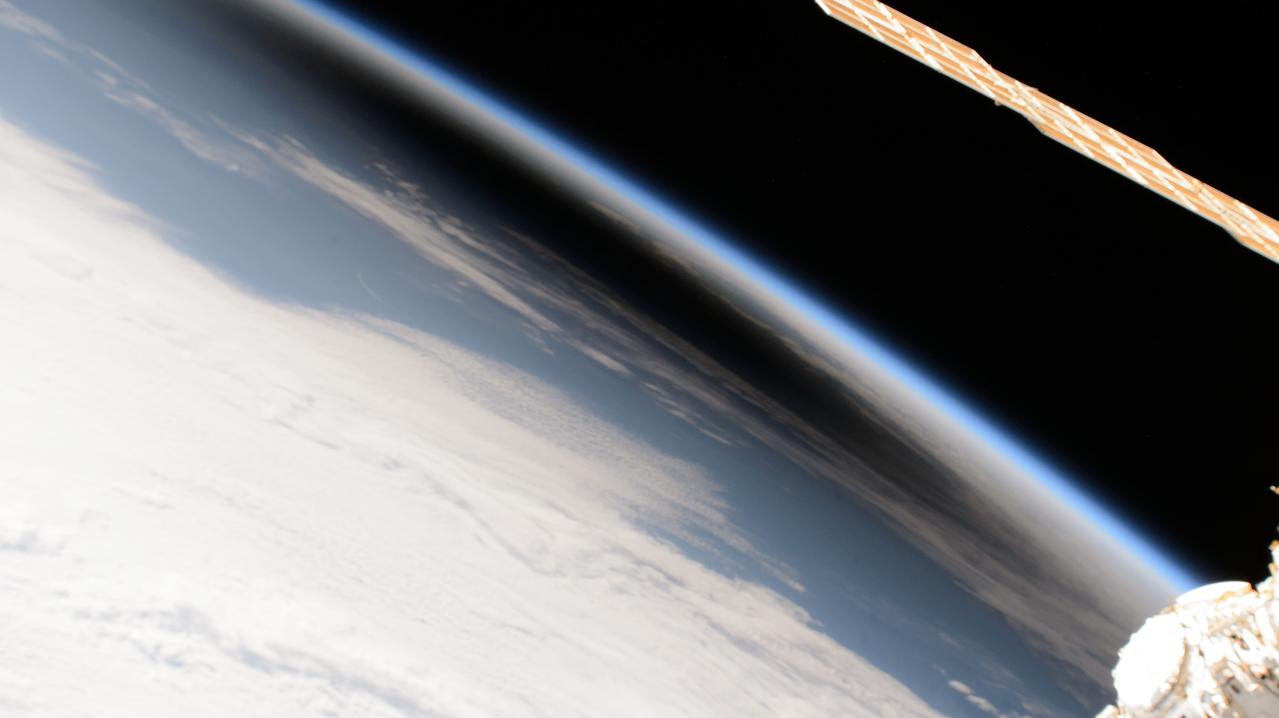
iss071e002694 (April 8, 2024) -- Orbiting 260 miles above the Northeastern coast of the United States, the Expedition 71 crew experienced the 2024 solar eclipse from space. Pictured here is the umbra, or the Moon's shadow, passing over Earth. Aboard the International Space Station to witness the celestial event was NASA astronauts Matthew Dominick, Michael Barratt, Jeanette Epps, and Tracy Dyson, as well as cosmonauts Oleg Kononenko, Nikolai Chub, and Alexander Grebenkin.

An event attendee interacts with one of the hands on science activities on April 7, 2024. NASA Glenn Research Center and the Great Lakes Science Center hosted a three-day celestial celebration in downtown Cleveland, OH. This free, outdoor, family-friendly science and arts festival will feature free concerts, performances, speakers, and hands-on science activities with community partners.

The Space Shuttle Discovery en route to Earth orbit for NASA's 51-A mission is reminiscent of a soaring Eagle. The red and white trailing stripes and the blue background, along with the presence of the Eagle, generate memories of America's 208 year-old history and traditions. The two satellites orbiting the Earth backgrounded amidst a celestial scene are a universal representation of the versatility of the Space Shuttle. White lettering against the blue border lists the surnames of the five-member crew.
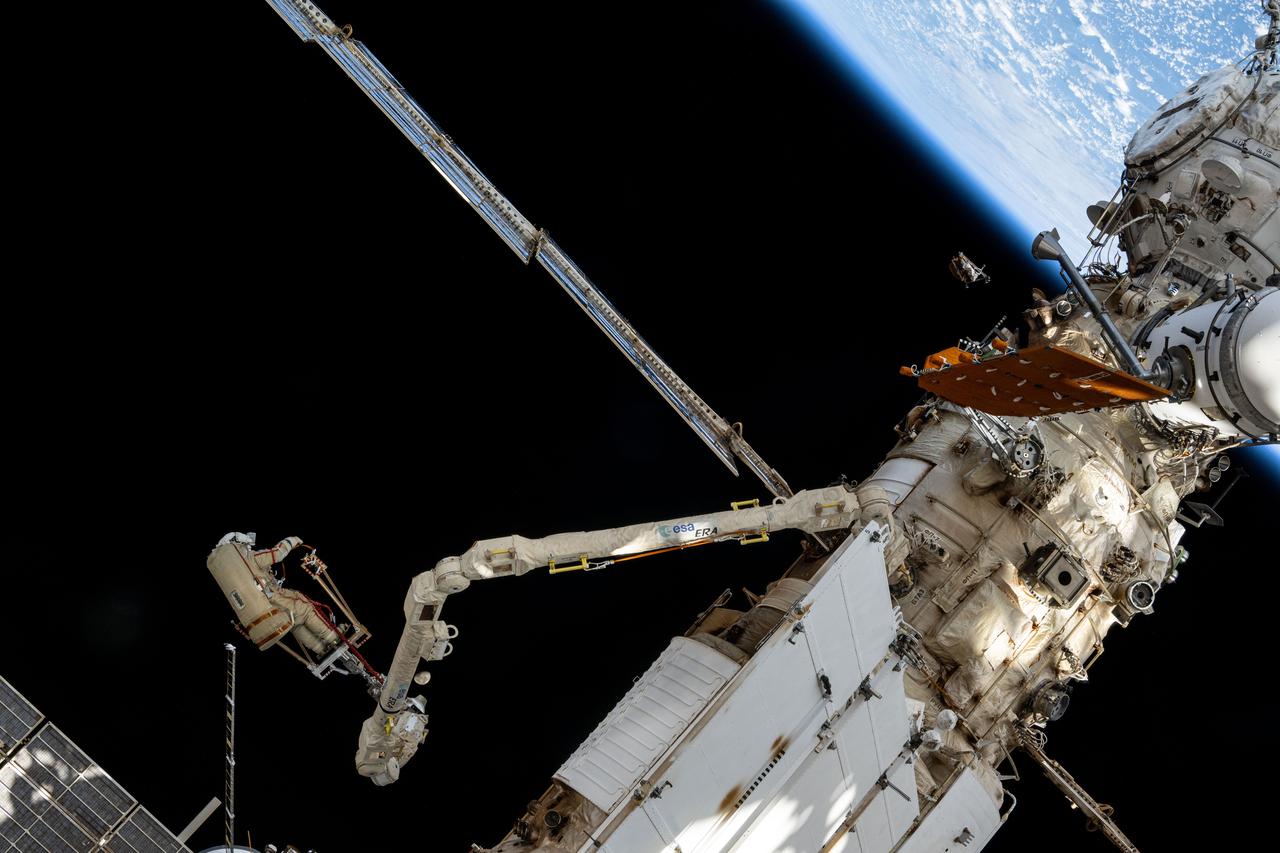
iss072e397516 (Dec. 19, 2024) --- Roscosmos cosmonaut and Expedition 72 Flight Engineer Alexey Ovchinin is maneuvered using the European robotic arm during a seven-hour and 17-minute spacewalk. He and fellow Flight Engineer Ivan Vagner (not pictured) partnered together in the vacuum of space on Dec.19 installing a celestial X-ray experiment and removng other scientific hardware on the exterior of the International Space Station.
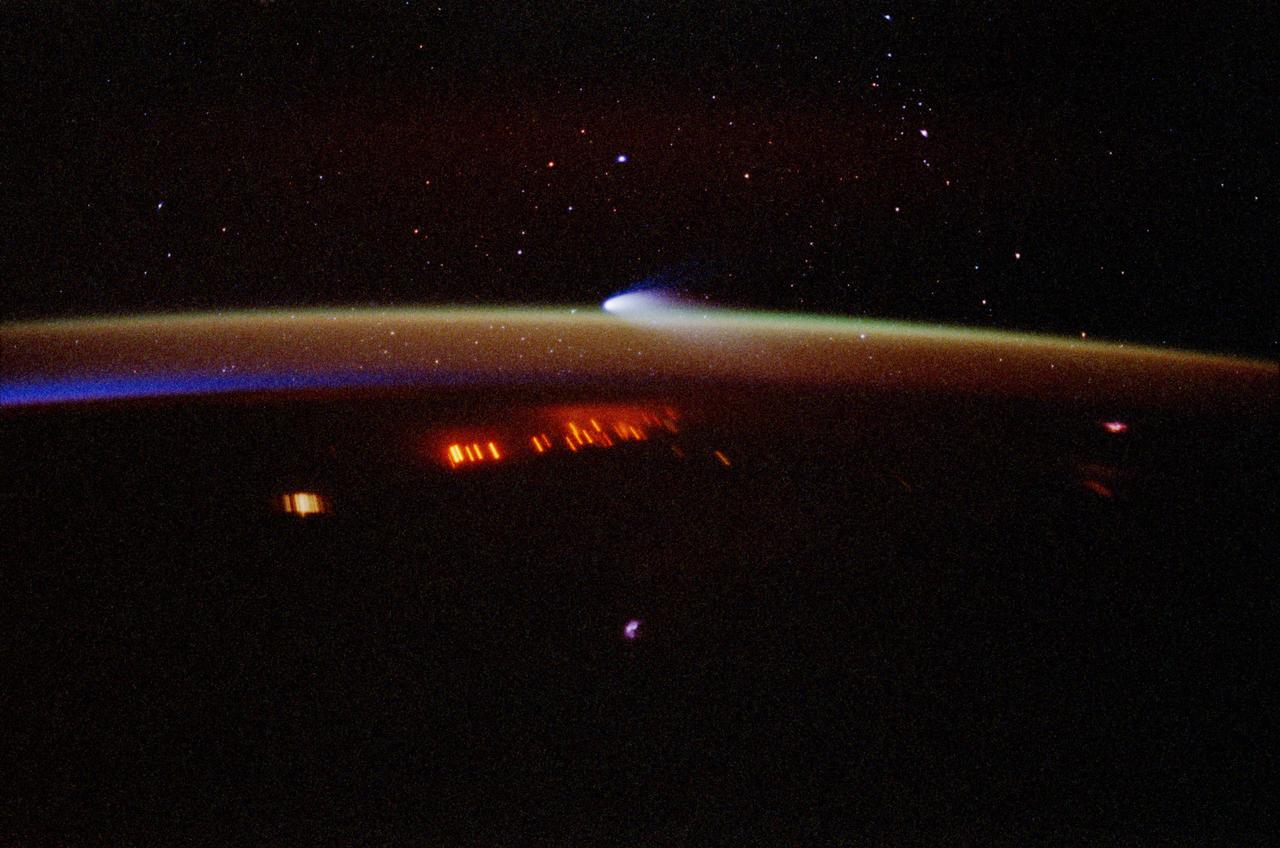
STS083-410-008 (4-8 April 1997) --- A 35mm camera was used to record this time-exposed image of Comet Hale-Bopp at sunset. Note that stars show up in this image because of the more lengthy exposure time, whereas the celestial features do not show in the majority of Space Shuttle pictures focused on Earth and its horizon. As another spin-off of the more lengthy time exposure, city lights and petroleum fires are seen as distorted streaks.
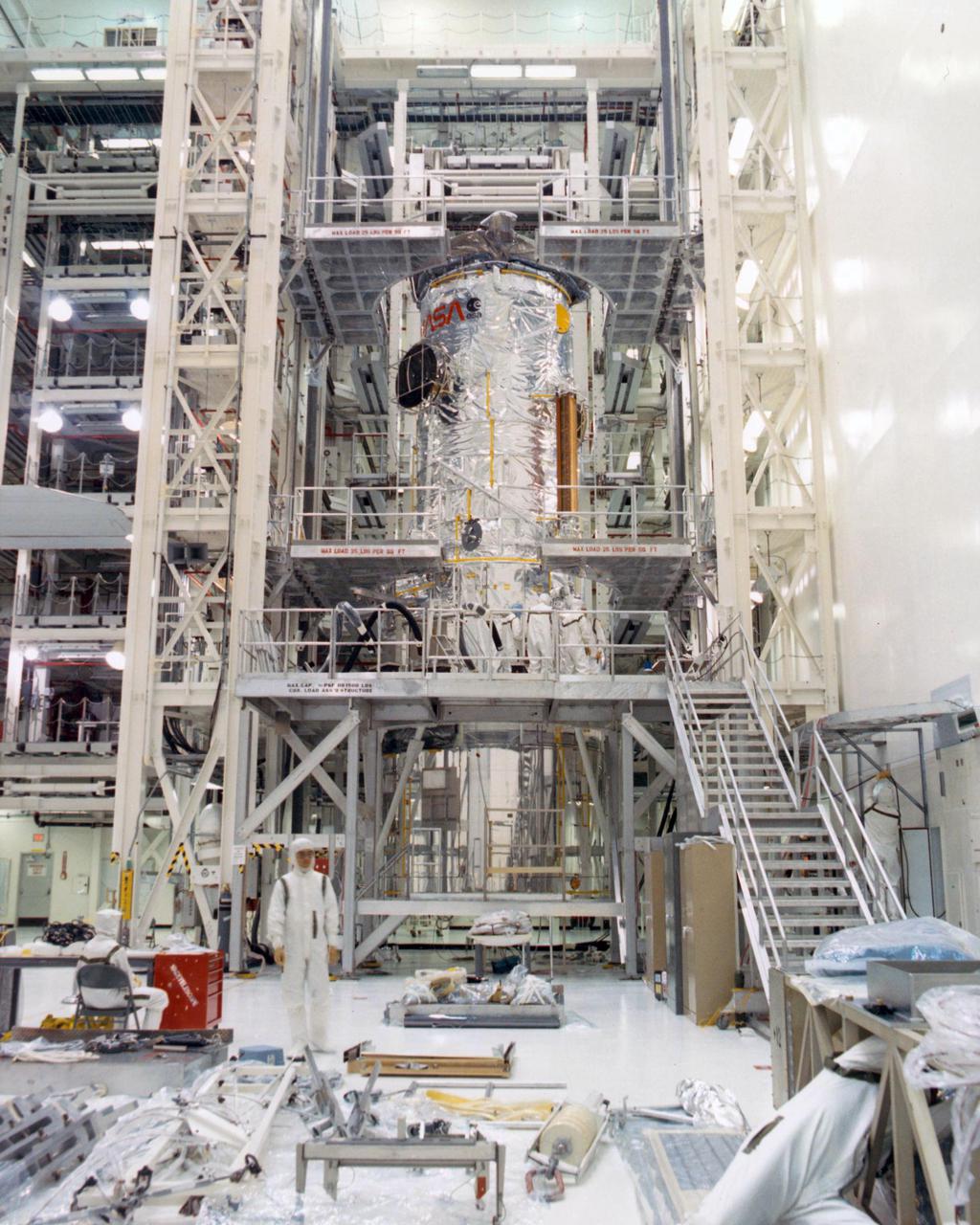
KENNEDY SPACE CENTER, FLA. -- The Hubble Space Telescope (HST) in a test cell at the Vertical Processing Facility has completed functional testing of its science instruments and is being readied for a final contamination inspection and cleaning. With HST, astronomers will be able to view 97 percent of the known universe, and will be able to get pictures unlimited and undistorted by the Earth's atmosphere. Compared with earth-based observatories, the HST will be able to view celestial objects that are 50 times fainter, provide images that are 10 times sharper, and see objects that are seven times farther away. .
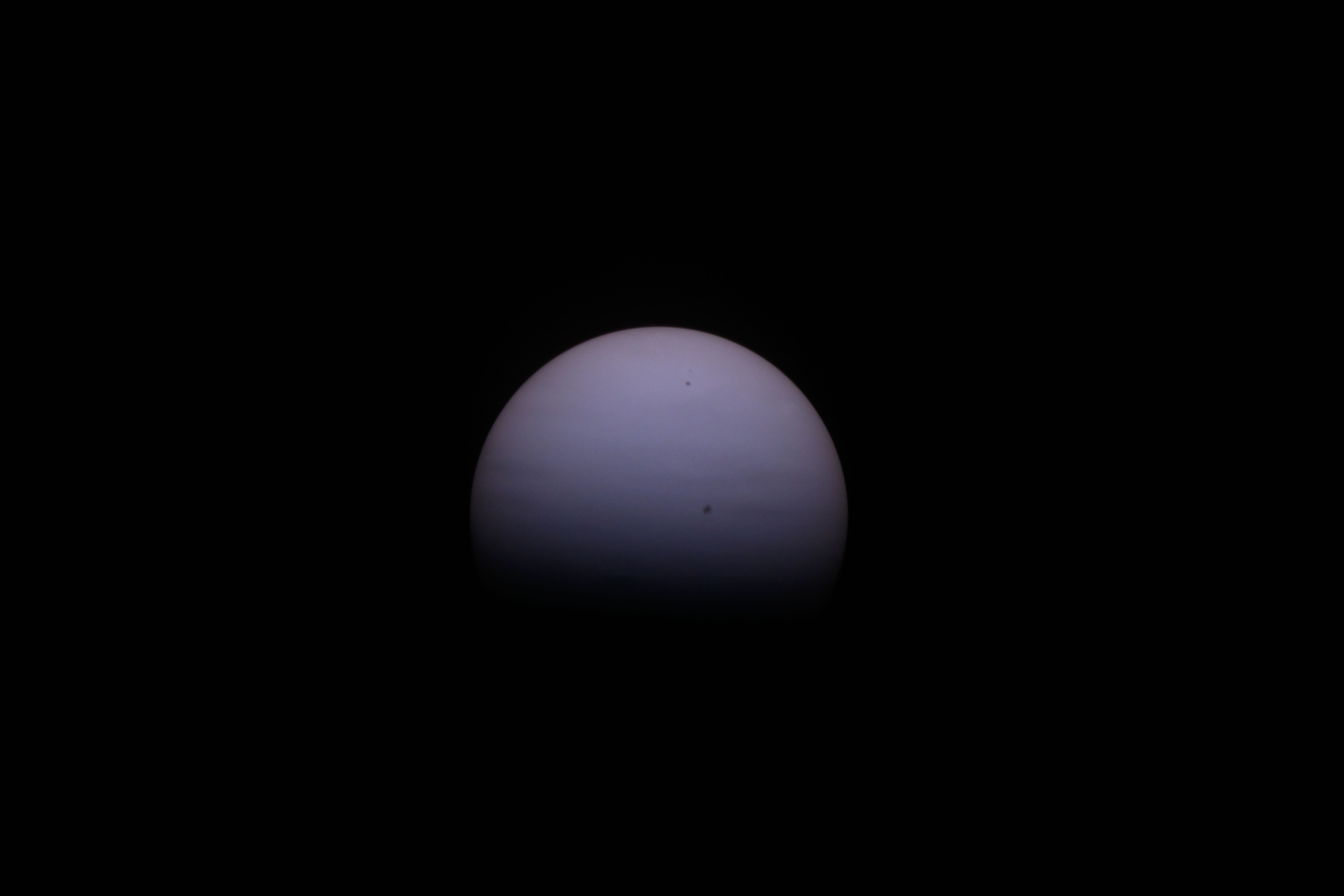
iss071e001438 (April 8, 2024) -- During the 2024 solar eclipse, four NASA astronauts and three Roscosmos cosmonauts had the opportunity to view the celestial event from the unique vantage point of the International Space Station. Pictured here by NASA astronaut Matthew Dominick is the Sun as the orbital complex orbited 257 miles off the west coast of Mexico.

This Atlas/Centaur launch vehicle, carrying the High Energy Astronomy Observatory (HEAO)-3, lifted off on September 20, 1979. The HEAO-3's mission was to survey and map the celestial sphere for gamma-ray flux and make detailed measurements of cosmic-ray particles. It carried three scientific experiments: a gamma-ray spectrometer, a cosmic-ray isotope experiment, and a heavy cosmic-ray nuclei experiment. The HEAO-3 was originally identified as HEAO-C but the designation was changed once the spacecraft achieved orbit.
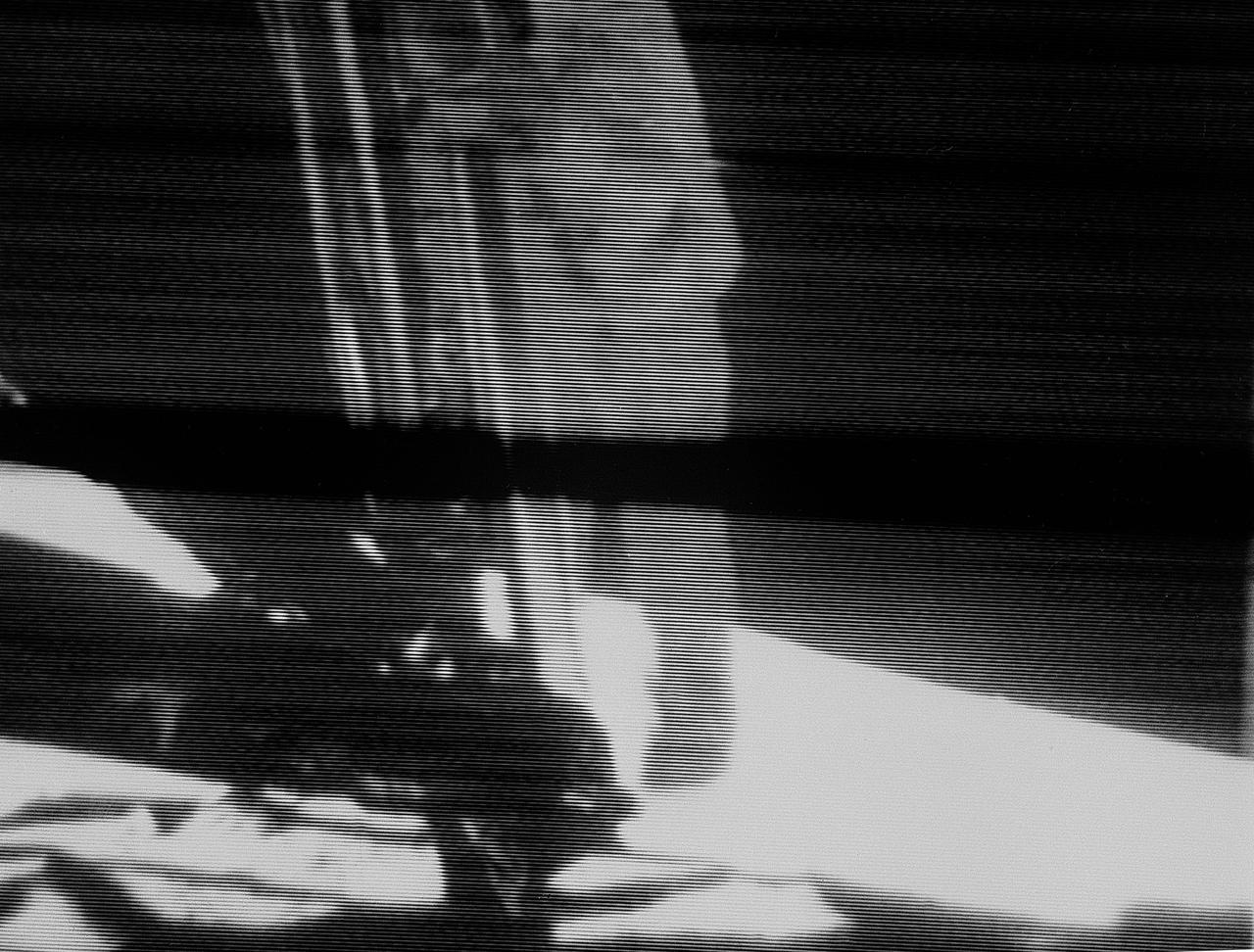
S69-42583 (20 July 1969) --- Astronaut Neil A. Armstrong, Apollo 11 commander, descends the ladder of the Apollo 11 Lunar Module (LM) prior to making the first step by man on another celestial body. This view is a black and white reproduction taken from a telecast by the Apollo 11 lunar surface camera during extravehicular activity (EVA). The black bar running through the center of the picture is an anomaly in the television ground data system at the Goldstone Tracking Station.
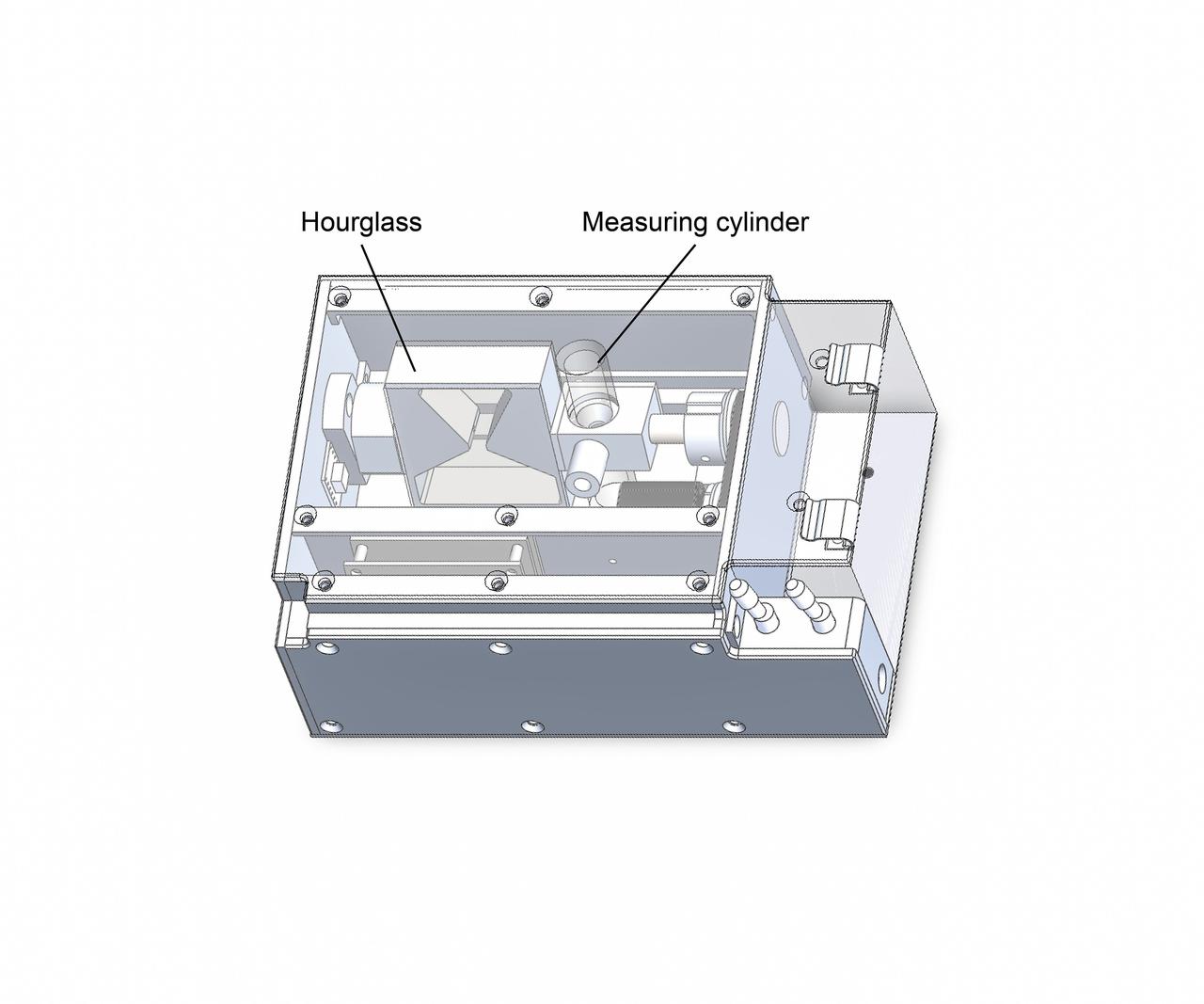
jsc2019e039831 (7/8/2019) --- A view of the Hourglass Apparatus schematic. The Hourglass investigation examines the relationship between gravity and the behavior of granular materials such as regolith that covers the surface of planets and planetary-like bodies. Researchers observe various granular materials inside an hourglass and a measuring cylinder under different gravity conditions. Better understanding of the behavior of these materials supports the design of spacecraft for future missions landing on the surfaces of planets and other celestial bodies. (Image courtesy of: JAXA)
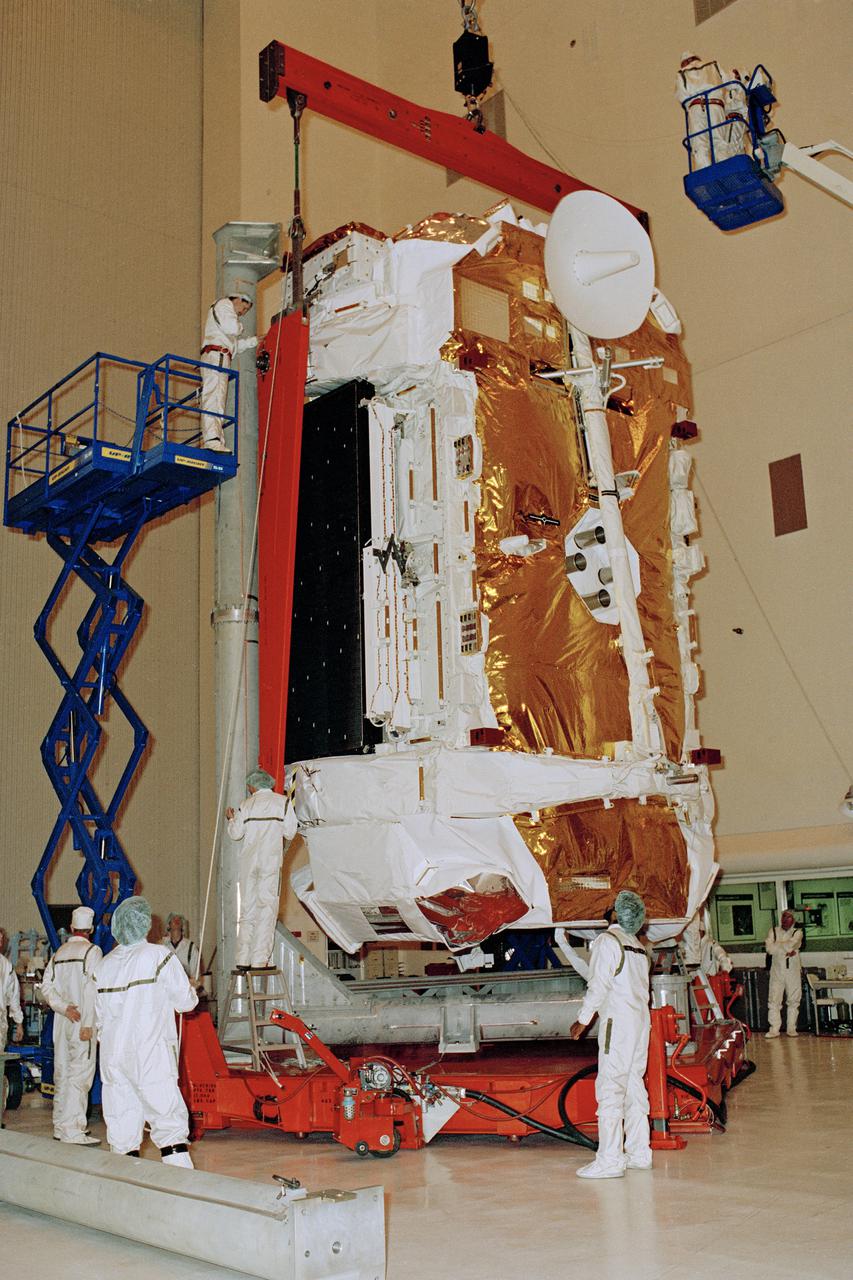
CAPE CANAVERAL, Fla. -- In the Payload Hazardous Servicing Facility at the Kennedy Space Center in Florida, technicians tilt the massive Gamma ray Observatory GRO upright for installation onto the transporter which will carry it to the Vertical Processing Facility. The spacecraft is scheduled to fly aboard the space shuttle Atlantis on STS-37. As the second of four great observatories planned by NASA, GRO will study the celestial gamma rays believed to be a record of cosmic change and evolution. Photo Credit: NASA
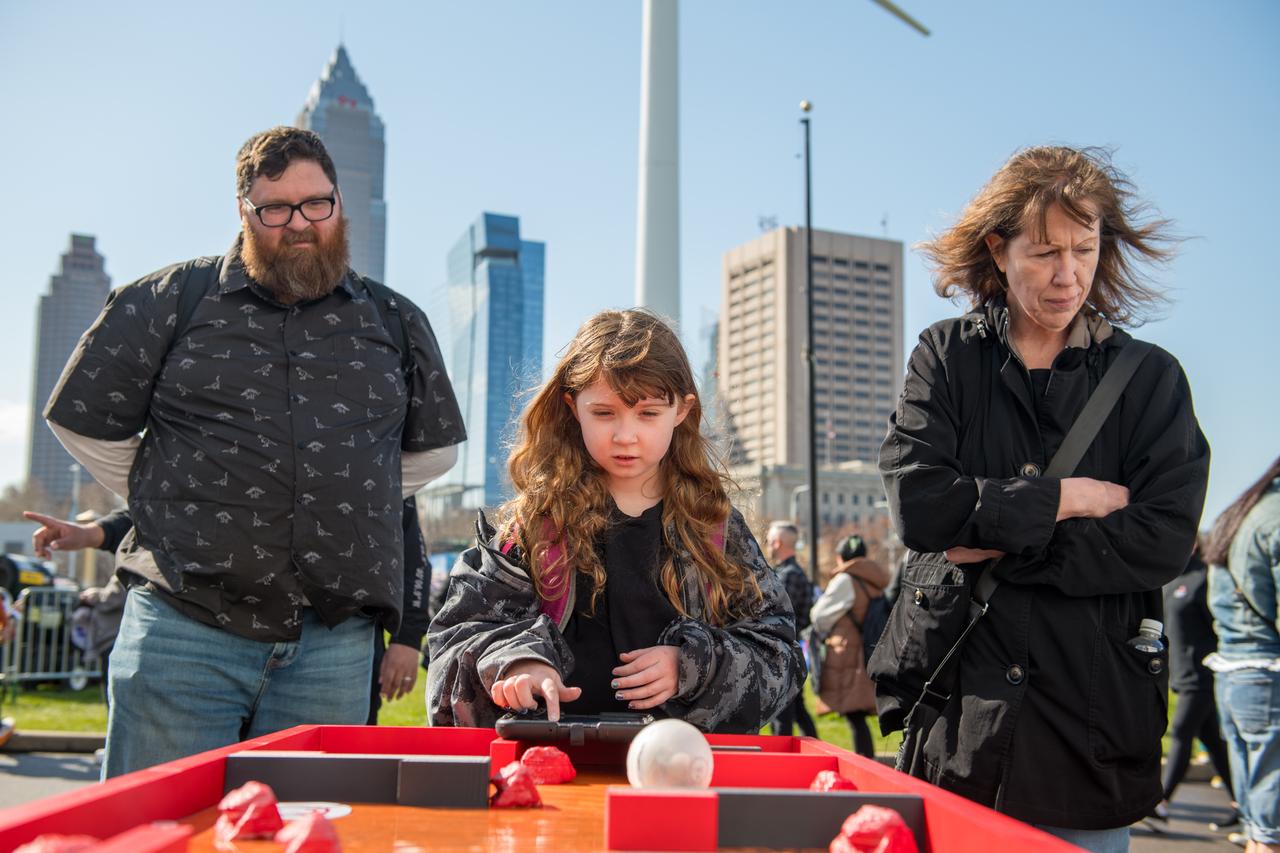
Event attendees interact with one of the hands on science activities on April 8, 2024. NASA Glenn Research Center and the Great Lakes Science Center hosted a three-day celestial celebration in downtown Cleveland, OH. This free, outdoor, family-friendly science and arts festival will feature free concerts, performances, speakers, and hands-on science activities with community partners. Photo Credit: (NASA/Jef Janis)
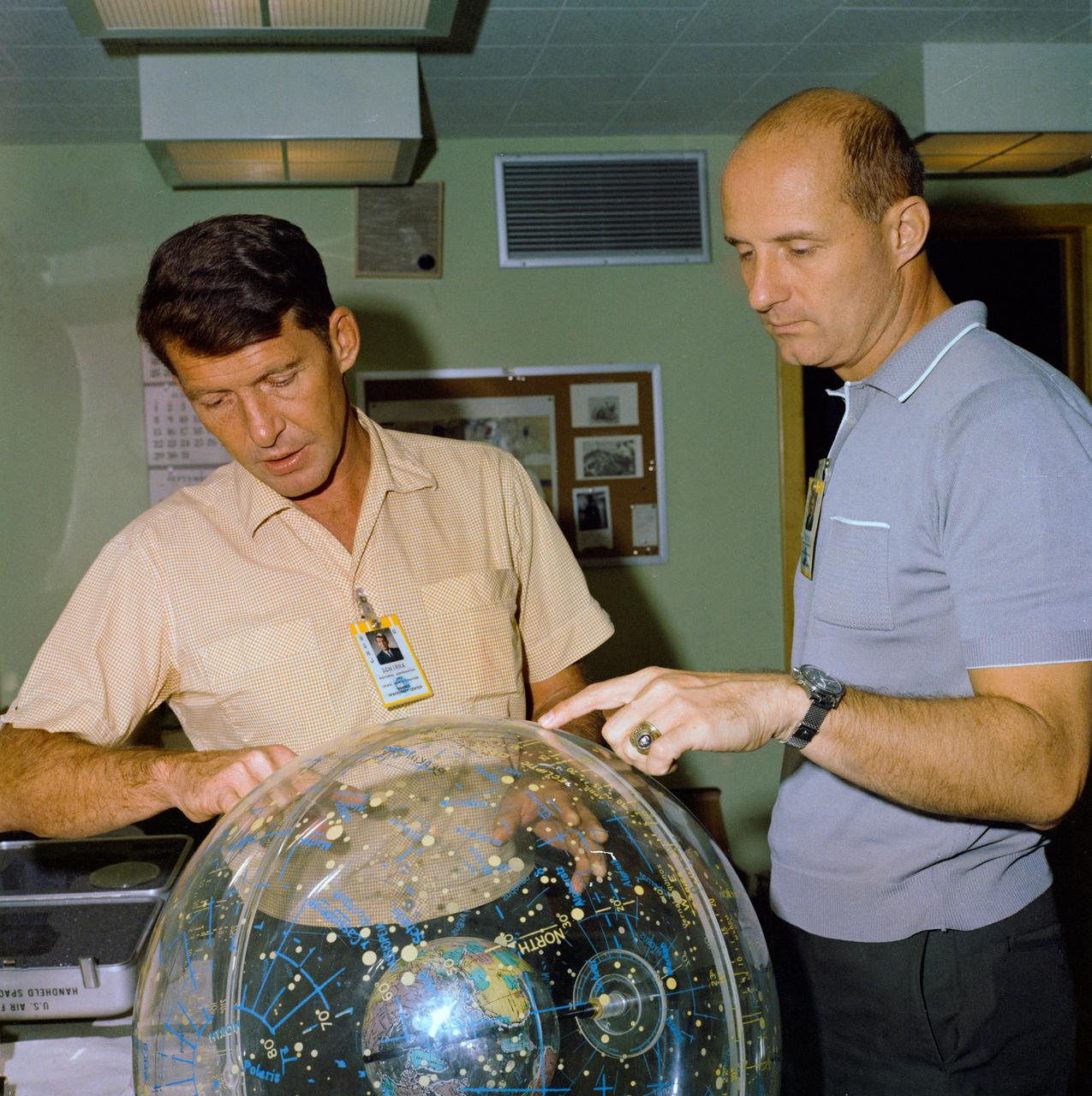
S65-56185 (21 Oct. 1965) --- Gemini-6 astronauts Walter M. Schirra Jr. (left), command pilot; and Thomas P. Stafford, pilot, look at a star globe for celestial pattern recognition for their upcoming flight. The National Aeronautics and Space Administration (NASA) plans a two-day mission for Gemini-6 for the astronauts to develop the ability to rendezvous and dock with an orbiting Agena Target Docking Vehicle. Photo credit: NASA or National Aeronautics and Space Administration
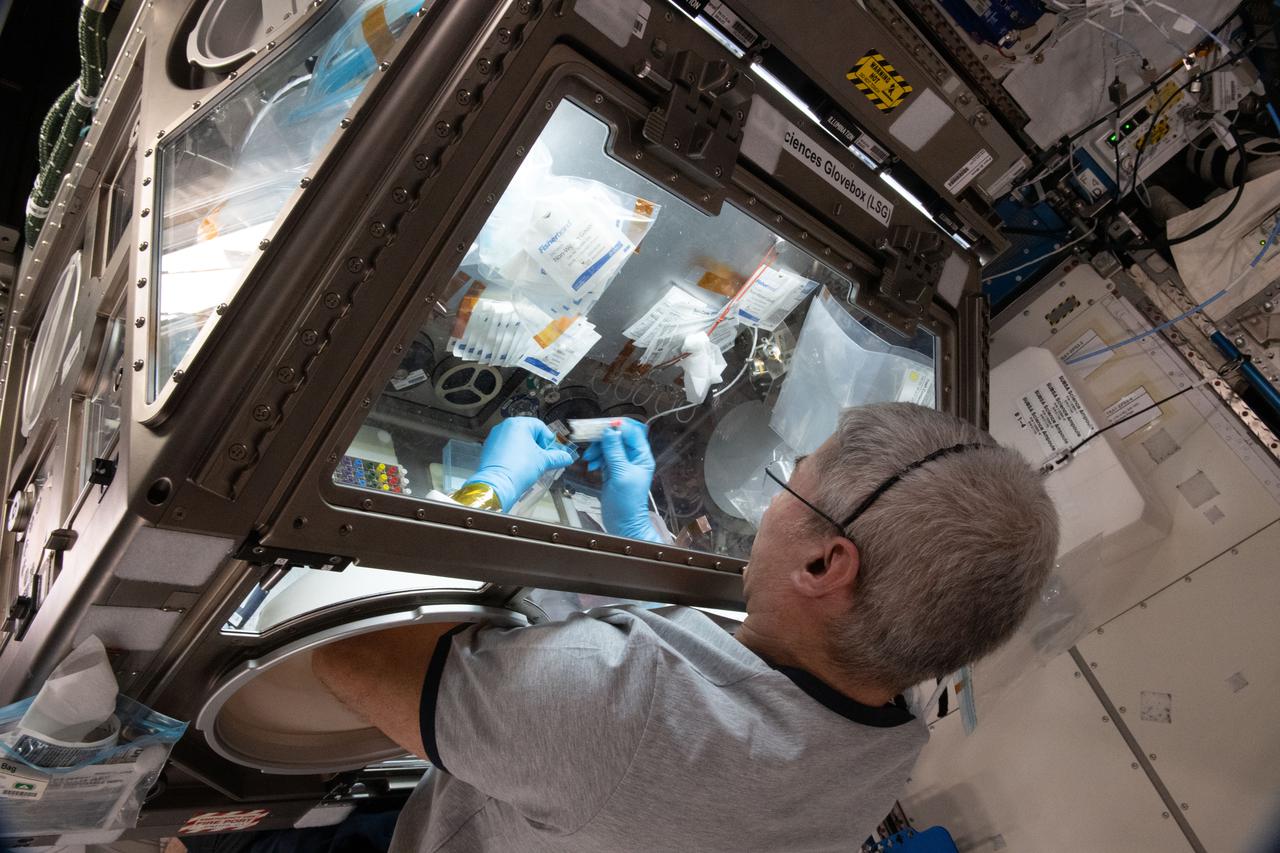
iss065e056832 (May 22, 2021) --- NASA astronaut and Expedition 65 Flight Engineer Mark Vande Hei services donor cell samples inside the Kibo laboratory module's Life Science Glovebox. The samples for the Celestial Immunity study are compared to cell cultures harvested on Earth and may help scientists develop new vaccines and drugs to treat diseases on Earth.

iss065e056808 (May 22, 2021) --- NASA astronaut and Expedition 65 Flight Engineer Mark Vande Hei services donor cell samples inside the Kibo laboratory module's Life Science Glovebox. The samples for the Celestial Immunity study are compared to cell cultures harvested on Earth and may help scientists develop new vaccines and drugs to treat diseases on Earth.
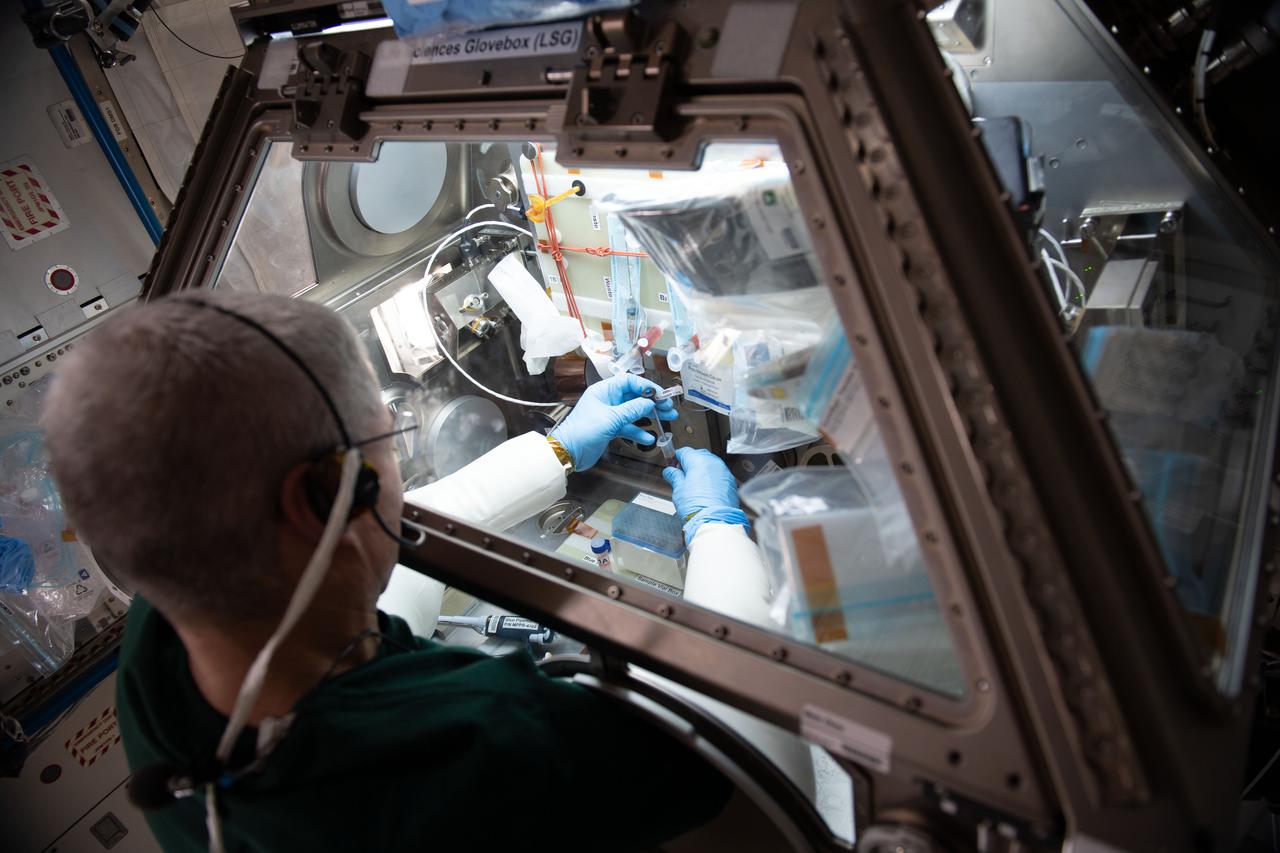
iss065e018995 (May 4, 2021) --- NASA astronaut and Expedition 65 Flight Engineer Mark Vande Hei works inside the Life Science Glovebox (LSG) for the Celestial Immunity study that may provide insights into new vaccines and drugs possibly advancing the commercialization of space. The LSG is located in the Kibo laboratory module from the Japan Aerospace Exploration Agency.
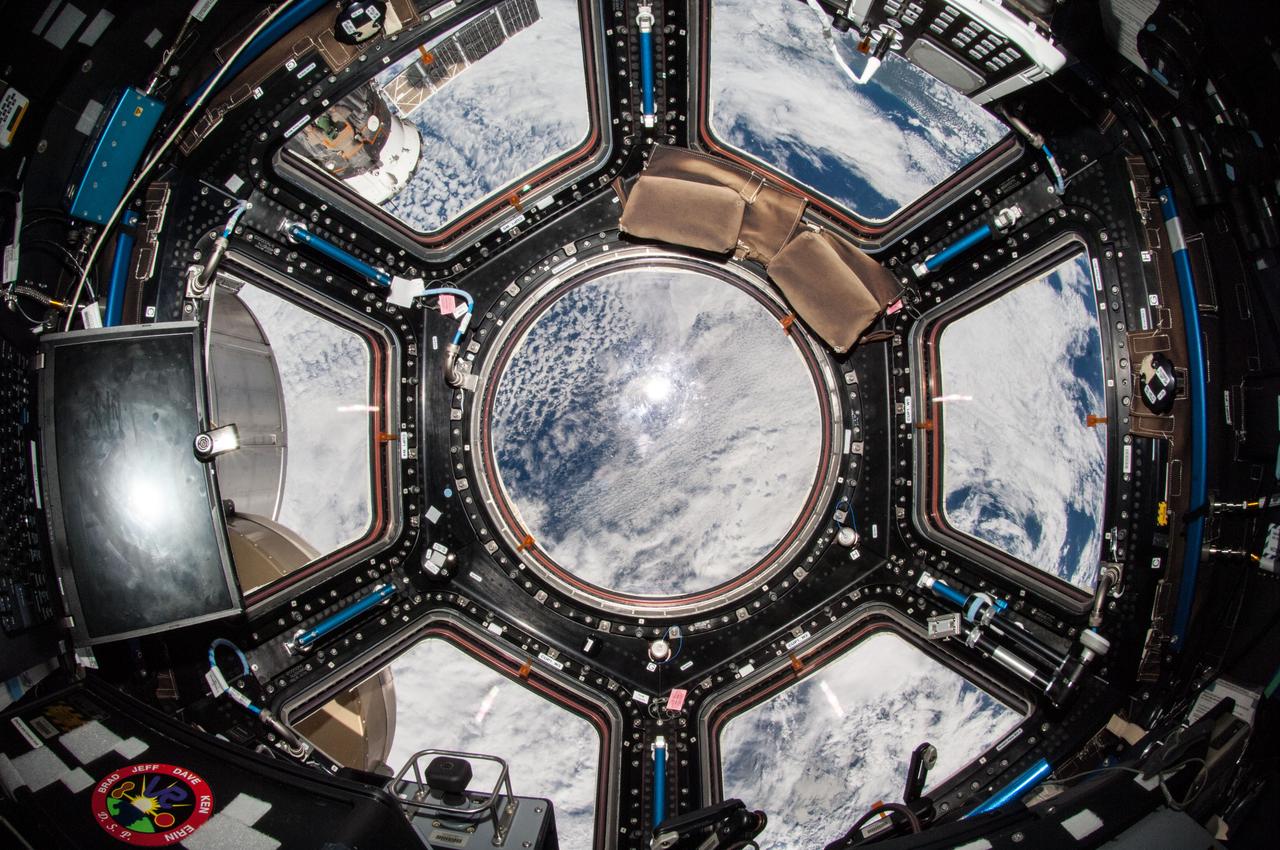
iss038e013587 (12/8/2013) --- A view of the Cupola module aboard the International Space Station (ISS). The cupola is a small module designed for the observation of operations outside the station such as robotic activities, the approach of vehicles, and spacewalks. Its six side windows and a direct nadir viewing window provide spectacular views of Earth and celestial objects. The windows are equipped with shutters to protect them from contamination and collisions with orbital debris or micrometeorites. The cupola house the robotic workstation that controls the Canadarm2.

iss073e0920829 (Oct. 20, 2025) --- This celestial view from a window aboard the SpaceX Dragon crew spacecraft captures the city lights of Central Asia sparkling underneath a bright yellow airglow as an orbital sunrise begins to illuminate Earth's atmosphere underneath a starry night sky. The International Space Station was orbiting 263 miles above Uzbekistan at approximately 4:40 a.m. local time when this long-exposure photograph was taken.
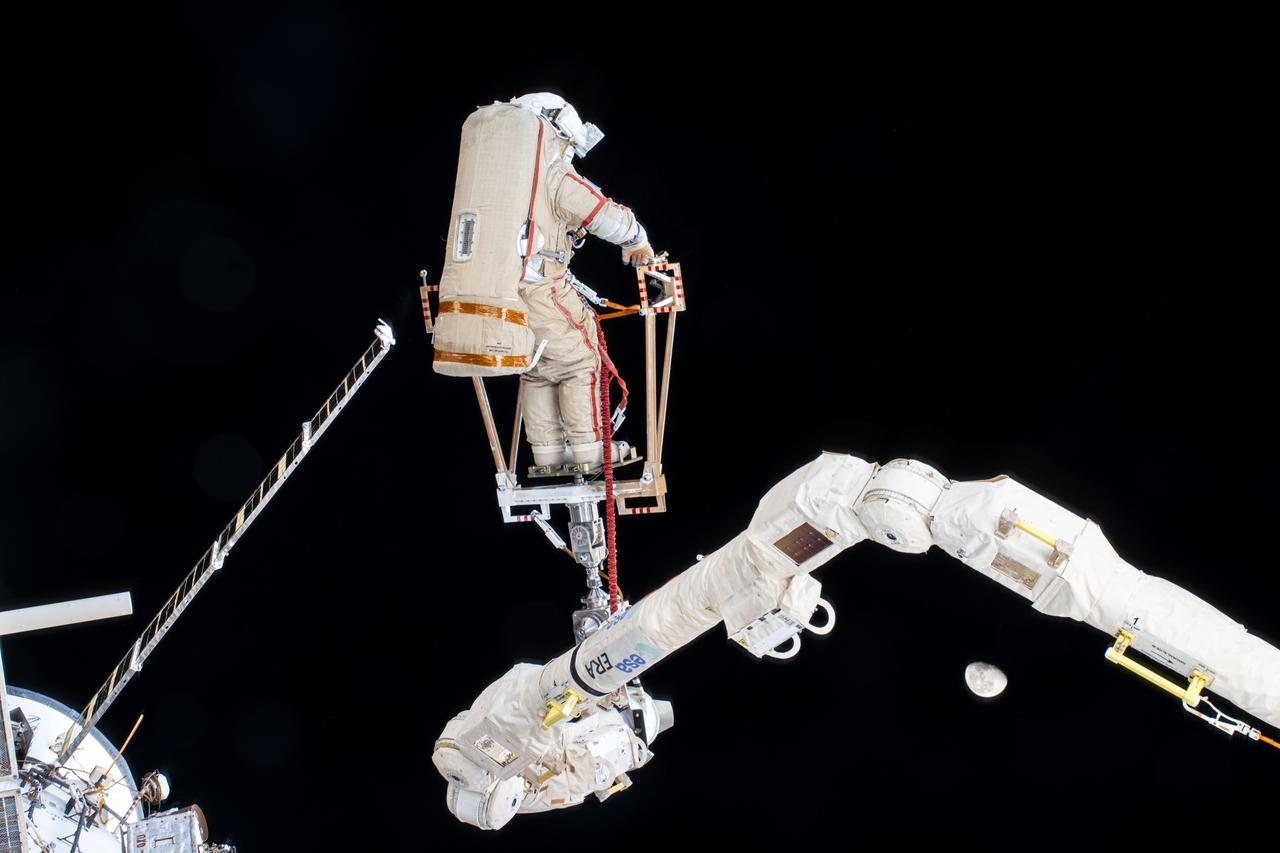
iss072e397366 (Dec. 19, 2024) --- Roscosmos cosmonaut and Expedition 72 Flight Engineer Alexey Ovchinin is maneuvered using the European robotic arm during a seven-hour and 17-minute spacewalk. He and fellow Flight Engineer Ivan Vagner (not pictured) partnered together in the vacuum of space on Dec.19 installing a celestial X-ray experiment and removng other scientific hardware on the exterior of the International Space Station. The waning gibbous Moon is at lower right as the orbital outpost soared 262 miles above the Pacific Ocean.
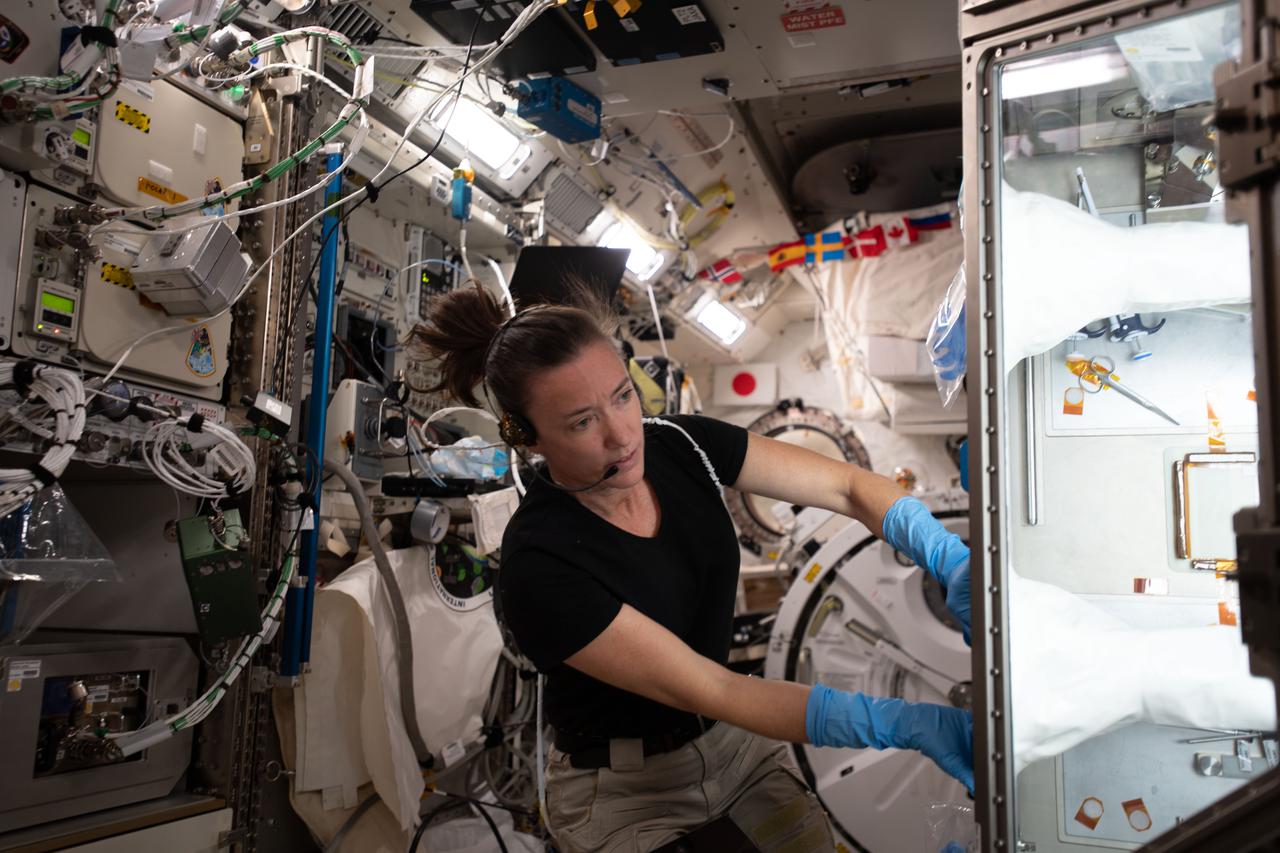
iss065e033958 (May 12, 2021) --- NASA astronaut and Expedition 65 Flight Engineer Megan McArthur services donor cell samples inside the Kibo laboratory module's Life Science Glovebox. The samples are being compared to cells on Earth so scientists can document the significant differences in microgravity. The Celestial Immunity study’s results may provide insights into new vaccines and drugs and advance the commercialization of space.
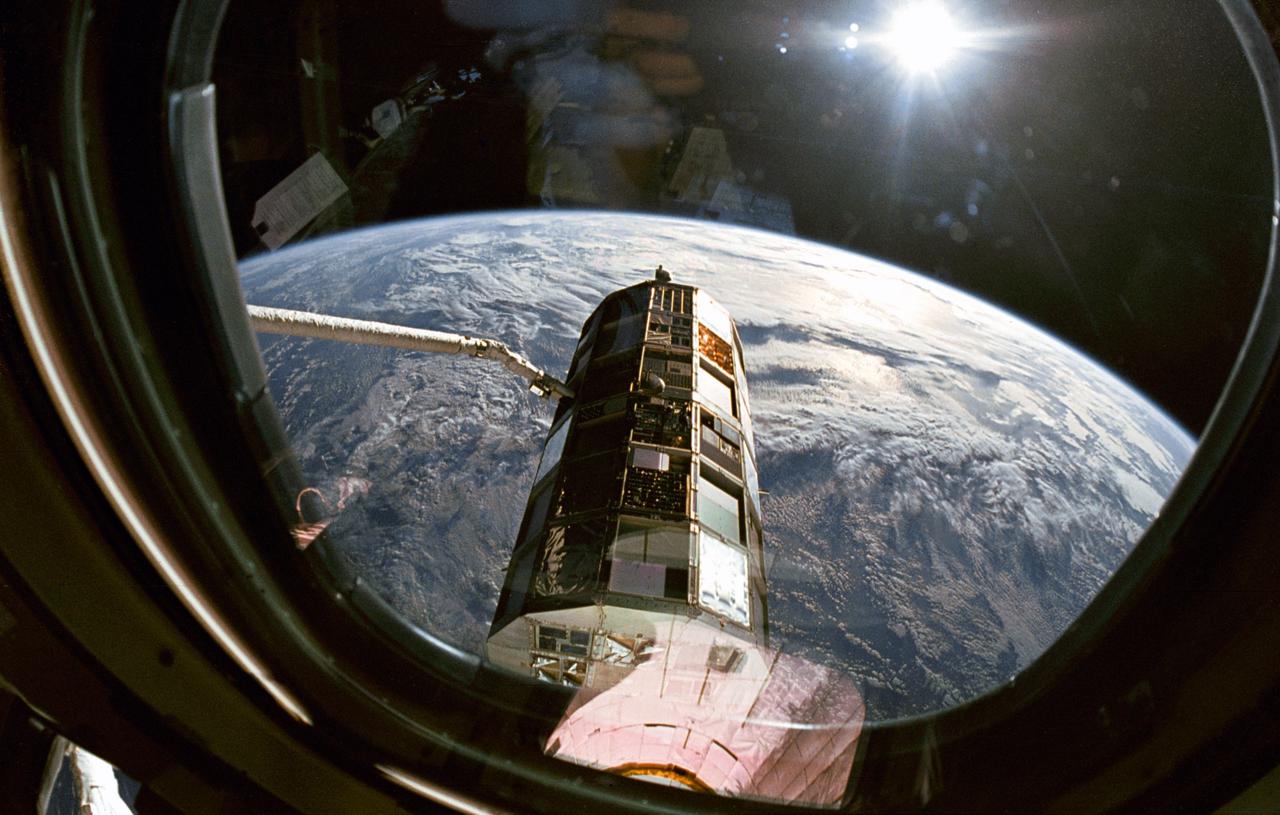
This view taken through overhead window W7 on Columbia's, Orbiter Vehicle (OV) 102's, aft flight deck shows the Long Duration Exposure Facility (LDEF) in the grasp of the remote manipulator system (RMS) during STS-32 retrieval activities. Other cameras at eye level were documenting the bus-sized spacecraft at various angles as the RMS manipulated LDEF for a lengthy photo survey. The glaring celestial body in the upper left is the sun with the Earth's surface visible below.
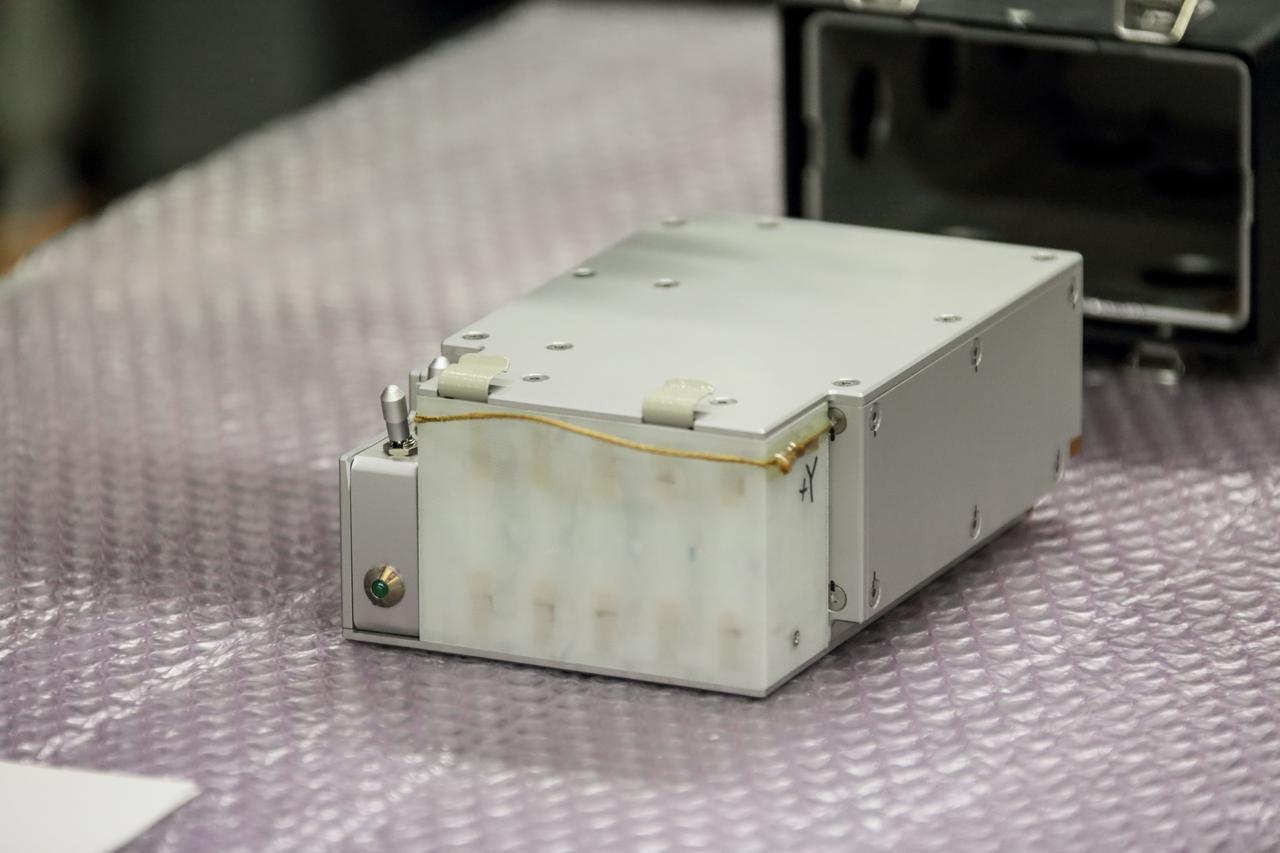
jsc2019e039832 (7/8/2019) --- A view of the Hourglass Apparatus. The Hourglass investigation examines the relationship between gravity and the behavior of granular materials such as regolith that covers the surface of planets and planetary-like bodies. Researchers observe various granular materials inside an hourglass and a measuring cylinder under different gravity conditions. Better understanding of the behavior of these materials supports the design of spacecraft for future missions landing on the surfaces of planets and other celestial bodies. (Image courtesy of: JAXA)