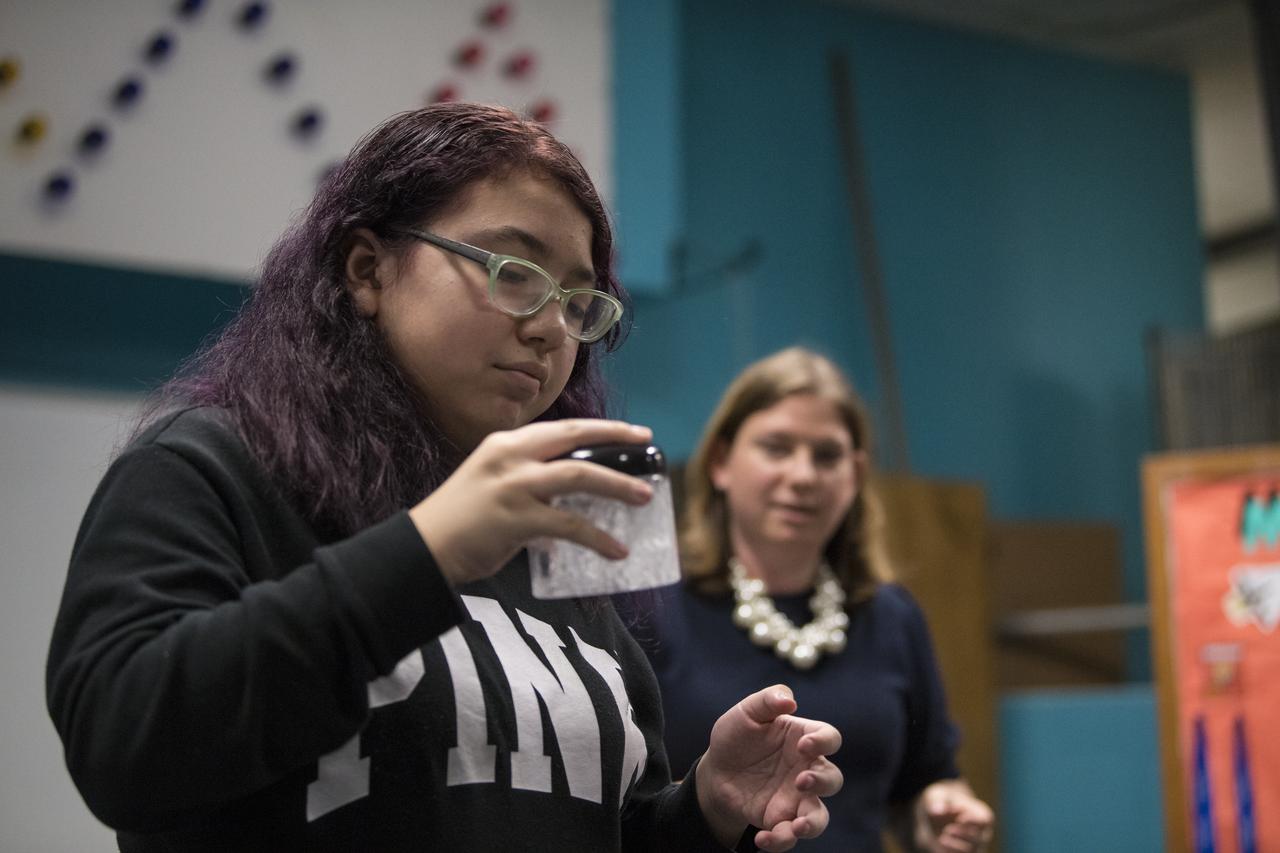
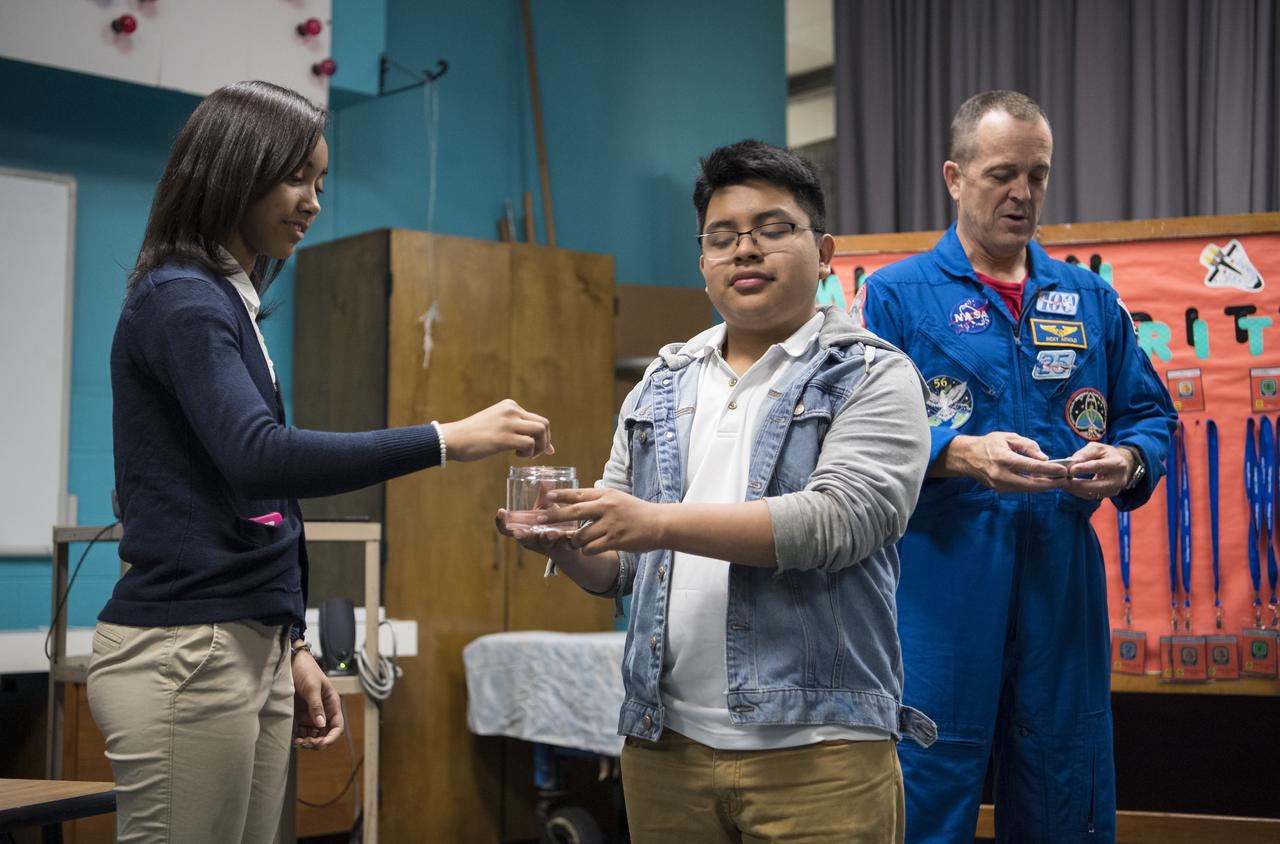
A student shakes a glass of water with an Alka-Seltzer tab in it while conducting an experiment on effervescence, Friday, May 3, 2019 at the Challenger Center in Lanham, MD. NASA astronaut Ricky Arnold helped them carry out the experiment which he also conducted during his 197 day mission onboard the International Space Station (ISS) during Expeditions 55/56. Photo Credit: (NASA/Aubrey Gemignani)
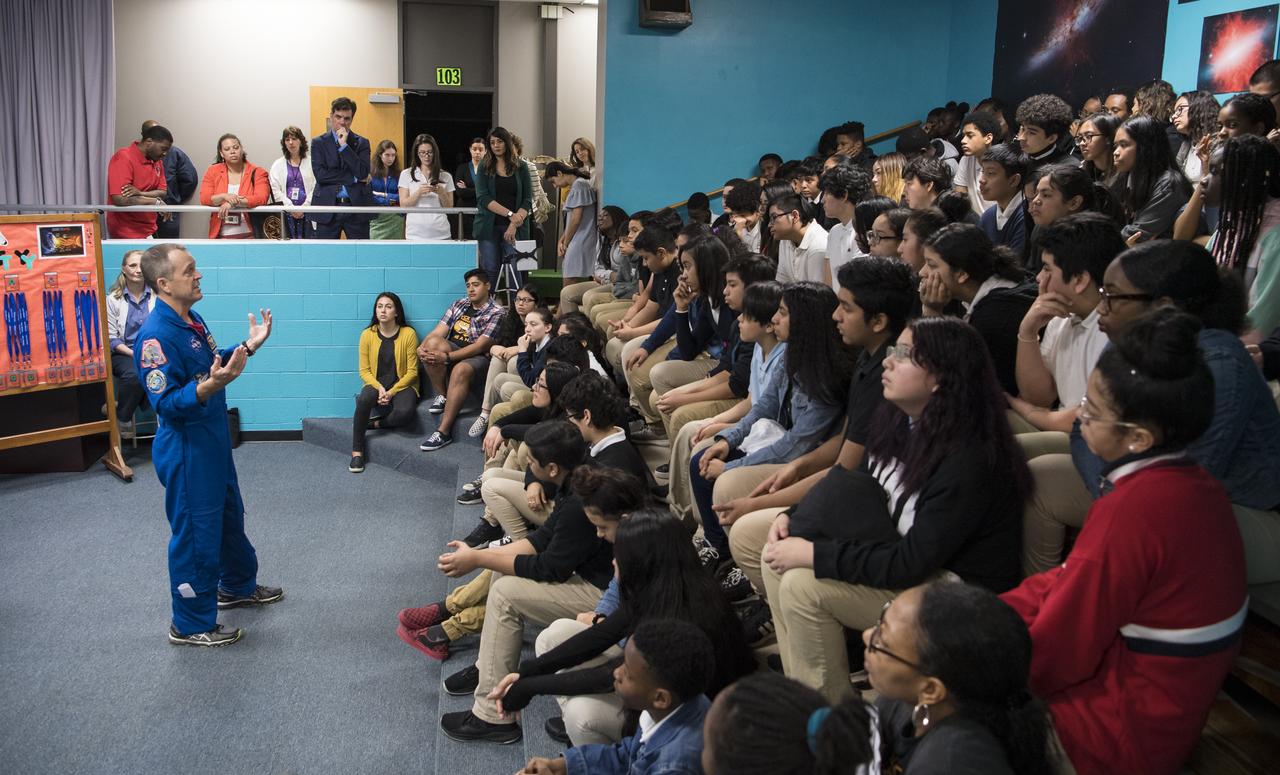
NASA astronaut Ricky Arnold speaks about his time onboard the International Space Station (ISS) during Expeditions 55 and 56, Friday, May 3, 2019 at the Challenger Center in Lanham, MD. During Expedition 55/56, Arnold completed three spacewalks for a total of 19.5 hours outside the space station, and concluded his 197 day mission when he landed in a remote area near the town of Zhezkazgan, Kazakhstan in Oct. 2018. He also flew to the space station on shuttle mission STS-119 to deliver the final pair of power-generating solar array wings. Photo Credit: (NASA/Aubrey Gemignani)
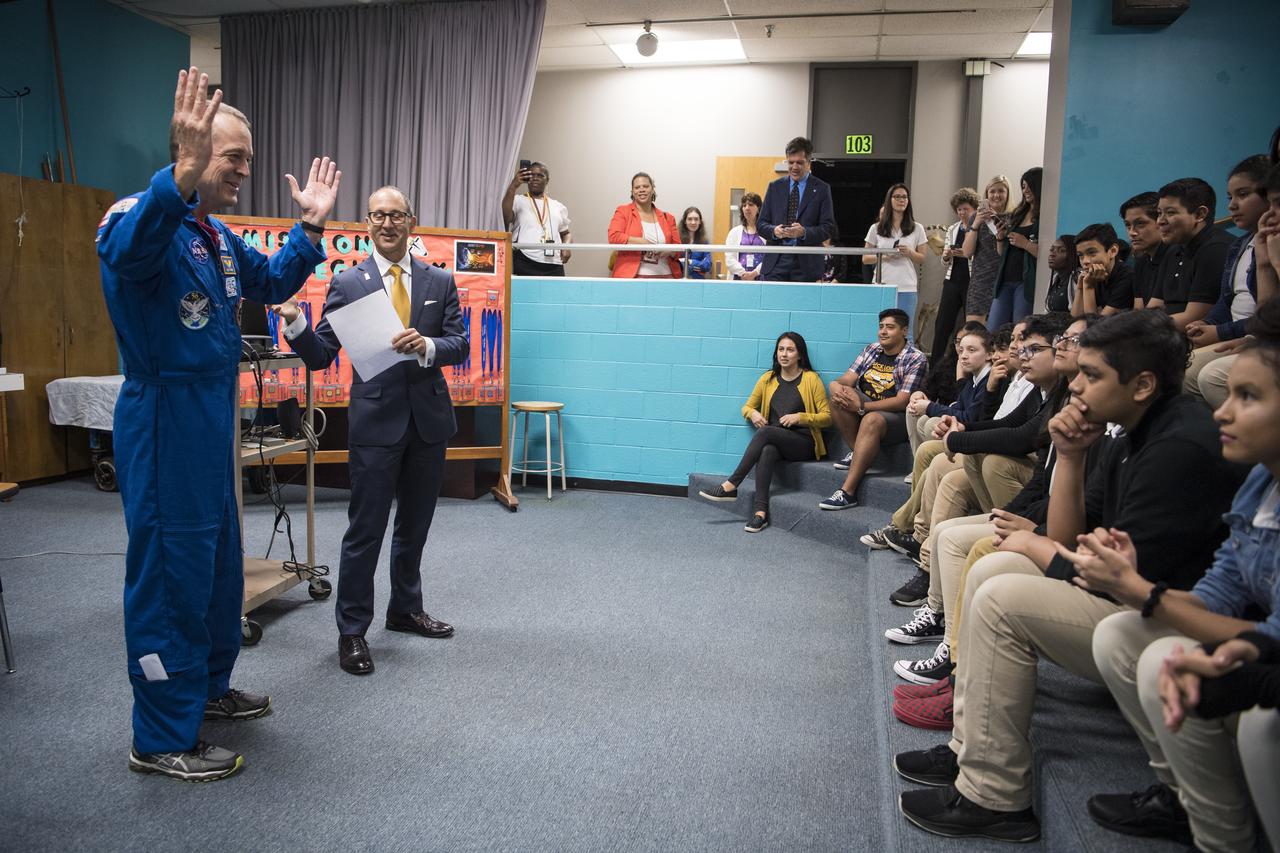
NASA astronaut Ricky Arnold is introduced to speak about his time onboard the International Space Station (ISS) during Expeditions 55 and 56, Friday, May 3, 2019 at the Challenger Center in Lanham, MD. During Expedition 55/56, Arnold completed three spacewalks for a total of 19.5 hours outside the space station, and concluded his 197 day mission when he landed in a remote area near the town of Zhezkazgan, Kazakhstan in Oct. 2018. He also flew to the space station on shuttle mission STS-119 to deliver the final pair of power-generating solar array wings. Photo Credit: (NASA/Aubrey Gemignani)
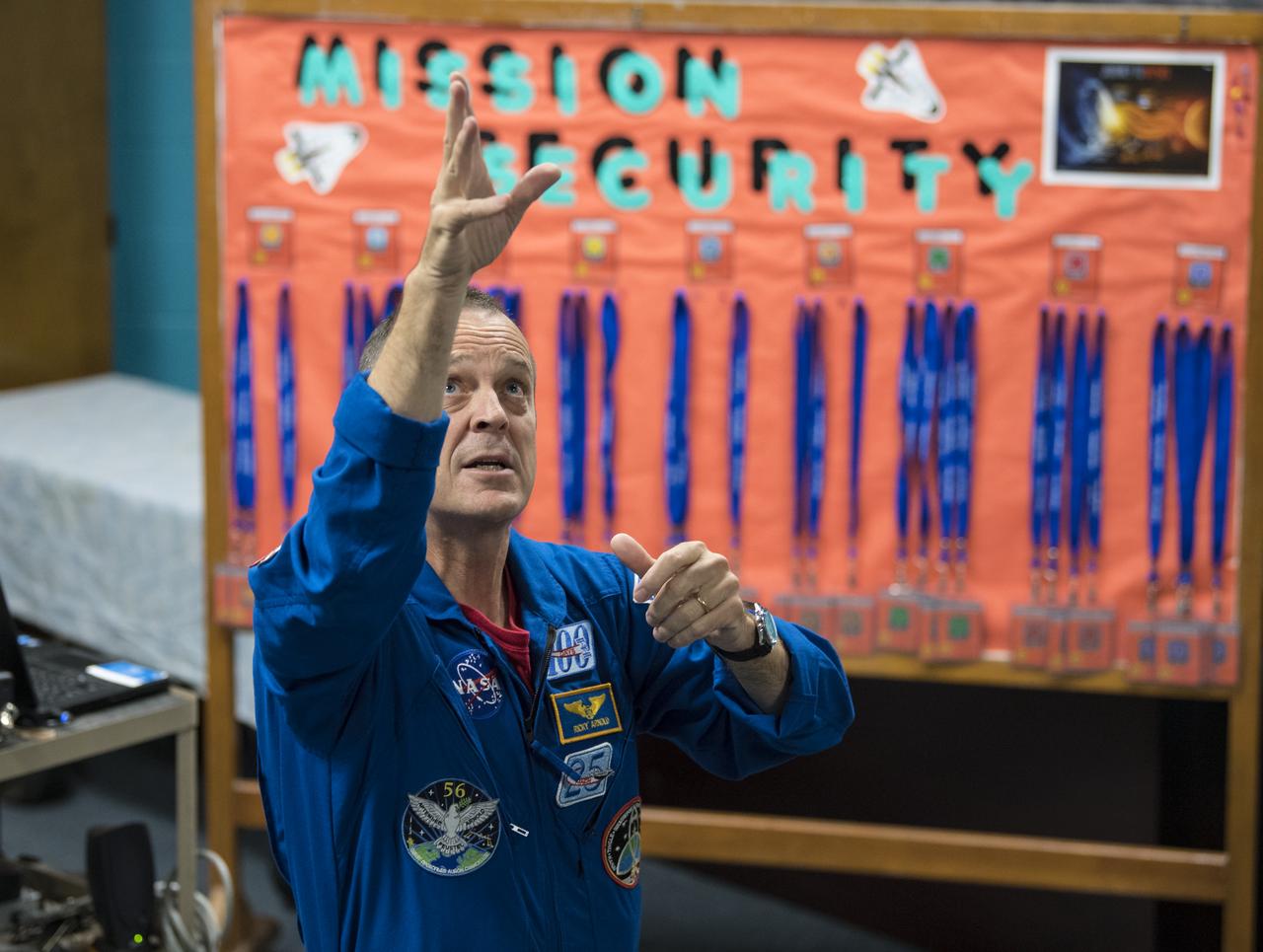
NASA astronaut Ricky Arnold speaks about his time onboard the International Space Station (ISS) during Expeditions 55 and 56, Friday, May 3, 2019 at the Challenger Center in Lanham, MD. During Expedition 55/56, Arnold completed three spacewalks for a total of 19.5 hours outside the space station, and concluded his 197 day mission when he landed in a remote area near the town of Zhezkazgan, Kazakhstan in Oct. 2018. He also flew to the space station on shuttle mission STS-119 to deliver the final pair of power-generating solar array wings. Photo Credit: (NASA/Aubrey Gemignani)
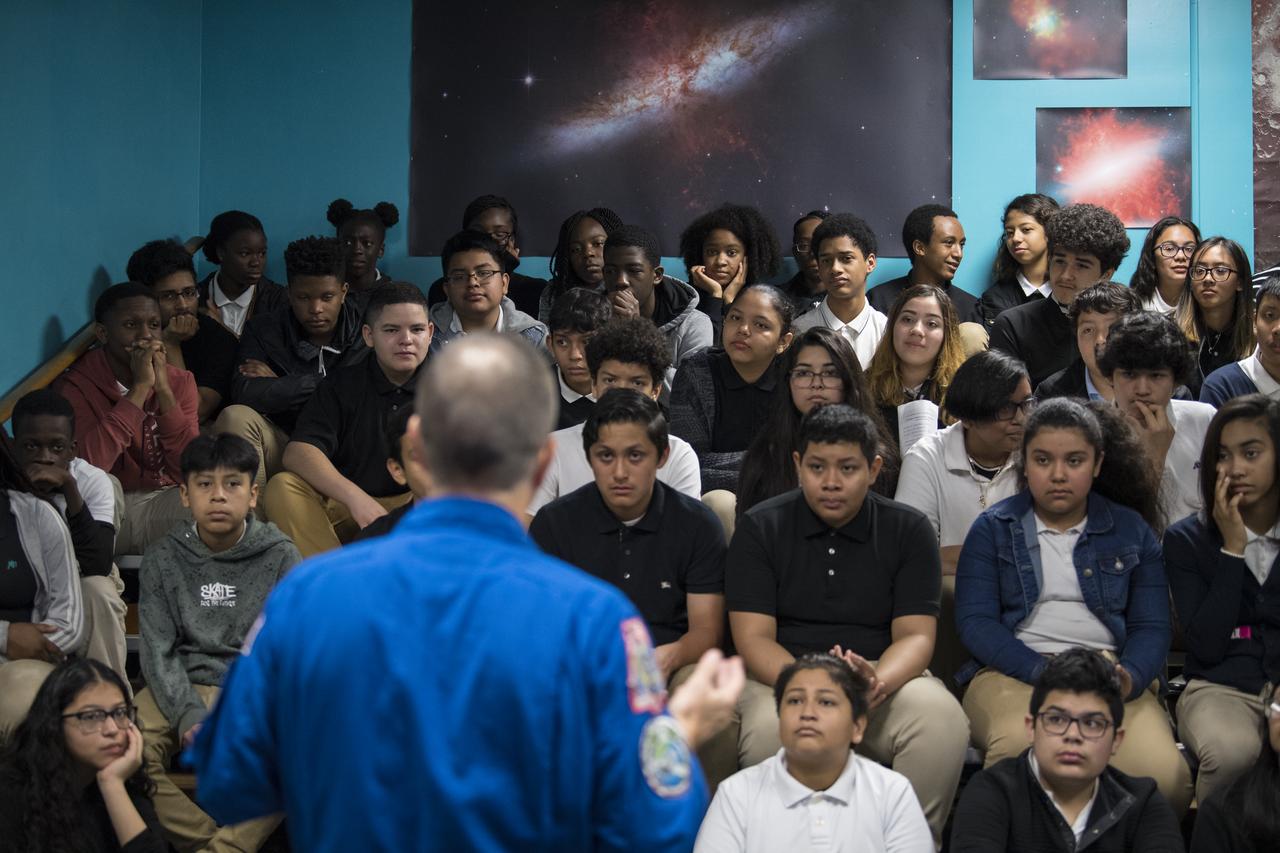
NASA astronaut Ricky Arnold speaks about his time onboard the International Space Station (ISS) during Expeditions 55 and 56, Friday, May 3, 2019 at the Challenger Center in Lanham, MD. During Expedition 55/56, Arnold completed three spacewalks for a total of 19.5 hours outside the space station, and concluded his 197 day mission when he landed in a remote area near the town of Zhezkazgan, Kazakhstan in Oct. 2018. He also flew to the space station on shuttle mission STS-119 to deliver the final pair of power-generating solar array wings. Photo Credit: (NASA/Aubrey Gemignani)
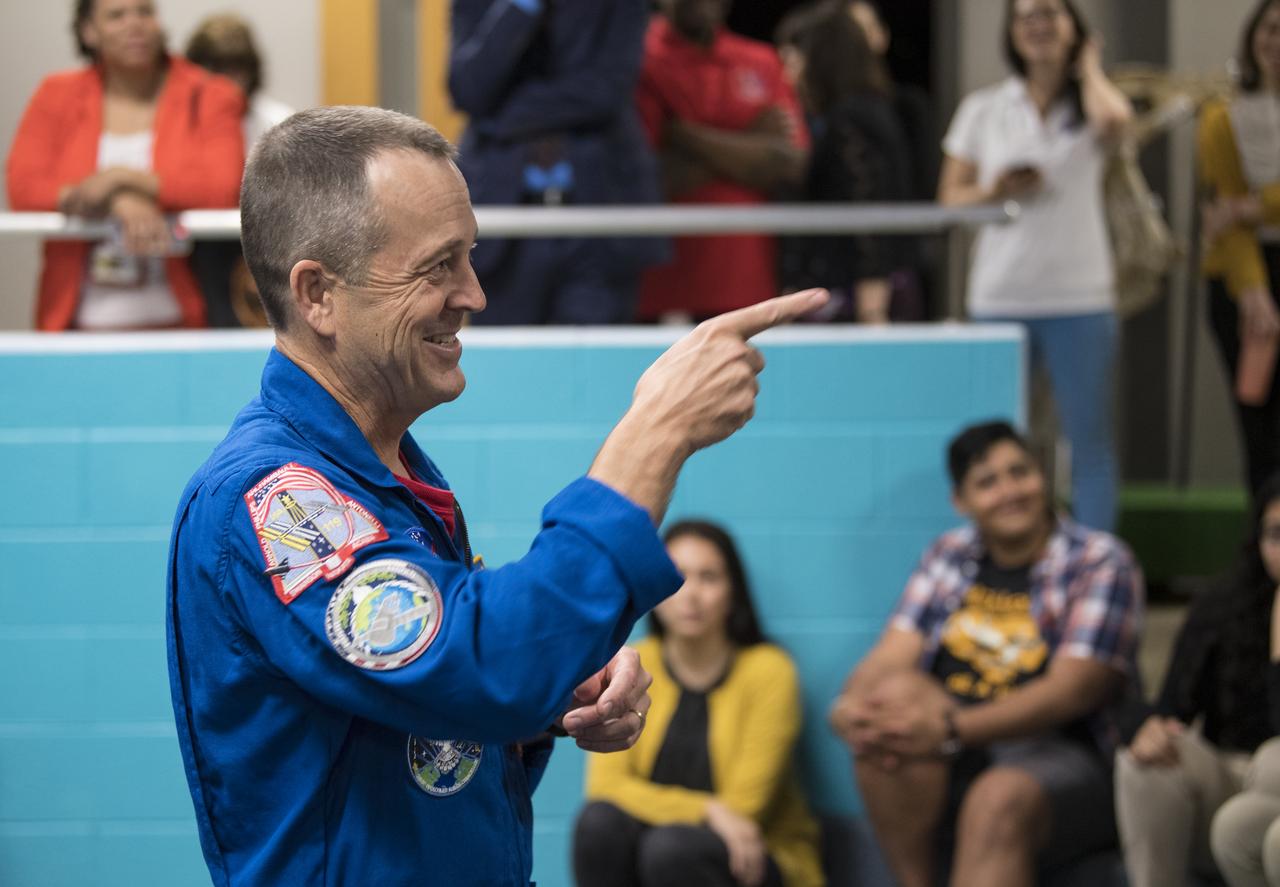
NASA astronaut Ricky Arnold speaks about his time onboard the International Space Station (ISS) during Expeditions 55 and 56, Friday, May 3, 2019 at the Challenger Center in Lanham, MD. During Expedition 55/56, Arnold completed three spacewalks for a total of 19.5 hours outside the space station, and concluded his 197 day mission when he landed in a remote area near the town of Zhezkazgan, Kazakhstan in Oct. 2018. He also flew to the space station on shuttle mission STS-119 to deliver the final pair of power-generating solar array wings. Photo Credit: (NASA/Aubrey Gemignani)
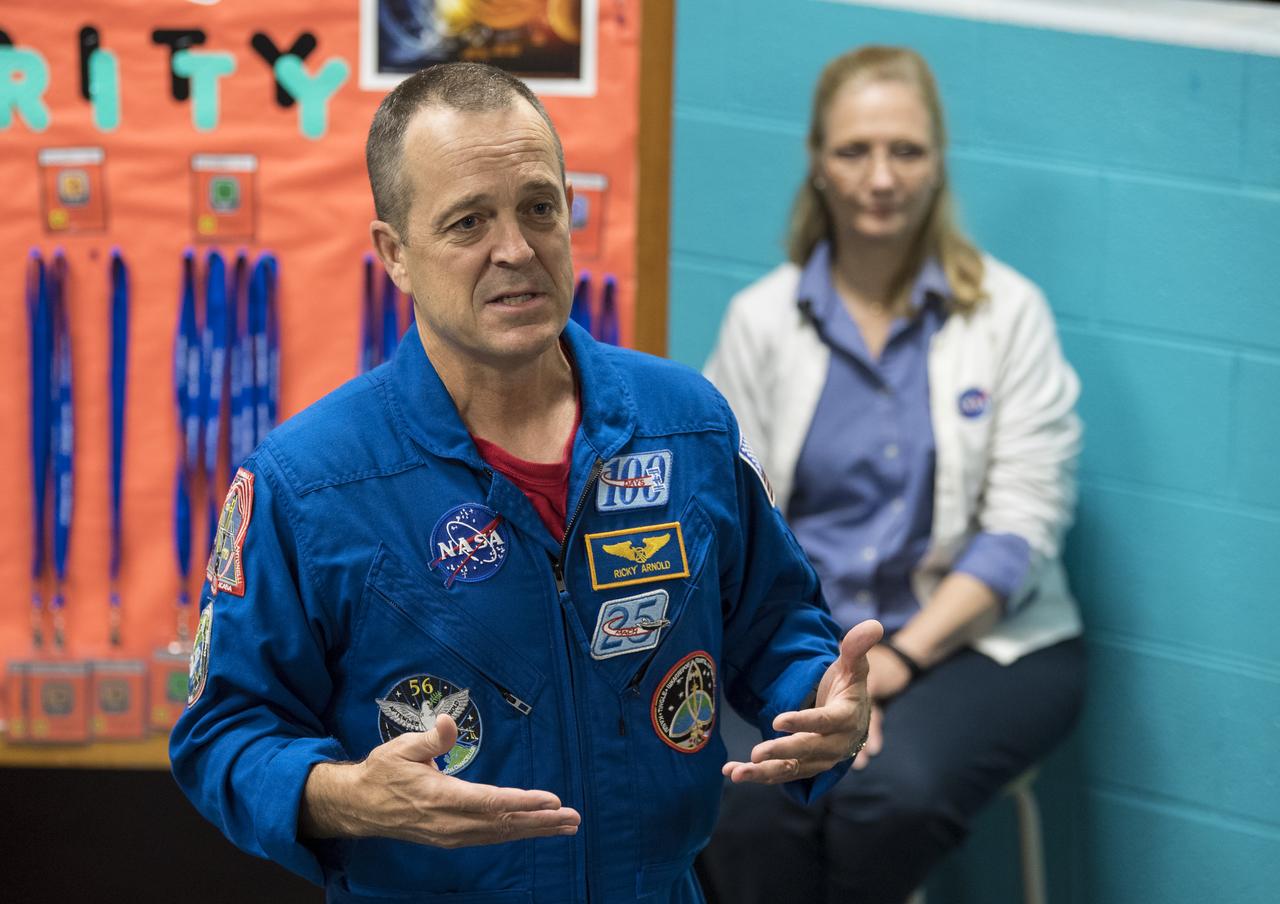
NASA astronaut Ricky Arnold speaks about his time onboard the International Space Station (ISS) during Expeditions 55 and 56, Friday, May 3, 2019 at the Challenger Center in Lanham, MD. During Expedition 55/56, Arnold completed three spacewalks for a total of 19.5 hours outside the space station, and concluded his 197 day mission when he landed in a remote area near the town of Zhezkazgan, Kazakhstan in Oct. 2018. He also flew to the space station on shuttle mission STS-119 to deliver the final pair of power-generating solar array wings. Photo Credit: (NASA/Aubrey Gemignani)
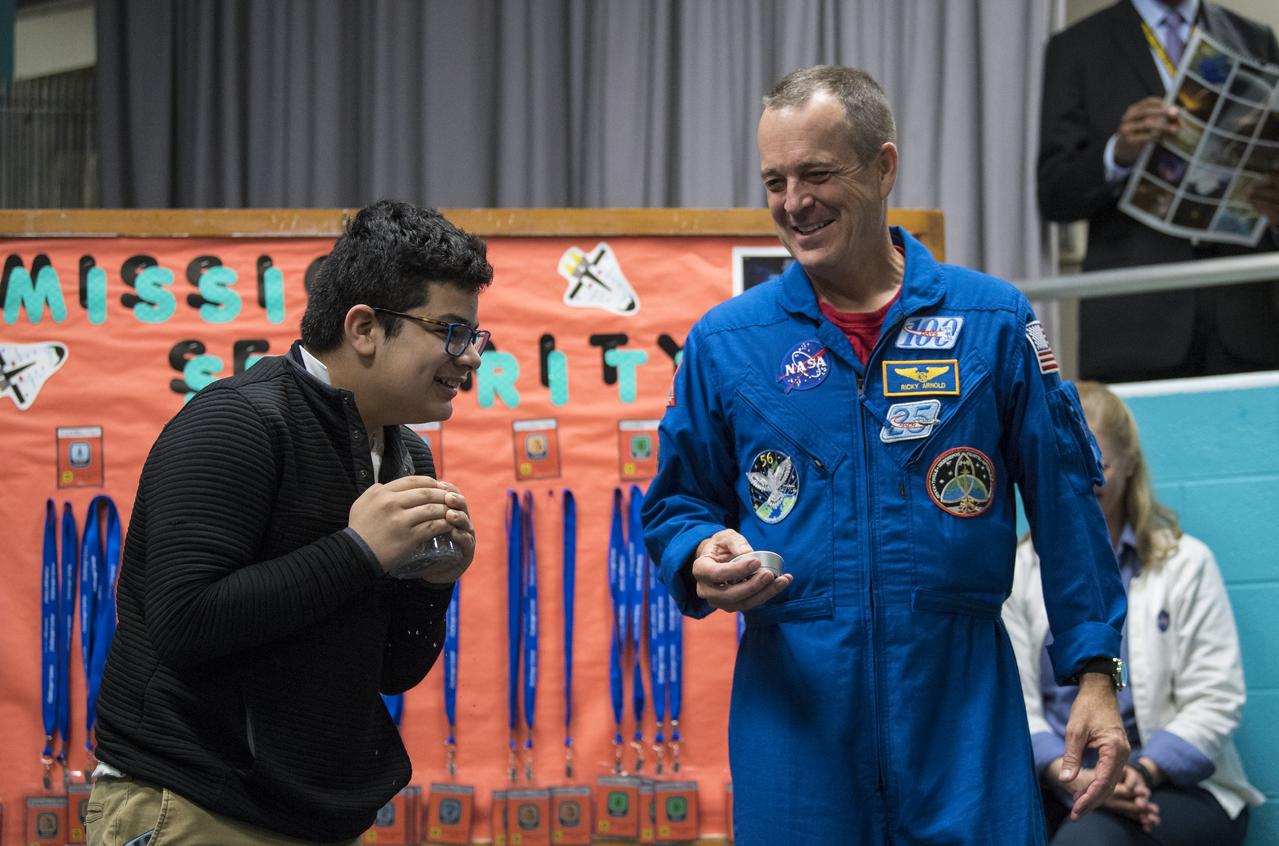
NASA astronaut Ricky Arnold watches a timer while students conduct an experiment on effervescence, Friday, May 3, 2019 at the Challenger Center in Lanham, MD. During Expedition 55/56, Arnold completed three spacewalks for a total of 19.5 hours outside the International Space Station (ISS), and concluded his 197 day mission when he landed in a remote area near the town of Zhezkazgan, Kazakhstan in Oct. 2018. He also flew to the space station on shuttle mission STS-119 to deliver the final pair of power-generating solar array wings. Photo Credit: (NASA/Aubrey Gemignani)
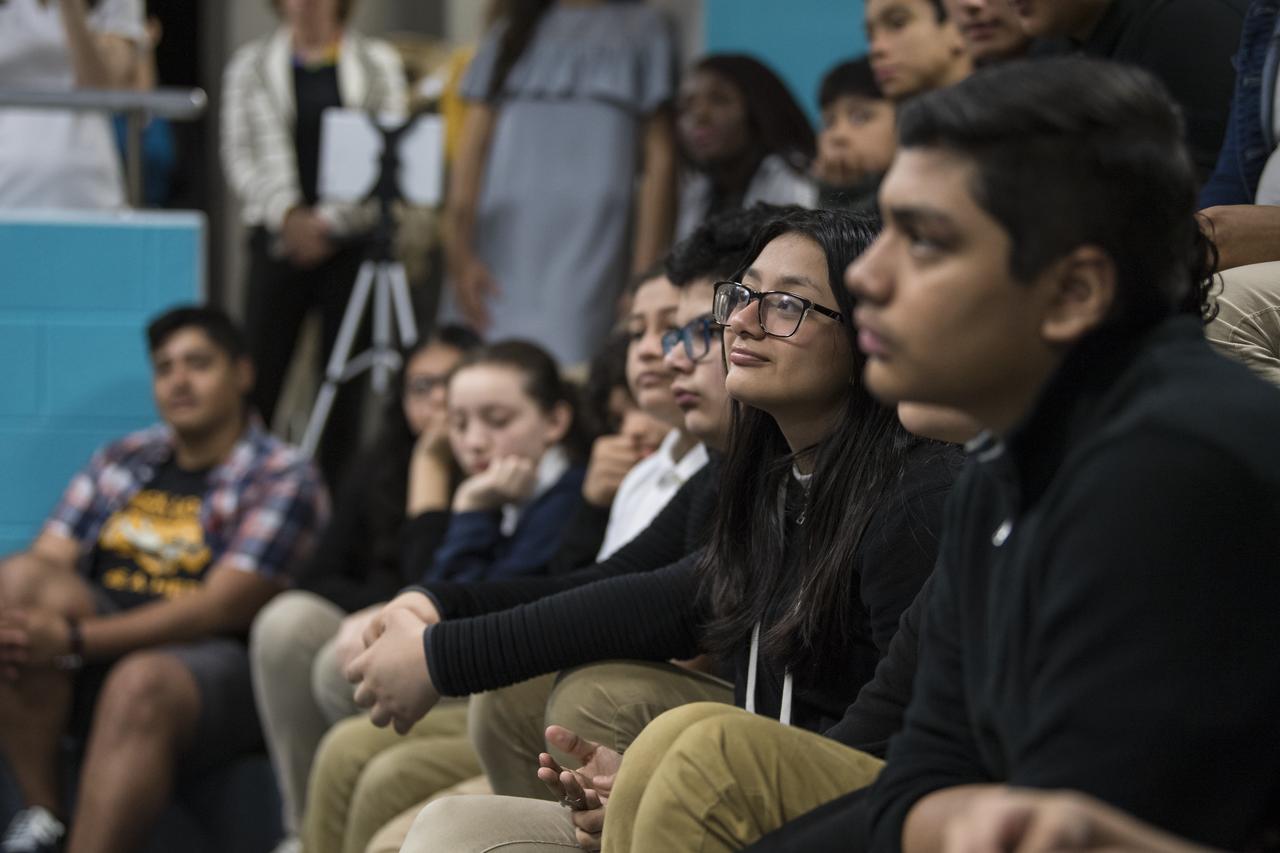
Students are seen in the audience as NASA astronaut Ricky Arnold speaks about his time onboard the International Space Station (ISS) during Expeditions 55 and 56, Friday, May 3, 2019 at the Challenger Center in Lanham, MD. During Expedition 55/56, Arnold completed three spacewalks for a total of 19.5 hours outside the space station, and concluded his 197 day mission when he landed in a remote area near the town of Zhezkazgan, Kazakhstan in Oct. 2018. He also flew to the space station on shuttle mission STS-119 to deliver the final pair of power-generating solar array wings. Photo Credit: (NASA/Aubrey Gemignani)
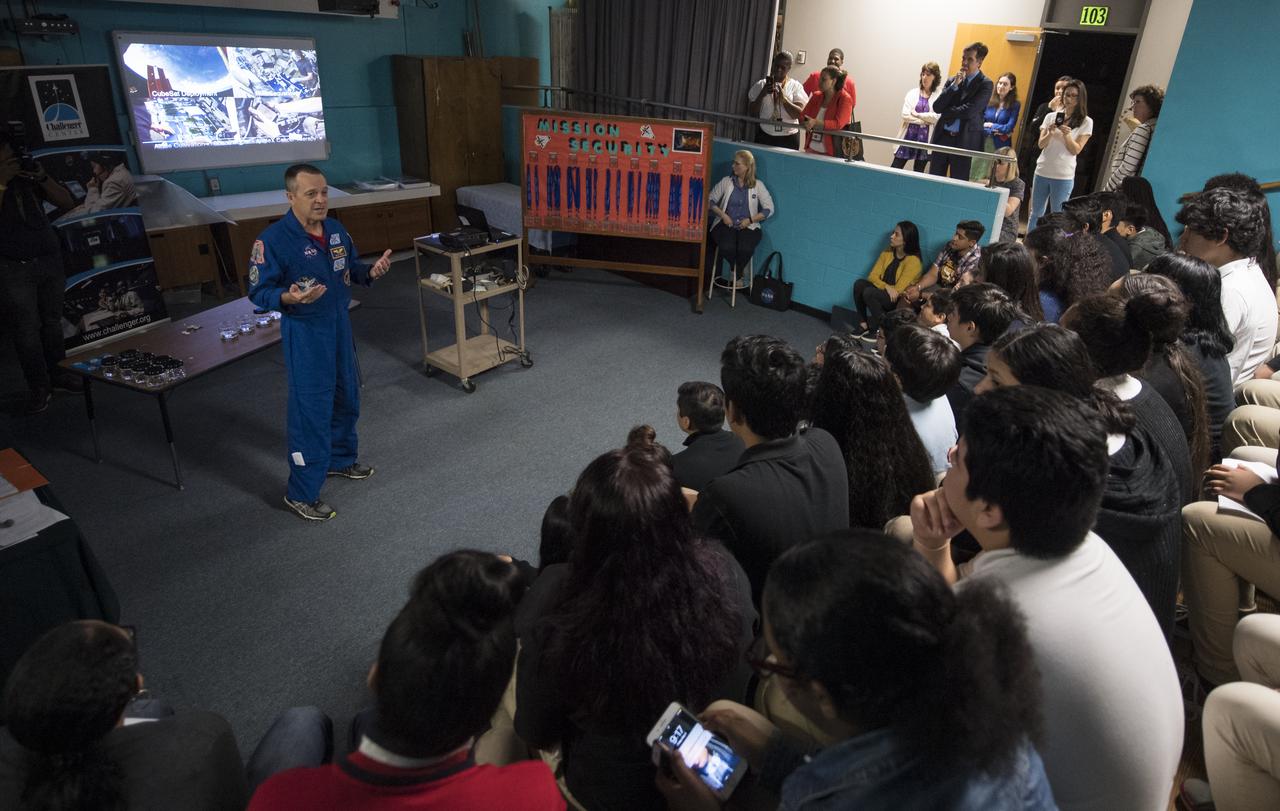
NASA astronaut Ricky Arnold speaks about his time onboard the International Space Station (ISS) during Expeditions 55 and 56, Friday, May 3, 2019 at the Challenger Center in Lanham, MD. During Expedition 55/56, Arnold completed three spacewalks for a total of 19.5 hours outside the space station, and concluded his 197 day mission when he landed in a remote area near the town of Zhezkazgan, Kazakhstan in Oct. 2018. He also flew to the space station on shuttle mission STS-119 to deliver the final pair of power-generating solar array wings. Photo Credit: (NASA/Aubrey Gemignani)
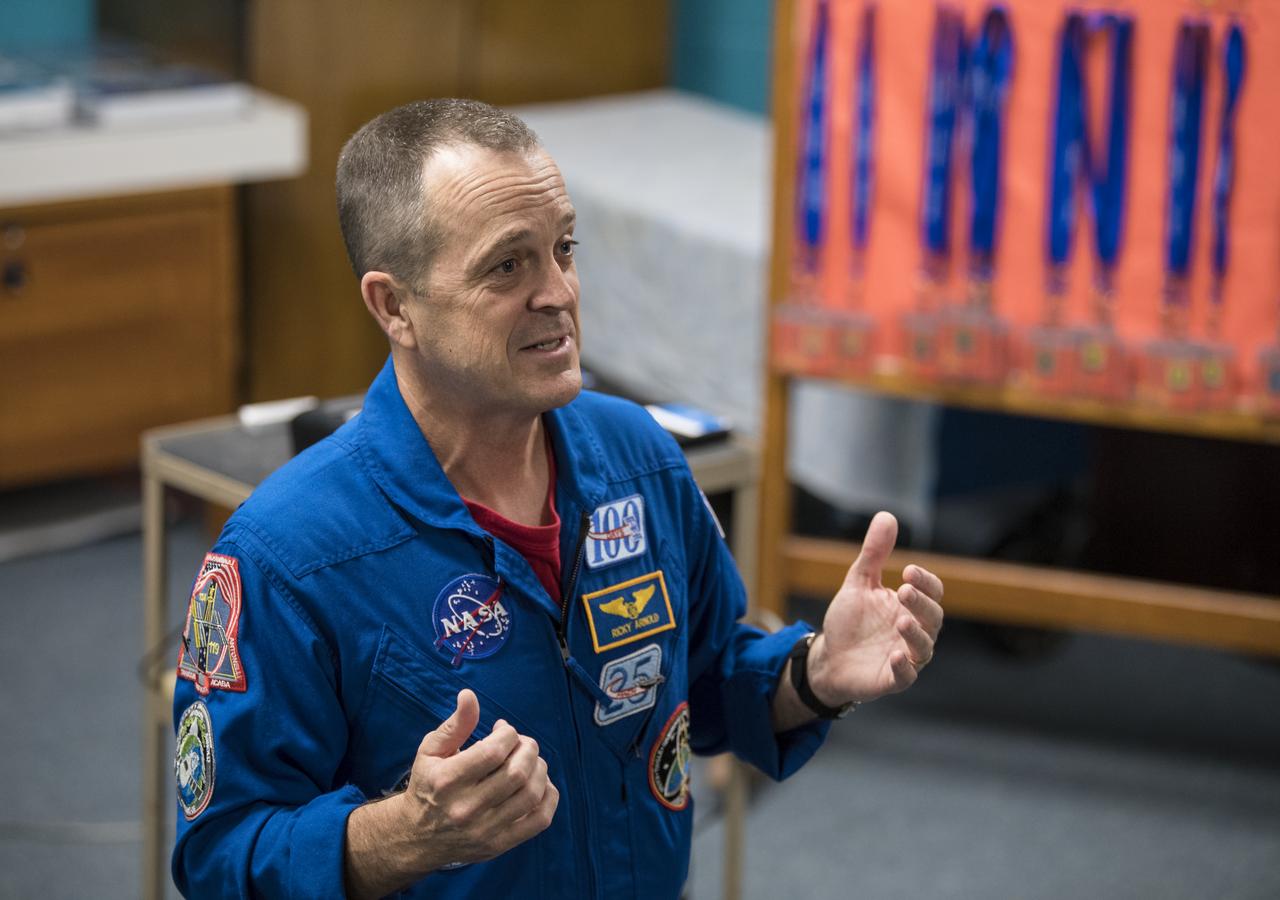
NASA astronaut Ricky Arnold speaks about his time onboard the International Space Station (ISS) during Expeditions 55 and 56, Friday, May 3, 2019 at the Challenger Center in Lanham, MD. During Expedition 55/56, Arnold completed three spacewalks for a total of 19.5 hours outside the space station, and concluded his 197 day mission when he landed in a remote area near the town of Zhezkazgan, Kazakhstan in Oct. 2018. He also flew to the space station on shuttle mission STS-119 to deliver the final pair of power-generating solar array wings. Photo Credit: (NASA/Aubrey Gemignani)
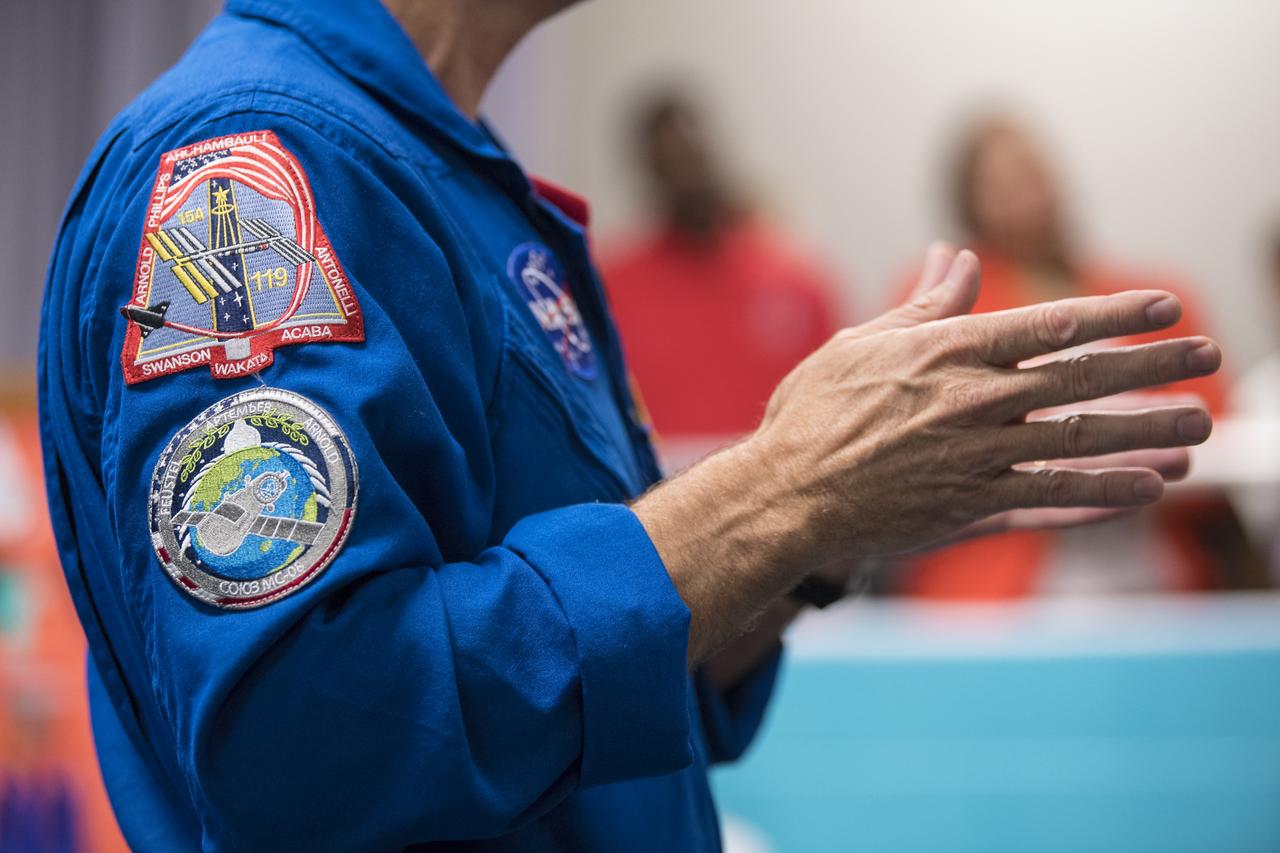
NASA astronaut Ricky Arnold speaks about his time onboard the International Space Station (ISS) during Expeditions 55 and 56, Friday, May 3, 2019 at the Challenger Center in Lanham, MD. During Expedition 55/56, Arnold completed three spacewalks for a total of 19.5 hours outside the space station, and concluded his 197 day mission when he landed in a remote area near the town of Zhezkazgan, Kazakhstan in Oct. 2018. He also flew to the space station on shuttle mission STS-119 to deliver the final pair of power-generating solar array wings. Photo Credit: (NASA/Aubrey Gemignani)
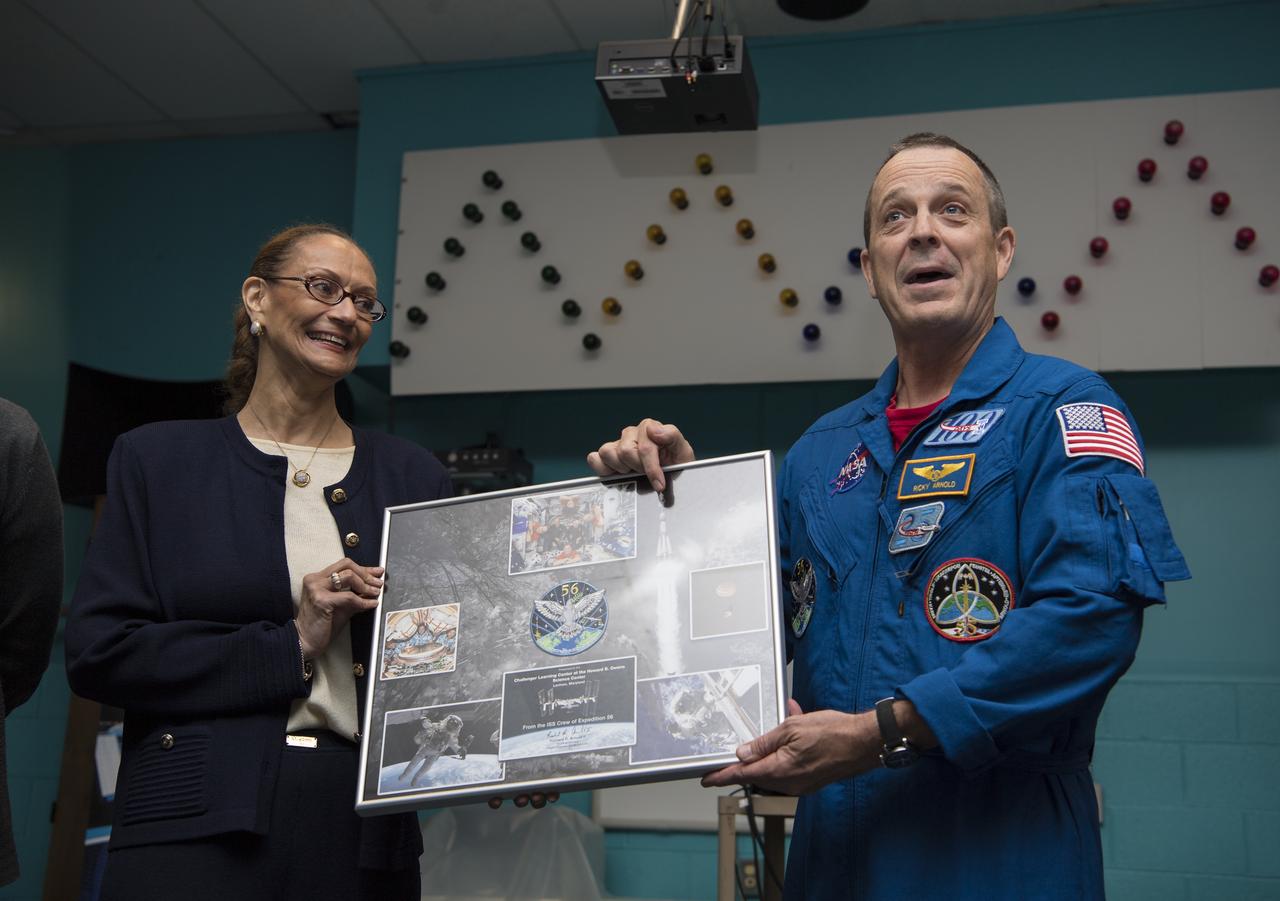
NASA astronaut Ricky Arnold presents the Challenger Center with a montage of images from his time onboard the International Space Station (ISS) during Expeditions 55 and 56, Friday, May 3, 2019 in Lanham, MD. During Expedition 55/56, Arnold completed three spacewalks for a total of 19.5 hours outside the space station, and concluded his 197 day mission when he landed in a remote area near the town of Zhezkazgan, Kazakhstan in Oct. 2018. He also flew to the space station on shuttle mission STS-119 to deliver the final pair of power-generating solar array wings. Photo Credit: (NASA/Aubrey Gemignani)
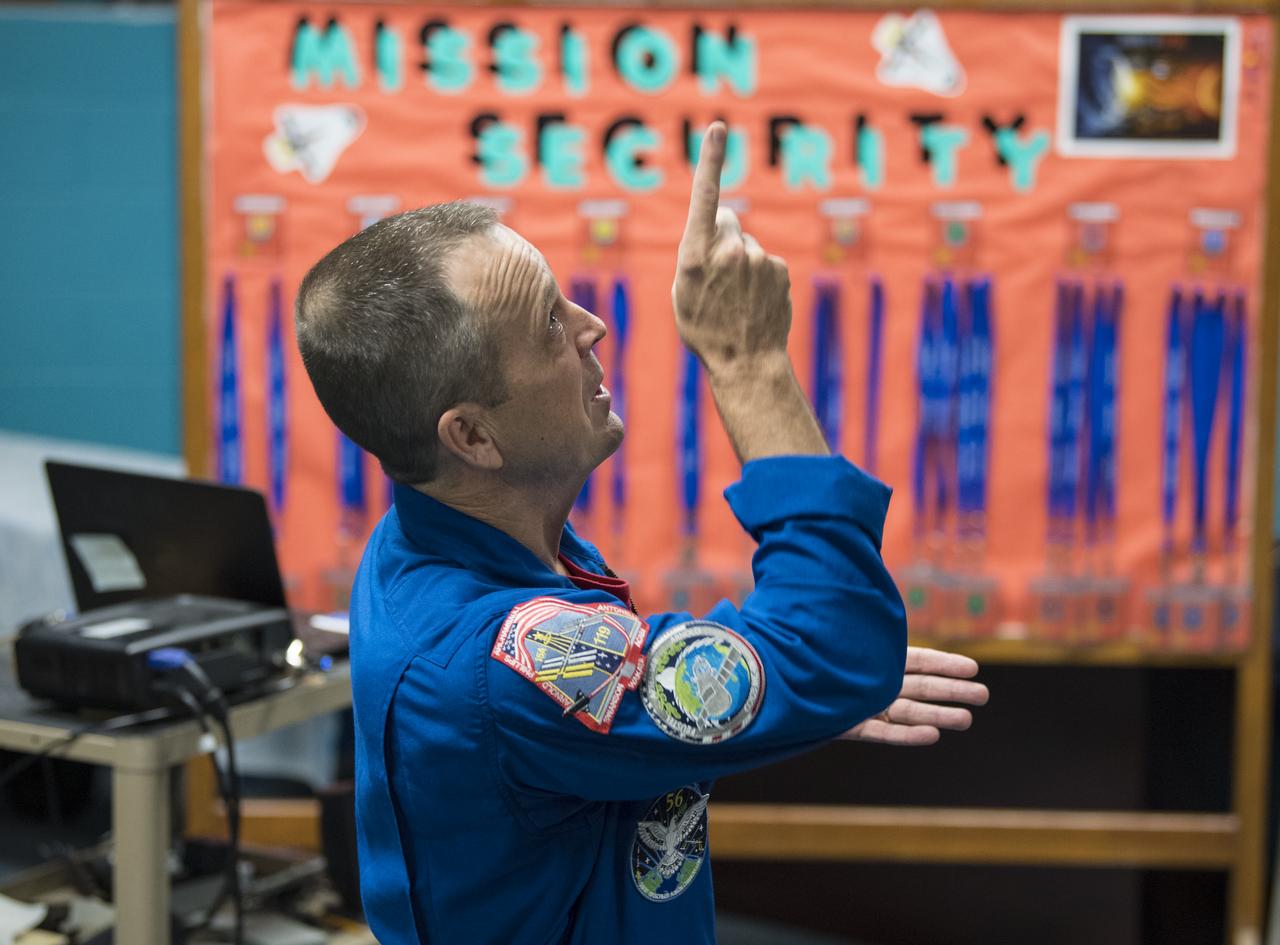
NASA astronaut Ricky Arnold speaks about his time onboard the International Space Station (ISS) during Expeditions 55 and 56, Friday, May 3, 2019 at the Challenger Center in Lanham, MD. During Expedition 55/56, Arnold completed three spacewalks for a total of 19.5 hours outside the space station, and concluded his 197 day mission when he landed in a remote area near the town of Zhezkazgan, Kazakhstan in Oct. 2018. He also flew to the space station on shuttle mission STS-119 to deliver the final pair of power-generating solar array wings. Photo Credit: (NASA/Aubrey Gemignani)
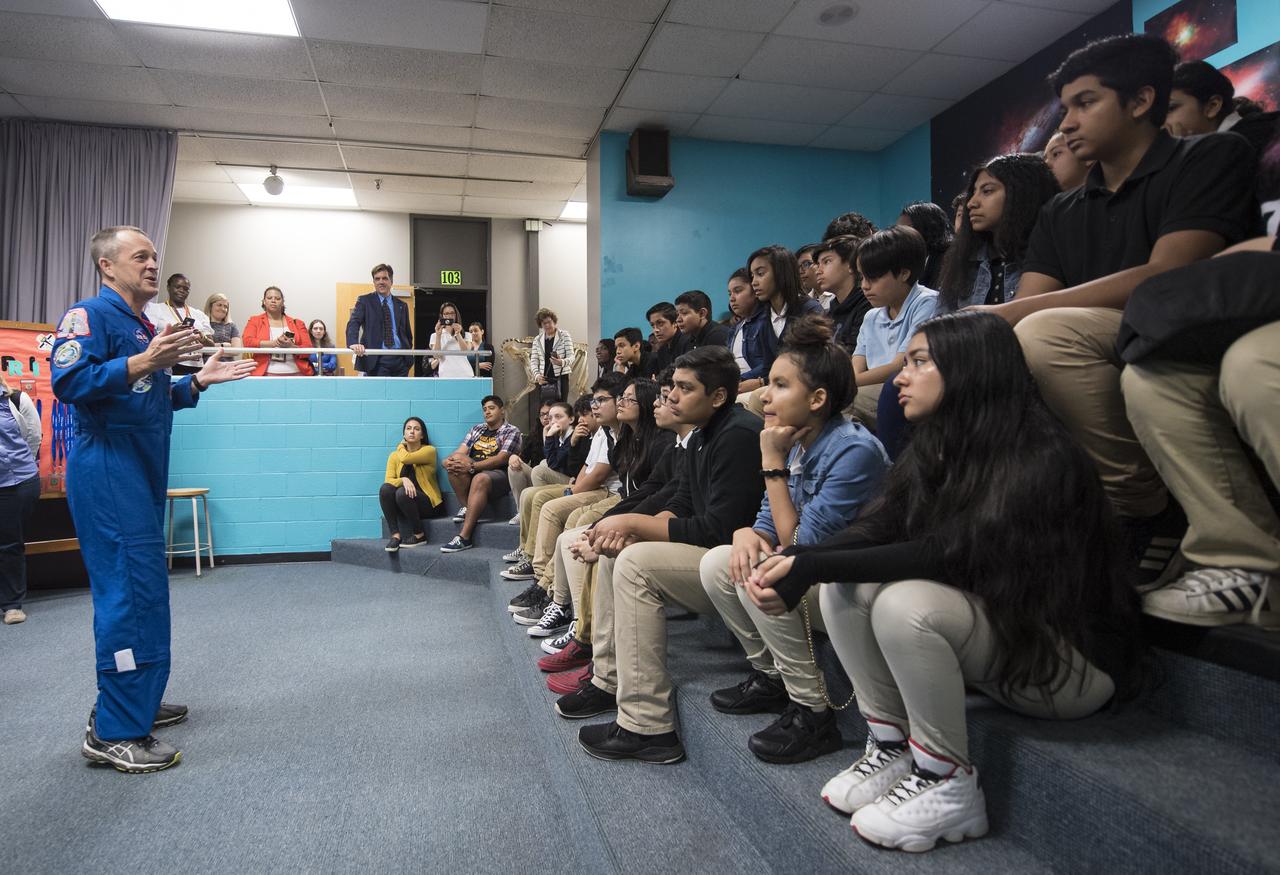
NASA astronaut Ricky Arnold speaks about his time onboard the International Space Station (ISS) during Expeditions 55 and 56, Friday, May 3, 2019 at the Challenger Center in Lanham, MD. During Expedition 55/56, Arnold completed three spacewalks for a total of 19.5 hours outside the space station, and concluded his 197 day mission when he landed in a remote area near the town of Zhezkazgan, Kazakhstan in Oct. 2018. He also flew to the space station on shuttle mission STS-119 to deliver the final pair of power-generating solar array wings. Photo Credit: (NASA/Aubrey Gemignani)
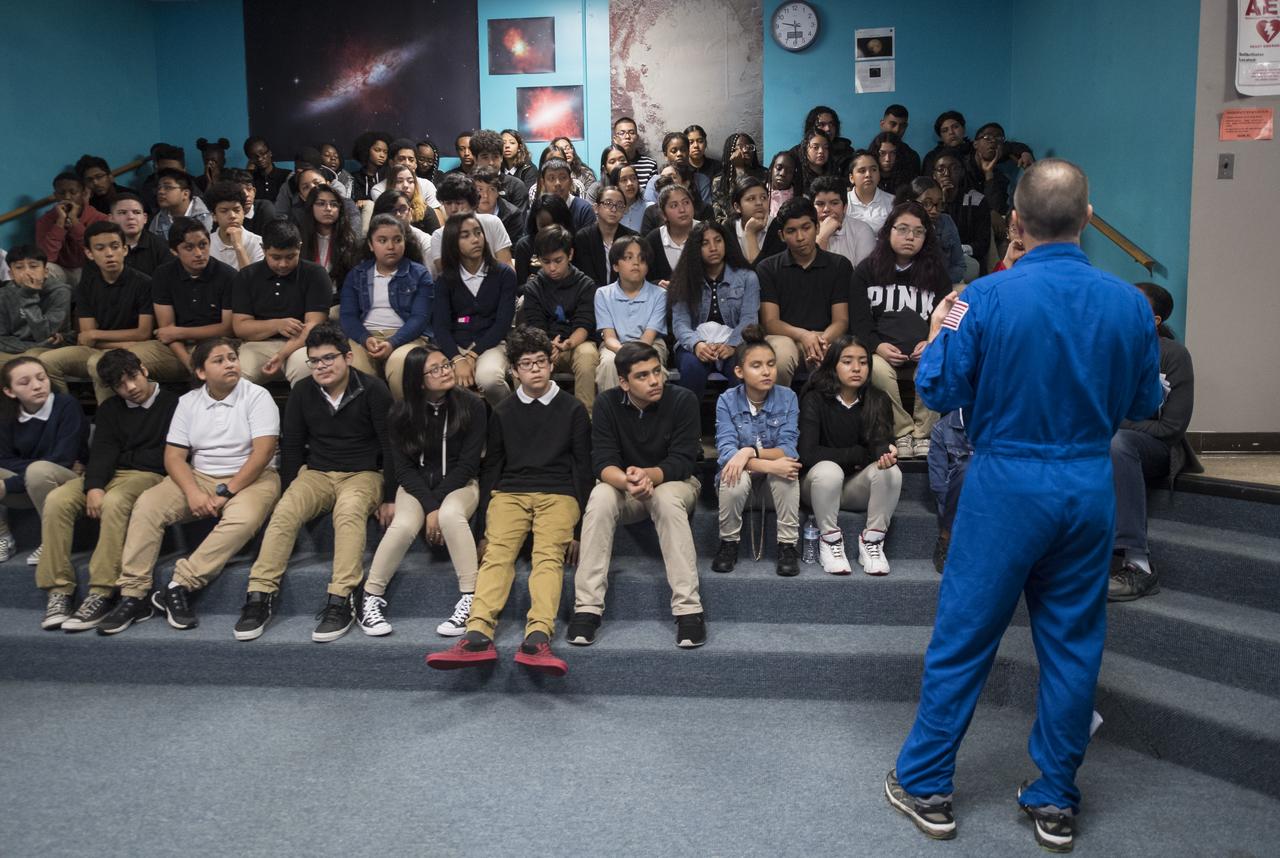
NASA astronaut Ricky Arnold speaks about his time onboard the International Space Station (ISS) during Expeditions 55 and 56, Friday, May 3, 2019 at the Challenger Center in Lanham, MD. During Expedition 55/56, Arnold completed three spacewalks for a total of 19.5 hours outside the space station, and concluded his 197 day mission when he landed in a remote area near the town of Zhezkazgan, Kazakhstan in Oct. 2018. He also flew to the space station on shuttle mission STS-119 to deliver the final pair of power-generating solar array wings. Photo Credit: (NASA/Aubrey Gemignani)
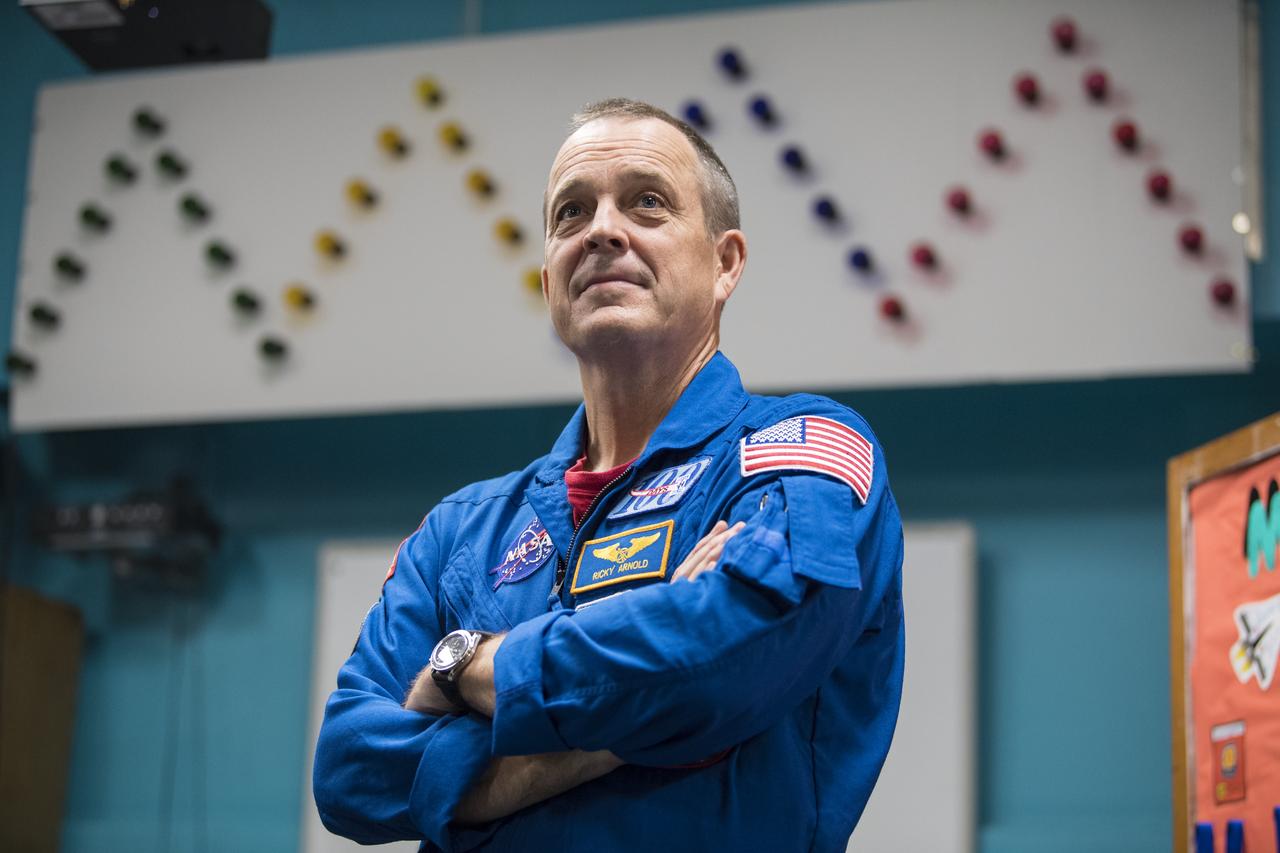
NASA astronaut Ricky Arnold is seen during a talk about his time onboard the International Space Station (ISS) during Expeditions 55 and 56, Friday, May 3, 2019 at the Challenger Center in Lanham, MD. During Expedition 55/56, Arnold completed three spacewalks for a total of 19.5 hours outside the space station, and concluded his 197 day mission when he landed in a remote area near the town of Zhezkazgan, Kazakhstan in Oct. 2018. He also flew to the space station on shuttle mission STS-119 to deliver the final pair of power-generating solar array wings. Photo Credit: (NASA/Aubrey Gemignani)
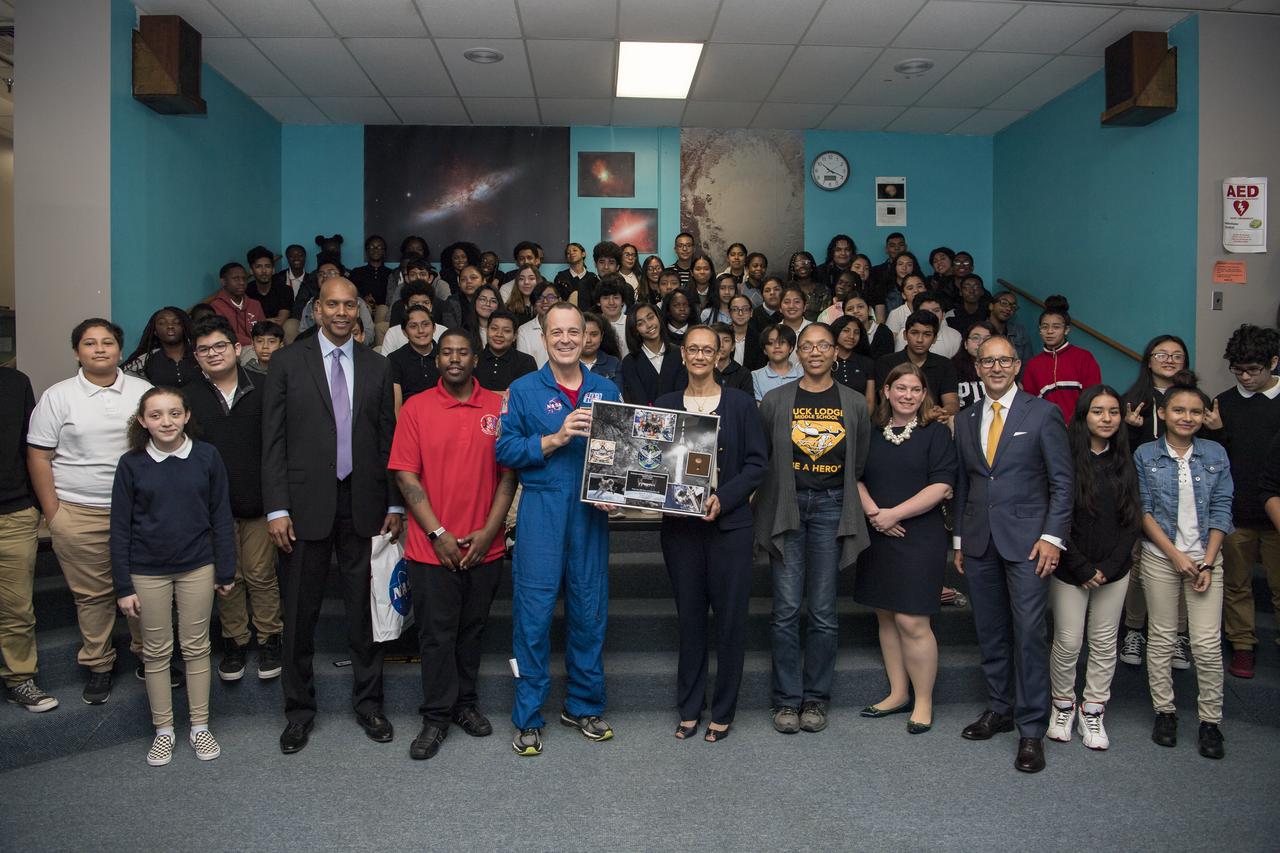
NASA astronaut Ricky Arnold poses for a photo after presenting the Challenger Center with a montage of images from his time onboard the International Space Station (ISS) during Expeditions 55 and 56, Friday, May 3, 2019 in Lanham, MD. During Expedition 55/56, Arnold completed three spacewalks for a total of 19.5 hours outside the space station, and concluded his 197 day mission when he landed in a remote area near the town of Zhezkazgan, Kazakhstan in Oct. 2018. He also flew to the space station on shuttle mission STS-119 to deliver the final pair of power-generating solar array wings. Photo Credit: (NASA/Aubrey Gemignani)
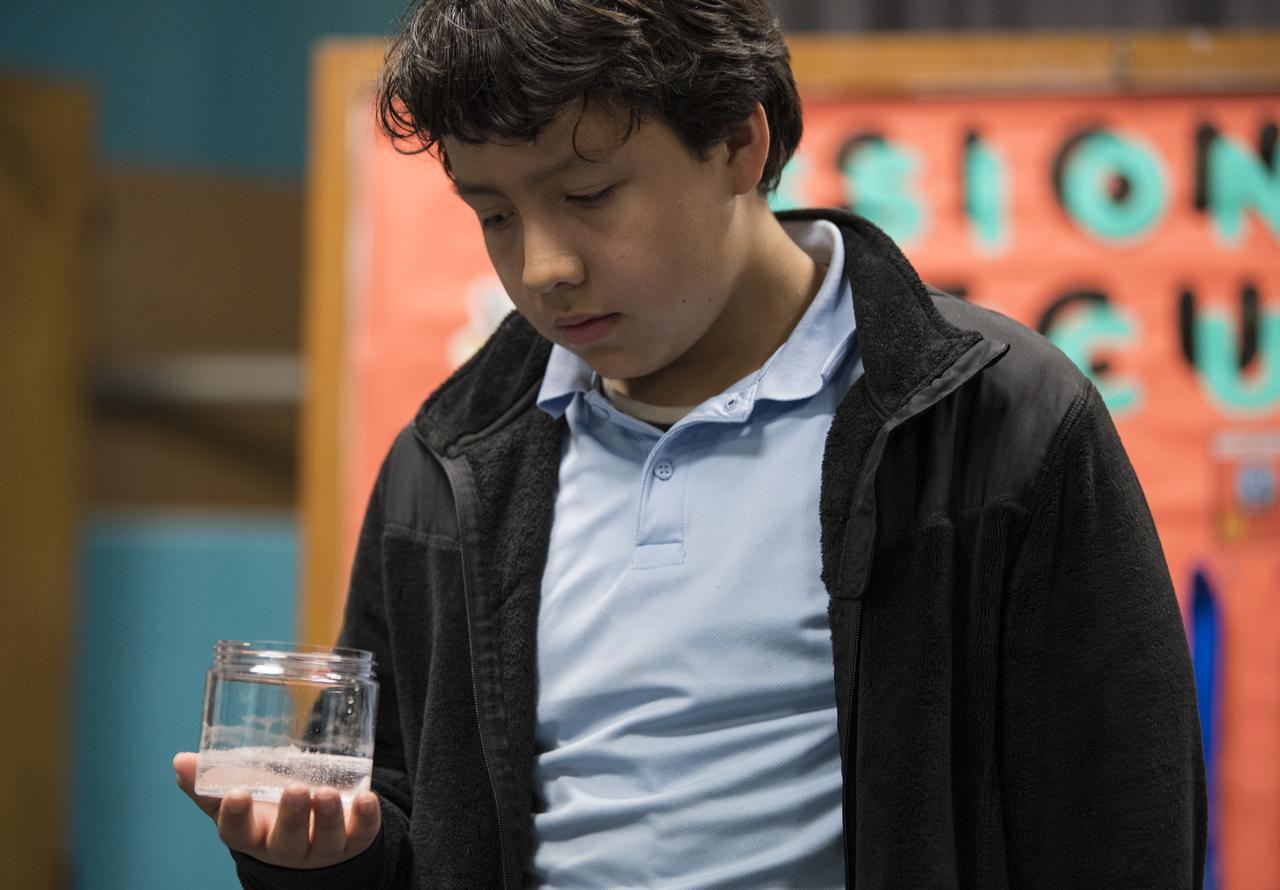
A student observes a glass of water with an Alka-Seltzer tab in it while conducting an experiment on effervescence, Friday, May 3, 2019 at the Challenger Center in Lanham, MD. NASA astronaut Ricky Arnold helped them carry out the experiment which he also conducted during his 197 day mission onboard the International Space Station (ISS) during Expeditions 55/56. Photo Credit: (NASA/Aubrey Gemignani)
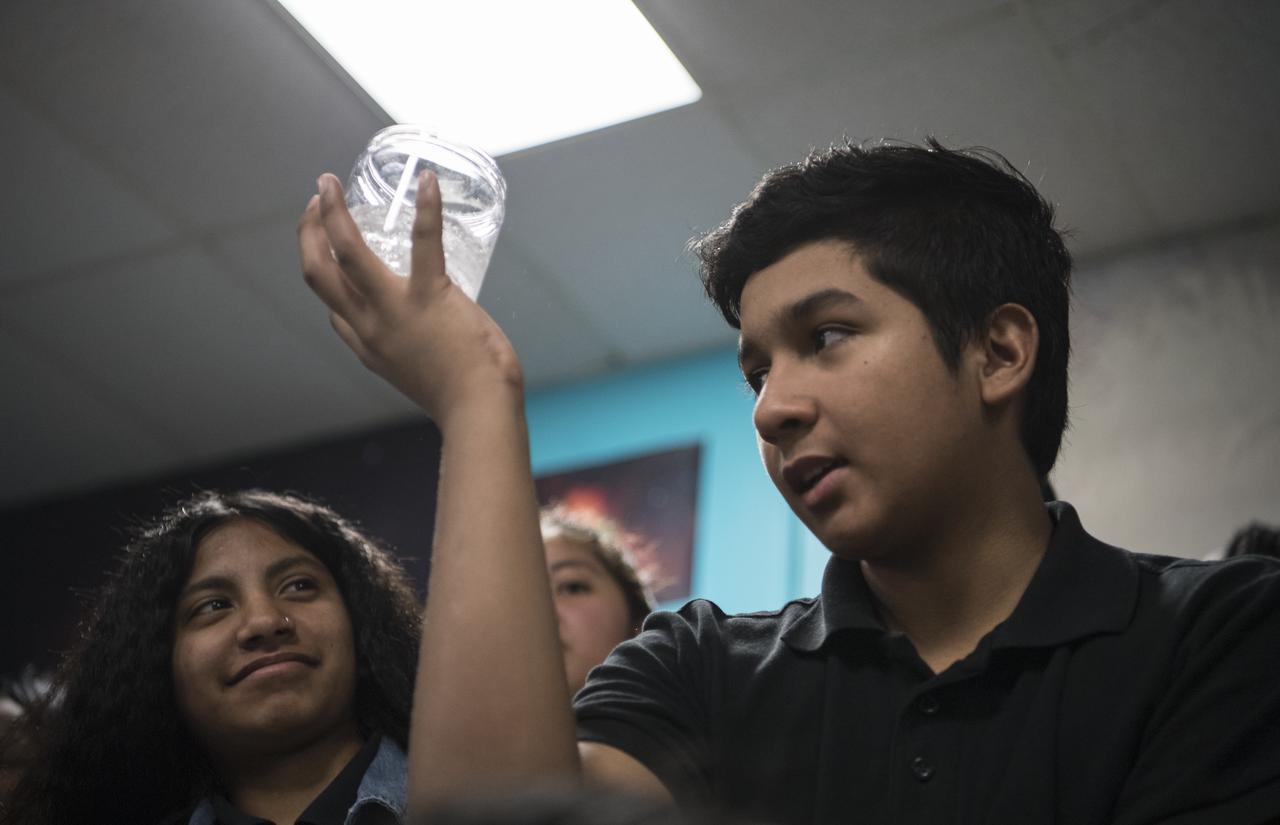
A student holds up a glass of water with an Alka-Seltzer tab in it while conducting an experiment on effervescence, Friday, May 3, 2019 at the Challenger Center in Lanham, MD. NASA astronaut Ricky Arnold helped them carry out the experiment which he also conducted during his 197 day mission onboard the International Space Station (ISS) during Expeditions 55/56. Photo Credit: (NASA/Aubrey Gemignani)
NASA astronaut Ricky Arnold watches a timer while students conduct an experiment on effervescence, Friday, May 3, 2019 at the Challenger Center in Lanham, MD. During Expedition 55/56, Arnold completed three spacewalks for a total of 19.5 hours outside the International Space Station (ISS), and concluded his 197 day mission when he landed in a remote area near the town of Zhezkazgan, Kazakhstan in Oct. 2018. He also flew to the space station on shuttle mission STS-119 to deliver the final pair of power-generating solar array wings. Photo Credit: (NASA/Aubrey Gemignani)
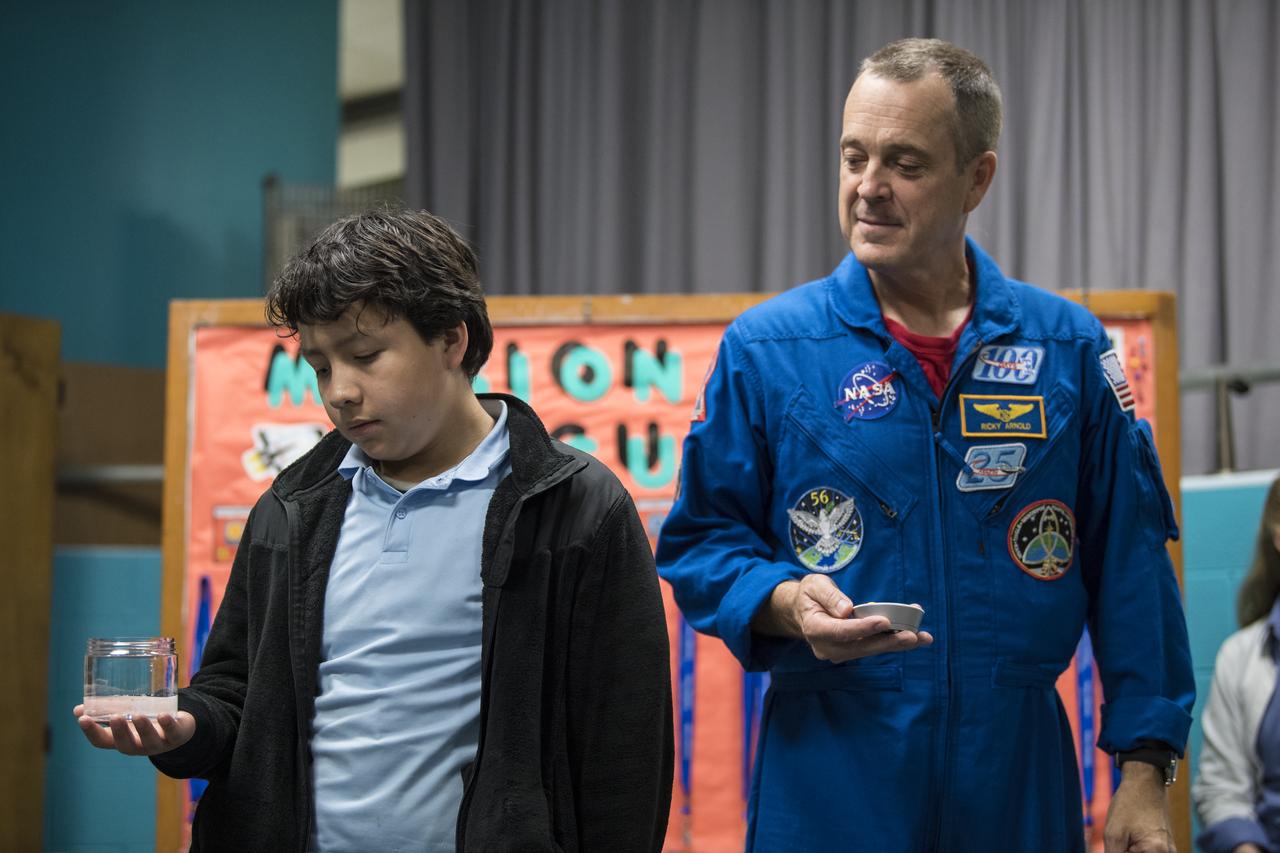
NASA astronaut Ricky Arnold watches a timer while students conduct an experiment on effervescence, Friday, May 3, 2019 at the Challenger Center in Lanham, MD. During Expedition 55/56, Arnold completed three spacewalks for a total of 19.5 hours outside the International Space Station (ISS), and concluded his 197 day mission when he landed in a remote area near the town of Zhezkazgan, Kazakhstan in Oct. 2018. He also flew to the space station on shuttle mission STS-119 to deliver the final pair of power-generating solar array wings. Photo Credit: (NASA/Aubrey Gemignani)
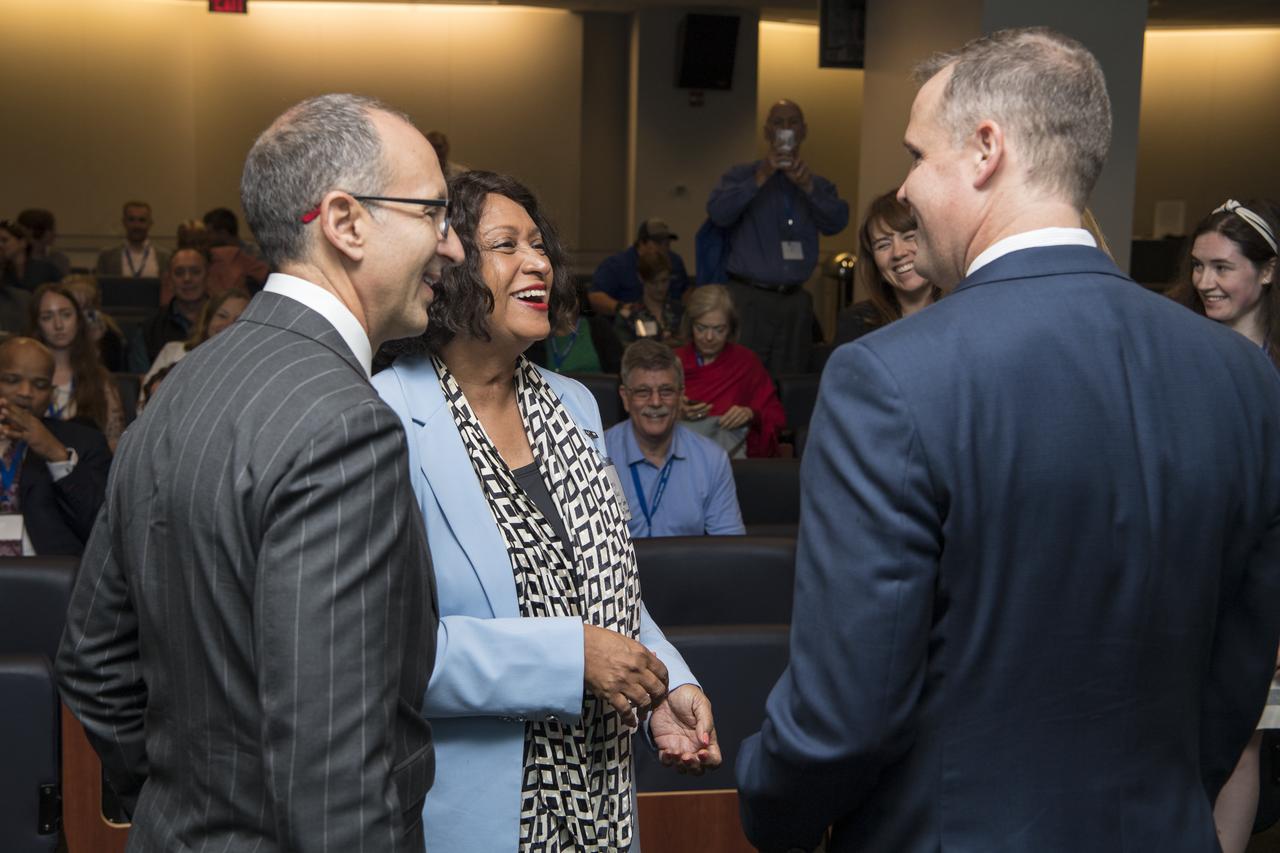
NASA Administrator Jim Bridenstine, right, speaks with President and CEO of the Challenger Center, Lance Bush, left, and Cheryl McNair, the widow of Challenger astronaut Ron McNair, after giving keynote remarks at the Challenger Center Annual Conference, Wednesday, August 14, 2019 at the Lockheed Martin Global Vision Center in Arlington, VA. Photo Credit: (NASA/Aubrey Gemignani)
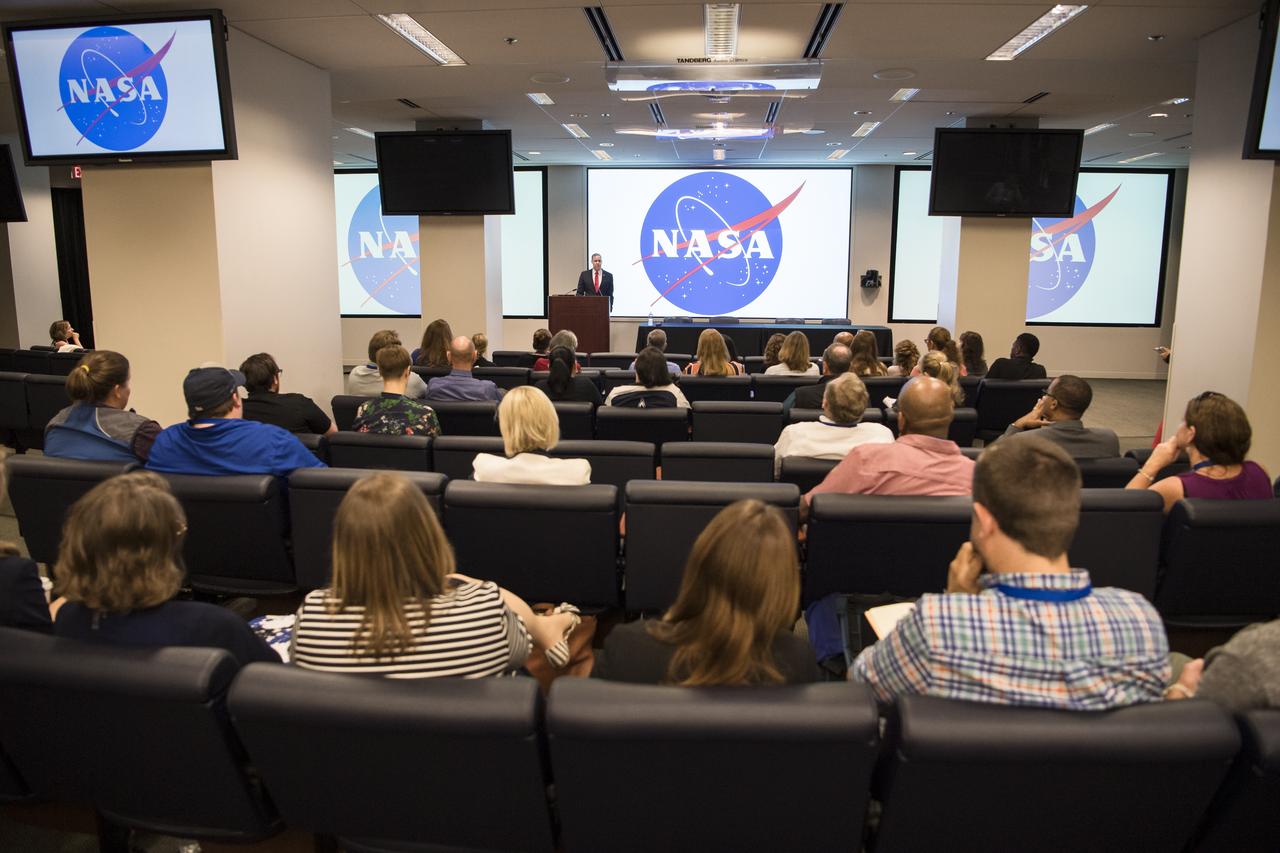
NASA Administrator Jim Bridenstine gives keynote remarks at the Challenger Center Annual Conference, Wednesday, August 14, 2019 at the Lockheed Martin Global Vision Center in Arlington, VA. Photo Credit: (NASA/Aubrey Gemignani)
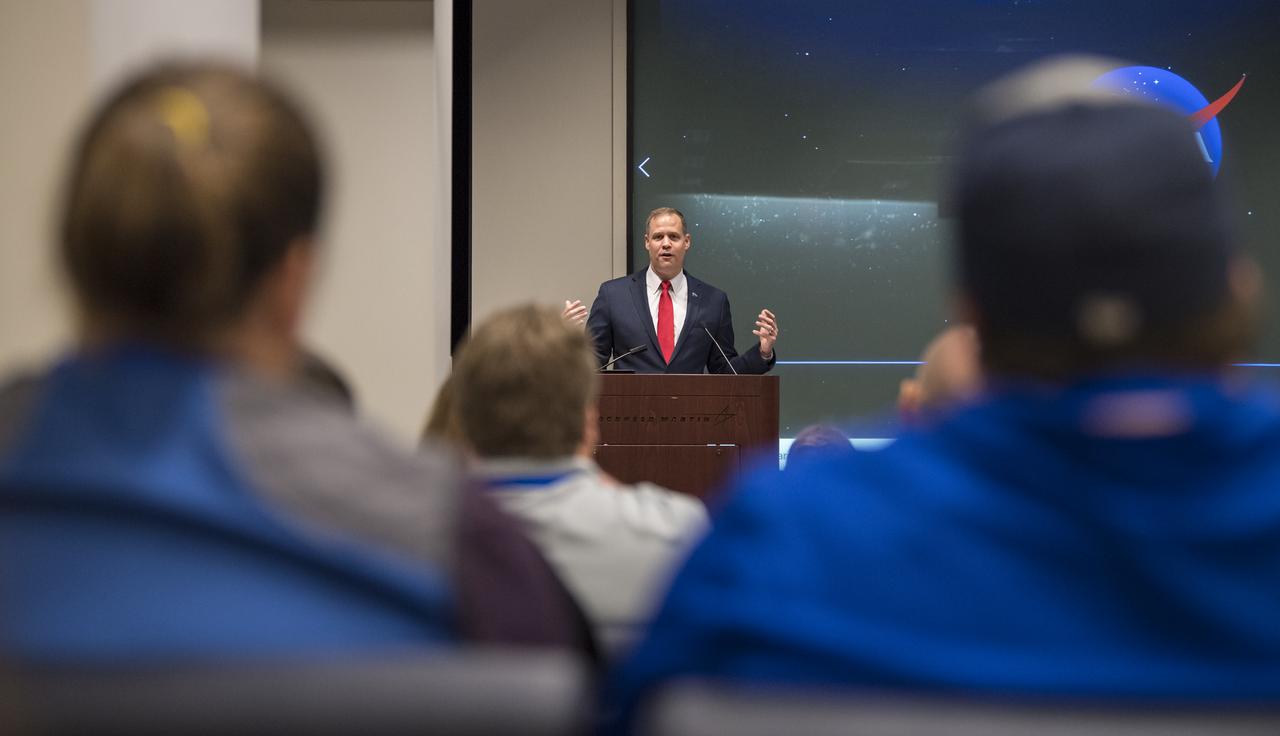
NASA Administrator Jim Bridenstine gives keynote remarks at the Challenger Center Annual Conference, Wednesday, August 14, 2019 at the Lockheed Martin Global Vision Center in Arlington, VA. Photo Credit: (NASA/Aubrey Gemignani)
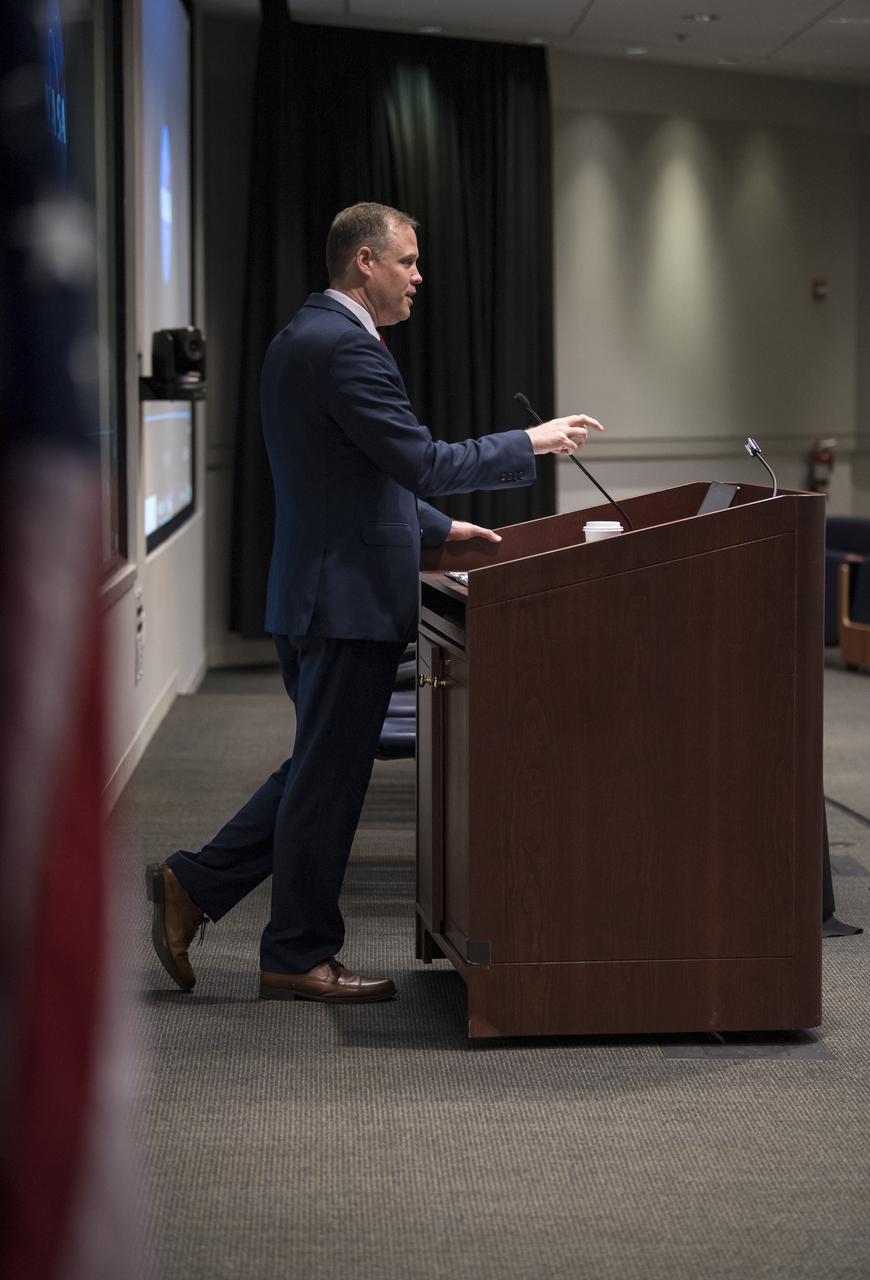
NASA Administrator Jim Bridenstine gives keynote remarks at the Challenger Center Annual Conference, Wednesday, August 14, 2019 at the Lockheed Martin Global Vision Center in Arlington, VA. Photo Credit: (NASA/Aubrey Gemignani)
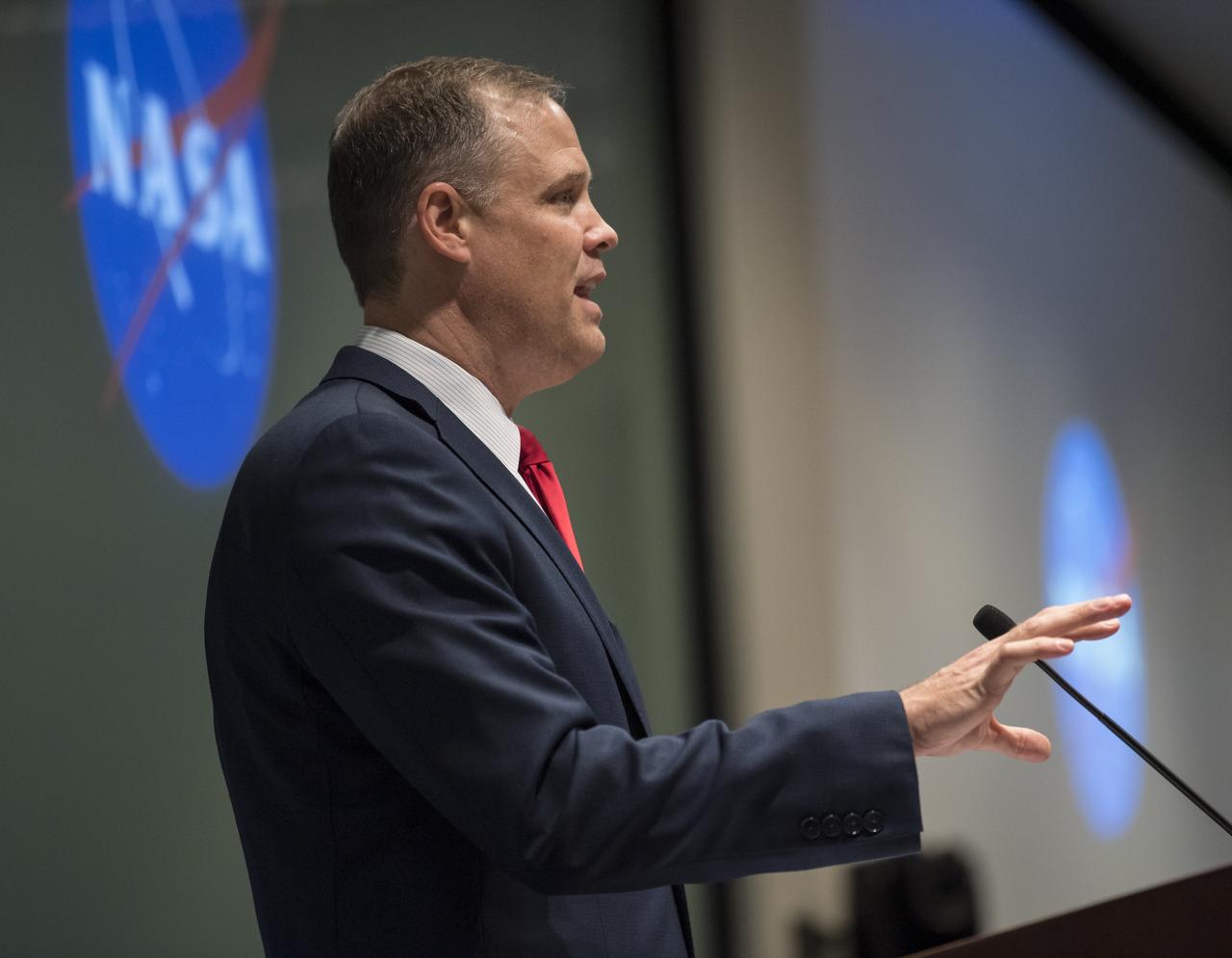
NASA Administrator Jim Bridenstine gives keynote remarks at the Challenger Center Annual Conference, Wednesday, August 14, 2019 at the Lockheed Martin Global Vision Center in Arlington, VA. Photo Credit: (NASA/Aubrey Gemignani)
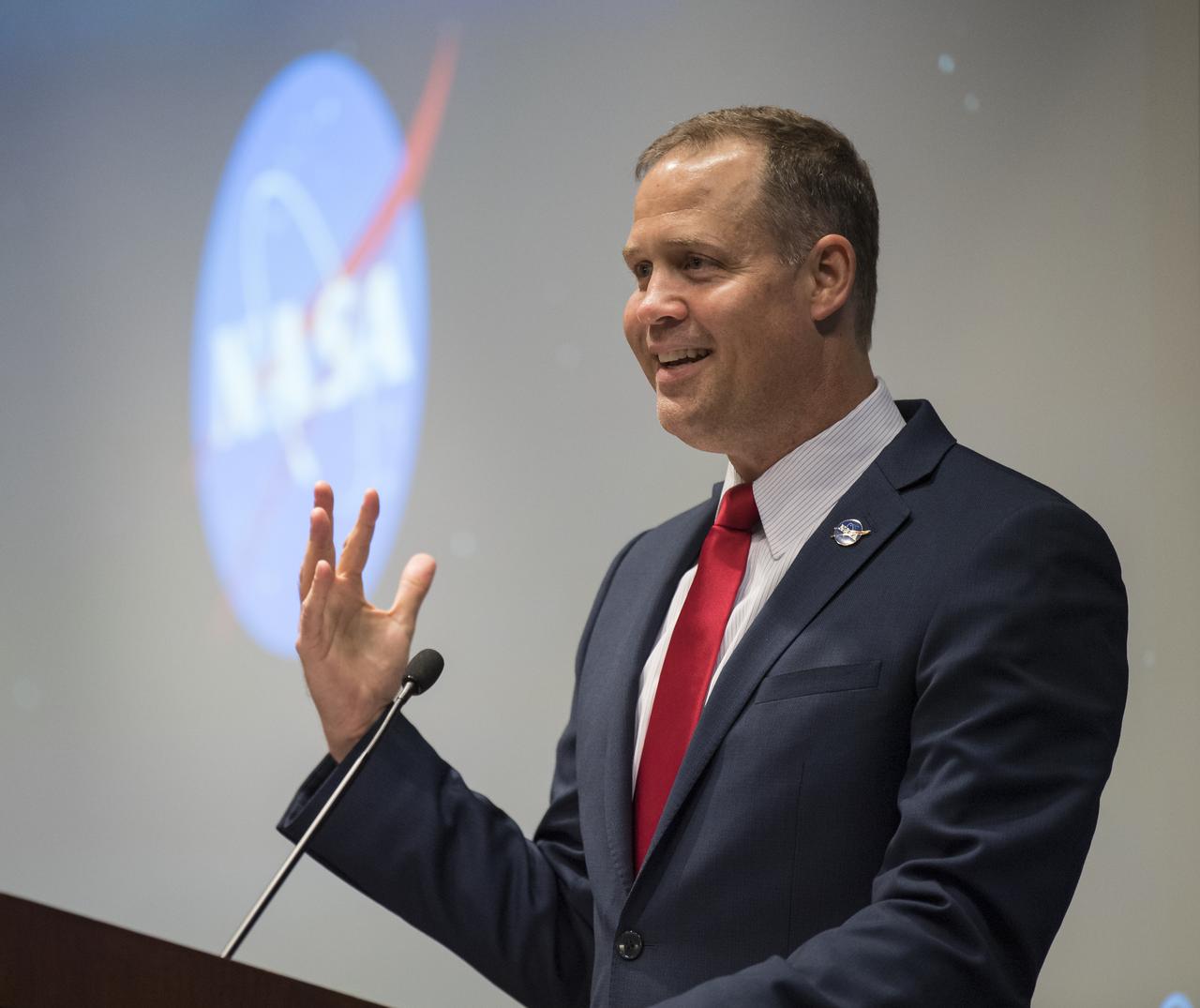
NASA Administrator Jim Bridenstine gives keynote remarks at the Challenger Center Annual Conference, Wednesday, August 14, 2019 at the Lockheed Martin Global Vision Center in Arlington, VA. Photo Credit: (NASA/Aubrey Gemignani)
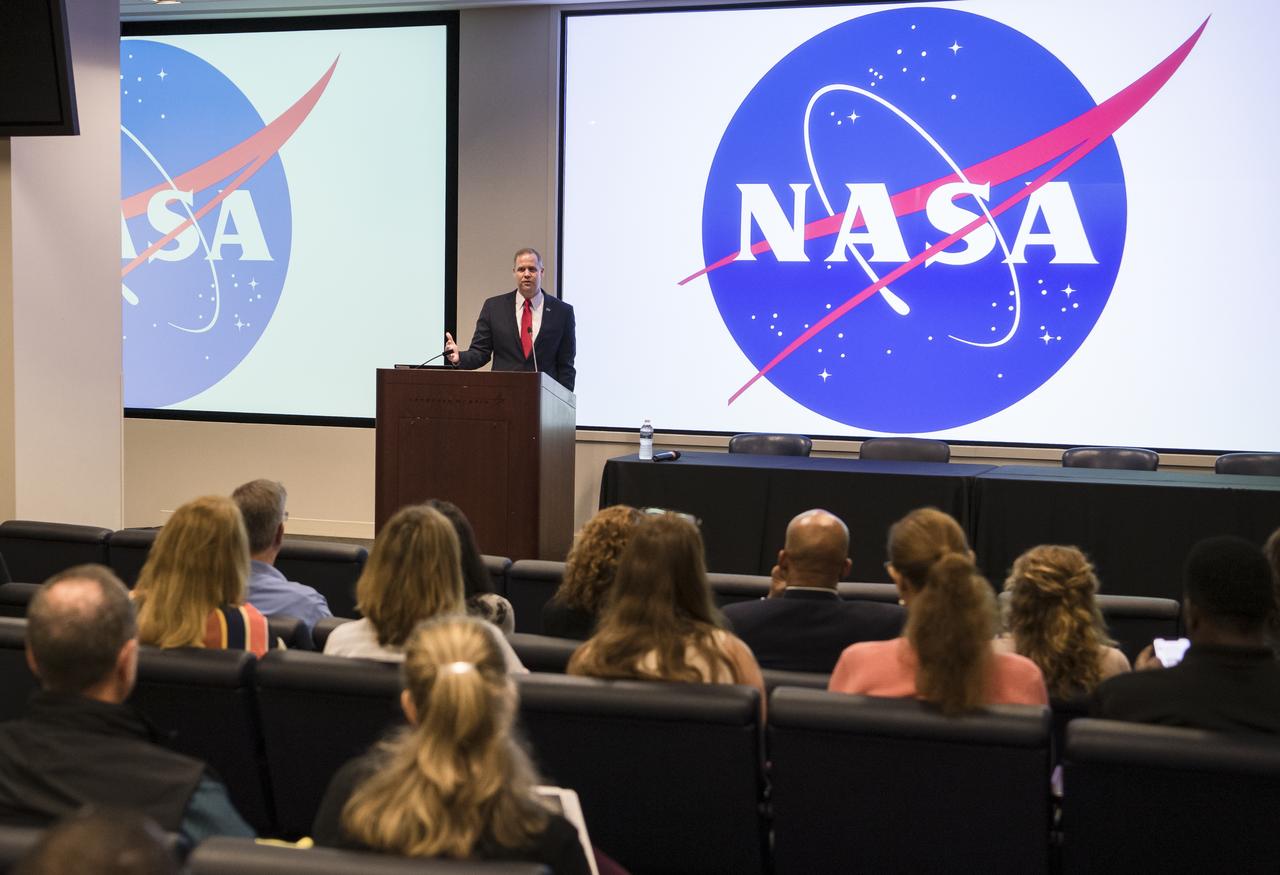
NASA Administrator Jim Bridenstine gives keynote remarks at the Challenger Center Annual Conference, Wednesday, August 14, 2019 at the Lockheed Martin Global Vision Center in Arlington, VA. Photo Credit: (NASA/Aubrey Gemignani)
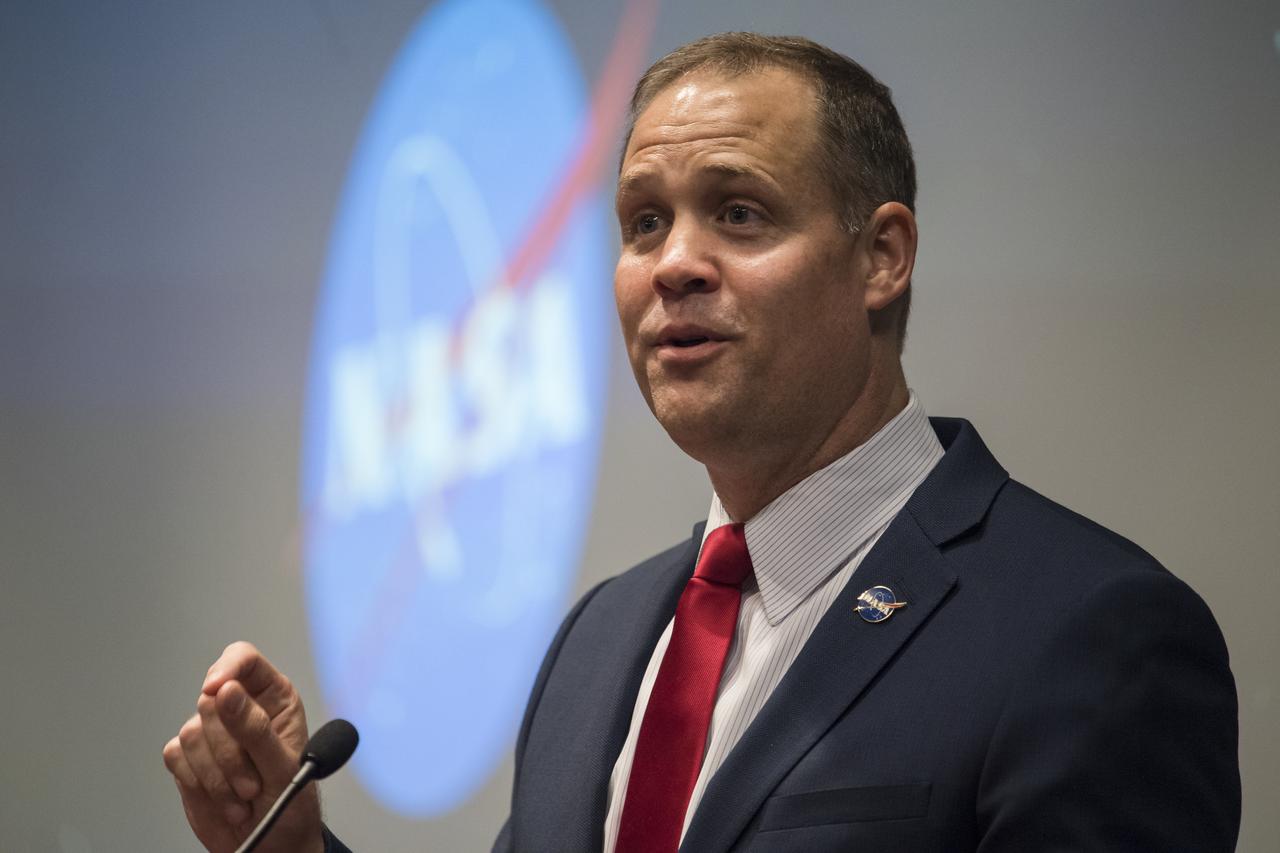
NASA Administrator Jim Bridenstine gives keynote remarks at the Challenger Center Annual Conference, Wednesday, August 14, 2019 at the Lockheed Martin Global Vision Center in Arlington, VA. Photo Credit: (NASA/Aubrey Gemignani)
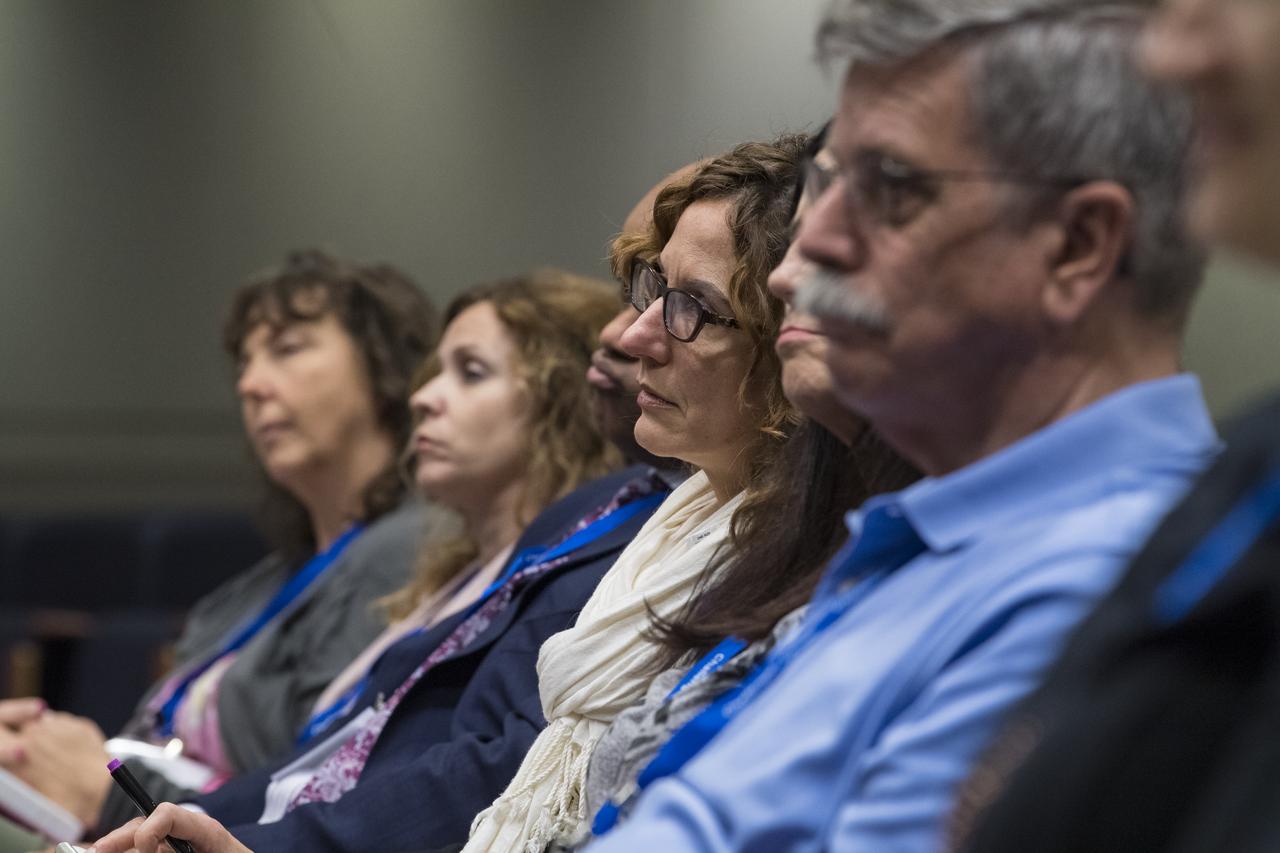
NASA Administrator Jim Bridenstine gives keynote remarks at the Challenger Center Annual Conference, Wednesday, August 14, 2019 at the Lockheed Martin Global Vision Center in Arlington, VA. Photo Credit: (NASA/Aubrey Gemignani)
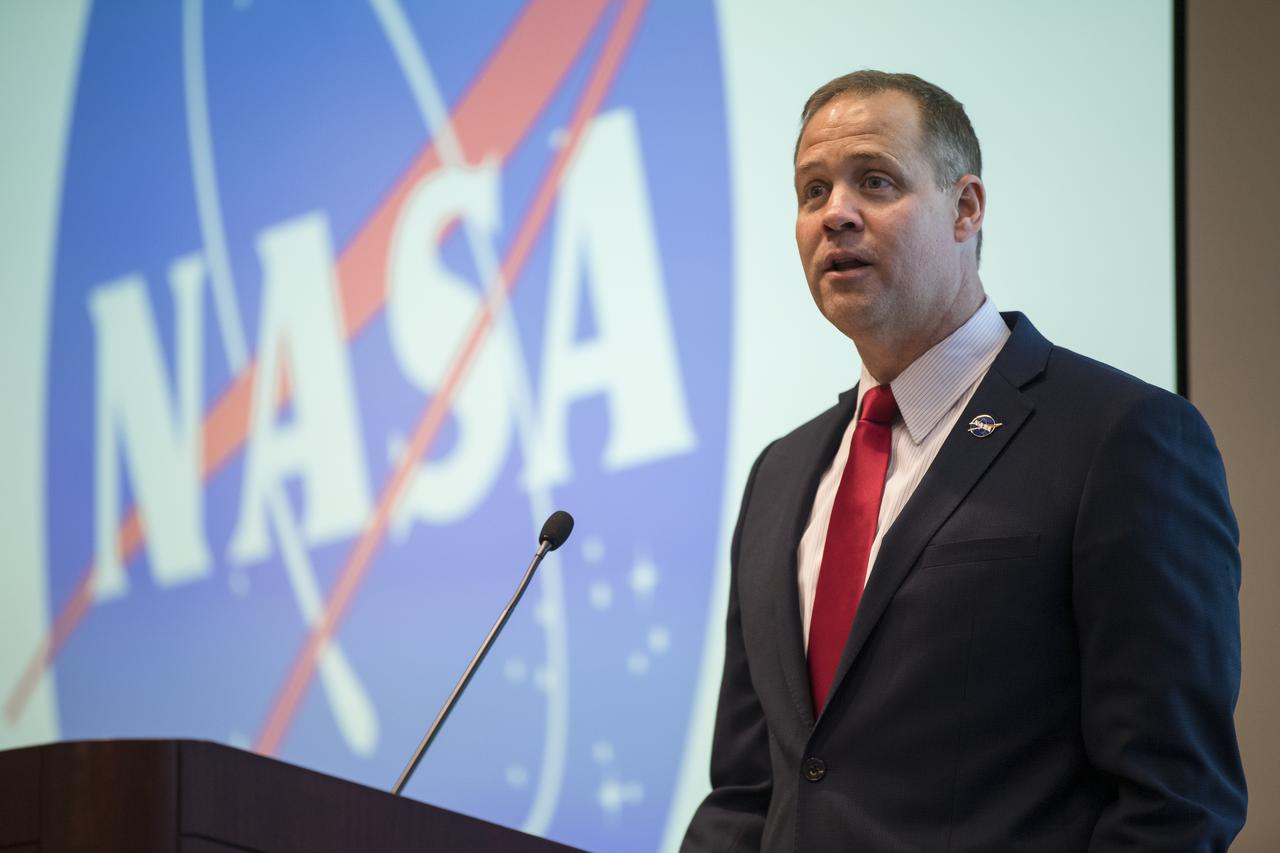
NASA Administrator Jim Bridenstine gives keynote remarks at the Challenger Center Annual Conference, Wednesday, August 14, 2019 at the Lockheed Martin Global Vision Center in Arlington, VA. Photo Credit: (NASA/Aubrey Gemignani)
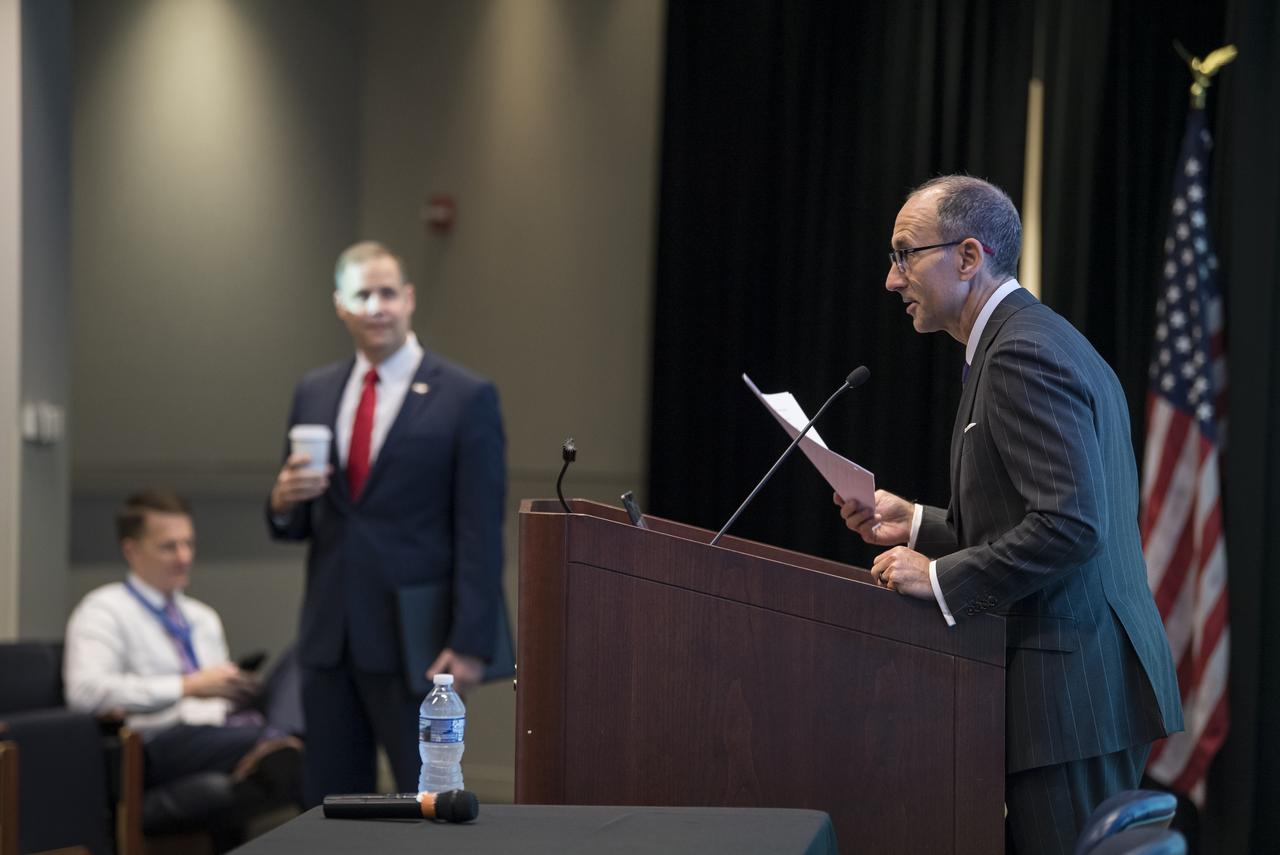
NASA Administrator Jim Bridenstine, standing left, is introduced by President and CEO of the Challenger Center, Lance Bush, just before giving keynote remarks at the Challenger Center Annual Conference, Wednesday, August 14, 2019 at the Lockheed Martin Global Vision Center in Arlington, VA. Photo Credit: (NASA/Aubrey Gemignani)
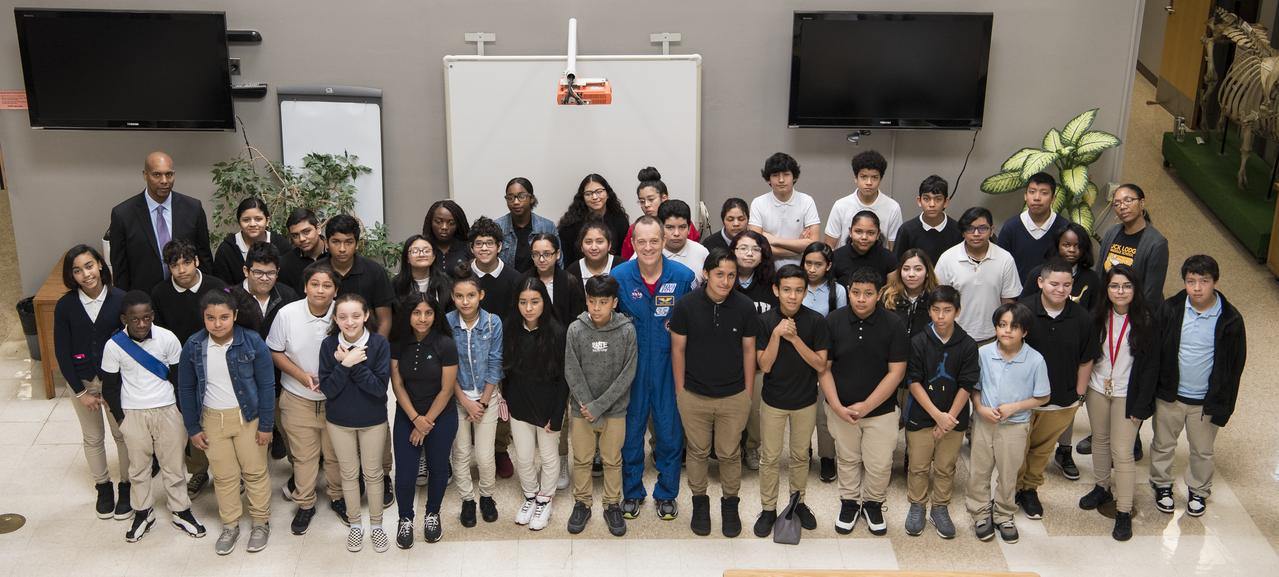
NASA astronaut Ricky Arnold poses for a photo with students after speaking with them about his time onboard the International Space Station (ISS) during Expeditions 55 and 56, Friday, May 3, 2019 in Lanham, MD. During Expedition 55/56, Arnold completed three spacewalks for a total of 19.5 hours outside the space station, and concluded his 197 day mission when he landed in a remote area near the town of Zhezkazgan, Kazakhstan in Oct. 2018. He also flew to the space station on shuttle mission STS-119 to deliver the final pair of power-generating solar array wings. Photo Credit: (NASA/Aubrey Gemignani)
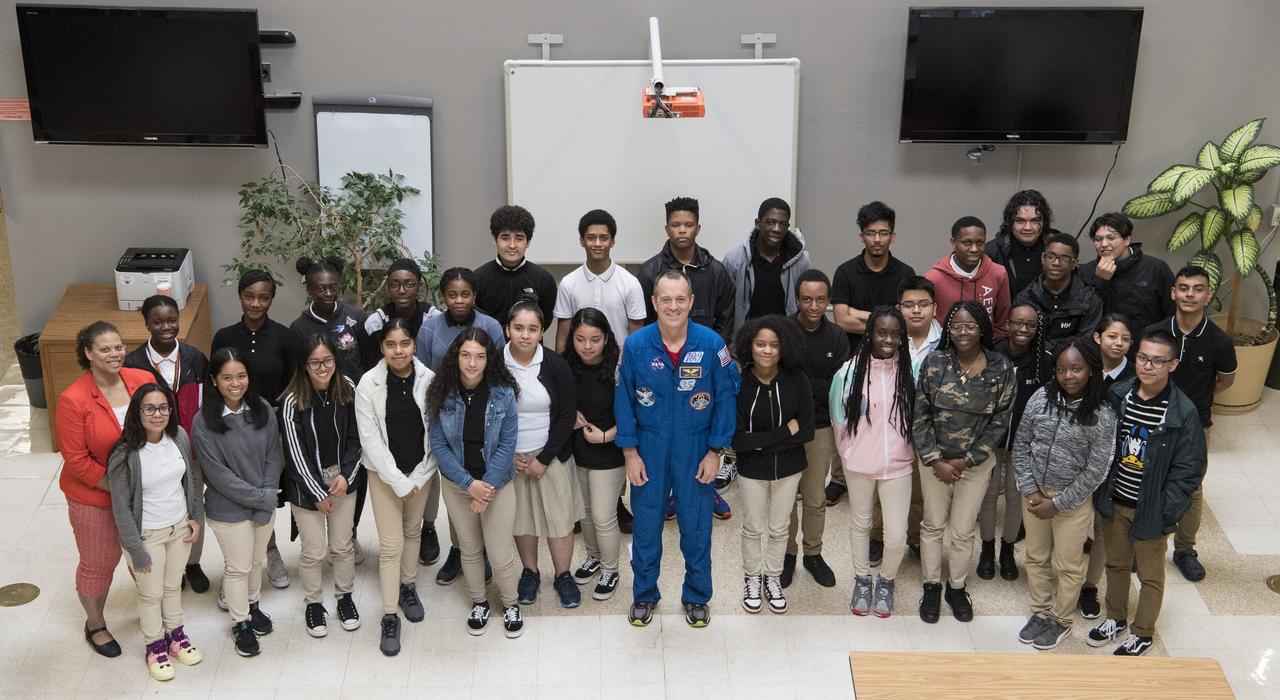
NASA astronaut Ricky Arnold poses for a photo with students after speaking with them about his time onboard the International Space Station (ISS) during Expeditions 55 and 56, Friday, May 3, 2019 in Lanham, MD. During Expedition 55/56, Arnold completed three spacewalks for a total of 19.5 hours outside the space station, and concluded his 197 day mission when he landed in a remote area near the town of Zhezkazgan, Kazakhstan in Oct. 2018. He also flew to the space station on shuttle mission STS-119 to deliver the final pair of power-generating solar array wings. Photo Credit: (NASA/Aubrey Gemignani)
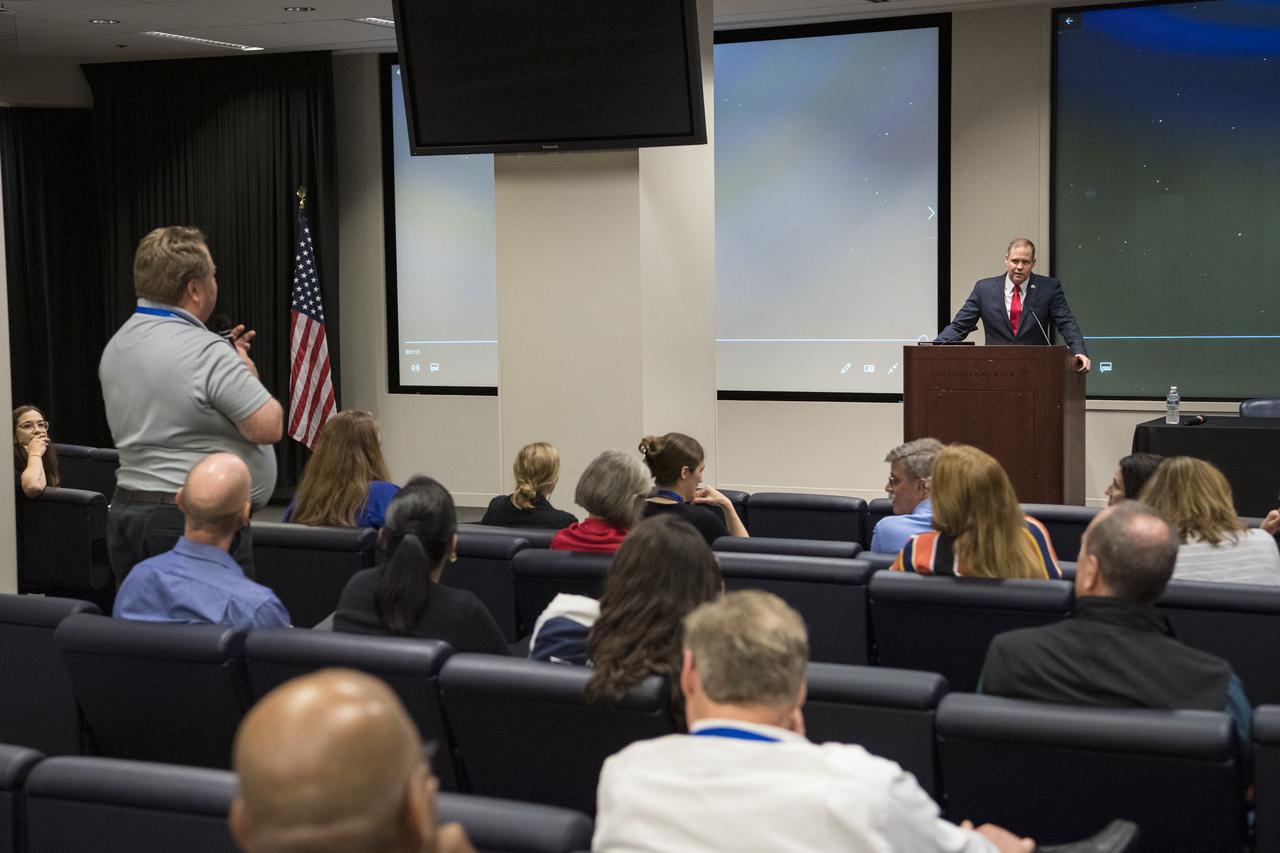
NASA Administrator Jim Bridenstine answers a question from a member of the audience at the Challenger Center Annual Conference, Wednesday, August 14, 2019 at the Lockheed Martin Global Vision Center in Arlington, VA. Photo Credit: (NASA/Aubrey Gemignani)
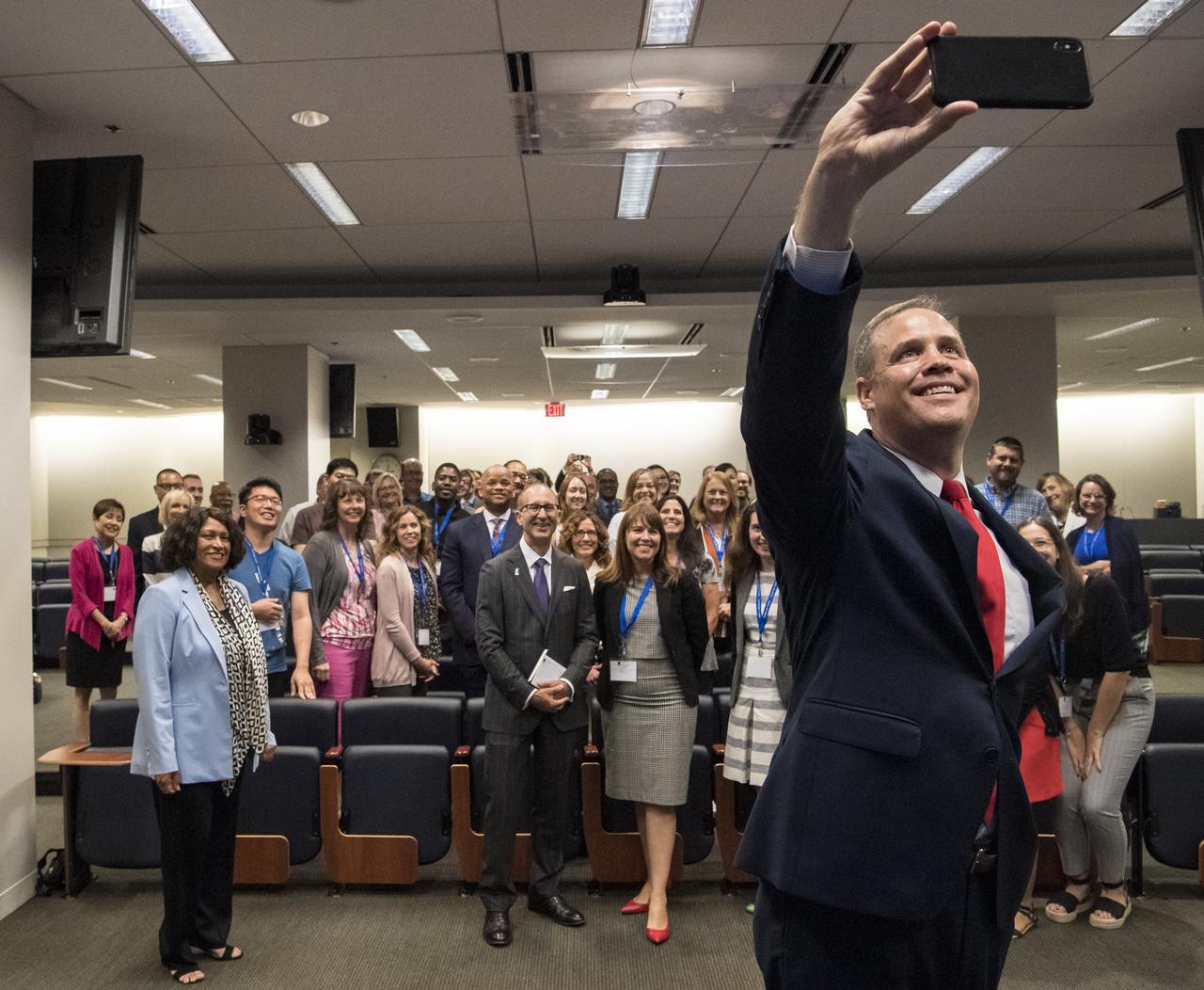
NASA Administrator Jim Bridenstine takes a selfie with the audience at the Challenger Center Annual Conference, Wednesday, August 14, 2019 at the Lockheed Martin Global Vision Center in Arlington, VA. Photo Credit: (NASA/Aubrey Gemignani)
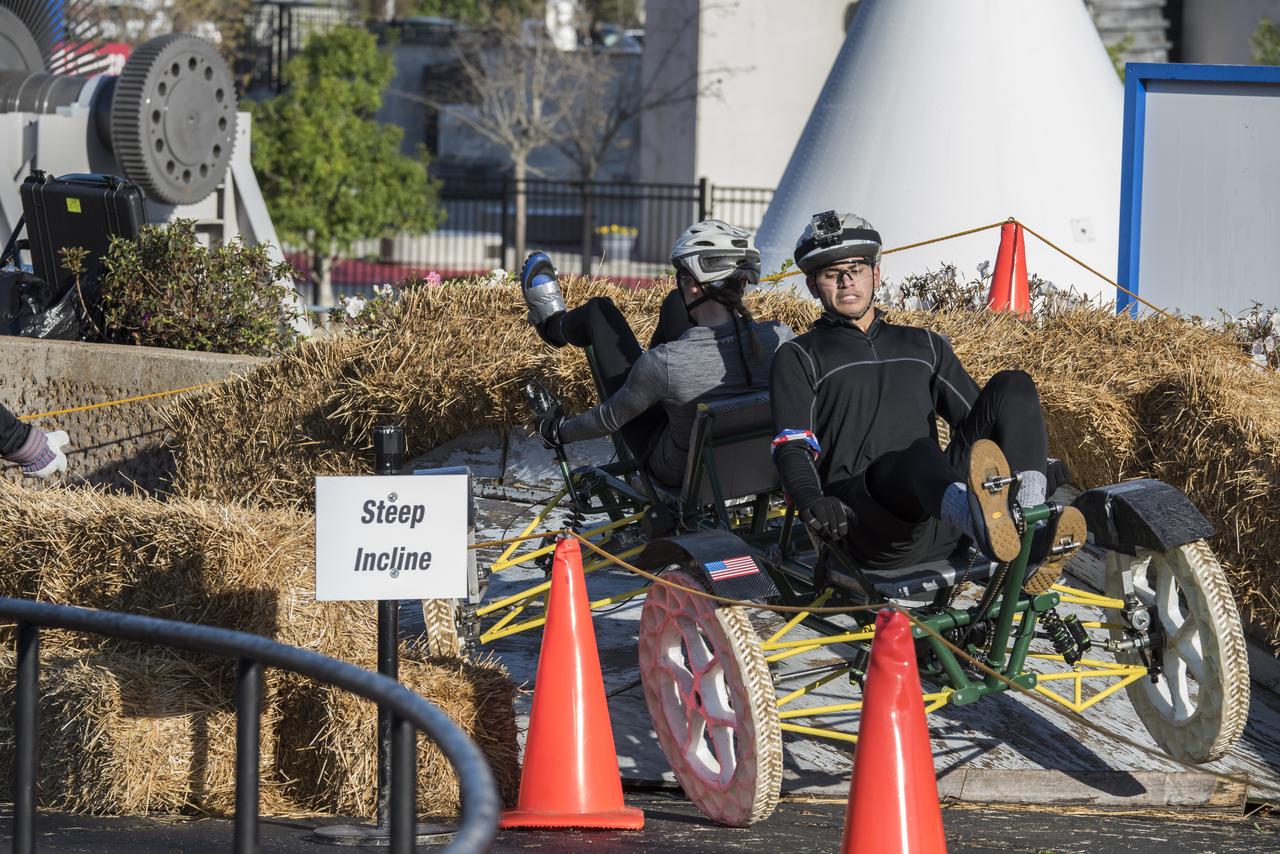
2017 Exploration Rover Challenge events at the U.S. Space and Rocket Center in Huntsville, Alabama. High school and college students from around the U.S. and the world come together for this 2 day event which challenges them to compete for the fastest time as well as technical design of the actual rover itself.
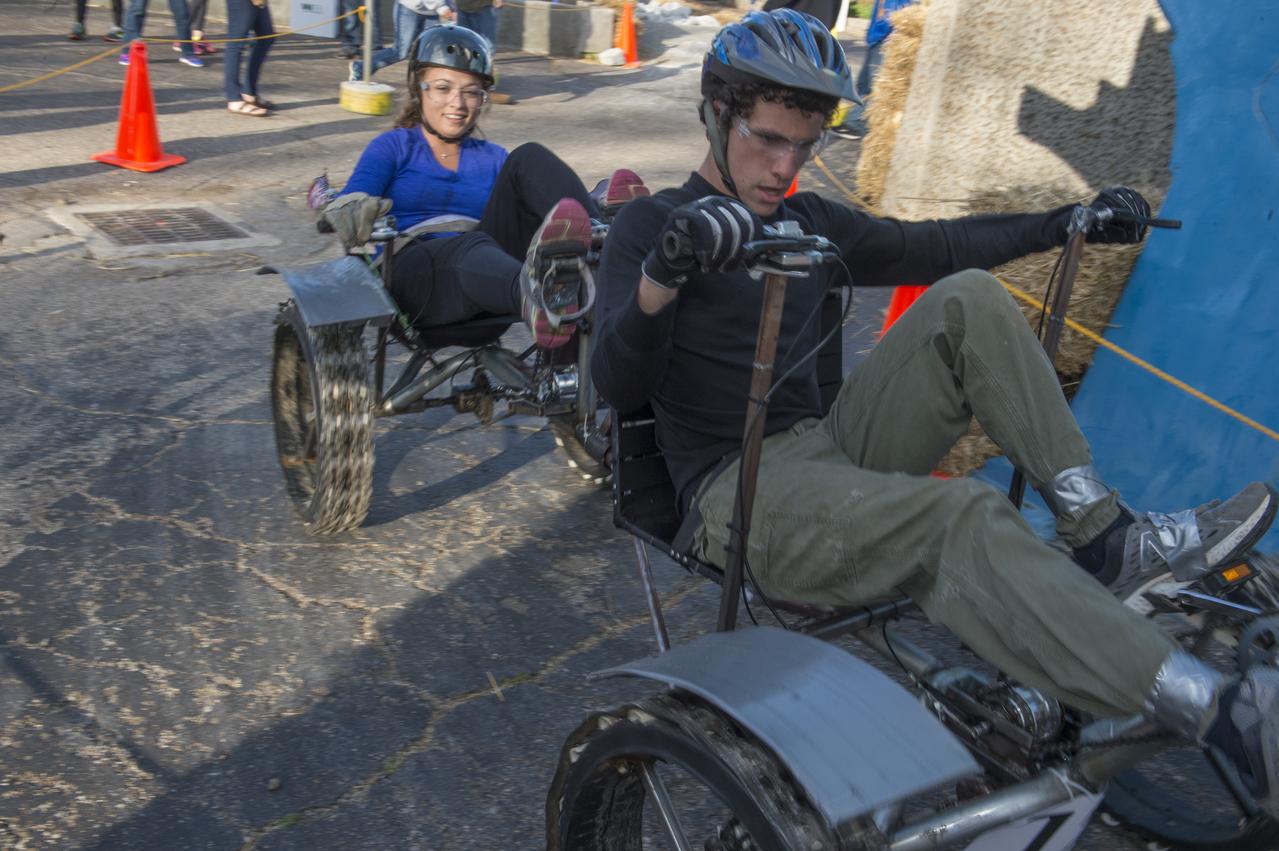
2017 Exploration Rover Challenge events at the U.S. Space and Rocket Center in Huntsville, Alabama. High school and college students from around the U.S. and the world come together for this 2 day event which challenges them to compete for the fastest time as well as technical design of the actual rover itself.
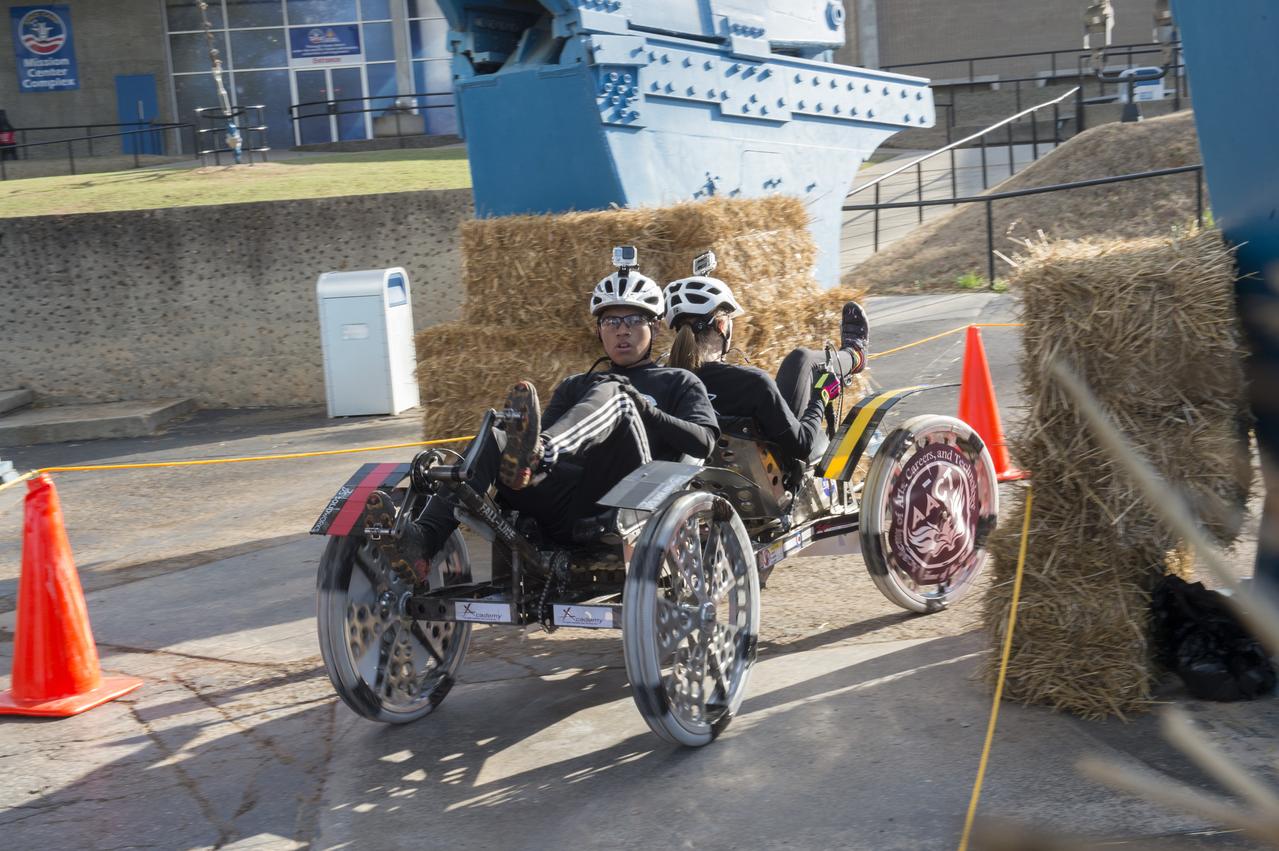
2017 Exploration Rover Challenge events at the U.S. Space and Rocket Center in Huntsville, Alabama. High school and college students from around the U.S. and the world come together for this 2 day event which challenges them to compete for the fastest time as well as technical design of the actual rover itself.
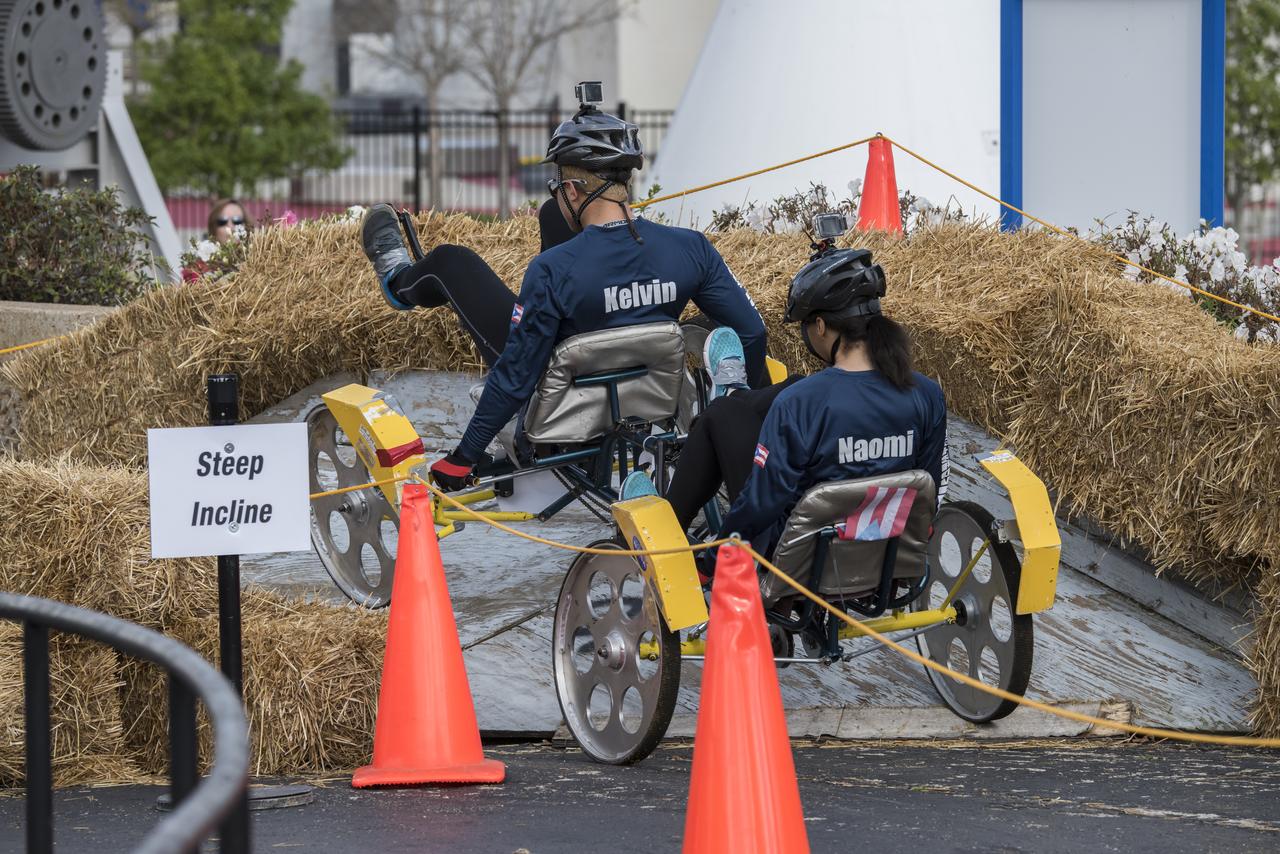
2017 Exploration Rover Challenge events at the U.S. Space and Rocket Center in Huntsville, Alabama. High school and college students from around the U.S. and the world come together for this 2 day event which challenges them to compete for the fastest time as well as technical design of the actual rover itself.
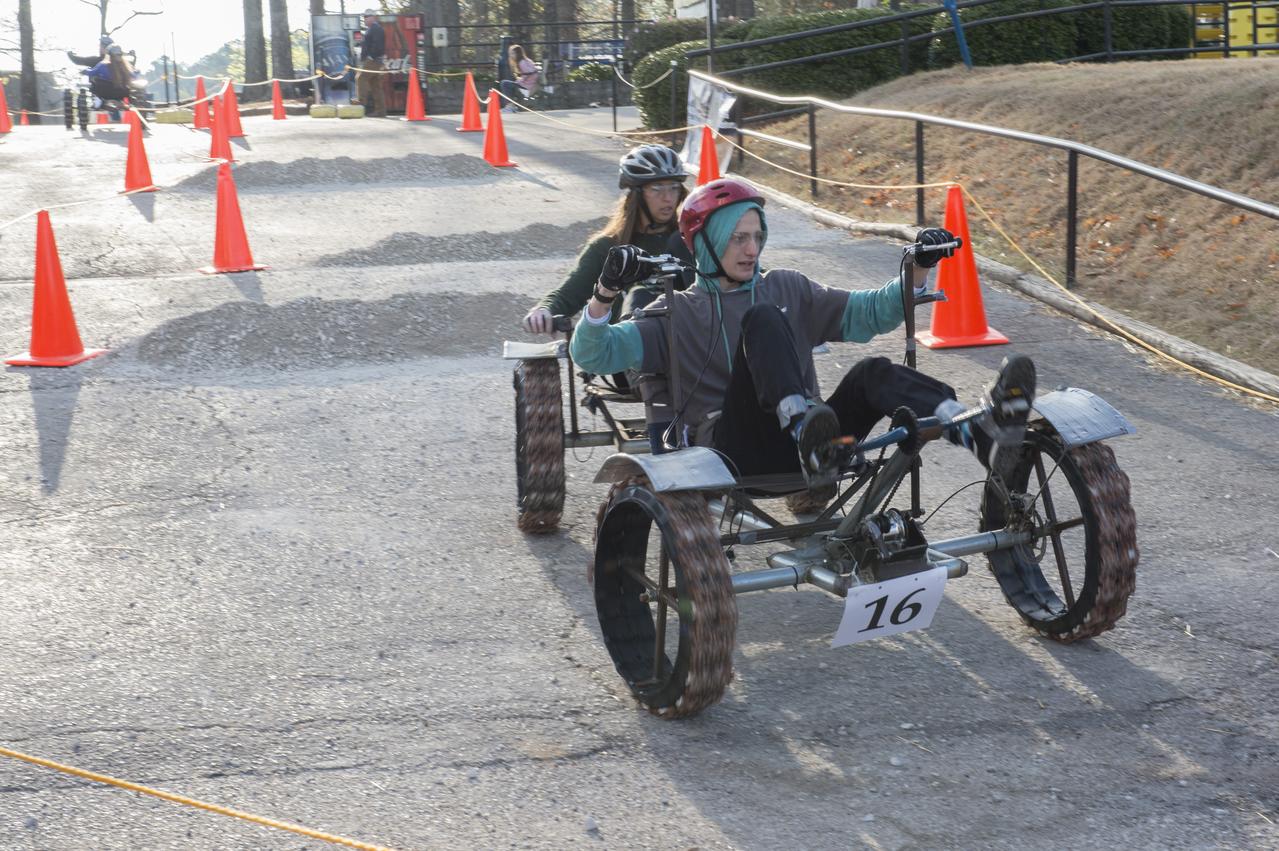
2017 Exploration Rover Challenge events at the U.S. Space and Rocket Center in Huntsville, Alabama. High school and college students from around the U.S. and the world come together for this 2 day event which challenges them to compete for the fastest time as well as technical design of the actual rover itself.
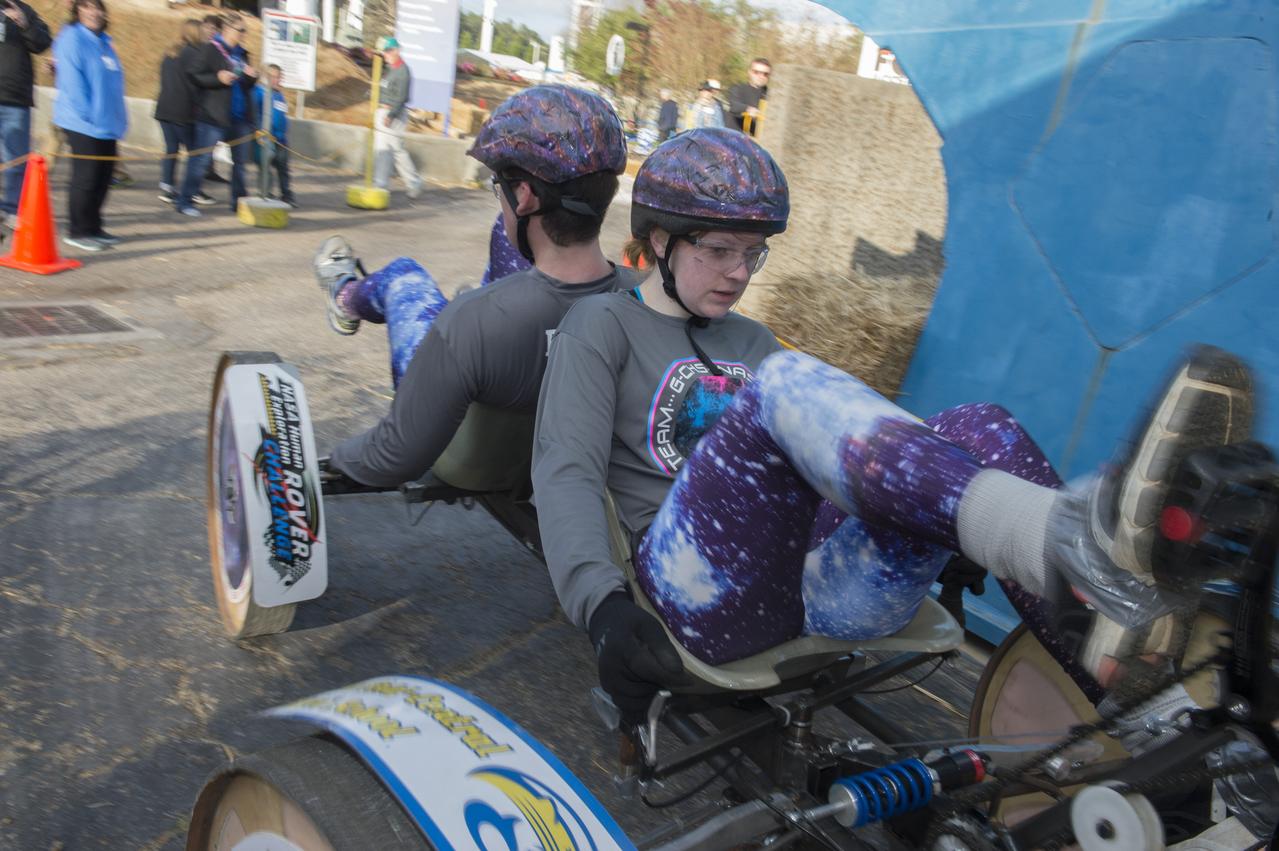
2017 Exploration Rover Challenge events at the U.S. Space and Rocket Center in Huntsville, Alabama. High school and college students from around the U.S. and the world come together for this 2 day event which challenges them to compete for the fastest time as well as technical design of the actual rover itself.
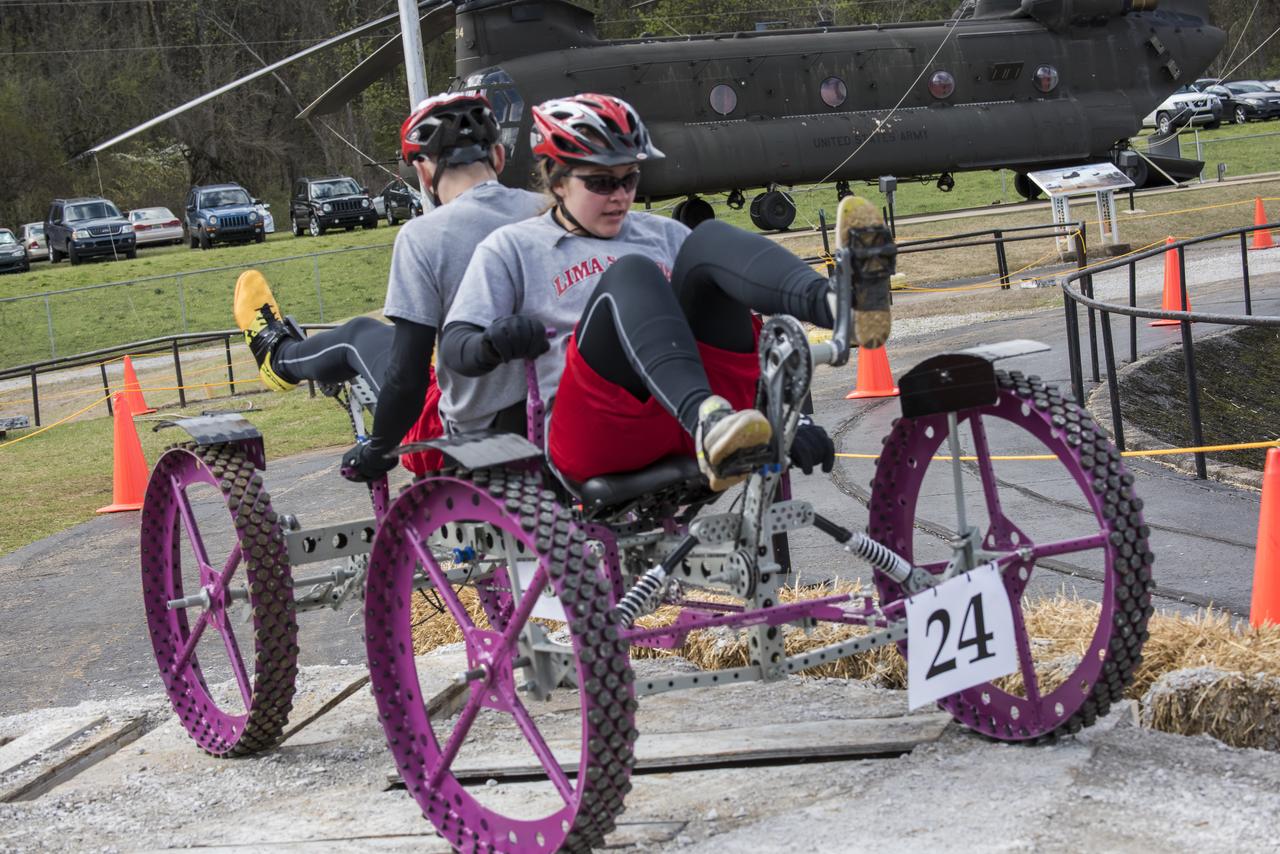
2017 Exploration Rover Challenge events at the U.S. Space and Rocket Center in Huntsville, Alabama. High school and college students from around the U.S. and the world come together for this 2 day event which challenges them to compete for the fastest time as well as technical design of the actual rover itself.
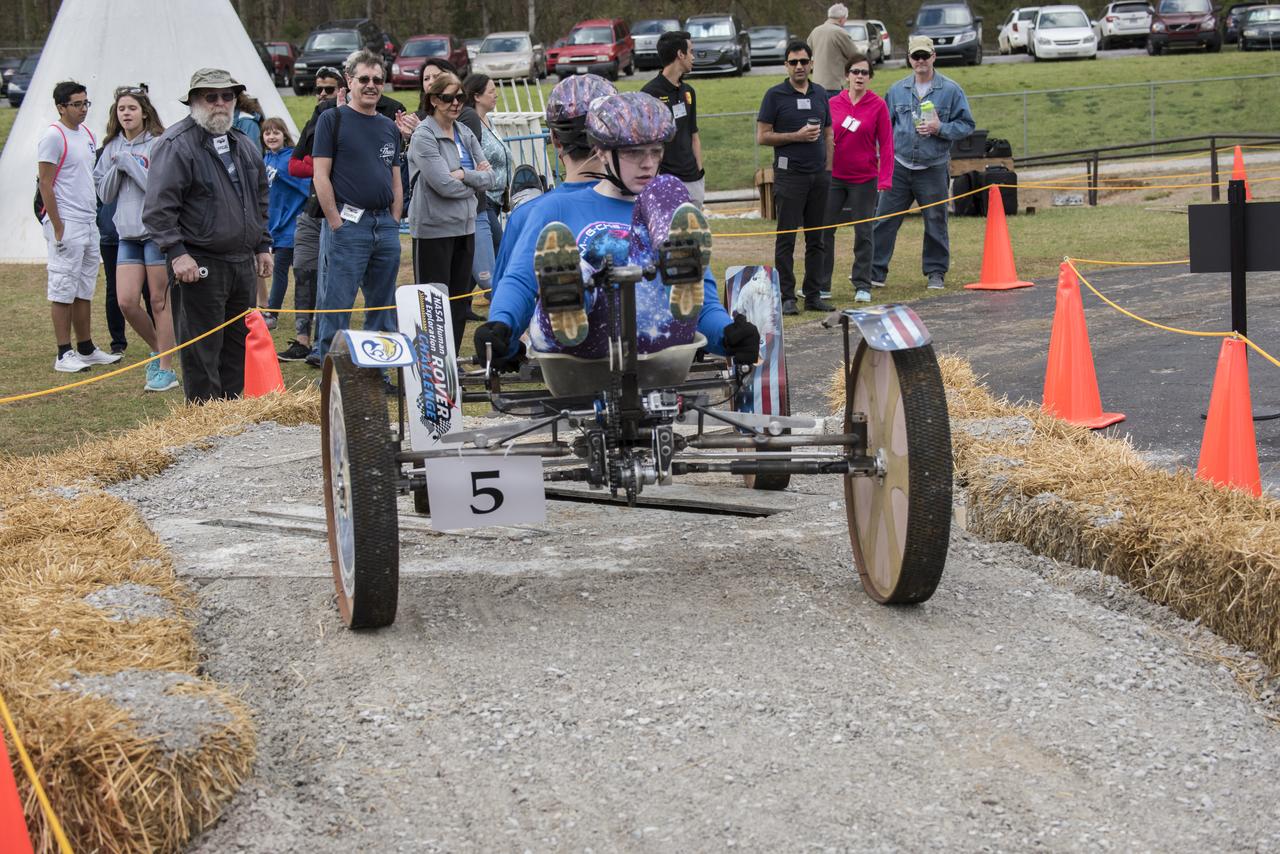
2017 Exploration Rover Challenge events at the U.S. Space and Rocket Center in Huntsville, Alabama. High school and college students from around the U.S. and the world come together for this 2 day event which challenges them to compete for the fastest time as well as technical design of the actual rover itself.
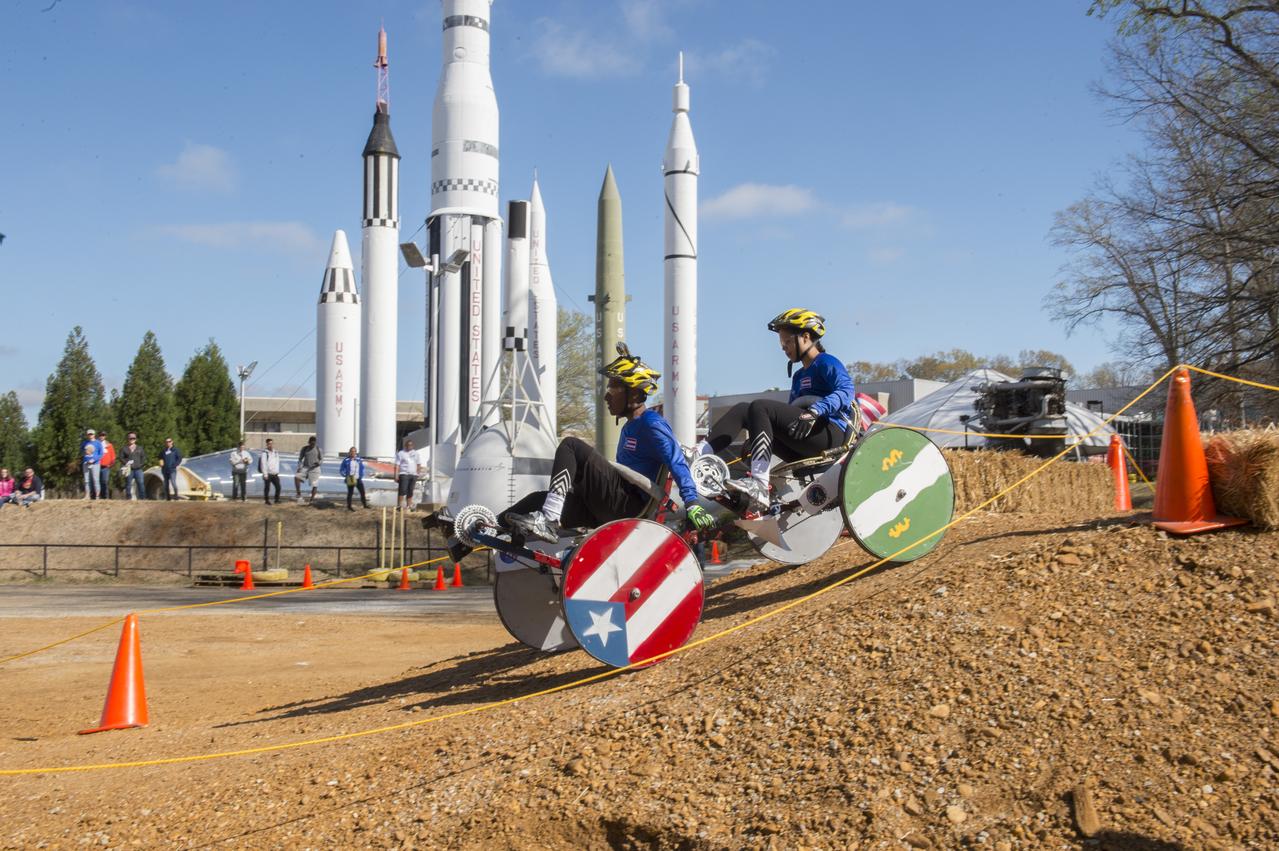
2017 Exploration Rover Challenge events at the U.S. Space and Rocket Center in Huntsville, Alabama. High school and college students from around the U.S. and the world come together for this 2 day event which challenges them to compete for the fastest time as well as technical design of the actual rover itself.
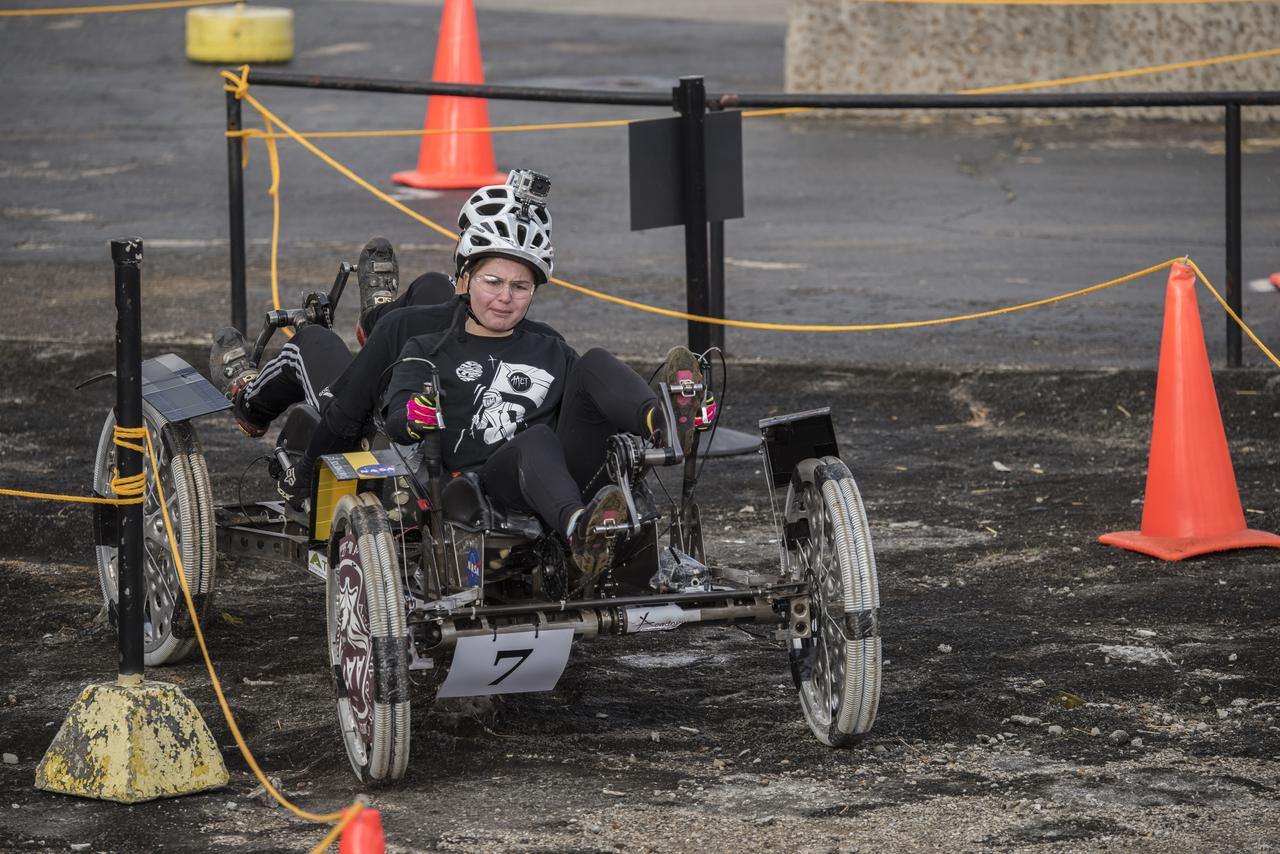
2017 Exploration Rover Challenge events at the U.S. Space and Rocket Center in Huntsville, Alabama. High school and college students from around the U.S. and the world come together for this 2 day event which challenges them to compete for the fastest time as well as technical design of the actual rover itself.
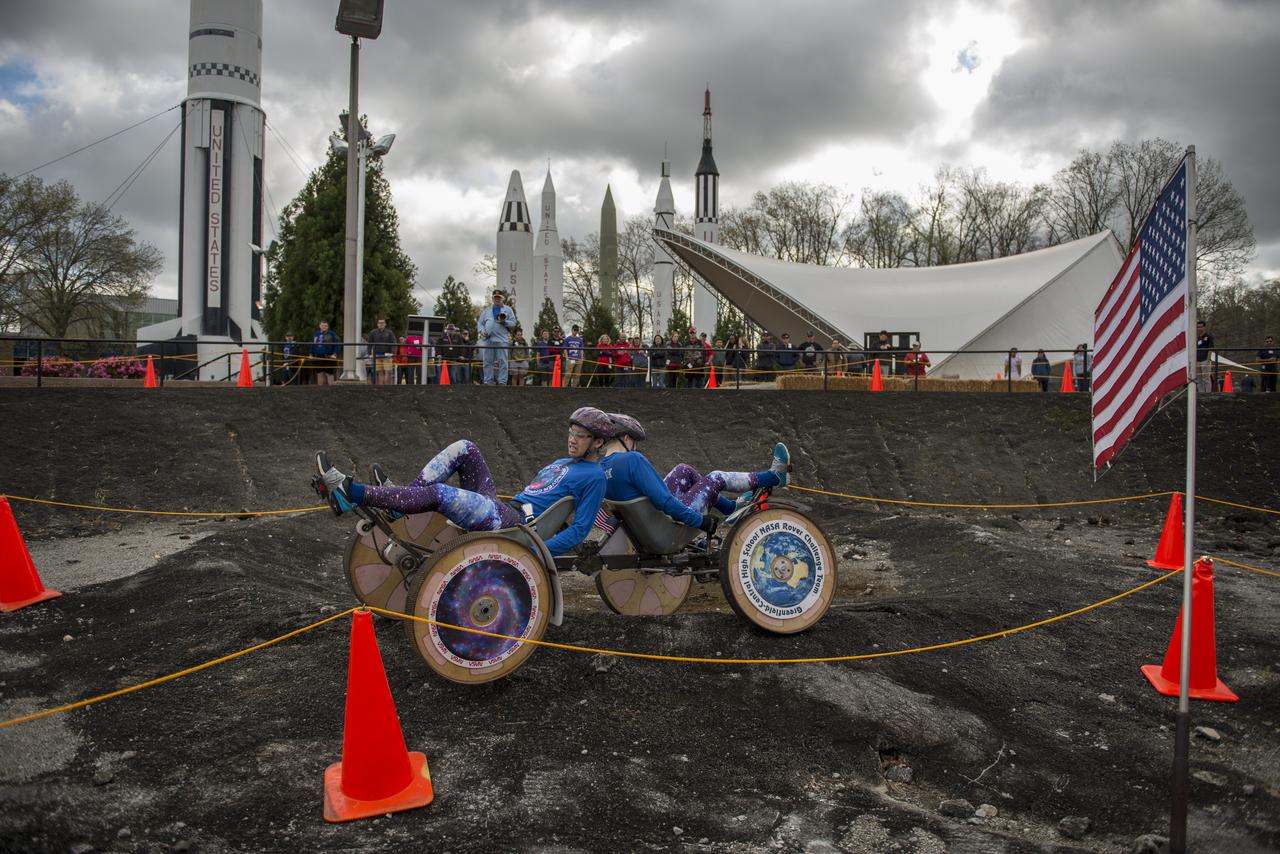
2017 Exploration Rover Challenge events at the U.S. Space and Rocket Center in Huntsville, Alabama. High school and college students from around the U.S. and the world come together for this 2 day event which challenges them to compete for the fastest time as well as technical design of the actual rover itself.
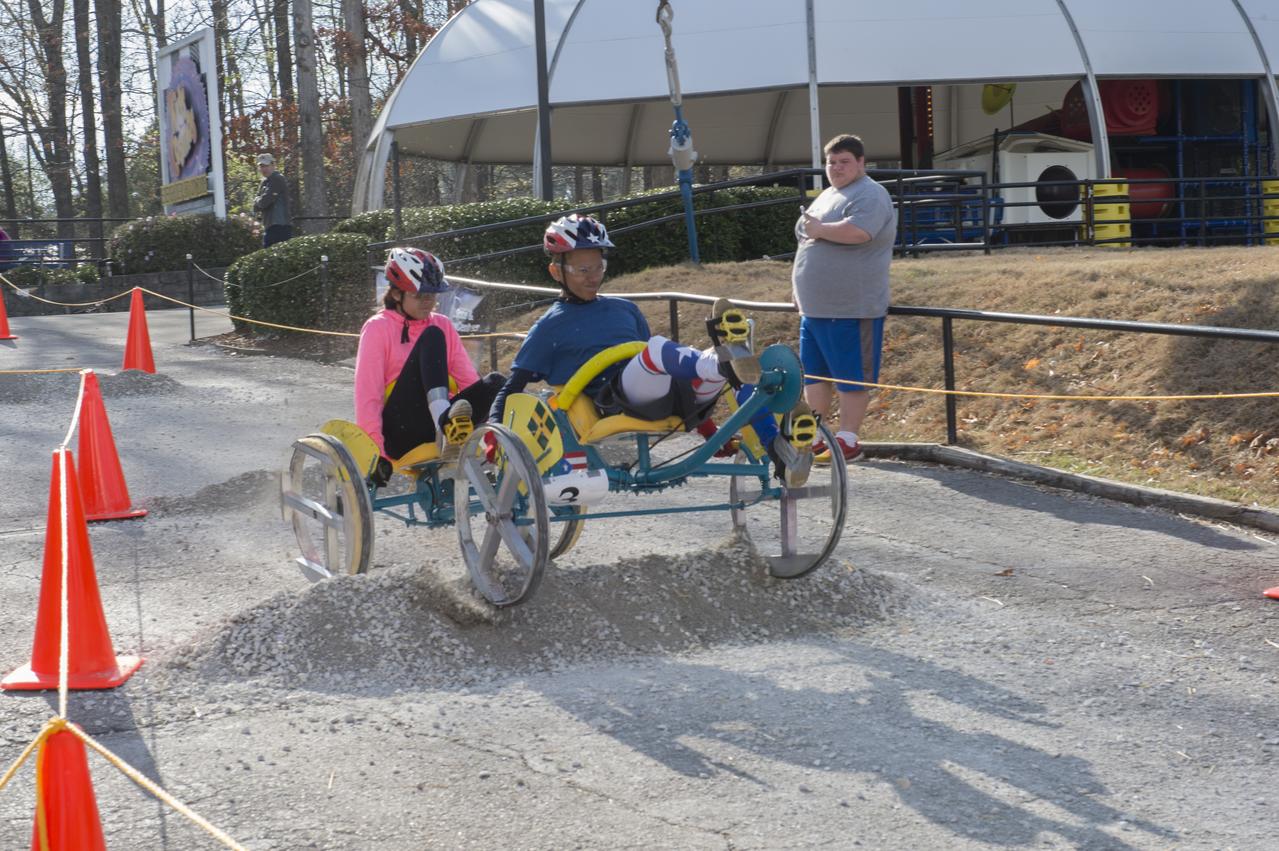
2017 Exploration Rover Challenge events at the U.S. Space and Rocket Center in Huntsville, Alabama. High school and college students from around the U.S. and the world come together for this 2 day event which challenges them to compete for the fastest time as well as technical design of the actual rover itself.
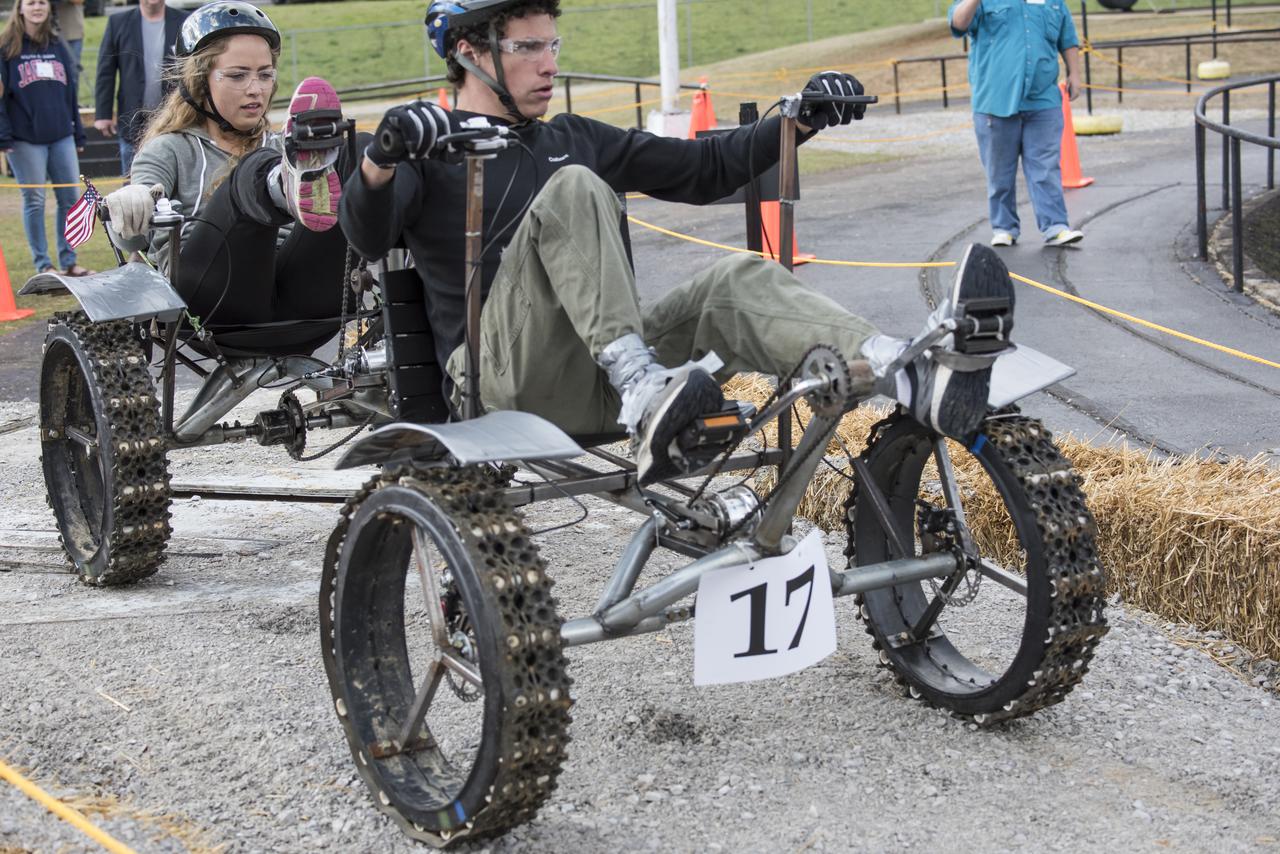
2017 Exploration Rover Challenge events at the U.S. Space and Rocket Center in Huntsville, Alabama. High school and college students from around the U.S. and the world come together for this 2 day event which challenges them to compete for the fastest time as well as technical design of the actual rover itself.
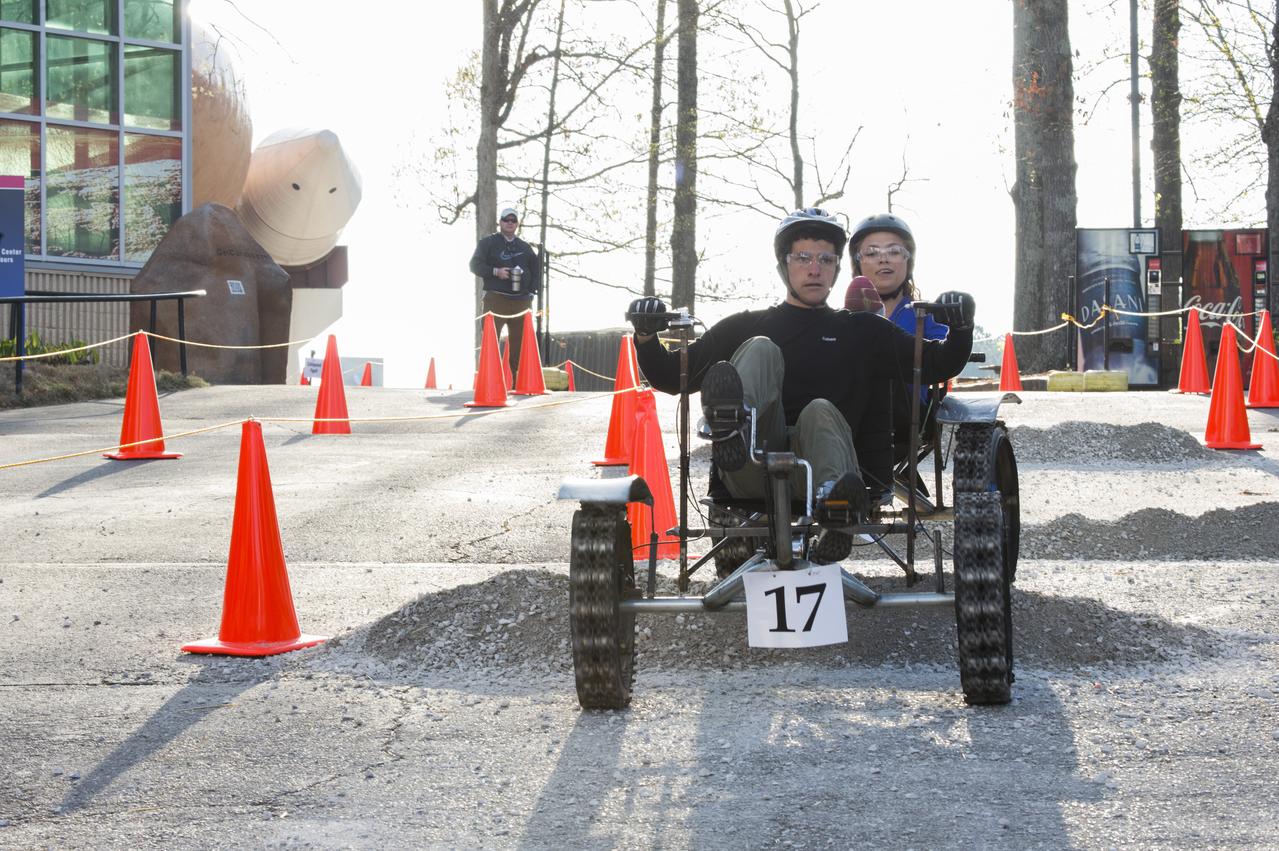
2017 Exploration Rover Challenge events at the U.S. Space and Rocket Center in Huntsville, Alabama. High school and college students from around the U.S. and the world come together for this 2 day event which challenges them to compete for the fastest time as well as technical design of the actual rover itself.
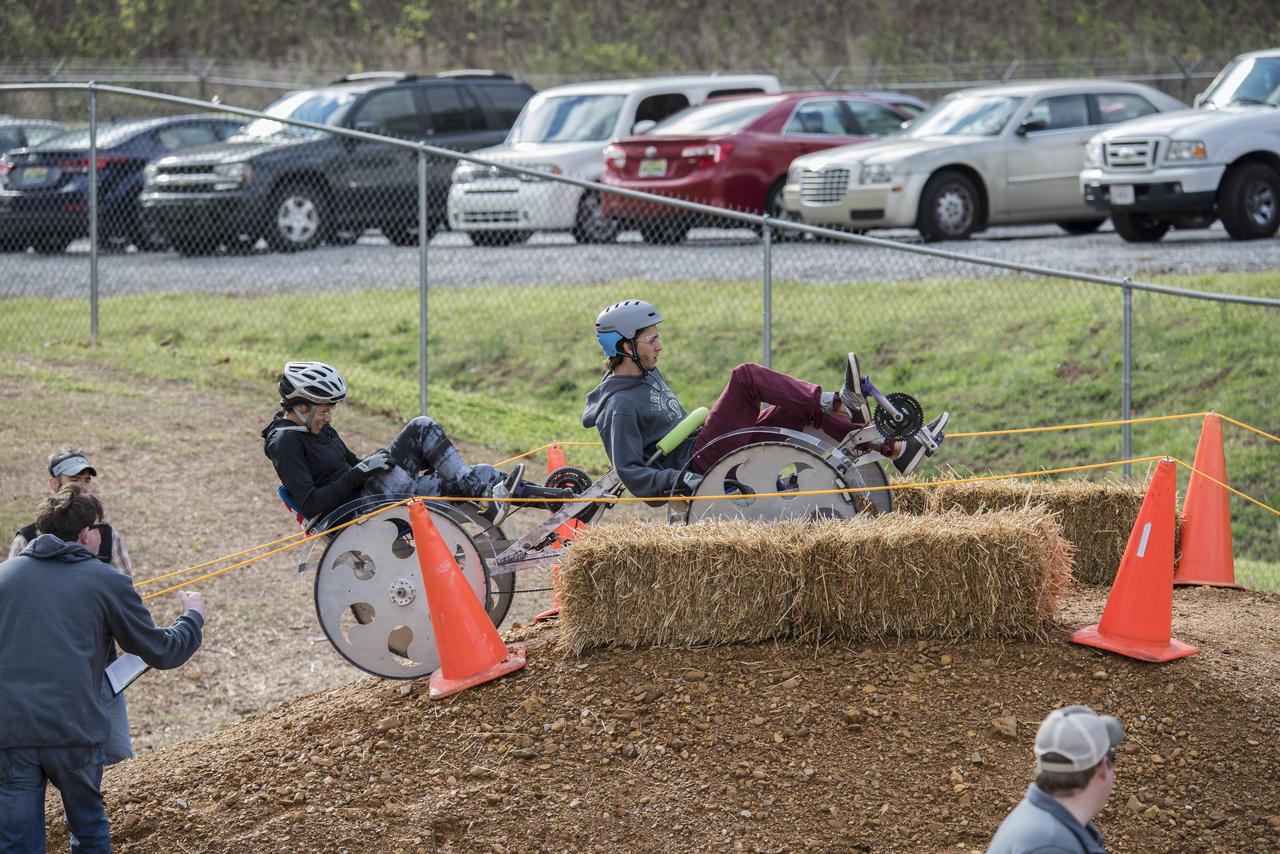
2017 Exploration Rover Challenge events at the U.S. Space and Rocket Center in Huntsville, Alabama. High school and college students from around the U.S. and the world come together for this 2 day event which challenges them to compete for the fastest time as well as technical design of the actual rover itself.
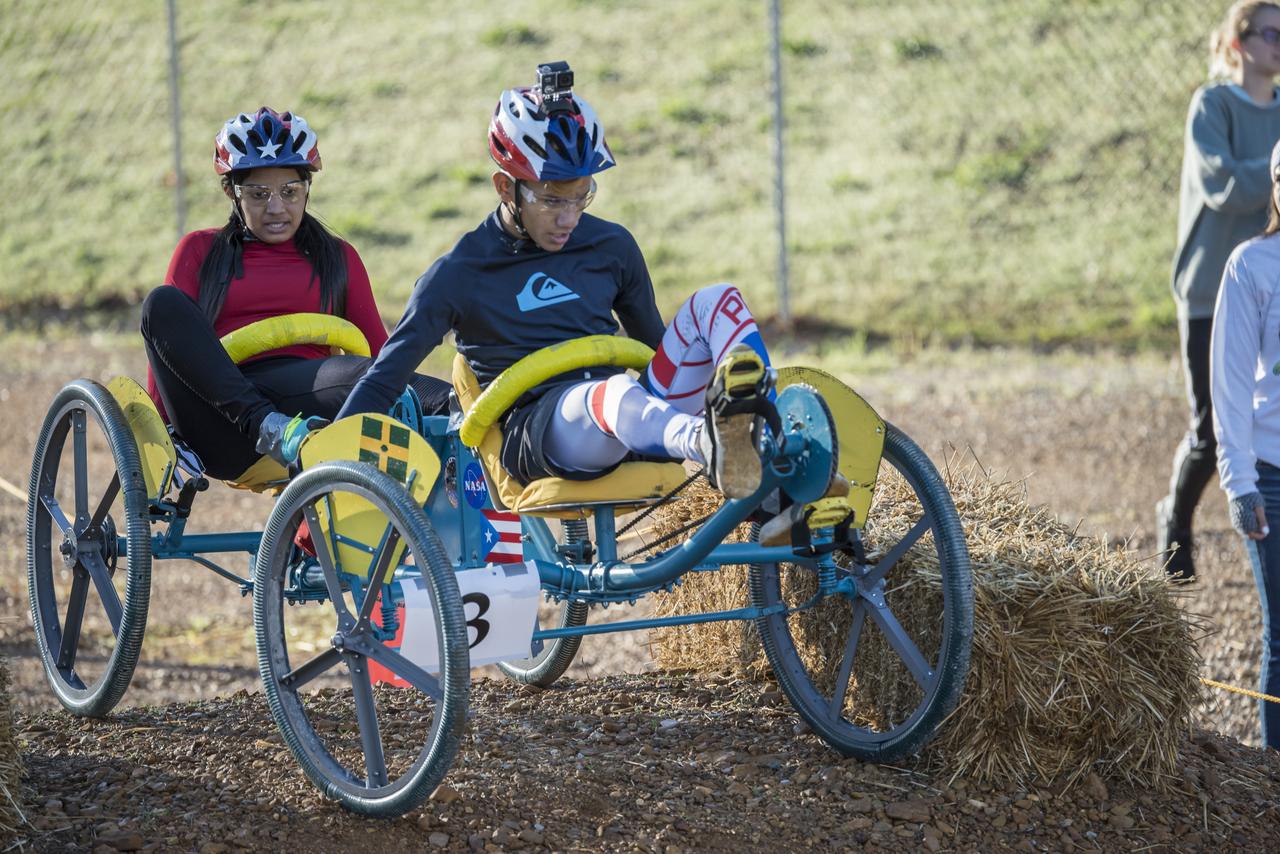
2017 Exploration Rover Challenge events at the U.S. Space and Rocket Center in Huntsville, Alabama. High school and college students from around the U.S. and the world come together for this 2 day event which challenges them to compete for the fastest time as well as technical design of the actual rover itself.
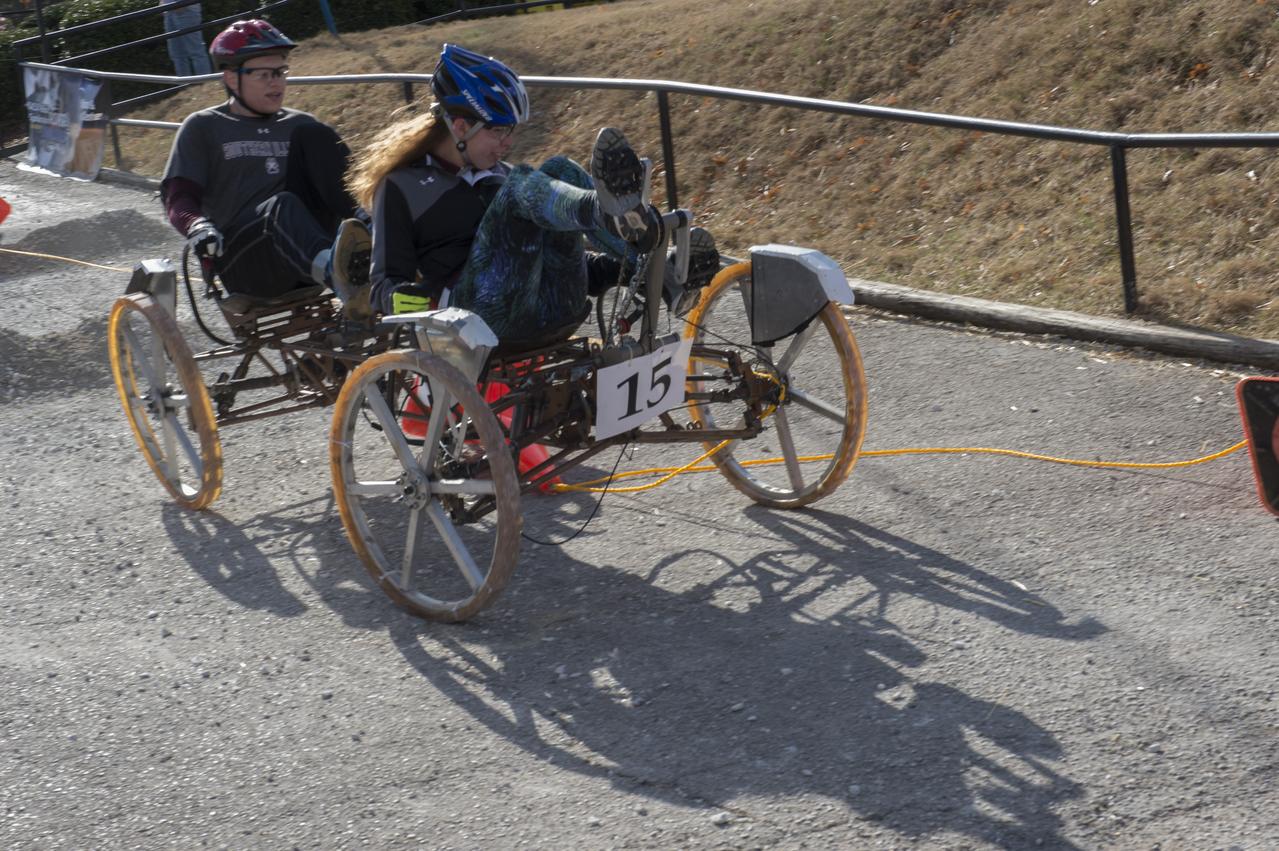
2017 Exploration Rover Challenge events at the U.S. Space and Rocket Center in Huntsville, Alabama. High school and college students from around the U.S. and the world come together for this 2 day event which challenges them to compete for the fastest time as well as technical design of the actual rover itself.
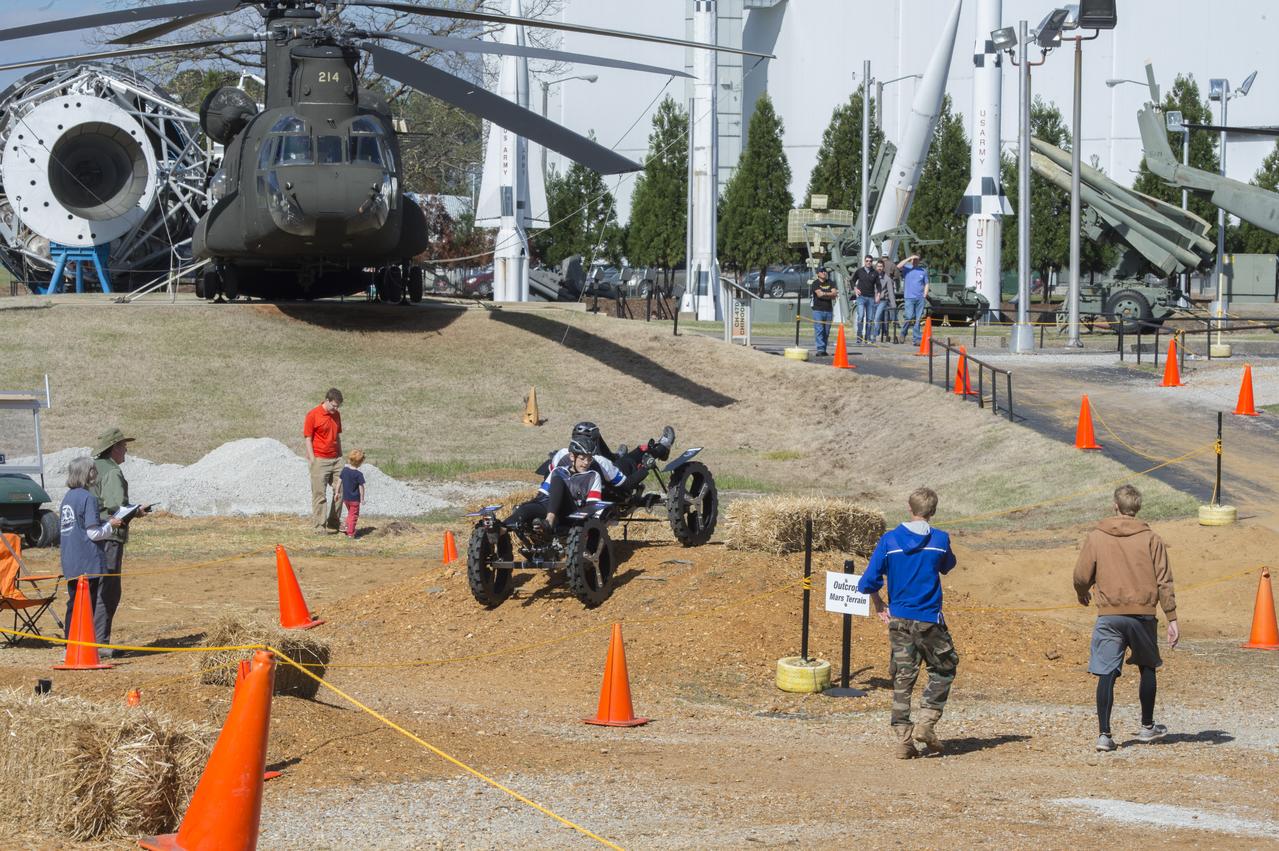
2017 Exploration Rover Challenge events at the U.S. Space and Rocket Center in Huntsville, Alabama. High school and college students from around the U.S. and the world come together for this 2 day event which challenges them to compete for the fastest time as well as technical design of the actual rover itself.
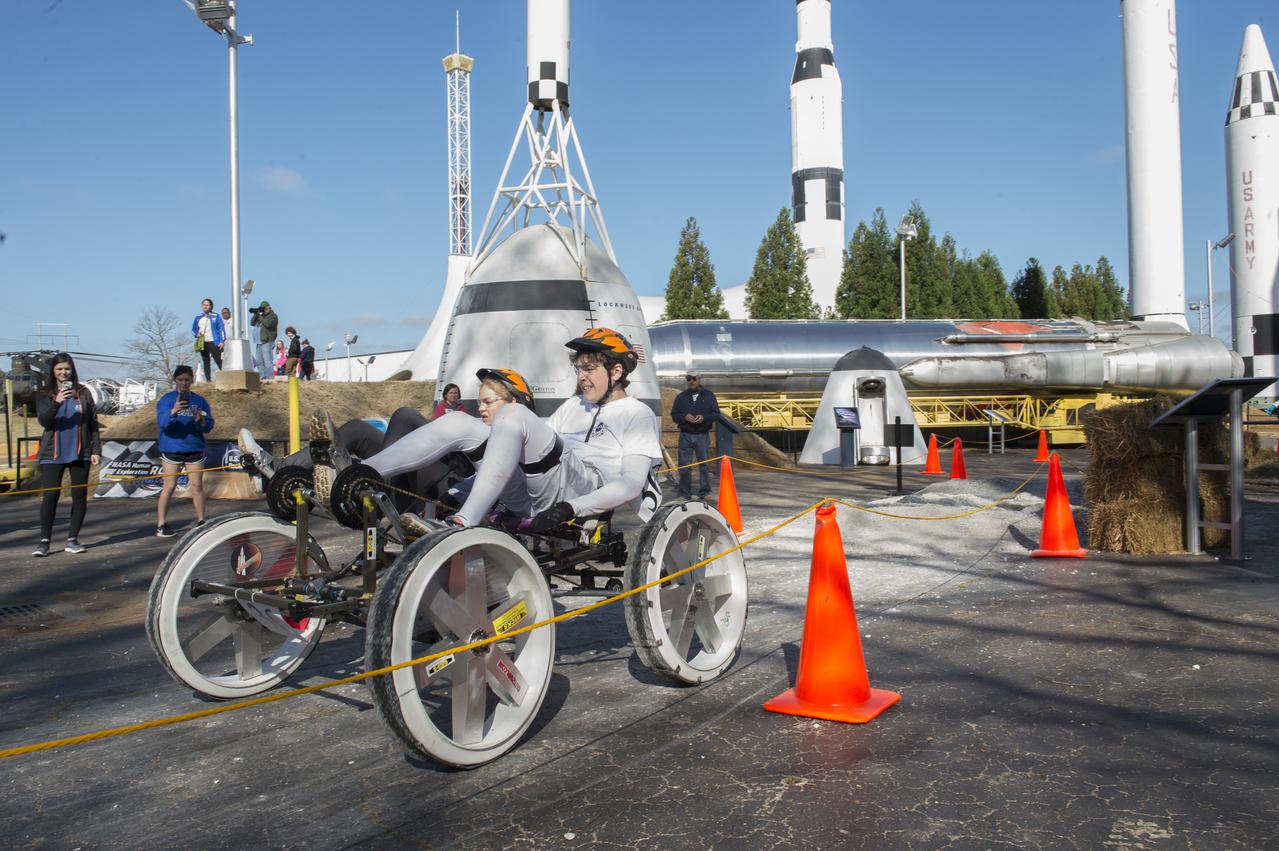
2017 Exploration Rover Challenge events at the U.S. Space and Rocket Center in Huntsville, Alabama. High school and college students from around the U.S. and the world come together for this 2 day event which challenges them to compete for the fastest time as well as technical design of the actual rover itself.
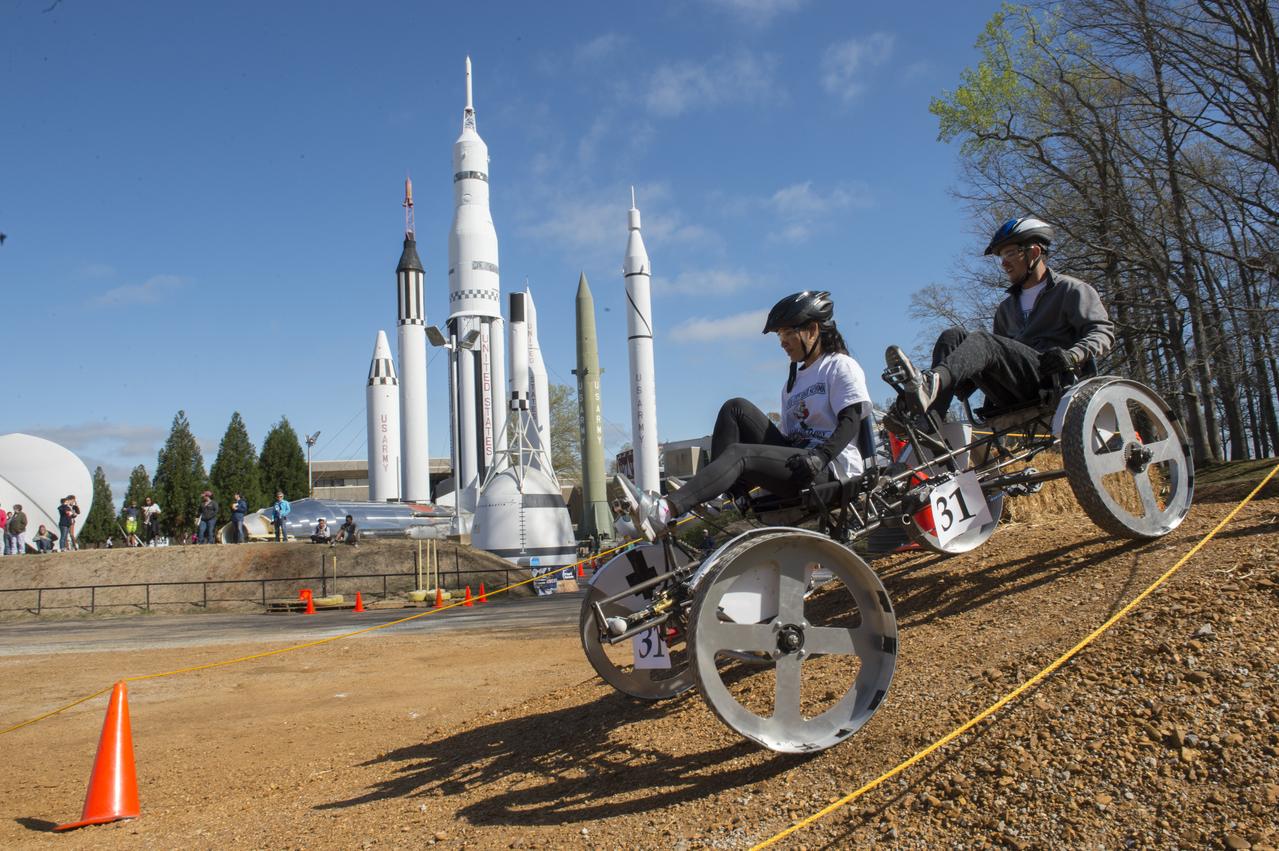
2017 Exploration Rover Challenge events at the U.S. Space and Rocket Center in Huntsville, Alabama. High school and college students from around the U.S. and the world come together for this 2 day event which challenges them to compete for the fastest time as well as technical design of the actual rover itself.
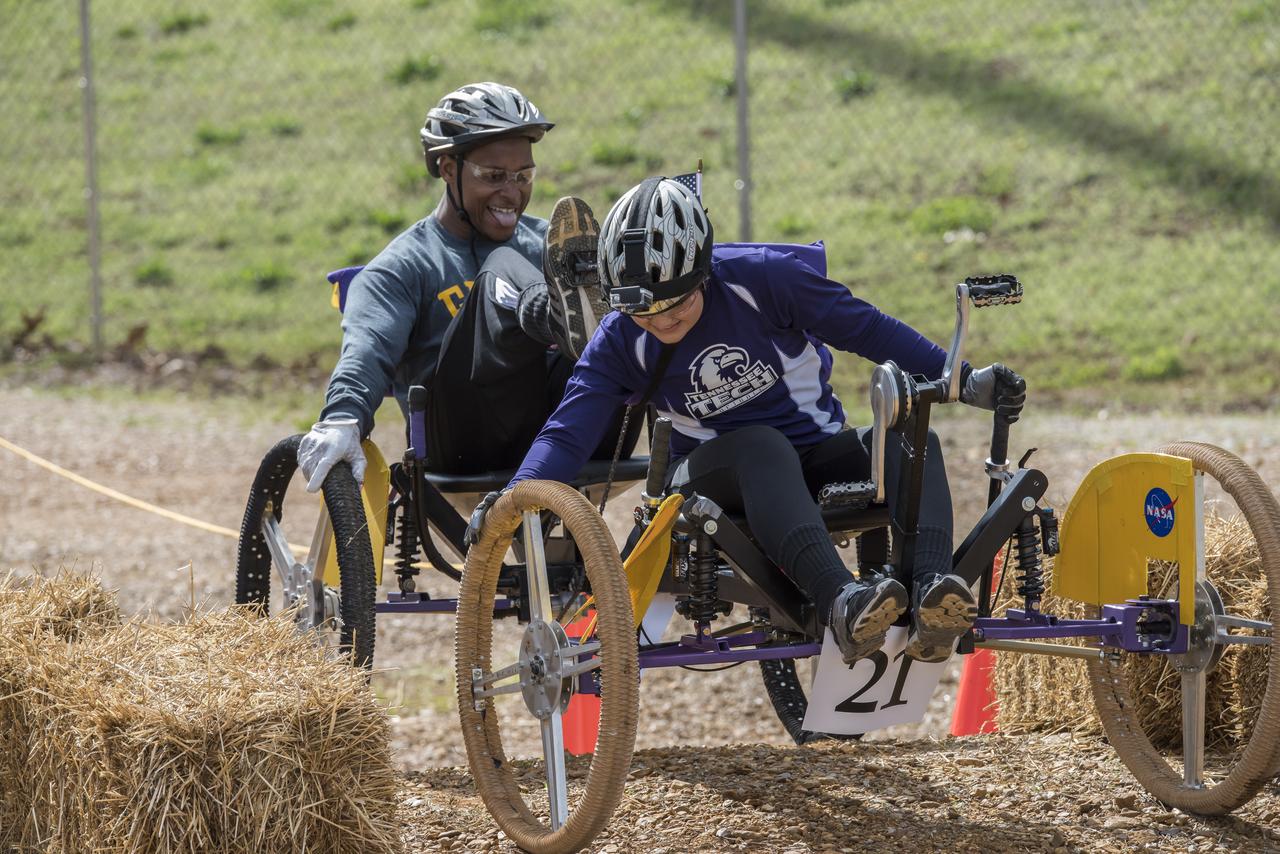
2017 Exploration Rover Challenge events at the U.S. Space and Rocket Center in Huntsville, Alabama. High school and college students from around the U.S. and the world come together for this 2 day event which challenges them to compete for the fastest time as well as technical design of the actual rover itself.
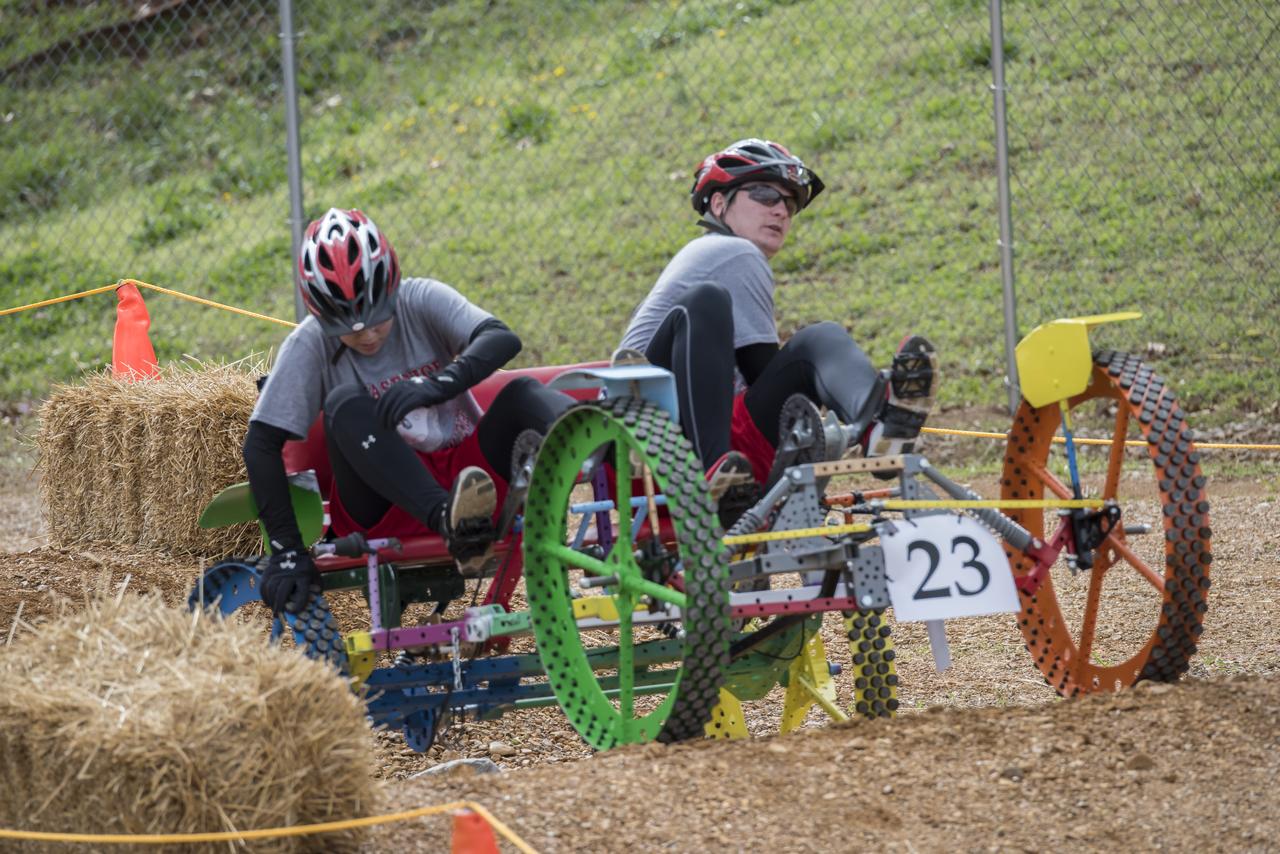
2017 Exploration Rover Challenge events at the U.S. Space and Rocket Center in Huntsville, Alabama. High school and college students from around the U.S. and the world come together for this 2 day event which challenges them to compete for the fastest time as well as technical design of the actual rover itself.
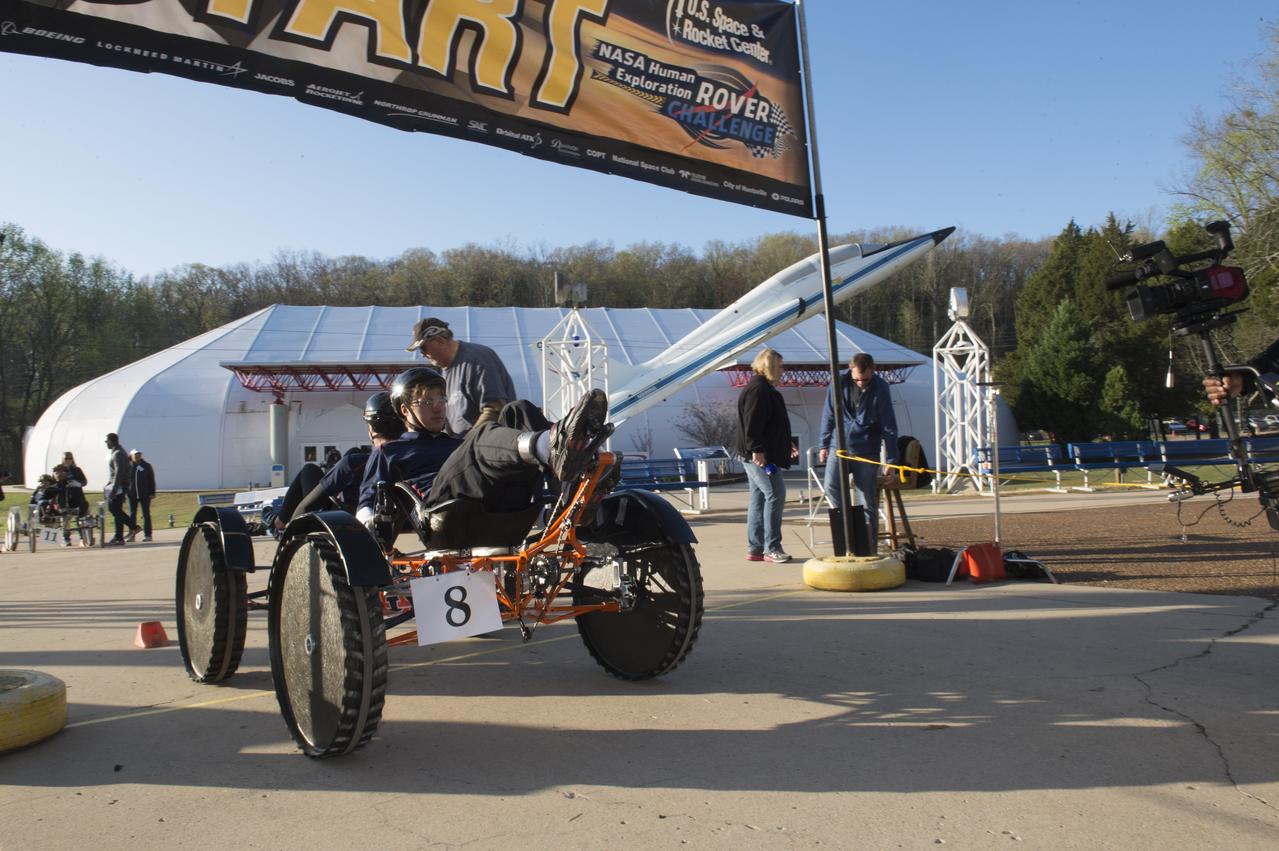
2017 Exploration Rover Challenge events at the U.S. Space and Rocket Center in Huntsville, Alabama. High school and college students from around the U.S. and the world come together for this 2 day event which challenges them to compete for the fastest time as well as technical design of the actual rover itself.
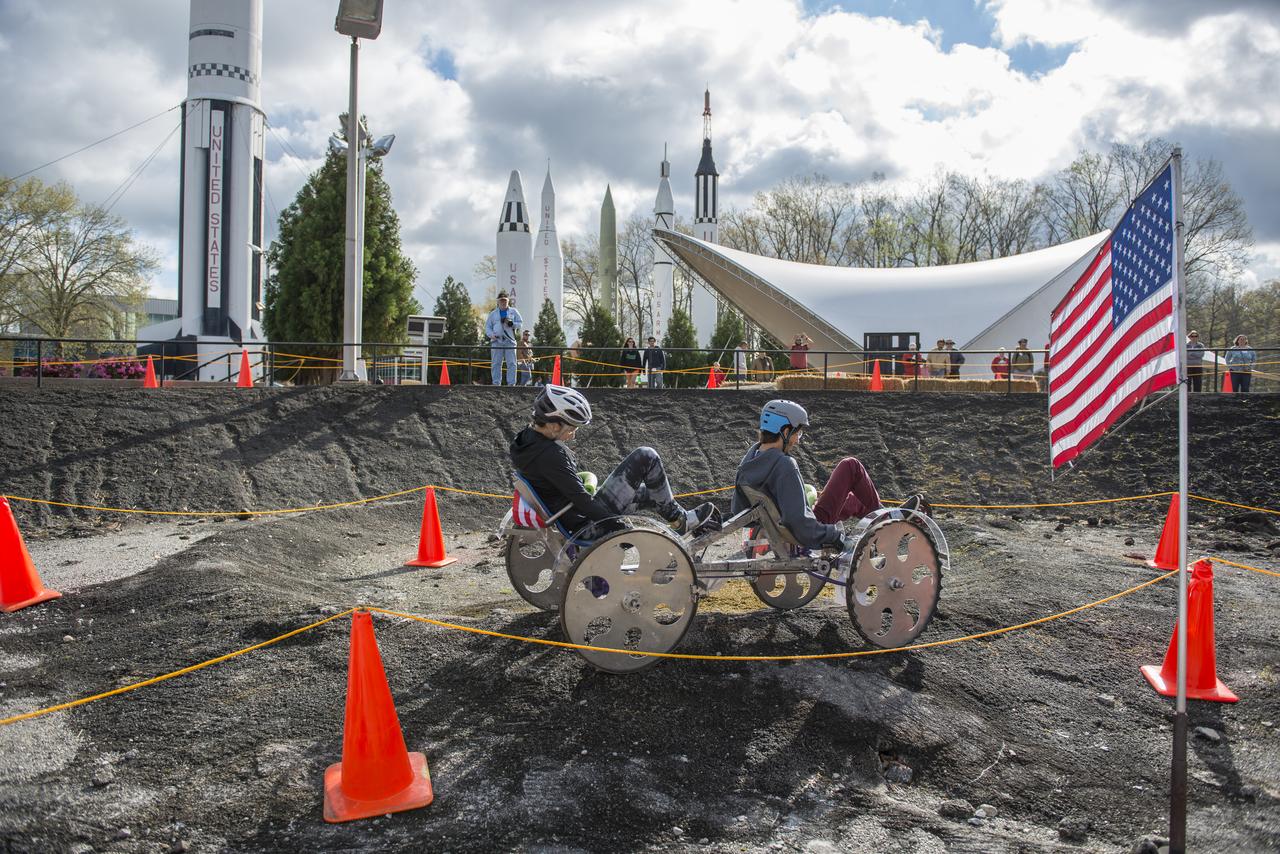
2017 Exploration Rover Challenge events at the U.S. Space and Rocket Center in Huntsville, Alabama. High school and college students from around the U.S. and the world come together for this 2 day event which challenges them to compete for the fastest time as well as technical design of the actual rover itself.

2017 Exploration Rover Challenge events at the U.S. Space and Rocket Center in Huntsville, Alabama. High school and college students from around the U.S. and the world come together for this 2 day event which challenges them to compete for the fastest time as well as technical design of the actual rover itself.
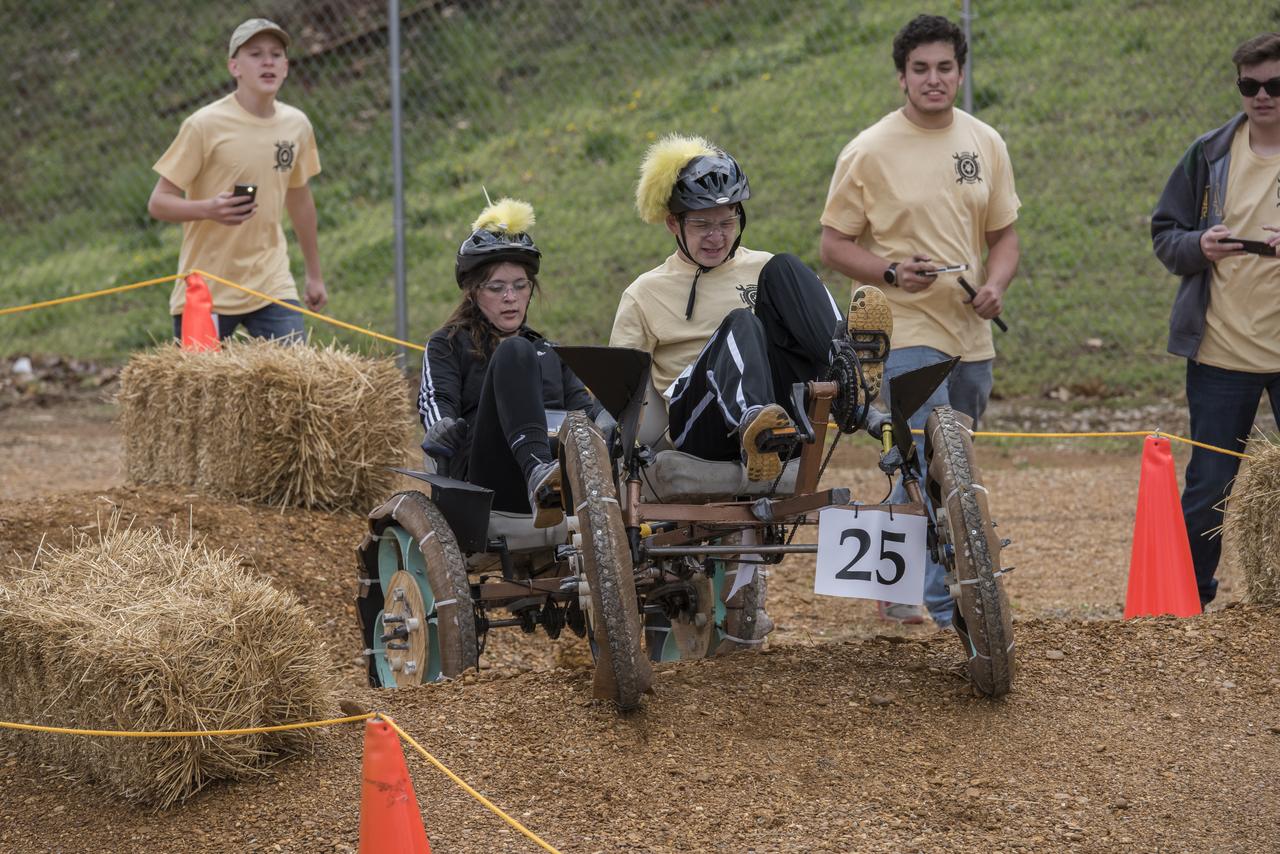
2017 Exploration Rover Challenge events at the U.S. Space and Rocket Center in Huntsville, Alabama. High school and college students from around the U.S. and the world come together for this 2 day event which challenges them to compete for the fastest time as well as technical design of the actual rover itself.
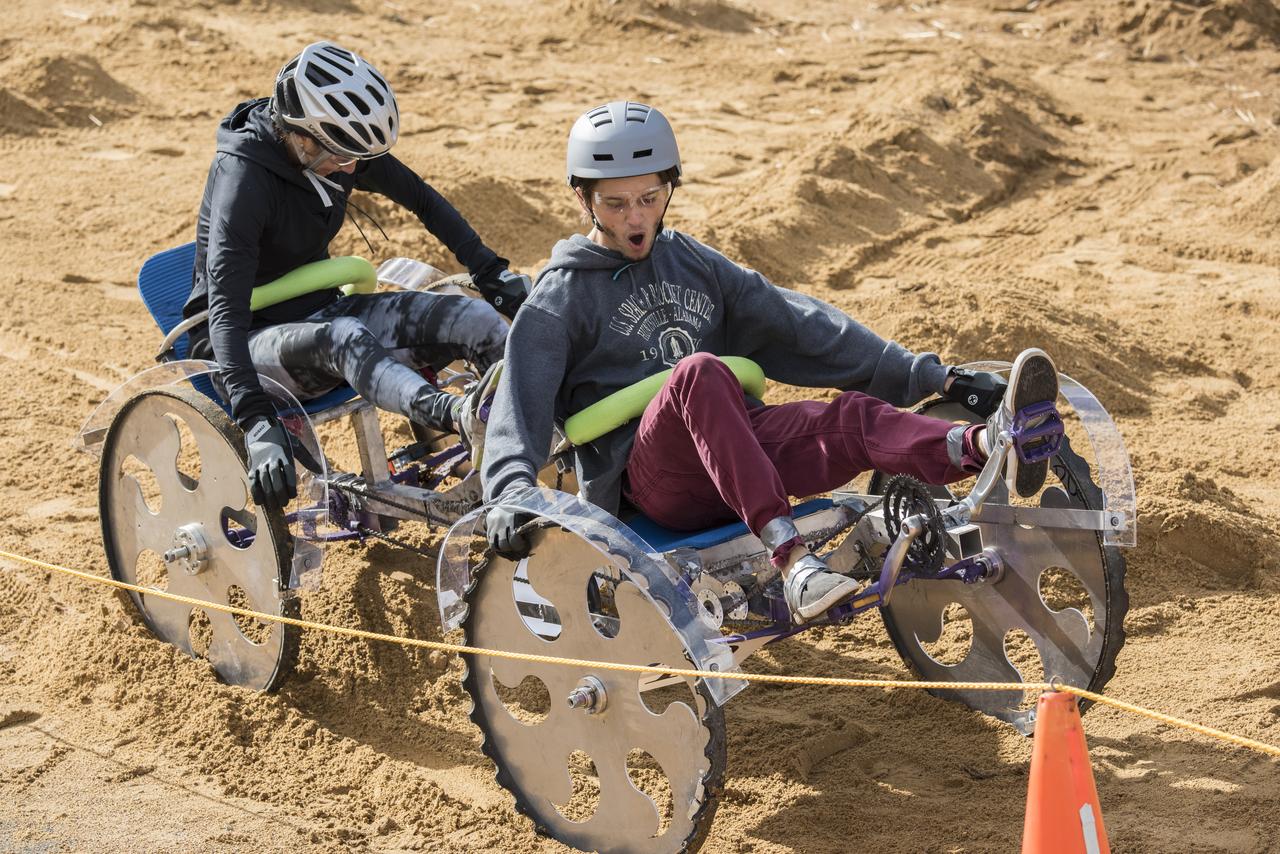
2017 Exploration Rover Challenge events at the U.S. Space and Rocket Center in Huntsville, Alabama. High school and college students from around the U.S. and the world come together for this 2 day event which challenges them to compete for the fastest time as well as technical design of the actual rover itself.
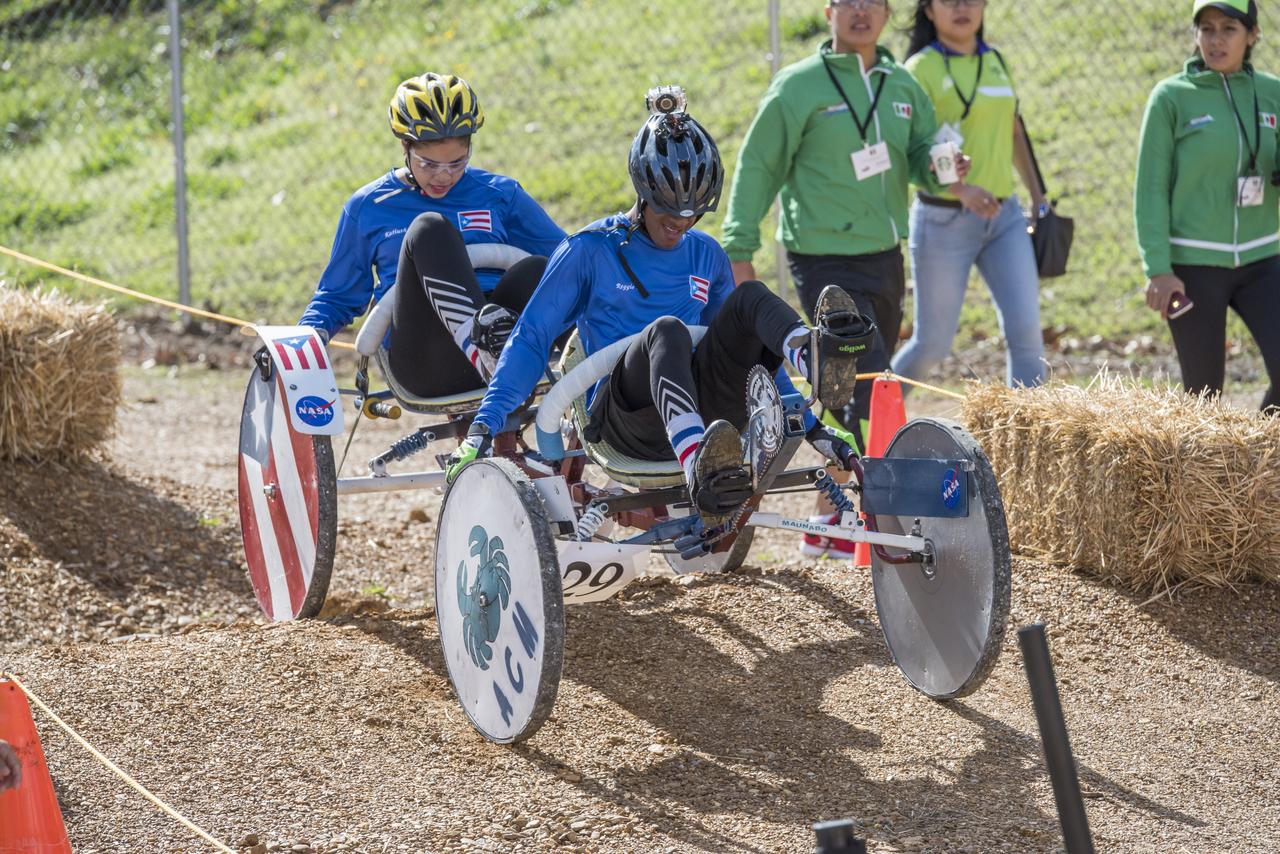
2017 Exploration Rover Challenge events at the U.S. Space and Rocket Center in Huntsville, Alabama. High school and college students from around the U.S. and the world come together for this 2 day event which challenges them to compete for the fastest time as well as technical design of the actual rover itself.
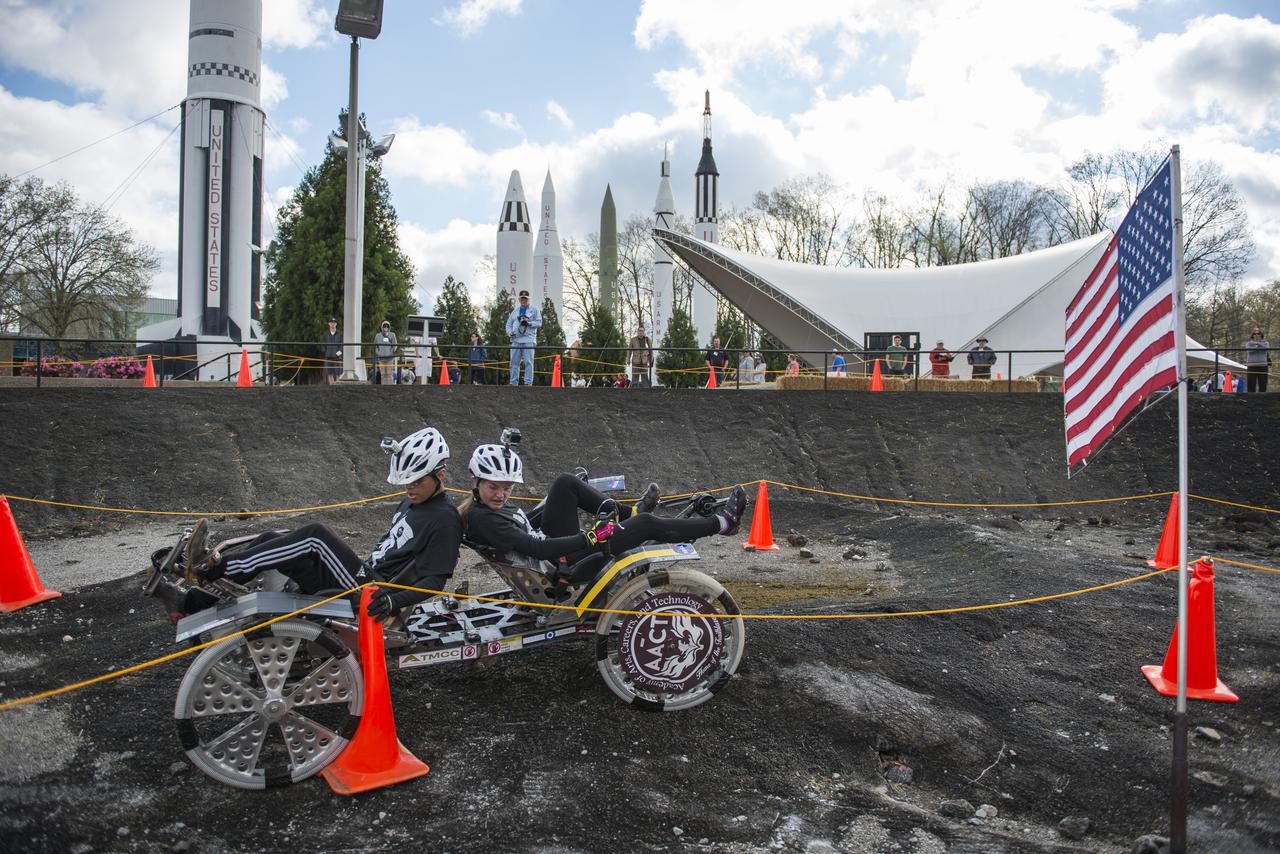
2017 Exploration Rover Challenge events at the U.S. Space and Rocket Center in Huntsville, Alabama. High school and college students from around the U.S. and the world come together for this 2 day event which challenges them to compete for the fastest time as well as technical design of the actual rover itself.
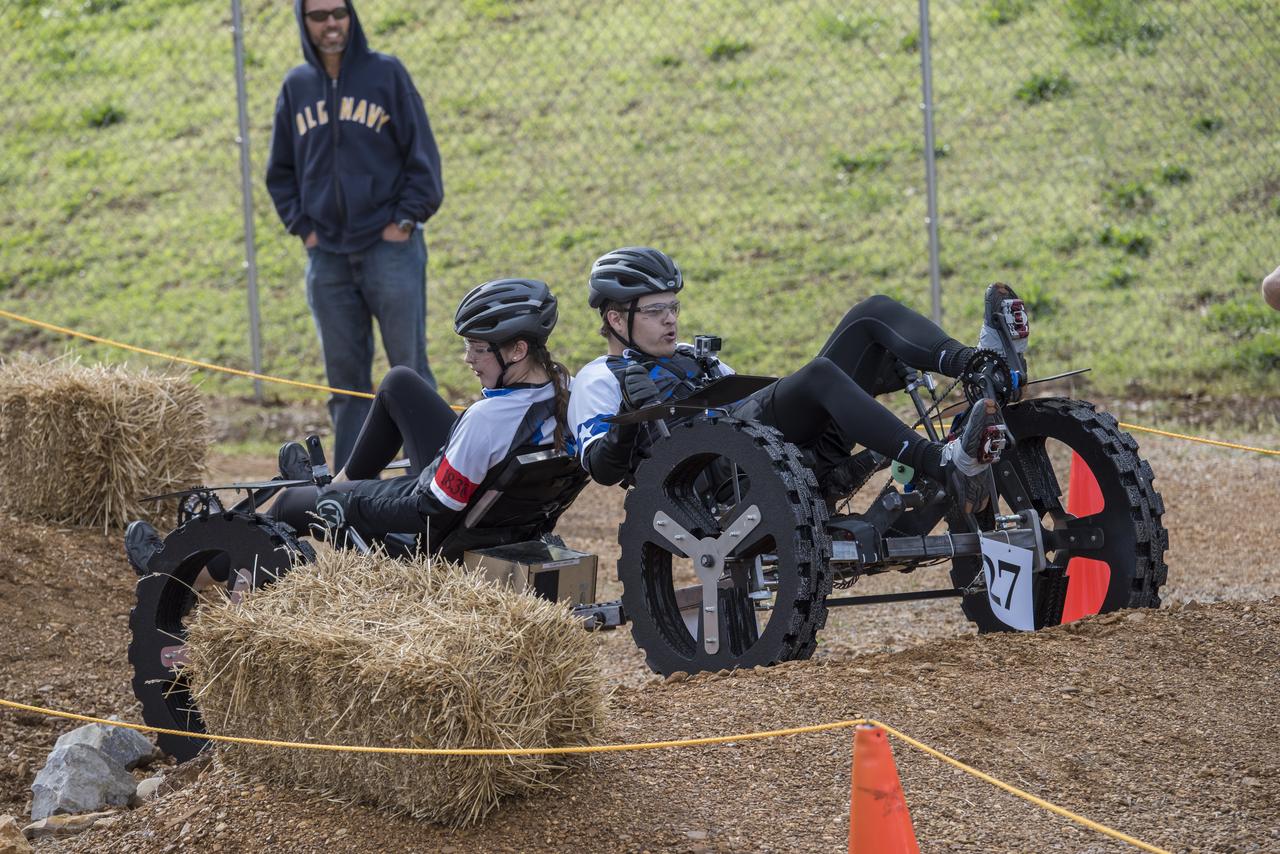
2017 Exploration Rover Challenge events at the U.S. Space and Rocket Center in Huntsville, Alabama. High school and college students from around the U.S. and the world come together for this 2 day event which challenges them to compete for the fastest time as well as technical design of the actual rover itself.
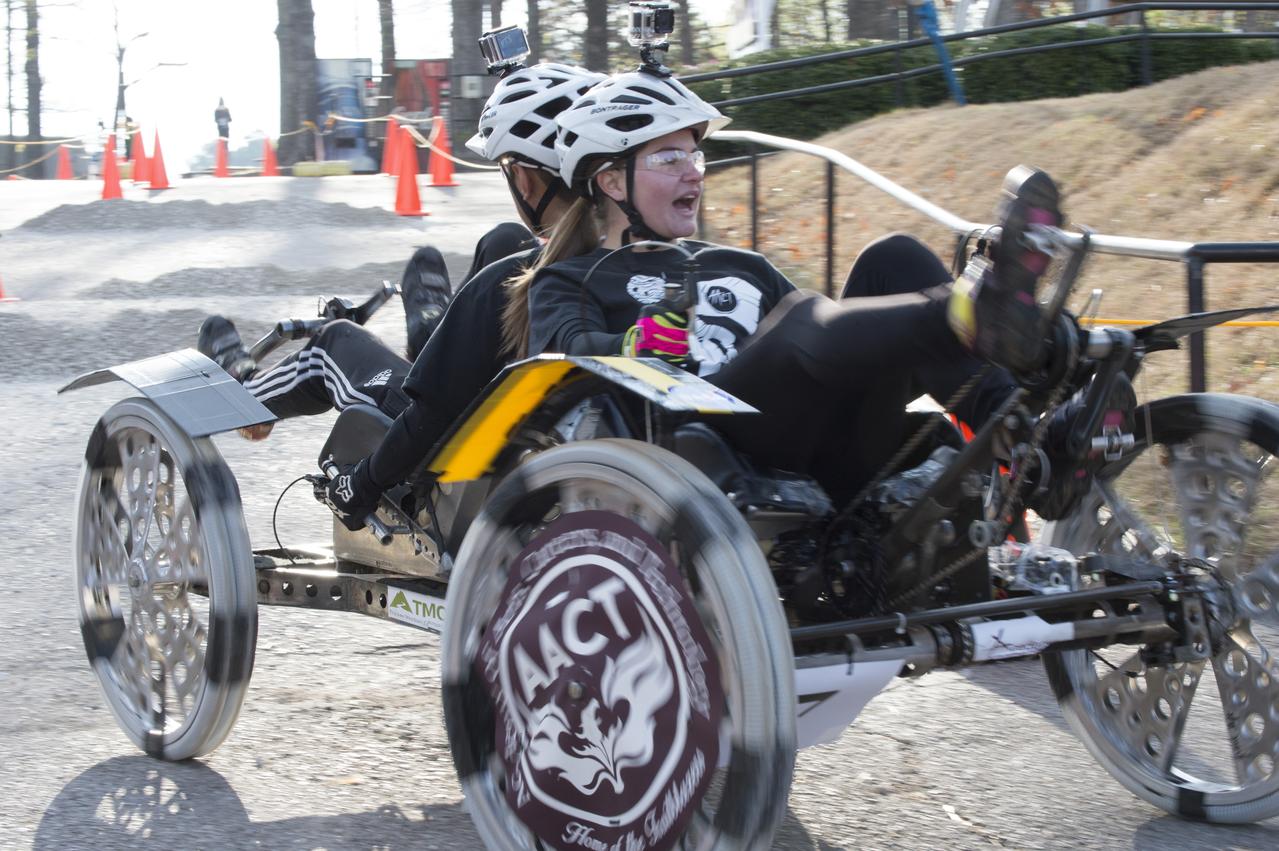
2017 Exploration Rover Challenge events at the U.S. Space and Rocket Center in Huntsville, Alabama. High school and college students from around the U.S. and the world come together for this 2 day event which challenges them to compete for the fastest time as well as technical design of the actual rover itself.
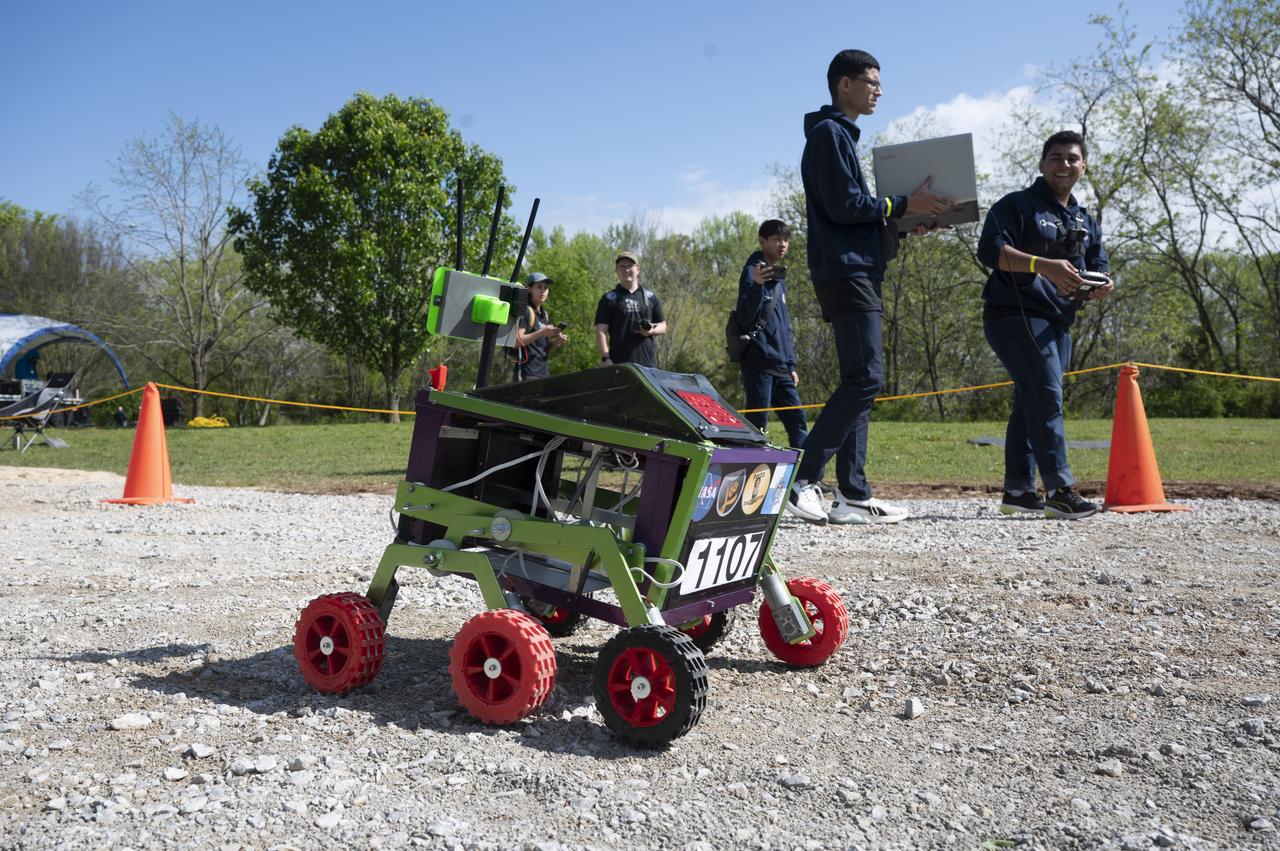
More than 500 students with 75 teams from around the world participated in the 31st year of NASA’s Human Exploration Rover Challenge (HERC) on April 11 and April 12, 2025, near NASA’s Marshall Space Flight Center in Huntsville, Alabama. Participating teams represented 35 colleges and universities, 38 high schools, and two middle schools from 20 states, Puerto Rico, and 16 other nations. NASA expanded the 2025 challenge to include a remote-control division - named Remote-Operated Vehicular Research - and invited middle school students to participate. Teams were awarded points based on navigating a half-mile obstacle course, conducting mission-specific task challenges, and completing multiple safety and design reviews with NASA engineers.
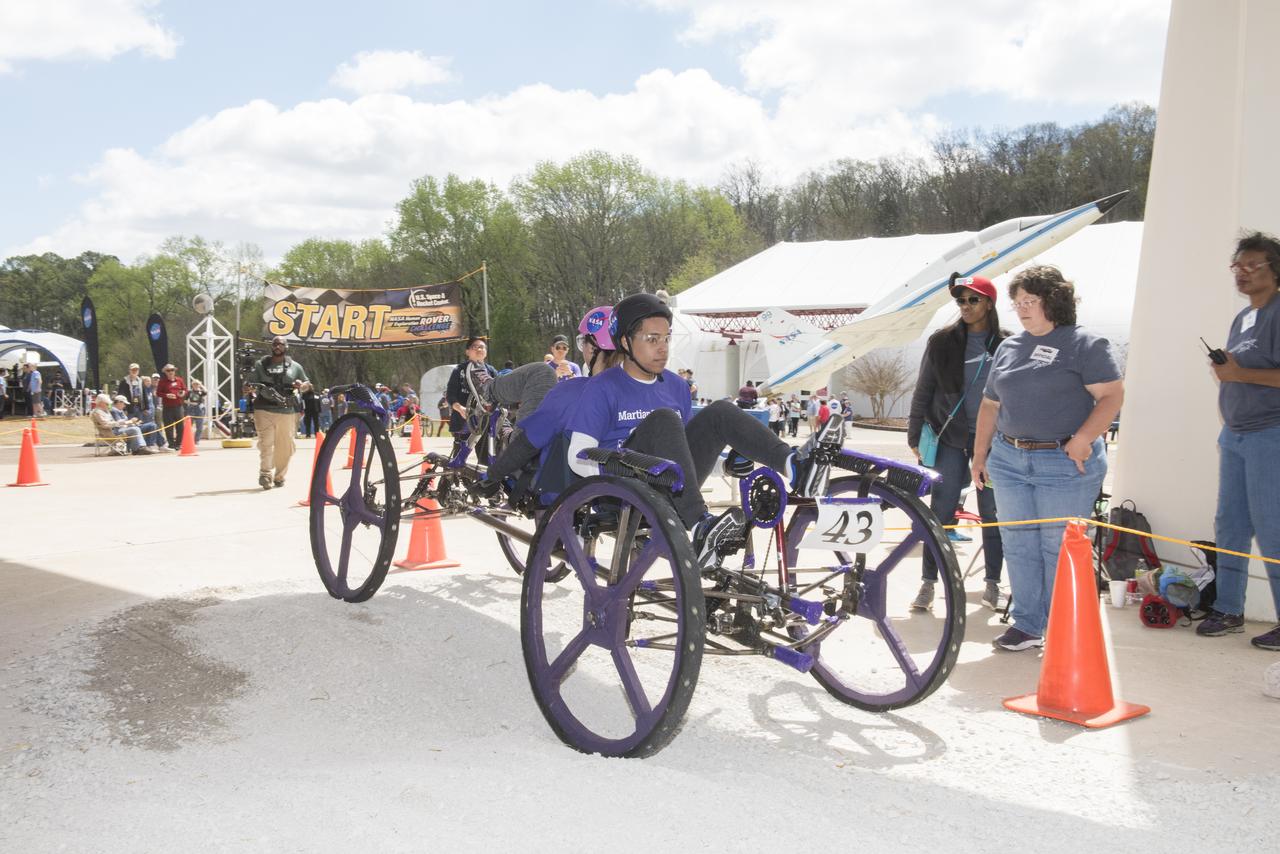
2017 Exploration Rover Challenge events at the U.S. Space and Rocket Center in Huntsville, Alabama. High school and college students from around the U.S. and the world come together for this 2 day event which challenges them to compete for the fastest time as well as technical design of the actual rover itself.
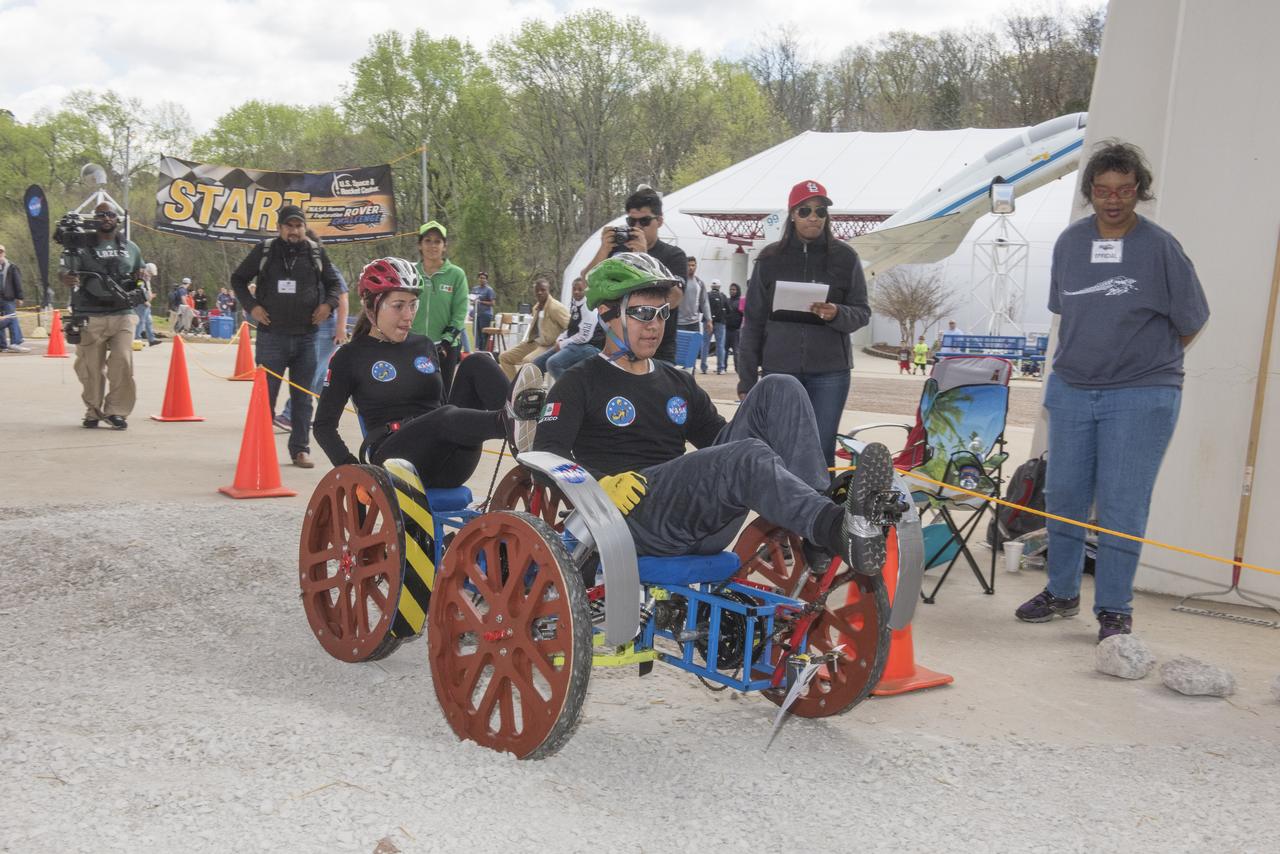
2017 Exploration Rover Challenge events at the U.S. Space and Rocket Center in Huntsville, Alabama. High school and college students from around the U.S. and the world come together for this 2 day event which challenges them to compete for the fastest time as well as technical design of the actual rover itself.
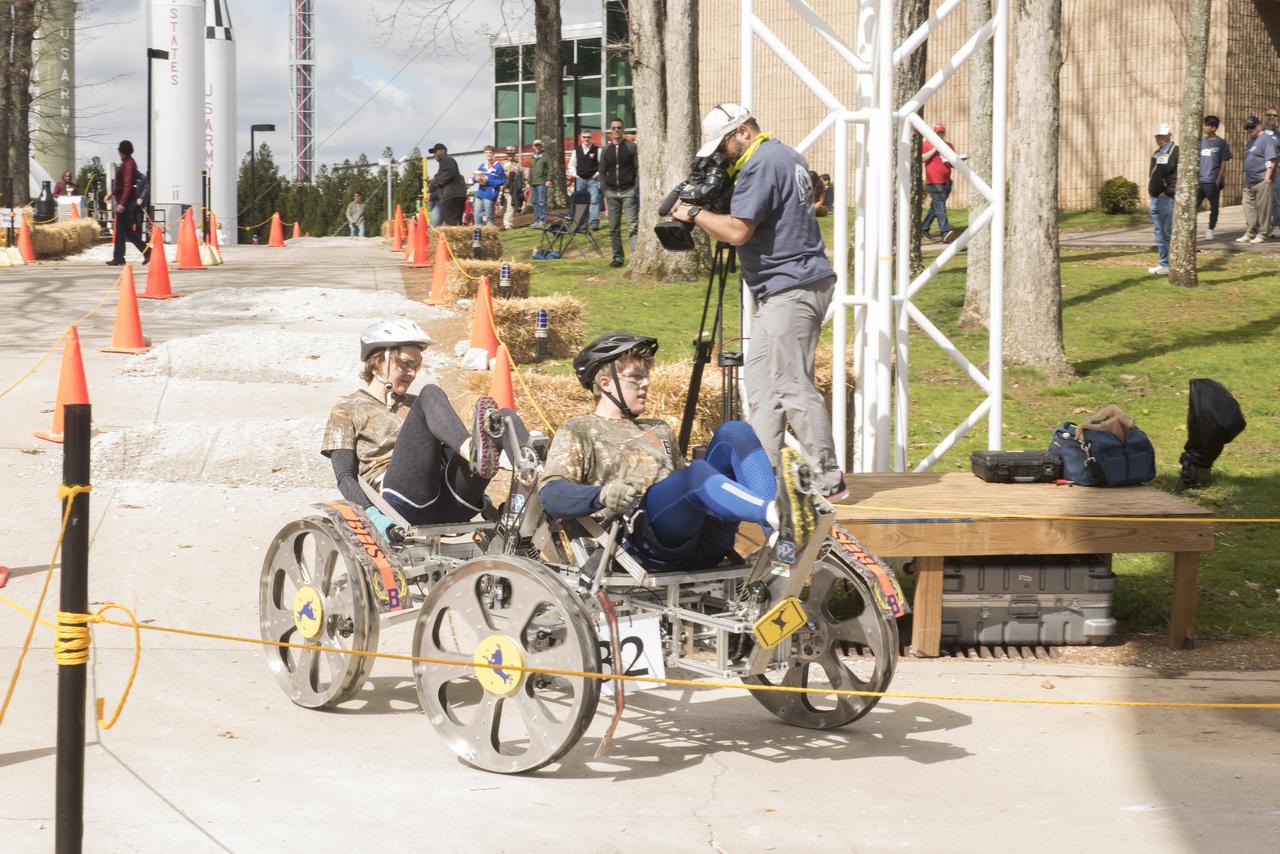
2017 Exploration Rover Challenge events at the U.S. Space and Rocket Center in Huntsville, Alabama. High school and college students from around the U.S. and the world come together for this 2 day event which challenges them to compete for the fastest time as well as technical design of the actual rover itself.

More than 600 students with 44 teams from around the world participated in the 32nd year of NASA’s Human Exploration Rover Challenge (HERC) on April 10 and April 11 near NASA’s Marshall Space Flight Center in Huntsville, Alabama. Participating teams represented 28 colleges and universities, 13 high schools, and one middle school from 18 states, Puerto Rico, and four Artemis Accord countries. Teams were awarded points based on navigating a half-mile obstacle course with either a human-powered or remote-controlled rover, conducting mission-specific task challenges, and completing multiple safety and design reviews with NASA engineers.
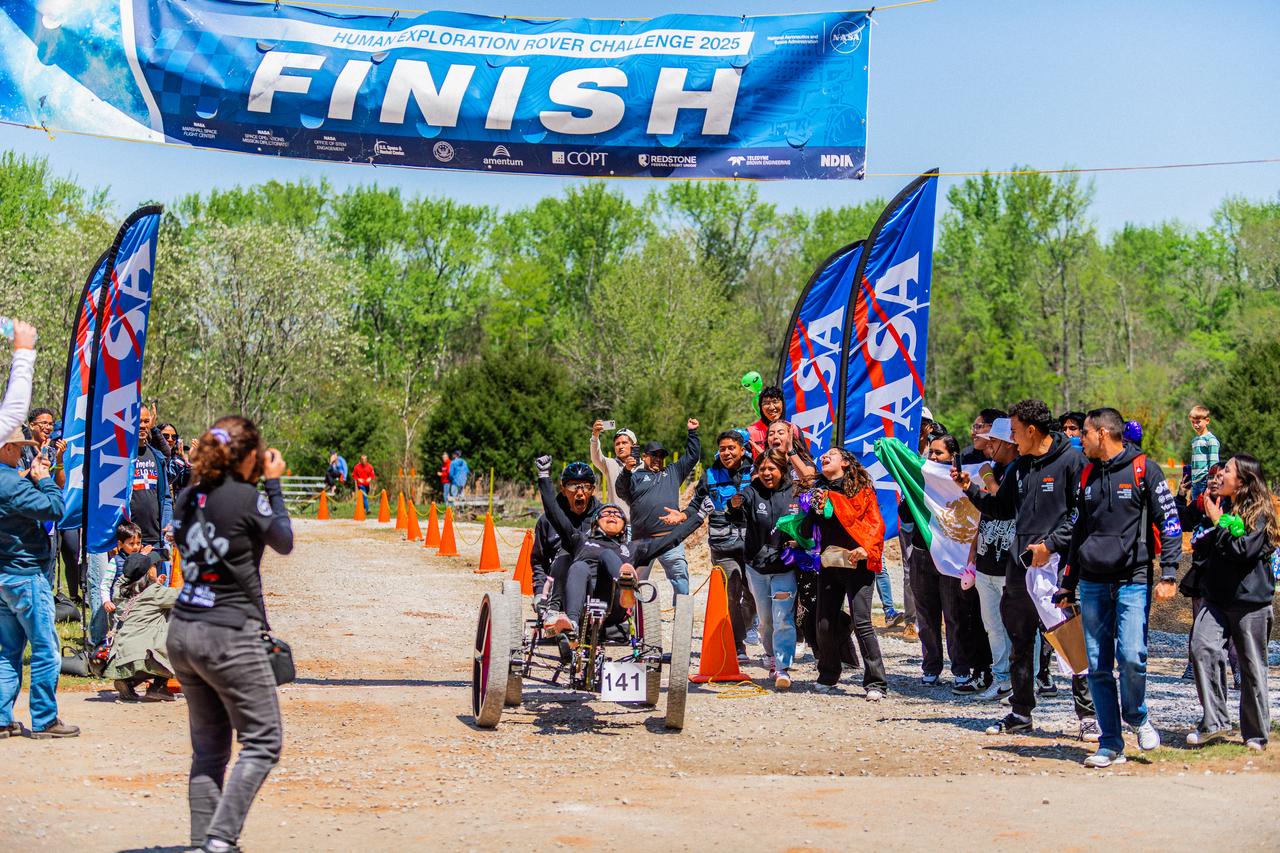
More than 500 students with 75 teams from around the world participated in the 31st year of NASA’s Human Exploration Rover Challenge (HERC) on April 11 and April 12, 2025, near NASA’s Marshall Space Flight Center in Huntsville, Alabama. Participating teams represented 35 colleges and universities, 38 high schools, and two middle schools from 20 states, Puerto Rico, and 16 other nations. NASA expanded the 2025 challenge to include a remote-control division - named Remote-Operated Vehicular Research - and invited middle school students to participate. Teams were awarded points based on navigating a half-mile obstacle course, conducting mission-specific task challenges, and completing multiple safety and design reviews with NASA engineers.
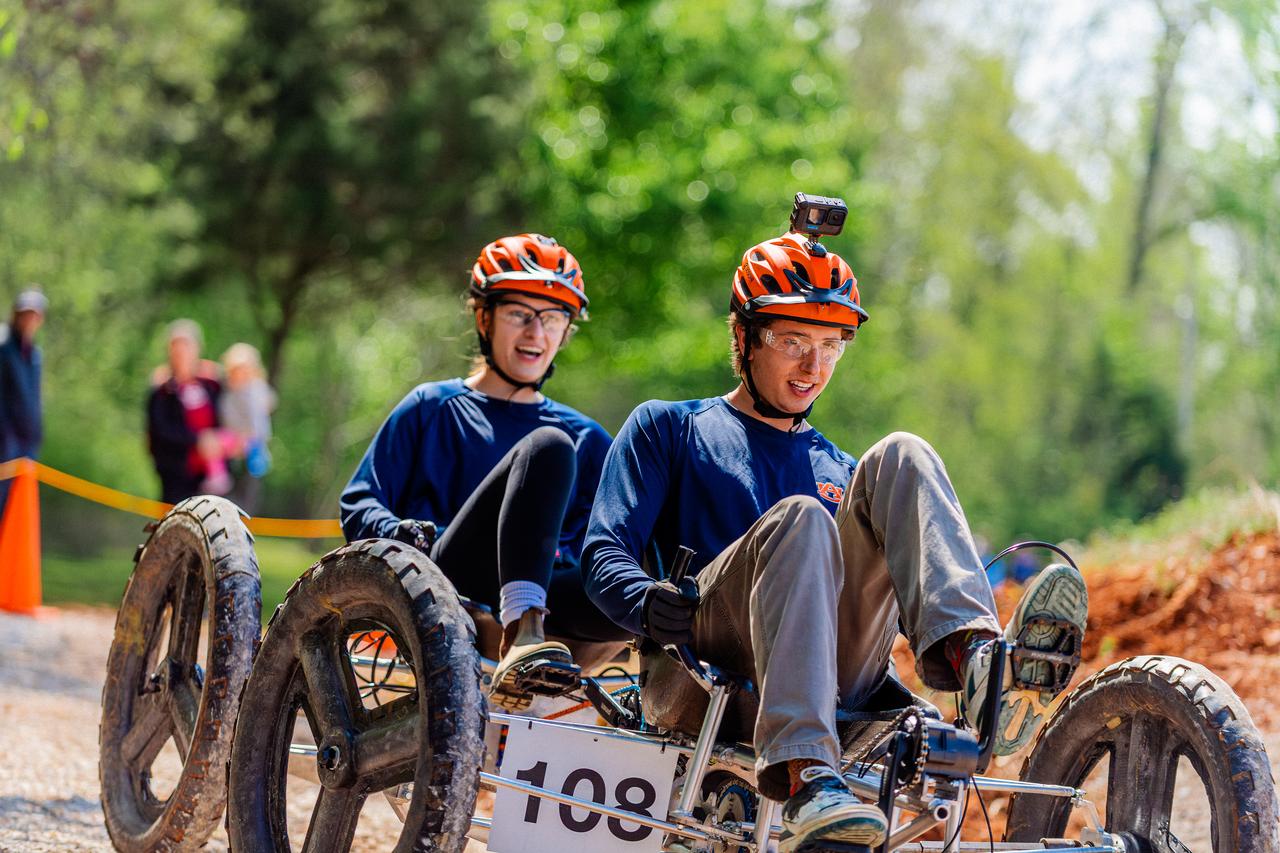
More than 500 students with 75 teams from around the world participated in the 31st year of NASA’s Human Exploration Rover Challenge (HERC) on April 11 and April 12, 2025, near NASA’s Marshall Space Flight Center in Huntsville, Alabama. Participating teams represented 35 colleges and universities, 38 high schools, and two middle schools from 20 states, Puerto Rico, and 16 other nations. NASA expanded the 2025 challenge to include a remote-control division - named Remote-Operated Vehicular Research - and invited middle school students to participate. Teams were awarded points based on navigating a half-mile obstacle course, conducting mission-specific task challenges, and completing multiple safety and design reviews with NASA engineers.
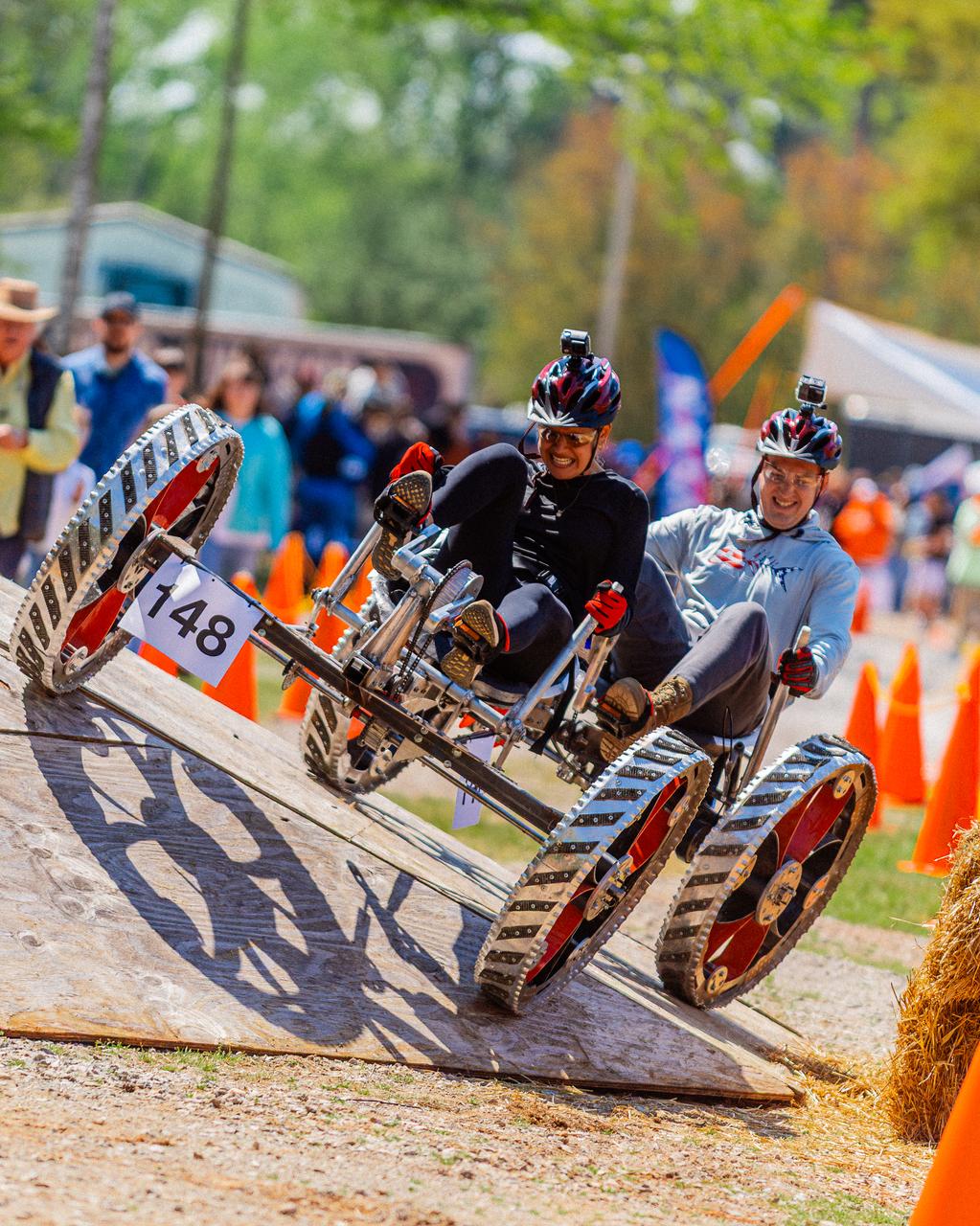
More than 500 students with 75 teams from around the world participated in the 31st year of NASA’s Human Exploration Rover Challenge (HERC) on April 11 and April 12, 2025, near NASA’s Marshall Space Flight Center in Huntsville, Alabama. Participating teams represented 35 colleges and universities, 38 high schools, and two middle schools from 20 states, Puerto Rico, and 16 other nations. NASA expanded the 2025 challenge to include a remote-control division - named Remote-Operated Vehicular Research - and invited middle school students to participate. Teams were awarded points based on navigating a half-mile obstacle course, conducting mission-specific task challenges, and completing multiple safety and design reviews with NASA engineers.
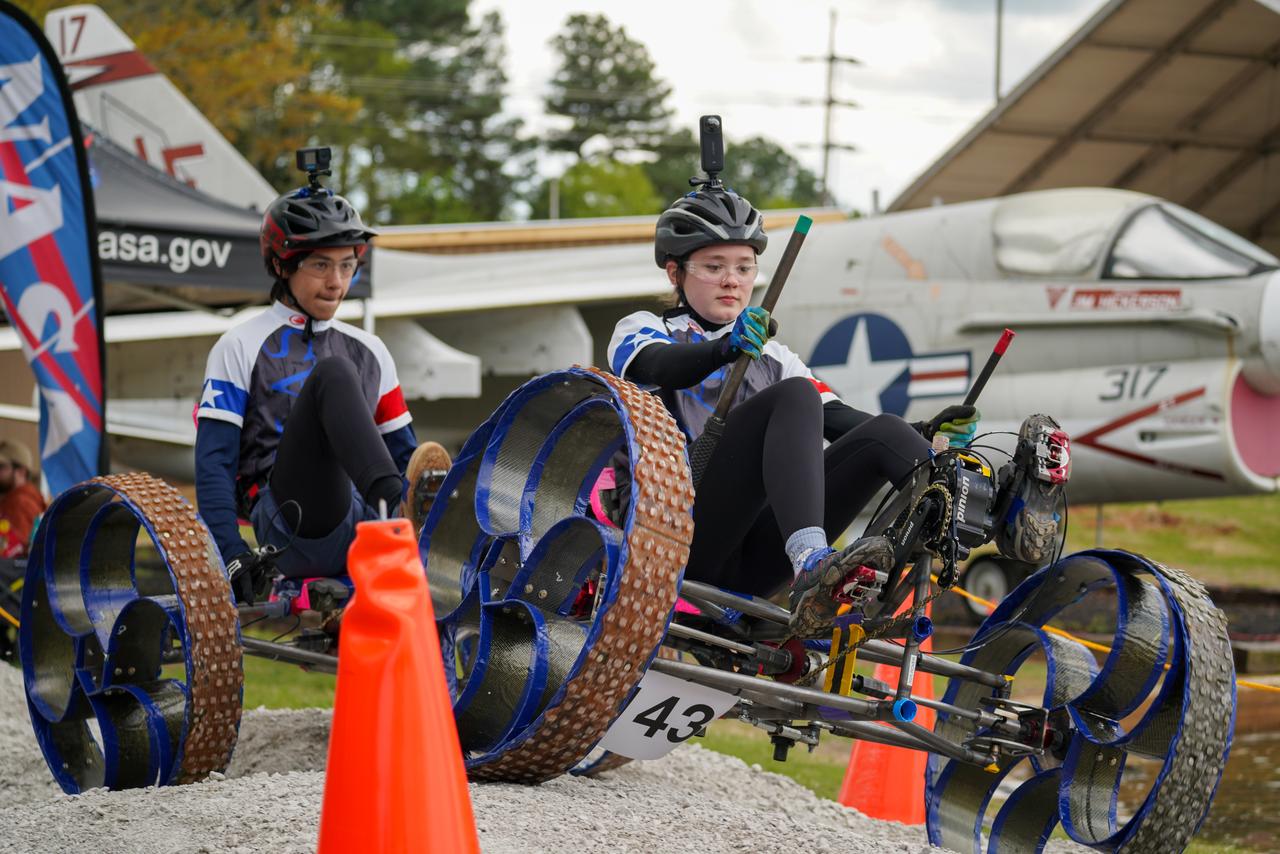
More than 500 students with 75 teams from around the world participated in the 31st year of NASA’s Human Exploration Rover Challenge (HERC) on April 11 and April 12, 2025, near NASA’s Marshall Space Flight Center in Huntsville, Alabama. Participating teams represented 35 colleges and universities, 38 high schools, and two middle schools from 20 states, Puerto Rico, and 16 other nations. NASA expanded the 2025 challenge to include a remote-control division - named Remote-Operated Vehicular Research - and invited middle school students to participate. Teams were awarded points based on navigating a half-mile obstacle course, conducting mission-specific task challenges, and completing multiple safety and design reviews with NASA engineers.
/USSRC_TravisHogan (195)~large.jpg)
More than 600 students with 44 teams from around the world participated in the 32nd year of NASA’s Human Exploration Rover Challenge (HERC) on April 10 and April 11 near NASA’s Marshall Space Flight Center in Huntsville, Alabama. Participating teams represented 28 colleges and universities, 13 high schools, and one middle school from 18 states, Puerto Rico, and four Artemis Accord countries. Teams were awarded points based on navigating a half-mile obstacle course with either a human-powered or remote-controlled rover, conducting mission-specific task challenges, and completing multiple safety and design reviews with NASA engineers.
/USSRC_MeganHolbrook (98)~large.jpg)
More than 600 students with 44 teams from around the world participated in the 32nd year of NASA’s Human Exploration Rover Challenge (HERC) on April 10 and April 11 near NASA’s Marshall Space Flight Center in Huntsville, Alabama. Participating teams represented 28 colleges and universities, 13 high schools, and one middle school from 18 states, Puerto Rico, and four Artemis Accord countries. Teams were awarded points based on navigating a half-mile obstacle course with either a human-powered or remote-controlled rover, conducting mission-specific task challenges, and completing multiple safety and design reviews with NASA engineers.
/USSRC_DavidSercel (616)~large.jpg)
More than 600 students with 44 teams from around the world participated in the 32nd year of NASA’s Human Exploration Rover Challenge (HERC) on April 10 and April 11 near NASA’s Marshall Space Flight Center in Huntsville, Alabama. Participating teams represented 28 colleges and universities, 13 high schools, and one middle school from 18 states, Puerto Rico, and four Artemis Accord countries. Teams were awarded points based on navigating a half-mile obstacle course with either a human-powered or remote-controlled rover, conducting mission-specific task challenges, and completing multiple safety and design reviews with NASA engineers.
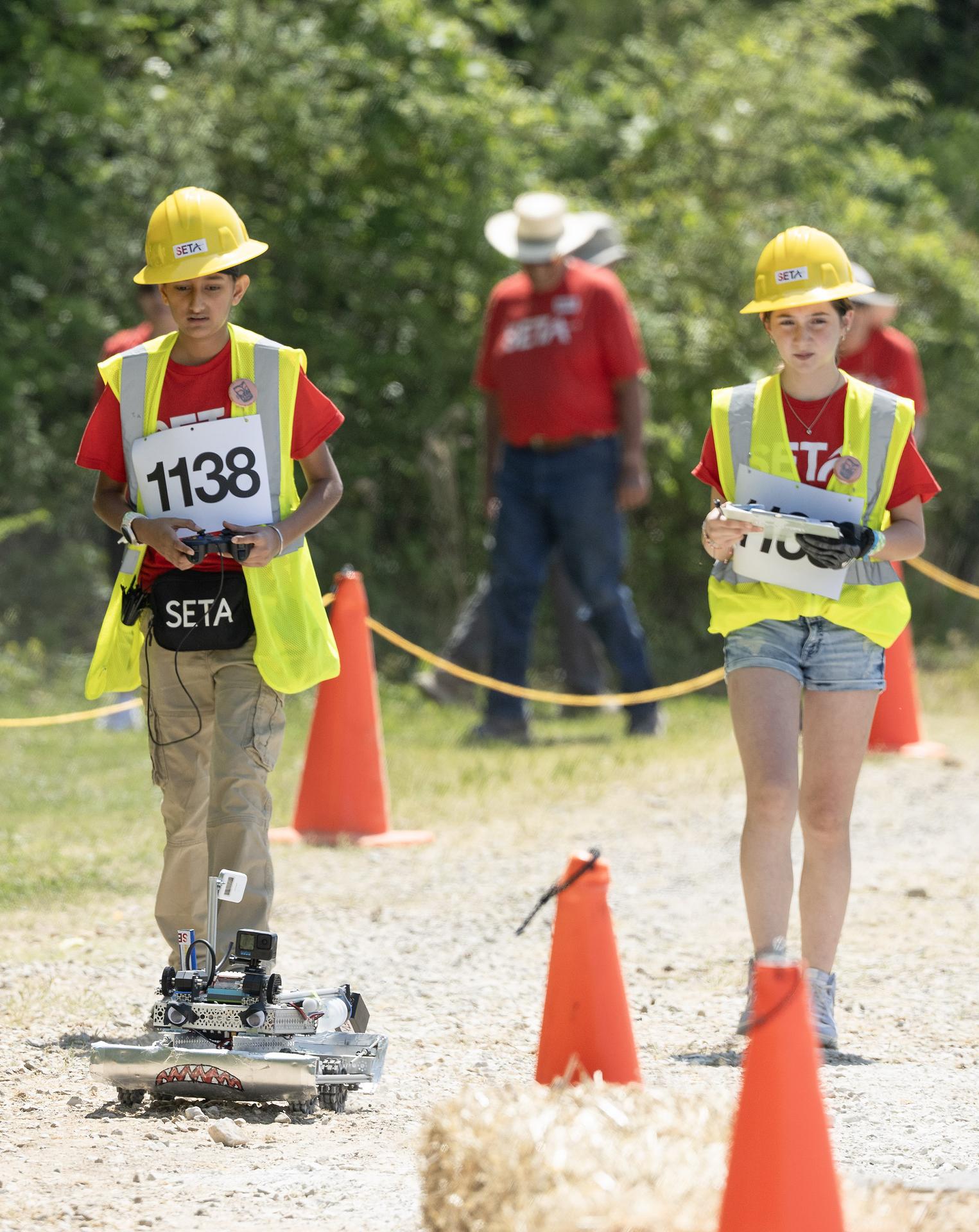
More than 600 students with 44 teams from around the world participated in the 32nd year of NASA’s Human Exploration Rover Challenge (HERC) on April 10 and April 11 near NASA’s Marshall Space Flight Center in Huntsville, Alabama. Participating teams represented 28 colleges and universities, 13 high schools, and one middle school from 18 states, Puerto Rico, and four Artemis Accord countries. Teams were awarded points based on navigating a half-mile obstacle course with either a human-powered or remote-controlled rover, conducting mission-specific task challenges, and completing multiple safety and design reviews with NASA engineers.
/USSRC_DavidSercel (195)~large.jpg)
More than 600 students with 44 teams from around the world participated in the 32nd year of NASA’s Human Exploration Rover Challenge (HERC) on April 10 and April 11 near NASA’s Marshall Space Flight Center in Huntsville, Alabama. Participating teams represented 28 colleges and universities, 13 high schools, and one middle school from 18 states, Puerto Rico, and four Artemis Accord countries. Teams were awarded points based on navigating a half-mile obstacle course with either a human-powered or remote-controlled rover, conducting mission-specific task challenges, and completing multiple safety and design reviews with NASA engineers.
/USSRC_MeganHolbrook (191)~large.jpg)
More than 600 students with 44 teams from around the world participated in the 32nd year of NASA’s Human Exploration Rover Challenge (HERC) on April 10 and April 11 near NASA’s Marshall Space Flight Center in Huntsville, Alabama. Participating teams represented 28 colleges and universities, 13 high schools, and one middle school from 18 states, Puerto Rico, and four Artemis Accord countries. Teams were awarded points based on navigating a half-mile obstacle course with either a human-powered or remote-controlled rover, conducting mission-specific task challenges, and completing multiple safety and design reviews with NASA engineers.
/USSRC_MeganHolbrook (344)~large.jpg)
More than 600 students with 44 teams from around the world participated in the 32nd year of NASA’s Human Exploration Rover Challenge (HERC) on April 10 and April 11 near NASA’s Marshall Space Flight Center in Huntsville, Alabama. Participating teams represented 28 colleges and universities, 13 high schools, and one middle school from 18 states, Puerto Rico, and four Artemis Accord countries. Teams were awarded points based on navigating a half-mile obstacle course with either a human-powered or remote-controlled rover, conducting mission-specific task challenges, and completing multiple safety and design reviews with NASA engineers.
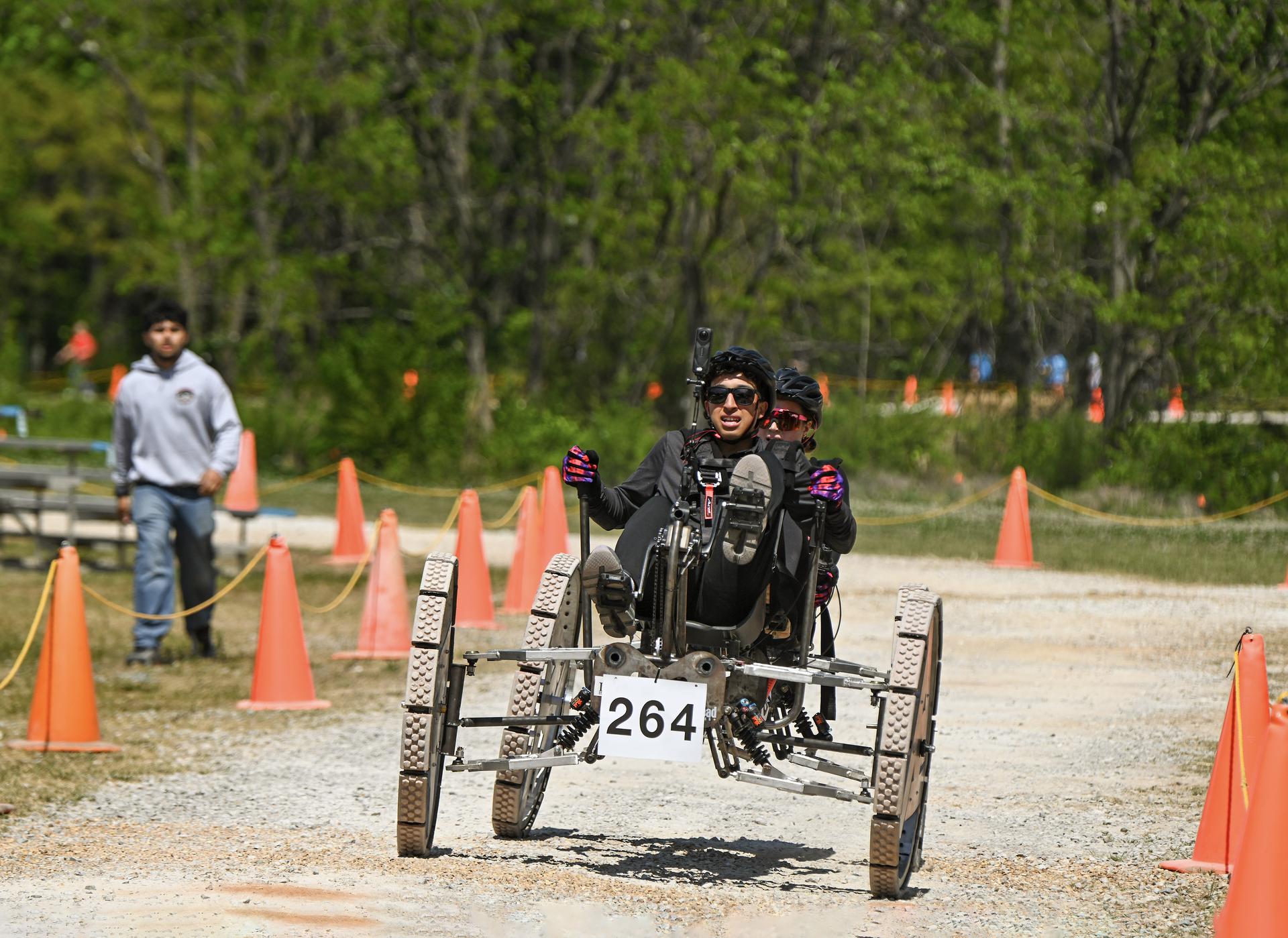
More than 600 students with 44 teams from around the world participated in the 32nd year of NASA’s Human Exploration Rover Challenge (HERC) on April 10 and April 11 near NASA’s Marshall Space Flight Center in Huntsville, Alabama. Participating teams represented 28 colleges and universities, 13 high schools, and one middle school from 18 states, Puerto Rico, and four Artemis Accord countries. Teams were awarded points based on navigating a half-mile obstacle course with either a human-powered or remote-controlled rover, conducting mission-specific task challenges, and completing multiple safety and design reviews with NASA engineers.
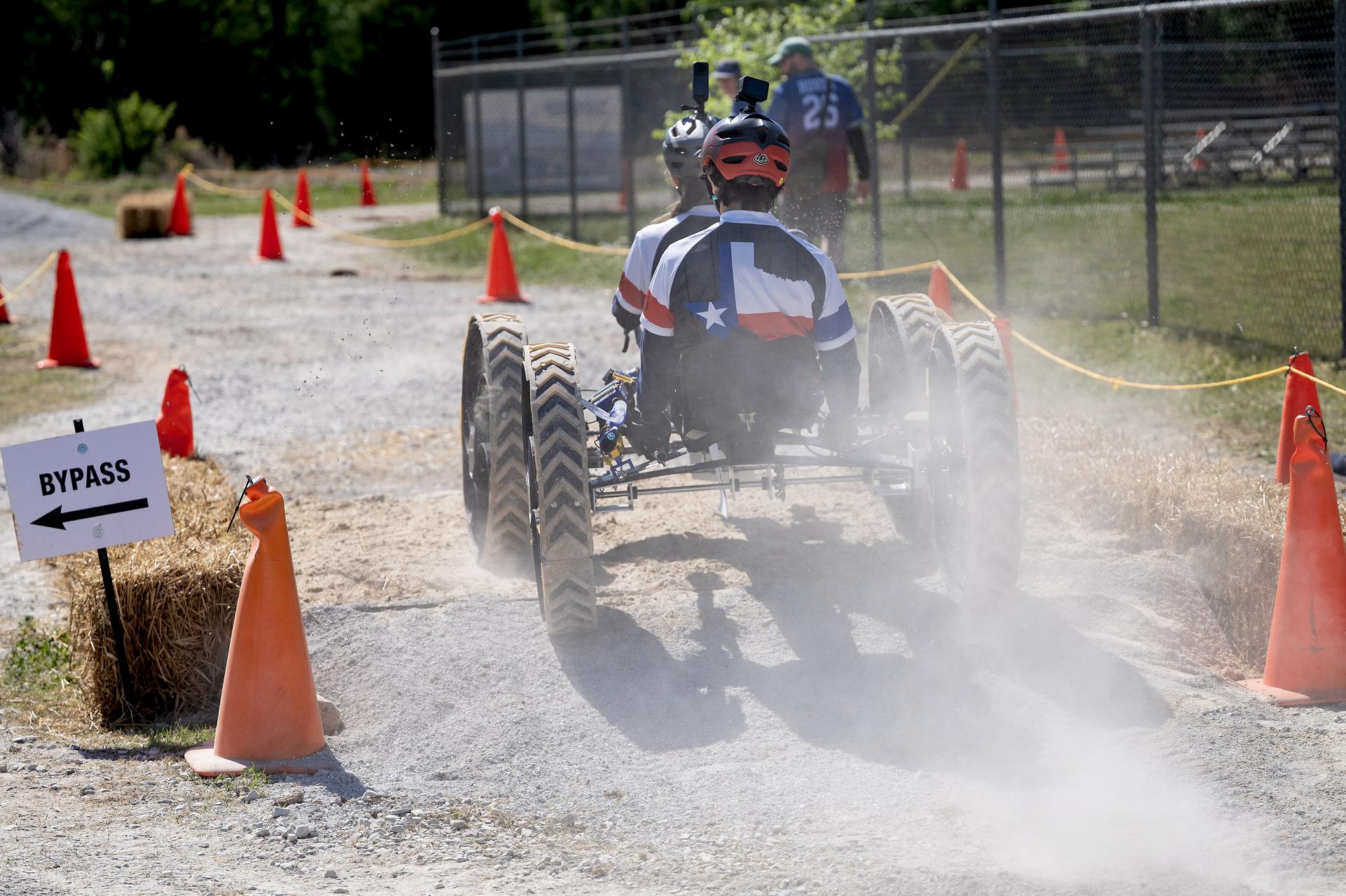
More than 600 students with 44 teams from around the world participated in the 32nd year of NASA’s Human Exploration Rover Challenge (HERC) on April 10 and April 11 near NASA’s Marshall Space Flight Center in Huntsville, Alabama. Participating teams represented 28 colleges and universities, 13 high schools, and one middle school from 18 states, Puerto Rico, and four Artemis Accord countries. Teams were awarded points based on navigating a half-mile obstacle course with either a human-powered or remote-controlled rover, conducting mission-specific task challenges, and completing multiple safety and design reviews with NASA engineers.
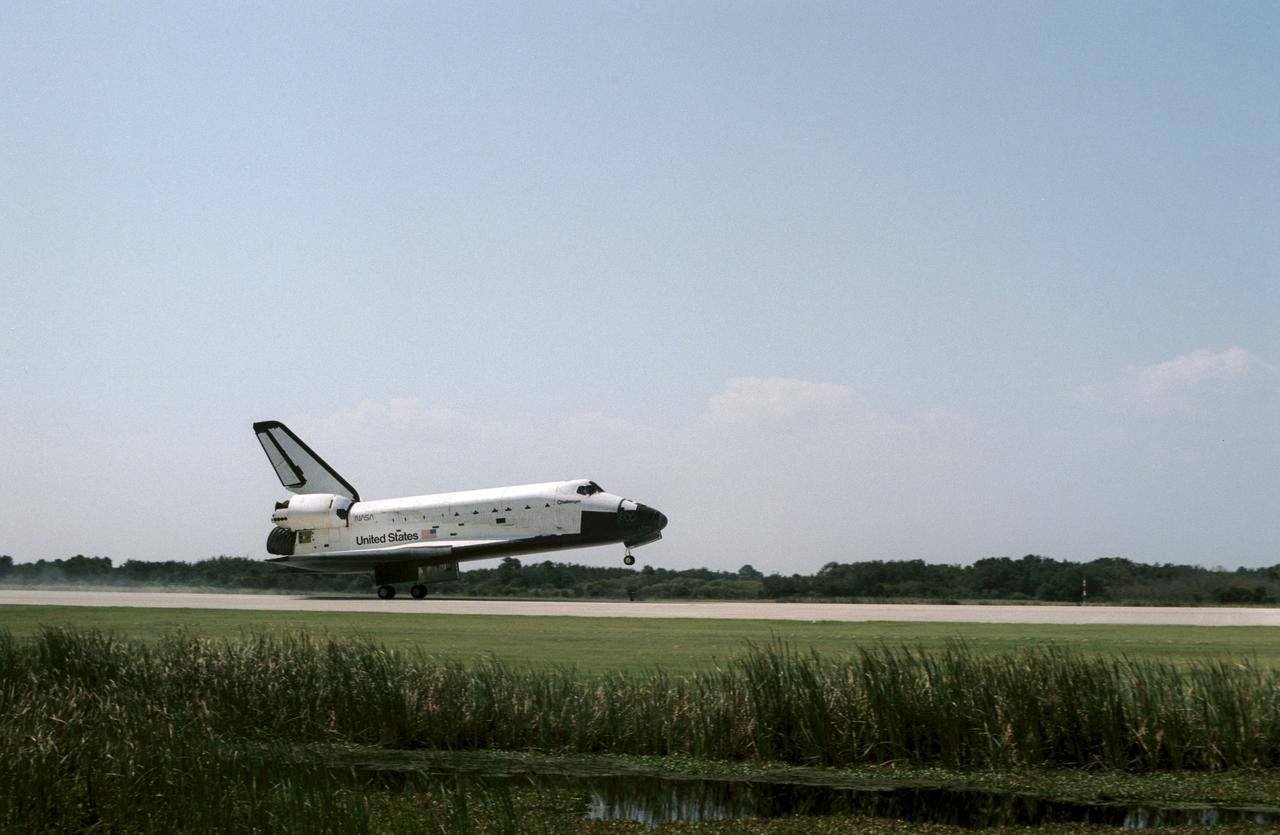
The Space Shuttle Challenger lands at Kennedy Space Center (KSC) at the end of the STS 41-G mission. The main landing gear has already touched down in this view, but the nose gear is still in the air (90232); Front view through tall grass of the Challenger making its landing at KSC (90233); Close-up side view of the Challenger making its landing at KSC (90234); Aerial view of the Challenger making its final approach to the runway to land at KSC (90235).
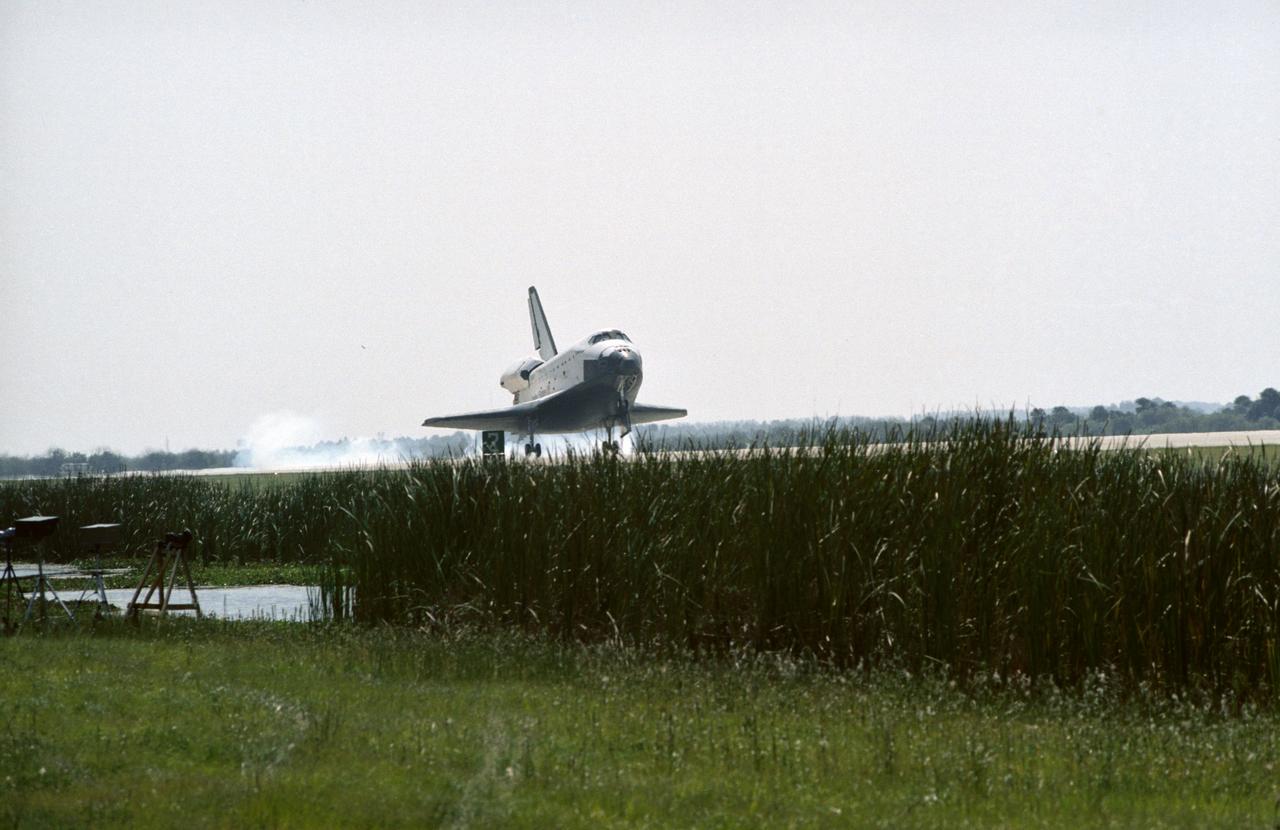
The Space Shuttle Challenger lands at Kennedy Space Center (KSC) at the end of the STS 41-G mission. The main landing gear has already touched down in this view, but the nose gear is still in the air (90232); Front view through tall grass of the Challenger making its landing at KSC (90233); Close-up side view of the Challenger making its landing at KSC (90234); Aerial view of the Challenger making its final approach to the runway to land at KSC (90235).
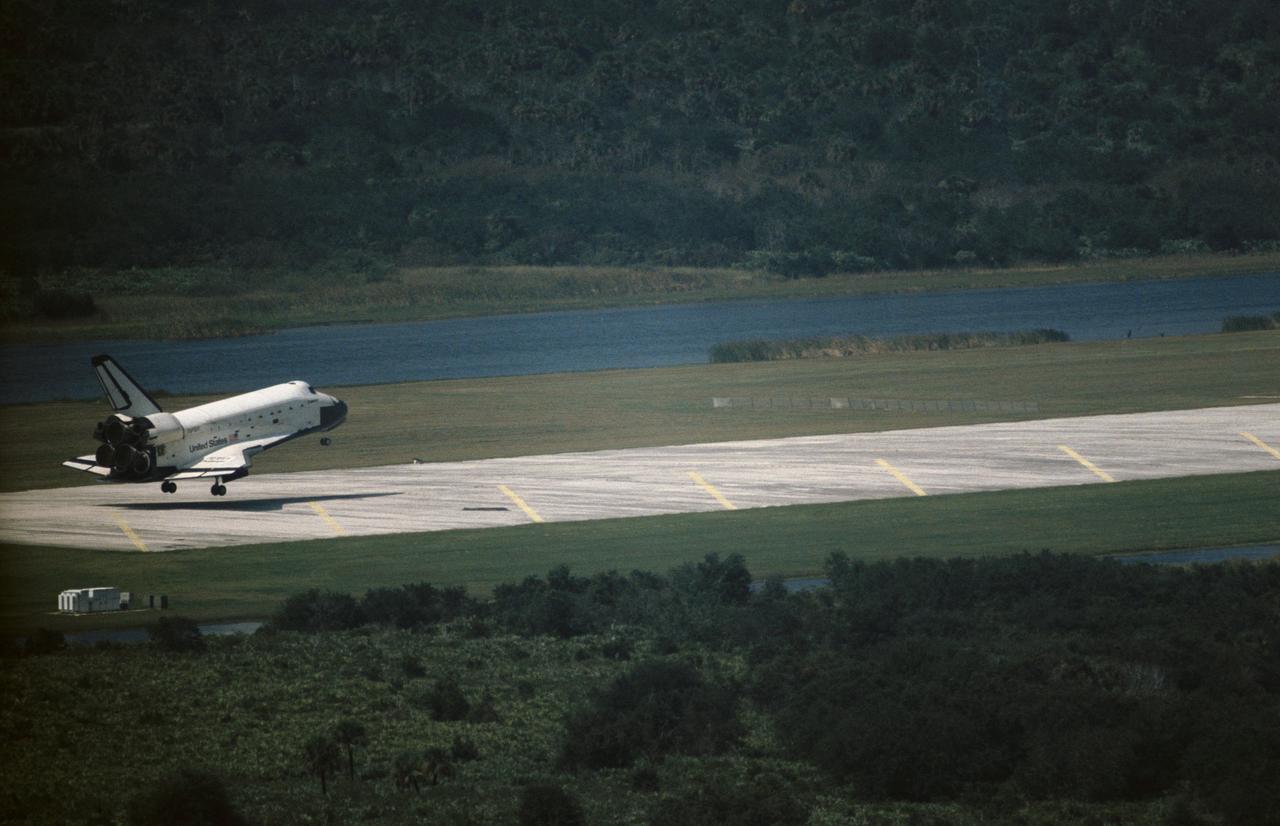
The Space Shuttle Challenger lands at Kennedy Space Center (KSC) at the end of the STS 41-G mission. The main landing gear has already touched down in this view, but the nose gear is still in the air (90232); Front view through tall grass of the Challenger making its landing at KSC (90233); Close-up side view of the Challenger making its landing at KSC (90234); Aerial view of the Challenger making its final approach to the runway to land at KSC (90235).
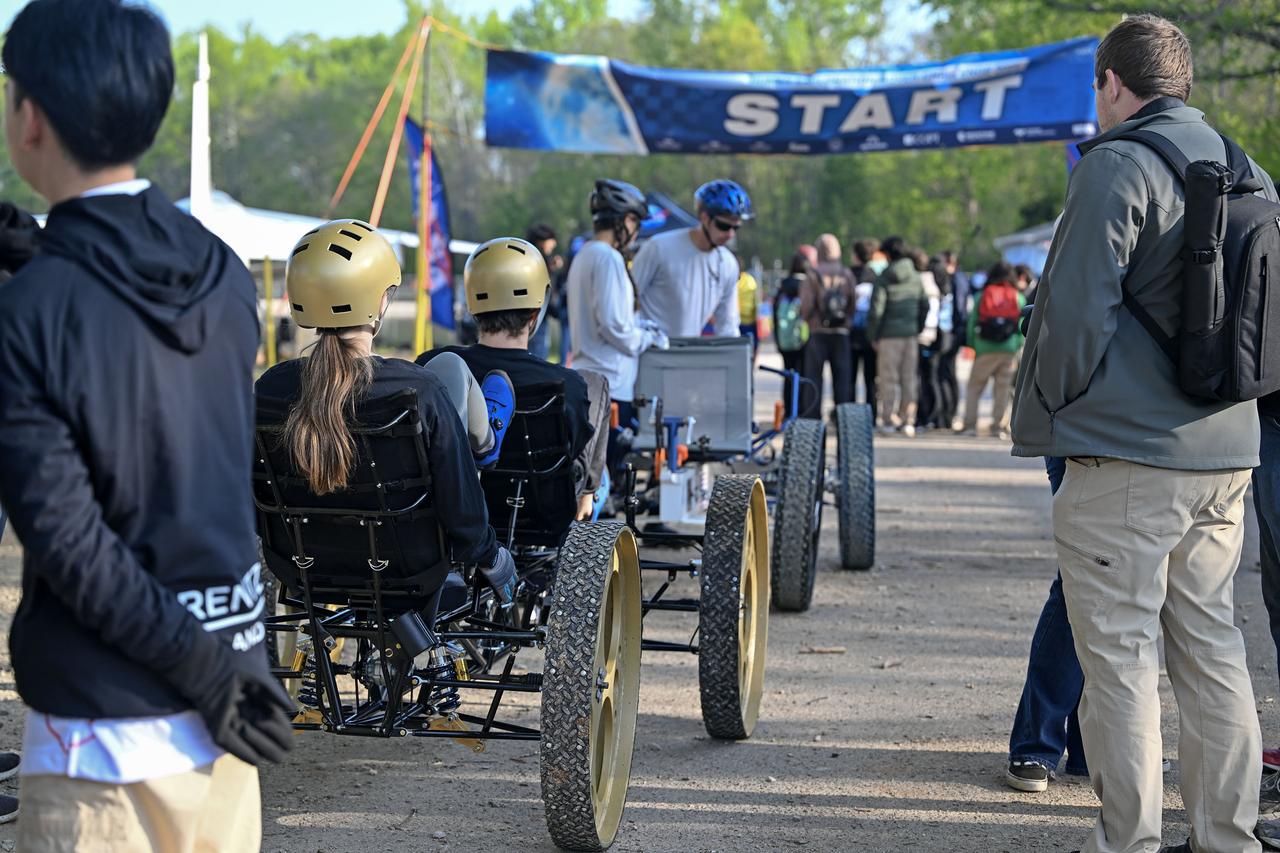
More than 500 students with 75 teams from around the world participated in the 31st year of NASA’s Human Exploration Rover Challenge (HERC) on April 11 and April 12, 2025, near NASA’s Marshall Space Flight Center in Huntsville, Alabama. Participating teams represented 35 colleges and universities, 38 high schools, and two middle schools from 20 states, Puerto Rico, and 16 other nations. NASA expanded the 2025 challenge to include a remote-control division - named Remote-Operated Vehicular Research - and invited middle school students to participate. Teams were awarded points based on navigating a half-mile obstacle course, conducting mission-specific task challenges, and completing multiple safety and design reviews with NASA engineers.
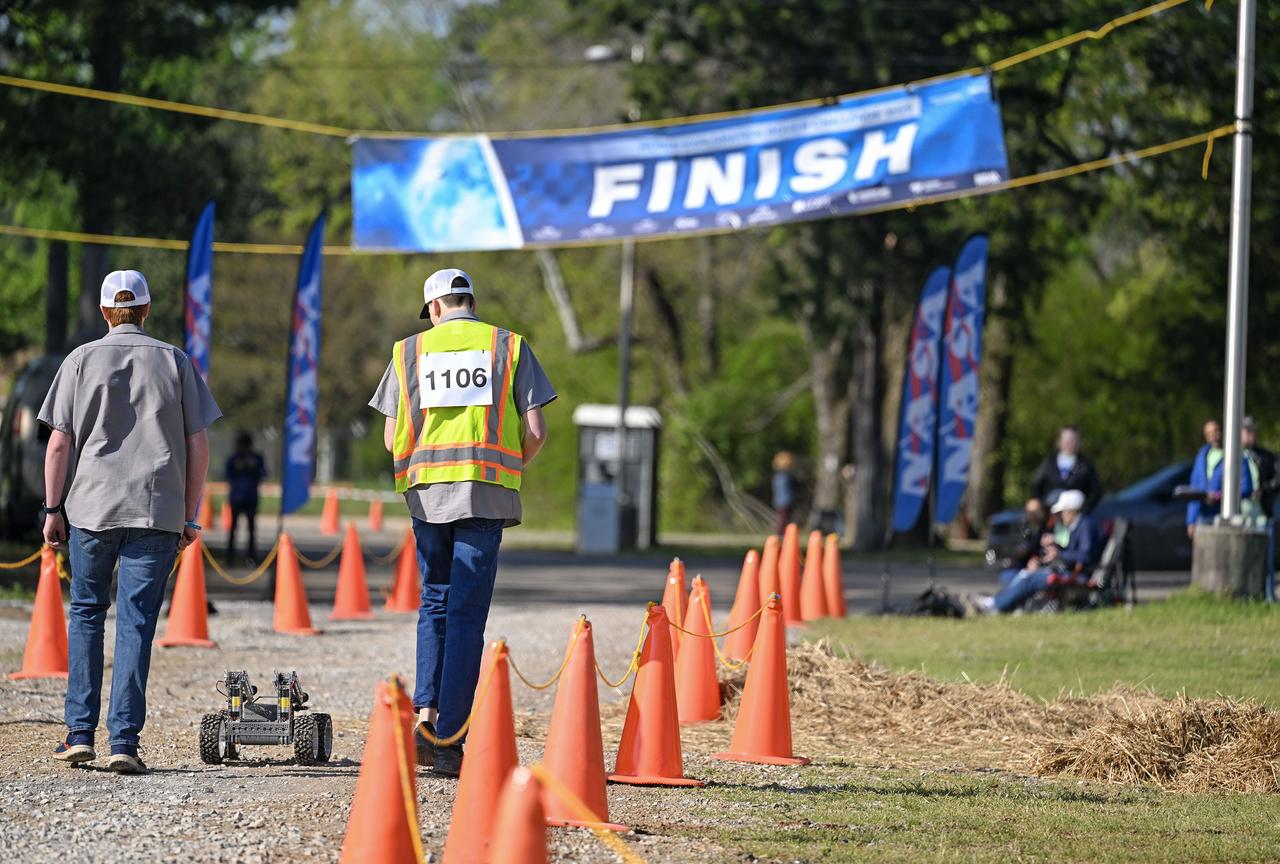
More than 500 students with 75 teams from around the world participated in the 31st year of NASA’s Human Exploration Rover Challenge (HERC) on April 11 and April 12, 2025, near NASA’s Marshall Space Flight Center in Huntsville, Alabama. Participating teams represented 35 colleges and universities, 38 high schools, and two middle schools from 20 states, Puerto Rico, and 16 other nations. NASA expanded the 2025 challenge to include a remote-control division - named Remote-Operated Vehicular Research - and invited middle school students to participate. Teams were awarded points based on navigating a half-mile obstacle course, conducting mission-specific task challenges, and completing multiple safety and design reviews with NASA engineers.
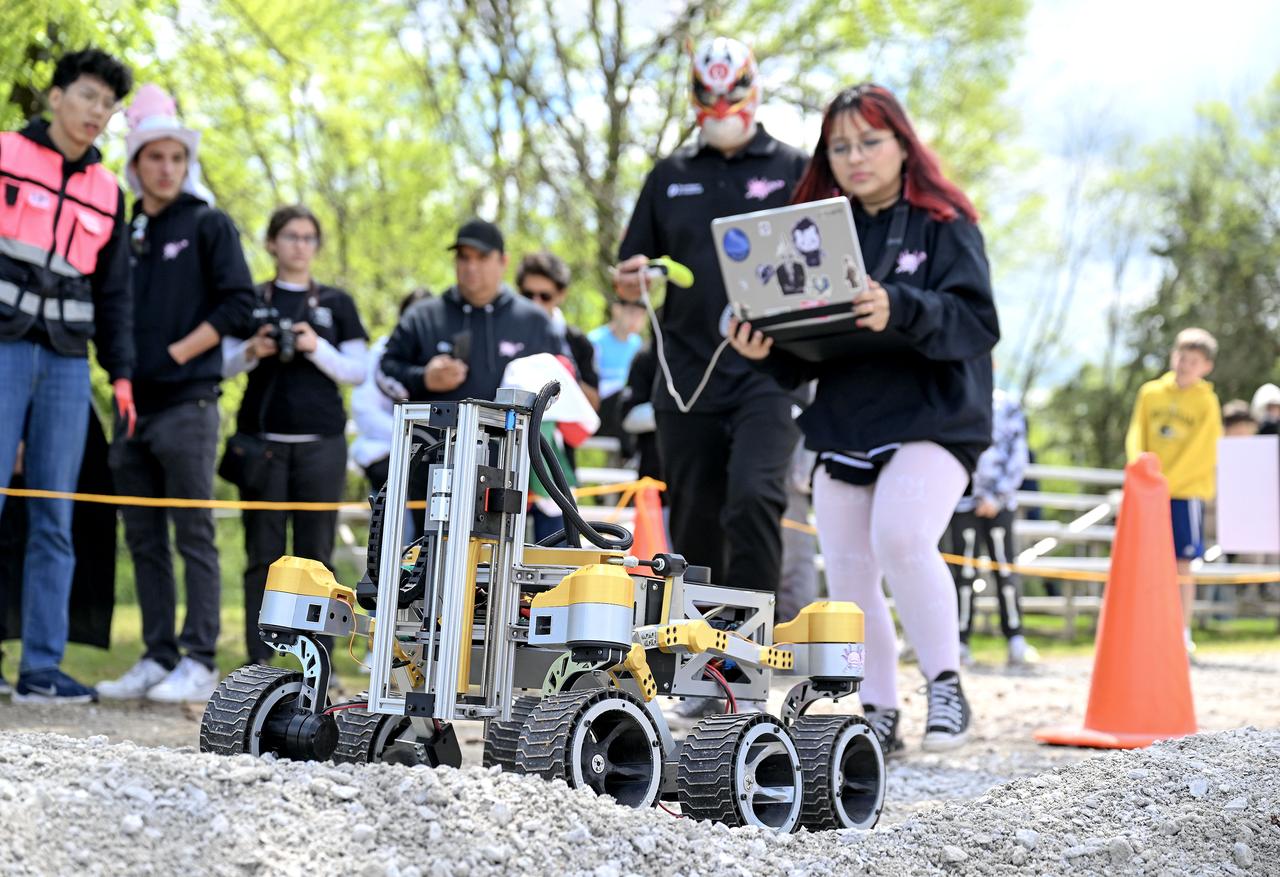
More than 500 students with 75 teams from around the world participated in the 31st year of NASA’s Human Exploration Rover Challenge (HERC) on April 11 and April 12, 2025, near NASA’s Marshall Space Flight Center in Huntsville, Alabama. Participating teams represented 35 colleges and universities, 38 high schools, and two middle schools from 20 states, Puerto Rico, and 16 other nations. NASA expanded the 2025 challenge to include a remote-control division - named Remote-Operated Vehicular Research - and invited middle school students to participate. Teams were awarded points based on navigating a half-mile obstacle course, conducting mission-specific task challenges, and completing multiple safety and design reviews with NASA engineers.
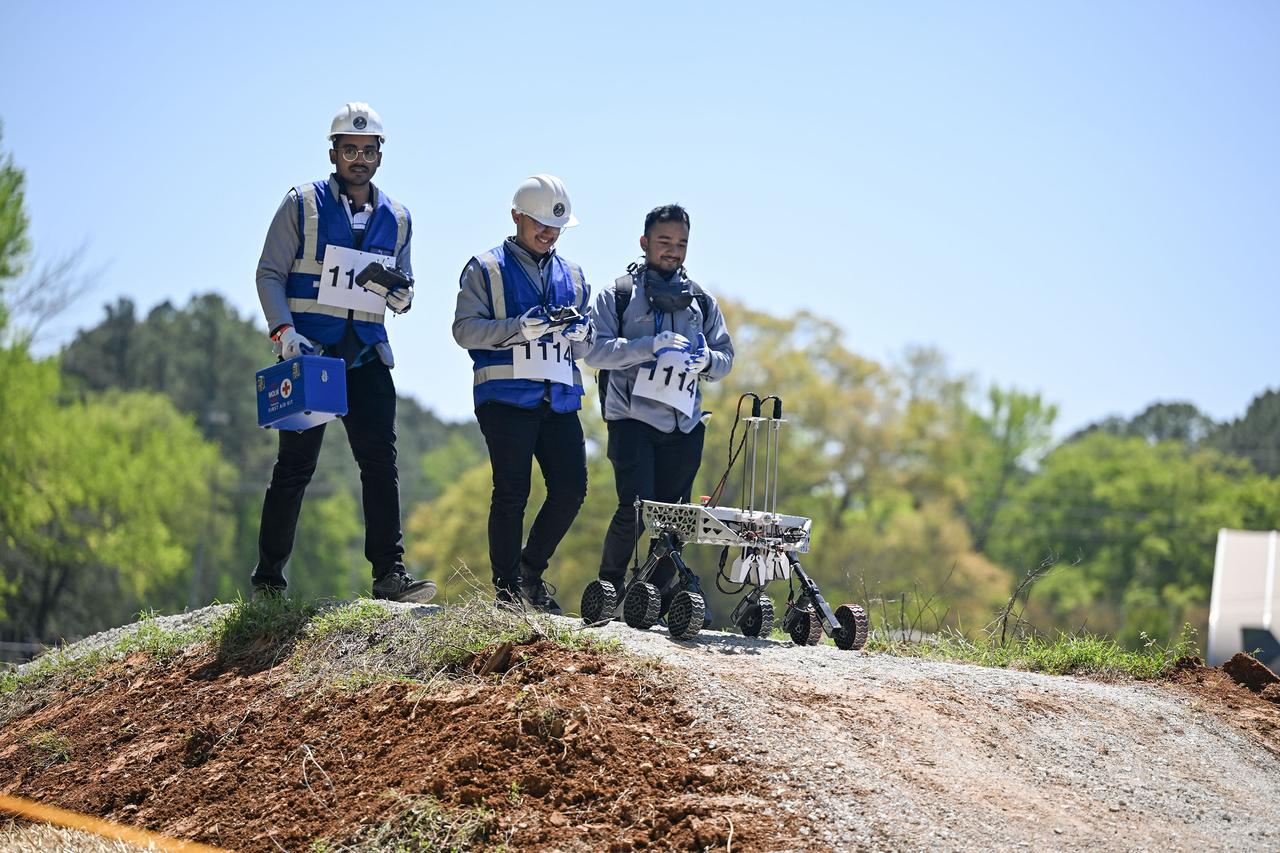
More than 500 students with 75 teams from around the world participated in the 31st year of NASA’s Human Exploration Rover Challenge (HERC) on April 11 and April 12, 2025, near NASA’s Marshall Space Flight Center in Huntsville, Alabama. Participating teams represented 35 colleges and universities, 38 high schools, and two middle schools from 20 states, Puerto Rico, and 16 other nations. NASA expanded the 2025 challenge to include a remote-control division - named Remote-Operated Vehicular Research - and invited middle school students to participate. Teams were awarded points based on navigating a half-mile obstacle course, conducting mission-specific task challenges, and completing multiple safety and design reviews with NASA engineers.
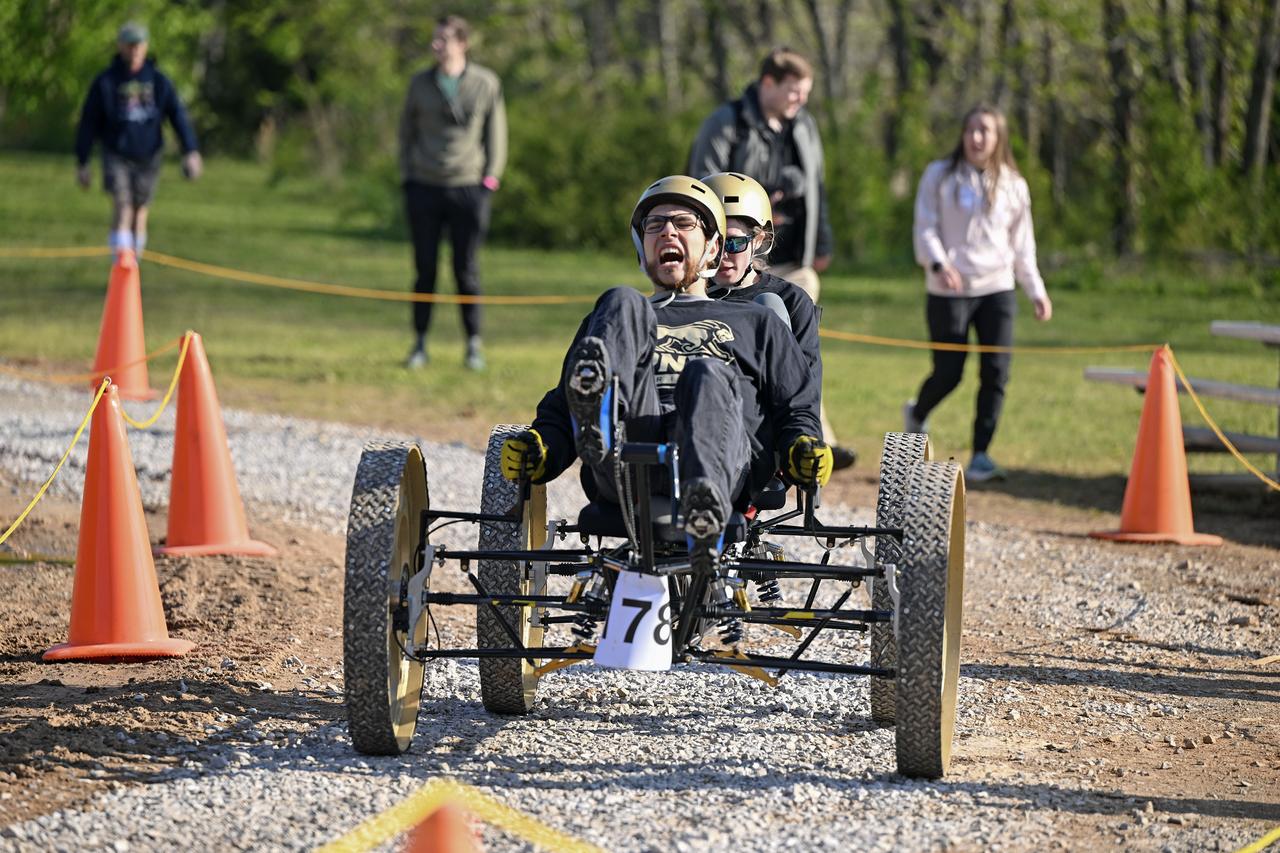
More than 500 students with 75 teams from around the world participated in the 31st year of NASA’s Human Exploration Rover Challenge (HERC) on April 11 and April 12, 2025, near NASA’s Marshall Space Flight Center in Huntsville, Alabama. Participating teams represented 35 colleges and universities, 38 high schools, and two middle schools from 20 states, Puerto Rico, and 16 other nations. NASA expanded the 2025 challenge to include a remote-control division - named Remote-Operated Vehicular Research - and invited middle school students to participate. Teams were awarded points based on navigating a half-mile obstacle course, conducting mission-specific task challenges, and completing multiple safety and design reviews with NASA engineers.
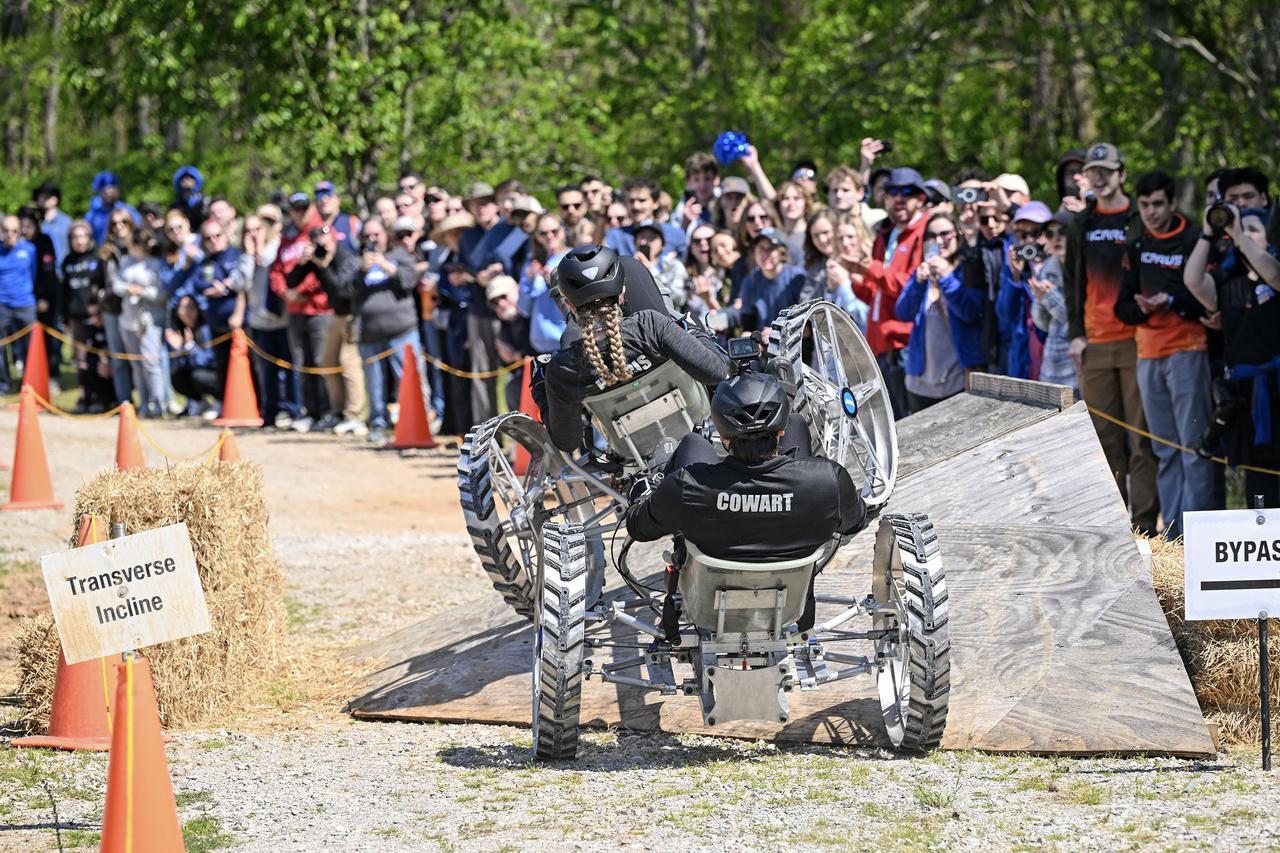
More than 500 students with 75 teams from around the world participated in the 31st year of NASA’s Human Exploration Rover Challenge (HERC) on April 11 and April 12, 2025, near NASA’s Marshall Space Flight Center in Huntsville, Alabama. Participating teams represented 35 colleges and universities, 38 high schools, and two middle schools from 20 states, Puerto Rico, and 16 other nations. NASA expanded the 2025 challenge to include a remote-control division - named Remote-Operated Vehicular Research - and invited middle school students to participate. Teams were awarded points based on navigating a half-mile obstacle course, conducting mission-specific task challenges, and completing multiple safety and design reviews with NASA engineers.
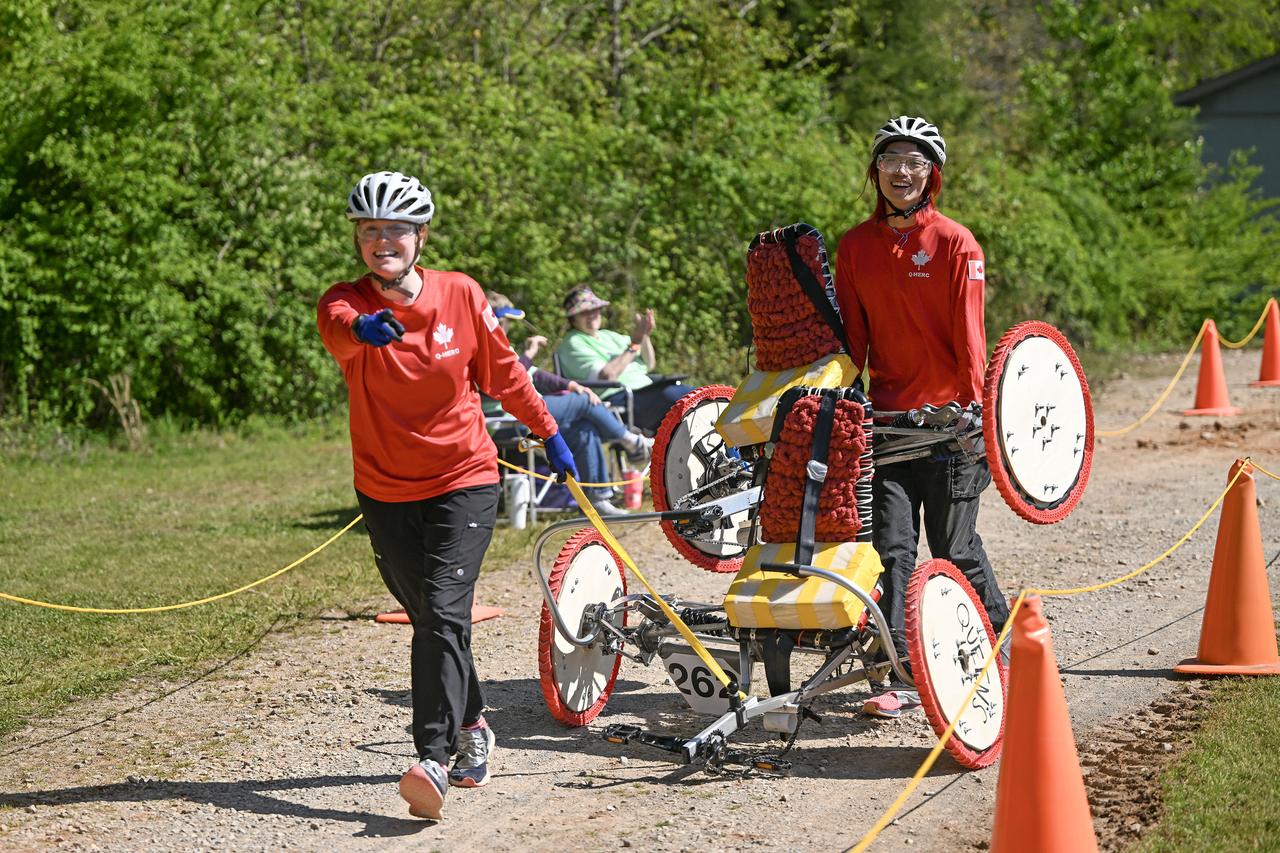
More than 500 students with 75 teams from around the world participated in the 31st year of NASA’s Human Exploration Rover Challenge (HERC) on April 11 and April 12, 2025, near NASA’s Marshall Space Flight Center in Huntsville, Alabama. Participating teams represented 35 colleges and universities, 38 high schools, and two middle schools from 20 states, Puerto Rico, and 16 other nations. NASA expanded the 2025 challenge to include a remote-control division - named Remote-Operated Vehicular Research - and invited middle school students to participate. Teams were awarded points based on navigating a half-mile obstacle course, conducting mission-specific task challenges, and completing multiple safety and design reviews with NASA engineers.
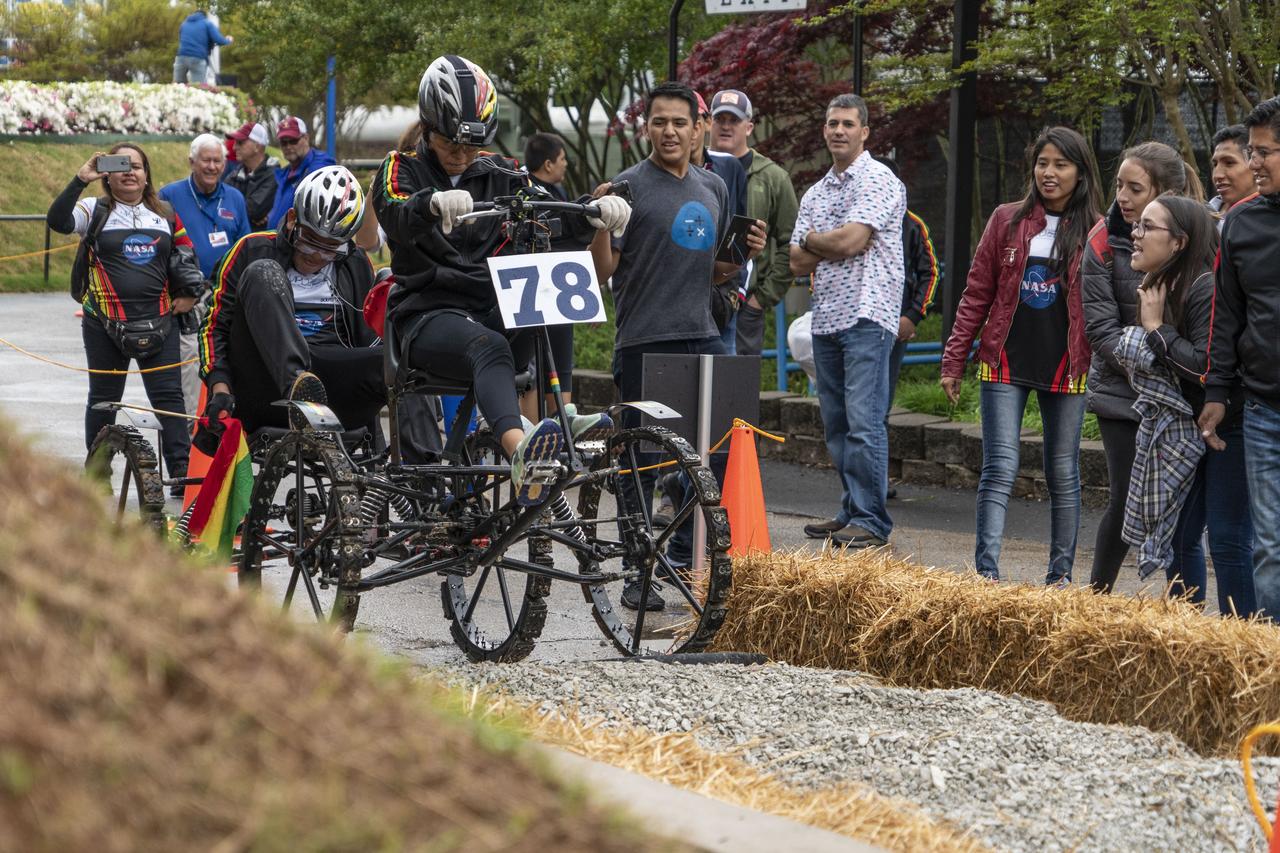
The 2019 Lunar Rover Challenge Competition was hosted by the U.S. Space and Rocket Center in Huntsville, Alabama. This annual event celebrated the 25th anniversary of what began as the Great Moonbuggy Race in 1994. High school and College teams from the United States and foreign countries competed. The awards ceremony was held at the adjacent Marriott on Saturday evening.
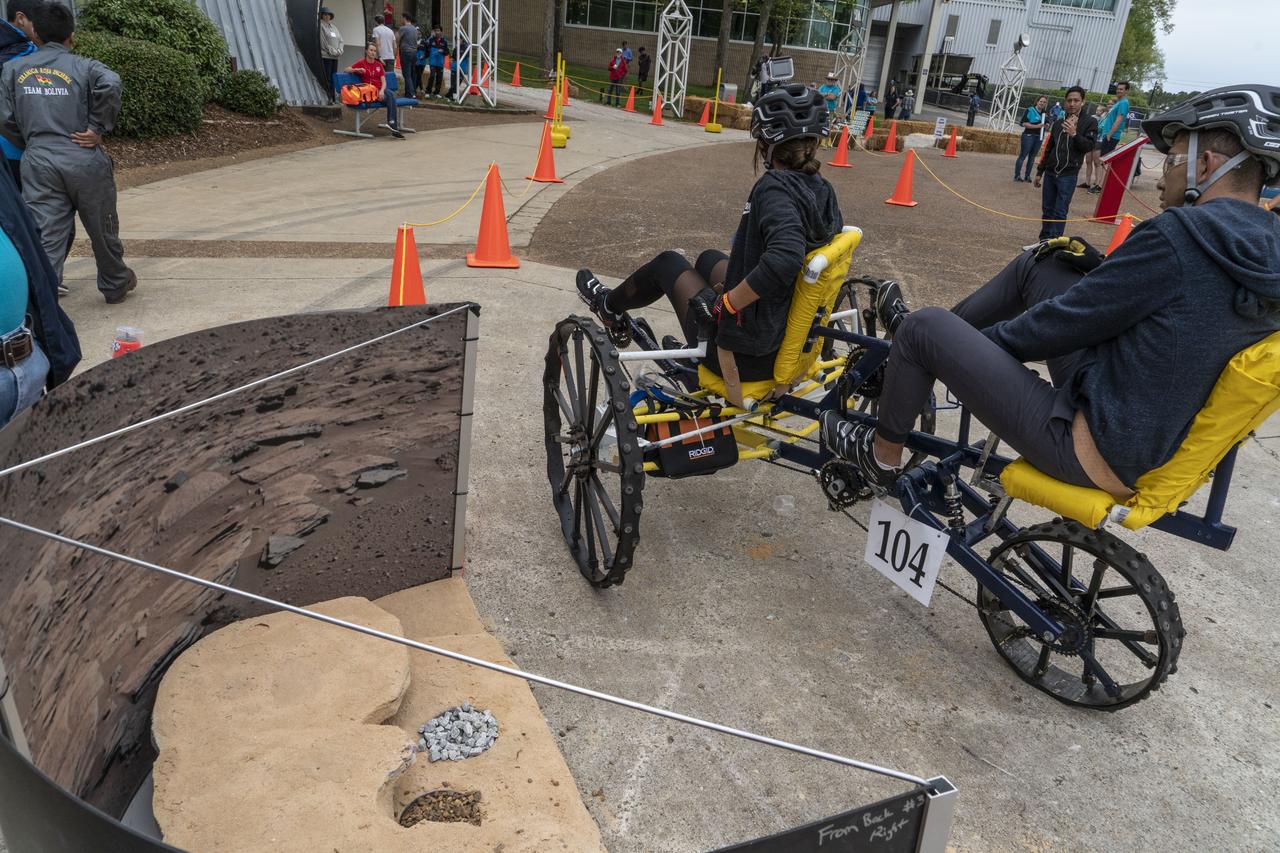
The 2019 Lunar Rover Challenge Competition was hosted by the U.S. Space and Rocket Center in Huntsville, Alabama. This annual event celebrated the 25th anniversary of what began as the Great Moonbuggy Race in 1994. High school and College teams from the United States and foreign countries competed. The awards ceremony was held at the adjacent Marriott on Saturday evening.
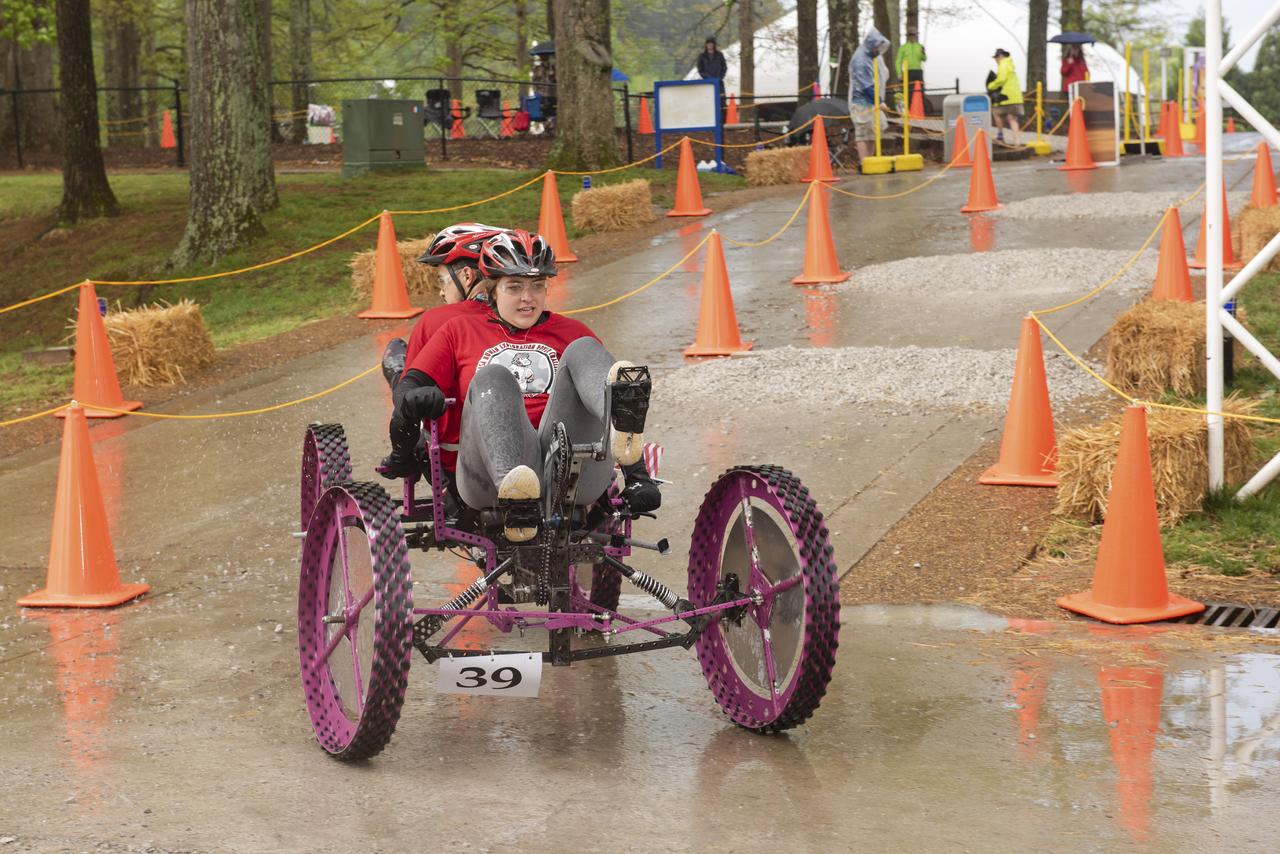
The 2019 Lunar Rover Challenge Competition was hosted by the U.S. Space and Rocket Center in Huntsville, Alabama. This annual event celebrated the 25th anniversary of what began as the Great Moonbuggy Race in 1994. High school and College teams from the United States and foreign countries competed. The awards ceremony was held at the adjacent Marriott on Saturday evening.
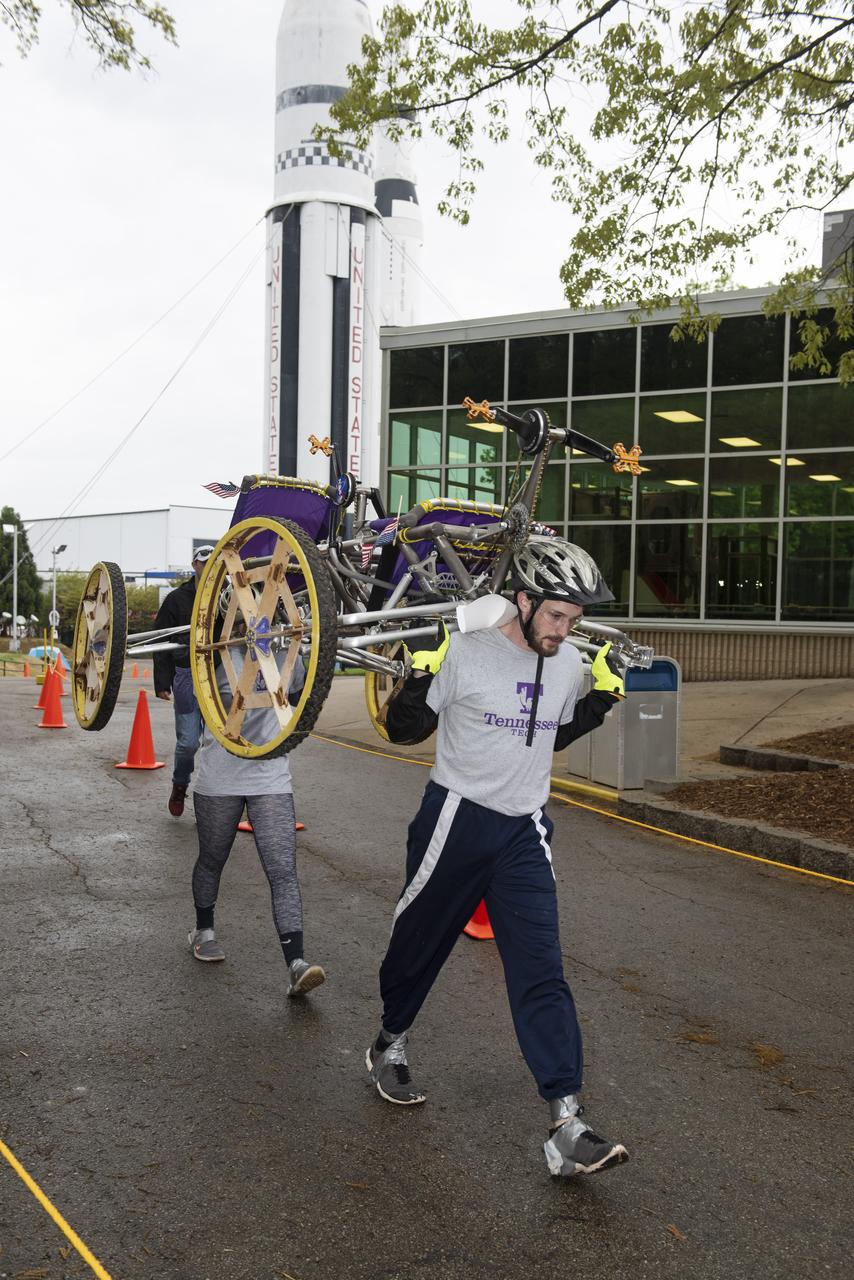
The 2019 Lunar Rover Challenge Competition was hosted by the U.S. Space and Rocket Center in Huntsville, Alabama. This annual event celebrated the 25th anniversary of what began as the Great Moonbuggy Race in 1994. High school and College teams from the United States and foreign countries competed. The awards ceremony was held at the adjacent Marriott on Saturday evening.