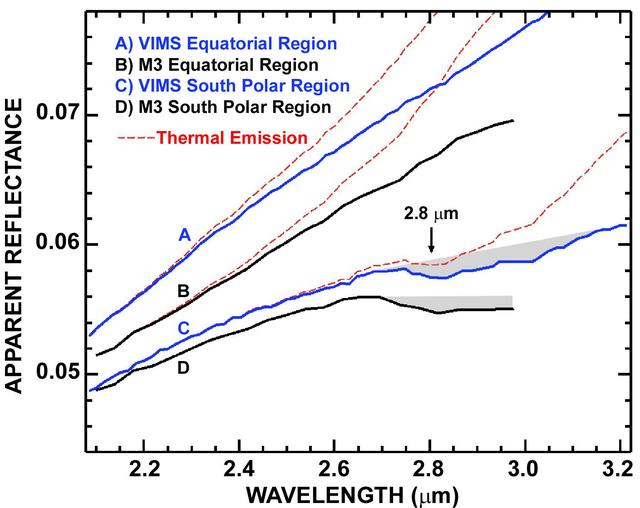
Cassini and Chandrayaan-1 Agree
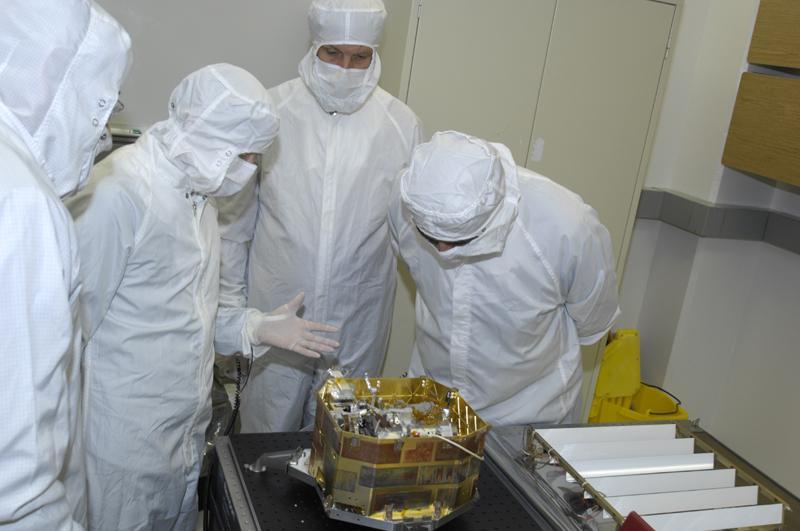
The Moon Mineralogy Mapper imaging spectrometer, an instrument on India’s Chandrayaan-1, during development at NASA’s Jet Propulsion Laboratory.
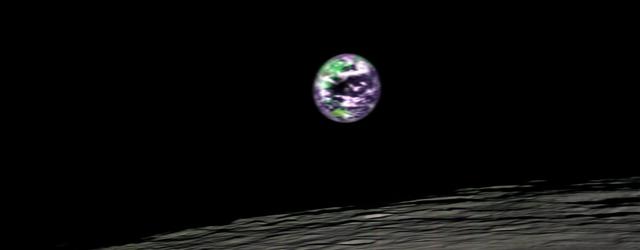
NASA Moon Minerology Mapper, a guest instrument onboard the Indian Space Research Organization Chandrayaan-1 mission to the moon, looks homeward. Australia is visible in the lower center of the image.
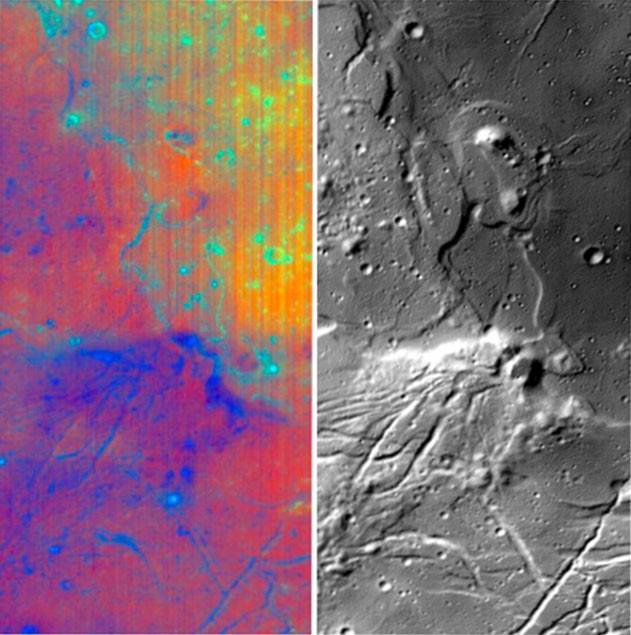
Different wavelengths of light provide new information about the Orientale Basin region of the moon in a composite image taken by NASA Moon Mineralogy Mapper, a guest instrument aboard the Indian Space Research Organization Chandrayaan-1 spacecraft.
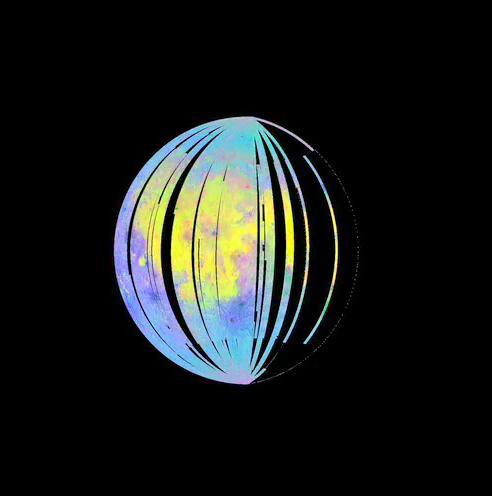
Data from NASA Moon Mineralogy Mapper instrument on the Indian Space Research Organization Chandrayaan-1 spacecraft reveal subtle and previously unknown lunar diversity and features. Animation available at the Photojournal.
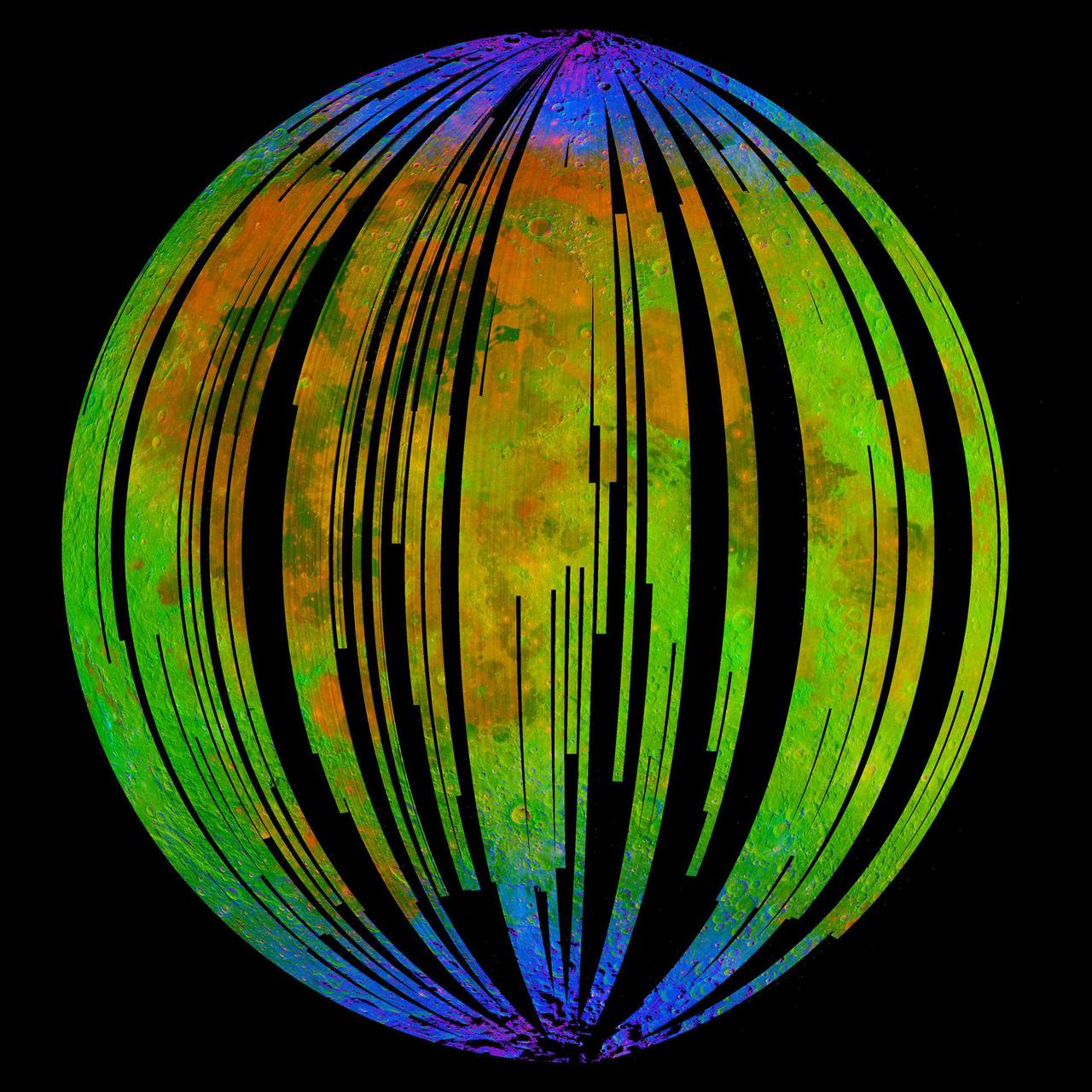
This image of the moon is from NASA Moon Mineralogy Mapper on the Indian Space Research Organization Chandrayaan-1 mission. It is a three-color composite of reflected near-infrared radiation from the sun.
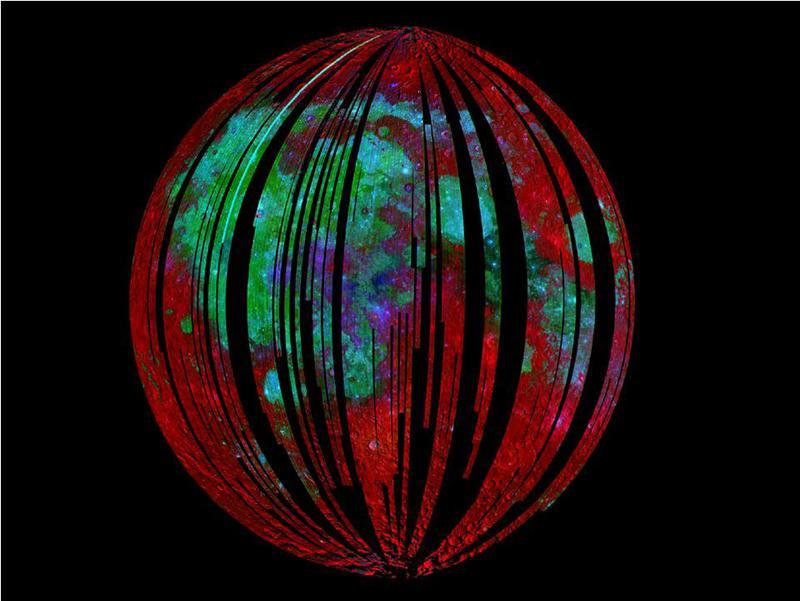
Mineral Mapping the Moon
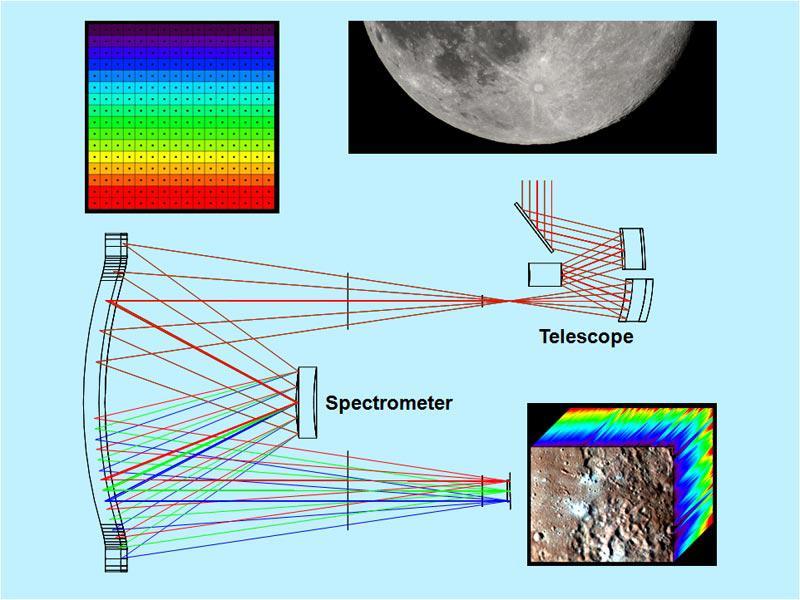
Dispersing Light through the Moon Mineralogy Mapper
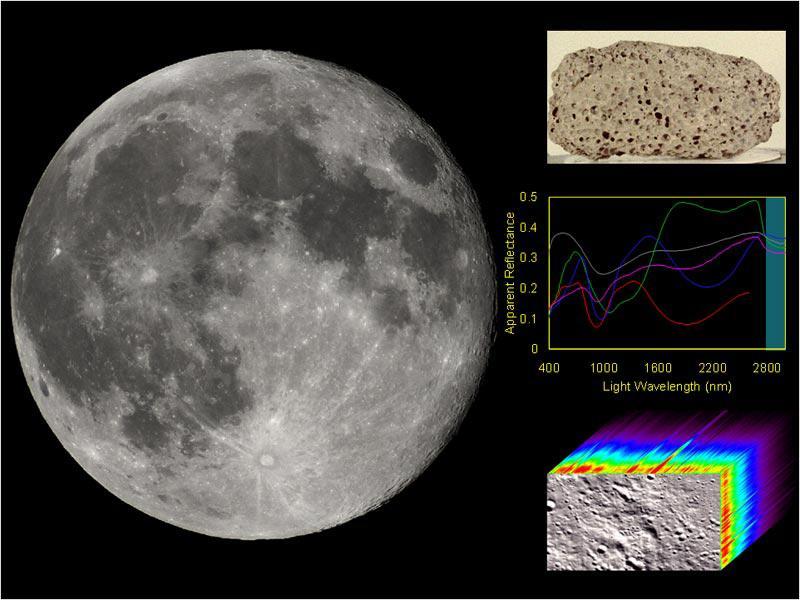
Mapping the Moon, Point by Point
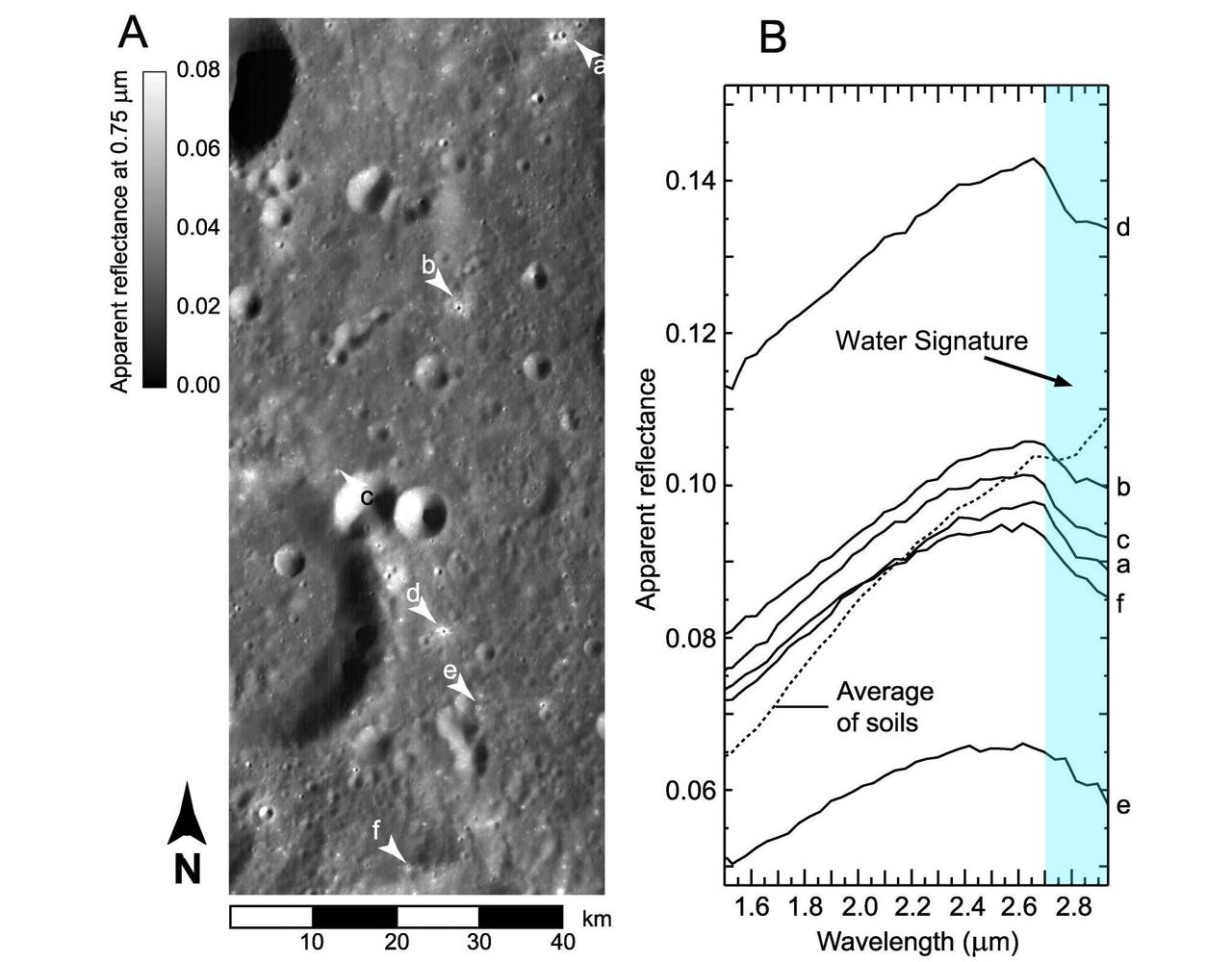
Craters and the Tell-Tale Signatures
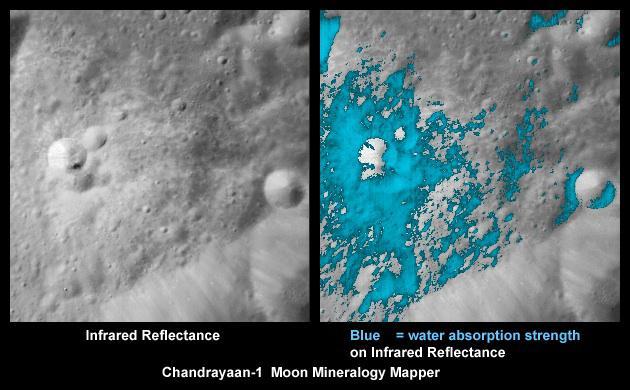
Water Around a Fresh Crater
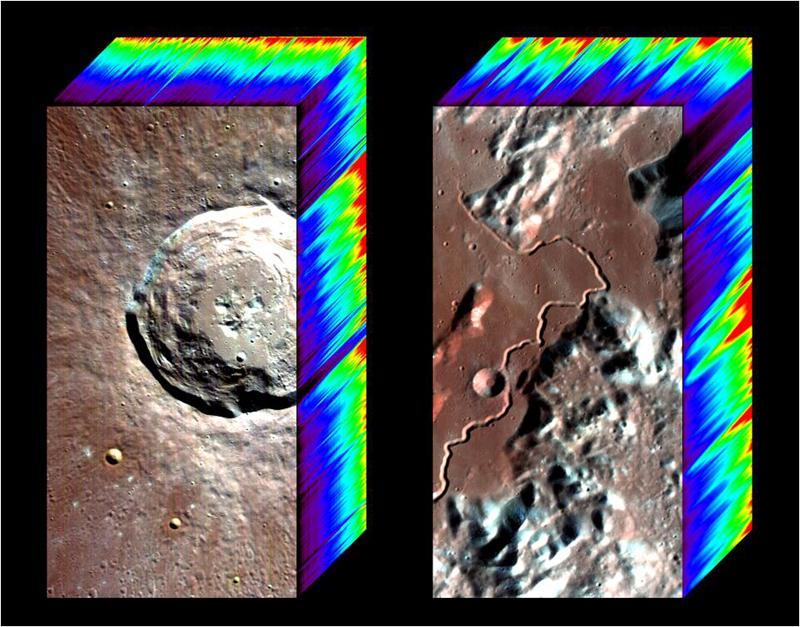
Colorful Cubes of Light
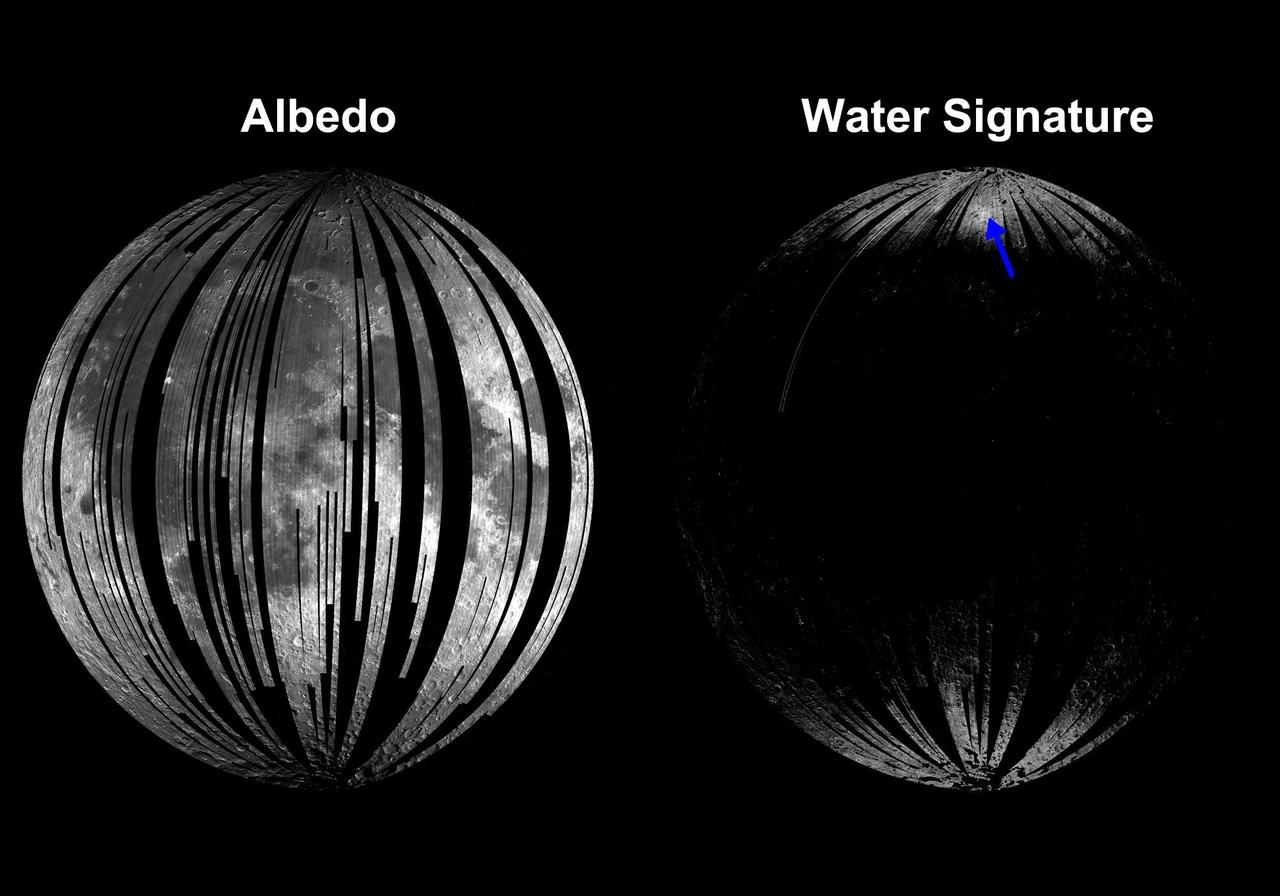
Nearside of the Moon
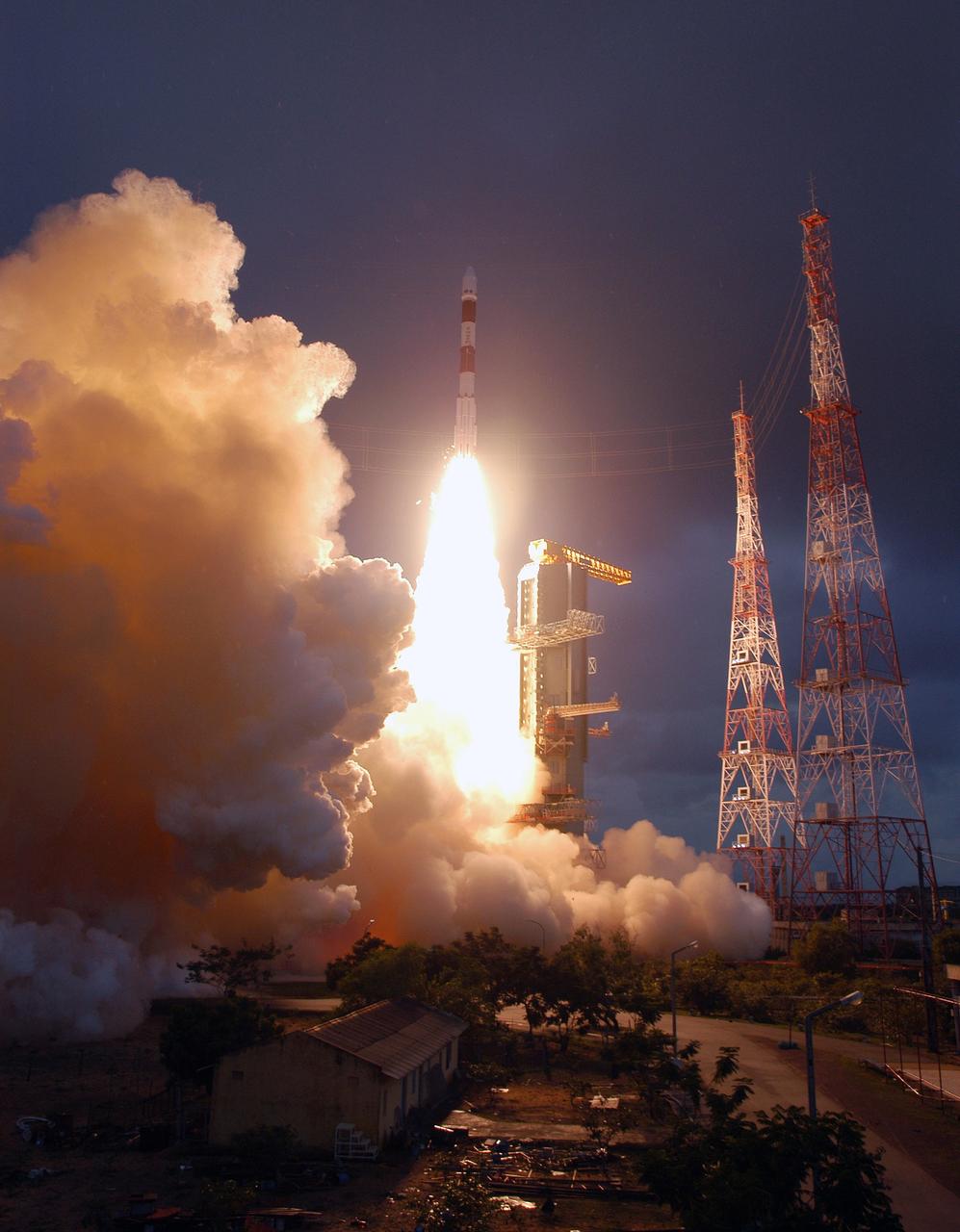
SRIHARIKOTA, India – The Indian Space Research Organization, or ISRO, launches its robotic Chandrayaan-1 rocket with two NASA instruments aboard on India's maiden moon voyage to map the lunar surface. The Moon Mineralogy Mapper will assess mineral resources, and the Miniature Synthetic Aperture Radar, or Mini-SAR, will map the polar regions and look for ice deposits. Data from the two instruments will contribute to NASA's increased understanding of the lunar environment as it implements the nation's space exploration policy, which calls for robotic and human missions to the moon. In addition to the two science instruments, NASA will provide space communications support to Chandrayaan-1. The primary location for the NASA ground tracking station will be at the Johns Hopkins University Applied Physics Laboratory in Laurel, Md. Photo credit: NASA
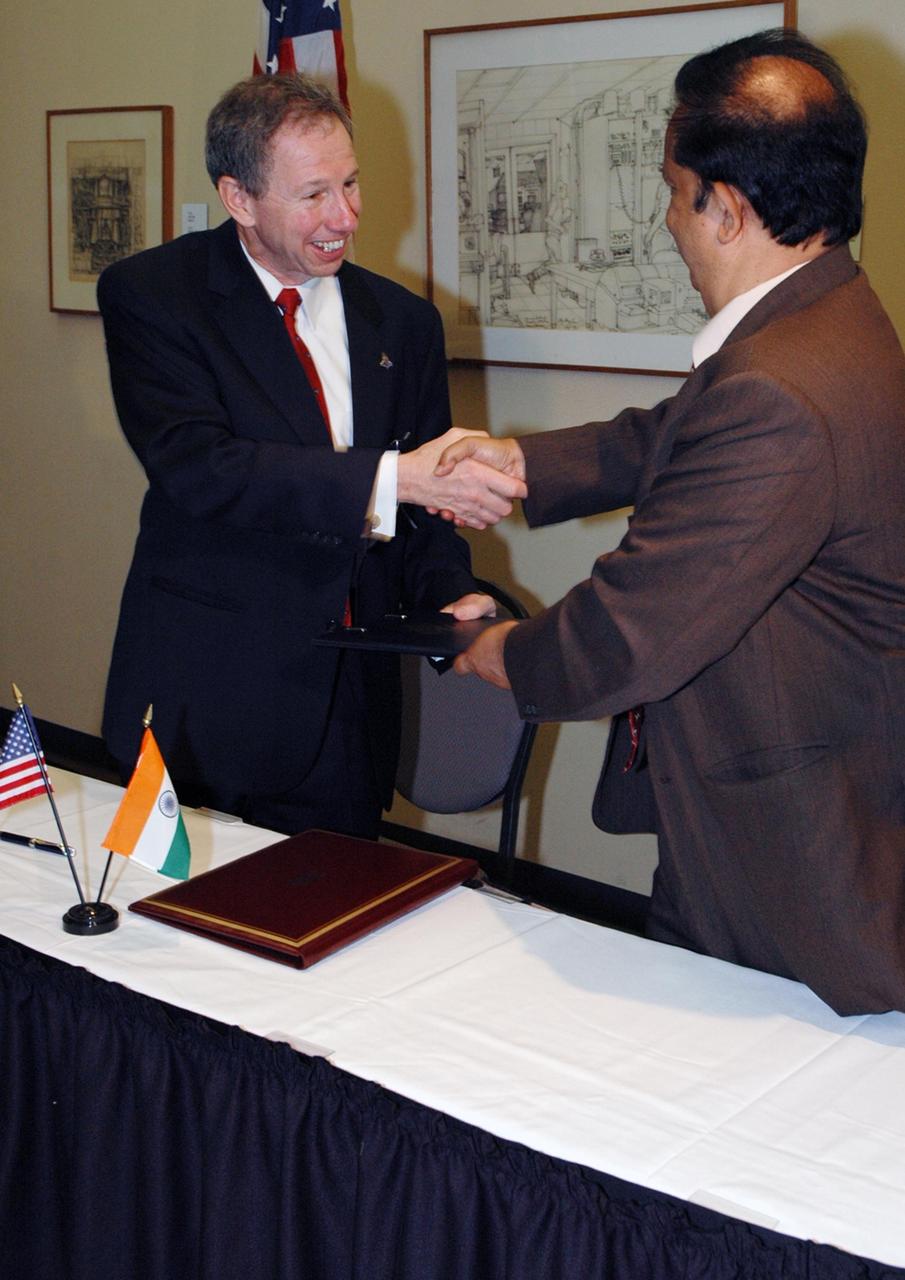
KENNEDY SPACE CENTER, FLA. -- At the NASA's Kennedy Space Center Visitor Complex, NASA Administrator Michael Griffin (left) and Indian Space Research Organization Chairman G. Madhavan Nair show their pleasure after signing a framework agreement establishing the terms for future cooperation between the two agencies in the exploration and use of outer space for peaceful purposes. According to the framework agreement, the two agencies will identify areas of mutual interest and seek to develop cooperative programs or projects in Earth and space science, exploration, human space flight and other activities. In addition to a long history of cooperation in Earth science, NASA and the Indian Space Research Organization also are cooperating on India's first, mission to the moon, Chandrayaan-1, which will be launched later this year. NASA is providing two of the 11 instruments on the spacecraft: the moon mineralogy mapper instrument and the miniature synthetic aperture radar instrument. Photo credit: NASA/Kim Shiflett
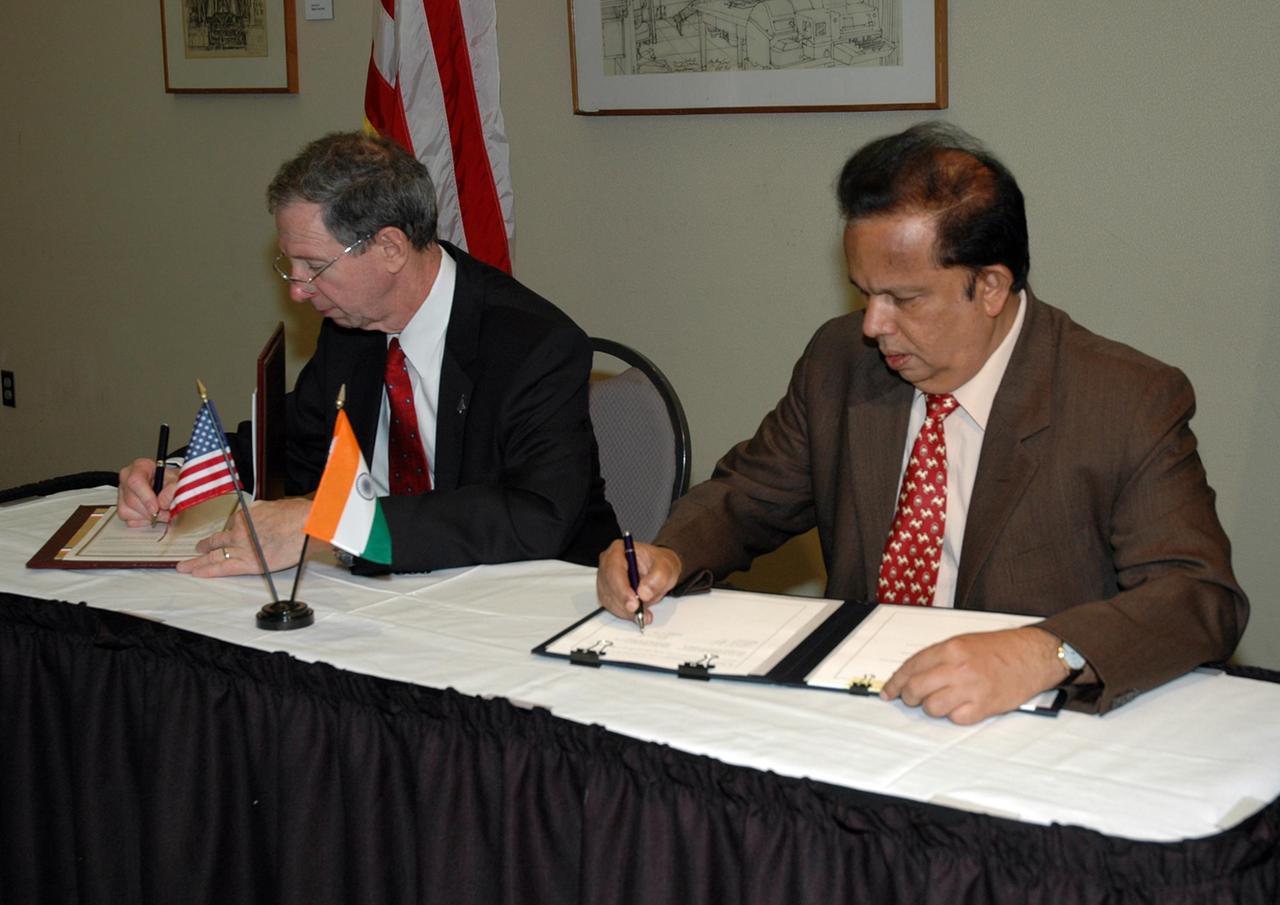
KENNEDY SPACE CENTER, FLA. -- At a ceremony at the NASA's Kennedy Space Center Visitor Complex, NASA Administrator Michael Griffin (left) and Indian Space Research Organization Chairman G. Madhavan Nair sign a framework agreement establishing the terms for future cooperation between the two agencies in the exploration and use of outer space for peaceful purposes. According to the framework agreement, the two agencies will identify areas of mutual interest and seek to develop cooperative programs or projects in Earth and space science, exploration, human space flight and other activities. In addition to a long history of cooperation in Earth science, NASA and the Indian Space Research Organization also are cooperating on India's first, mission to the moon, Chandrayaan-1, which will be launched later this year. NASA is providing two of the 11 instruments on the spacecraft: the moon mineralogy mapper instrument and the miniature synthetic aperture radar instrument. Photo credit: NASA/Kim Shiflett
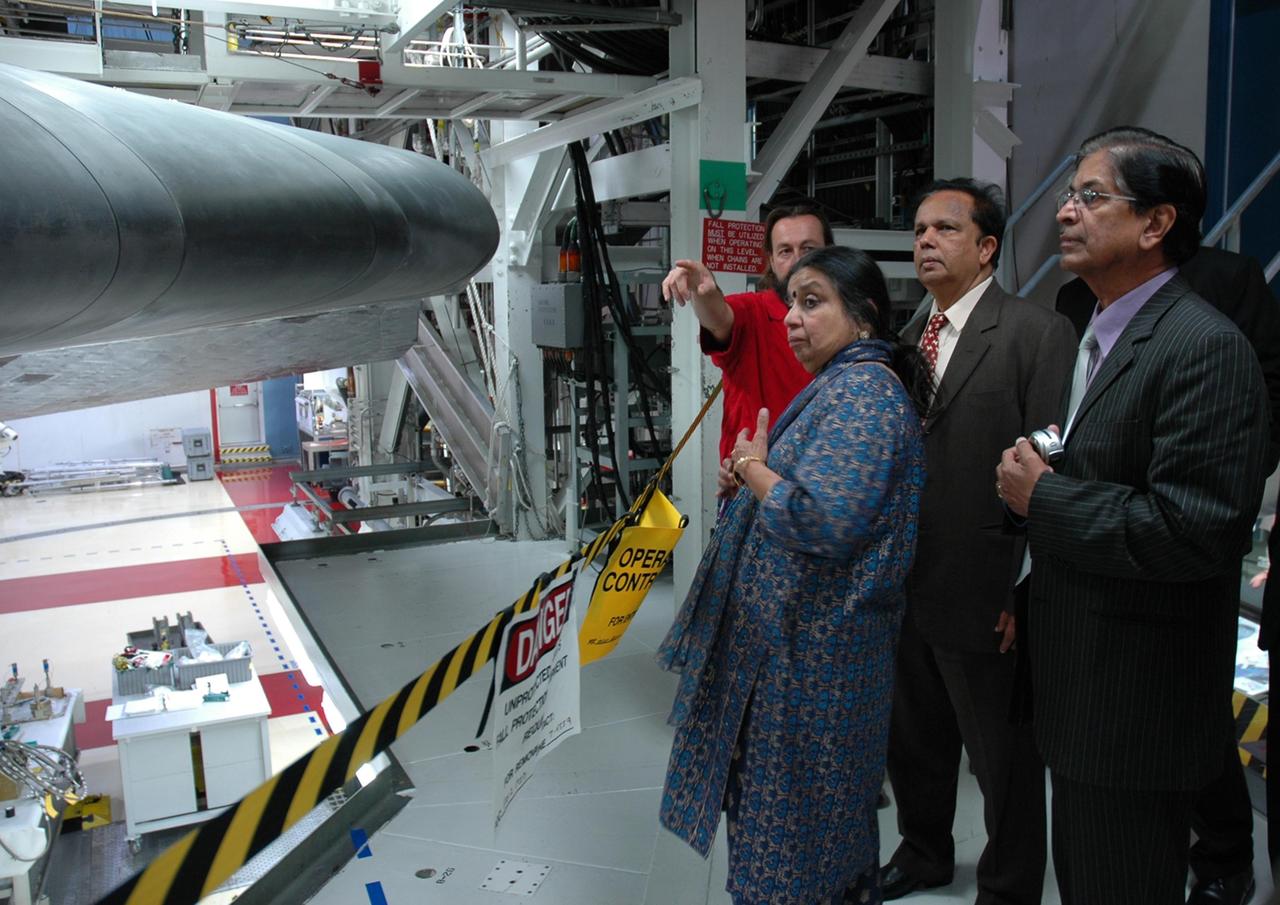
KENNEDY SPACE CENTER, FLA. -- After signing a framework agreement establishing the terms for future cooperation between NASA and the Indian Space Research Organization, Chairman G. Madhavan Nair (center) is given a tour of the Space Station Processing Facility at NASA's Kennedy Space Center. The agreement establishes the terms for future cooperation between the two agencies in the exploration and use of outer space for peaceful purposes. According to the framework agreement, the two agencies will identify areas of mutual interest and seek to develop cooperative programs or projects in Earth and space science, exploration, human space flight and other activities. In addition to a long history of cooperation in Earth science, NASA and the Indian Space Research Organization also are cooperating on India's first, mission to the moon, Chandrayaan-1, which will be launched later this year. NASA is providing two of the 11 instruments on the spacecraft: the moon mineralogy mapper instrument and the miniature synthetic aperture radar instrument. Photo credit: NASA/Kim Shiflett
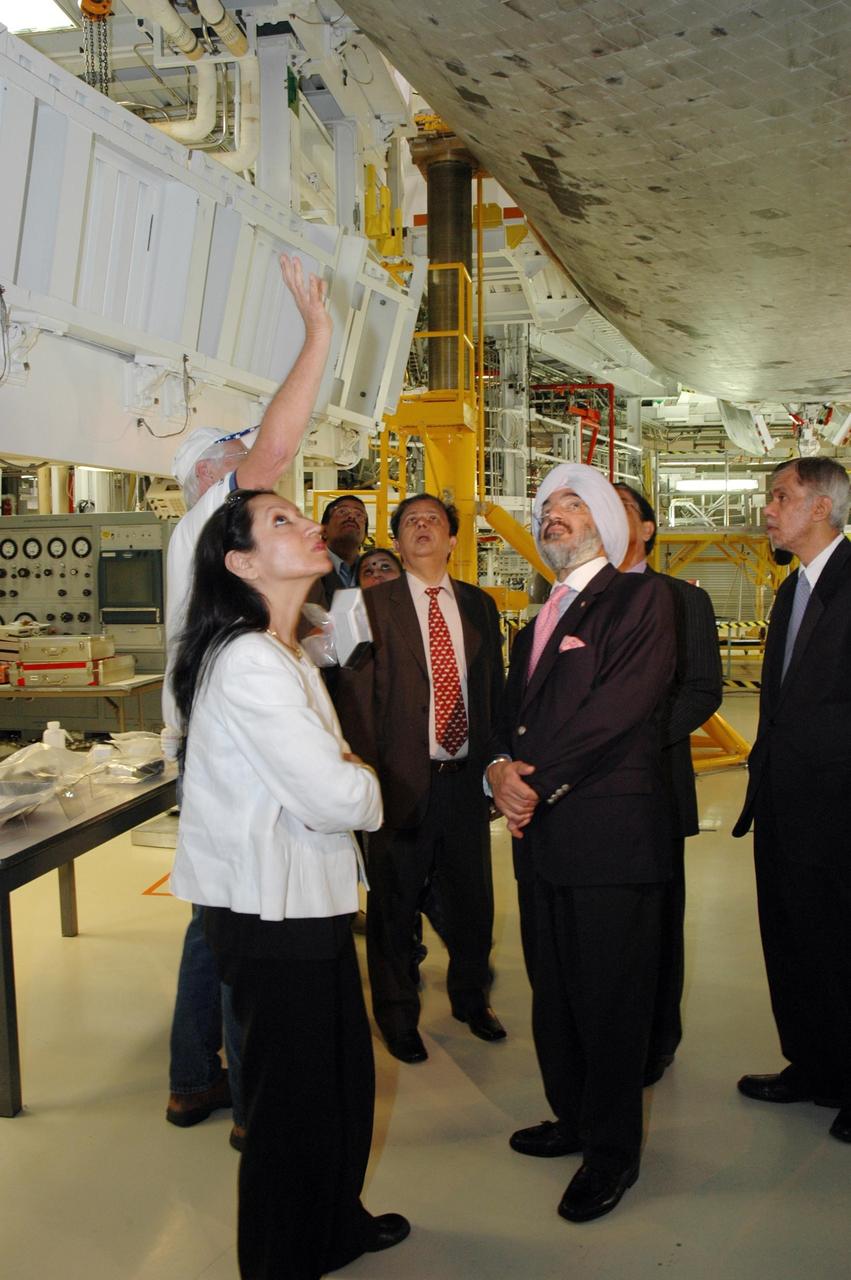
KENNEDY SPACE CENTER, FLA. -- After signing a framework agreement establishing the terms for future cooperation between NASA and the Indian Space Research Organization, Chairman G. Madhavan Nair (center) and other members are given a tour of the Space Station Processing Facility at NASA's Kennedy Space Center. The agreement establishes the terms for future cooperation between the two agencies in the exploration and use of outer space for peaceful purposes. According to the framework agreement, the two agencies will identify areas of mutual interest and seek to develop cooperative programs or projects in Earth and space science, exploration, human space flight and other activities. In addition to a long history of cooperation in Earth science, NASA and the Indian Space Research Organization also are cooperating on India's first, mission to the moon, Chandrayaan-1, which will be launched later this year. NASA is providing two of the 11 instruments on the spacecraft: the moon mineralogy mapper instrument and the miniature synthetic aperture radar instrument. Photo credit: NASA/Kim Shiflett

KENNEDY SPACE CENTER, FLA. -- After signing a framework agreement establishing the terms for future cooperation between NASA and the Indian Space Research Organization, Chairman G. Madhavan Nair (center) and other members are given a tour of the Space Station Processing Facility at NASA's Kennedy Space Center. The agreement establishes the terms for future cooperation between the two agencies in the exploration and use of outer space for peaceful purposes. According to the framework agreement, the two agencies will identify areas of mutual interest and seek to develop cooperative programs or projects in Earth and space science, exploration, human space flight and other activities. In addition to a long history of cooperation in Earth science, NASA and the Indian Space Research Organization also are cooperating on India's first, mission to the moon, Chandrayaan-1, which will be launched later this year. NASA is providing two of the 11 instruments on the spacecraft: the moon mineralogy mapper instrument and the miniature synthetic aperture radar instrument. Photo credit: NASA/Kim Shiflett
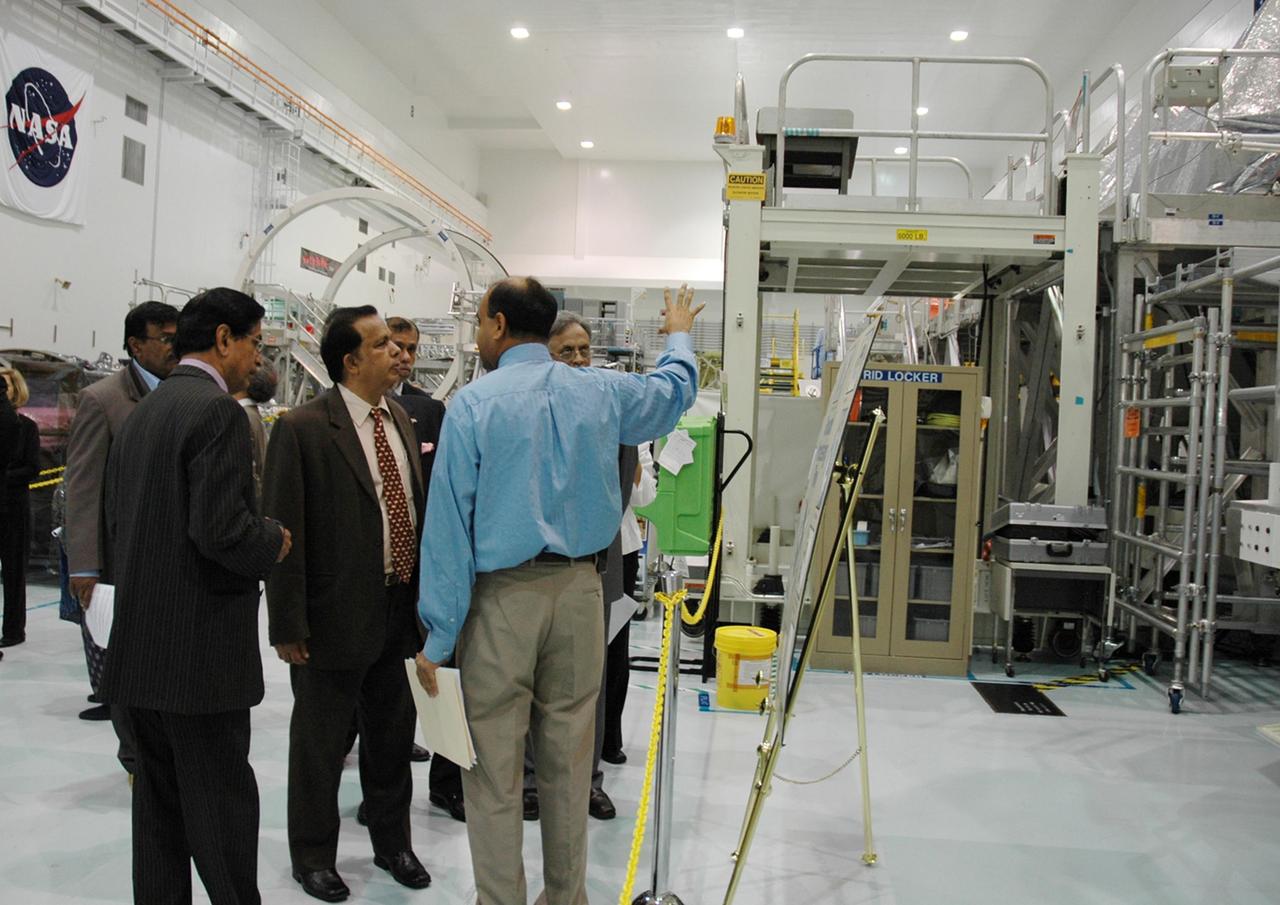
KENNEDY SPACE CENTER, FLA. -- After signing a framework agreement establishing the terms for future cooperation between NASA and the Indian Space Research Organization, Chairman G. Madhavan Nair (center) and other members are given a tour of the Space Station Processing Facility at NASA's Kennedy Space Center. The agreement establishes the terms for future cooperation between the two agencies in the exploration and use of outer space for peaceful purposes. According to the framework agreement, the two agencies will identify areas of mutual interest and seek to develop cooperative programs or projects in Earth and space science, exploration, human space flight and other activities. In addition to a long history of cooperation in Earth science, NASA and the Indian Space Research Organization also are cooperating on India's first, mission to the moon, Chandrayaan-1, which will be launched later this year. NASA is providing two of the 11 instruments on the spacecraft: the moon mineralogy mapper instrument and the miniature synthetic aperture radar instrument. Photo credit: NASA/Kim Shiflett