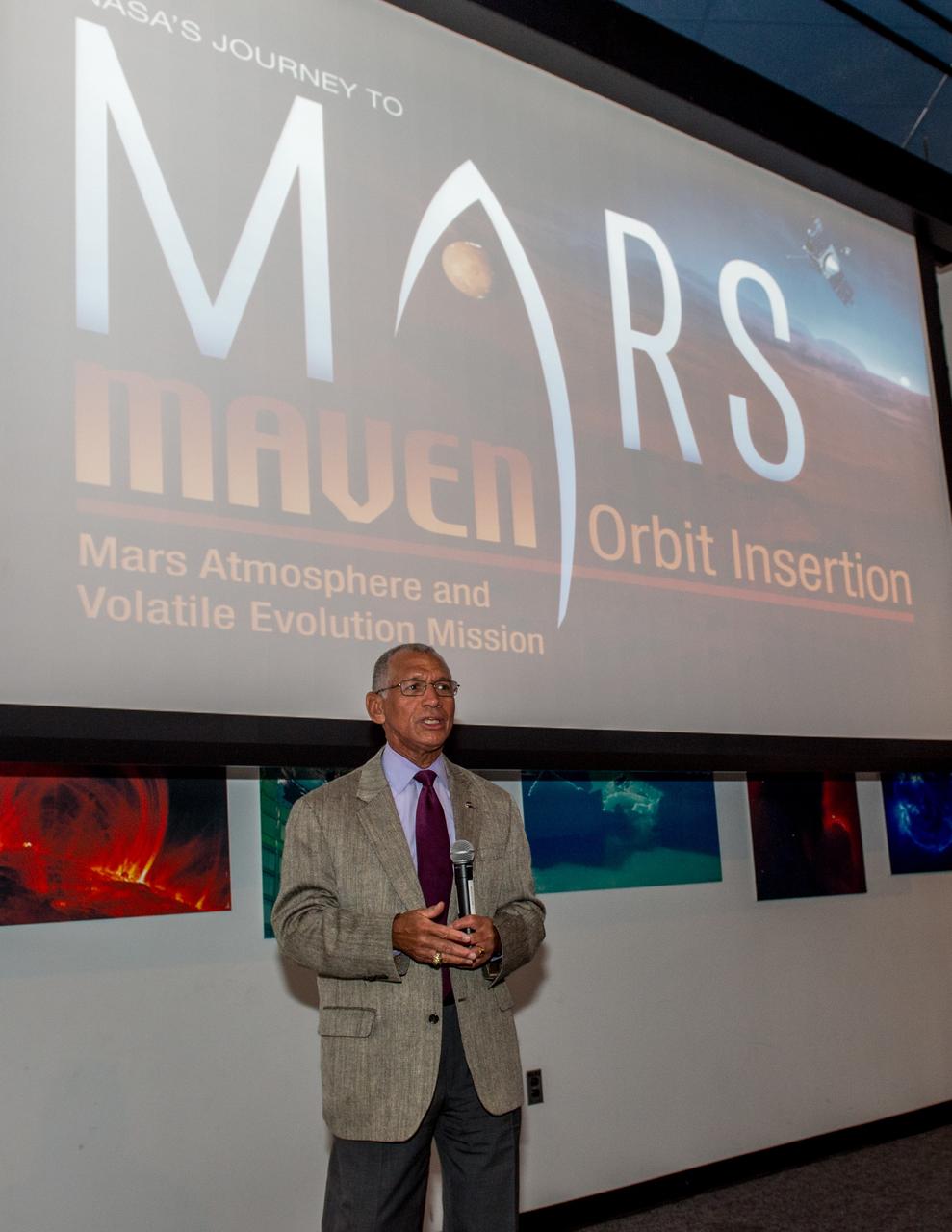
NASA Administrator Charlie Bolden at the Mars Atmosphere and Volatile Evolution Mission (MAVEN) ORBIT INSERTION event
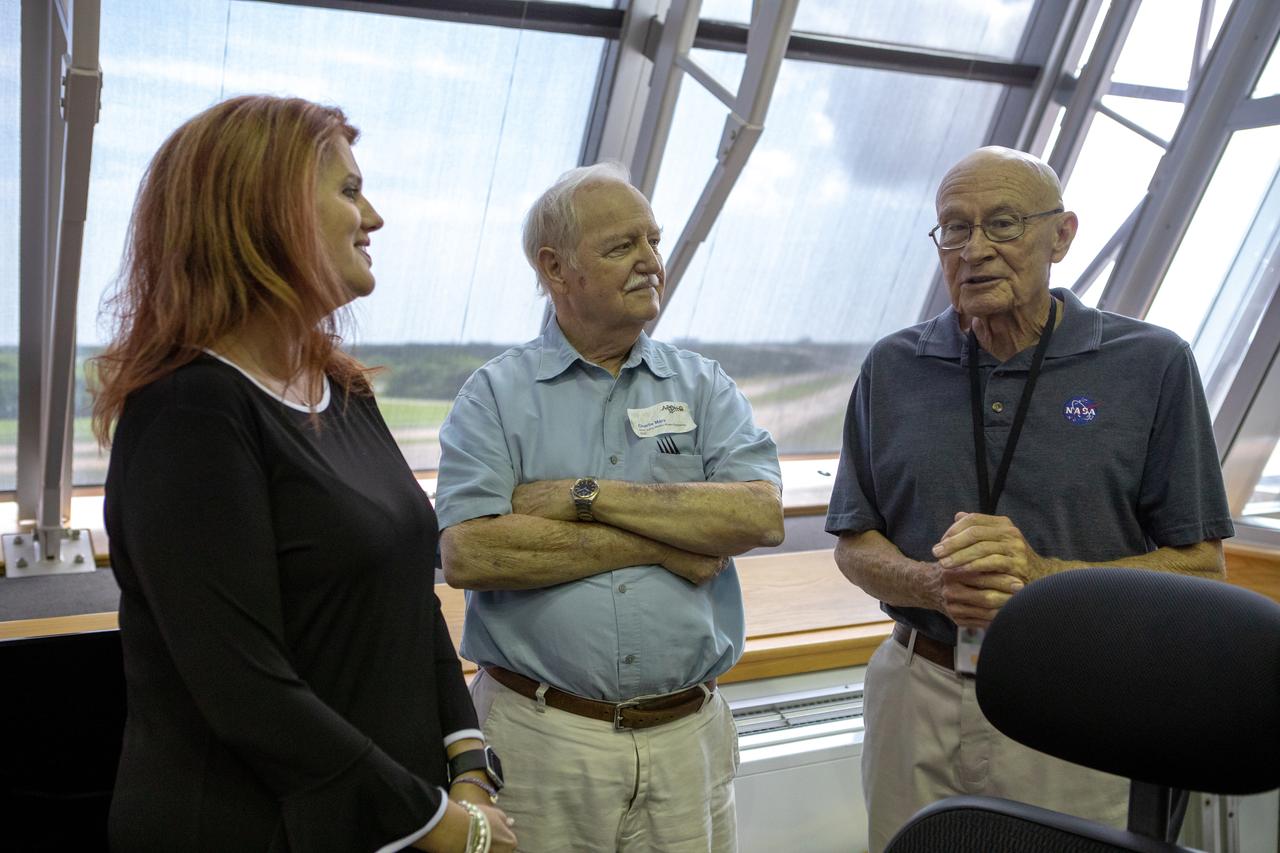
On July 16, 2019, the 50th anniversary of the Apollo 11 launch to the Moon; Apollo-era and Artemis launch team members mingle in Launch Control Center Firing Room 1 at NASA's Kennedy Space Center in Florida. From left, are Charlie Blackwell-Thompson, Artemis 1 launch director; Charlie Mars, Apollo 11 launch team member; and Bob Sieck, Apollo 11 launch team member and former space shuttle launch director.
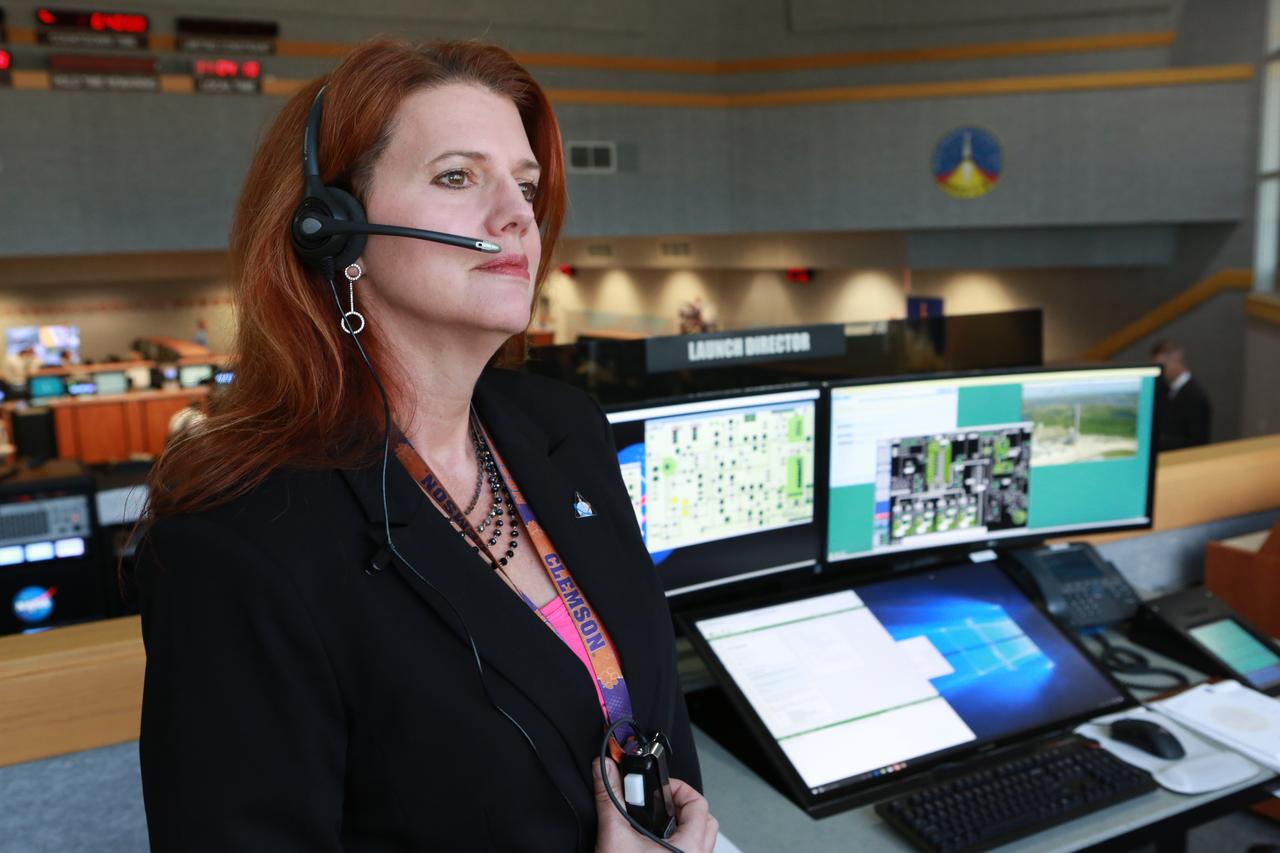
NASA Launch Director Charlie Blackwell-Thompson stands next to her console in Firing Room 1 at the Kennedy Space Center's Launch Control Center during a countdown simulation for Exploration Mission 1. It was the agency's first simulation of a portion of the countdown for the first launch of a Space Launch System rocket and Orion spacecraft that will eventually take astronauts beyond low-Earth orbit to destinations such as the Moon and Mars.
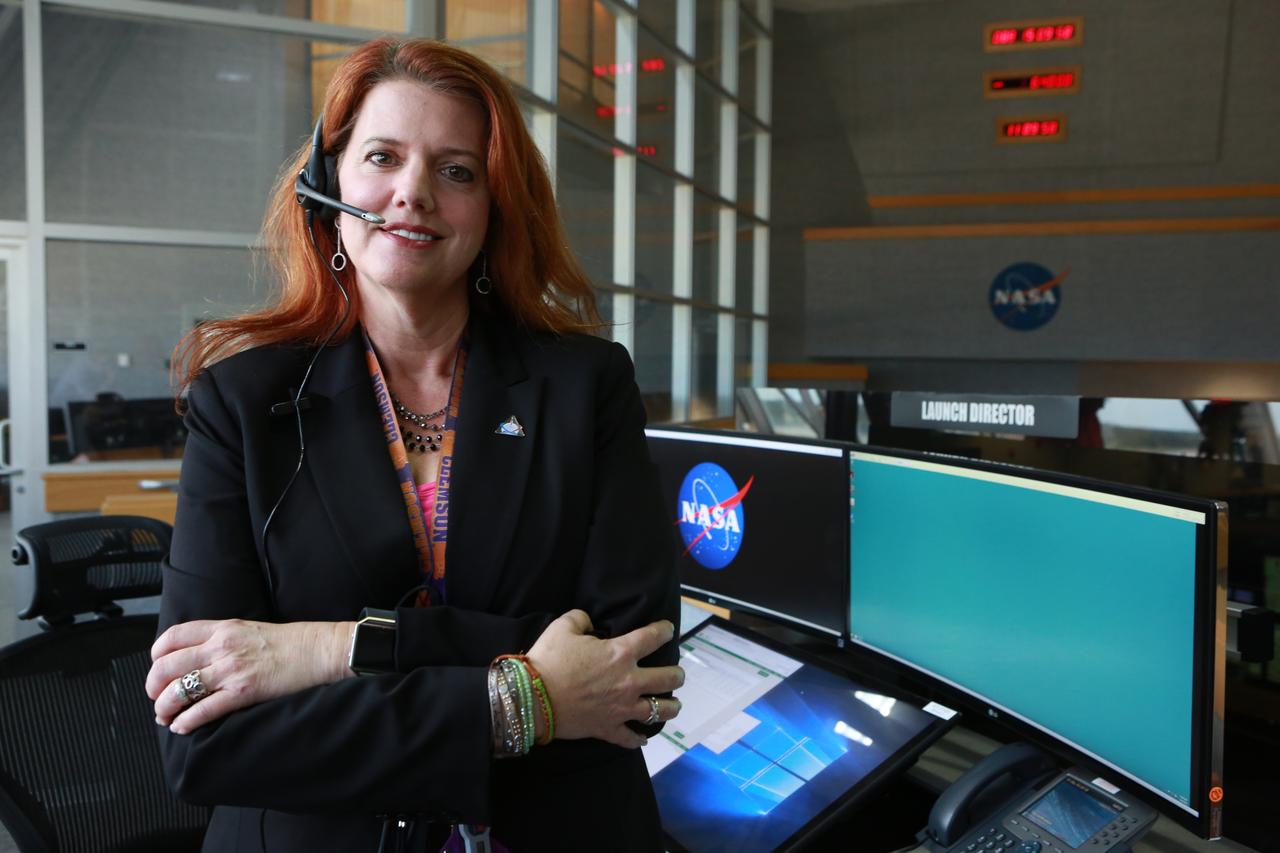
NASA Launch Director Charlie Blackwell-Thompson stands next to her console in Firing Room 1 at the Kennedy Space Center's Launch Control Center during a countdown simulation for Exploration Mission 1. It was the agency's first simulation of a portion of the countdown for the first launch of a Space Launch System rocket and Orion spacecraft that will eventually take astronauts beyond low-Earth orbit to destinations such as the Moon and Mars.
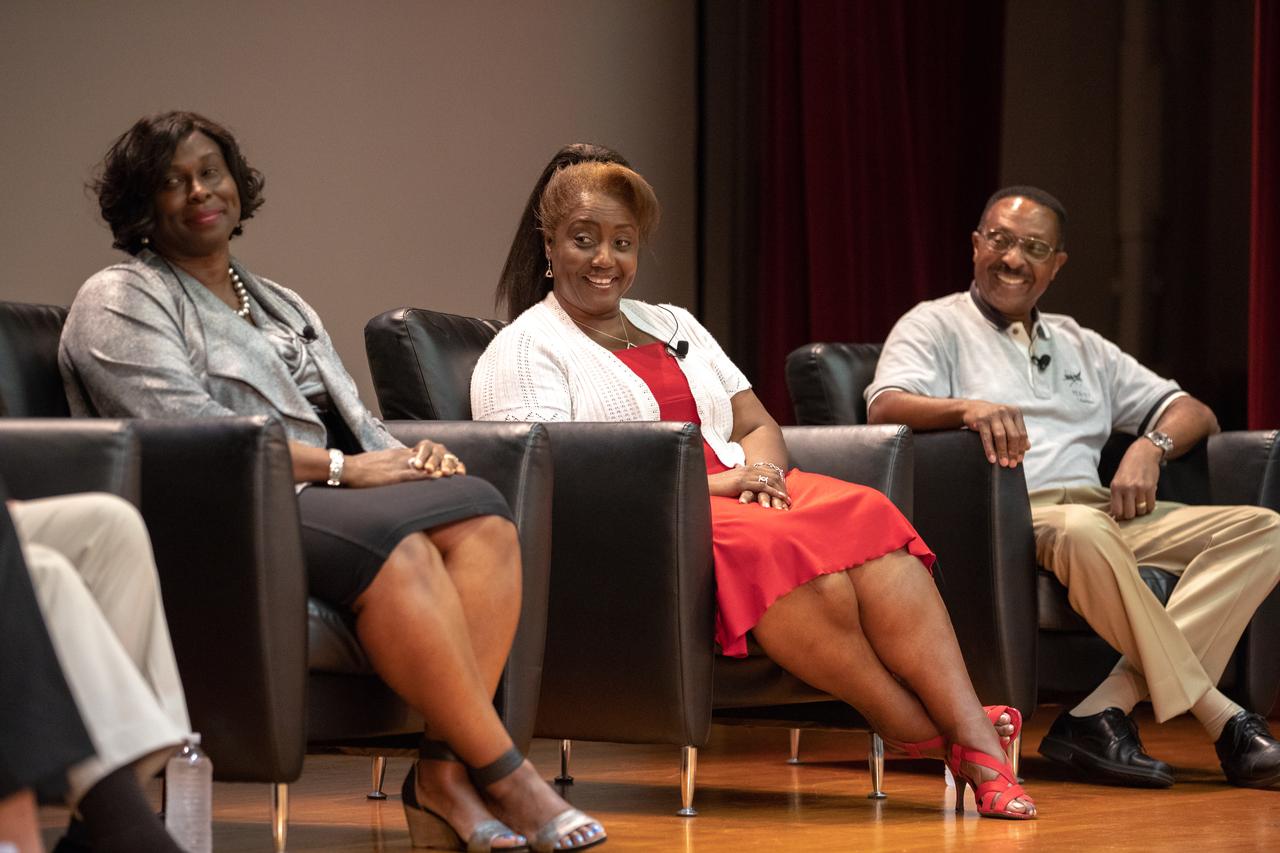
From left, Exploration Ground Systems Associate Manager, Technical, Kim Carter; NASA Kennedy Space Center Chief Technologist Barbara Brown; and former astronaut Winston Scott participate in a panel discussion on Aug. 28, 2019. Hosted by national radio host Tom Joyner at the Florida spaceport, the discussion focused on the agency’s Moon to Mars plans and was open to all Kennedy employees to attend. An additional participant included former NASA administrator and astronaut Charlie Bolden.
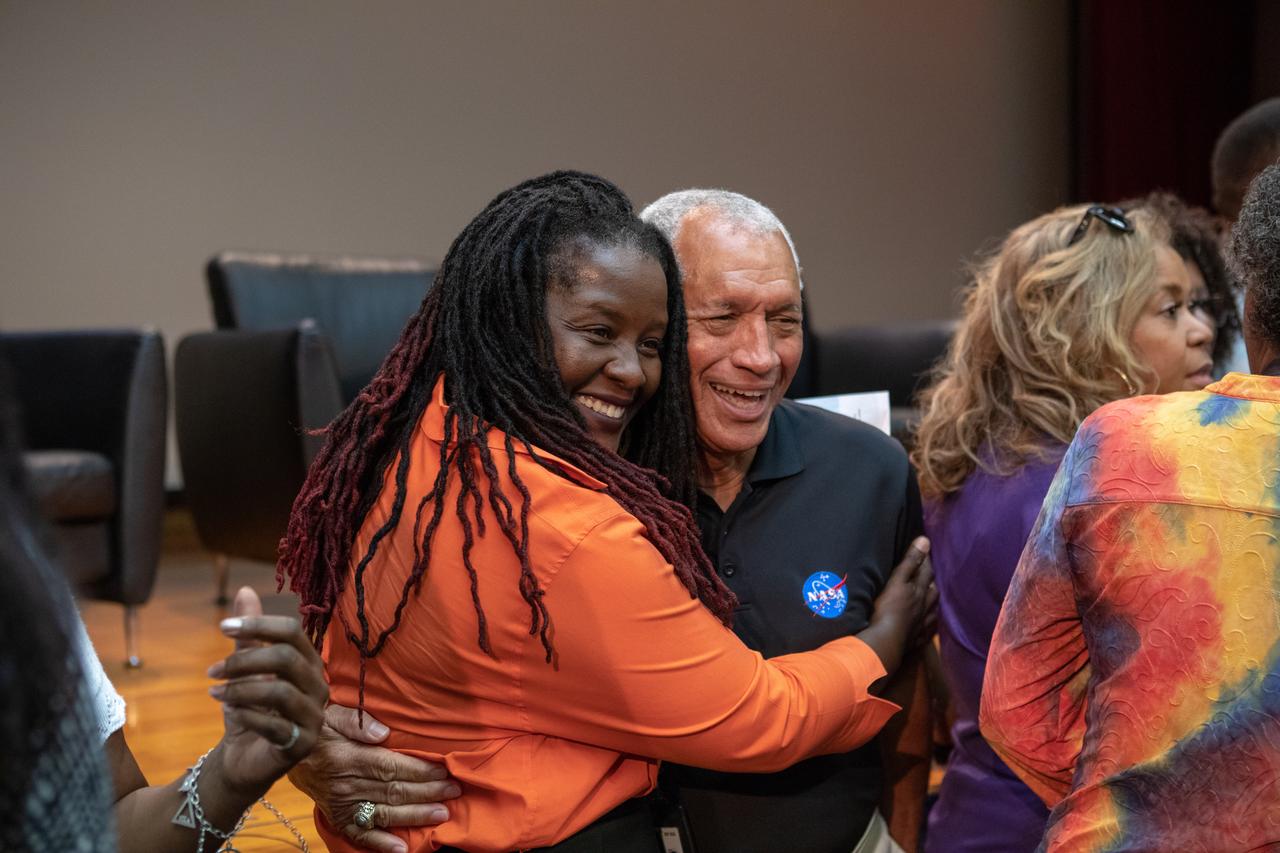
A Kennedy Space Center employee hugs former NASA administrator Charlie Bolden following a panel discussion on Aug. 28, 2019. Hosted at the Florida spaceport by national radio host Tom Joyner, the discussion focused on the agency’s Moon to Mars plans and was open for all Kennedy employees to attend. Additional panel participants included former astronaut Winston Scott, Kennedy Chief Technologist Barbara Brown and Exploration Ground Systems Associate Manager, Technical, Kim Carter.
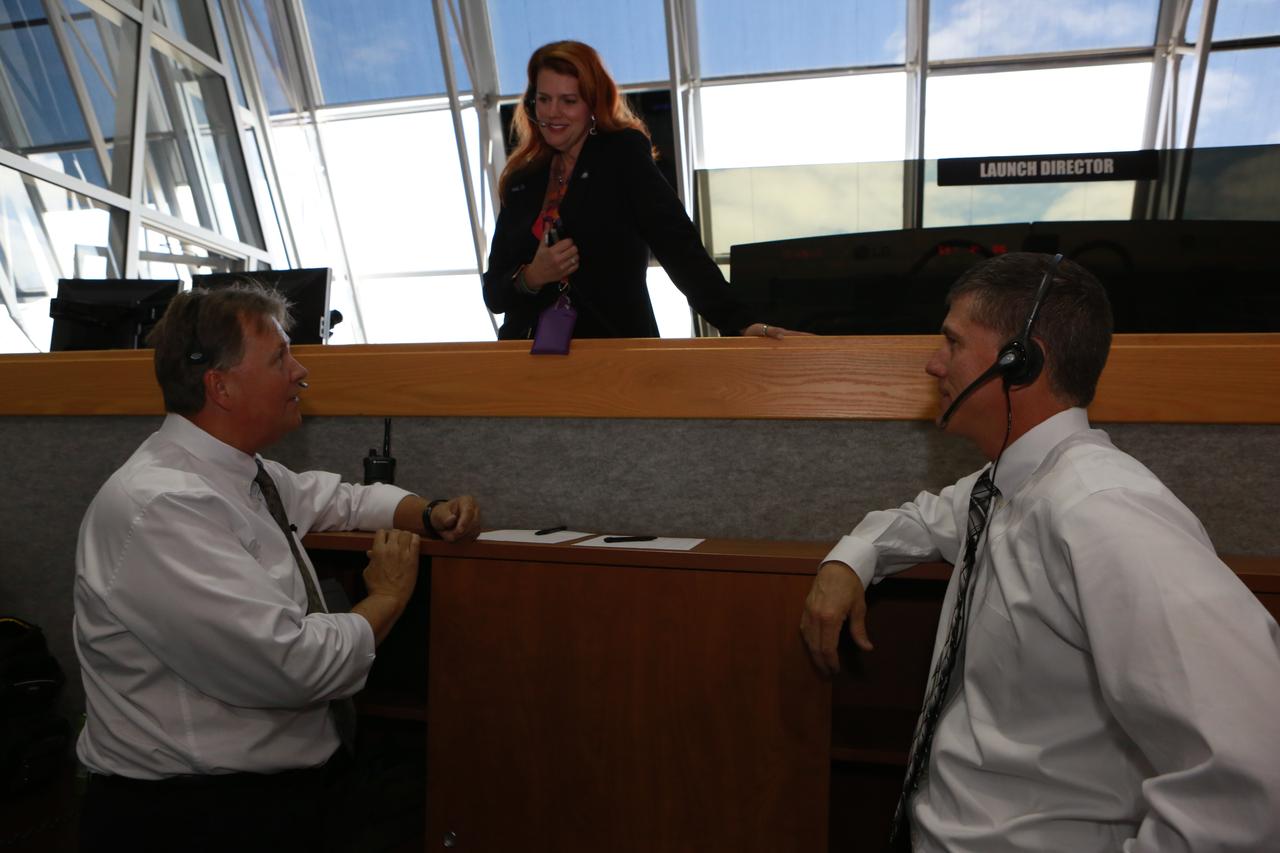
NASA Launch Director Charlie Blackwell-Thompson, above, confers with Senior NASA Test Director Jeff Spaulding, left, and Chief NASA Test Director Jeremy Graeber in Firing Room 1 at the Kennedy Space Center's Launch Control Center during a countdown simulation for Exploration Mission 1. It was the agency's first simulation of a portion of the countdown for the first launch of a Space Launch System rocket and Orion spacecraft that will eventually take astronauts beyond low-Earth orbit to destinations such as the Moon and Mars.
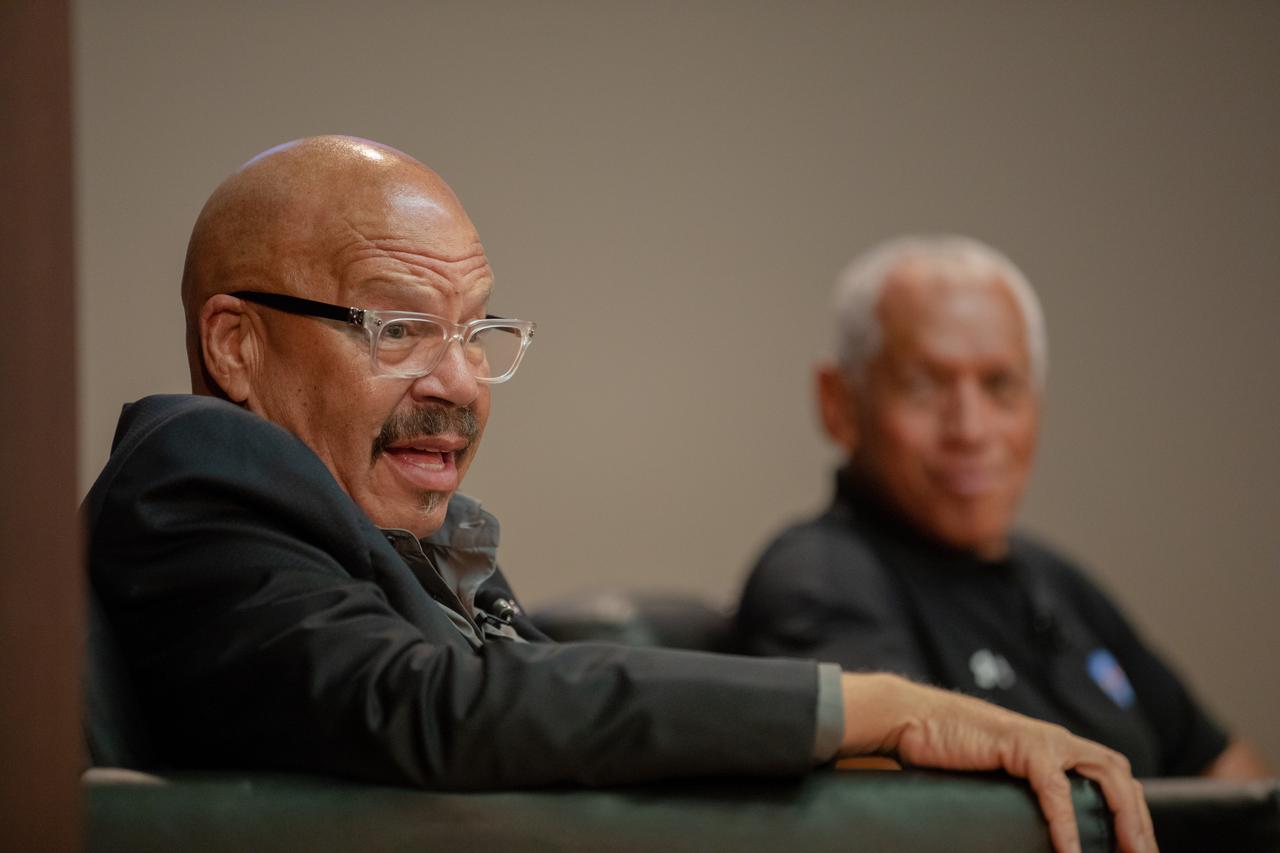
National radio host Tom Joyner hosts a panel discussion at NASA’s Kennedy Space Center in Florida on Aug. 28, 2019, about the agency’s Moon to Mars plans. The discussion was open for all Kennedy employees to attend. In the background, panel participant and former NASA administrator Charlie Bolden can be seen. Additional participants included Kennedy Chief Technologist Barbara Brown and Exploration Ground Systems Associate Manager, Technical, Kim Carter.
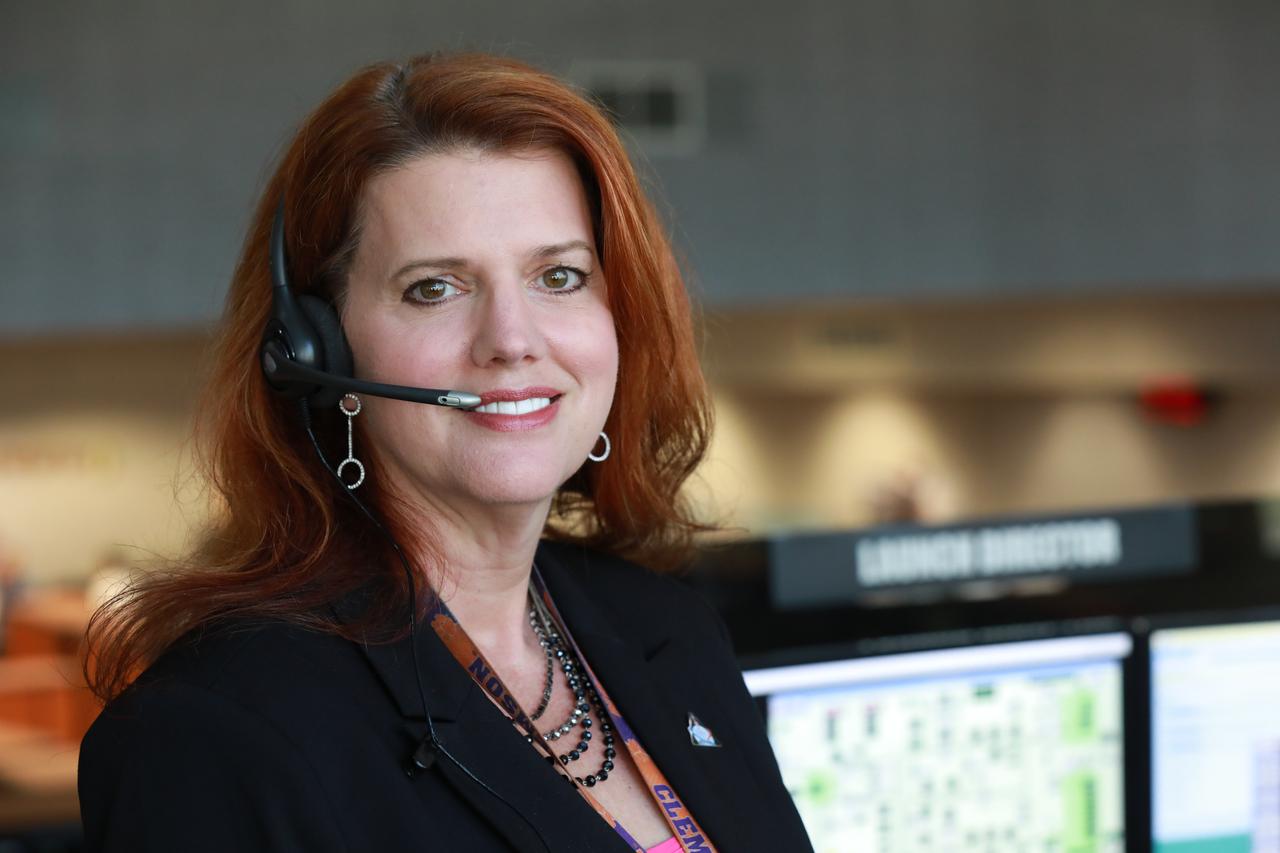
NASA Launch Director Charlie Blackwell-Thompson stands next to her console in Firing Room 1 at the Kennedy Space Center's Launch Control Center during a countdown simulation for Exploration Mission 1. It was the agency's first simulation of a portion of the countdown for the first launch of a Space Launch System rocket and Orion spacecraft that will eventually take astronauts beyond low-Earth orbit to destinations such as the Moon and Mars.
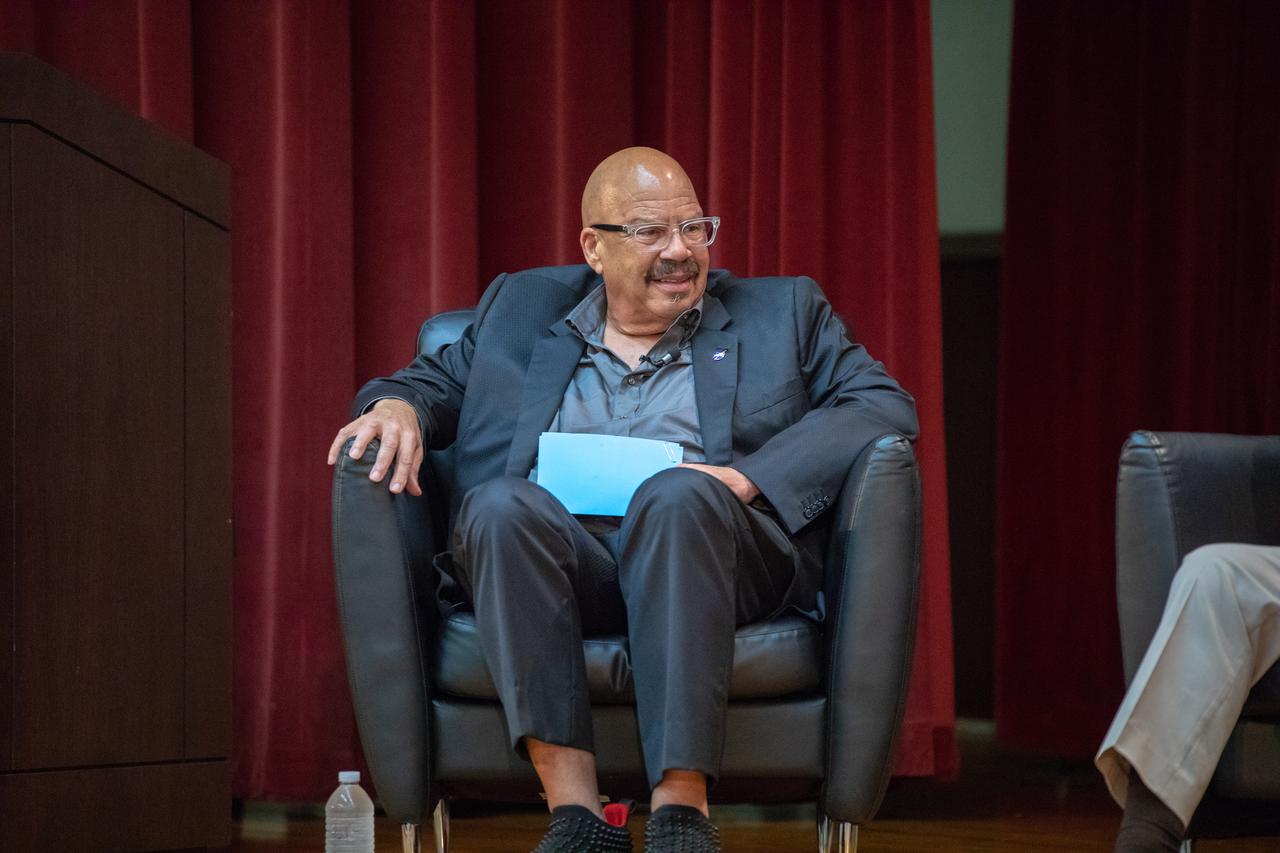
National radio host Tom Joyner hosts a panel discussion at NASA’s Kennedy Space Center in Florida on Aug. 28, 2019, about the agency’s Moon to Mars plans. The discussion was open for all Kennedy employees to attend. The panel included former NASA administrator and astronaut Charlie Bolden, former astronaut Winston Scott, Kennedy Chief Technologist Barbara Brown and Exploration Ground Systems Associate Manager, Technical, Kim Carter.
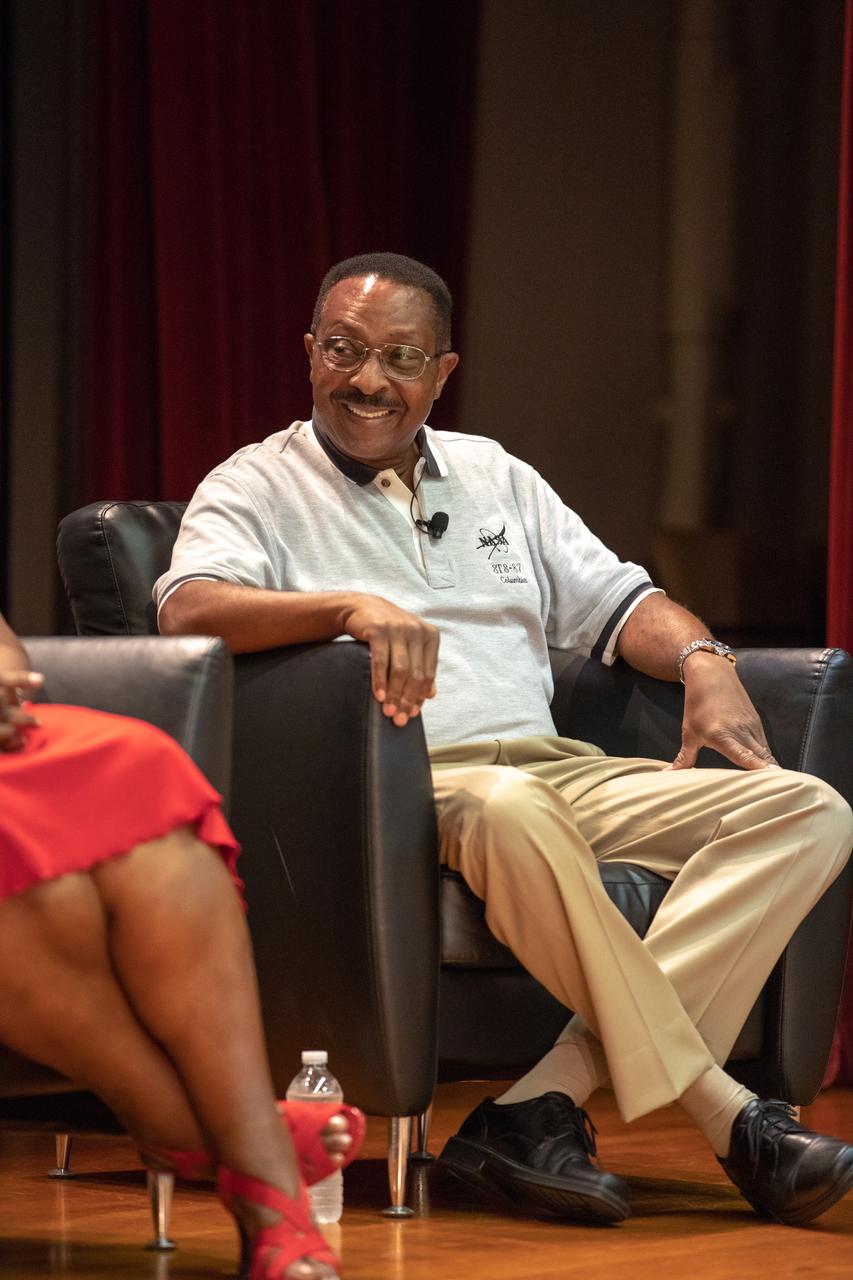
Former NASA astronaut Winston Scott participates in a panel discussion at the Kennedy Space Center in Florida on Aug. 28, 2019. Hosted by national radio host Tom Joyner, the discussion focused on the agency’s Moon to Mars plans and was open for all Kennedy employees to attend. Additional participants included former NASA administrator and astronaut Charlie Bolden, Kennedy Chief Technologist Barbara Brown and Exploration Ground Systems Associate Manager, Technical, Kim Carter.

Kim Carter, Exploration Ground Systems associate manager, technical, participates in a panel discussion at NASA’s Kennedy Space Center in Florida on Aug. 28, 2019. Hosted by national radio host Tom Joyner, the discussion focused on the agency’s Moon to Mars plans and was open for all Kennedy employees to attend. Additional participants included former NASA administrator and astronaut Charlie Bolden, former astronaut Winston Scott and Kennedy Chief Technologist Barbara Brown.
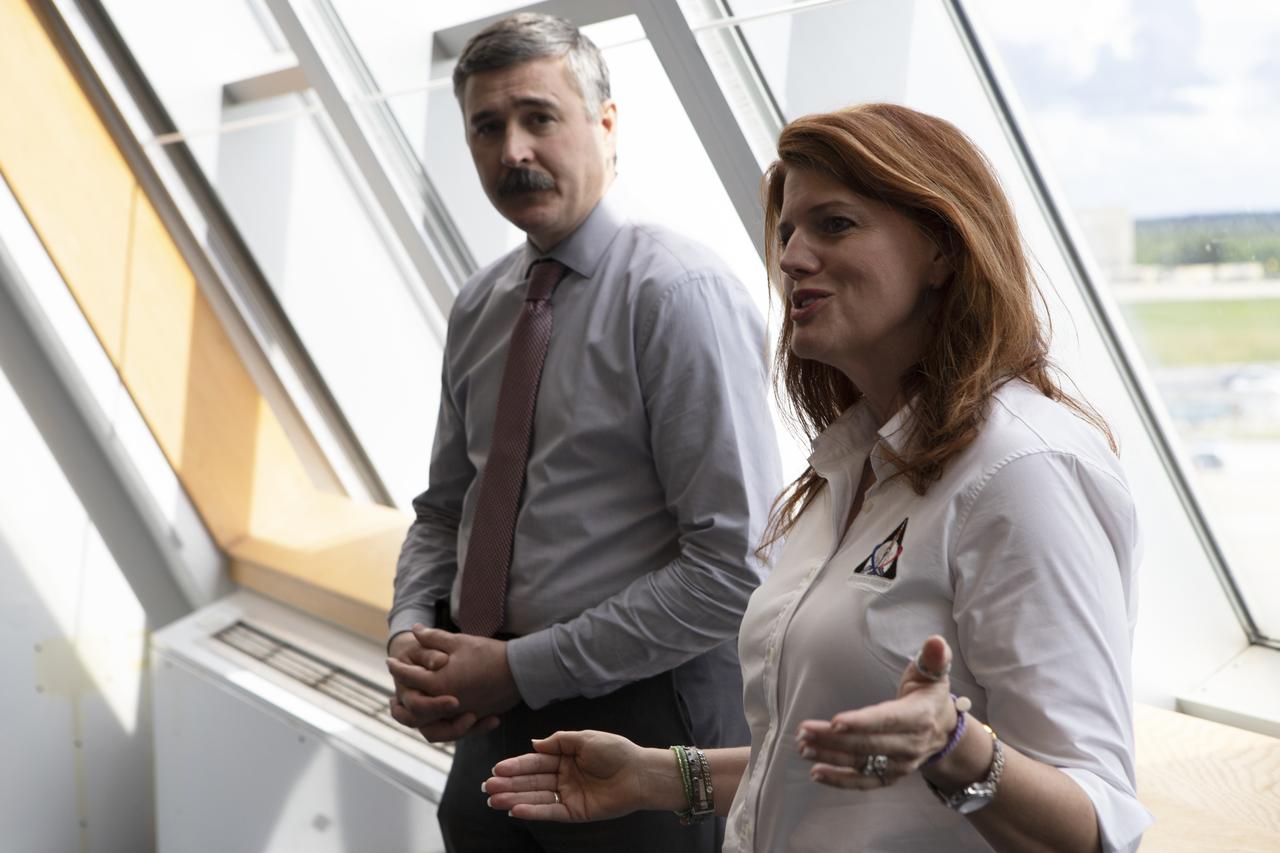
Charlie Blackwell-Thompson, Exploration Mission-1 launch director, and Michael Sarafin, EM-1 mission manager, talk to members of the media inside the Launch Control Center at NASA's Kennedy Space Center in Florida, on Sept. 8, 2018. Exploration Ground Systems is preparing the ground systems necessary to launch the agency's Space Launch System and Orion on EM-1, missions to the Moon and on to Mars.

A panel discussion regarding NASA’s Moon to Mars plans takes place at Kennedy Space Center in Florida on Aug. 28, 2019. Seated from left, are Tom Joyner, national radio host and panel host; Charlie Bolden, former NASA administrator and astronaut; Kim Carter, Exploration Ground Systems associate manager, technical; Barbara Brown, Kennedy chief technologist; former astronaut Winston Scott; and panel co-host Sybil Wilkes.
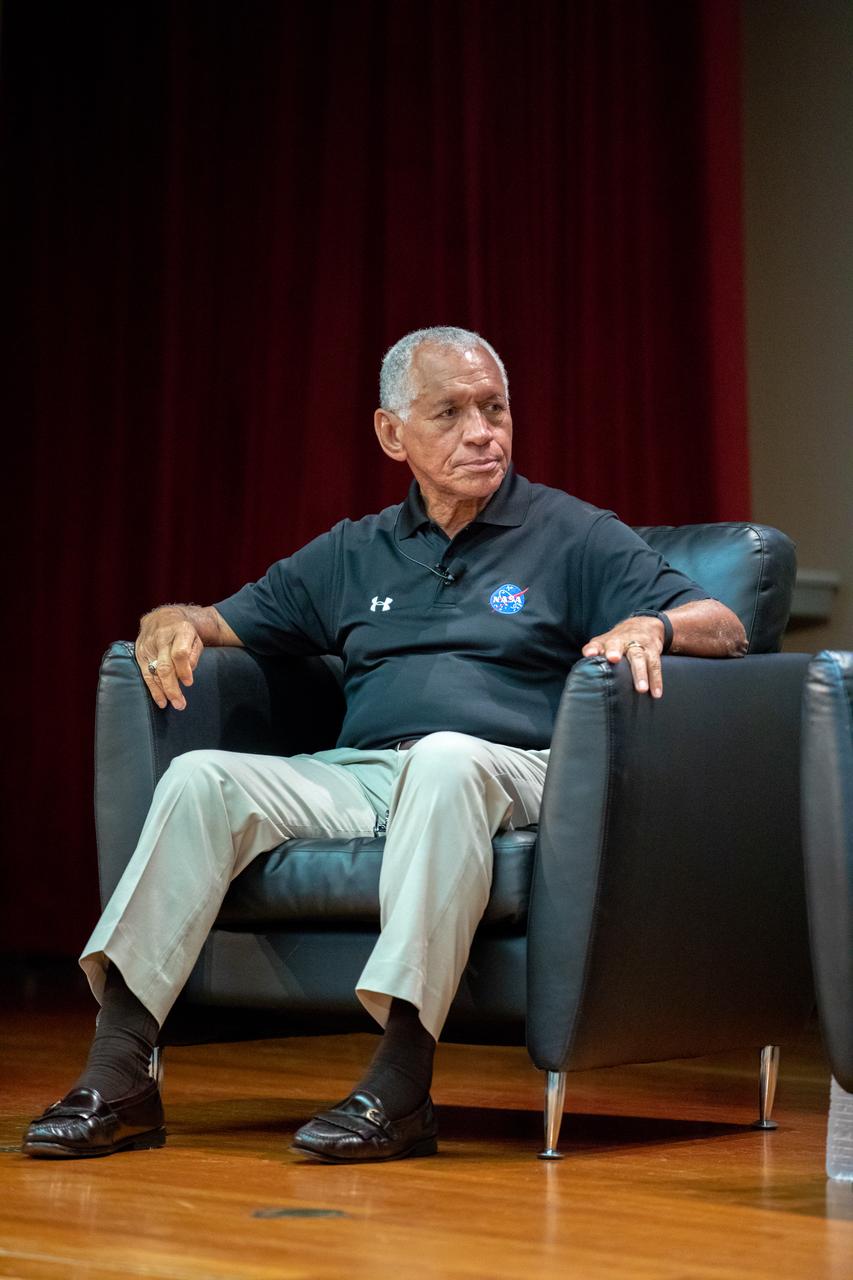
Former NASA administrator and astronaut Charlie Bolden participates in a panel discussion at Kennedy Space Center in Florida on Aug. 28, 2019. Hosted by national radio host Tom Joyner, the discussion focused on the agency’s Moon to Mars plans and was open for all Kennedy employees to attend. Additional participants included former astronaut Winston Scott, Kennedy Chief Technologist Barbara Brown and Exploration Ground Systems Associate Manager, Technical, Kim Carter.
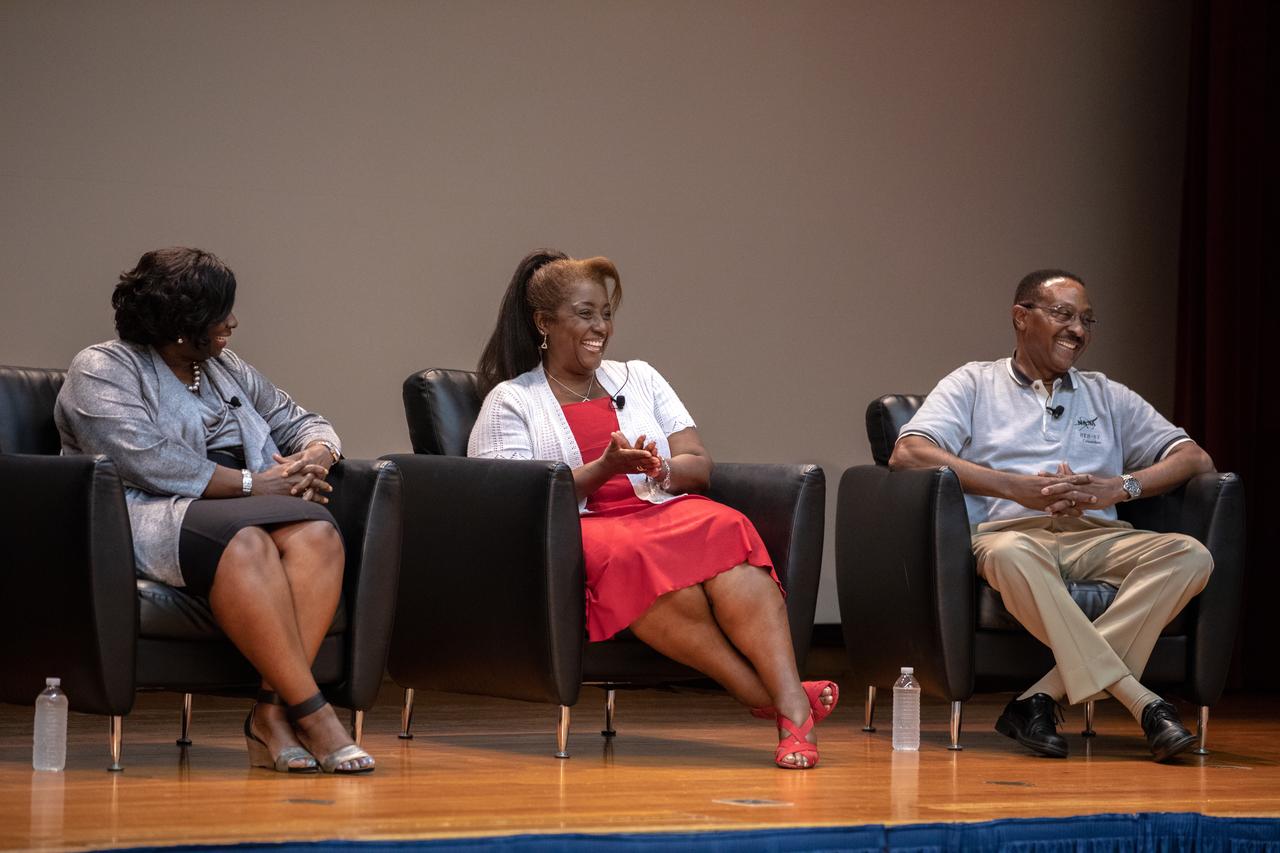
From left, Exploration Ground Systems Associate Manager, Technical, Kim Carter; NASA Kennedy Space Center Chief Technologist Barbara Brown; and former astronaut Winston Scott participate in a panel discussion on Aug. 28, 2019. Hosted at the Florida spaceport by national radio host Tom Joyner, the discussion focused on the agency’s Moon to Mars plans and was open to all Kennedy employees to attend. An additional participant included former NASA administrator and astronaut Charlie Bolden.
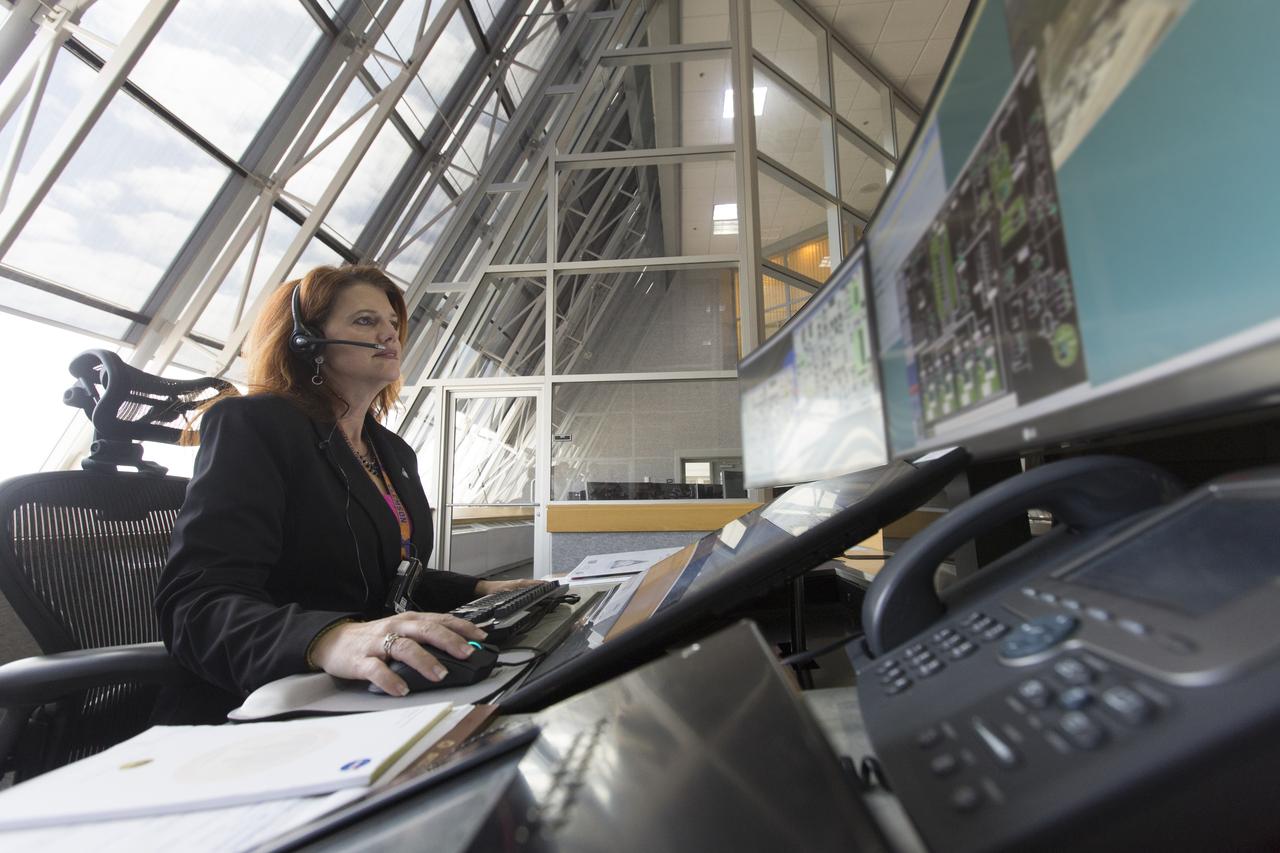
NASA Launch Director Charlie Blackwell-Thompson follows operations at her console in Firing Room 1 at the Kennedy Space Center's Launch Control Center during a countdown simulation for Exploration Mission 1. It was the agency's first simulation of a portion of the countdown for the first launch of a Space Launch System rocket and Orion spacecraft that will eventually take astronauts beyond low-Earth orbit to destinations such as the Moon and Mars.
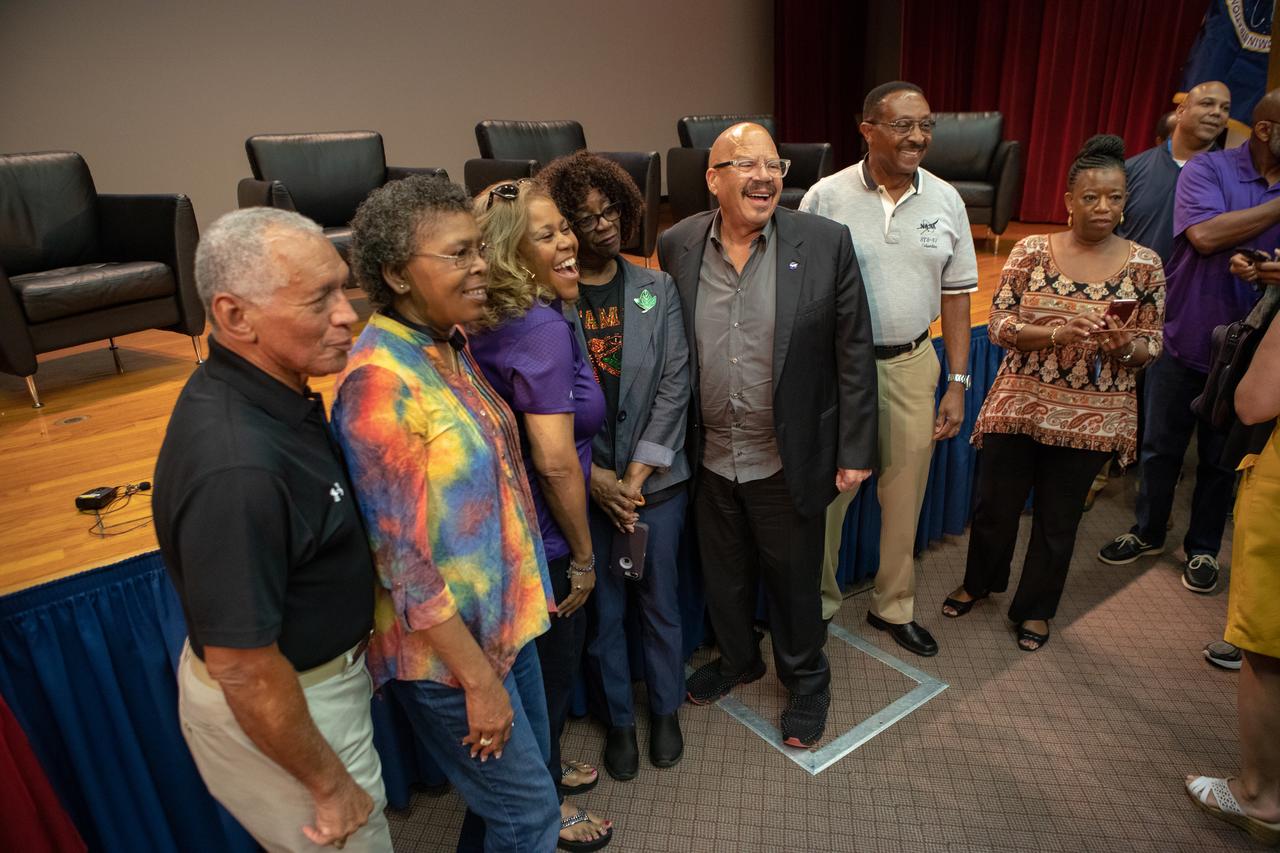
Following a panel discussion at the Kennedy Space Center on Aug. 28, 2019, Kennedy employees pose for a photo with former NASA administrator and panel participant Charlie Bolden, national radio host and panel host Tom Joyner, co-host Sybil Wilkes and former astronaut Winston Scott. The discussion focused on the agency’s Moon to Mars plans and was open for all Kennedy employees to attend. Additional panel participants included Kennedy Chief Technologist Barbara Brown and Exploration Ground Systems Associate Manager, Technical, Kim Carter.
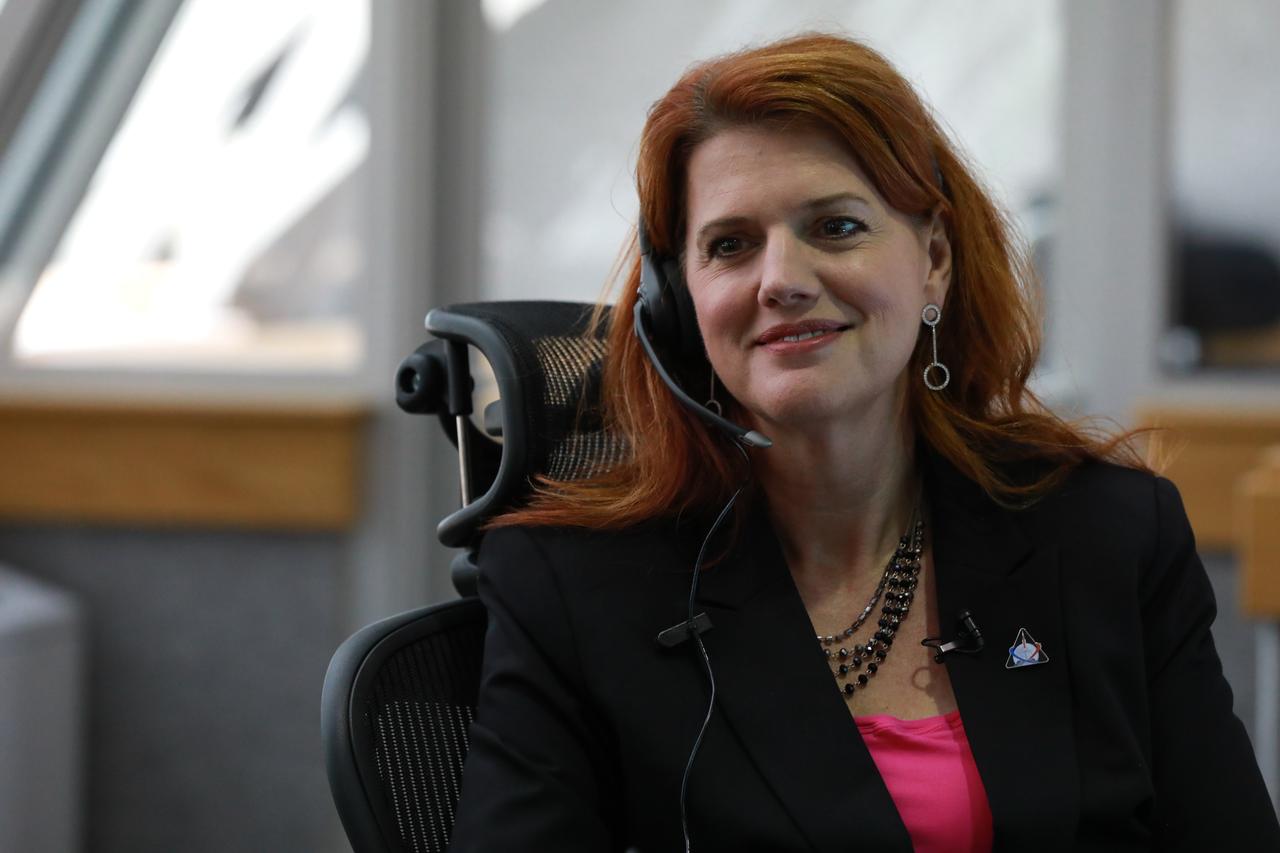
NASA Launch Director Charlie Blackwell-Thompson follows operations at her console in Firing Room 1 at the Kennedy Space Center's Launch Control Center during a countdown simulation for Exploration Mission 1. It was the agency's first simulation of a portion of the countdown for the first launch of a Space Launch System rocket and Orion spacecraft that will eventually take astronauts beyond low-Earth orbit to destinations such as the Moon and Mars.
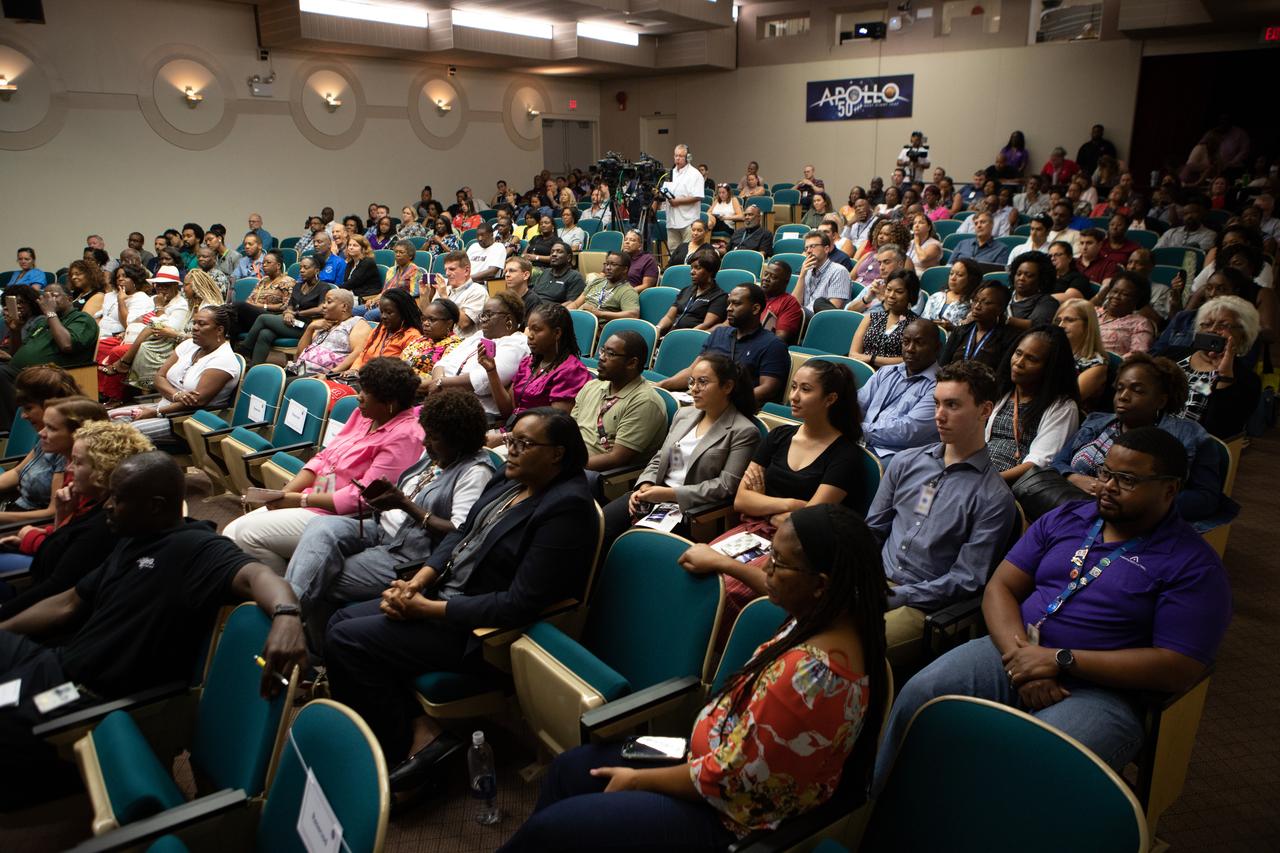
Kennedy Space Center employees attend a panel discussion, hosted by national radio host Tom Joyner, about NASA’s Moon to Mars plans on Aug. 28, 2019. Taking place at the Florida spaceport, panel participants included former NASA administrator and astronaut Charlie Bolden, former astronaut Winston Scott, Kennedy Chief Technologist Barbara Brown and Exploration Ground Systems Associate Manager, Technical, Kim Carter.
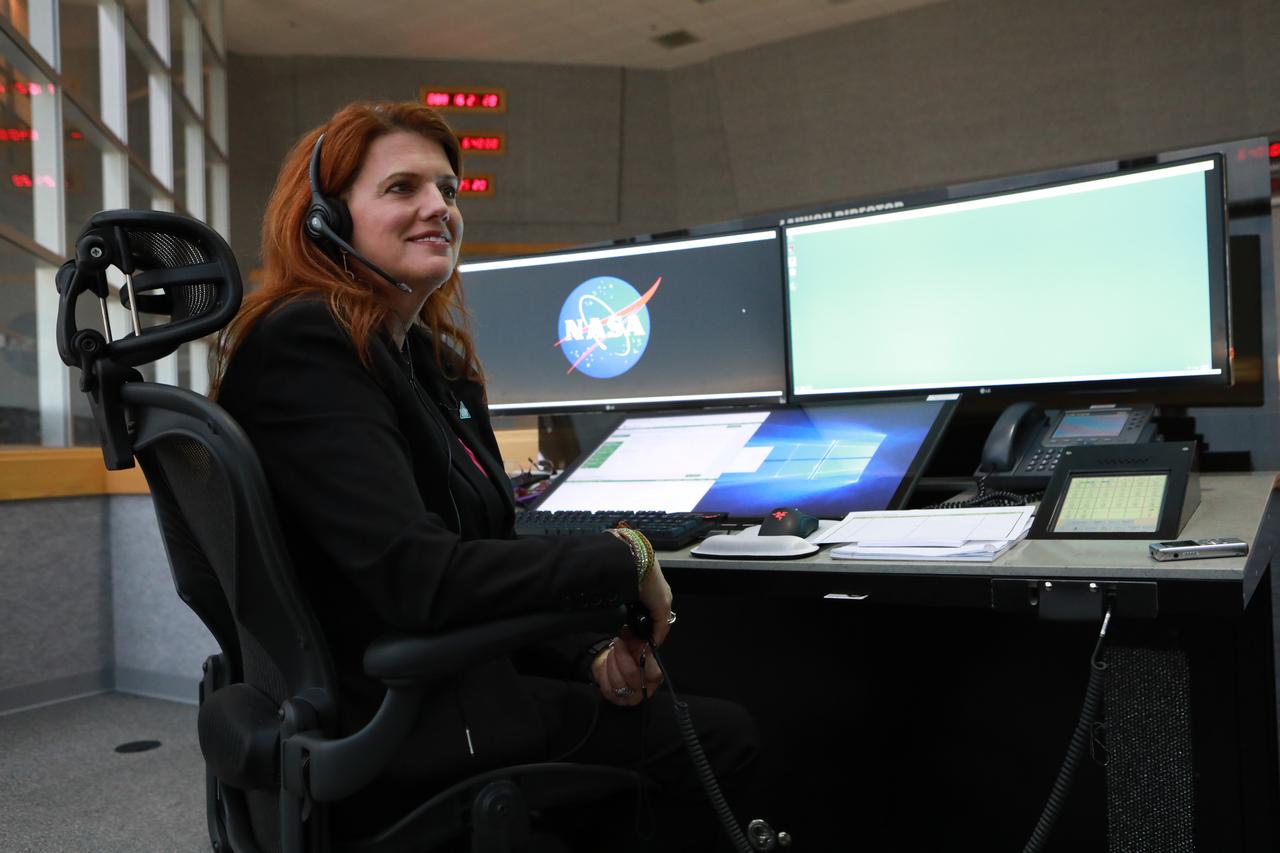
NASA Launch Director Charlie Blackwell-Thompson follows operations at her console in Firing Room 1 at the Kennedy Space Center's Launch Control Center during a countdown simulation for Exploration Mission 1. It was the agency's first simulation of a portion of the countdown for the first launch of a Space Launch System rocket and Orion spacecraft that will eventually take astronauts beyond low-Earth orbit to destinations such as the Moon and Mars.
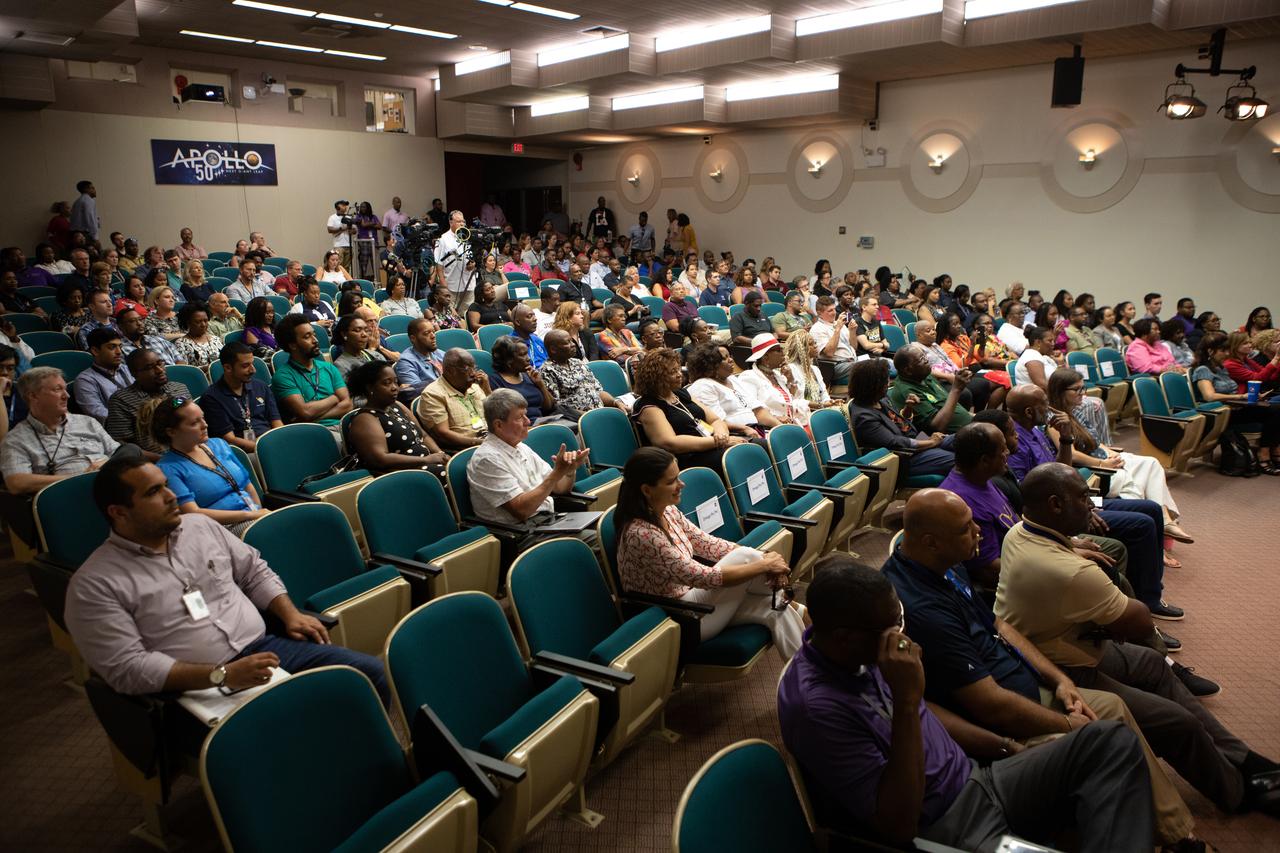
Kennedy Space Center employees attend a panel discussion, hosted by national radio host Tom Joyner, about NASA’s Moon to Mars plans on Aug. 28, 2019. Taking place at the Florida spaceport, panel participants included former NASA administrator and astronaut Charlie Bolden, former astronaut Winston Scott, Kennedy Chief Technologist Barbara Brown and Exploration Ground Systems Associate Manager, Technical, Kim Carter.

Barbara Brown, NASA Kennedy Space Center’s chief technologist, participates in a panel discussion at the Florida spaceport on Aug. 28, 2019. Hosted by National radio host Tom Joyner, the discussion focused on the agency’s Moon to Mars plans and was open for all Kennedy employees to attend. Additional participants included former NASA administrator and astronaut Charlie Bolden, former astronaut Winston Scott and Exploration Ground Systems Associate Manager, Technical, Kim Carter.
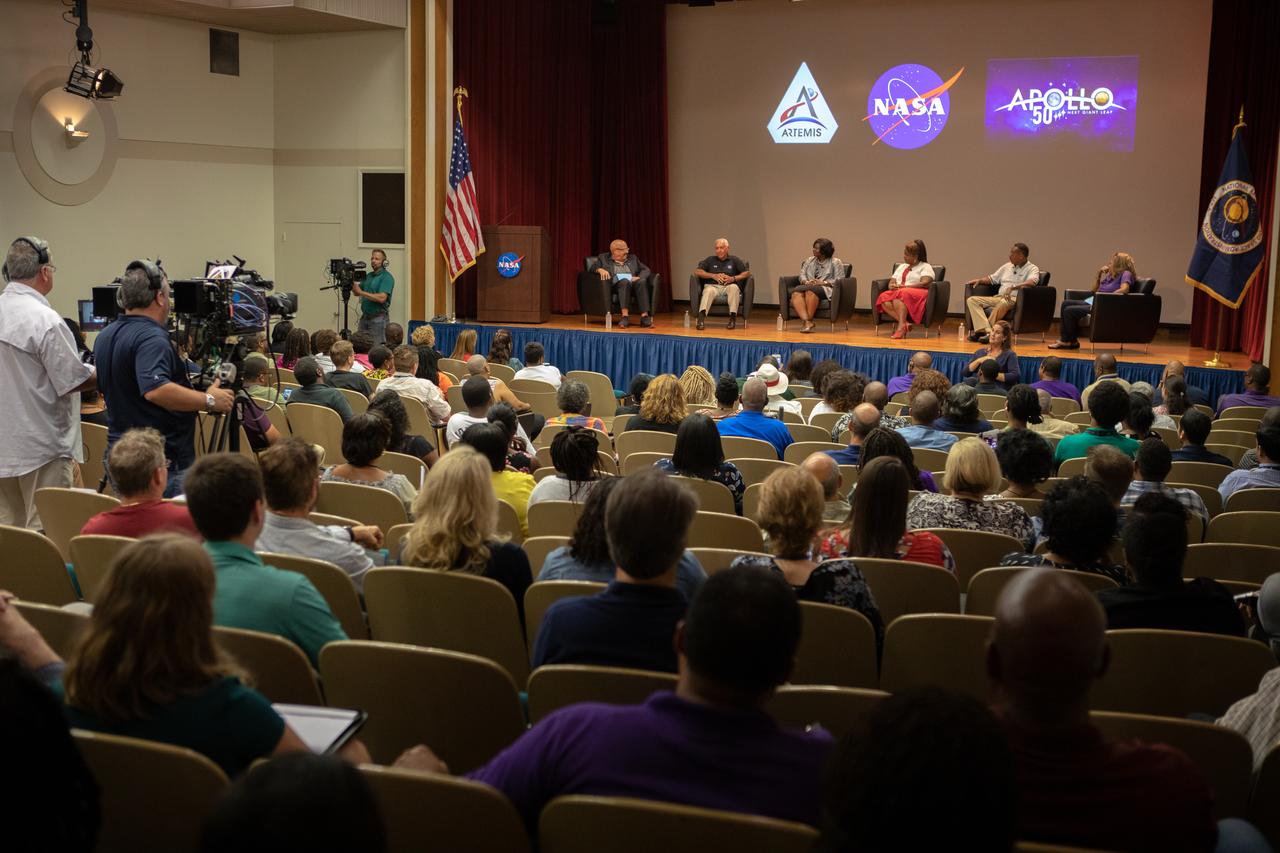
A panel discussion regarding NASA’s Moon to Mars plans takes place at Kennedy Space Center in Florida on Aug. 28, 2019. Seated from left, are Tom Joyner, national radio host and panel host; Charlie Bolden, former NASA administrator and astronaut; Kim Carter, Exploration Ground Systems associate manager, technical; Barbara Brown, Kennedy chief technologist; former astronaut Winston Scott; and panel co-host Sybil Wilkes.
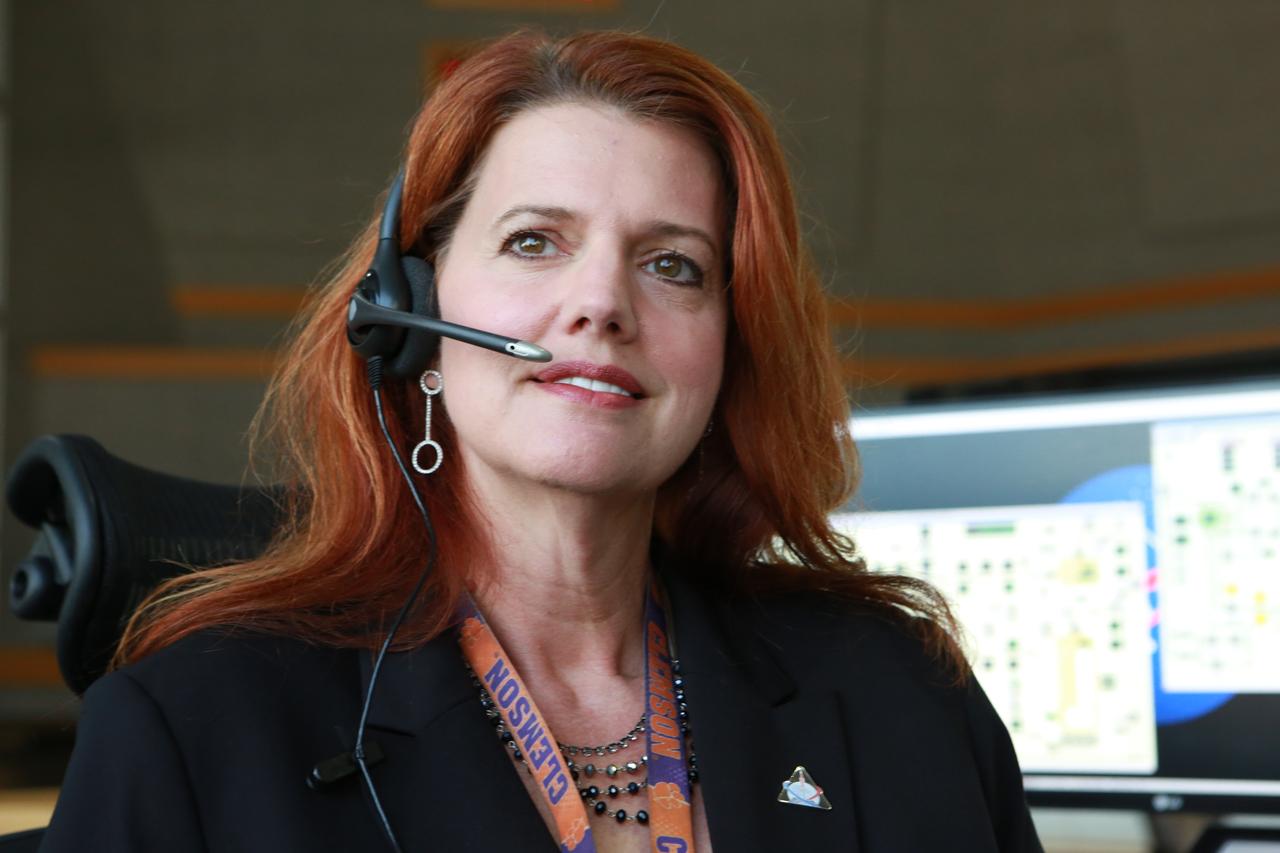
NASA Launch Director Charlie Blackwell-Thompson follows operations at her console in Firing Room 1 at the Kennedy Space Center's Launch Control Center during a countdown simulation for Exploration Mission 1. It was the agency's first simulation of a portion of the countdown for the first launch of a Space Launch System rocket and Orion spacecraft that will eventually take astronauts beyond low-Earth orbit to destinations such as the Moon and Mars.
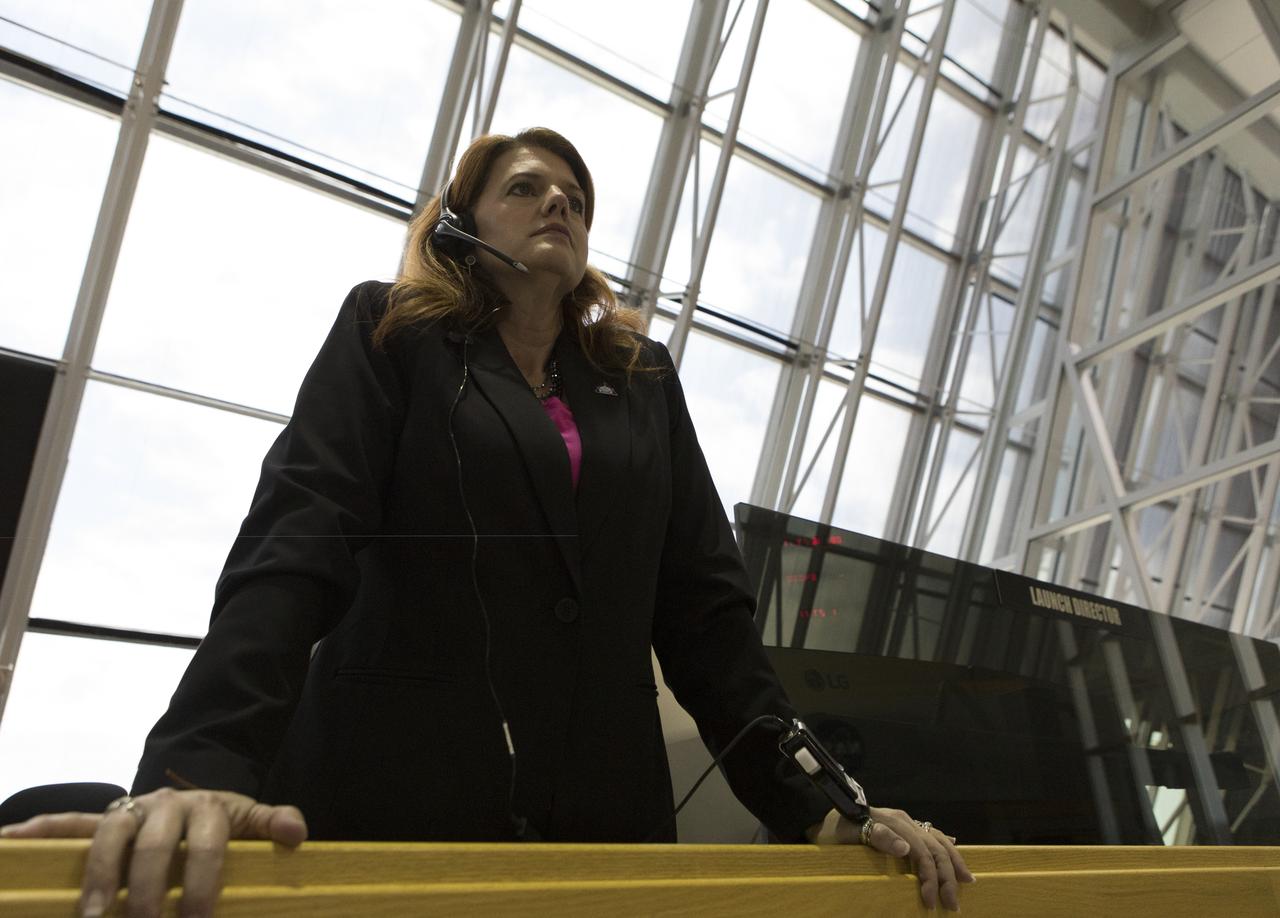
NASA Launch Director Charlie Blackwell-Thompson follows operations in Firing Room 1 at the Kennedy Space Center's Launch Control Center during a countdown simulation for Exploration Mission 1. It was the agency's first simulation of a portion of the countdown for the first launch of a Space Launch System rocket and Orion spacecraft that will eventually take astronauts beyond low-Earth orbit to destinations such as the Moon and Mars.
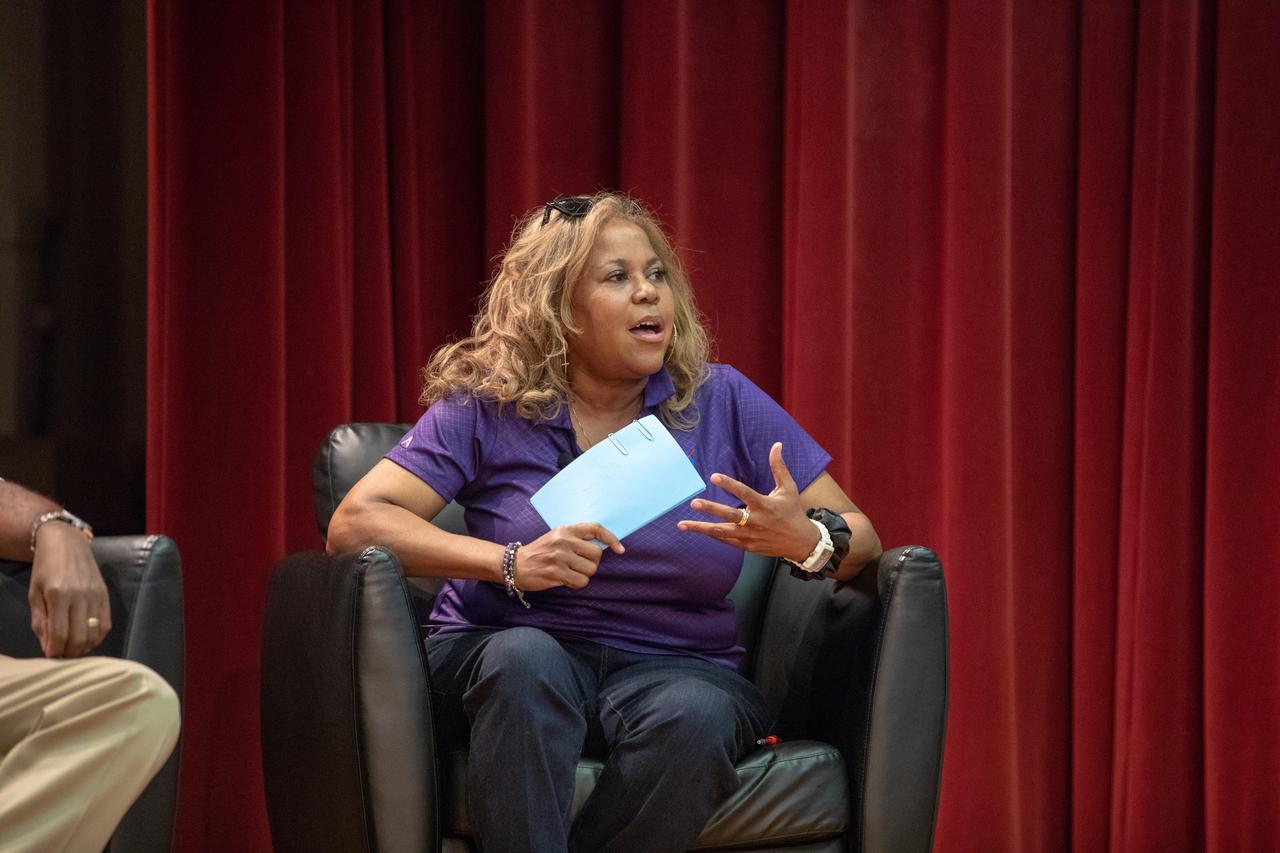
Sybil Wilkes co-hosts a panel discussion at Kennedy Space Center in Florida on Aug. 28, 2019, focusing on NASA’s Moon to Mars plans. Hosted by national radio host Tom Joyner, the discussion was open for all Kennedy employees to attend. Panel participants included former NASA administrator and astronaut Charlie Bolden, former astronaut Winston Scott, Kennedy Chief Technologist Barbara Brown and Exploration Ground Systems Associate Manager, Technical, Kim Carter.
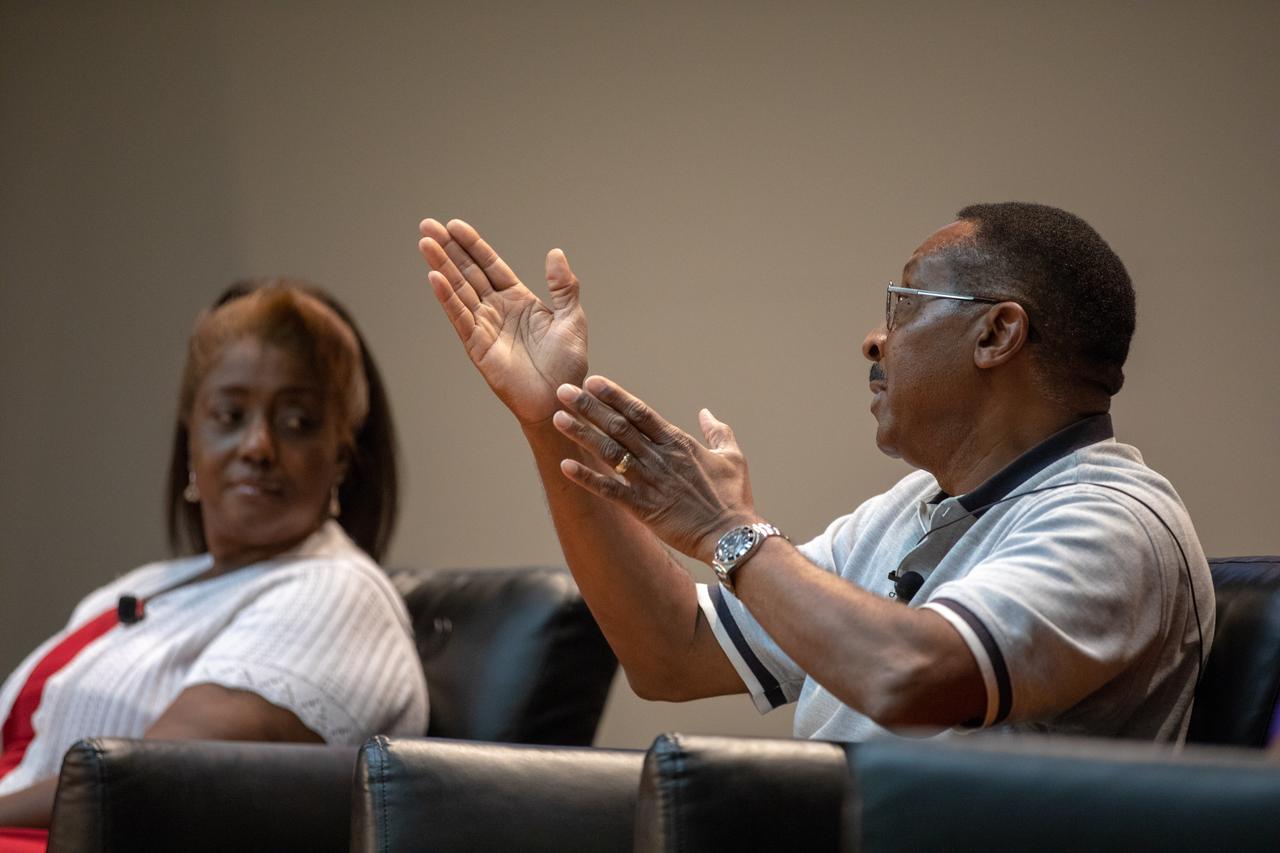
Former NASA astronaut Winston Scott, right, participates in a panel discussion on Aug. 28, 2019, focusing on the agency’s Moon to Mars plans. Hosted at Kennedy Space Center in Florida by national radio host Tom Joyner, the discussion was open for all Kennedy employees to attend. In the background, panel participant and Kennedy Chief Technologist Barbara Brown can be seen. Additional participants included former NASA administrator Charlie Bolden and Exploration Ground Systems Associate Manager, Technical, Kim Carter.
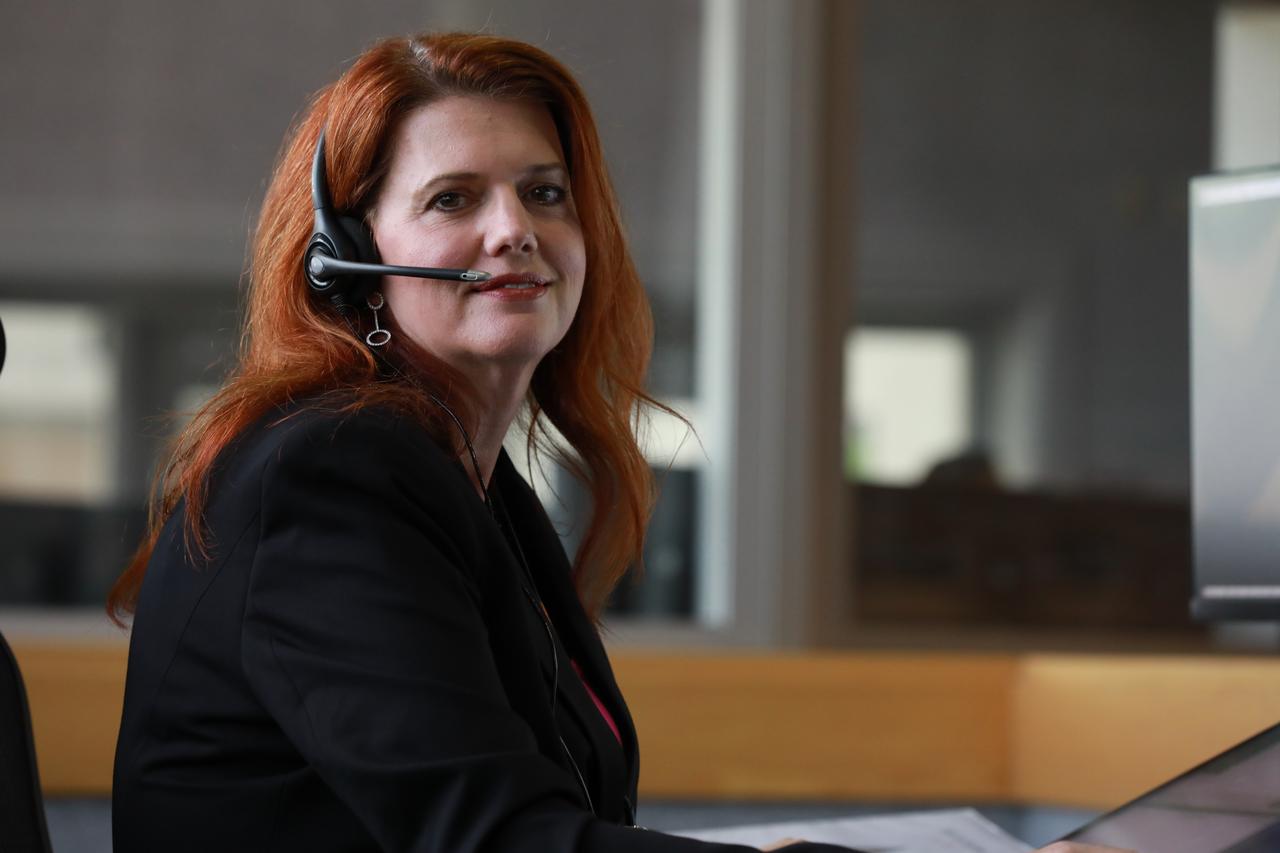
NASA Launch Director Charlie Blackwell-Thompson follows operations at her console in Firing Room 1 at the Kennedy Space Center's Launch Control Center during a countdown simulation for Exploration Mission 1. It was the agency's first simulation of a portion of the countdown for the first launch of a Space Launch System rocket and Orion spacecraft that will eventually take astronauts beyond low-Earth orbit to destinations such as the Moon and Mars.
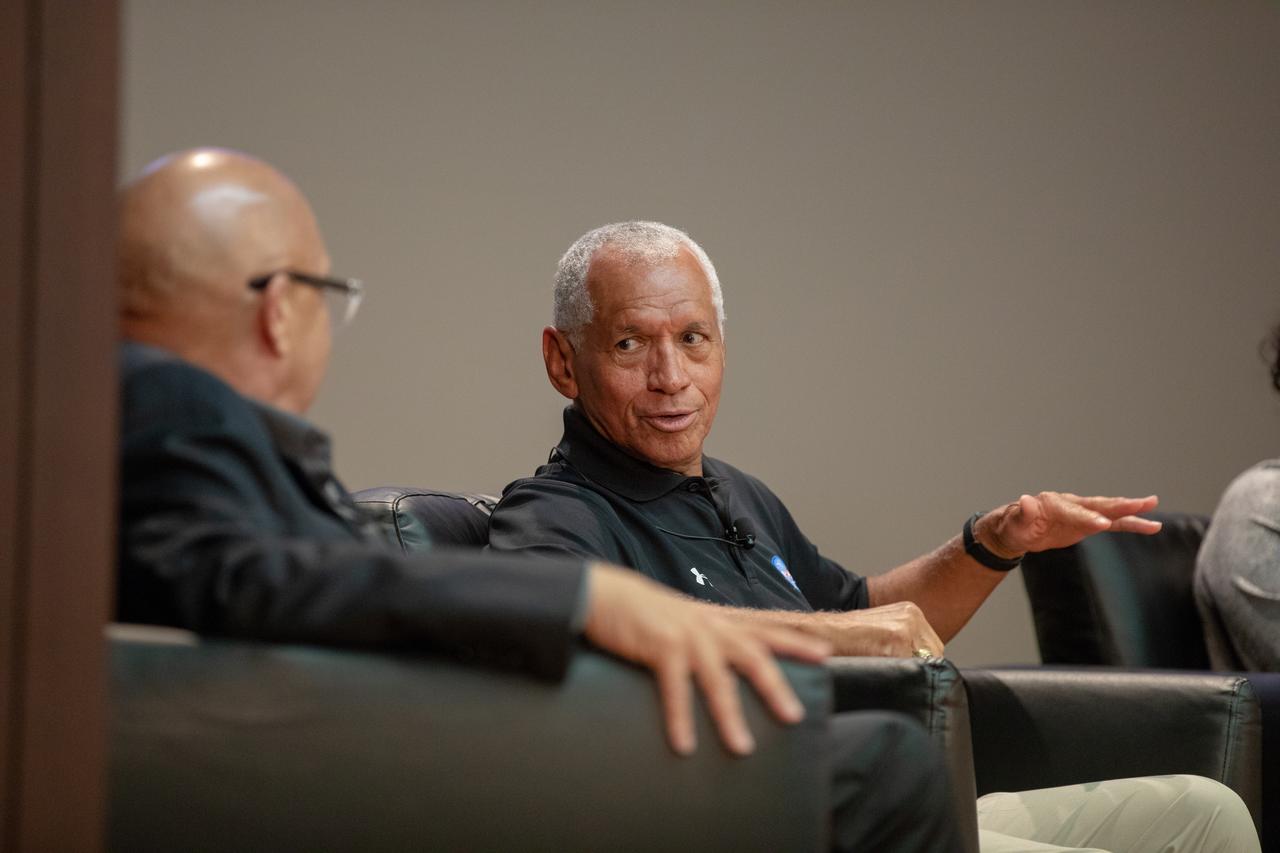
Former NASA administrator and astronaut Charlie Bolden, left, talks to national radio host and panel host Tom Joyner during a panel discussion at NASA’s Kennedy Space Center in Florida on Aug. 28, 2019. The discussion focused on the agency’s Moon to Mars plans and was open for all Kennedy employees to attend. Additional participants included former astronaut Winston Scott, Kennedy Chief Technologist Barbara Brown and Exploration Ground Systems Associate Manager, Technical, Kim Carter.

On Dec. 19, 2018, NASA Launch Director Charlie Blackwell-Thompson speaks during a groundbreaking ceremony for a new liquid hydrogen tank for Launch Complex 39B at the agency's Kennedy Space Center. The storage facility will hold 1.25 million gallons of the propellant for NASA's Space Launch System rocket designed to boost the agency's Orion spacecraft, sending humans to distant destinations such as the Moon and Mars.

Kim Carter, Exploration Ground Systems associate manager, technical, participates in a panel discussion at NASA’s Kennedy Space Center in Florida on Aug. 28, 2019. Hosted by national radio host Tom Joyner, the discussion focused on the agency’s Moon to Mars plans and was open for all Kennedy employees to attend. Additional participants included former NASA administrator and astronaut Charlie Bolden, former astronaut Winston Scott and Kennedy Chief Technologist Barbara Brown.
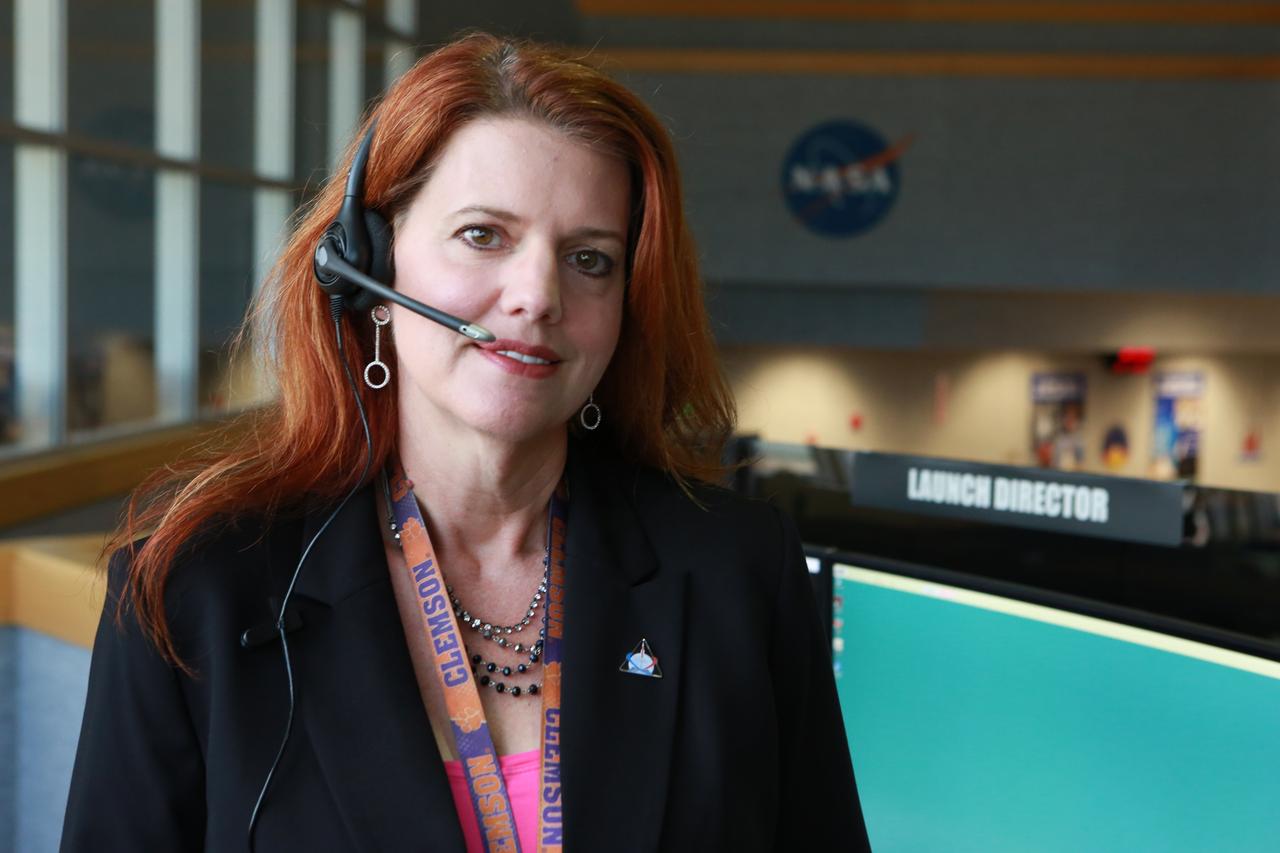
NASA Launch Director Charlie Blackwell-Thompson at her console in Firing Room 1 at the Kennedy Space Center's Launch Control Center during a countdown simulation for Exploration Mission 1. It was the agency's first simulation of a portion of the countdown for the first launch of a Space Launch System rocket and Orion spacecraft that will eventually take astronauts beyond low-Earth orbit to destinations such as the Moon and Mars.
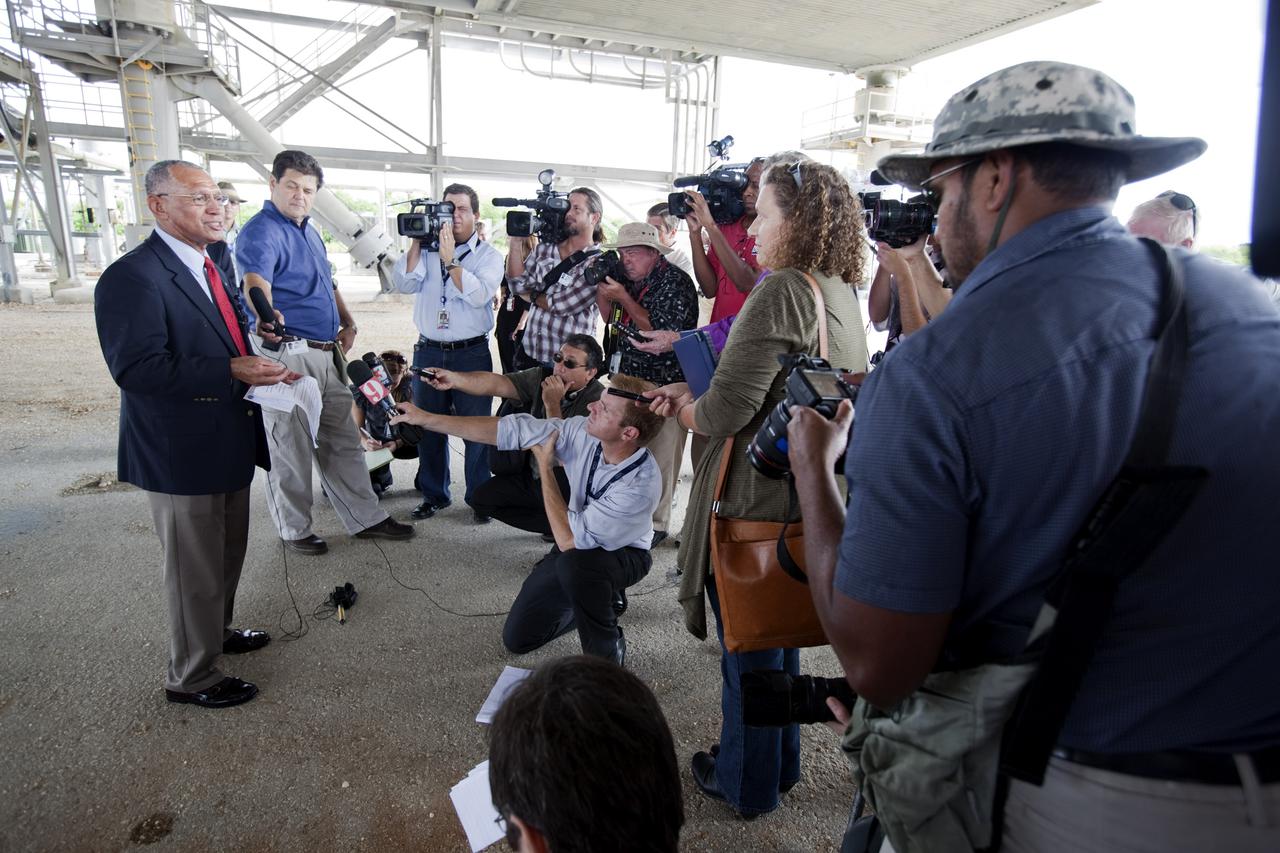
CAPE CANAVERAL, Fla. – At Kennedy Space Center in Florida, NASA Administrator Charlie Bolden talks to media underneath NASA’s mobile launcher (ML) support structure. Center Director Bob Cabana also attended the media event held to detail ML’s use with NASA’s Space Launch System (SLS) heavy-lift rocket, which will take astronauts into deep space on missions to asteroids, the moon or Mars. It took about two years to construct the 355-foot-tall ML structure, which will support NASA's future human spaceflight program. The ML can be outfitted with ground support equipment, such as umbilicals and access arms, for future rocket launches. Photo credit: NASA_Dimitri Gerondidakis
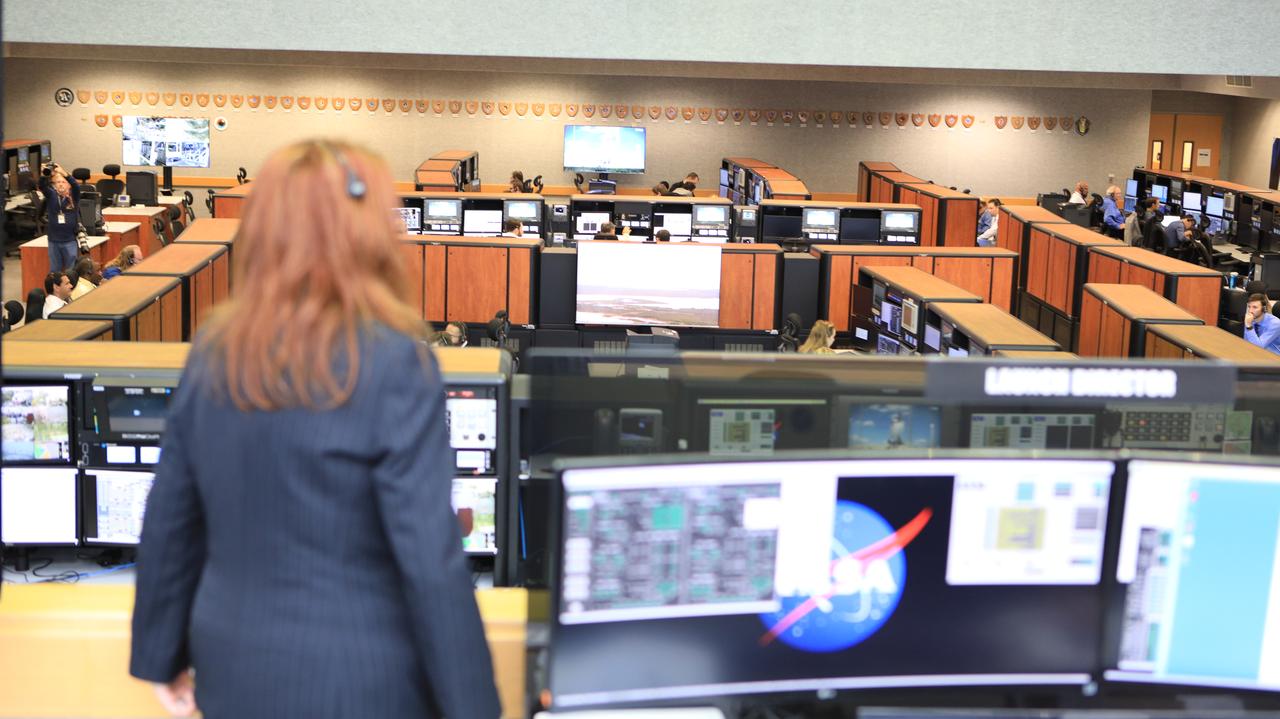
NASA Launch Director Charlie Blackwell-Thompson looks out over Firing Room 1 in the Launch Control Center at NASA’s Kennedy Space Center in Florida during a terminal countdown demonstration for Exploration Mission 1, or EM-1, on Dec. 14, 2018. The launch will be the first integrated test of the Space Launch System rocket and Orion spacecraft that will eventually take astronauts beyond low-Earth orbit to destinations such as the Moon and Mars. The countdown demonstration was intended to validate the launch team's capability to perform an EM-1 countdown and respond to challenges put into the system for practice.
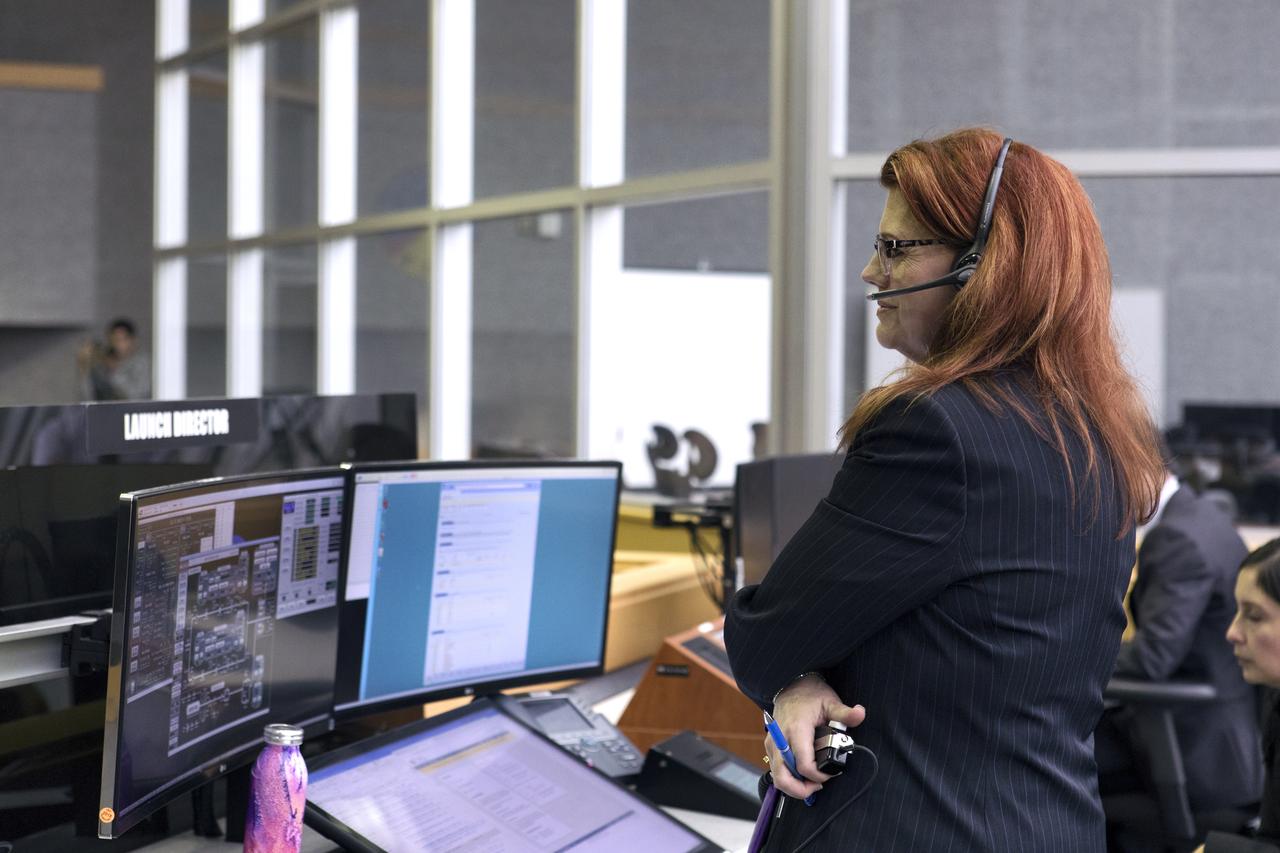
NASA Launch Director Charlie Blackwell-Thompson stands next to her console in Firing Room 1 at the Kennedy Space Center's Launch Control Center during a terminal countdown demonstration for Exploration Mission 1, or EM-1. The launch will be the first integrated test of the Space Launch System rocket and Orion spacecraft that will eventually take astronauts beyond low-Earth orbit to destinations such as the Moon and Mars. Taking place on Dec. 14, 2018, the countdown demonstration was intended to validate the launch team's capability to perform an EM-1 countdown and respond to challenges put into the system for practice.

NASA Launch Director Charlie Blackwell-Thompson stands next to her console in Firing Room 1 at the Kennedy Space Center's Launch Control Center during a terminal countdown demonstration for Exploration Mission 1, or EM-1. The launch will be the first integrated test of the Space Launch System rocket and Orion spacecraft that will eventually take astronauts beyond low-Earth orbit to destinations such as the Moon and Mars. Taking place on Dec. 14, 2018, the countdown demonstration was intended to validate the launch team's capability to perform an EM-1 countdown and respond to challenges put into the system for practice.
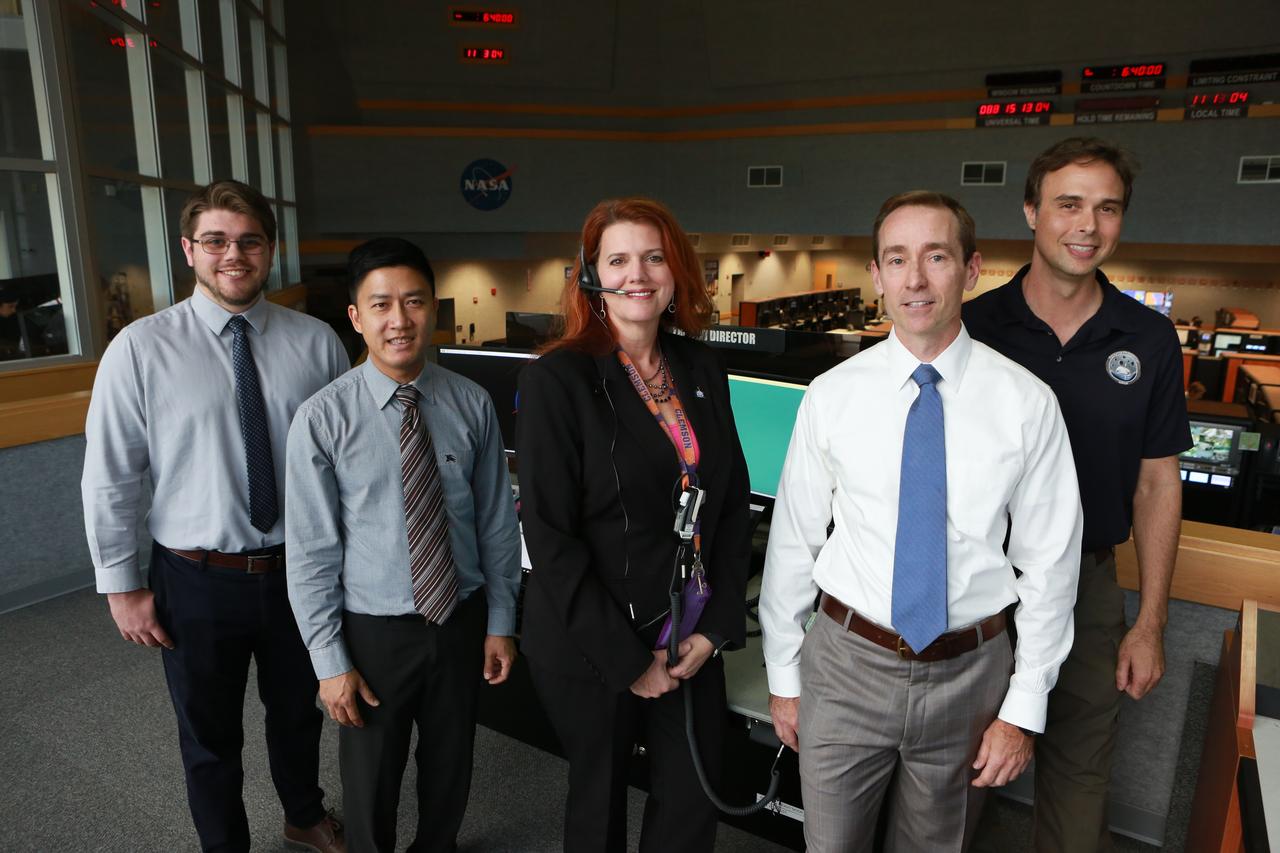
NASA Launch Director Charlie Blackwell-Thompson, center, stands next to her console in Firing Room 1 at the Kennedy Space Center's Launch Control Center. With her, from the left, are NASA intern Justin Connolly, NASA Engineering Project Manager Dan Tran, Blackwell-Thompson, Shawn Reverter, Project Manager for Red Canyon Software, Inc., and NASA Structures and Mechanisms Design Branch Chief Adam Dokos, during a countdown simulation for Exploration Mission 1. It was the agency's first simulation of a portion of the countdown for the first launch of a Space Launch System rocket and Orion spacecraft that will eventually take astronauts beyond low-Earth orbit to destinations such as the Moon and Mars.
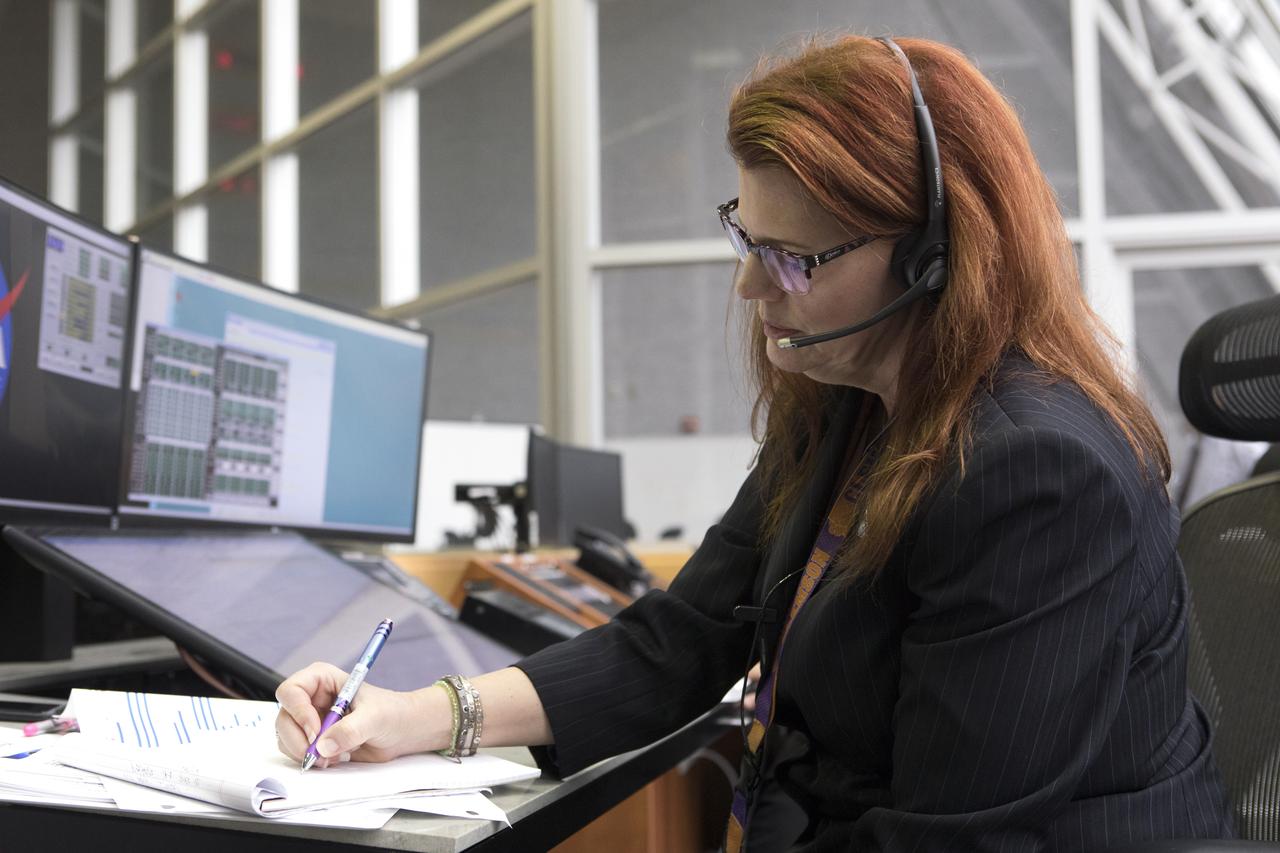
NASA Launch Director Charlie Blackwell-Thompson makes notes at her console in Firing Room 1 at the Kennedy Space Center's Launch Control Center during a terminal countdown demonstration for Exploration Mission 1, or EM-1. The launch will be the first integrated test of the Space Launch System rocket and Orion spacecraft that will eventually take astronauts beyond low-Earth orbit to destinations such as the Moon and Mars. Taking place on Dec. 14, 2018, the countdown demonstration was intended to validate the launch team's capability to perform an EM-1 countdown and respond to challenges put into the system for practice.
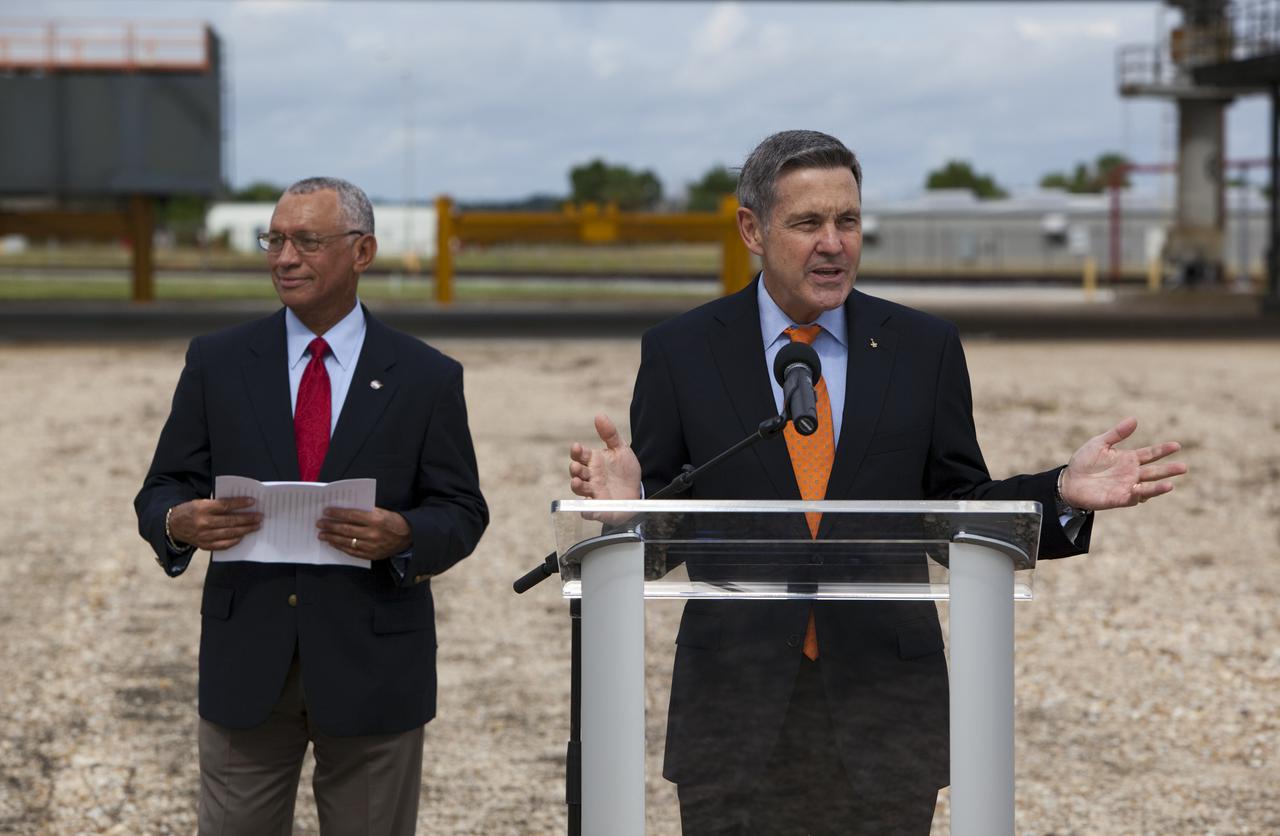
CAPE CANAVERAL, Fla. –At Kennedy Space Center in Florida, Center Director Bob Cabana talks to media near NASA’s mobile launcher (ML) support structure. The media event was held to detail ML’s use with NASA’s Space Launch System (SLS) heavy-lift rocket, which will take astronauts into deep space on missions to asteroids, the moon or Mars. Standing to the left of the podium is NASA Administrator Charlie Bolden. It took about two years to construct the 355-foot-tall ML structure, which will support NASA's future human spaceflight program. The ML can be outfitted with ground support equipment, such as umbilicals and access arms, for future rocket launches. Photo credit: NASA_Dimitri Gerondidakis

CAPE CANAVERAL, Fla. – NASA’s mobile launcher (ML) support structure at Kennedy Space Center in Florida, was the site for a media event held to detail ML’s use with NASA’s Space Launch System (SLS) heavy-lift rocket, which will take astronauts into deep space on missions to asteroids, the moon or Mars. NASA Administrator Charlie Bolden and Center Director Bob Cabana also were in attendance for the event. It took about two years to construct the 355-foot-tall ML structure, which will support NASA's future human spaceflight program. The ML can be outfitted with ground support equipment, such as umbilicals and access arms, for future rocket launches. Photo credit: NASA_Jim Grossmann
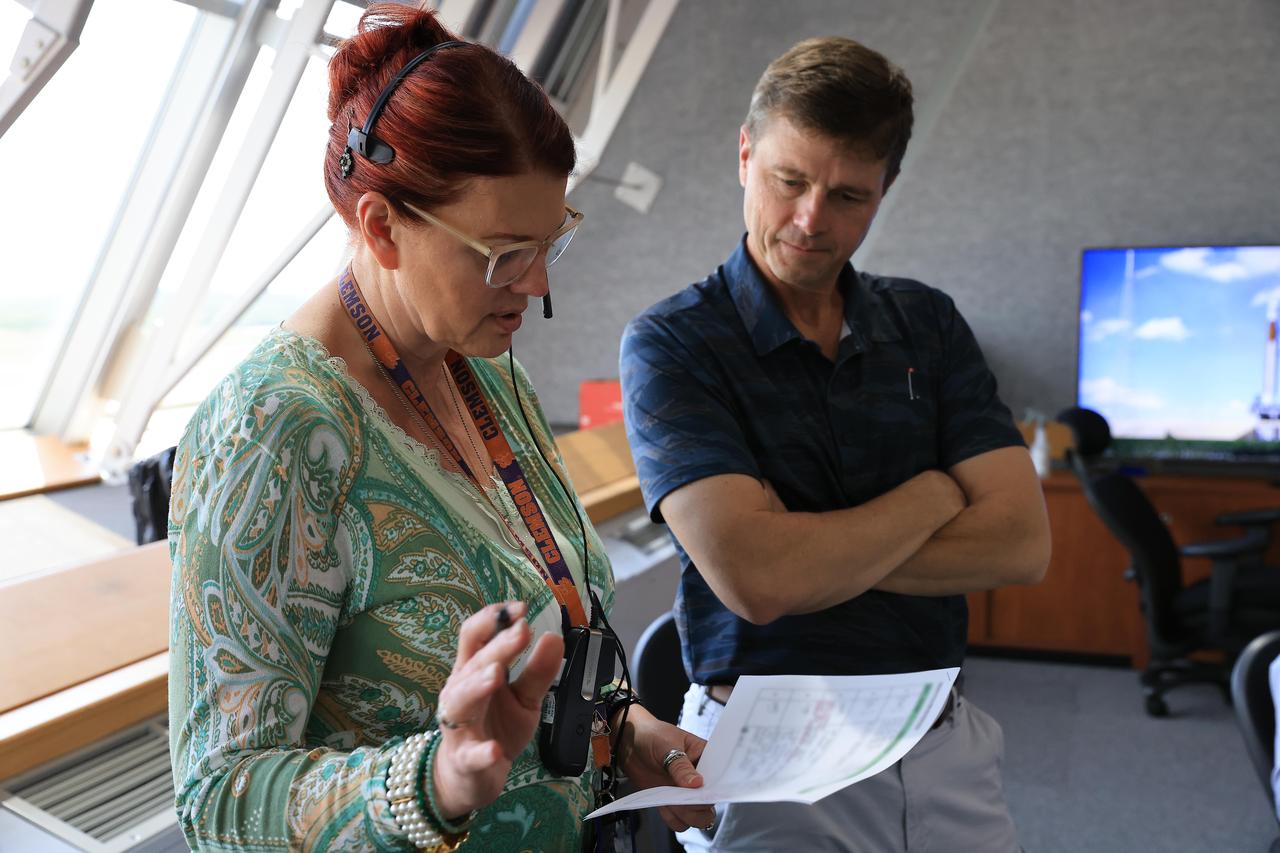
From left, Charlie Blackwell-Thompson, Artemis launch director with NASA’s Exploration Ground Systems Program and NASA astronaut Reid Wiseman, Artemis II commander, participate in an Artemis II launch countdown simulation inside Firing Room 1 in the Launch Control Center at NASA’s Kennedy Space Center in Florida on Wednesday, May 7, 2025. The simulations go through launch day scenarios to help launch team members test software and make adjustments if needed during countdown operations. Artemis II is the first crewed flight under NASA’s Artemis campaign and is another step toward missions on the lunar surface and helping the agency prepare for future human missions to Mars.
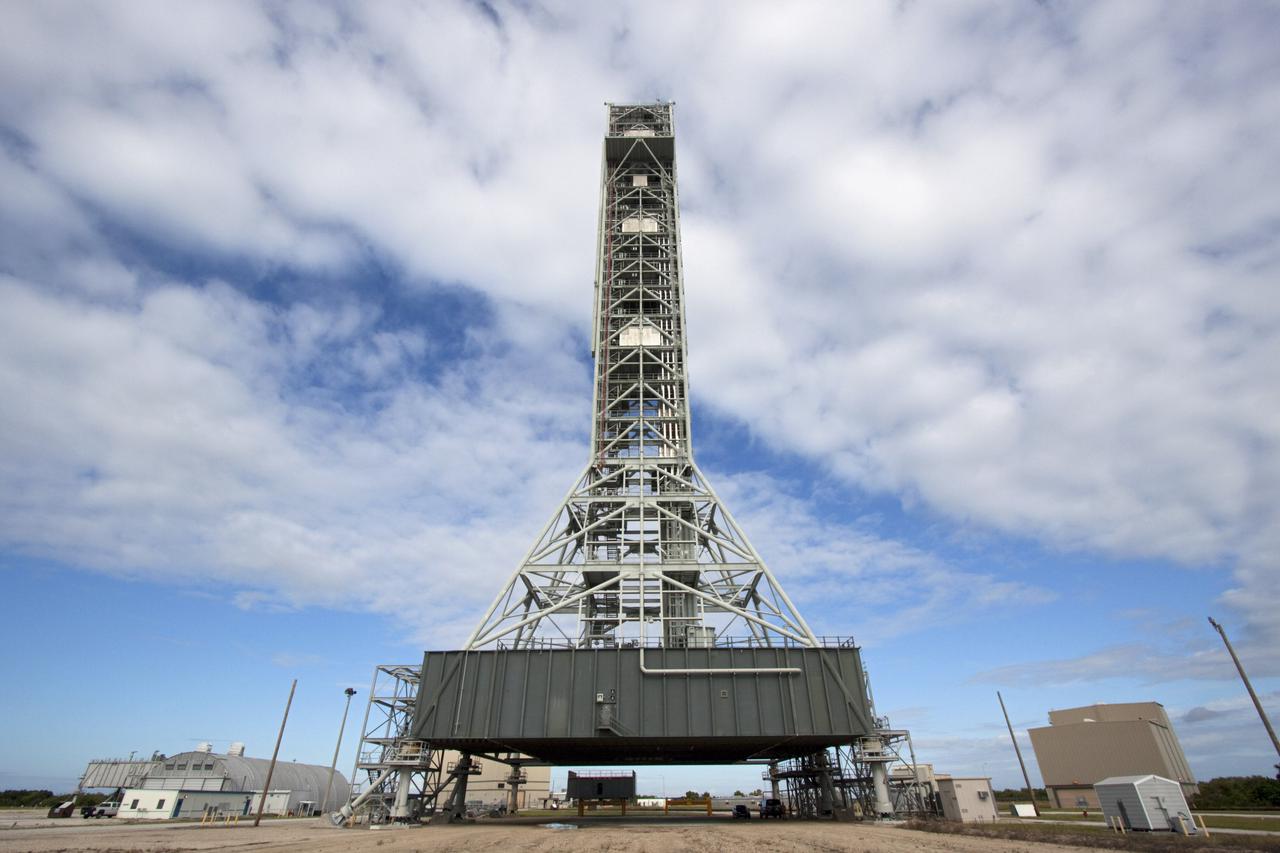
CAPE CANAVERAL, Fla. – NASA’s mobile launcher (ML) support structure at Kennedy Space Center in Florida, was the site for a media event held to detail ML’s use with NASA’s Space Launch System (SLS) heavy-lift rocket, which will take astronauts into deep space on missions to asteroids, the moon or Mars. NASA Administrator Charlie Bolden and Center Director Bob Cabana also were in attendance for the event. It took about two years to construct the 355-foot-tall ML structure, which will support NASA's future human spaceflight program. The ML can be outfitted with ground support equipment, such as umbilicals and access arms, for future rocket launches. Photo credit: NASA_Jim Grossmann
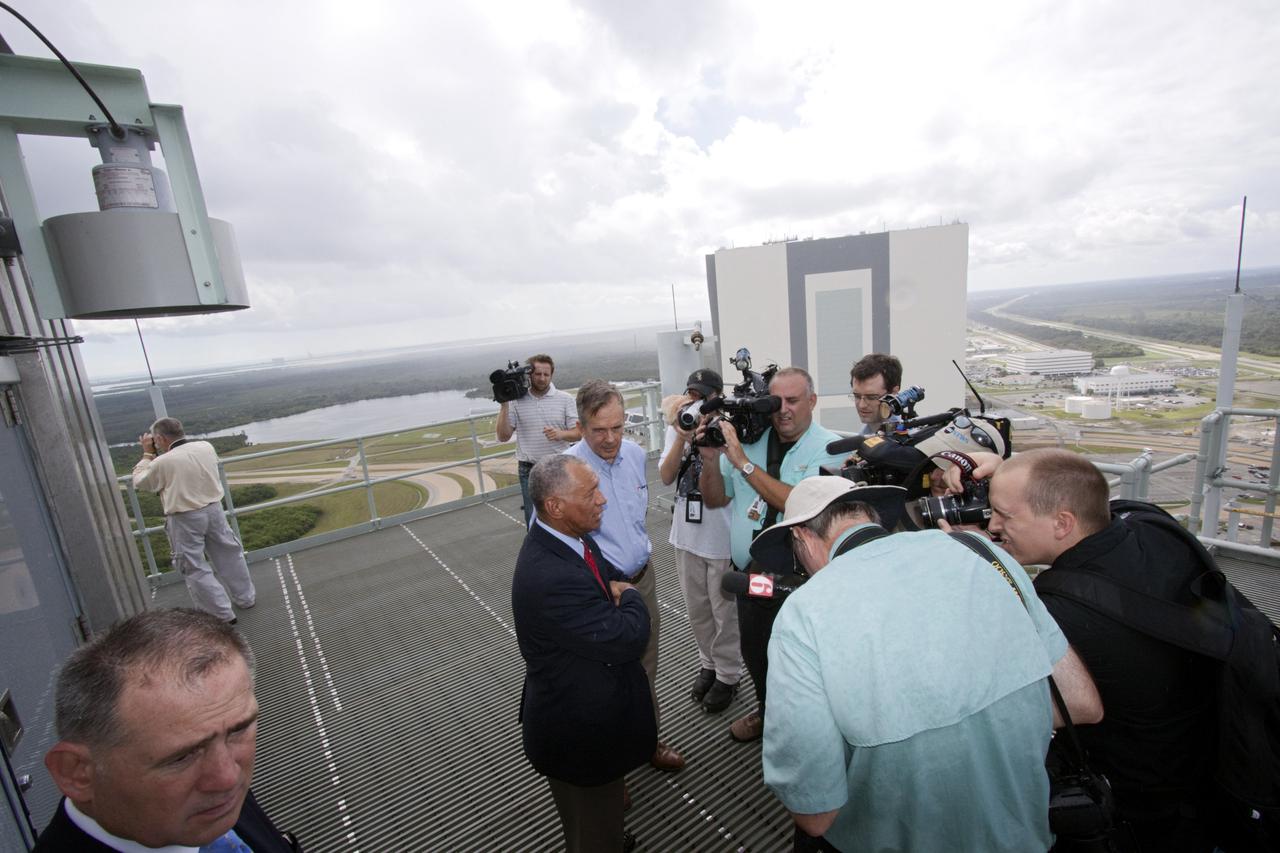
CAPE CANAVERAL, Fla. – At Kennedy Space Center in Florida, NASA Administrator Charlie Bolden talks to media on top of NASA’s mobile launcher (ML) support structure. Center Director Bob Cabana also attended the media event held to detail ML’s use with NASA’s Space Launch System (SLS) heavy-lift rocket, which will take astronauts into deep space on missions to asteroids, the moon or Mars. It took about two years to construct the 355-foot-tall ML structure, which will support NASA's future human spaceflight program. The ML can be outfitted with ground support equipment, such as umbilicals and access arms, for future rocket launches. Photo credit: NASA_Jim Grossmann
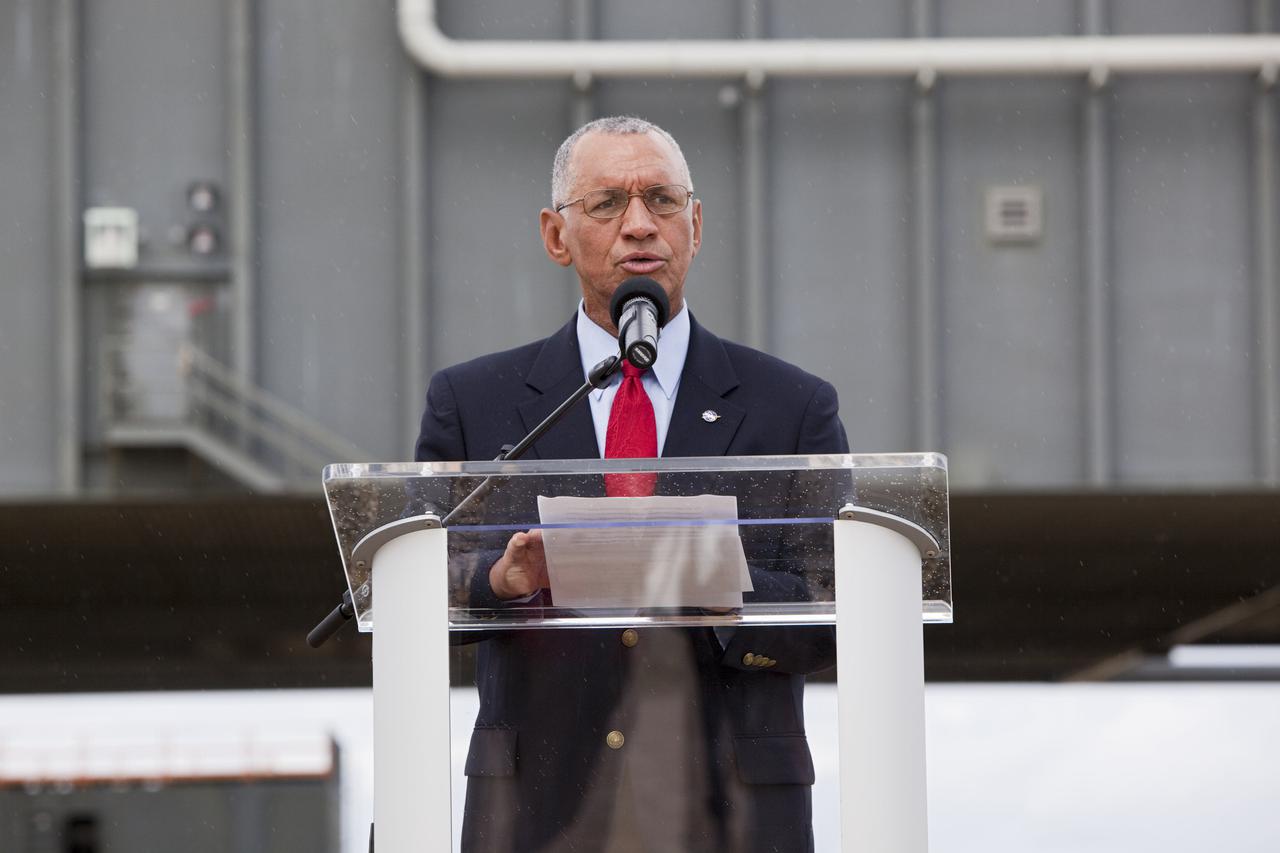
CAPE CANAVERAL, Fla. – At Kennedy Space Center in Florida, NASA Administrator Charlie Bolden talks to media in front of NASA’s mobile launcher (ML) support structure. Center Director Bob Cabana also attended the media event held to detail ML’s use with NASA’s Space Launch System (SLS) heavy-lift rocket, which will take astronauts into deep space on missions to asteroids, the moon or Mars. It took about two years to construct the 355-foot-tall ML structure, which will support NASA's future human spaceflight program. The ML can be outfitted with ground support equipment, such as umbilicals and access arms, for future rocket launches. Photo credit: NASA_Dimitri Gerondidakis
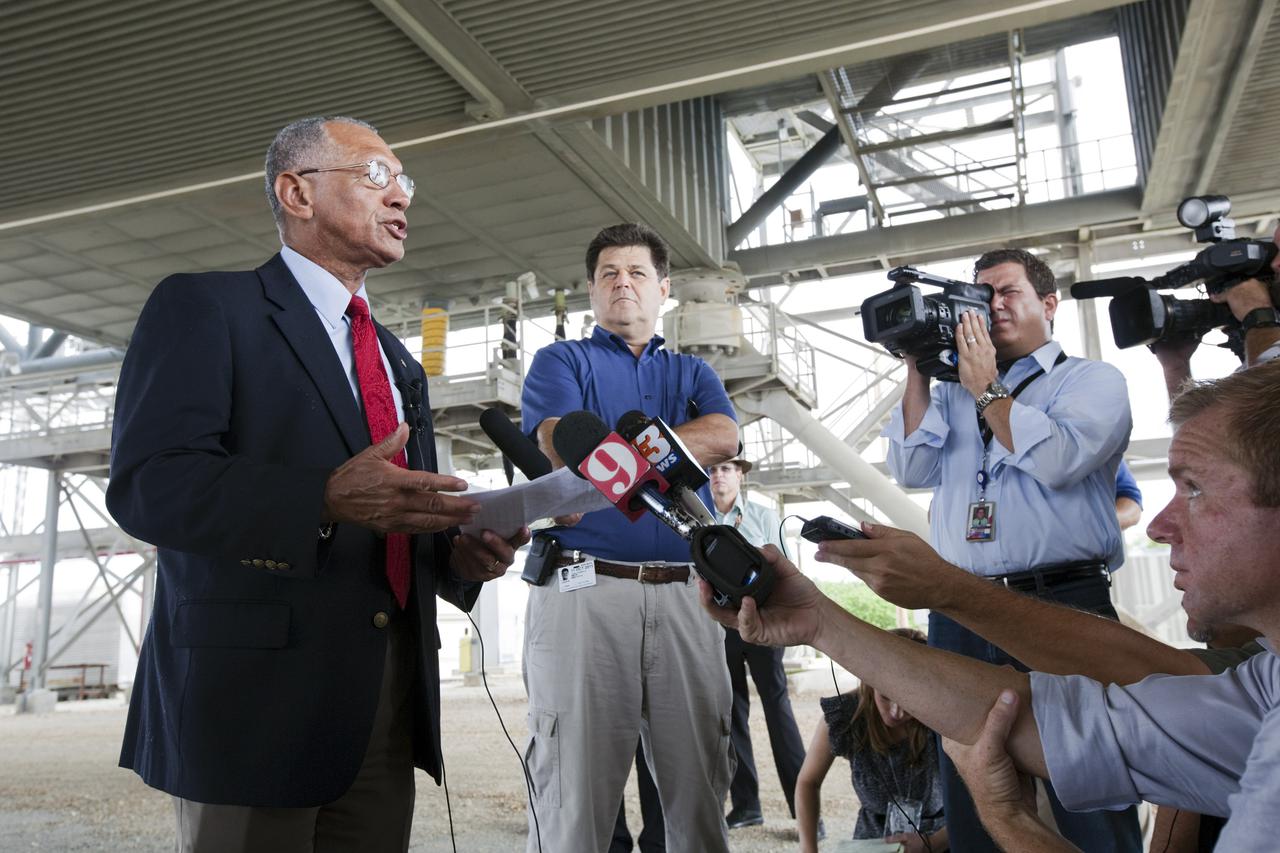
CAPE CANAVERAL, Fla. – At Kennedy Space Center in Florida, NASA Administrator Charlie Bolden talks to media underneath NASA’s mobile launcher (ML) support structure. Center Director Bob Cabana also attended the media event held to detail ML’s use with NASA’s Space Launch System (SLS) heavy-lift rocket, which will take astronauts into deep space on missions to asteroids, the moon or Mars. It took about two years to construct the 355-foot-tall ML structure, which will support NASA's future human spaceflight program. The ML can be outfitted with ground support equipment, such as umbilicals and access arms, for future rocket launches. Photo credit: NASA_Dimitri Gerondidakis
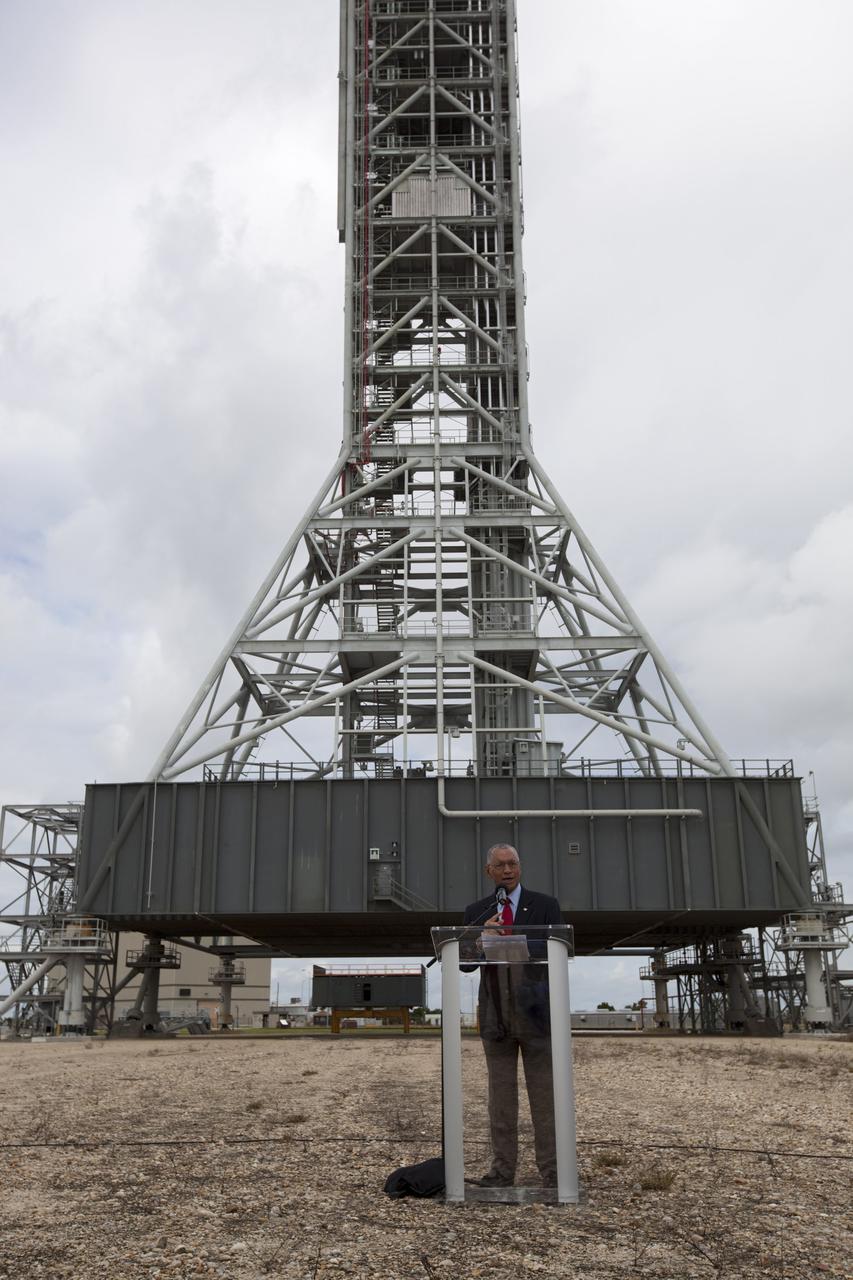
CAPE CANAVERAL, Fla. – At Kennedy Space Center in Florida, NASA Administrator Charlie Bolden talks to media in front of NASA’s mobile launcher (ML) support structure. Center Director Bob Cabana also attended the media event held to detail ML’s use with NASA’s Space Launch System (SLS) heavy-lift rocket, which will take astronauts into deep space on missions to asteroids, the moon or Mars. It took about two years to construct the 355-foot-tall ML structure, which will support NASA's future human spaceflight program. The ML can be outfitted with ground support equipment, such as umbilicals and access arms, for future rocket launches. Photo credit: NASA_Dimitri Gerondidakis
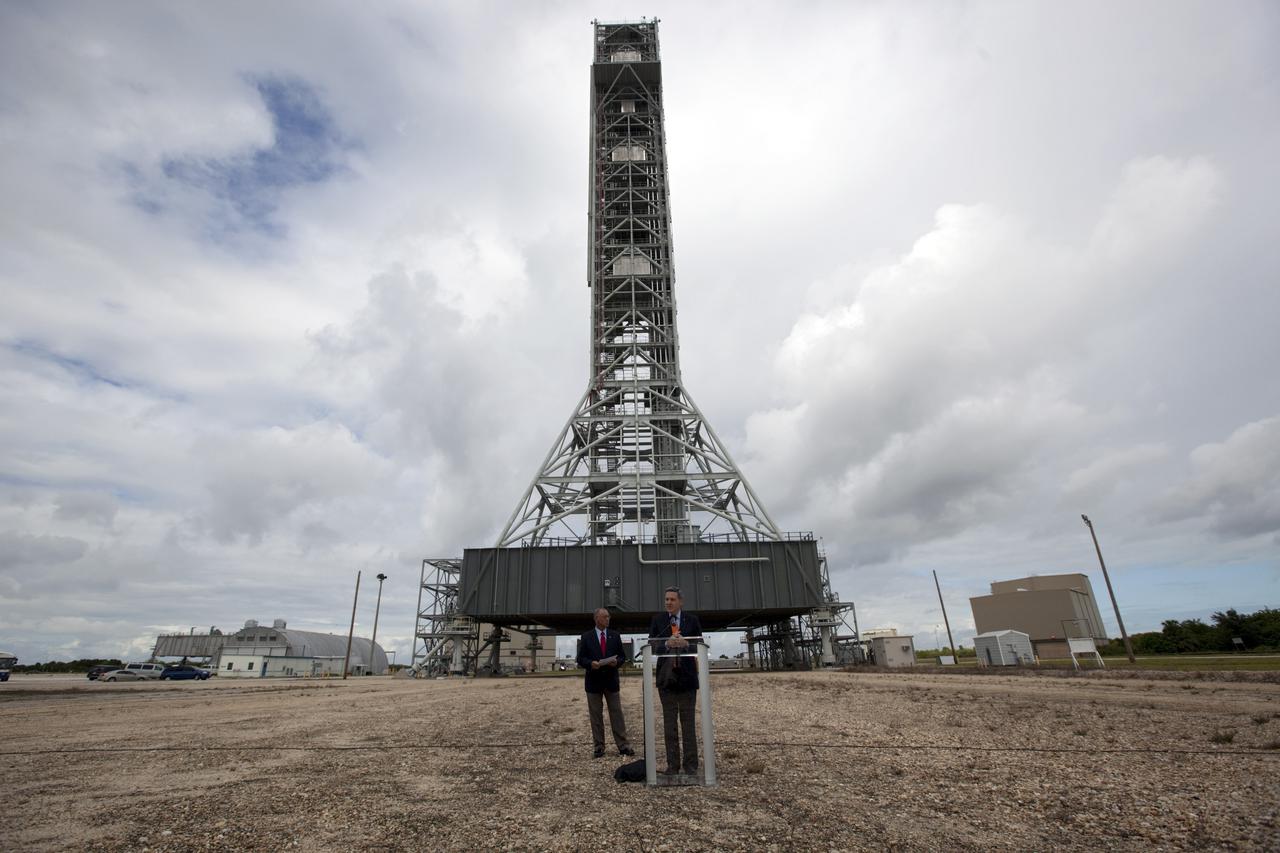
CAPE CANAVERAL, Fla. – At Kennedy Space Center in Florida, Center Director Bob Cabana talks to media in front of NASA’s mobile launcher (ML) support structure. The media event was held to detail ML’s use with NASA’s Space Launch System (SLS) heavy-lift rocket, which will take astronauts into deep space on missions to asteroids, the moon or Mars. Standing to the left of the podium is NASA Administrator Charlie Bolden. It took about two years to construct the 355-foot-tall ML structure, which will support NASA's future human spaceflight program. The ML can be outfitted with ground support equipment, such as umbilicals and access arms, for future rocket launches. Photo credit: NASA_Dimitri Gerondidakis
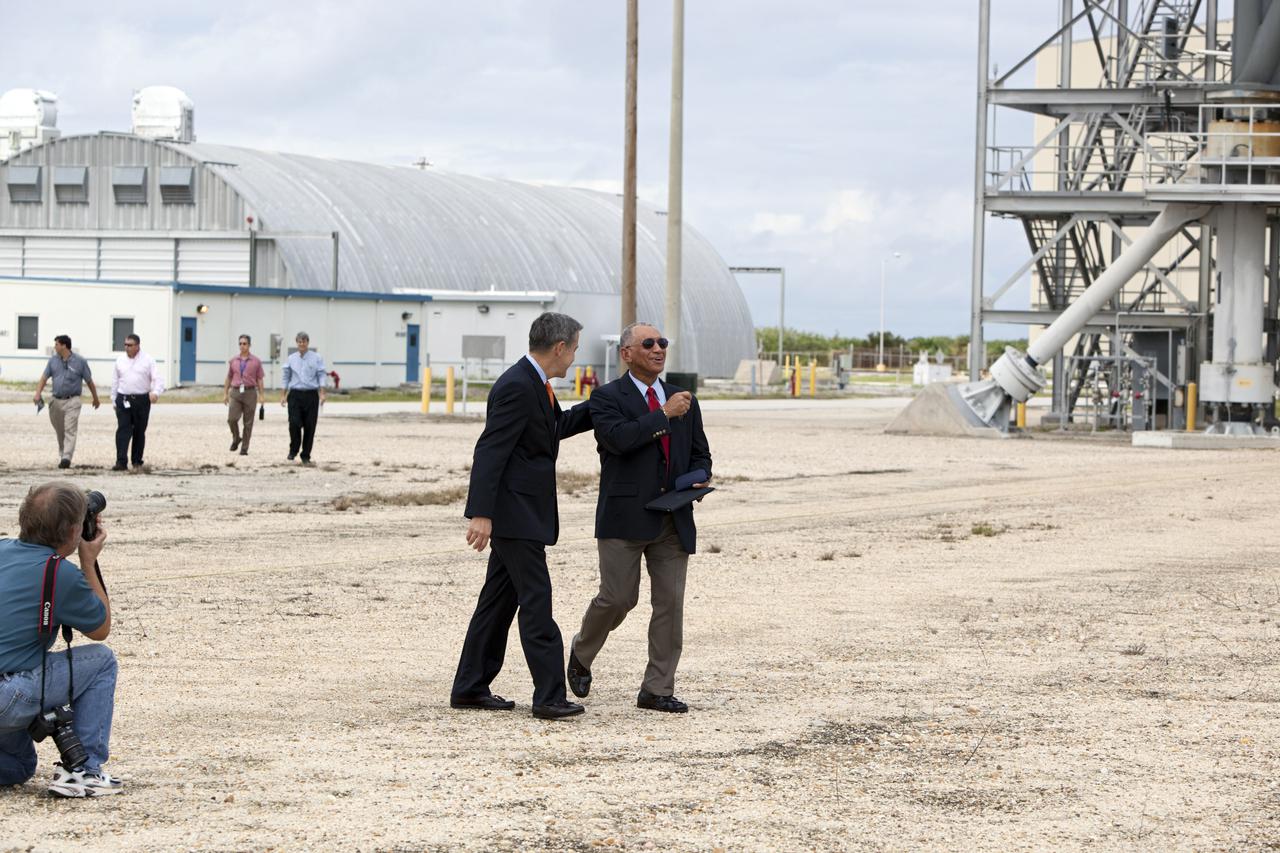
CAPE CANAVERAL, Fla. – NASA Administrator Charlie Bolden, at right, and Kennedy Space Center Director Bob Cabana walk near NASA’s mobile launcher (ML) support structure at Kennedy Space Center in Florida. A media event was held to detail ML’s use with NASA’s Space Launch System (SLS) heavy-lift rocket, which will take astronauts into deep space on missions to asteroids, the moon or Mars. It took about two years to construct the 355-foot-tall ML structure, which will support NASA's future human spaceflight program. The ML can be outfitted with ground support equipment, such as umbilicals and access arms, for future rocket launches. Photo credit: NASA_Dimitri Gerondidakis
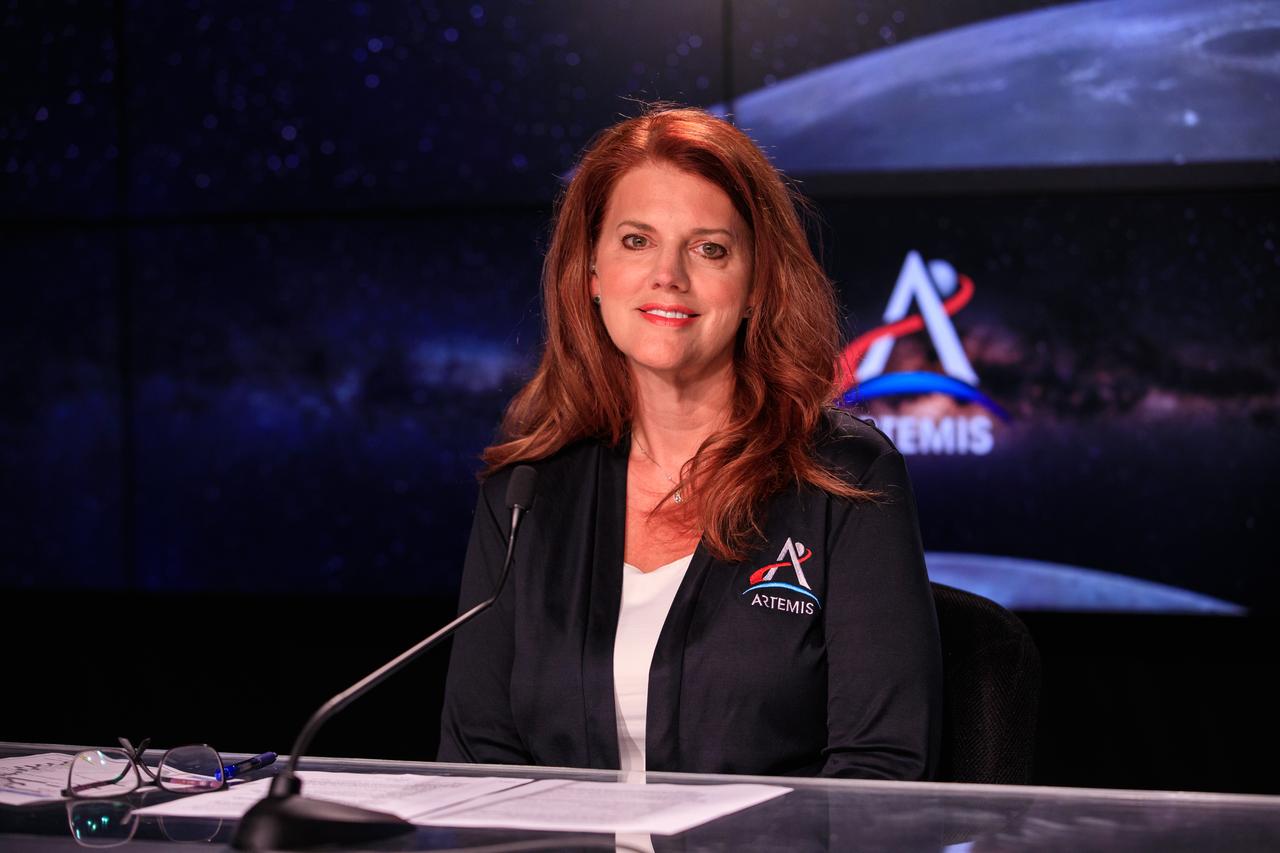
Launch Director Charlie Blackwell-Thompson participates in an Artemis I mission overview briefing inside the Press Site auditorium at NASA’s Kennedy Space Center in Florida on Aug. 3, 2022. Also participating in the briefing from various locations were NASA Administrator Bill Nelson; Associate Administrator for Technology, Policy, and Strategy Bhavya Lal; Mission Manager Mike Sarafin; Space Launch System (SLS) Program Manager John Honeycutt; and Orion Program Manager Howard Hu. The first in an increasingly complex series of missions, Artemis I will test the SLS rocket and Orion spacecraft as an integrated system prior to crewed flights to the Moon. Through Artemis, NASA will land the first woman and first person of color on the lunar surface, paving the way for long-term lunar presence and serving as a steppingstone before venturing to Mars.
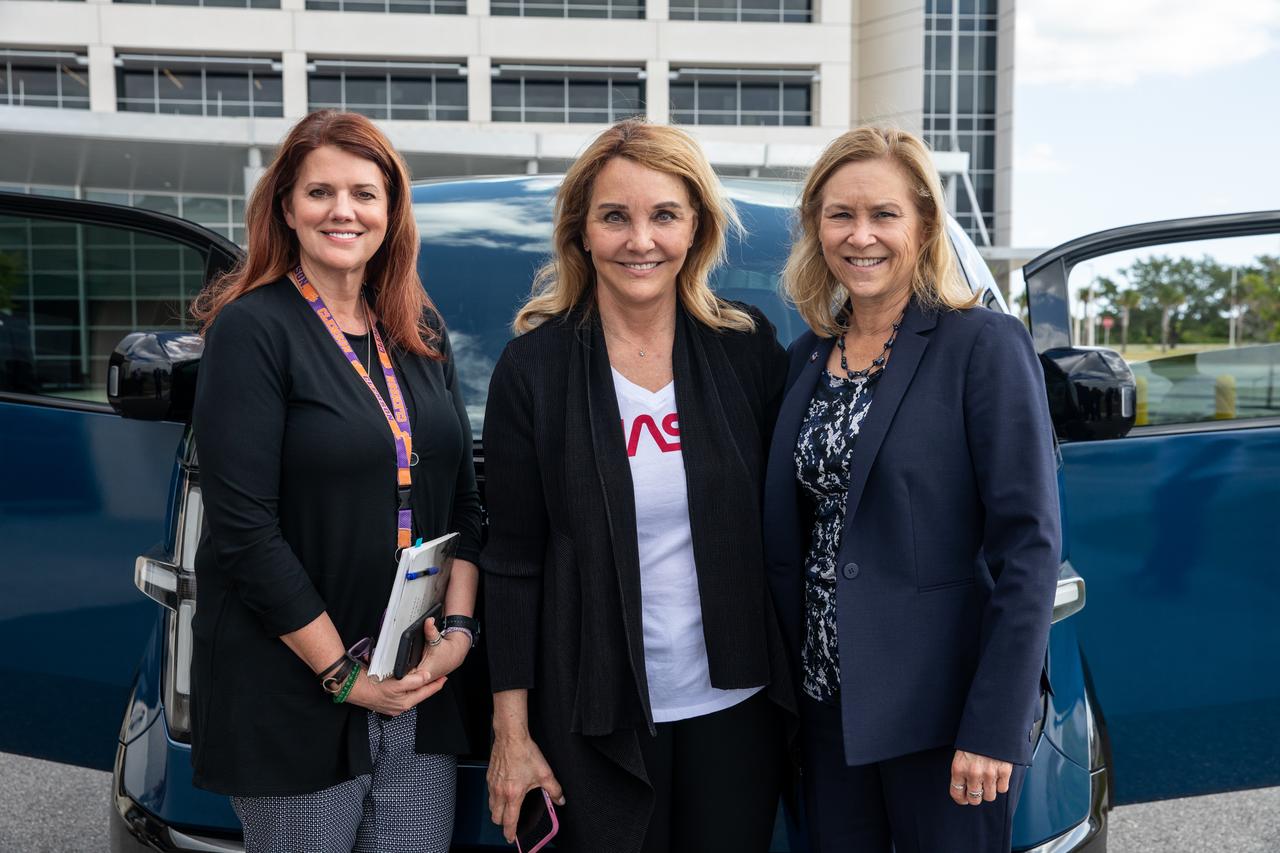
Kennedy Space Center Director Janet Petro, at right test drives a concept design crew transportation vehicle (CTV) for Artemis crewed missions on May 11, 2022. With her, from left, are Charlie Blackwell-Thompson, Artemis I launch director, and Josette Sheeran, president of Canoo Technologies, Inc.. Canoo Technologies Inc., was awarded a contract to design and provide the next generation of CTVs for the Artemis crewed missions. Representatives with Canoo were at the spaceport demonstrating the environmentally friendly fleet of vehicles. Artemis II will be the first Artemis mission flying crew aboard Orion. In later missions, NASA will land the first woman and the first person of color on the surface of the Moon, paving the way for a long-term lunar presence and serving as a steppingstone on the way to Mars.
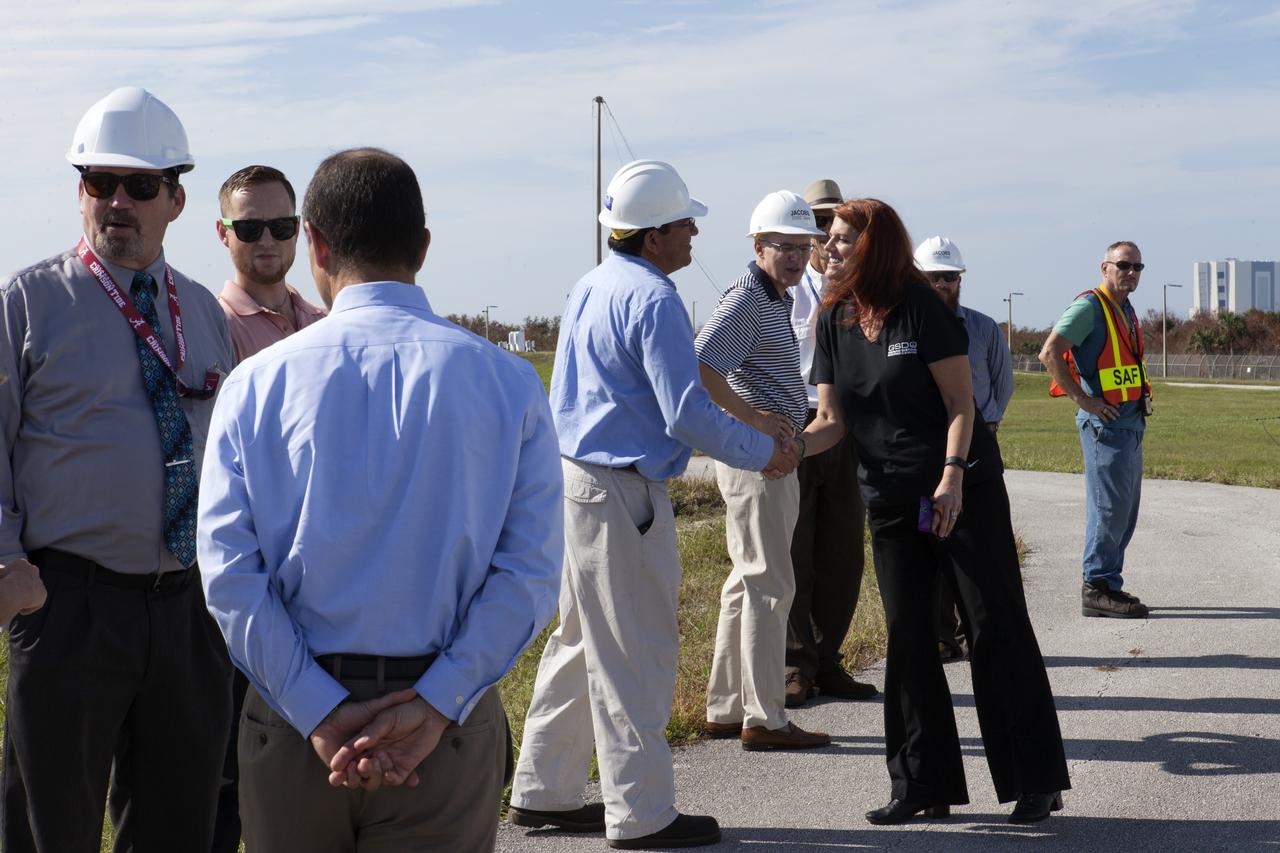
NASA Launch Director Charlie Blackwell-Thompson, at right, greets engineers and technicians at Launch Pad 39B at the agency's Kennedy Space Center in Florida. Blackwell-Thompson will observe the first major tanking operation of liquid oxygen, or LO2, into the giant storage sphere at the northwest corner of the pad to prepare for the launch of the agency's Orion spacecraft atop the Space Launch System (SLS) rocket. During the operation, several Praxair trucks will slowly offload LO2 to gradually chill down the sphere from normal temperature to about negative 298 degrees Fahrenheit. The Ground Systems Development and Operations Program is overseeing upgrades and modifications to pad B to support the launch of the SLS and Orion spacecraft for Exploration Mission-1, deep space missions and NASA’s journey to Mars.
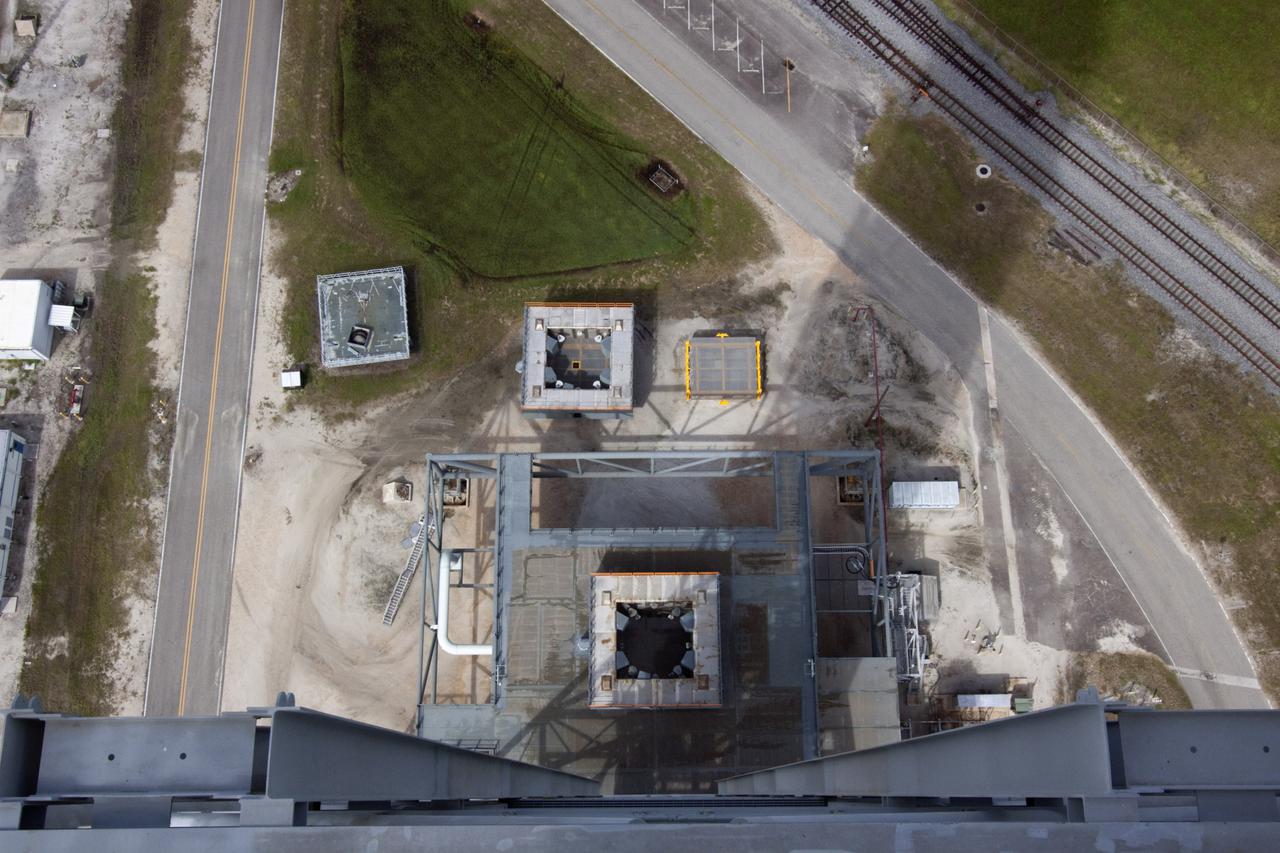
CAPE CANAVERAL, Fla. – The camera captures a unique view looking down from the top of NASA’s mobile launcher (ML) support structure at Kennedy Space Center in Florida. A media event was held on the grounds to detail ML’s use with NASA’s Space Launch System (SLS) heavy-lift rocket, which will take astronauts into deep space on missions to asteroids, the moon or Mars. NASA Administrator Charlie Bolden and Center Director Bob Cabana also were in attendance for the event. It took about two years to construct the 355-foot-tall ML structure, which will support NASA's future human spaceflight program. The ML can be outfitted with ground support equipment, such as umbilicals and access arms, for future rocket launches. Photo credit: NASA_Jim Grossmann
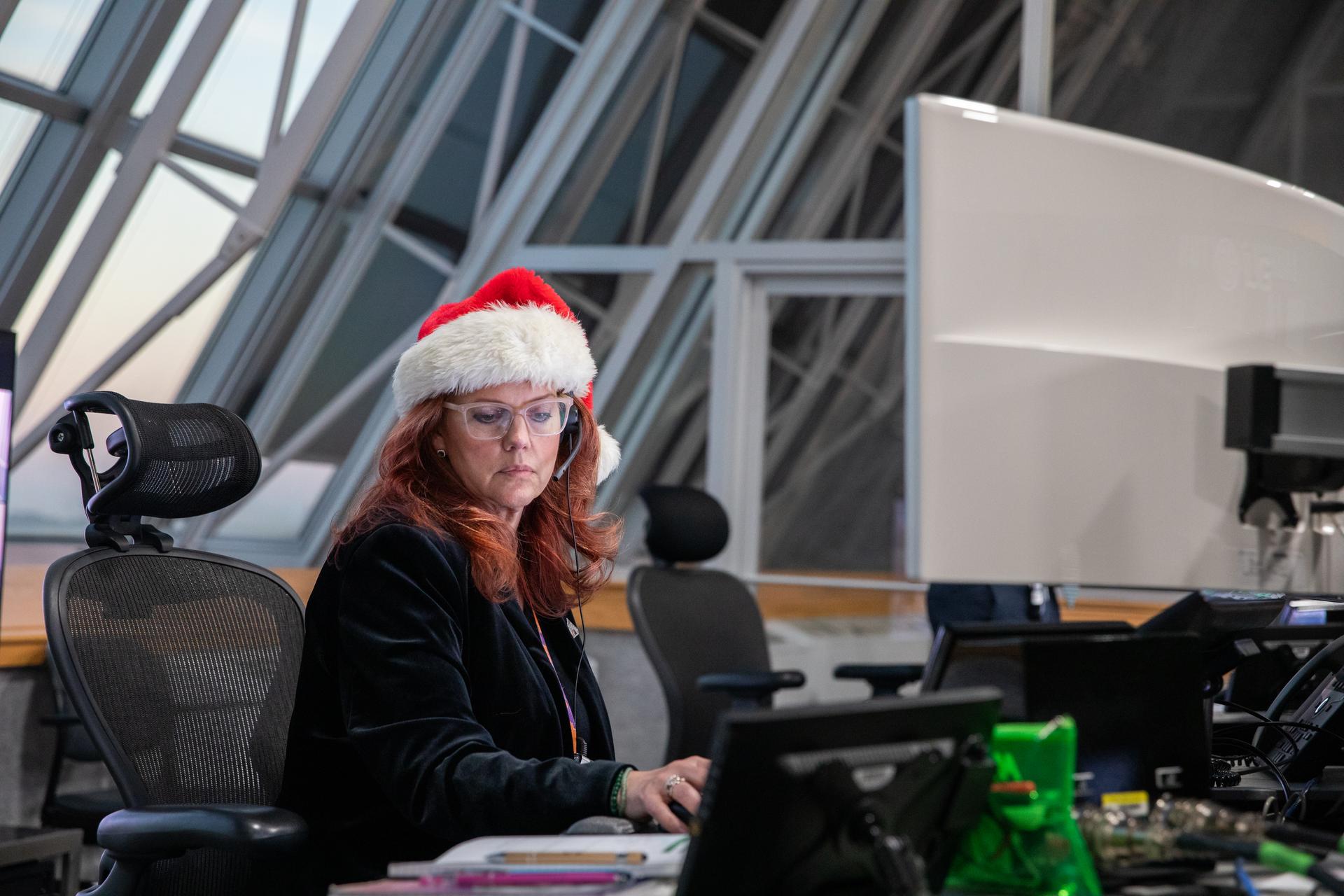
Charlie Blackwell-Thompson, Artemis launch director, monitors the progress of a countdown demonstration test with Artemis II crewmembers NASA astronauts Reid Wiseman, commander; Victor Glover, pilot; Christina Koch, mission specialist; and CSA (Canadian Space Agency) astronaut Jeremy Hansen, mission specialist onboard their Orion spacecraft from Firing Room 1 of the Rocco A. Petrone Launch Control Center, Saturday, Dec. 20, 2025, at NASA’s Kennedy Space Center in Florida. For this operation, the Artemis II crew and launch teams are simulating the launch day timeline including suit-up, walkout, and spacecraft ingress and egress. Through the Artemis campaign, NASA will send astronauts to explore the Moon for scientific discovery, economic benefits, and to build the foundation for the first crewed missions to Mars, for the benefit of all.
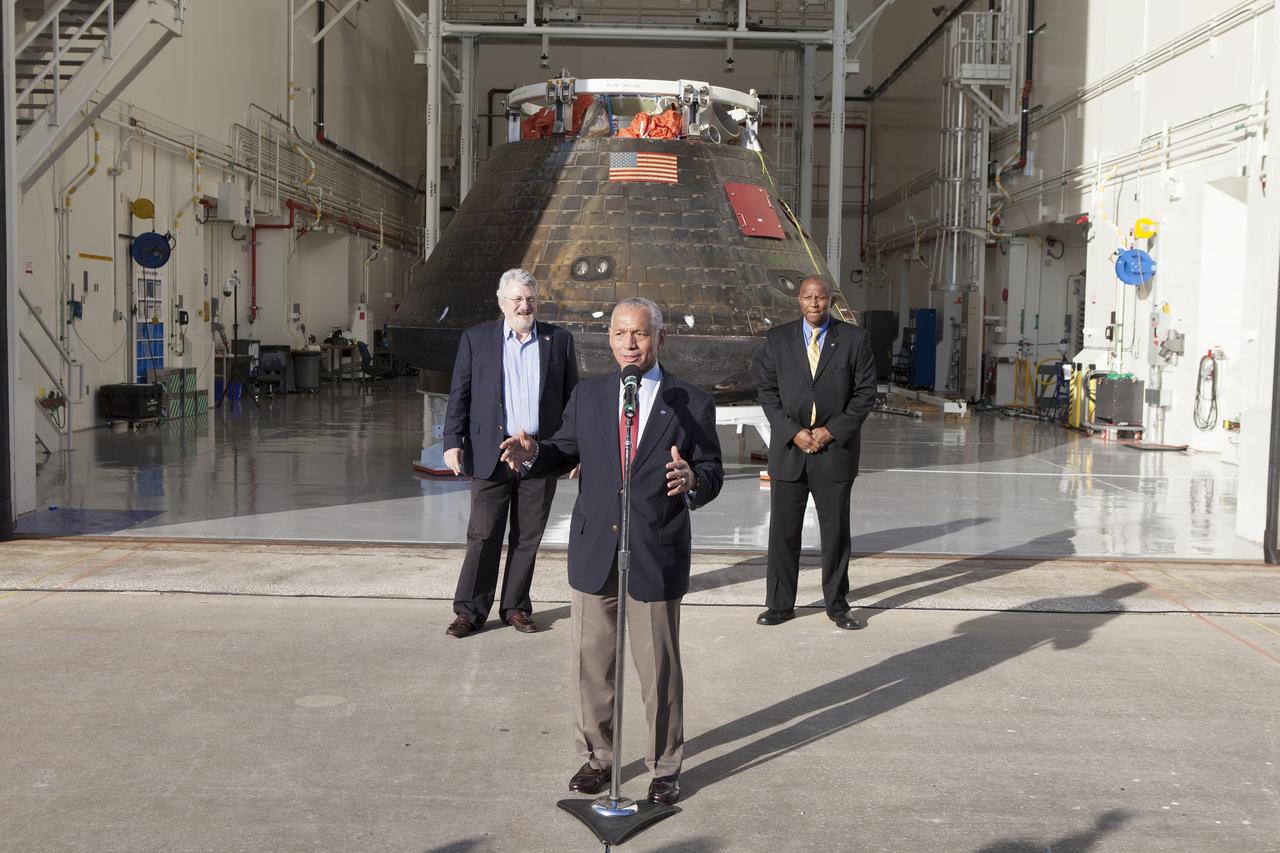
CAPE CANAVERAL, Fla. -- NASA Administrator Charlie Bolden looked over the agency's Orion spacecraft this morning for the first time since it returned to Kennedy Space Center following the successful Orion flight test on Dec. 5. At right is Kennedy Space Center Associate Director Kelvin Manning. At left is Paul Cooper, a Lockheed Martin manager. Bearing the marks of a spacecraft that has returned to Earth through a searing plunge into the atmosphere, Orion is perched on a pedestal inside the Launch Abort System Facility at Kennedy where it is going through post-mission processing. Although the spacecraft Bolden looked over did not fly with a crew aboard during the flight test, Orion is designed to carry astronauts into deep space in the future setting NASA and the nation firmly on the journey to Mars. Photo credit: NASA/Cory Huston
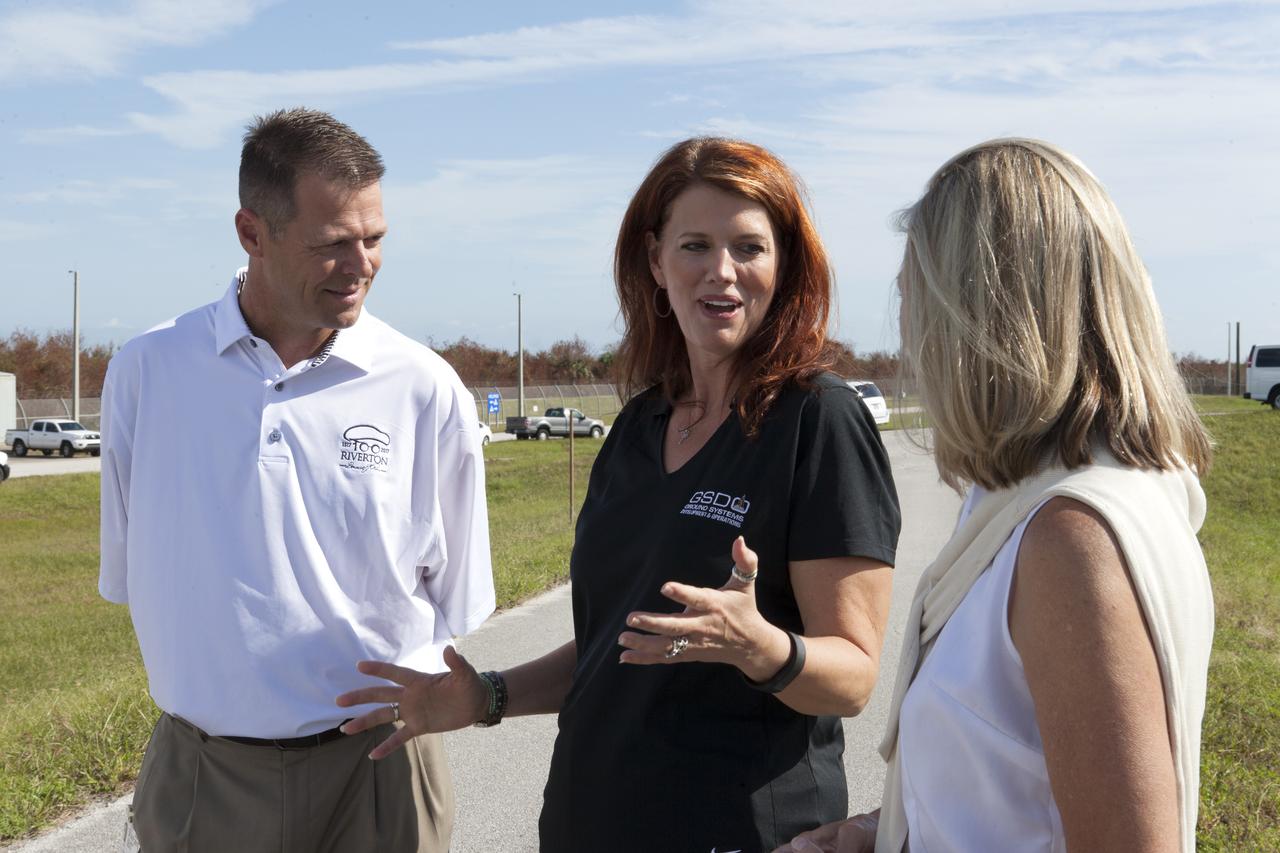
NASA Launch Director Charlie Blackwell-Thompson, center, talks to engineers at Launch Pad 39B at the agency's Kennedy Space Center in Florida. Blackwell-Thompson will observe the first major tanking operation of liquid oxygen, or LO2, into the giant storage sphere at the northwest corner of the pad to prepare for the launch of the agency's Orion spacecraft atop the Space Launch System (SLS) rocket. During the operation, several Praxair trucks will slowly offload LO2 to gradually chill down the sphere from normal temperature to about negative 298 degrees Fahrenheit. The Ground Systems Development and Operations Program is overseeing upgrades and modifications to pad B to support the launch of the SLS and Orion spacecraft for Exploration Mission-1, deep space missions and NASA’s journey to Mars.
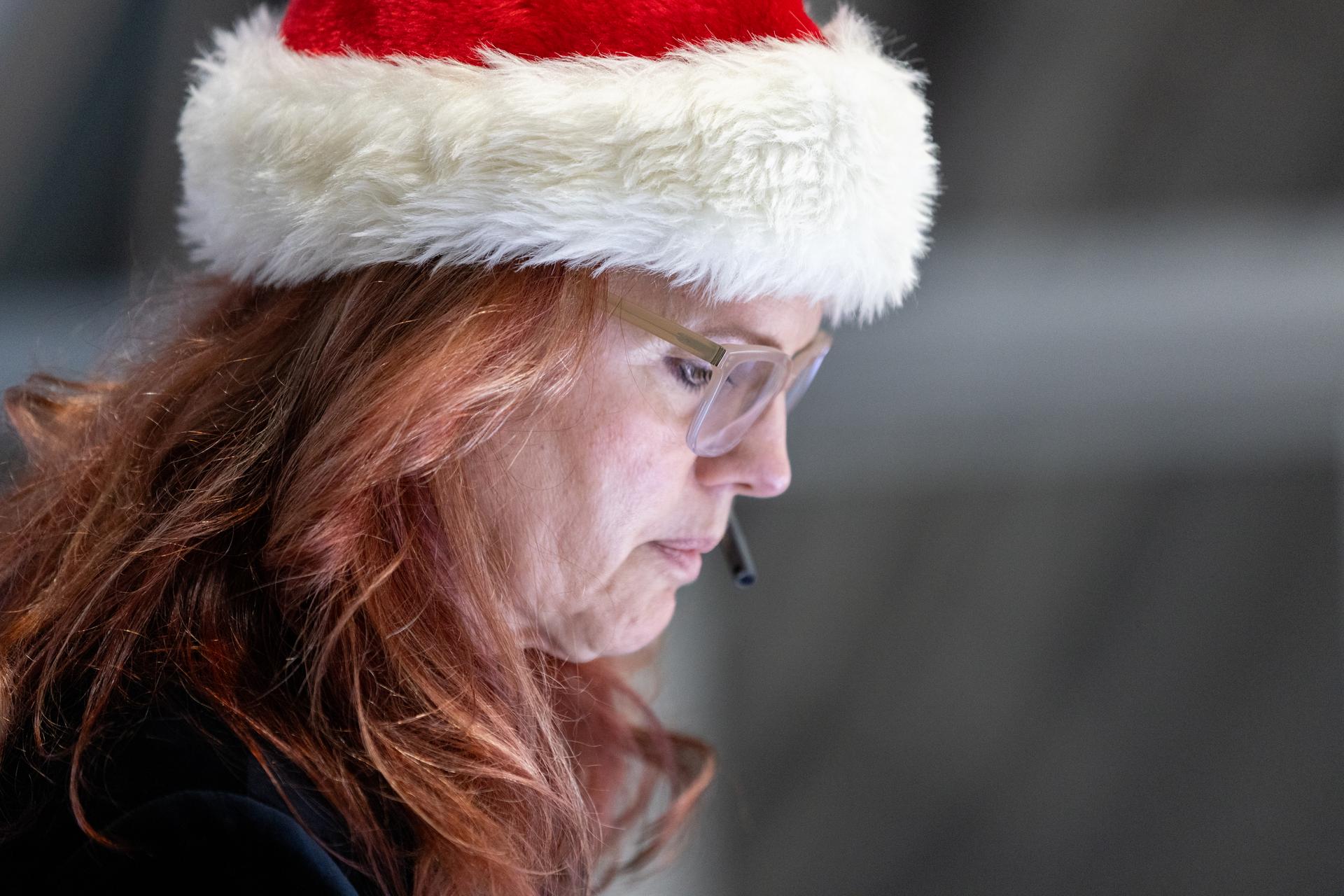
Charlie Blackwell-Thompson, Artemis launch director, monitors the progress of a countdown demonstration test with Artemis II crewmembers NASA astronauts Reid Wiseman, commander; Victor Glover, pilot; Christina Koch, mission specialist; and CSA (Canadian Space Agency) astronaut Jeremy Hansen, mission specialist onboard their Orion spacecraft from Firing Room 1 of the Rocco A. Petrone Launch Control Center, Saturday, Dec. 20, 2025, at NASA’s Kennedy Space Center in Florida. For this operation, the Artemis II crew and launch teams are simulating the launch day timeline including suit-up, walkout, and spacecraft ingress and egress. Through the Artemis campaign, NASA will send astronauts to explore the Moon for scientific discovery, economic benefits, and to build the foundation for the first crewed missions to Mars, for the benefit of all.
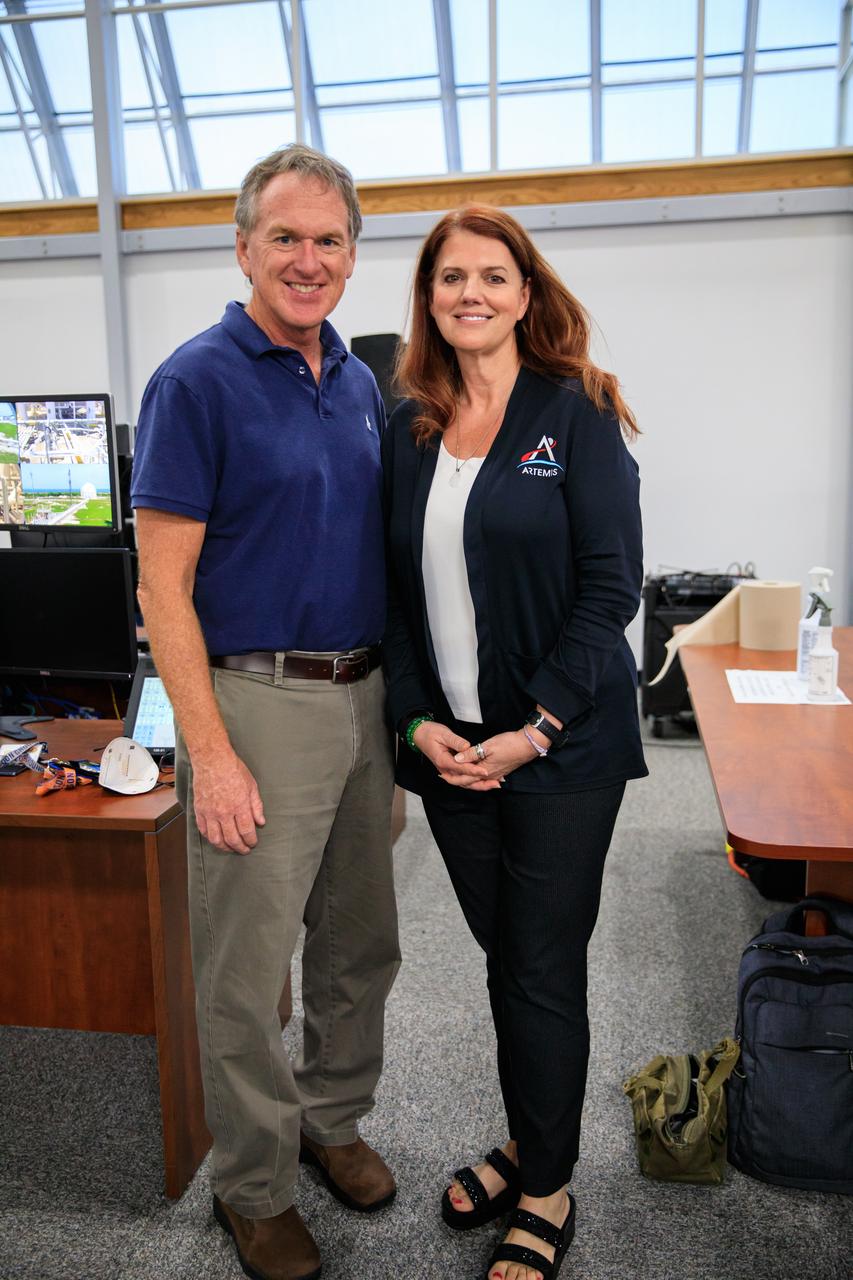
NASA’s Exploration Ground Systems Manager Mike Bolger (left) and Artemis I Launch Director Charlie Blackwell-Thompson are photographed inside Firing Room 2 of the Rocco A. Petrone Launch Control Center at the agency’s Kennedy Space Center in Florida during a certification ceremony on Aug. 12, 2022. The ceremony was held to commemorate the certification of the Artemis I launch team following their launch simulation held in December 2021. During the ceremony, Bolger and Blackwell-Thompson handed out certificates to individual members of the launch team. The first in an increasingly complex series of missions, Artemis I will test NASA’s Space Launch System rocket and Orion spacecraft as an integrated system prior to crewed flights to the Moon. Through Artemis, NASA will land the first woman and the first person of color on the lunar surface, paving the way for long-term lunar presence and using the Moon as a steppingstone before venturing to Mars.
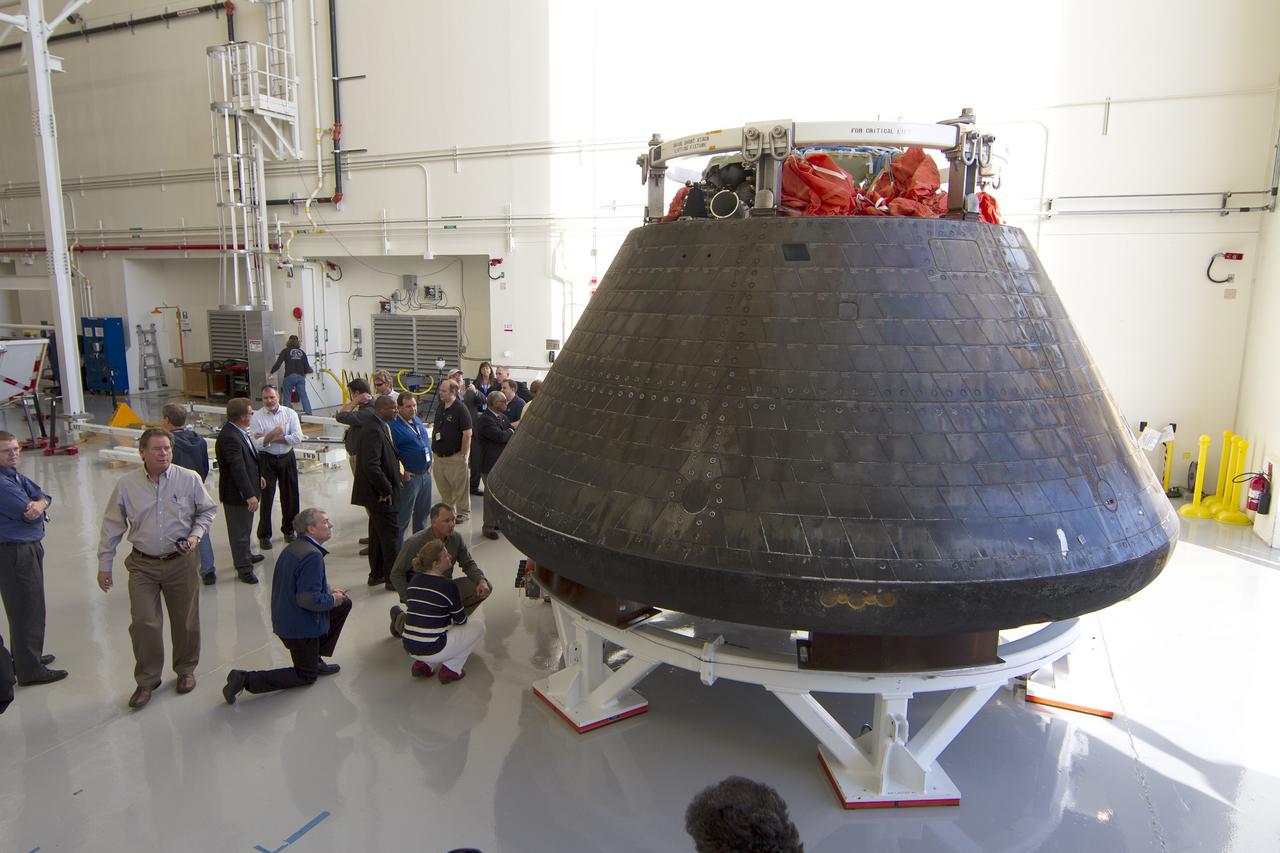
CAPE CANAVERAL, Fla. -- NASA Administrator Charlie Bolden, standing near Orion, looked over the agency's spacecraft this morning for the first time since it returned to Kennedy Space Center following the successful Orion flight test on Dec. 5. Bearing the marks of a spacecraft that has returned to Earth through a searing plunge into the atmosphere, Orion is perched on a pedestal inside the Launch Abort System Facility at Kennedy where it is going through post-mission processing. Although the spacecraft Bolden looked over did not fly with a crew aboard during the flight test, Orion is designed to carry astronauts into deep space in the future setting NASA and the nation firmly on the journey to Mars. Photo credit: NASA/Cory Huston
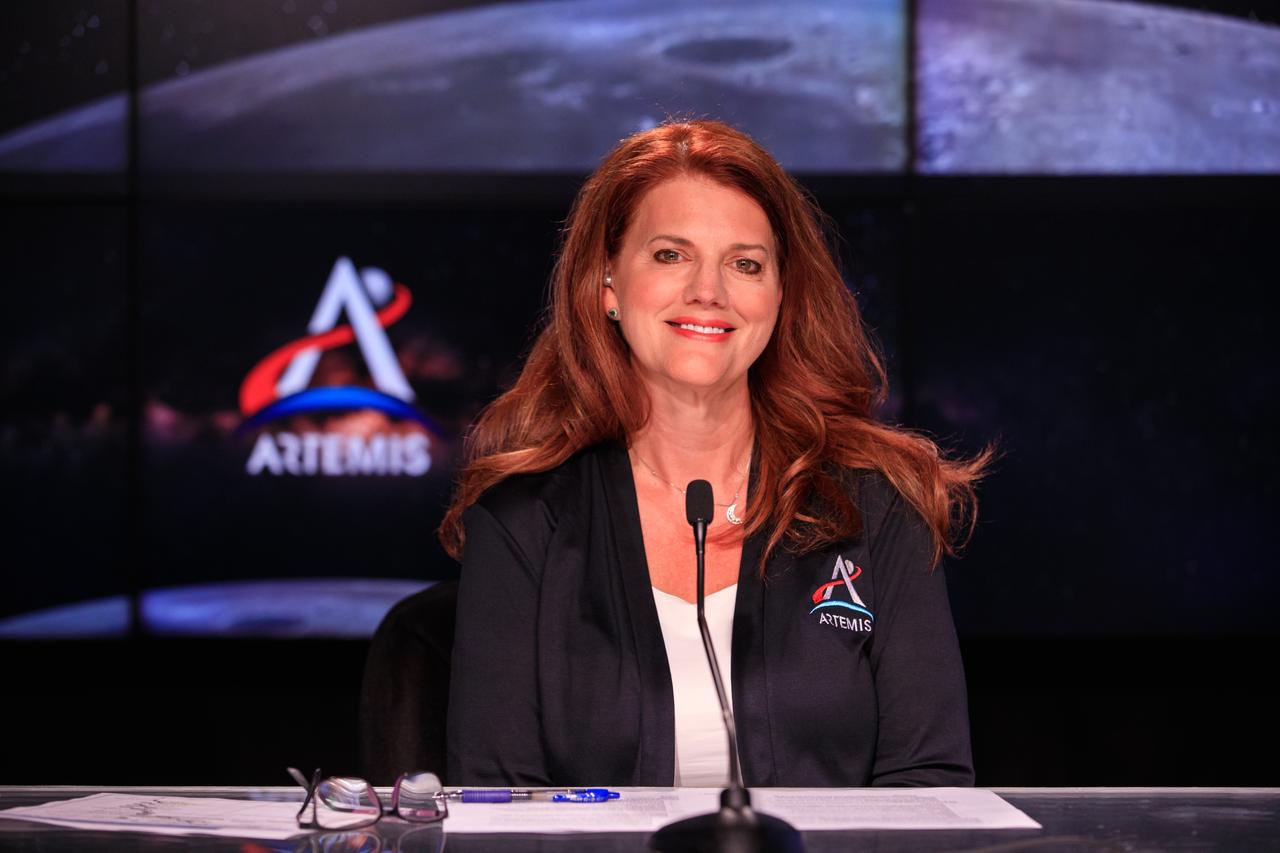
Launch Director Charlie Blackwell-Thompson participates in an Artemis I mission overview briefing inside the Press Site auditorium at NASA’s Kennedy Space Center in Florida on Aug. 3, 2022. Also participating in the briefing from various locations were NASA Administrator Bill Nelson; Associate Administrator for Technology, Policy, and Strategy Bhavya Lal; Mission Manager Mike Sarafin; Space Launch System (SLS) Program Manager John Honeycutt; and Orion Program Manager Howard Hu. The first in an increasingly complex series of missions, Artemis I will test the SLS rocket and Orion spacecraft as an integrated system prior to crewed flights to the Moon. Through Artemis, NASA will land the first woman and first person of color on the lunar surface, paving the way for long-term lunar presence and serving as a steppingstone before venturing to Mars.
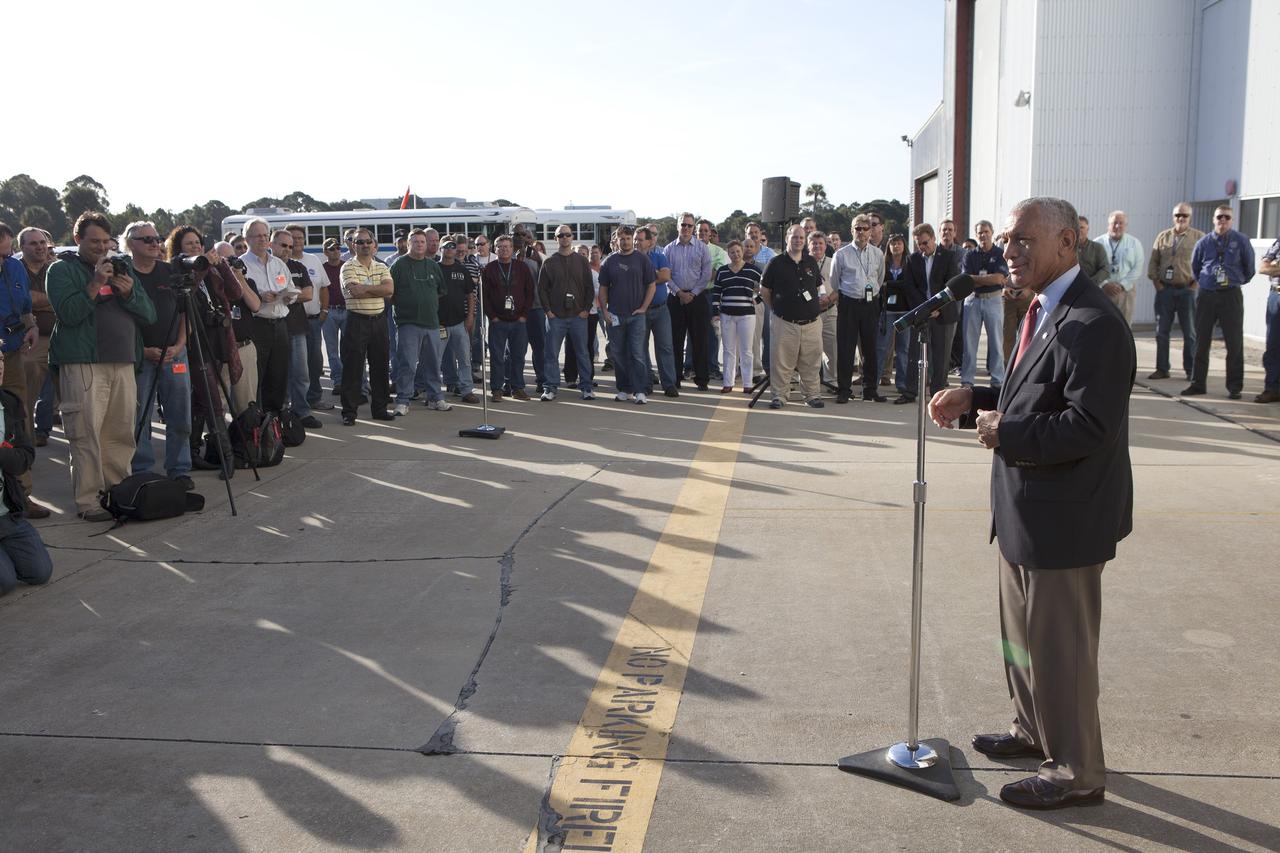
CAPE CANAVERAL, Fla. -- NASA Administrator Charlie Bolden spoke to members of the news media before looking over the agency's Orion spacecraft this morning for the first time since it returned to Kennedy Space Center following the successful Orion flight test on Dec. 5. Bearing the marks of a spacecraft that has returned to Earth through a searing plunge into the atmosphere, Orion is perched on a pedestal inside the Launch Abort System Facility at Kennedy where it is going through post-mission processing. Although the spacecraft Bolden looked over did not fly with a crew aboard during the flight test, Orion is designed to carry astronauts into deep space in the future setting NASA and the nation firmly on the journey to Mars. Photo credit: NASA/Cory Huston
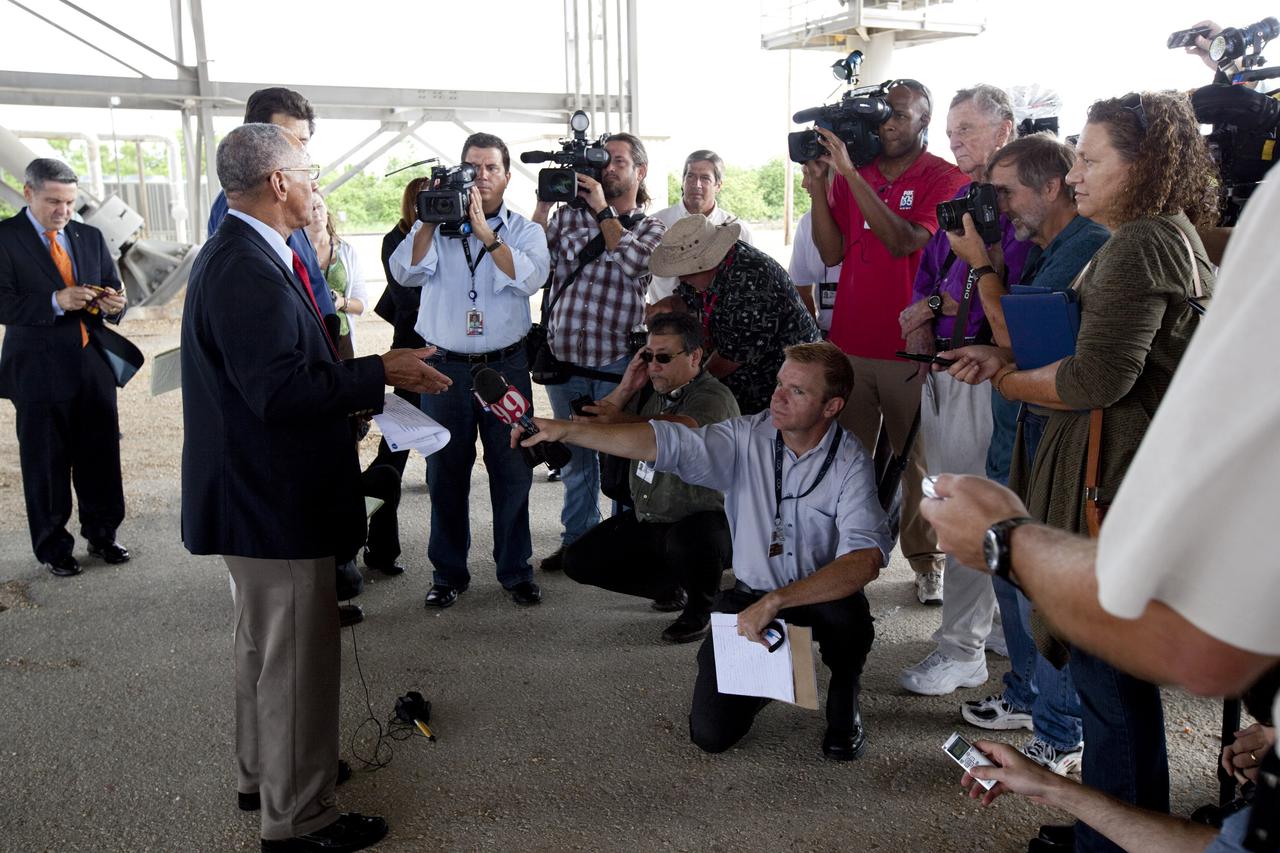
CAPE CANAVERAL, Fla. – At Kennedy Space Center in Florida, NASA Administrator Charlie Bolden talks to media underneath NASA’s mobile launcher (ML) support structure. Center Director Bob Cabana, at far left, also attended the media event held to detail ML’s use with NASA’s Space Launch System (SLS) heavy-lift rocket, which will take astronauts into deep space on missions to asteroids, the moon or Mars. It took about two years to construct the 355-foot-tall ML structure, which will support NASA's future human spaceflight program. The ML can be outfitted with ground support equipment, such as umbilicals and access arms, for future rocket launches. Photo credit: NASA_Dimitri Gerondidakis
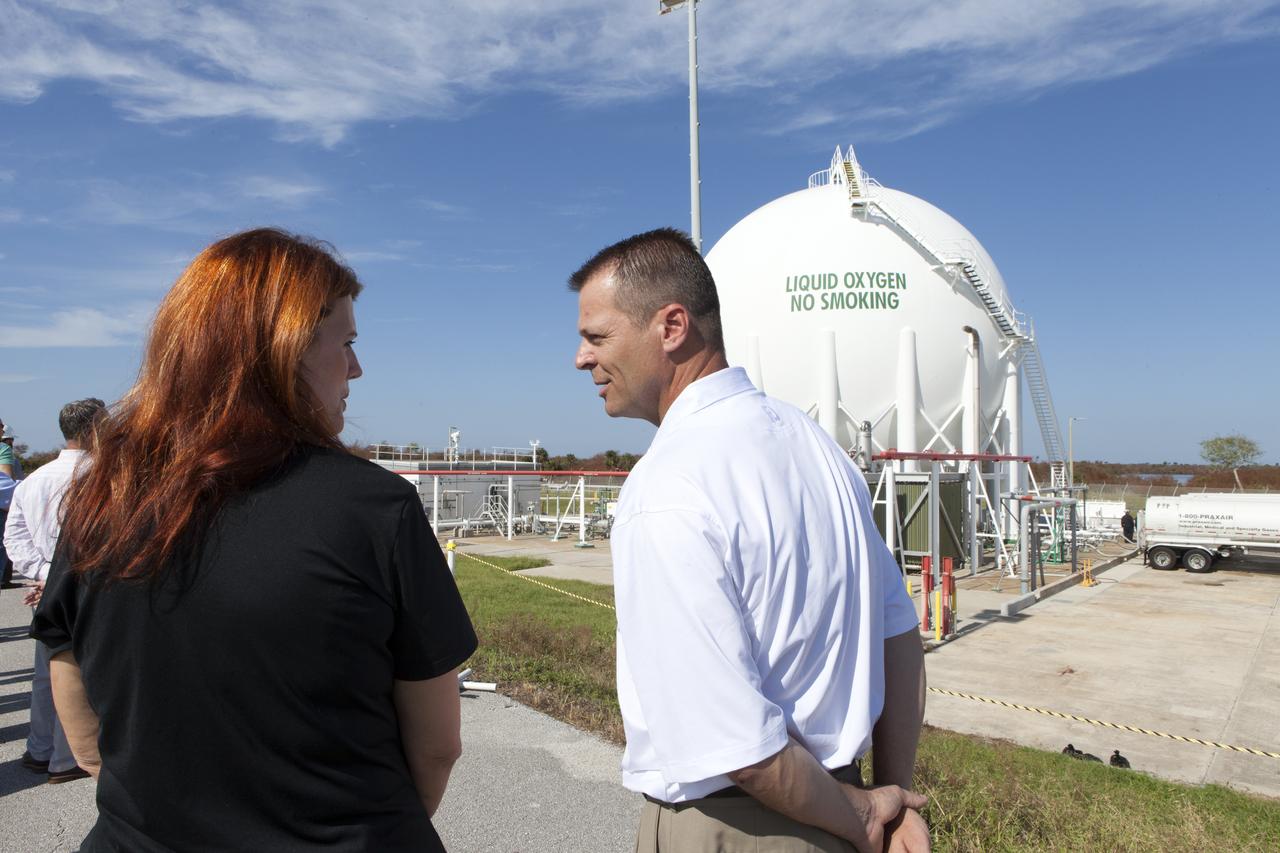
NASA Launch Director Charlie Blackwell-Thompson, at left, arrives at Launch Pad 39B at NASA's Kennedy Space Center in Florida, to observe the first major tanking operation of liquid oxygen, or LO2, into the giant storage sphere at the northwest corner of the pad to prepare for the launch of the agency's Orion spacecraft atop the Space Launch System (SLS) rocket. During the operation, several Praxair trucks will slowly offload LO2 to gradually chill down the sphere from normal temperature to about negative 298 degrees Fahrenheit. The Ground Systems Development and Operations Program is overseeing upgrades and modifications to pad B to support the launch of the SLS and Orion spacecraft for Exploration Mission-1, deep space missions and NASA’s journey to Mars.
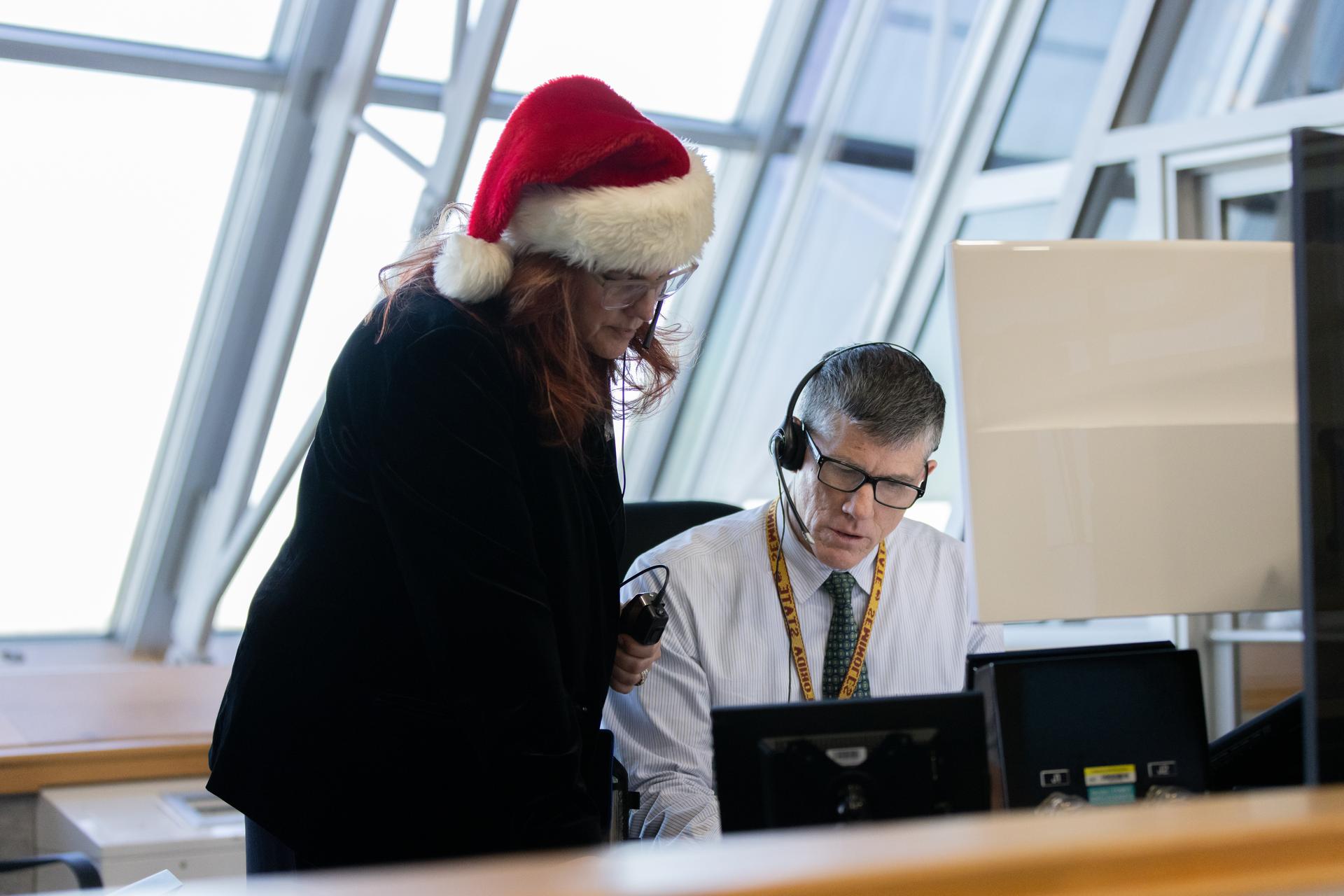
Charlie Blackwell-Thompson, Artemis launch director, and Jeremy Graeber, assistant launch director, monitor the progress of a countdown demonstration test with Artemis II crewmembers NASA astronauts Reid Wiseman, commander; Victor Glover, pilot; Christina Koch, mission specialist; and CSA (Canadian Space Agency) astronaut Jeremy Hansen, mission specialist onboard their Orion spacecraft from Firing Room 1 of the Rocco A. Petrone Launch Control Center, Saturday, Dec. 20, 2025, at NASA’s Kennedy Space Center in Florida. For this operation, the Artemis II crew and launch teams are simulating the launch day timeline including suit-up, walkout, and spacecraft ingress and egress. Through the Artemis campaign, NASA will send astronauts to explore the Moon for scientific discovery, economic benefits, and to build the foundation for the first crewed missions to Mars, for the benefit of all.
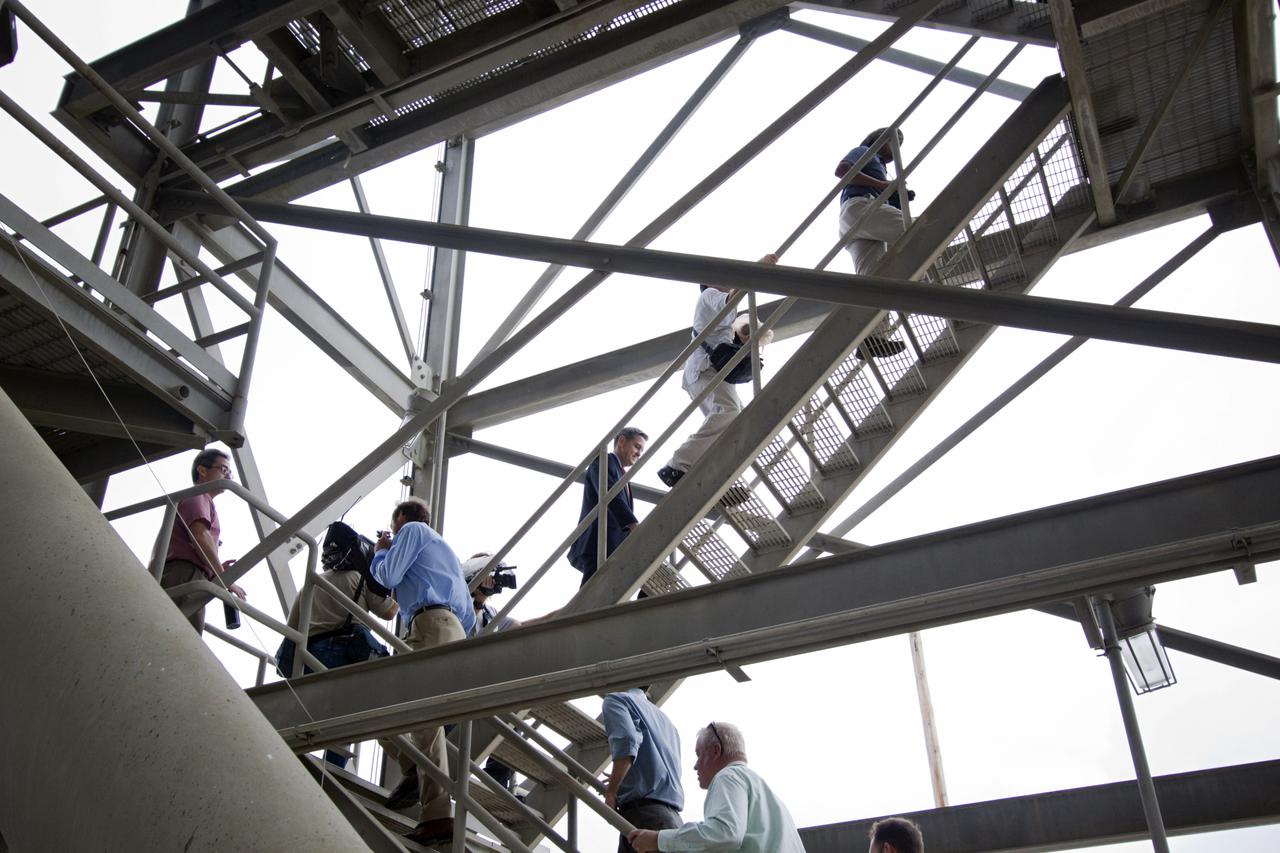
CAPE CANAVERAL, Fla. – At Kennedy Space Center in Florida, Center Director Bob Cabana (shown in the center of photo) and news media, climb the stairs of NASA’s mobile launcher (ML) support structure. A media event was held to detail ML’s use with NASA’s Space Launch System (SLS) heavy-lift rocket, which will take astronauts into deep space on missions to asteroids, the moon or Mars. NASA Administrator Charlie Bolden also was in attendance for the event. It took about two years to construct the 355-foot-tall ML structure, which will support NASA's future human spaceflight program. The ML can be outfitted with ground support equipment, such as umbilicals and access arms, for future rocket launches. Photo credit: NASA_Jim Grossmann
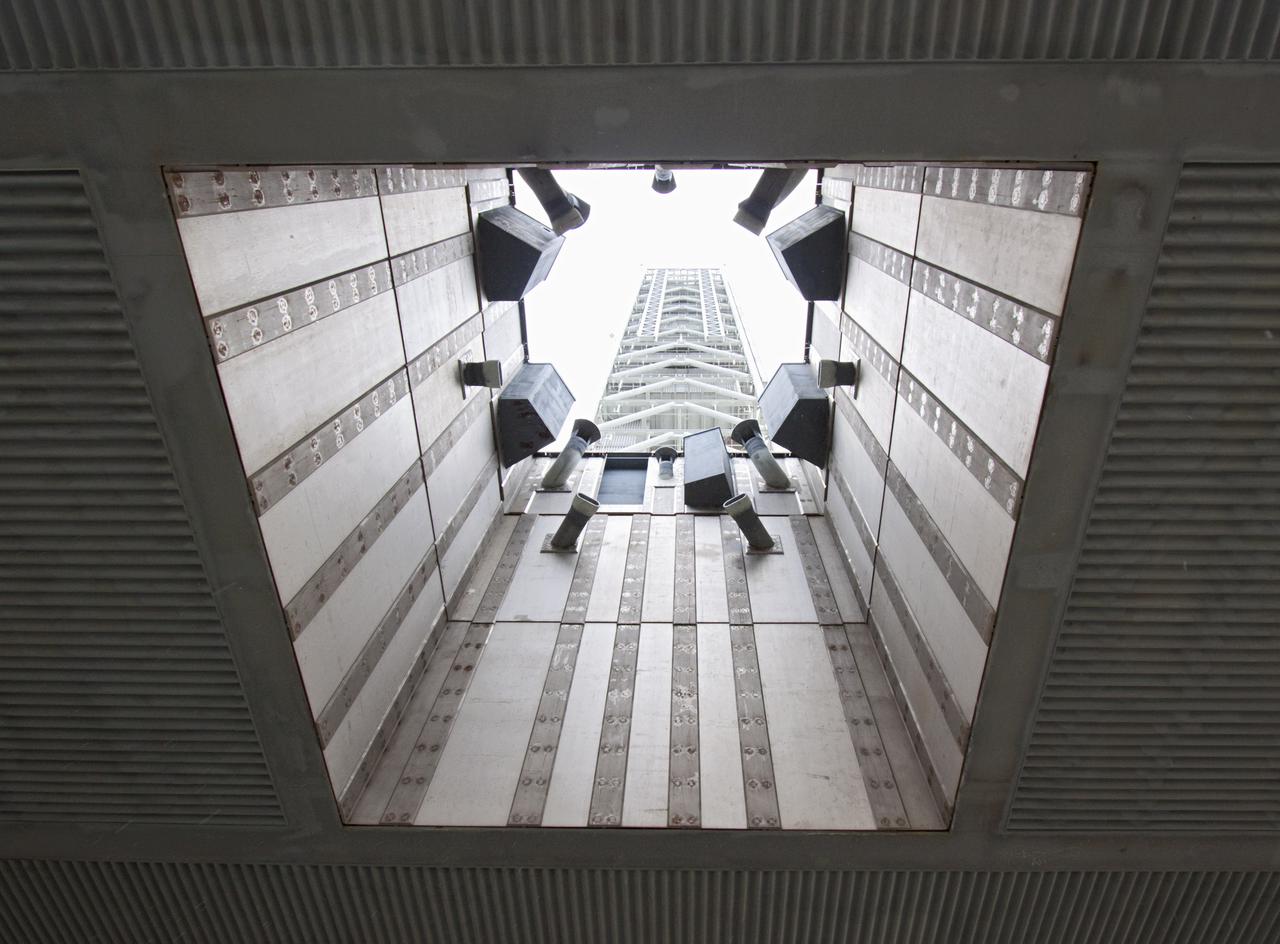
CAPE CANAVERAL, Fla. – The camera captures a unique view looking up into NASA’s mobile launcher (ML) support structure at Kennedy Space Center in Florida. A media event was held on the grounds to detail ML’s use with NASA’s Space Launch System (SLS) heavy-lift rocket, which will take astronauts into deep space on missions to asteroids, the moon or Mars. NASA Administrator Charlie Bolden and Center Director Bob Cabana also were in attendance for the event. It took about two years to construct the 355-foot-tall ML structure, which will support NASA's future human spaceflight program. The ML can be outfitted with ground support equipment, such as umbilicals and access arms, for future rocket launches. Photo credit: NASA_Jim Grossmann
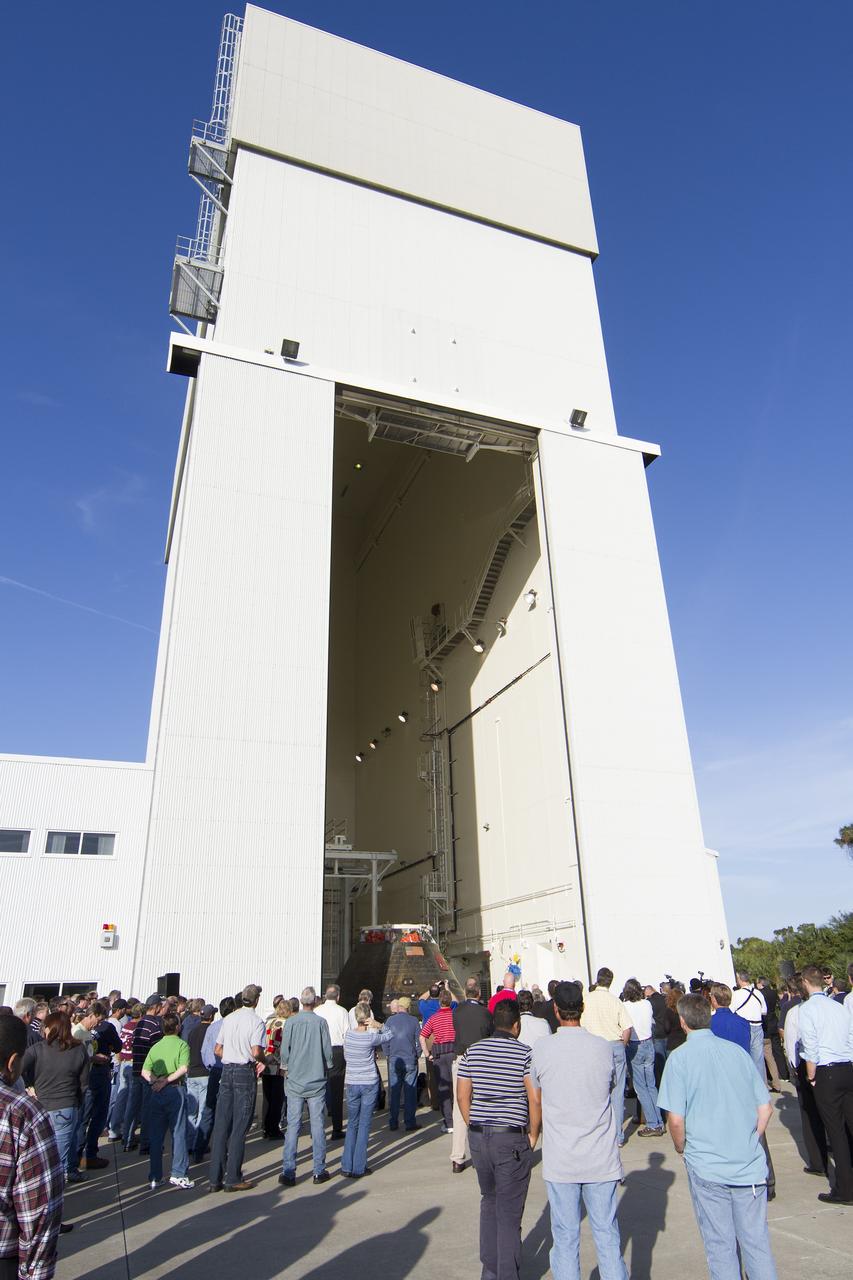
CAPE CANAVERAL, Fla. -- NASA Administrator Charlie Bolden spoke to members of the media before looking over the agency's Orion spacecraft this morning for the first time since it returned to Kennedy Space Center following the successful Orion flight test on Dec. 5. Bearing the marks of a spacecraft that has returned to Earth through a searing plunge into the atmosphere, Orion is perched on a pedestal inside the Launch Abort System Facility at Kennedy where it is going through post-mission processing. Although the spacecraft Bolden looked over did not fly with a crew aboard during the flight test, Orion is designed to carry astronauts into deep space in the future setting NASA and the nation firmly on the journey to Mars. Photo credit: NASA/Cory Huston
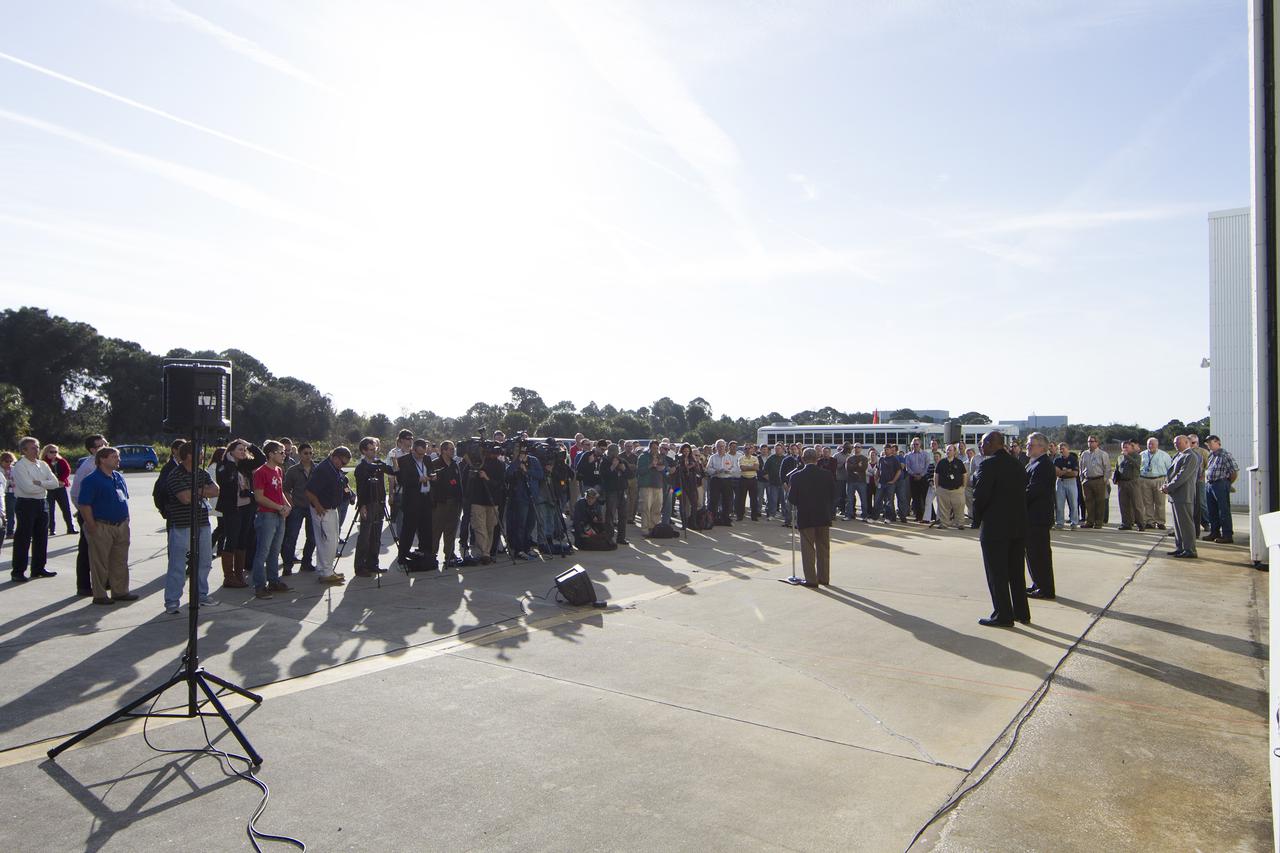
CAPE CANAVERAL, Fla. -- NASA Administrator Charlie Bolden spoke to members of the media before looking over the agency's Orion spacecraft this morning for the first time since it returned to Kennedy Space Center following the successful Orion flight test on Dec. 5. Bearing the marks of a spacecraft that has returned to Earth through a searing plunge into the atmosphere, Orion is perched on a pedestal inside the Launch Abort System Facility at Kennedy where it is going through post-mission processing. Although the spacecraft Bolden looked over did not fly with a crew aboard during the flight test, Orion is designed to carry astronauts into deep space in the future setting NASA and the nation firmly on the journey to Mars. Photo credit: NASA/Cory Huston
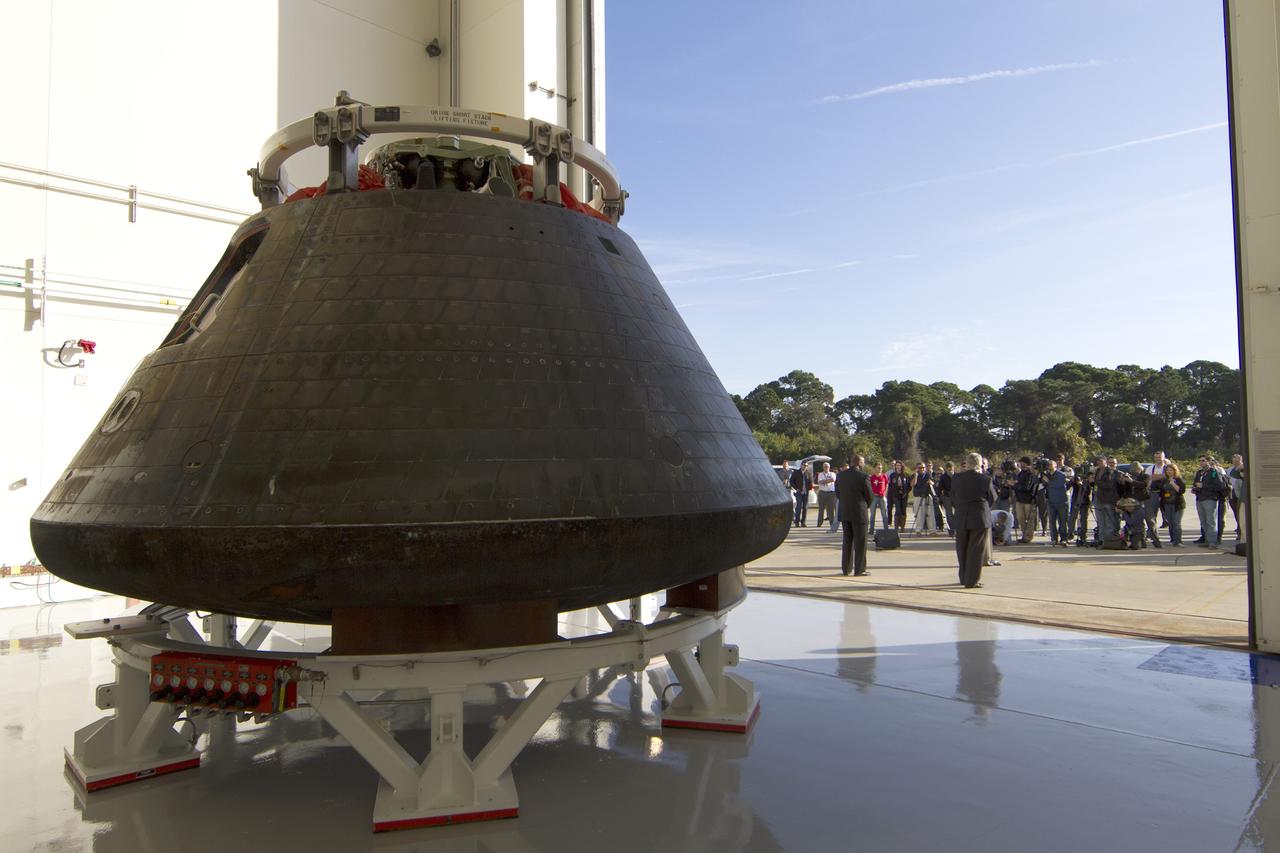
CAPE CANAVERAL, Fla. -- NASA Administrator Charlie Bolden spoke to members of the media before looking over the agency's Orion spacecraft this morning for the first time since it returned to Kennedy Space Center following the successful Orion flight test on Dec. 5. Bearing the marks of a spacecraft that has returned to Earth through a searing plunge into the atmosphere, Orion is perched on a pedestal inside the Launch Abort System Facility at Kennedy where it is going through post-mission processing. Although the spacecraft Bolden looked over did not fly with a crew aboard during the flight test, Orion is designed to carry astronauts into deep space in the future setting NASA and the nation firmly on the journey to Mars. Photo credit: NASA/Cory Huston
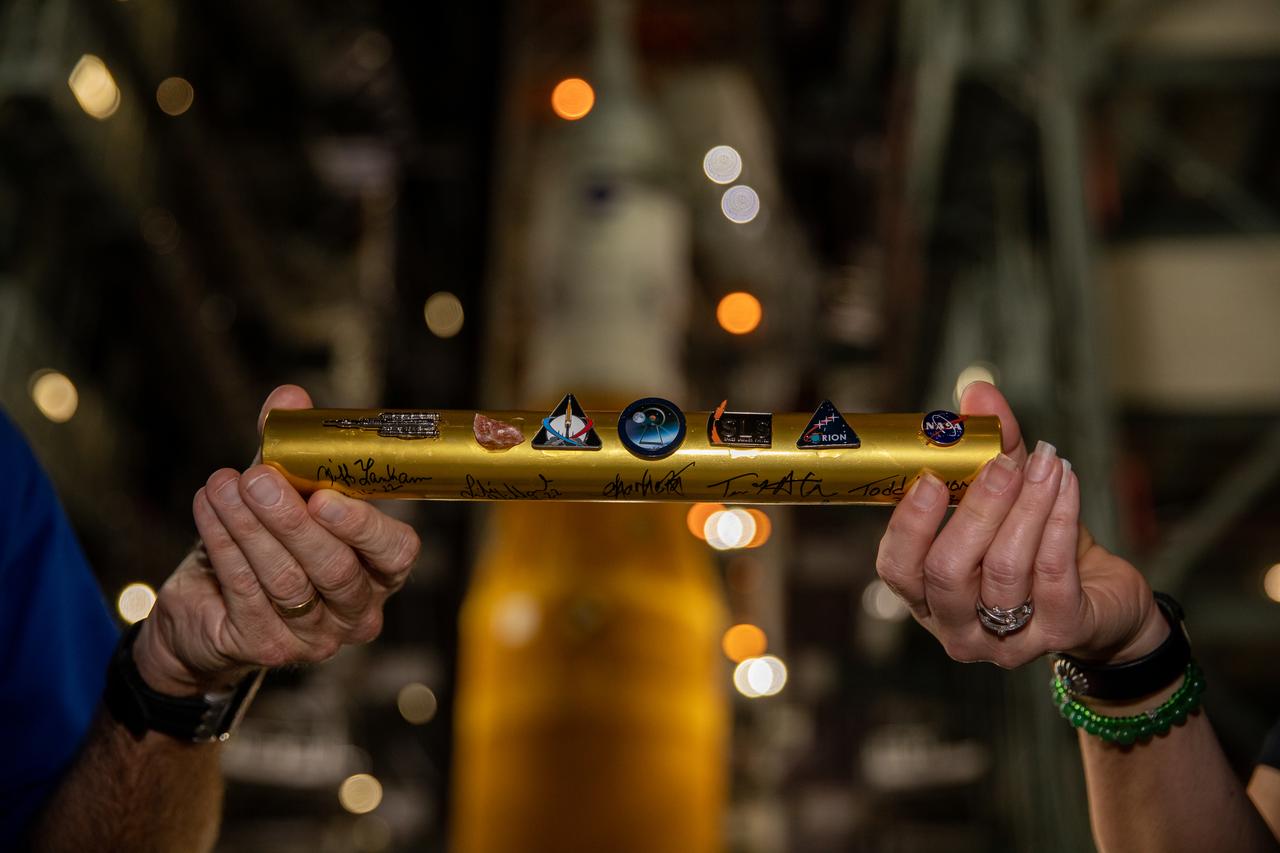
Cliff Lanham, ground operations manager with NASA’s Exploration Ground Systems, hands off the baton to Charlie Blackwell-Thompson, Artemis I launch director, inside the Vehicle Assembly building at NASA’s Kennedy Space Center in Florida on Aug. 15, 2022. NASA’s Space Launch System (SLS) rocket, with the agency’s Orion spacecraft atop, is targeted to start its rollout to Launch Pad 39B on Aug. 16 at approximately 9 p.m., in preparation for the Artemis I launch – set for no earlier than Aug. 29. Artemis I will be the first integrated test of the SLS and Orion. In later missions, NASA will land the first woman and the first person of color on the Moon, paving the way for a long-term lunar presence and serving as a steppingstone on the way to Mars.
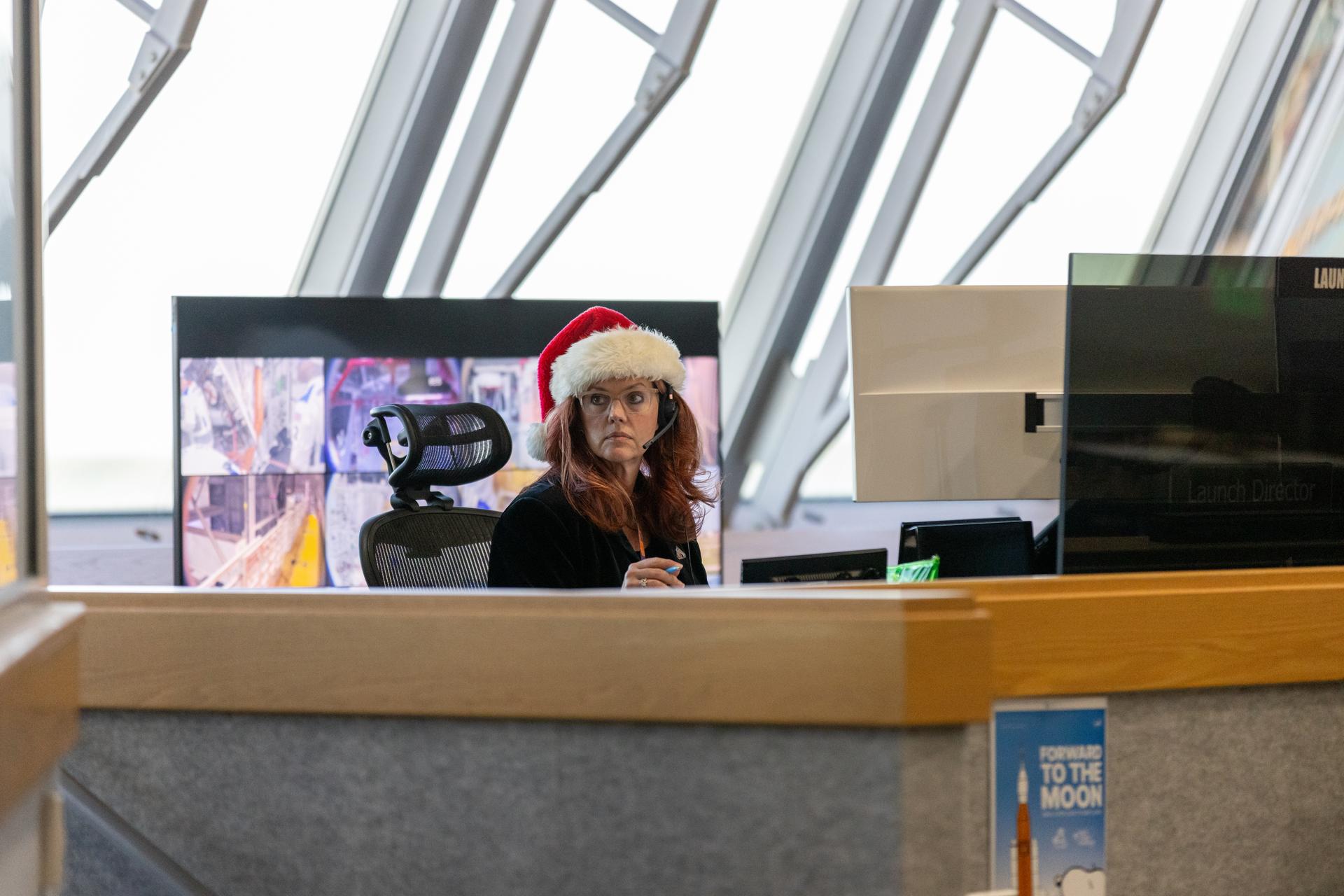
Charlie Blackwell-Thompson, Artemis launch director, monitors the progress of a countdown demonstration test with Artemis II crewmembers NASA astronauts Reid Wiseman, commander; Victor Glover, pilot; Christina Koch, mission specialist; and CSA (Canadian Space Agency) astronaut Jeremy Hansen, mission specialist onboard their Orion spacecraft from Firing Room 1 of the Rocco A. Petrone Launch Control Center, Saturday, Dec. 20, 2025, at NASA’s Kennedy Space Center in Florida. For this operation, the Artemis II crew and launch teams are simulating the launch day timeline including suit-up, walkout, and spacecraft ingress and egress. Through the Artemis campaign, NASA will send astronauts to explore the Moon for scientific discovery, economic benefits, and to build the foundation for the first crewed missions to Mars, for the benefit of all.
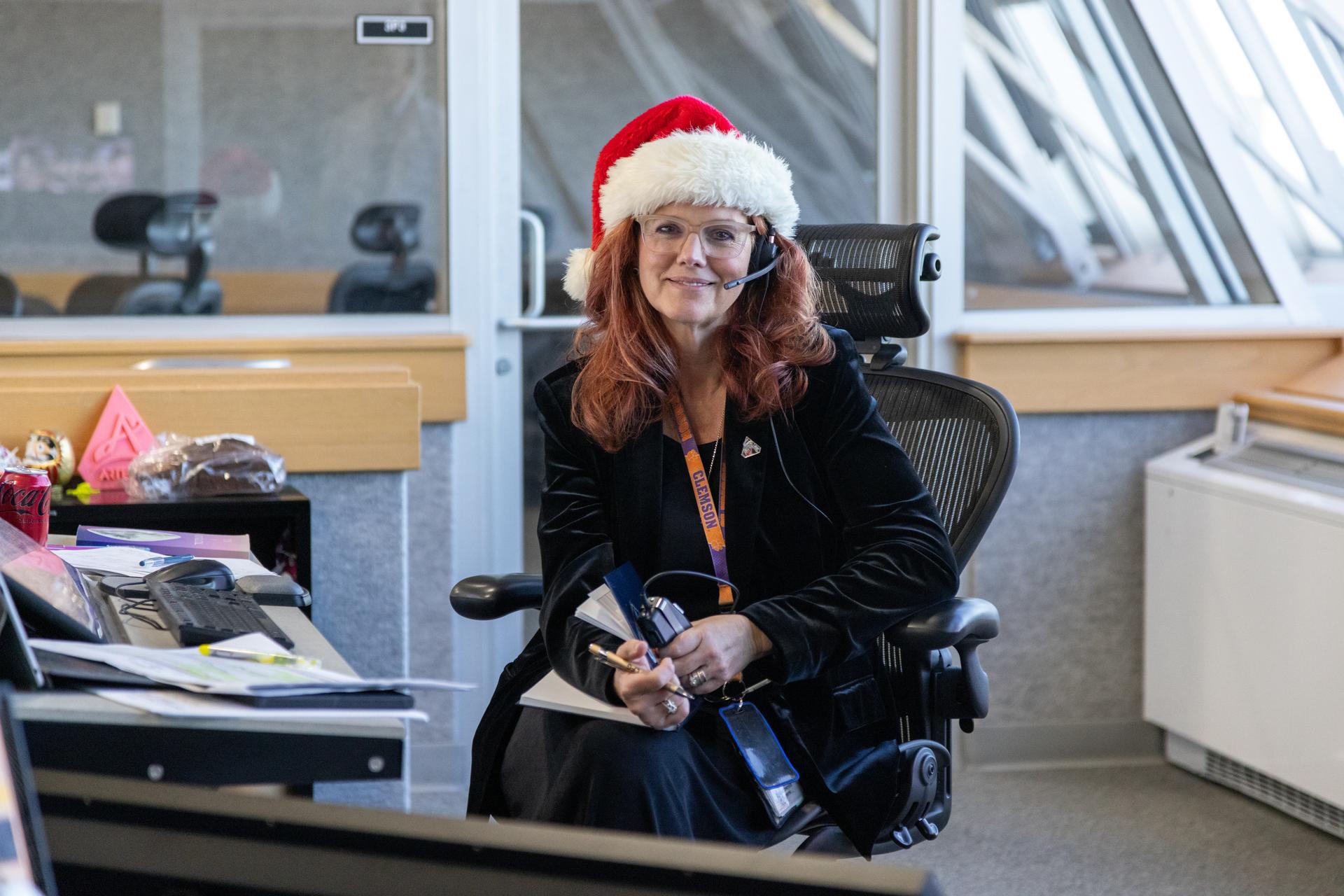
Charlie Blackwell-Thompson, Artemis launch director, monitors the progress of a countdown demonstration test with Artemis II crewmembers NASA astronauts Reid Wiseman, commander; Victor Glover, pilot; Christina Koch, mission specialist; and CSA (Canadian Space Agency) astronaut Jeremy Hansen, mission specialist onboard their Orion spacecraft from Firing Room 1 of the Rocco A. Petrone Launch Control Center, Saturday, Dec. 20, 2025, at NASA’s Kennedy Space Center in Florida. For this operation, the Artemis II crew and launch teams are simulating the launch day timeline including suit-up, walkout, and spacecraft ingress and egress. Through the Artemis campaign, NASA will send astronauts to explore the Moon for scientific discovery, economic benefits, and to build the foundation for the first crewed missions to Mars, for the benefit of all.
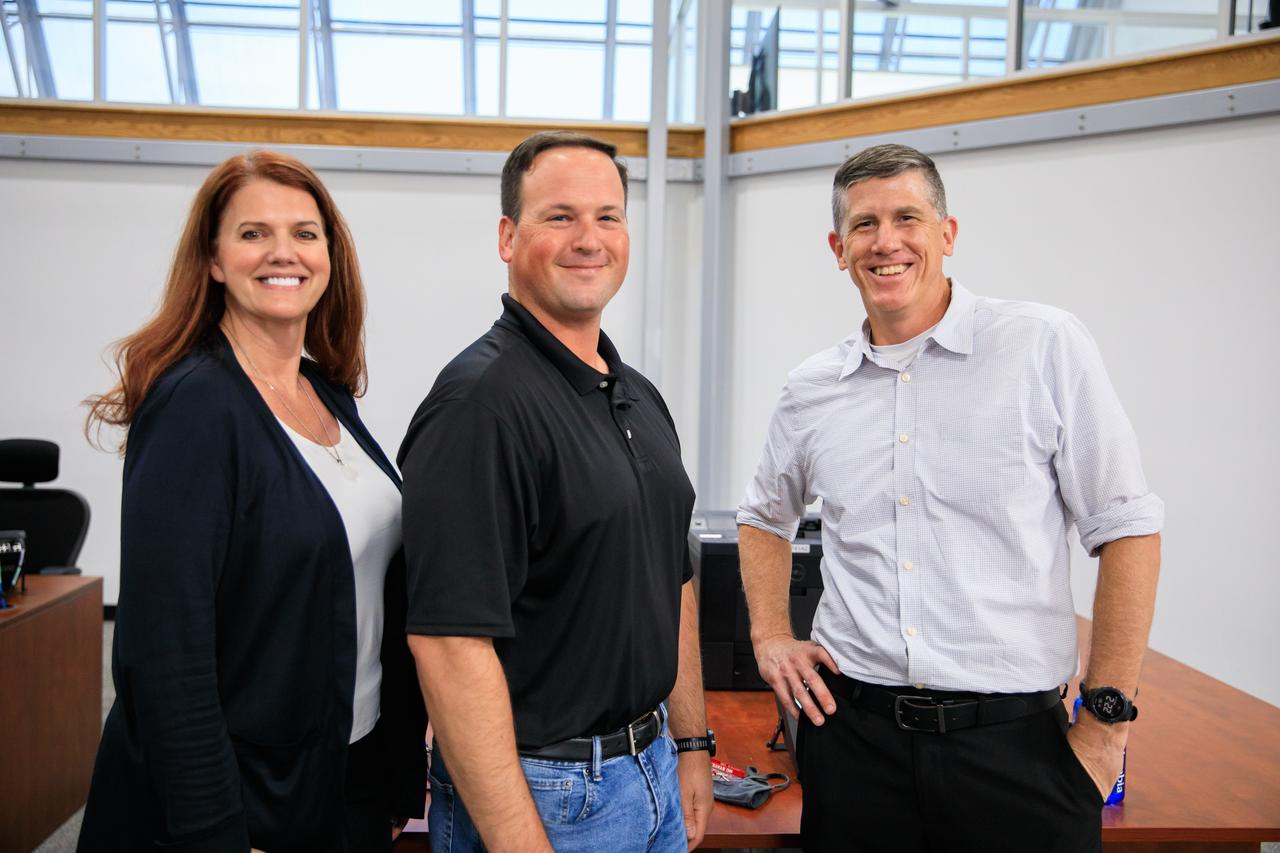
From left, Artemis I Launch Director Charlie Blackwell-Thompson, Technical Assistant to the Launch Director Wes Mosedale, and Assistant Launch Director Jeremy Graeber are photographed inside Firing Room 2 of the Rocco A. Petrone Launch Control Center at the agency’s Kennedy Space Center in Florida during a certification ceremony on Aug. 12, 2022. The ceremony was held to commemorate the certification of the Artemis I launch team following their launch simulation held in December 2021. During the ceremony, management staff handed out certificates to individual team members. The first in an increasingly complex series of missions, Artemis I will test NASA’s Space Launch System rocket and Orion spacecraft as an integrated system prior to crewed flights to the Moon. Through Artemis, NASA will land the first woman and the first person of color on the lunar surface, paving the way for long-term lunar presence and using the Moon as a steppingstone before venturing to Mars.
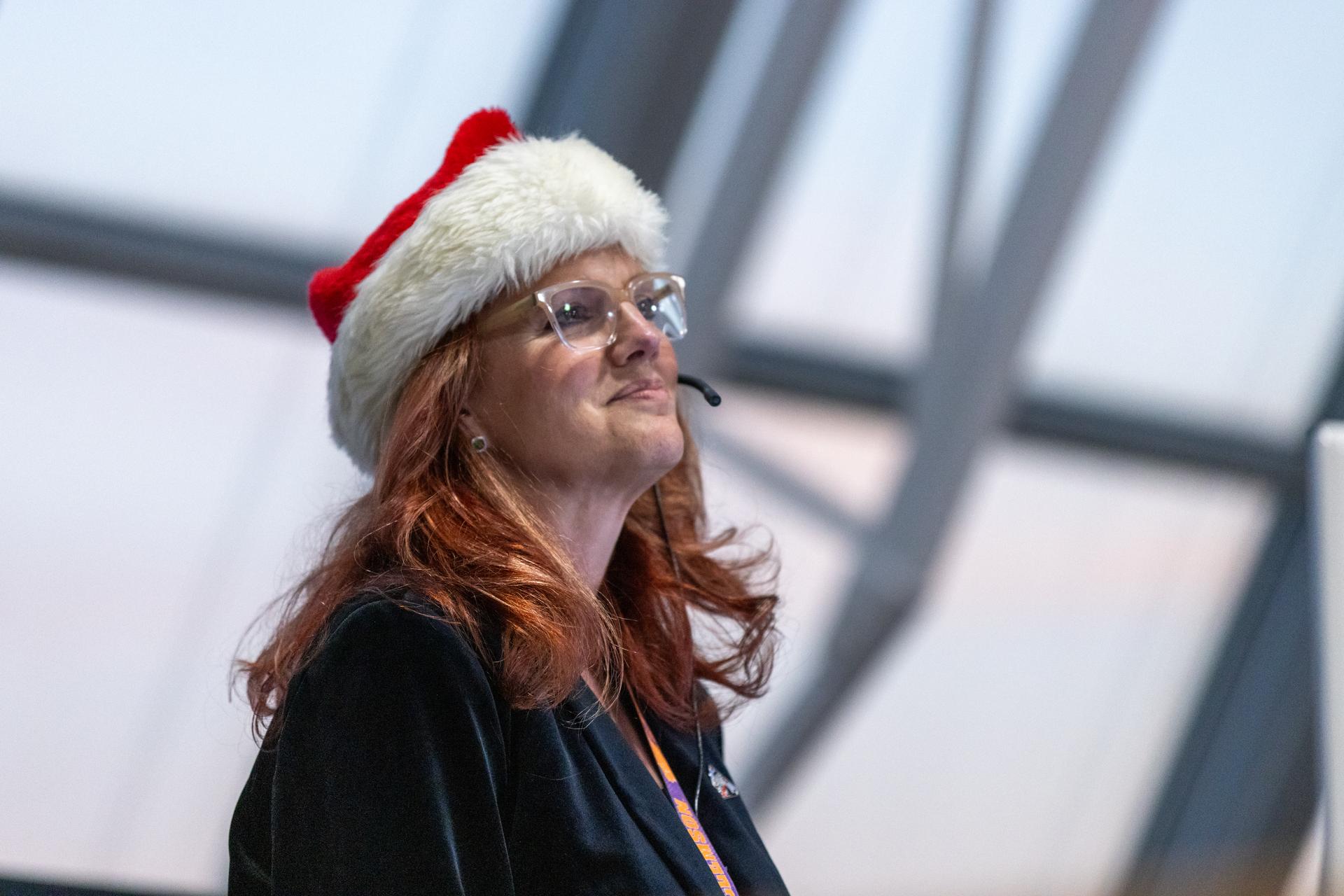
Charlie Blackwell-Thompson, Artemis launch director, monitors the progress of a countdown demonstration test with Artemis II crewmembers NASA astronauts Reid Wiseman, commander; Victor Glover, pilot; Christina Koch, mission specialist; and CSA (Canadian Space Agency) astronaut Jeremy Hansen, mission specialist onboard their Orion spacecraft from Firing Room 1 of the Rocco A. Petrone Launch Control Center, Saturday, Dec. 20, 2025, at NASA’s Kennedy Space Center in Florida. For this operation, the Artemis II crew and launch teams are simulating the launch day timeline including suit-up, walkout, and spacecraft ingress and egress. Through the Artemis campaign, NASA will send astronauts to explore the Moon for scientific discovery, economic benefits, and to build the foundation for the first crewed missions to Mars, for the benefit of all.
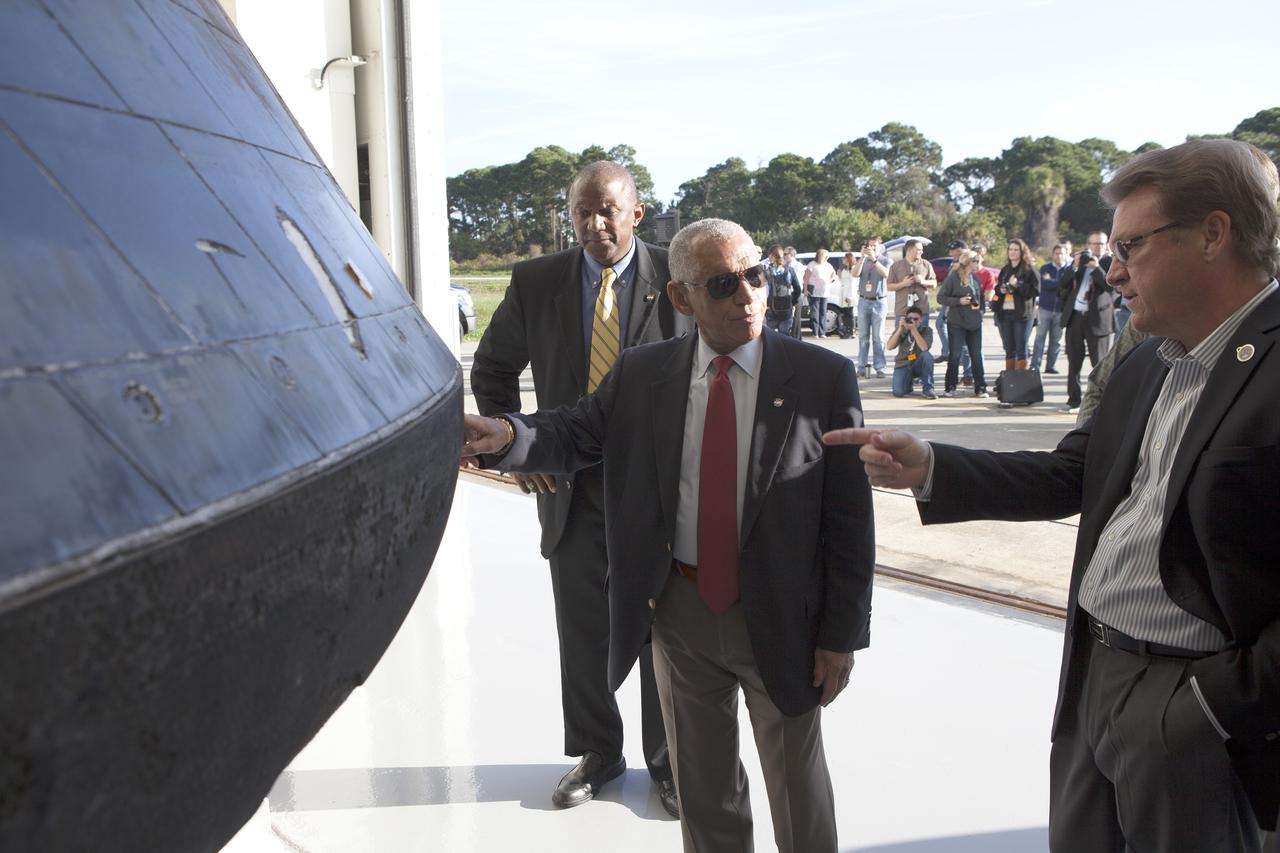
CAPE CANAVERAL, Fla. -- NASA Administrator Charlie Bolden looked over the agency's Orion spacecraft this morning for the first time since it returned to Kennedy Space Center following the successful Orion flight test on Dec. 5. At right is Jules Schneider, Lockheed Martin manager. At left is Kennedy Space Center Associate Director Kelvin Manning. Bearing the marks of a spacecraft that has returned to Earth through a searing plunge into the atmosphere, Orion is perched on a pedestal inside the Launch Abort System Facility at Kennedy where it is going through post-mission processing. Although the spacecraft Bolden looked over did not fly with a crew aboard during the flight test, Orion is designed to carry astronauts into deep space in the future setting NASA and the nation firmly on the journey to Mars. Photo credit: NASA/Cory Huston
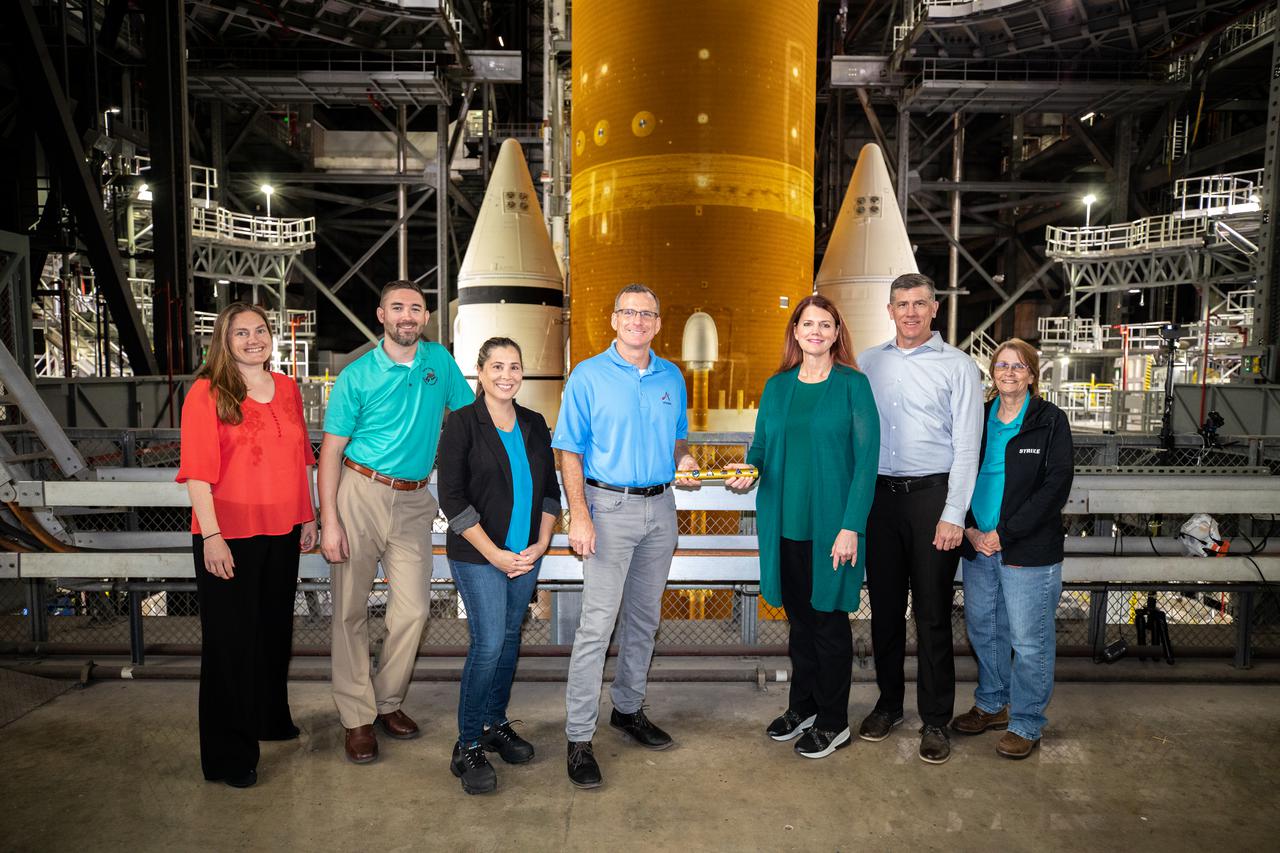
Cliff Lanham, fourth from left, ground operations manager with Exploration Ground Systems (EGS), passes the baton to Charlie Blackwell-Thompson, Artemis I launch director, inside the Vehicle Assembly Building at NASA’s Kennedy Space Center in Florida on March 16, 2022. Joining them from left, are Stacey Bagg, Matt Czech, and Liliana Villareal, with EGS. Next to Blackwell-Thomson are Jeremy Graeber, deputy launch director, and Teresa Annulis. The Space Launch System (SLS) and Orion will make the trek to Launch Complex 39B for a wet dress rehearsal ahead of launch atop the crawler-transporter 2. Artemis I will be the first integrated test of the SLS and Orion spacecraft. In later missions, NASA will land the first woman and the first person of color on the surface of the Moon, paving the way for a long-term lunar presence and serving as a steppingstone on the way to Mars.
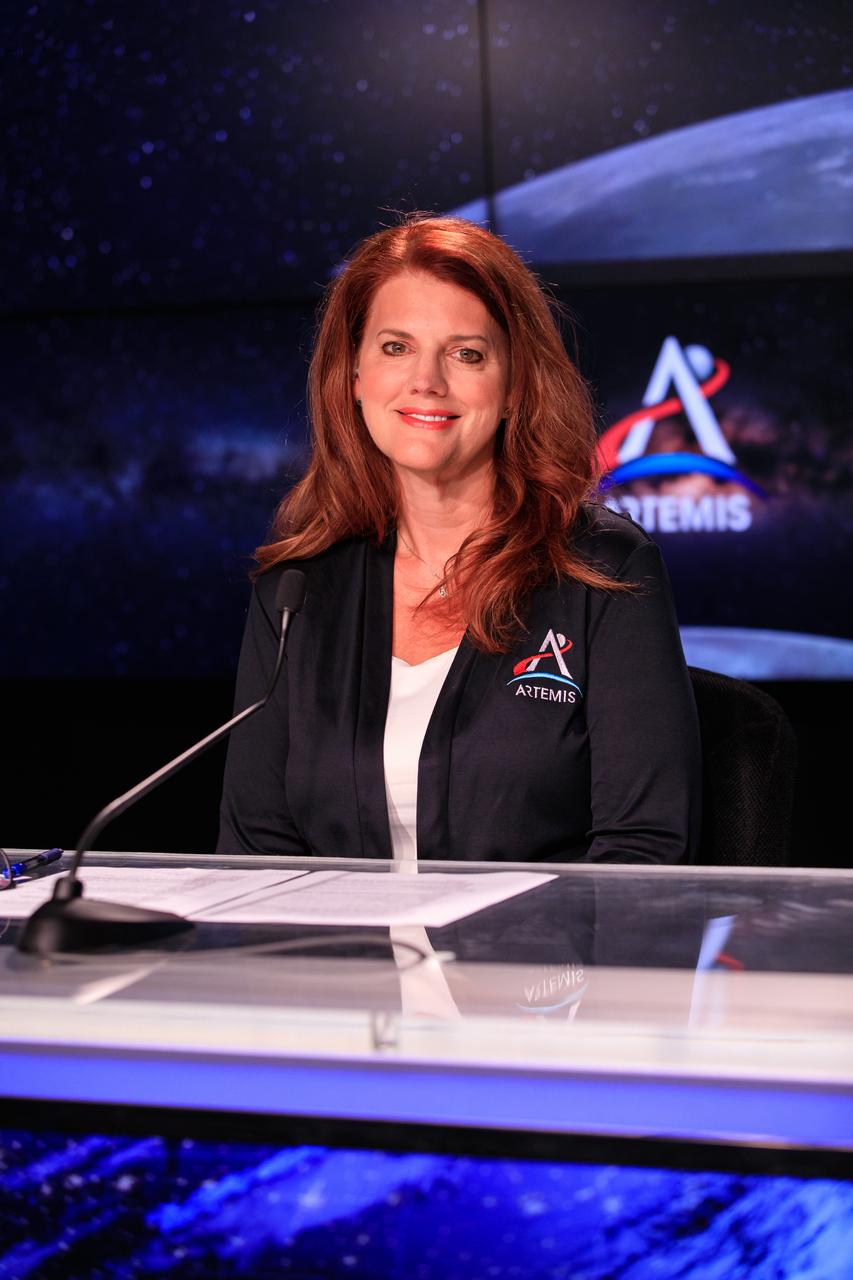
Launch Director Charlie Blackwell-Thompson participates in an Artemis I mission overview briefing inside the Press Site auditorium at NASA’s Kennedy Space Center in Florida on Aug. 3, 2022. Also participating in the briefing from various locations were NASA Administrator Bill Nelson; Associate Administrator for Technology, Policy, and Strategy Bhavya Lal; Mission Manager Mike Sarafin; Space Launch System (SLS) Program Manager John Honeycutt; and Orion Program Manager Howard Hu. The first in an increasingly complex series of missions, Artemis I will test the SLS rocket and Orion spacecraft as an integrated system prior to crewed flights to the Moon. Through Artemis, NASA will land the first woman and first person of color on the lunar surface, paving the way for long-term lunar presence and serving as a steppingstone before venturing to Mars.
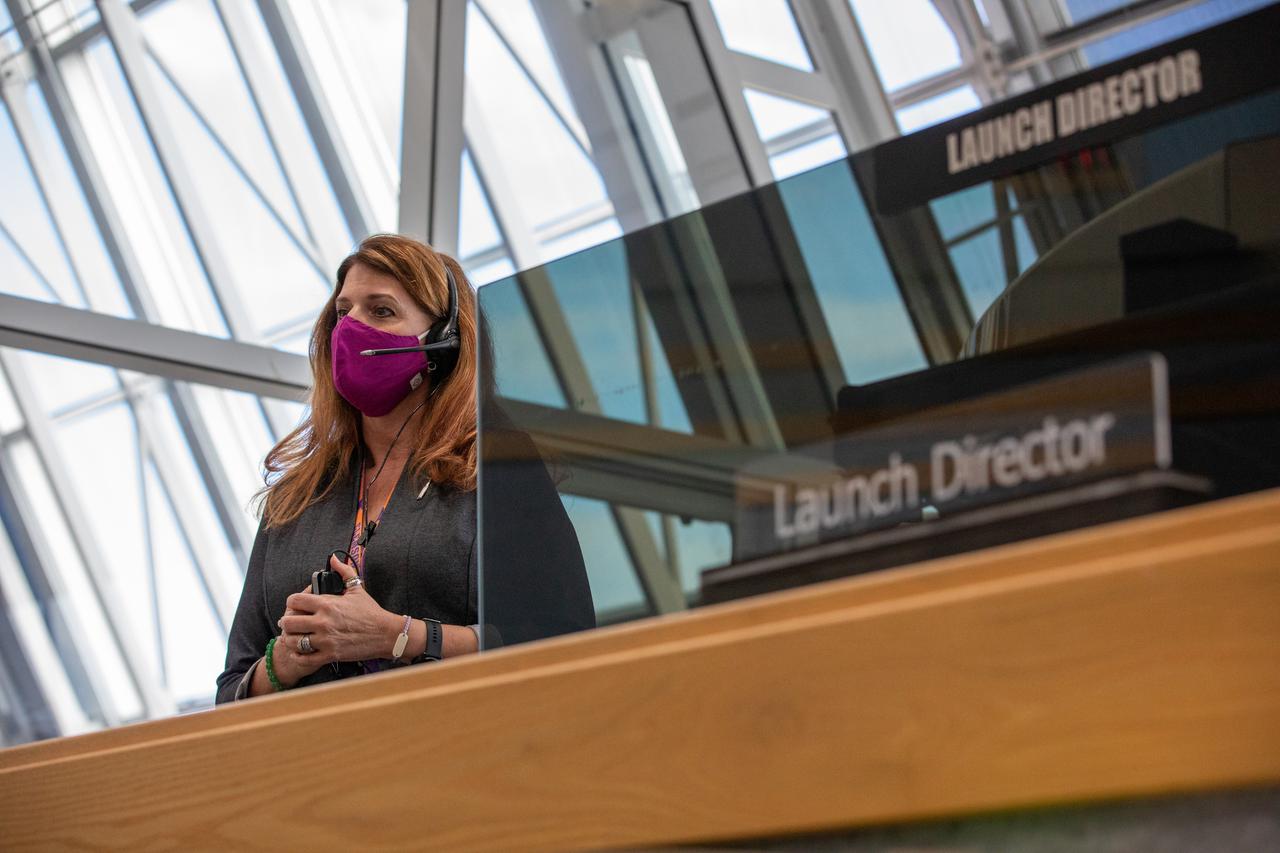
Charlie Blackwell-Thompson, launch director, Exploration Ground Systems, participates in the 11th terminal countdown simulation for the Artemis I launch inside Kennedy Space Center’s Launch Control Center on Oct. 14, 2021. The event marked the first time members of NASA’s mission management team, launch team, and contractor Jacobs conducted the simulation together. During Artemis I, the agency’s Orion spacecraft will lift off from Kennedy aboard NASA’s most powerful rocket – the Space Launch System – to fly farther than any spacecraft built for humans has ever flown. Through NASA’s Artemis missions, the agency, along with commercial and international partners, will establish a sustainable human presence on the Moon to prepare for missions to Mars.
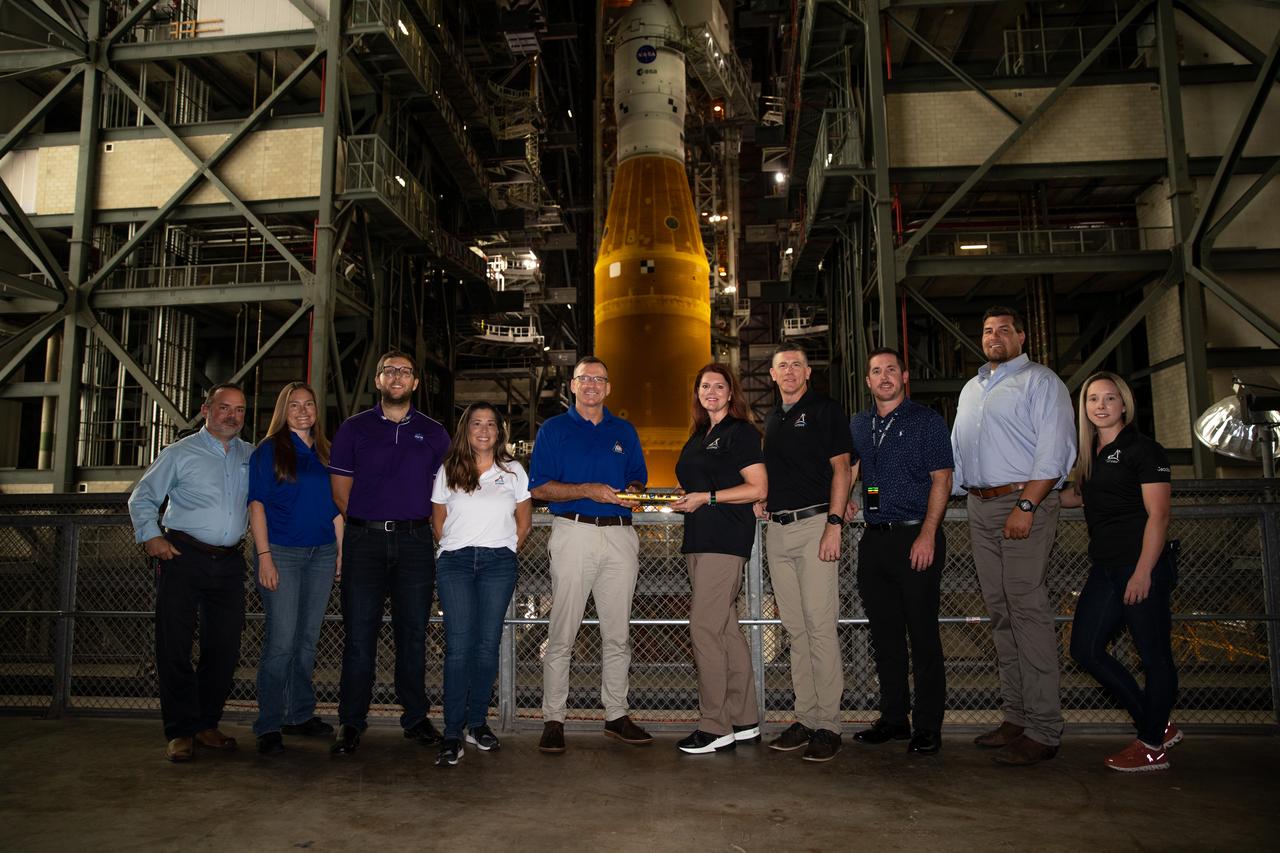
Cliff Lanham, fifth from the left, ground operations manager with NASA’s Exploration Ground Systems (EGS), hands off the baton to Charlie Blackwell-Thompson, Artemis I launch director, inside the Vehicle Assembly building at NASA’s Kennedy Space Center in Florida on Aug. 15, 2022. Also pictured are members of Kennedy’s EGS and Artemis launch teams. NASA’s Space Launch System (SLS) rocket, with the agency’s Orion spacecraft atop, is targeted to start its rollout to Launch Pad 39B on Aug. 16 at approximately 9 p.m., in preparation for the Artemis I launch – set for no earlier than Aug. 29. Artemis I will be the first integrated test of the SLS and Orion. In later missions, NASA will land the first woman and the first person of color on the Moon, paving the way for a long-term lunar presence and serving as a steppingstone on the way to Mars.
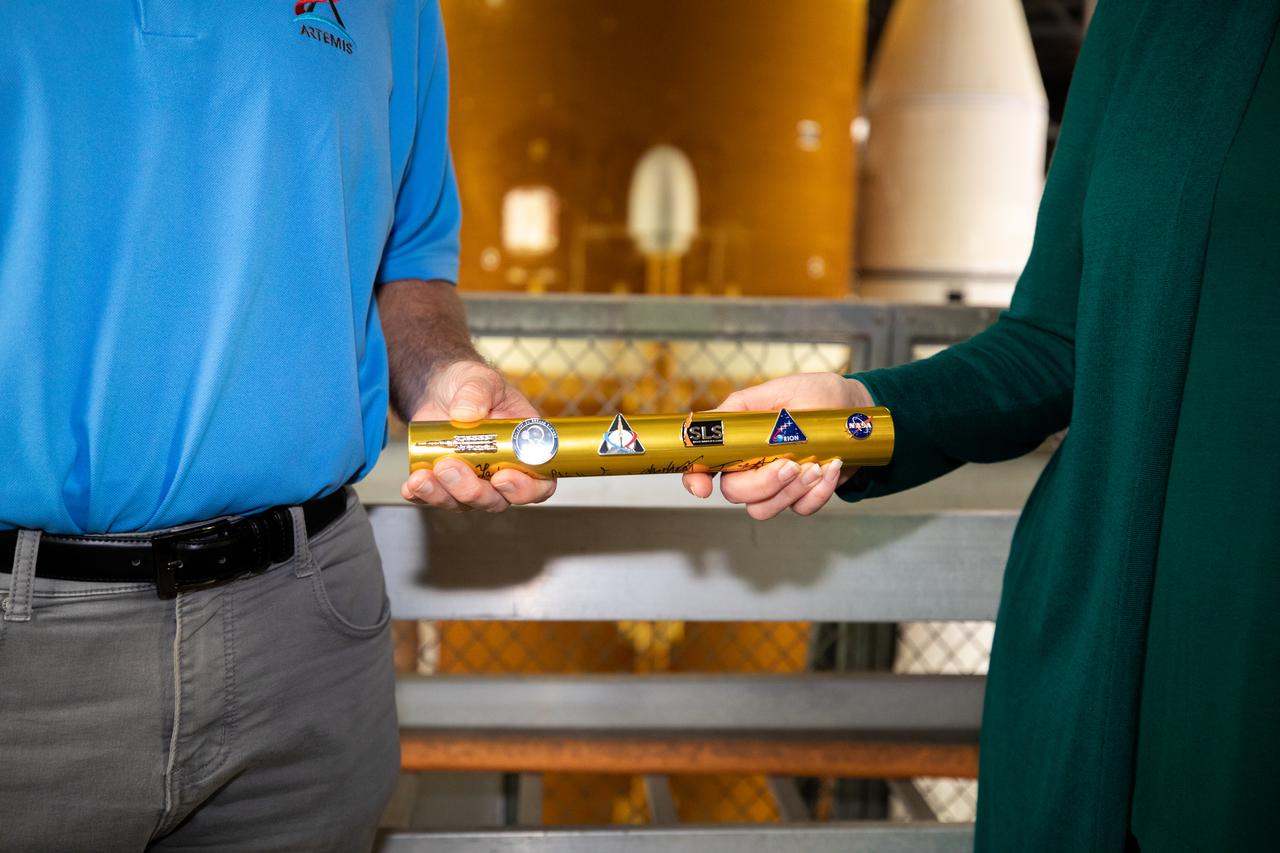
A baton is passed from Cliff Lanham, at left, ground operations manager with Exploration Ground Systems, to Charlie Blackwell-Thompson, Artemis I launch director, inside the Vehicle Assembly Building at NASA’s Kennedy Space Center in Florida on March 16, 2022. Behind them is the Artemis I Space Launch System (SLS) with the Orion spacecraft atop on the mobile launcher. The SLS and Orion will make the trek to Launch Complex 39B for a wet dress rehearsal ahead of launch atop the crawler-transporter 2. Artemis I will be the first integrated test of the SLS and Orion spacecraft. In later missions, NASA will land the first woman and the first person of color on the surface of the Moon, paving the way for a long-term lunar presence and serving as a steppingstone on the way to Mars.
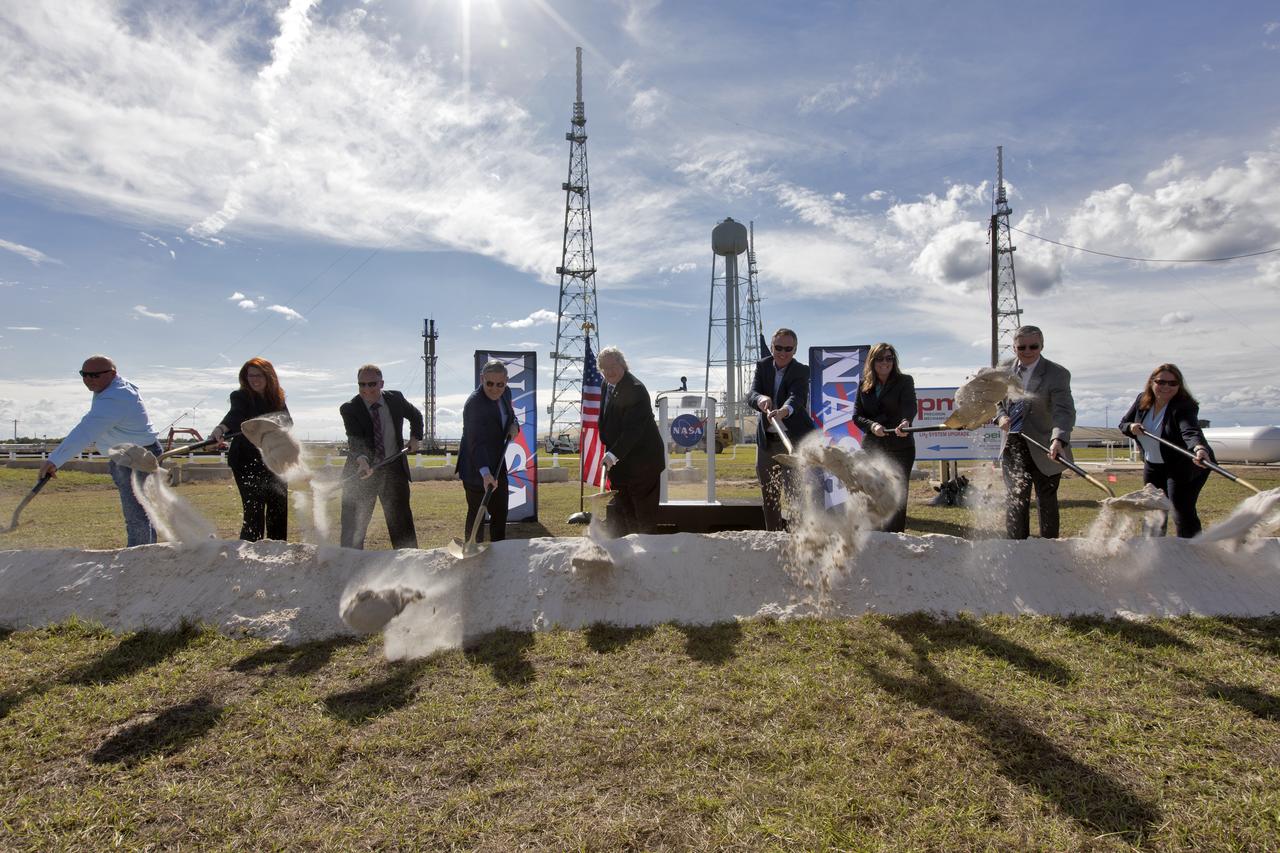
On Dec. 19, 2018, at NASA Kennedy Space Center's Launch Complex 39B, agency and contractor managers break ground for a new liquid hydrogen tank. Participating, from the left, are Todd Gray, president of Precision Mechanical, prime contractor for the project; Charlie Blackwell-Thompson, launch director; Shawn Quinn, director of Engineering; Bob Cabana, center director; Bill Hill, deputy associate administrator for Exploration Systems Development at NASA Headquarters in Washington; Mike Bolger, program manager for Exploration Ground Systems (EGS); Jennifer Kunz, deputy program manager for EGS, Andy Allen, general manager for Jacobs, NASA's Test and Operations Support Contractor; and Regina Spellman, launch pad senior project manager in EGS. The storage facility will hold 1.25 million gallons of the propellant for NASA's Space Launch System rocket designed to boost the agency's Orion spacecraft, sending humans to distant destinations such as the Moon and Mars.
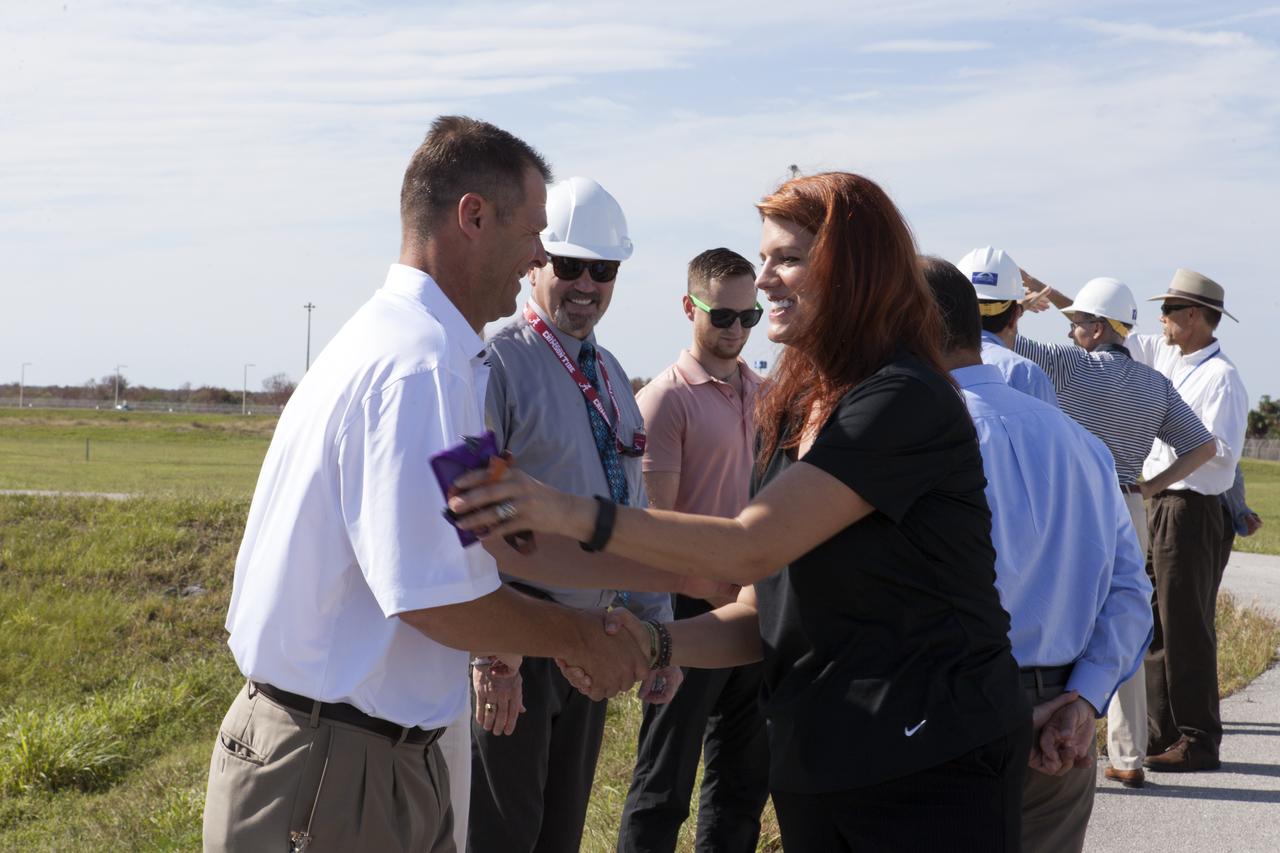
NASA Launch Director Charlie Blackwell-Thompson, at right, greets engineers and technicians at Launch Pad 39B at the agency's Kennedy Space Center in Florida. Blackwell-Thompson will observe the first major tanking operation of liquid oxygen, or LO2, into the giant storage sphere at the northwest corner of the pad to prepare for the launch of the agency's Orion spacecraft atop the Space Launch System (SLS) rocket. During the operation, several Praxair trucks will slowly offload LO2 to gradually chill down the sphere from normal temperature to about negative 298 degrees Fahrenheit. The Ground Systems Development and Operations Program is overseeing upgrades and modifications to pad B to support the launch of the SLS and Orion spacecraft for Exploration Mission-1, deep space missions and NASA’s journey to Mars.
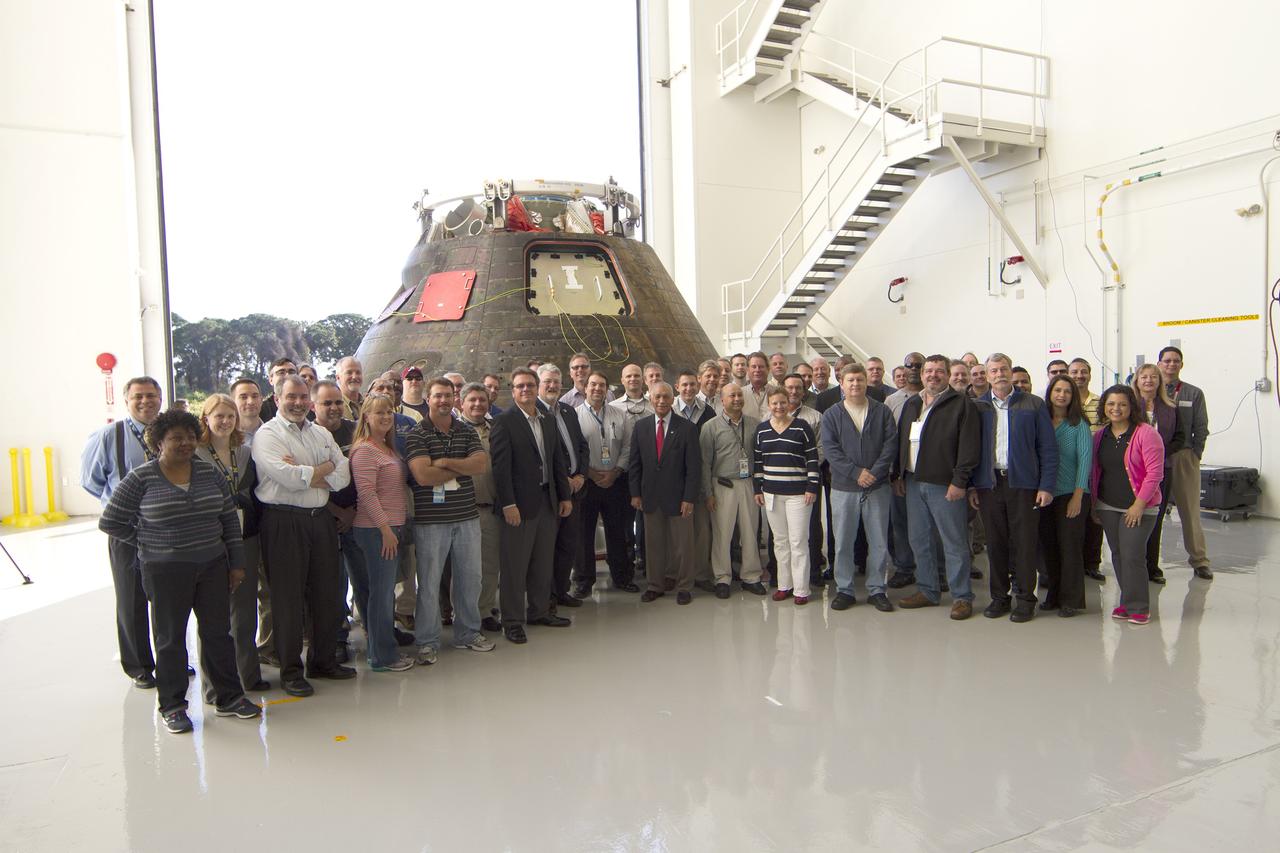
CAPE CANAVERAL, Fla. -- NASA Administrator Charlie Bolden looked over the agency's Orion spacecraft this morning for the first time since it returned to Kennedy Space Center following the successful Orion flight test on Dec. 5. Orion's processing team of Lockheed Martin and NASA workers posed for a photograph with the NASA administrator. Bearing the marks of a spacecraft that has returned to Earth through a searing plunge into the atmosphere, Orion is perched on a pedestal inside the Launch Abort System Facility at Kennedy where it is going through post-mission processing. Although the spacecraft Bolden looked over did not fly with a crew aboard during the flight test, Orion is designed to carry astronauts into deep space in the future setting NASA and the nation firmly on the journey to Mars. Photo credit: NASA/Cory Huston
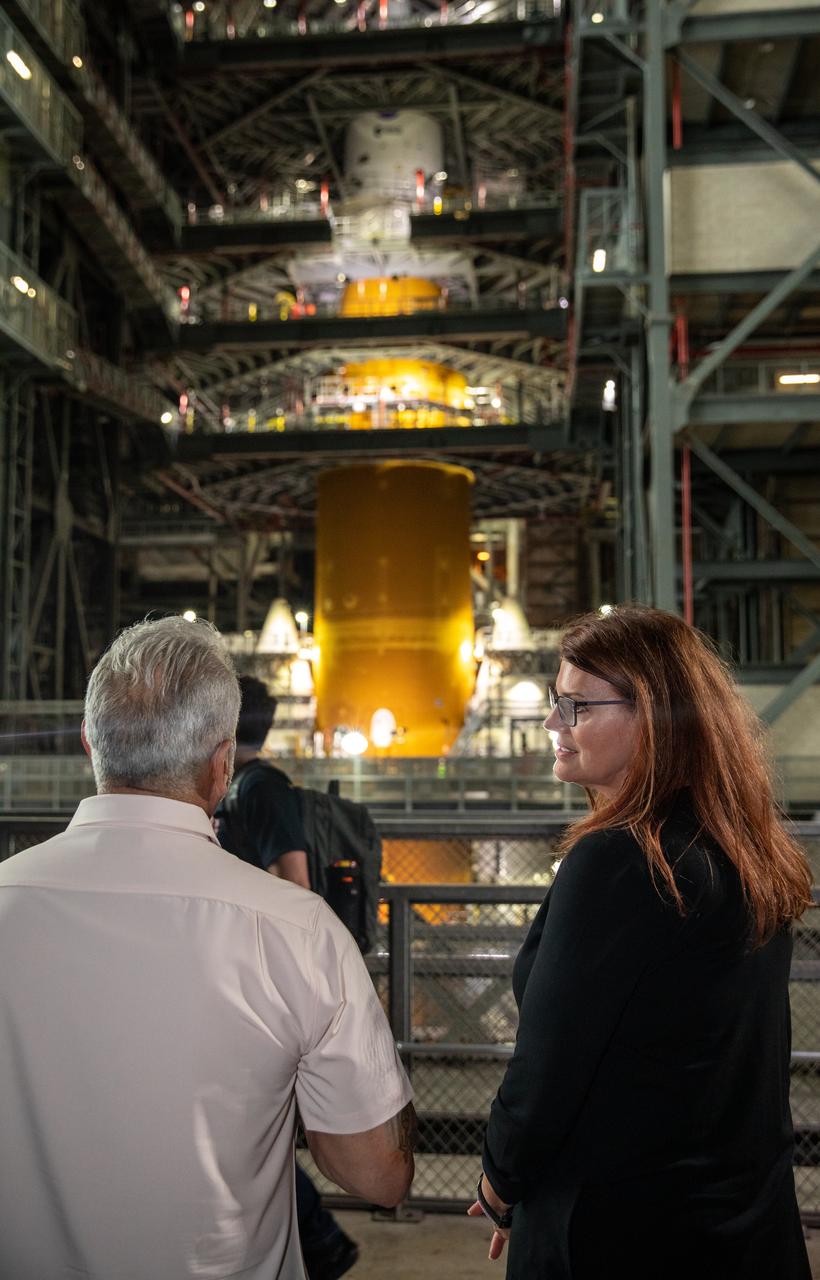
Artemis I Launch Director Charlie Blackwell Thompson, at right, views the Artemis I Space Launch System and Orion stack with Anthony Aquila, chief executive officer of Canoo Technologies Inc., inside High Bay 3 of the Vehicle Assembly Building at NASA’s Kennedy Space Center in Florida on May 11, 2022. Canoo Technologies, was awarded a contract to design and provide the next generation of CTVs for the Artemis crewed missions. Representatives with Canoo were at the spaceport demonstrating the environmentally friendly fleet of vehicles. Artemis II will be the first Artemis mission flying crew aboard Orion. In later missions, NASA will land the first woman and the first person of color on the surface of the Moon, paving the way for a long-term lunar presence and serving as a steppingstone on the way to Mars.
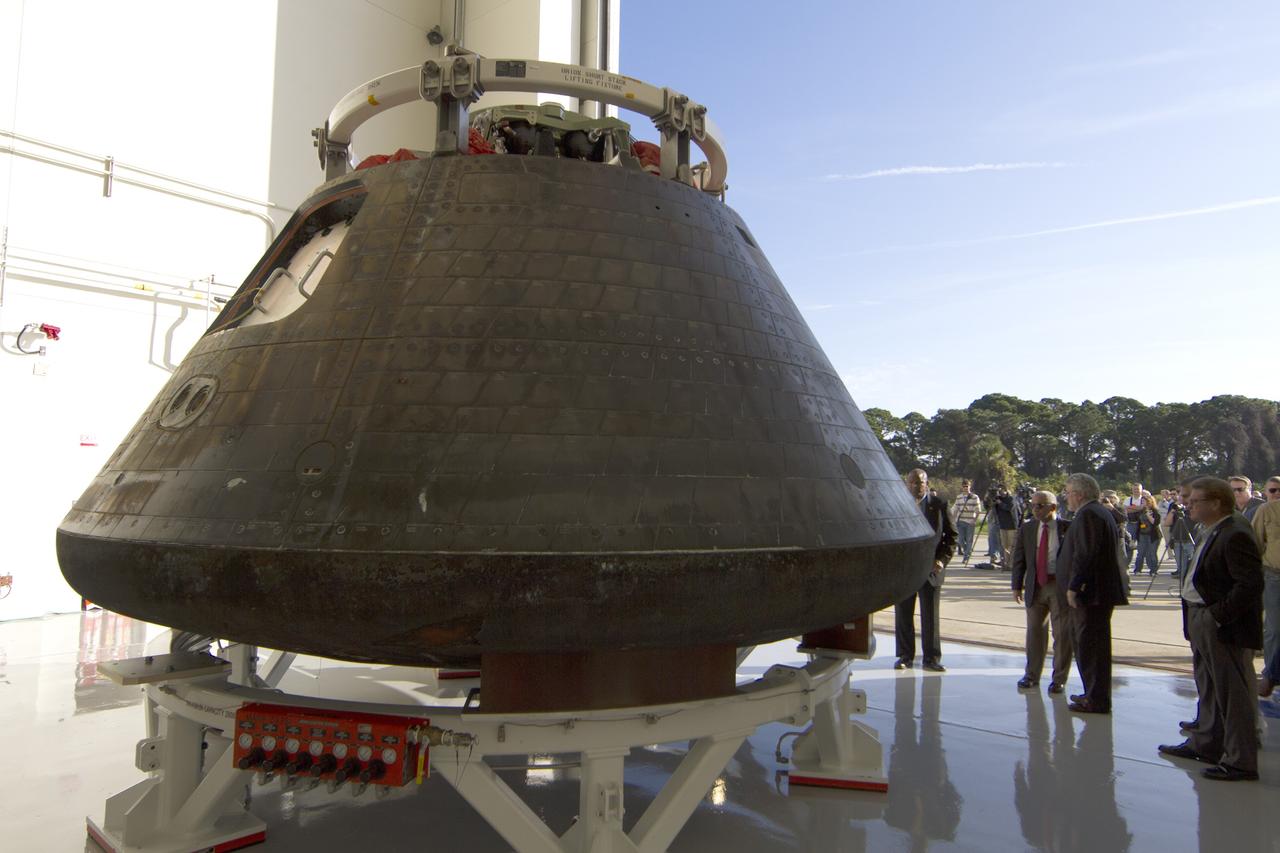
CAPE CANAVERAL, Fla. -- NASA Administrator Charlie Bolden, third from right, looked over the agency's Orion spacecraft this morning for the first time since it returned to Kennedy Space Center following the successful Orion flight test on Dec. 5. At far right is Jules Schneider, Lockheed Martin manager. Standing near Bolden is Paul Cooper, a Lockheed Martin manager. At far left is Kennedy Space Center Associate Director Kelvin Manning. Bearing the marks of a spacecraft that has returned to Earth through a searing plunge into the atmosphere, Orion is perched on a pedestal inside the Launch Abort System Facility at Kennedy where it is going through post-mission processing. Although the spacecraft Bolden looked over did not fly with a crew aboard during the flight test, Orion is designed to carry astronauts into deep space in the future setting NASA and the nation firmly on the journey to Mars. Photo credit: NASA/Cory Huston
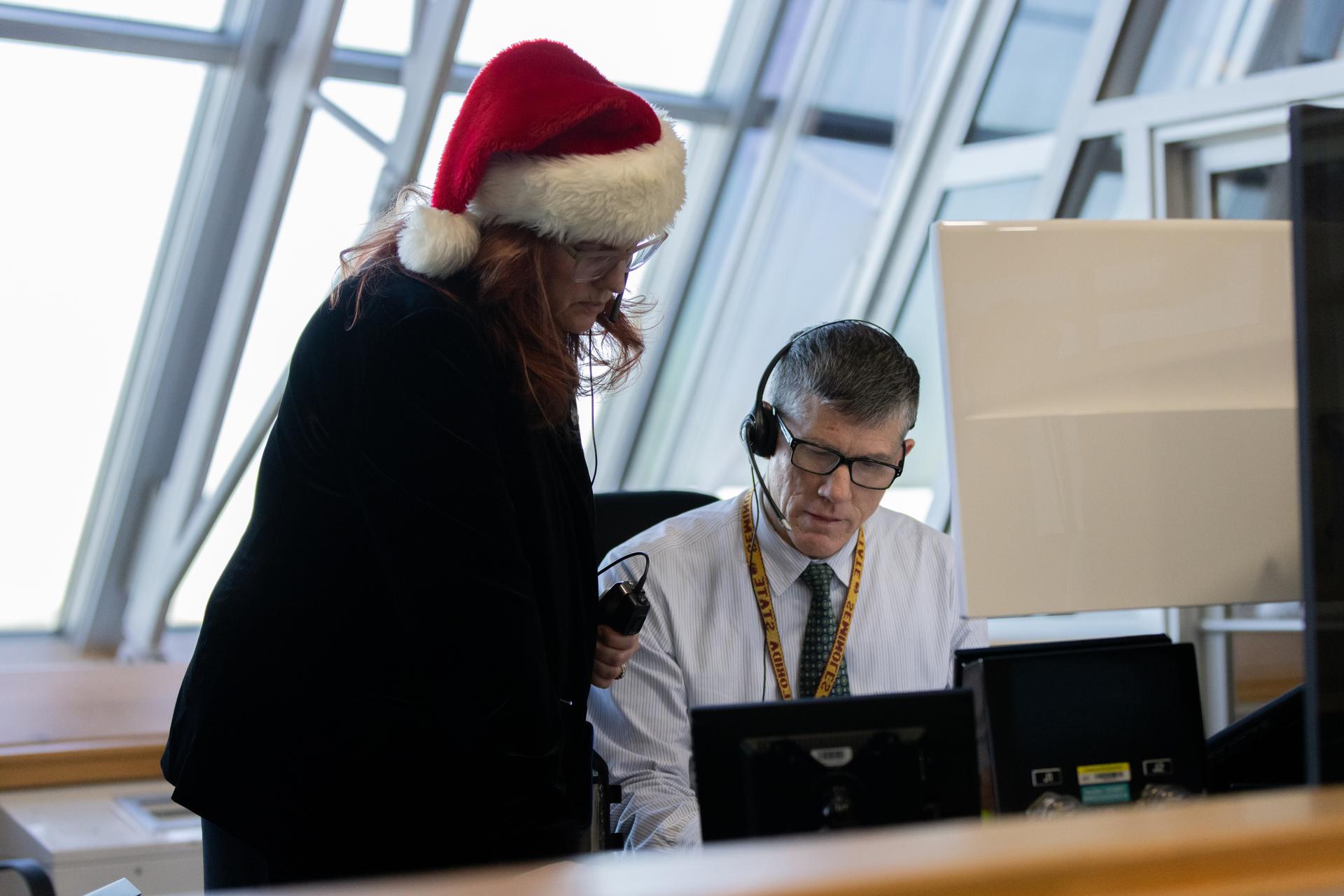
Charlie Blackwell-Thompson, Artemis launch director, and Jeremy Graeber, assistant launch director, monitor the progress of a countdown demonstration test with Artemis II crewmembers NASA astronauts Reid Wiseman, commander; Victor Glover, pilot; Christina Koch, mission specialist; and CSA (Canadian Space Agency) astronaut Jeremy Hansen, mission specialist onboard their Orion spacecraft from Firing Room 1 of the Rocco A. Petrone Launch Control Center, Saturday, Dec. 20, 2025, at NASA’s Kennedy Space Center in Florida. For this operation, the Artemis II crew and launch teams are simulating the launch day timeline including suit-up, walkout, and spacecraft ingress and egress. Through the Artemis campaign, NASA will send astronauts to explore the Moon for scientific discovery, economic benefits, and to build the foundation for the first crewed missions to Mars, for the benefit of all.
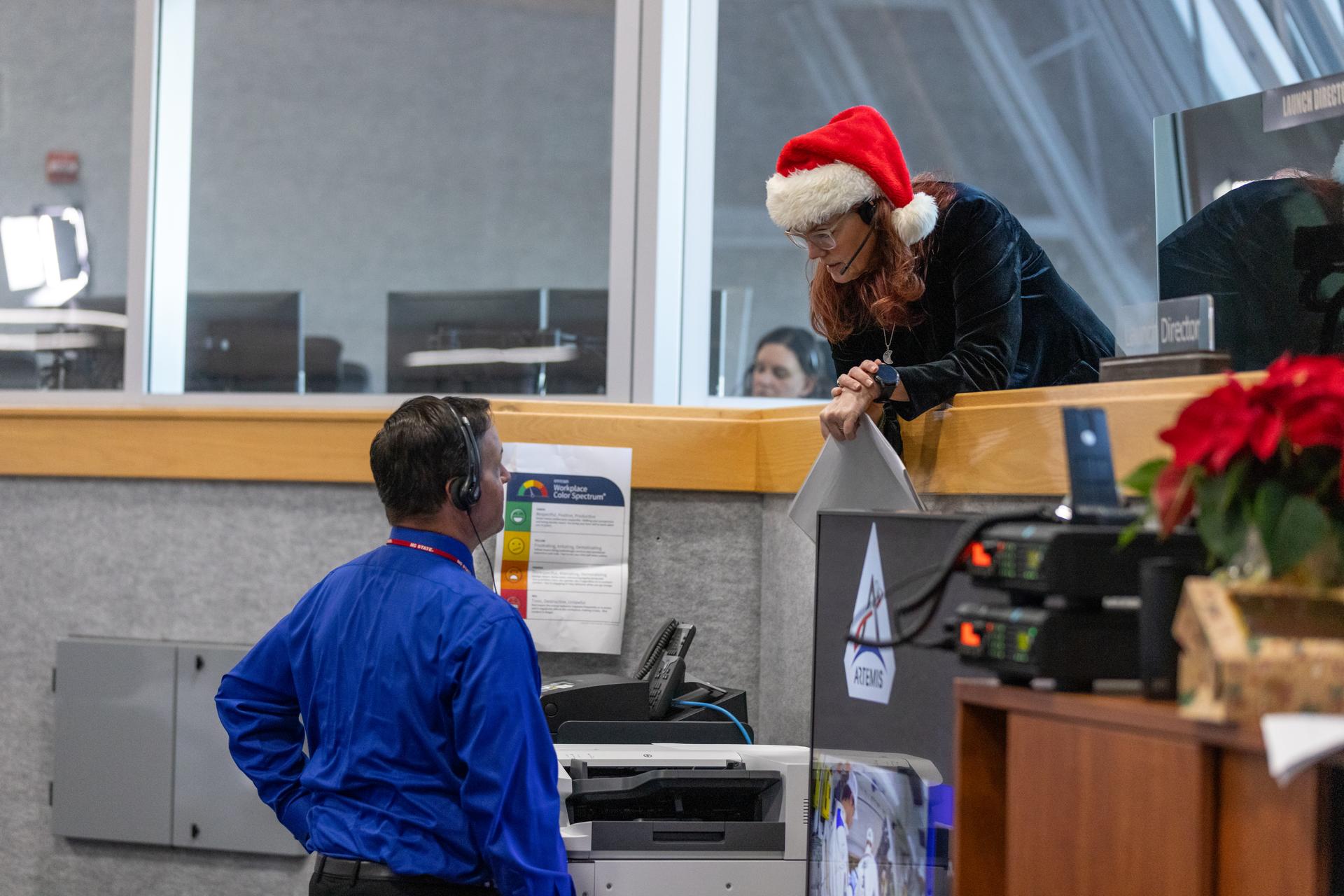
Charlie Blackwell-Thompson, Artemis launch director, talks to Wes Mondale, NASA test director, during a countdown demonstration test with Artemis II crewmembers NASA astronauts Reid Wiseman, commander; Victor Glover, pilot; Christina Koch, mission specialist; and CSA (Canadian Space Agency) astronaut Jeremy Hansen, mission specialist onboard their Orion spacecraft from Firing Room 1 of the Rocco A. Petrone Launch Control Center, Saturday, Dec. 20, 2025, at NASA’s Kennedy Space Center in Florida. For this operation, the Artemis II crew and launch teams are simulating the launch day timeline including suit-up, walkout, and spacecraft ingress and egress. Through the Artemis campaign, NASA will send astronauts to explore the Moon for scientific discovery, economic benefits, and to build the foundation for the first crewed missions to Mars, for the benefit of all.

Cliff Lanham, at left, ground operations manager with Exploration Ground Systems, passes the baton to Charlie Blackwell-Thompson, Artemis I launch director, inside the Vehicle Assembly Building at NASA’s Kennedy Space Center in Florida on March 16, 2022. Behind them is the Artemis I Space Launch System (SLS) with the Orion spacecraft atop on the mobile launcher. The SLS and Orion will make the trek to Launch Complex 39B for a wet dress rehearsal ahead of launch atop the crawler-transporter 2. Artemis I will be the first integrated test of the SLS and Orion spacecraft. In later missions, NASA will land the first woman and the first person of color on the surface of the Moon, paving the way for a long-term lunar presence and serving as a steppingstone on the way to Mars.
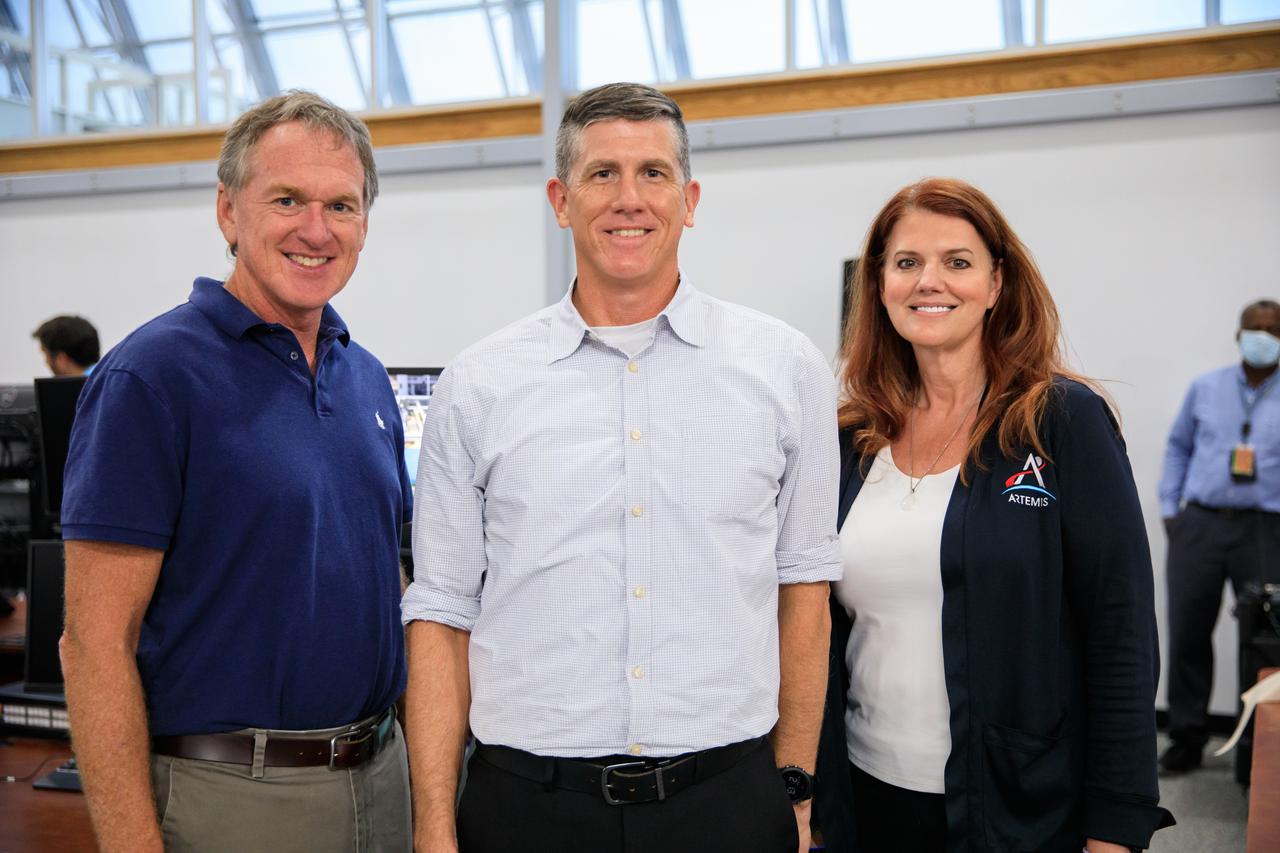
From left, NASA’s Exploration Ground Systems Manager Mike Bolger, Artemis I Assistant Launch Director Jeremy Graeber, and Launch Director Charlie Blackwell-Thompson are photographed inside Firing Room 2 of the Rocco A. Petrone Launch Control Center at the agency’s Kennedy Space Center in Florida during a certification ceremony on Aug. 12, 2022. The ceremony was held to commemorate the certification of the Artemis I launch team following their launch simulation held in December 2021. During the ceremony, Bolger, Graeber, and Blackwell-Thompson handed out certificates to individual members of the launch team. The first in an increasingly complex series of missions, Artemis I will test NASA’s Space Launch System rocket and Orion spacecraft as an integrated system prior to crewed flights to the Moon. Through Artemis, NASA will land the first woman and the first person of color on the lunar surface, paving the way for long-term lunar presence and using the Moon as a steppingstone before venturing to Mars.
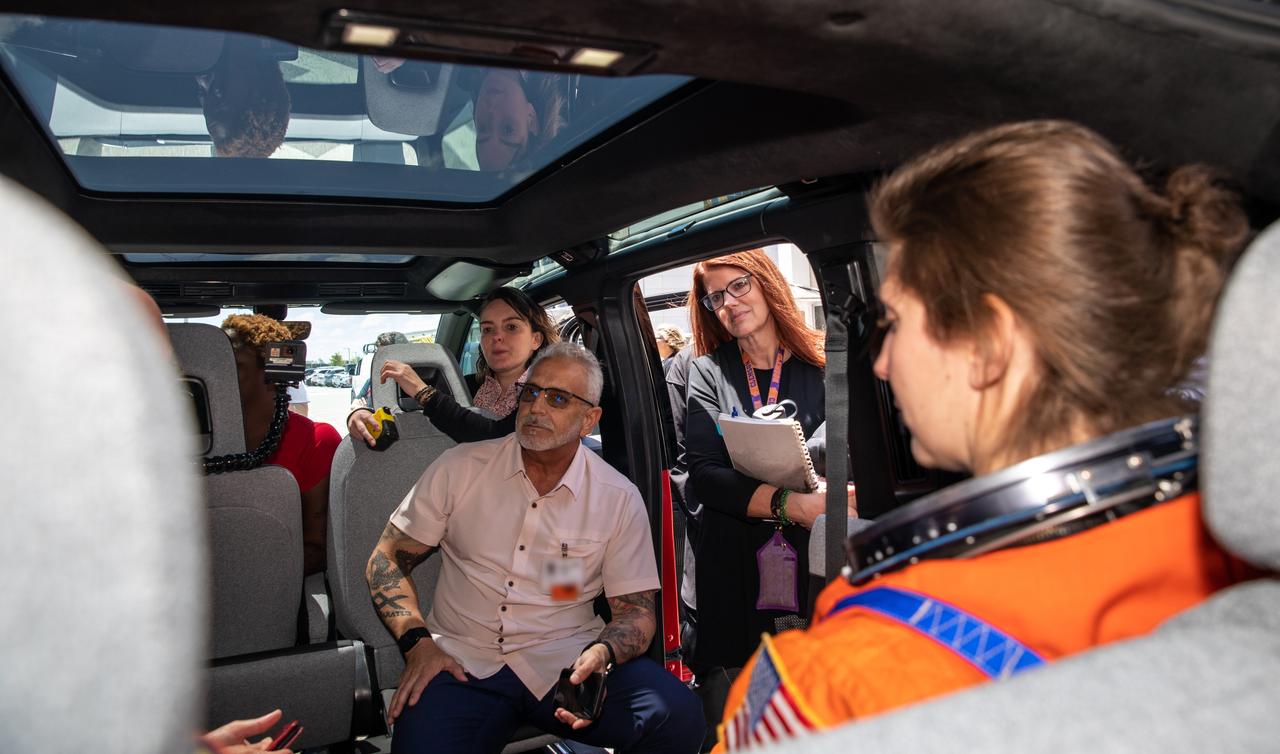
Technicians from Johnson Space Center, dressed in flight suits, secure themselves inside a prototype of a crew transportation vehicle (CTV) for Artemis crewed missions for a test drive near the Neil Armstrong Operations and Checkout Building at NASA’s Kennedy Space Center in Florida on May 11, 2022. Canoo Technologies Inc., was awarded a contract to design and provide the next generation of CTVs for the Artemis crewed missions Representatives with Canoo were at the spaceport demonstrating the environmentally friendly fleet of vehicles. Also in view near the vehicle’s door is Artemis I Launch Director Charlie Blackwell Thompson, and at left, is Anthony Aquila, chief executive officer of Canoo Technologies Inc.. Artemis II will be the first Artemis mission flying crew aboard Orion. In later missions, NASA will land the first woman and the first person of color on the surface of the Moon, paving the way for a long-term lunar presence and serving as a steppingstone on the way to Mars.
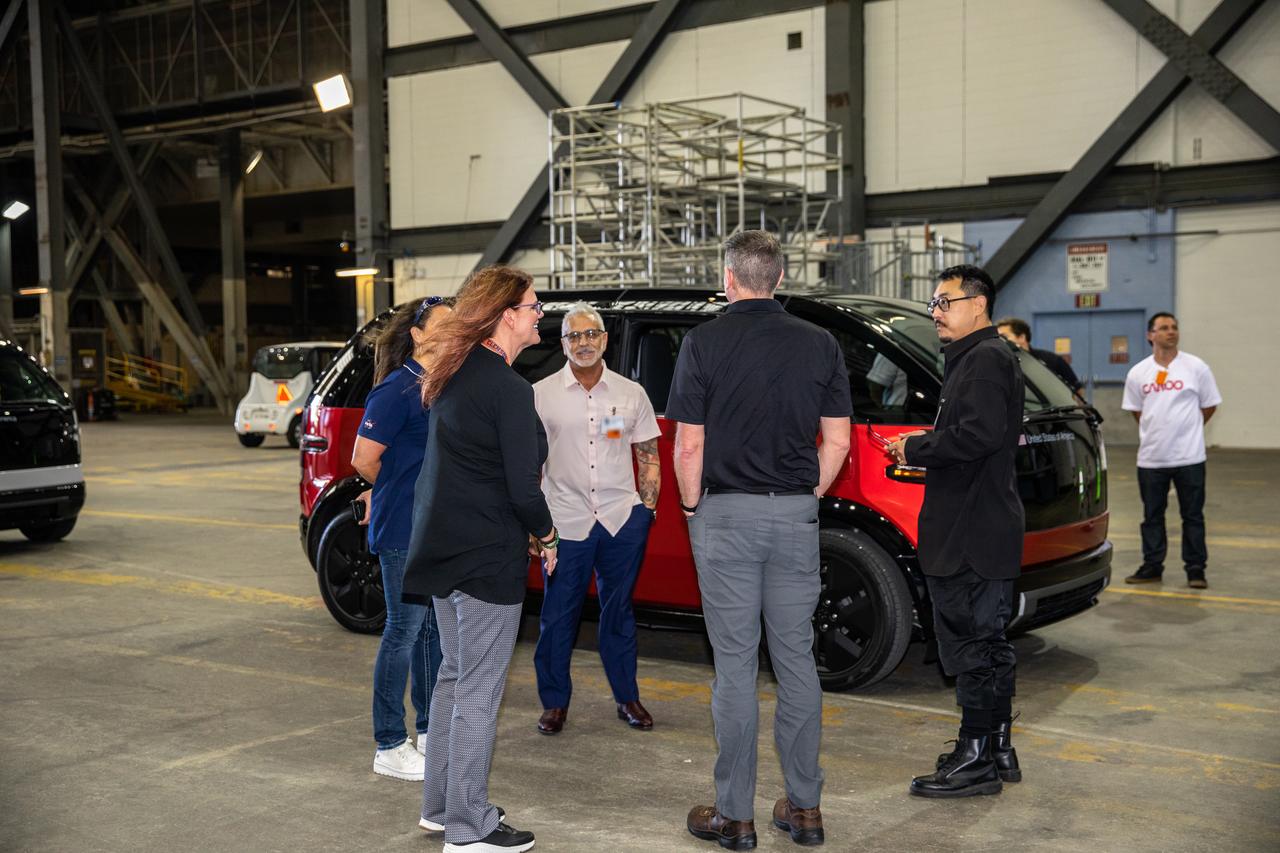
Artemis I Launch Director Charlie Blackwell Thompson, facing away from the camera, talks with Anthony Aquila, chief executive officer of Canoo Technologies Inc., inside the Vehicle Assembly Building at NASA’s Kennedy Space Center in Florida on May 11, 2022. Canoo Technologies Inc., was awarded a contract to design and provide the next generation of CTVs for the Artemis crewed missions. Representatives with Canoo were at the spaceport demonstrating the environmentally friendly fleet of vehicles. Artemis II will be the first Artemis mission flying crew aboard Orion. In later missions, NASA will land the first woman and the first person of color on the surface of the Moon, paving the way for a long-term lunar presence and serving as a steppingstone on the way to Mars. P
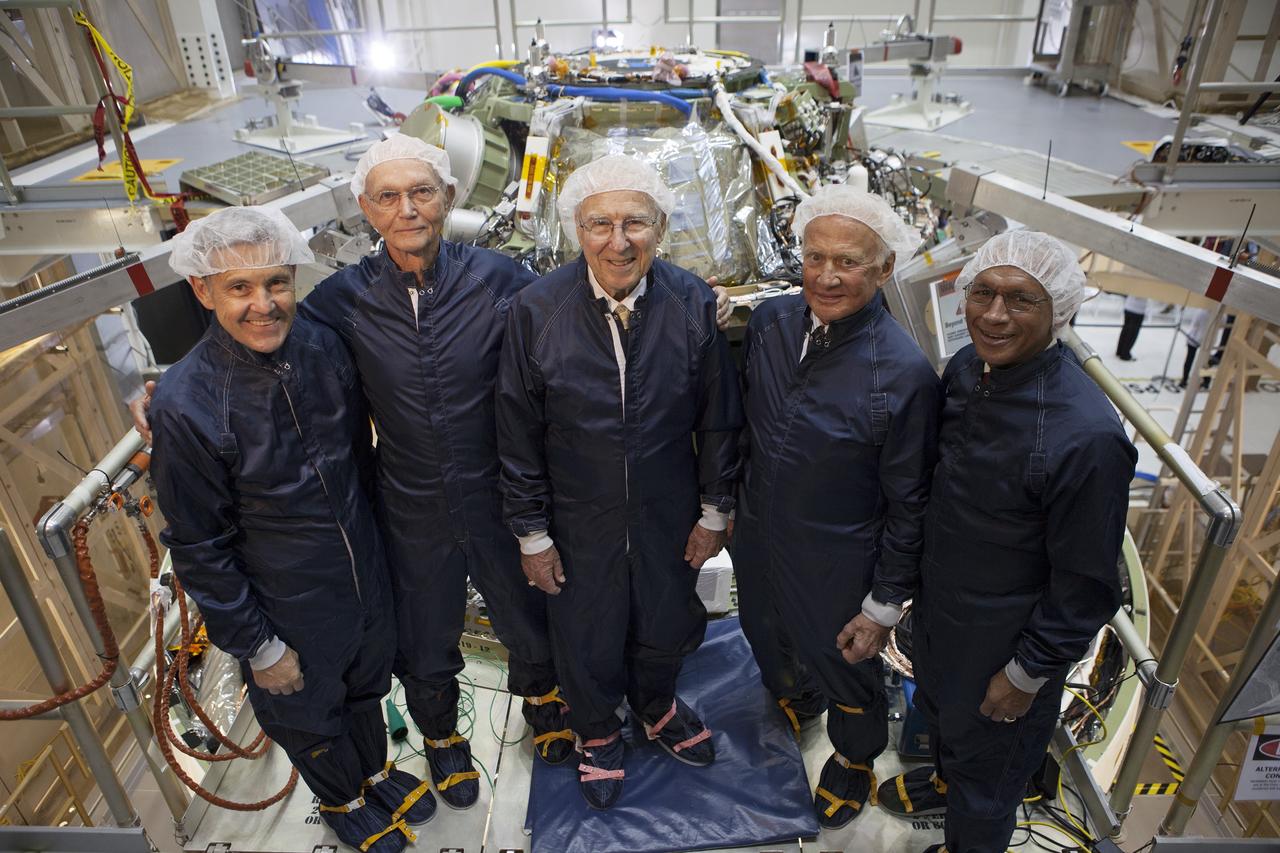
CAPE CANAVERAL, Fla. -- At the Kennedy Space Center in Florida, NASA officials and Apollo astronauts tour the refurbished Operations and Checkout Building, newly named for Apollo 11 astronaut Neil Armstrong, the first person to set foot on the moon. Viewing the Orion crew module stacked on top of the service module from left, are Kennedy Center Director Bob Cabana, Apollo 11 astronaut Michael Collins, Apollo astronaut Jim Lovell, Apollo 11 astronaut Buzz Aldrin, and NASA Administrator Charlie Bolden. The building's high bay is being used to support the agency's new Orion spacecraft, which will lift off atop the Space Launch System. Orion is designed to take humans farther than they've ever gone before, serving as the exploration vehicle that will carry astronauts to deep space and sustain the crew during travel to destinations such as an asteroid or Mars. The visit of the former astronauts was part of NASA's 45th anniversary celebration of the moon landing. As the world watched, Neil Armstrong and Aldrin landed in the moon's Sea of Tranquility aboard the lunar module Eagle on July 20, 1969. Meanwhile, crewmate Collins orbited above in the command module Columbia. For more, visit http://www.nasa.gov/press/2014/july/nasa-honors-historic-first-moon-landing-eyes-first-mars-mission. Photo credit: NASA/Kim Shiflett
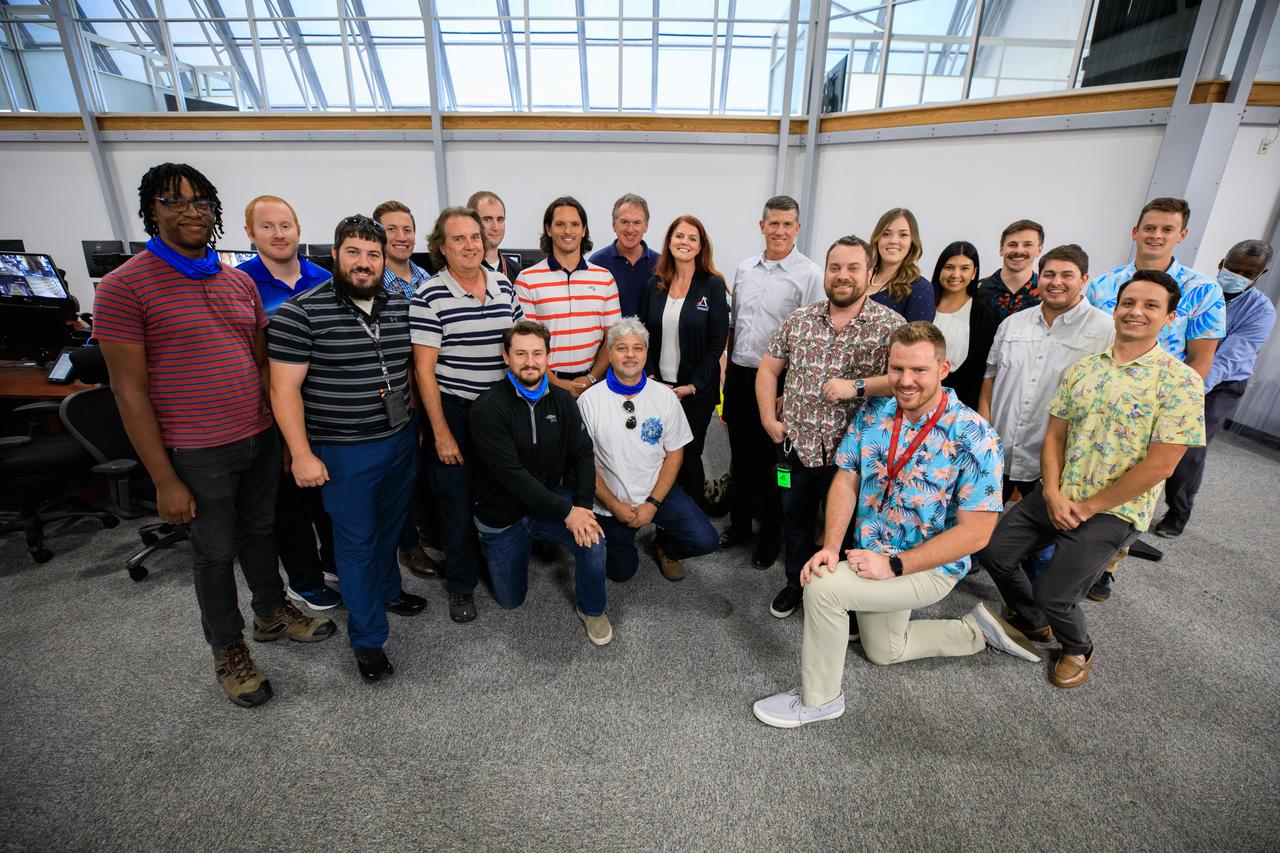
Members of the Artemis I launch team are photographed inside Firing Room 2 of the Rocco A. Petrone Launch Control Center at NASA’s Kennedy Space Center in Florida during a certification ceremony on Aug. 12, 2022. In the middle is Artemis I Launch Director Charlie Blackwell-Thompson. Behind her to the left is Mike Bolger, manager of NASA’s Exploration Ground Systems, and to her right is Jeremy Graeber, assistant launch director. The ceremony was held to commemorate the certification of the Artemis I launch team following their launch simulation held in December 2021. During the ceremony, senior members of the launch team handed out certificates to individual team members. The first in an increasingly complex series of missions, Artemis I will test NASA’s Space Launch System rocket and Orion spacecraft as an integrated system prior to crewed flights to the Moon. Through Artemis, NASA will land the first woman and the first person of color on the lunar surface, paving the way for long-term lunar presence and using the Moon as a steppingstone before venturing to Mars.
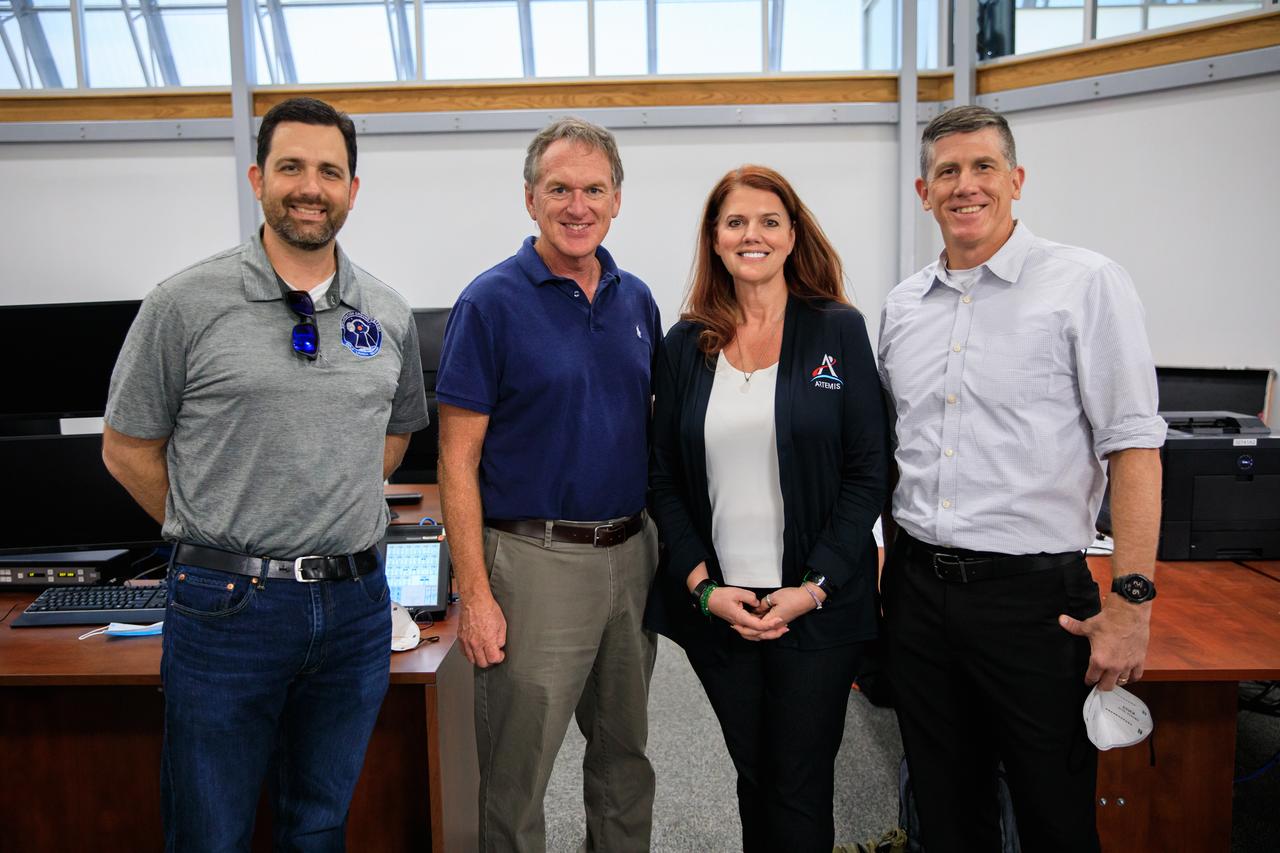
From left, NASA’s Exploration Ground Systems (EGS) Deputy Manager Jeremy Parsons, EGS Manager Mike Bolger, Artemis I Launch Director Charlie Blackwell-Thompson, and Assistant Launch Director Jeremy Graeber are photographed inside Firing Room 2 of the Rocco A. Petrone Launch Control Center at the agency’s Kennedy Space Center in Florida during a certification ceremony on Aug. 12, 2022. The ceremony was held to commemorate the certification of the Artemis I launch team following their launch simulation held in December 2021. During the ceremony, management staff handed out certificates to individual team members. The first in an increasingly complex series of missions, Artemis I will test NASA’s Space Launch System rocket and Orion spacecraft as an integrated system prior to crewed flights to the Moon. Through Artemis, NASA will land the first woman and the first person of color on the lunar surface, paving the way for long-term lunar presence and using the Moon as a steppingstone before venturing to Mars.
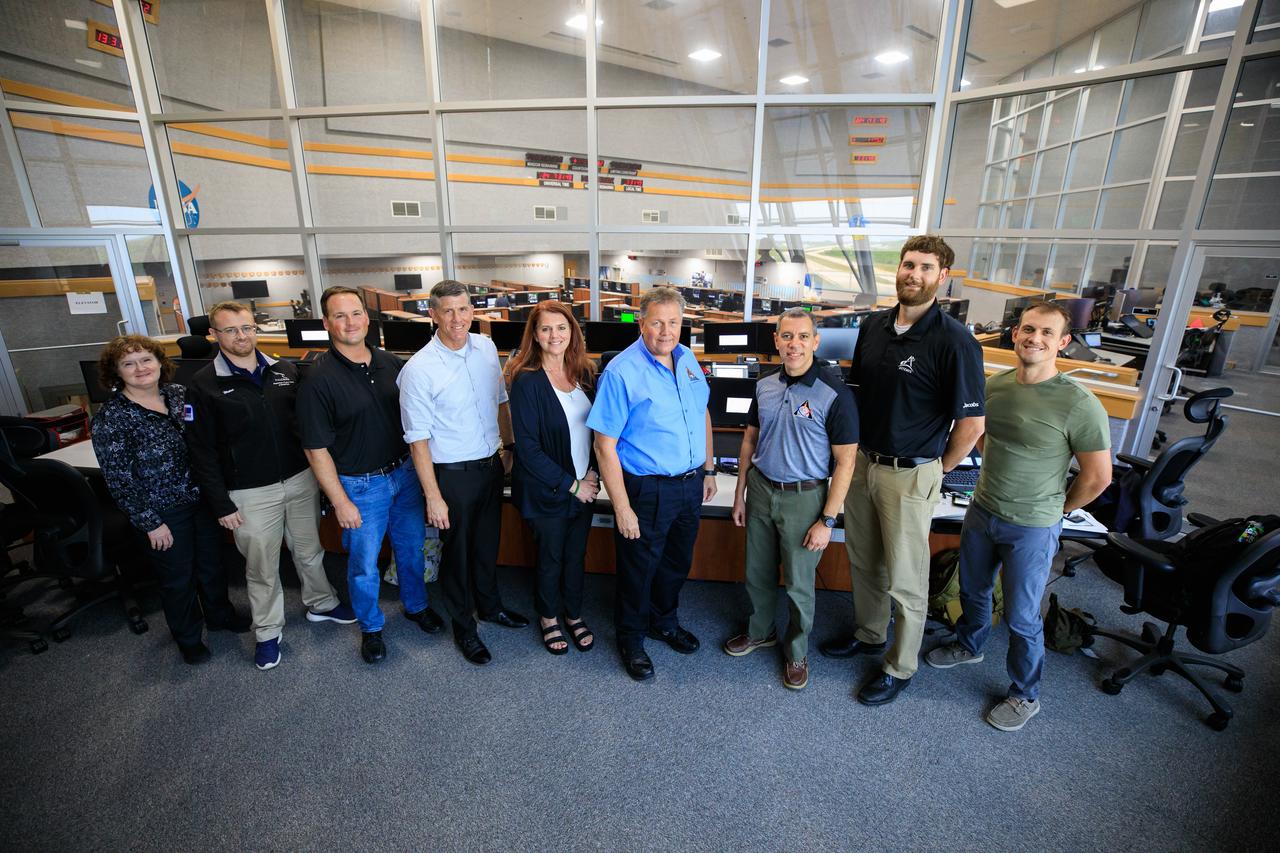
Members of the Artemis I launch team are photographed inside Firing Room 1 of the Rocco A. Petrone Launch Control Center at NASA’s Kennedy Space Center in Florida prior to a certification ceremony on Aug. 12, 2022. From left are Laurie Sally, Space Launch System (SLS) test conductor; Josh Waters, assistant ground test conductor; Wes Mosedale, technical assistant to the launch director; Jeremy Graeber, assistant launch director; Charlie Blackwell-Thompson, launch director; Jeff Spaulding, senior NASA test director; Danny Zeno, NASA test director; Lucas Vojak, assistant Orion test conductor; and Terry Woxberg, Orion test conductor. The ceremony was held to commemorate the certification of the Artemis I launch team following their launch simulation held in December 2021. During the ceremony, senior members of the launch team handed out certificates to individual team members. The first in an increasingly complex series of missions, Artemis I will test the SLS rocket and Orion spacecraft as an integrated system prior to crewed flights to the Moon. Through Artemis, NASA will land the first woman and the first person of color on the lunar surface, paving the way for long-term lunar presence and using the Moon as a steppingstone before venturing to Mars.
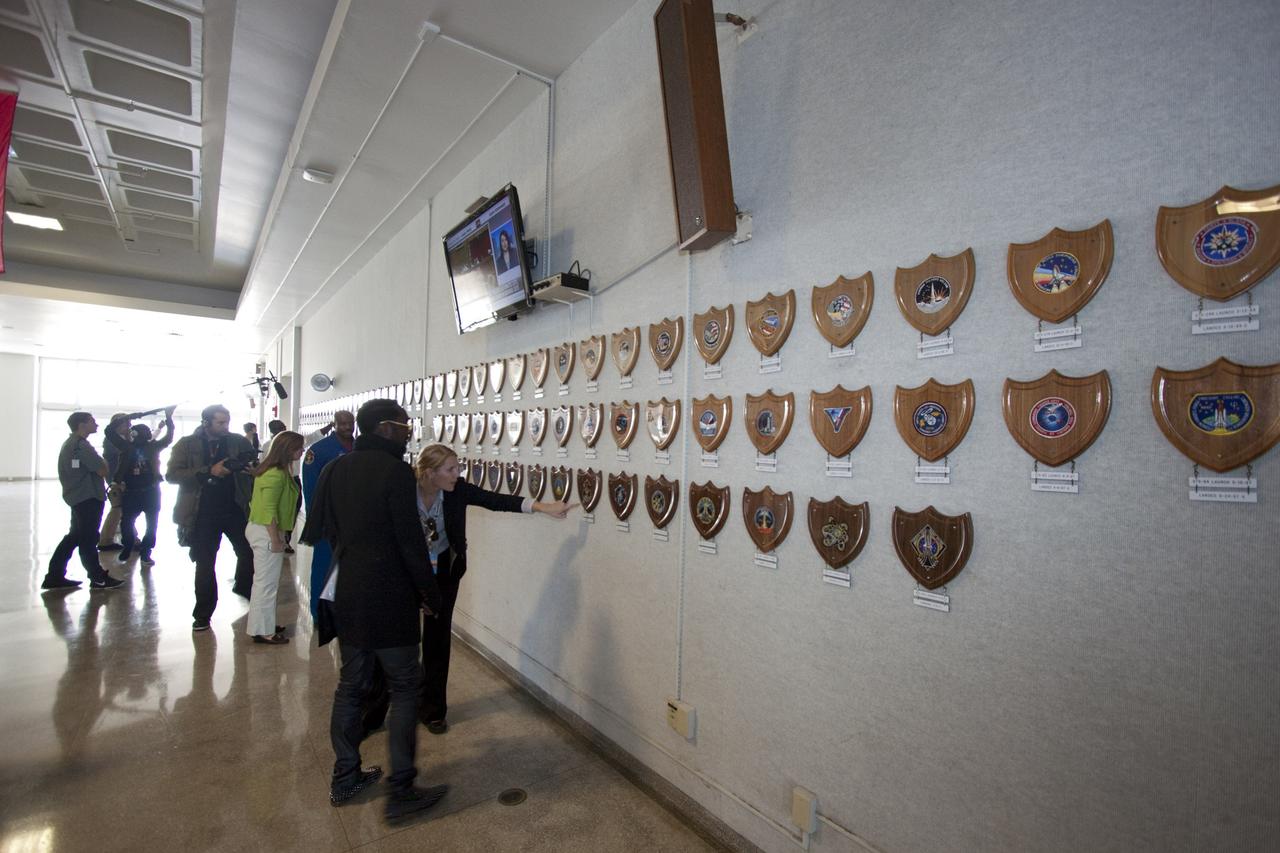
CAPE CANAVERAL, Fla. – At NASA Kennedy Space Center in Florida, Will.i.am, entertainer and member of The Black Eyed Peas, hears about the space shuttle mission plaques lining the lobby of the Launch Control Center (LCC) from NASA's Charlie Blackwell Thompson. Also viewing the plaques in the background are NASA Deputy Administrator Lori Garver and former astronaut Leland Melvin, NASA associate administrator for Education. The visit to the LCC followed their participation in a NASA Tweetup. The Tweetup is part of prelaunch activities for the agency’s Mars Science Laboratory (MSL) launch and provides the opportunity for tweeters will share their experiences with followers through the social networking site Twitter. The MSL mission will pioneer precision landing technology and a sky-crane touchdown to place a car-sized rover, Curiosity, near the foot of a mountain inside Gale Crater on Aug. 6, 2012. During a nearly two-year prime mission after landing, the rover will investigate whether the region has ever offered conditions favorable for microbial life, including the chemical ingredients for life. Liftoff of MSL aboard a United Launch Alliance Atlas V rocket from Space Launch Complex-41 on Cape Canaveral Air Force Station was at 10:02 a.m. EST on Nov. 26. For more information, visit http://www.nasa.gov/msl. Photo credit: NASA/Jim Grossmann
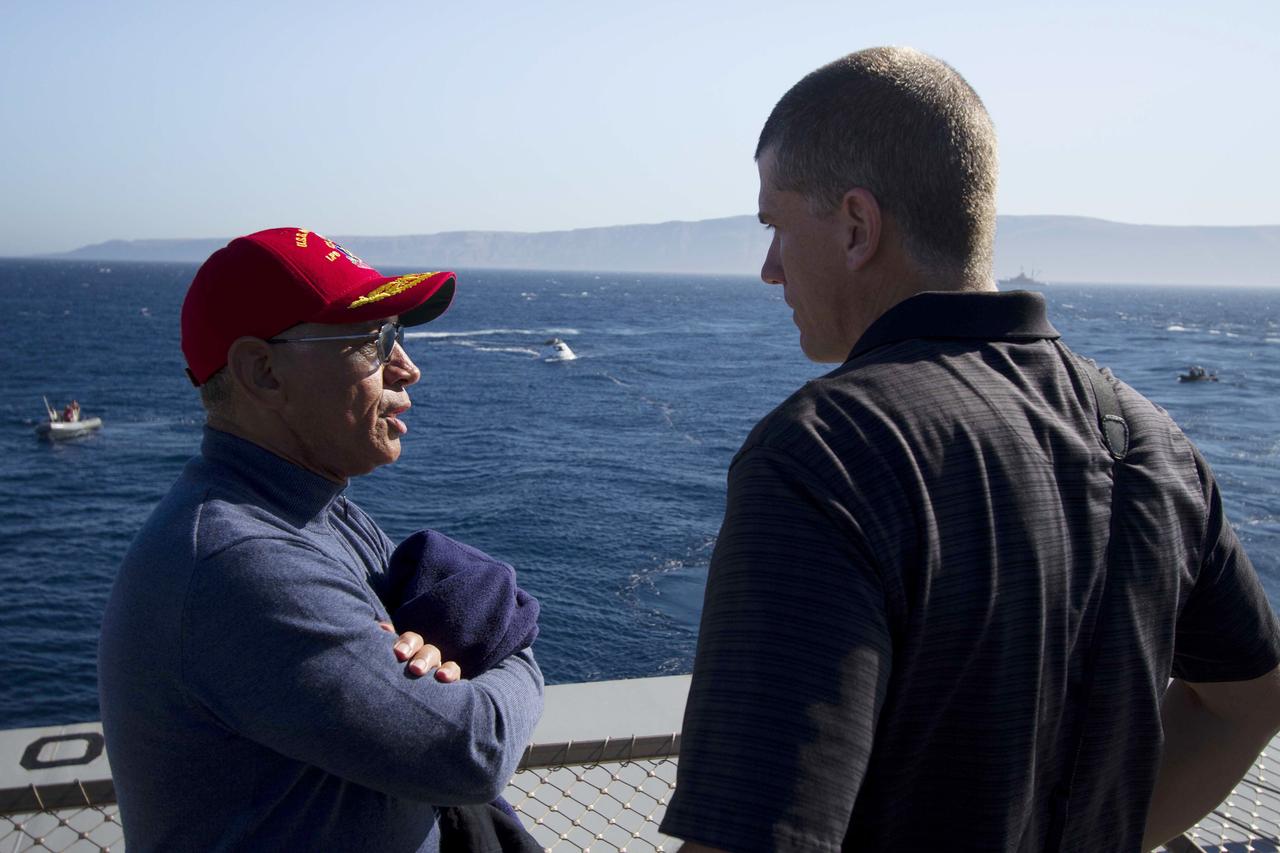
SAN DIEGO, Calif. – NASA Administrator Charlie Bolden, at left, talks to Jeremy Graeber, NASA Recovery director for Exploration Flight Test-1 Landing and Recovery Operations, on the deck of the USS Anchorage during Orion Underway Recovery Test 3. The Orion boilerplate test vehicle is in the Pacific Ocean with U.S. Navy divers nearby in Zodiac boats and rigid hull inflatable boats during recovery operations. NASA, Lockheed Martin and U.S. Navy personnel are conducting the test to prepare for recovery of the Orion crew module on its return from a deep space mission. The test will allow the teams to demonstrate and evaluate the recovery processes, procedures, hardware and personnel in open waters. The Ground Systems Development and Operations Program is conducting the underway recovery tests. Orion is the exploration spacecraft designed to carry astronauts to destinations not yet explored by humans, including an asteroid and Mars. It will have emergency abort capability, sustain the crew during space travel and provide safe re-entry from deep space return velocities. The first unpiloted test flight of Orion is scheduled to launch in 2014 atop a United Launch Alliance Delta IV Heavy rocket and in 2018 on NASA’s Space Launch System rocket. For more information, visit http://www.nasa.gov/orion. Photo credit: NASA/Cory Huston

SAN DIEGO, Calif. – NASA Administrator Charlie Bolden stands on the deck of the USS Anchorage as the ship departs Naval Base San Diego for the first day of Orion Underway Recovery Test 3. The ship will head out to sea, off the coast of San Diego, in search of conditions to support test needs for a full dress rehearsal of recovery operations. NASA, Lockheed Martin and U.S. Navy personnel will conduct tests in the Pacific Ocean to prepare for recovery of the Orion crew module on its return from a deep space mission. The test will allow the teams to demonstrate and evaluate the recovery processes, procedures, hardware and personnel in open waters. The Ground Systems Development and Operations Program is conducting the underway recovery tests. Orion is the exploration spacecraft designed to carry astronauts to destinations not yet explored by humans, including an asteroid and Mars. It will have emergency abort capability, sustain the crew during space travel and provide safe re-entry from deep space return velocities. The first unpiloted test flight of Orion is scheduled to launch in 2014 atop a United Launch Alliance Delta IV Heavy rocket and in 2018 on NASA’s Space Launch System rocket. For more information, visit http://www.nasa.gov/orion. Photo credit: NASA/Cory Huston

SAN DIEGO, Calif. – NASA Administrator Charlie Bolden, at left, talks to a member of the U.S. Navy on the USS Anchorage. The ship will head out to sea, off the coast of San Diego, in search of conditions to support test needs for the first day of Orion Underway Recovery Test 3. NASA, Lockheed Martin and U.S. Navy personnel will conduct tests in the Pacific Ocean to prepare for recovery of the Orion crew module on its return from a deep space mission. The test will allow the teams to demonstrate and evaluate the recovery processes, procedures, hardware and personnel in open waters. The Ground Systems Development and Operations Program is conducting the underway recovery tests. Orion is the exploration spacecraft designed to carry astronauts to destinations not yet explored by humans, including an asteroid and Mars. It will have emergency abort capability, sustain the crew during space travel and provide safe re-entry from deep space return velocities. The first unpiloted test flight of Orion is scheduled to launch in 2014 atop a United Launch Alliance Delta IV Heavy rocket and in 2018 on NASA’s Space Launch System rocket. For more information, visit http://www.nasa.gov/orion. Photo credit: NASA/Cory Huston
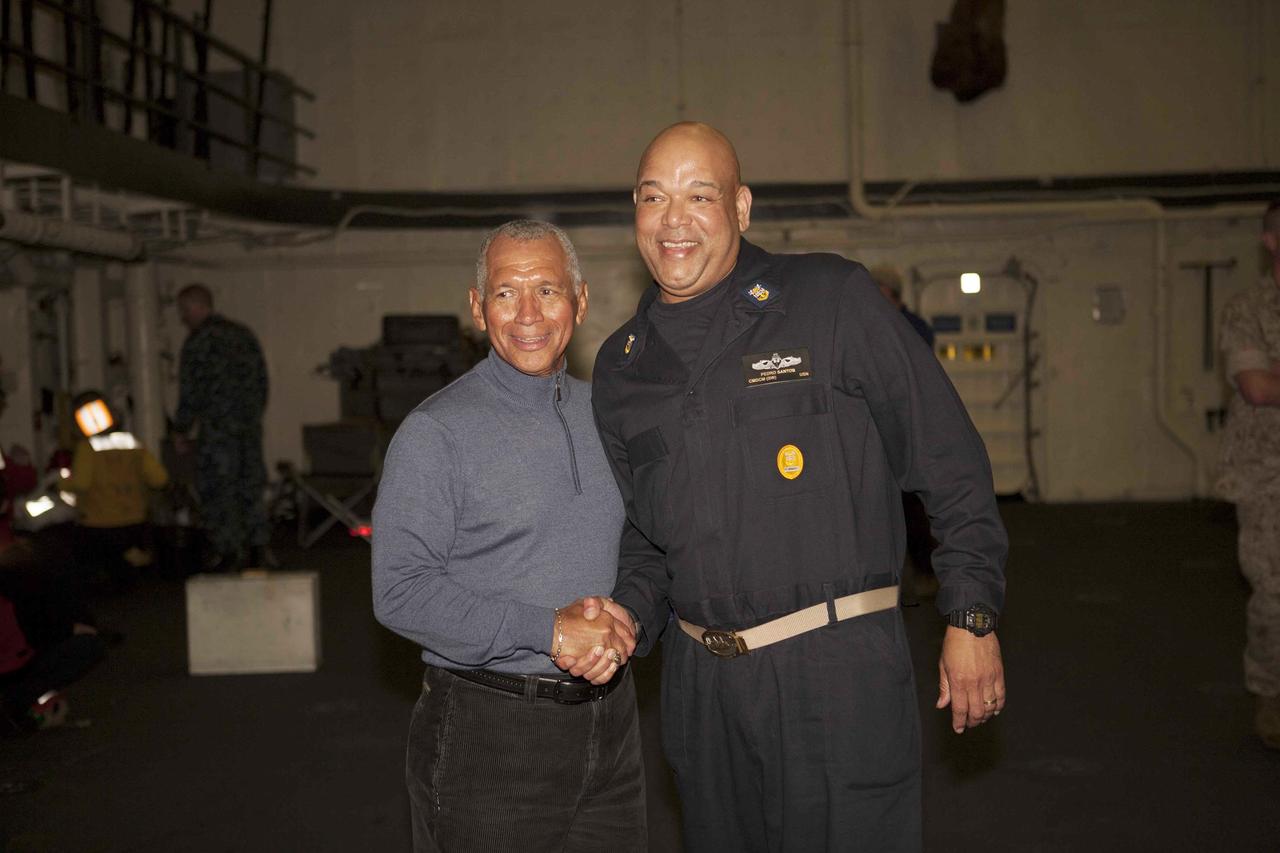
SAN DIEGO, Calif. – NASA Administrator Charlie Bolden, at left, talks to Pedro Santos, U.S. Navy, on the USS Anchorage. The ship will head out to sea, off the coast of San Diego, in search of conditions to support test needs for the first day of Orion Underway Recovery Test 3. NASA, Lockheed Martin and U.S. Navy personnel will conduct tests in the Pacific Ocean to prepare for recovery of the Orion crew module on its return from a deep space mission. The test will allow the teams to demonstrate and evaluate the recovery processes, procedures, hardware and personnel in open waters. The Ground Systems Development and Operations Program is conducting the underway recovery tests. Orion is the exploration spacecraft designed to carry astronauts to destinations not yet explored by humans, including an asteroid and Mars. It will have emergency abort capability, sustain the crew during space travel and provide safe re-entry from deep space return velocities. The first unpiloted test flight of Orion is scheduled to launch in 2014 atop a United Launch Alliance Delta IV Heavy rocket and in 2018 on NASA’s Space Launch System rocket. For more information, visit http://www.nasa.gov/orion. Photo credit: NASA/Cory Huston