Children of Saturn
Children of Saturn
Children of Saturn
Children of Saturn
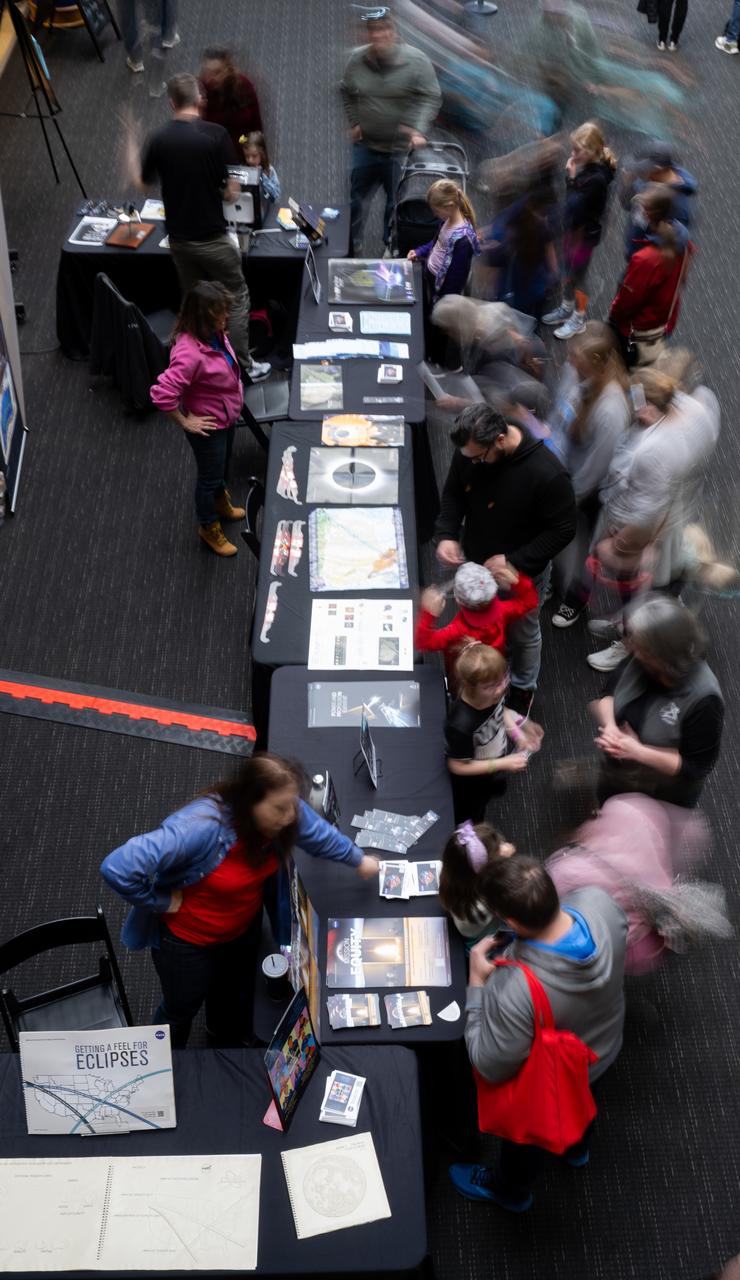
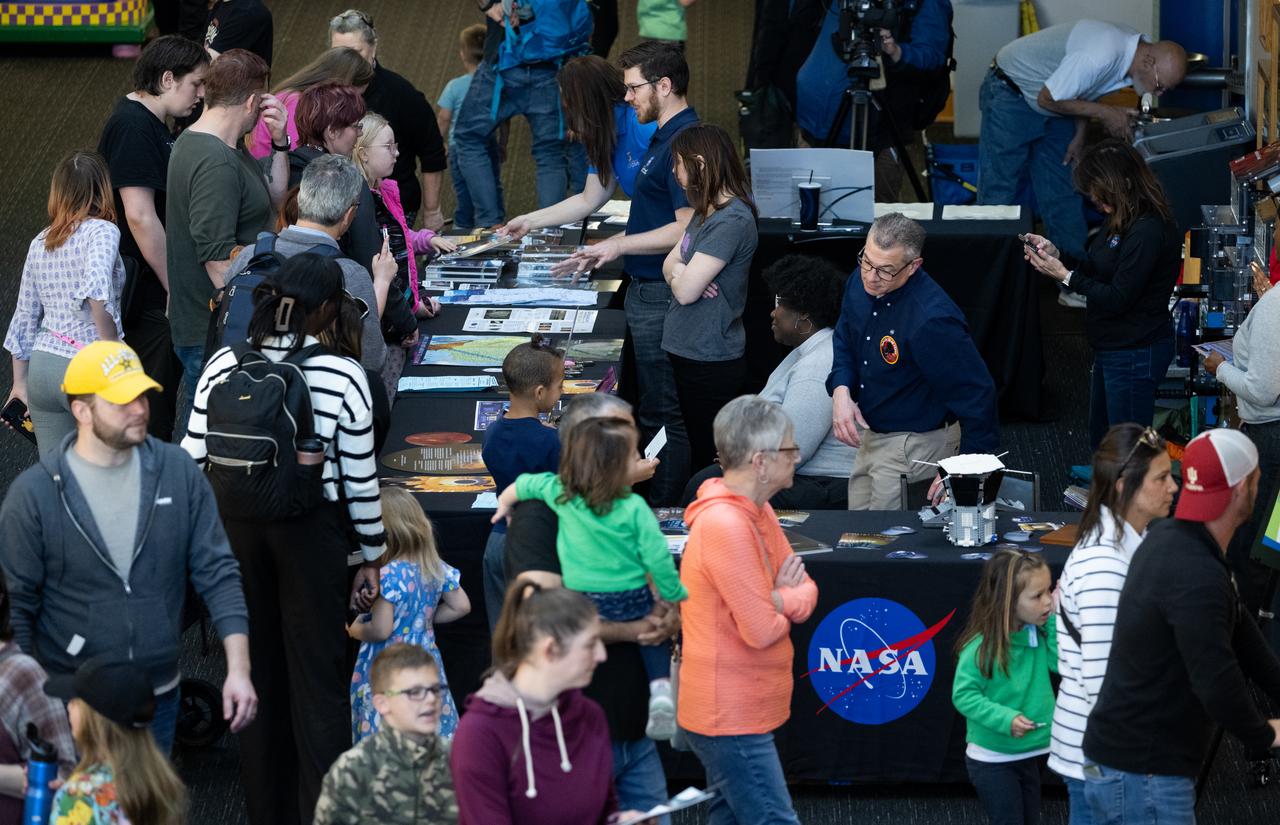
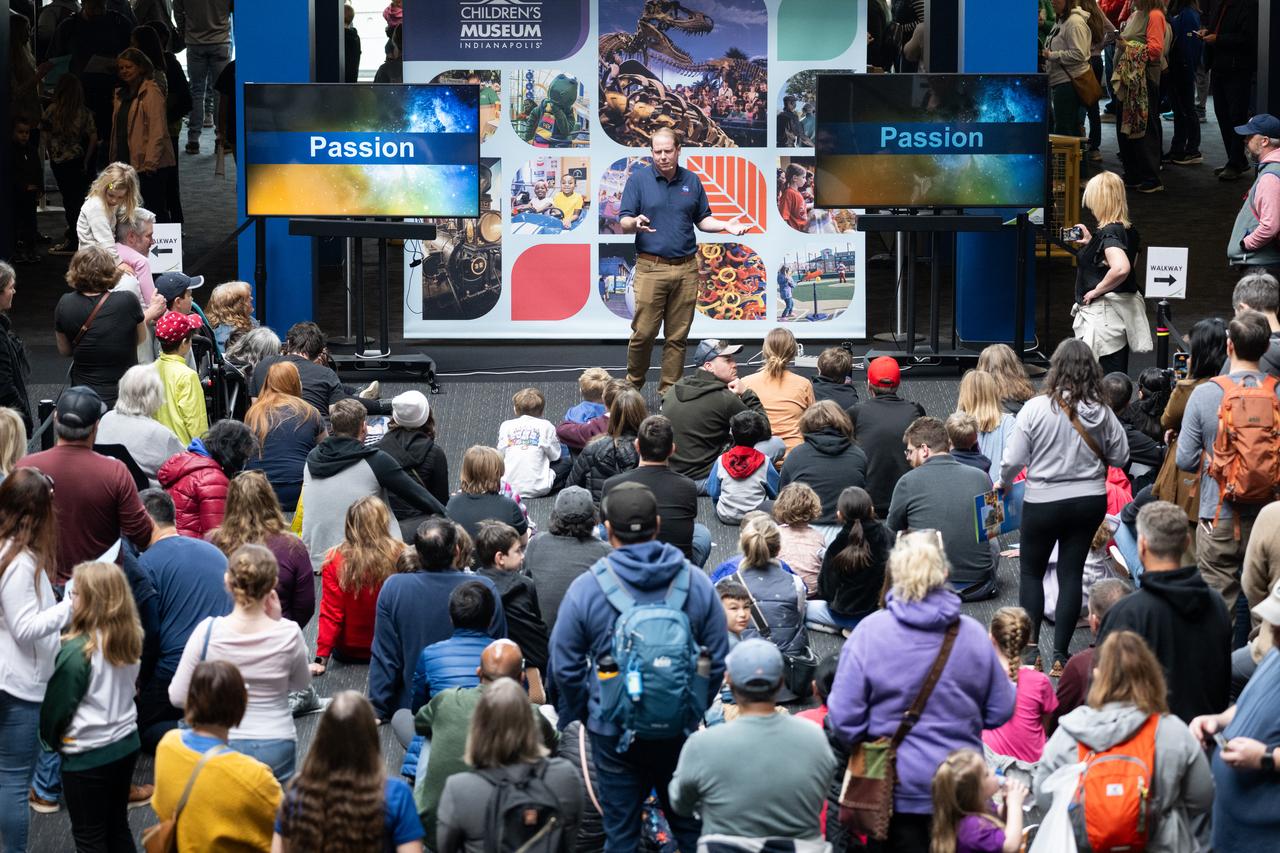
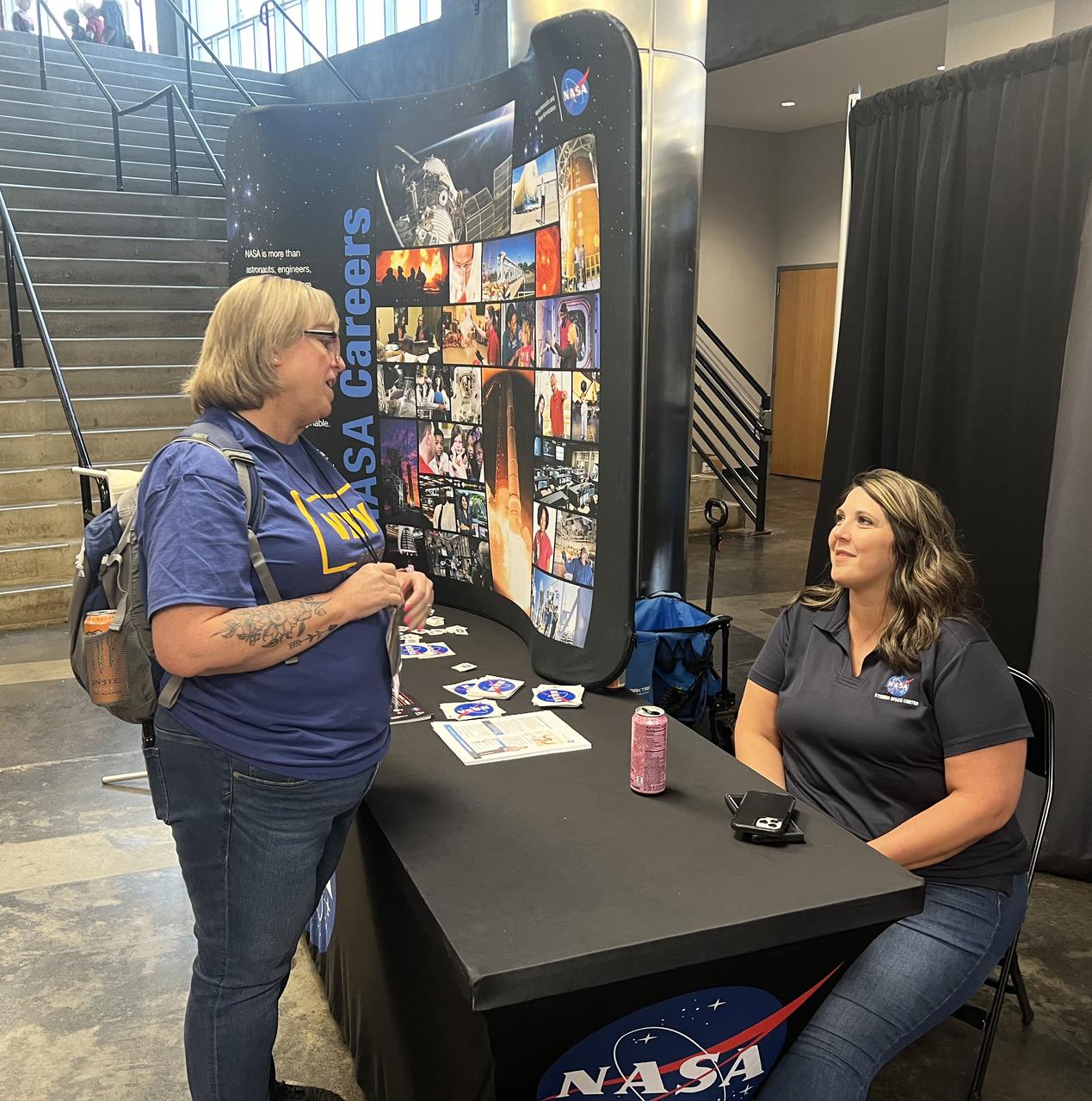
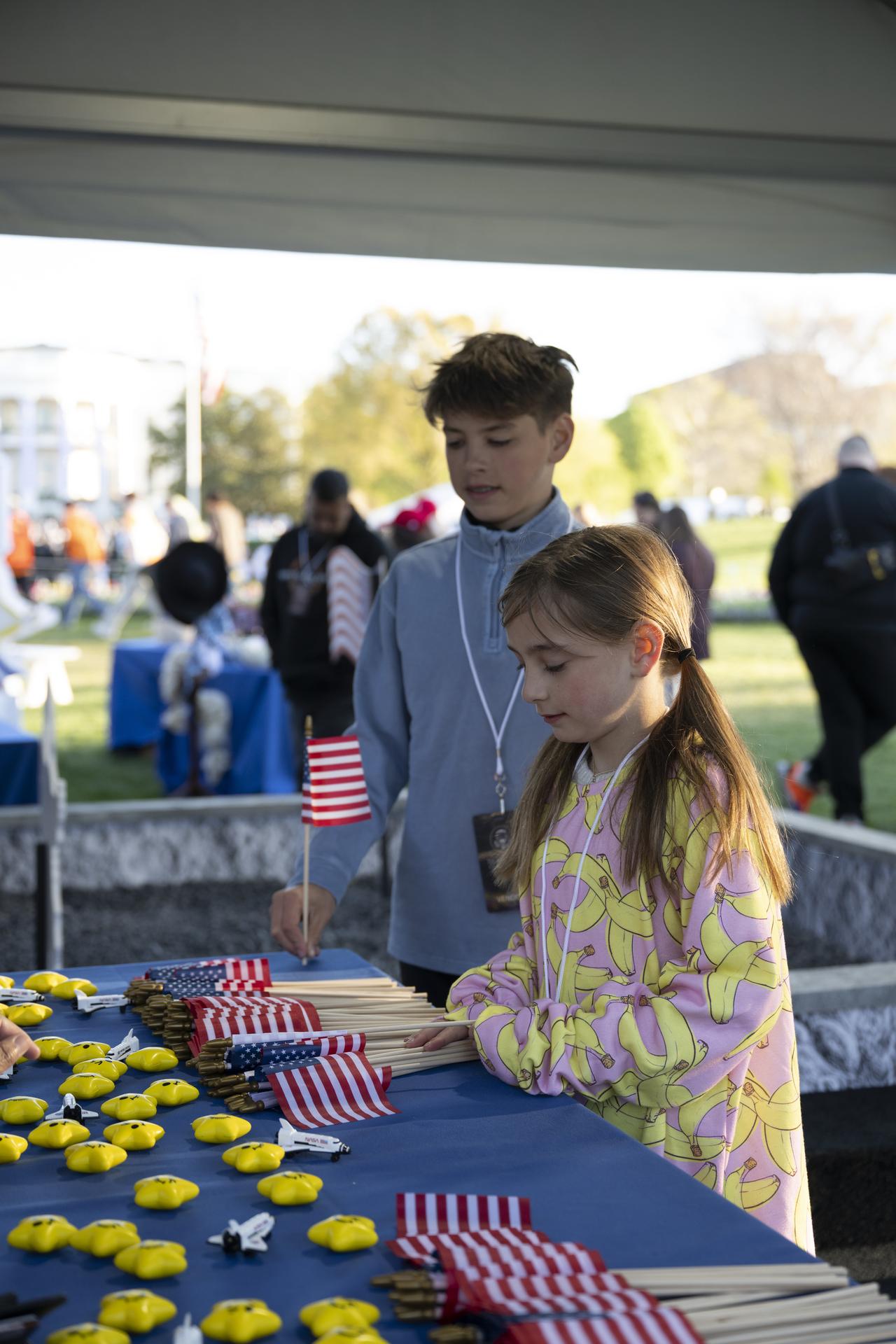
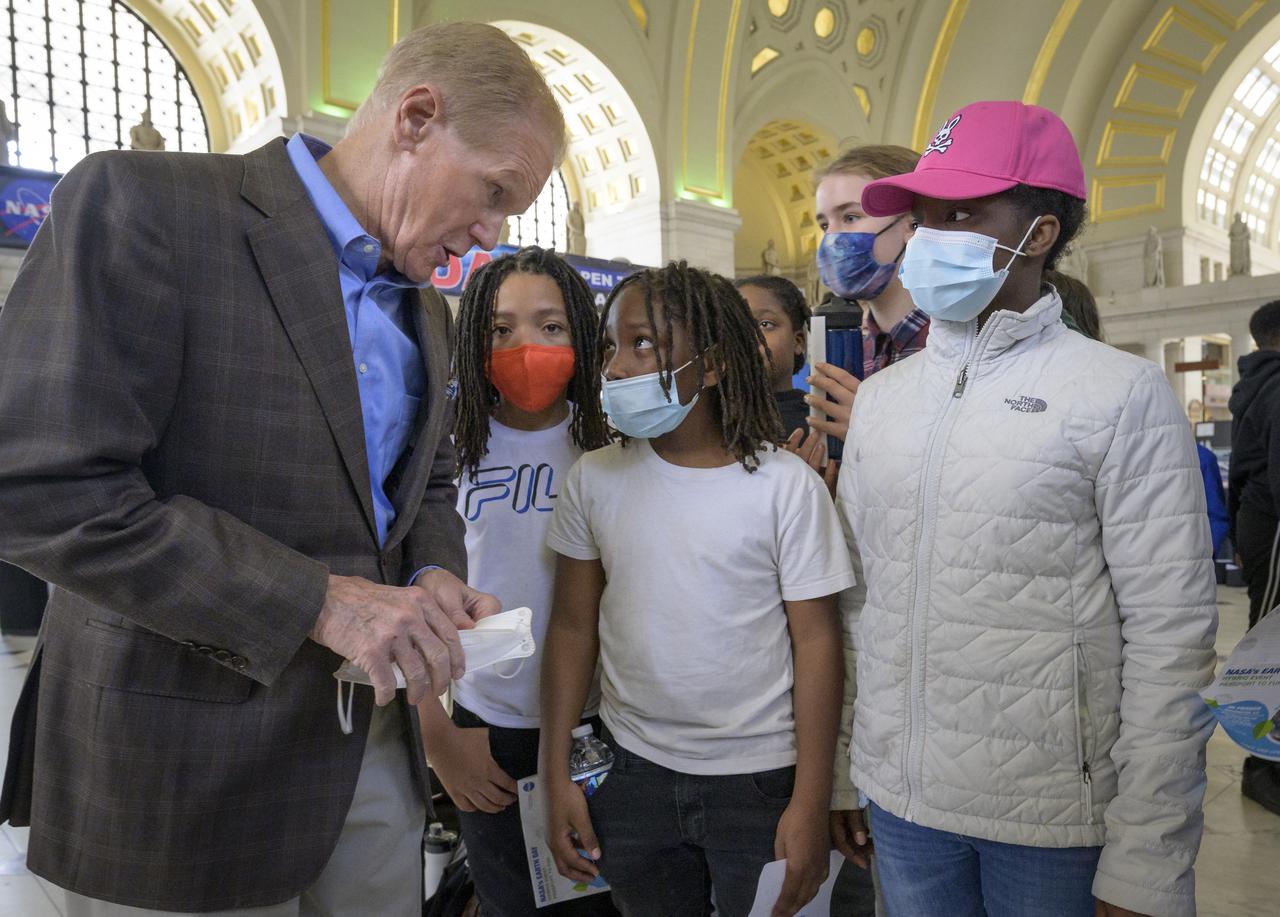
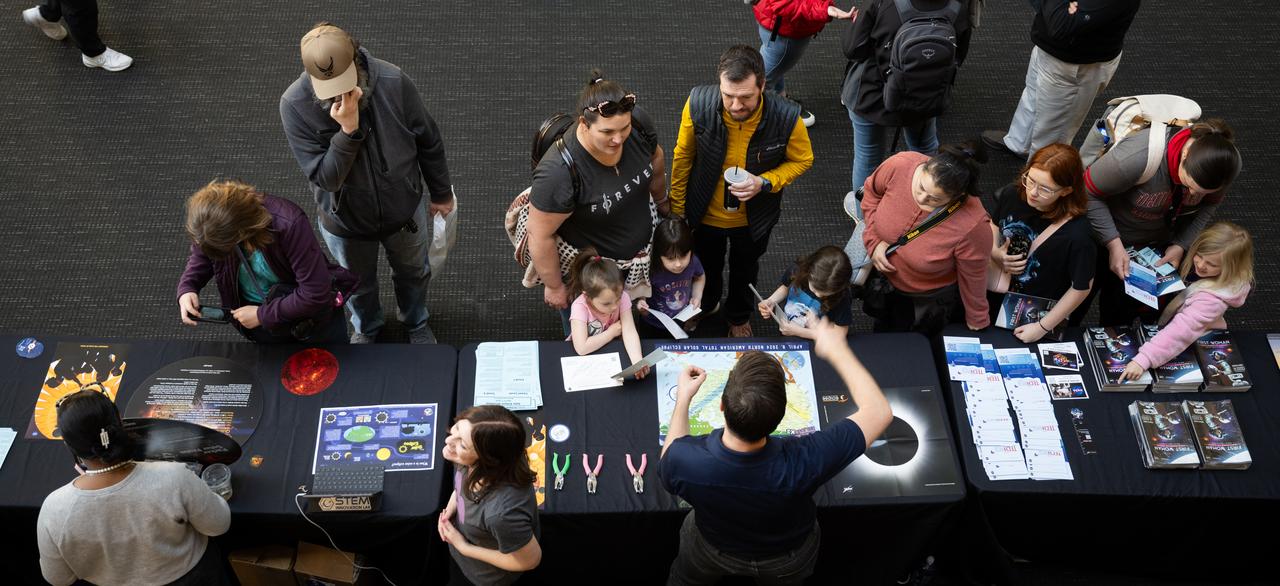
Visitors to The Children’s Museum of Indianapolis learn about the upcoming total solar eclipse from NASA staff, Saturday, April 6, 2024, in Indianapolis, Ind. On Monday, April 8, a total solar eclipse will sweep across a narrow portion of the North American continent from Mexico’s Pacific coast to the Atlantic coast of Newfoundland, Canada, while a partial solar eclipse will be visible across the entire North American continent along with parts of Central America and Europe. Photo Credit: (NASA/Joel Kowsky)
NASA at The Children’s Museum of Indianapolis
Visitors to The Children’s Museum of Indianapolis learn about the upcoming total solar eclipse from NASA staff, Saturday, April 6, 2024, in Indianapolis, Ind. On Monday, April 8, a total solar eclipse will sweep across a narrow portion of the North American continent from Mexico’s Pacific coast to the Atlantic coast of Newfoundland, Canada, while a partial solar eclipse will be visible across the entire North American continent along with parts of Central America and Europe. Photo Credit: (NASA/Joel Kowsky)
NASA at The Children’s Museum of Indianapolis
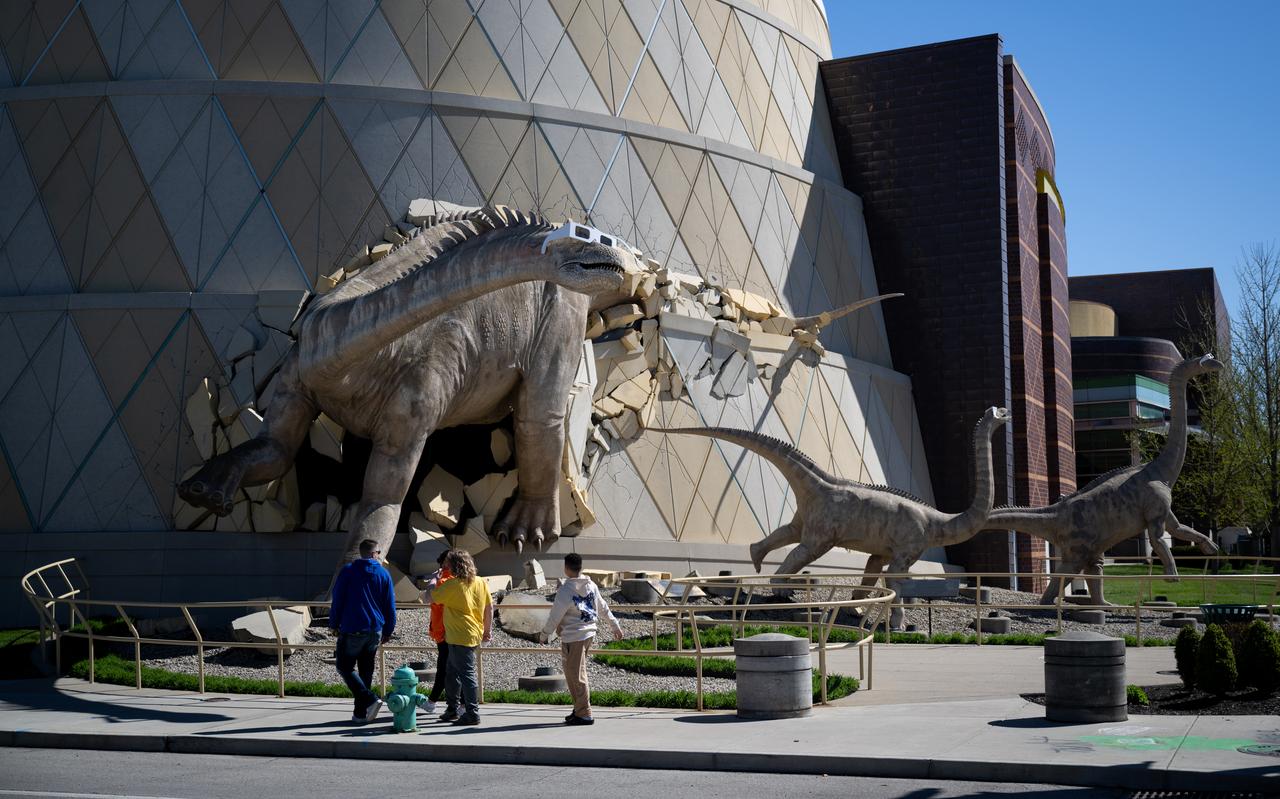
Visitors walk past sculptures of an adult and two juvenile Alamosaurs wearing solar glasses outside of The Children’s Museum of Indianapolis, Saturday, April 6, 2024, in Indianapolis, Ind. On Monday, April 8, a total solar eclipse will sweep across a narrow portion of the North American continent from Mexico’s Pacific coast to the Atlantic coast of Newfoundland, Canada, while a partial solar eclipse will be visible across the entire North American continent along with parts of Central America and Europe. Photo Credit: (NASA/Joel Kowsky)
NASA at The Children’s Museum of Indianapolis
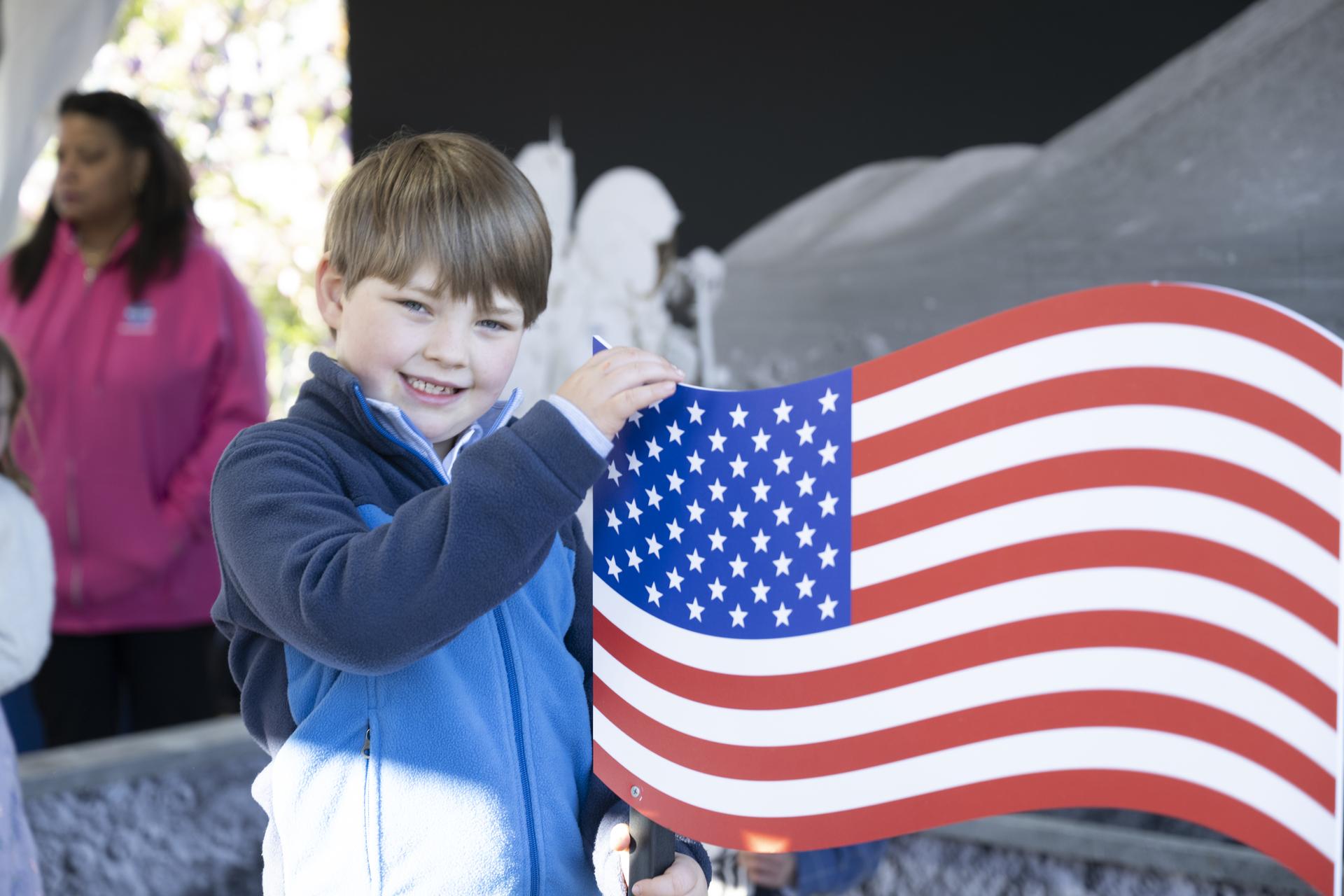
Visitors to The Children’s Museum of Indianapolis learn about the upcoming total solar eclipse from NASA staff, Sunday, April 7, 2024, in Indianapolis, Ind. On Monday, April 8, a total solar eclipse will sweep across a narrow portion of the North American continent from Mexico’s Pacific coast to the Atlantic coast of Newfoundland, Canada, while a partial solar eclipse will be visible across the entire North American continent along with parts of Central America and Europe. Photo Credit: (NASA/Joel Kowsky)
NASA at The Children’s Museum of Indianapolis
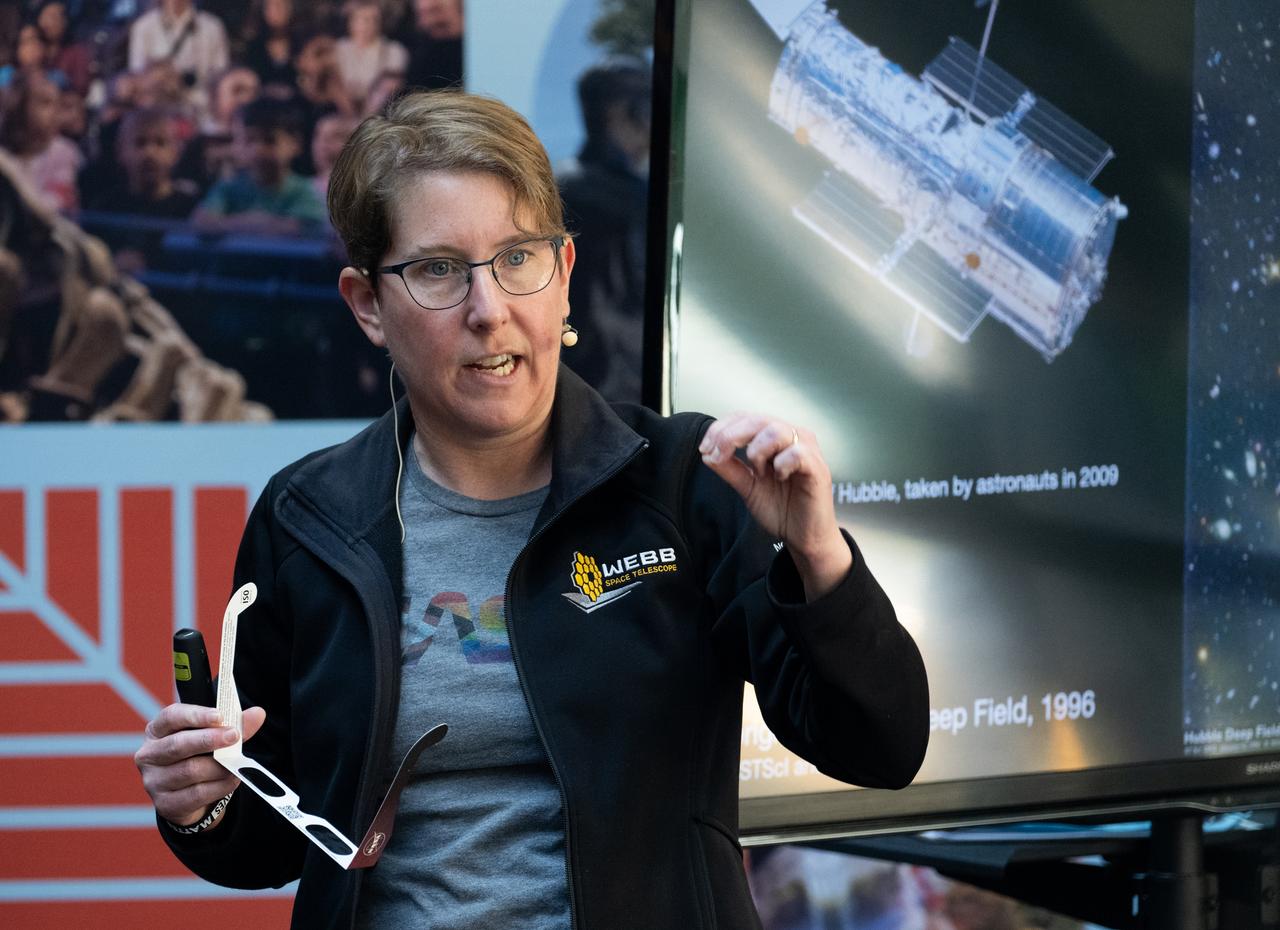
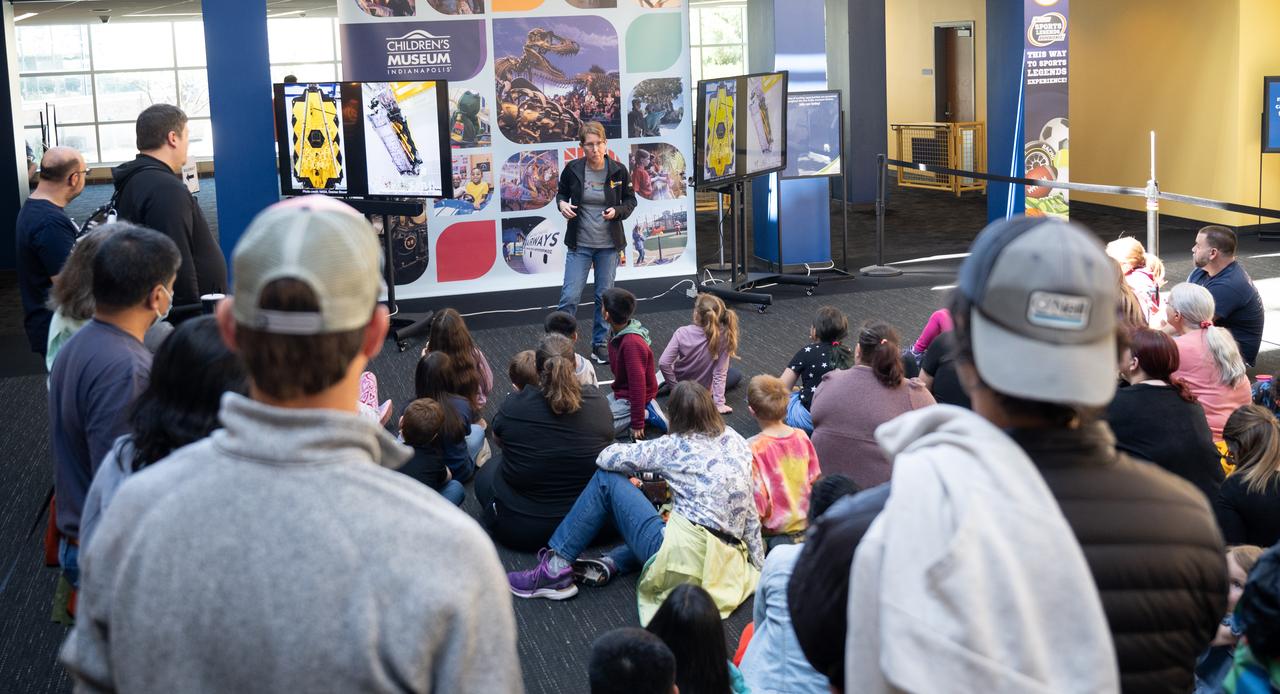
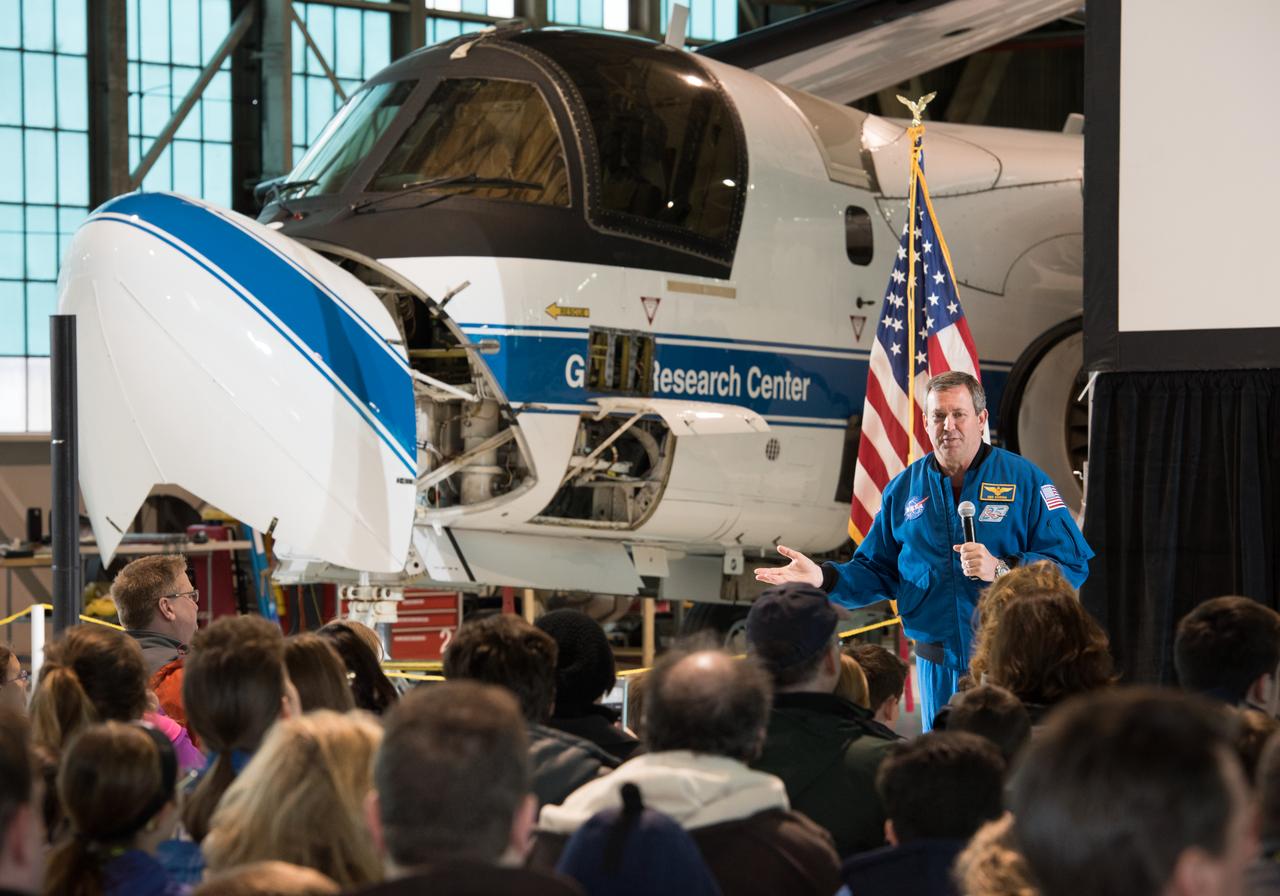
Jane Rigby, senior project scientist for NASA's James Webb Space Telescope, speaks to visitors at The Children’s Museum of Indianapolis, Saturday, April 6, 2024, in Indianapolis, Ind. On Monday, April 8, a total solar eclipse will sweep across a narrow portion of the North American continent from Mexico’s Pacific coast to the Atlantic coast of Newfoundland, Canada, while a partial solar eclipse will be visible across the entire North American continent along with parts of Central America and Europe. Photo Credit: (NASA/Joel Kowsky)
NASA at The Children’s Museum of Indianapolis
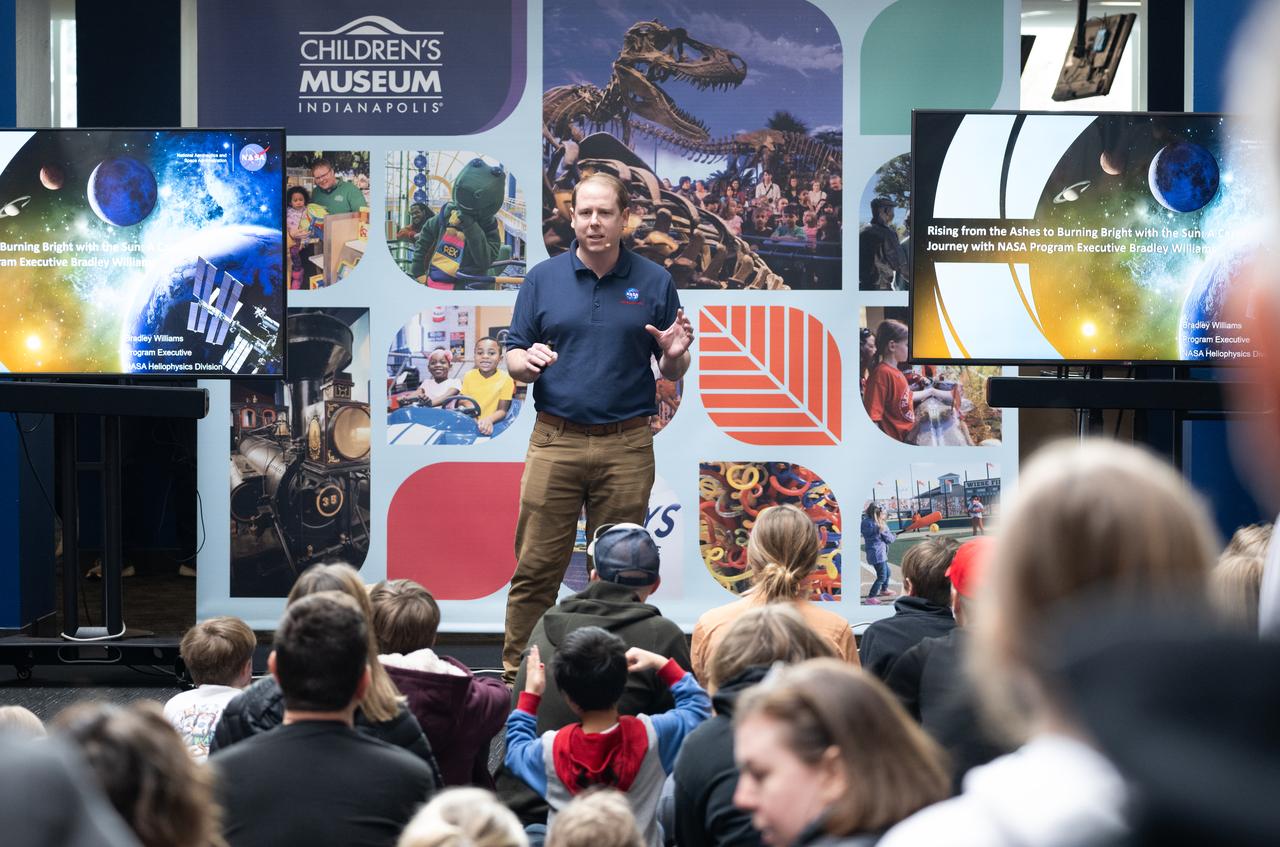
Bradley Williams, program executive in the Heliophysics Division of NASA's Science Mission Directorate, speaks to visitors at The Children’s Museum of Indianapolis, Sunday, April 7, 2024, in Indianapolis, Ind. On Monday, April 8, a total solar eclipse will sweep across a narrow portion of the North American continent from Mexico’s Pacific coast to the Atlantic coast of Newfoundland, Canada, while a partial solar eclipse will be visible across the entire North American continent along with parts of Central America and Europe. Photo Credit: (NASA/Joel Kowsky)
NASA at The Children’s Museum of Indianapolis
Jane Rigby, senior project scientist for NASA's James Webb Space Telescope, speaks to visitors at The Children’s Museum of Indianapolis, Saturday, April 6, 2024, in Indianapolis, Ind. On Monday, April 8, a total solar eclipse will sweep across a narrow portion of the North American continent from Mexico’s Pacific coast to the Atlantic coast of Newfoundland, Canada, while a partial solar eclipse will be visible across the entire North American continent along with parts of Central America and Europe. Photo Credit: (NASA/Joel Kowsky)
NASA at The Children’s Museum of Indianapolis
Bradley Williams, program executive in the Heliophysics Division of NASA's Science Mission Directorate, speaks to visitors at The Children’s Museum of Indianapolis, Sunday, April 7, 2024, in Indianapolis, Ind. On Monday, April 8, a total solar eclipse will sweep across a narrow portion of the North American continent from Mexico’s Pacific coast to the Atlantic coast of Newfoundland, Canada, while a partial solar eclipse will be visible across the entire North American continent along with parts of Central America and Europe. Photo Credit: (NASA/Joel Kowsky)
NASA at The Children’s Museum of Indianapolis
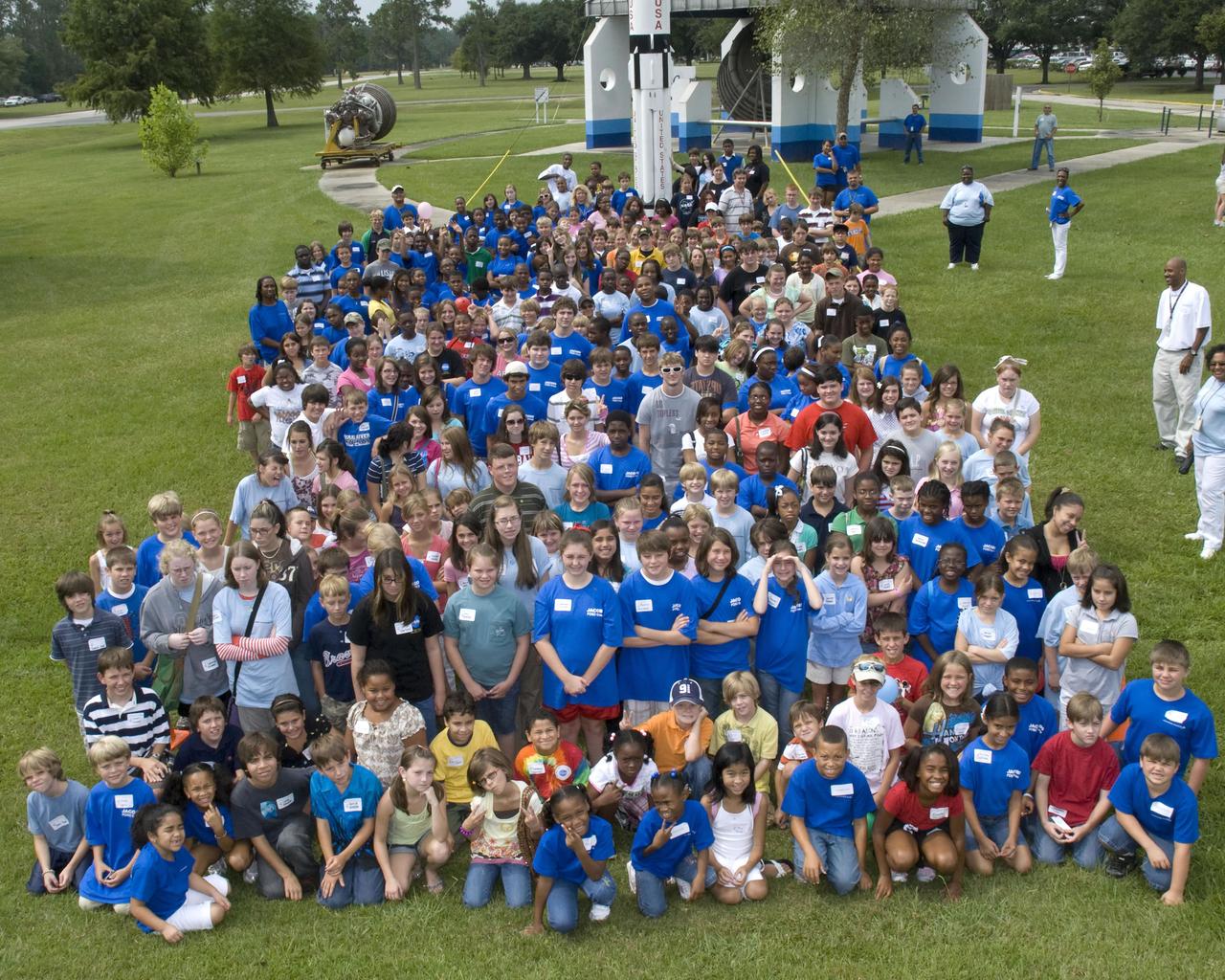
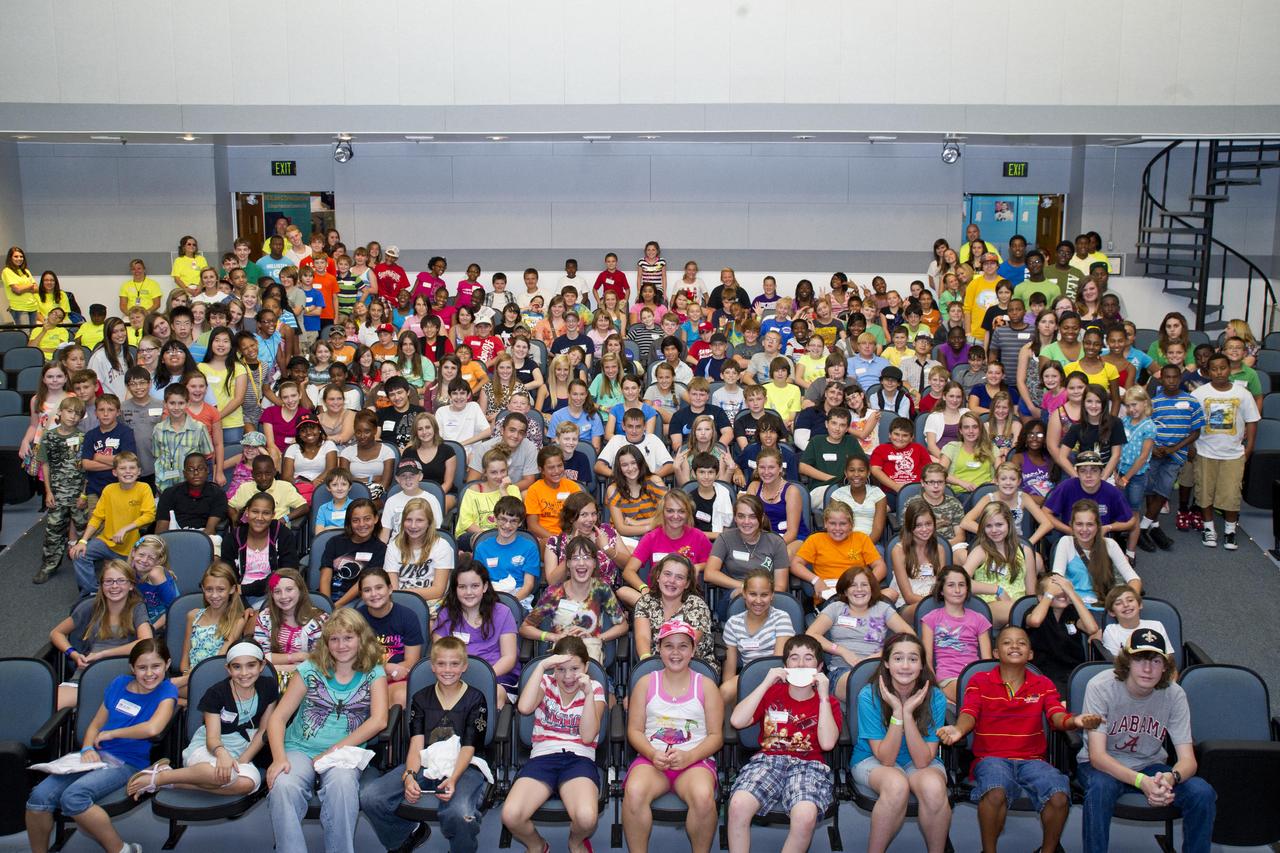
Hundreds of children participated in the annual Take Our Children to Work Day at Stennis Space Center on July 29. During the day, children of Stennis employees received a tour of facilities and took part in various activities, including demonstrations in cryogenics and robotics.
Take Our Children to Work Day
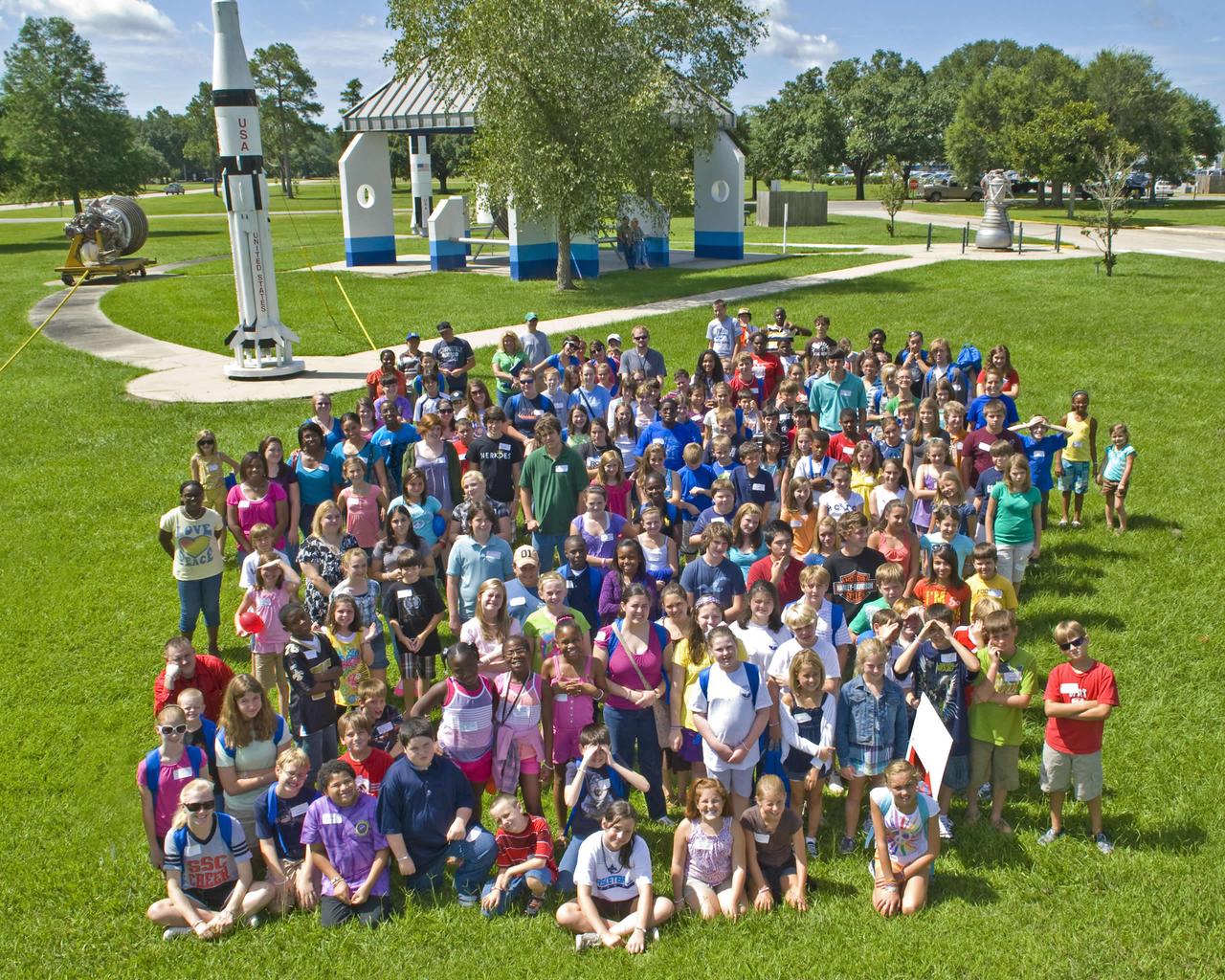
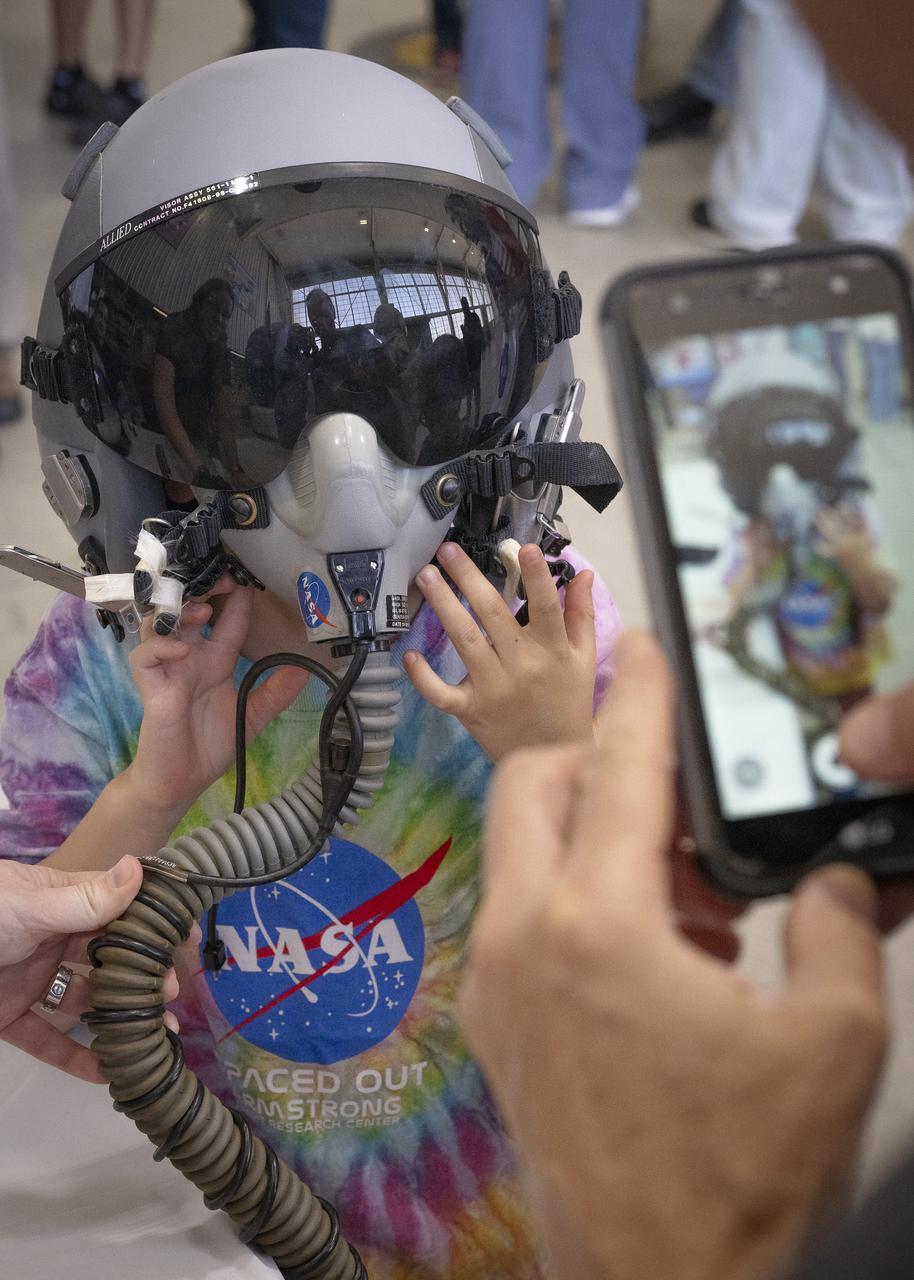
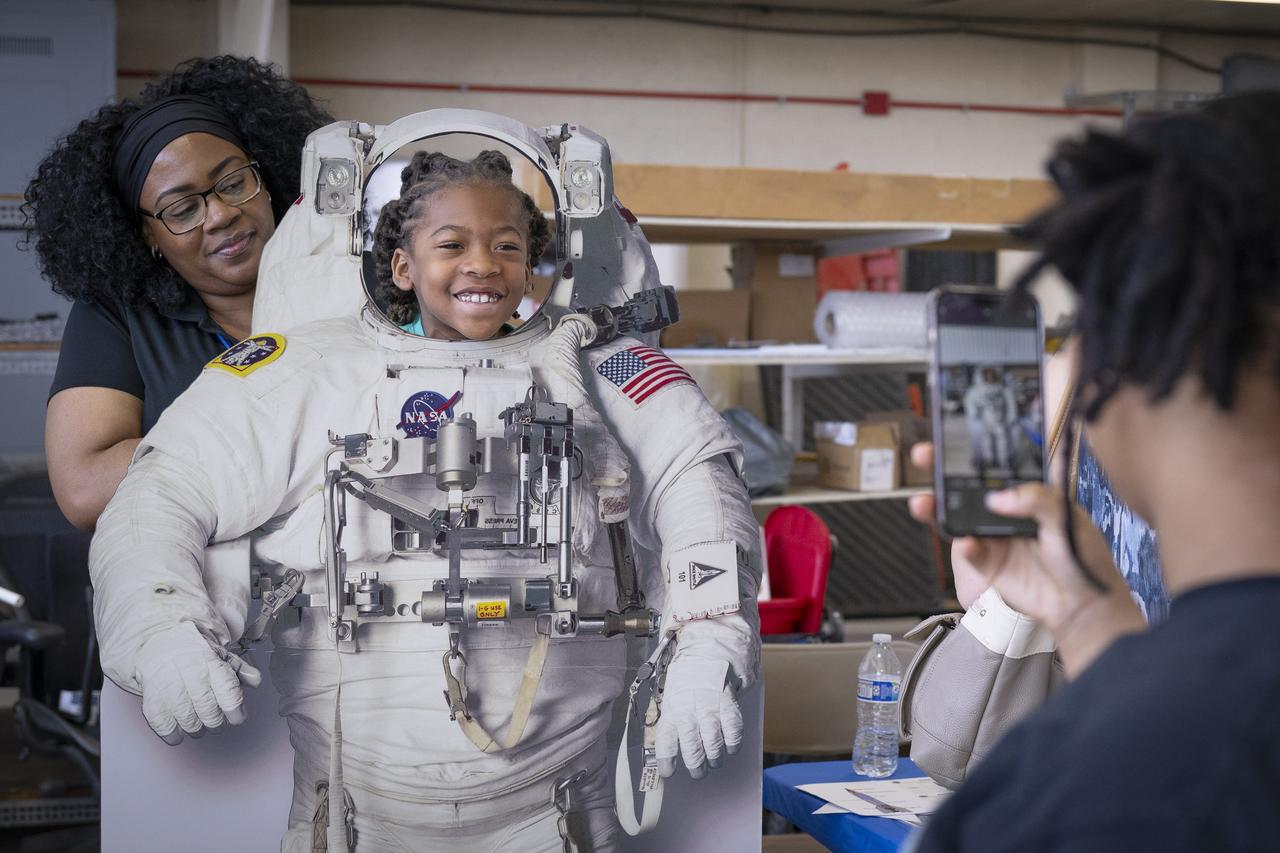
About 200 children of employees at NASA's John C. Stennis Space Center visited the facility for annual Take Our Children to Work activities July 27. Participants enjoyed a windshield tour of the rocket engine test site and various demonstrations and presentations on such topics as cryogenics, the Gulf of Mexico oil spill, computer safety and robotics. They also had an opportunity to take photos at the astronaut suit exhibit and participate in StenniSphere activities.
Children enjoy visit to Stennis
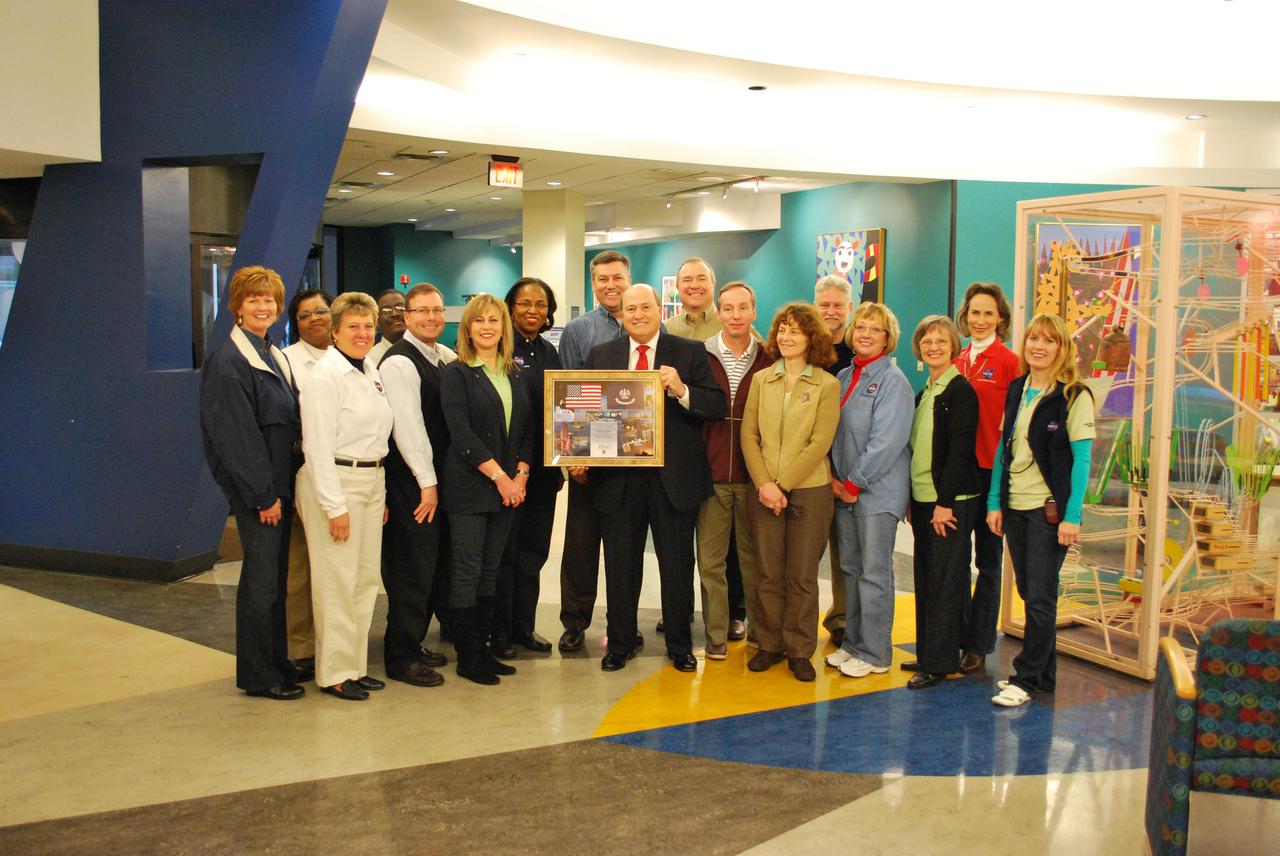
NASA senior staff members from John C. Stennis Space Center traveled to Children's Hospital in New Orleans on Feb. 4 for a morning of educational outreach, offering interactive demonstrations and activities for children. Staff members offered cryogenic demonstrations, informative and interactive exhibits and a chance for children to take photos 'wearing' a space suit. Children also had a chance to interact with Stennis' astronaut mascot.
Children's Hospital visit
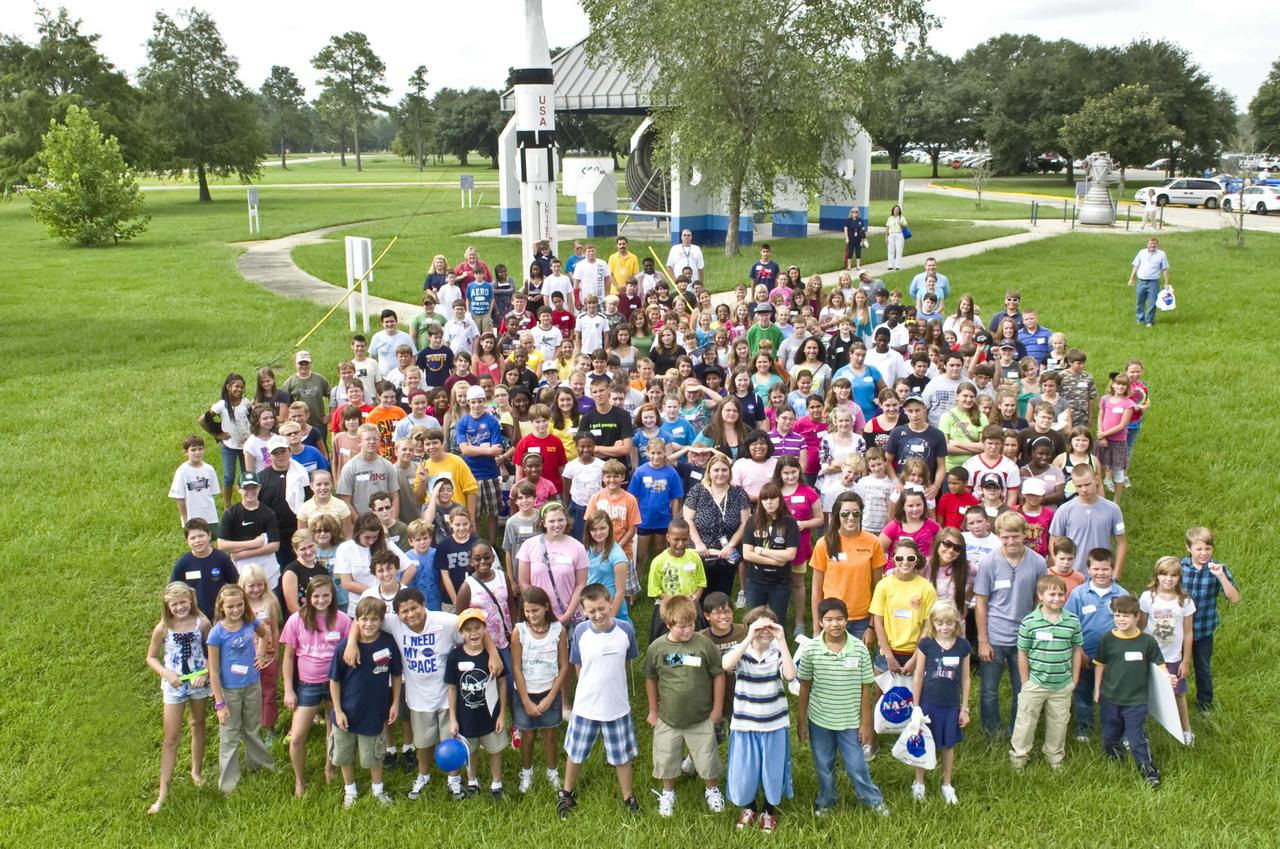
Some 230 children of Stennis Space Center employees visited the facility July 26 to participate in annual Take Our Children to Work Day activities. Participants enjoyed various presentations and demonstrations on topics such as cryogenics, underwater robotics and geocaching.
2011 Take Our Children to Work Day
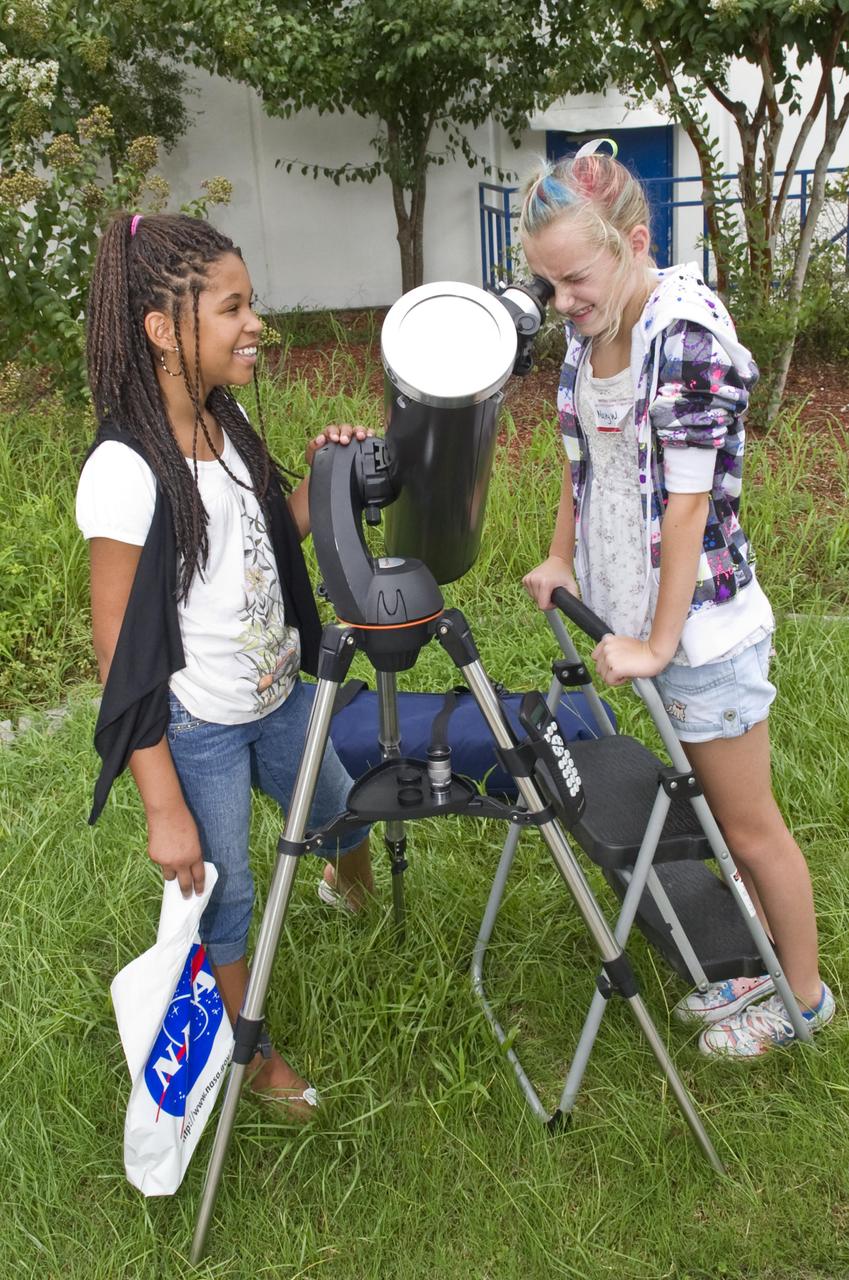
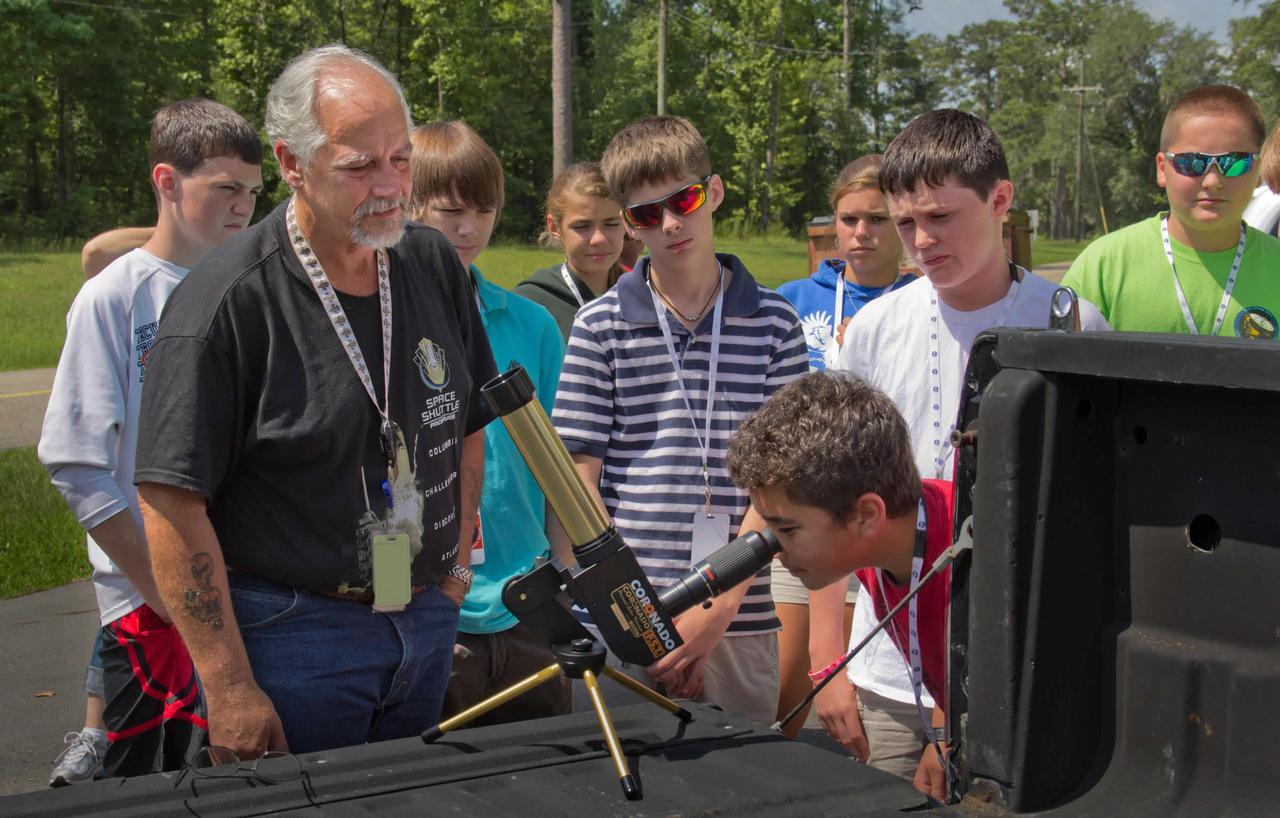
During the 2011 Take Our Children to Work Day at Stennis Space Center, participants engaged in hands-on activities, including viewing the sun through a solar telescope (right photo). Children also visited the StenniSphere museum and had an opportunity to take photos at the astronaut suit exhibit.
2011 Take Our Children to Work Day
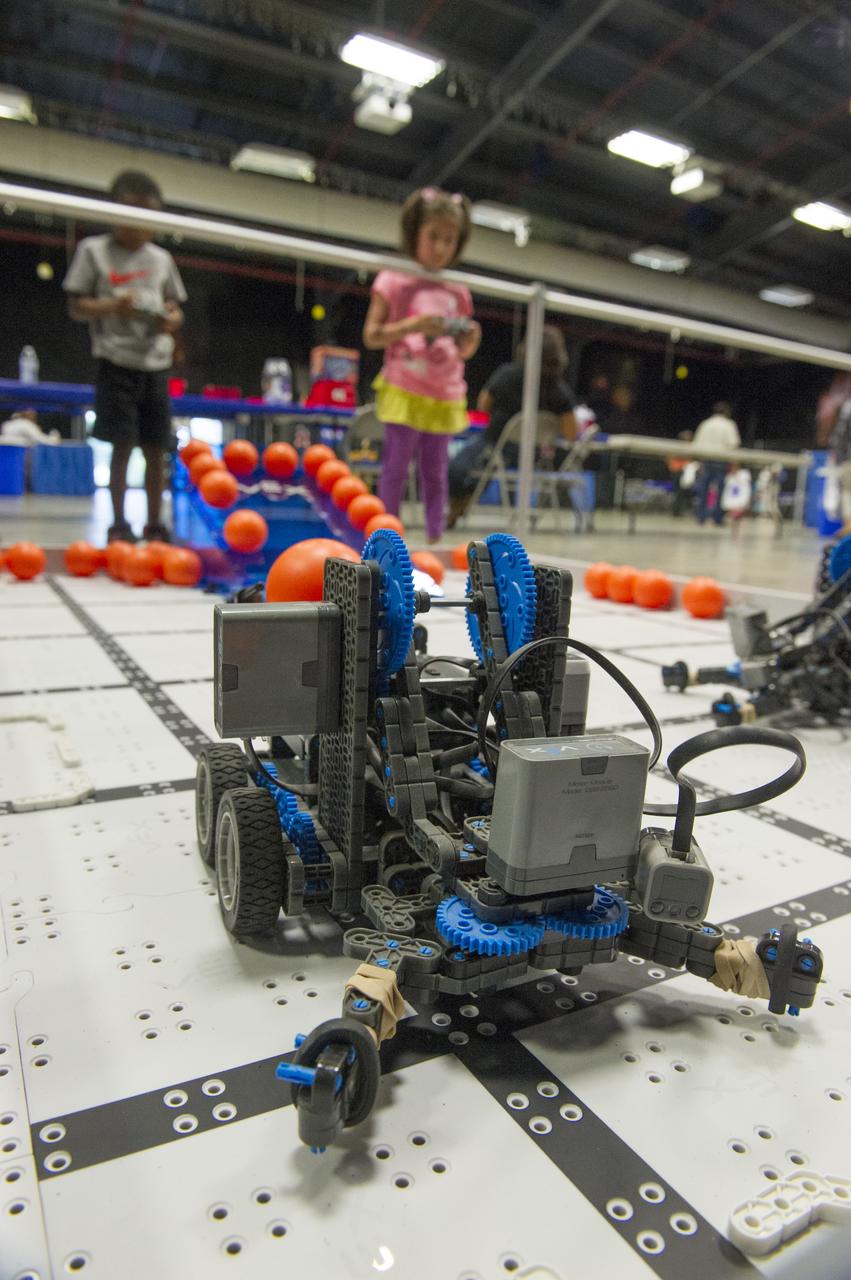
YOUNG PEOPLE PARTICIPATING IN “TAKE OUR CHILDREN TO WORK DAY,” AIDED BY STUDENTS AND TEACHERS ON THE MOULTON ROBOTICS TECHNOLOGIES TEAM FROM MOULTON MIDDLE SCHOOL AND LAWRENCE COUNTY HIGH SCHOOL, BOTH IN MOULTON, ALABAMA, LEARNED TO OPERATE ROBOTS
TAKE OUR CHILDREN TO WORK DAY
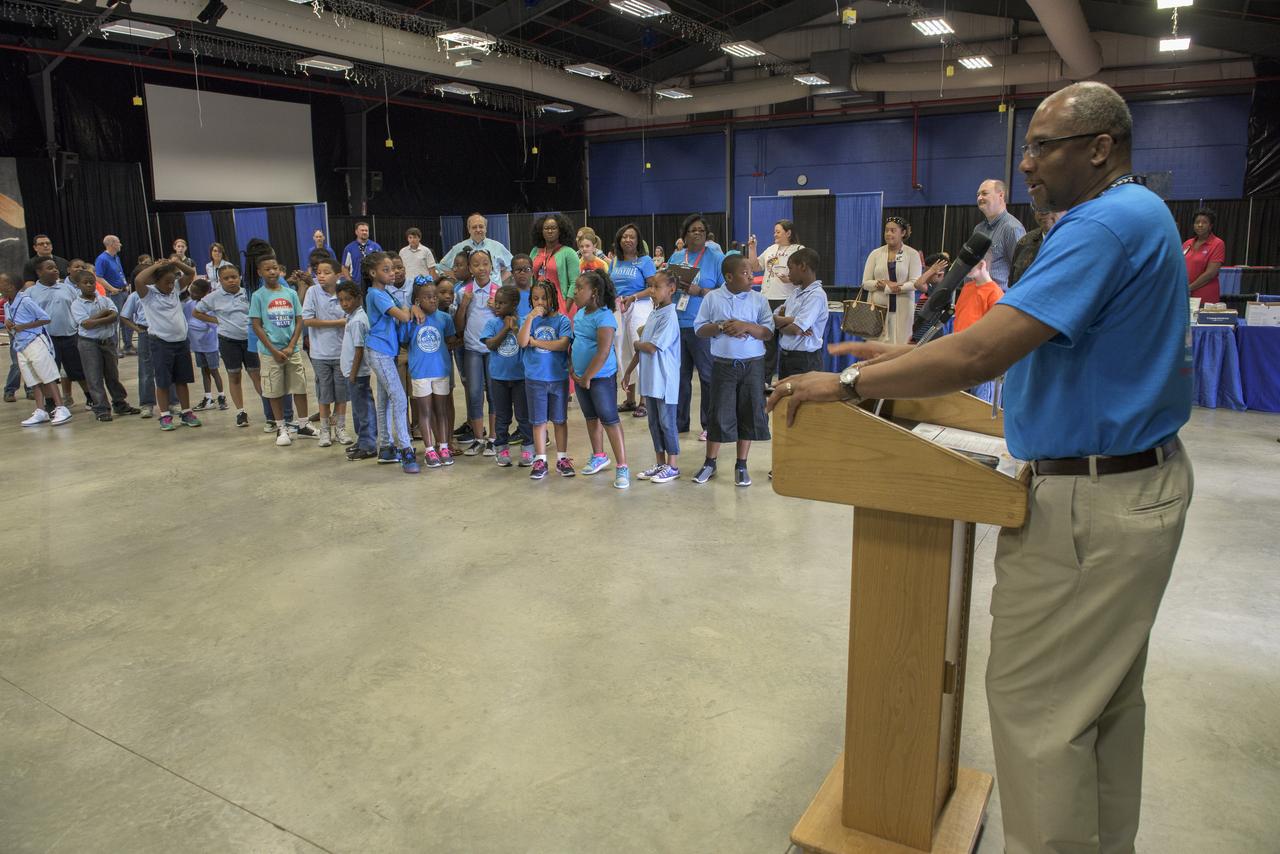
NASA’S MARSHALL SPACE FLIGHT CENTER KICKS OFF ITS ANNUAL "TAKE OUR CHILDREN TO WORK DAY" EVENTS JUNE 23 WITH OPENING REMARKS FROM LOUCIOUS HIRES, DIRECTOR OF MARSHALL’S OFFICE OF DIVERSITY AND EQUAL OPPORTUNITY. AN ESTIMATED 500 POTENTIAL FUTURE SPACEFARERS, SCIENTISTS AND ENGINEERS IN GRADES 3-12 TOOK PART IN THE DAY’S ACTIVITIES, TOURS AND PRESENTATIONS.
TAKE OUR CHILDREN TO WORK DAY
More than 250 children of employees at 15 Stennis Space Center resident agencies and organizations visited the facility July 31 to participate in annual Take Our Children to Work Day activities. Participants enjoyed various presentations and demonstrations on topics such as cryogenics and information security. They also had an opportunity to visit site facilities to learn about various work performed at the NASA center.
2012 Take Our Children to Work Day
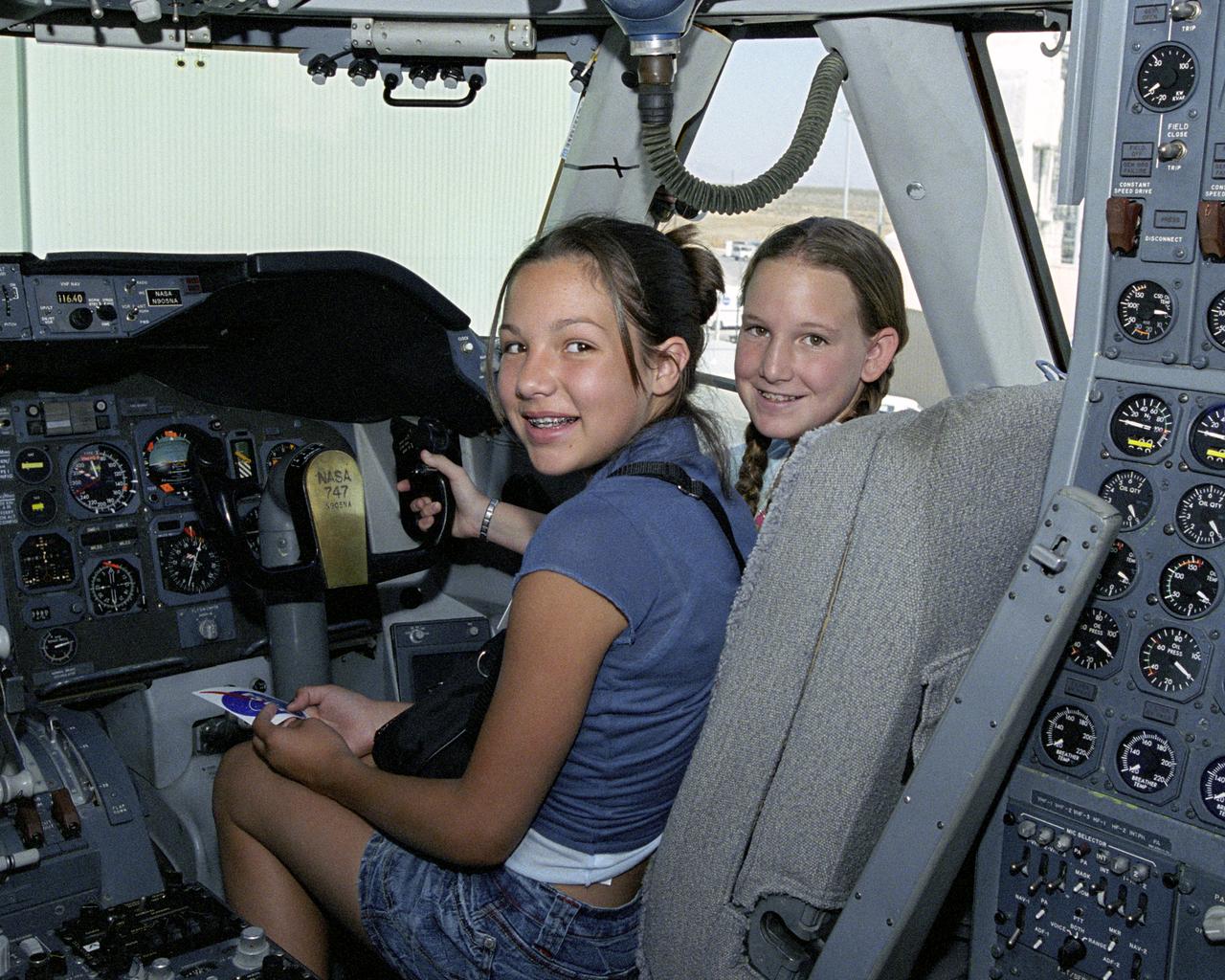
Leah Robson and Bridgette Puljiz of Tehachapi in the flight deck of NASA's modified Boeing 747 space shuttle carrier aircraft during Take Your Children to Work Day June 22 at NASA Dryden Flight Research Center.
Leah Robson and Bridgette Puljiz in the flight deck of NASA's 747 shuttle carrier during Take Your Children to Work Day
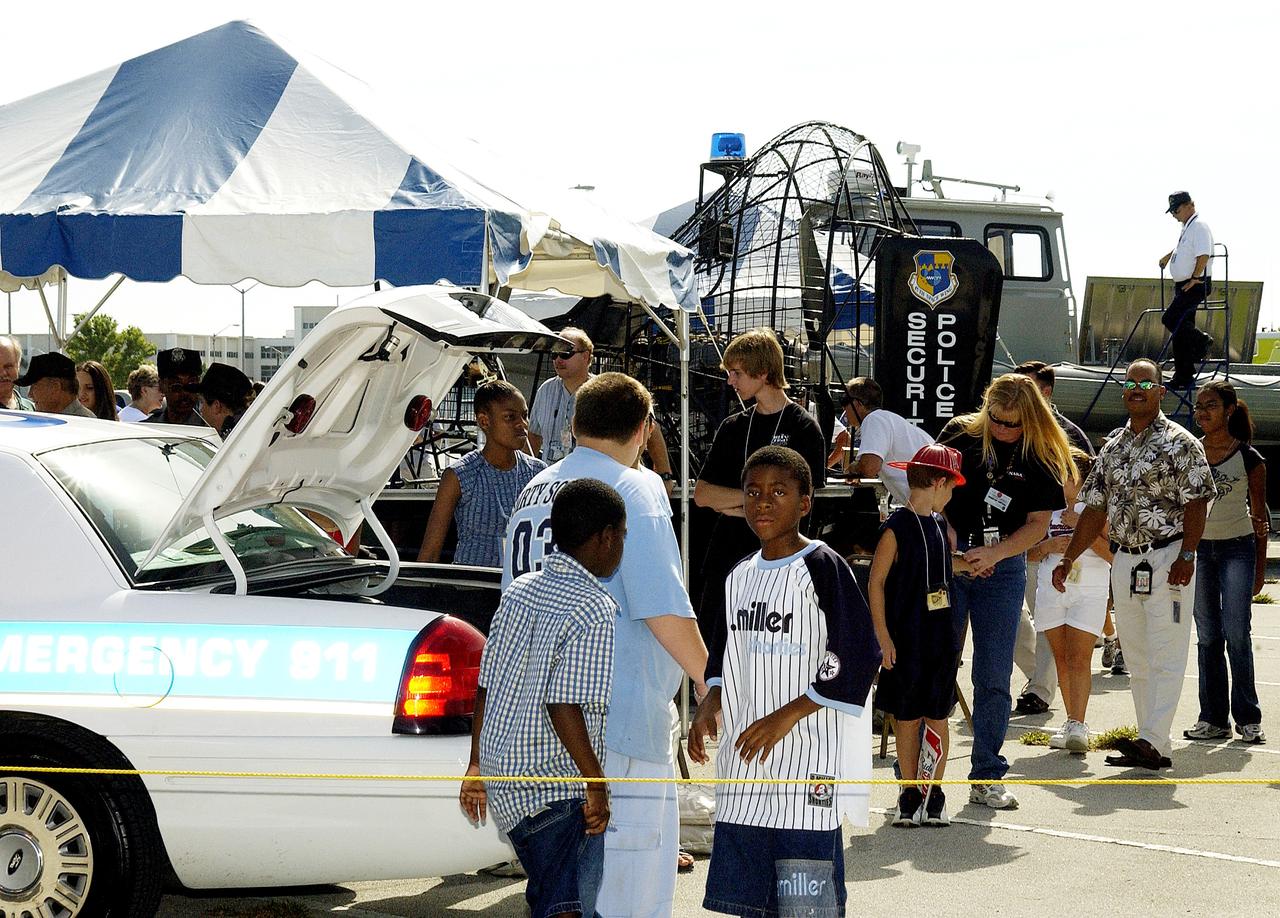
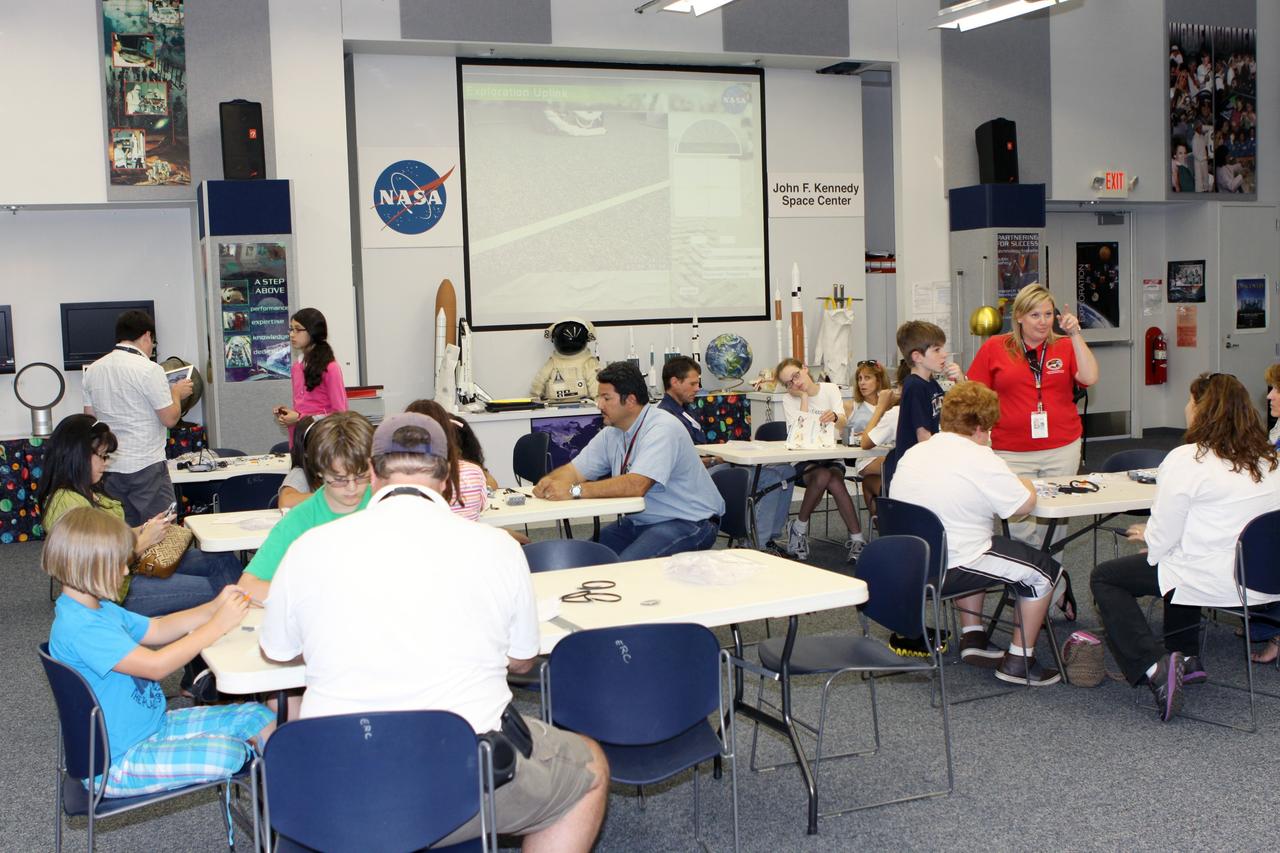
KENNEDY SPACE CENTER, FLA.  -   Children enjoy displays of security equipment during Take Our Children to Work Day.  Employees were invited to share their work experience with their children on this annual event.
KENNEDY SPACE CENTER, FLA. - Children enjoy displays of security equipment during Take Our Children to Work Day. Employees were invited to share their work experience with their children on this annual event.
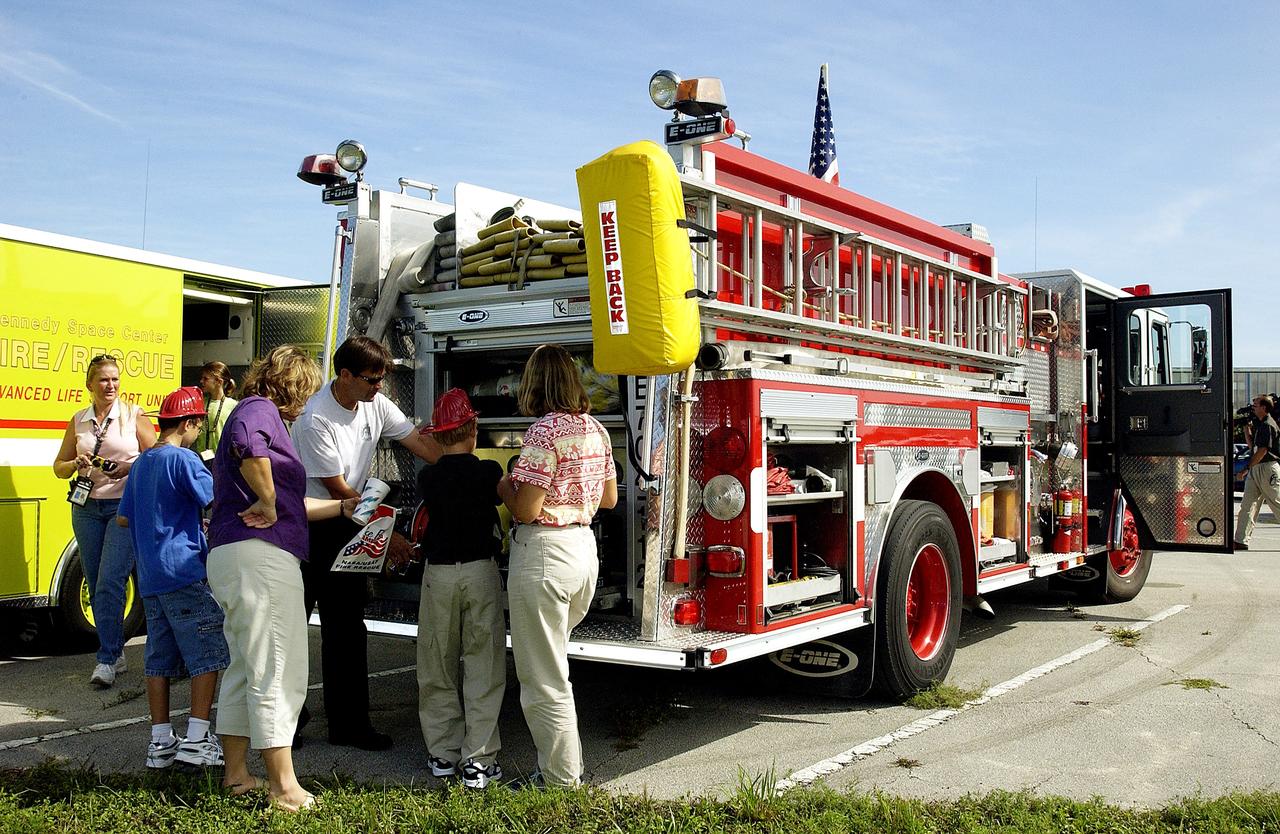
KENNEDY SPACE CENTER, FLA.  -  Children enjoy displays of fire equipment during Take Our Children to Work Day.  Employees were invited to share their work experience with their children on this annual event.
KENNEDY SPACE CENTER, FLA. - Children enjoy displays of fire equipment during Take Our Children to Work Day. Employees were invited to share their work experience with their children on this annual event.
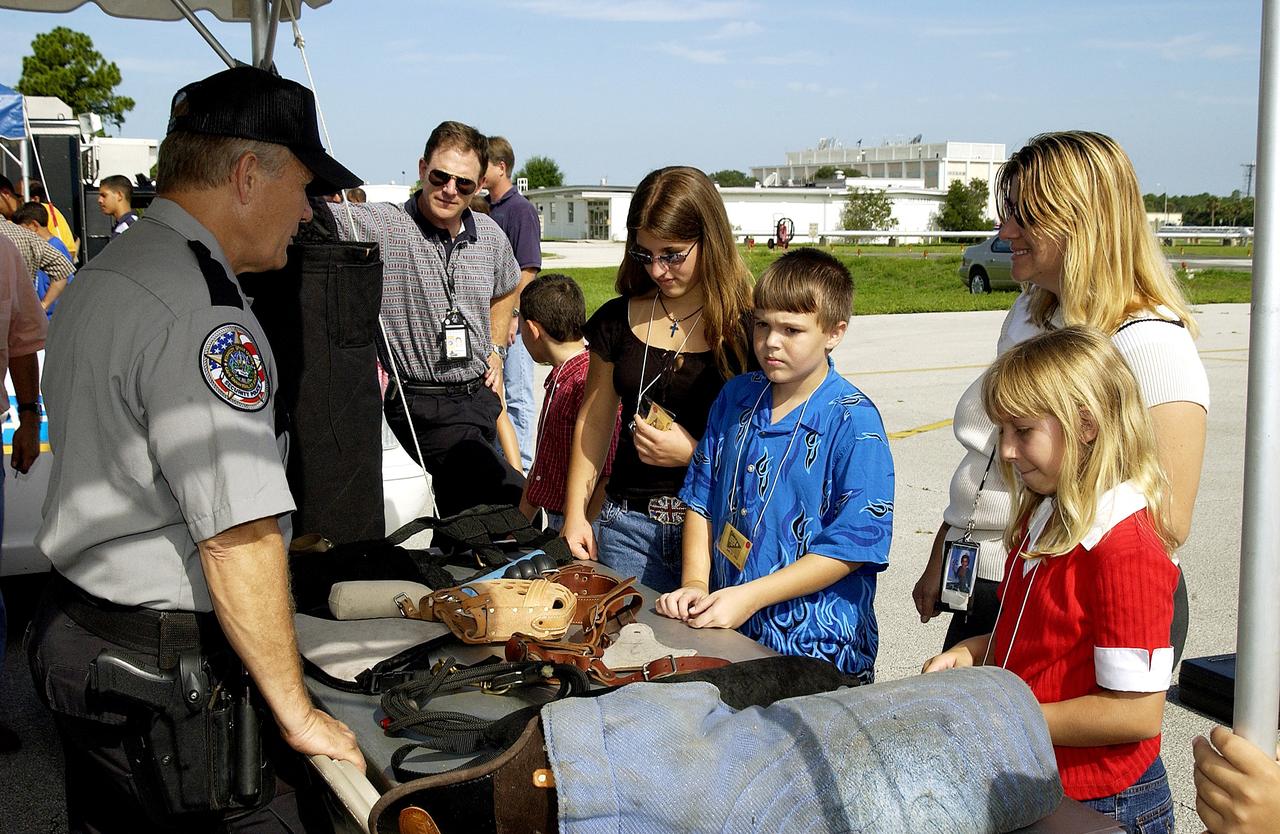
KENNEDY SPACE CENTER, FLA.  -    Children enjoy a hands-on display of security equipment during Take Our Children to Work Day.  Employees were invited to share their work experience with their children on this annual event.
KENNEDY SPACE CENTER, FLA. - Children enjoy a hands-on display of security equipment during Take Our Children to Work Day. Employees were invited to share their work experience with their children on this annual event.
KENNEDY SPACE CENTER, FLA.  -  Children enjoy displays of security equipment during Take Our Children to Work Day.  Employees were invited to share their work experience with their children on this annual event.
KENNEDY SPACE CENTER, FLA. - Children enjoy displays of security equipment during Take Our Children to Work Day. Employees were invited to share their work experience with their children on this annual event.
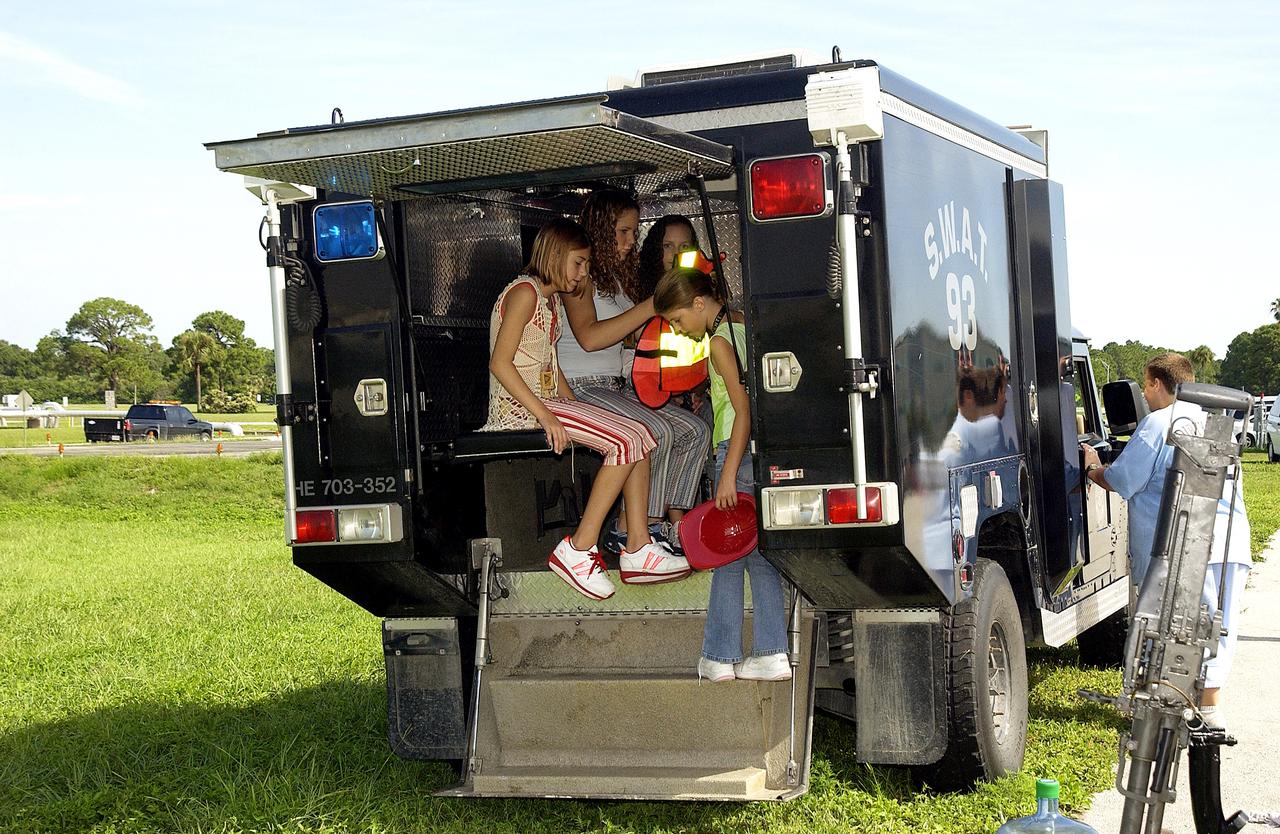
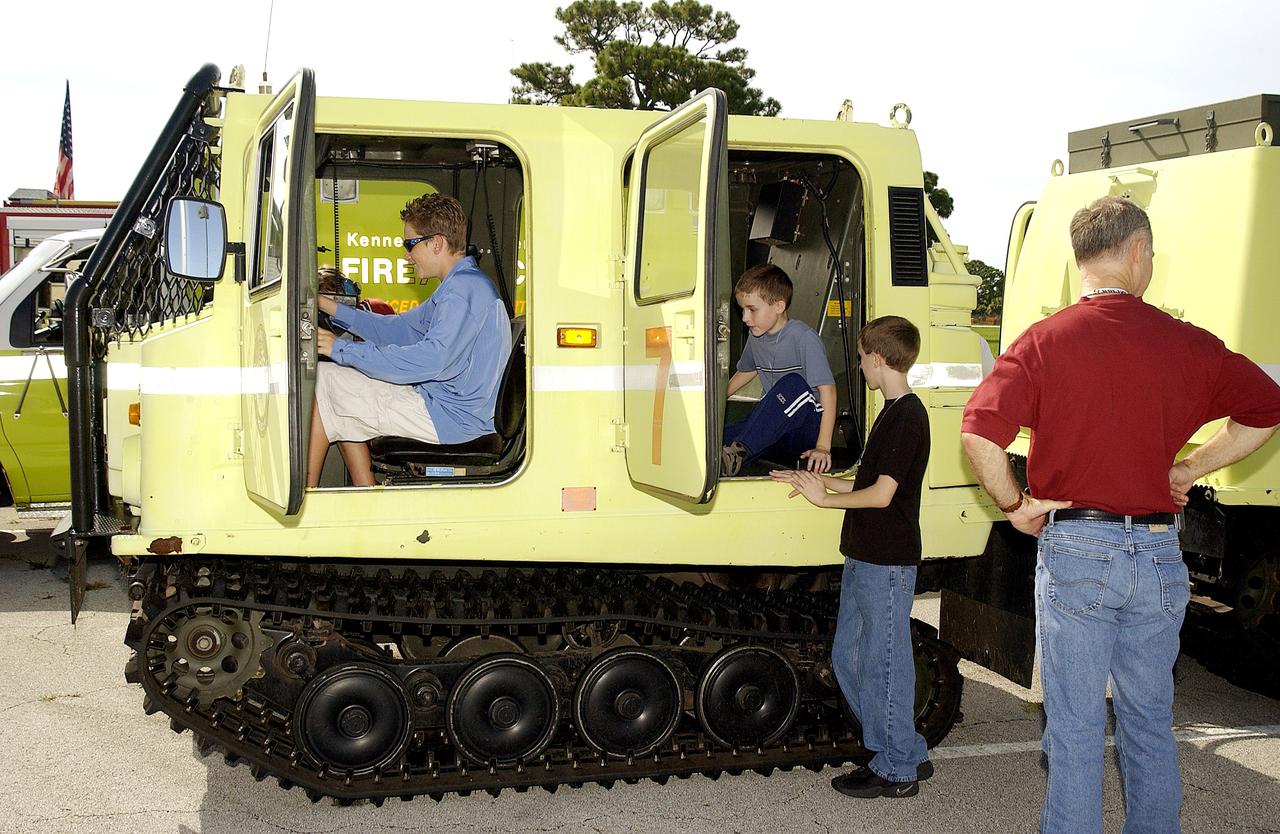
KENNEDY SPACE CENTER, FLA.  -   Children enjoy a hands-on display of fire equipment behind KSC NASA Headquarters.  Employees were invited to share their work experience with their children for Take Our Children to Work Day.
KENNEDY SPACE CENTER, FLA. - Children enjoy a hands-on display of fire equipment behind KSC NASA Headquarters. Employees were invited to share their work experience with their children for Take Our Children to Work Day.
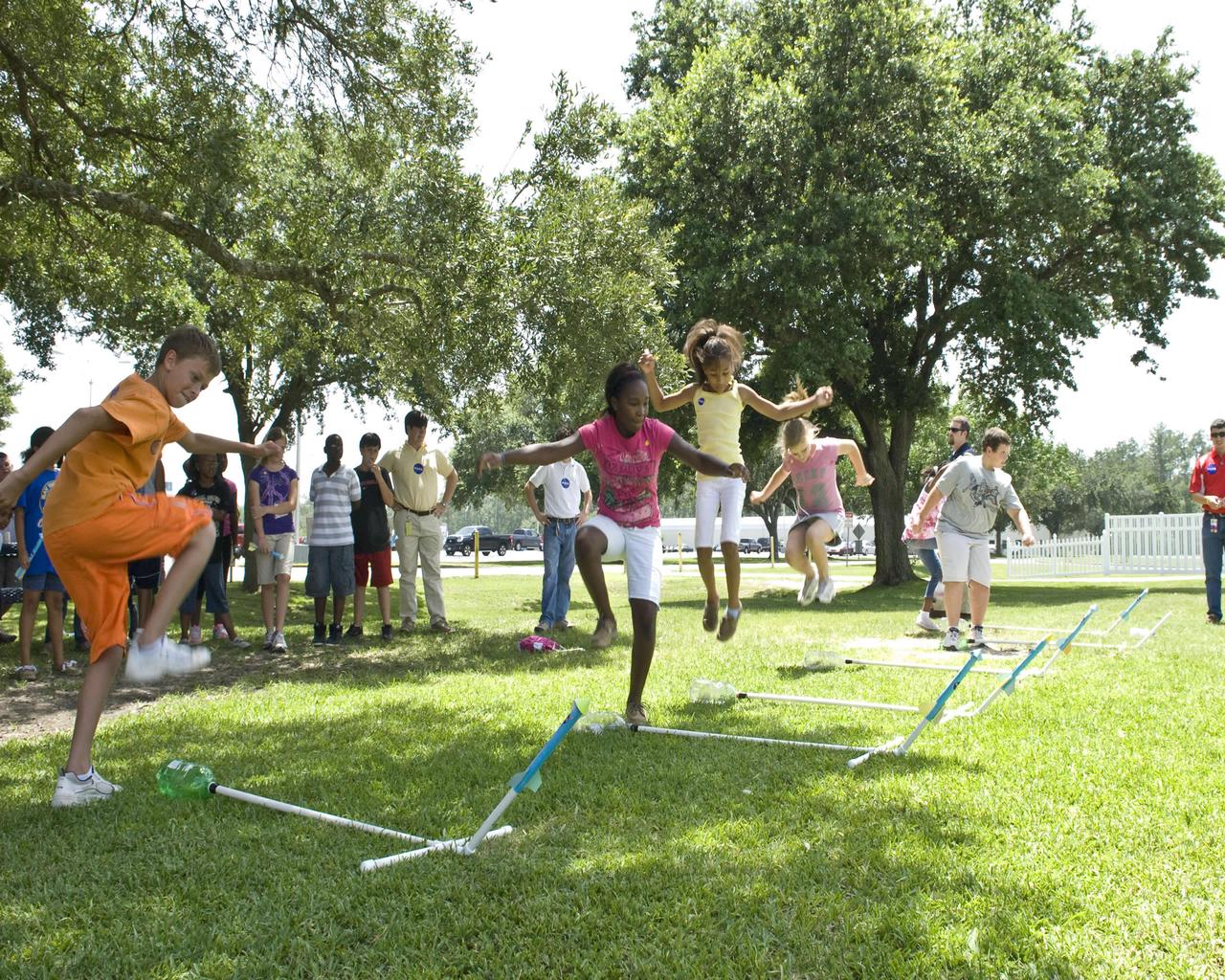
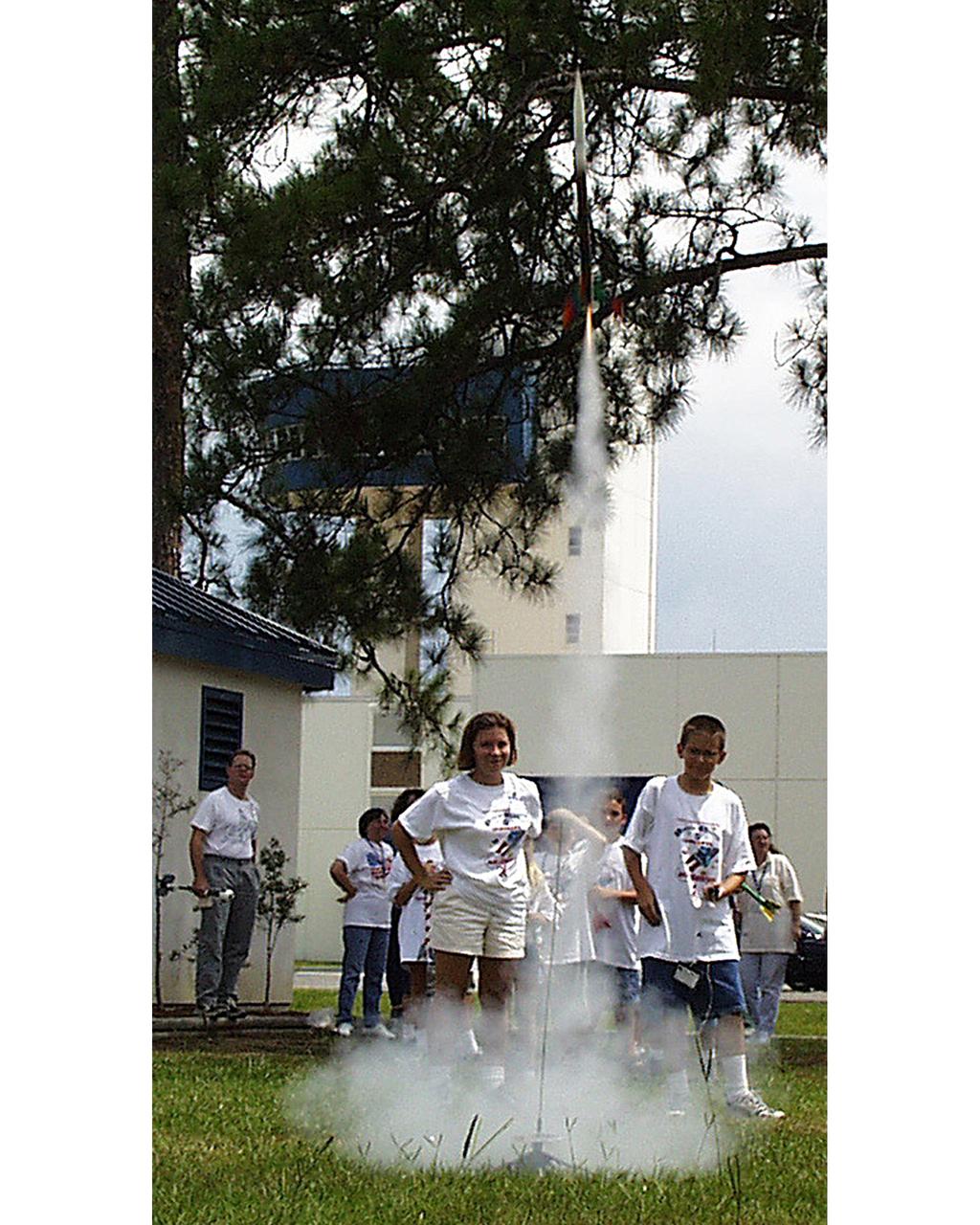
Young visitors to NASA's John C. Stennis Space Center prepare to launch 'stomp rockets' during STEM-Ulate to Innovate activities at the facility July 13. The NASA Foundations of Influence, Relationships, Success and Teamwork (FIRST) Team sponsored STEM-Ulate to Innovate for more than 100 children ages 9-11. Children from area Boys & Girls Clubs participated in hands-on activities, presentations and demonstrations by professional engineers, all designed to promote the relevance of science, technology, engineering and mathematics (STEM).
NASA team hosts STEM-Ulate actvities
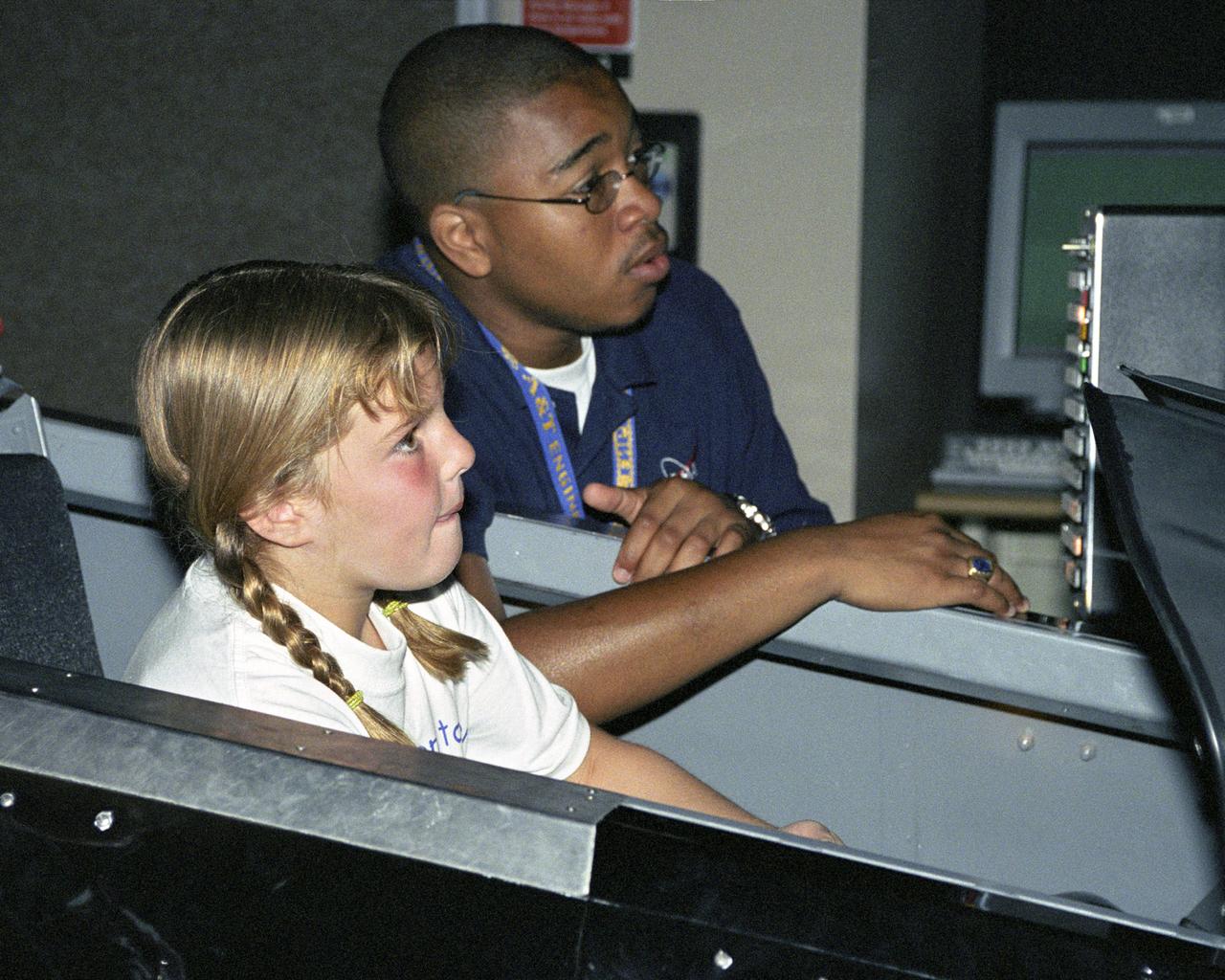
Nicole Schultheiss, a fourth-grader at Ulrich Elementary School in California City, "flew" an F/A-18 simulator with NASA engineer Byron Simpson's coaching during Take Your Children to Work Day June 22 at NASA Dryden Flight Research Center.
Nicole Schultheiss flies an F/A-18 simulator with NASA engineer Byron Simpson's coaching during Take Your Children to Work Day June 22
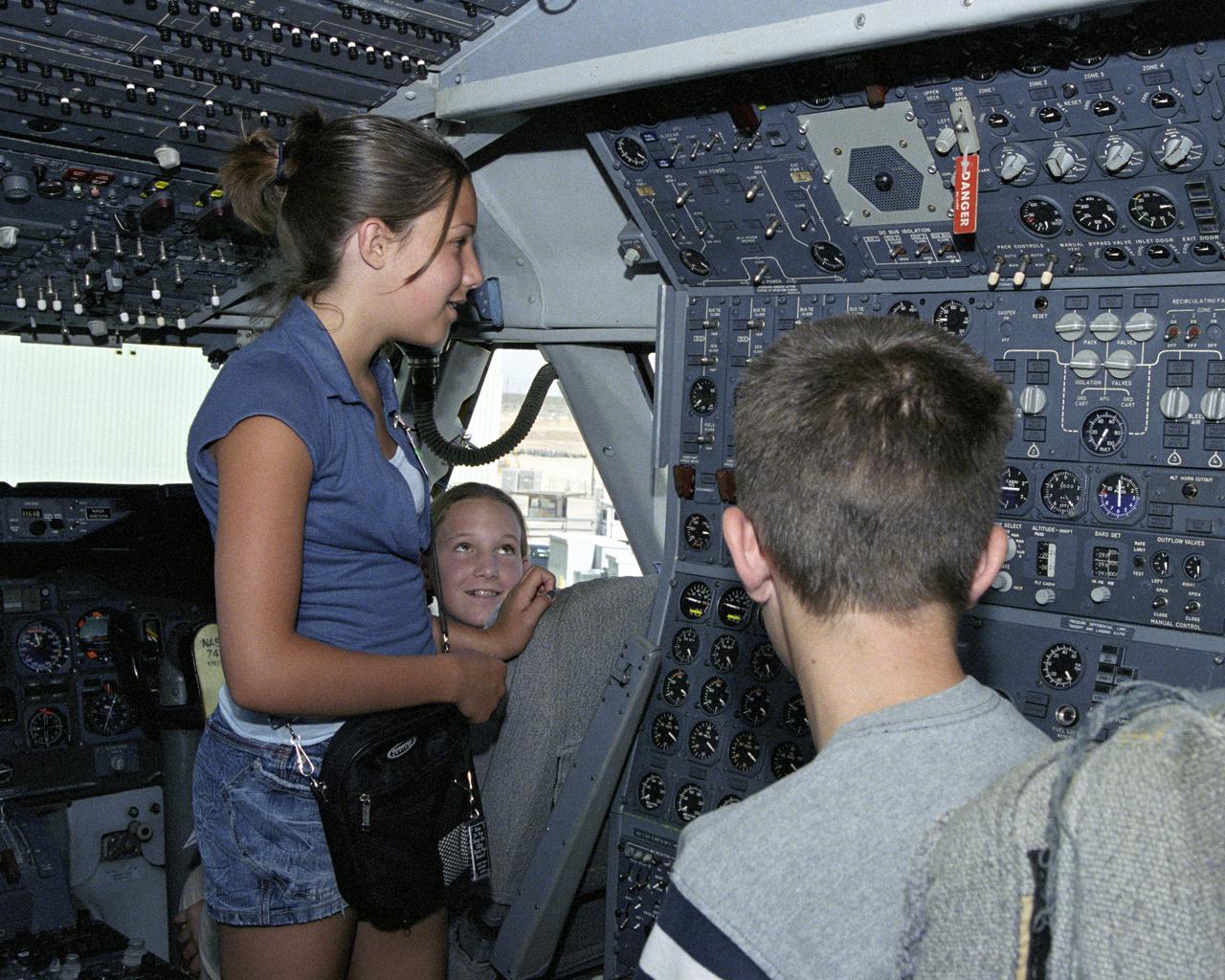
Leah Robson and Bridgette Puljiz of Tehachapi (seated) and Zachary Johnson of Palmdale (back to camera) look over the maze of dials and switches in the flight deck of NASA's modified Boeing 747 space shuttle carrier aircraft during Take Your Children to Work Day June 22 at NASA Dryden Flight Research Center.
Leah Robson, Bridgette Puljiz and Zachary Johnson(back to camera) in the flight deck of NASA's 747 shuttle carrier during Take Your Children to Work Day
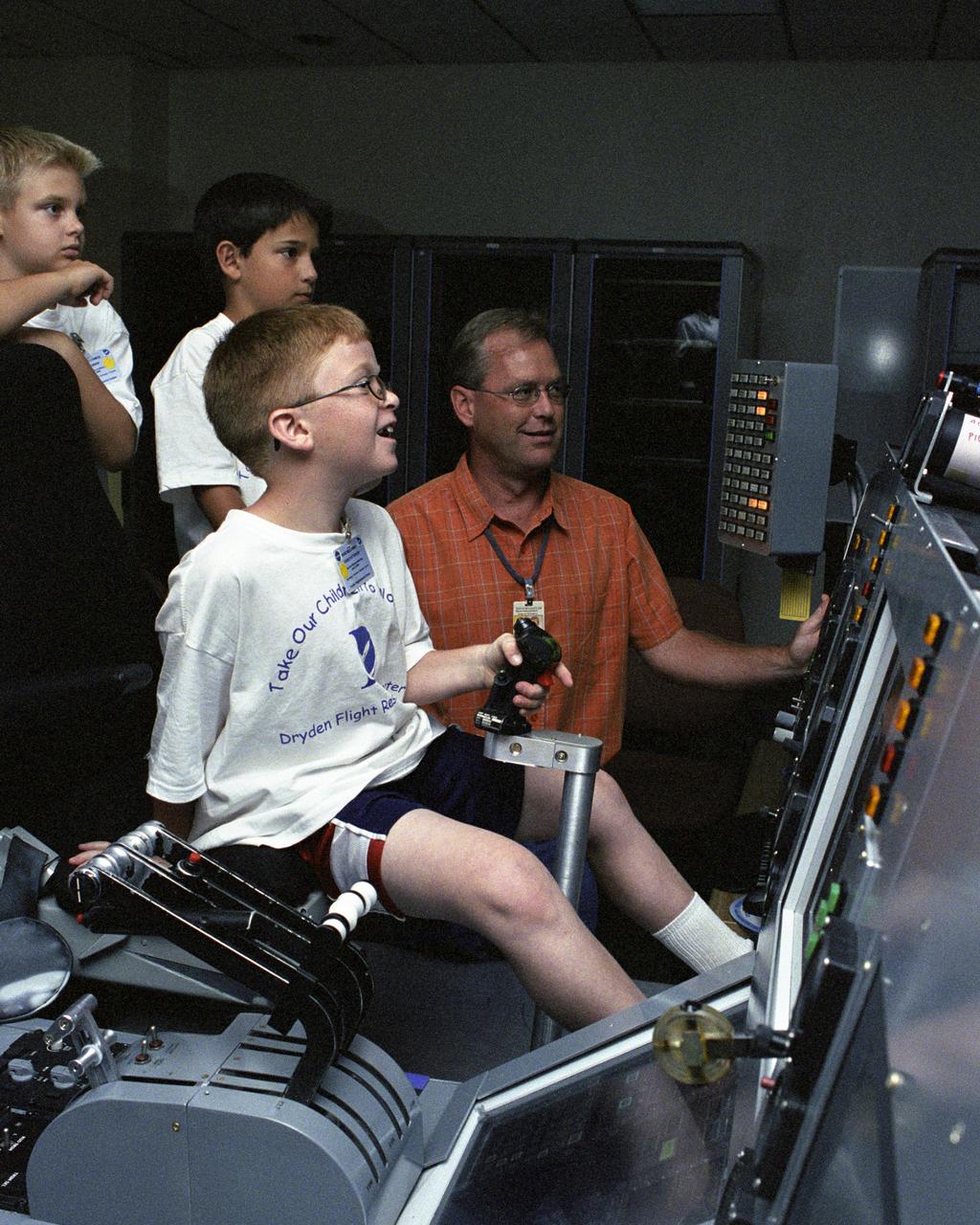
Eddie Patterson, a fourth-grade student at Tehachapi's Tompkins Elementary School, enjoyed "flying" a C-17 multi-engine aircraft simulator during Take Your Children to Work Day June 22 at NASA Dryden Flight Research Center while NASA Dryden engineer Ken Norlin and other students look on.
Eddie Patterson enjoyed "flying" a C-17 simulator during Take Your Children to Work Day June 22 while Dryden engineer Ken Norlin and other students look on
Young people prepare model rockets during an Astro Camp activity at Keesler Air Force Base in Biloxi. Stennis hosted the camp June 28 - July 1 in support of the White House Military Families Initiative. The camp also marked the beginning of a partnership between Stennis and Keesler to provide NASA education experiences to military children and to train children and youth care-providers. It is hoped that this activity can be expanded to other military bases next summer.
Keesler Astro Camp
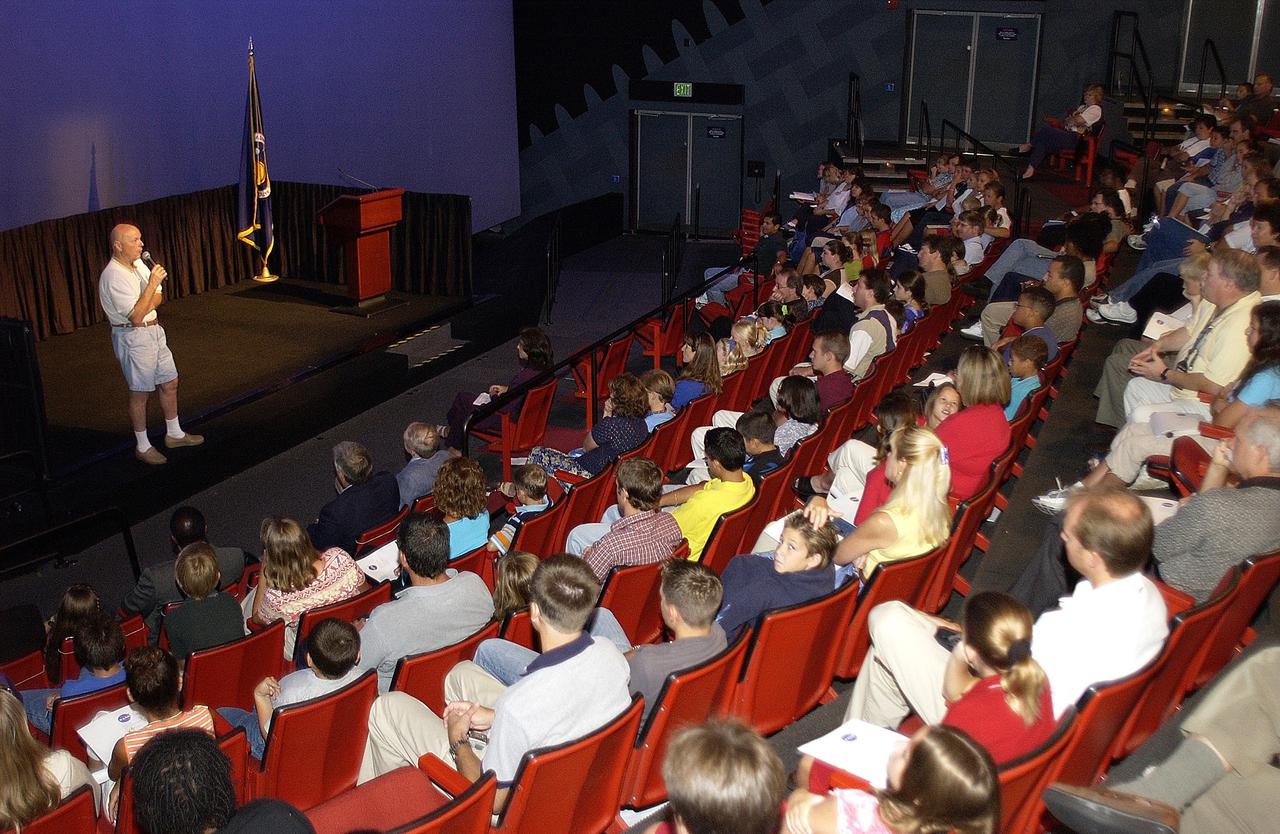
KENNEDY SPACE CENTER, FLA.  -  Former astronaut Story Musgrave talks to employees and their children during a welcome ceremony in the IMAX Theatre, KSC Visitor Complex.  Employees were invited to share their work experience with their children for Take Our Children to Work Day.
KENNEDY SPACE CENTER, FLA. - Former astronaut Story Musgrave talks to employees and their children during a welcome ceremony in the IMAX Theatre, KSC Visitor Complex. Employees were invited to share their work experience with their children for Take Our Children to Work Day.
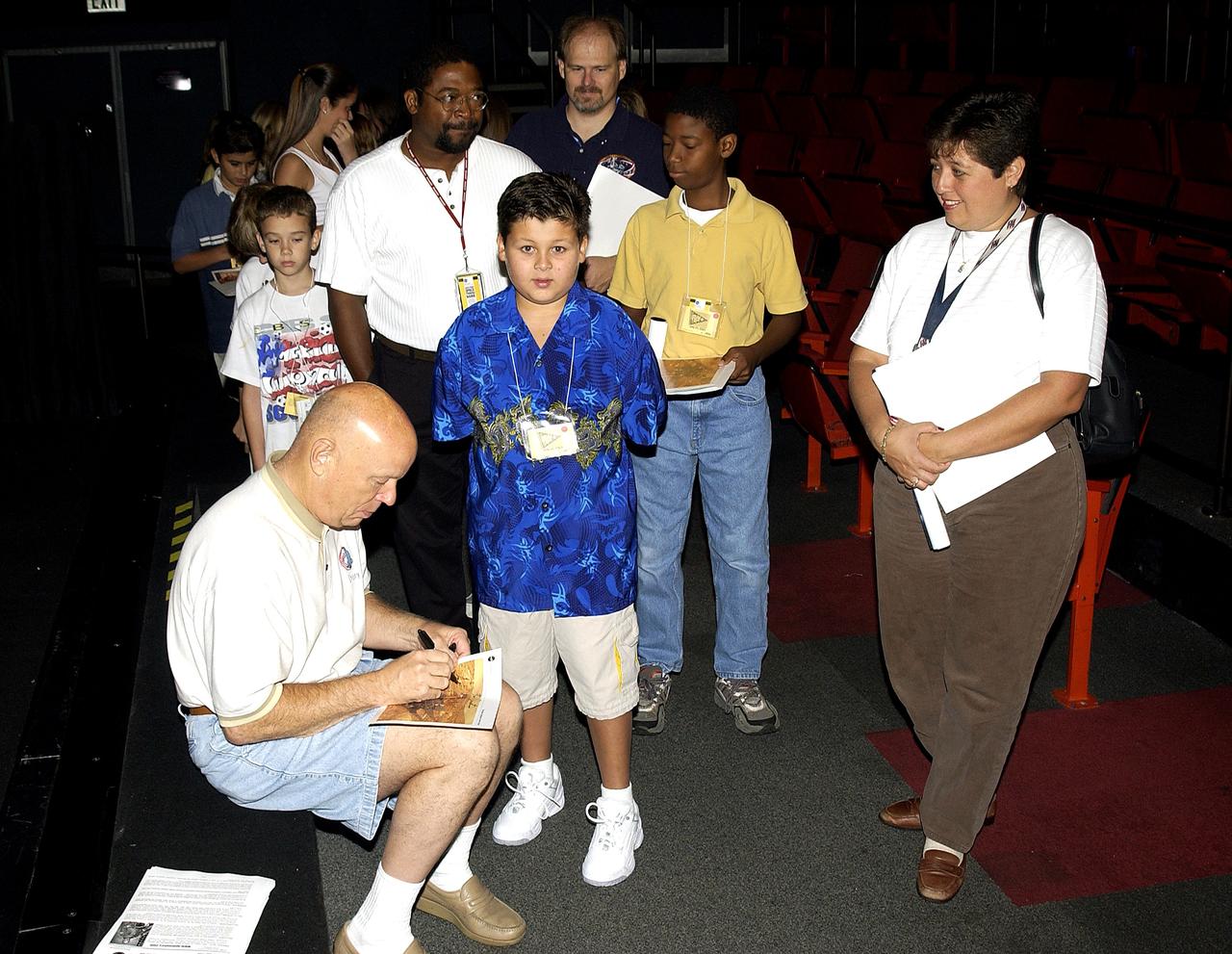
KENNEDY SPACE CENTER, FLA.  -   Former astronaut Story Musgrave signs autographs for employees’ children after his presentation during a welcome ceremony in the IMAX Theatre, KSC Visitor Complex.  Employees were invited to share their work experience with their children for Take Our Children to Work Day.
KENNEDY SPACE CENTER, FLA. - Former astronaut Story Musgrave signs autographs for employees’ children after his presentation during a welcome ceremony in the IMAX Theatre, KSC Visitor Complex. Employees were invited to share their work experience with their children for Take Our Children to Work Day.
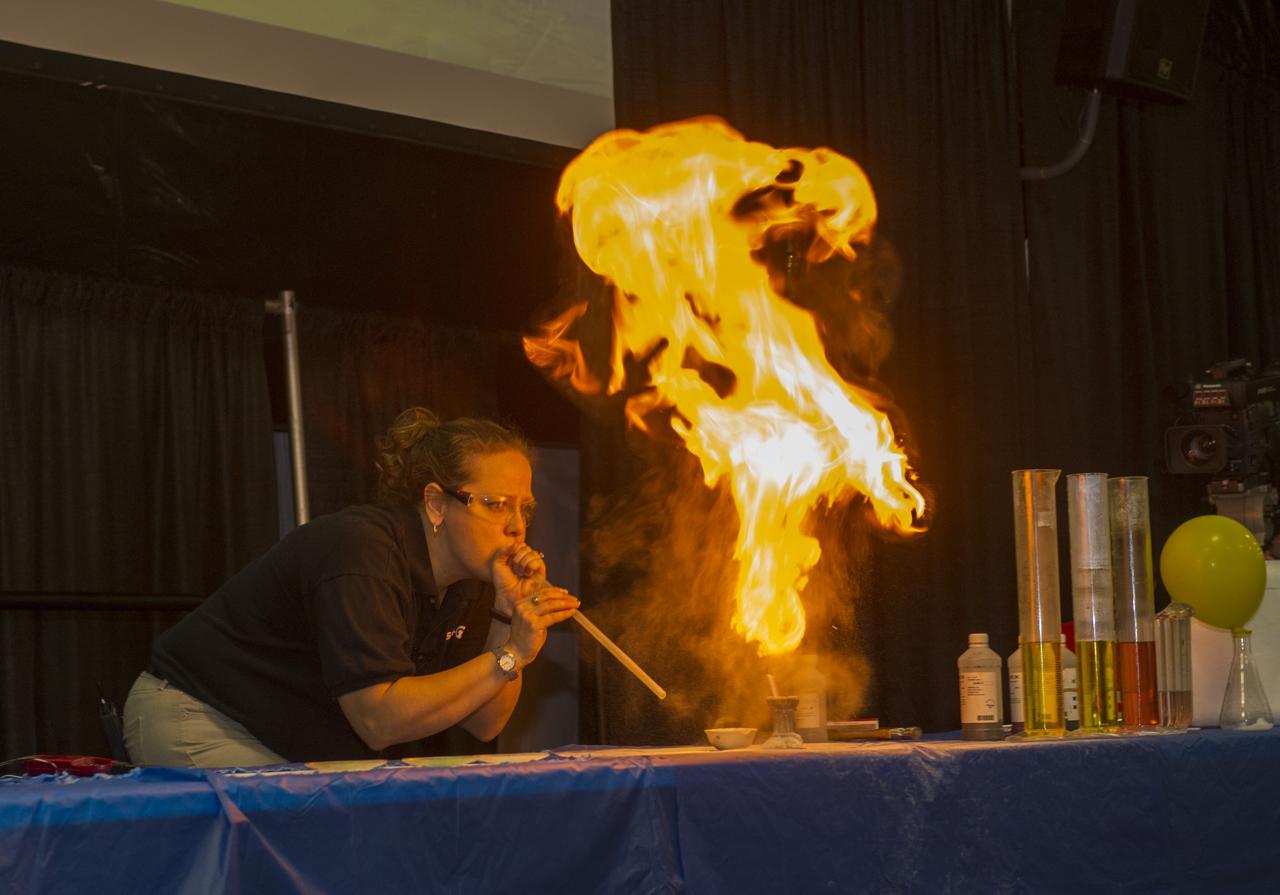
HEATHER RODIN, AN EMPLOYEE OF SCI-QUEST OF HUNTSVILLE, SHOWS HER YOUNG AUDIENCE HOW OXYGEN IS NECESSARY TO PRODUCE COMBUSTION
Take our Children to Work Day
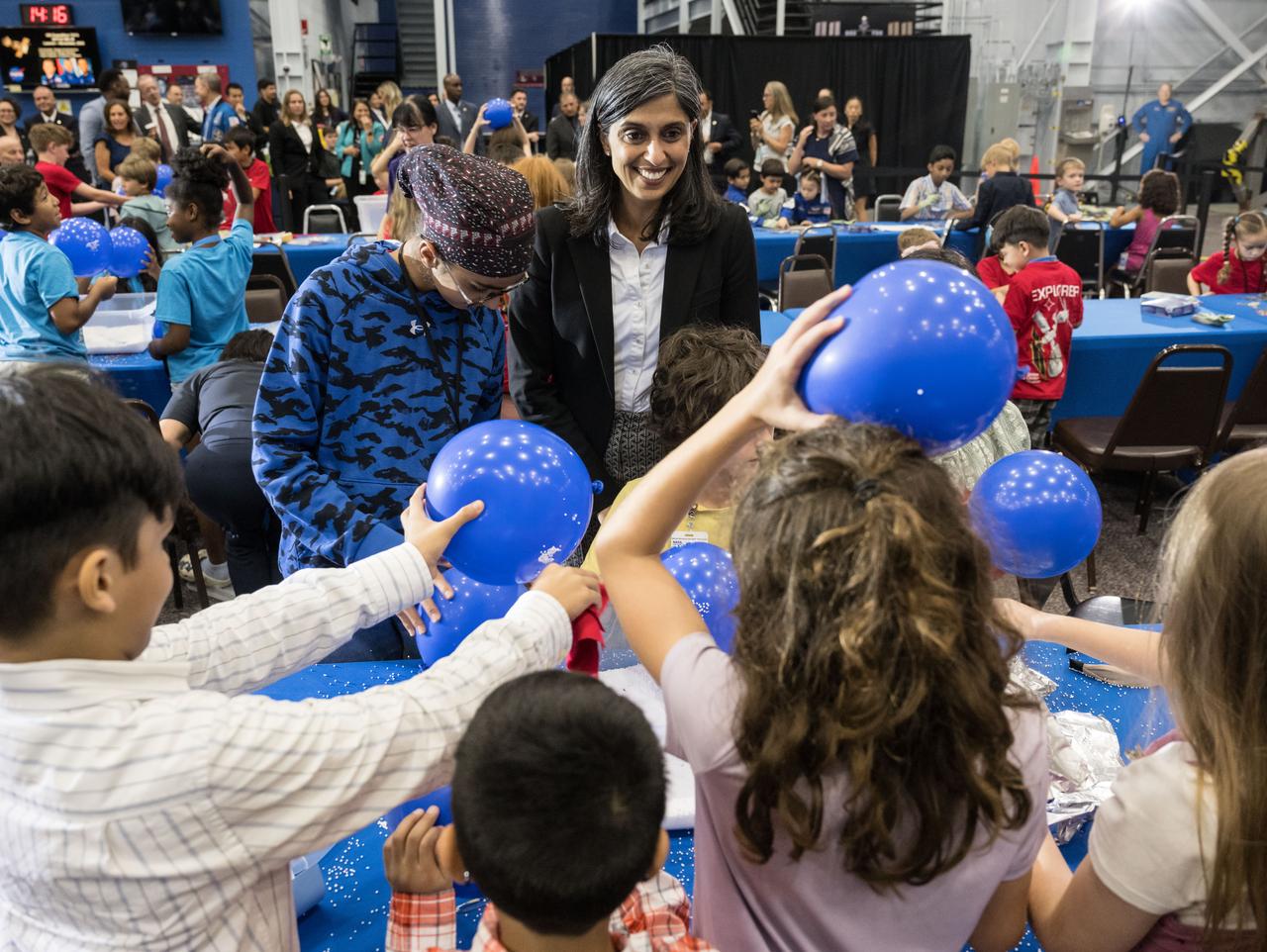
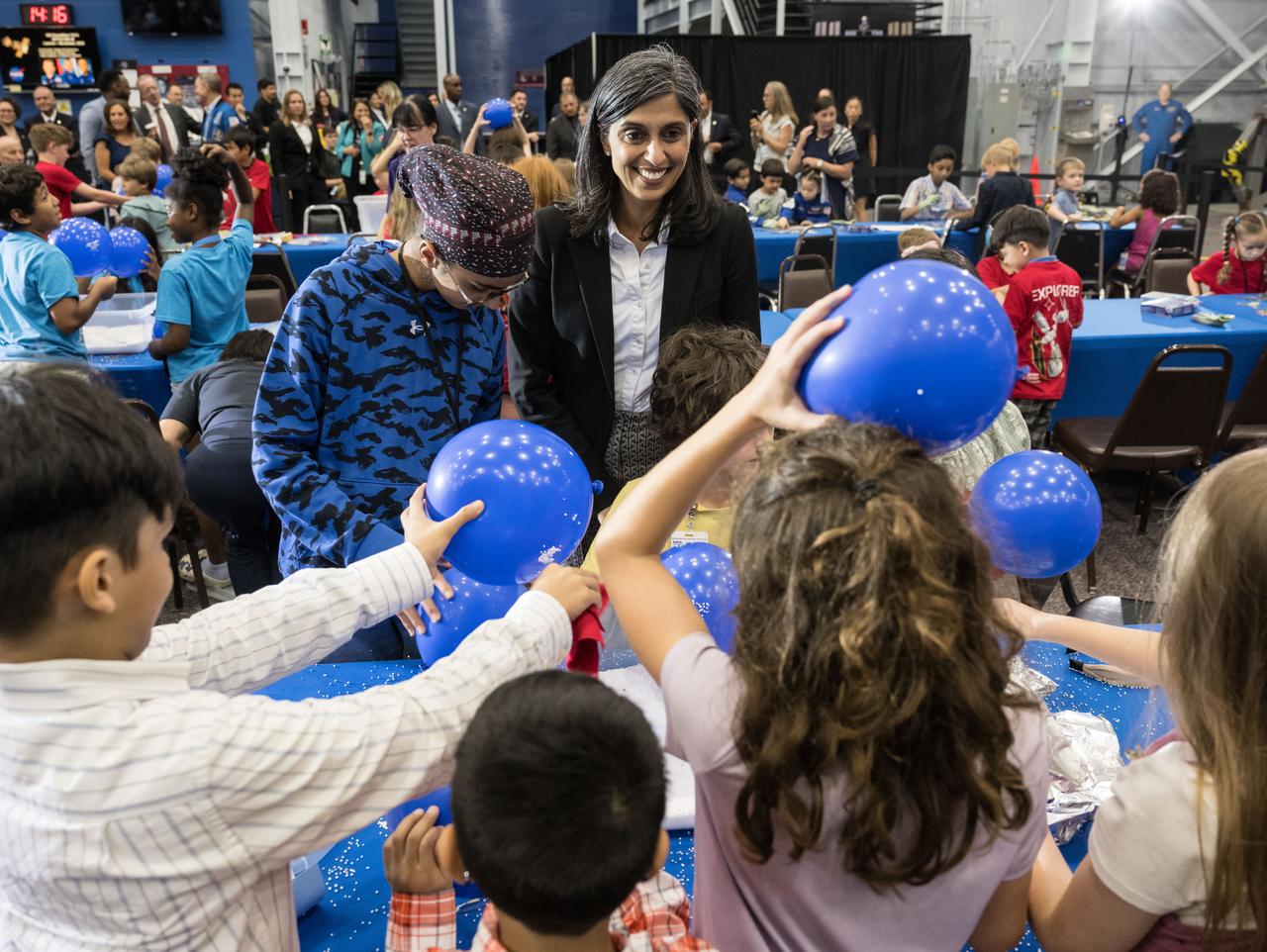
jsc2025e067250 (August 4, 2025) --- Second Lady Usha Vance interacts with a group of children as they were participating in group activities as part of the Summer Reading Challenge event at NASA’s Johnson Space Center. Photo Credit: NASA/James Blair Photo Credit: NASA/James Blair
Second Lady Usha Vance Interacts with Children at the Summer Reading Challenge event
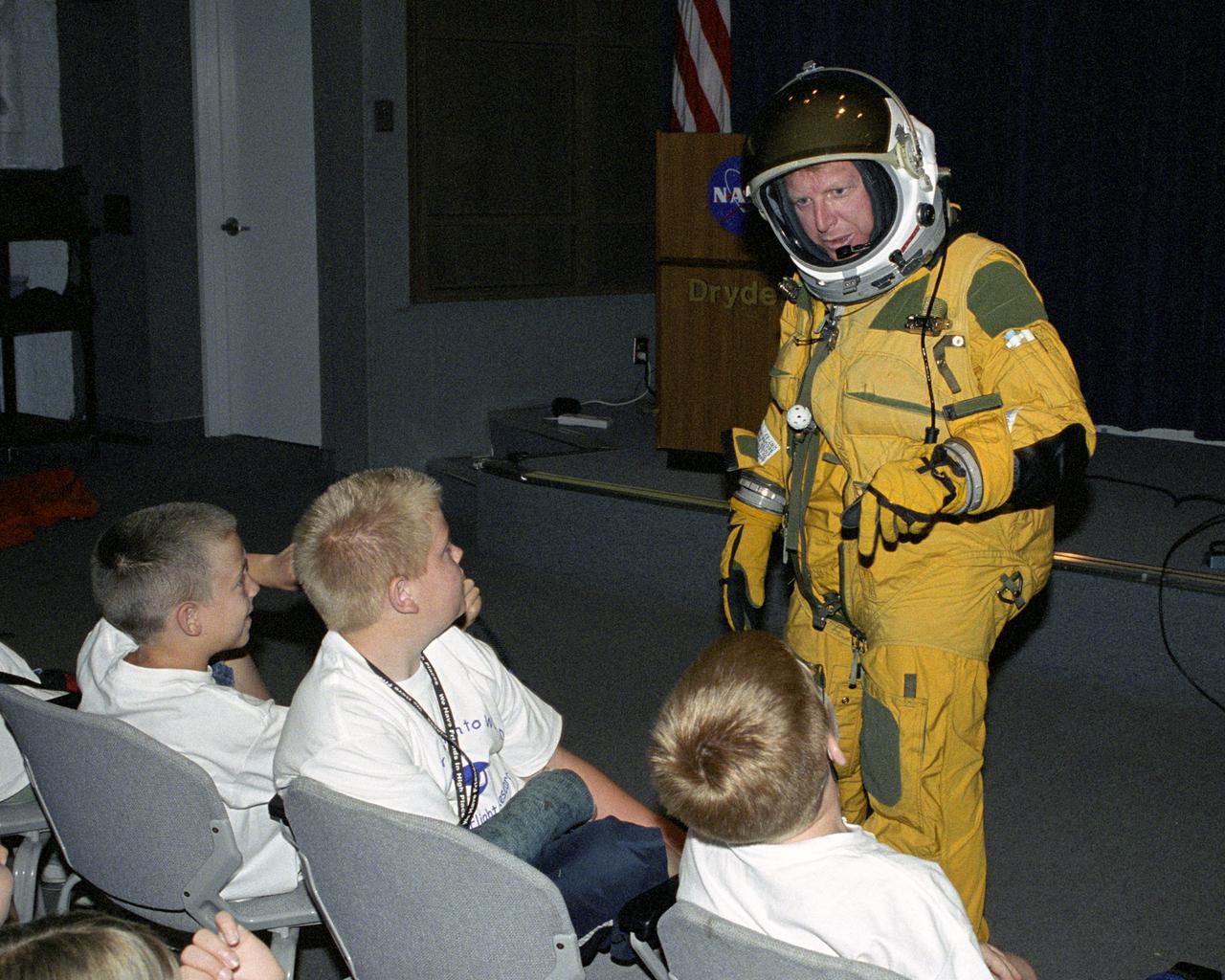
NASA Dryden historian Christian Gelzer explains functions of the high-altitude pressure suit he is wearing to (left to right) Brandon Blankenship and Garrett Clay of Lancaster and Eddie Patterson of Tehachapi during Take Your Children to Work Day activities at NASA Dryden Flight Research Center June 22.
Dryden historian Christian Gelzer explains functions of a high-altitude pressure suit to (left to right) Brandon Blankenship, Garrett Clay and Eddie Patterson
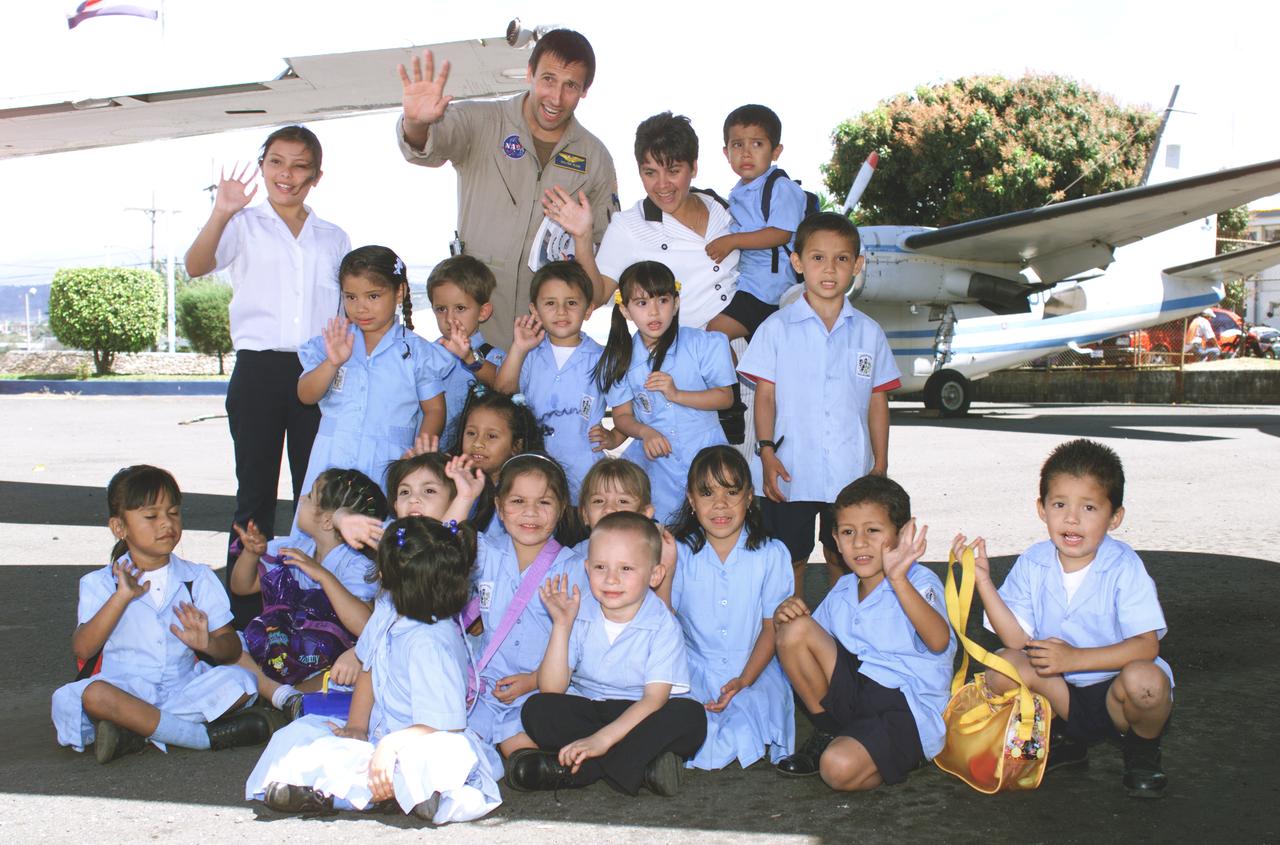
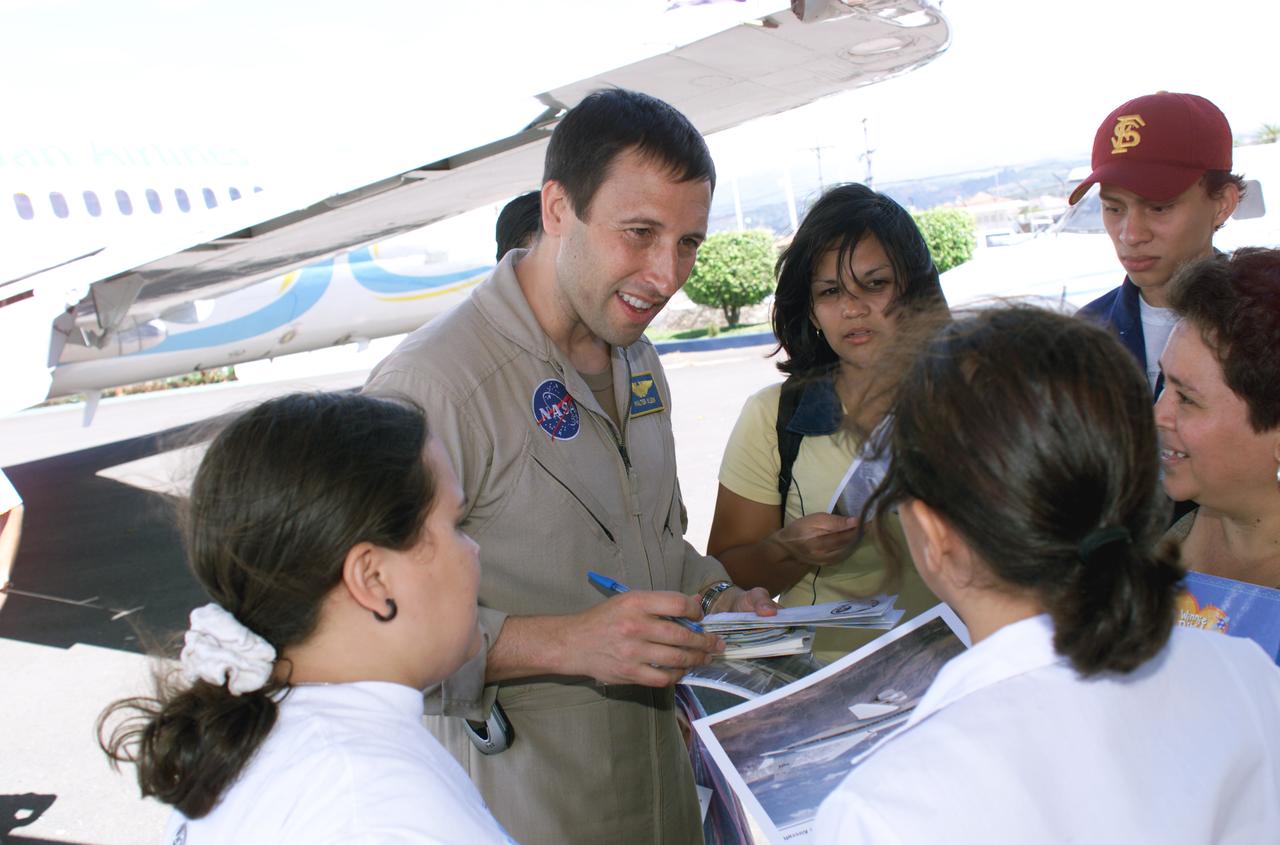
NASA Dryden Mission Manager Walter Klein poses with school children that visited the airport during AirSAR 2004. In spanish, he explained to them the mission of the DC-8 AirSAR 2004 Mesoamerican campaign in Costa Rica. AirSAR 2004 Mesoamerica is a three-week expedition by an international team of scientists that uses an all-weather imaging tool, called the Airborne Synthetic Aperture Radar (AirSAR) which is located onboard NASA's DC-8 airborne laboratory.  Scientists from many parts of the world including NASA's Jet Propulsion Laboratory are combining ground research done in several areas in Central America with NASA's AirSAR technology to improve and expand on the quality of research they are able to conduct.  The radar, developed by NASA's Jet Propulsion Laboratory, can penetrate clouds and also collect data at night. Its high-resolution sensors operate at multiple wavelengths and modes, allowing AirSAR to see beneath treetops, through thin sand, and dry snow pack.  AirSAR's 2004 campaign is a collaboration of many U.S. and Central American institutions and scientists, including NASA; the National Science Foundation; the Smithsonian Institution; National Geographic; Conservation International; the Organization of Tropical Studies; the Central American Commission for Environment and Development; and the Inter-American Development Bank.
NASA Dryden Mission Manager Walter Klein poses with school children that visited the airport during AirSAR 2004
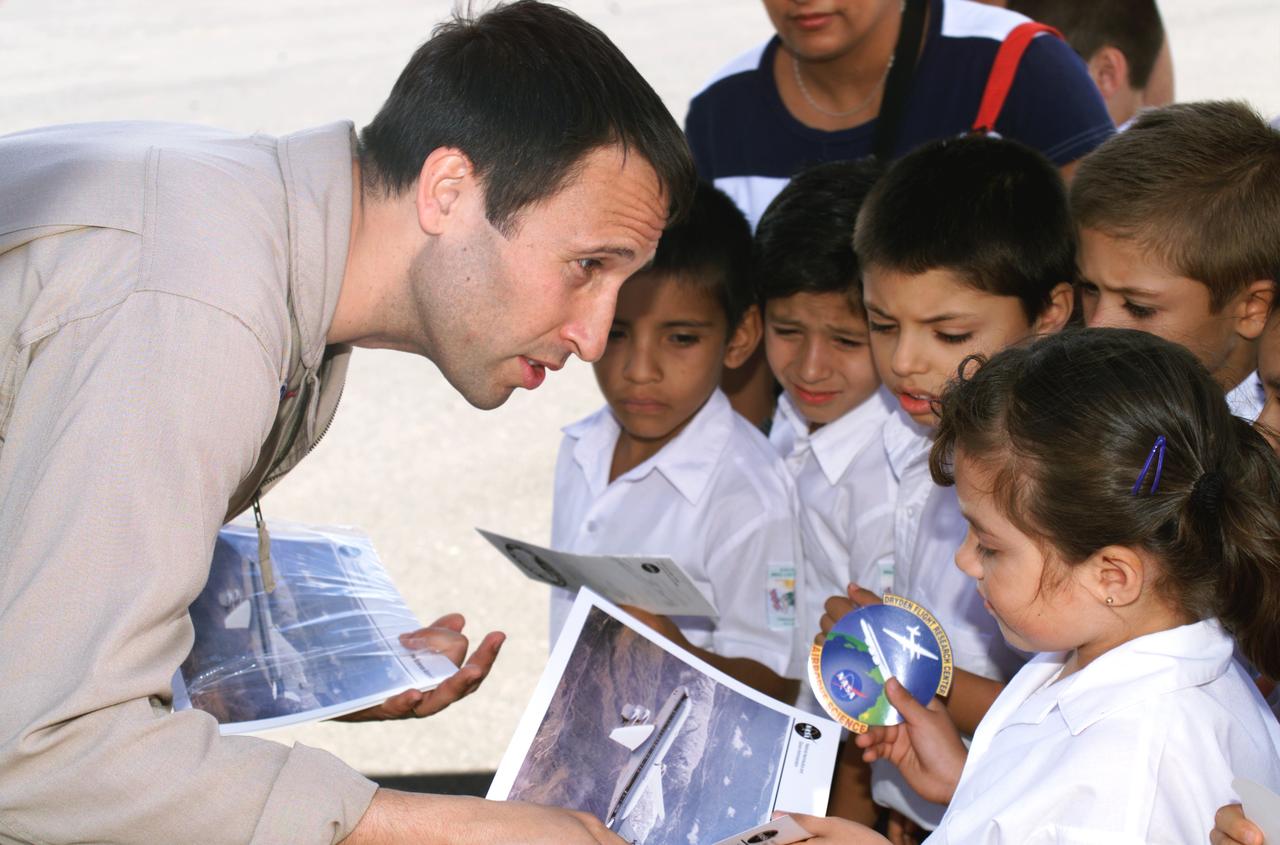
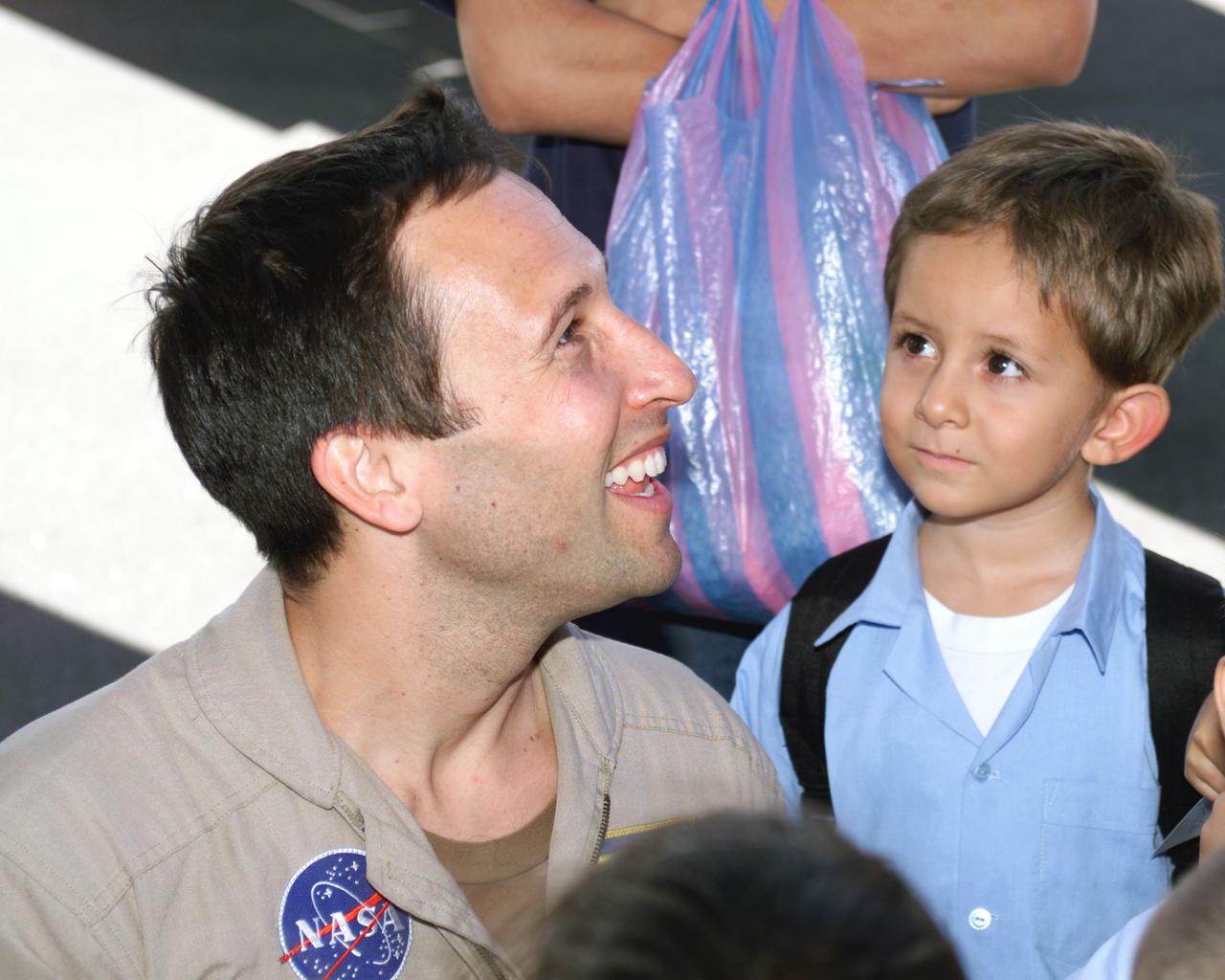
NASA Dryden Mission Manager Walter Klein passes out Airborne Science stickers and lithographs to underprivileged school children that visited the airport on Monday March 8, 2004. In spanish, he explained to them the mission of the DC-8 AirSAR 2004 Mesoamerican campaign in Costa Rica. AirSAR 2004 Mesoamerica is a three-week expedition by an international team of scientists that uses an all-weather imaging tool, called the Airborne Synthetic Aperture Radar (AirSAR) which is located onboard NASA's DC-8 airborne laboratory.  Scientists from many parts of the world including NASA's Jet Propulsion Laboratory are combining ground research done in several areas in Central America with NASA's AirSAR technology to improve and expand on the quality of research they are able to conduct.  The radar, developed by NASA's Jet Propulsion Laboratory, can penetrate clouds and also collect data at night. Its high-resolution sensors operate at multiple wavelengths and modes, allowing AirSAR to see beneath treetops, through thin sand, and dry snow pack.  AirSAR's 2004 campaign is a collaboration of many U.S. and Central American institutions and scientists, including NASA; the National Science Foundation; the Smithsonian Institution; National Geographic; Conservation International; the Organization of Tropical Studies; the Central American Commission for Environment and Development; and the Inter-American Development Bank.
DFRC Mission Manager Walter Klein passes out stickers and lithographs to underprivileged Costa Rican school children that visited the airport on Monday March 8, 2004
NASA Dryden Mission Manager Walter Klein passes out Airborne Science stickers and lithographs to underprivileged school children that visited the airport on Monday March 8, 2004. In spanish, he explained to them the mission of the DC-8 AirSAR 2004 Mesoamerican campaign in Costa Rica. AirSAR 2004 Mesoamerica is a three-week expedition by an international team of scientists that uses an all-weather imaging tool, called the Airborne Synthetic Aperture Radar (AirSAR) which is located onboard NASA's DC-8 airborne laboratory.  Scientists from many parts of the world including NASA's Jet Propulsion Laboratory are combining ground research done in several areas in Central America with NASA's AirSAR technology to improve and expand on the quality of research they are able to conduct.  The radar, developed by NASA's Jet Propulsion Laboratory, can penetrate clouds and also collect data at night. Its high-resolution sensors operate at multiple wavelengths and modes, allowing AirSAR to see beneath treetops, through thin sand, and dry snow pack.  AirSAR's 2004 campaign is a collaboration of many U.S. and Central American institutions and scientists, including NASA; the National Science Foundation; the Smithsonian Institution; National Geographic; Conservation International; the Organization of Tropical Studies; the Central American Commission for Environment and Development; and the Inter-American Development Bank.
DFRC Mission Manager Walter Klein passes out stickers and lithographs to underprivileged Costa Rican school children that visited the airport on Monday March 8, 2004
NASA Dryden Mission Manager Walter Klein passes out Airborne Science stickers and lithographs to underprivileged school children that visited the airport on Monday March 8, 2004. In spanish, he explained to them the mission of the DC-8 AirSAR 2004 Mesoamerican campaign in Costa Rica. AirSAR 2004 Mesoamerica is a three-week expedition by an international team of scientists that uses an all-weather imaging tool, called the Airborne Synthetic Aperture Radar (AirSAR) which is located onboard NASA's DC-8 airborne laboratory.  Scientists from many parts of the world including NASA's Jet Propulsion Laboratory are combining ground research done in several areas in Central America with NASA's AirSAR technology to improve and expand on the quality of research they are able to conduct.  The radar, developed by NASA's Jet Propulsion Laboratory, can penetrate clouds and also collect data at night. Its high-resolution sensors operate at multiple wavelengths and modes, allowing AirSAR to see beneath treetops, through thin sand, and dry snow pack.  AirSAR's 2004 campaign is a collaboration of many U.S. and Central American institutions and scientists, including NASA; the National Science Foundation; the Smithsonian Institution; National Geographic; Conservation International; the Organization of Tropical Studies; the Central American Commission for Environment and Development; and the Inter-American Development Bank.
DFRC Mission Manager Walter Klein passes out stickers and lithographs to underprivileged Costa Rican school children that visited the airport on Monday March 8, 2004
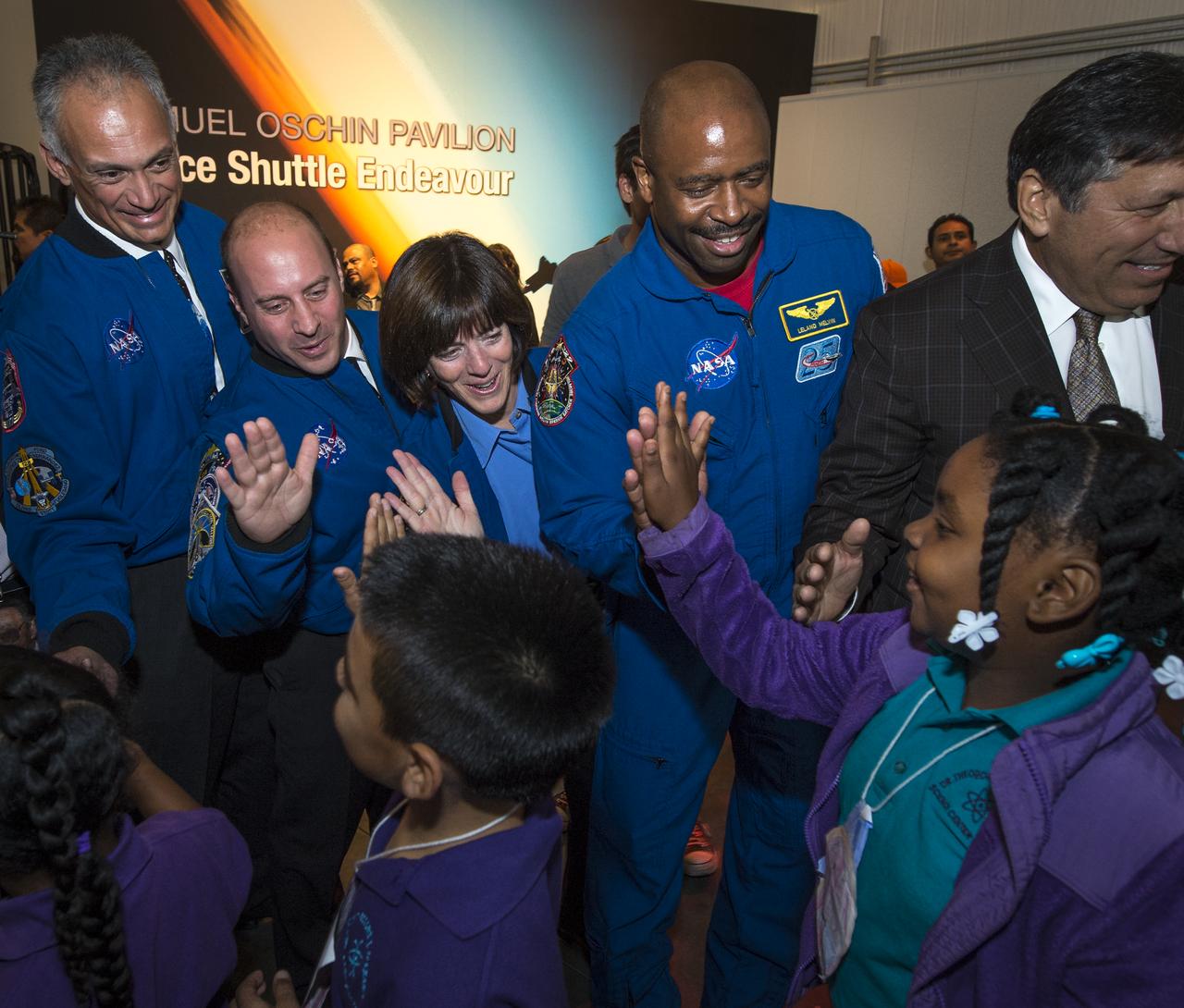
NASA Astronauts, from left, Danny Olivas, Garrett Reisman, Barbara Morgan, and, NASA Associate Administrator for Education and Astronaut, Leland Melvin give high fives to school children as they enter the California Science center's Samuel Oschin Space Shuttle Endeavour Display Pavilion, Tuesday, Oct. 30, 2012, in Los Angeles.  Endeavour, built as a replacement for space shuttle Challenger, completed 25 missions, spent 299 days in orbit, and orbited Earth 4,671 times while traveling 122,883,151 miles. Photo Credit: (NASA/Bill Ingalls)
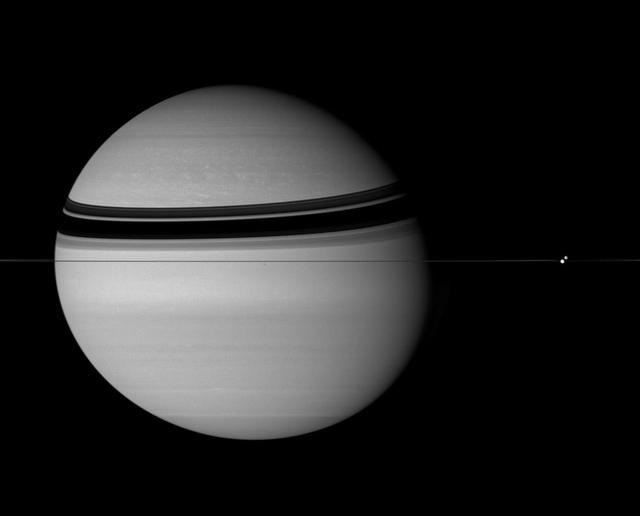
Endeavour Grand Opening Ceremony
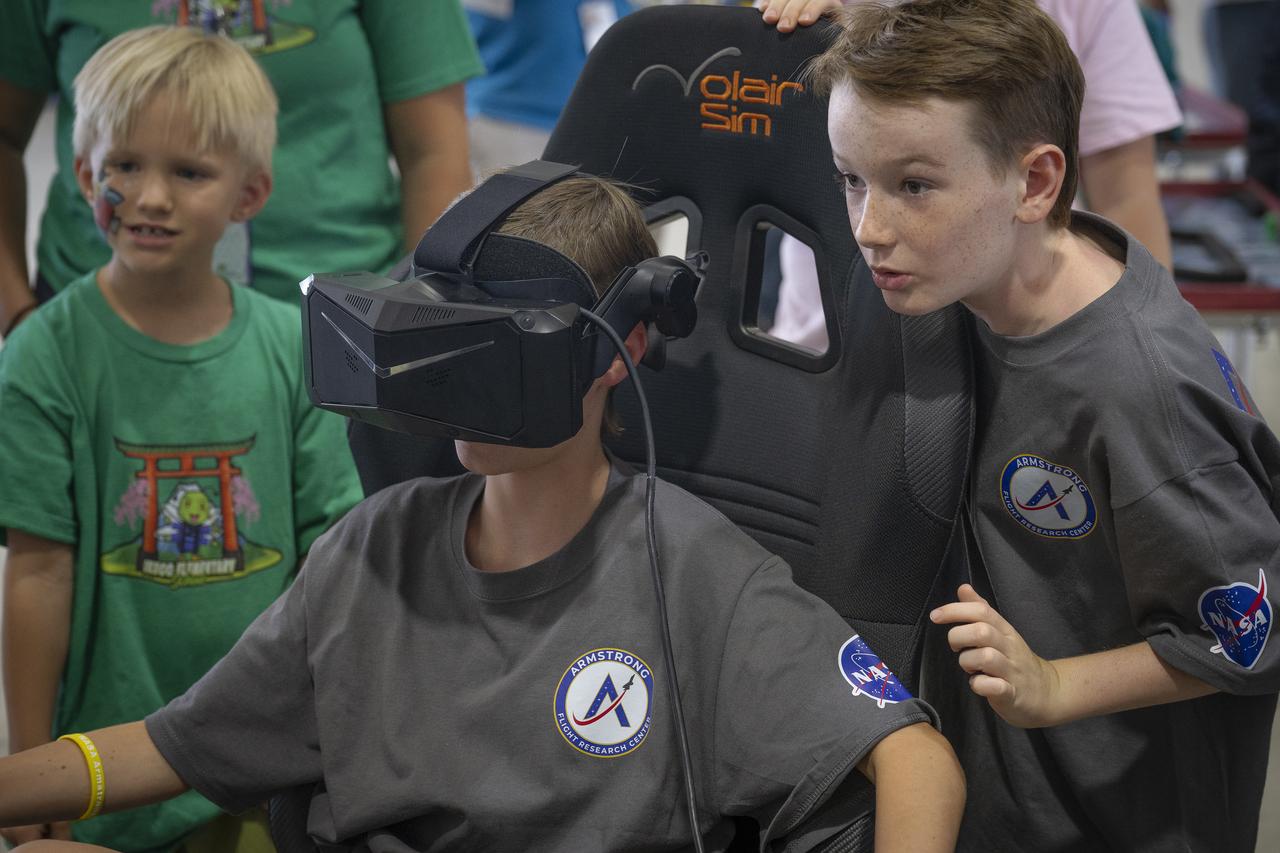
Children explore a virtual reality flight simulator during Bring Kids to Work Day on June 17, 2025, at NASA’s Armstrong Flight Research Center in Edwards, California. The immersive experience introduced participants to aerospace engineering and flight research in an engaging, hands-on environment.
NASA Armstrong Bring Kids to Work Day 2025
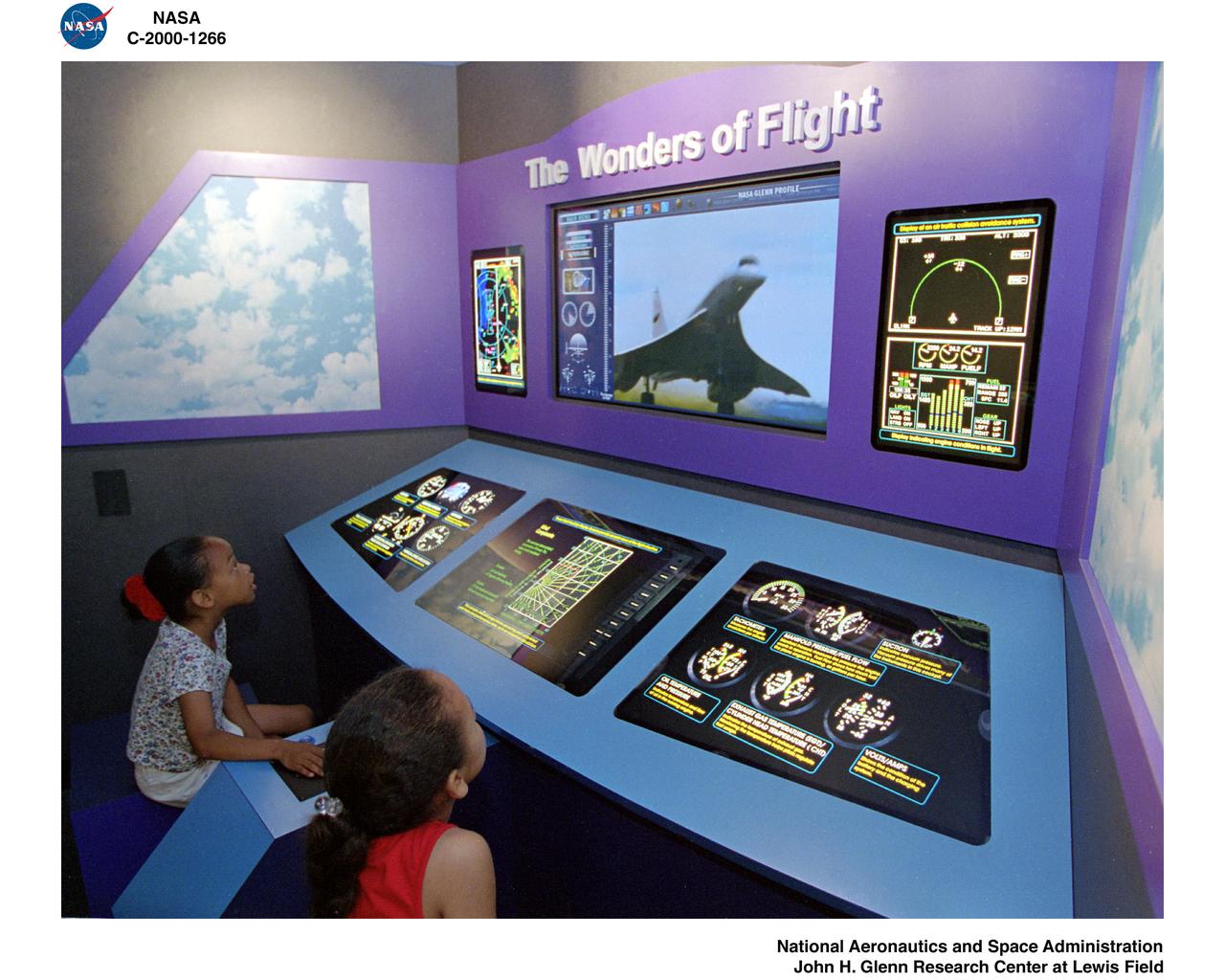
CHILDREN AT THE WONDERS OF FLIGHT
GRC-2000-C-01266
Take Our Children To Work Day, TOCTWD
GRC-2015-C-02141
Take Our Children To Work Day, TOCTWD
GRC-2015-C-02048
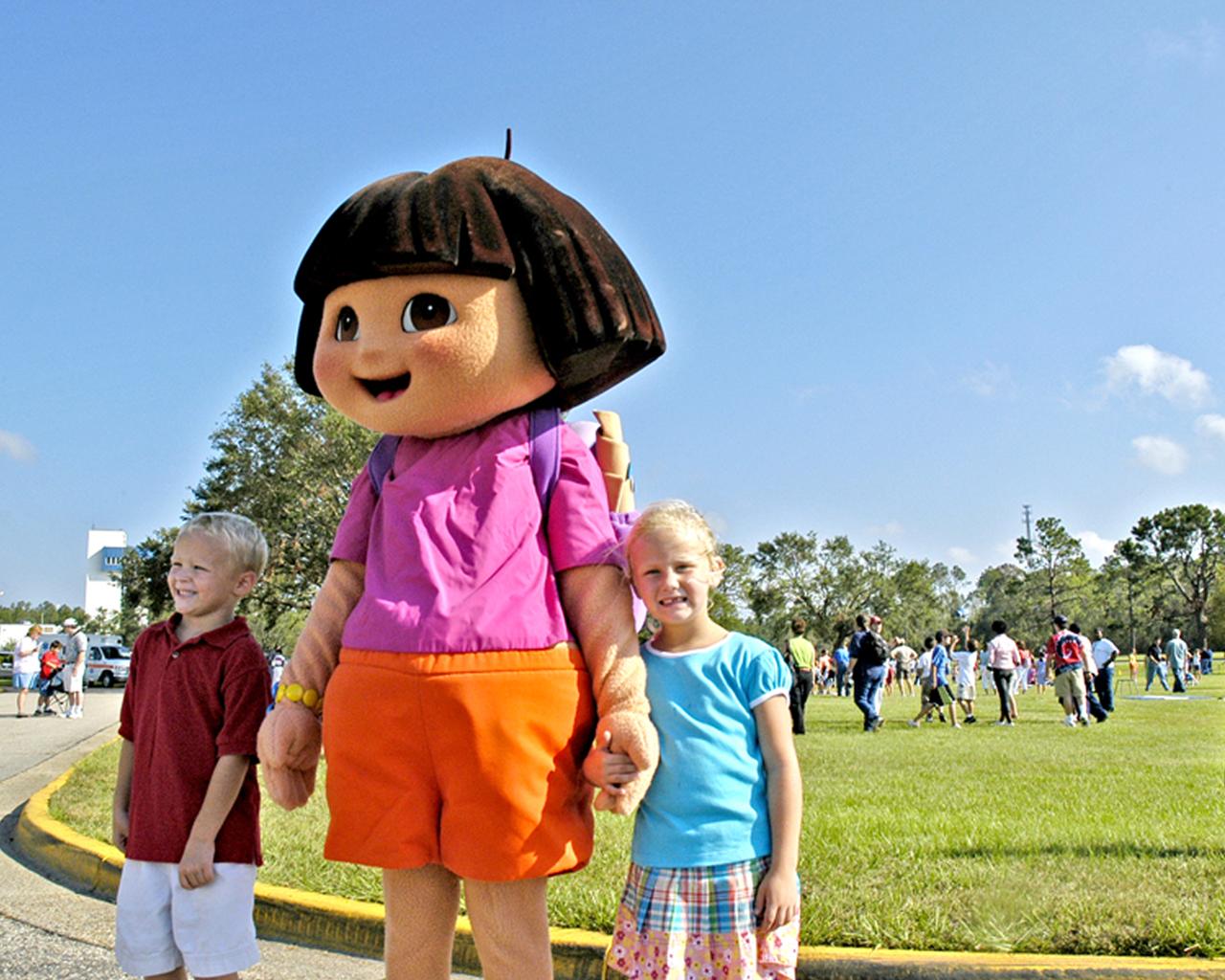
From left, Cobie Smith, 5, and Tatume Smith, also 5, have their picture taken with 'Dora the Explorer.' The children were participants in Nickelodeon's Worldwide Day of Play celebration at Stennis Space Center (SSC) on Oct. 1. The Worldwide Day of Play is sponsored annually by Nickelodeon television network to encourage children to be physically active. Approximately 150 children participated in the event at SSC.
'Dora' & Kids at Day of Play
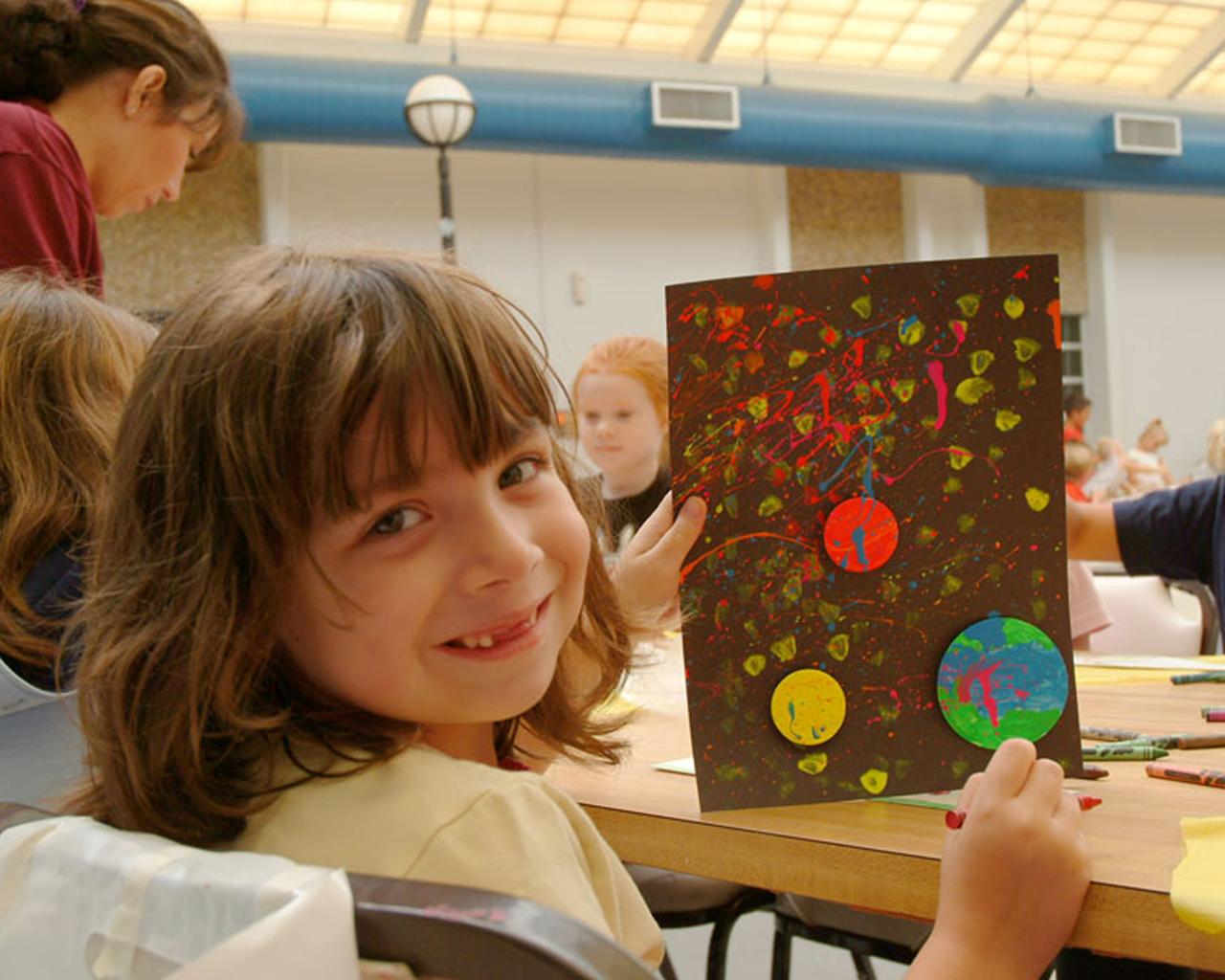
Sara Beth Casey, 5, proudly displays her artwork, 'Planets.' Sara Beth created the art as a student of Stennis Day Camp, a free camp for Stennis Space Center employees' children whose schools have not resumed since Hurricane Katrina hit the region on Aug. 29. The camp has registered nearly 200 children and averages 100 children each day. The camp will continue until all schools are back in session.
Stennis Day Camper
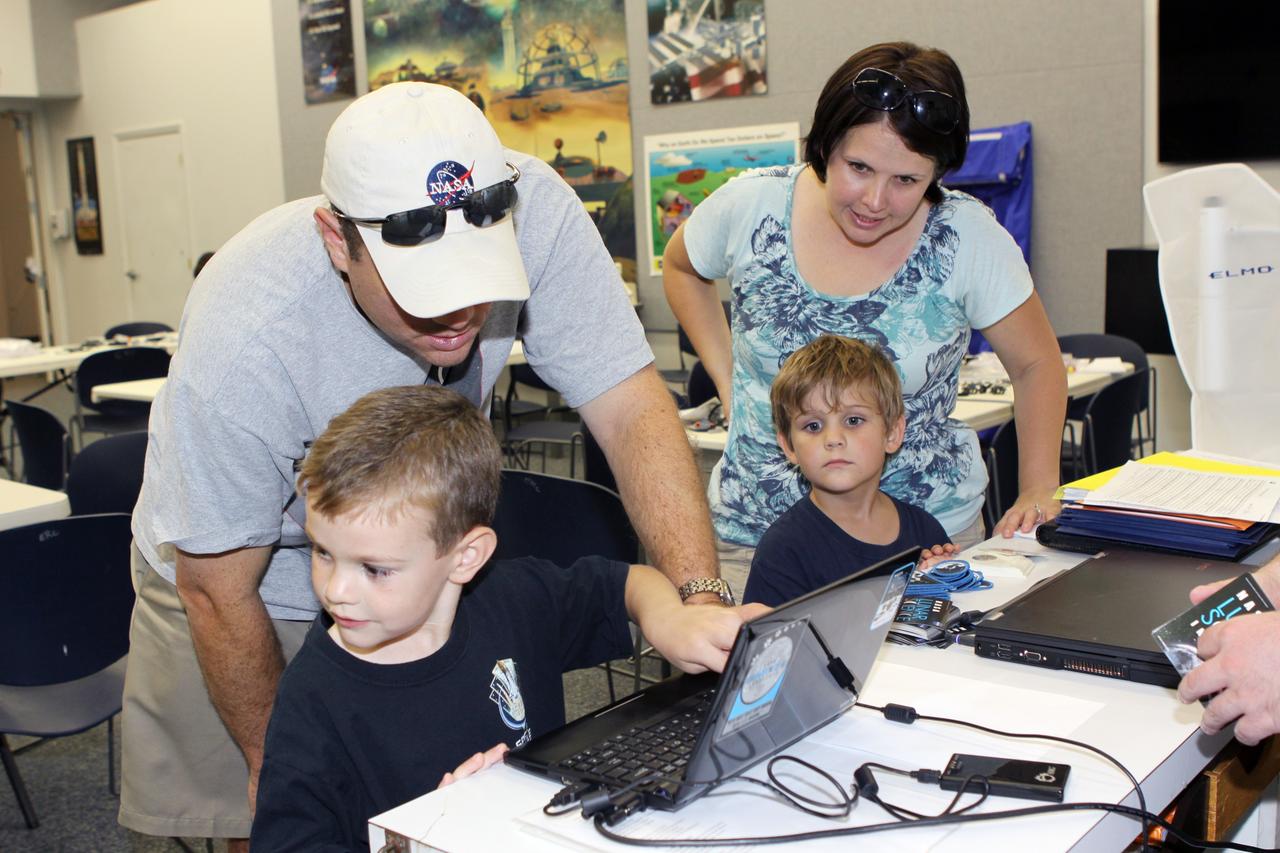
CAPE CANAVERAL, Fla. – Children work with family members in the KSC Family Exploration Station at the Kennedy Space Center Visitor Complex. The station offered numerous scientific- and engineering-related activities for children to experience. Photo credit: NASA/Jim Grossmann
KSC-2012-3083
CAPE CANAVERAL, Fla. – Children work with family members in the KSC Family Exploration Station at the Kennedy Space Center Visitor Complex. The station offered numerous scientific- and engineering-related activities for children to experience. Photo credit: NASA/Jim Grossmann
KSC-2012-3082
A Mississippi Comic Convention worker, an advocate for children with disabilities, speaks with NASA Stennis budget analyst Rebecca Mataya, right, during the event in Jackson, Mississippi, on June 22, about community outreach events and INFINITY Science Center’s ability to host children with special needs interested in learning more about NASA.
SSC-20240622-s00763
CAPE CANAVERAL, Fla. – Children work with family members in the KSC Family Exploration Station at the Kennedy Space Center Visitor Complex. The station offered numerous scientific- and engineering-related activities for children to experience. Photo credit: NASA/Jim Grossmann
KSC-2012-3085
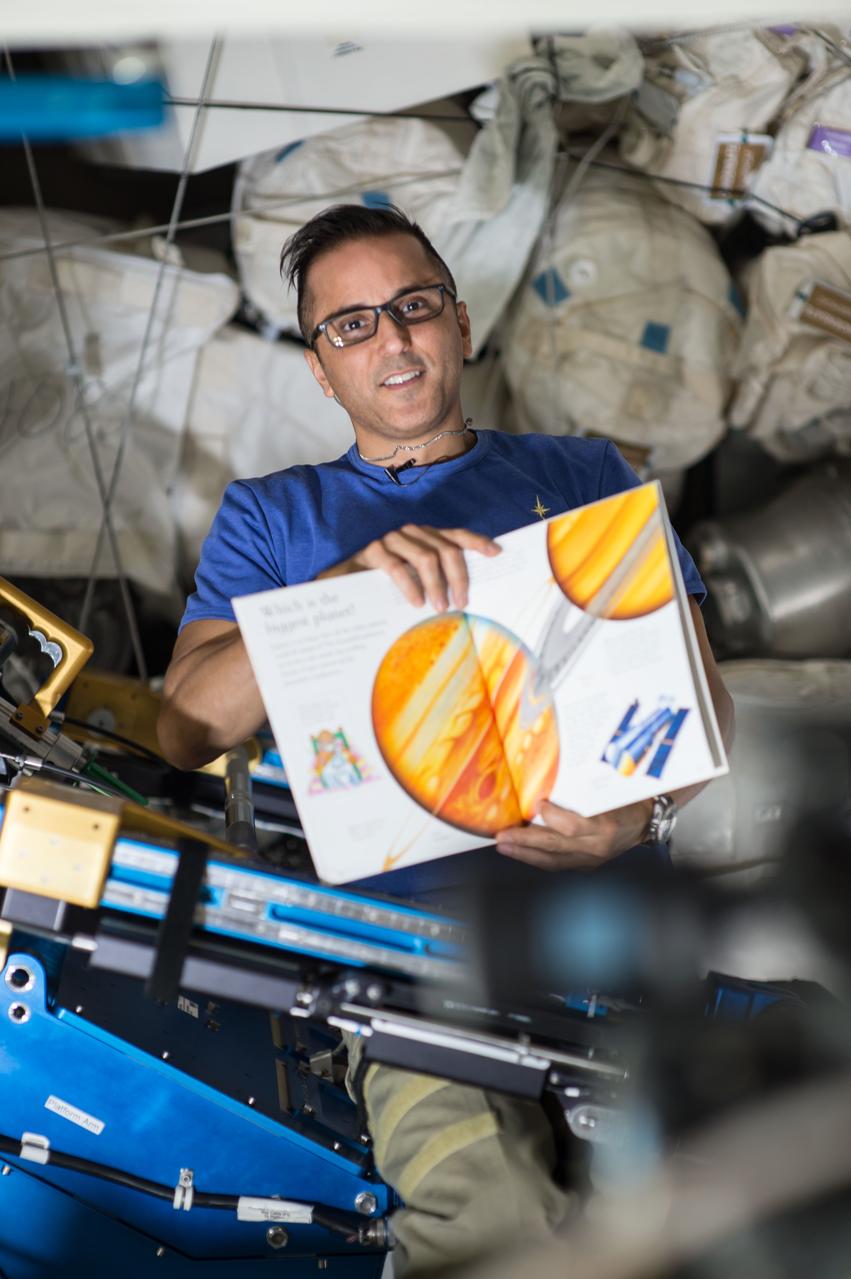
iss053e210425 (Nov. 7, 2017) --- Flight Engineer Joe Acaba holds a children's book that he is reading from as part of the Story Time From Space program. Astronauts read aloud from a STEM-related children's book while being videotaped and demonstrate simple science concepts and experiments aboard the International Space Station.
iss053e210425
Sarah Dastugue, 11, leaps in the air as Libby Knox, 9, swings a jump rope. The children were participants in Nickelodeon's Worldwide Day of Play celebration at Stennis Space Center (SSC) on Oct. 1. On the day of the event, children all over the world participate in physical activities as part of the celebration.
Jumping Rope at Day of Play
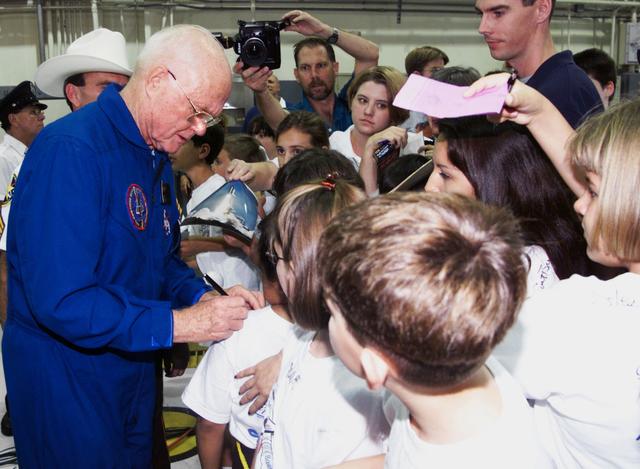
John Glenn signs autographs for school children following his STS-95 flight aboard the space shuttle Discovery.
John H Glenn Jr.
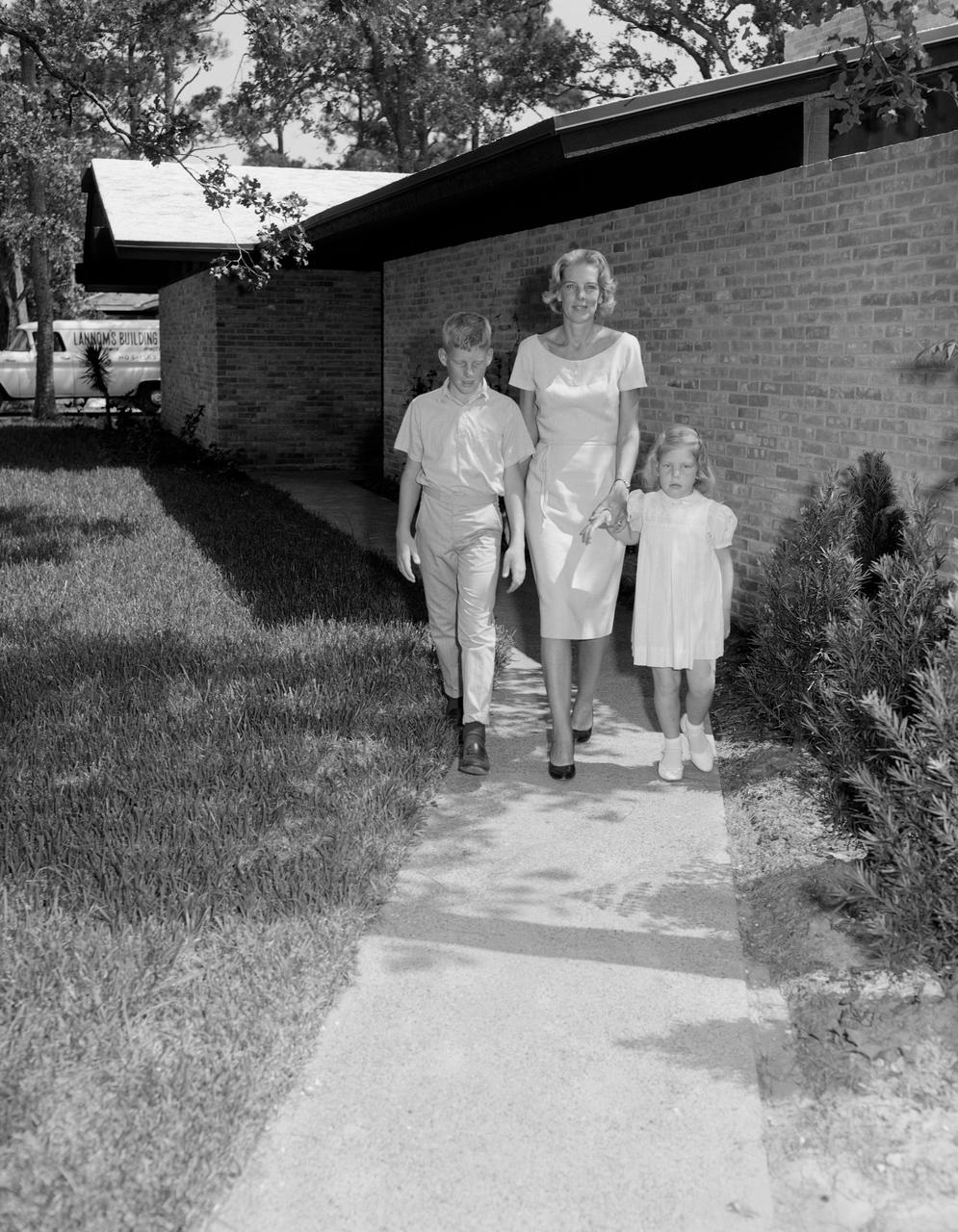
S62-04428 (1962)  --- Mrs. Wally schirra and her two children leave the Farnsworth-Chambers Building after a brief visit in 1962.  Photo credit: NASA
S62-04428
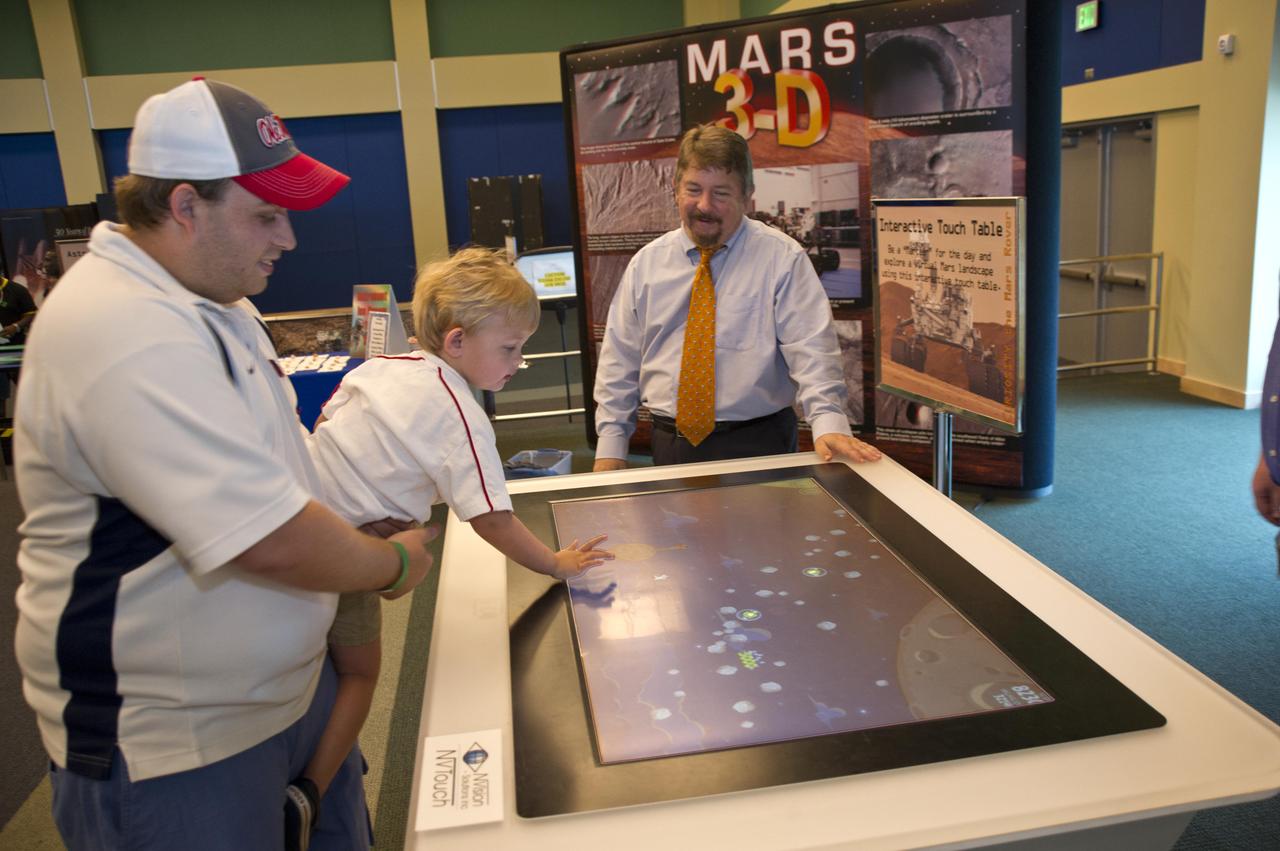
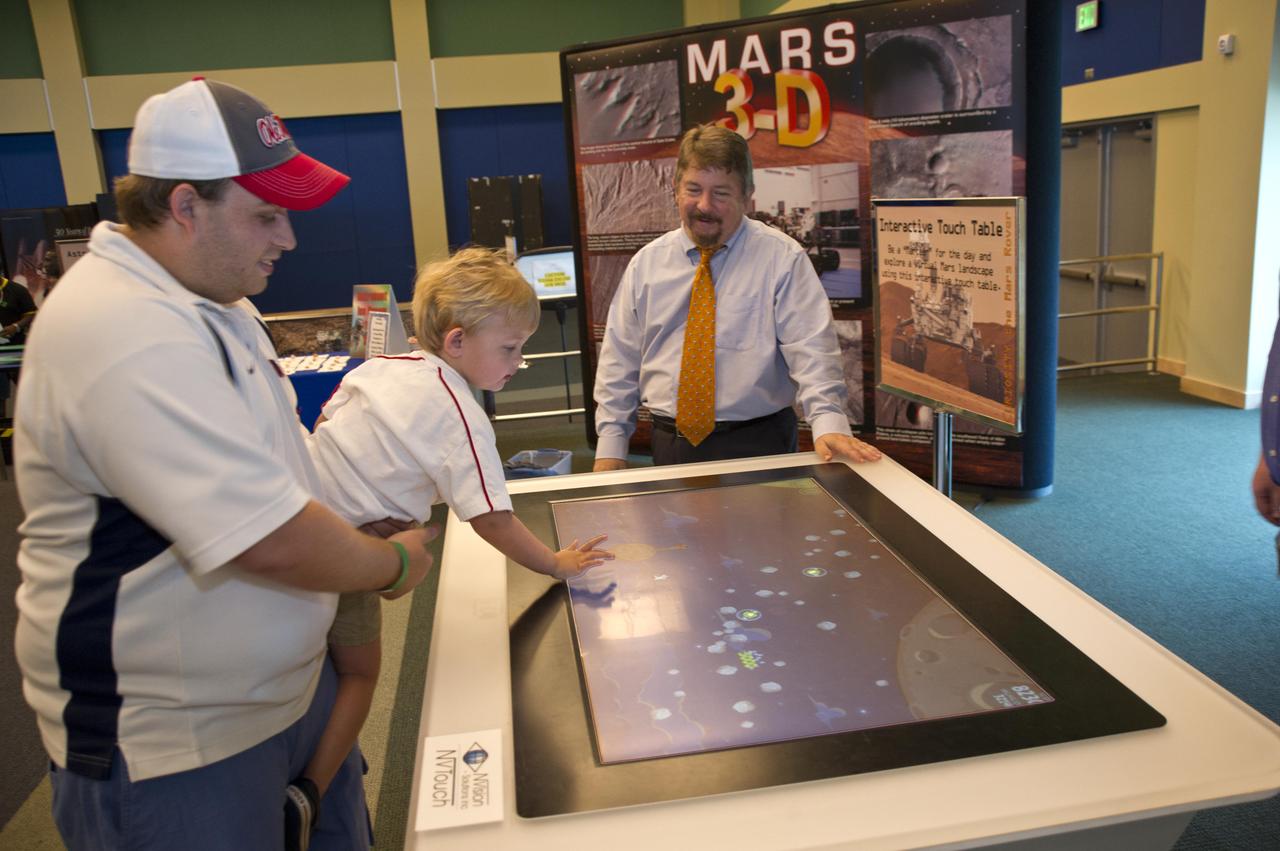
NASA welcomed hundreds of children and accompanying adults to its INFINITY visitor center on Aug. 4, offering Mars-related activities that focused attention on the space agency's Curiosity mission to the Red Planet. Parents and children, such as Myron and Trey (age 3) Cummings, enjoyed exploring Mars using an interactive touch table (top right photo). Midway through the day of activities, visitors in the Science on a Sphere auditorium also enjoyed a presentation on Mars and the Curiosity mission by Dr. Steven Williams, a NASA expert on Mars.
Mars Curiosity mission
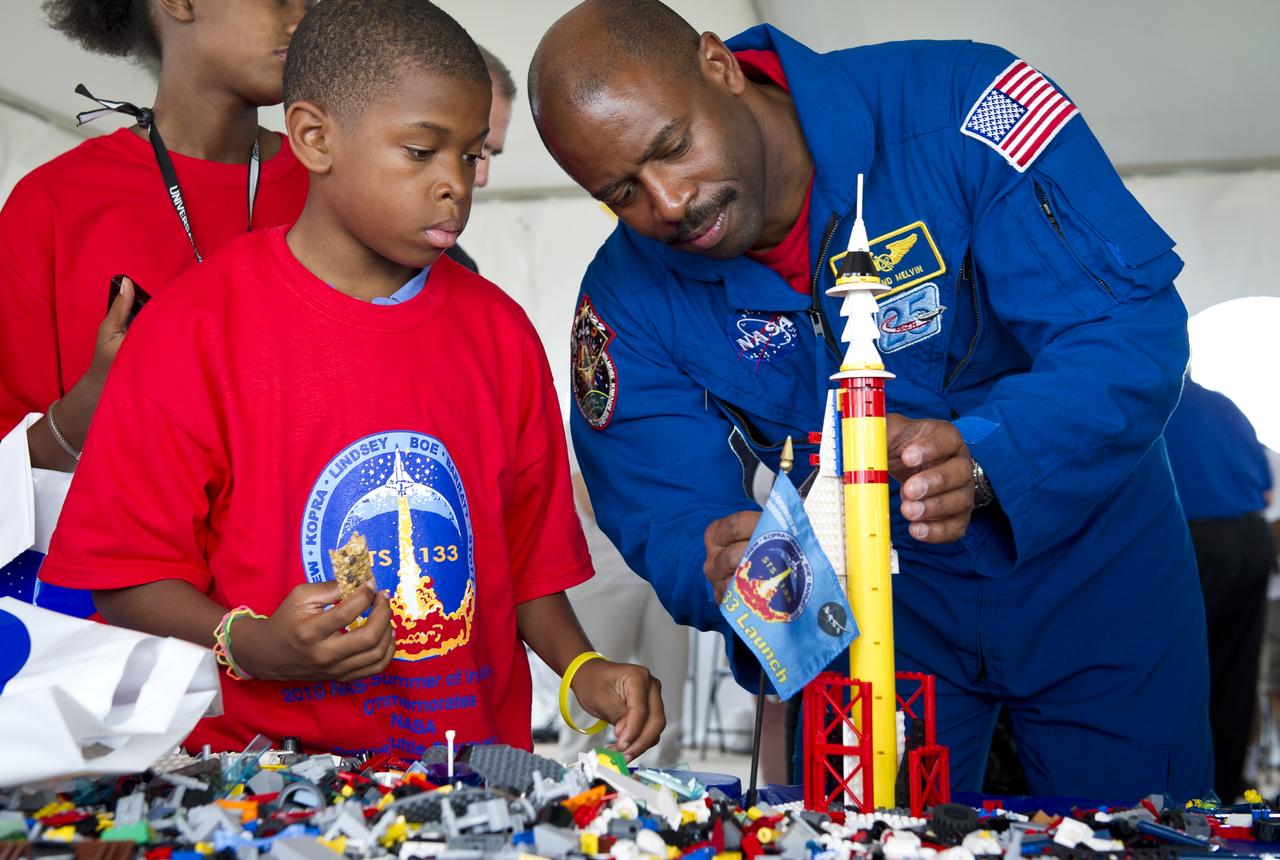
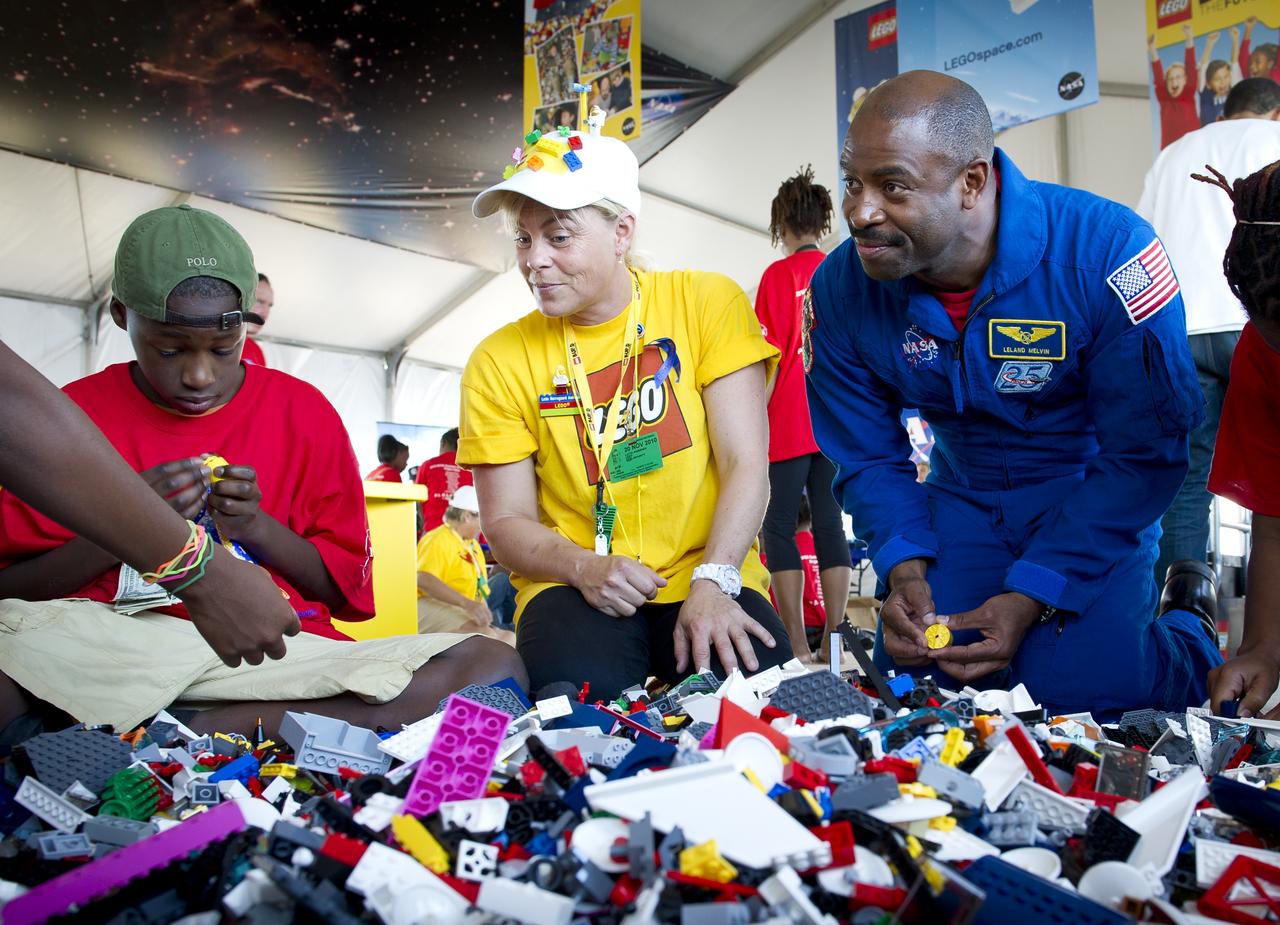
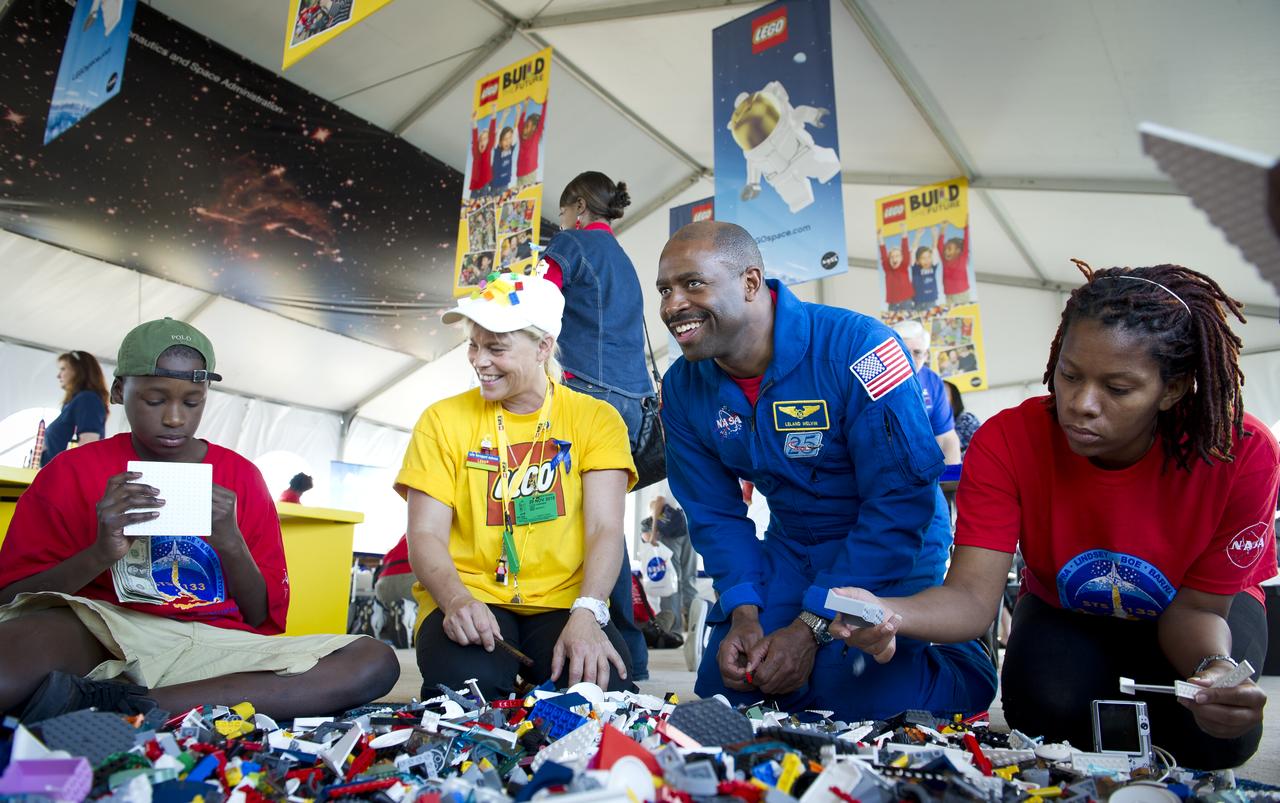
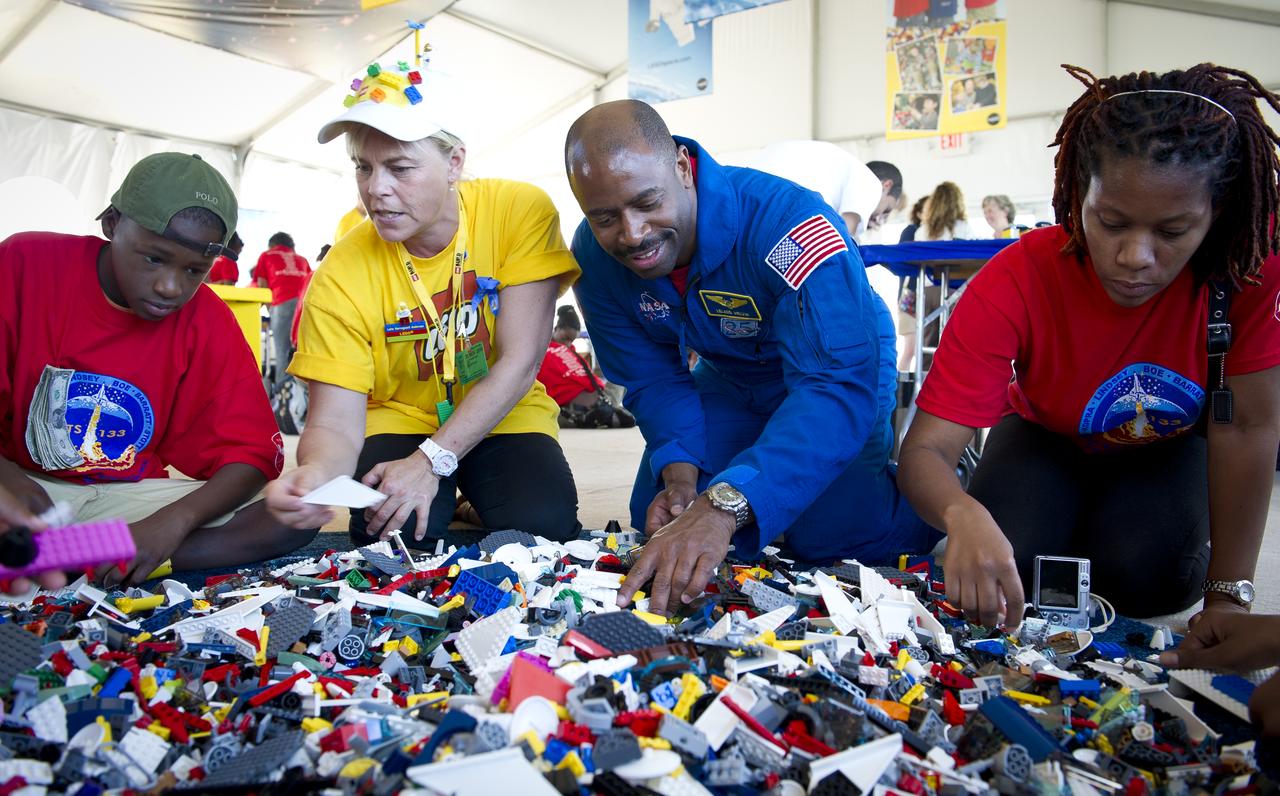
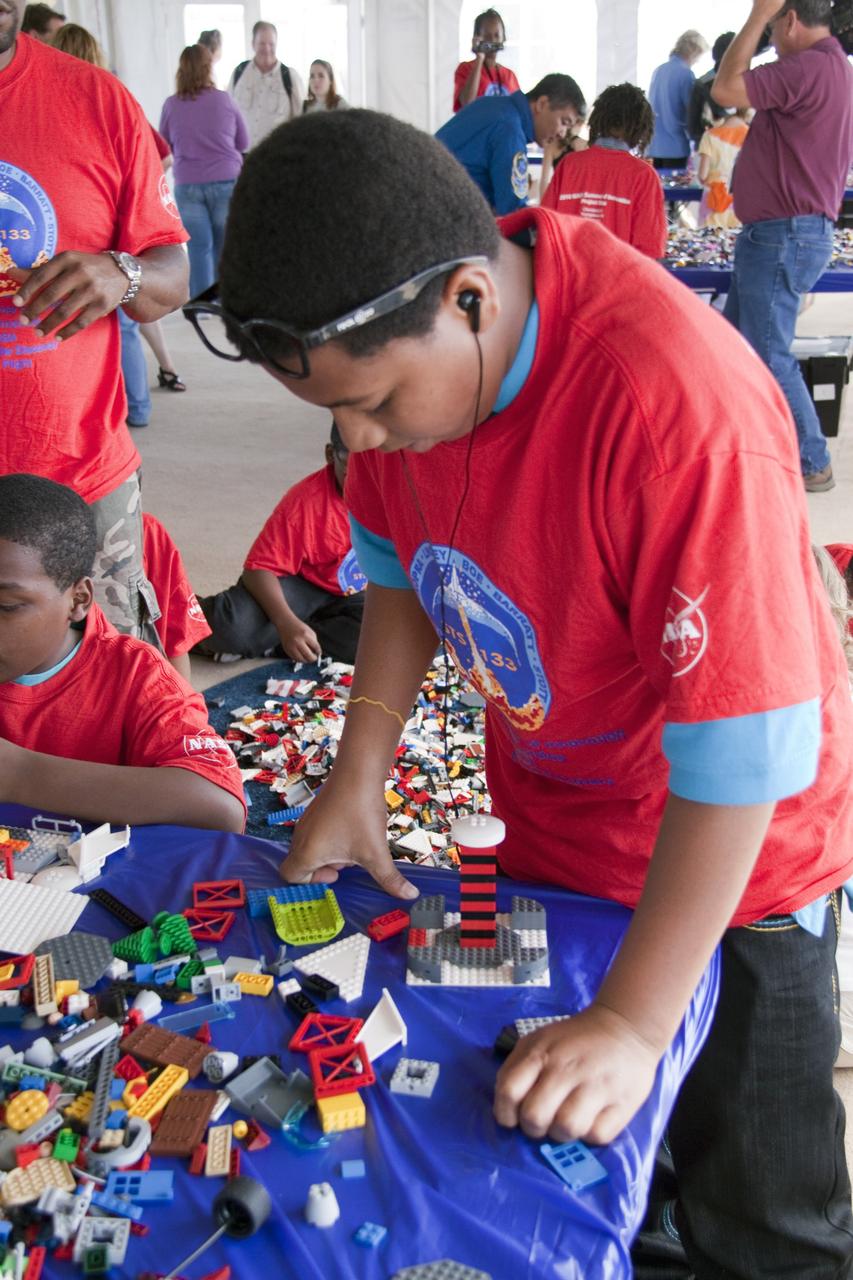
Associate Administrator for Education and Astronaut Leland Melvin, 3rd from left, talks with school children during the “Build the Future” activity where students created their vision of the future in space with LEGO bricks and elements inside a tent that was set up on the launch viewing area at NASA's Kennedy Space Center in Cape Canaveral, Fla. on Monday, Nov. 1, 2010.  NASA and The LEGO Group signed a Space Act Agreement to spark children's interest in science, technology, engineering and math (STEM). Photo Credit: (NASA/Bill Ingalls)
LEGO "Build The Future" Activity
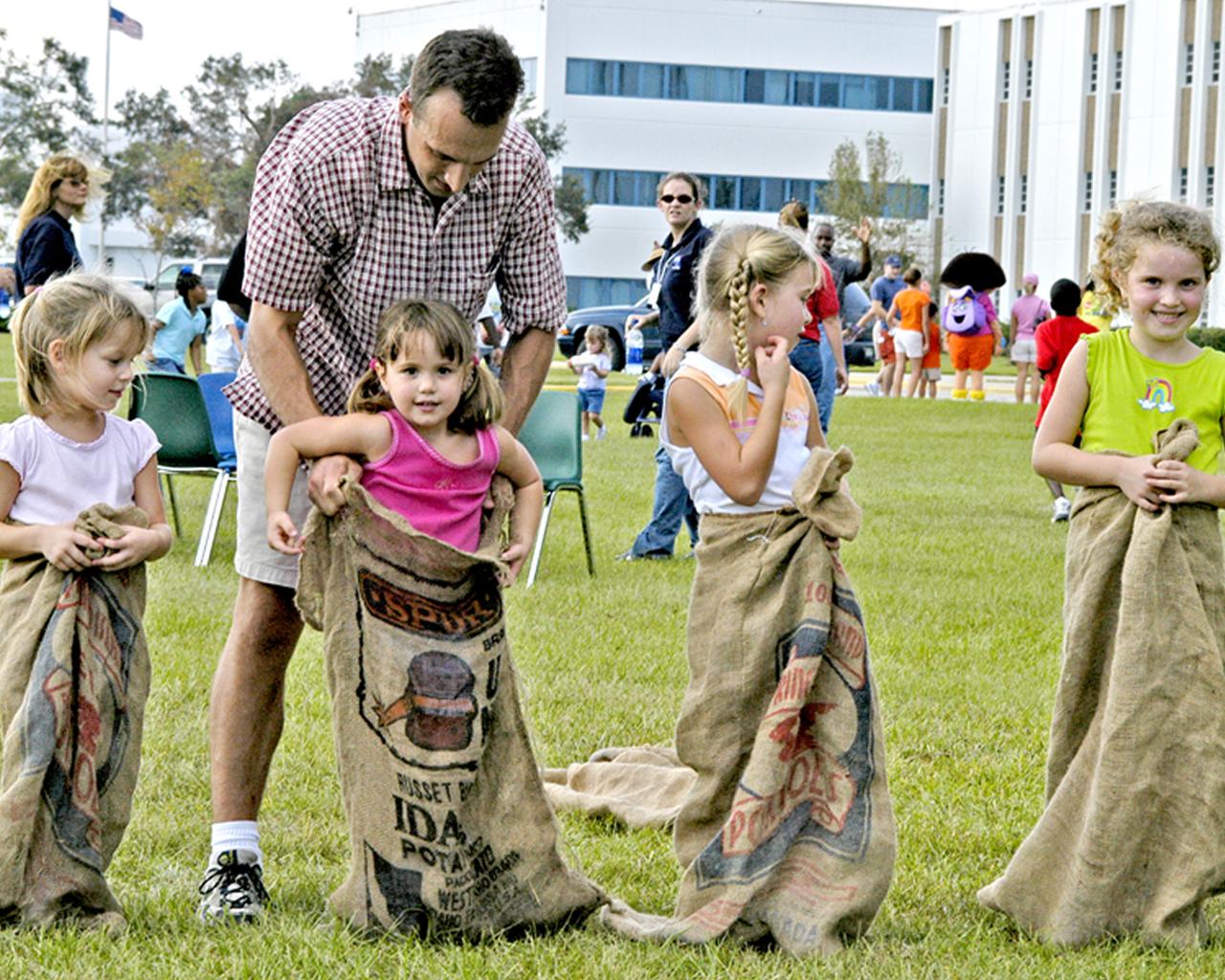
From left, Mallory Doody, 5, Natalie Cambre, 3, Madison Doody, 7, and Anna Cambre, 6, get ready to compete in a sack race. The children were participants in Nickelodeon's Worldwide Day of Play celebration at Stennis Space Center (SSC) on Oct. 1. The Worldwide Day of Play is sponsored annually by Nickelodeon television network to encourage children to be physically active.
Sack Racers at Day of Play
Associate Administrator for Education and Astronaut Leland Melvin, 3rd from left, talks with school children during the “Build the Future” activity where students created their vision of the future in space with LEGO bricks and elements inside a tent that was set up on the launch viewing area at NASA's Kennedy Space Center in Cape Canaveral, Fla. on Monday, Nov. 1, 2010.  NASA and The LEGO Group signed a Space Act Agreement to spark children's interest in science, technology, engineering and math (STEM). Photo Credit: (NASA/Bill Ingalls)
LEGO "Build The Future" Activity
Associate Administrator for Education and Astronaut Leland Melvin talks with school children during the “Build the Future” activity where students created their vision of the future in space with LEGO bricks and elements inside a tent that was set up on the launch viewing area at NASA's Kennedy Space Center in Cape Canaveral, Fla. on Monday, Nov. 1, 2010.  NASA and The LEGO Group signed a Space Act Agreement to spark children's interest in science, technology, engineering and math (STEM). Photo Credit: (NASA/Bill Ingalls)
LEGO "Build The Future" Activity
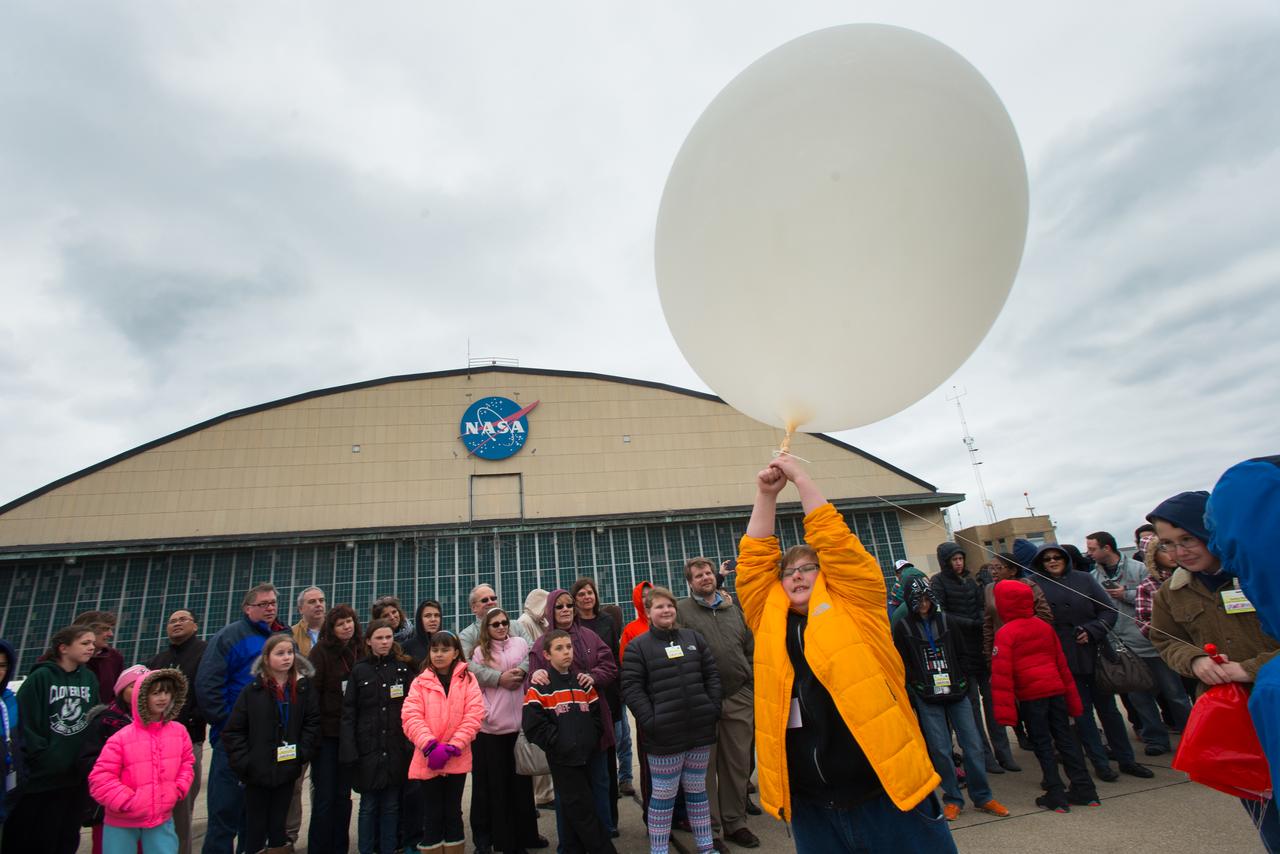
Children at Astro Camp at the John C. Stennis Space Center in Hancock County, Miss., launch rockets as one of their activities in the weeklong camp. Each week during the summer, approximately 30 children ages 9-12 from across Mississippi and Louisiana spend a week learning about space flight. Astro Camp Saturday offers a condensed version of Astro Camp on the third Saturday of each month from January through May 2001.
Astro Camp 2000 Rocketry Exercise
Associate Administrator for Education and Astronaut Leland Melvin talks with school children during the “Build the Future” activity where students created their vision of the future in space with LEGO bricks and elements inside a tent that was set up on the launch viewing area at NASA's Kennedy Space Center in Cape Canaveral, Fla. on Monday, Nov. 1, 2010.  NASA and The LEGO Group signed a Space Act Agreement to spark children's interest in science, technology, engineering and math (STEM). Photo Credit: (NASA/Bill Ingalls)
LEGO "Build The Future" Activity
NASA welcomed hundreds of children and accompanying adults to its INFINITY visitor center on Aug. 4, offering Mars-related activities that focused attention on the space agency's Curiosity mission to the Red Planet. Parents and children, such as Myron and Trey (age 3) Cummings, enjoyed exploring Mars using an interactive touch table. Midway through the day of activities, visitors in the Science on a Sphere auditorium also enjoyed a presentation on Mars and the Curiosity mission by Dr. Steven Williams, a NASA expert on Mars.
Mars Curiosity mission
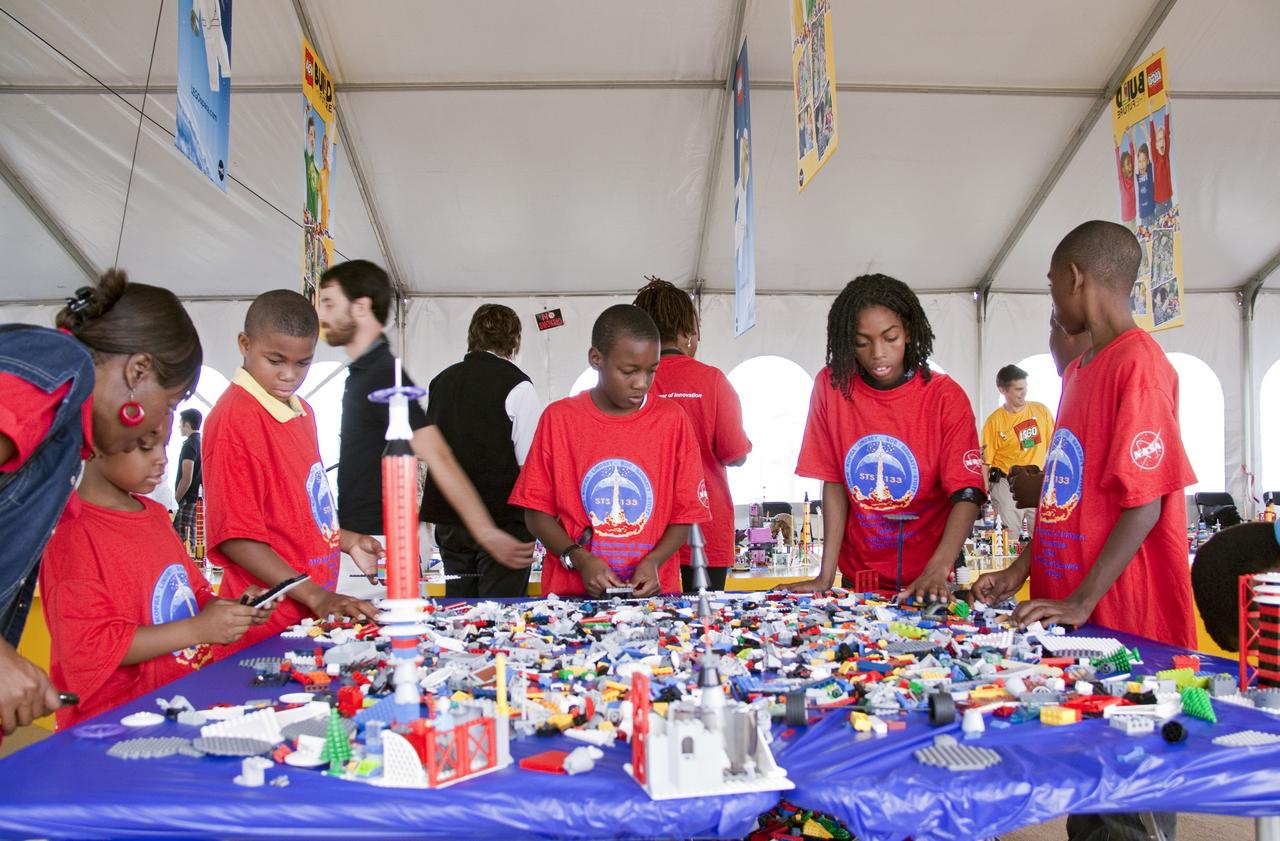
CAPE CANAVERAL, Fla. -- On the NASA Causeway at Kennedy Space Center in Florida, school children build LEGO space vehicles inside a 40- by 70-foot activity tent. There, children of all ages are building their vision of the future with LEGO bricks, marking the beginning of a three-year Space Act Agreement between NASA and The LEGO Group. The partnership is meant to spark the interest of children in science, technology, engineering and mathematics (STEM).     To commemorate the partnership, two small LEGO space shuttles will launch aboard space shuttle Discovery's STS-133 mission to the International Space Station and the company will release four NASA-inspired products in its LEGO CITY line next year. LEGO sets also will fly to the space station aboard Endeavour's STS-134 mission, and will be put together on orbit to demonstrate the challenges faced while building things in microgravity. Photo credit: NASA/Jack Pfaller
KSC-2010-5449
CAPE CANAVERAL, Fla. -- On the NASA Causeway at Kennedy Space Center in Florida, school children build LEGO space vehicles inside a 40- by 70-foot activity tent. There, children of all ages are building their vision of the future with LEGO bricks, marking the beginning of a three-year Space Act Agreement between NASA and The LEGO Group. The partnership is meant to spark the interest of children in science, technology, engineering and mathematics (STEM).       To commemorate the partnership, two small LEGO space shuttles will launch aboard space shuttle Discovery's STS-133 mission to the International Space Station and the company will release four NASA-inspired products in its LEGO CITY line next year. LEGO sets also will fly to the space station aboard Endeavour's STS-134 mission, and will be put together on orbit to demonstrate the challenges faced while building things in microgravity. Photo credit: NASA/Jack Pfaller
KSC-2010-5448
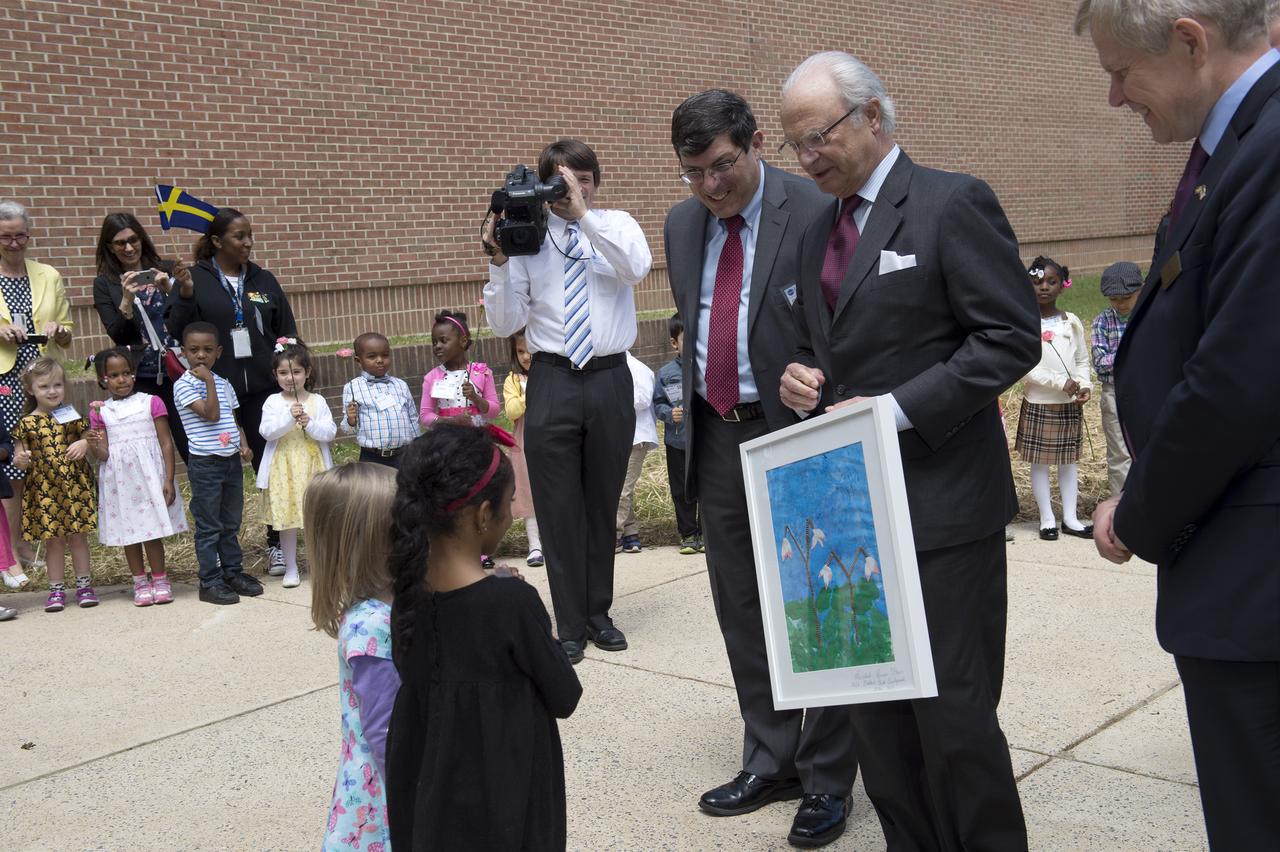
Goddard Center Director Chris Scolese greets His Majesty Carol XVI Gustaf, King of Sweden outside the Bldg 28 as children present him painting of Swedish Linnea flower as a gift  May 3, 2017.
GSFC_20170503_2017-4309_101
Over 300 students watch as Serena M. Auñón-Chancel, a NASA astronaut, answers several questions from children attending Take your Kids to Work Day at NASA's Armstrong Flight Research Center.
Hundreds of Students Attend NASA Armstrong's First Downlink with the International Space Station
A group of Take Our Children Day participants watch a cryogenic demonstration led by Allen Forsman of Aerojet Rocketdyne, an L3Harris Technologies company, on June 27 at the Aerojet Rocketdyne Engine Assembly Facility at NASA Stennis.
SSC-20240627-s00773
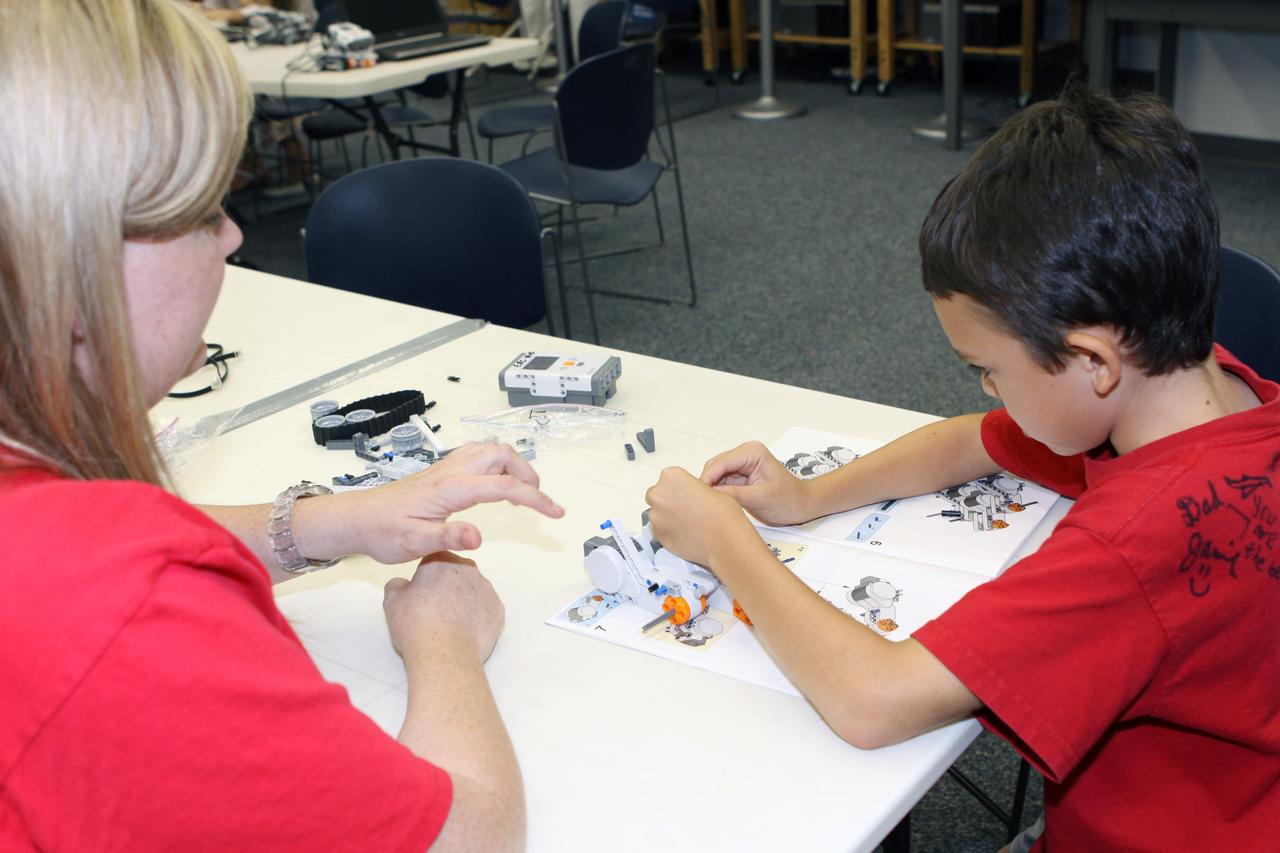
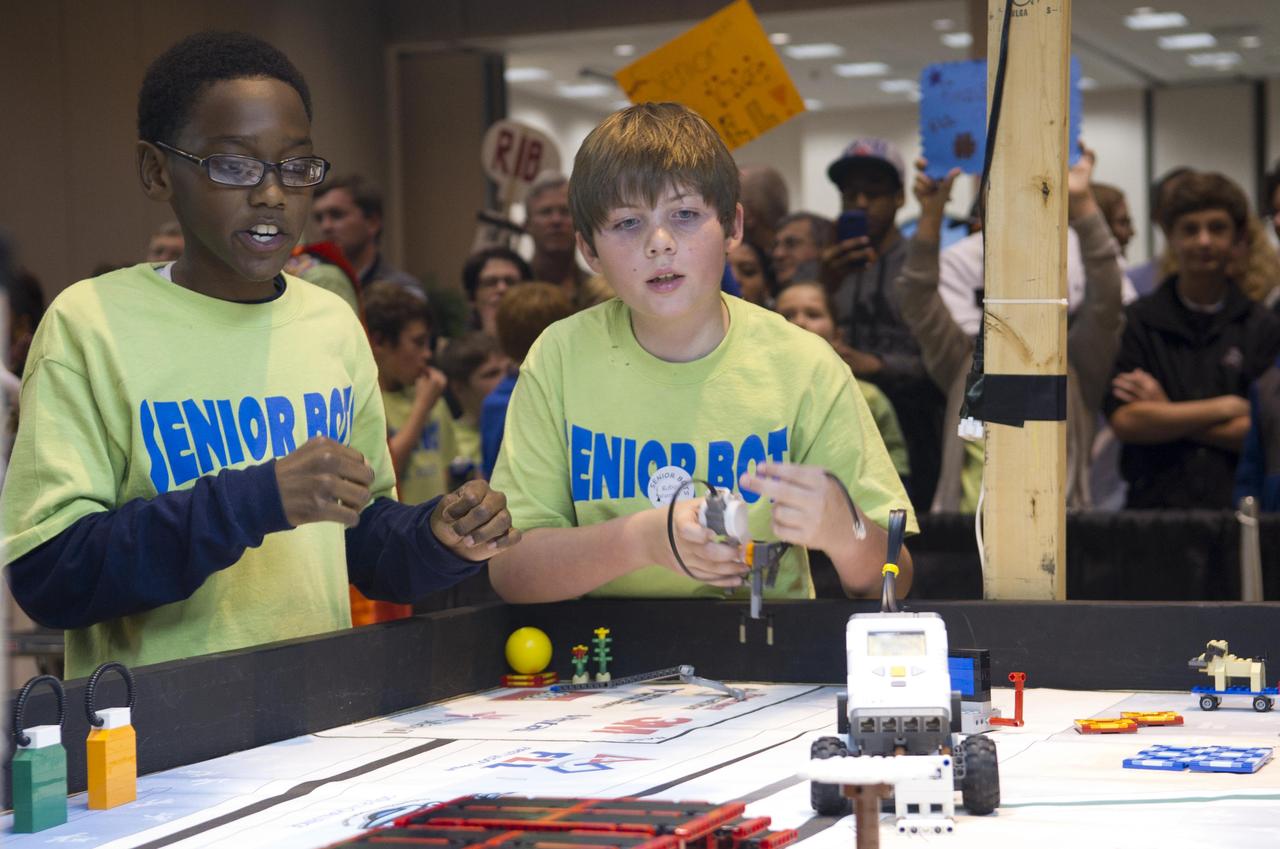
Mississippi students monitor performance of their robots during the 2012 FIRST LEGO League Mississippi Championship Tournament in Hattiesburg, Miss., on Dec. 1. The tournament is an annual high-energy robotics competition for children 9-14.
2012 FIRST LEGO League
Second Lady Usha Vance interacts with a group of children as they were participating in group activities as part of the Summer Reading Challenge event at NASA’s Johnson Space Center. Photo Credit: NASA/James Blair
jsc2025e067250
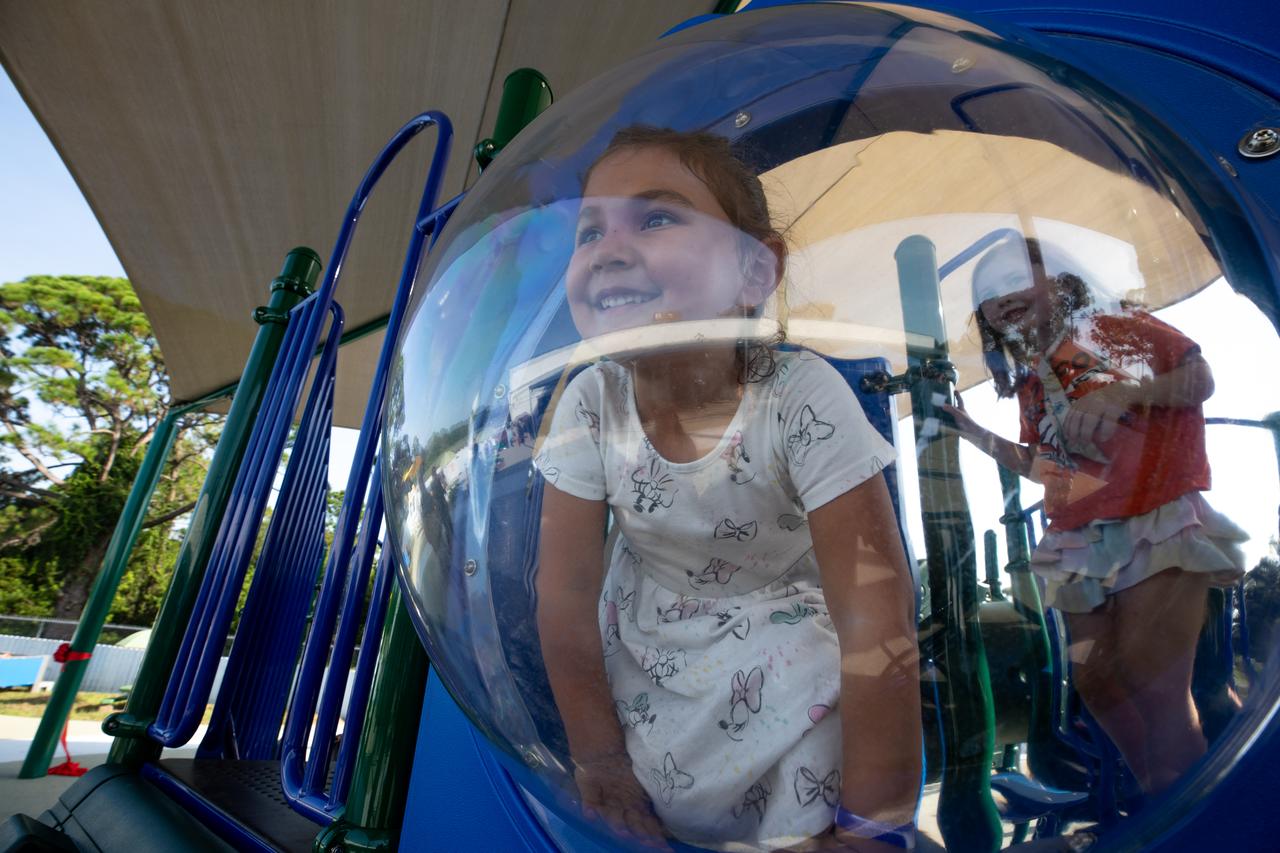
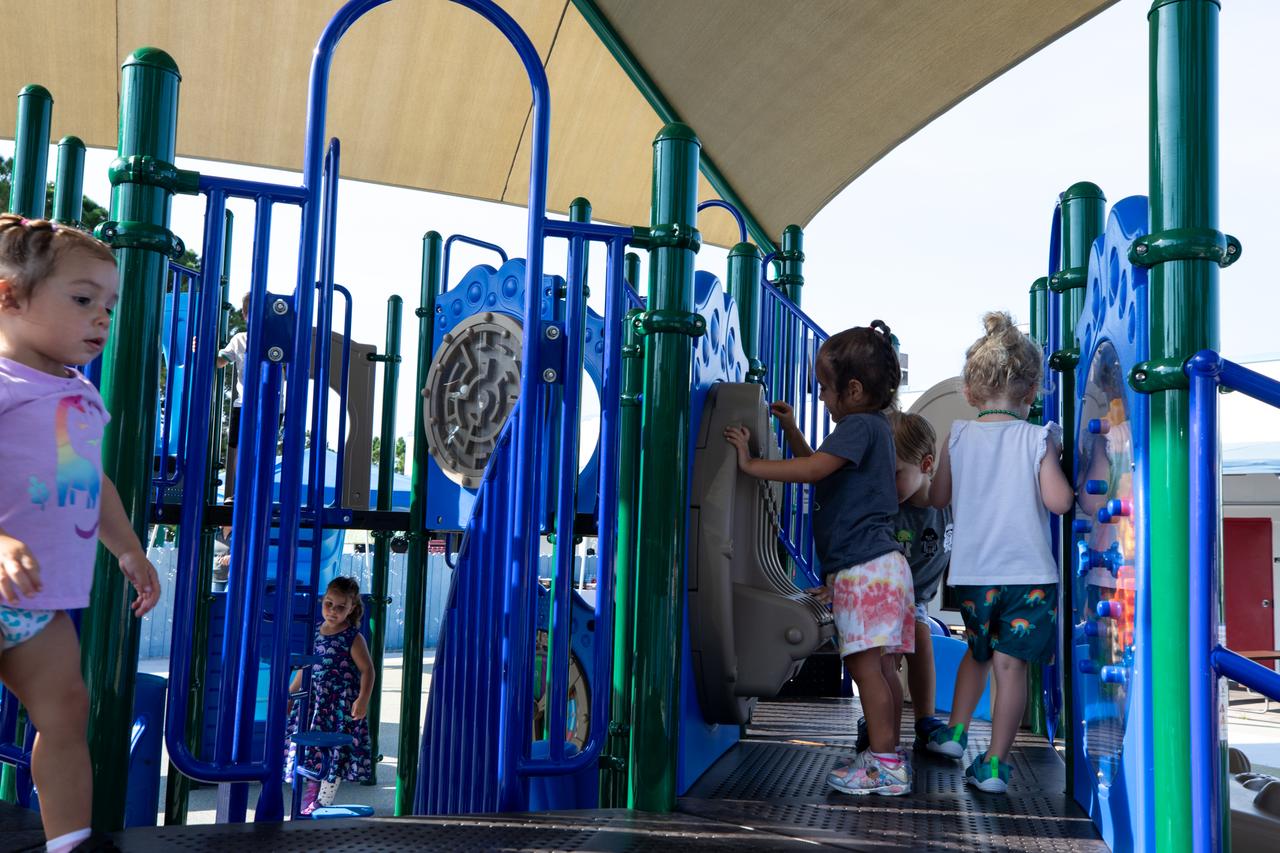
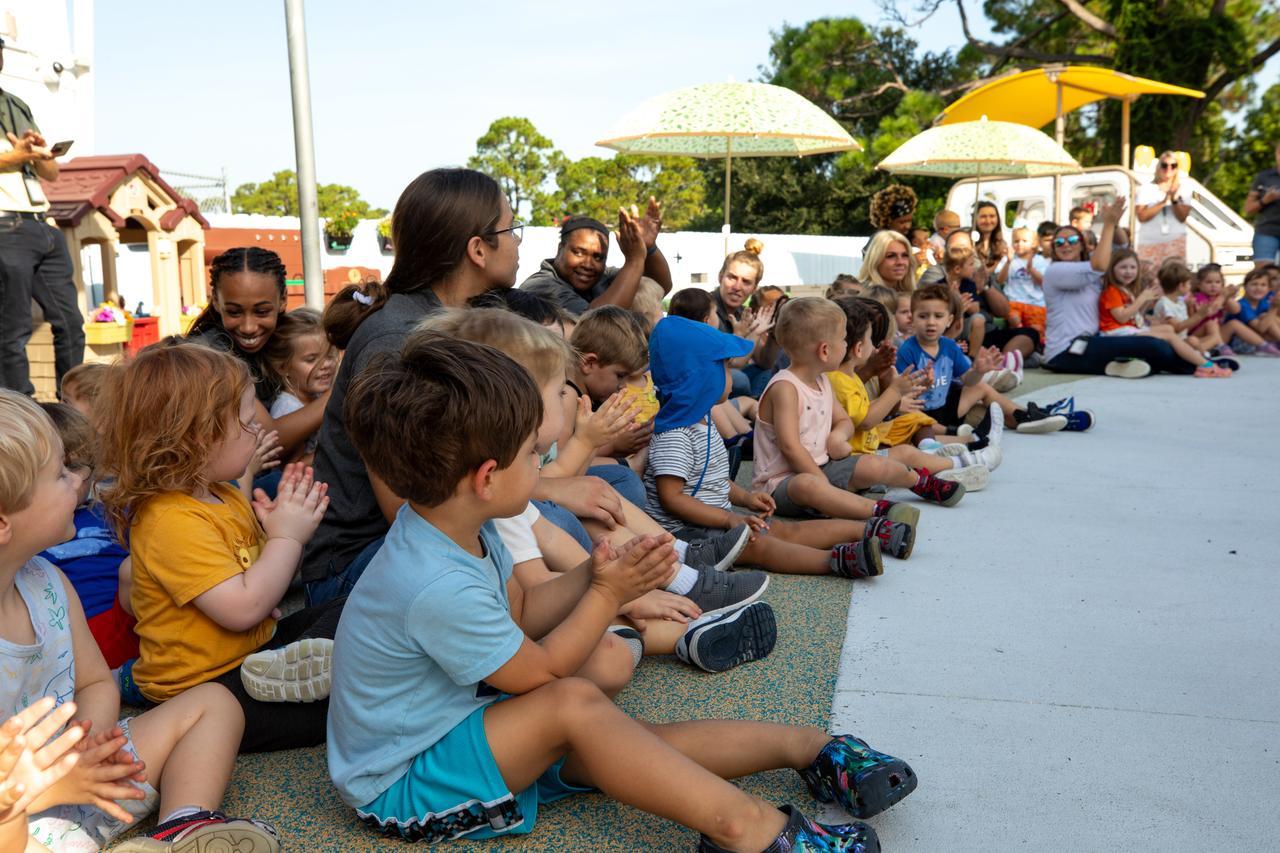
Children anxiously anticipate the opening of a new playground at Kennedy Space Center’s Child Development Center on Aug. 10, 2023. The kids were able to enjoy the playground immediately following a ribbon cutting ceremony.
KSC Child Development Center (CDC) Playground Ribbon Cutting
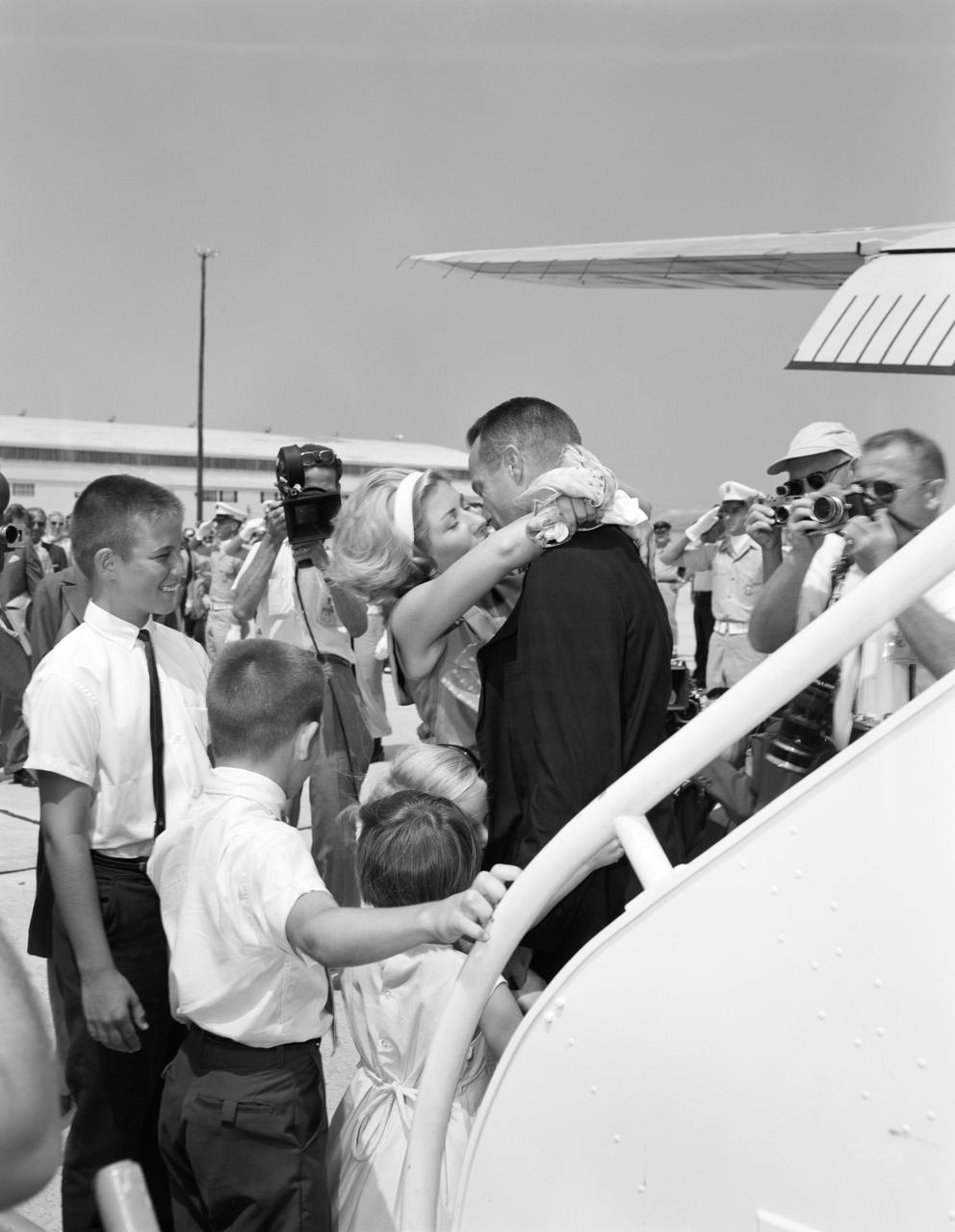
S62-03916 (May 1962) --- The wife and children of astronaut M. Scott Carpenter welcome him after the successful Mercury-Atlas 7 (MA-7) flight. Photo credit: NASA
COPIES-CARPENTER AWOA "7" Welcome at Grand Turk
Mississippi students monitor performance of their robots during the 2012 FIRST LEGO League Mississippi Championship Tournament in Hattiesburg, Miss., on Dec. 1. The tournament is an annual high-energy robotics competition for children 9-14.
2012 FIRST LEGO League
Children enjoy a brand new playground at Kennedy Space Center’s Child Development Center on Aug. 10, 2023. The playground officially opened following a ribbon cutting ceremony earlier in the day.
KSC Child Development Center (CDC) Playground Ribbon Cutting
Children anxiously anticipate the opening of a new playground at Kennedy Space Center’s Child Development Center on Aug. 10, 2023. The kids were able to enjoy the playground immediately following a ribbon cutting ceremony.
KSC Child Development Center (CDC) Playground Ribbon Cutting
Children enjoy a brand new playground at Kennedy Space Center’s Child Development Center on Aug. 10, 2023. The playground officially opened following a ribbon cutting ceremony earlier in the day.
KSC Child Development Center (CDC) Playground Ribbon Cutting
Take Our Children to Work Day participants learn about buoys on June 27 during an activity conducted by Brandon Elsensohn, Amentum software engineer, for the National Data Buoy Center at NASA’s Stennis Space Center.
SSC-20240627-s00772
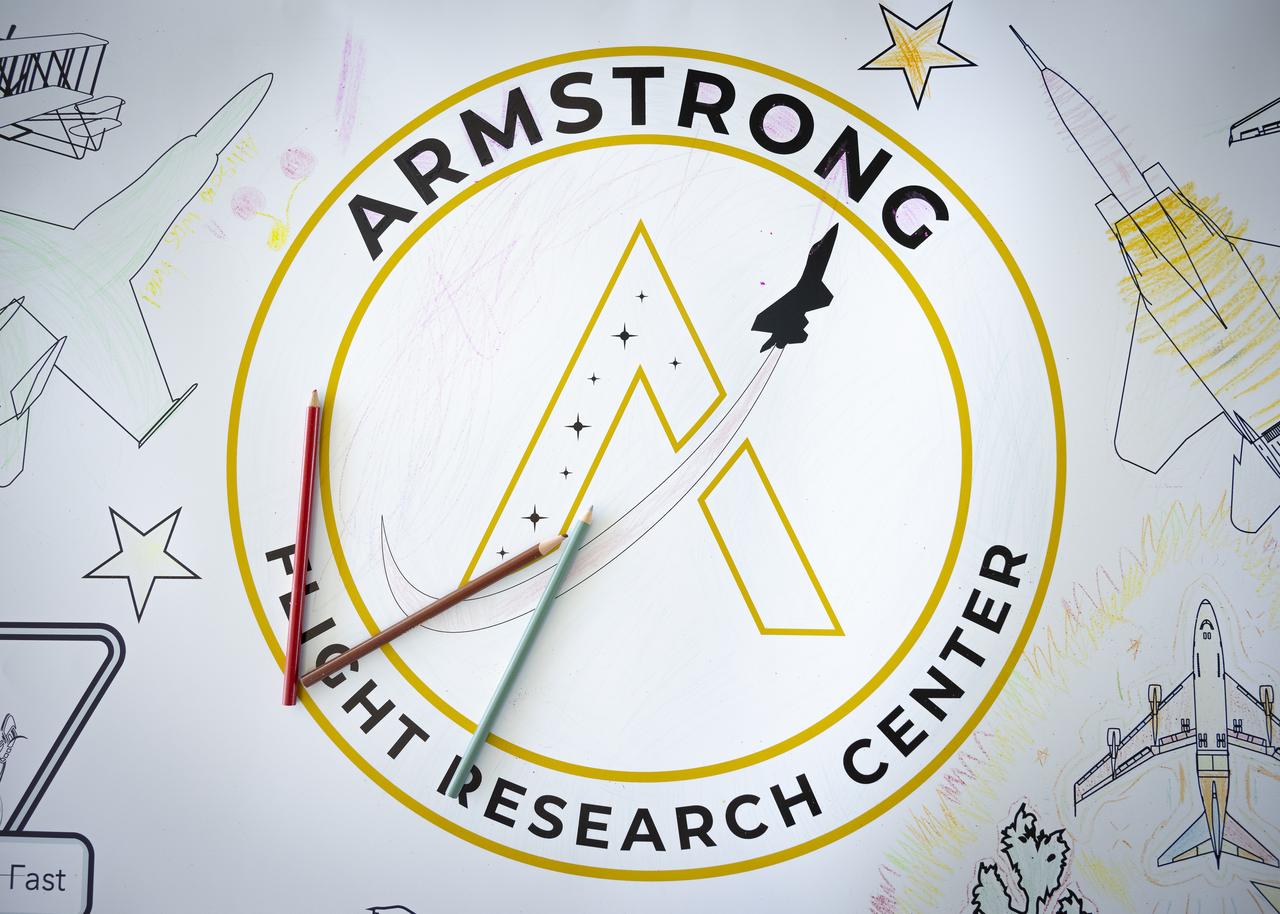
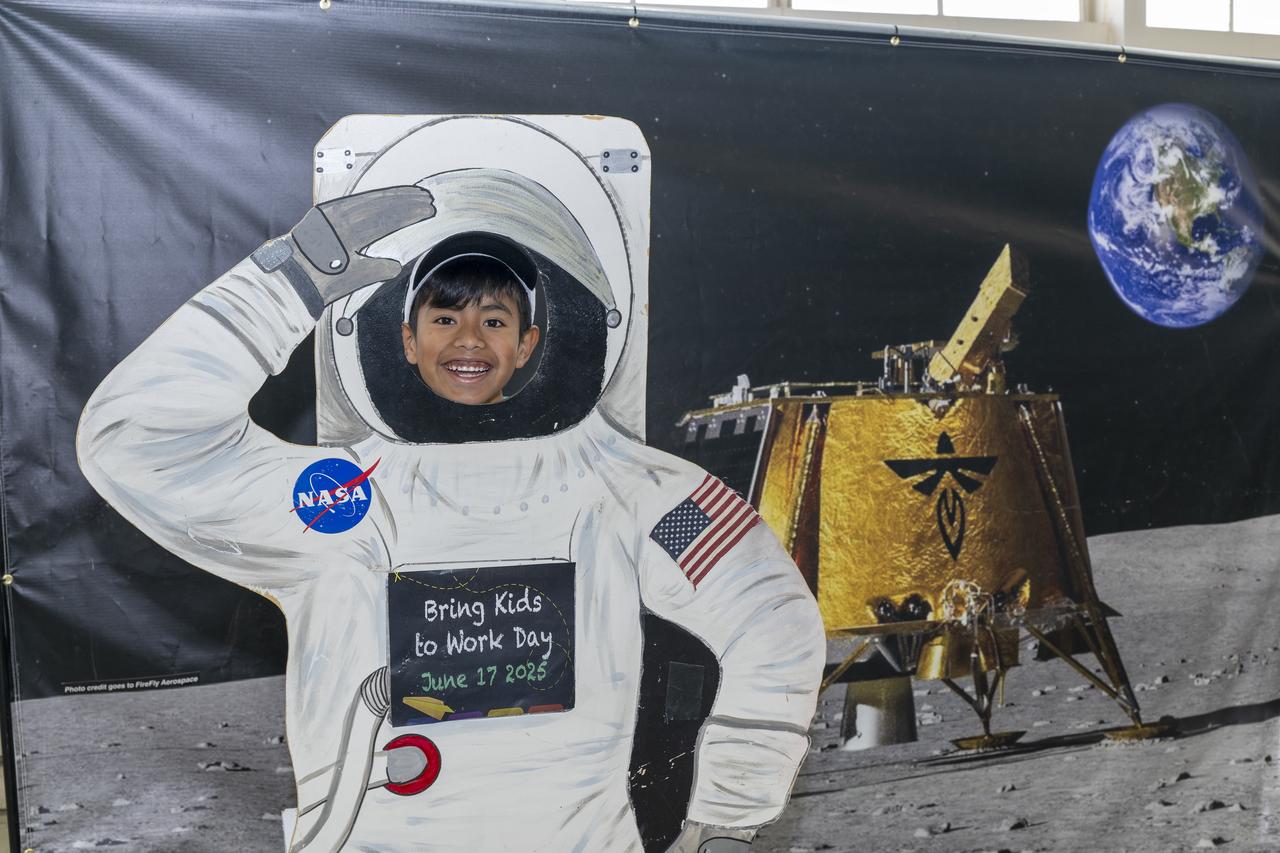
On June 17, 2025, NASA’s Armstrong Flight Research Center in Edwards, California, hosted Bring Kids to Work Day, offering hands-on activities that introduced children and their families to the exciting world of aeronautics and flight research.
NASA Armstrong Bring Kids to Work Day 2025
On June 17, 2025, NASA’s Armstrong Flight Research Center in Edwards, California, hosted Bring Kids to Work Day, offering hands-on activities that introduced children and their families to the exciting world of aeronautics and flight research.
NASA Armstrong Bring Kids to Work Day 2025
On June 17, 2025, NASA’s Armstrong Flight Research Center in Edwards, California, hosted Bring Kids to Work Day, offering hands-on activities that introduced children and their families to the exciting world of aeronautics and flight research.
NASA Armstrong Bring Kids to Work Day 2025
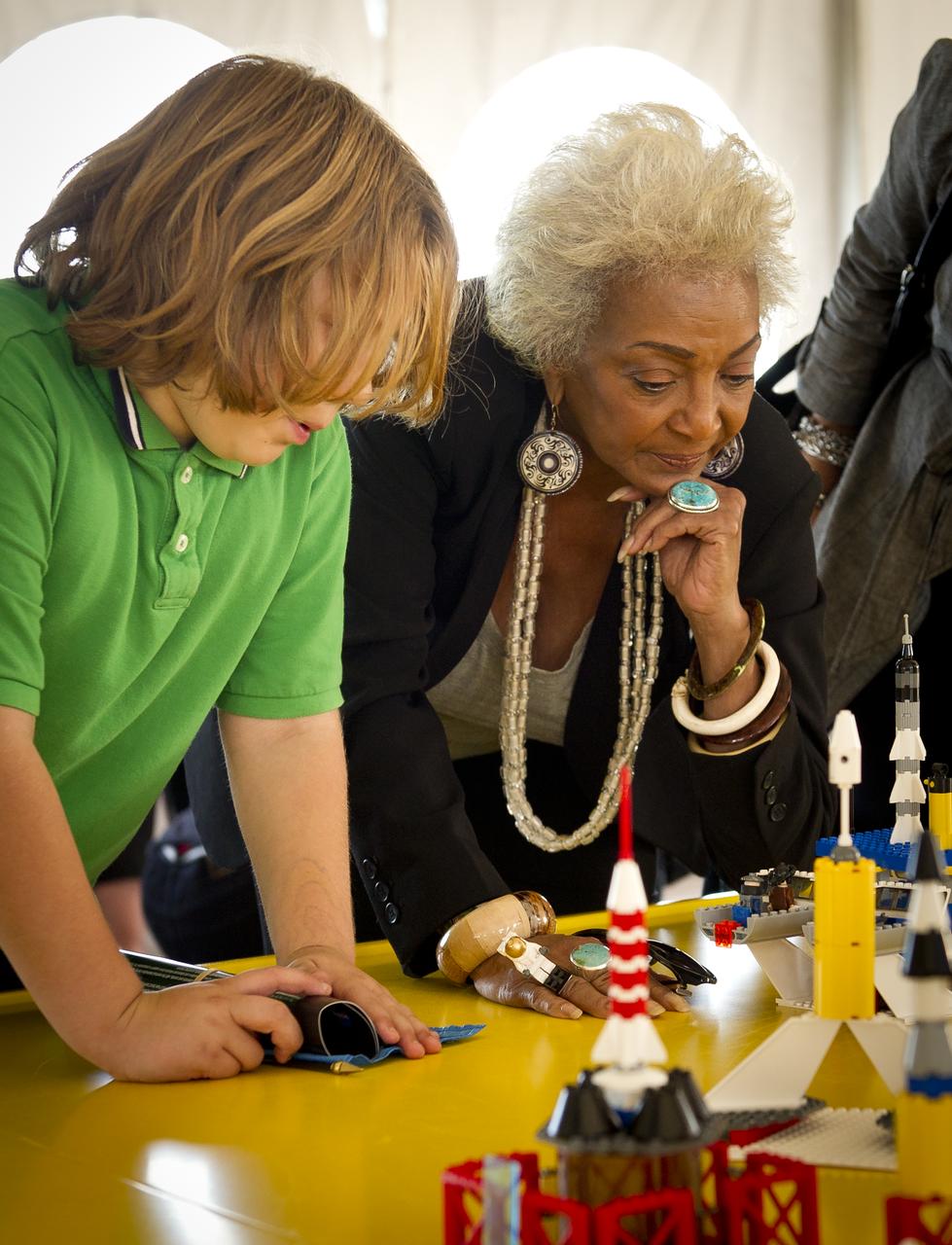
Actress Nichelle Nichols, known for her most famous role as communications officer Lieutenant Uhura aboard the USS Enterprise in the popular Star Trek television series, talks with school children during the “Build the Future” activity where students created their vision of the future in space with LEGO bricks and elements inside a tent that was set up on the launch viewing area at NASA's Kennedy Space Center in Cape Canaveral, Fla. on Monday, Nov. 1, 2010.  NASA and The LEGO Group signed a Space Act Agreement to spark children's interest in science, technology, engineering and math (STEM). Photo Credit: (NASA/Bill Ingalls)
LEGO "Build The Future" Activity
S73-31104 (17 July 1973) --- The wife and children of astronaut Alan L. Bean are photographed at their home near the Johnson Space Center (JSC), where their husband and father is preparing for NASA?s second manned Skylab mission. Bean is commander of the Skylab 3 Earth-orbital mission and will be joined by scientist-astronaut Owen K. Garriott, science pilot, and astronaut Jack R. Lousma, pilot for the schedule two-month mission. With Mrs. Sue Bean are the couple?s children Clay, 17, and Amy Sue, 10; and the family?s pet dog. Photo credit: NASA
Astronaut Alan L. Bean - Family - Houston, TX
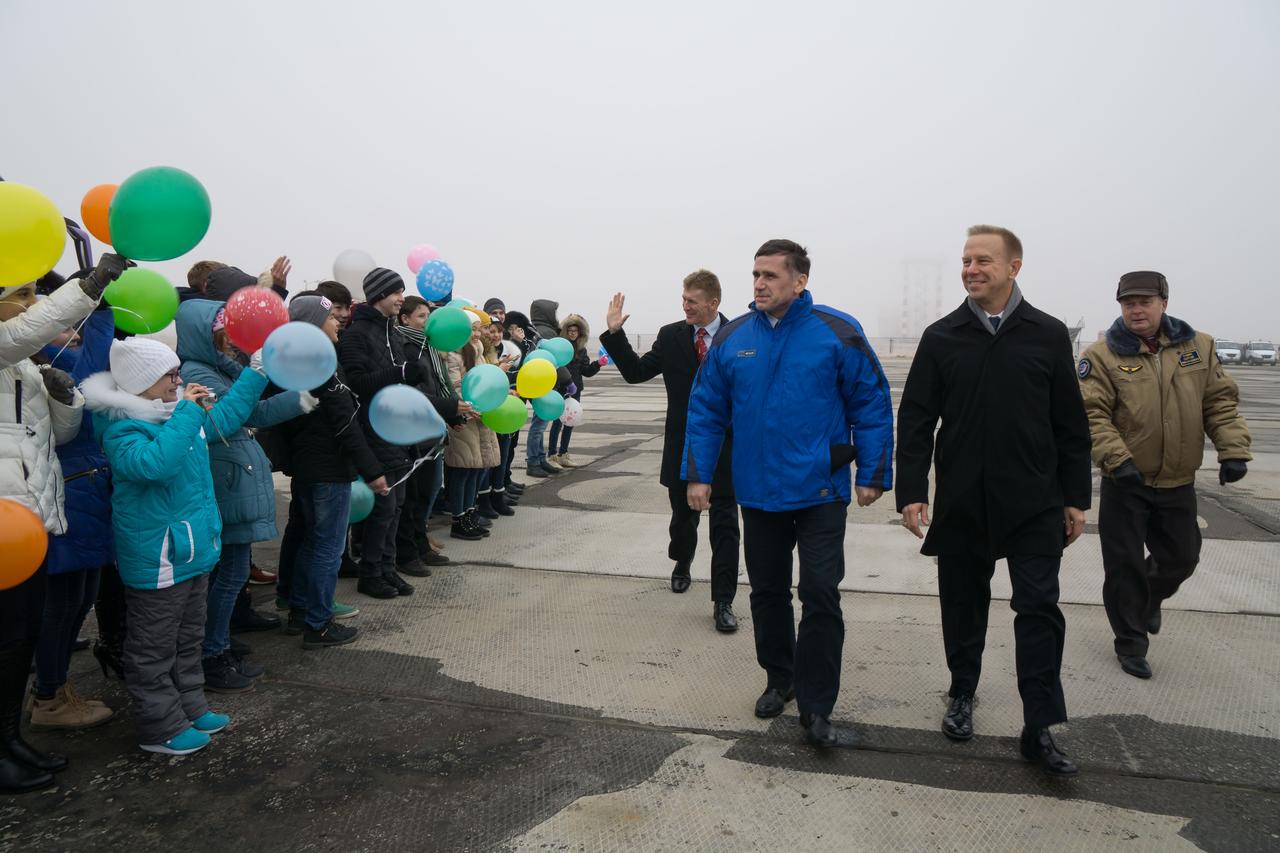
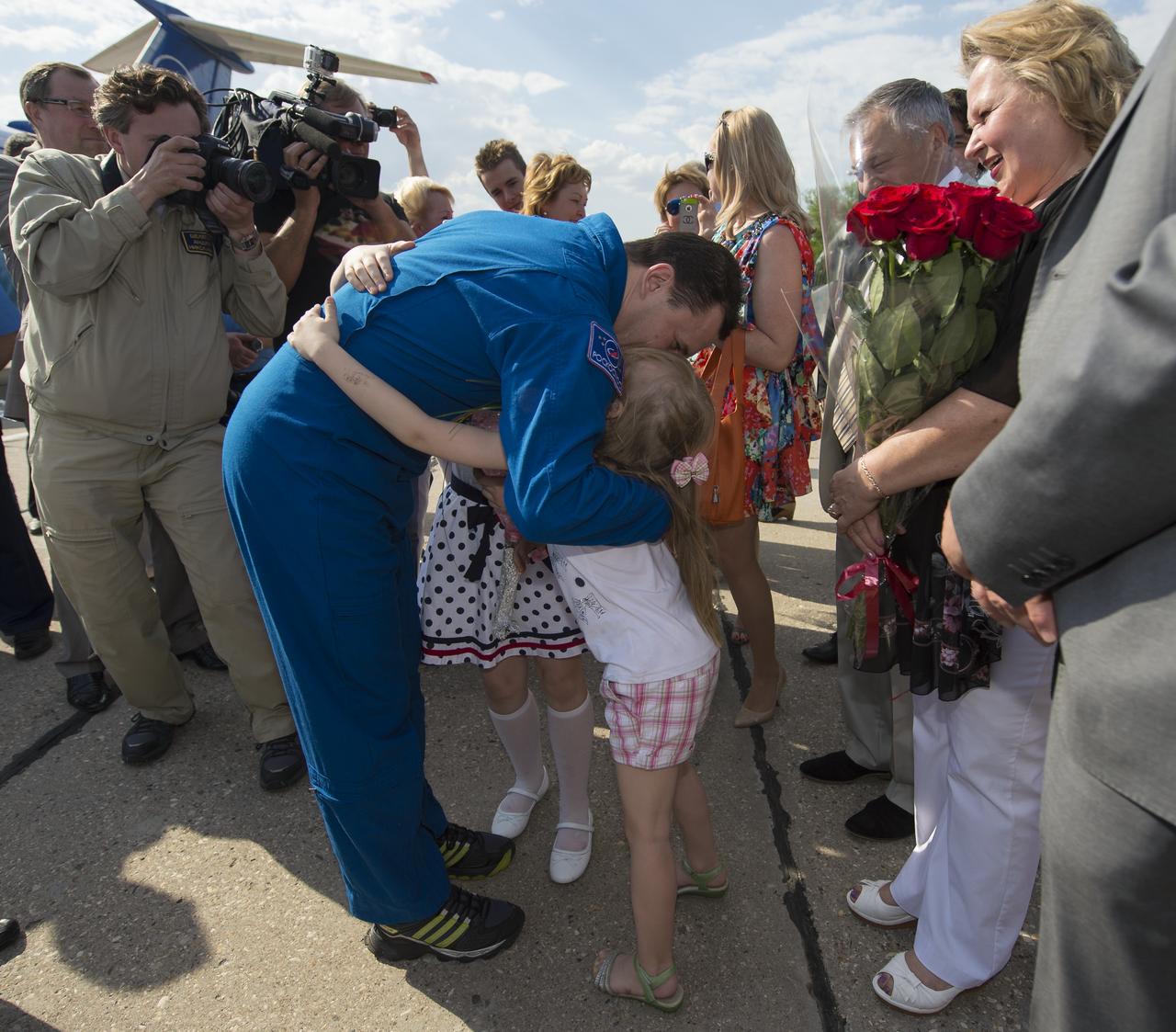
The Expedition 46-47 crewmembers arrive in Baikonur, Kazakhstan Nov. 30 for final pre-launch training following a flight from their training base at the Gagarin Cosmonaut Training Center in Star City, Russia and are greeted by school children. Tim Peake of the European Space Agency (left), Yuri Malenchenko of the Russian Federal Space Agency (Roscosmos, center) and Tim Kopra of NASA (right), will launch Dec. 15 on the Soyuz TMA-19M spacecraft for a six-month mission on the International Space Station.  NASA / Victor Zelentsov
The Expedition 46-47 crewmembers arrive in Baikonur, Kazakhstan Nov. 30 for final pre-launch training following a flight from their training base at the Gagarin Cosmonaut Training Center in Star City, Russia and are greeted by school children. Tim Peake of the European Space Agency (left), Yuri Malenchenko of the Russian Federal Space Agency (Roscosmos, center) and Tim Kopra of NASA (right), will launch Dec. 15 on the Soyuz TMA-19M spacecraft for a six-month mission on the International Space Station...NASA / Victor Zelentsov .
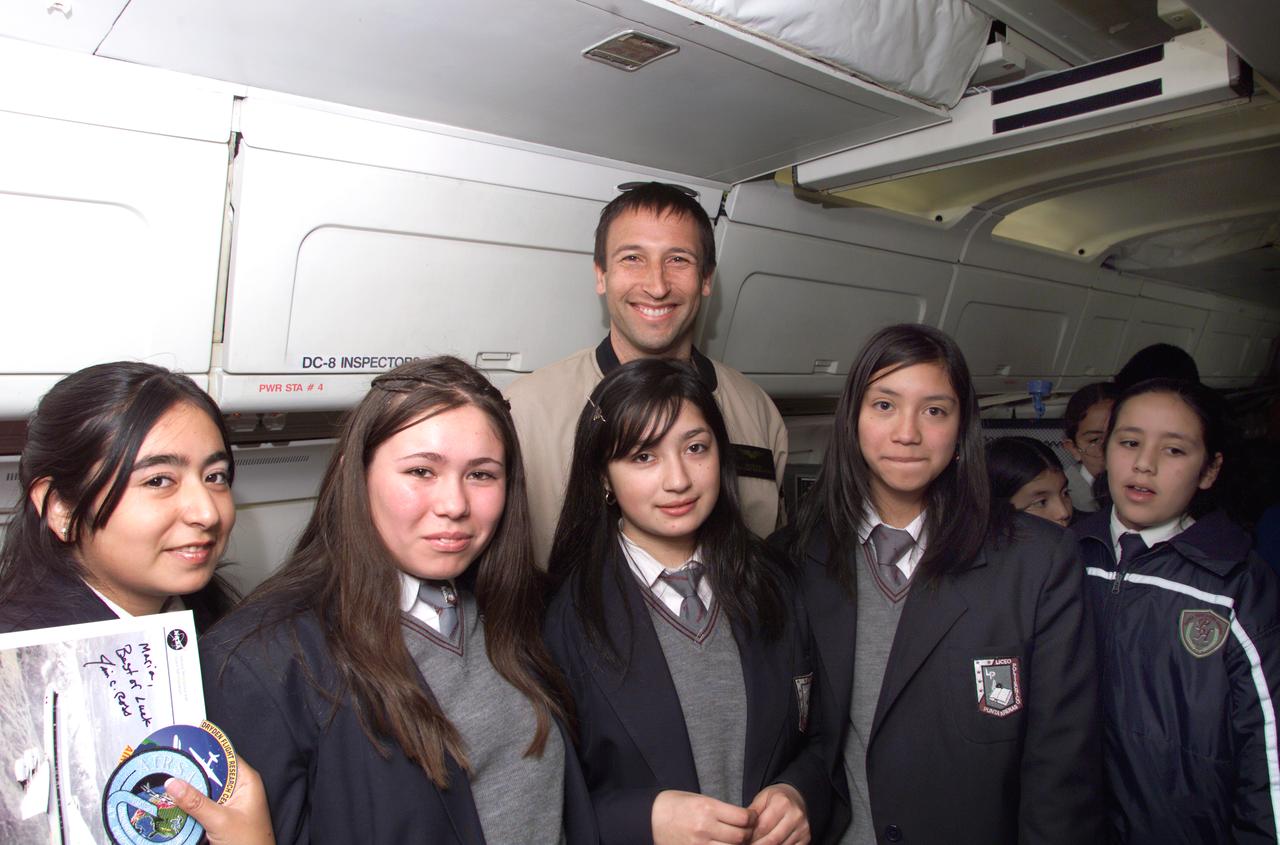
NASA Dryden Mission Manager Walter Klein poses with school children that visited the DC-8 during AirSAR 2004 in Punta Arenas, Chile. AirSAR 2004 is a three-week expedition by an international team of scientists that uses an all-weather imaging tool, called the Airborne Synthetic Aperture Radar (AirSAR) which is located onboard NASA's DC-8 airborne laboratory. Scientists from many parts of the world including NASA's Jet Propulsion Laboratory are combining ground research done in several areas in Central and South America with NASA's AirSAR technology to improve and expand on the quality of research they are able to conduct.  In South America and Antarctica, AirSAR collected imagery and data to help determine the contribution of Southern Hemisphere glaciers to sea level rise due to climate change. In Patagonia, researchers found this contribution had more than doubled from 1995 to 2000, compared to the previous 25 years. AirSAR data will make it possible to determine whether that trend is continuing or accelerating. AirSAR will also provide reliable information on ice shelf thickness to measure the contribution of the glaciers to sea level.
NASA Dryden Mission Manager Walter Klein poses with school children that visited the DC-8 during AirSAR 2004 in Punta Arenas, Chile
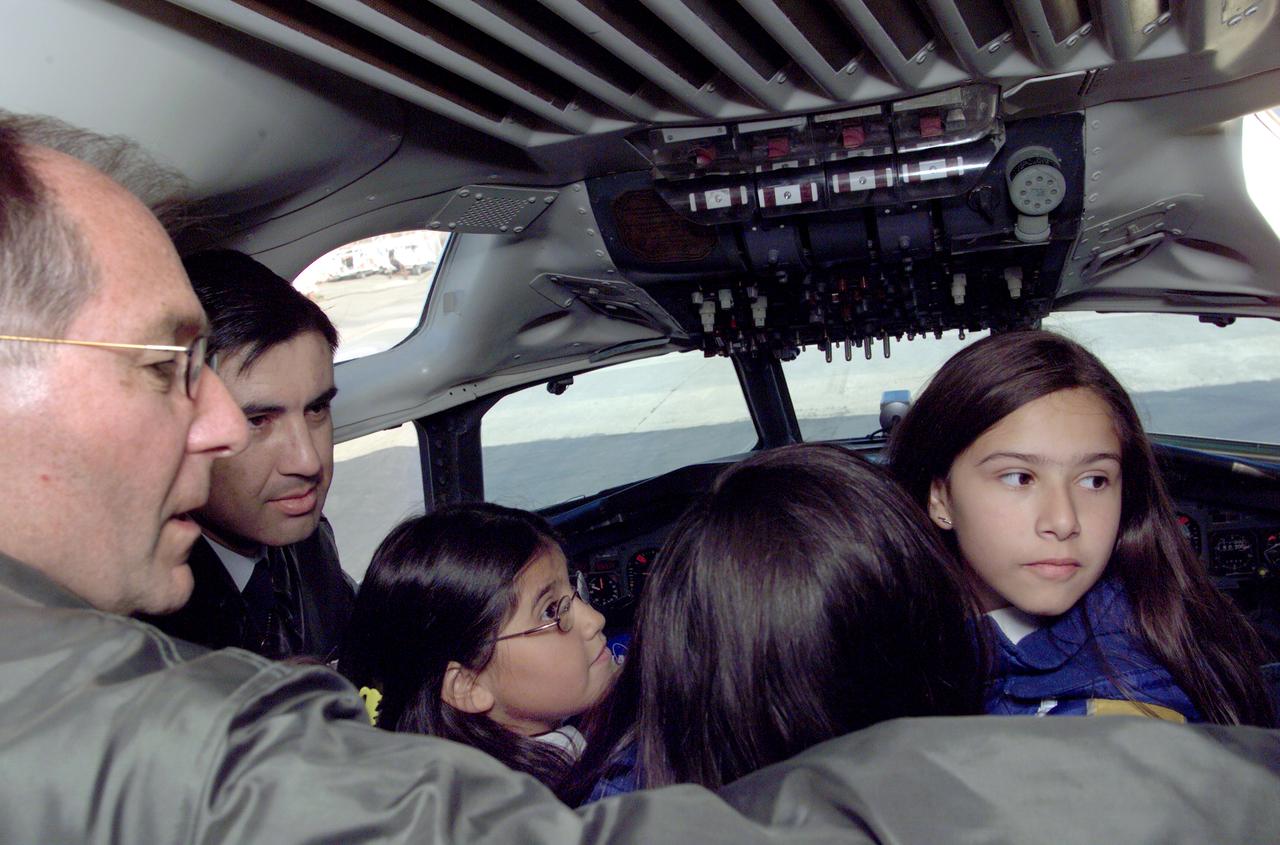
Pilot Bill Brockett (left) and Chilean Air Force Captain Saez with school children in the cockpit of NASA Dryden's DC-8 flying laboratory. Brockett explained NASA's AirSAR 2004 mission in Chile. AirSAR 2004 is a three-week expedition by an international team of scientists that uses an all-weather imaging tool, called the Airborne Synthetic Aperture Radar (AirSAR) which is located onboard NASA's DC-8 airborne laboratory. Scientists from many parts of the world including NASA's Jet Propulsion Laboratory are combining ground research done in several areas in Central and South America with NASA's AirSAR technology to improve and expand on the quality of research they are able to conduct.  In South America and Antarctica, AirSAR collected imagery and data to help determine the contribution of Southern Hemisphere glaciers to sea level rise due to climate change. In Patagonia, researchers found this contribution had more than doubled from 1995 to 2000, compared to the previous 25 years. AirSAR data will make it possible to determine whether that trend is continuing or accelerating. AirSAR will also provide reliable information on ice shelf thickness to measure the contribution of the glaciers to sea level.
Pilot Bill Brockett (left) and Chilean Air Force Captain Saez with school children in the cockpit of NASA Dryden's DC-8 flying laboratory
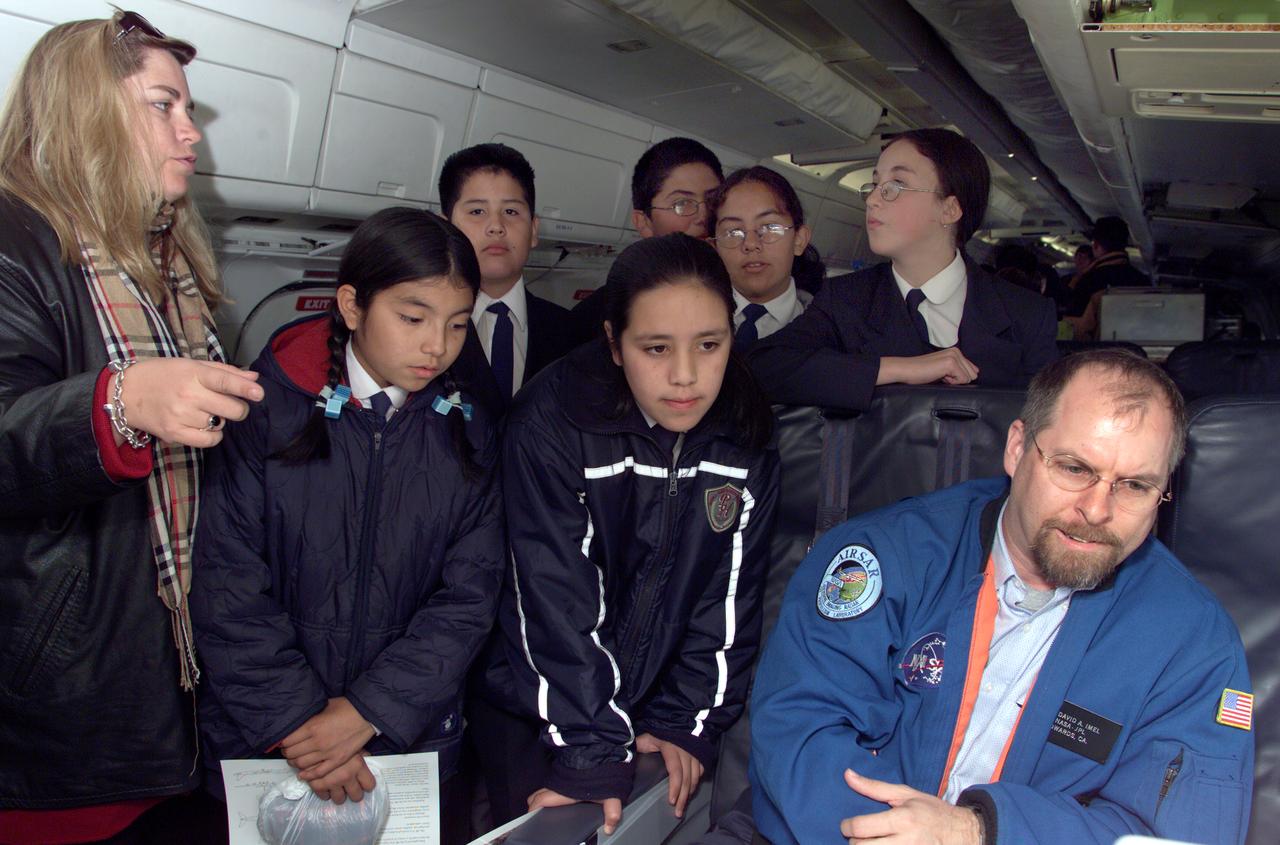
School children from Punta Arenas, Chile, talk with Dr. David Imel, an AirSAR scientist from NASA JPL, during AirSAR 2004. AirSAR 2004 is a three-week expedition by an international team of scientists that uses an all-weather imaging tool, called the Airborne Synthetic Aperture Radar (AirSAR) which is located onboard NASA's DC-8 airborne laboratory. Scientists from many parts of the world including NASA's Jet Propulsion Laboratory are combining ground research done in several areas in Central and South America with NASA's AirSAR technology to improve and expand on the quality of research they are able to conduct.  In South America and Antarctica, AirSAR collected imagery and data to help determine the contribution of Southern Hemisphere glaciers to sea level rise due to climate change. In Patagonia, researchers found this contribution had more than doubled from 1995 to 2000, compared to the previous 25 years. AirSAR data will make it possible to determine whether that trend is continuing or accelerating. AirSAR will also provide reliable information on ice shelf thickness to measure the contribution of the glaciers to sea level.
School children from Punta Arenas, Chile, talk with Dr. David Imel, an AirSAR scientist from NASA JPL, during AirSAR 2004
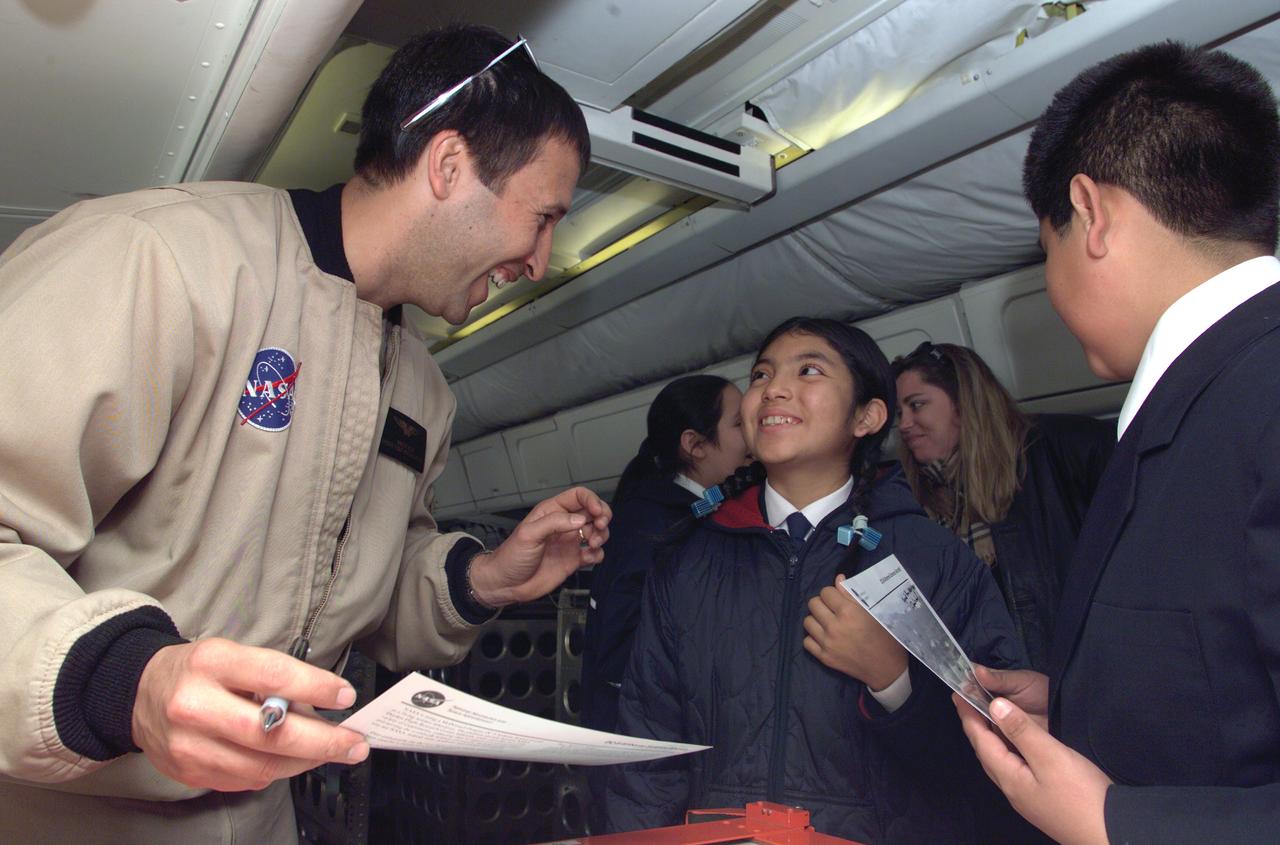
NASA Dryden Mission Manager Walter Klein talks with school children from Punta Arenas, Chile, during a tour of the DC-8 aircraft while it was in the country supporting the AirSAR 2004 campaign. AirSAR 2004 is a three-week expedition by an international team of scientists that uses an all-weather imaging tool, called the Airborne Synthetic Aperture Radar (AirSAR) which is located onboard NASA's DC-8 airborne laboratory. Scientists from many parts of the world including NASA's Jet Propulsion Laboratory are combining ground research done in several areas in Central and South America with NASA's AirSAR technology to improve and expand on the quality of research they are able to conduct.  In South America and Antarctica, AirSAR collected imagery and data to help determine the contribution of Southern Hemisphere glaciers to sea level rise due to climate change. In Patagonia, researchers found this contribution had more than doubled from 1995 to 2000, compared to the previous 25 years. AirSAR data will make it possible to determine whether that trend is continuing or accelerating. AirSAR will also provide reliable information on ice shelf thickness to measure the contribution of the glaciers to sea level.
NASA Dryden Mission Manager Walter Klein talks with school children from Punta Arenas, Chile, during a tour of the DC-8 aircraft
The children of Apollo astronaut Jim Lovell ride in a Ford Mustang during the “Man on the Moon” astronaut parade in Cocoa Beach, Florida, on July 13, 2019. The parade was held to honor the 50th anniversary of NASA’s Saturn V/Apollo 11 launch and landing on the Moon.
Apollo 11 50th Anniversary Astronaut Parade
Swedish Delegation visited Goddard on May 3, 2017.  Center Director Chris Scolese greets His Majesty Carl XVI Gustaf, King of Sweden at Bldg 28.  Goddard Child Development Center was on hand with children bearing flags, flowers and a painting of Swedish Linnea flower as a gift.
GSFC_20170503_2017-4309_104
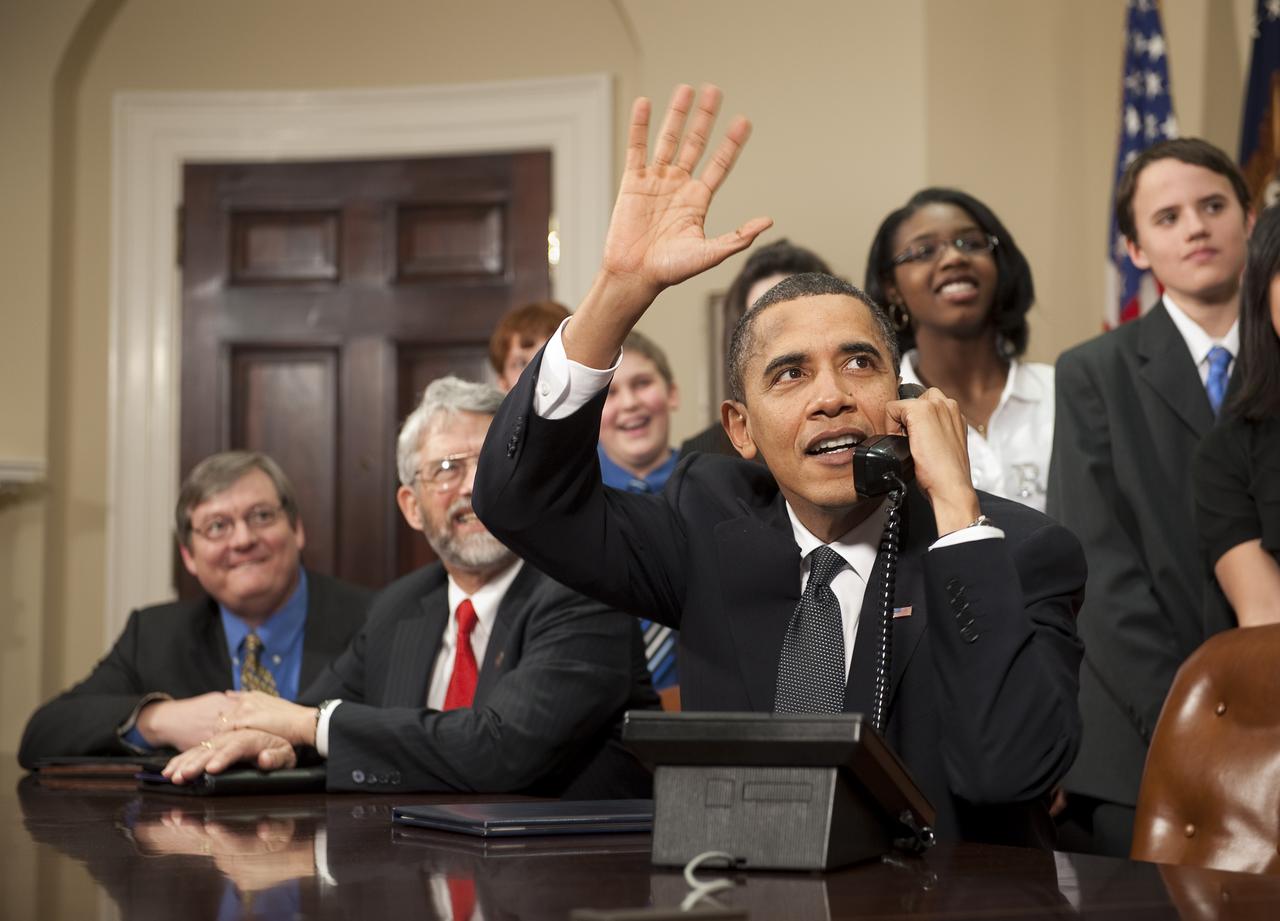
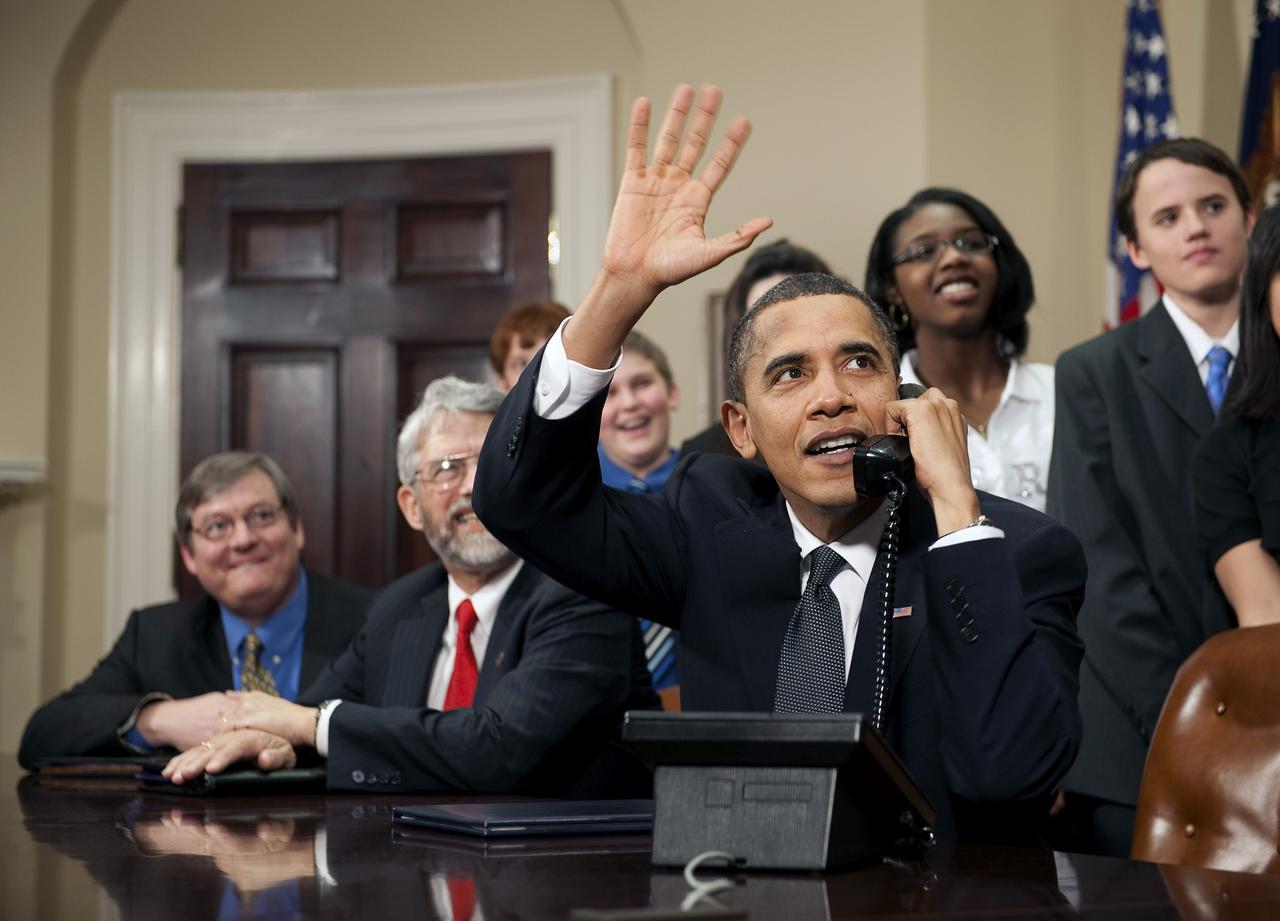
U.S. President Barack Obama, accompanied by members of Congress and middle school children,  waves as he talks on the phone from the Roosevelt Room of the White House to astronauts on the International Space Station, Wednesday, Feb. 17, 2010 in Washington. Photo Credit: (NASA/Bill Ingalls)
President Obama Calls International Space Station
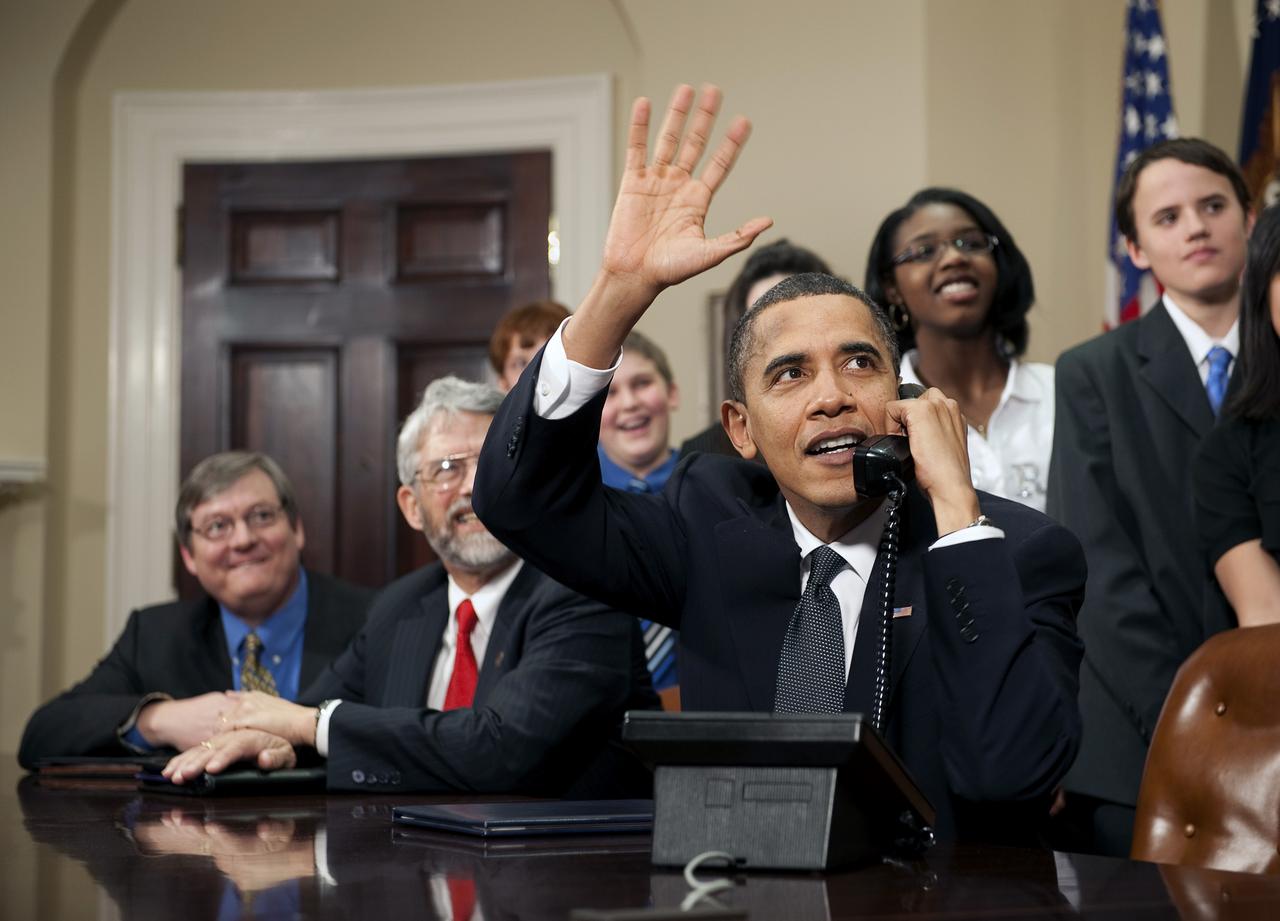
U.S. President Barack Obama, accompanied by members of Congress and middle school children,  waves as he talks on the phone from the Roosevelt Room of the White House to astronauts on the International Space Station, Wednesday, Feb. 17, 2010 in Washington. Photo Credit: (NASA/Bill Ingalls)
President Obama Calls International Space Station
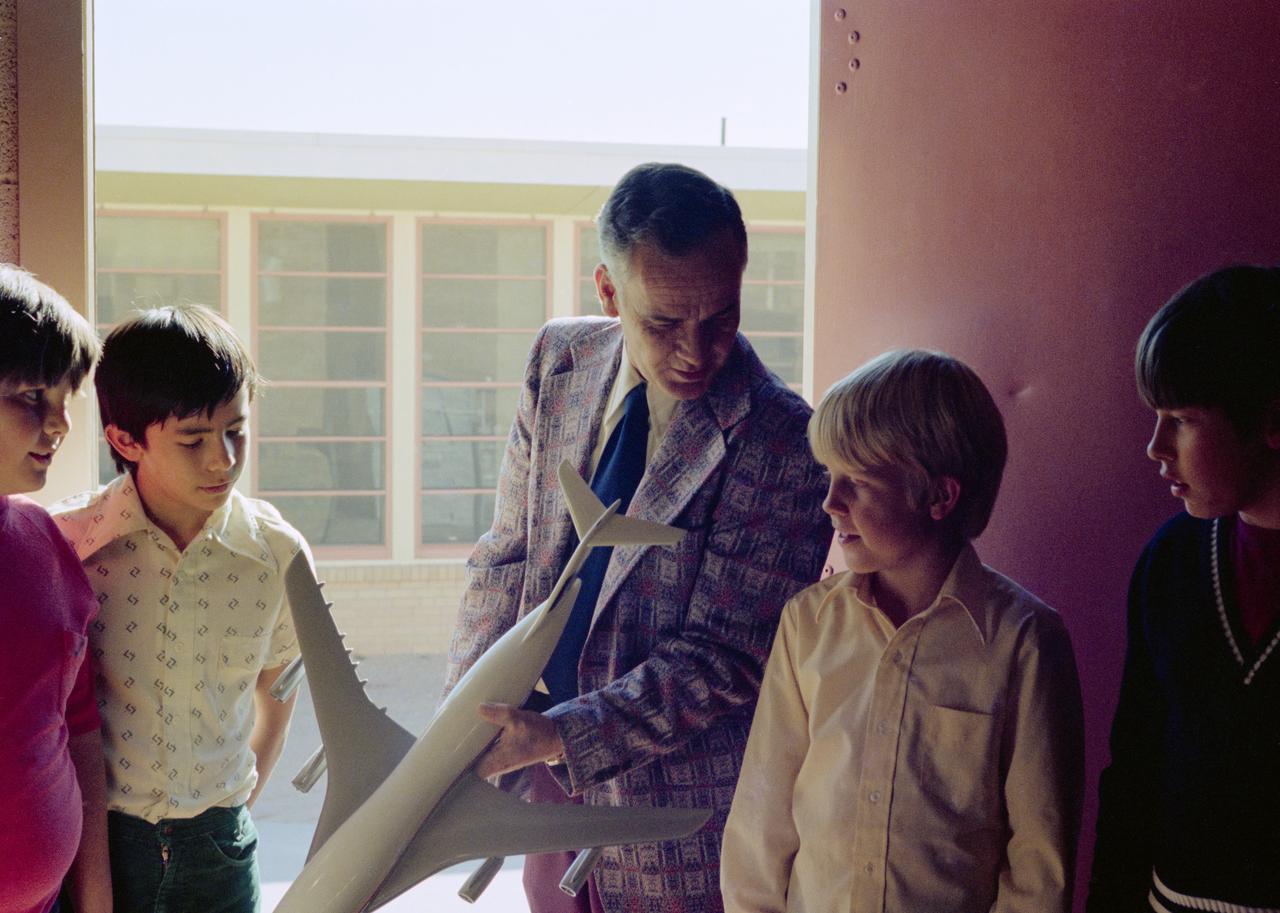
Photo documentation of NASA Public Affairs Office Personnel from Education Office and Public Information Office at Space Awareness lectures/demonstrations in San Antonio and El Paso, TX. Tom Hill, a Spacemobile lecturer, is seen in the view showing a model to children.
Space Awareness Program - Spacemobile - TX
jsc2021e064349 (8/31/2021) --- A prefligt image of the Flight Model of the CalliopEO Hardware.  CalliopEO (Calliope Mini in Space) is a project of Ruhr-Universität Bochum, Calliope gGmbH, and the German Space Agency at DLR to promote software programming skills among German school children.  Image courtesy of Calliope gGmbH
CalliopEO Project Preflight Imagery
Jeff DeWit, left, is seen during a ceremonial swearing in as the NASA Chief Financial Officer by Vice President Mike Pence as DeWit's wive Marina holds the bible and their children, Delaney, left, Katie, and Jamie look on, Monday, April 23, 2018 at NASA Headquarters in Washington. Photo Credit: (NASA/Bill Ingalls)
DeWit Sworn In As NASA CFO
Local area school children are seen during a NASA event announcing the astronauts assigned to crew the first flight tests and missions of the Boeing CST-100 Starliner and SpaceX Crew Dragon, Friday, Aug. 3, 2018 at NASA’s Johnson Space Center in Houston, Texas. Photo Credit: (NASA/Bill Ingalls)
Crews to Fly Commercial Spacecraft Announced
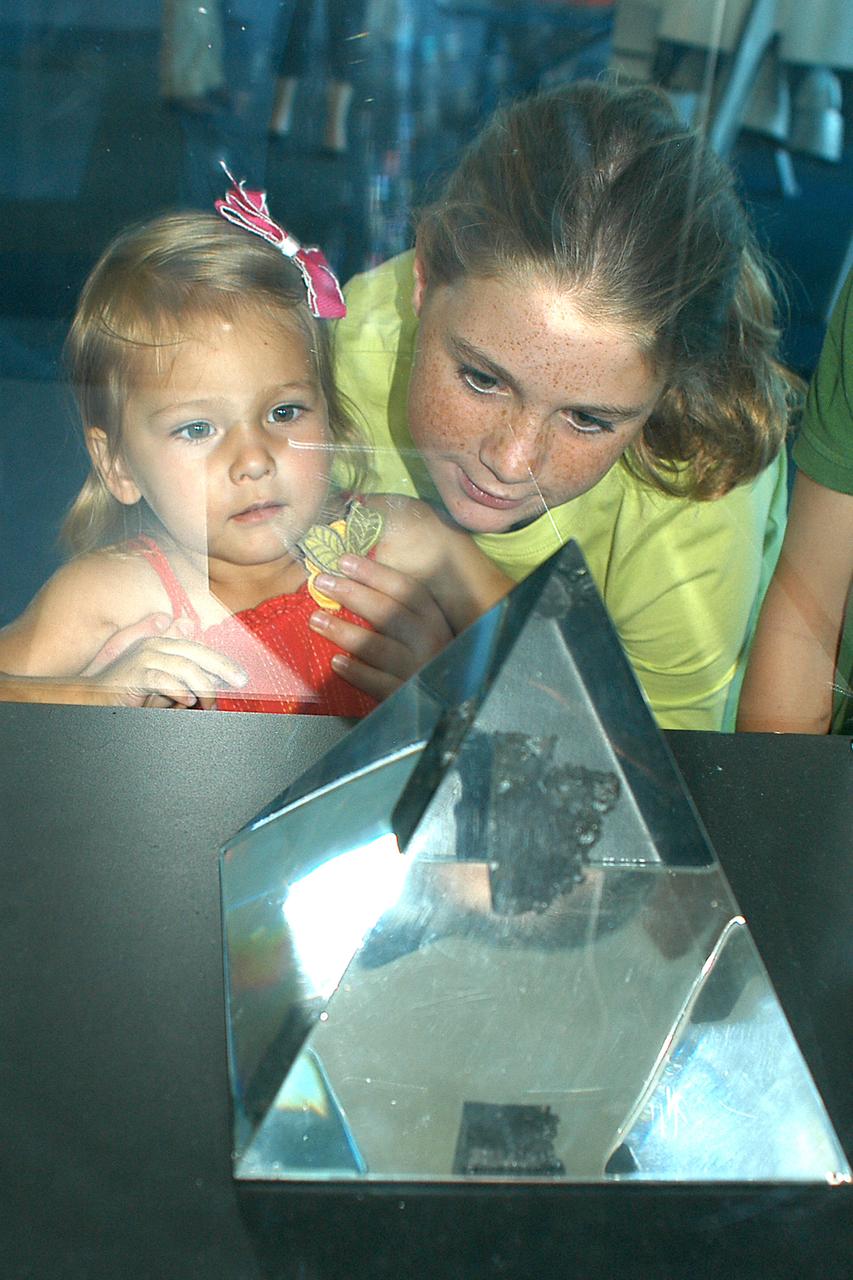
Clare Johnston, 10, and Eden Landis, 3, stare in wonder at the moon rock on display at the INFINITY at NASA Stennis Space Center visitor center and museum. The children toured INFINITY exhibits during ribbon-cutting activities for the facility April 11, 2012.
INFINITY ribbon-cutting
WASHINGTON - 201002170001HQ - U.S. President Barack Obama, accompanied by members of Congress and middle school children, waves as he talks on the phone from the Roosevelt Room of the White House to astronauts on the International Space Station, Wednesday, Feb. 17, 2010, in Washington. Photo Credit: NASA/Bill Ingalls
KSC-2010-1792
President Barack Obama is joined by members of Congress, including former astronaut Sen. Bill Nelson, right, and school children as he talks Tuesday, March 24, 2009, with astronauts on the International Space Station from the Roosevelt Room at the White House. (White House Photo/Pete Souza)
Obama Speaks to ISS
Swedish Delegation visited Goddard on May 3, 2017.  Center Director Chris Scolese greets His Majesty Carl XVI Gustaf, King of Sweden at Bldg 28.  For arrival children from the Goddard Child Development Center greeted him with flag, flowers and a painting of Swedish Linnea flower as a gift.
GSFc_20170503_2017-4309_102
jsc2025e06704 (August 4, 2025) --- Second Lady Usha Vance interacts with a group of children as they were participating in group activities as part of the Summer Reading Challenge event at NASA’s Johnson Space Center. Photo Credit: NASA/James Blair
Title: Second Lady Usha Vance with NASA Leadership in Mission Control
jsc2025e067262 (August 4, 2025) --- Second Lady Usha Vance interacts with a group of children as they were participating in group activities as part of the Summer Reading Challenge event at NASA’s Johnson Space Center. Photo Credit: NASA/James Blair Photo Credit: NASA/James Blair
Second Lady Usha Vance Tours Inside the Orion Capsule Mockup
jsc2025e067218 (August 4, 2025) --- Second Lady Usha Vance interacts with a group of children as they were participating in group activities as part of the Summer Reading Challenge event at NASA’s Johnson Space Center. Photo Credit: NASA/James Blair
Second Lady Usha Vance Calls Expedition 73 Crew at Mission Control