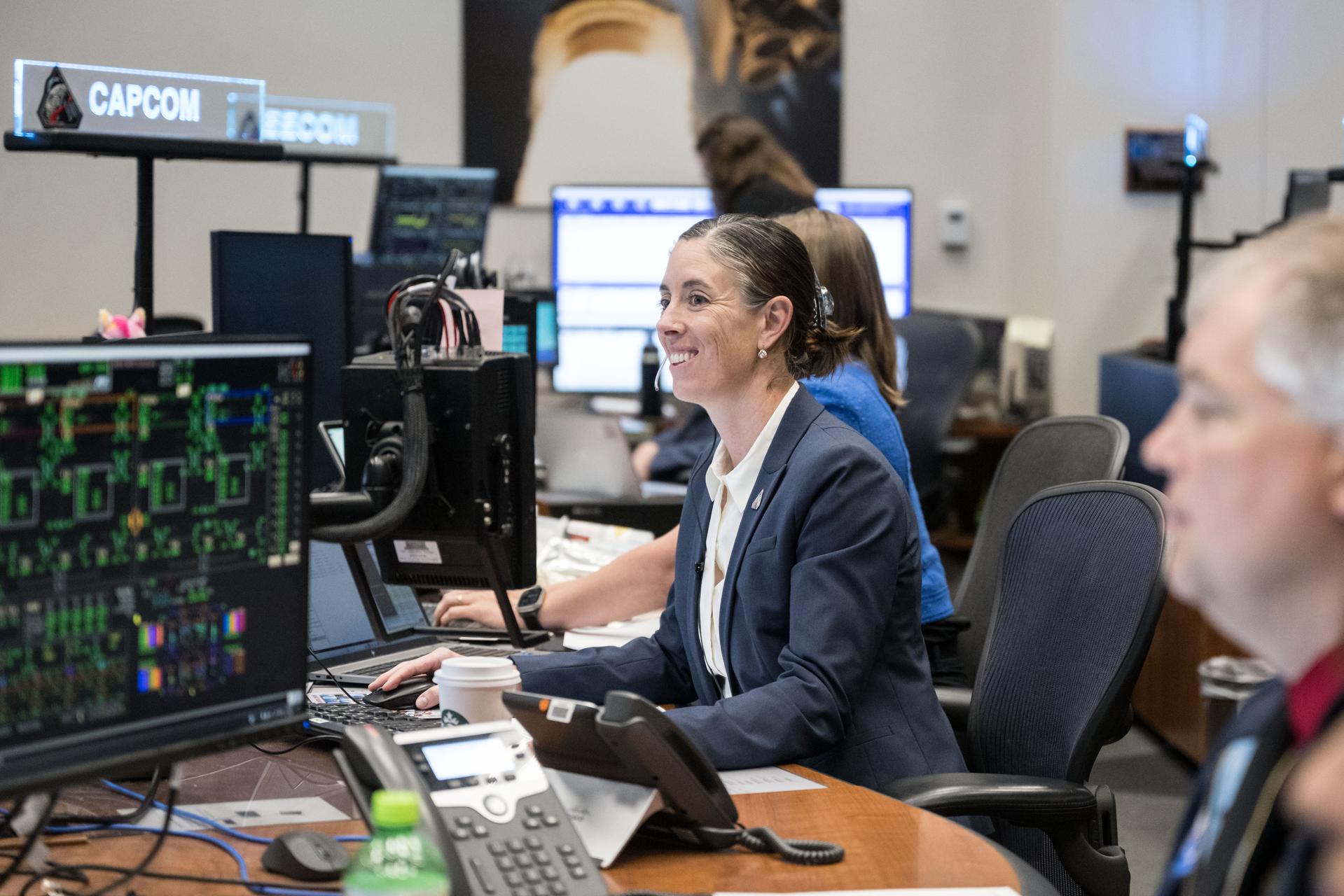
jsc2026e019614 (April 2, 2026) – NASA astronaut Chris Birch serves as capsule communicator (capcom) in the Mission Control Center at NASA’s Johnson Space Center during the mission’s translunar injection burn, which sent the crew in Orion out of Earth orbit and on a trajectory toward the Moon.
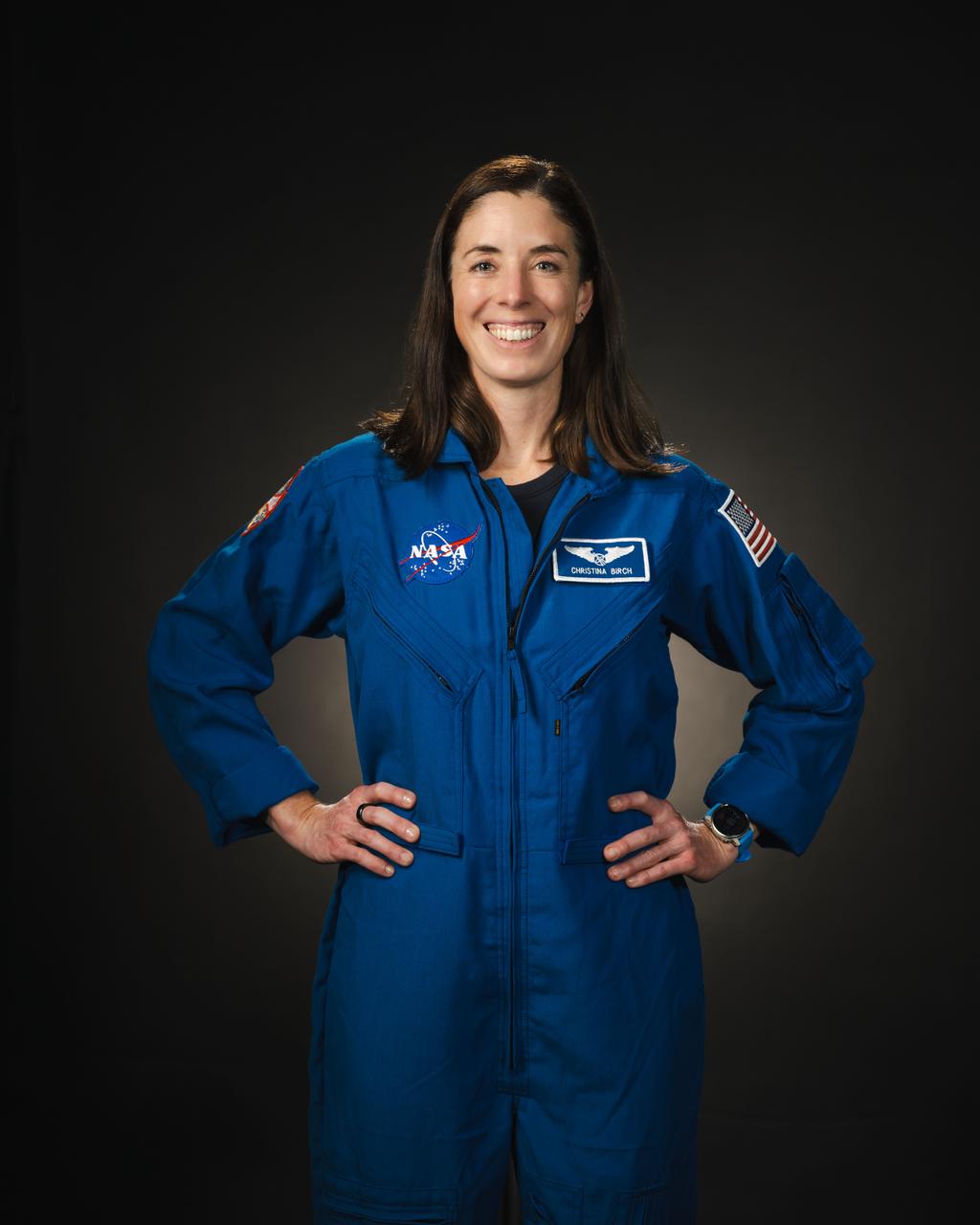
jsc2024e013674 (February 8, 2024) --- NASA astronaut Christina Birch poses for a portrait at NASA’s Johnson Space Center in Houston, Texas. Credit: NASA/ Josh Valcarcel
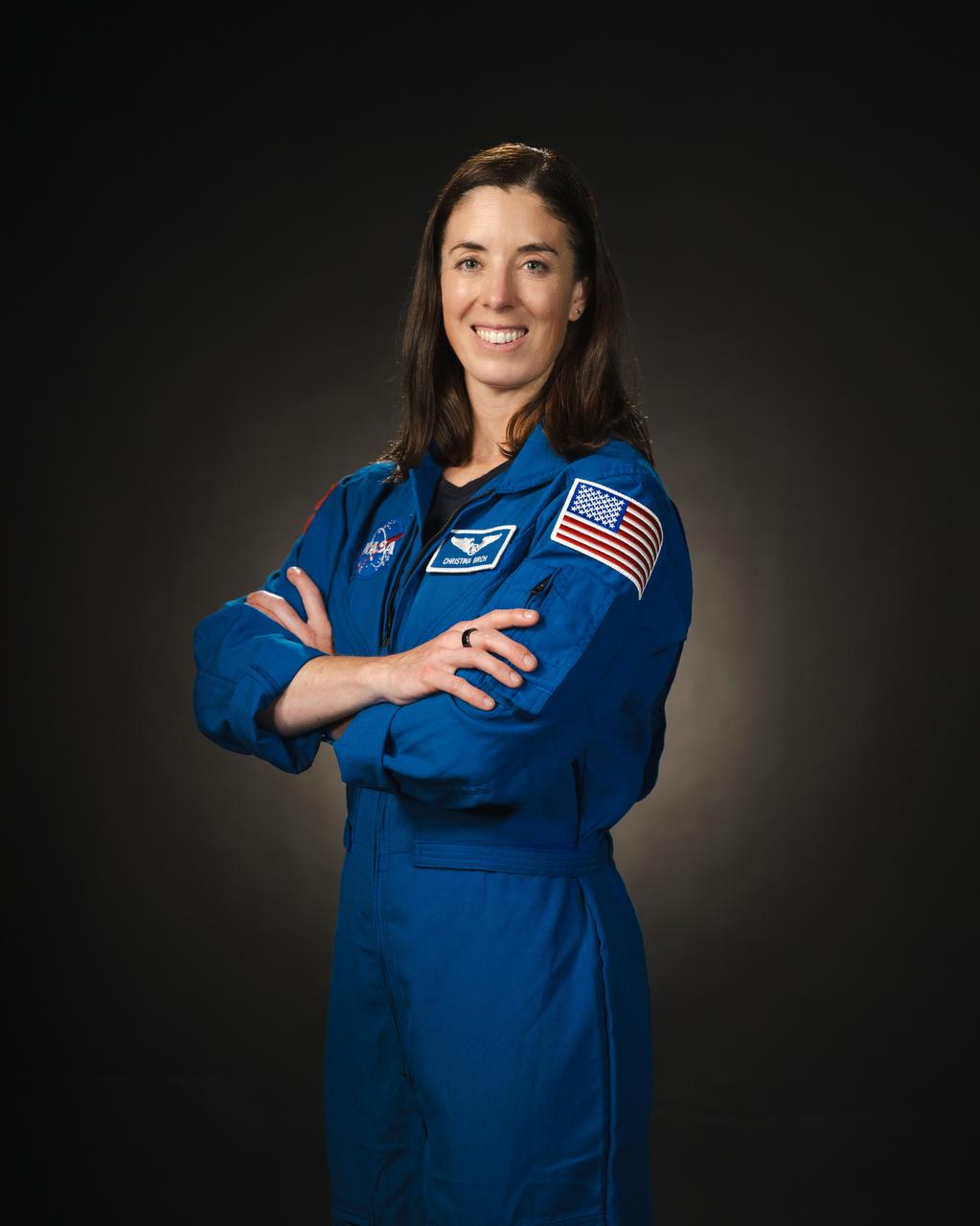
jsc2024e013675 (February 8, 2024) --- NASA astronaut Christina Birch poses for a portrait at NASA’s Johnson Space Center in Houston, Texas. Credit: NASA/ Josh Valcarcel
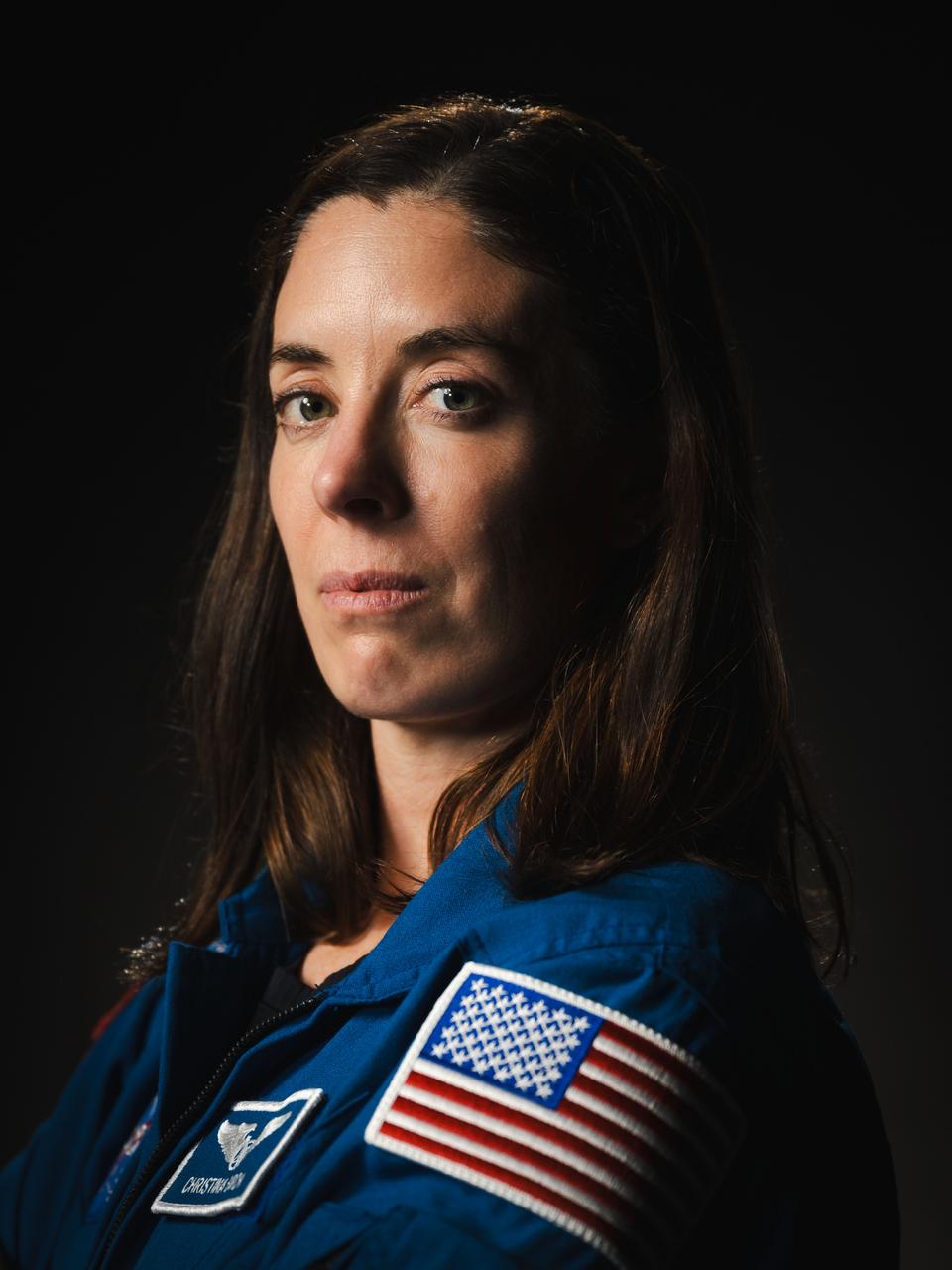
jsc2024e013689_alt (February 8, 2024) --- NASA astronaut Christina Birch poses for a portrait at NASA’s Johnson Space Center in Houston, Texas. Credit: NASA/ Josh Valcarcel
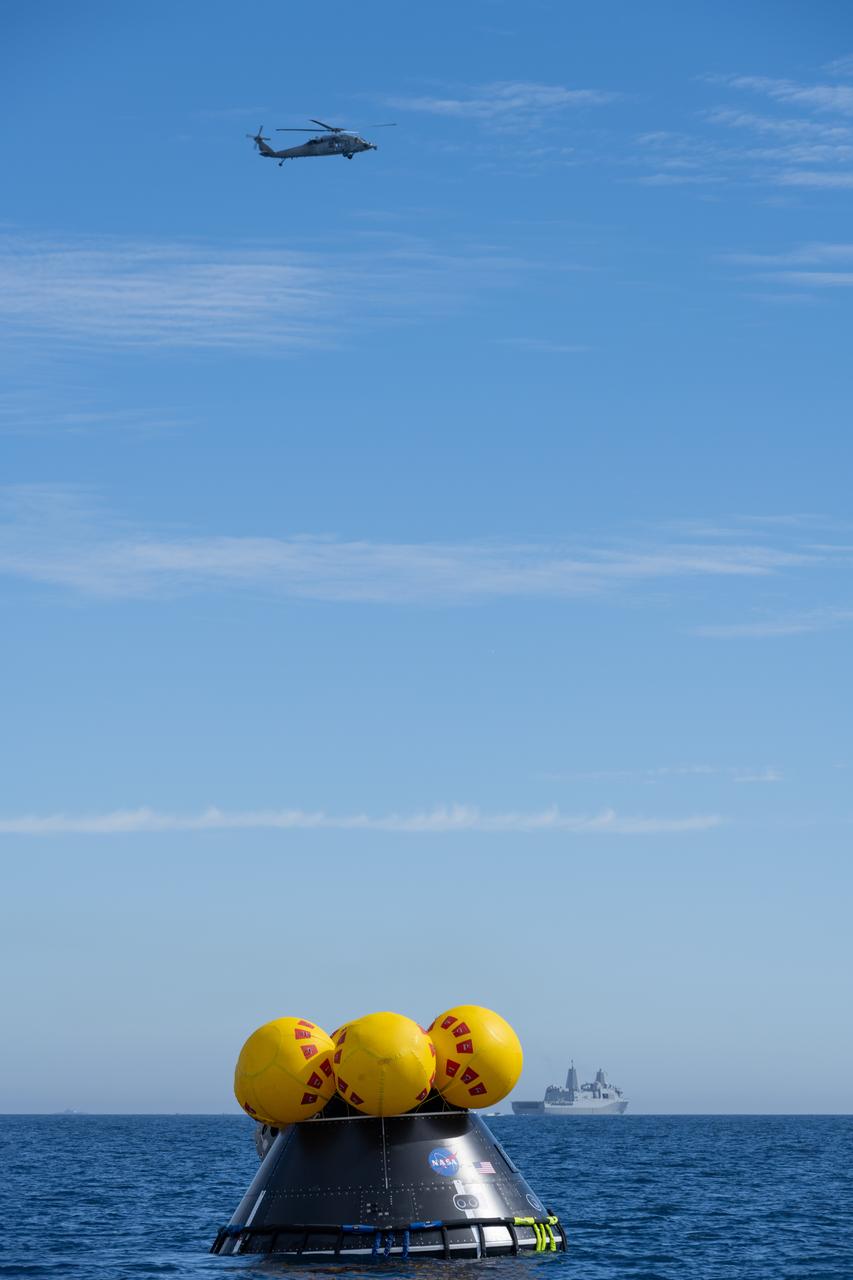
Members of NASA’s Exploration Ground System’s Landing and Recovery team and partners from the Department of Defense aboard the USS San Diego practice recovery procedures using the Crew Module Test Article with NASA Astronaut Candidate Chris Birch; Jenni Gibbons, CSA (Canadian Space Agency) astronaut; and two members of the United States Navy Helicopter Sea Combat Squadron 23, during Underway Recovery Test 11 (URT-11) off the coast of San Diego on Friday, Feb. 23, 2024. URT-11 is the eleventh in a series of Artemis recovery tests, and the first time NASA and its partners put their Artemis II recovery procedures to the test with the astronauts.
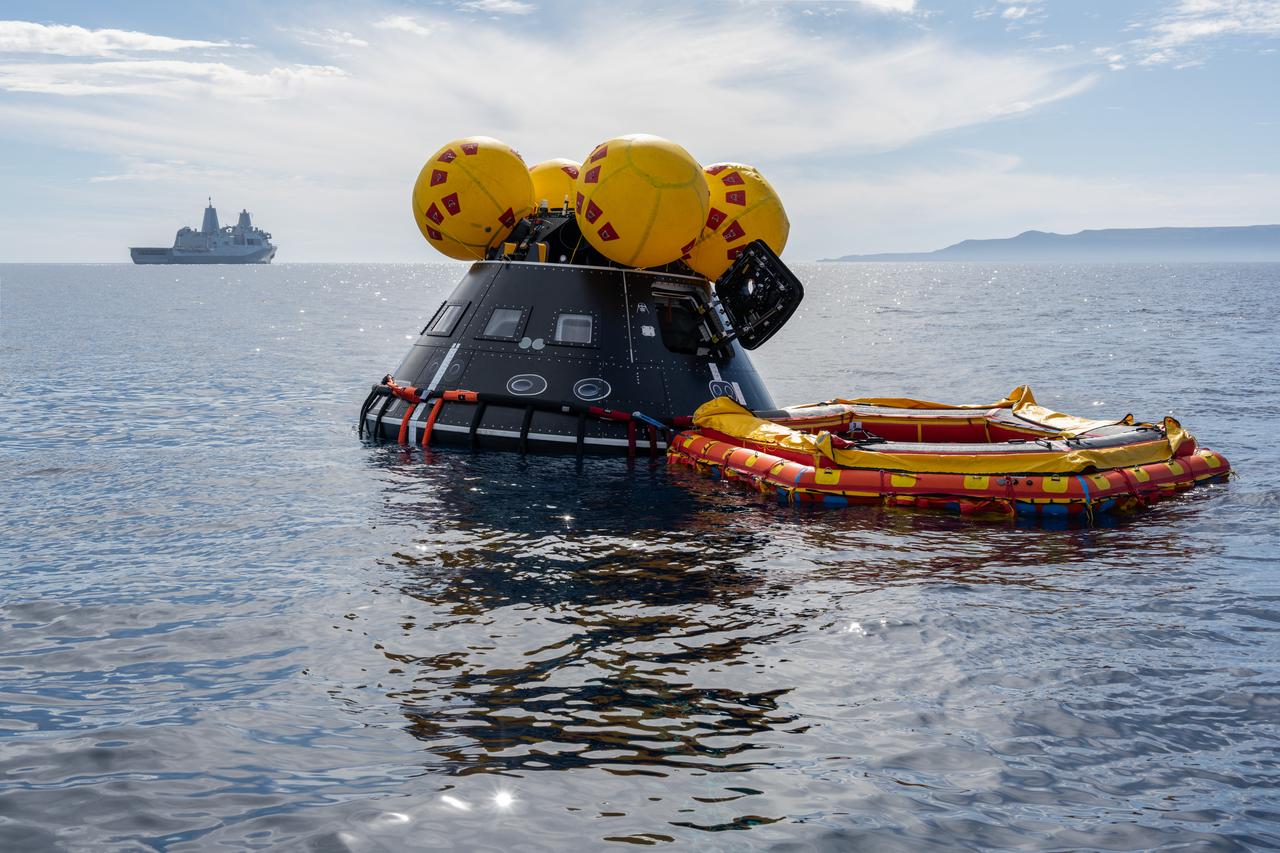
Members of NASA’s Exploration Ground System’s Landing and Recovery team and partners from the Department of Defense aboard the USS San Diego practice recovery procedures using the Crew Module Test Article with NASA Astronaut Candidate Chris Birch; Jenni Gibbons, CSA (Canadian Space Agency) astronaut; and two members of the United States Navy Helicopter Sea Combat Squadron 23, during Underway Recovery Test 11 (URT-11) off the coast of San Diego on Friday, Feb. 23, 2024. URT-11 is the eleventh in a series of Artemis recovery tests, and the first time NASA and its partners put their Artemis II recovery procedures to the test with the astronauts.
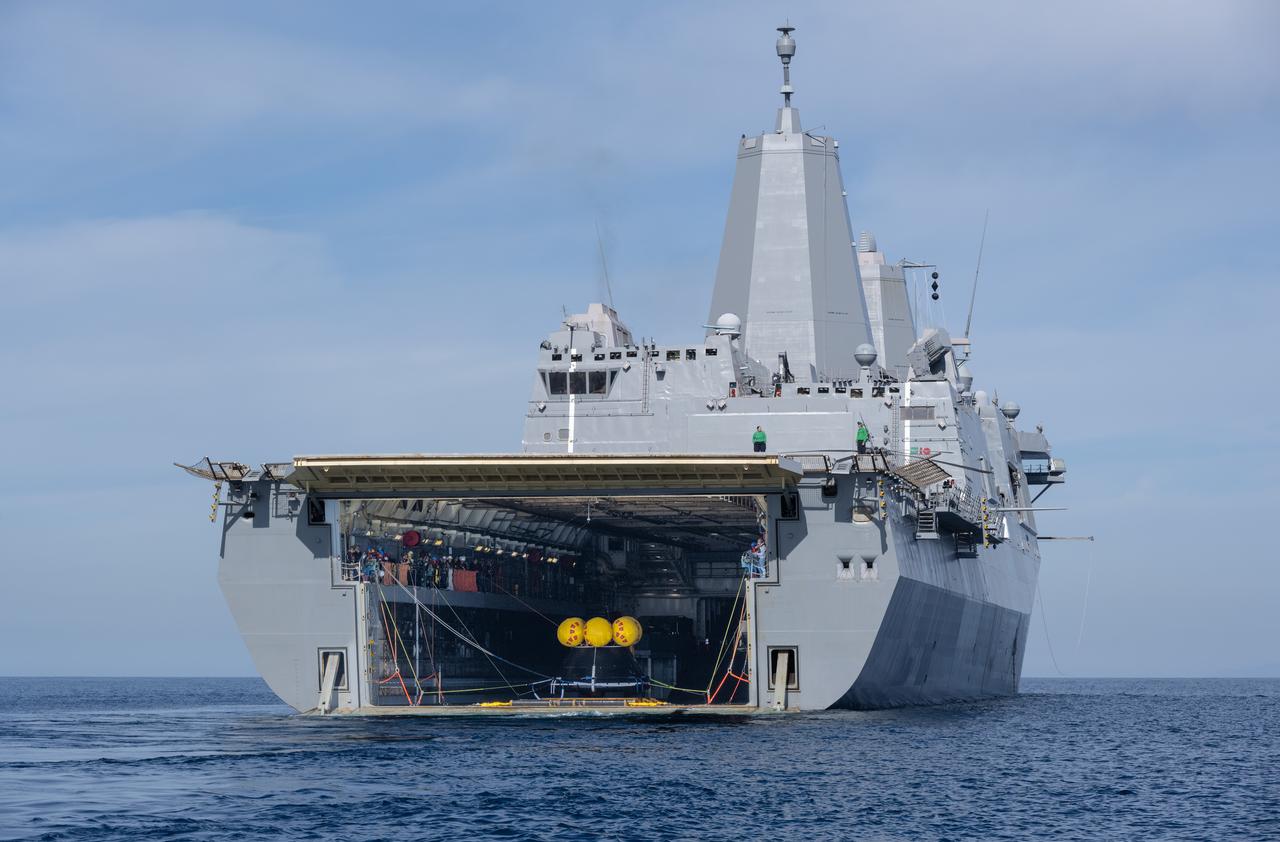
Members of NASA’s Exploration Ground System’s Landing and Recovery team and partners from the Department of Defense aboard the USS San Diego practice recovery procedures using the Crew Module Test Article with NASA Astronaut Candidate Chris Birch; Jenni Gibbons, CSA (Canadian Space Agency) astronaut; and two members of the United States Navy Helicopter Sea Combat Squadron 23, during Underway Recovery Test 11 (URT-11) off the coast of San Diego on Friday, Feb. 23, 2024. URT-11 is the eleventh in a series of Artemis recovery tests, and the first time NASA and its partners put their Artemis II recovery procedures to the test with the astronauts.
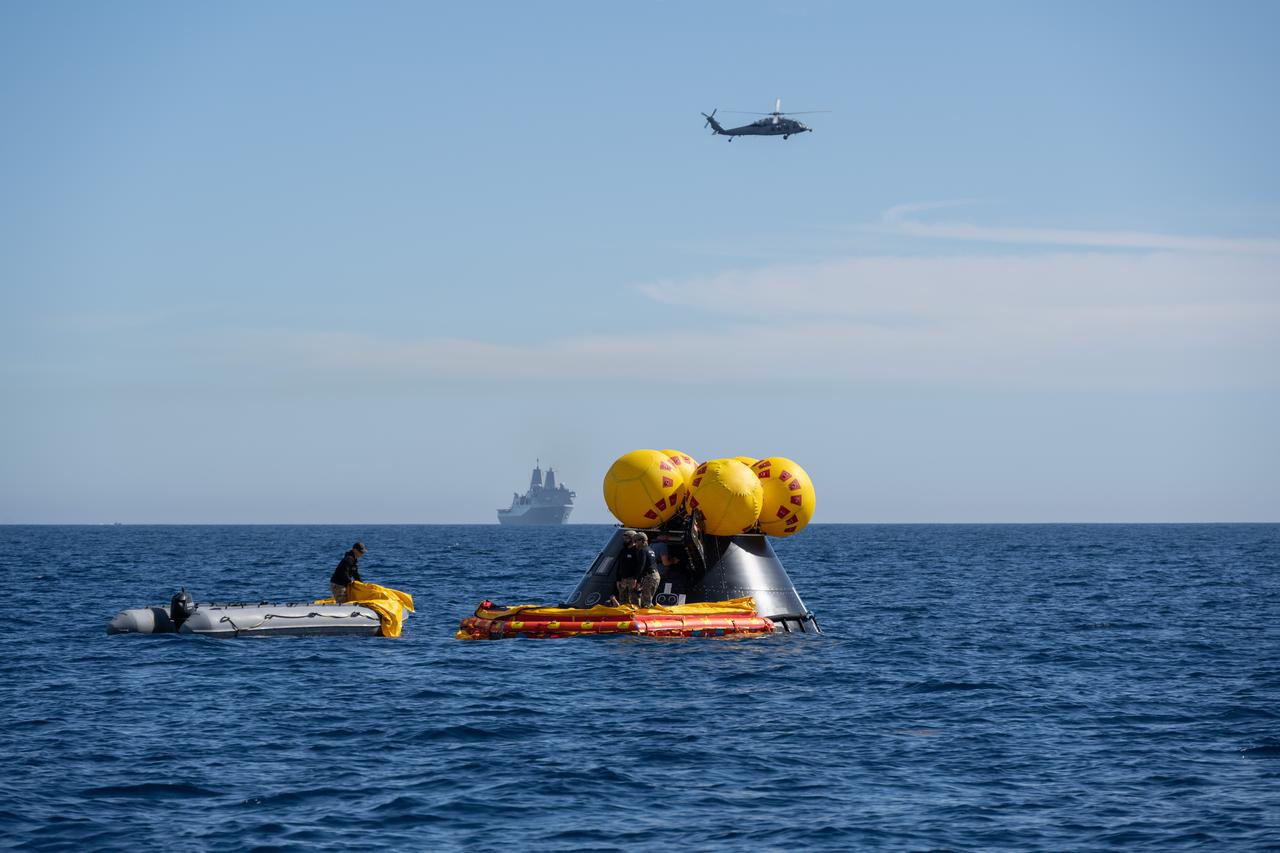
Members of NASA’s Exploration Ground System’s Landing and Recovery team and partners from the Department of Defense aboard the USS San Diego practice recovery procedures using the Crew Module Test Article with NASA Astronaut Candidate Chris Birch; Jenni Gibbons, CSA (Canadian Space Agency) astronaut; and two members of the United States Navy Helicopter Sea Combat Squadron 23, during Underway Recovery Test 11 (URT-11) off the coast of San Diego on Friday, Feb. 23, 2024. URT-11 is the eleventh in a series of Artemis recovery tests, and the first time NASA and its partners put their Artemis II recovery procedures to the test with the astronauts.
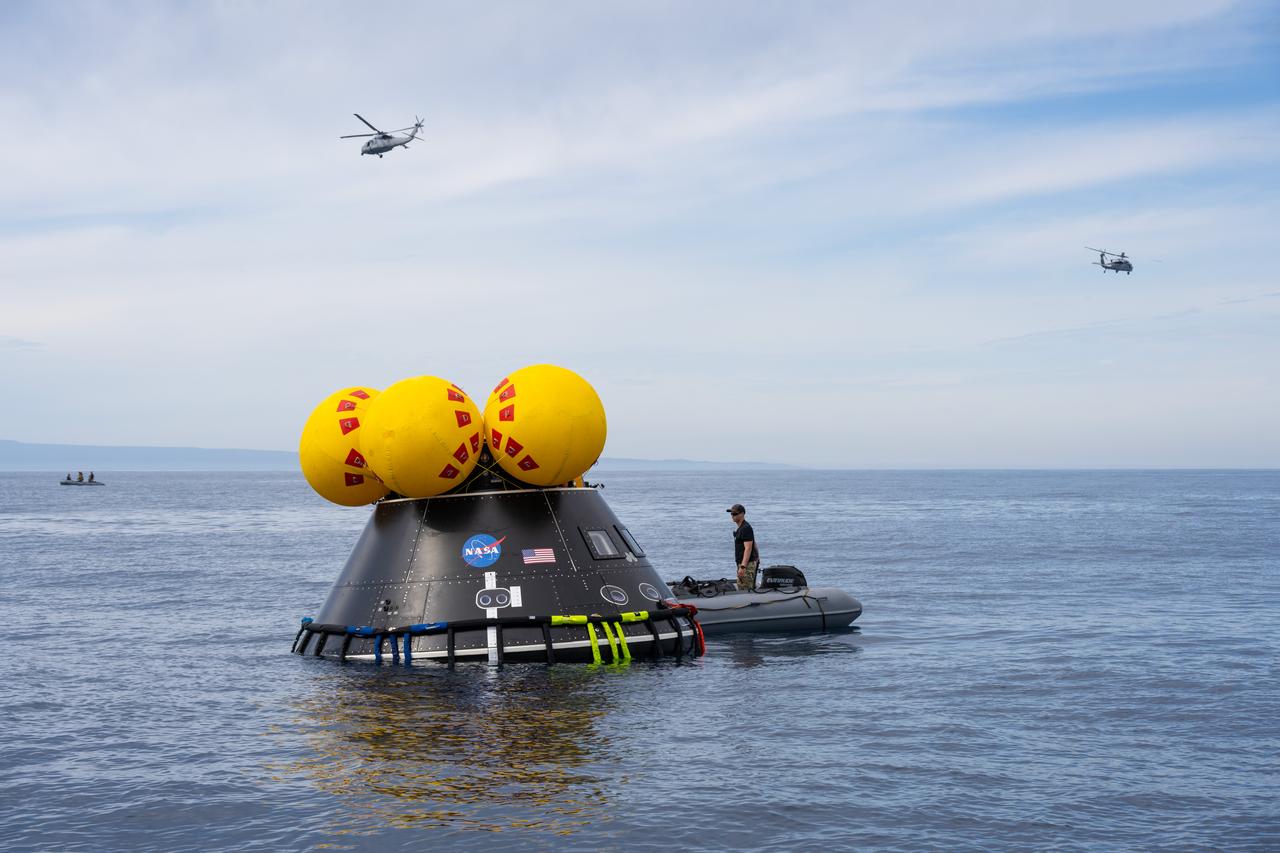
Members of NASA’s Exploration Ground System’s Landing and Recovery team and partners from the Department of Defense aboard the USS San Diego practice recovery procedures using the Crew Module Test Article with NASA Astronaut Candidate Chris Birch; Jenni Gibbons, CSA (Canadian Space Agency) astronaut; and two members of the United States Navy Helicopter Sea Combat Squadron 23, during Underway Recovery Test 11 (URT-11) off the coast of San Diego on Friday, Feb. 23, 2024. URT-11 is the eleventh in a series of Artemis recovery tests, and the first time NASA and its partners put their Artemis II recovery procedures to the test with the astronauts.
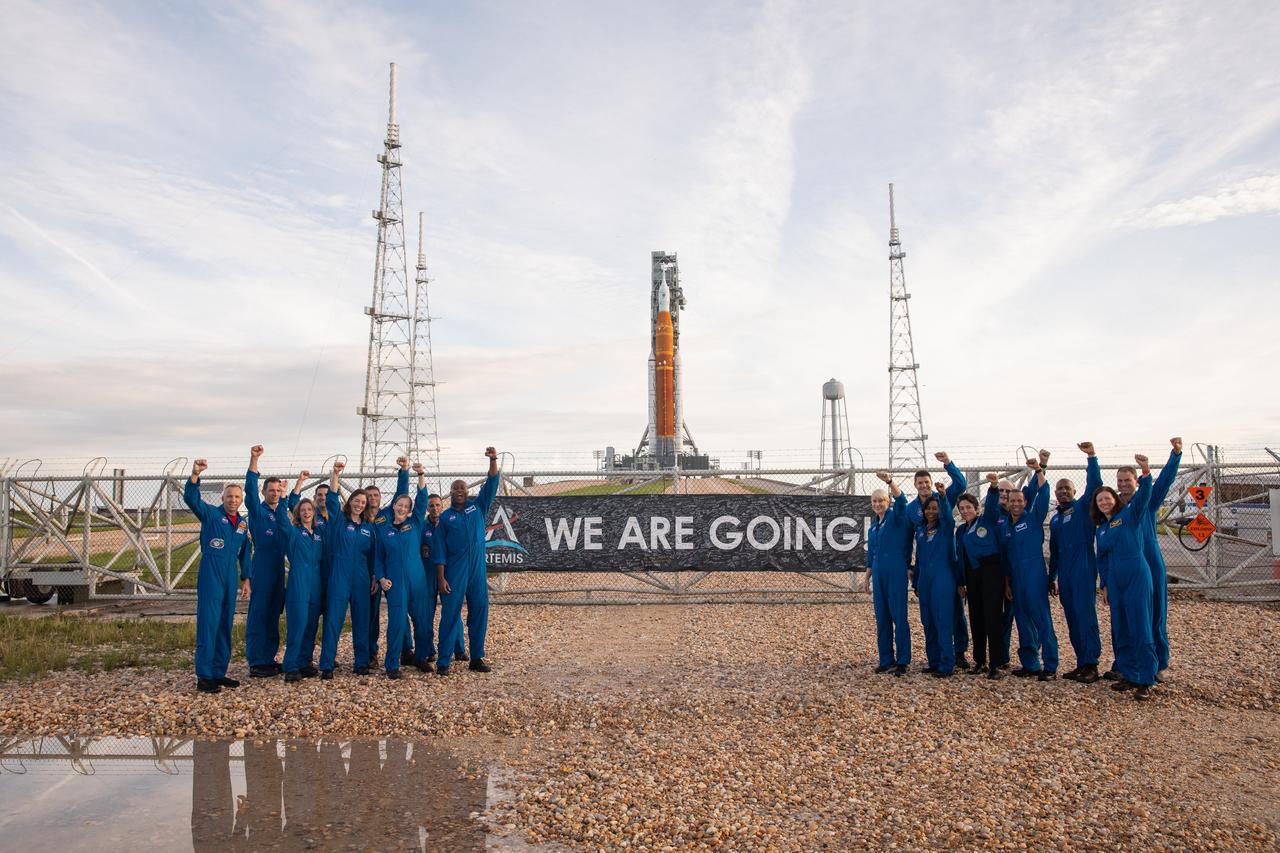
Astronauts and astronaut candidates from NASA and the Canadian Space Agency pose for a photograph in front of NASA’s Artemis I Space Launch System and Orion spacecraft atop the mobile launcher on the pad at Launch Complex 39B on Aug. 28, 2022. The astronauts are, from left to right: Randy Bresnik, NASA astronaut; Joshua Kutryk, Canadian Space Agency astronaut; Zena Cardman, NASA astronaut; Jack Hathaway, NASA astronaut candidate; Christina Birch, NASA astronaut candidate; Reid Wiseman, NASA astronaut; Jessica Wittner, NASA astronaut candidate; Joe Acaba, NASA astronaut; Andre Douglas, NASA astronaut candidate; Kate Rubins, NASA astronaut; Jeremy Hansen, Canadian Space Agency astronaut; Stephanie Wilson, NASA astronaut; Jessica Meir, NASA astronaut; Don Pettit, NASA astronaut; Chris Williams, NASA astronaut candidate; Victor Glover, NASA astronaut; Shannon Walker, NASA astronaut; Stan Love, NASA astronaut. Artemis I is scheduled to launch Aug. 29, at 8:33 a.m. EDT. The first in a series of increasingly complex missions, Artemis I will provide a foundation for human deep space exploration and demonstrate our commitment and capability to extend human presence to the Moon and beyond. The primary goal of Artemis I is to thoroughly test the integrated systems before crewed missions by operating the spacecraft in a deep space environment, testing Orion’s heat shield, and recovering the crew module after reentry, descent, and splashdown.
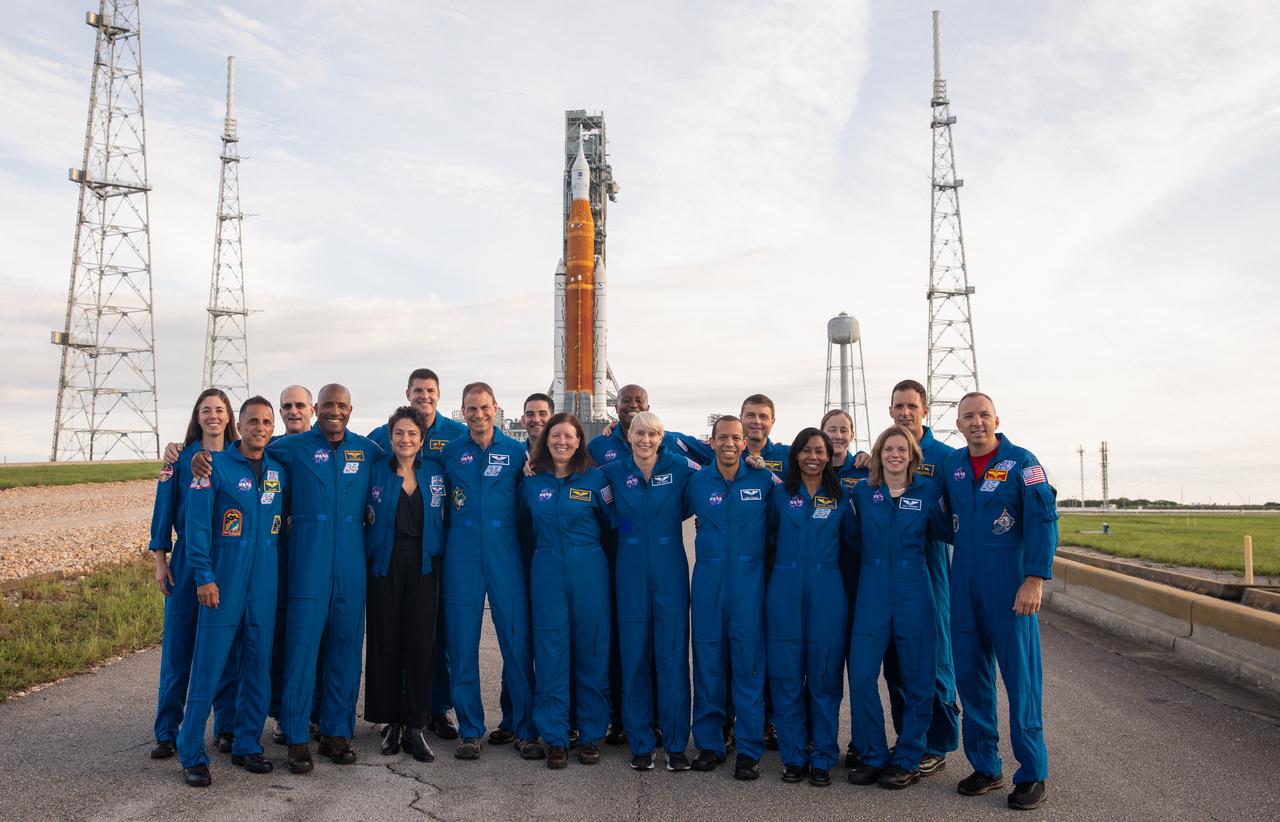
Astronauts and astronaut candidates from NASA and the Canadian Space Agency pose for a photograph in front of NASA’s Artemis I Space Launch System and Orion spacecraft atop the mobile launcher on the pad at Launch Complex 39B on Aug. 28, 2022. The astronauts are, from left to right: Christina Birch, NASA astronaut candidate; Joe Acaba, NASA astronaut; Don Pettit, NASA astronaut; Victor Glover, NASA astronaut; Jessica Meir, NASA astronaut; Jeremy Hansen, Canadian Space Agency astronaut; Stan Love, NASA astronaut; Jack Hathaway, NASA astronaut candidate; Shannon Walker, NASA astronaut; Andre Douglas, NASA astronaut candidate; Kate Rubins, NASA astronaut; Chris Williams, NASA astronaut candidate; Reid Wiseman, NASA astronaut; Stephanie Wilson, NASA astronaut; Jessica Wittner, NASA astronaut candidate; Zena Cardman, NASA astronaut; Joshua Kutryk, Canadian Space Agency astronaut; Randy Bresnik, NASA astronaut. Artemis I is scheduled to launch Aug. 29, at 8:33 a.m. EDT. The first in a series of increasingly complex missions, Artemis I will provide a foundation for human deep space exploration and demonstrate our commitment and capability to extend human presence to the Moon and beyond. The primary goal of Artemis I is to thoroughly test the integrated systems before crewed missions by operating the spacecraft in a deep space environment, testing Orion’s heat shield, and recovering the crew module after reentry, descent, and splashdown.
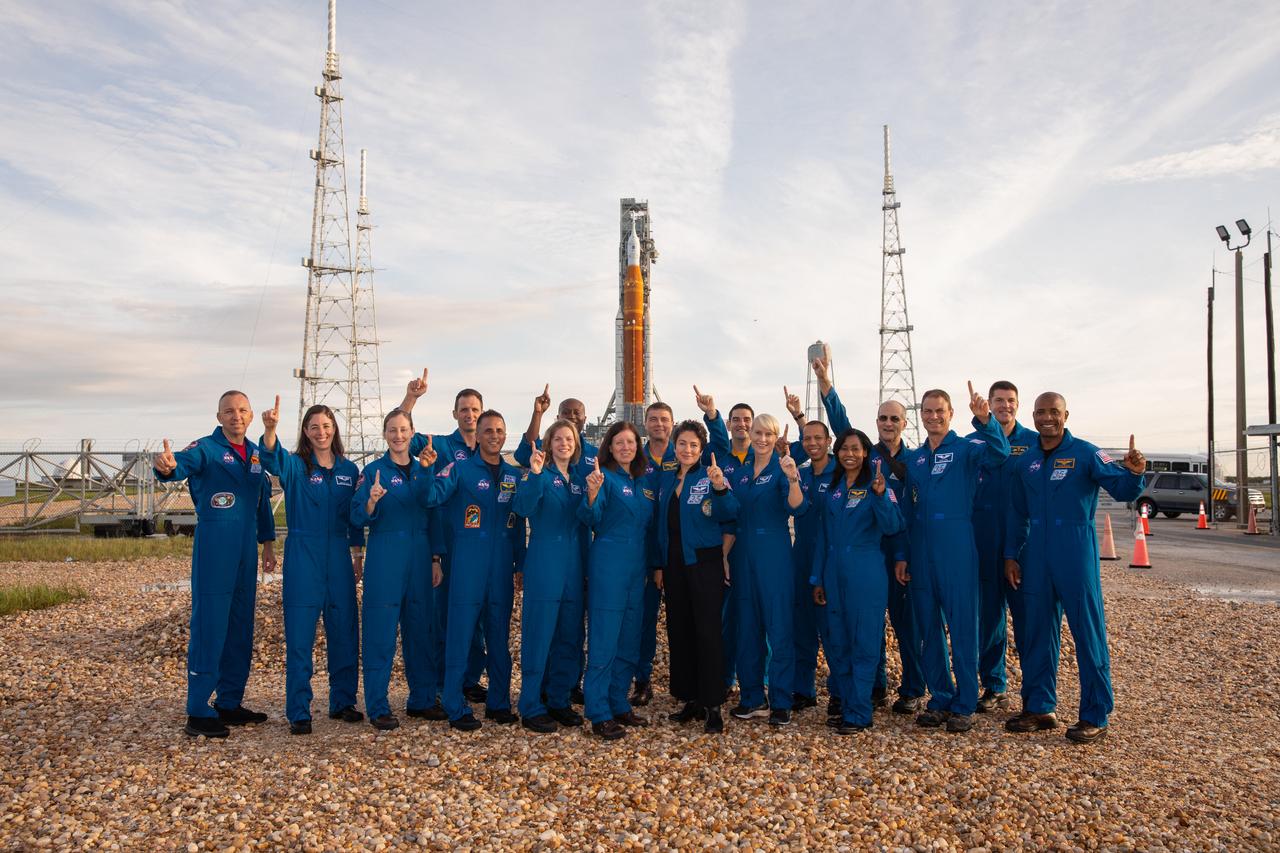
Astronauts and astronaut candidates from NASA and the Canadian Space Agency pose for a photograph in front of NASA’s Artemis I Space Launch System and Orion spacecraft atop the mobile launcher on the pad at Launch Complex 39B on Aug. 28, 2022. The astronauts are, from left to right: Randy Bresnik, NASA astronaut; Christina Birch, NASA astronaut candidate; Jessica Wittner, NASA astronaut candidate; Joshua Kutryk, Canadian Space Agency astronaut; Joe Acaba, NASA astronaut; Zena Cardman, NASA astronaut; Andre Douglas, NASA astronaut candidate; Shannon Walker, NASA astronaut; Reid Wiseman, NASA astronaut; Jessica Meir, NASA astronaut; Jack Hathaway, NASA astronaut candidate; Kate Rubins, NASA astronaut; Chris Williams, NASA astronaut candidate; Stephanie Wilson, NASA astronaut; Don Pettit, NASA astronaut; Stan Love, NASA astronaut; Jeremy Hansen, Canadian Space Agency astronaut; Victor Glover, NASA astronaut. Artemis I is scheduled to launch Aug. 29, at 8:33 a.m. EDT. The first in a series of increasingly complex missions, Artemis I will provide a foundation for human deep space exploration and demonstrate our commitment and capability to extend human presence to the Moon and beyond. The primary goal of Artemis I is to thoroughly test the integrated systems before crewed missions by operating the spacecraft in a deep space environment, testing Orion’s heat shield, and recovering the crew module after reentry, descent, and splashdown.
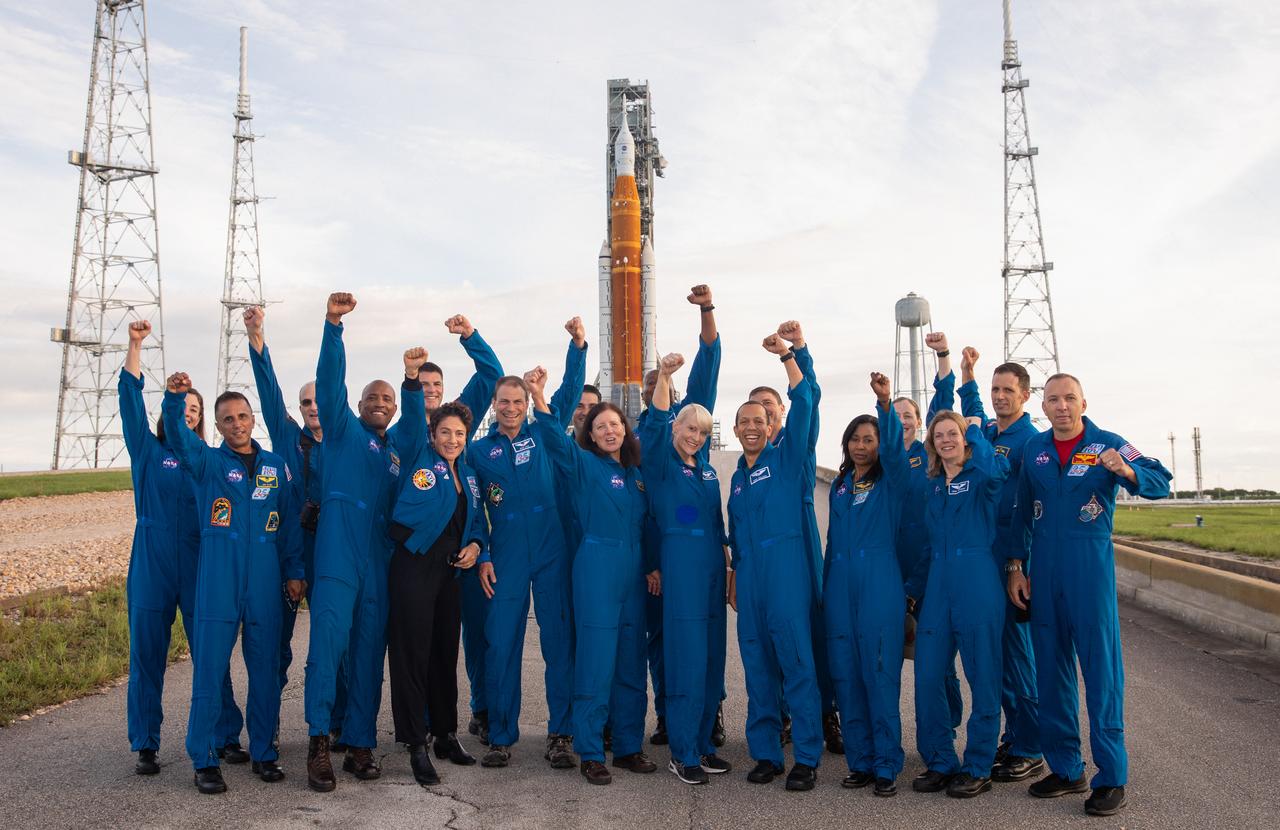
Astronauts and astronaut candidates from NASA and the Canadian Space Agency pose for a photograph in front of NASA’s Artemis I Space Launch System and Orion spacecraft atop the mobile launcher on the pad at Launch Complex 39B on Aug. 28, 2022. The astronauts are, from left to right: Christina Birch, NASA astronaut candidate; Joe Acaba, NASA astronaut; Don Pettit, NASA astronaut; Victor Glover, NASA astronaut; Jeremy Hansen, Canadian Space Agency astronaut; Jessica Meir, NASA astronaut; Stan Love, NASA astronaut; Jack Hathaway, NASA astronaut candidate; Shannon Walker, NASA astronaut; Andre Douglas, NASA astronaut candidate; Kate Rubins, NASA astronaut; Chris Williams, NASA astronaut candidate; Reid Wiseman, NASA astronaut; Stephanie Wilson, NASA astronaut; Jessica Wittner, NASA astronaut candidate; Zena Cardman, NASA astronaut; Joshua Kutryk, Canadian Space Agency astronaut; Randy Bresnik, NASA astronaut. Artemis I is scheduled to launch Aug. 29, at 8:33 a.m. EDT. The first in a series of increasingly complex missions, Artemis I will provide a foundation for human deep space exploration and demonstrate our commitment and capability to extend human presence to the Moon and beyond. The primary goal of Artemis I is to thoroughly test the integrated systems before crewed missions by operating the spacecraft in a deep space environment, testing Orion’s heat shield, and recovering the crew module after reentry, descent, and splashdown.
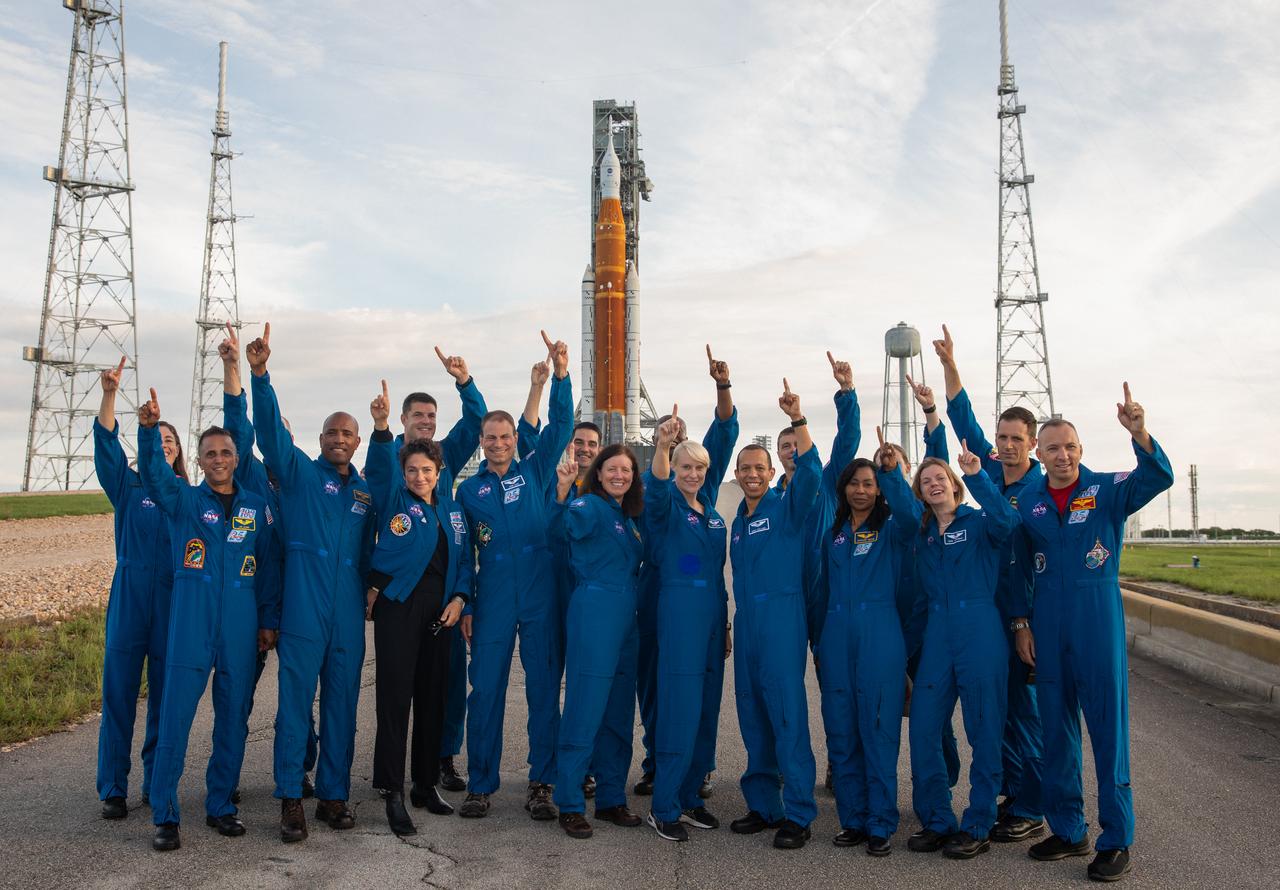
Astronauts and astronaut candidates from NASA and the Canadian Space Agency pose for a photograph in front of NASA’s Artemis I Space Launch System and Orion spacecraft atop the mobile launcher on the pad at Launch Complex 39B on Aug. 28, 2022. The astronauts are, from left to right: Christina Birch, NASA astronaut candidate; Joe Acaba, NASA astronaut; Don Pettit, NASA astronaut; Victor Glover, NASA astronaut; Jeremy Hansen, Canadian Space Agency astronaut; Jessica Meir, NASA astronaut; Stan Love, NASA astronaut; Jack Hathaway, NASA astronaut candidate; Shannon Walker, NASA astronaut; Andre Douglas, NASA astronaut candidate; Kate Rubins, NASA astronaut; Chris Williams, NASA astronaut candidate; Reid Wiseman, NASA astronaut; Stephanie Wilson, NASA astronaut; Jessica Wittner, NASA astronaut candidate; Zena Cardman, NASA astronaut; Joshua Kutryk, Canadian Space Agency astronaut; Randy Bresnik, NASA astronaut. Artemis I is scheduled to launch Aug. 29, at 8:33 a.m. EDT. The first in a series of increasingly complex missions, Artemis I will provide a foundation for human deep space exploration and demonstrate our commitment and capability to extend human presence to the Moon and beyond. The primary goal of Artemis I is to thoroughly test the integrated systems before crewed missions by operating the spacecraft in a deep space environment, testing Orion’s heat shield, and recovering the crew module after reentry, descent, and splashdown.
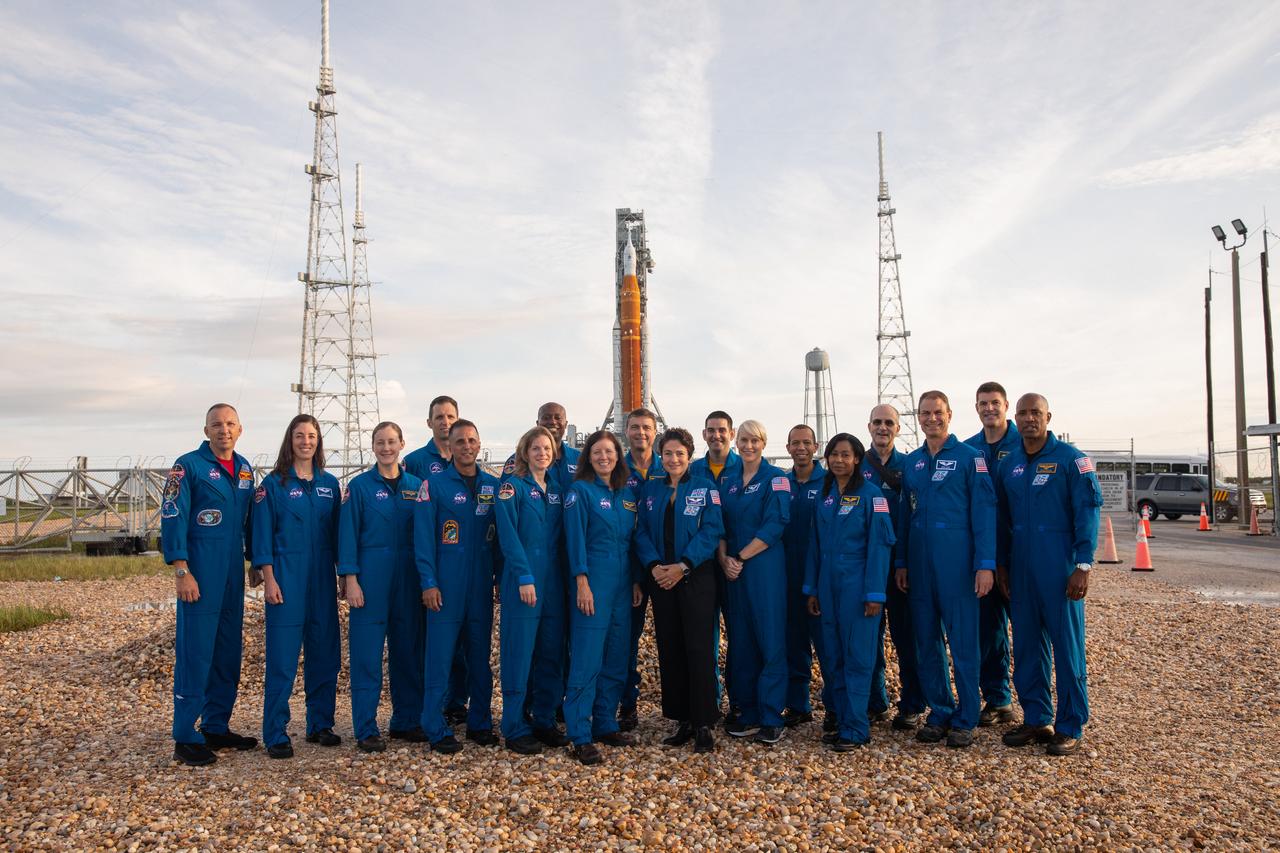
Astronauts and astronaut candidates from NASA and the Canadian Space Agency pose for a photograph in front of NASA’s Artemis I Space Launch System and Orion spacecraft atop the mobile launcher on the pad at Launch Complex 39B on Aug. 28, 2022. The astronauts are, from left to right: Randy Bresnik, NASA astronaut; Christina Birch, NASA astronaut candidate; Jessica Wittner, NASA astronaut candidate; Joshua Kutryk, Canadian Space Agency astronaut; Joe Acaba, NASA astronaut; Zena Cardman, NASA astronaut; Andre Douglas, NASA astronaut candidate; Shannon Walker, NASA astronaut; Reid Wiseman, NASA astronaut; Jessica Meir, NASA astronaut; Jack Hathaway, NASA astronaut candidate; Kate Rubins, NASA astronaut; Chris Williams, NASA astronaut candidate; Stephanie Wilson, NASA astronaut; Don Pettit, NASA astronaut; Stan Love, NASA astronaut; Jeremy Hansen, Canadian Space Agency astronaut; Victor Glover, NASA astronaut. Artemis I is scheduled to launch Aug. 29, at 8:33 a.m. EDT. The first in a series of increasingly complex missions, Artemis I will provide a foundation for human deep space exploration and demonstrate our commitment and capability to extend human presence to the Moon and beyond. The primary goal of Artemis I is to thoroughly test the integrated systems before crewed missions by operating the spacecraft in a deep space environment, testing Orion’s heat shield, and recovering the crew module after reentry, descent, and splashdown.