
Christopher Kraft, flight director during Project Mercury, works at his console inside the Flight Control area at Mercury Mission Control.
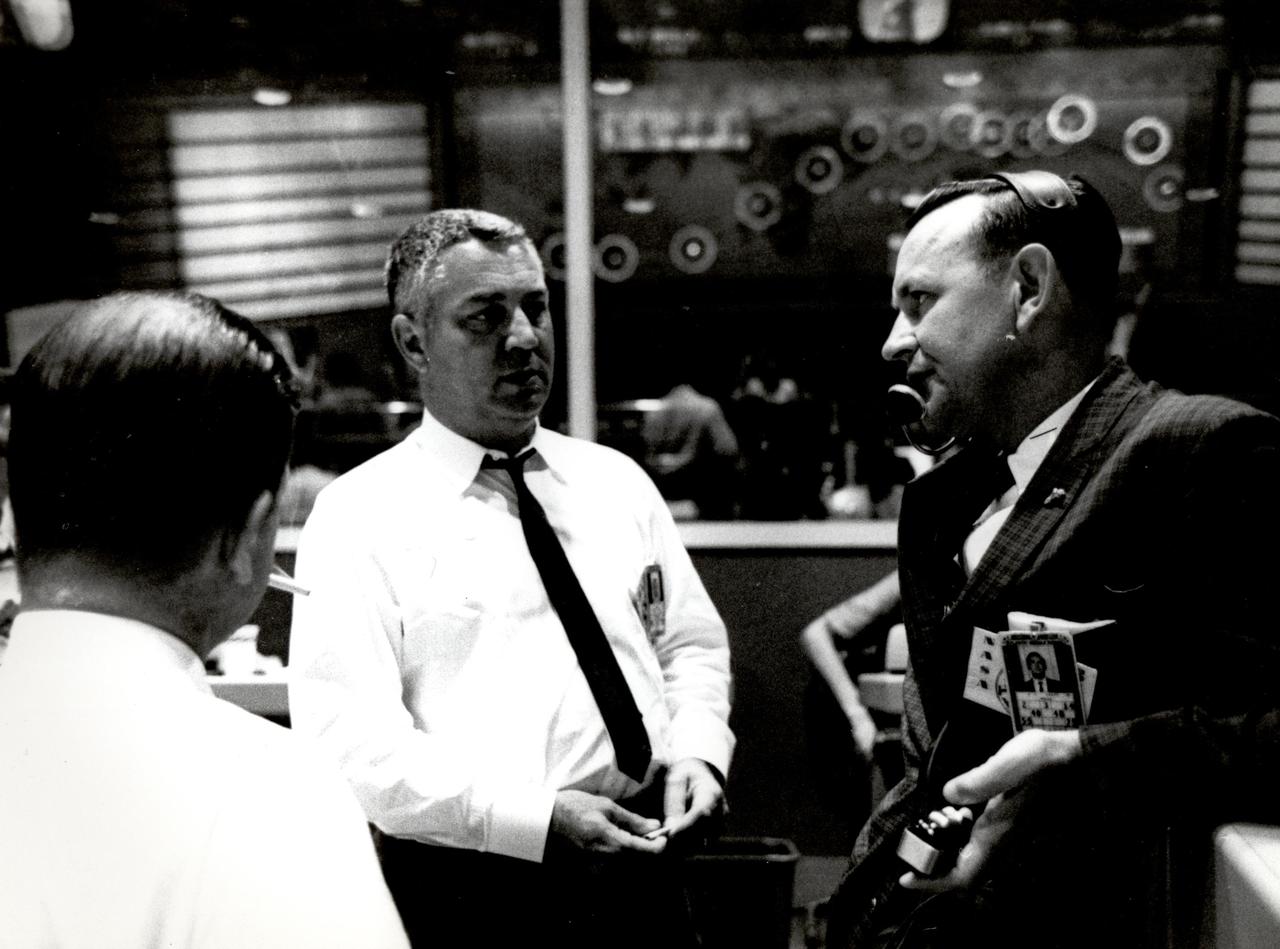
Inside Mercury flight control, Walter C. Williams, associate director for Project Mercury operations (center) listens to Christopher Kraft, flight director (right).
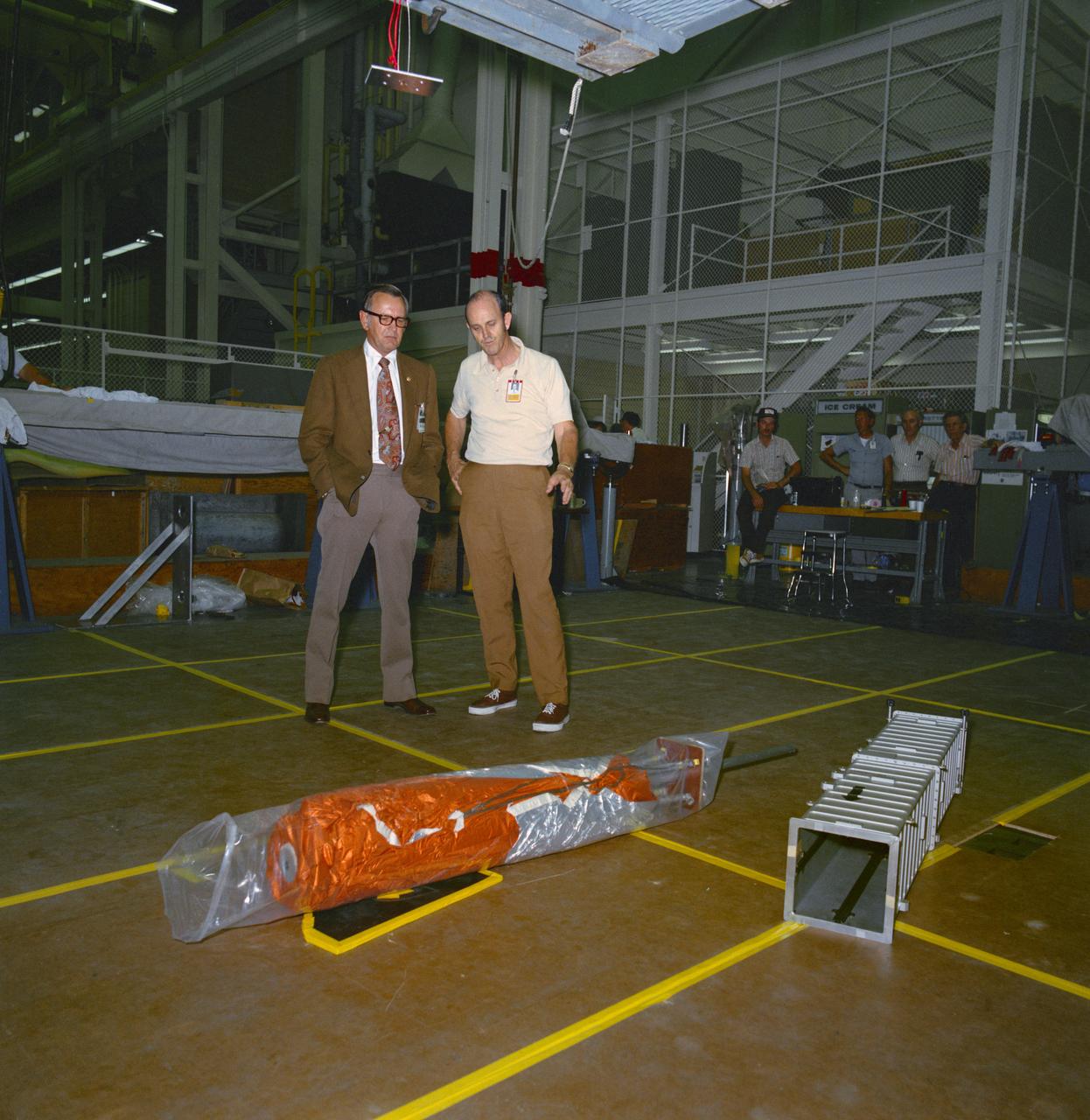
S73-26394 (23 May 1973) --- Dr. Christopher C. Kraft Jr. (left), JSC Director, and George A. Post, JSC Crew Systems Division, look over the packaged "parasol" during fabrication and checkout of the umbrella-like mechanical device in the Technical Services shop in building 10 at Johnson Space Center. The "parasol" is designed to fit into the T027 experiment photometer canister. The canopy portion of the "parasol" measures 24 feet by 22 feet. The "parasol" is one of several sunscreen possibilities being considered for use in shading the overheated Skylab 1 Orbital Workshop. Photo credit: NASA
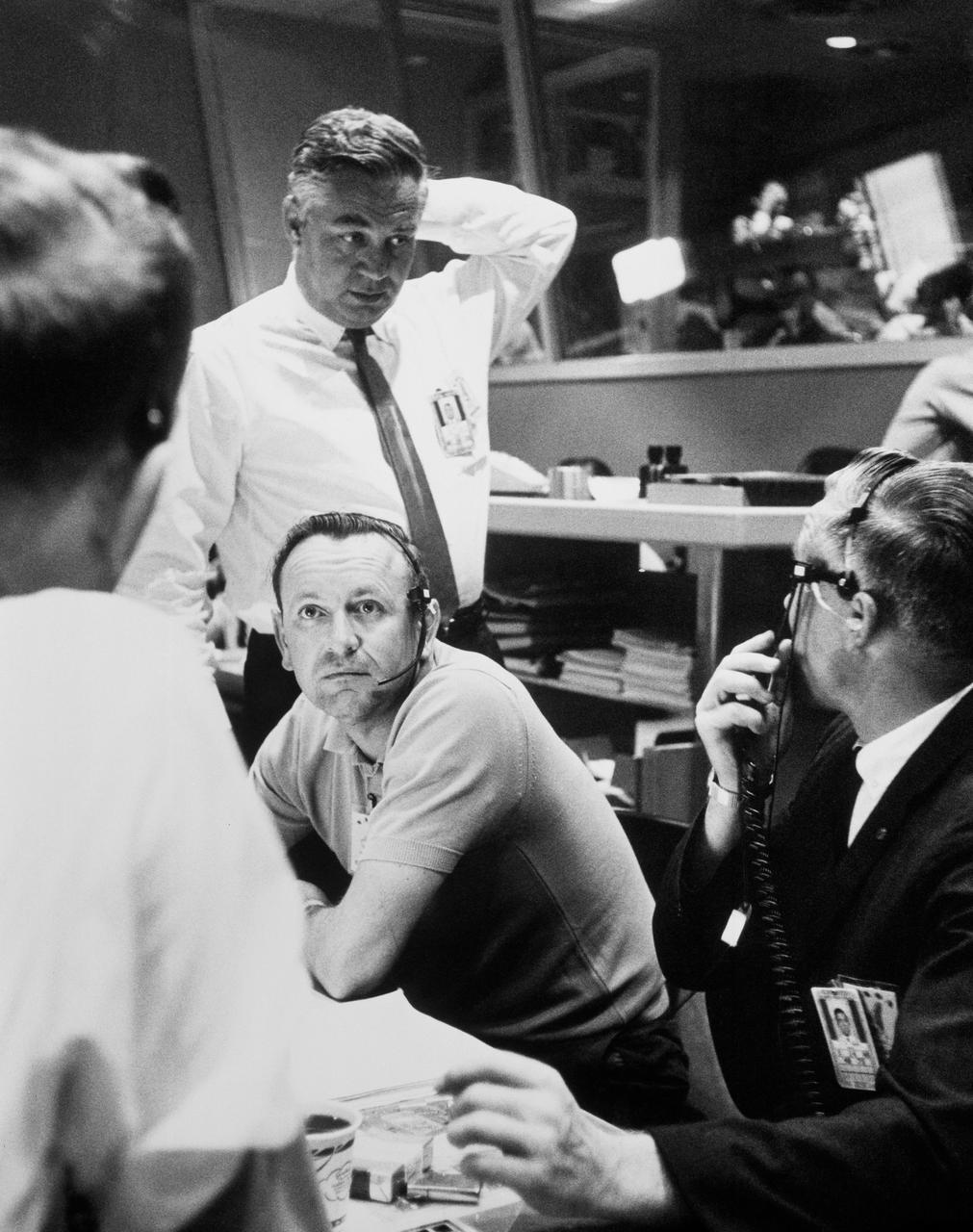
S63-07881 (15-16 May 1963) --- Walter C. Williams, Flight Operations Director; and Chris Kraft, Chief of the Flight Operations Division, MSC, are shown in the Mercury Control Center, Cape Canaveral, Florida, as the decision to go for the full 22 orbits is made for the Mercury Atlas 9 (MA-9) mission. Photo credit: NASA
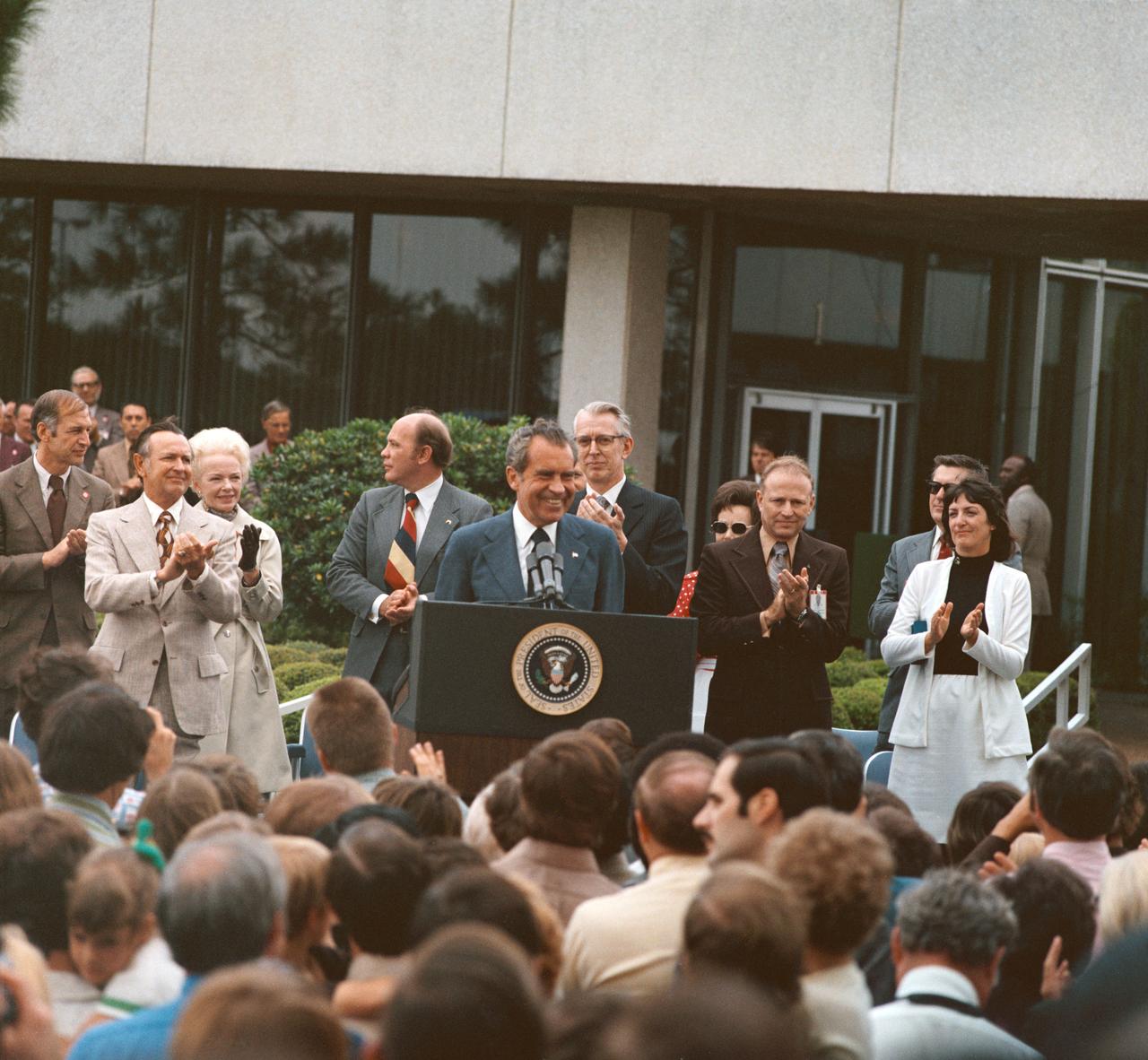
Five (5) views of President Richard M. Nixon during his visit to the JSC. These views show the President as he addresses a crowd of employees and visitors outside of Building 1 Auditorium. Dr. Christopher C. Kraft, Fletcher, and Astronaut Gerald Carr, with Pete Clements, George Abbey, and Jack Waite in the background is also seen with the President. 1. Pres. Richard M. Nixon 2. Dr. Christopher C. Kraft JSC, HOUSTON, TX
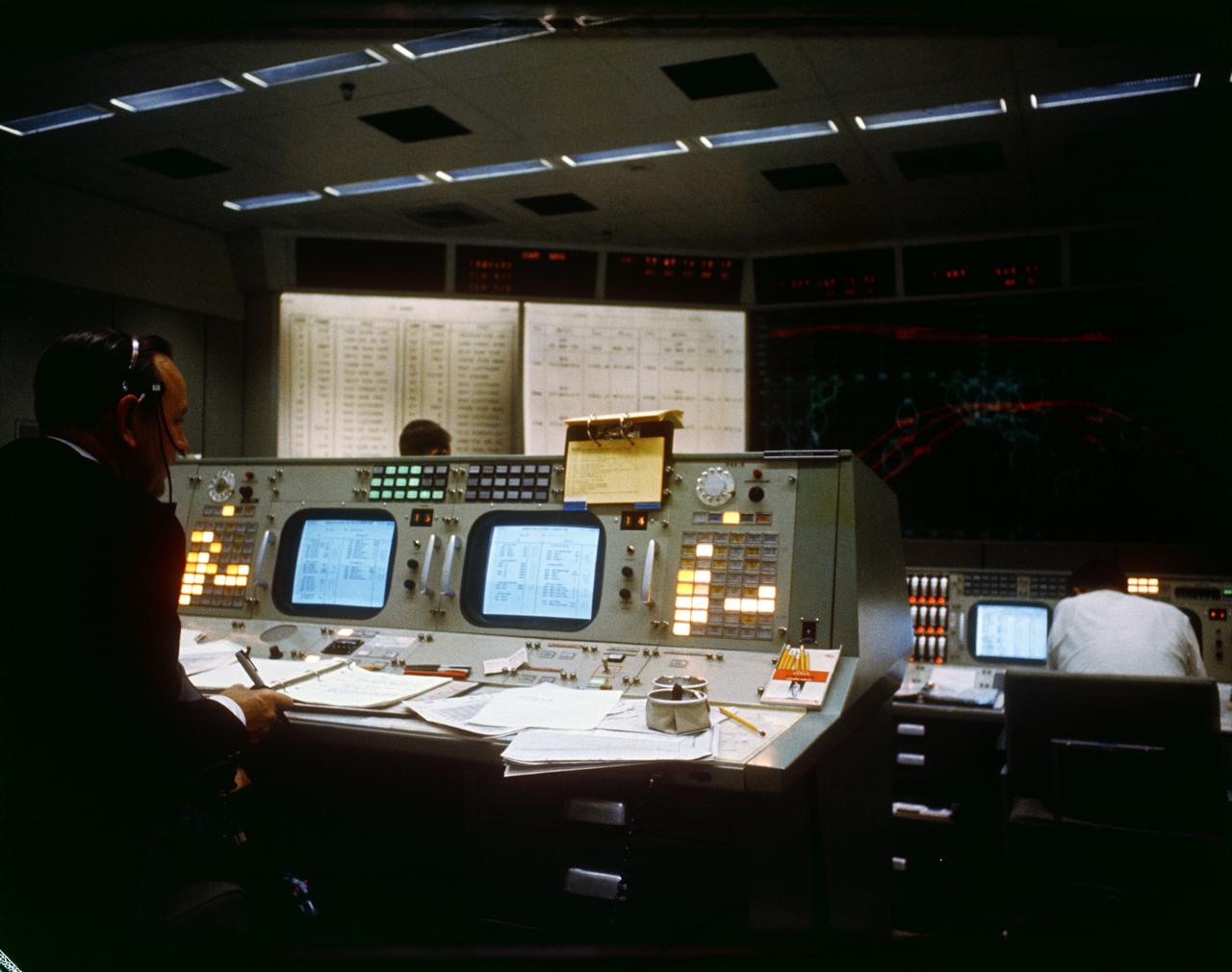
S65-60039 (7 Dec. 1965) --- Christopher C. Kraft Jr. (left), assistant director for Flight Operations, monitors his console in the Mission Control Center during the Gemini-7 spaceflight. Photo credit: NASA
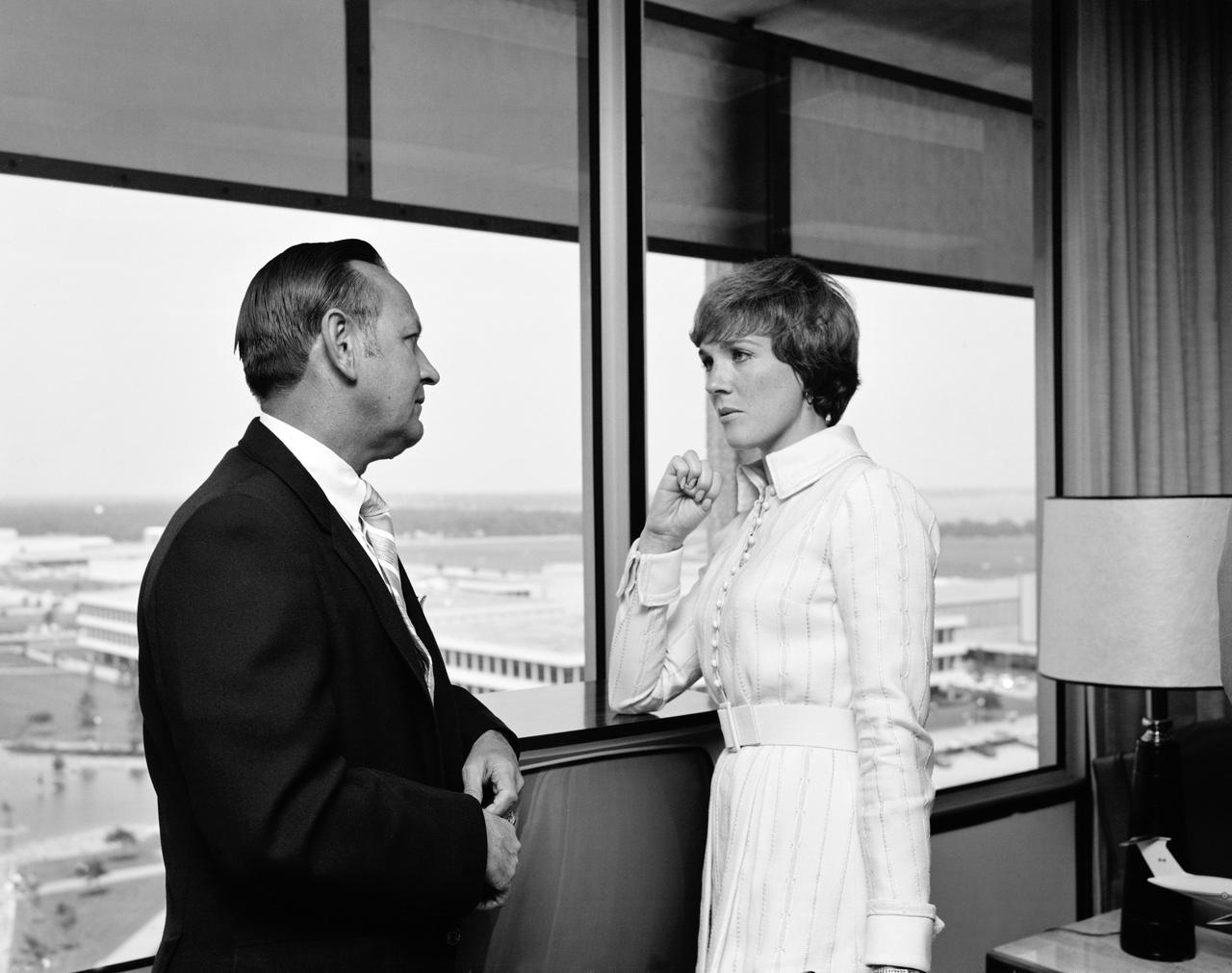
Views of Julie Andrews as she and her entourage visit MSC with Astronauts Thomas Stafford and Joe Kerwin; Public Affairs Officer Brian Duff; James McLane, Bldg. 32; and, Dr. Christopher C. Kraft. 1. KRAFT, C. C., DR. - JULIE ANDREWS TOUR 2. ANDREWS, JULIE - TOUR MSC, HOUSTON, TX
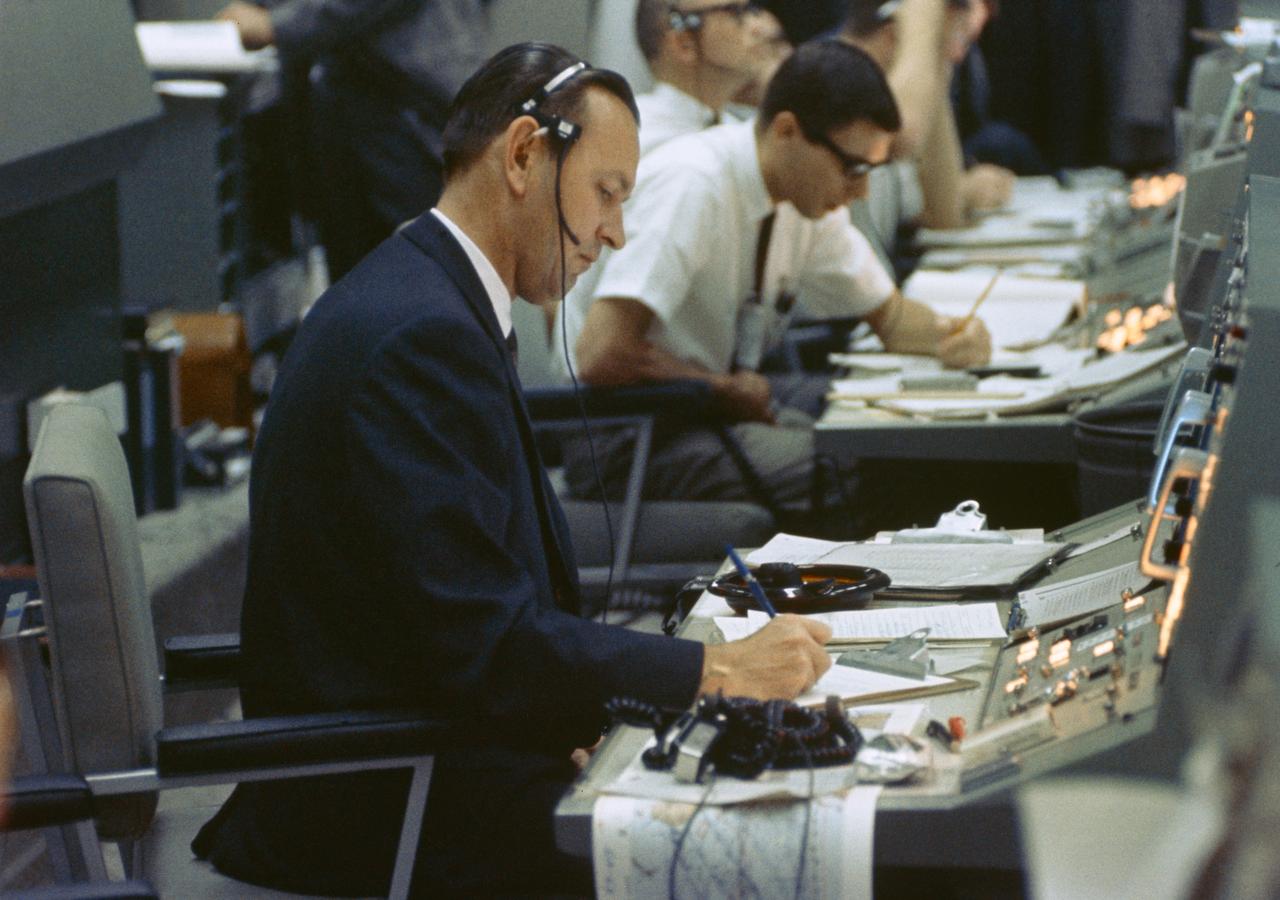
S65-28462 (3-7 June 1965) --- Christopher C. Kraft Jr., assistant director for Flight Operations, at his console in the Mission Control Center during Gemini-4 spaceflight. He served as mission director and as a flight director.
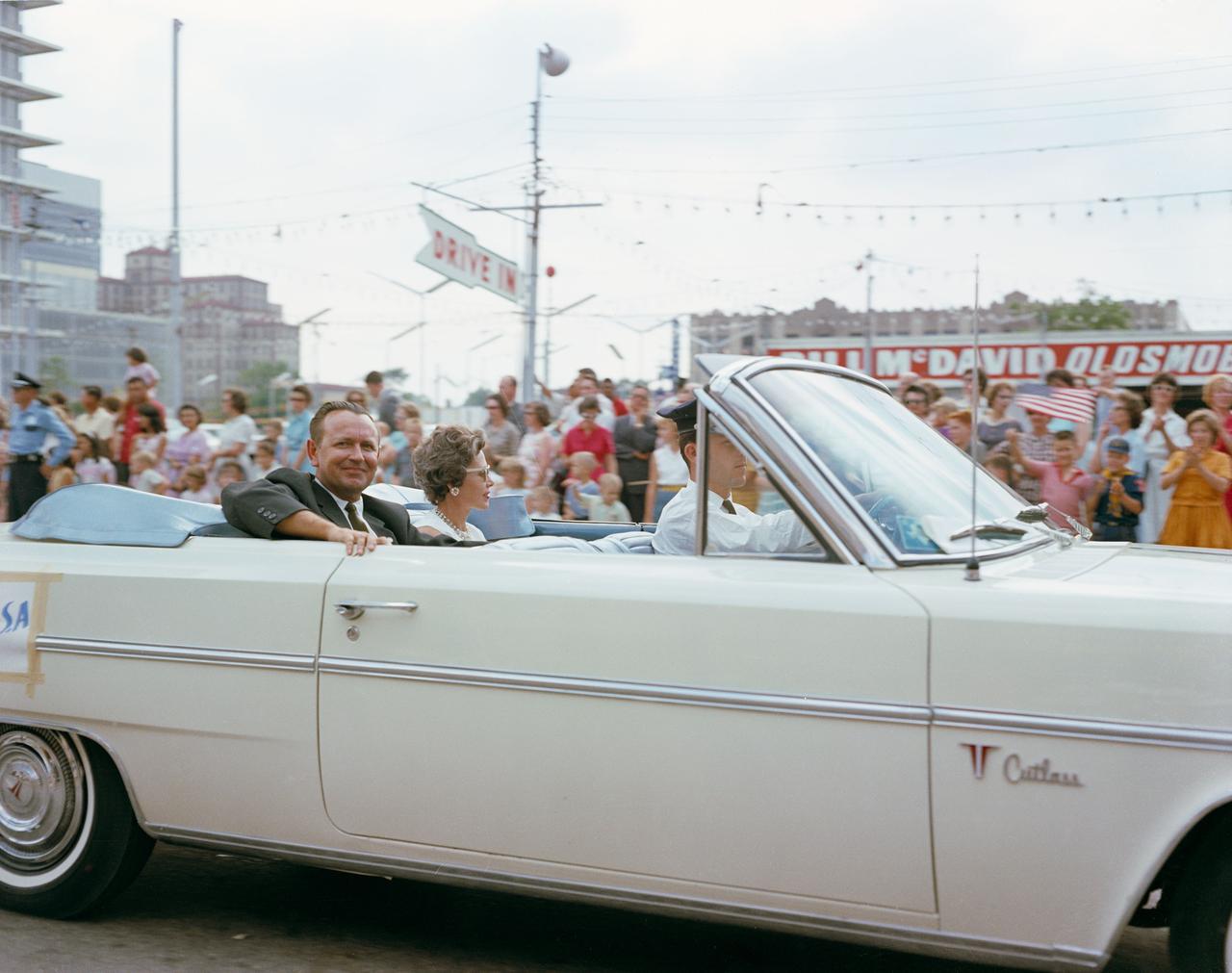
S63-07945 (23 May 1963) --- Flight Director Christopher C. Kraft Jr. rides in a Houston parade celebrating the successful completion of the final Mercury mission ? the MA-9 flight of astronaut Gordon Cooper. Photo credit: NASA
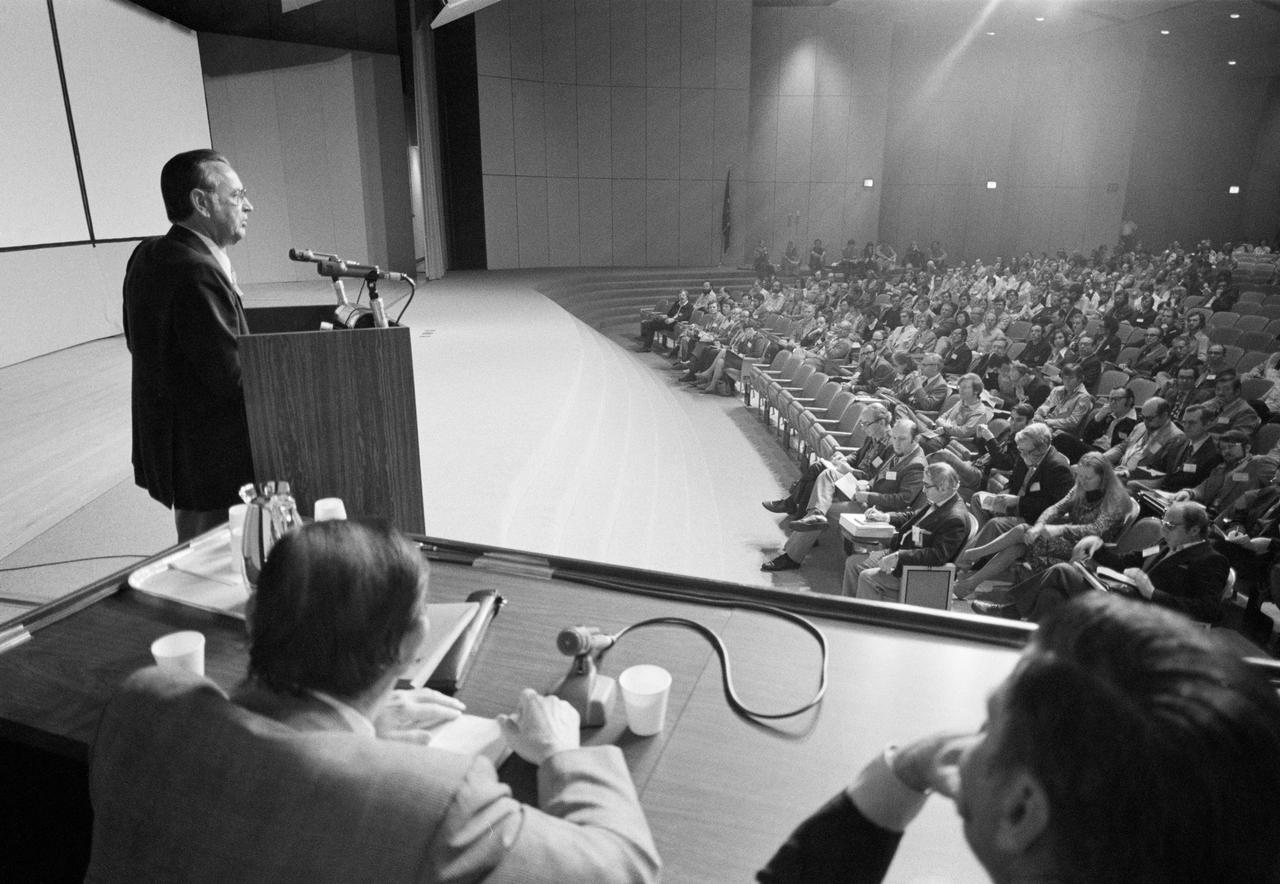
S77-22482 (14 March 1977) --- Johnson Space Center Director Christopher C. Kraft Jr. addresses a crowd of scientists and news media representatives at the opening of the Eighth Annual Lunar Science Conference in the Teague Auditorium. Photo credit: NASA
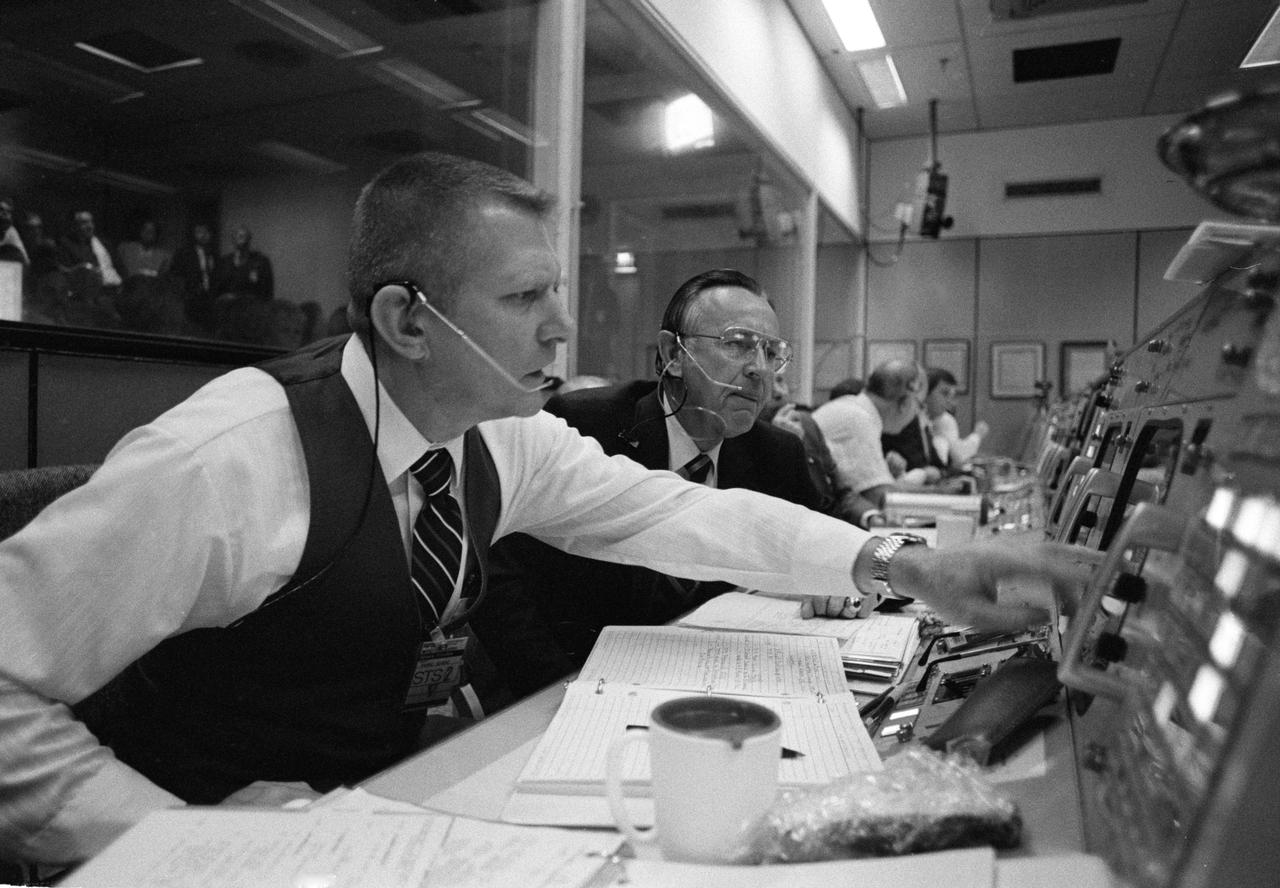
S81-39431 (12 Nov. 1981) --- Eugene F. Kranz, left, and Dr. Christopher C. Kraft Jr. monitor data displayed on the FOD console in the mission operations control room (MOCR) in the Johnson Space Center?s mission control center following the successful launch of the Columbia, and the beginning of NASA?s second space shuttle mission. Dr. Kraft is director of the Johnson Space Center and Kranz is deputy director of the flight operations directorate (FOD) at JSC. Houston time for the launch was approximately 9:10 a.m., Nov 12, 1981. Photo credit: NASA
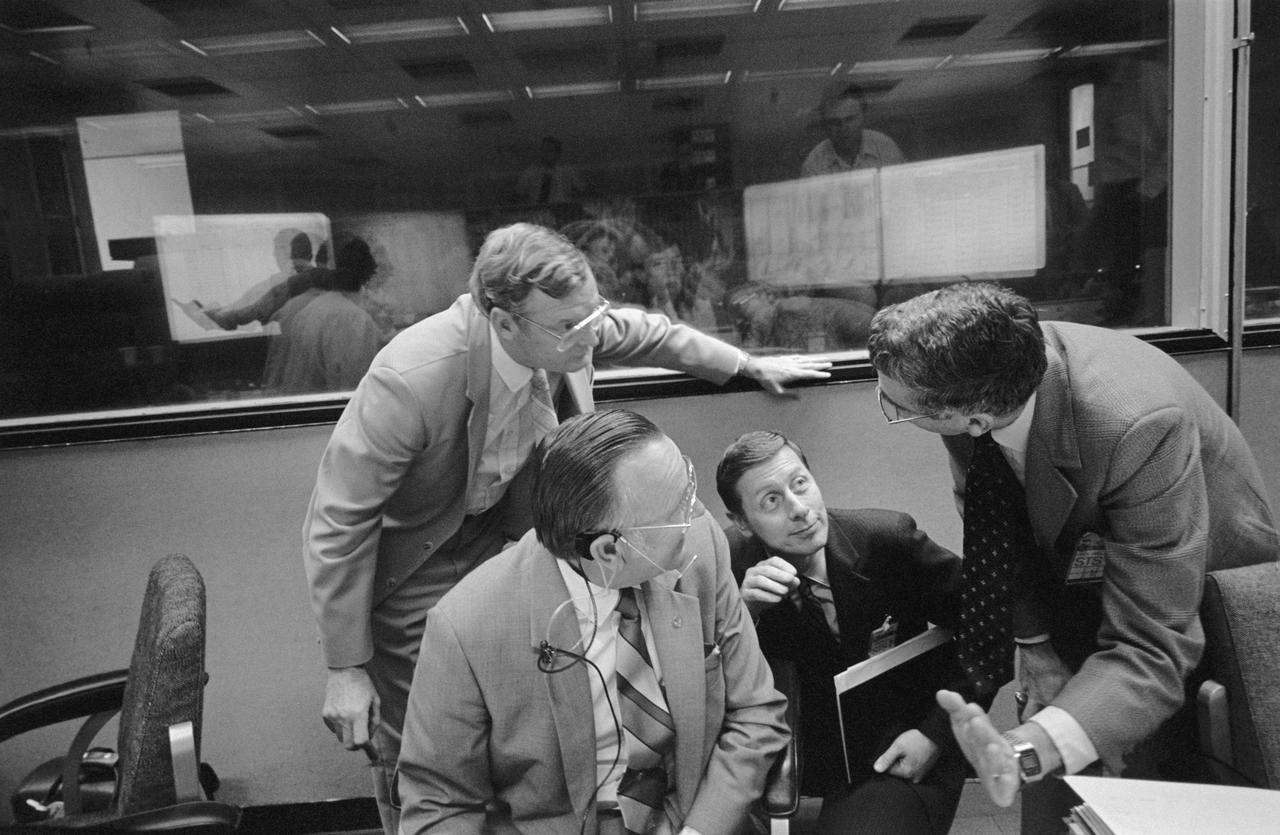
Mission Control Activities during the STS-3 Mission, Day-4 with: Maj. Gen. James A. Abrahamson, Associate Administrator of the Space Transportation System (STS), NASA Hdqs., conversing with Dr. Kraft; Glynn S. Lunney, Manager, Space Shuttle Program Office, JSC, Aaron Cohen, Manager, Space Shuttle Orbiter Project Office; and, J. E. Conner, Ford Aerospace Engineer at the Instrumentation and Communications Officer (INCO) Console position. 1. Glynn S. Lunney 2. Major General James A. Abrahamson 3. Aaron Cohen 4. J. E. Conner 5. Dr. Christopher Kraft JSC, Houston, TX
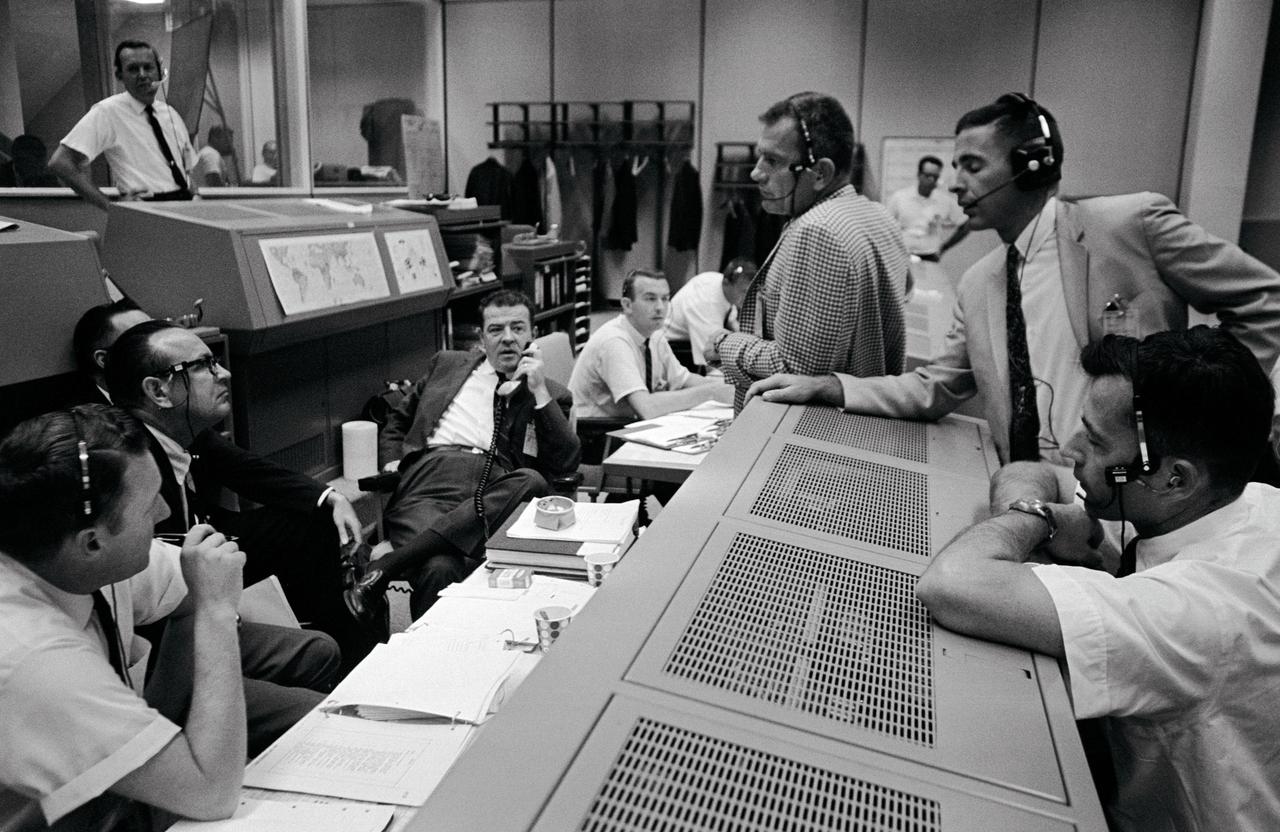
S66-52157 (12 Sept. 1966) --- Discussing the Gemini-11 spaceflight in the Mission Control Center are: (left to right) Christopher C. Kraft Jr., (wearing glasses), Director of Flight Operations; Charles W. Mathews (holding phone), Manager, Gemini Program Office; Dr. Donald K. Slayton (center, checked coat), Director of Flight Crew Operations; astronaut William A. Anders, and astronaut John W. Young. Photo credit: NASA
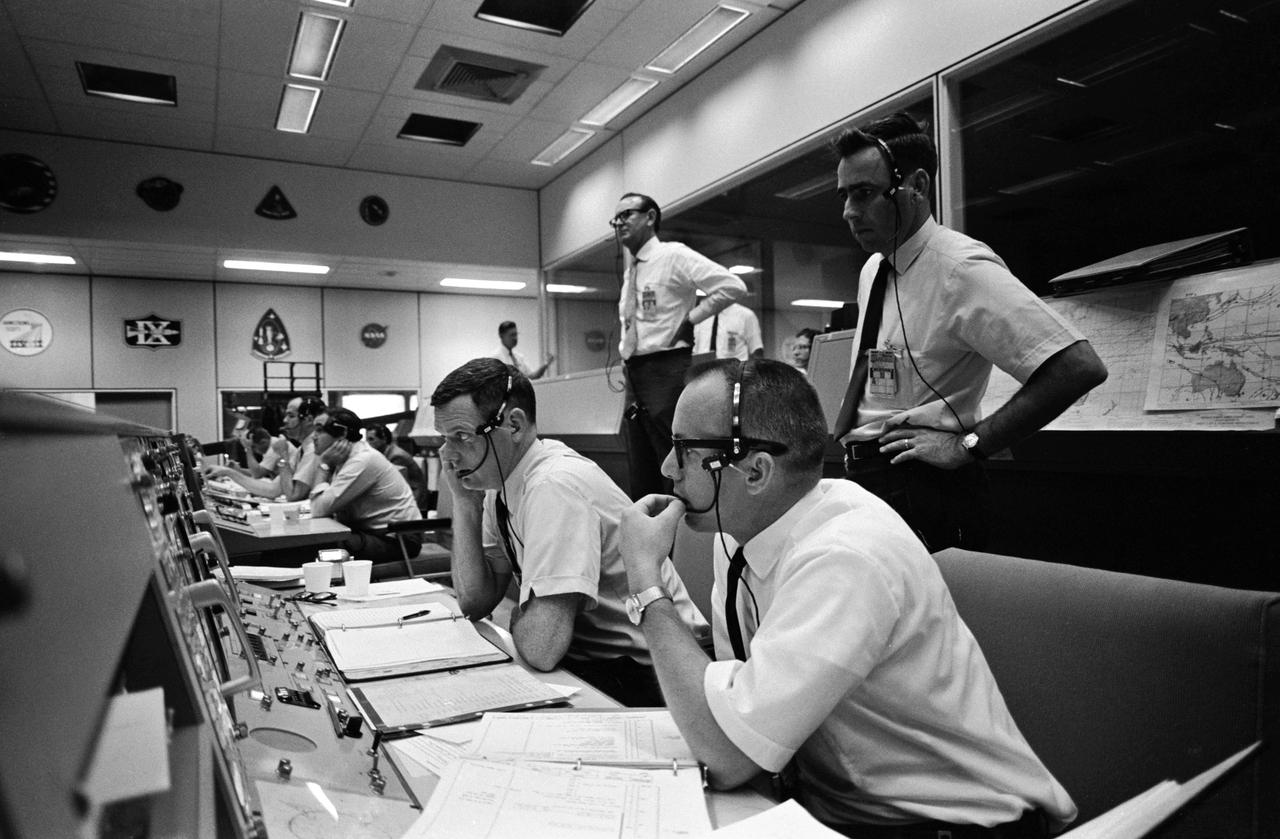
S69-34038 (18 May 1969) --- View of activity at the flight director's console in the Mission Operations Control Room in the Mission Control Center, Building 30, on the first day of the Apollo 10 lunar orbit mission. Seated are Gerald D. Griffin (foreground) and Glynn S. Lunney, Shift 1 (Black Team) flight directors. Milton L. Windler, standing behind them, is the flight director of Shift 2 (Maroon Team). In the center background, standing, is Dr. Christopher C. Kraft Jr., MSC Director of Flight Operations.
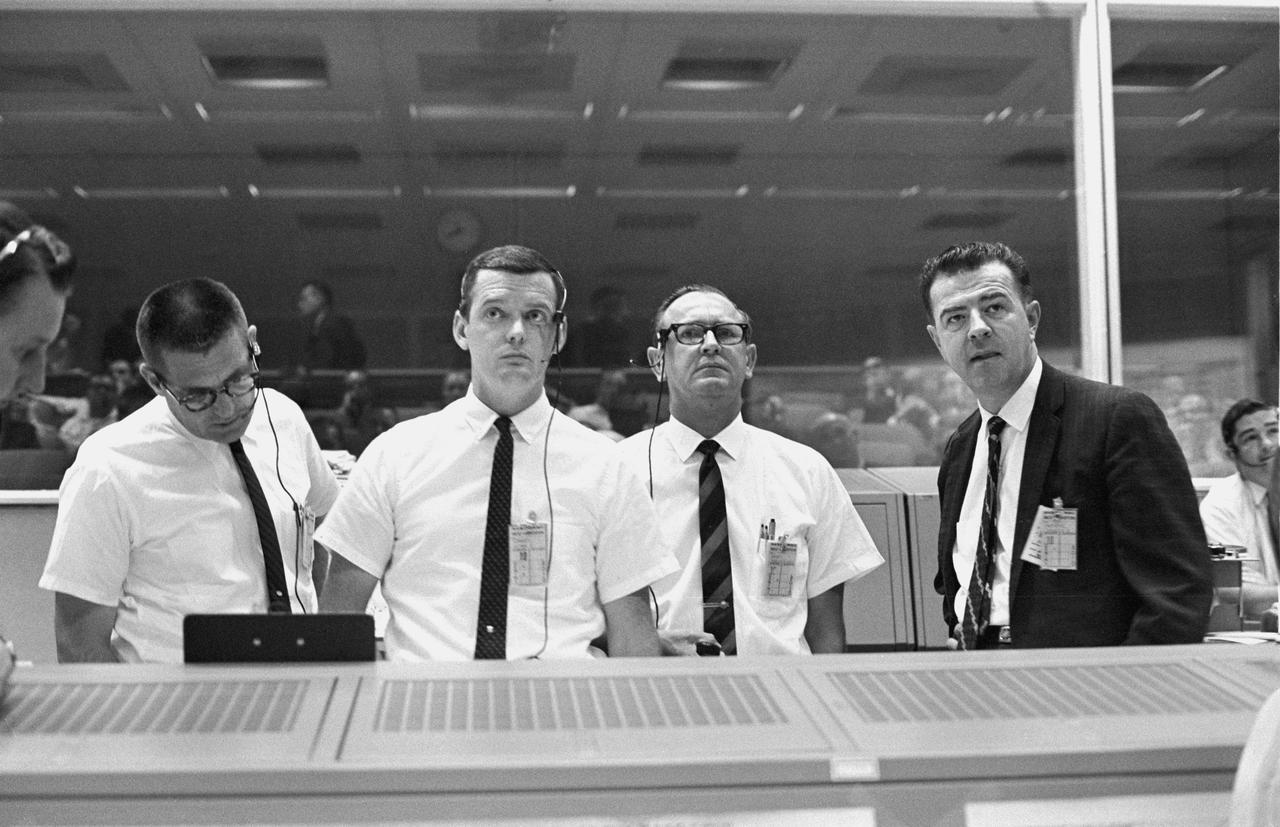
S66-43377 (18 July 1966) --- Standing at the flight director's console, viewing the Gemini-10 flight display in the Mission Control Center, are (left to right) William C. Schneider, Mission Director; Glynn Lunney, Prime Flight Director; Christopher C. Kraft Jr., MSC Director of Flight Operations; and Charles W. Mathews, Manager, Gemini Program Office. Photo credit: NASA

S68-18733 (22 Jan. 1968) --- Dr. Robert R. Gilruth (right), MSC Director, sits with Dr. Christopher C. Kraft Jr., MSC director of flight operations, at his flight operations director console in the Mission Control Center, Building 30, during the Apollo 5 (LM-1/Saturn 204) unmanned space mission.
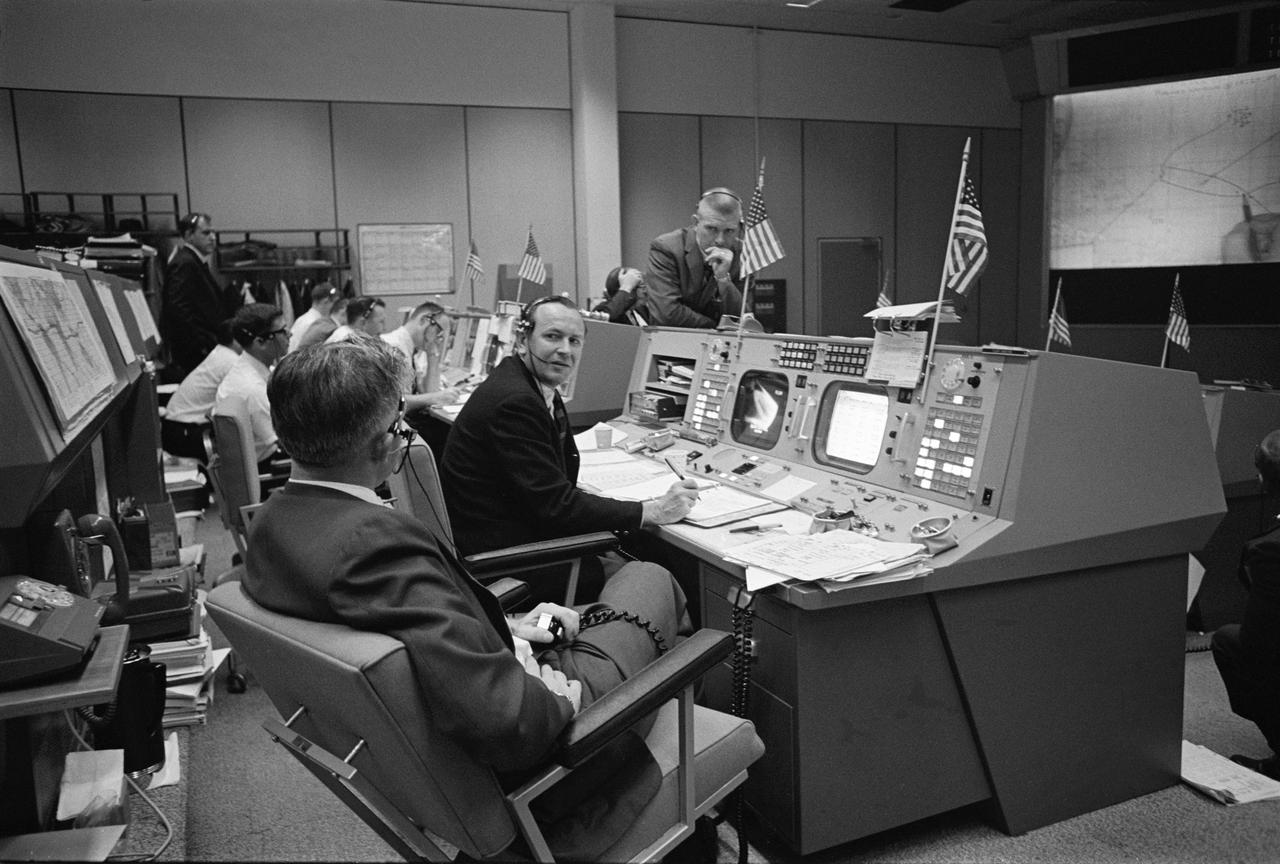
S65-62938 (16 Dec. 1965) --- John D. Hodge (foreground), Christopher C. Kraft Jr. (center) and Eugene F. Kranz discuss recovery operations for the Gemini-6 spacecraft in the Mission Control Center (MCC) at the Manned Spacecraft Center (MSC) in Houston, Texas. The event was monitored via live television in MCC. Photo credit: NASA or National Aeronautics and Space Administration
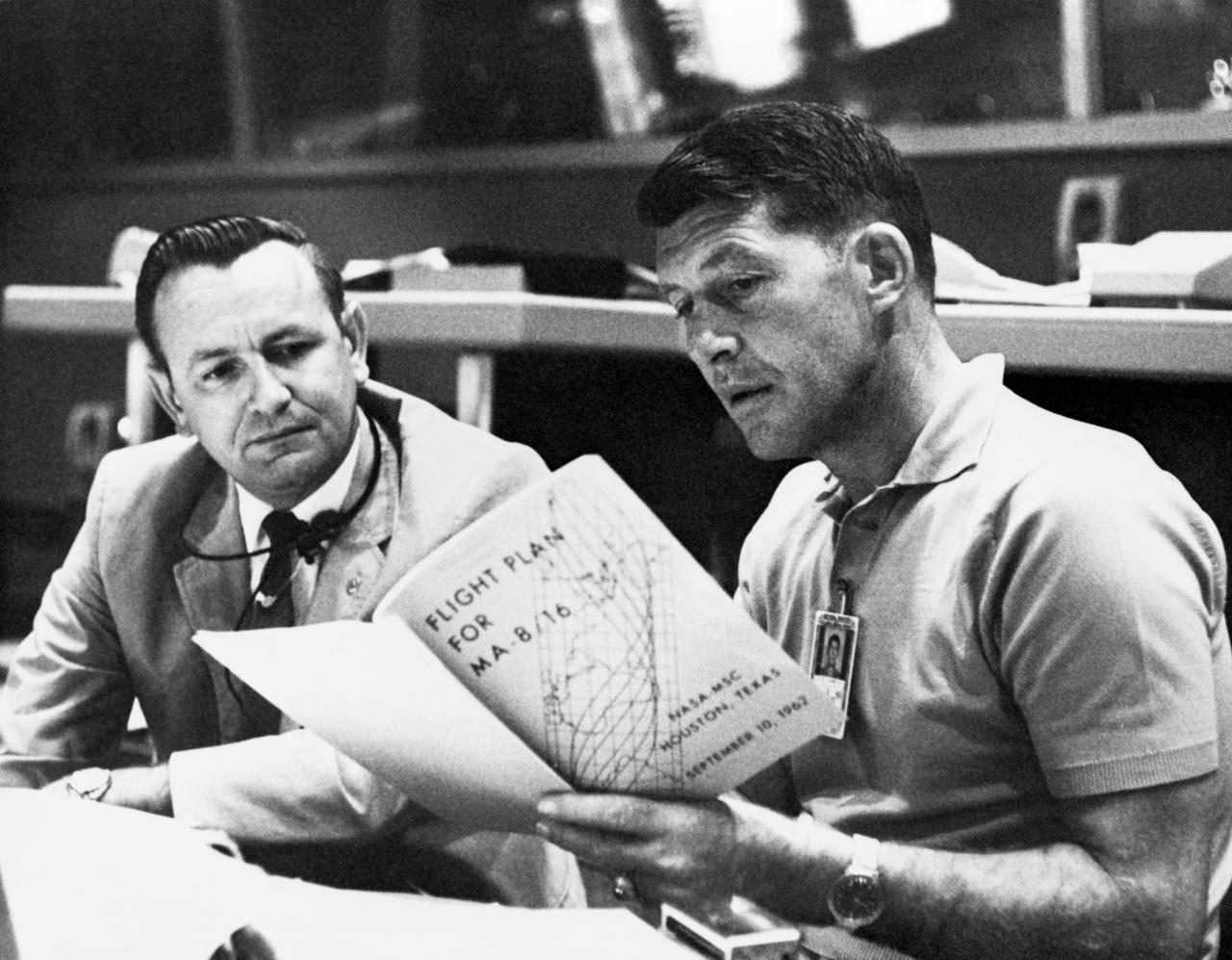
S74-33004 (19 Sept. 1962) --- Astronaut Walter M. Schirra Jr, (right), Mercury-Atlas 8 (MA-8) pilot, discusses the MA-8 flight plan with flight director Christopher C. Kraft Jr., Chief of the Flight Operations Division at the Manned Spacecraft Center, Houston, during MA-8 preflight preparations at Cape Canaveral, Florida. They are seated at a console in the Mercury Control Center. Photo credit: NASA
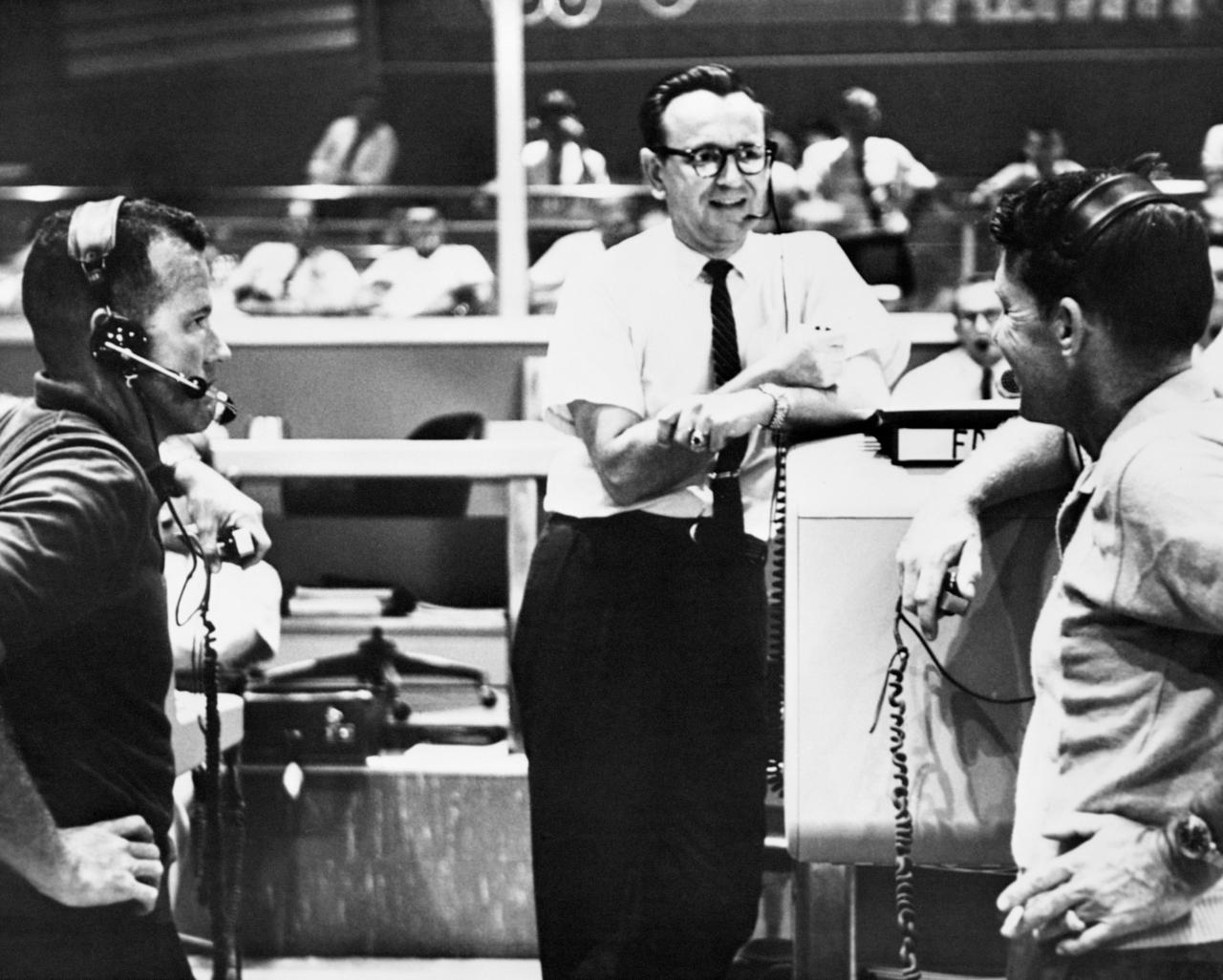
S74-33006 (19 Sept. 1962) --- Flight director Christopher C. Kraft Jr. (center), Chief of the Flight Operations Division at the Manned Spacecraft Center, Houston, discusses the Mercury-Atlas 8 (MA-8) flight plan with astronauts L. Gordon Cooper Jr. (left) and Walter M. Schirra Jr., on Sept. 19, 1962. They are standing in the Mercury Control Center at Cape Canaveral, Florida. Photo credit: NASA
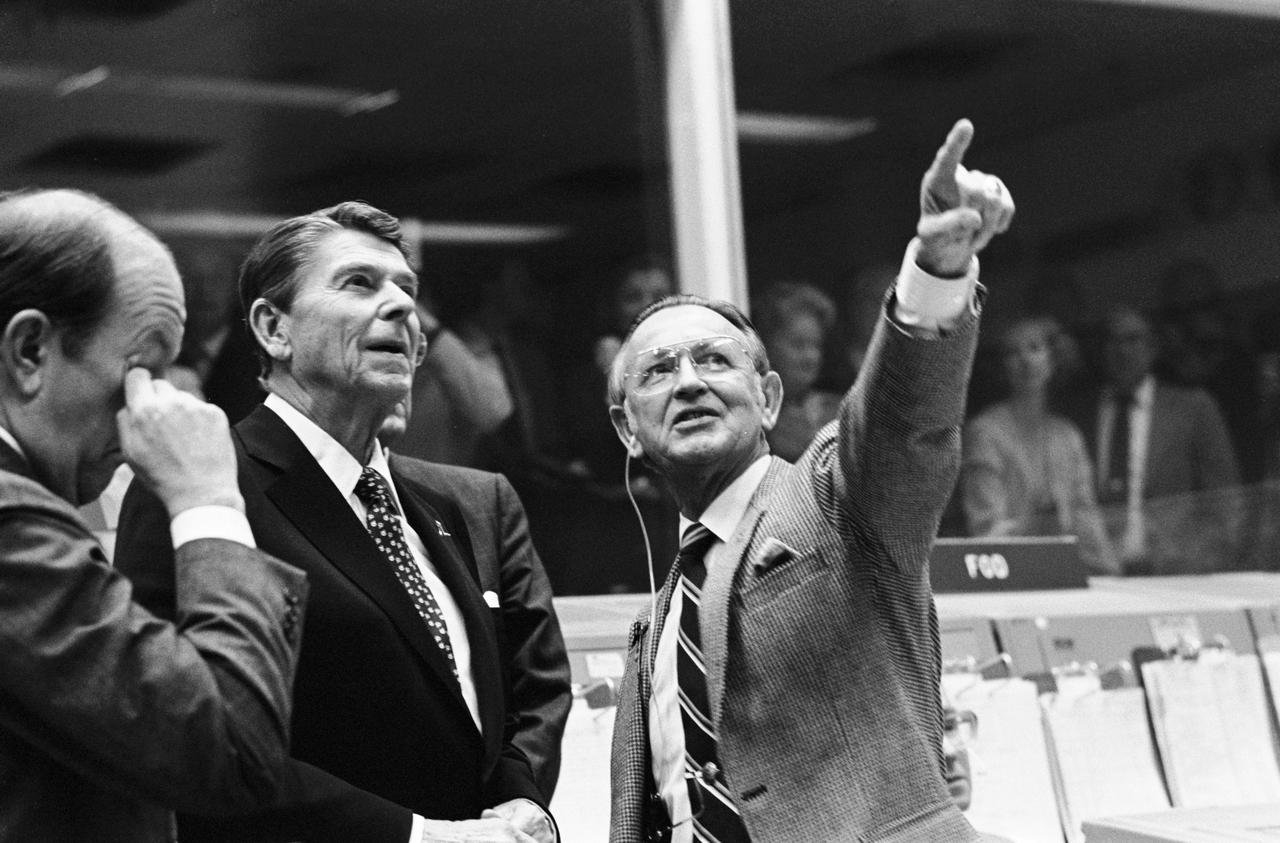
S81-39499 (13 Nov. 1981) --- President Ronald Reagan is briefed by JSC Director Christopher C. Kraft Jr., who points toward the orbiter spotter on the projection plotter in the front of the mission operations control room in the Johnson Space Center's Mission Control Center. This picture was taken just prior to a space-to-ground conversation between STS-2 crew members Joe H. Engle and Richard H. Truly, who were orbiting Earth in the space shuttle Columbia. Photo credit: NASA
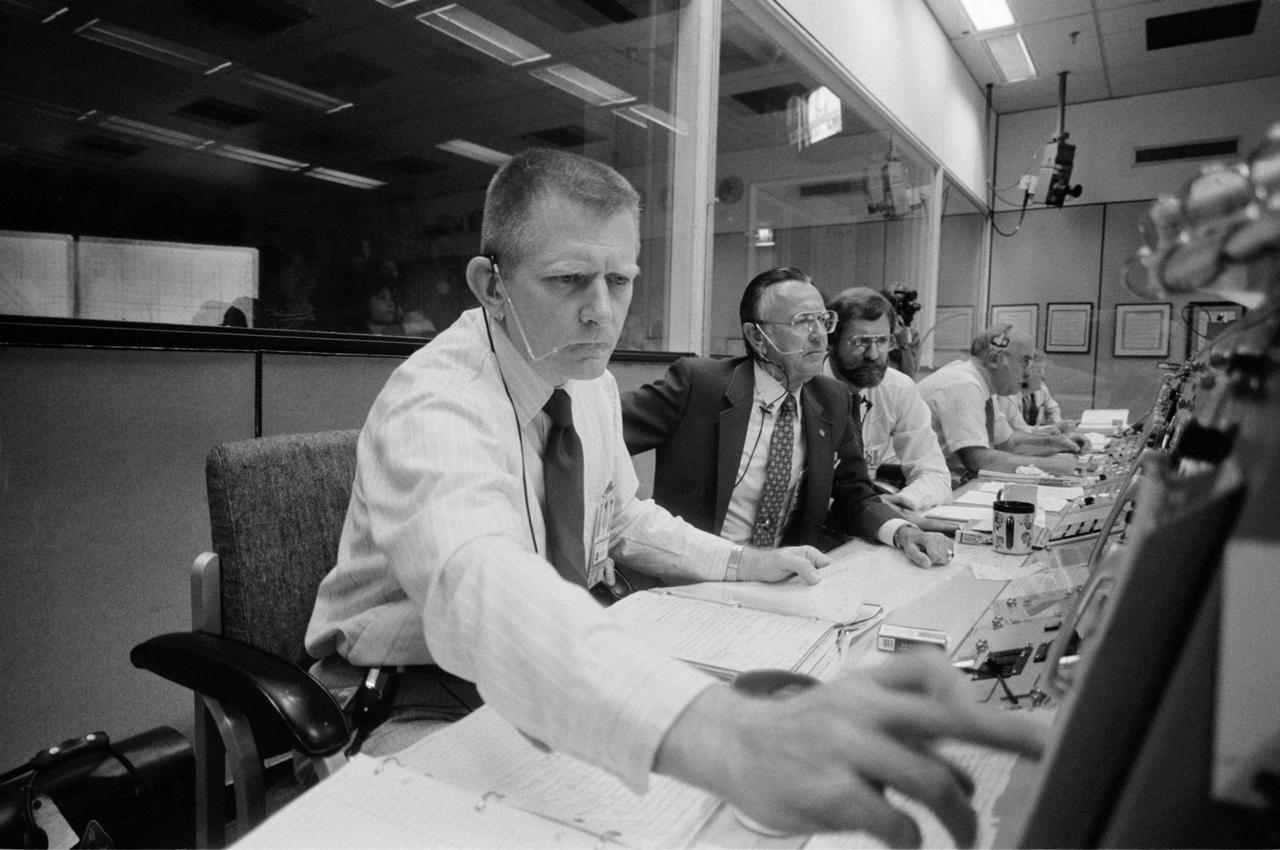
Wide angle view of flight controllers at work in the JSC mission control center during STS-4. Eugene F. Kranz, Deputy Director of Flight Operations at JSC, punches a key on his console in the MOCR during ascent phase of STS-4. Watching other monitors are JSC Director Christopher C. Kraft, Jr. and Neil B. Hutchinson. Beyond the FOD console in the foreground is the public affairs office (PAO) area, where John E. McLeaish, chief of public information, calls out ascent information on Columbia.

S73-33655 (1973) --- Left to right, Lynda Bird Johnson Robb, Charles Robb, Claudia "Lady Bird" Johnson, Texas Governor Dolph Briscoe, Christopher C. Kraft, Jr., James Webb, actor David Niven, and nurse Lt. Dolores B. "Dee" O'Hara with NASA officials during formal dedication ceremonies at JSC. Photo credit: NASA
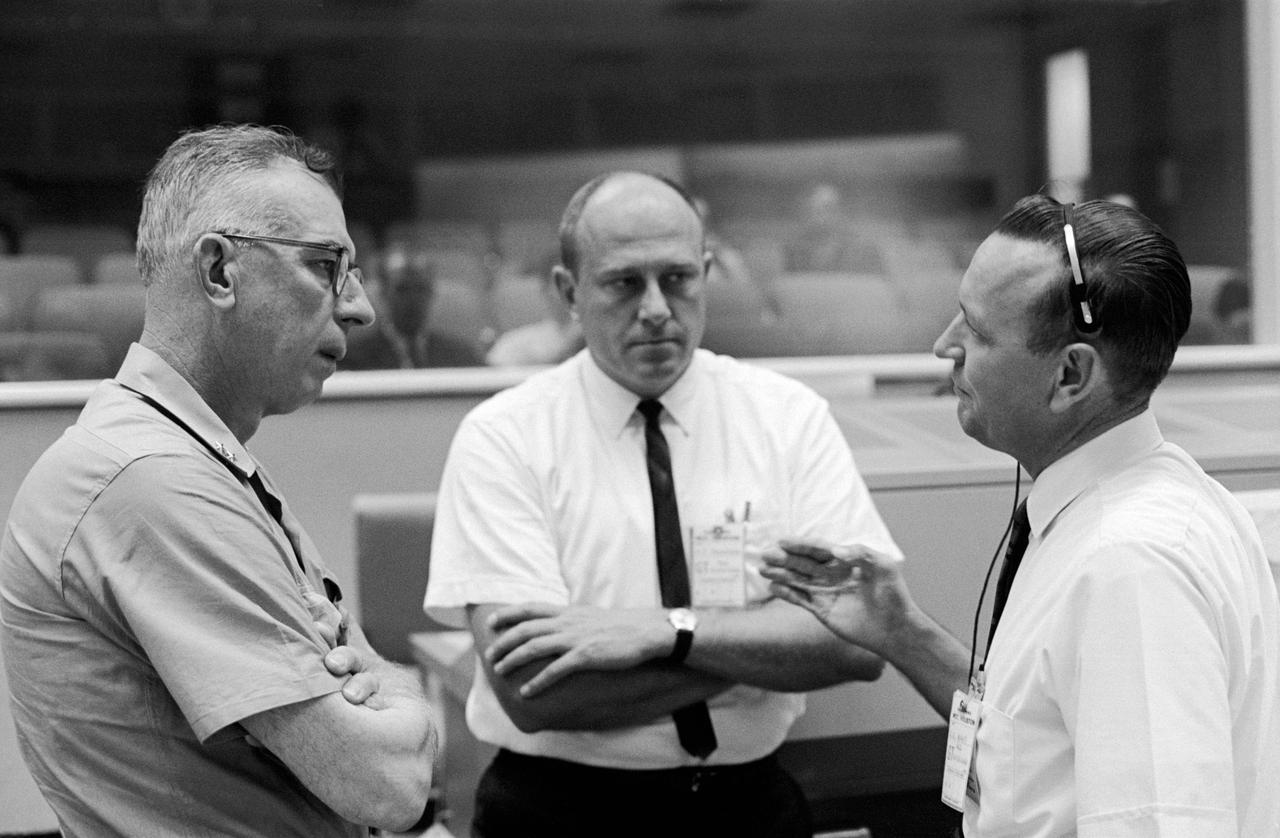
S65-28734 (24 Aug. 1965) --- Rear Admiral W.C. Abhau (left), who will take over command of Task Force 140 for Gemini-6, is shown in the Mission Control Center being briefed on recovery operations for Gemini by Robert F. Thompson (center), NASA recovery coordinator; and Christopher C. Kraft Jr., flight director for Gemini-5.
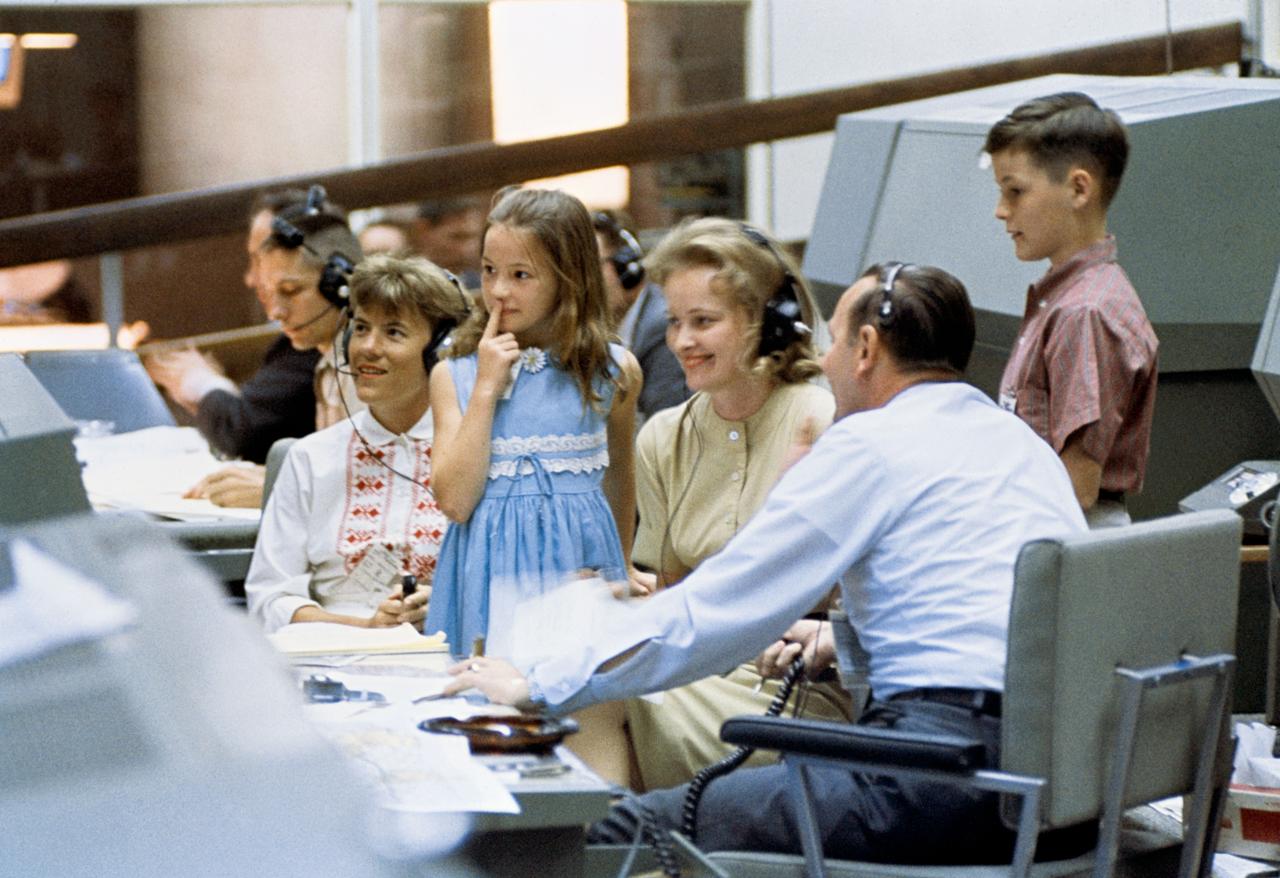
S65-30411 (9 June 1965) --- The families of Gemini 4 astronauts James A. McDivitt and Edward H. White II visited the Mission Control Center in Houston. In the foreground, left to right, are Mrs. Patricia McDivitt, daughter Bonnie White, Mrs. Patricia White, flight director Christopher C. Kraft Jr., and Edward White III. Each of the family members talked with the astronauts as they passed over the United States. Photo credit: NASA
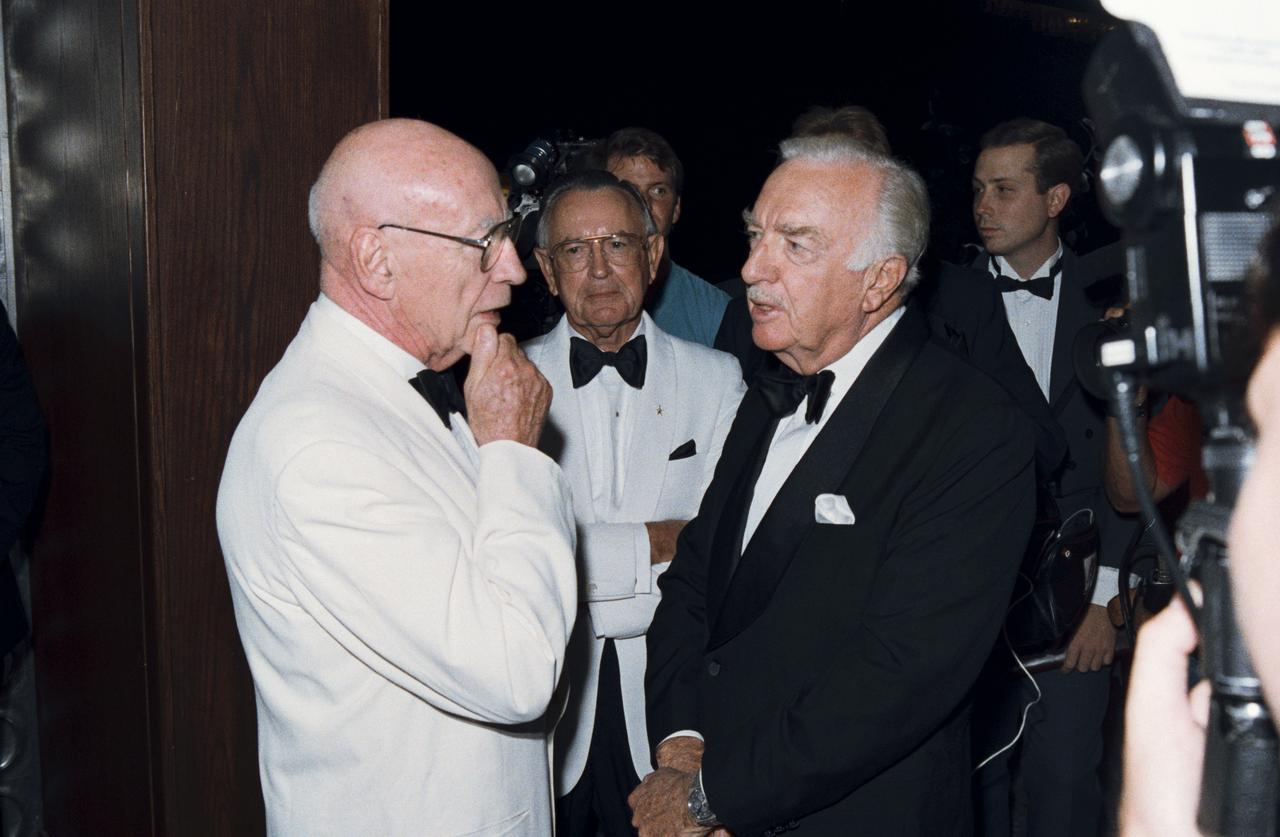
Views of the Apollo 11 Twentieth Anniversary Black Tie reception at the downtown Houston Hyatt Regency Hotel. Views include former JSC Directors Robert Gilruth and Christopher C. Kraft Jr. reminiscing with keynote speaker Walter Cronkite (39934); Apollo astronauts Tom Stafford (left) and Neil Armstrong (right) talk with former Soviet cosmonaut Alexei Leonov (center) at the gala (39935).
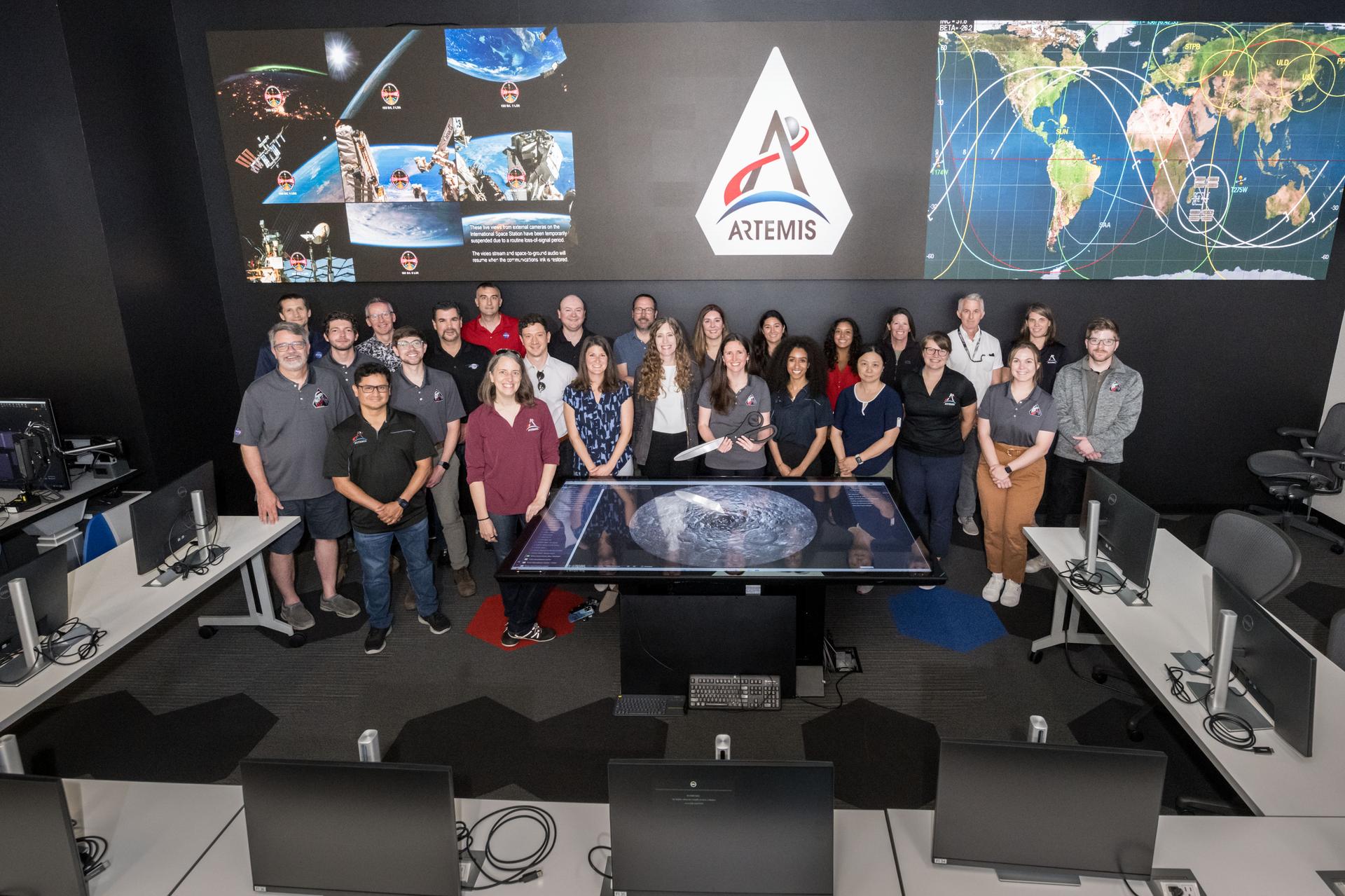
jsc2025e057255 --- NASA’s Artemis III lunar science team is pictured in the Science Evaluation Room (SER) at the agency’s Johnson Space Center in Houston. Located in the Christopher C. Kraft Jr. Mission Control Center, the SER supports the mission’s main flight control room for lunar science and planetary observations. Built specifically for Artemis missions with these science priorities in mind, the SER is equipped to support rapid data interpretation, collaborative analysis, real-time decision making, and seamless coordination between the science and operations teams.
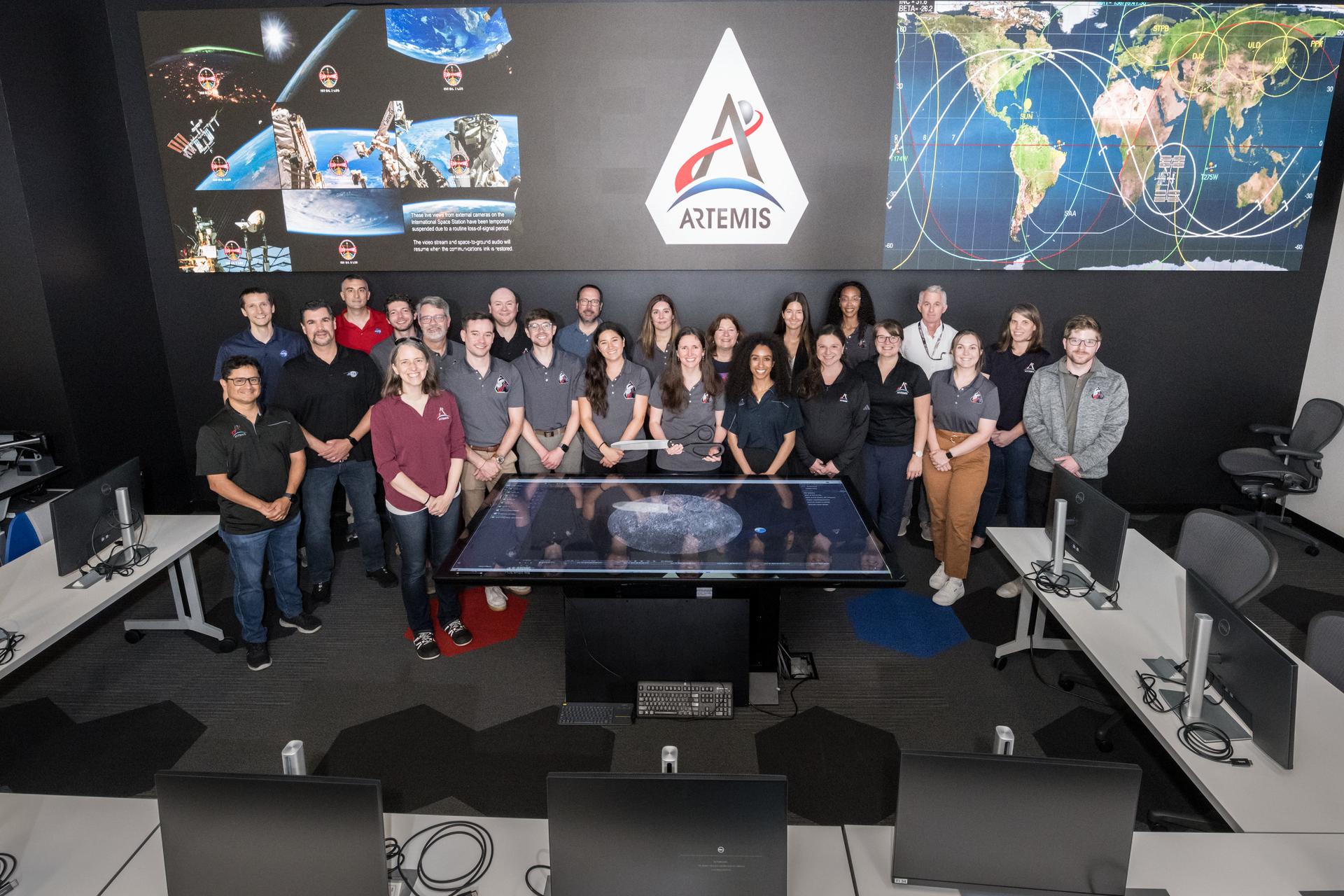
jsc2025e057254 --- NASA’s Artemis II lunar science team is pictured in the Science Evaluation Room (SER) at the agency’s Johnson Space Center in Houston. Located in the Christopher C. Kraft Jr. Mission Control Center, the SER supports the mission’s main flight control room for lunar science and planetary observations. Built specifically for Artemis missions with these science priorities in mind, the SER is equipped to support rapid data interpretation, collaborative analysis, real-time decision making, and seamless coordination between the science and operations teams.
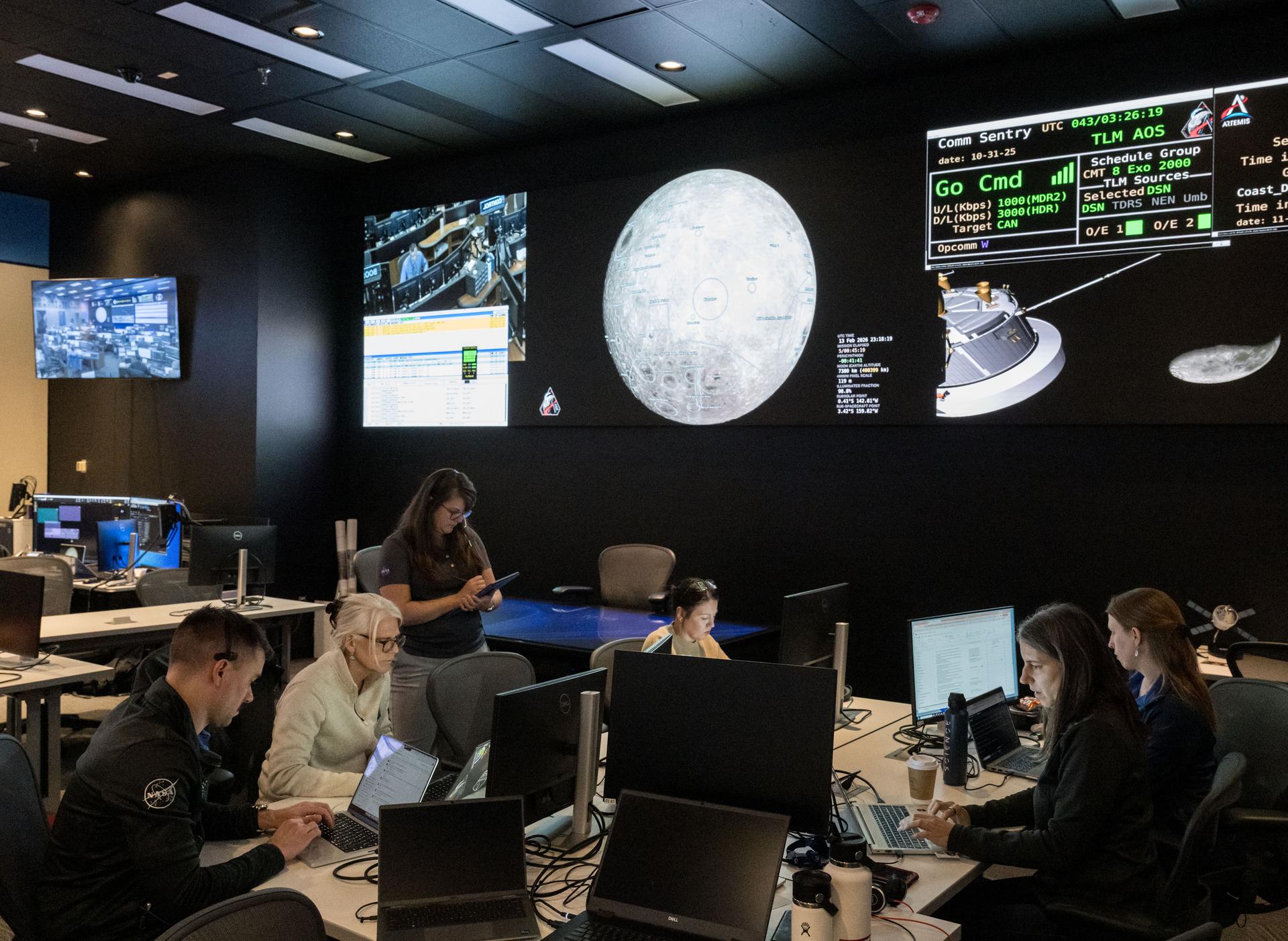
jsc2026e000849 --- The Artemis II Lunar Science Team works in the Science Evaluation Room (SER) at the NASA’s Johnson Space Center in Houston. Located in the Christopher C. Kraft Jr. Mission Control Center, the SER supports the mission’s main flight control room for lunar science and planetary observations. Built specifically for Artemis missions with these science priorities in mind, the SER is equipped to support rapid data interpretation, collaborative analysis, real-time decision making, and seamless coordination between the science and operations teams. Credit: James Blair
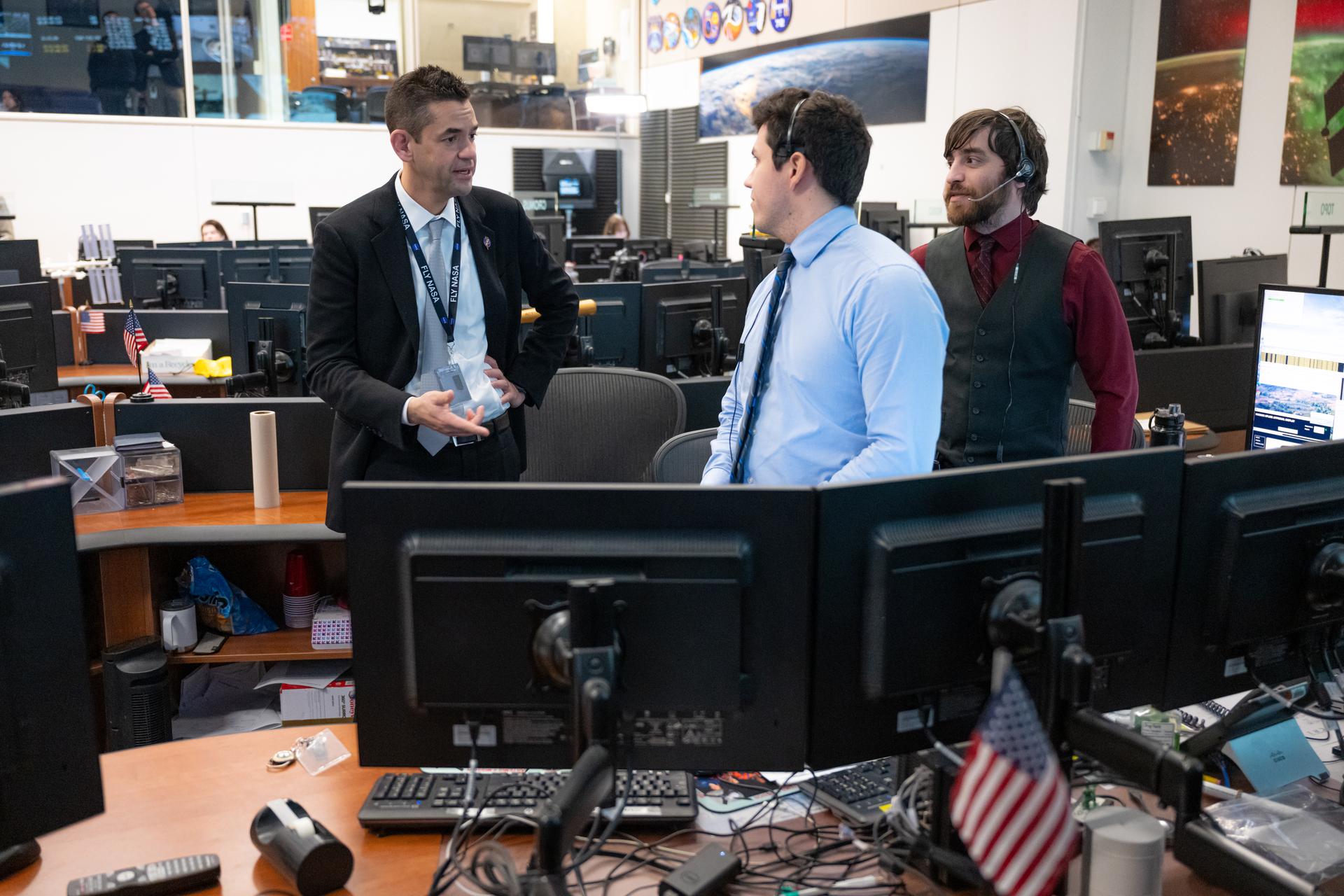
NASA Administrator Jared Isaacman, left, speaks with ground controllers Anthony Ayes, center, and Josh Kantara, right, Thursday, Jan. 15, 2026, inside the Christopher C. Kraft Jr. Mission Control Center at NASA’s Johnson Space Center in Houston, Texas, following splashdown of the agency’s Crew-11 mission at 3:41 a.m. ET. Photo Credit: (NASA/John Kraus)
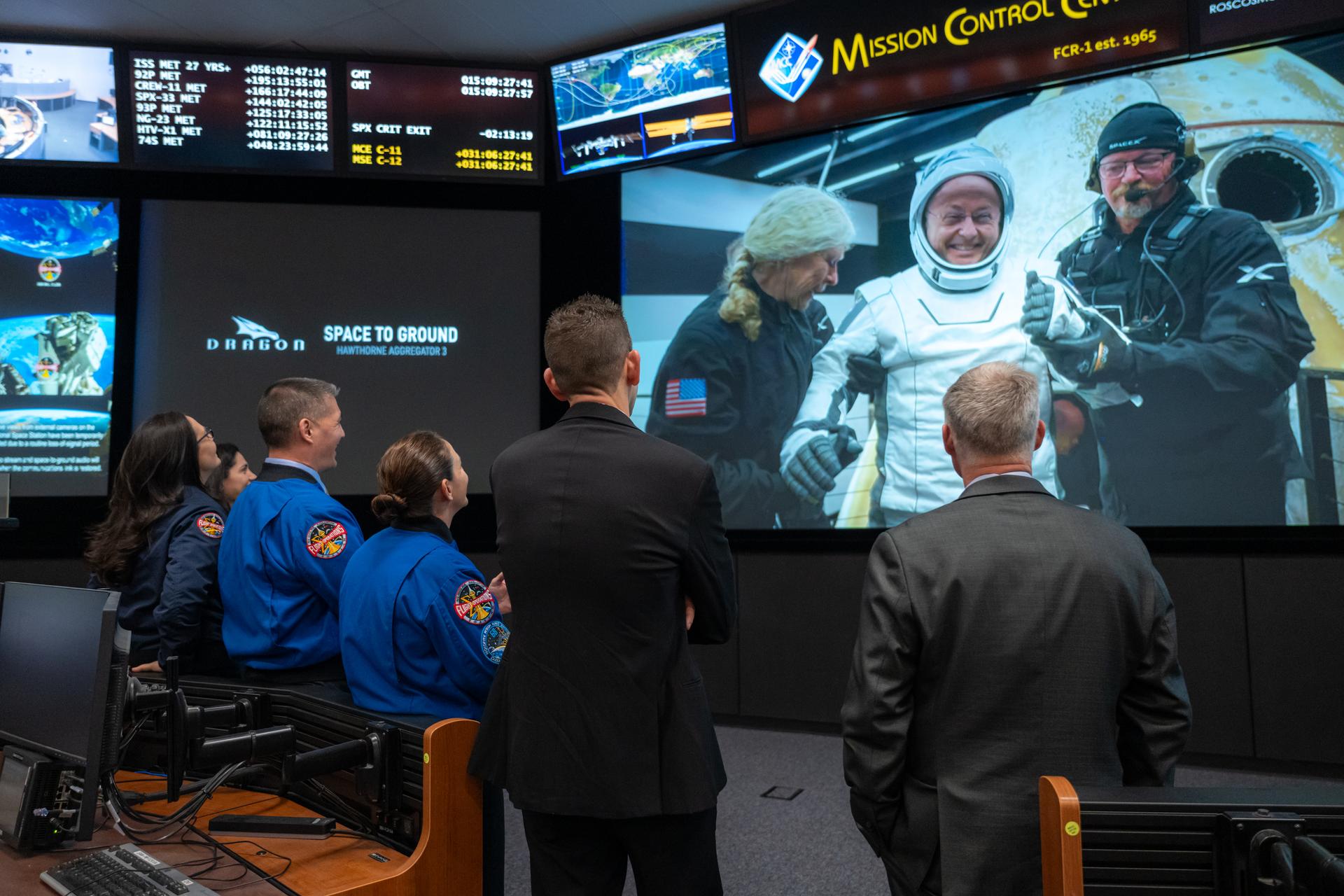
NASA Administrator Jared Isaacman, center, watches as NASA astronaut Michael Fincke egresses the SpaceX Dragon Endeavour spacecraft, Thursday, Jan. 15, 2026. Isaacman, NASA astronauts, and agency leadership monitored the 3:41 a.m. ET splashdown and subsequent crew egress from the Christopher C. Kraft Jr. Mission Control Center at NASA’s Johnson Space Center in Houston, Texas. Photo Credit: (NASA/John Kraus)
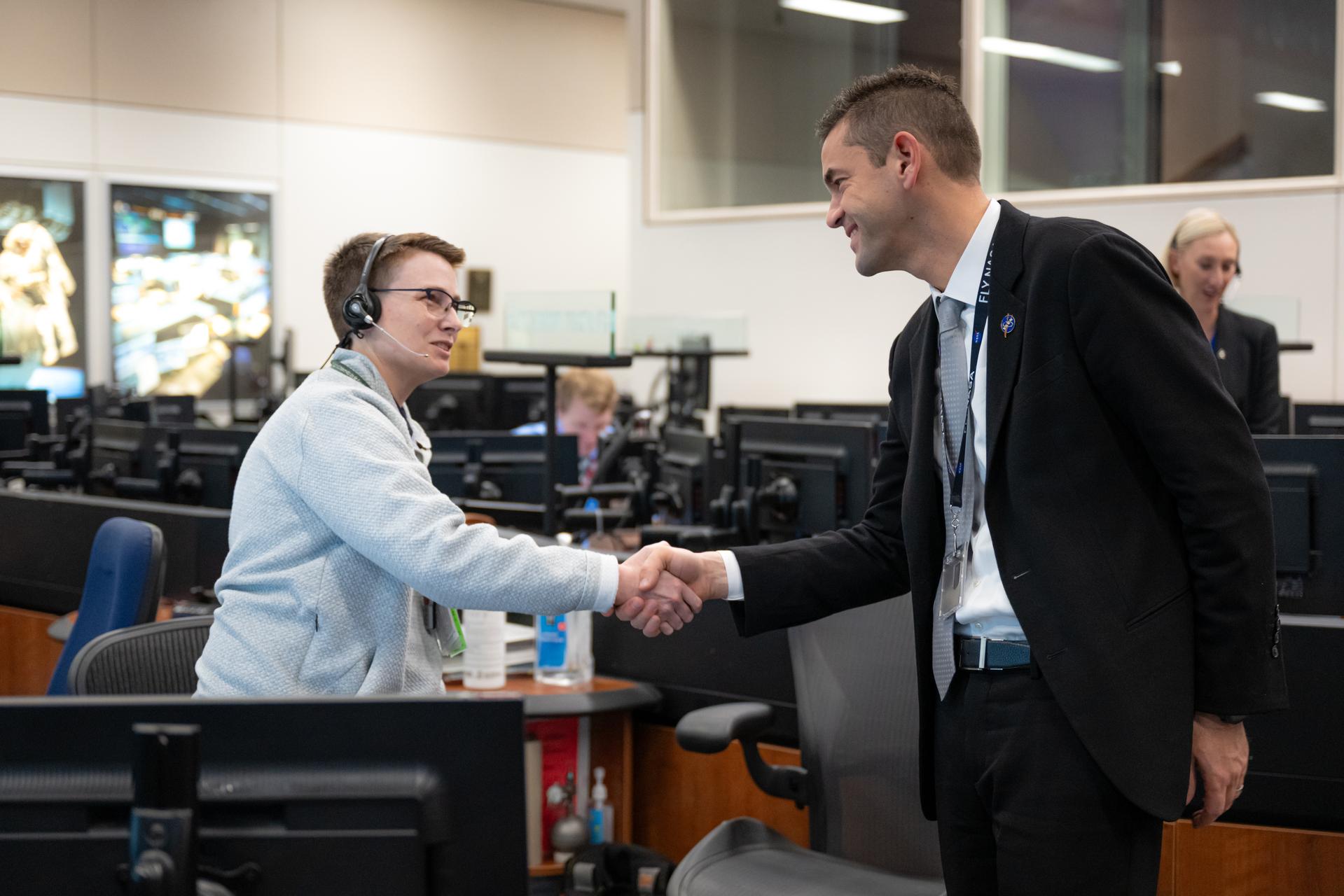
NASA Administrator Jared Isaacman, right, greets Katie Burlingame, ETHOS (Environmental and Thermal Operating Systems) flight controller and instructor, left, Thursday, Jan. 15, 2026, inside the Christopher C. Kraft Jr. Mission Control Center at NASA’s Johnson Space Center in Houston, Texas, following splashdown of the agency’s Crew-11 mission at 3:41 a.m. ET. Photo Credit: (NASA/John Kraus)
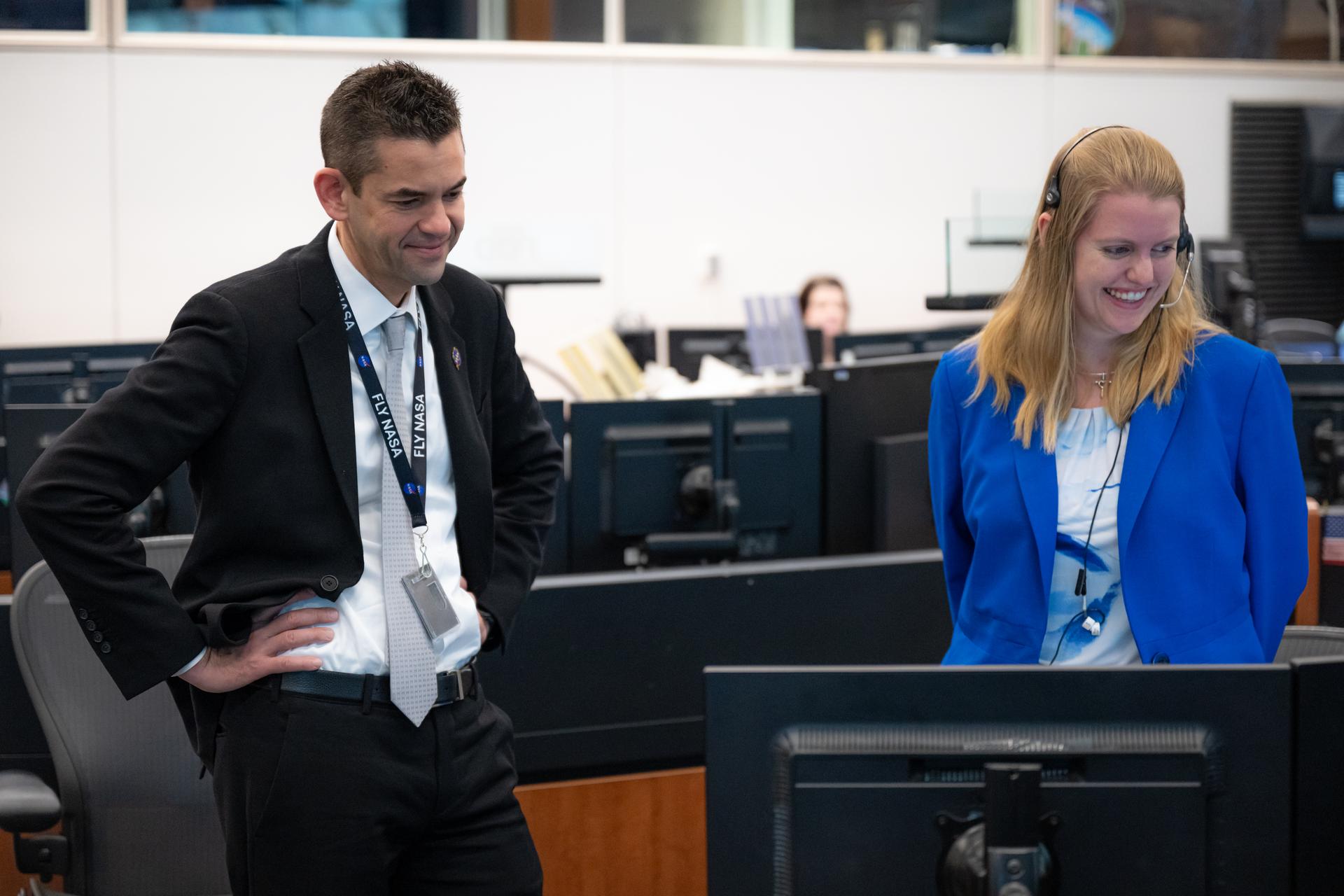
NASA Administrator Jared Isaacman, left, speaks with Rachel Krause, SPARTAN (Station Power, Articulation, Thermal, and Analysis) flight controller, right, Thursday, Jan. 15, 2026, inside the Christopher C. Kraft Jr. Mission Control Center at NASA’s Johnson Space Center in Houston, Texas, following splashdown of the agency’s Crew-11 mission at 3:41 a.m. ET. Photo Credit: (NASA/John Kraus)
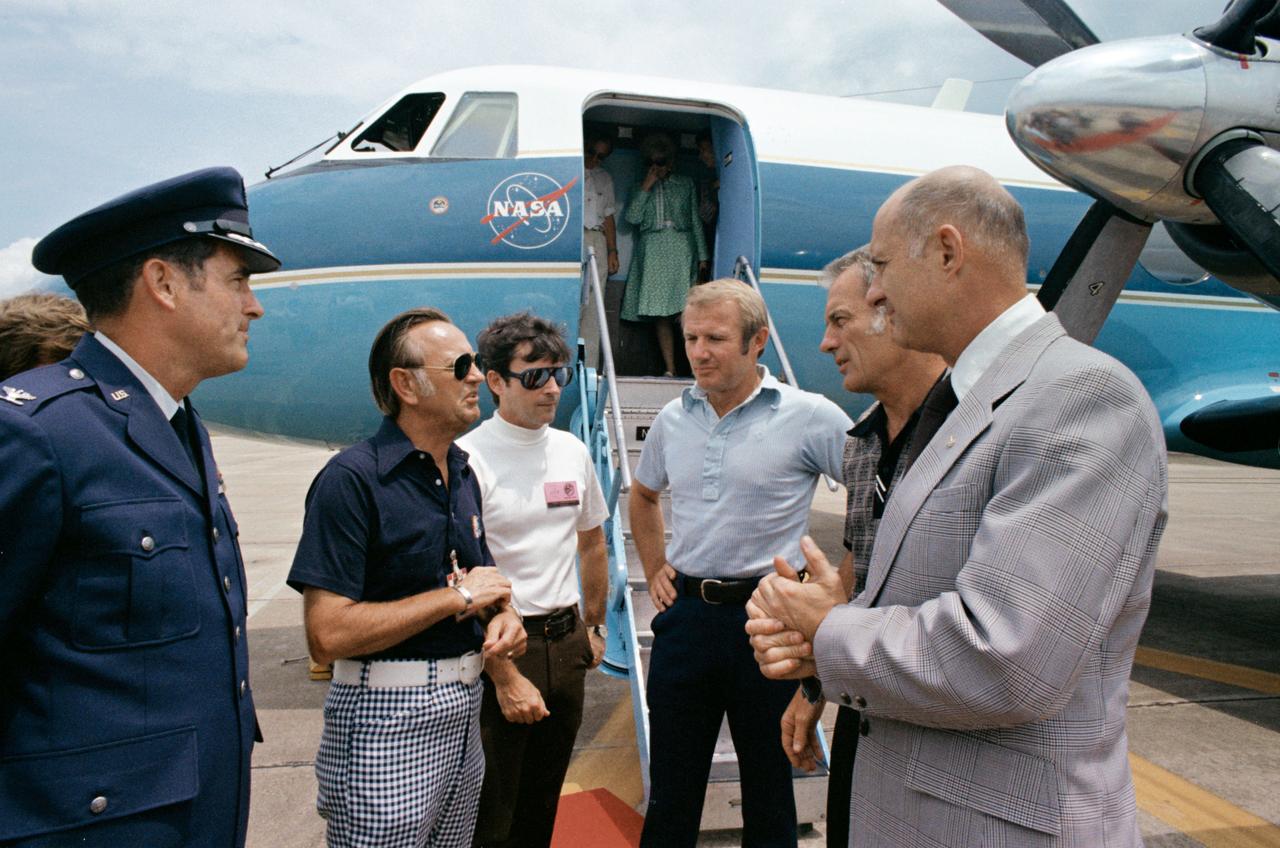
S75-30109 (10 Aug. 1975) --- Dr. Christopher C. Kraft Jr. (second from left), JSC Director, chats with the three ASTP crewmen on the runway at Ellington Air Force Base after their arrival home from the Pacific recovery area. The six men are, left to right, Col. Donald Robinson, EAFB commander; Dr. Kraft; astronaut John W. Young, Chief of the Astronaut Office at JSC; astronaut Vance D. Brand, command module pilot of the crew; astronaut Donald K. Slayton, docking module pilot of the crew; and astronaut Thomas P. Stafford, crew commander. This picture was taken prior to the official welcoming ceremonies. The crewmen?s wives are still aboard the plane. Medical treatment in Hawaii delayed the return of the crew to JSC. They suffered a pulmonary irritation from inhalation of a toxic gas minutes before splashdown on July 24, 1975.
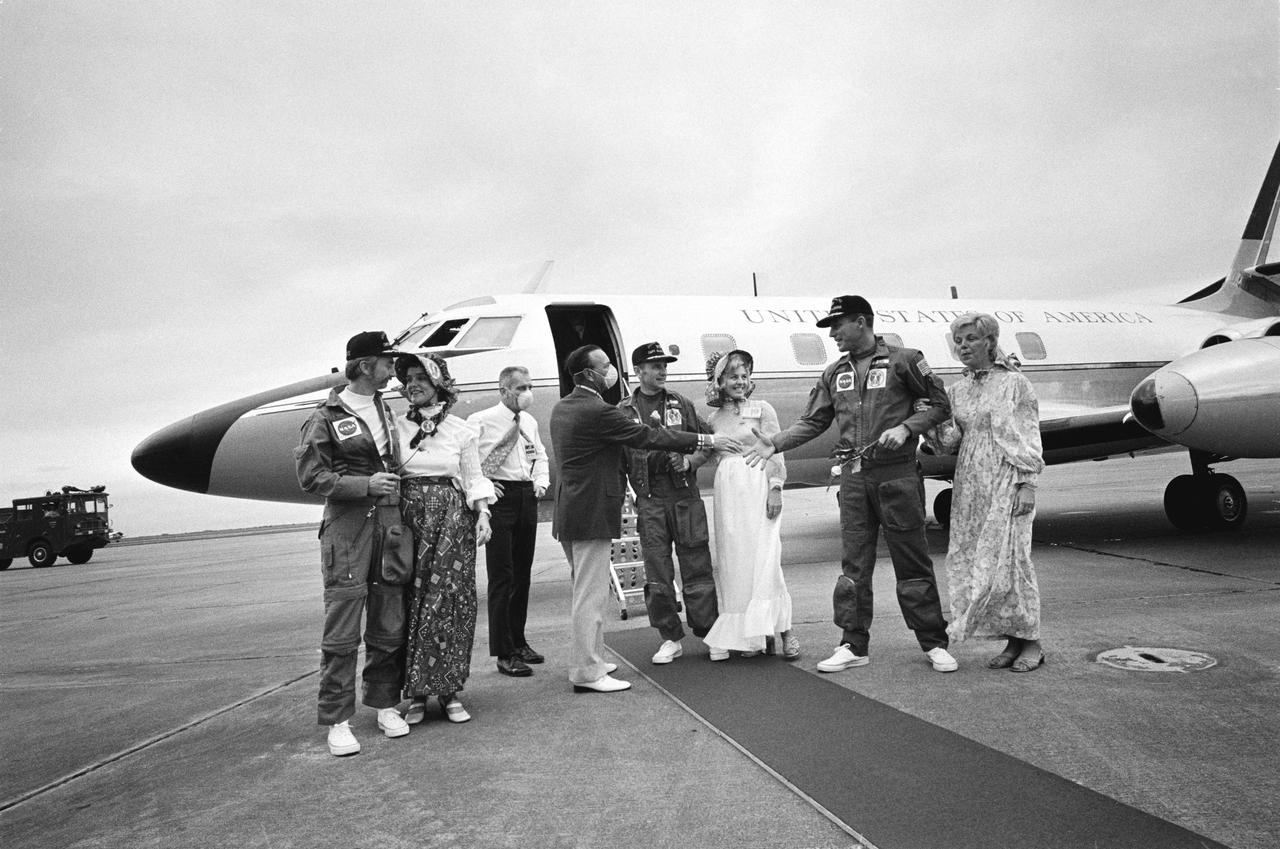
S73-34615 (27 Sept. 1973) --- Dr. Christopher C. Kraft Jr., center, shakes hands with astronaut Jack R. Lousma, Skylab 3 pilot, during welcome ceremonies following crew arrival at Ellington Air Force Base. The crewmen greet their wives after spending 59.5 days in the Skylab space station cluster in Earth orbit. From left to right are scientist-astronaut Owen K. Garriot, science pilot; Mrs. Garriott; Dr. Donald K. Slayton, Director of Flight Crew Operations at JSC; Dr. Kraft; astronaut Alan L. Bean, commander; Mrs. Bean; and the Lousmas. The group stands in front of the VC-140 (Jet Star) which flew the crewmen from San Diego to Ellington Air Force Base. Photo credit: NASA
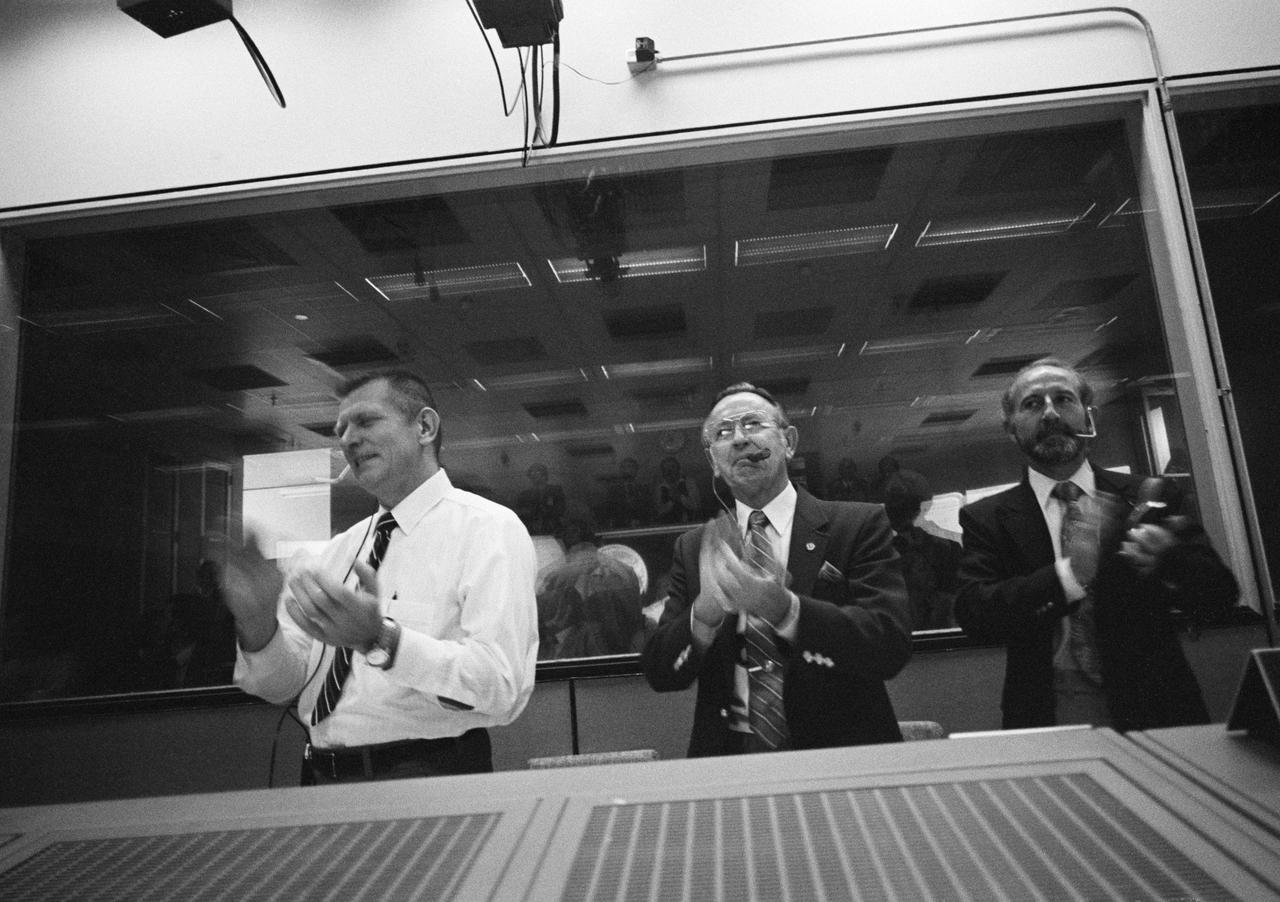
S81-39511 (14 Nov. 1981) --- The successful STS-2 landing at Edwards Air Force Base in California was cause for celebration in the Johnson Space Center?s Mission Control Center shortly before 3:30 p.m. (CST) on Nov. 14, 1981. JSC Director Christopher C. Kraft Jr. (center), not only applauds but enjoys a traditional ?touchdown? cigar, as well. Eugene F. Kranz (left), deputy director of flight operations at JSC, and Thomas L. Moser of the structures and mechanics division join the celebration. The second flight of the space shuttle Columbia lasted two days, six hours, 13 minutes and a few seconds. Photo credit: NASA

jsc2017e110783 (Aug. 21, 2017) --- Employees at NASA’s Johnson Space Center in Houston joined the rest of the country in experiencing the 2017 eclipse on Aug. 21, 2017. Many used protective eclipse glasses, and others made use of manufactured or pin-hole cameras of opportunity to view the eclipse. In Houston, the partial eclipse duration was 2 hours, 59 minutes, reaching its maximum level of 67 percent at 1:17 p.m. CDT. Some members of the team supporting the International Space Station in the Christopher C. Kraft Mission Control Center took advantage of a break in their duties to step outside the windowless building to witness what their colleagues in orbit also saw and documented with a variety of cameras.
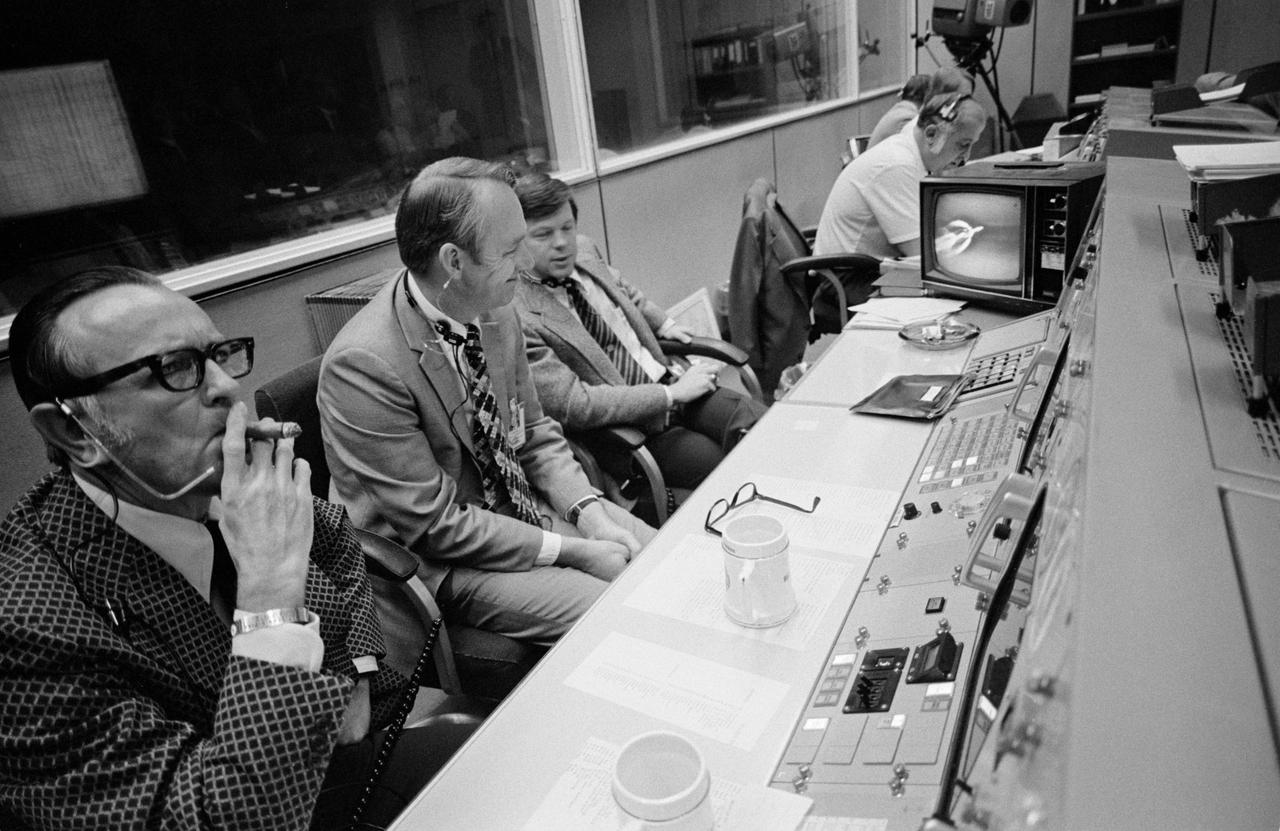
S73-36909 (16 Nov. 2013) --- An overall view of the Flight Operations Director's console in the Mission Operations Control Room in the Mission Control Center at Johnson Space Center during the launch of the Skylab 4 mission. The television monitor records the progress of the flight seconds after liftoff. Left to right, are Dr. Christopher C. Kraft Jr., JSC Director; Howard W. Tindall Jr., JSC Director of Flight Operations; and Flight Director M.P. Frank. Public Affairs commentator John E. McLeish can be seen at the PAO console in the background. Photo credit: NASA
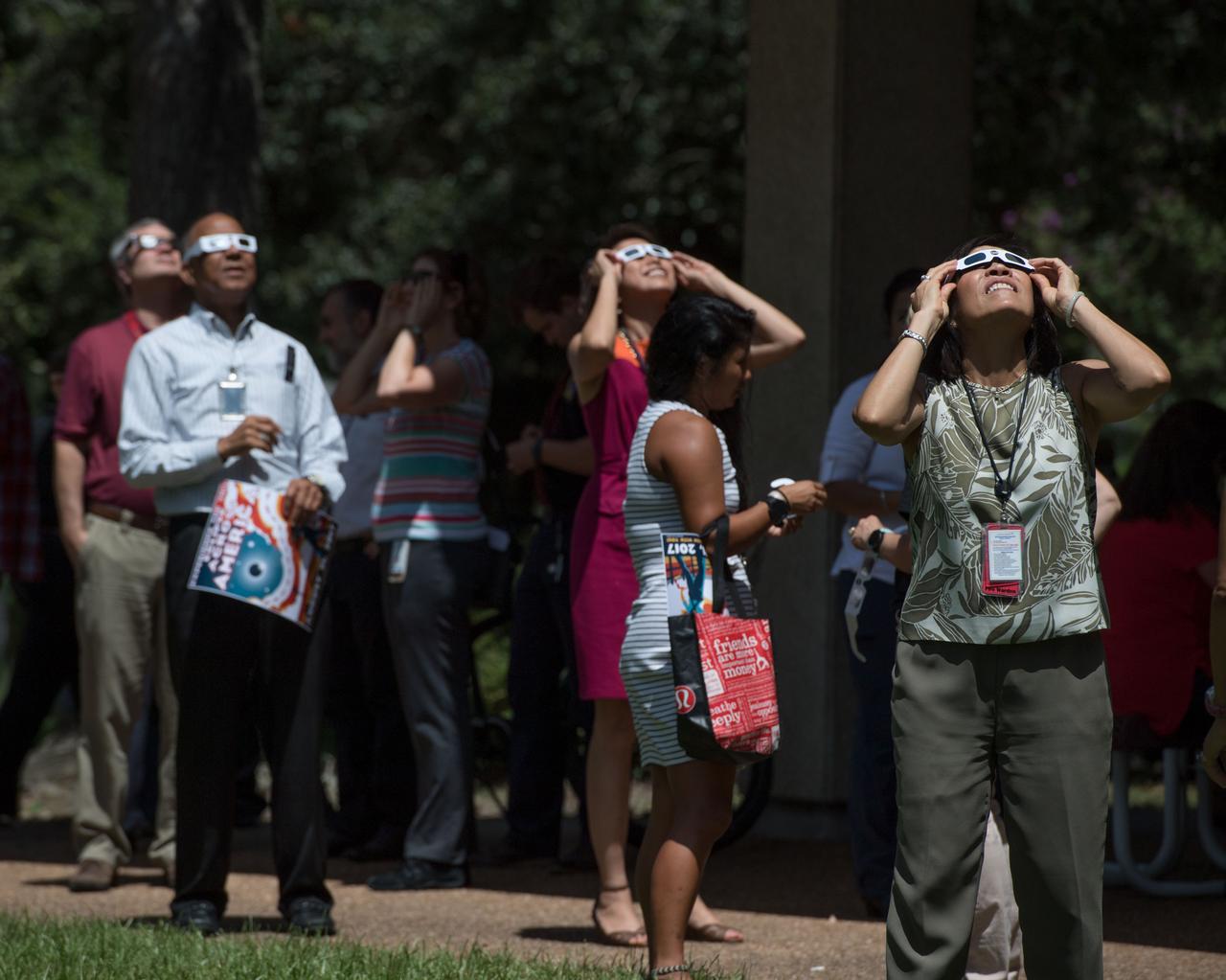
jsc2017e110798 (Aug. 21, 2017) --- Employees at NASA’s Johnson Space Center in Houston joined the rest of the country in experiencing the 2017 eclipse on Aug. 21, 2017. Many used protective eclipse glasses, and others made use of manufactured or pin-hole cameras of opportunity to view the eclipse. In Houston, the partial eclipse duration was 2 hours, 59 minutes, reaching its maximum level of 67 percent at 1:17 p.m. CDT. Some members of the team supporting the International Space Station in the Christopher C. Kraft Mission Control Center took advantage of a break in their duties to step outside the windowless building to witness what their colleagues in orbit also saw and documented with a variety of cameras.
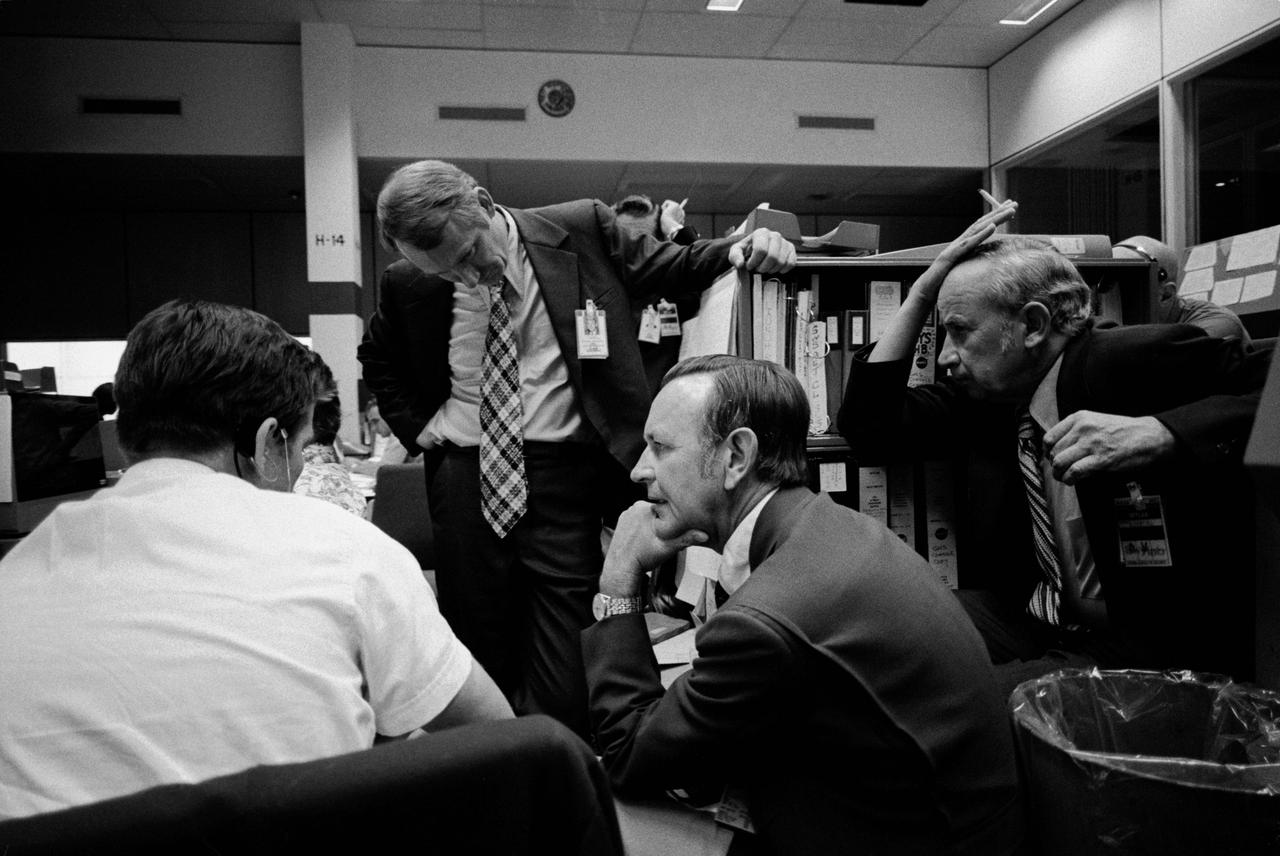
S73-31875 (2 Aug. 1973) --- After learning of a problem in the Command/Service Module which was used to transport the Skylab 3 crew to the orbiting Skylab space station cluster, NASA officials held various meetings to discuss the problem. Here, four men monitor the current status of the problem in the Mission Operations Control Room (MOCR) of the Mission Control Center (MCC) at the Johnson Space Center (JSC). From the left are Gary E. Coen, Guidance and Navigation System flight controller; Howard W. Tindall Jr., Director of Flight Operations at JSC; Dr. Christopher C. Kraft Jr., JSC Director; and Sigurd A. Sjoberg, JSC Deputy Director. Photo credit: NASA
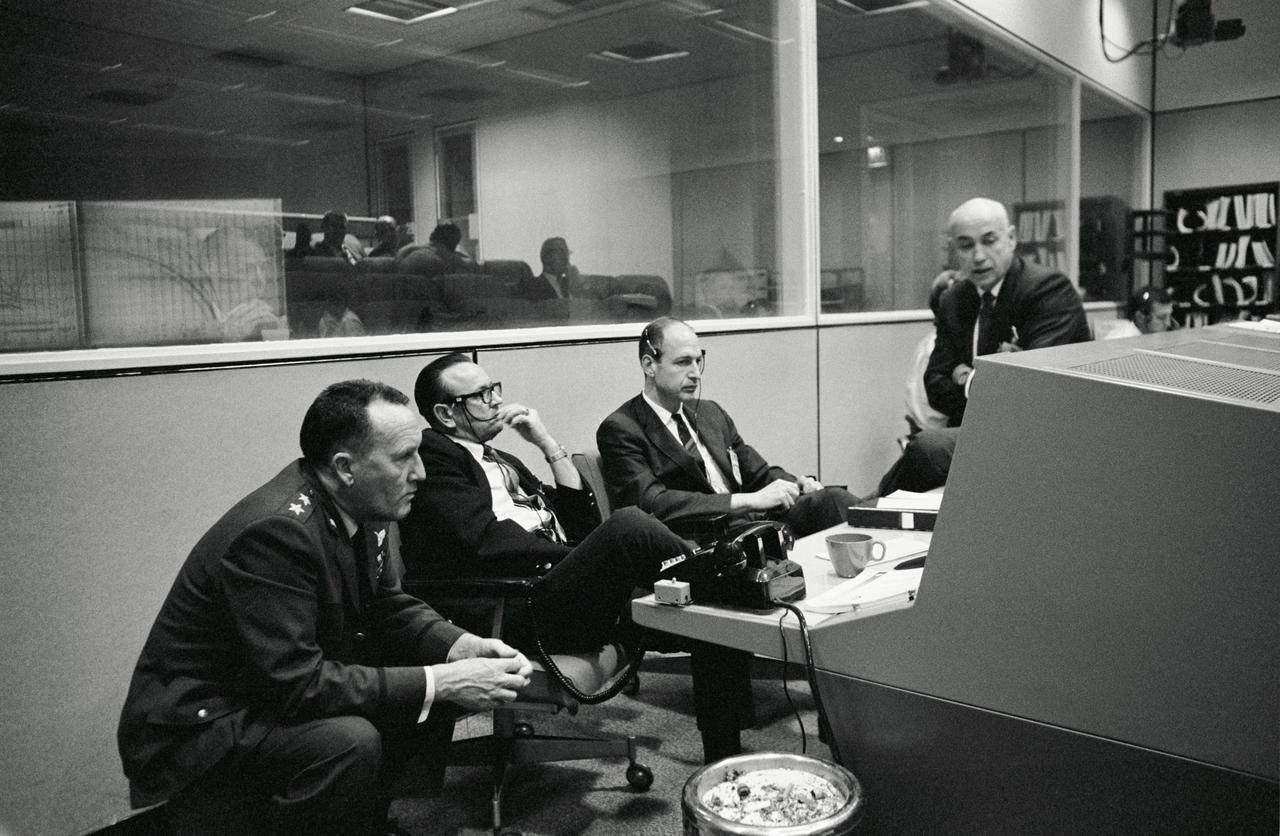
S68-20986 (4 April 1968) --- Scene at the flight operations director's console in the Mission Control Center, Building 30, during the Apollo 6 (Spacecraft 020/Saturn 520) unmanned space flight. Left to right, are Air Force Maj. Gen. Vincent G. Huston, DOD Manager, Manned Space Flight Operations, Andrews Air Force Base, Washington, D.C.; Dr. Christopher C. Kraft Jr., MSC director of flight operations; George M. Low, manager, MSC Apollo Spacecraft Program Office; and Dr. Robert R. Gilruth, MSC Director.
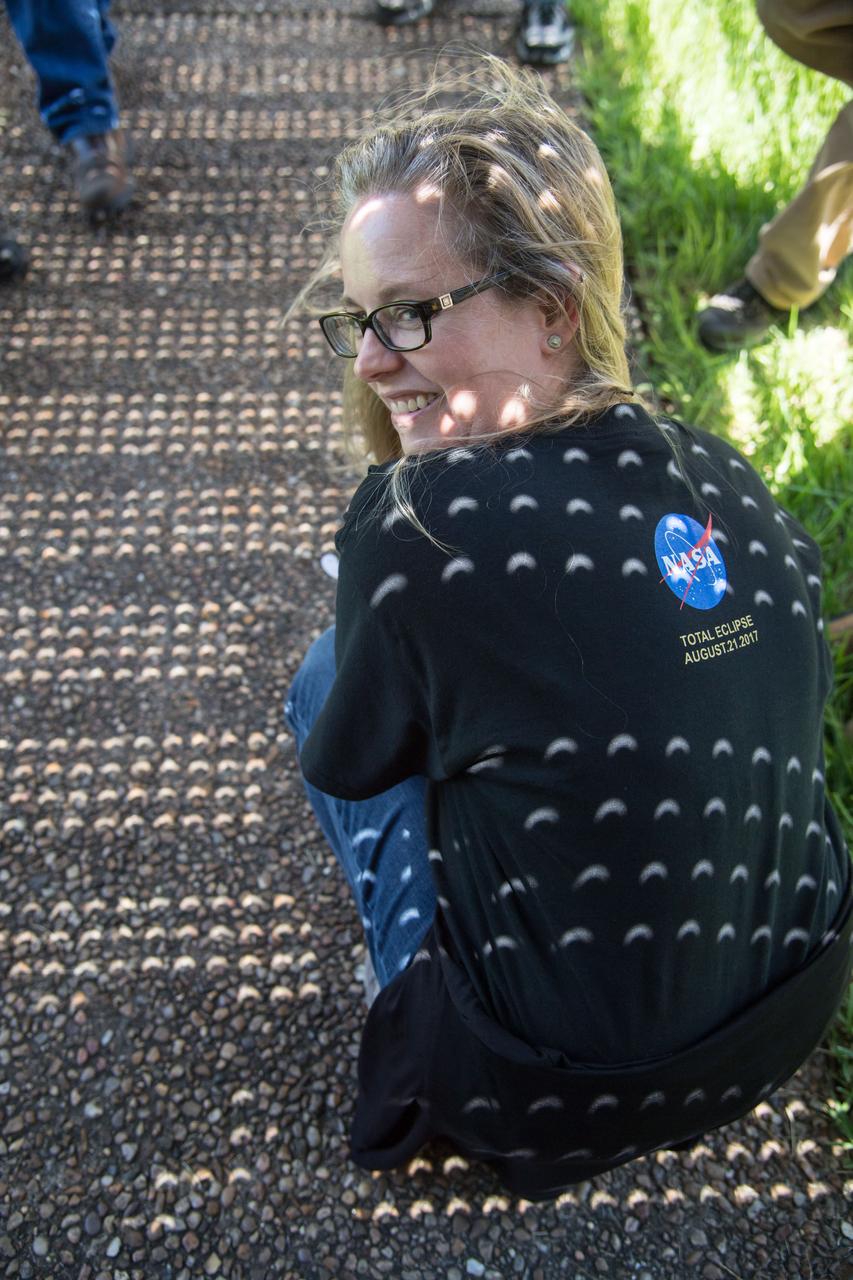
jsc2017e110791 (Aug. 21, 2017) --- Employees at NASA’s Johnson Space Center in Houston joined the rest of the country in experiencing the 2017 eclipse on Aug. 21, 2017. Many used protective eclipse glasses, and others made use of manufactured or pin-hole cameras of opportunity to view the eclipse. In Houston, the partial eclipse duration was 2 hours, 59 minutes, reaching its maximum level of 67 percent at 1:17 p.m. CDT. Some members of the team supporting the International Space Station in the Christopher C. Kraft Mission Control Center took advantage of a break in their duties to step outside the windowless building to witness what their colleagues in orbit also saw and documented with a variety of cameras.
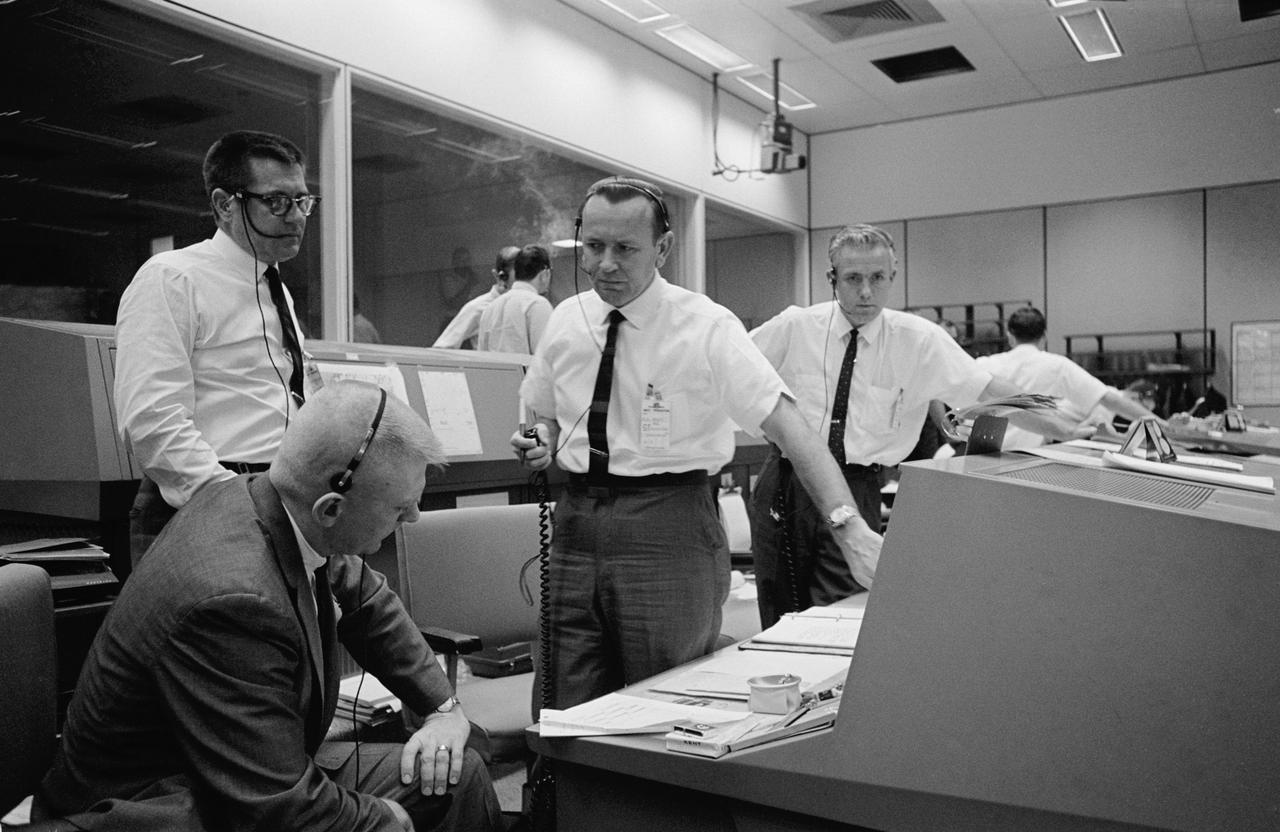
S65-62062 (12 Dec. 1965) --- Discussing the scrubbing of the planned National Aeronautics and Space Administration?s Gemini-6 spaceflight are (from left) William C. Schneider (standing), deputy director, Gemini Program Office of Manned Spaceflight, NASA Headquarters, Washington, D.C.; Eugene F. Kranz (seated), white team flight director; Christopher C. Kraft Jr., red team flight director; and John D. Hodge, blue team flight director. The Gemini-6 mission has been rescheduled for Dec. 15, 1965. Photo credit: NASA or National Aeronautics and Space Administration
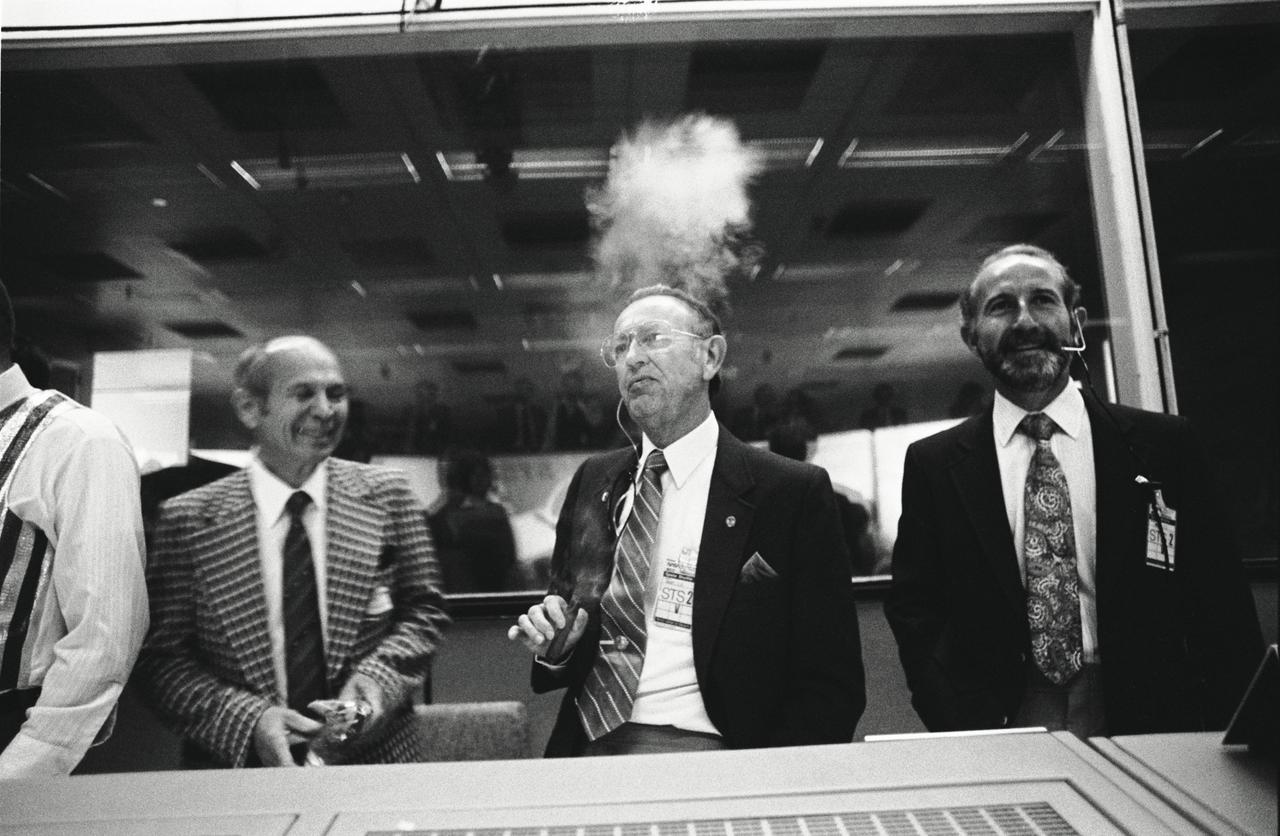
S81-39508 (14 Nov. 1981) --- The successful STS-2 landing at Edwards Air Force Base in California was cause for celebration in the Johnson Space Center?s Mission Control Center shortly before 3:30 p.m. (CST) on Nov. 14, 1981. JSC Director Christopher C. Kraft Jr. (center), enjoys a traditional ?touchdown? cigar. He is flanked by retiring lead engineer Maxime Faget (left) and Thomas L. Moser of the structures and mechanics division, who join the celebration. The second flight of the space shuttle Columbia lasted two days, six hours, 13 minutes and a few seconds. Photo credit: NASA

jsc2017e110808 (Aug. 21, 2017) --- Employees at NASA’s Johnson Space Center in Houston joined the rest of the country in experiencing the 2017 eclipse on Aug. 21, 2017. Many used protective eclipse glasses, and others made use of manufactured or pin-hole cameras of opportunity to view the eclipse. In Houston, the partial eclipse duration was 2 hours, 59 minutes, reaching its maximum level of 67 percent at 1:17 p.m. CDT. Some members of the team supporting the International Space Station in the Christopher C. Kraft Mission Control Center took advantage of a break in their duties to step outside the windowless building to witness what their colleagues in orbit also saw and documented with a variety of cameras.

jsc2017e110803 (Aug. 21, 2017) --- Employees at NASA’s Johnson Space Center in Houston joined the rest of the country in experiencing the 2017 eclipse on Aug. 21, 2017. Many used protective eclipse glasses, and others made use of manufactured or pin-hole cameras of opportunity to view the eclipse. In Houston, the partial eclipse duration was 2 hours, 59 minutes, reaching its maximum level of 67 percent at 1:17 p.m. CDT. Some members of the team supporting the International Space Station in the Christopher C. Kraft Mission Control Center took advantage of a break in their duties to step outside the windowless building to witness what their colleagues in orbit also saw and documented with a variety of cameras.
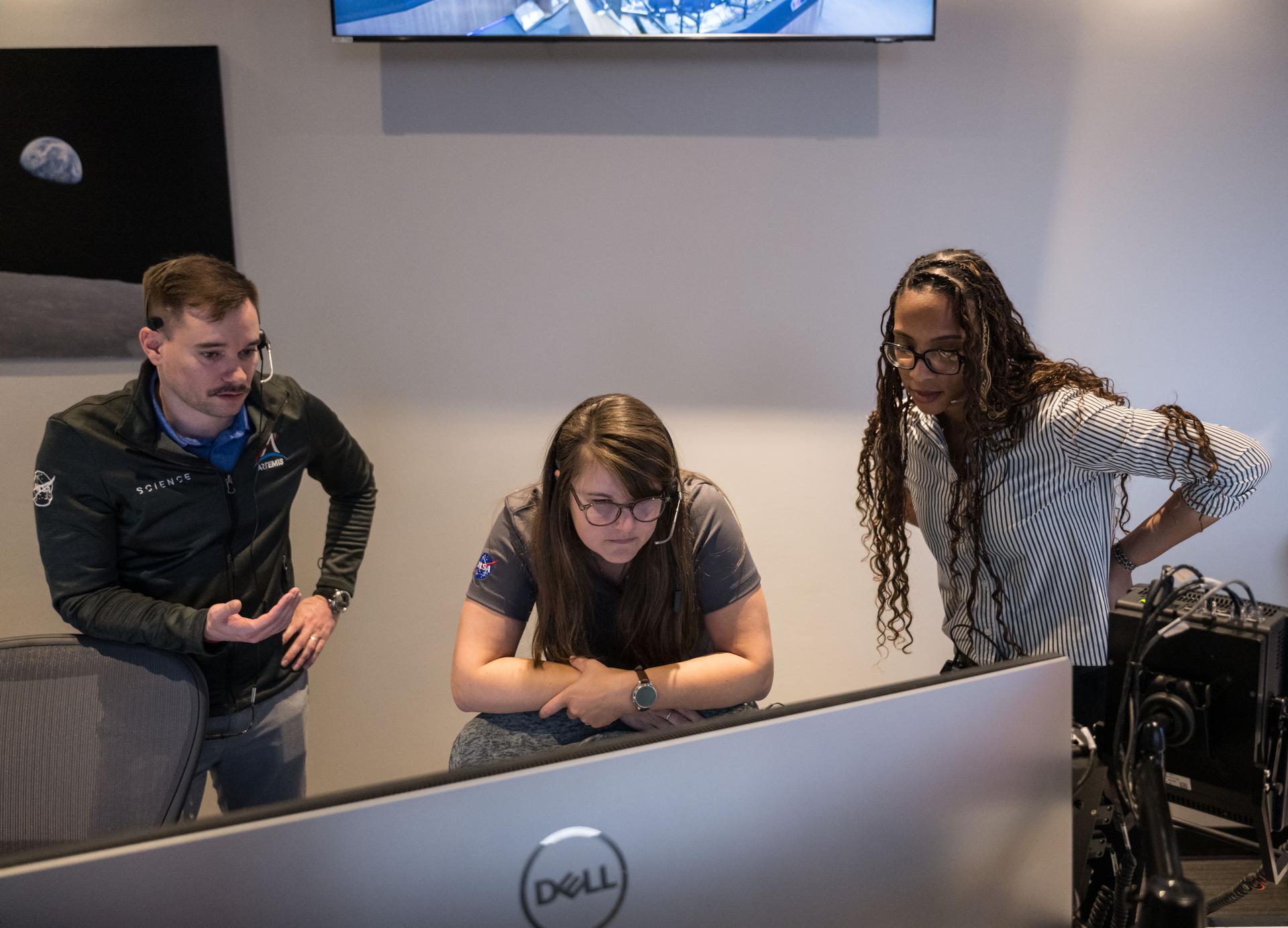
jsc2026e000848 --- Artemis lunar science team members, from left, Jacob Richardson, Marie Henderson, and Kiarre Dumes, monitor a lunar flyby simulation from the Science Evaluation Room (SER) at the NASA’s Johnson Space Center in Houston. Located in the Christopher C. Kraft Jr. Mission Control Center, the SER supports the mission’s main flight control room for lunar science and planetary observations. Built specifically for Artemis missions with these science priorities in mind, the SER is equipped to support rapid data interpretation, collaborative analysis, real-time decision making, and seamless coordination between the science and operations teams. Credit: James Blair
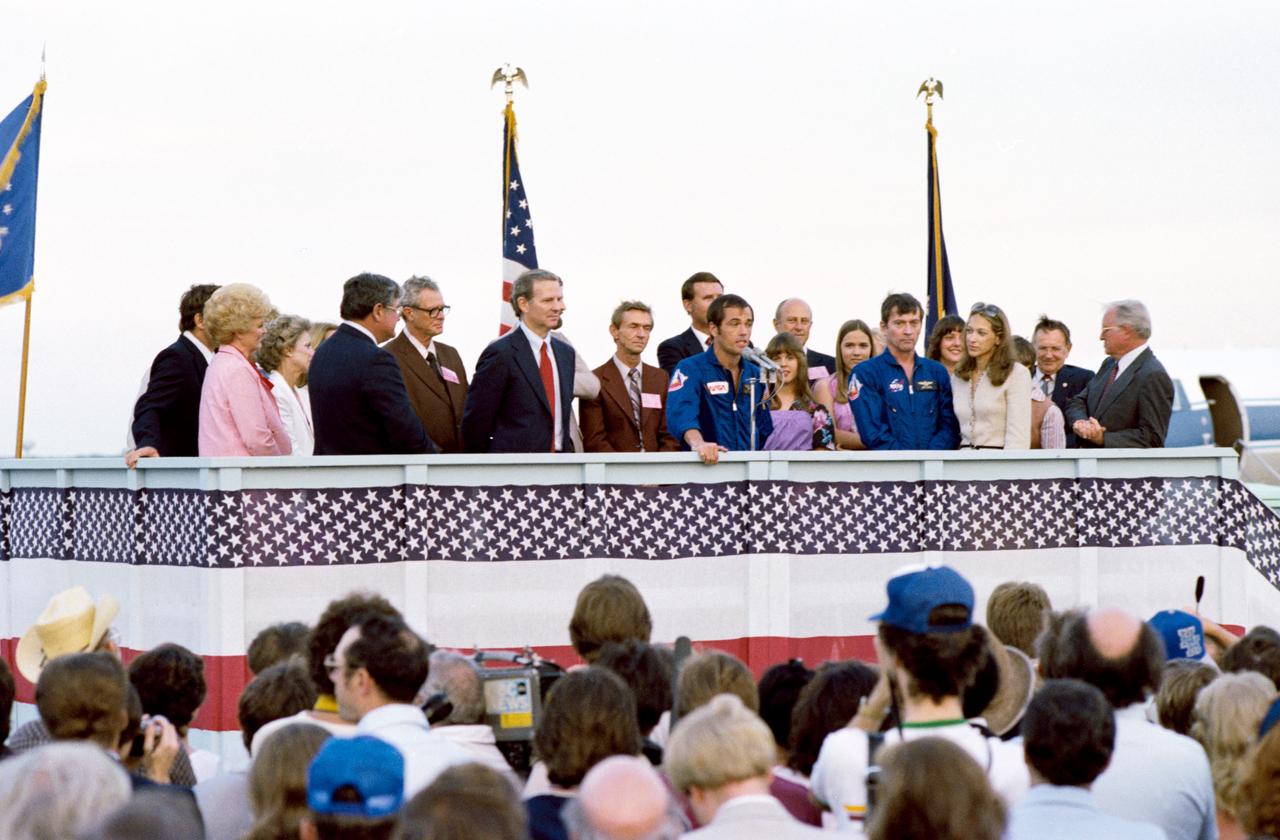
S81-30985 (14 April 1981) --- Astronaut Robert L. Crippen (center), STS-1 pilot, addresses a large turnout of greeters at Ellington Air Force Base following the return of the Columbia's crew from the Dryden Flight Research Center and their Edwards Air Force Base landing site. Astronaut John W. Young, crew commander, stands near his wife Susy at right center. Crippen's wife Virginia and children are standing behind the Youngs on the platform. Others seen include Presidential aide Jim Baker, Houston mayor Jim McConn, NASA Administrator (acting) Alan M. Lovelace, John F. Yardley, associate administrator for space transportation systems; Dr. Christopher C. Kraft Jr., JSC director; flight directors Neil B. Hutchinson, Charles L. Lewis and Donald R. Puddy; Robert F. Thompson, manager of Space Shuttle Program office. Photo credit: NASA
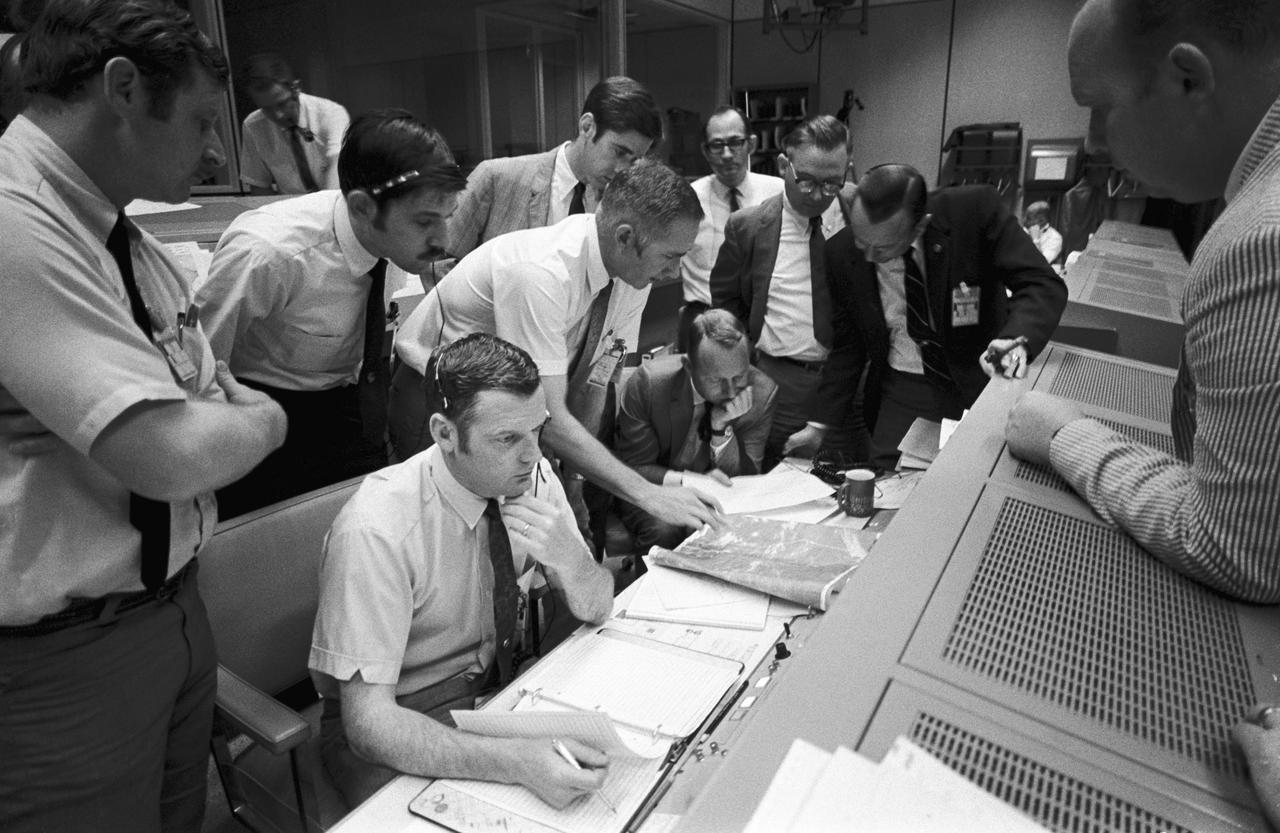
S70-35014 (15 April 1970) --- A group of flight controllers gathers around the console of Glenn S. Lunney (seated, nearest camera), Shift 4 flight director, in the Mission Operations Control Room (MOCR) of Mission Control Center (MCC), located in Building 30 at the Manned Spacecraft Center (MSC). Their attention is drawn to a weather map of the proposed landing site in the South Pacific Ocean. Among those looking on is Dr. Christopher C. Kraft, deputy director, MSC, standing in black suit, on right. When this photograph was taken, the Apollo 13 lunar landing mission had been canceled, and the problem-plagued Apollo 13 crew members were in trans-Earth trajectory attempting to bring their crippled spacecraft back home.
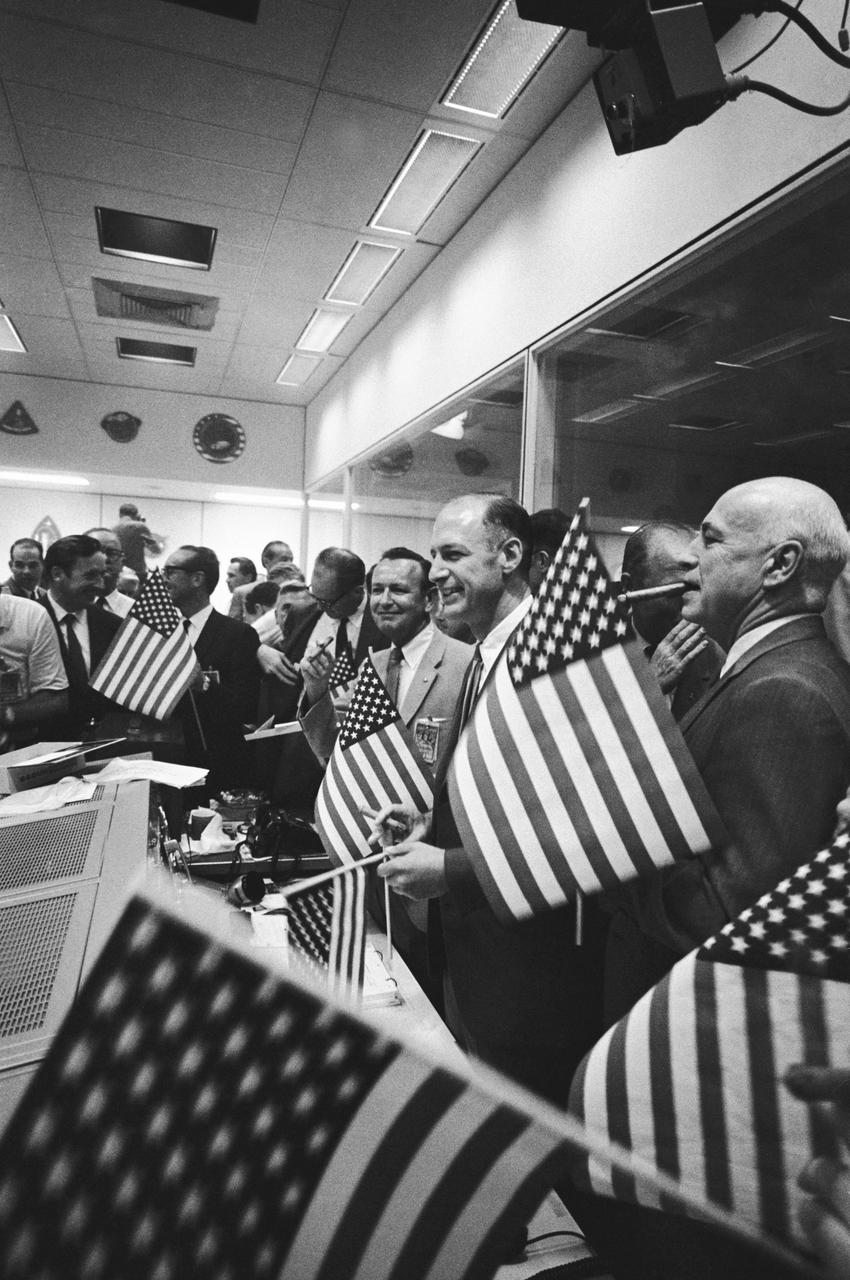
S69-40024 (24 July 1969) --- NASA and Manned Spacecraft Center (MSC) officials join in with the flight controllers, in the Mission Operations Control Room (MOCR) in the Mission Control Center (MCC), in celebrating the successful conclusion of the Apollo 11 lunar landing mission. Identifiable in the picture, starting in foreground, are Dr. Robert R. Gilruth, MSC Director; George M. Low, Manager, Apollo Spacecraft Program, MSC; Dr. Christopher C. Kraft Jr., MSC Director of Flight Operation; U.S. Air Force Lt. Gen. Samuel C. Phillips (with glasses, looking downward), Apollo Program Director, Office of Manned Space Flight, NASA Headquarters; and Dr. George E. Mueller (with glasses, looking toward left), Associate Administrator, Office of Manned Space Flight, NASA Headquarters. Former astronaut John H. Glenn Jr. is standing behind Mr. Low.
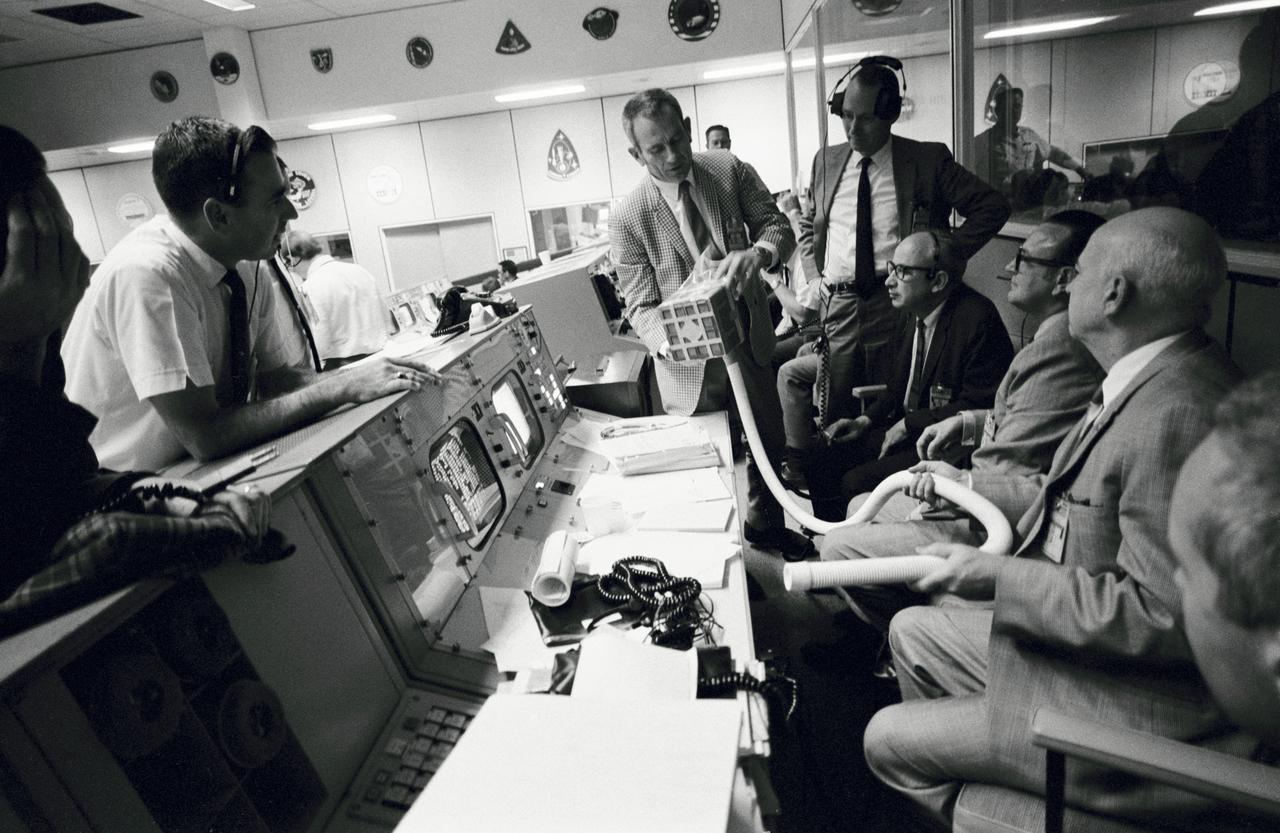
S70-35013 (15 April 1970) --- Prototype of the "mail box" constructed at the Manned Spacecraft Center (MSC) to remove carbon dioxide from the Apollo 13 Command Module (CM) is displayed in the Mission Control Center (MCC). The "mail box" was constructed when it became apparent CO2 was prevalent in the CM and the spacecraft's lithium hydroxide system was not removing it sufficiently. A space suit exhaust hose is connected to a lithium hydroxide canister to purge the cabin air. There are 16 such canisters in the CM and each will last approximately 12 hours. Looking at the "mail box" are (from the left): Milton L. Windler, shift 1 flight director; Dr. Donald K. (Deke) Slayton, director of flight crew operations, MSC; Howard W. Tindall, deputy director, flight operations, MSC; Sigurd A. Sjoberg, director, flight operations, MSC; Dr. Christopher C. Kraft, deputy director, MSC; and Dr. Robert R. Gilruth, director, MSC.
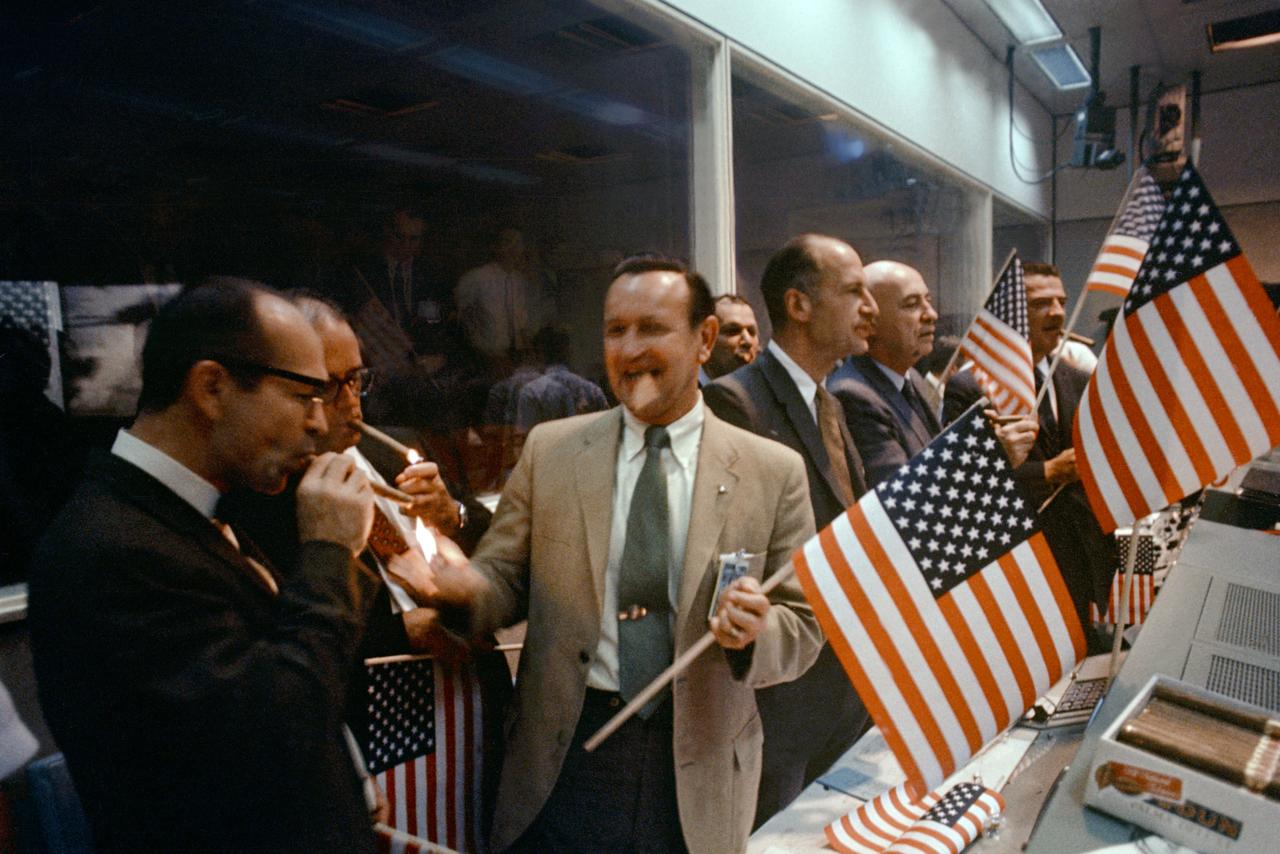
S69-40302 (24 July 1969) --- A group of NASA and Manned Spacecraft Center (MSC) officials join in with the flight controllers in the Mission Operations Control Room (MOCR) in the Mission Control Center (MCC), Building 30, in celebrating the successful conclusion of the Apollo 11 lunar landing mission. From left foreground are Dr. Maxime A. Faget, MSC Director of Engineering and Development; George S. Trimble, MSC Deputy Director; Dr. Christopher C. Kraft Jr., MSC Director of Flight Operations; Julian Scheer (in back), Assistant Administrator, Office of Public Affairs, NASA Headquarters; George M. Low, Manager, Apollo Spacecraft Program, MSC; Dr. Robert R. Gilruth, MSC Director; and Charles W. Mathews, Deputy Associate Administrator, Office of Manned Space Flight, NASA Headquarters.
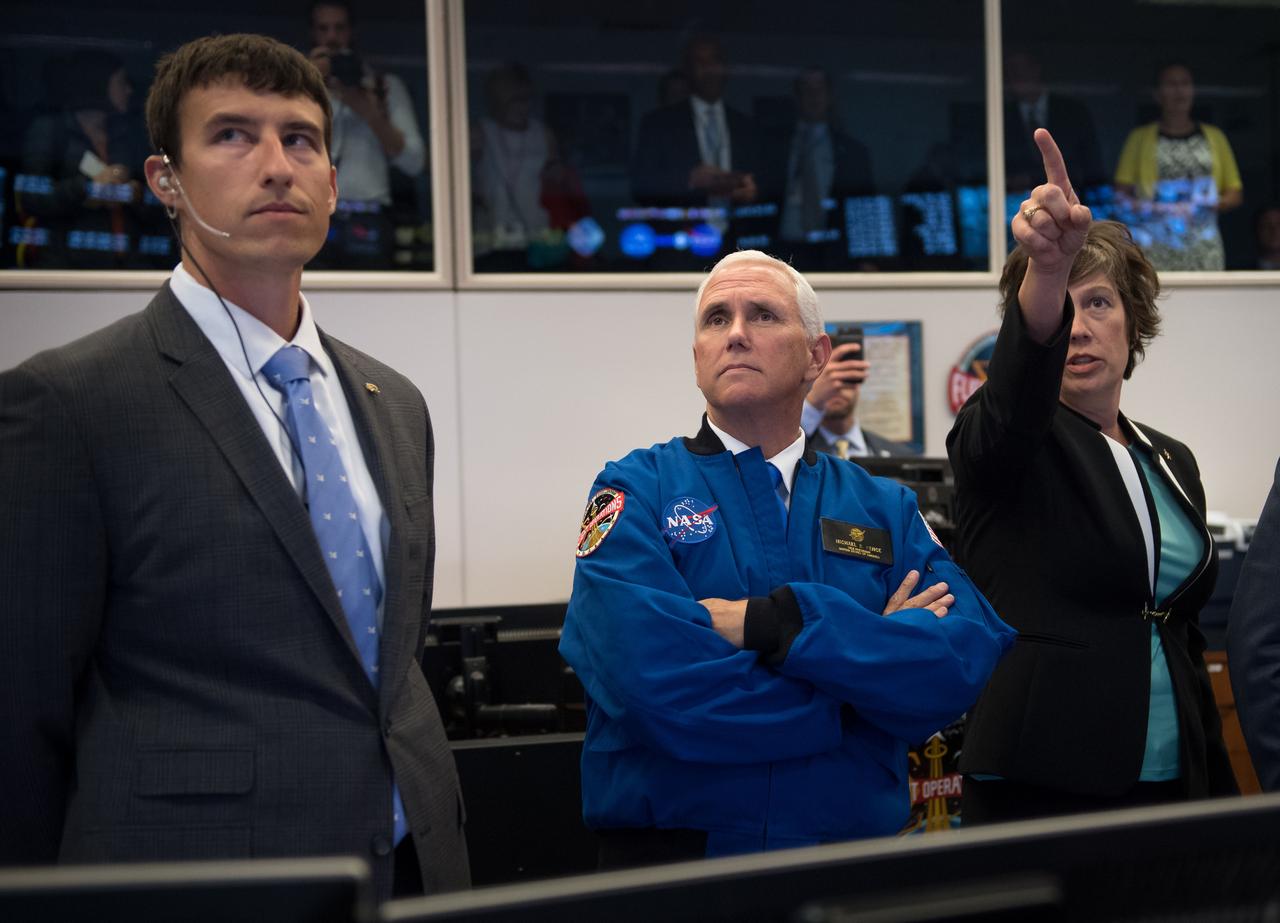
nhq201706070007 (06/07/2017) ---Vice President Mike Pence, center, listens to NASA Deputy Chief Flight Director Holly Ridings, right, and NASA Flight Director Rick Henfling during a tour of the Christopher C. Kraft Jr. Mission Control Center, Wednesday, June 7, 2017 at NASA’s Johnson Space Center in Houston, Texas. The Vice President was at the space center to welcome America’s newest astronaut candidates, chosen from more than 18,300 applicants to carry the torch for future human space exploration. After completing two years of training, the new astronaut candidates could be assigned to missions performing research on the International Space Station, launching from American soil on spacecraft built by commercial companies, and launching on deep space missions on NASA’s new Orion spacecraft and Space Launch System rocket. Photo Credit: (NASA/Bill Ingalls)
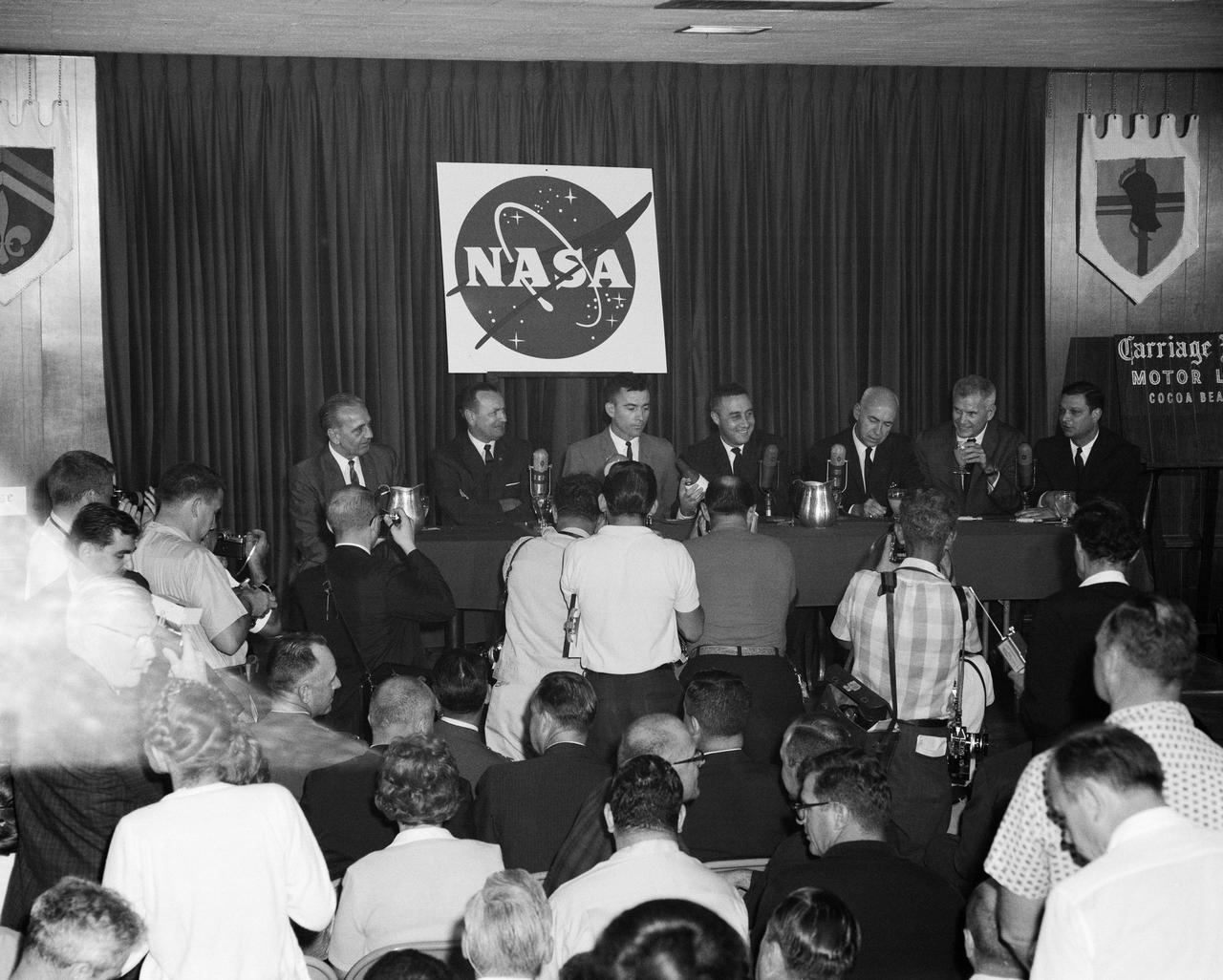
S65-20864 (25 March 1965) --- News conference held at the Carriage House press site the day after the successful Gemini-Titan 3 three-orbit mission. Being interviewed at the press table by news media are (left to right) Dr. Kurt H. Debus, director of Kennedy Space Center; Christopher C. Kraft Jr., MSC assistant director for Flight Operations; astronaut John W. Young, pilot of the GT-3 flight; astronaut Virgil I. Grissom, command pilot of the GT-3 mission; Dr. Robert R. Gilruth, MSC director; Dr. Robert C. Seamans, NASA associate administrator; and Julian Scheer, assistant administrator, Office Of Public Affairs, NASA.
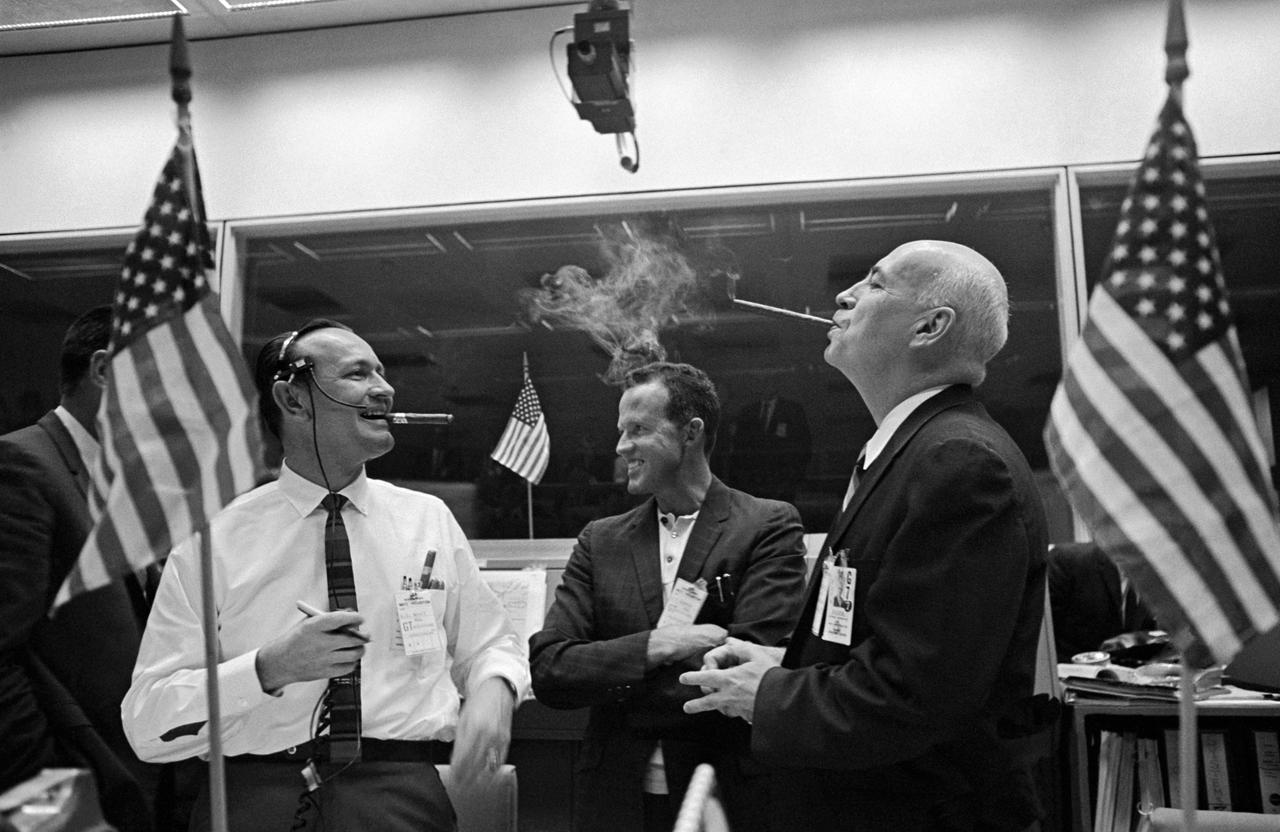
S65-62719 (15 Dec. 1965) --- Discussing the successful and historic rendezvous in space of the National Aeronautics and Space Administration?s Gemini-6 and 7 spacecrafts are, Christopher C. Kraft Jr. (left), red team flight director; astronaut L. Gordon Cooper Jr. (center); and Dr. Robert R. Gilruth, Manned Spacecraft Center director. Consoles in the Center were decorated with small American flags and the traditional cigars were lit to celebrate the rendezvous. Crew members of the two spacecraft are astronaut Walter M. Schirra Jr., command pilot, and Thomas P. Stafford, pilot, Gemini-6; and astronauts Frank Borman, command pilot, and James A. Lovell Jr., pilot, Gemini-7. Photo credit: NASA or National Aeronautics and Space Administration
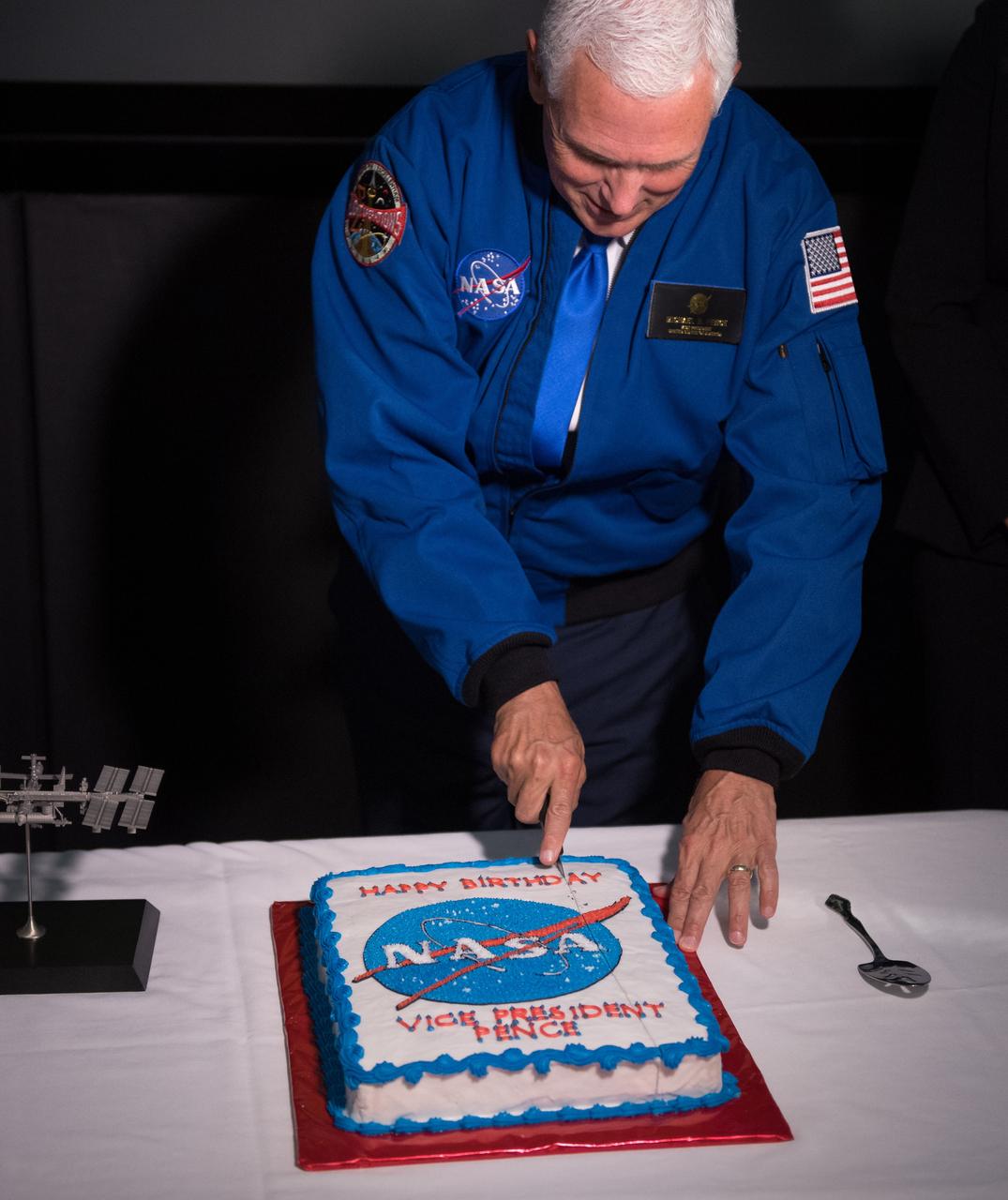
Vice President Mike Pence cuts a cake presented to him on his 58th birthday while touring the Christopher C. Kraft Jr. Mission Control Center, Wednesday, June 7, 2017 at NASA’s Johnson Space Center in Houston, Texas. The Vice President was at the space center to welcome nhq201706070008 (06/07/2017) --- America’s newest astronaut candidates, chosen from more than 18,300 applicants to carry the torch for future human space exploration. After completing two years of training, the new astronaut candidates could be assigned to missions performing research on the International Space Station, launching from American soil on spacecraft built by commercial companies, and launching on deep space missions on NASA’s new Orion spacecraft and Space Launch System rocket. Photo Credit: (NASA/Bill Ingalls)
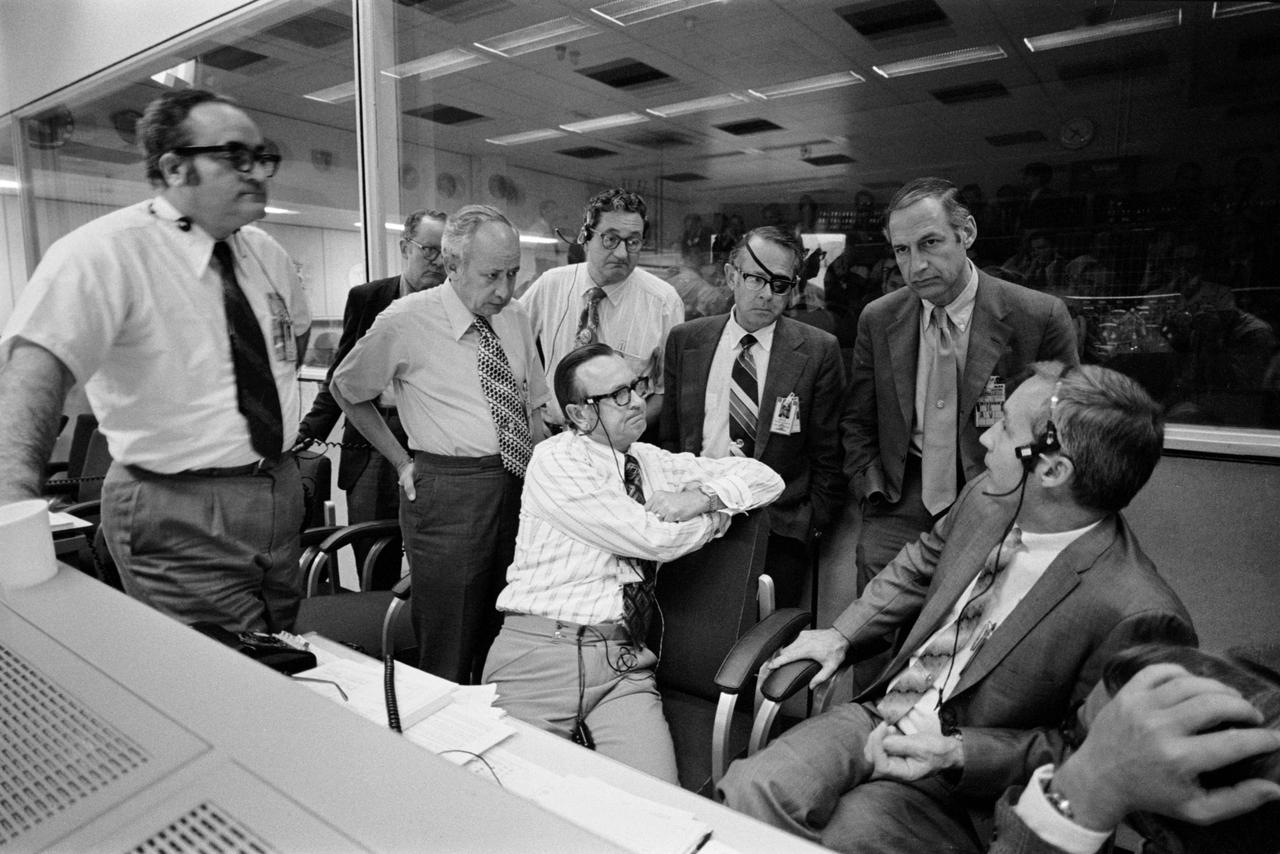
S72-37010 (20 April 1972) --- NASA officials gather around a console in the Mission Operations Control Room (MOCR) in the Mission Control Center (MCC) prior to the making of a decision whether to land Apollo 16 on the moon or to abort the landing. Seated, left to right, are Dr. Christopher C. Kraft Jr., Director of the Manned Spacecraft Center (MSC), and Brig. Gen. James A. McDivitt (USAF), Manager, Apollo Spacecraft Program Office, MSC; and standing, left to right, are Dr. Rocco A. Petrone, Apollo Program Director, Office Manned Space Flight (OMSF), NASA HQ.; Capt. John K. Holcomb (U.S. Navy, Ret.), Director of Apollo Operations, OMSF; Sigurd A. Sjoberg, Deputy Director, MSC; Capt. Chester M. Lee (U.S. Navy, Ret.), Apollo Mission Director, OMSF; Dale D. Myers, NASA Associate Administrator for Manned Space Flight; and Dr. George M. Low, NASA Deputy Administrator. Photo credit: NASA
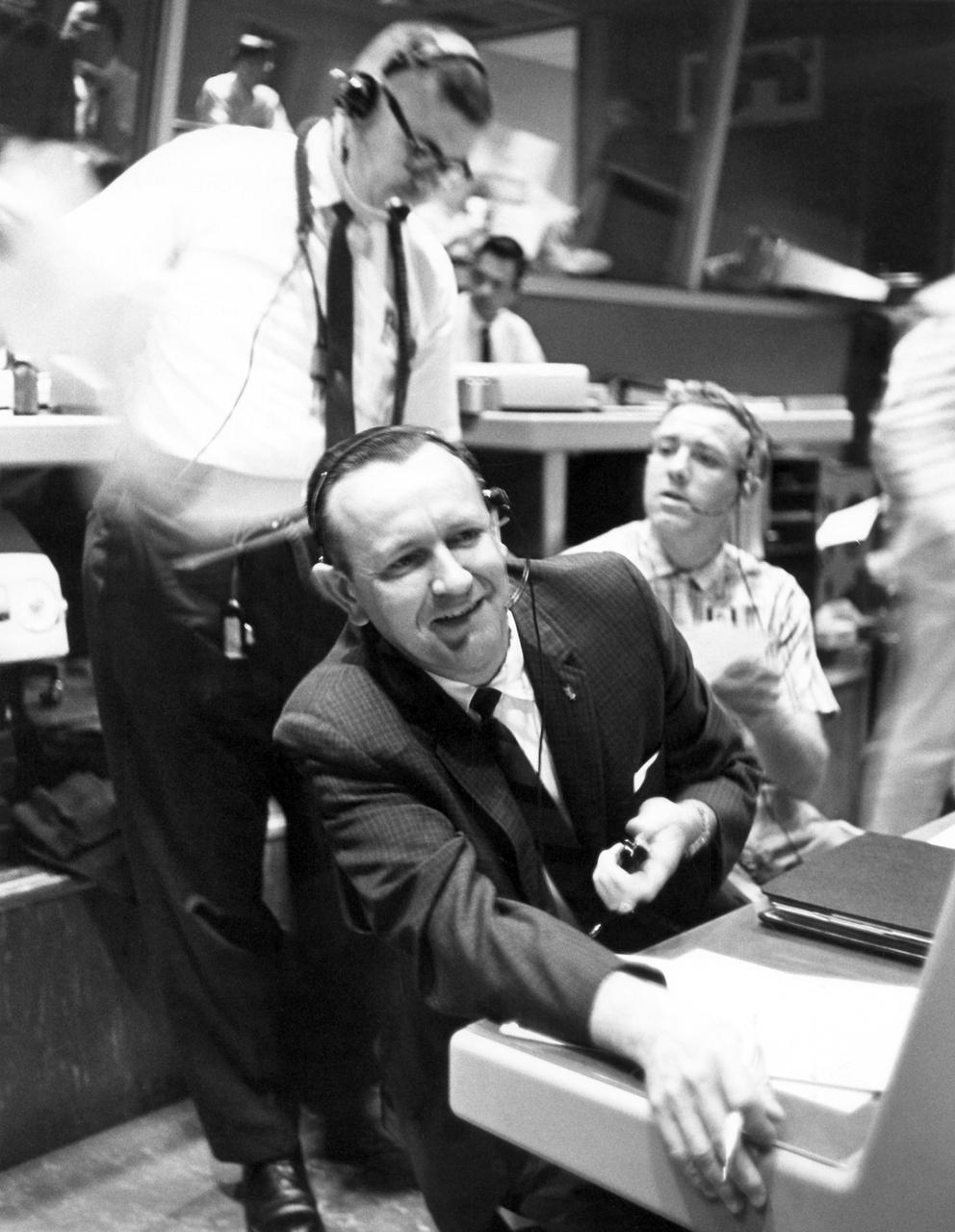
CAPE CANAVERAL, Fla. - Inside Mercury Mission Control, Christopher Kraft, Mercury's flight director, sits at his console during preparations for astronaut Gordon Cooper's Faith 7 launch, which took place on May 15, 1963. The Mercury Mission Control Center in Florida played a key role in the United States' early spaceflight program. Located at Cape Canaveral Air Force Station, the original part of the building was constructed between 1956 and 1958, with additions in 1959 and 1963. The facility officially was transferred to NASA on Dec. 26, 1963, and served as mission control during all the Project Mercury missions, as well as the first three flights of the Gemini Program, when it was renamed Mission Control Center. With its operational days behind, on June 1, 1967, the Mission Control Center became a stop on the public tour of NASA facilities until the mid-90s. In 1999, much of the equipment and furnishings from the Flight Control Area were moved to the Kennedy Space Center Visitor Complex where they became part of the exhibit there. The building was demolished in spring 2010. Photo credit: NASA
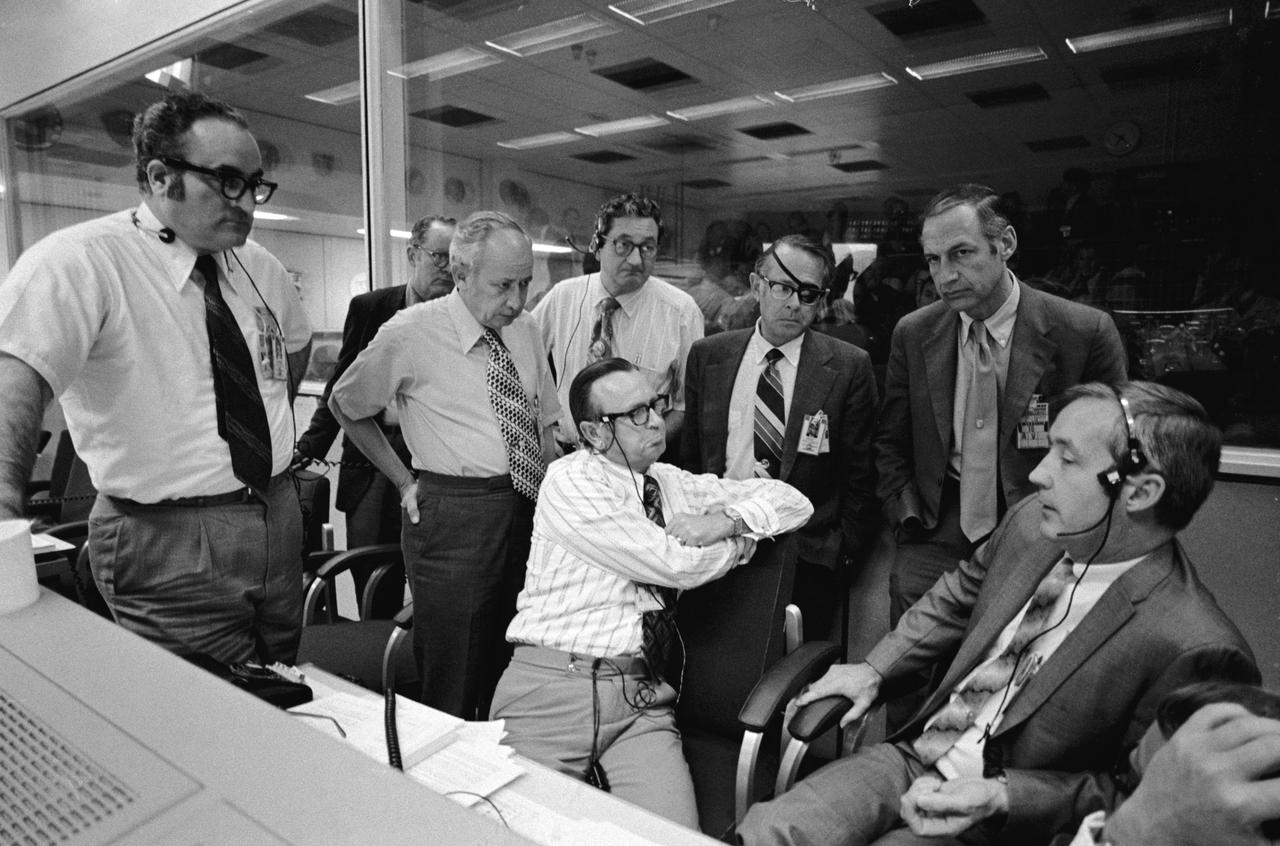
S72-37009 (20 April 1972) --- NASA officials gather around a console in the Mission Operations Control Room (MOCR) in the Mission Control Center (MCC) prior to the making of a decision whether to land Apollo 16 on the moon or to abort the landing. Seated, left to right, are Dr. Christopher C. Kraft Jr., Director of the Manned Spacecraft Center (MSC), and Brig. Gen. James A. McDivitt (USAF), Manager, Apollo Spacecraft Program Office, MSC; and standing, left to right, are Dr. Rocco A. Petrone, Apollo Program Director, Office Manned Space Flight (OMSF), NASA HQ.; Capt. John K. Holcomb (U.S. Navy, Ret.), Director of Apollo Operations, OMSF; Sigurd A. Sjoberg, Deputy Director, MSC; Capt. Chester M. Lee (U.S. Navy, Ret.), Apollo Mission Director, OMSF; Dale D. Myers, NASA Associate Administrator for Manned Space Flight; and Dr. George M. Low, NASA Deputy Administrator. Photo credit: NASA
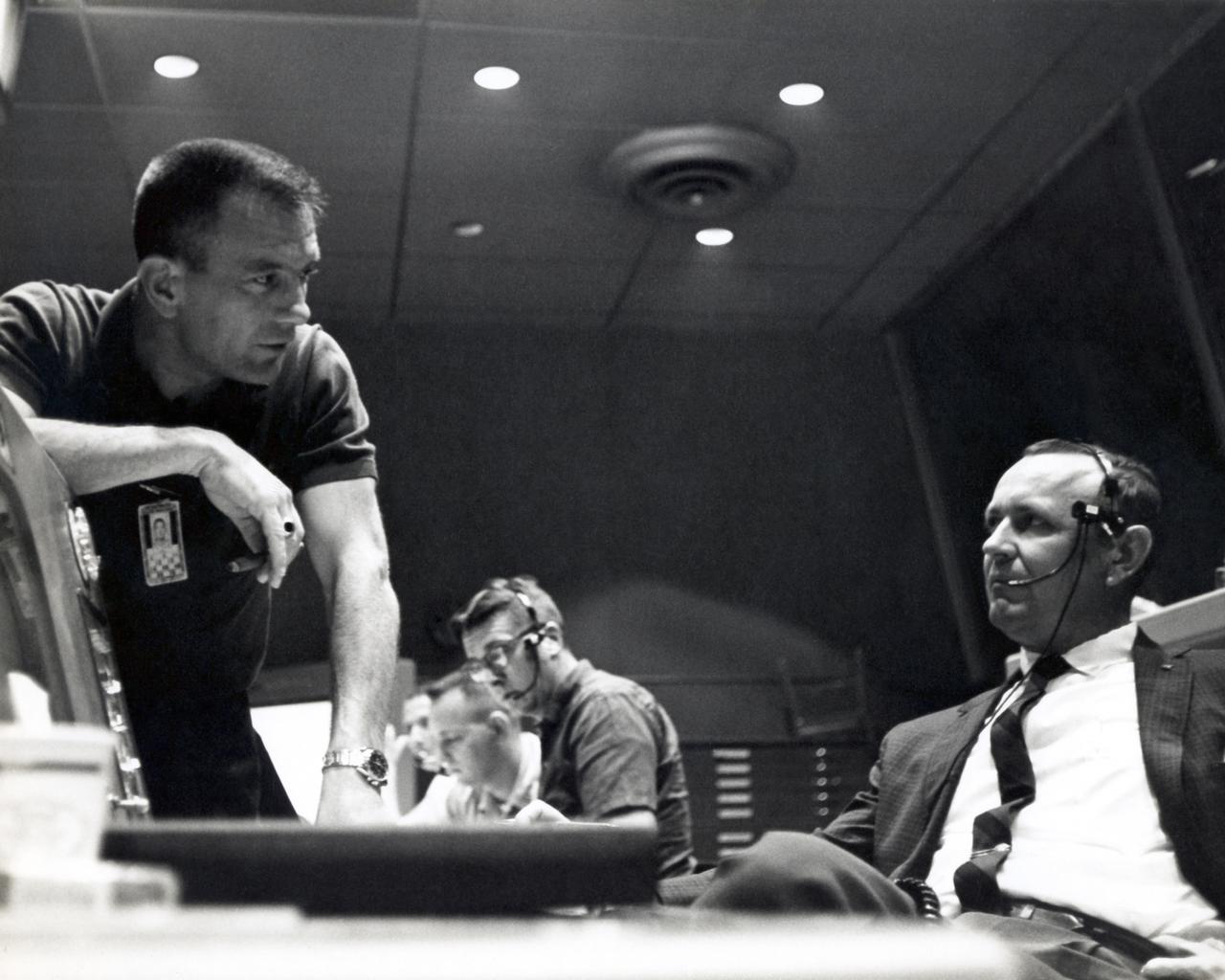
CAPE CANAVERAL, Fla. - Inside Mercury Mission Control, astronaut Deke Slayton left discusses a point with Christopher Kraft, Mercury's flight director, during preparations for astronaut Gordon Cooper's Faith 7 launch, which took place on May 15, 1963. The Mercury Mission Control Center in Florida played a key role in the United States' early spaceflight program. Located at Cape Canaveral Air Force Station, the original part of the building was constructed between 1956 and 1958, with additions in 1959 and 1963. The facility officially was transferred to NASA on Dec. 26, 1963, and served as mission control during all the Project Mercury missions, as well as the first three flights of the Gemini Program, when it was renamed Mission Control Center. With its operational days behind, on June 1, 1967, the Mission Control Center became a stop on the public tour of NASA facilities until the mid-90s. In 1999, much of the equipment and furnishings from the Flight Control Area were moved to the Kennedy Space Center Visitor Complex where they became part of the exhibit there. The building was demolished in spring 2010. Photo credit: NASA
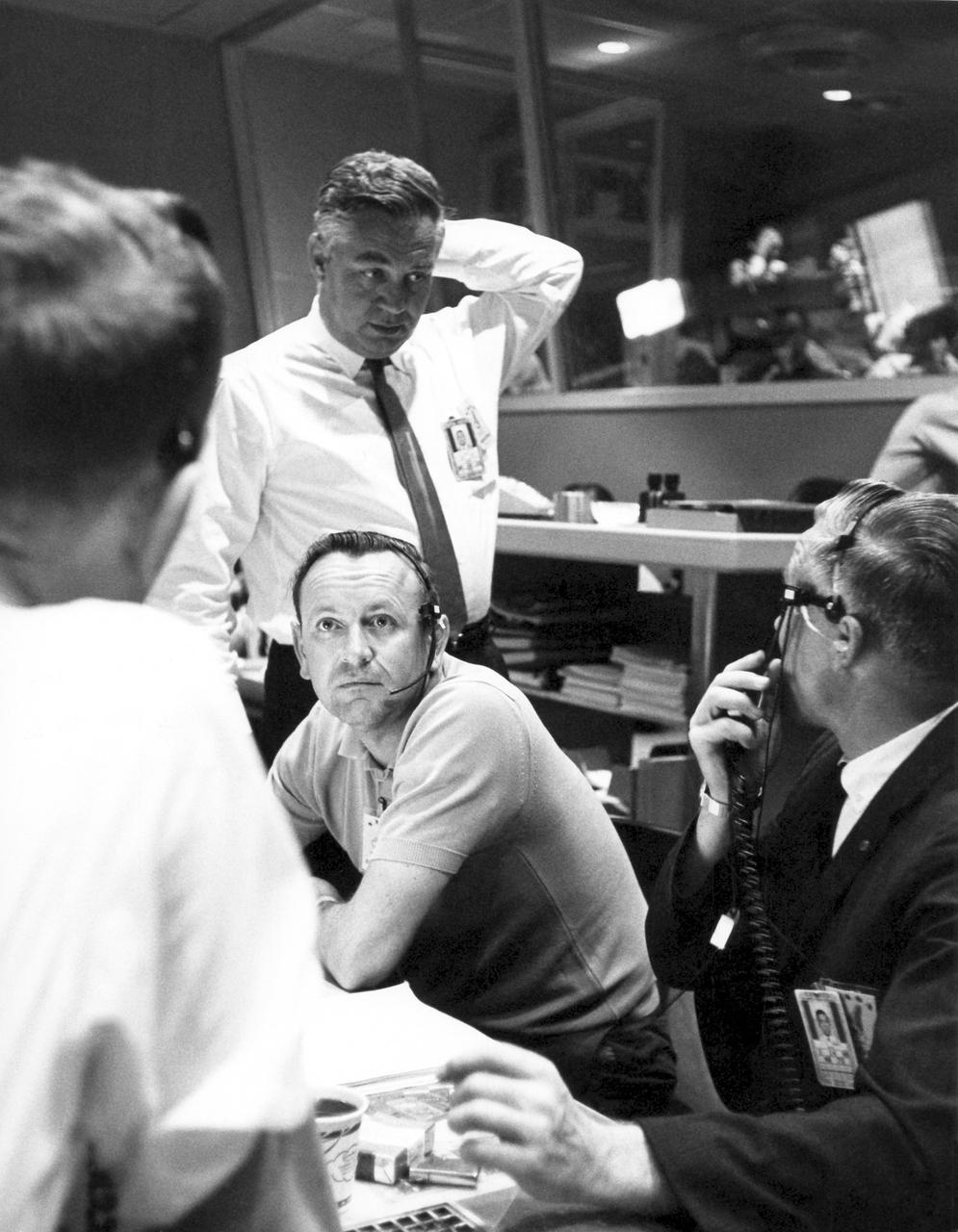
CAPE CANAVERAL, Fla. - Inside Mercury Mission Control, Walter C. Williams standing, associate director for Project Mercury operations, and Christopher Kraft seated, left, flight director, work in flight control as the decision is made to have Mercury astronaut Gordon Cooper aboard his spacecraft, Faith 7, go the full 22 orbits. The launch took place on May 15, 1963. The Mercury Mission Control Center in Florida played a key role in the United States' early spaceflight program. Located at Cape Canaveral Air Force Station, the original part of the building was constructed between 1956 and 1958, with additions in 1959 and 1963. The facility officially was transferred to NASA on Dec. 26, 1963, and served as mission control during all the Project Mercury missions, as well as the first three flights of the Gemini Program, when it was renamed Mission Control Center. With its operational days behind, on June 1, 1967, the Mission Control Center became a stop on the public tour of NASA facilities until the mid-90s. In 1999, much of the equipment and furnishings from the Flight Control Area were moved to the Kennedy Space Center Visitor Complex where they became part of the exhibit there. The building was demolished in spring 2010. Photo credit: NASA