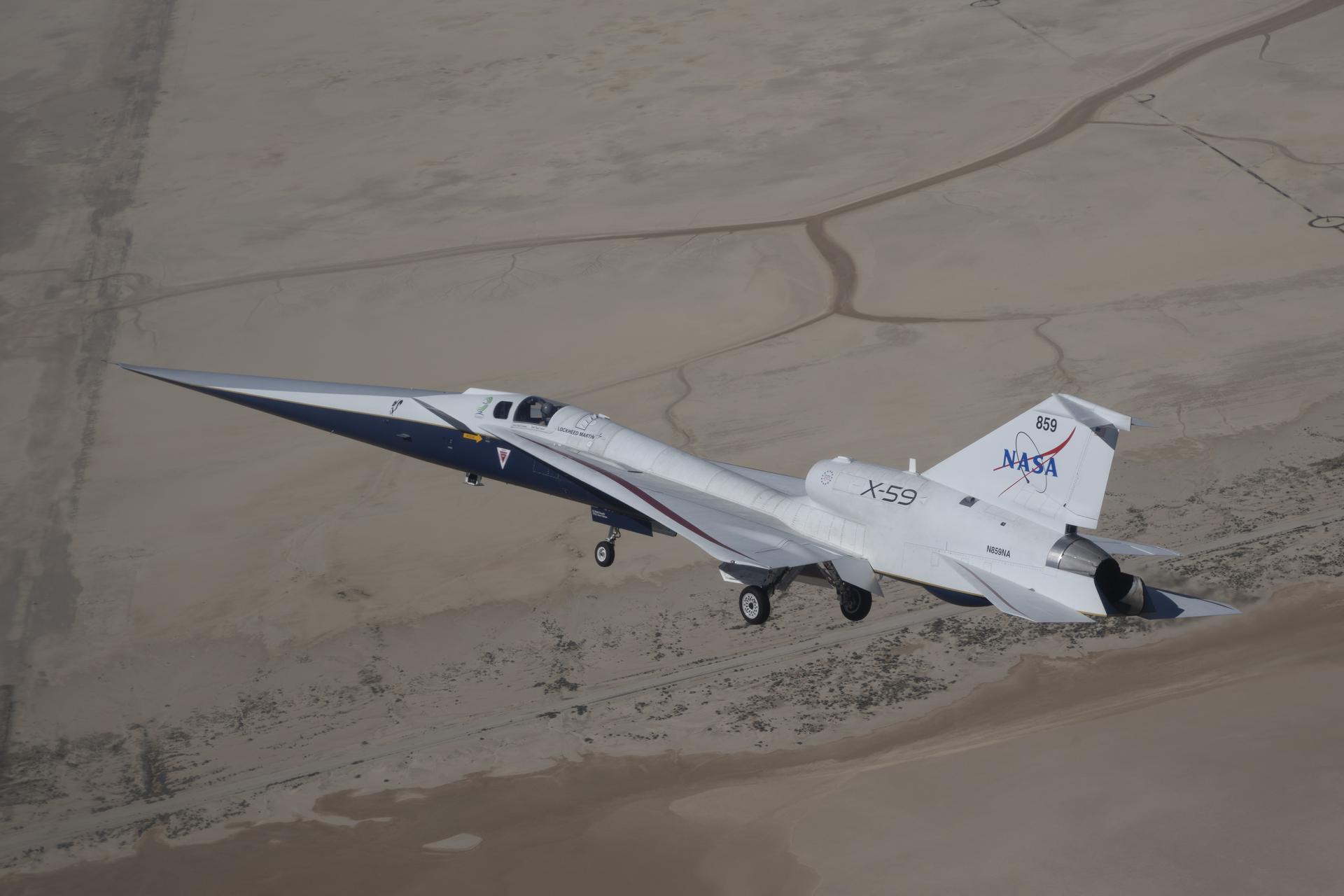
NASA’s X-59 quiet supersonic aircraft flies its second flight Friday, March 20, 2026, near NASA’s Armstrong Flight Research Center in Edwards, California. The X-59 is central to NASA’s Quesst mission, which aims to demonstrate quiet supersonic flight by reducing the loud sonic boom to a softer sonic “thump,” potentially enabling faster commercial air travel over land.
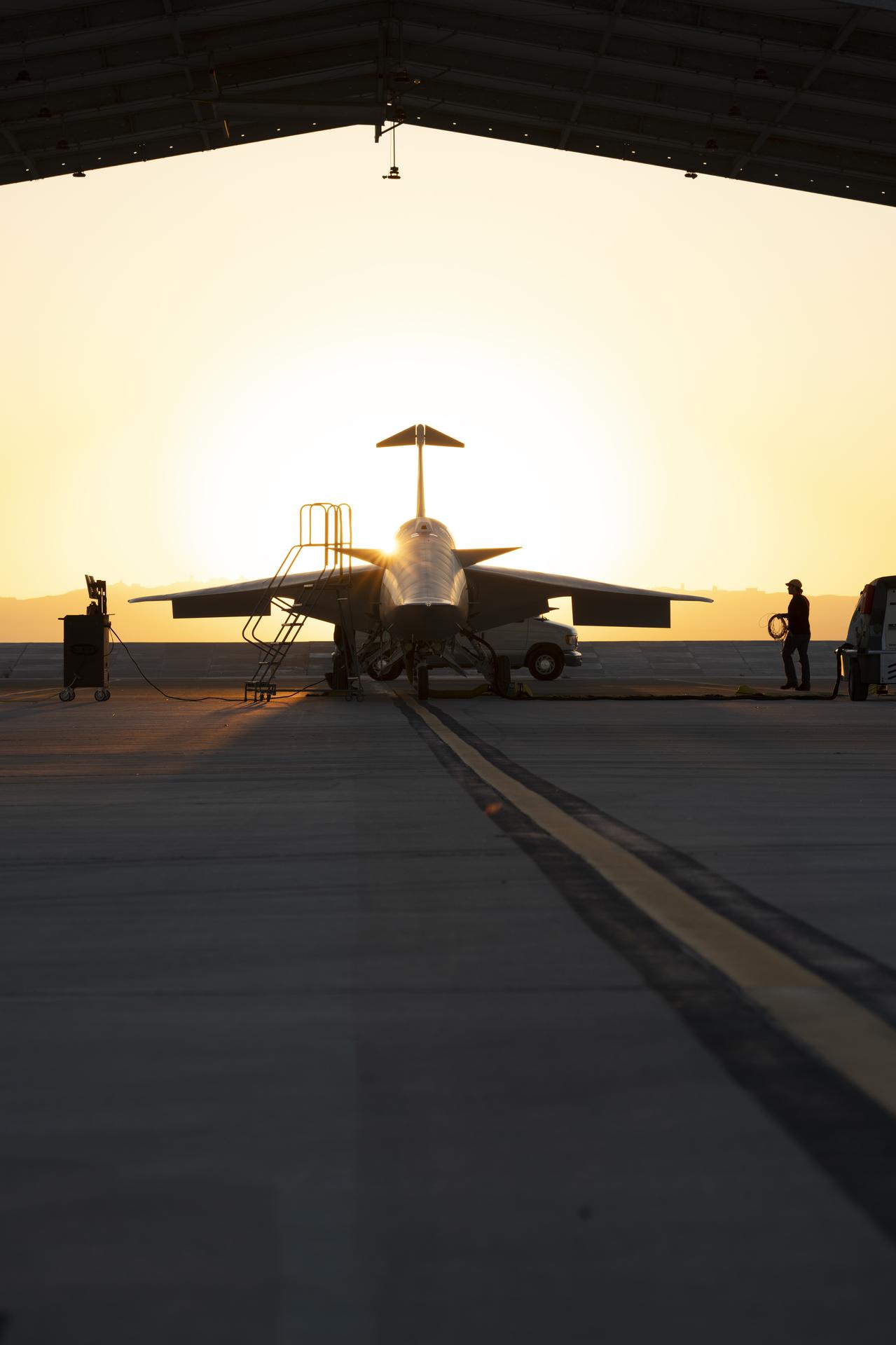
NASA’s X-59 quiet supersonic research aircraft sits in a run stall during sunrise on Tuesday, March 20, 2026, near NASA’s Armstrong Flight Research Center in Edwards, California, ahead of its second flight.
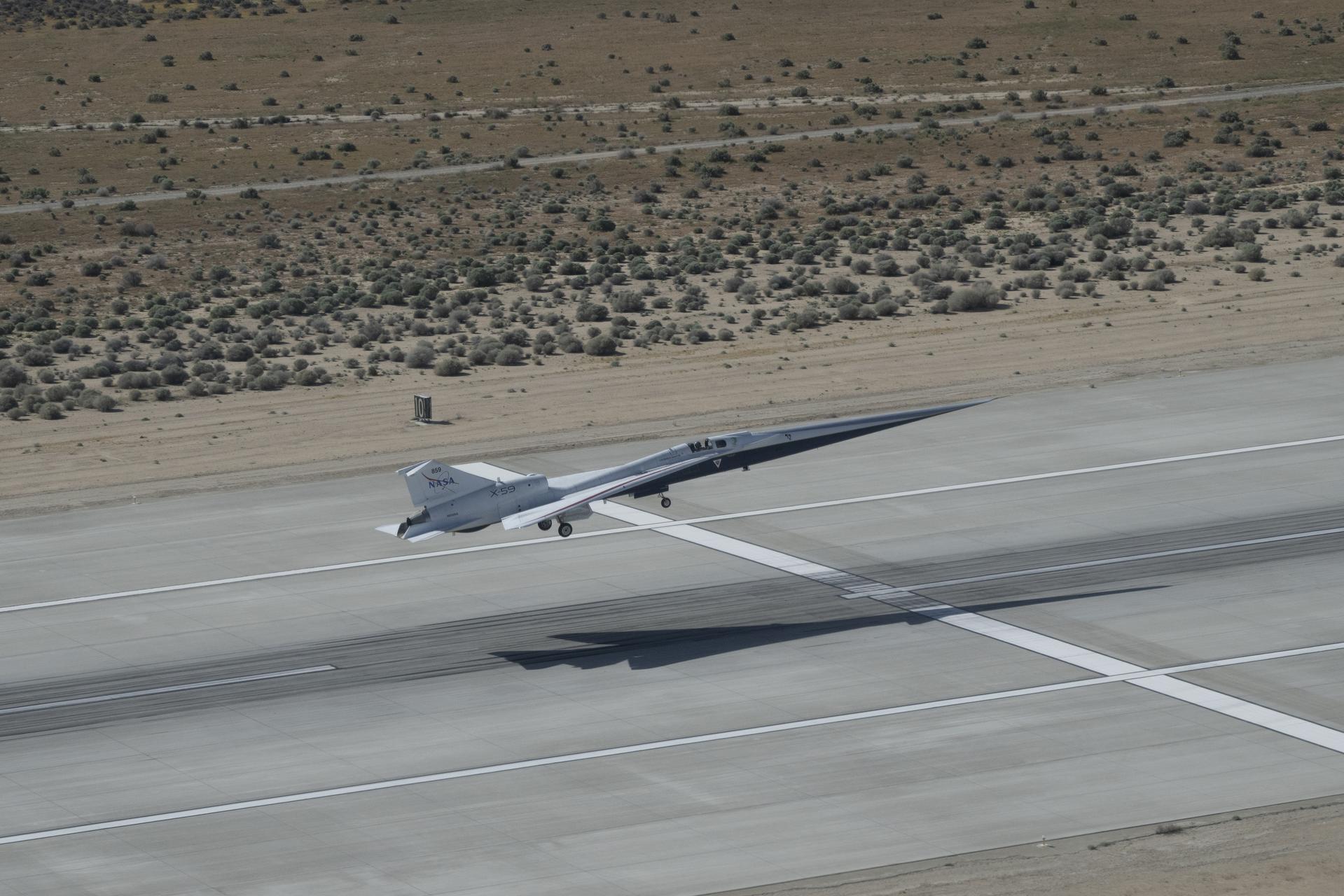
NASA’s X-59 quiet supersonic research aircraft takes off from Edwards Air Force Base near NASA’s Armstrong Flight Research Center in Edwards, California, on Thursday, March 26, 2026. The flight supports NASA’s Quesst mission to demonstrate supersonic flight that produces a quieter sonic “thump” instead of a loud sonic boom.
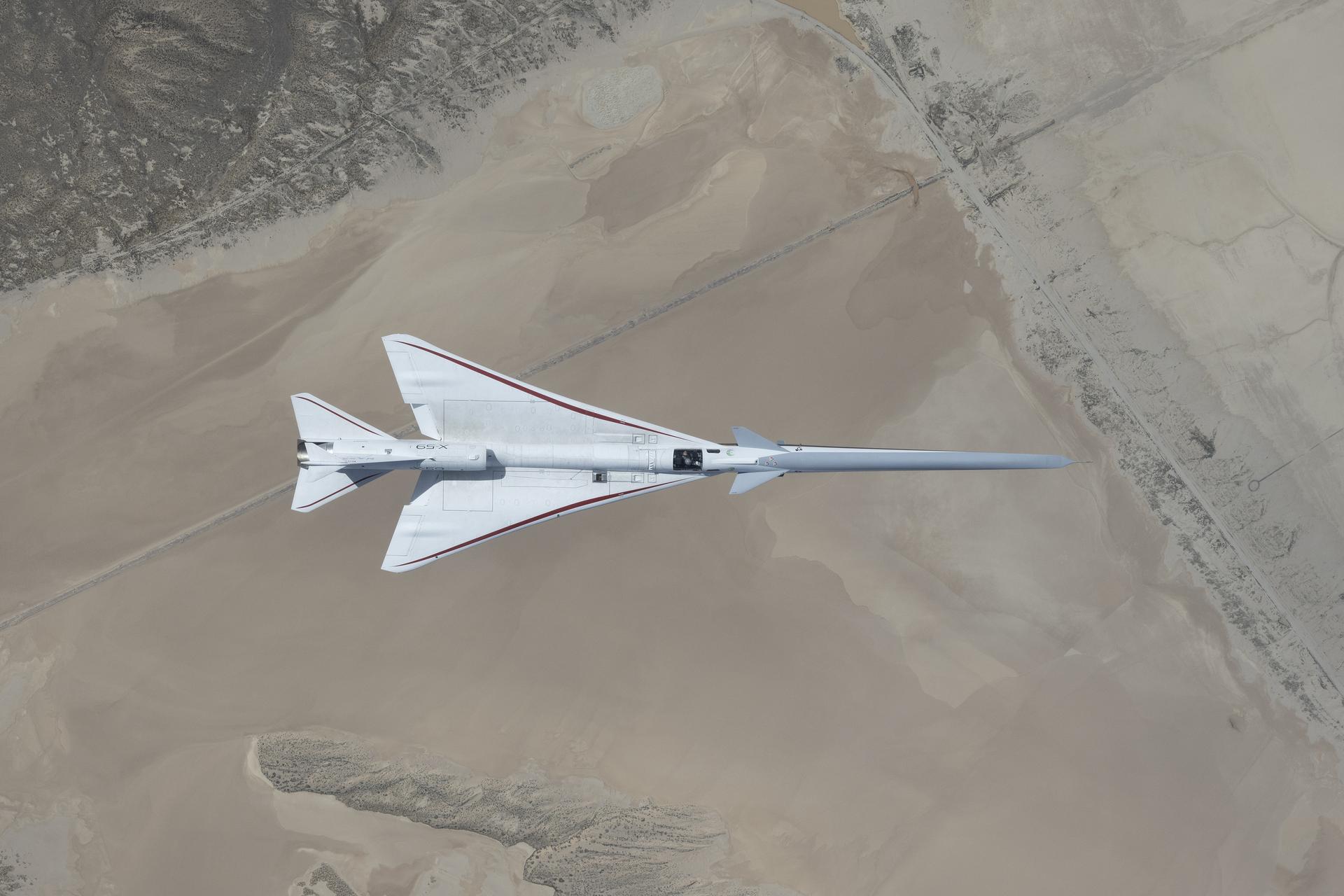
NASA’s X-59 quiet supersonic jet flies over the Mojave Desert during its third flight on Thursday, March 26, 2026, from NASA’s Armstrong Flight Research Center in Edwards, California. The aircraft departed and landed at Edwards Air Force Base, completing its approximate one-hour flight and providing the team with significant data for future flights.
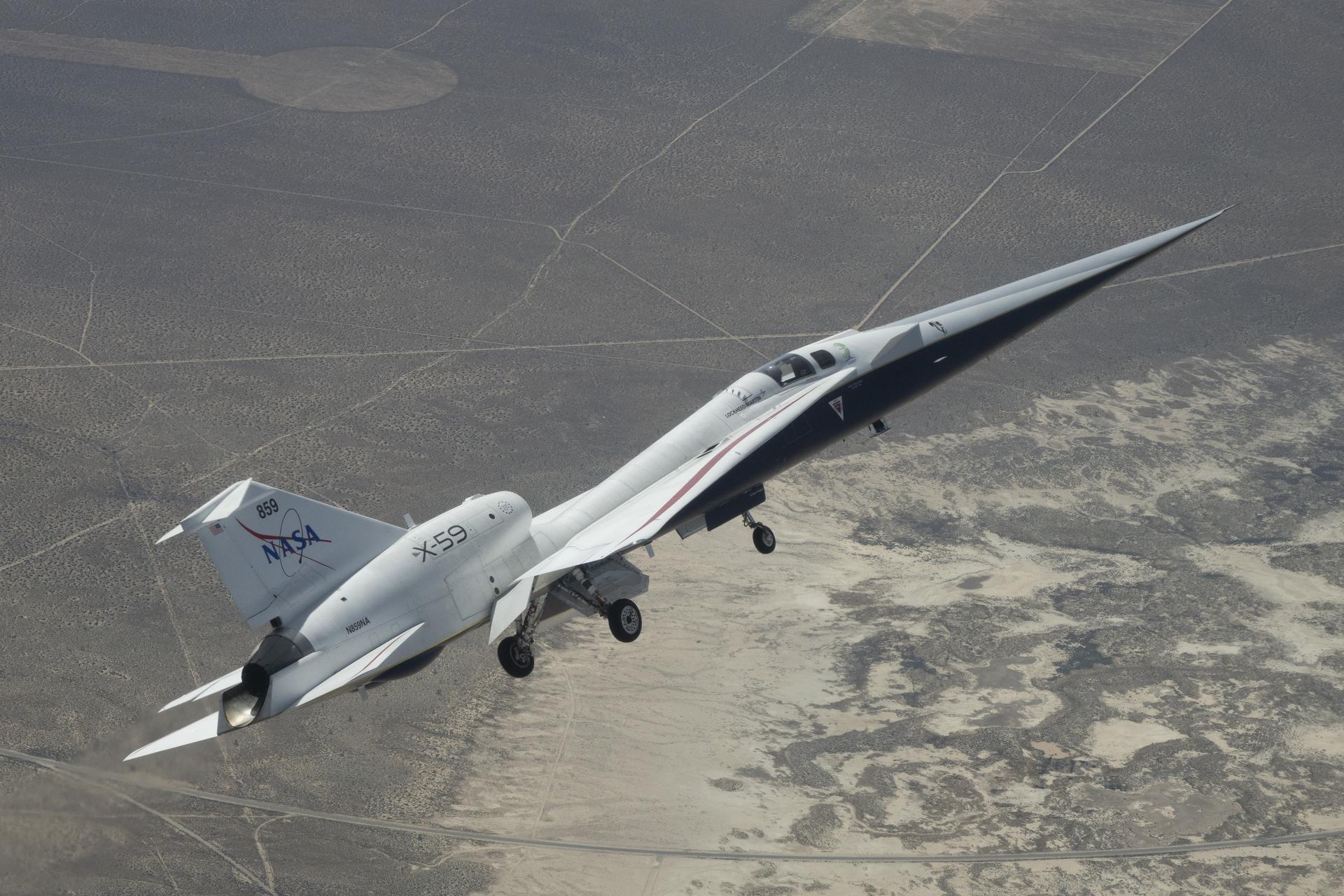
NASA’s X-59 quiet supersonic jet flies over the Mojave Desert during its third flight on Thursday, March 26, 2026, from NASA’s Armstrong Flight Research Center in Edwards, California. The aircraft departed and landed at Edwards Air Force Base, completing its approximate one-hour flight and providing the team with significant data for future flights.
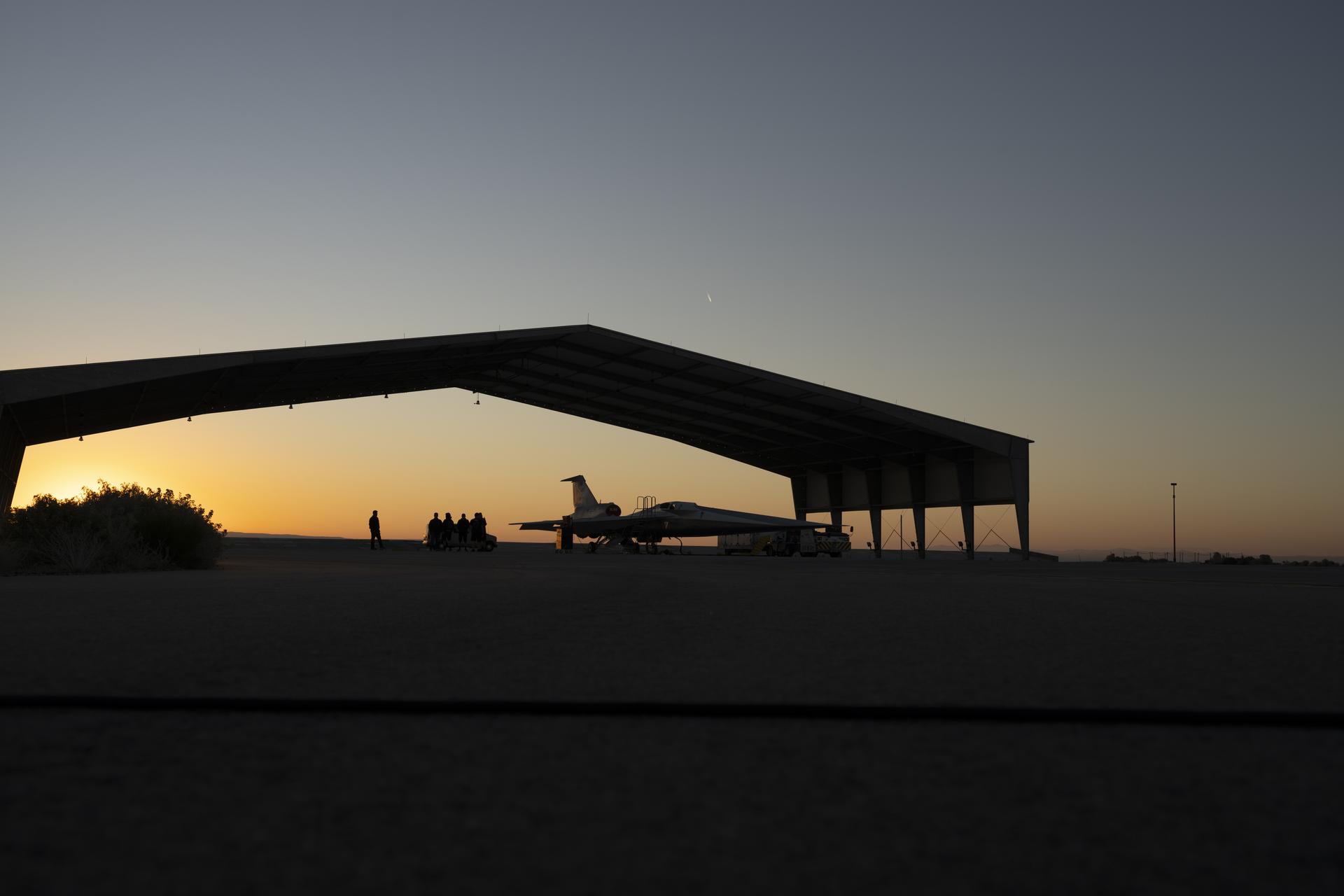
NASA’s X-59 quiet supersonic research aircraft sits in a run stall during sunrise on Tuesday, March 20, 2026, near NASA’s Armstrong Flight Research Center in Edwards, California, ahead of its second flight.
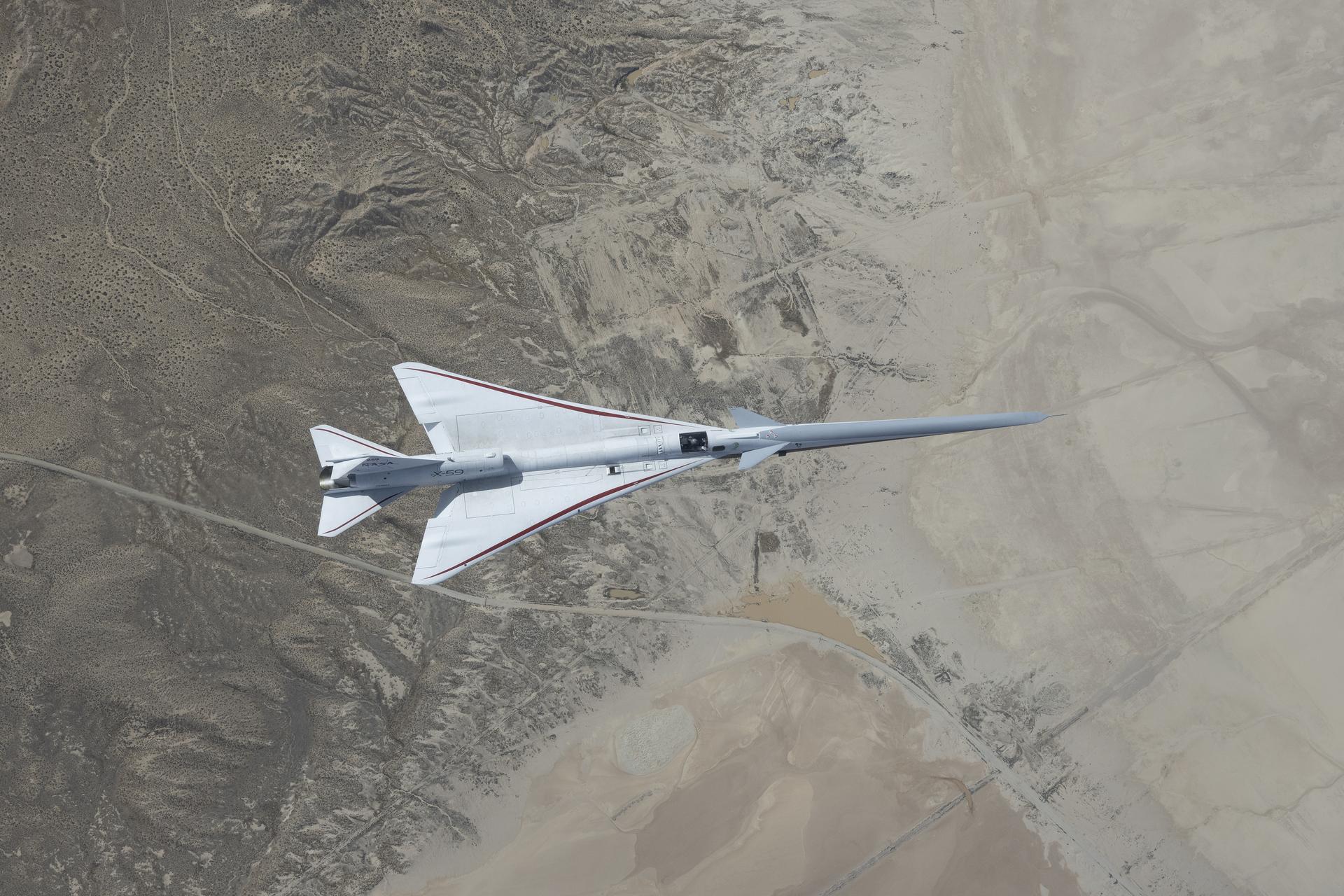
NASA’s X-59 quiet supersonic jet flies over the Mojave Desert during its third flight on Thursday, March 26, 2026, from NASA’s Armstrong Flight Research Center in Edwards, California. The aircraft departed and landed at Edwards Air Force Base, completing its approximate one-hour flight and providing the team with significant data for future flights.
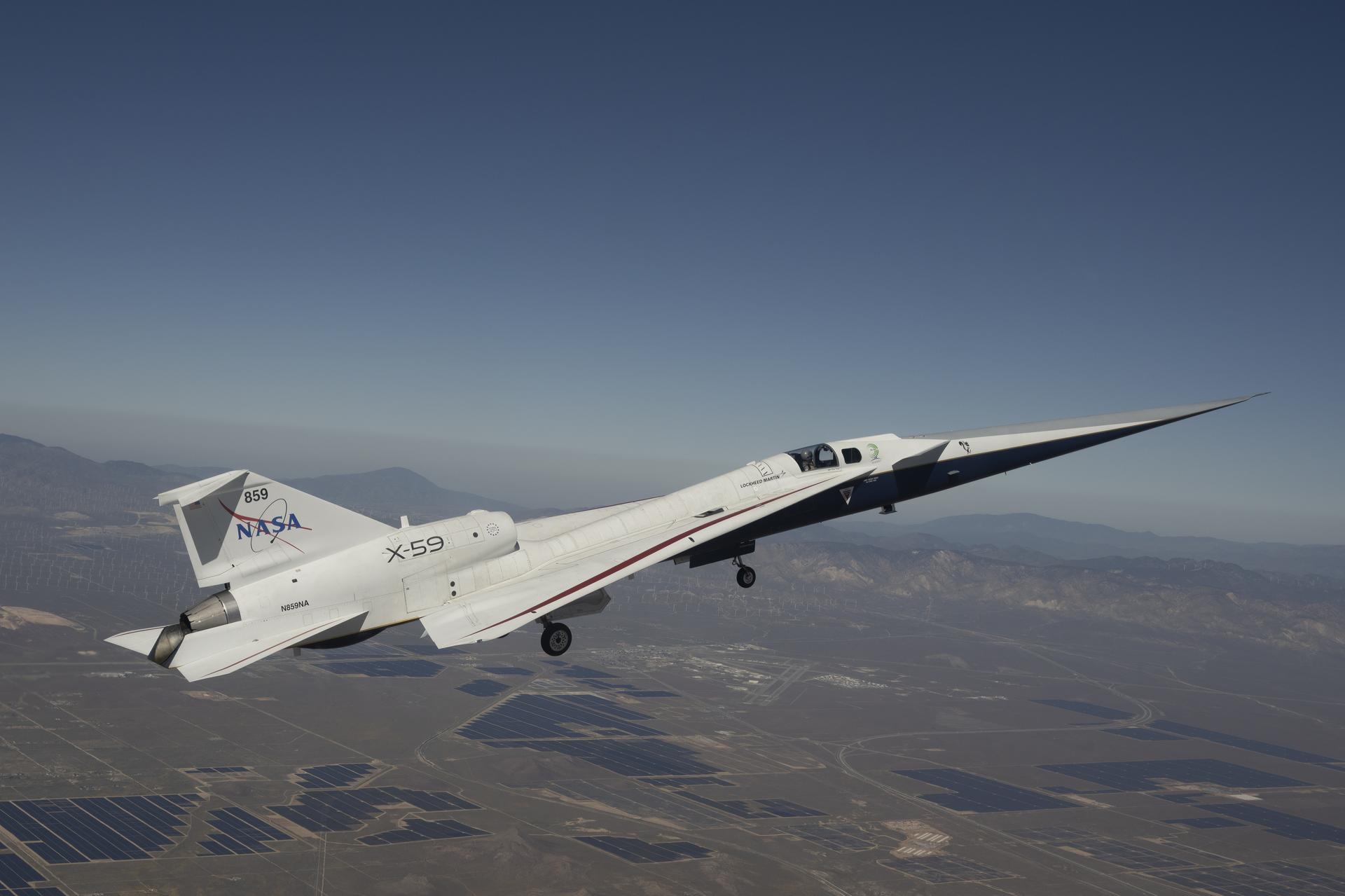
NASA’s X-59 quiet supersonic aircraft flies its second flight Friday, March 20, 2026, near NASA’s Armstrong Flight Research Center in Edwards, California. The X-59 is central to NASA’s Quesst mission, which aims to demonstrate quiet supersonic flight by reducing the loud sonic boom to a softer sonic “thump,” potentially enabling faster commercial air travel over land.
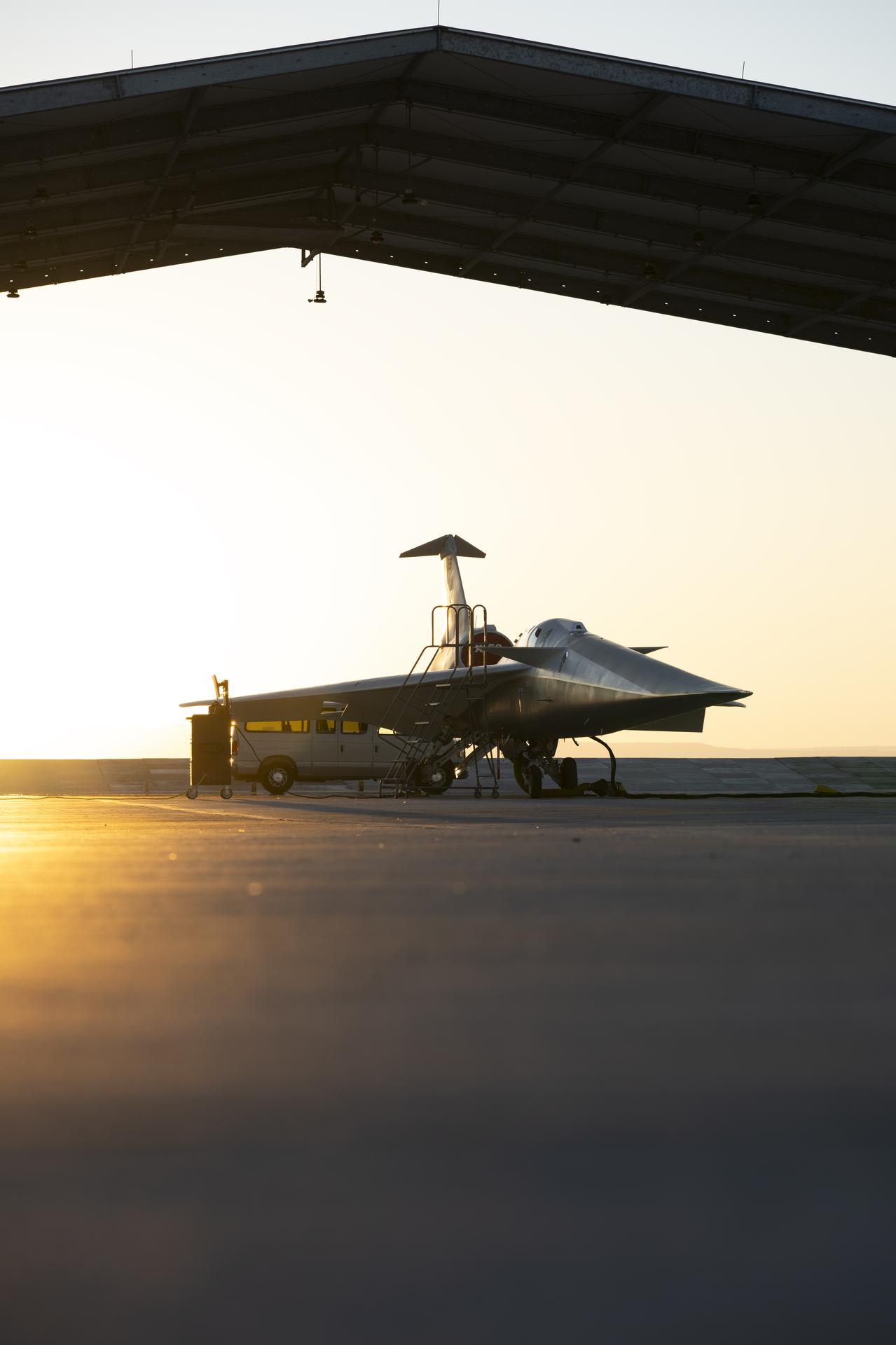
NASA’s X-59 quiet supersonic research aircraft sits in a run stall during sunrise on Tuesday, March 20, 2026, near NASA’s Armstrong Flight Research Center in Edwards, California, ahead of its second flight.
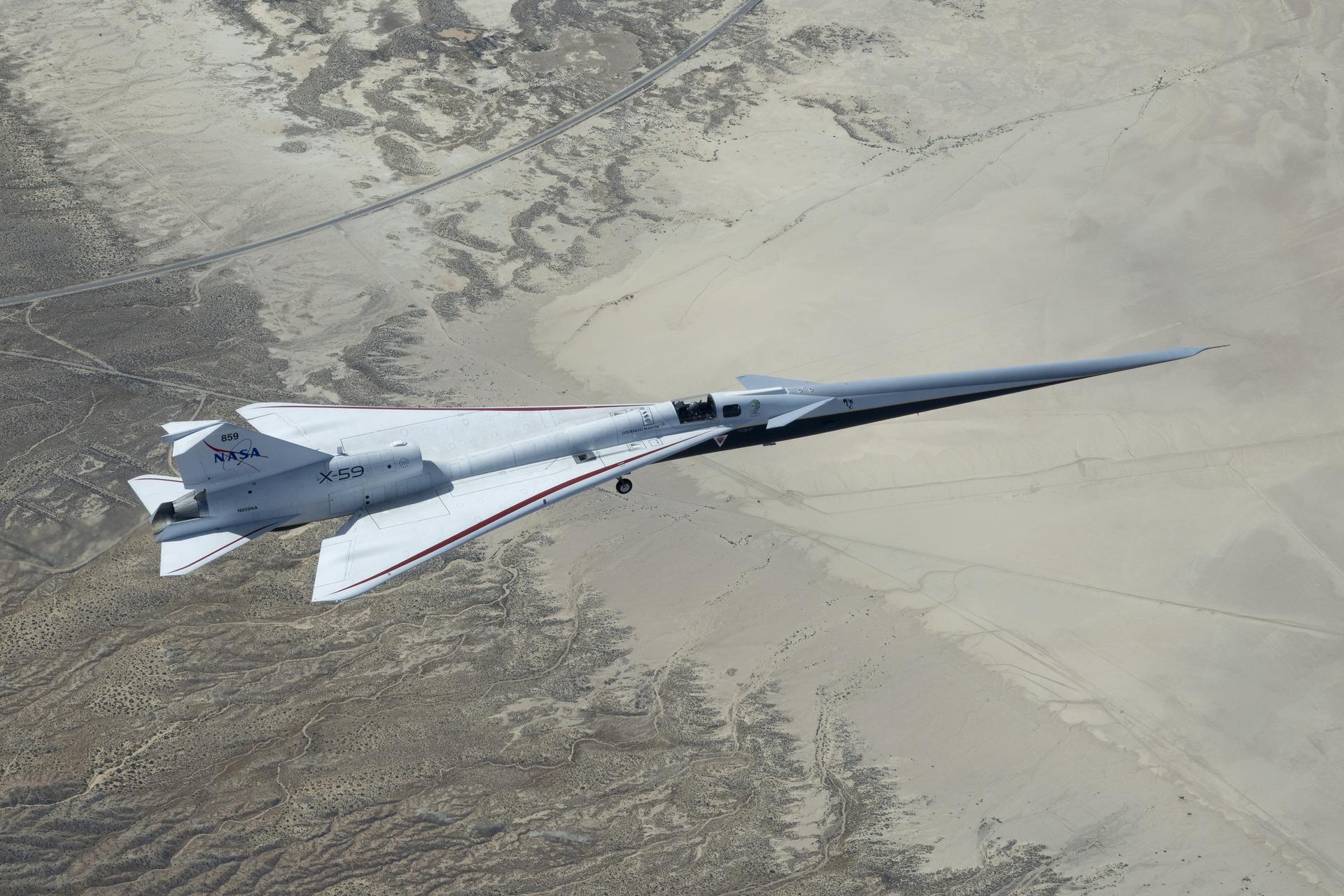
NASA’s X-59 quiet supersonic jet flies over the Mojave Desert during its third flight on Thursday, March 26, 2026, from NASA’s Armstrong Flight Research Center in Edwards, California. The aircraft departed and landed at Edwards Air Force Base, completing its approximate one-hour flight and providing the team with significant data for future flights.
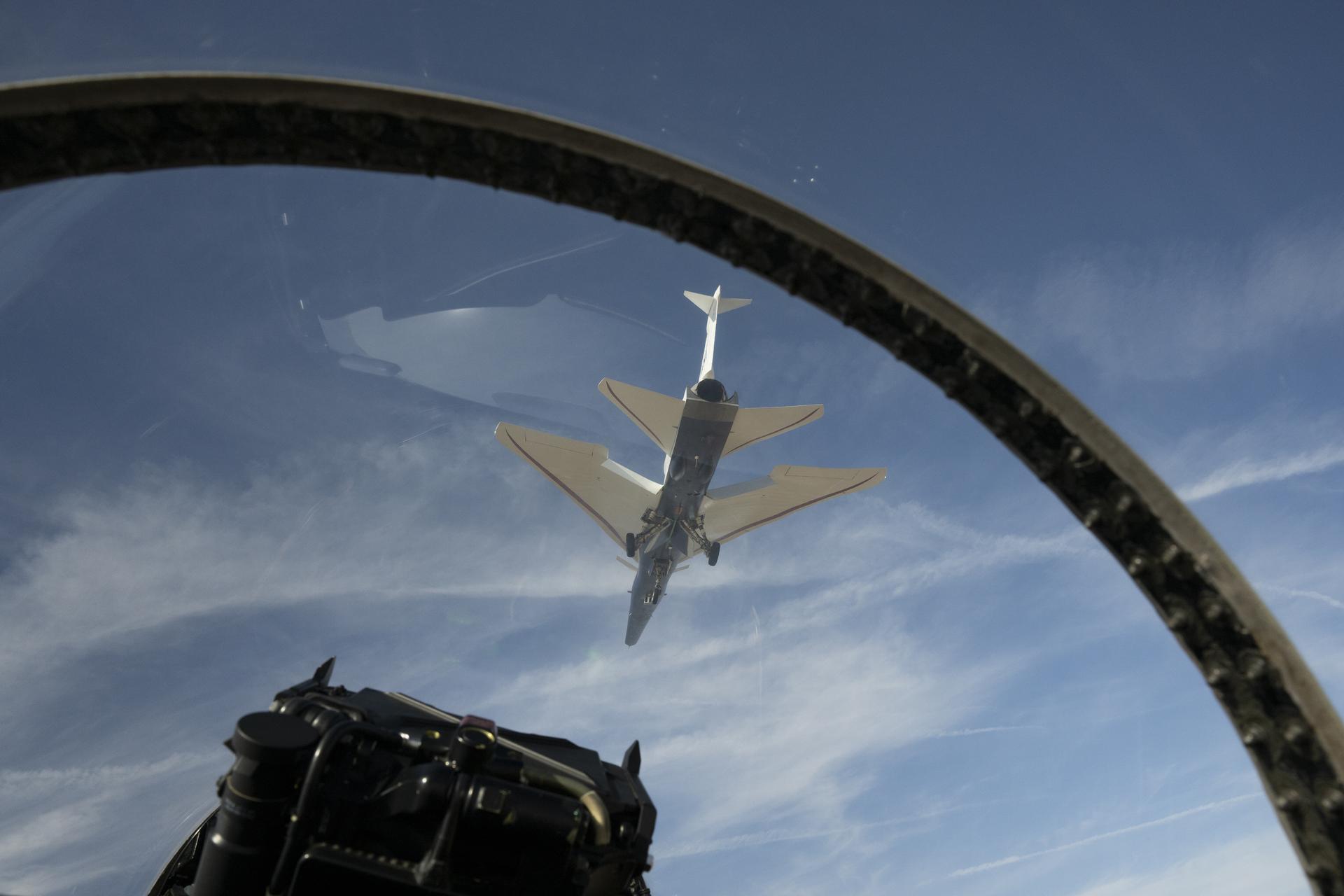
NASA’s X-59 quiet supersonic jet flies over the Mojave Desert during its third flight on Thursday, March 26, 2026, from NASA’s Armstrong Flight Research Center in Edwards, California. The aircraft departed and landed at Edwards Air Force Base, completing its approximate one-hour flight and providing the team with significant data for future flights.
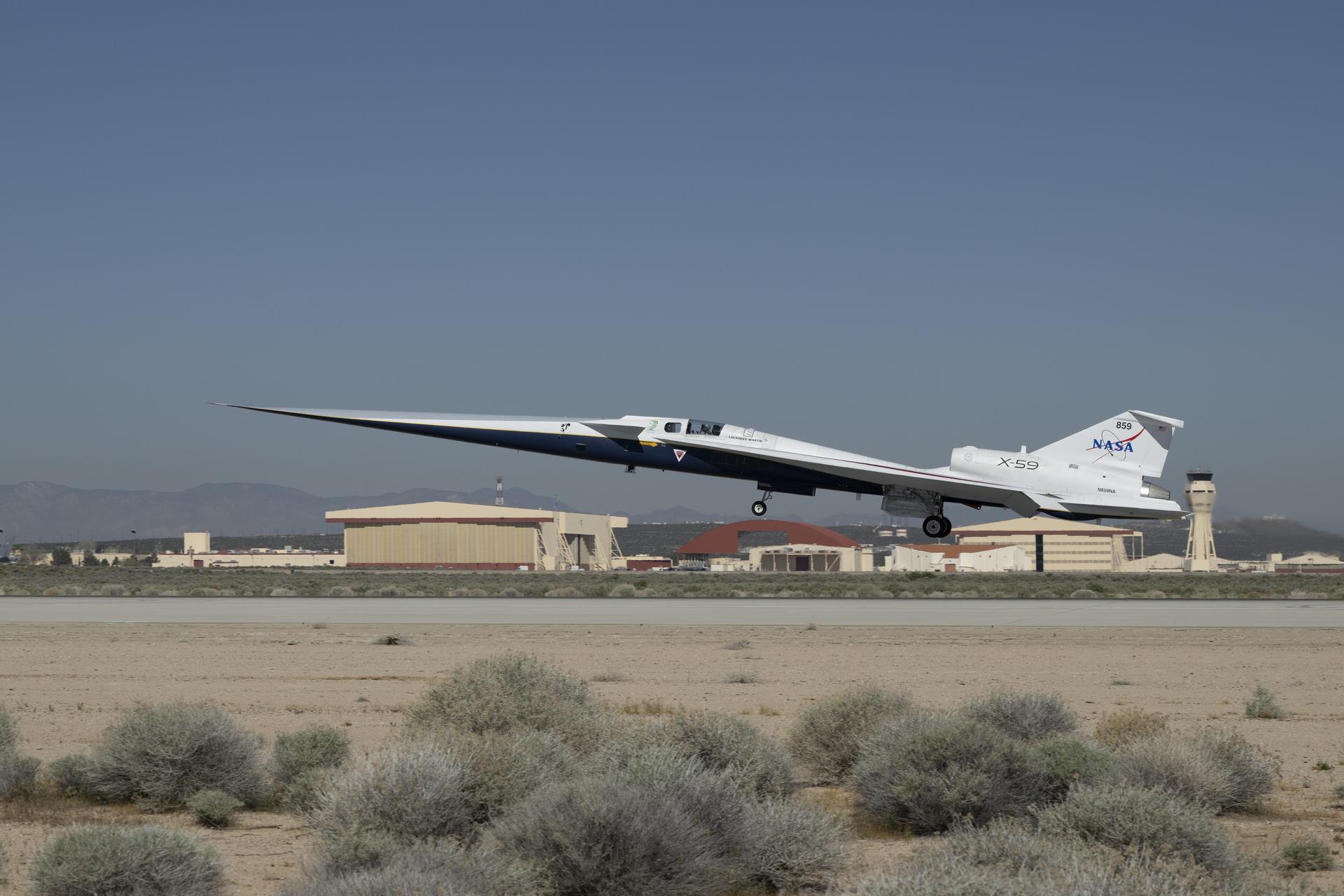
NASA’s X-59 quiet supersonic aircraft takes off for its second flight Friday, March 20, 2026, near NASA’s Armstrong Flight Research Center in Edwards, California. The X-59 is central to NASA’s Quesst mission, which aims to demonstrate quiet supersonic flight by reducing the loud sonic boom to a softer sonic “thump,” potentially enabling faster commercial air travel over land.
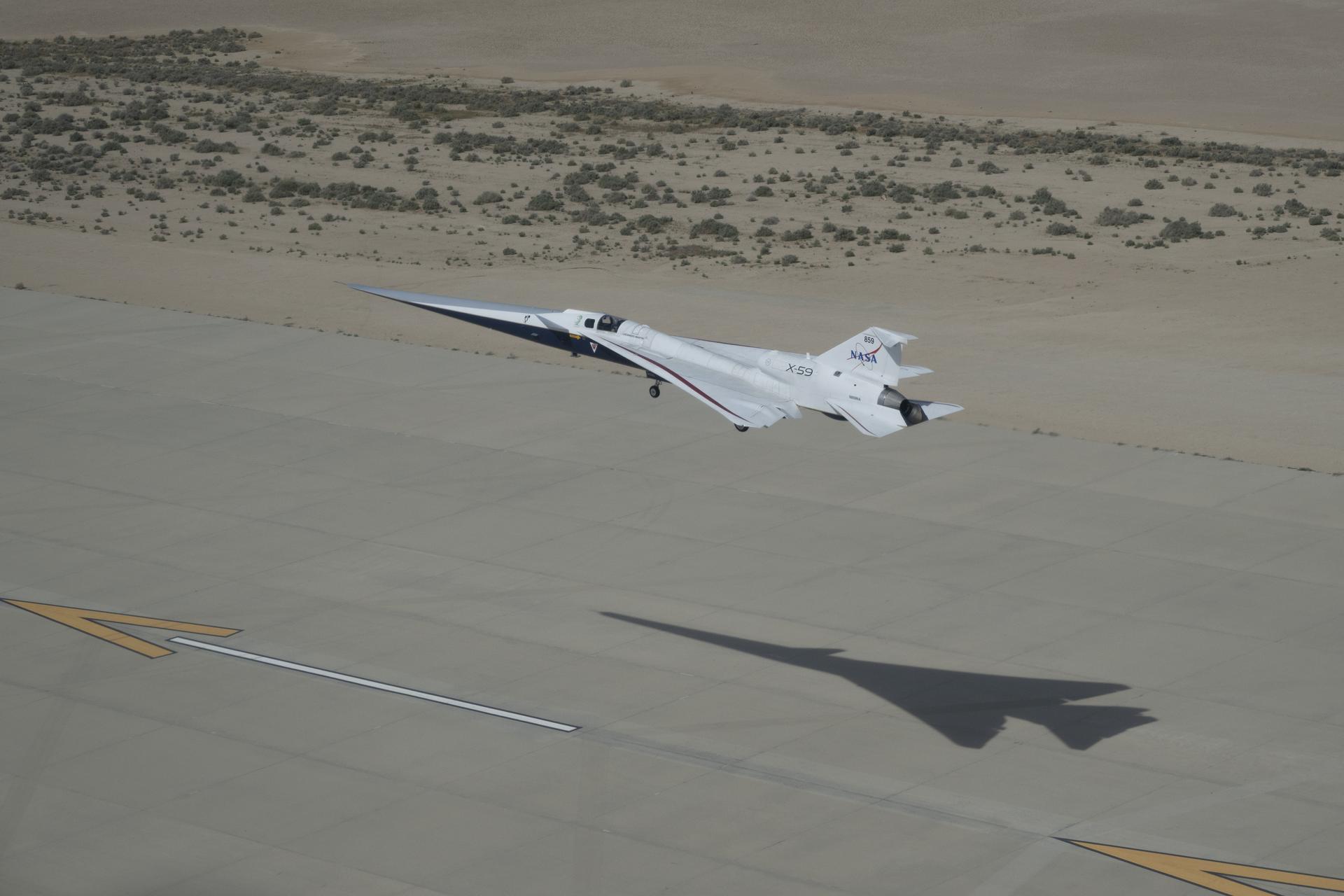
NASA’s X-59 quiet supersonic research aircraft approaches landing at Edwards Air Force Base in California on Thursday, March 26, 2026. The flight supports NASA’s Quesst mission to demonstrate supersonic flight that produces a quieter sonic “thump” instead of a loud sonic boom.
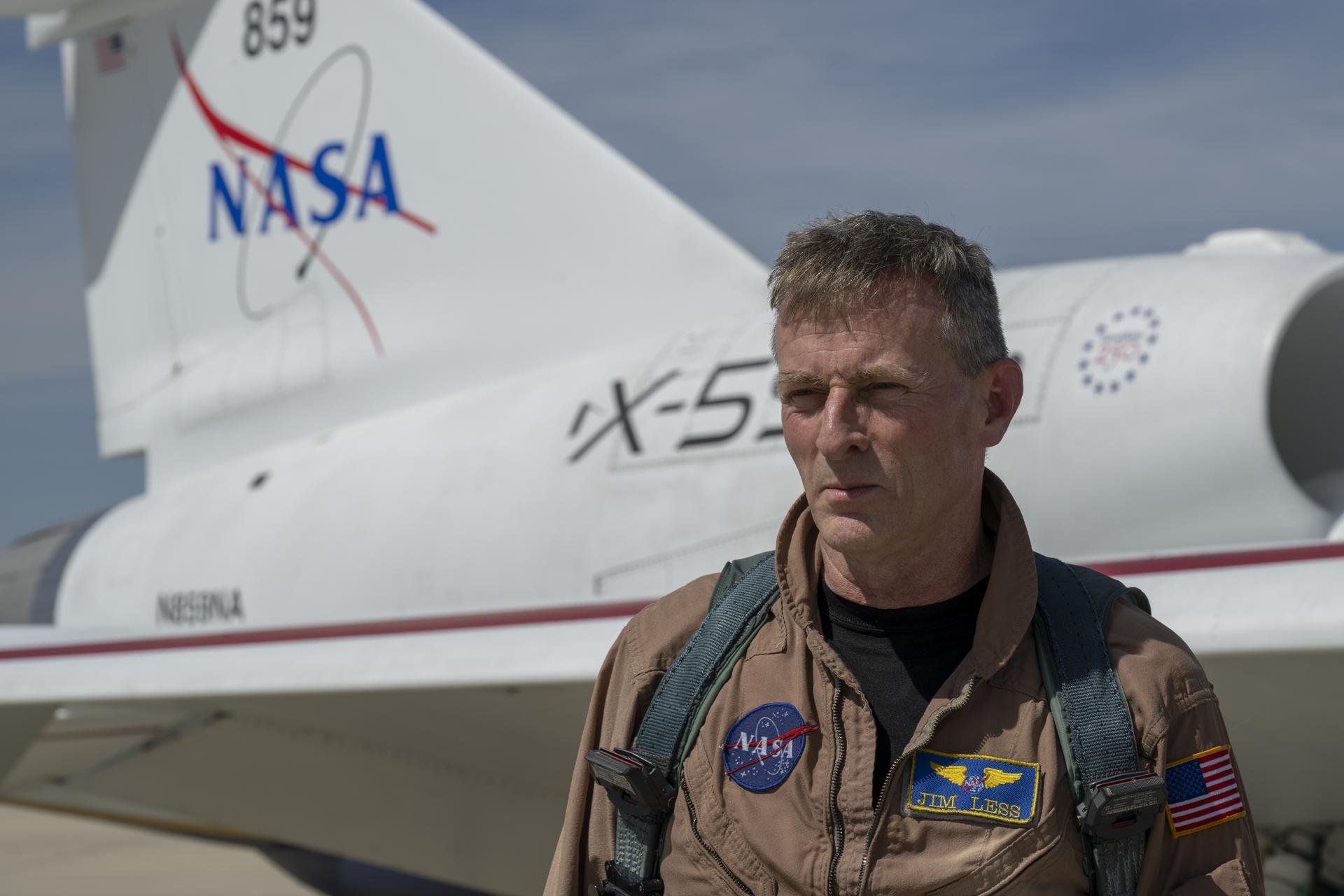
NASA test pilot Jim “Clue” Less is seen after completing his first flight of the X-59 and the aircraft’s second flight overall at Edwards Air Force Base in California on Thursday, March 26, 2026. The flight supports NASA’s Quesst mission to demonstrate supersonic flight that produces a quieter sonic “thump” instead of a loud sonic boom.
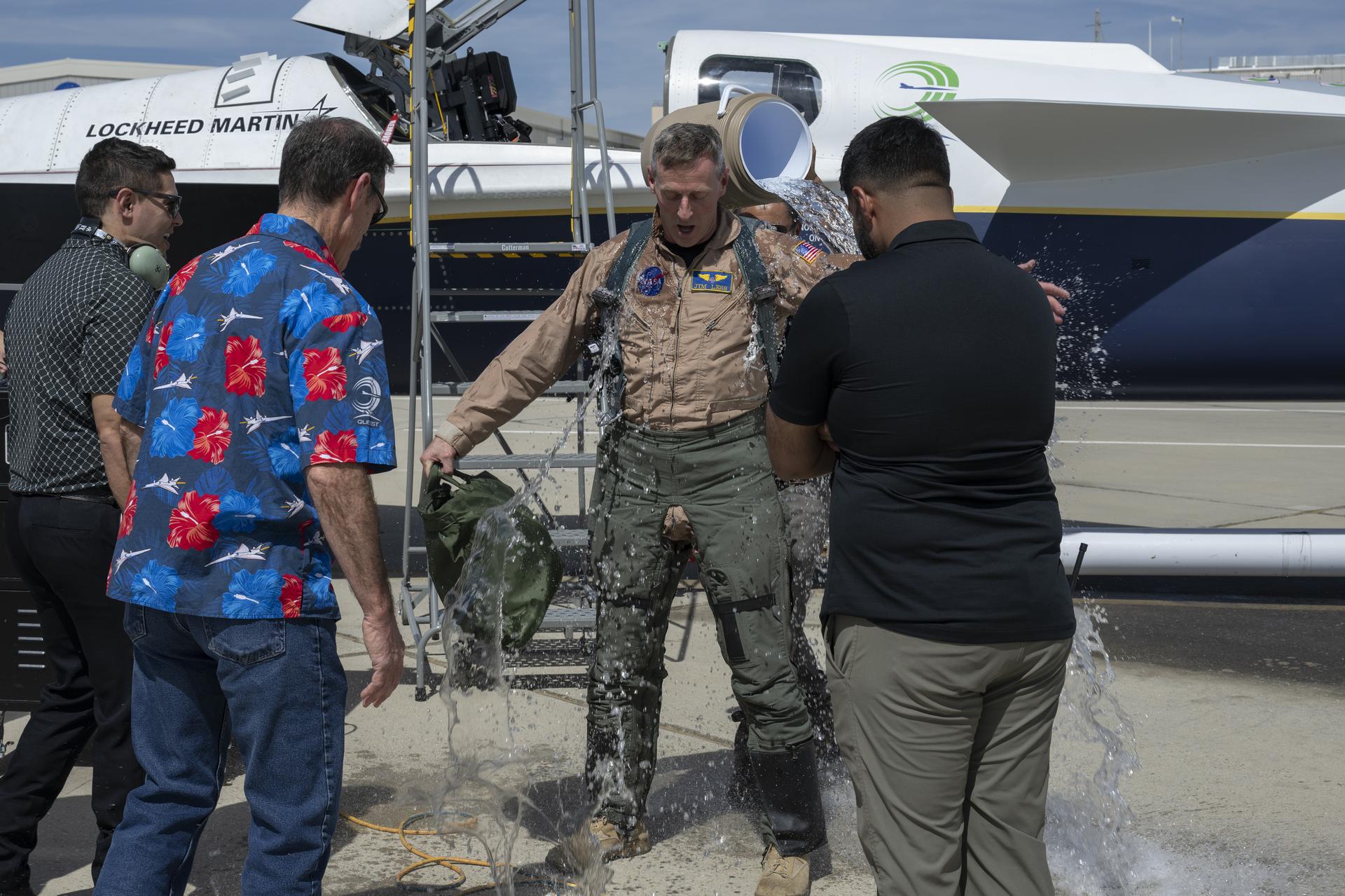
NASA test pilot Jim “Clue” Less is seen after completing his first flight of the X-59 and the aircraft’s second flight overall at Edwards Air Force Base in California on Thursday, March 26, 2026. The flight supports NASA’s Quesst mission to demonstrate supersonic flight that produces a quieter sonic “thump” instead of a loud sonic boom.
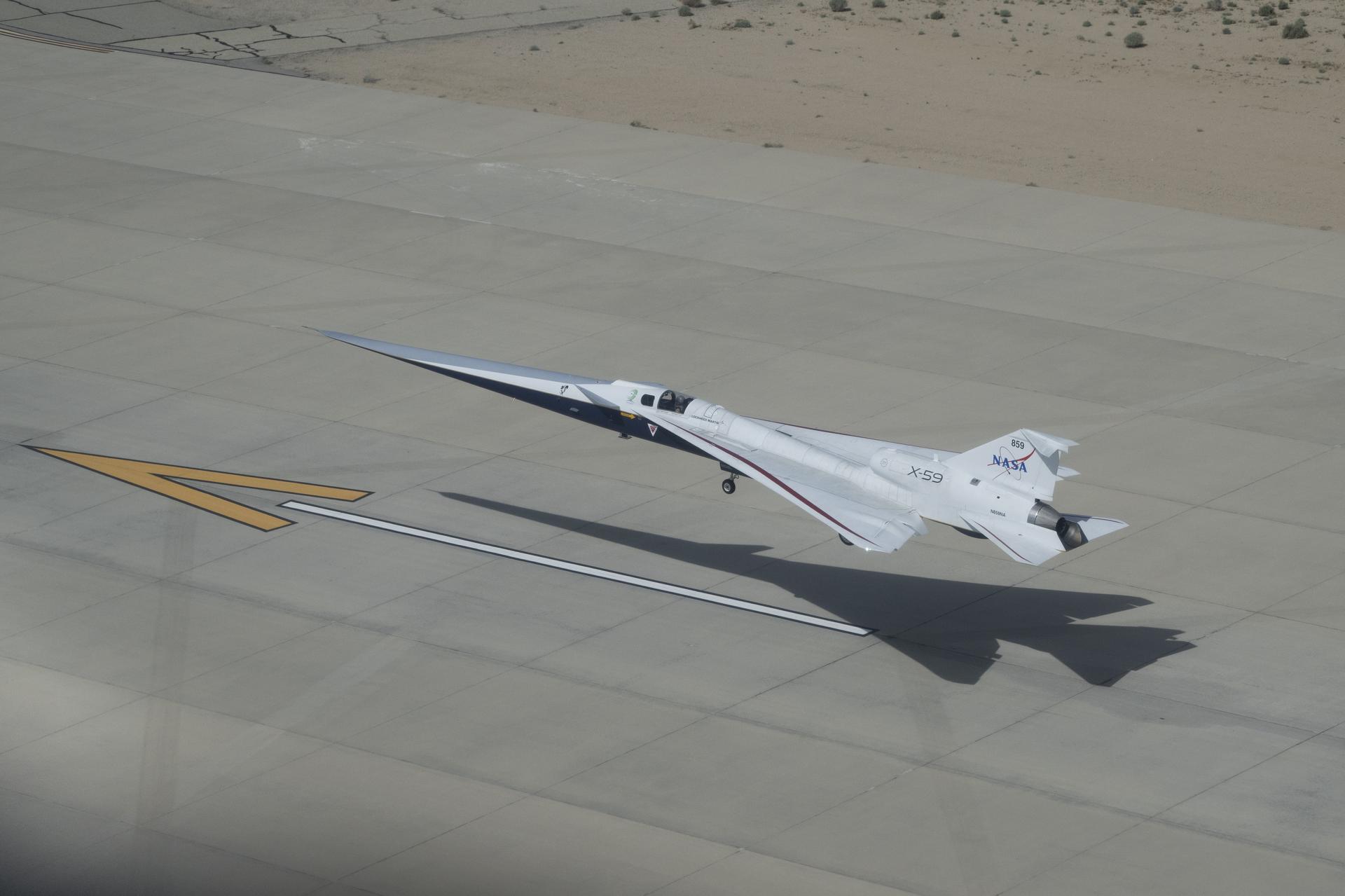
NASA’s X-59 quiet supersonic research aircraft approaches landing at Edwards Air Force Base in California on Thursday, March 26, 2026. The flight supports NASA’s Quesst mission to demonstrate supersonic flight that produces a quieter sonic “thump” instead of a loud sonic boom.
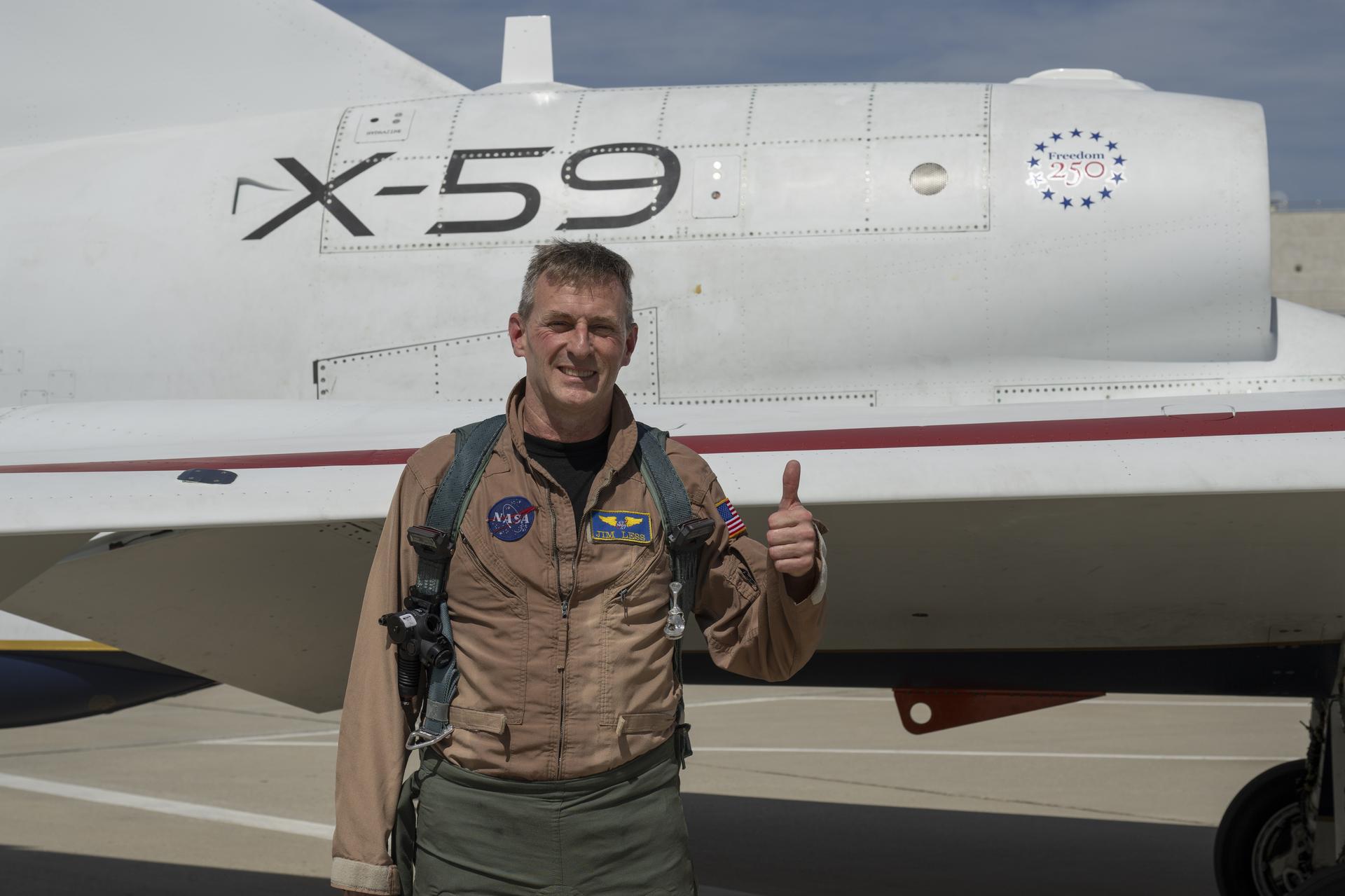
NASA test pilot Jim “Clue” Less is seen after completing his first flight of the X-59 and the aircraft’s second flight overall at Edwards Air Force Base in California on Thursday, March 26, 2026. The flight supports NASA’s Quesst mission to demonstrate supersonic flight that produces a quieter sonic “thump” instead of a loud sonic boom.