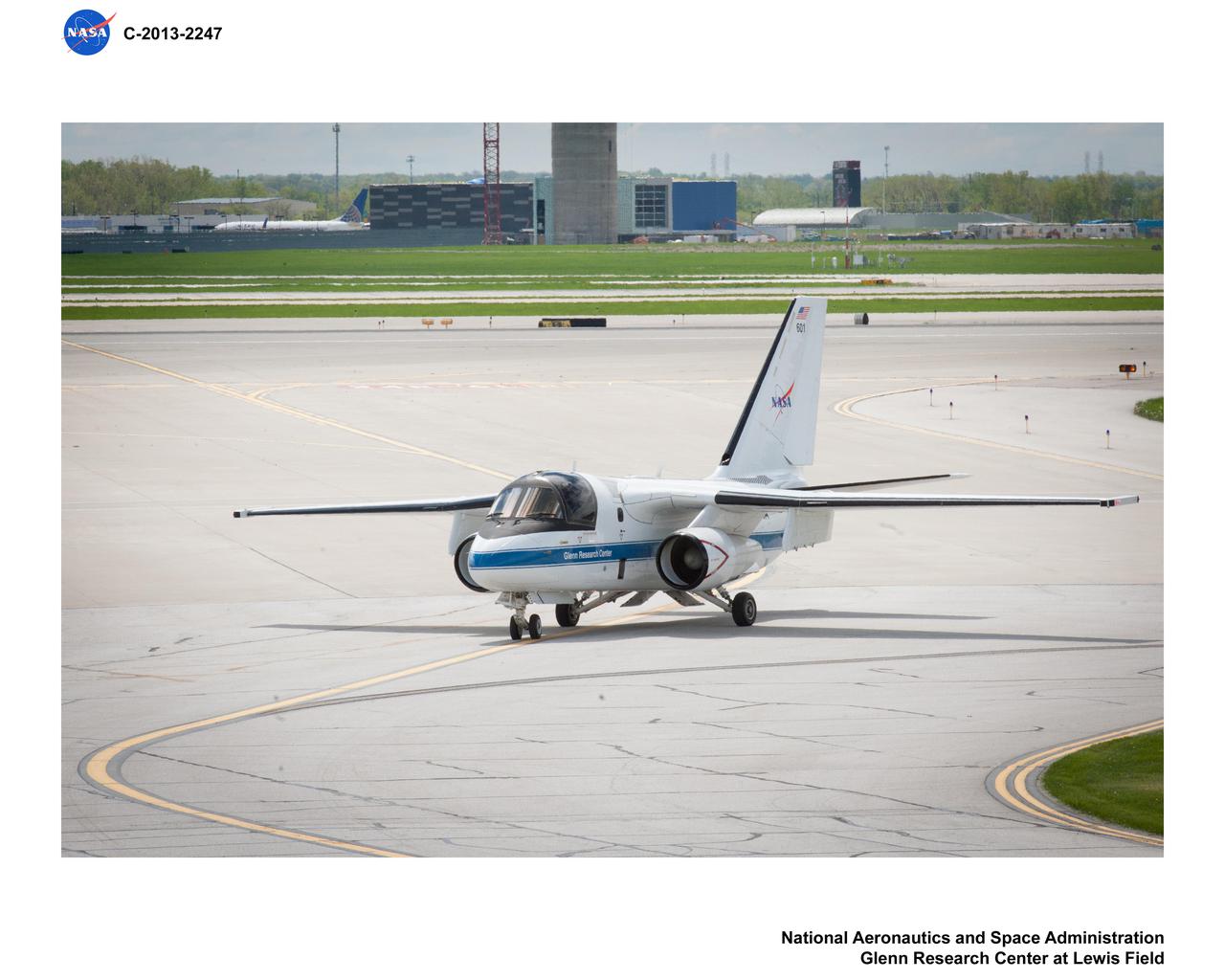
NASA, Lockheed Martin S-3B Viking Aircraft #N601NA, prepares for departure from Cleveland Hopkins Airport in support of the Unmanned Aircraft Communications Project
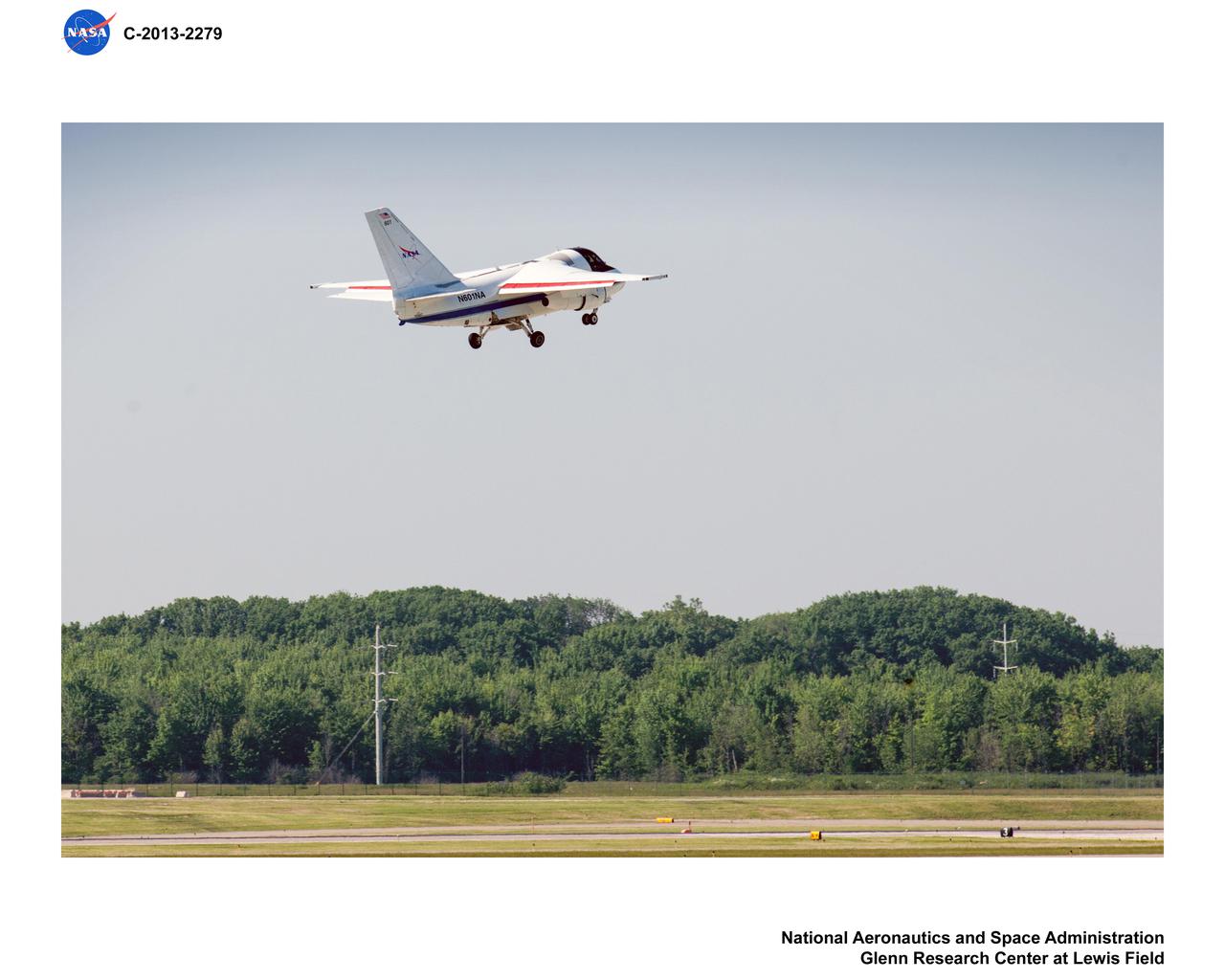
NASA, Lockheed Martin S-3B Viking Aircraft #N601NA, takes off from Cleveland Hopkins Airport, in support of the Unmanned Aircraft Communications Project
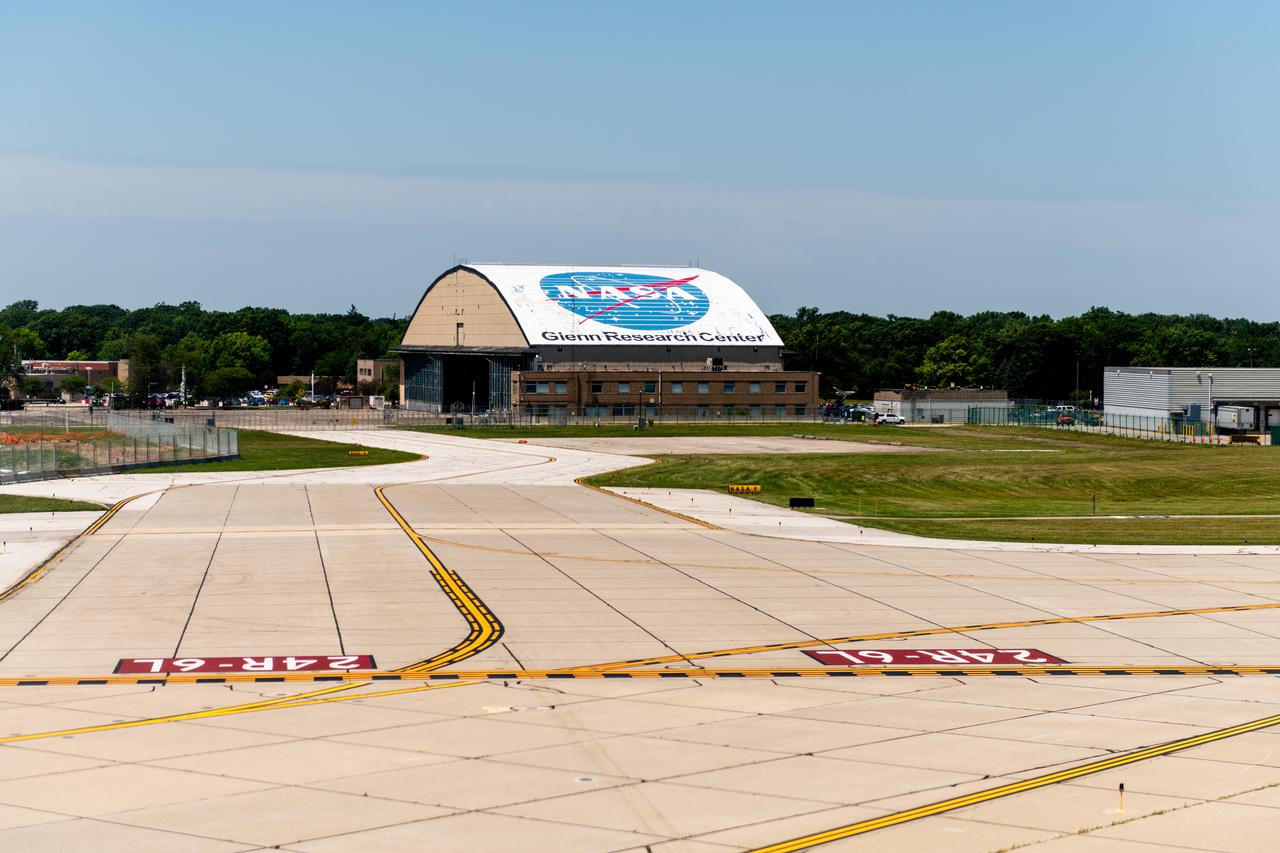
View of the Glenn Research Center Hangar from the Cleveland Hopkins Airport Runway during a testing flight on June 13, 2024. A team at NASA’s Glenn Research Center in Cleveland streamed 4K video footage from an aircraft to the International Space Station and back for the first time using optical, or laser, communications. The feat was part of a series of tests on new technology that could provide live video coverage of astronauts on the Moon during the Artemis missions. Working with the Air Force Research Laboratory and NASA’s Small Business Innovation Research program, Glenn engineers temporarily installed a portable laser terminal on the belly of a Pilatus PC-12 aircraft. They then flew over Lake Erie sending data from the aircraft to an optical ground station in Cleveland. From there, it was sent over an Earth-based network to NASA’s White Sands Test Facility in Las Cruces, New Mexico, where scientists used infrared light signals to send the data. Photo Credit: (NASA/Sara Lowthian-Hanna)
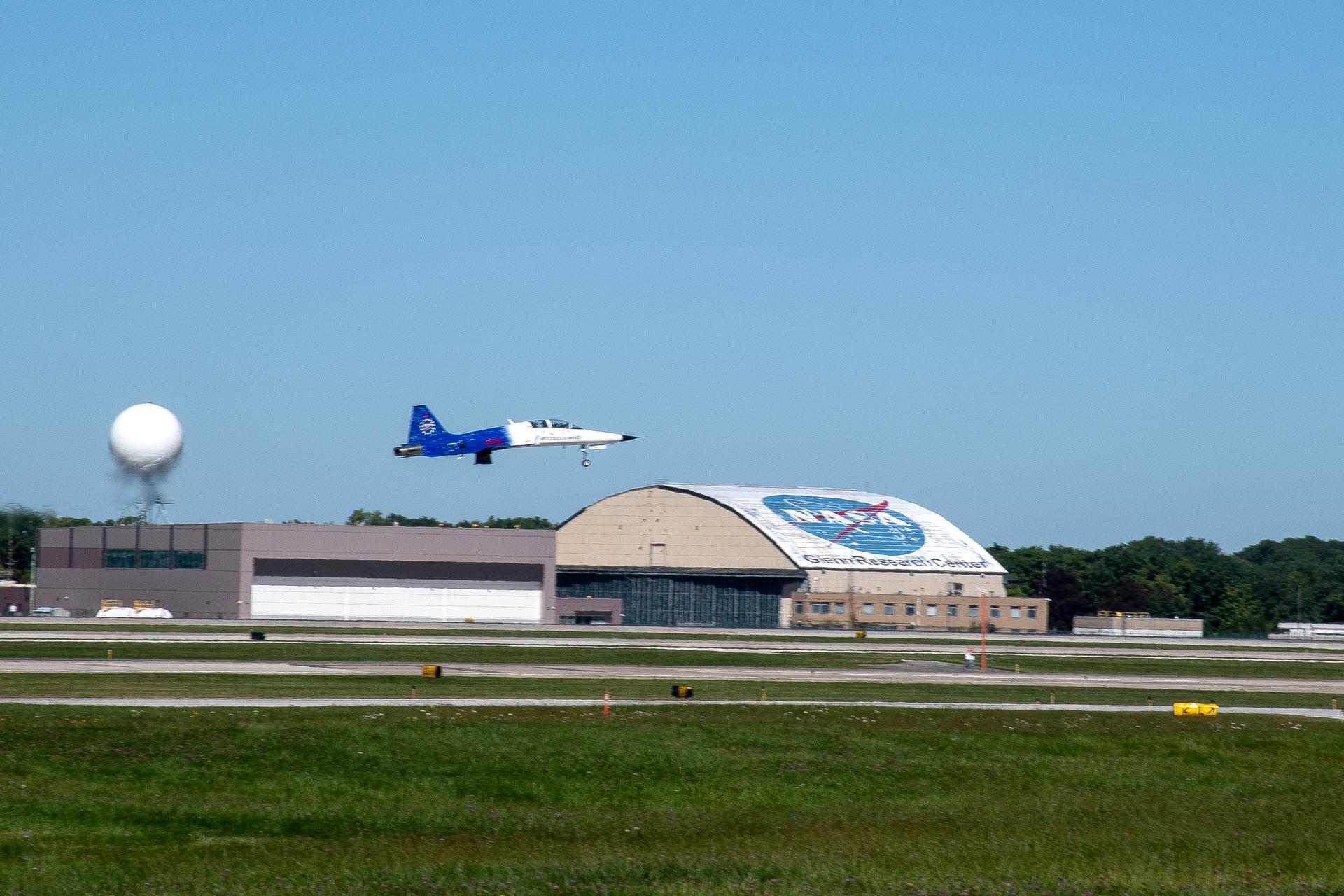
NASA Administrator Jared Isaacman and two GRC employees’ riders fly over the Cleveland Browns football game start. One of the jets takes off from Cleveland Hopkins Airport and flies past the GRC hangar.
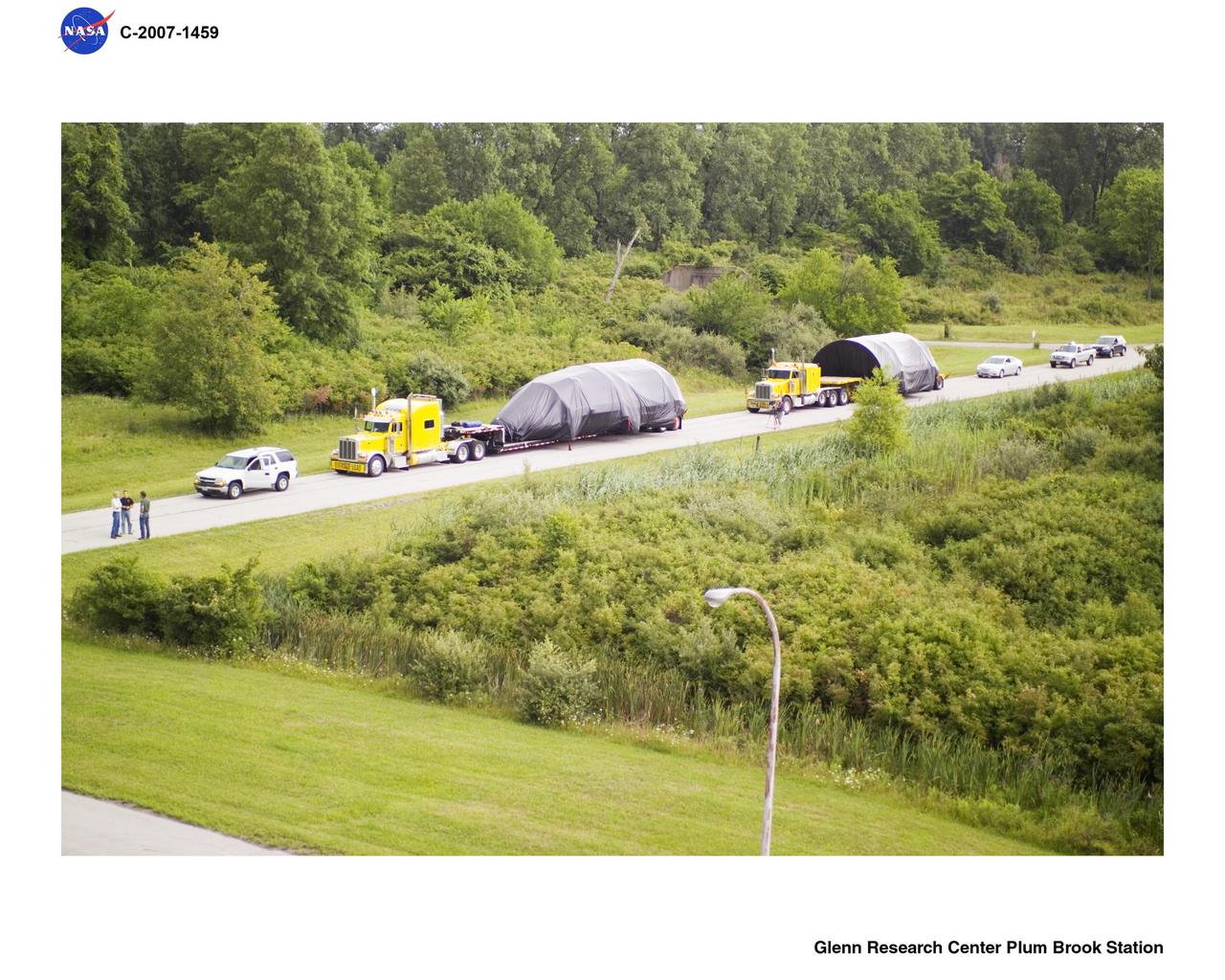
Ariane V (5) Fairing Shroud Components being moved from Cleveland Hopkins Airport to NASA Plum Brook Station, Sandusky, Ohio - 8-07
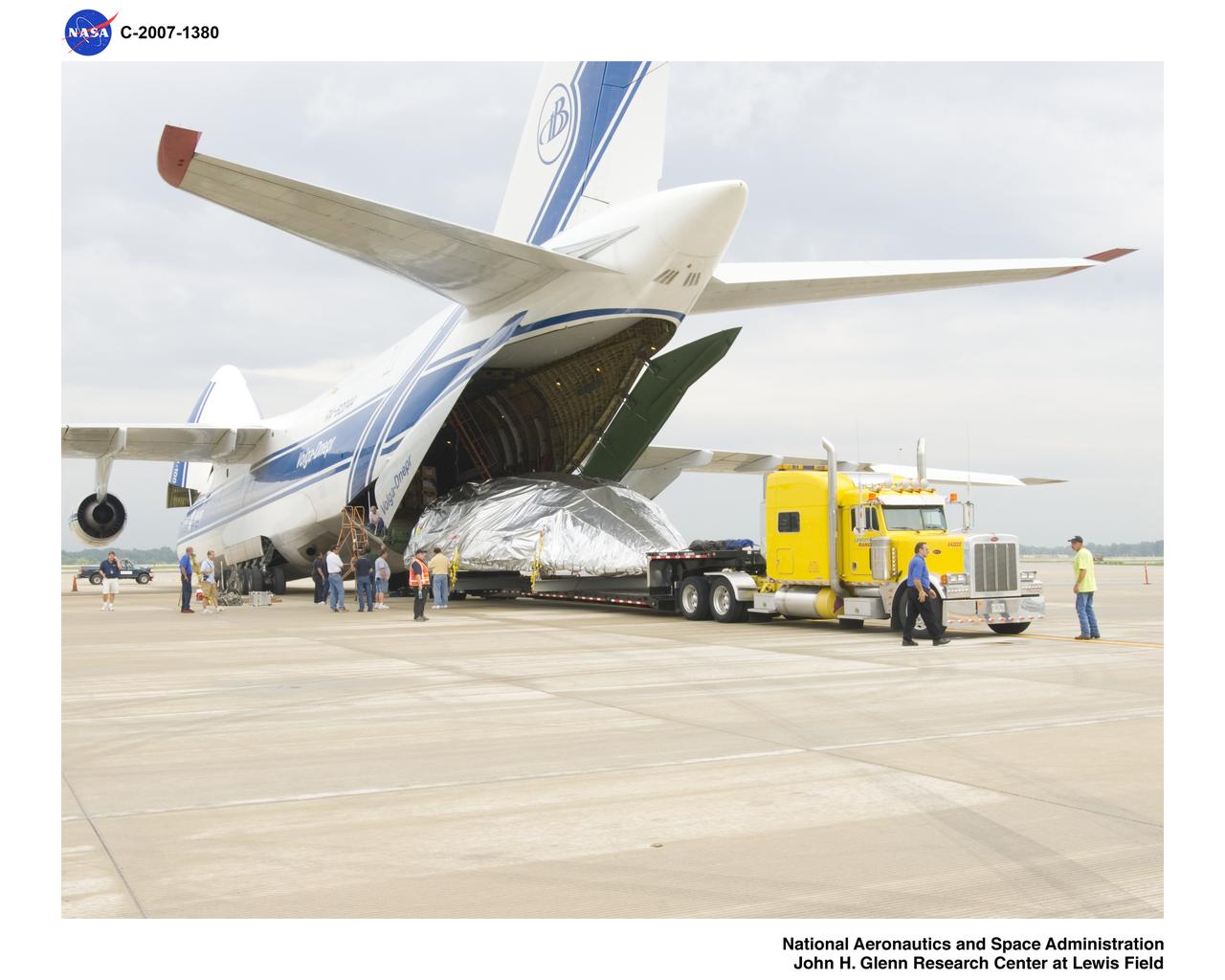
Ariane V (5) Fairing Shroud Components being moved from Cleveland Hopkins Airport to NASA Plum Brook Station, Sandusky, Ohio - 8-07
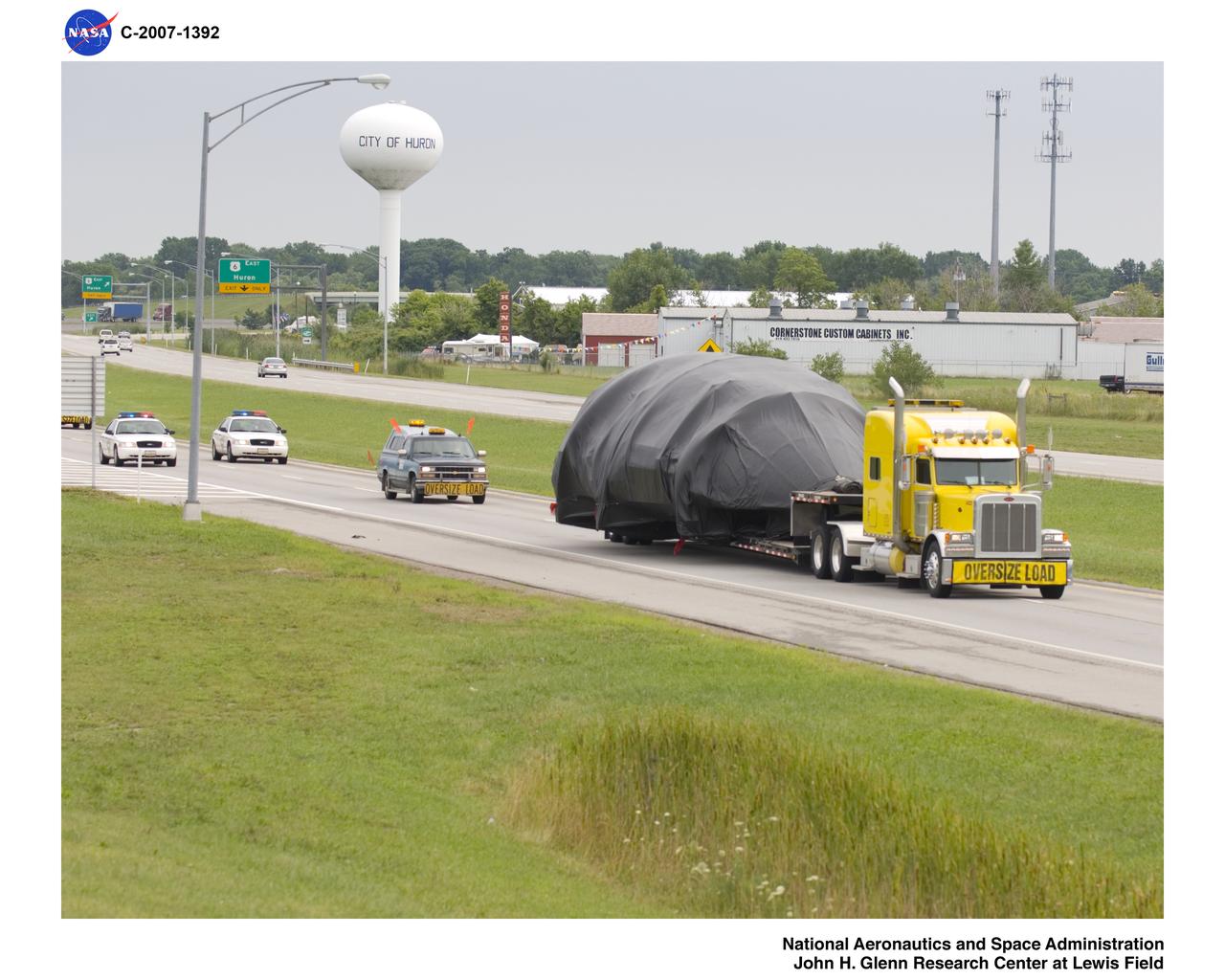
Ariane V (5) Fairing Shroud Components being moved from Cleveland Hopkins Airport to NASA Plum Brook Station, Sandusky, Ohio - 8-07
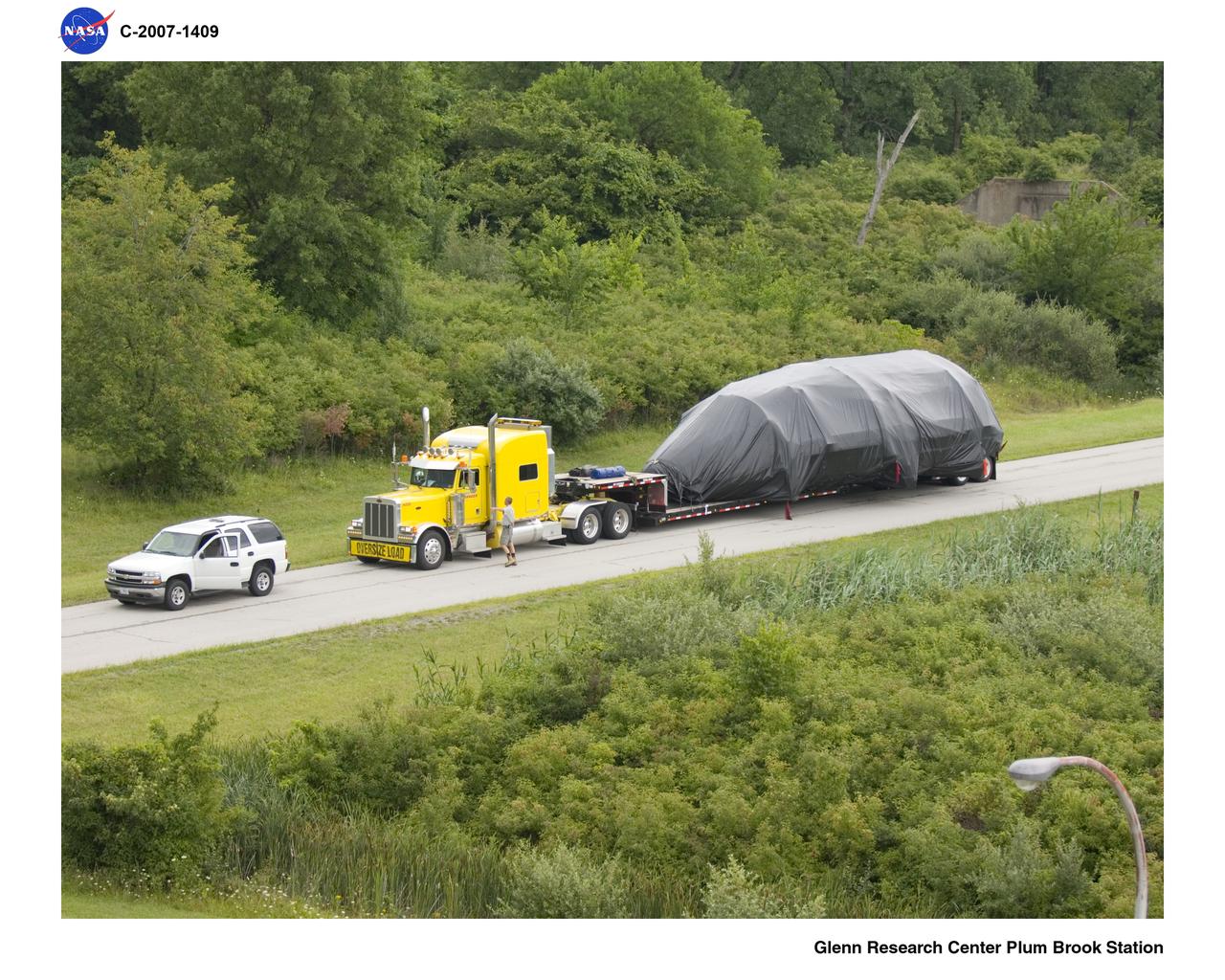
Ariane V (5) Fairing Shroud Components being moved from Cleveland Hopkins Airport to NASA Plum Brook Station, Sandusky, Ohio - 8-07

NASA Administrator Jared Isaacman is seen sitting in his jet ready to take off from Cleveland Hopkins Airport. Seated in the back seat is rider Heather Brown. This is part of the 2026 NASA Inspiration Tours
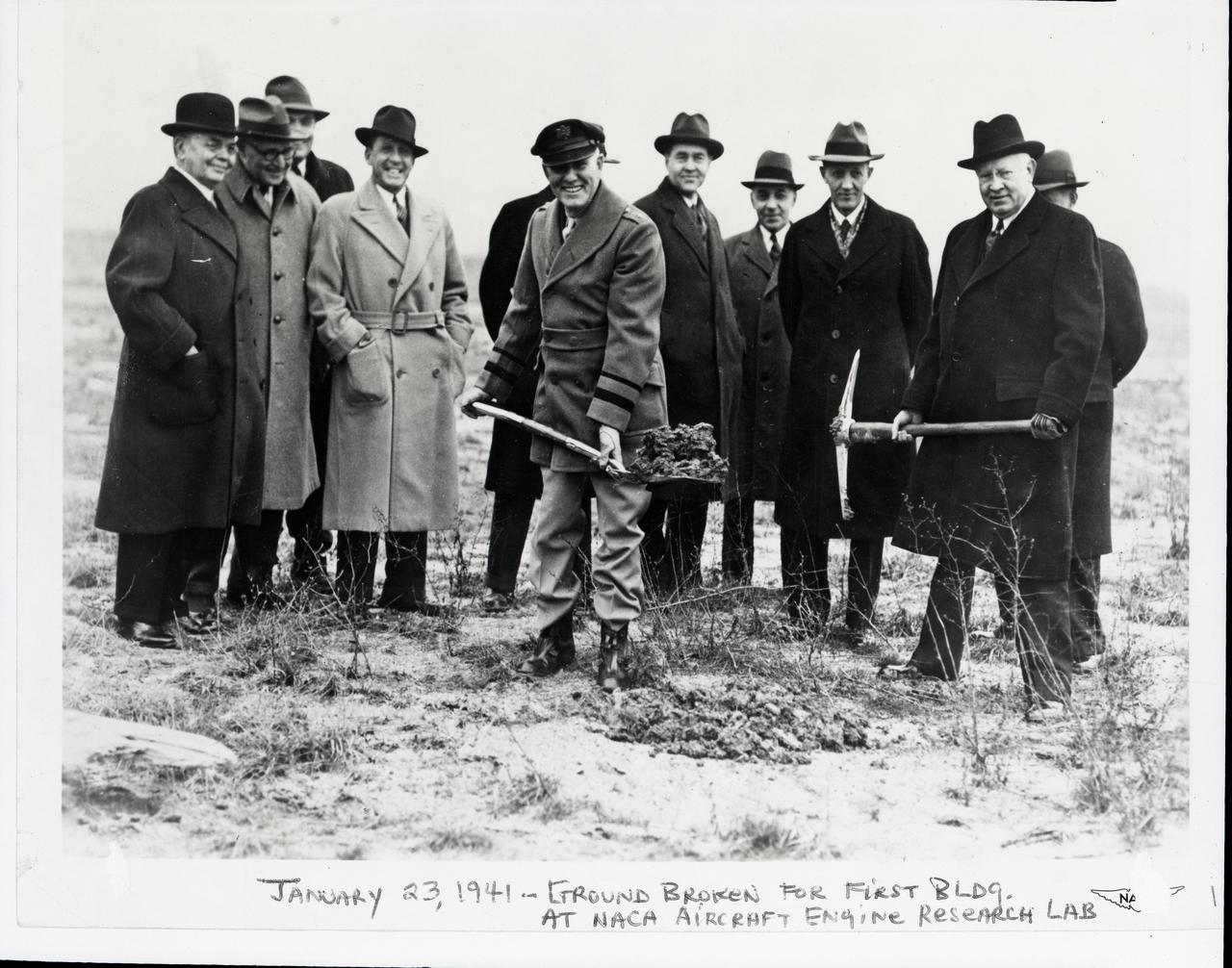
January 23, 1941 groundbreaking ceremony at the NACA Aircraft Engine Research Laboratory: left to right (does not include two individuals obscured from view behind Maj. Brett and Dr. Lewis): • William R. Hopkins – Cleveland City Manager from 1924-1930, was personally responsible for planning and acquiring the land for the Cleveland Airport. The airport’s huge capacity for handling aircraft was one factor in selecting Cleveland for the site of the research center. The Cleveland Airport was renamed Cleveland Hopkins airport in his honor in 1951. • Major John Berry – Cleveland Airport Manager • Edward R. Sharp – GRC’s first director, serving from 1942 to his retirement in 1961. He came to Cleveland in 1941 as the construction manager for the new facility. • Frederick C. Crawford – President of Thompson Products, which became the Thompson-Ramo-Woolridge Corporation (TRW) in 1958. Crawford was, at the time, also president of the Cleveland Chamber of Commerce. He began in 1939 to campaign for Cleveland as the location for the new NACA facility. • Major George H. Brett – A Cleveland native, Brett served in WWI and was commanding officer at Wright Field in Dayton, Ohio before becoming chief of the Army Air Corps. • Dr. Edward P. Warner – Acting chairman of the NACA. • Captain Sydney M. Kraus – Officer in charge of Navy procurement • Edward Blythin – Mayor of Cleveland • Dr. George Lewis – Director of Aeronautical Research for the NACA from 1924-1947, Lewis devoted his life to building a scientific basis for aeronautical engineering. The Cleveland laboratory was renamed the Lewis Flight Propulsion Laboratory in his honor in 1948. A description of the event, based on newspaper accounts and later NASA publications is as follows: On January 23, 1941, a brief groundbreaking ceremony at the site marked the start of construction. Dr. George W. Lewis, director of research for the NACA, loosened the soil with a
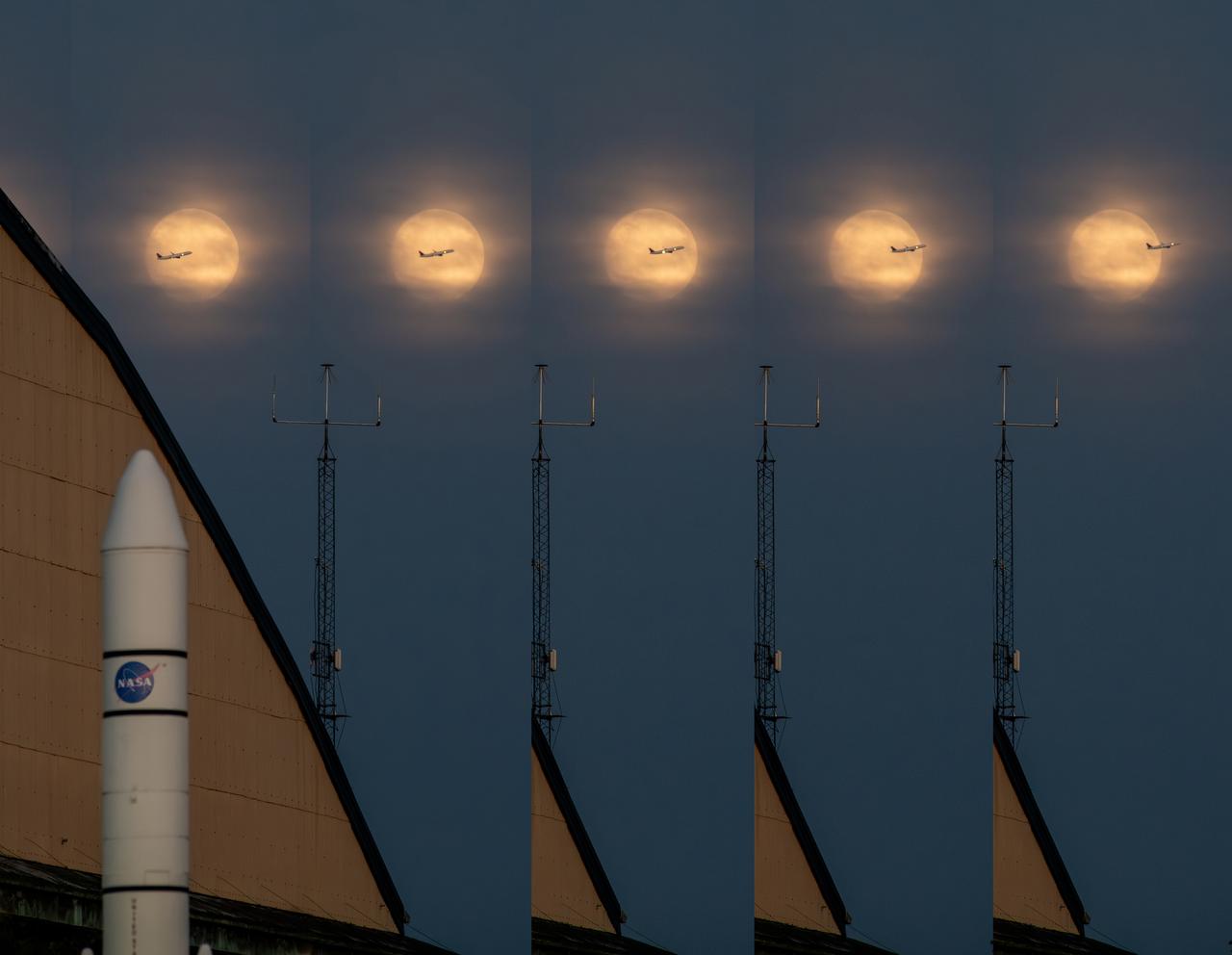
While photographing the Supermoon on September 17, 2024 for a NASA GRC Aerospace Frontiers article on the 2024 Supermoon, a plane departing Cleveland Hopkins Airport flew right through the middle of the moon. The photographer used a portion of the rocket garden’s Ares 1 rocket and a corner of the NASA GRC hangar building to frame the photograph of the moon. When the plane was seen approaching, the photographer used continuous shutter speed in hopes of capturing the plane and the moon together
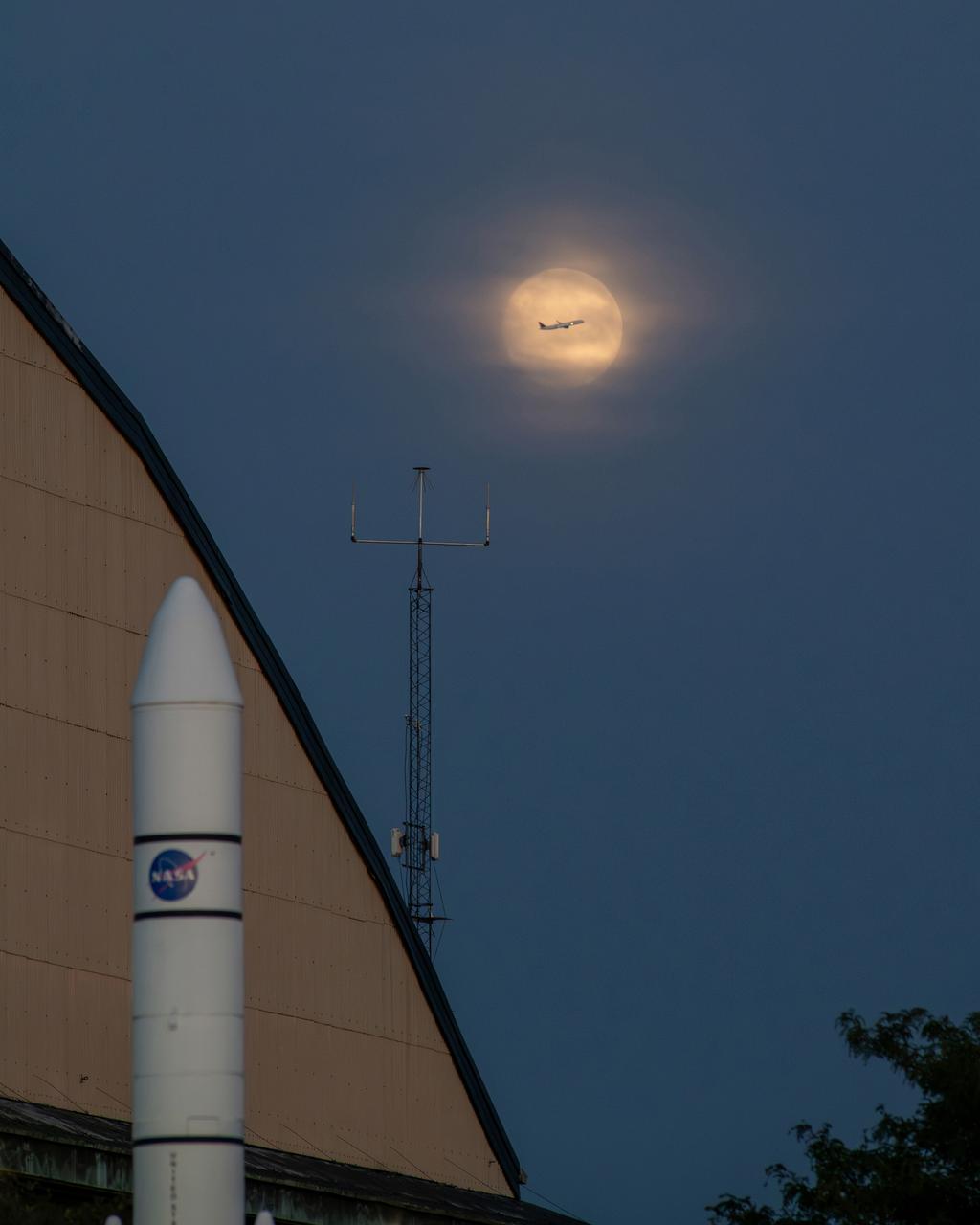
While photographing the Supermoon on September 17, 2024 for a NASA GRC Aerospace Frontiers article on the 2024 Supermoon, a plane departing Cleveland Hopkins Airport flew right through the middle of the moon. The photographer used a portion of the rocket garden’s Ares 1 rocket and a corner of the NASA GRC hangar building to frame the photograph of the moon. When the plane was seen approaching, the photographer used continuous shutter speed in hopes of capturing the plane and the moon together.
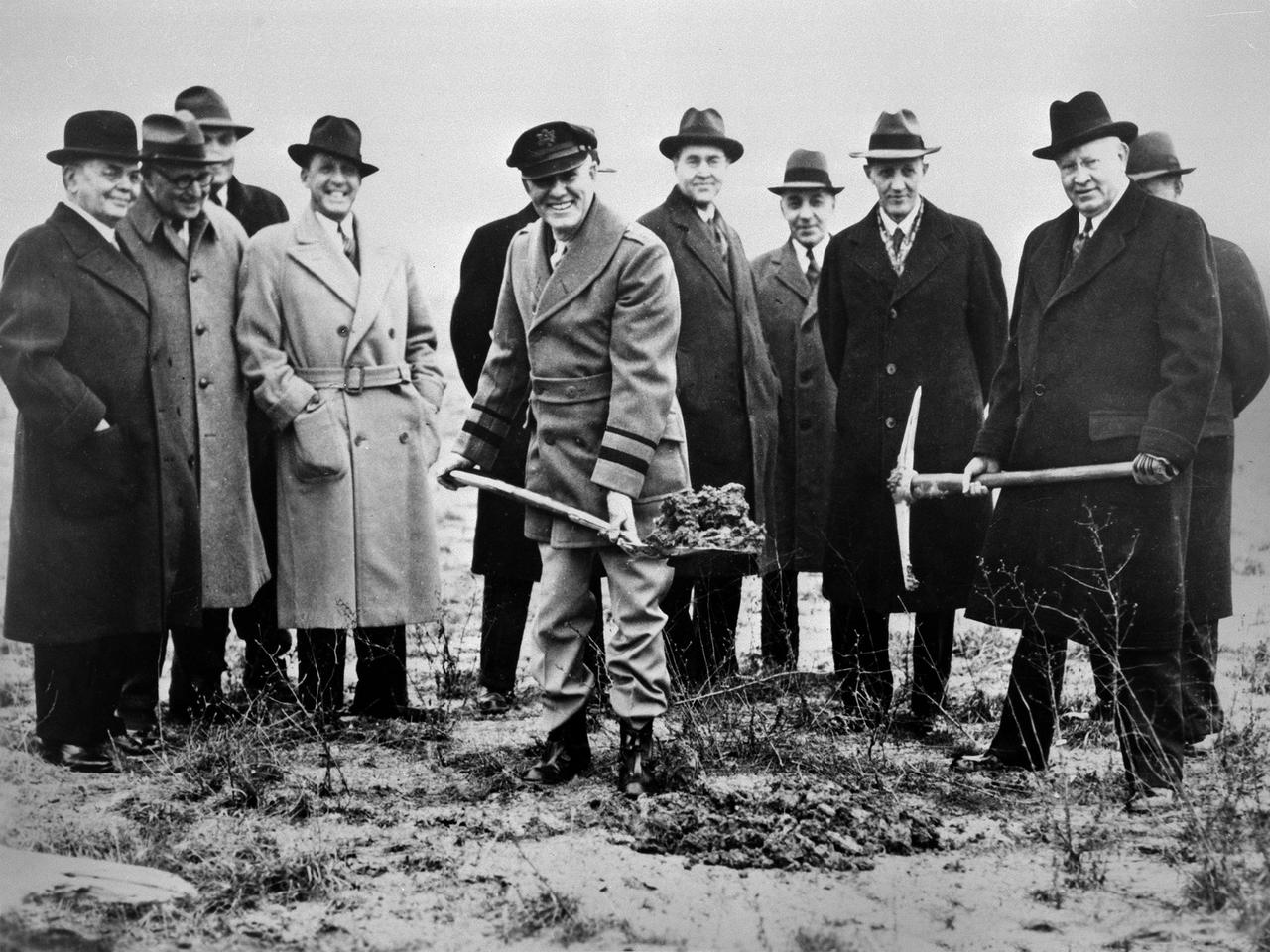
Local politicians and National Advisory Committee for Aeronautics (NACA) officials were on hand for the January 23, 1941 groundbreaking for the NACA’s Aircraft Engine Research Laboratory (AERL). The NACA was established in 1915 to coordinate the nation’s aeronautical research. The committee opened a research laboratory at Langley Field in 1920. By the late 1930s, however, European nations, Germany in particular, were building faster and higher flying aircraft. The NACA decided to expand with a new Ames Aeronautical Laboratory dedicated to high-speed flight and the AERL to handle engine-related research. The NACA examined a number of Midwest locations for its new engine lab before deciding on Cleveland. At the time, Cleveland possessed the nation’s most advanced airport, several key aircraft manufacturing companies, and was home to the National Air Races. Local officials were also able to broker a deal with the power company to discount its electricity rates if the large wind tunnels were operated overnight. The decision was made in October 1940, and the groundbreaking alongside the airport took place on January 23, 1941. From left to right: William Hopkins, John Berry, Ray Sharp, Frederick Crawford, George Brett, Edward Warner, Sydney Kraus, Edward Blythin, and George Lewis
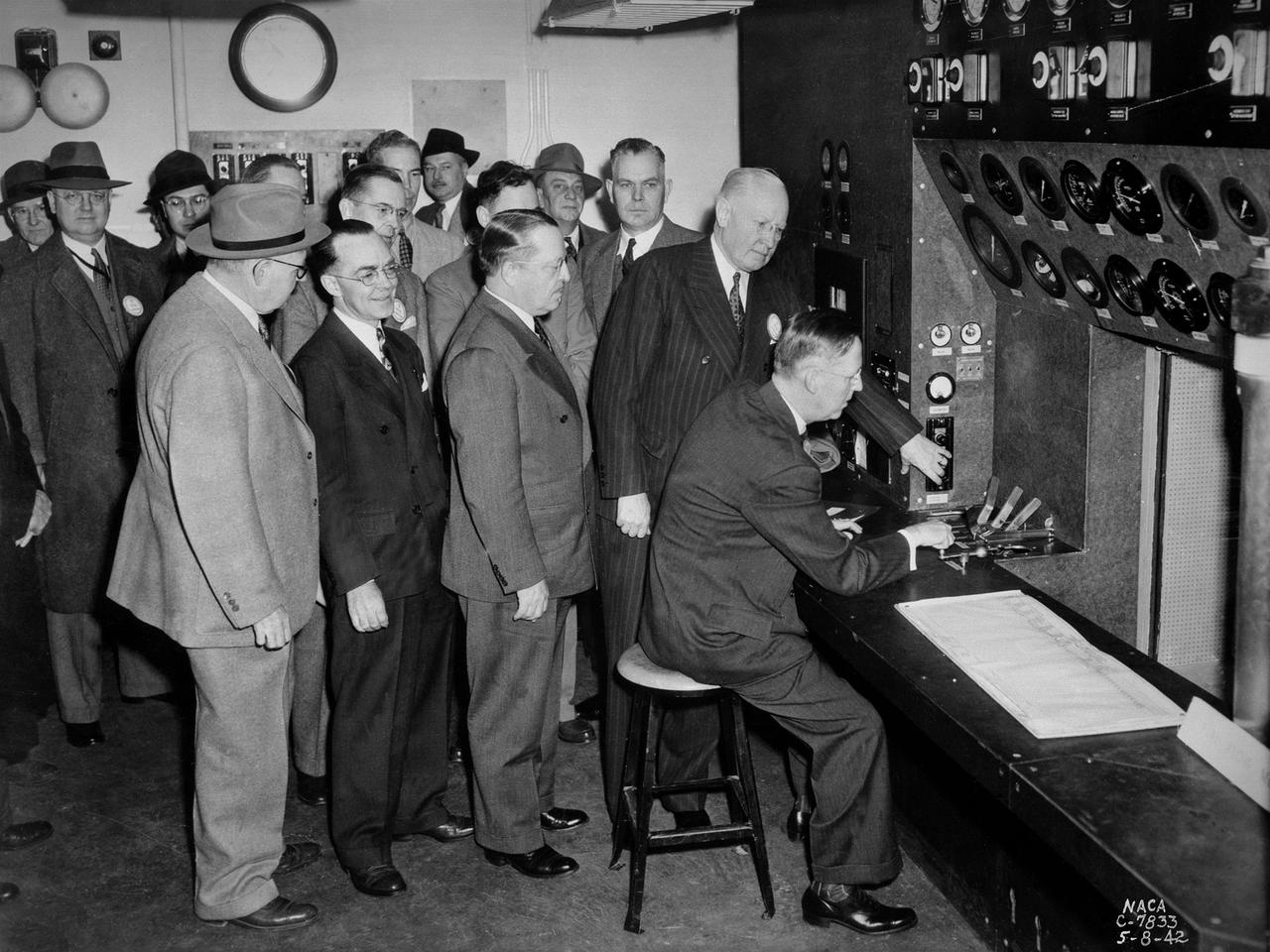
A group of National Advisory Committee for Aeronautics (NACA) officials and local dignitaries were on hand on May 8, 1942, to witness the Initiation of Research at the NACA's new Aircraft Engine Research Laboratory in Cleveland, Ohio. The group in this photograph was in the control room of the laboratory's first test facility, the Engine Propeller Research Building. The NACA press release that day noted, "First actual research activities in what is to be the largest aircraft engine research laboratory in the world was begun today at the National Advisory Committee for Aeronautics laboratory at the Cleveland Municipal Airport.” The ceremony, however, was largely symbolic since most of the laboratory was still under construction. Dr. George W. Lewis, the NACA's Director of Aeronautical Research, and John F. Victory, NACA Secretary, are at the controls in this photograph. Airport Manager John Berry, former City Manager William Hopkins, NACA Assistant Secretary Ed Chamberlain, Langley Engineer-in-Charge Henry Reid, Executive Engineer Carlton Kemper, and Construction Manager Raymond Sharp are also present. The propeller building contained two torque stands to test complete engines at ambient conditions. The facility was primarily used at the time to study engine lubrication and cooling systems for World War II aircraft, which were required to perform at higher altitudes and longer ranges than previous generations.
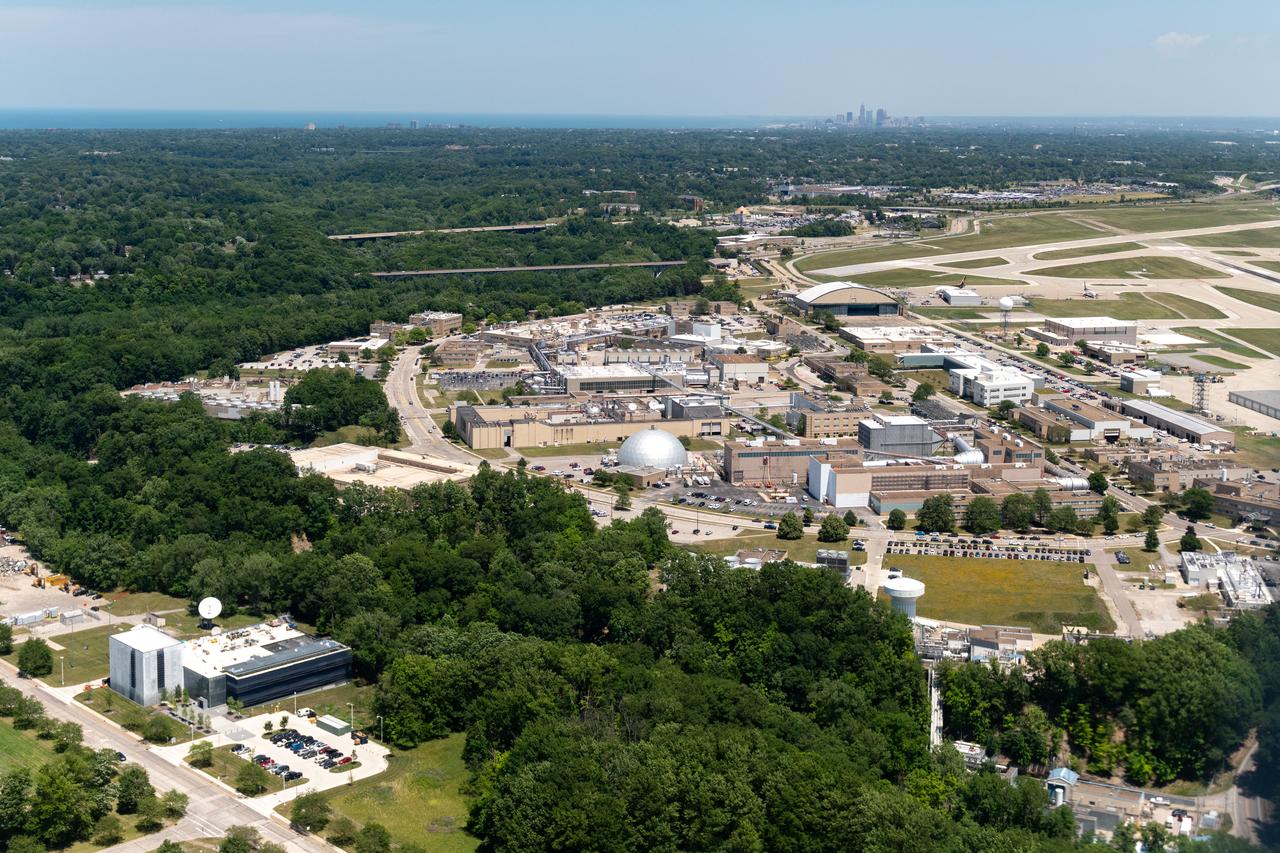
Aerial Photograph of Glenn Research Center With Downtown Cleveland in the Distance taken from the PC-12 on June 13, 2024. A team at NASA’s Glenn Research Center in Cleveland streamed 4K video footage from an aircraft to the International Space Station and back for the first time using optical, or laser, communications. The feat was part of a series of tests on new technology that could provide live video coverage of astronauts on the Moon during the Artemis missions. Working with the Air Force Research Laboratory and NASA’s Small Business Innovation Research program, Glenn engineers temporarily installed a portable laser terminal on the belly of a Pilatus PC-12 aircraft. They then flew over Lake Erie sending data from the aircraft to an optical ground station in Cleveland. From there, it was sent over an Earth-based network to NASA’s White Sands Test Facility in Las Cruces, New Mexico, where scientists used infrared light signals to send the data. Photo Credit: (NASA/Sara Lowthian-Hanna)
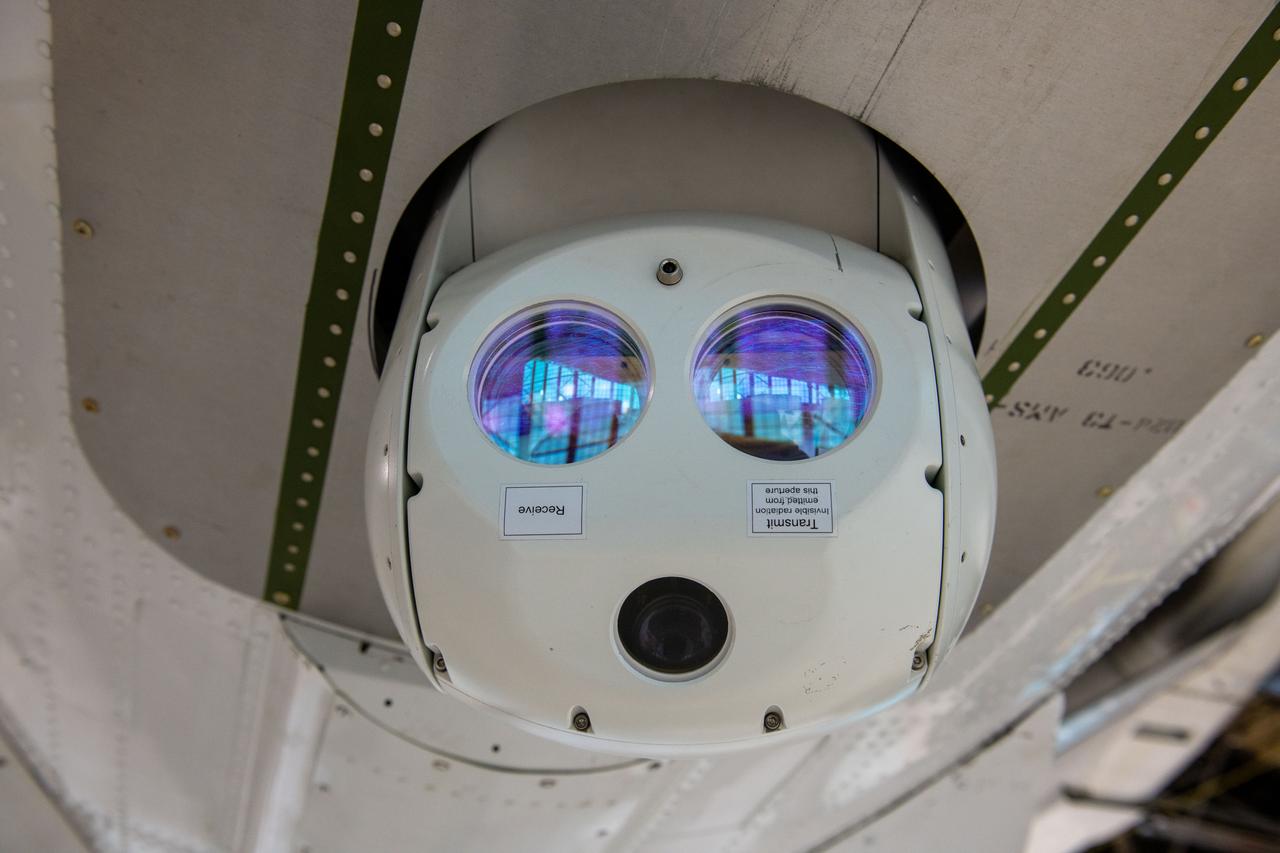
Convergent Aeronautics Solutions (CAS) Quantum Technologies (QTech)
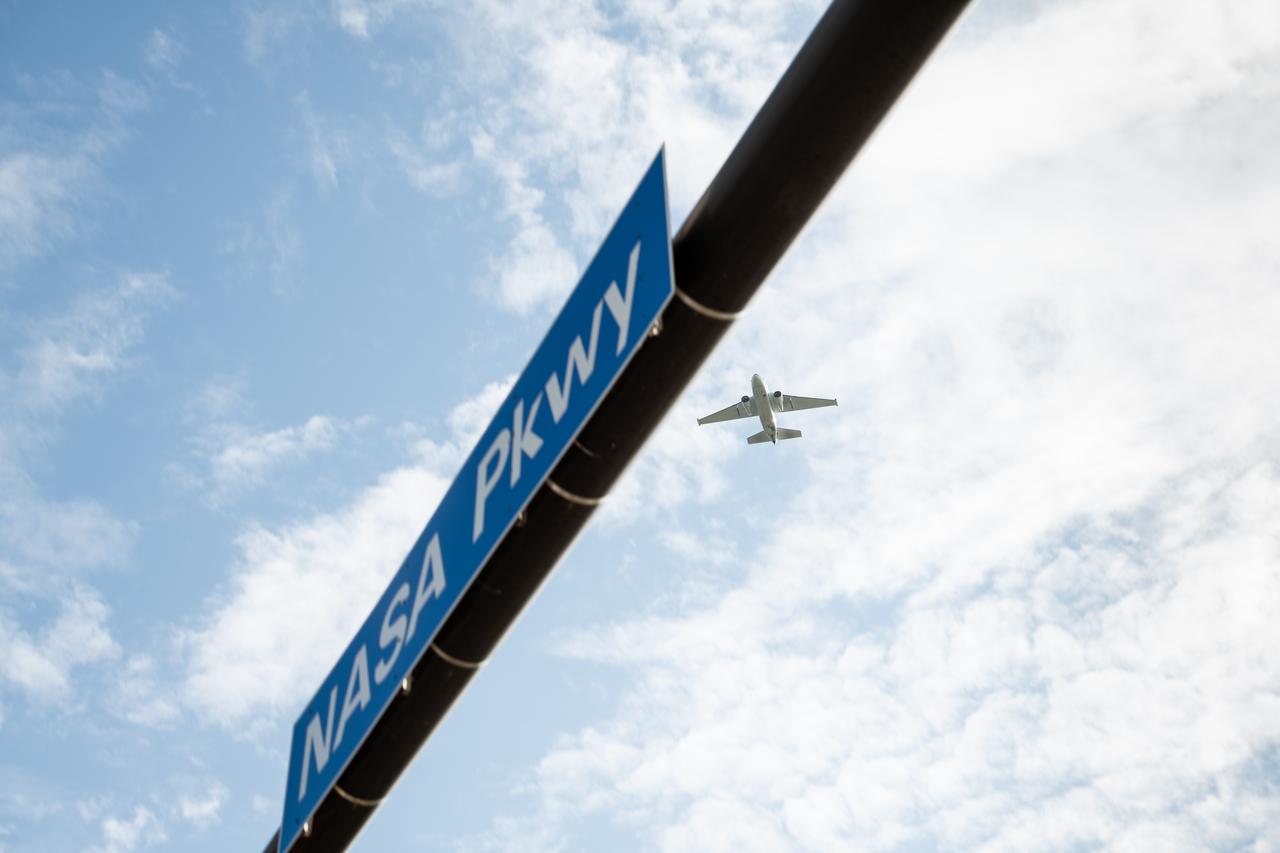
Retirement and Departure of the Lockheed S-3B Viking Aircraft