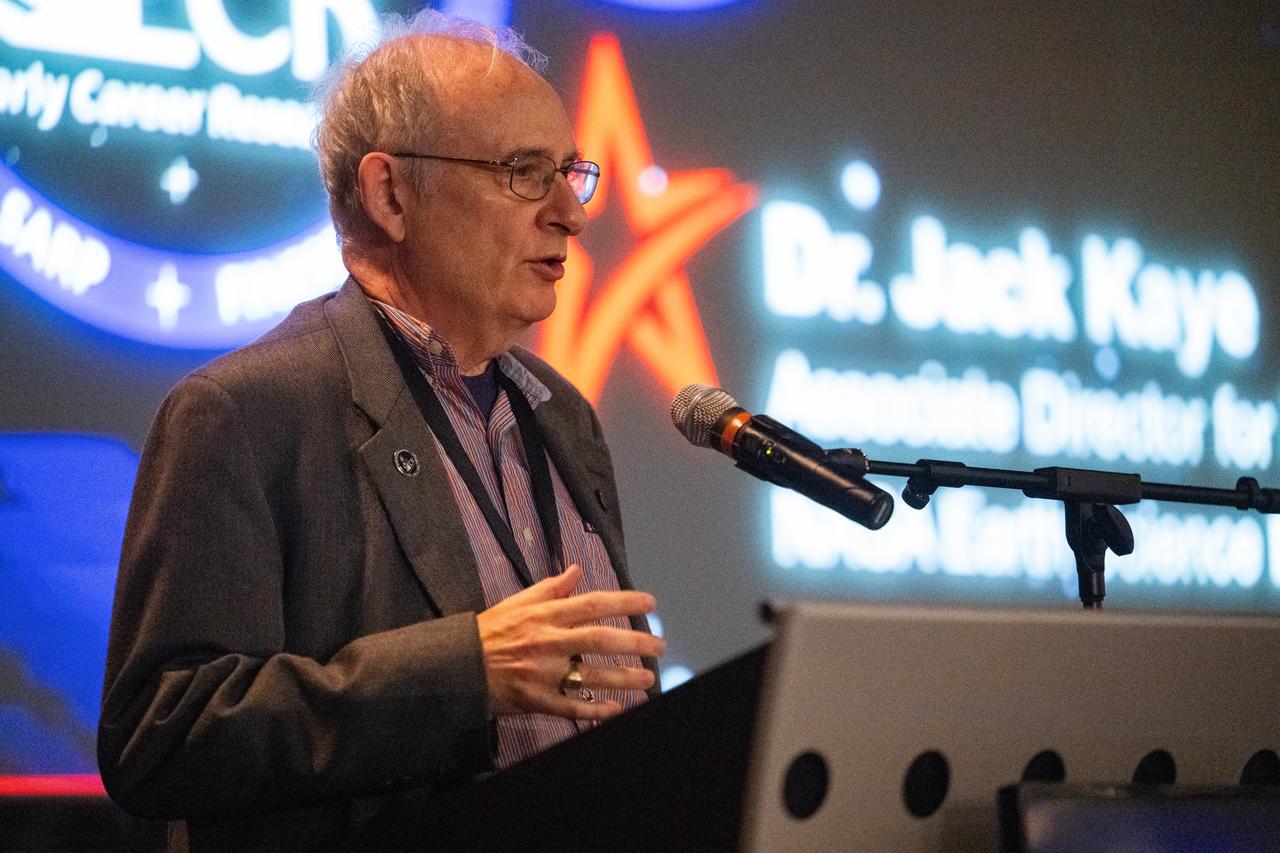
Jack Kaye, associate director for research in the Earth Science Division of NASA’s Science Mission Directorate, speaks with the Climate Change Research Initiative (CCRI) cohort, Wednesday, Aug. 7, 2024, at the Mary W. Jackson NASA Headquarters building in Washington, DC. The Earth Science Division’s Early Career Research Program’s Climate Change Research Initiative (CCRI) is a year-long STEM engagement and experiential learning opportunity for educators and students from high school to graduate level. Photo Credit: (NASA/Joel Kowsky)
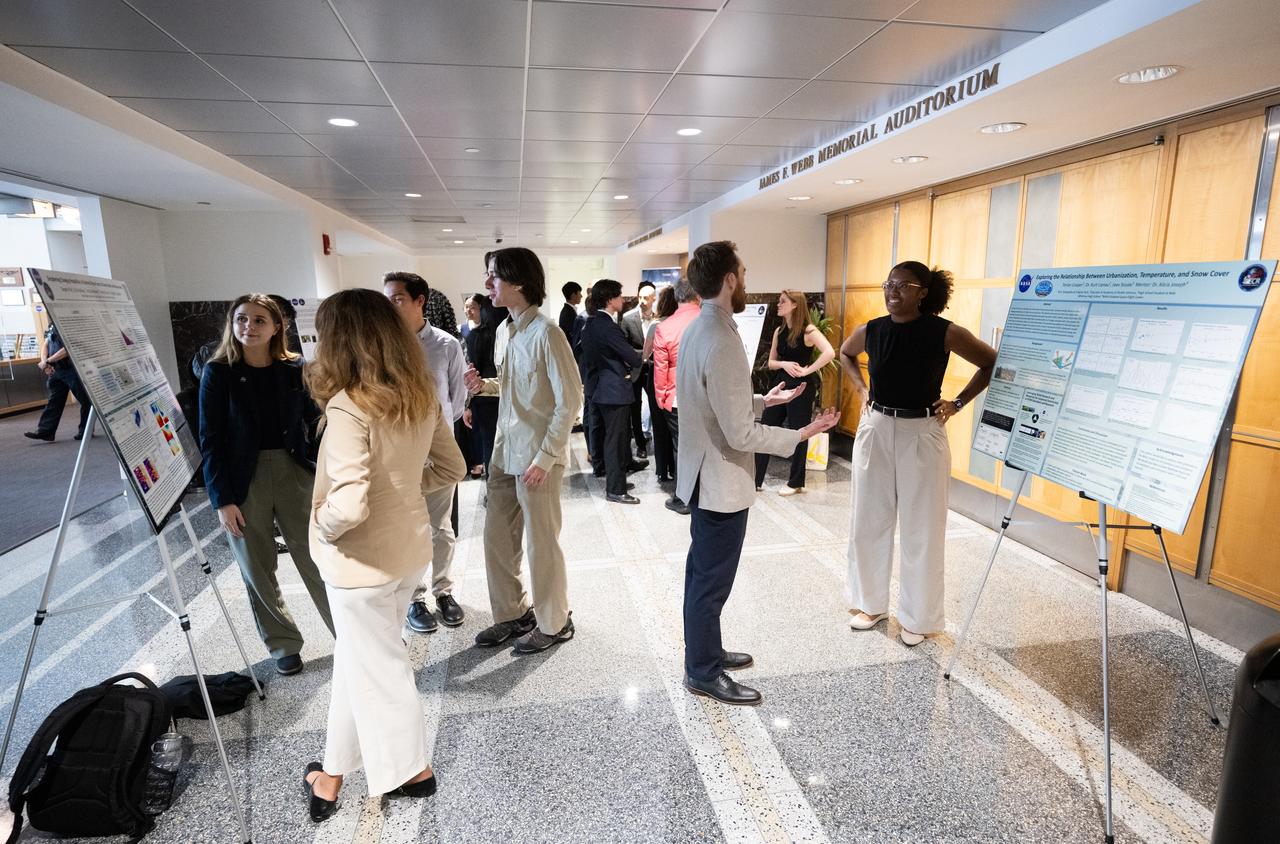
Members of the Climate Change Research Initiative (CCRI) cohort discuss their research during a poster session, Wednesday, Aug. 7, 2024, at the Mary W. Jackson NASA Headquarters building in Washington, DC. The Earth Science Division’s Early Career Research Program’s Climate Change Research Initiative (CCRI) is a year-long STEM engagement and experiential learning opportunity for educators and students from high school to graduate level. Photo Credit: (NASA/Joel Kowsky)
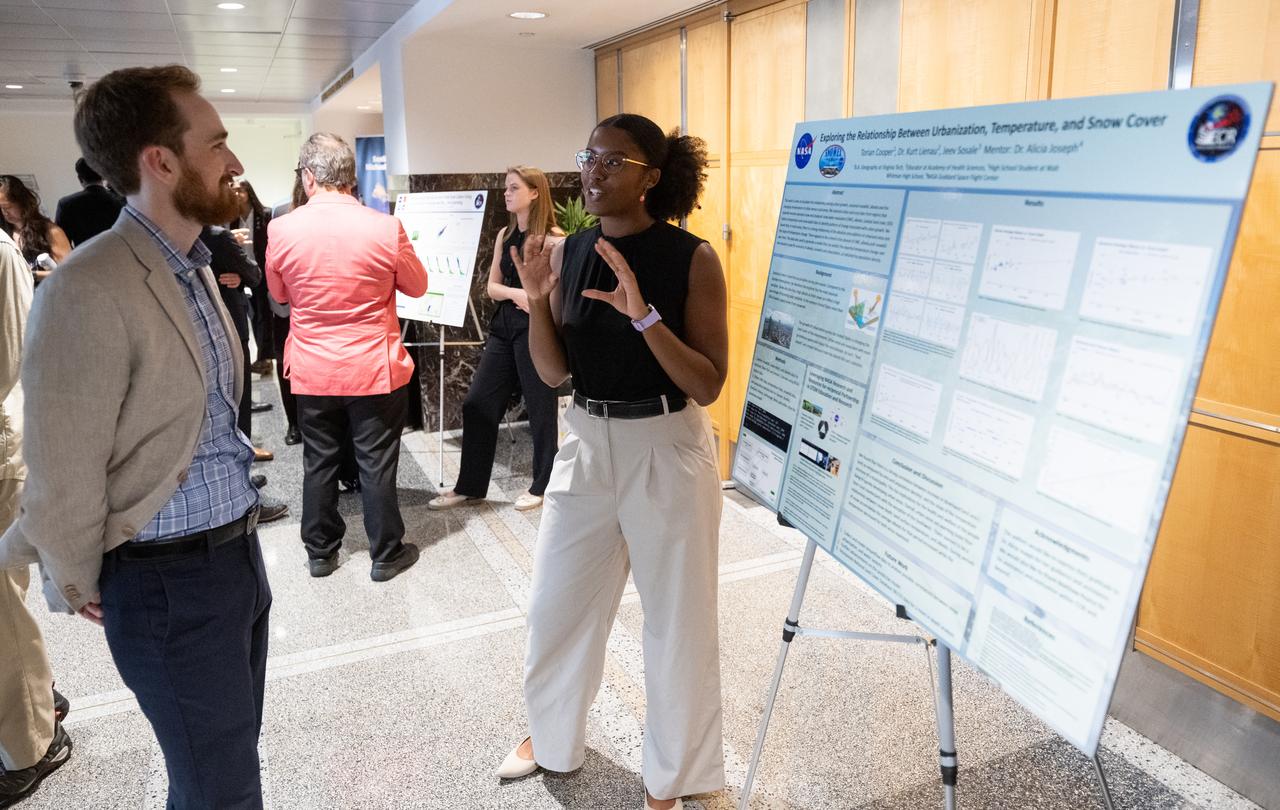
Members of the Climate Change Research Initiative (CCRI) cohort discuss their research during a poster session, Wednesday, Aug. 7, 2024, at the Mary W. Jackson NASA Headquarters building in Washington, DC. The Earth Science Division’s Early Career Research Program’s Climate Change Research Initiative (CCRI) is a year-long STEM engagement and experiential learning opportunity for educators and students from high school to graduate level. Photo Credit: (NASA/Joel Kowsky)
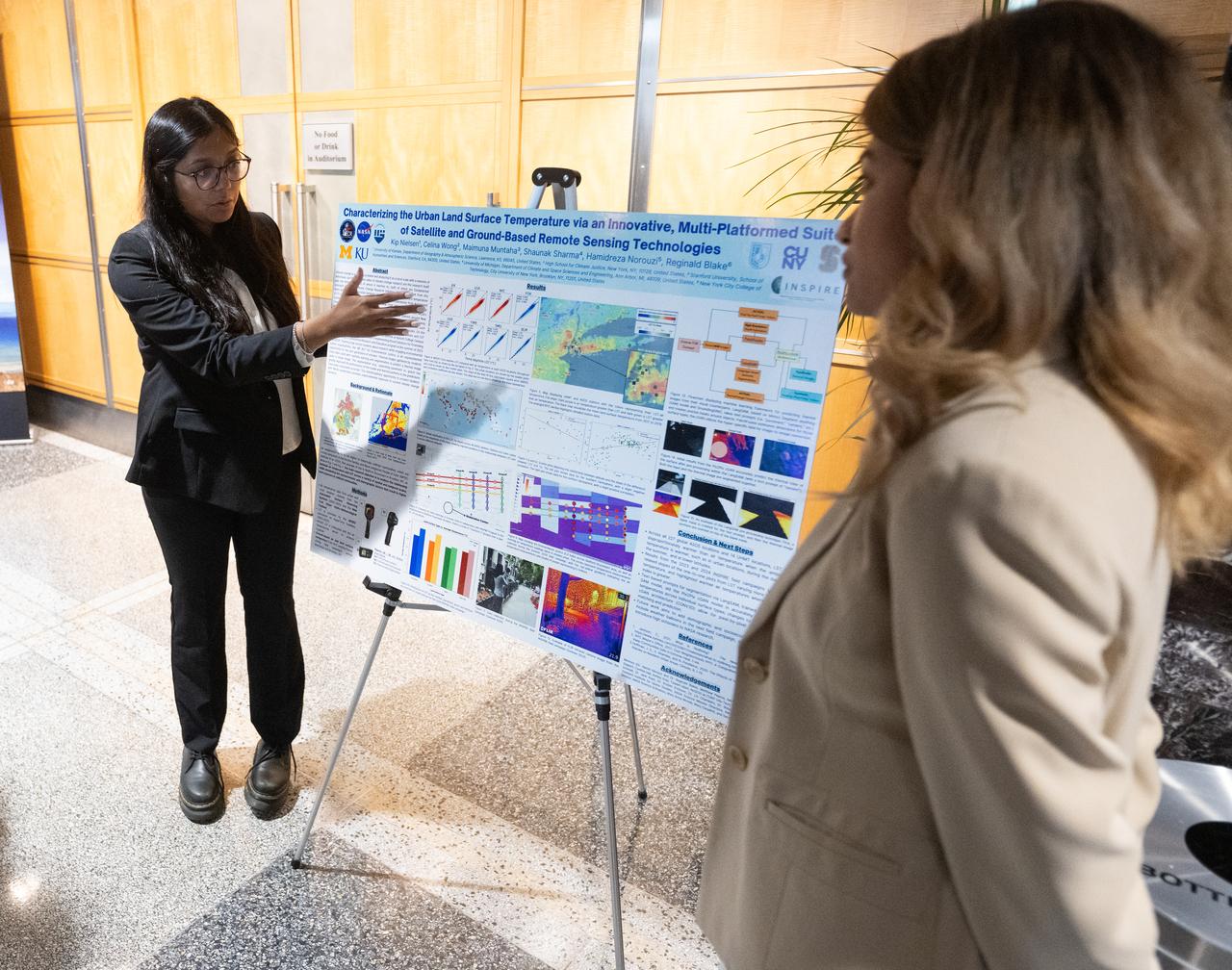
Members of the Climate Change Research Initiative (CCRI) cohort discuss their research during a poster session, Wednesday, Aug. 7, 2024, at the Mary W. Jackson NASA Headquarters building in Washington, DC. The Earth Science Division’s Early Career Research Program’s Climate Change Research Initiative (CCRI) is a year-long STEM engagement and experiential learning opportunity for educators and students from high school to graduate level. Photo Credit: (NASA/Joel Kowsky)
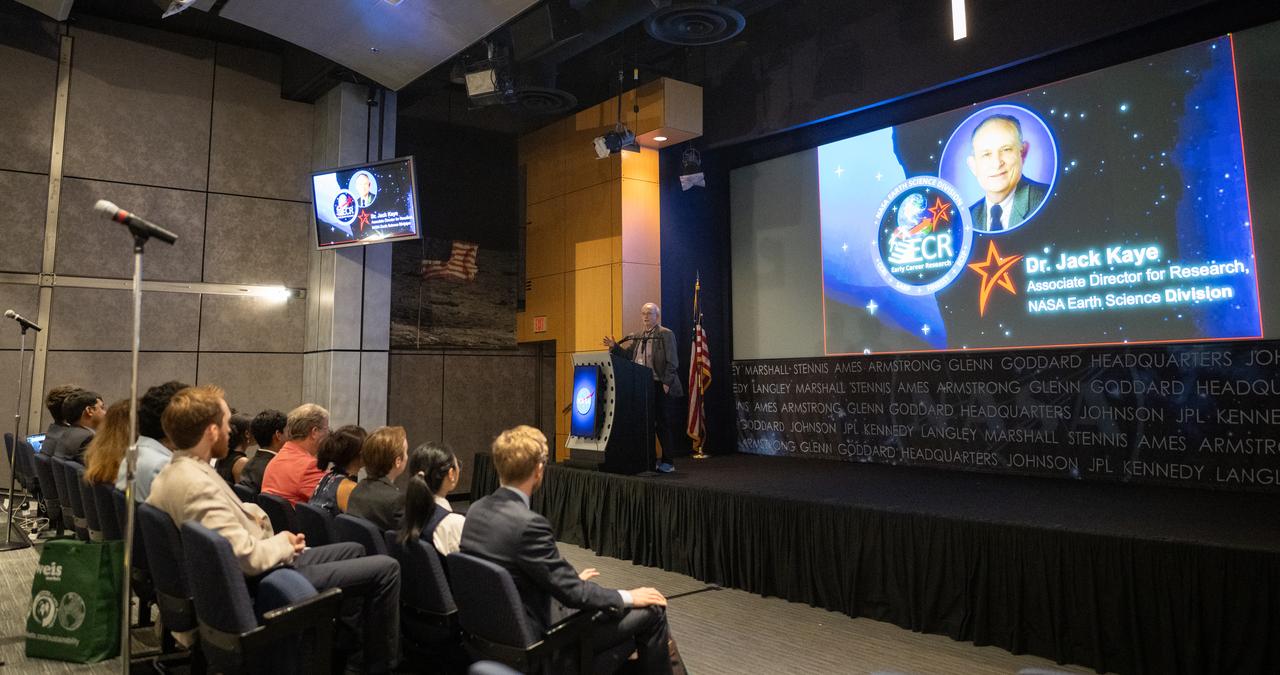
Jack Kaye, associate director for research in the Earth Science Division of NASA’s Science Mission Directorate, speaks with the Climate Change Research Initiative (CCRI) cohort, Wednesday, Aug. 7, 2024, at the Mary W. Jackson NASA Headquarters building in Washington, DC. The Earth Science Division’s Early Career Research Program’s Climate Change Research Initiative (CCRI) is a year-long STEM engagement and experiential learning opportunity for educators and students from high school to graduate level. Photo Credit: (NASA/Joel Kowsky)

Members of the Climate Change Research Initiative (CCRI) cohort discuss their research during a poster session, Wednesday, Aug. 7, 2024, at the Mary W. Jackson NASA Headquarters building in Washington, DC. The Earth Science Division’s Early Career Research Program’s Climate Change Research Initiative (CCRI) is a year-long STEM engagement and experiential learning opportunity for educators and students from high school to graduate level. Photo Credit: (NASA/Joel Kowsky)
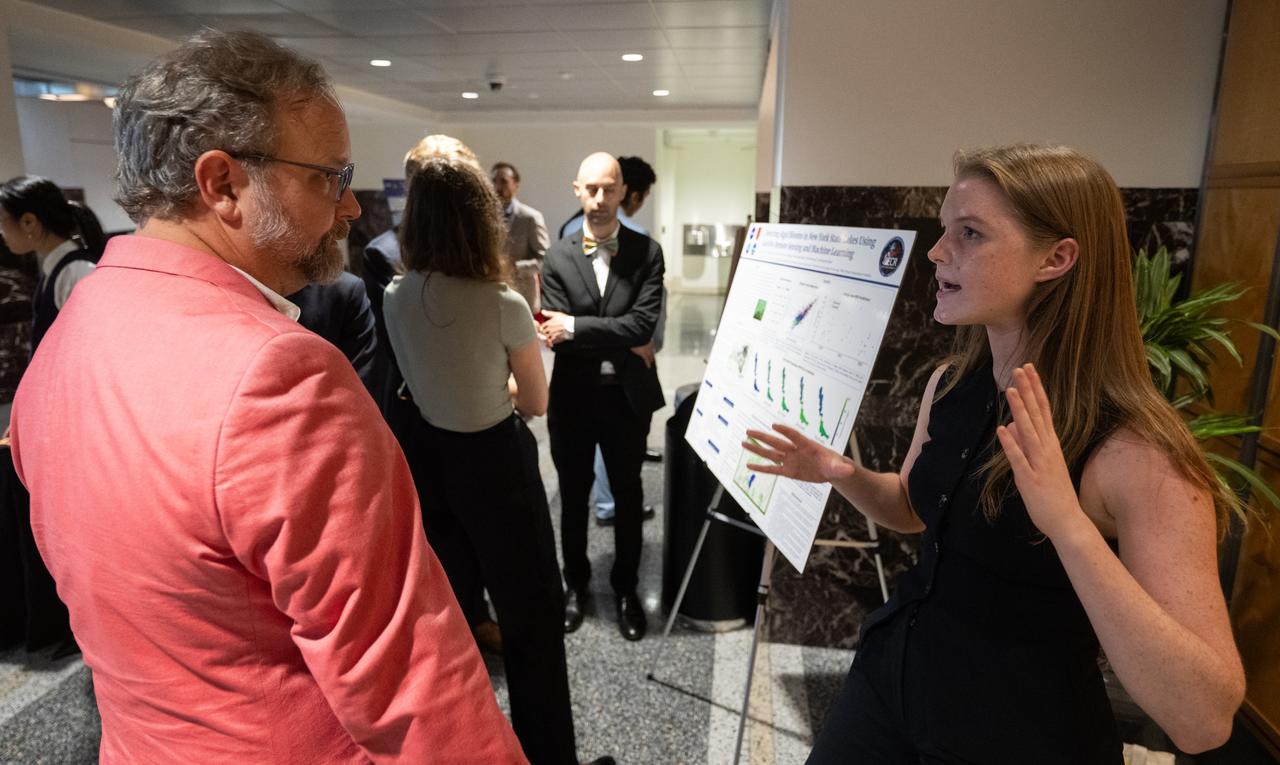
Members of the Climate Change Research Initiative (CCRI) cohort discuss their research during a poster session, Wednesday, Aug. 7, 2024, at the Mary W. Jackson NASA Headquarters building in Washington, DC. The Earth Science Division’s Early Career Research Program’s Climate Change Research Initiative (CCRI) is a year-long STEM engagement and experiential learning opportunity for educators and students from high school to graduate level. Photo Credit: (NASA/Joel Kowsky)
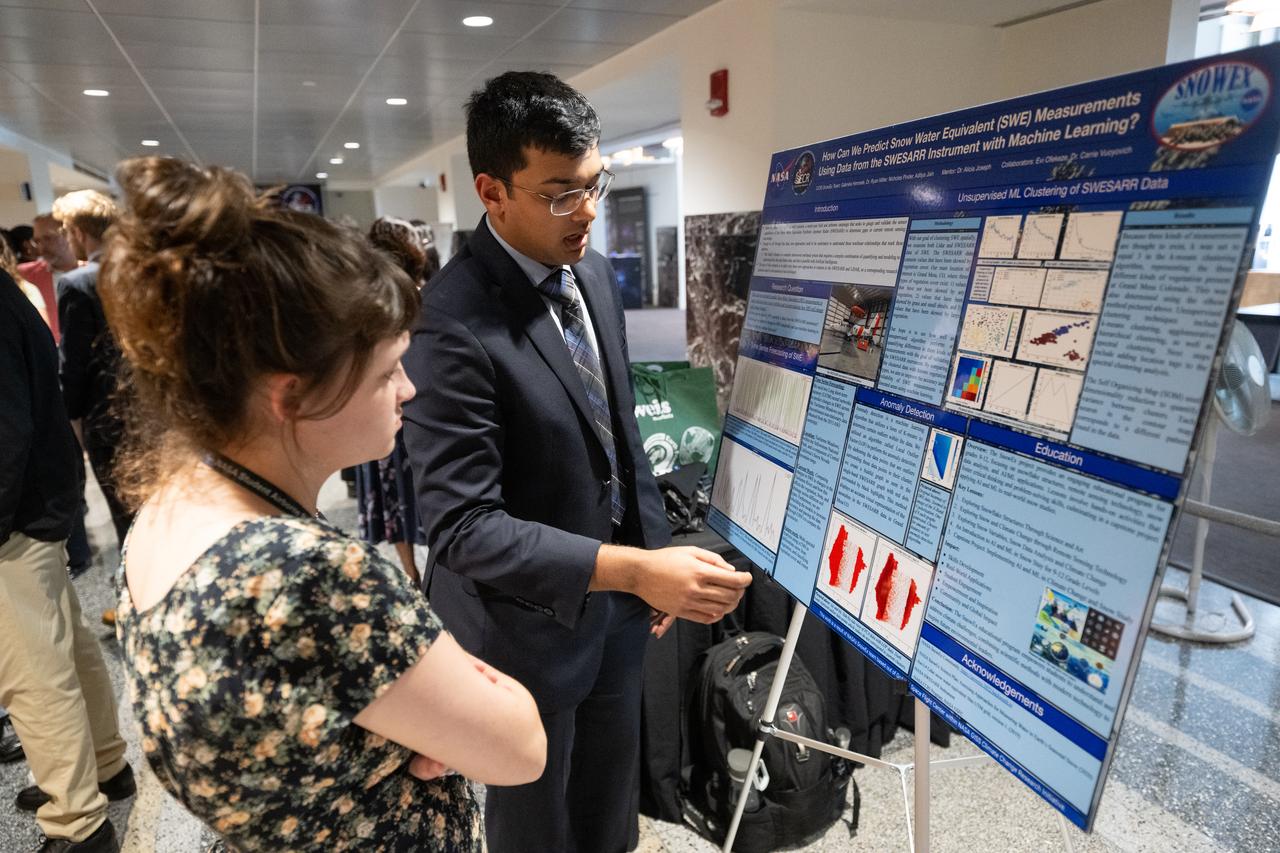
Members of the Climate Change Research Initiative (CCRI) cohort discuss their research during a poster session, Wednesday, Aug. 7, 2024, at the Mary W. Jackson NASA Headquarters building in Washington, DC. The Earth Science Division’s Early Career Research Program’s Climate Change Research Initiative (CCRI) is a year-long STEM engagement and experiential learning opportunity for educators and students from high school to graduate level. Photo Credit: (NASA/Joel Kowsky)
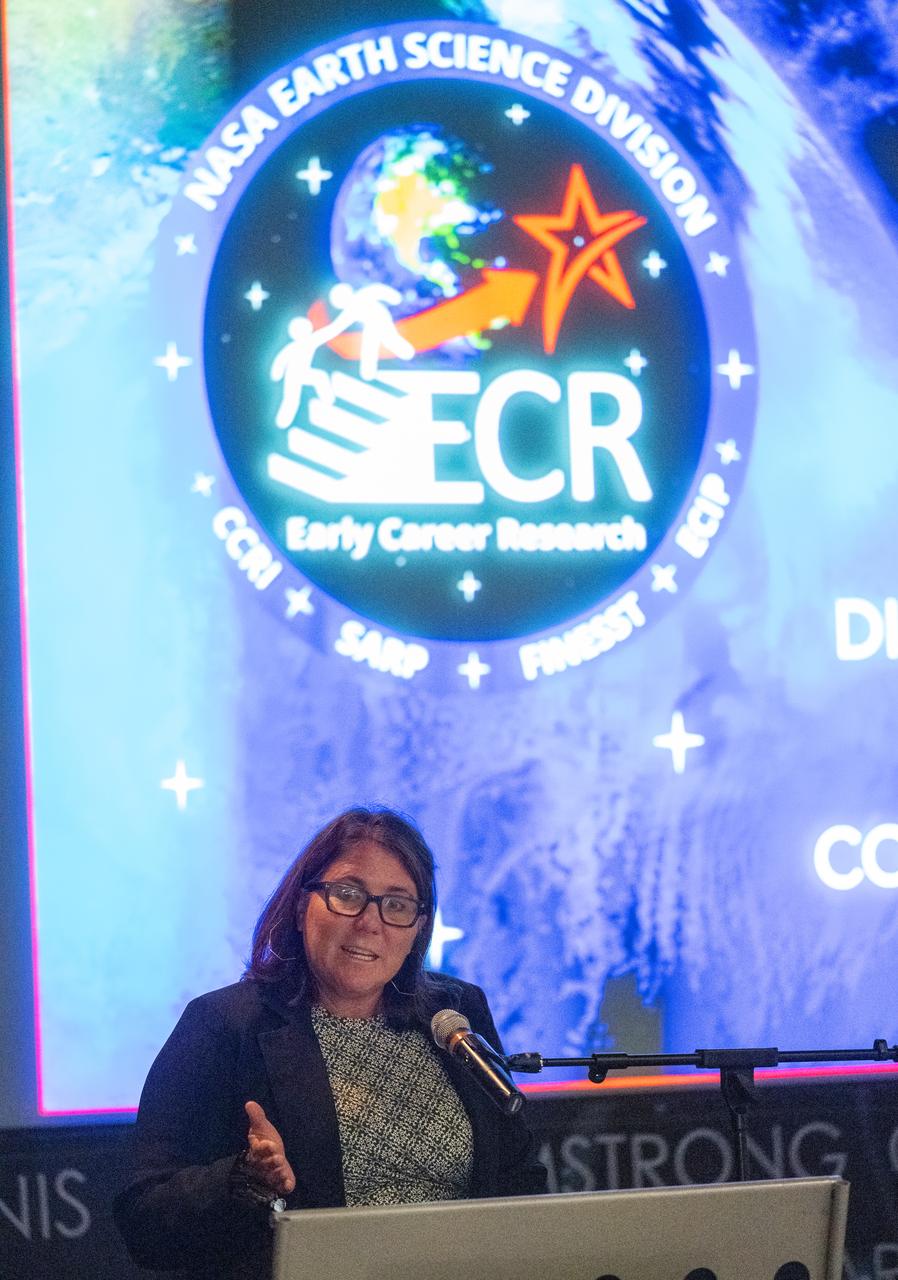
Cynthia Hall, support scientist for the Early Career Research Program in NASA’s Earth Science Division, speaks to the Climate Change Research Initiative (CCRI) cohort, Wednesday, Aug. 7, 2024, at the Mary W. Jackson NASA Headquarters building in Washington, DC. The Earth Science Division’s Early Career Research Program’s Climate Change Research Initiative (CCRI) is a year-long STEM engagement and experiential learning opportunity for educators and students from high school to graduate level. Photo Credit: (NASA/Joel Kowsky)

Members of the Climate Change Research Initiative (CCRI) cohort listen as Karen St. Germain, director of the Earth Science Division of NASA’s Science Mission Directorate speaks, Wednesday, Aug. 7, 2024, at the Mary W. Jackson NASA Headquarters building in Washington, DC. The Earth Science Division’s Early Career Research Program’s Climate Change Research Initiative (CCRI) is a year-long STEM engagement and experiential learning opportunity for educators and students from high school to graduate level. Photo Credit: (NASA/Joel Kowsky)
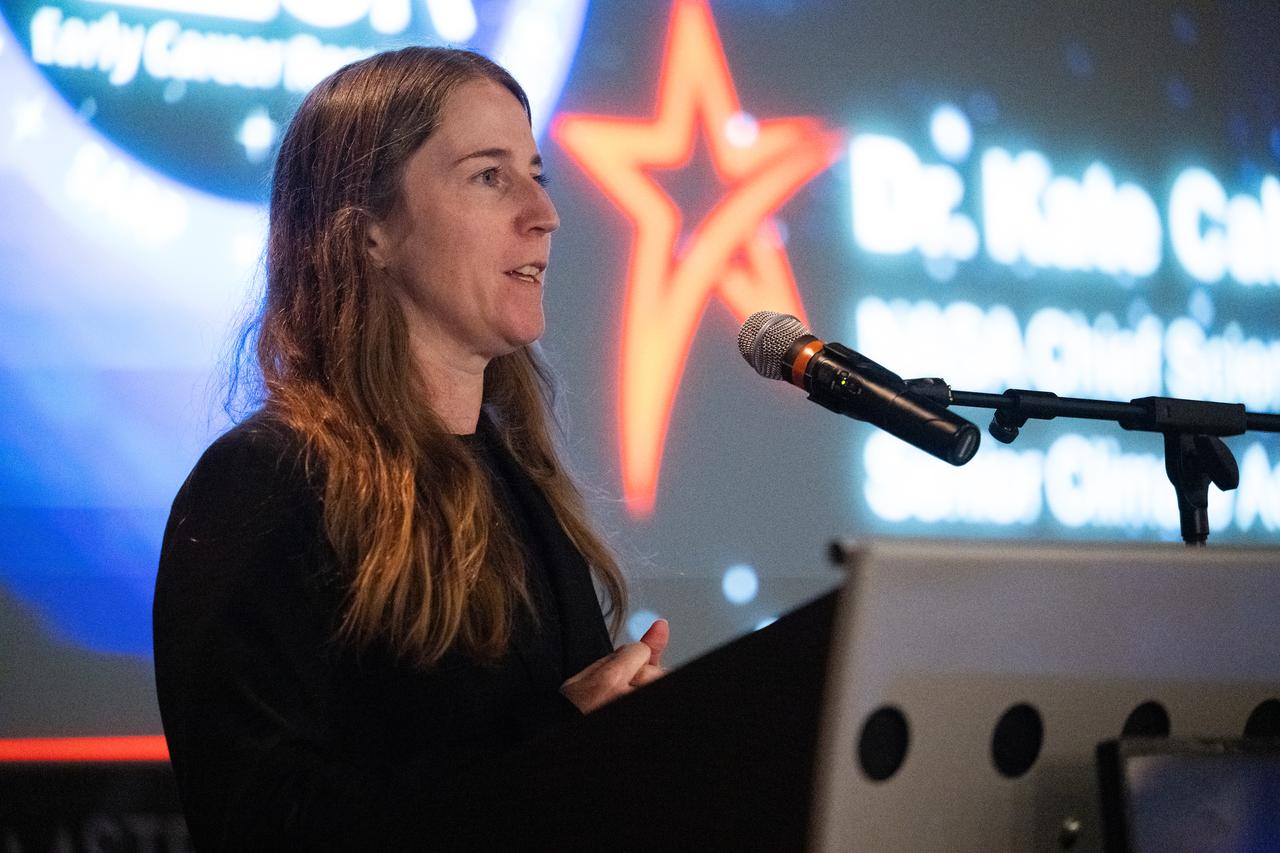
Kate Calvin, NASA’s Chief Scientist, speaks to the Climate Change Research Initiative (CCRI) cohort, Wednesday, Aug. 7, 2024, at the Mary W. Jackson NASA Headquarters building in Washington, DC. The Earth Science Division’s Early Career Research Program’s Climate Change Research Initiative (CCRI) is a year-long STEM engagement and experiential learning opportunity for educators and students from high school to graduate level. Photo Credit: (NASA/Joel Kowsky)
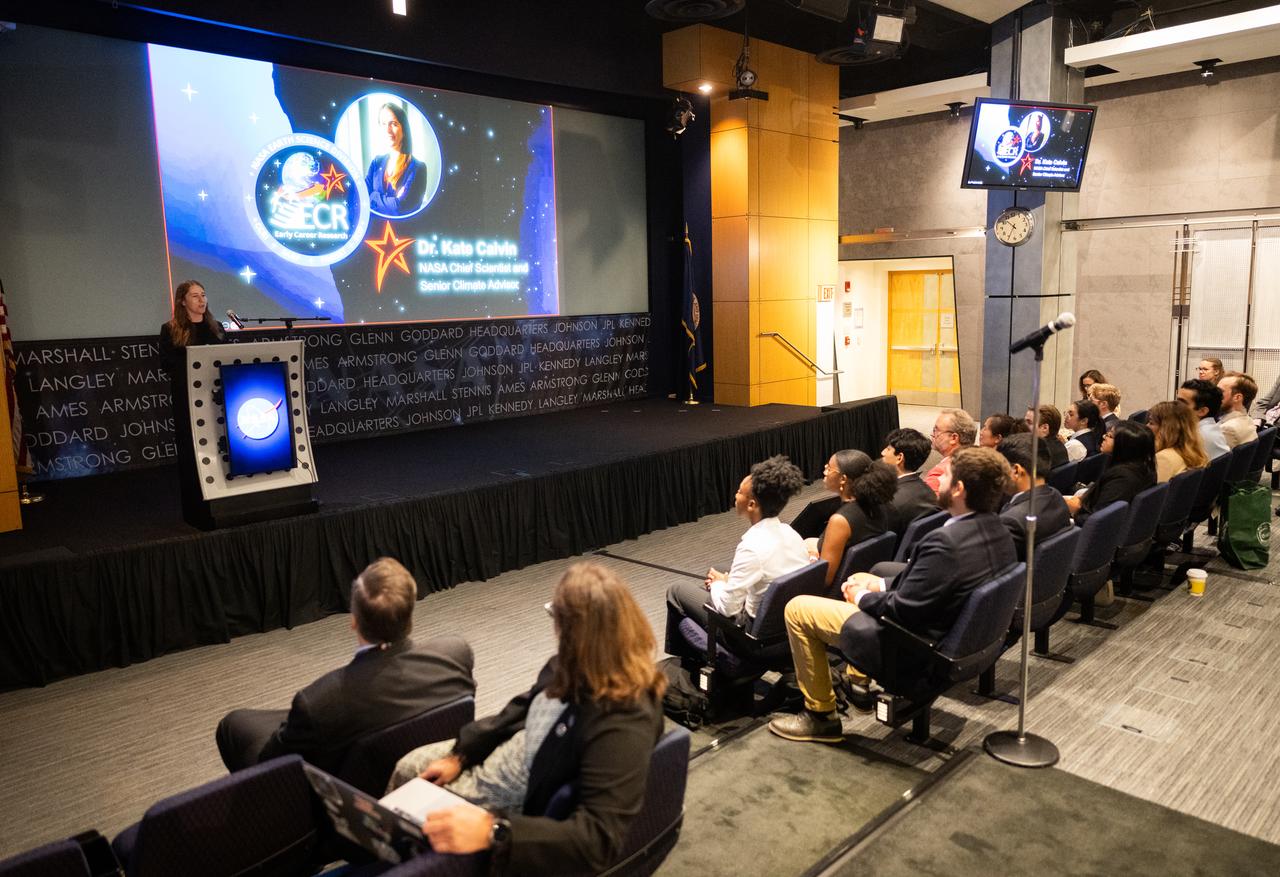
Kate Calvin, NASA’s Chief Scientist, speaks to the Climate Change Research Initiative (CCRI) cohort, Wednesday, Aug. 7, 2024, at the Mary W. Jackson NASA Headquarters building in Washington, DC. The Earth Science Division’s Early Career Research Program’s Climate Change Research Initiative (CCRI) is a year-long STEM engagement and experiential learning opportunity for educators and students from high school to graduate level. Photo Credit: (NASA/Joel Kowsky)
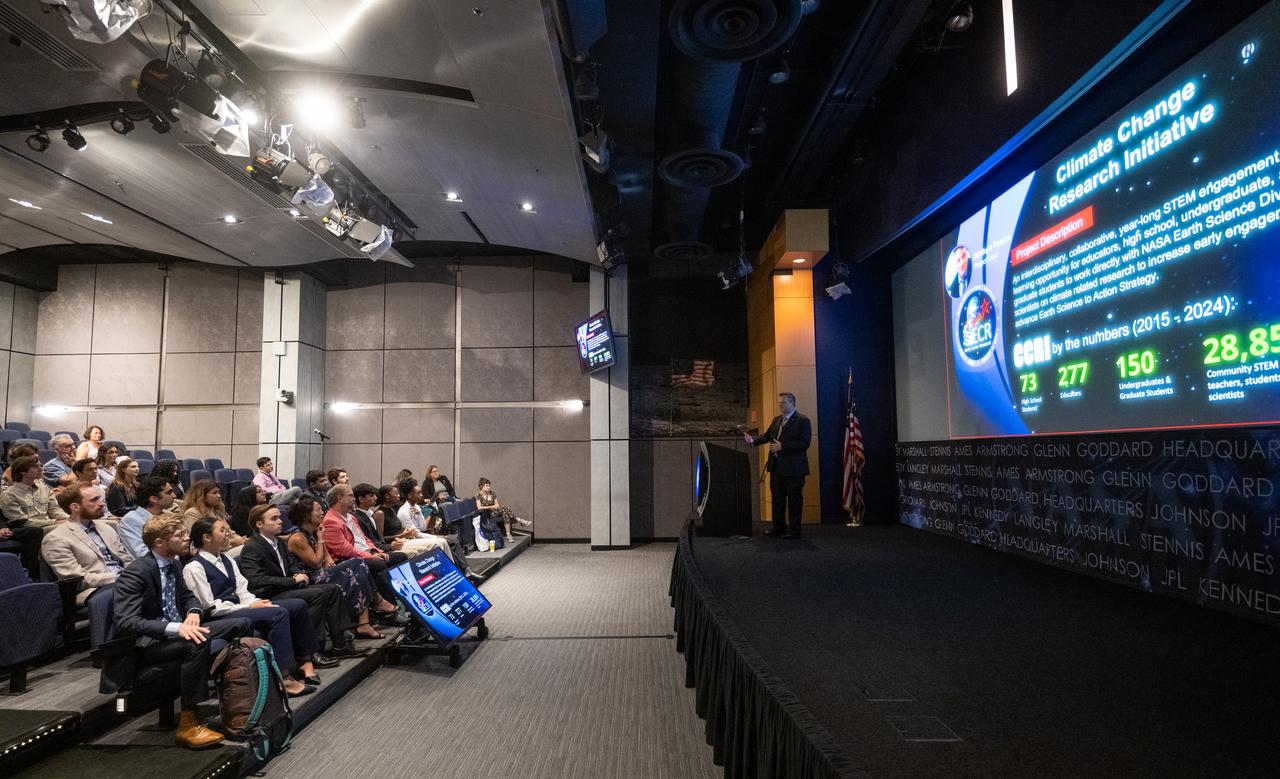
Matthew Pearce, education officer at NASA’s Goddard Institute for Space Studies and project lead for the Climate Change Research Initiative (CCRI), speaks with the CCRI cohort, Wednesday, Aug. 7, 2024, at the Mary W. Jackson NASA Headquarters building in Washington, DC. The Earth Science Division’s Early Career Research Program’s Climate Change Research Initiative (CCRI) is a year-long STEM engagement and experiential learning opportunity for educators and students from high school to graduate level. Photo Credit: (NASA/Joel Kowsky)
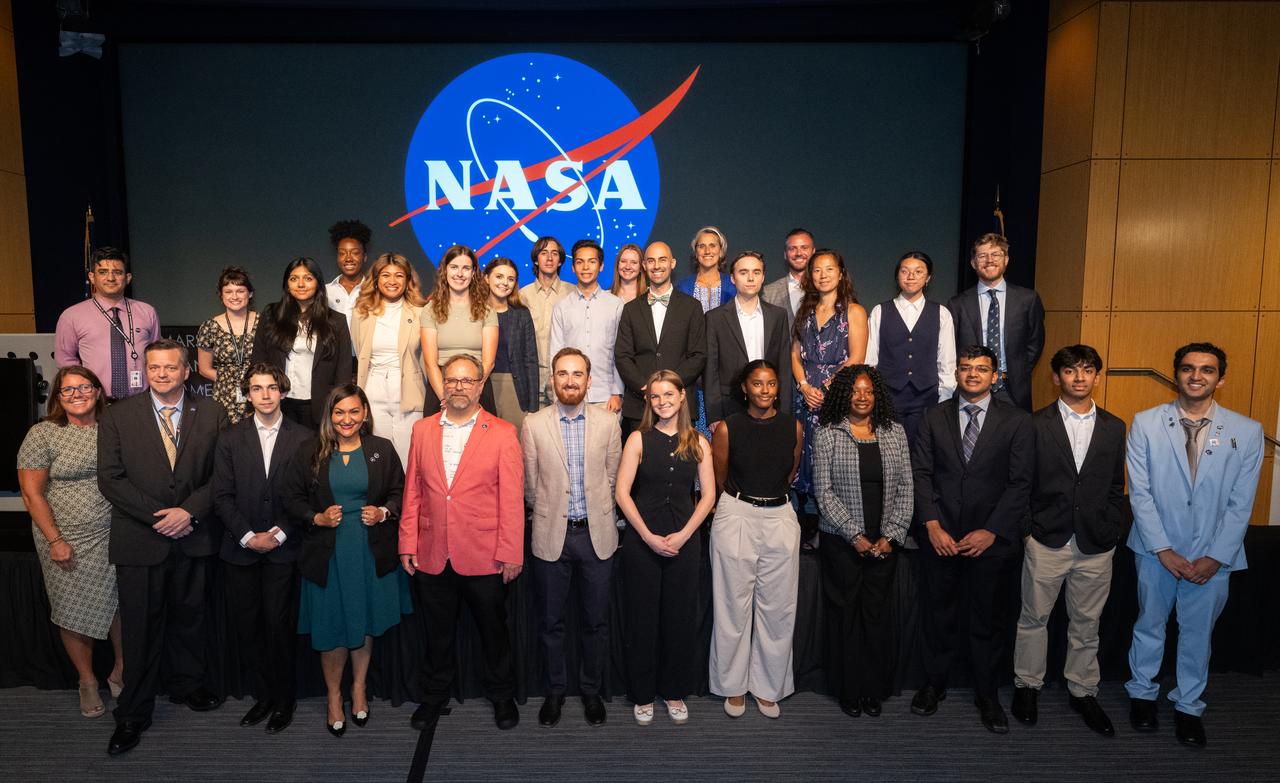
The Climate Change Research Initiative (CCRI) cohort poses for a group photo, Wednesday, Aug. 7, 2024, at the Mary W. Jackson NASA Headquarters building in Washington, DC. The Earth Science Division’s Early Career Research Program’s Climate Change Research Initiative (CCRI) is a year-long STEM engagement and experiential learning opportunity for educators and students from high school to graduate level. Photo Credit: (NASA/Joel Kowsky)

Members of the Climate Change Research Initiative (CCRI) cohort listen as Karen St. Germain, director of the Earth Science Division of NASA’s Science Mission Directorate speaks, Wednesday, Aug. 7, 2024, at the Mary W. Jackson NASA Headquarters building in Washington, DC. The Earth Science Division’s Early Career Research Program’s Climate Change Research Initiative (CCRI) is a year-long STEM engagement and experiential learning opportunity for educators and students from high school to graduate level. Photo Credit: (NASA/Joel Kowsky)
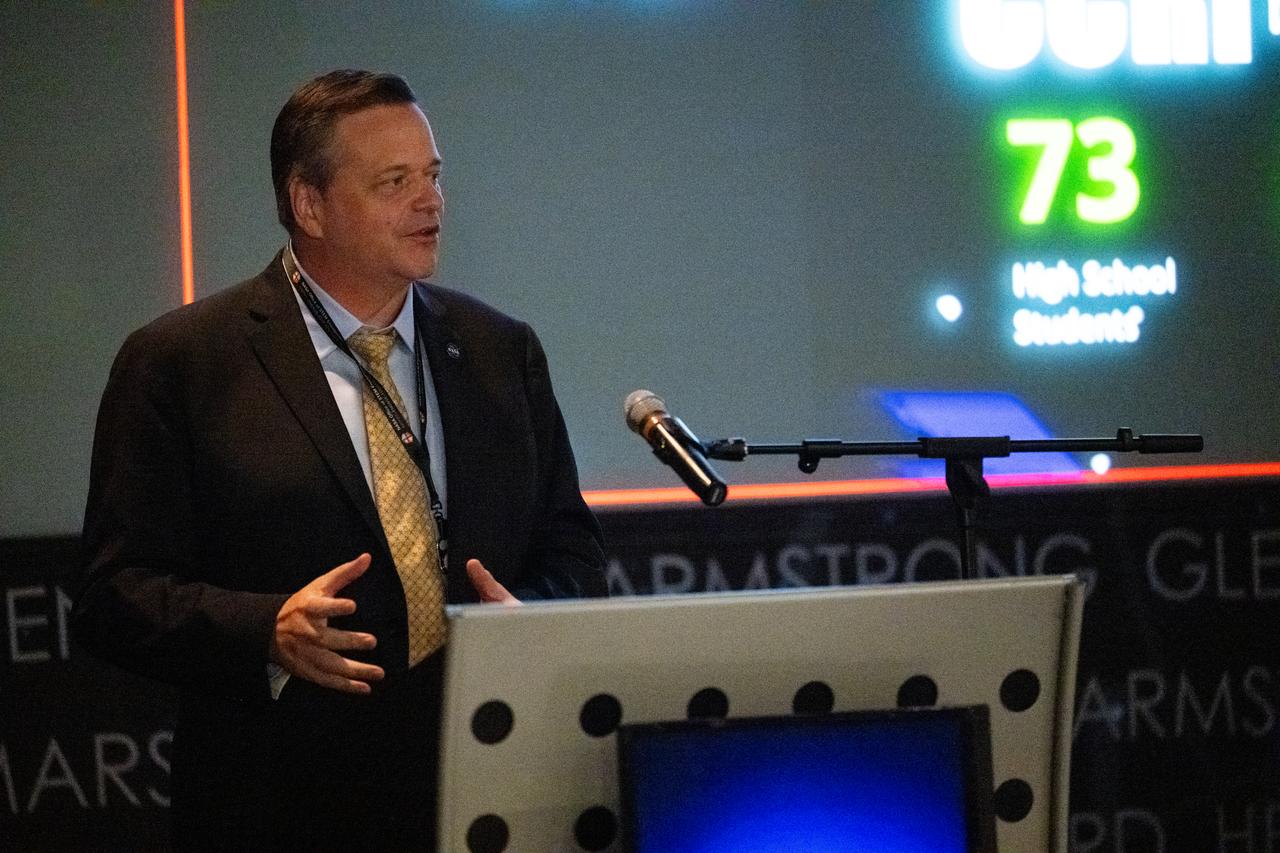
Matthew Pearce, education officer at NASA’s Goddard Institute for Space Studies and project lead for the Climate Change Research Initiative (CCRI), speaks with the CCRI cohort, Wednesday, Aug. 7, 2024, at the Mary W. Jackson NASA Headquarters building in Washington, DC. The Earth Science Division’s Early Career Research Program’s Climate Change Research Initiative (CCRI) is a year-long STEM engagement and experiential learning opportunity for educators and students from high school to graduate level. Photo Credit: (NASA/Joel Kowsky)
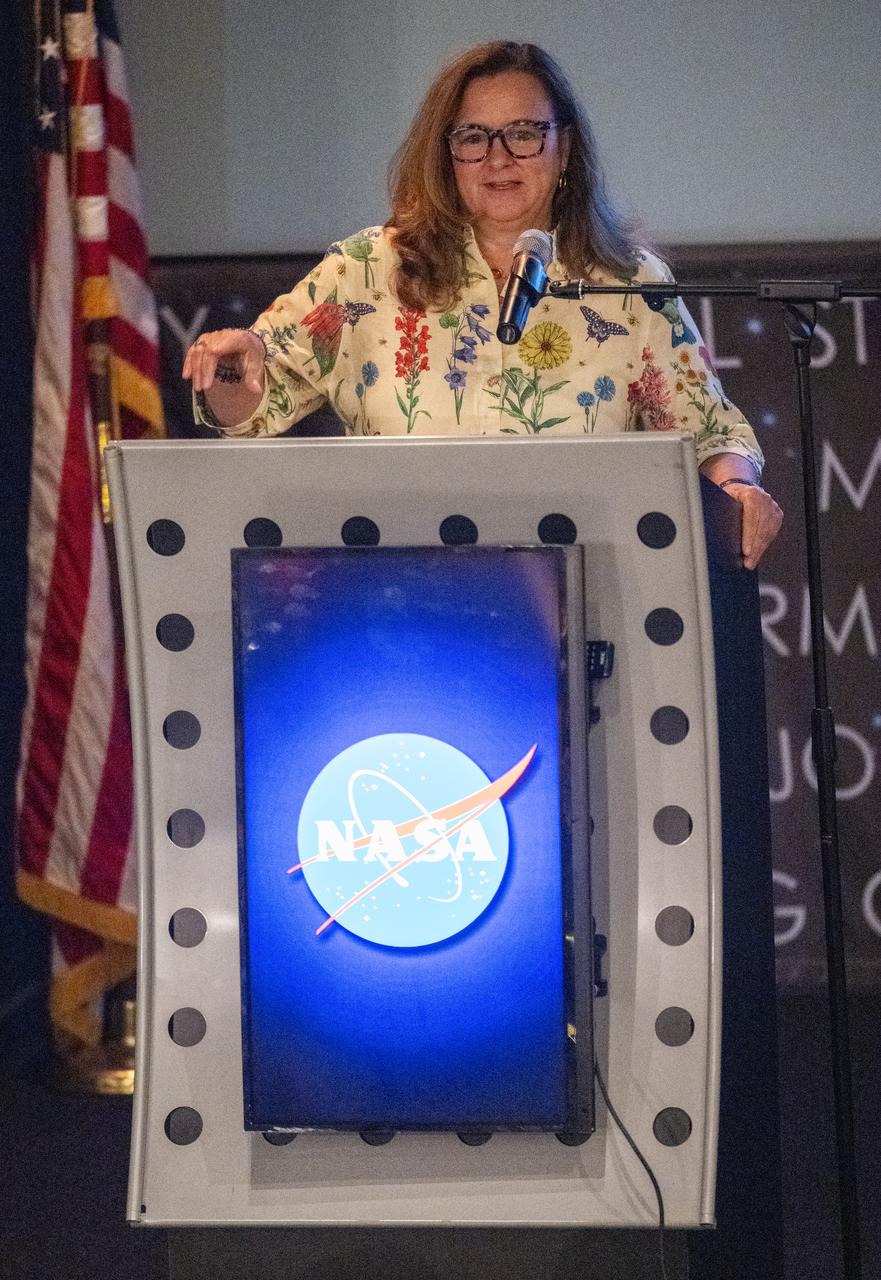
Karen St. Germain, director of the Earth Science Division of NASA’s Science Mission Directorate, speaks with the Climate Change Research Initiative (CCRI) cohort, Wednesday, Aug. 7, 2024, at the Mary W. Jackson NASA Headquarters building in Washington, DC. The Earth Science Division’s Early Career Research Program’s Climate Change Research Initiative (CCRI) is a year-long STEM engagement and experiential learning opportunity for educators and students from high school to graduate level. Photo Credit: (NASA/Joel Kowsky)
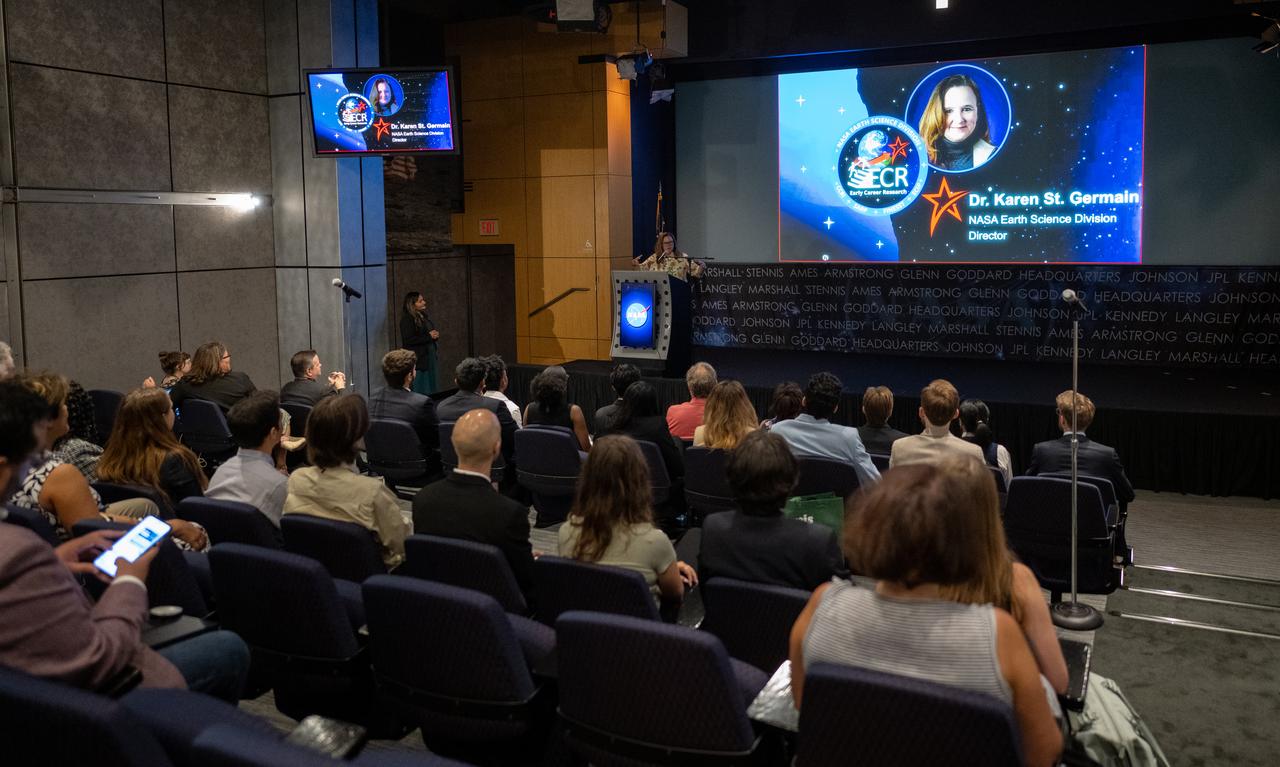
Karen St. Germain, director of the Earth Science Division of NASA’s Science Mission Directorate, speaks with the Climate Change Research Initiative (CCRI) cohort, Wednesday, Aug. 7, 2024, at the Mary W. Jackson NASA Headquarters building in Washington, DC. The Earth Science Division’s Early Career Research Program’s Climate Change Research Initiative (CCRI) is a year-long STEM engagement and experiential learning opportunity for educators and students from high school to graduate level. Photo Credit: (NASA/Joel Kowsky)
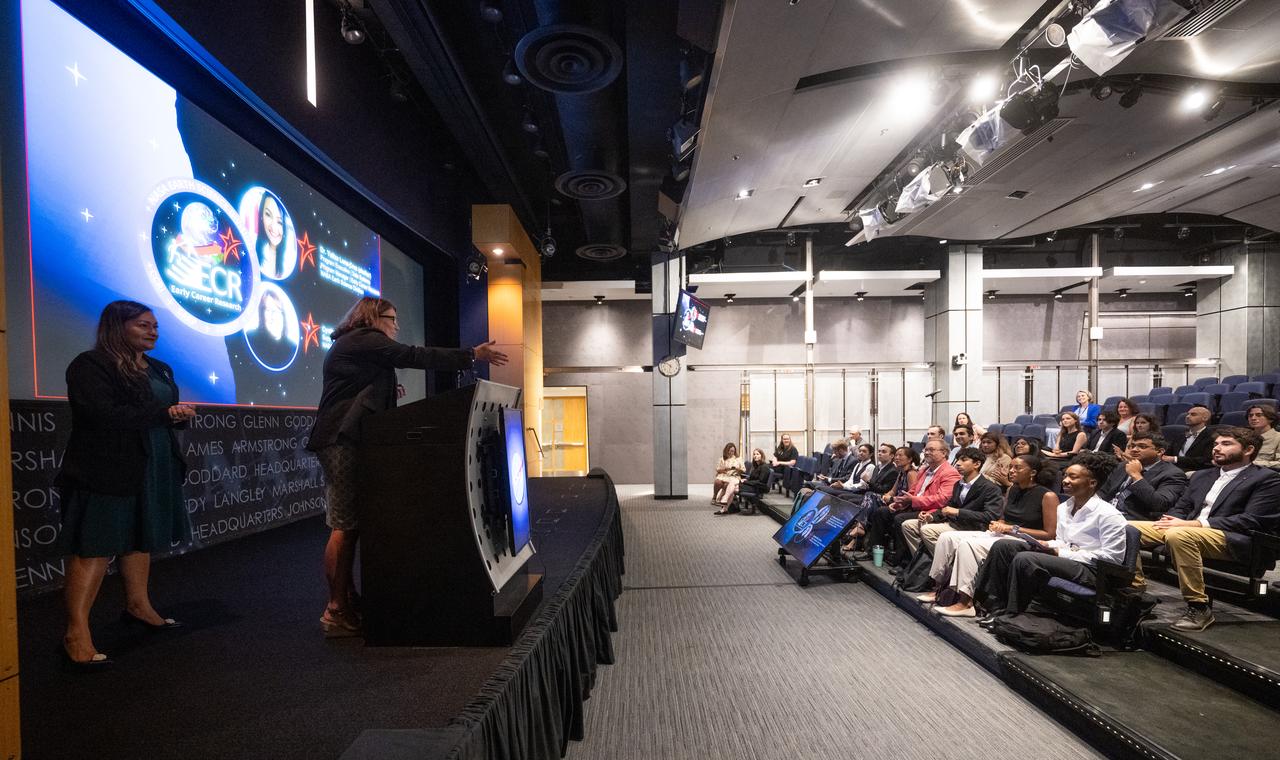
Cynthia Hall, support scientist for the Early Career Research Program in NASA’s Earth Science Division, right, and Yaítza Luna-Cruz, a program executive in the Earth Science Division of NASA’s Science Mission Directorate and program manager for the Early Career Research Program speak to the Climate Change Research Initiative (CCRI) cohort, Wednesday, Aug. 7, 2024, at the Mary W. Jackson NASA Headquarters building in Washington, DC. The Earth Science Division’s Early Career Research Program’s Climate Change Research Initiative (CCRI) is a year-long STEM engagement and experiential learning opportunity for educators and students from high school to graduate level. Photo Credit: (NASA/Joel Kowsky)
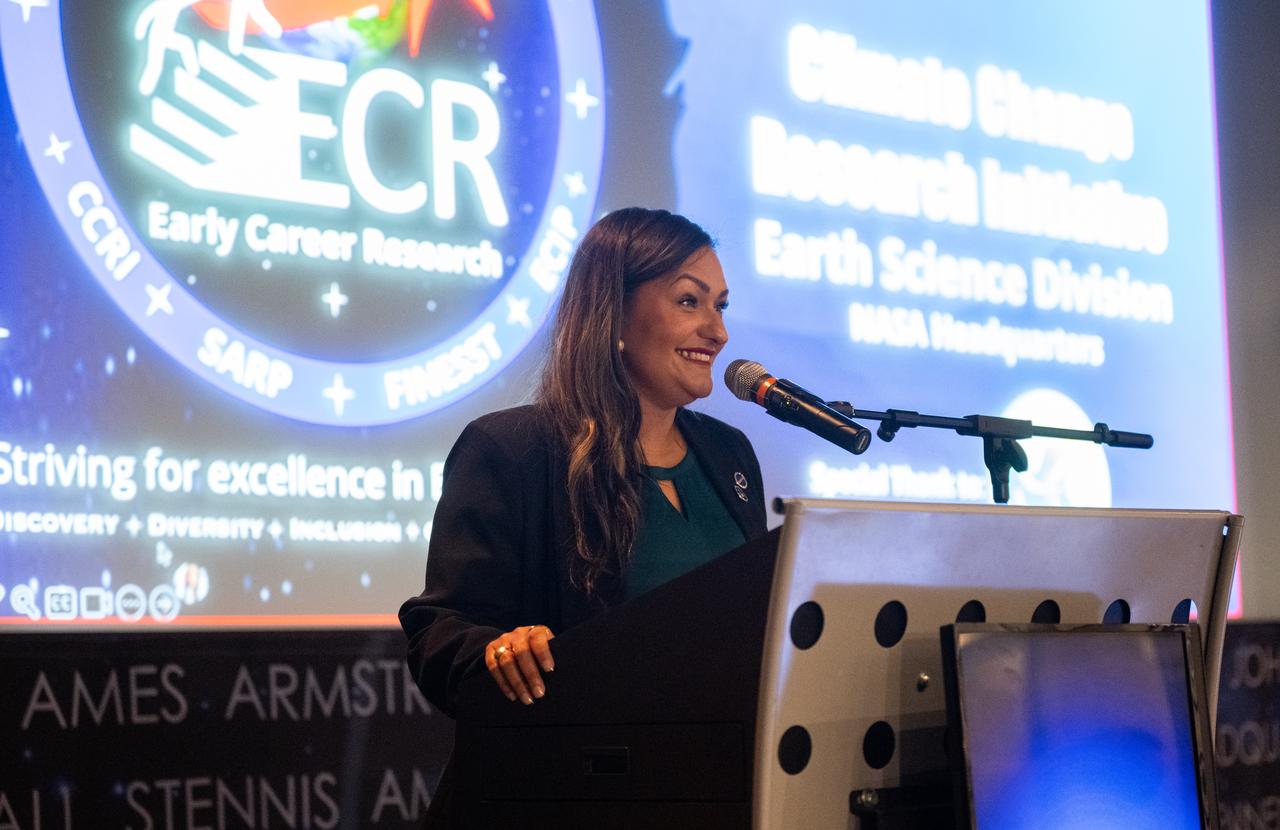
Yaítza Luna-Cruz, a program executive in the Earth Science Division of NASA’s Science Mission Directorate and program manager for the Early Career Research Program, speaks to the Climate Change Research Initiative (CCRI) cohort, Wednesday, Aug. 7, 2024, at the Mary W. Jackson NASA Headquarters building in Washington, DC. The Earth Science Division’s Early Career Research Program’s Climate Change Research Initiative (CCRI) is a year-long STEM engagement and experiential learning opportunity for educators and students from high school to graduate level. Photo Credit: (NASA/Joel Kowsky)

This poster highlights NASA JPL missions that provide important inputs to research in sea level rise and variability -- key measures of ocean circulation and global climate change.
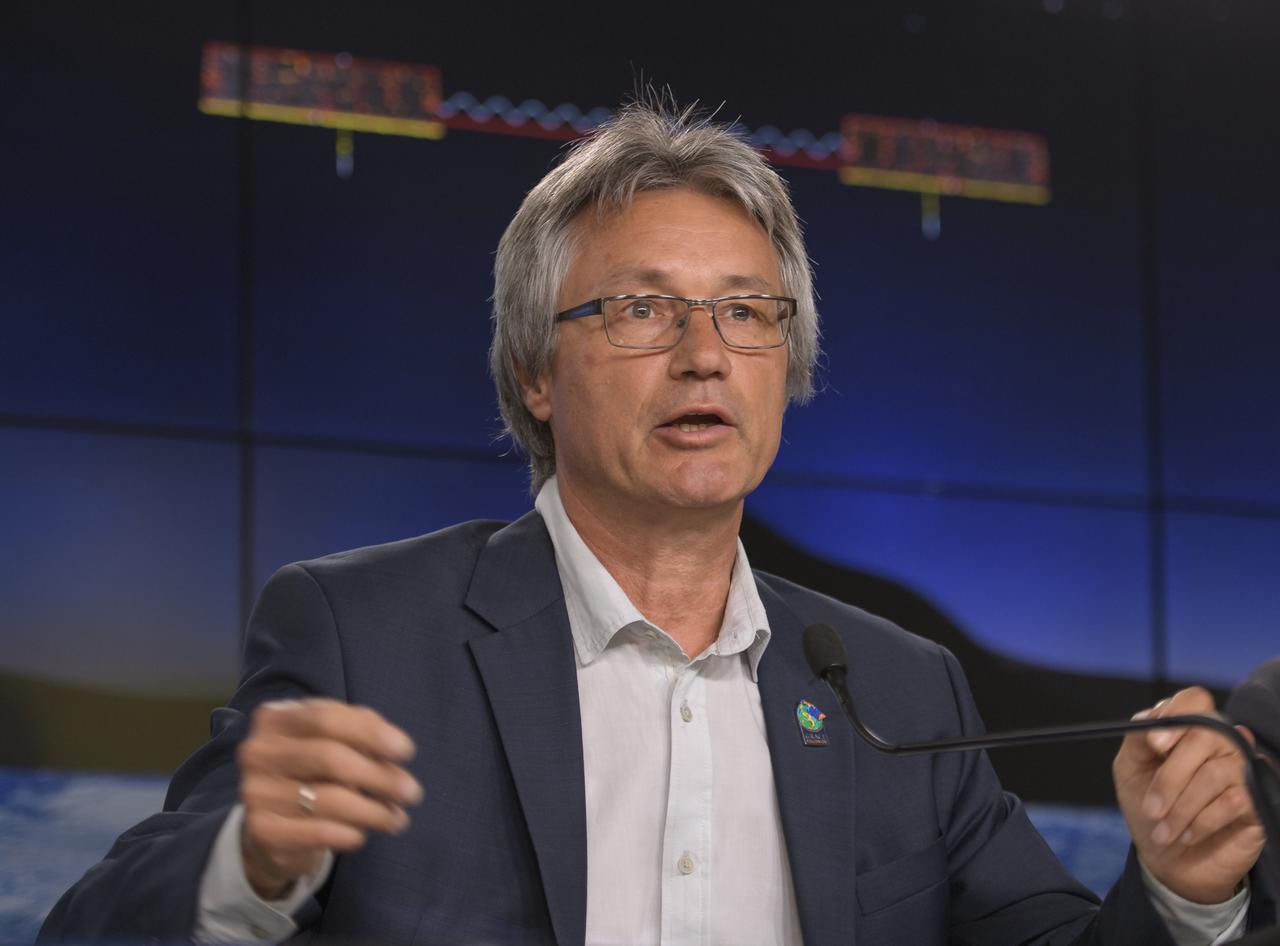
Frank Flechtner, GRACE-FO project manager for the German Research Centre for Geosciences (GFZ) in Potsdam, Germany, discusses the Gravity Recovery and Climate Experiment Follow-On (GRACE-FO) mission during a prelaunch media briefing, Monday, May 21, 2018, at Vandenberg Air Force Base in California. The twin GRACE-FO spacecraft will measure changes in how mass is redistributed within and among Earth's atmosphere, oceans, land and ice sheets, as well as within Earth itself. Photo Credit: (NASA/Bill Ingalls)
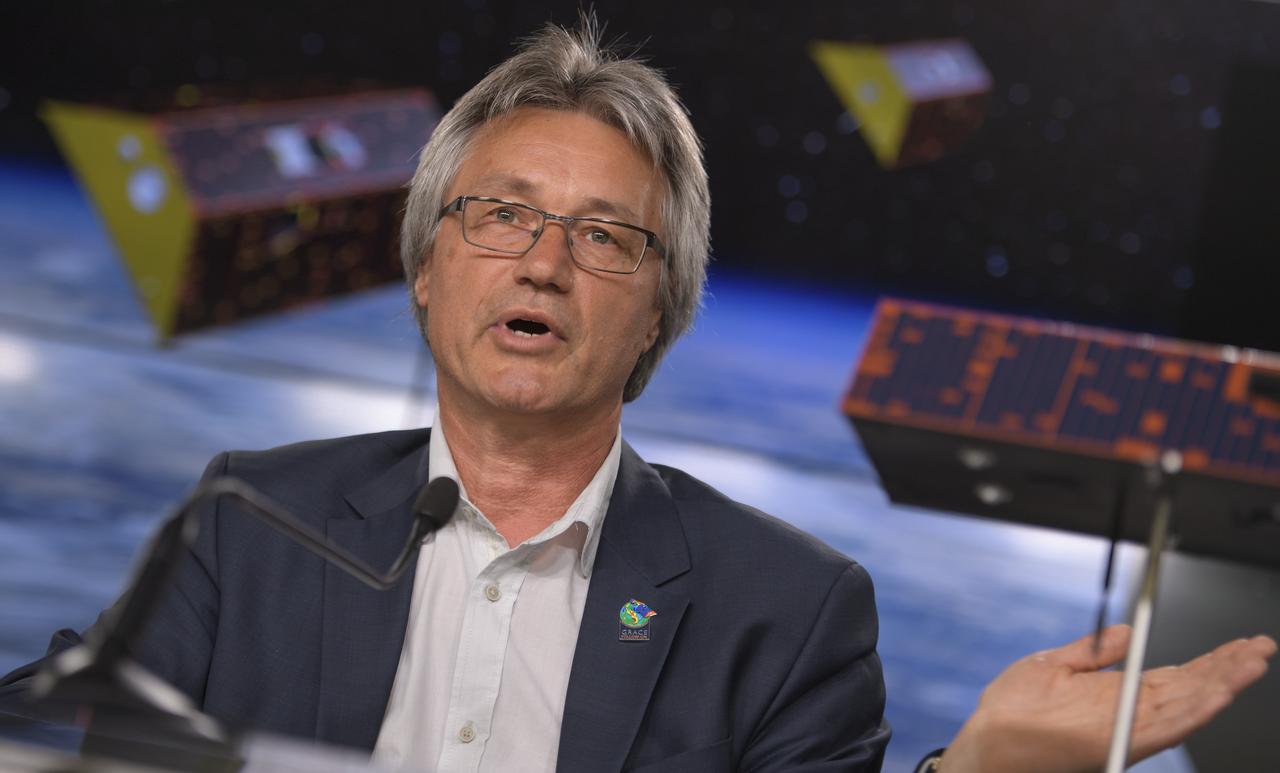
Frank Flechtner, GRACE-FO project manager for the German Research Centre for Geosciences (GFZ) in Potsdam, Germany, discusses the Gravity Recovery and Climate Experiment Follow-On (GRACE-FO) mission during a prelaunch media briefing, Monday, May 21, 2018, at Vandenberg Air Force Base in California. The twin GRACE-FO spacecraft will measure changes in how mass is redistributed within and among Earth's atmosphere, oceans, land and ice sheets, as well as within Earth itself. Photo Credit: (NASA/Bill Ingalls)
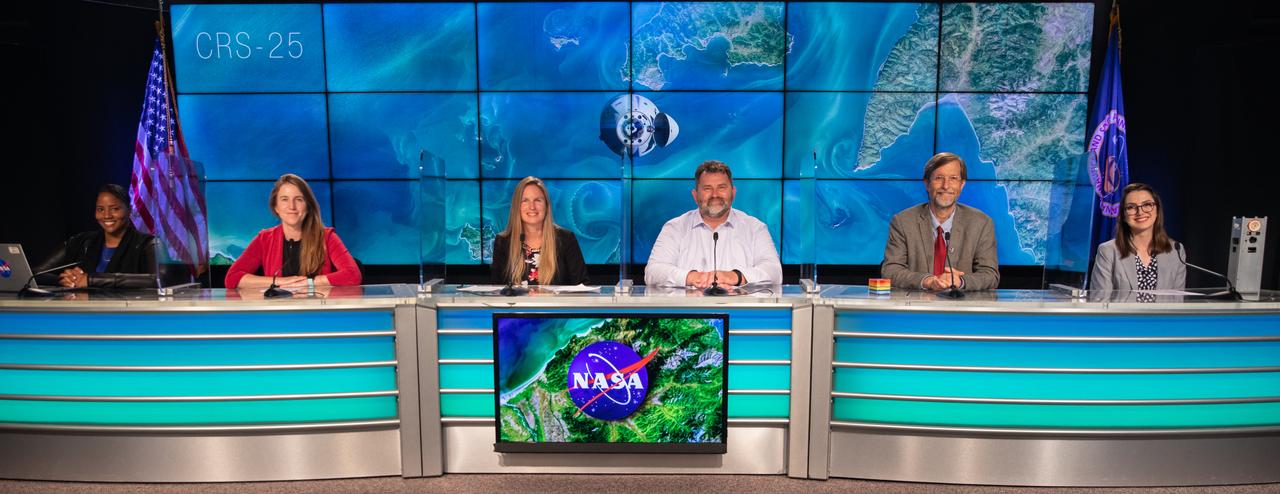
A climate conversation is held at NASA’s Kennedy Space Center in Florida on July 13, 2022, leading up to SpaceX’s 25th Commercial Resupply Services mission for NASA to the International Space Station. Participants, from left are Moderator Tylar Greene, NASA Communications; Kate Calvin, NASA’s chief scientist and climate advisor; Heidi Parris, associate scientist, International Space Station Program; Mike Roberts, chief scientist, ISS National Lab; Rob Green, JPL senior research scientist and EMIT (Earth Surface Mineral Dust Source Investigation) principal investigator; and Paula do Vale Pereira, BeaverCube, Massachusetts Institute of Technology. The Dragon capsule atop SpaceX’s Falcon 9 rocket is scheduled to lift off from Kennedy’s Launch Complex 39A on July 14 at 8:44 p.m. EDT. Dragon will deliver more than 5,800 pounds of cargo, including a variety of NASA investigations, to the space station.
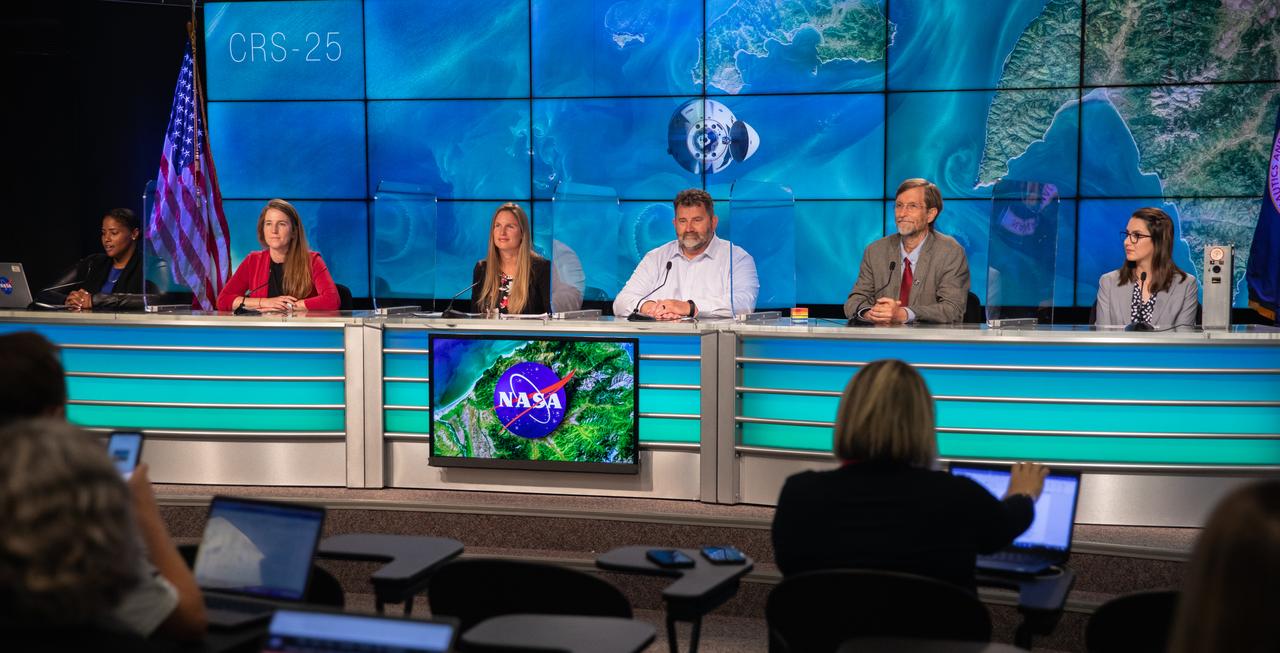
A climate conversation is held at NASA’s Kennedy Space Center in Florida on July 13, 2022, leading up to SpaceX’s 25th Commercial Resupply Services mission for NASA to the International Space Station. Participants, from left are Moderator Tylar Greene, NASA Communications; Kate Calvin, NASA’s chief scientist and climate advisor; Heidi Parris, associate scientist, International Space Station Program; Mike Roberts, chief scientist, ISS National Lab; Rob Green, JPL senior research scientist and EMIT (Earth Surface Mineral Dust Source Investigation) principal investigator; and Paula do Vale Pereira, BeaverCube, Massachusetts Institute of Technology. The Dragon capsule atop SpaceX’s Falcon 9 rocket is scheduled to lift off from Kennedy’s Launch Complex 39A on July 14 at 8:44 p.m. EDT. Dragon will deliver more than 5,800 pounds of cargo, including a variety of NASA investigations, to the space station.
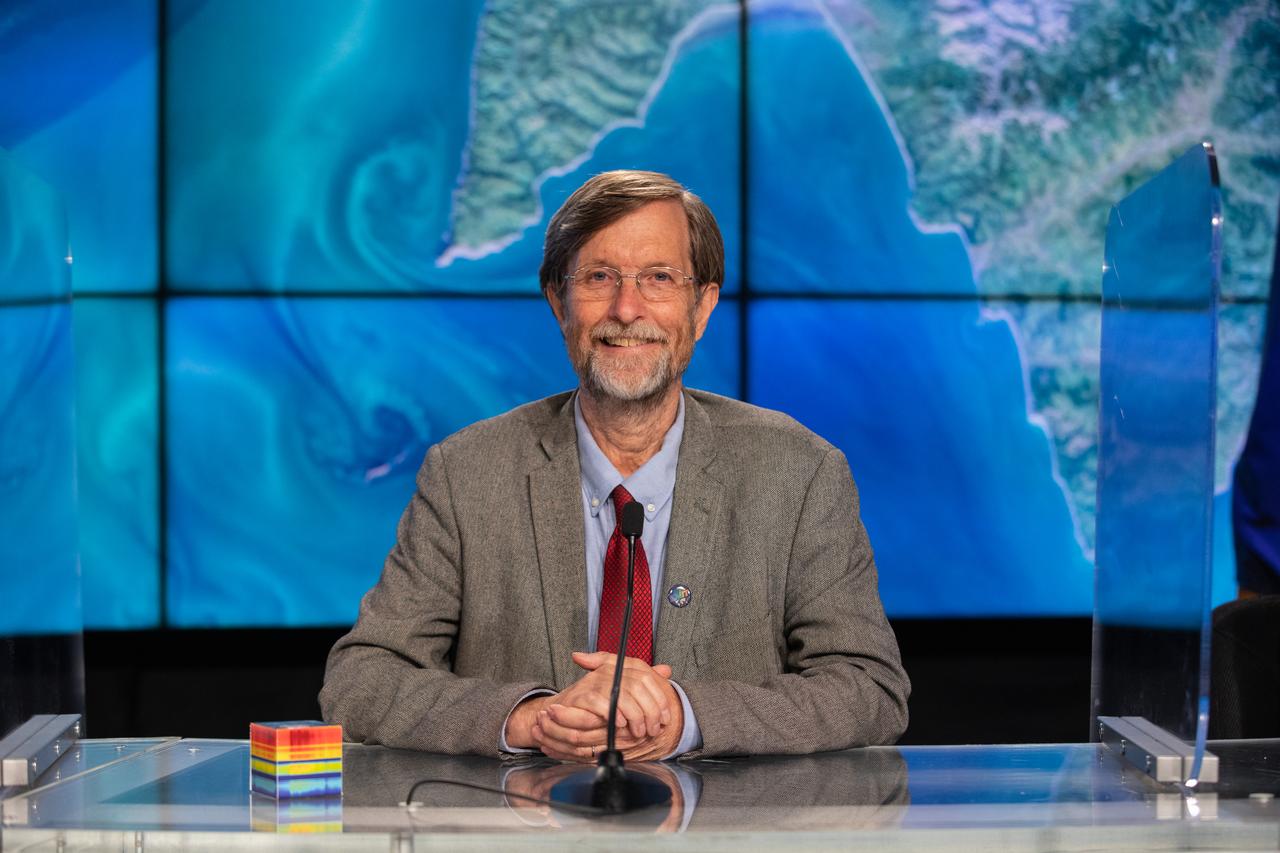
Rob Green, JPL senior research scientist and EMIT (Earth Surface Mineral Dust Source Investigation) principal investigator, participates in a climate conversation at NASA’s Kennedy Space Center in Florida on July 13, 2022, leading up to SpaceX’s 25th Commercial Resupply Services mission for NASA to the International Space Station. The Dragon capsule atop SpaceX’s Falcon 9 rocket is scheduled to lift off from Kennedy’s Launch Complex 39A on July 14 at 8:44 p.m. EDT. Dragon will deliver more than 5,800 pounds of cargo, including a variety of NASA investigations, to the space station.
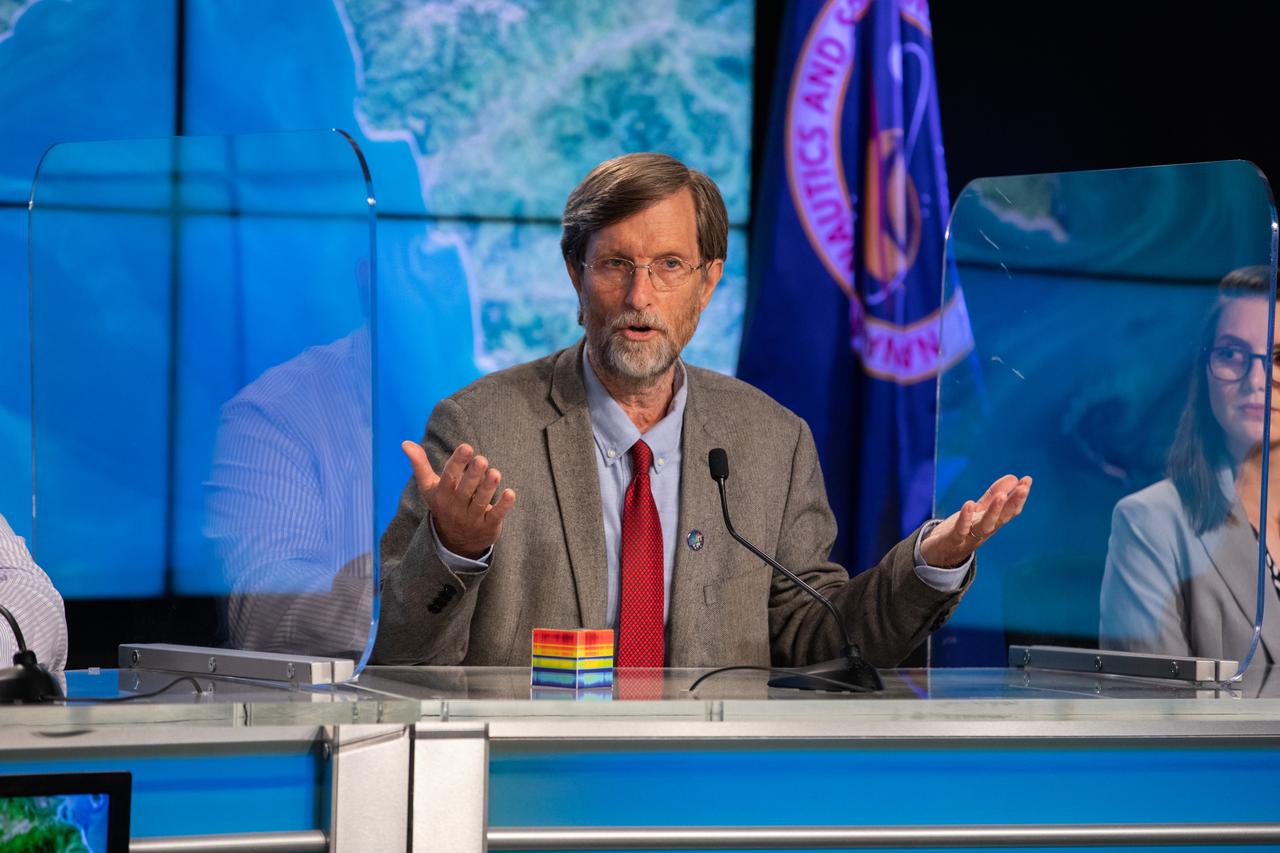
Rob Green, JPL senior research scientist and EMIT (Earth Surface Mineral Dust Source Investigation) principal investigator, participates in a climate conversation at NASA’s Kennedy Space Center in Florida on July 13, 2022, leading up to SpaceX’s 25th Commercial Resupply Services mission for NASA to the International Space Station. The Dragon capsule atop SpaceX’s Falcon 9 rocket is scheduled to lift off from Kennedy’s Launch Complex 39A on July 14 at 8:44 p.m. EDT. Dragon will deliver more than 5,800 pounds of cargo, including a variety of NASA investigations, to the space station.
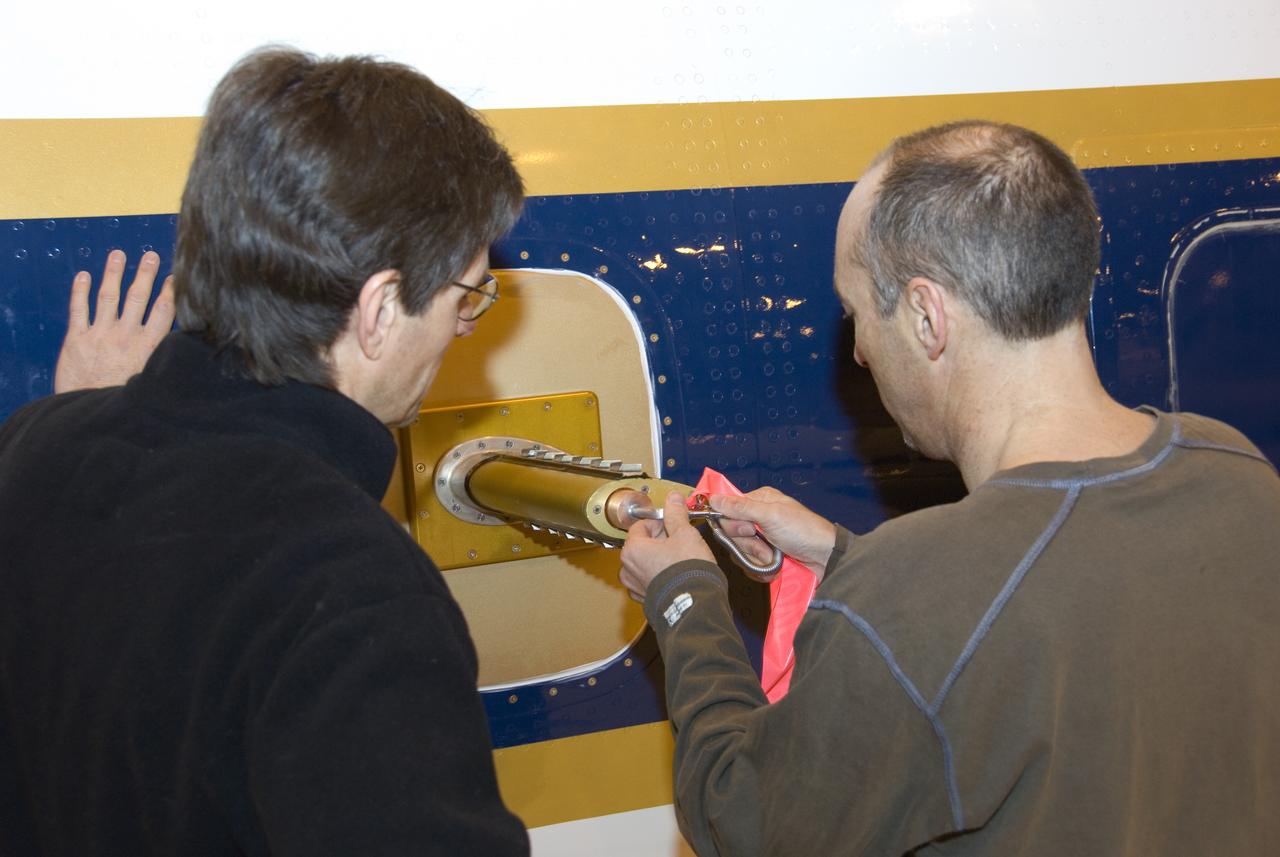
Climate researchers from the National Center for Atmospheric Research (NCAR) and several universities install and perform functional checkouts of a variety of sensitive atmospheric instruments on NASA's DC-8 airborne laboratory prior to beginning the ARCTAS mission.

Climate researchers from the National Center for Atmospheric Research (NCAR) and several universities install and perform functional checkouts of a variety of sensitive atmospheric instruments on NASA's DC-8 airborne laboratory prior to beginning the ARCTAS mission.
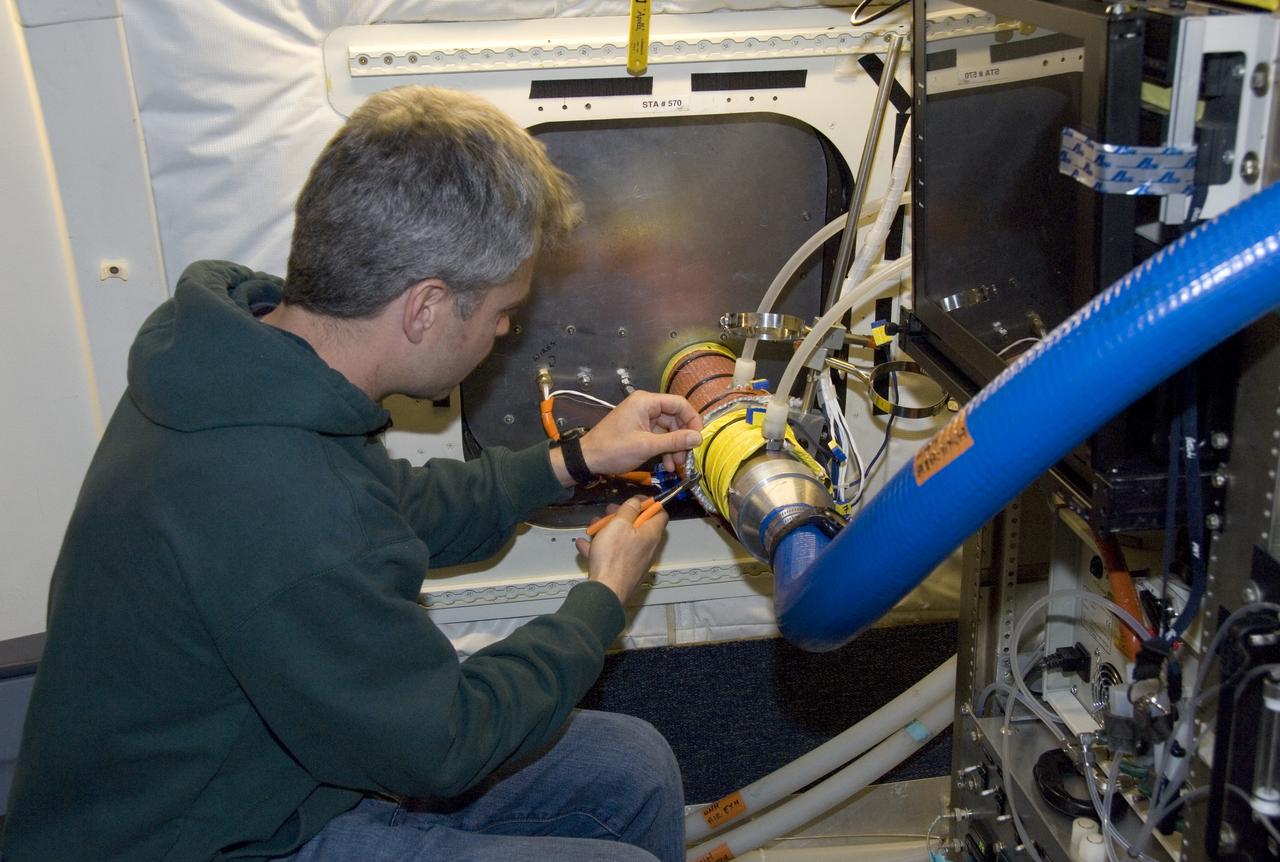
Climate researchers from the National Center for Atmospheric Research (NCAR) and several universities install and perform functional checkouts of a variety of sensitive atmospheric instruments on NASA's DC-8 airborne laboratory prior to beginning the ARCTAS mission.
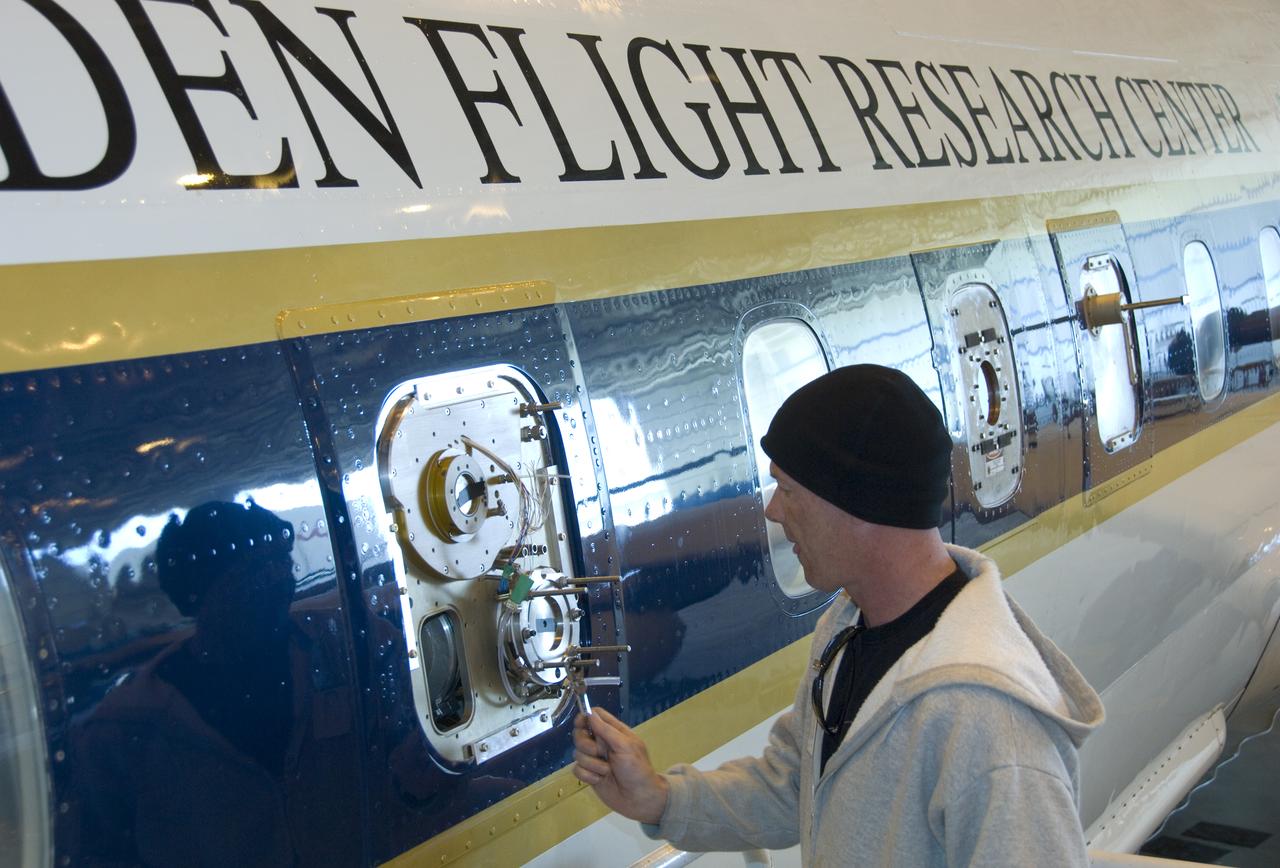
Climate researchers from the National Center for Atmospheric Research (NCAR) and several universities install and perform functional checkouts of a variety of sensitive atmospheric instruments on NASA's DC-8 airborne laboratory prior to beginning the ARCTAS mission.

Climate researchers from the National Center for Atmospheric Research (NCAR) and several universities install and perform functional checkouts of a variety of sensitive atmospheric instruments on NASA's DC-8 airborne laboratory prior to beginning the ARCTAS mission.
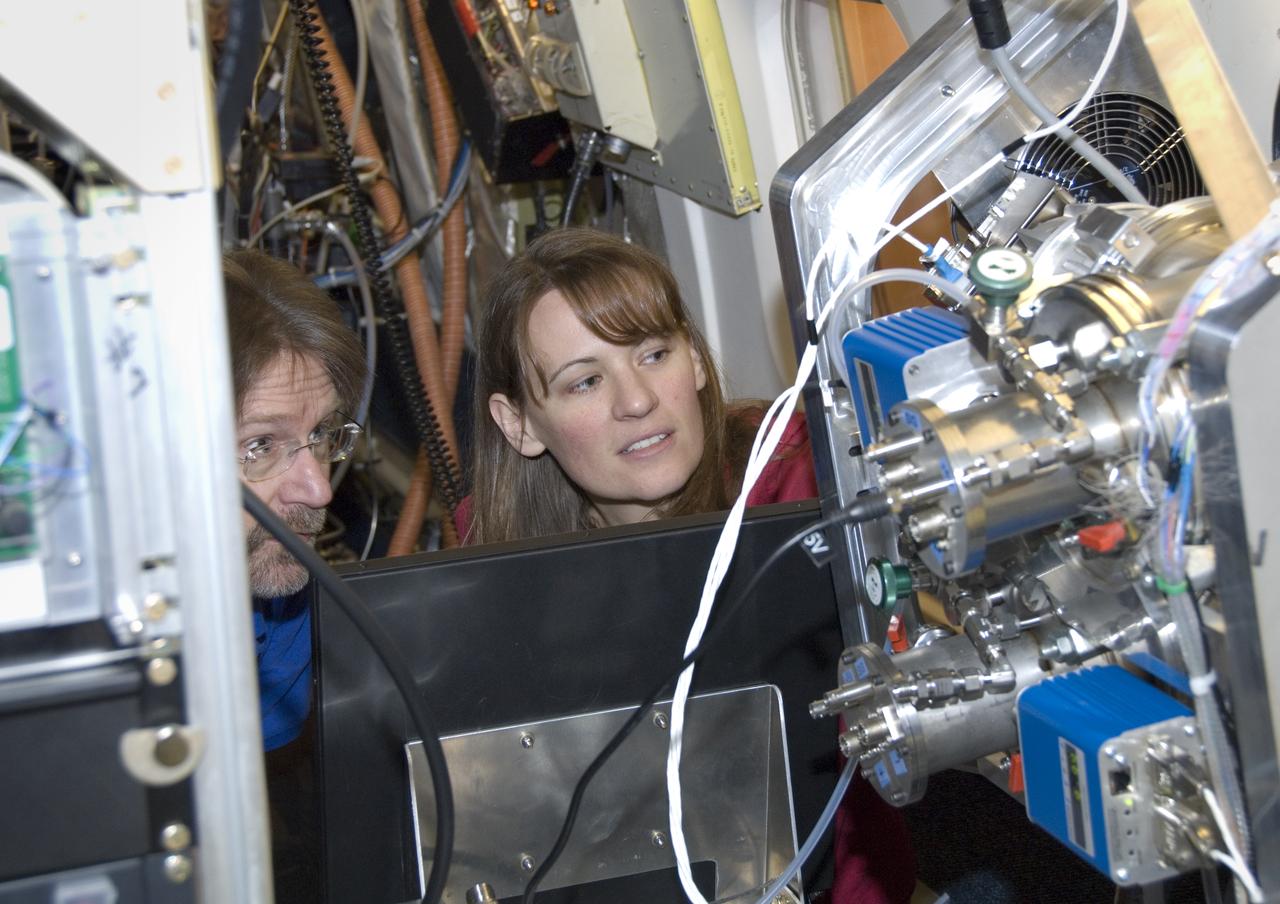
Climate researchers from the National Center for Atmospheric Research (NCAR) and several universities install and perform functional checkouts of a variety of sensitive atmospheric instruments on NASA's DC-8 airborne laboratory prior to beginning the ARCTAS mission.
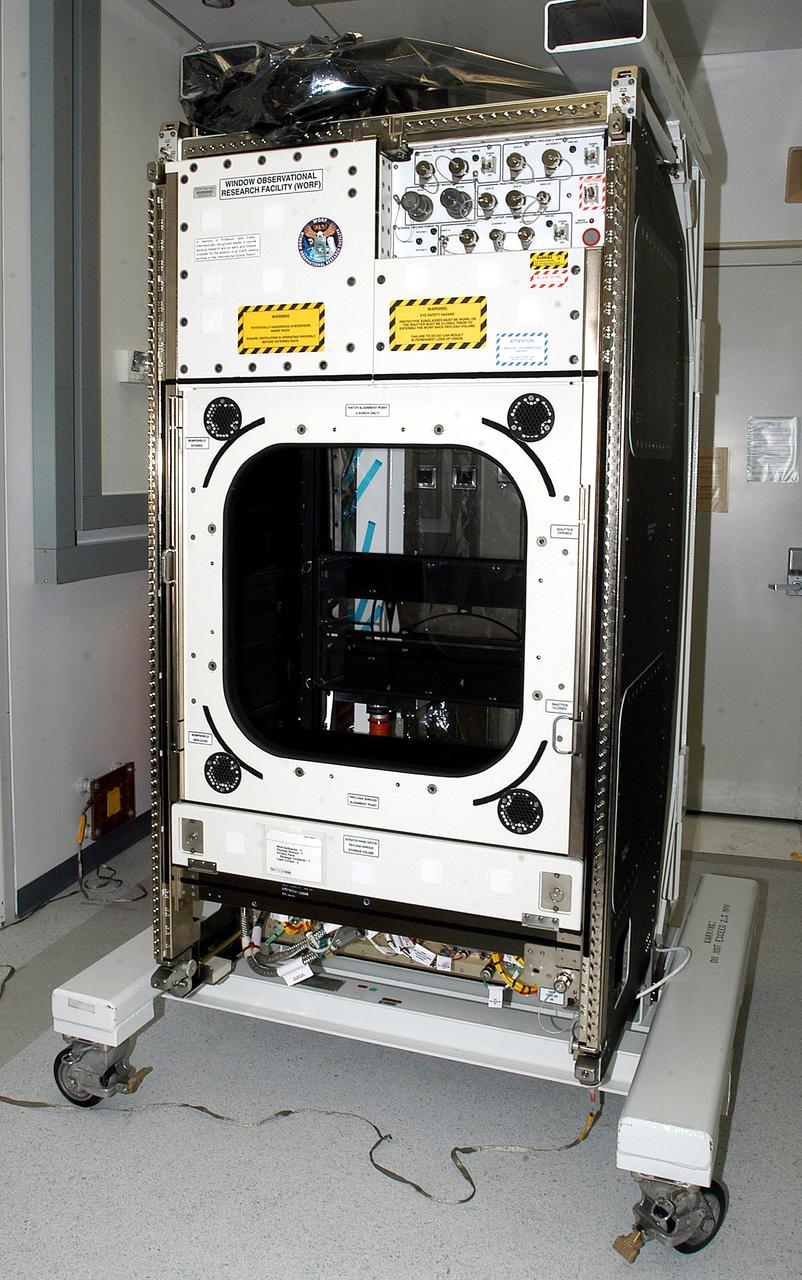
KENNEDY SPACE CENTER, FLA. - The Window Observational Research Facility (WORF), seen in the Space Station Processing Facility, was designed and built by the Boeing Co. at NASA’s Marshall Space Flight Center in Huntsville, Ala. WORF will be delivered to the International Space Station and placed in the rack position in front of the Destiny lab window, providing locations for attaching cameras, multi-spectral scanners and other instruments. WORF will support a variety of scientific and commercial experiments in areas of Earth systems and processes, global ecological changes in Earth’s biosphere, lithosphere, hydrosphere and climate system, Earth resources, natural hazards, and education. After installation, it will become a permanent focal point for Earth Science research aboard the space station.
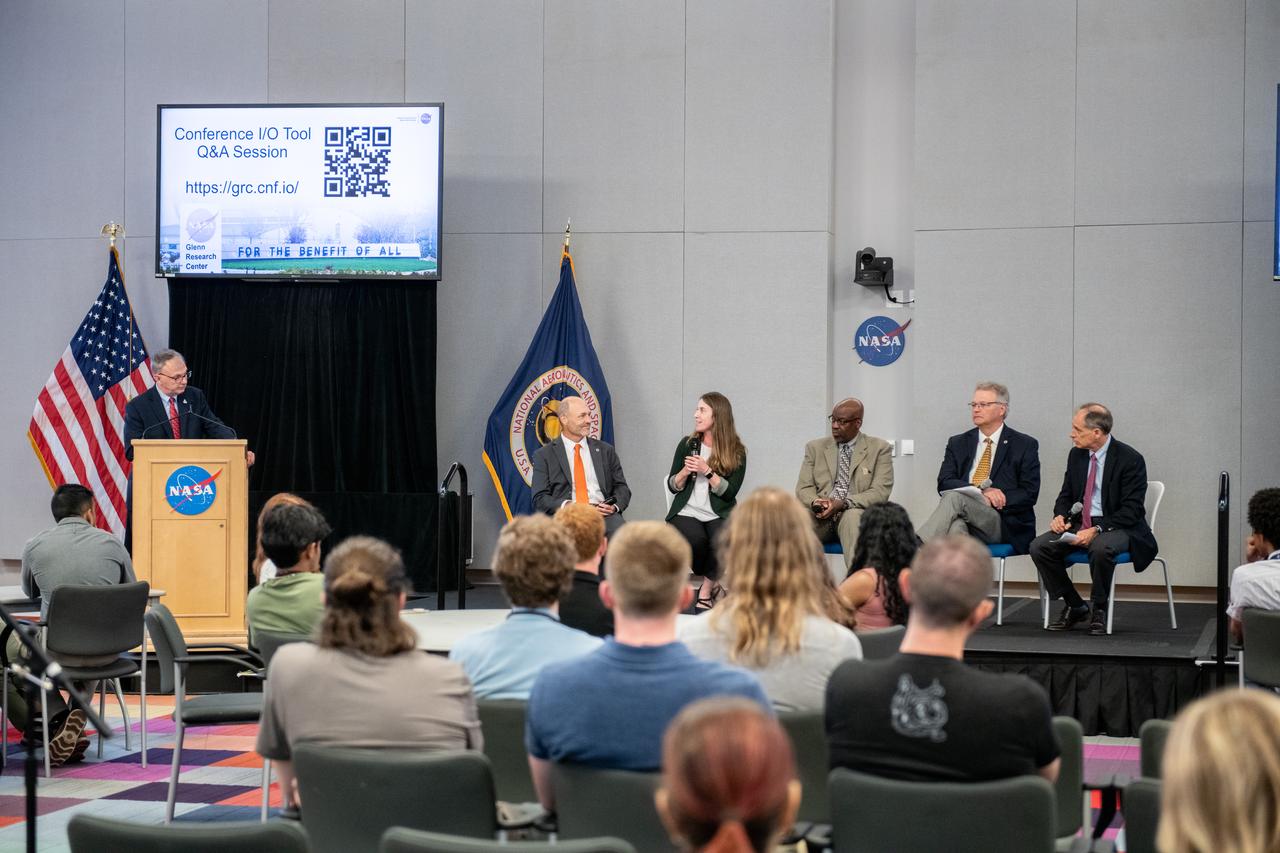
During the climate town hall meeting on June 17th 2024, Dr. Calvin and center leaders explored how technologies being developed at NASA Glenn Research Center could help reduce the effects of climate change. The panelists who lead the discussion include: Dr. Calvin; Dr. Rickey Shyne, Director of Research and Engineering; Bryan Smith, Director of Facilities, Test, & Manufacturing; and W. Allen Kilgore, Acting Director of Aeronautics. Director of Space Flight Systems Dr. Mike Barrett served as the moderator.
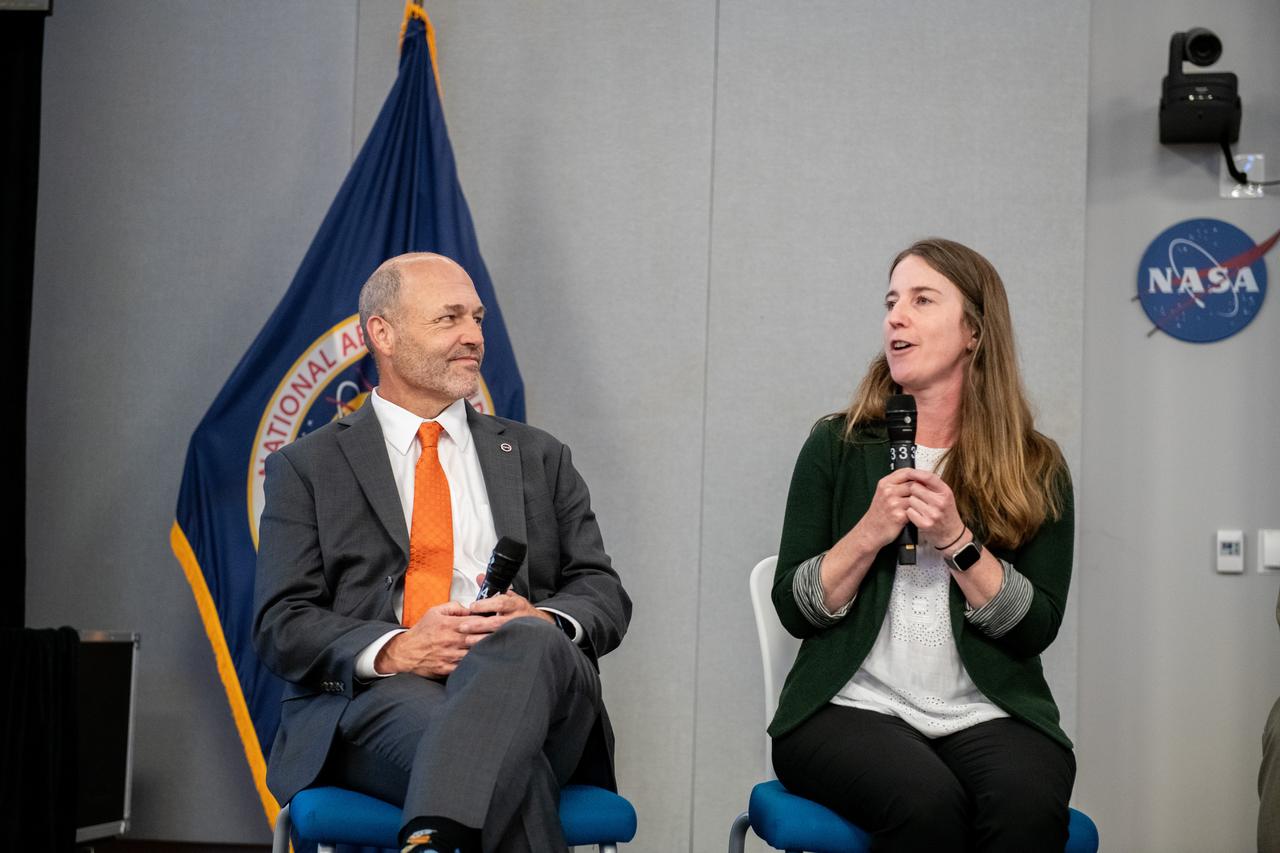
During the climate town hall meeting on June 17th 2024, Dr. Calvin and center leaders explored how technologies being developed at NASA Glenn Research Center could help reduce the effects of climate change. The panelists who lead the discussion include: Dr. Calvin; Dr. Rickey Shyne, Director of Research and Engineering; Bryan Smith, Director of Facilities, Test, & Manufacturing; and W. Allen Kilgore, Acting Director of Aeronautics. Director of Space Flight Systems Dr. Mike Barrett served as the moderator.
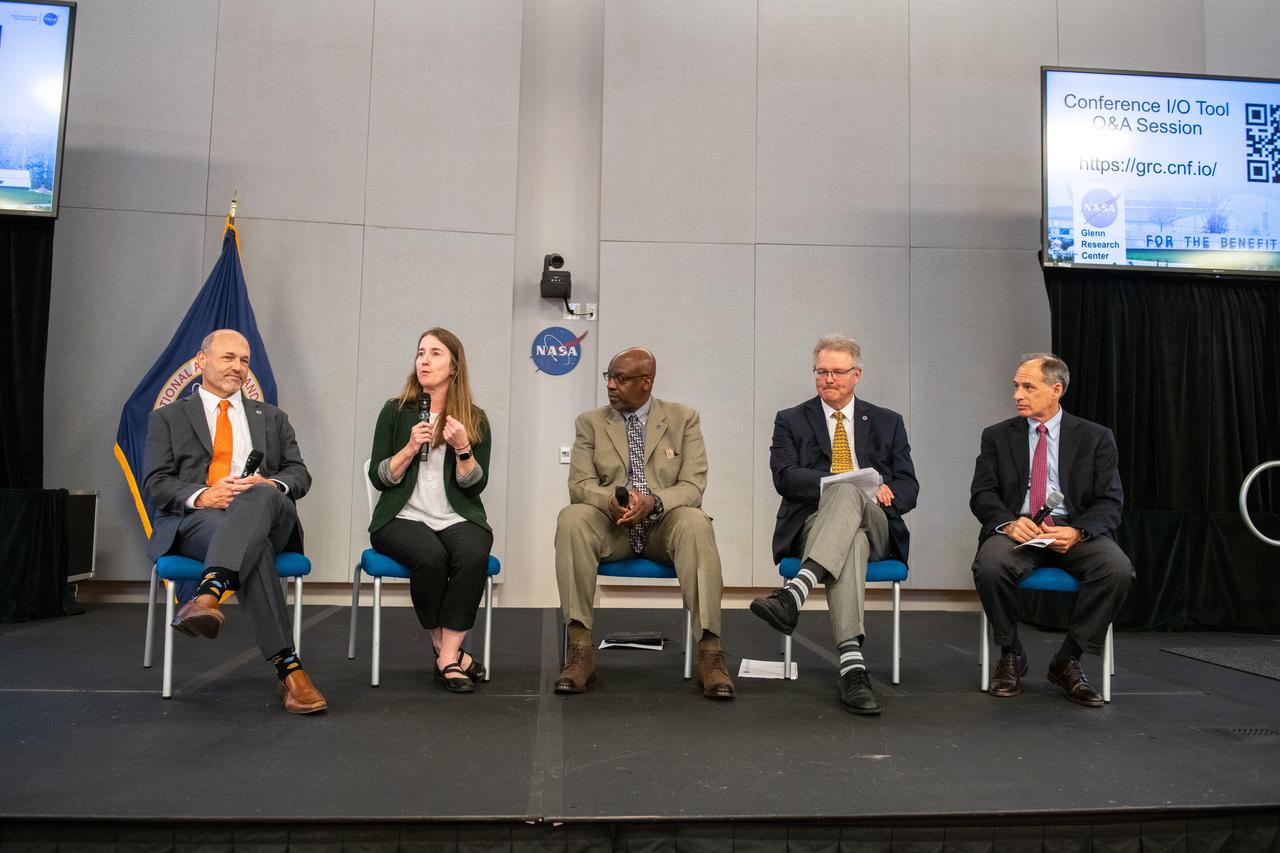
During the climate town hall meeting on June 17th 2024, Dr. Calvin and center leaders explored how technologies being developed at NASA Glenn Research Center could help reduce the effects of climate change. The panelists who lead the discussion include: Dr. Calvin; Dr. Rickey Shyne, Director of Research and Engineering; Bryan Smith, Director of Facilities, Test, & Manufacturing; and W. Allen Kilgore, Acting Director of Aeronautics. Director of Space Flight Systems Dr. Mike Barrett served as the moderator.
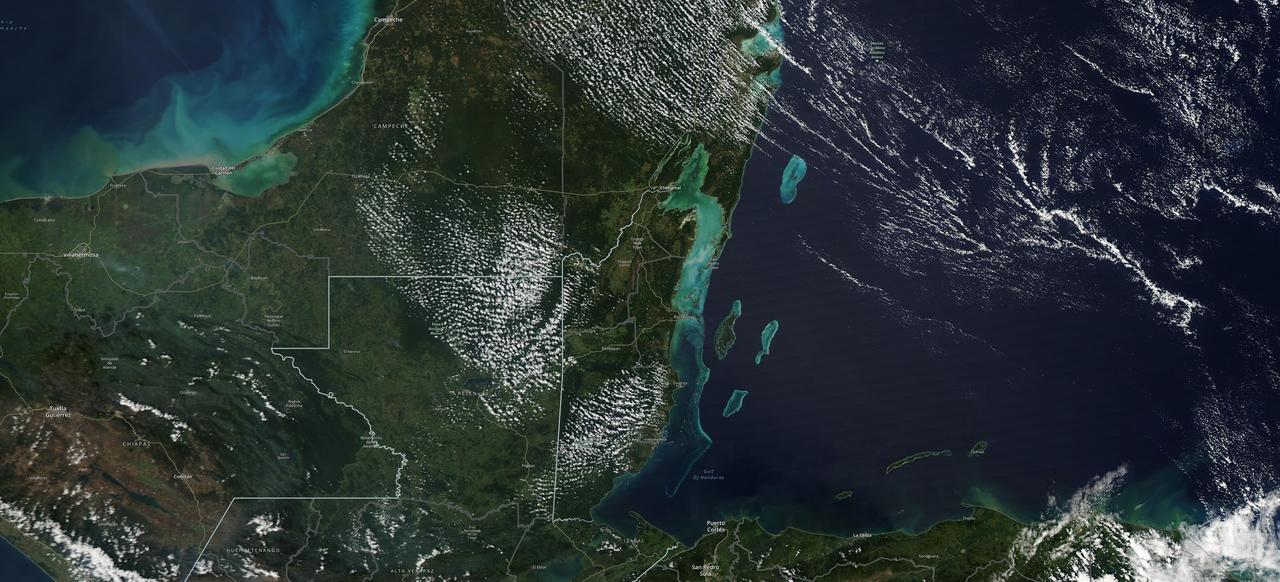
The Moderate Resolution Imaging Spectroradiometer (MODIS) instrument aboard NASA's Aqua satellite captured this image of the Yucatán Peninsula on Feb. 3, 2022. At the center is Belize, a country whose Caribbean coast is home to the Belize Barrier Reef Reserve System, which encompasses a vibrant network of marine environments that supports thousands of animal and plant species and drives Belize's largest industry, tourism. The barrier reef system is among about 1,200 UNESCO World Heritage sites around the world. In a paper published in November 2022 in Frontiers in Remote Sensing, researchers used data from Aqua MODIS to rank 24 protected marine areas off the Belizean coast based on the risks coral face from murky water and rising temperatures. The research also outlined how researchers at NASA's Jet Propulsion Laboratory in Southern California and counterparts in Belize used free, cloud-based data on Google Earth Engine in their analysis. Analyzing imagery from 2002 to 2022, researchers developed a coral vulnerability index – a score between 2 and 12 that characterizes the risk to coral, with higher scores signifying greater risk. Their findings could help management authorities protect the reefs from human impacts such as development, overfishing, pollution, and climate change. https://photojournal.jpl.nasa.gov/catalog/PIA25861
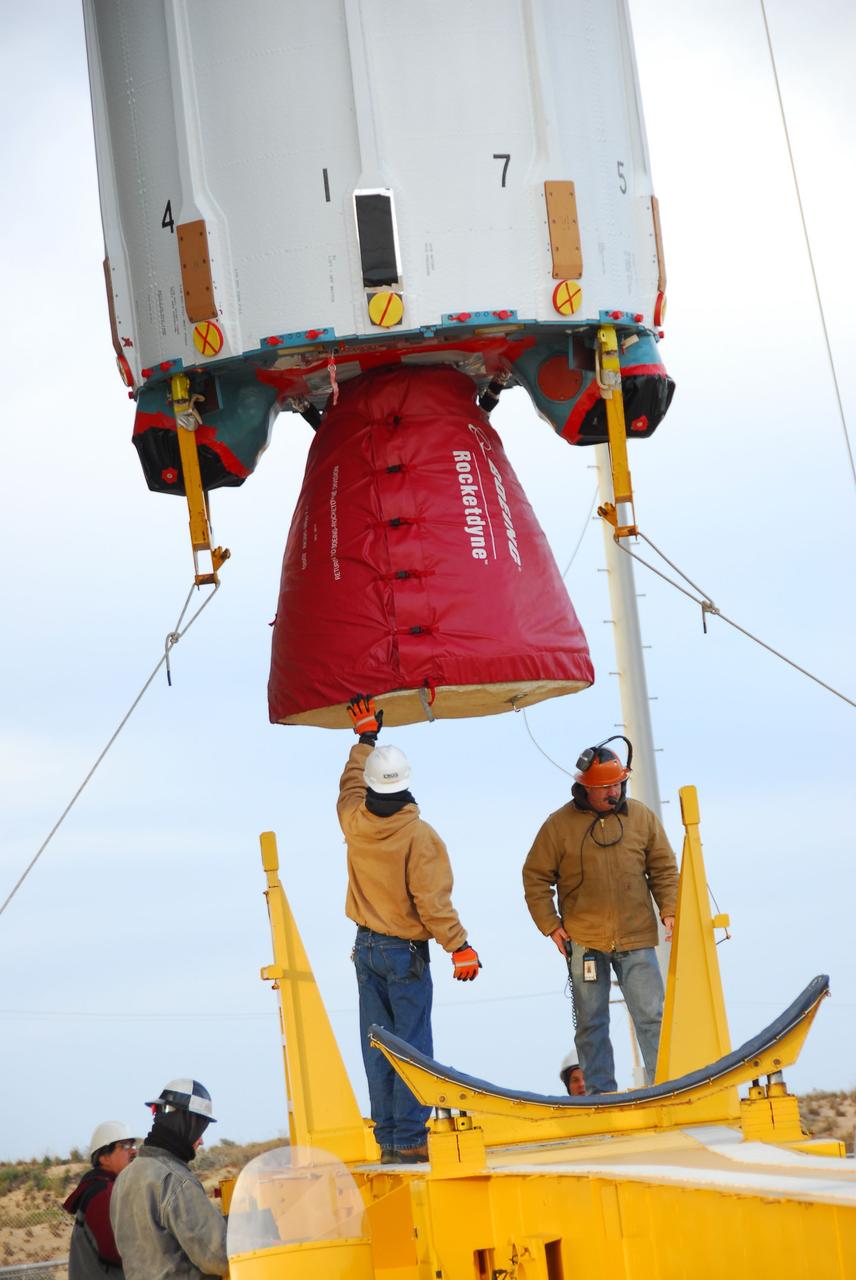
VANDENBERG AIR FORCE BASE, Calif. --As the sun rises over Vandenberg Air Force Base in California, United Launch Alliance technicians prepare to raise one of three Delta II solid rocket motors on the pad at Space Launch Complex-2 West (SLC-2W). Scheduled to launch in June, the Delta II rocket will carry NASA's Aquarius satellite into low Earth orbit. Aquarius' mission will be to provide monthly maps of global changes in sea surface salinity. By measuring ocean salinity from space, Aquarius will provide new insights into how the massive natural exchange of freshwater between the ocean, atmosphere and sea ice influences ocean circulation, weather and climate. Also going up with the satellite are optical and thermal cameras, a microwave radiometer and the SAC-D spacecraft, which were developed with the help of institutions in Italy, France, Canada and Argentina. Photo credit: VAFB/30th Space Wing
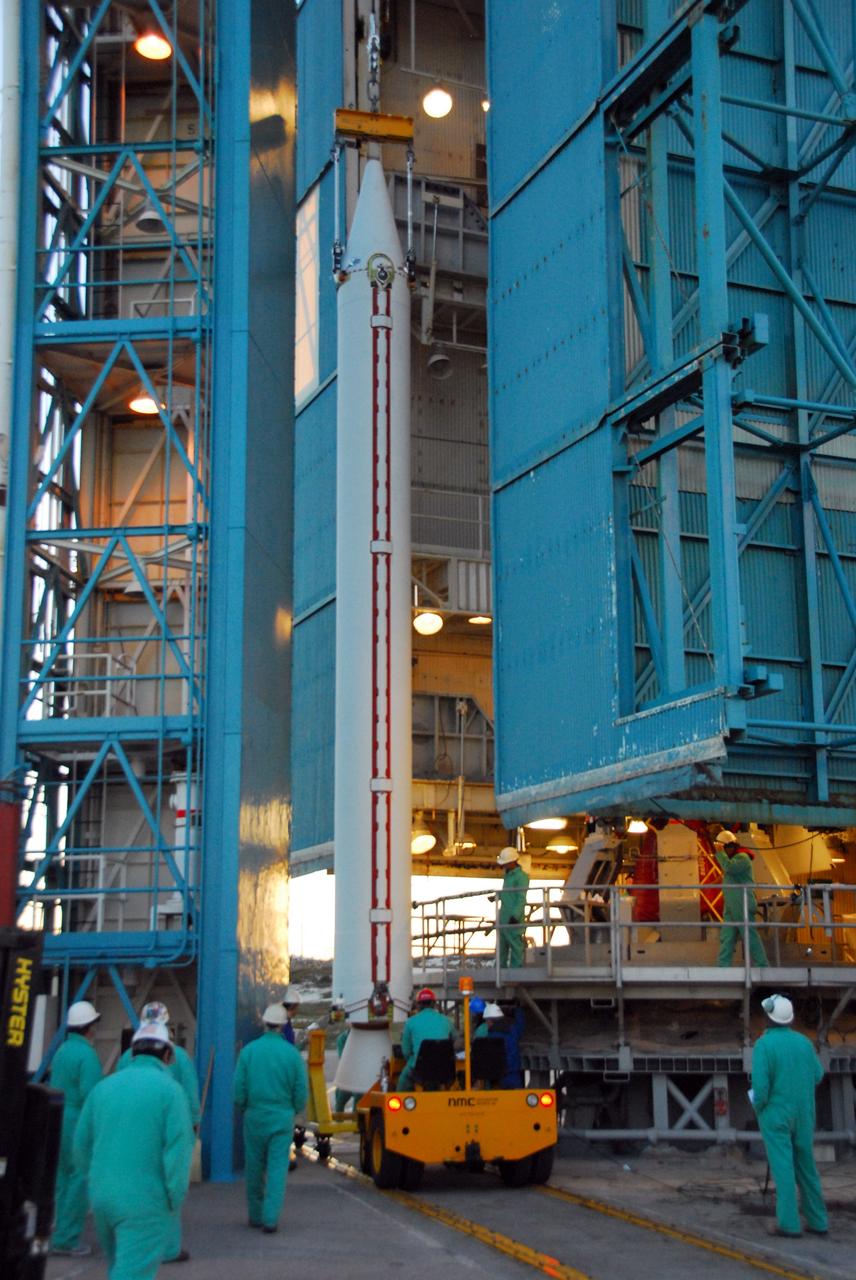
VANDENBERG AIR FORCE BASE, Calif. --As the sun rises over Vandenberg Air Force Base in California, a crane raises one of three United Launch Alliance Delta II solid rocket motors on the pad at Space Launch Complex-2 West (SLC-2W). Scheduled to launch in June, the Delta II rocket will carry NASA's Aquarius satellite into low Earth orbit. Aquarius' mission will be to provide monthly maps of global changes in sea surface salinity. By measuring ocean salinity from space, Aquarius will provide new insights into how the massive natural exchange of freshwater between the ocean, atmosphere and sea ice influences ocean circulation, weather and climate. Also going up with the satellite are optical and thermal cameras, a microwave radiometer and the SAC-D spacecraft, which were developed with the help of institutions in Italy, France, Canada and Argentina. Photo credit: VAFB/30th Space Wing
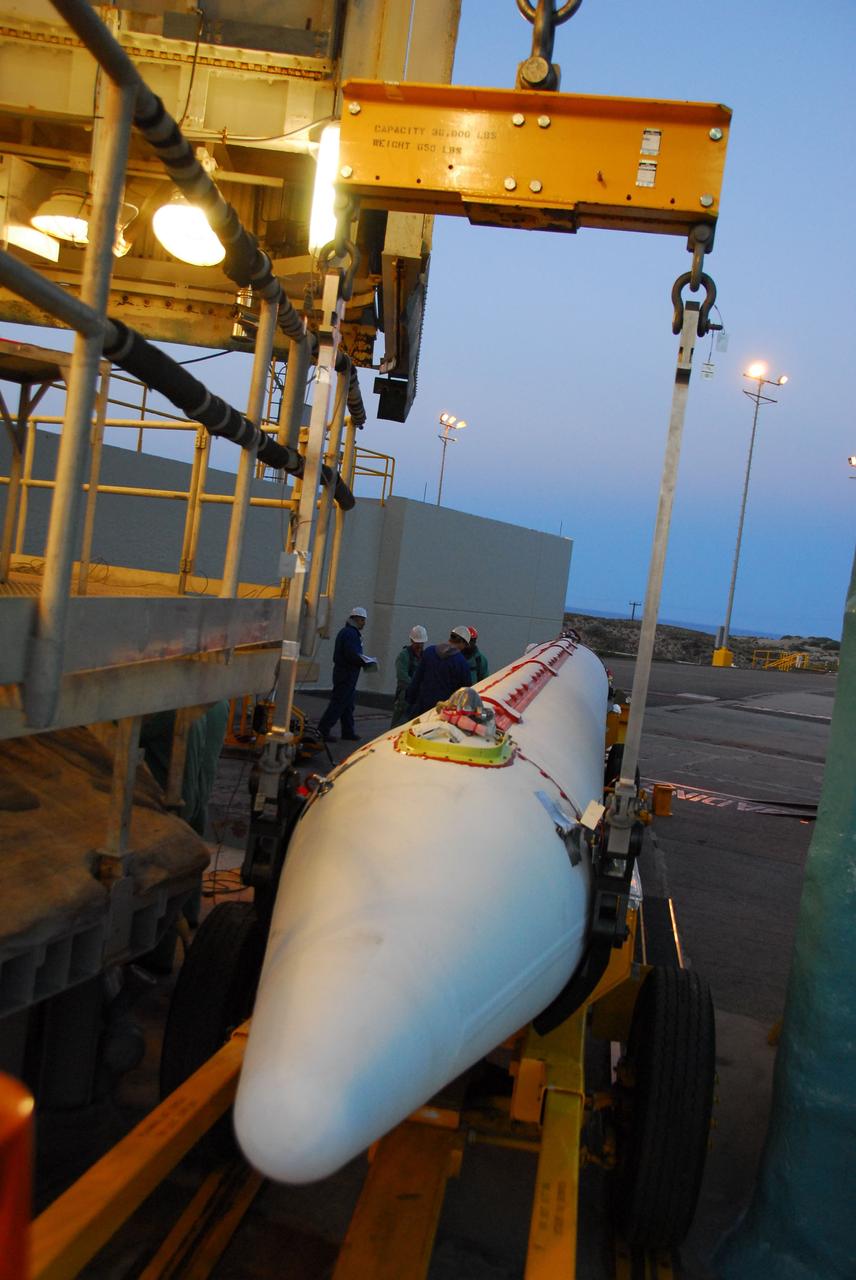
VANDENBERG AIR FORCE BASE, Calif. -- Technicians guide the first stage of the Delta II rocket that will carry NASA's Aquarius satellite into low Earth orbit onto the launch pad at Vandenberg Air Force Base's Space Launch Complex-2 (SLC-2) in California. While the Delta II rocket is stacked on SLC-2, teams for NASA's Glory spacecraft and Orbital Sciences Taurus XL rocket are in launch preparation mode at Vandenberg's nearby Space Launch Complex 576-E. Scheduled to launch in June, Aquarius' mission will be to provide monthly maps of global changes in sea surface salinity. By measuring ocean salinity from space, Aquarius will provide new insights into how the massive natural exchange of freshwater between the ocean, atmosphere and sea ice influences ocean circulation, weather and climate. Also going up with the satellite are optical and thermal cameras, a microwave radiometer and the SAC-D spacecraft, which were developed with the help of institutions in Italy, France, Canada and Argentina. Photo credit: NASA/VAFB
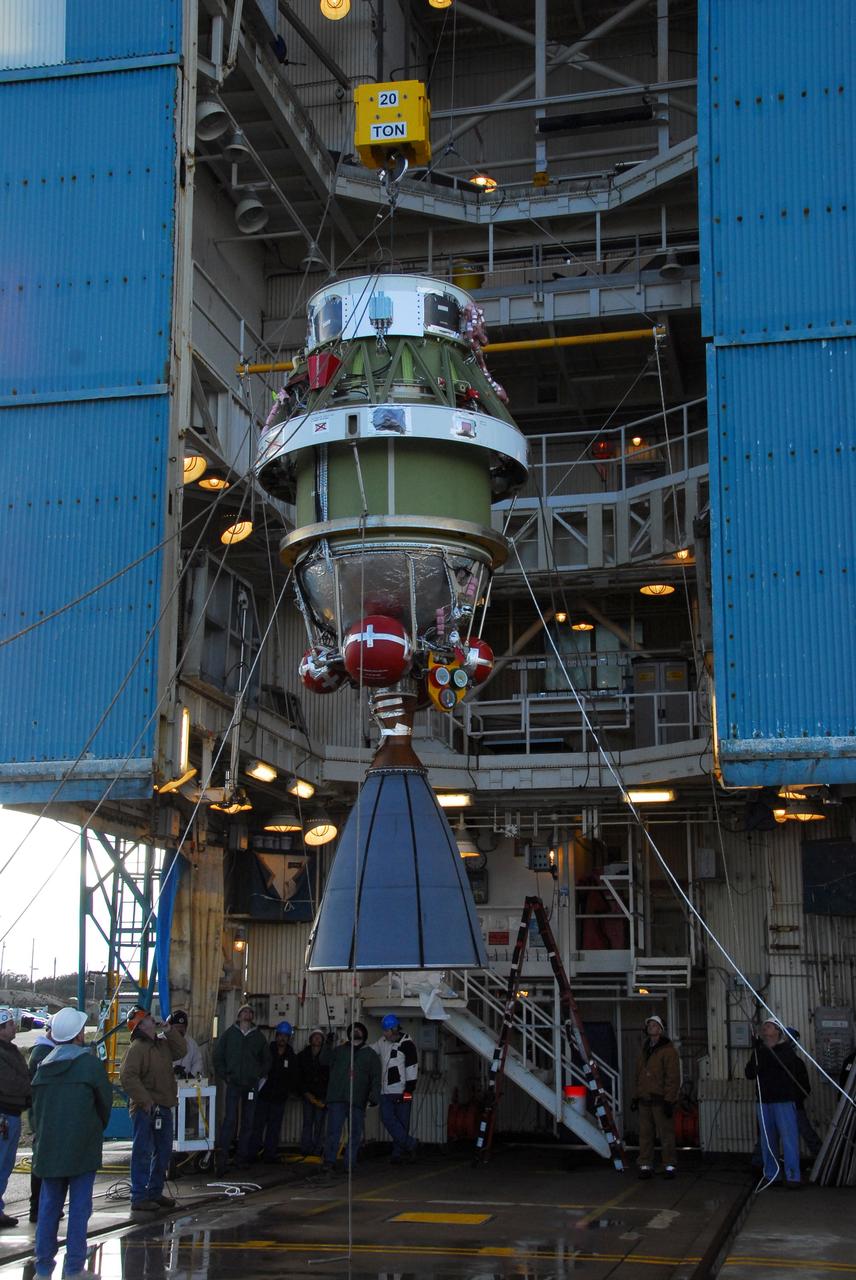
VANDENBERG AIR FORCE BASE, Calif. -- United Space Alliance technicians hoist the second stage of a Delta II rocket into position in the Space Launch Complex-2 (SLC-2) service tower at Vandenberg Air Force Base in California. The rocket is being prepared to launch NASA's Aquarius satellite into low Earth orbit. Scheduled to launch in June, Aquarius' mission will be to provide monthly maps of global changes in sea surface salinity. By measuring ocean salinity from space, Aquarius will provide new insights into how the massive natural exchange of freshwater between the ocean, atmosphere and sea ice influences ocean circulation, weather and climate. Also going up with the satellite are optical and thermal cameras, a microwave radiometer and the SAC-D spacecraft, which were developed with the help of institutions in Italy, France, Canada and Argentina. Photo credit: VAFB/30th Space Wing
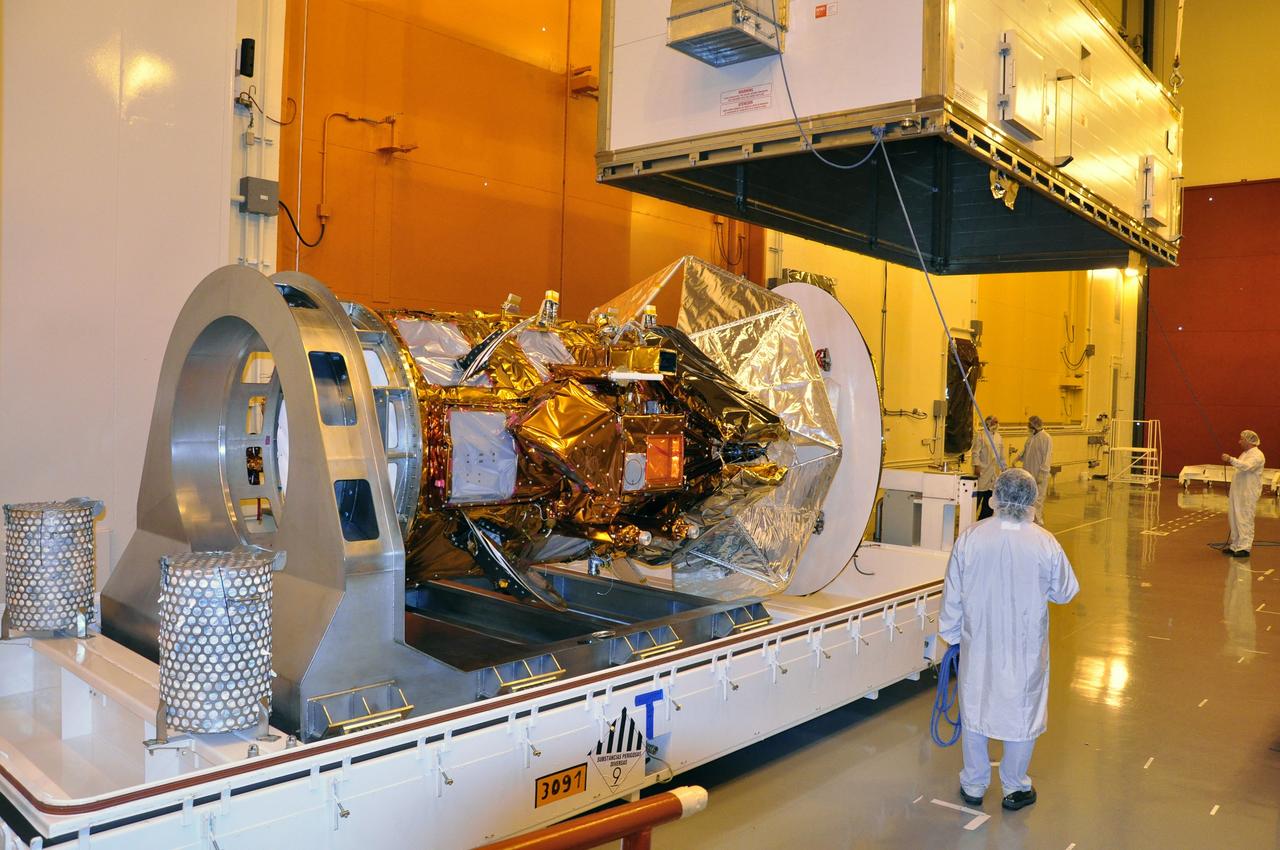
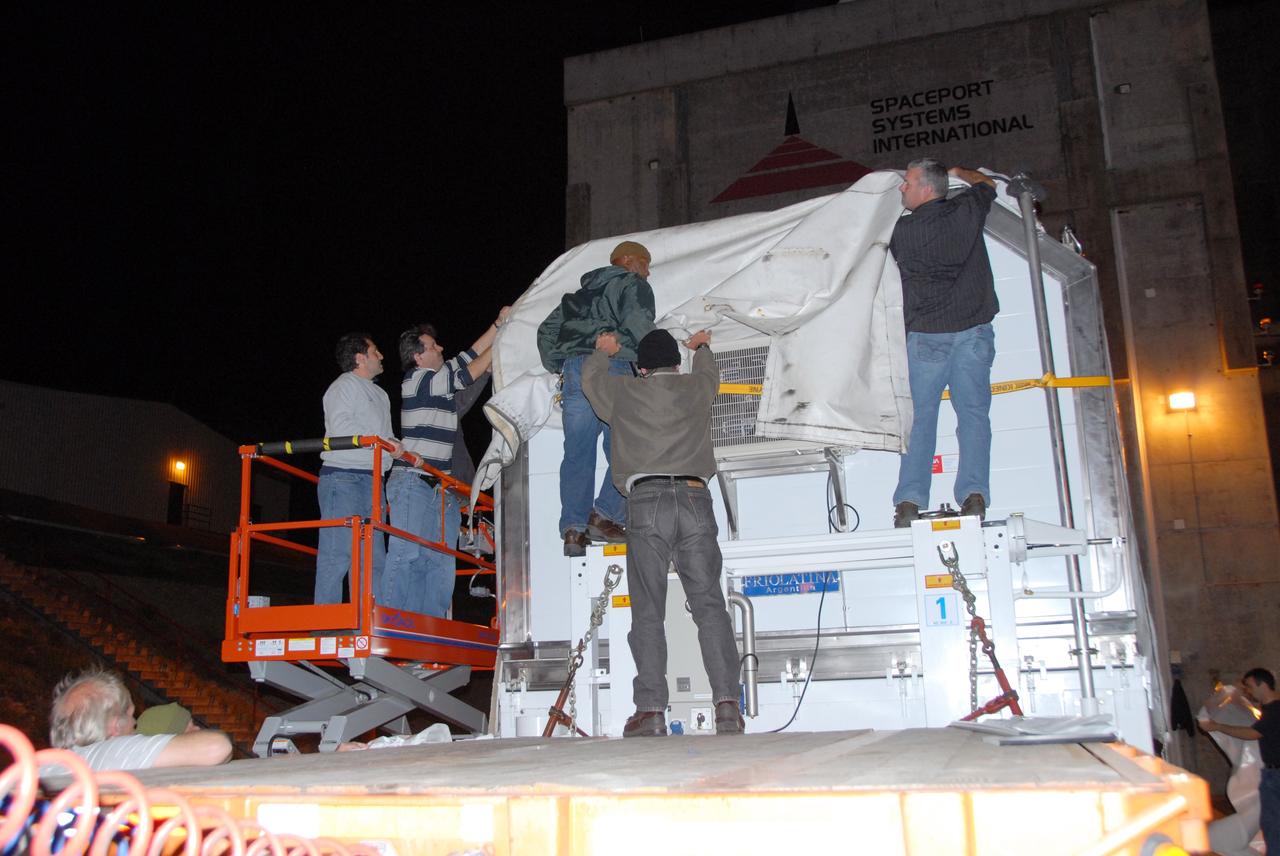
VANDENBERG AIR FORCE BASE, Calif. -- The Aquarius/SAC-D spacecraft is unpacked and unveiled in the Spaceport Systems International payload processing facility at Vandenberg Air Force Base in California. The container protected the spacecraft on its journey from Campos, Brazil, aboard a U.S. Air Force C-17 transport plane. Following final tests, the spacecraft will be integrated to a United Launch Alliance Delta II rocket in preparation for the targeted June launch to low Earth orbit. Aquarius, the NASA-built primary instrument on the SAC-D spacecraft, will map global changes in salinity at the ocean's surface. Salinity is a key measurement for understanding how changes in rainfall, evaporation and the melting of freezing of ice influence ocean circulation and are linked to variations in Earth's climate. The three-year mission will provide new insights into how variations in ocean surface salinity relate to these fundamental climate processes. Photo credit: NASA/Randy Beaudoin, VAFB
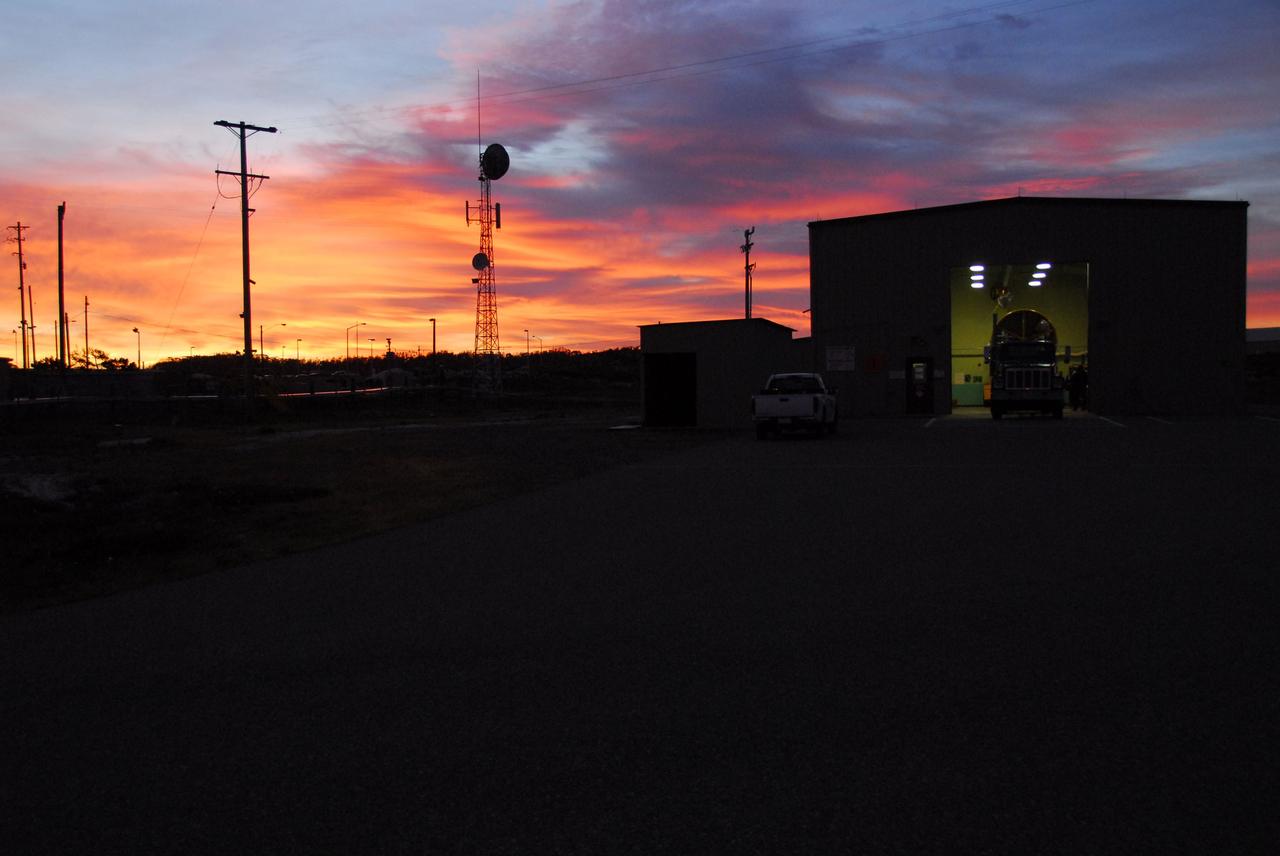
VANDENBERG AIR FORCE BASE, Calif. -- As the sun rises over Vandenberg Air Force Base in California, the first stage of the United Launch Alliance Delta II rocket that will carry the Aquarius/SAC-D satellite into low Earth orbit is prepared for its move to Space Launch Complex-2 (SLC-2). Scheduled to launch in June, Aquarius' mission will be to provide monthly maps of global changes in sea surface salinity. By measuring ocean salinity from space, Aquarius will provide new insights into how the massive natural exchange of freshwater between the ocean, atmosphere and sea ice influences ocean circulation, weather and climate. Also going up with the satellite are optical and thermal cameras, a microwave radiometer and the SAC-D spacecraft, which were developed with the help of institutions in Italy, France, Canada and Argentina. Photo credit: NASA/VAFB
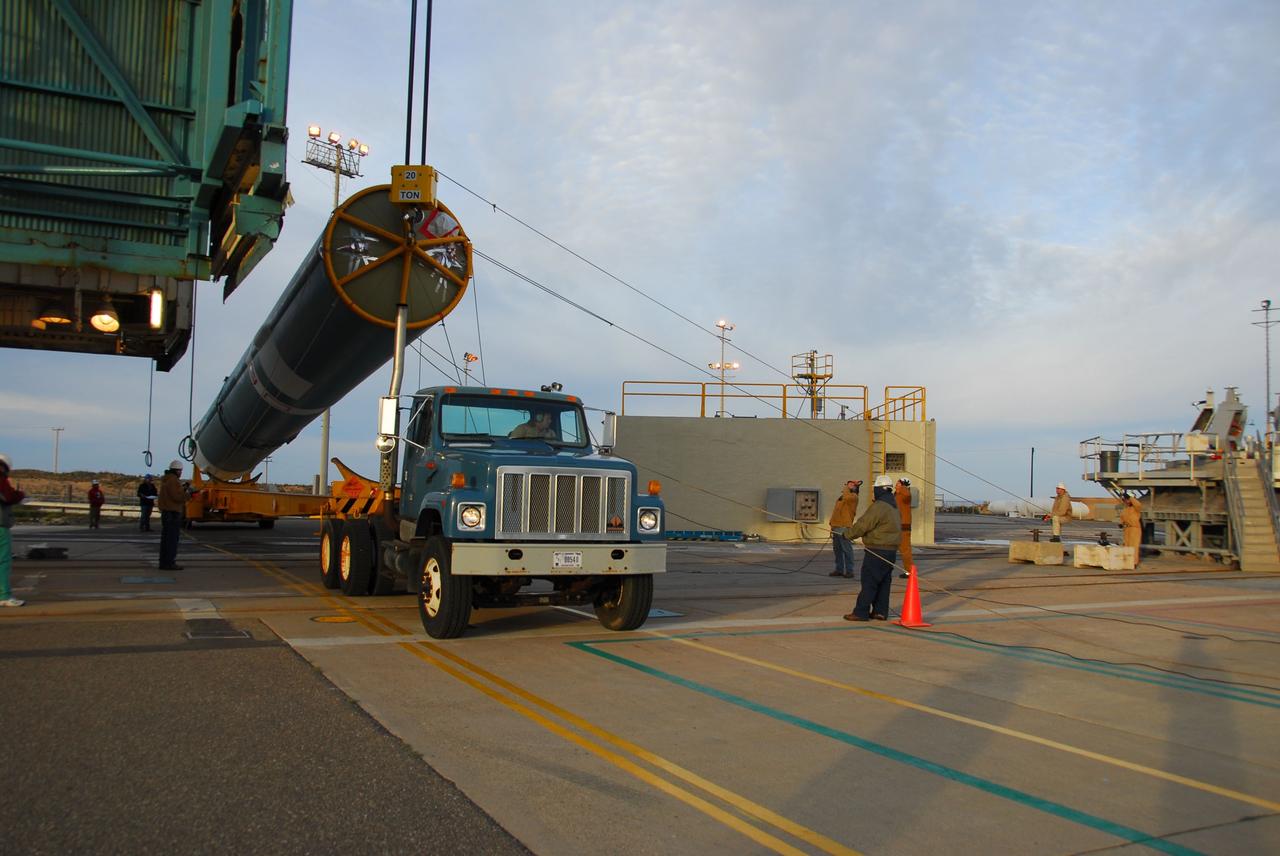
VANDENBERG AIR FORCE BASE, Calif. -- The first stage of the Delta II rocket that will carry NASA's Aquarius satellite into low Earth orbit is raised onto the launch pad at Vandenberg Air Force Base's Space Launch Complex-2 (SLC-2) in California. While the Delta II rocket is stacked on SLC-2, teams for NASA's Glory spacecraft and Orbital Sciences Taurus XL rocket are in launch preparation mode at Vandenberg's nearby Space Launch Complex 576-E. Scheduled to launch in June, Aquarius' mission will be to provide monthly maps of global changes in sea surface salinity. By measuring ocean salinity from space, Aquarius will provide new insights into how the massive natural exchange of freshwater between the ocean, atmosphere and sea ice influences ocean circulation, weather and climate. Also going up with the satellite are optical and thermal cameras, a microwave radiometer and the SAC-D spacecraft, which were developed with the help of institutions in Italy, France, Canada and Argentina. Photo credit: NASA/VAFB
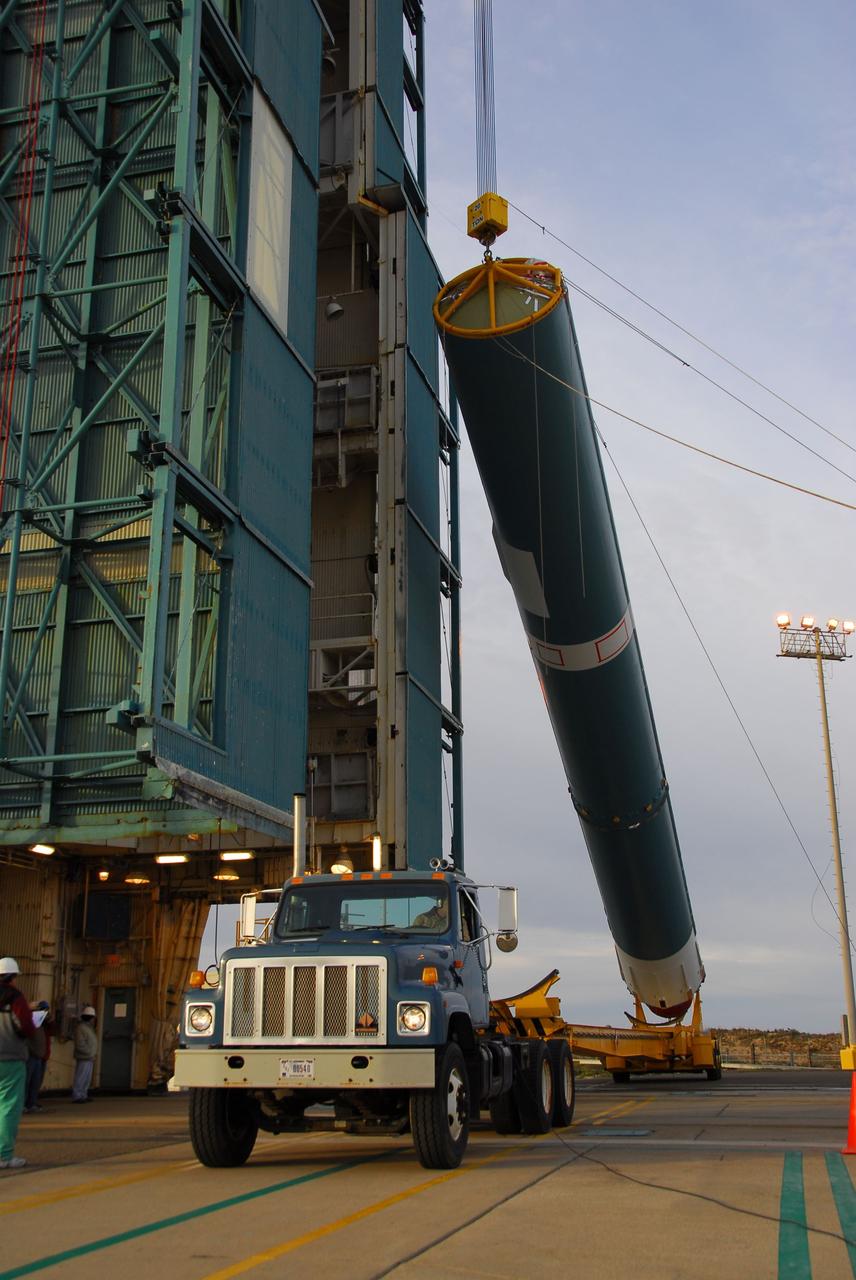
VANDENBERG AIR FORCE BASE, Calif. -- The first stage of the Delta II rocket that will carry NASA's Aquarius satellite into low Earth orbit is raised onto the launch pad at Vandenberg Air Force Base's Space Launch Complex-2 (SLC-2) in California. While the Delta II rocket is stacked on SLC-2, teams for NASA's Glory spacecraft and Orbital Sciences Taurus XL rocket are in launch preparation mode at Vandenberg's nearby Space Launch Complex 576-E. Scheduled to launch in June, Aquarius' mission will be to provide monthly maps of global changes in sea surface salinity. By measuring ocean salinity from space, Aquarius will provide new insights into how the massive natural exchange of freshwater between the ocean, atmosphere and sea ice influences ocean circulation, weather and climate. Also going up with the satellite are optical and thermal cameras, a microwave radiometer and the SAC-D spacecraft, which were developed with the help of institutions in Italy, France, Canada and Argentina. Photo credit: NASA/VAFB
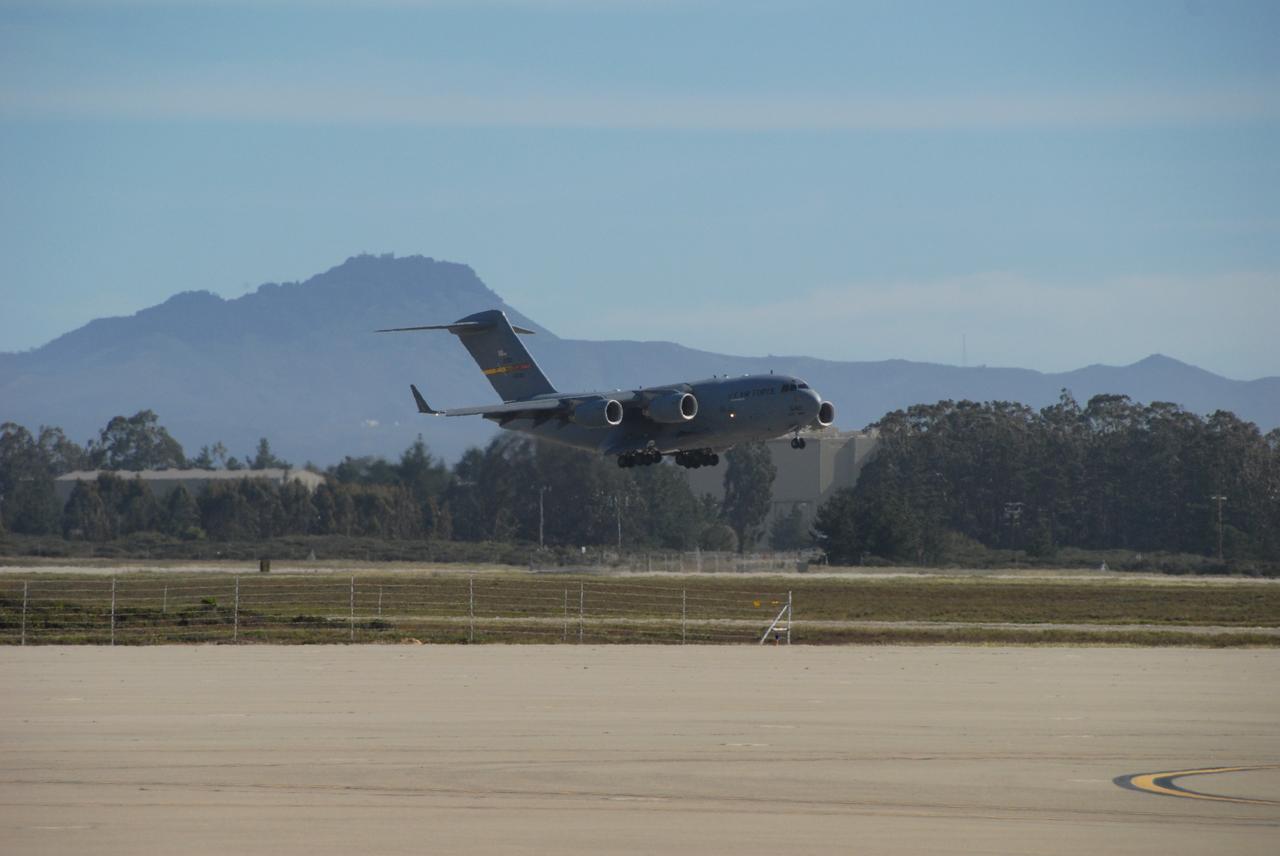
VANDENBERG AIR FORCE BASE, Calif. -- The Aquarius/SAC-D spacecraft arrives at Vandenberg Air Force Base in California from Campos, Brazil, aboard a U.S. Air Force C-17 transport plane. Following final tests, the spacecraft will be integrated to a United Launch Alliance Delta II rocket in preparation for the targeted June launch to low Earth orbit. Aquarius, the NASA-built primary instrument on the SAC-D spacecraft, will map global changes in salinity at the ocean's surface. Salinity is a key measurement for understanding how changes in rainfall, evaporation and the melting of freezing of ice influence ocean circulation and are linked to variations in Earth's climate. The three-year mission will provide new insights into how variations in ocean surface salinity relate to these fundamental climate processes. Photo credit: VAFB/30th Space Wing
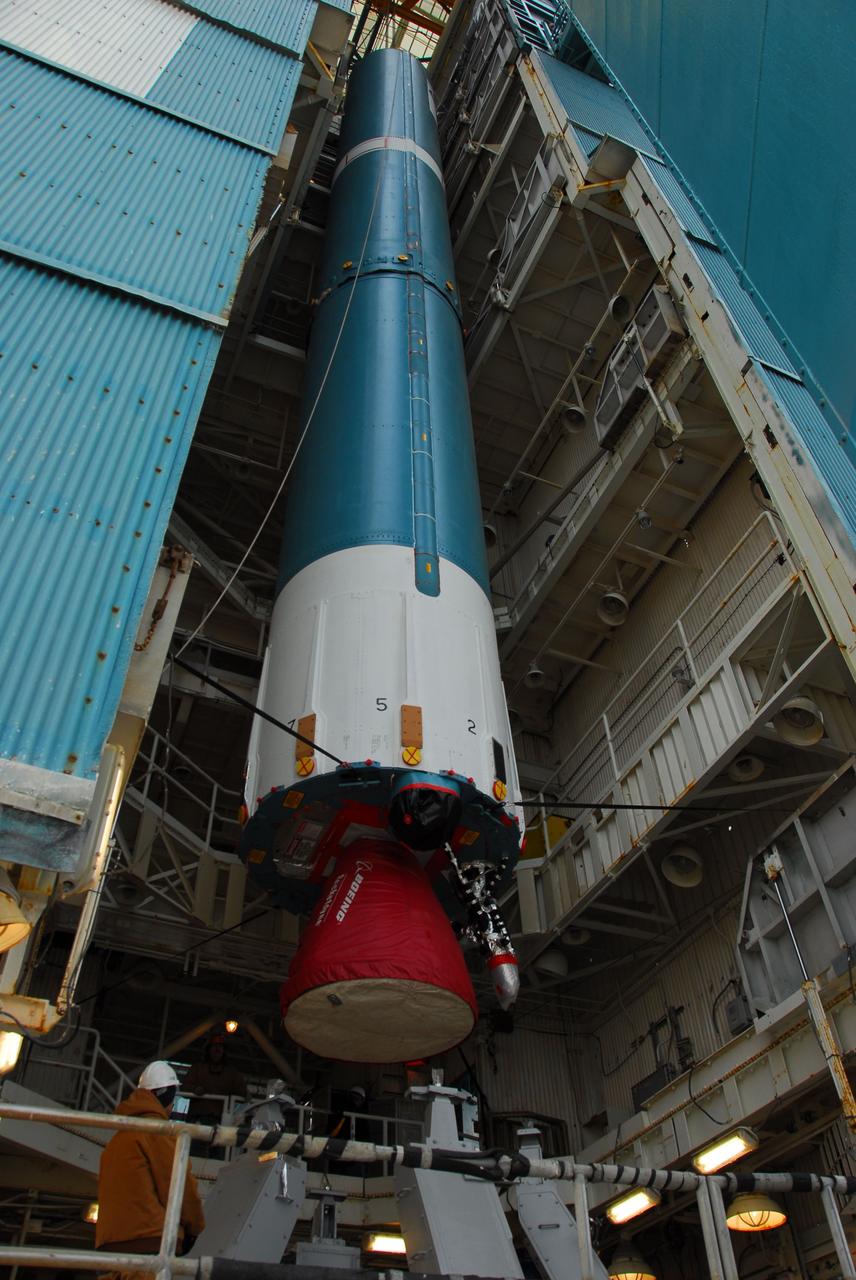
VANDENBERG AIR FORCE BASE, Calif. -- The first stage of the Delta II rocket that will carry NASA's Aquarius satellite into low Earth orbit is raised onto the launch pad at Vandenberg Air Force Base's Space Launch Complex-2 (SLC-2) in California. While the Delta II rocket is stacked on SLC-2, teams for NASA's Glory spacecraft and Orbital Sciences Taurus XL rocket are in launch preparation mode at Vandenberg's nearby Space Launch Complex 576-E. Scheduled to launch in June, Aquarius' mission will be to provide monthly maps of global changes in sea surface salinity. By measuring ocean salinity from space, Aquarius will provide new insights into how the massive natural exchange of freshwater between the ocean, atmosphere and sea ice influences ocean circulation, weather and climate. Also going up with the satellite are optical and thermal cameras, a microwave radiometer and the SAC-D spacecraft, which were developed with the help of institutions in Italy, France, Canada and Argentina. Photo credit: NASA/VAFB
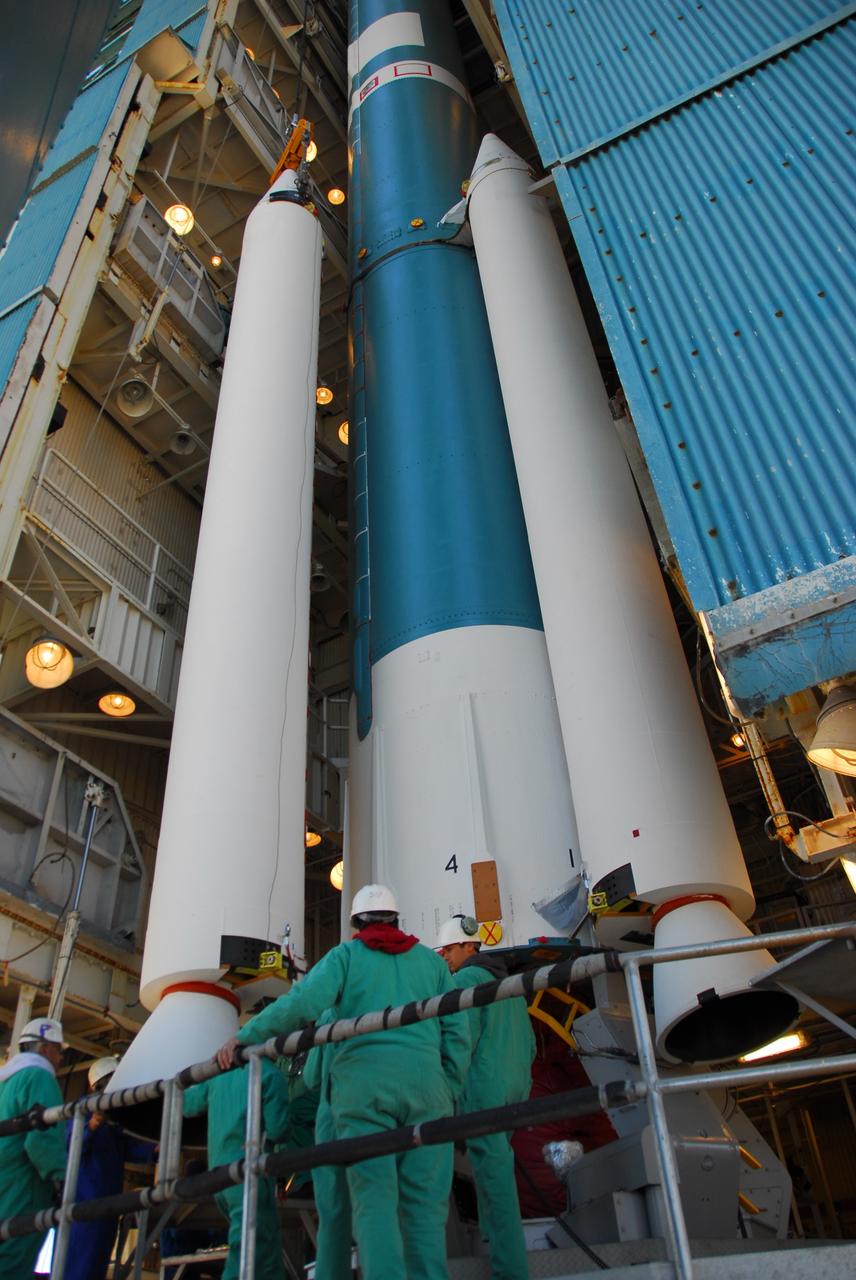
VANDENBERG AIR FORCE BASE, Calif. --At Vandenberg Air Force Base in California, a crane raises one of three United Launch Alliance Delta II solid rocket motors on the pad at Space Launch Complex-2 West (SLC-2W). A second motor was installed earlier in the morning. Scheduled to launch in June, the Delta II rocket will carry NASA's Aquarius satellite into low Earth orbit. Aquarius' mission will be to provide monthly maps of global changes in sea surface salinity. By measuring ocean salinity from space, Aquarius will provide new insights into how the massive natural exchange of freshwater between the ocean, atmosphere and sea ice influences ocean circulation, weather and climate. Also going up with the satellite are optical and thermal cameras, a microwave radiometer and the SAC-D spacecraft, which were developed with the help of institutions in Italy, France, Canada and Argentina. Photo credit: VAFB/30th Space Wing
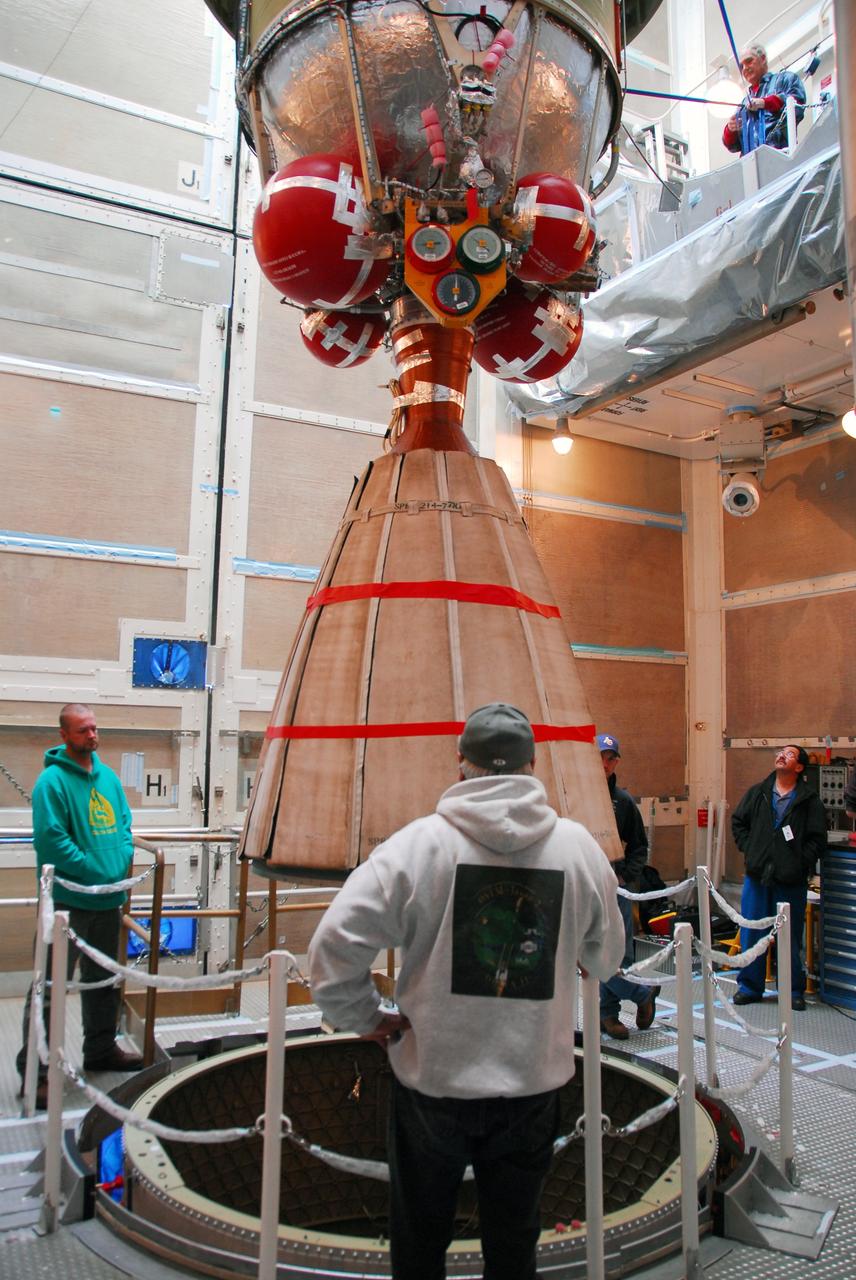
VANDENBERG AIR FORCE BASE, Calif. -- With the Space Launch Complex-2 (SLC-2) service tower at Vandenberg Air Force Base in California back in place, United Space Alliance technicians lower the second stage of a Delta II rocket into position over the first stage. The rocket is being prepared to launch NASA's Aquarius satellite into low Earth orbit. Scheduled to launch in June, Aquarius' mission will be to provide monthly maps of global changes in sea surface salinity. By measuring ocean salinity from space, Aquarius will provide new insights into how the massive natural exchange of freshwater between the ocean, atmosphere and sea ice influences ocean circulation, weather and climate. Also going up with the satellite are optical and thermal cameras, a microwave radiometer and the SAC-D spacecraft, which were developed with the help of institutions in Italy, France, Canada and Argentina. Photo credit: VAFB/30th Space Wing
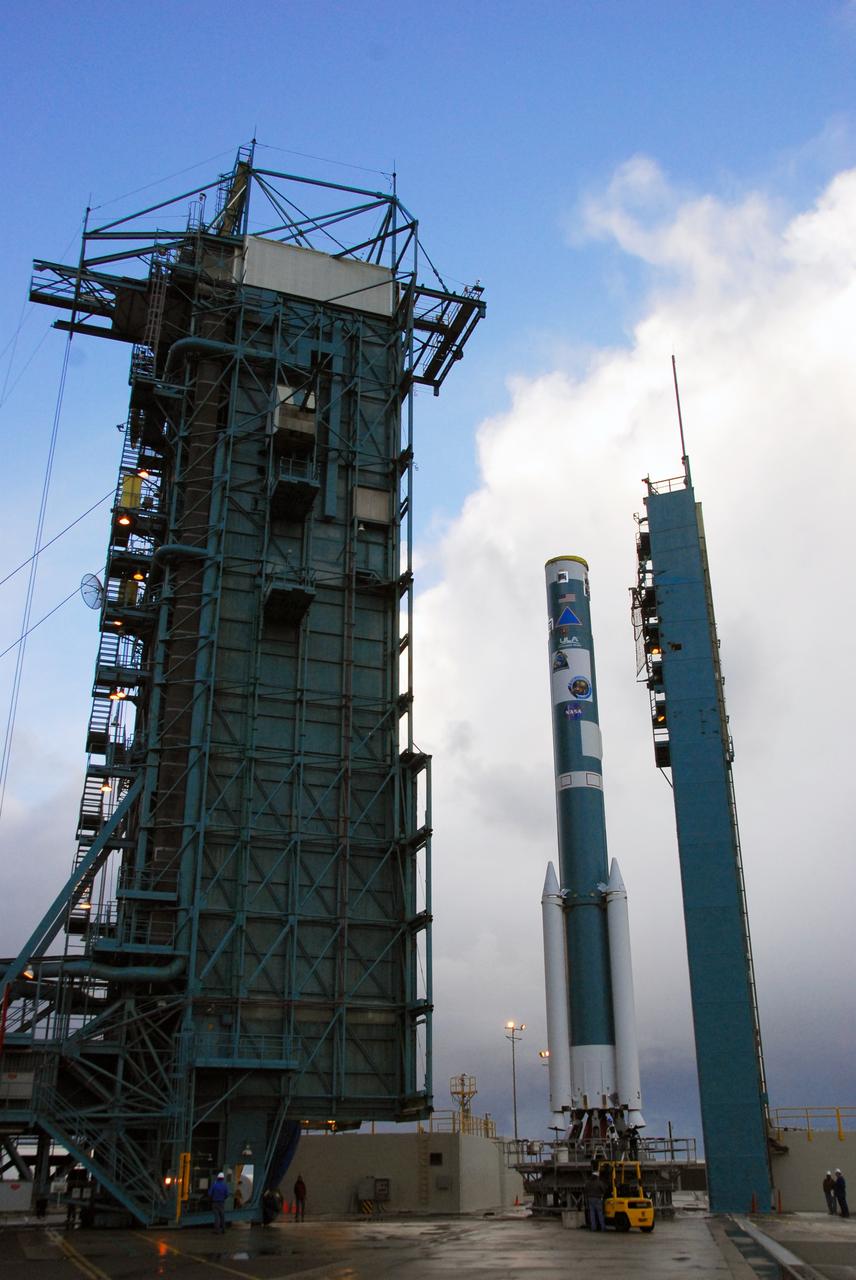
VANDENBERG AIR FORCE BASE, Calif. -- The Space Launch Complex-2 (SLC-2) service tower at Vandenberg Air Force Base in California is moved to allow United Launch Alliance technicians to hoist into position the second stage of the Delta II rocket that will carry NASA's Aquarius satellite into low Earth orbit. Scheduled to launch in June, Aquarius' mission will be to provide monthly maps of global changes in sea surface salinity. By measuring ocean salinity from space, Aquarius will provide new insights into how the massive natural exchange of freshwater between the ocean, atmosphere and sea ice influences ocean circulation, weather and climate. Also going up with the satellite are optical and thermal cameras, a microwave radiometer and the SAC-D spacecraft, which were developed with the help of institutions in Italy, France, Canada and Argentina. Photo credit: VAFB/30th Space Wing
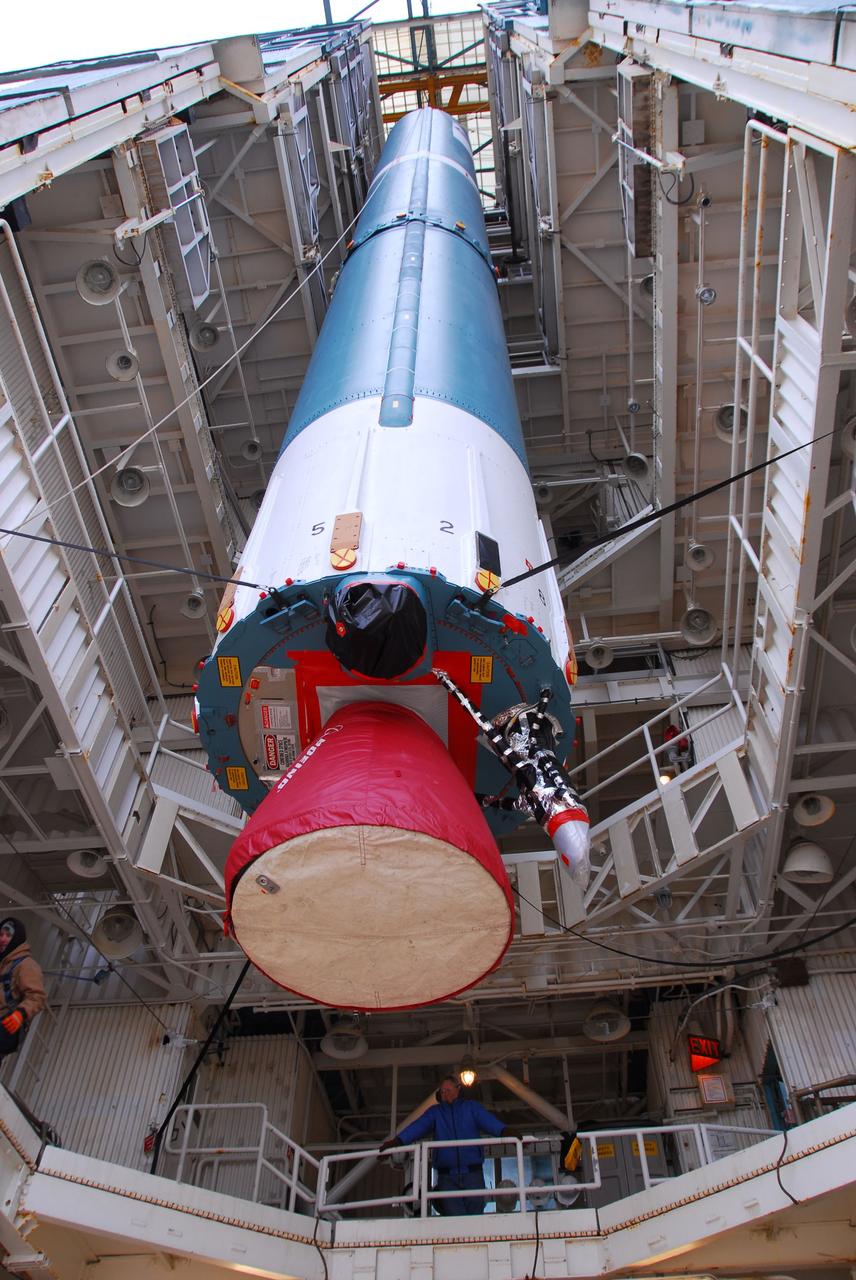
VANDENBERG AIR FORCE BASE, Calif. -- The first stage of the Delta II rocket that will carry NASA's Aquarius satellite into low Earth orbit is raised onto the launch pad at Vandenberg Air Force Base's Space Launch Complex-2 (SLC-2) in California. While the Delta II rocket is stacked on SLC-2, teams for NASA's Glory spacecraft and Orbital Sciences Taurus XL rocket are in launch preparation mode at Vandenberg's nearby Space Launch Complex 576-E. Scheduled to launch in June, Aquarius' mission will be to provide monthly maps of global changes in sea surface salinity. By measuring ocean salinity from space, Aquarius will provide new insights into how the massive natural exchange of freshwater between the ocean, atmosphere and sea ice influences ocean circulation, weather and climate. Also going up with the satellite are optical and thermal cameras, a microwave radiometer and the SAC-D spacecraft, which were developed with the help of institutions in Italy, France, Canada and Argentina. Photo credit: NASA/VAFB
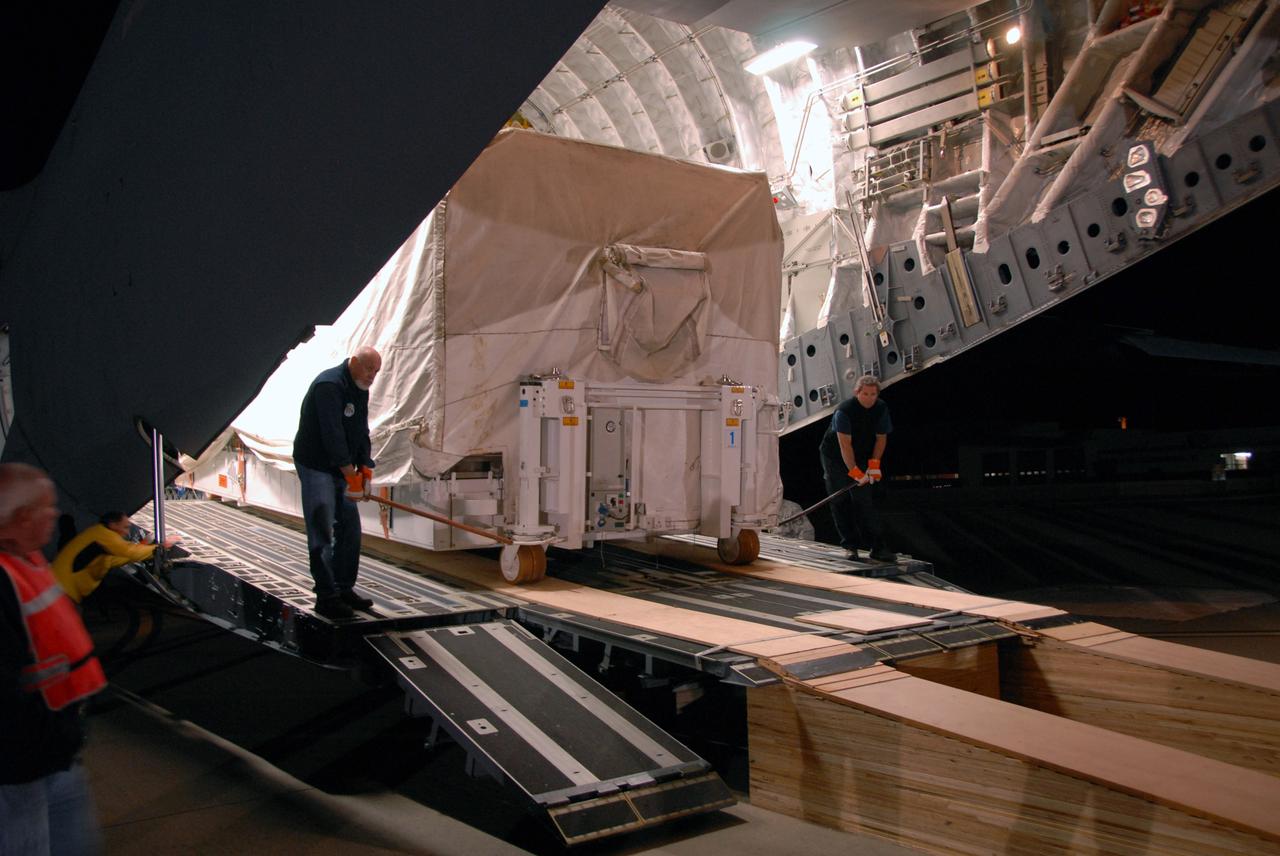
VANDENBERG AIR FORCE BASE, Calif. -- The Aquarius/SAC-D spacecraft is offloaded from a U.S. Air Force C-17 transport at Vandenberg Air Force Base in California. The aircraft traveled from Campos, Brazil. Following final tests, the spacecraft will be integrated to a United Launch Alliance Delta II rocket in preparation for the targeted June launch to low Earth orbit. Aquarius, the NASA-built primary instrument on the SAC-D spacecraft, will map global changes in salinity at the ocean's surface. Salinity is a key measurement for understanding how changes in rainfall, evaporation and the melting of freezing of ice influence ocean circulation and are linked to variations in Earth's climate. The three-year mission will provide new insights into how variations in ocean surface salinity relate to these fundamental climate processes. Photo credit: VAFB/30th Space Wing
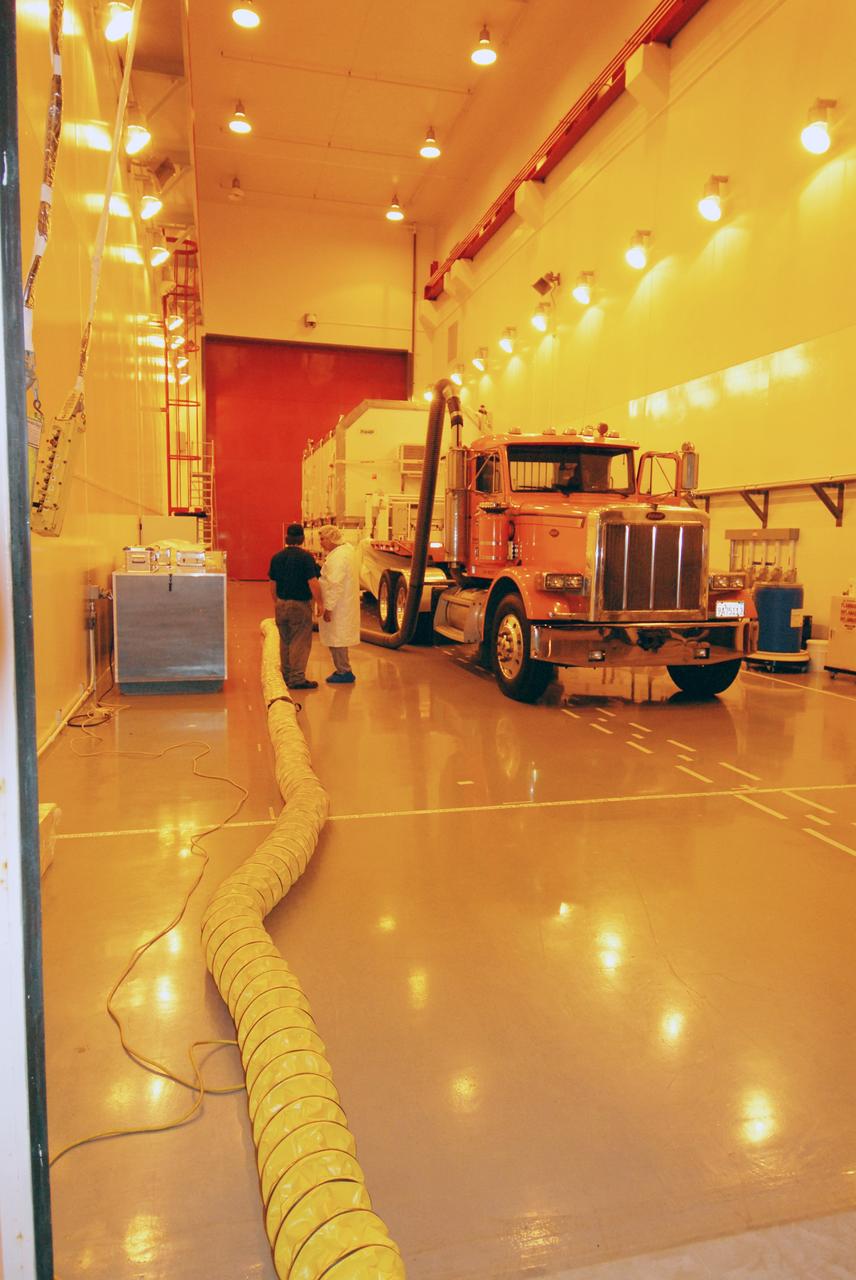
VANDENBERG AIR FORCE BASE, Calif. -- The Aquarius/SAC-D spacecraft is in the Spaceport Systems International payload processing facility at Vandenberg Air Force Base in California. Earlier, a U.S. Air Force C-17 transport plane delivered the spacecraft from Campos, Brazil. Following final tests, the spacecraft will be integrated to a United Launch Alliance Delta II rocket in preparation for the targeted June launch to low Earth orbit. Aquarius, the NASA-built primary instrument on the SAC-D spacecraft, will map global changes in salinity at the ocean's surface. Salinity is a key measurement for understanding how changes in rainfall, evaporation and the melting of freezing of ice influence ocean circulation and are linked to variations in Earth's climate. The three-year mission will provide new insights into how variations in ocean surface salinity relate to these fundamental climate processes. Photo credit: VAFB/30th Space Wing
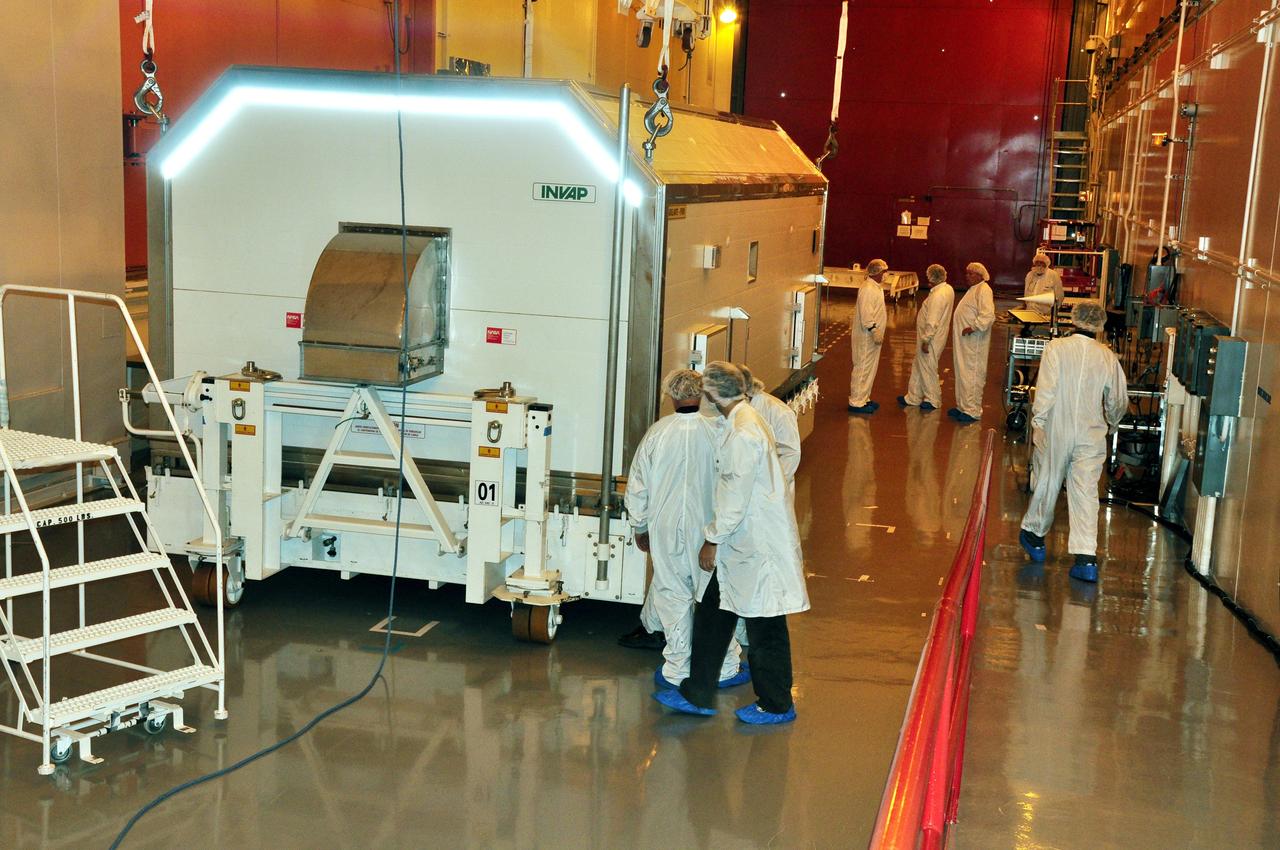
VANDENBERG AIR FORCE BASE, Calif. -- Technicians prepare to unpack and unveil the Aquarius/SAC-D spacecraft in the Spaceport Systems International payload processing facility at Vandenberg Air Force Base in California. The container protected the spacecraft on its journey from Campos, Brazil, aboard a U.S. Air Force C-17 transport plane. Following final tests, the spacecraft will be integrated to a United Launch Alliance Delta II rocket in preparation for the targeted June launch to low Earth orbit. Aquarius, the NASA-built primary instrument on the SAC-D spacecraft, will map global changes in salinity at the ocean's surface. Salinity is a key measurement for understanding how changes in rainfall, evaporation and the melting of freezing of ice influence ocean circulation and are linked to variations in Earth's climate. The three-year mission will provide new insights into how variations in ocean surface salinity relate to these fundamental climate processes. Photo credit: NASA/Randy Beaudoin, VAFB
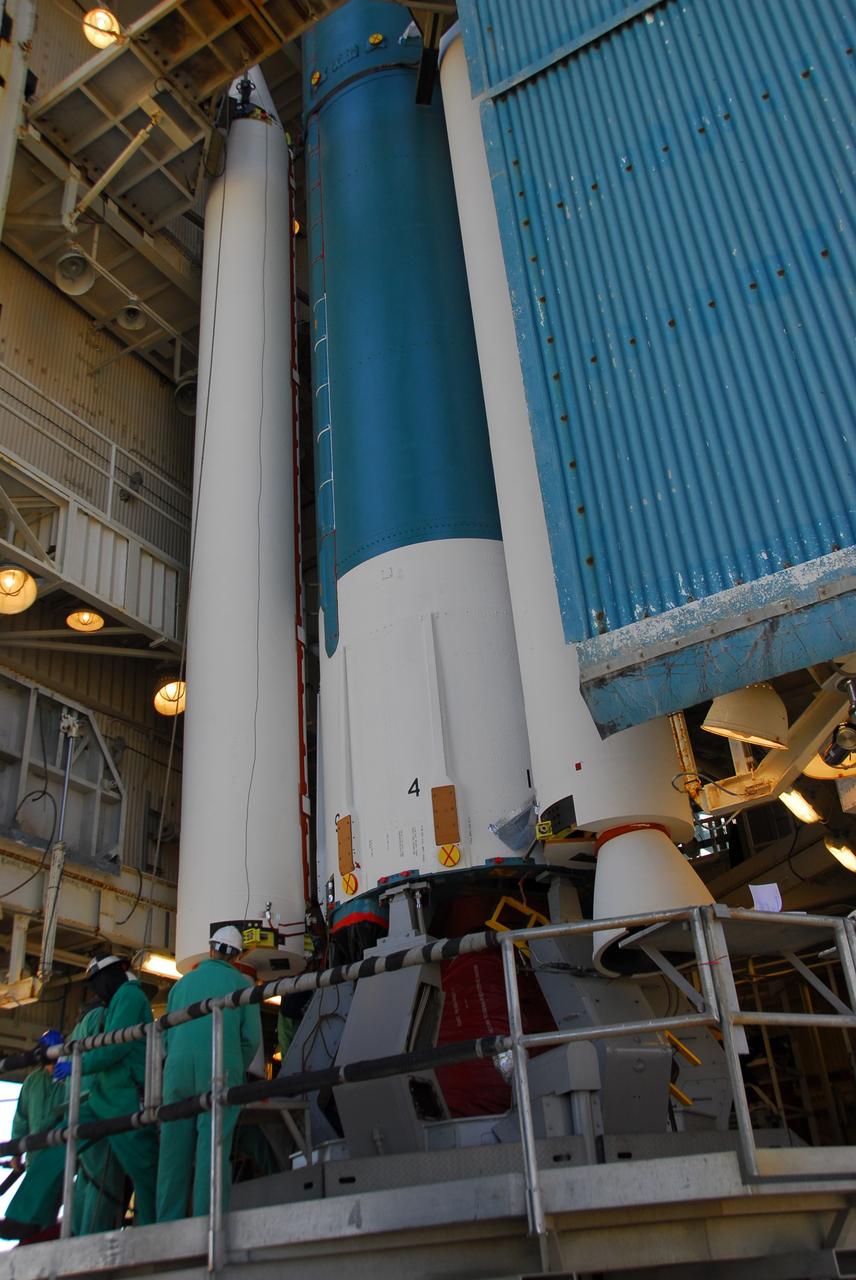
VANDENBERG AIR FORCE BASE, Calif. --At Vandenberg Air Force Base in California, United Launch Alliance technicians finish installing one of three Delta II solid rocket motors on the pad at Space Launch Complex-2 West (SLC-2W). A second motor was installed earlier in the morning. Scheduled to launch in June, the Delta II rocket will carry NASA's Aquarius satellite into low Earth orbit. Aquarius' mission will be to provide monthly maps of global changes in sea surface salinity. By measuring ocean salinity from space, Aquarius will provide new insights into how the massive natural exchange of freshwater between the ocean, atmosphere and sea ice influences ocean circulation, weather and climate. Also going up with the satellite are optical and thermal cameras, a microwave radiometer and the SAC-D spacecraft, which were developed with the help of institutions in Italy, France, Canada and Argentina. Photo credit: VAFB/30th Space Wing
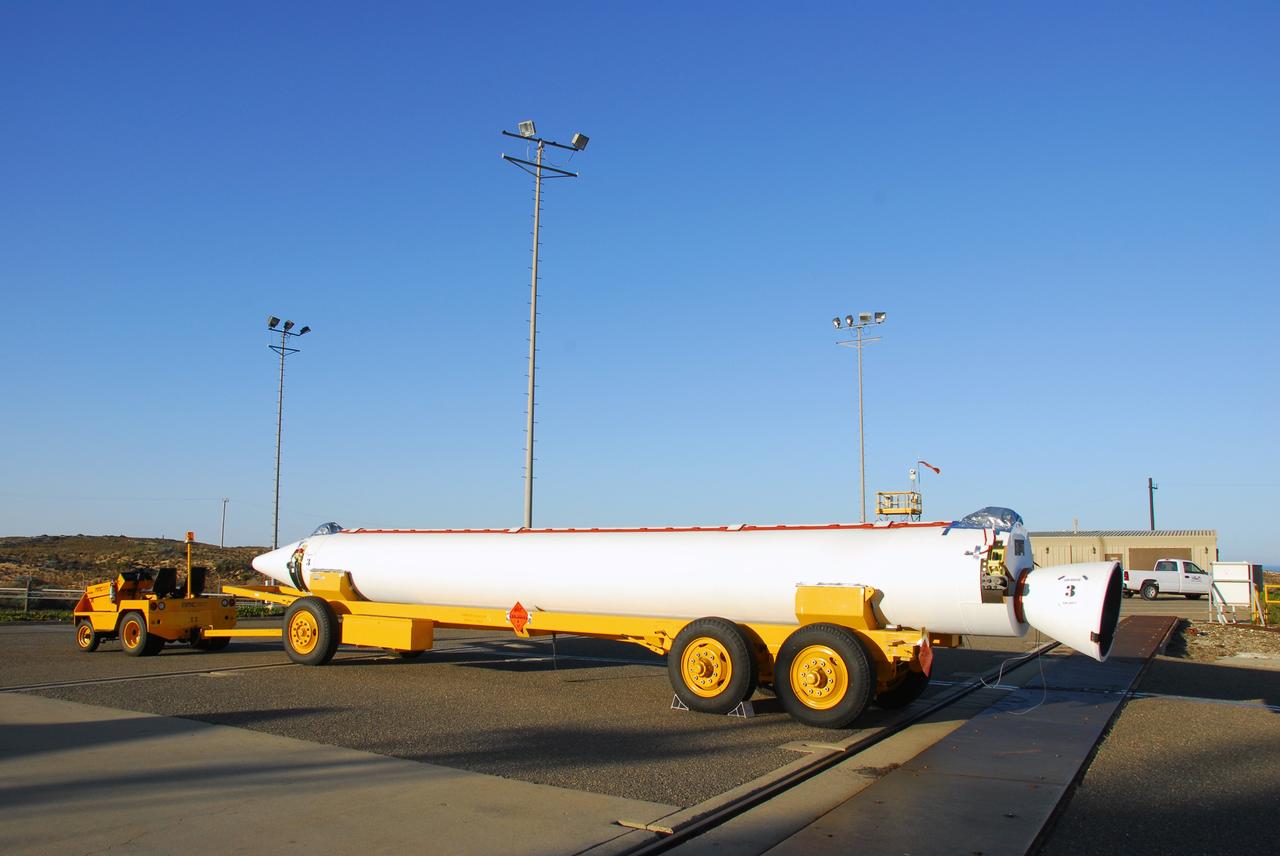
VANDENBERG AIR FORCE BASE, Calif. --At Vandenberg Air Force Base in California, one of three United Space Alliance Delta II solid rocket motors is atop a tug for the move from the solid motor facility to Space Launch Complex-2 West (SLC-2W). Scheduled to launch in June, the Delta II rocket will carry NASA's Aquarius satellite into low Earth orbit. Aquarius' mission will be to provide monthly maps of global changes in sea surface salinity. By measuring ocean salinity from space, Aquarius will provide new insights into how the massive natural exchange of freshwater between the ocean, atmosphere and sea ice influences ocean circulation, weather and climate. Also going up with the satellite are optical and thermal cameras, a microwave radiometer and the SAC-D spacecraft, which were developed with the help of institutions in Italy, France, Canada and Argentina. Photo credit: VAFB/30th Space Wing

VANDENBERG AIR FORCE BASE, Calif. -- The first stage of the Delta II rocket that will carry NASA's Aquarius satellite into low Earth orbit arrives to the launch pad at Vandenberg Air Force Base's Space Launch Complex-2 (SLC-2) in California. While the Delta II rocket is stacked on SLC-2, teams for NASA's Glory spacecraft and Orbital Sciences Taurus XL rocket are in launch preparation mode at Vandenberg's nearby Space Launch Complex 576-E. Scheduled to launch in June, Aquarius' mission will be to provide monthly maps of global changes in sea surface salinity. By measuring ocean salinity from space, Aquarius will provide new insights into how the massive natural exchange of freshwater between the ocean, atmosphere and sea ice influences ocean circulation, weather and climate. Also going up with the satellite are optical and thermal cameras, a microwave radiometer and the SAC-D spacecraft, which were developed with the help of institutions in Italy, France, Canada and Argentina. Photo credit: NASA/VAFB
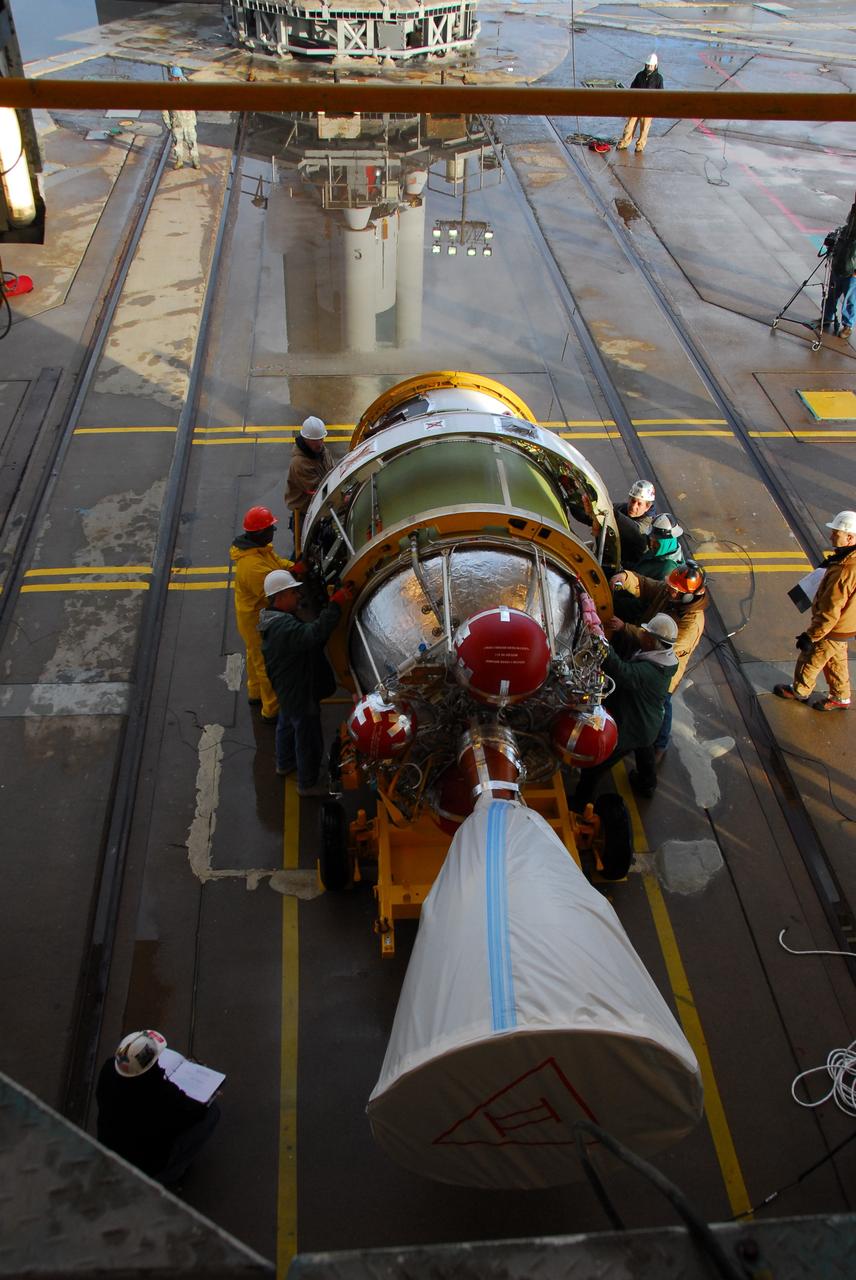
VANDENBERG AIR FORCE BASE, Calif. -- United Space Alliance technicians prepare to hoist the second stage of a Delta II rocket into position in the Space Launch Complex-2 (SLC-2) service tower at Vandenberg Air Force Base in California. The rocket is being prepared to launch NASA's Aquarius satellite into low Earth orbit. Scheduled to launch in June, Aquarius' mission will be to provide monthly maps of global changes in sea surface salinity. By measuring ocean salinity from space, Aquarius will provide new insights into how the massive natural exchange of freshwater between the ocean, atmosphere and sea ice influences ocean circulation, weather and climate. Also going up with the satellite are optical and thermal cameras, a microwave radiometer and the SAC-D spacecraft, which were developed with the help of institutions in Italy, France, Canada and Argentina. Photo credit: VAFB/30th Space Wing
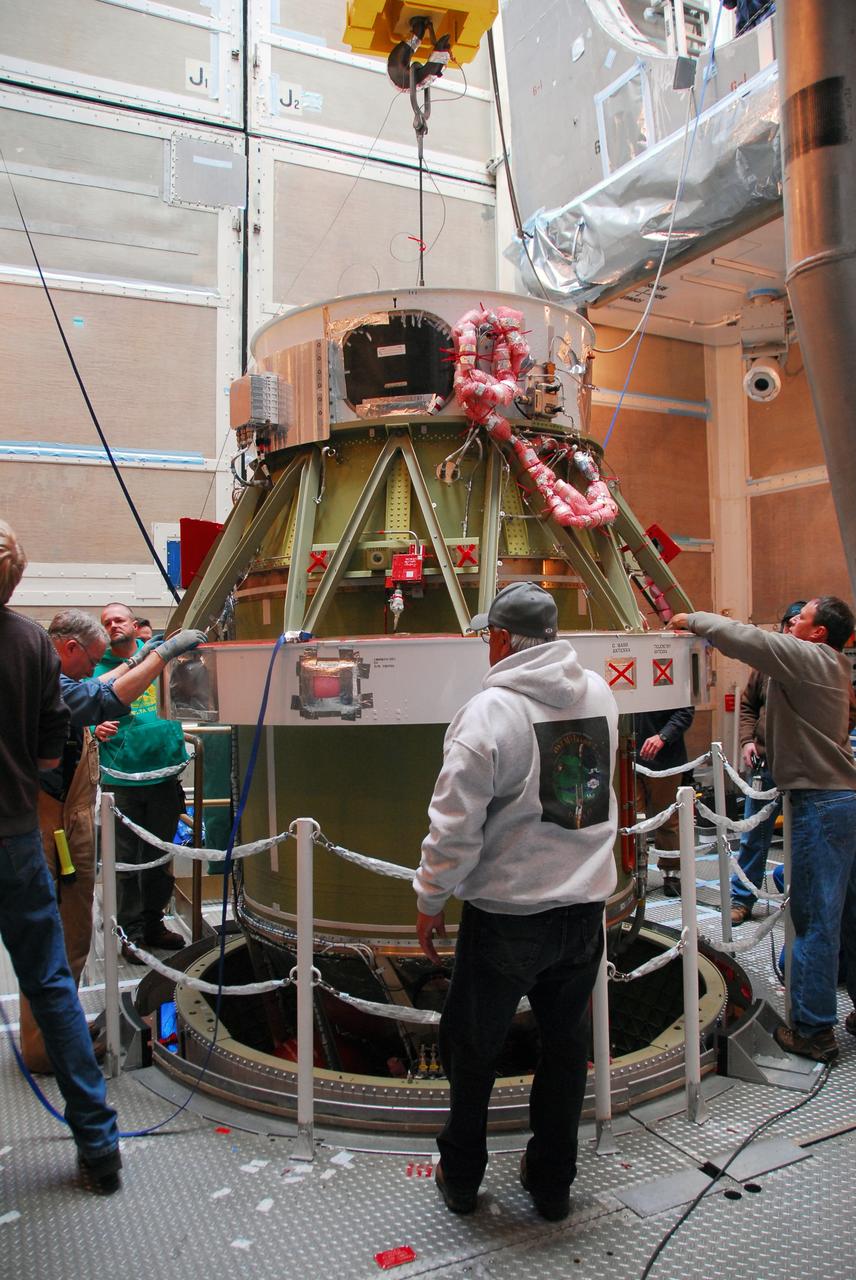
VANDENBERG AIR FORCE BASE, Calif. -- With the Space Launch Complex-2 (SLC-2) service tower at Vandenberg Air Force Base in California back in place, United Space Alliance technicians lower the second stage of a Delta II rocket into position over the first stage and three solid rocket motors. The rocket is being prepared to launch NASA's Aquarius satellite into low Earth orbit. Scheduled to launch in June, Aquarius' mission will be to provide monthly maps of global changes in sea surface salinity. By measuring ocean salinity from space, Aquarius will provide new insights into how the massive natural exchange of freshwater between the ocean, atmosphere and sea ice influences ocean circulation, weather and climate. Also going up with the satellite are optical and thermal cameras, a microwave radiometer and the SAC-D spacecraft, which were developed with the help of institutions in Italy, France, Canada and Argentina. Photo credit: VAFB/30th Space Wing

VANDENBERG AIR FORCE BASE, Calif. --As the sun rises over Vandenberg Air Force Base in California, a crane begins to raise one of three United Launch Alliance Delta II solid rocket motors on the pad at Space Launch Complex-2 West (SLC-2W). Scheduled to launch in June, the Delta II rocket will carry NASA's Aquarius satellite into low Earth orbit. Aquarius' mission will be to provide monthly maps of global changes in sea surface salinity. By measuring ocean salinity from space, Aquarius will provide new insights into how the massive natural exchange of freshwater between the ocean, atmosphere and sea ice influences ocean circulation, weather and climate. Also going up with the satellite are optical and thermal cameras, a microwave radiometer and the SAC-D spacecraft, which were developed with the help of institutions in Italy, France, Canada and Argentina. Photo credit: VAFB/30th Space Wing
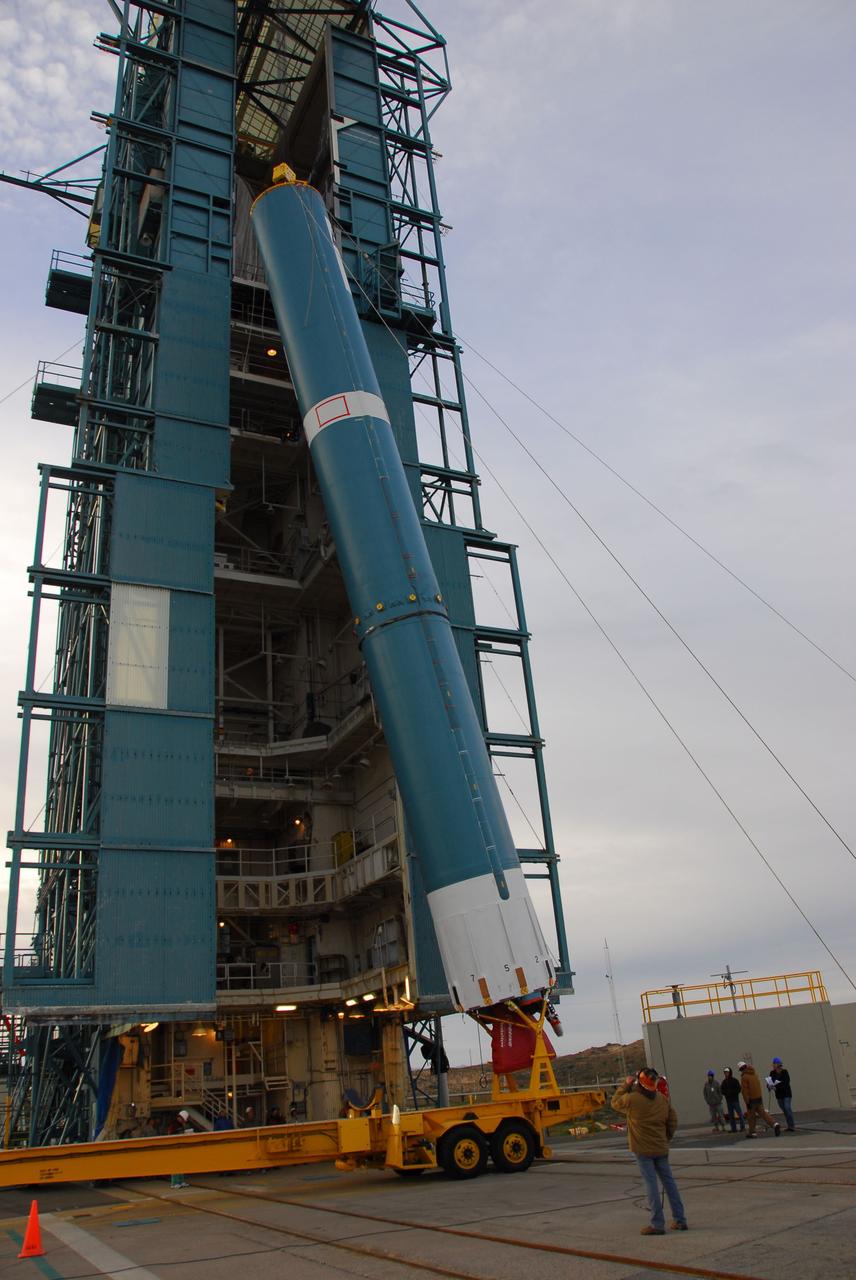
VANDENBERG AIR FORCE BASE, Calif. -- The first stage of the Delta II rocket that will carry NASA's Aquarius satellite into low Earth orbit is raised onto the launch pad at Vandenberg Air Force Base's Space Launch Complex-2 (SLC-2) in California. While the Delta II rocket is stacked on SLC-2, teams for NASA's Glory spacecraft and Orbital Sciences Taurus XL rocket are in launch preparation mode at Vandenberg's nearby Space Launch Complex 576-E. Scheduled to launch in June, Aquarius' mission will be to provide monthly maps of global changes in sea surface salinity. By measuring ocean salinity from space, Aquarius will provide new insights into how the massive natural exchange of freshwater between the ocean, atmosphere and sea ice influences ocean circulation, weather and climate. Also going up with the satellite are optical and thermal cameras, a microwave radiometer and the SAC-D spacecraft, which were developed with the help of institutions in Italy, France, Canada and Argentina. Photo credit: NASA/VAFB
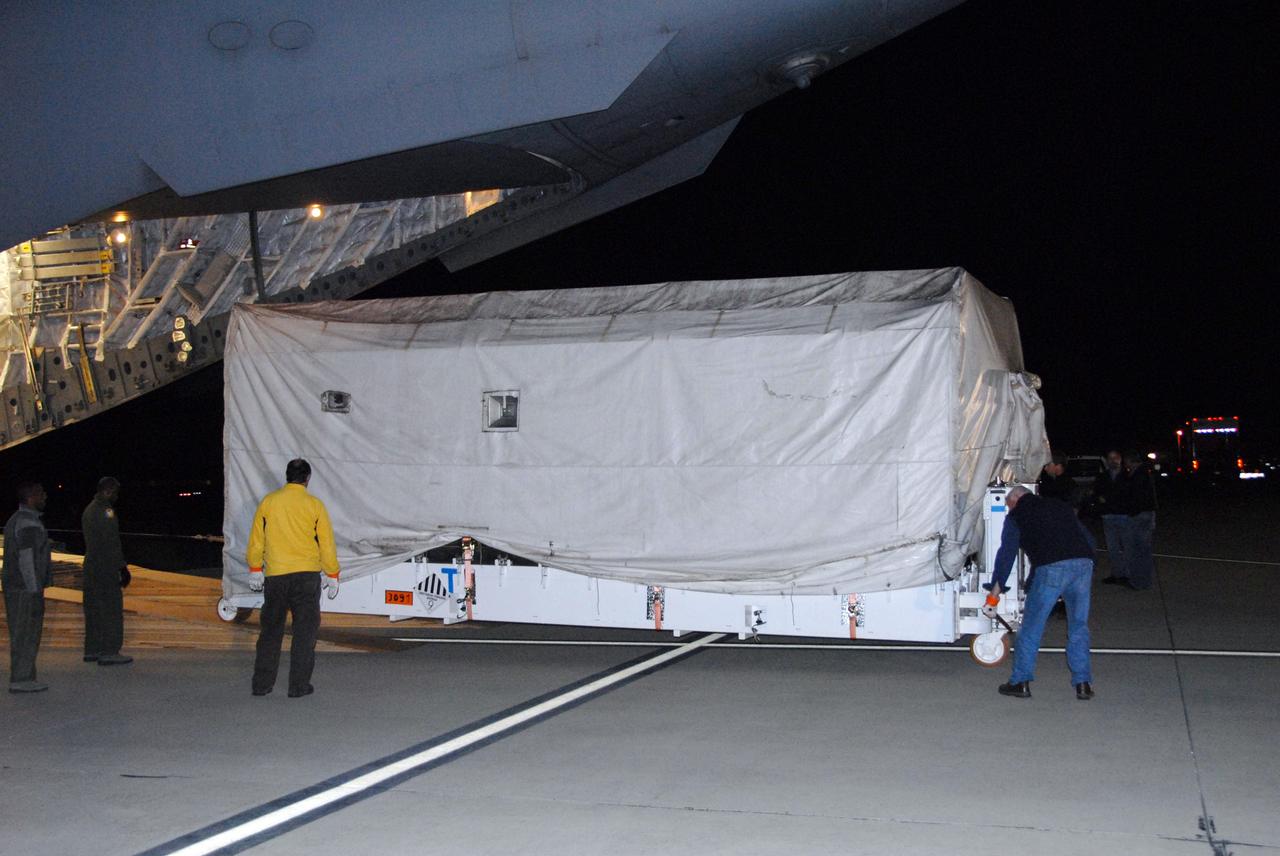
VANDENBERG AIR FORCE BASE, Calif. -- The Aquarius/SAC-D spacecraft is offloaded from a U.S. Air Force C-17 transport at Vandenberg Air Force Base in California. The aircraft traveled from Campos, Brazil. Following final tests, the spacecraft will be integrated to a United Launch Alliance Delta II rocket in preparation for the targeted June launch to low Earth orbit. Aquarius, the NASA-built primary instrument on the SAC-D spacecraft, will map global changes in salinity at the ocean's surface. Salinity is a key measurement for understanding how changes in rainfall, evaporation and the melting of freezing of ice influence ocean circulation and are linked to variations in Earth's climate. The three-year mission will provide new insights into how variations in ocean surface salinity relate to these fundamental climate processes. Photo credit: VAFB/30th Space Wing
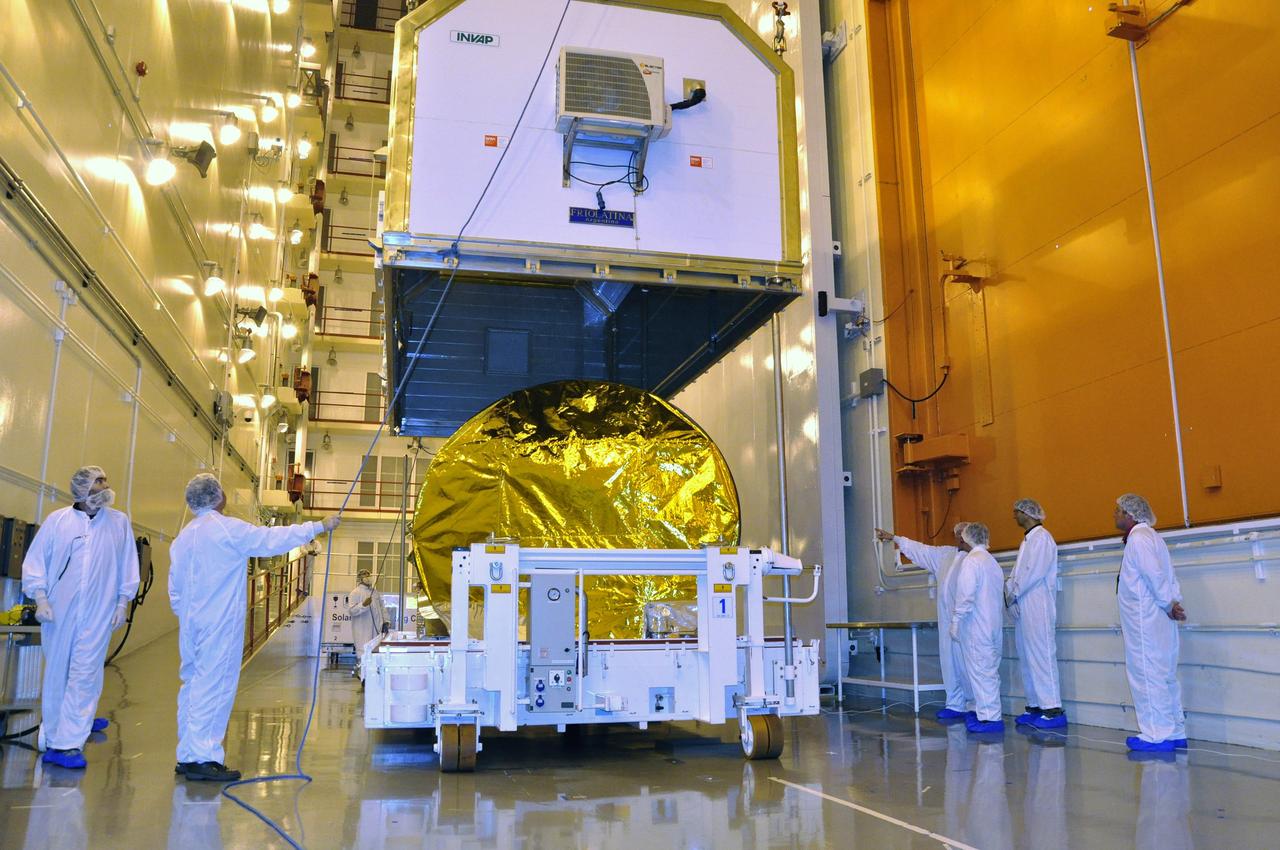
VANDENBERG AIR FORCE BASE, Calif. -- Technicians unpack and unveil the Aquarius/SAC-D spacecraft in the Spaceport Systems International payload processing facility at Vandenberg Air Force Base in California. The container protected the spacecraft on its journey from Campos, Brazil, aboard a U.S. Air Force C-17 transport plane. Following final tests, the spacecraft will be integrated to a United Launch Alliance Delta II rocket in preparation for the targeted June launch to low Earth orbit. Aquarius, the NASA-built primary instrument on the SAC-D spacecraft, will map global changes in salinity at the ocean's surface. Salinity is a key measurement for understanding how changes in rainfall, evaporation and the melting of freezing of ice influence ocean circulation and are linked to variations in Earth's climate. The three-year mission will provide new insights into how variations in ocean surface salinity relate to these fundamental climate processes. Photo credit: NASA/Randy Beaudoin, VAFB
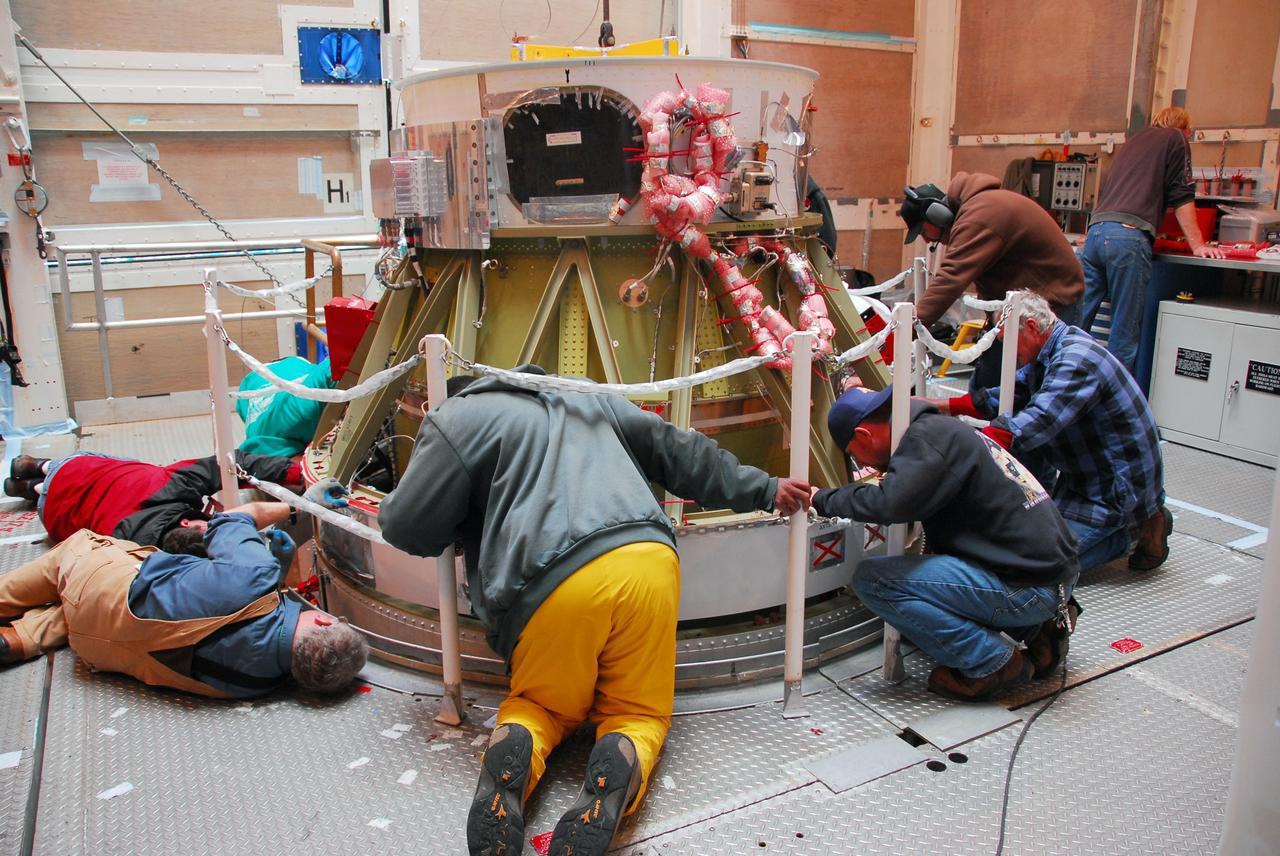
VANDENBERG AIR FORCE BASE, Calif. -- With the Space Launch Complex-2 (SLC-2) service tower at Vandenberg Air Force Base in California back in place, United Space Alliance technicians complete the installation of the second stage of a Delta II rocket to the first stage. The rocket is being prepared to launch NASA's Aquarius satellite into low Earth orbit. Scheduled to launch in June, Aquarius' mission will be to provide monthly maps of global changes in sea surface salinity. By measuring ocean salinity from space, Aquarius will provide new insights into how the massive natural exchange of freshwater between the ocean, atmosphere and sea ice influences ocean circulation, weather and climate. Also going up with the satellite are optical and thermal cameras, a microwave radiometer and the SAC-D spacecraft, which were developed with the help of institutions in Italy, France, Canada and Argentina. Photo credit: VAFB/30th Space Wing
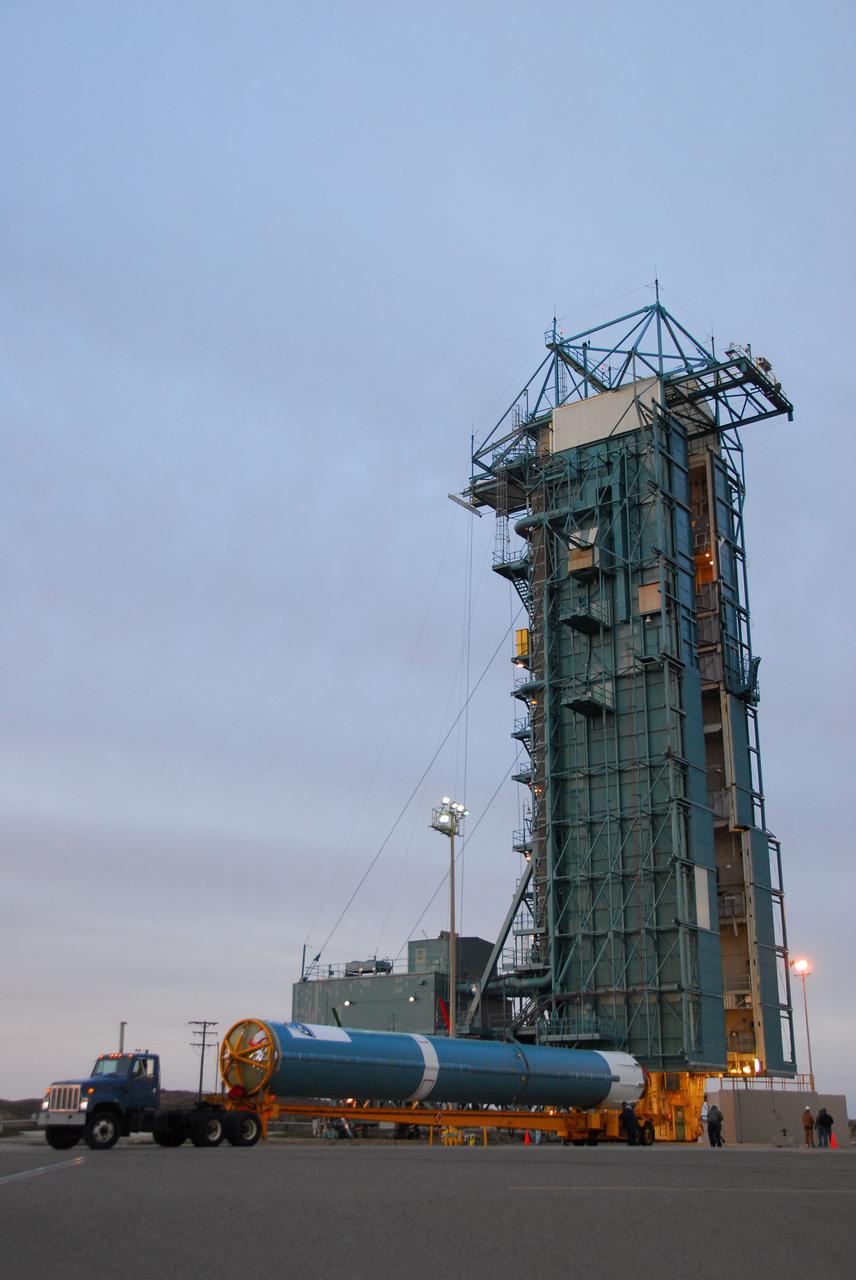
VANDENBERG AIR FORCE BASE, Calif. -- The first stage of the Delta II rocket that will carry NASA's Aquarius satellite into low Earth orbit arrives to the launch pad at Vandenberg Air Force Base's Space Launch Complex-2 (SLC-2) in California. While the Delta II rocket is stacked on SLC-2, teams for NASA's Glory spacecraft and Orbital Sciences Taurus XL rocket are in launch preparation mode at Vandenberg's nearby Space Launch Complex 576-E. Scheduled to launch in June, Aquarius' mission will be to provide monthly maps of global changes in sea surface salinity. By measuring ocean salinity from space, Aquarius will provide new insights into how the massive natural exchange of freshwater between the ocean, atmosphere and sea ice influences ocean circulation, weather and climate. Also going up with the satellite are optical and thermal cameras, a microwave radiometer and the SAC-D spacecraft, which were developed with the help of institutions in Italy, France, Canada and Argentina. Photo credit: NASA/VAFB
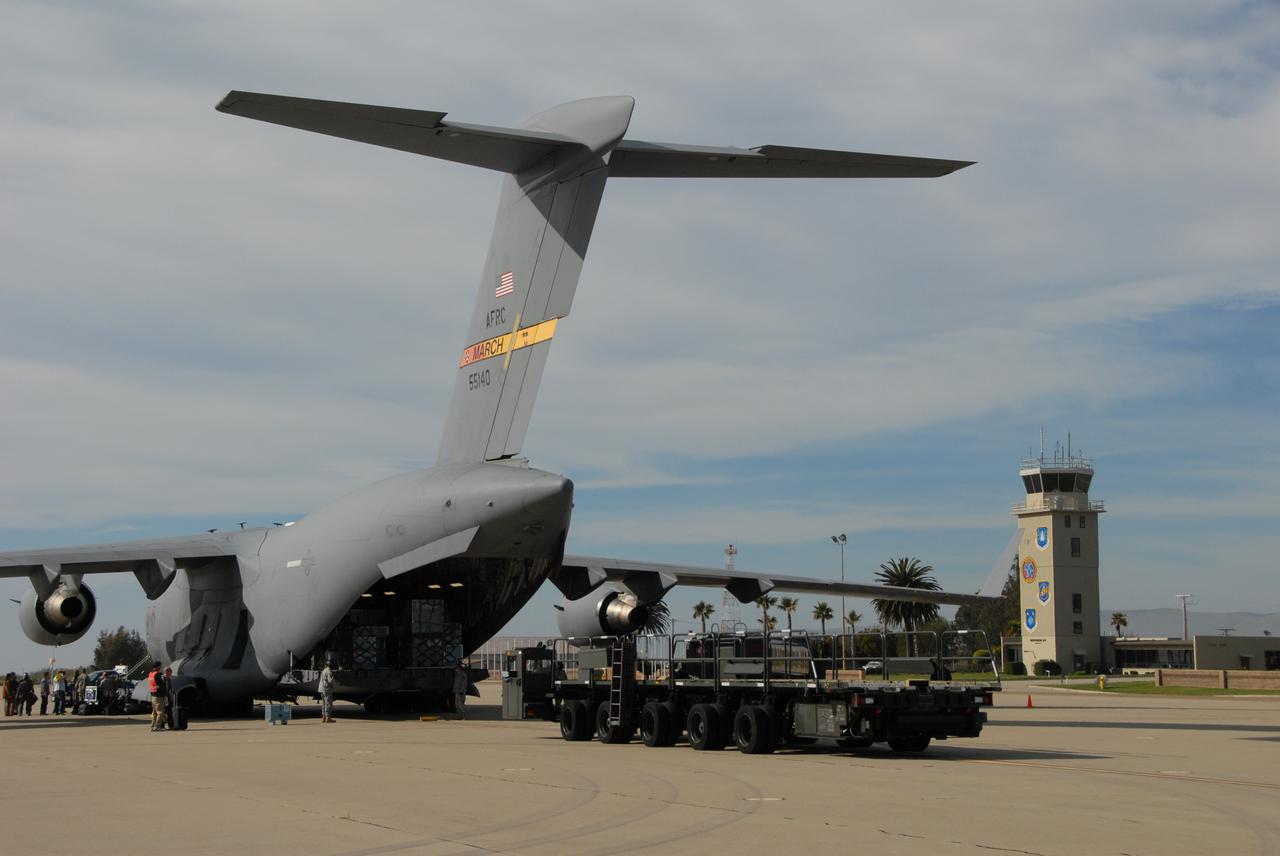
VANDENBERG AIR FORCE BASE, Calif. -- Workers at Vandenberg Air Force Base in California prepare to offload the Aquarius/SAC-D spacecraft from a U.S. Air Force C-17 transport plane. The aircraft traveled from Campos, Brazil. Following final tests, the spacecraft will be integrated to a United Launch Alliance Delta II rocket in preparation for the targeted June launch to low Earth orbit. Aquarius, the NASA-built primary instrument on the SAC-D spacecraft, will map global changes in salinity at the ocean's surface. Salinity is a key measurement for understanding how changes in rainfall, evaporation and the melting of freezing of ice influence ocean circulation and are linked to variations in Earth's climate. The three-year mission will provide new insights into how variations in ocean surface salinity relate to these fundamental climate processes. Photo credit: VAFB/30th Space Wing
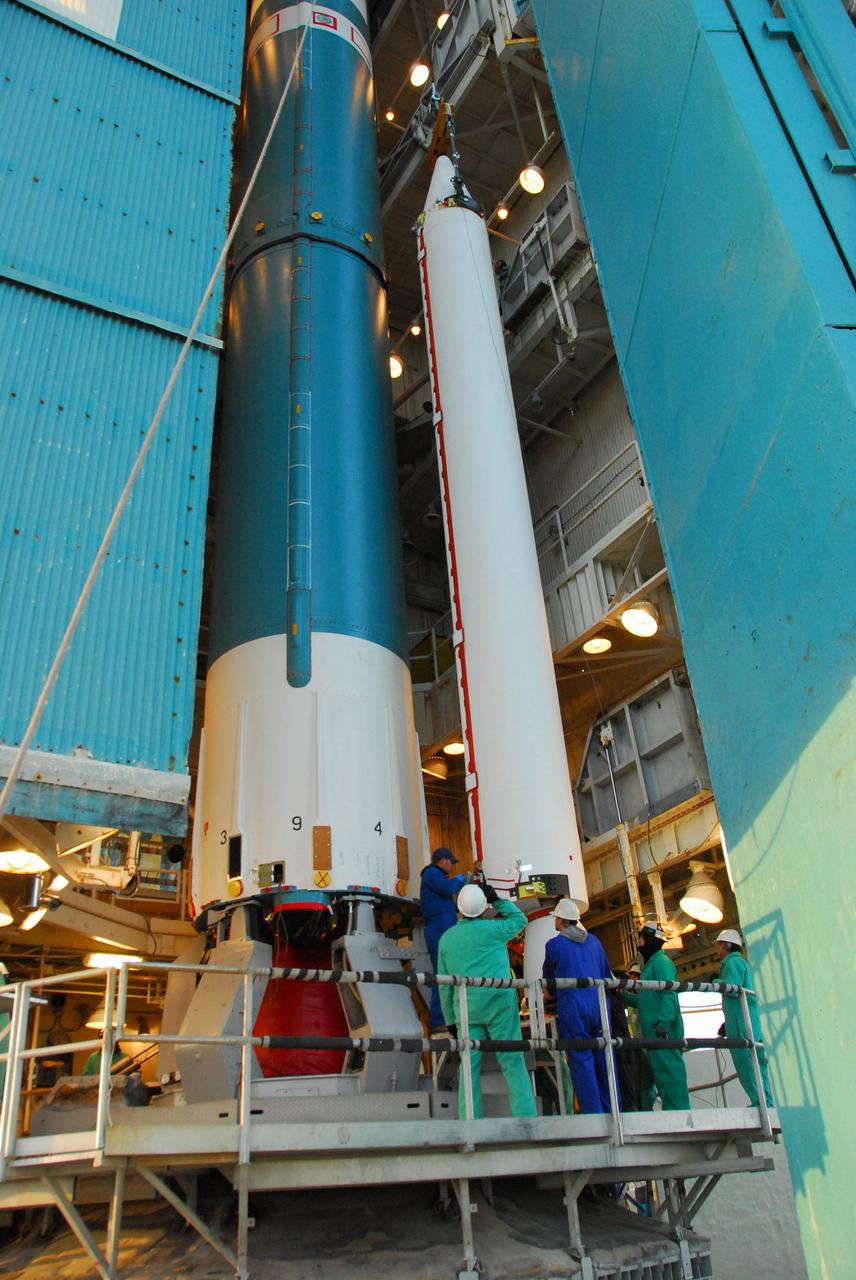
VANDENBERG AIR FORCE BASE, Calif. --As the sun rises over Vandenberg Air Force Base in California, a crane raises one of three United Launch Alliance Delta II solid rocket motors on the pad at Space Launch Complex-2 West (SLC-2W). Scheduled to launch in June, the Delta II rocket will carry NASA's Aquarius satellite into low Earth orbit. Aquarius' mission will be to provide monthly maps of global changes in sea surface salinity. By measuring ocean salinity from space, Aquarius will provide new insights into how the massive natural exchange of freshwater between the ocean, atmosphere and sea ice influences ocean circulation, weather and climate. Also going up with the satellite are optical and thermal cameras, a microwave radiometer and the SAC-D spacecraft, which were developed with the help of institutions in Italy, France, Canada and Argentina. Photo credit: VAFB/30th Space Wing
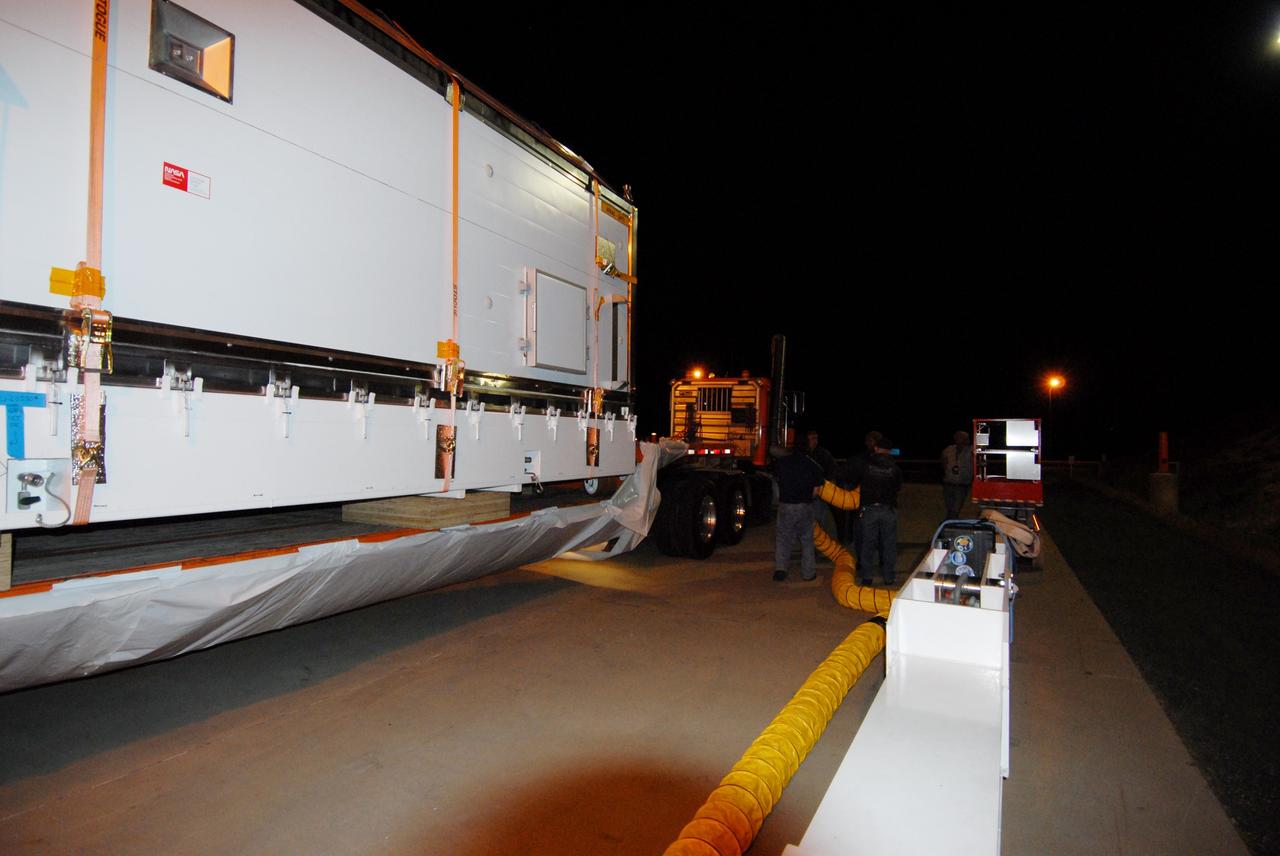
VANDENBERG AIR FORCE BASE, Calif. -- The Aquarius/SAC-D spacecraft is transported to the Spaceport Systems International payload processing facility at Vandenberg Air Force Base in California. Earlier, a U.S. Air Force C-17 transport plane delivered the spacecraft from Campos, Brazil. Following final tests, the spacecraft will be integrated to a United Launch Alliance Delta II rocket in preparation for the targeted June launch to low Earth orbit. Aquarius, the NASA-built primary instrument on the SAC-D spacecraft, will map global changes in salinity at the ocean's surface. Salinity is a key measurement for understanding how changes in rainfall, evaporation and the melting of freezing of ice influence ocean circulation and are linked to variations in Earth's climate. The three-year mission will provide new insights into how variations in ocean surface salinity relate to these fundamental climate processes. Photo credit: VAFB/30th Space Wing
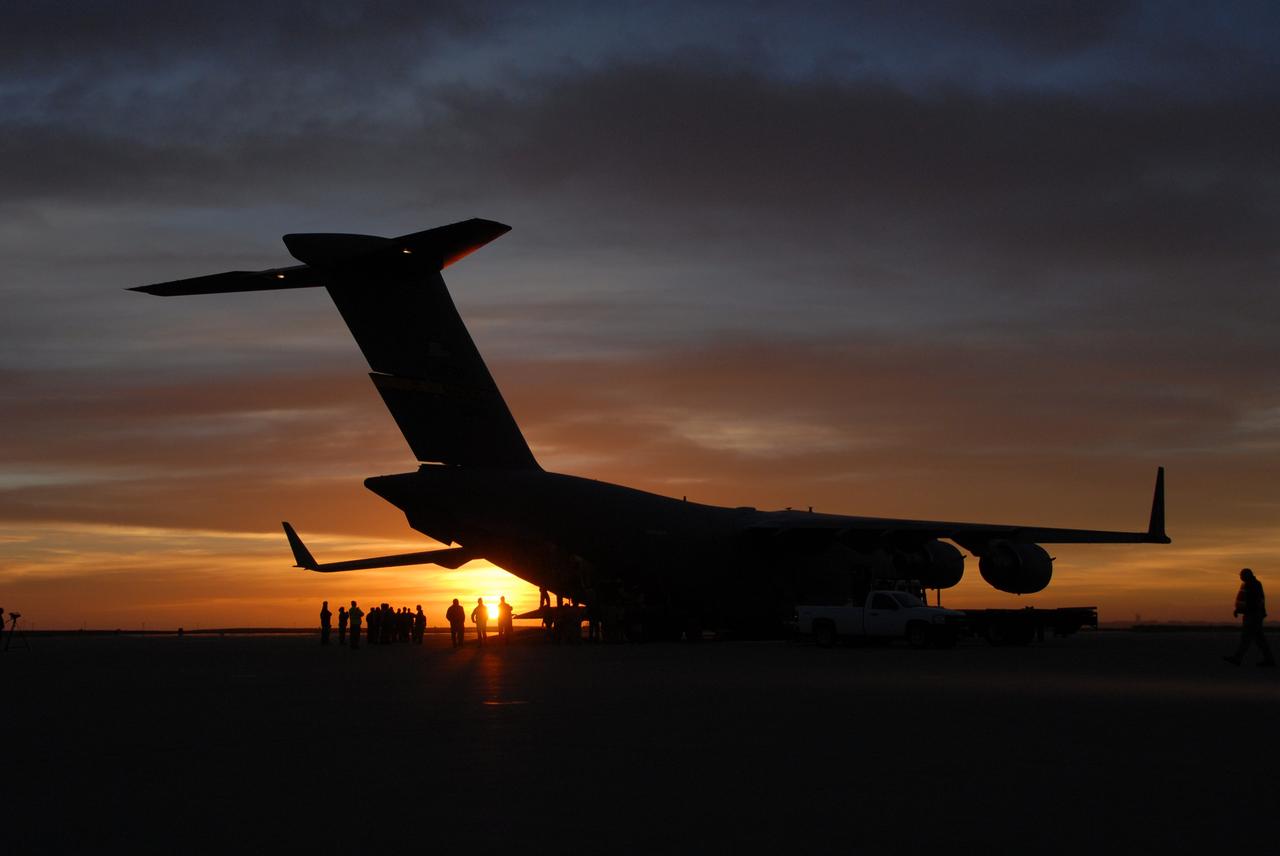
VANDENBERG AIR FORCE BASE, Calif. -- Workers at Vandenberg Air Force Base in California prepare to offload the Aquarius/SAC-D spacecraft from a U.S. Air Force C-17 transport plane. The aircraft traveled from Campos, Brazil. Following final tests, the spacecraft will be integrated to a United Launch Alliance Delta II rocket in preparation for the targeted June launch to low Earth orbit. Aquarius, the NASA-built primary instrument on the SAC-D spacecraft, will map global changes in salinity at the ocean's surface. Salinity is a key measurement for understanding how changes in rainfall, evaporation and the melting of freezing of ice influence ocean circulation and are linked to variations in Earth's climate. The three-year mission will provide new insights into how variations in ocean surface salinity relate to these fundamental climate processes. Photo credit: VAFB/30th Space Wing
VANDENBERG AIR FORCE BASE, Calif. -- The Aquarius/SAC-D spacecraft is transported to the Spaceport Systems International processing facility at Vandenberg Air Force Base in California. Earlier, a U.S. Air Force C-17 transport plane delivered the spacecraft from Campos, Brazil. Following final tests, the spacecraft will be integrated to a United Launch Alliance Delta II rocket in preparation for the targeted June launch to low Earth orbit. Aquarius, the NASA-built primary instrument on the SAC-D spacecraft, will map global changes in salinity at the ocean's surface. Salinity is a key measurement for understanding how changes in rainfall, evaporation and the melting of freezing of ice influence ocean circulation and are linked to variations in Earth's climate. The three-year mission will provide new insights into how variations in ocean surface salinity relate to these fundamental climate processes. Photo credit: VAFB/30th Space Wing
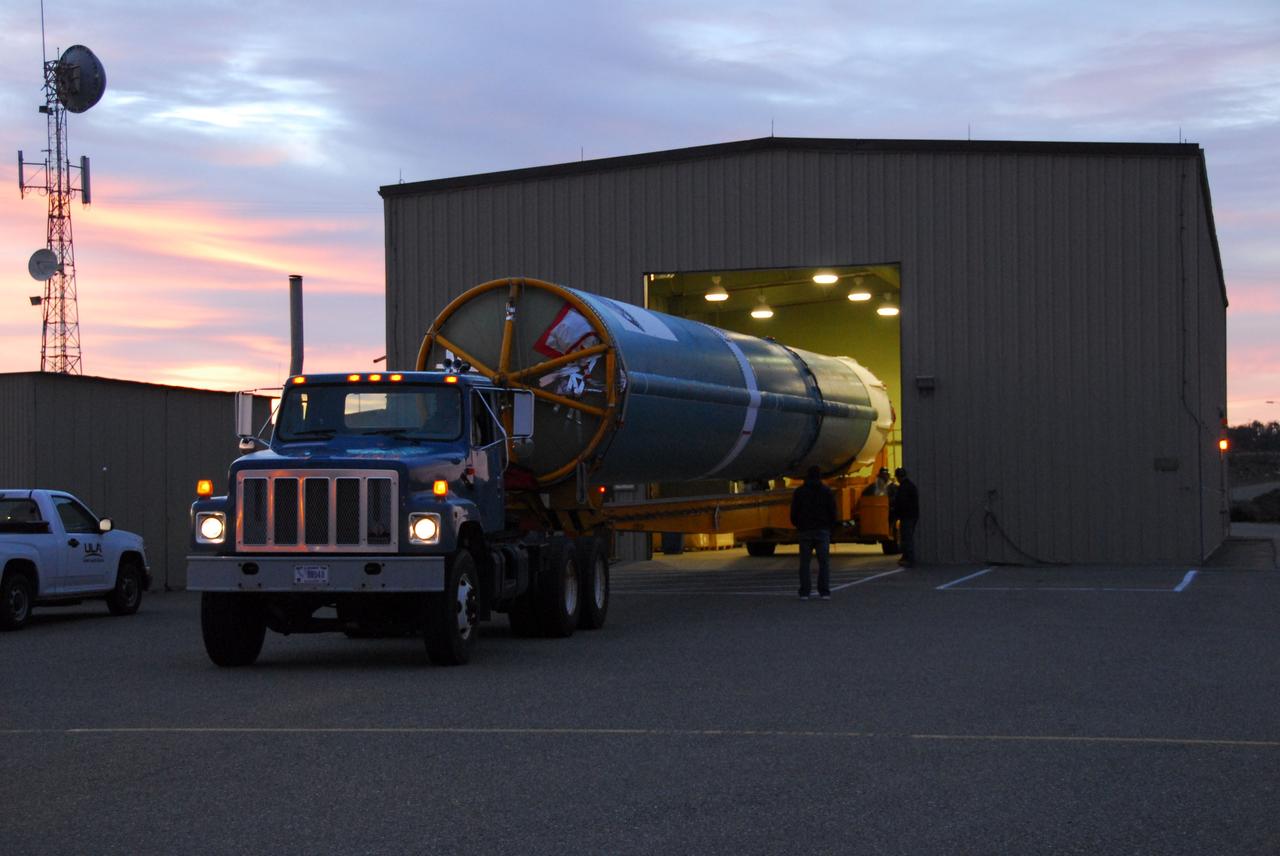
VANDENBERG AIR FORCE BASE, Calif. -- As the sun rises over Vandenberg Air Force Base in California, the first stage of the Delta II rocket that will carry NASA's Aquarius satellite into low Earth orbit is on its way to Space Launch Complex-2 (SLC-2). While the Delta II rocket is stacked on SLC-2, teams for NASA's Glory spacecraft and Orbital Sciences Taurus XL rocket are in launch preparation mode at Vandenberg's nearby Space Launch Complex 576-E. Scheduled to launch in June, Aquarius' mission will be to provide monthly maps of global changes in sea surface salinity. By measuring ocean salinity from space, Aquarius will provide new insights into how the massive natural exchange of freshwater between the ocean, atmosphere and sea ice influences ocean circulation, weather and climate. Also going up with the satellite are optical and thermal cameras, a microwave radiometer and the SAC-D spacecraft, which were developed with the help of institutions in Italy, France, Canada and Argentina. Photo credit: NASA/VAFB
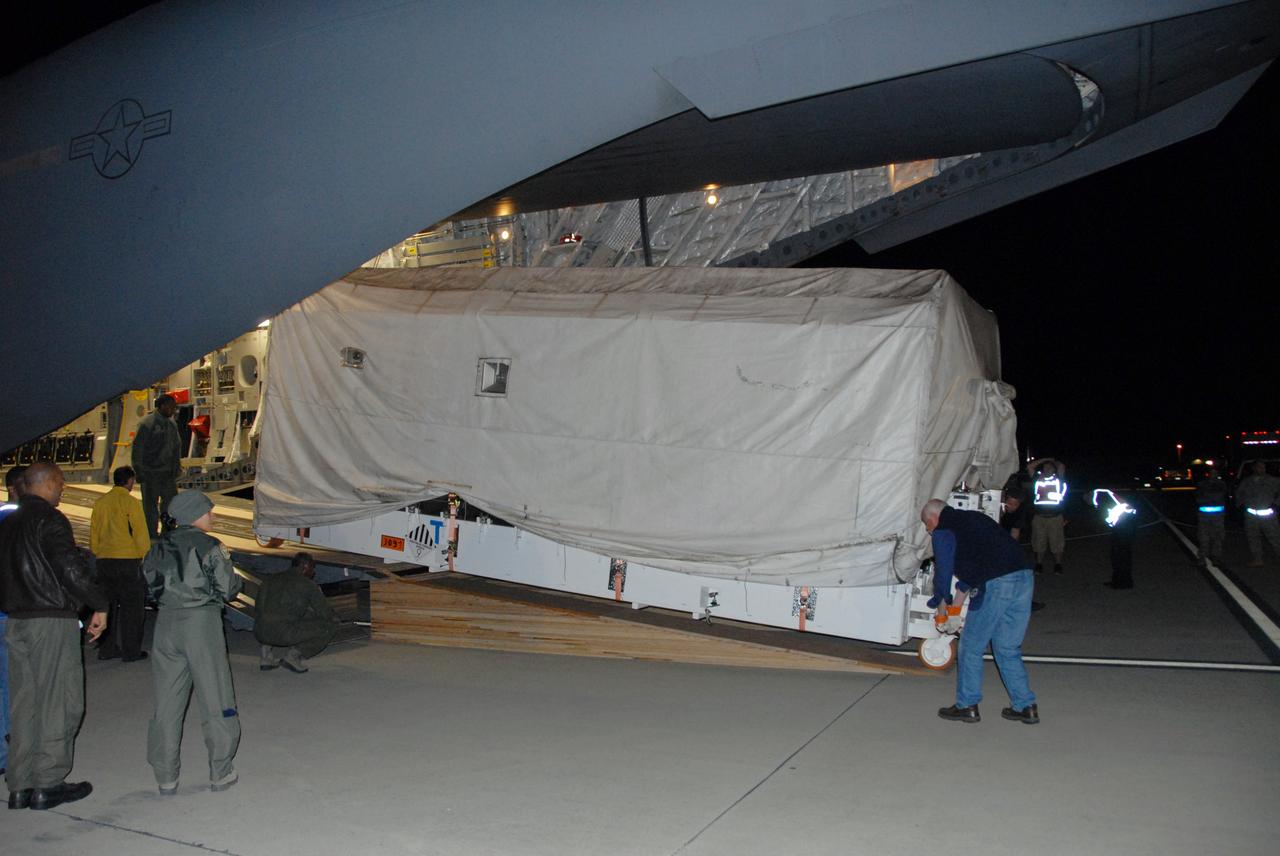
VANDENBERG AIR FORCE BASE, Calif. -- The Aquarius/SAC-D spacecraft is offloaded from a U.S. Air Force C-17 transport at Vandenberg Air Force Base in California. The aircraft traveled from Campos, Brazil. Following final tests, the spacecraft will be integrated to a United Launch Alliance Delta II rocket in preparation for the targeted June launch to low Earth orbit. Aquarius, the NASA-built primary instrument on the SAC-D spacecraft, will map global changes in salinity at the ocean's surface. Salinity is a key measurement for understanding how changes in rainfall, evaporation and the melting of freezing of ice influence ocean circulation and are linked to variations in Earth's climate. The three-year mission will provide new insights into how variations in ocean surface salinity relate to these fundamental climate processes. Photo credit: VAFB/30th Space Wing
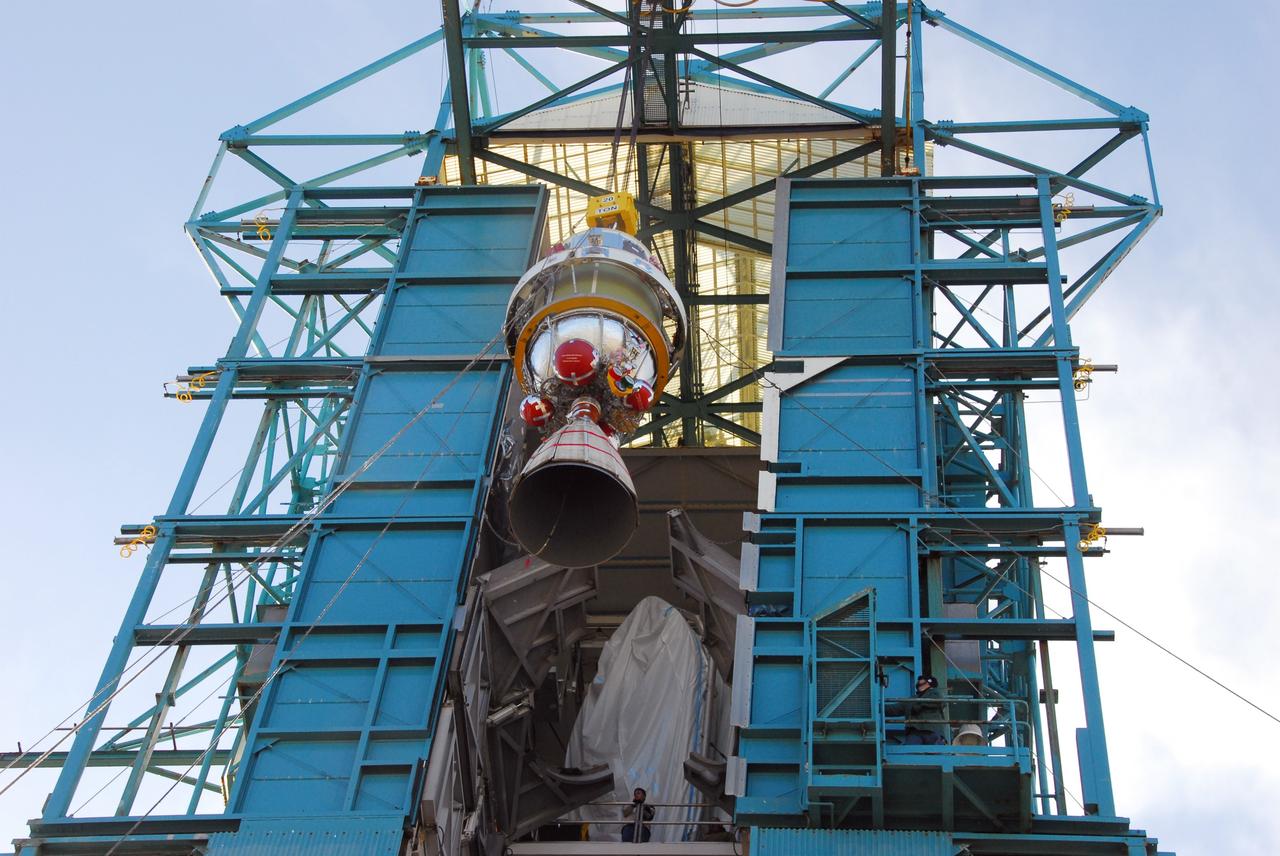
VANDENBERG AIR FORCE BASE, Calif. -- United Space Alliance technicians hoist the second stage of a Delta II rocket into position in the Space Launch Complex-2 (SLC-2) service tower at Vandenberg Air Force Base in California. The rocket is being prepared to launch NASA's Aquarius satellite into low Earth orbit. Scheduled to launch in June, Aquarius' mission will be to provide monthly maps of global changes in sea surface salinity. By measuring ocean salinity from space, Aquarius will provide new insights into how the massive natural exchange of freshwater between the ocean, atmosphere and sea ice influences ocean circulation, weather and climate. Also going up with the satellite are optical and thermal cameras, a microwave radiometer and the SAC-D spacecraft, which were developed with the help of institutions in Italy, France, Canada and Argentina. Photo credit: VAFB/30th Space Wing
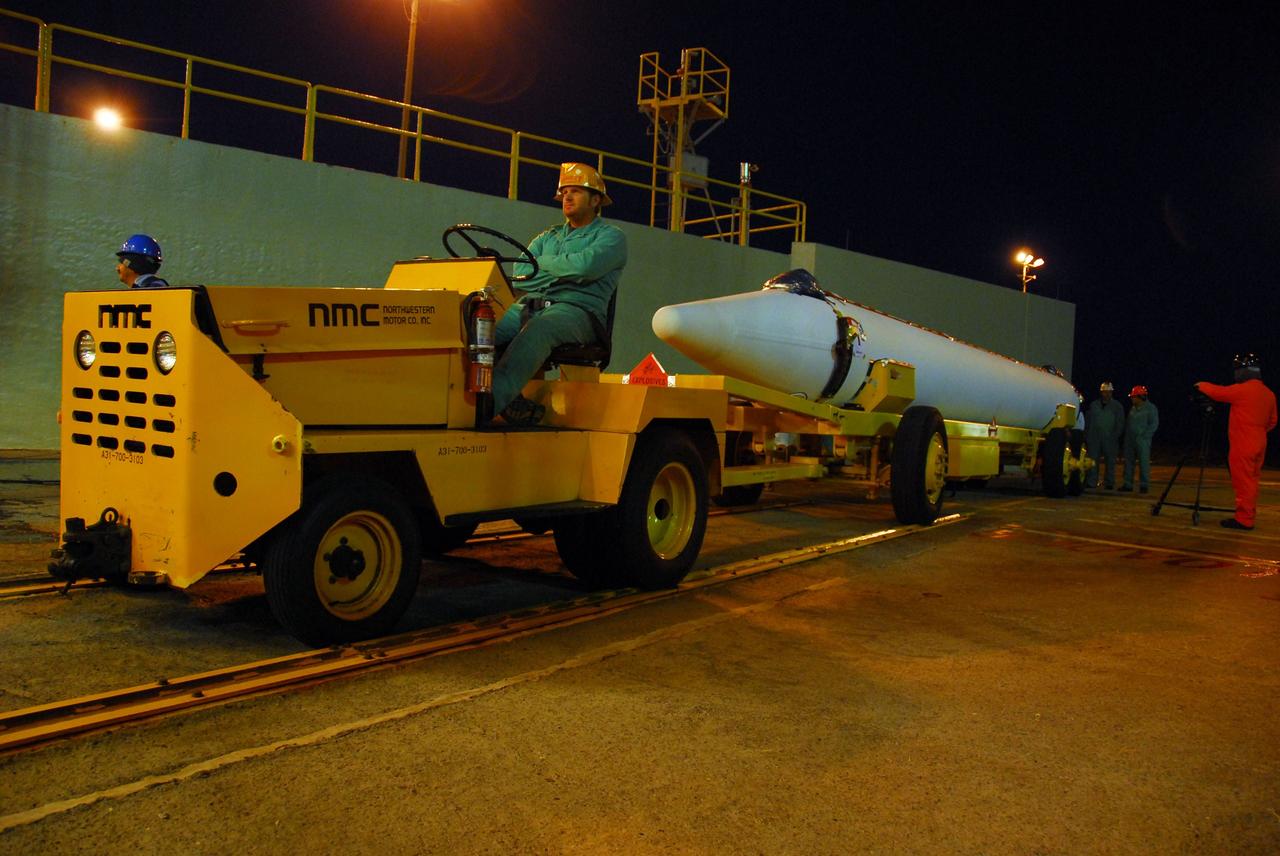
VANDENBERG AIR FORCE BASE, Calif. --Before the sun rises over Vandenberg Air Force Base in California, United Launch Alliance technicians prepare to move one of three Delta II solid rocket motors from the solid motor facility to Space Launch Complex-2 West (SLC-2W) atop a tug. ULA technician Eric Chambless is in the tug's driver seat. Scheduled to launch in June, the Delta II rocket will carry NASA's Aquarius satellite into low Earth orbit. Aquarius' mission will be to provide monthly maps of global changes in sea surface salinity. By measuring ocean salinity from space, Aquarius will provide new insights into how the massive natural exchange of freshwater between the ocean, atmosphere and sea ice influences ocean circulation, weather and climate. Also going up with the satellite are optical and thermal cameras, a microwave radiometer and the SAC-D spacecraft, which were developed with the help of institutions in Italy, France, Canada and Argentina. Photo credit: VAFB/30th Space Wing
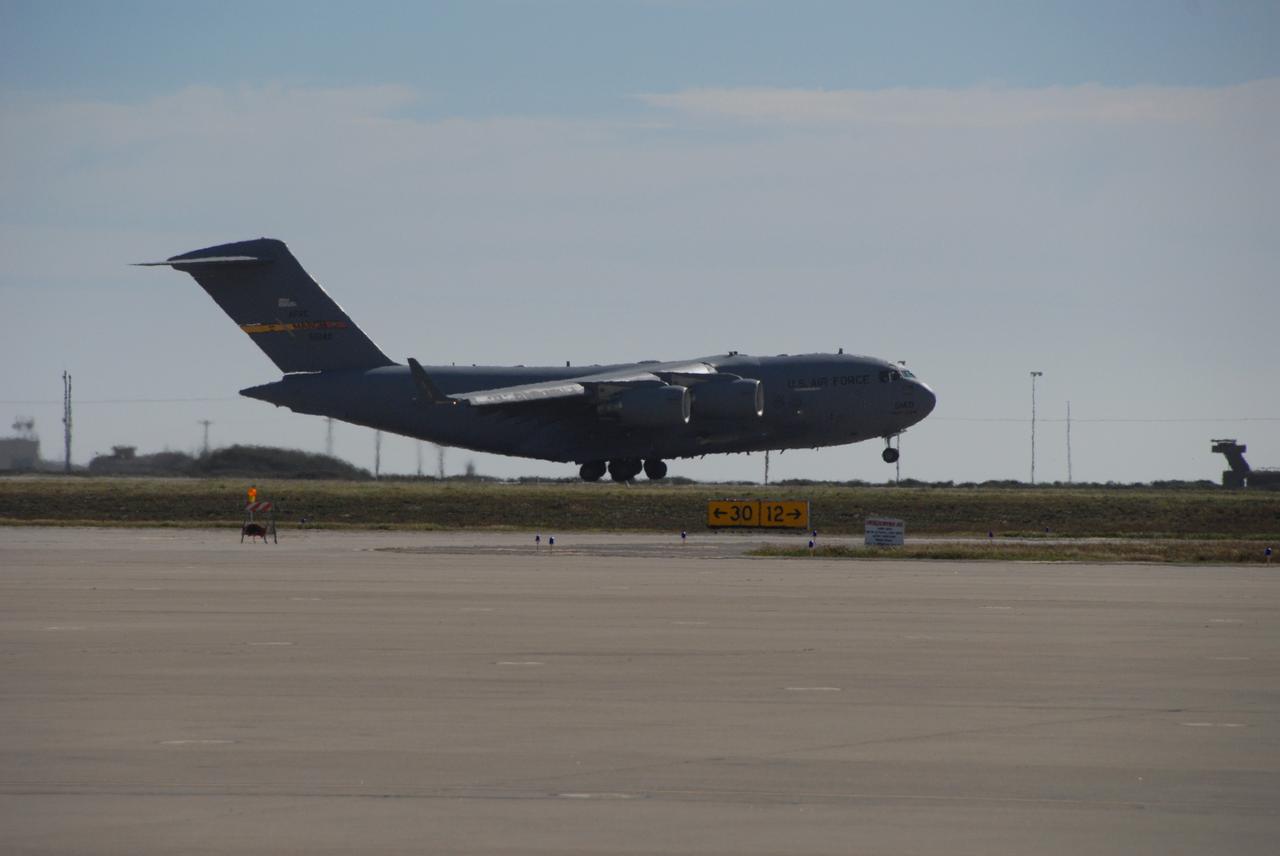
VANDENBERG AIR FORCE BASE, Calif. -- The Aquarius/SAC-D spacecraft arrives at Vandenberg Air Force Base in California from Campos, Brazil, aboard a U.S. Air Force C-17 transport plane. Following final tests, the spacecraft will be integrated to a United Launch Alliance Delta II rocket in preparation for the targeted June launch to low Earth orbit. Aquarius, the NASA-built primary instrument on the SAC-D spacecraft, will map global changes in salinity at the ocean's surface. Salinity is a key measurement for understanding how changes in rainfall, evaporation and the melting of freezing of ice influence ocean circulation and are linked to variations in Earth's climate. The three-year mission will provide new insights into how variations in ocean surface salinity relate to these fundamental climate processes. Photo credit: VAFB/30th Space Wing
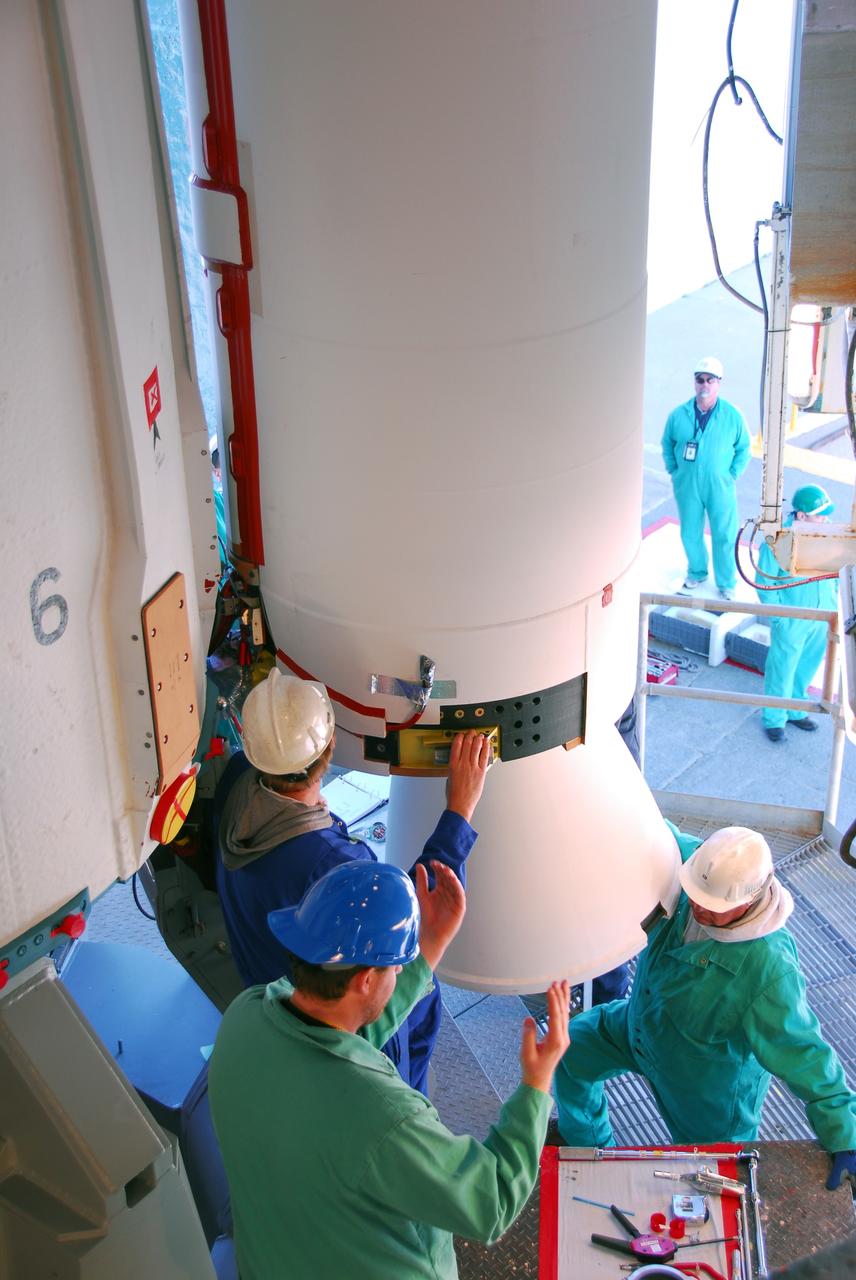
VANDENBERG AIR FORCE BASE, Calif. --At Vandenberg Air Force Base in California, United Launch Alliance technicians finish installing one of three Delta II solid rocket motors on the pad at Space Launch Complex-2 West (SLC-2W). Scheduled to launch in June, the Delta II rocket will carry NASA's Aquarius satellite into low Earth orbit. Aquarius' mission will be to provide monthly maps of global changes in sea surface salinity. By measuring ocean salinity from space, Aquarius will provide new insights into how the massive natural exchange of freshwater between the ocean, atmosphere and sea ice influences ocean circulation, weather and climate. Also going up with the satellite are optical and thermal cameras, a microwave radiometer and the SAC-D spacecraft, which were developed with the help of institutions in Italy, France, Canada and Argentina. Photo credit: VAFB/30th Space Wing
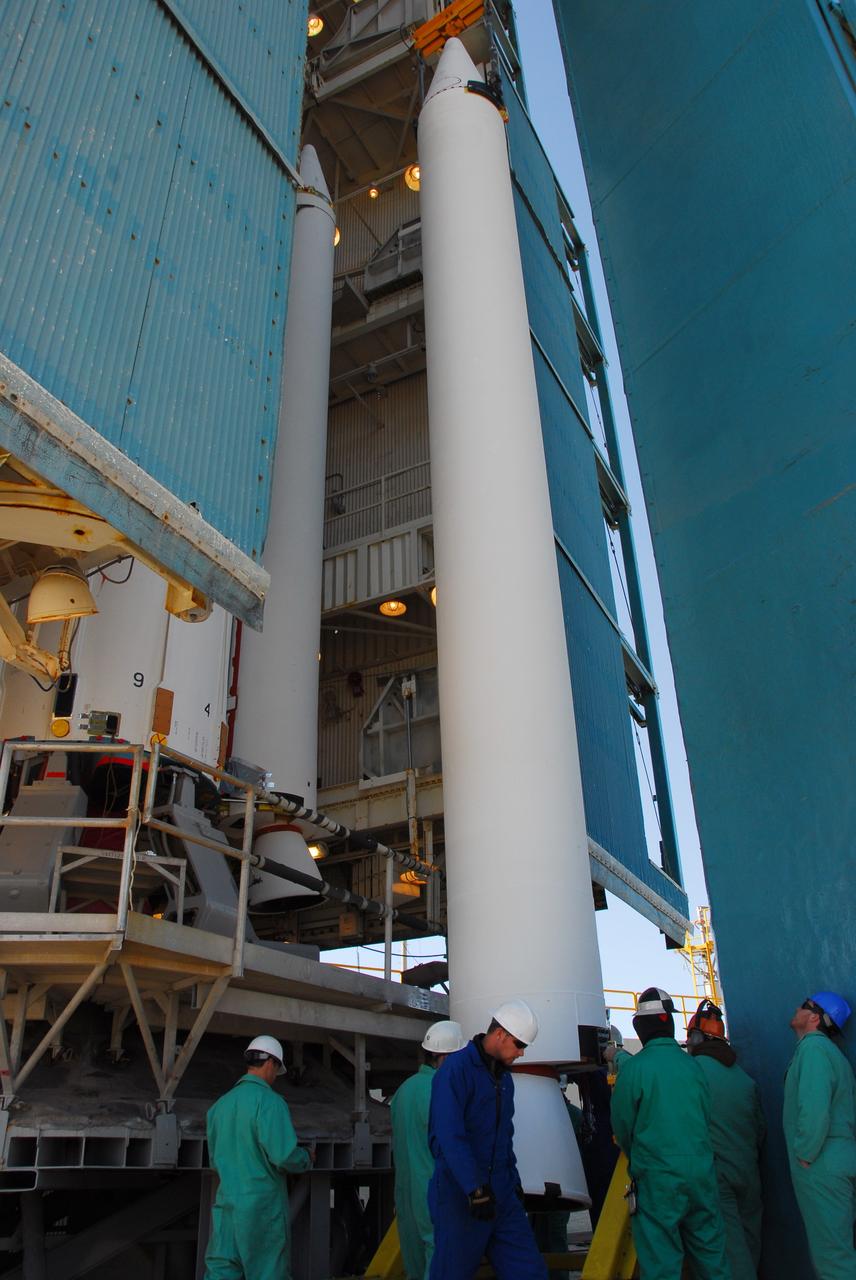
VANDENBERG AIR FORCE BASE, Calif. --At Vandenberg Air Force Base in California, a crane raises one of three United Launch Alliance Delta II solid rocket motors on the pad at Space Launch Complex-2 West (SLC-2W). A second motor was installed earlier in the morning. Scheduled to launch in June, the Delta II rocket will carry NASA's Aquarius satellite into low Earth orbit. Aquarius' mission will be to provide monthly maps of global changes in sea surface salinity. By measuring ocean salinity from space, Aquarius will provide new insights into how the massive natural exchange of freshwater between the ocean, atmosphere and sea ice influences ocean circulation, weather and climate. Also going up with the satellite are optical and thermal cameras, a microwave radiometer and the SAC-D spacecraft, which were developed with the help of institutions in Italy, France, Canada and Argentina. Photo credit: VAFB/30th Space Wing
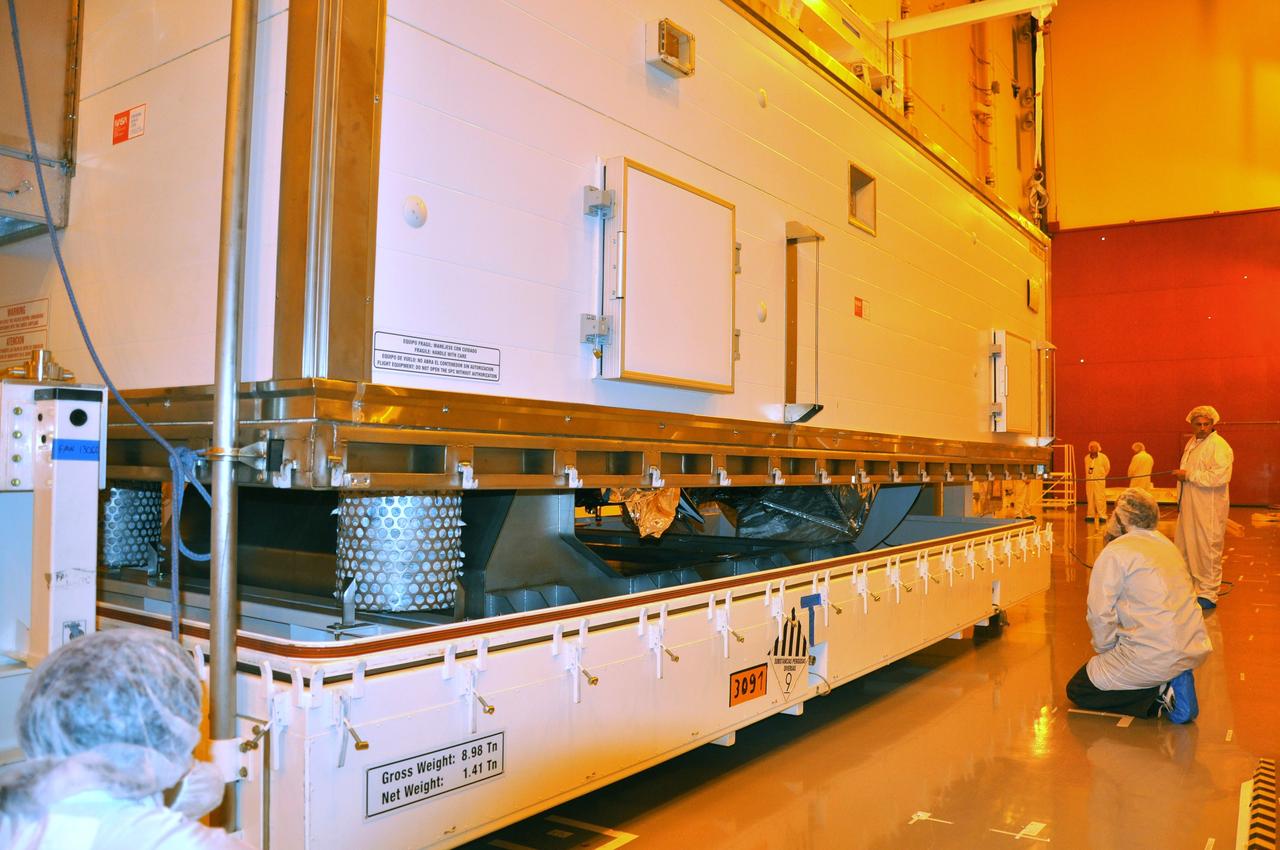
VANDENBERG AIR FORCE BASE, Calif. -- Technicians begin to unpack and unveil the Aquarius/SAC-D spacecraft in the Spaceport Systems International payload processing facility at Vandenberg Air Force Base in California. The container protected the spacecraft on its journey from Campos, Brazil, aboard a U.S. Air Force C-17 transport plane. Following final tests, the spacecraft will be integrated to a United Launch Alliance Delta II rocket in preparation for the targeted June launch to low Earth orbit. Aquarius, the NASA-built primary instrument on the SAC-D spacecraft, will map global changes in salinity at the ocean's surface. Salinity is a key measurement for understanding how changes in rainfall, evaporation and the melting of freezing of ice influence ocean circulation and are linked to variations in Earth's climate. The three-year mission will provide new insights into how variations in ocean surface salinity relate to these fundamental climate processes. Photo credit: NASA/Randy Beaudoin, VAFB
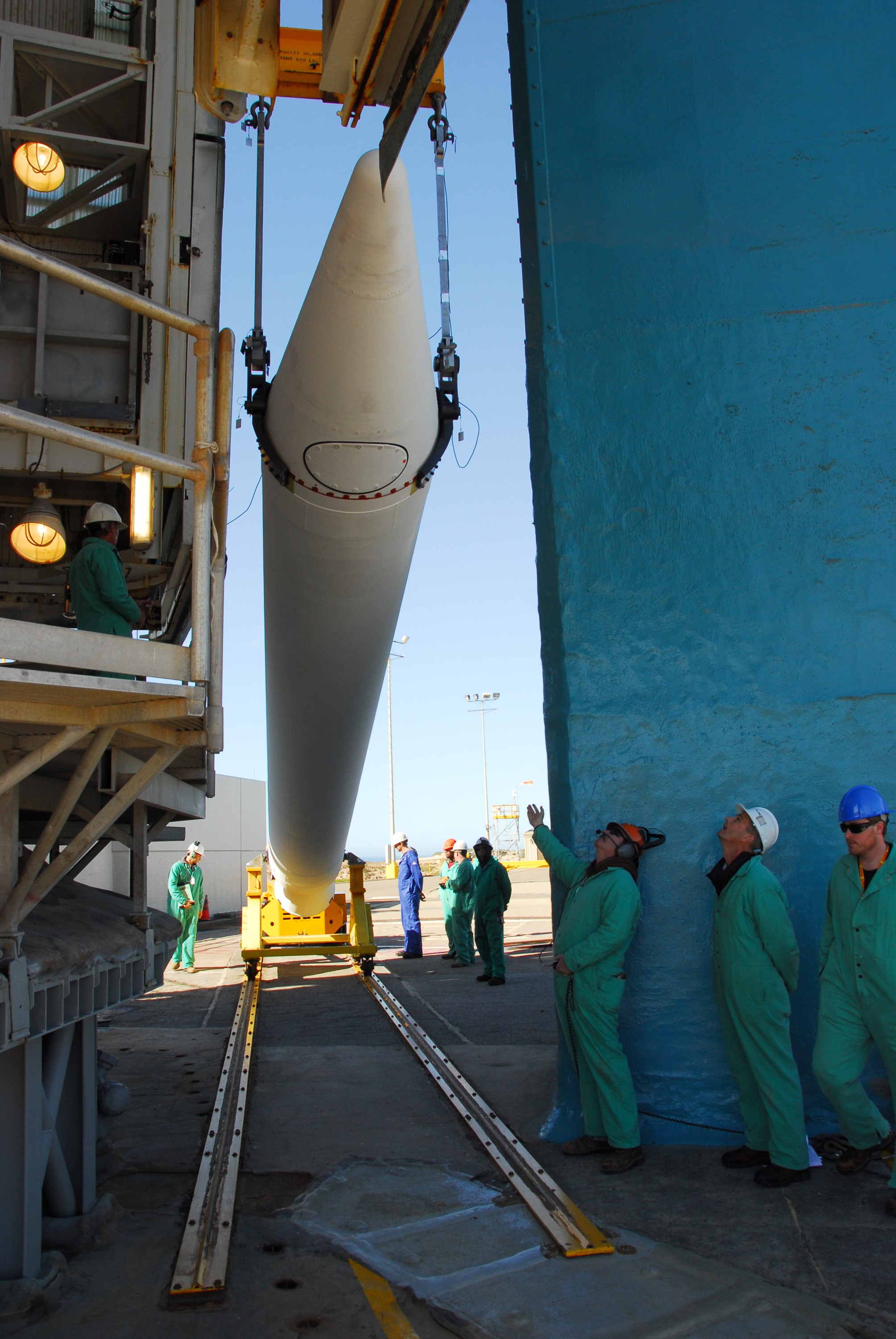
VANDENBERG AIR FORCE BASE, Calif. --At Vandenberg Air Force Base in California, a crane raises one of three United Launch Alliance Delta II solid rocket motors on the pad at Space Launch Complex-2 West (SLC-2W). Scheduled to launch in June, the Delta II rocket will carry NASA's Aquarius satellite into low Earth orbit. Aquarius' mission will be to provide monthly maps of global changes in sea surface salinity. By measuring ocean salinity from space, Aquarius will provide new insights into how the massive natural exchange of freshwater between the ocean, atmosphere and sea ice influences ocean circulation, weather and climate. Also going up with the satellite are optical and thermal cameras, a microwave radiometer and the SAC-D spacecraft, which were developed with the help of institutions in Italy, France, Canada and Argentina. Photo credit: VAFB/30th Space Wing
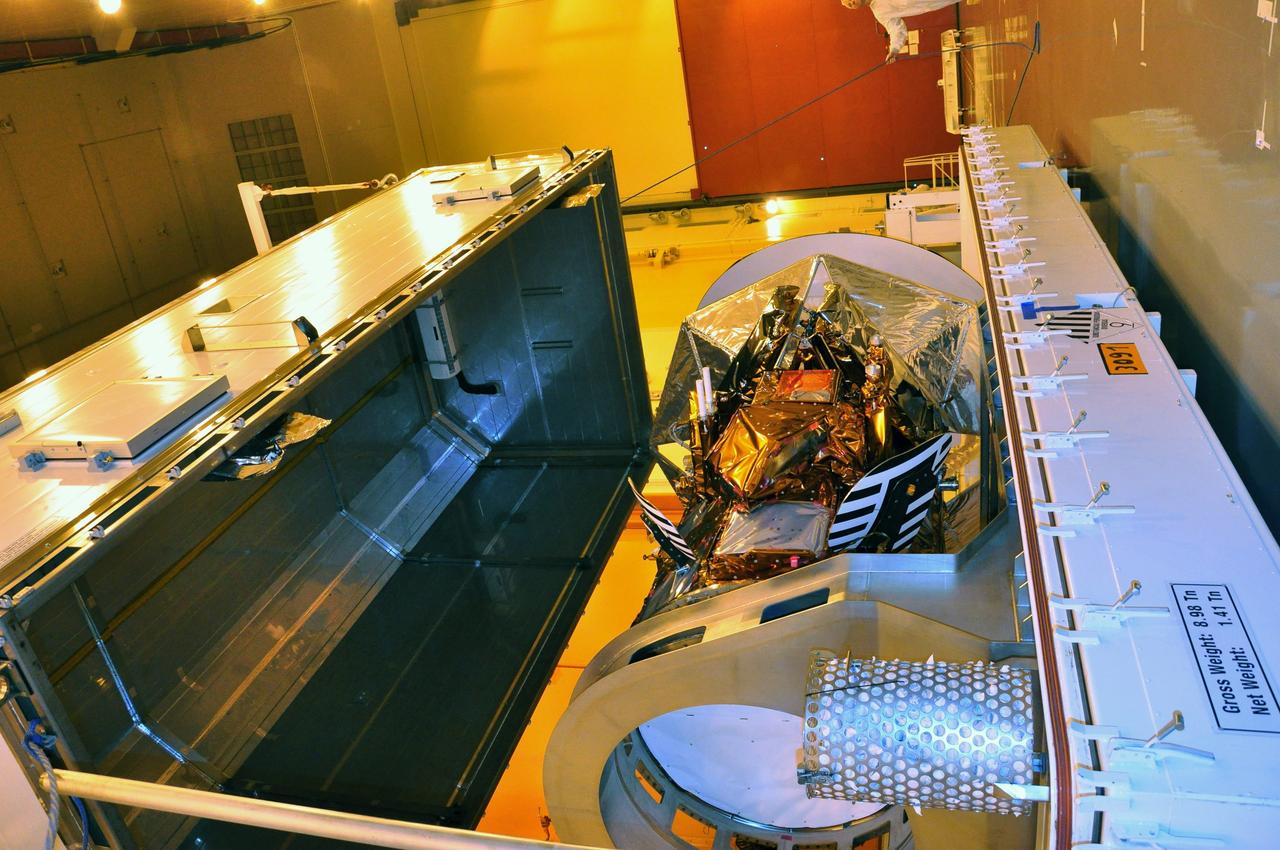
VANDENBERG AIR FORCE BASE, Calif. -- The Aquarius/SAC-D spacecraft is unpacked and unveiled in the Spaceport Systems International payload processing facility at Vandenberg Air Force Base in California. The container protected the spacecraft on its journey from Campos, Brazil, aboard a U.S. Air Force C-17 transport plane. Following final tests, the spacecraft will be integrated to a United Launch Alliance Delta II rocket in preparation for the targeted June launch to low Earth orbit. Aquarius, the NASA-built primary instrument on the SAC-D spacecraft, will map global changes in salinity at the ocean's surface. Salinity is a key measurement for understanding how changes in rainfall, evaporation and the melting of freezing of ice influence ocean circulation and are linked to variations in Earth's climate. The three-year mission will provide new insights into how variations in ocean surface salinity relate to these fundamental climate processes. Photo credit: NASA/Randy Beaudoin, VAFB
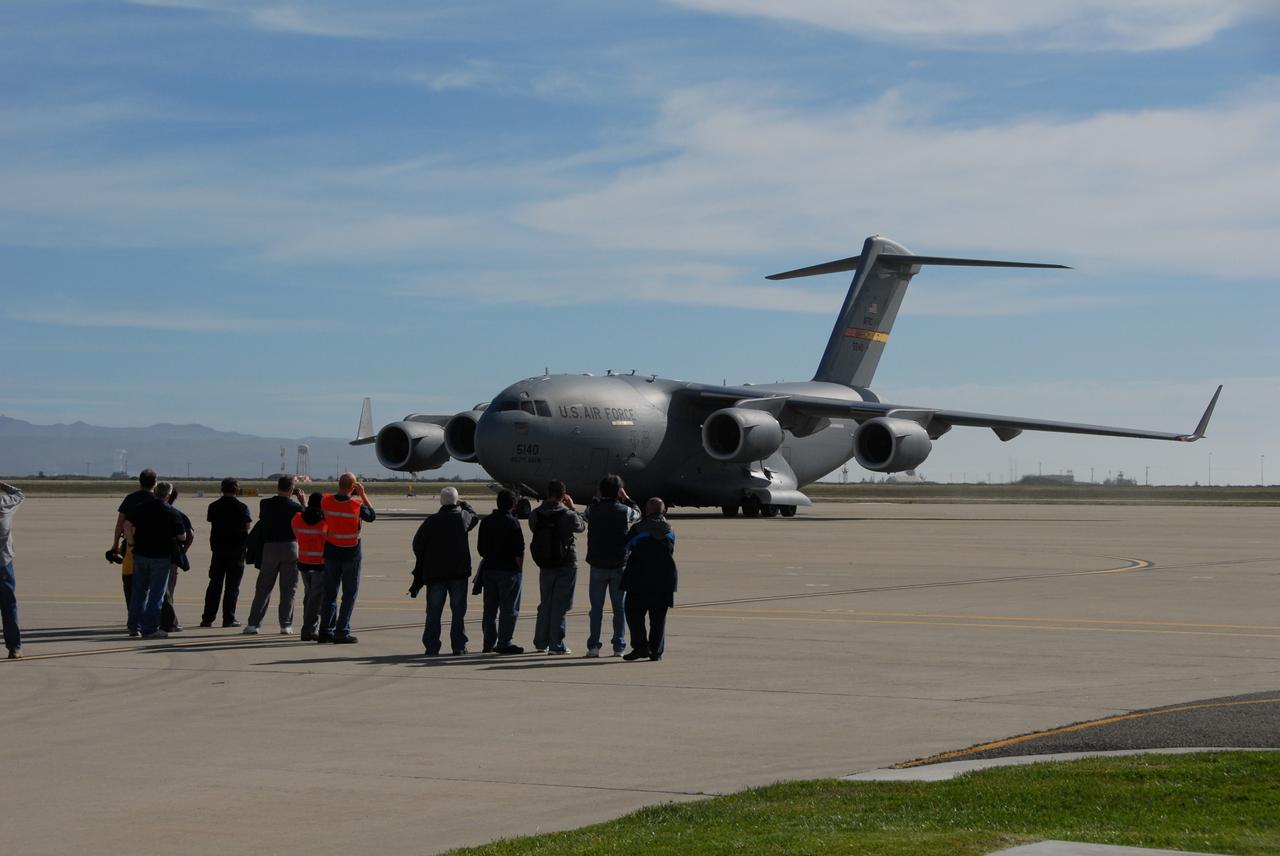
VANDENBERG AIR FORCE BASE, Calif. -- Workers at Vandenberg Air Force Base in California snap photos of the U.S. Air Force C-17 transport plane carrying the Aquarius/SAC-D spacecraft. The aircraft traveled from Campos, Brazil. Following final tests, the spacecraft will be integrated to a United Launch Alliance Delta II rocket in preparation for the targeted June launch to low Earth orbit. Aquarius, the NASA-built primary instrument on the SAC-D spacecraft, will map global changes in salinity at the ocean's surface. Salinity is a key measurement for understanding how changes in rainfall, evaporation and the melting of freezing of ice influence ocean circulation and are linked to variations in Earth's climate. The three-year mission will provide new insights into how variations in ocean surface salinity relate to these fundamental climate processes. Photo credit: VAFB/30th Space Wing
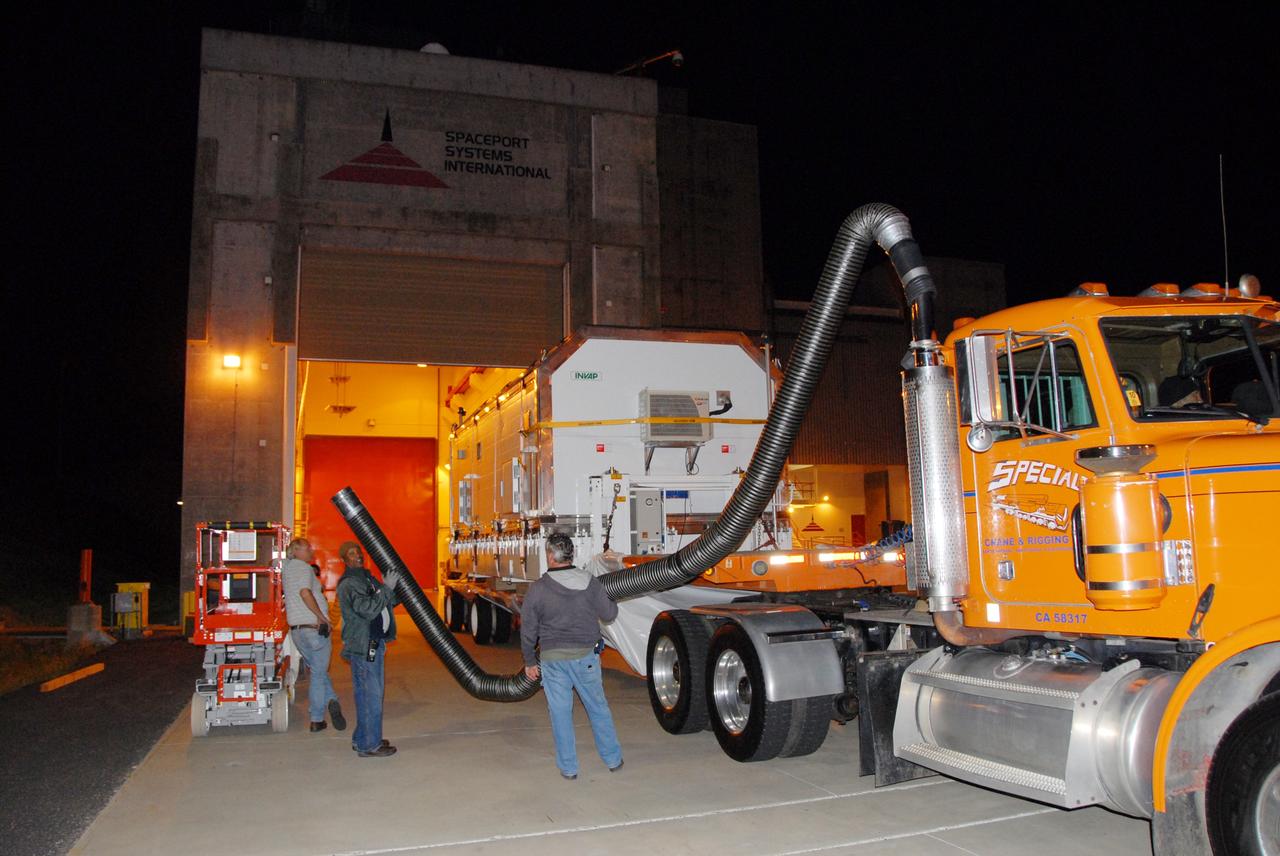
VANDENBERG AIR FORCE BASE, Calif. -- The Aquarius/SAC-D spacecraft is transported to the Spaceport Systems International payload processing facility at Vandenberg Air Force Base in California. Earlier, a U.S. Air Force C-17 transport plane delivered the spacecraft from Campos, Brazil. Following final tests, the spacecraft will be integrated to a United Launch Alliance Delta II rocket in preparation for the targeted June launch to low Earth orbit. Aquarius, the NASA-built primary instrument on the SAC-D spacecraft, will map global changes in salinity at the ocean's surface. Salinity is a key measurement for understanding how changes in rainfall, evaporation and the melting of freezing of ice influence ocean circulation and are linked to variations in Earth's climate. The three-year mission will provide new insights into how variations in ocean surface salinity relate to these fundamental climate processes. Photo credit: VAFB/30th Space Wing
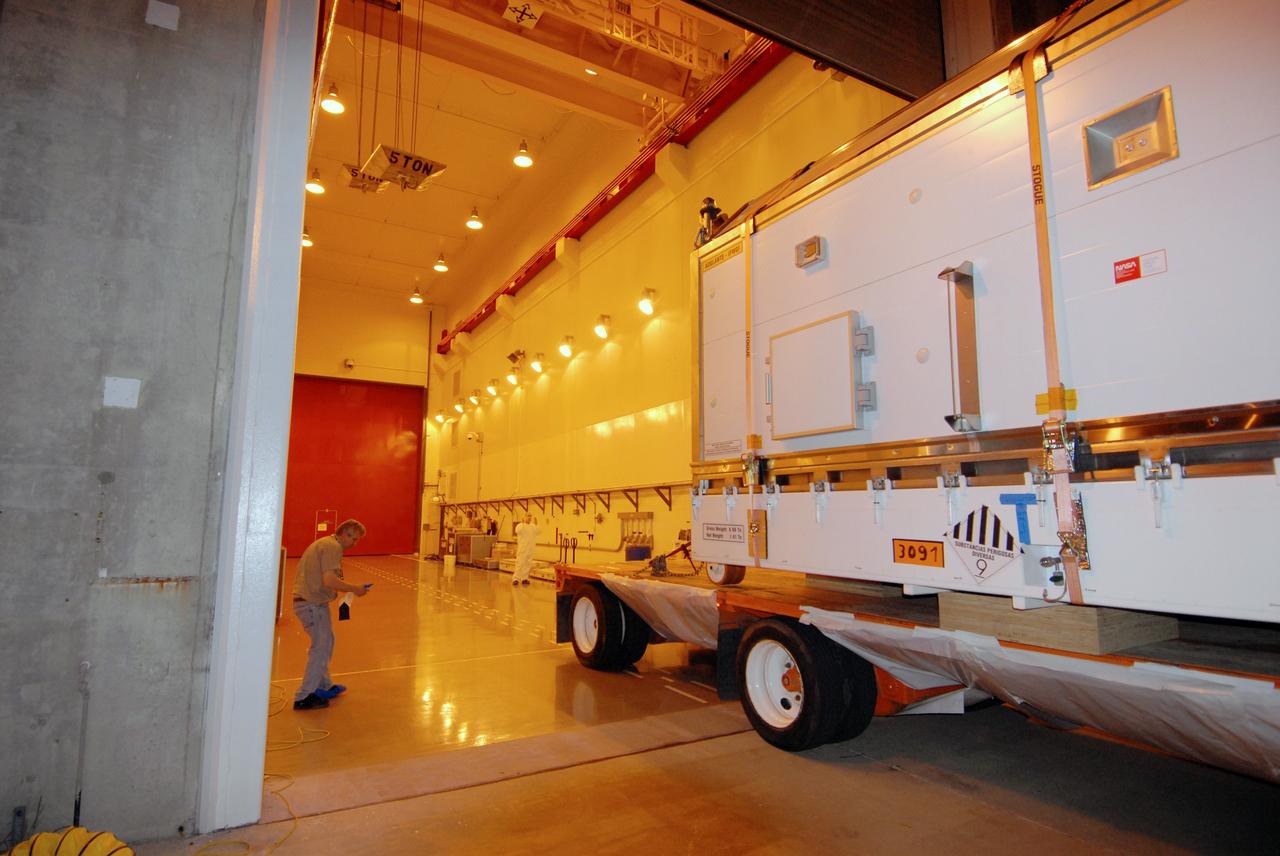
VANDENBERG AIR FORCE BASE, Calif. -- The Aquarius/SAC-D spacecraft enters the Spaceport Systems International payload processing facility at Vandenberg Air Force Base in California. Earlier, a U.S. Air Force C-17 transport plane delivered the spacecraft from Campos, Brazil. Following final tests, the spacecraft will be integrated to a United Launch Alliance Delta II rocket in preparation for the targeted June launch to low Earth orbit. Aquarius, the NASA-built primary instrument on the SAC-D spacecraft, will map global changes in salinity at the ocean's surface. Salinity is a key measurement for understanding how changes in rainfall, evaporation and the melting of freezing of ice influence ocean circulation and are linked to variations in Earth's climate. The three-year mission will provide new insights into how variations in ocean surface salinity relate to these fundamental climate processes. Photo credit: VAFB/30th Space Wing
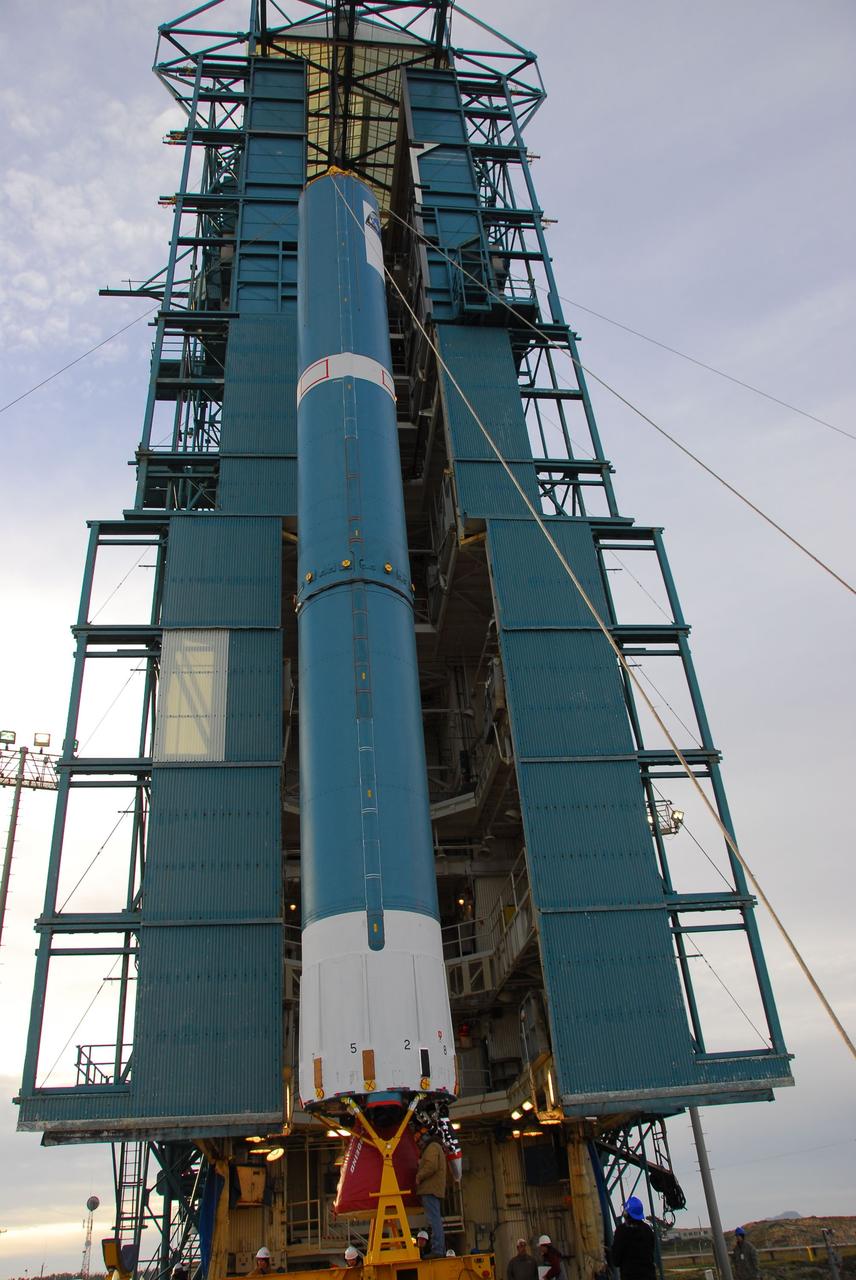
VANDENBERG AIR FORCE BASE, Calif. -- Technicians guide the first stage of the Delta II rocket that will carry NASA's Aquarius satellite into low Earth orbit onto the launch pad at Vandenberg Air Force Base's Space Launch Complex-2 (SLC-2) in California. While the Delta II rocket is stacked on SLC-2, teams for NASA's Glory spacecraft and Orbital Sciences Taurus XL rocket are in launch preparation mode at Vandenberg's nearby Space Launch Complex 576-E. Scheduled to launch in June, Aquarius' mission will be to provide monthly maps of global changes in sea surface salinity. By measuring ocean salinity from space, Aquarius will provide new insights into how the massive natural exchange of freshwater between the ocean, atmosphere and sea ice influences ocean circulation, weather and climate. Also going up with the satellite are optical and thermal cameras, a microwave radiometer and the SAC-D spacecraft, which were developed with the help of institutions in Italy, France, Canada and Argentina. Photo credit: NASA/VAFB
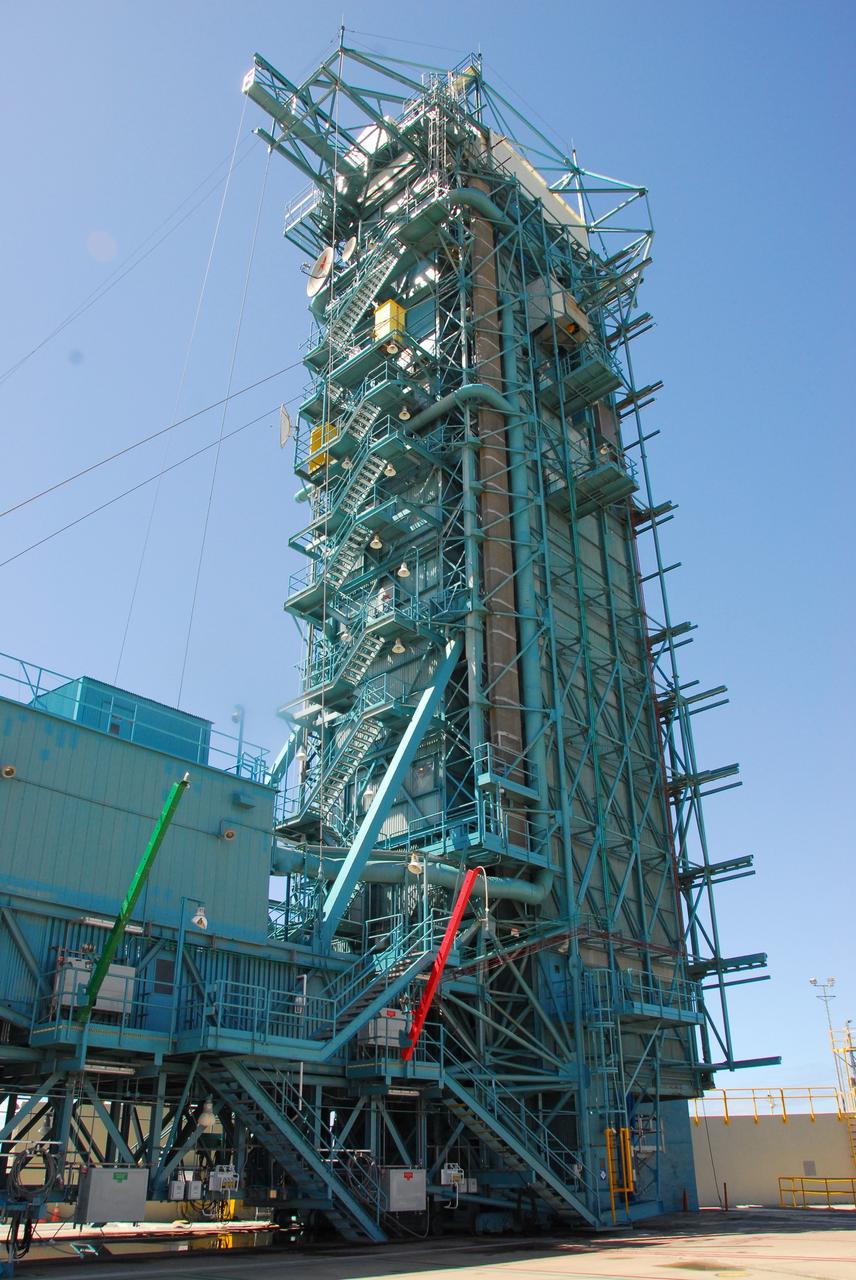
VANDENBERG AIR FORCE BASE, Calif. -- With the Space Launch Complex-2 (SLC-2) service tower at Vandenberg Air Force Base in California back in place, the first and second stages, and three solid rocket motors of a Delta II rocket are in their launch configuration. The rocket is being prepared to launch NASA's Aquarius satellite into low Earth orbit. Scheduled to launch in June, Aquarius' mission will be to provide monthly maps of global changes in sea surface salinity. By measuring ocean salinity from space, Aquarius will provide new insights into how the massive natural exchange of freshwater between the ocean, atmosphere and sea ice influences ocean circulation, weather and climate. Also going up with the satellite are optical and thermal cameras, a microwave radiometer and the SAC-D spacecraft, which were developed with the help of institutions in Italy, France, Canada and Argentina. Photo credit: VAFB/30th Space Wing
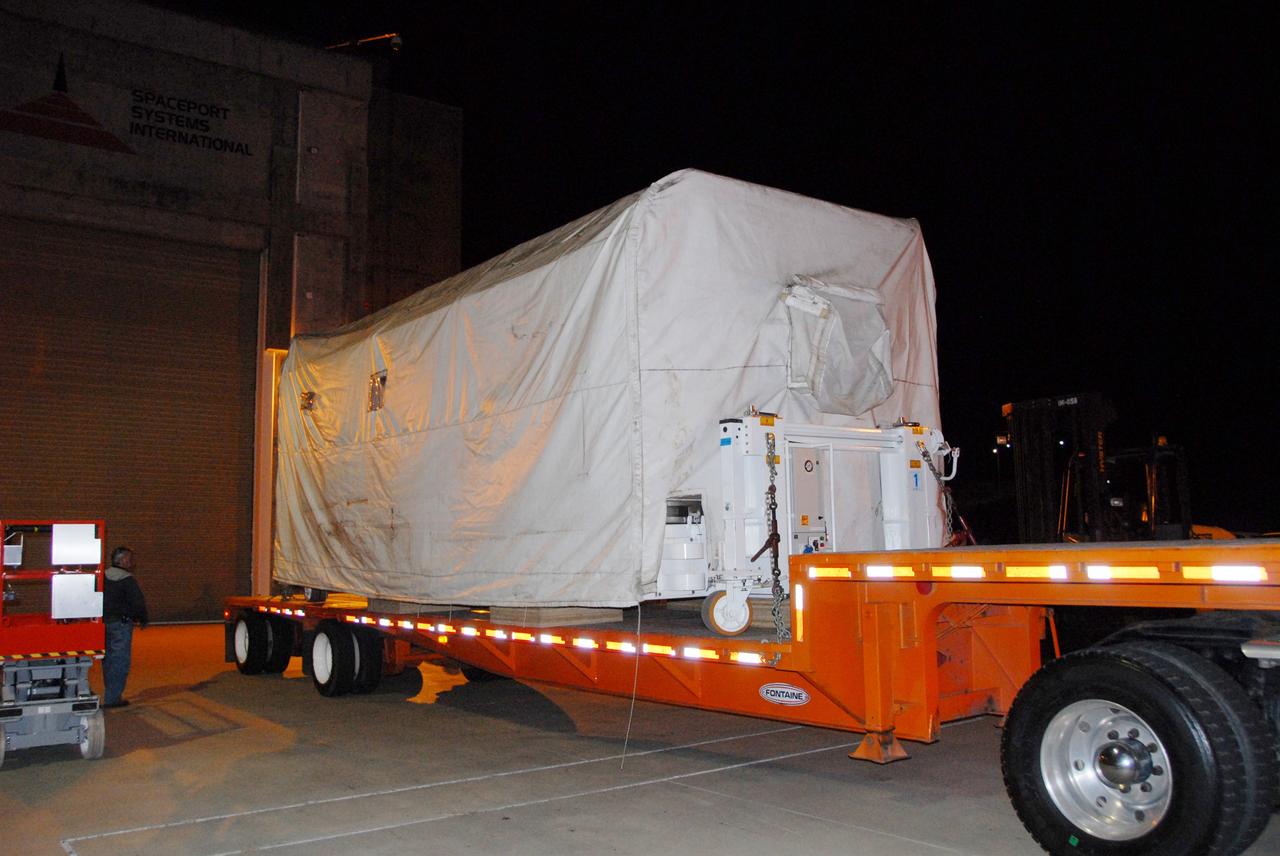
VANDENBERG AIR FORCE BASE, Calif. -- The Aquarius/SAC-D spacecraft is transported to the Spaceport Systems International processing facility at Vandenberg Air Force Base in California. Earlier, a U.S. Air Force C-17 transport plane delivered the spacecraft from Campos, Brazil. Following final tests, the spacecraft will be integrated to a United Launch Alliance Delta II rocket in preparation for the targeted June launch to low Earth orbit. Aquarius, the NASA-built primary instrument on the SAC-D spacecraft, will map global changes in salinity at the ocean's surface. Salinity is a key measurement for understanding how changes in rainfall, evaporation and the melting of freezing of ice influence ocean circulation and are linked to variations in Earth's climate. The three-year mission will provide new insights into how variations in ocean surface salinity relate to these fundamental climate processes. Photo credit: VAFB/30th Space Wing
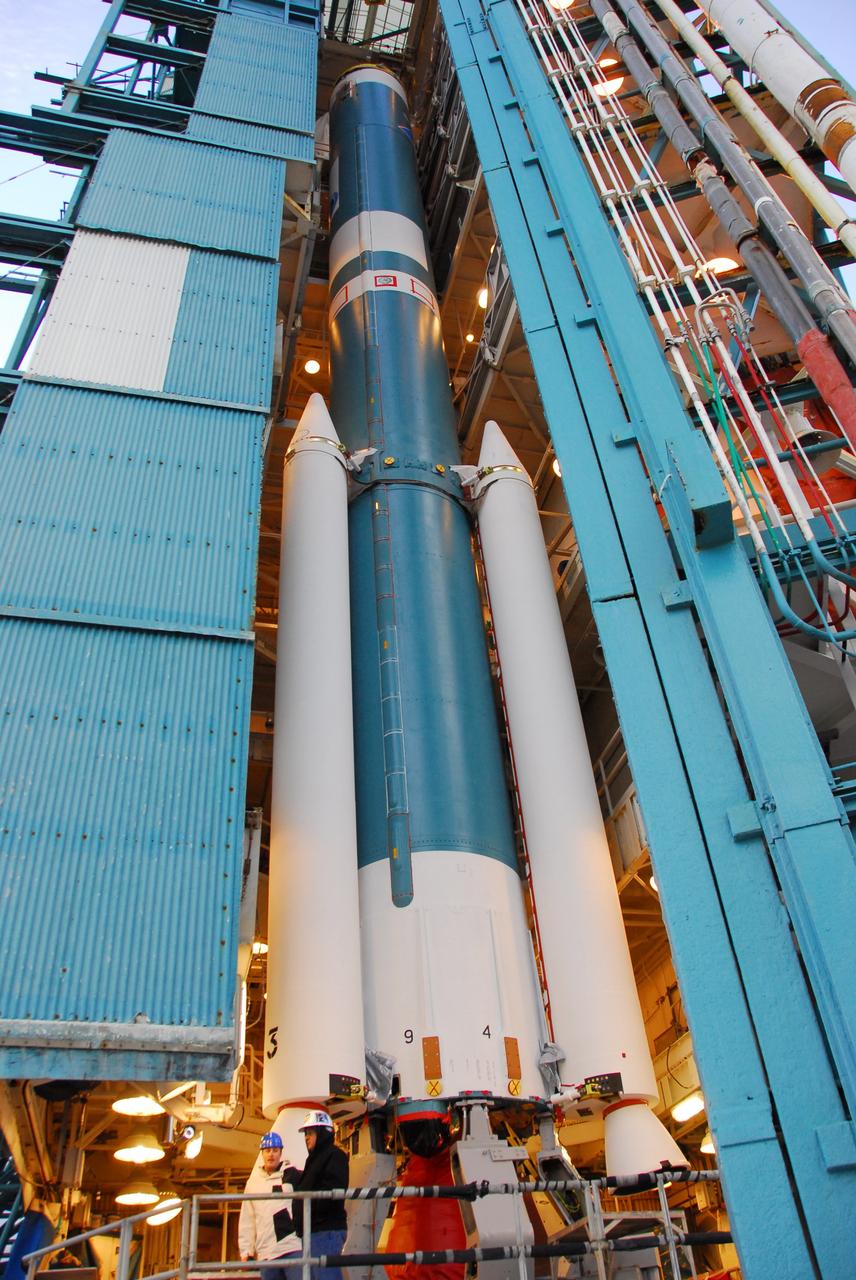
VANDENBERG AIR FORCE BASE, Calif. -- United Space Alliance technicians prepare to move the Space Launch Complex-2 (SLC-2) service tower at Vandenberg Air Force Base in California. The move will allow technicians to hoist into position the second stage of the Delta II rocket that will carry NASA's Aquarius satellite into low Earth orbit. Scheduled to launch in June, Aquarius' mission will be to provide monthly maps of global changes in sea surface salinity. By measuring ocean salinity from space, Aquarius will provide new insights into how the massive natural exchange of freshwater between the ocean, atmosphere and sea ice influences ocean circulation, weather and climate. Also going up with the satellite are optical and thermal cameras, a microwave radiometer and the SAC-D spacecraft, which were developed with the help of institutions in Italy, France, Canada and Argentina. Photo credit: VAFB/30th Space Wing
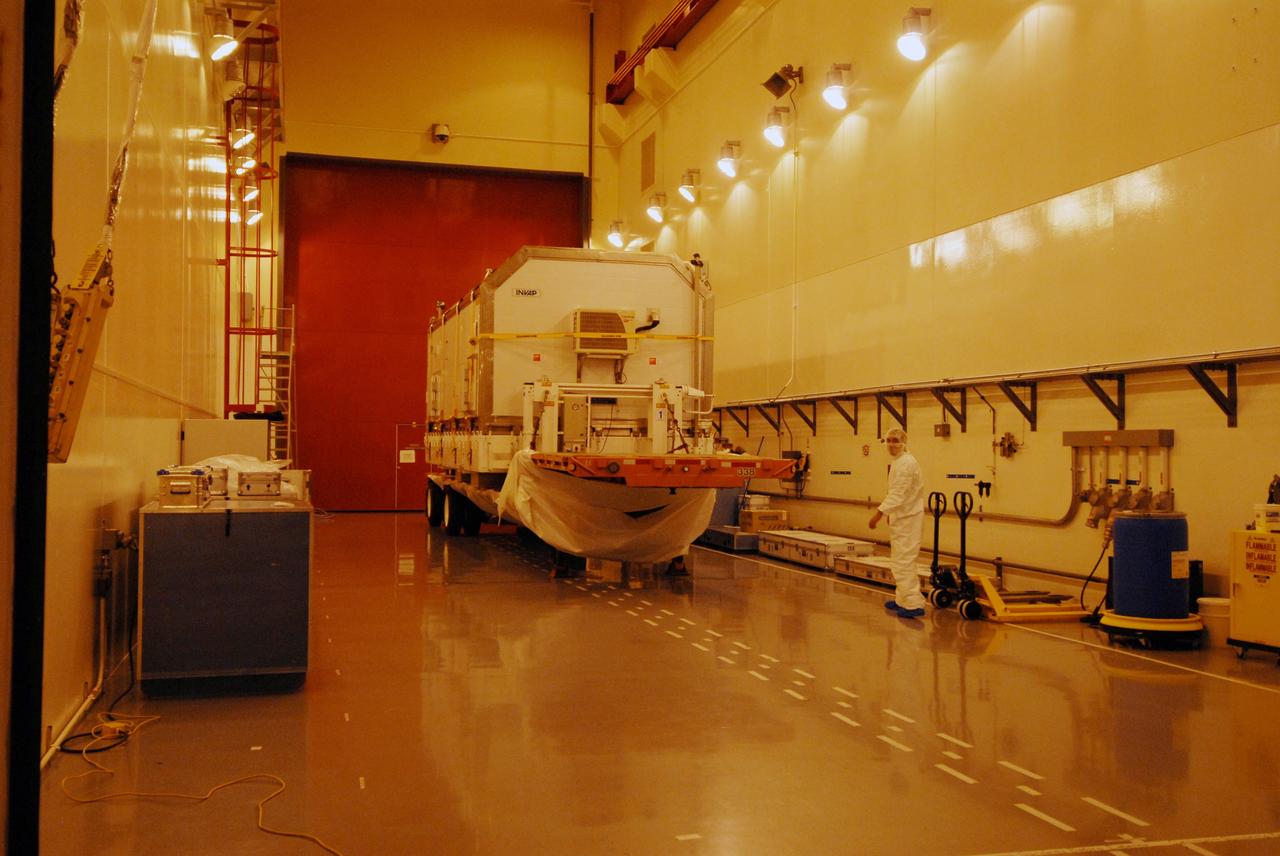
VANDENBERG AIR FORCE BASE, Calif. -- The Aquarius/SAC-D spacecraft is in the Spaceport Systems International payload processing facility at Vandenberg Air Force Base in California. Earlier, a U.S. Air Force C-17 transport plane delivered the spacecraft from Campos, Brazil. Following final tests, the spacecraft will be integrated to a United Launch Alliance Delta II rocket in preparation for the targeted June launch to low Earth orbit. Aquarius, the NASA-built primary instrument on the SAC-D spacecraft, will map global changes in salinity at the ocean's surface. Salinity is a key measurement for understanding how changes in rainfall, evaporation and the melting of freezing of ice influence ocean circulation and are linked to variations in Earth's climate. The three-year mission will provide new insights into how variations in ocean surface salinity relate to these fundamental climate processes. Photo credit: VAFB/30th Space Wing

VANDENBERG AIR FORCE BASE, Calif. -- The Aquarius/SAC-D spacecraft is transported to the Spaceport Systems International processing facility at Vandenberg Air Force Base in California. Earlier, a U.S. Air Force C-17 transport plane delivered the spacecraft from Campos, Brazil. Following final tests, the spacecraft will be integrated to a United Launch Alliance Delta II rocket in preparation for the targeted June launch to low Earth orbit. Aquarius, the NASA-built primary instrument on the SAC-D spacecraft, will map global changes in salinity at the ocean's surface. Salinity is a key measurement for understanding how changes in rainfall, evaporation and the melting of freezing of ice influence ocean circulation and are linked to variations in Earth's climate. The three-year mission will provide new insights into how variations in ocean surface salinity relate to these fundamental climate processes. Photo credit: VAFB/30th Space Wing
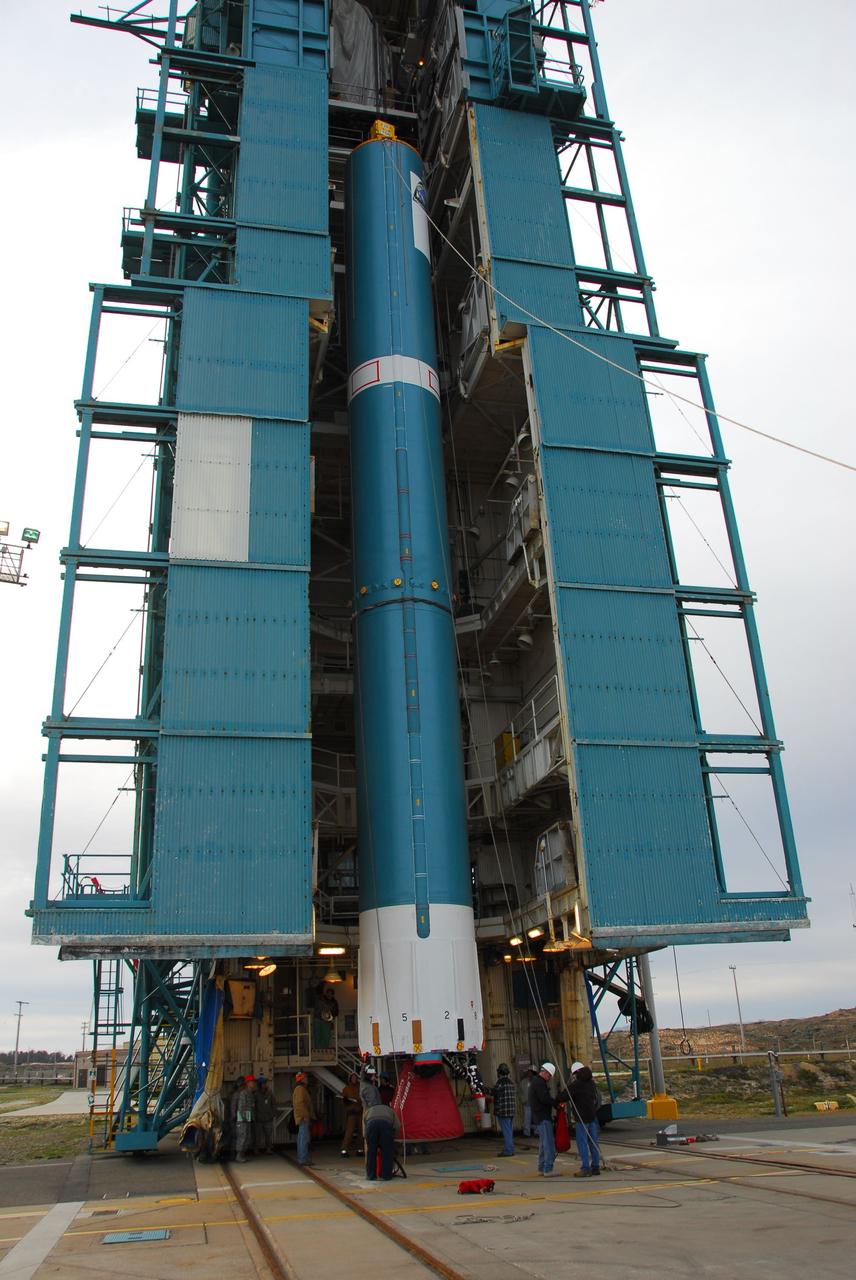
VANDENBERG AIR FORCE BASE, Calif. -- Technicians guide the first stage of the Delta II rocket that will carry NASA's Aquarius satellite into low Earth orbit onto the launch pad at Vandenberg Air Force Base's Space Launch Complex-2 (SLC-2) in California. While the Delta II rocket is stacked on SLC-2, teams for NASA's Glory spacecraft and Orbital Sciences Taurus XL rocket are in launch preparation mode at Vandenberg's nearby Space Launch Complex 576-E. Scheduled to launch in June, Aquarius' mission will be to provide monthly maps of global changes in sea surface salinity. By measuring ocean salinity from space, Aquarius will provide new insights into how the massive natural exchange of freshwater between the ocean, atmosphere and sea ice influences ocean circulation, weather and climate. Also going up with the satellite are optical and thermal cameras, a microwave radiometer and the SAC-D spacecraft, which were developed with the help of institutions in Italy, France, Canada and Argentina. Photo credit: NASA/VAFB
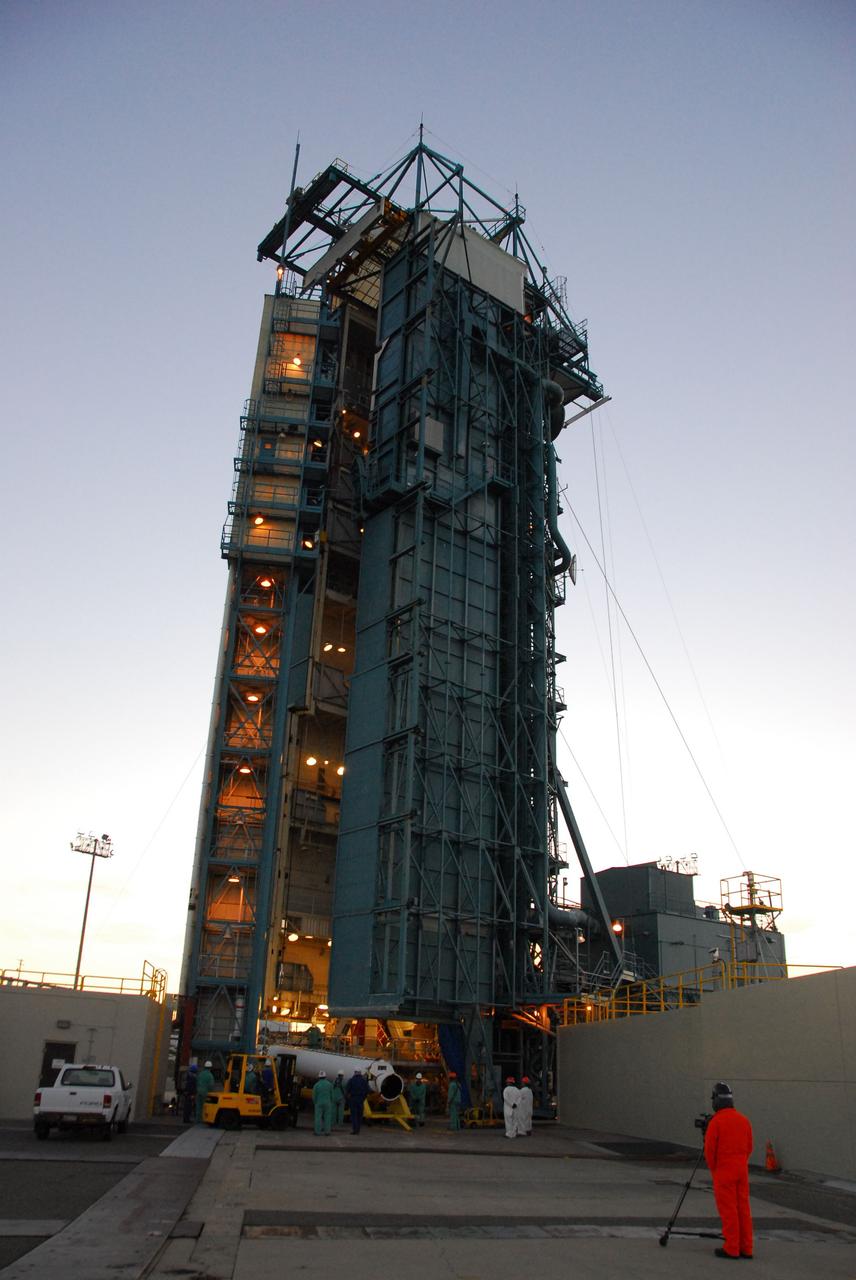
VANDENBERG AIR FORCE BASE, Calif. --As the sun rises over Vandenberg Air Force Base in California, United Launch Alliance technicians prepare to raise one of three Delta II solid rocket motors on the pad at Space Launch Complex-2 West (SLC-2W). Scheduled to launch in June, the Delta II rocket will carry NASA's Aquarius satellite into low Earth orbit. Aquarius' mission will be to provide monthly maps of global changes in sea surface salinity. By measuring ocean salinity from space, Aquarius will provide new insights into how the massive natural exchange of freshwater between the ocean, atmosphere and sea ice influences ocean circulation, weather and climate. Also going up with the satellite are optical and thermal cameras, a microwave radiometer and the SAC-D spacecraft, which were developed with the help of institutions in Italy, France, Canada and Argentina. Photo credit: VAFB/30th Space Wing
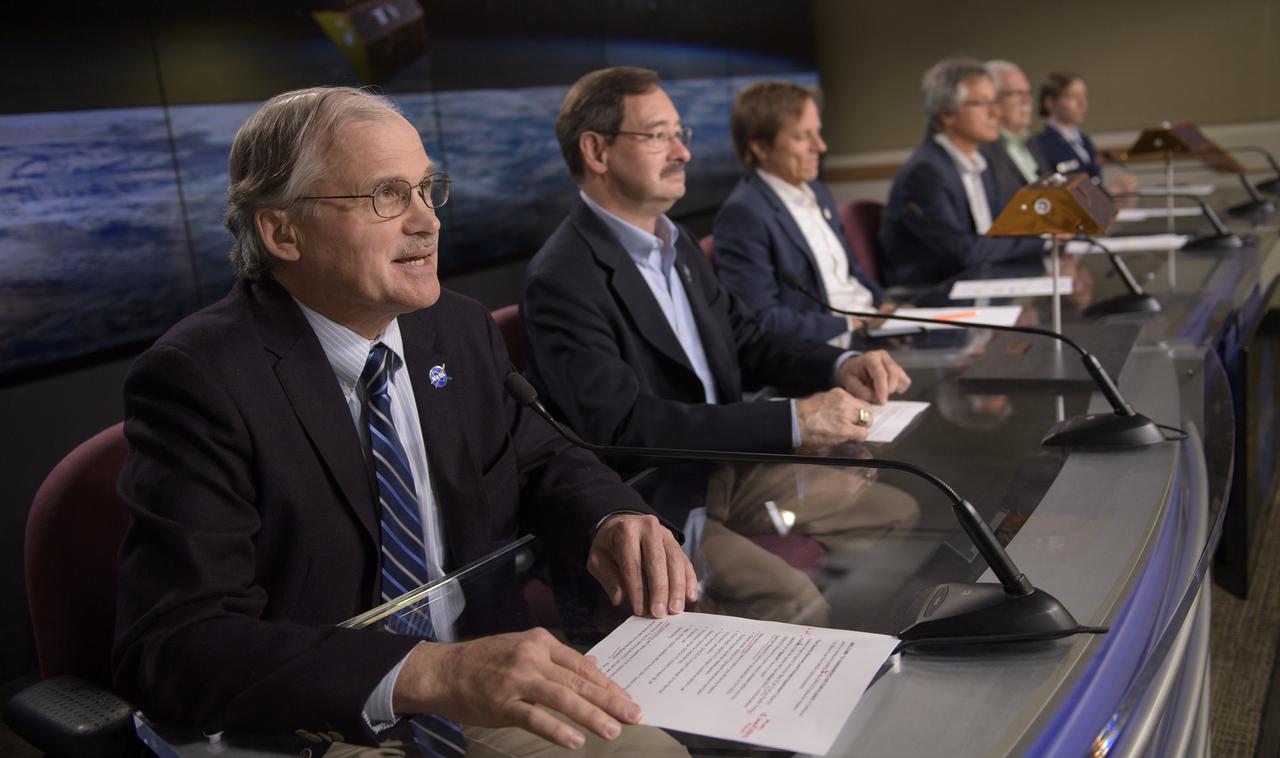
NASA Headquarters Public Affairs Officer Steve Cole, left, moderates the Gravity Recovery and Climate Experiment Follow-On (GRACE-FO) mission prelaunch media briefing with David Jarrett, GRACE-FO program executive in the Earth Science Division at NASA Headquarters; Frank Webb, GRACE-FO project scientist at JPL; Frank Flechtner, GRACE-FO project manager for the German Research Centre for Geosciences (GFZ) in Potsdam, Germany; Phil Morton, NASA GRACE-FO project manager at JPL; and Capt. Jennifer Haden, weather officer, 30th Space Wing, Vandenberg Air Force Base, right, Monday, May 21, 2018, at Vandenberg Air Force Base in California. The twin GRACE-FO spacecraft will measure changes in how mass is redistributed within and among Earth's atmosphere, oceans, land and ice sheets, as well as within Earth itself. Photo Credit: (NASA/Bill Ingalls)
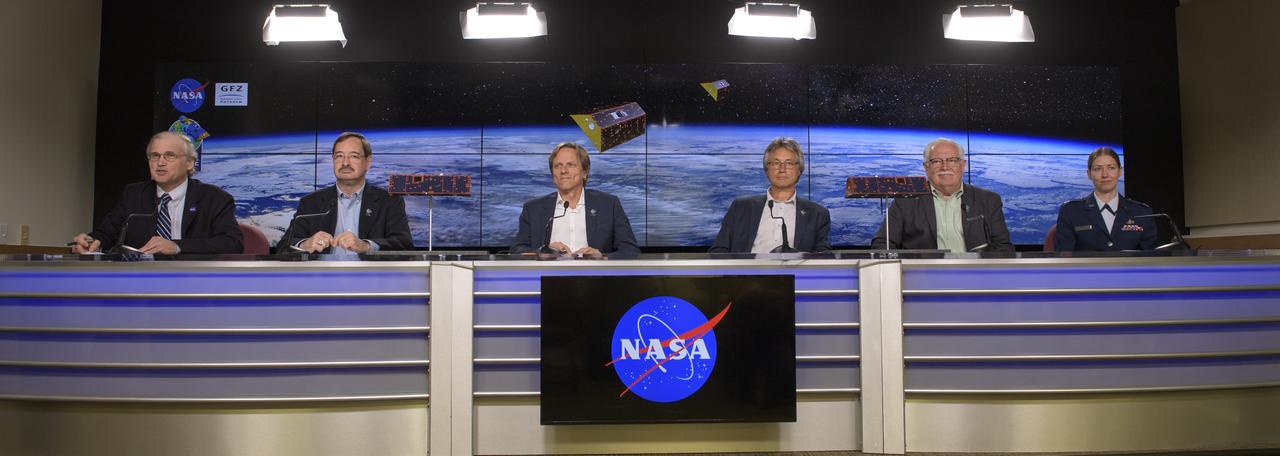
NASA Headquarters Public Affairs Officer Steve Cole, left, moderates the Gravity Recovery and Climate Experiment Follow-On (GRACE-FO) mission prelaunch media briefing with David Jarrett, GRACE-FO program executive in the Earth Science Division at NASA Headquarters; Frank Webb, GRACE-FO project scientist at JPL; Frank Flechtner, GRACE-FO project manager for the German Research Centre for Geosciences (GFZ) in Potsdam, Germany; Phil Morton, NASA GRACE-FO project manager at JPL; and Capt. Jennifer Haden, weather officer, 30th Space Wing, Vandenberg Air Force Base, right, Monday, May 21, 2018, at Vandenberg Air Force Base in California. The twin GRACE-FO spacecraft will measure changes in how mass is redistributed within and among Earth's atmosphere, oceans, land and ice sheets, as well as within Earth itself. Photo Credit: (NASA/Bill Ingalls)
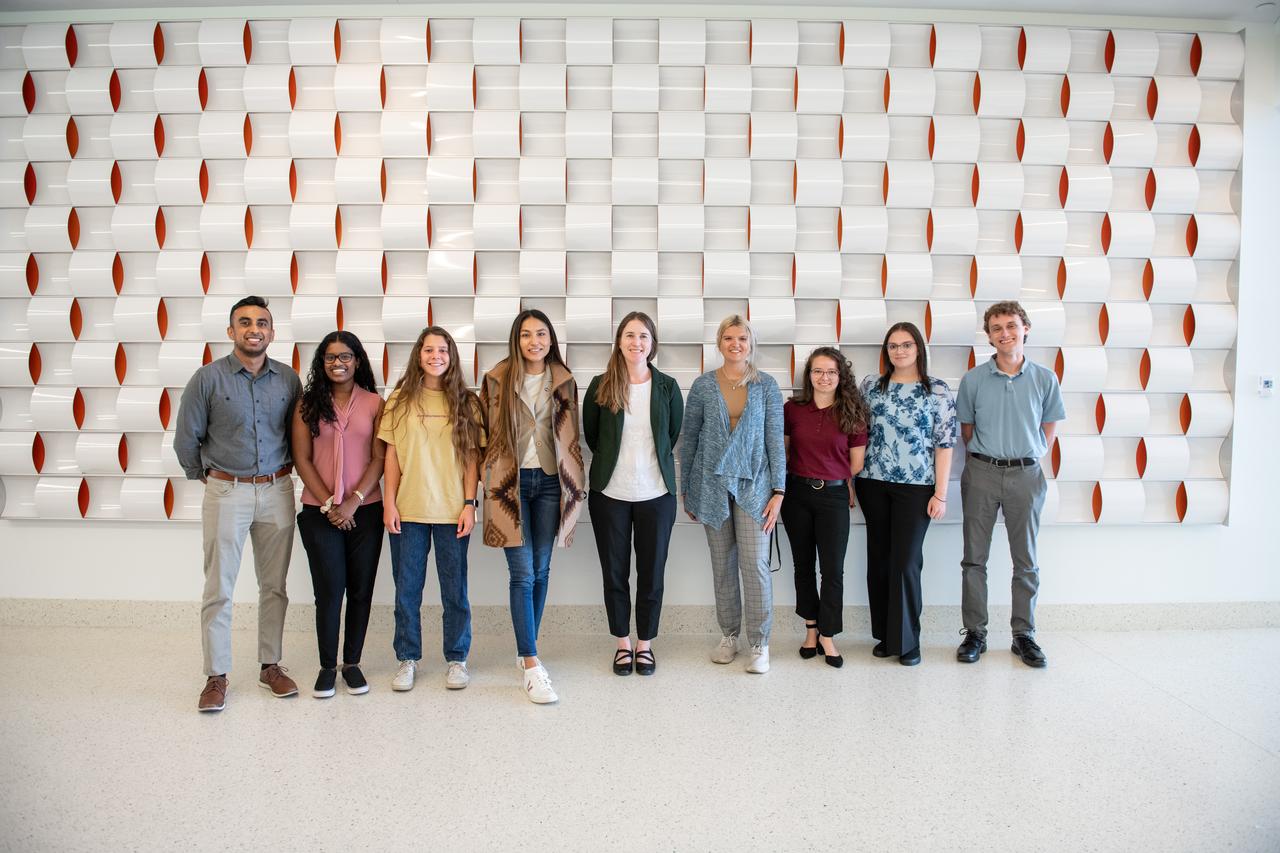
Chief Scientist and Senior Climate Advisor Dr. Kate Calvin held a meet and greet with some of the Summer 2024 interns on June 17, 2024 at Glenn Research Center.
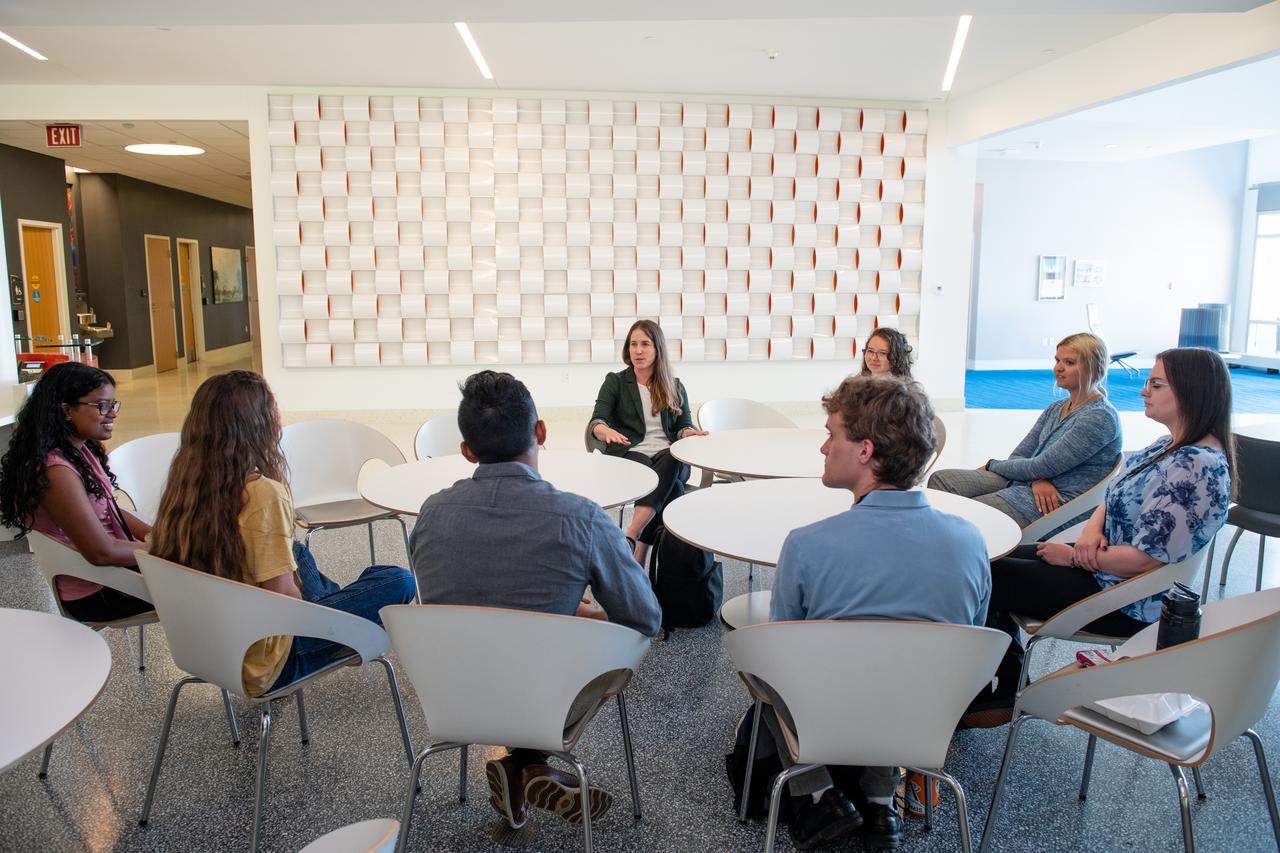
Chief Scientist and Senior Climate Advisor Dr. Kate Calvin held a meet and greet with some of the Summer 2024 interns on June 17, 2024 at Glenn Research Center.
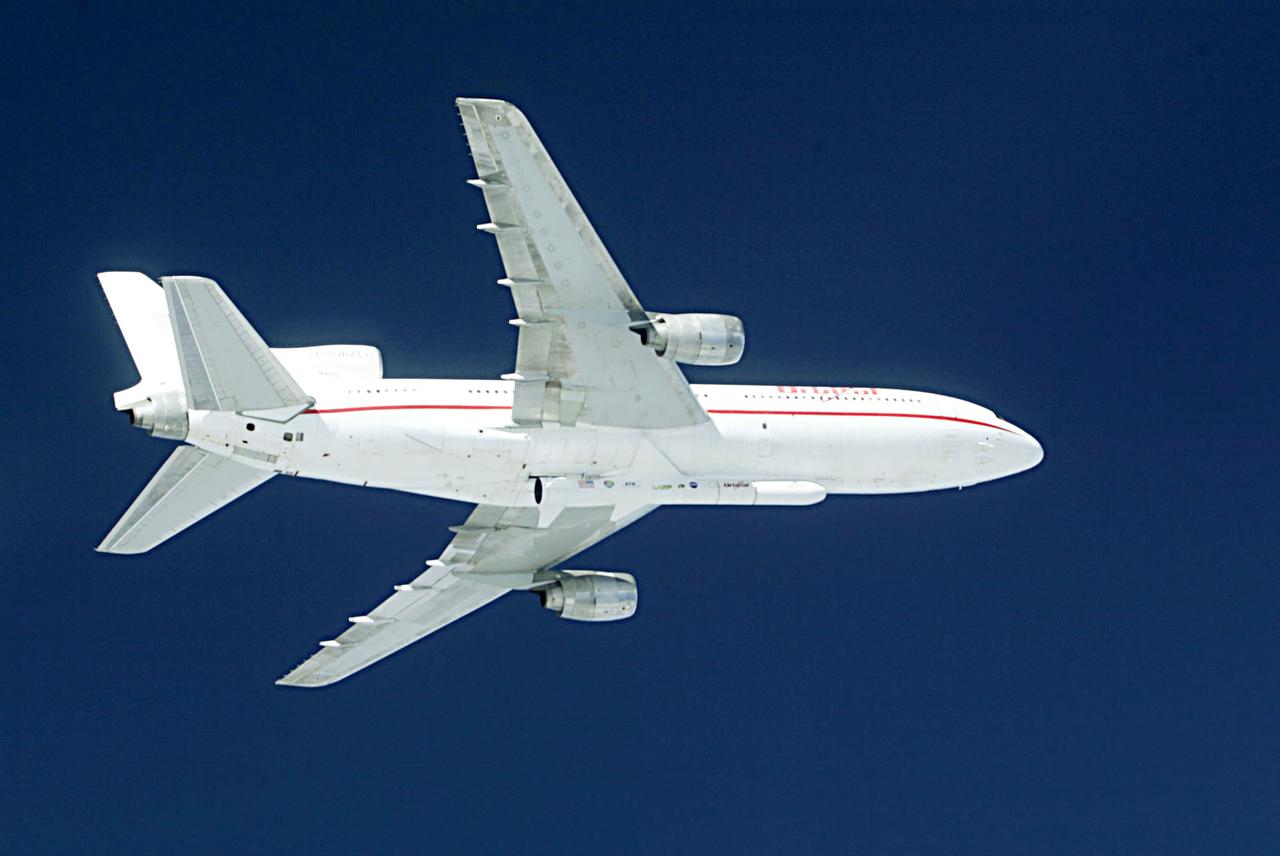
Orbital Sciences Corportation's L1011 prepares to release a Pegasus rocket, January 25, 2003, off the coast of Cape Canaveral, FL, which will deliver the SORCE satellite, Solar Radiation and Climate Experiment, into the low-Earth orbit. The joint project with Orbital, NASA and the University of Colorado satellite is an atmospheric instrument that will measure incoming radiant energy from the sun. Scientists will use this to address long term atmospheric and climate changes. Other uses will be for ozone research and ultraviolet radiation. (Photo by Eric Roback and Rob Rivers, NASA Langley Research Center)
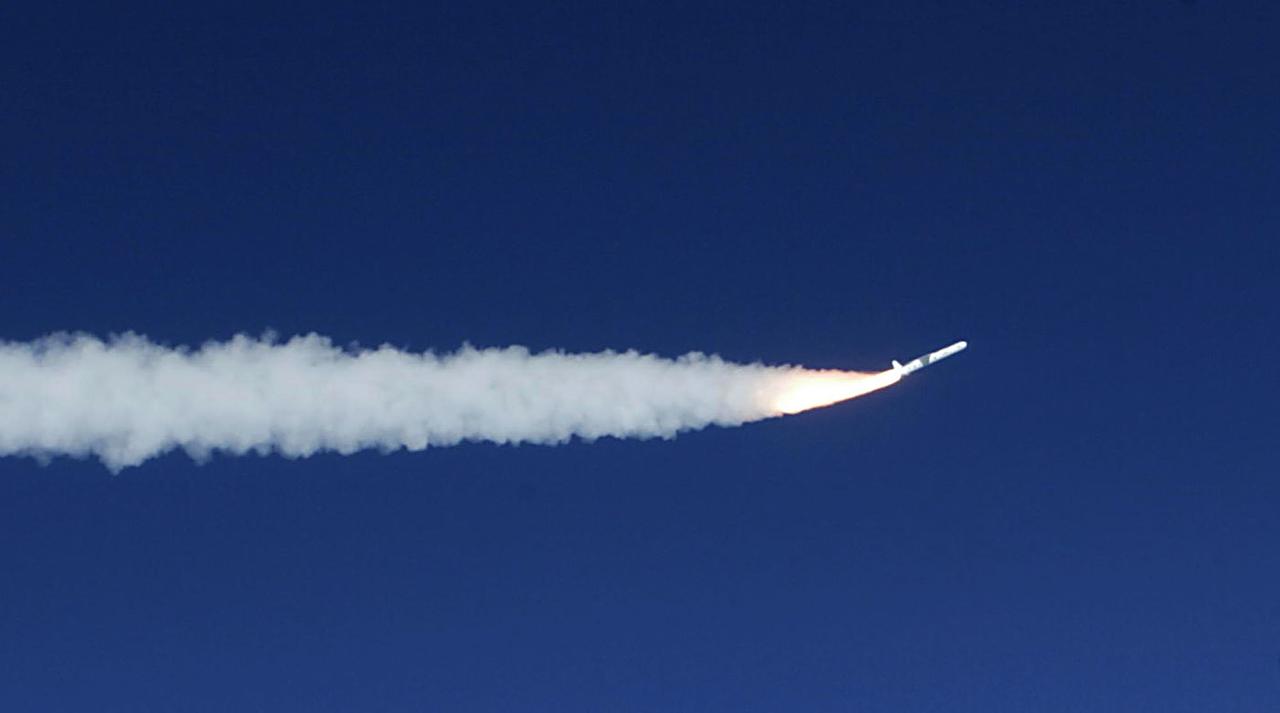
A Pegasus rocket starts it's first stage burn to propel the SORCE Satellite payload into low-Earth orbit, January 25, 2003, off the coast of Cape Canaveral, FL, The SORCE satellite, Solar Radiation and Climate Experiment,is a joint project with Orbital, NASA and the University of Colorado. The satellite is an atmospheric instrument that will measure incoming radiant energy from the sun. Scientists will use this to address long term atmospheric and climate changes. Other uses will be for ozone research and ultraviolet radiation. (Photo by Eric Roback and Rob Rivers, NASA Langley Research Center)
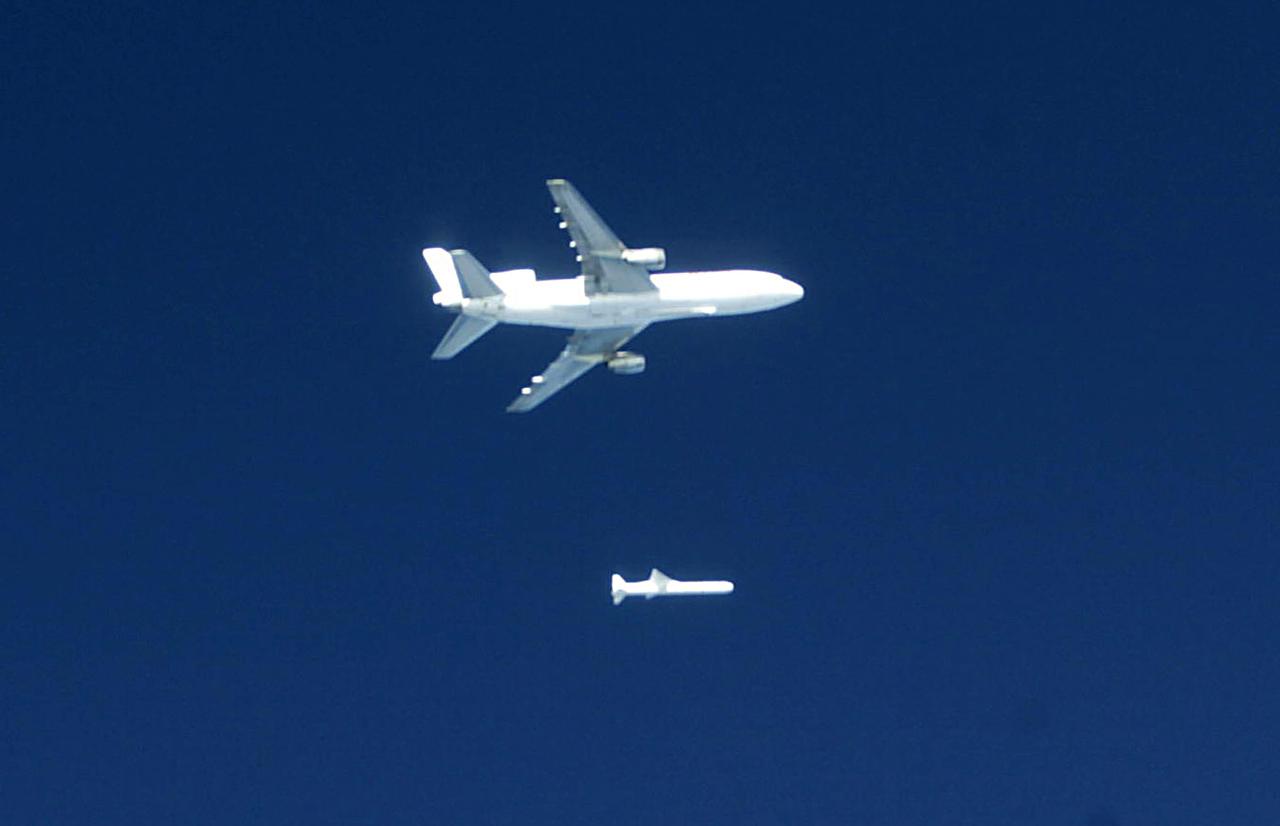
Orbital Sciences Corportation's L1011 releases a Pegasus rocket before ignition, January 25, 2003, off the coast of Cape Canaveral, FL, which will deliver the SORCE satellite, Solar Radiation and Climate Experiment, into the low-Earth orbit. The joint project with Orbital, NASA and the University of Colorado satellite is an atmospheric instrument that will measure incoming radiant energy from the sun. Scientists will use this to address long term atmospheric and climate changes. Other uses will be for ozone research and ultraviolet radiation. (Photo by Eric Roback and Rob Rivers, NASA Langley Research Center)
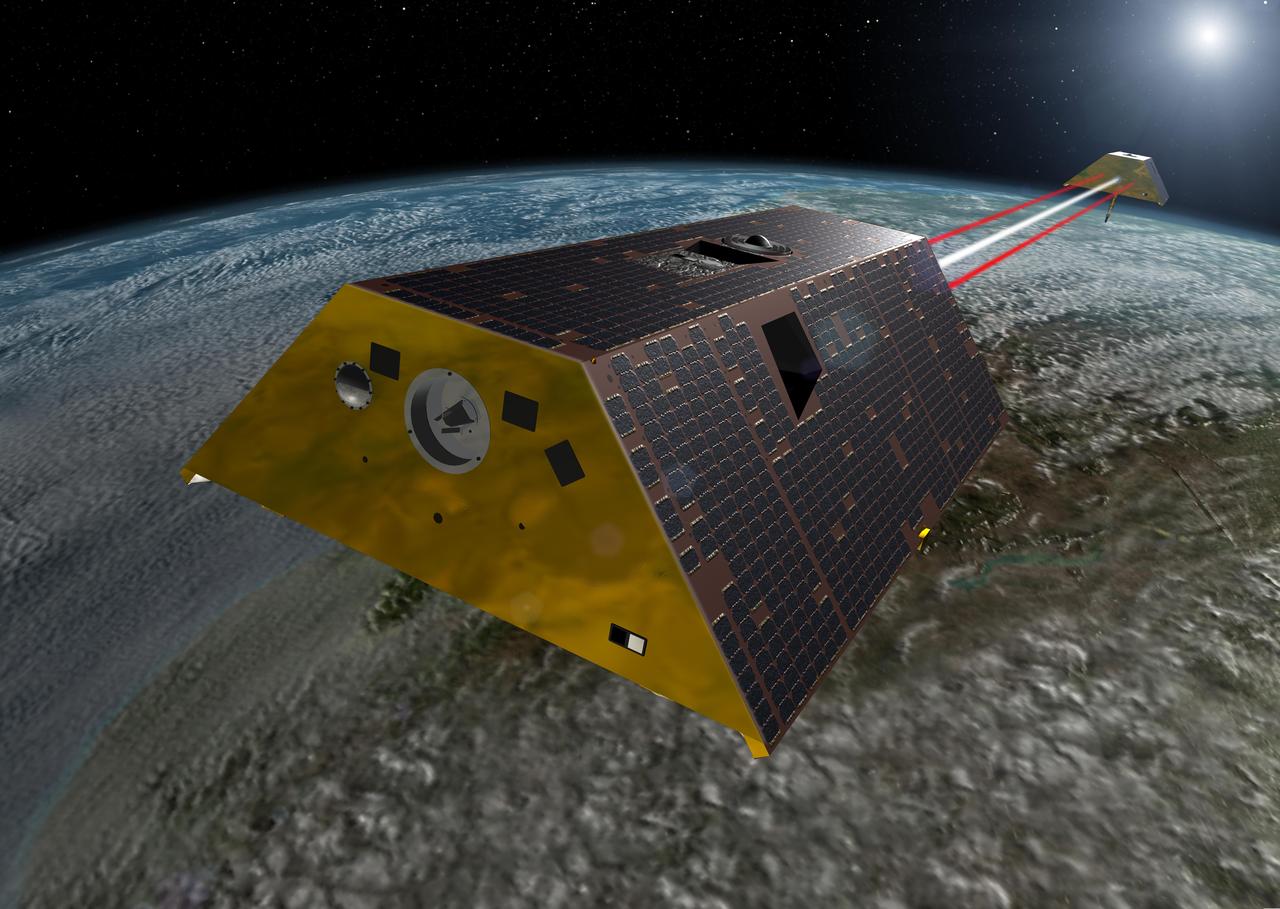
This artist's rendering shows the twin spacecraft of the Gravity Recovery and Climate Experiment Follow-On (GRACE-FO) mission, a partnership between NASA and the German Research Centre for Geosciences (GFZ). GRACE-FO is a successor to the original GRACE mission, which began orbiting Earth on March 17, 2002. GRACE-FO will carry on the extremely successful work of its predecessor while testing a new technology designed to dramatically improve the already remarkable precision of its measurement system. The GRACE missions measure variations in gravity over Earth's surface, producing a new map of the gravity field every 30 days. Thus, GRACE shows how the planet's gravity differs not only from one location to another, but also from one period of time to another. https://photojournal.jpl.nasa.gov/catalog/PIA21607