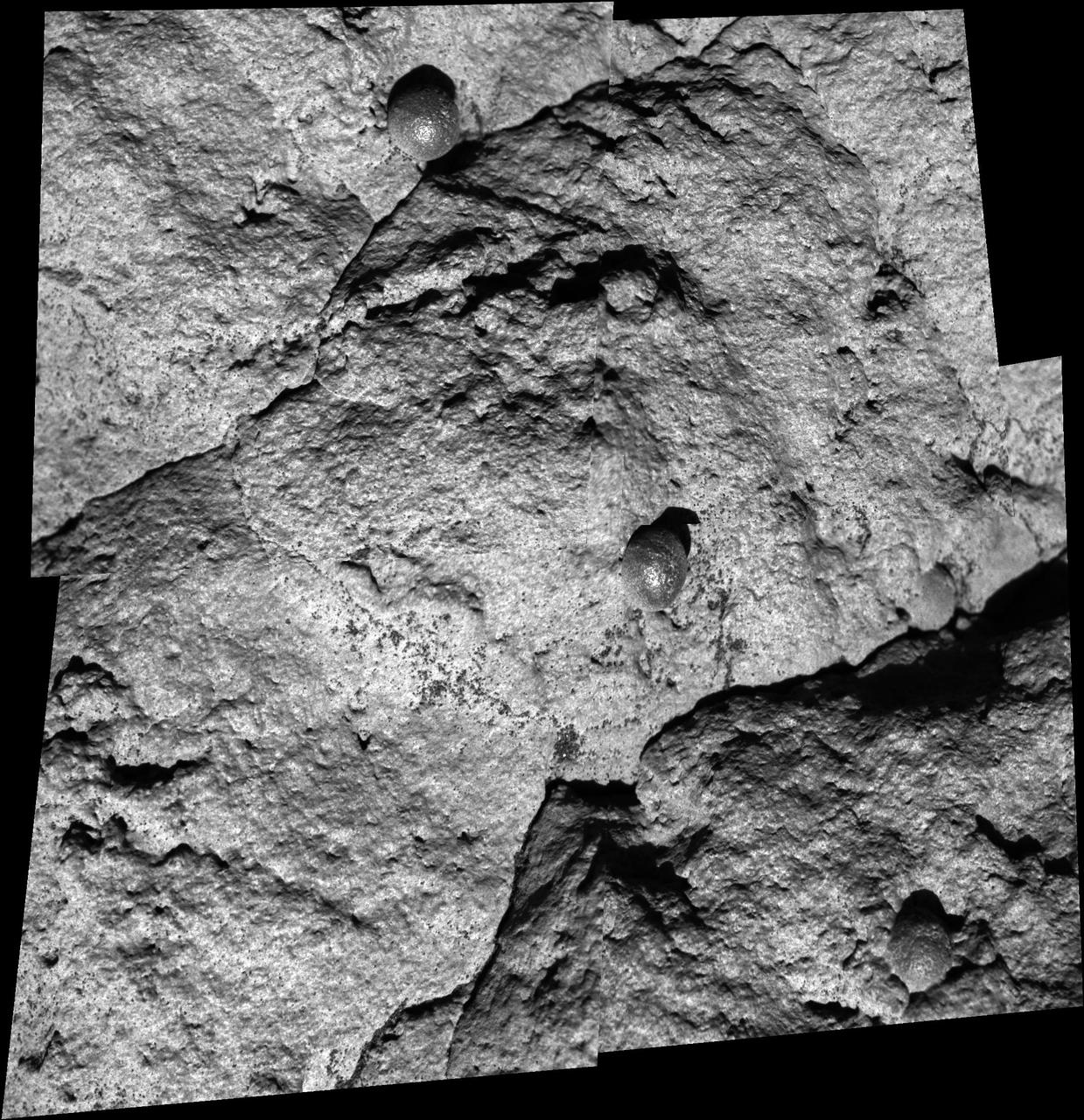
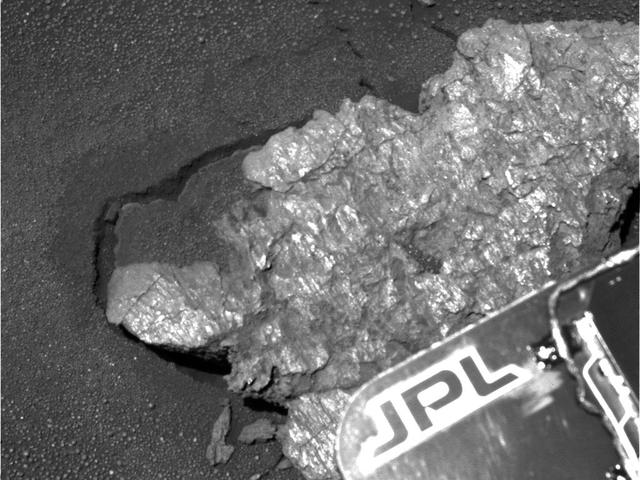
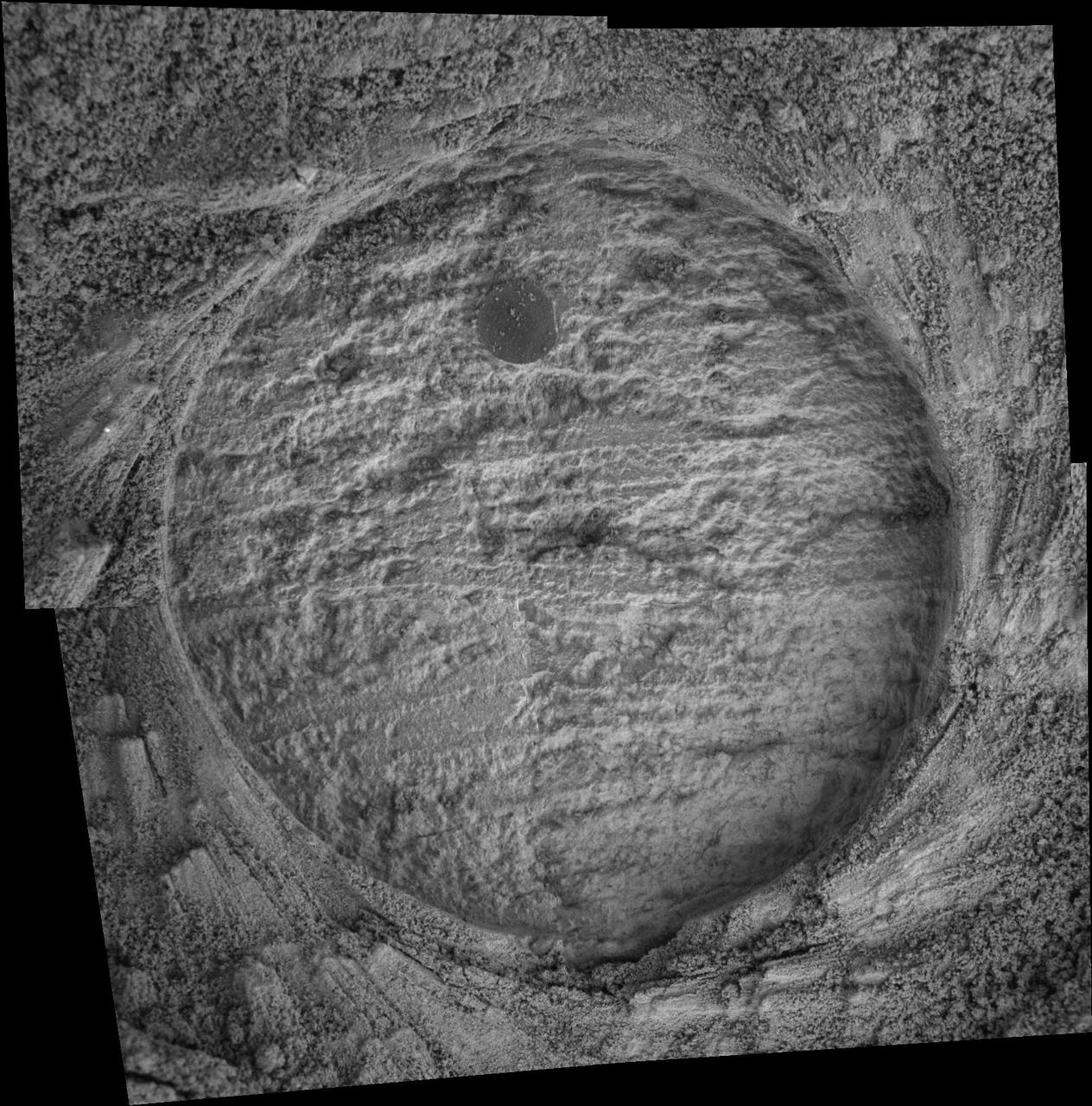
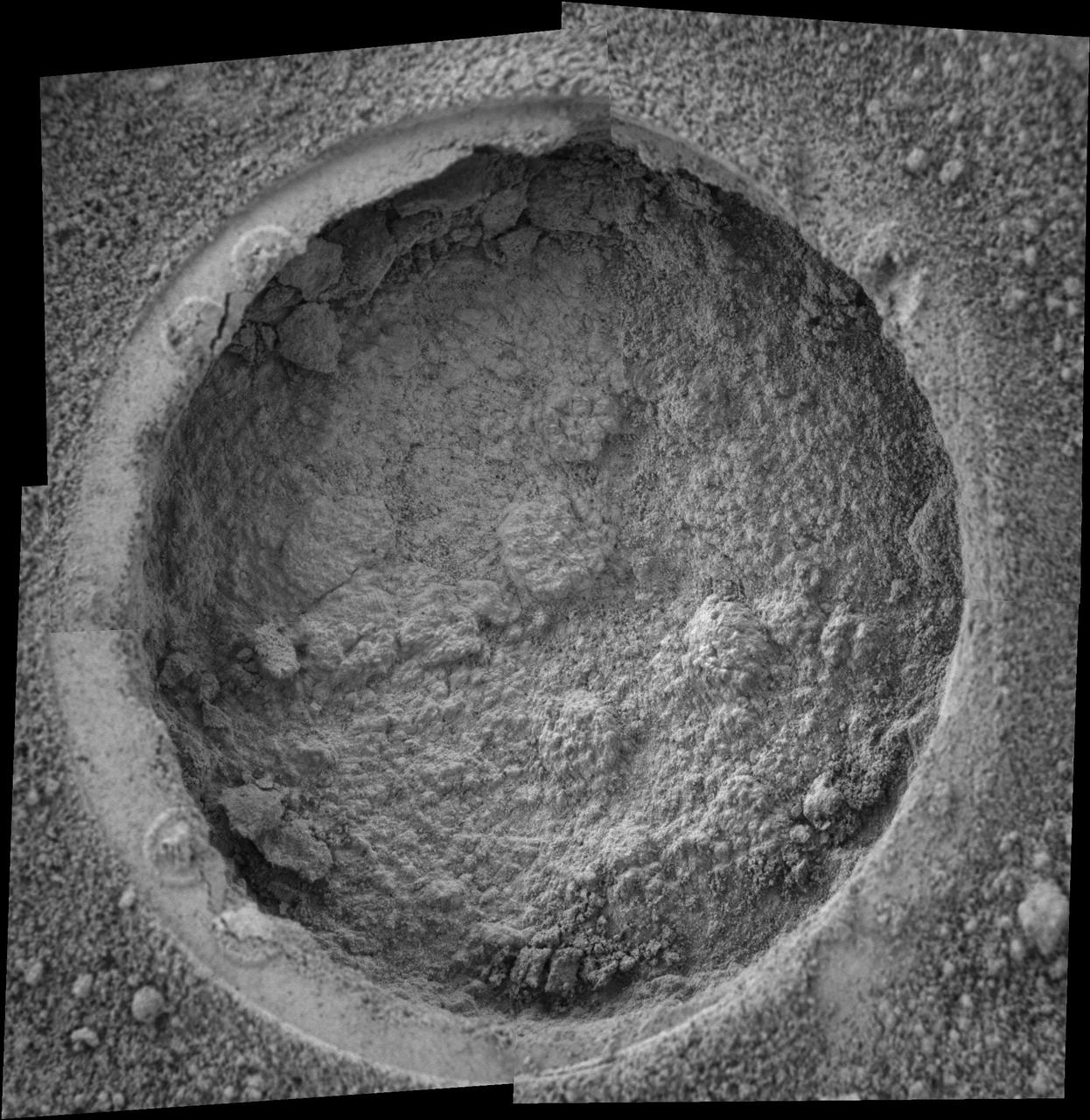
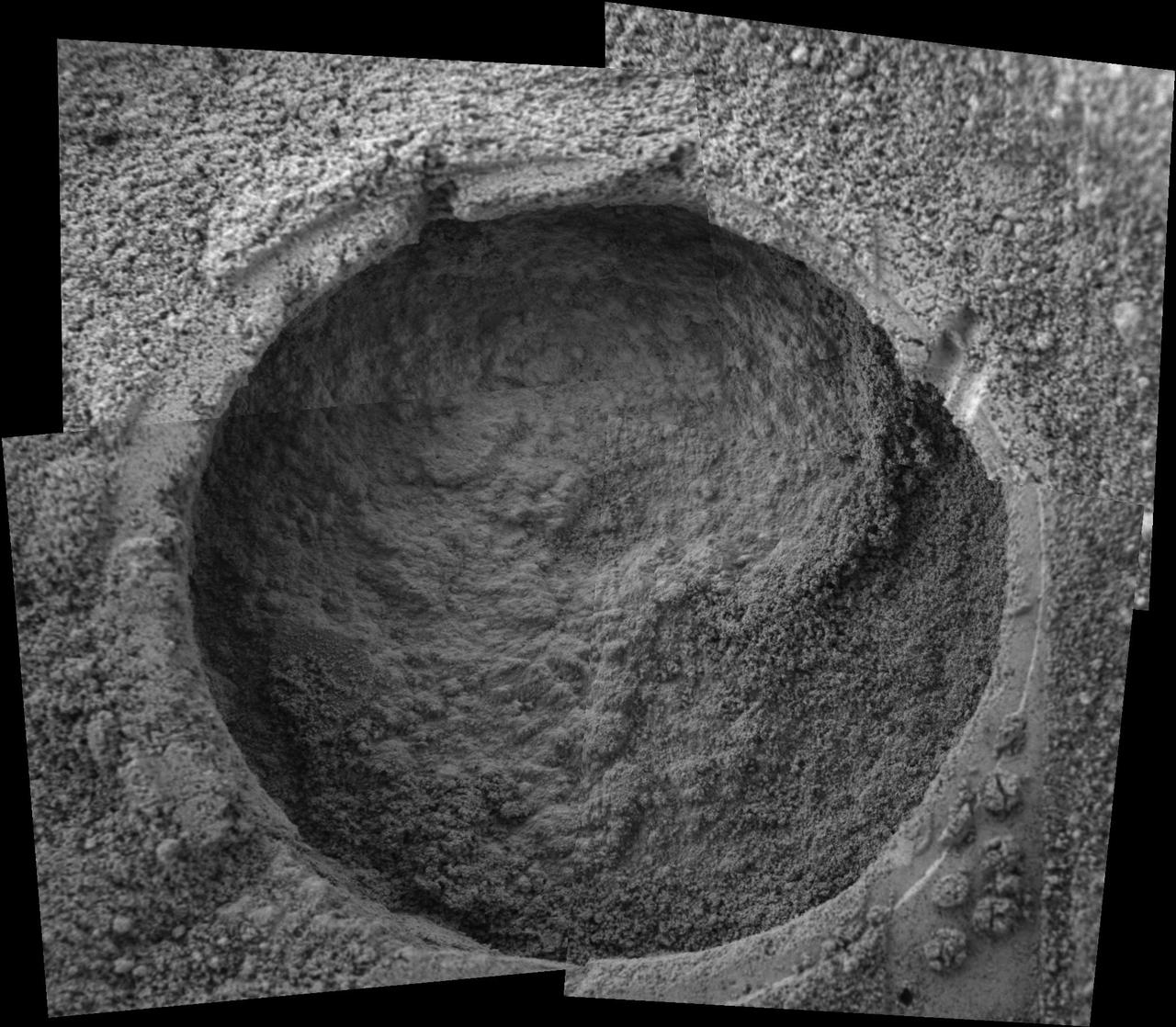
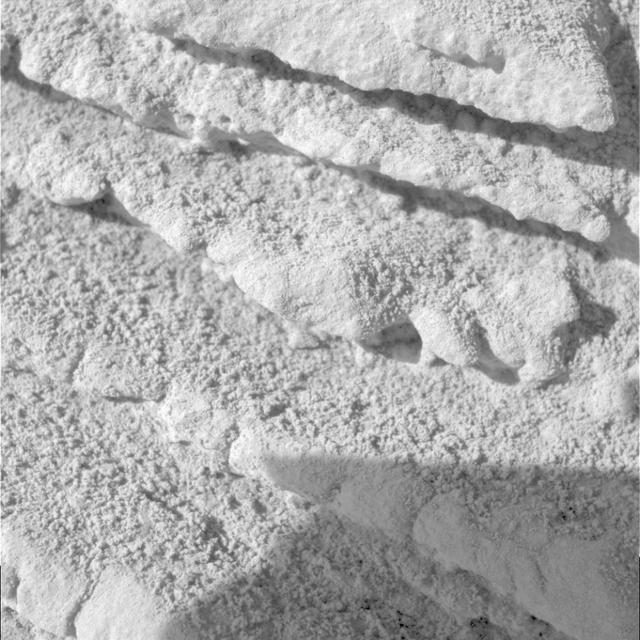
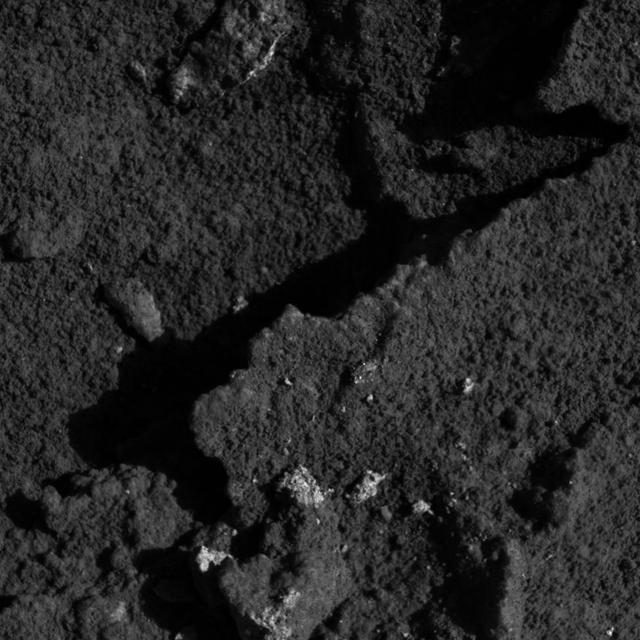
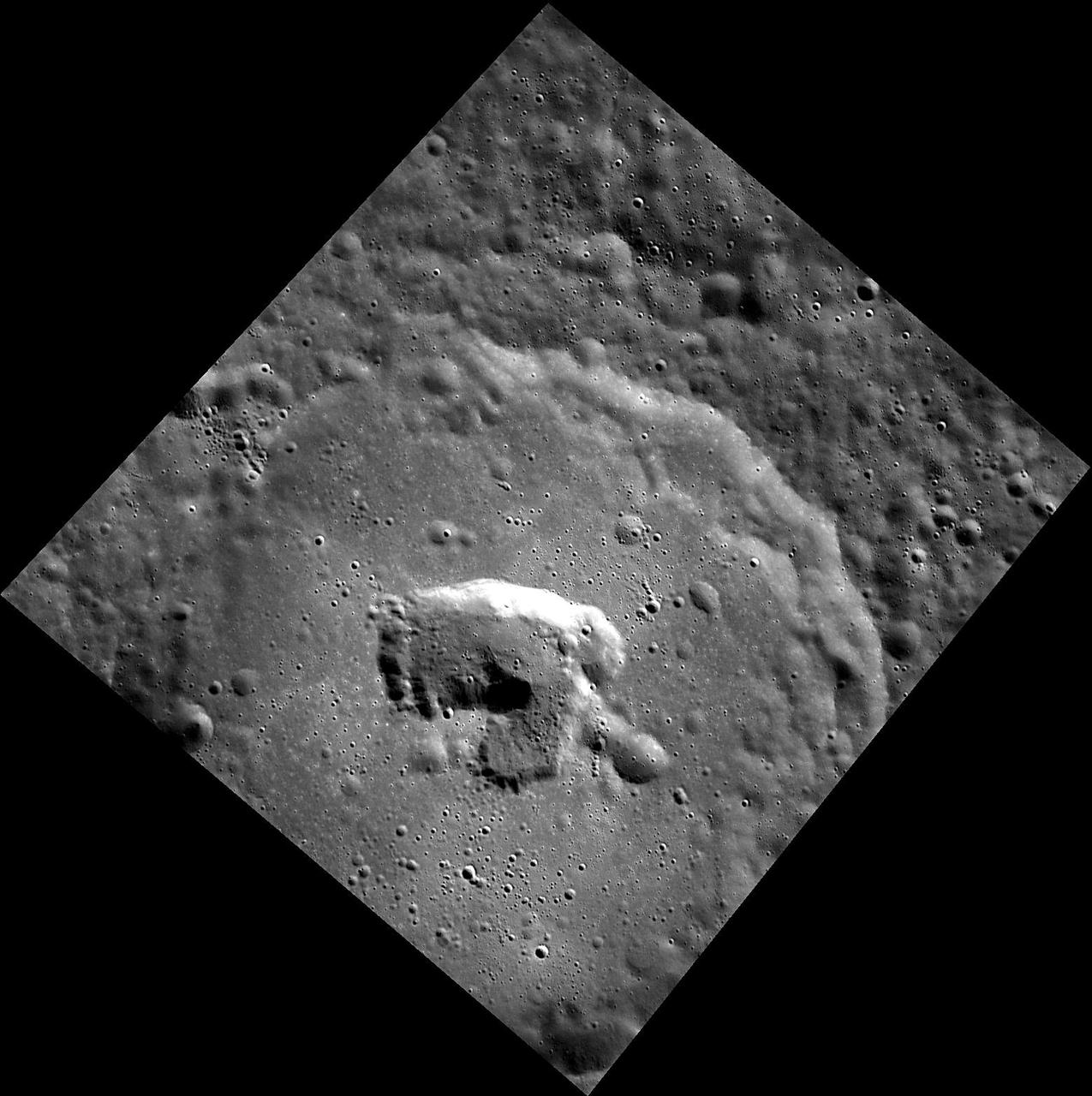
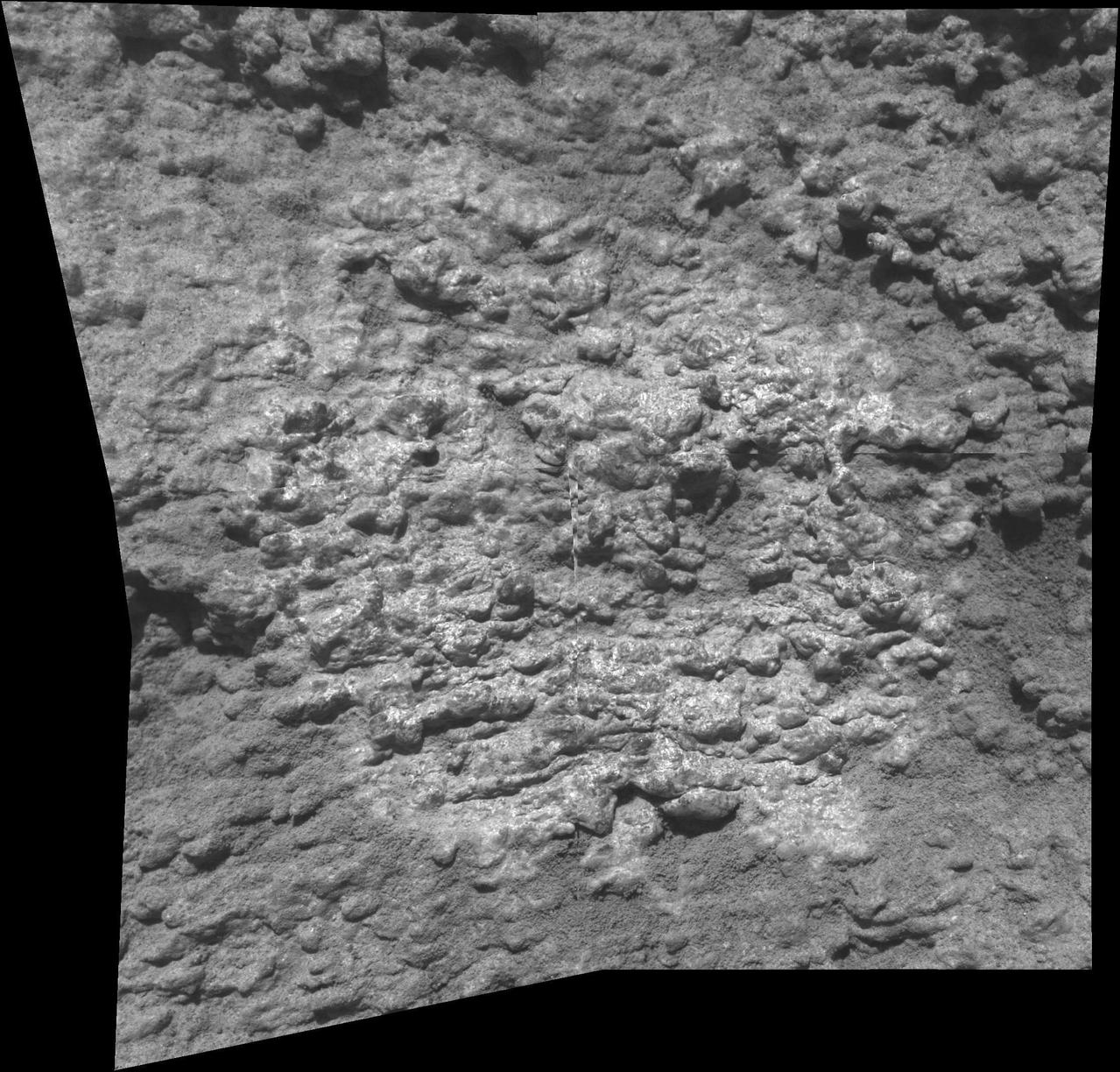
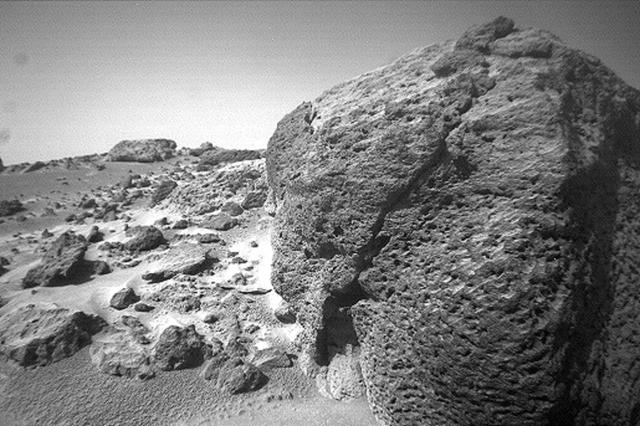
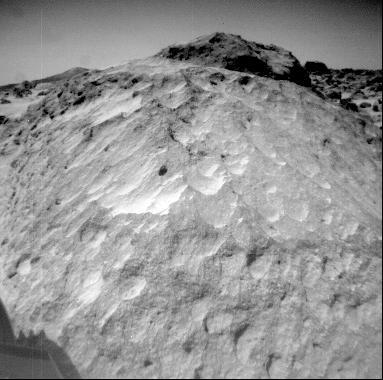
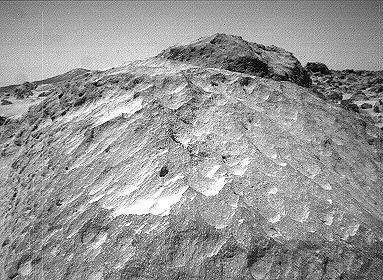
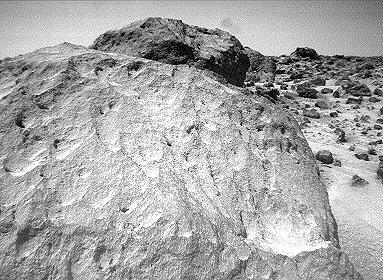
Close-up of Wopmay
Close-up of Wopmay
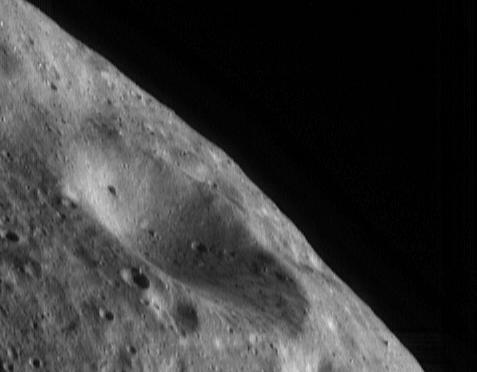
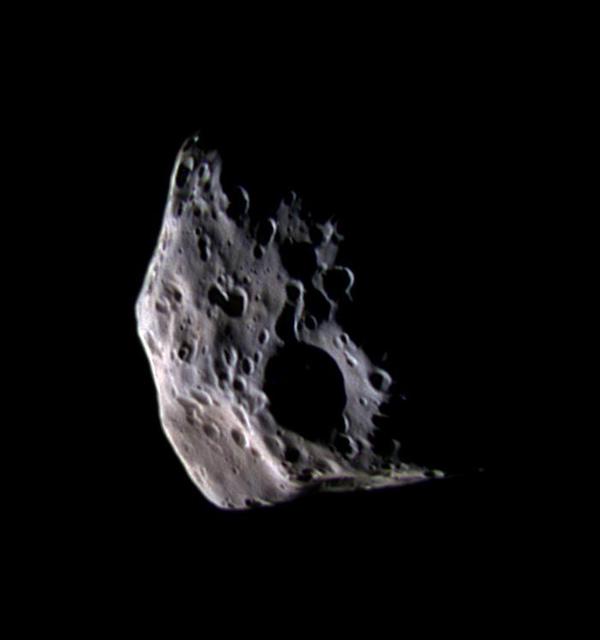
Crater Close-up on Phoebe
Phoenix Footpad Up Close
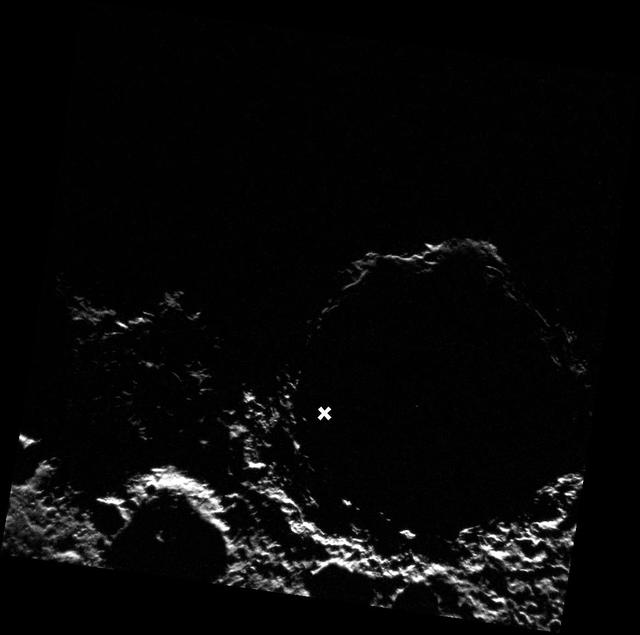
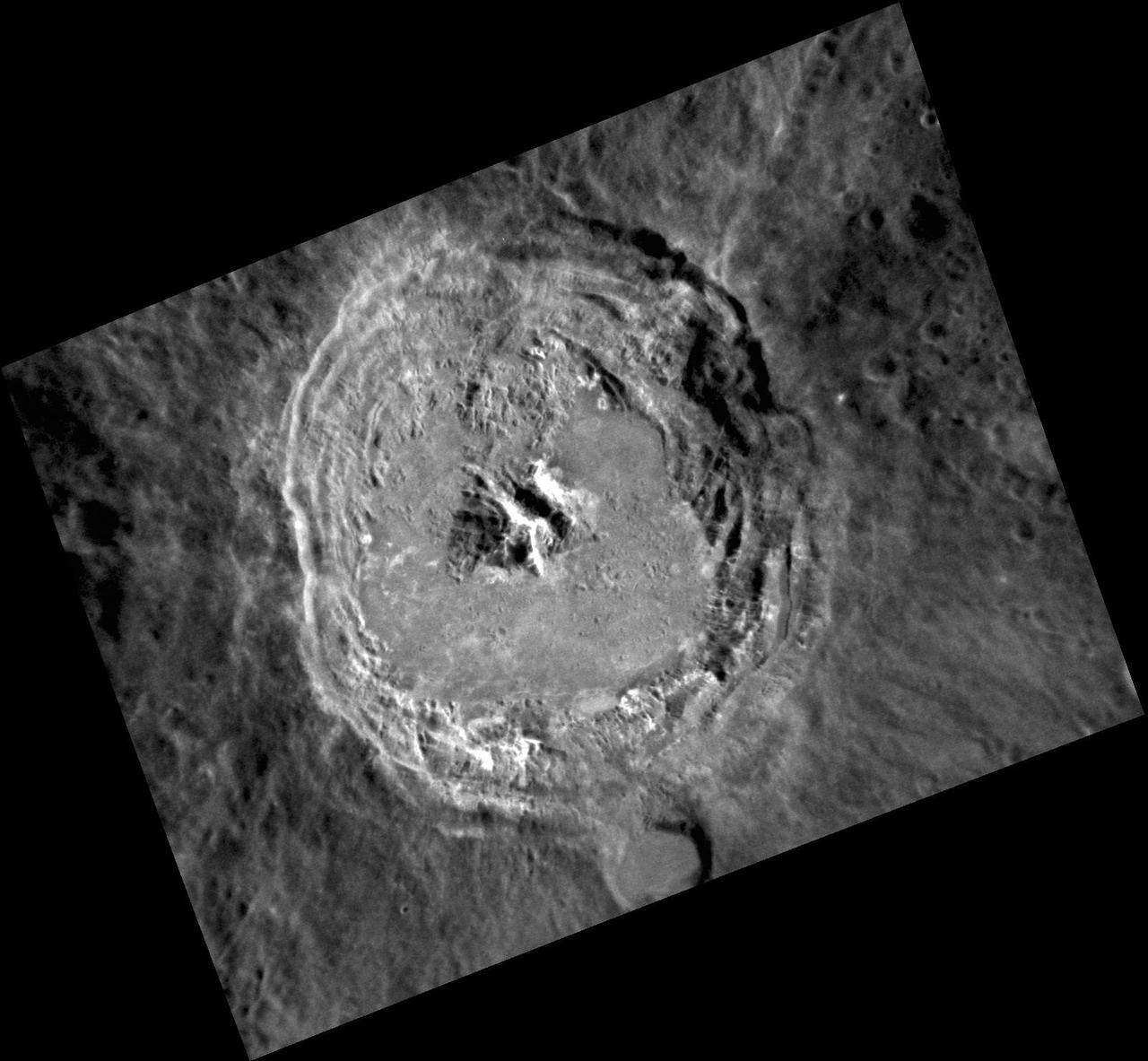
Color Close-Up of Kuiper
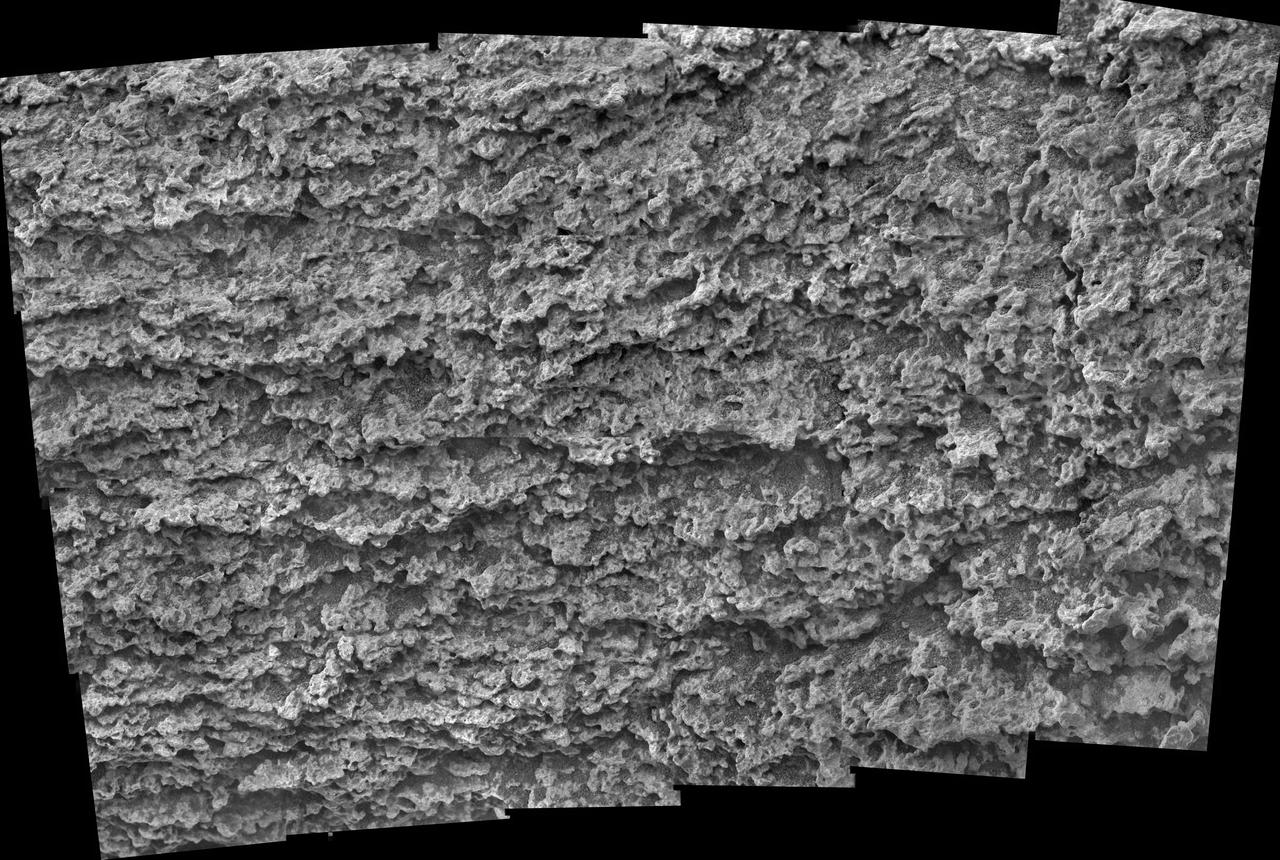
Close-up of Tetl Layers
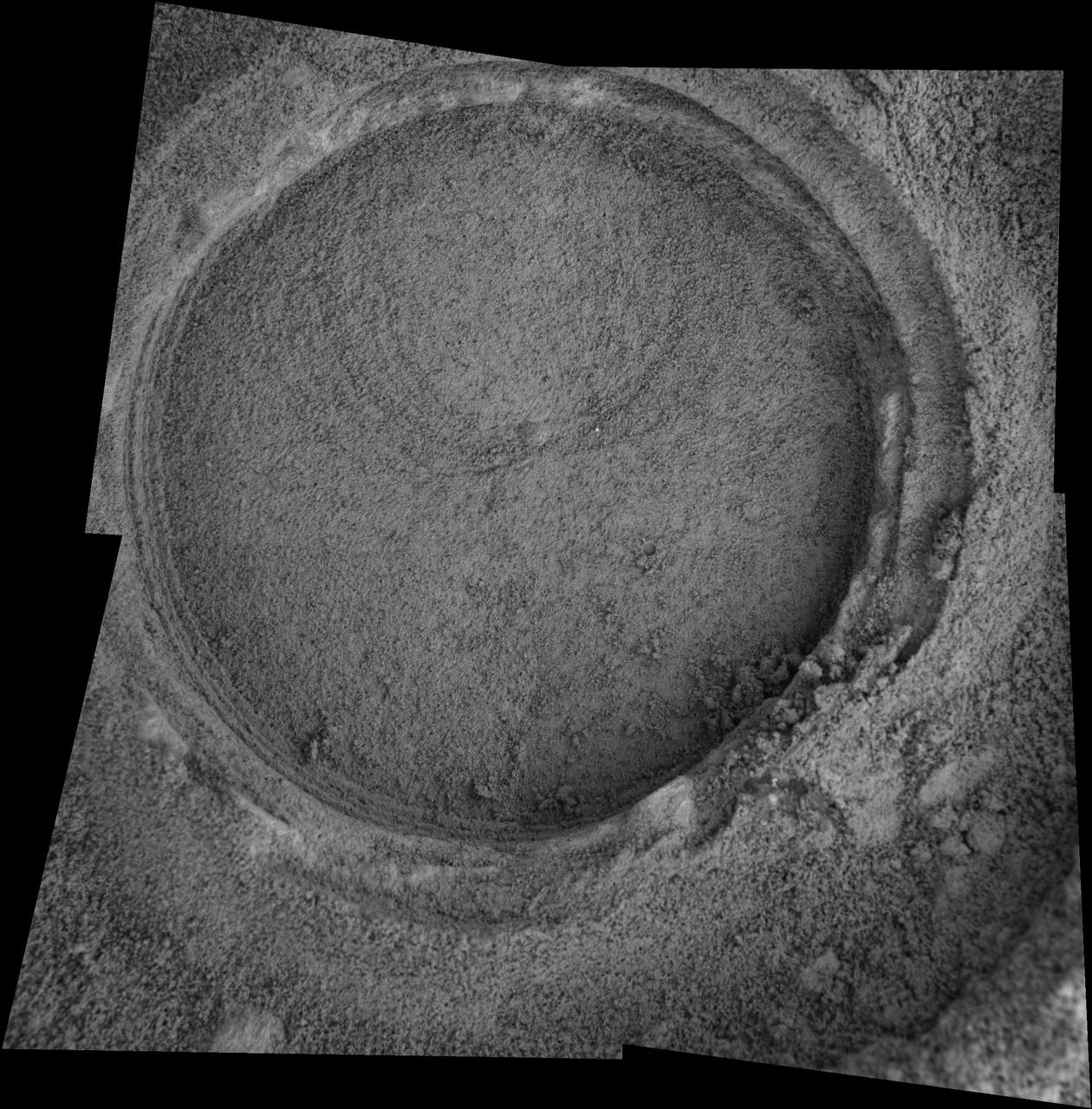
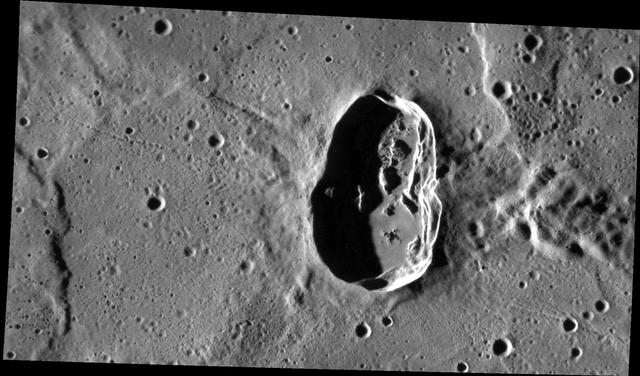
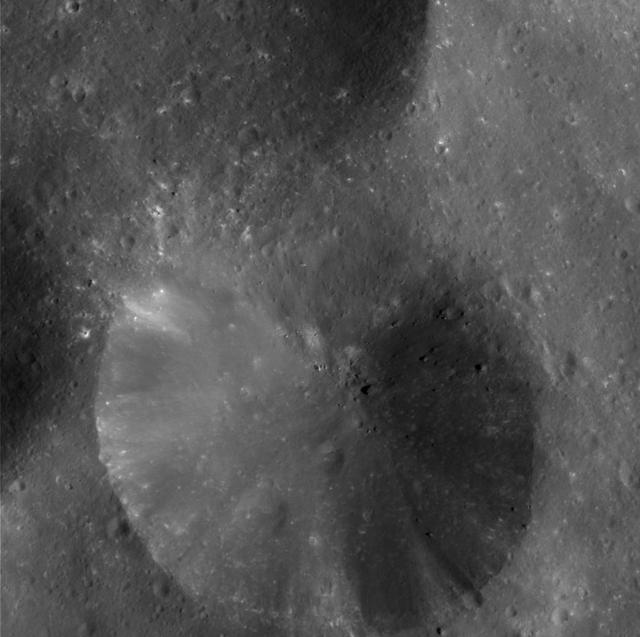
Crater Close-Up
Crater Close-Up
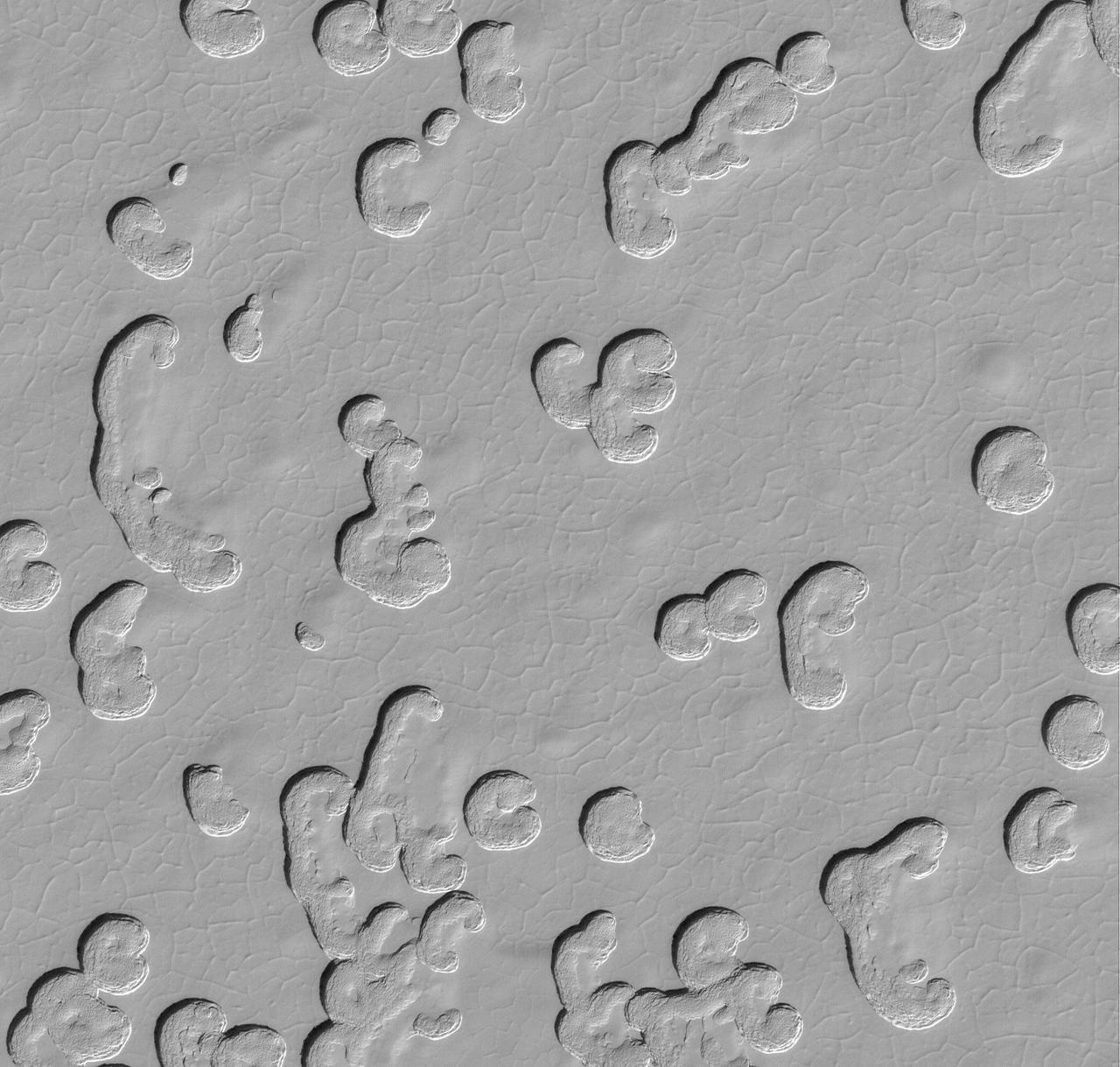
South Polar Close Up
Up Close and Personal
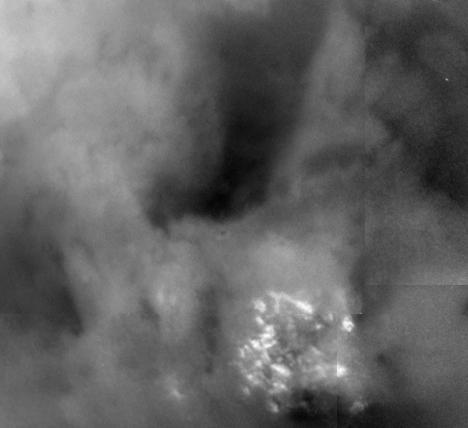
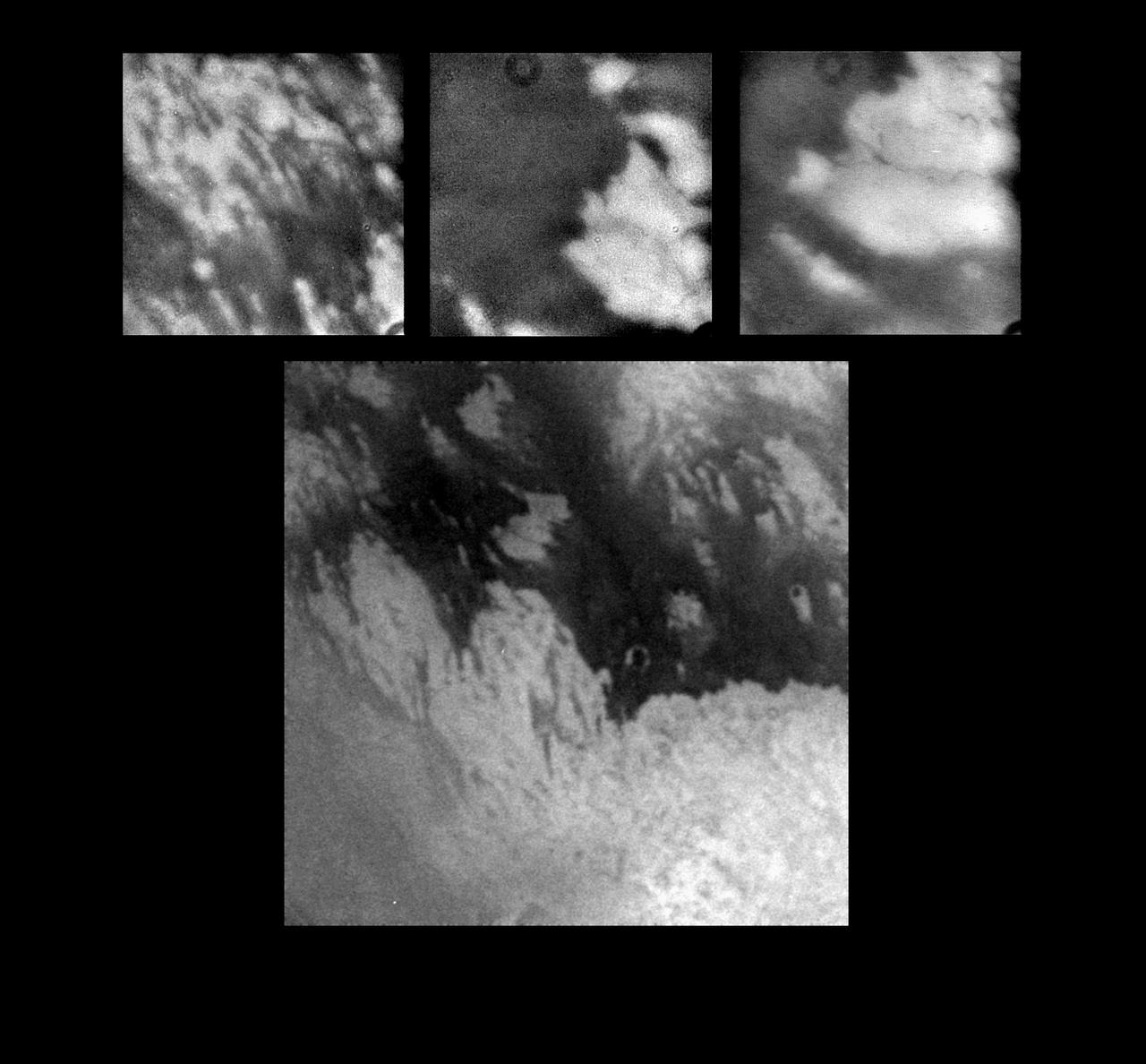
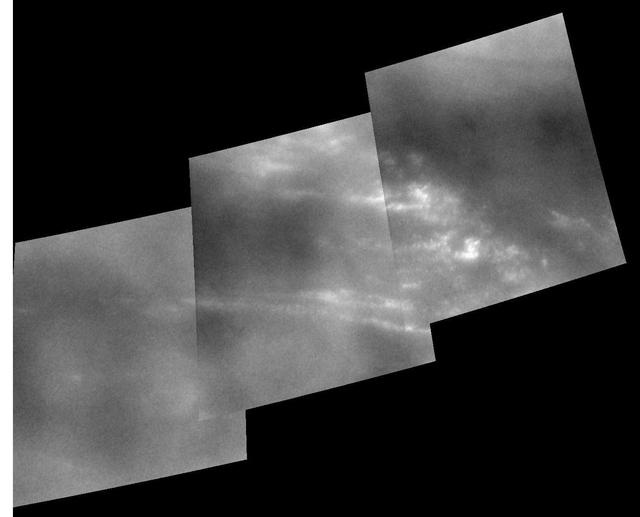
Titan Close-Ups
Titan Close-Ups
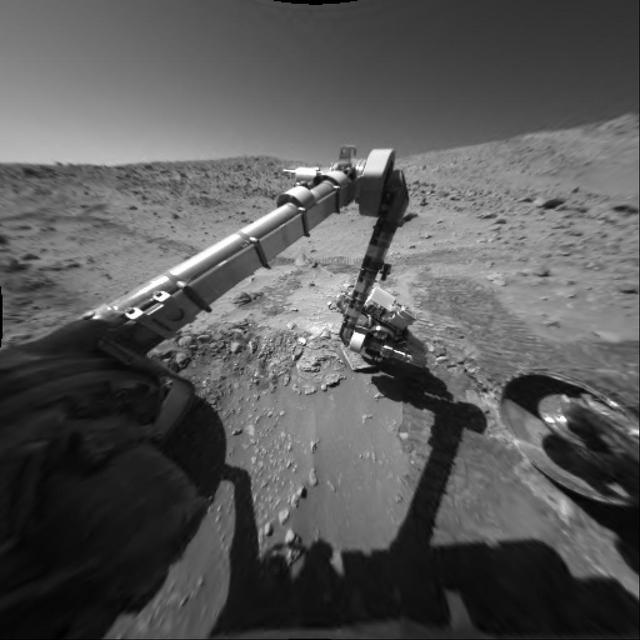
Moessbauer Close-Up
Moessbauer Close-Up
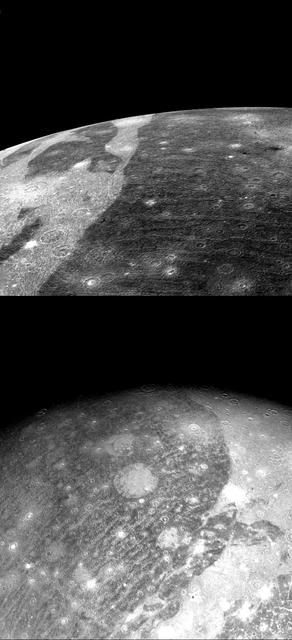
Ganymede - Close Up Photos
Epimetheus: Up-Close and Colorful
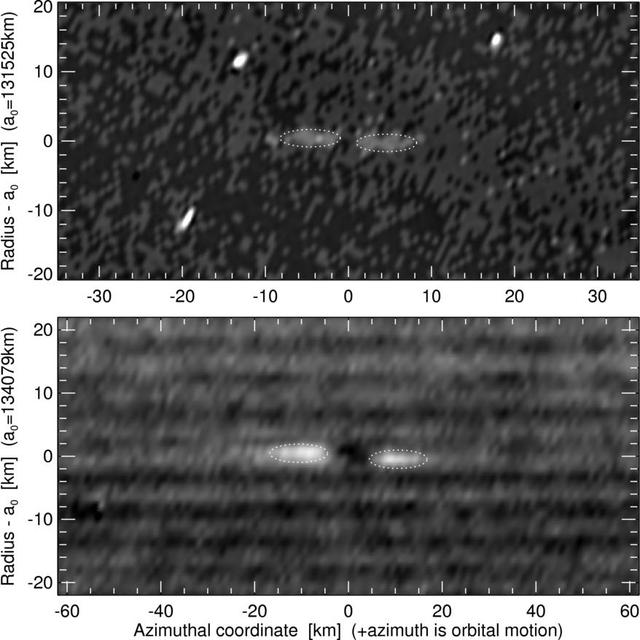
F Ring Close-up
F Ring Close-up
Degas Close Up
Degas Close Up
Close-Up of Huygens Probe
Titan Close-up
Titan Close-up
Tiger Stripes Up Close
Tuktoyuktuk Up Close
Close-up of Deflated Airbag
Bylot Up Close
Bylot Up Close
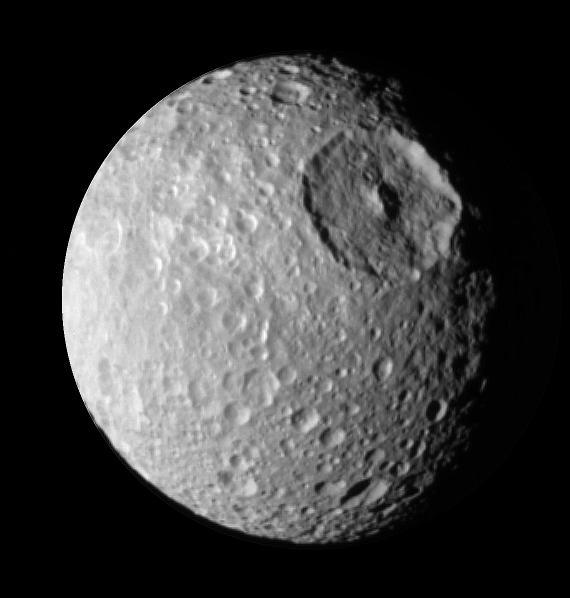
Up Close to Mimas
Up Close to Mimas
Campbell Up Close
Campbell Up Close
Bek Close Up
Bek Close Up
Eros Up Close
Eros Up Close
Xiao Zhao Close Up
Xiao Zhao Close Up
Bounce Rock Close-Up
Propeller Close Up
Propeller Close Up
Kuiper, Up Close
Kuiper, Up Close
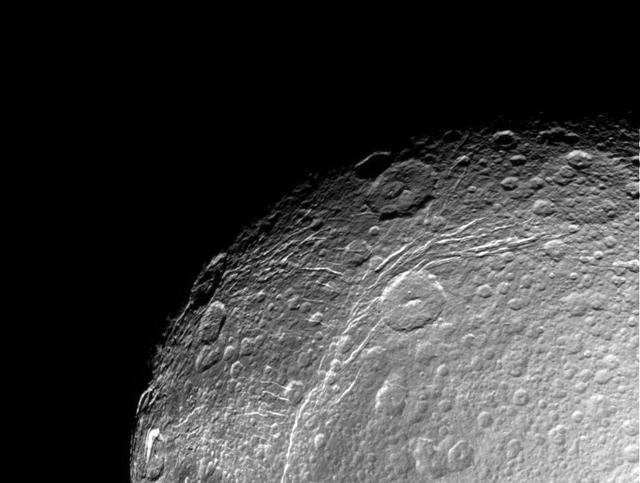
Dione Close-up
Dione Close-up
Up Close and Personal
Drammensfjorden Up Close
Hovnatanian Close-up
Inside and Up Close
Inside and Up Close
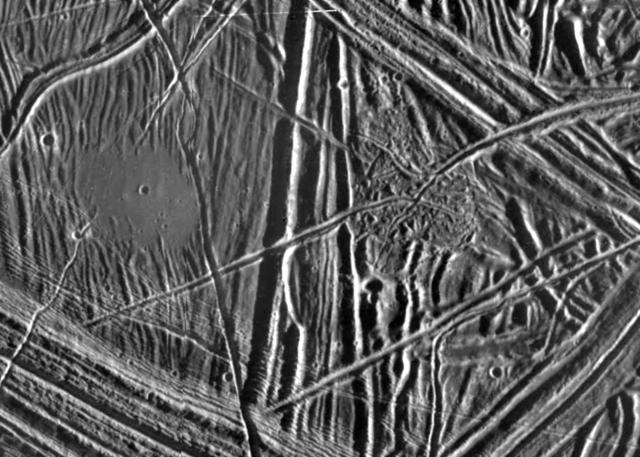
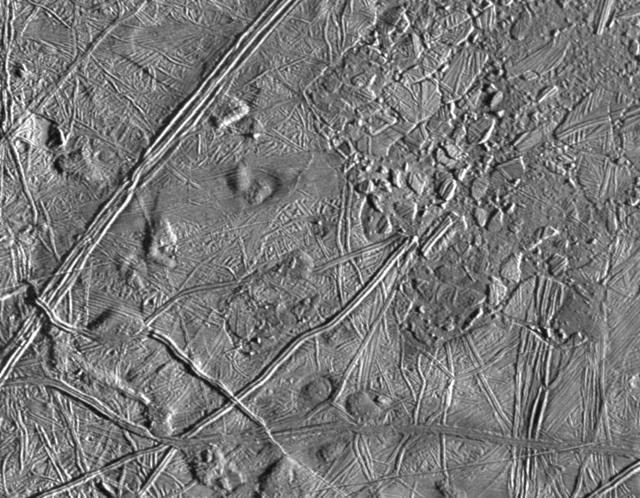
Close-up of Europa Surface
String of Pearls Up-Close
NASA's Solar Dynamics Observatory (SDO) zoomed in almost to its maximum level to watch tight, bright loops and much longer, softer loops shift and sway above an active region on the sun, while a darker blob of plasma in their midst was pulled about every which way (May 13-14, 2014).   Credit: NASA/Solar Dynamics Observatory  <b><a href="http://www.nasa.gov/audience/formedia/features/MP_Photo_Guidelines.html" rel="nofollow">NASA image use policy.</a></b>   <b><a href="http://www.nasa.gov/centers/goddard/home/index.html" rel="nofollow">NASA Goddard Space Flight Center</a></b> enables NASA’s mission through four scientific endeavors: Earth Science, Heliophysics, Solar System Exploration, and Astrophysics. Goddard plays a leading role in NASA’s accomplishments by contributing compelling scientific knowledge to advance the Agency’s mission.   <b>Follow us on <a href="http://twitter.com/NASAGoddardPix" rel="nofollow">Twitter</a></b>   <b>Like us on <a href="http://www.facebook.com/pages/Greenbelt-MD/NASA-Goddard/395013845897?ref=tsd" rel="nofollow">Facebook</a></b>   <b>Find us on <a href="http://instagram.com/nasagoddard?vm=grid" rel="nofollow">Instagram</a></b>
Tight Loops Close-Up
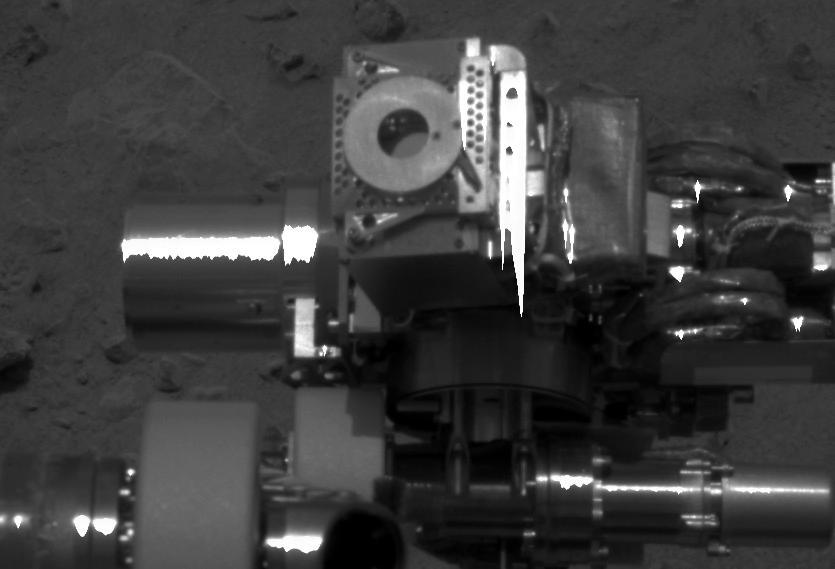
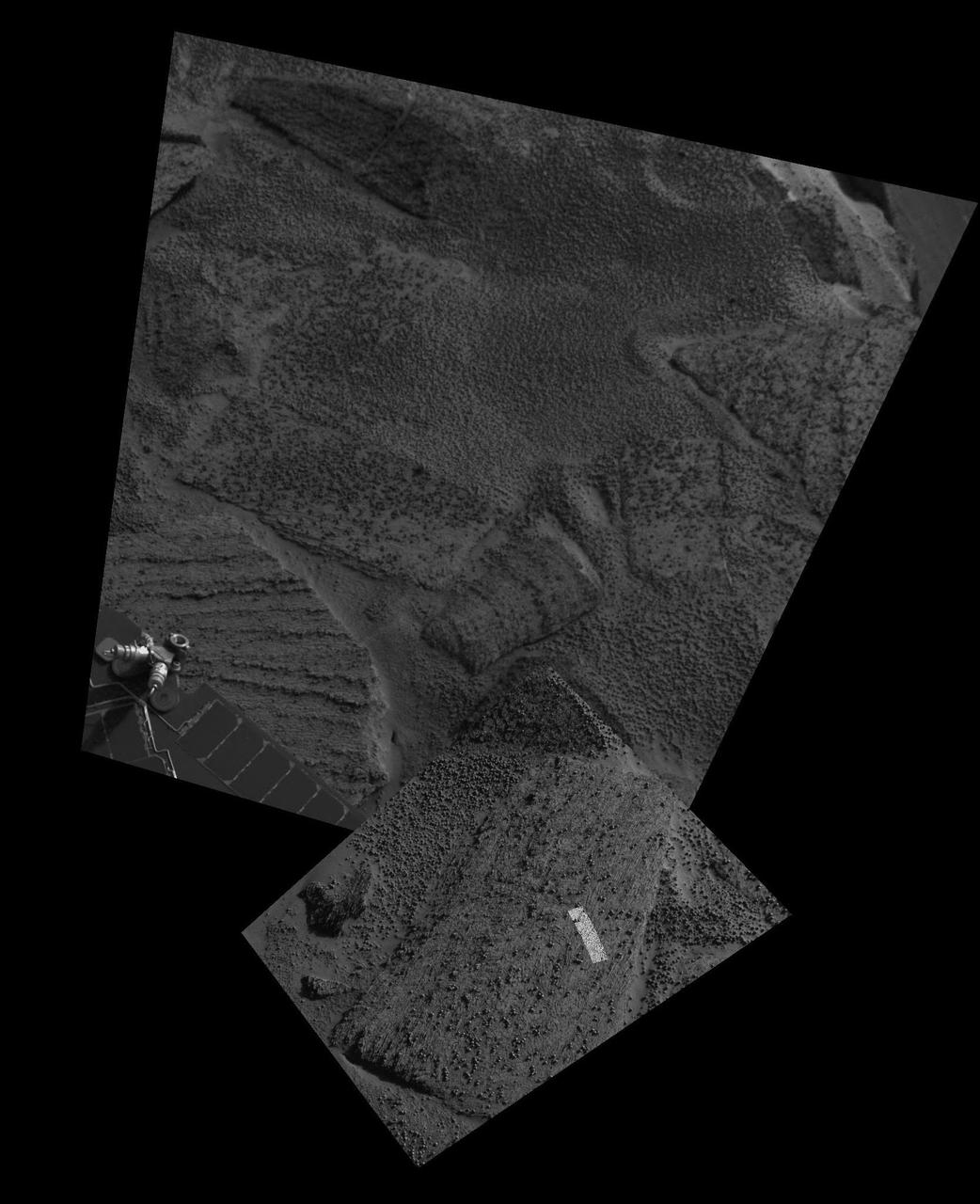
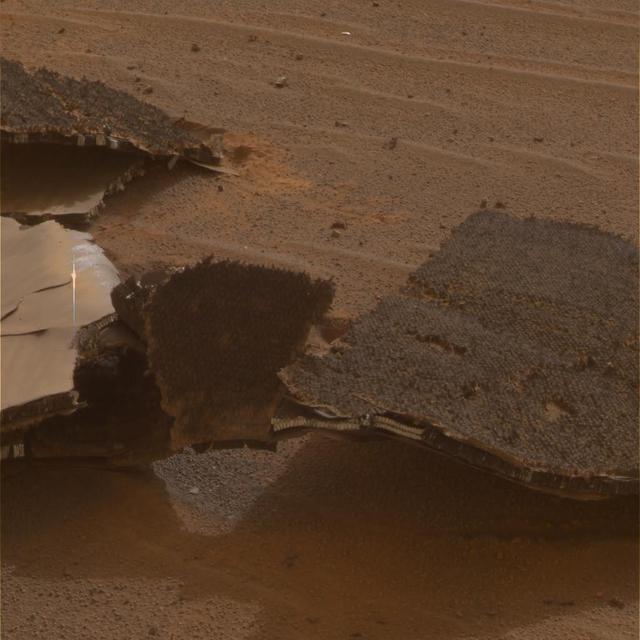
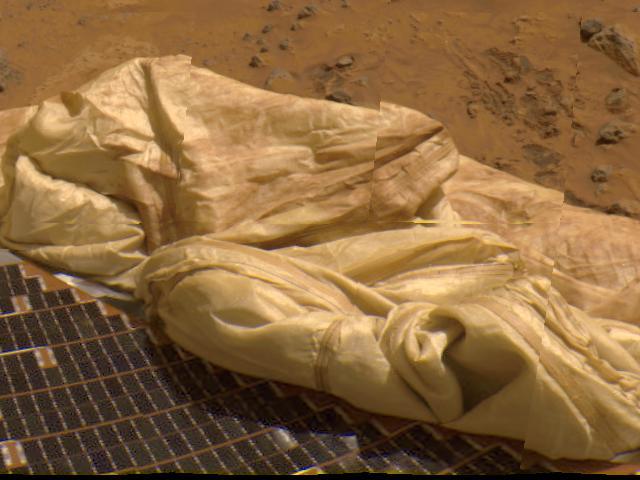
Spirit Hardware Up Close on Mars
Heat Shield Flank Close Up
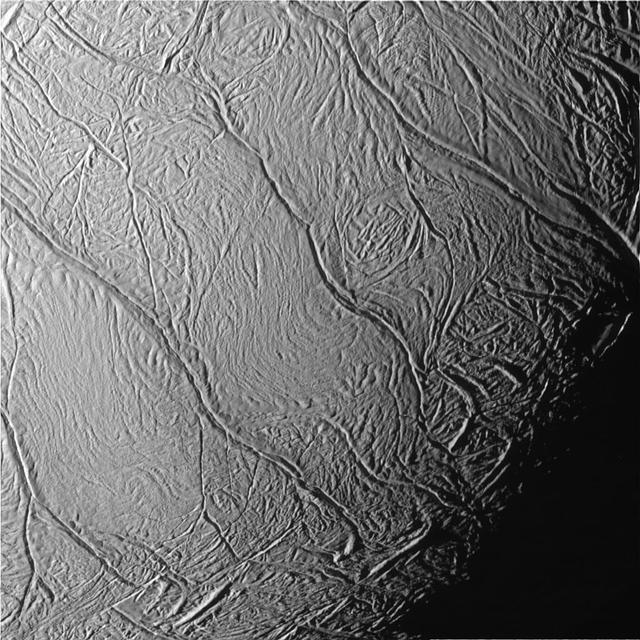
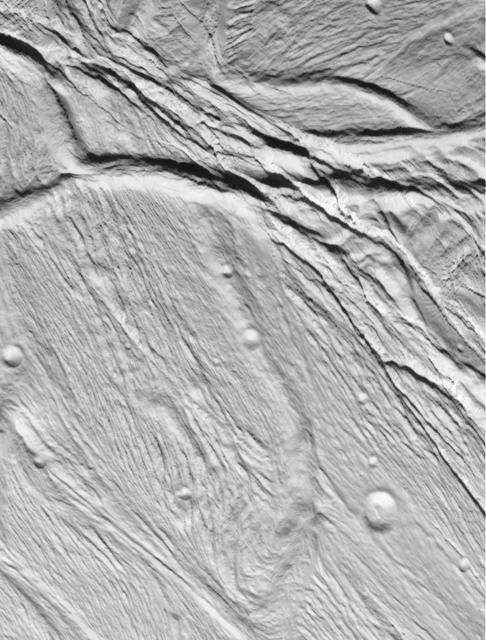
Cassini Views Enceladus Up-Close
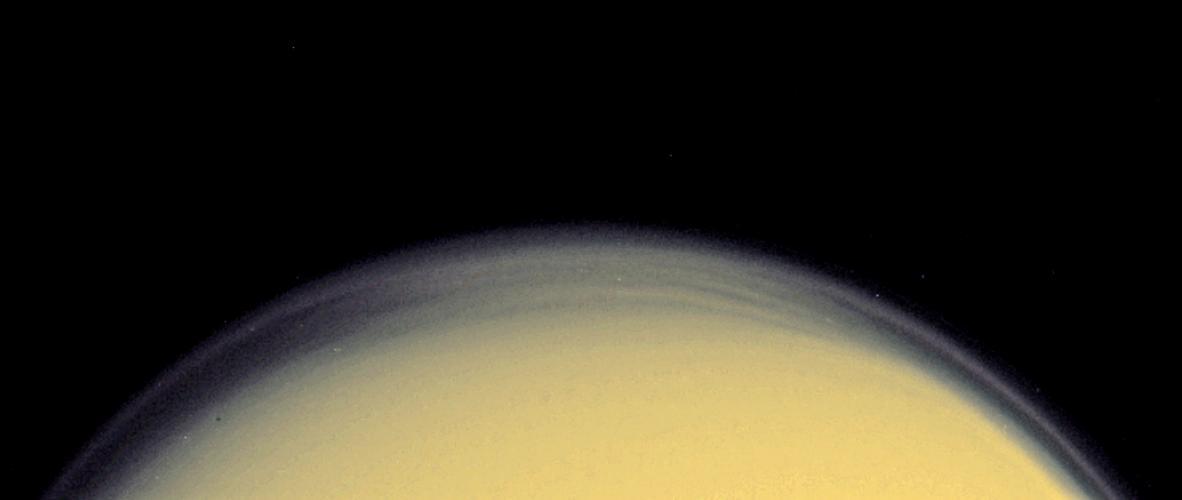
High Haze in Color Close-up
Close-up Shot of To Ngoc Van
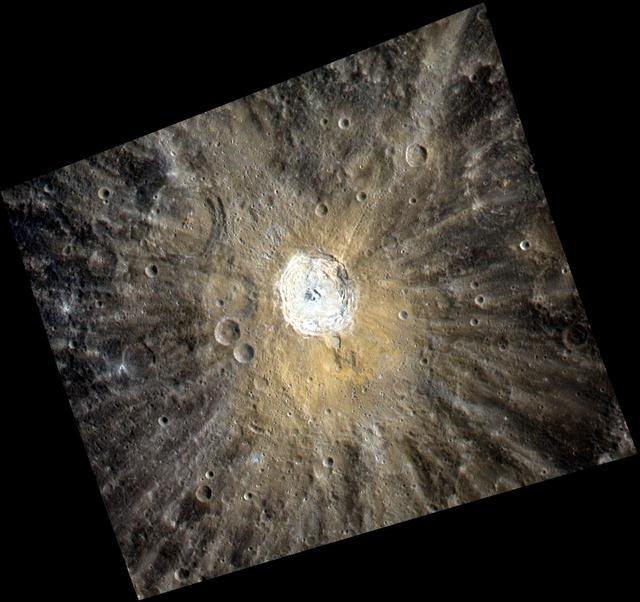
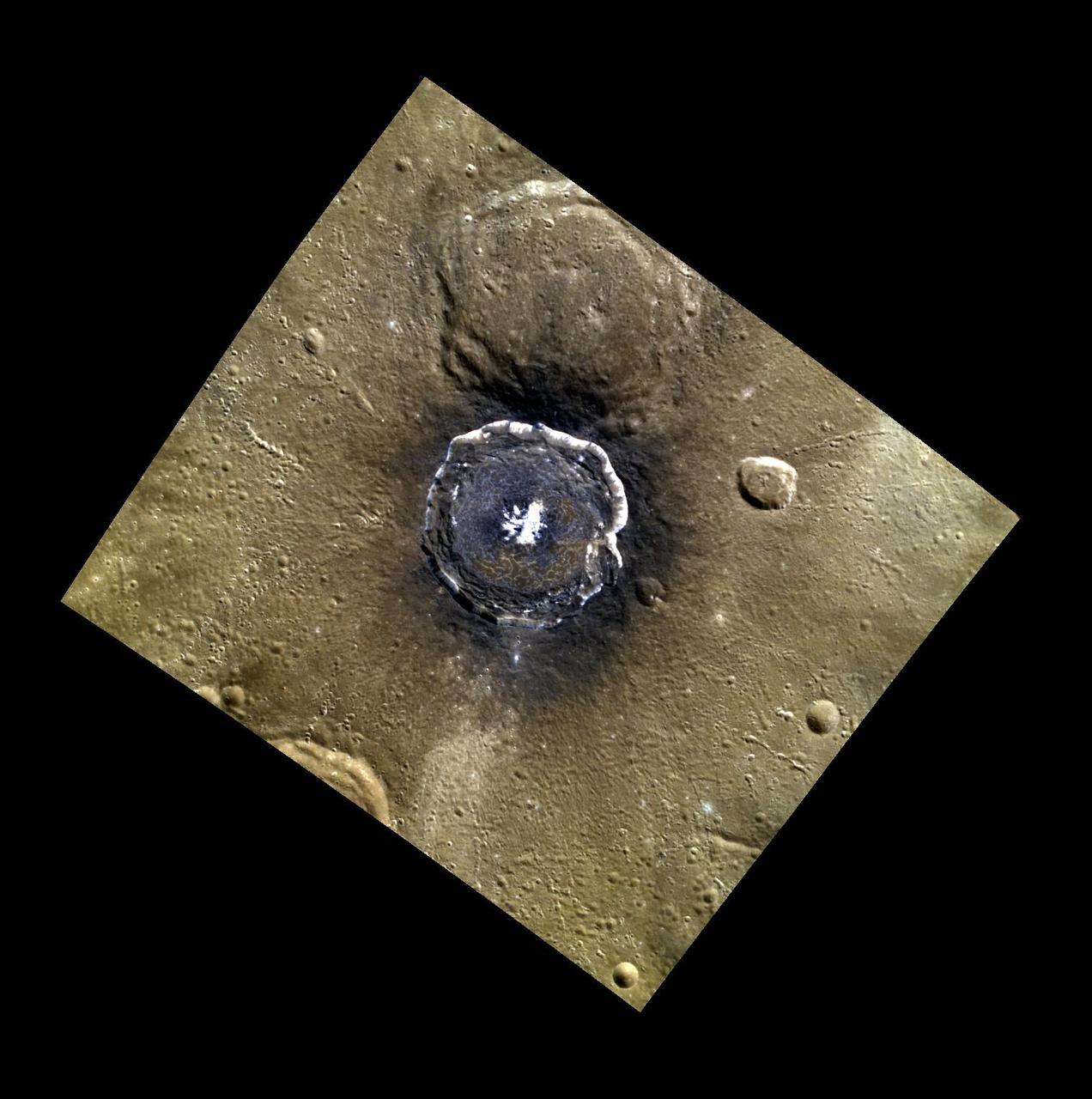
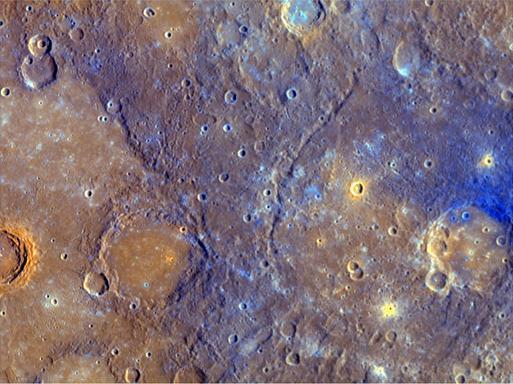
A Close-Up View of Mercury Colors
Close-up of Europa Trailing Hemisphere
Up-Close Look at Bread-Basket
Close-up of Keystone on Methuselah Outcrop
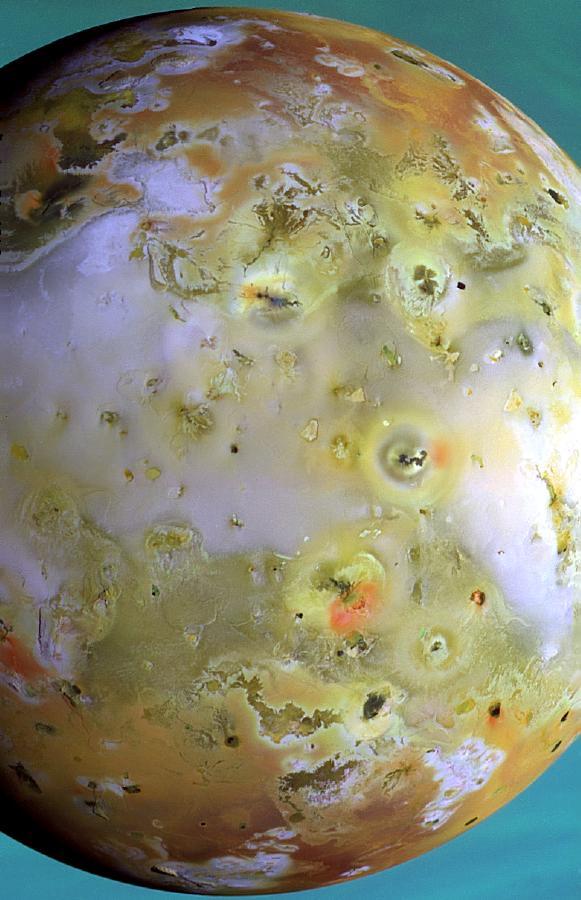
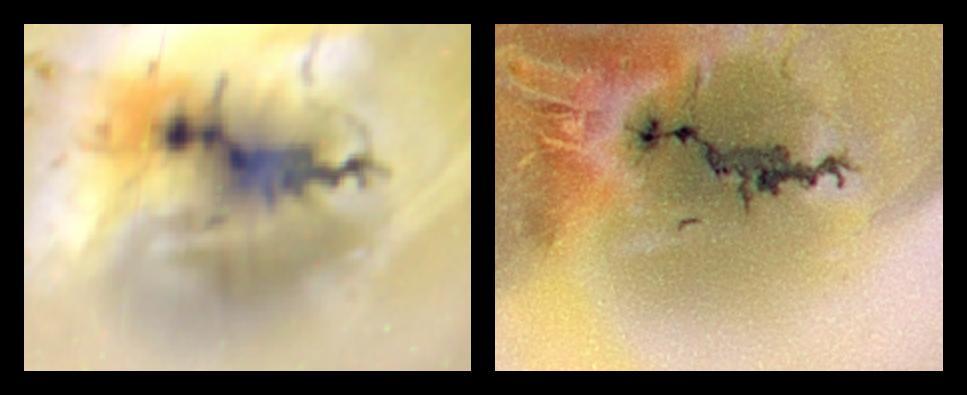
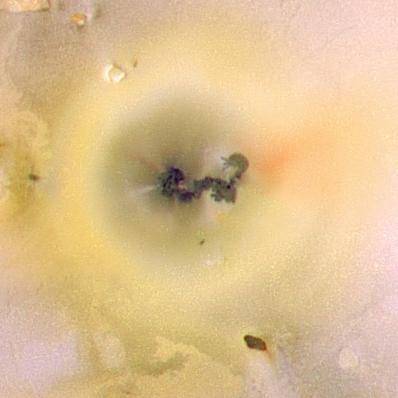
Close-up of Prometheus, Io color
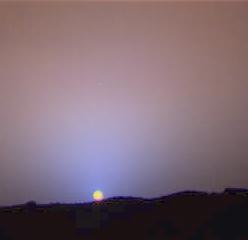
Close-Up of Sol 24 Sunset
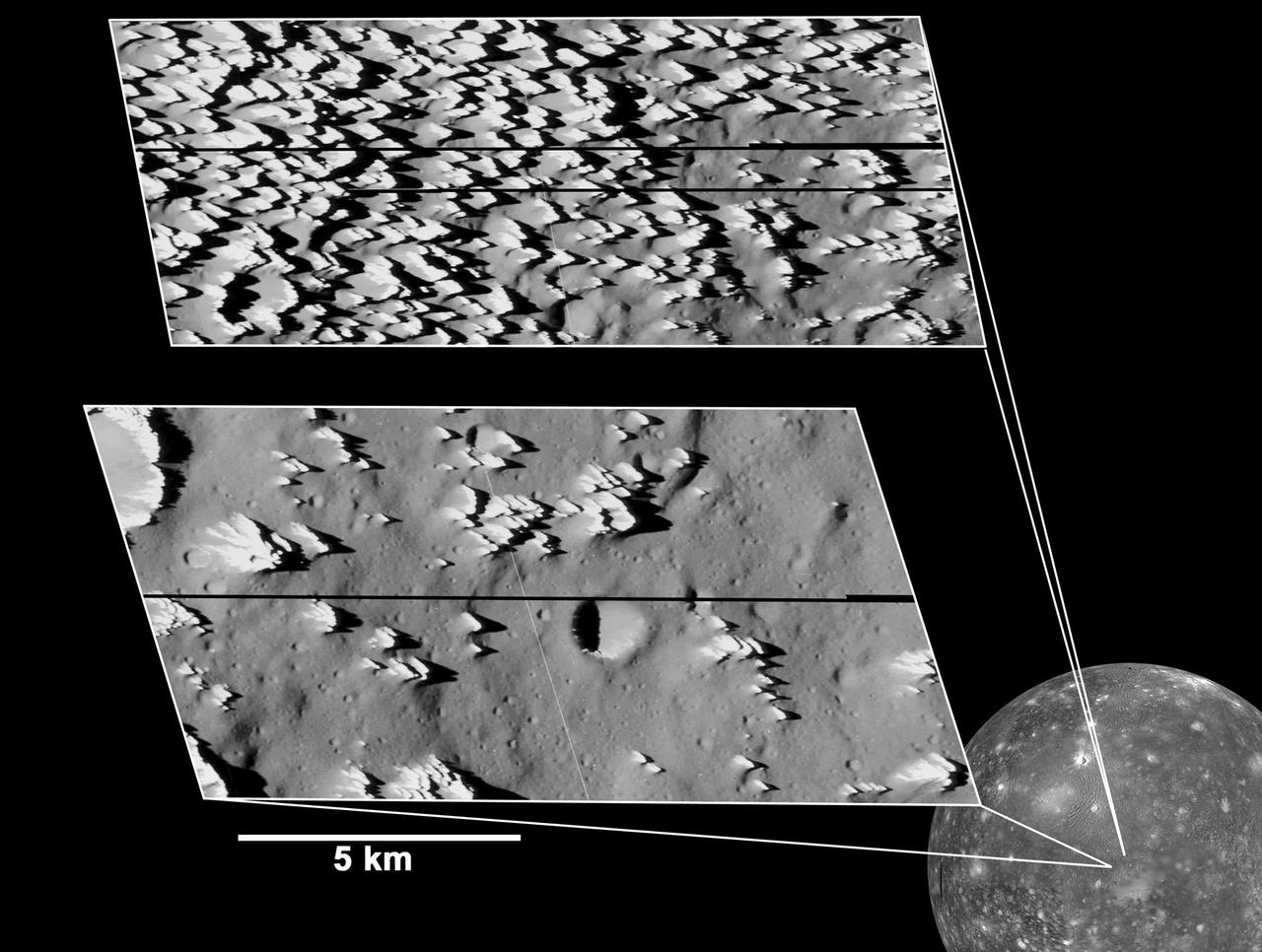
Callisto Close-up with Jagged Hills
Close-up of Zamama, Io Color
Close-up of Davis on Jibsheet Outcrop
Bright-Dark Boundary Close-up
Close-up color view of Io
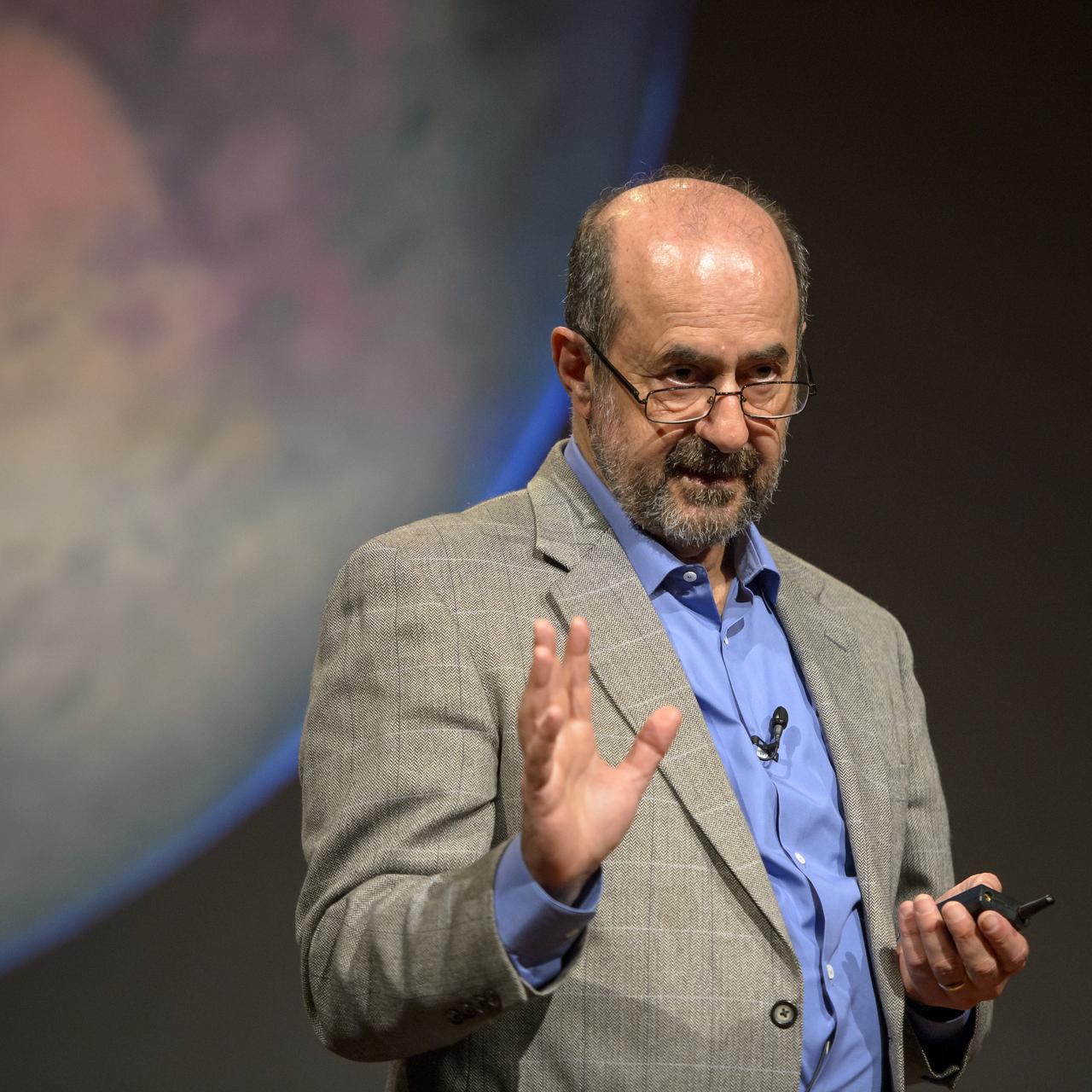
Dr. Jim Green, NASA‘s Planetary Science Division Director and Head of Mars Program, discusses what we’ve learned from Curiosity and the other Mars rovers during a “Mars Up Close” panel discussion, Tuesday, August 5, 2014, at the National Geographic Society headquarters in Washington. Photo Credit: (NASA/Bill Ingalls)
Mars Up Close
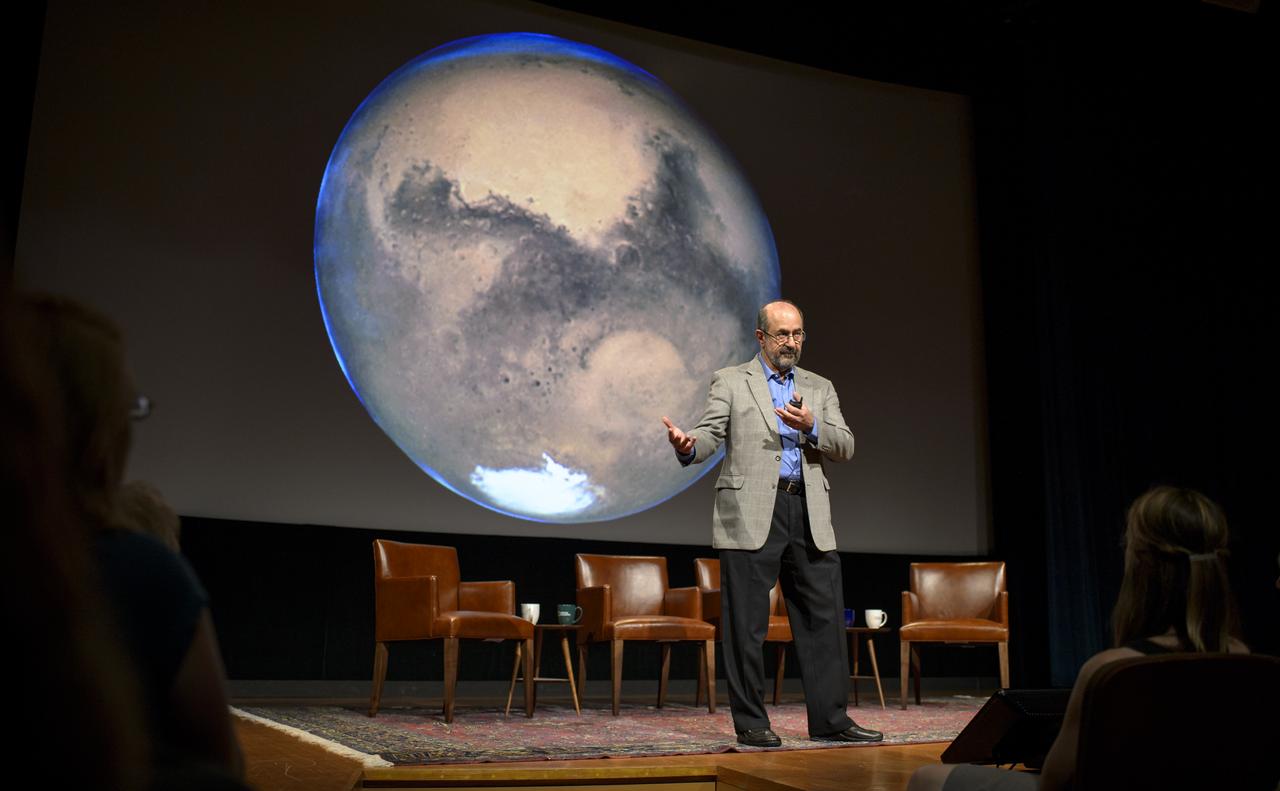
Ken Edgett, principal investigator, MAHLI Camera, Mars Exploration Program, discusses what we’ve learned from Curiosity and the other Mars rovers during a “Mars Up Close” panel discussion, Tuesday, August 5, 2014, at the National Geographic Society headquarters in Washington. Photo Credit: (NASA/Bill Ingalls)
Mars Up Close
Ken Edgett, principal investigator, MAHLI Camera, Mars Exploration Program, discusses what we’ve learned from Curiosity and the other Mars rovers during a “Mars Up Close” panel discussion, Tuesday, August 5, 2014, at the National Geographic Society headquarters in Washington. Photo Credit: (NASA/Bill Ingalls)
Mars Up Close
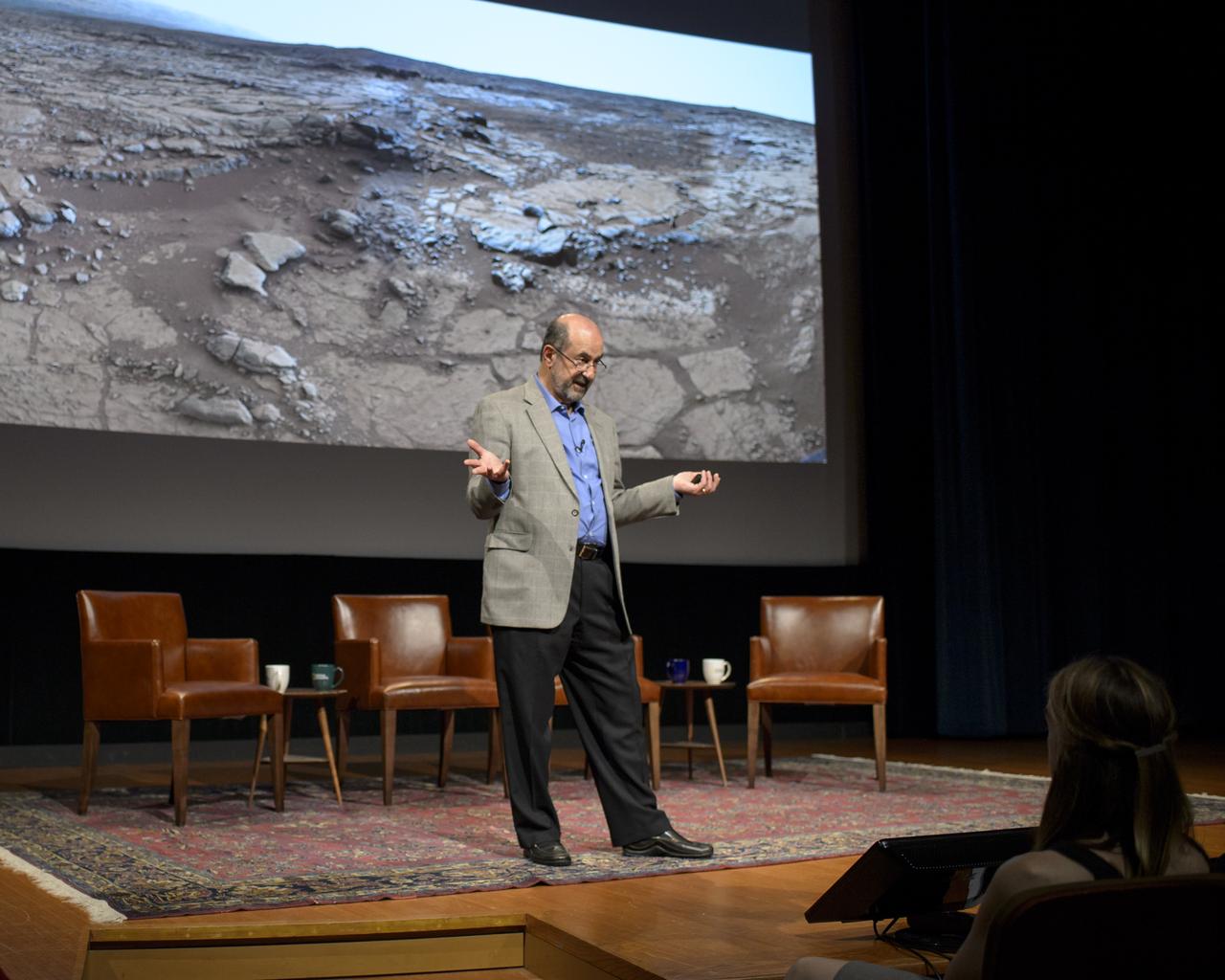
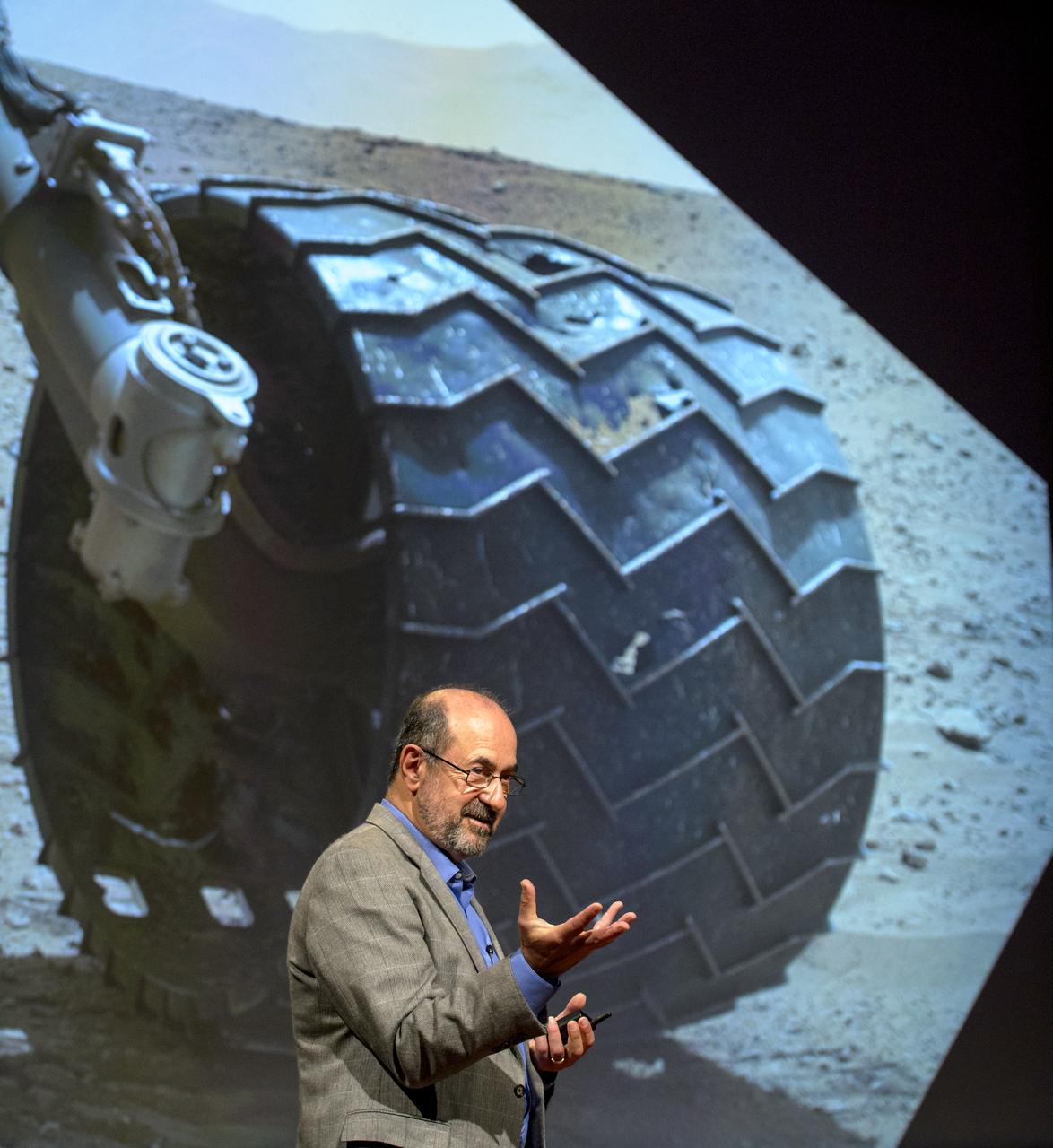
John Grant, geologist and long-term planner, Curiosity Mars Science Laboratory, discusses what we’ve learned from Curiosity and the other Mars rovers during a “Mars Up Close” panel discussion, Tuesday, August 5, 2014, at the National Geographic Society headquarters in Washington. Photo Credit: (NASA/Bill Ingalls)
Mars Up Close
John Grant, geologist and long-term planner, Curiosity Mars Science Laboratory, discusses what we’ve learned from Curiosity and the other Mars rovers during a “Mars Up Close” panel discussion, Tuesday, August 5, 2014, at the National Geographic Society headquarters in Washington. Photo Credit: (NASA/Bill Ingalls)
Mars Up Close
Marc Kaufman, space news writer, National Geographic and The Washington Post, and author of the new National Geographic book “Mars Up Close”, kicks off a panel discussion of Mars experts involved in current Mars exploration, Tuesday, August 5, 2014, at the National Geographic Society headquarters in Washington. The panelist shared what we’ve learned from Curiosity and the other Mars rovers surveying the red planet.  Photo Credit: (NASA/Bill Ingalls)
Mars Up Close
Marc Kaufman, space news writer, National Geographic and The Washington Post, and author of the new National Geographic book “Mars Up Close”, kicks off a panel discussion of Mars experts involved in current Mars exploration, Tuesday, August 5, 2014, at the National Geographic Society headquarters in Washington. The panelist shared what we’ve learned from Curiosity and the other Mars rovers surveying the red planet.  Photo Credit: (NASA/Bill Ingalls)
Mars Up Close
Marc Kaufman, space news writer, National Geographic and The Washington Post, and author of the new National Geographic book “Mars Up Close”, kicks off a panel discussion of Mars experts involved in current Mars exploration, Tuesday, August 5, 2014, at the National Geographic Society headquarters in Washington. The panelist shared what we’ve learned from Curiosity and the other Mars rovers surveying the red planet.  Photo Credit: (NASA/Bill Ingalls)
Mars Up Close
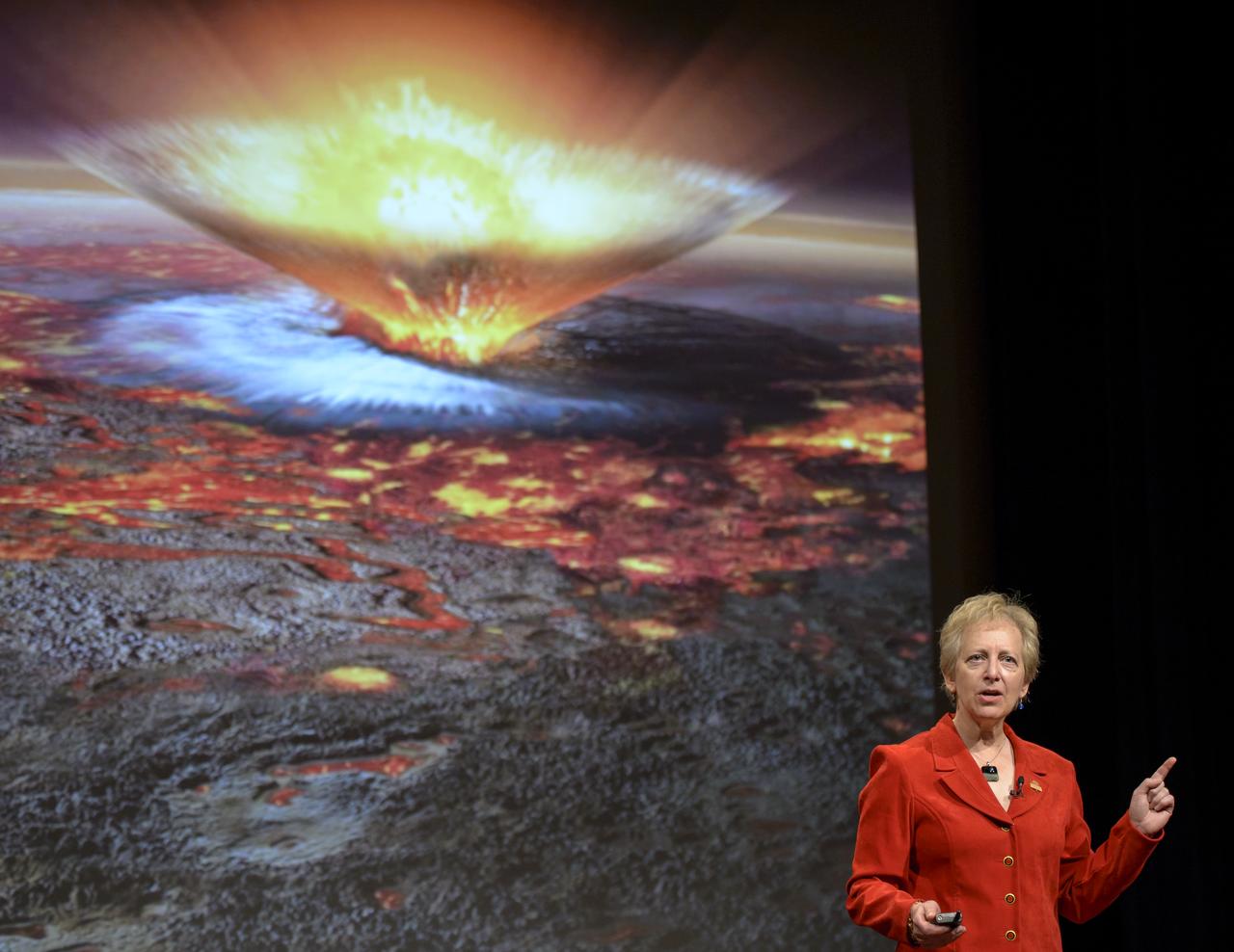
Pan Conrad, deputy principal investigator, Sample Analysis at Mars team, NASA‘s Goddard Space Flight Center, discusses what we’ve learned from Curiosity and the other Mars rovers during a “Mars Up Close” panel discussion, Tuesday, August 5, 2014, at the National Geographic Society headquarters in Washington. Photo Credit: (NASA/Bill Ingalls)
Mars Up Close
Pan Conrad, deputy principal investigator, Sample Analysis at Mars team, NASA‘s Goddard Space Flight Center, discusses what we’ve learned from Curiosity and the other Mars rovers during a “Mars Up Close” panel discussion, Tuesday, August 5, 2014, at the National Geographic Society headquarters in Washington. Photo Credit: (NASA/Bill Ingalls)
Mars Up Close
Pan Conrad, deputy principal investigator, Sample Analysis at Mars team, NASA‘s Goddard Space Flight Center, discusses what we’ve learned from Curiosity and the other Mars rovers during a “Mars Up Close” panel discussion, Tuesday, August 5, 2014, at the National Geographic Society headquarters in Washington. Photo Credit: (NASA/Bill Ingalls)
Mars Up Close
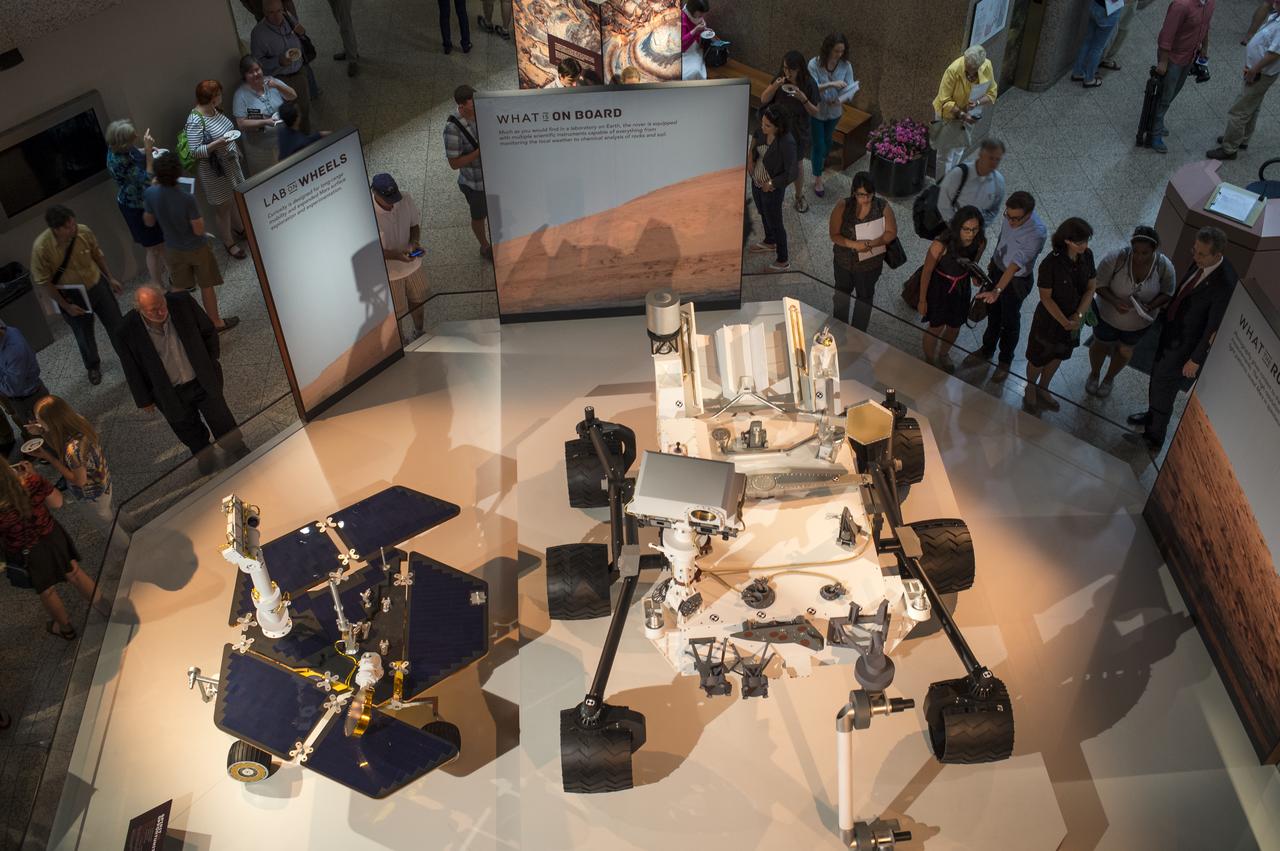
Guest attending the National Geographic “Mars Up Close” panel discussion, look at full scale models of the Spirit/Opportunity, left, and Curiosity, Mars rovers, Tuesday, August 5, 2014, at the National Geographic Society headquarters in Washington. Guest listened to a panel of distinguished space scientists and Mars experts involved in current Mars exploration that shared what we’ve learned from Curiosity and the other Mars rovers. Photo Credit: (NASA/Bill Ingalls)
Mars Up Close
Marc Kaufman, space news writer, National Geographic and The Washington Post, and author of the new National Geographic book “Mars Up Close”, kicks off a panel discussion of Mars experts involved in current Mars exploration, Tuesday, August 5, 2014, at the National Geographic Society headquarters in Washington. The panelist shared what we’ve learned from Curiosity and the other Mars rovers surveying the red planet.  Photo Credit: (NASA/Bill Ingalls)
Mars Up Close
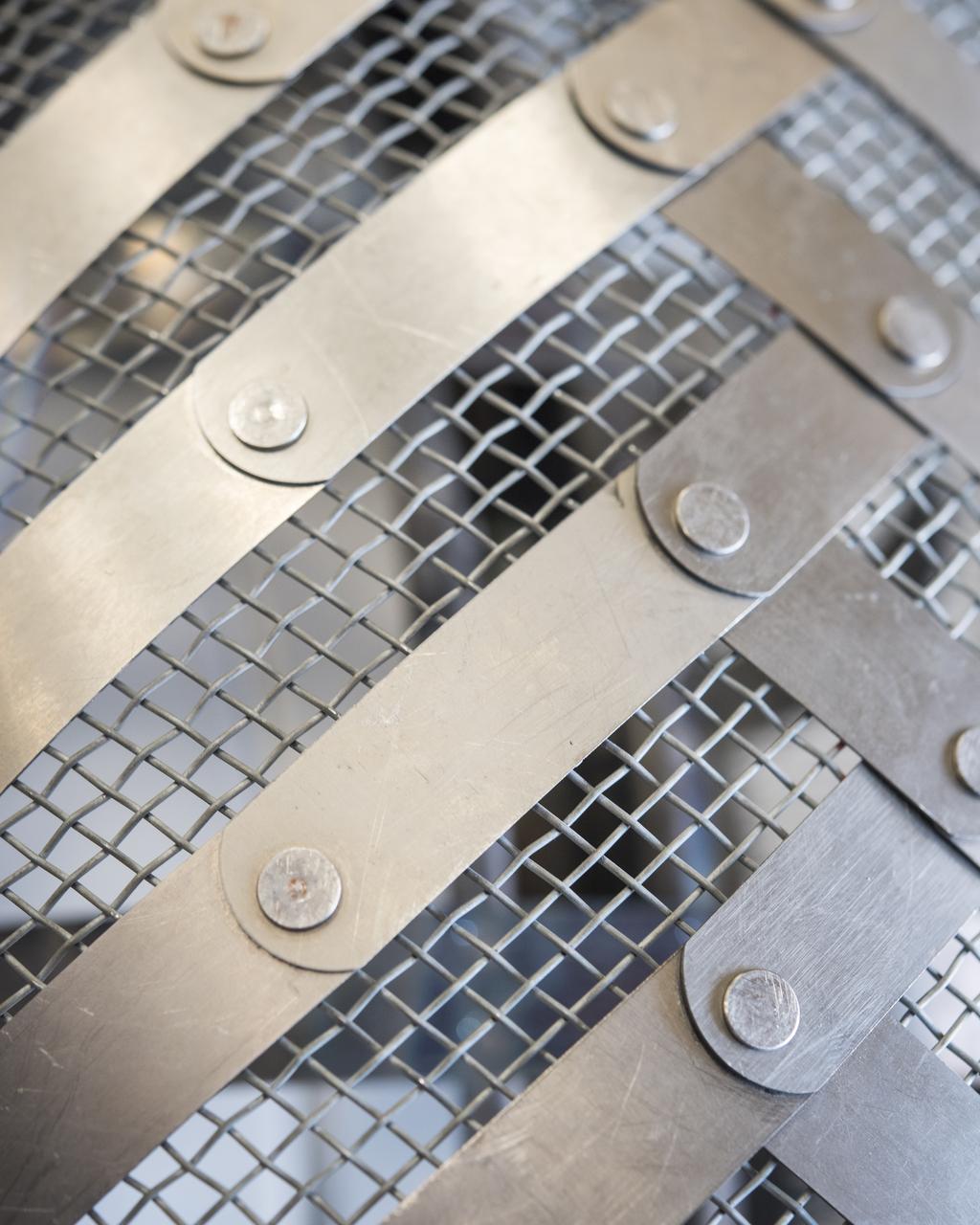
This is a close-up of an exact replica of the Apollo-era Lunar Roving Vehicle Wheel, of which twelve originals still rest on the surface of the Moon. The tire was designed to flex under load, without air, and was formed from a mesh of plated piano wire. Metal straps were hand riveted onto the mesh to reduce sinking into loose lunar soils.  These replica wheels were tested in NASA Glenn's SLOPE Lab to establish a baseline for future improvements.
Lunar Tire Close-up
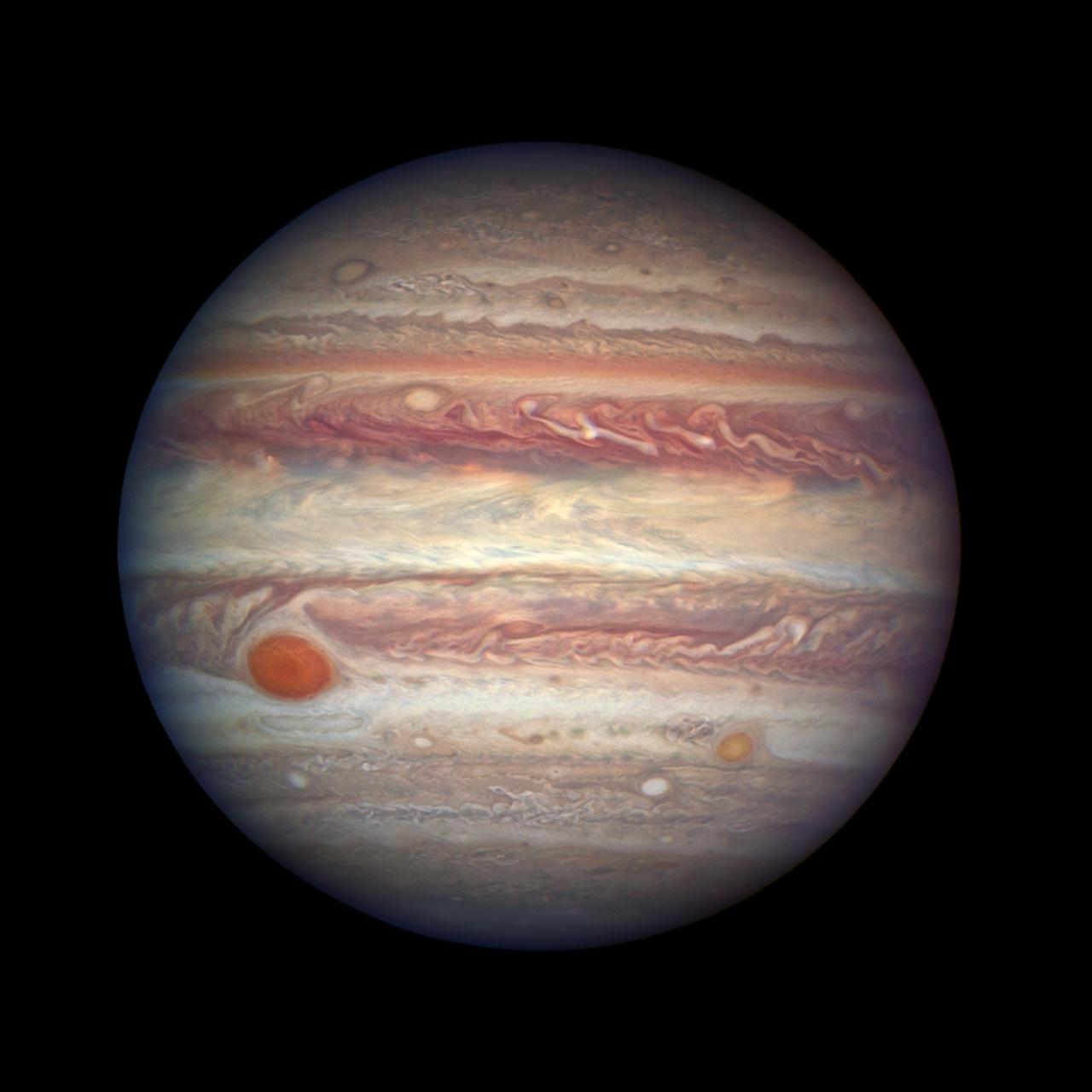
On April 3, 2017, as Jupiter made its nearest approach to Earth in a year, NASA’s Hubble Space Telescope viewed the solar system’s largest planet in all of its up-close glory. At a distance of 415 million miles (668 million kilometers) from Earth, Jupiter offered spectacular views of its colorful, roiling atmosphere, the legendary Great Red Spot, and it smaller companion at farther southern latitudes dubbed “Red Spot Jr.”   Read more: <a href="https://go.nasa.gov/2o7tOhH" rel="nofollow">go.nasa.gov/2o7tOhH</a>  Photo details: This dazzling Hubble Space Telescope photo of #Jupiter was taken when it was comparatively close to Earth, at a distance of 415 million miles. Hubble reveals the intricate, detailed beauty of Jupiter's clouds as arranged into bands of different latitudes, known as tropical regions. These bands are produced by air flowing in different directions at various latitudes. Lighter colored areas, called zones, are high-pressure where the atmosphere rises. Darker low-pressure regions where air falls are called belts. The planet's trademark, the Great Red Spot, is a long-lived storm roughly the diameter of Earth. Much smaller storms appear as white or brown-colored ovals. Such storms can last as little as a few hours or stretch on for centuries.  Credit: NASA, ESA, and A. Simon (NASA Goddard)  <b><a href="http://www.nasa.gov/audience/formedia/features/MP_Photo_Guidelines.html" rel="nofollow">NASA image use policy.</a></b>  <b><a href="http://www.nasa.gov/centers/goddard/home/index.html" rel="nofollow">NASA Goddard Space Flight Center</a></b> enables NASA’s mission through four scientific endeavors: Earth Science, Heliophysics, Solar System Exploration, and Astrophysics. Goddard plays a leading role in NASA’s accomplishments by contributing compelling scientific knowledge to advance the Agency’s mission.  <b>Follow us on <a href="http://twitter.com/NASAGoddardPix" rel="nofollow">Twitter</a></b>  <b>Like us on <a href="http://www.facebook.com/pages/Greenbelt-MD/NASA-Goddard/395013845897?ref=tsd" rel="nofollow">Facebook</a></b>  <b>Find us on <a href="http://instagrid.me/nasagoddard/?vm=grid" rel="nofollow">Instagram</a></b>
NASA's Hubble Takes Close-up Portrait of Jupiter
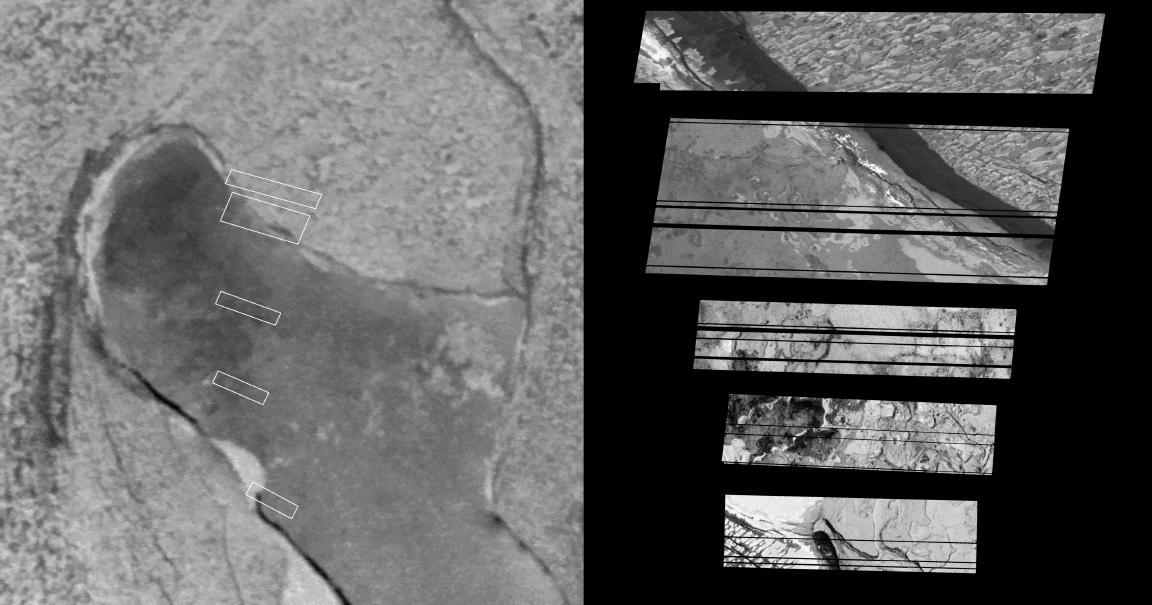
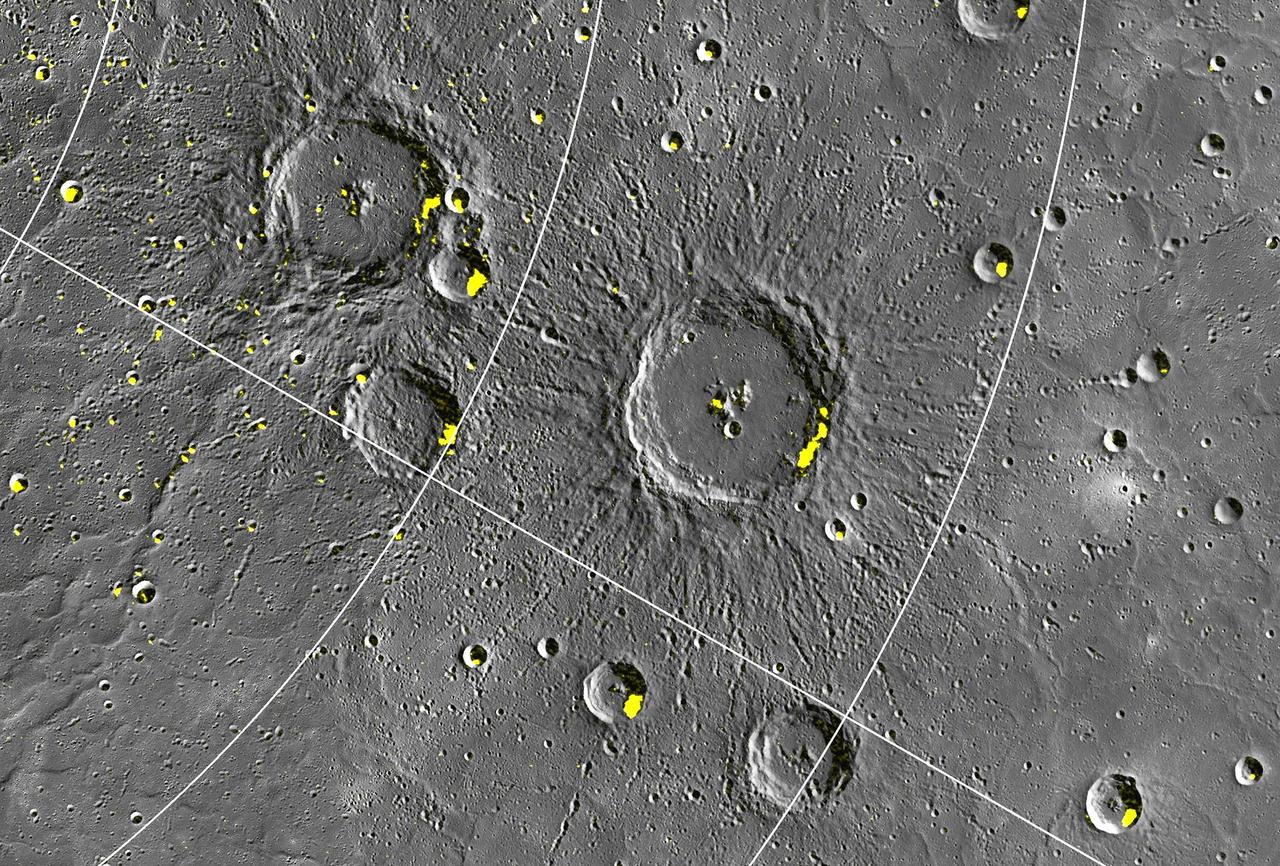
Close-up of Craters Hosting Radar-bright Deposits
Snapshots of Chaac: Io Calderas Up Close
D&uuml;rer Gets Its Close-up
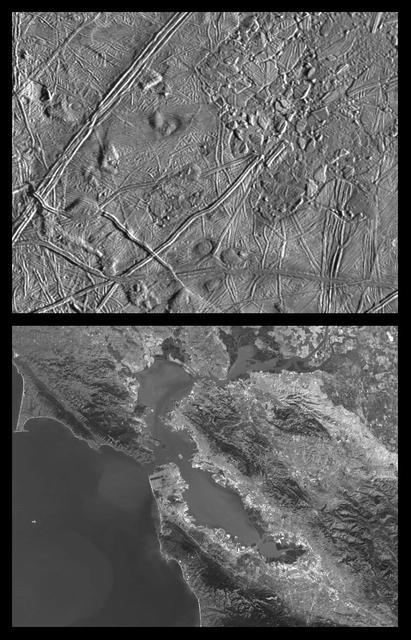
Close-up of Europa Surface and similar scales on Earth
Ballasts Hitting the Surface, Close-Up with arrows
Martian South Polar Cap Close-Up
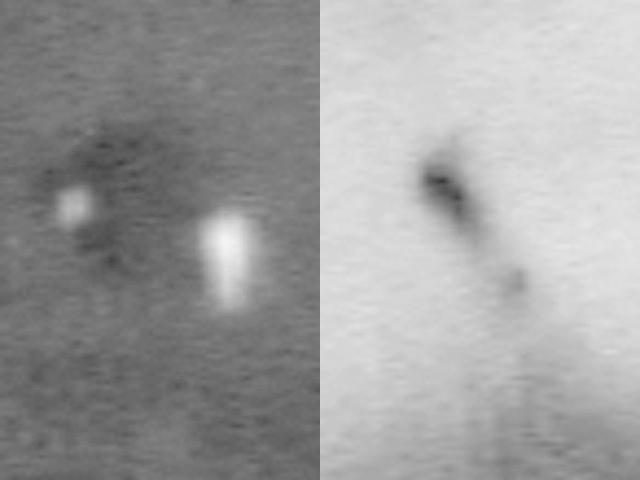
Galileo Takes a Close-up Look at Prometheus
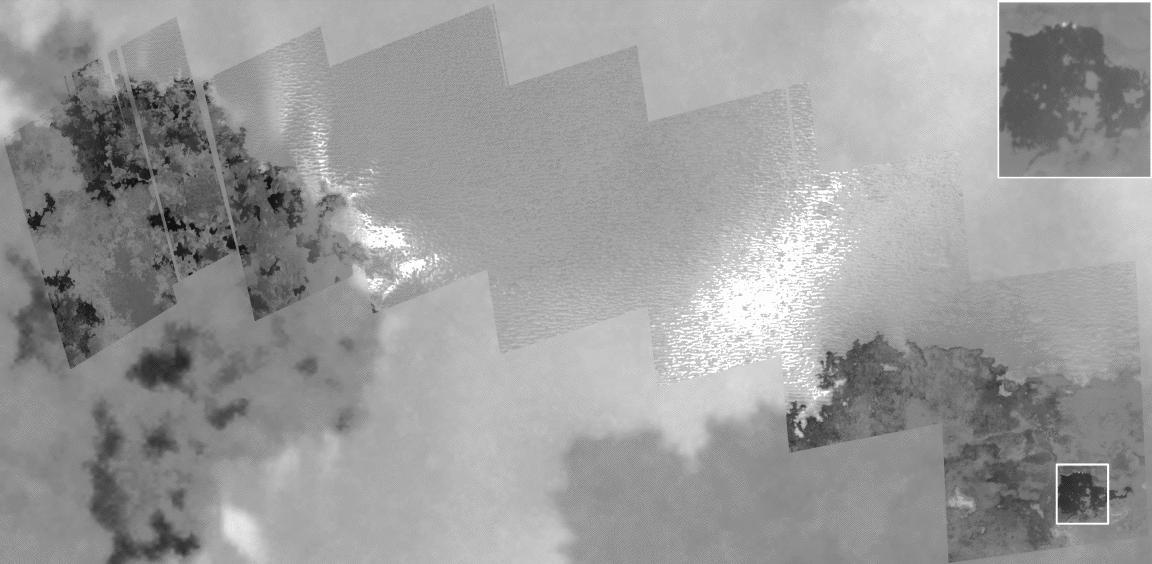
Close Up on Titan Mid-Latitude Clouds
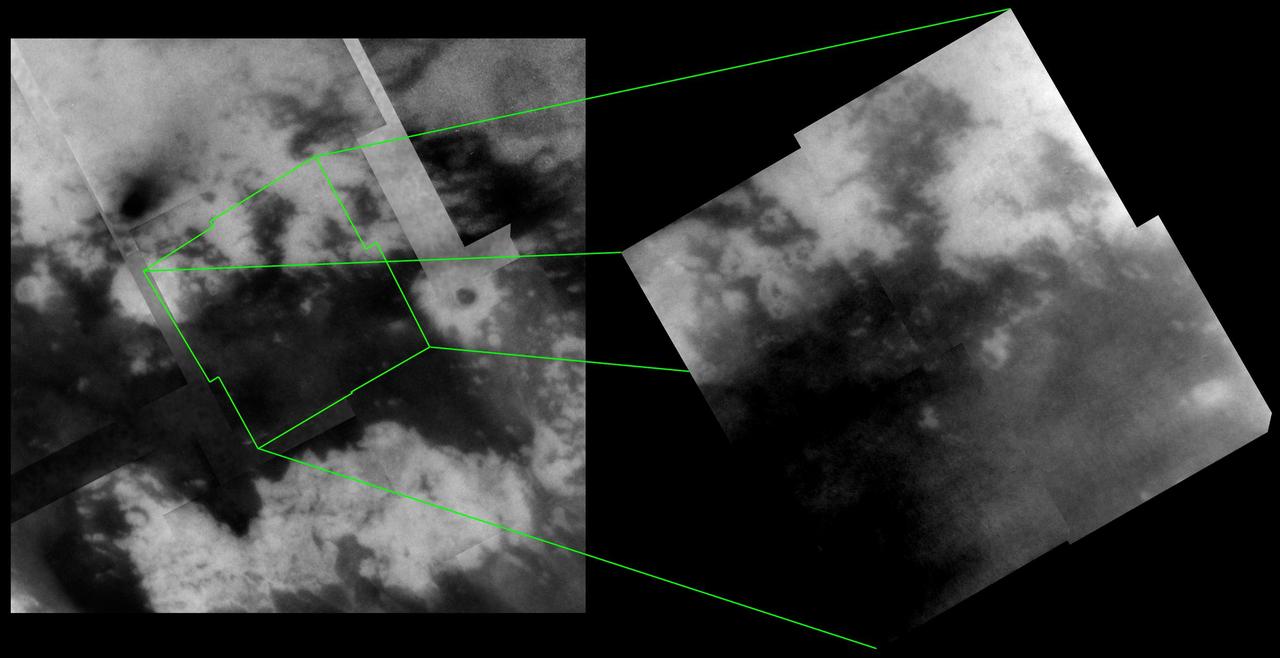
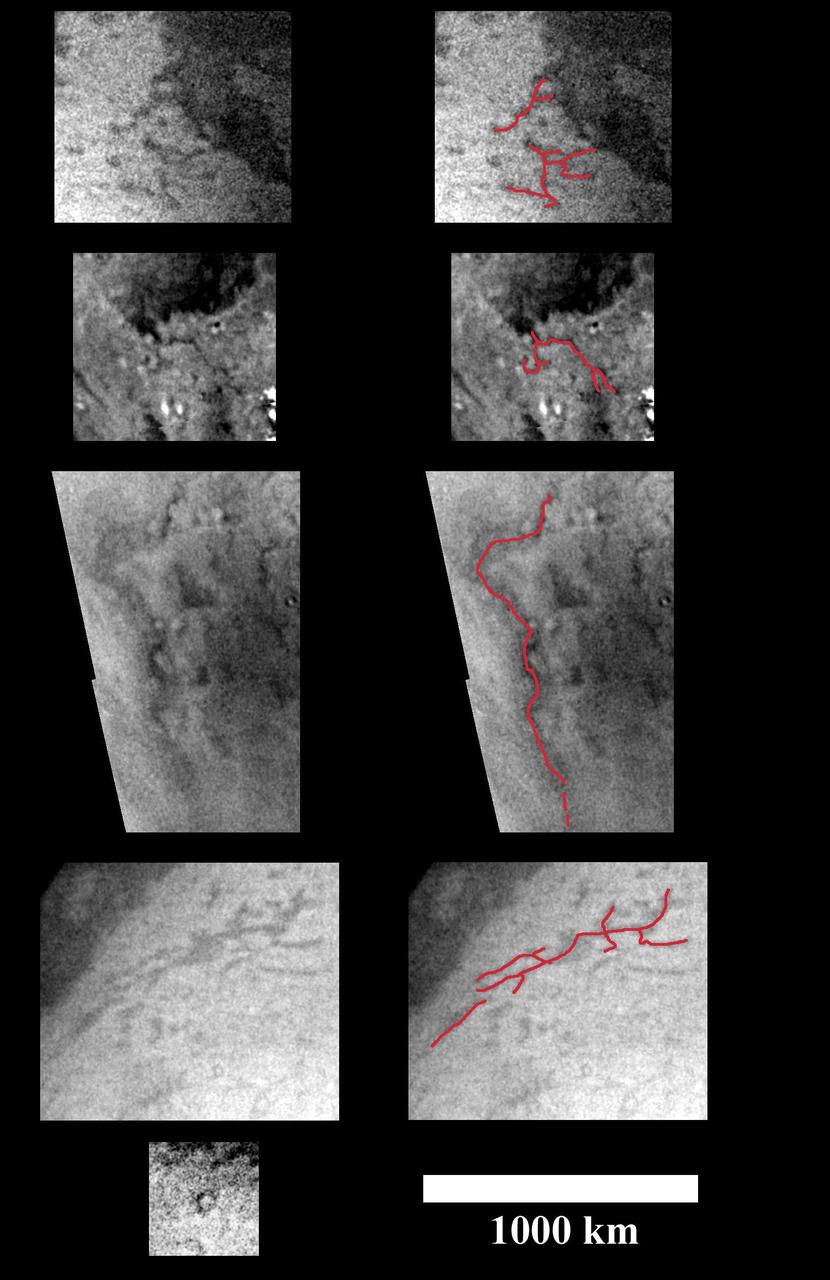
Tracing Surface Features on Titan--Close-Ups
Up Close with MESSENGER Flight Path. This image from NASA MESSENGER provides a close-up view, at 50 m/pixel, of the surface MESSENGER imaged for the creation of its flyover video.
Up Close with MESSENGER Flight Path
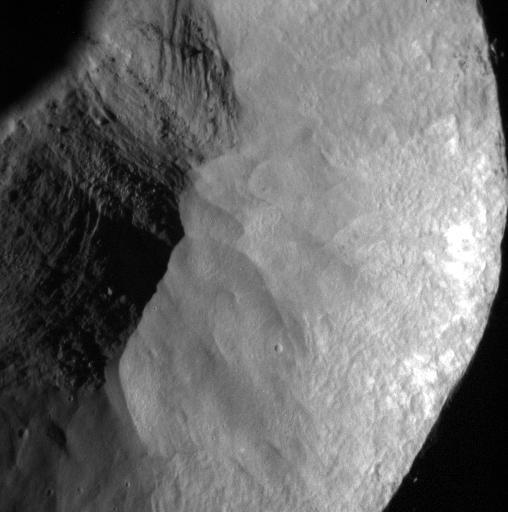
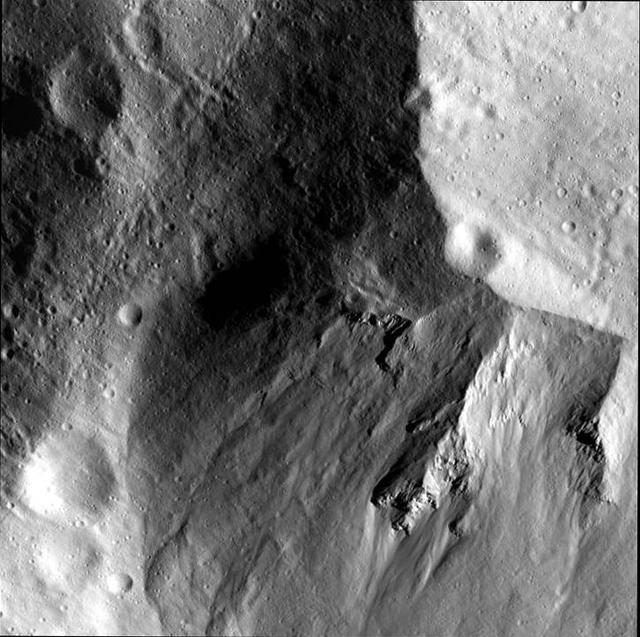
This image from NASA Dawn spacecraft shows a close-up view of the wall of the Rheasilvia impact basin on asteroid Vesta.
Close-up of Rheasilvia Wall
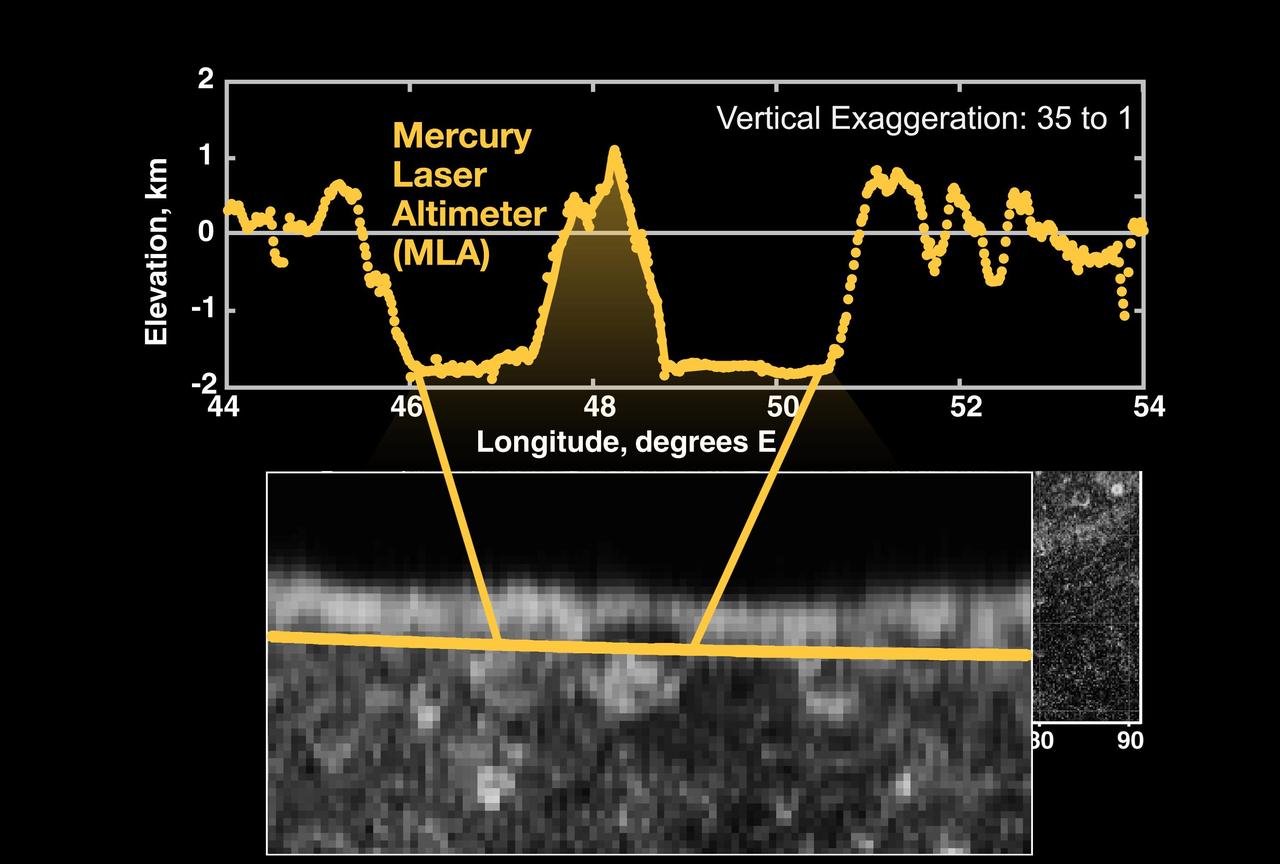
A close-up of the Mercury Laser Altimeter MLA profile of Mercury acquired during NASA MESSENGER spacecraft first Mercury flyby on January 14, 2008.
Topographic Close-up
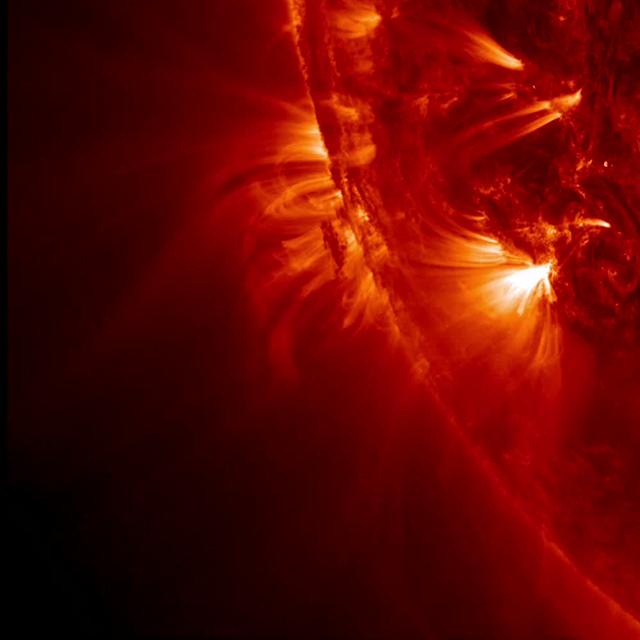
NASA's Solar Dynamics Observatory (SDO) zoomed in almost to its maximum level to watch tight, bright loops and much longer, softer loops shift and sway above an active region on the sun, while a darker blob of plasma in their midst was pulled about every which way (May 13-14, 2014). The video clip covers just over a day beginning at 14:19 UT on May 13. The frames were taken in the 171-angstroms wavelength of extreme ultraviolet light, but colorized red, instead of its usual bronze tone. This type of dynamic activity continues almost non-stop on the sun as opposing magnetic forces tangle with each other.  Credit: NASA/Solar Dynamics Observatory  <b><a href="http://www.nasa.gov/audience/formedia/features/MP_Photo_Guidelines.html" rel="nofollow">NASA image use policy.</a></b>  <b><a href="http://www.nasa.gov/centers/goddard/home/index.html" rel="nofollow">NASA Goddard Space Flight Center</a></b> enables NASA’s mission through four scientific endeavors: Earth Science, Heliophysics, Solar System Exploration, and Astrophysics. Goddard plays a leading role in NASA’s accomplishments by contributing compelling scientific knowledge to advance the Agency’s mission.  <b>Follow us on <a href="http://twitter.com/NASAGoddardPix" rel="nofollow">Twitter</a></b>  <b>Like us on <a href="http://www.facebook.com/pages/Greenbelt-MD/NASA-Goddard/395013845897?ref=tsd" rel="nofollow">Facebook</a></b>   <b>Find us on <a href="http://instagram.com/nasagoddard?vm=grid" rel="nofollow">Instagram</a></b>
Tight Loops Close-Up [video]
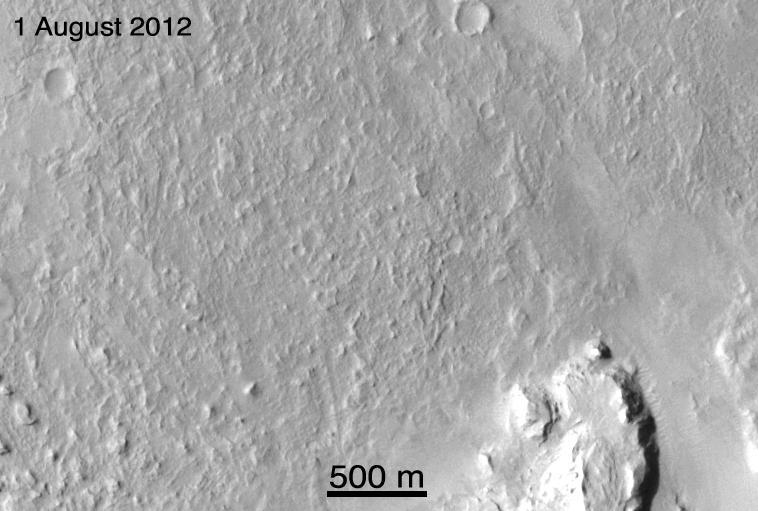
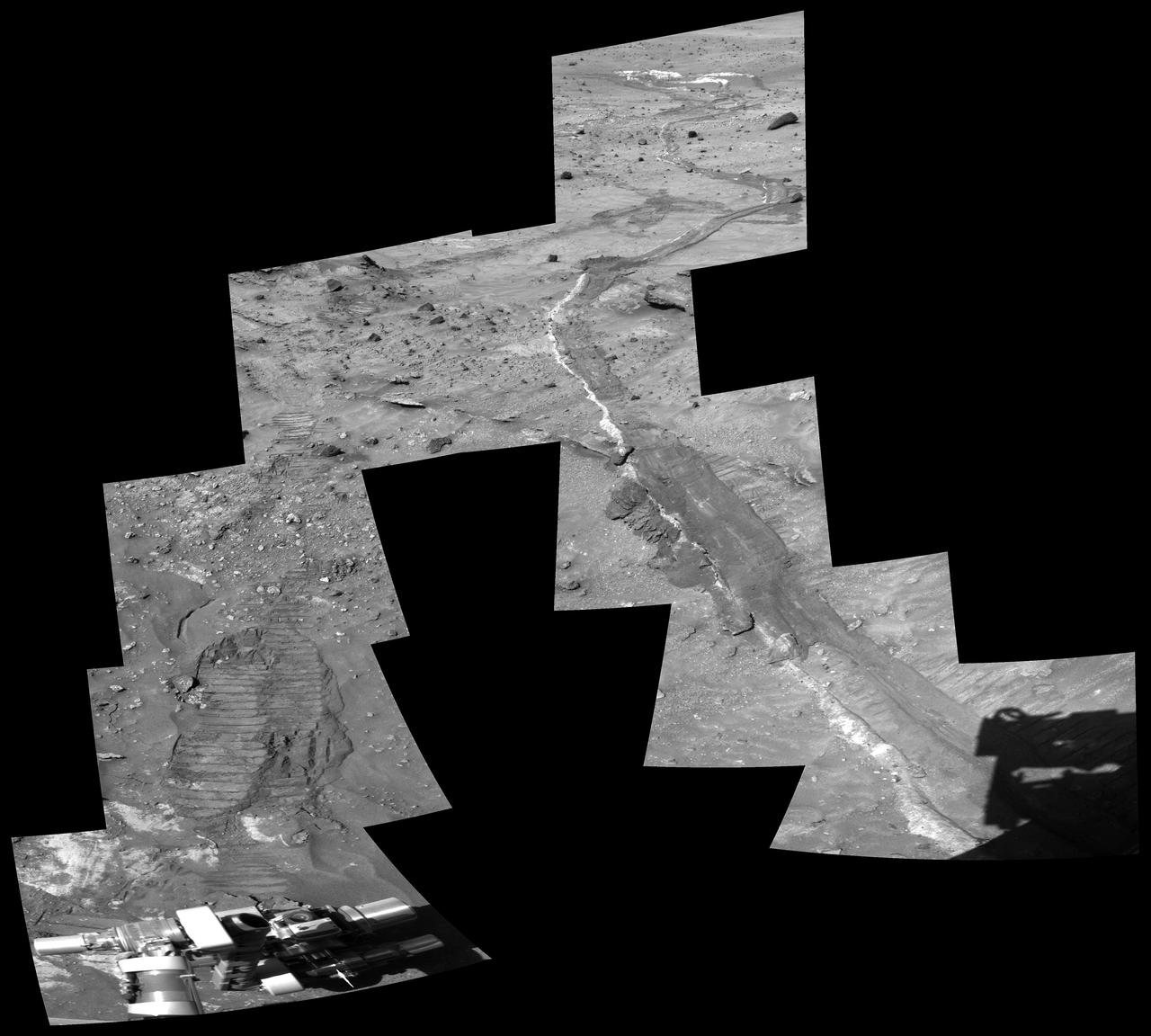
Disturbed Soil Along the Path from Tyrone Close-Up
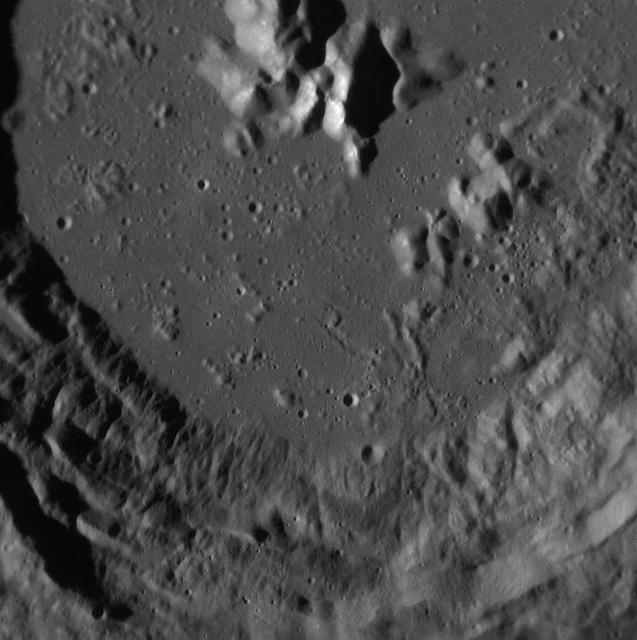
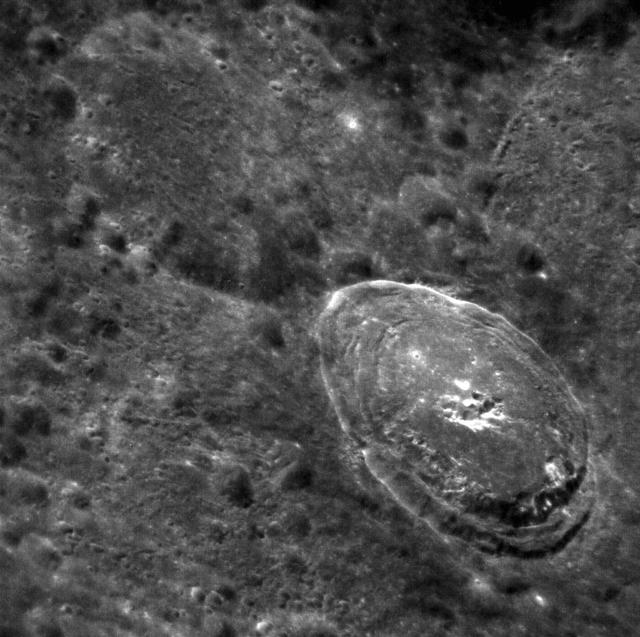
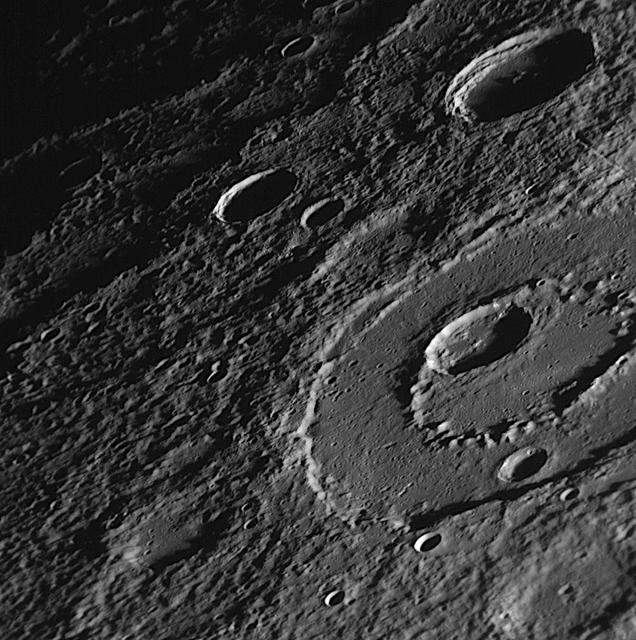
Peak-Ring Basin Close-Up from the Second Mercury Flyby
Close-up of Europa Trailing Hemisphere and similar scales on Earth
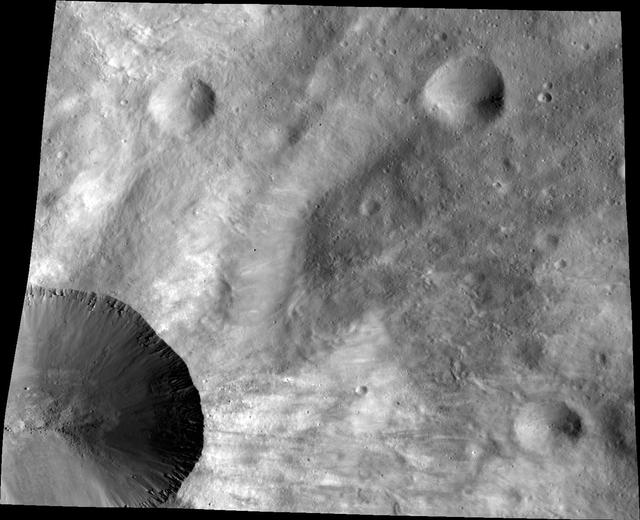
This image from NASA Dawn spacecraft shows a close up of part of the rim around the crater Canuleia on the giant asteroid Vesta. Canuleia, about 6 miles 10 kilometers in diameter, is the large crater at the bottom-left of this image.
Canuleia, Up Close
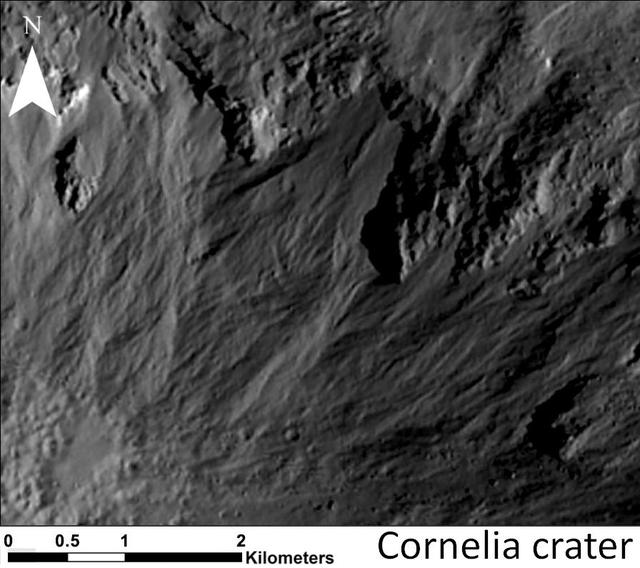
This image shows a close-up of long, narrow, sinuous gullies that scientists on NASA Dawn mission have found on the giant asteroid Vesta. The crater shown here is called Cornelia.
Sinuous Gullies, Close-up
Close-up of the Diviner solar calibration target. Diviner is one of seven instruments aboard NASA LRO Mission.
Close-up of Diviner Solar Calibration Target
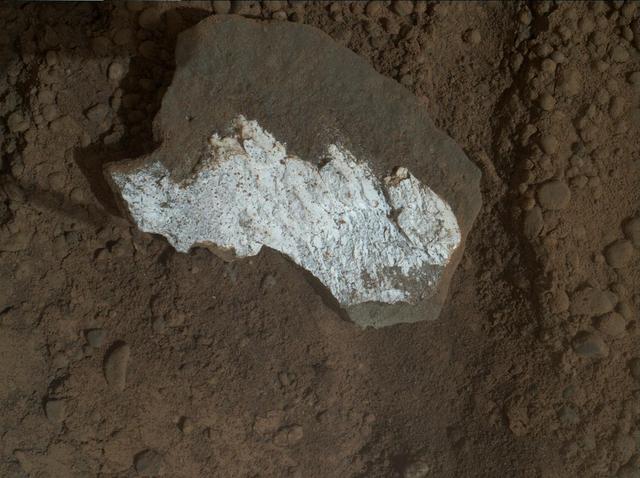
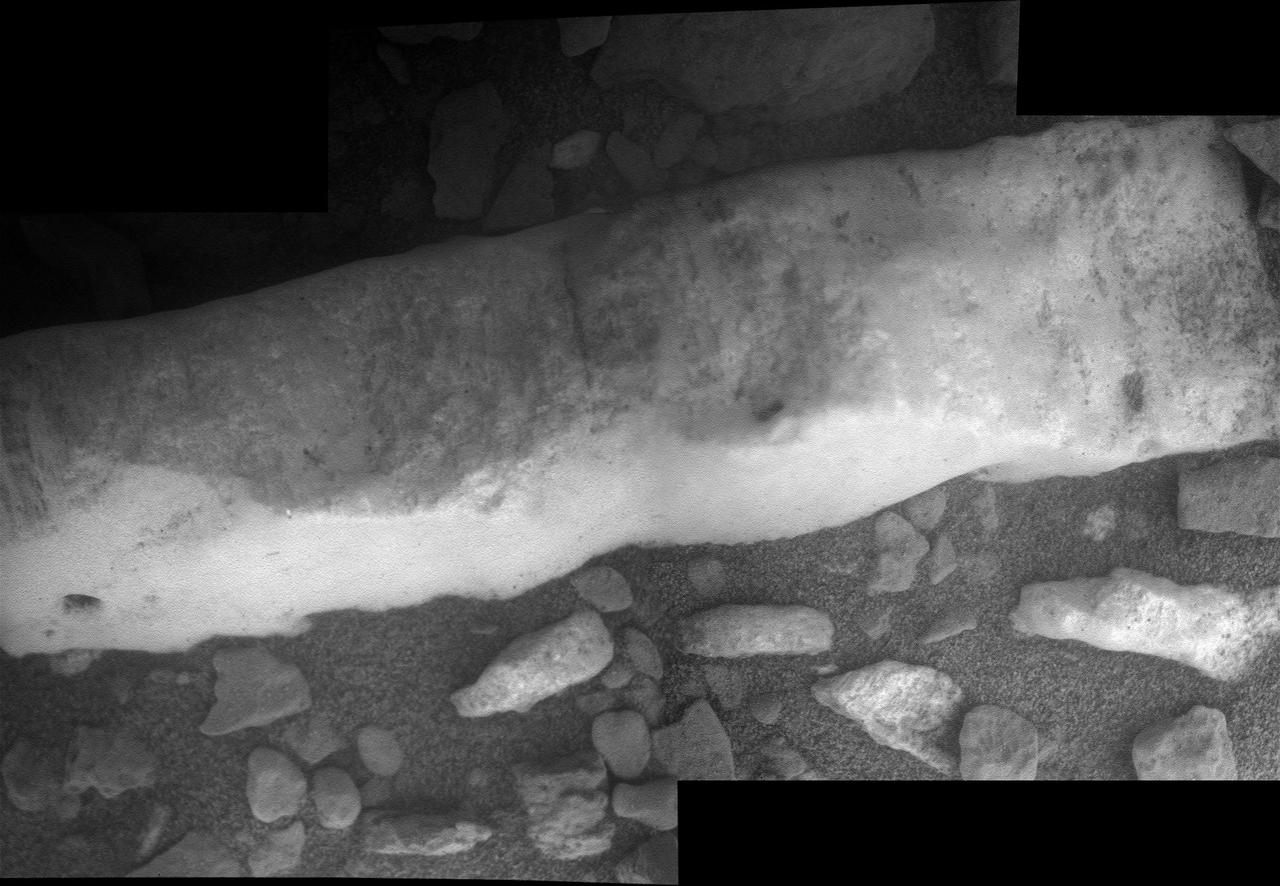
NASA rover Curiosity took this close-up view of Tintina showing interesting linear textures in the bright white material on the rock.
Close-up View of Broken Mars Rock Tintina
Close-up view of Chimp
Close-up of Moe
Close-up of Moe
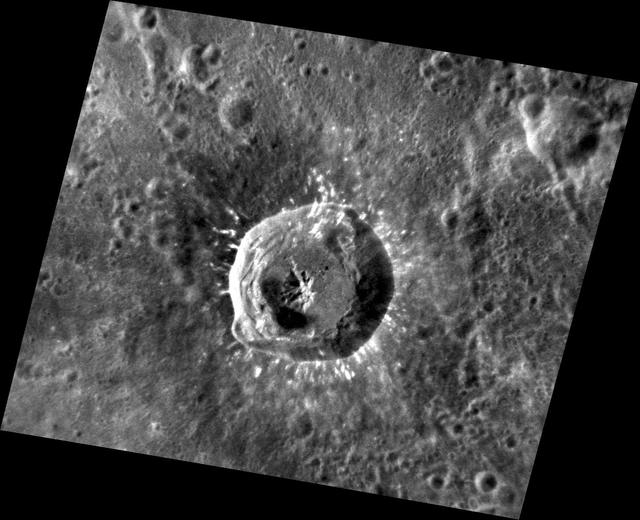
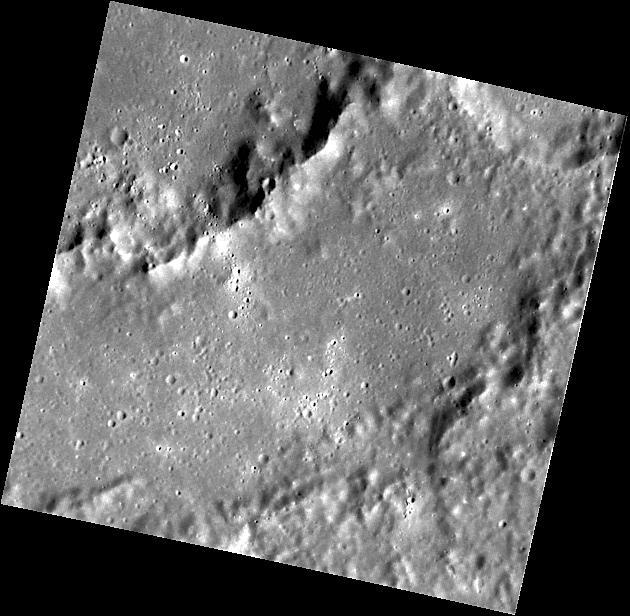
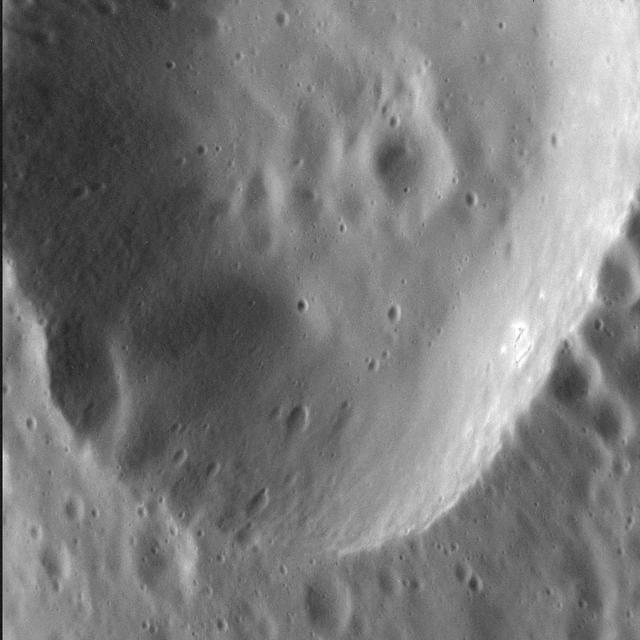
As MESSENGER passes progressively closer to Mercury, we see ever more resolved features in the images the spacecraft returns. Here, at a pixel scale of 9 meters, we see the eastern portion of an unnamed crater 13 km (8 mi.) in diameter. The wall of the crater is replete with smaller, superposed craters, some of which appear elongate possibly because they impacted on the larger crater's inclined wall. Interestingly, there are bright spots on the sunlight portion of this crater's wall -- which is where we might expect hollows to form.  This image was acquired as a high-resolution targeted observation. Targeted observations are images of a small area on Mercury's surface at resolutions much higher than the 200-meter/pixel morphology base map. It is not possible to cover all of Mercury's surface at this high resolution, but typically several areas of high scientific interest are imaged in this mode each week.  Date acquired: March 3, 2014 Image Mission Elapsed Time (MET): 36136338 Image ID: 5862963 Instrument: Narrow Angle Camera (NAC) of the Mercury Dual Imaging System (MDIS) Center Latitude: 56.3° Center Longitude: 301.6° E Resolution: 9 meters/pixel Scale: The field of view in this image is 11 km (7 mi.) across Incidence Angle: 59.3° Emission Angle: 43.0° Phase Angle: 102.3° North is to the right in this scene.   http://photojournal.jpl.nasa.gov/catalog/PIA18372
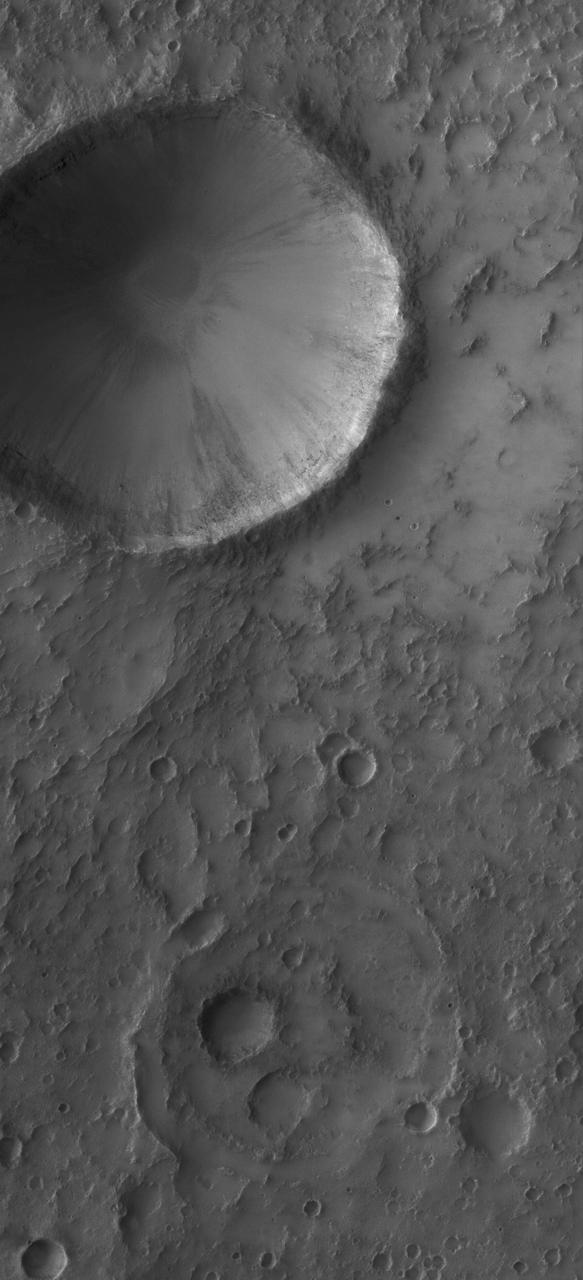
Crater Close-up Captured!
This is a close-up view of the northern two-thirds of one of the quadrangles number 50 that were mapped onto the landing region of NASA Curiosity rover; background image obtained by NASA Mars Reconnaissance Orbiter.
Close-up of Curiosity Landing Region
This close-up view of a mineral vein called Homestake comes from the microscopic imager on NASA Mars Exploration Rover Opportunity; the vein is found to be rich in calcium and sulfur, possibly the calcium-sulfate mineral gypsum.
Close-up View of Homestake Vein
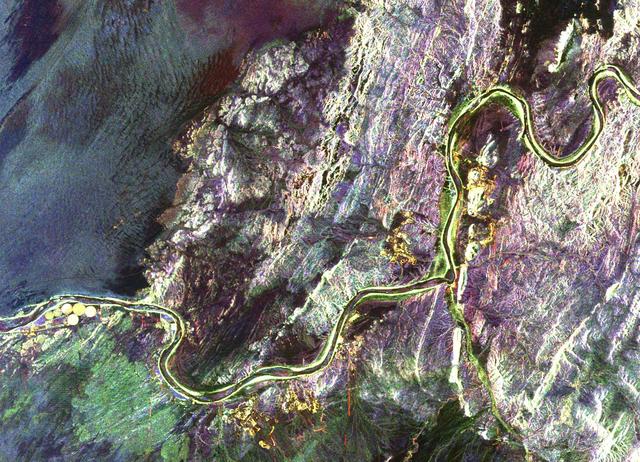
This radar image shows a close up view of a portion of the Richtersveld National Park and Orange River top of image in the Northern Cape Province of the Republic of South Africa.
South Africa, Namibia Diamond Deposits close-up
Close-up of Moe - Left Eye
Close-up of Moe - Right Eye
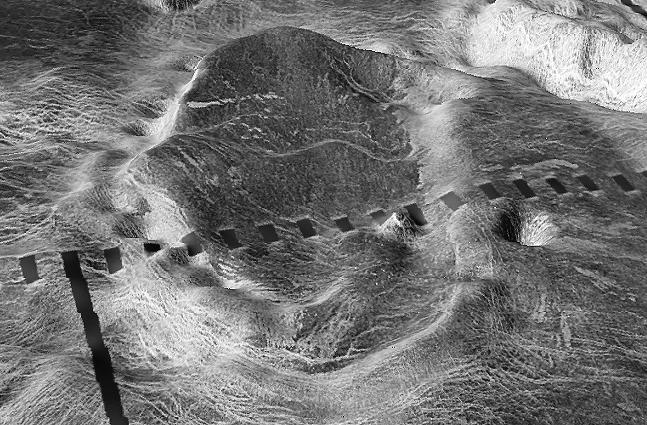
This view from NASA's Magellan spacecraft is a close-up of Atete Corona, a 600-km-long and 450-km-wide feature at latitude 16 degrees S., longitude 244 degrees; looking north.  http://photojournal.jpl.nasa.gov/catalog/PIA00097
Close-up View of Atete Corona
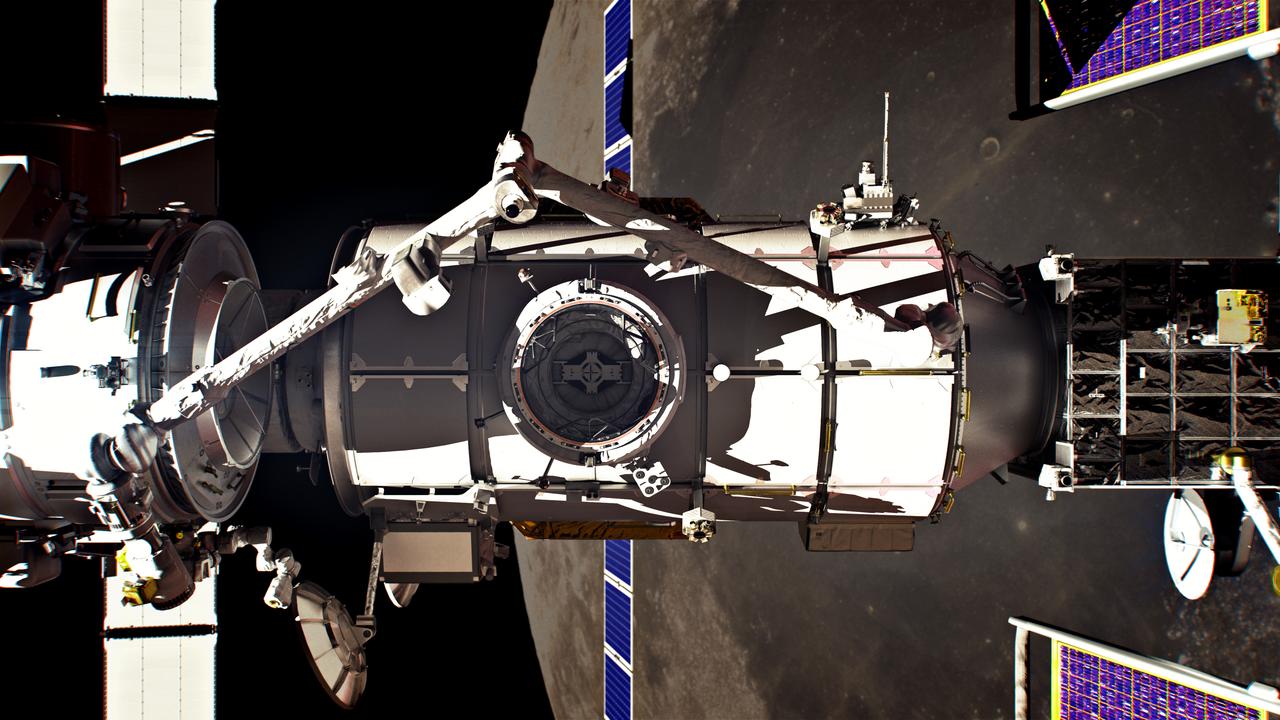
A close-up image of Gateway's Habitation and Logistics Outpost (HALO) module, one of two of the space station's habitation elements. HALO is provided by Northrop Grumman and is where astronauts will live, conduct science, and prepare for lunar surface missions.
Gateway Close-up - HALO
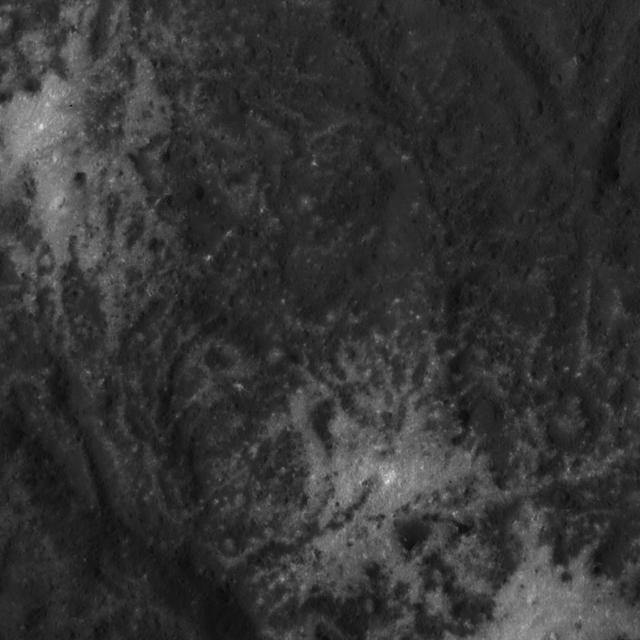
This close-up image of the Vinalia Faculae in Occator Crater was obtained by NASA's Dawn spacecraft on June 14, 2018 from an altitude of about 24 miles (39 kilometers).  This image reveals the intricate pattern between bright and dark material across this flow feature. The complex structure of the dark background is reminiscent of lava flows observed on Earth. However, in the case of Ceres, the flow material likely involved a lot of ice. The bright material is mostly composed of sodium carbonate, a salt whose exposure onto the crater floor involved a liquid source.  The center of this picture is located at about 21.0 degrees north latitude and 241.3 degrees east longitude.   https://photojournal.jpl.nasa.gov/catalog/PIA22478
Vinalia Faculae Up Close
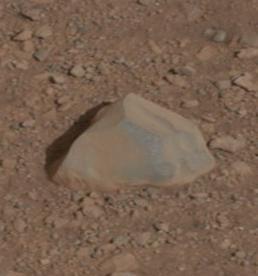
This close-up image shows the first target NASA Curiosity rover aims to zap with its Chemistry and Camera ChemCam instrument. The instrument will analyze that spark with a telescope and identify the chemical elements in the target.
Curiosity First Rock Star, Up-Close
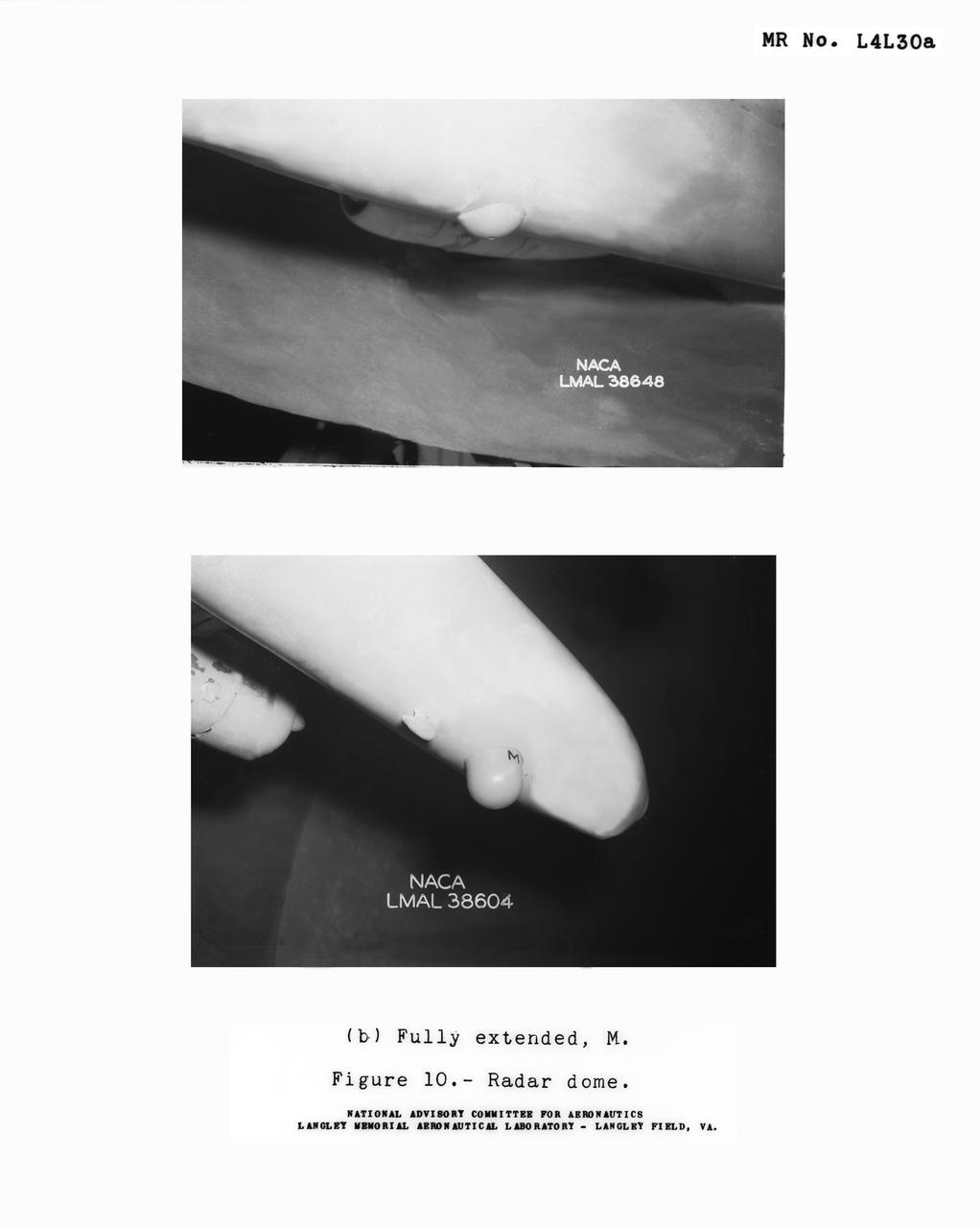
B-32 Model Close Up.  Test conducted in the NACA 19 foot pressure tunnel LMAL-38560 NACA document.
B-32 Model Close Up