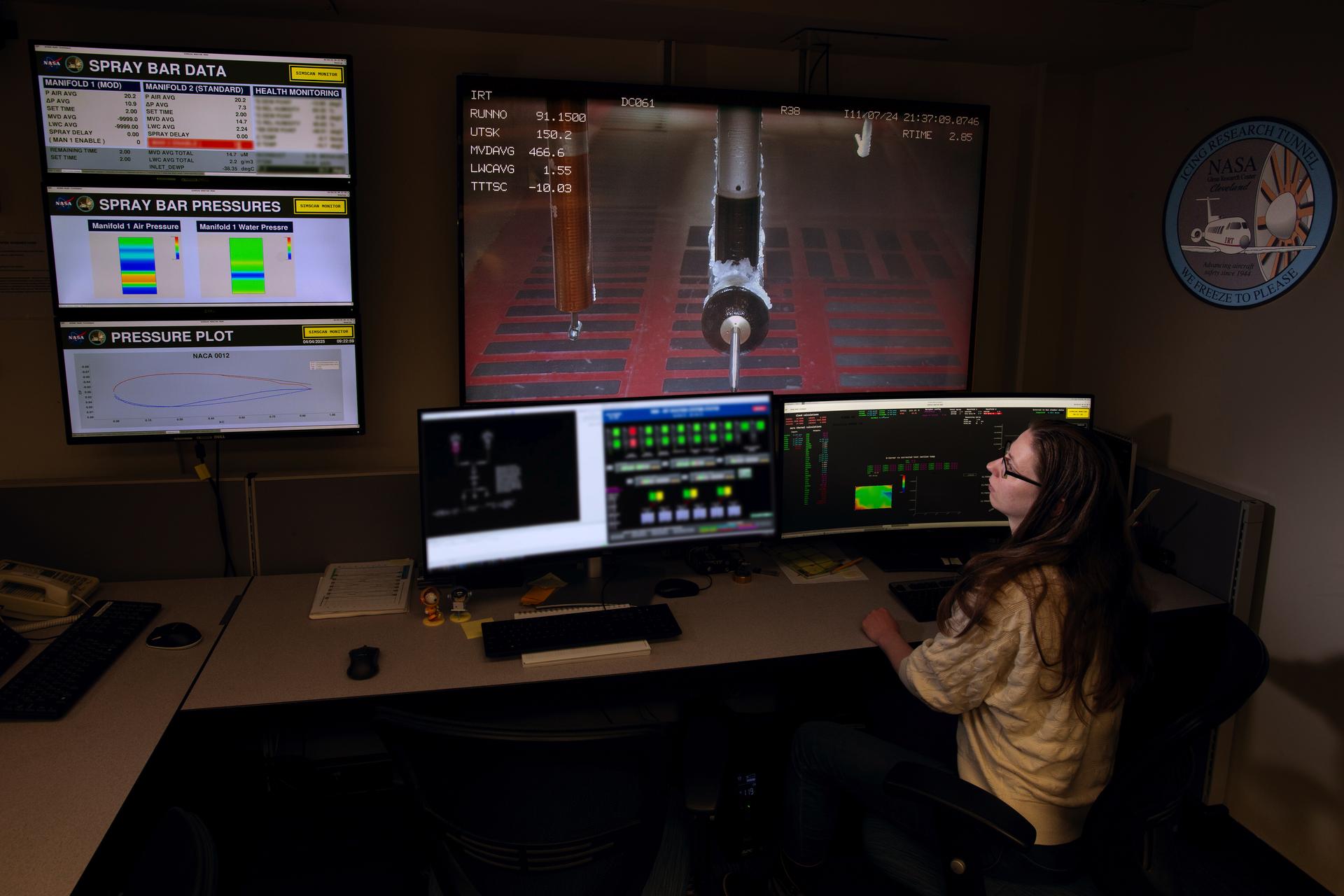
Carolyn Thiemann works on the Cobra data system in the IRT control room
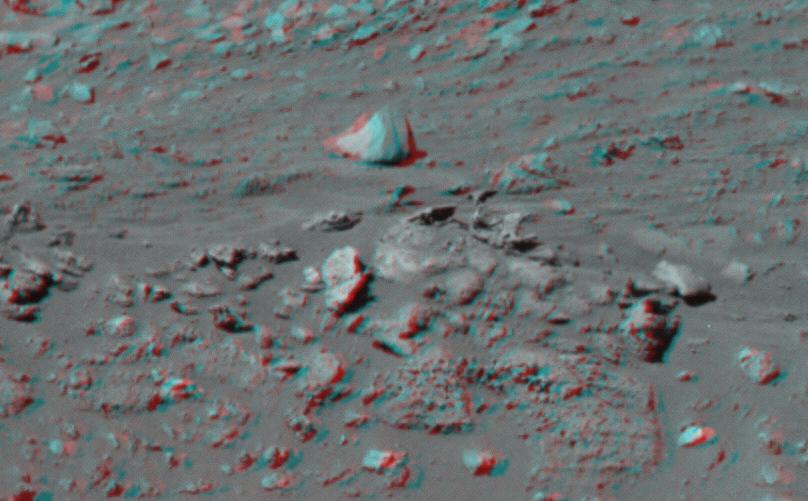
This 3-D image taken by the left and right eyes of the panoramic camera on NASA Mars Exploration Rover Spirit shows the odd rock formation dubbed Cobra Hoods center. 3D glasses are necessary to view this image.
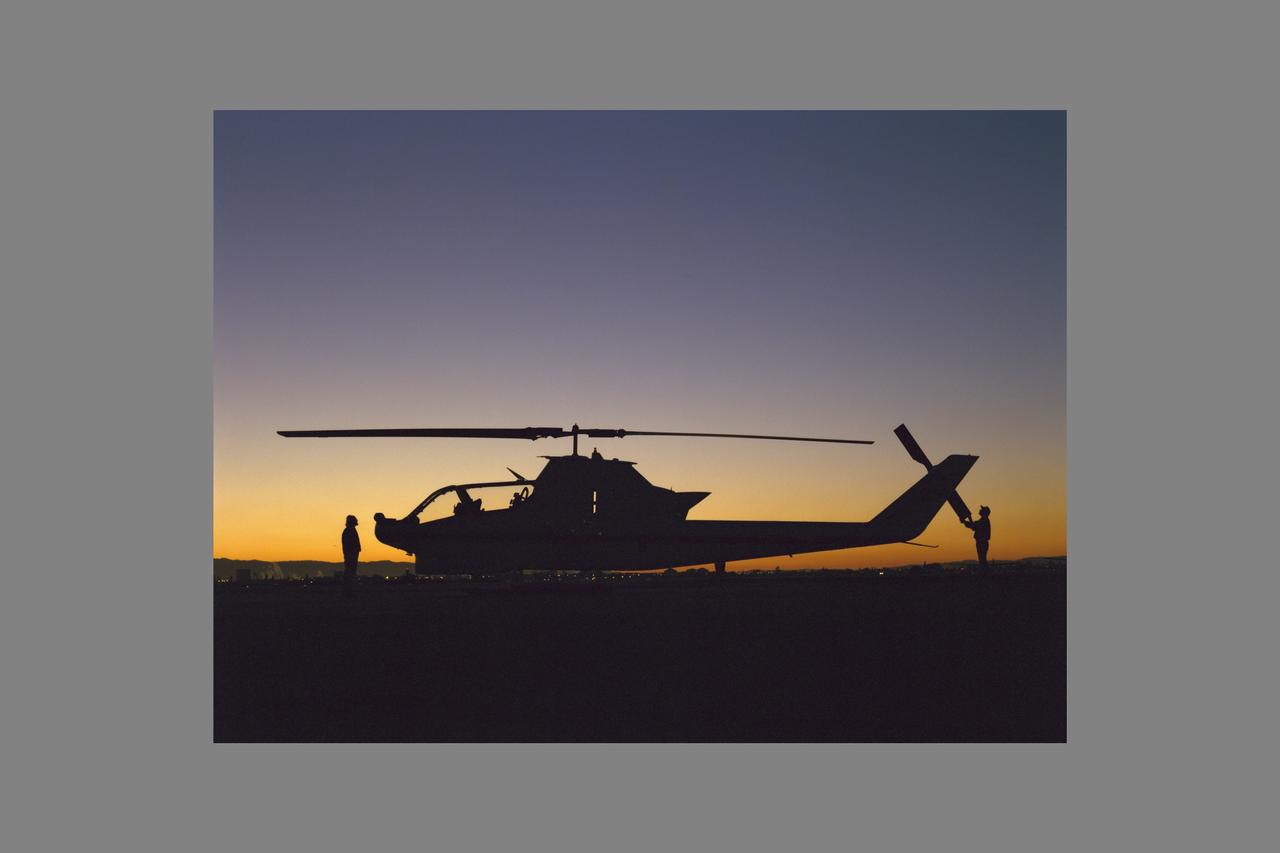
NAH-1S (NASA-736) Cobra on,the NASA Ames flight line at sunrise
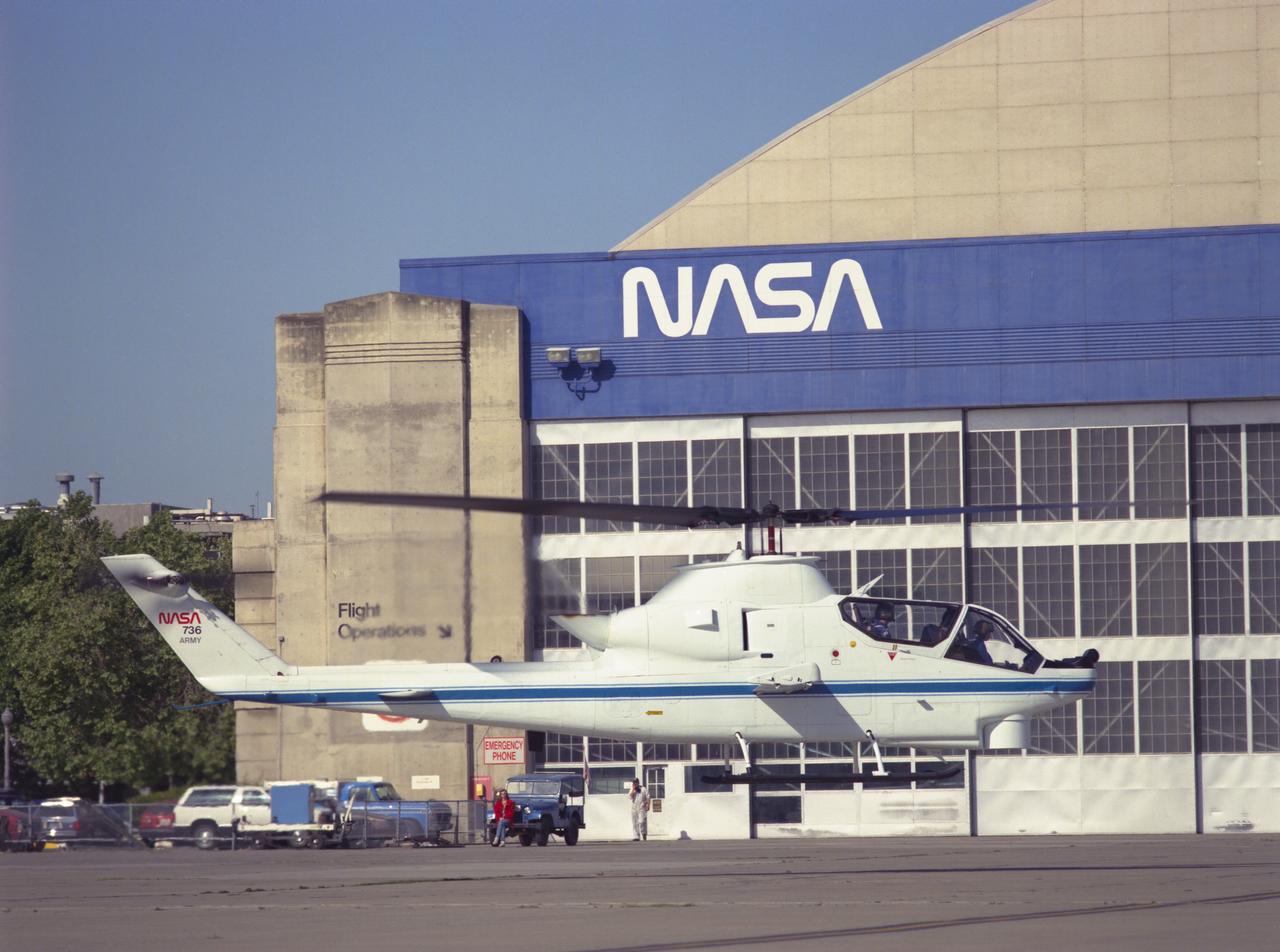
Cobra AH-1G (NASA-736) helicopter hovering on Ames ramp
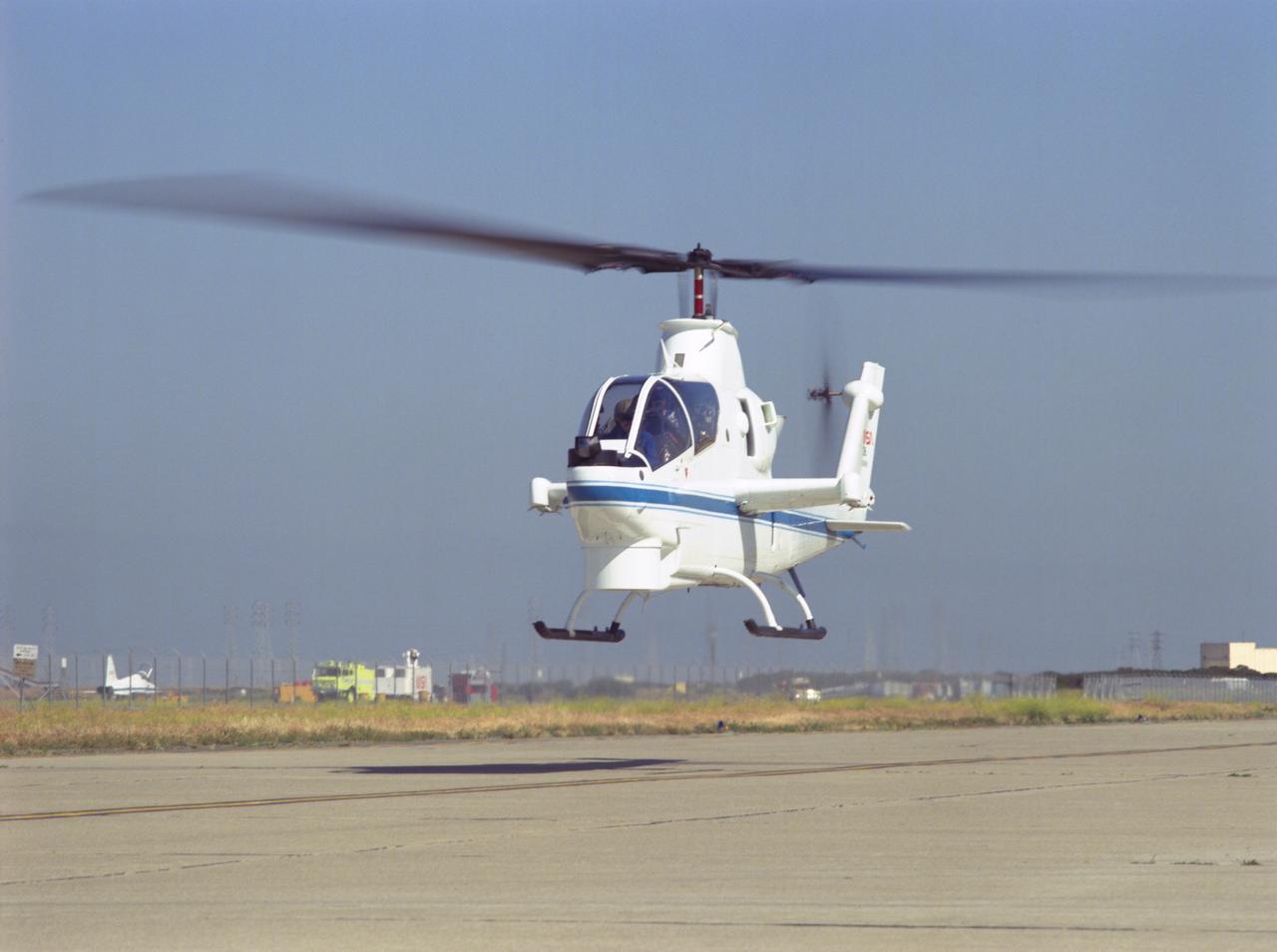
Cobra AH-1G (NASA-736) helicopter hovering on Ames ramp
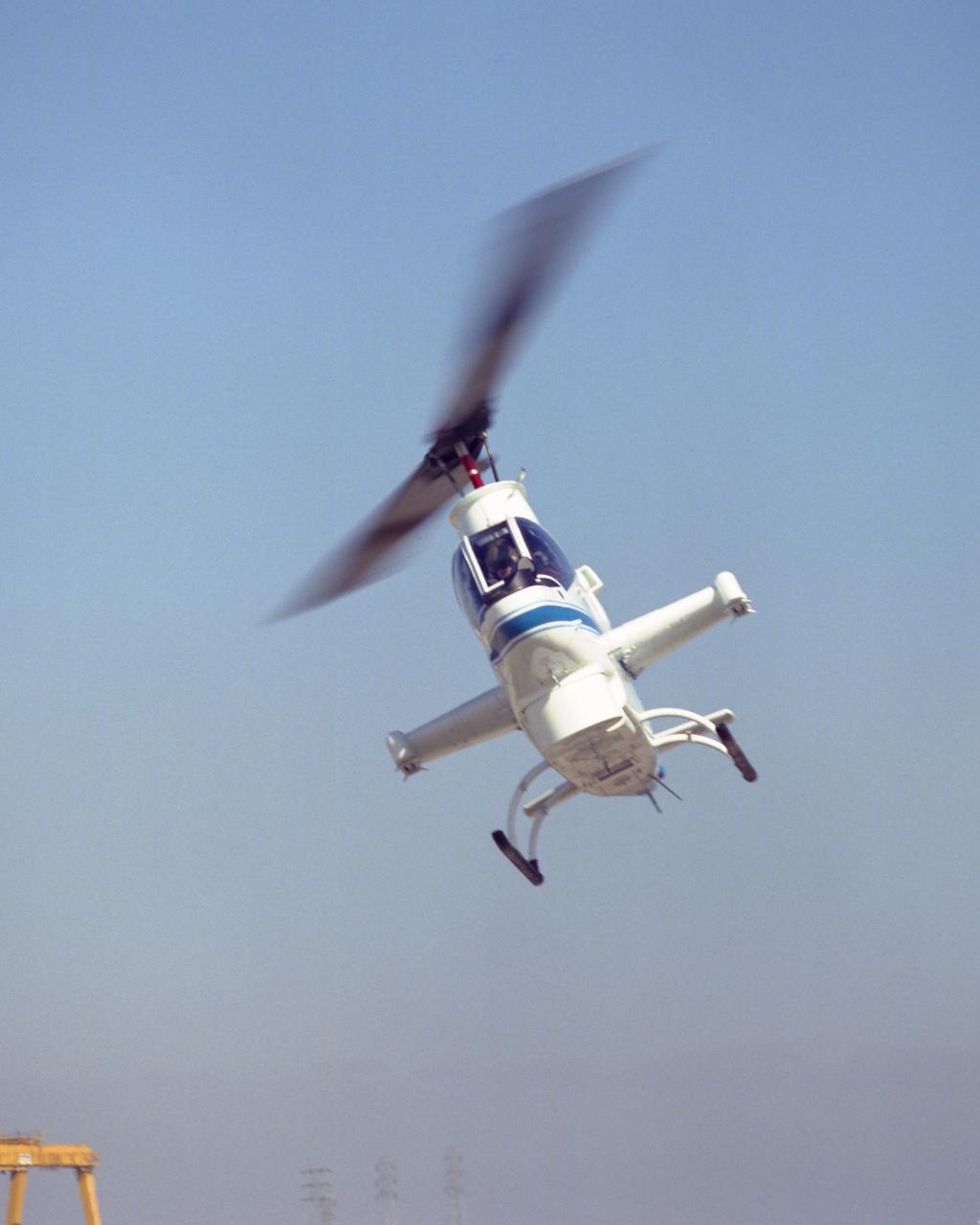
Cobra AH-1G (NASA-736) helicopter hovering on Ames ramp
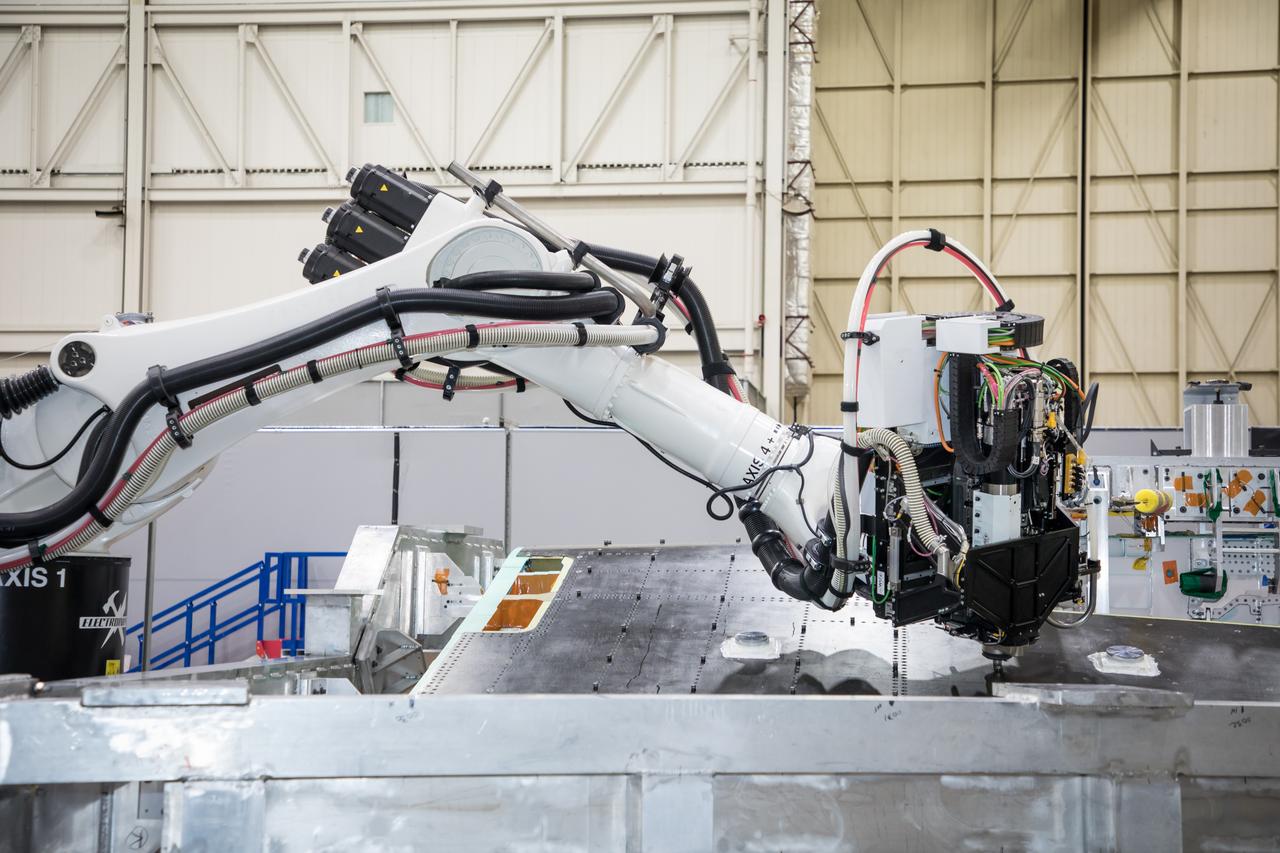
Lockheed Martin Photography By Garry Tice 1011 Lockheed Way, Palmdale, Ca. 93599 Event: SEG 410 Main Wing, COBRA Drillng Machine, Drilling Lower Wing Skins Date: 1/07/20 Additional Info:
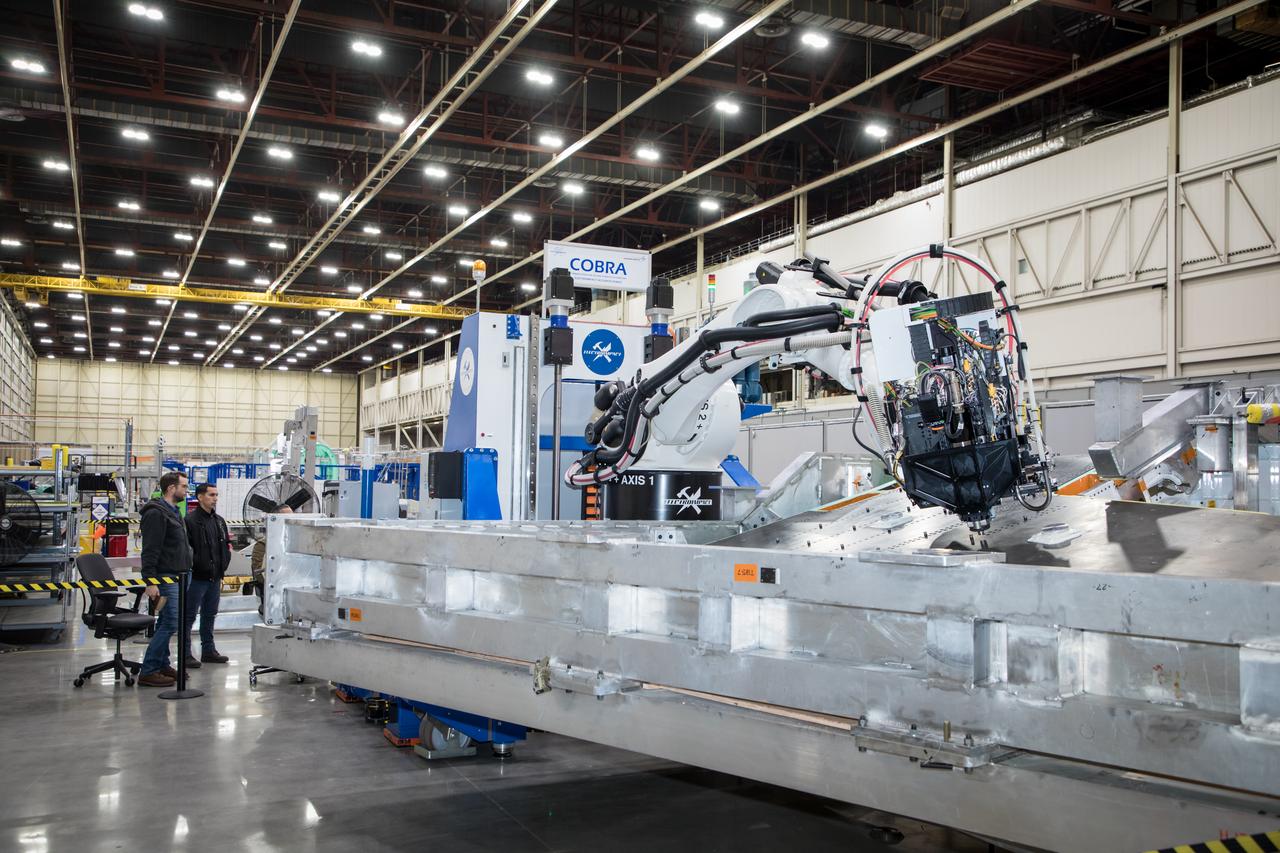
Lockheed Martin Photography By Garry Tice 1011 Lockheed Way, Palmdale, Ca. 93599 Event: SEG 410 Main Wing, COBRA Drillng Machine, Drilling Lower Wing Skins Date: 1/07/20 Additional Info:
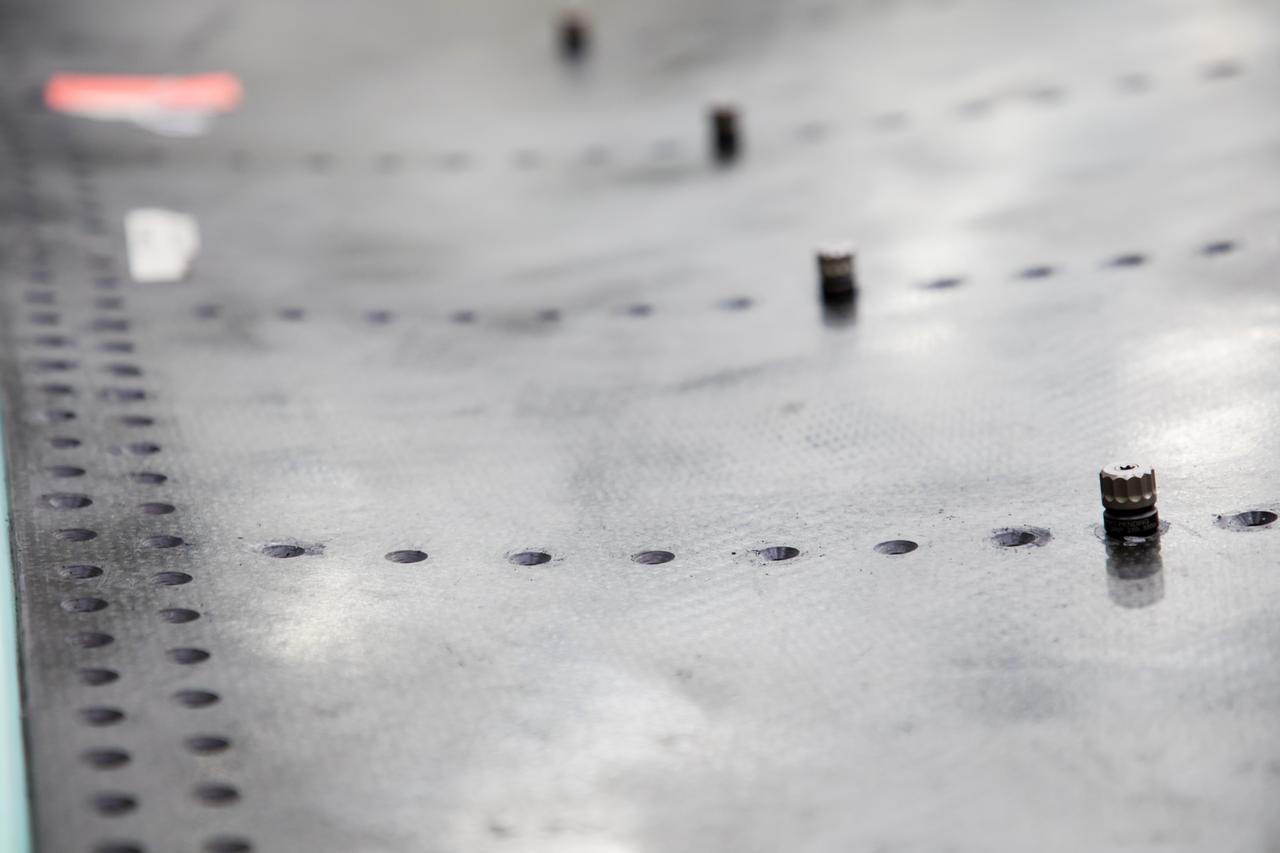
Lockheed Martin Photography By Garry Tice 1011 Lockheed Way, Palmdale, Ca. 93599 Event: SEG 410 Main Wing, COBRA Drillng Machine, Drilling Lower Wing Skins Date: 1/07/20 Additional Info:
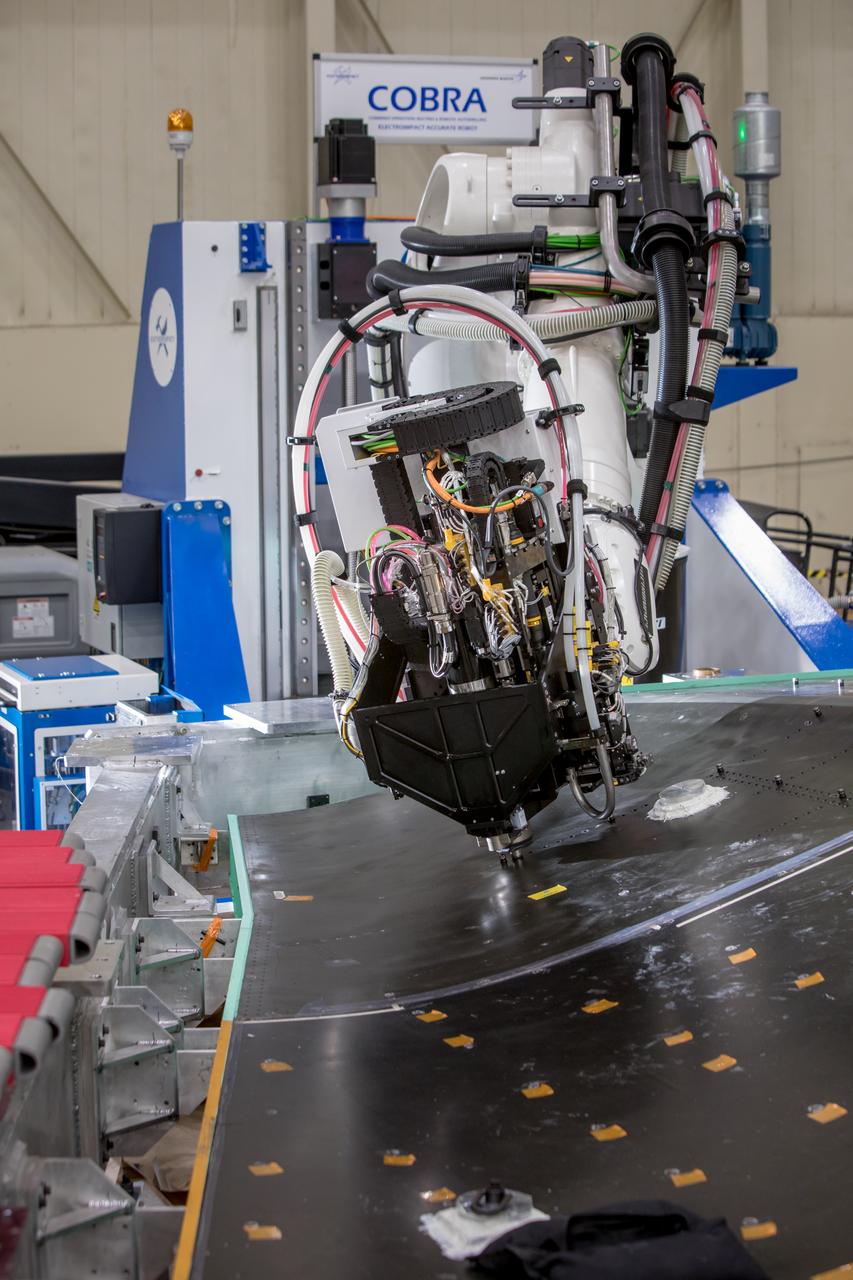
Lockheed Martin Photography By Garry Tice 1011 Lockheed Way, Palmdale, Ca. 93599 Event: SEG 410 Main Wing, COBRA Drillng Machine, Drilling Lower Wing Skins Date: 12/23/19 Additional Info:

Lockheed Martin Photography By Garry Tice 1011 Lockheed Way, Palmdale, Ca. 93599 Event: SEG 410 Main Wing, COBRA Drillng Machine, Drilling Lower Wing Skins Date: 1/07/20 Additional Info:
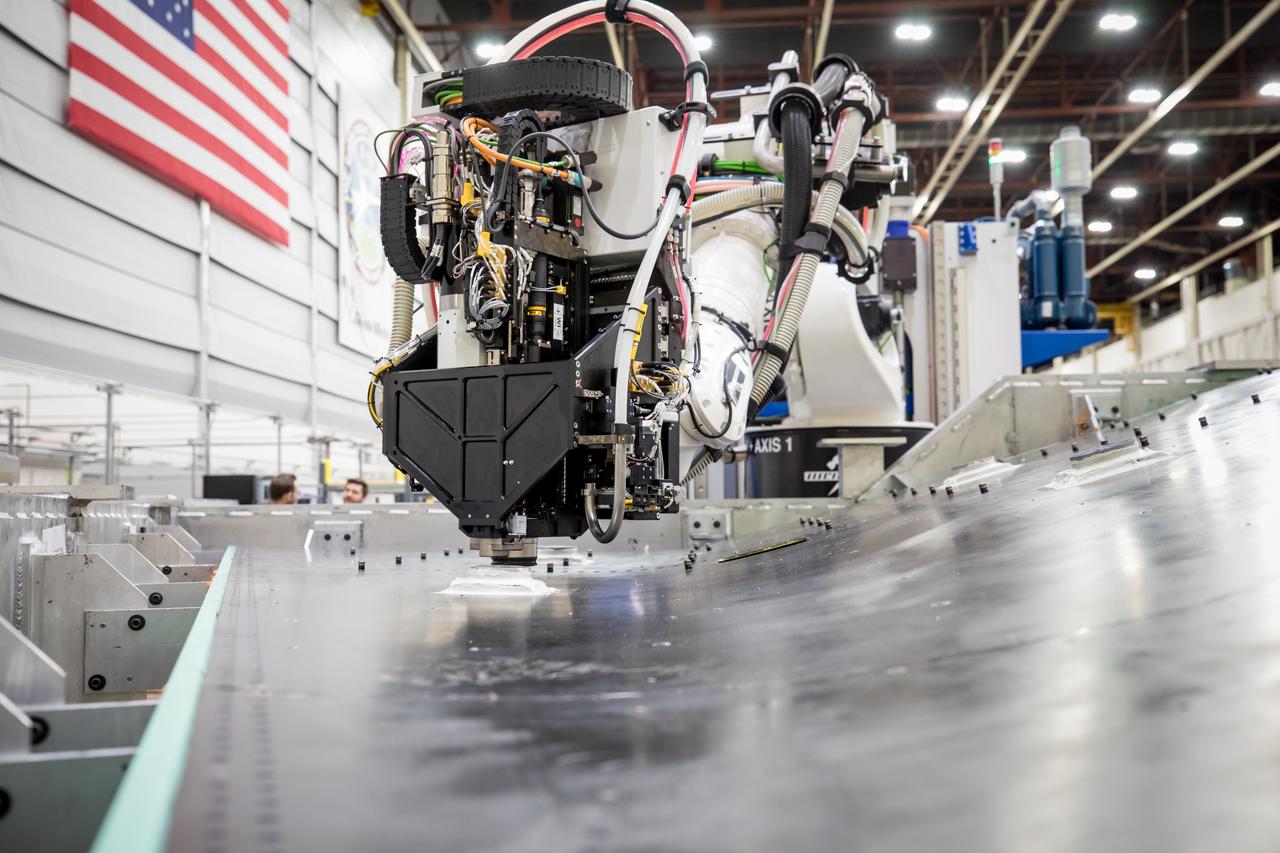
Lockheed Martin Photography By Garry Tice 1011 Lockheed Way, Palmdale, Ca. 93599 Event: SEG 410 Main Wing, COBRA Drillng Machine, Drilling Lower Wing Skins Date: 1/07/20 Additional Info:
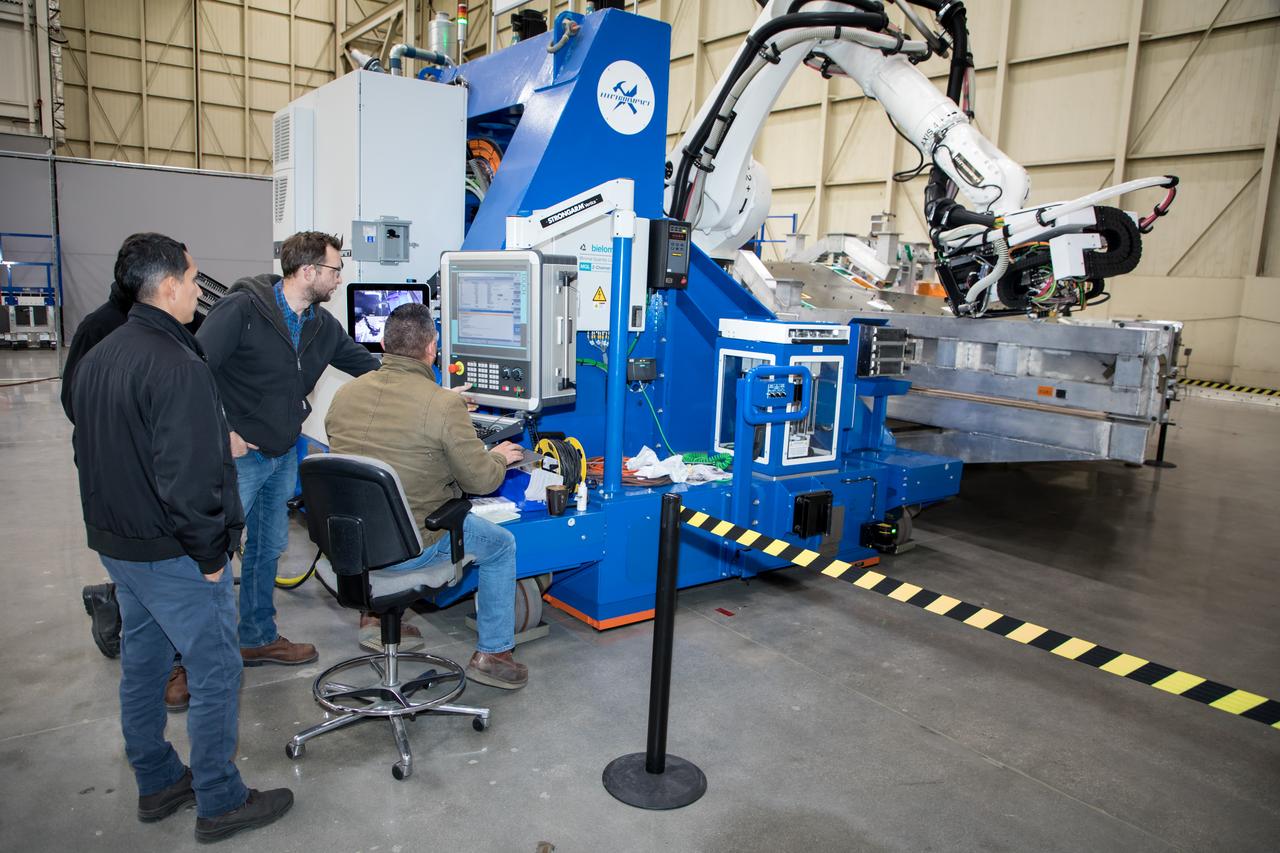
Lockheed Martin Photography By Garry Tice 1011 Lockheed Way, Palmdale, Ca. 93599 Event: SEG 410 Main Wing, COBRA Drillng Machine, Drilling Lower Wing Skins Date: 1/07/20 Additional Info:
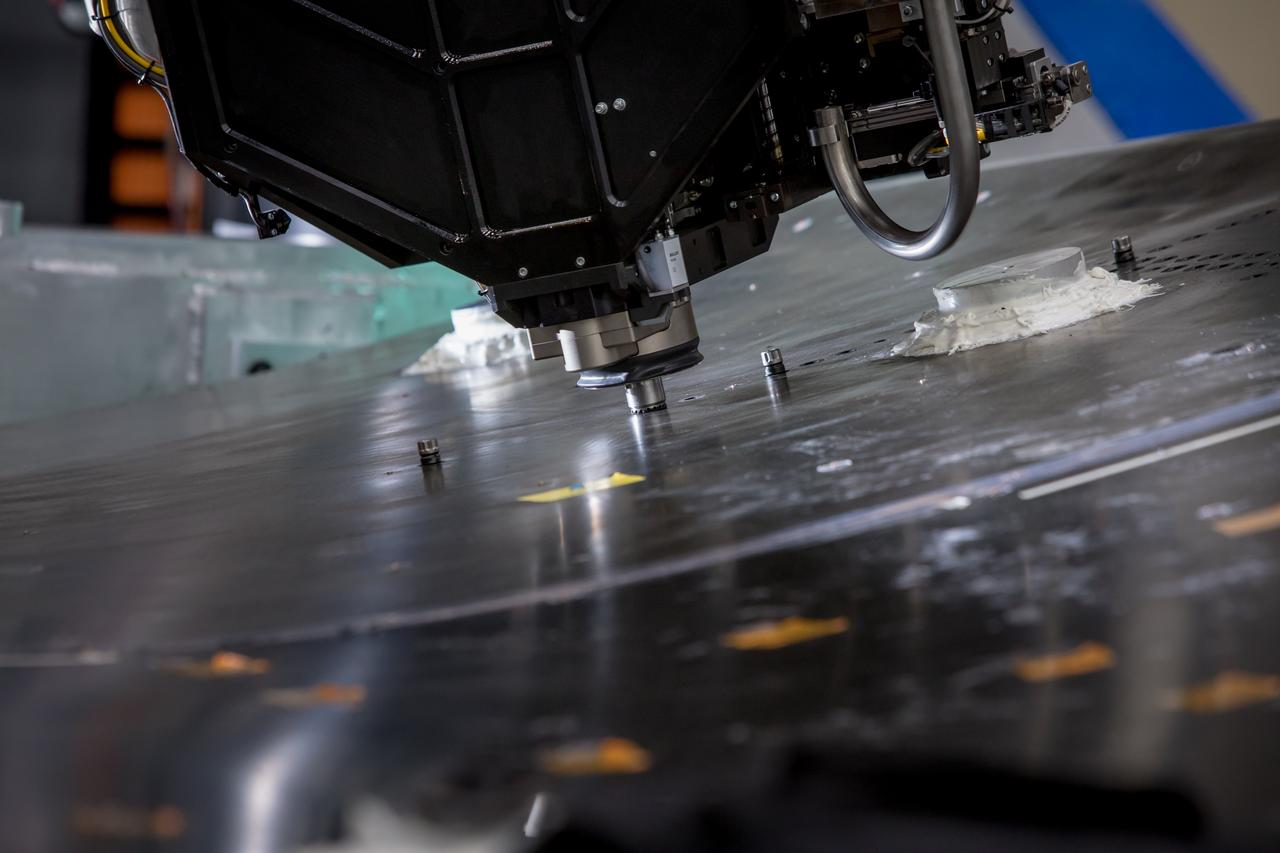
Lockheed Martin Photography By Garry Tice 1011 Lockheed Way, Palmdale, Ca. 93599 Event: SEG 410 Main Wing, COBRA Drillng Machine, Drilling Lower Wing Skins Date: 12/23/19 Additional Info:
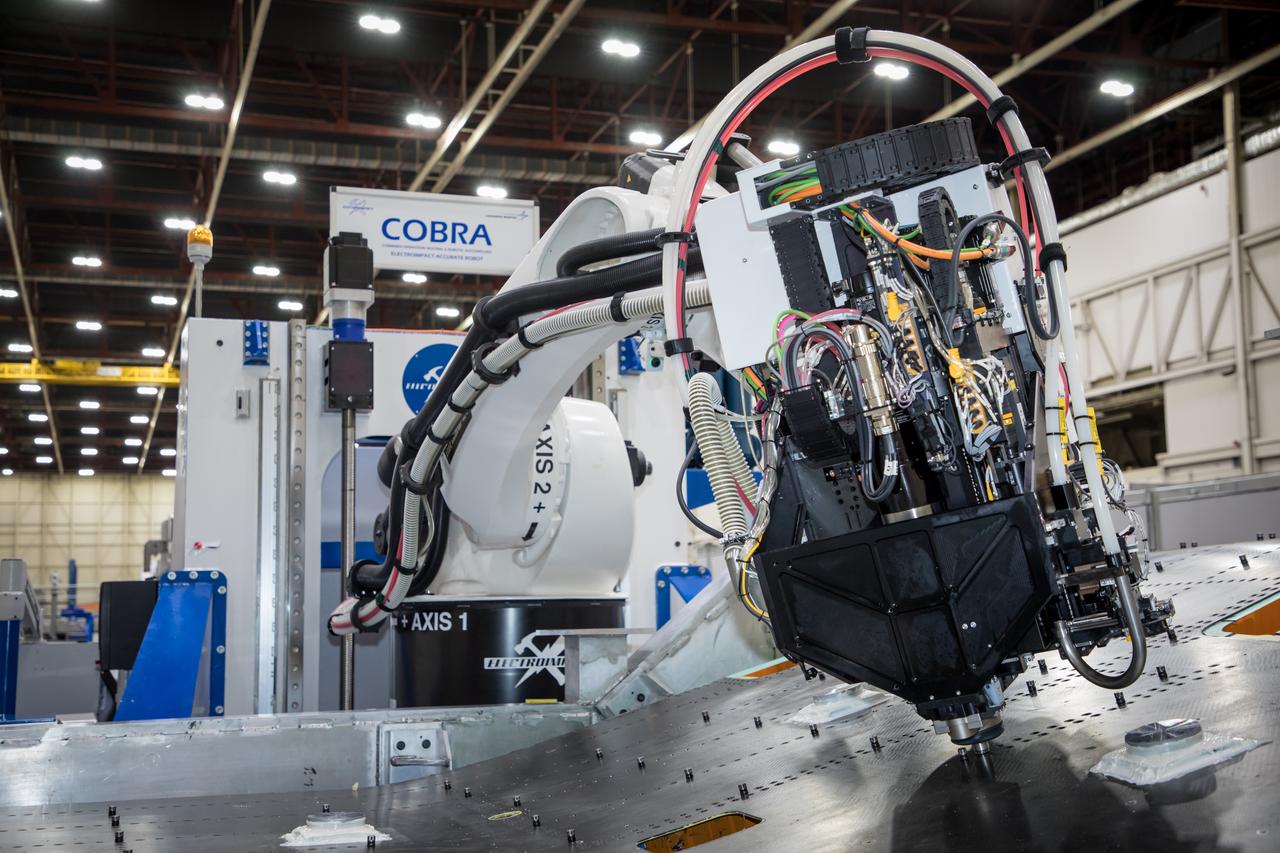
Lockheed Martin Photography By Garry Tice 1011 Lockheed Way, Palmdale, Ca. 93599 Event: SEG 410 Main Wing, COBRA Drillng Machine, Drilling Lower Wing Skins Date: 1/07/20 Additional Info:
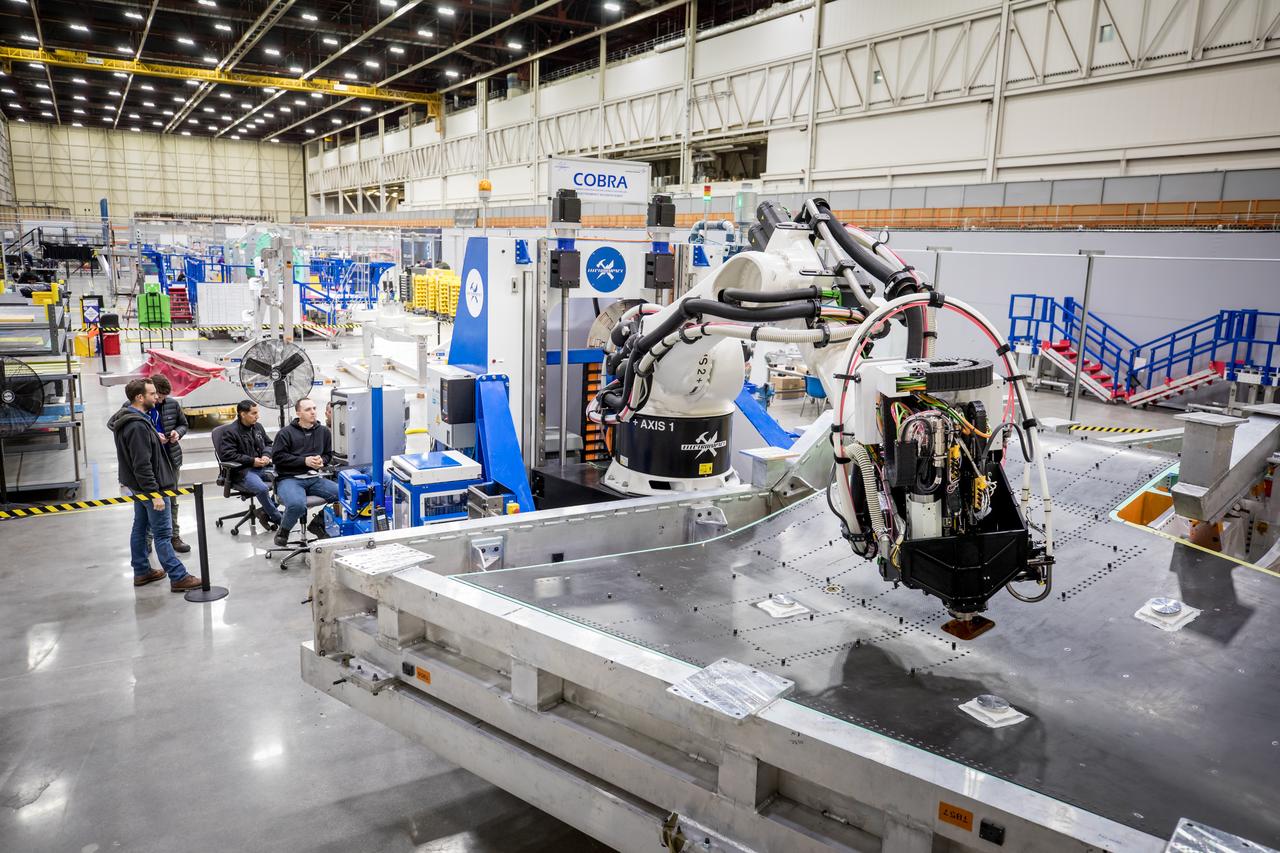
Lockheed Martin Photography By Garry Tice 1011 Lockheed Way, Palmdale, Ca. 93599 Event: SEG 410 Main Wing, COBRA Drillng Machine, Drilling Lower Wing Skins Date: 1/07/20 Additional Info:
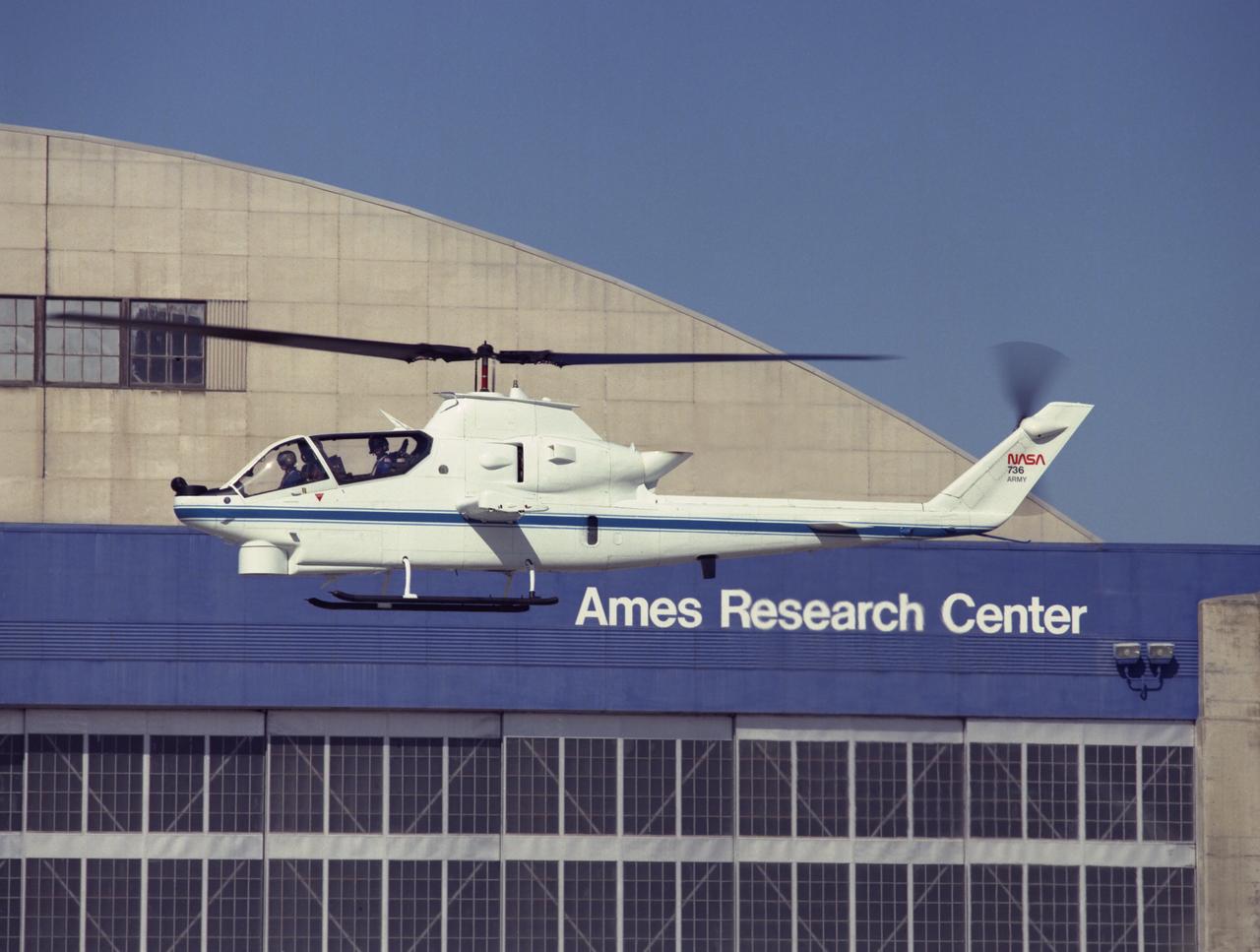
Bell NAH-1G (USA 70-15979 NASA-736) FLITE Cobra helicopter hovering on Ames ramp is successor to the original FLITE Cobra. It has been used extensively in joint NASA/Army human factors research in the areas of night vision displays and voice communications since its arrival in 1987. Note: Used in publication in Flight Research at Ames; 57 Years of Development and Validation of Aeronautical Technology NASA SP-1998-3300 fig 140
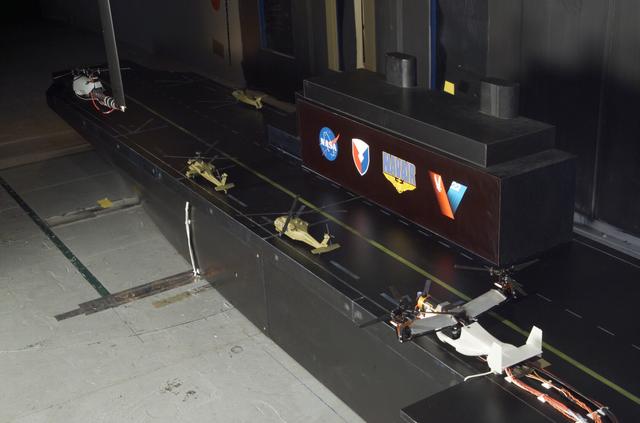
VSHAIP test in 7x10ft#1 W.T. (multiple model configruations) V-22 helicopter shipboard aerodynamic interaction program: SH-3, AH-1G (Cobra) UH-1H (Blackhawk) and Osprey V-22 on deck
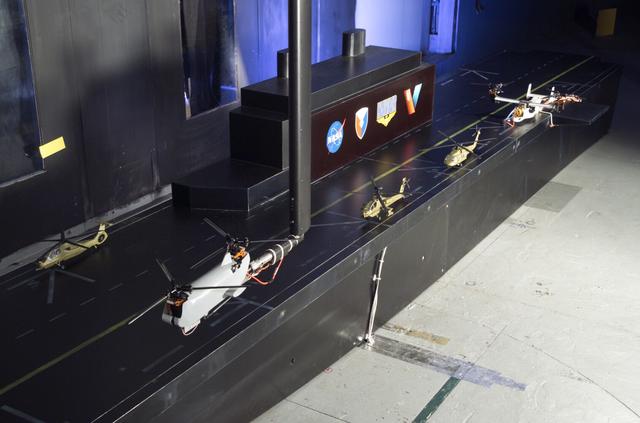
VSHAIP test in 7x10ft#1 W.T. (multiple model configruations) V-22 helicopter shipboard aerodynamic interaction program: SH-3, AH-1G (Cobra) UH-1H (Blackhawk) and Osprey V-22 on deck
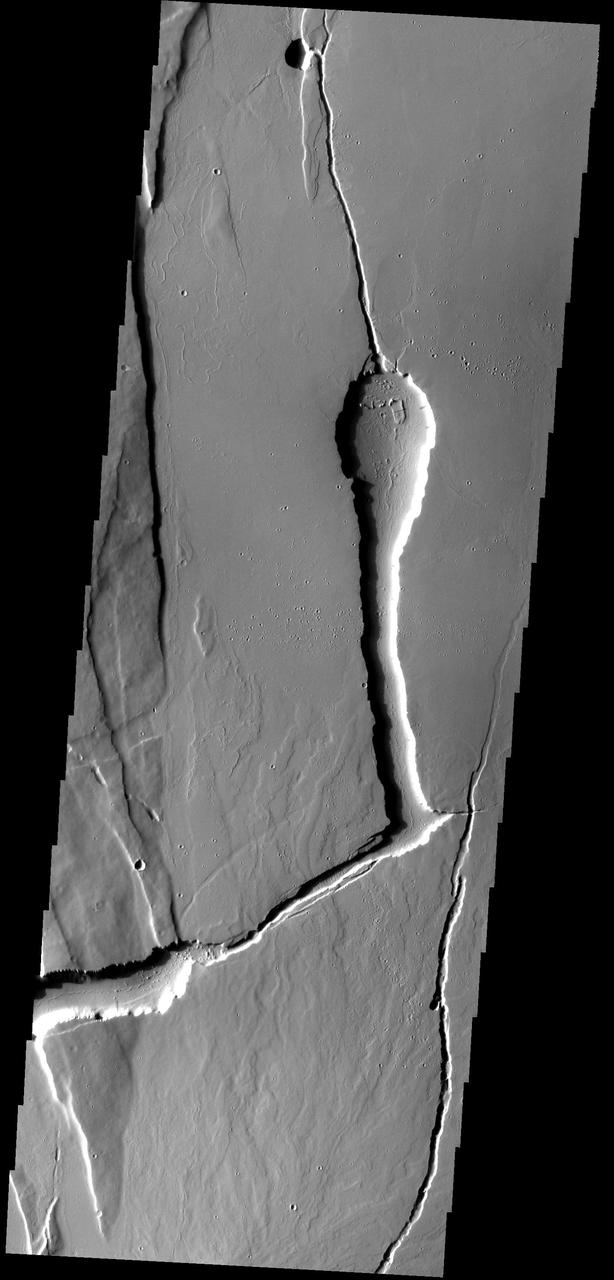
This channel feature in Ceraunius Fossae looks like a hooded cobra spitting venom
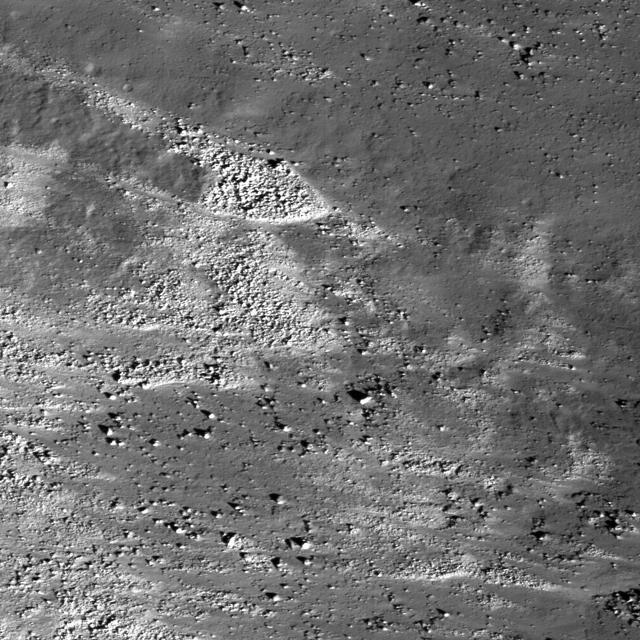
This image taken by NASA Lunar Reconnaissance Orbiter shows the slopes of the Vallis Schröteri, Cobra Head are boulder-rich and display albedo variations -- bright to dark.
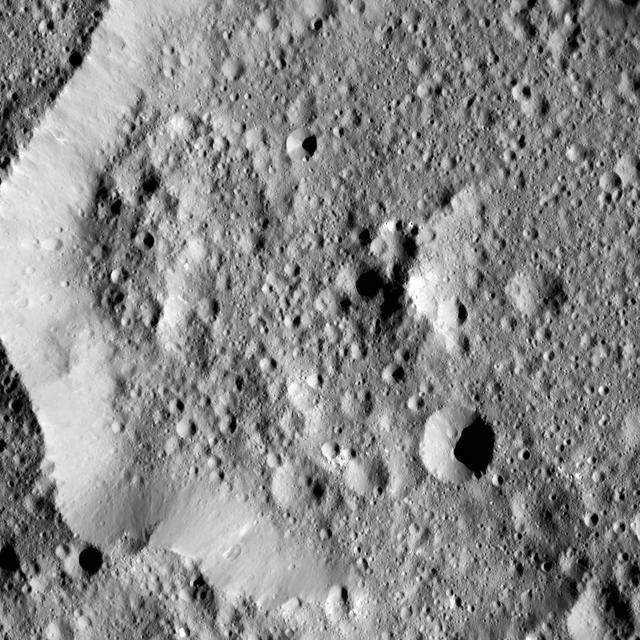
Ernutet Crater is featured in this image from Ceres, taken by NASA Dawn spacecraft. Ernutet was named for the Egyptian cobra-headed goddess of the harvest. The crater measures about 32 miles 52 kilometers in diameter and is located in the northern hem
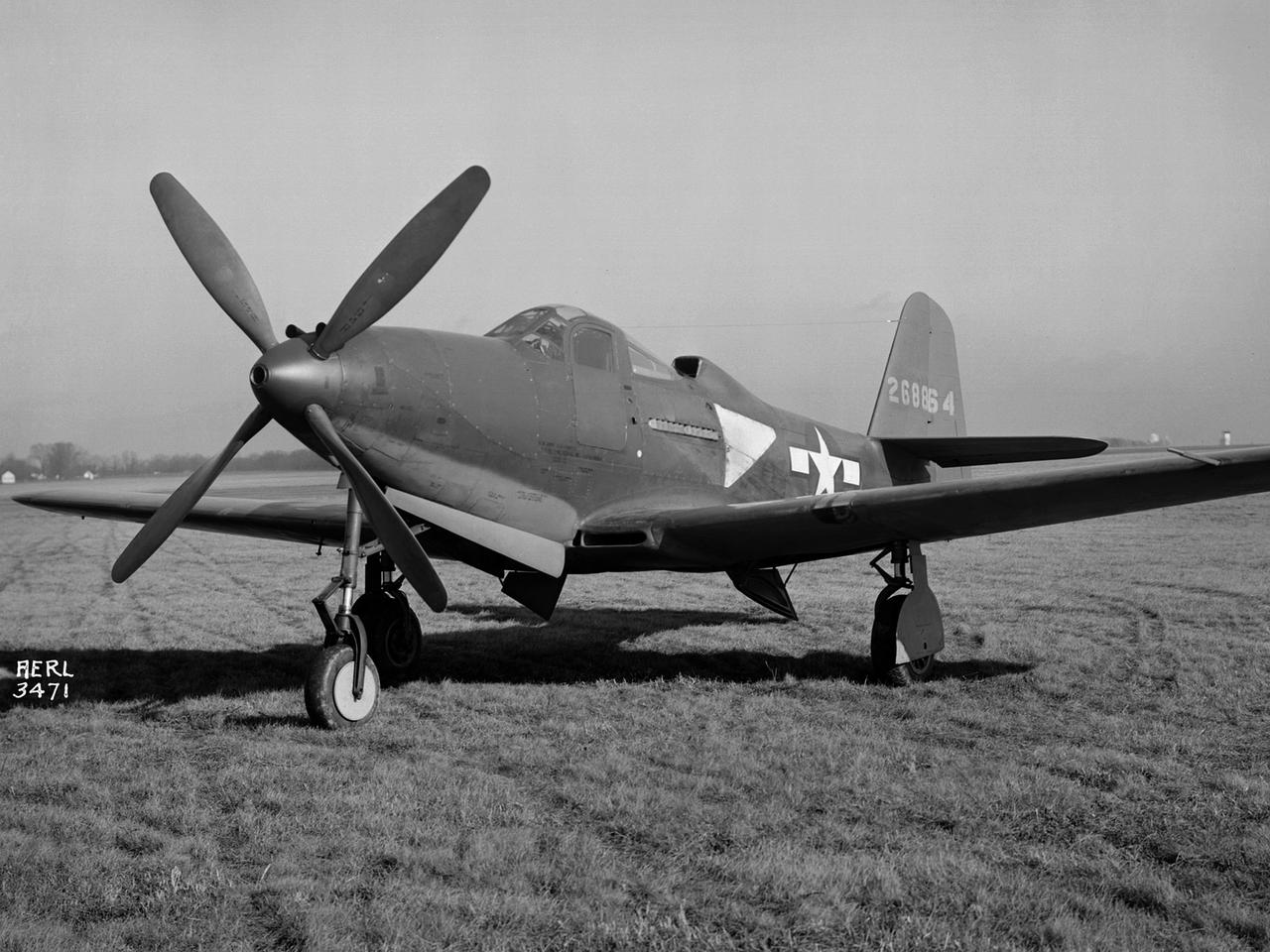
The Army Air Forces lent the National Advisory Committee for Aeronautics (NACA) Aircraft Engine Research Laboratory a Bell P–63A King Cobra in October 1943 to complement the lab's extensive efforts to improve the Allison V–1710 engine. The V–1710-powered P–63A was a single-seat fighter that could reach speeds of 410 miles per hour and an altitude of 43,000 feet. The fighter, first produced in 1942, was an improvement on Bell’s P–39, but persistent performance problems at high altitudes prevented its acceptance by the Air Corps. Instead many of the P–63s were transferred to the Soviet Union. Almost every test facility at the NACA’s engine lab was used to study the Allison V–1710 engine and its supercharger during World War II. Researchers were able to improve the efficiency, capacity and pressure ratio of the supercharger. They found that improved cooling significantly reduced engine knock in the fuel. Once the researchers were satisfied with their improvements, the new supercharger and cooling components were installed on the P–63A. The Flight Research Division first established the aircraft’s normal flight performance parameters such as speed at various altitudes, rate of climb, and peak altitude. Ensuing flights established the performance parameters of the new configuration in order to determine the improved performance. The program increased V–1710’s horsepower from 1650 to 2250.
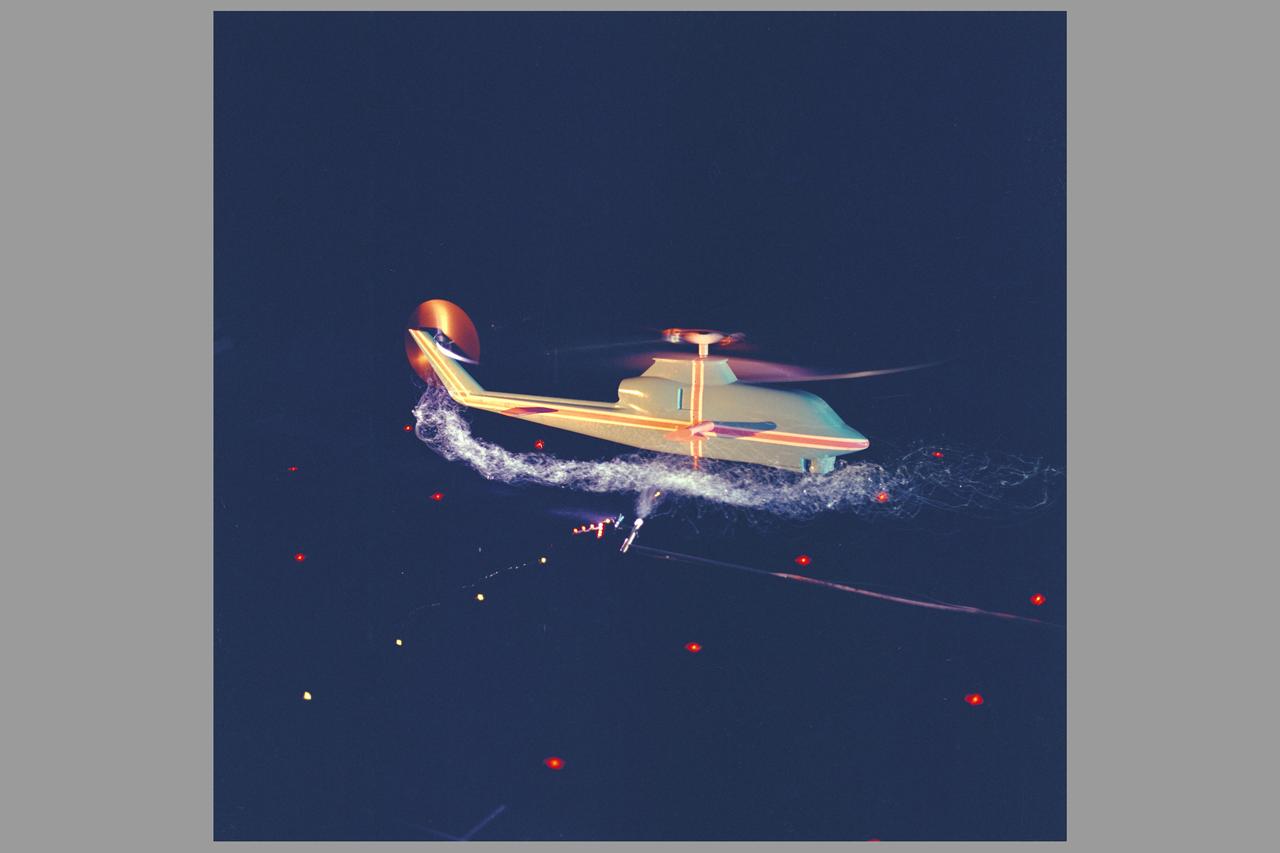
AH-1G Cobra helicopter model tail rotor flow visualization testing in 7X10ft#2 W.T. (Army tunnel - no test number)
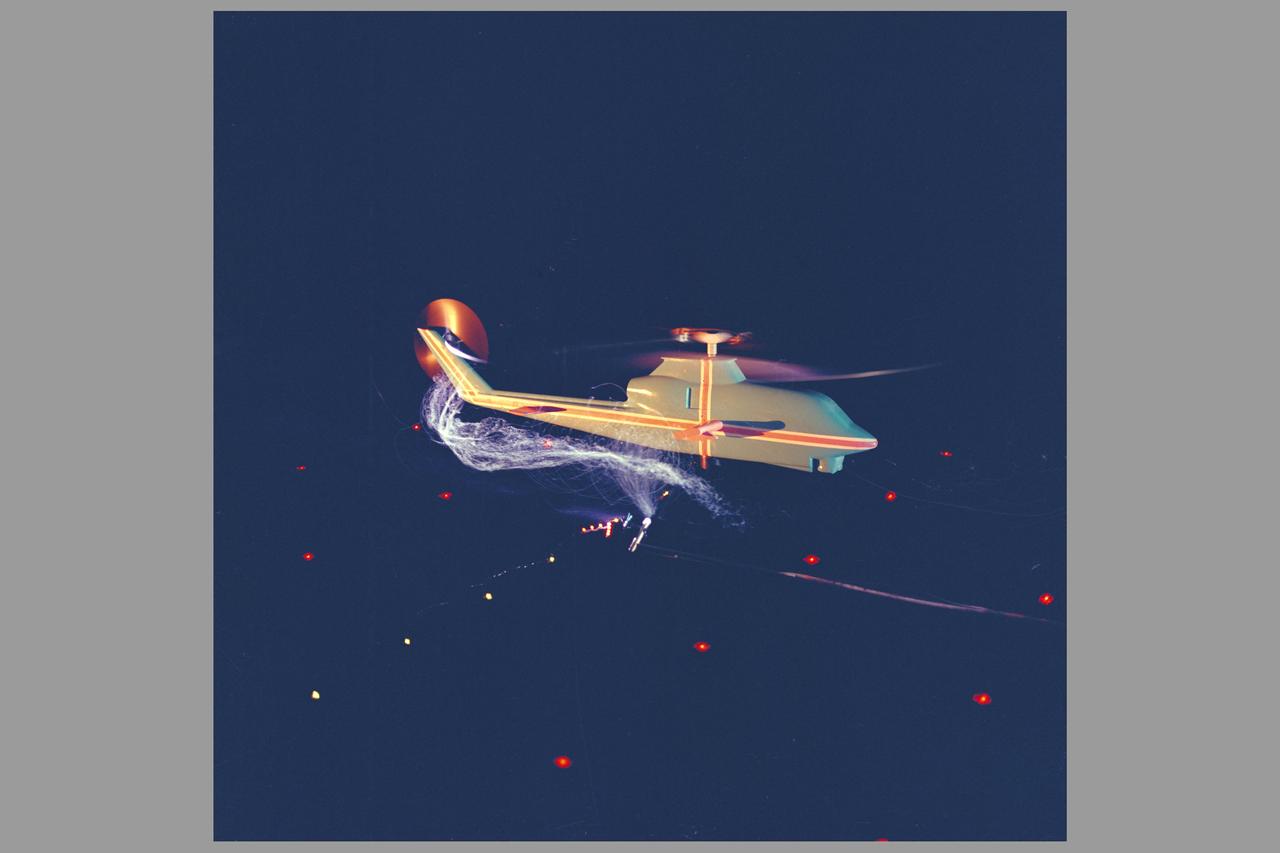
AH-1G Cobra helicopter model tail rotor flow visualization testing in 7X10ft#2 W.T. (Army tunnel - no test number)
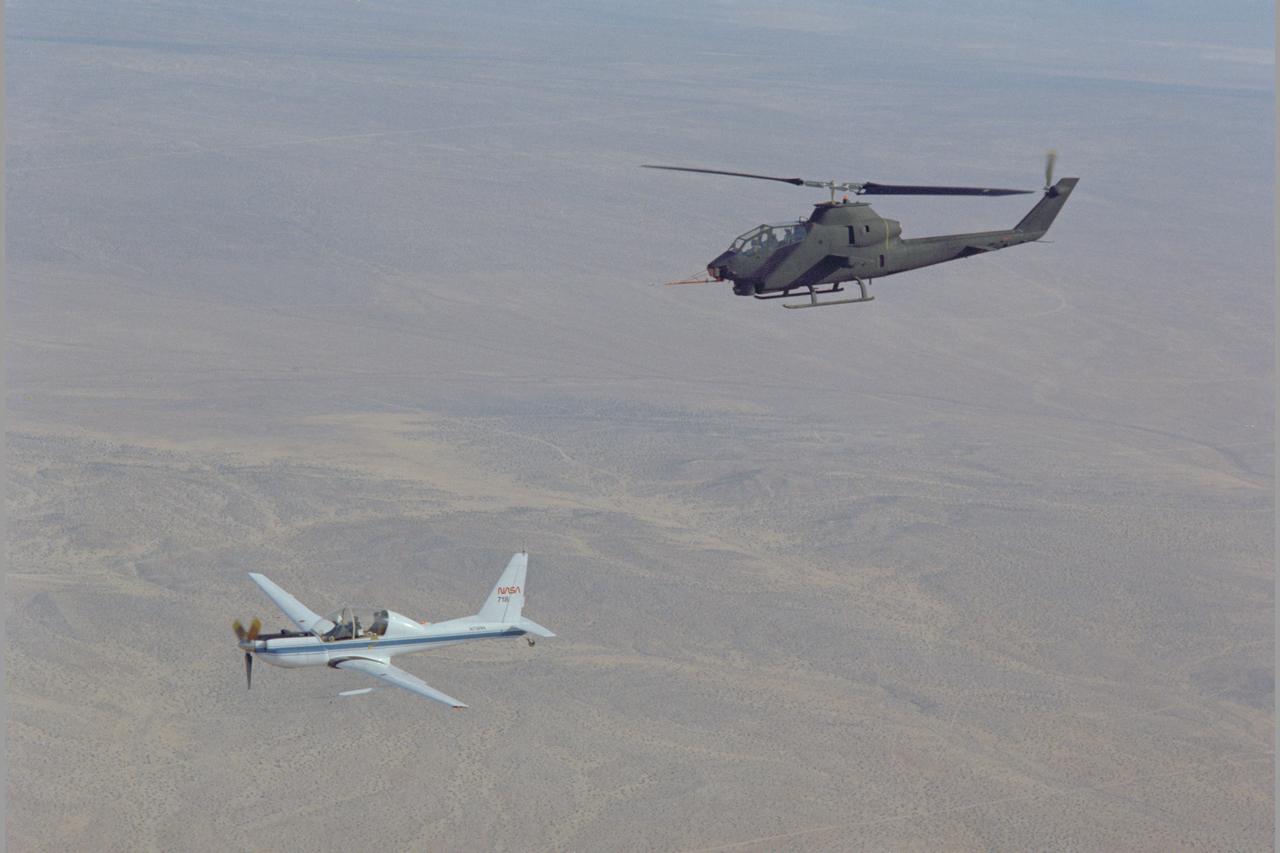
Lockheed YO-3A (USA 69-18010 NASA 718) A/C & BELL COBRA HELICOPTER FLIGHT & GROUND TESTS AT EDWARDS AIR FORCE BASE. Rotorcraft Research. NASA SP-1998-3300 Flight Research at Ames: 57 Years of Development and Validation of Aeronautical Technology Fig. 143
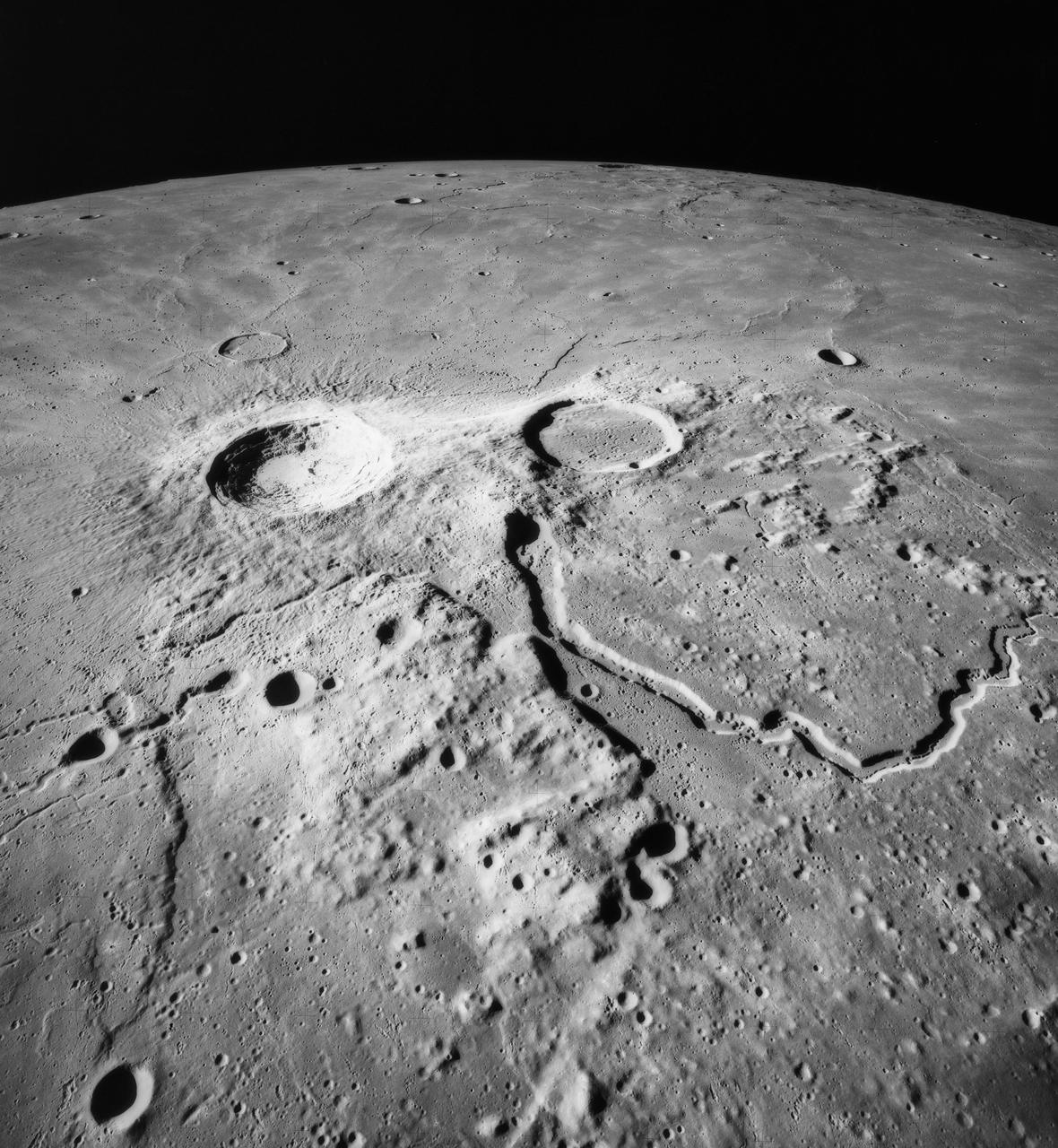
S71-44666 (31 July-2 Aug. 1971) --- An oblique view of Schroeter's Valley and the crater Aristarchus, as photographed by the Fairchild metric camera in the Scientific Instrumentation Module (SIM) bay of the Apollo 15 Command and Service Module (CSM) in lunar orbit. This view is looking south. The large, bright-appearing crater to the left of the head of meandering Schroeter's Valley is Aristarchus, the center of which is located at 48 degrees west longitude and 214 degrees north latitude. The crater Aristarchus approximately 35 kilometers (about 21.75 statute miles) in diameter. The head of Schroeter's Valley, a sinuous rille in the Aristarchus Plateau in the Ocean of Storms, is called Cobra Head. Herodotus the crater just above and to the right of Cobra Head in upper center. The three-inch mapping camera was one of eight lunar orbital science experiments mounted in the SIM bay.
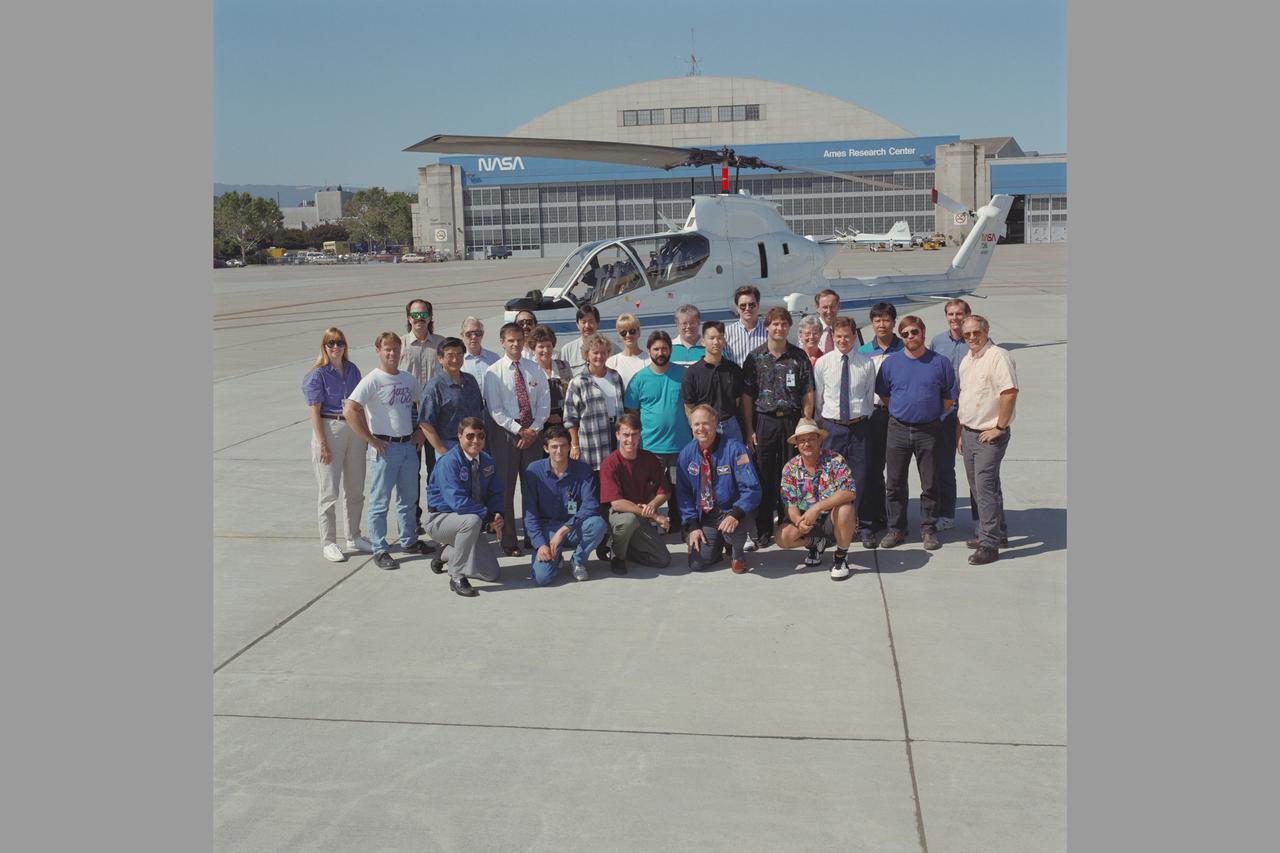
FIELD OF VIEW OVERLAP STUDY PROJECT TEST ON FLIGHT LINE WITH NASA 736 COBRA (USA 70-15979). FLITE Cobra Research Team Personnel - Front row, L-R: Tom Reynolds, Nick Pirot, Sean Hogan, Loran Haworth, John Browning. Middle row, L-R: Dr. Mary Kaiser, John Spooner, Richard Lee, Montoe Deering, Sue Laurie, Paul Aristo, Alan Lee, Zsolt Halmos, Zoltan Szoboszlay, John Denman, Lee Mountz. Back row, L-R: Dr. Dave Foyle, Millard Edgerton, Ron Fong, Gertrude 'Trude' Schlaich, Gary Leong, Linda Blyskal, Brian Hookland, Steve Timmons, Fran Kaster, Wendel Stephens, Alex Macalma, Dana Marcell. Fig. 141 NASA SP Flight Research at Ames: 57 Years of Development and Validation of Aeronautical Technology
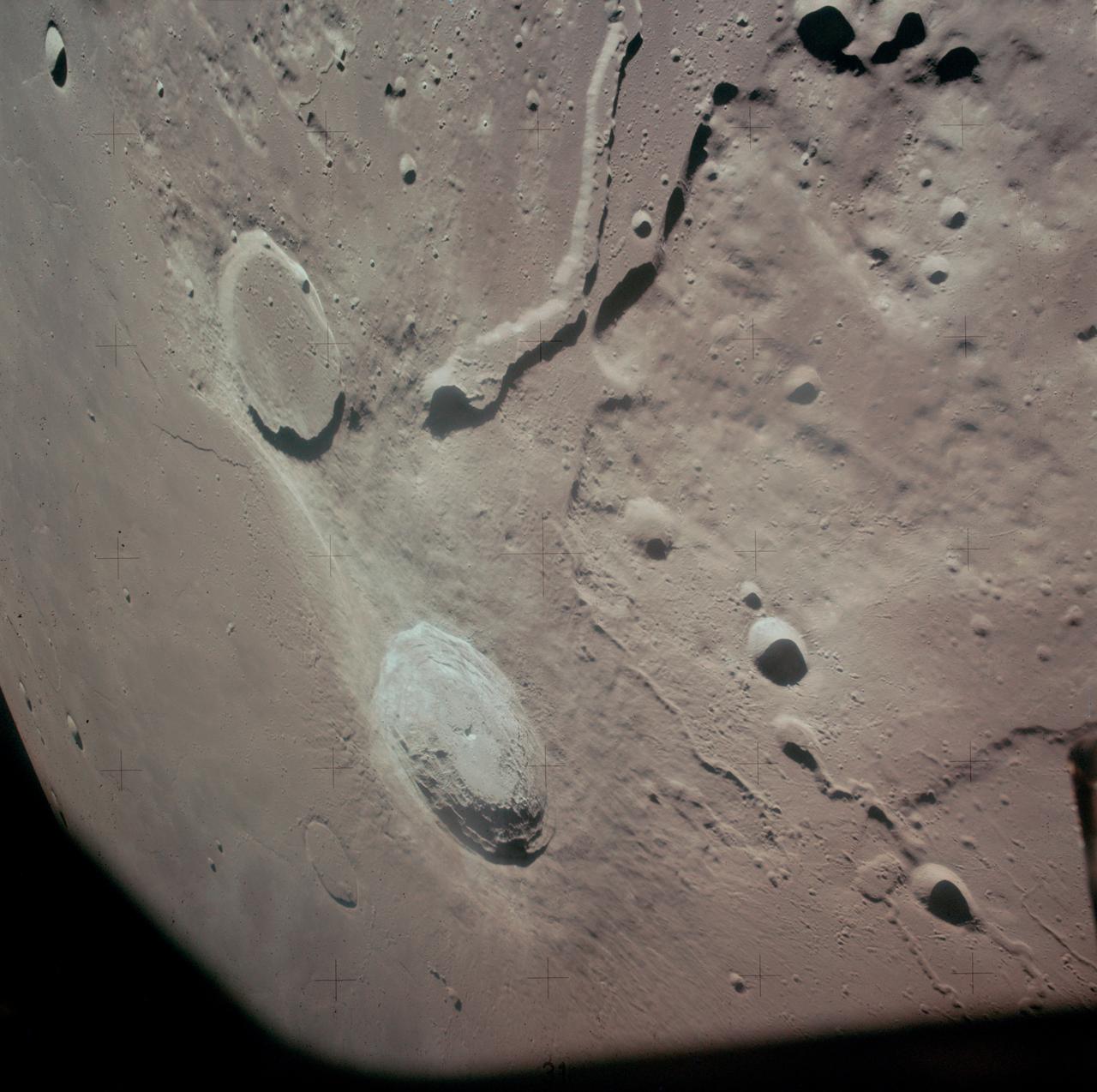
AS15-88-12002 (31 July-2 Aug. 1971) --- An oblique view of a portion of the lunar nearside located near the northeast edge of the Ocean of Storms (Oceanus Procellarum), photographed by astronaut Alfred M. Worden, command module pilot, from the Apollo 15 spacecraft in lunar orbit, showing the bright-appearing crater Aristarchus on the left, the crater Herodotus on the right, and Schroter's Valley at lower right. This view is looking southward. Aristarchus the head of Schroter's Valley, a sinuous rille in the Aristarchus Plateau, is called Cobra Head. The coordinates of the center of Aristarchus crater are 47.5 degrees west longitude and 23.6 degrees north latitude. While Worden remained in the Command and Service Modules (CSM) in lunar orbit, astronauts David R. Scott, commander; and James B. Irwin, lunar module pilot, descended in the Lunar Module (LM) "Falcon" to explore the moon.
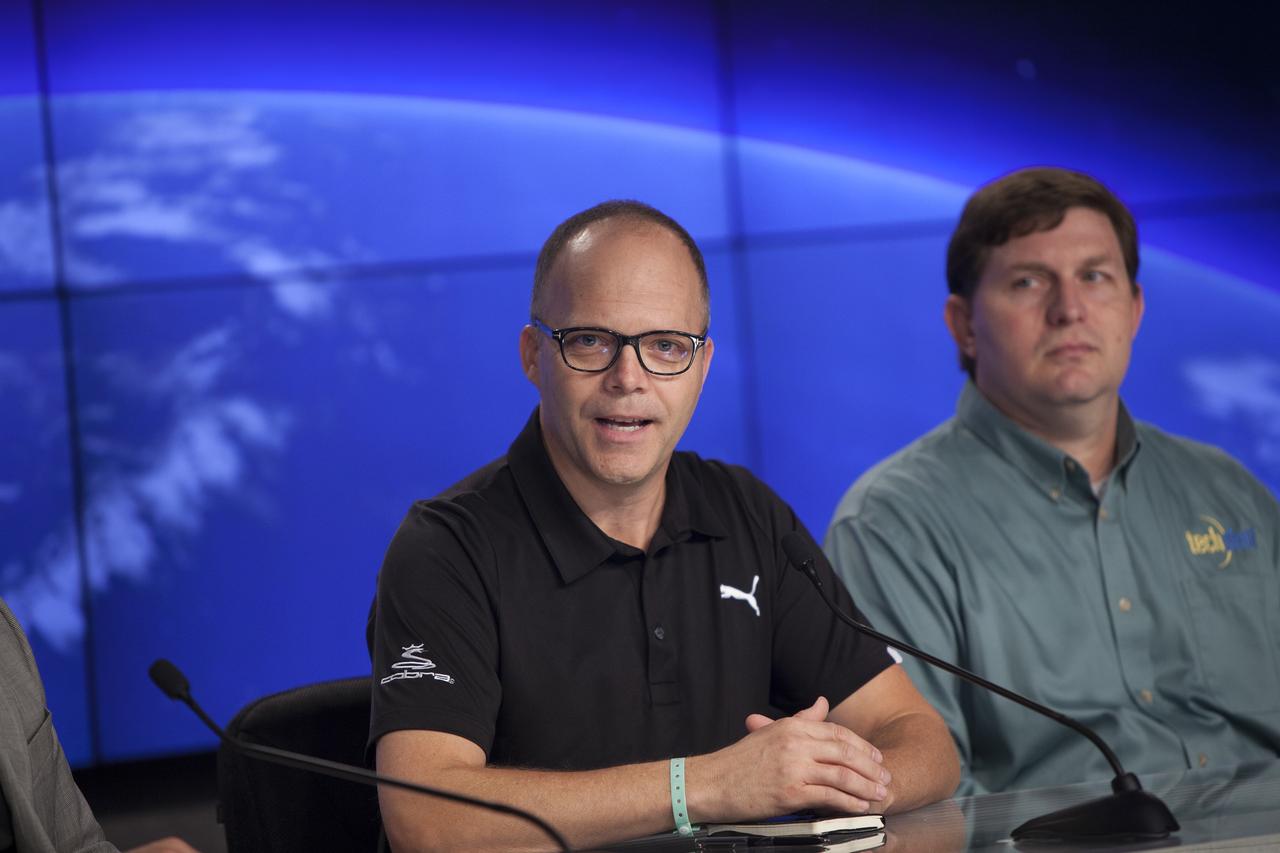
CAPE CANAVERAL, Fla. – Mike Yagley, COBRA PUMA Golf, director of Research and Testing, briefs media representatives in Kennedy Space Center’s Press Site auditorium in preparation for the launch of the SpaceX CRS-4 mission to resupply the International Space Station. Yagley is a member of the ISS Research and Technology Panel. Dr. Eugene Boland, Techshot chief scientist, looks on at right. The mission is the fourth of 12 SpaceX flights NASA contracted with the company to resupply the space station. It will be the fifth trip by a Dragon spacecraft to the orbiting laboratory. The spacecraft’s 2.5 tons of supplies, science experiments, and technology demonstrations include critical materials to support 255 science and research investigations that will occur during the station's Expeditions 41 and 42. Liftoff is targeted for an instantaneous window at 2:14 a.m. EDT. To learn more about the mission, visit http://www.nasa.gov/mission_pages/station/structure/launch/index.html. Photo credit: NASA/Jim Grossmann
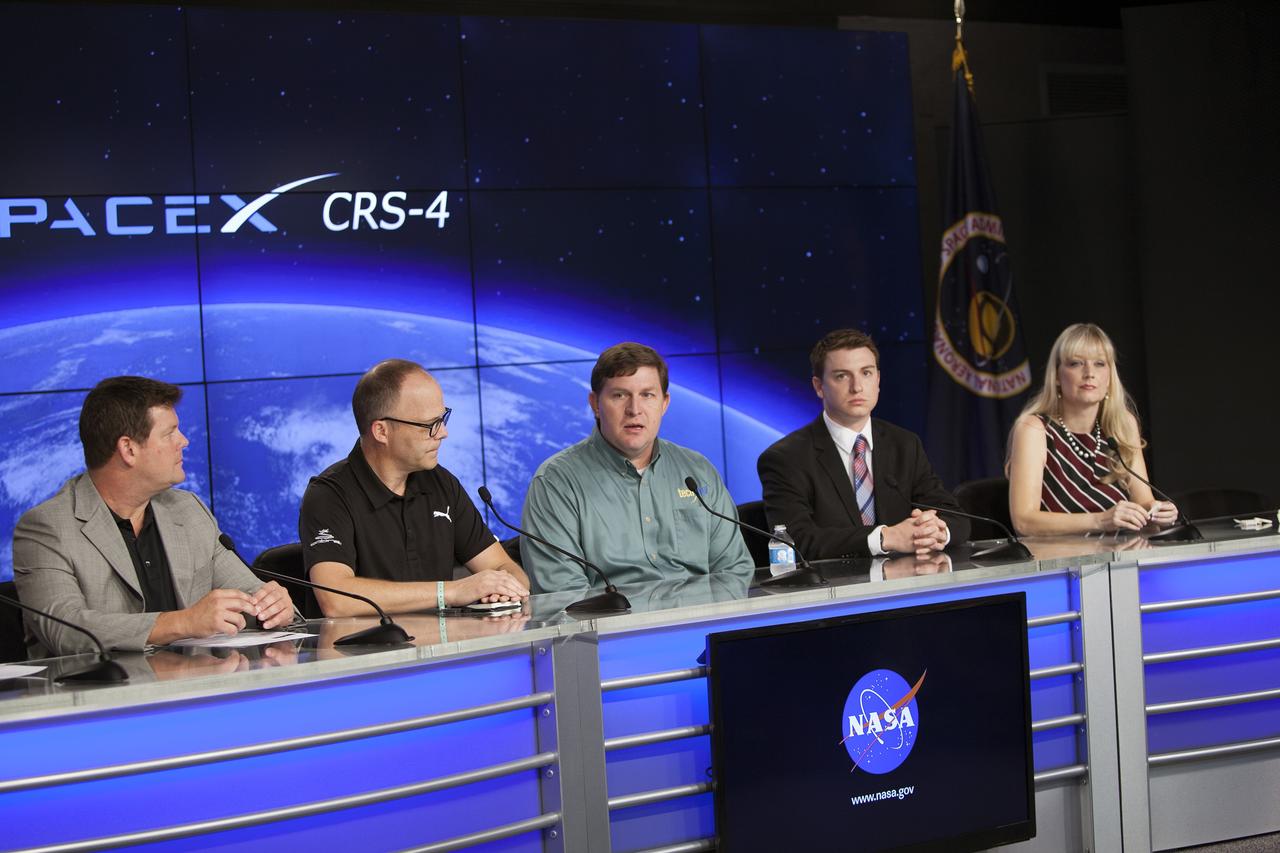
CAPE CANAVERAL, Fla. – Members of an ISS Research and Technology Panel brief media representatives in Kennedy Space Center’s Press Site auditorium in preparation for the launch of the SpaceX CRS-4 mission to resupply the International Space Station. From left are Duane Ratliff, chief operating officer, CASIS, Mike Yagley, COBRA PUMA Golf, director of Research and Testing, Dr. Eugene Boland, Techshot chief scientist, Jason Gilbert, scientific associate, Novartis Institutes for BioMedical Research, and Niki Werkheiser, 3D Printing in Zero-G project manager. The mission is the fourth of 12 SpaceX flights NASA contracted with the company to resupply the space station. It will be the fifth trip by a Dragon spacecraft to the orbiting laboratory. The spacecraft’s 2.5 tons of supplies, science experiments, and technology demonstrations include critical materials to support 255 science and research investigations that will occur during the station's Expeditions 41 and 42. Liftoff is targeted for an instantaneous window at 2:14 a.m. EDT. To learn more about the mission, visit http://www.nasa.gov/mission_pages/station/structure/launch/index.html. Photo credit: NASA/Jim Grossmann
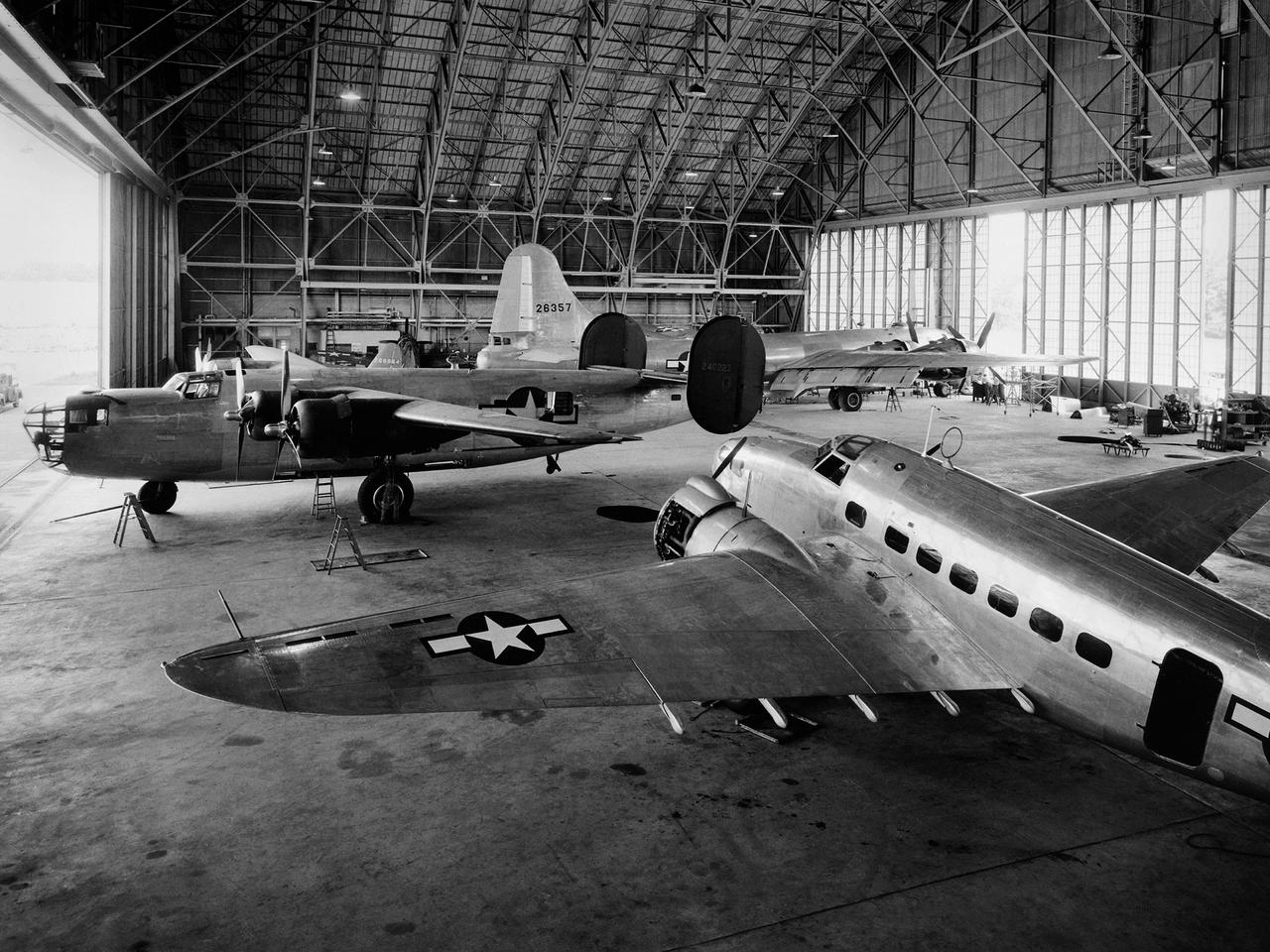
A Consolidated B–24D Liberator (left), Boeing B–29 Superfortress (background), and Lockheed RA–29 Hudson (foreground) parked inside the Flight Research Building at the National Advisory Committee for Aeronautics (NACA) Aircraft Engine Research Laboratory in Cleveland, Ohio. A P–47G Thunderbolt and P–63A King Cobra are visible in the background. The laboratory utilized 15 different aircraft during the final 2.5 years of World War II. This starkly contrasts with the limited-quantity, but long-duration aircraft of the NASA’s modern fleet. The Flight Research Building is a 272- by 150-foot hangar with an internal height ranging from 40 feet at the sides to 90 feet at its apex. The steel support trusses were pin-connected at the top with tension members extending along the corrugated transite walls down to the floor. The 37.5-foot-tall and 250-foot-long doors on either side can be opened in sections. The hangar included a shop area and stock room along the far wall, and a single-story office wing with nine offices, behind the camera. The offices were later expanded. The hangar has been in continual use since its completion in December 1942. Nearly 70 different aircraft have been sheltered here over the years. Temporary offices were twice constructed over half of the floor area when office space was at a premium.

CAPE CANAVERAL, Fla. – Media representatives ask questions of the ISS Research and Technology Panel in Kennedy Space Center’s Press Site auditorium in preparation for the launch of the SpaceX CRS-4 mission to resupply the International Space Station. On the dais from left are Michael Curie, NASA Public Affairs, Duane Ratliff, chief operating officer, CASIS, Mike Yagley, COBRA PUMA Golf, director of Research and Testing, Dr. Eugene Boland, Techshot chief scientist, Jason Gilbert, scientific associate, Novartis Institutes for BioMedical Research, and Niki Werkheiser, 3D Printing in Zero-G project manager. The mission is the fourth of 12 SpaceX flights NASA contracted with the company to resupply the space station. It will be the fifth trip by a Dragon spacecraft to the orbiting laboratory. The spacecraft’s 2.5 tons of supplies, science experiments, and technology demonstrations include critical materials to support 255 science and research investigations that will occur during the station's Expeditions 41 and 42. Liftoff is targeted for an instantaneous window at 2:14 a.m. EDT. To learn more about the mission, visit http://www.nasa.gov/mission_pages/station/structure/launch/index.html. Photo credit: NASA/Jim Grossmann
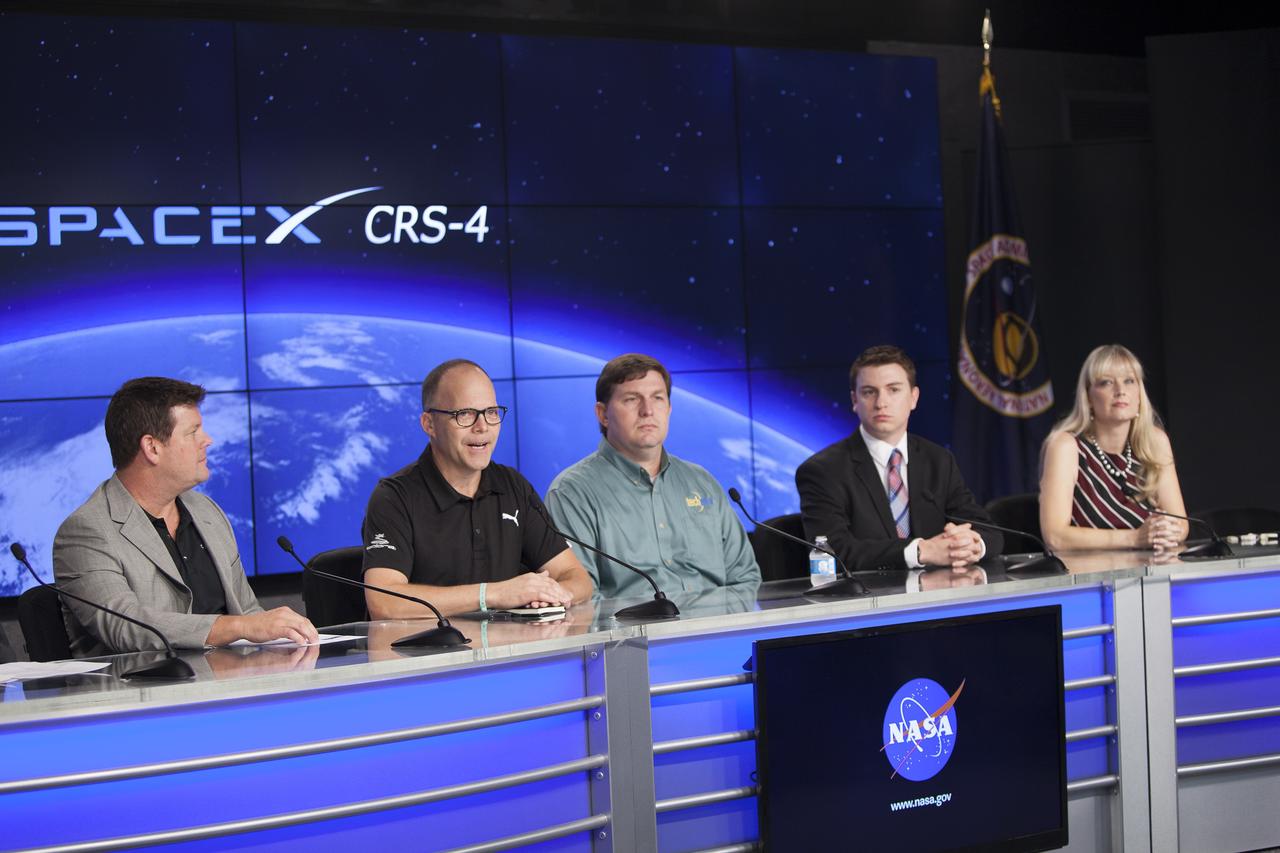
CAPE CANAVERAL, Fla. – Members of an ISS Research and Technology Panel brief media representatives in Kennedy Space Center’s Press Site auditorium in preparation for the launch of the SpaceX CRS-4 mission to resupply the International Space Station. From left are Duane Ratliff, chief operating officer, CASIS, Mike Yagley, COBRA PUMA Golf, director of Research and Testing, Dr. Eugene Boland, Techshot chief scientist, Jason Gilbert, scientific associate, Novartis Institutes for BioMedical Research, and Niki Werkheiser, 3D Printing in Zero-G project manager. The mission is the fourth of 12 SpaceX flights NASA contracted with the company to resupply the space station. It will be the fifth trip by a Dragon spacecraft to the orbiting laboratory. The spacecraft’s 2.5 tons of supplies, science experiments, and technology demonstrations include critical materials to support 255 science and research investigations that will occur during the station's Expeditions 41 and 42. Liftoff is targeted for an instantaneous window at 2:14 a.m. EDT. To learn more about the mission, visit http://www.nasa.gov/mission_pages/station/structure/launch/index.html. Photo credit: NASA/Jim Grossmann
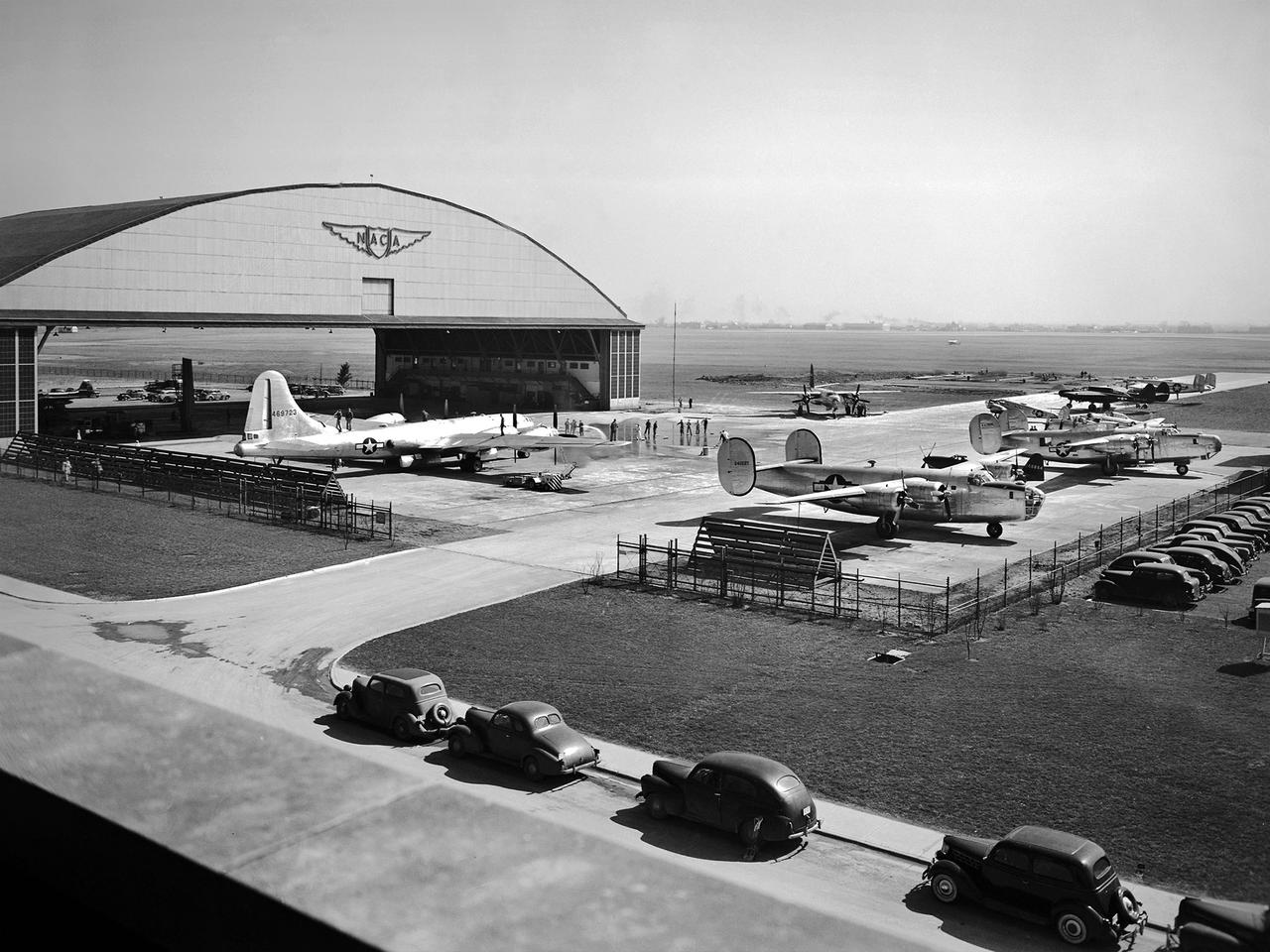
This fleet of military aircraft was used in the 1940s for research at the National Advisory Committee for Aeronautics (NACA) Lewis Flight Propulsion Laboratory in Cleveland, Ohio. The NACA Lewis flight research program was established in March 1943 to augment the lab’s wartime research efforts. NACA Lewis possessed a host of wind tunnels, test stands, and other ground facilities designed to replicate flight conditions, but actual flight tests remained an integral research tool. The military loaned NACA Lewis 15 different aircraft during World War II and six others in the six months following the end of hostilities. During the war these aircraft supported three main efforts: the improved performance of reciprocating engines, better fuel additives and mixtures, and deicing systems. The wartime researchers used the types of aircraft which the studies were intended to improve. After the war the research aircraft served as test beds to investigate engines or systems that often had little to do with the research aircraft. During the war, NACA Lewis’ three pilots were supported by 16 flight engineers, 36 mechanics, and 10 instrumentation specialists. The visible aircraft, from left to right, are a Boeing B-29 Superfortress, a Martin B-26A Marauder, two Consolidated B-24 Liberators, a Cessna UC-78 Bobcat, and a Northrop P-61 Black Widow. Partially obscured are a North American P-51 Mustang, a Bell P-63 King Cobra, a North American AT-6 Texan, and a Lockheed RA-29 Hudson.