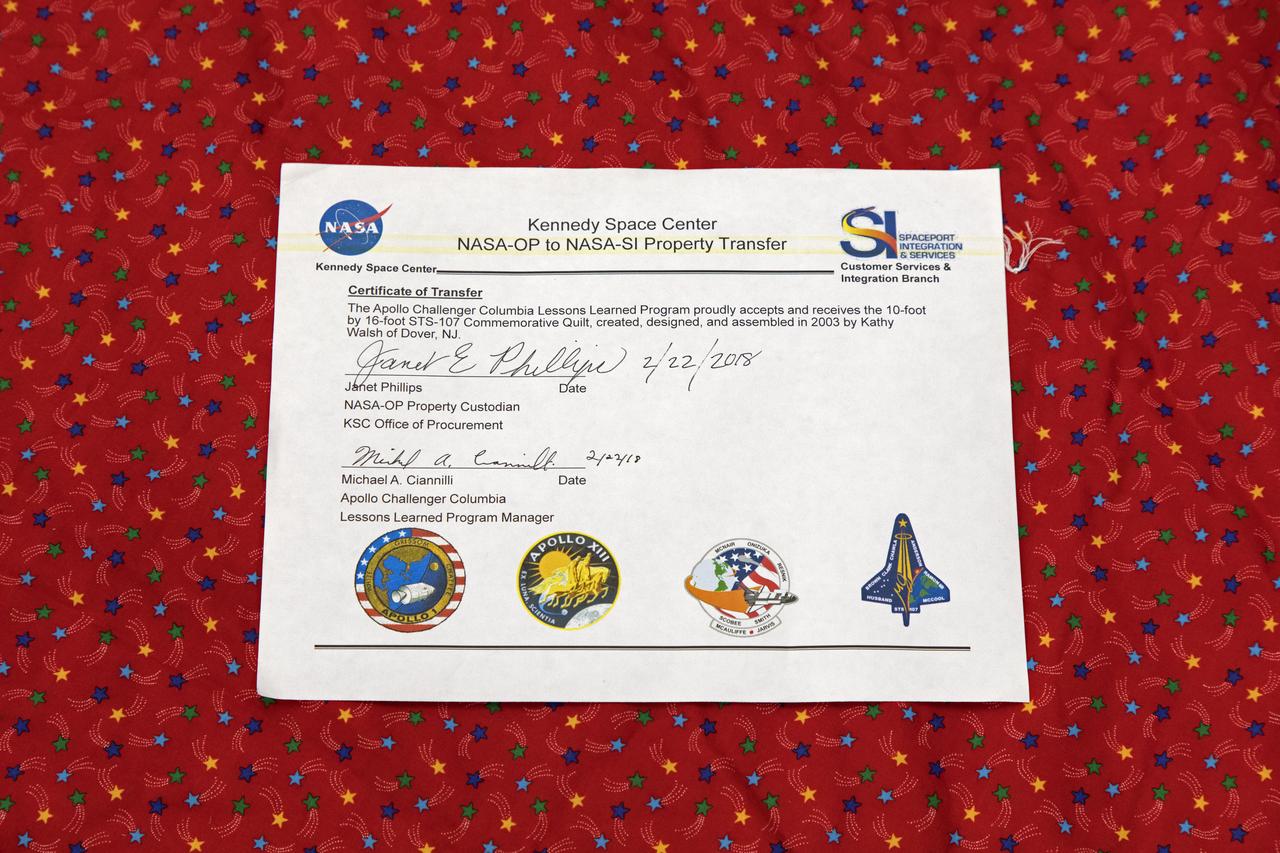
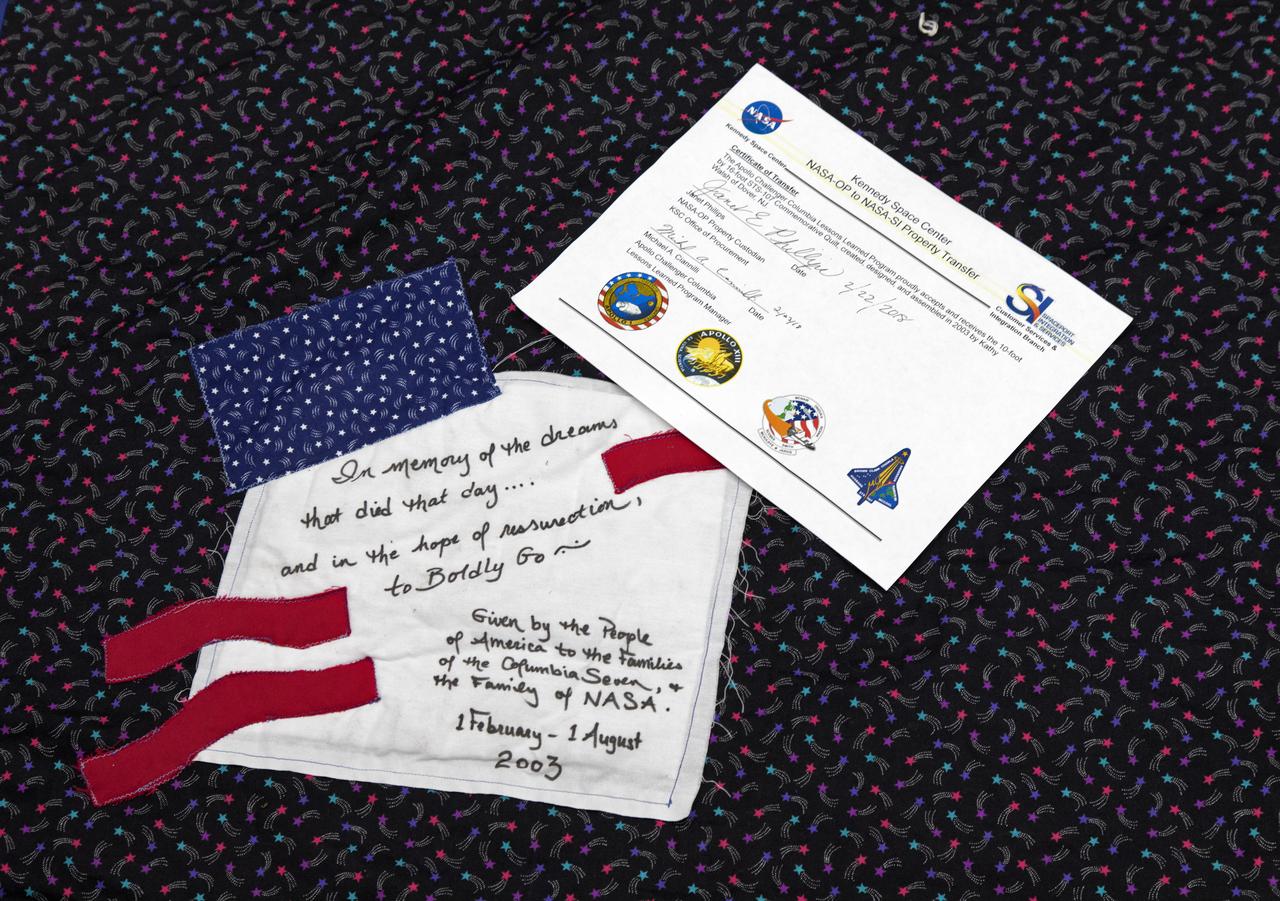
A certificate and quilt square are on display that confirms the transfer of a giant hand-made quilt in honor of space shuttle Columbia and her crew from the Office of Procurement to the Columbia Preservation Room inside the Vehicle Assembly Building at NASA's Kennedy Space Center in Florida. The quilt was made by Katherine Walsh, a lifelong NASA and space program fan originally from Kentucky. The quilt will be displayed in the preservation room with its certificate as part of NASA's Apollo, Challenger, Columbia Lessons Learned Program.
Columbia Quilt
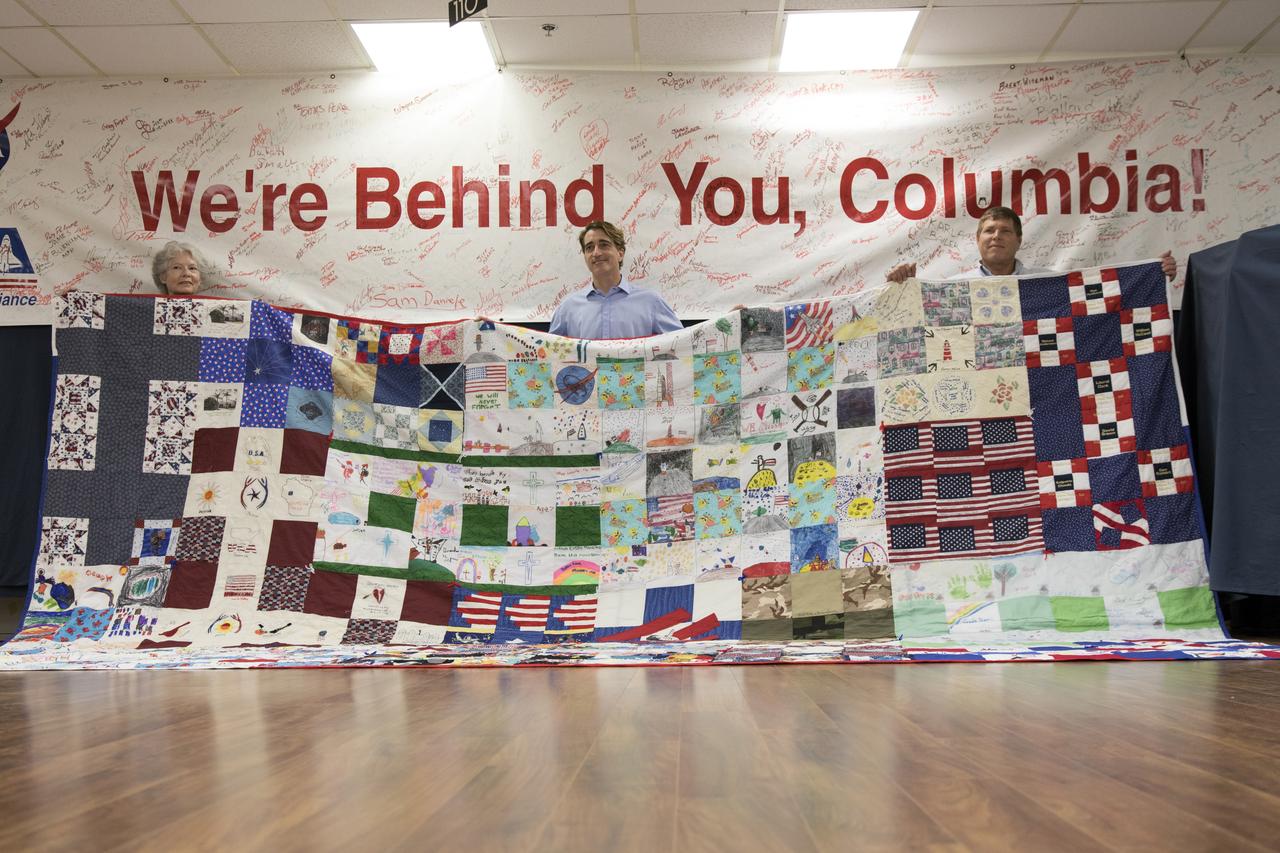
A giant hand-made quilt in honor of space shuttle Columbia and her crew was turned over to the Columbia Preservation Room inside the Vehicle Assembly Building at NASA's Kennedy Space Center in Florida. The quilt was made by Katherine Walsh, a lifelong NASA and space program fan originally from Kentucky. From left, behind the quilt are Janet Phillips, property custodian in Kennedy's Office of Procurement; Mike Ciannilli, Apollo, Challenger, Columbia Lessons Learned Program manager; and Kevin Panik, customer advocate in  Spaceport Integration.
Columbia Quilt
Mike Ciannilli, Apollo, Challenger, Columbia Lessons Learned Program manager, at right, accepts a certificate for turnover of a hand-made quilt in honor of space shuttle Columbia and her crew from Janet Phillips, property custodian in NASA Kennedy Space Center's Office of Procurement. Turnover of the quilt took place in the Columbia Preservation Room inside the Vehicle Assembly Building at Kennedy Space Center in Florida. The quilt was made by Katherine Walsh, a lifelong NASA and space program fan originally from Kentucky.
Columbia Quilt
A giant hand-made quilt in honor of space shuttle Columbia and her crew was turned over to the Columbia Preservation Room inside the Vehicle Assembly Building at NASA's Kennedy Space Center in Florida. The quilt was made by Katherine Walsh, a lifelong NASA and space program fan originally from Kentucky. From left, behind the quilt are Janet Phillips, property custodian in Kennedy's Office of Procurement; and Mike Ciannilli, Apollo, Challenger, Columbia Lessons Learned Program manager
Columbia Quilt
A certificate is on display that confirms the transfer of a giant hand-made quilt in honor of space shuttle Columbia and her crew from the Office of Procurement to the Columbia Preservation Room inside the Vehicle Assembly Building at NASA's Kennedy Space Center in Florida. The quilt was made by Katherine Walsh, a lifelong NASA and space program fan originally from Kentucky. The quilt will be displayed with its certificate in the preservation room as part of NASA's Apollo, Challenger, Columbia Lessons Learned Program.
Columbia Quilt
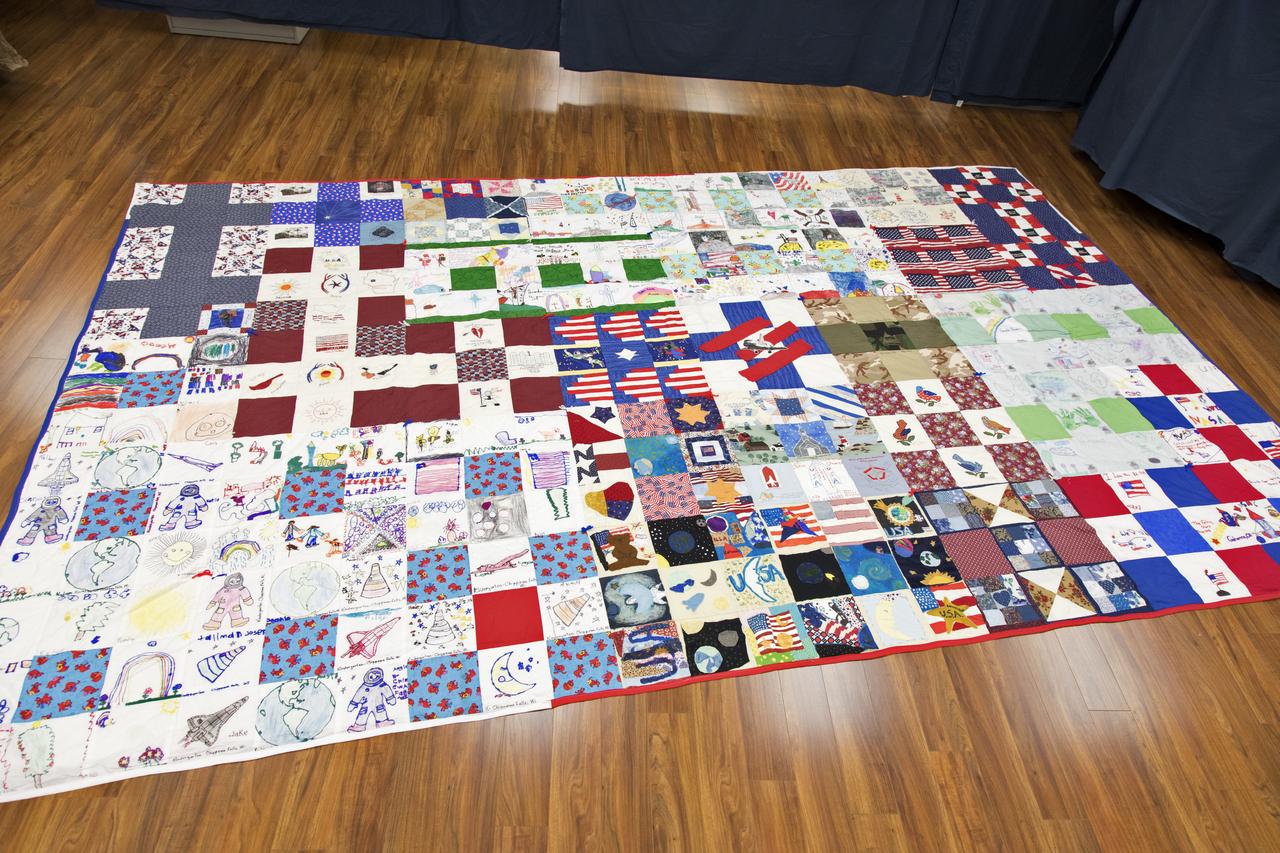
A giant hand-made quilt in honor of space shuttle Columbia and her crew was turned over to the Columbia Preservation Room inside the Vehicle Assembly Building at NASA's Kennedy Space Center in Florida. The quilt was made by Katherine Walsh, a lifelong NASA and space program fan originally from Kentucky.
Columbia Quilt
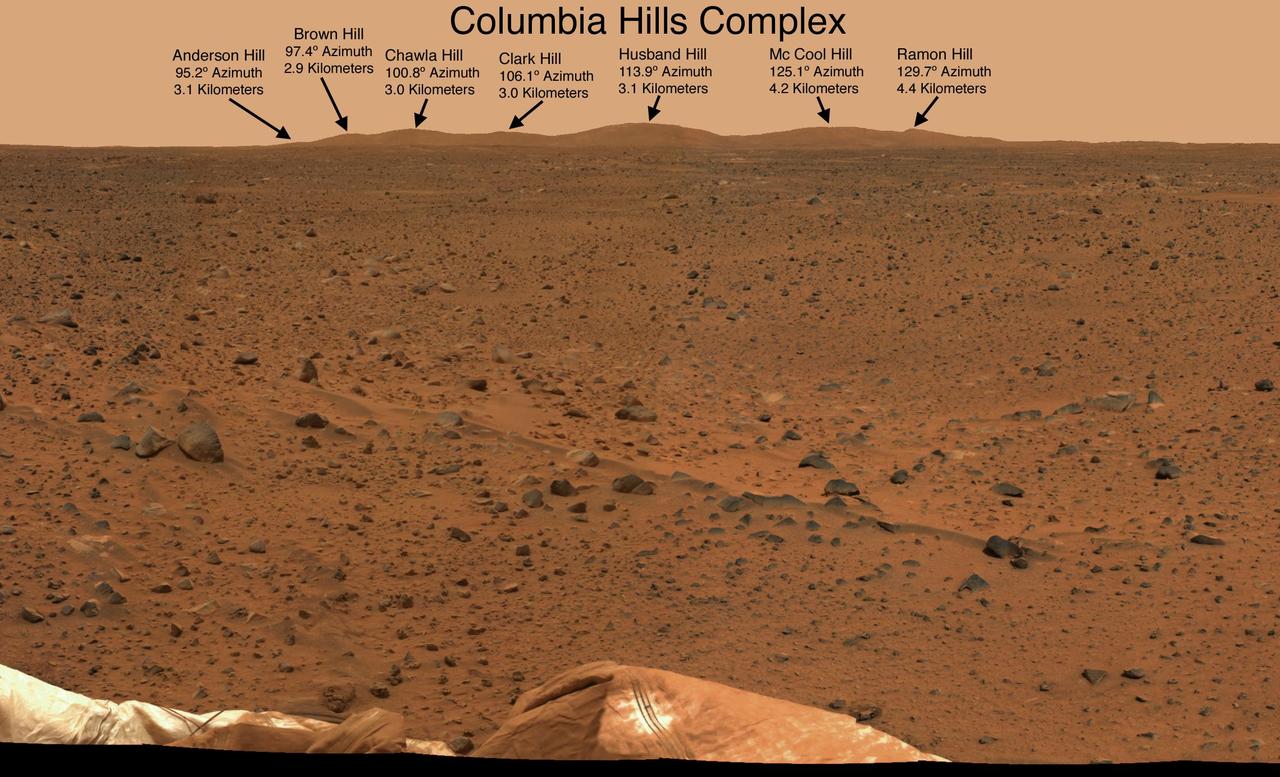
The Columbia Hills in Color
Columbia Hills from Orbit
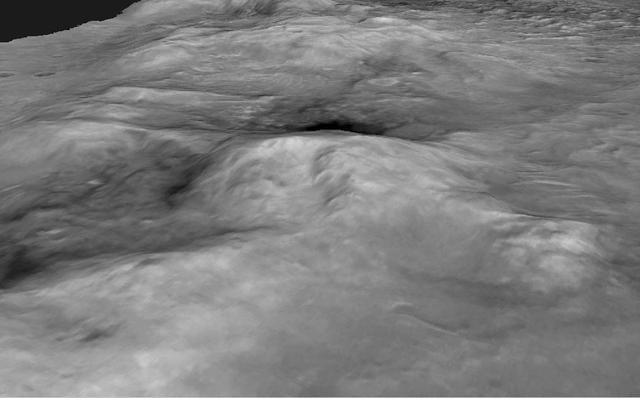
Columbia Hills Oblique View
Spirit Moves in on Columbia Hills
Columbia Hills at Last!
A Closer Look at the Columbia Hills
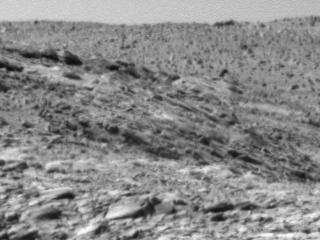
Layered Rocks in Columbia Hills
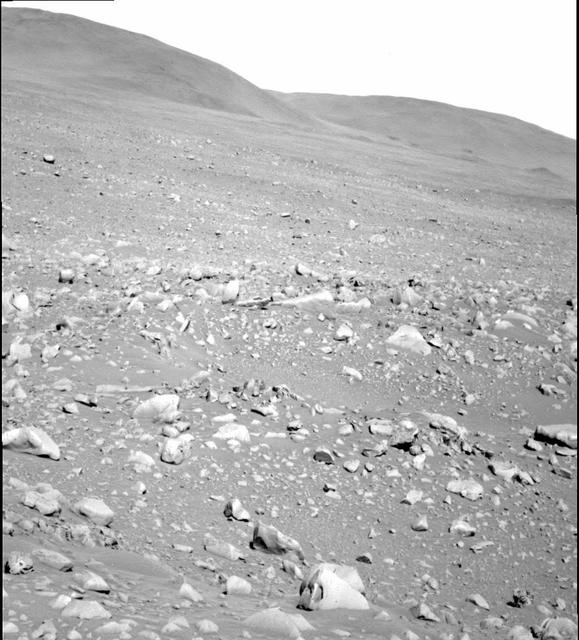
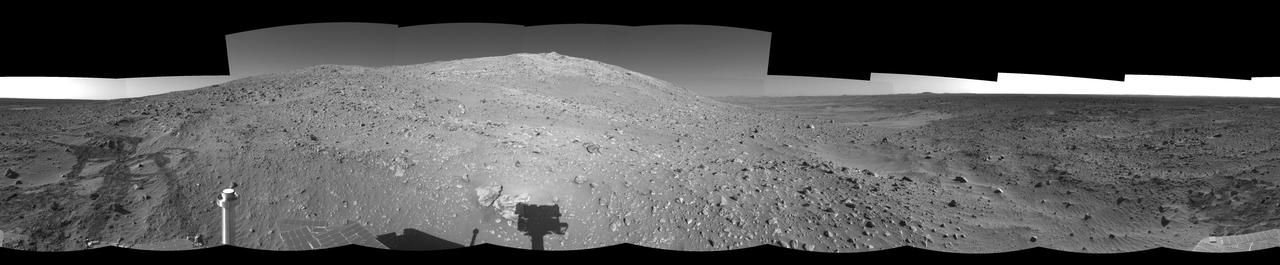
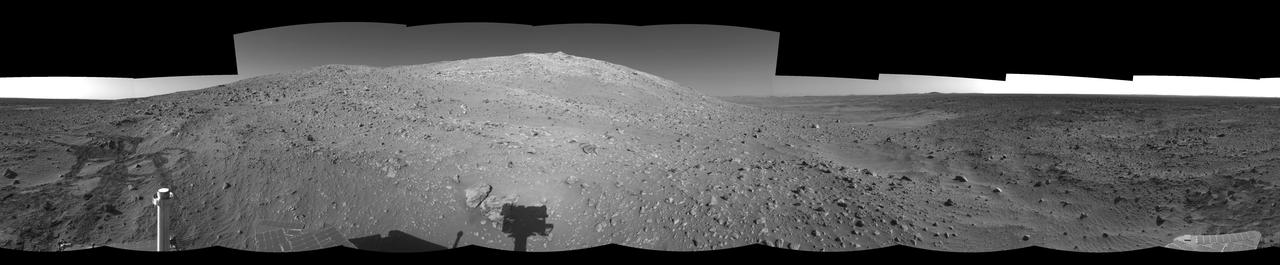
Spirit View of Columbia Hills
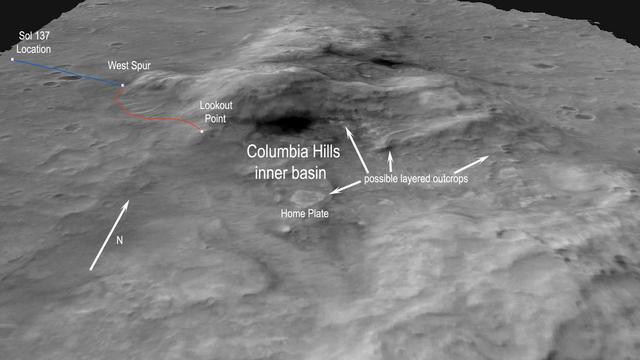
Spirit Plan for Columbia Hills
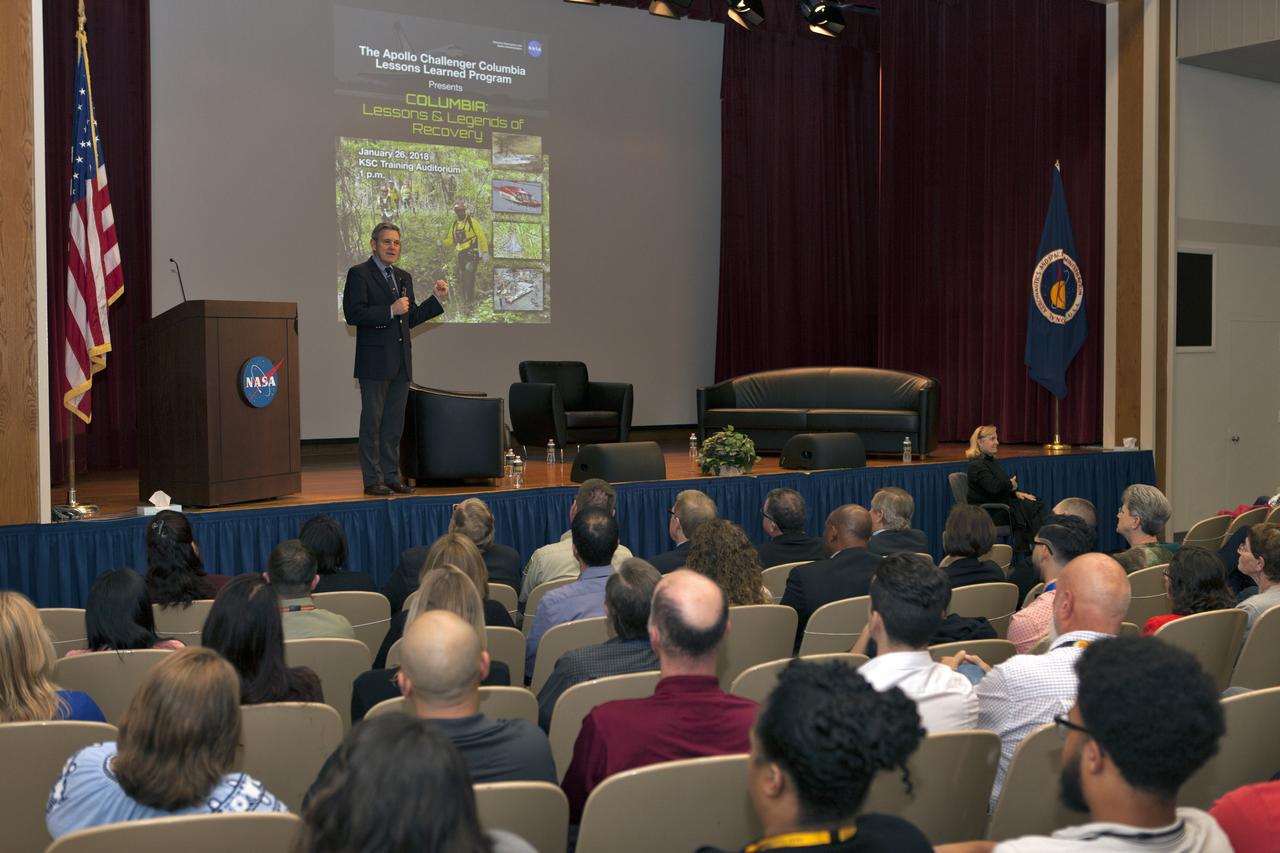
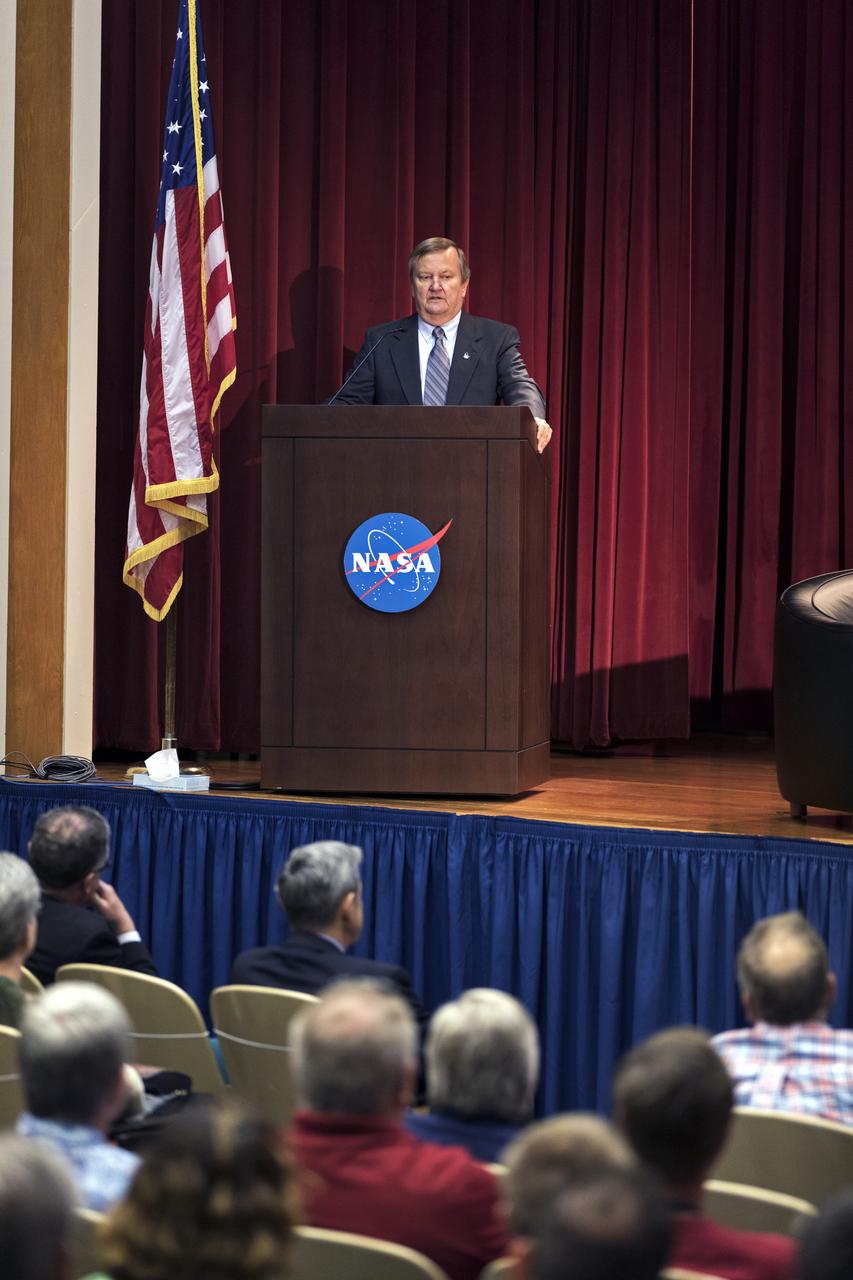
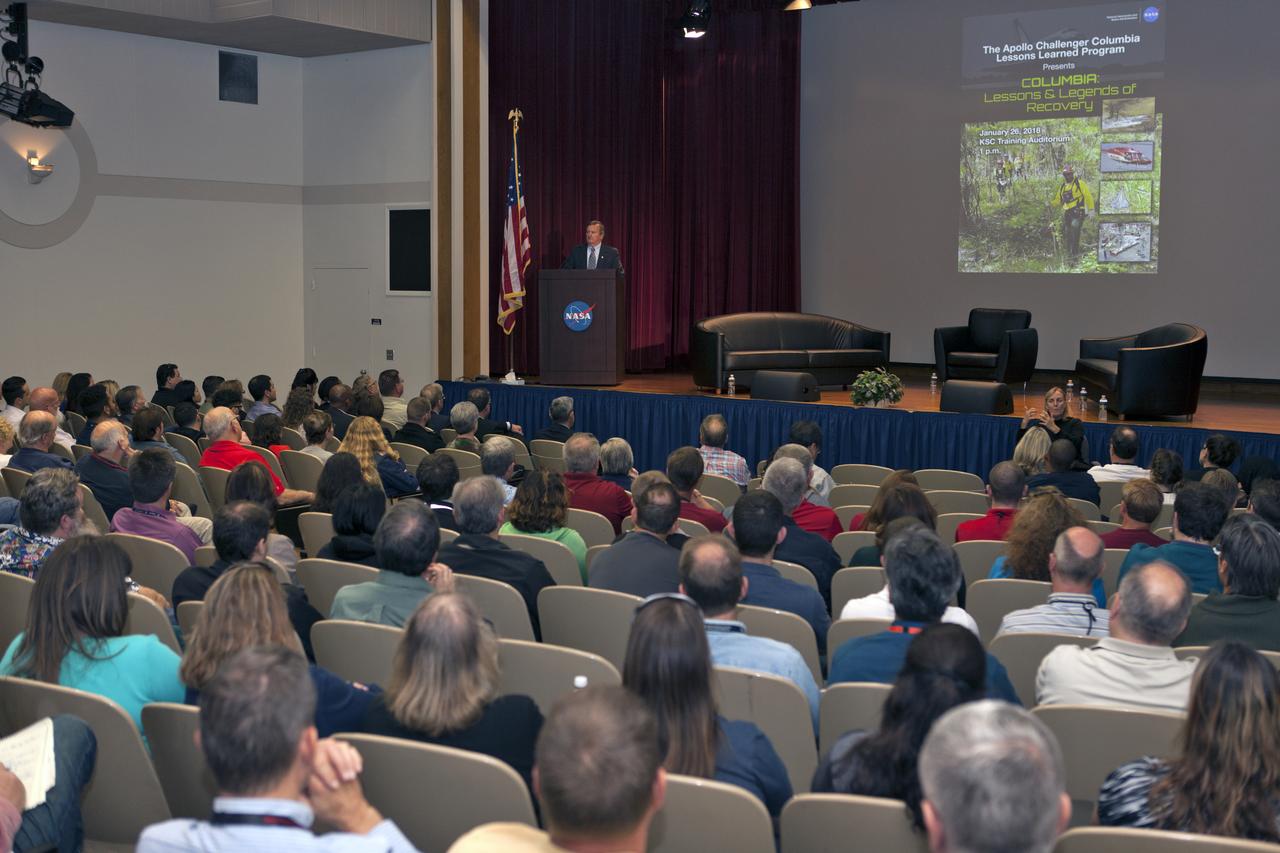
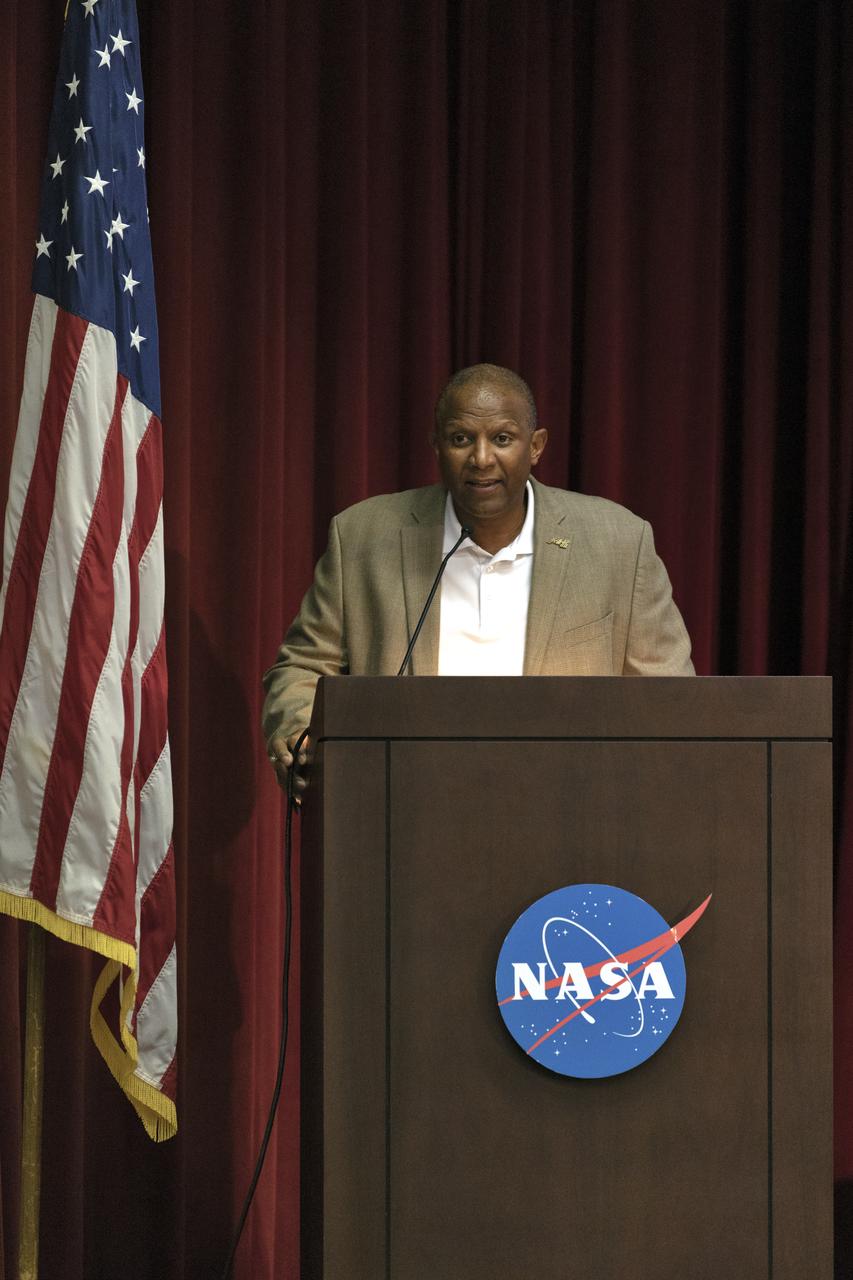
NASA Kennedy Space Center Director Bob Cabana speaks to employees during an Apollo, Challenger, Columbia Lessons Learned Program event in the center's Training Auditorium. The program's theme was "Columbia: Lessons and Legends of Recovery." Cabana moderated a panel discussion featuring guests with connections to Columbia and recovery efforts.
Apollo Columbia Challenger Lessons Learned Program - Columbia Le
Employees listen intently during an Apollo, Challenger, Columbia Lessons Learned Program event in the Training Auditorium at NASA's Kennedy Space Center in Florida. The program's theme was "Columbia: Lessons and Legends of Recovery." Kennedy Center Director Bob Cabana moderated a panel discussion featuring guests with connections to Columbia and recovery efforts.
Apollo Columbia Challenger Lessons Learned Program - Columbia Le
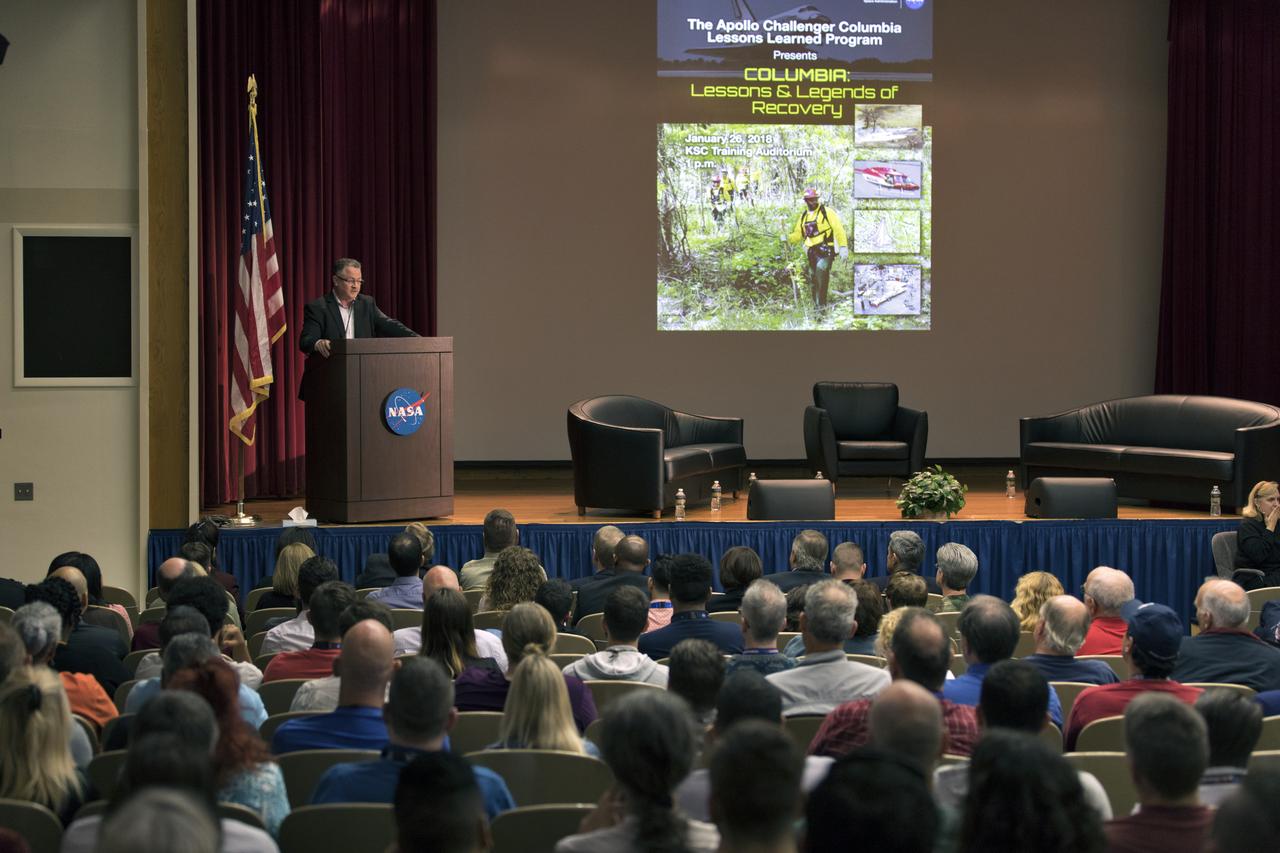
Dave King, former director of Marshall Space Flight Center in Huntsville, Alabama, and NASA Columbia Recovery director, gives the keynote speech during an Apollo, Challenger, Columbia Lessons Learned Program employee event at NASA's Kennedy Space Center in Florida. The theme of the presentation was "Columbia: Lessons and Legends of Recovery." King also participated in a panel discussion moderated by Kennedy Space Center Director Bob Cabana.
Apollo Columbia Challenger Lessons Learned Program - Columbia Le
Dave King, former director of Marshall Space Flight Center in Huntsville, Alabama, and NASA Columbia Recovery director, gives the keynote speech during an Apollo, Challenger, Columbia Lessons Learned Program employee event at NASA's Kennedy Space Center in Florida. The theme of the presentation was "Columbia: Lessons and Legends of Recovery." King also participated in a panel discussion moderated by Kennedy Space Center Director Bob Cabana.
Apollo Columbia Challenger Lessons Learned Program - Columbia Le
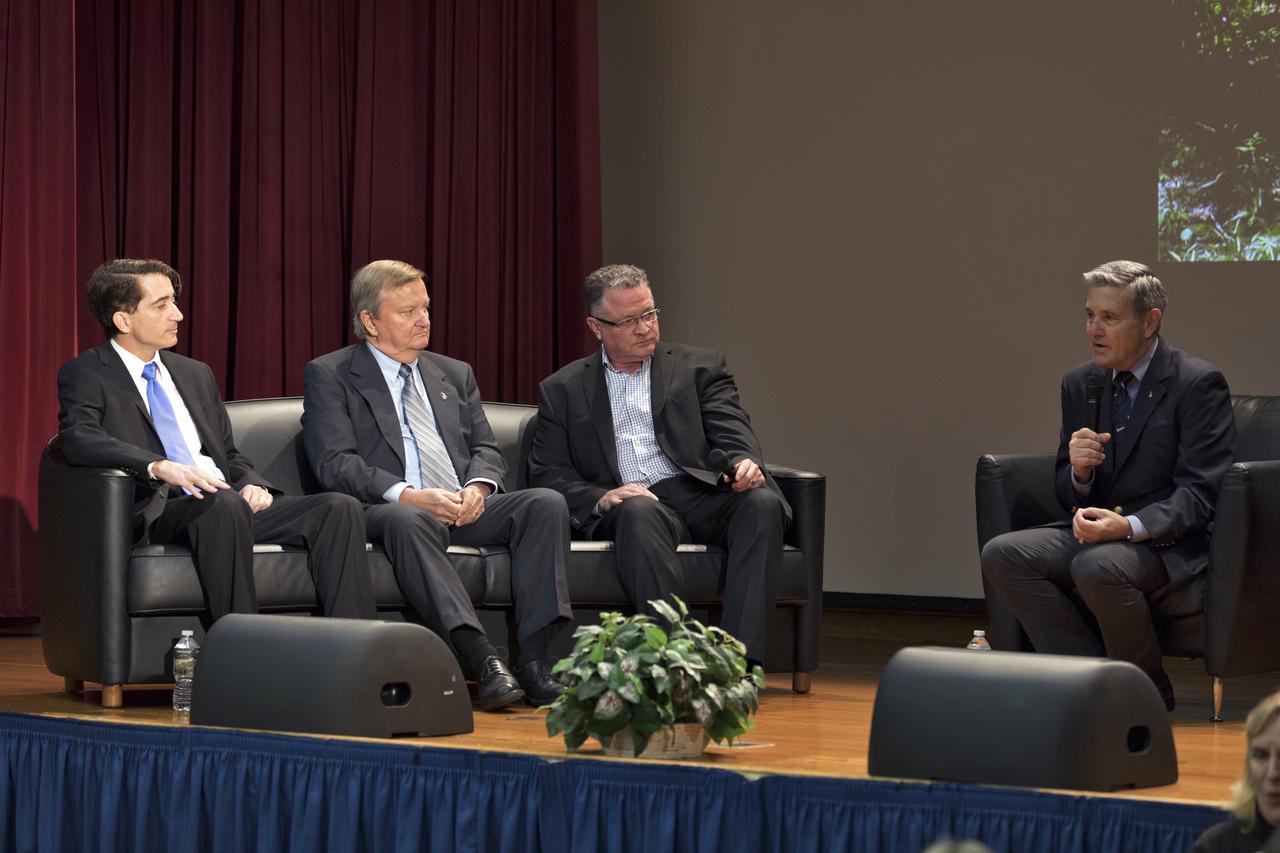
NASA Kennedy Space Center Director Bob Cabana, far right, poses a question to several panelists during an Apollo, Challenger, Columbia Lessons Learned Program (ACCLLP) employee event. The theme of the presentation was "Columbia: Lessons and Legends of Recovery." Participating, from left, are Mike Ciannilli, ACCLLP manager; Mike Leinbach, former shuttle launch director; and Dave King, NASA Columbia Recovery director and former director of Marshall Space Flight Center.
Apollo Columbia Challenger Lessons Learned Program - Columbia Le
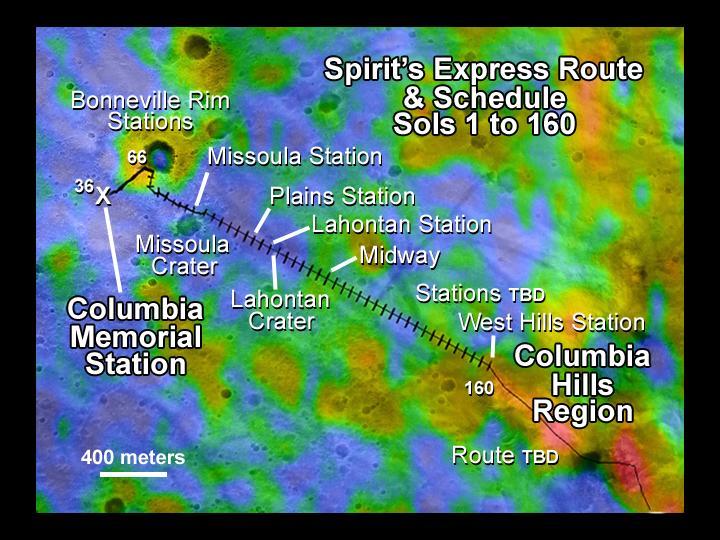
Spirit Express Route to Columbia Hills
Columbia Hills at Last! Right Eye
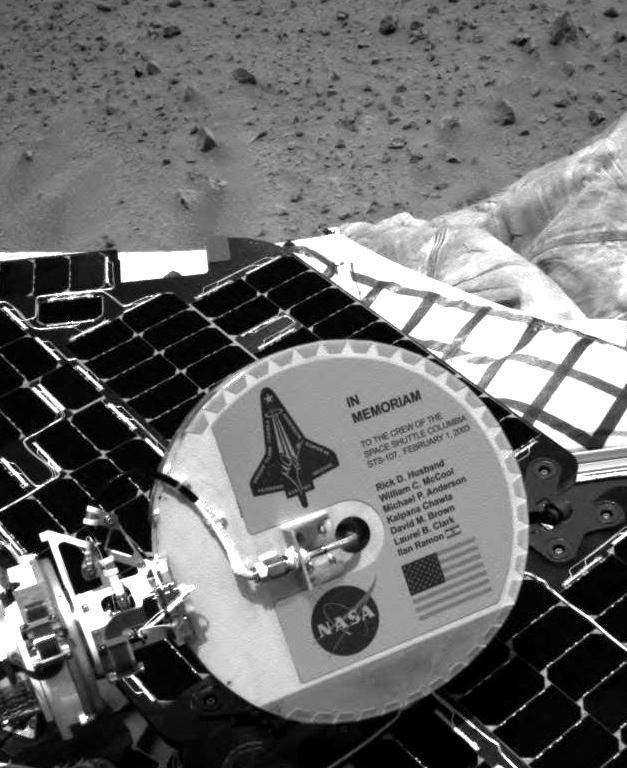
Plaque on Spirit Honors Columbia Astronauts
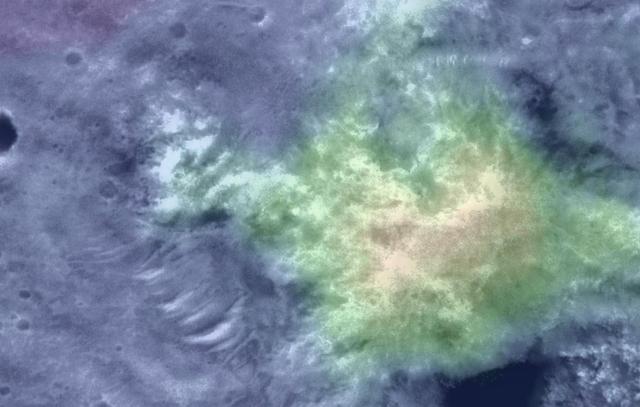
Columbia Hills Color Elevation Map
Columbia Hills at Last! Left Eye
Spirit Express Route to Columbia Hills
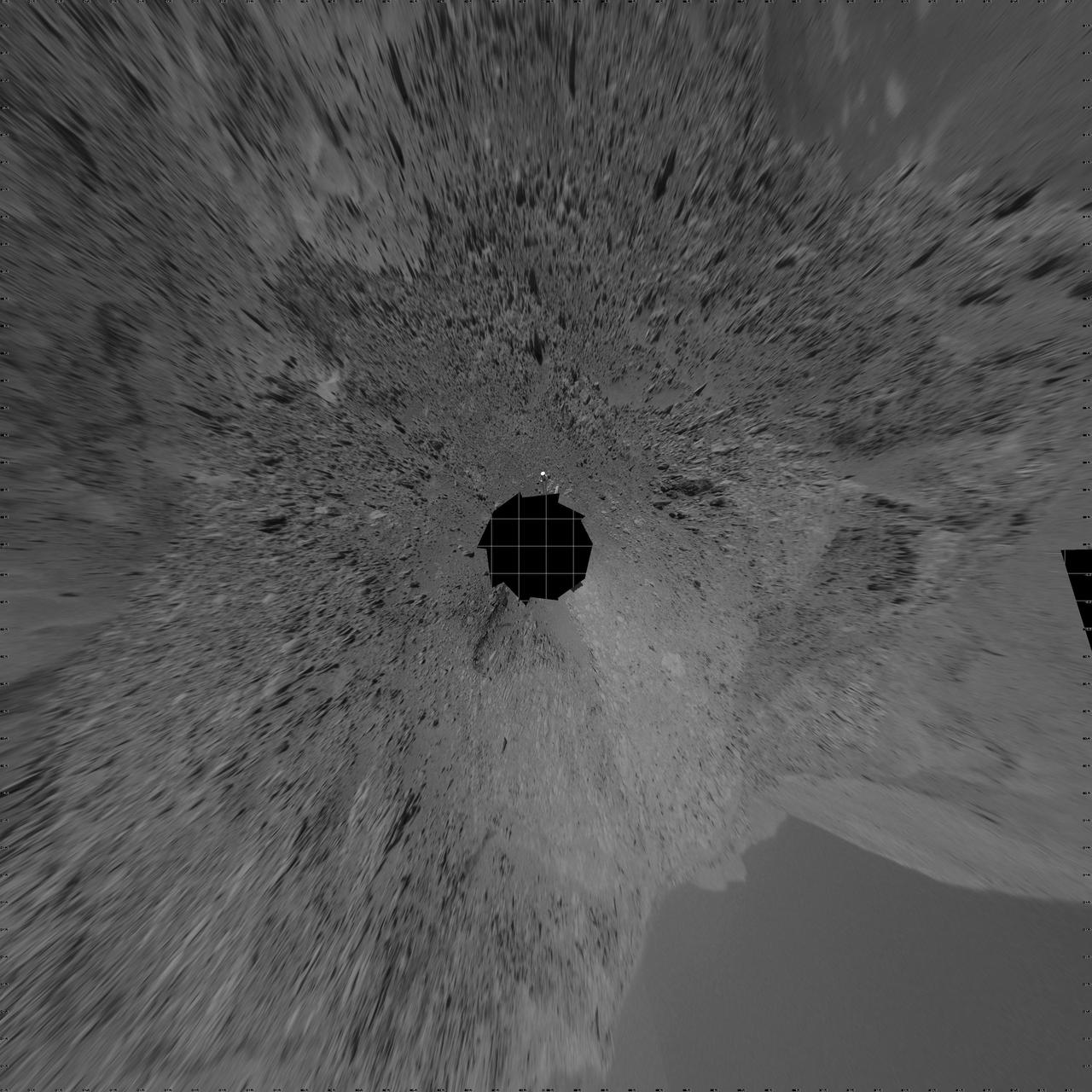
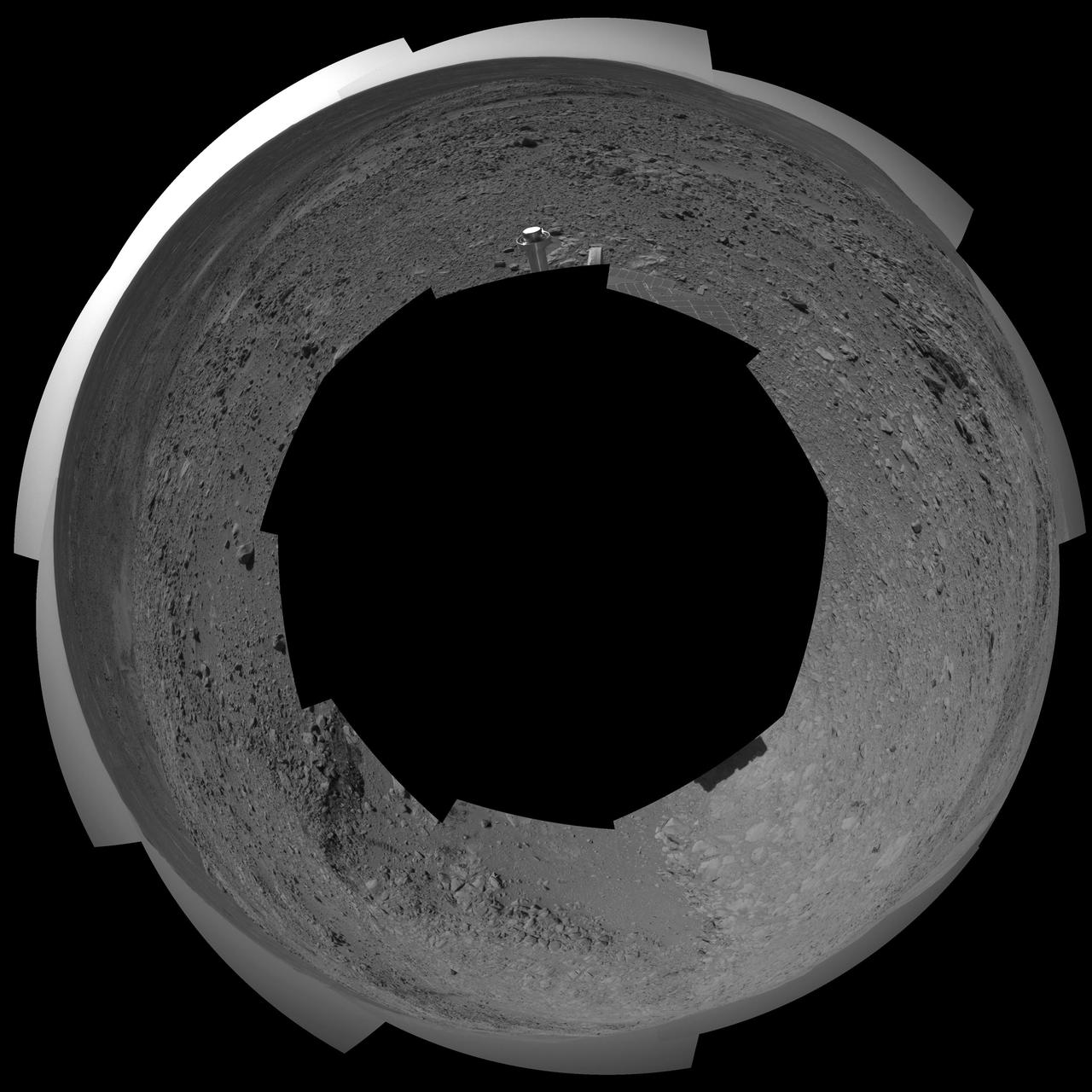
Spirit View of Columbia Hills vertical
Spirit View of Columbia Hills polar
Former NASA Shuttle Launch Director Mike Leinbach speaks to employees during an Apollo, Challenger, Columbia Lessons Learned Program event in the Training Auditorium at Kennedy Space Center in Florida. The program's theme was "Columbia: Lessons and Legends of Recovery." Leinbach participated in a panel discussion during the event.
Apollo Columbia Challenger Lessons Learned Program - Columbia Le
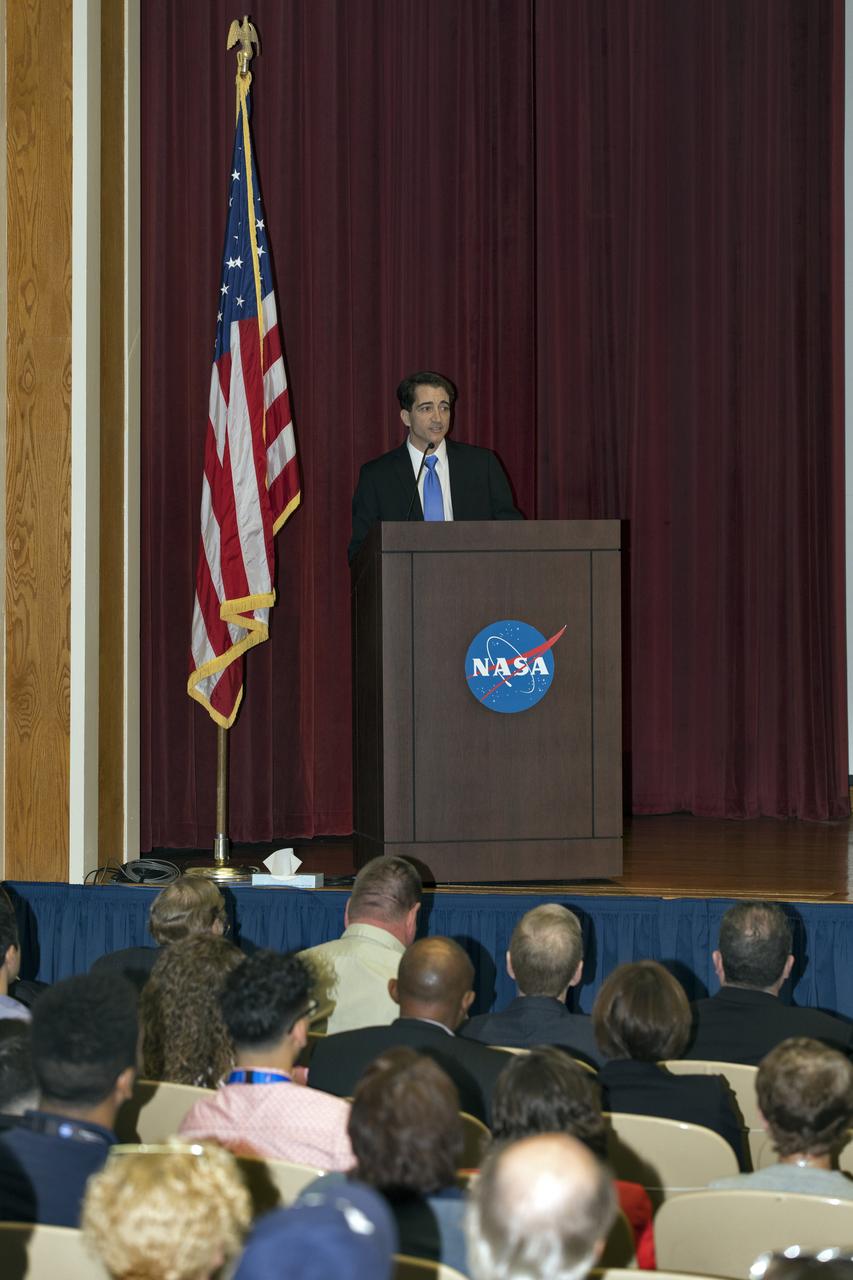
Mike Ciannilli, the Apollo, Challenger, Columbia Lessons Learned Program manager, welcomes employees to a lessons learned presentation in the Training Auditorium at NASA’s Kennedy Space Center in Florida. The program's theme was "Columbia: Lessons and Legends of Recovery." The event featured a panel discussion moderated by Kennedy Center Director Bob Cabana.
Apollo Columbia Challenger Lessons Learned Program - Columbia Le
Mike Ciannilli, left, manager of the Apollo, Challenger, Columbia Lessons Learned Program (ACCLLP), presents a certificate of appreciation to Kennedy Space Center Director Bob Cabana, during an ACCLLP employee event in the Training Auditorium at the center in Florida. The theme of the presentation was "Columbia: Lessons and Legends of Recovery," and featured a panel discussion moderated by Cabana.
Apollo Columbia Challenger Lessons Learned Program - Columbia Le
Former NASA Shuttle Launch Director Mike Leinbach speaks to employees during an Apollo, Challenger, Columbia Lessons Learned Program event in the Training Auditorium at Kennedy Space Center in Florida. The program's theme was "Columbia: Lessons and Legends of Recovery." Leinbach participated in a panel discussion during the event.
Apollo Columbia Challenger Lessons Learned Program - Columbia Le
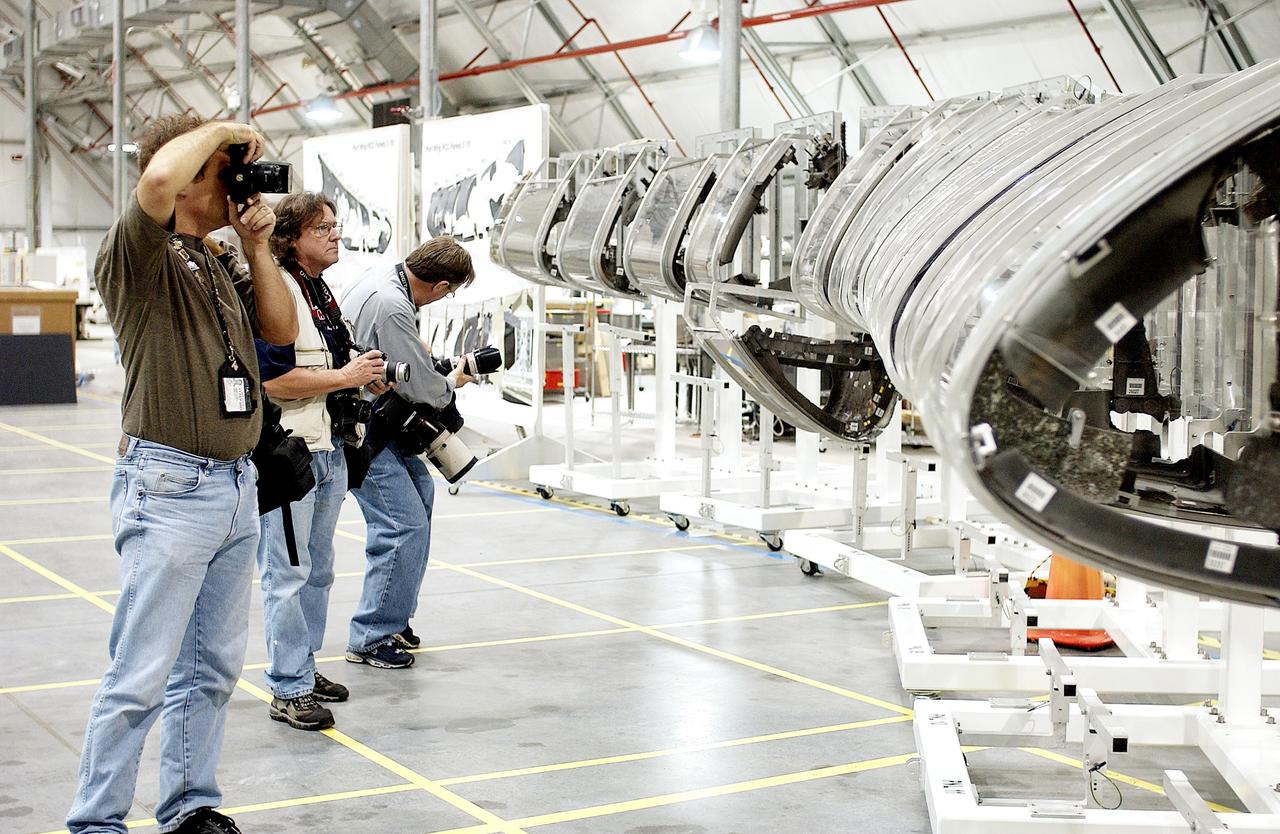
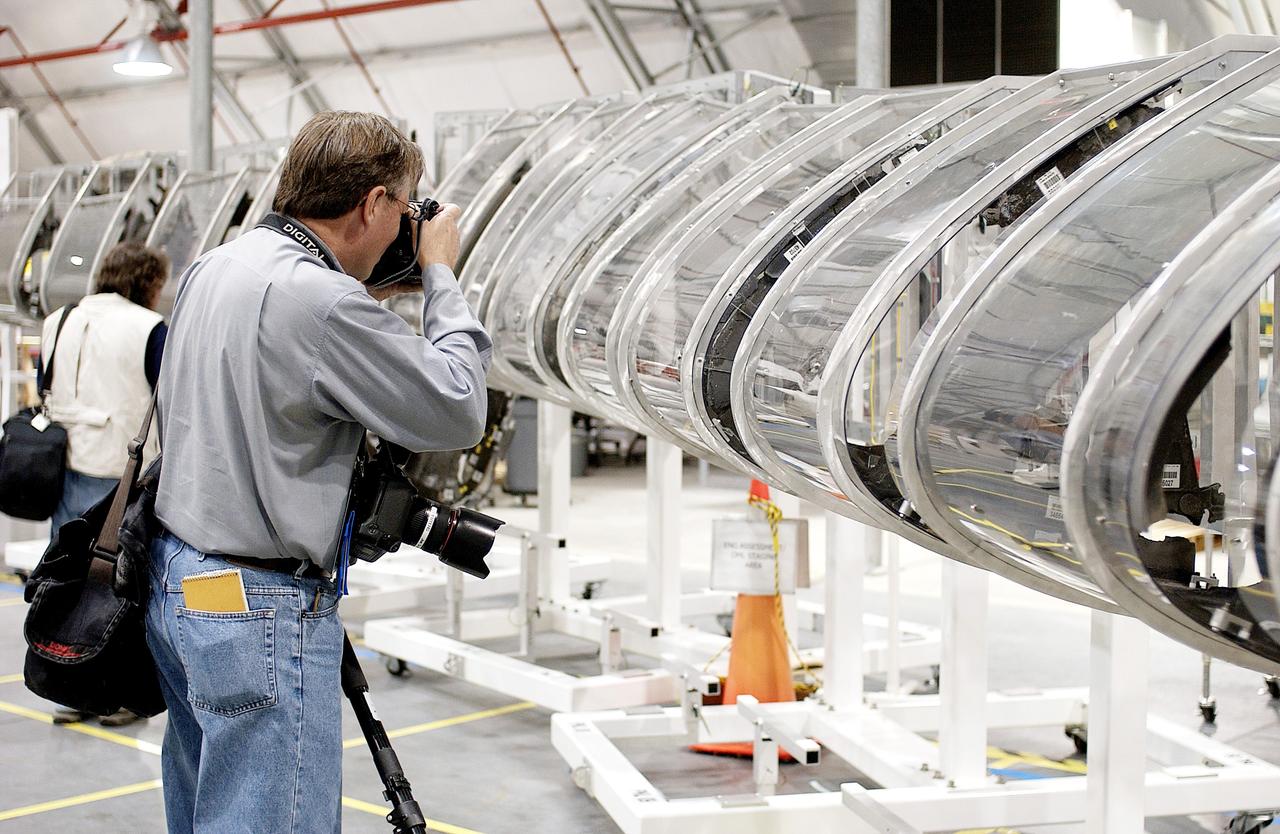
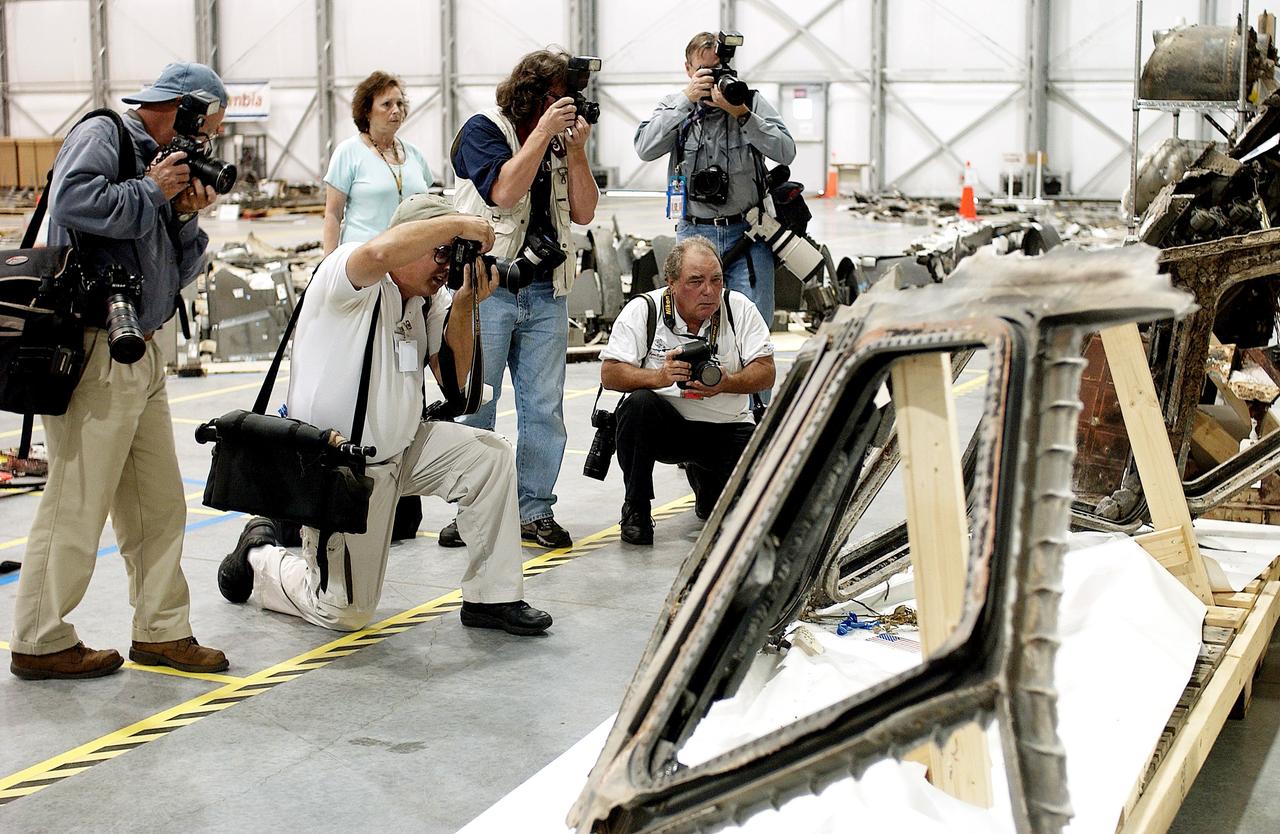
KENNEDY SPACE CENTER, FLA. - During a media tour of the Columbia Debris Hangar, a photographer gets a close-up of the mockup of the leading edge of Columbia’s left wing.  About 83,000 pieces of debris were shipped to KSC from search and recovery efforts in East Texas.  About 83,000 pieces of debris from Columbia were shipped to KSC, which represents about 38 percent of the dry weight of Columbia, equaling almost 85,000 pounds.  The debris is being packaged for storage in an area of the Vehicle Assembly Building.
KENNEDY SPACE CENTER, FLA. - During a media tour of the Columbia Debris Hangar, a photographer gets a close-up of the mockup of the leading edge of Columbia’s left wing. About 83,000 pieces of debris were shipped to KSC from search and recovery efforts in East Texas. About 83,000 pieces of debris from Columbia were shipped to KSC, which represents about 38 percent of the dry weight of Columbia, equaling almost 85,000 pounds. The debris is being packaged for storage in an area of the Vehicle Assembly Building.
KENNEDY SPACE CENTER, FLA. - During a media tour of the Columbia Debris Hangar, photographers pause at the mockup of the leading edge of Columbia’s left wing.  About 83,000 pieces of debris from Columbia were shipped to KSC from search and recovery efforts in East Texas.  About 83,000 pieces of debris were shipped to KSC, which represents about 38 percent of the dry weight of Columbia, equaling almost 85,000 pounds.  The debris is being packaged for storage in an area of the Vehicle Assembly Building.
KENNEDY SPACE CENTER, FLA. - During a media tour of the Columbia Debris Hangar, photographers pause at the mockup of the leading edge of Columbia’s left wing. About 83,000 pieces of debris from Columbia were shipped to KSC from search and recovery efforts in East Texas. About 83,000 pieces of debris were shipped to KSC, which represents about 38 percent of the dry weight of Columbia, equaling almost 85,000 pounds. The debris is being packaged for storage in an area of the Vehicle Assembly Building.
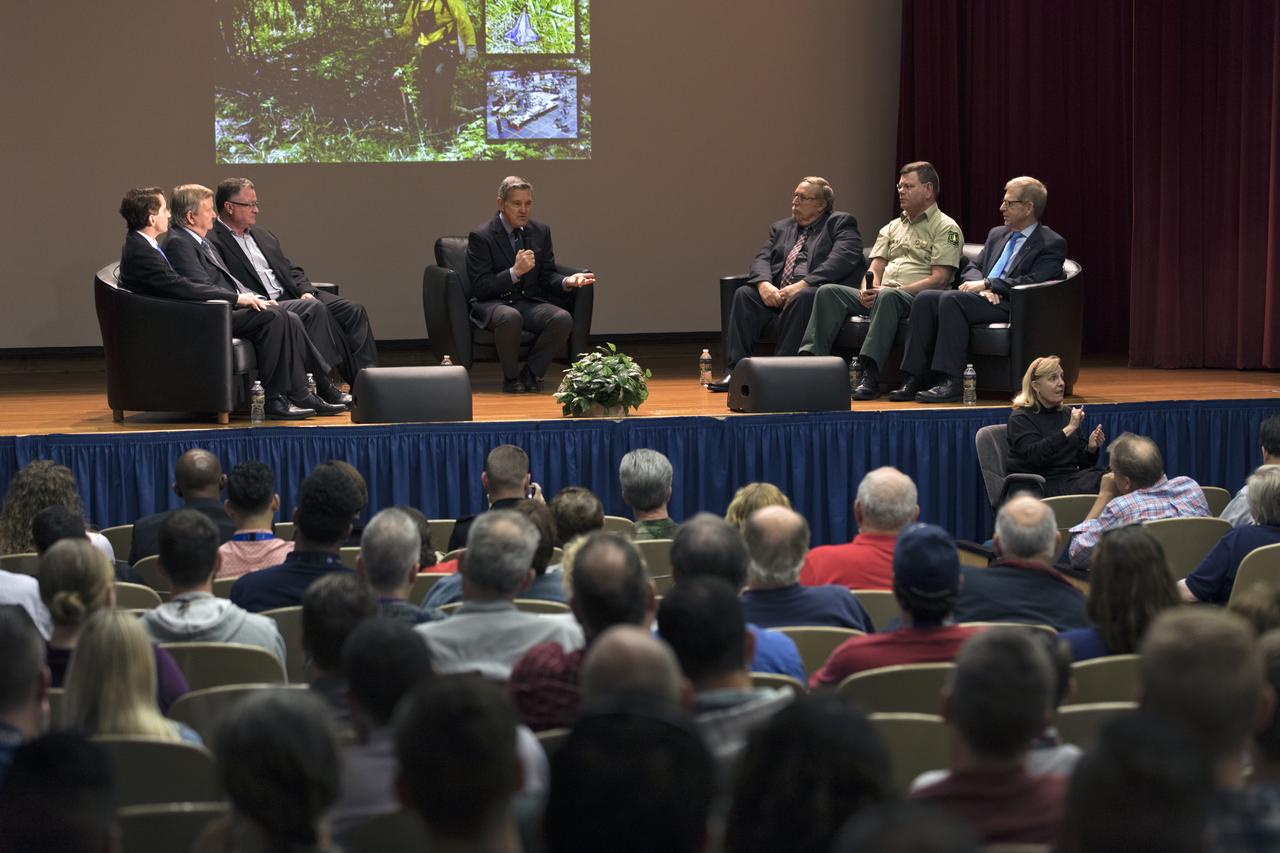
NASA Kennedy Space Center Director Bob Cabana, center, leads a panel discussion during an Apollo, Challenger, Columbia Lessons Learned Program (ACCLLP) employee event. The theme of the presentation was "Columbia: Lessons and Legends of Recovery." Participating, from left, are Mike Ciannilli, ACCLLP manager; Mike Leinbach, former shuttle launch director; Dave King, NASA Columbia Recovery director and former director of Marshall Space Flight Center; Gerry Schumann, NASA Mishap Investigation manager; Greg Cohrs, U.S. Forestry Service ranger; and Jonathan Ward, author and space historian.
Apollo Columbia Challenger Lessons Learned Program - Columbia Le
NASA Kennedy Space Center Director Bob Cabana, center, leads a panel discussion during an Apollo, Challenger, Columbia Lessons Learned Program (ACCLLP) employee event. The theme of the presentation was "Columbia: Lessons and Legends of Recovery." Participating, from left, are Mike Ciannilli, ACCLLP manager; Mike Leinbach, former shuttle launch director; Dave King, NASA Columbia Recovery director and former director of Marshall Space Flight Center; Gerry Schumann, NASA Mishap Investigation manager; Greg Cohrs, U.S. Forestry Service ranger; and Jonathan Ward, author and space historian.
Apollo Columbia Challenger Lessons Learned Program - Columbia Le
KENNEDY SPACE CENTER, FLA. - During a media tour of the Columbia Debris Hangar, photographers focus on a piece of the debris collected from search and recovery efforts in East Texas. About 83,000 pieces of debris from Columbia were shipped to KSC, which represents about 38 percent of the dry weight of Columbia, equaling almost 85,000 pounds.  The debris is being packaged for storage in an area of the Vehicle Assembly Building.
KENNEDY SPACE CENTER, FLA. - During a media tour of the Columbia Debris Hangar, photographers focus on a piece of the debris collected from search and recovery efforts in East Texas. About 83,000 pieces of debris from Columbia were shipped to KSC, which represents about 38 percent of the dry weight of Columbia, equaling almost 85,000 pounds. The debris is being packaged for storage in an area of the Vehicle Assembly Building.
KENNEDY SPACE CENTER, FLA. - During a media tour of the Columbia Debris Hangar, a photographer examines some of the debris collected from search and recovery efforts in East Texas. About 83,000 pieces of debris from Columbia were shipped to KSC, which represents about 38 percent of the dry weight of Columbia, equaling almost 85,000 pounds.  The debris is being packaged for storage in an area of the Vehicle Assembly Building.
KENNEDY SPACE CENTER, FLA. - During a media tour of the Columbia Debris Hangar, a photographer examines some of the debris collected from search and recovery efforts in East Texas. About 83,000 pieces of debris from Columbia were shipped to KSC, which represents about 38 percent of the dry weight of Columbia, equaling almost 85,000 pounds. The debris is being packaged for storage in an area of the Vehicle Assembly Building.
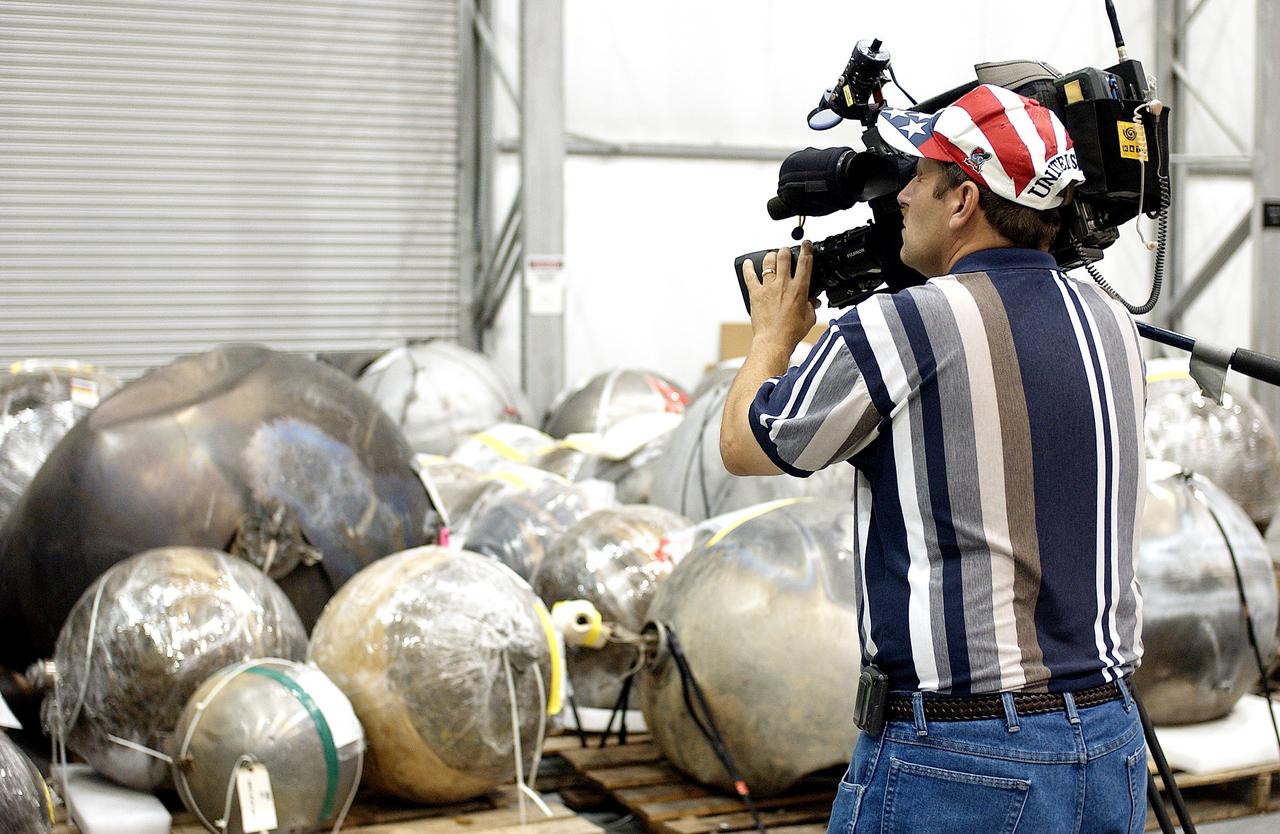
KENNEDY SPACE CENTER, FLA. - During a media tour of the Columbia Debris Hangar, a video cameraman records some of the debris collected from search and recovery efforts in East Texas. About 83,000 pieces of debris from Columbia were shipped to KSC, which represents about 38 percent of the dry weight of Columbia, equaling almost 85,000 pounds.  The debris is being packaged for storage in an area of the Vehicle Assembly Building.
KENNEDY SPACE CENTER, FLA. - During a media tour of the Columbia Debris Hangar, a video cameraman records some of the debris collected from search and recovery efforts in East Texas. About 83,000 pieces of debris from Columbia were shipped to KSC, which represents about 38 percent of the dry weight of Columbia, equaling almost 85,000 pounds. The debris is being packaged for storage in an area of the Vehicle Assembly Building.
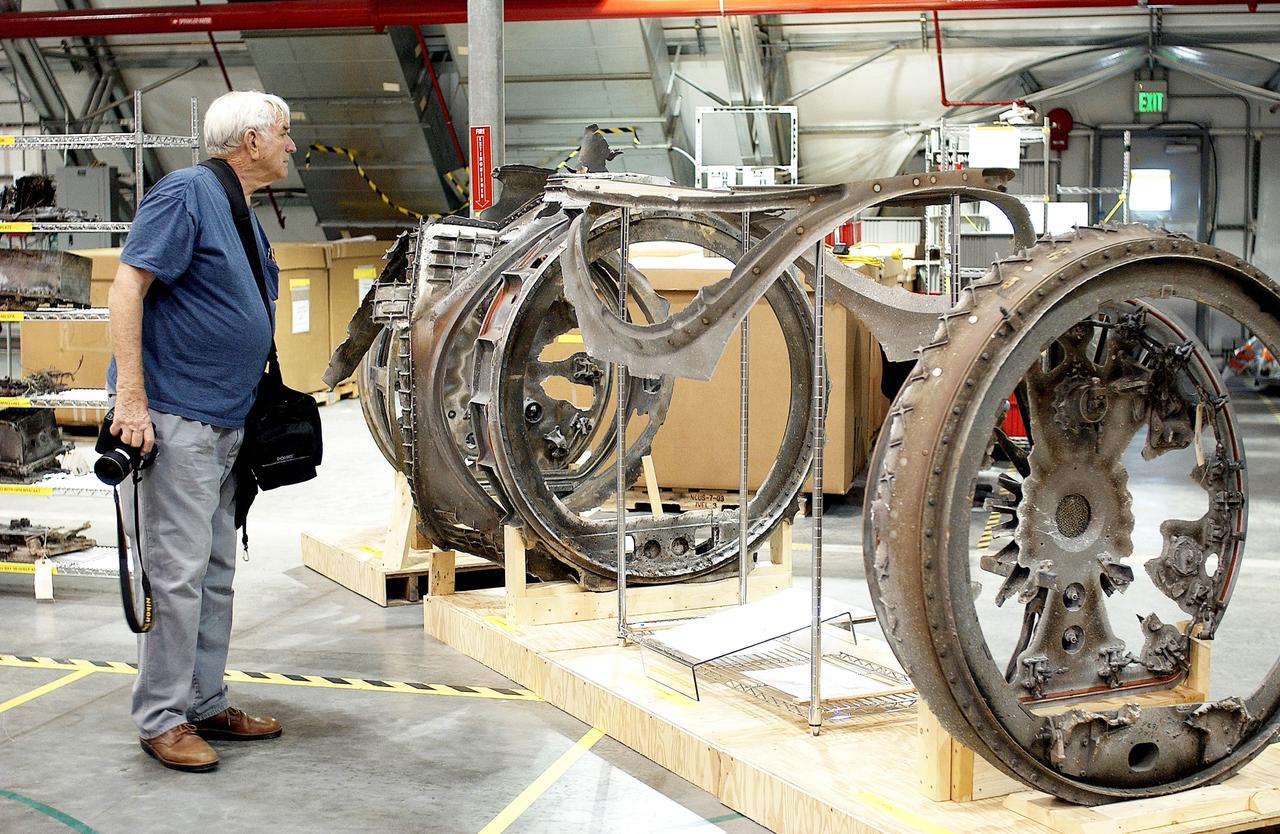
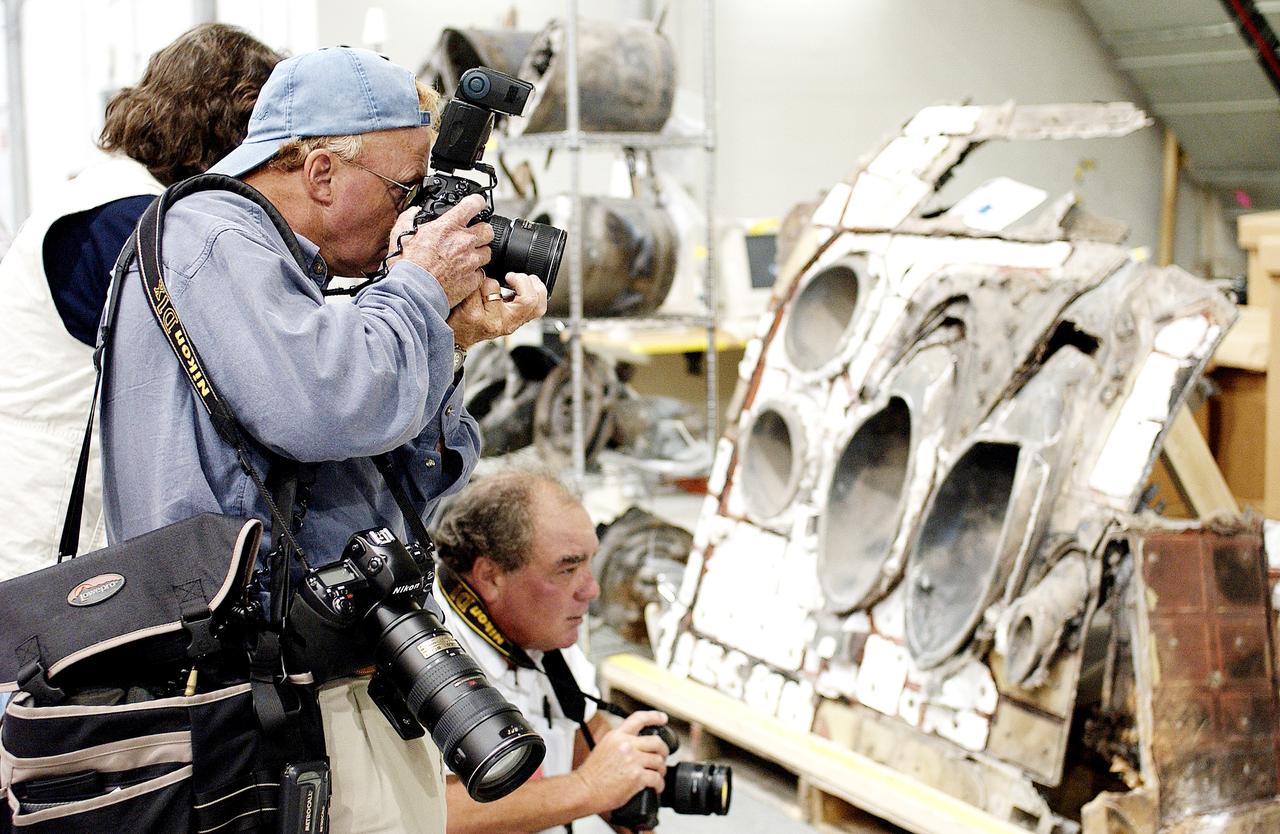
KENNEDY SPACE CENTER, FLA. - During a media tour of the Columbia Debris Hangar, photographers focus on part of the cockpit collected from search and recovery efforts in East Texas. About 83,000 pieces of debris from Columbia were shipped to KSC, which represents about 38 percent of the dry weight of Columbia, equaling almost 85,000 pounds.  The debris is being packaged for storage in an area of the Vehicle Assembly Building.
KENNEDY SPACE CENTER, FLA. - During a media tour of the Columbia Debris Hangar, photographers focus on part of the cockpit collected from search and recovery efforts in East Texas. About 83,000 pieces of debris from Columbia were shipped to KSC, which represents about 38 percent of the dry weight of Columbia, equaling almost 85,000 pounds. The debris is being packaged for storage in an area of the Vehicle Assembly Building.
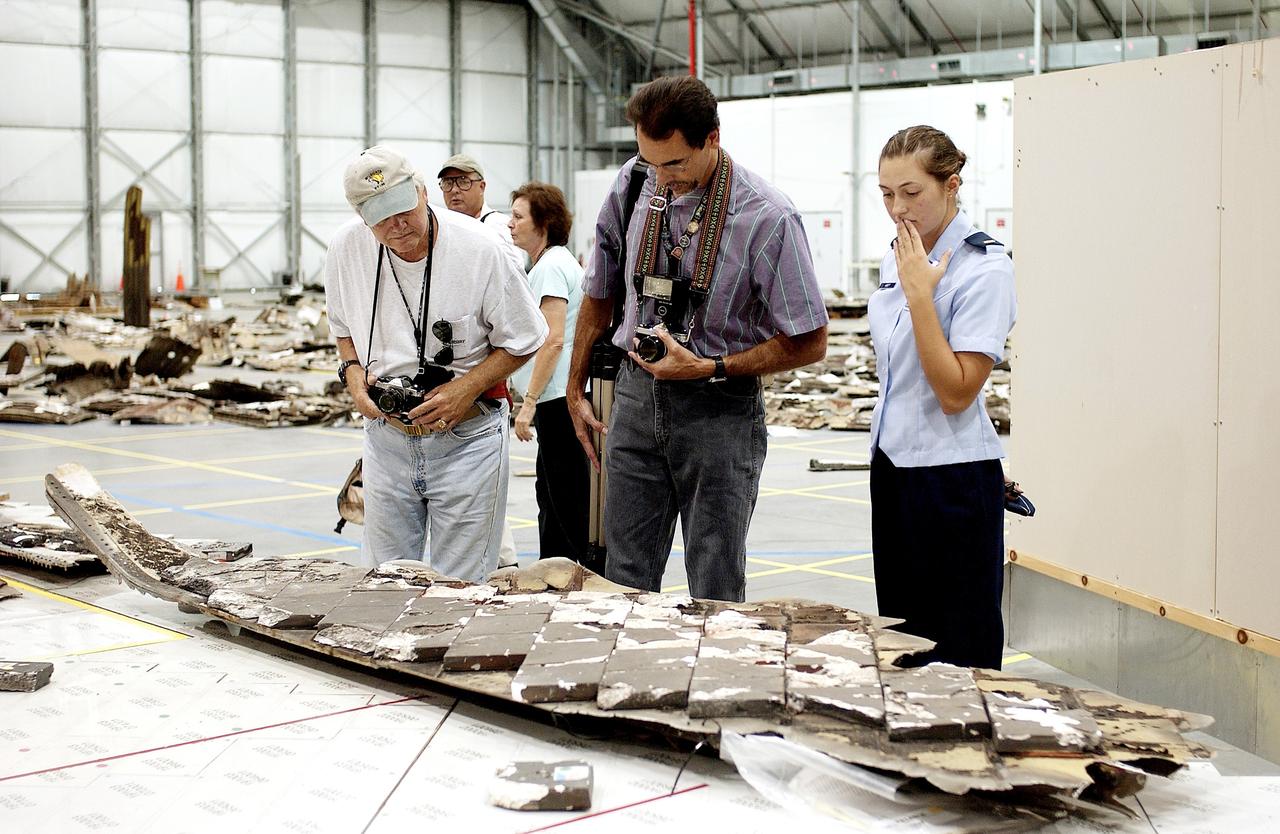
KENNEDY SPACE CENTER, FLA. - During a media tour of the Columbia Debris Hangar, photographers look at pieces of tile collected during search and recovery efforts in East Texas.  About 83,000 pieces of debris from Columbia were shipped to KSC, which represents about 38 percent of the dry weight of Columbia, equaling almost 85,000 pounds.  The debris is being packaged for storage in an area of the Vehicle Assembly Building.
KENNEDY SPACE CENTER, FLA. - During a media tour of the Columbia Debris Hangar, photographers look at pieces of tile collected during search and recovery efforts in East Texas. About 83,000 pieces of debris from Columbia were shipped to KSC, which represents about 38 percent of the dry weight of Columbia, equaling almost 85,000 pounds. The debris is being packaged for storage in an area of the Vehicle Assembly Building.
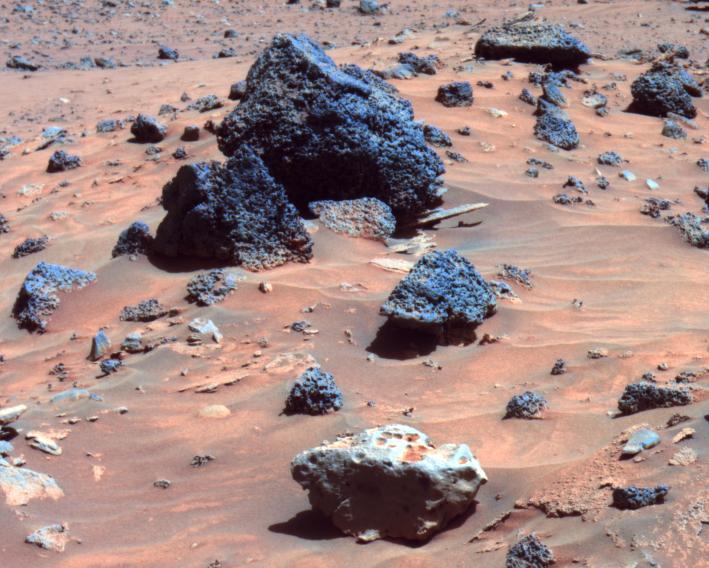
Possible Meteorite in Columbia Hills on Mars False Color
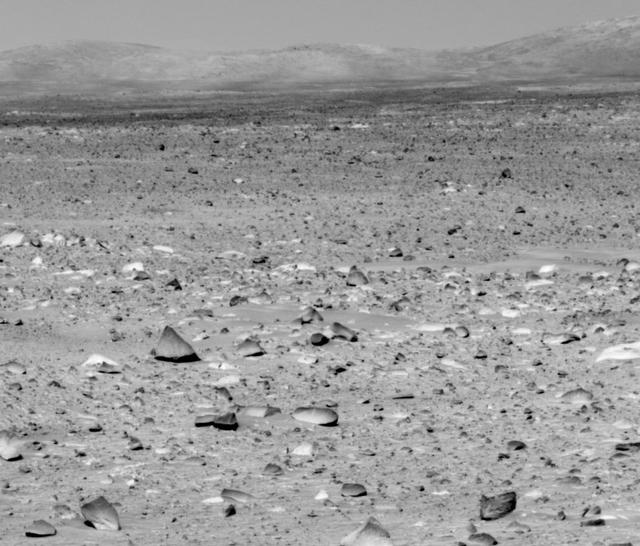
Light-toned Rocks First, Columbia Hills Later
NASA Dedicates Mars Landmarks to Columbia Crew
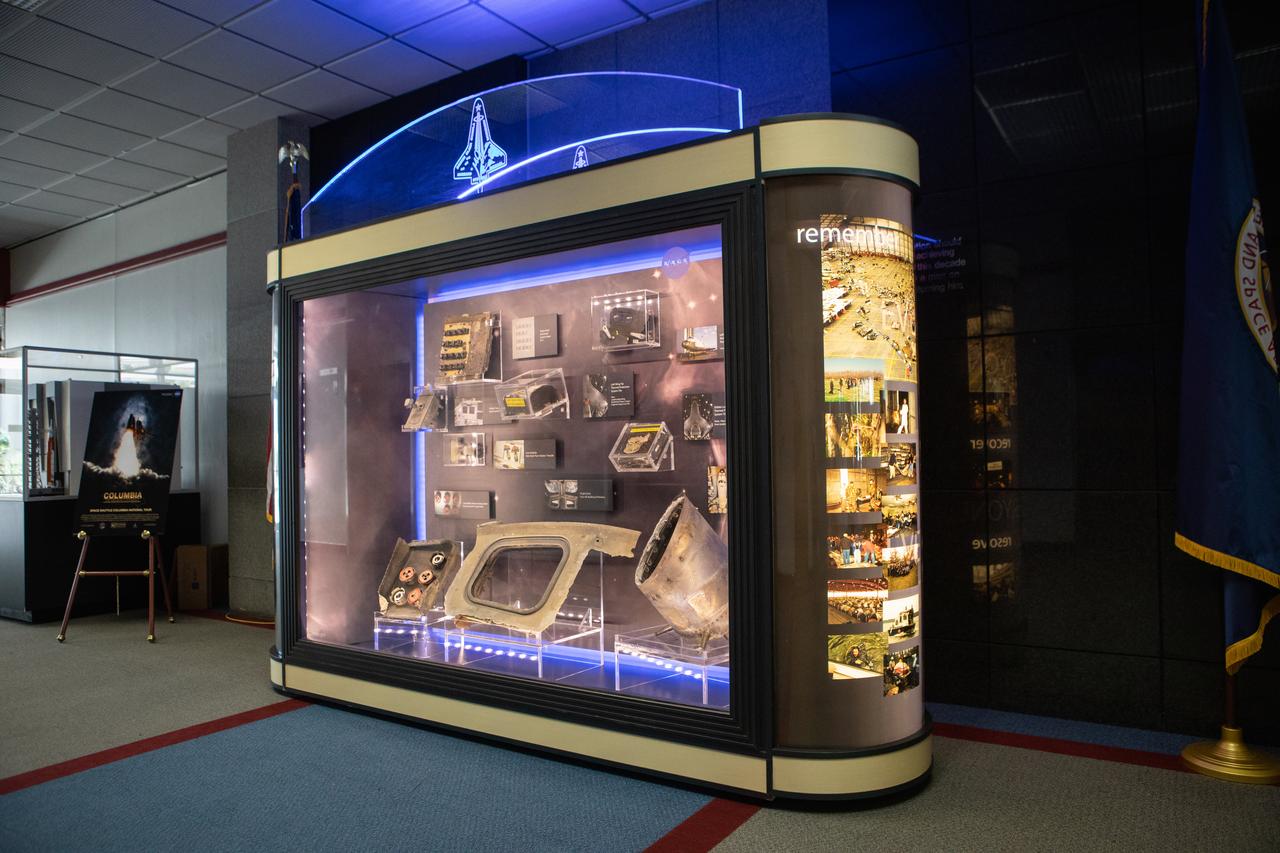
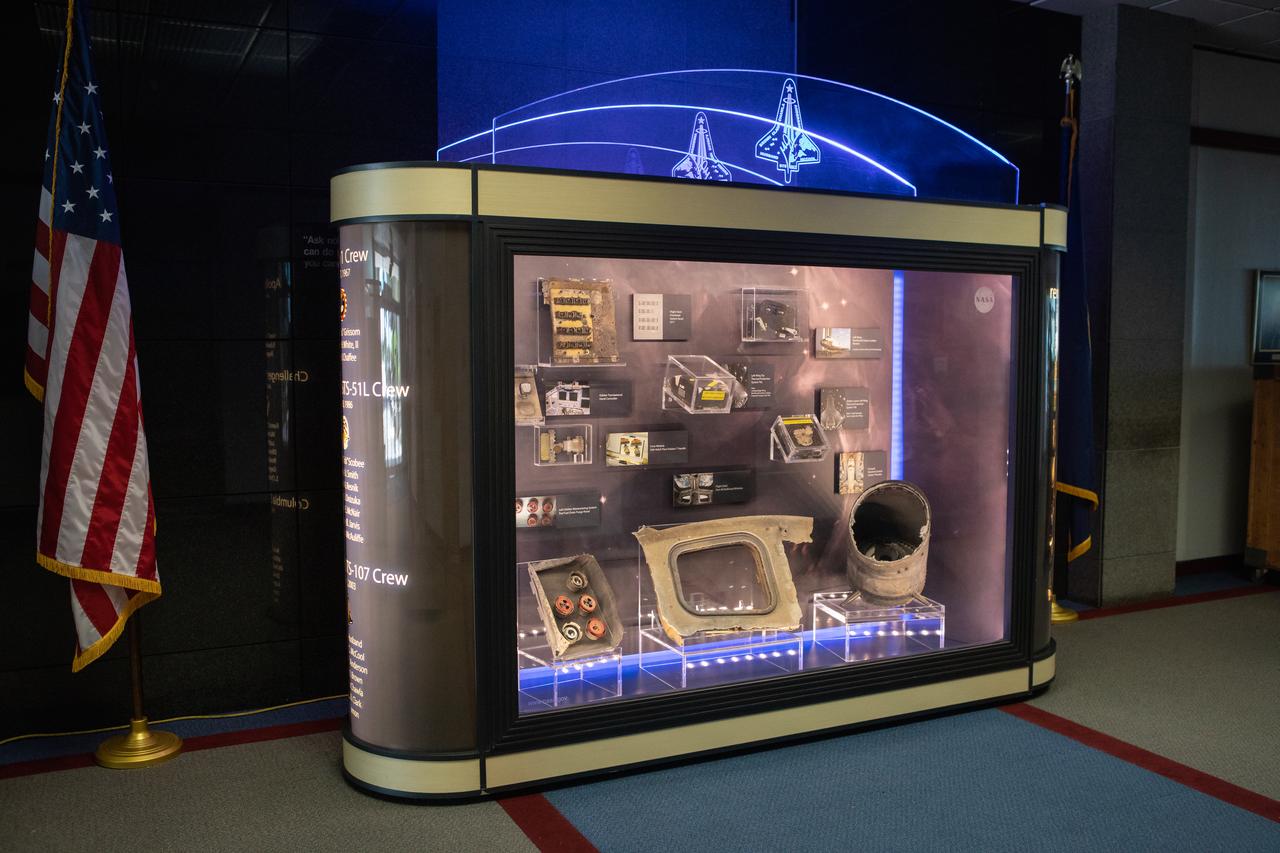
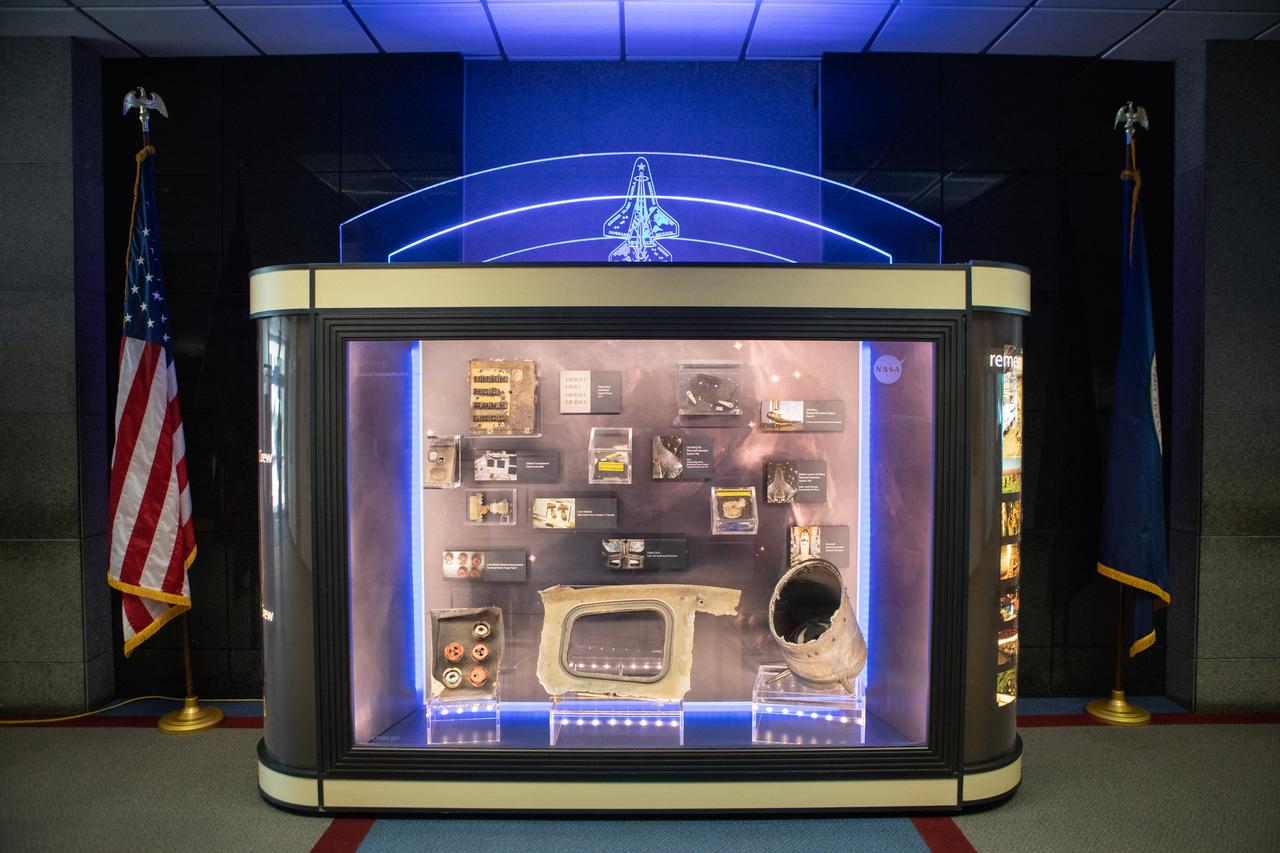
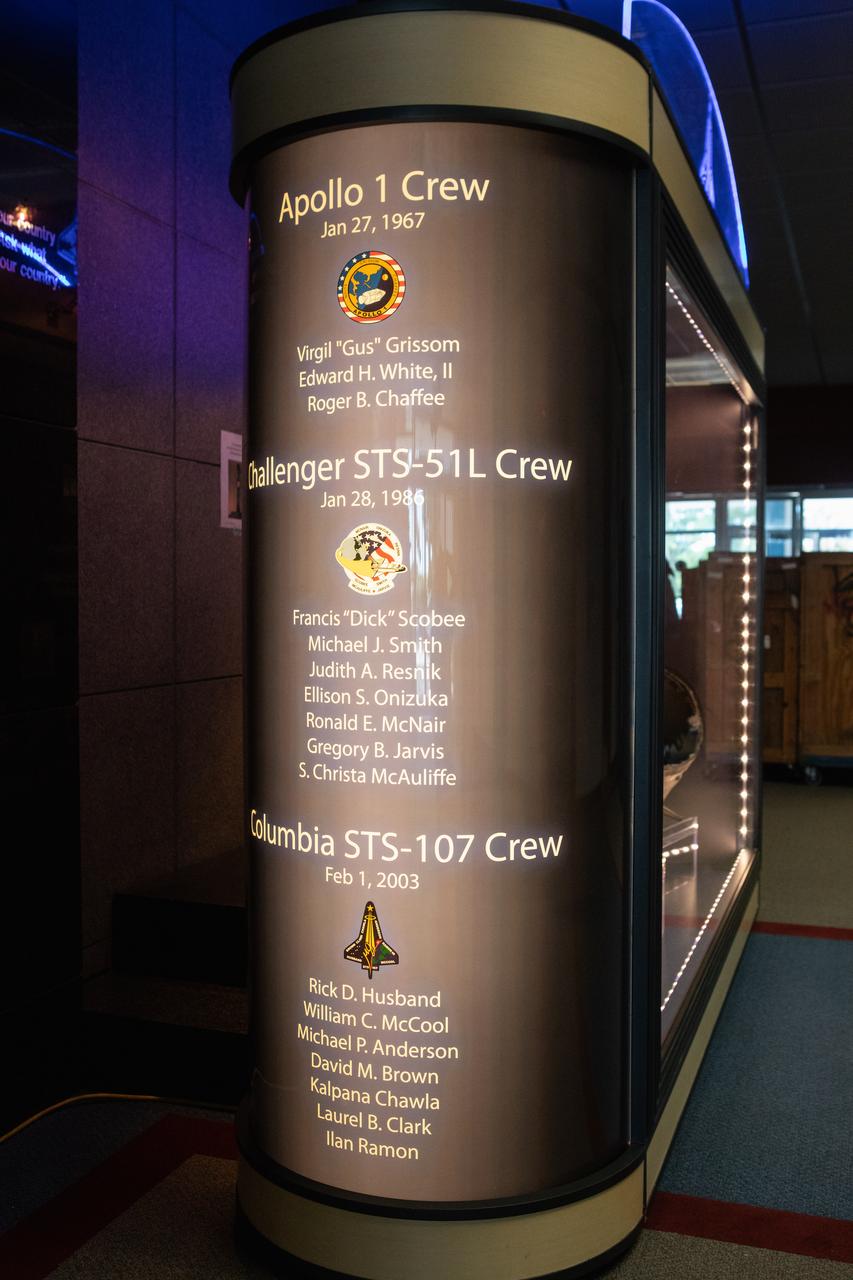
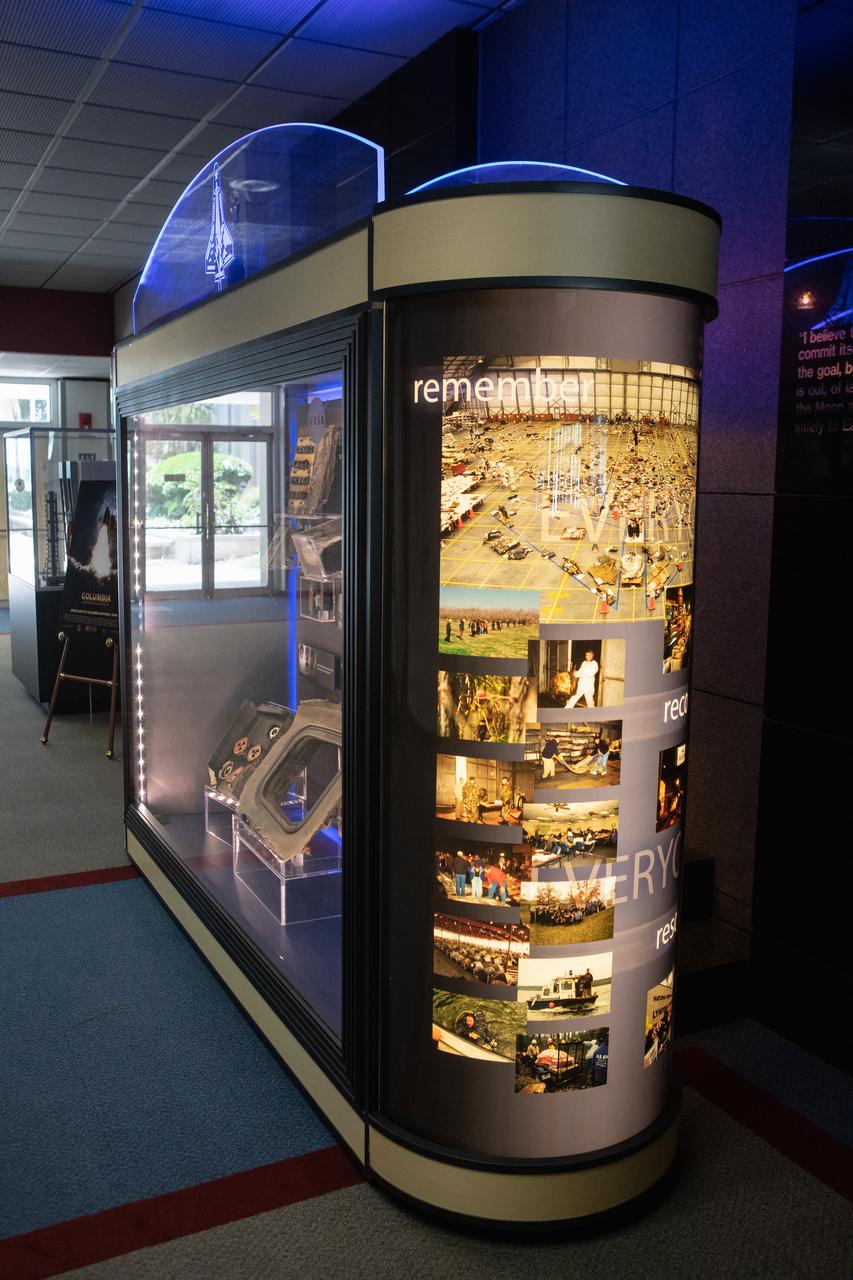
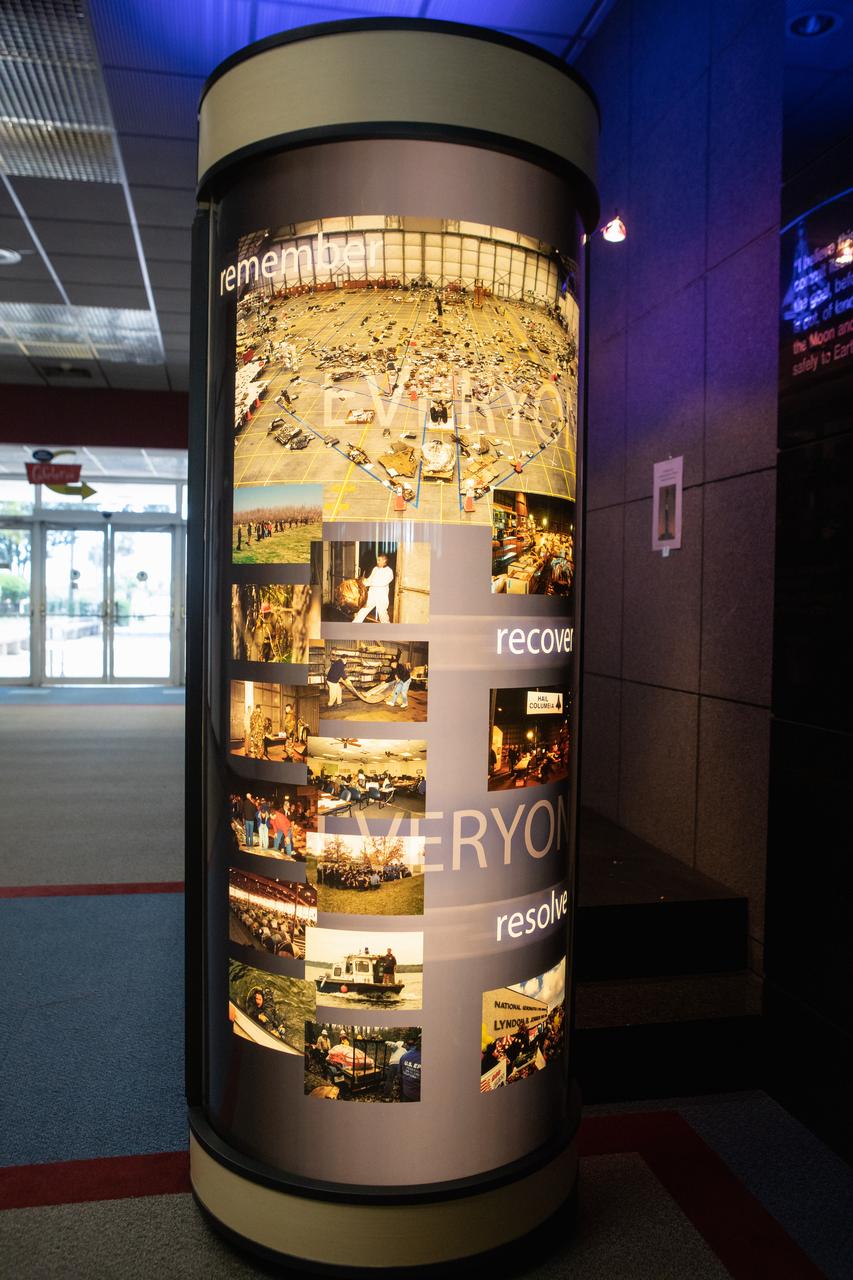
A display of artifacts featuring nine items recovered from the STS-107 tragedy that occurred Feb. 1, 2003, is shown in the old Headquarters Building at Kennedy Space Center. The powerful exhibit can now be viewed in the lobby of the Florida spaceport’s new Central Campus Building until June 10. The exhibit is part of the space shuttle Columbia national tour, which will make its way to all 10 NASA centers throughout the country.
Memorial - Archives from Columbia
A display of artifacts featuring nine items recovered from the STS-107 tragedy that occurred Feb. 1, 2003, is shown in the old Headquarters Building at Kennedy Space Center. The powerful exhibit can now be viewed in the lobby of the Florida spaceport’s new Central Campus Building until June 10. The exhibit is part of the space shuttle Columbia national tour, which will make its way to all 10 NASA centers throughout the country.
Memorial - Archives from Columbia
A display of artifacts featuring nine items recovered from the STS-107 tragedy that occurred Feb. 1, 2003, is shown in the old Headquarters Building at Kennedy Space Center. The powerful exhibit can now be viewed in the lobby of the Florida spaceport’s new Central Campus Building until June 10. The exhibit is part of the space shuttle Columbia national tour, which will make its way to all 10 NASA centers throughout the country.
Memorial - Archives from Columbia
A display of artifacts featuring nine items recovered from the STS-107 tragedy that occurred Feb. 1, 2003, is shown in the old Headquarters Building at Kennedy Space Center. The powerful exhibit can now be viewed in the lobby of the Florida spaceport’s new Central Campus Building until June 10. The exhibit is part of the space shuttle Columbia national tour, which will make its way to all 10 NASA centers throughout the country.
Memorial - Archives from Columbia
A display of artifacts featuring nine items recovered from the STS-107 tragedy that occurred Feb. 1, 2003, is shown in the old Headquarters Building at Kennedy Space Center. The powerful exhibit can now be viewed in the lobby of the Florida spaceport’s new Central Campus Building until June 10. The exhibit is part of the space shuttle Columbia national tour, which will make its way to all 10 NASA centers throughout the country.
Memorial - Archives from Columbia
A display of artifacts featuring nine items recovered from the STS-107 tragedy that occurred Feb. 1, 2003, is shown in the old Headquarters Building at Kennedy Space Center. The powerful exhibit can now be viewed in the lobby of the Florida spaceport’s new Central Campus Building until June 10. The exhibit is part of the space shuttle Columbia national tour, which will make its way to all 10 NASA centers throughout the country.
Memorial - Archives from Columbia
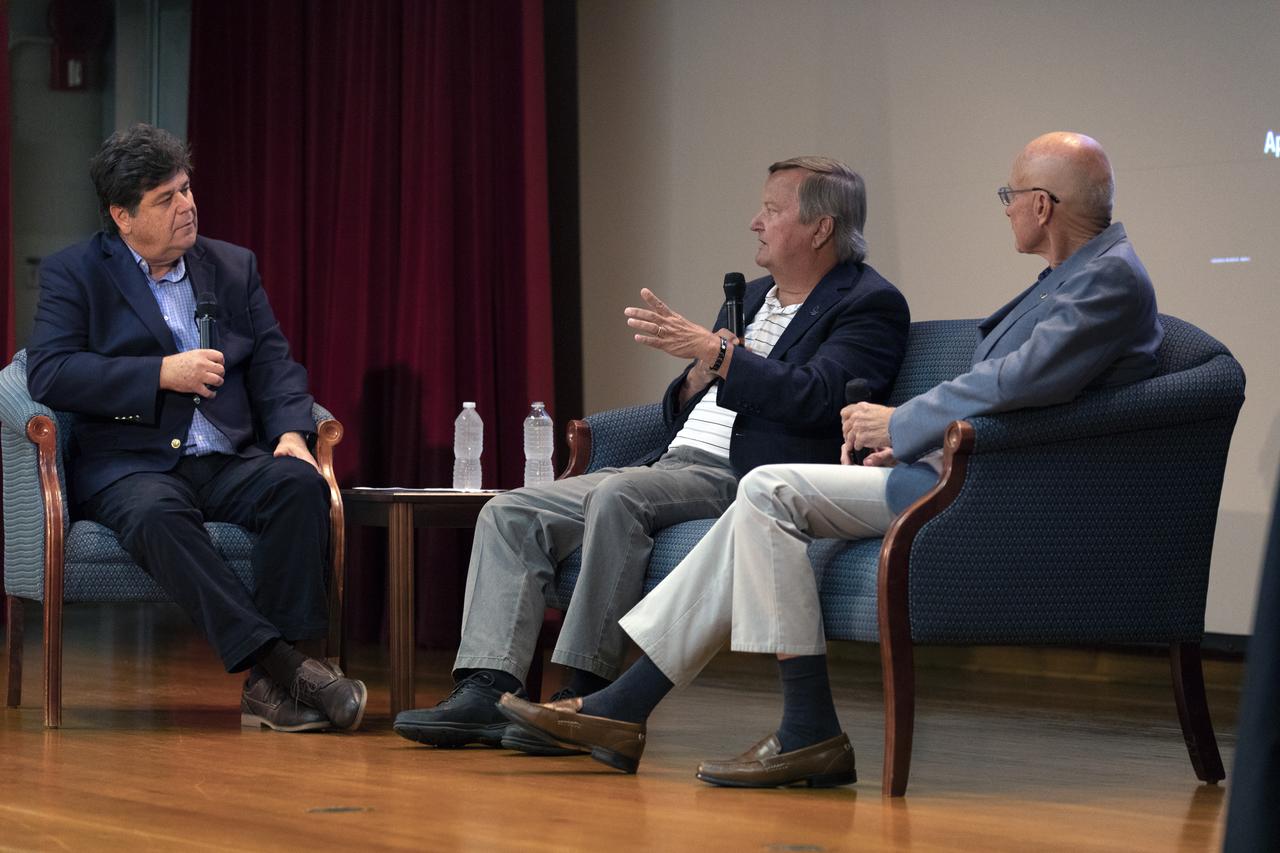
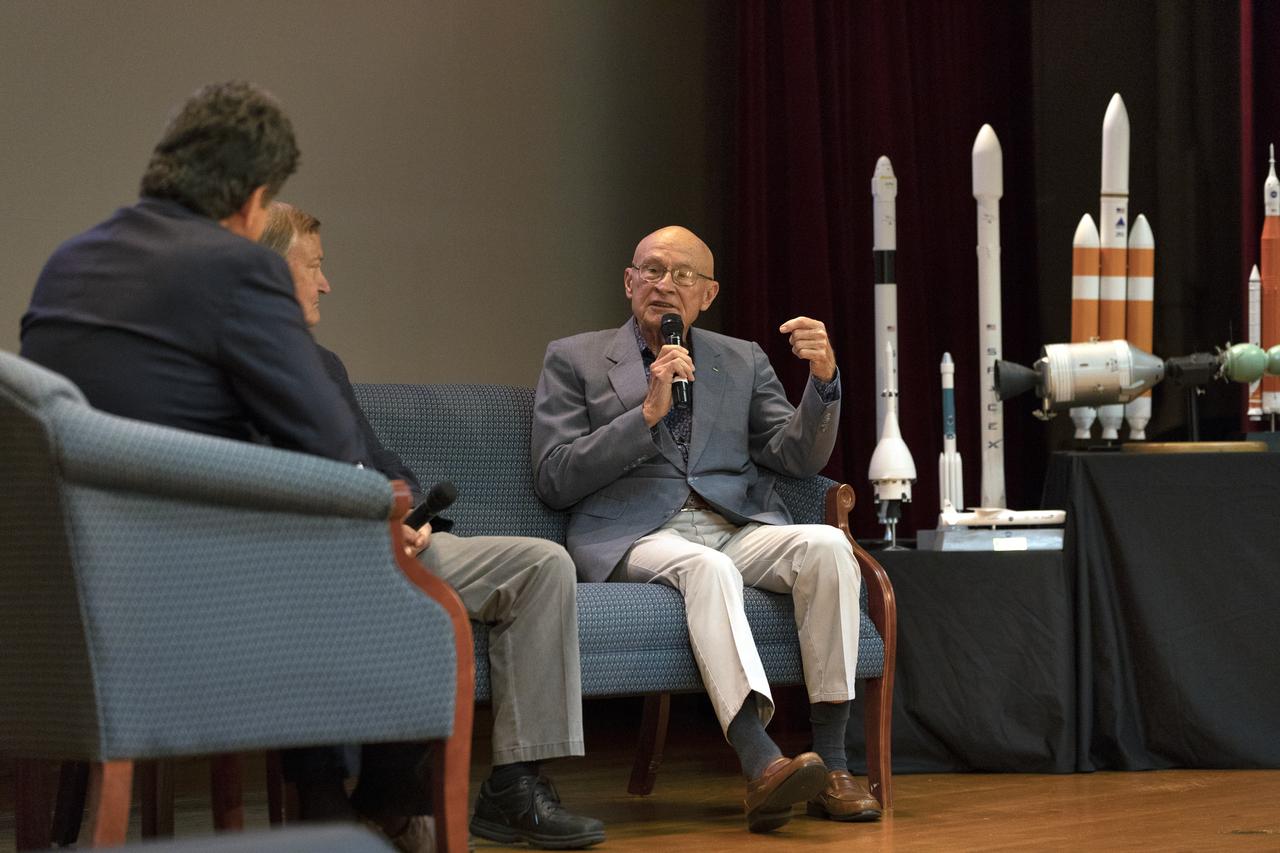
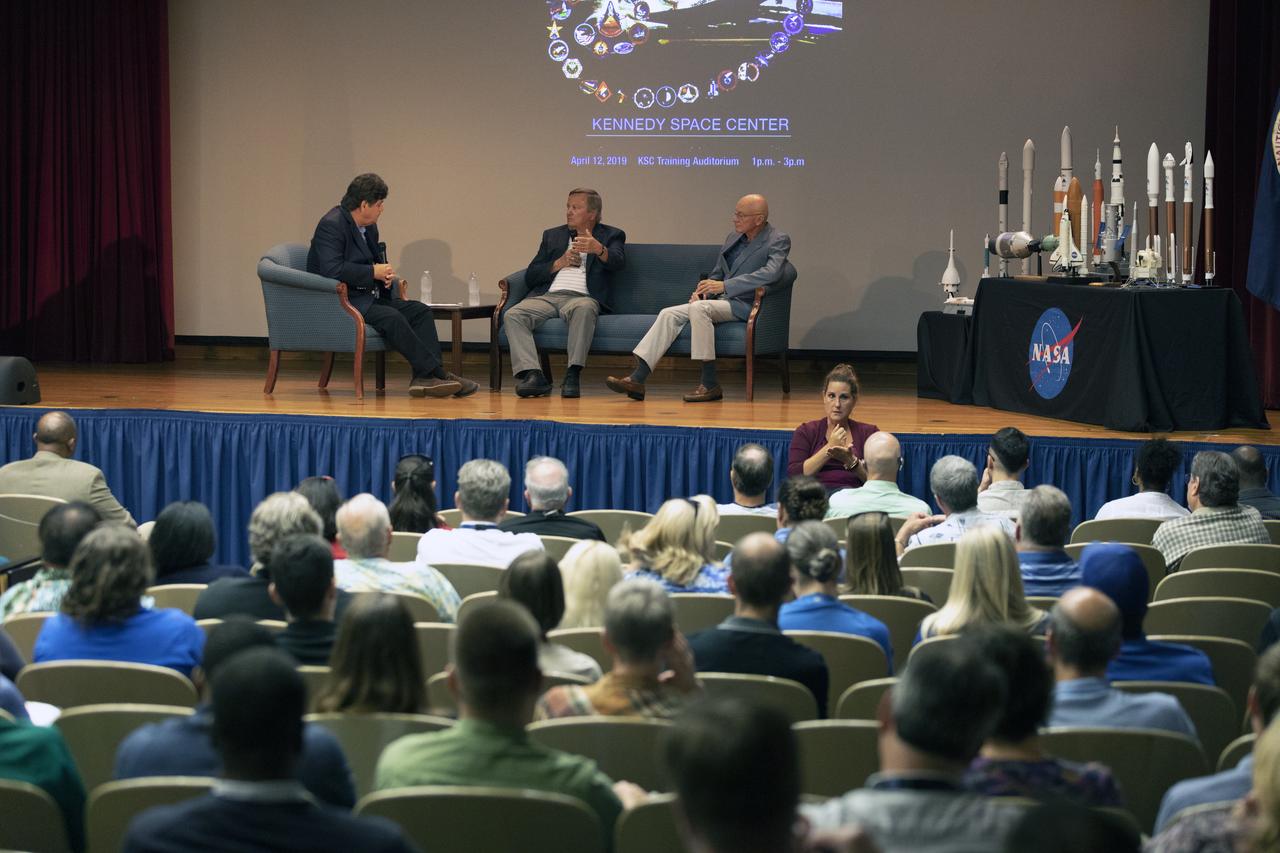
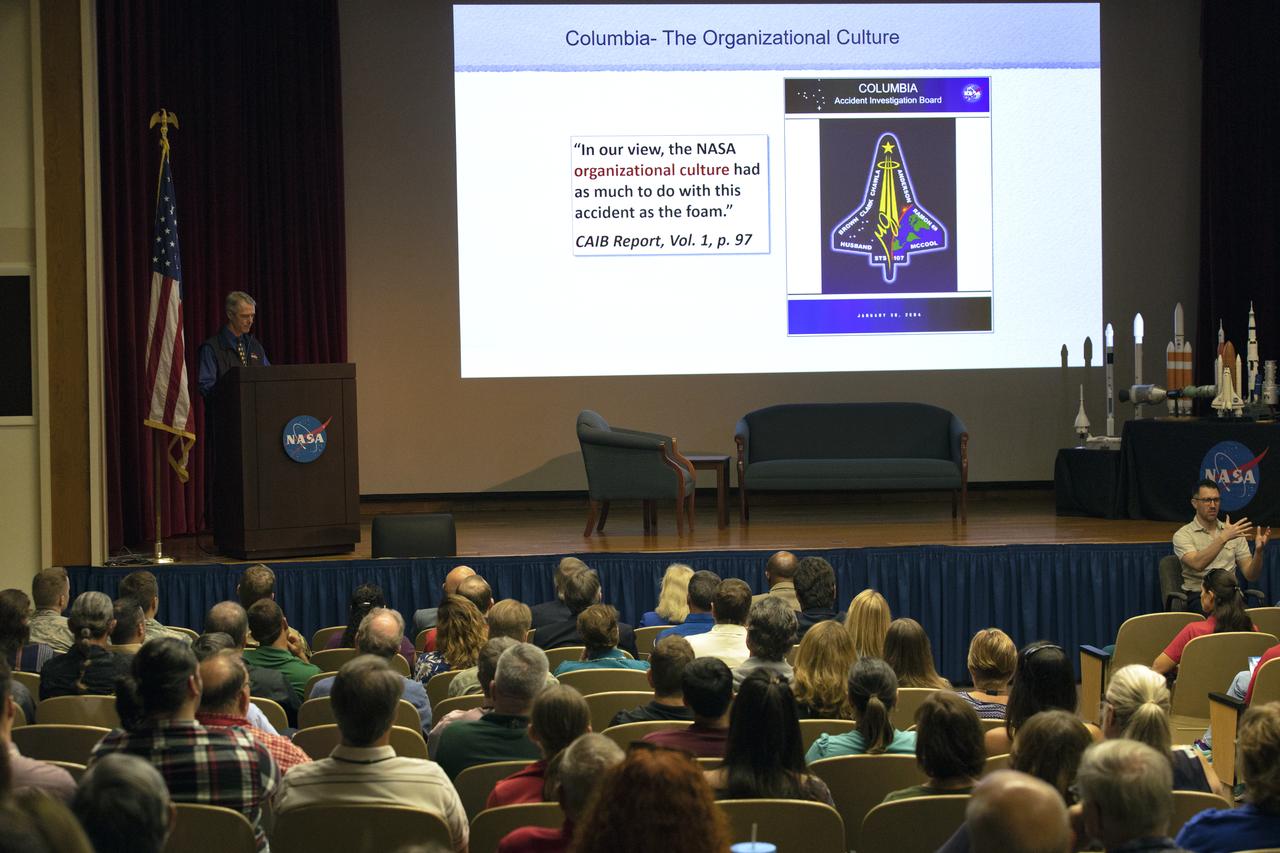
Veteran space reporter John Zarrella, left, moderates a “Lessons of Columbia” discussion with former space shuttle launch directors Mike Leinbach, center, and Bob Sieck in Kennedy Space Center’s Training Auditorium on April 12, 2019. The discussion took place during “Columbia: The Mission Continues,” an event organized by the Apollo Challenger Columbia Lessons Learned Program (ACCLLP). The event is part of the Space Shuttle Columbia national tour and took place on the 38th anniversary of STS-1, the first orbital spaceflight of NASA’s Space Shuttle Program. The tour launched at Kennedy and will make its way to each of the 10 NASA centers.
Apollo Challenger Columbia Lessons Learned
Veteran space reporter John Zarrella, left, moderates a “Lessons of Columbia” discussion with former space shuttle launch directors Mike Leinbach, center, and Bob Sieck in Kennedy Space Center’s Training Auditorium on April 12, 2019. The discussion took place during “Columbia: The Mission Continues,” an event organized by the Apollo Challenger Columbia Lessons Learned Program (ACCLLP). The event is part of the Space Shuttle Columbia national tour and took place on the 38th anniversary of STS-1, the first orbital spaceflight of NASA’s Space Shuttle Program. The tour launched at Kennedy and will make its way to each of the 10 NASA centers.
Apollo Challenger Columbia Lessons Learned
Veteran space reporter John Zarrella, left, moderates a “Lessons of Columbia” discussion with former space shuttle launch directors Mike Leinbach, center, and Bob Sieck in Kennedy Space Center’s Training Auditorium on April 12, 2019. The discussion took place during “Columbia: The Mission Continues,” an event organized by the Apollo Challenger Columbia Lessons Learned Program (ACCLLP). The event is part of the Space Shuttle Columbia national tour and took place on the 38th anniversary of STS-1, the first orbital spaceflight of NASA’s Space Shuttle Program. The tour launched at Kennedy and will make its way to each of the 10 NASA centers.
Apollo Challenger Columbia Lessons Learned
Apollo Challenger Columbia Lessons Learned Program (ACCLLP) Manager Mike Ciannilli speaks to NASA civil service and contractor employees and guests in Kennedy Space Center’s Training Auditorium on April 12, 2019. Ciannilli was the master of ceremonies for “Columbia: The Mission Continues,” an event organized by the ACCLLP. The event is part of the Space Shuttle Columbia national tour and took place on the 38th anniversary of STS-1, the first orbital spaceflight of NASA’s Space Shuttle Program. The tour launched at Kennedy and will make its way to each of the 10 NASA centers.
Apollo Challenger Columbia Lessons Learned
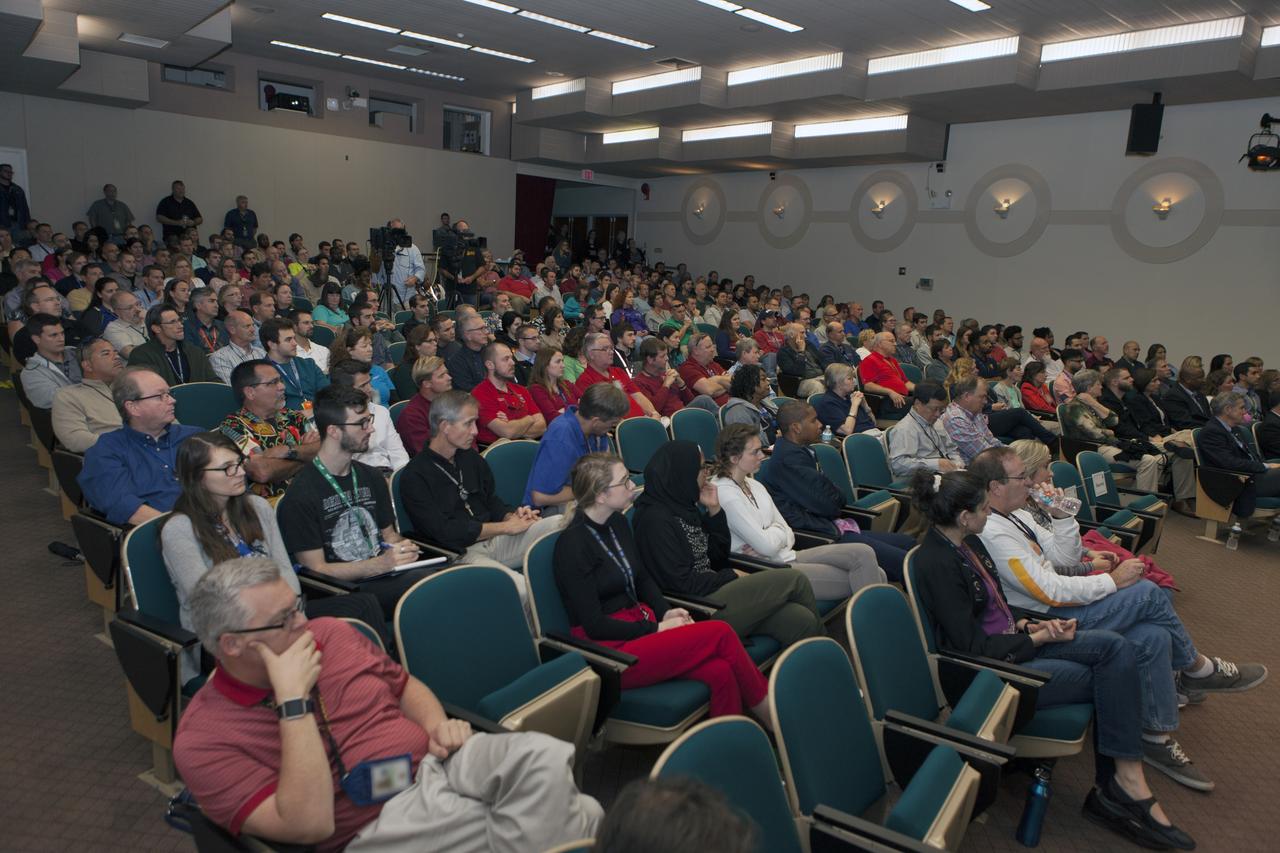
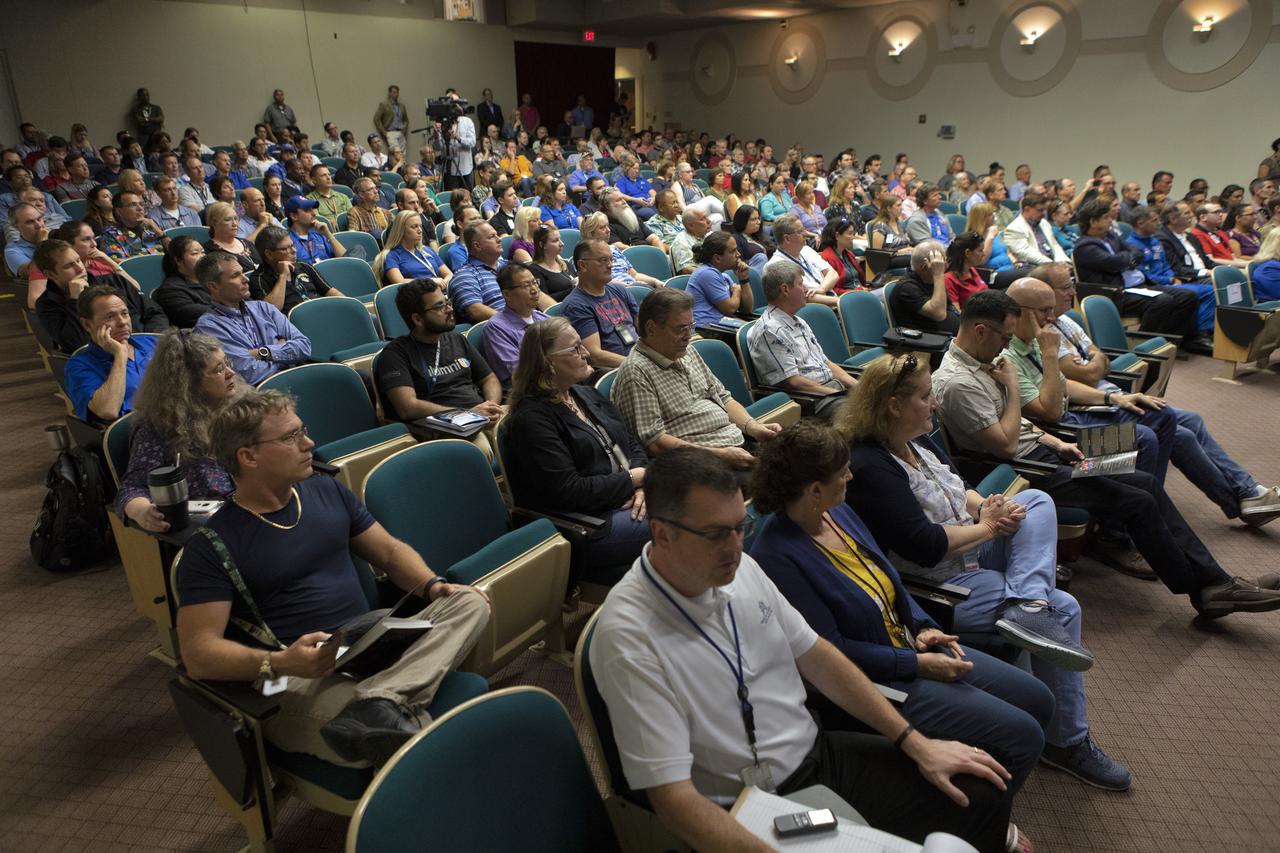
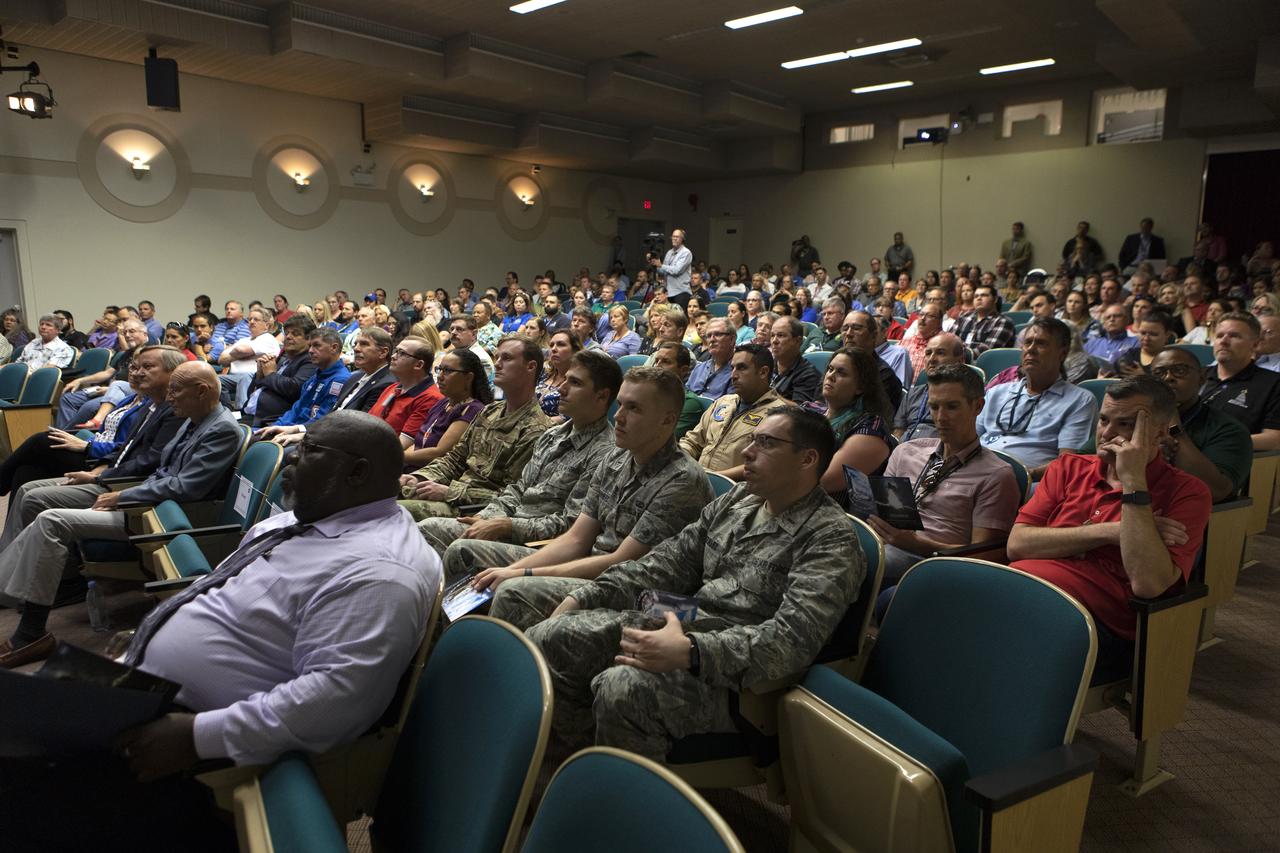
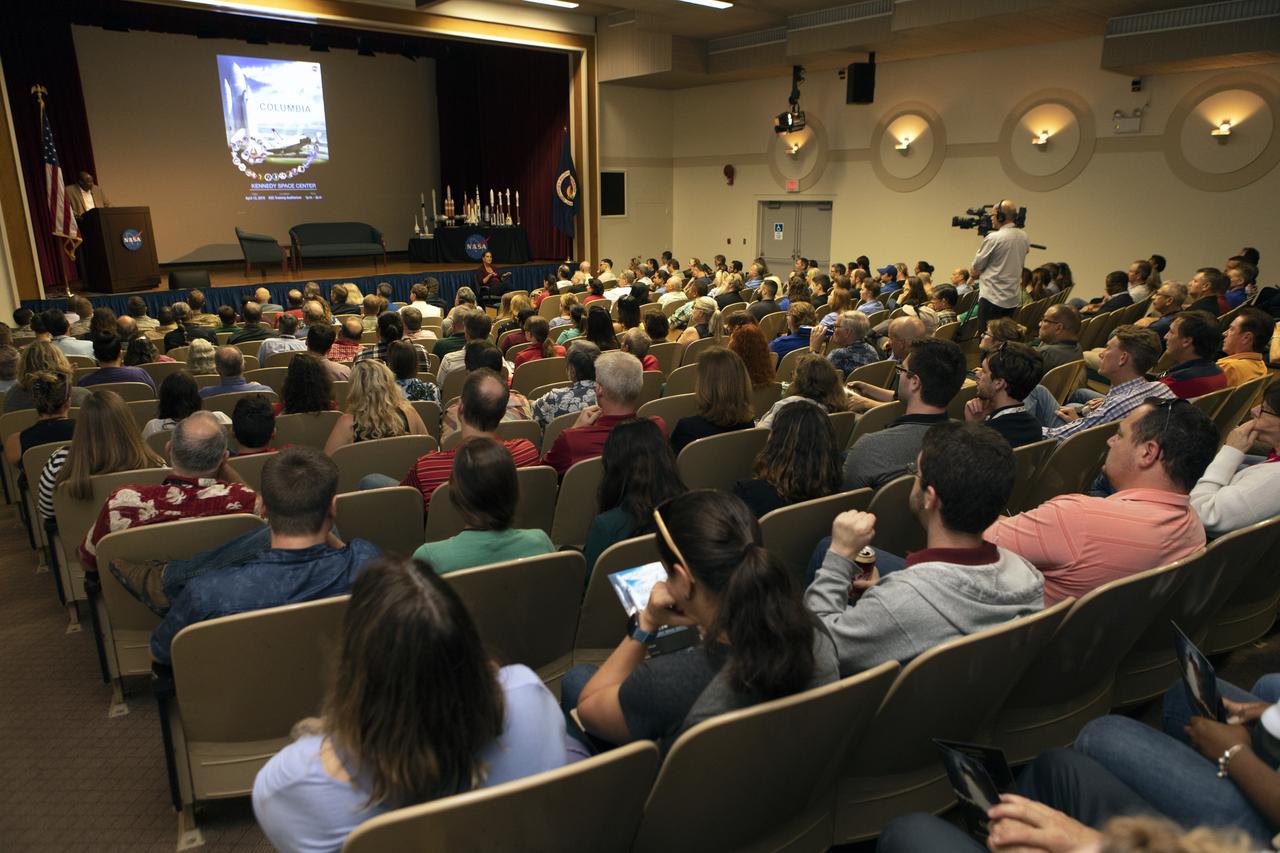
NASA civil service and contractor employees and guests gather in Kennedy Space Center’s Training Auditorium on April 12, 2019, for “Columbia: The Mission Continues,” an event organized by the Apollo Challenger Columbia Lessons Learned Program (ACCLLP). The event is part of the Space Shuttle Columbia national tour and took place on the 38th anniversary of STS-1, the first orbital spaceflight of NASA’s Space Shuttle Program. The tour launched at Kennedy and will make its way to each of the 10 NASA centers.
Apollo Challenger Columbia Lessons Learned
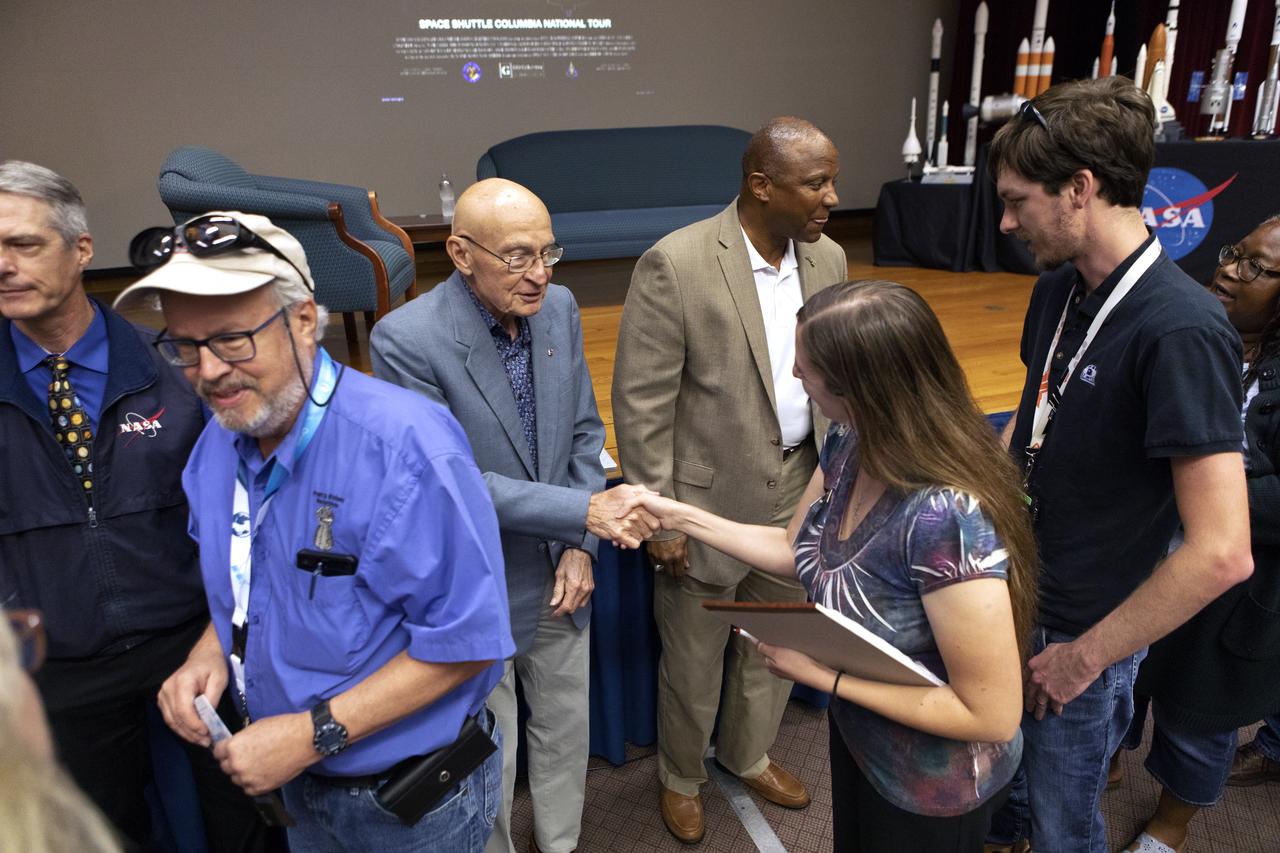
Former space shuttle launch director Mike Leinbach, left, talks with attendees of “Columbia: The Mission Continues,” in Kennedy Space Center’s Training Auditorium on April 12, 2019. Organized by the Apollo Challenger Columbia Lessons Learned Program (ACCLLP), the event is part of the Space Shuttle Columbia national tour and took place on the 38th anniversary of STS-1, the first orbital spaceflight of NASA’s Space Shuttle Program. The tour launched at Kennedy and will make its way to each of the 10 NASA centers.
Apollo Challenger Columbia Lessons Learned
NASA civil service and contractor employees and guests gather in Kennedy Space Center’s Training Auditorium on April 12, 2019, for “Columbia: The Mission Continues,” an event organized by the Apollo Challenger Columbia Lessons Learned Program (ACCLLP). The event is part of the Space Shuttle Columbia national tour and took place on the 38th anniversary of STS-1, the first orbital spaceflight of NASA’s Space Shuttle Program. The tour launched at Kennedy and will make its way to each of the 10 NASA centers.
Apollo Challenger Columbia Lessons Learned
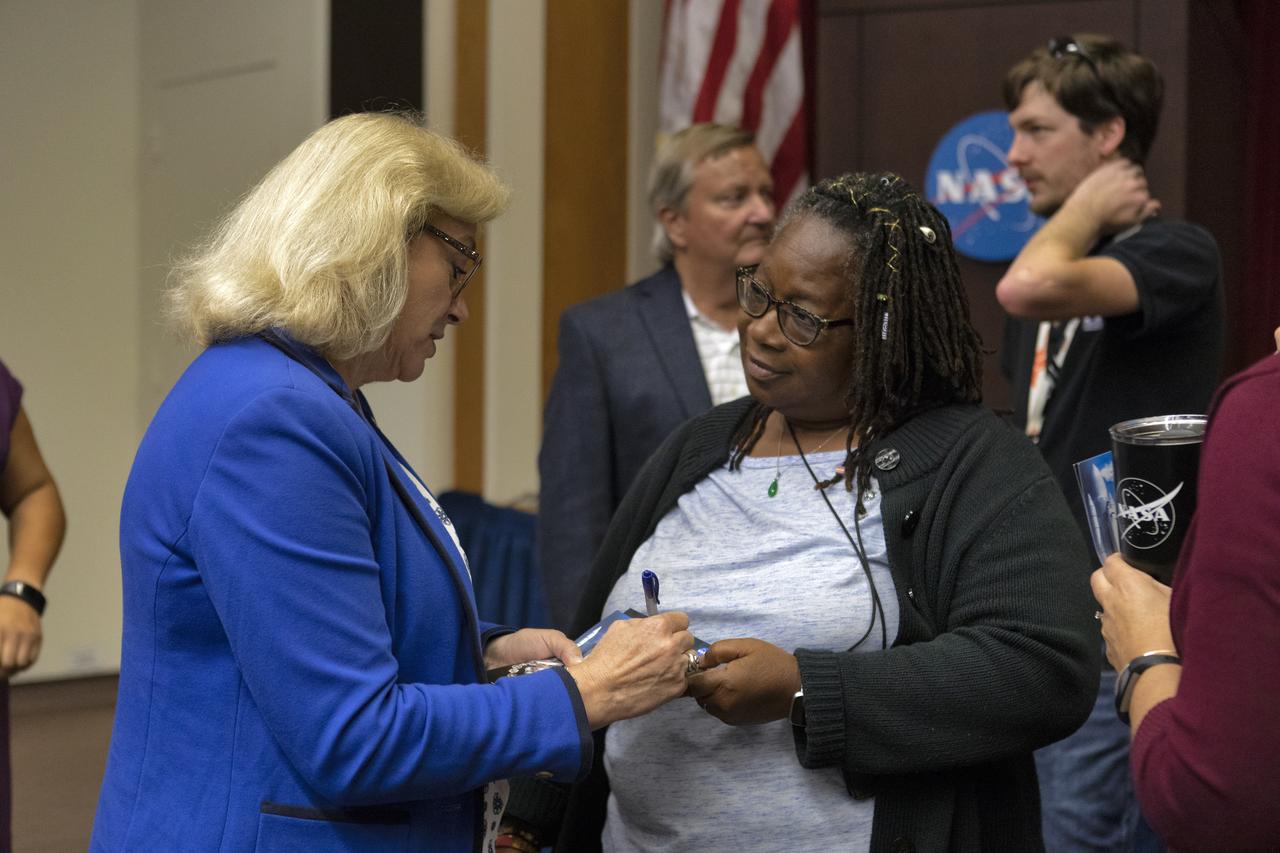
Evelyn Husband Thompson, widow of STS-107 Commander Rick Husband, talks with an attendee of “Columbia: The Mission Continues,” in Kennedy Space Center’s Training Auditorium on April 12, 2019. Organized by the Apollo Challenger Columbia Lessons Learned Program (ACCLLP), the event is part of the Space Shuttle Columbia national tour and took place on the 38th anniversary of STS-1, the first orbital spaceflight of NASA’s Space Shuttle Program. The tour launched at Kennedy and will make its way to each of the 10 NASA centers.
Apollo Challenger Columbia Lessons Learned
Former space shuttle launch director Bob Sieck shakes hands with an attendee of “Columbia: The Mission Continues,” in Kennedy Space Center’s Training Auditorium on April 12, 2019. Organized by the Apollo Challenger Columbia Lessons Learned Program (ACCLLP), the event is part of the Space Shuttle Columbia national tour and took place on the 38th anniversary of STS-1, the first orbital spaceflight of NASA’s Space Shuttle Program. The tour launched at Kennedy and will make its way to each of the 10 NASA centers.
Apollo Challenger Columbia Lessons Learned
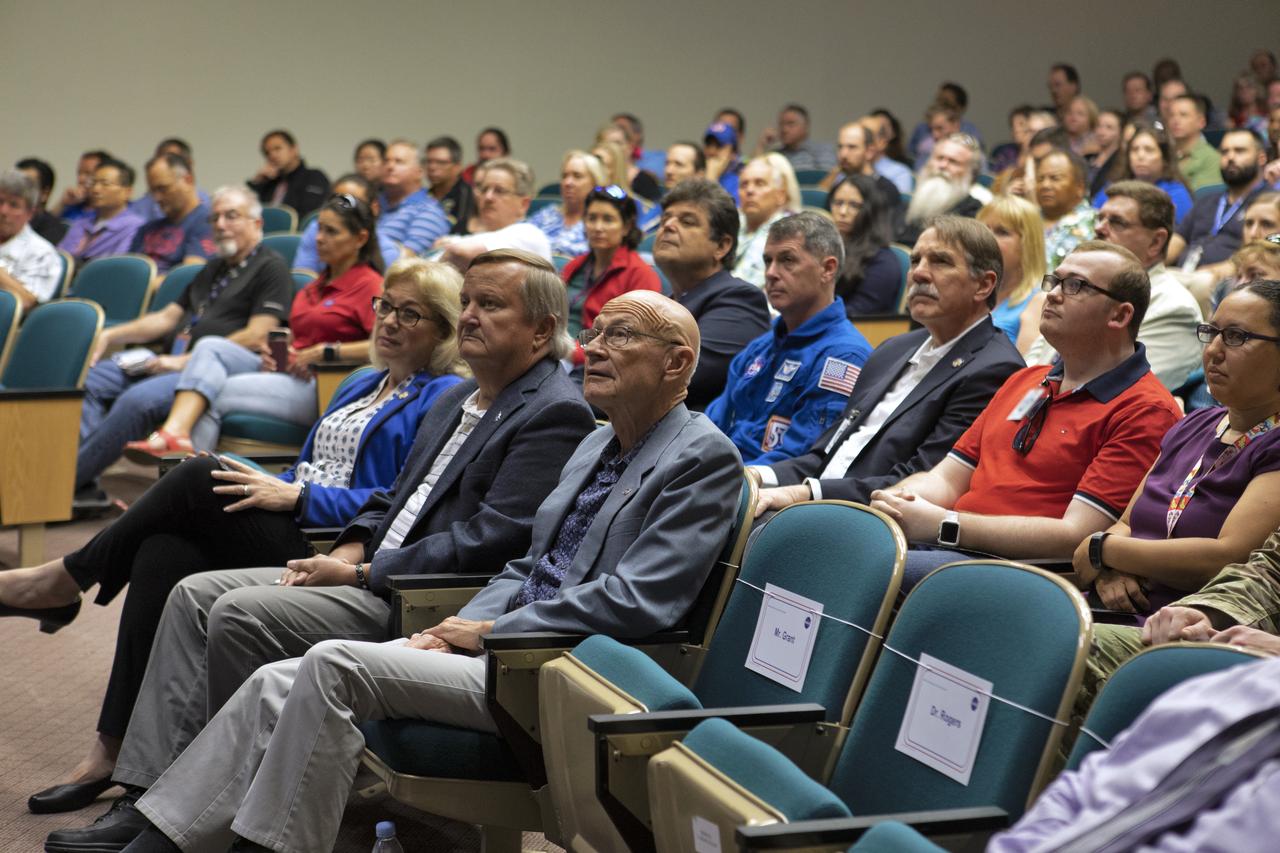
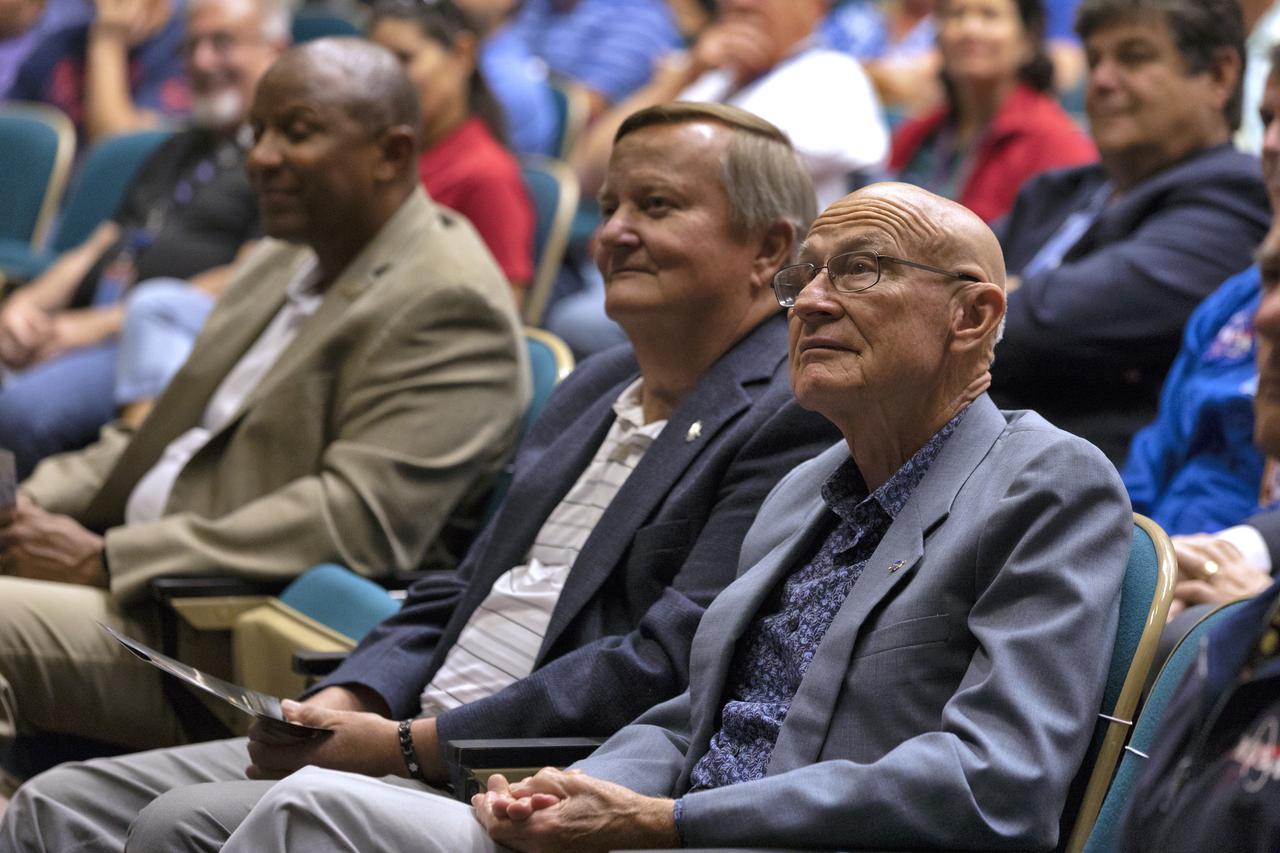
Former space shuttle launch directors Mike Leinbach, left, and Bob Sieck listen to a presentation in Kennedy Space Center’s Training Auditorium on April 12, 2019, during “Columbia: The Mission Continues,” an event organized by the Apollo Challenger Columbia Lessons Learned Program (ACCLLP). The event is part of the Space Shuttle Columbia national tour and took place on the 38th anniversary of STS-1, the first orbital spaceflight of NASA’s Space Shuttle Program. The tour launched at Kennedy and will make its way to each of the 10 NASA centers.
Apollo Challenger Columbia Lessons Learned
NASA civil service and contractor employees and guests gather in Kennedy Space Center’s Training Auditorium on April 12, 2019, for “Columbia: The Mission Continues,” an event organized by the Apollo Challenger Columbia Lessons Learned Program (ACCLLP). The event is part of the Space Shuttle Columbia national tour and took place on the 38th anniversary of STS-1, the first orbital spaceflight of NASA’s Space Shuttle Program. The tour launched at Kennedy and will make its way to each of the 10 NASA centers.
Apollo Challenger Columbia Lessons Learned
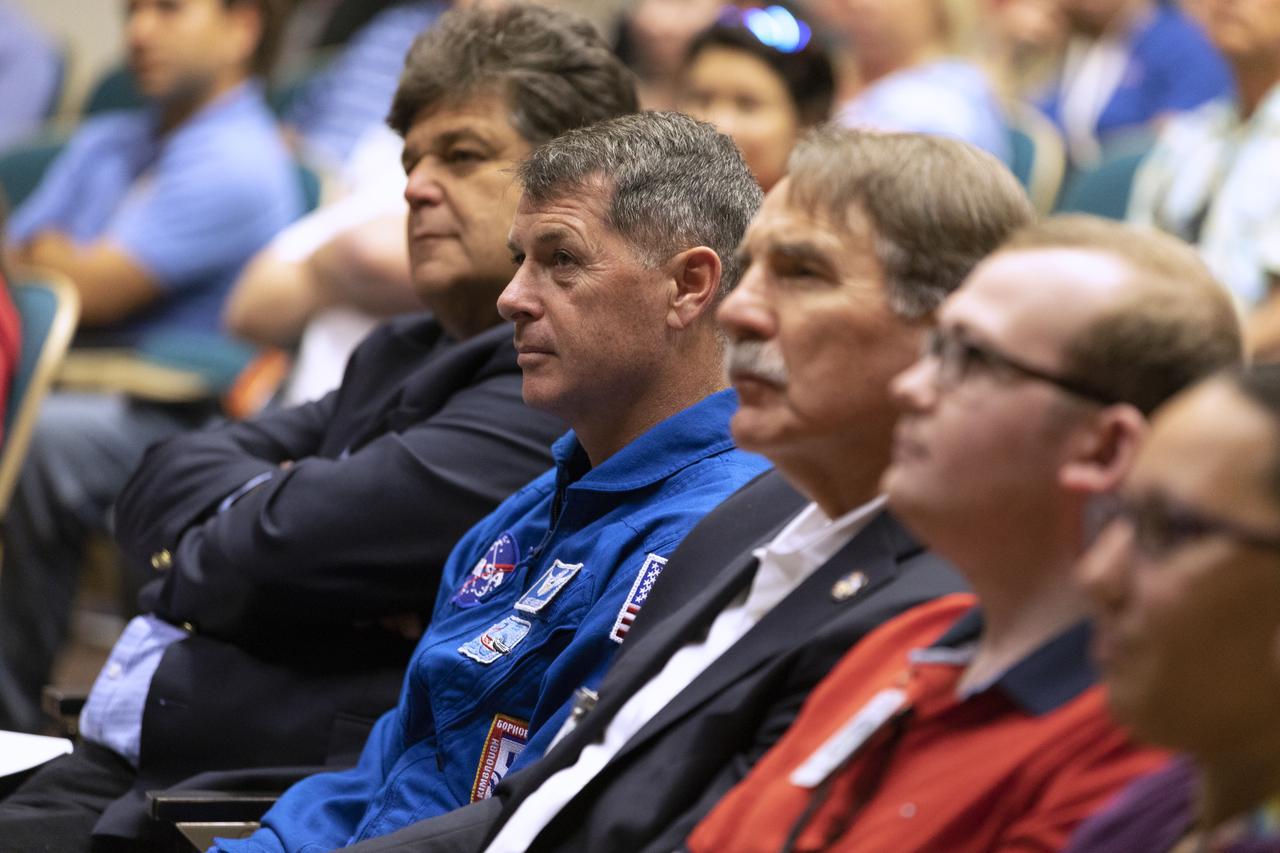
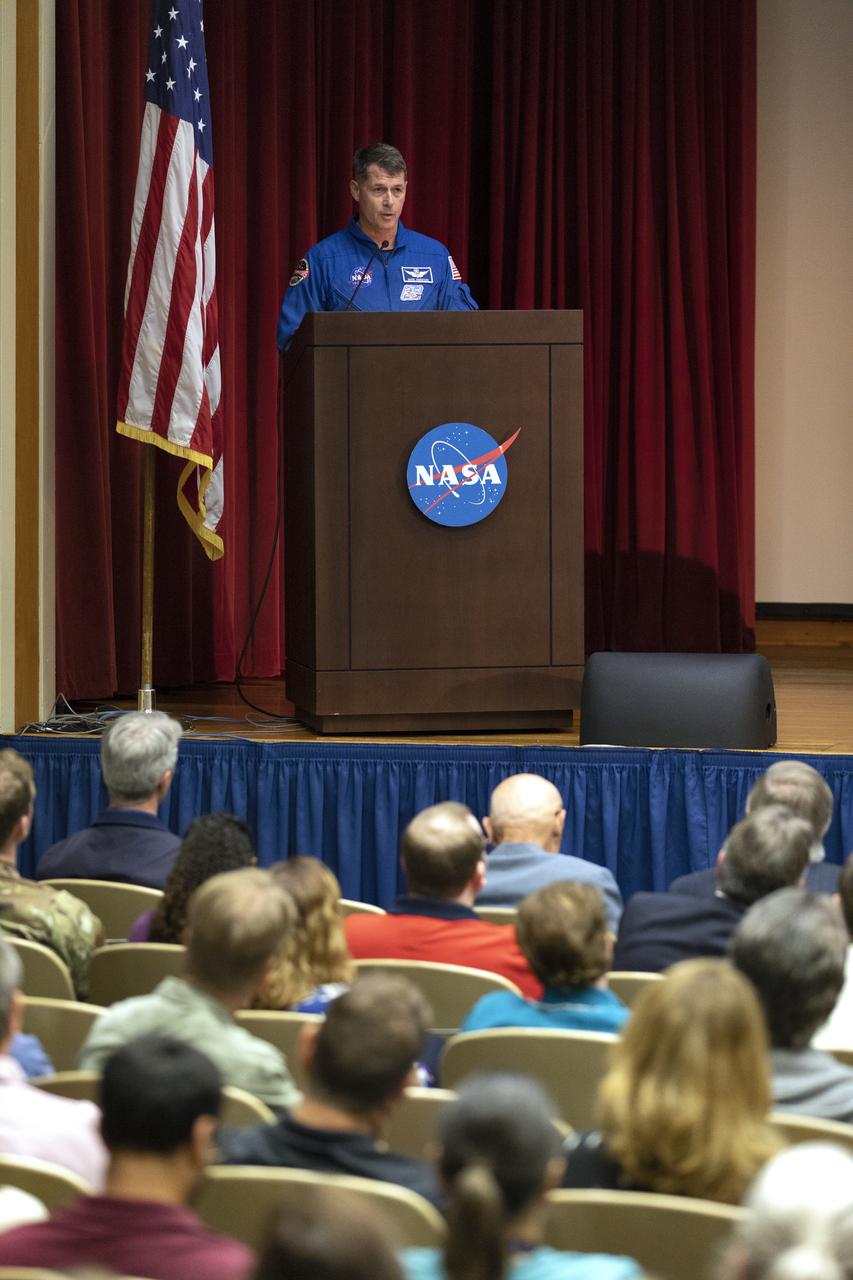
NASA astronaut Shane Kimbrough, blue flight suit, listens to a presentation in Kennedy Space Center’s Training Auditorium on April 12, 2019, during “Columbia: The Mission Continues,” an event organized by the Apollo Challenger Columbia Lessons Learned Program (ACCLLP). Kimbrough also was a speaker at the event, which is part of the Space Shuttle Columbia national tour and took place on the 38th anniversary of STS-1, the first orbital spaceflight of NASA’s Space Shuttle Program. The tour launched at Kennedy and will make its way to each of the 10 NASA centers.
Apollo Challenger Columbia Lessons Learned
Astronaut Shane Kimbrough speaks to NASA civil service and contractor employees and guests in Kennedy Space Center’s Training Auditorium on April 12, 2019. Kimbrough was the final speaker for “Columbia: The Mission Continues,” an event organized by the Apollo Challenger Columbia Lessons Learned Program (ACCLLP). The event is part of the Space Shuttle Columbia national tour and took place on the 38th anniversary of STS-1, the first orbital spaceflight of NASA’s Space Shuttle Program. The tour launched at Kennedy and will make its way to each of the 10 NASA centers.
Apollo Challenger Columbia Lessons Learned
NASA civil service and contractor employees and guests gather in Kennedy Space Center’s Training Auditorium on April 12, 2019, for “Columbia: The Mission Continues,” an event organized by the Apollo Challenger Columbia Lessons Learned Program (ACCLLP). The event is part of the Space Shuttle Columbia national tour and took place on the 38th anniversary of STS-1, the first orbital spaceflight of NASA’s Space Shuttle Program. The tour launched at Kennedy and will make its way to each of the 10 NASA centers.
Apollo Challenger Columbia Lessons Learned
Evelyn Husband Thompson, widow of STS-107 Commander Rick Husband, speaks to NASA civil service and contractor employees and guests in Kennedy Space Center’s Training Auditorium on April 12, 2019. Husband Thompson was one of the presenters for “Columbia: The Mission Continues,” an event organized by the Apollo Challenger Columbia Lessons Learned Program (ACCLLP). The event is part of the Space Shuttle Columbia national tour and took place on the 38th anniversary of STS-1, the first orbital spaceflight of NASA’s Space Shuttle Program. The tour launched at Kennedy and will make its way to each of the 10 NASA centers.
Apollo Challenger Columbia Lessons Learned
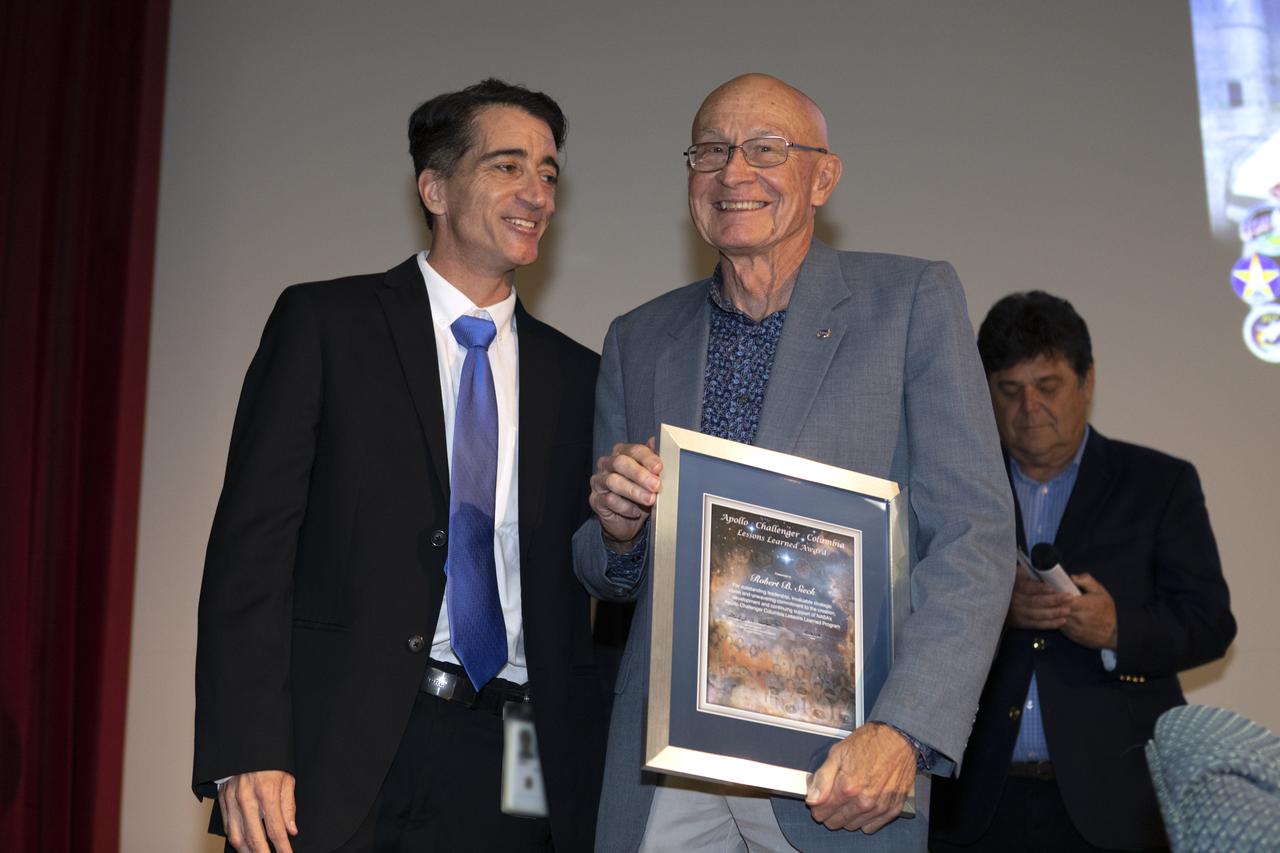
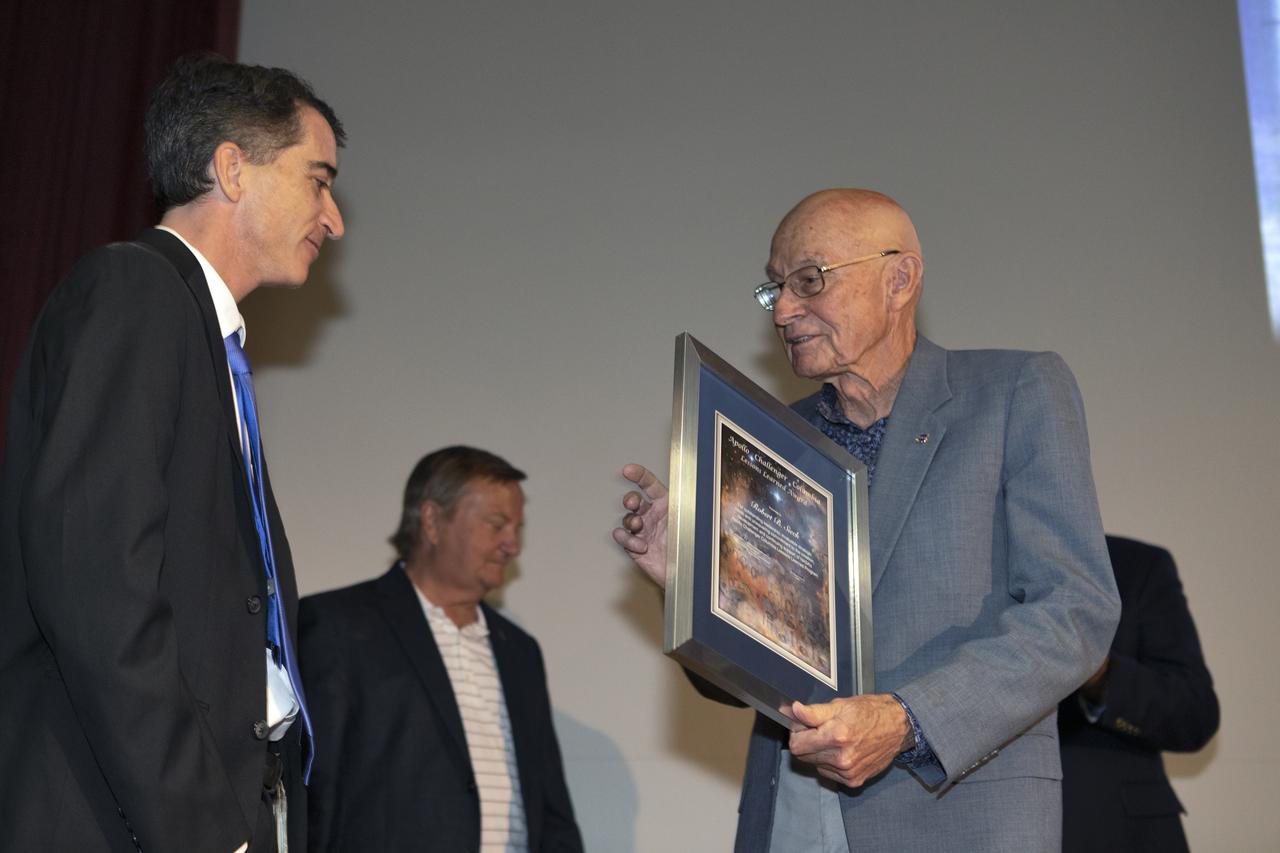
Former space shuttle launch director Bob Sieck, right, receives a Lessons Learned Award from Apollo Challenger Columbia Lessons Learned Program (ACCLLP) Manager Mike Ciannilli in Kennedy Space Center’s Training Auditorium on April 12, 2019. Sieck participated in a discussion during “Columbia: The Mission Continues,” an event organized by the ACCLLP. The event is part of the Space Shuttle Columbia national tour and took place on the 38th anniversary of STS-1, the first orbital spaceflight of NASA’s Space Shuttle Program. The tour launched at Kennedy and will make its way to each of the 10 NASA centers.
Apollo Challenger Columbia Lessons Learned
Apollo Challenger Columbia Lessons Learned Program (ACCLLP) Manager Mike Ciannilli, left, presents former space shuttle launch director Bob Sieck with a Lessons Learned Award in Kennedy Space Center’s Training Auditorium on April 12, 2019. The two men were a part of “Columbia: The Mission Continues,” an event organized by the ACCLLP. The event is part of the Space Shuttle Columbia national tour and took place on the 38th anniversary of STS-1, the first orbital spaceflight of NASA’s Space Shuttle Program. The tour launched at Kennedy and will make its way to each of the 10 NASA centers.
Apollo Challenger Columbia Lessons Learned
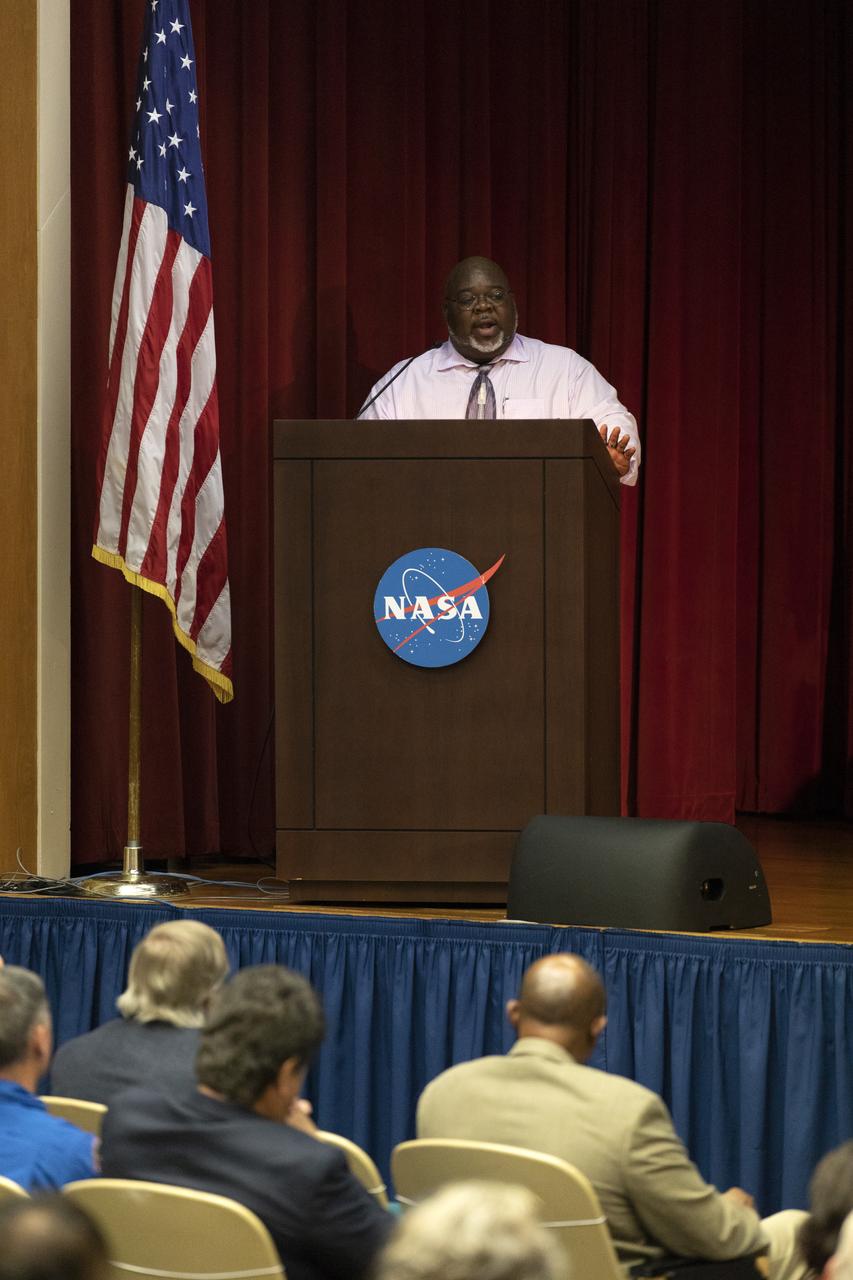
Kennedy Space Center Office of Diversity and Equal Opportunity Manager Rob Grant speaks to NASA civil service and contractor employees and guests in Kennedy Space Center’s Training Auditorium on April 12, 2019. Rogers talked about the power of diversity during “Columbia: The Mission Continues,” an event organized by the Apollo Challenger Columbia Lessons Learned Program (ACCLLP). The event is part of the Space Shuttle Columbia national tour and took place on the 38th anniversary of STS-1, the first orbital spaceflight of NASA’s Space Shuttle Program. The tour launched at Kennedy and will make its way to each of the 10 NASA centers.
Apollo Challenger Columbia Lessons Learned
Goddard Space Flight Center Chief Knowledge Officer Ed Rogers speaks to NASA civil service and contractor employees and guests in Kennedy Space Center’s Training Auditorium on April 12, 2019. Rogers talked about lessons in decision-making during “Columbia: The Mission Continues,” an event organized by the Apollo Challenger Columbia Lessons Learned Program (ACCLLP). The event is part of the Space Shuttle Columbia national tour and took place on the 38th anniversary of STS-1, the first orbital spaceflight of NASA’s Space Shuttle Program. The tour launched at Kennedy and will make its way to each of the 10 NASA centers.
Apollo Challenger Columbia Lessons Learned
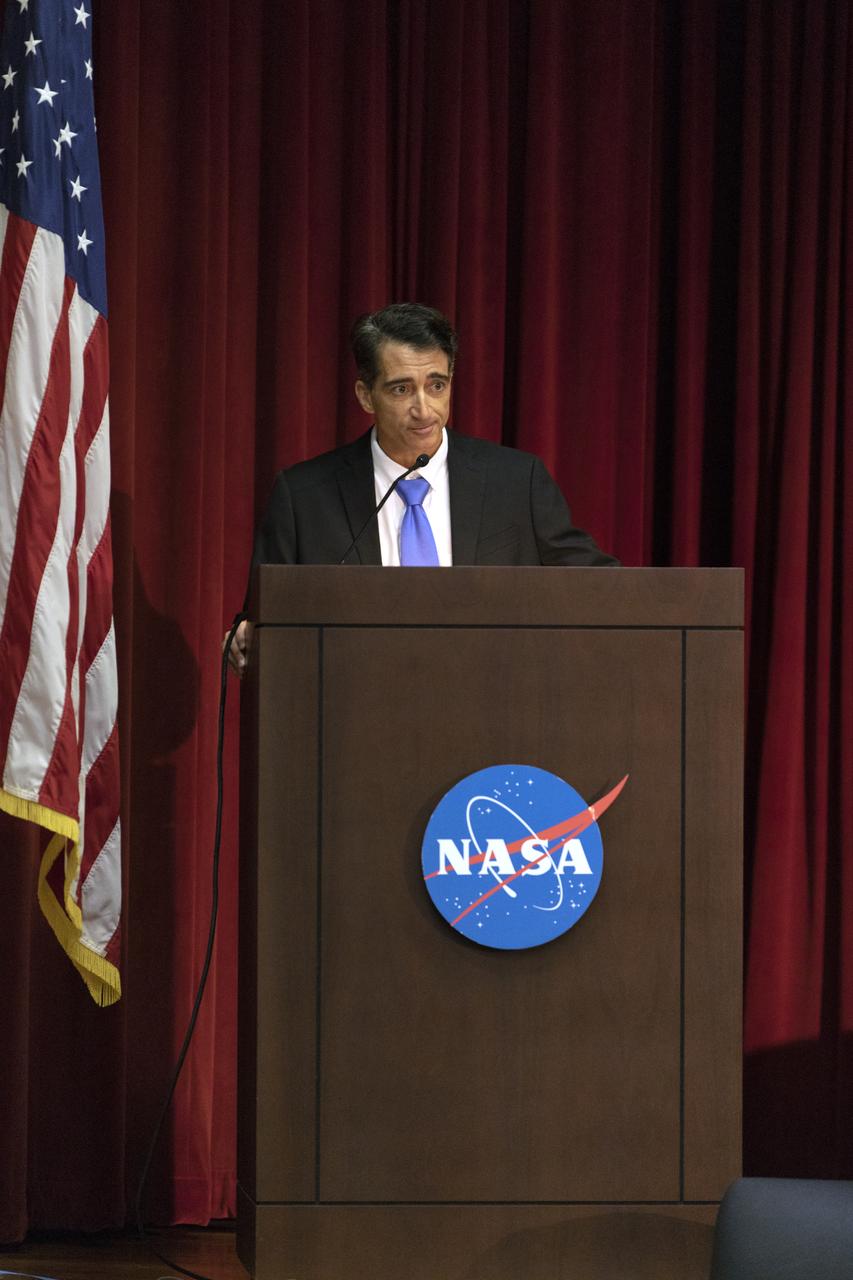
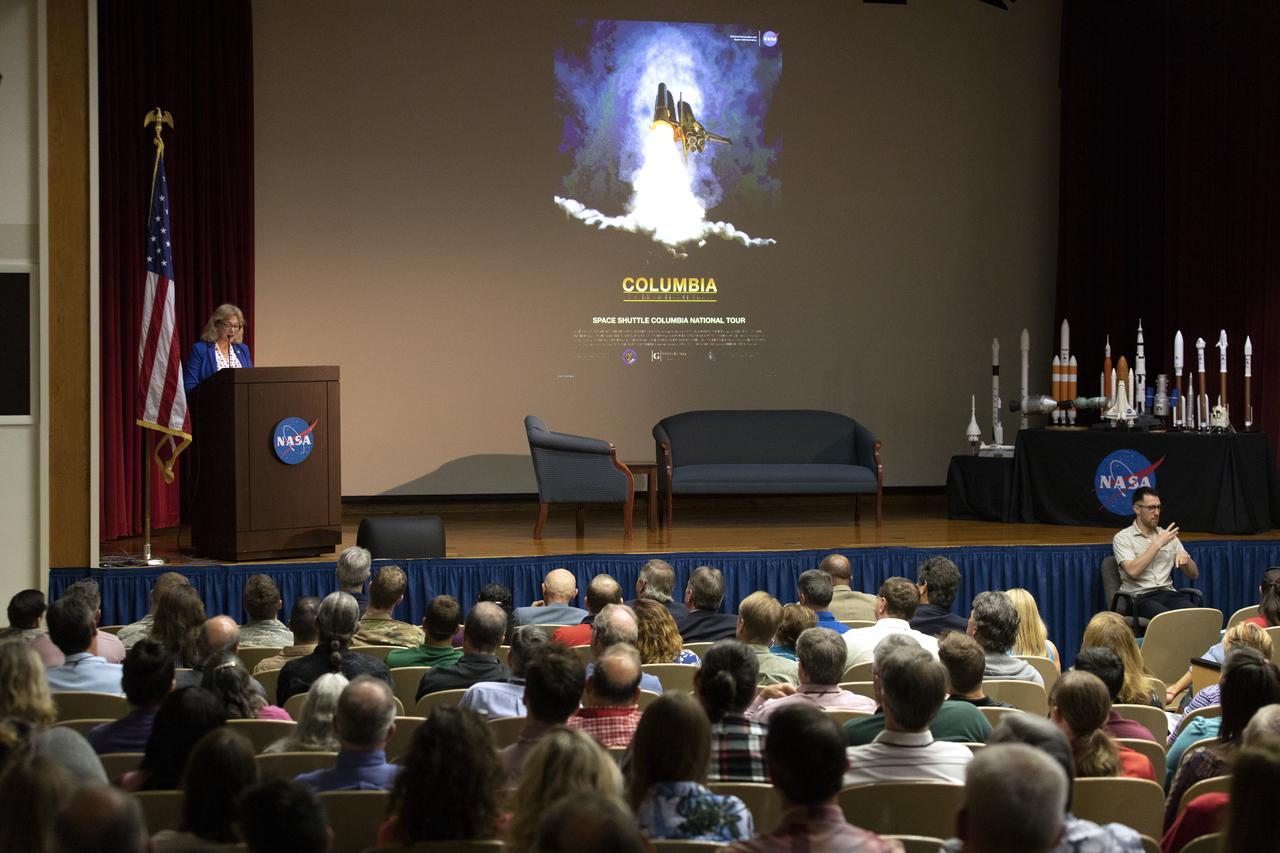
Kelvin Manning, Kennedy Space Center associate director, technical, speaks to NASA civil service and contractor employees and guests in the Florida spaceport’s Training Auditorium on April 12, 2019. Manning delivered opening remarks for “Columbia: The Mission Continues,” an event organized by the Apollo Challenger Columbia Lessons Learned Program (ACCLLP). The event is part of the Space Shuttle Columbia national tour and took place on the 38th anniversary of STS-1, the first orbital spaceflight of NASA’s Space Shuttle Program. The tour launched at Kennedy and will make its way to each of the 10 NASA centers.
Apollo Challenger Columbia Lessons Learned
Evelyn Husband Thompson, widow of STS-107 Commander Rick Husband, speaks to NASA civil service and contractor employees and guests in Kennedy Space Center’s Training Auditorium on April 12, 2019. Husband Thompson was one of the presenters for “Columbia: The Mission Continues,” an event organized by the Apollo Challenger Columbia Lessons Learned Program (ACCLLP). The event is part of the Space Shuttle Columbia national tour and took place on the 38th anniversary of STS-1, the first orbital spaceflight of NASA’s Space Shuttle Program. The tour launched at Kennedy and will make its way to each of the 10 NASA centers.
Apollo Challenger Columbia Lessons Learned
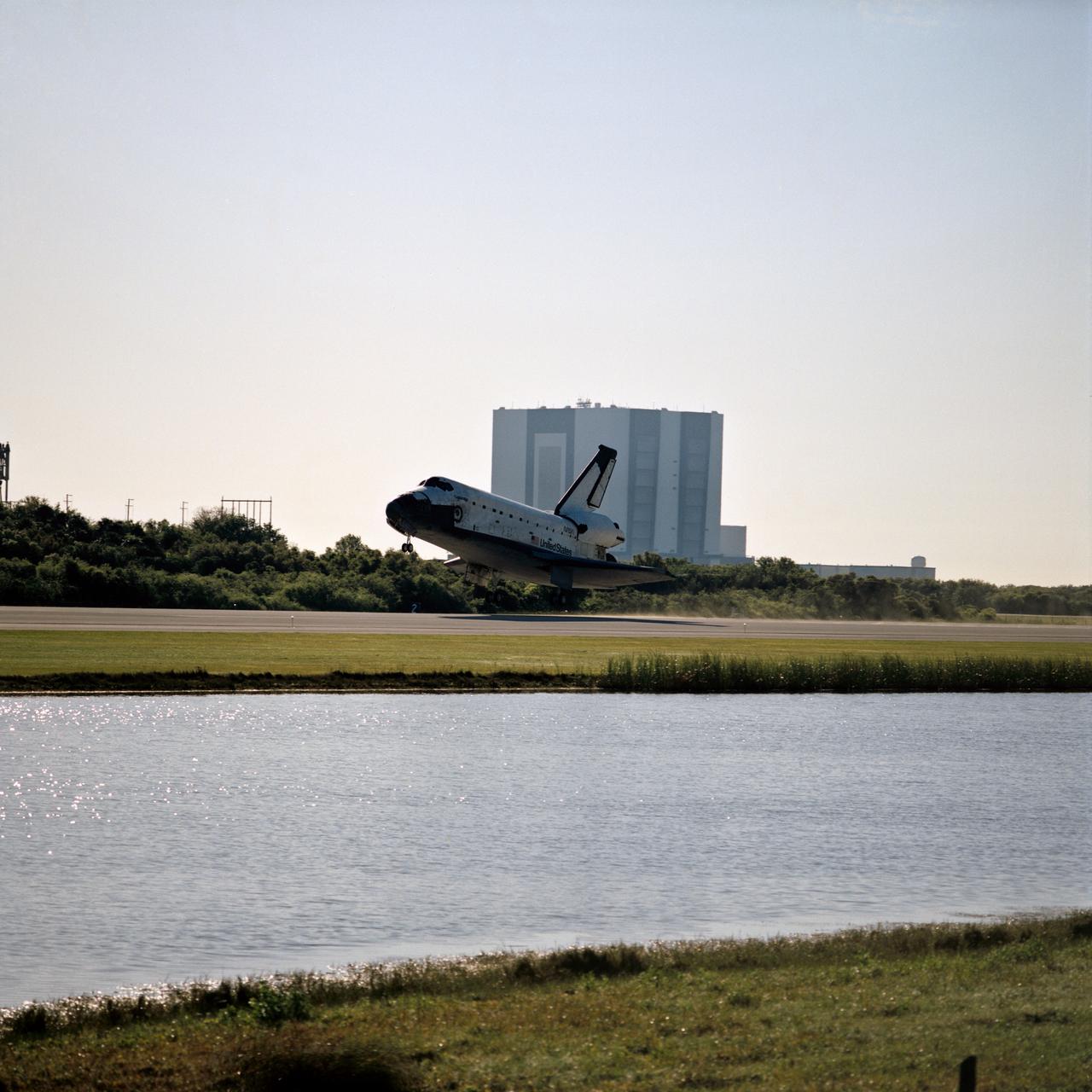
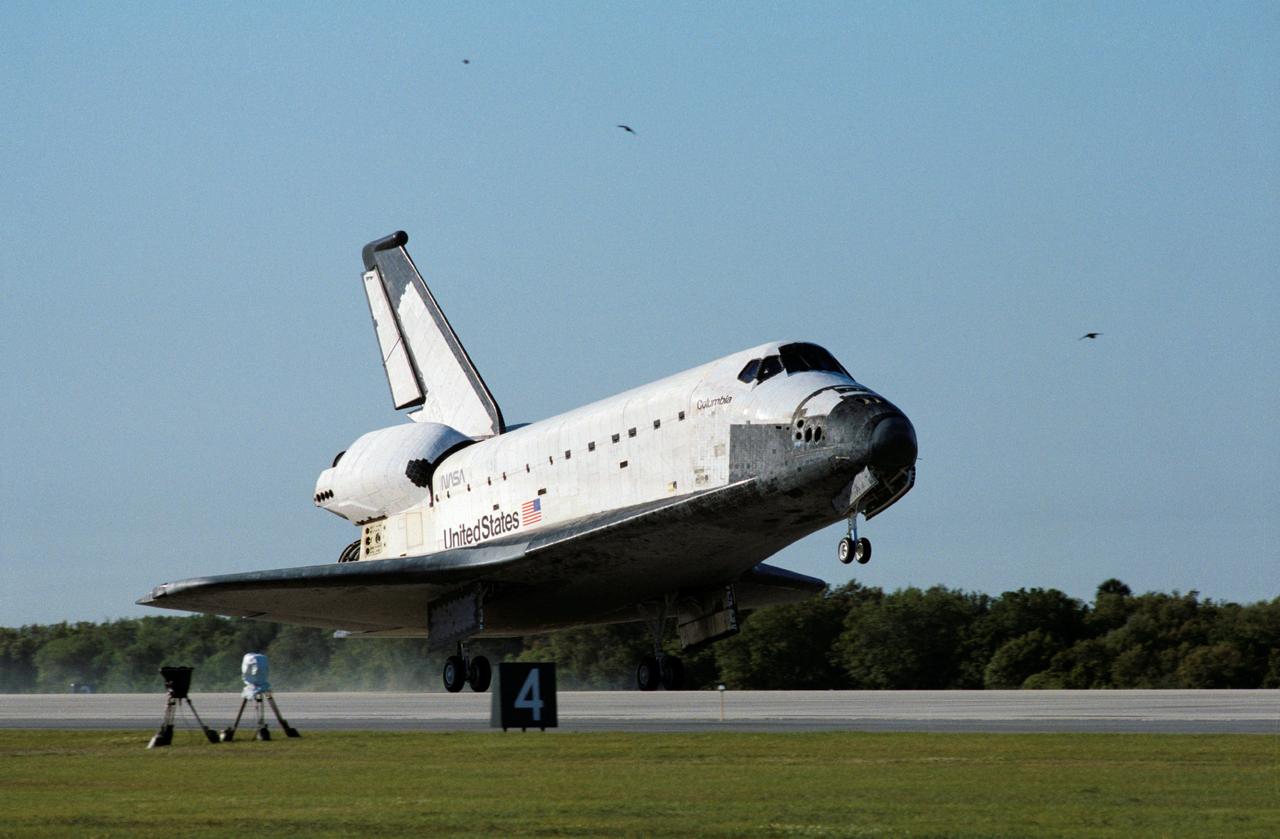
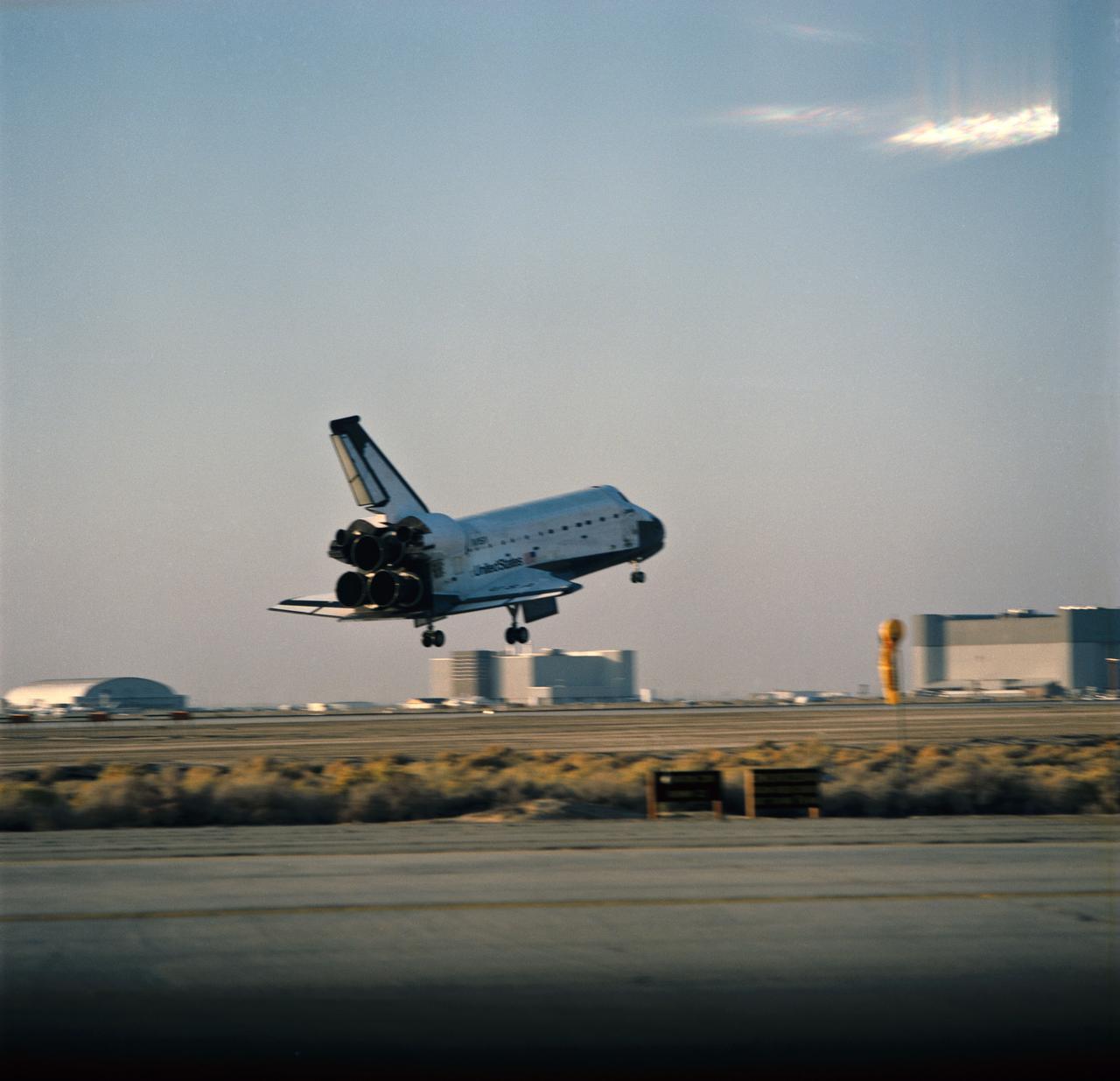
STS062-S-030 (18 March 1994) --- The Space Shuttle Columbia is about to touch down on the Shuttle landing facility following almost 14 days in earth orbit for five NASA astronauts and a variety of experiments.  The giant Vehicle Assembly Building (VAB) where Columbia had been mated to its external fuel tank and two solid rockets is in the background.  Touchdown occurred at 8:09 a.m. (EST), March 18, 1994.  Thirteen days, 23 hours and 16 minutes were logged by the crew members -- astronauts John H. Casper, Andrew M. Allen, Marsha S. Ivins, Pierre J. Thuot and Charles D. (Sam) Gemar.
Columbia just prior to touchdown after STS-62
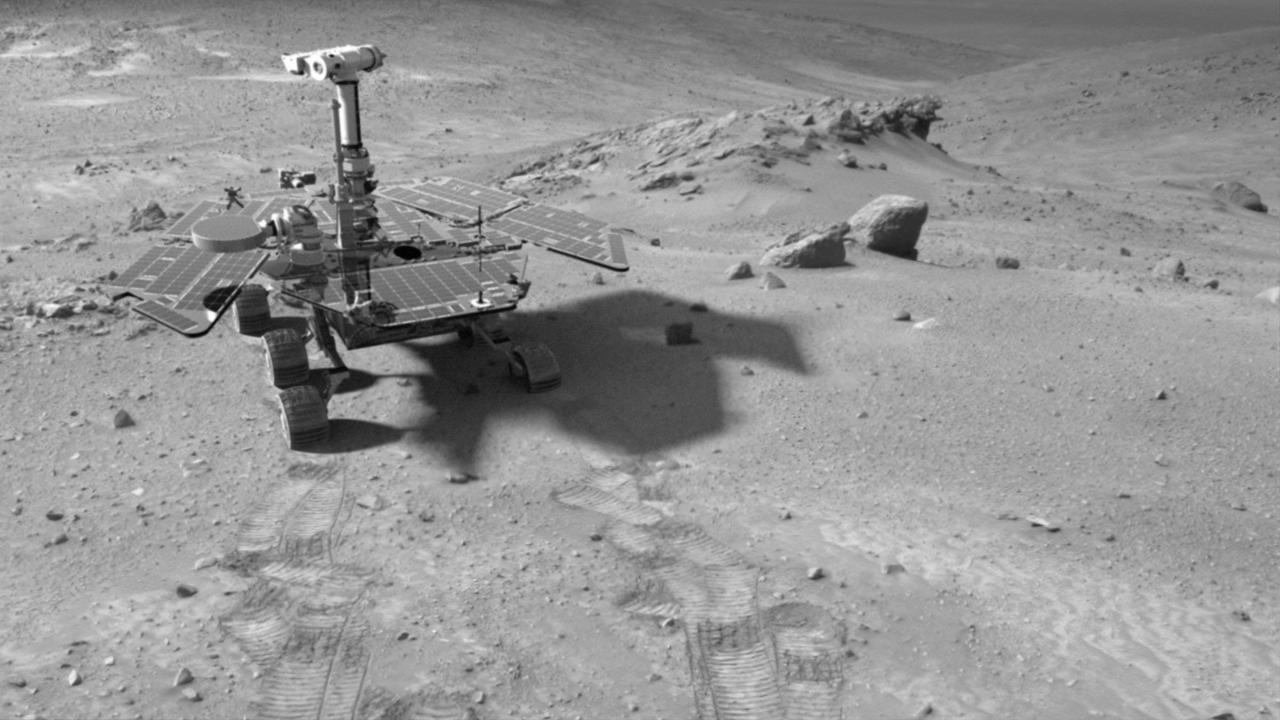
This synthetic image of NASA Spirit Mars Exploration Rover in the Columbia Hills was produced using Virtual Presence in Space technology.
Special-Effects Spirit in Columbia
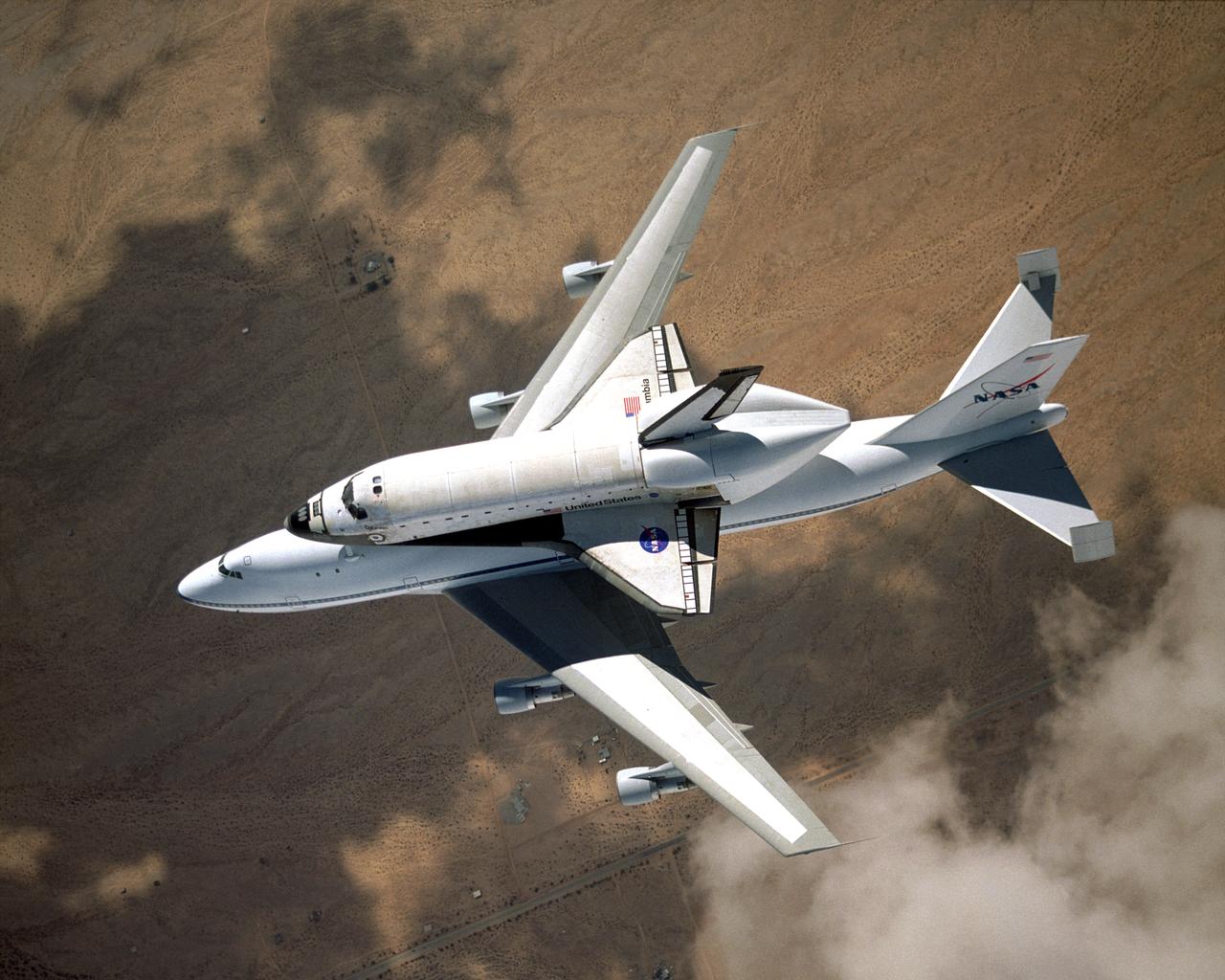
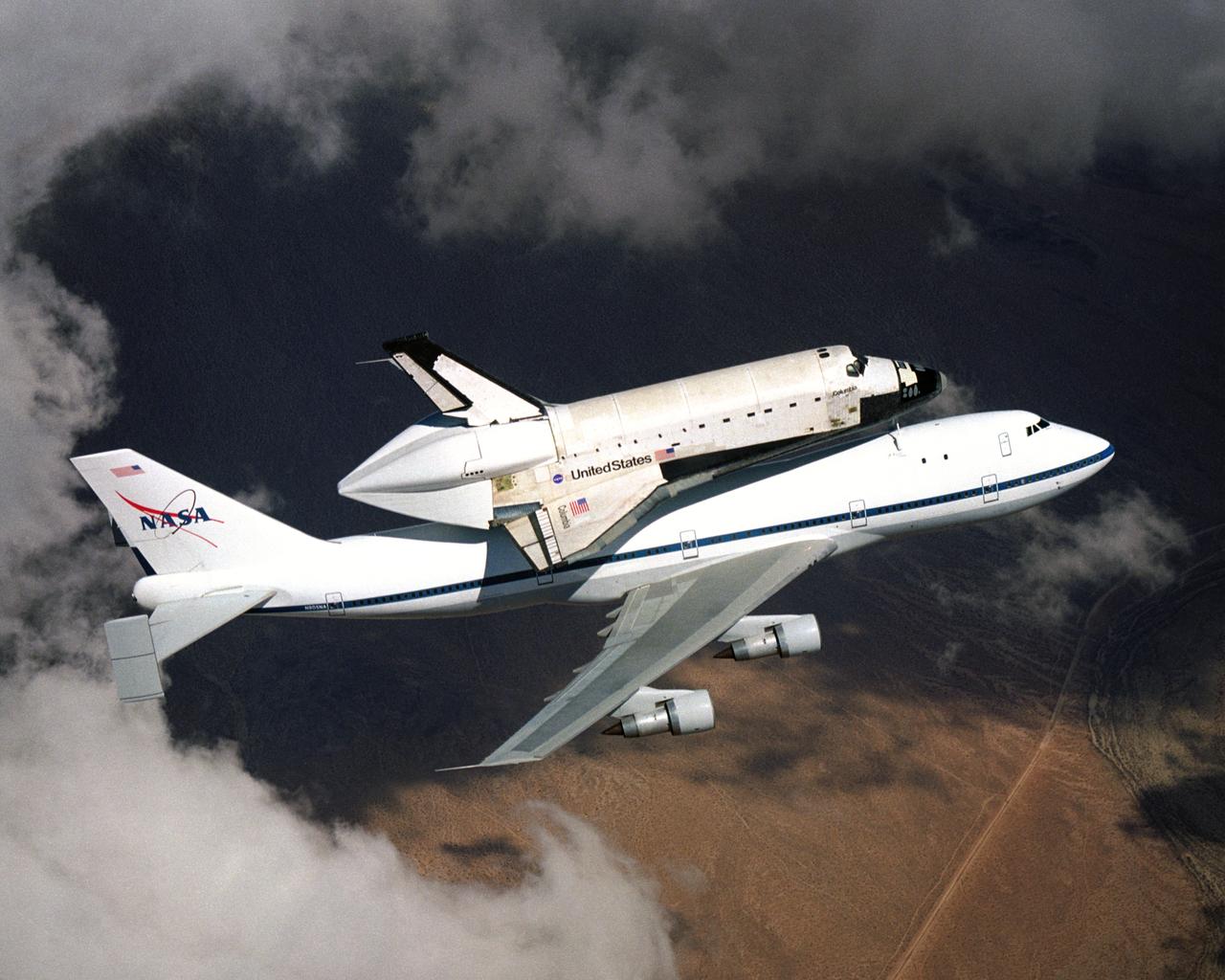
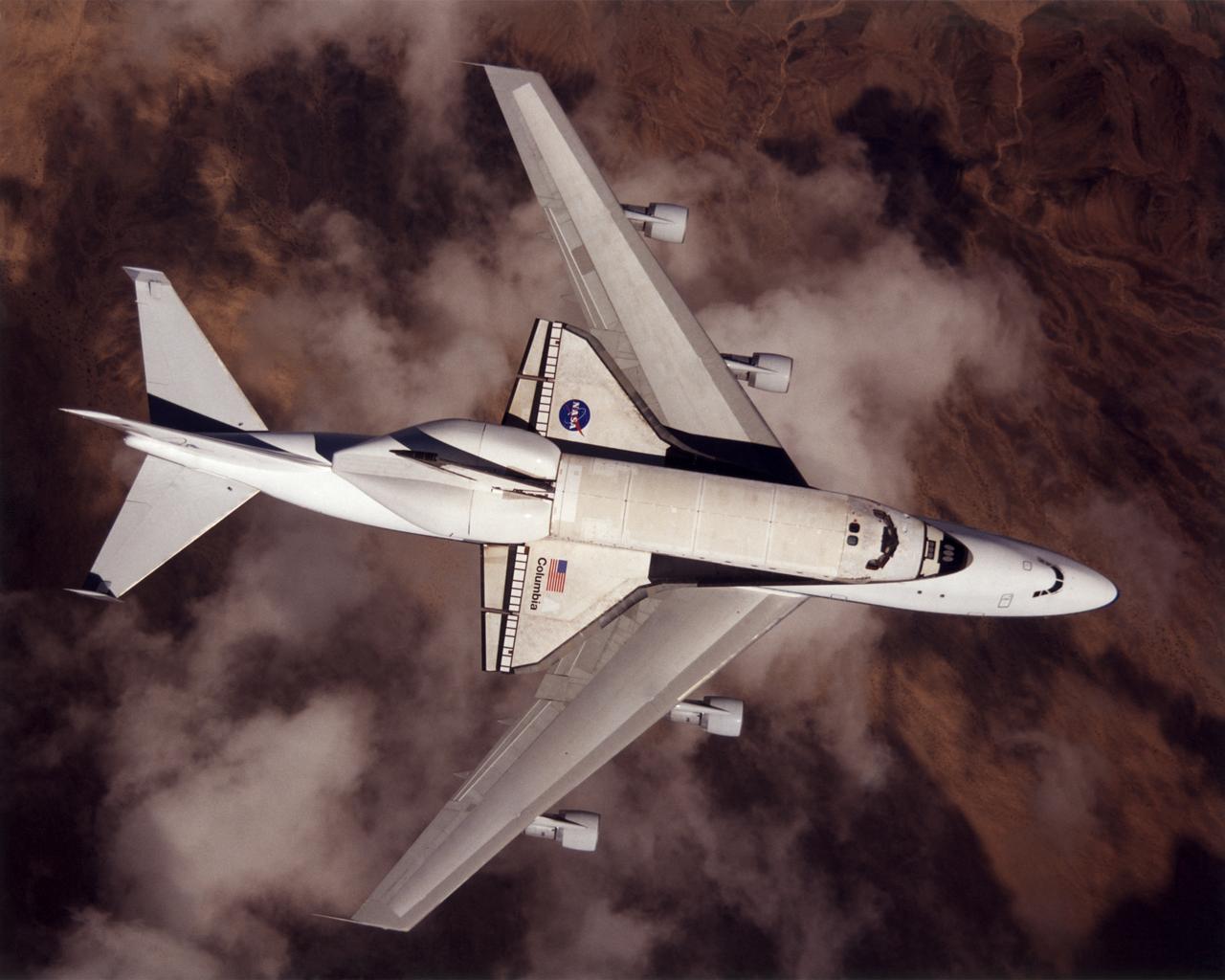
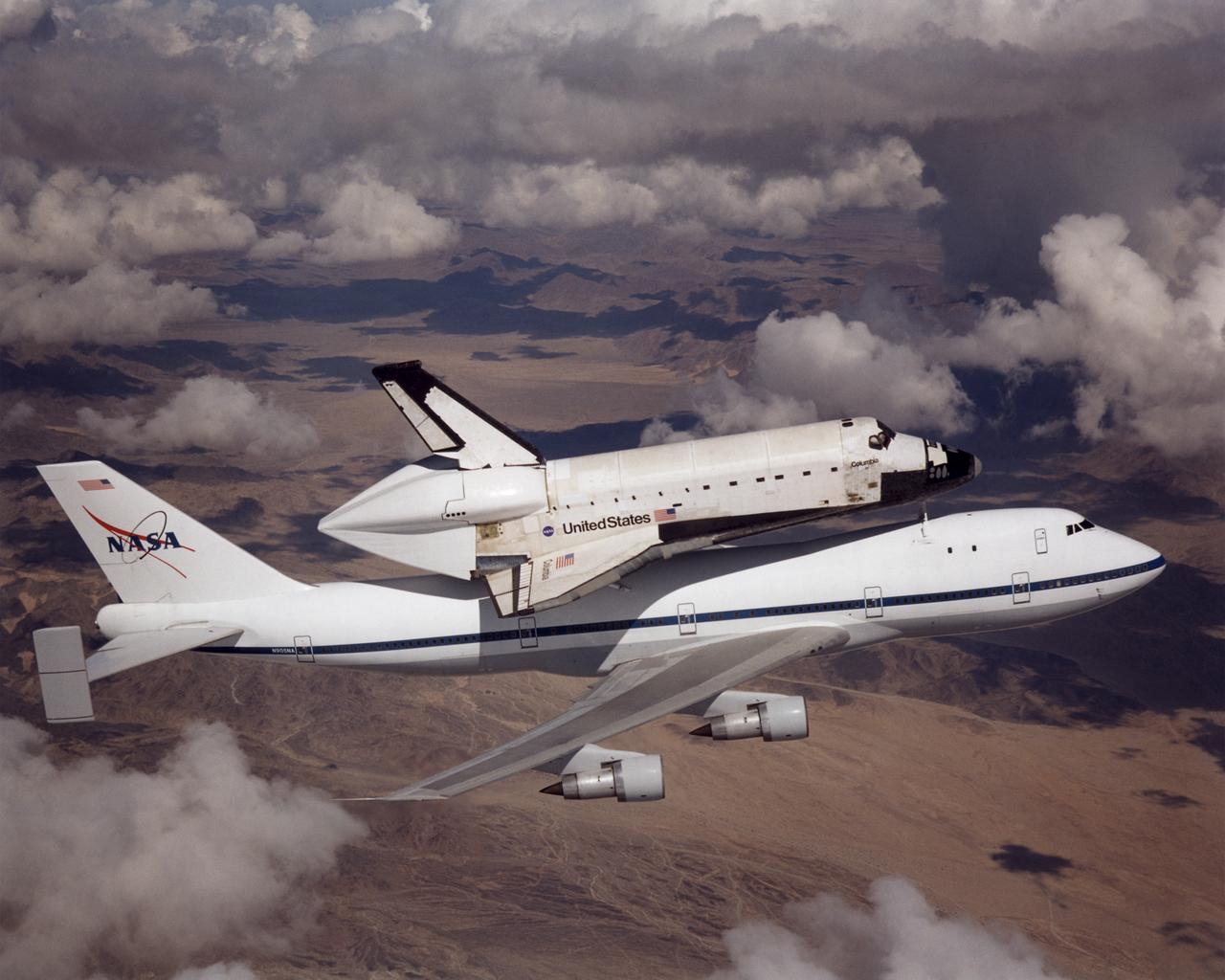
NASA space shuttle Columbia hitched a ride on a special 747 carrier aircraft for the flight from Palmdale, California, to Kennedy Space Center, Florida, on March 1, 2001. A half hour behind Columbia's takeoff, the shuttle Atlantis departed the NASA Dryden Flight Research Center at Edwards Air Force Base, California, also bound for Kennedy Space Center.
NASA space shuttle Columbia hitched a ride on a special 747 carrier aircraft for the flight from Palmdale, California, to Kennedy Space Center, Florida, on March 1, 2001
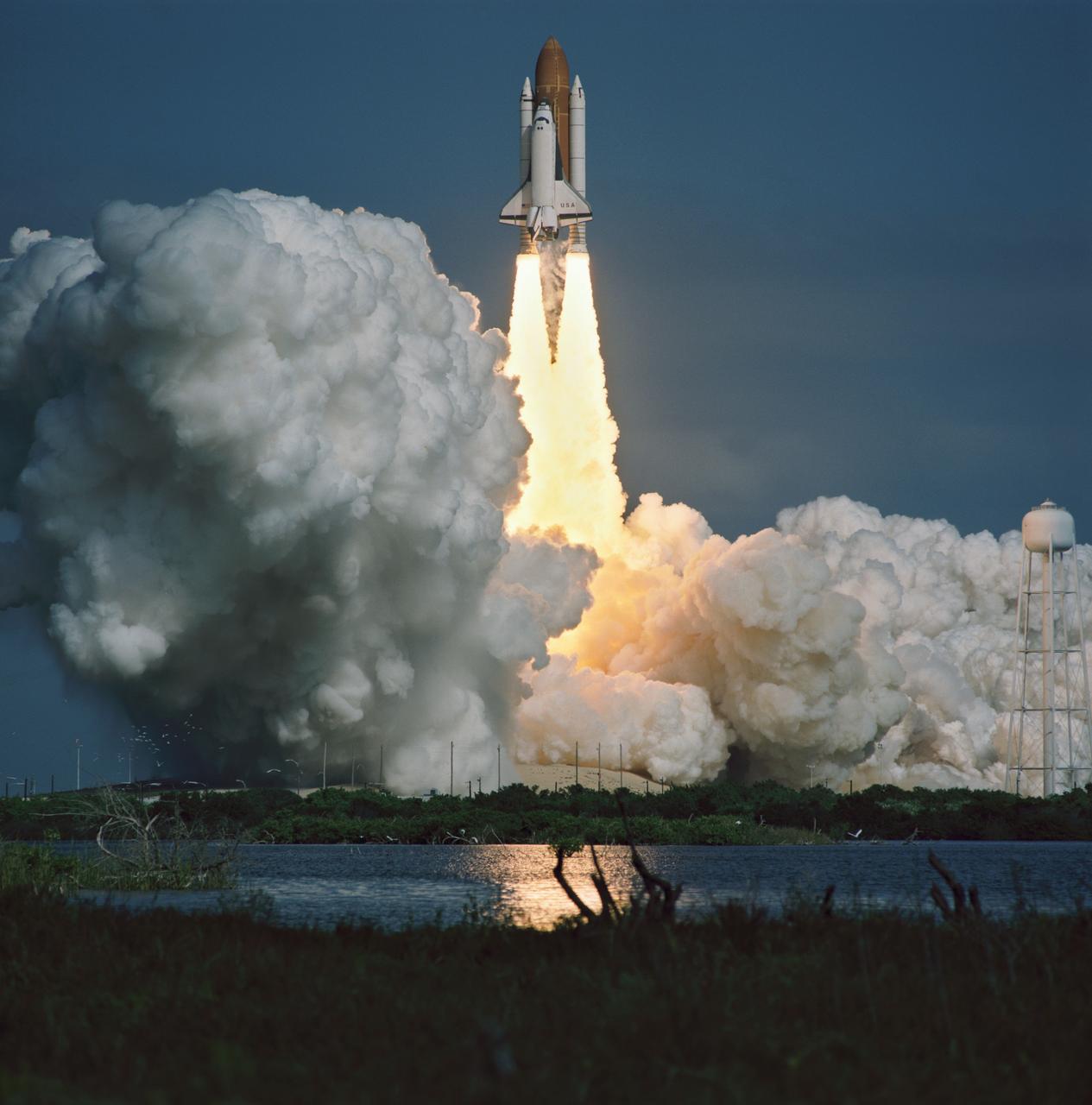
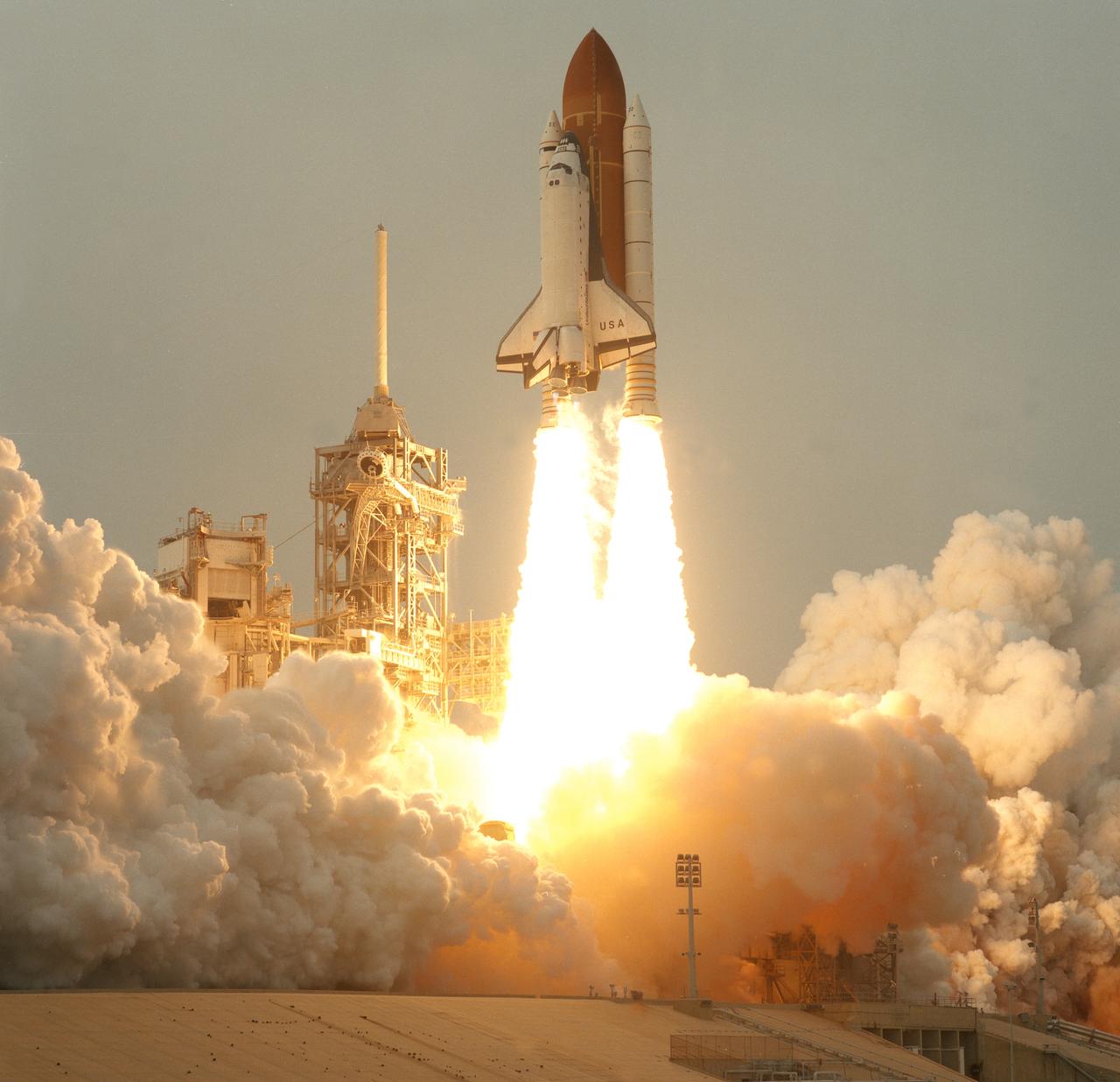
STS058-S-090 (18 Oct 1993) --- Creating large clouds of smoke the Space Shuttle Columbia lifts off from Launch Complex 39 at Kennedy Space Center (KSC).  Liftoff occurred at 10:53 a.m. (EDT), October 18, 1993.  Along with its Spacelab Life Sciences-2 payload, Columbia carries astronauts John E. Blaha, Richard A. Searfoss, Rhea Seddon, Shannon W. Lucid, David A. Wolf and William S. McArthur along with payload specialist Martin J. Fettman.
Launch of STS-58 Space Shuttle Columbia
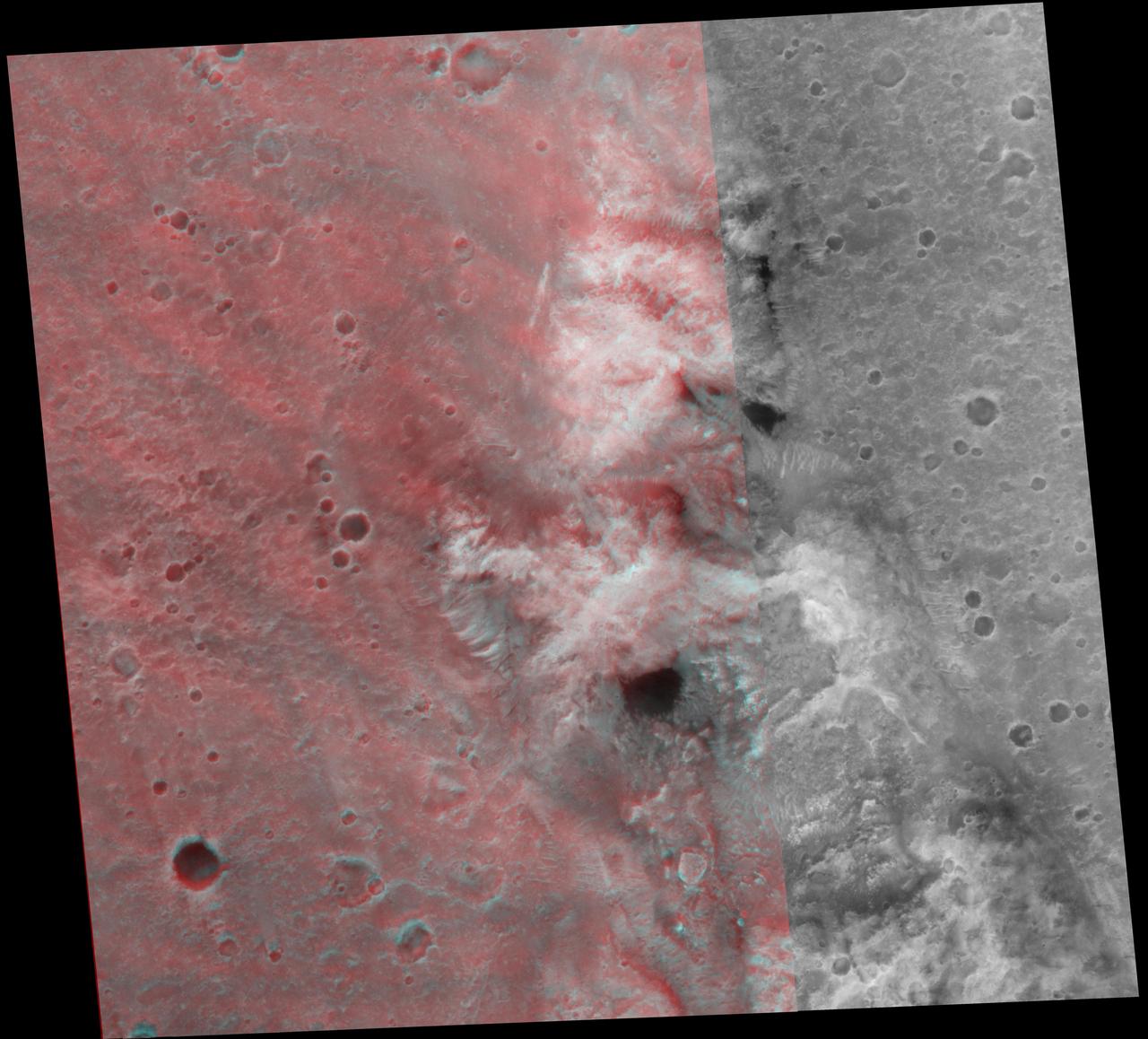
This stereo image mosaic from NASA Mars Global Surveyor is of Columbia Hills. 3D glasses are necessary to view this image.
Spirit Neighborhood in Columbia Hills, in Stereo
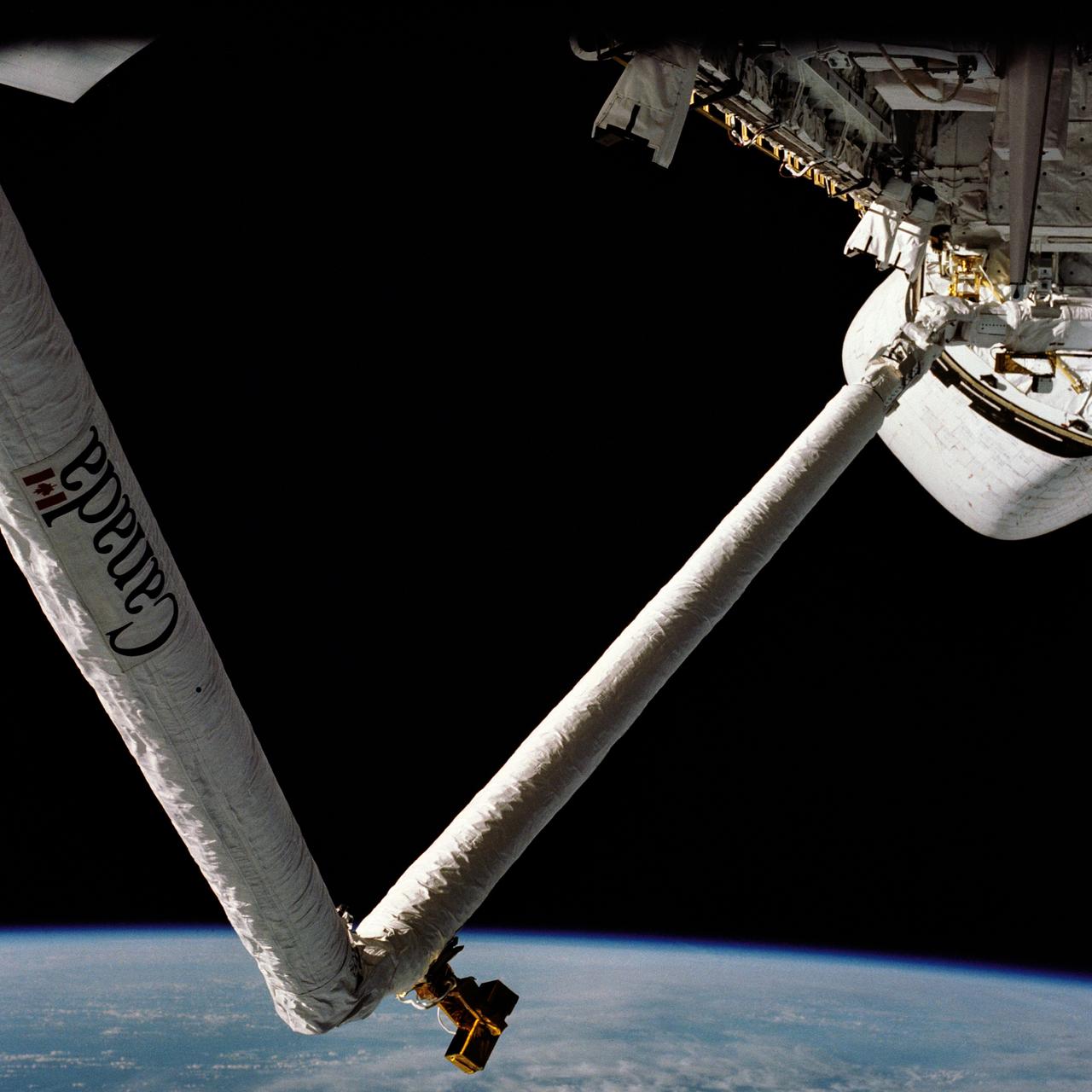
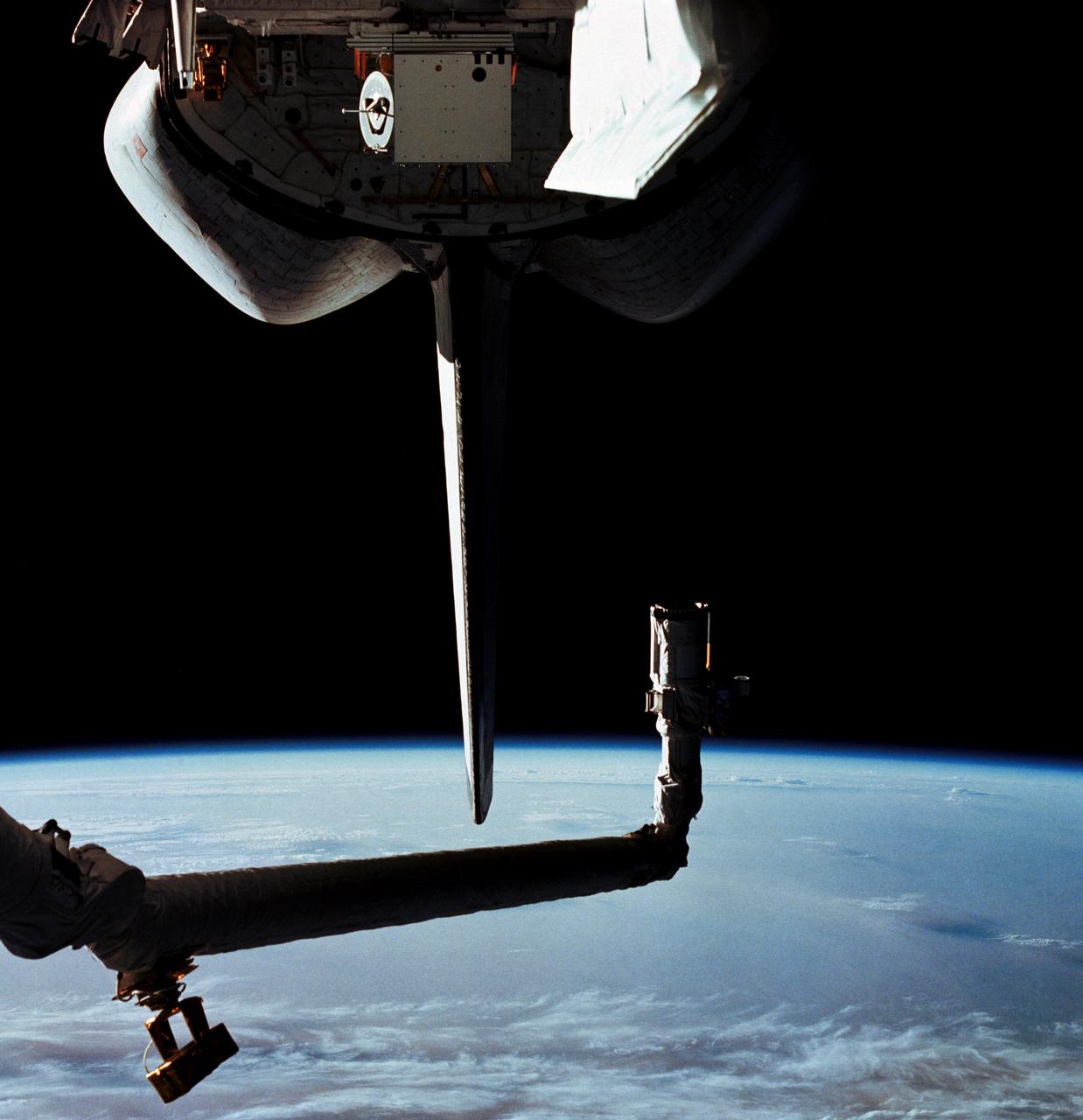
STS002-13-226 (13 Nov. 1981) --- Backdropped against Earth's horizon and the darkness of space, the space shuttle Columbia's remote manipulator system (RMS) gets its first workout in zero-gravity during the STS-2 mission. A television camera is mounted near the elbow and another is partially visible near the wrist of the RMS. Photo credit: NASA
View of the Columbia's remote manipulator system (RMS)
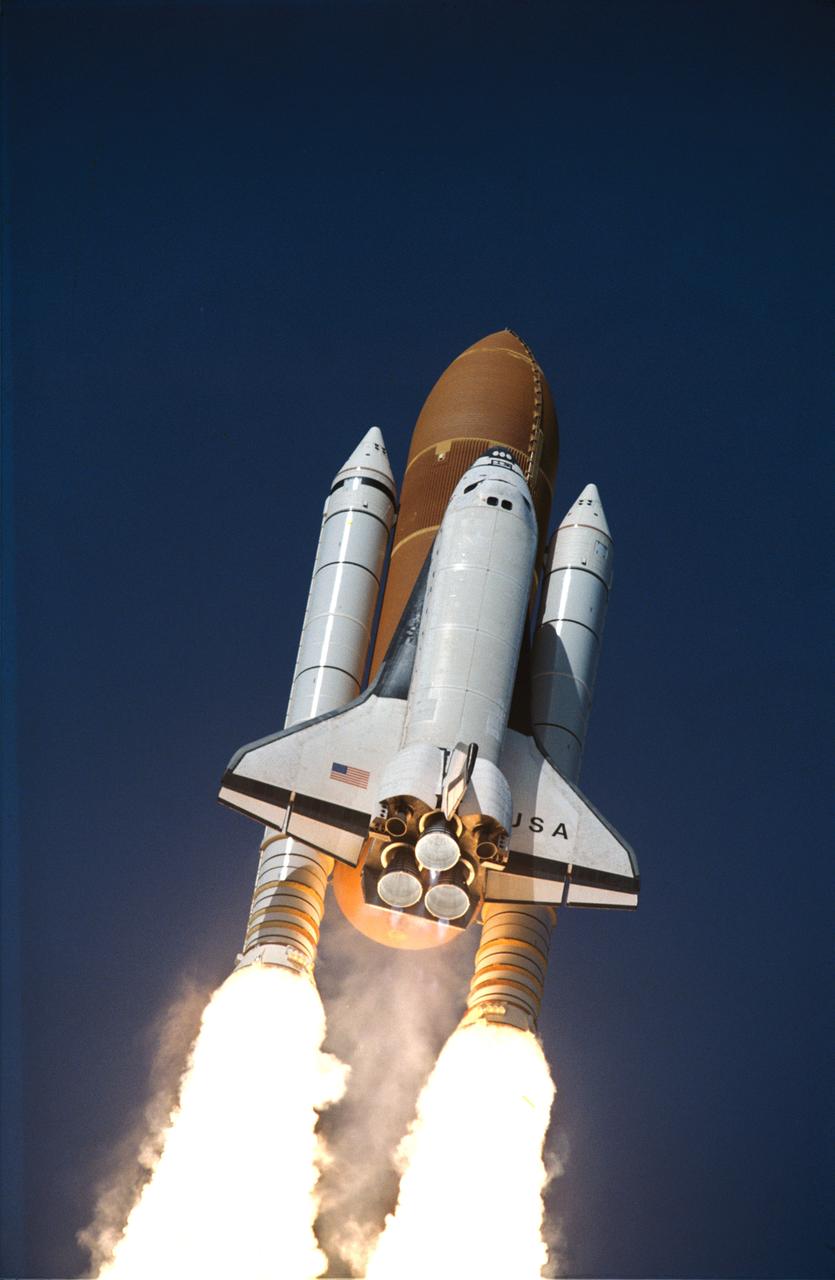
STS062-S-055 (4 March 1994) --- A low-angle view captures early stages of the sixteenth launch of Space Shuttle Columbia.  Launch occurred at 8:53 a.m. (EST), March 4, 1994.  Onboard were astronauts John H. Casper, Andrew M. Allen, Marsha S. Ivins, Charles D. (Sam) Gemar and Pierre J. Thuot.
Columbia in blue sky after the STS-62 launching
STS002-12-833 (13 Nov. 1981) --- Clouds over Earth and black sky form the background for this unique photograph from the space shuttle Columbia in Earth orbit. The photograph was shot through the aft flight deck windows viewing the cargo bay. Part of the scientific payload of the Office of Space and Terrestrial Applications (OSTA-1) is visible in the open cargo bay. The astronauts inside Columbia's cabin were remotely operating the Canadian-built remote manipulator system (RMS). Note television cameras on its elbow and wrist pieces. Photo credit: NASA
View of the Columbia's open payload bay and the Canadian RMS
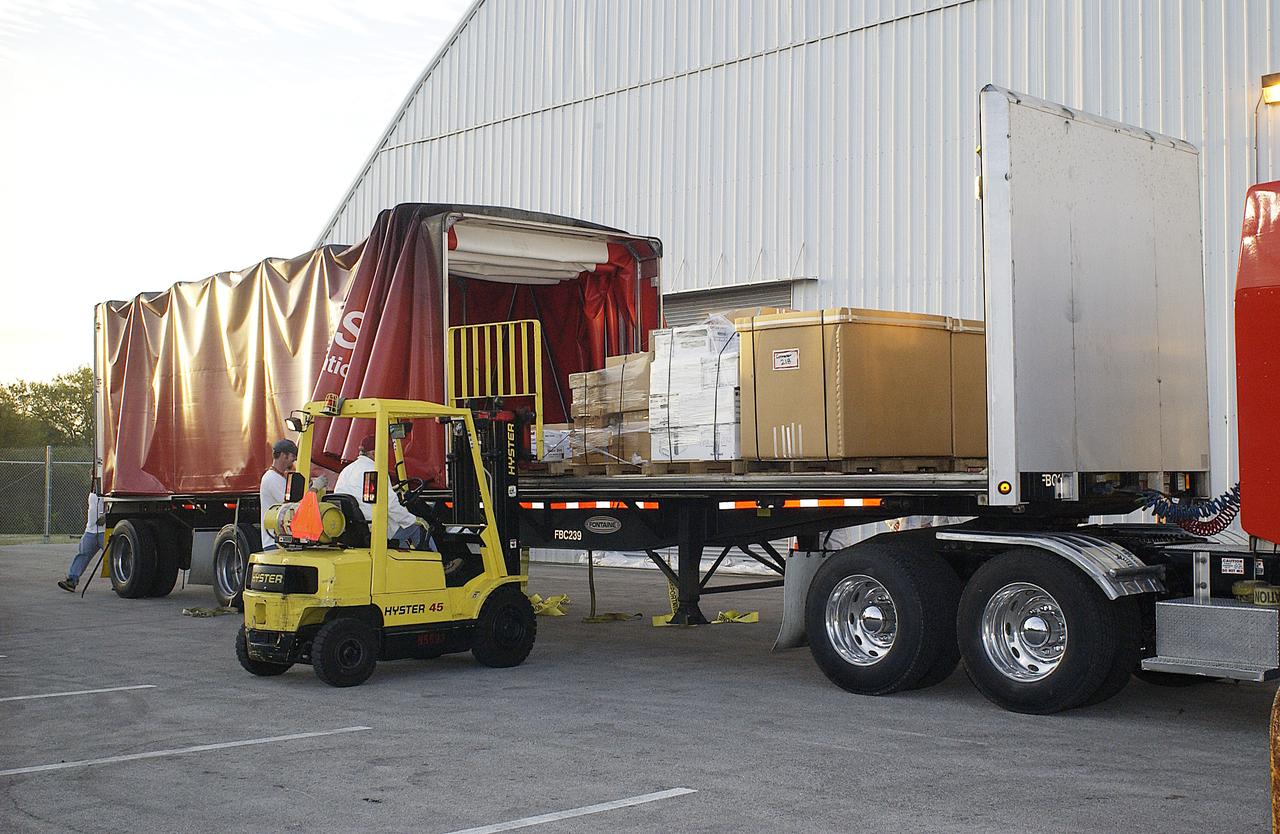
Another shipment of Columbia debris arrives at the KSC RLV Hangar. Inside, the Columbia Reconstruction Project Team is identifying pieces and placing them on a floor grid in a configuration of the orbiter. The team will attempt to reconstruct the orbiter as part of the investigation into the accident that caused the destruction of Columbia and loss of its crew as it returned to Earth on mission STS-107.
Columbia debris
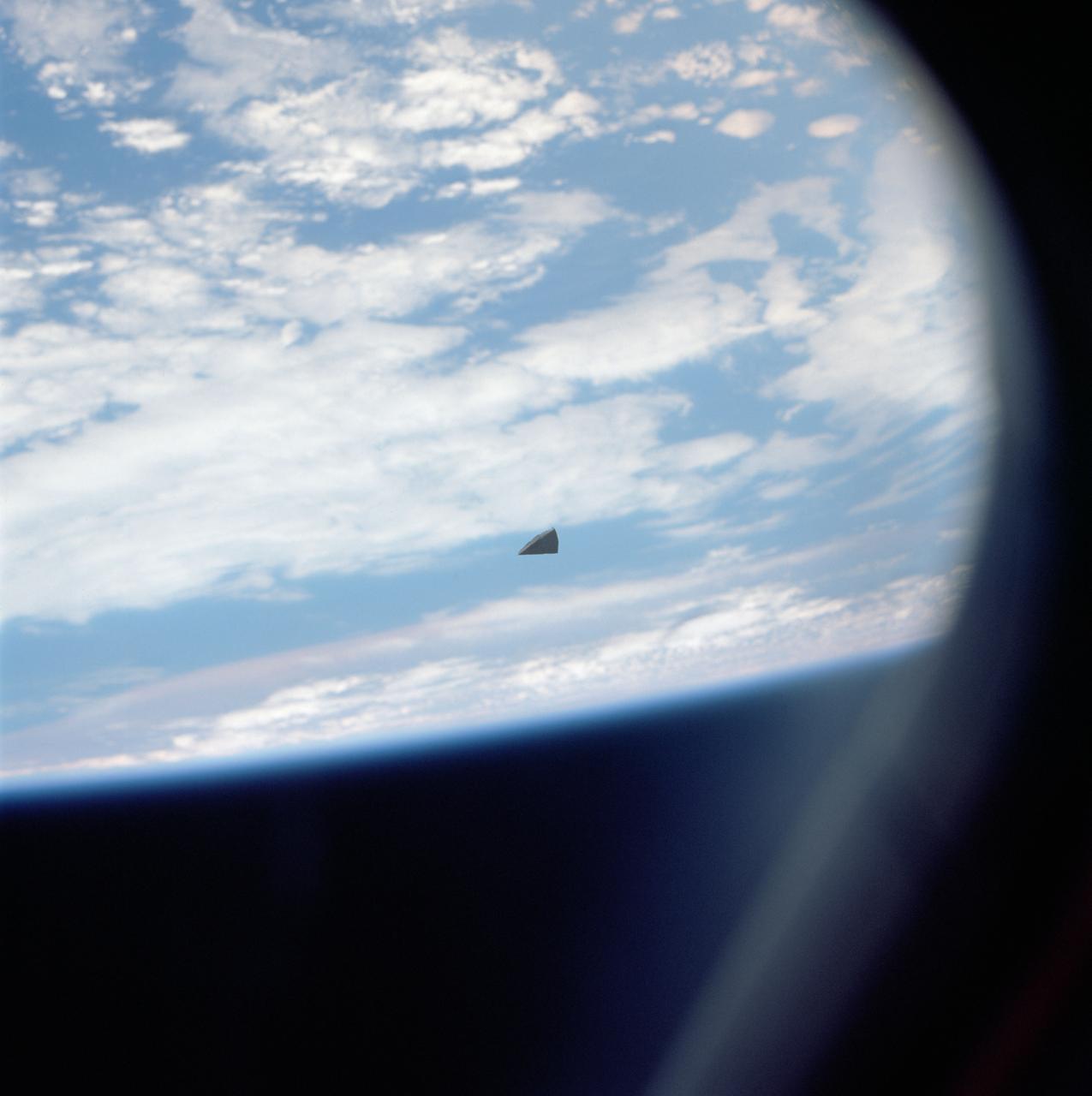
A small piece of thermal insulation tile floats in space near the Shuttle Columbia. The cloudy surface of the earth is used as a background.
Piece of thermal insulation tile floats near the Shuttle Columbia
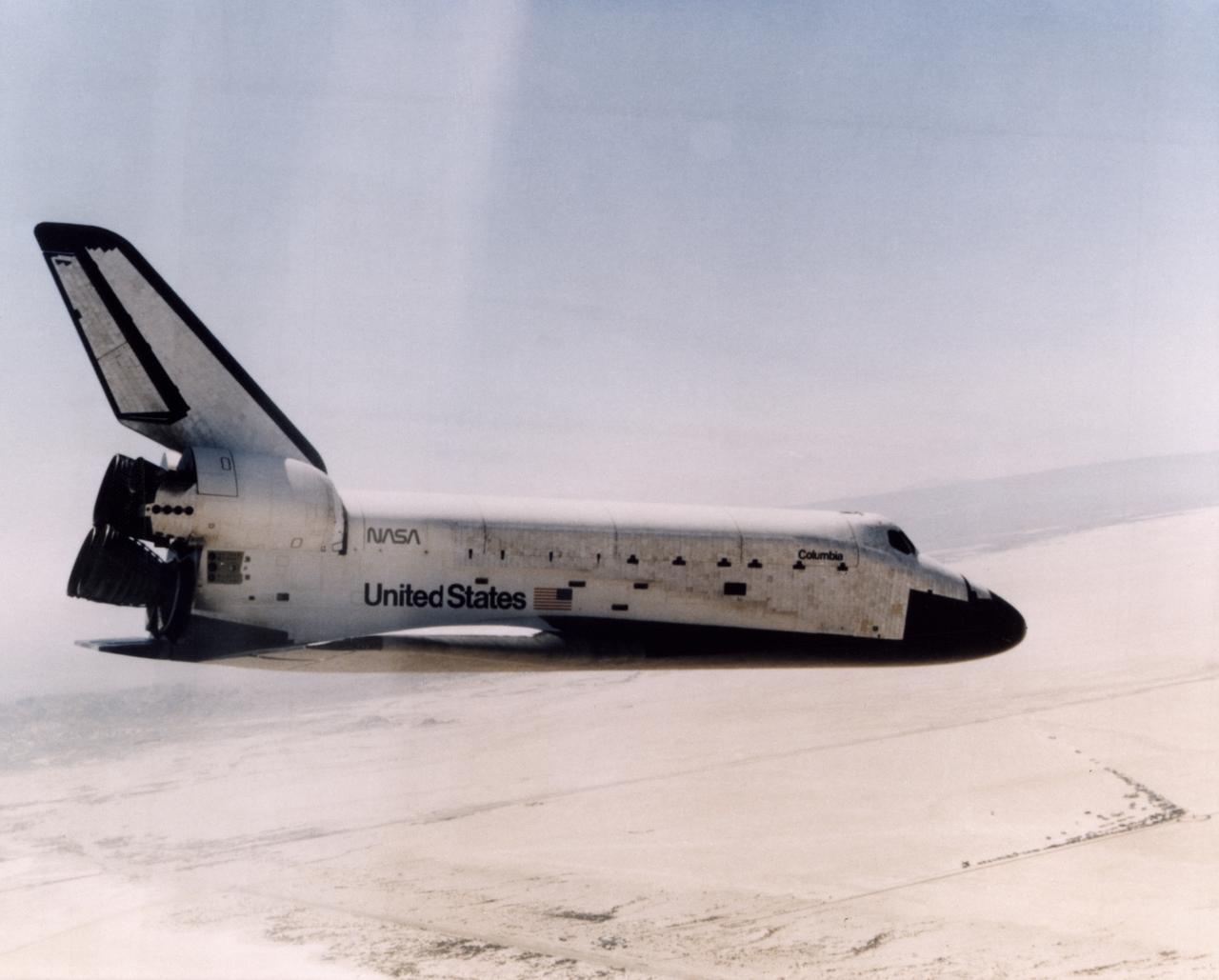
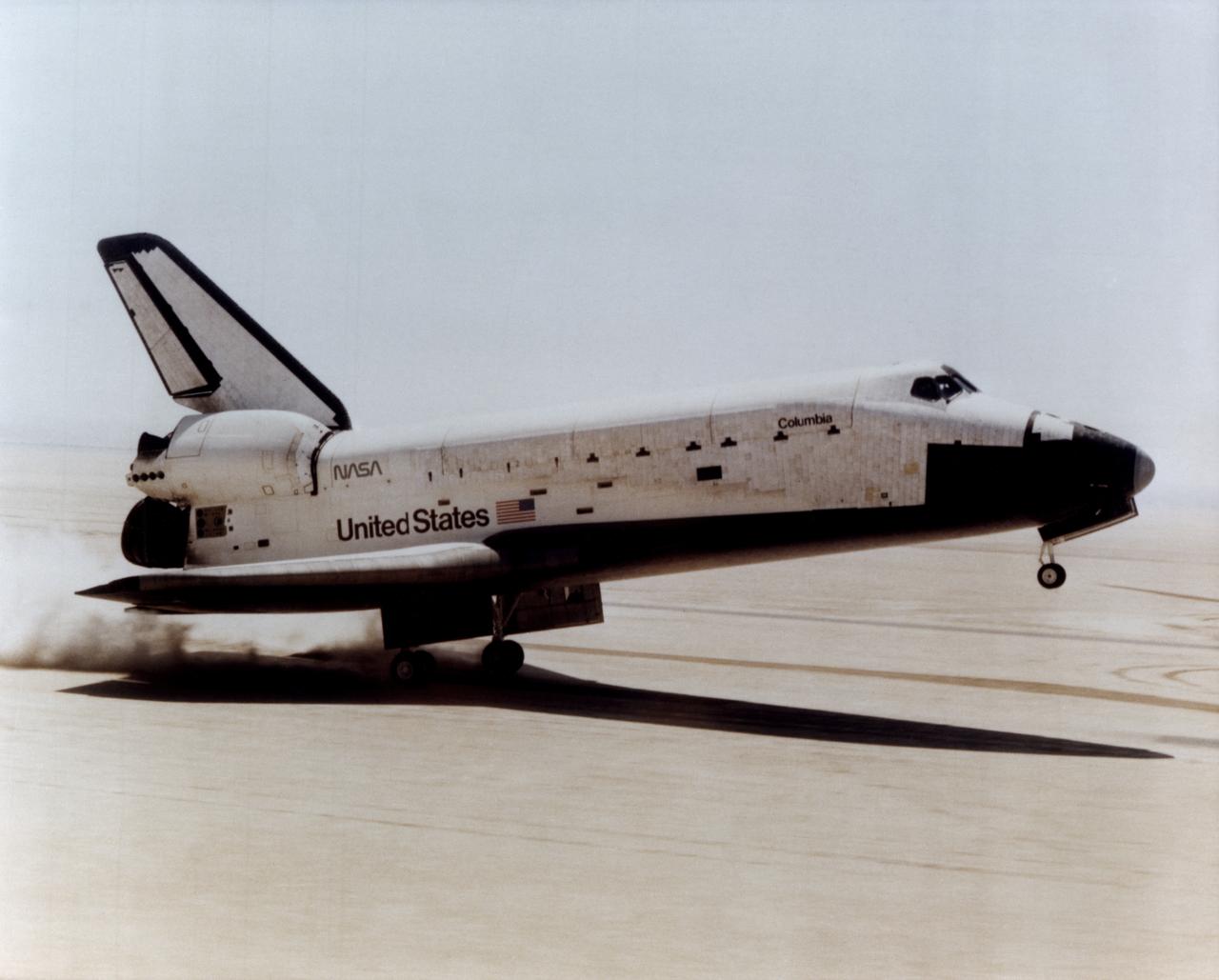
FIRST SHUTTLE LANDING -- The Space Shuttle Columbia glides down over Rogers Dry Lake as it heads for a landing at Edwards Air Force Base at the conclusion of its first orbital mission on April 14, 1981.
The Space Shuttle Columbia glides down over Rogers Dry Lake as it heads for a landing at Edwards Air Force Base at the conclusion of its first orbital mission
TOUCHDOWN! -- The Space Shuttle Columbia touches down on lakebed runway 23 at Edwards Air Force Base, Calif., to conclude the first orbital shuttle mission, April 14, 1981.
The Space Shuttle Columbia touches down on lakebed runway 23 at Edwards Air Force Base, Calif., to conclude the first orbital shuttle mission
STS062-S-031 (18 March 1994) --- The main landing gear on the Space Shuttle Columbia touches down on the Shuttle Landing Facility at Kennedy Space Center (KSC). The scene followed almost 14-days in Earth-orbit for five NASA astronauts and a variety of experiments. Touch down occurred at 8:09 a.m. (EST), March 18, 1994. Thirteen days, 23 hours and 16 minutes were logged by the crew members -- astronauts John H. Casper, Andrew M. Allen, Marsha S. Ivins, Pierre J. Thuot and Charles D. (Sam) Gemar.
Columbia just prior to touchdown, at the end of STS-62
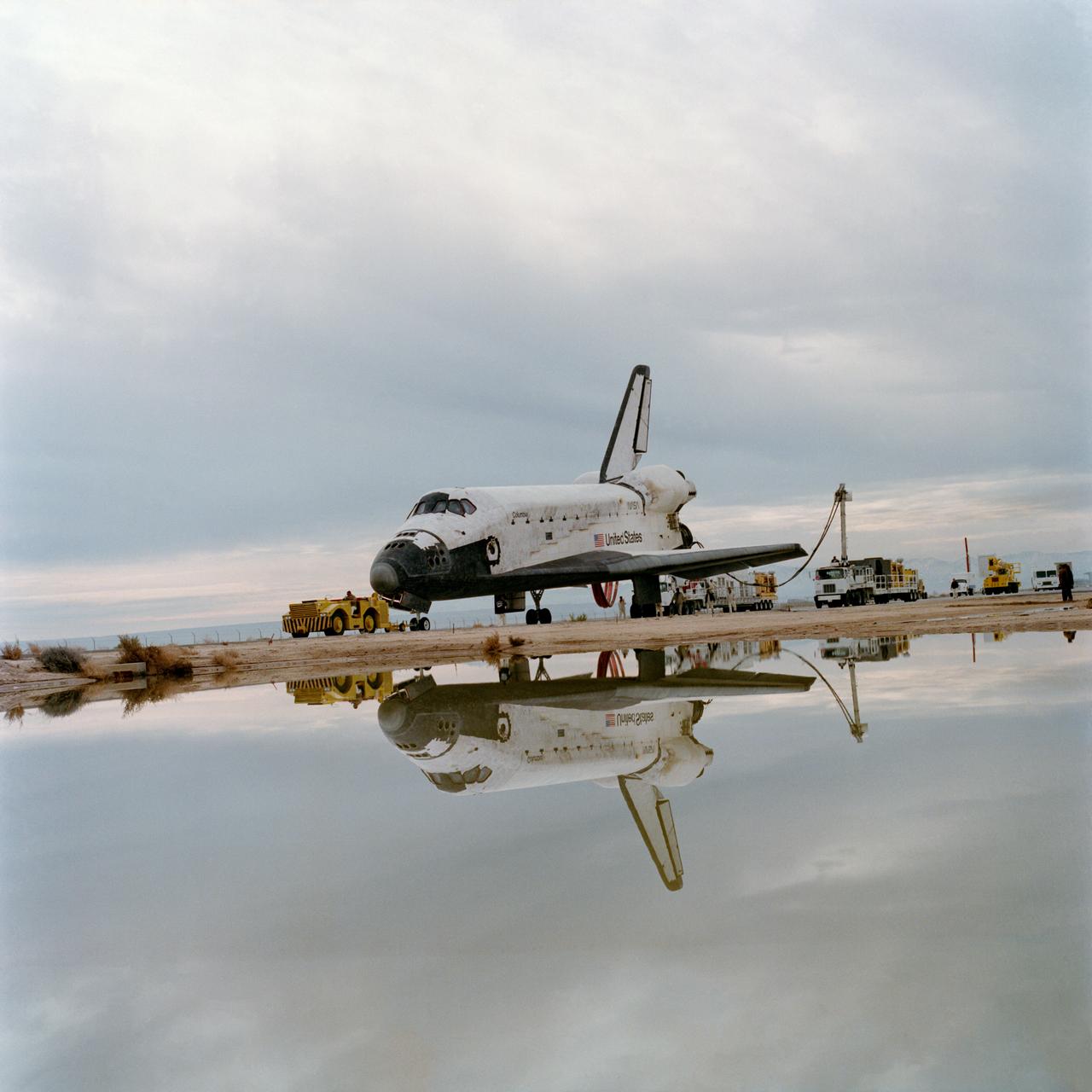
S82-39888 (16 Nov. 1982) --- Post-landing processing of the space shuttle Columbia is seen in double in this rare scene at the Dryden Flight Research Facility (DFRF) in southern California. Uncommon rainwater has given a mirror effect to the normally dry lakebed. Columbia, with its first four-member crew aboard, touched down earlier today to complete a successful five-day, two-hour mission. The runway used was Number 22 at Edwards Air Force Base. Photo credit: NASA
Post-landing processing of the Space Shuttle Columbia after STS-5 mission
NASA space shuttle Columbia hitched a ride on a special 747 carrier aircraft for the flight from Palmdale, California, to Kennedy Space Center, Florida, on March 1, 2001. A half hour behind Columbia's takeoff, the shuttle Atlantis departed the NASA Dryden Flight Research Center at Edwards Air Force Base, California, also bound for Kennedy Space Center.
NASA space shuttle Columbia hitched a ride on a special 747 carrier aircraft for the flight from Palmdale, California, to Kennedy Space Center, Florida, on March 1, 2001
NASA space shuttle Columbia hitched a ride on a special 747 carrier aircraft for the flight from Palmdale, California, to Kennedy Space Center, Florida, on March 1, 2001. A half hour behind Columbia's takeoff, the shuttle Atlantis departed the NASA Dryden Flight Research Center at Edwards Air Force Base, California, also bound for Kennedy Space Center.
NASA space shuttle Columbia hitched a ride on a special 747 carrier aircraft for the flight from Palmdale, California, to Kennedy Space Center, Florida, on March 1, 2001
NASA space shuttle Columbia hitched a ride on a special 747 carrier aircraft for the flight from Palmdale, California, to Kennedy Space Center, Florida, on March 1, 2001. A half hour behind Columbia's takeoff, the shuttle Atlantis departed the NASA Dryden Flight Research Center at Edwards Air Force Base, California, also bound for Kennedy Space Center.
NASA space shuttle Columbia hitched a ride on a special 747 carrier aircraft for the flight from Palmdale, California, to Kennedy Space Center, Florida, on March 1, 2001
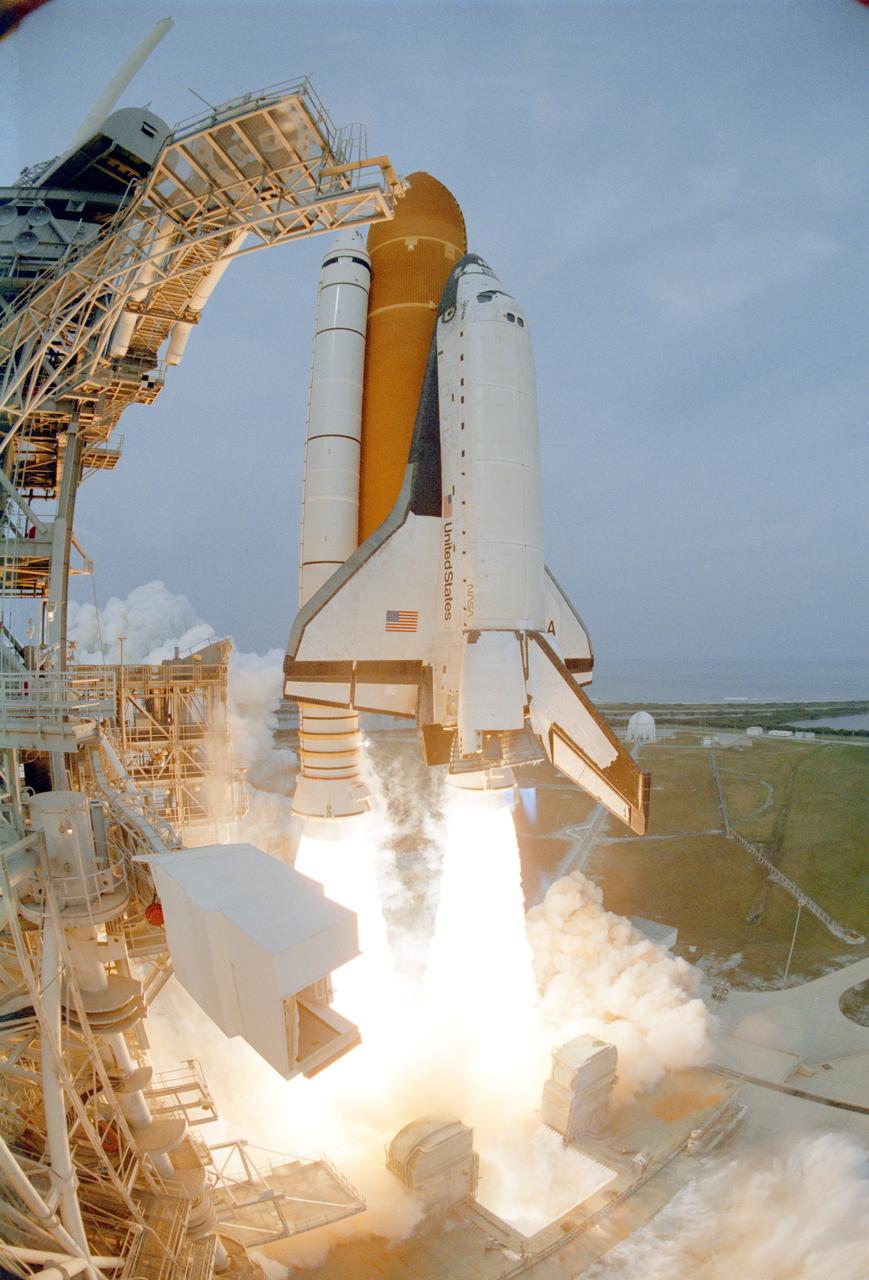
STS075-S-004 (22 Feb. 1996) --- The space shuttle Columbia clears the tower to begin the mission.  The liftoff occurred on schedule at 3:18:00 p.m. (EST), Feb. 22, 1996.  Visible at left is the White Room on the orbiter access arm through which the flight crew had entered the orbiter. Onboard Columbia for the scheduled two-week mission were astronauts Andrew M. Allen, commander; Scott J. Horowitz, pilot; Franklin R. Chang-Diaz, payload commander; and astronauts Maurizio Cheli, Jeffrey A. Hoffman and Claude Nicollier, along with payload specialist Umberto Guidoni.  Cheli and Nicollier represent the European Space Agency (ESA), while Guidoni represents the Italian Space Agency (ASI).
STS-75 Columbia OV-102 launch
STS075-S-007 (22 Feb. 1996) --- A remote camera at Launch Pad 39B, at the Kennedy Space Center (KSC), recorded this profile view of the space shuttle Columbia as it cleared the tower to begin the mission.  The liftoff occurred on schedule at 3:18:00 p.m. (EST), Feb. 22, 1996.  Onboard Columbia for the scheduled two-week mission were astronauts Andrew M. Allen, commander; Scott J. Horowitz, pilot; Franklin R. Chang-Diaz, payload commander; and astronauts Maurizio Cheli, Jeffrey A. Hoffman and Claude Nicollier, along with payload specialist Umberto Guidoni. Cheli and Nicollier represent the European Space Agency (ESA), while Guidoni represents the Italian Space Agency (ASI).
STS-75 Columbia OV-102 launch
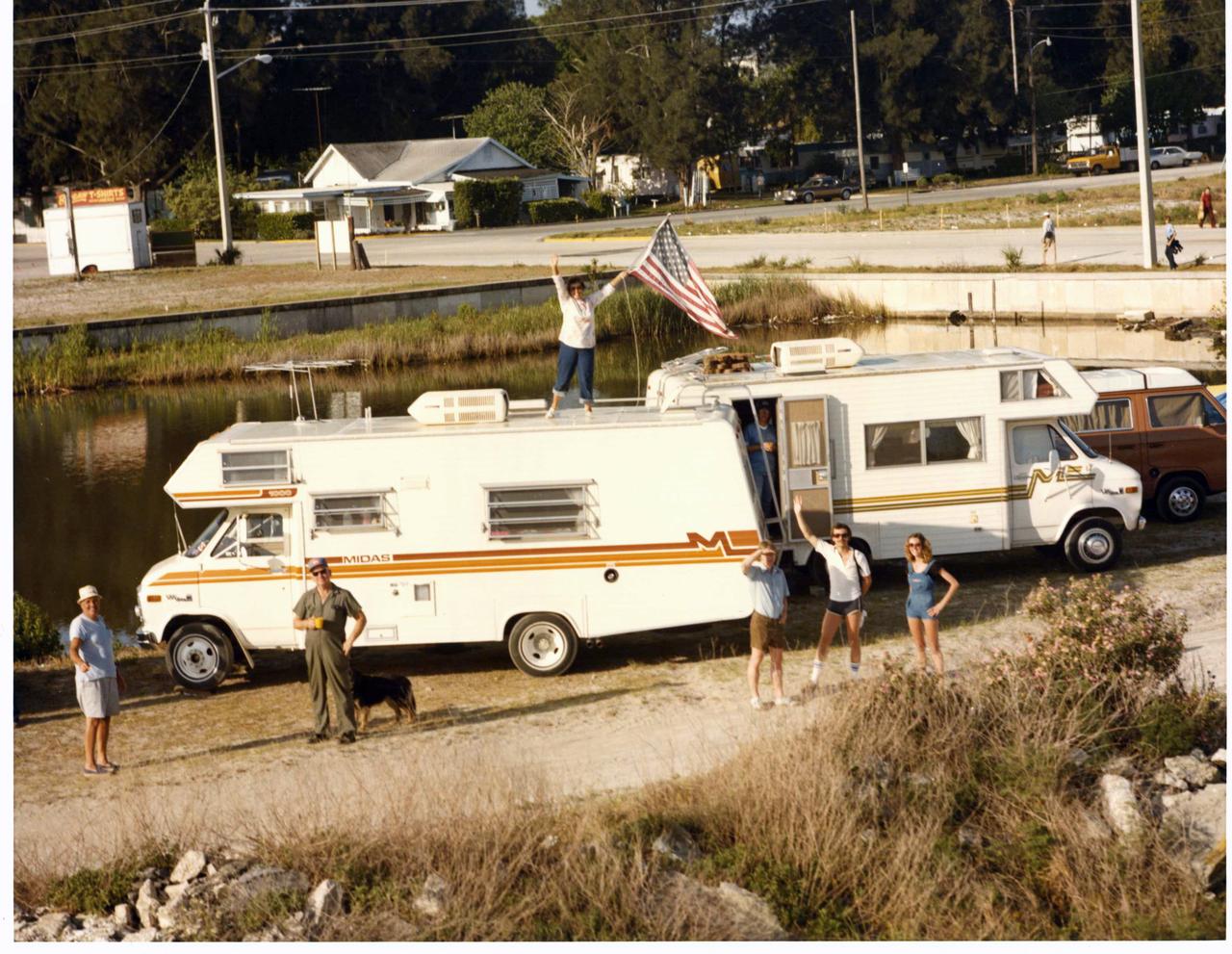
Go Columbia! Go America! Enthused by the sight of the space shuttle launch, one of the thousands of observers in Brevard County waves an American flag as Columbia heads skyward. Many people waited all night at viewing sites to assure that they would witness the historic first launch of the space shuttle.
KSC-81PC-0414
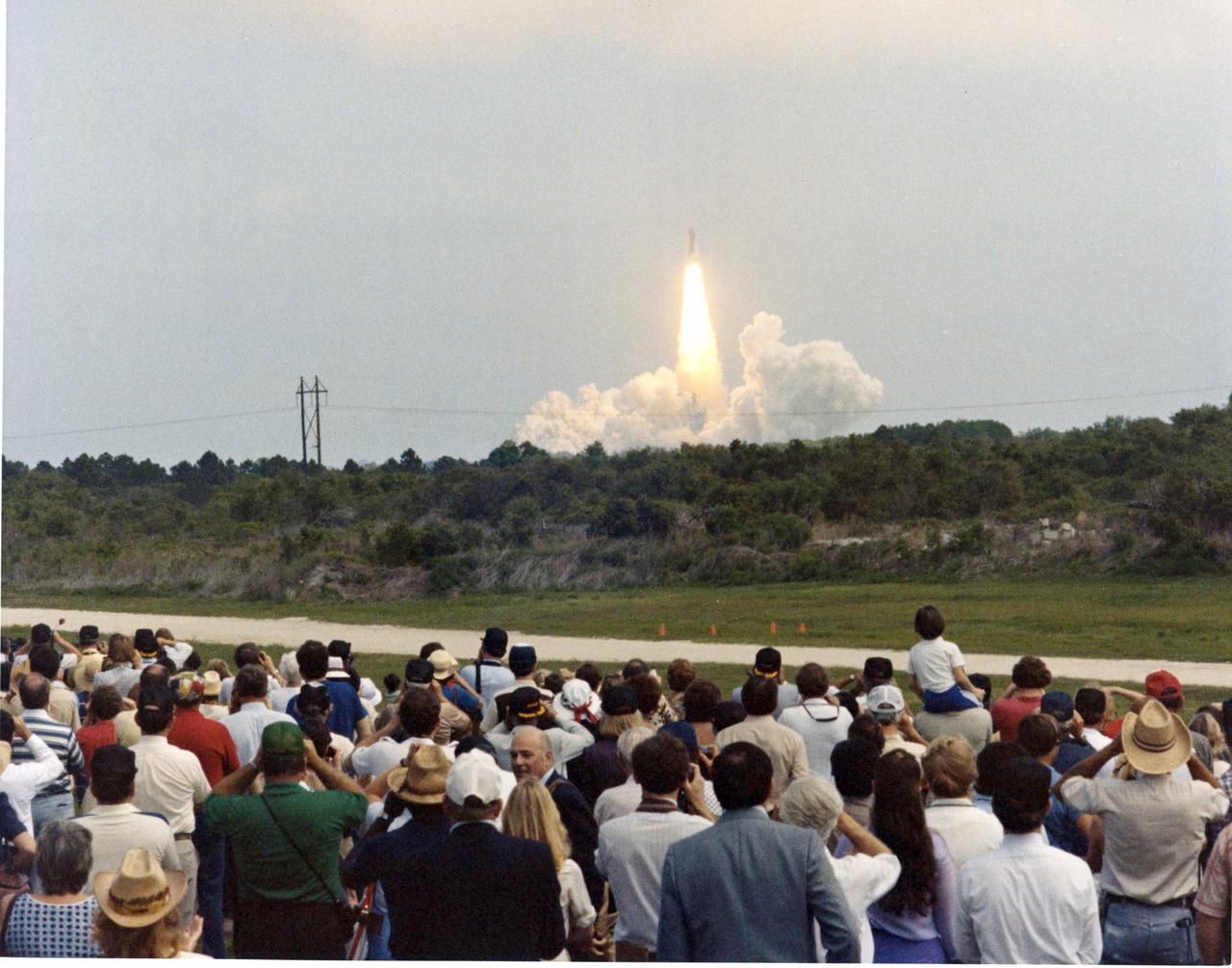
Columbia is cheered on its way by distinguished guests viewing the launch from the Schwartz Road VIP site, located about five miles from the launch pad. About 4,500 invited visitors at the site watched the 11 a.m. liftoff of Columbia on its third orbital flight.
KSC-82PC-0299
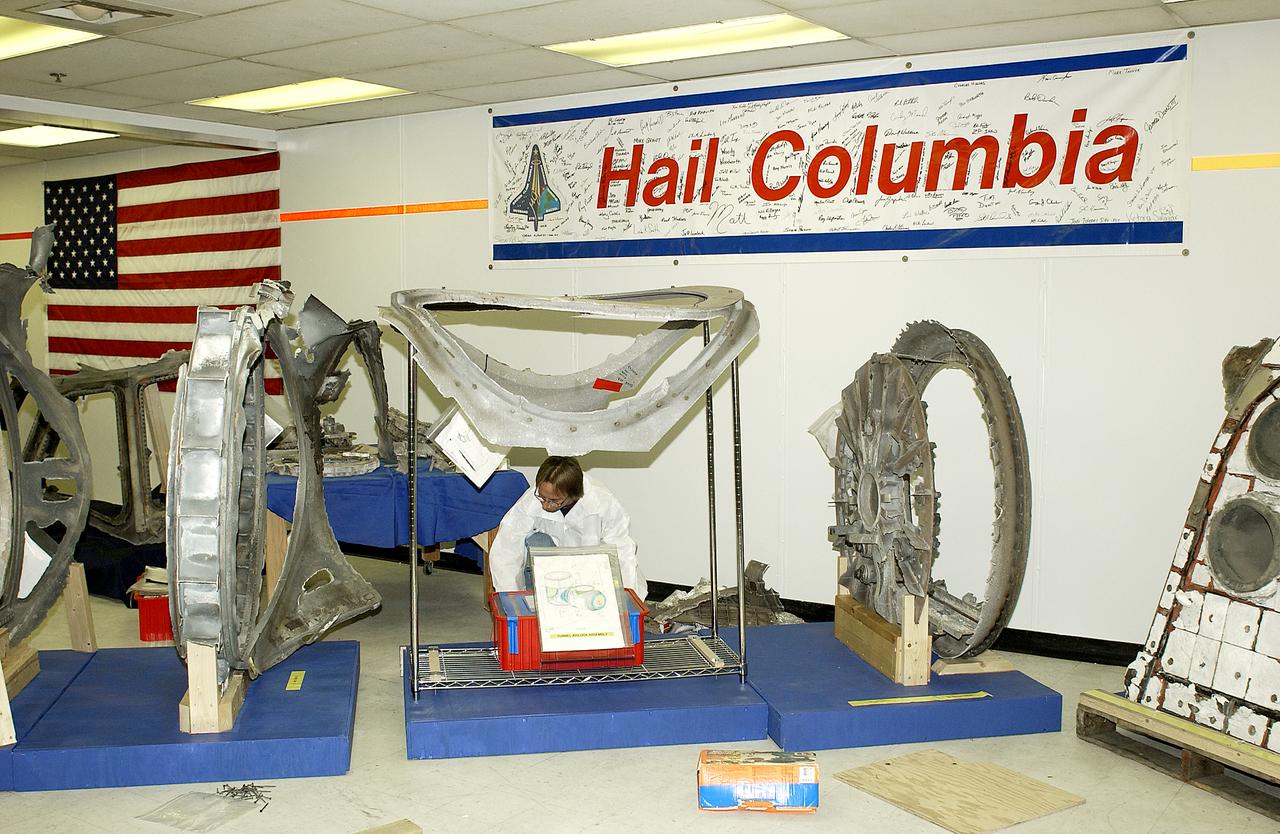
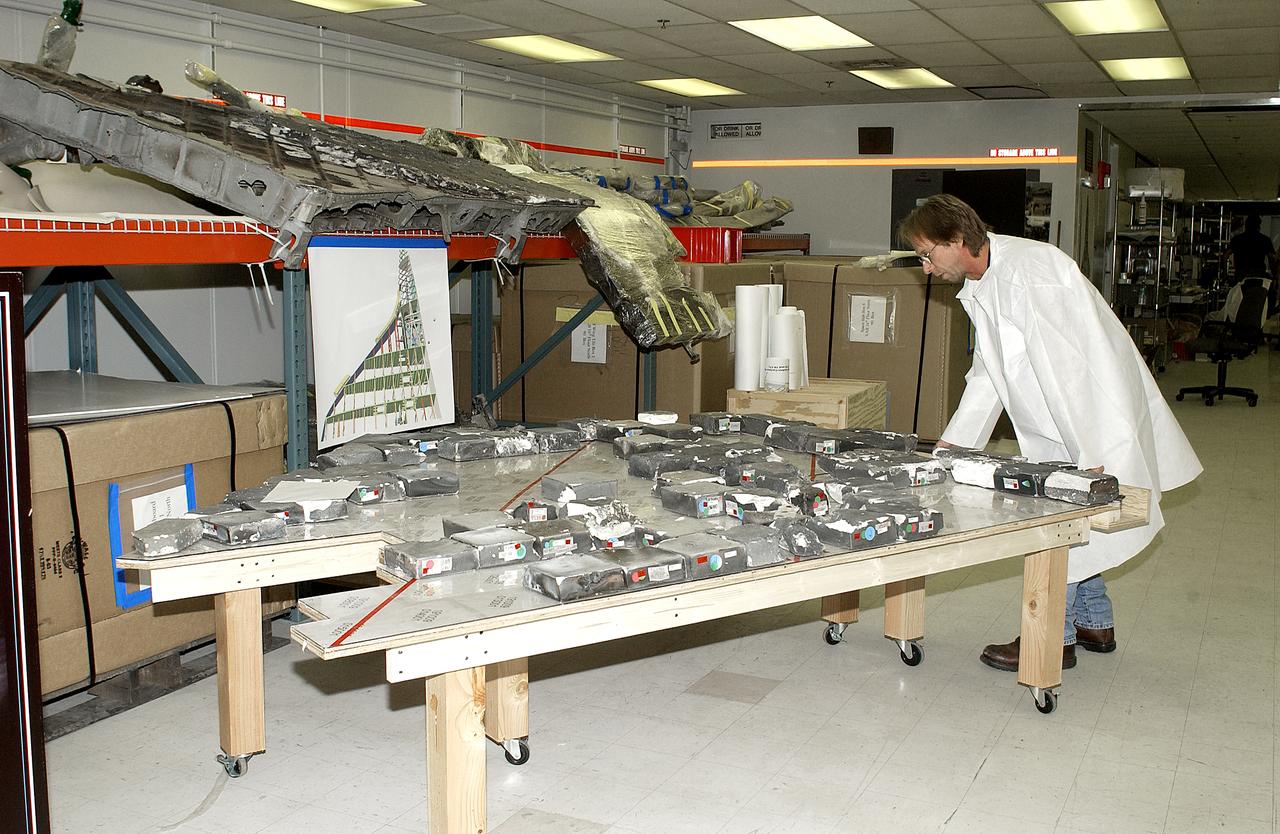
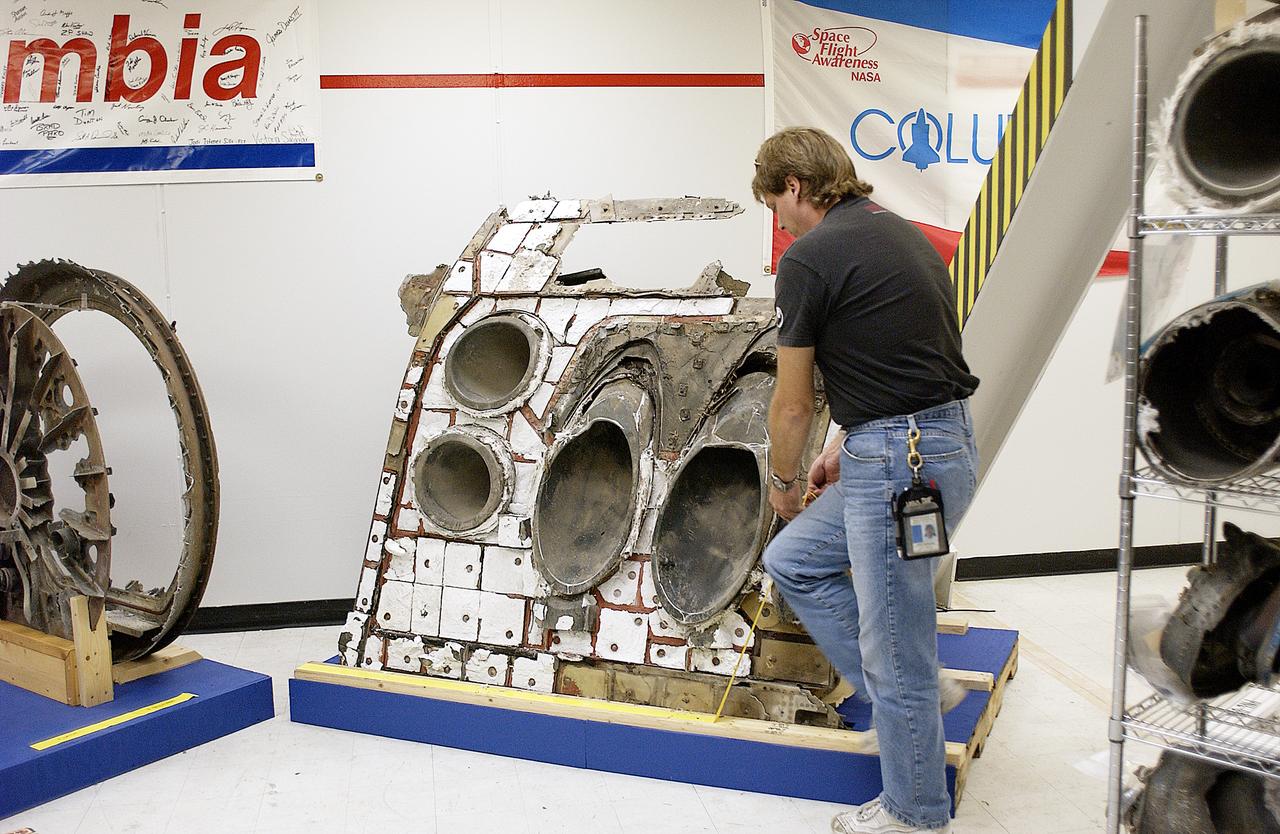
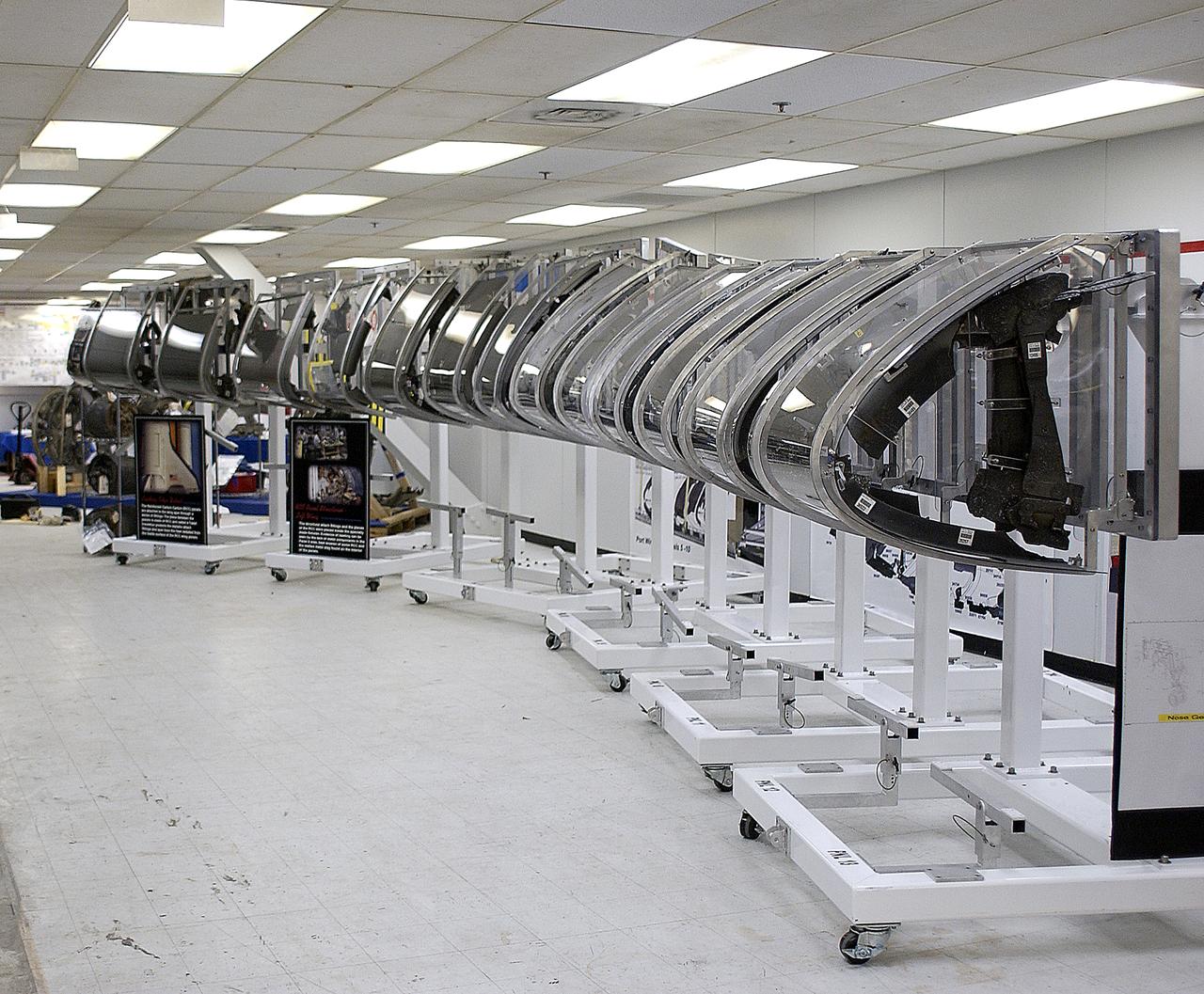
In the Vehicle Assembly Building, the mockup of the leading edge of Columbia’s left wing takes its place among the rest of the debris. All of the pieces received and collected in the Columbia Reconstruction Hangar have been catalogued and moved to a permanent site in the VAB.
Columbia Debris
In the Vehicle Assembly Building, Richard Risley, with United Space Alliance, moves a table holding pieces of tile from Columbia’s wing. All of the pieces received and collected in the Columbia Reconstruction Hangar have been catalogued and moved to a permanent site in the VAB.
Columbia Debris
Richard Risley, with United Space Alliance, places a box of Columbia debris in its final resting place in the Vehicle Assembly Building (VAB). All of the pieces received and collected in the Columbia Reconstruction Hangar have been catalogued and moved to a permanent site in the VAB.
Columbia Debris
In the Vehicle Assembly Building, Jack Nowling, with United Space Alliance, moves a final piece of Columbia debris into place in the Vehicle Assembly Building (VAB). All of the pieces received and collected in the Columbia Reconstruction Hangar have been catalogued and moved to a permanent site in the VAB.
Columbia Debris
The highest point visible in this panoramic anaglyph from on NASA Mars Exploration Rover Spirit is Husband Hill, named for space shuttle Columbia Commander Rick Husband. 3D glasses are necessary to view this image.
Columbia Hills in Stereo
STS58-S-126 (1 Nov 1993) --- The Space Shuttle Columbia is about to touch down on the runway at Edwards Air Force Base (EAFB) in California.  The landing, which occurred at 7:06 a.m. (PST), November 1, 1993, completed a two week mission in space devoted to medical research.  Onboard the spacecraft were astronauts John E. Blaha, Richard A. Searfoss, Rhea Seddon, Shannon W. Lucid, David A. Wolf and William S. McArthur along with payload specialist Martin J. Fettman, DVM.
Landing of STS-58 Orbiter Columbia at Edwards Air Force Base
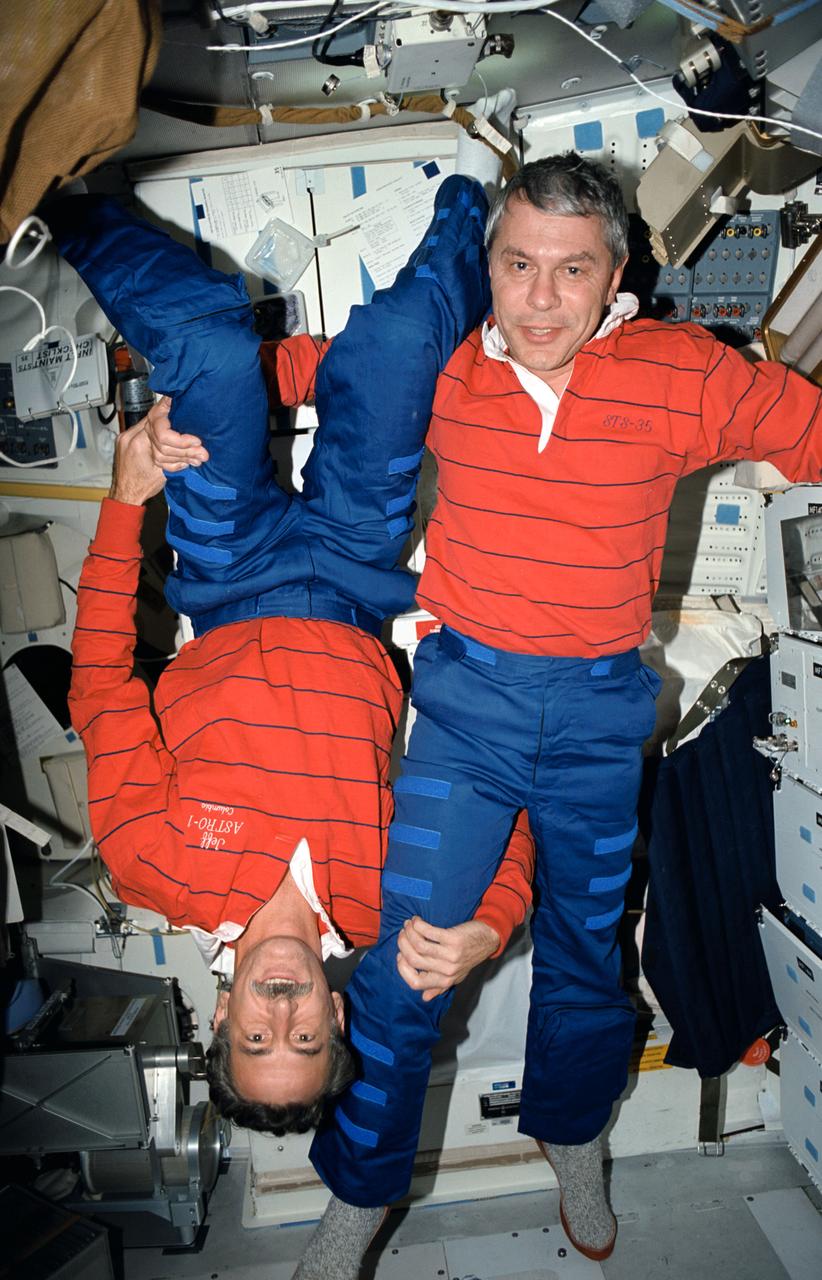
STS035-49-029 (2-10 Dec 1990) --- Posing on the middeck of Columbia, Orbiter Vehicle (OV) 102, are Mission Specialist (MS) Jeffrey A. Hoffman (mustache) and MS Robert A. R. Parker. Determining who is right side up is complicated by the microgravity of space. Hoffman's head is at the middeck floor and his feet are at the ceiling. The two crewmembers are in front of OV-102's port side with the waste collection system (WCS) contingency unit, side hatch, and galley visible behind them.
STS-35 MS Hoffman and MS Parker on the middeck of Columbia, OV-102
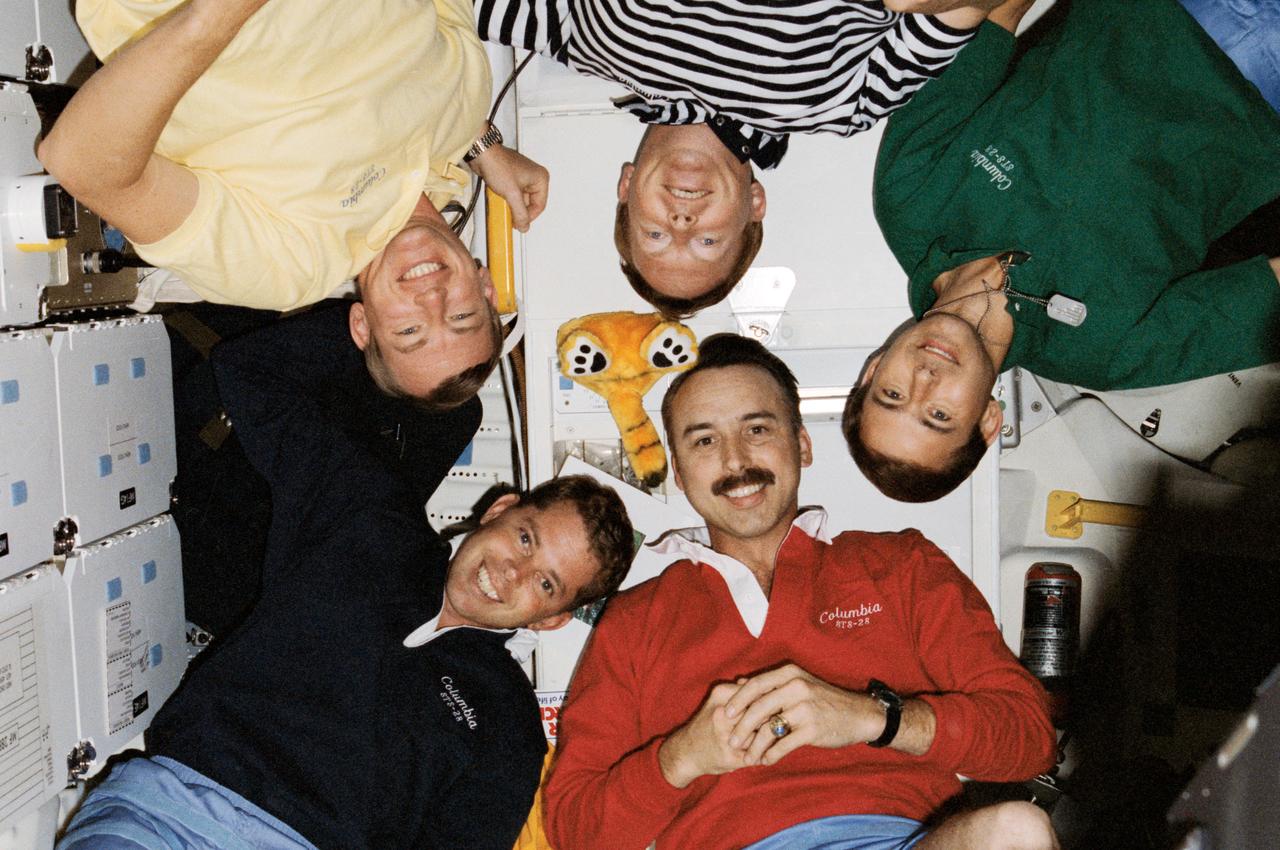
STS028-22-030 (August 1989) --- An in-space crew portrait of the astronauts for the STS-28 mission.  Brewster H. Shaw Jr., mission commander, is at lower left corner.  Others are, clockwise from Shaw's position, James C. Adamson, David C. Leestma and Mark N. Brown, all mission specialists; and Richard N. Richards, pilot.  The photo was taken on the middeck of the earth-orbiting Columbia.
STS-28 Columbia, OV-102, crewmembers pose for group portrait on middeck