The Columbia Hills in Color
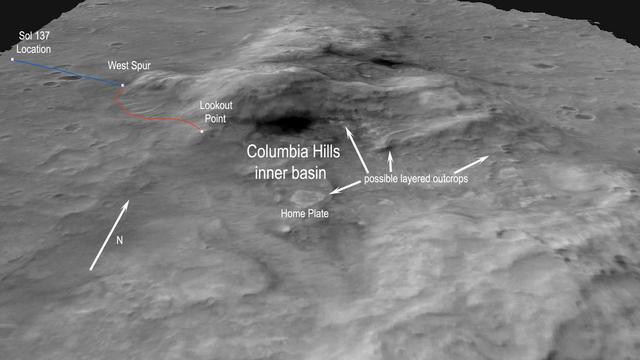
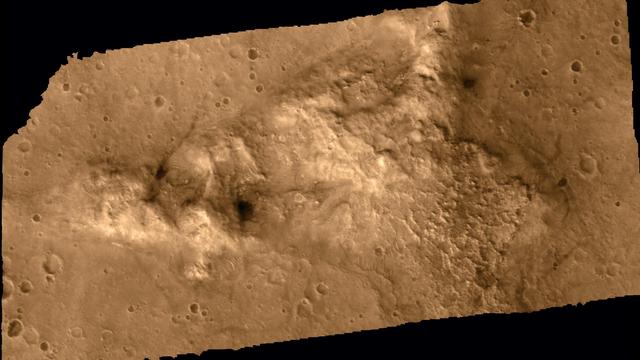
Columbia Hills from Orbit
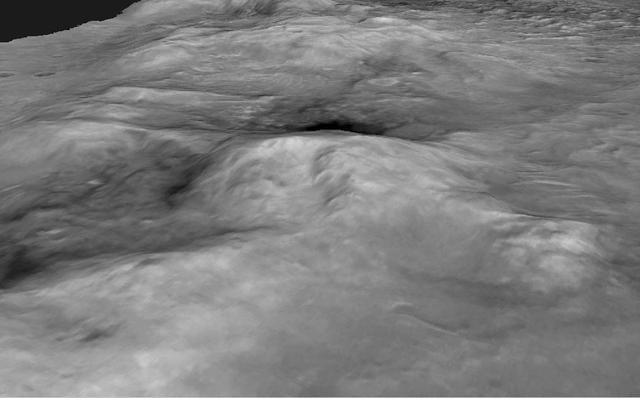
Columbia Hills Oblique View
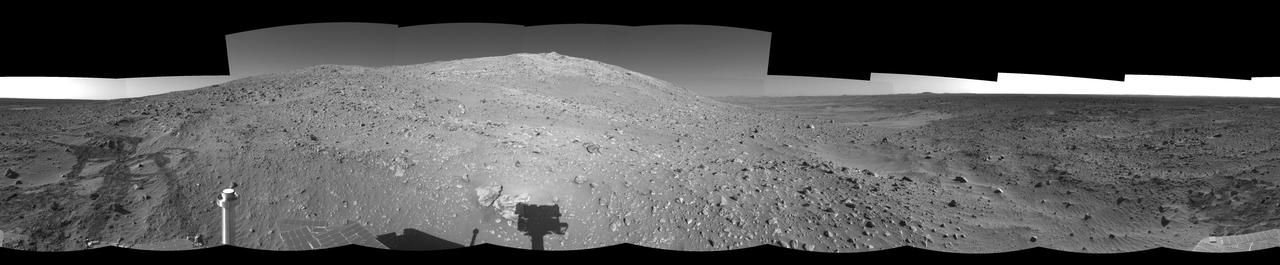
Spirit Moves in on Columbia Hills
Columbia Hills at Last!
A Closer Look at the Columbia Hills
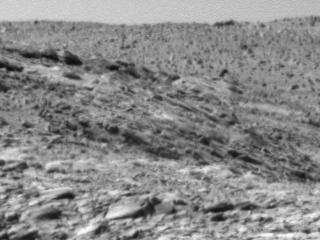
Layered Rocks in Columbia Hills
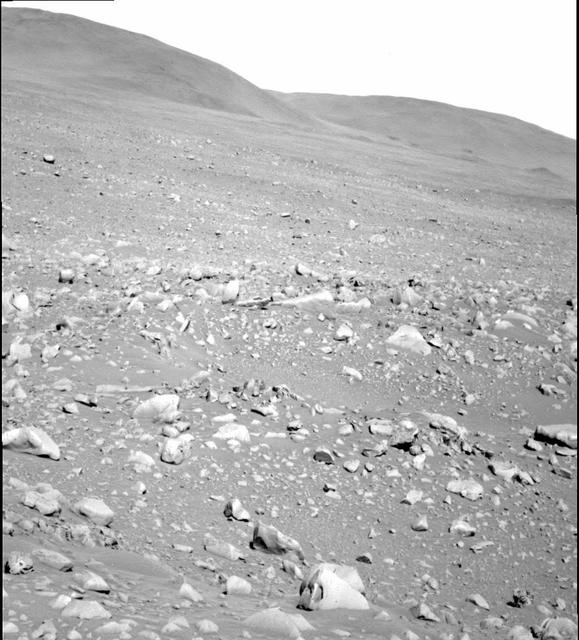
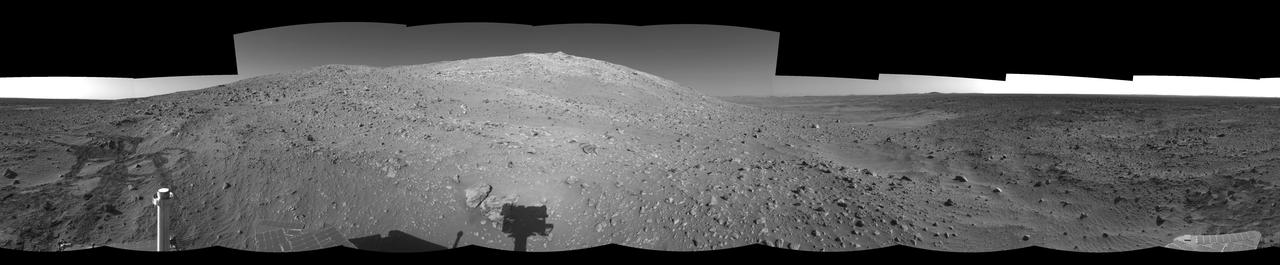
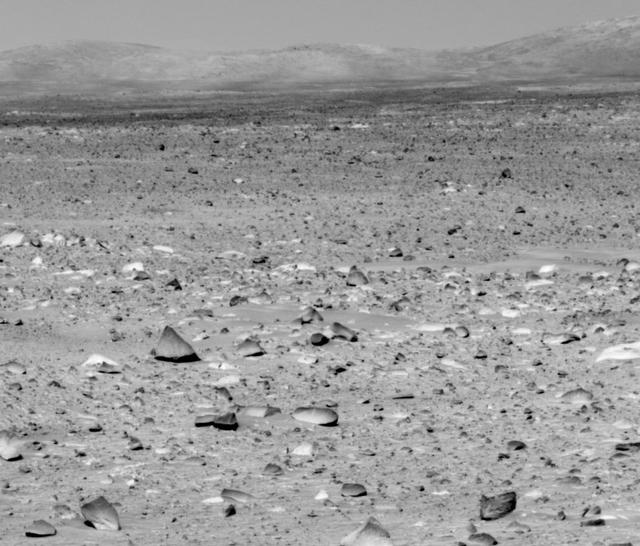
Spirit View of Columbia Hills
Spirit Plan for Columbia Hills
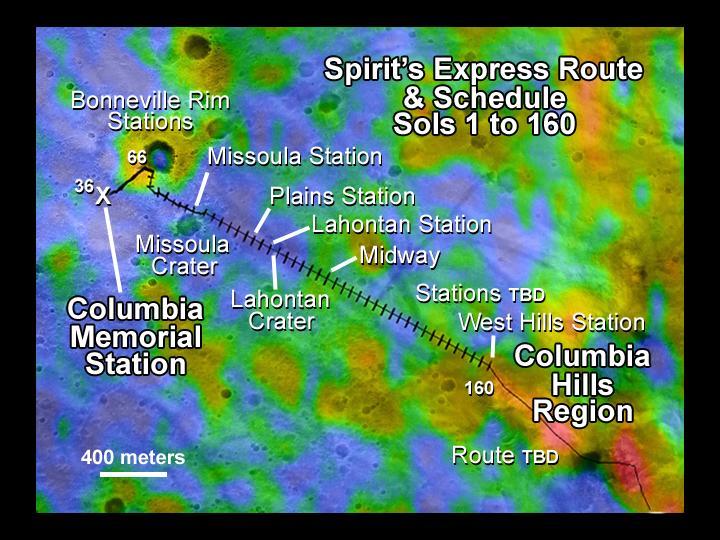
Spirit Express Route to Columbia Hills
Columbia Hills at Last! Right Eye
Columbia Hills Color Elevation Map
Columbia Hills at Last! Left Eye
Spirit Express Route to Columbia Hills
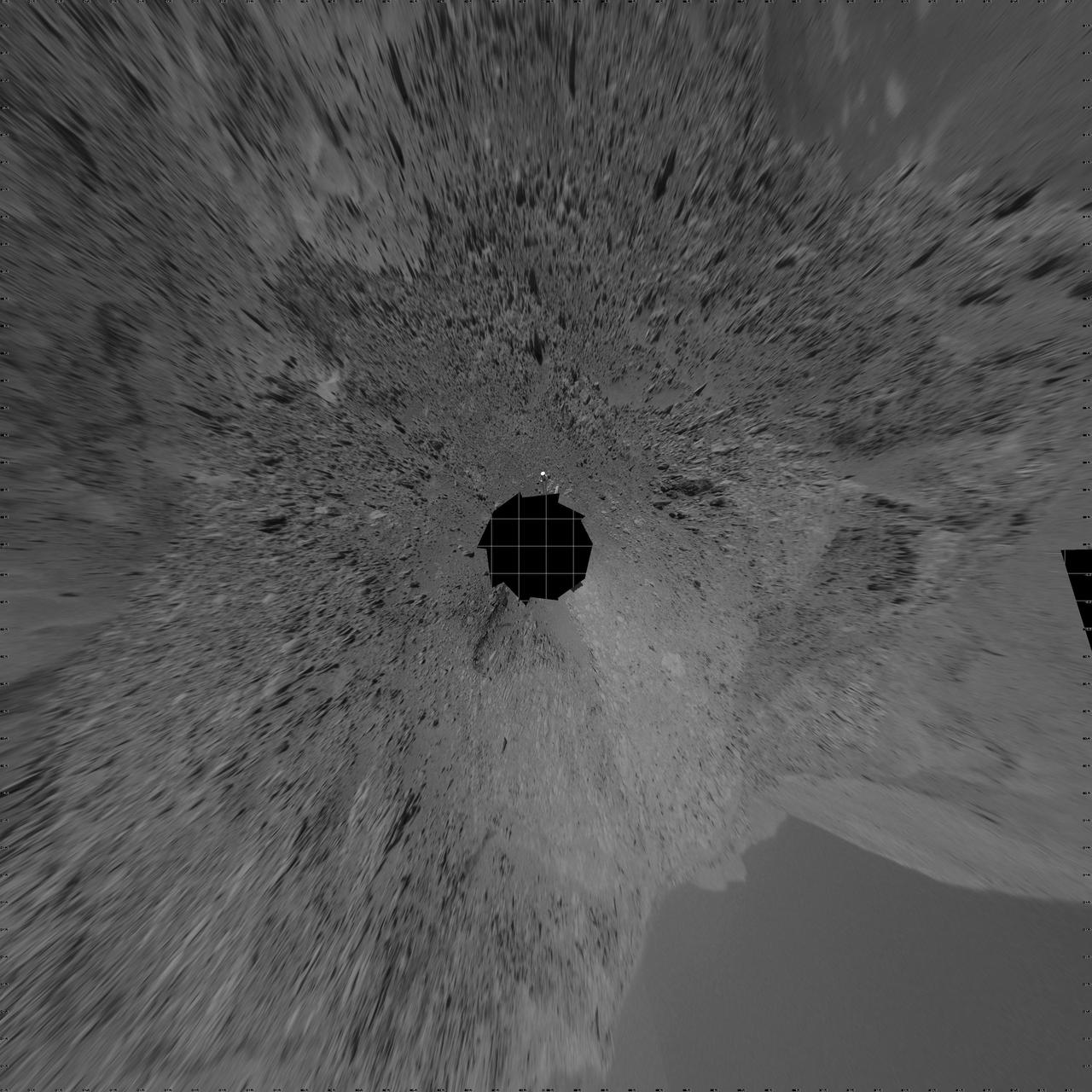
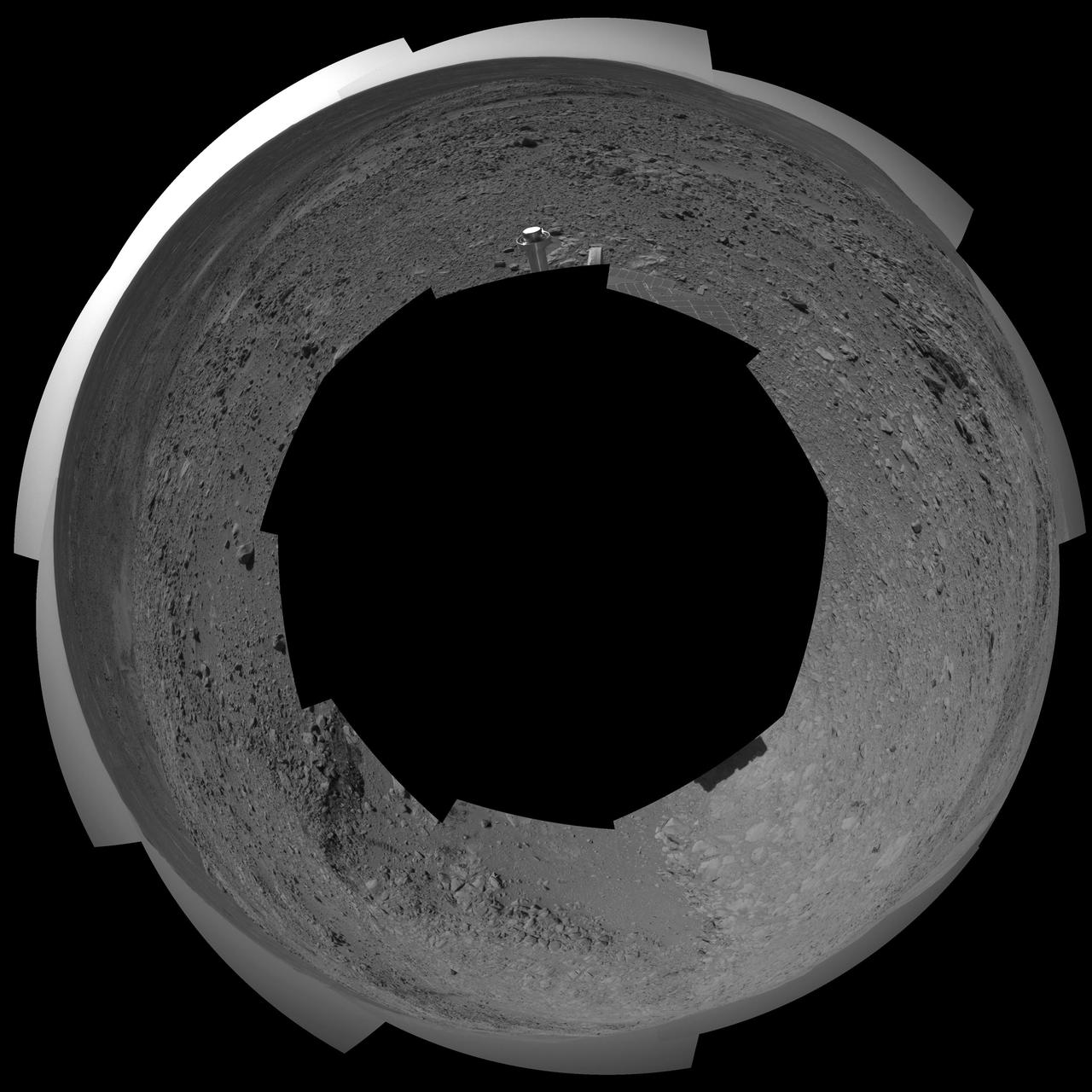
Spirit View of Columbia Hills vertical
Spirit View of Columbia Hills polar
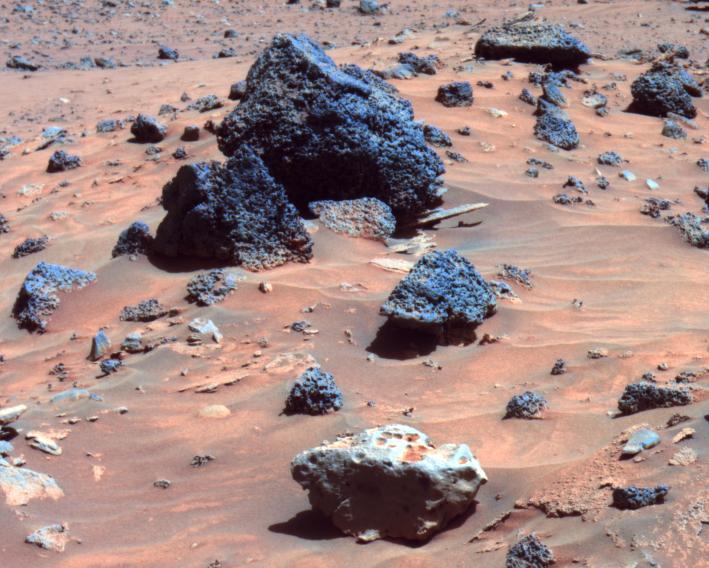
Possible Meteorite in Columbia Hills on Mars False Color
Light-toned Rocks First, Columbia Hills Later
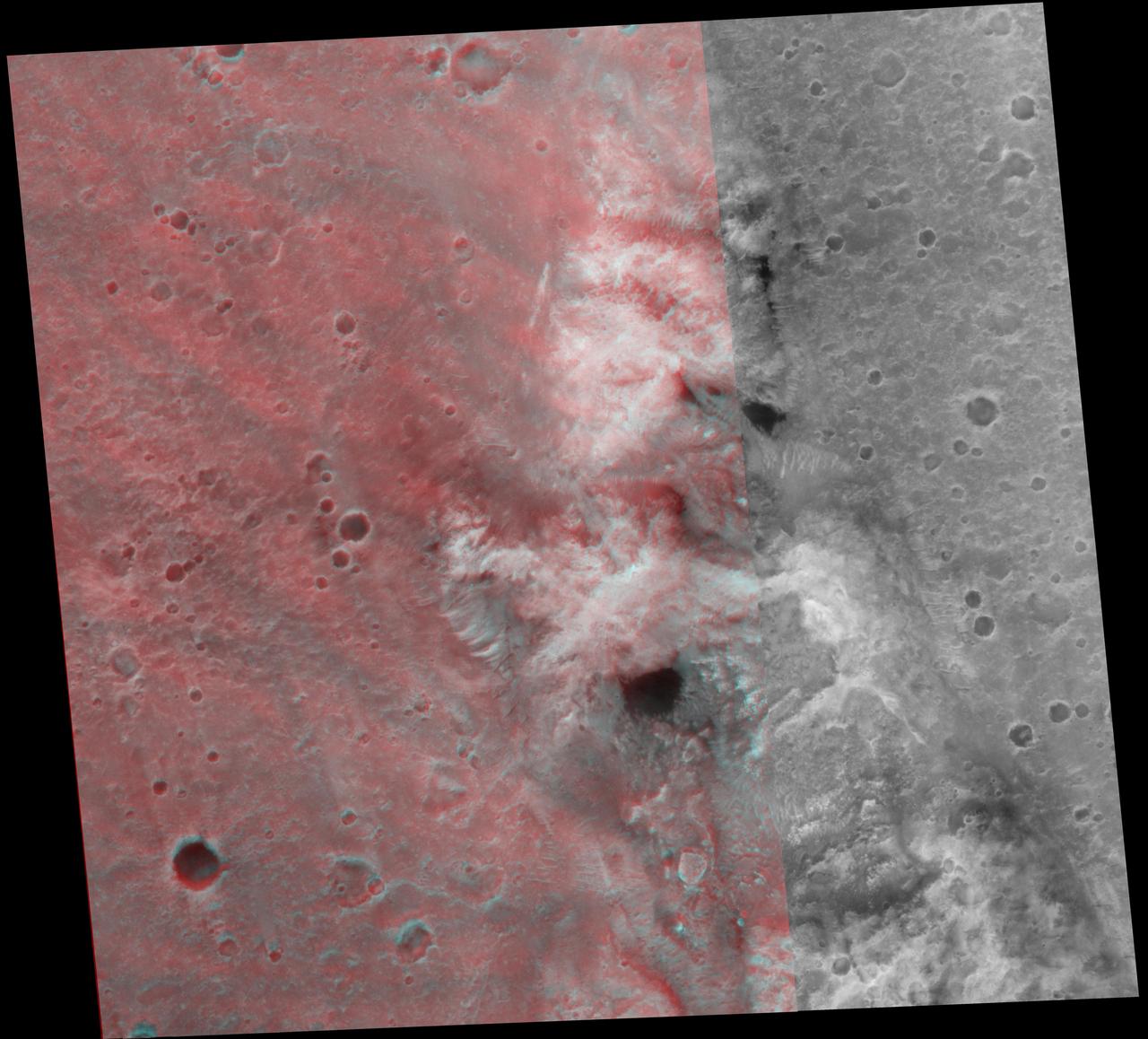
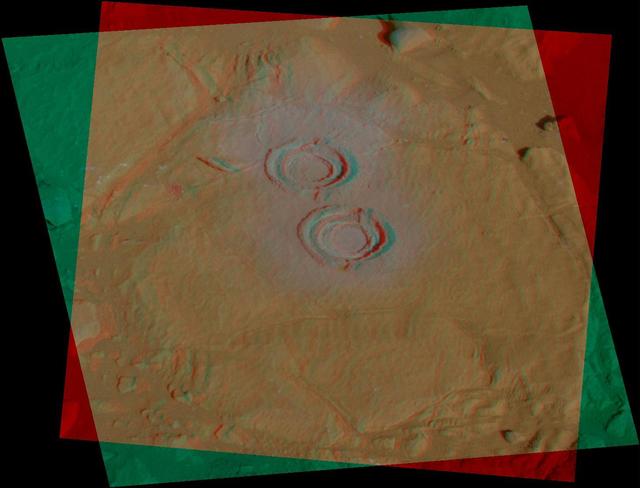
This stereo image mosaic from NASA Mars Global Surveyor is of Columbia Hills. 3D glasses are necessary to view this image.
Spirit Neighborhood in Columbia Hills, in Stereo
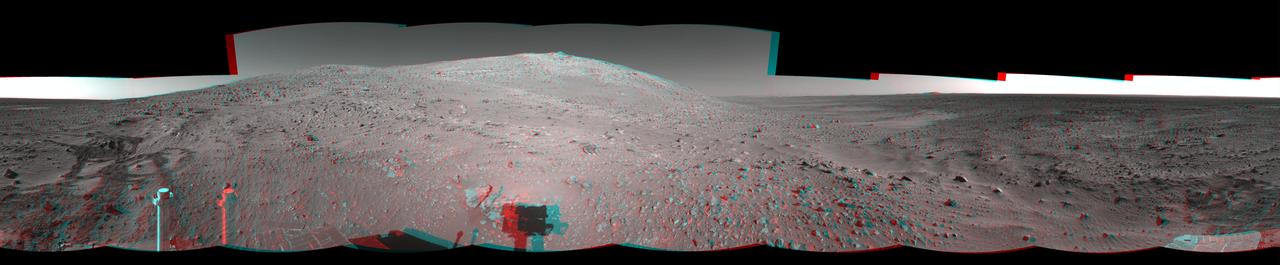
The highest point visible in this panoramic anaglyph from on NASA Mars Exploration Rover Spirit is Husband Hill, named for space shuttle Columbia Commander Rick Husband. 3D glasses are necessary to view this image.
Columbia Hills in Stereo
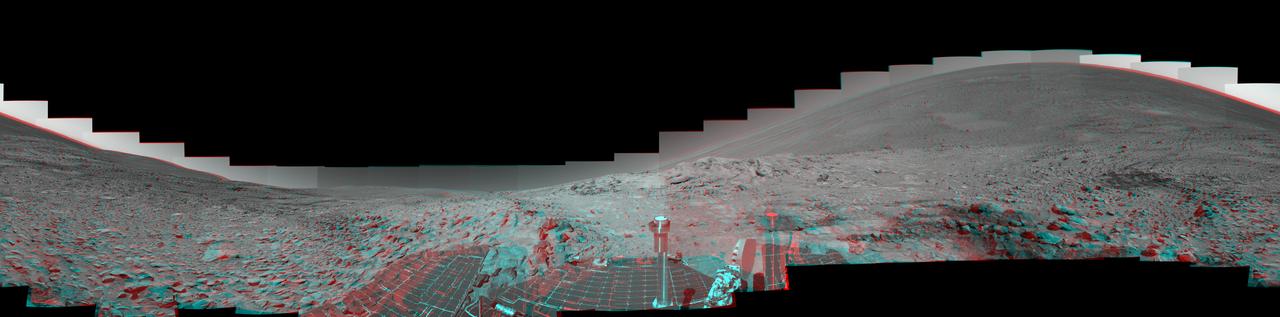
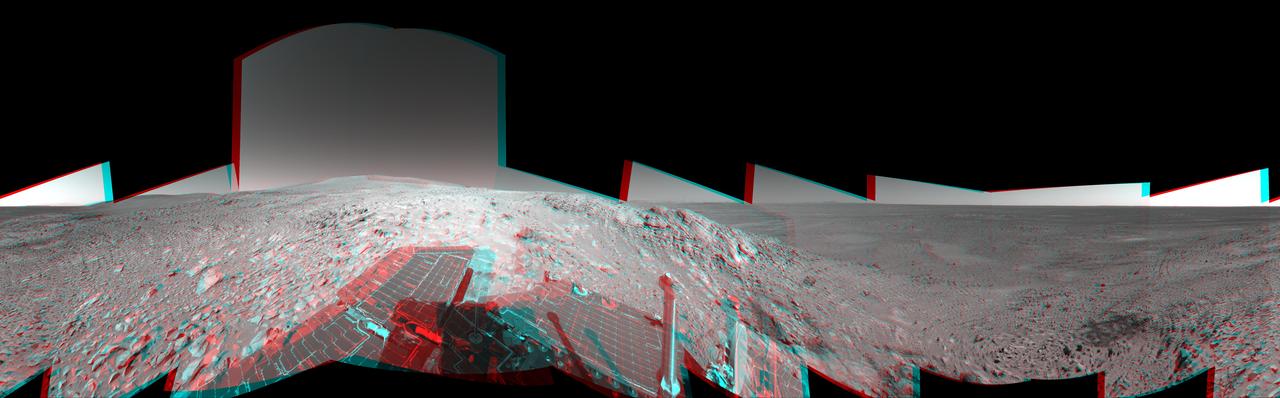
NASA Mars Exploration Rover took the images that make up this 360-degree mosaic anaglyph highlighting Spirit arrival at the base of the Columbia Hills. 3D glasses are necessary to view this image.
Columbia Hills at Last! 3-D
This mosaic of images from NASA Mars Exploration Rover Spirit shows a panoramic anaglyph of the Columbia Hills. 3D glasses are necessary to view this image.
True 3-D View of Columbia Hills from an Angle
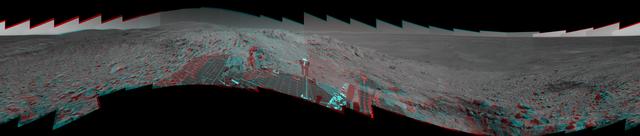
NASA Mars Exploration Rover Spirit looked up at the Columbia Hills from its location on the 265th martian day, or sol, of its mission Sept. 30, 2004 and captured this 3-D view. 3D glasses are necessary to view this image.
Spirit View of Columbia Hills 3-D
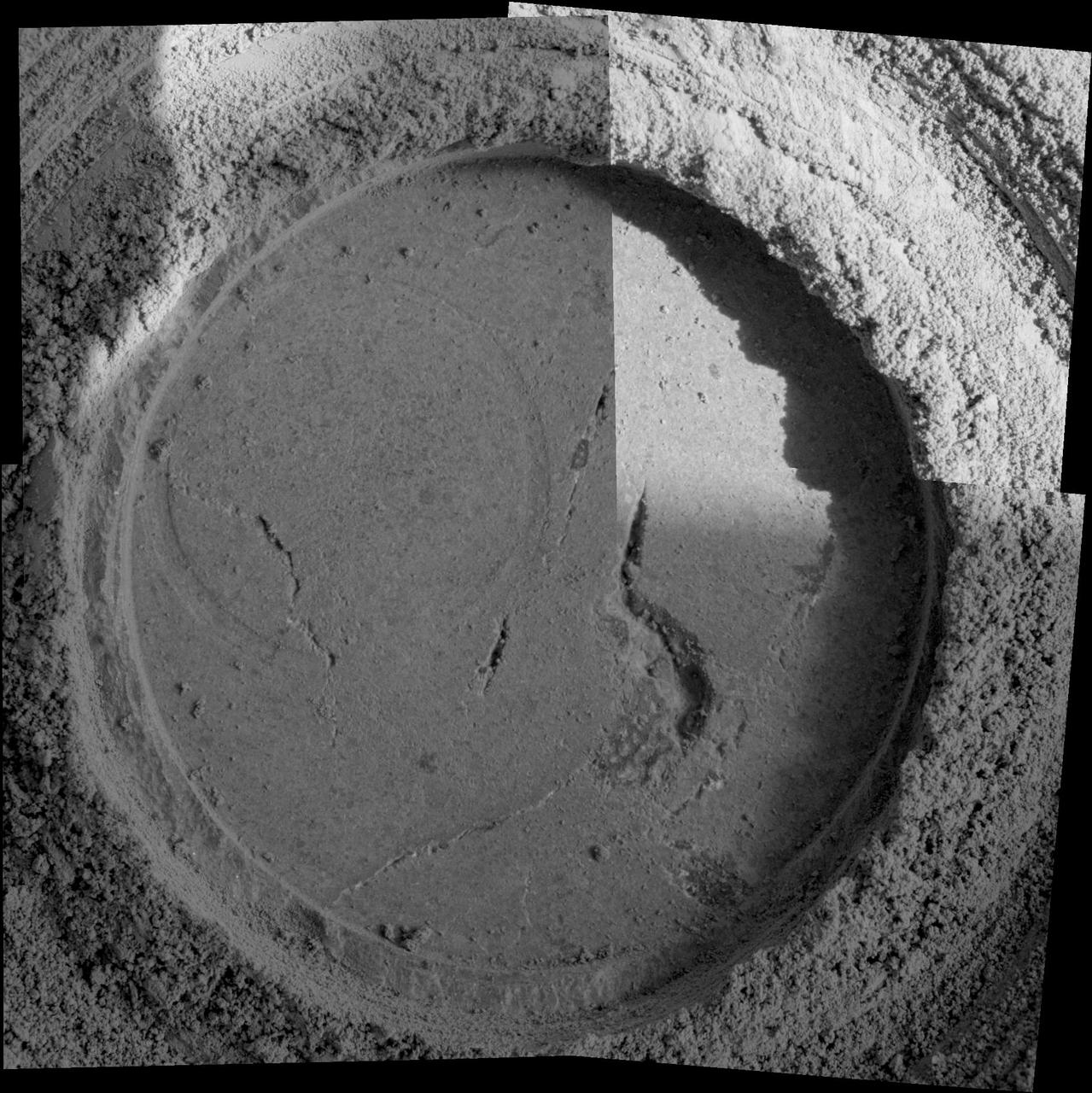
Close-up examination of a freshly exposed area of a rock called "Uchben" in the "Columbia Hills" of Mars reveals an assortment of particle shapes and sizes in the rock's makeup. NASA's Mars Exploration Rover Spirit used its microscopic imager during the rover's 286th martian day (Oct. 22, 2004) to take the frames assembled into this view. The view covers a circular hole ground into a target spot called "Koolik" on Uchben by the rover's rock abrasion tool. The circle is 4.5 centimeters (1.8 inches) in diameter. Particles in the rock vary in shape from angular to round, and range in size from about 0.5 millimeter (0.2 inch) to too small to be seen. This assortment suggests that the rock originated from particles that had not been transported much by wind or water, because such a transport process would likely have resulted in more sorting of the particles by size and shape.   http://photojournal.jpl.nasa.gov/catalog/PIA07023
Mix of Particles in "Uchben" Close-up
A Nov. 5 panel at NASA’s Marshall Space Flight Center discusses lessons learned from Columbia including, from left, Steve Miley, associate director of Marshall; Bill Hill, director of advanced technology at Marshall; Preston Jones, associate director, technical, at Marshall; and Mike Ciannilli, Apollo Challenger Columbia Lessons Learned Program manager at NASA’s Kennedy Space Center.
A Nov. 5 panel at NASA’s Marshall Space Flight Center discusse
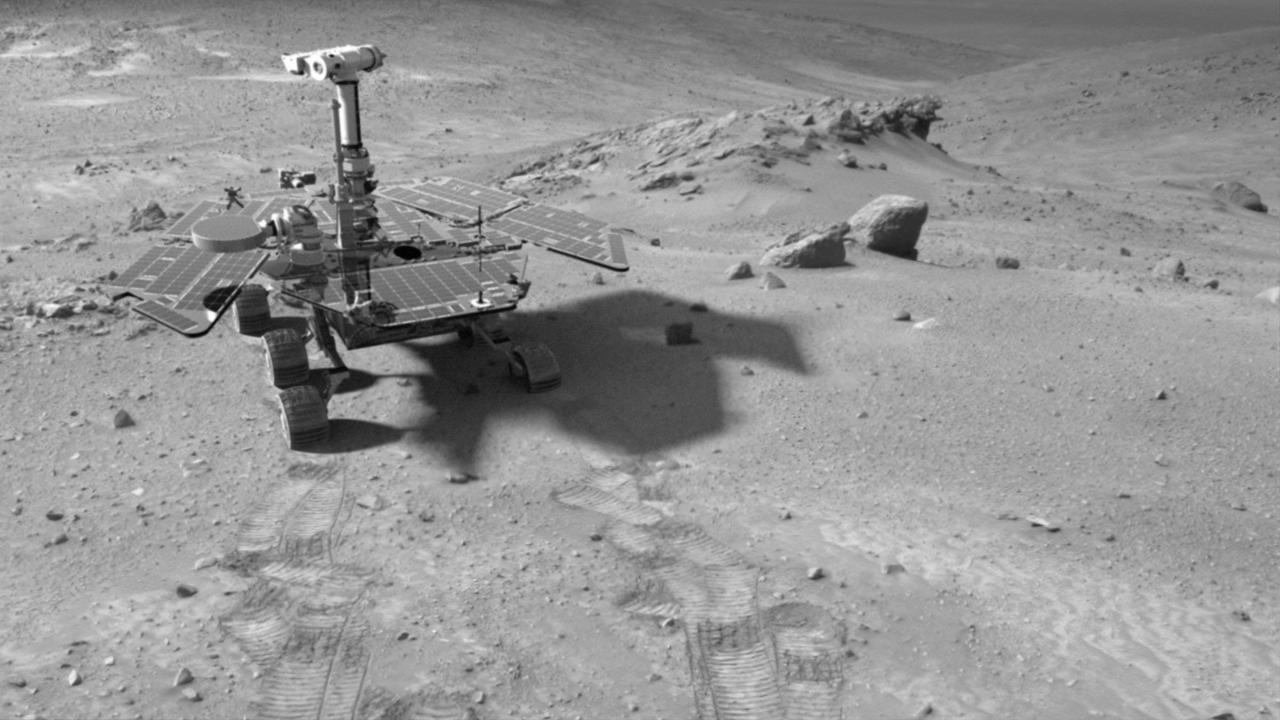
This synthetic image of NASA Spirit Mars Exploration Rover in the Columbia Hills was produced using Virtual Presence in Space technology.
Special-Effects Spirit in Columbia
This 360-degree, stereo panorama of a section of the Columbia Hills shows meandering, crisscrossing wheel tracks that NASA Mars Exploration Rover Spirit left behind. 3D glasses are necessary to view this image.
Meandering Tracks on Husband
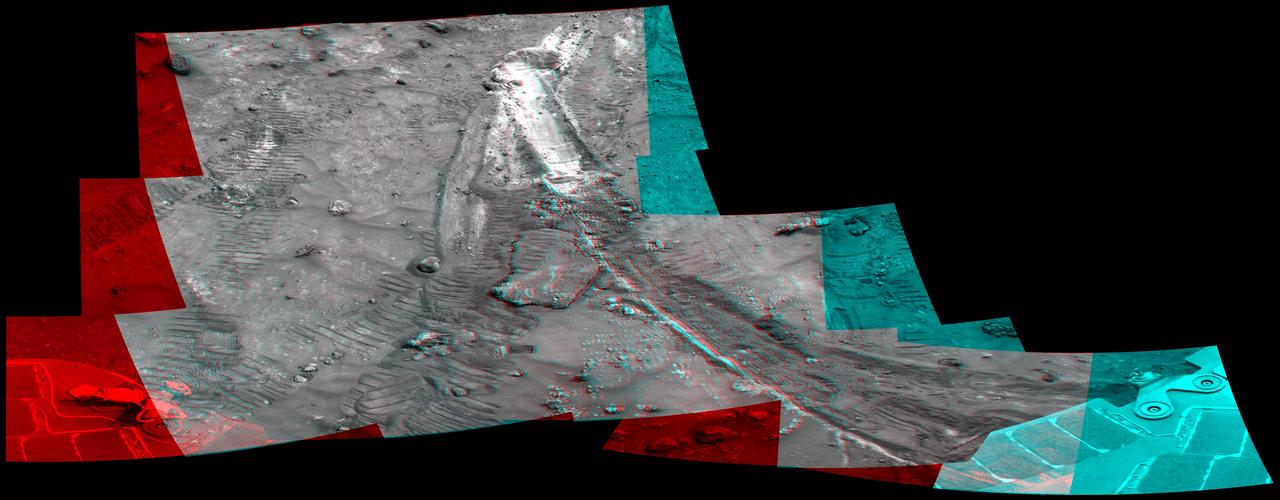
NASA’s Mars Exploration Rover Spirit acquired this mosaic on May 21, 2007, while investigating the area east of the elevated plateau known as Home Plate in the Columbia Hills. 3D glasses are necessary to view this image.
Rover Wheel Churns Up Bright Martian Soil Stereo
This 360-degree stereo panorama shows the terrain surrounding NASA Mars Exploration Rover Spirit on Nov. 11, 2004. At that point, Spirit was climbing the West Spur of the Columbia Hills. 3D glasses are necessary to view this image.
Spirit Surroundings on West Spur, Sol 305 3-D
This image shows two holes created by NASA Spirit rock abrasion tool in a rock dubbed Wooly Patch near the base of the Columbia Hills inside Gusev Crater. 3D glasses are necessary to view this image.
Wooly Patch Rock in Color Stereo
This site, labeled Spirit site 93, is in the Columbia Hills inside Gusev Crater. NASA Mars Exporation rover Spirit tracks point westward. 3D glasses are necessary to view this image.
Track of Right-Wheel Drag 3-D
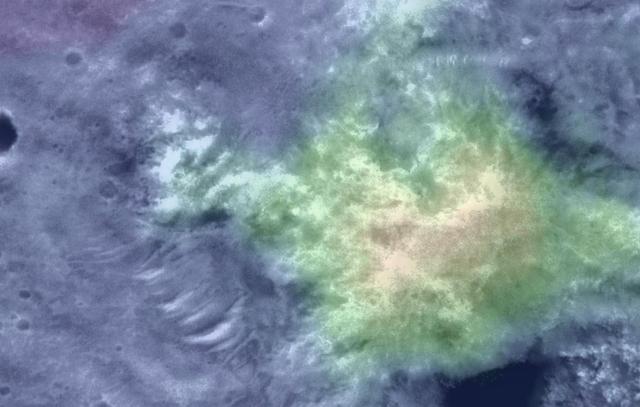
Light-toned soil deposits might be widely distributed on the flanks and valley floors of the Columbia Hills region in Gusev Crater. The salts  may record past presence of water, as they are easily mobilized and  concentrated in liquid solution
Bright Soil Near McCool: Salty Deja Vu?
NASA Mars Exploration Rover Spirit has been making tracks on Mars for seven months now, well beyond its original 90-day mission, when it reached Columbia Hills. 3D glasses are necessary to view this image.
Making Tracks on Mars 3-D
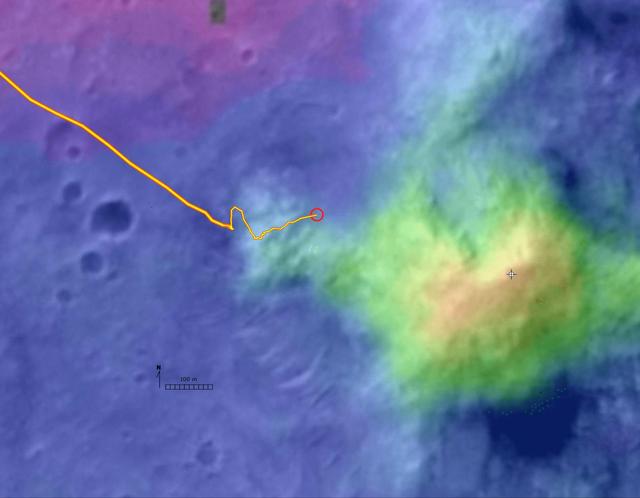
This digital elevation map, produced from satellite data overlain on an image taken by the Mars Orbital Camera on NASA's Mars Global Surveyor spacecraft, shows changes in elevation along the trek of NASA's Mars Exploration Rover Spirit as of the rover's 328th martian day, or sol (Dec. 4, 2004). To that point, Spirit had driven a total of 3.89 kilometers (2.42 miles).      The blue area represents the basaltic plains on the floor of Gusev Crater, about 20 meters (66 feet) below the rover's present location. Spirit crossed those plains for several months after landing to the west, off the left edge of this image. The greenish-blue area is the "West Spur" of the "Columbia Hills," which Spirit reached on sol 156 (June 11, 2004). Since then, Spirit has been gradually ascending the slopes of the "West Spur" in an east-northeasterly direction. Southeast of the rover's current position is a brighter green area that represents an abrupt increase in slope where the "West Spur" meets the steeper flanks of the "Columbia Hills." The yellow and red areas represent the highest slopes and peaks. A steep valley east of the rover's location appears, from orbiter images, to have layered outcrops. Scientists are directing the rover to a ridge overlooking the valley to get a better look at what lies ahead.  http://photojournal.jpl.nasa.gov/catalog/PIA07089

Digital Elevation Map of Spirit Trek
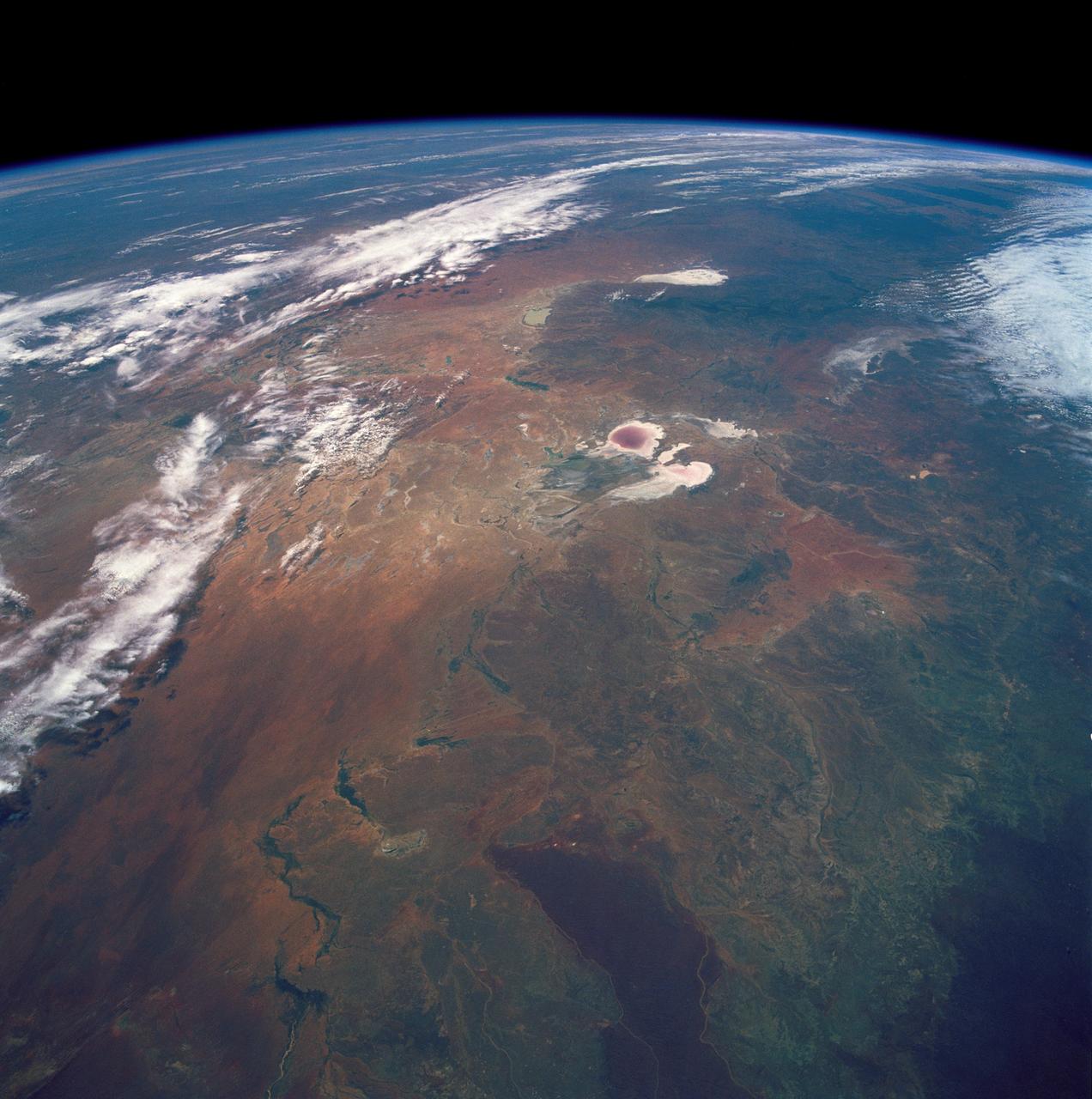
STS035-501-007 (2-10 Dec. 1990) --- The STS-35 crewmembers aboard the Earth-orbiting Space Shuttle Columbia photographed this view of the Arid Simpson Desert of Australia with a handheld Rolleiflex camera. Lake Eyre is normally dry; however, the STS-35 crew was able to recognize water in the lowest parts of the lake (dark pink area) and possibly in Lake Blanche east of Lake Eyre. Lake Frome lies in the distance separated from Lake Torrens (top right) by dark hills of Flinders Range. The Finke River (bottom left to middle) flows into the Eyre basin from the northwest. Although it is the largest river entering the basin, Finke's floods seldom reach Lake Eyre. The dark brown patch in the foreground is an area of ancient, brown lateritic soils partly covered by dunes.
Lake Eyre, Simpson Desert, South Australia, Australia