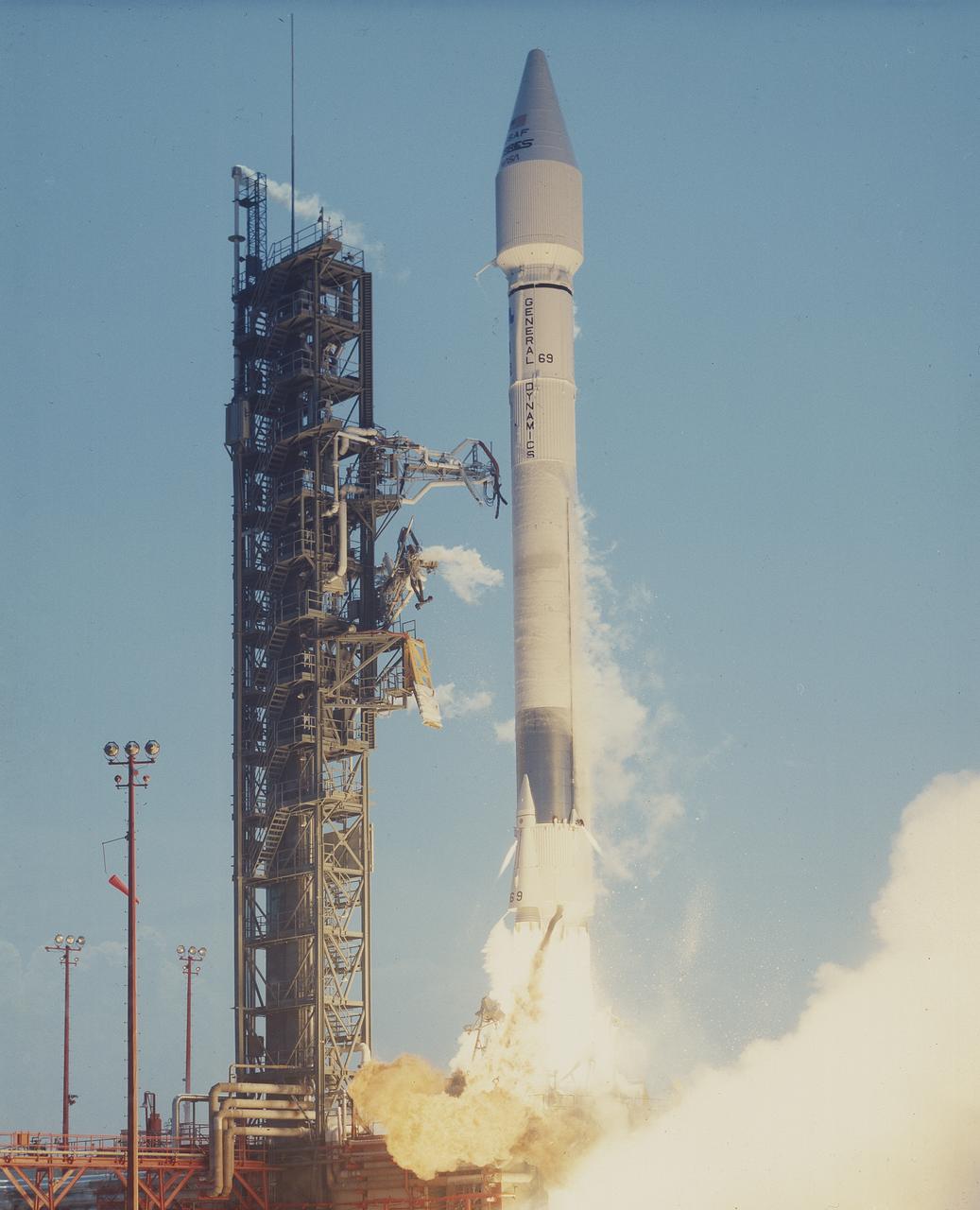
An Atlas Centaur rocket (AC-S9) was launched from Cape Canaveral Air Force Station complex 36B carrying into orbit the Combined Release and Radiation Effects Satellite (CRRES) spacecraft. CRRES was a joint NASA/Air Force mission to study the effects of chemical release on the Earth’s atmosphere and magnetosphere.
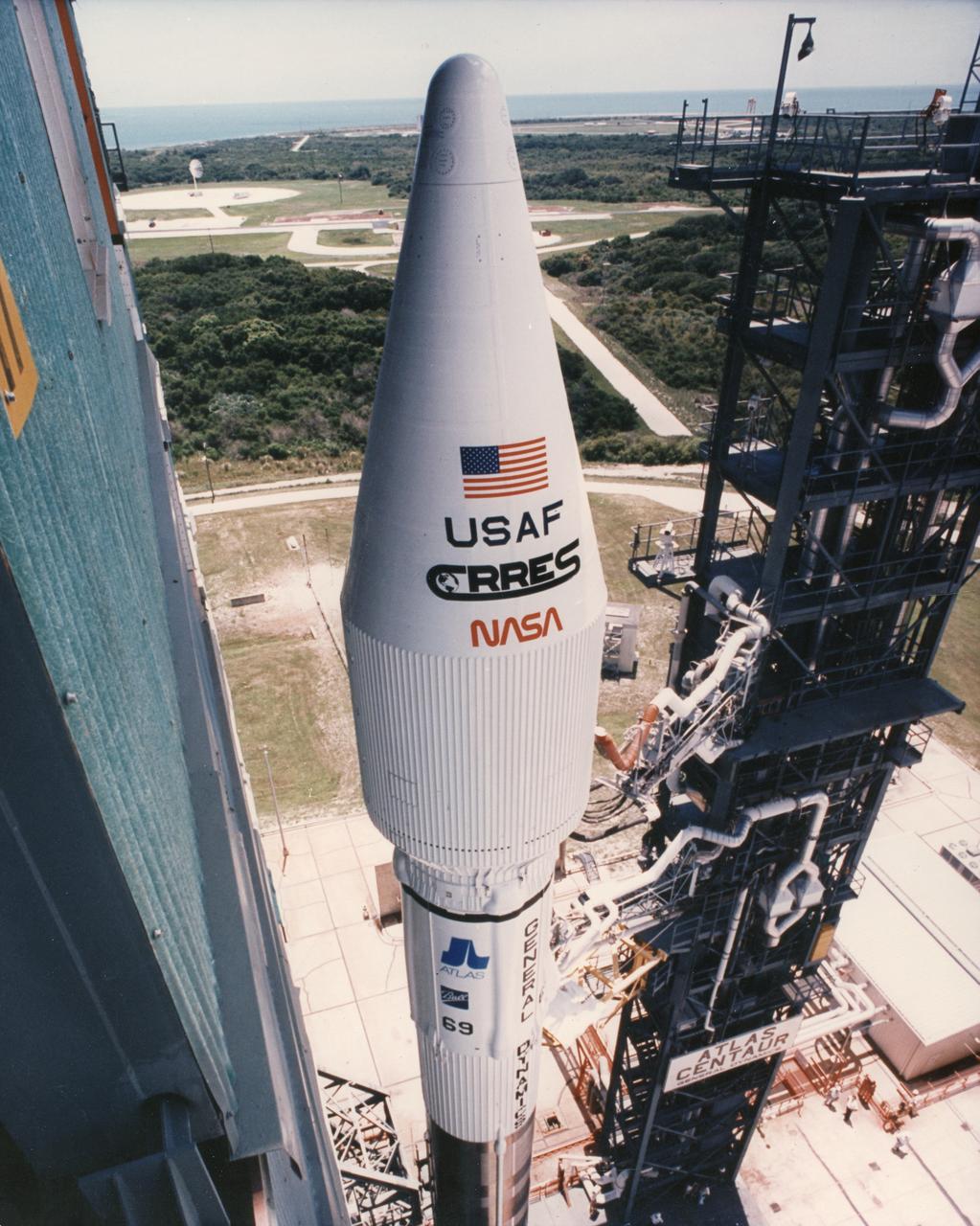
In July 1990, the Marshall Space Flight Center, in a joint project with the Department of Defense/Air Force Space Test Program, launched the Combined Release and Radiation Effects Satellite (CRRES) using an Atlas I launch vehicle. The mission was designed to study the effects of artificial ion clouds produced by chemical releases on the Earth's ionosphere and magnetosphere, and to monitor the effects of space radiation environment on sophisticated electronics.
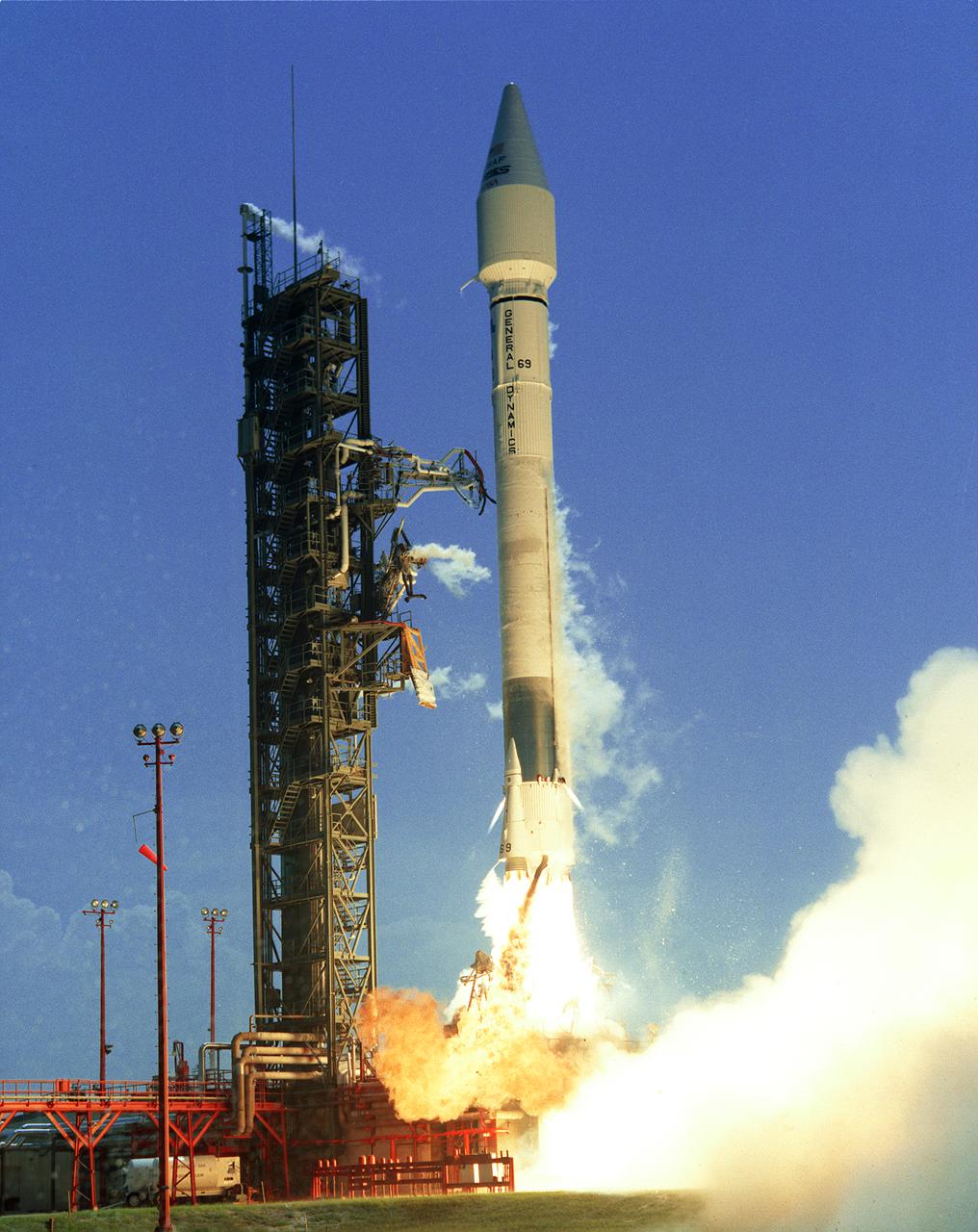
The Atlas-Centaur, AC-69, launched the Combined Release and Radiation Effects Satellite (CRRES) in orbit on July 25, 1990.
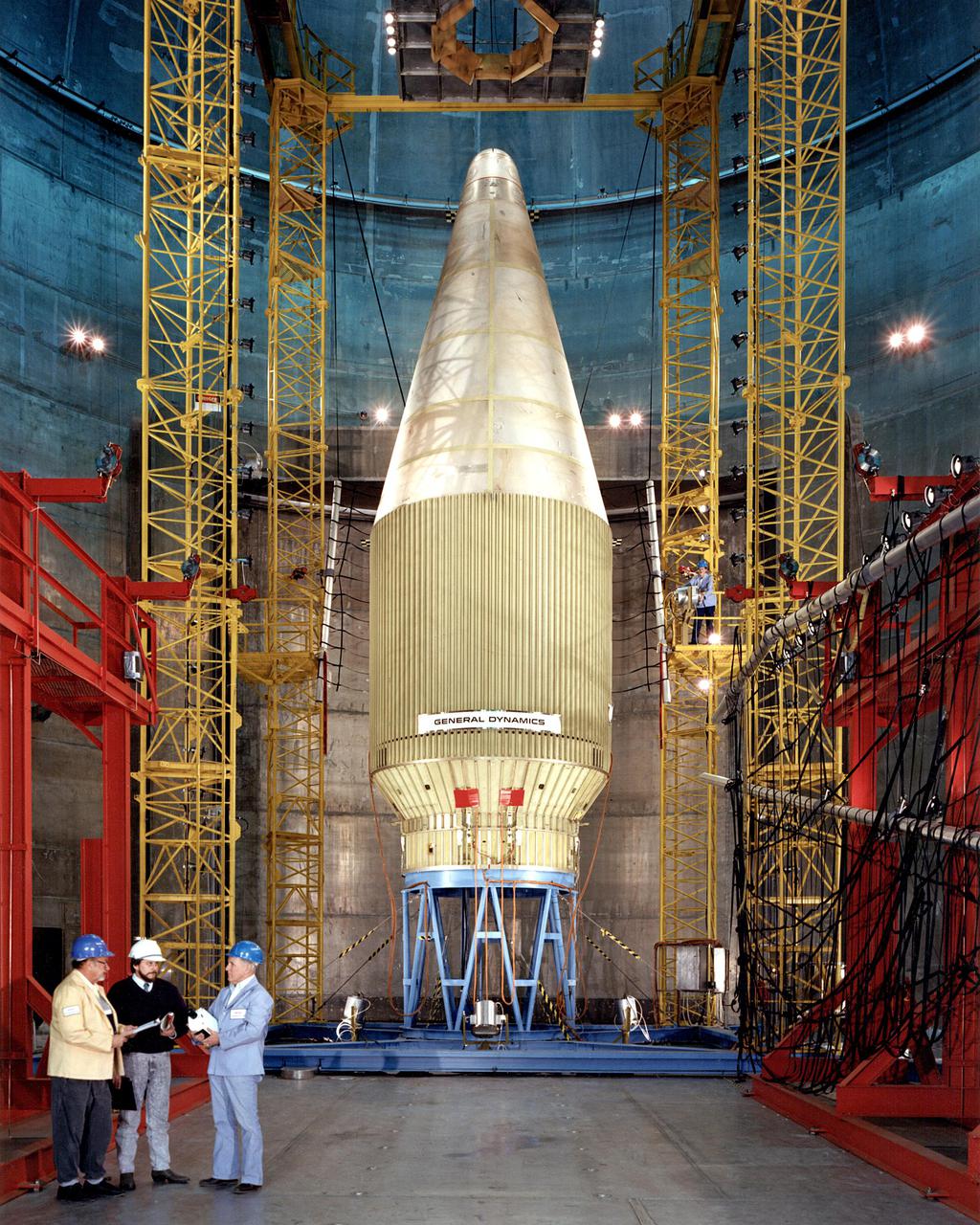
Employees at the Space Power Facility (SPF) at Plum Brook Station tested a new generation of Atlas/Centaur launch vehicles. General Dynamics conducted the tests December 22 and January 3, 1990 to determine the flight readiness of a new 14-foot diameter payload fairing. The fairing will accommodate new weather satellites, the U.S. Air Force Combined Release and Radiation Effects (CRRES) satellite, and other future payloads. At a simulated altitude of 85,000 feet, the cone-shaped fairing separated in half from a hinge at the bottom. Half of the fairing was then released from the test stack and recovered in a catch-net. The payload fairing separations were the first tests of major space hardware to be conducted in the SPF in more than 15 years.