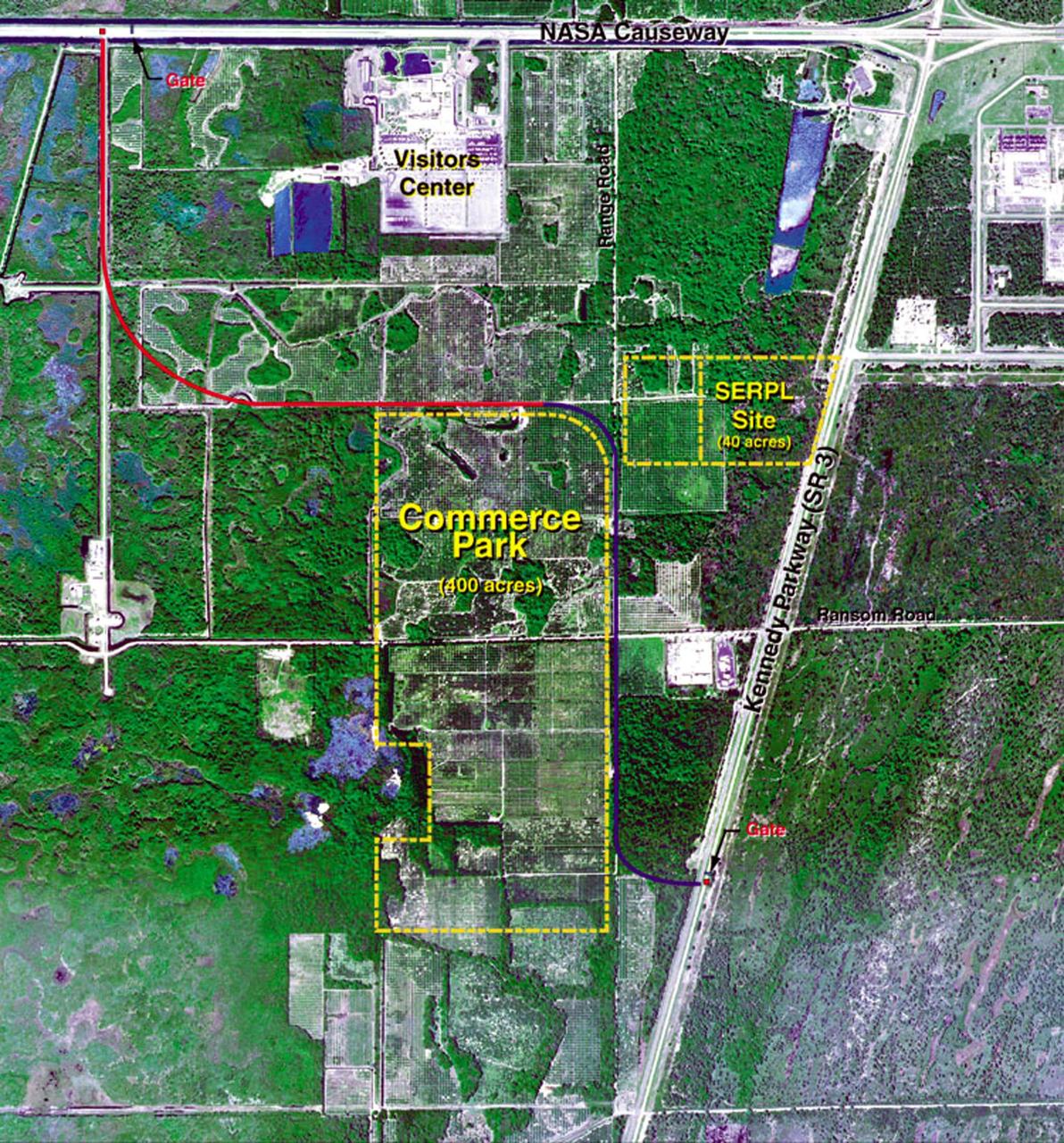
This diagram shows the planned locations of the Space Experiment Research and Processing Laboratory (SERPL) and the Space Station Commerce Park at Kennedy Space Center. The SERPL is a planned 100,000-square-foot laboratory that will provide expanded and upgraded facilities for hosting International Space Station experiment processing. In addition, it will provide better support for other biological and life sciences payload processing at KSC. It will serve as a magnet facility for the planned 400-acre Commerce Park.
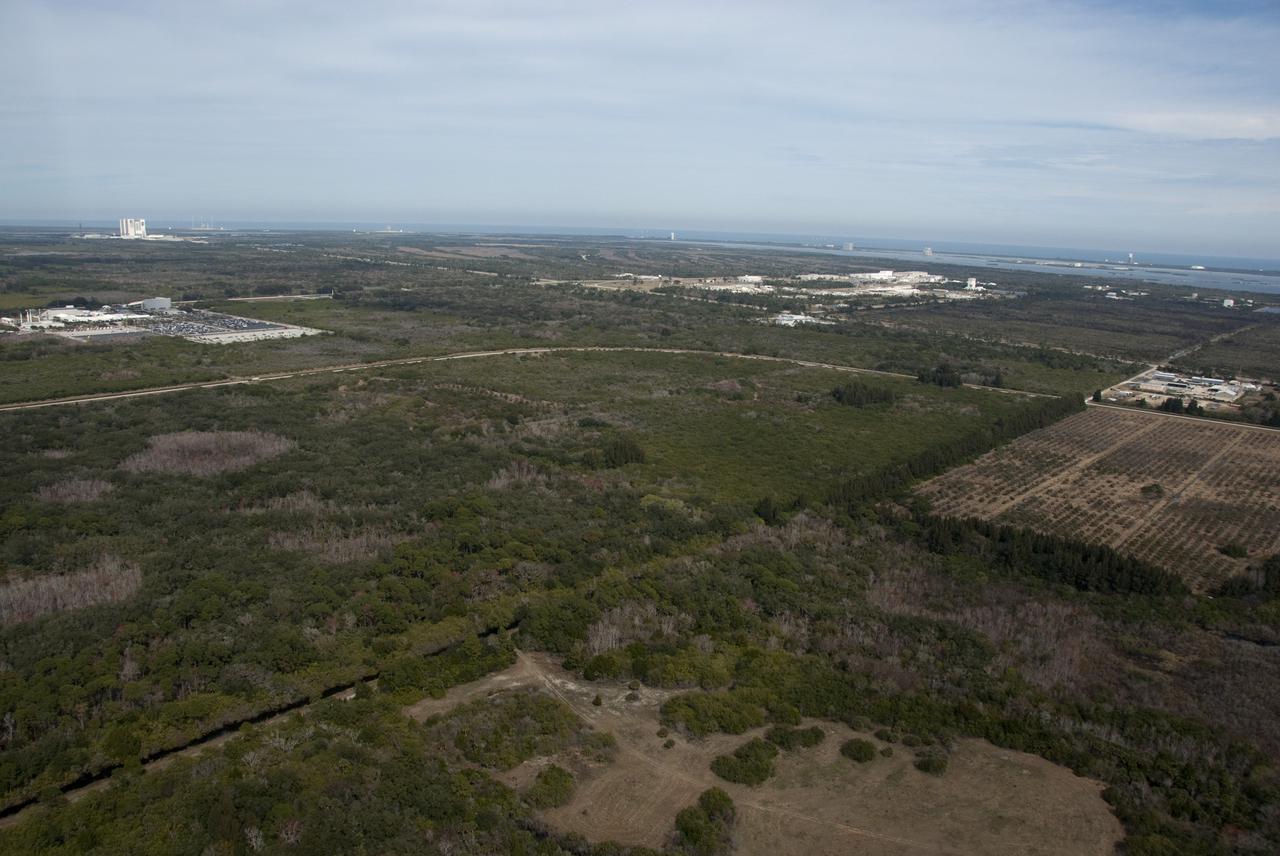
CAPE CANAVERAL, Fla. - Land located south of NASA's Kennedy Space Center Visitor Complex in Florida and adjacent to the Space Life Sciences Laboratory is the proposed site for Exploration Park. Kennedy and Space Florida, an independent special district of the State of Florida, have partnered to enable the development of a mixed-use technology and commerce park. Exploration Park will become home to diverse private sector technology and innovation enterprises offering opportunities to grow and deploy commercial space capabilities and will respond to national priorities in science and technology. The park is expected to attract tenants engaged in space technology, space commerce and space education. In addition, NASA and Space Florida plan to incorporate the existing 100,000 square foot Space Life Sciences Laboratory into the park, broadening the lab's accessibility and use beyond NASA. For more information, visit www.explorationpark.com. Photo credit: NASA_Kim Shiflett
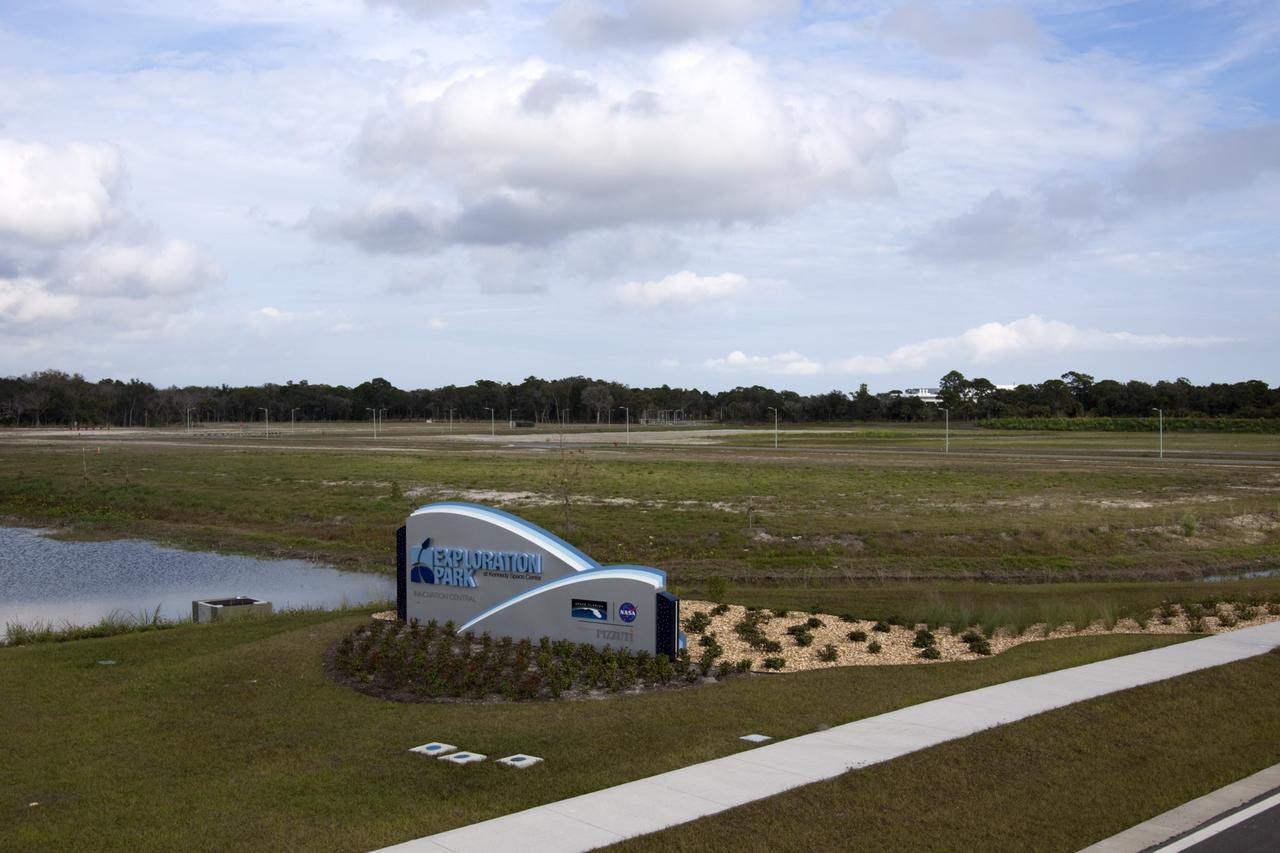
CAPE CANAVERAL, Fla. - A new sign on Space Commerce Way marks the entrance to Exploration Park near NASA’s Kennedy space Center in Florida. Land in the background has been cleared for the first phase of construction. Exploration Park encompasses 60 acres just outside Kennedy’s security gates. The park is designed to be a strategically located complex, adjacent to the Space Life Sciences Laboratory, for servicing diverse tenants and uses that will engage in activities to support the space-related activities of NASA, other government agencies and the U.S. commercial space industry. Its nine sustainable, state-of-the art buildings will include educational, office, research and laboratory, and high bay facilities and provide 350,000-square-feet of work space. Photo credit: NASA/Jim Grossmann
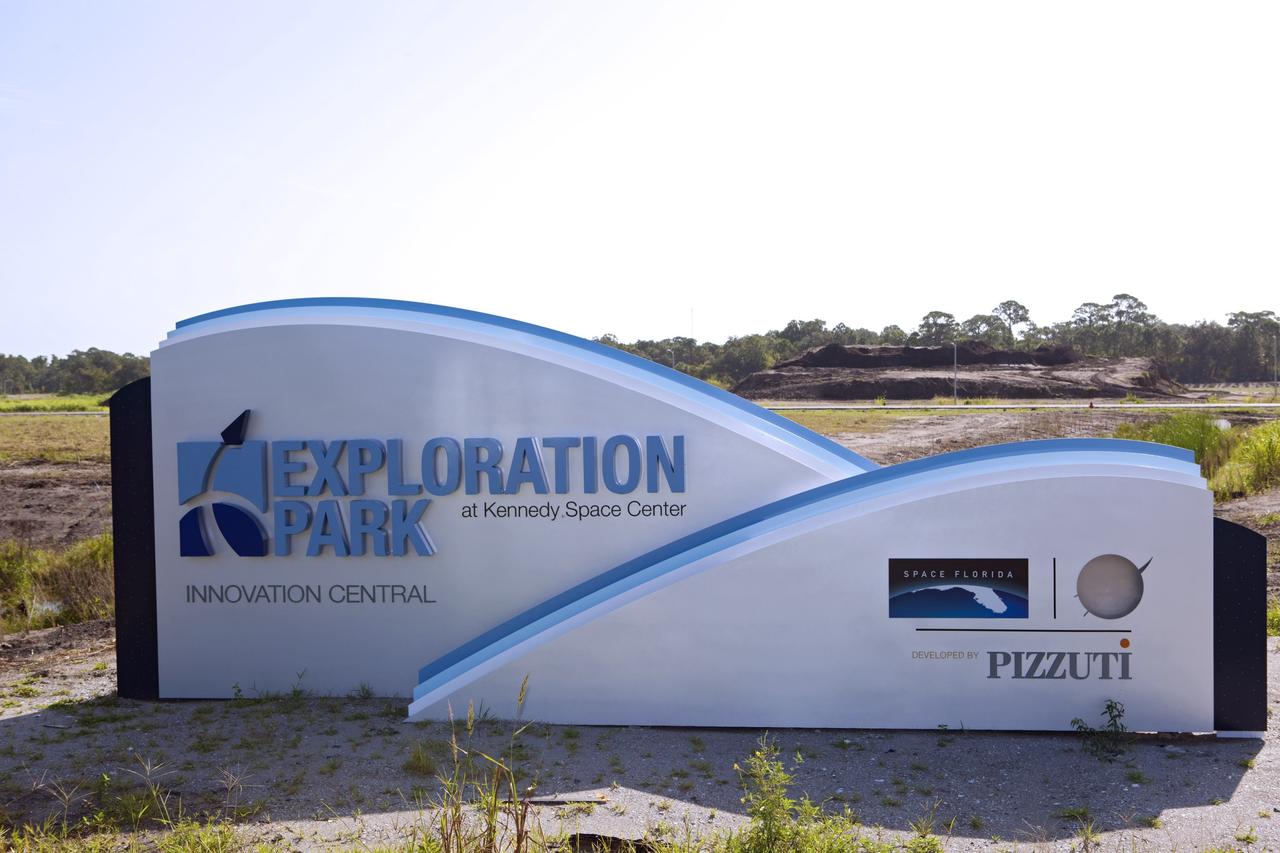
CAPE CANAVERAL, Fla. -- A new sign on Space Commerce Way marks the entrance to Exploration Park near NASA’s Kennedy Space Center in Florida. Land in the background has been cleared for the first phase of construction. Exploration Park encompasses 60 acres just outside Kennedy’s security gates. The park is designed to be a strategically located complex, adjacent to the Space Life Sciences Laboratory, for servicing diverse tenants and uses that will engage in activities to support the space-related activities of NASA, other government agencies and the U.S. commercial space industry. Its nine sustainable, state-of-the art buildings will include educational, office, research and laboratory, and high bay facilities and provide 350,000-square-feet of work space. Photo credit: NASA/Dimitri Gerondidakis

The preliminary design for the Space Experiment Research and Processing Laboratory (SERPL) at Kennedy Space Center is shown in this artist's rendition. The SERPL is a planned 100,000-square-foot laboratory that will provide expanded and upgraded facilities for hosting International Space Station experiment processing. In addition, it will provide better support for other biological and life sciences payload processing at KSC. It will serve as a magnet facility for a planned 400-acre Space Station Commerce Park
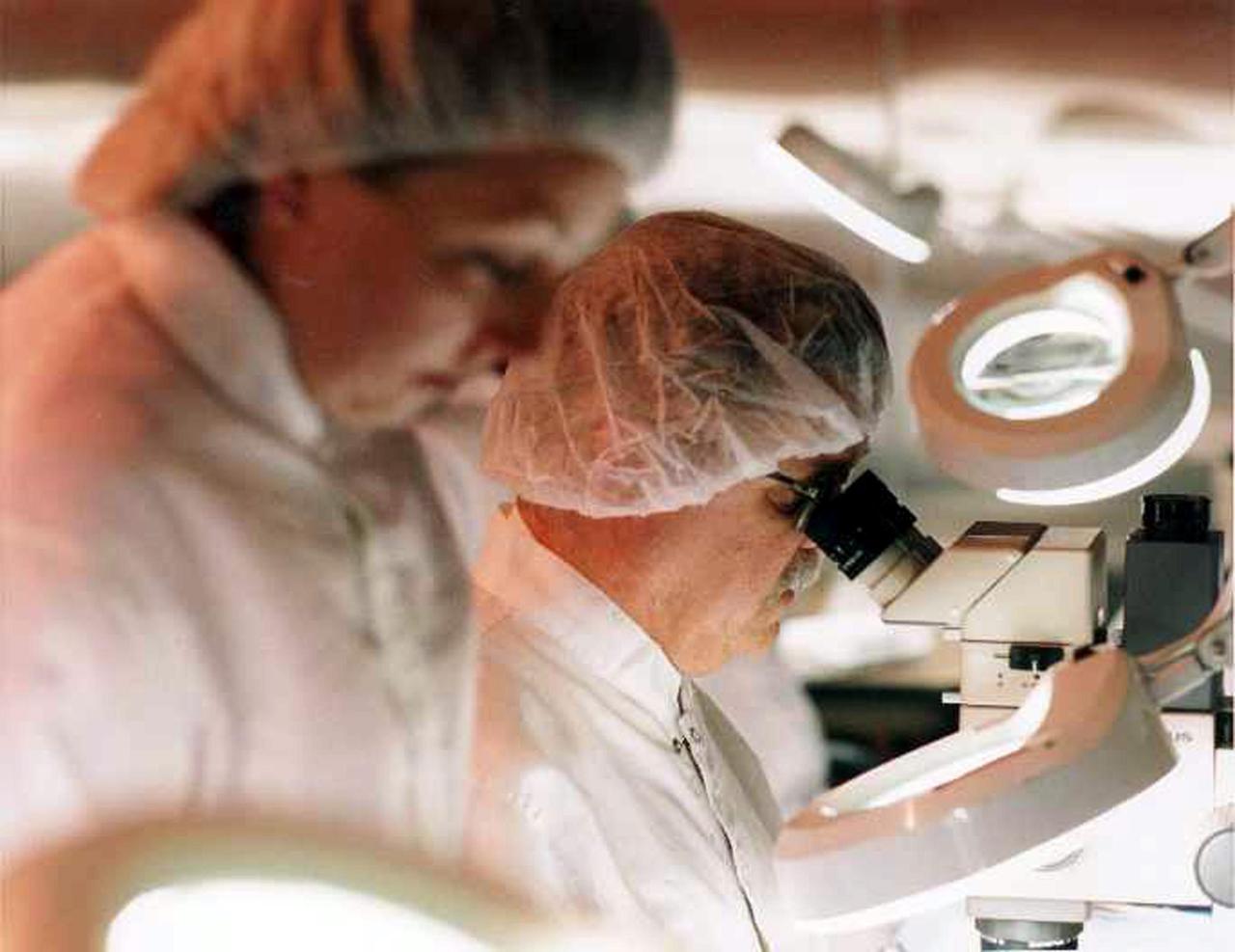
Researchers perform tests at Kennedy Space Center. New facilities for such research will be provided at the Space Experiment Research Procession Laboratory (SERPL). The SERPL is a planned 100,000-square-foot laboratory that will provide expanded and upgraded facilities for hosting International Space Station experiment processing. In addition, it will provide better support for other biological and life sciences payload processing at KSC. It will serve as a magnet facility for a planned 400-acre Space Station Commerce Park
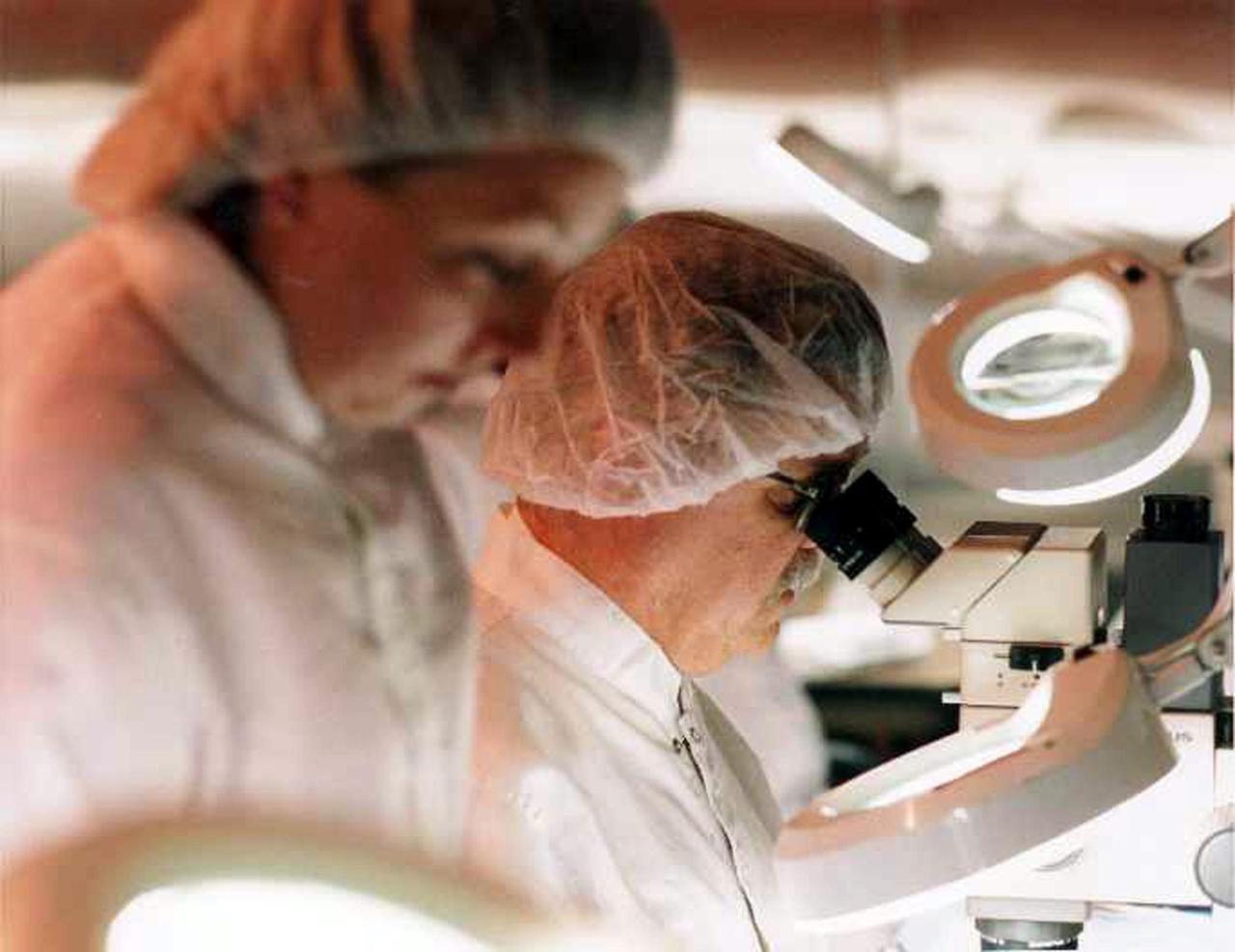
Researchers perform tests at Kennedy Space Center. New facilities for such research will be provided at the Space Experiment Research Procession Laboratory (SERPL). The SERPL is a planned 100,000-square-foot laboratory that will provide expanded and upgraded facilities for hosting International Space Station experiment processing. In addition, it will provide better support for other biological and life sciences payload processing at KSC. It will serve as a magnet facility for a planned 400-acre Space Station Commerce Park
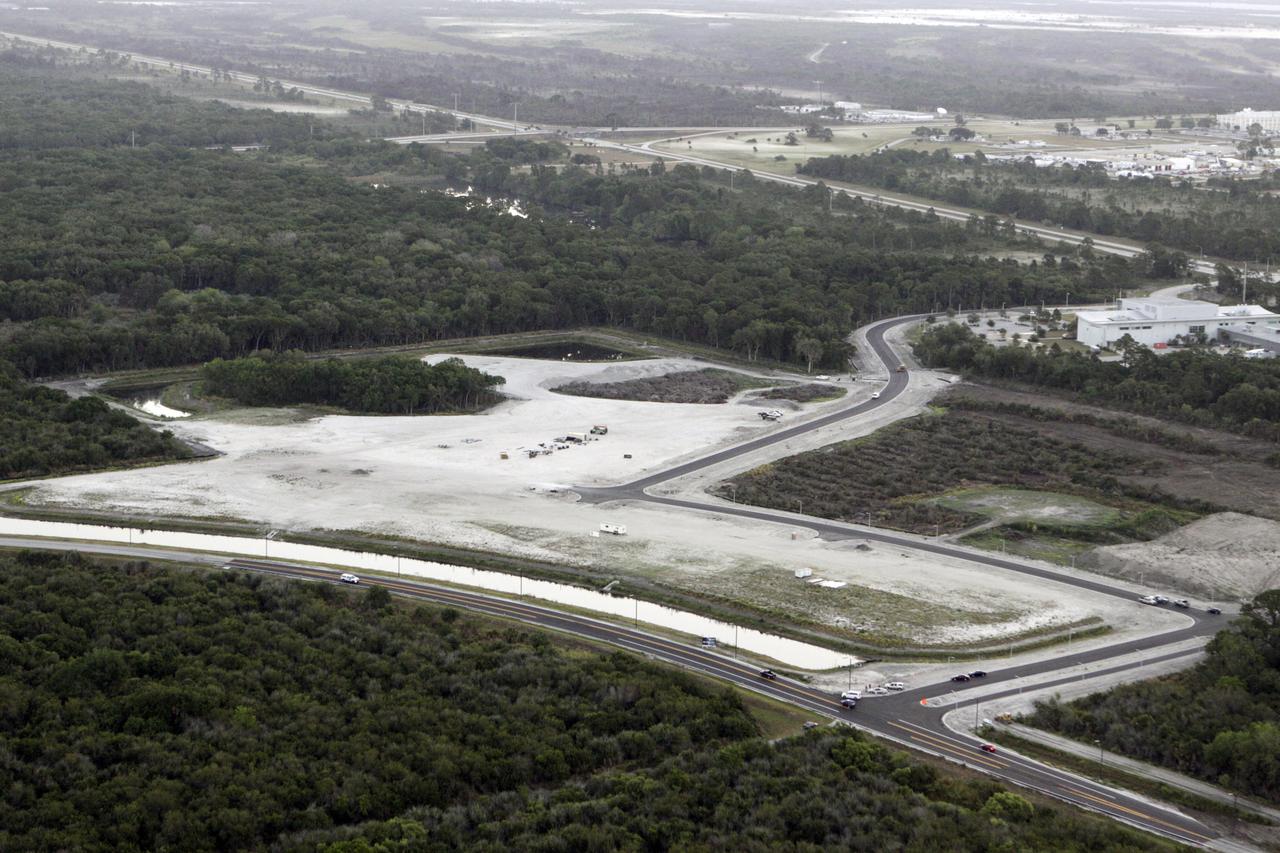
CAPE CANAVERAL, Fla. – This aerial view over NASA’s Kennedy Space Center in Florida reveals a new road winding its way from Space Commerce Way, in the foreground, past the construction site for the new Exploration Park, to the Space Life Sciences Laboratory SLSL, at right. In the background, at far right, is Kennedy’s Industrial Area. The land was cleared for the first phase of construction following the park’s groundbreaking in June 2010. The park encompasses 60 acres just outside Kennedy’s security gates near the Kennedy Space Center Visitor Complex. Exploration Park is designed to be a strategically located complex, adjacent to the SLSL, for servicing diverse tenants and uses that will engage in activities to support the space-related activities of NASA, other government agencies and the U.S. commercial space industry, as well as attract new aerospace work to the Space Coast. Its nine sustainable, state-of-the-art buildings will include educational, office, research and laboratory, and high-bay facilities and provide 350,000-square feet of work space. Each building is expected to qualify for the U.S. Green Building Council’s Leadership in Environmental and Energy Design LEED certification. The SLSL will be the anchor facility for the park. Photo credit: NASA/Glenn Benson
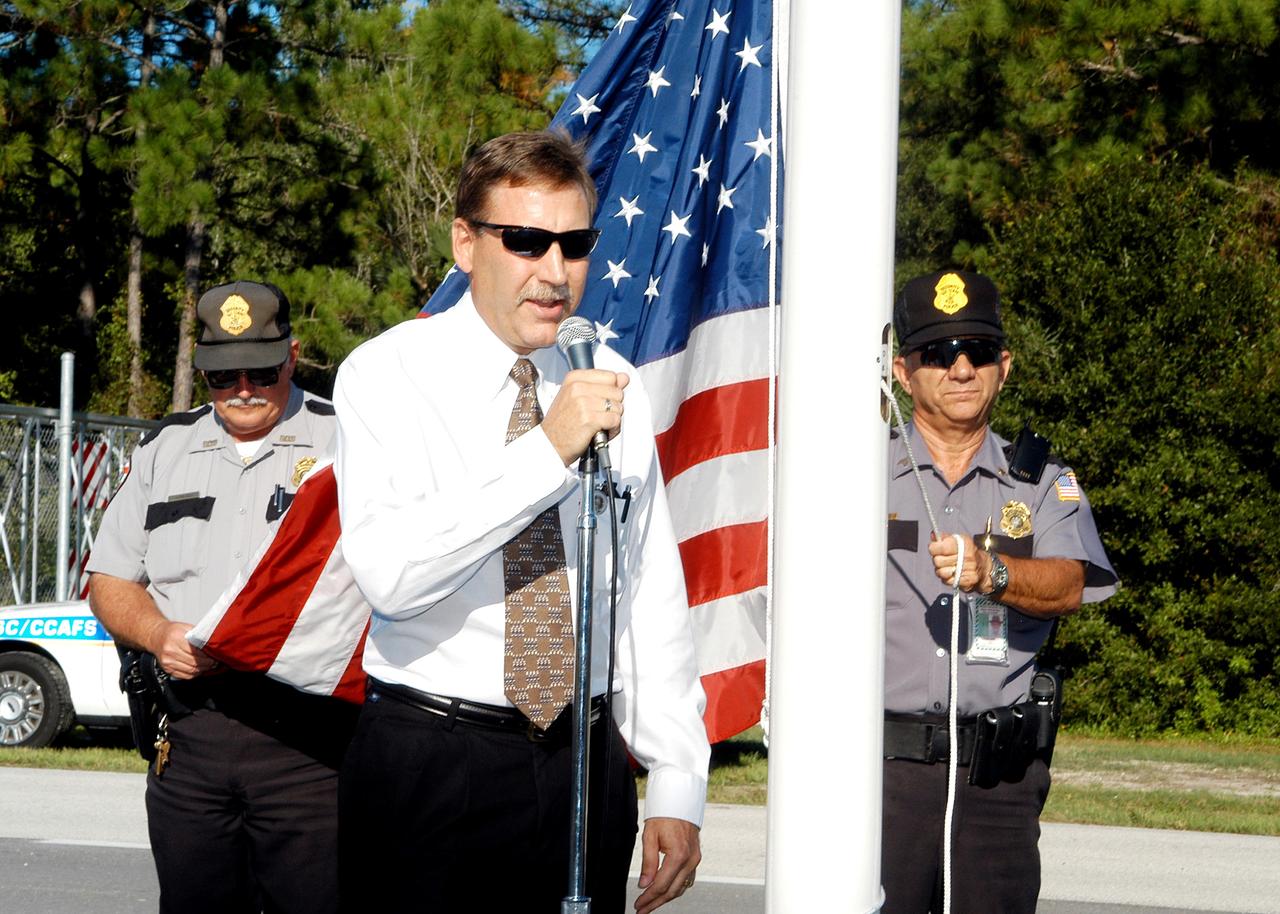
KENNEDY SPACE CENTER, FLA. - Daniel L. Tweed, with the Facilities Division, NASA Spaceport Services, addresses attendees at the ribbon cutting for the KSC Security gates. Tweed was project manager. The two new Security gates on Kennedy Parkway (Gate 2) and NASA Parkway (Gate 3) were activated Aug. 1, allowing the general public to have access to the new Space Commerce Way, which will provide access to the Research Park and KSC Visitor Complex, and providing an alternate route for the general public between Titusville and Merritt Island that is accessible 24 hours a day. The gates are staffed 24 hours daily. Others taking part in the ribbon cutting were Center Director Jim Kennedy; Chief, Protective & Safe Guards Office, Calvin L. Burch; SGS Deputy Program Manager William A. Sample; and Bobby Porter, with Oneida Construction.
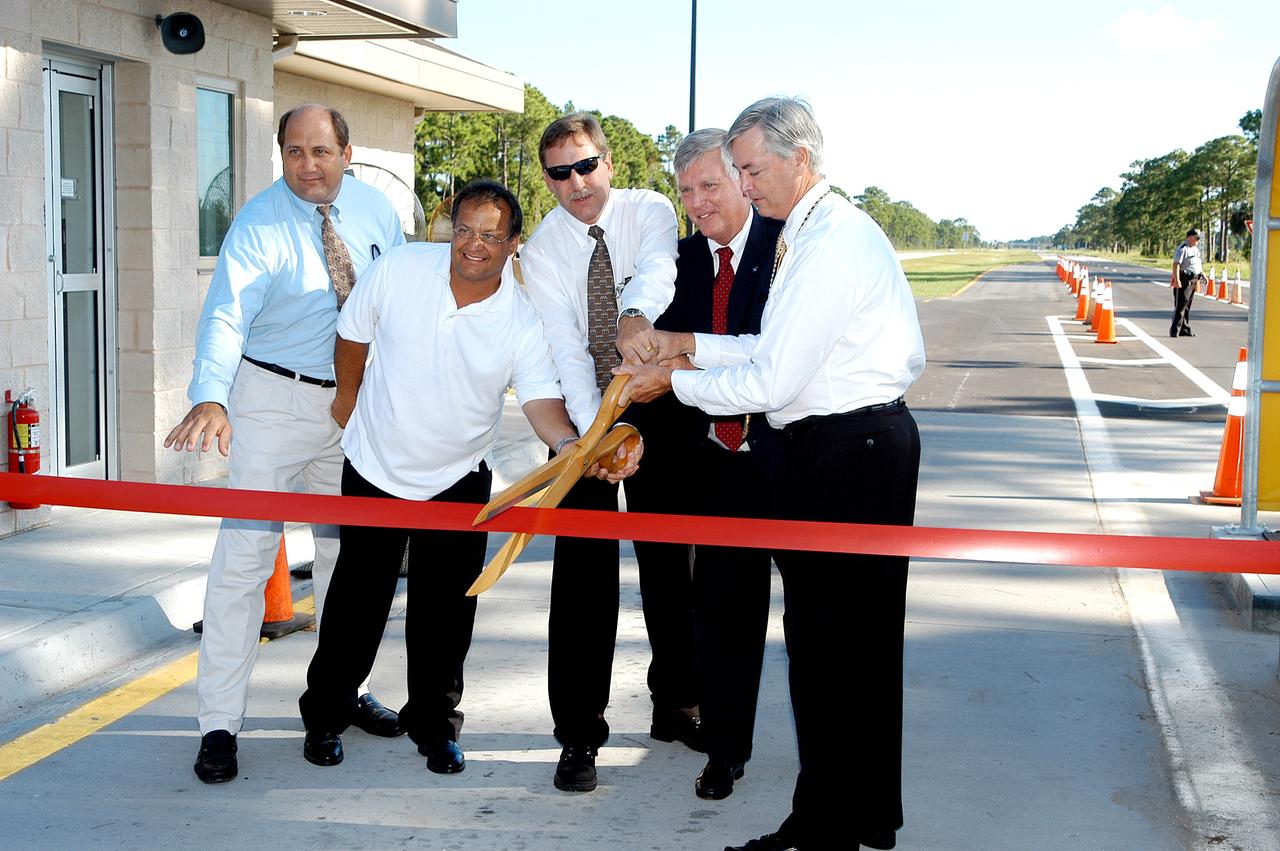
KENNEDY SPACE CENTER, FLA. - Key officials are poised to cut the ribbon officially dedicating the new Security gates on Kennedy Parkway (Gate 2) and NASA Parkway (Gate 3). From left are Wally Schroeder, with Jones, Edmunds & Associates; Bobby Porter, with Oneida Construction; Daniel Tweed, NASA project manager; Jim Kennedy, Center director; and William Sample, SGS deputy program manager. The new gates were activated Aug. 1, allowing the general public to have access to the new Space Commerce Way, which will provide access to the Research Park and KSC Visitor Complex, and providing an alternate route for the general public between Titusville and Merritt Island that is accessible 24 hours a day. The gates are staffed 24 hours daily.
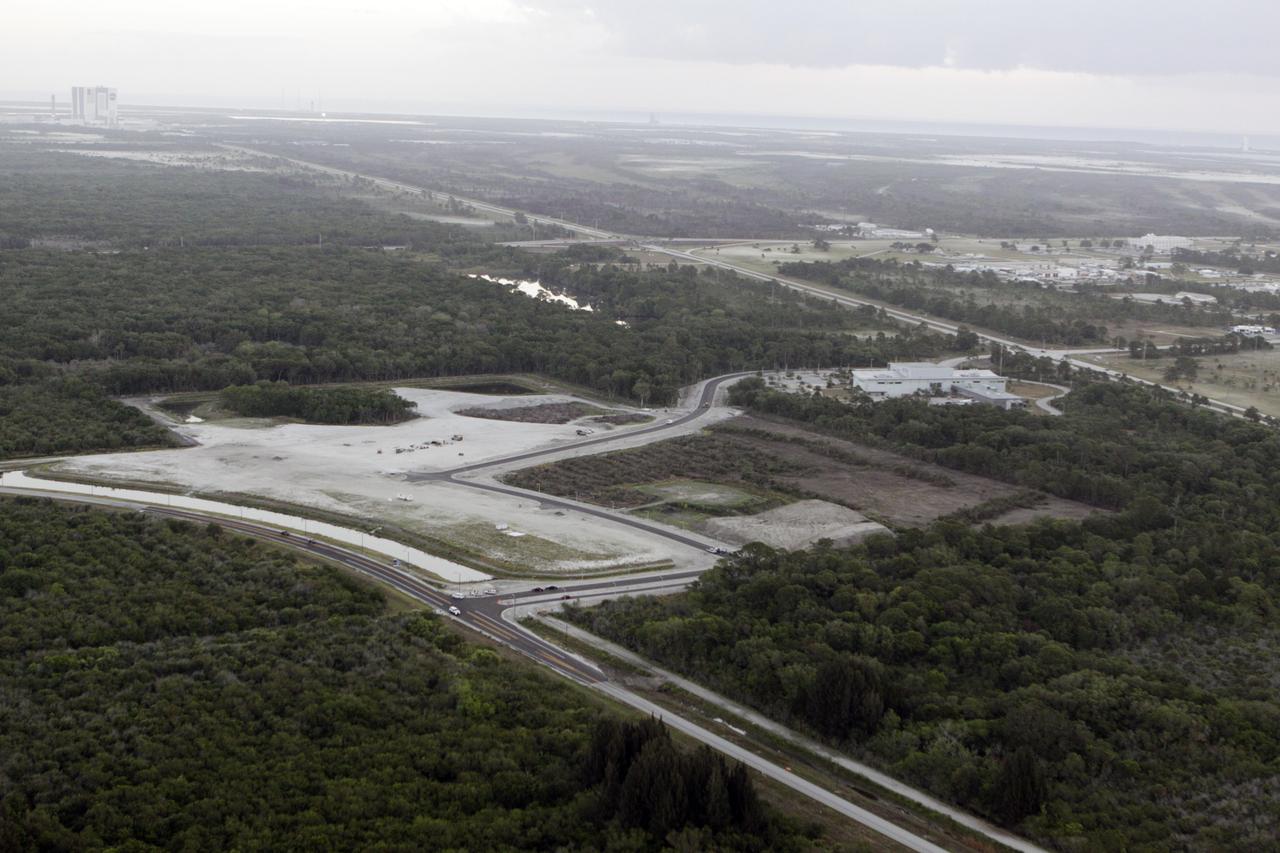
CAPE CANAVERAL, Fla. – This aerial view over NASA’s Kennedy Space Center in Florida reveals a new road winding its way from Space Commerce Way, in the foreground, past the construction site for the new Exploration Park, to the Space Life Sciences Laboratory SLSL. At right is Kennedy’s Industrial Area. Spanning the background is the Atlantic Ocean. In the distance, the facilities in Launch Complex 39 are, from left, the Vehicle Assembly Building, Pad 39B, Pad 39A, and Space Launch Complex-41 on Cape Canaveral Air Force Station. The land was cleared for the first phase of construction following the park’s groundbreaking in June 2010. The park encompasses 60 acres just outside Kennedy’s security gates near the Kennedy Space Center Visitor Complex. Exploration Park is designed to be a strategically located complex, adjacent to the SLSL, for servicing diverse tenants and uses that will engage in activities to support the space-related activities of NASA, other government agencies and the U.S. commercial space industry, as well as attract new aerospace work to the Space Coast. Its nine sustainable, state-of-the-art buildings will include educational, office, research and laboratory, and high-bay facilities and provide 350,000-square feet of work space. Each building is expected to qualify for the U.S. Green Building Council’s Leadership in Environmental and Energy Design LEED certification. The SLSL will be the anchor facility for the park. Photo credit: NASA/Glenn Benson
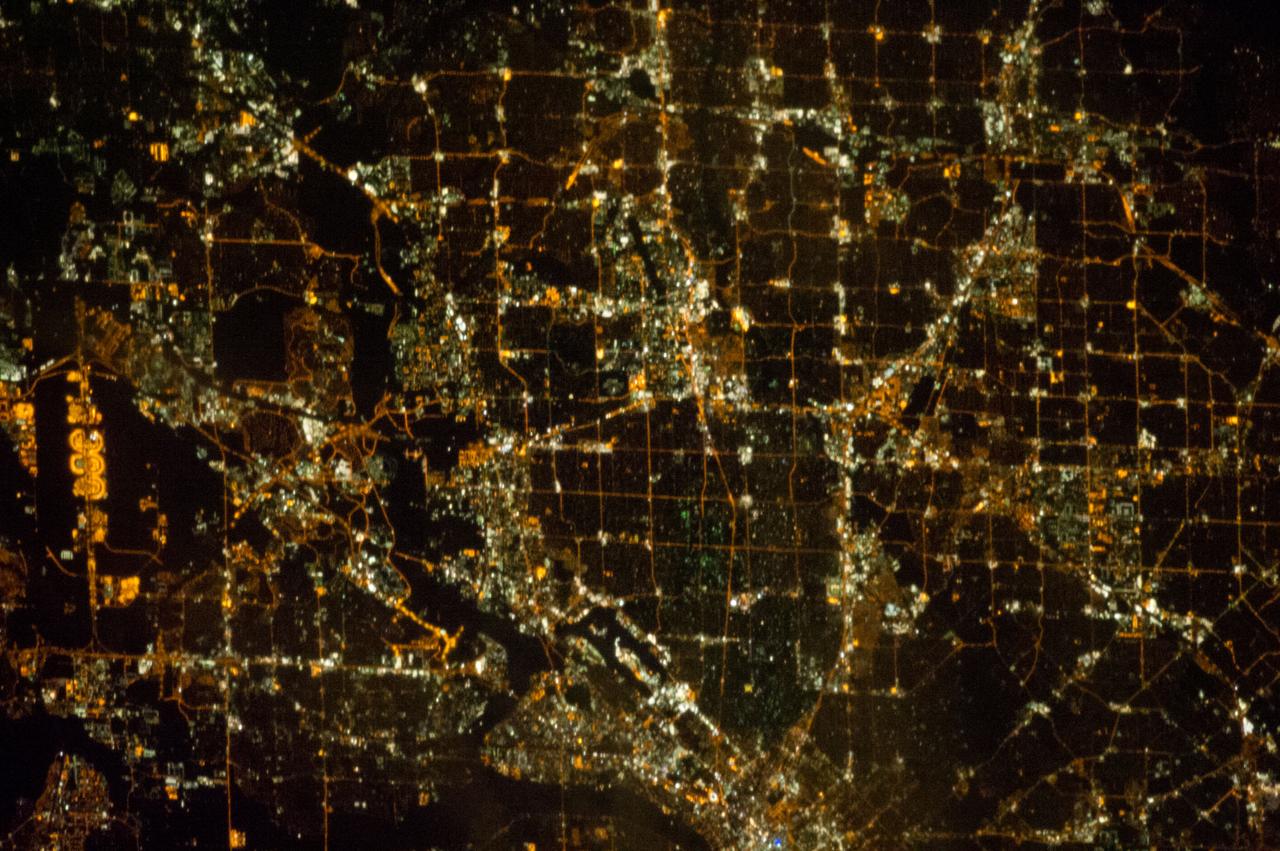
ISS033-E-021663 (15 Nov. 2012) --- A nighttime view of the Dallas, Texas metropolitan area is featured in this image photographed by an Expedition 33 crew member on the International Space Station. Most metropolitan areas of the western United States are configured over large areas with a regular street grid pattern that is highly recognizable from space, particularly at night. The northern Dallas metropolitan area exhibits this pattern. The north-south and east-west grid pattern of major surface streets is highlighted by orange street lighting, lending a fishnet-like appearance to the urban area. Within this framework, smaller residential and commercial buildings and streets give green-gray stipple patterns to some blocks. The airplane terminals of Dallas-Fort Worth International Airport are lit with golden-yellow lights, and surrounded by relatively dark runways and fields at left. Likewise, the runways of Dallas Love Field at lower center are recognizable by their darkness. Other dark areas within the metro region are open space, parks, and water bodies. Dallas is part of the larger Dallas-Fort Worth-Arlington Metropolitan Statistical Area (population 6,526,548 in 2011) as recognized by the U.S. Census Bureau; to most Texans, it is simply ?DFW? or ?the Metroplex.? Several of the larger urban areas within DFW are visible in this image; Dallas, Garland and Richardson all have populations above 100,000 according to the North Central Texas Council of Governments. While historically the economy of Dallas was based in the oil and cotton industries, today commerce, technology, healthcare, and transportation are the major economic drivers.