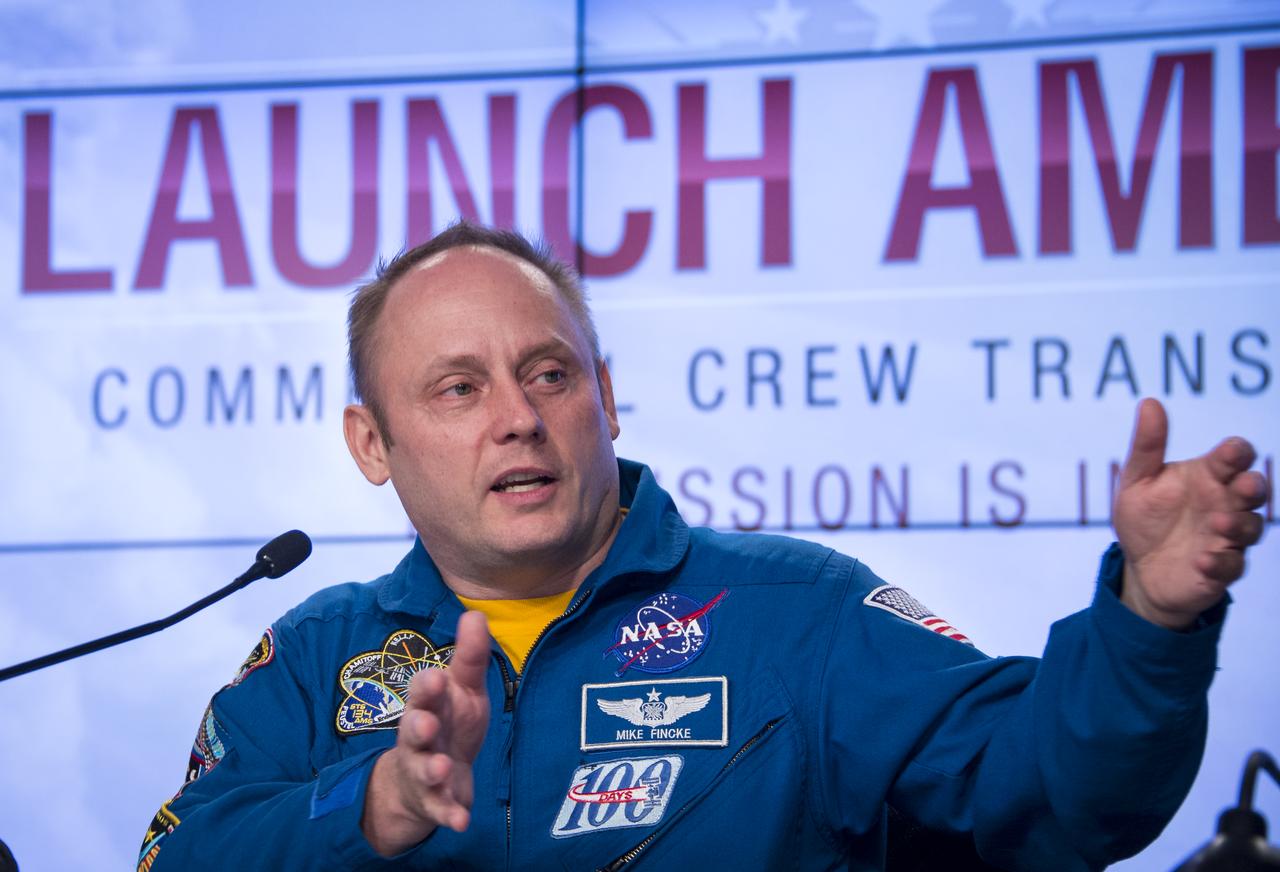
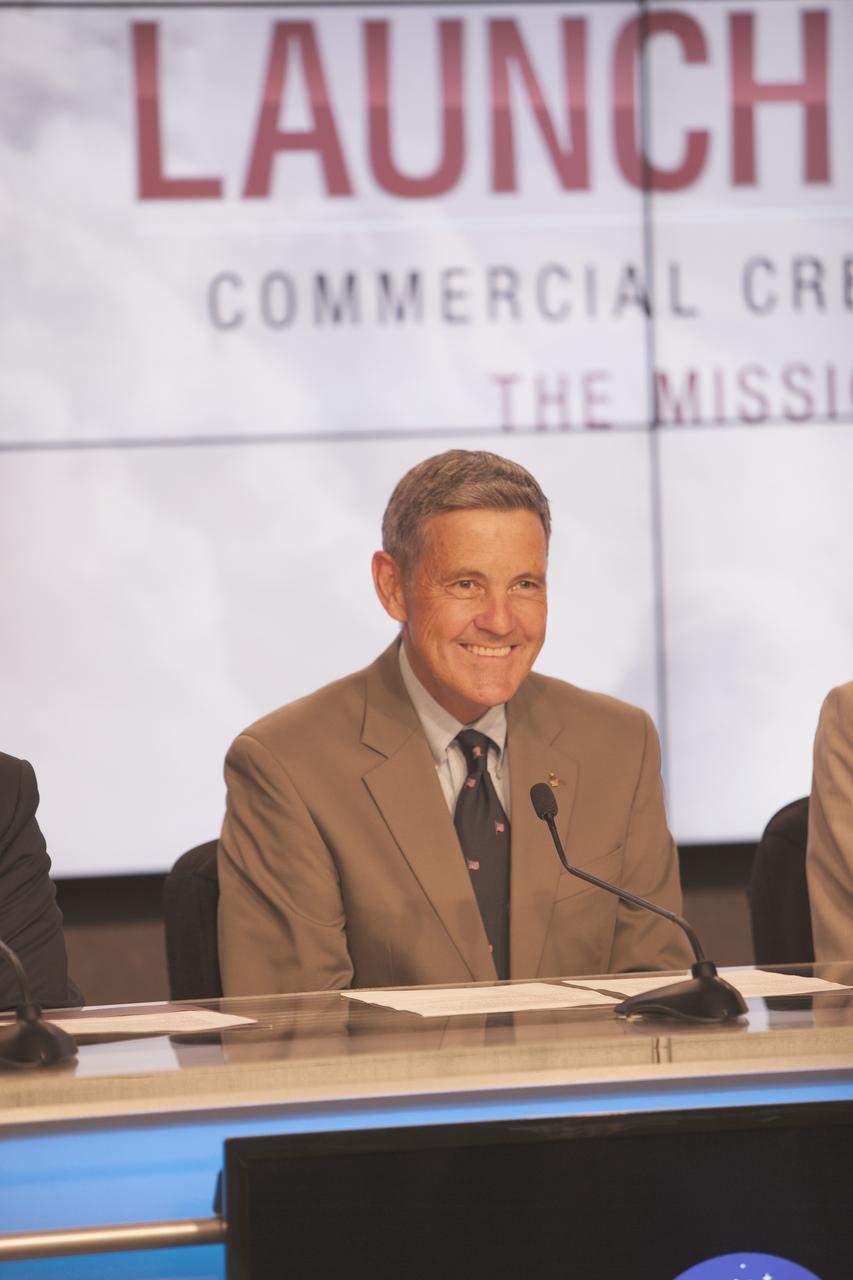
Astronaut Mike Fincke, a former commander of the International Space Station, speaks during a news conference where it was announced that Boeing and SpaceX have been selected to transport U.S. crews to and from the International Space Station using the Boeing CST-100 and the SpaceX Crew Dragon spacecraft, at NASA’s Kennedy Space Center in Cape Canaveral, Fla. on Tuesday, Sept. 16, 2014. These Commercial Crew Transportation Capability (CCtCap) contracts are designed to complete the NASA certification for a human space transportation system capable of carrying people into orbit. Once certification is complete, NASA plans to use these systems to transport astronauts to the space station and return them safely to Earth. Photo Credit: (NASA/Bill Ingalls)
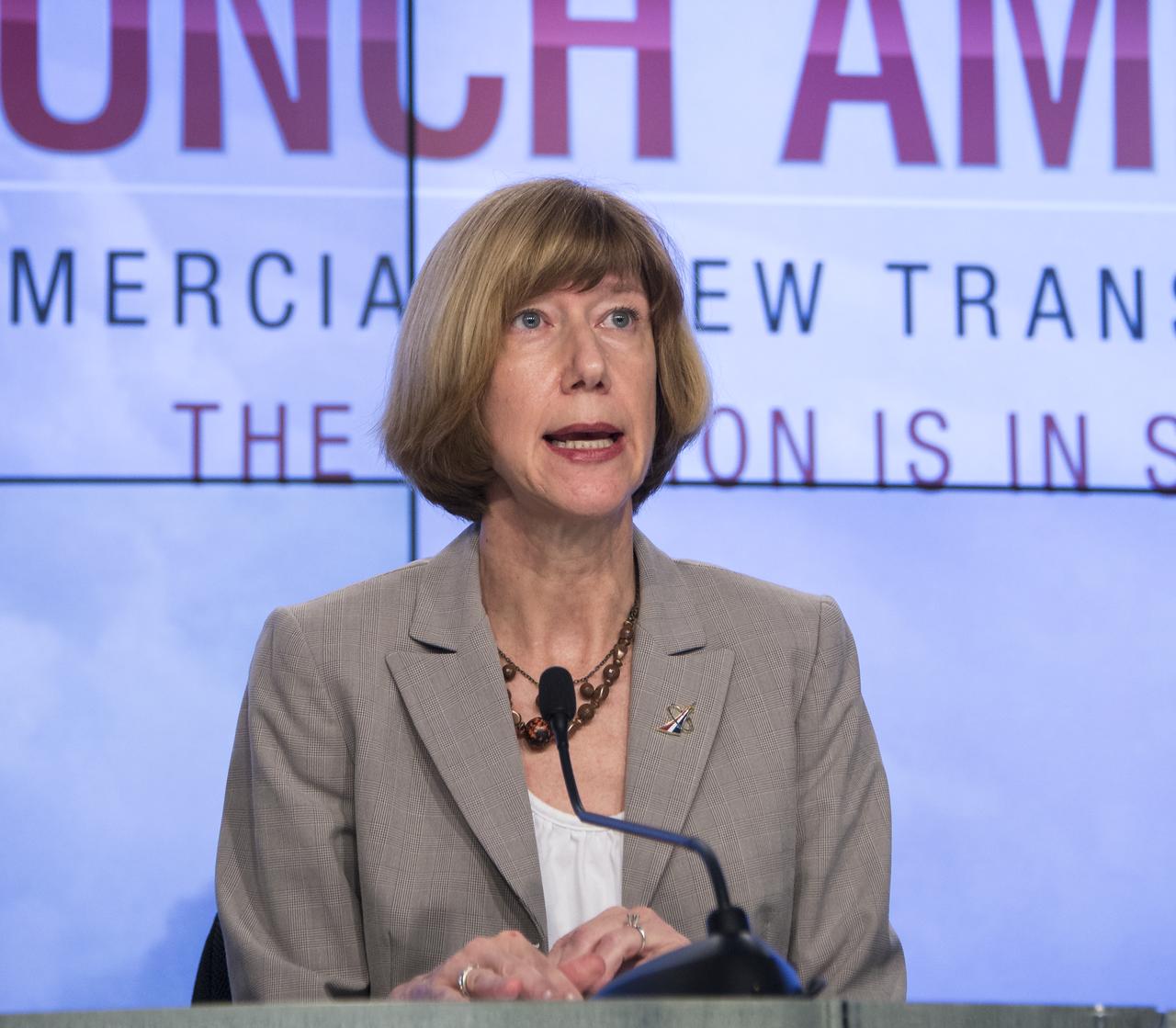
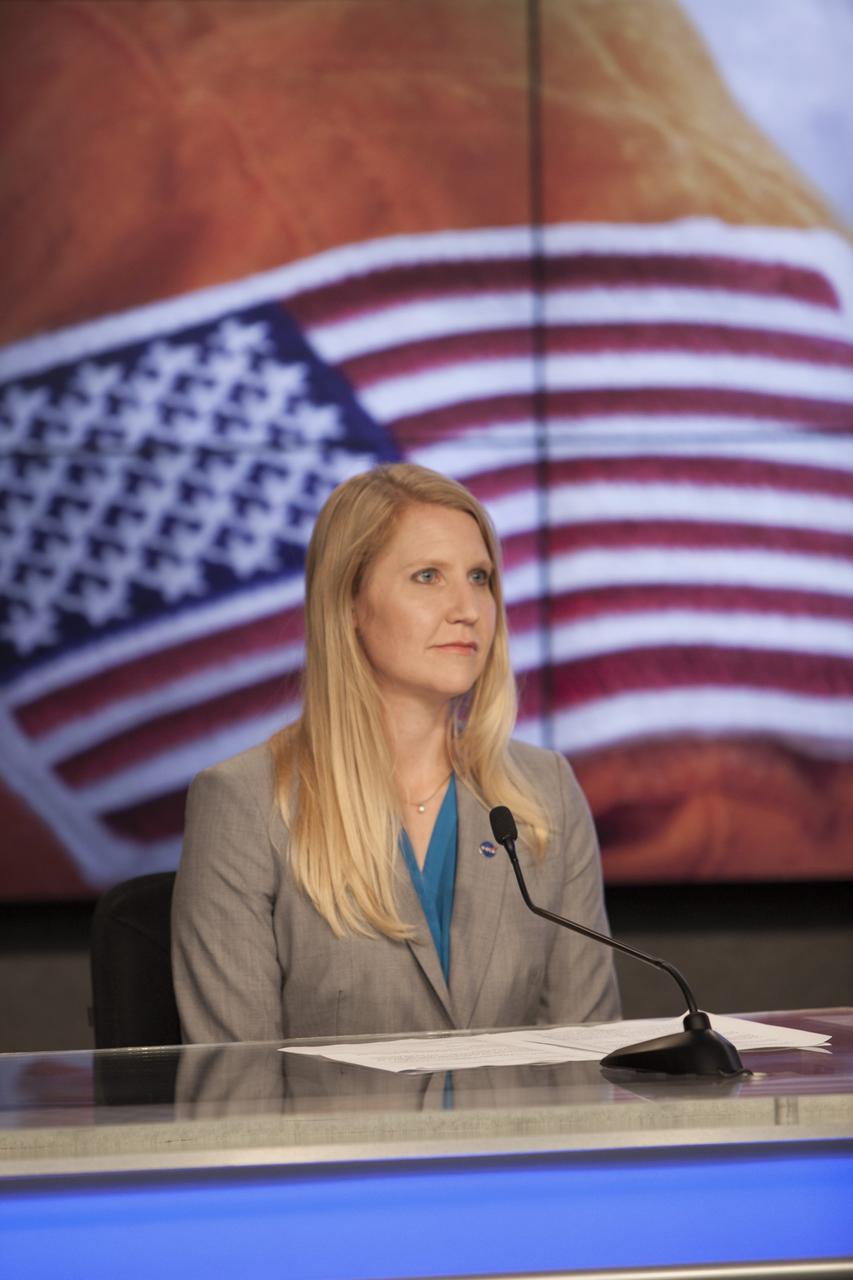
Kathy Lueders, program manager of NASA's Commercial Crew Program, speaks during a news conference where it was announced that Boeing and SpaceX have been selected to transport U.S. crews to and from the International Space Station using the Boeing CST-100 and the SpaceX Crew Dragon spacecraft, at NASA’s Kennedy Space Center in Cape Canaveral, Fla. on Tuesday, Sept. 16, 2014. These Commercial Crew Transportation Capability (CCtCap) contracts are designed to complete the NASA certification for a human space transportation system capable of carrying people into orbit. Once certification is complete, NASA plans to use these systems to transport astronauts to the space station and return them safely to Earth. Photo Credit: (NASA/Bill Ingalls)
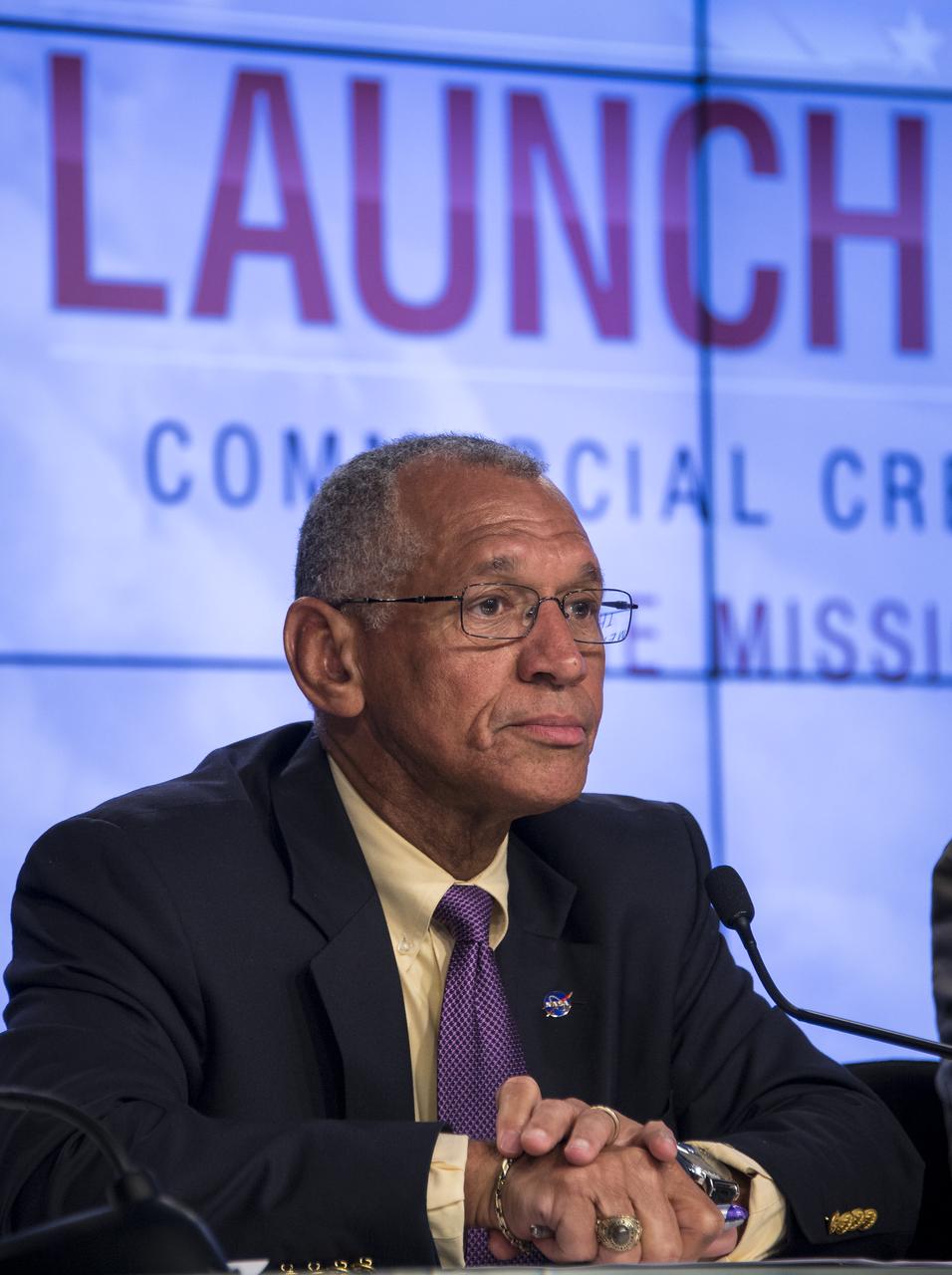
NASA Administrator Charles Bolden listens to a reporter’s question after he announced the agency’s selection of Boeing and SpaceX to transport U.S. crews to and from the International Space Station using the Boeing CST-100 and the SpaceX Crew Dragon spacecraft, at NASA’s Kennedy Space Center in Cape Canaveral, Fla. on Tuesday, Sept. 16, 2014. These Commercial Crew Transportation Capability (CCtCap) contracts are designed to complete the NASA certification for a human space transportation system capable of carrying people into orbit. Once certification is complete, NASA plans to use these systems to transport astronauts to the space station and return them safely to Earth. Photo Credit: (NASA/Bill Ingalls)
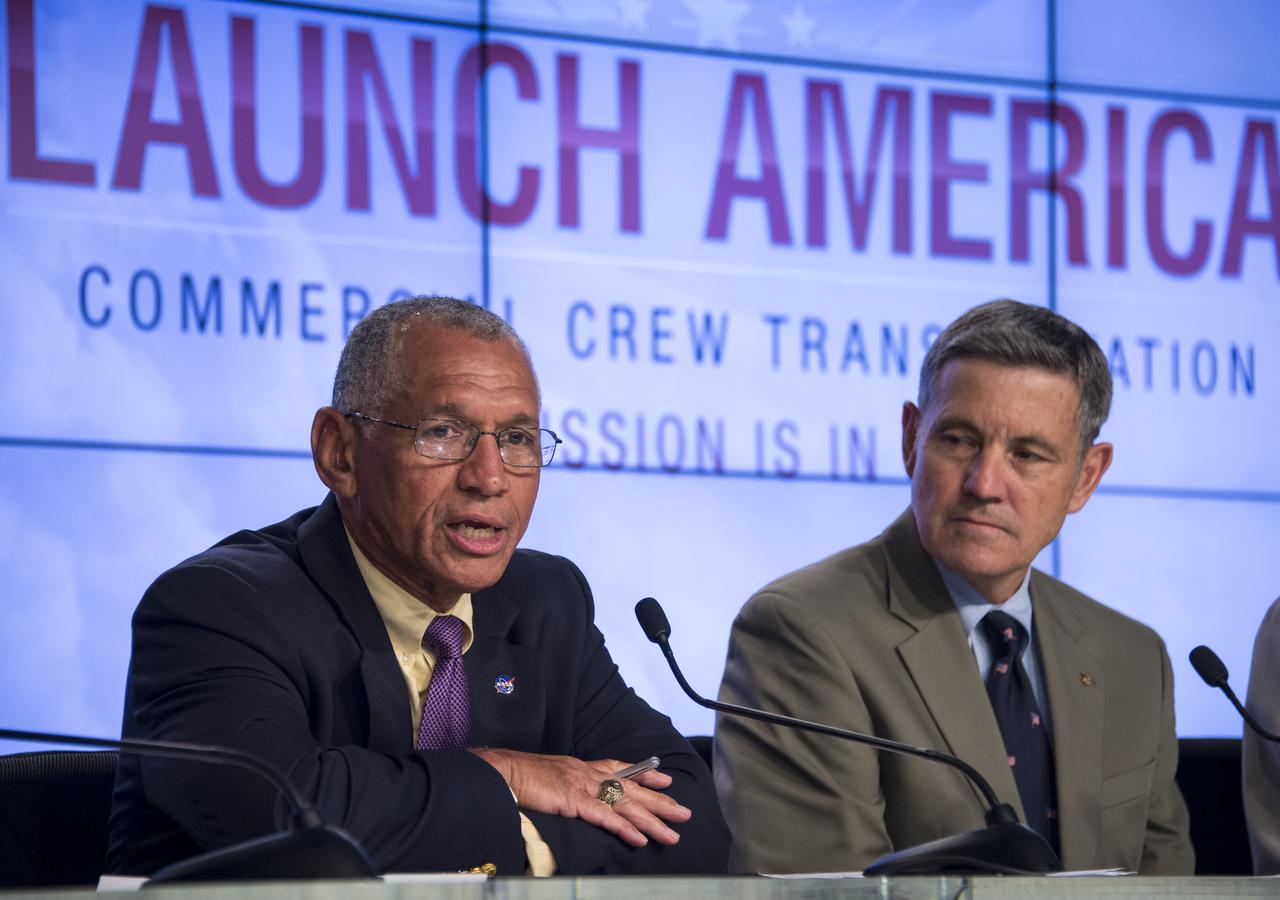
NASA Administrator Charles Bolden, left, announces the agency’s selection of Boeing and SpaceX to transport U.S. crews to and from the International Space Station using the Boeing CST-100 and the SpaceX Crew Dragon spacecraft as Former astronaut Bob Cabana, director of NASA's Kennedy Space Center in Florida looks on at NASA’s Kennedy Space Center in Cape Canaveral, Fla. on Tuesday, Sept. 16, 2014. These Commercial Crew Transportation Capability (CCtCap) contracts are designed to complete the NASA certification for a human space transportation system capable of carrying people into orbit. Once certification is complete, NASA plans to use these systems to transport astronauts to the space station and return them safely to Earth. Photo Credit: (NASA/Bill Ingalls)
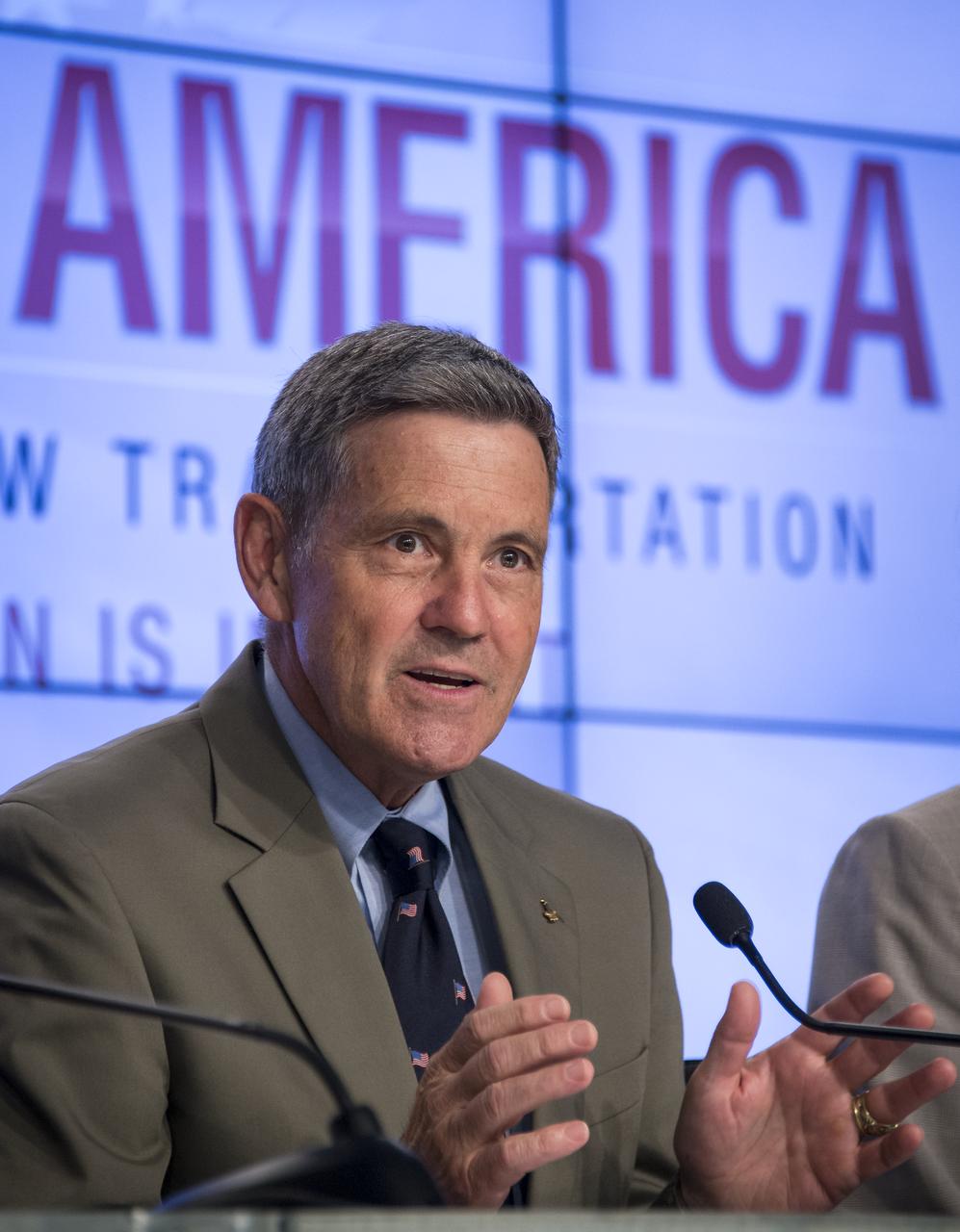
Former astronaut Bob Cabana, director of NASA's Kennedy Space Center in Florida, speaks during a news conference where it was announced that Boeing and SpaceX have been selected to transport U.S. crews to and from the International Space Station using the Boeing CST-100 and the SpaceX Crew Dragon spacecraft, at NASA’s Kennedy Space Center in Cape Canaveral, Fla. on Tuesday, Sept. 16, 2014. These Commercial Crew Transportation Capability (CCtCap) contracts are designed to complete the NASA certification for a human space transportation system capable of carrying people into orbit. Once certification is complete, NASA plans to use these systems to transport astronauts to the space station and return them safely to Earth. Photo Credit: (NASA/Bill Ingalls)
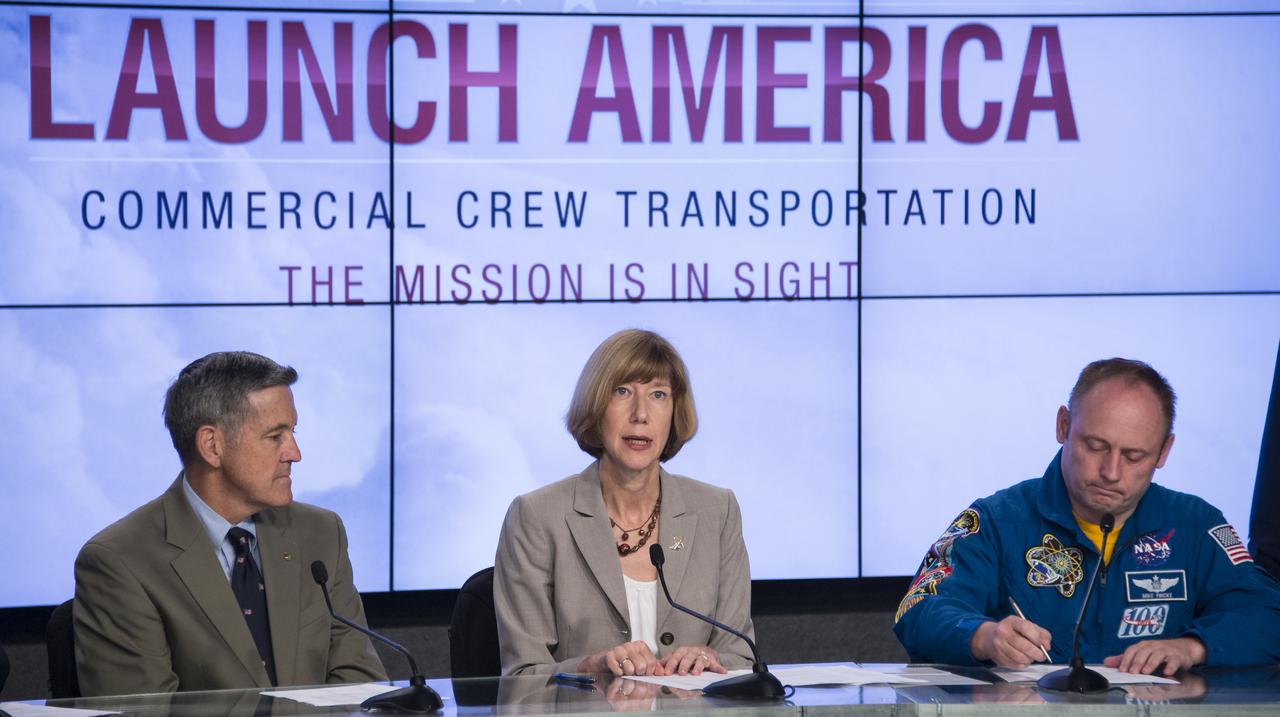
Kathy Lueders, program manager of NASA's Commercial Crew Program, speaks, as Former astronaut Bob Cabana, director of NASA's Kennedy Space Center in Florida, left, and Astronaut Mike Fincke, a former commander of the International Space Station look on during a news conference where it was announced that Boeing and SpaceX have been selected to transport U.S. crews to and from the International Space Station using the Boeing CST-100 and the SpaceX Crew Dragon spacecraft, at NASA’s Kennedy Space Center in Cape Canaveral, Fla. on Tuesday, Sept. 16, 2014. These Commercial Crew Transportation Capability (CCtCap) contracts are designed to complete the NASA certification for a human space transportation system capable of carrying people into orbit. Once certification is complete, NASA plans to use these systems to transport astronauts to the space station and return them safely to Earth. Photo Credit: (NASA/Bill Ingalls)
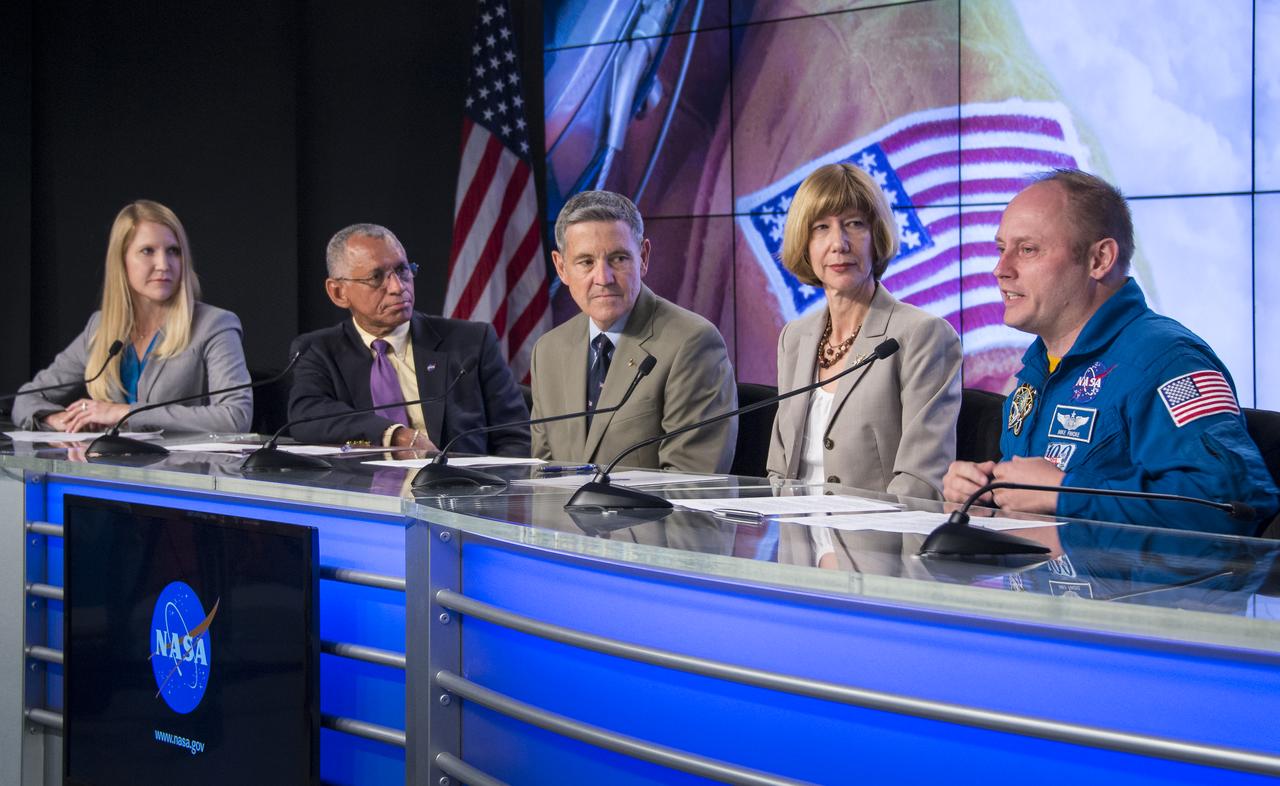
From left, NASA Public Affairs Officer Stephanie Schierholz, NASA Administrator Charles Bolden, Former astronaut Bob Cabana, director of NASA's Kennedy Space Center in Florida, Kathy Lueders, program manager of NASA's Commercial Crew Program, and Astronaut Mike Fincke, a former commander of the International Space Station, are seen during a news conference where it was announced that Boeing and SpaceX have been selected to transport U.S. crews to and from the International Space Station using the Boeing CST-100 and the SpaceX Crew Dragon spacecraft, at NASA’s Kennedy Space Center in Cape Canaveral, Fla. on Tuesday, Sept. 16, 2014. These Commercial Crew Transportation Capability (CCtCap) contracts are designed to complete the NASA certification for a human space transportation system capable of carrying people into orbit. Once certification is complete, NASA plans to use these systems to transport astronauts to the space station and return them safely to Earth. Photo Credit: (NASA/Bill Ingalls)
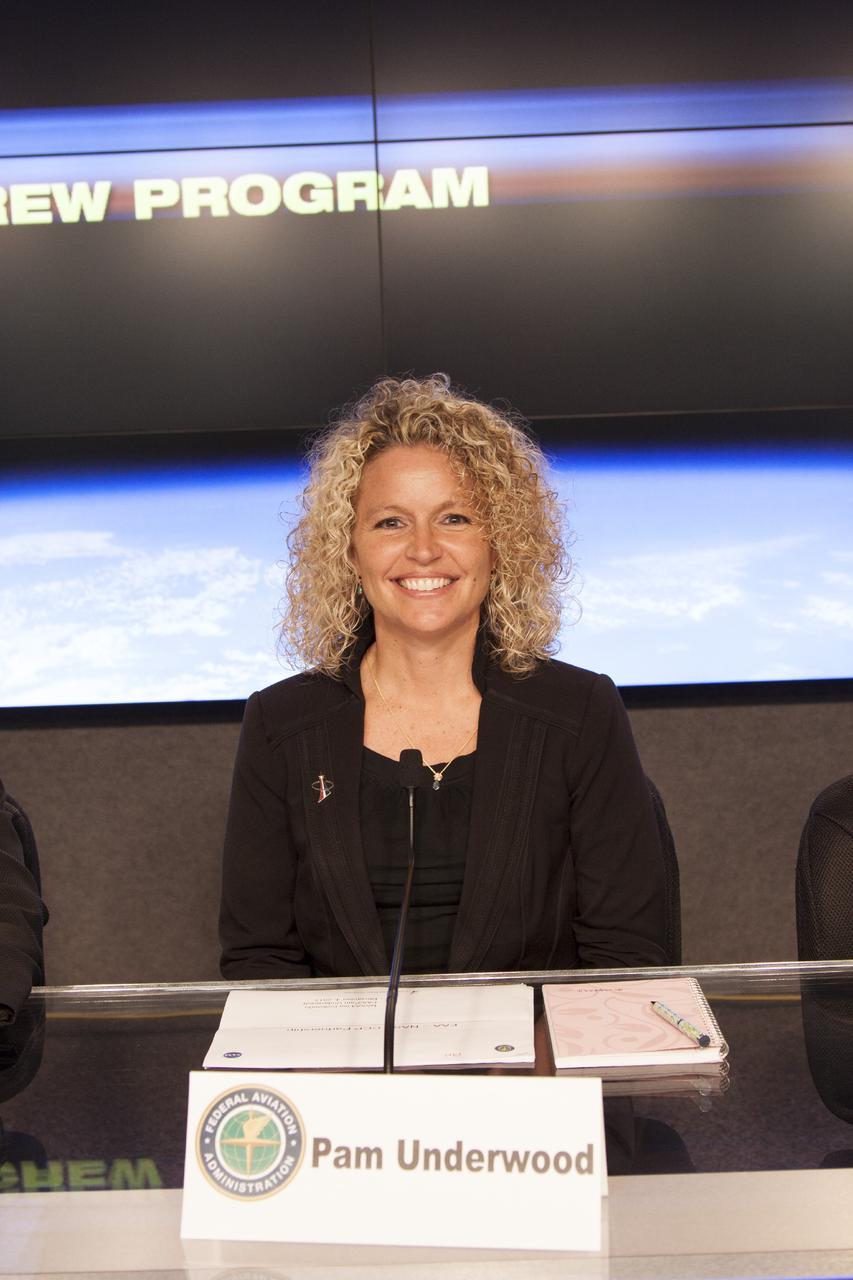
CAPE CANAVERAL, Fla. – Pam Underwood of the Federal Aviation Administration's Office of Commercial Transportation and a panelist of the Commercial Crew Transportation Capability, or CCtCap, Pre-Proposal Conference, is seen before the start of an industry conference inside the Television Auditorium at NASA's Kennedy Space Center in Florida. The conference was held following the Commercial Crew Program, or CCP, request for proposals from commercial companies for a development and certification contract under CCtCap. The contract will provide a finish line for the agency following more than four years of development work by CCP and American aerospace companies. CCtCap is the second phase of a two-phase certification plan for privately built and operated integrated crew transportation systems. CCP’s goal is to aid in the development of commercial capabilities for crew transportation and rescue services to and from the International Space Station and other low-Earth orbit destinations by the end of 2017. Photo credit: NASA/Jim Grossmann
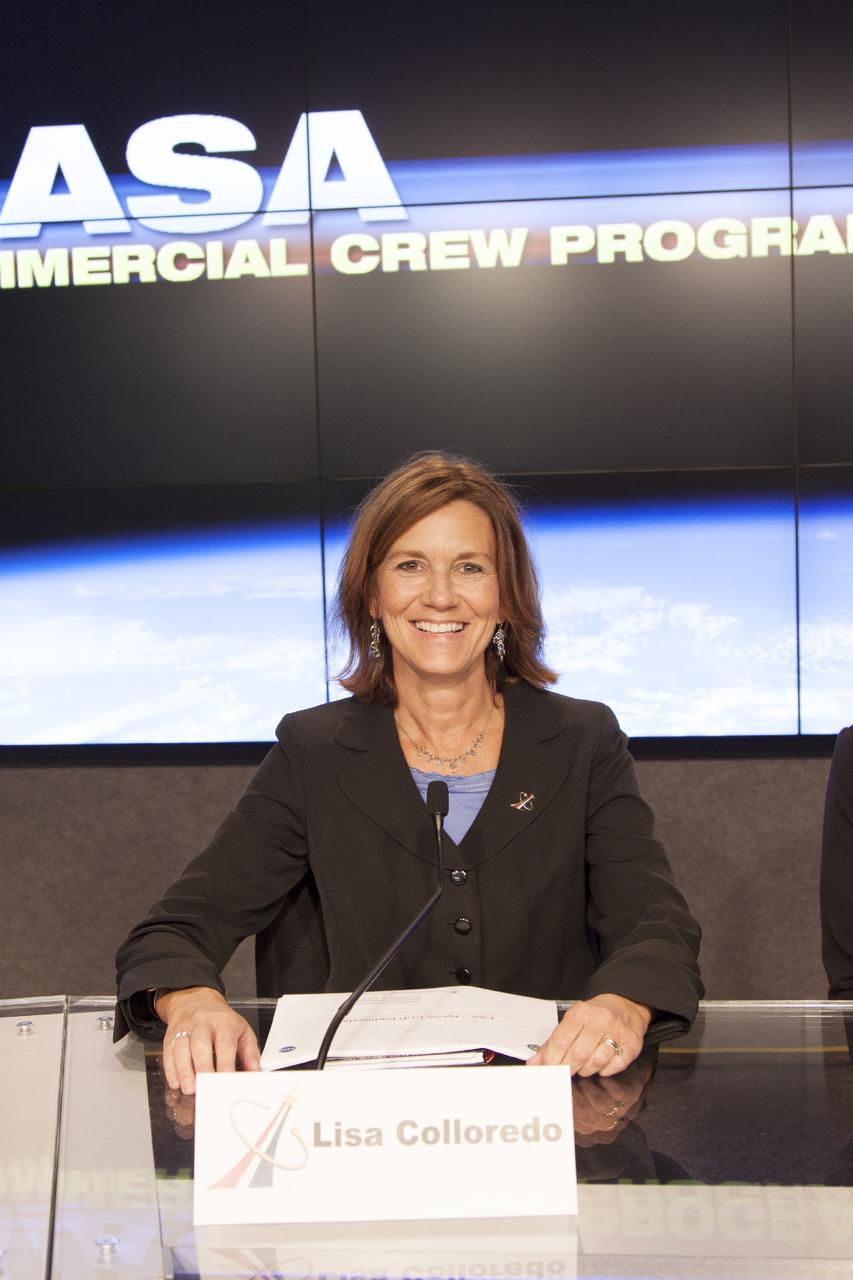
CAPE CANAVERAL, Fla. – Lisa Colloredo, associate program manager of NASA's Commercial Crew Program and a panelist of the Commercial Crew Transportation Capability, or CCtCap, Pre-Proposal Conference, is seen before the start of an industry conference inside the Television Auditorium at NASA's Kennedy Space Center in Florida. The conference was held following the Commercial Crew Program, or CCP, request for proposals from commercial companies for a development and certification contract under CCtCap. The contract will provide a finish line for the agency following more than four years of development work by CCP and American aerospace companies. CCtCap is the second phase of a two-phase certification plan for privately built and operated integrated crew transportation systems. CCP’s goal is to aid in the development of commercial capabilities for crew transportation and rescue services to and from the International Space Station and other low-Earth orbit destinations by the end of 2017. Photo credit: NASA/Jim Grossmann
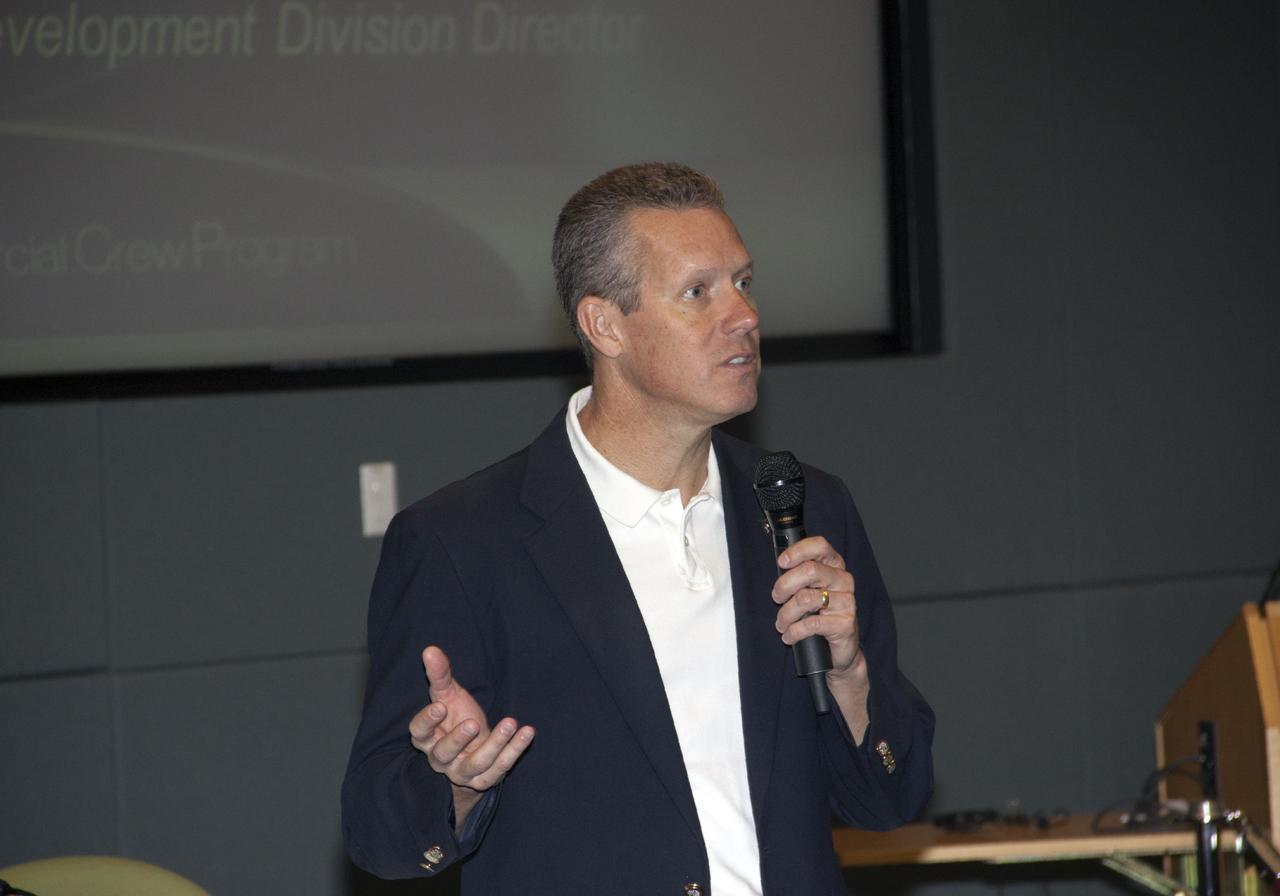
CAPE CANAVERAL, Fla. - Phil McAlister, director of Commercial Spaceflight Development at NASA Headquarters in Washington, D.C., makes opening remarks at the Commercial Crew Transportation Capability, or CCtCap, Pre-Proposal Conference at Kennedy Space Center in Florida. CCtCap will be the next phase of certification efforts for the agency's Commercial Crew Program, or CCP, missions to the International Space Station. The purpose of the conference was to involve aerospace industry representatives in the CCtCap draft Request for Proposal, or RFP, process and provide a greater understanding for both parties before the official RFP is released in the fall of 2013. To learn more about CCP, visit www.nasa.gov/commercialcrew. Photo credit: NASA/Jim Grossmann
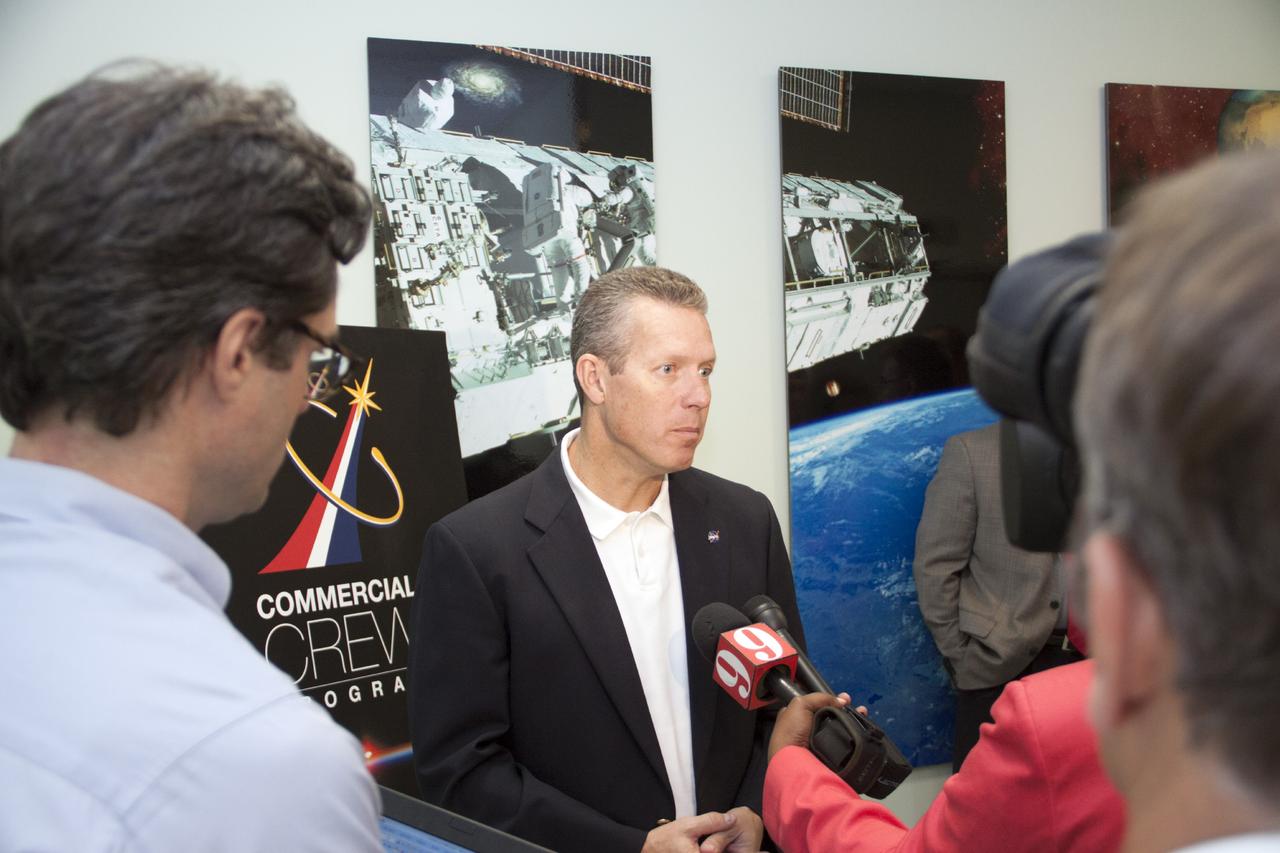
CAPE CANAVERAL, Fla. - Phil McAlister, director of Commercial Spaceflight Development at NASA Headquarters in Washington, D.C., talks to media following the Commercial Crew Transportation Capability, or CCtCap, Pre-Proposal Conference at Kennedy Space Center in Florida. CCtCap will be the next phase of certification efforts for the agency's Commercial Crew Program, or CCP, missions to the International Space Station. The purpose of the conference was to involve aerospace industry representatives in the CCtCap draft Request for Proposal, or RFP, process and provide a greater understanding for both parties before the official RFP is released in the fall of 2013. To learn more about CCP, visit www.nasa.gov/commercialcrew. Photo credit: NASA/Jim Grossmann

CAPE CANAVERAL, Fla. -- This graphic depicts the goal of NASA's Commercial Crew Program, or CCP, heading into the Commercial Crew Transportation Capability contract known as CCtCap. This phase of the CCP will enable NASA to ensure a company's crew transportation system is safe, reliable and cost-effective. The certification process will assess progress throughout the production and testing of one or more integrated space transportation systems, which include rockets, spacecraft, missions and ground operations. Requirements under CCtCap also will include at least one crewed flight test to the space station before certification can be granted. For more information, visit www.nasa.gov/commercialcrew. Image credit: NASA/Greg Lee
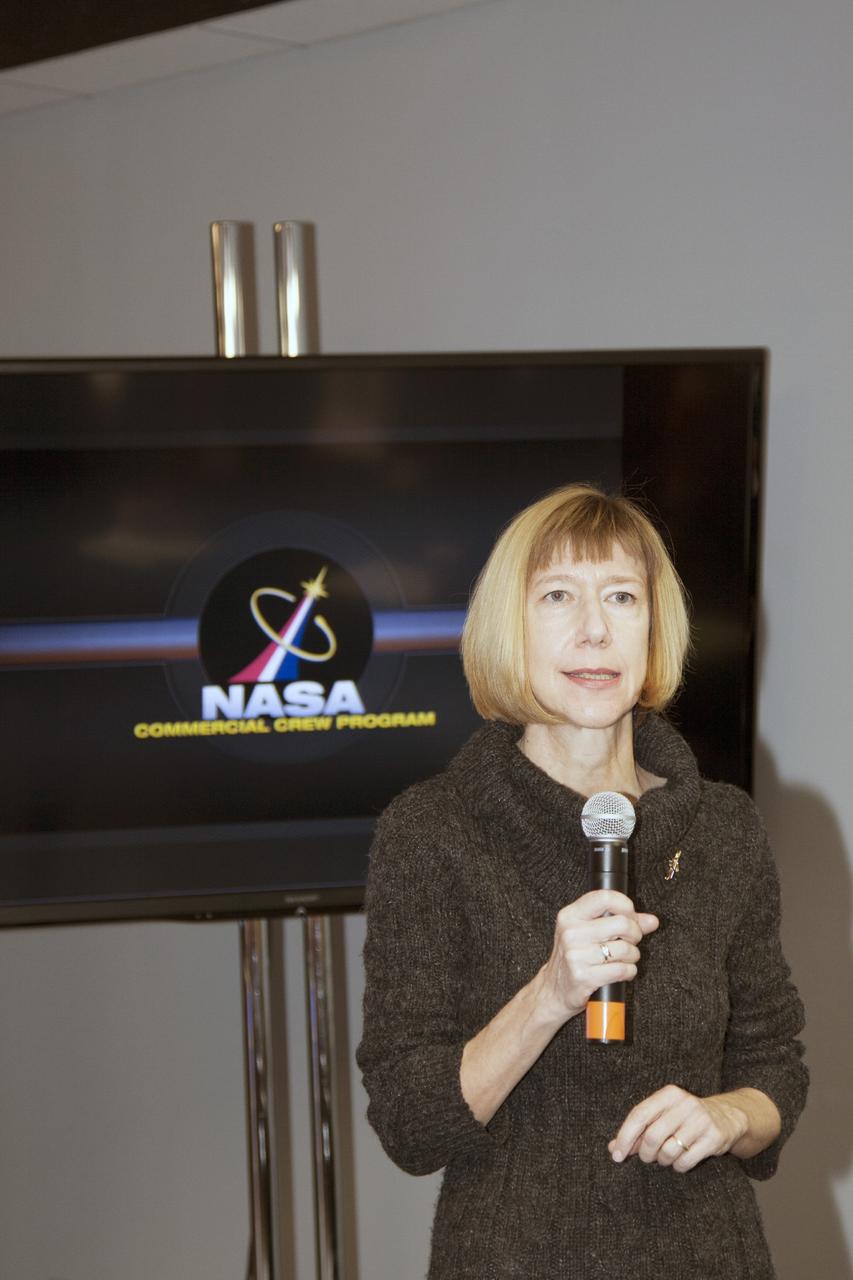
CAPE CANAVERAL, Fla. – Kathy Lueders, acting program manager of the Commercial Crew Program, welcomes participants to an industry conference inside the Television Auditorium at NASA's Kennedy Space Center in Florida. The conference was held following the program's request for proposals from commercial companies for a development and certification contract called the Commercial Crew Transportation Capability CCtCap. The contract will provide a finish line for the agency following more than four years of development work by CCP and American aerospace companies. CCtCap is the second phase of a two-phase certification plan for privately built and operated integrated crew transportation systems. Photo credit: NASA/Jim Grossmann
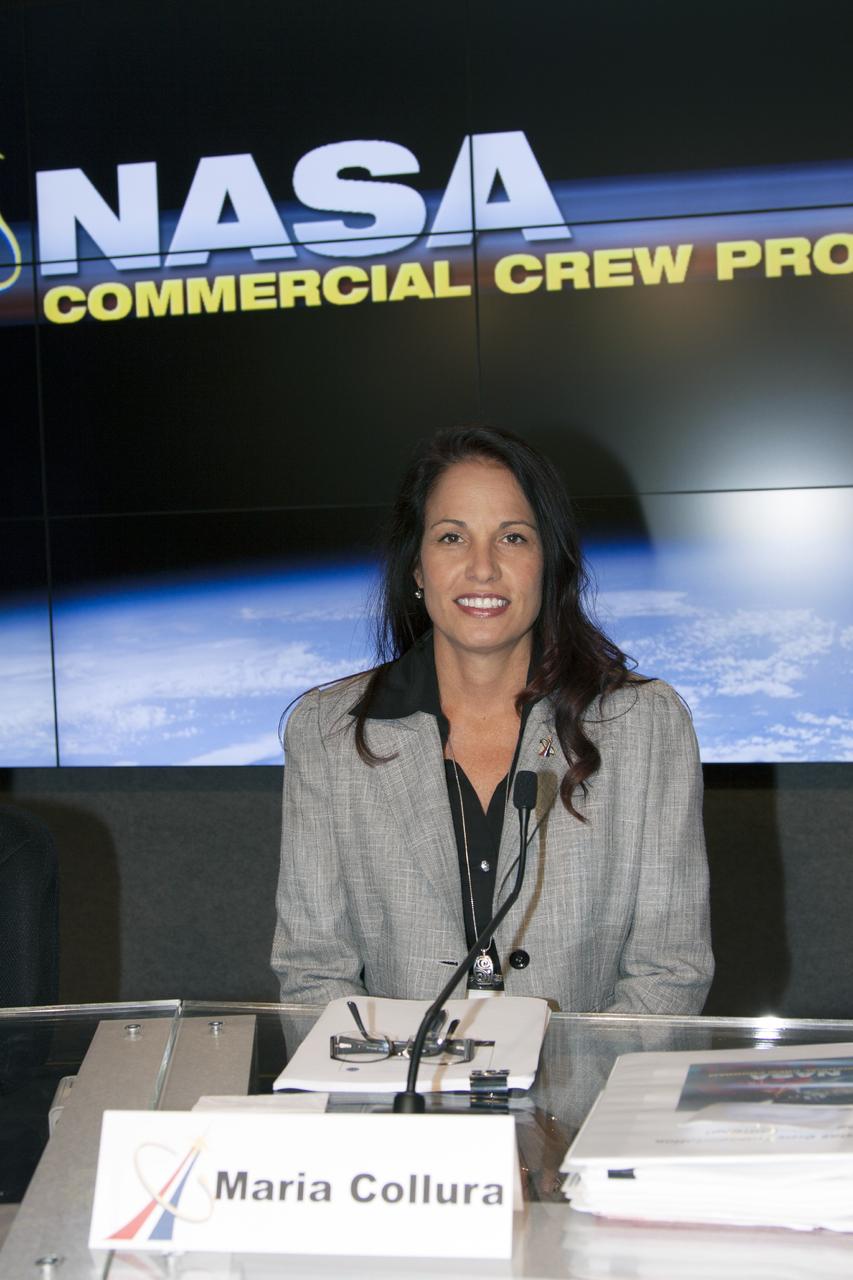
CAPE CANAVERAL, Fla. – Maria Collura of NASA's Commercial Crew Program is seen before the start of an industry conference inside the Television Auditorium at NASA's Kennedy Space Center in Florida. The conference was held following the program's request for proposals from commercial companies for a development and certification contract called the Commercial Crew Transportation Capability CCtCap. The contract will provide a finish line for the agency following more than four years of development work by CCP and American aerospace companies. CCtCap is the second phase of a two-phase certification plan for privately built and operated integrated crew transportation systems. Photo credit: NASA/Jim Grossmann
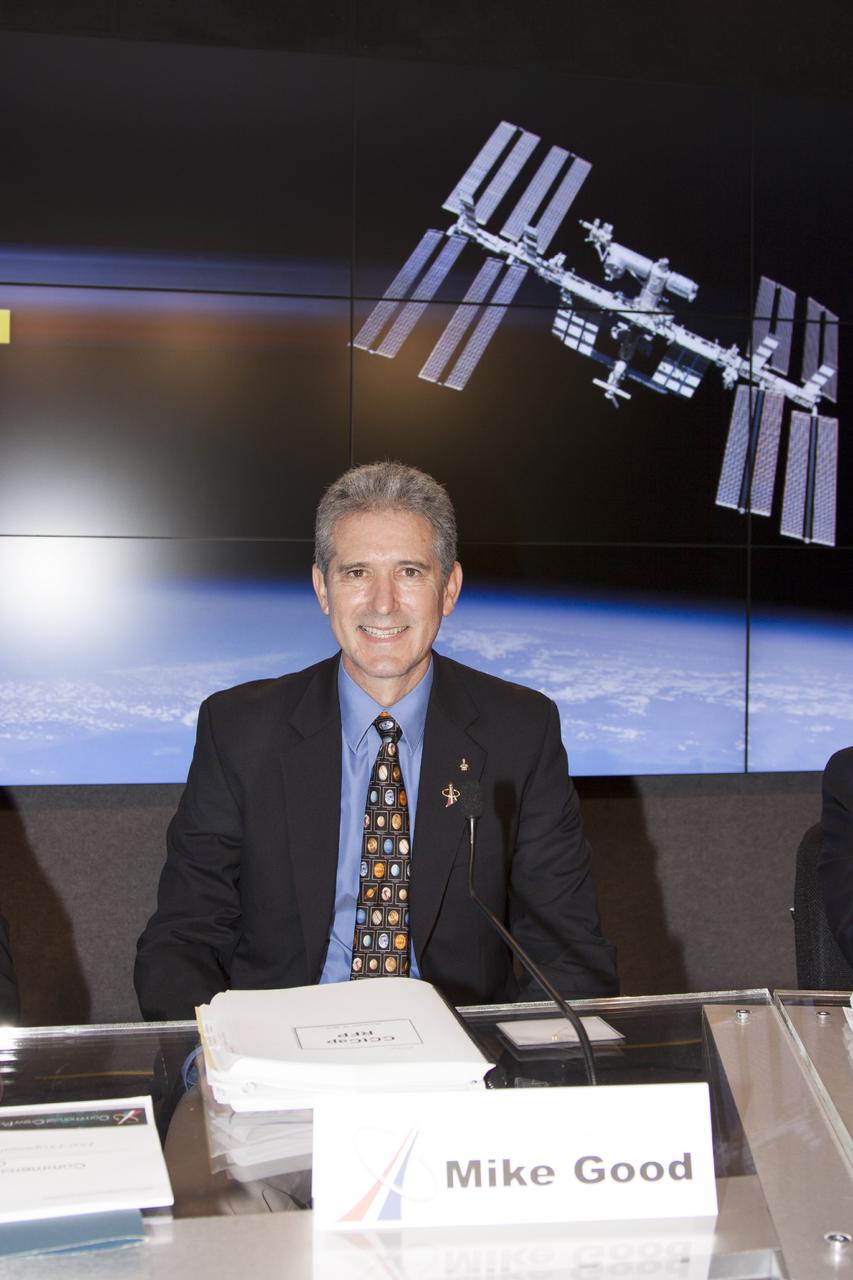
CAPE CANAVERAL, Fla. – Astronaut Mike Good of NASA's Commercial Crew Program is seen before the start of an industry conference inside the Television Auditorium at NASA's Kennedy Space Center in Florida. The conference was held following the program's request for proposals from commercial companies for a development and certification contract called the Commercial Crew Transportation Capability CCtCap. The contract will provide a finish line for the agency following more than four years of development work by CCP and American aerospace companies. CCtCap is the second phase of a two-phase certification plan for privately built and operated integrated crew transportation systems. Photo credit: NASA/Jim Grossmann
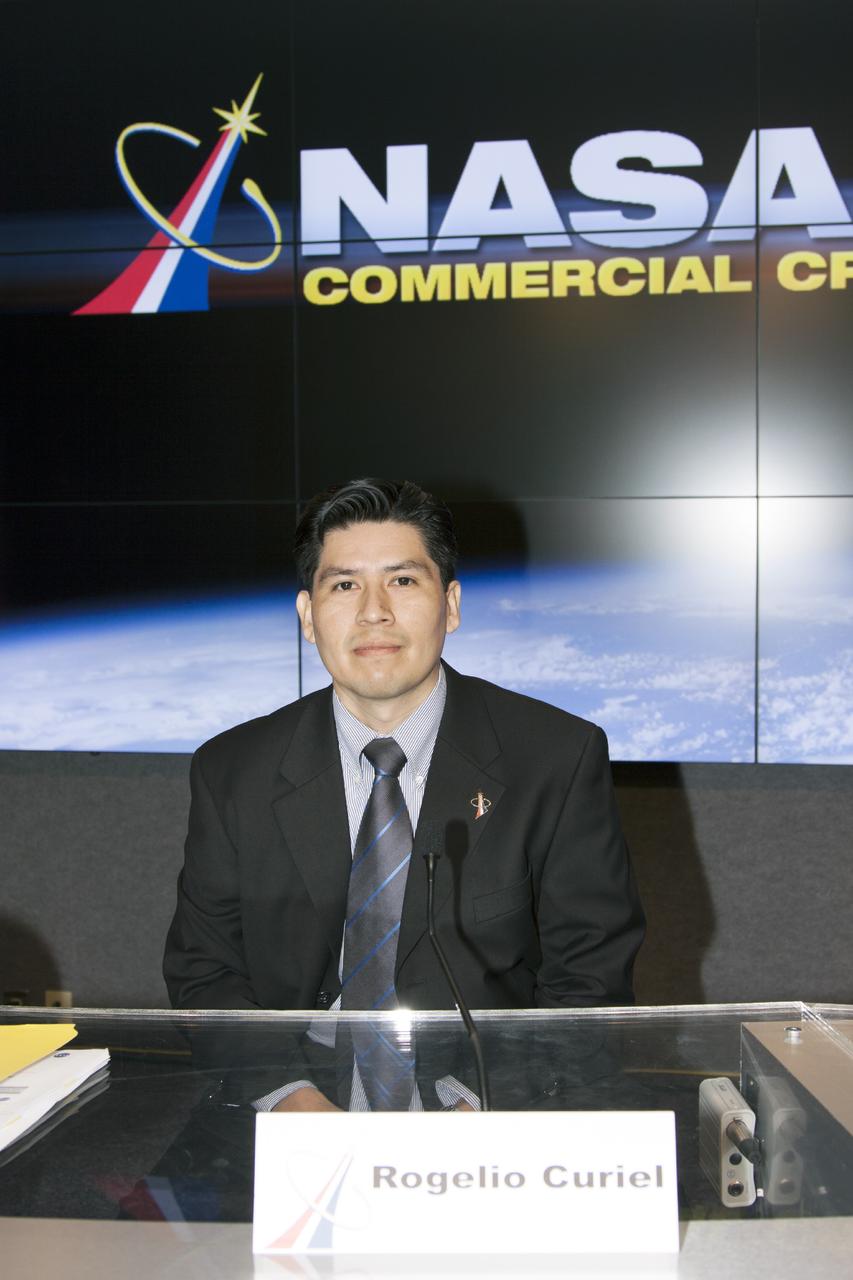
CAPE CANAVERAL, Fla. – Rogelio Curiel of NASA's Commercial Crew Program is seen before the start of an industry conference inside the Television Auditorium at NASA's Kennedy Space Center in Florida. The conference was held following the program's request for proposals from commercial companies for a development and certification contract called the Commercial Crew Transportation Capability CCtCap. The contract will provide a finish line for the agency following more than four years of development work by CCP and American aerospace companies. CCtCap is the second phase of a two-phase certification plan for privately built and operated integrated crew transportation systems. Photo credit: NASA/Jim Grossmann

CAPE CANAVERAL, Fla. – Lee Pagel of NASA's Commercial Crew Program is seen before the start of an industry conference inside the Television Auditorium at NASA's Kennedy Space Center in Florida. The conference was held following the program's request for proposals from commercial companies for a development and certification contract called the Commercial Crew Transportation Capability CCtCap. The contract will provide a finish line for the agency following more than four years of development work by CCP and American aerospace companies. CCtCap is the second phase of a two-phase certification plan for privately built and operated integrated crew transportation systems.. Photo credit: NASA/Jim Grossmann

CAPE CANAVERAL, Fla. - NASA Kennedy Space Center Director Bob Cabana welcomes aerospace industry representatives to the Commercial Crew Transportation Capability, or CCtCap, Pre-Proposal Conference. CCtCap will be the next phase of certification efforts for the agency's Commercial Crew Program, or CCP, missions to the International Space Station. The purpose of the conference was to involve industry in the CCtCap draft Request for Proposal, or RFP, process and provide a greater understanding for both parties before the official RFP is released in the fall of 2013. To learn more about CCP, visit www.nasa.gov/commercialcrew. Photo credit: NASA/Jim Grossmann
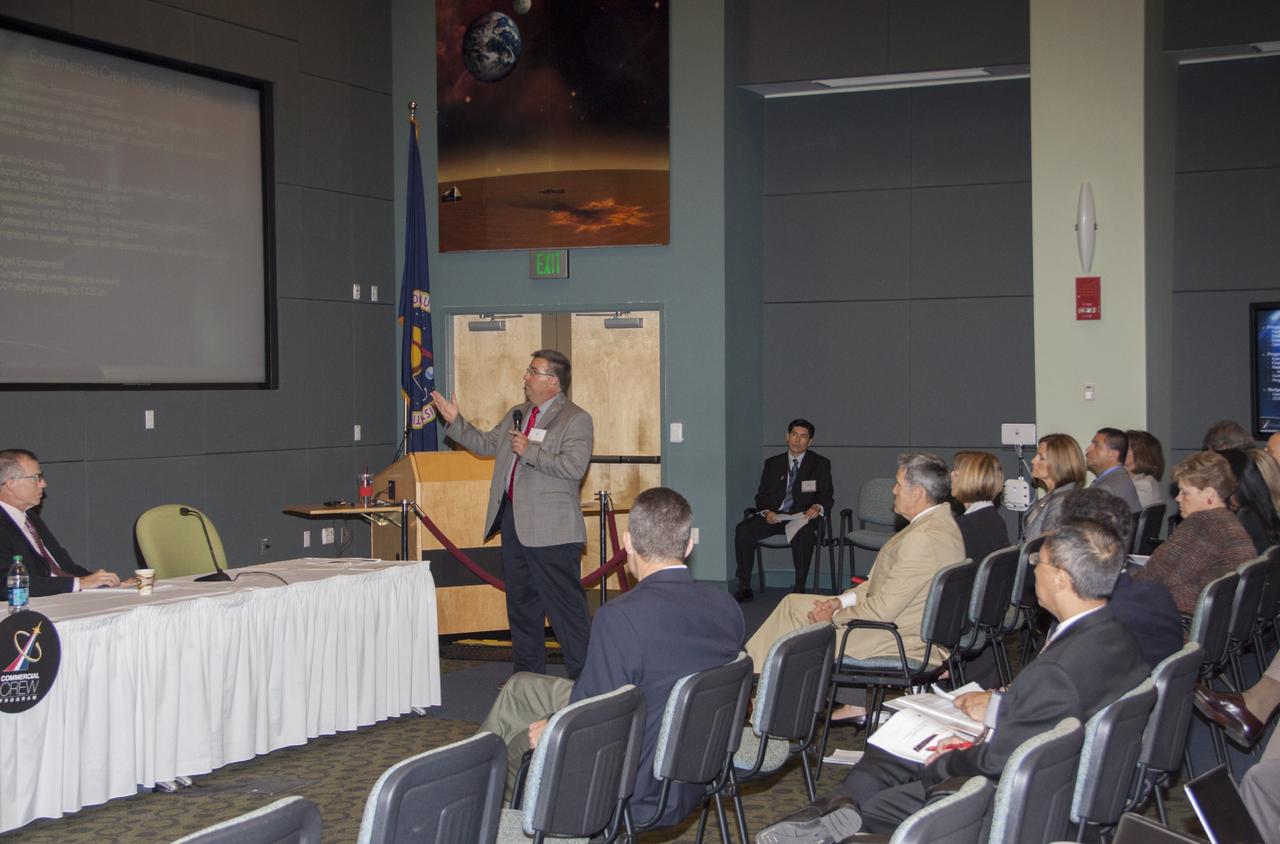
CAPE CANAVERAL, Fla. - Ed Mango, manager of NASA's Commercial Crew Program, or CCP, makes opening remarks at the Commercial Crew Transportation Capability, or CCtCap, Pre-Proposal Conference at Kennedy Space Center in Florida. CCtCap will be the next phase of certification efforts for CCP mission to the International Space Station. The purpose of the conference was to involve aerospace industry representatives in the CCtCap draft Request for Proposal, or RFP, process and provide a greater understanding for both parties before the official RFP is released in the fall of 2013. To learn more about CCP, visit www.nasa.gov/commercialcrew. Photo credit: NASA/Jim Grossmann

CAPE CANAVERAL, Fla. - Ed Mango, manager of NASA's Commercial Crew Program, or CCP, makes opening remarks at the Commercial Crew Transportation Capability, or CCtCap, Pre-Proposal Conference at Kennedy Space Center in Florida. CCtCap will be the next phase of certification efforts for CCP mission to the International Space Station. The purpose of the conference was to involve aerospace industry representatives in the CCtCap draft Request for Proposal, or RFP, process and provide a greater understanding for both parties before the official RFP is released in the fall of 2013. To learn more about CCP, visit www.nasa.gov/commercialcrew. Photo credit: NASA/Jim Grossmann
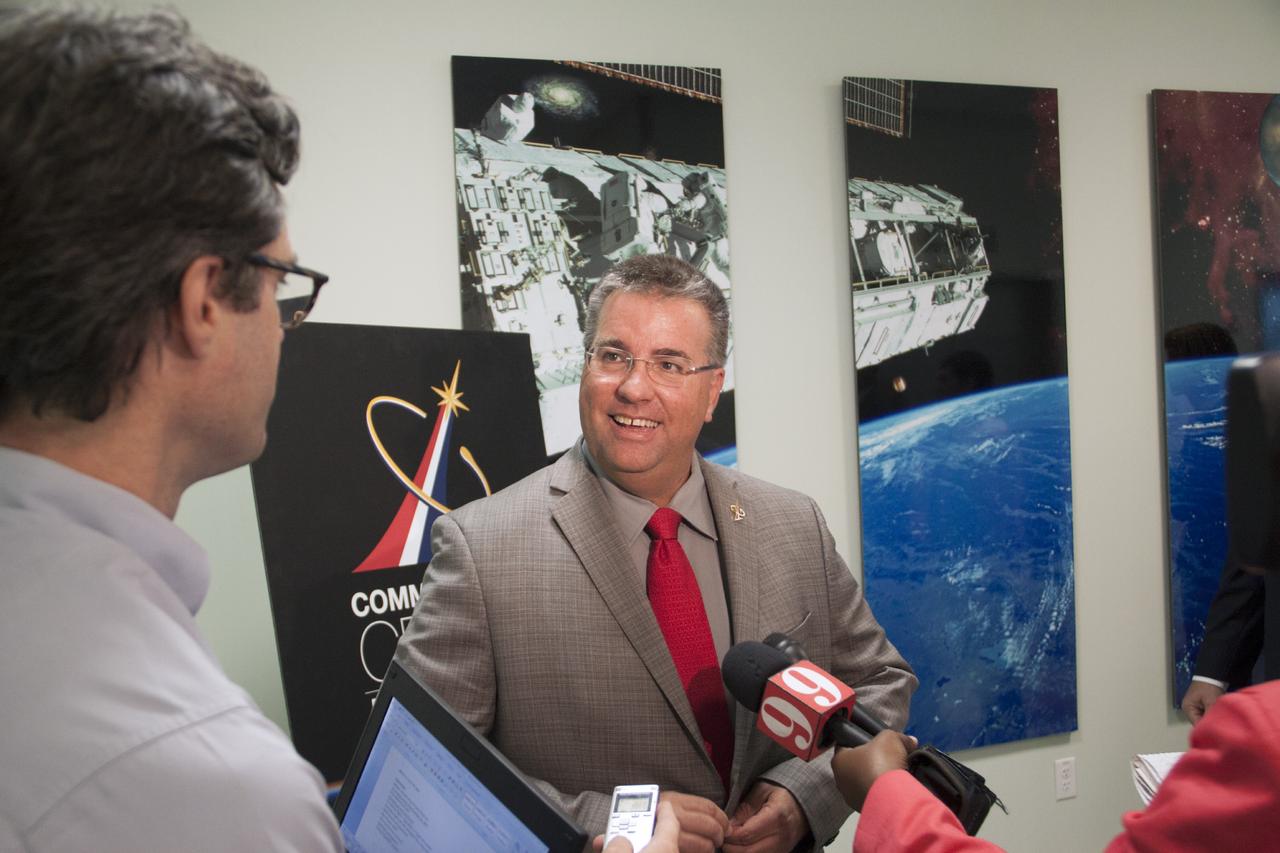
CAPE CANAVERAL, Fla. - Ed Mango, manager of NASA's Commercial Crew Program, or CCP, talks to media following the Commercial Crew Transportation Capability, or CCtCap, Pre-Proposal Conference at Kennedy Space Center in Florida. CCtCap will be the next phase of certification efforts for CCP mission to the International Space Station. The purpose of the conference was to involve aerospace industry representatives in the CCtCap draft Request for Proposal, or RFP, process and provide a greater understanding for both parties before the official RFP is released in the fall of 2013. To learn more about CCP, visit www.nasa.gov/commercialcrew. Photo credit: NASA/Jim Grossmann
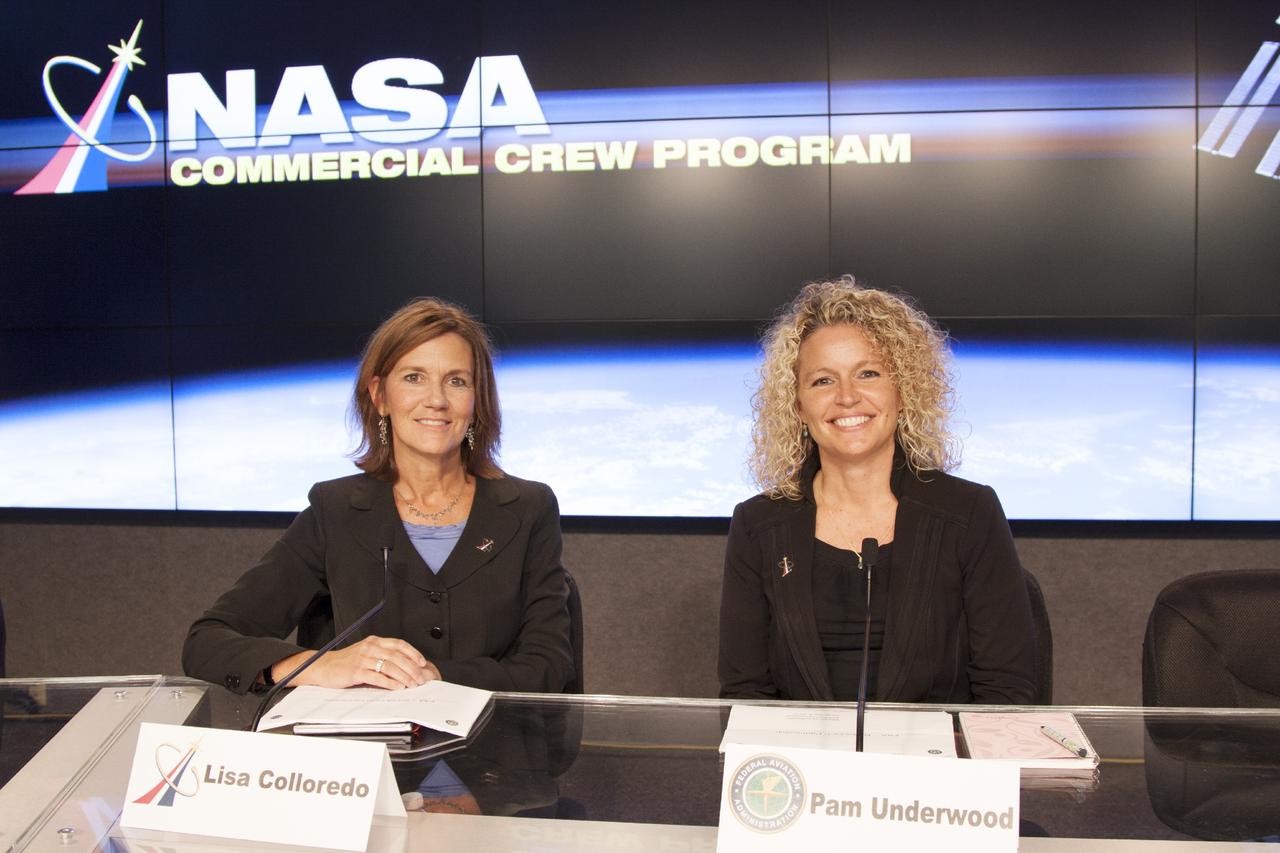
CAPE CANAVERAL, Fla. – Lisa Colloredo, left, associate program manager of NASA's Commercial Crew Program, and Pam Underwood of the Federal Aviation Administration's Office of Commercial Transportation, both panelists of the Commercial Crew Transportation Capability, or CCtCap, Pre-Proposal Conference, are seen before the start of an industry conference inside the Television Auditorium at NASA's Kennedy Space Center in Florida. The conference was held following the Commercial Crew Program, or CCP, request for proposals from commercial companies for a development and certification contract under CCtCap. The contract will provide a finish line for the agency following more than four years of development work by CCP and American aerospace companies. CCtCap is the second phase of a two-phase certification plan for privately built and operated integrated crew transportation systems. CCP’s goal is to aid in the development of commercial capabilities for crew transportation and rescue services to and from the International Space Station and other low-Earth orbit destinations by the end of 2017. Photo credit: NASA/Jim Grossmann
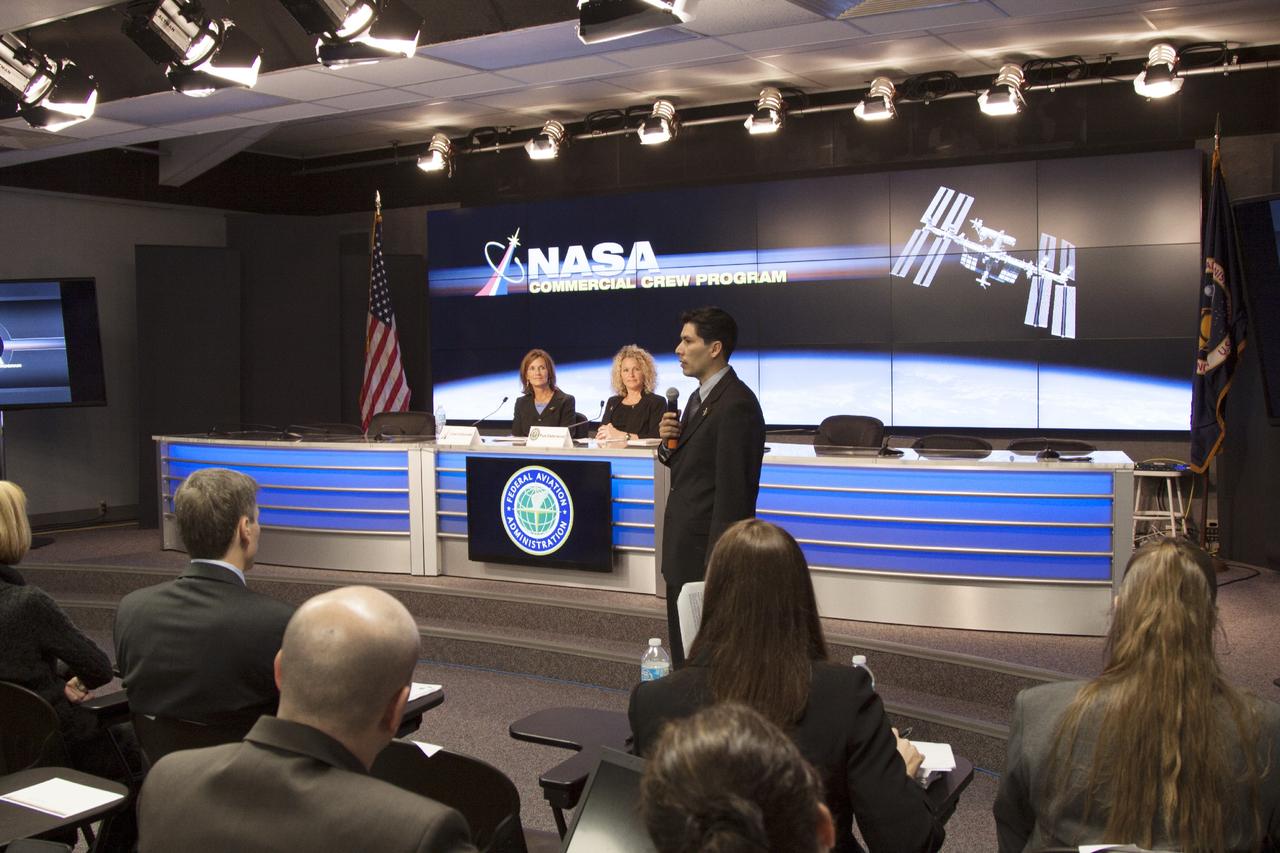
CAPE CANAVERAL, Fla. – Lisa Colloredo, left, associate program manager of NASA's Commercial Crew Program, and Pam Underwood of the Federal Aviation Administration's Office of Commercial Transportation, both panelists of the Commercial Crew Transportation Capability, or CCtCap, Pre-Proposal Conference, take questions during an industry conference inside the Television Auditorium at NASA's Kennedy Space Center in Florida. The conference was held following the Commercial Crew Program, or CCP, request for proposals from commercial companies for a development and certification contract under CCtCap. The contract will provide a finish line for the agency following more than four years of development work by CCP and American aerospace companies. CCtCap is the second phase of a two-phase certification plan for privately built and operated integrated crew transportation systems. CCP’s goal is to aid in the development of commercial capabilities for crew transportation and rescue services to and from the International Space Station and other low-Earth orbit destinations by the end of 2017. Photo credit: NASA/Jim Grossmann
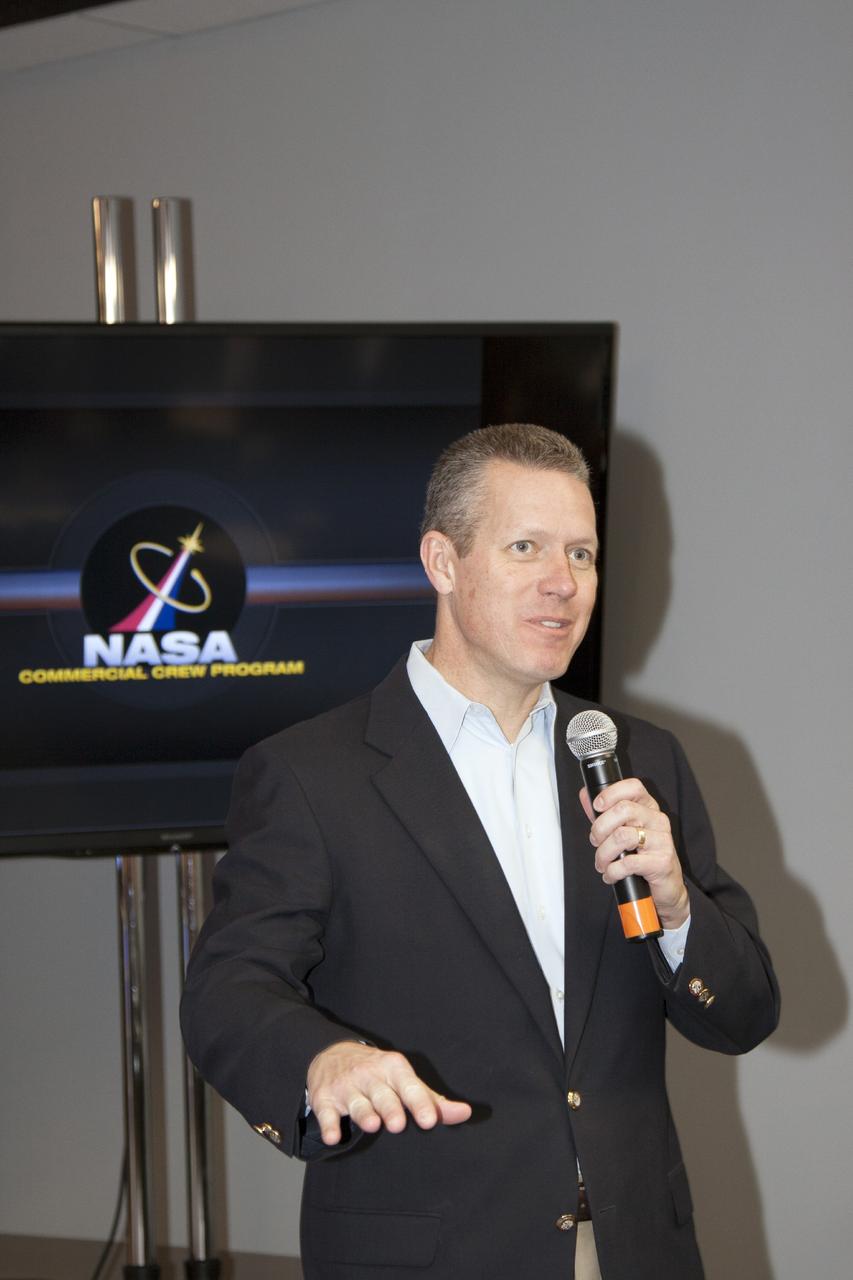
CAPE CANAVERAL, Fla. – Phil McAlister, NASA's director of Commercial Spaceflight Development, welcomes participants to an industry conference inside the Television Auditorium at NASA's Kennedy Space Center in Florida. The conference was held following the program's request for proposals from commercial companies for a development and certification contract called the Commercial Crew Transportation Capability CCtCap. The contract will provide a finish line for the agency following more than four years of development work by CCP and American aerospace companies. CCtCap is the second phase of a two-phase certification plan for privately built and operated integrated crew transportation systems. Photo credit: NASA/Jim Grossmann
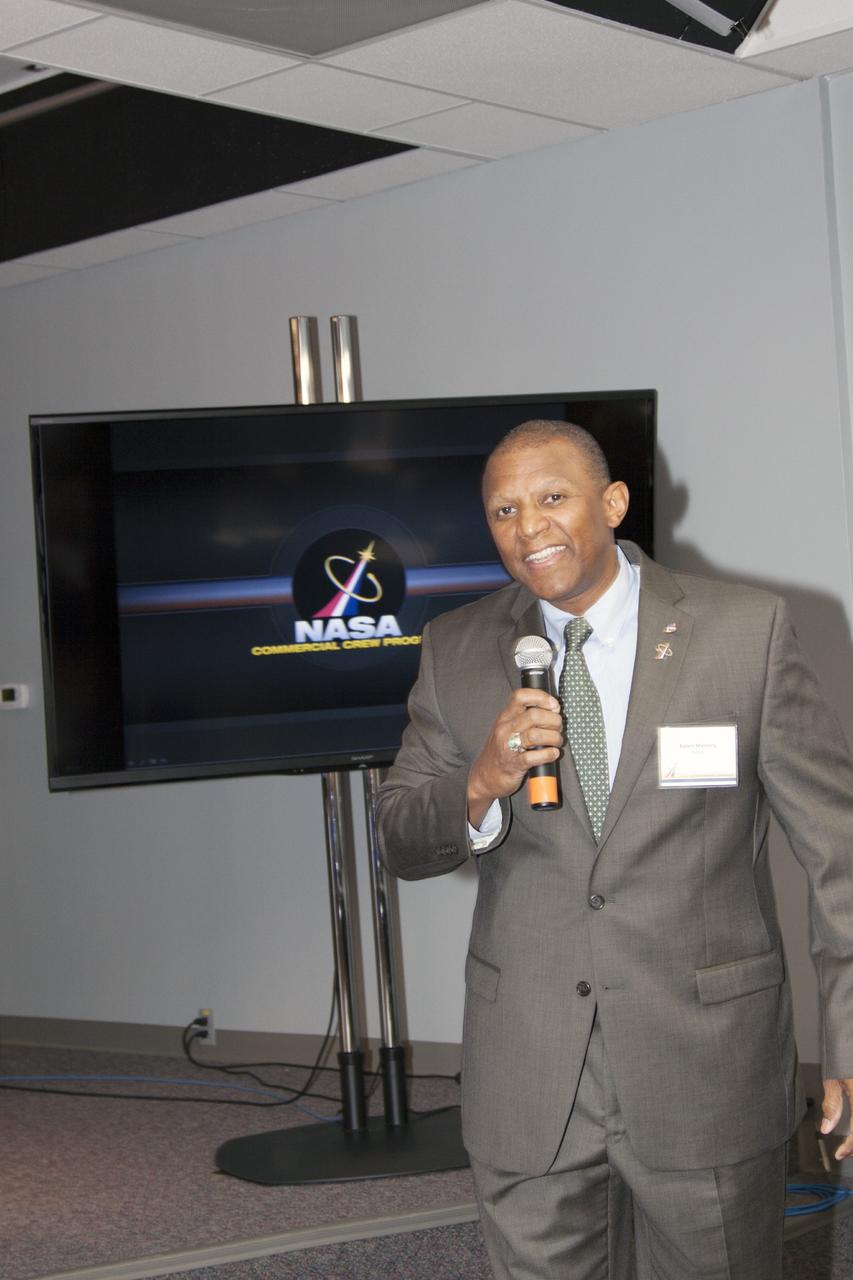
CAPE CANAVERAL, Fla. – Kelvin Manning, associate director of NASA's Kennedy Space Center in Florida, welcomes participants to an industry conference inside the Television Auditorium at Kennedy. The conference was held following the program's request for proposals from commercial companies for a development and certification contract called the Commercial Crew Transportation Capability CCtCap. The contract will provide a finish line for the agency following more than four years of development work by CCP and American aerospace companies. CCtCap is the second phase of a two-phase certification plan for privately built and operated integrated crew transportation systems. Photo credit: NASA/Jim Grossmann
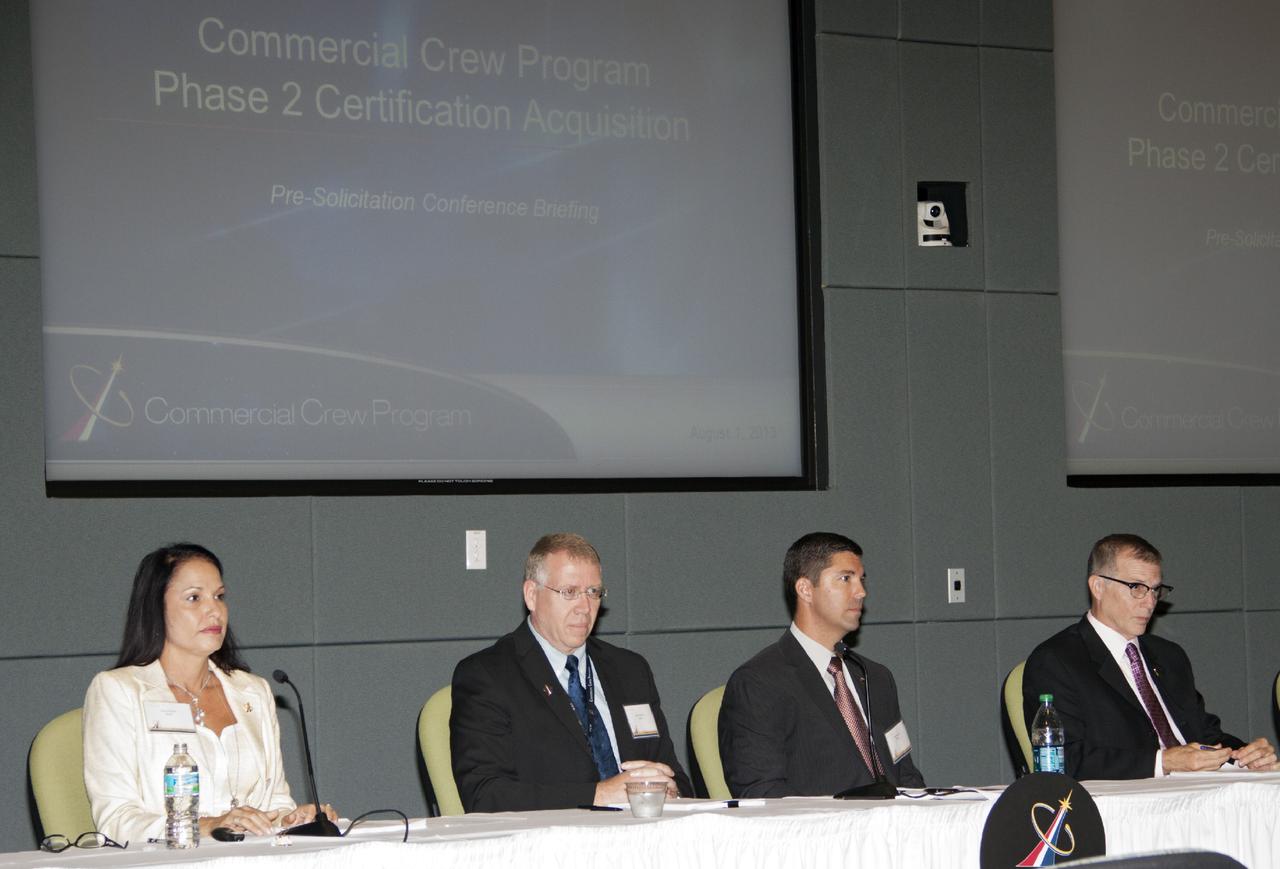
CAPE CANAVERAL, Fla. - Panelists of the Commercial Crew Transportation Capability, or CCtCap, Pre-Proposal Conference at Kennedy Space Center in Florida are, from left, Maria Collura, Brian Hinerth, Trip Healy and Lee Pagel. CCtCap will be the next phase of certification efforts for CCP mission to the International Space Station. The purpose of the conference was to involve aerospace industry representatives in the CCtCap draft Request for Proposal, or RFP, process and provide a greater understanding for both parties before the official RFP is released in the fall of 2013. To learn more about CCP, visit www.nasa.gov/commercialcrew. Photo credit: NASA/Jim Grossmann
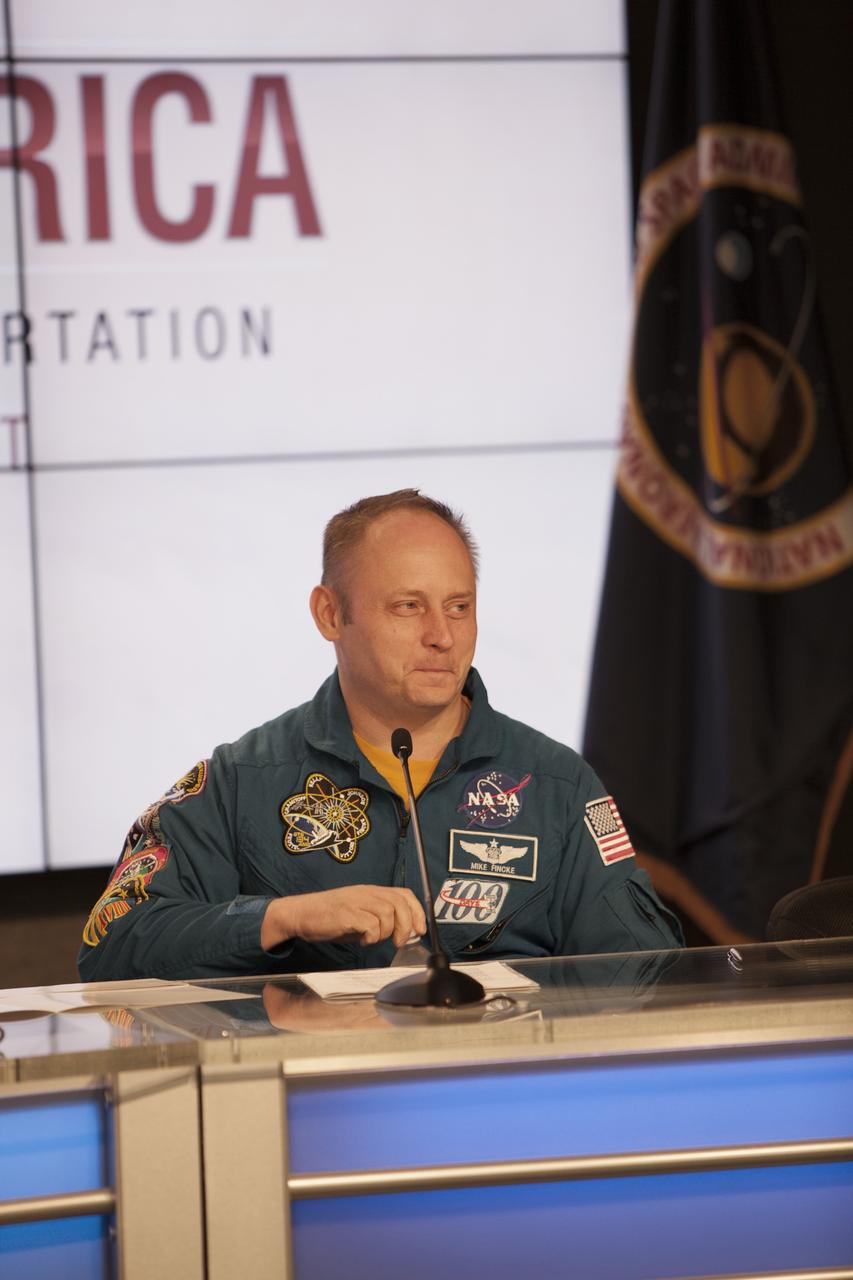
CAPE CANAVERAL, Fla. – Astronaut Mike Fincke, a former commander of the International Space Station, speaks during the Commercial Crew Transportation Capability CCtCap contract announcement ceremony. Speaking from Kennedy Space Center’s Press Site, Fincke detailed the importance of the development effort by the agency's Commercial Crew Program for station crew members, United States space exploration ambitions and the economic potential of creating new markets in space transportation for people. Boeing and SpaceX were awarded contracts to complete the design of the CST-100 and Crew Dragon spacecraft, respectively, and begin manufacturing for flight tests with a goal of achieving certification to take astronauts to the International Space Station by 2017. CCtCap also covers the beginning of operational missions for these new spacecraft and their systems. Photo credit: NASA/Jim Grossmann
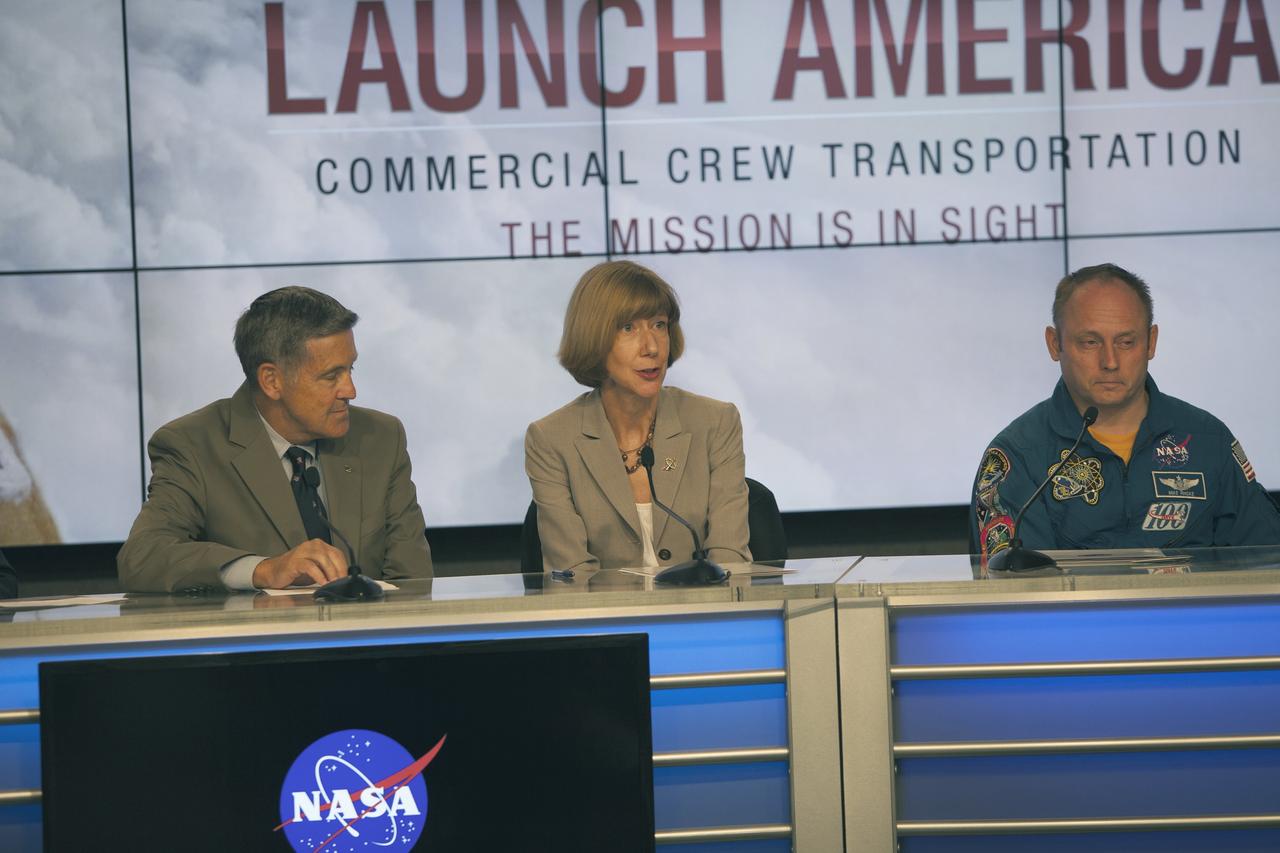
CAPE CANAVERAL, Fla. – Kathy Lueders, program manager of NASA's Commercial Crew Program, speaks during the Commercial Crew Transportation Capability CCtCap contract announcement ceremony. Speaking from Kennedy Space Center’s Press Site, Lueders detailed the importance of the development effort for United States space exploration ambitions and the economic potential of creating new markets in space transportation for people. Boeing and SpaceX were awarded contracts to complete the design of the CST-100 and Crew Dragon spacecraft, respectively, and begin manufacturing for flight tests with a goal of achieving certification to take astronauts to the International Space Station by 2017. CCtCap also covers the beginning of operational missions for these new spacecraft and their systems. Former astronaut Bob Cabana, left, director of Kennedy Space Center, and former International Space Station Commander Mike Fincke also took part in the announcement. Photo credit: NASA/Jim Grossmann
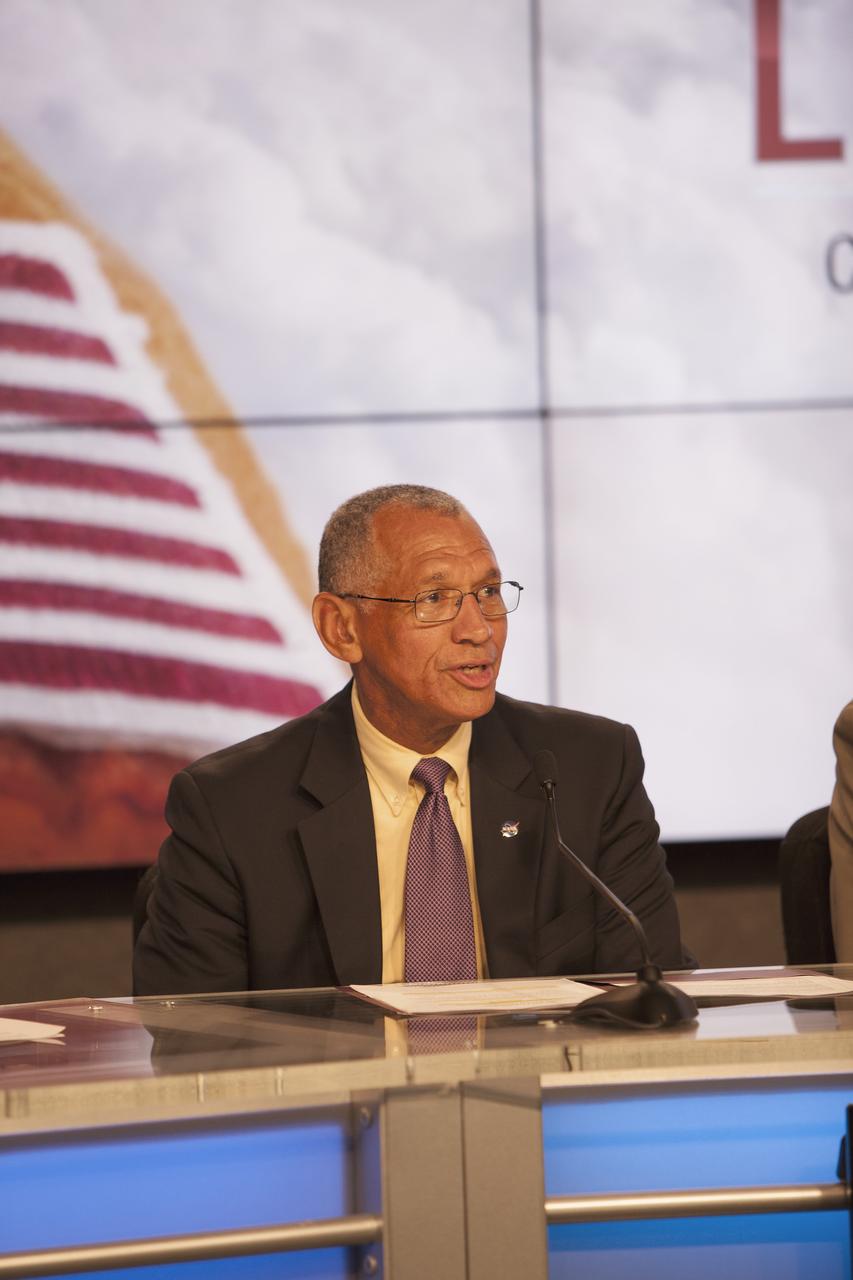
CAPE CANAVERAL, Fla. – Charles Bolden, NASA administrator, announces the Commercial Crew Transportation Capability CCtCap contract awards designed to complete the NASA certification for human space transportation systems capable of carrying people into orbit. Once certification is complete, NASA plans to use these systems to ferry astronauts to the International Space Station and return them safely to Earth. Speaking from Kennedy Space Center’s Press Site, Bolden detailed the importance of the effort by the agency's Commercial Crew Program for United States space exploration ambitions and the economic potential of creating new markets in space transportation for people. Boeing and SpaceX were awarded contracts to complete the design of the CST-100 and Crew Dragon spacecraft, respectively, and begin manufacturing for flight tests with a goal of achieving certification to take astronauts to the International Space Station by 2017. CCtCap also covers the beginning of operational missions for these new spacecraft and their systems. NASA spokeswoman Stephanie Schierholz, former astronaut Bob Cabana, director of Kennedy Space Center, Kathy Lueders, manager of the agency's Commercial Crew Program, and former International Space Station Commander Mike Fincke also took part in the announcement. Photo credit: NASA/Jim Grossmann
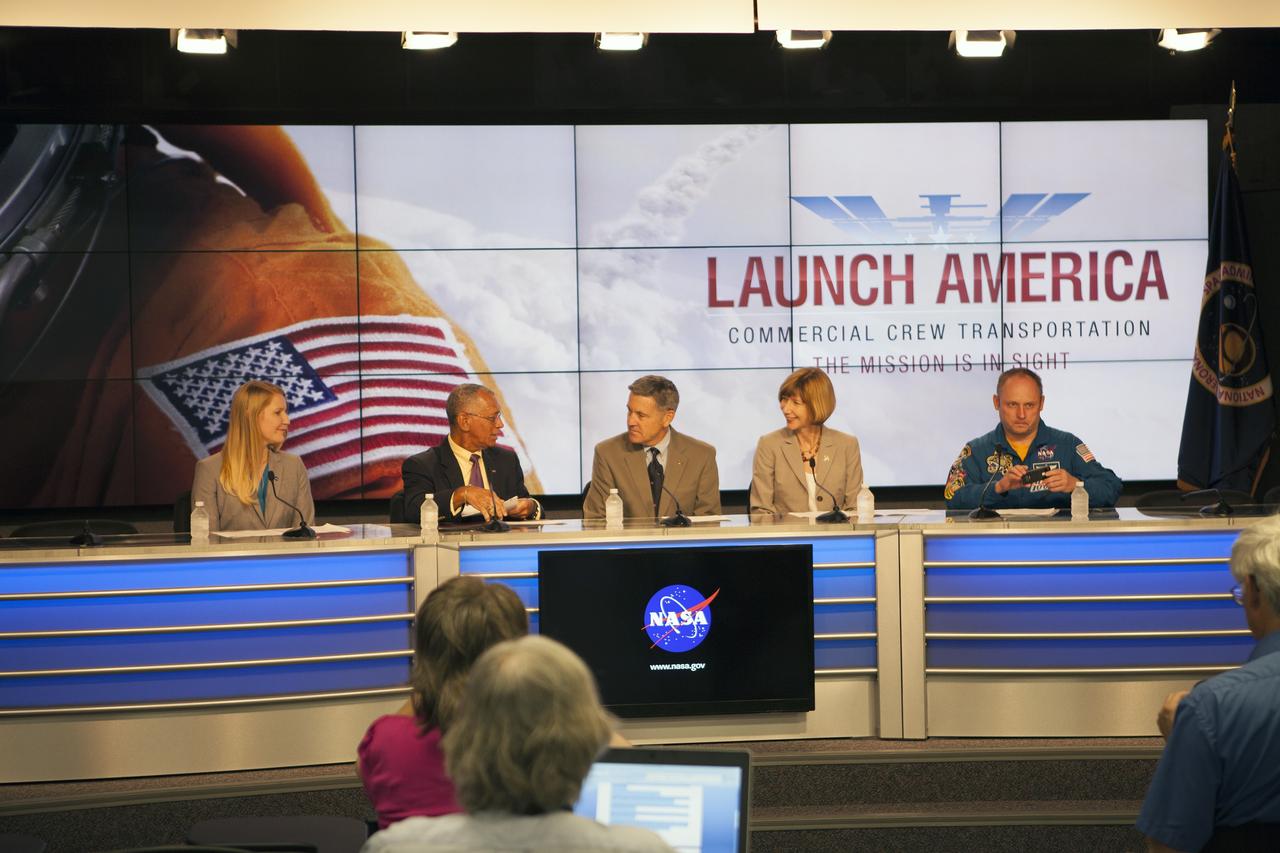
CAPE CANAVERAL, Fla. – NASA spokeswoman Stephanie Schierholz, from left, listens as Charles Bolden, NASA administrator, speaks with former astronaut Bob Cabana, director of NASA's Kennedy Space Center in Florida and Kathy Lueders, manager of the agency's Commercial Crew Program, before the announcement of the Commercial Crew Transportation Capability CCtCap contract awards designed to complete the NASA certification for human space transportation systems capable of carrying people into orbit. Astronaut and former International Space Station Commander Mike Fincke also took part in the announcement. Once certification is complete, NASA plans to use these systems to ferry astronauts to the International Space Station and return them safely to Earth. Speaking from Kennedy Space Center’s Press Site, Bolden detailed the importance of the effort by the agency's Commercial Crew Program for United States space exploration ambitions and the economic potential of creating new markets in space transportation for people. Boeing and SpaceX were awarded contracts to complete the design of the CST-100 and Crew Dragon spacecraft, respectively, and begin manufacturing for flight tests with a goal of achieving certification to take astronauts to the International Space Station by 2017. CCtCap also covers the beginning of operational missions for these new spacecraft and their systems. Photo credit: NASA/Jim Grossmann
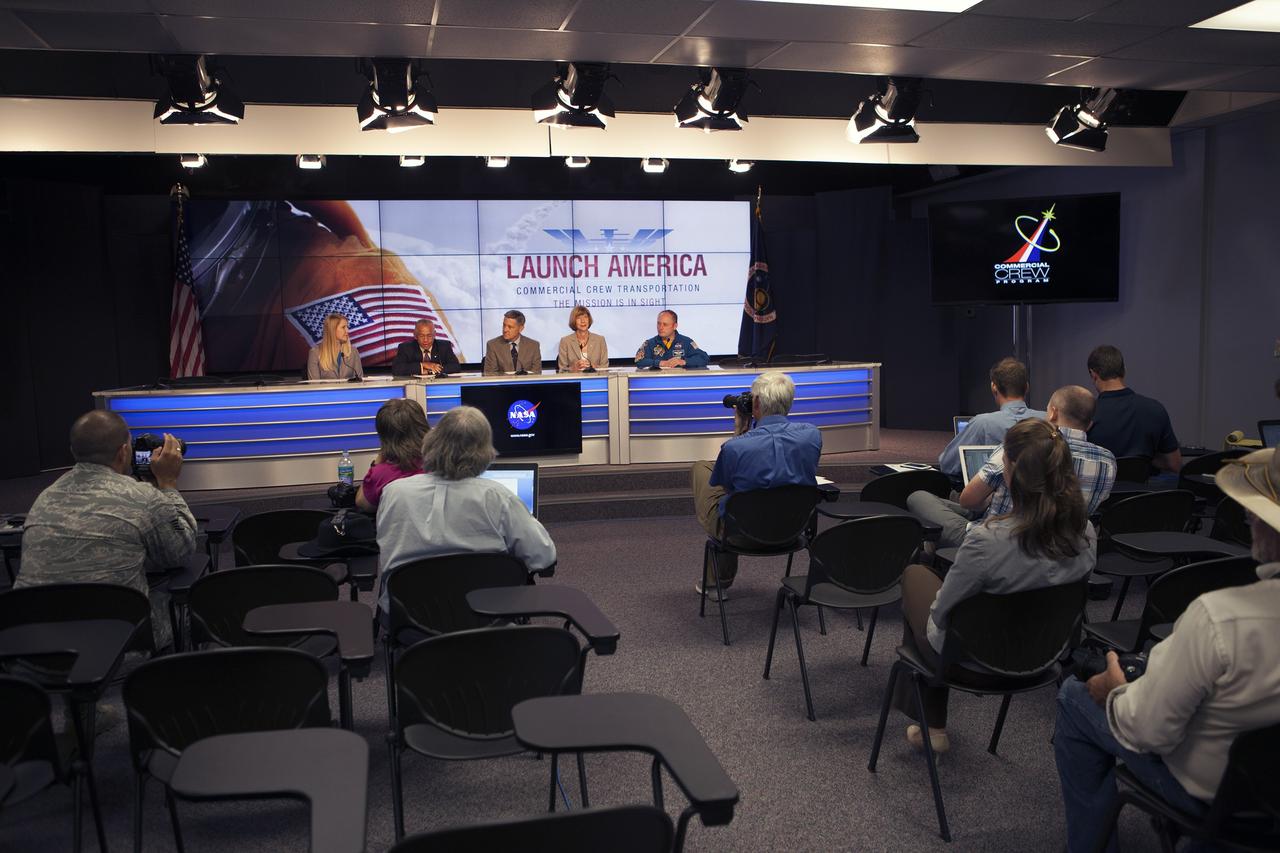
CAPE CANAVERAL, Fla. – Charles Bolden, second from left, NASA administrator, announces the Commercial Crew Transportation Capability CCtCap contract awards designed to complete the NASA certification for human space transportation systems capable of carrying people into orbit. Once certification is complete, NASA plans to use these systems to ferry astronauts to the International Space Station and return them safely to Earth. Speaking from Kennedy Space Center’s Press Site, Bolden detailed the importance of the effort by the agency's Commercial Crew Program for United States space exploration ambitions and the economic potential of creating new markets in space transportation for people. Boeing and SpaceX were awarded contracts to complete the design of the CST-100 and Crew Dragon spacecraft, respectively, and begin manufacturing for flight tests with a goal of achieving certification to take astronauts to the International Space Station by 2017. CCtCap also covers the beginning of operational missions for these new spacecraft and their systems. NASA spokeswoman Stephanie Schierholz, from left, former astronaut Bob Cabana, director of Kennedy Space Center, Kathy Lueders, manager of the agency's Commercial Crew Program, and former International Space Station Commander Mike Fincke also took part in the announcement. Photo credit: NASA/Jim Grossmann
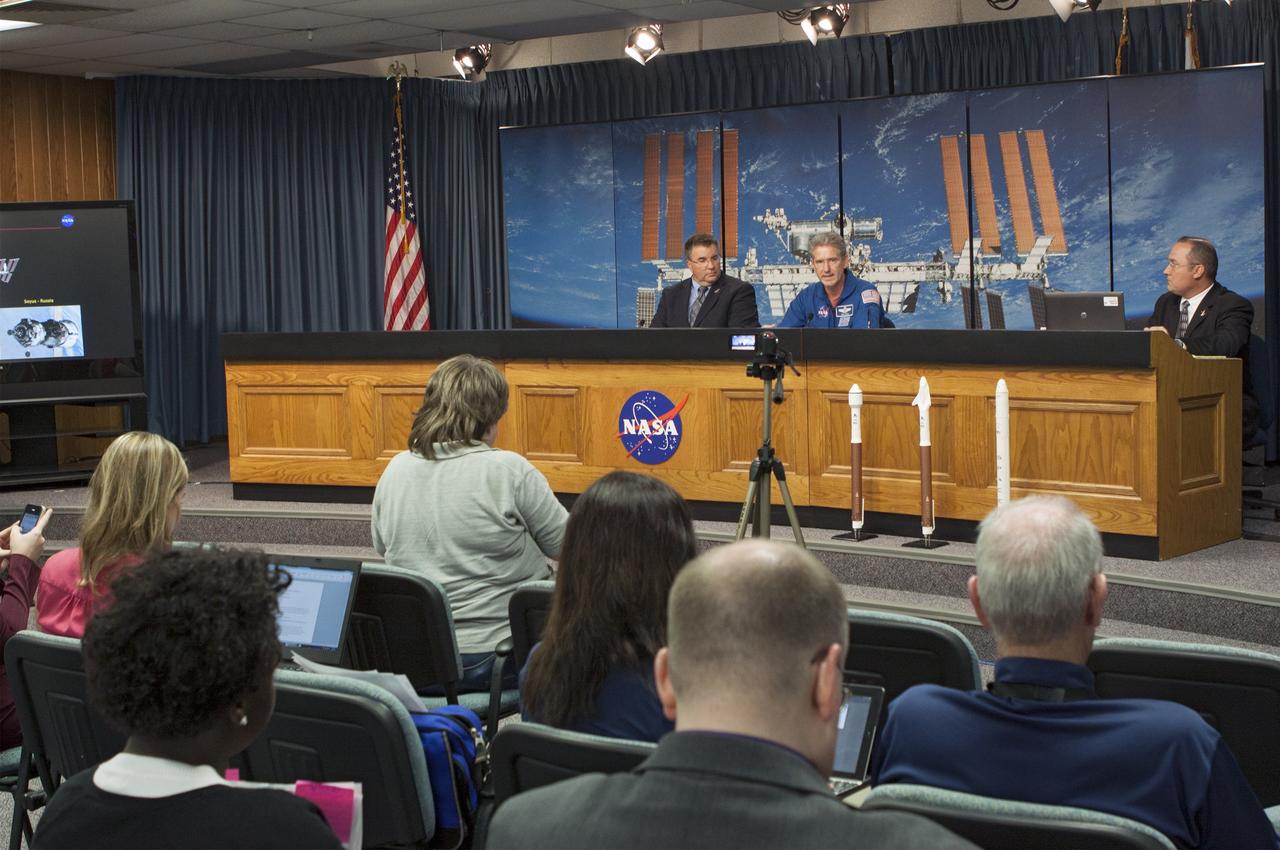
CAPE CANAVERAL, Fla. - NASA's Commercial Crew Program Manager Ed Mango and astronaut Mike Good media on the progress of American human spaceflight development at Kennedy Space Center in Florida. At right is NASA Public Affairs Officer Gregory Harland. They also discussed the future steps the program will take to certify crew transportation systems for missions to the International Space Station. The program is working toward the next phase of certification, which will be called Commercial Crew Transportation Capability, or CCtCap. That phase will include a joint test concept in which NASA astronauts will play a role in flight testing the systems. To learn more about CCP, visit www.nasa.gov/commercialcrew. Photo credit: Jim Grossmann
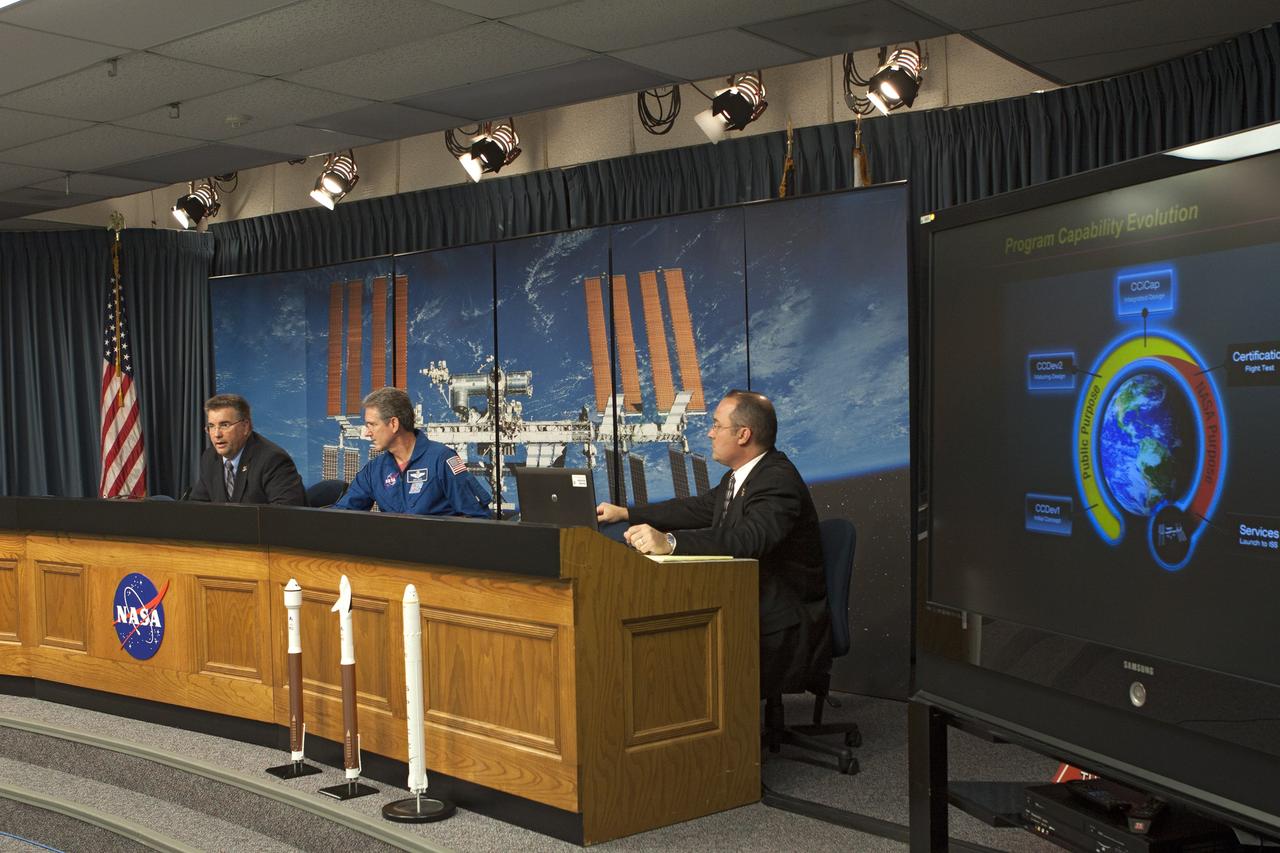
CAPE CANAVERAL, Fla. - NASA's Commercial Crew Program Manager Ed Mango and astronaut Mike Good media on the progress of American human spaceflight development at Kennedy Space Center in Florida. At right is NASA Public Affairs Officer Gregory Harland. They also discussed the future steps the program will take to certify crew transportation systems for missions to the International Space Station. The program is working toward the next phase of certification, which will be called Commercial Crew Transportation Capability, or CCtCap. That phase will include a joint test concept in which NASA astronauts will play a role in flight testing the systems. To learn more about CCP, visit www.nasa.gov/commercialcrew. Photo credit: Jim Grossmann
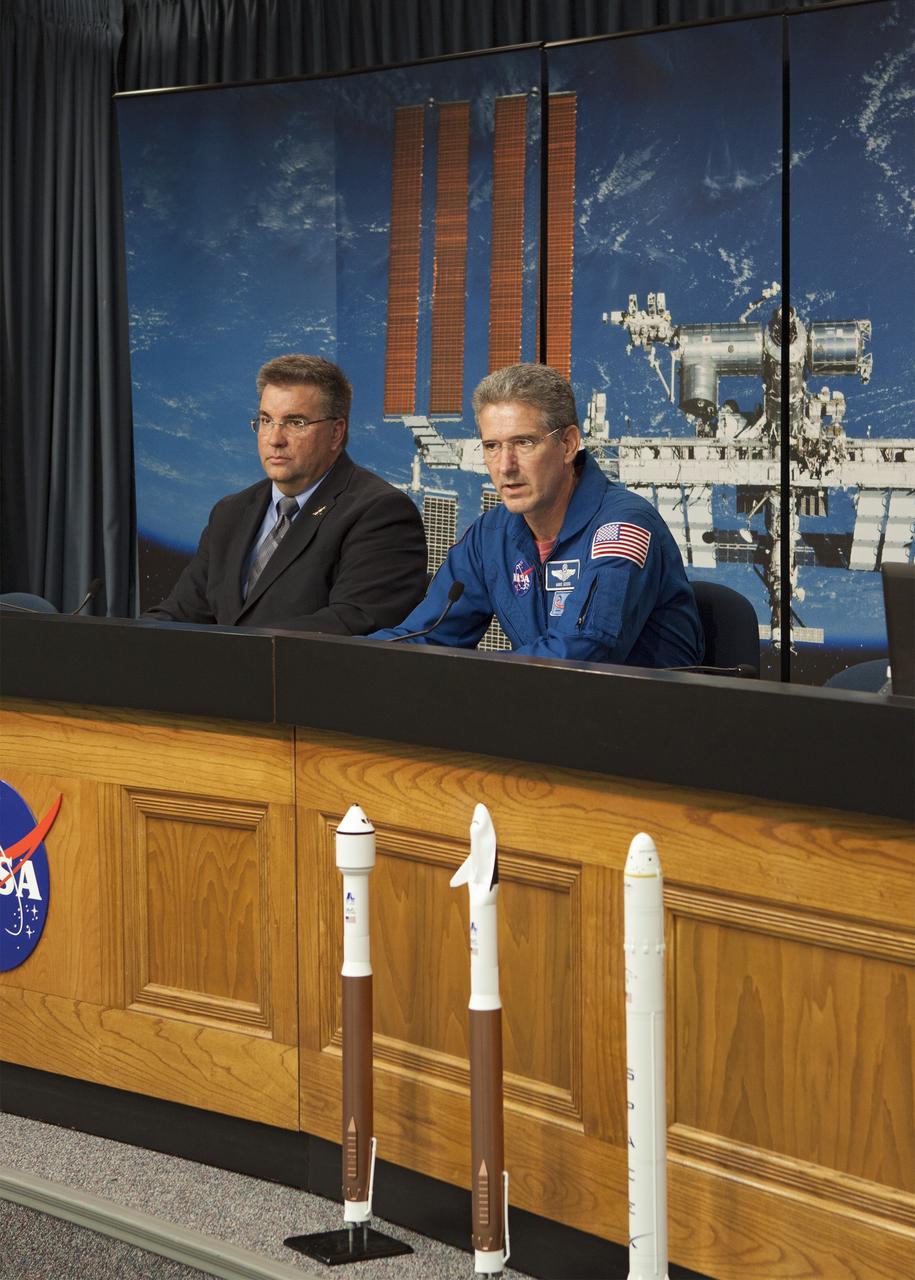
CAPE CANAVERAL, Fla. - NASA's Commercial Crew Program Manager Ed Mango and astronaut Mike Good media on the progress of American human spaceflight development at Kennedy Space Center in Florida. They also discussed the future steps the program will take to certify crew transportation systems for missions to the International Space Station. The program is working toward the next phase of certification, which will be called Commercial Crew Transportation Capability, or CCtCap. That phase will include a joint test concept in which NASA astronauts will play a role in flight testing the systems. To learn more about CCP, visit www.nasa.gov/commercialcrew. Photo credit: Jim Grossmann
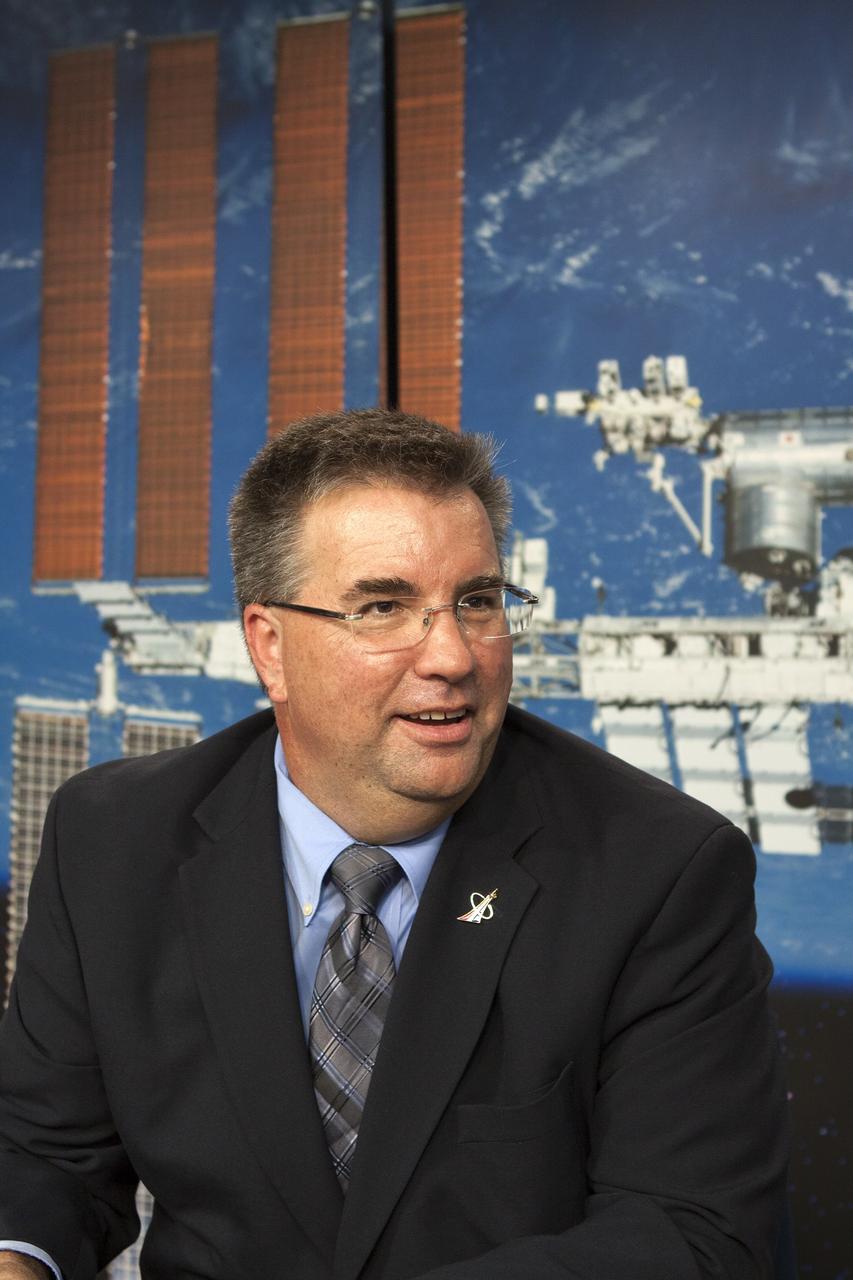
CAPE CANAVERAL, Fla. - NASA's Commercial Crew Program Manager Ed Mango updates media on the progress of American human spaceflight development at Kennedy Space Center in Florida. He and astronaut Mike Good discussed the future steps the program will take to certify crew transportation systems for missions to the International Space Station. The program is working toward the next phase of certification, which will be called Commercial Crew Transportation Capability, or CCtCap. That phase will include a joint test concept in which NASA astronauts will play a role in flight testing the systems. To learn more about CCP, visit www.nasa.gov/commercialcrew. Photo credit: Jim Grossmann
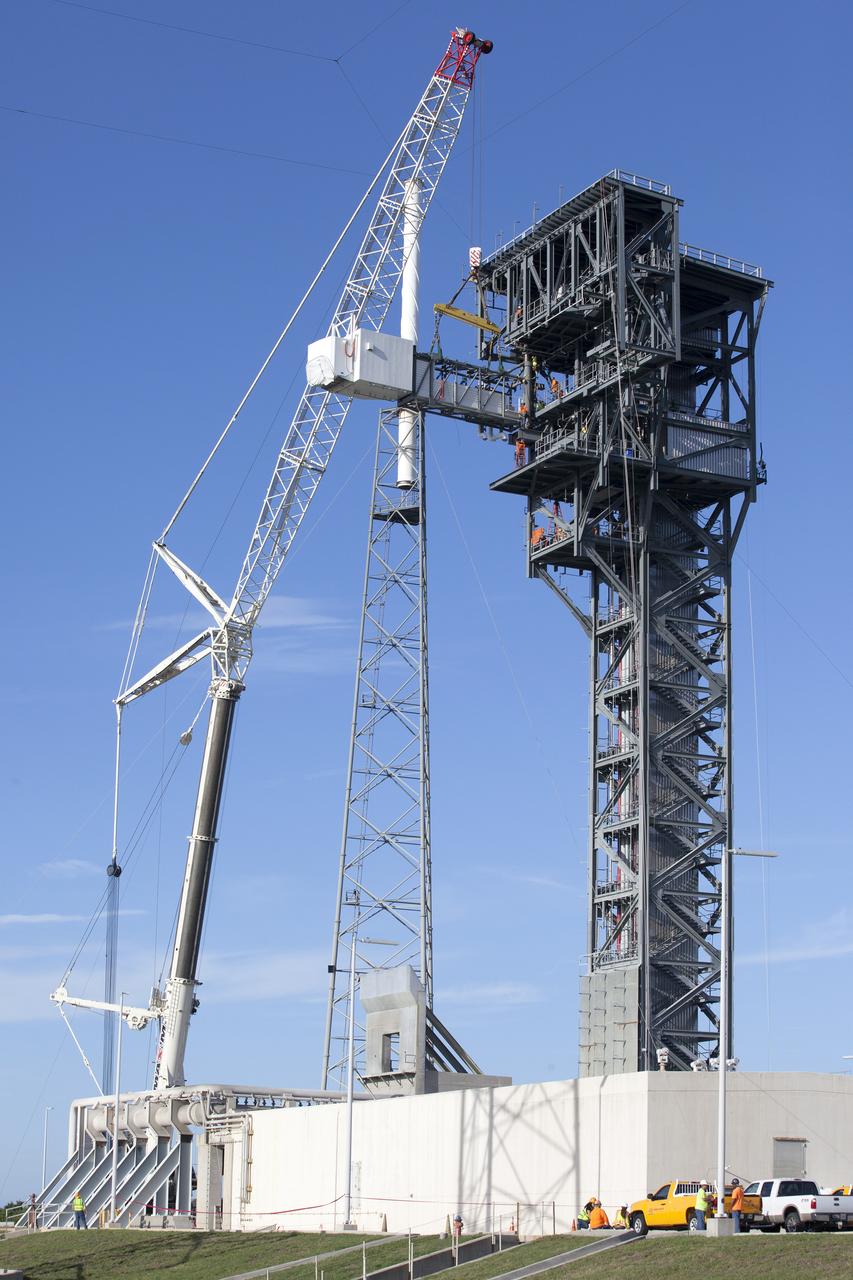
The Crew Access Arm and White Room for Boeing's CST-100 Starliner are attached to the Crew Access Tower at Cape Canaveral Air Force Station’s Space Launch Complex 41. The arm will serve as the connection that astronauts will walk through prior to boarding the spacecraft when stacked atop a United Launch Alliance Atlas V rocket. The installation completes the major construction of the first new Crew Access Tower to be built at the Cape since the Apollo era. Under a Commercial Crew Transportation Capability (CCtCap) contract with NASA, Boeing’s Starliner system will be certified by NASA's Commercial Crew Program to fly crews to and from the International Space Station.
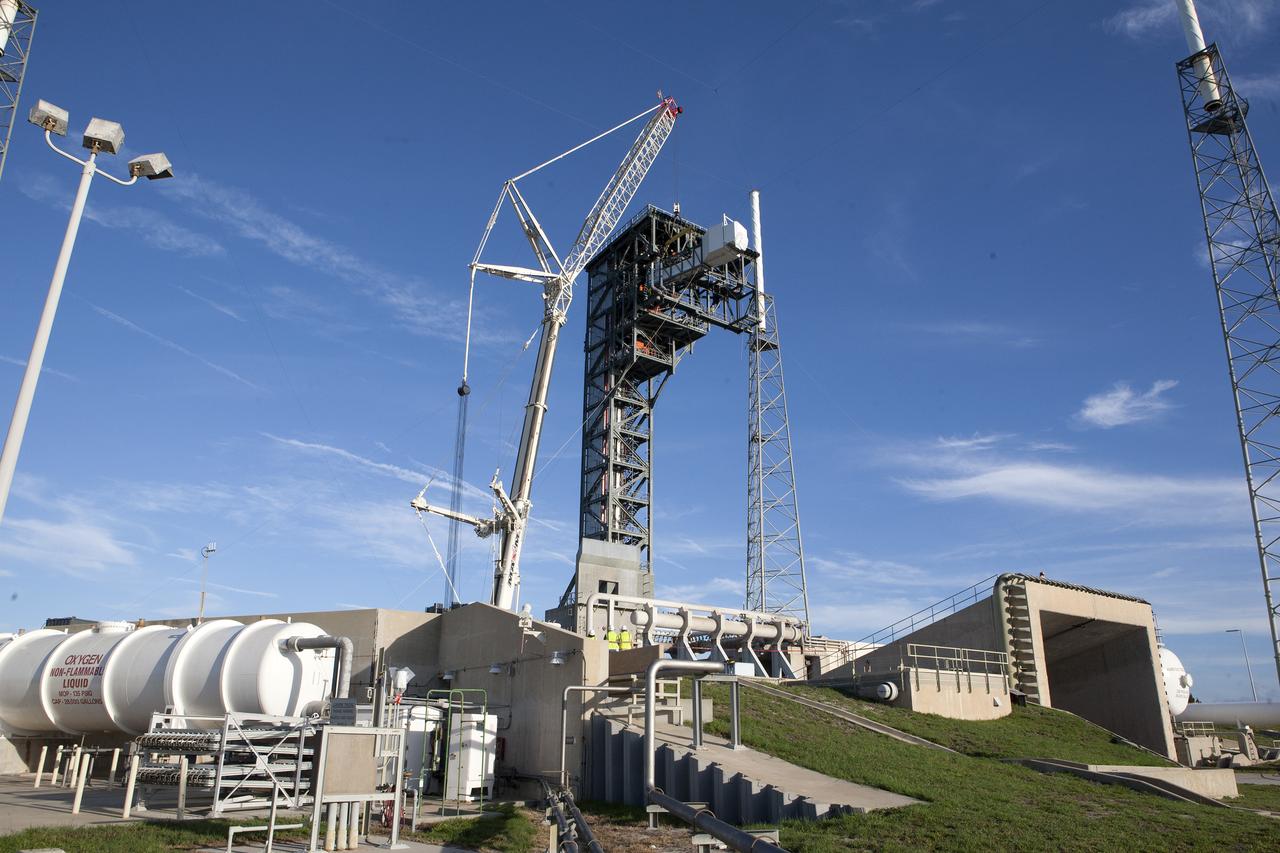
The Crew Access Arm and White Room for Boeing's CST-100 Starliner are attached to the Crew Access Tower at Cape Canaveral Air Force Station’s Space Launch Complex 41. The arm will serve as the connection that astronauts will walk through prior to boarding the Starliner spacecraft when stacked atop a United Launch Alliance Atlas V rocket. This installation completes the major construction of the first new Crew Access Tower to be built at the Cape since the Apollo era. Under a Commercial Crew Transportation Capability (CCtCap) contract with NASA, Boeing’s Starliner system will be certified by NASA's Commercial Crew Program to fly crews to and from the International Space Station.
CAPE CANAVERAL, Fla. – NASA spokeswoman Stephanie Schierholz moderates the announcement of the Commercial Crew Transportation Capability CCtCap contract awards designed to complete the NASA certification for human space transportation systems capable of carrying people into orbit. Once certification is complete, NASA plans to use these systems to ferry astronauts to the International Space Station and return them safely to Earth. Speaking from Kennedy Space Center’s Press Site, NASA Administrator Charles Bolden detailed the importance of the effort by the agency's Commercial Crew Program for United States space exploration ambitions and the economic potential of creating new markets in space transportation for people. Boeing and SpaceX were awarded contracts to complete the design of the CST-100 and Crew Dragon spacecraft, respectively, and begin manufacturing for flight tests with a goal of achieving certification to take astronauts to the International Space Station by 2017. CCtCap also covers the beginning of operational missions for these new spacecraft and their systems. Photo credit: NASA/Jim Grossmann
CAPE CANAVERAL, Fla. – Former astronaut Bob Cabana, director of NASA's Kennedy Space Center in Florida, speaks at the start of the announcement ceremony to name the providers of the next generation of crewed American spacecraft. Speaking from Kennedy’s Press Site, Cabana detailed the importance of the development effort by the agency's Commercial Crew Program for United States space exploration ambitions and the economic potential of creating new markets in human space transportation. Boeing and SpaceX were awarded contracts to complete the design of the CST-100 and Crew Dragon spacecraft, respectively, and begin manufacturing for flight tests with a goal of achieving certification to take astronauts to the International Space Station by 2017. The Commercial Crew Transportation Capability CCtCap contract also covers the beginning of operational missions for these new spacecraft and their systems. Photo credit: NASA/Jim Grossmann
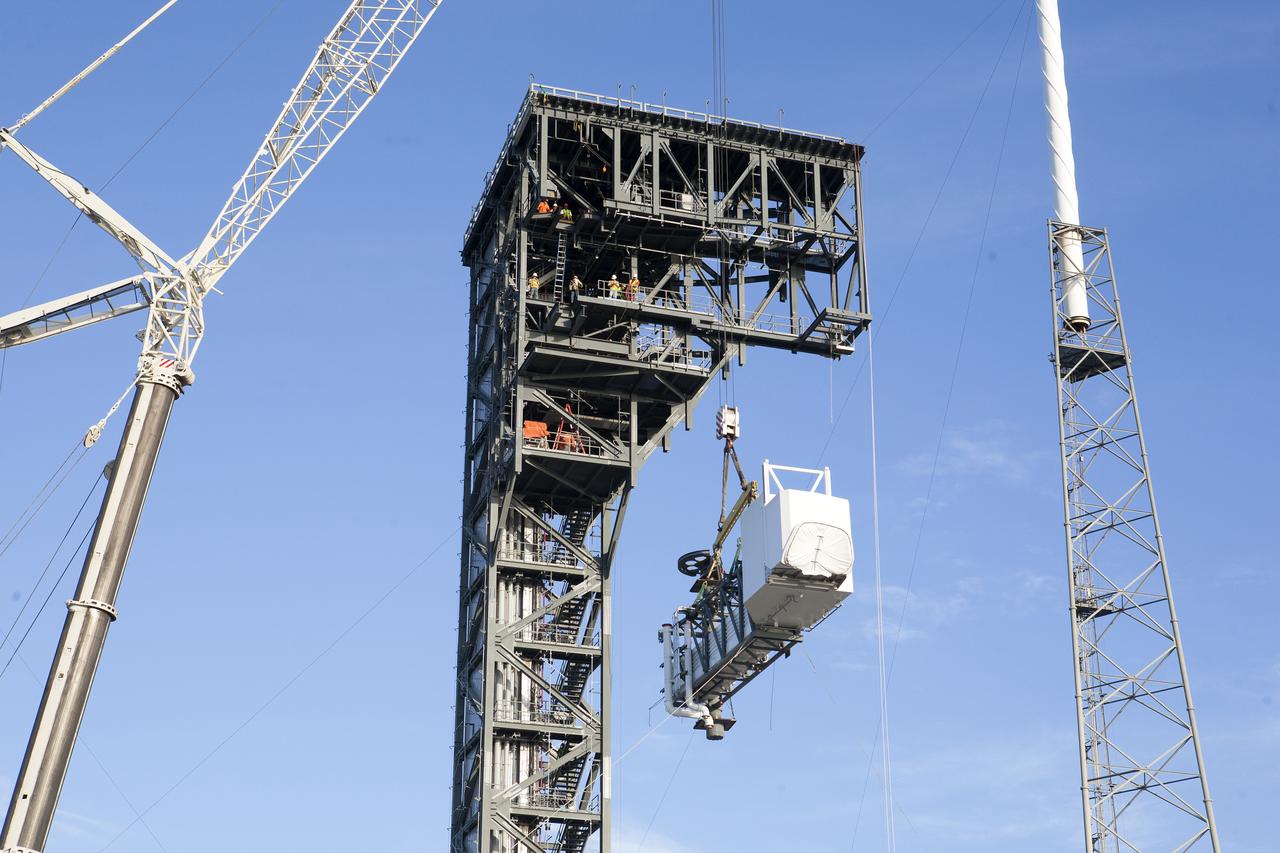
A crane lifts the Crew Access Arm and White Room for Boeing's CST-100 Starliner spacecraft to be attached to the Crew Access Tower at Cape Canaveral Air Force Station’s Space Launch Complex 41. When attached to the 200-foot tall Crew Access Tower, the arm will serve as the connection that astronauts will walk through prior to boarding the Starliner spacecraft when stacked atop a United Launch Alliance Atlas V rocket. This installation completes the major construction of the first new Crew Access Tower to be built at the Cape since the Apollo era. Under a Commercial Crew Transportation Capability (CCtCap) contract with NASA, Boeing’s Starliner system will be certified by NASA's Commercial Crew Program to fly crews to and from the International Space Station.
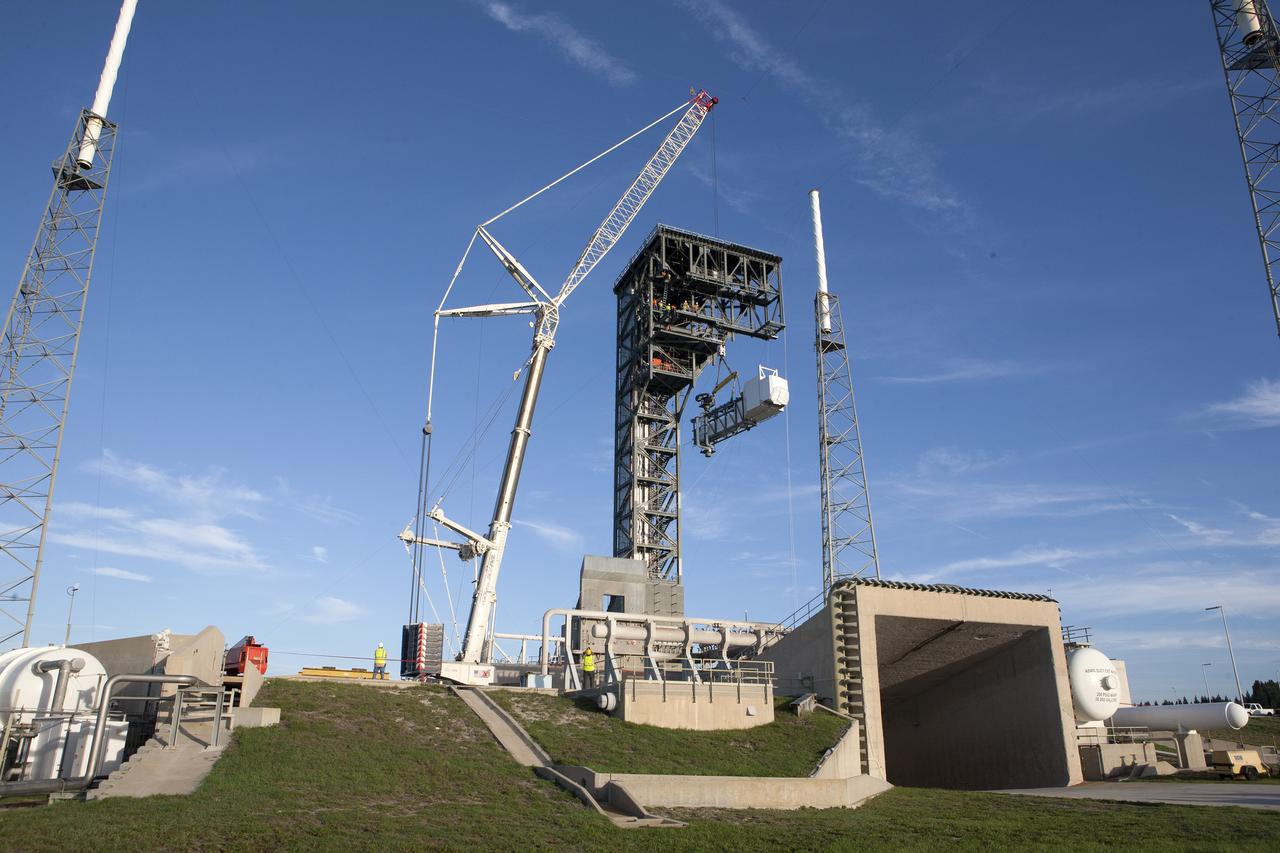
A crane lifts the Crew Access Arm and White Room for Boeing's CST-100 Starliner spacecraft to be attached to the Crew Access Tower at Cape Canaveral Air Force Station’s Space Launch Complex 41. When attached to the 200-foot tall Crew Access Tower, the arm will serve as the connection that astronauts will walk through prior to boarding the Starliner spacecraft when stacked atop a United Launch Alliance Atlas V rocket. This installation completes the major construction of the first new Crew Access Tower to be built at the Cape since the Apollo era. Under a Commercial Crew Transportation Capability (CCtCap) contract with NASA, Boeing’s Starliner system will be certified by NASA's Commercial Crew Program to fly crews to and from the International Space Station.
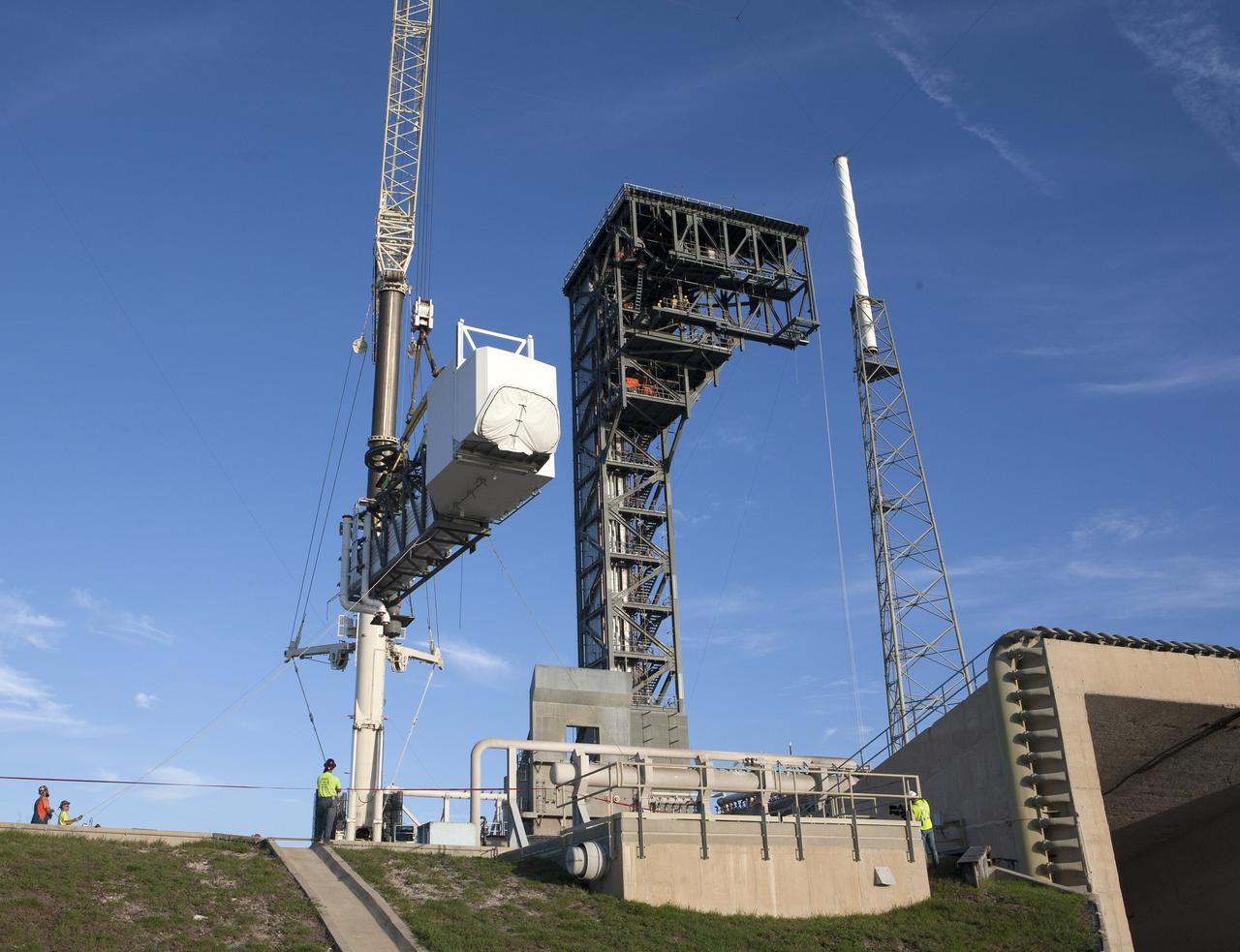
A crane lifts the Crew Access Arm and White Room for Boeing's CST-100 Starliner spacecraft to be attached to the Crew Access Tower at Cape Canaveral Air Force Station’s Space Launch Complex 41. When attached to the 200-foot tall Crew Access Tower, the arm will serve as the connection that astronauts will walk through prior to boarding the Starliner spacecraft when stacked atop a United Launch Alliance Atlas V rocket. This installation completes the major construction of the first new Crew Access Tower to be built at the Cape since the Apollo era. Under a Commercial Crew Transportation Capability (CCtCap) contract with NASA, Boeing’s Starliner system will be certified by NASA's Commercial Crew Program to fly crews to and from the International Space Station.
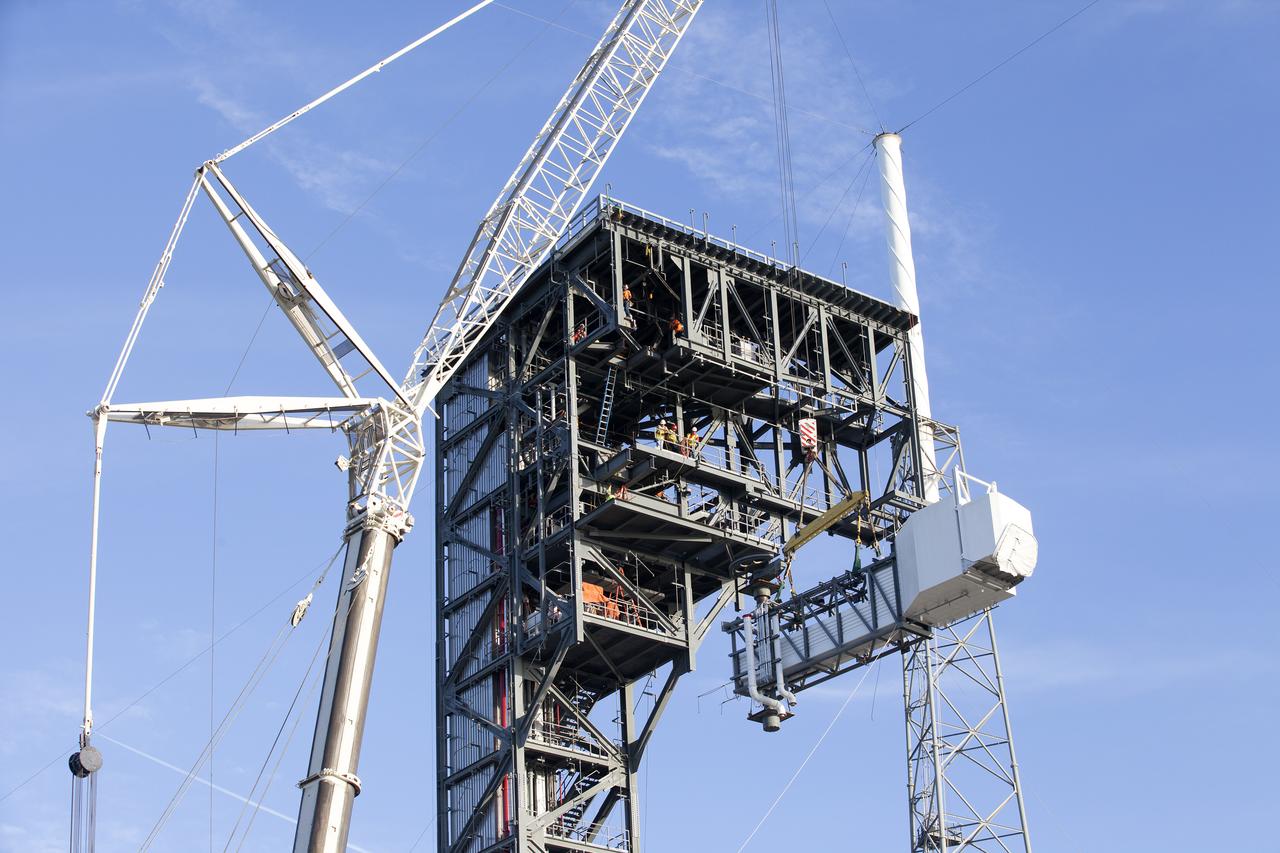
A crane lifts the Crew Access Arm and White Room for Boeing's CST-100 Starliner spacecraft to be attached to the Crew Access Tower at Cape Canaveral Air Force Station’s Space Launch Complex 41. When attached to the 200-foot tall Crew Access Tower, the arm will serve as the connection that astronauts will walk through prior to boarding the Starliner spacecraft when stacked atop a United Launch Alliance Atlas V rocket. The installation completes the major construction of the first new Crew Access Tower to be built at the Cape since the Apollo era. Under a Commercial Crew Transportation Capability (CCtCap) contract with NASA, Boeing’s Starliner system will be certified by NASA's Commercial Crew Program to fly crews to and from the International Space Station.
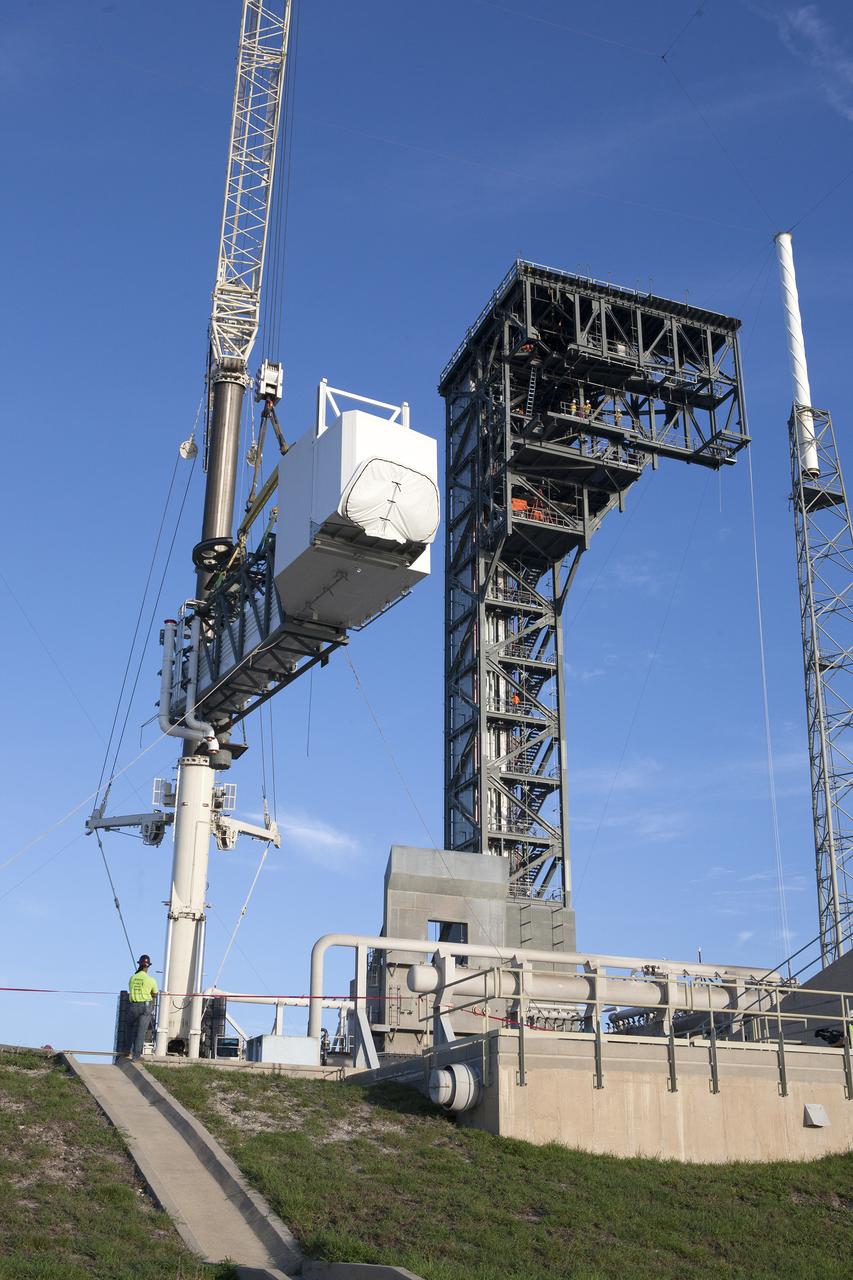
A crane lifts the Crew Access Arm and White Room for Boeing's CST-100 Starliner spacecraft to be attached to the Crew Access Tower at Cape Canaveral Air Force Station’s Space Launch Complex 41. When attached to the 200-foot tall Crew Access Tower, the arm will serve as the connection that astronauts will walk through prior to boarding the Starliner spacecraft when stacked atop a United Launch Alliance Atlas V rocket. This installation completes the major construction of the first new Crew Access Tower to be built at the Cape since the Apollo era. Under a Commercial Crew Transportation Capability (CCtCap) contract with NASA, Boeing’s Starliner system will be certified by NASA's Commercial Crew Program to fly crews to and from the International Space Station.
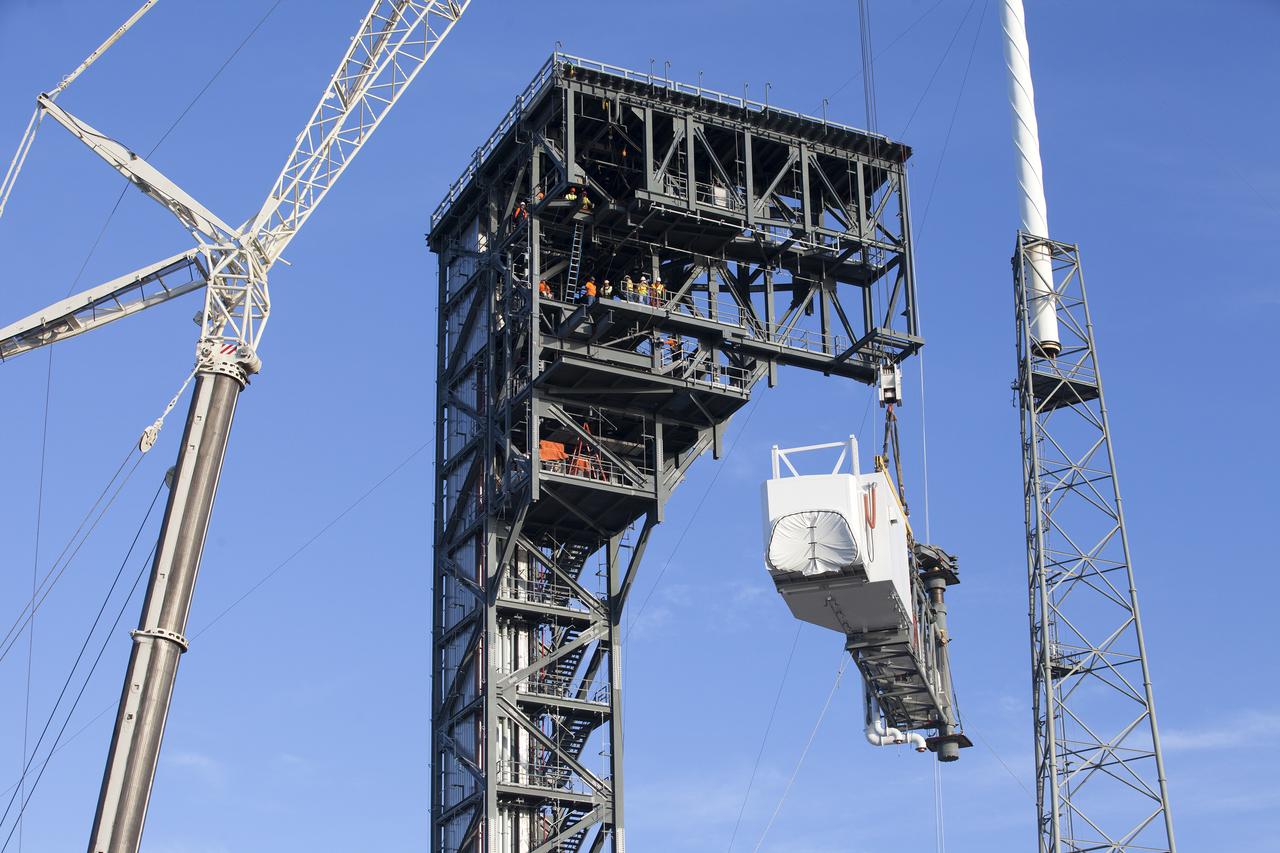
A crane lifts the Crew Access Arm and White Room for Boeing's CST-100 Starliner spacecraft to be attached to the Crew Access Tower at Cape Canaveral Air Force Station’s Space Launch Complex 41. When attached to the 200-foot tall Crew Access Tower, the arm will serve as the connection that astronauts will walk through prior to boarding the Starliner spacecraft when stacked atop a United Launch Alliance Atlas V rocket. This installation completes the major construction of the first new Crew Access Tower to be built at the Cape since the Apollo era. Under a Commercial Crew Transportation Capability (CCtCap) contract with NASA, Boeing’s Starliner system will be certified by NASA's Commercial Crew Program to fly crews to and from the International Space Station.
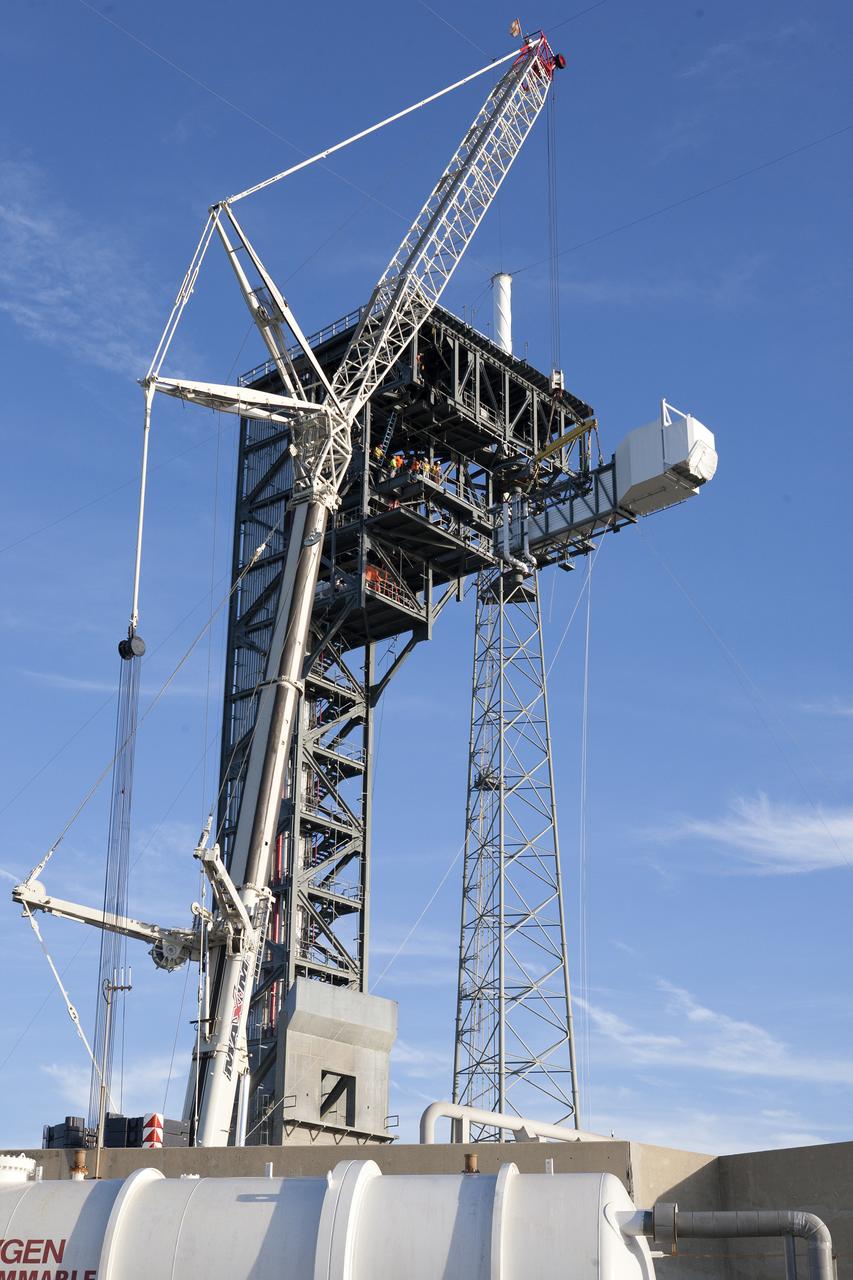
A crane lifts the Crew Access Arm and White Room for Boeing's CST-100 Starliner spacecraft to be attached to the Crew Access Tower at Cape Canaveral Air Force Station’s Space Launch Complex 41. When attached to the 200-foot tall Crew Access Tower, the arm will serve as the connection that astronauts will walk through prior to boarding the Starliner spacecraft when stacked atop a United Launch Alliance Atlas V rocket. This installation completes the major construction of the first new Crew Access Tower to be built at the Cape since the Apollo era. Under a Commercial Crew Transportation Capability (CCtCap) contract with NASA, Boeing’s Starliner system will be certified by NASA's Commercial Crew Program to fly crews to and from the International Space Station.
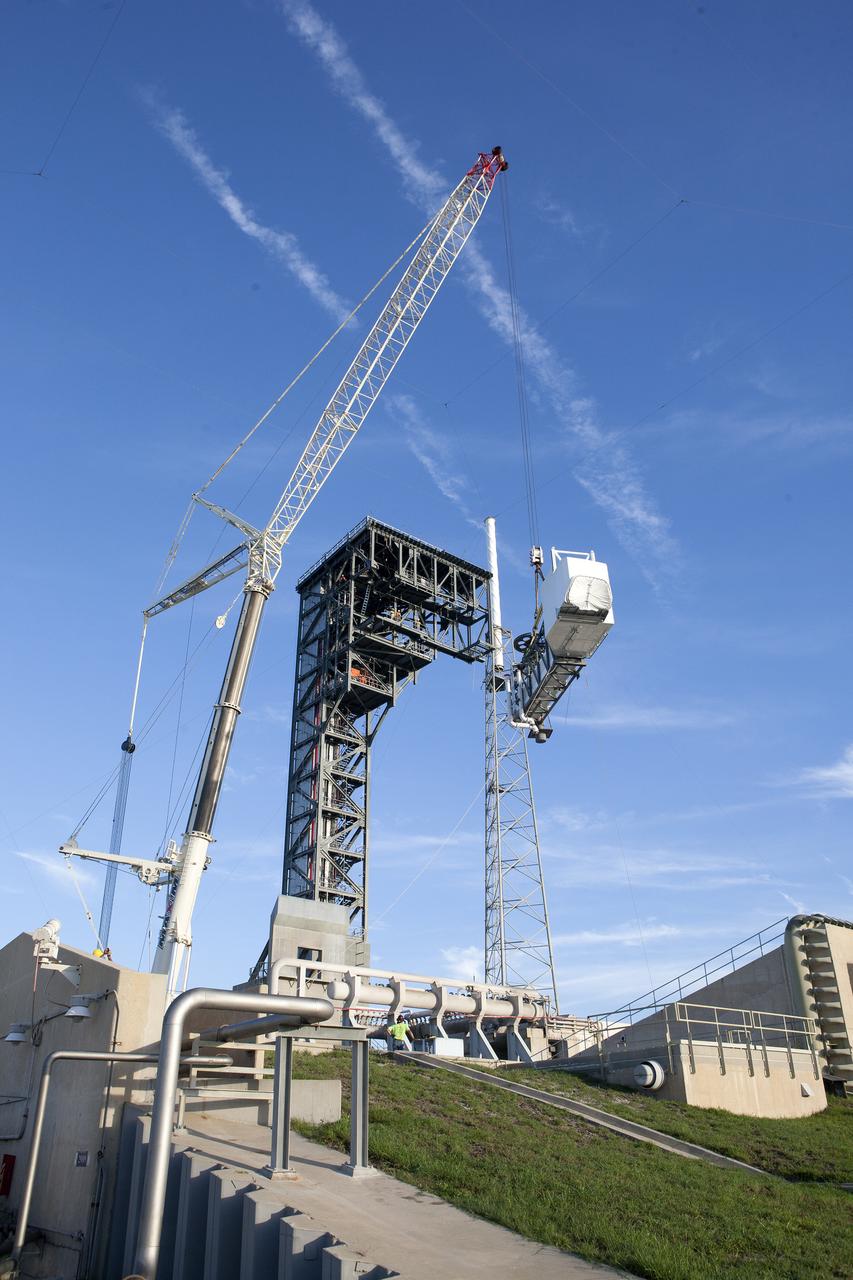
A crane lifts the Crew Access Arm and White Room for Boeing's CST-100 Starliner spacecraft to be attached to the Crew Access Tower at Cape Canaveral Air Force Station’s Space Launch Complex 41. When attached to the 200-foot tall Crew Access Tower, the arm will serve as the connection that astronauts will walk through prior to boarding the Starliner spacecraft when stacked atop a United Launch Alliance Atlas V rocket. This installation completes the major construction of the first new Crew Access Tower to be built at the Cape since the Apollo era. Under a Commercial Crew Transportation Capability (CCtCap) contract with NASA, Boeing’s Starliner system will be certified by NASA's Commercial Crew Program to fly crews to and from the International Space Station.
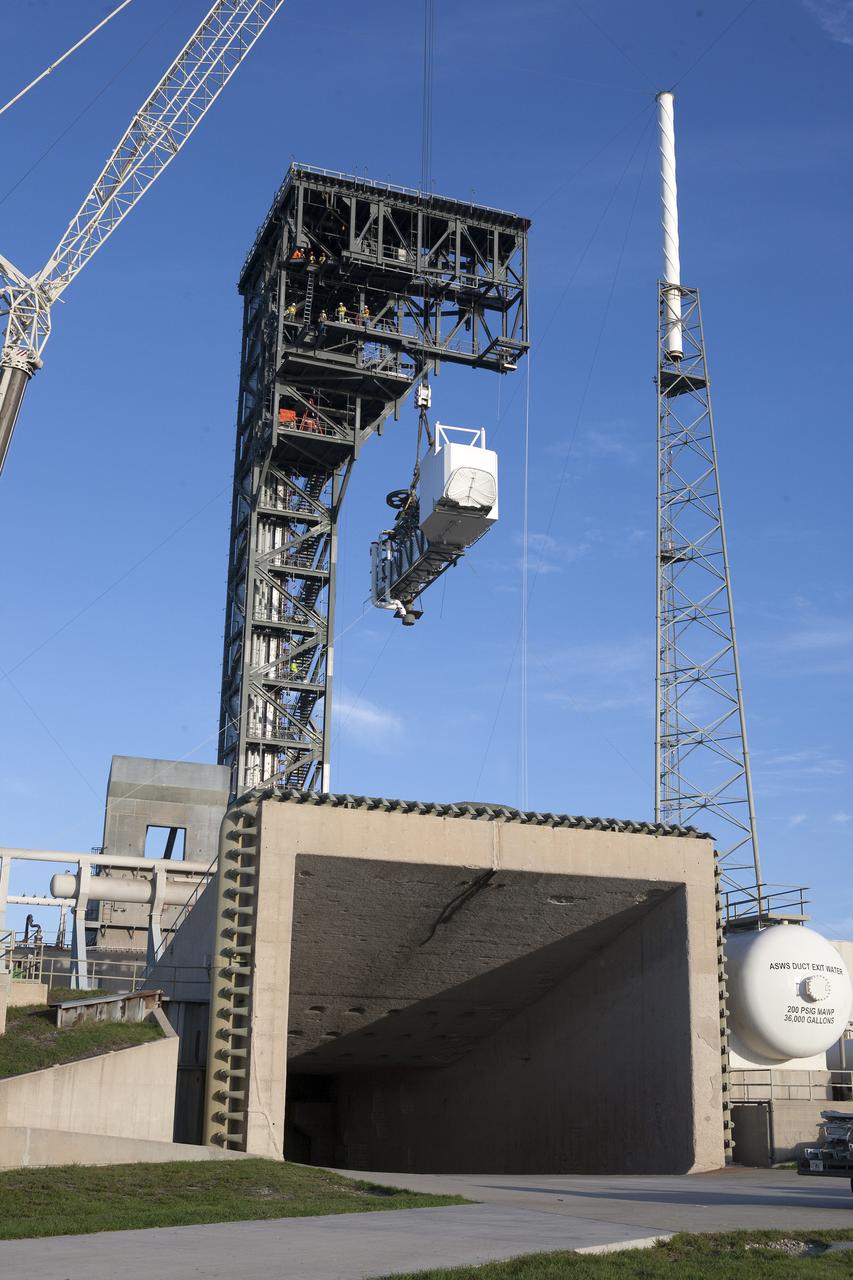
A crane lifts the Crew Access Arm and White Room for Boeing's CST-100 Starliner spacecraft to be attached to the Crew Access Tower at Cape Canaveral Air Force Station’s Space Launch Complex 41. When attached to the 200-foot tall Crew Access Tower, the arm will serve as the connection that astronauts will walk through prior to boarding the Starliner spacecraft when stacked atop a United Launch Alliance Atlas V rocket. This installation completes the major construction of the first new Crew Access Tower to be built at the Cape since the Apollo era. Under a Commercial Crew Transportation Capability (CCtCap) contract with NASA, Boeing’s Starliner system will be certified by NASA's Commercial Crew Program to fly crews to and from the International Space Station.
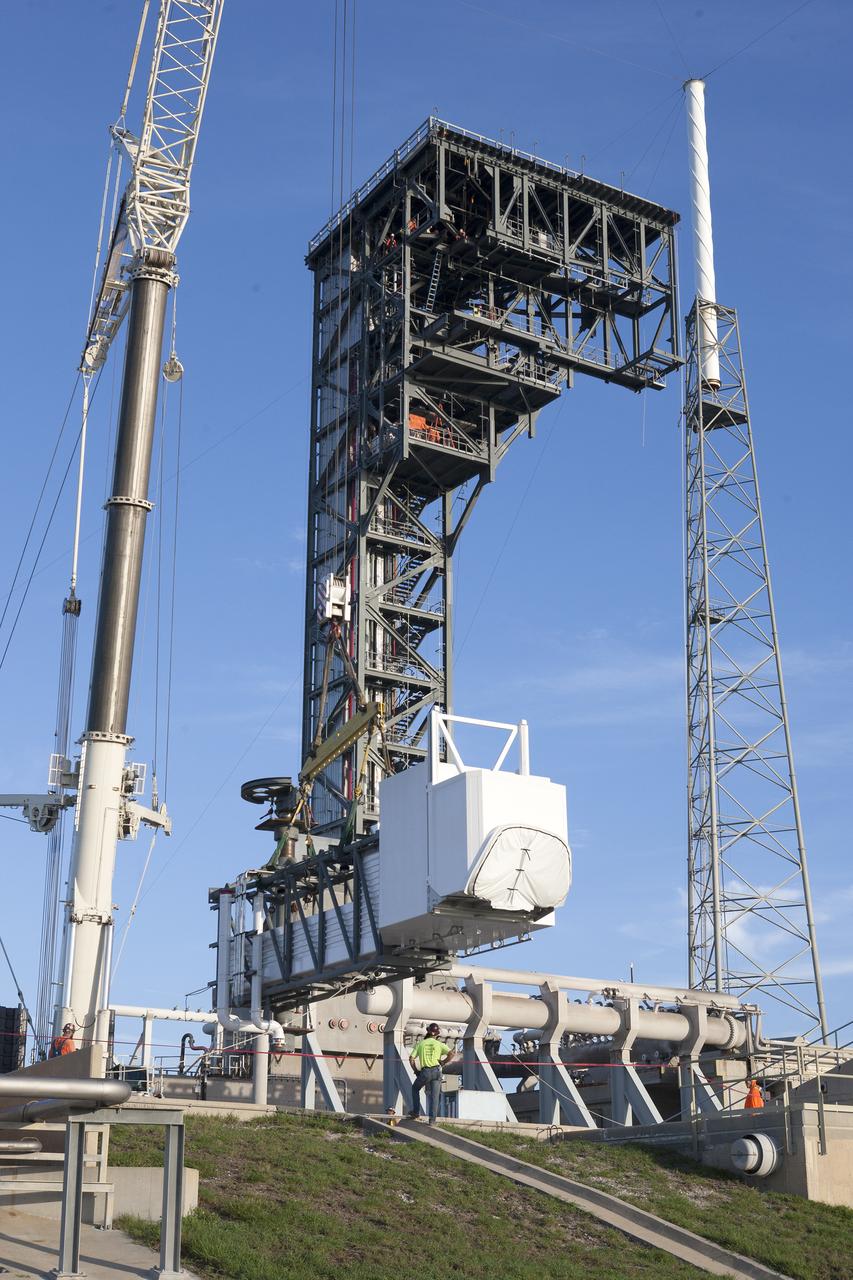
A crane lifts the Crew Access Arm and White Room for Boeing's CST-100 Starliner spacecraft to be attached to the Crew Access Tower at Cape Canaveral Air Force Station’s Space Launch Complex 41. When attached to the 200-foot tall Crew Access Tower, the arm will serve as the connection that astronauts will walk through prior to boarding the Starliner spacecraft when stacked atop a United Launch Alliance Atlas V rocket. This installation completes the major construction of the first new Crew Access Tower to be built at the Cape since the Apollo era. Under a Commercial Crew Transportation Capability (CCtCap) contract with NASA, Boeing’s Starliner system will be certified by NASA's Commercial Crew Program to fly crews to and from the International Space Station.
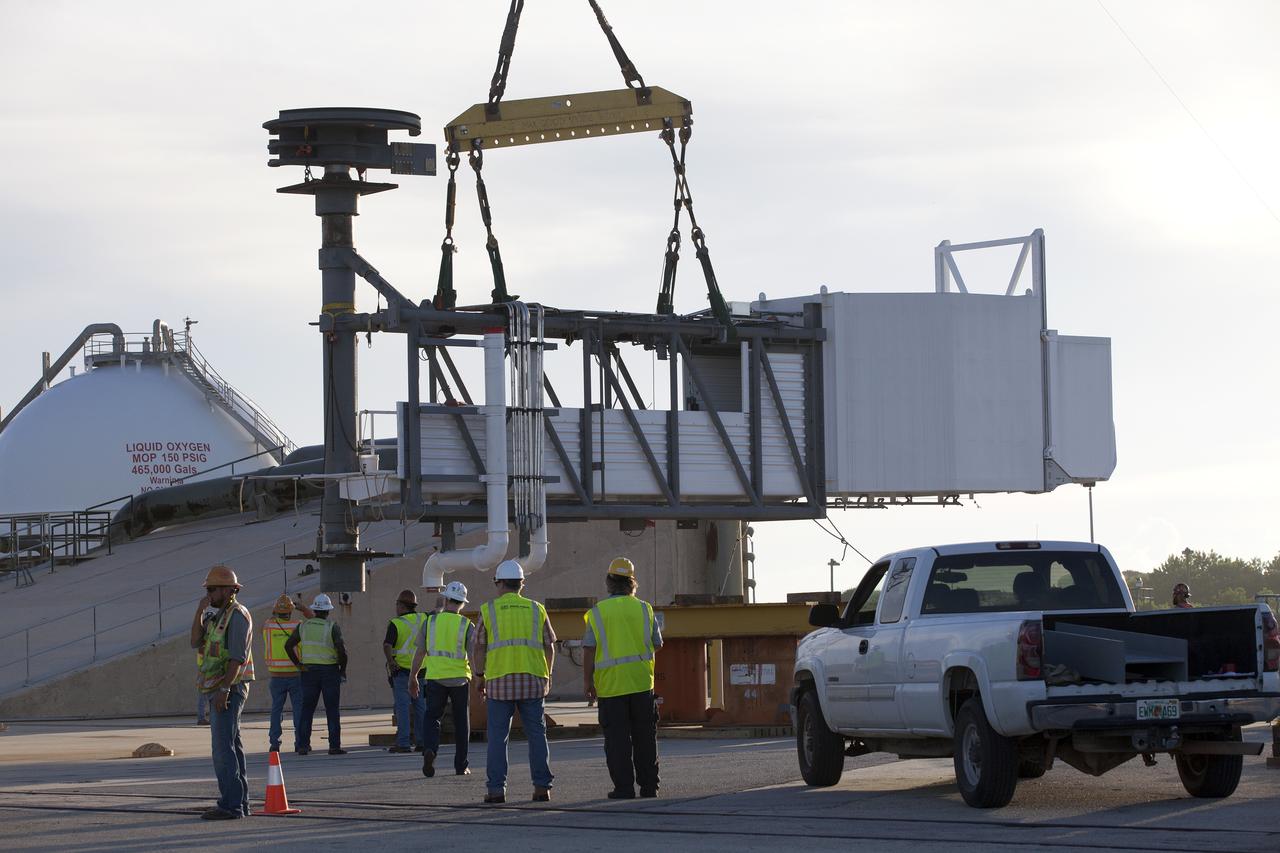
A crane is attached to the Crew Access Arm and White Room for Boeing's CST-100 Starliner spacecraft to be attached to the Crew Access Tower at Cape Canaveral Air Force Station’s Space Launch Complex 41. When attached to the 200-foot tall Crew Access Tower, the arm will serve as the connection that astronauts will walk through prior to boarding the Starliner spacecraft when stacked atop a United Launch Alliance Atlas V rocket. This installation completes the major construction of the first new Crew Access Tower to be built at the Cape since the Apollo era. Under a Commercial Crew Transportation Capability (CCtCap) contract with NASA, Boeing’s Starliner system will be certified by NASA's Commercial Crew Program to fly crews to and from the International Space Station.
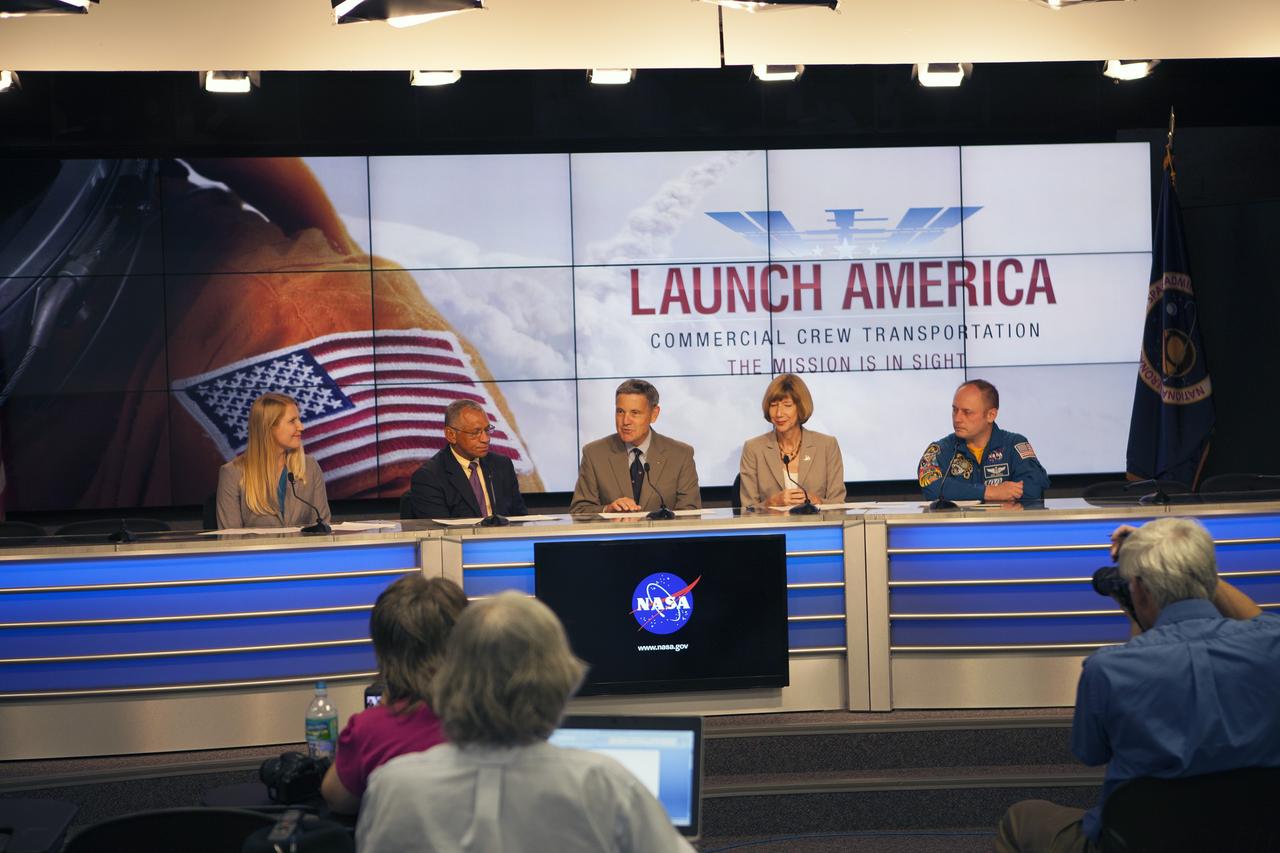
KSC-2014-3922 - CAPE CANAVERAL, Fla. – Former astronaut Bob Cabana, center, director of NASA's Kennedy Space Center in Florida, speaks at the start of the announcement ceremony to name the providers of the next generation of crewed American spacecraft. Speaking from Kennedy’s Press Site, Cabana detailed the importance of the development effort by the agency's Commercial Crew Program for United States space exploration ambitions and the economic potential of creating new markets in human space transportation. Boeing and SpaceX were awarded contracts to complete the design of the CST-100 and Crew Dragon spacecraft, respectively, and begin manufacturing for flight tests with a goal of achieving certification to take astronauts to the International Space Station by 2017. The Commercial Crew Transportation Capability CCtCap contract also covers the beginning of operational missions for these new spacecraft and their systems. NASA spokeswoman Stephanie Schierholz, from left, Charles Bolden, NASA administrator, Kathy Lueders, manager of the agency's Commercial Crew Program, and former International Space Station Commander Mike Fincke also took part in the announcement. Photo credit: NASA/Jim Grossmann