
The upgraded version of SpaceX’s Cargo Dragon spacecraft, Dragon 2, is seen atop a Falcon 9 rocket on Dec. 2, 2020, as they prepare to be rolled out to Launch Complex 39A at NASA’s Kennedy Space Center in Florida for the company’s 21st Commercial Resupply Services (CRS-21) launch. The first launch for SpaceX under NASA’s second Commercial Resupply Services contract, CRS-21 will deliver critical supplies, equipment, and material to support a variety of science and research investigations that will take place aboard the International Space Station. Liftoff is scheduled for 11:39 a.m. EST on Saturday, Dec. 5.

A SpaceX Falcon 9 rocket, topped with the upgraded version of the Cargo Dragon spacecraft, is seen inside the company’s hangar at NASA’s Kennedy Space Center in Florida on Dec. 2, 2020, prior to being rolled out to the launch pad in preparation for the 21st Commercial Resupply Services (CRS-21) launch. The first launch for SpaceX under NASA’s second Commercial Resupply Services contract, CRS-21 will deliver critical supplies, equipment, and material to support a variety of science and research investigations that will take place aboard the International Space Station. Liftoff is scheduled for 11:39 a.m. EST on Saturday, Dec. 5, from Kennedy’s Launch Complex 39A.

A SpaceX Falcon 9 rocket, topped with the upgraded version of the Cargo Dragon spacecraft, is seen inside the company’s hangar at NASA’s Kennedy Space Center in Florida on Dec. 2, 2020, prior to being rolled out to the launch pad in preparation for the 21st Commercial Resupply Services (CRS-21) launch. The first launch for SpaceX under NASA’s second Commercial Resupply Services contract, CRS-21 will deliver critical supplies, equipment, and material to support a variety of science and research investigations that will take place aboard the International Space Station. Liftoff is scheduled for 11:39 a.m. EST on Saturday, Dec. 5, from Kennedy’s Launch Complex 39A.
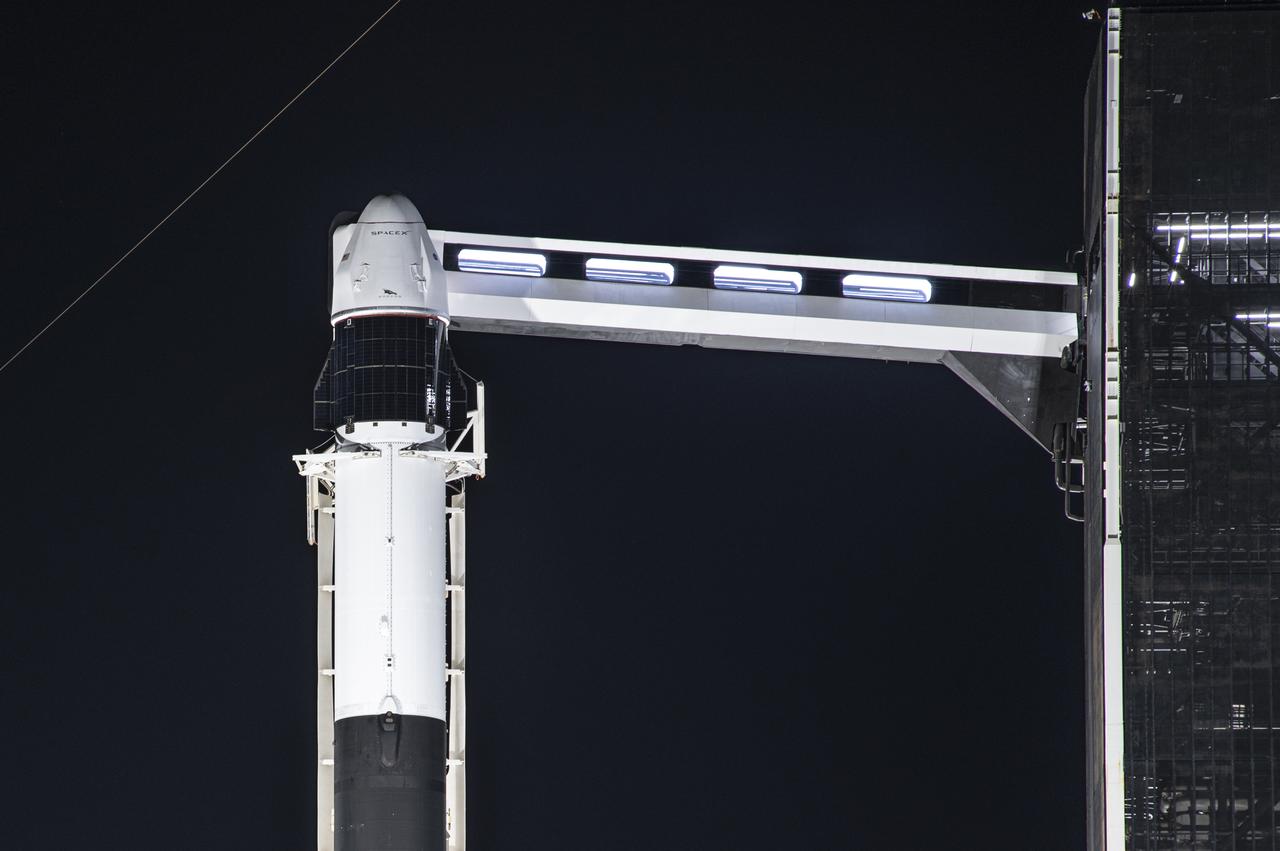
A SpaceX Falcon 9 rocket, topped with the company’s upgraded version of the Dragon spacecraft, stands vertical at NASA Kennedy Space Center’s Launch Complex 39A in Florida on Wednesday, Dec. 2, 2020. The first mission for SpaceX under NASA’s second Commercial Resupply Services contract, CRS-21 is scheduled to lift off from Launch Complex 39A on Saturday, Dec. 5, at 11:39 a.m. EST. The mission will deliver critical supplies and equipment to the International Space Station.
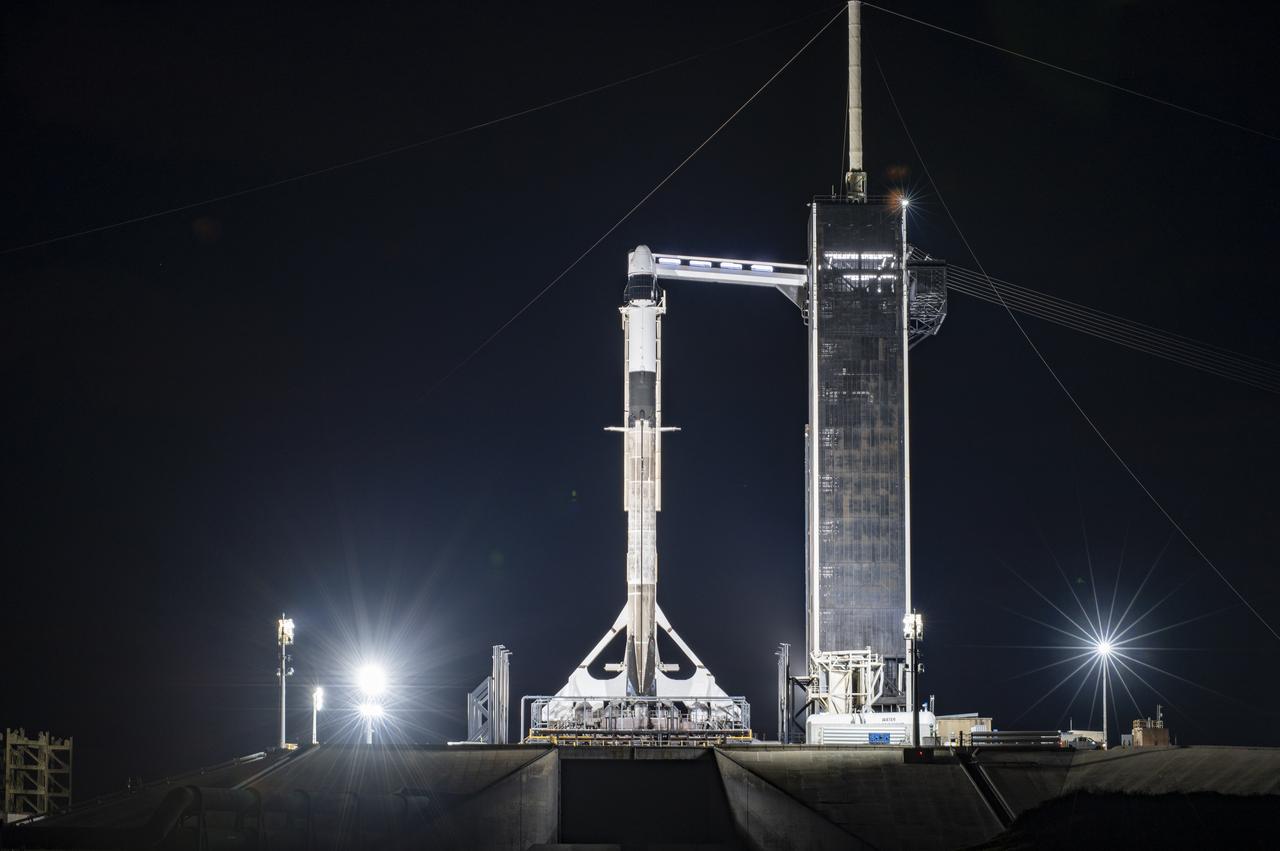
A SpaceX Falcon 9 rocket, topped with the company’s upgraded version of the Dragon spacecraft, stands vertical at NASA Kennedy Space Center’s Launch Complex 39A in Florida on Wednesday, Dec. 2, 2020. The first mission for SpaceX under NASA’s second Commercial Resupply Services contract, CRS-21 is scheduled to lift off from Launch Complex 39A on Saturday, Dec. 5, at 11:39 a.m. EST. The mission will deliver critical supplies and equipment to the International Space Station.
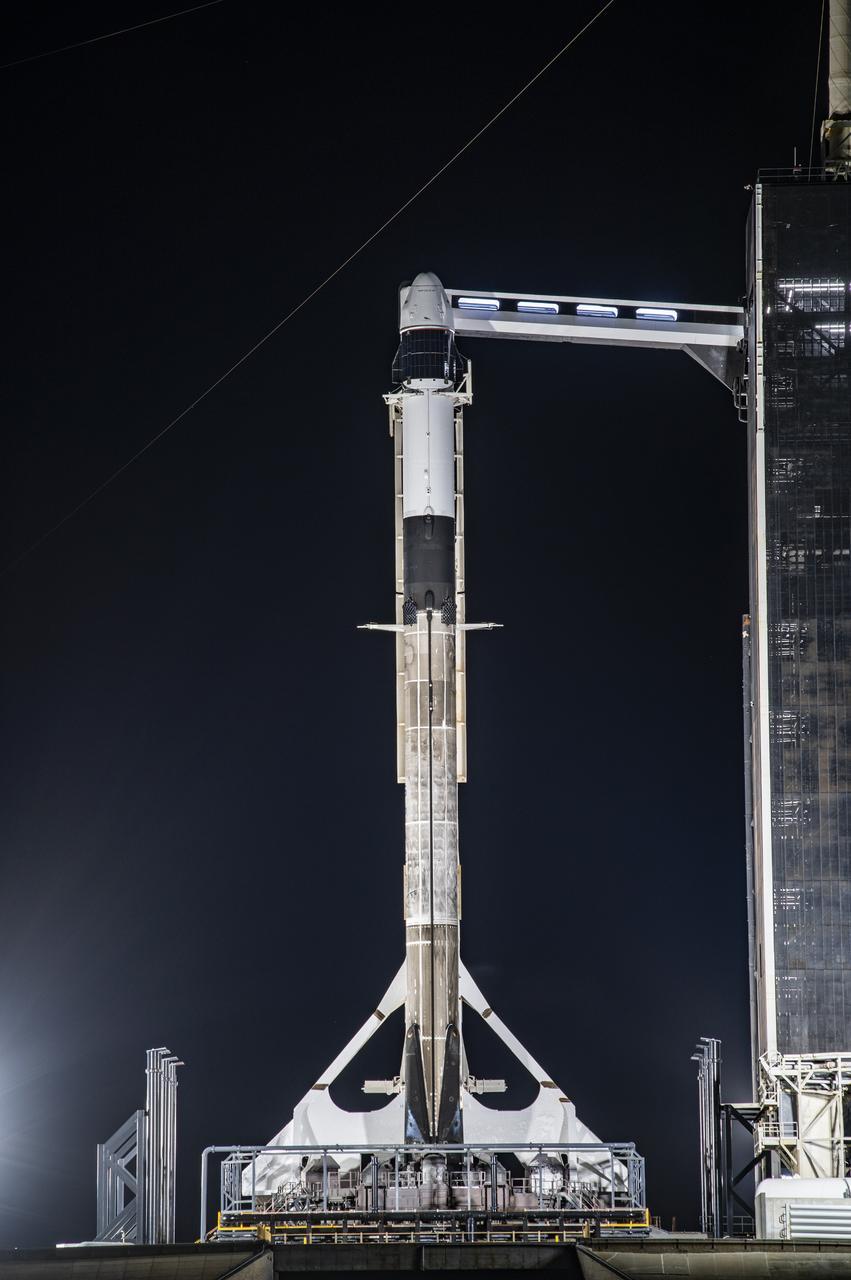
A SpaceX Falcon 9 rocket, topped with the company’s upgraded version of the Dragon spacecraft, stands vertical at NASA Kennedy Space Center’s Launch Complex 39A in Florida on Wednesday, Dec. 2, 2020. The first mission for SpaceX under NASA’s second Commercial Resupply Services contract, CRS-21 is scheduled to lift off from Launch Complex 39A on Saturday, Dec. 5, at 11:39 a.m. EST. The mission will deliver critical supplies and equipment to the International Space Station.
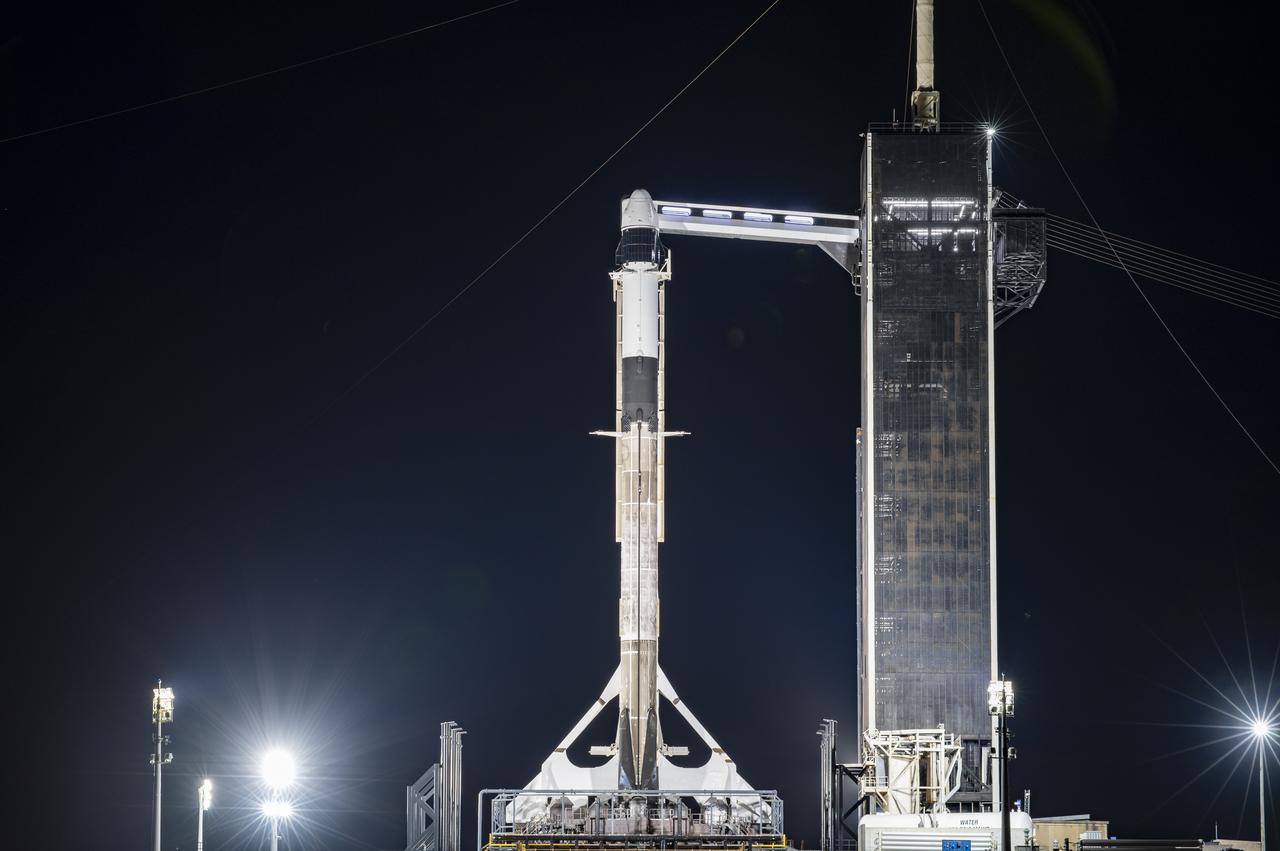
A SpaceX Falcon 9 rocket, topped with the company’s upgraded version of the Dragon spacecraft, stands vertical at NASA Kennedy Space Center’s Launch Complex 39A in Florida on Wednesday, Dec. 2, 2020. The first mission for SpaceX under NASA’s second Commercial Resupply Services contract, CRS-21 is scheduled to lift off from Launch Complex 39A on Saturday, Dec. 5, at 11:39 a.m. EST. The mission will deliver critical supplies and equipment to the International Space Station.
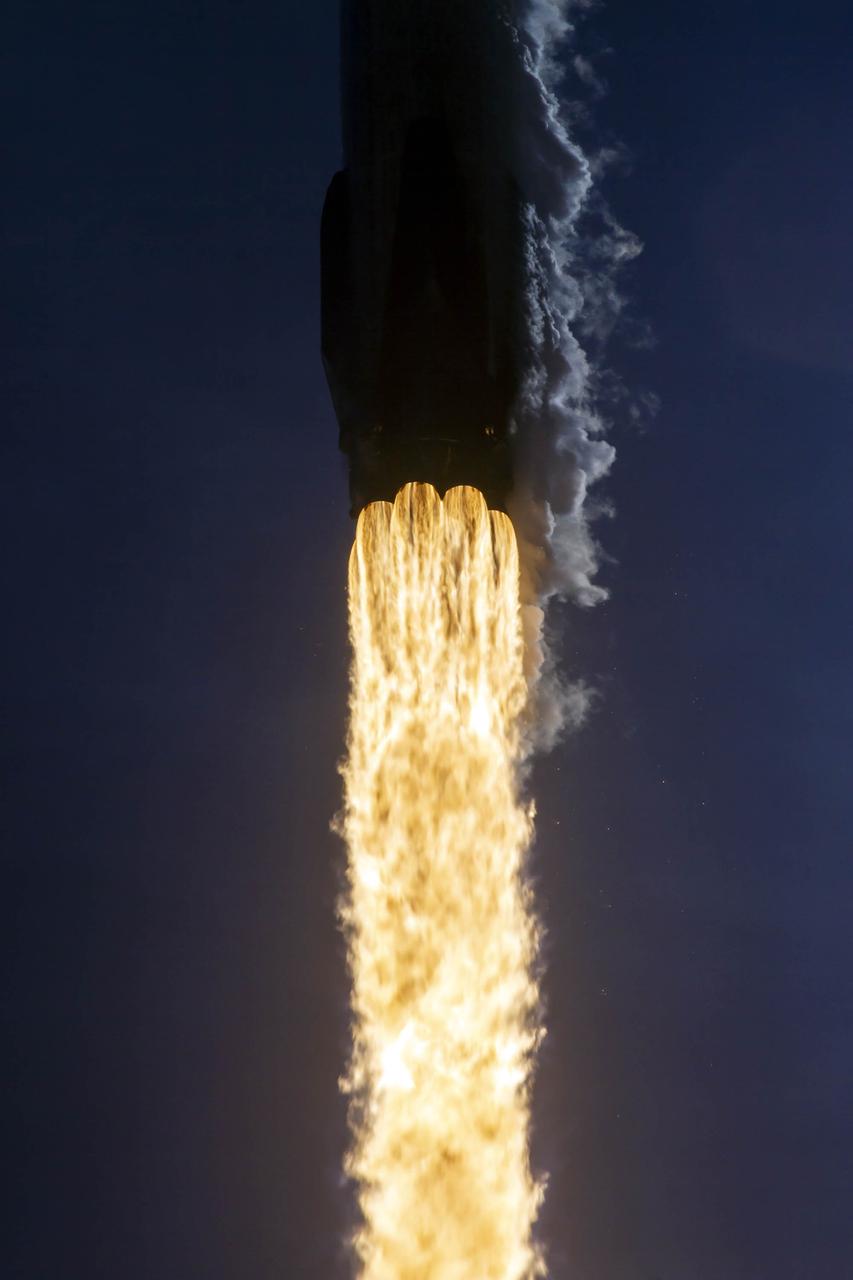
A SpaceX Falcon 9 rocket lifts off from Launch Complex 39A at Kennedy Space Center in Florida at 11:17 a.m. EST on Dec. 6, 2020, carrying the uncrewed cargo Dragon spacecraft on its journey to the International Space Station for NASA and SpaceX’s 21st Commercial Resupply Services (CRS-21) mission. Dragon will deliver more than 6,400 pounds of science investigations and cargo to the orbiting laboratory. The mission marks the first launch for SpaceX under NASA’s CRS-2 contract.
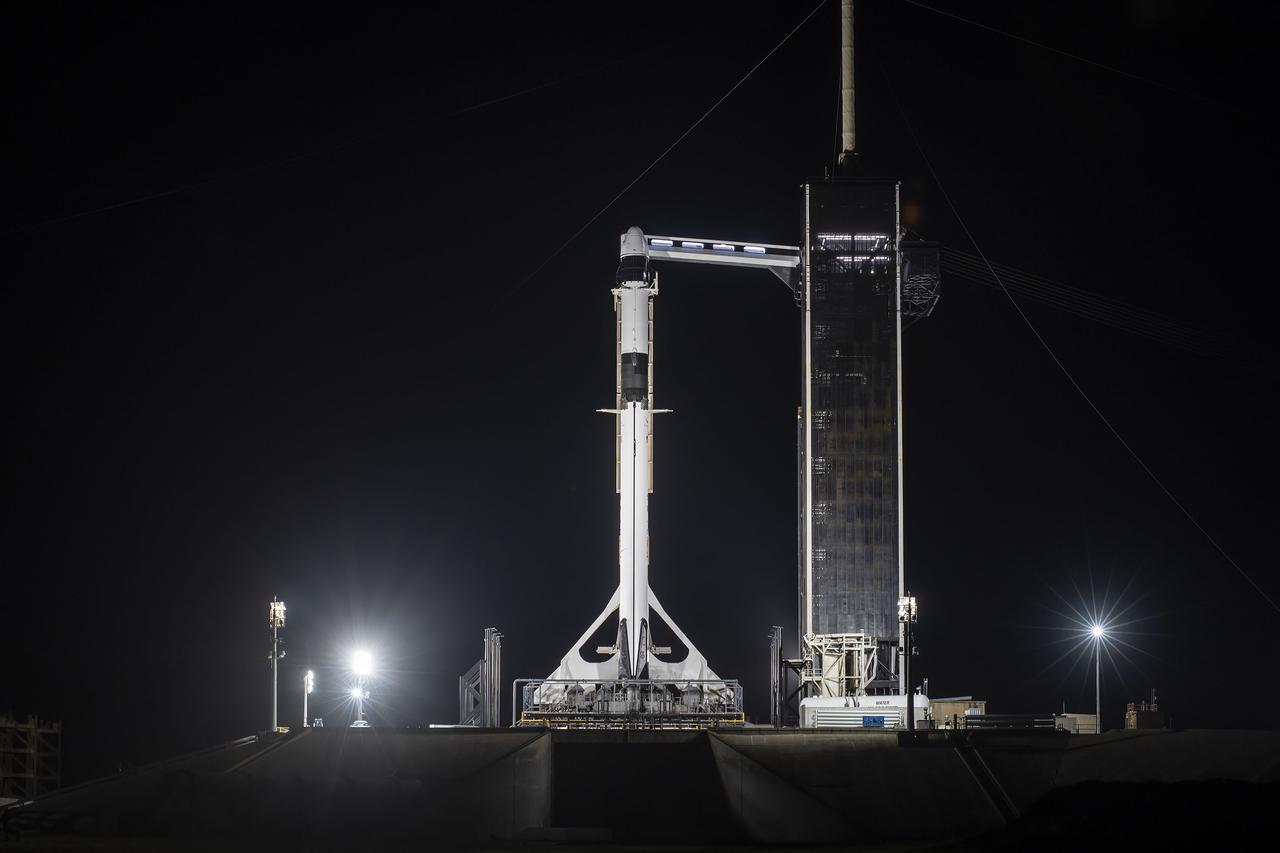
The SpaceX Falcon 9 rocket with the Dragon capsule atop is raised to the vertical position on June 2, 2021, at Launch Complex 39A at NASA’s Kennedy Space Center in Florida, in preparation for the company’s 22nd Commercial Resupply Services mission for NASA to the International Space Station. In view is the access arm. Dragon will deliver more than 7,300 pounds of cargo to the space station. Liftoff is scheduled for 1:29 p.m. EDT on Thursday, June 3.
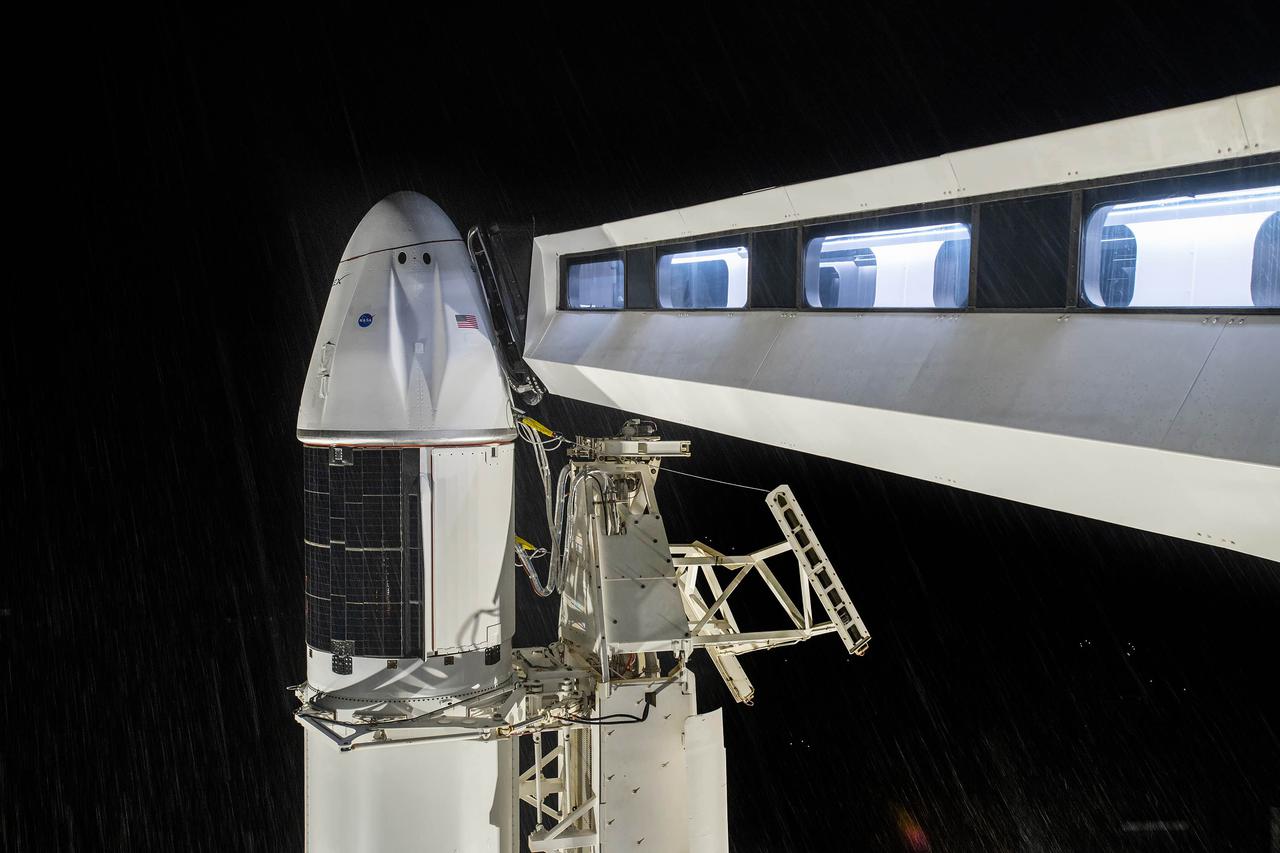
A close-up view of the SpaceX Falcon 9 rocket with the Dragon capsule atop in the vertical position on June 2, 2021, at Launch Complex 39A at NASA’s Kennedy Space Center in Florida, in preparation for the company’s 22nd Commercial Resupply Services mission for NASA to the International Space Station. In view is the access arm. Dragon will deliver more than 7,300 pounds of cargo to the space station. Liftoff is scheduled for 1:29 p.m. EDT on Thursday, June 3.
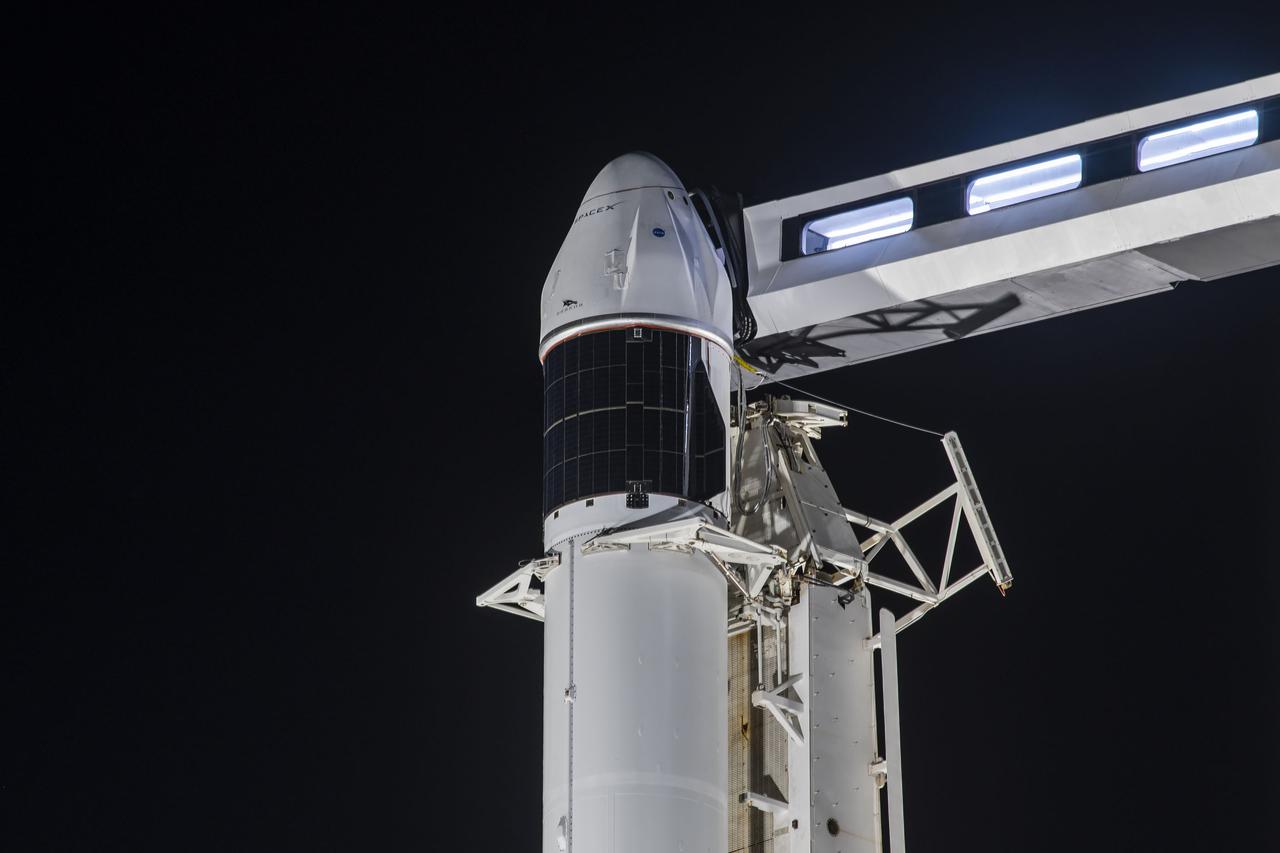
A close-up view of the SpaceX Falcon 9 rocket with the Dragon capsule atop in the vertical position on June 2, 2021, at Launch Complex 39A at NASA’s Kennedy Space Center in Florida, in preparation for the company’s 22nd Commercial Resupply Services mission for NASA to the International Space Station. In view is the access arm. Dragon will deliver more than 7,300 pounds of cargo to the space station. Liftoff is scheduled for 1:29 p.m. EDT on Thursday, June 3.
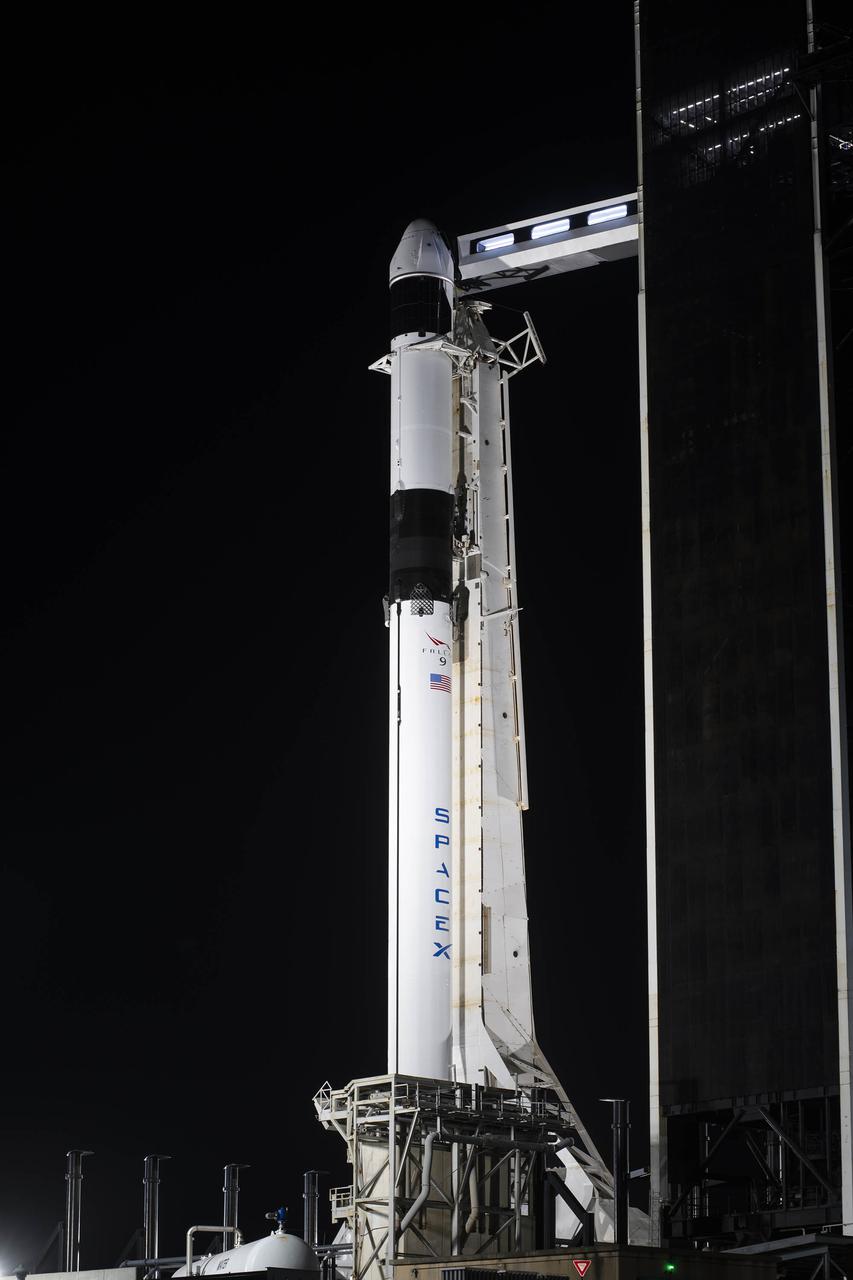
The SpaceX Falcon 9 rocket with the Dragon capsule atop is raised to the vertical position on June 2, 2021, at Launch Complex 39A at NASA’s Kennedy Space Center in Florida, in preparation for the company’s 22nd Commercial Resupply Services mission for NASA to the International Space Station. In view is the access arm. Dragon will deliver more than 7,300 pounds of cargo to the space station. Liftoff is scheduled for 1:29 p.m. EDT on Thursday, June 3.
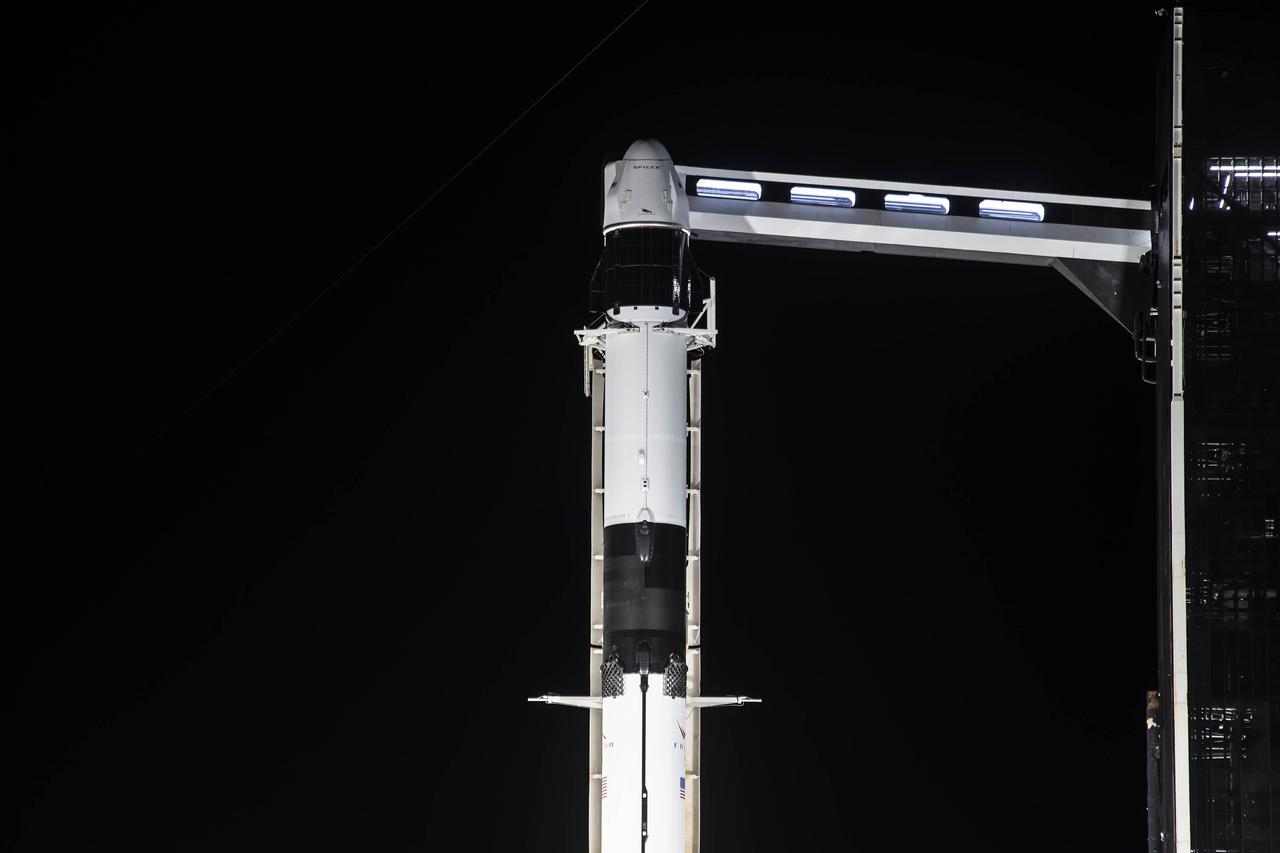
A close-up view of the SpaceX Falcon 9 rocket with the Dragon capsule atop in the vertical position on June 2, 2021, at Launch Complex 39A at NASA’s Kennedy Space Center in Florida, in preparation for the company’s 22nd Commercial Resupply Services mission for NASA to the International Space Station. In view is the access arm. Dragon will deliver more than 7,300 pounds of cargo to the space station. Liftoff is scheduled for 1:29 p.m. EDT on Thursday, June 3.
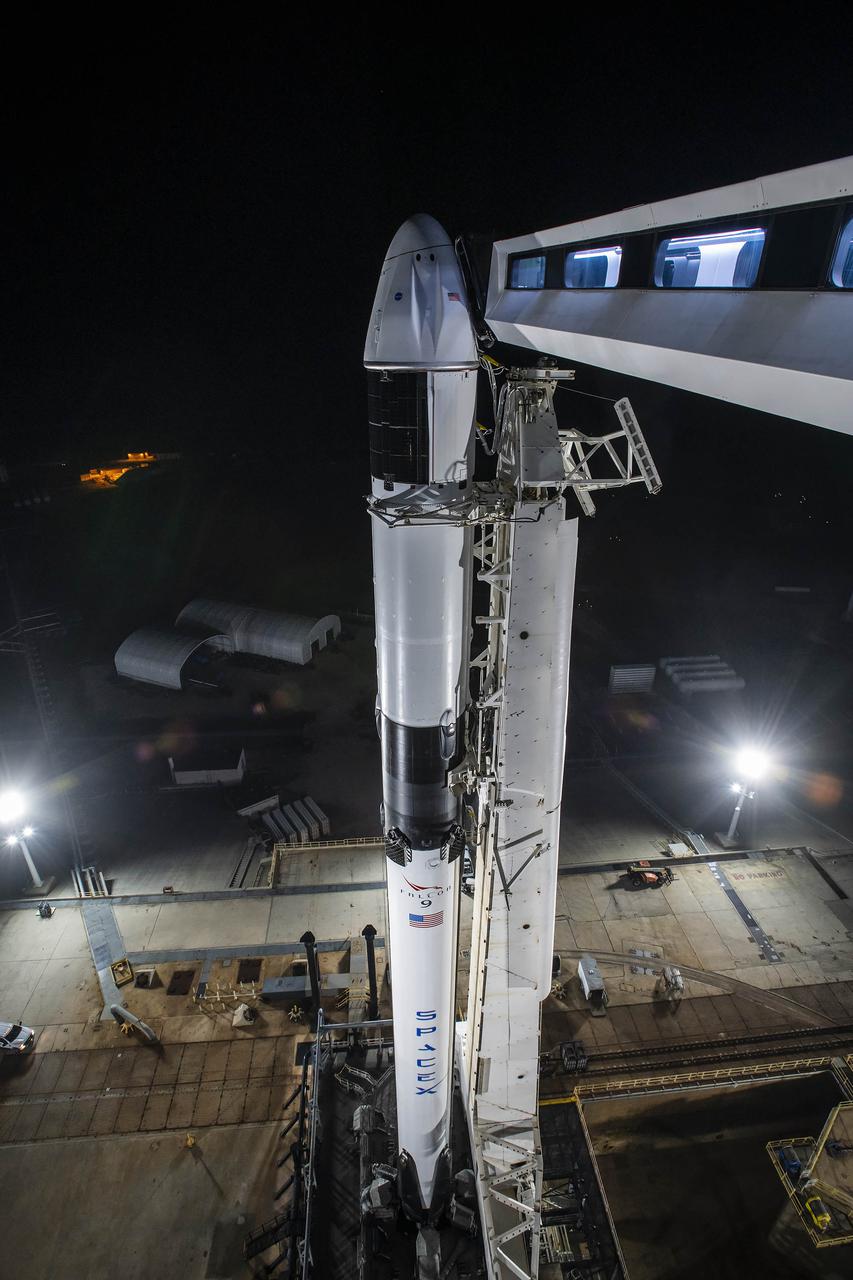
The SpaceX Falcon 9 rocket with the Dragon capsule atop is raised to the vertical position on June 2, 2021, at Launch Complex 39A at NASA’s Kennedy Space Center in Florida, in preparation for the company’s 22nd Commercial Resupply Services mission for NASA to the International Space Station. In view is the access arm. Dragon will deliver more than 7,300 pounds of cargo to the space station. Liftoff is scheduled for 1:29 p.m. EDT on Thursday, June 3.
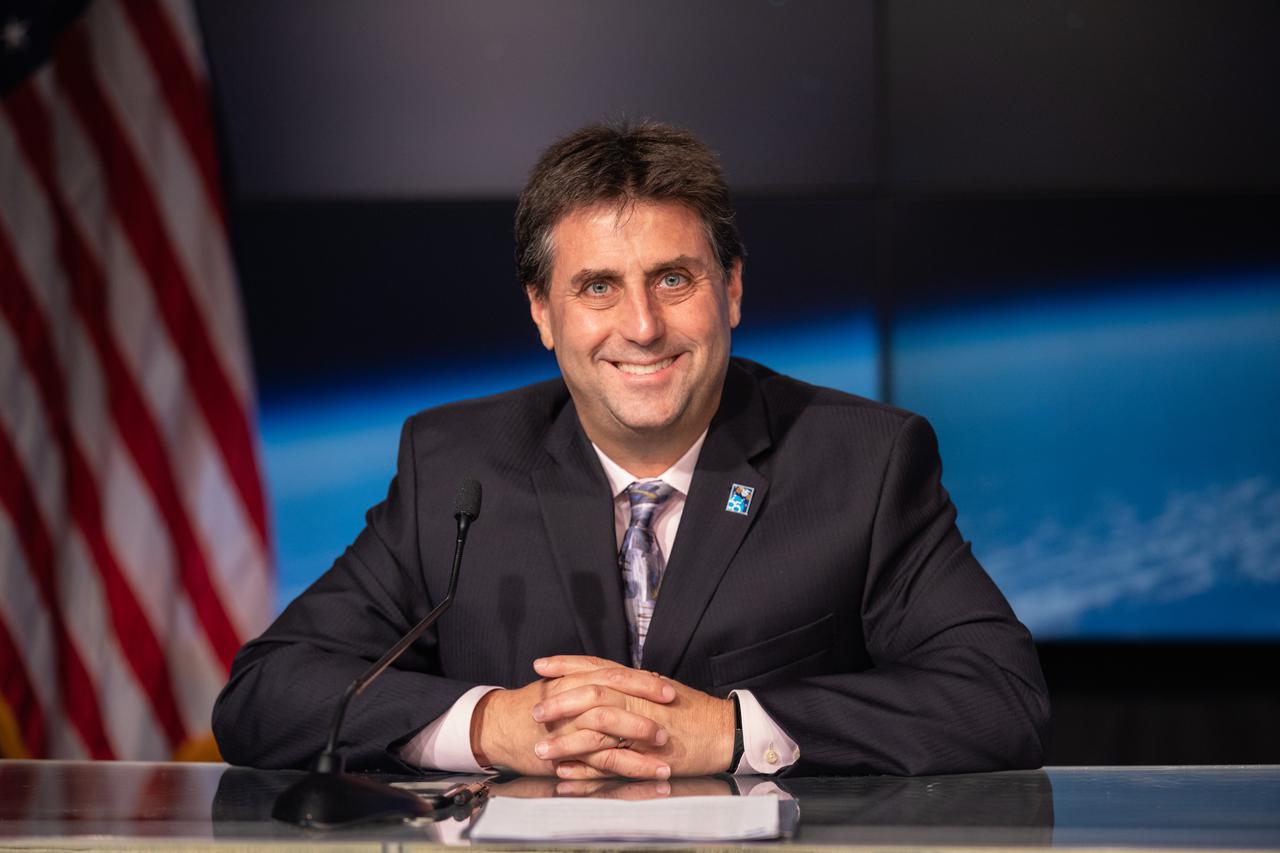
A prelaunch news conference for SpaceX’s 22nd Commercial Resupply Services mission for NASA to the International Space Station is held on June 2, 2021 at Kennedy Space Center in Florida. Joel Montalbano, manager for International Space Station Program, answers questions from members of the media. The Dragon capsule atop SpaceX’s Falcon 9 rocket is scheduled to lift off from Launch Complex 39A at 1:29 p.m. EDT on Thursday, June 3. Dragon will deliver more than 7,300 pounds of cargo to the space station.
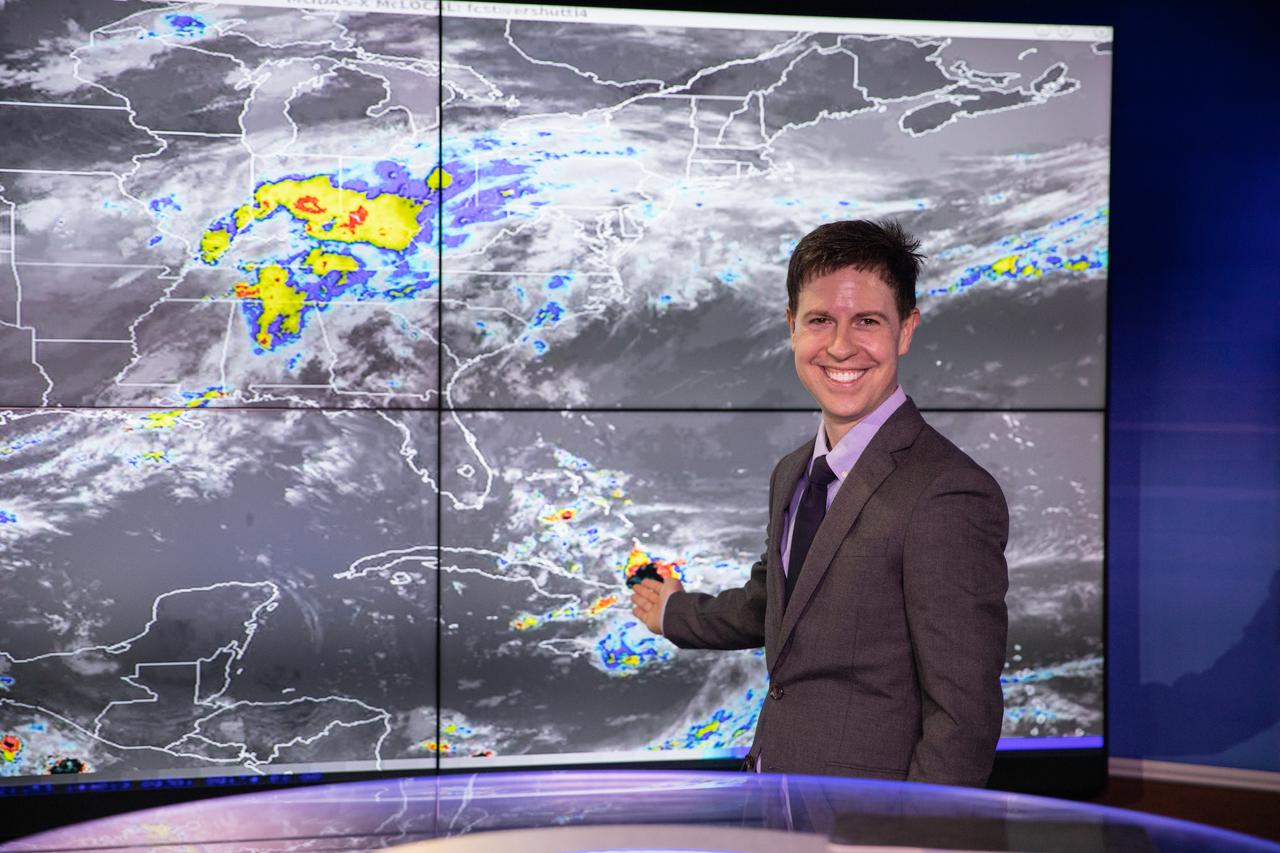
Mark Burger, launch weather officer, 45th Weather Squadron, Cape Canaveral Space Force Station, participates in a prelaunch news conference for SpaceX’s 22nd Commercial Resupply Services mission for NASA to the International Space Station on June 2, 2021 at Kennedy Space Center in Florida. The Dragon capsule atop SpaceX’s Falcon 9 rocket is scheduled to lift off from Launch Complex 39A at 1:29 p.m. EDT on June 3. Dragon will deliver more than 7,300 pounds of cargo to the space station.
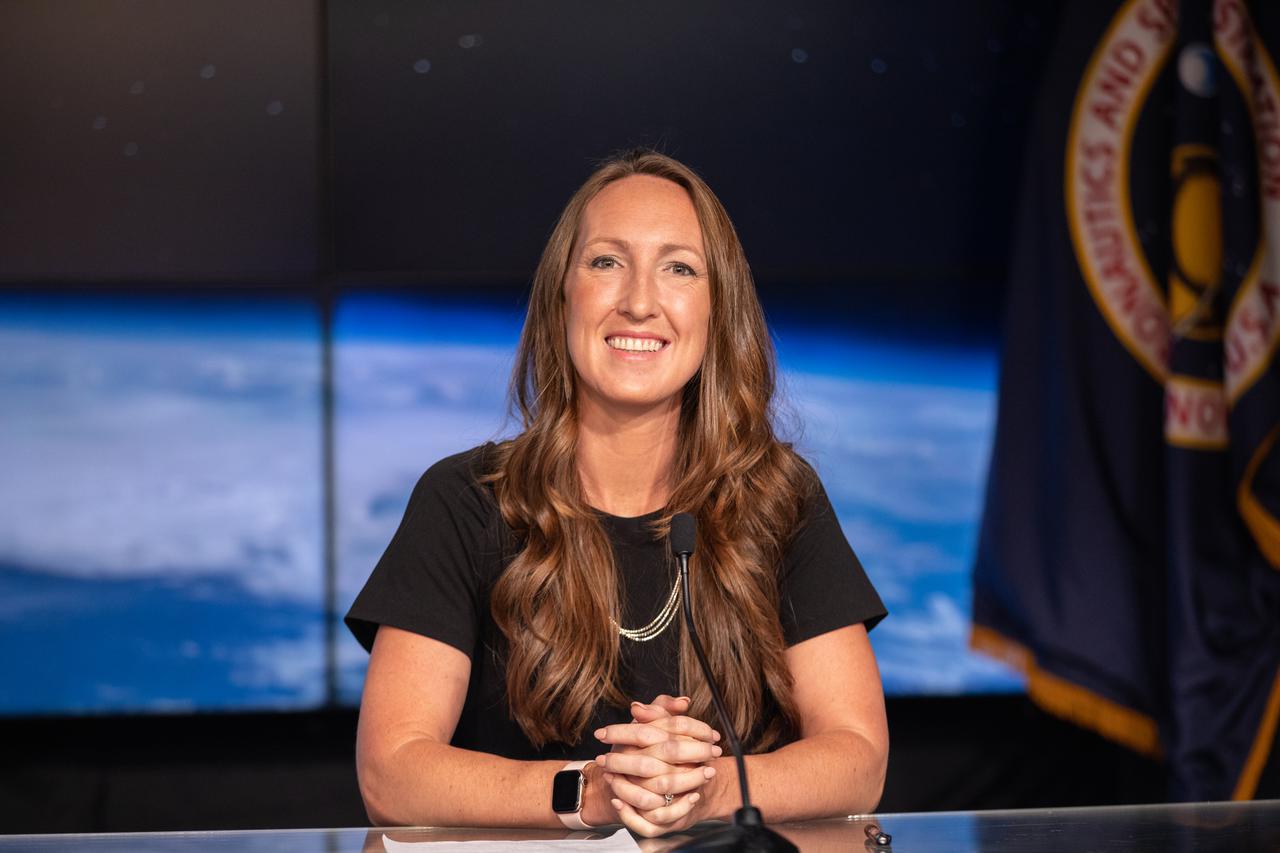
A prelaunch news conference for SpaceX’s 22nd Commercial Resupply Services mission for NASA to the International Space Station is held on June 2, 2021 at Kennedy Space Center in Florida. Sarah Walker, director, Dragon mission management at SpaceX, answers questions from members of the media. The Dragon capsule atop SpaceX’s Falcon 9 rocket is scheduled to lift off from Launch Complex 39A at 1:29 p.m. EDT on Thursday, June 3. Dragon will deliver more than 7,300 pounds of cargo to the space station.
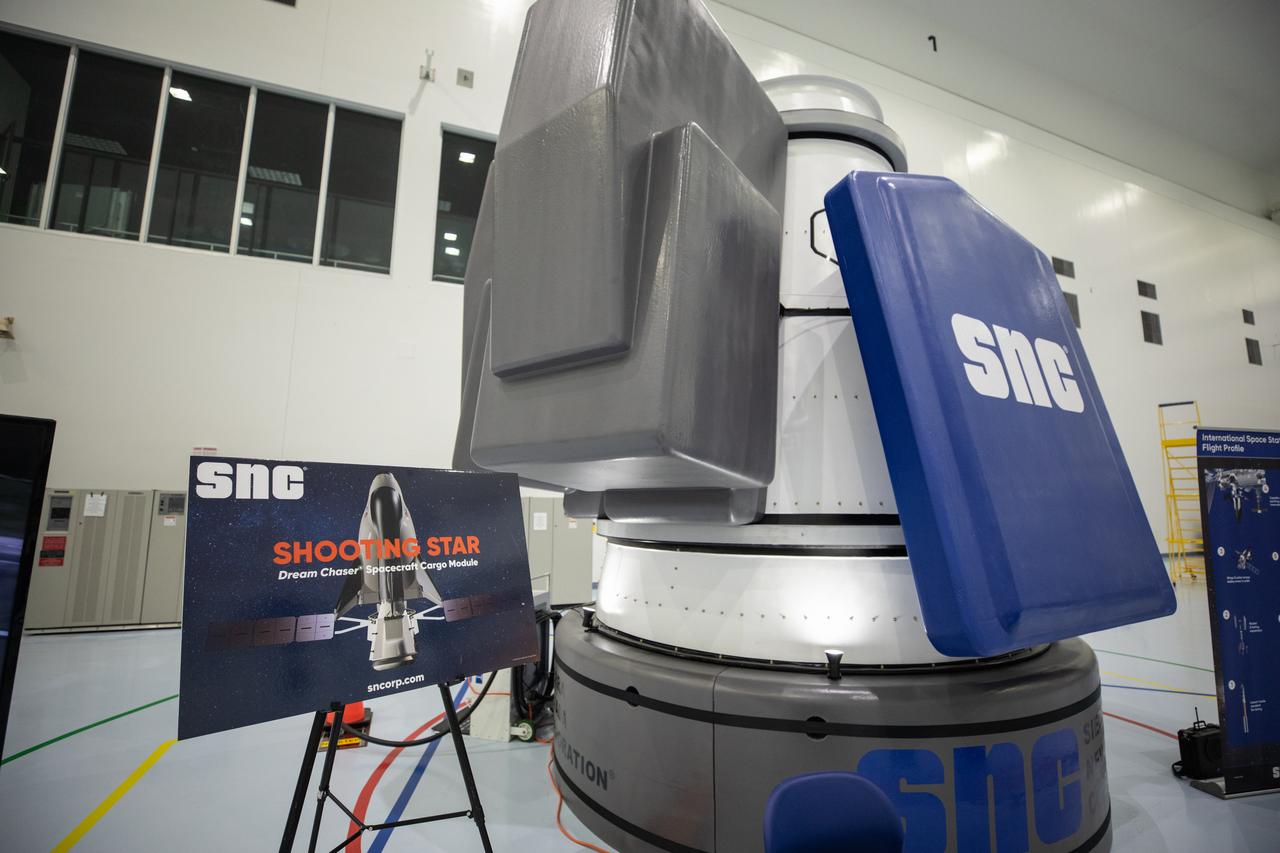
A look at a testing mockup of Sierra Nevada Corporation’s Shooting Star cargo module in the Space Station Processing Facility high bay at Kennedy Space Center on Nov. 19, 2019. Shooting Star will attach to the back of the company’s Dream Chaser spacecraft. The cargo module will deliver more than 12,000 pounds of supplies and other cargo to the International Space Station for NASA as part of the Commercial Resupply Services-2 contract.
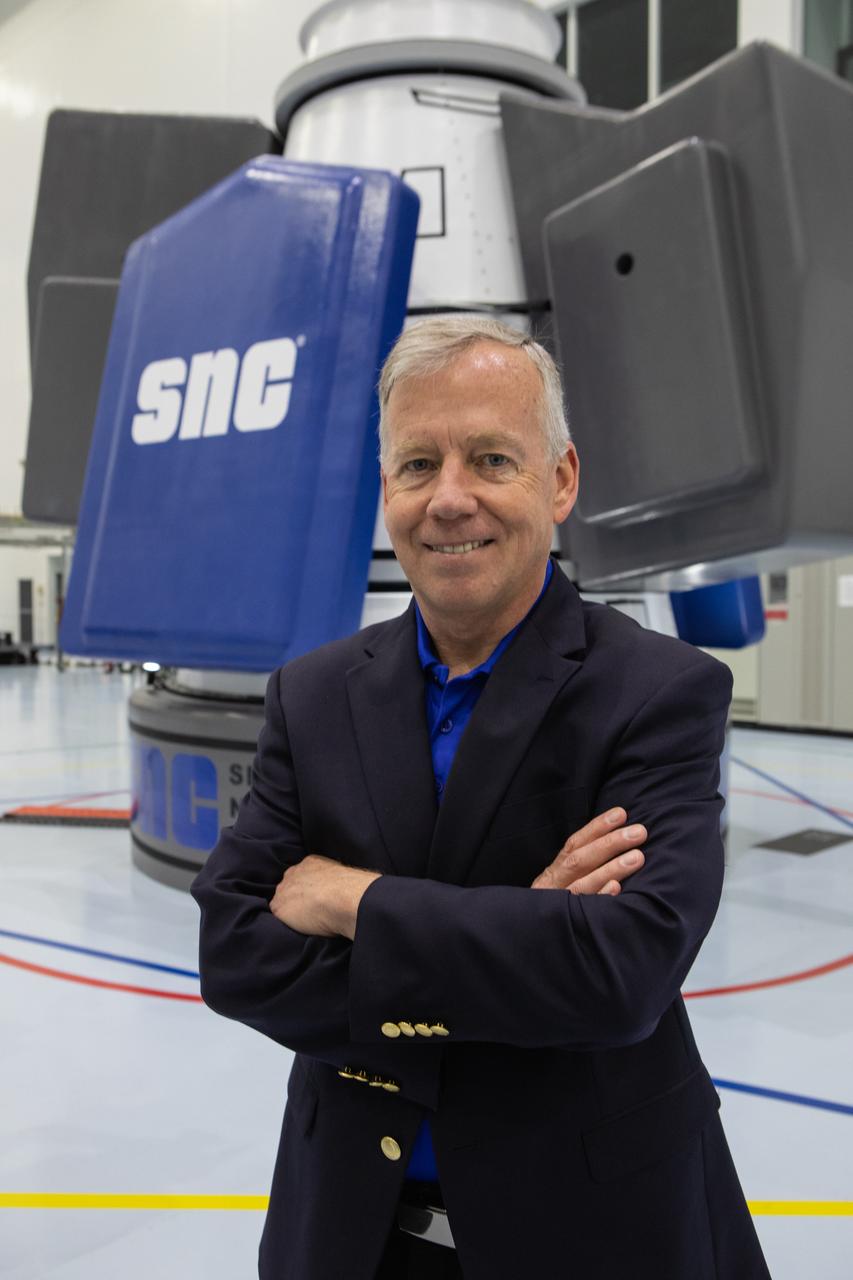
Steve Lindsey, senior vice president of strategy for Sierra Nevada Corporation Space Systems and a former NASA astronaut, poses in front of the company’s Shooting Star cargo module in the Space Station Processing Facility high bay at Kennedy Space Center on Nov. 19, 2019. Shooting Star will attach to the back of the company’s Dream Chaser spacecraft. The cargo module will deliver more than 12,000 pounds of supplies and other cargo to the International Space Station for NASA as part of the Commercial Resupply Services-2 contract.

A look at a testing mockup of Sierra Nevada Corporation’s Shooting Star cargo module in the Space Station Processing Facility high bay at Kennedy Space Center on Nov. 19, 2019. Shooting Star will attach to the back of the company’s Dream Chaser spacecraft. The cargo module will deliver more than 12,000 pounds of supplies and other cargo to the International Space Station for NASA as part of the Commercial Resupply Services-2 contract.
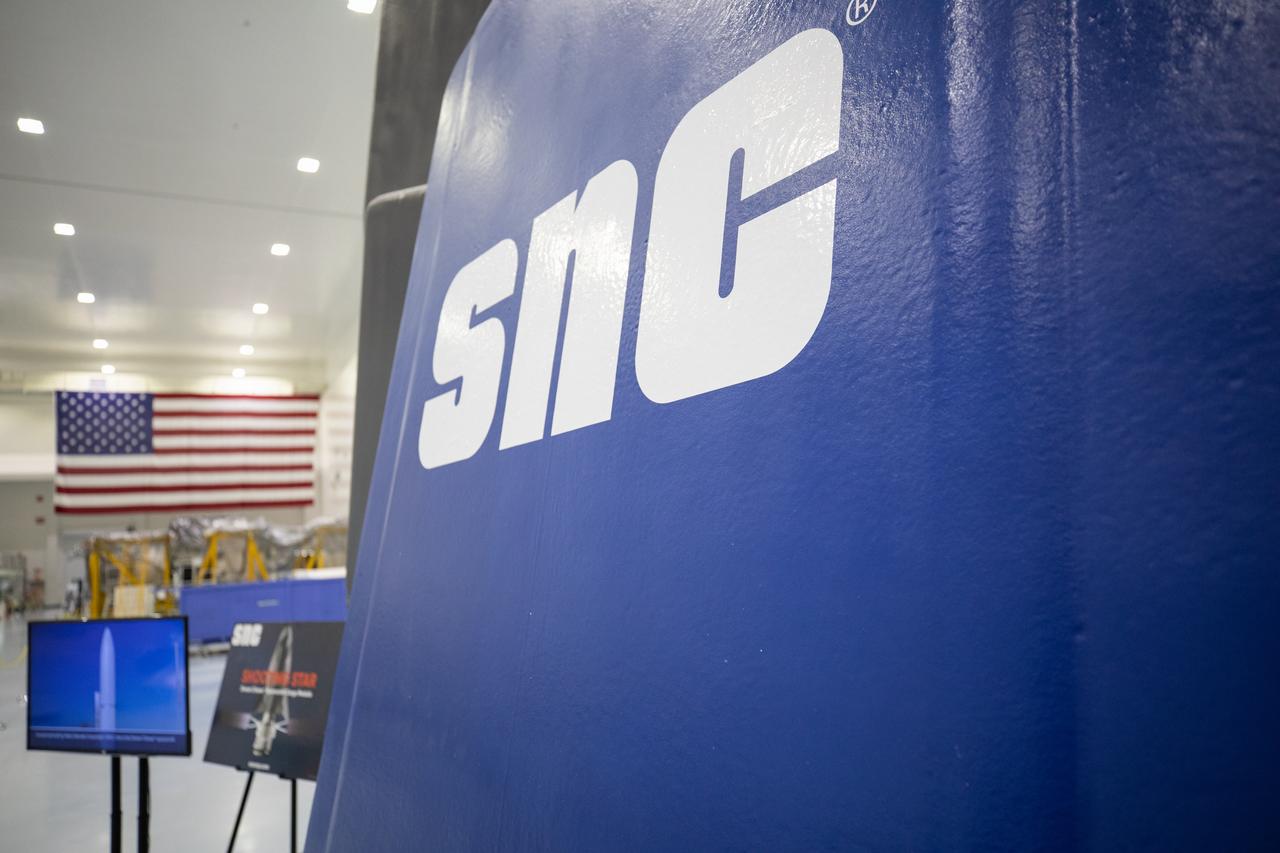
A look at a testing mockup of Sierra Nevada Corporation’s Shooting Star cargo module in the Space Station Processing Facility high bay at Kennedy Space Center on Nov. 19, 2019. Shooting Star will attach to the back of the company’s Dream Chaser spacecraft. The cargo module will deliver more than 12,000 pounds of supplies and other cargo to the International Space Station for NASA as part of the Commercial Resupply Services-2 contract.
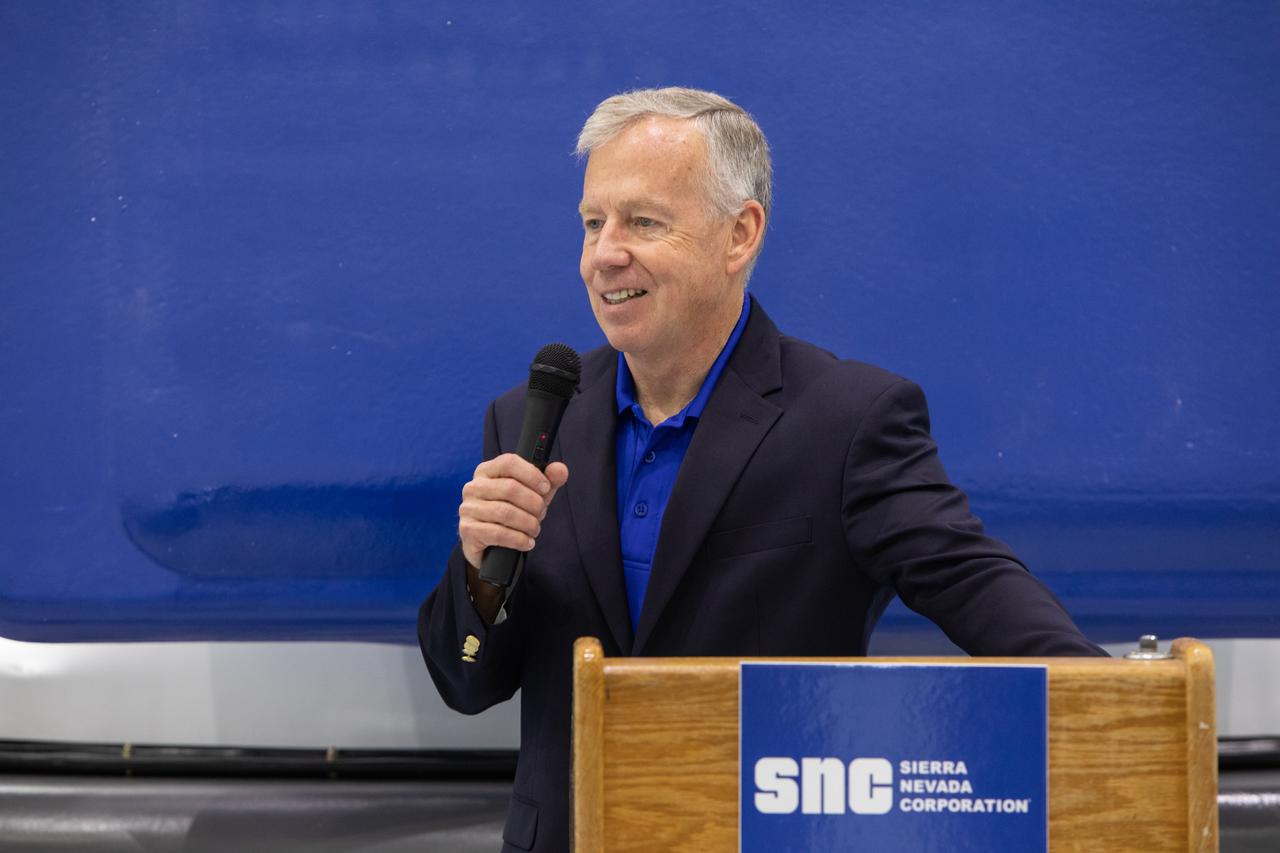
Steve Lindsey, senior vice president of strategy for Sierra Nevada Corporation Space Systems and a former NASA astronaut, discusses the capabilities of the company’s Shooting Star cargo module in the Space Station Processing Facility high bay at Kennedy Space Center on Nov. 19, 2019. Shooting Star will attach to the back of the company’s Dream Chaser spacecraft. The cargo module will deliver more than 12,000 pounds of supplies and other cargo to the International Space Station for NASA as part of the Commercial Resupply Services-2 contract.
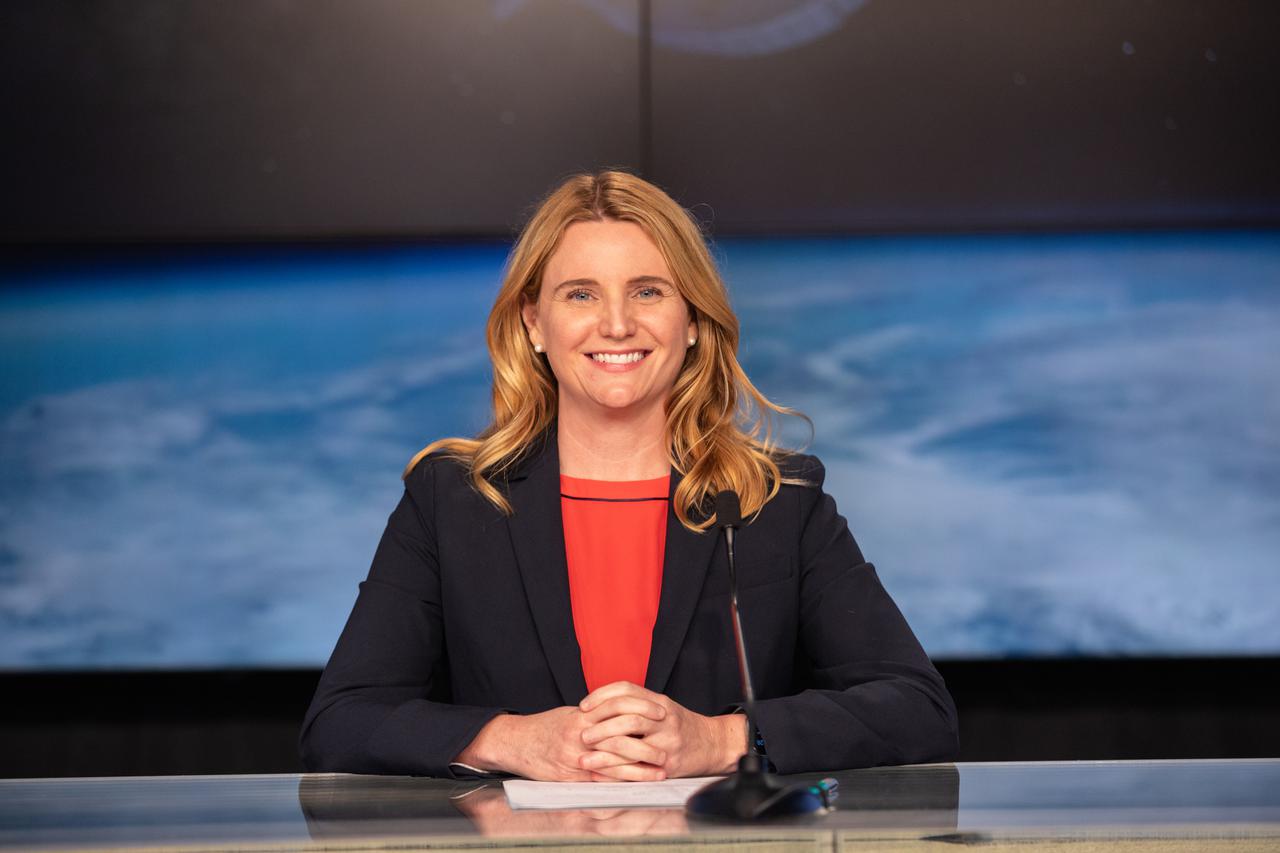
A prelaunch news conference for SpaceX’s 22nd Commercial Resupply Services mission for NASA to the International Space Station is held on June 2, 2021 at Kennedy Space Center in Florida. Jennifer Buchli, deputy chief scientist for International Space Station Program, answers questions from members of the media. The Dragon capsule atop SpaceX’s Falcon 9 rocket is scheduled to lift off from Launch Complex 39A at 1:29 p.m. EDT on Thursday, June 3. Dragon will deliver more than 7,300 pounds of cargo to the space station.
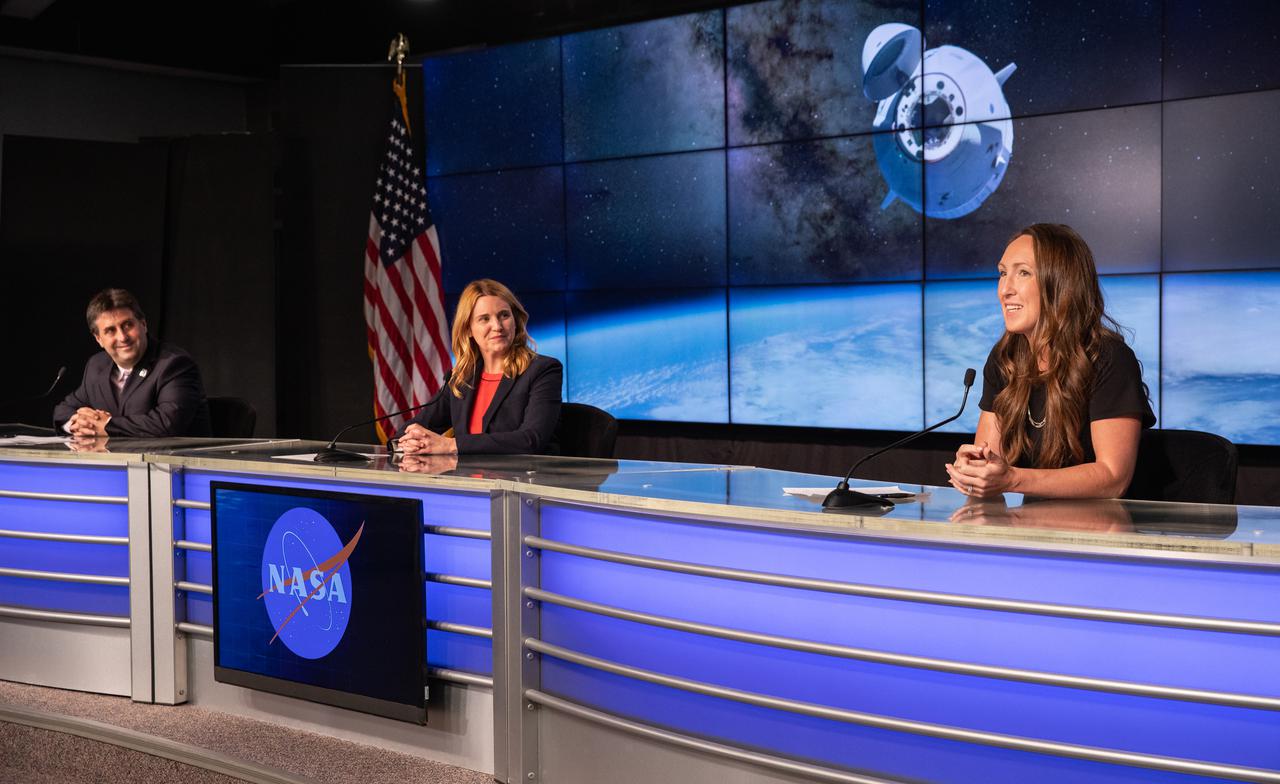
A prelaunch news conference for SpaceX’s 22nd Commercial Resupply Services mission for NASA to the International Space Station is held on June 2, 2021 at Kennedy Space Center in Florida. From left are Joel Montalbano, manager for International Space Station Program; Jennifer Buchli, deputy chief scientist for International Space Station Program; and Sarah Walker, director, Dragon mission management at SpaceX. The Dragon capsule atop SpaceX’s Falcon 9 rocket is scheduled to lift off from Launch Complex 39A at 1:29 p.m. EDT on Thursday, June 3. Dragon will deliver more than 7,300 pounds of cargo to the space station.
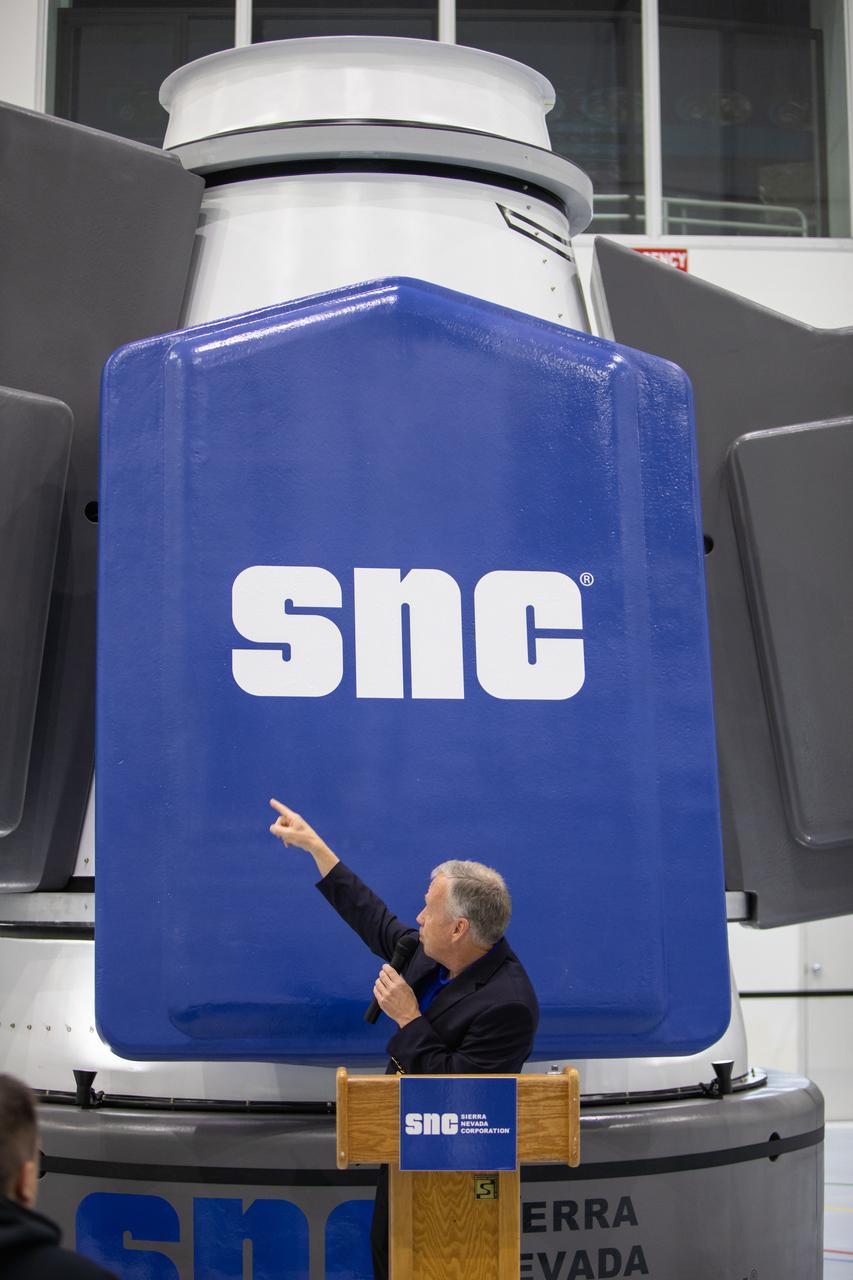
Steve Lindsey, senior vice president of strategy for Sierra Nevada Corporation Space Systems and a former NASA astronaut, discusses the capabilities of the company’s Shooting Star cargo module during a media day event in the Space Station Processing Facility high bay at Kennedy Space Center on Nov. 19, 2019. Shooting Star will attach to the back of the company’s Dream Chaser spacecraft. The cargo module will deliver more than 12,000 pounds of supplies and other cargo to the International Space Station for NASA as part of the Commercial Resupply Services-2 contract.
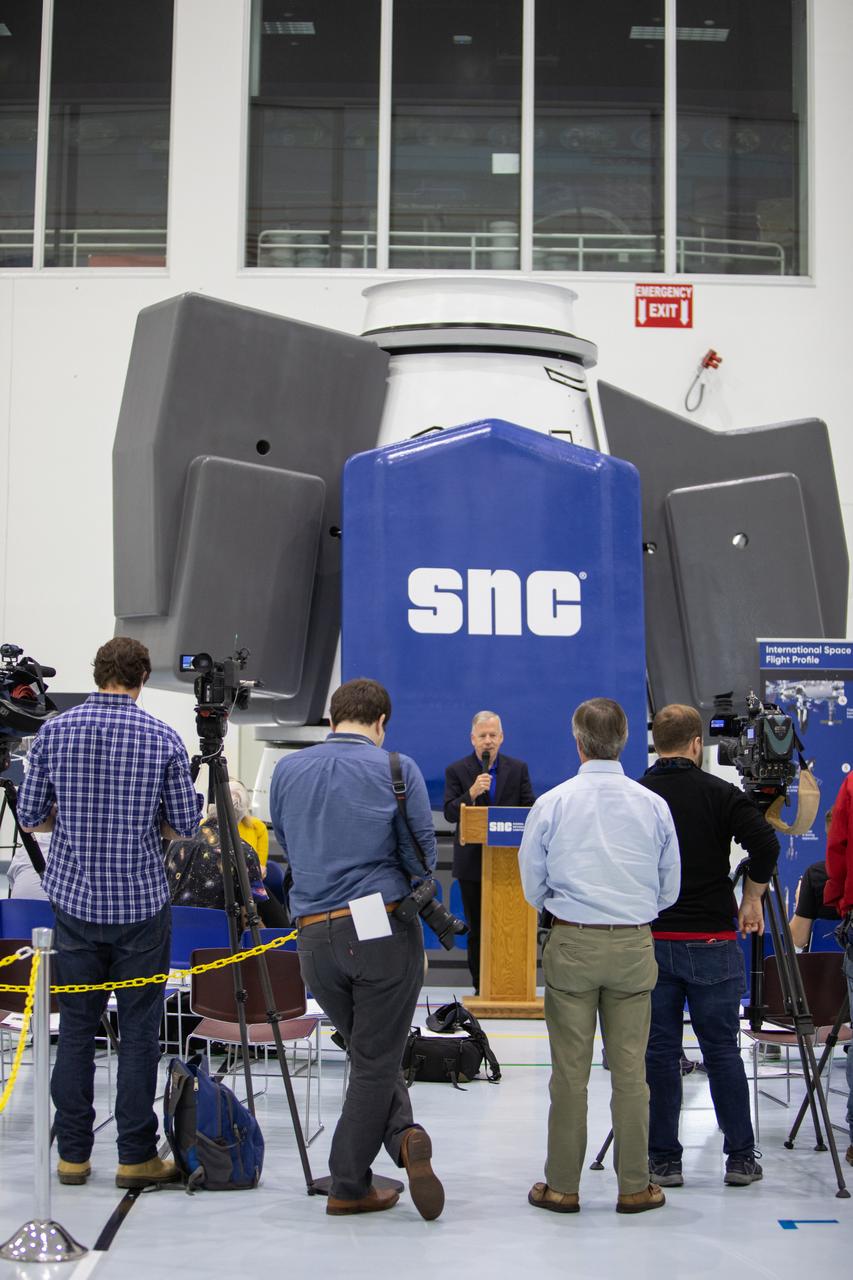
Steve Lindsey, senior vice president of strategy for Sierra Nevada Corporation Space Systems and a former NASA astronaut, discusses the capabilities of the company’s Shooting Star cargo module during a media day event in the Space Station Processing Facility high bay at Kennedy Space Center on Nov. 19, 2019. Shooting Star will attach to the back of the company’s Dream Chaser spacecraft. The cargo module will deliver more than 12,000 pounds of supplies and other cargo to the International Space Station for NASA as part of the Commercial Resupply Services-2 contract.
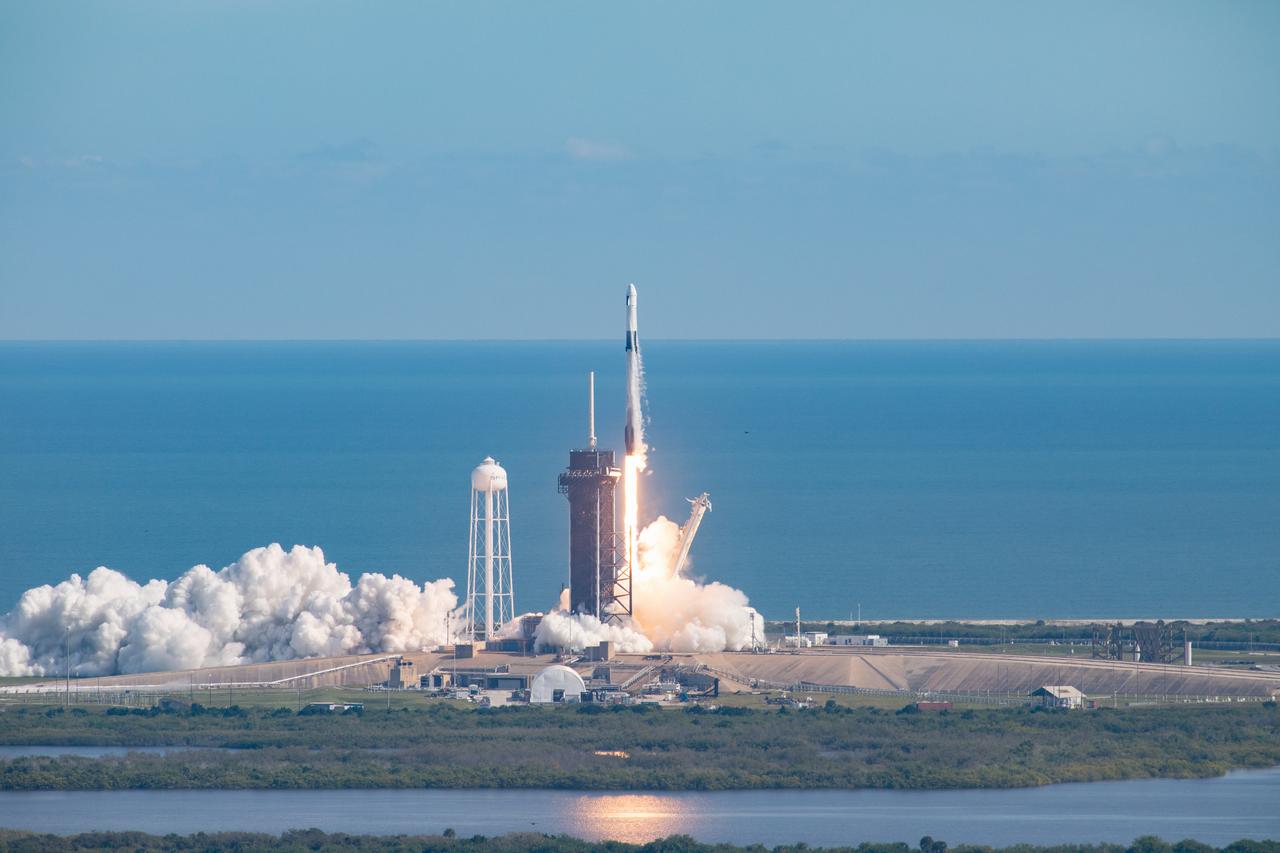
A SpaceX Falcon 9 rocket lifts off from Launch Complex 39A at Kennedy Space Center in Florida at 11:17 a.m. EST on Dec. 6, 2020, carrying the uncrewed cargo Dragon spacecraft on its journey to the International Space Station for NASA and SpaceX’s 21st Commercial Resupply Services (CRS-21) mission. Dragon will deliver more than 6,400 pounds of science investigations and cargo to the orbiting laboratory. The mission marks the first launch for SpaceX under NASA’s CRS-2 contract.
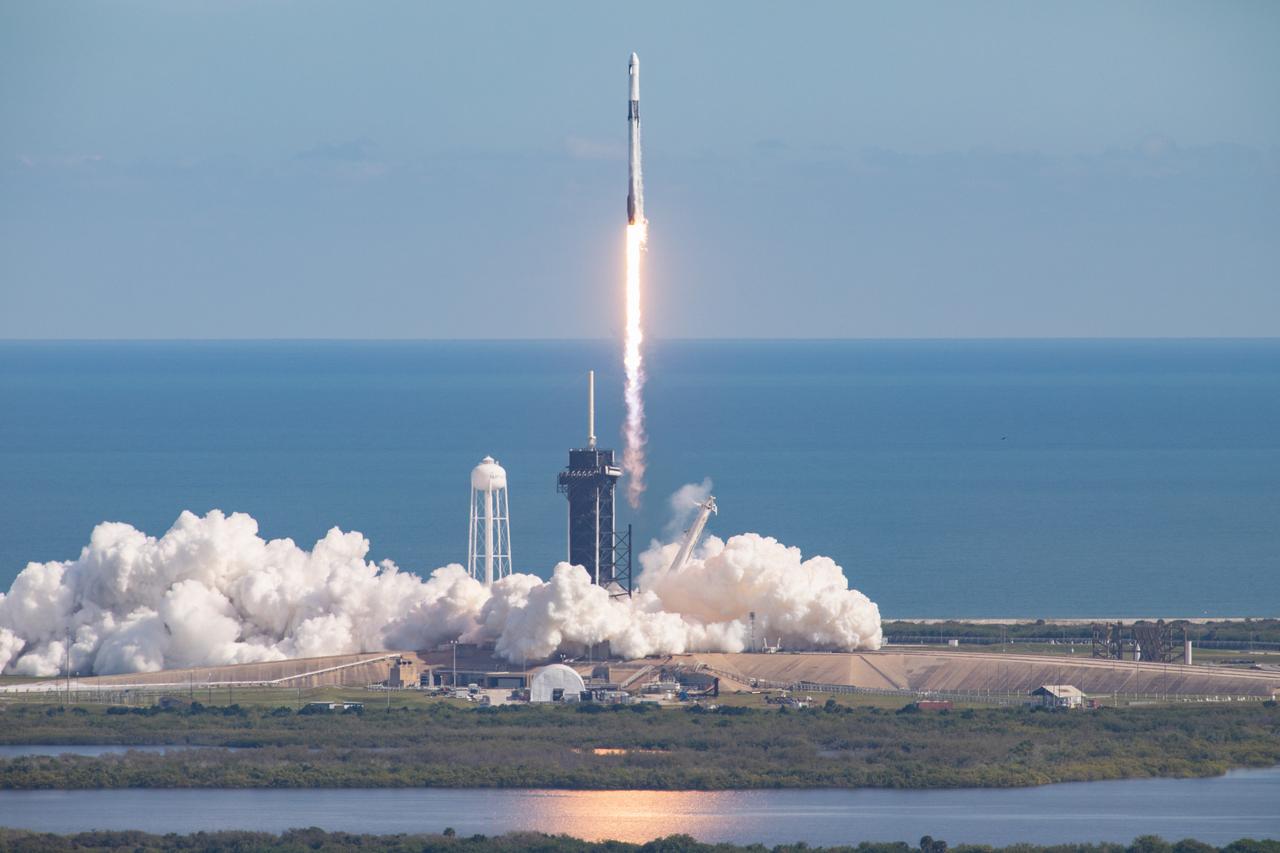
A SpaceX Falcon 9 rocket lifts off from Launch Complex 39A at Kennedy Space Center in Florida at 11:17 a.m. EST on Dec. 6, 2020, carrying the uncrewed cargo Dragon spacecraft on its journey to the International Space Station for NASA and SpaceX’s 21st Commercial Resupply Services (CRS-21) mission. Dragon will deliver more than 6,400 pounds of science investigations and cargo to the orbiting laboratory. The mission marks the first launch for SpaceX under NASA’s CRS-2 contract.
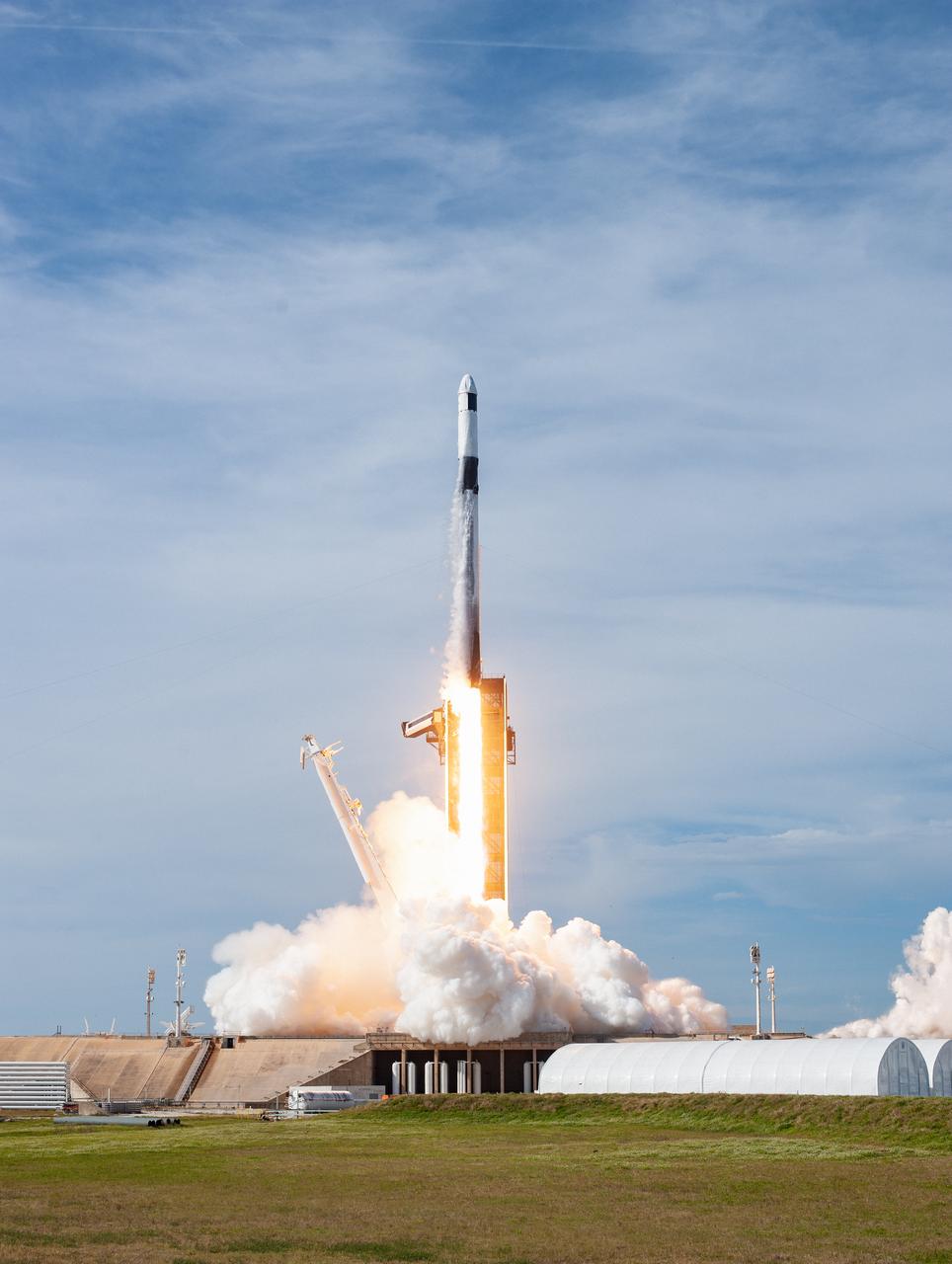
A SpaceX Falcon 9 rocket lifts off from Launch Complex 39A at Kennedy Space Center in Florida at 11:17 a.m. EST on Dec. 6, 2020, carrying the uncrewed cargo Dragon spacecraft on its journey to the International Space Station for NASA and SpaceX’s 21st Commercial Resupply Services (CRS-21) mission. Dragon will deliver more than 6,400 pounds of science investigations and cargo to the orbiting laboratory. The mission marks the first launch for SpaceX under NASA’s CRS-2 contract.
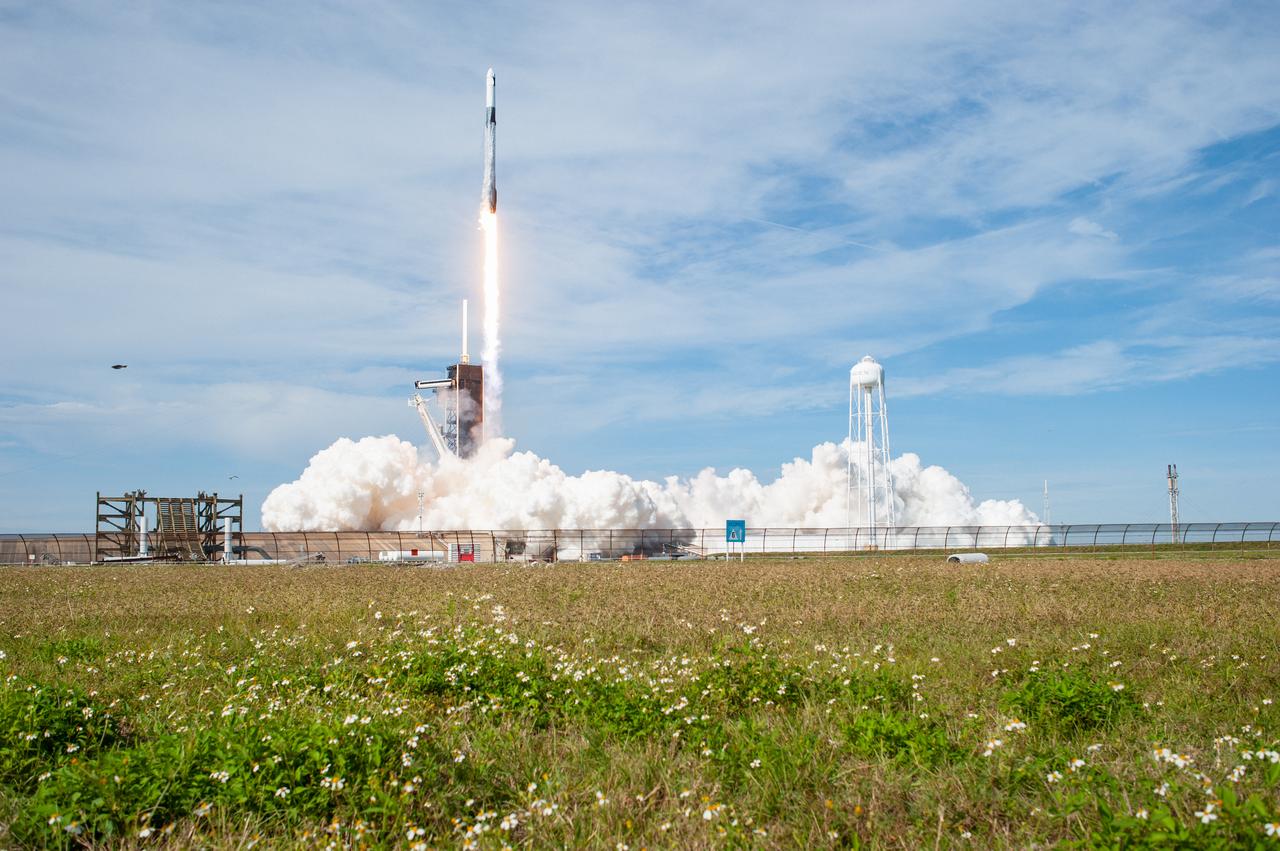
A SpaceX Falcon 9 rocket lifts off from Launch Complex 39A at Kennedy Space Center in Florida at 11:17 a.m. EST on Dec. 6, 2020, carrying the uncrewed cargo Dragon spacecraft on its journey to the International Space Station for NASA and SpaceX’s 21st Commercial Resupply Services (CRS-21) mission. Dragon will deliver more than 6,400 pounds of science investigations and cargo to the orbiting laboratory. The mission marks the first launch for SpaceX under NASA’s CRS-2 contract.

A SpaceX Falcon 9 rocket lifts off from Launch Complex 39A at Kennedy Space Center in Florida at 11:17 a.m. EST on Dec. 6, 2020, carrying the uncrewed cargo Dragon spacecraft on its journey to the International Space Station for NASA and SpaceX’s 21st Commercial Resupply Services (CRS-21) mission. Dragon will deliver more than 6,400 pounds of science investigations and cargo to the orbiting laboratory. The mission marks the first launch for SpaceX under NASA’s CRS-2 contract.
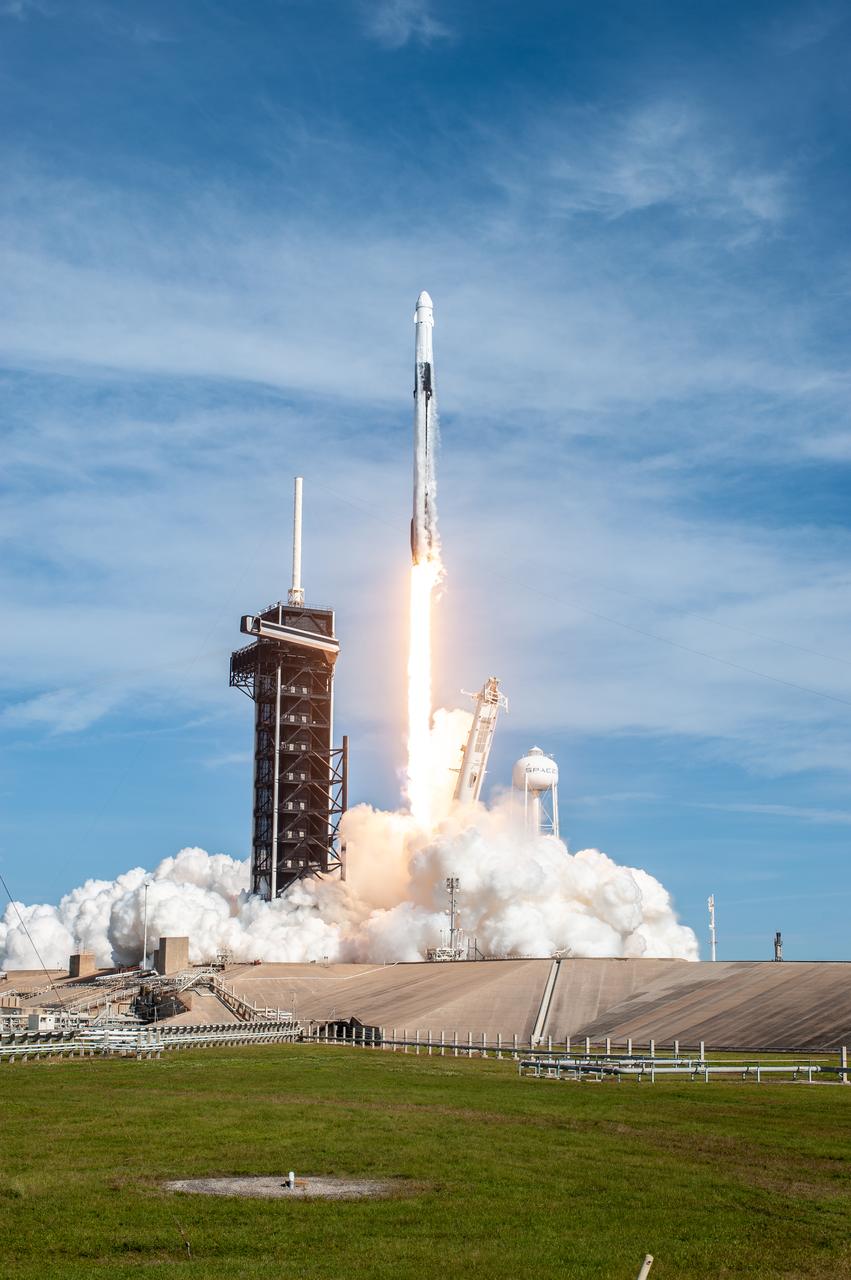
A SpaceX Falcon 9 rocket lifts off from Launch Complex 39A at Kennedy Space Center in Florida at 11:17 a.m. EST on Dec. 6, 2020, carrying the uncrewed cargo Dragon spacecraft on its journey to the International Space Station for NASA and SpaceX’s 21st Commercial Resupply Services (CRS-21) mission. Dragon will deliver more than 6,400 pounds of science investigations and cargo to the orbiting laboratory. The mission marks the first launch for SpaceX under NASA’s CRS-2 contract.
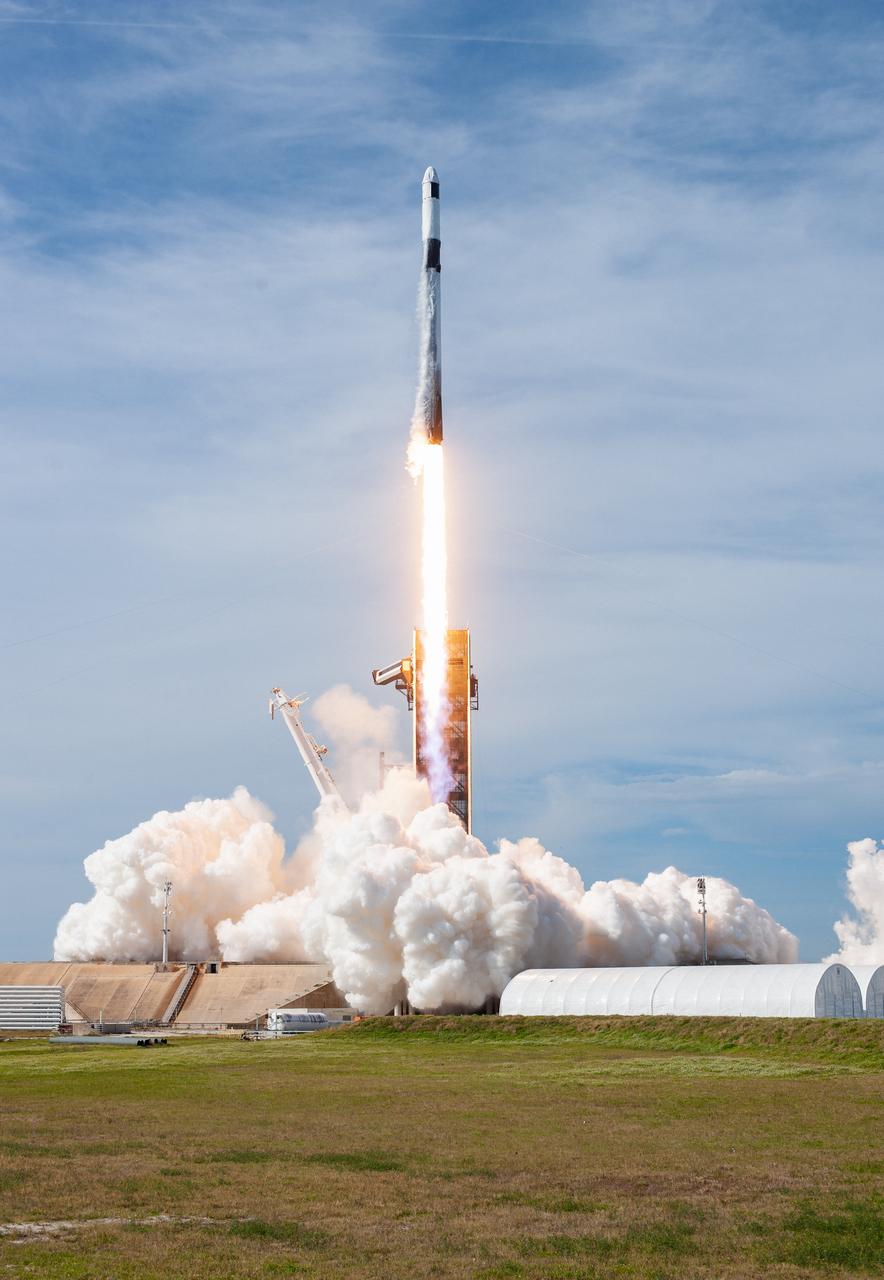
A SpaceX Falcon 9 rocket lifts off from Launch Complex 39A at Kennedy Space Center in Florida at 11:17 a.m. EST on Dec. 6, 2020, carrying the uncrewed cargo Dragon spacecraft on its journey to the International Space Station for NASA and SpaceX’s 21st Commercial Resupply Services (CRS-21) mission. Dragon will deliver more than 6,400 pounds of science investigations and cargo to the orbiting laboratory. The mission marks the first launch for SpaceX under NASA’s CRS-2 contract.
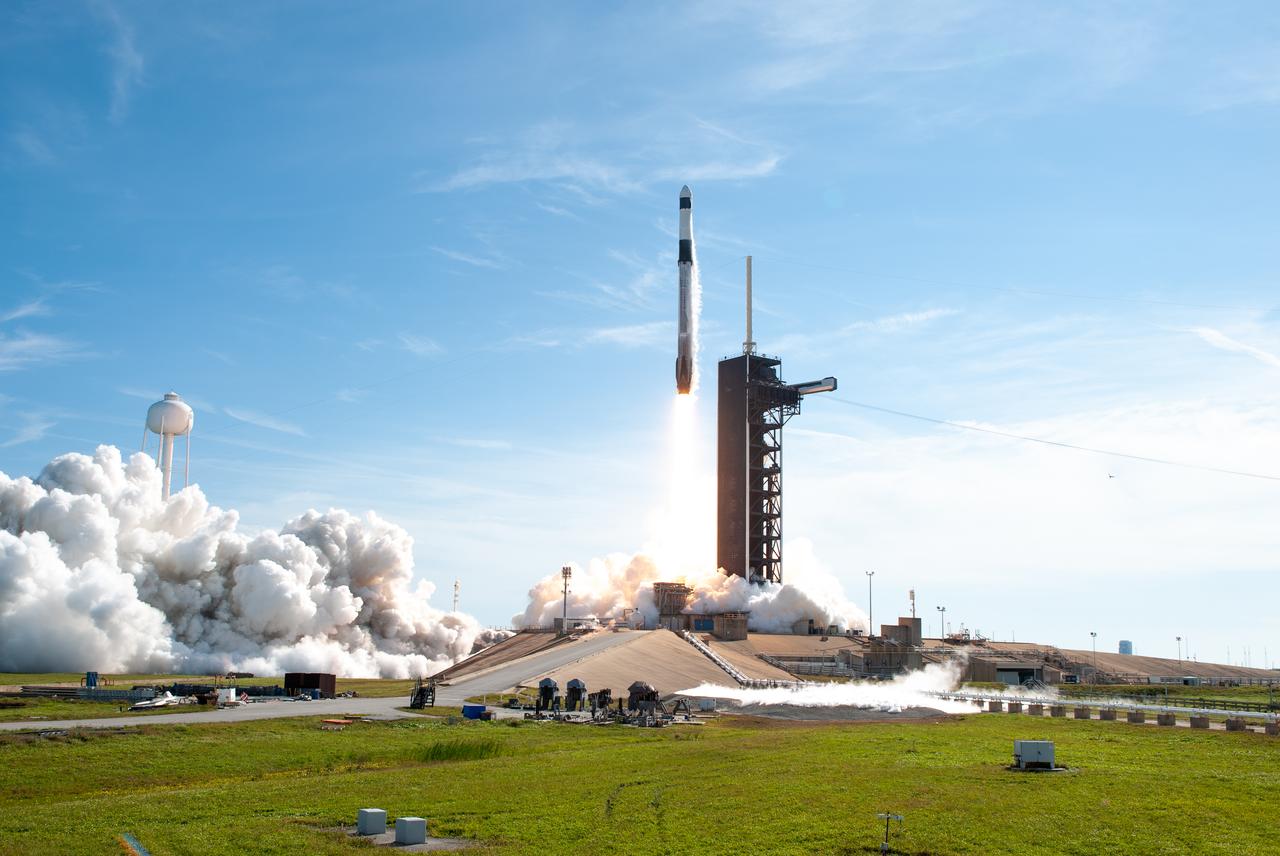
A SpaceX Falcon 9 rocket lifts off from Launch Complex 39A at Kennedy Space Center in Florida at 11:17 a.m. EST on Dec. 6, 2020, carrying the uncrewed cargo Dragon spacecraft on its journey to the International Space Station for NASA and SpaceX’s 21st Commercial Resupply Services (CRS-21) mission. Dragon will deliver more than 6,400 pounds of science investigations and cargo to the orbiting laboratory. The mission marks the first launch for SpaceX under NASA’s CRS-2 contract.
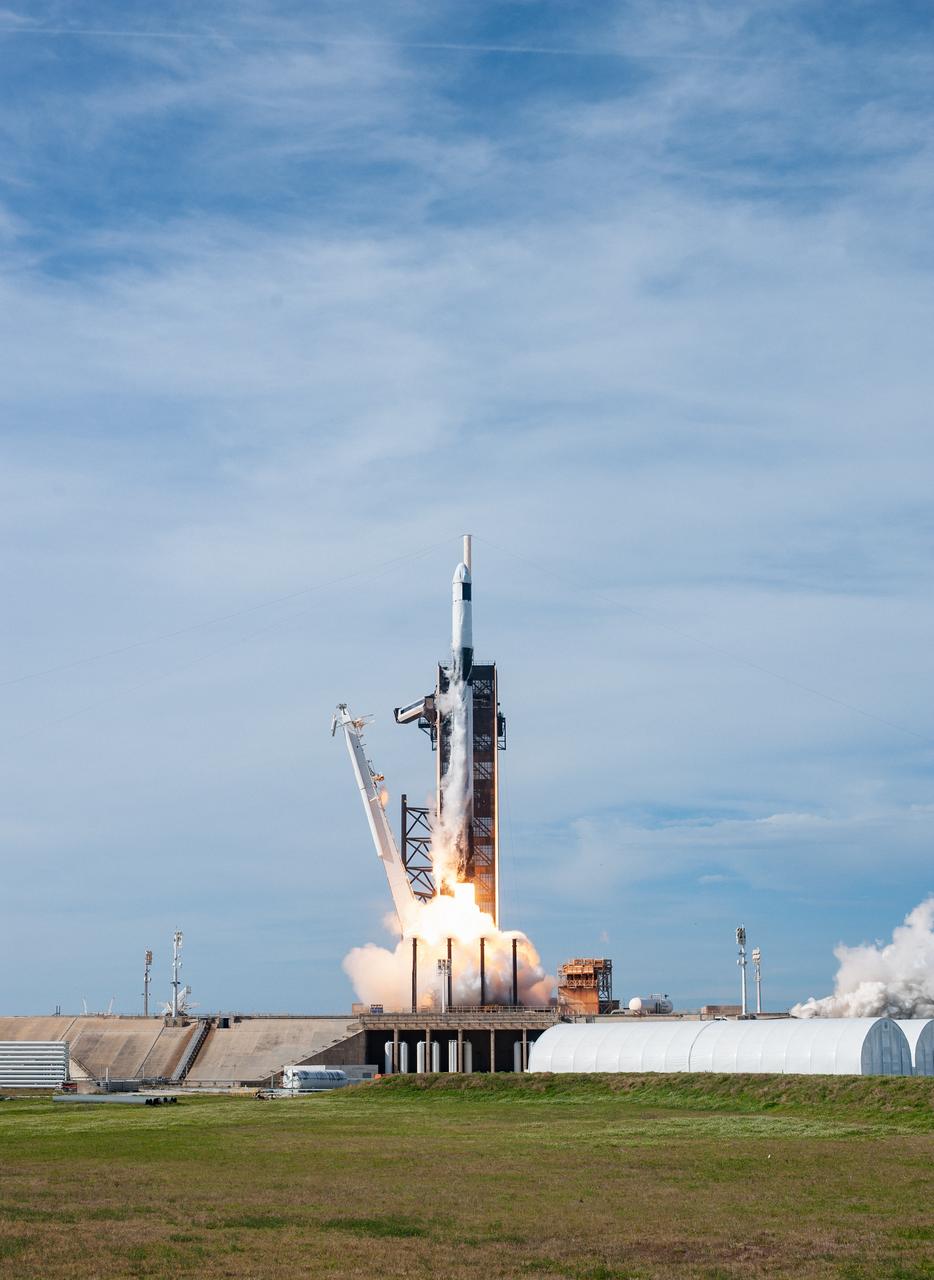
A SpaceX Falcon 9 rocket lifts off from Launch Complex 39A at Kennedy Space Center in Florida at 11:17 a.m. EST on Dec. 6, 2020, carrying the uncrewed cargo Dragon spacecraft on its journey to the International Space Station for NASA and SpaceX’s 21st Commercial Resupply Services (CRS-21) mission. Dragon will deliver more than 6,400 pounds of science investigations and cargo to the orbiting laboratory. The mission marks the first launch for SpaceX under NASA’s CRS-2 contract.
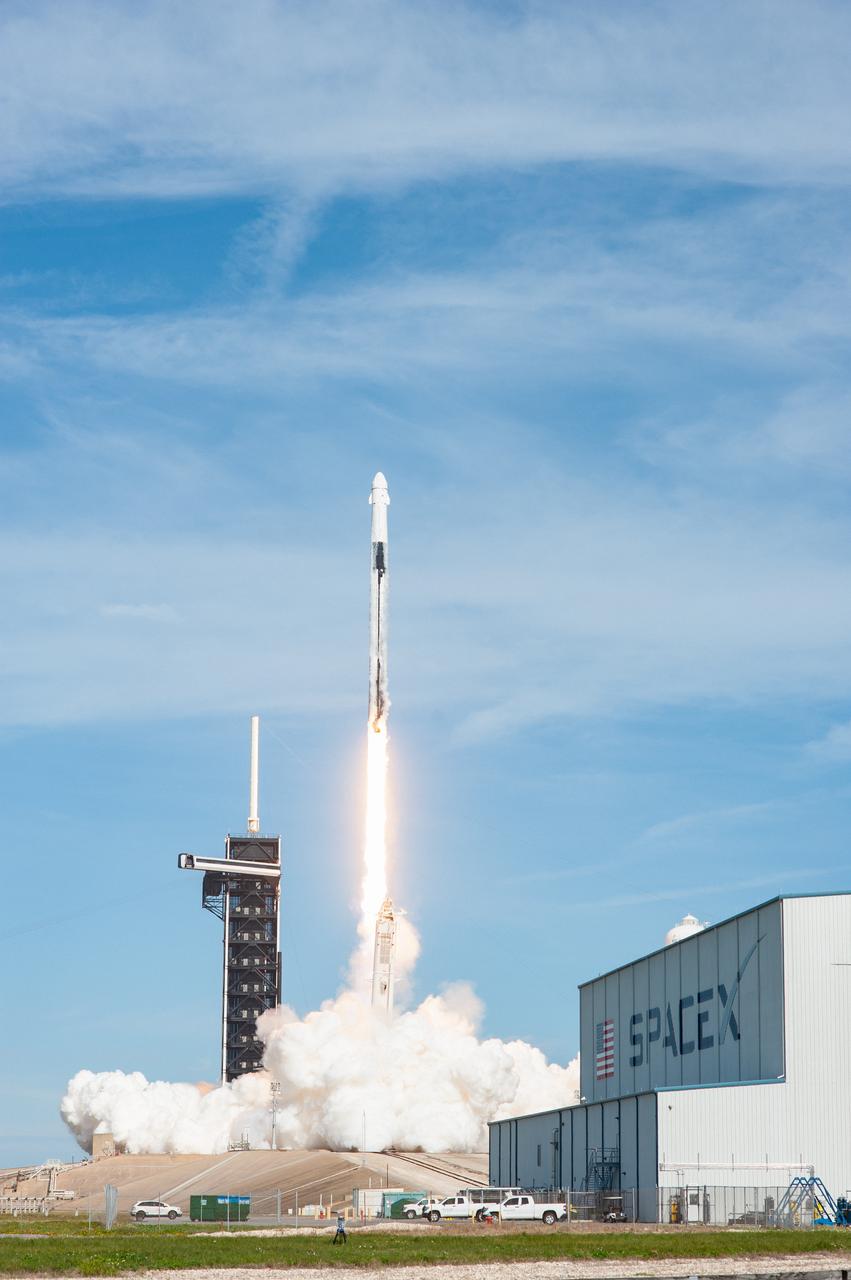
A SpaceX Falcon 9 rocket lifts off from Launch Complex 39A at Kennedy Space Center in Florida at 11:17 a.m. EST on Dec. 6, 2020, carrying the uncrewed cargo Dragon spacecraft on its journey to the International Space Station for NASA and SpaceX’s 21st Commercial Resupply Services (CRS-21) mission. Dragon will deliver more than 6,400 pounds of science investigations and cargo to the orbiting laboratory. The mission marks the first launch for SpaceX under NASA’s CRS-2 contract.
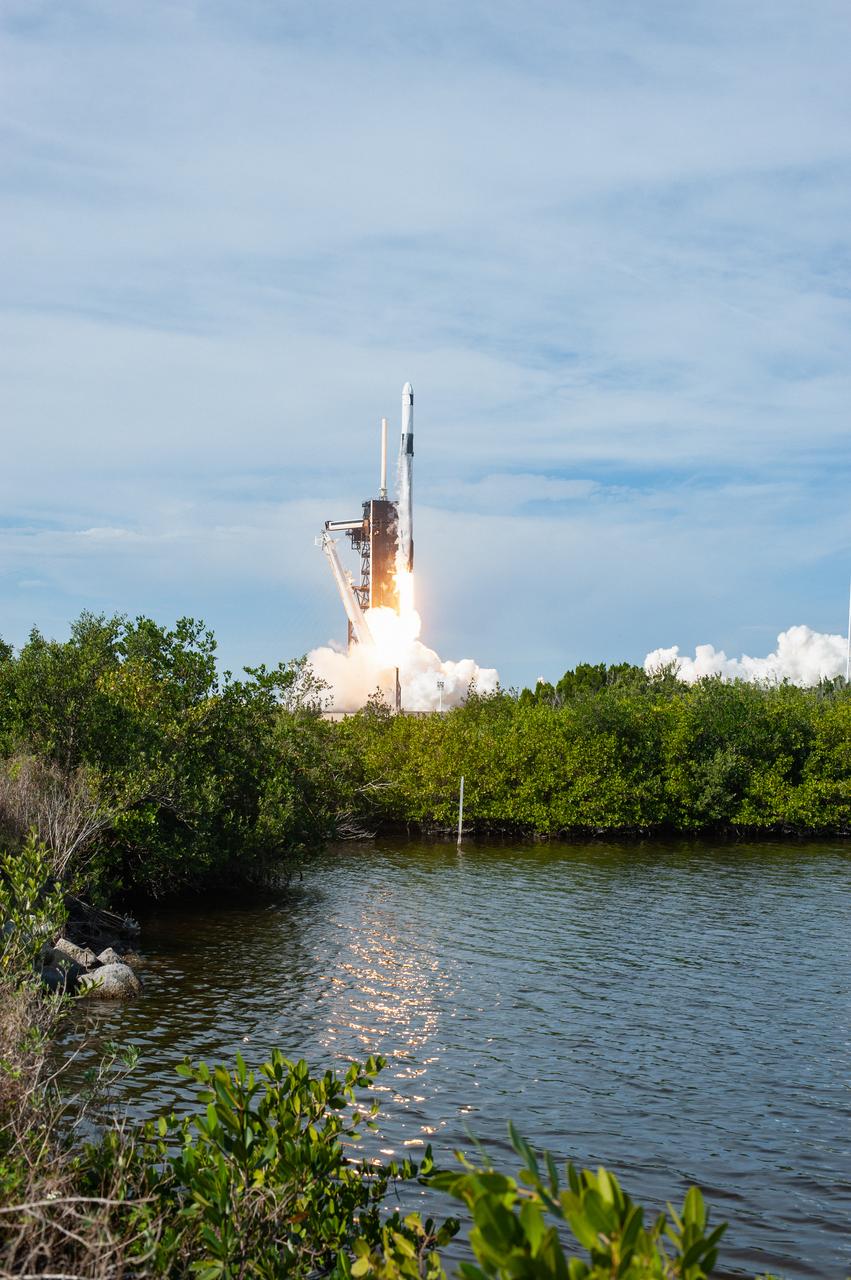
A SpaceX Falcon 9 rocket lifts off from Launch Complex 39A at Kennedy Space Center in Florida at 11:17 a.m. EST on Dec. 6, 2020, carrying the uncrewed cargo Dragon spacecraft on its journey to the International Space Station for NASA and SpaceX’s 21st Commercial Resupply Services (CRS-21) mission. Dragon will deliver more than 6,400 pounds of science investigations and cargo to the orbiting laboratory. The mission marks the first launch for SpaceX under NASA’s CRS-2 contract.
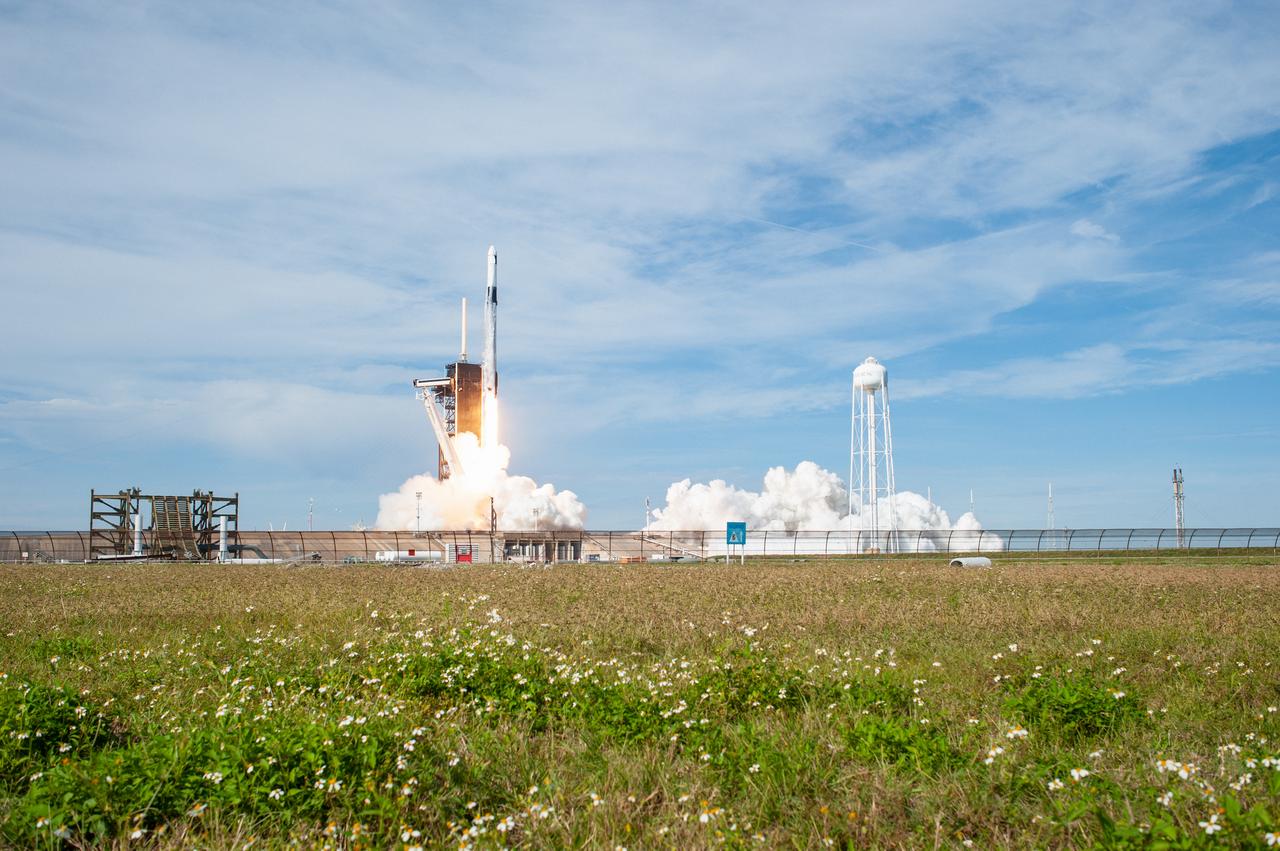
A SpaceX Falcon 9 rocket lifts off from Launch Complex 39A at Kennedy Space Center in Florida at 11:17 a.m. EST on Dec. 6, 2020, carrying the uncrewed cargo Dragon spacecraft on its journey to the International Space Station for NASA and SpaceX’s 21st Commercial Resupply Services (CRS-21) mission. Dragon will deliver more than 6,400 pounds of science investigations and cargo to the orbiting laboratory. The mission marks the first launch for SpaceX under NASA’s CRS-2 contract.
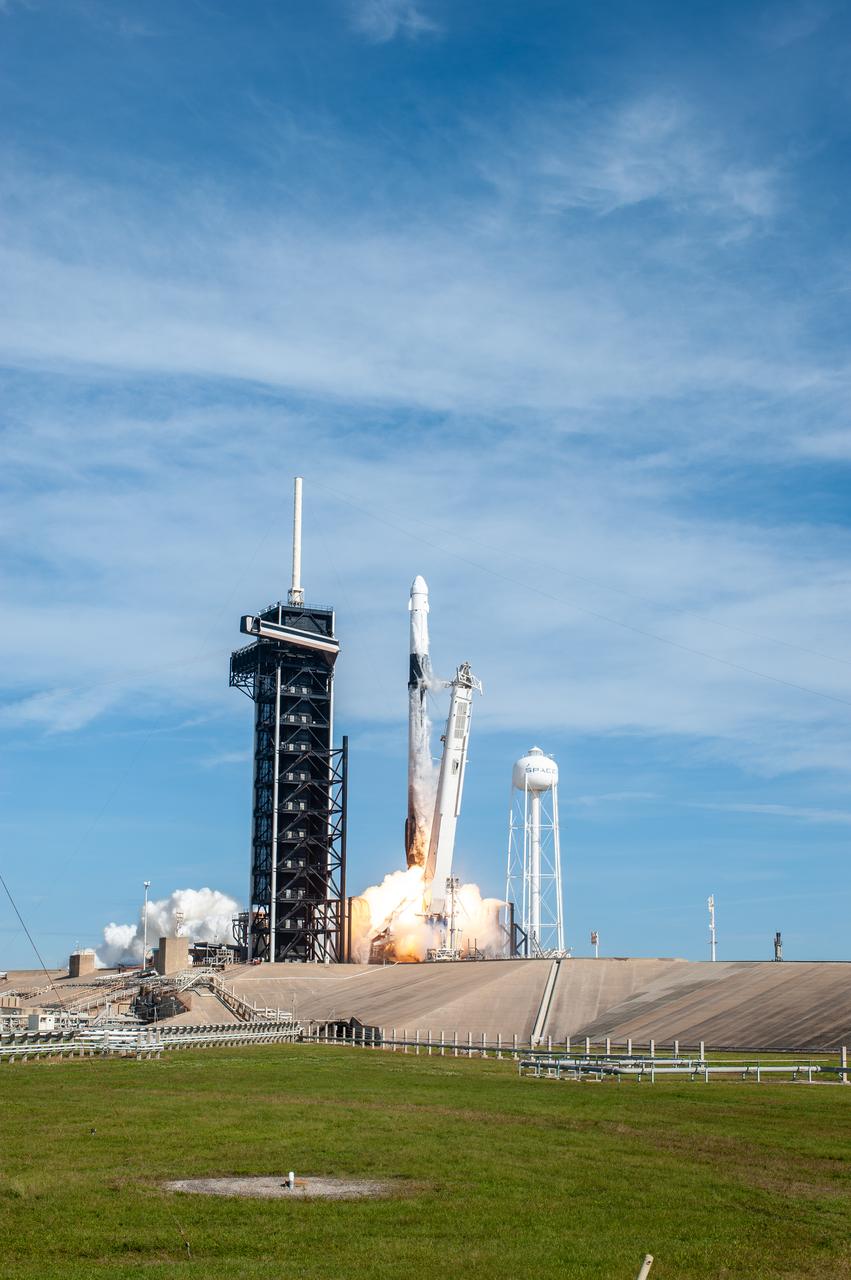
A SpaceX Falcon 9 rocket lifts off from Launch Complex 39A at Kennedy Space Center in Florida at 11:17 a.m. EST on Dec. 6, 2020, carrying the uncrewed cargo Dragon spacecraft on its journey to the International Space Station for NASA and SpaceX’s 21st Commercial Resupply Services (CRS-21) mission. Dragon will deliver more than 6,400 pounds of science investigations and cargo to the orbiting laboratory. The mission marks the first launch for SpaceX under NASA’s CRS-2 contract.
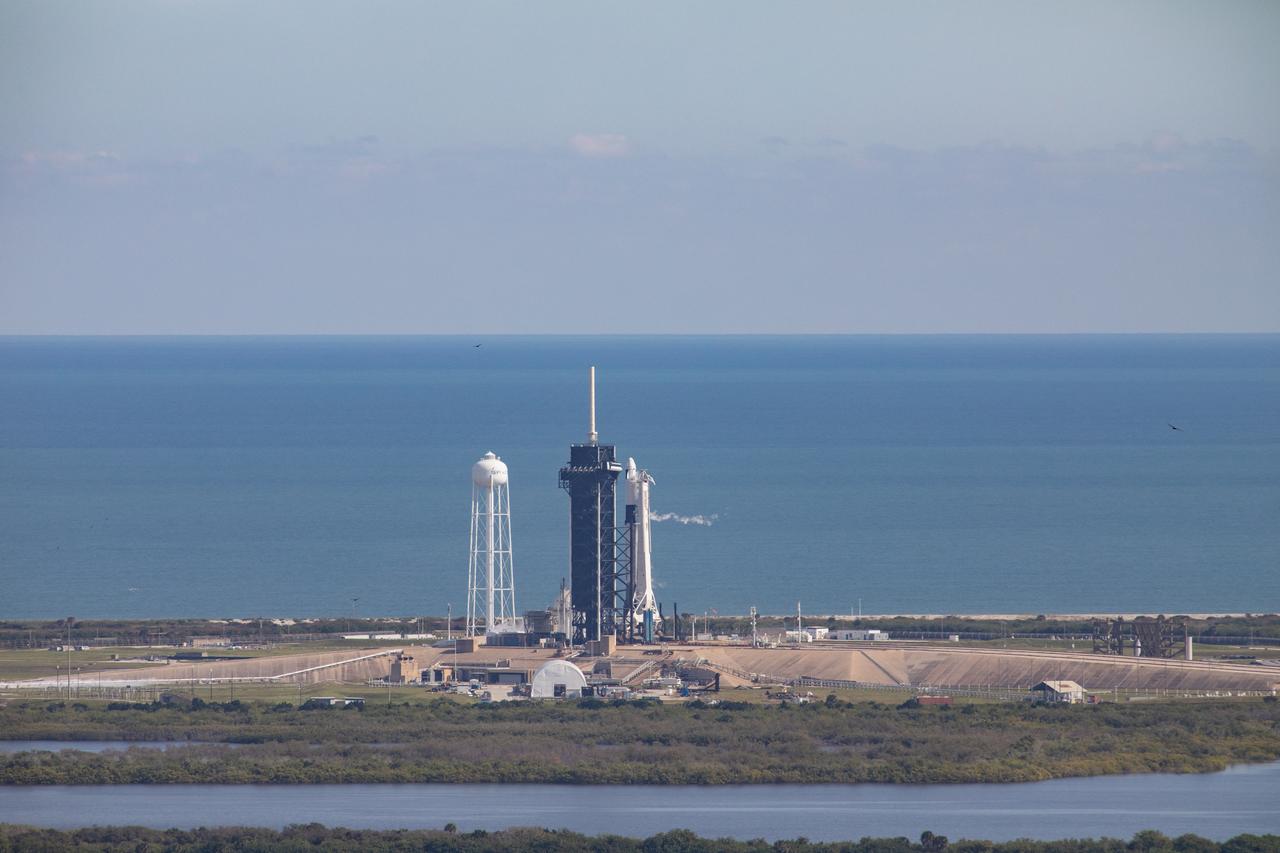
A SpaceX Falcon 9 rocket and cargo Dragon spacecraft stand poised for launch moments before liftoff at Kennedy Space Center’s Launch Complex 39A in Florida on Dec. 6, 2020, for NASA and SpaceX’s 21st Commercial Resupply Services (CRS-21) mission to the International Space Station. The first launch for SpaceX under NASA’s CRS-2 contract, the mission blasted off the pad at 11:17 a.m. EST.
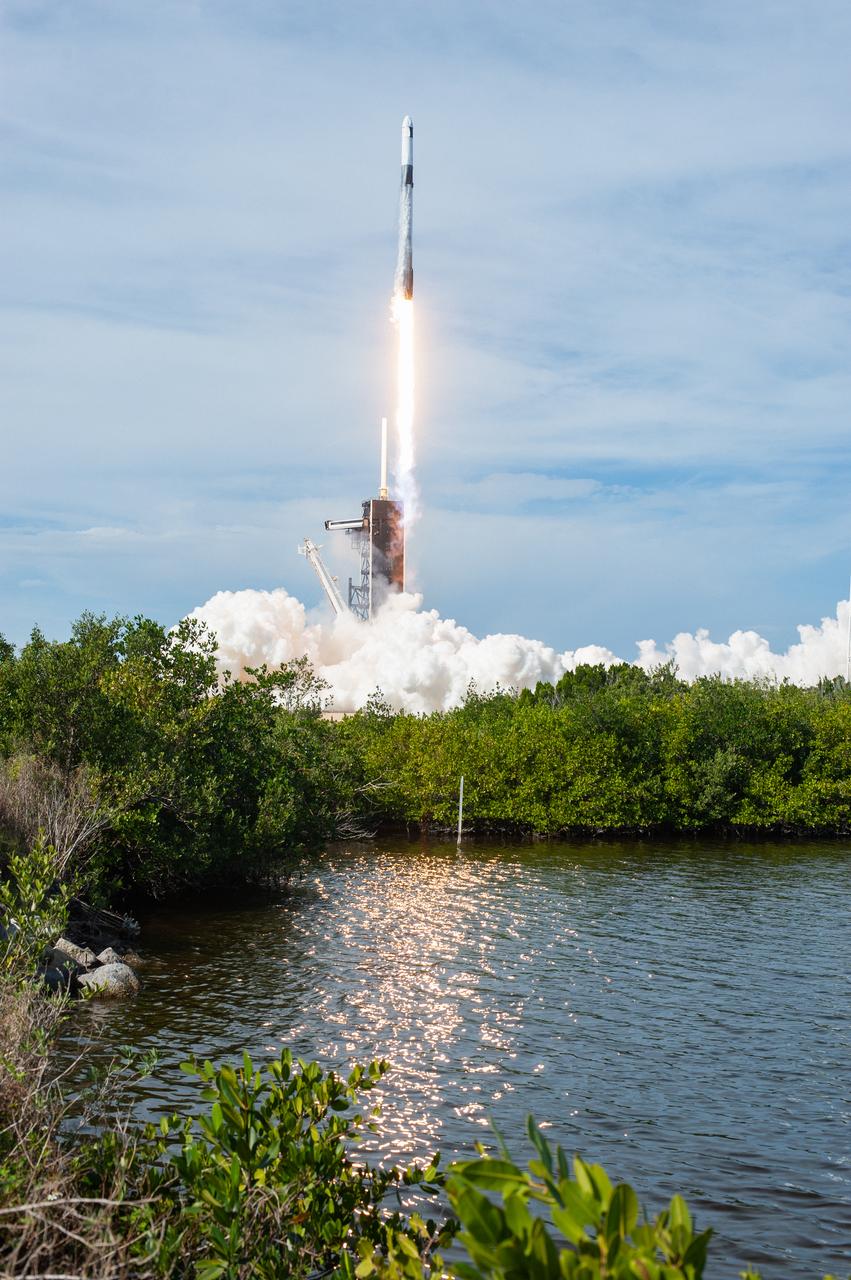
A SpaceX Falcon 9 rocket lifts off from Launch Complex 39A at Kennedy Space Center in Florida at 11:17 a.m. EST on Dec. 6, 2020, carrying the uncrewed cargo Dragon spacecraft on its journey to the International Space Station for NASA and SpaceX’s 21st Commercial Resupply Services (CRS-21) mission. Dragon will deliver more than 6,400 pounds of science investigations and cargo to the orbiting laboratory. The mission marks the first launch for SpaceX under NASA’s CRS-2 contract.
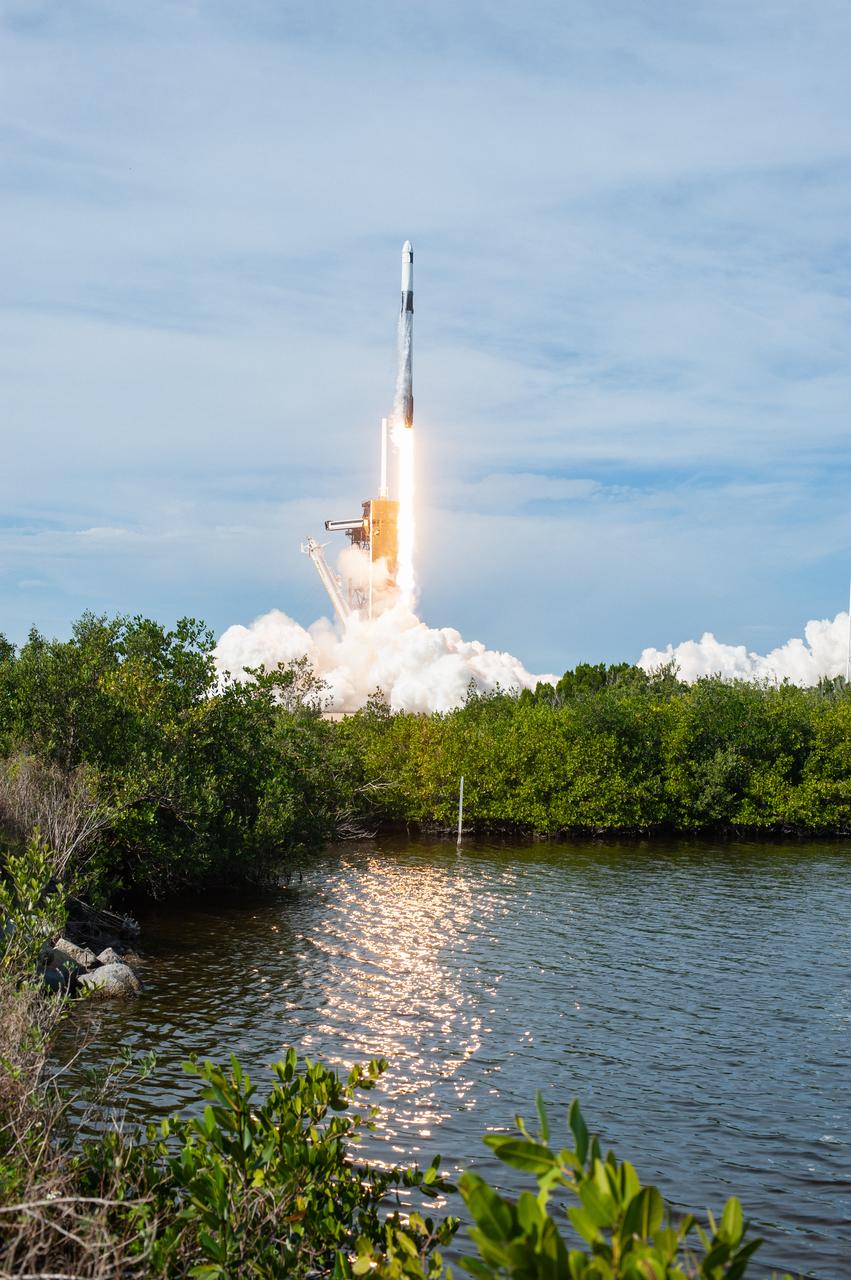
A SpaceX Falcon 9 rocket lifts off from Launch Complex 39A at Kennedy Space Center in Florida at 11:17 a.m. EST on Dec. 6, 2020, carrying the uncrewed cargo Dragon spacecraft on its journey to the International Space Station for NASA and SpaceX’s 21st Commercial Resupply Services (CRS-21) mission. Dragon will deliver more than 6,400 pounds of science investigations and cargo to the orbiting laboratory. The mission marks the first launch for SpaceX under NASA’s CRS-2 contract.
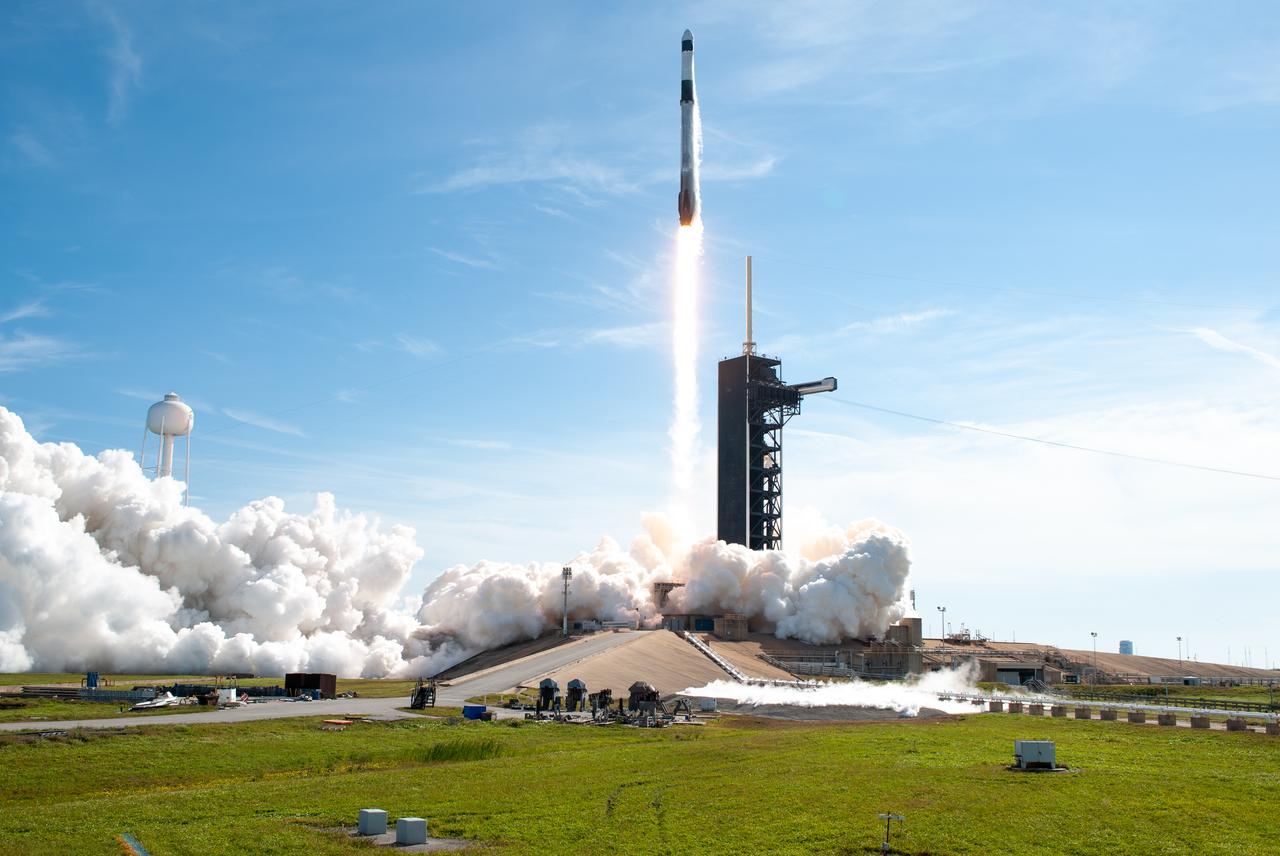
A SpaceX Falcon 9 rocket lifts off from Launch Complex 39A at Kennedy Space Center in Florida at 11:17 a.m. EST on Dec. 6, 2020, carrying the uncrewed cargo Dragon spacecraft on its journey to the International Space Station for NASA and SpaceX’s 21st Commercial Resupply Services (CRS-21) mission. Dragon will deliver more than 6,400 pounds of science investigations and cargo to the orbiting laboratory. The mission marks the first launch for SpaceX under NASA’s CRS-2 contract.
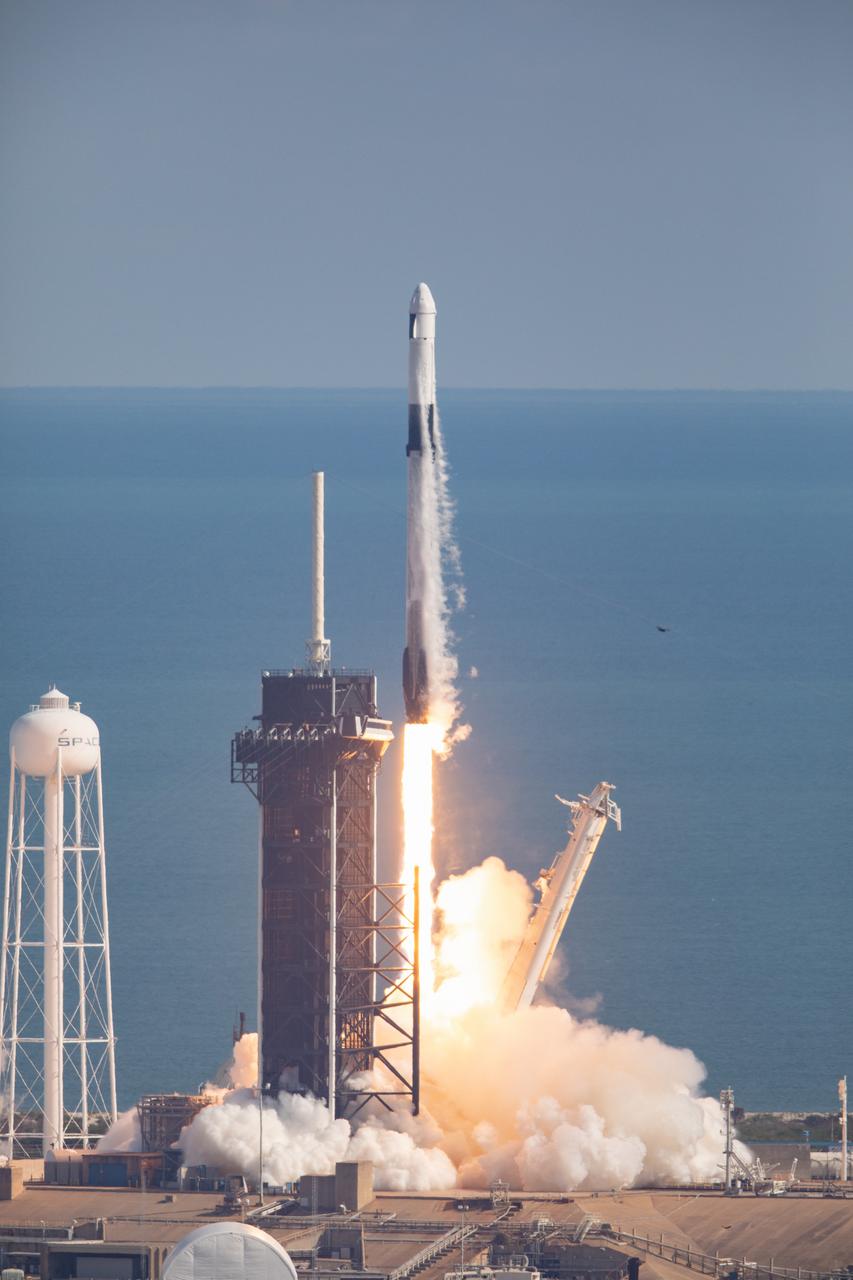
A SpaceX Falcon 9 rocket lifts off from Launch Complex 39A at Kennedy Space Center in Florida at 11:17 a.m. EST on Dec. 6, 2020, carrying the uncrewed cargo Dragon spacecraft on its journey to the International Space Station for NASA and SpaceX’s 21st Commercial Resupply Services (CRS-21) mission. Dragon will deliver more than 6,400 pounds of science investigations and cargo to the orbiting laboratory. The mission marks the first launch for SpaceX under NASA’s CRS-2 contract.
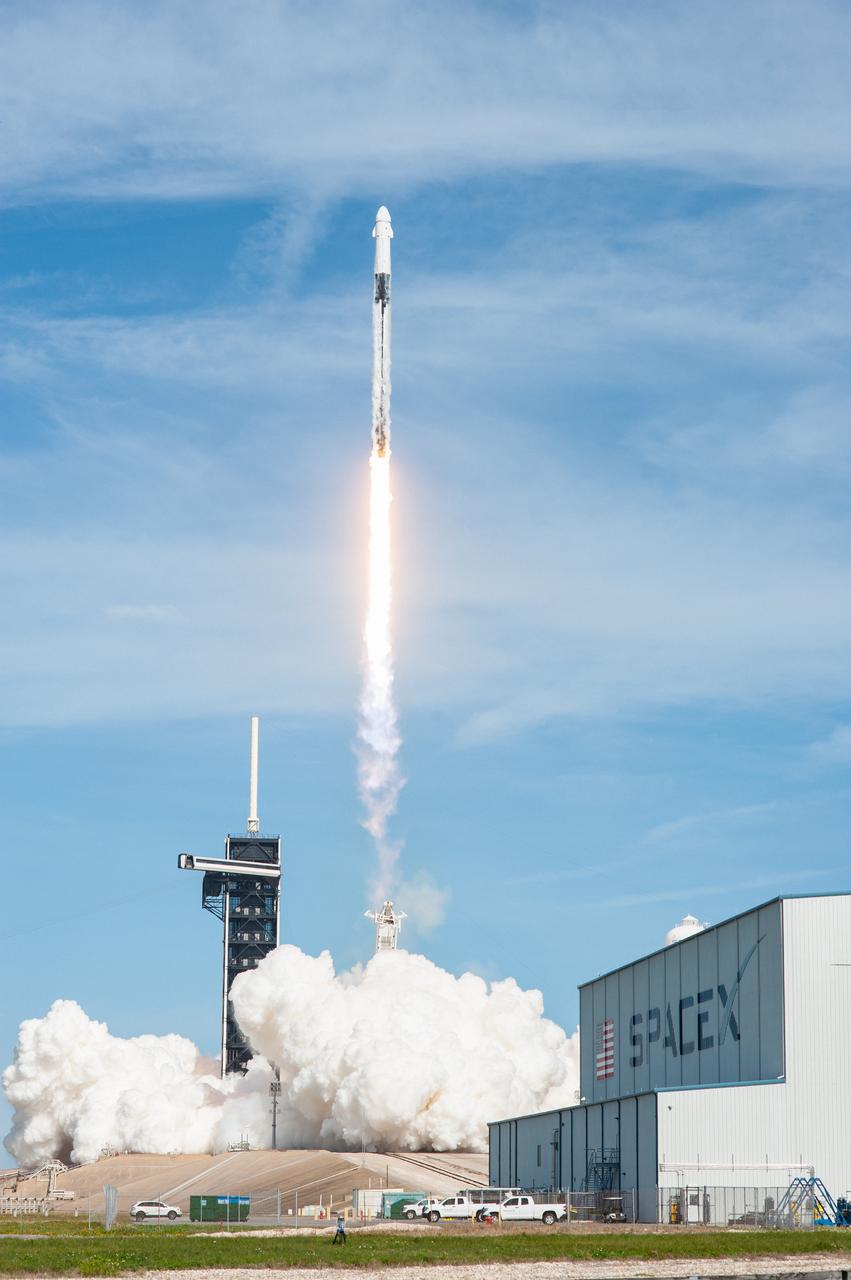
A SpaceX Falcon 9 rocket lifts off from Launch Complex 39A at Kennedy Space Center in Florida at 11:17 a.m. EST on Dec. 6, 2020, carrying the uncrewed cargo Dragon spacecraft on its journey to the International Space Station for NASA and SpaceX’s 21st Commercial Resupply Services (CRS-21) mission. Dragon will deliver more than 6,400 pounds of science investigations and cargo to the orbiting laboratory. The mission marks the first launch for SpaceX under NASA’s CRS-2 contract.
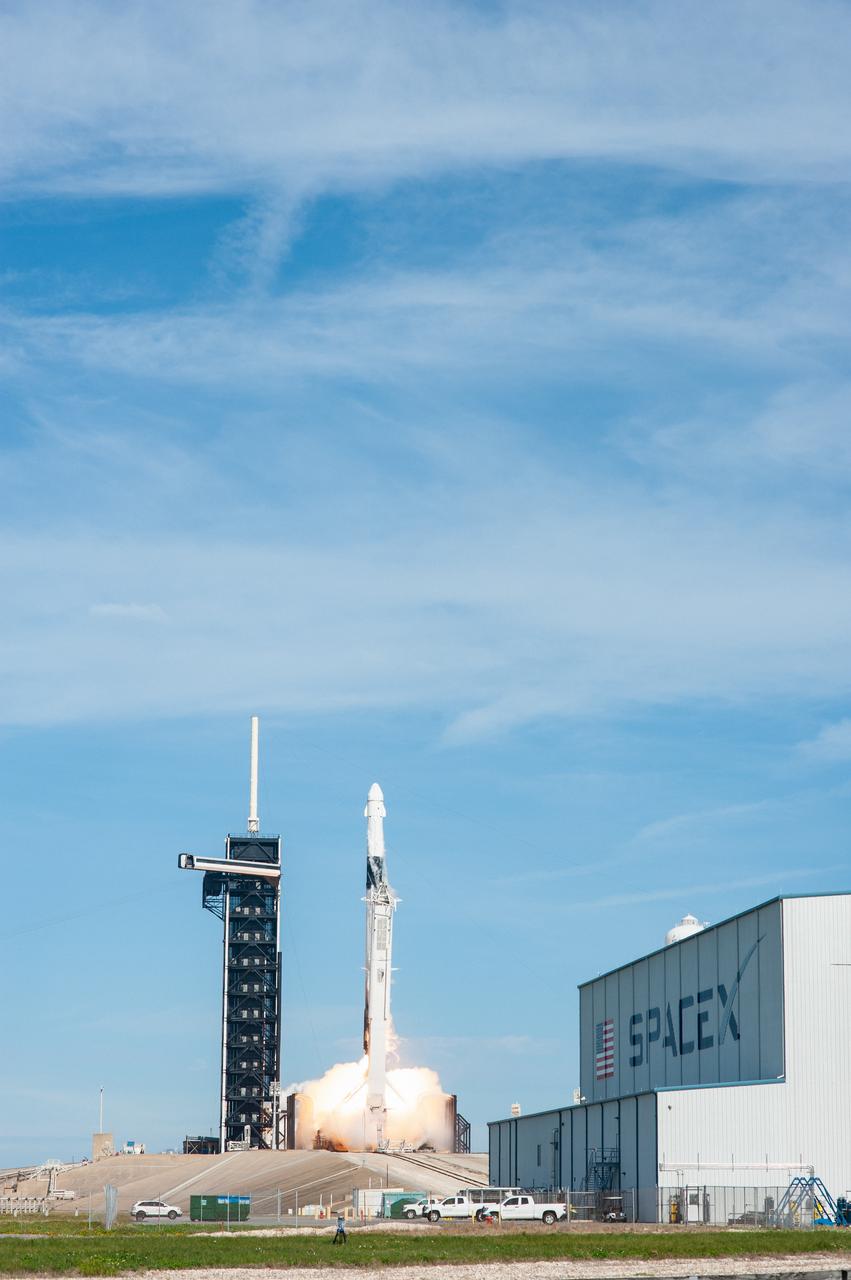
A SpaceX Falcon 9 rocket lifts off from Launch Complex 39A at Kennedy Space Center in Florida at 11:17 a.m. EST on Dec. 6, 2020, carrying the uncrewed cargo Dragon spacecraft on its journey to the International Space Station for NASA and SpaceX’s 21st Commercial Resupply Services (CRS-21) mission. Dragon will deliver more than 6,400 pounds of science investigations and cargo to the orbiting laboratory. The mission marks the first launch for SpaceX under NASA’s CRS-2 contract.
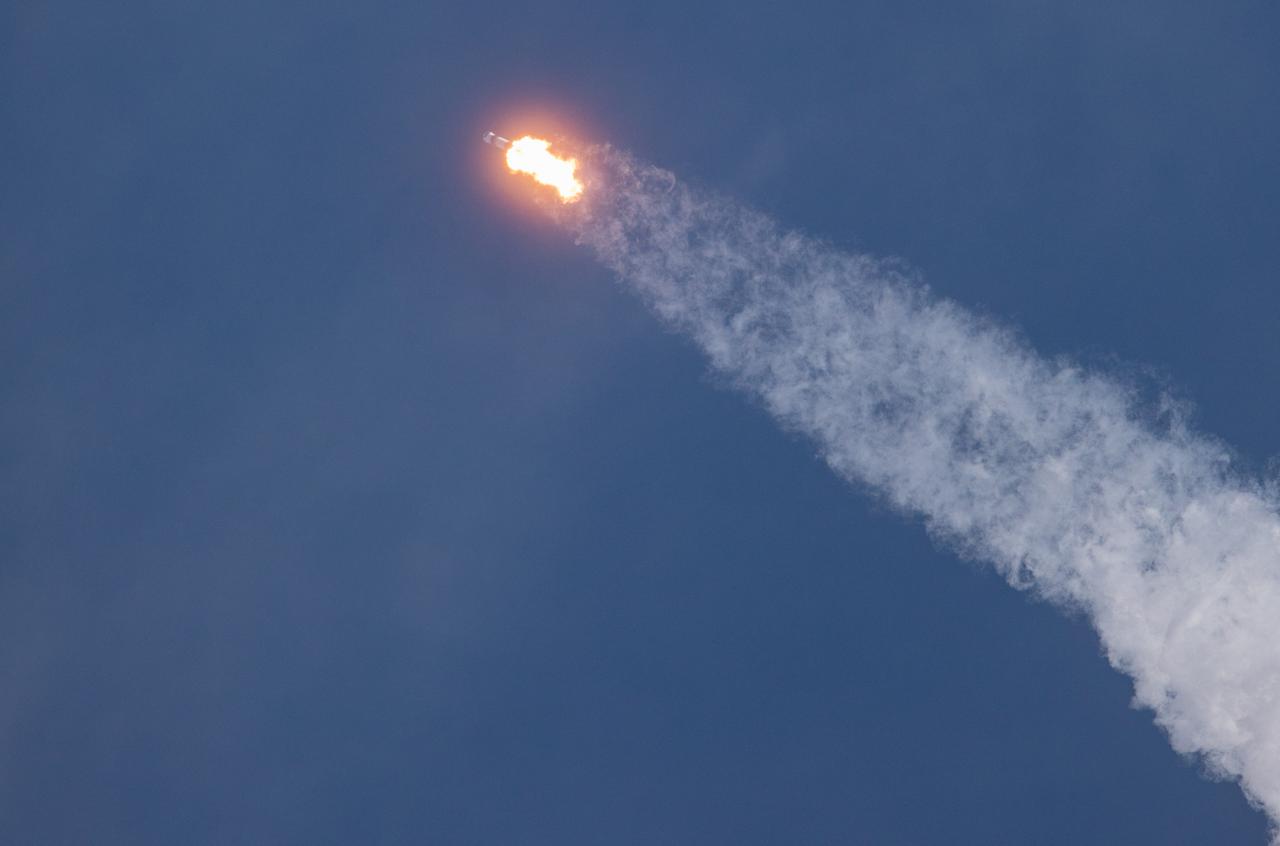
A SpaceX Falcon 9 rocket soars into the sky after lifting off from Launch Complex 39A at Kennedy Space Center in Florida at 11:17 a.m. EST on Dec. 6, 2020. The rocket is carrying the uncrewed cargo Dragon spacecraft on its journey to the International Space Station for NASA and SpaceX’s 21st Commercial Resupply Services (CRS-21) mission. Dragon will deliver more than 6,400 pounds of science investigations and cargo to the orbiting laboratory. The mission marks the first launch for SpaceX under NASA’s CRS-2 contract.
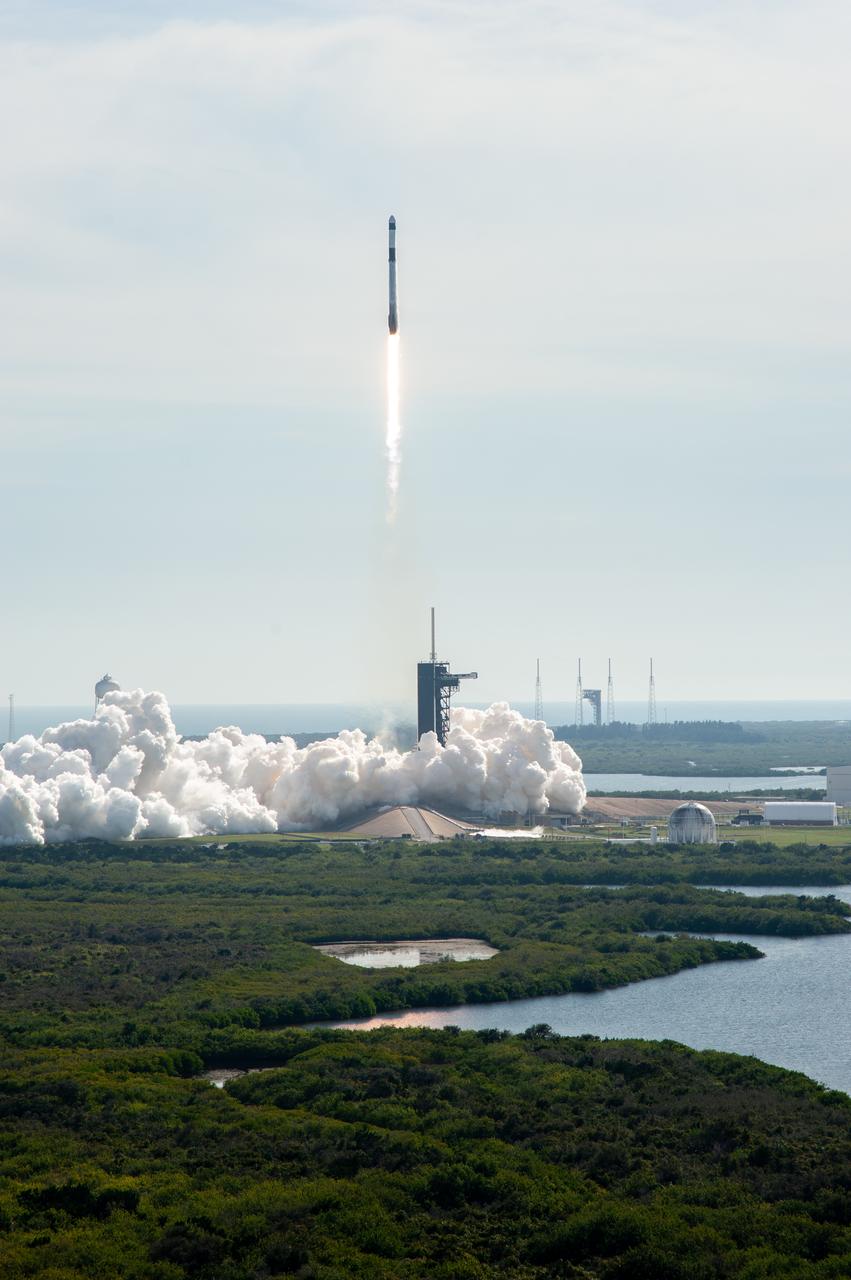
A SpaceX Falcon 9 rocket soars into the sky after lifting off from Launch Complex 39A at Kennedy Space Center in Florida at 11:17 a.m. EST on Dec. 6, 2020. The rocket is carrying the uncrewed cargo Dragon spacecraft on its journey to the International Space Station for NASA and SpaceX’s 21st Commercial Resupply Services (CRS-21) mission. Dragon will deliver more than 6,400 pounds of science investigations and cargo to the orbiting laboratory. The mission marks the first launch for SpaceX under NASA’s CRS-2 contract.

A SpaceX Falcon 9 rocket soars into the sky after lifting off from Launch Complex 39A at Kennedy Space Center in Florida at 11:17 a.m. EST on Dec. 6, 2020. The rocket is carrying the uncrewed cargo Dragon spacecraft on its journey to the International Space Station for NASA and SpaceX’s 21st Commercial Resupply Services (CRS-21) mission. Dragon will deliver more than 6,400 pounds of science investigations and cargo to the orbiting laboratory. The mission marks the first launch for SpaceX under NASA’s CRS-2 contract.
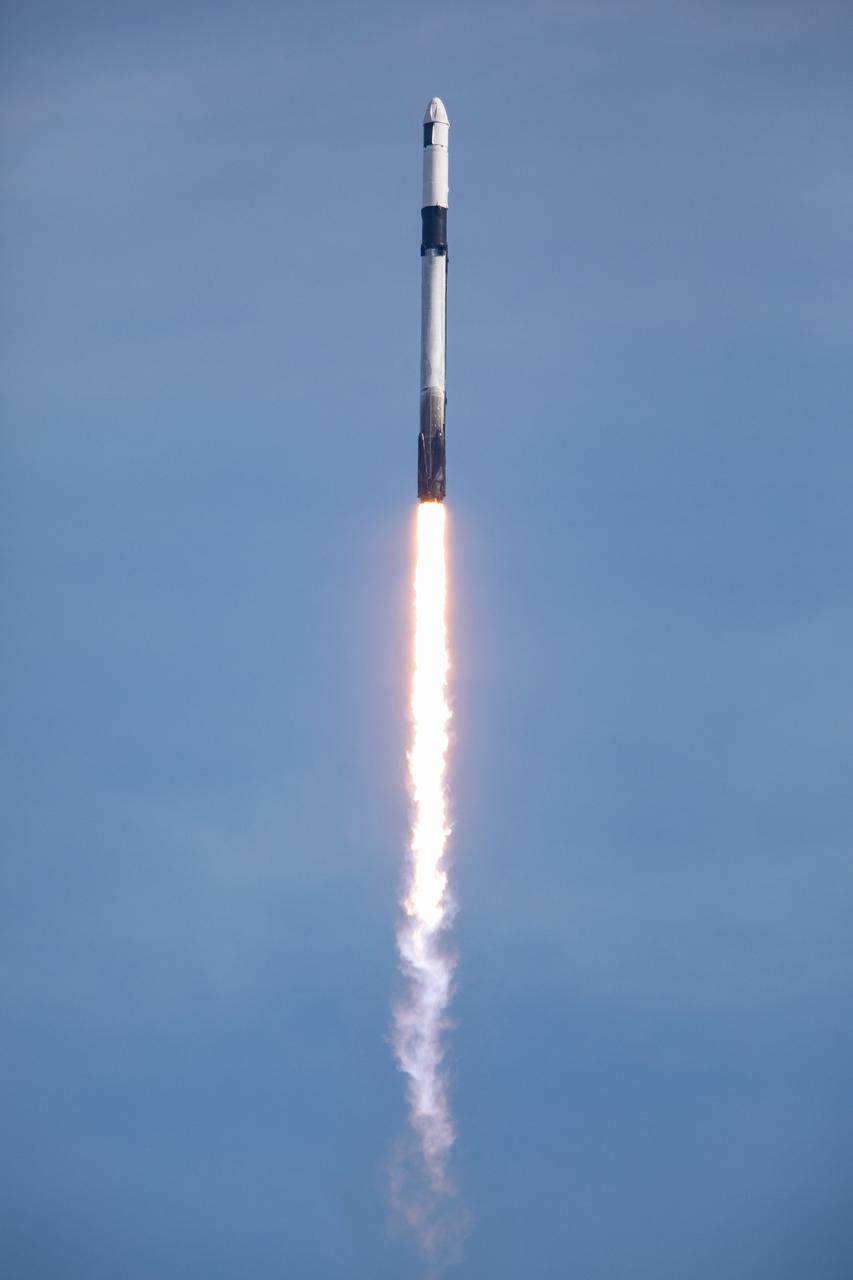
A SpaceX Falcon 9 rocket soars into the sky after lifting off from Launch Complex 39A at Kennedy Space Center in Florida at 11:17 a.m. EST on Dec. 6, 2020. The rocket is carrying the uncrewed cargo Dragon spacecraft on its journey to the International Space Station for NASA and SpaceX’s 21st Commercial Resupply Services (CRS-21) mission. Dragon will deliver more than 6,400 pounds of science investigations and cargo to the orbiting laboratory. The mission marks the first launch for SpaceX under NASA’s CRS-2 contract.
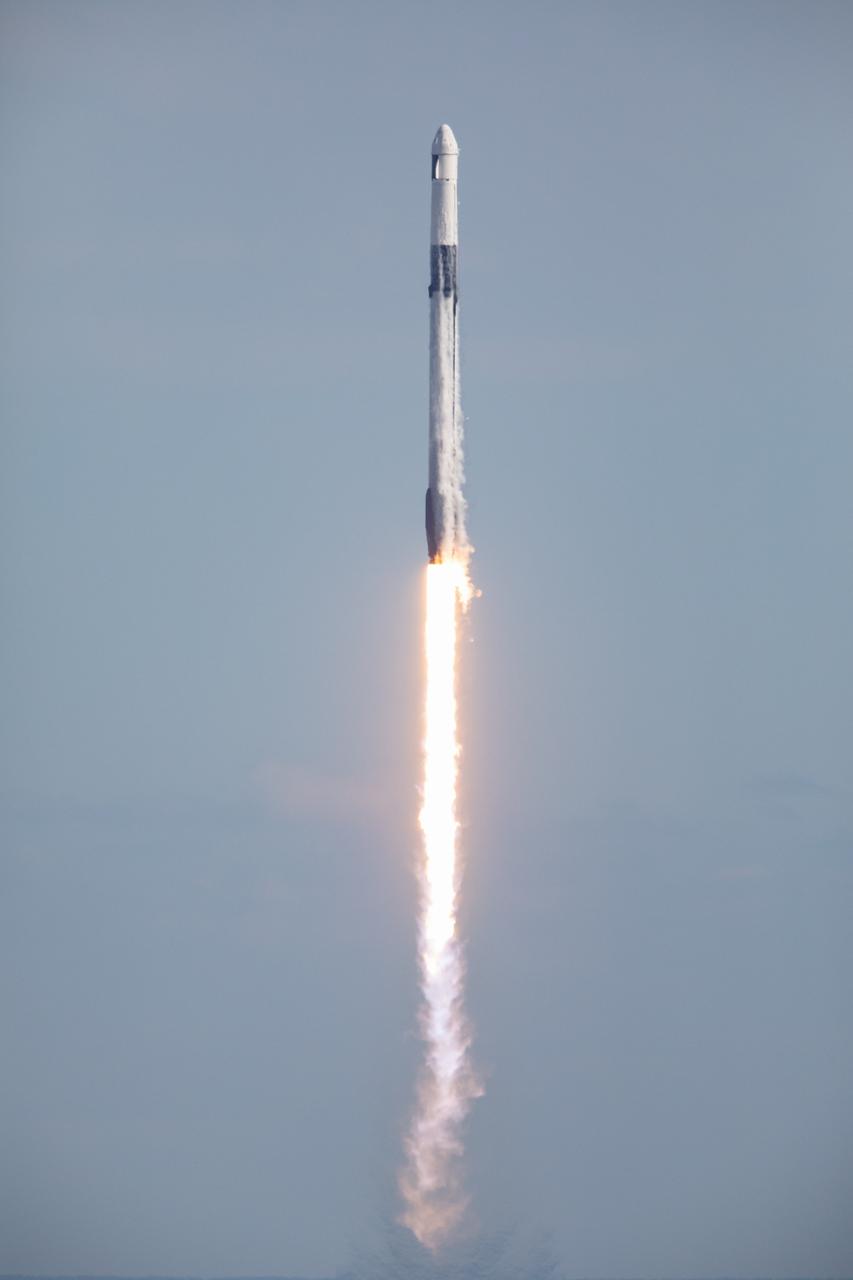
A SpaceX Falcon 9 rocket soars into the sky after lifting off from Launch Complex 39A at Kennedy Space Center in Florida at 11:17 a.m. EST on Dec. 6, 2020. The rocket is carrying the uncrewed cargo Dragon spacecraft on its journey to the International Space Station for NASA and SpaceX’s 21st Commercial Resupply Services (CRS-21) mission. Dragon will deliver more than 6,400 pounds of science investigations and cargo to the orbiting laboratory. The mission marks the first launch for SpaceX under NASA’s CRS-2 contract.
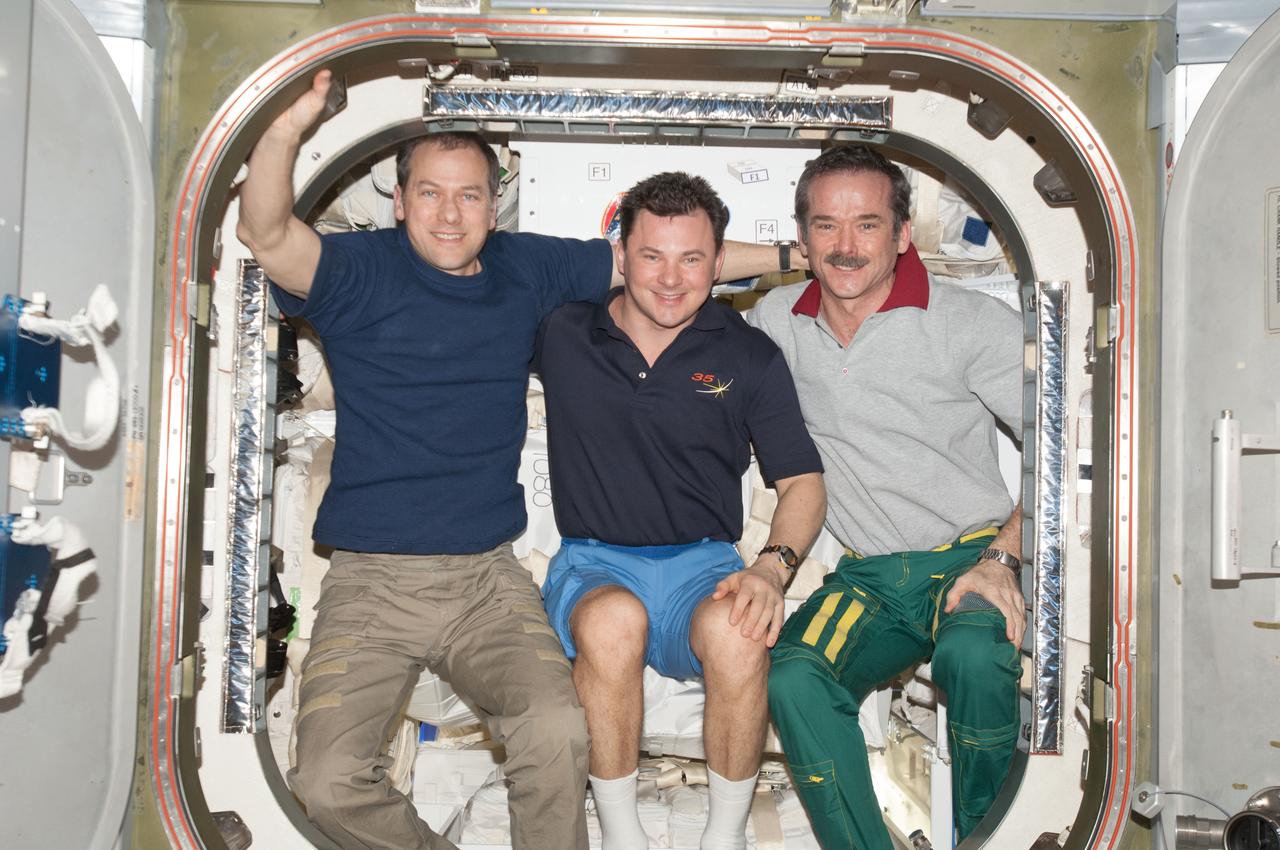
Expedition 35 flight engineer (FE) Tom Marshburn, FE Roman Romanenko, and commander Chris Hadfield pose for a photo in the SpaceX Dragon Commercial Resupply Services-2 (CRS-2) spacecraft. Romanenko is a Roscosmos cosmonaut and Hadfield is a Canadian Space Agency (CSA) astronaut.
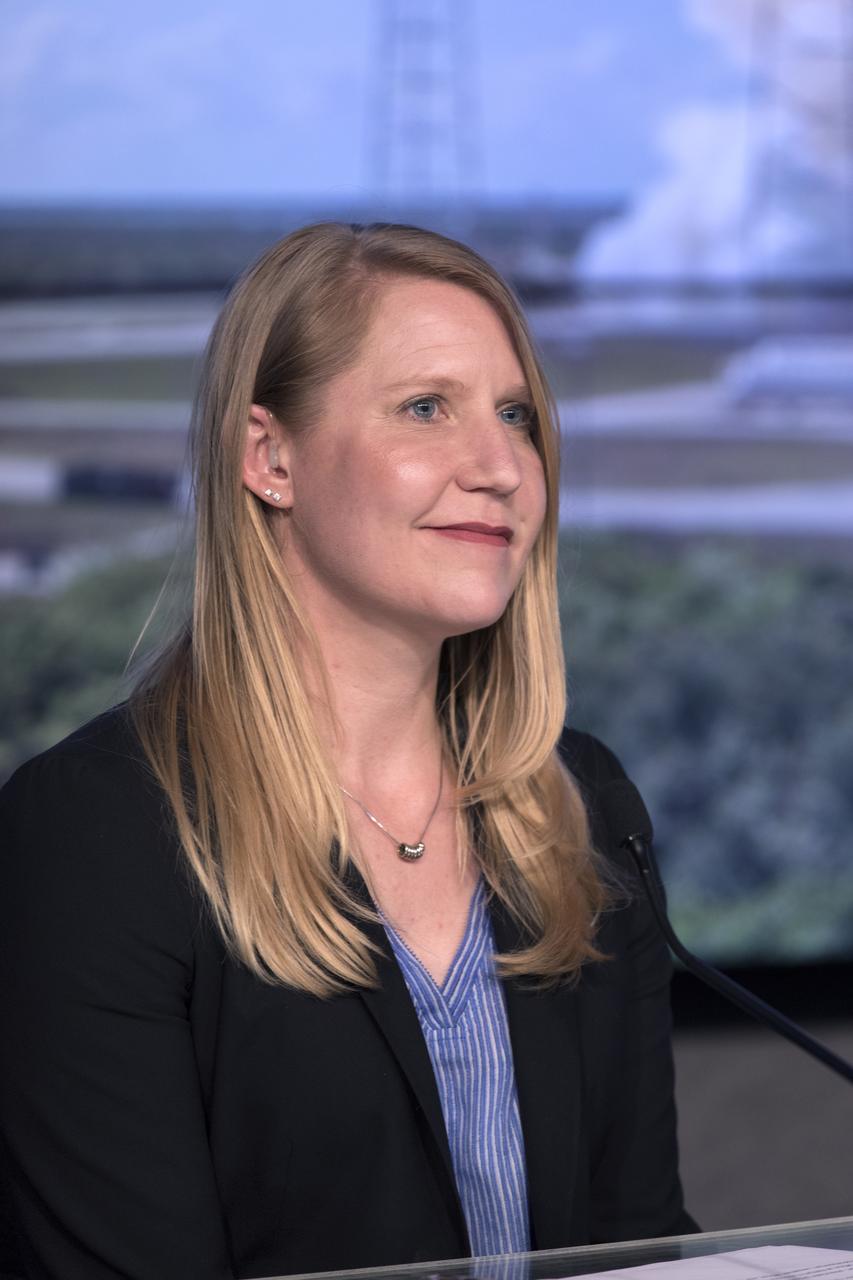
In the Kennedy Space Center’s Press Site auditorium, NASA and industry leaders speak to members of the media during a prelaunch news conference for the SpaceX CRS-14 commercial resupply services mission to the International Space Station. Stephanie Schierholz, of NASA Communications, moderates the news conference. A Dragon spacecraft is scheduled to be launched from Space Launch Complex 40 at Cape Canaveral Air Force Station at 4:30 p.m. EST, on April 2, 2018. The SpaceX Falcon 9 rocket will lift off on the company's 14th Commercial Resupply Services mission to the space station.
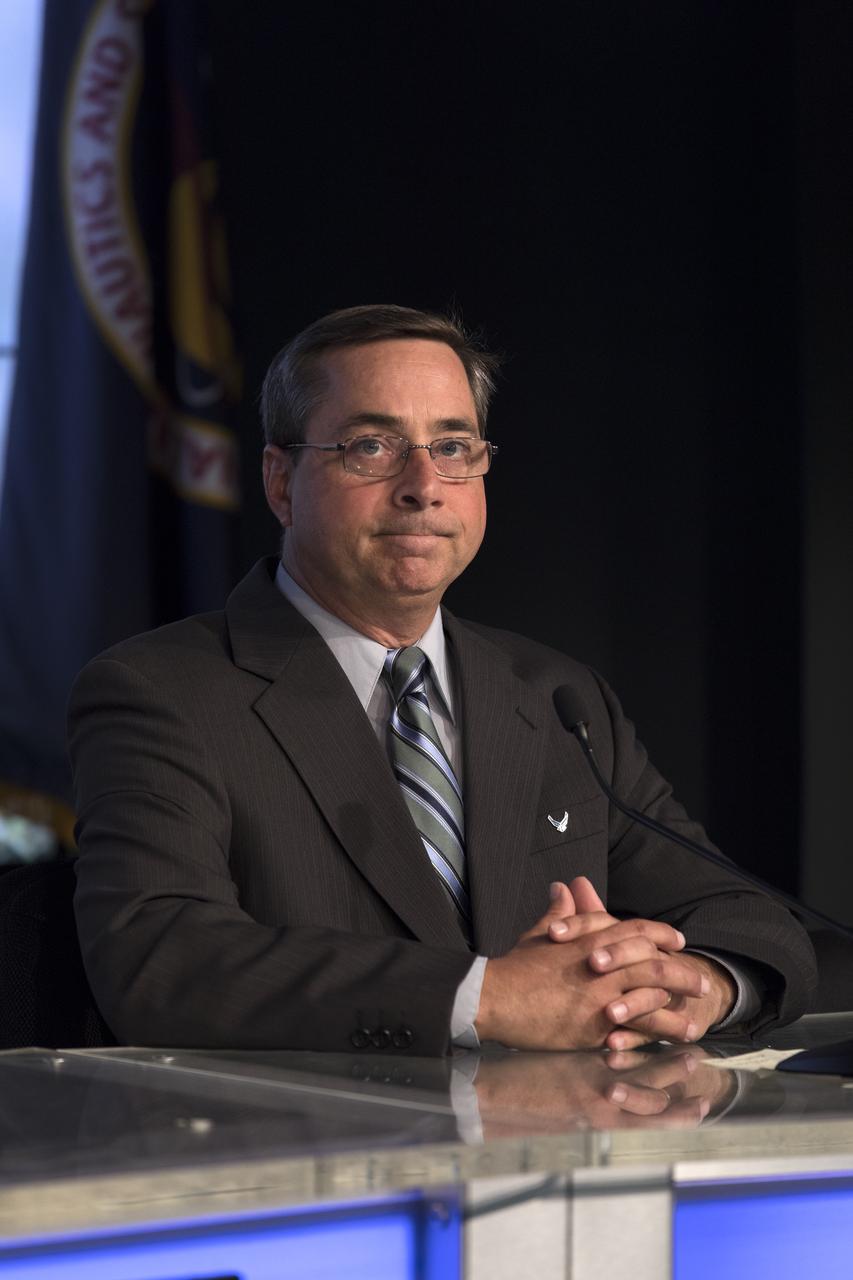
In the Kennedy Space Center’s Press Site auditorium, NASA and industry leaders speak to members of the media during a prelaunch news conference for the SpaceX CRS-14 commercial resupply services mission to the International Space Station. Mike McAleenan, weather officer, 45th Weather Squadron, participates in the news conference. A Dragon spacecraft is scheduled to be launched from Space Launch Complex 40 at Cape Canaveral Air Force Station at 4:30 p.m. EST, on April 2, 2018. The SpaceX Falcon 9 rocket will lift off on the company's 14th Commercial Resupply Services mission to the space station.
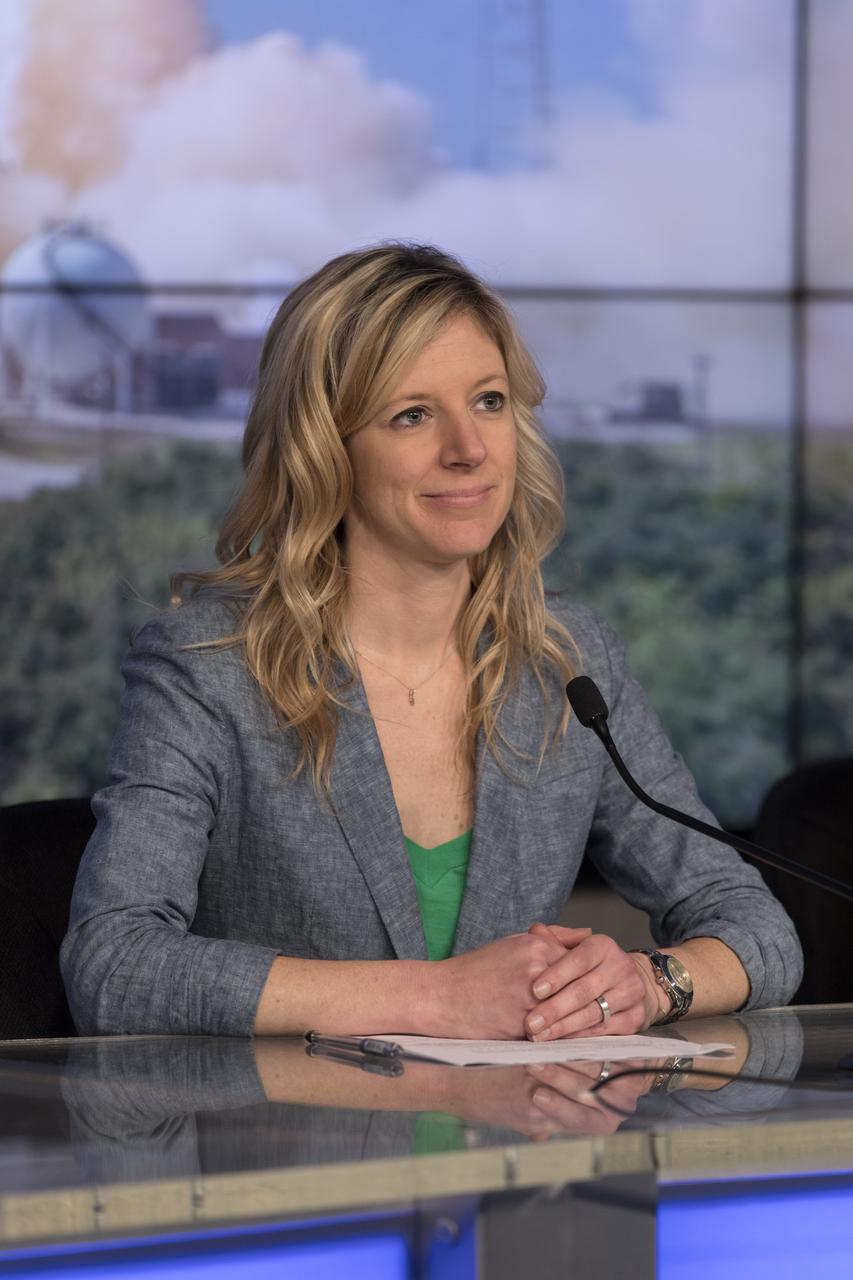
In the Kennedy Space Center’s Press Site auditorium, NASA and industry leaders speak to members of the media during a prelaunch news conference for the SpaceX CRS-14 commercial resupply services mission to the International Space Station. Jessica Jensen, director, Dragon Mission Management, SpaceX, participates in the news conference. A Dragon spacecraft is scheduled to be launched from Space Launch Complex 40 at Cape Canaveral Air Force Station at 4:30 p.m. EST, on April 2, 2018. The SpaceX Falcon 9 rocket will lift off on the company's 14th Commercial Resupply Services mission to the space station.
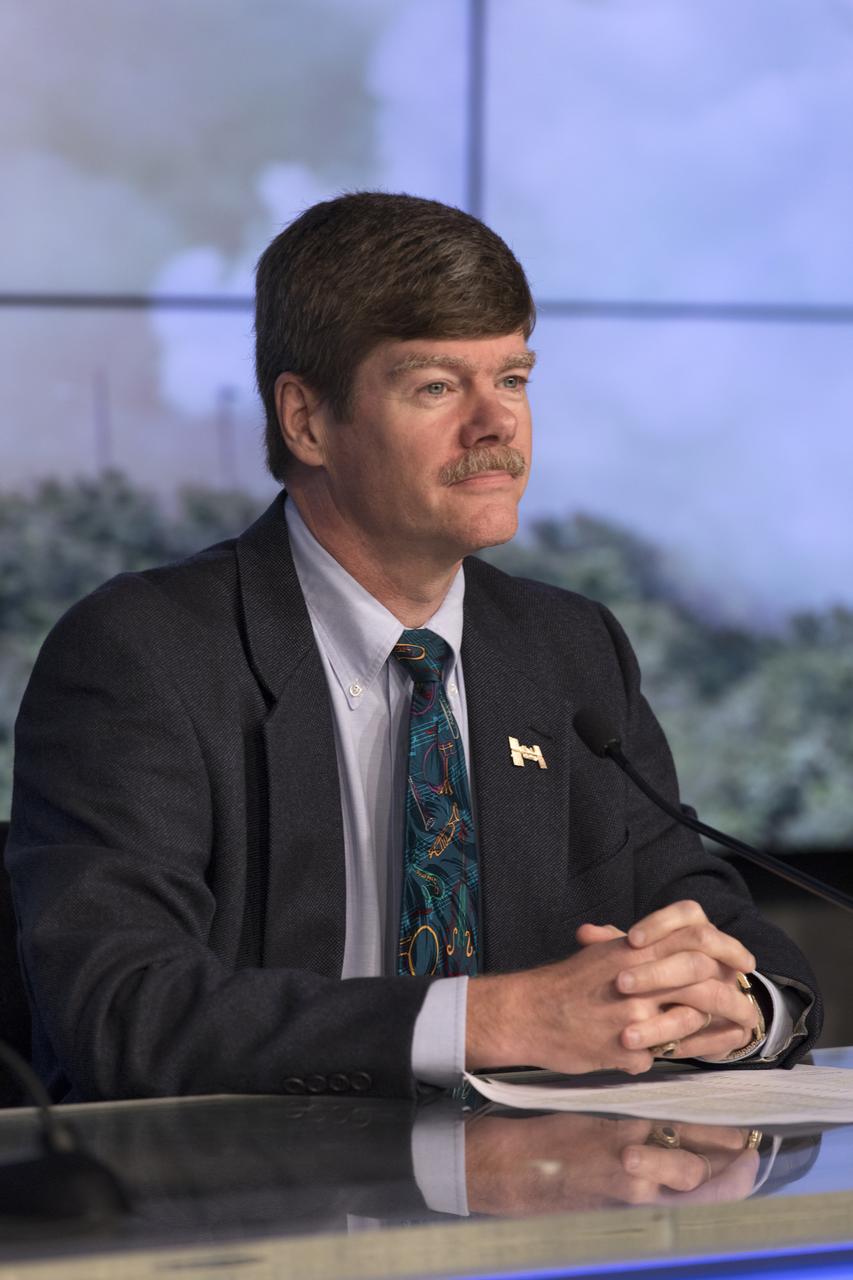
In the Kennedy Space Center’s Press Site auditorium, NASA and industry leaders speak to members of the media during a prelaunch news conference for the SpaceX CRS-14 commercial resupply services mission to the International Space Station. Pete Hasbrook, associate program scientist, ISS Program Science Office at NASA's Johnson Space Center in Houston; participates in the news conference. A Dragon spacecraft is scheduled to be launched from Space Launch Complex 40 at Cape Canaveral Air Force Station at 4:30 p.m. EST, on April 2, 2018. The SpaceX Falcon 9 rocket will lift off on the company's 14th Commercial Resupply Services mission to the space station.
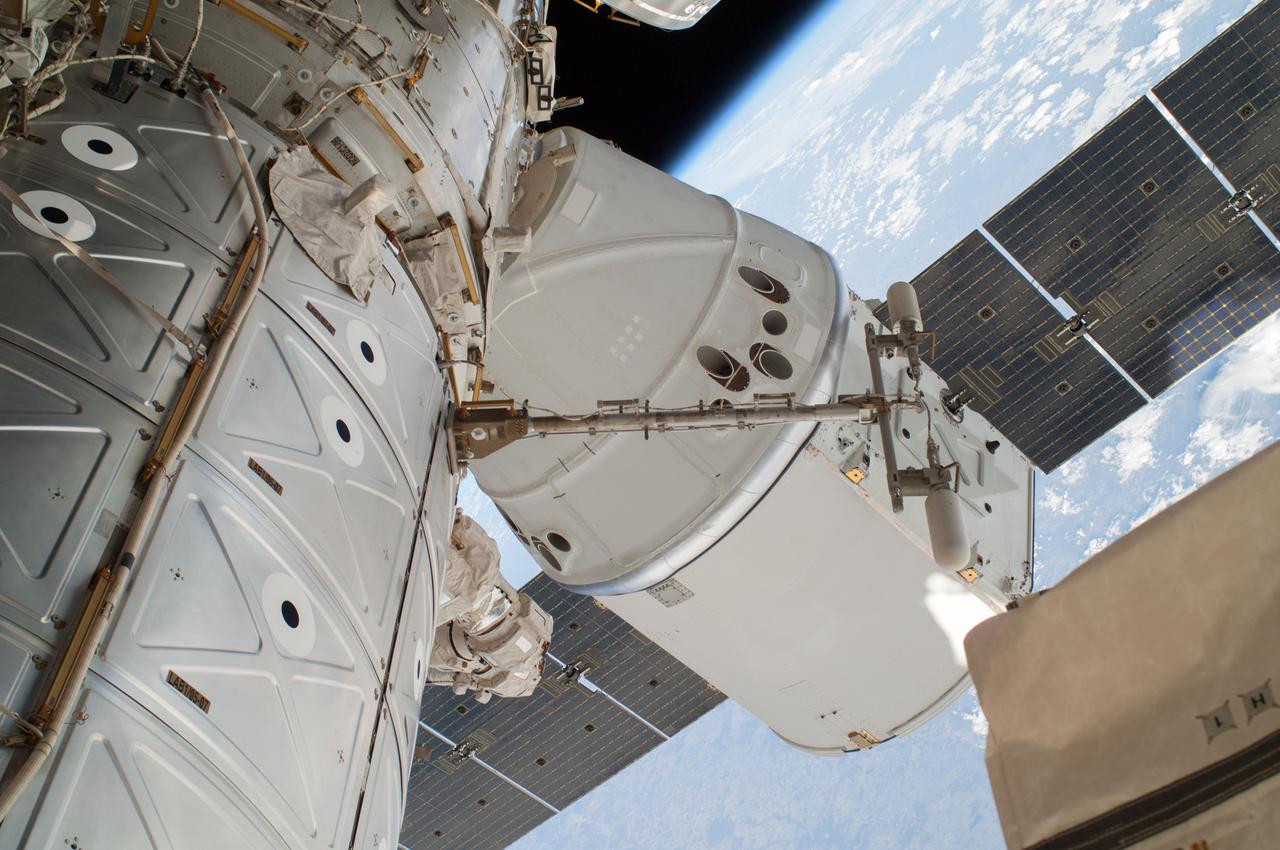
View of the SpaceX Dragon Commercial Resupply Services-3 (CRS-3) spacecraft and portions of the Destiny U.S. Laboratory and Harmony Node 2 taken against a backdrop of Earth and space by Extravehicular crewmember 1 (EV1) during Extravehicular Activity 26 (EVA 26).
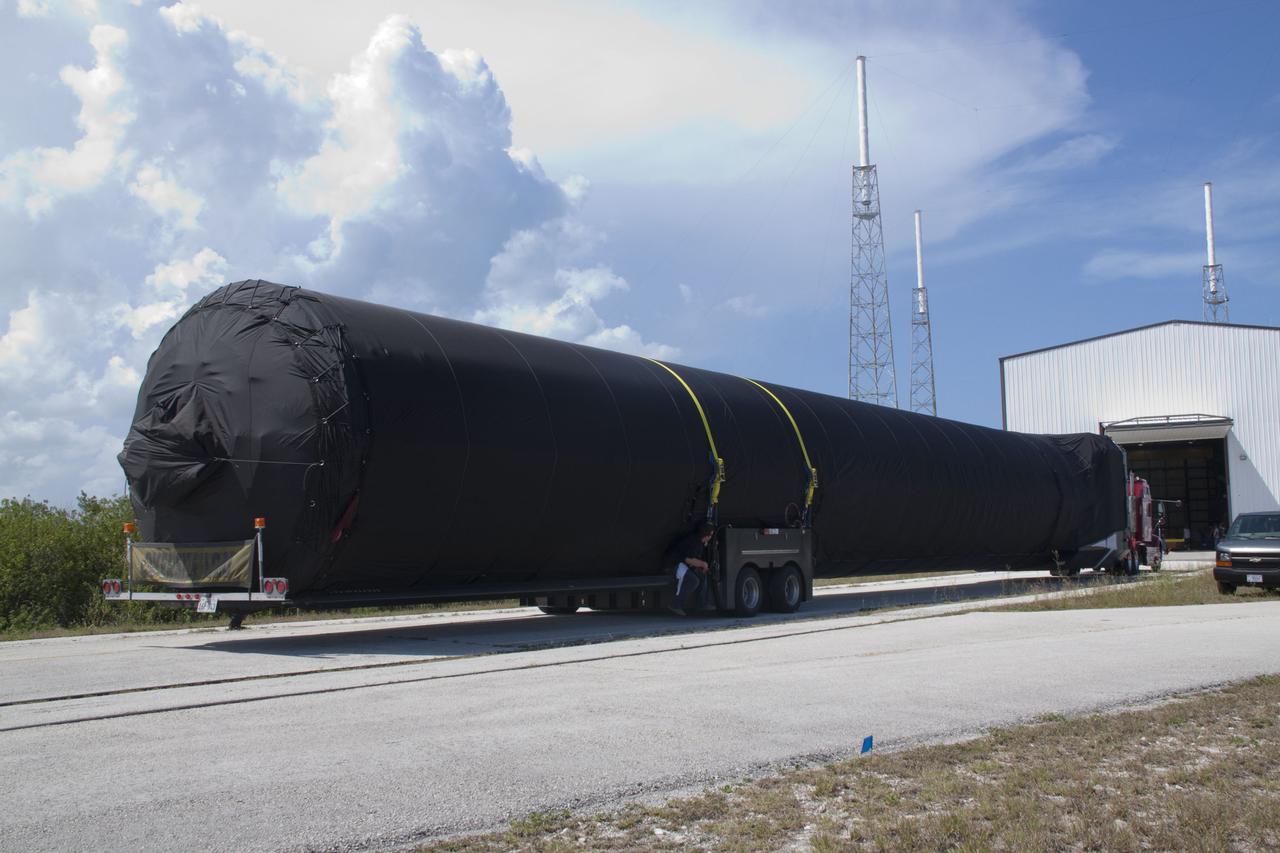
CAPE CANAVERAL, Fla. -- The first stage of the SpaceX COTS-2 Falcon 9 rocket is being transported to a SpaceX hangar at Pad 40 at Cape Canaveral Air Force Station in Florida. Once assembled, it will be a two-stage fully integrated launch vehicle, consisting of a first stage powered by nine SpaceX-developed Merlin 1C engines, a second stage, an interstage, an unpressurized trunk and the Dragon spacecraft qualification unit. SpaceX was awarded procurement for three demonstration flights under the Commercial Orbital Transportation Services, or COTS, program managed by NASA's Johnson Space Center in Houston. A subsequent contract for Commercial Resupply Services, or CRS, was awarded in late 2008 to resupply the International Space Station. The SpaceX CRS contract provides for 12 missions to resupply the station from 2011 through 2015. Photo credit: NASA_Jack Pfaller
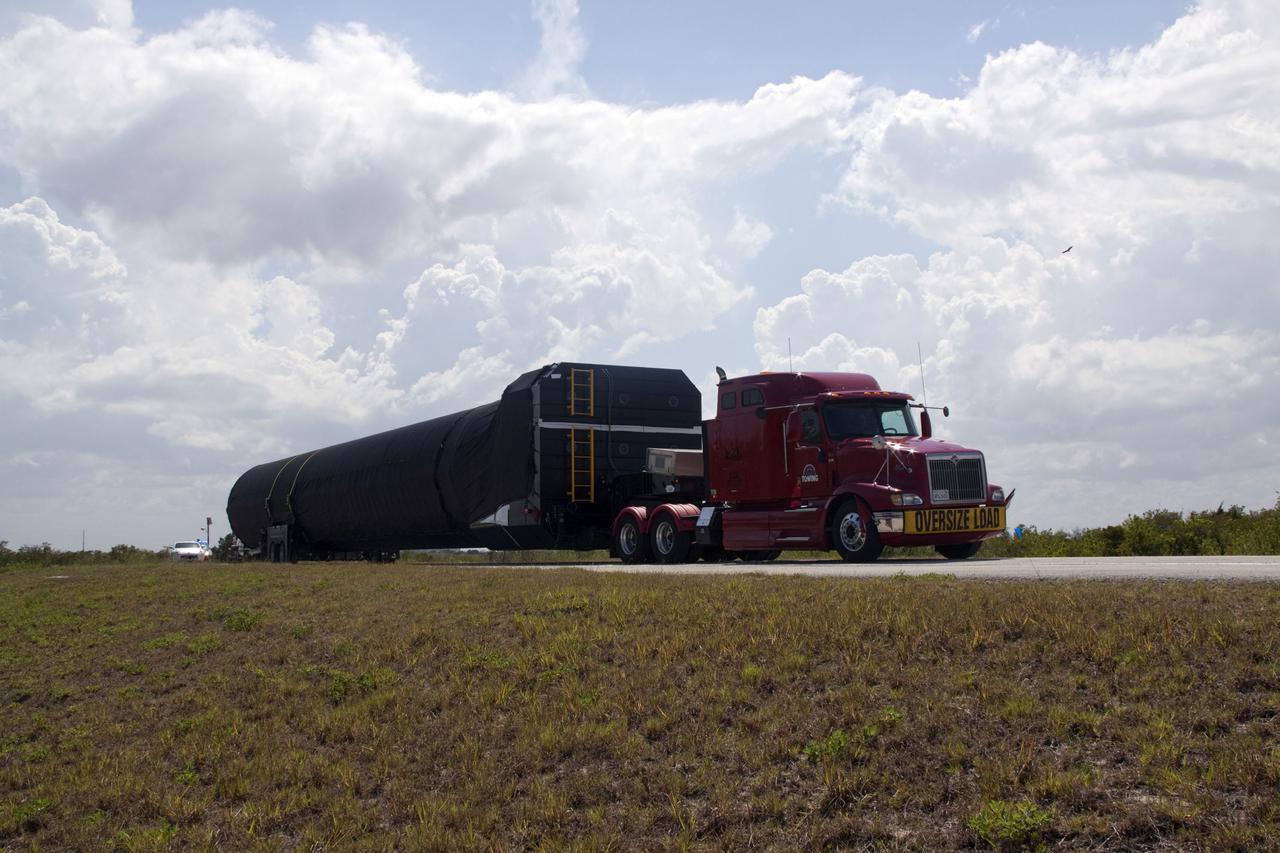
CAPE CANAVERAL, Fla. -- The first stage of the SpaceX COTS-2 Falcon 9 rocket is being transported to a SpaceX hangar at Pad 40 at Cape Canaveral Air Force Station in Florida. Once assembled, it will be a two-stage fully integrated launch vehicle, consisting of a first stage powered by nine SpaceX-developed Merlin 1C engines, a second stage, an interstage, an unpressurized trunk and the Dragon spacecraft qualification unit. SpaceX was awarded procurement for three demonstration flights under the Commercial Orbital Transportation Services, or COTS, program managed by NASA's Johnson Space Center in Houston. A subsequent contract for Commercial Resupply Services, or CRS, was awarded in late 2008 to resupply the International Space Station. The SpaceX CRS contract provides for 12 missions to resupply the station from 2011 through 2015. Photo credit: NASA_Jack Pfaller
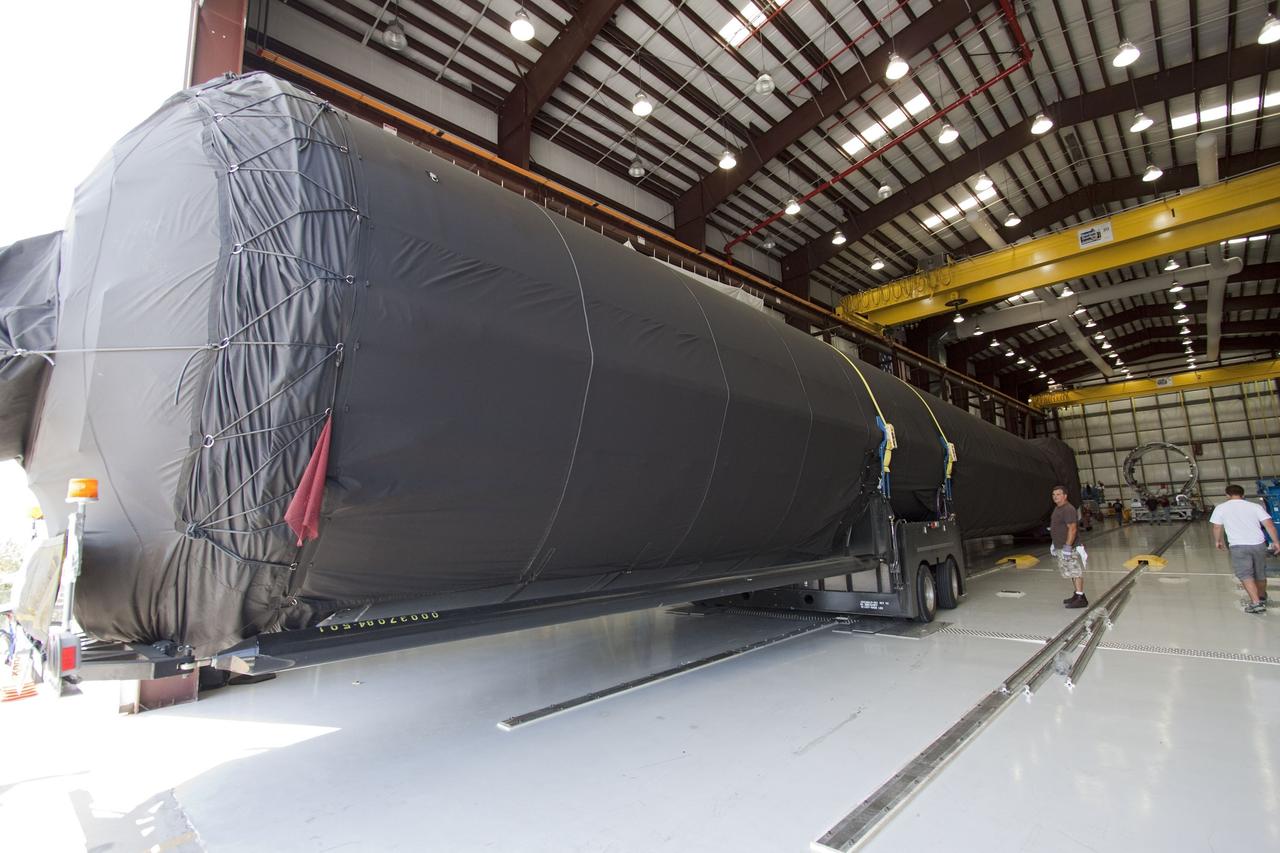
CAPE CANAVERAL, Fla. -- The first stage of the SpaceX COTS-2 Falcon 9 rocket has been moved to a SpaceX hangar at Pad 40 at Cape Canaveral Air Force Station in Florida. Once assembled, it will be a two-stage fully integrated launch vehicle, consisting of a first stage powered by nine SpaceX-developed Merlin 1C engines, a second stage, an interstage, an unpressurized trunk and the Dragon spacecraft qualification unit. SpaceX was awarded procurement for three demonstration flights under the Commercial Orbital Transportation Services, or COTS, program managed by NASA's Johnson Space Center in Houston. A subsequent contract for Commercial Resupply Services, or CRS, was awarded in late 2008 to resupply the International Space Station. The SpaceX CRS contract provides for 12 missions to resupply the station from 2011 through 2015. Photo credit: NASA/Jack Pfaller
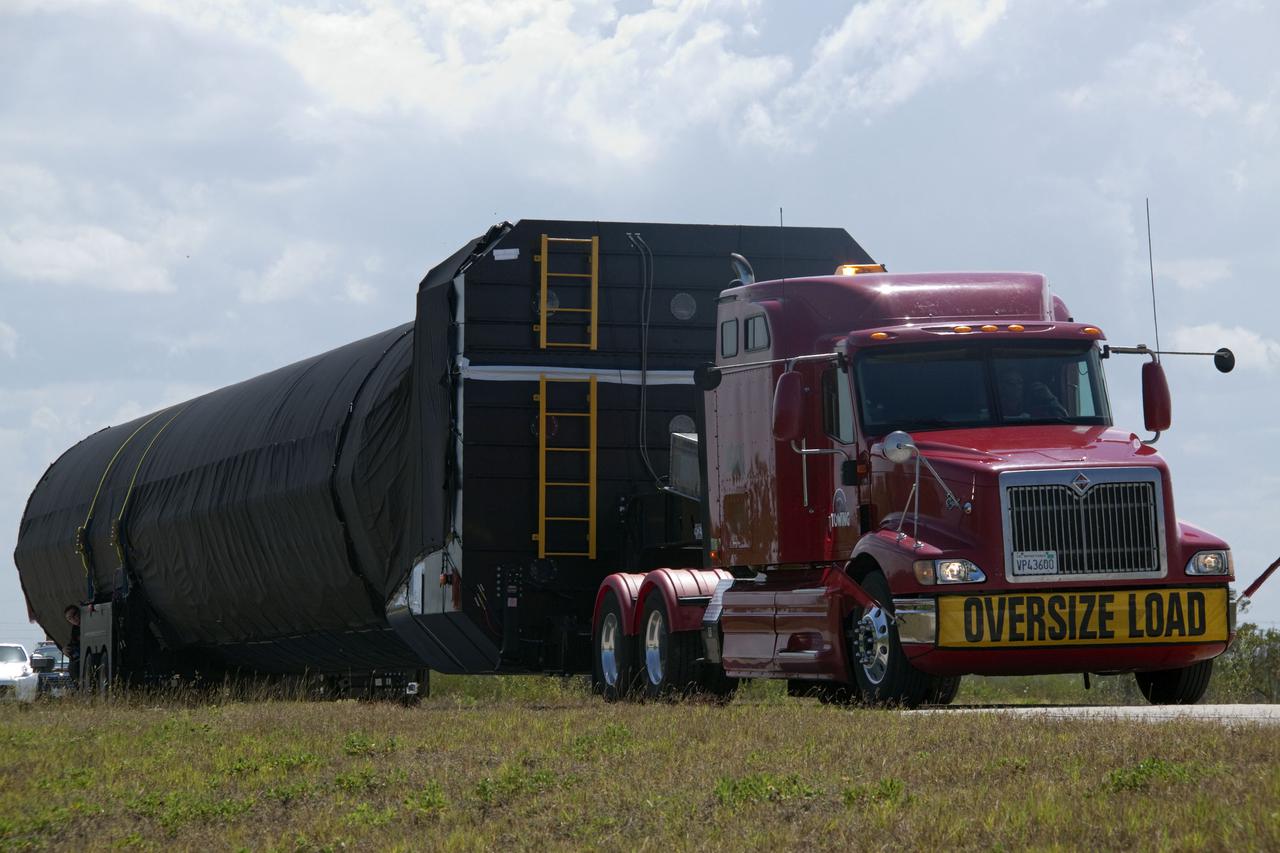
CAPE CANAVERAL, Fla. -- The first stage of the SpaceX COTS-2 Falcon 9 rocket is being transported to a SpaceX hangar at Pad 40 at Cape Canaveral Air Force Station in Florida. Once assembled, it will be a two-stage fully integrated launch vehicle, consisting of a first stage powered by nine SpaceX-developed Merlin 1C engines, a second stage, an interstage, an unpressurized trunk and the Dragon spacecraft qualification unit. SpaceX was awarded procurement for three demonstration flights under the Commercial Orbital Transportation Services, or COTS, program managed by NASA's Johnson Space Center in Houston. A subsequent contract for Commercial Resupply Services, or CRS, was awarded in late 2008 to resupply the International Space Station. The SpaceX CRS contract provides for 12 missions to resupply the station from 2011 through 2015. Photo credit: NASA_Jack Pfaller
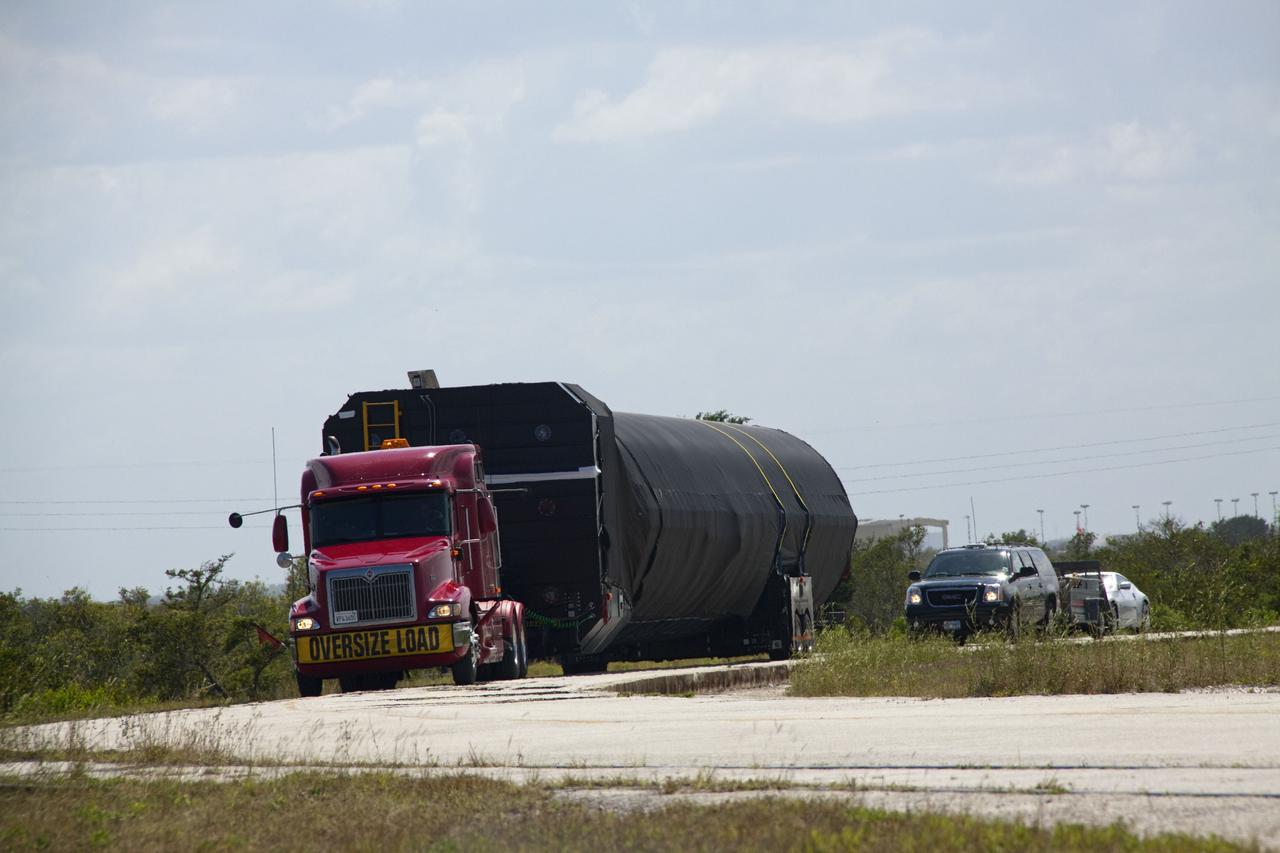
CAPE CANAVERAL, Fla. -- The first stage of the SpaceX COTS-2 Falcon 9 rocket is being transported to a SpaceX hangar at Pad 40 at Cape Canaveral Air Force Station in Florida. Once assembled, it will be a two-stage fully integrated launch vehicle, consisting of a first stage powered by nine SpaceX-developed Merlin 1C engines, a second stage, an interstage, an unpressurized trunk and the Dragon spacecraft qualification unit. SpaceX was awarded procurement for three demonstration flights under the Commercial Orbital Transportation Services, or COTS, program managed by NASA's Johnson Space Center in Houston. A subsequent contract for Commercial Resupply Services, or CRS, was awarded in late 2008 to resupply the International Space Station. The SpaceX CRS contract provides for 12 missions to resupply the station from 2011 through 2015. Photo credit: NASA_Jack Pfaller
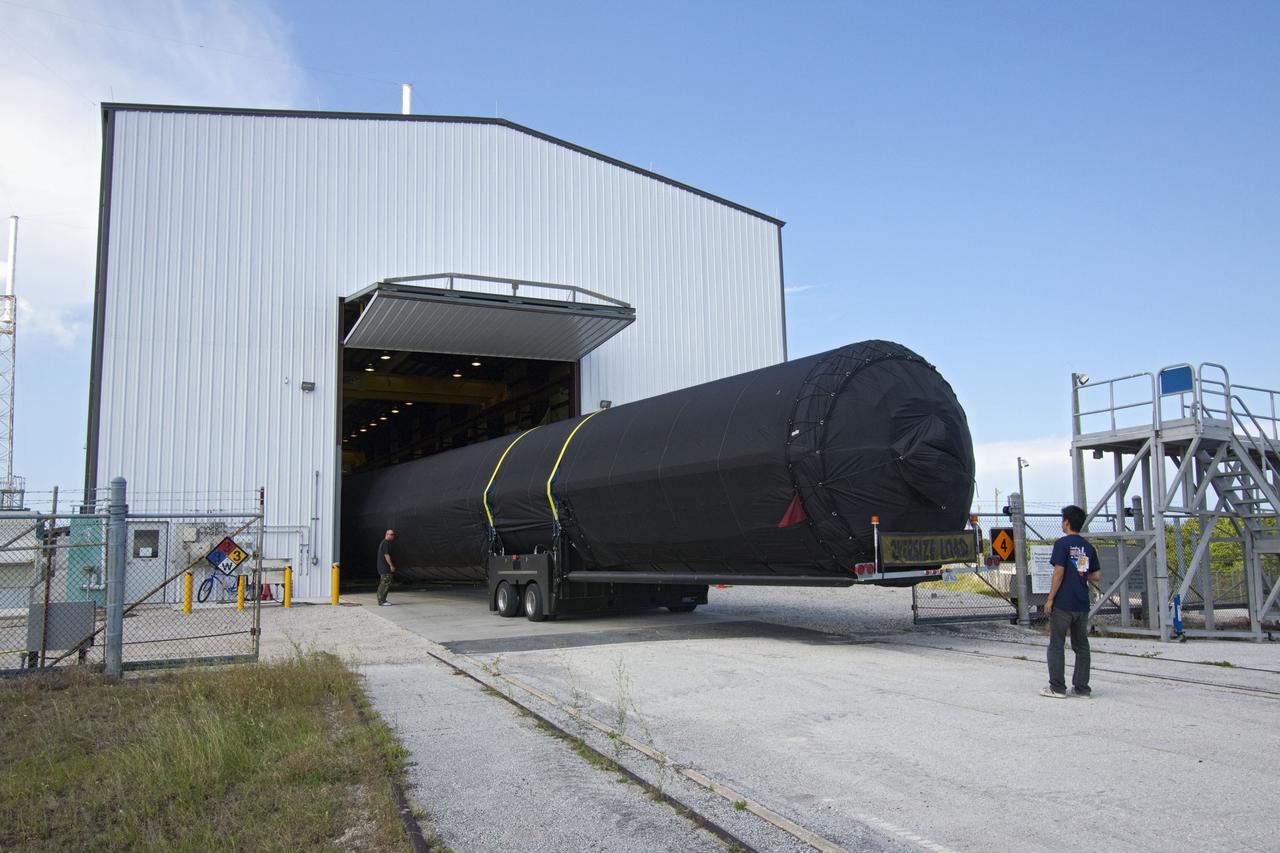
CAPE CANAVERAL, Fla. -- The first stage of the SpaceX COTS-2 Falcon 9 rocket is being moved into a SpaceX hangar at Pad 40 at Cape Canaveral Air Force Station in Florida. Once assembled, it will be a two-stage fully integrated launch vehicle, consisting of a first stage powered by nine SpaceX-developed Merlin 1C engines, a second stage, an interstage, an unpressurized trunk and the Dragon spacecraft qualification unit. SpaceX was awarded procurement for three demonstration flights under the Commercial Orbital Transportation Services, or COTS, program managed by NASA's Johnson Space Center in Houston. A subsequent contract for Commercial Resupply Services, or CRS, was awarded in late 2008 to resupply the International Space Station. The SpaceX CRS contract provides for 12 missions to resupply the station from 2011 through 2015. Photo credit: NASA/Jack Pfaller
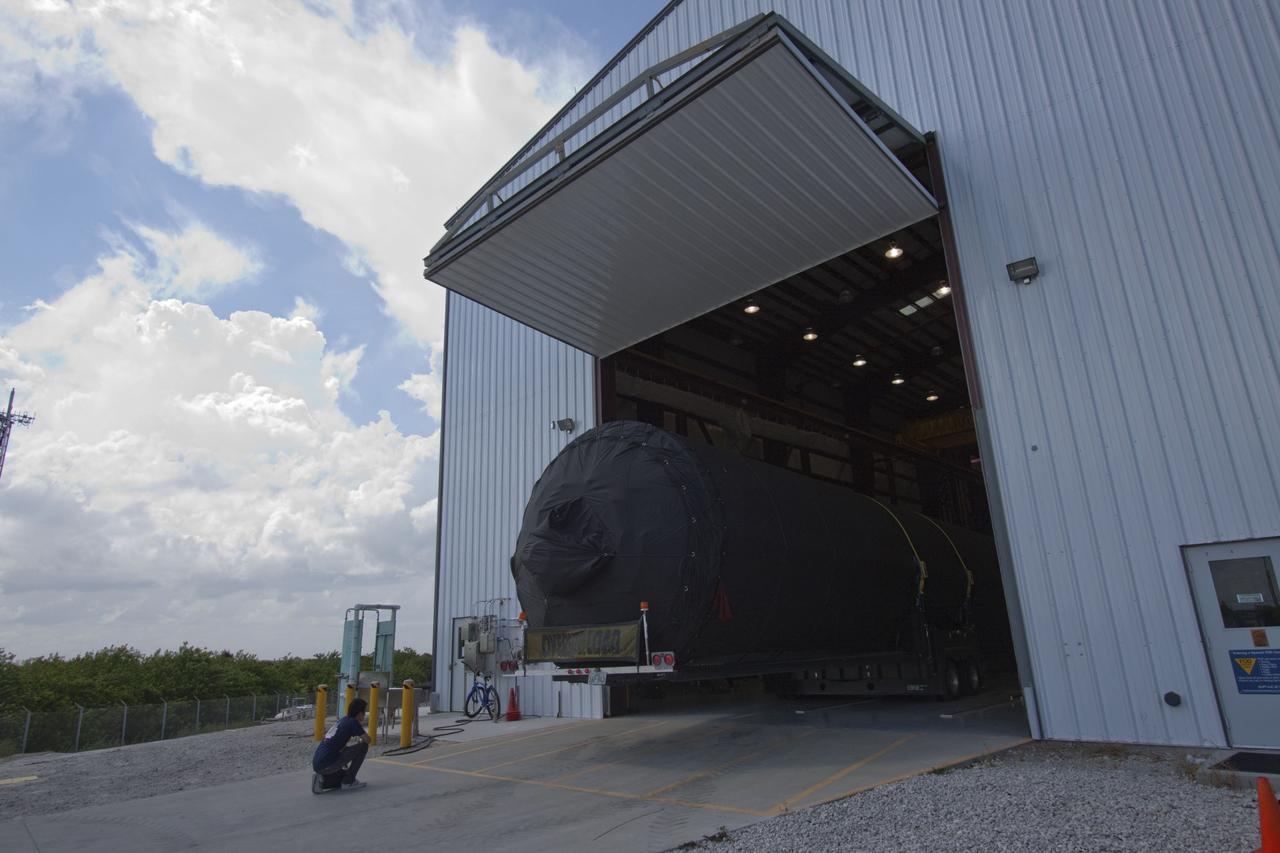
CAPE CANAVERAL, Fla. -- The first stage of the SpaceX COTS-2 Falcon 9 rocket is being moved into a SpaceX hangar at Pad 40 at Cape Canaveral Air Force Station in Florida. Once assembled, it will be a two-stage fully integrated launch vehicle, consisting of a first stage powered by nine SpaceX-developed Merlin 1C engines, a second stage, an interstage, an unpressurized trunk and the Dragon spacecraft qualification unit. SpaceX was awarded procurement for three demonstration flights under the Commercial Orbital Transportation Services, or COTS, program managed by NASA's Johnson Space Center in Houston. A subsequent contract for Commercial Resupply Services, or CRS, was awarded in late 2008 to resupply the International Space Station. The SpaceX CRS contract provides for 12 missions to resupply the station from 2011 through 2015. Photo credit: NASA/Jack Pfaller
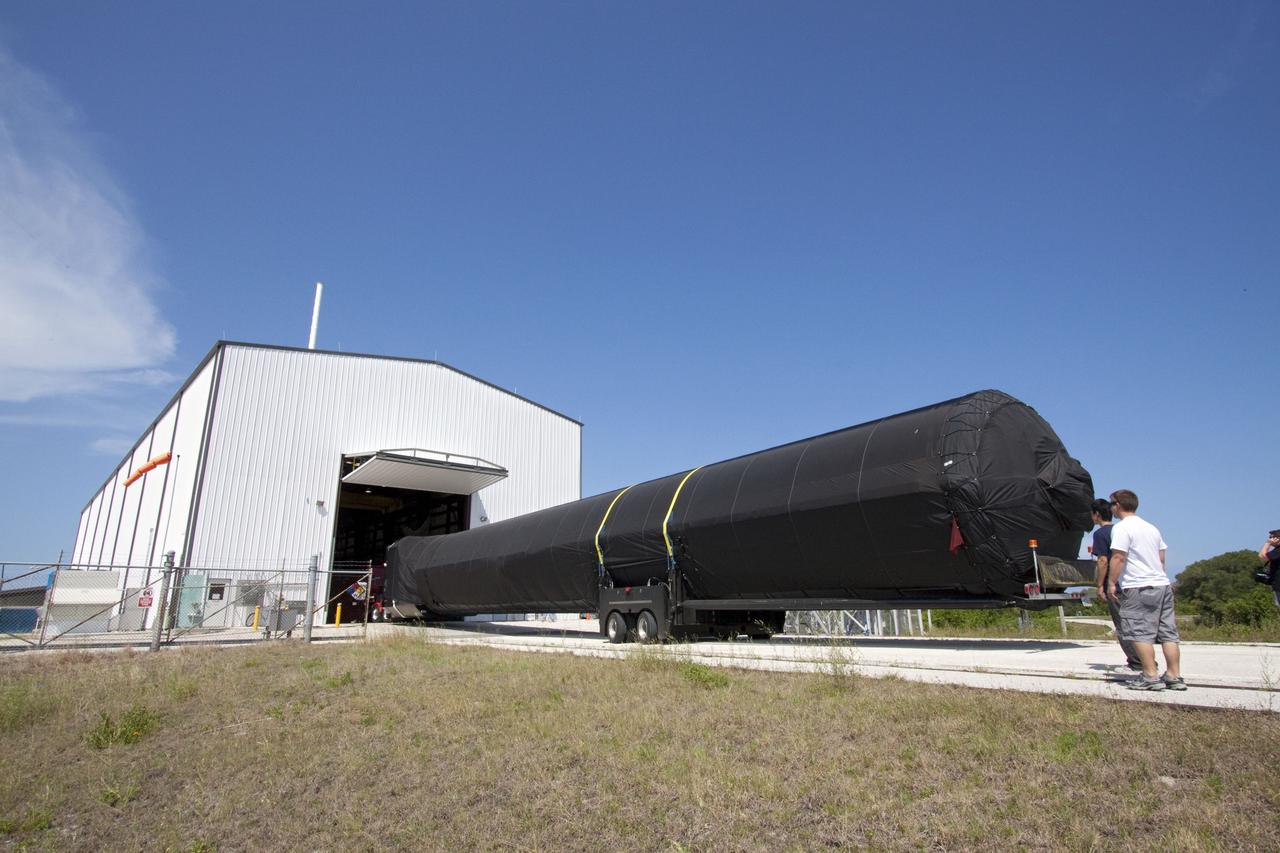
CAPE CANAVERAL, Fla. -- The first stage of the SpaceX COTS-2 Falcon 9 rocket is being moved into a SpaceX hangar at Pad 40 at Cape Canaveral Air Force Station in Florida. Once assembled, it will be a two-stage fully integrated launch vehicle, consisting of a first stage powered by nine SpaceX-developed Merlin 1C engines, a second stage, an interstage, an unpressurized trunk and the Dragon spacecraft qualification unit. SpaceX was awarded procurement for three demonstration flights under the Commercial Orbital Transportation Services, or COTS, program managed by NASA's Johnson Space Center in Houston. A subsequent contract for Commercial Resupply Services, or CRS, was awarded in late 2008 to resupply the International Space Station. The SpaceX CRS contract provides for 12 missions to resupply the station from 2011 through 2015. Photo credit: NASA/Jack Pfaller
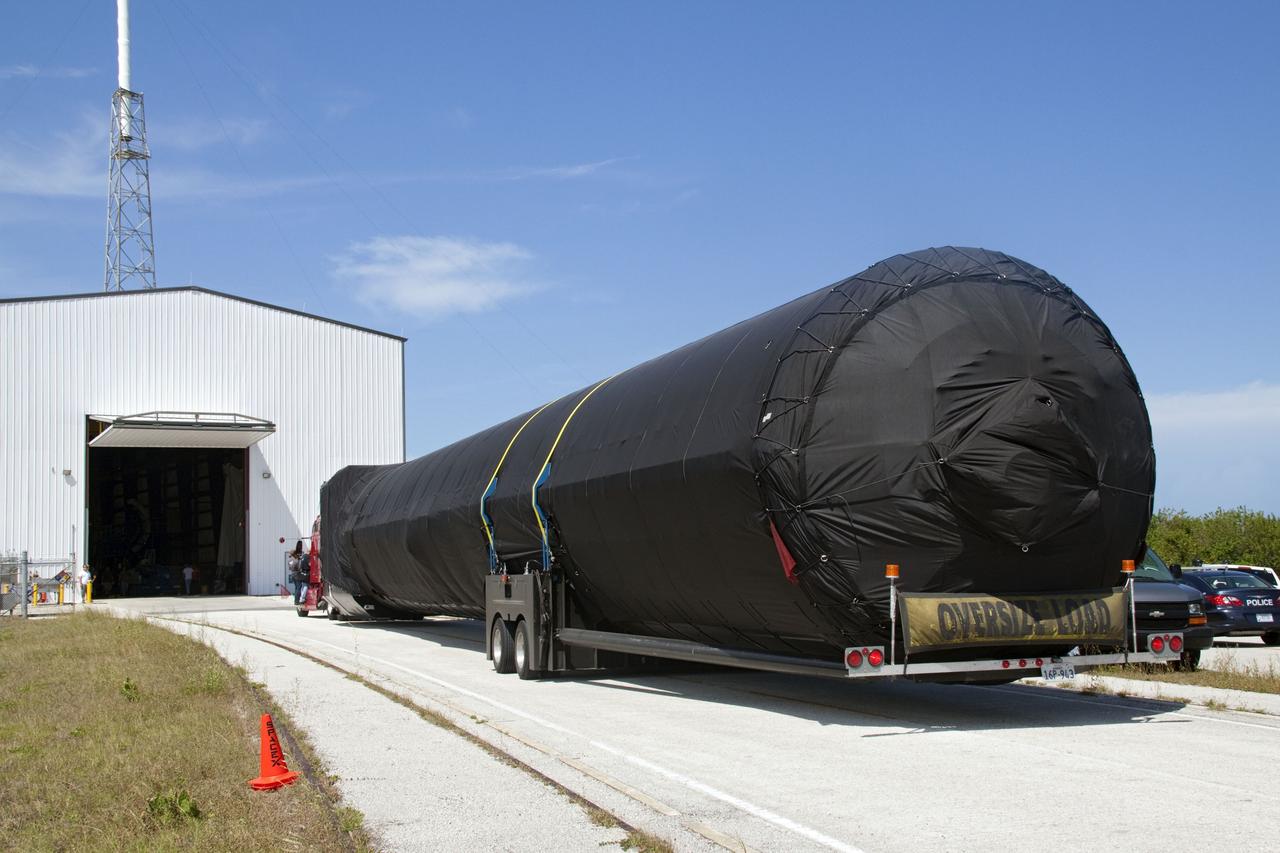
CAPE CANAVERAL, Fla. -- The first stage of the SpaceX COTS-2 Falcon 9 rocket is being moved into a SpaceX hangar at Pad 40 at Cape Canaveral Air Force Station in Florida. Once assembled, it will be a two-stage fully integrated launch vehicle, consisting of a first stage powered by nine SpaceX-developed Merlin 1C engines, a second stage, an interstage, an unpressurized trunk and the Dragon spacecraft qualification unit. SpaceX was awarded procurement for three demonstration flights under the Commercial Orbital Transportation Services, or COTS, program managed by NASA's Johnson Space Center in Houston. A subsequent contract for Commercial Resupply Services, or CRS, was awarded in late 2008 to resupply the International Space Station. The SpaceX CRS contract provides for 12 missions to resupply the station from 2011 through 2015. Photo credit: NASA/Jack Pfaller
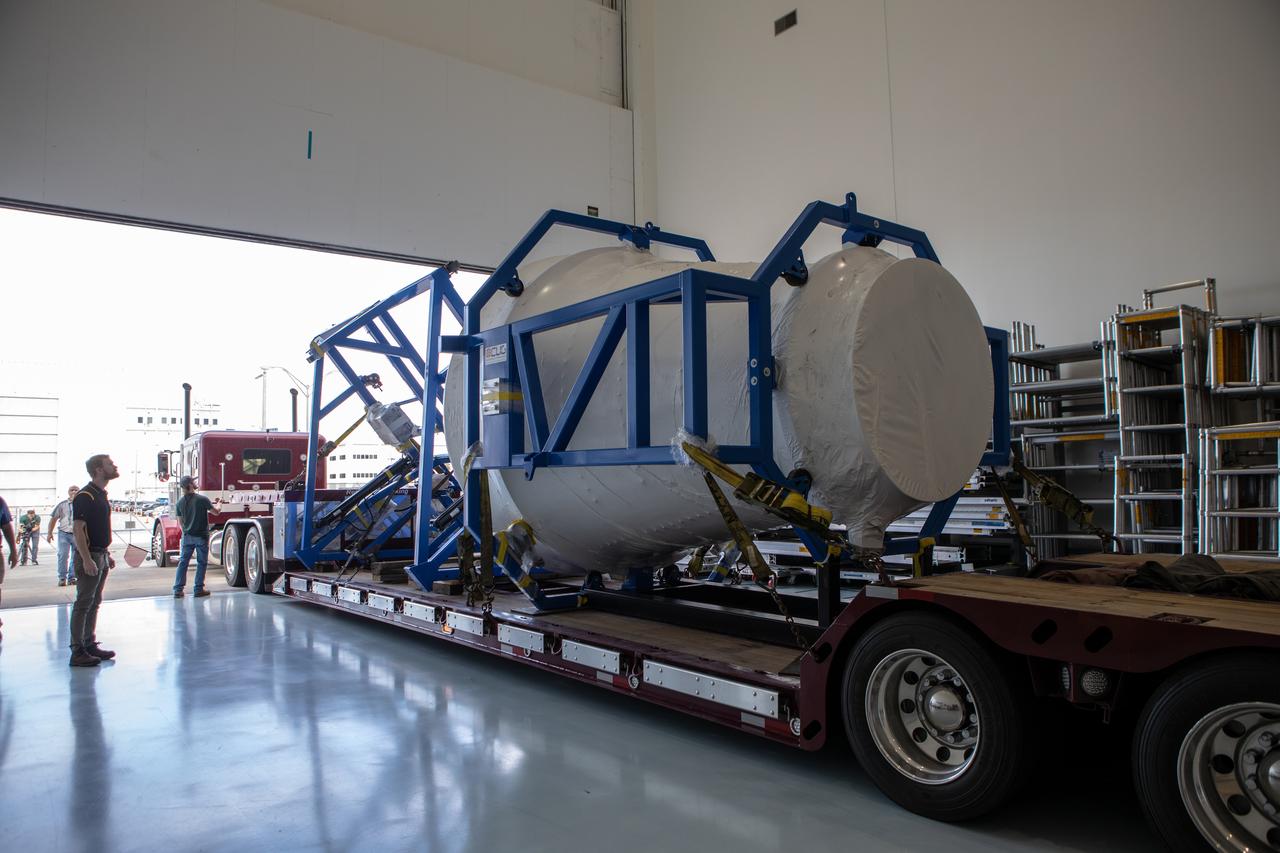
A truck carrying the cargo logistics module for Sierra Nevada Corporation’s Dream Chaser, the company’s reusable spaceplane, enters the Space Station Processing Facility high bay at NASA’s Kennedy Space Center in Florida on Aug. 27, 2019. The cargo module – a 15-foot attachment to Dream Chaser – provides extra storage for payloads and provides cargo disposal upon re-entry into Earth’s atmosphere. Dream Chaser will deliver more than 12,000 pounds of cargo to the International Space Station under the agency’s Commercial Resupply Services 2 contract. The spacecraft and cargo module will begin resupply and return services missions to the space station in late 2021.
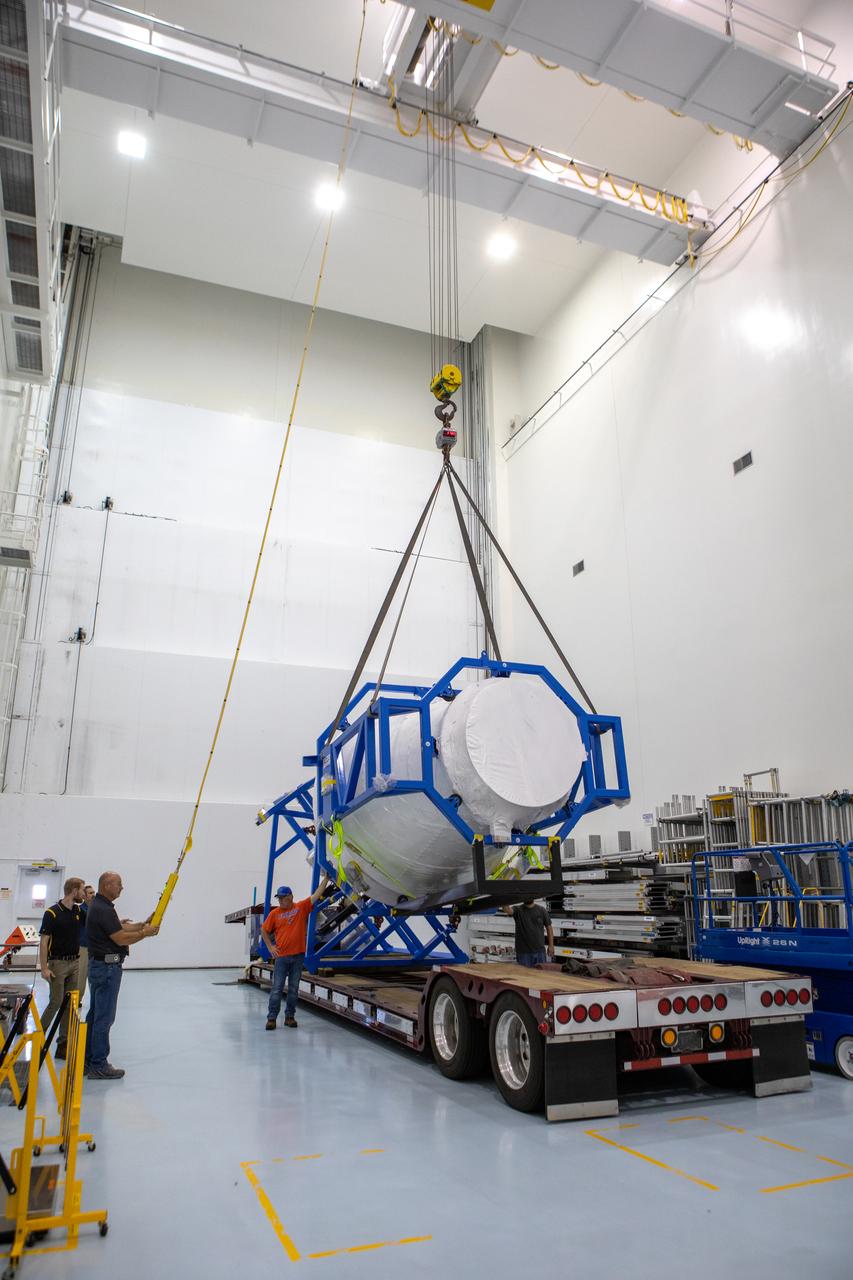
The cargo logistics module for Sierra Nevada Corporation’s Dream Chaser, the company’s reusable spaceplane, is lifted from the bed of a truck following its arrival at the Space Station Processing Facility high bay at NASA’s Kennedy Space Center in Florida on Aug. 27, 2019. The cargo module – a 15-foot attachment to Dream Chaser – provides extra storage for payloads and provides cargo disposal upon re-entry into Earth’s atmosphere. Dream Chaser will deliver more than 12,000 pounds of cargo to the International Space Station under the agency’s Commercial Resupply Services 2 contract. The spacecraft and cargo module will begin resupply and return services missions to the space station in late 2021.
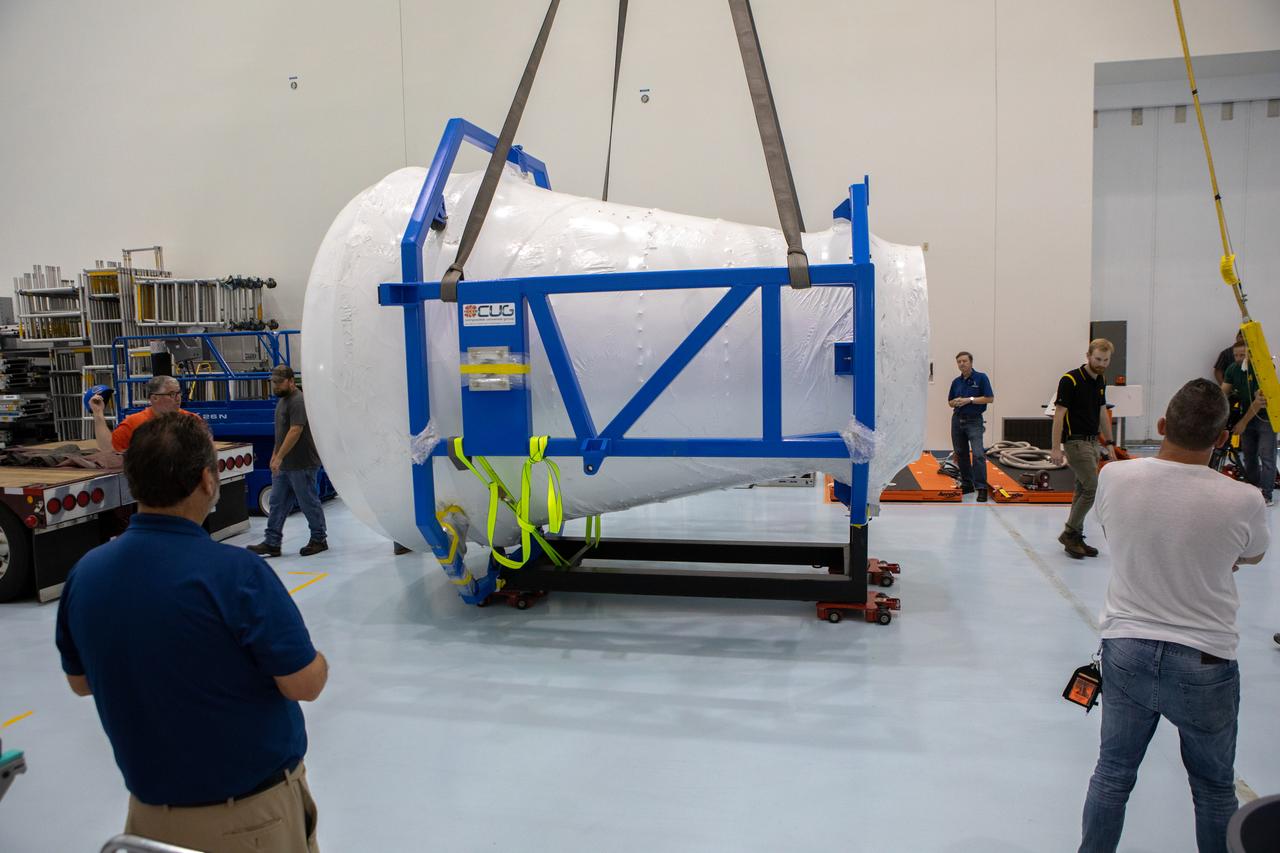
The cargo logistics module for Sierra Nevada Corporation’s Dream Chaser, the company’s reusable spaceplane, arrives at the Space Station Processing Facility high bay at NASA’s Kennedy Space Center in Florida on Aug. 27, 2019. The cargo module – a 15-foot attachment to Dream Chaser – provides extra storage for payloads and provides cargo disposal upon re-entry into Earth’s atmosphere. Dream Chaser will deliver more than 12,000 pounds of cargo to the International Space Station under the agency’s Commercial Resupply Services 2 contract. The spacecraft and cargo module will begin resupply and return services missions to the space station in late 2021.
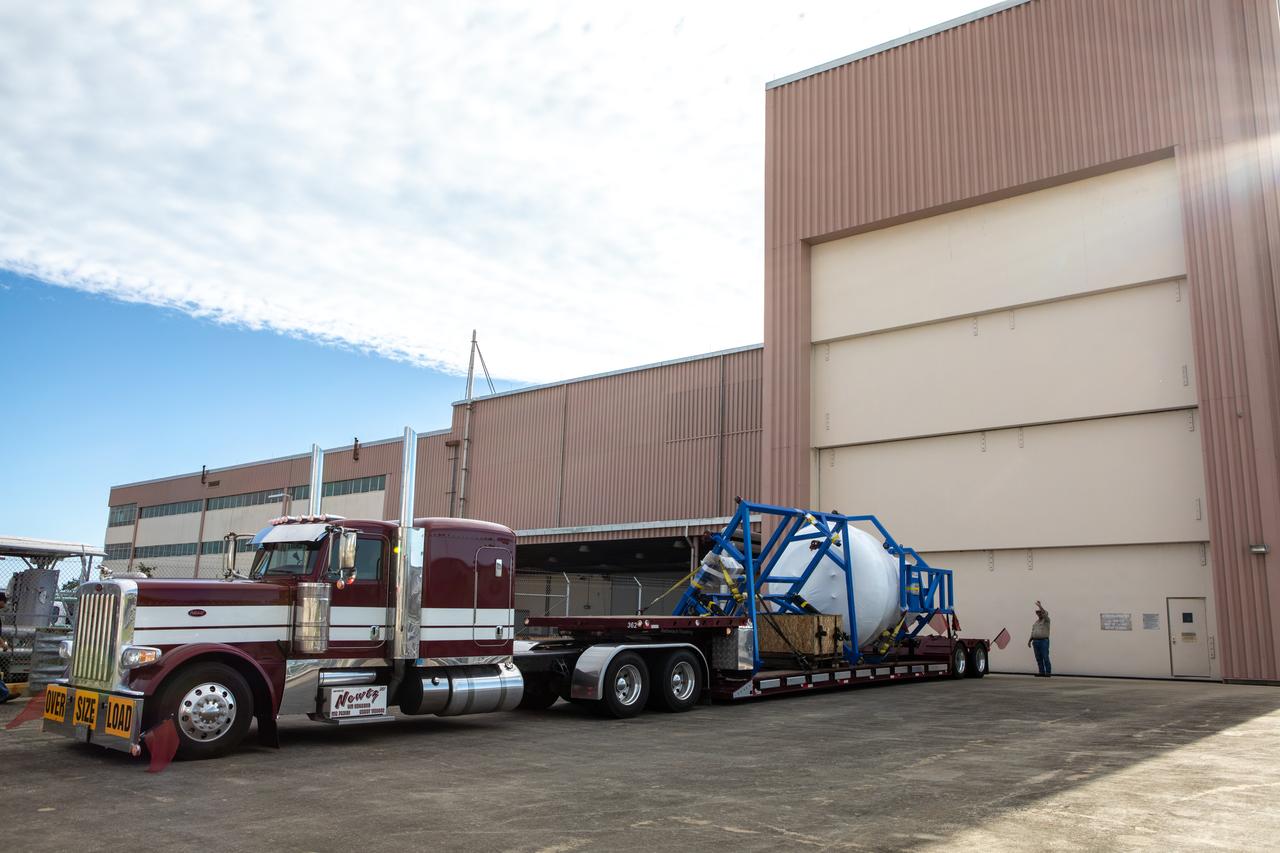
A truck carrying the cargo logistics module for Sierra Nevada Corporation’s Dream Chaser, the company’s reusable spaceplane, arrives at the Space Station Processing Facility high bay entrance at NASA’s Kennedy Space Center in Florida on Aug. 27, 2019. The cargo module – a 15-foot attachment to Dream Chaser – provides extra storage for payloads and provides cargo disposal upon re-entry into Earth’s atmosphere. Dream Chaser will deliver more than 12,000 pounds of cargo to the International Space Station under the agency’s Commercial Resupply Services 2 contract. The spacecraft and cargo module will begin resupply and return services missions to the space station in late 2021.
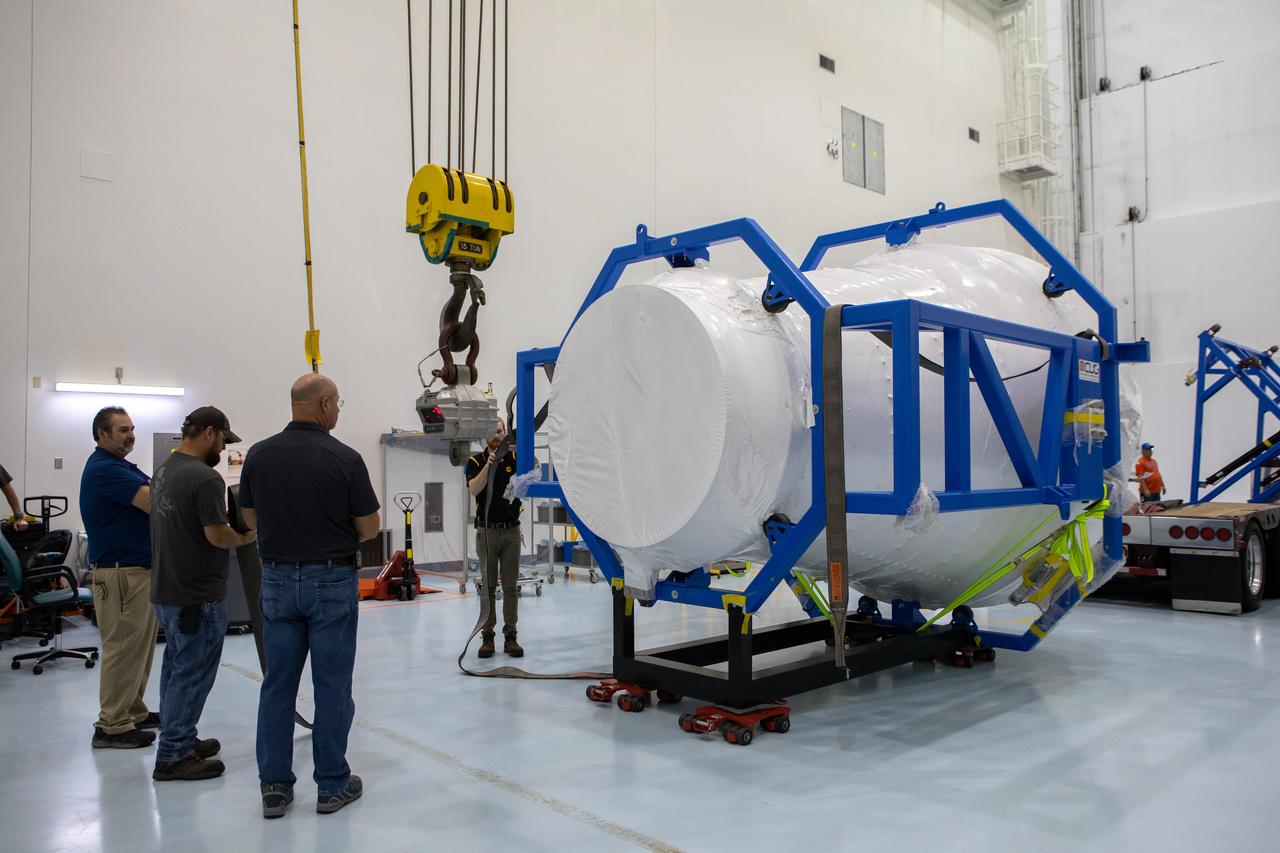
The cargo logistics module for Sierra Nevada Corporation’s Dream Chaser, the company’s reusable spaceplane, is photographed inside the Space Station Processing Facility high bay at NASA’s Kennedy Space Center in Florida following its arrival on Aug. 27, 2019. The cargo module – a 15-foot attachment to Dream Chaser – provides extra storage for payloads and provides cargo disposal upon re-entry into Earth’s atmosphere. Dream Chaser will deliver more than 12,000 pounds of cargo to the International Space Station under the agency’s Commercial Resupply Services 2 contract. The spacecraft and cargo module will begin resupply and return services missions to the space station in late 2021.
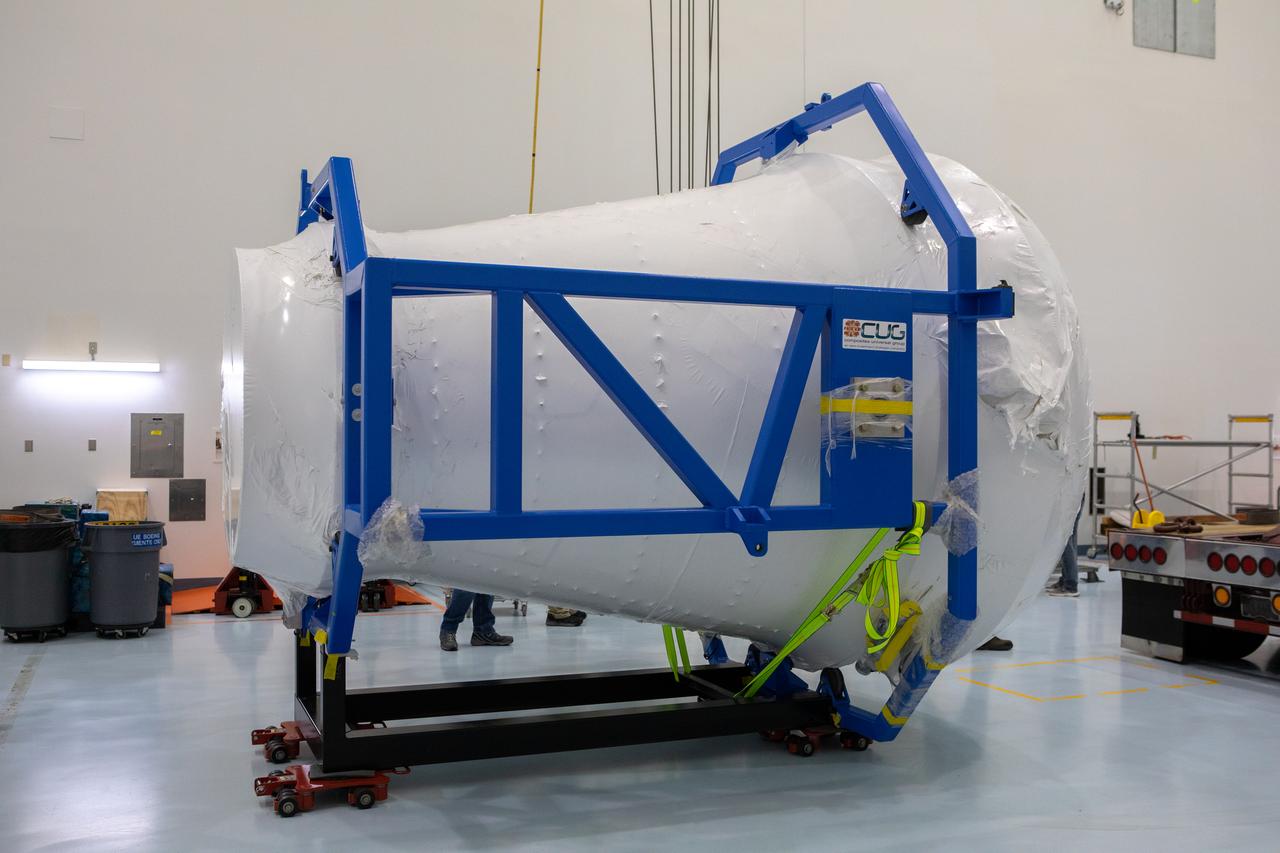
The cargo logistics module for Sierra Nevada Corporation’s Dream Chaser, the company’s reusable spaceplane, is photographed inside the Space Station Processing Facility high bay at NASA’s Kennedy Space Center in Florida following its arrival on Aug. 27, 2019. The cargo module – a 15-foot attachment to Dream Chaser – provides extra storage for payloads and provides cargo disposal upon re-entry into Earth’s atmosphere. Dream Chaser will deliver more than 12,000 pounds of cargo to the International Space Station under the agency’s Commercial Resupply Services 2 contract. The spacecraft and cargo module will begin resupply and return services missions to the space station in late 2021.
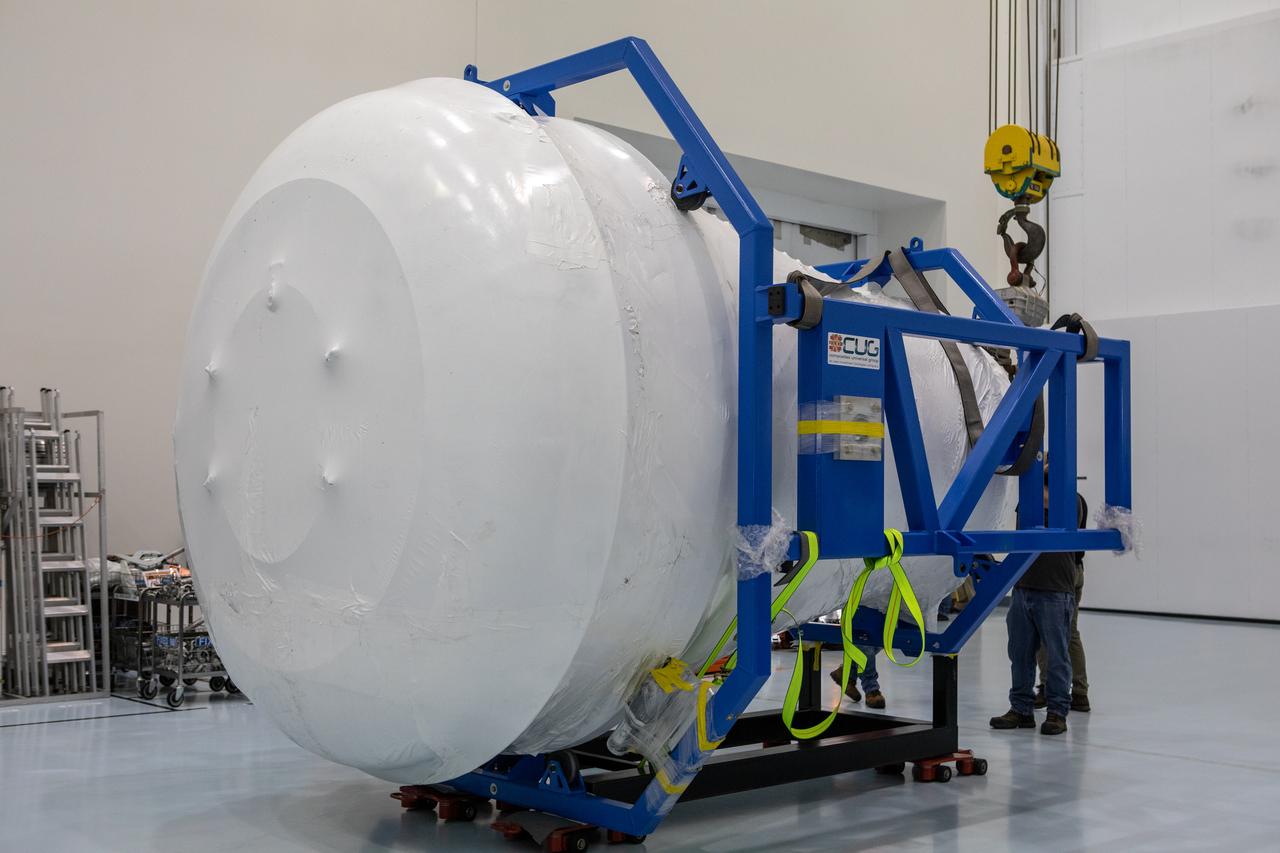
The cargo logistics module for Sierra Nevada Corporation’s Dream Chaser, the company’s reusable spaceplane, is photographed inside the Space Station Processing Facility high bay at NASA’s Kennedy Space Center in Florida following its arrival on Aug. 27, 2019. The cargo module – a 15-foot attachment to Dream Chaser – provides extra storage for payloads and provides cargo disposal upon re-entry into Earth’s atmosphere. Dream Chaser will deliver more than 12,000 pounds of cargo to the International Space Station under the agency’s Commercial Resupply Services 2 contract. The spacecraft and cargo module will begin resupply and return services missions to the space station in late 2021.
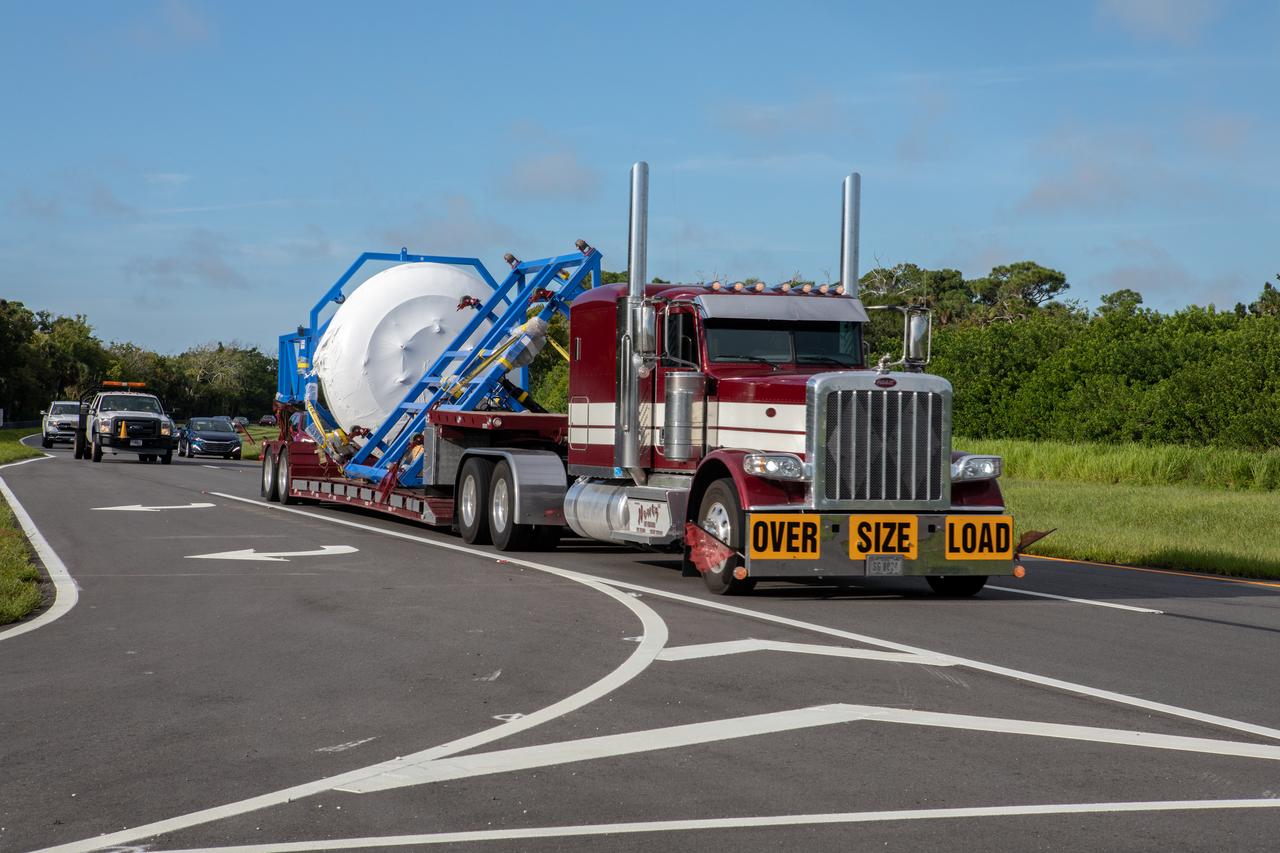
The cargo logistics module for Sierra Nevada Corporation’s Dream Chaser, the company’s reusable spaceplane, is in transit to the Space Station Processing Facility at NASA’s Kennedy Space Center in Florida on Aug. 27, 2019. The cargo module – a 15-foot attachment to Dream Chaser – provides extra storage for payloads and provides cargo disposal upon re-entry into Earth’s atmosphere. Dream Chaser will deliver more than 12,000 pounds of cargo to the International Space Station under NASA’s Commercial Resupply Services 2 contract. The spacecraft and cargo module will begin resupply and return services missions to the space station in late 2021.
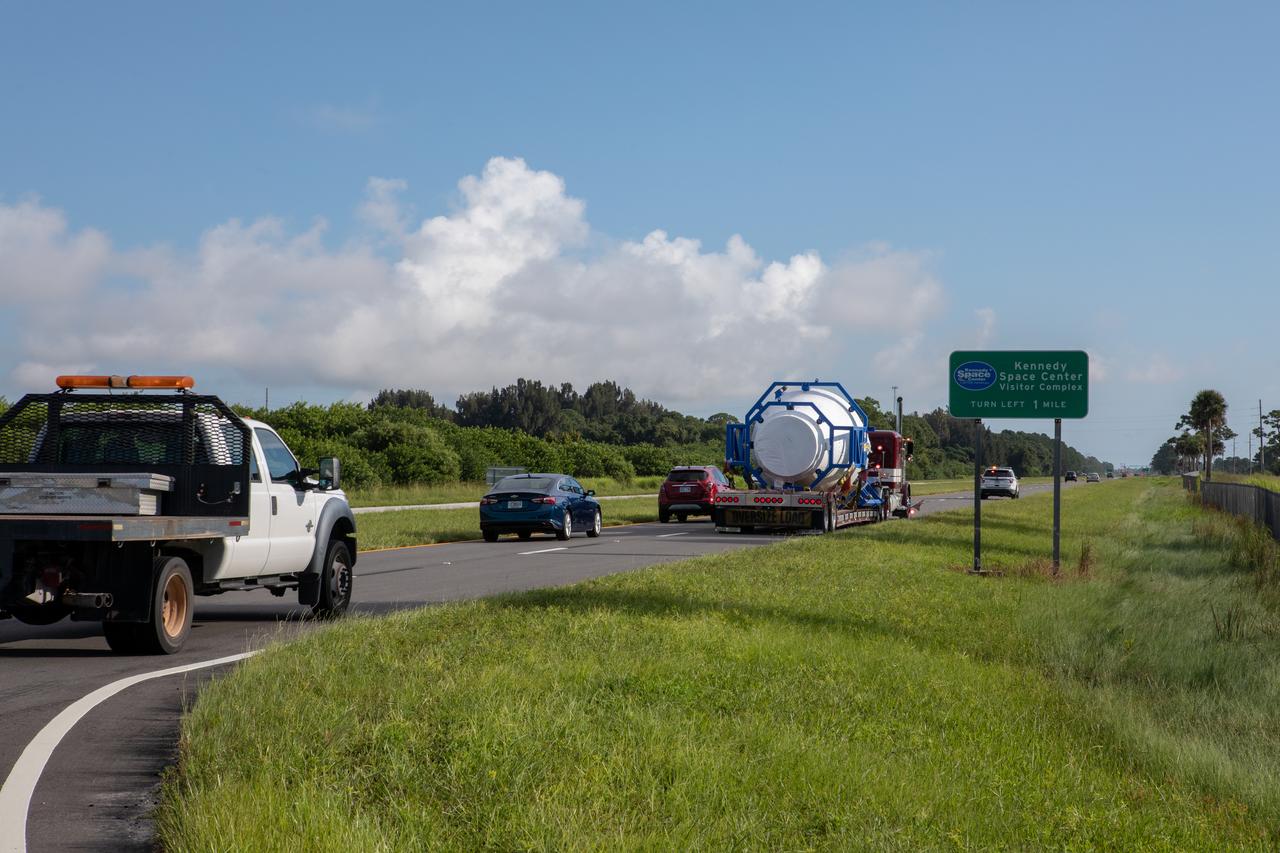
The cargo logistics module for Sierra Nevada Corporation’s Dream Chaser, the company’s reusable spaceplane, arrives at NASA’s Kennedy Space Center in Florida on Aug. 27, 2019. The cargo module – secured atop a truck – is being taken to Kennedy’s Space Station Processing Facility. A 15-foot attachment to Dream Chaser, the cargo module provides extra storage for payloads and provides cargo disposal upon re-entry into Earth’s atmosphere. Dream Chaser will deliver more than 12,000 pounds of cargo to the International Space Station under NASA’s Commercial Resupply Services 2 contract. The spacecraft and cargo module will begin resupply and return services missions to the space station in late 2021.
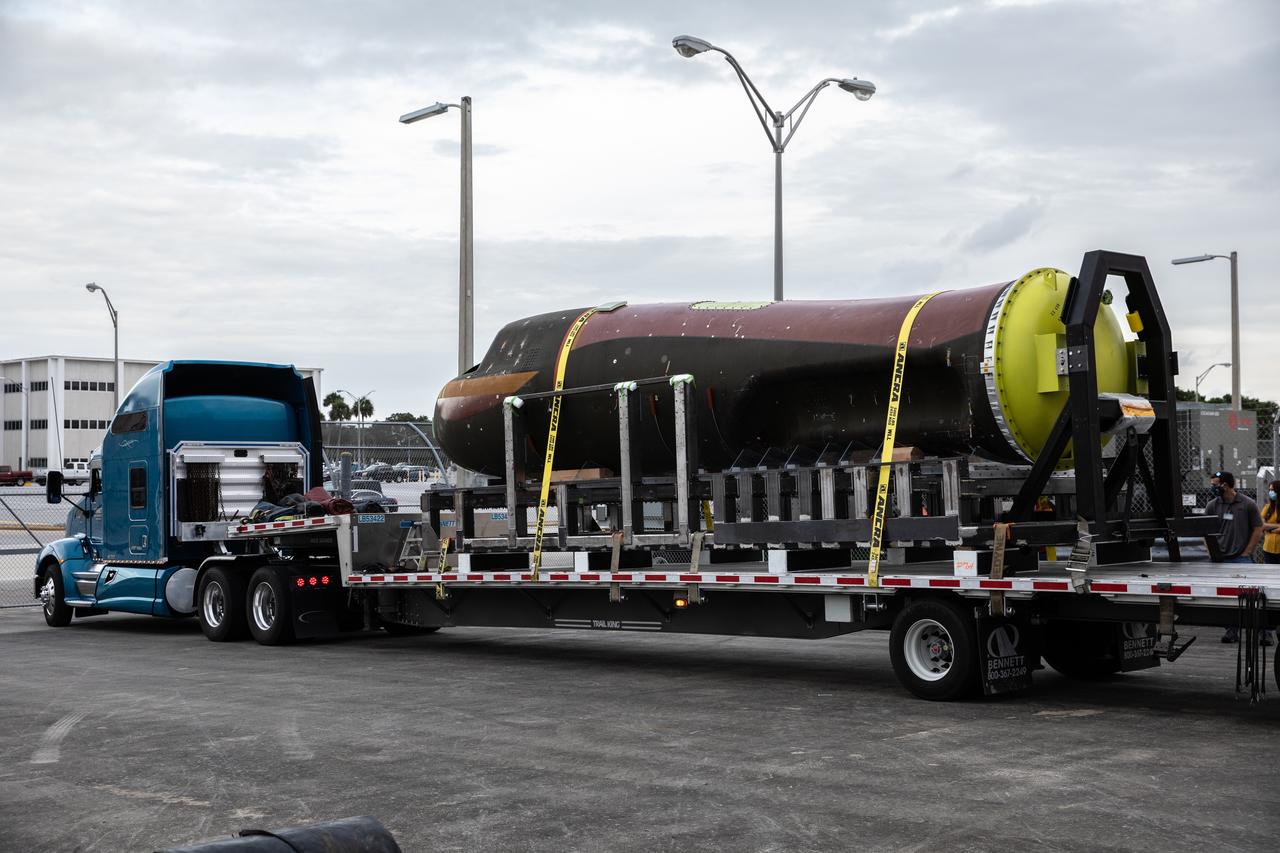
Sierra Nevada Corporation’s (SNC) Dream Chaser pressure test article arrives by flatbed truck at NASA’s Kennedy Space Center in Florida on June 3, 2020, from Louisville, Colorado. It will be transported to the high bay in the Space Station Processing Facility. The test article is similar to the actual pressurized cabin being used in the Dream Chaser spaceplane for Commercial Resupply Services-2 (CRS-2) missions. NASA selected Dream Chaser to provide cargo delivery, return and disposal service for the International Space Station under the CRS-2 contract. The test article will remain at Kennedy while SNC engineers use it to develop and verify refurbishment operations that will be used on Dream Chaser between flights.
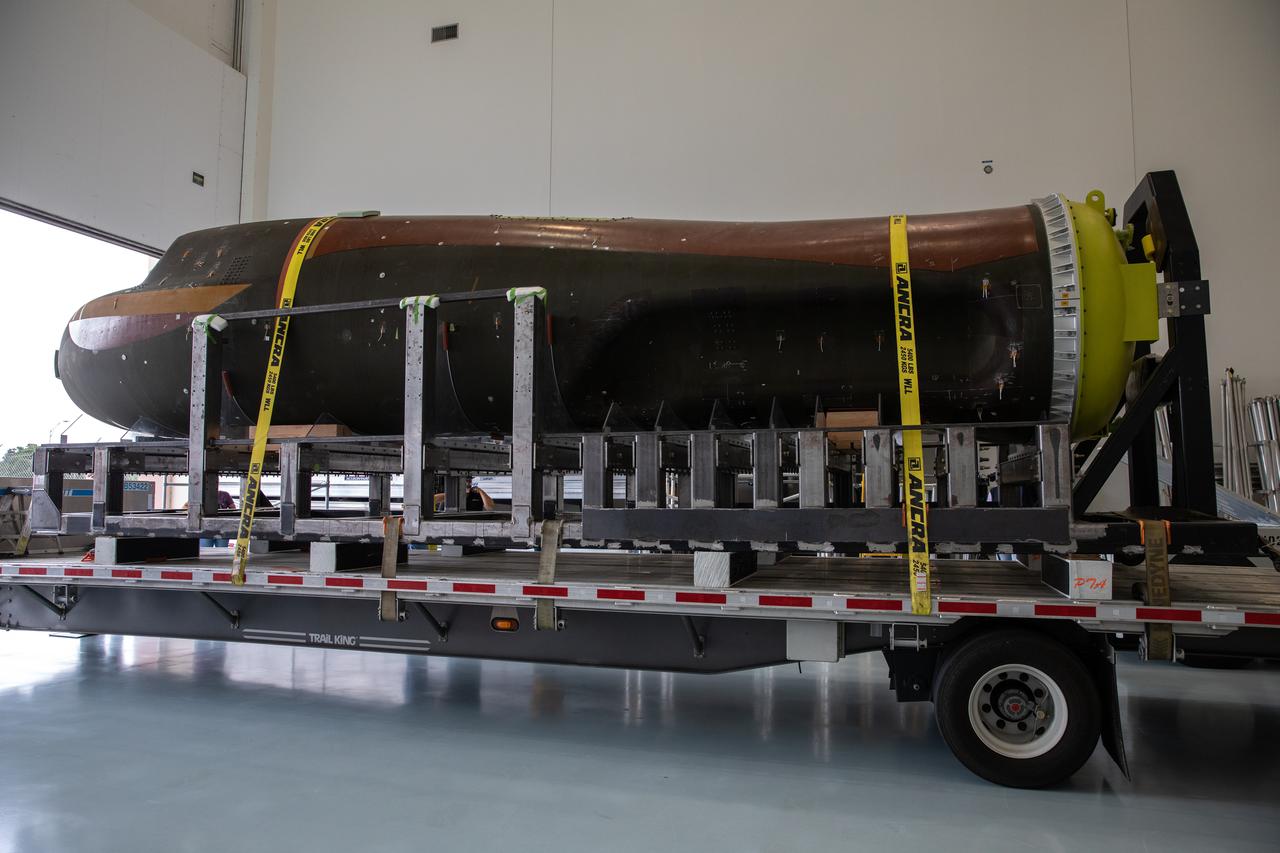
Sierra Nevada Corporation’s (SNC) Dream Chaser pressure test article is moved into the low bay of the Space Station Processing Facility at NASA’s Kennedy Space Center in Florida on June 3, 2020. The test article was shipped from Louisville, Colorado. It is similar to the actual pressurized cabin being used in the Dream Chaser spaceplane for Commercial Resupply Services-2 (CRS-2) missions. NASA selected Dream Chaser to provide cargo delivery, return and disposal service for the International Space Station under the CRS-2 contract. The test article will remain at Kennedy while SNC engineers use it to develop and verify refurbishment operations that will be used on Dream Chaser between flights.
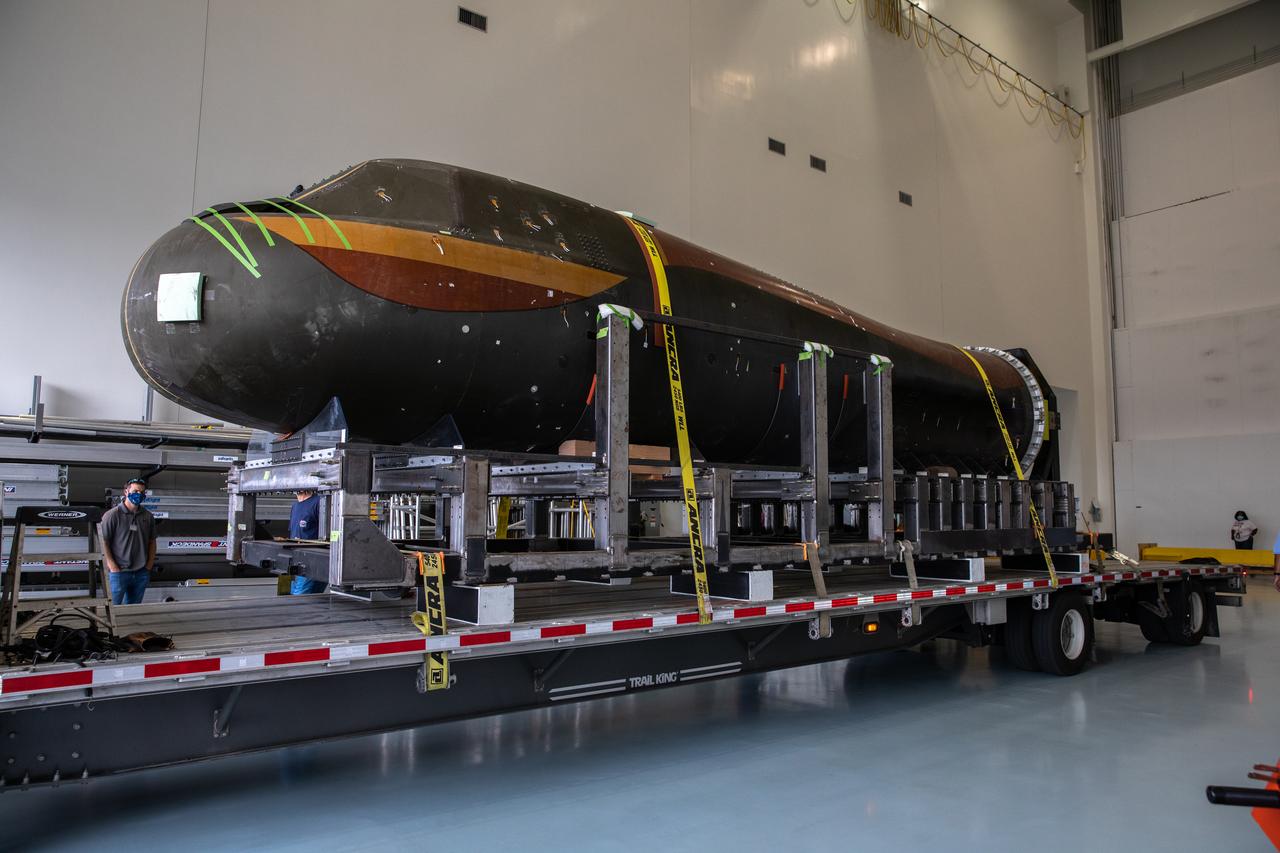
Sierra Nevada Corporation’s (SNC) Dream Chaser pressure test article is moved into the low bay of the Space Station Processing Facility at NASA’s Kennedy Space Center in Florida on June 3, 2020. The test article was shipped from Louisville, Colorado. It is similar to the actual pressurized cabin being used in the Dream Chaser spaceplane for Commercial Resupply Services-2 (CRS-2) missions. NASA selected Dream Chaser to provide cargo delivery, return and disposal service for the International Space Station under the CRS-2 contract. The test article will remain at Kennedy while SNC engineers use it to develop and verify refurbishment operations that will be used on Dream Chaser between flights.
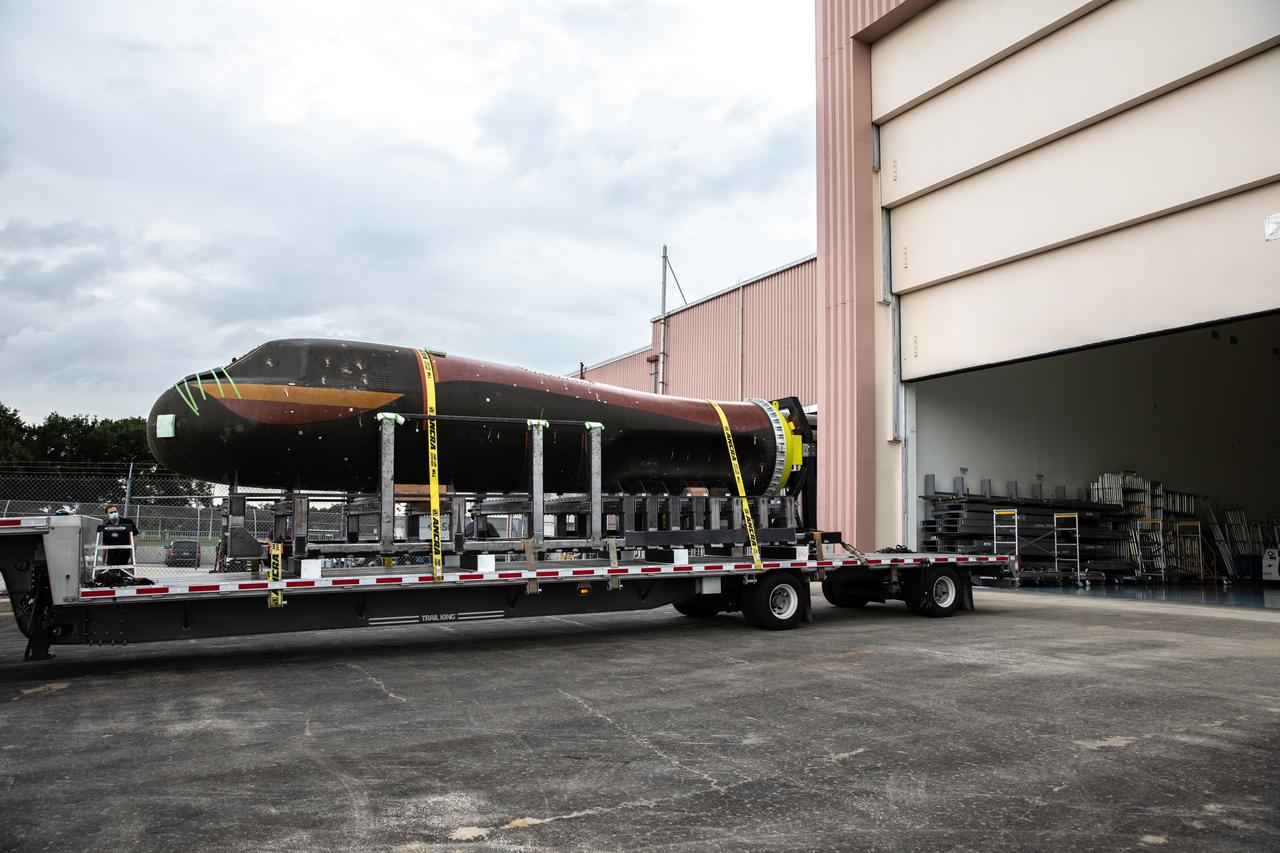
Sierra Nevada Corporation’s (SNC) Dream Chaser pressure test article arrives by flatbed truck at the Space Station Processing Facility at NASA’s Kennedy Space Center in Florida on June 3, 2020, from Louisville, Colorado. The test article is similar to the actual pressurized cabin being used in the Dream Chaser spaceplane for Commercial Resupply Services-2 (CRS-2) missions. NASA selected Dream Chaser to provide cargo delivery, return and disposal service for the International Space Station under the CRS-2 contract. The test article will remain at Kennedy while SNC engineers use it to develop and verify refurbishment operations that will be used on Dream Chaser between flights.
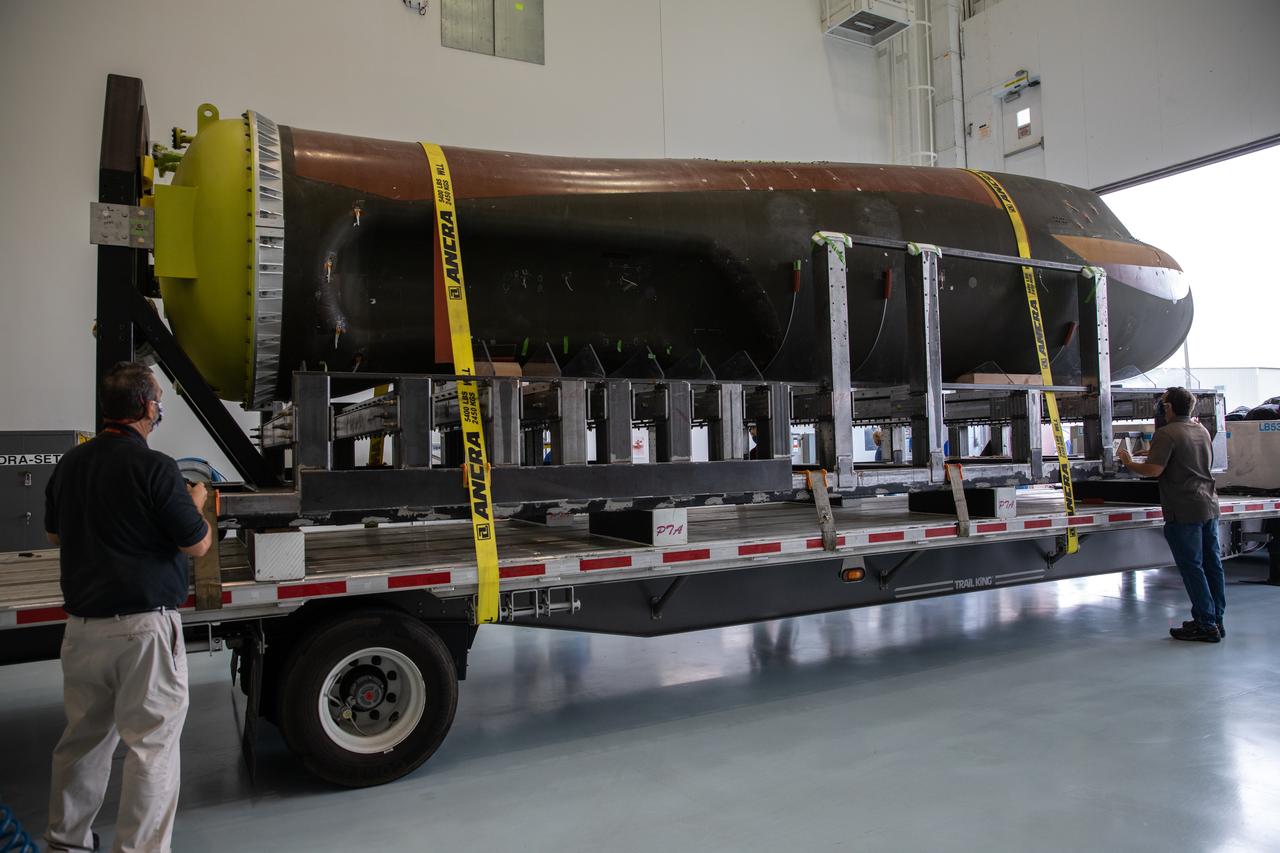
Sierra Nevada Corporation’s (SNC) Dream Chaser pressure test article is moved into the low bay of the Space Station Processing Facility at NASA’s Kennedy Space Center in Florida on June 3, 2020. The test article was shipped from Louisville, Colorado. It is similar to the actual pressurized cabin being used in the Dream Chaser spaceplane for Commercial Resupply Services-2 (CRS-2) missions. NASA selected Dream Chaser to provide cargo delivery, return and disposal service for the International Space Station under the CRS-2 contract. The test article will remain at Kennedy while SNC engineers use it to develop and verify refurbishment operations that will be used on Dream Chaser between flights.
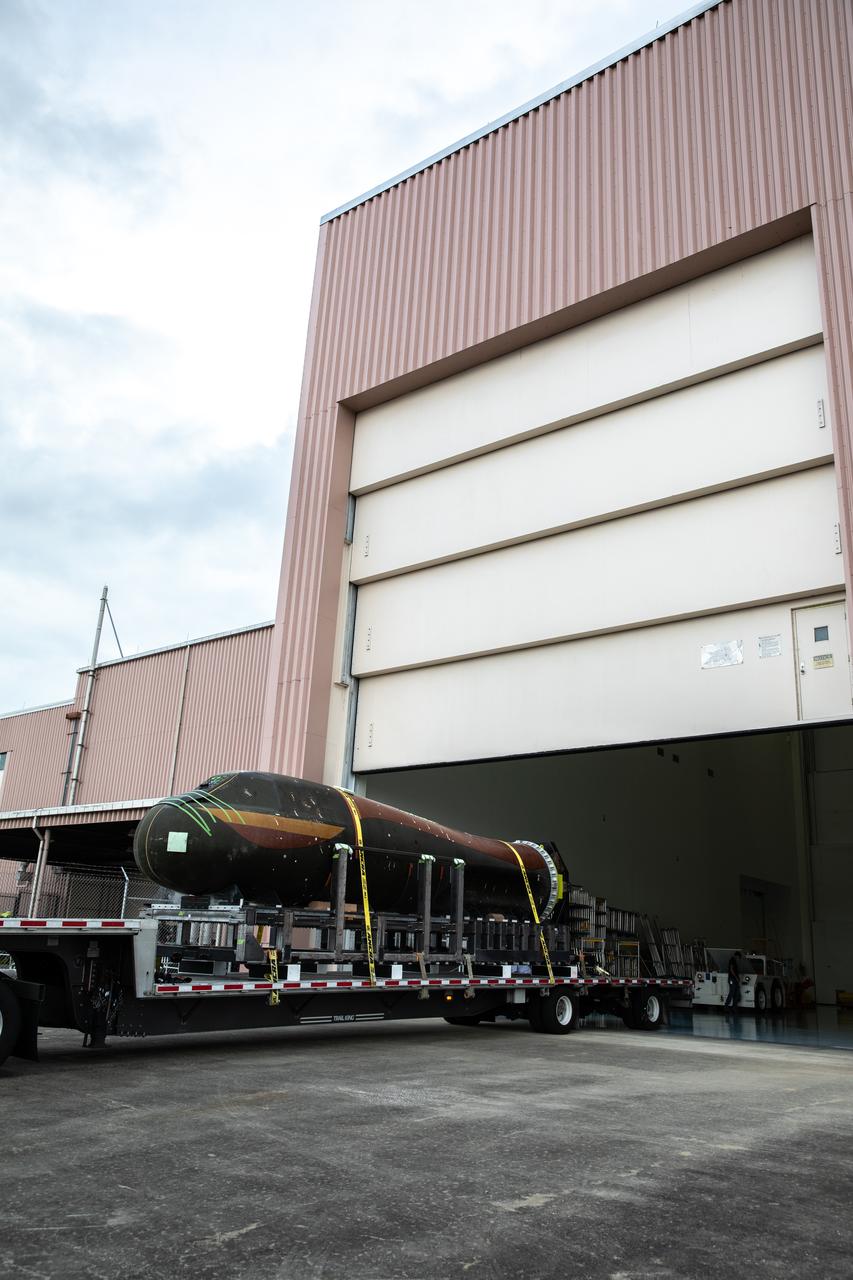
Sierra Nevada Corporation’s (SNC) Dream Chaser pressure test article arrives by flatbed truck at the Space Station Processing Facility at NASA’s Kennedy Space Center in Florida on June 3, 2020, from Louisville, Colorado. The test article is similar to the actual pressurized cabin being used in the Dream Chaser spaceplane for Commercial Resupply Services-2 (CRS-2) missions. NASA selected Dream Chaser to provide cargo delivery, return and disposal service for the International Space Station under the CRS-2 contract. The test article will remain at Kennedy while SNC engineers use it to develop and verify refurbishment operations that will be used on Dream Chaser between flights.
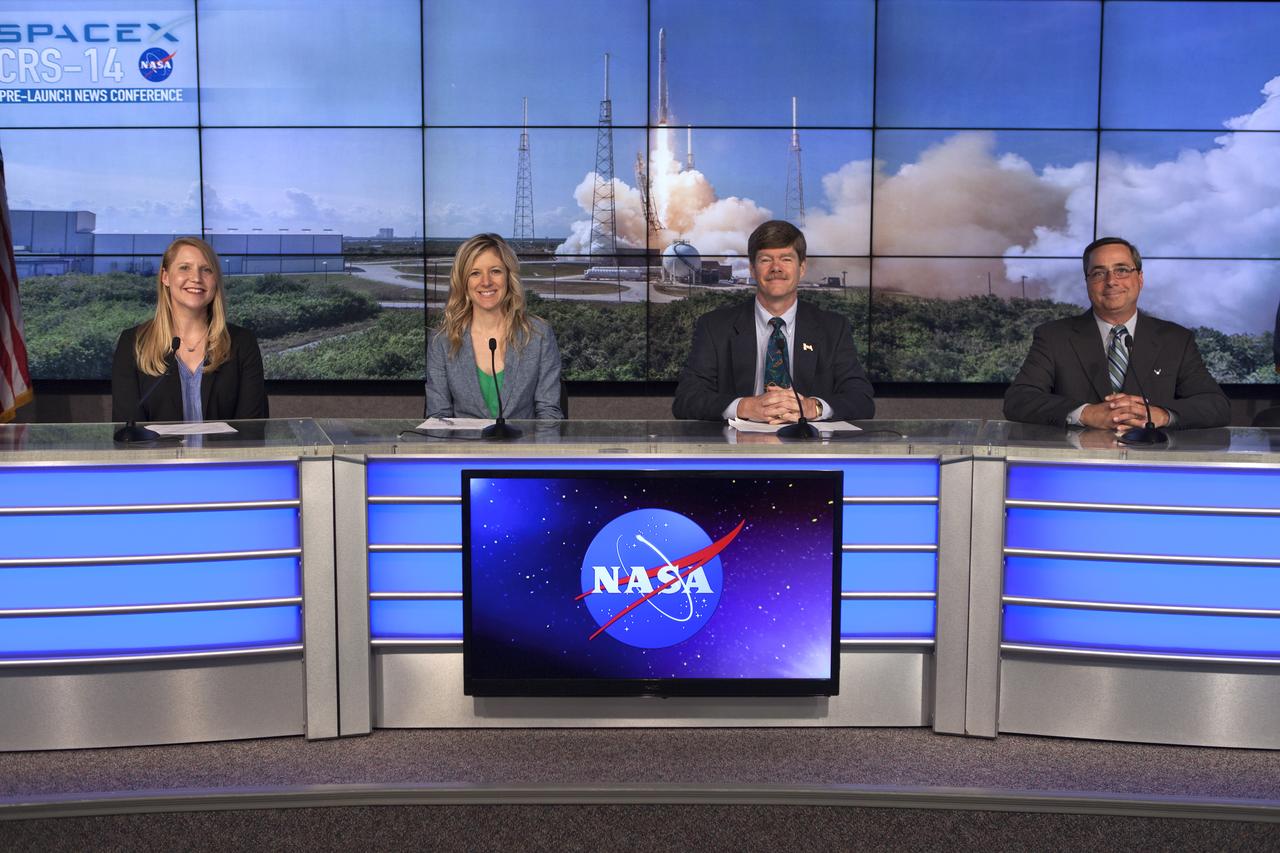
In the Kennedy Space Center’s Press Site auditorium, NASA and industry leaders speak to members of the media during a prelaunch news conference for the SpaceX CRS-14 commercial resupply services mission to the International Space Station. From left, are Stephanie Schierholz, of NASA Communications; Jessica Jensen, director, Dragon Mission Management, SpaceX; Pete Hasbrook, associate program scientist, ISS Program Science Office at NASA's Johnson Space Center in Houston; and Mike McAleenan, weather officer, 45th Weather Squadron. Joining on the phone is Joel Montalbano, deputy manager, ISS Program at Johnson. A Dragon spacecraft is scheduled to be launched from Space Launch Complex 40 at Cape Canaveral Air Force Station at 4:30 p.m. EST, on April 2, 2018. The SpaceX Falcon 9 rocket will lift off on the company's 14th Commercial Resupply Services mission to the space station.
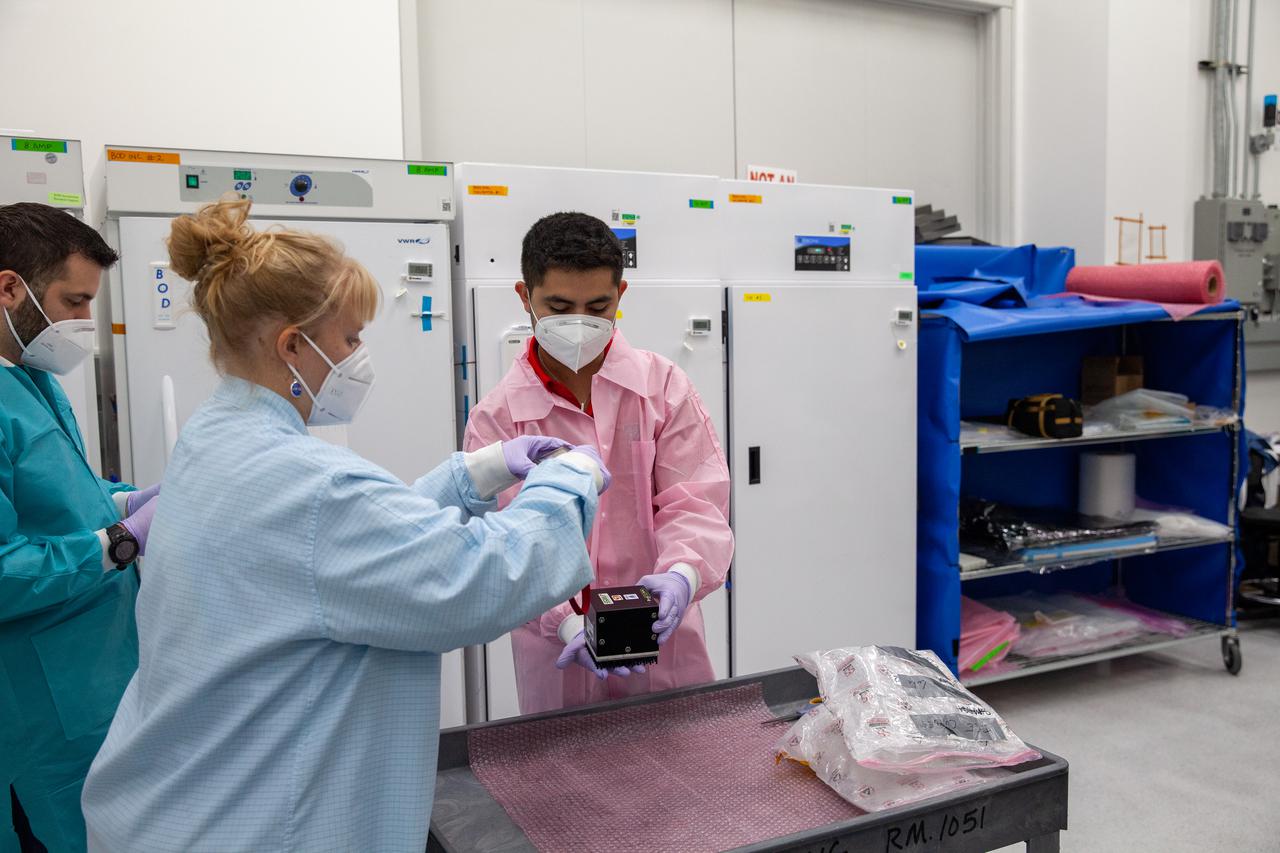
Members of the cold stowage team unpack science experiments inside the Space Station Processing Facility at NASA’s Kennedy Space Center in Florida on Jan. 14, 2021. The experiments returned to Earth on SpaceX’s 21st commercial resupply services mission (CRS-21). Making its successful parachute-assisted splashdown west of Tampa off the Florida coast, at 8:26 p.m. EST on Jan. 13, the SpaceX cargo Dragon returned more than 4,400 pounds of scientific experiments and other cargo from the International Space Station. After splashdown, SpaceX loaded Dragon aboard their Go Navigator recovery ship and packed an Airbus H225 helicopter with the time-sensitive research cargo for delivery to Kennedy. The upgraded cargo Dragon capsule also boasts double the powered locker capacity to preserve science samples, allowing for a significant increase in the research that can be carried back to Earth.
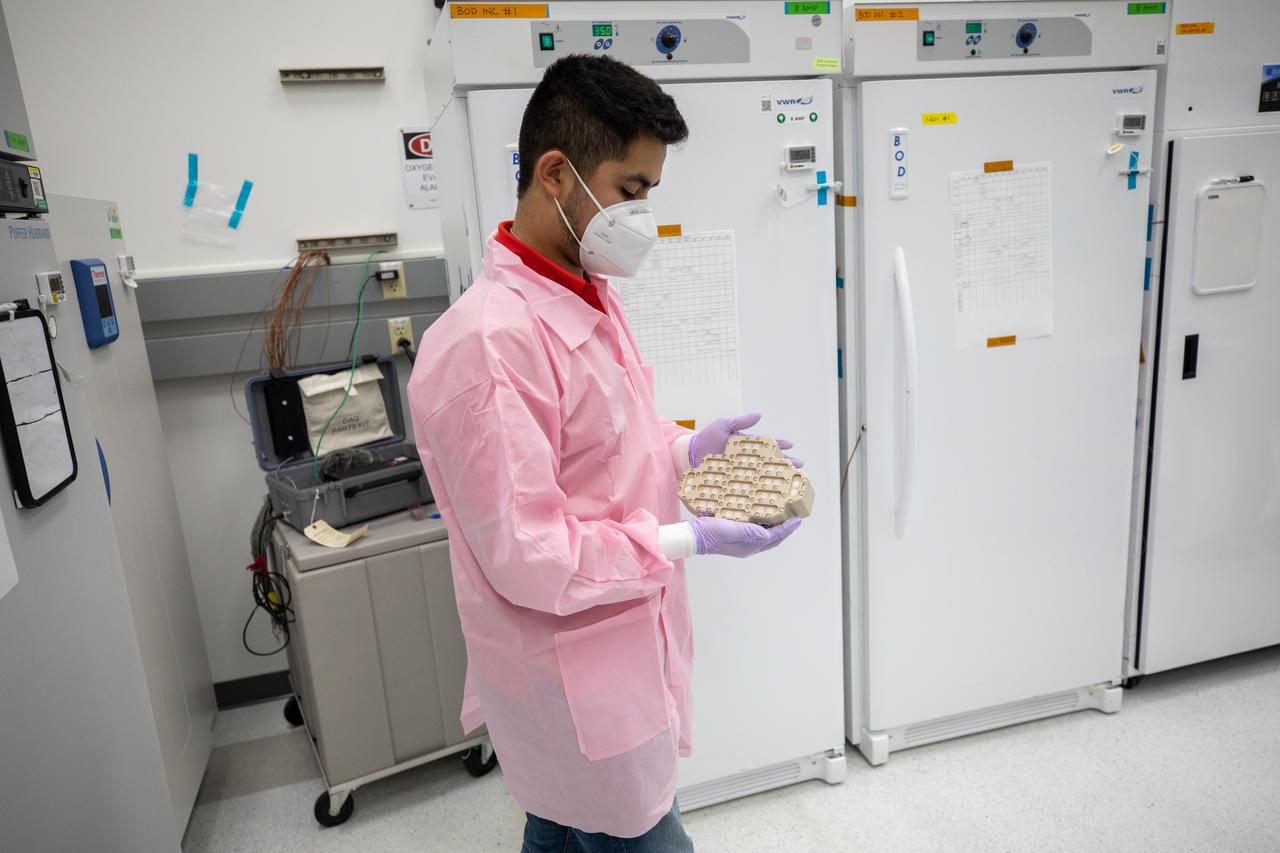
A member of the cold stowage team unpacks science experiments inside the Space Station Processing Facility at NASA’s Kennedy Space Center in Florida on Jan. 14, 2021. The experiments returned to Earth on SpaceX’s 21st commercial resupply services mission (CRS-21). Making its successful parachute-assisted splashdown west of Tampa off the Florida coast, at 8:26 p.m. EST on Jan. 13, the SpaceX cargo Dragon returned more than 4,400 pounds of scientific experiments and other cargo from the International Space Station. After splashdown, SpaceX loaded Dragon aboard their Go Navigator recovery ship and packed an Airbus H225 helicopter with the time-sensitive research cargo for delivery to Kennedy. The upgraded cargo Dragon capsule also boasts double the powered locker capacity to preserve science samples, allowing for a significant increase in the research that can be carried back to Earth.
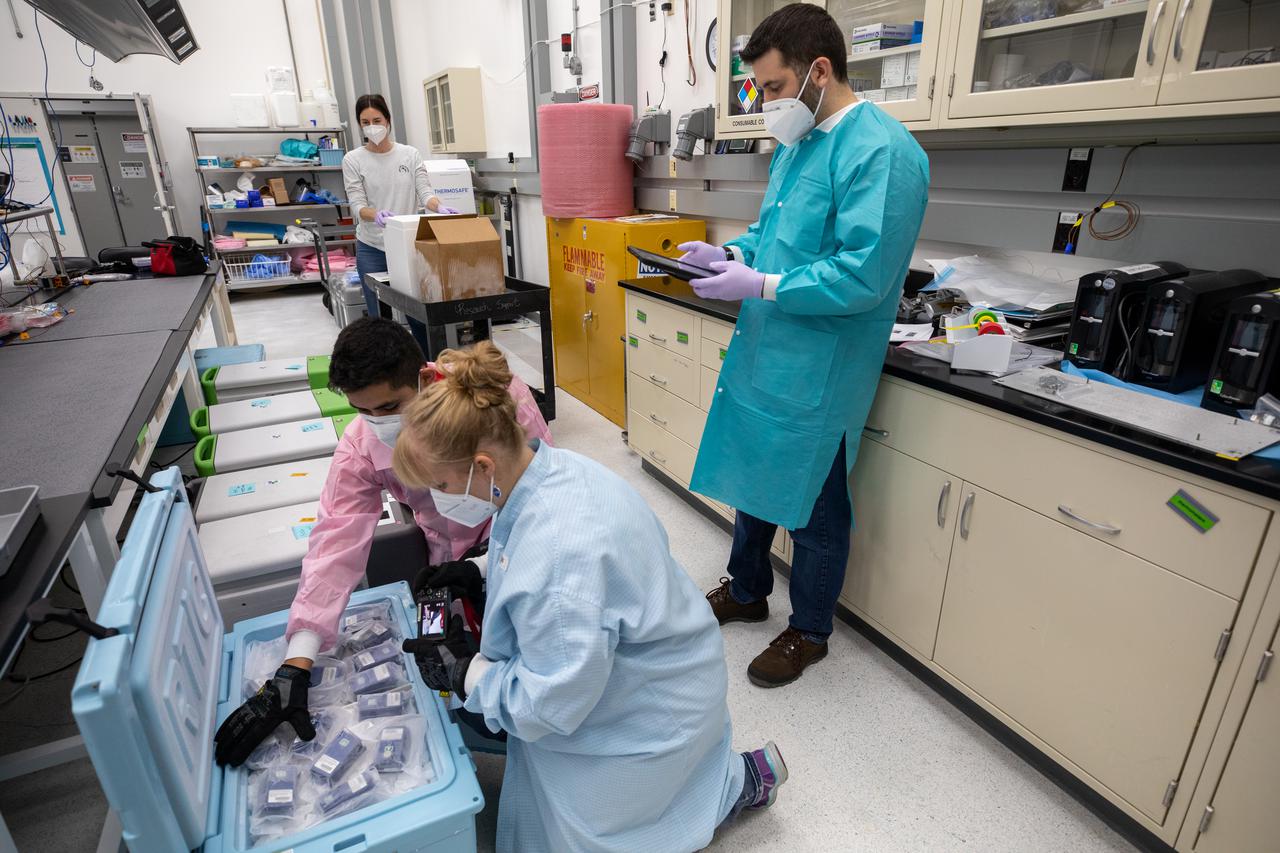
Members of the cold stowage team unpack science experiments inside the Space Station Processing Facility at NASA’s Kennedy Space Center in Florida on Jan. 14, 2021. The experiments returned to Earth on SpaceX’s 21st commercial resupply services mission (CRS-21). Making its successful parachute-assisted splashdown west of Tampa off the Florida coast, at 8:26 p.m. EST on Jan. 13, the SpaceX cargo Dragon returned more than 4,400 pounds of scientific experiments and other cargo from the International Space Station. After splashdown, SpaceX loaded Dragon aboard their Go Navigator recovery ship and packed an Airbus H225 helicopter with the time-sensitive research cargo for delivery to Kennedy. The upgraded cargo Dragon capsule also boasts double the powered locker capacity to preserve science samples, allowing for a significant increase in the research that can be carried back to Earth.
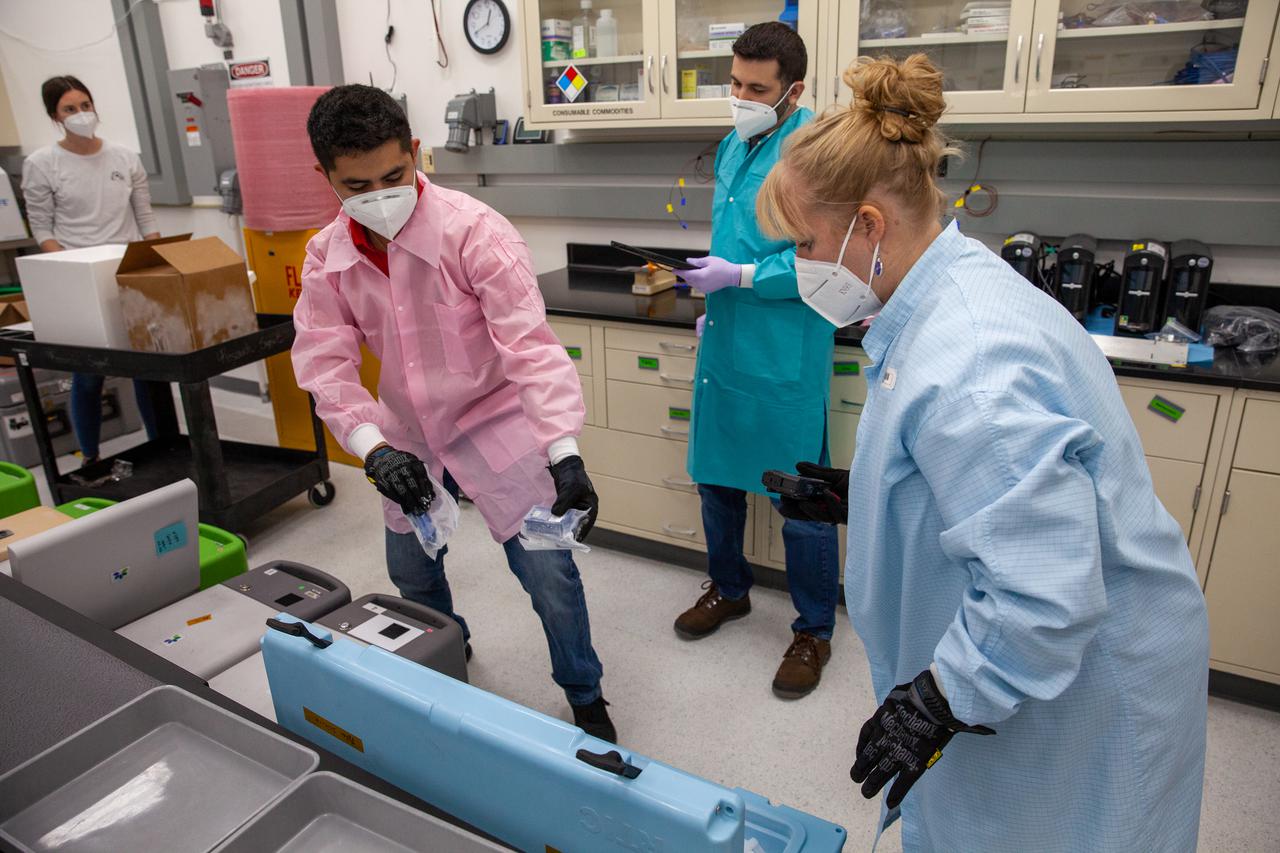
Members of the cold stowage team unpack science experiments inside the Space Station Processing Facility at NASA’s Kennedy Space Center in Florida on Jan. 14, 2021. The experiments returned to Earth on SpaceX’s 21st commercial resupply services mission (CRS-21). Making its successful parachute-assisted splashdown west of Tampa off the Florida coast, at 8:26 p.m. EST on Jan. 13, the SpaceX cargo Dragon returned more than 4,400 pounds of scientific experiments and other cargo from the International Space Station. After splashdown, SpaceX loaded Dragon aboard their Go Navigator recovery ship and packed an Airbus H225 helicopter with the time-sensitive research cargo for delivery to Kennedy. The upgraded cargo Dragon capsule also boasts double the powered locker capacity to preserve science samples, allowing for a significant increase in the research that can be carried back to Earth.
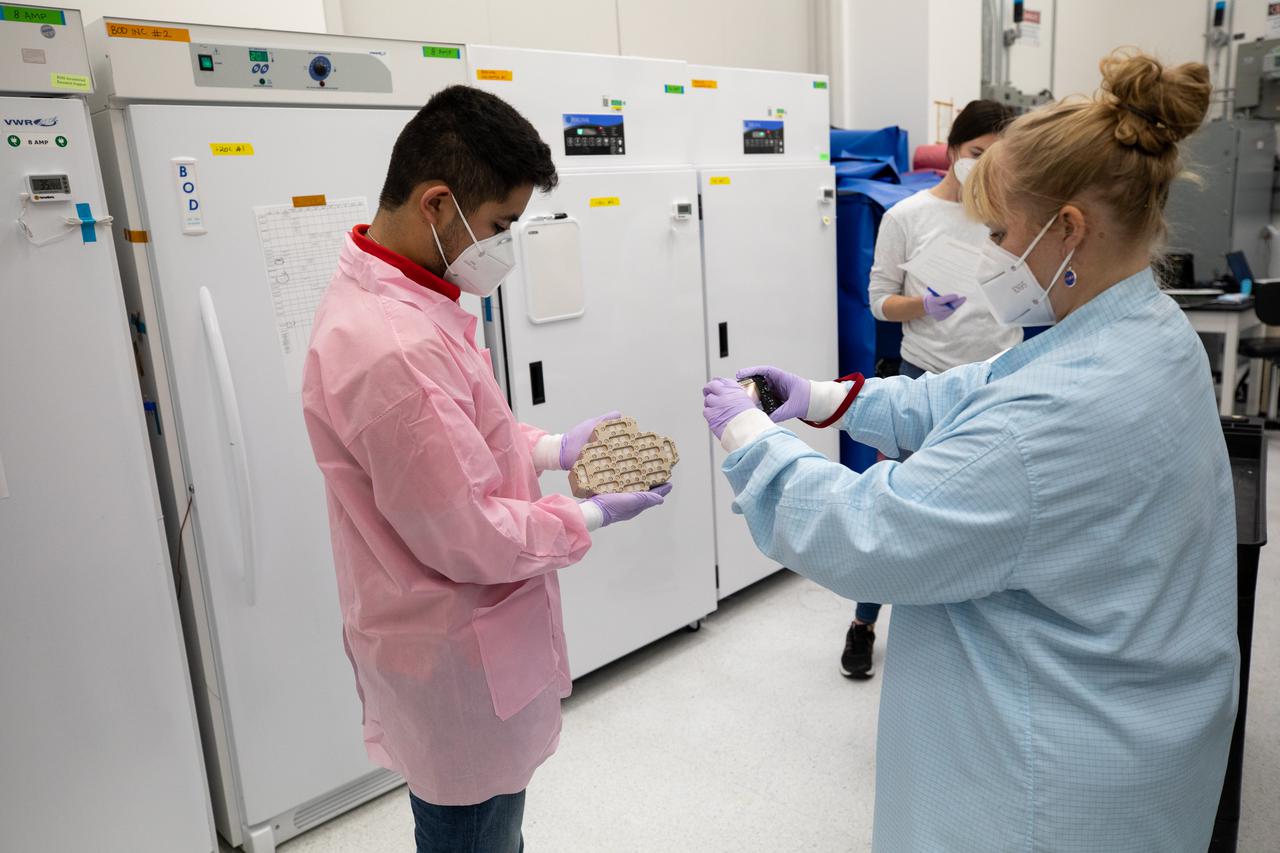
Members of the cold stowage team unpack science experiments inside the Space Station Processing Facility at NASA’s Kennedy Space Center in Florida on Jan. 14, 2021. The experiments returned to Earth on SpaceX’s 21st commercial resupply services mission (CRS-21). Making its successful parachute-assisted splashdown west of Tampa off the Florida coast, at 8:26 p.m. EST on Jan. 13, the SpaceX cargo Dragon returned more than 4,400 pounds of scientific experiments and other cargo from the International Space Station. After splashdown, SpaceX loaded Dragon aboard their Go Navigator recovery ship and packed an Airbus H225 helicopter with the time-sensitive research cargo for delivery to Kennedy. The upgraded cargo Dragon capsule also boasts double the powered locker capacity to preserve science samples, allowing for a significant increase in the research that can be carried back to Earth.
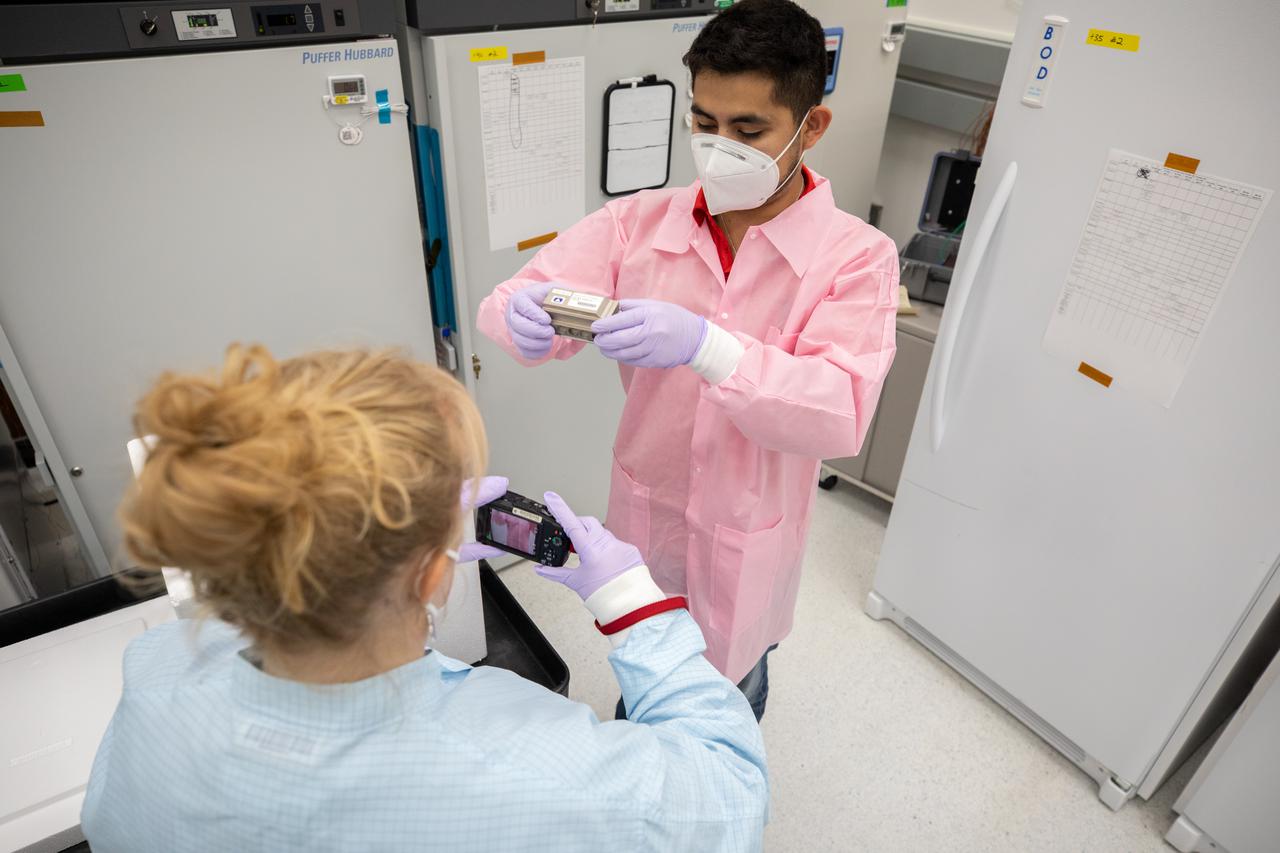
Members of the cold stowage team unpack science experiments inside the Space Station Processing Facility at NASA’s Kennedy Space Center in Florida on Jan. 14, 2021. The experiments returned to Earth on SpaceX’s 21st commercial resupply services mission (CRS-21). Making its successful parachute-assisted splashdown west of Tampa off the Florida coast, at 8:26 p.m. EST on Jan. 13, the SpaceX cargo Dragon returned more than 4,400 pounds of scientific experiments and other cargo from the International Space Station. After splashdown, SpaceX loaded Dragon aboard their Go Navigator recovery ship and packed an Airbus H225 helicopter with the time-sensitive research cargo for delivery to Kennedy. The upgraded cargo Dragon capsule also boasts double the powered locker capacity to preserve science samples, allowing for a significant increase in the research that can be carried back to Earth.
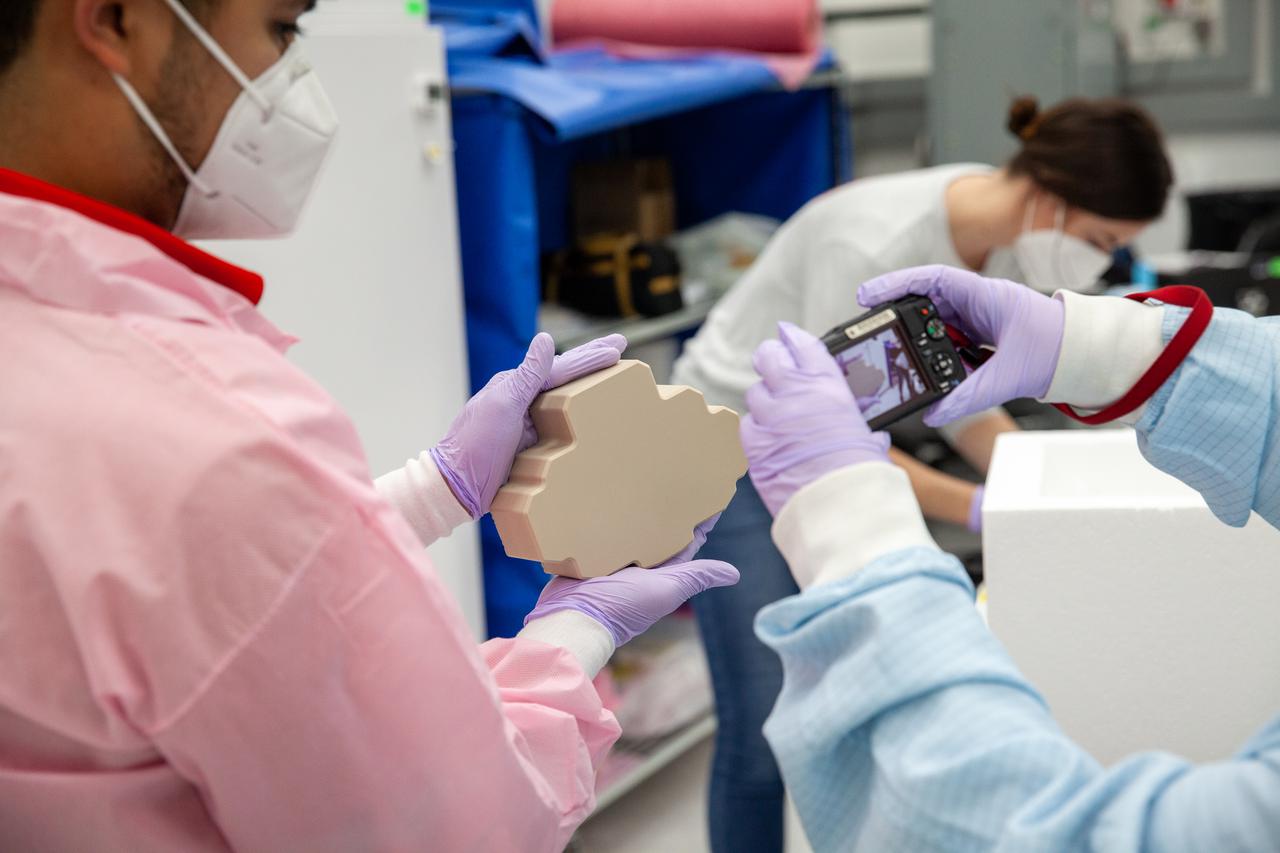
Members of the cold stowage team unpack science experiments inside the Space Station Processing Facility at NASA’s Kennedy Space Center in Florida on Jan. 14, 2021. The experiments returned to Earth on SpaceX’s 21st commercial resupply services mission (CRS-21). Making its successful parachute-assisted splashdown west of Tampa off the Florida coast, at 8:26 p.m. EST on Jan. 13, the SpaceX cargo Dragon returned more than 4,400 pounds of scientific experiments and other cargo from the International Space Station. After splashdown, SpaceX loaded Dragon aboard their Go Navigator recovery ship and packed an Airbus H225 helicopter with the time-sensitive research cargo for delivery to Kennedy. The upgraded cargo Dragon capsule also boasts double the powered locker capacity to preserve science samples, allowing for a significant increase in the research that can be carried back to Earth.
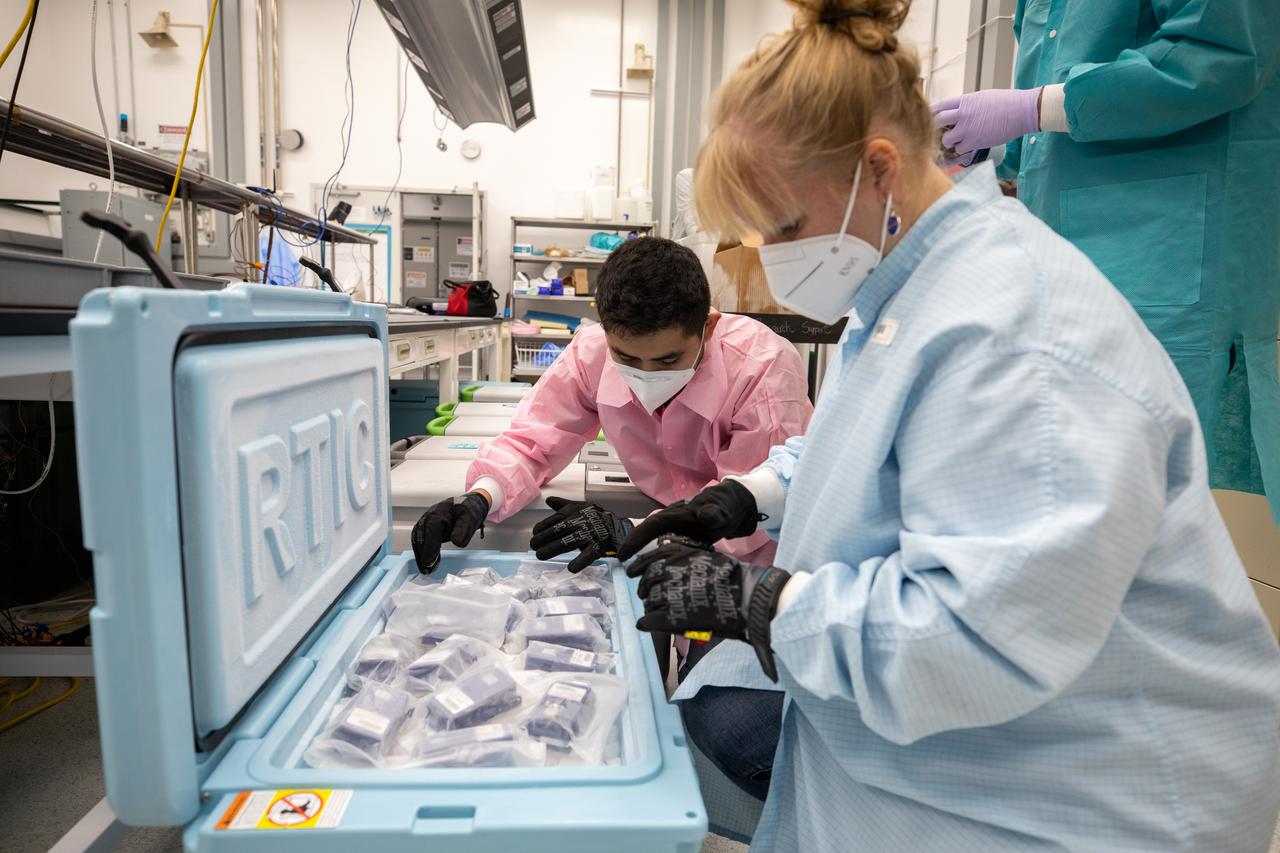
Members of the cold stowage team unpack science experiments inside the Space Station Processing Facility at NASA’s Kennedy Space Center in Florida on Jan. 14, 2021. The experiments returned to Earth on SpaceX’s 21st commercial resupply services mission (CRS-21). Making its successful parachute-assisted splashdown west of Tampa off the Florida coast, at 8:26 p.m. EST on Jan. 13, the SpaceX cargo Dragon returned more than 4,400 pounds of scientific experiments and other cargo from the International Space Station. After splashdown, SpaceX loaded Dragon aboard their Go Navigator recovery ship and packed an Airbus H225 helicopter with the time-sensitive research cargo for delivery to Kennedy. The upgraded cargo Dragon capsule also boasts double the powered locker capacity to preserve science samples, allowing for a significant increase in the research that can be carried back to Earth.
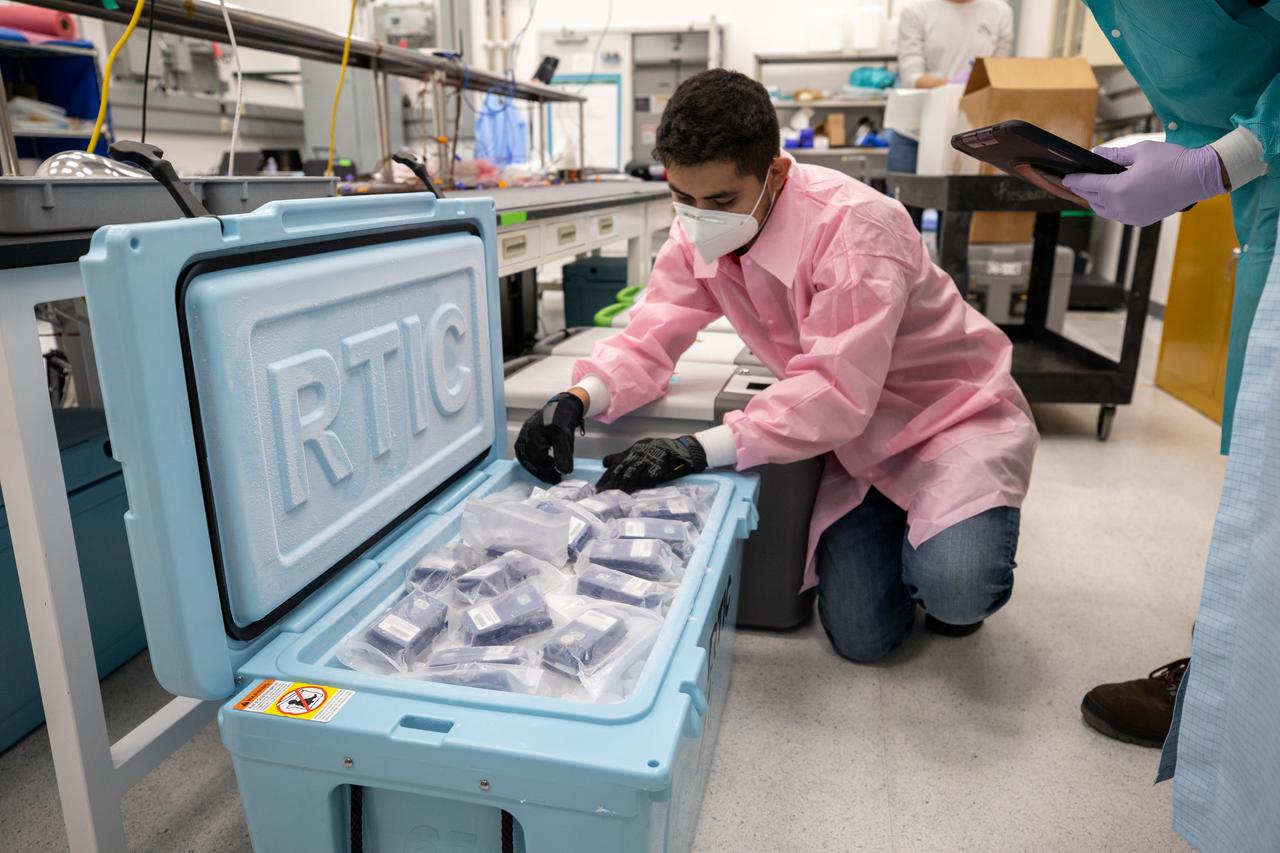
Members of the cold stowage team unpack science experiments inside the Space Station Processing Facility at NASA’s Kennedy Space Center in Florida on Jan. 14, 2021. The experiments returned to Earth on SpaceX’s 21st commercial resupply services mission (CRS-21). Making its successful parachute-assisted splashdown west of Tampa off the Florida coast, at 8:26 p.m. EST on Jan. 13, the SpaceX cargo Dragon returned more than 4,400 pounds of scientific experiments and other cargo from the International Space Station. After splashdown, SpaceX loaded Dragon aboard their Go Navigator recovery ship and packed an Airbus H225 helicopter with the time-sensitive research cargo for delivery to Kennedy. The upgraded cargo Dragon capsule also boasts double the powered locker capacity to preserve science samples, allowing for a significant increase in the research that can be carried back to Earth.
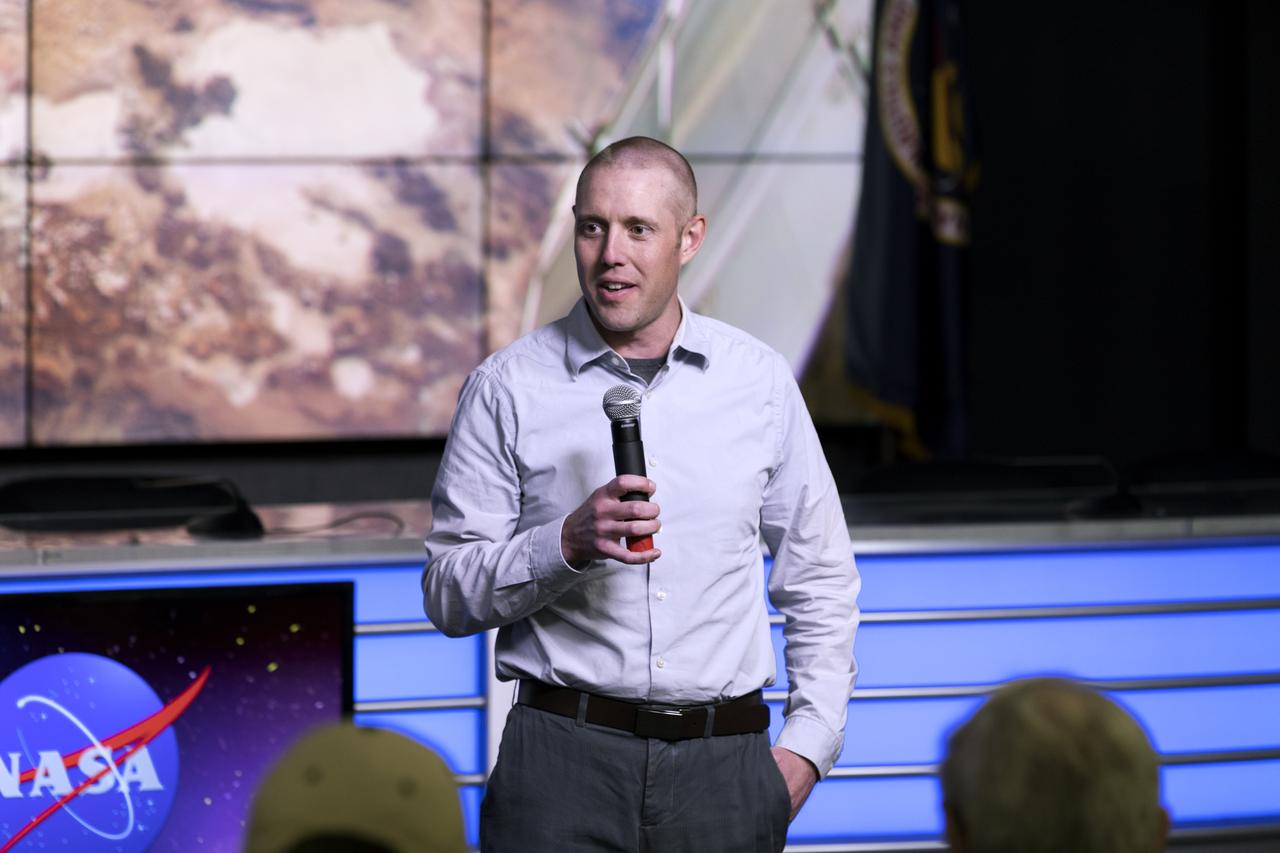
Dan Close, chief scientific officer at 490 BioTech, discusses the company's Metabolic Tracking investigation to evaluate the use of a new method to test, in microgravity, the metabolic impacts of pharmaceutical drugs. This is one of the scientific materials that will be aboard a Dragon spacecraft scheduled for liftoff from Cape Canaveral Air Force Station's Space Launch Complex 40 at 4:30 p.m. EST, on April 2, 2018. The SpaceX Falcon 9 rocket will launch the company's 14th Commercial Resupply Services mission to the space station.
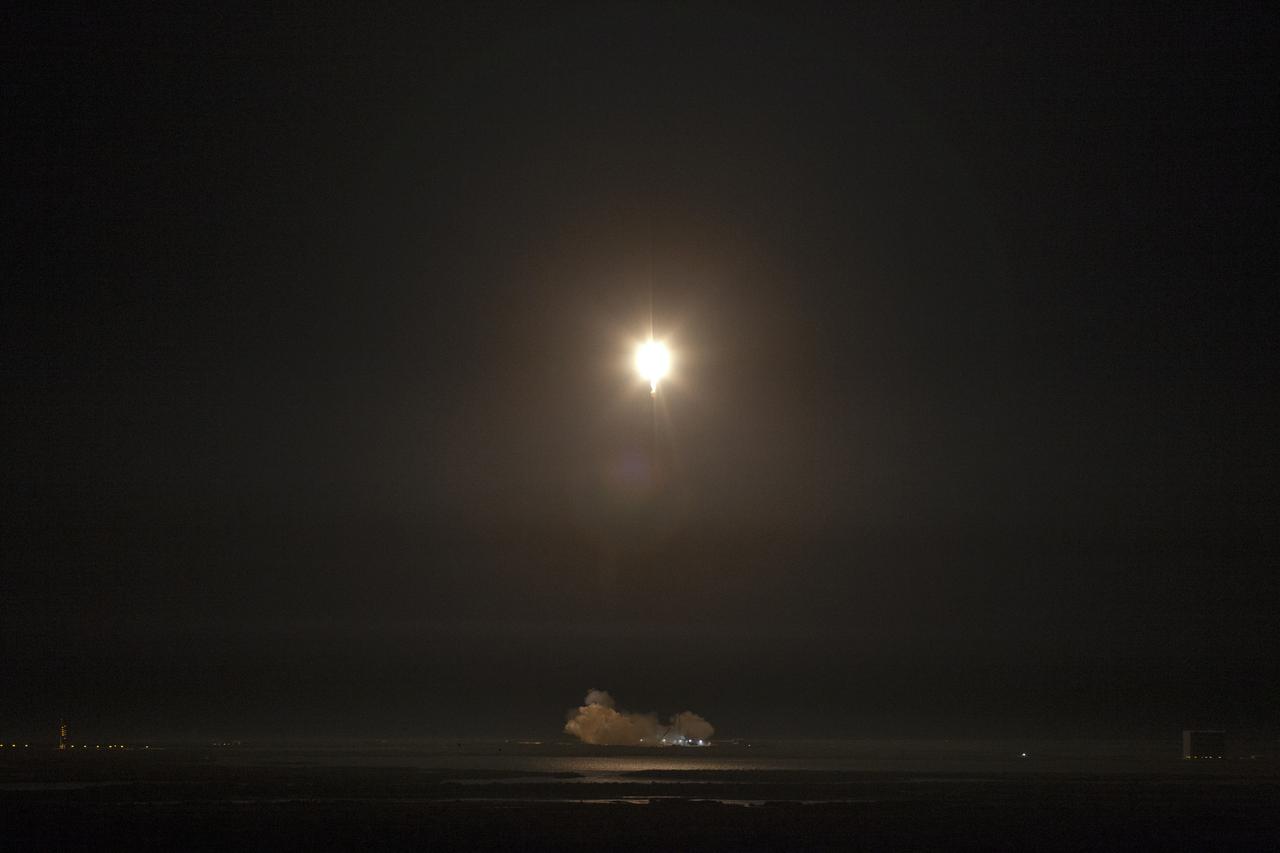
The SpaceX Falcon 9 rocket with the Dragon cargo module climbs upward after liftoff from Space Launch Complex 40 on Cape Canaveral Air Force Station in Florida in the early morning May 4, 2019. Liftoff was at 2:48 a.m. EDT. This is SpaceX’s 17th Commercial Resupply Services (CRS-17) mission for NASA to the International Space Station. The Dragon cargo module will deliver about 5,500 pounds of science and research, crew supplies and vehicle hardware to the orbital laboratory and its crew.
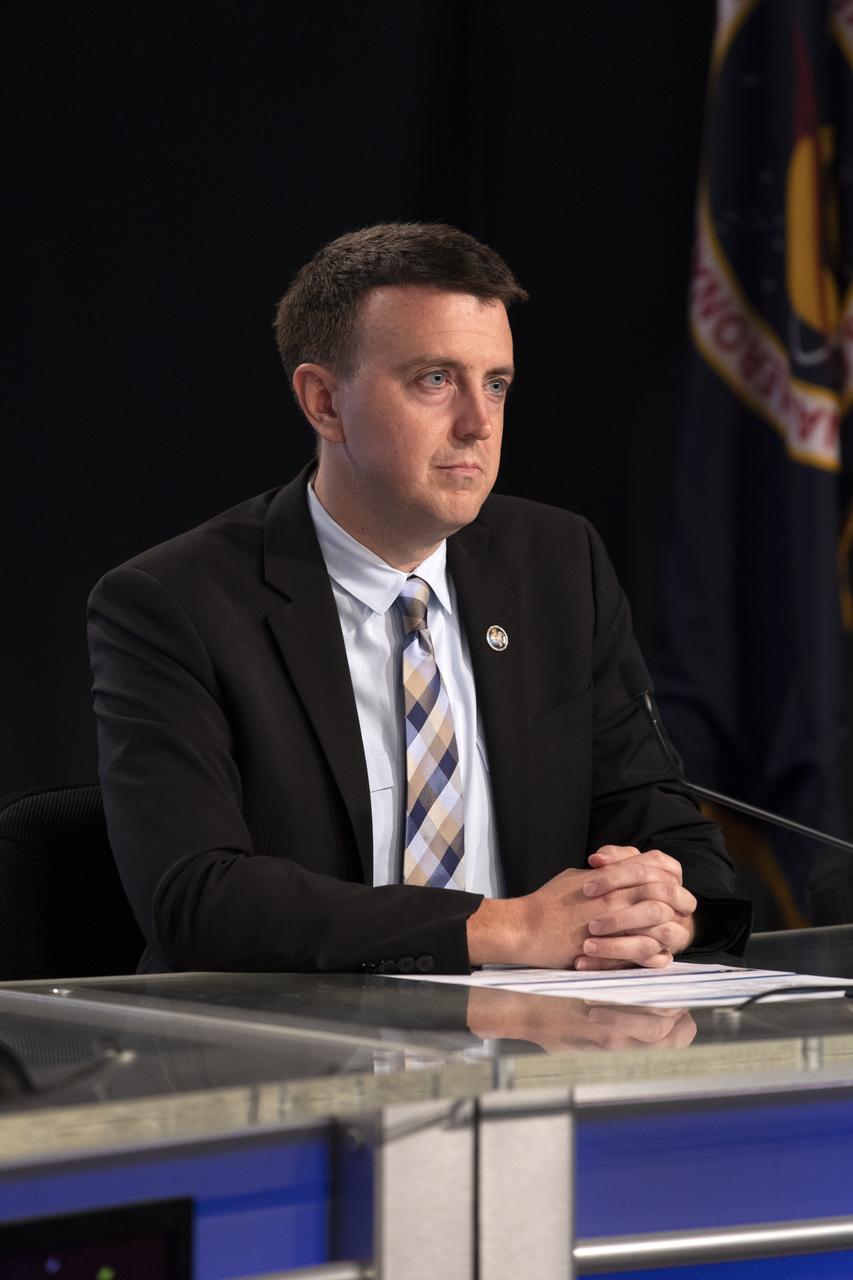
Will Ulrich, 45th Space Wing weather officer with the U.S. Air Force, speaks to members of the news media during a prelaunch news conference for SpaceX’s 17th Commercial Resupply Services (CRS-17) mission for NASA to the International Space Station on May 2, 2019, at the agency’s Kennedy Space Center in Florida. The SpaceX Falcon 9 rocket and Dragon cargo module are scheduled to launch no earlier than May 3, 2019, from Space Launch Complex 40 on Cape Canaveral Air Force Station in Florida.
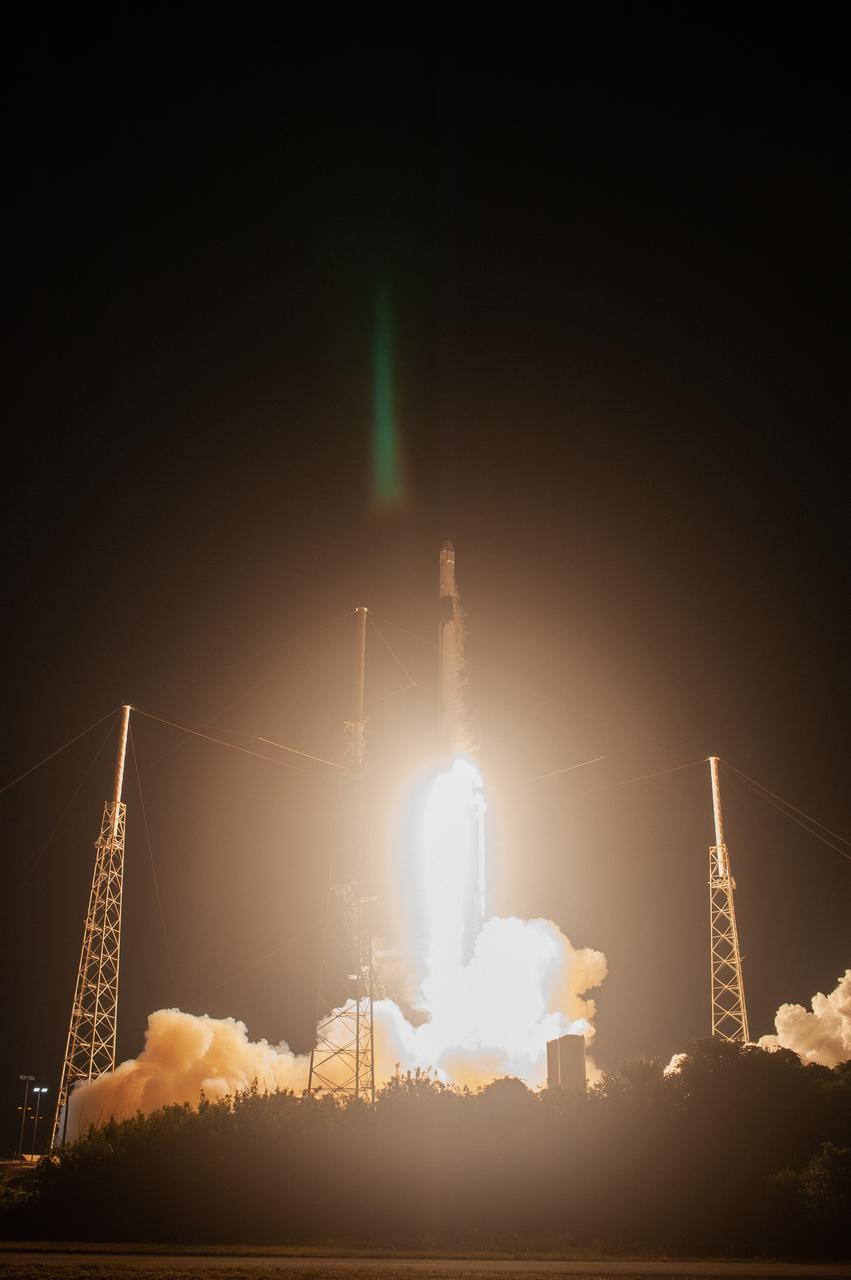
The SpaceX Falcon 9 rocket with the Dragon cargo module climbs upward after liftoff from Space Launch Complex 40 on Cape Canaveral Air Force Station in Florida in the early morning May 4, 2019. Liftoff was at 2:48 a.m. EDT. This is SpaceX’s 17th Commercial Resupply Services (CRS-17) mission for NASA to the International Space Station. The Dragon cargo module will deliver about 5,500 pounds of science and research, crew supplies and vehicle hardware to the orbital laboratory and its crew.

The SpaceX Falcon 9 rocket with the Dragon cargo module lifts off Space Launch Complex 40 on Cape Canaveral Air Force Station in Florida in the early morning May 4, 2019. Liftoff was at 2:48 a.m. EDT. This is SpaceX’s 17th Commercial Resupply Services (CRS-17) mission for NASA to the International Space Station. The Dragon cargo module will deliver about 5,500 pounds of science and research, crew supplies and vehicle hardware to the orbital laboratory and its crew.
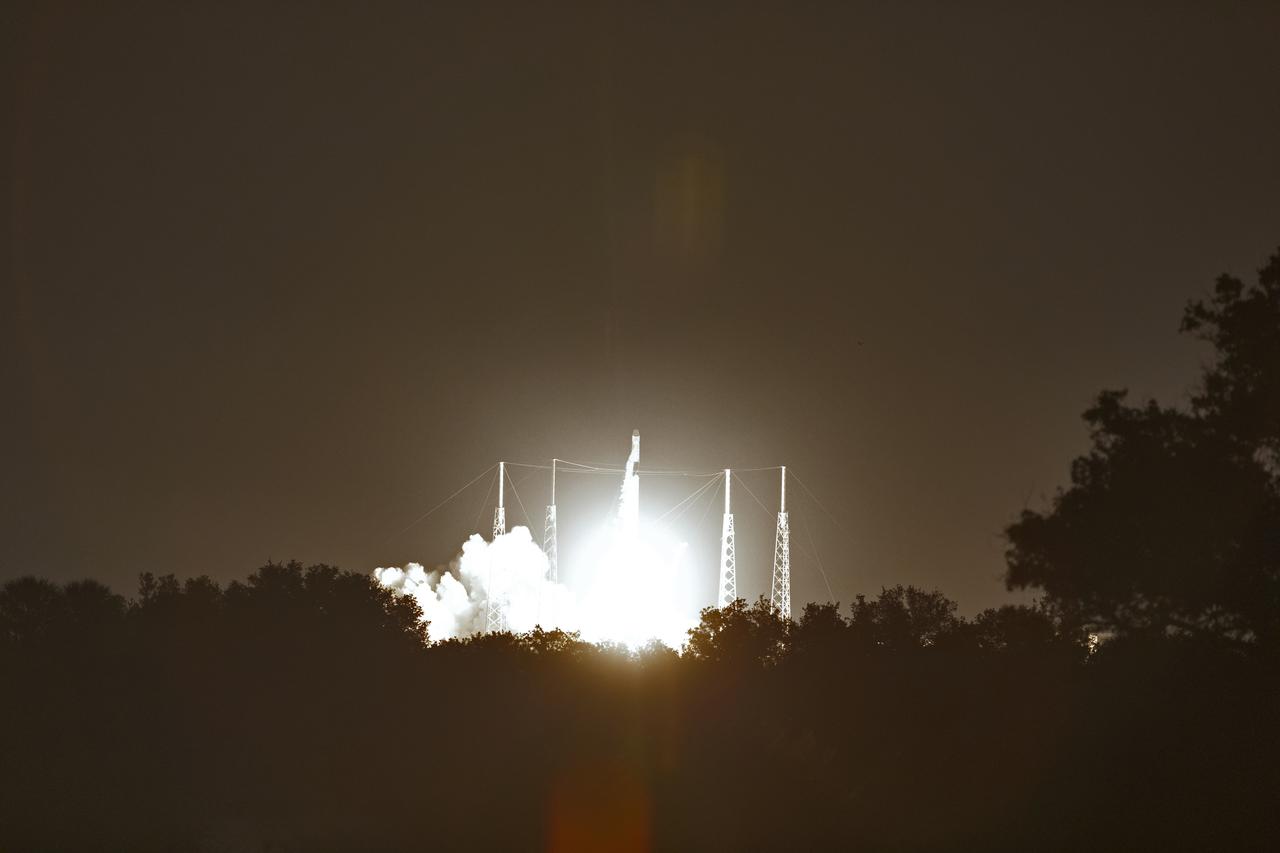
The SpaceX Falcon 9 rocket with the Dragon cargo module lifts off Space Launch Complex 40 on Cape Canaveral Air Force Station in Florida in the early morning May 4, 2019. Liftoff was at 2:48 a.m. EDT. This is SpaceX’s 17th Commercial Resupply Services (CRS-17) mission for NASA to the International Space Station. The Dragon cargo module will deliver about 5,500 pounds of science and research, crew supplies and vehicle hardware to the orbital laboratory and its crew.
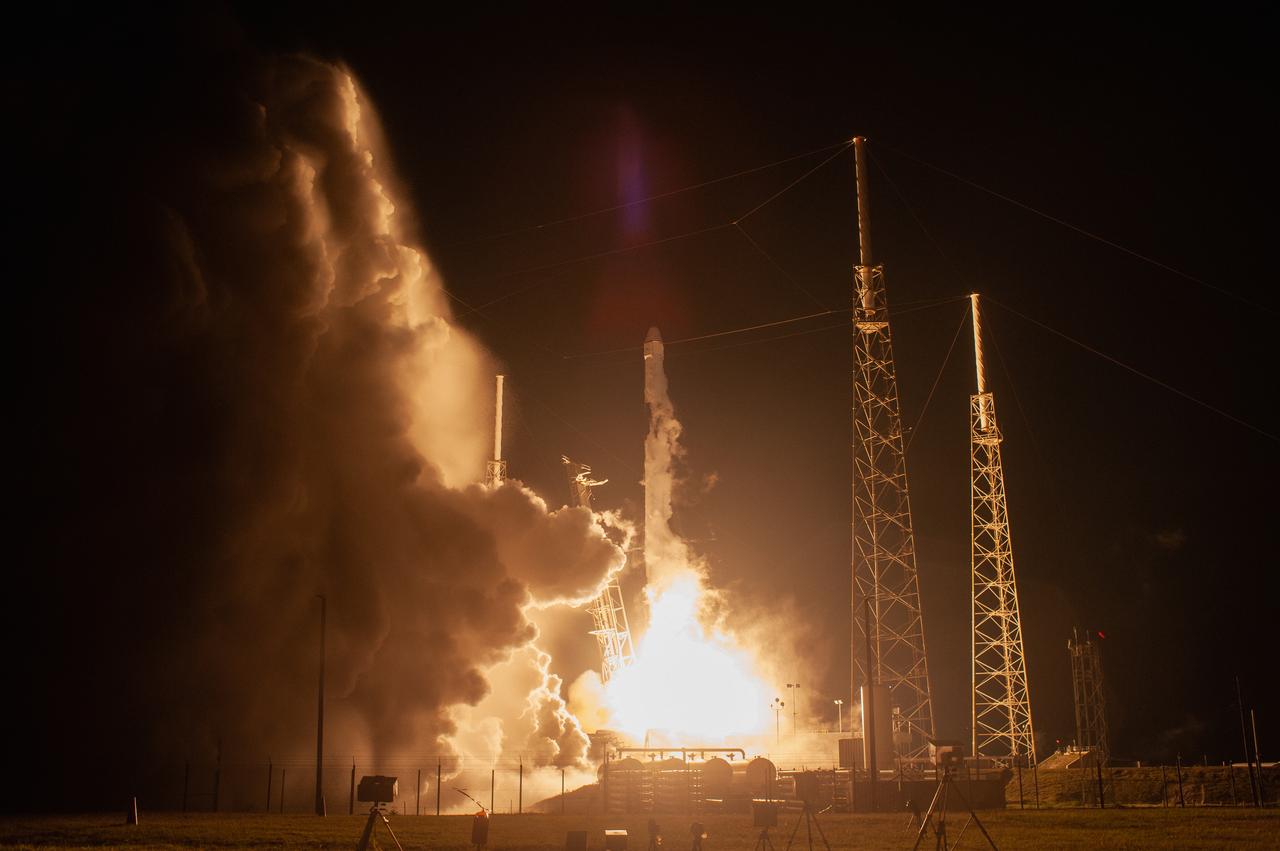
The SpaceX Falcon 9 rocket with the Dragon cargo module lifts off Space Launch Complex 40 on Cape Canaveral Air Force Station in Florida in the early morning May 4, 2019. Liftoff was at 2:48 a.m. EDT. This is SpaceX’s 17th Commercial Resupply Services (CRS-17) mission for NASA to the International Space Station. The Dragon cargo module will deliver about 5,500 pounds of science and research, crew supplies and vehicle hardware to the orbital laboratory and its crew.
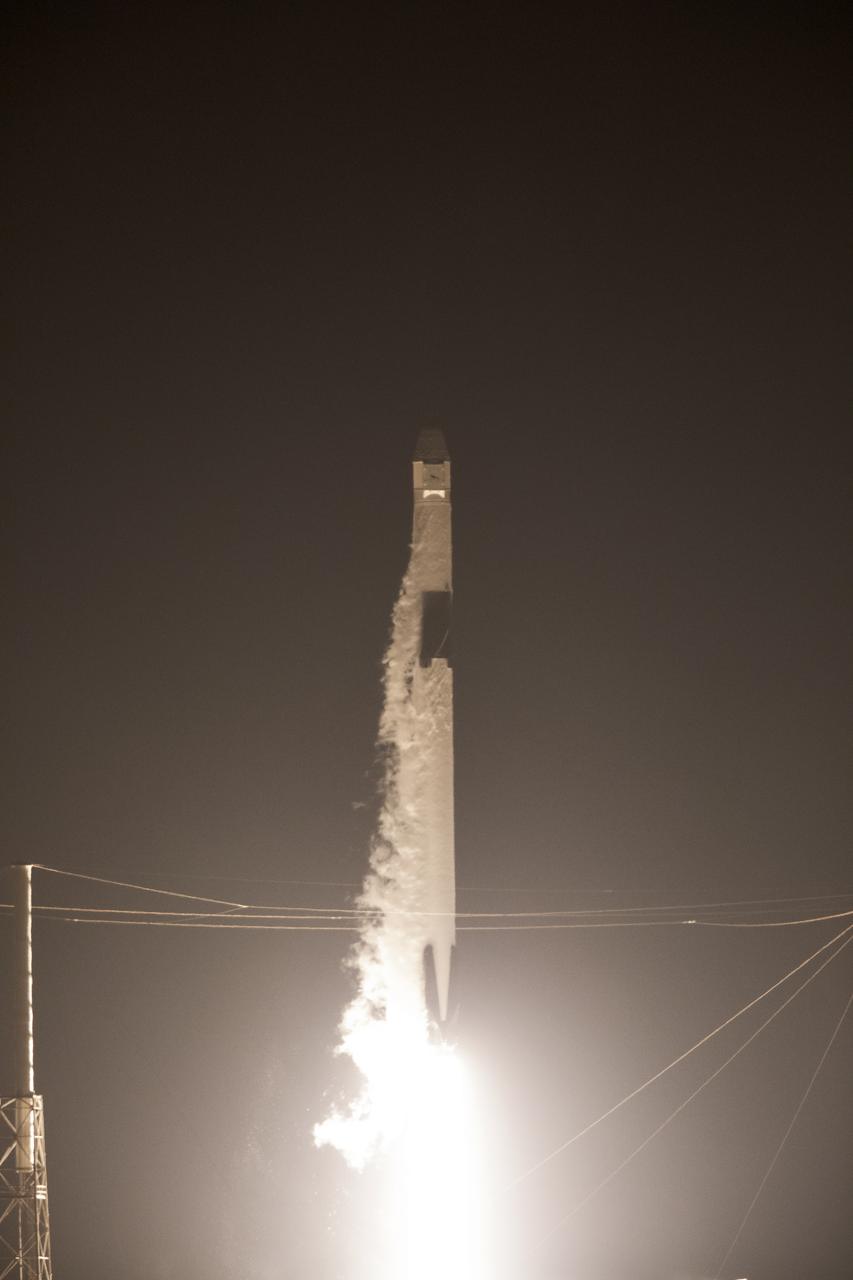
The SpaceX Falcon 9 rocket with the Dragon cargo module lifts off Space Launch Complex 40 on Cape Canaveral Air Force Station in Florida in the early morning May 4, 2019. Liftoff was at 2:48 a.m. EDT. This is SpaceX’s 17th Commercial Resupply Services (CRS-17) mission for NASA to the International Space Station. The Dragon cargo module will deliver about 5,500 pounds of science and research, crew supplies and vehicle hardware to the orbital laboratory and its crew.
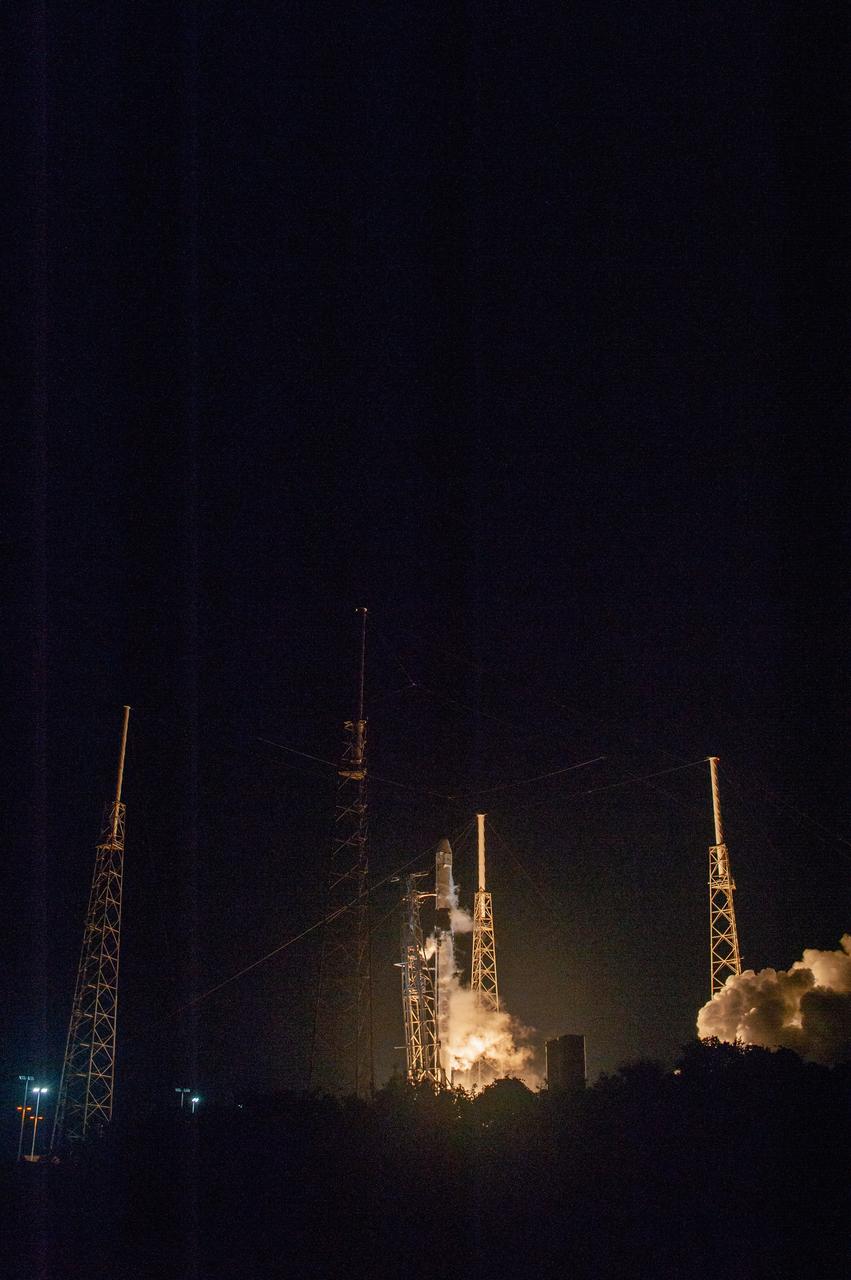
The SpaceX Falcon 9 rocket with the Dragon cargo module lifts off Space Launch Complex 40 on Cape Canaveral Air Force Station in Florida in the early morning May 4, 2019. Liftoff was at 2:48 a.m. EDT. This is SpaceX’s 17th Commercial Resupply Services (CRS-17) mission for NASA to the International Space Station. The Dragon cargo module will deliver about 5,500 pounds of science and research, crew supplies and vehicle hardware to the orbital laboratory and its crew.