
Bretton Alexander, President of the Commercial Spaceflight Federation, testifies during a hearing before the House Subcommitte on Space and Aeronautics regarding Safety of Human Spaceflight on Capitol Hill, Wednesday, Dec. 2, 2009, in Washington. Photo Credit: (NASA/Bill Ingalls)
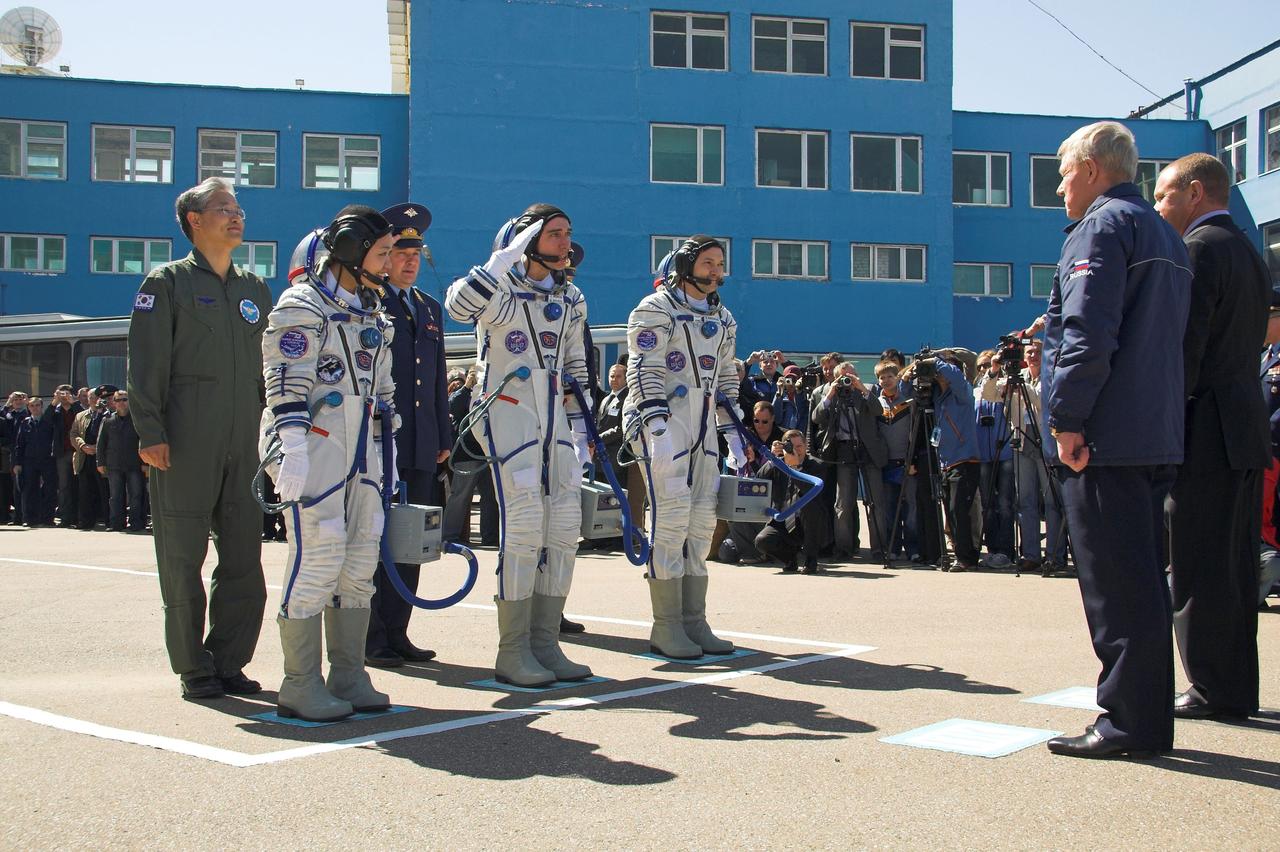
JSC2008-E-032794 (8 April 2008) --- At the Baikonur Cosmodrome in Kazakhstan, Expedition 17 Commander Sergei Volkov (center), Flight Engineer Oleg Kononenko (right) and South Korean spaceflight participant So-yeon Yi bid farewell to Anatoly Perminov, the head of the Russian Federal Space Agency on April 8, 2008, prior to heading to the launch pad for their liftoff on the Soyuz TMA-12 spacecraft to the International Space Station. Volkov and Kononenko will spend six months on the station, while Yi will spend nine days on the complex under a commercial agreement between South Korea and the Russian Federal Space Agency. Photo Credit: NASA /Victor Zelentsov
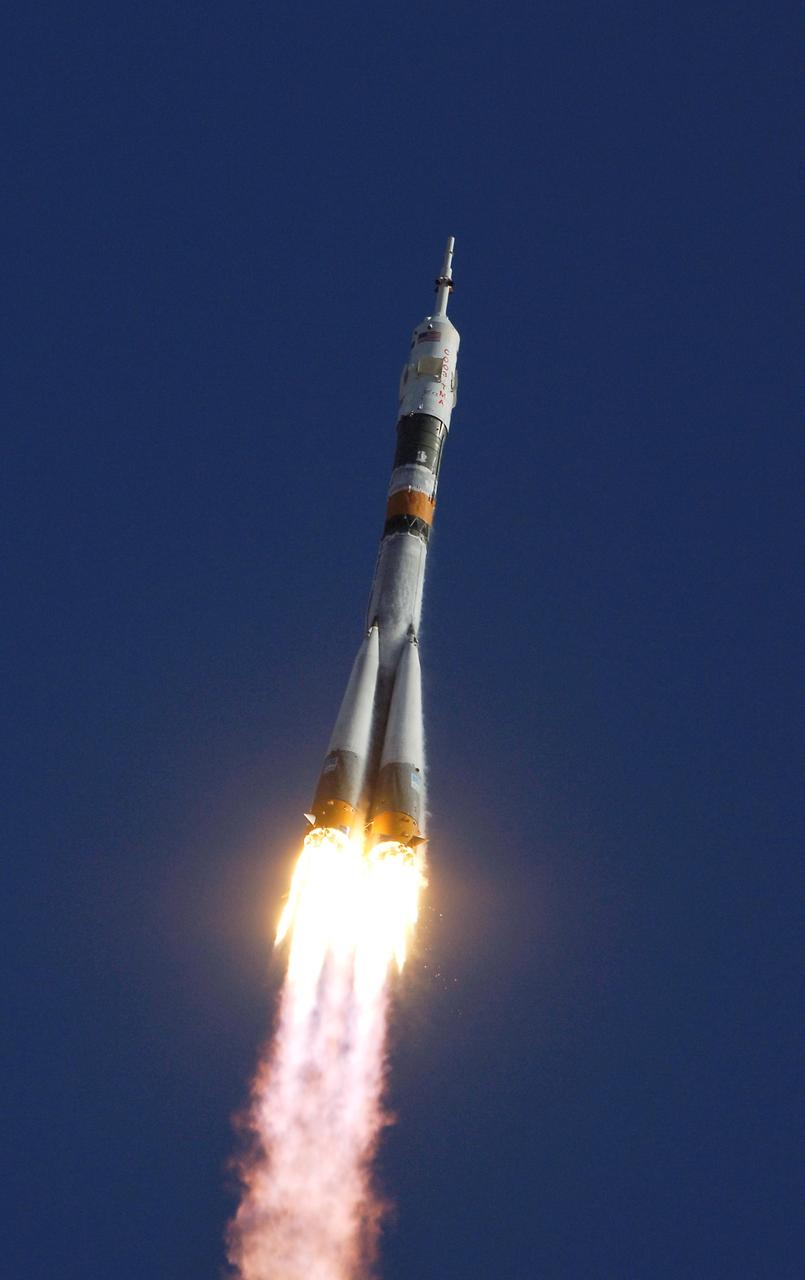
JSC2006-E-40674 (18 Sept. 2006) --- The Soyuz TMA-9 spacecraft launches from the Baikonur Cosmodrome in Kazakhstan Sept. 18, 2006 carrying a new crew to the International Space Station. The Soyuz lifted off at 10:09 a.m. Baikonur time with astronaut Michael E. Lopez-Alegria, Expedition 14 commander and NASA space station science officer; cosmonaut Mikhail Tyurin, Soyuz commander and flight engineer representing Russia's Federal Space Agency; and spaceflight participant Anousheh Ansari, who will spend nine days on the station under a commercial agreement with the Russian Federal Space Agency. Photo Credit: NASA/Bill Ingalls
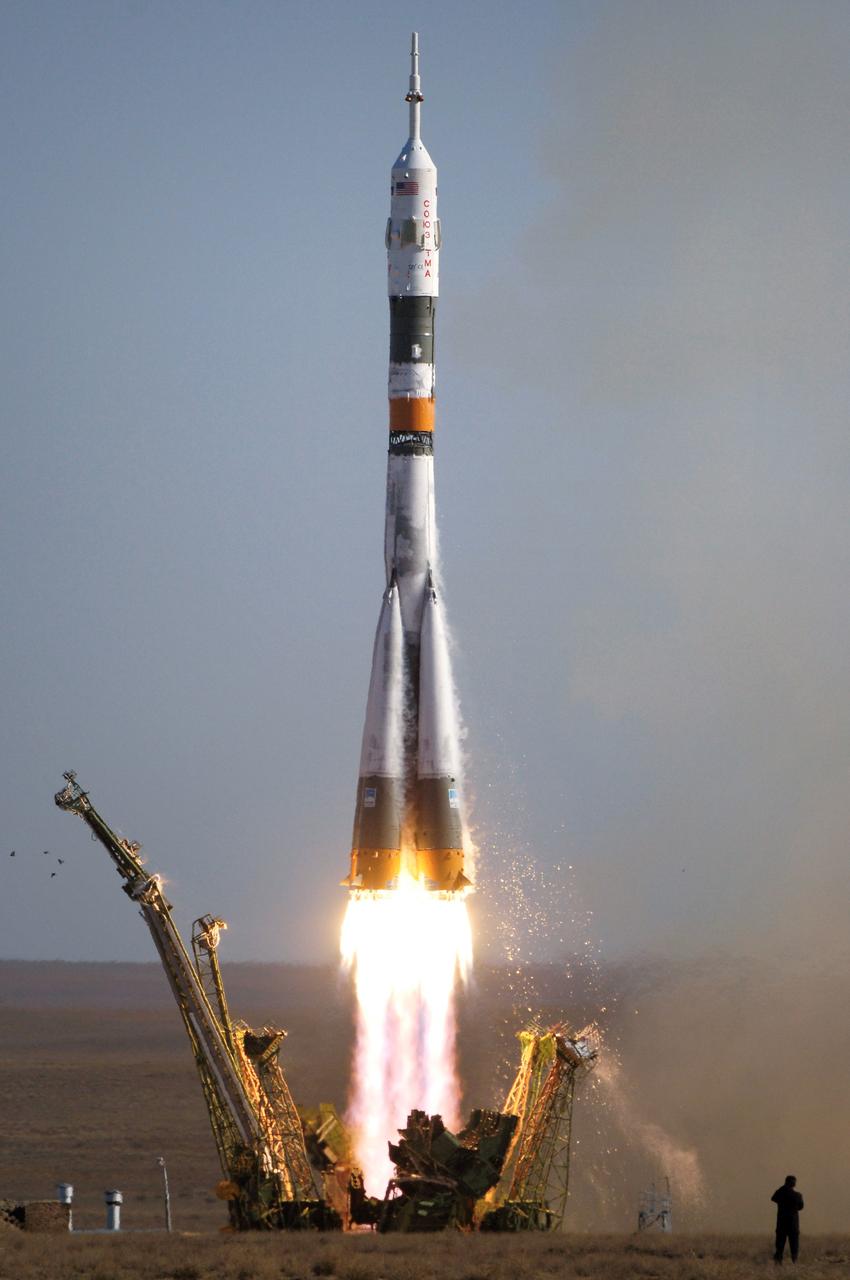
JSC2006-E-40672 (18 Sept. 2006) --- The Soyuz TMA-9 spacecraft launches from the Baikonur Cosmodrome in Kazakhstan Sept. 18, 2006 carrying a new crew to the International Space Station. The Soyuz lifted off at 10:09 a.m. Baikonur time with astronaut Michael E. Lopez-Alegria, Expedition 14 commander and NASA space station science officer; cosmonaut Mikhail Tyurin, Soyuz commander and flight engineer representing Russia's Federal Space Agency; and spaceflight participant Anousheh Ansari, who will spend nine days on the station under a commercial agreement with the Russian Federal Space Agency. Photo Credit: NASA/Bill Ingalls
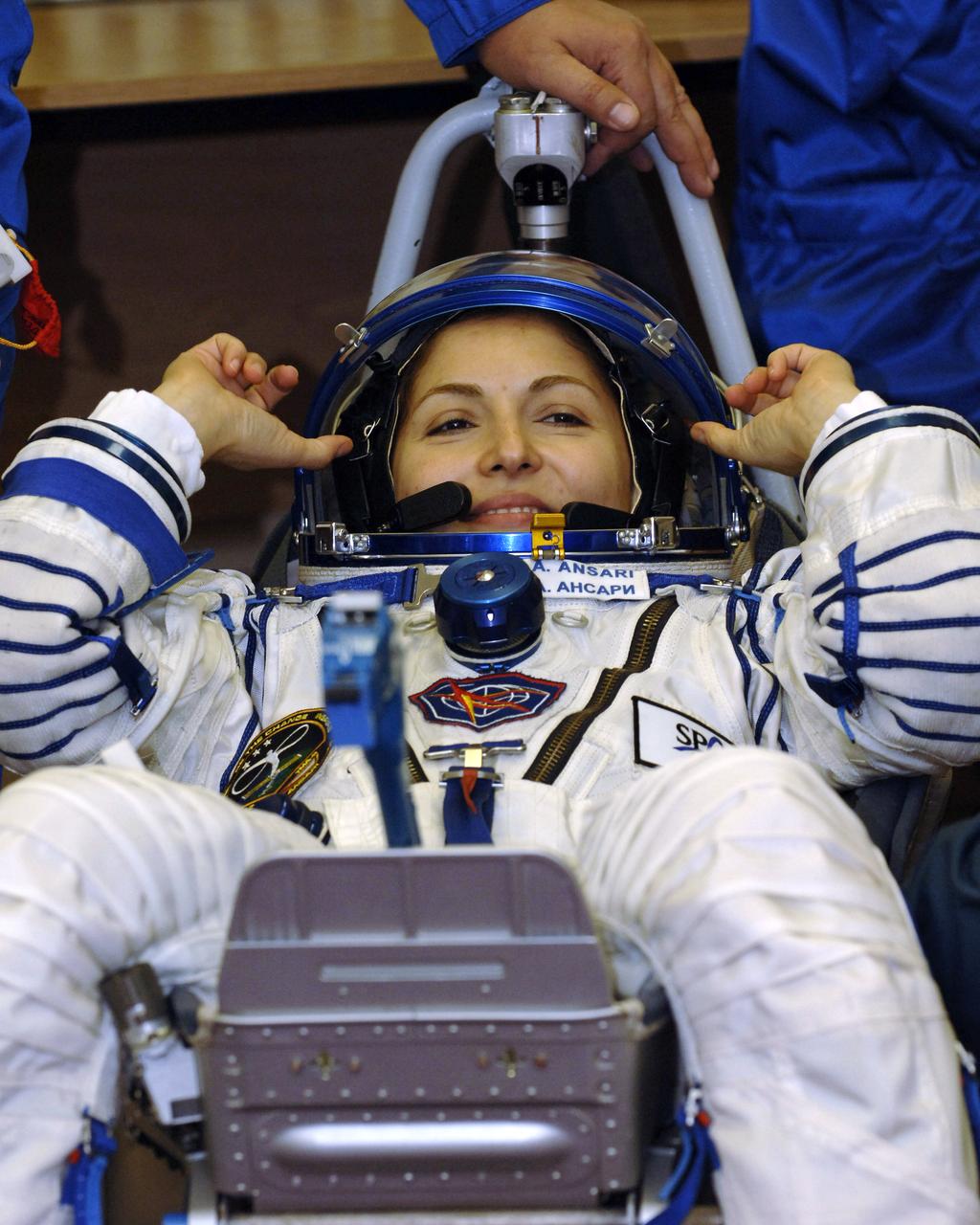
American spaceflight participant Anousheh Ansari gives a thumbs up as she prepares for pressure checks on her Russian Sokol suit at the Baikonur Cosmodrome, Monday, Sept. 18, 2006, in Kazakhstan. The Soyuz TMA-9 spacecraft launched from the Baikonur Cosmodrome at 10:09 a.m. local time carrying Expedition 14 Commander Michael Lopez-Alegria, Soyuz Commander and Expedition 14 Flight Engineer Mikhail Tyurin and American spaceflight participant Anousheh Ansari, who will spend nine days on the International Space Station under a commercial agreement with the Russian Federal Space Agency. Photo Credit: (NASA/Bill Ingalls)
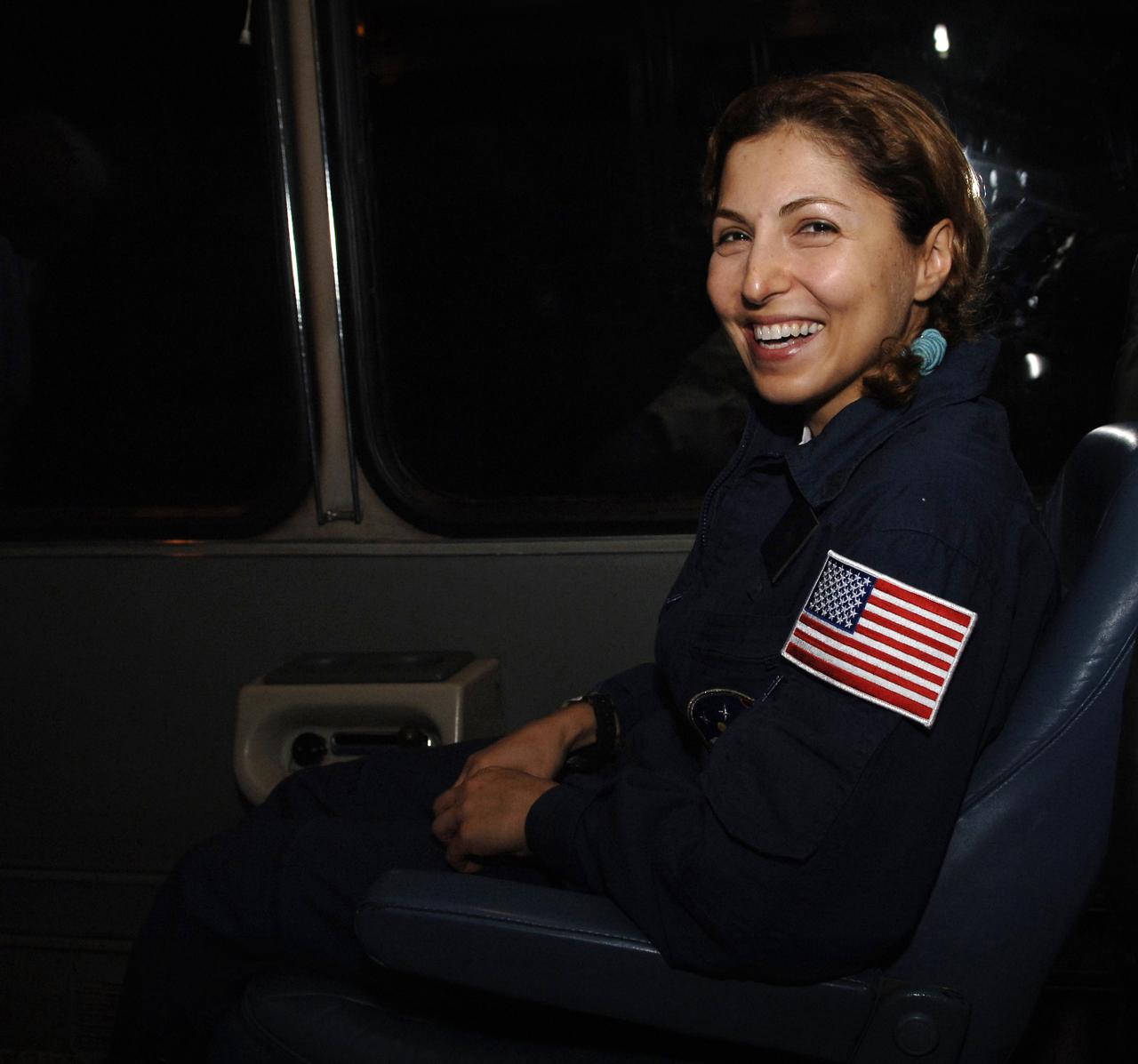
American spaceflight participant Anousheh Ansari rides the bus with doctors and her fellow crew mates from the Cosmonaut Hotel to building 254 at the Baikonur Cosmodrome where they will suit up for launch, Monday, Sept. 18, 2006, in Kazakhstan. The Soyuz TMA-9 spacecraft launched from the Baikonur Cosmodrome at 10:09 a.m. local time carrying Expedition 14 Commander Michael Lopez-Alegria, Soyuz Commander and Expedition 14 Flight Engineer Mikhail Tyurin and American spaceflight participant Anousheh Ansari, who will spend nine days on the International Space Station under a commercial agreement with the Russian Federal Space Agency. Photo Credit: (NASA/Bill Ingalls)
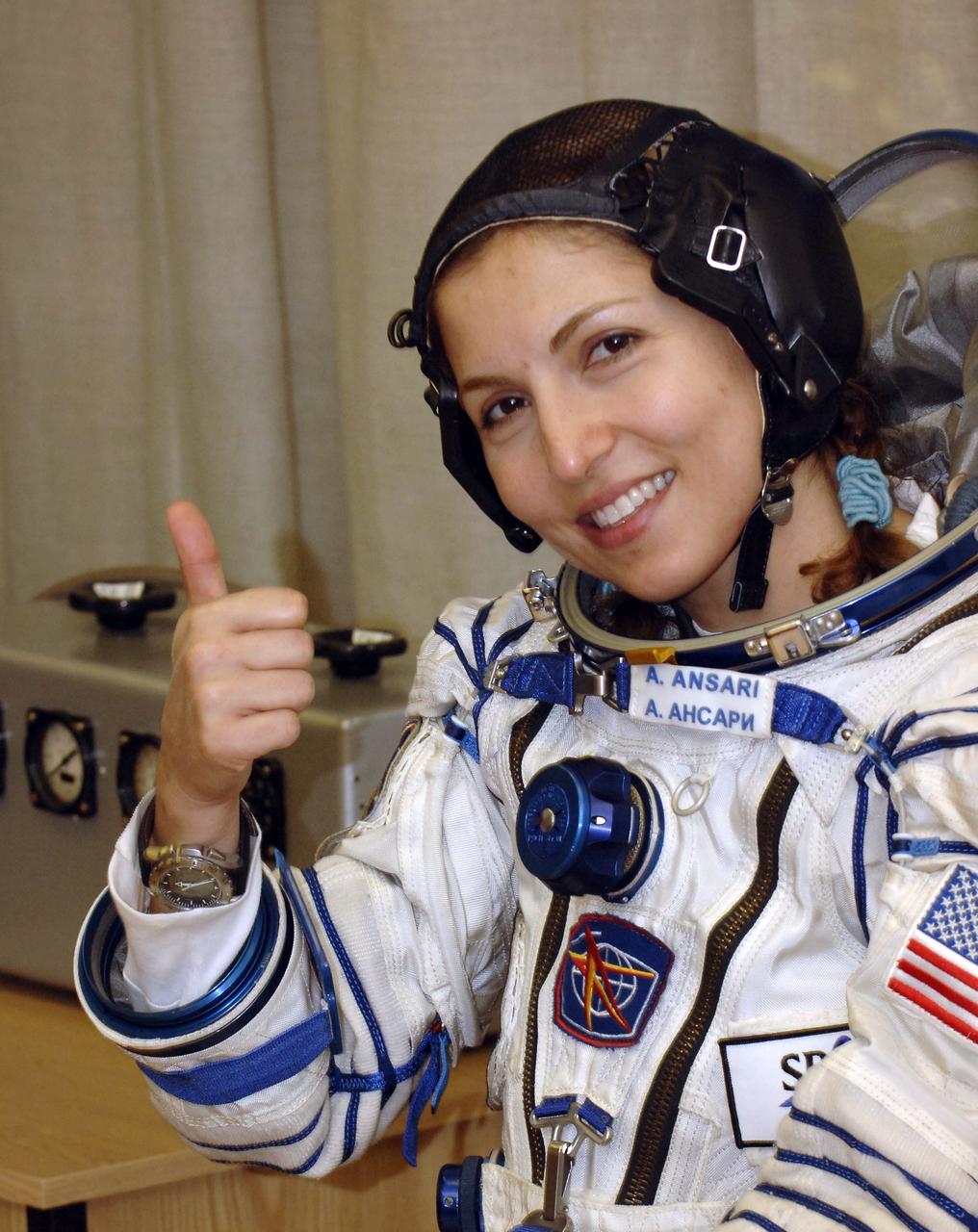
American spaceflight participant Anousheh Ansari gives a thumbs up as she prepares for pressure checks on her Russian Sokol suit at the Baikonur Cosmodrome, Monday, Sept. 18, 2006, in Kazakhstan. The Soyuz TMA-9 spacecraft launched from the Baikonur Cosmodrome at 10:09 a.m. local time carrying Expedition 14 Commander Michael Lopez-Alegria, Soyuz Commander and Expedition 14 Flight Engineer Mikhail Tyurin and American spaceflight participant Anousheh Ansari, who will spend nine days on the International Space Station under a commercial agreement with the Russian Federal Space Agency. Photo Credit: (NASA/Bill Ingalls)
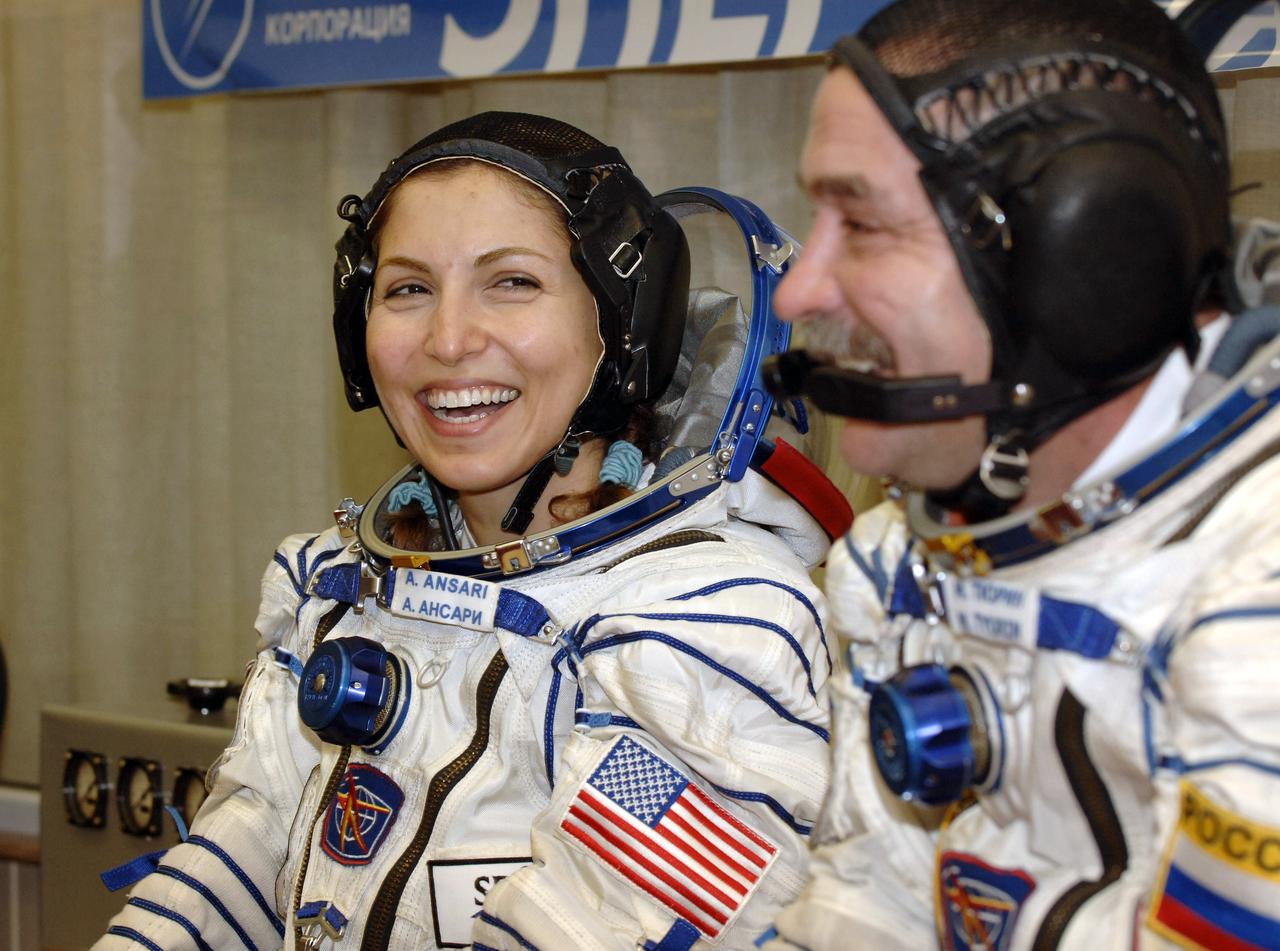
American spaceflight participant Anousheh Ansari and Expedition 14 Flight Engineer Mikhail Tyurin share a laugh as they prepare for pressure checks on their Russian Sokol suits at the Baikonur Cosmodrome, Monday, Sept. 18, 2006, in Kazakhstan. The Soyuz TMA-9 spacecraft launched from the Baikonur Cosmodrome at 10:09 a.m. local time carrying Expedition 14 Commander Michael Lopez-Alegria, Soyuz Commander and Expedition 14 Flight Engineer Mikhail Tyurin and American spaceflight participant Anousheh Ansari, who will spend nine days on the International Space Station under a commercial agreement with the Russian Federal Space Agency. Photo Credit: (NASA/Bill Ingalls)
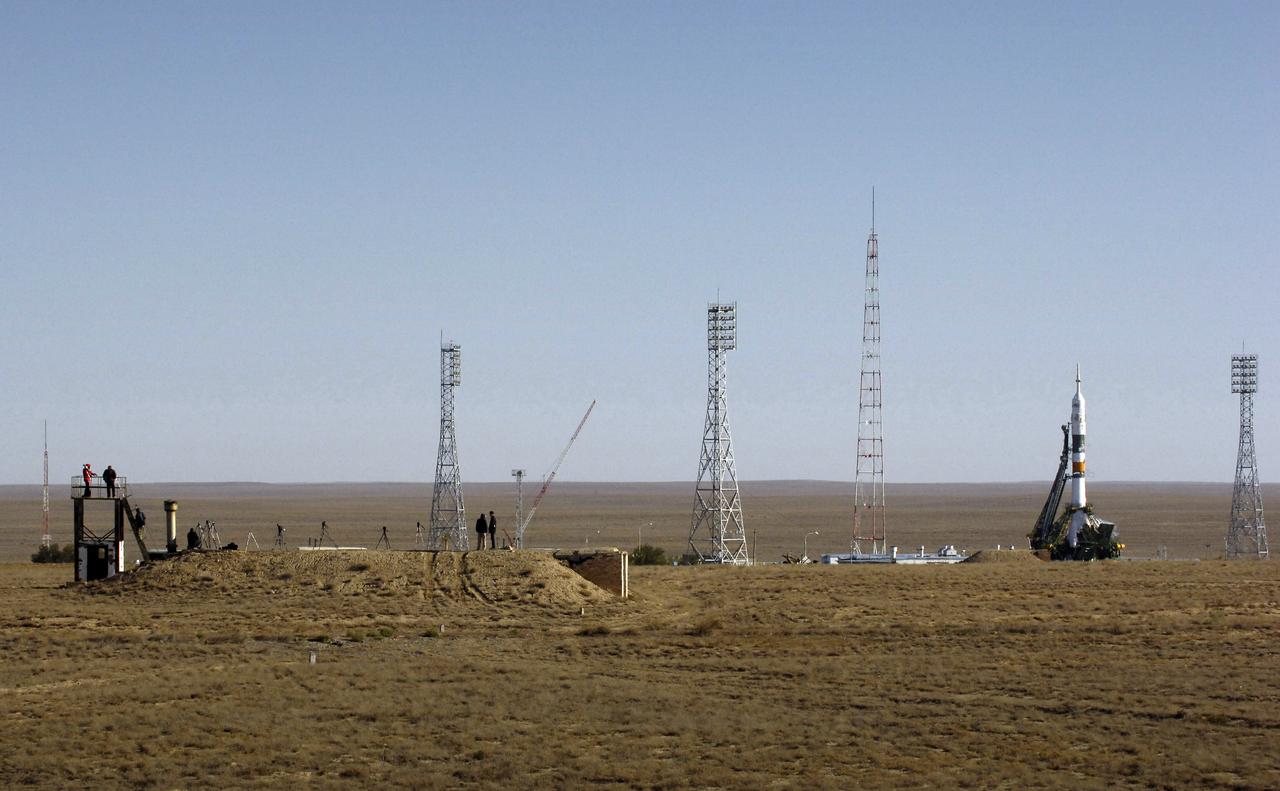
Photographers prepare for the launch of the Soyuz TMA-9 at the Baikonur Cosmodrome in Kazakhstan, Monday, Sept. 18, 2006. The Soyuz TMA-9 spacecraft launched at 10:09 a.m. local time carrying Expedition 14 Commander Michael Lopez-Alegria, Soyuz Commander and Expedition 14 Flight Engineer Mikhail Tyurin and American spaceflight participant Anousheh Ansari, who will spend nine days on the International Space Station under a commercial agreement with the Russian Federal Space Agency. Photo Credit: (NASA/Bill Ingalls)
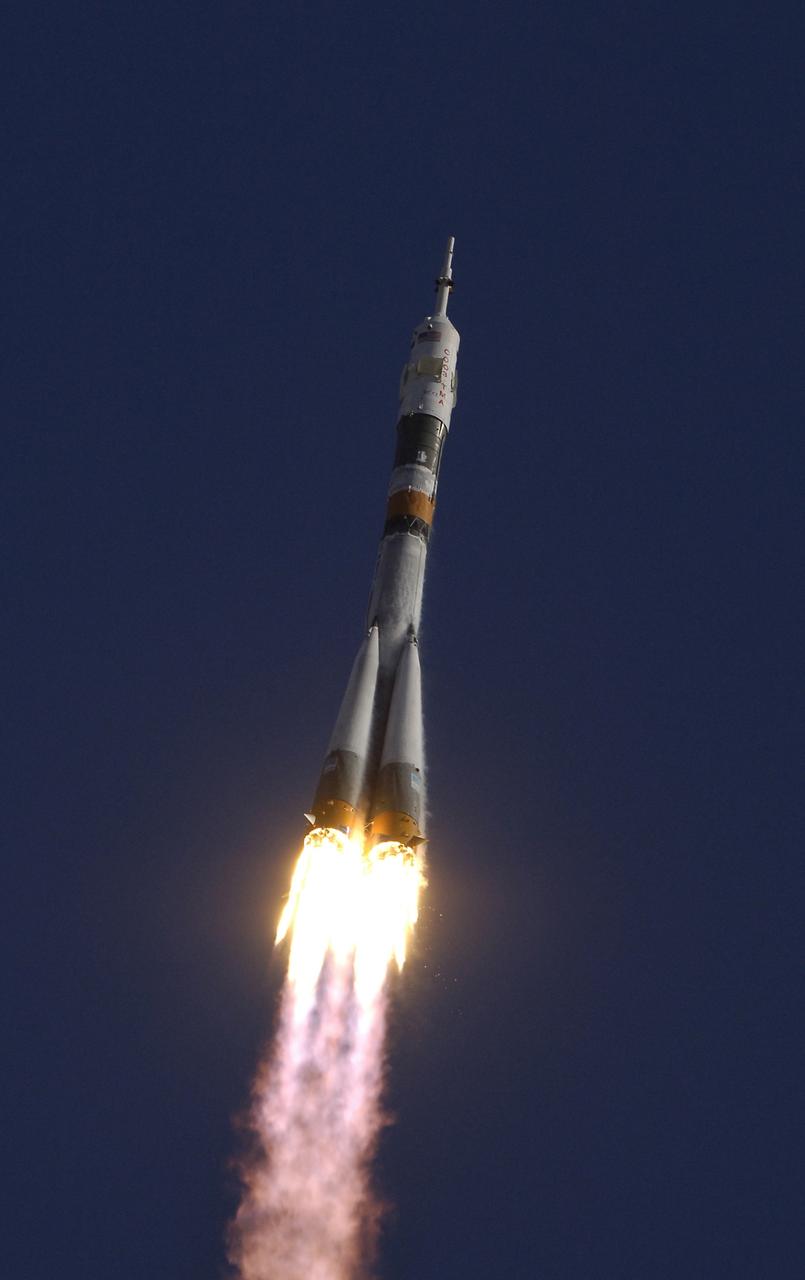
The Soyuz TMA-9 spacecraft launches from the Baikonur Cosmodrome in Kazakhstan Monday, Sept. 18, 2006, carrying a new crew to the International Space Station. The Soyuz lifted off at 10:09 a.m. local time with Expedition 14 Commander Michael Lopez-Alegria, Soyuz Commander and Expedition 14 Flight Engineer Mikhail Tyurin and American spaceflight participant Anousheh Ansari, who will spend nine days on the station under a commercial agreement with the Russian Federal Space Agency. Photo Credit: (NASA/Bill Ingalls)
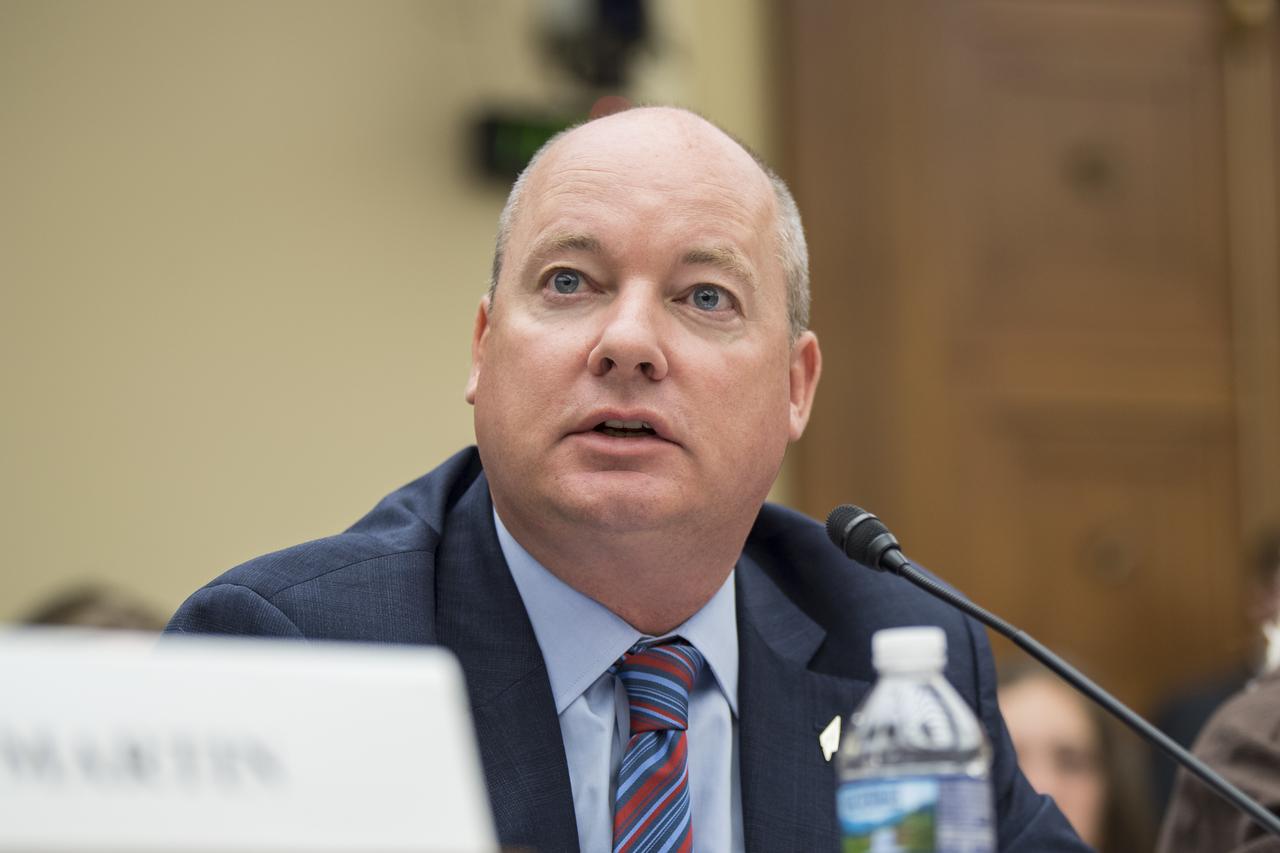
Commercial Spaceflight Federation President, Eric Stallmer, testifies during a Space and Aeronautics Subcommittee of the House Science, Space, and Technology Committee hearing titled, “A Review of NASA’s Plans for the International Space Station and Future Activities in Low Earth Orbit," Wednesday, July 10, 2019 at the Rayburn House Office Building in Washington. Photo Credit: (NASA/Aubrey Gemignani)
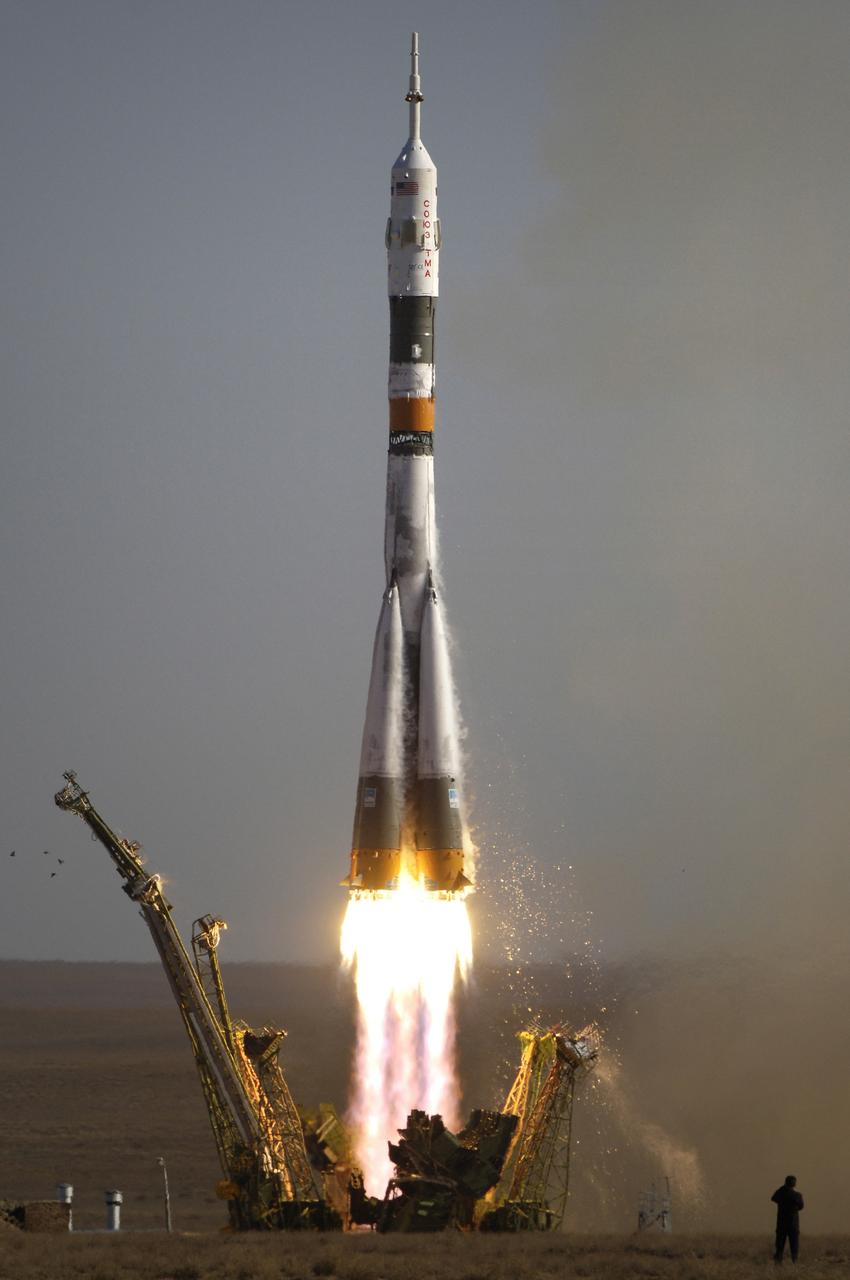
The Soyuz TMA-9 spacecraft launches from the Baikonur Cosmodrome in Kazakhstan Monday, Sept. 18, 2006, carrying a new crew to the International Space Station. The Soyuz lifted off at 10:09 a.m. Baikonur time with Expedition 14 Commander Michael Lopez-Alegria, Soyuz Commander and Expedition Flight Engineer Mikhail Tyurin and American spaceflight participant Anousheh Ansari, who will spend nine days on the station under a commercial agreement with the Russian Federal Space Agency. Photo Credit: (NASA/Bill Ingalls)
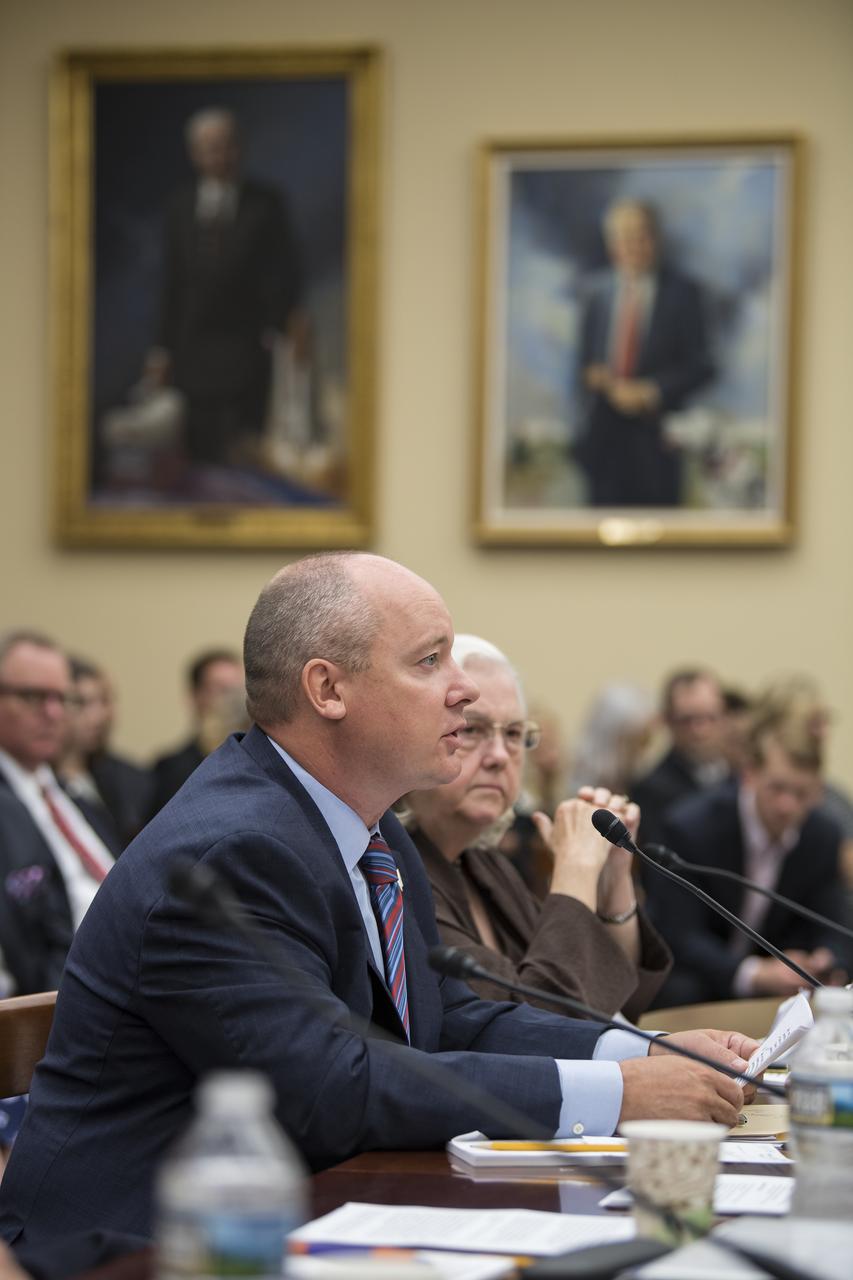
Commercial Spaceflight Federation President, Eric Stallmer, testifies during a Space and Aeronautics Subcommittee of the House Science, Space, and Technology Committee hearing titled, “A Review of NASA’s Plans for the International Space Station and Future Activities in Low Earth Orbit," Wednesday, July 10, 2019 at the Rayburn House Office Building in Washington. Photo Credit: (NASA/Aubrey Gemignani)
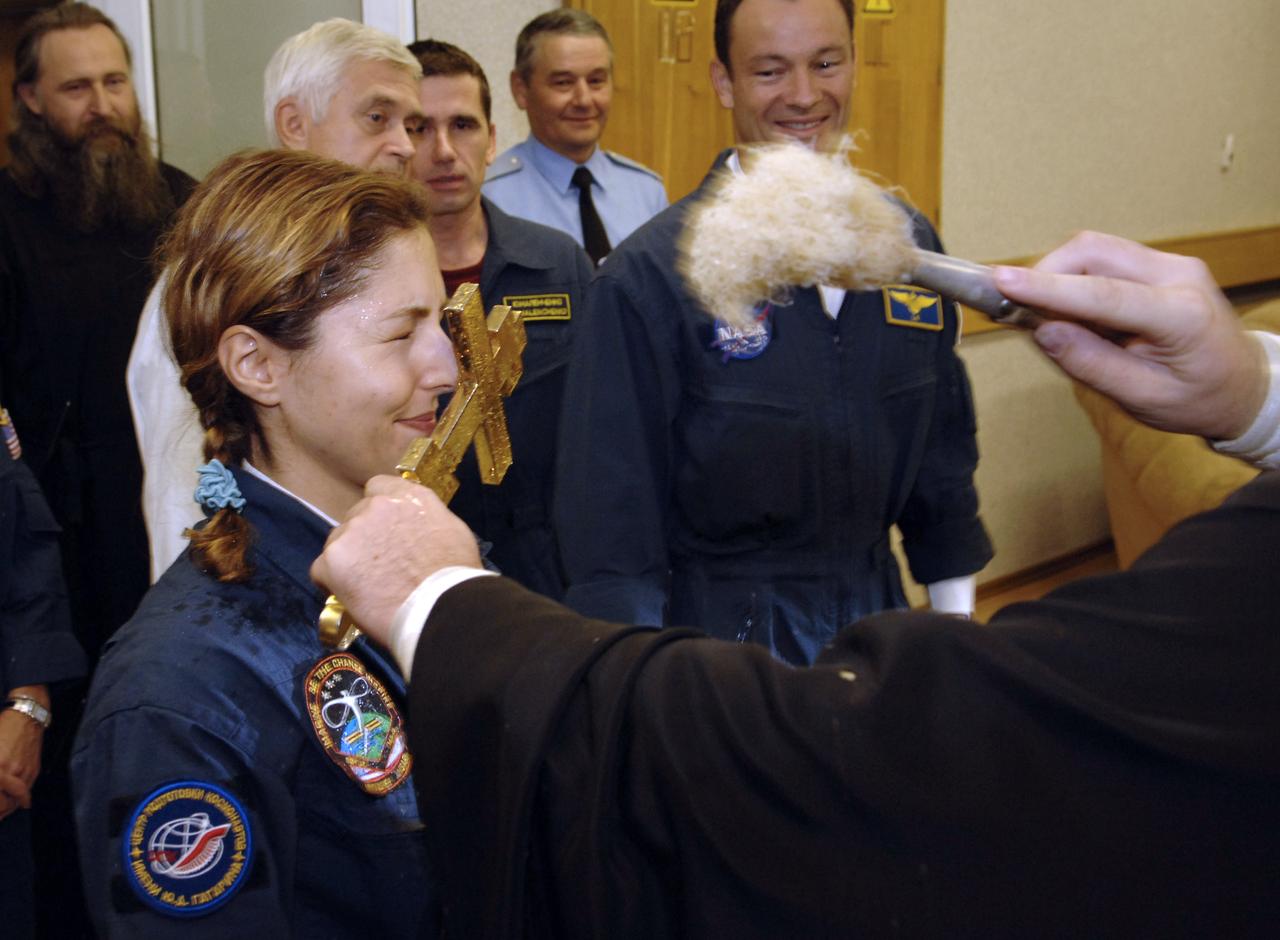
American spaceflight participant Anousheh Ansari receives a blessing at the Cosmonaut Hotel the morning of her launch onboard the Soyuz TMA-9 spacecraft, Monday, Sept. 18, 2006 in Baikonur, Kazakhstan. Ms Ansari, will spend nine days on the International Space Station under a commercial agreement with the Russian Federal Space Agency. Photo Credit: (NASA/Bill Ingalls)
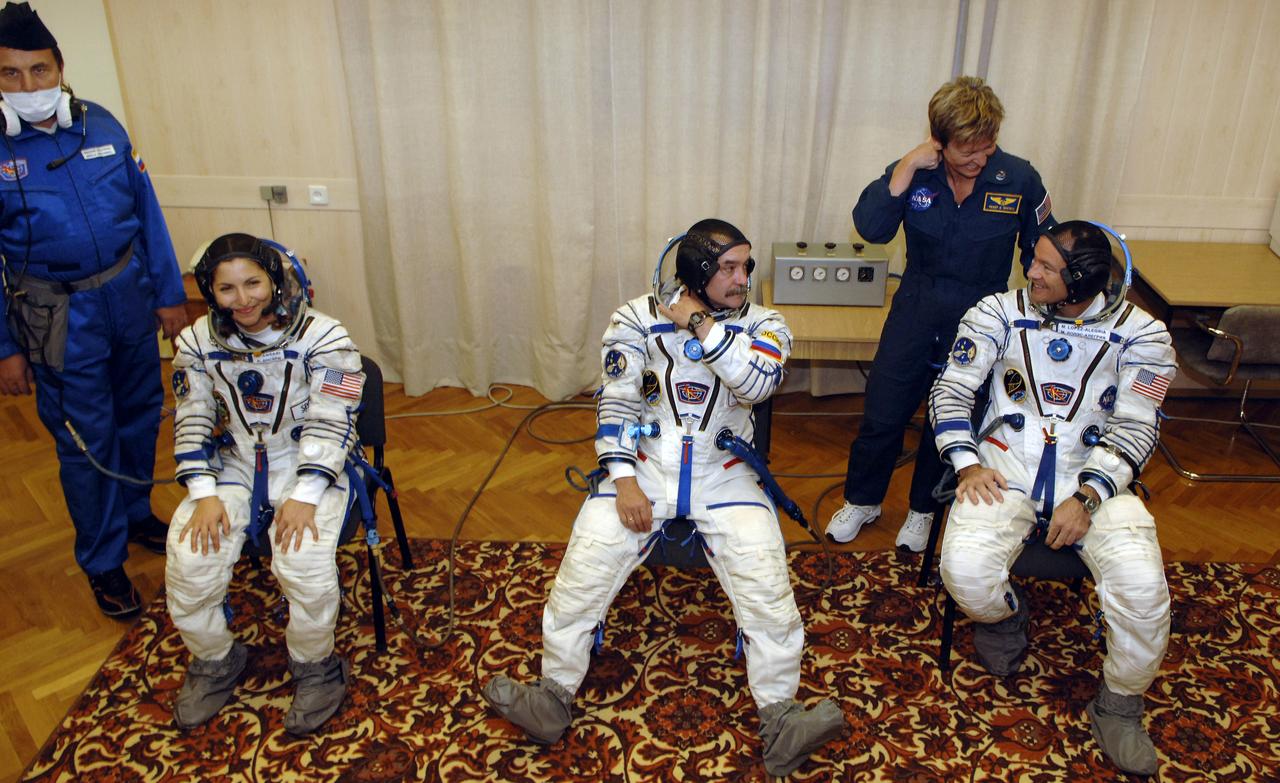
American spaceflight participant Anousheh Ansari, left, Soyuz Commander and Expedition 14 Flight Engineer Mikhail Tyurin and Expedition 14 Commander Michael Lopez-Alegria, right, await to go through pressure checks on their Russian Sokol suits at the Baikonur Cosmodrome prior to launch, Monday, Sept. 18, 2006, in Kazakhstan. Their Soyuz TMA-9 spacecraft launched from the Baikonur Cosmodrome at 10:09 a.m. local time. Ms. Ansari, will spend nine days on the International Space Station under a commercial agreement with the Russian Federal Space Agency. Photo Credit: (NASA/Bill Ingalls)
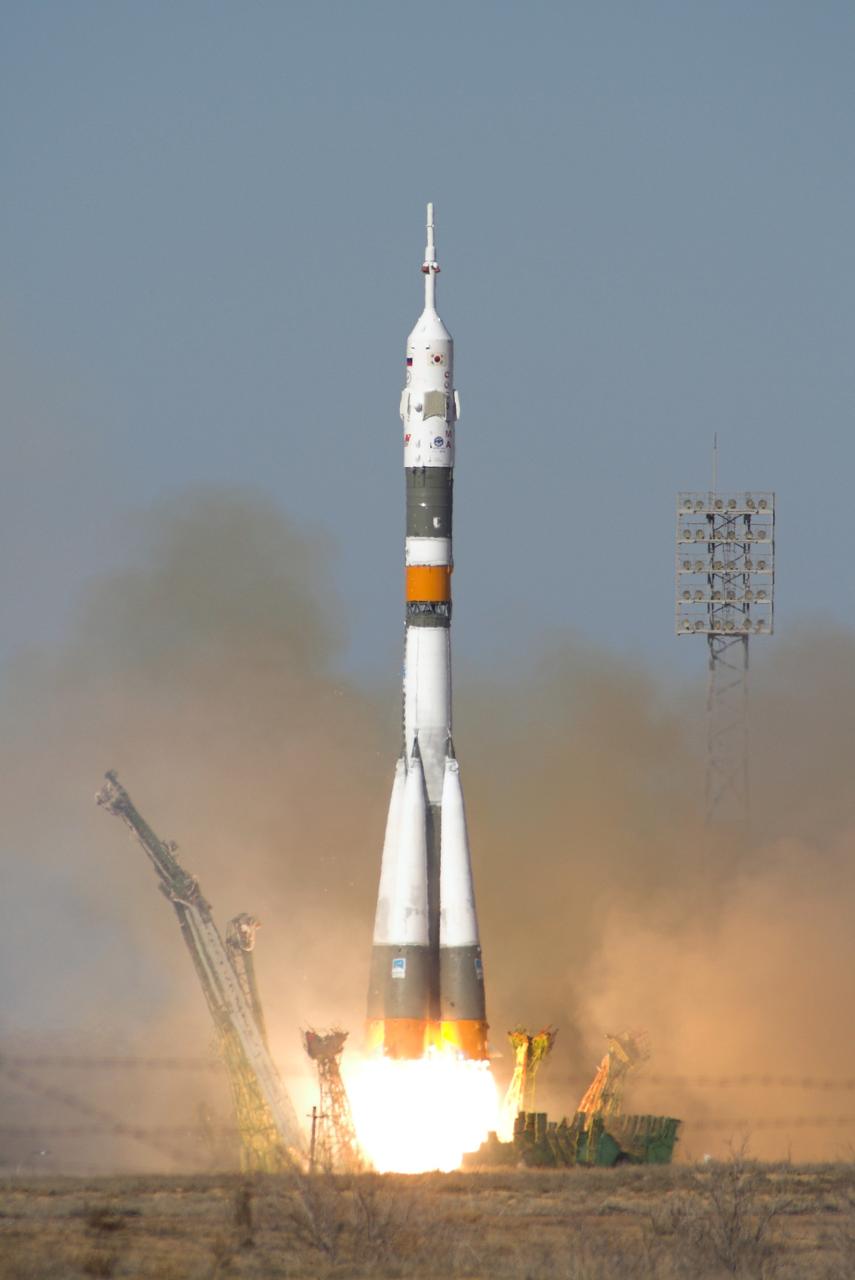
JSC2008-E-032796 (8 April 2008) --- At the Baikonur Cosmodrome in Kazakhstan, the Soyuz TMA-12 spacecraft lifted off into a cloudless sky April 8, 2008 at 5:16 p.m. Baikonur time to carry Expedition 17 Commander Sergei Volkov, Flight Engineer Oleg Kononenko and South Korean spaceflight participant So-yeon Yi to the International Space Station and a docking on April 10. Volkov and Kononenko will spend six months on the station while Yi will spend nine days on the complex under a commercial agreement between South Korea and the Russian Federal Space Agency. Photo Credit: NASA /Victor Zelentsov
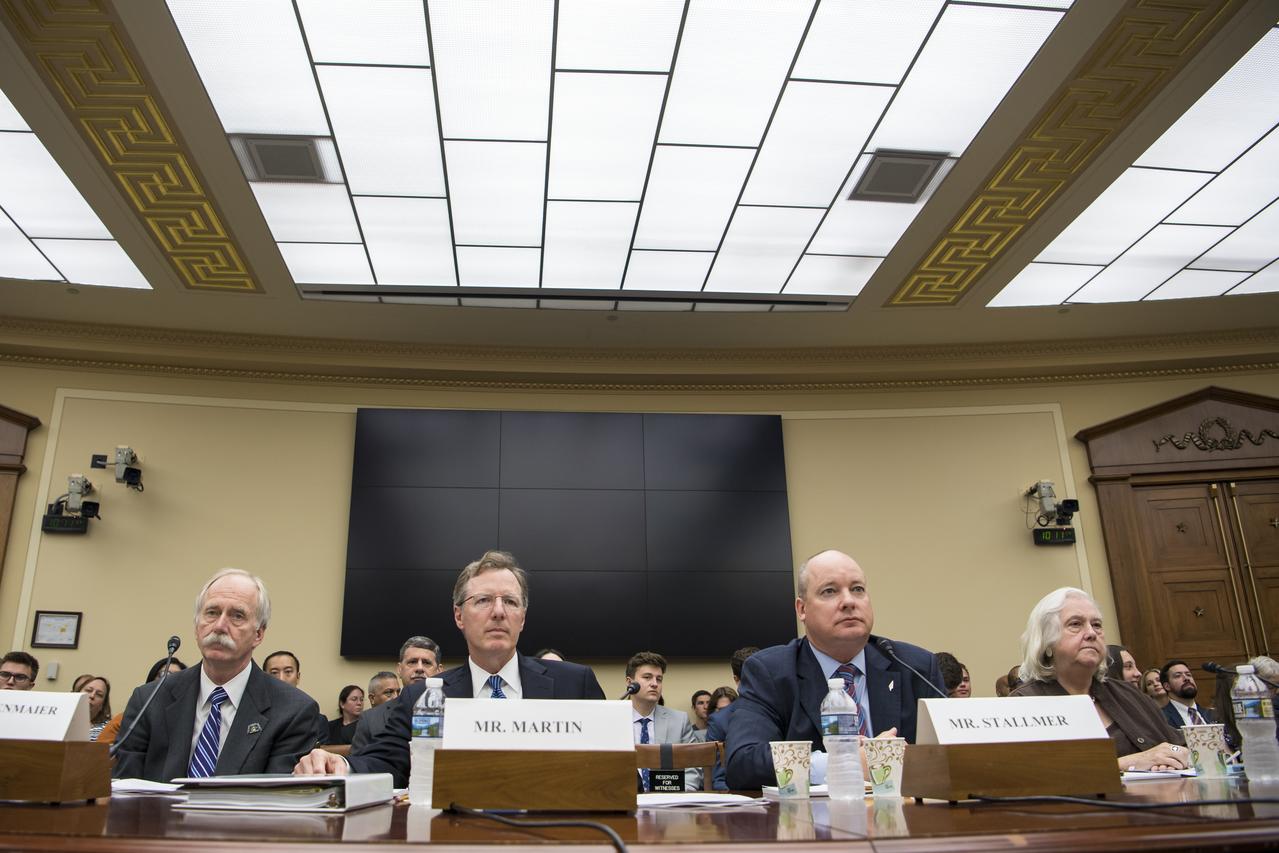
From left to right, NASA Associate Administrator, Human Exploration and Operations, Bill Gerstenmaier; NASA Inspector General, Paul Martin; Commercial Spaceflight Federation President, Eric Stallmer; and University of Mississippi Professor Emerita and Editor in Chief of the Journal of Space Law, Joanne Gabrynowicz testify during a Space and Aeronautics Subcommittee of the House Science, Space, and Technology Committee hearing titled, “A Review of NASA’s Plans for the International Space Station and Future Activities in Low Earth Orbit," Wednesday, July 10, 2019 at the Rayburn House Office Building in Washington. Photo Credit: (NASA/Aubrey Gemignani)
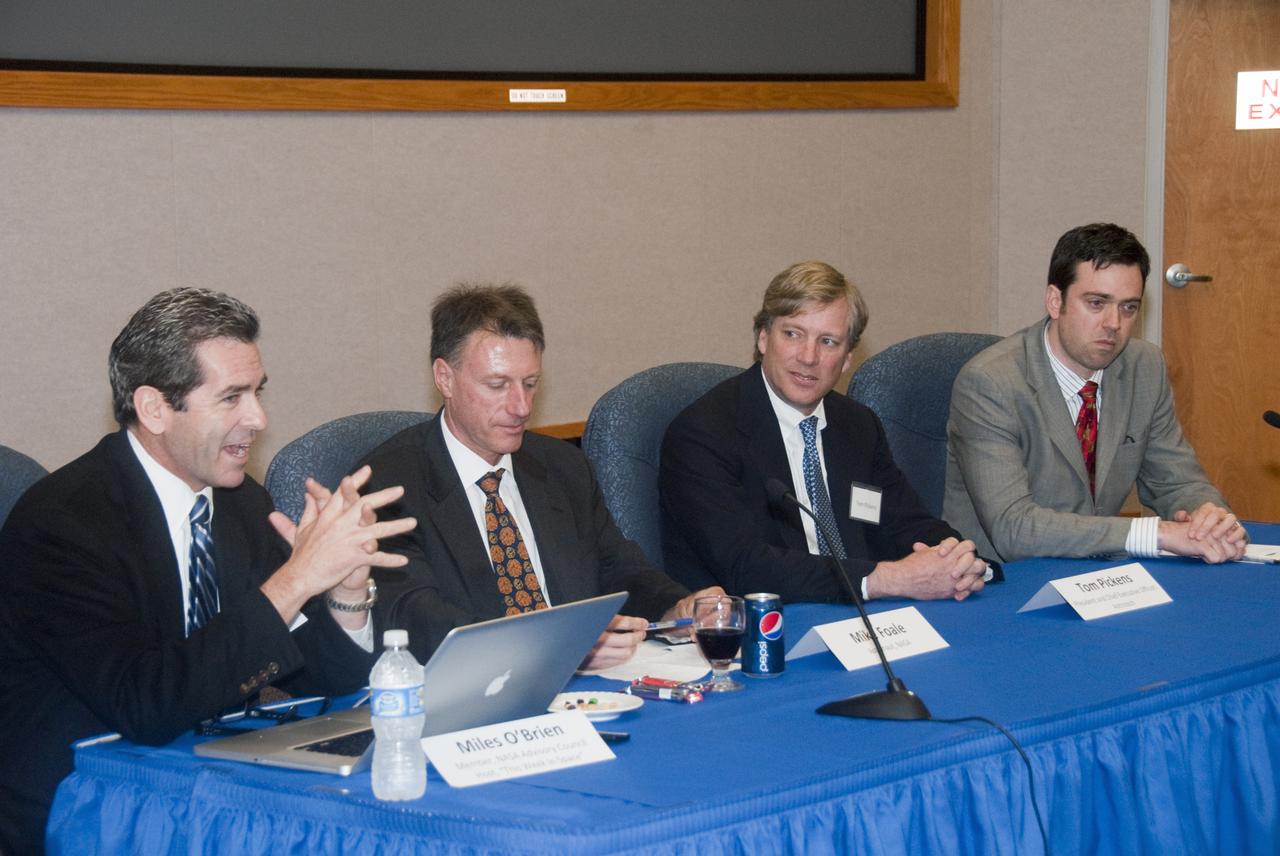
CAPE CANAVERAL, Fla. - In the mission briefing room of the Operations and Checkout Building at NASA's Kennedy Space Center in Florida, Miles O'Brien, a member of the NASA Advisory Council (left), moderates the panel at the second break-out session, 'Increasing Access To and Utilization of the International Space Station,' that is part of the Conference on the American Space Program for the 21st Century. To O'Brien's left on the panel are NASA Astronaut Mike Foale; Tom Pickens, President and Chief Executive Officer of Astrotech Space Operations and Bretton Alexander, President of the Commercial Spaceflight Federation. Photo Credit: NASA_Jim Grossmann
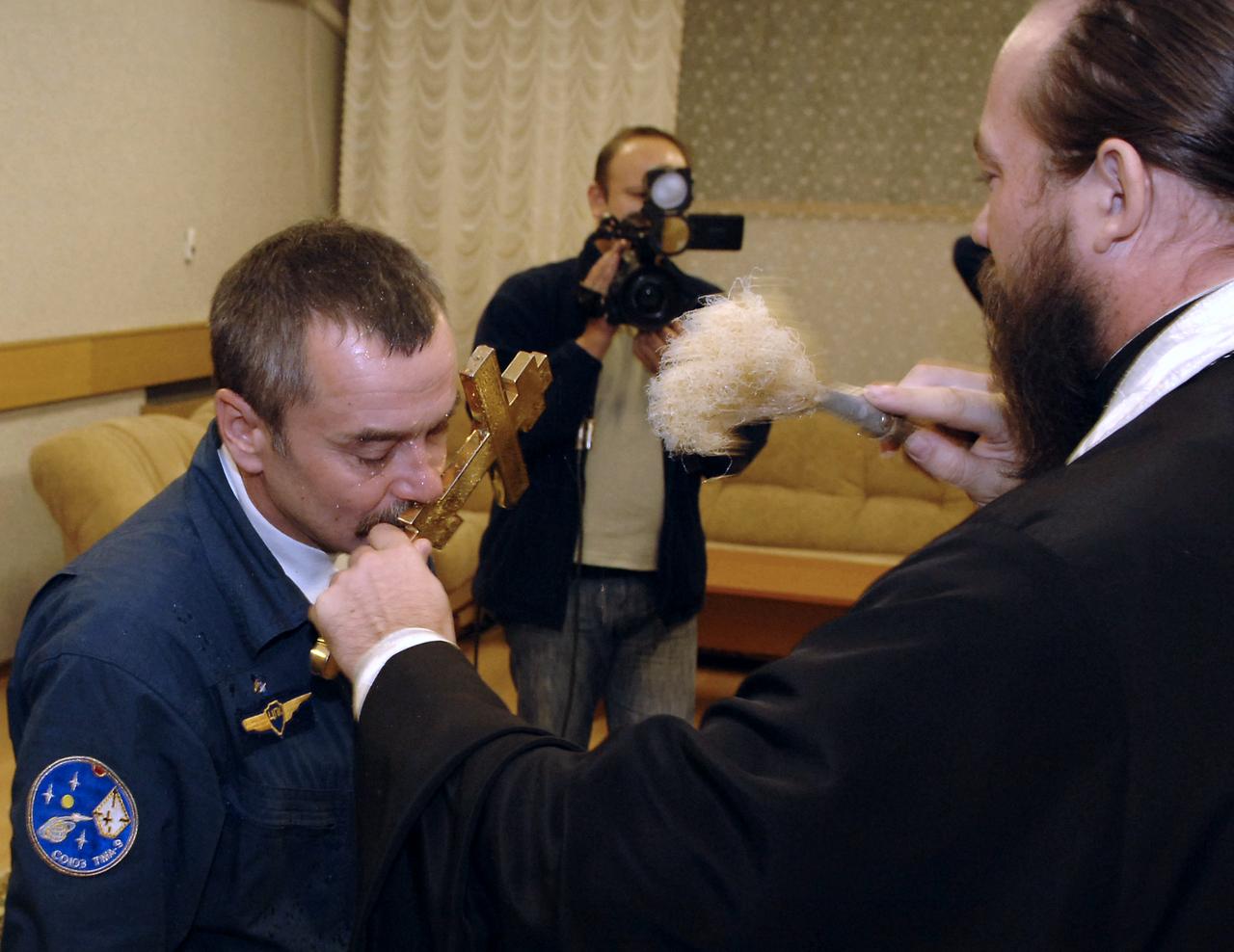
Soyuz Commander and Expedition 14 Flight Engineer Mikhail Tyurin receives a blessing at the Cosmonaut Hotel the morning of his launch onboard the Soyuz TMA-9 spacecraft, Monday, Sept. 18, 2006, in Baikonur, Kazakhstan. The Soyuz TMA-9 spacecraft launched from the Baikonur Cosmodrome in carrying Expedition 14 Commander Michael Lopez-Alegria, Soyuz Commander and Expedition 14 Flight Engineer Mikhail Tyurin and American spaceflight participant Anousheh Ansari to the International Space Station. Anousheh Ansari will spend nine days on the station under a commercial agreement with the Russian Federal Space Agency. Photo Credit: (NASA/Bill Ingalls)
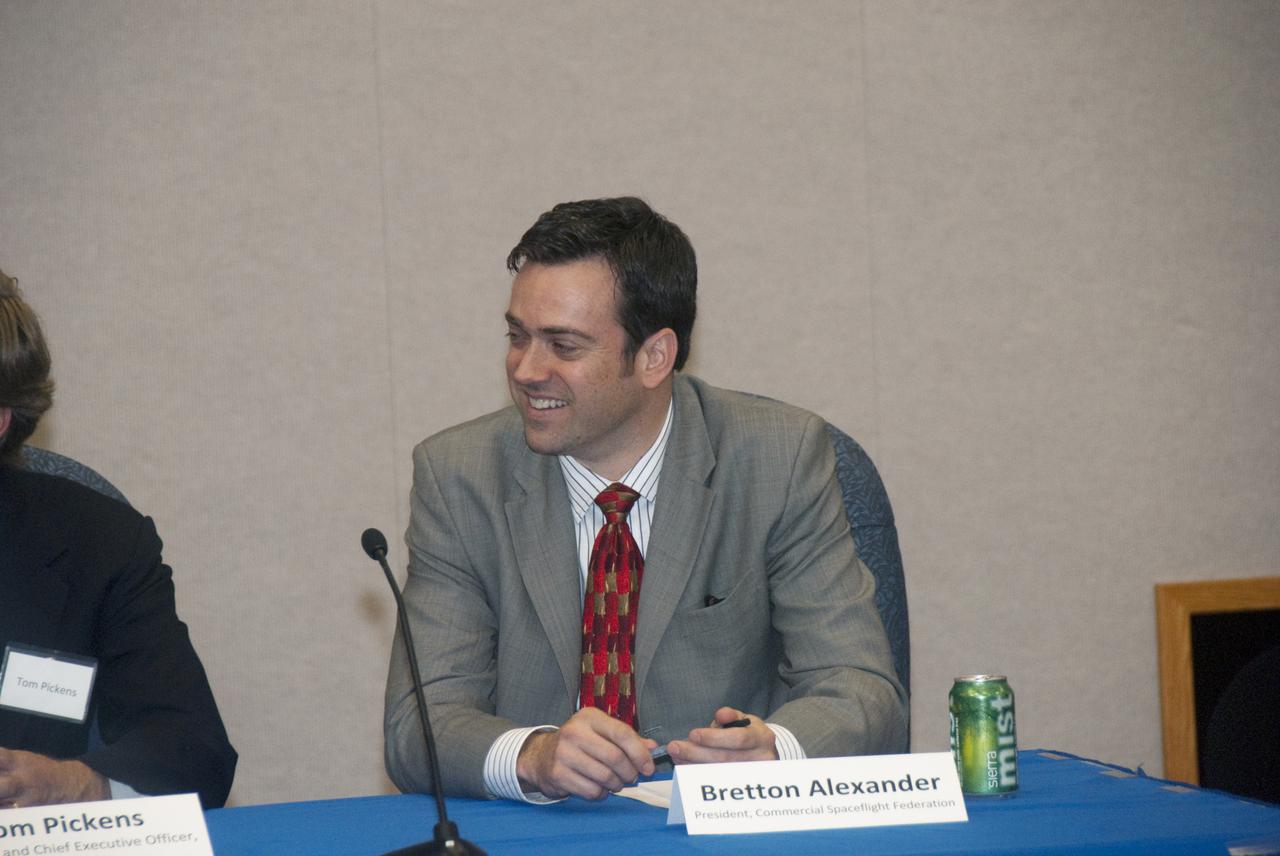
CAPE CANAVERAL, Fla. - In the mission briefing room of the Operations and Checkout Building at NASA's Kennedy Space Center in Florida, Bretton Alexander, President of the Commercial Spaceflight Federation is enjoying his participation in the second break-out session, 'Increasing Access To and Utilization of the International Space Station,' that is part of the Conference on the American Space Program for the 21st Century. Panel members also include NASA Astronaut Mike Foale; Miles O'Brien, a member of the NASA Advisory Council and panel moderator and Tom Pickens, President and Chief Executive Officer of Astrotech Space Operations. Photo Credit: NASA_Jim Grossmann
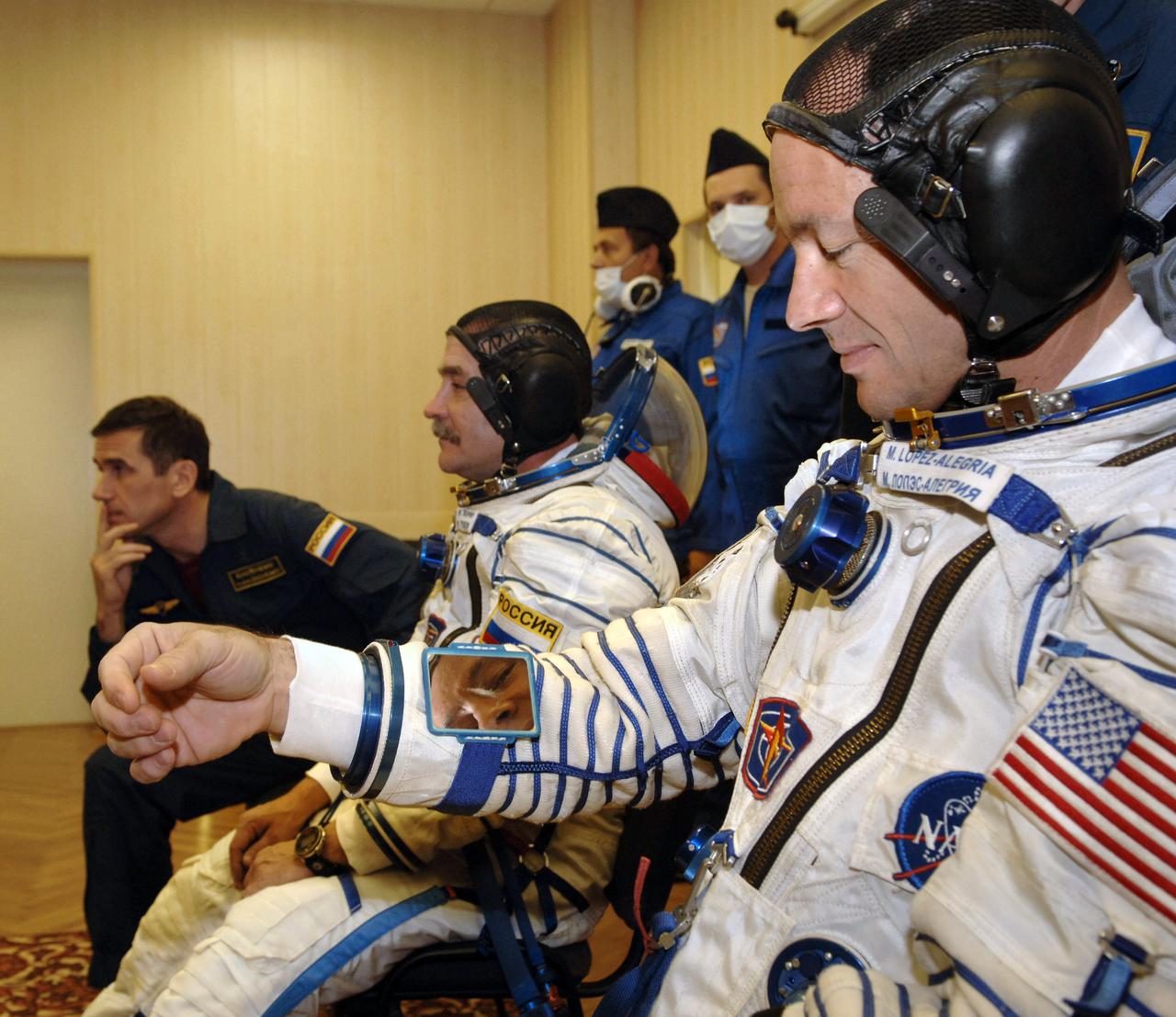
Expedition 14 Commander Michael Lopez-Alegria, right, and Soyuz Commander and Expedition 14 Flight Engineer Mikhail Tyurin don their Russian Sokol suits the Baikonur Cosmodrome prior to launch, Monday, Sept. 18, 2006, in Kazakhstan. The Soyuz TMA-9 spacecraft launched from the Baikonur Cosmodrome at 10:09 a.m. local time carrying Expedition 14 Commander Michael Lopez-Alegria, Soyuz Commander and Expedition 14 Flight Engineer Mikhail Tyurin and American spaceflight participant Anousheh Ansari, who will spend nine days on the International Space Station under a commercial agreement with the Russian Federal Space Agency. Photo Credit: (NASA/Bill Ingalls)
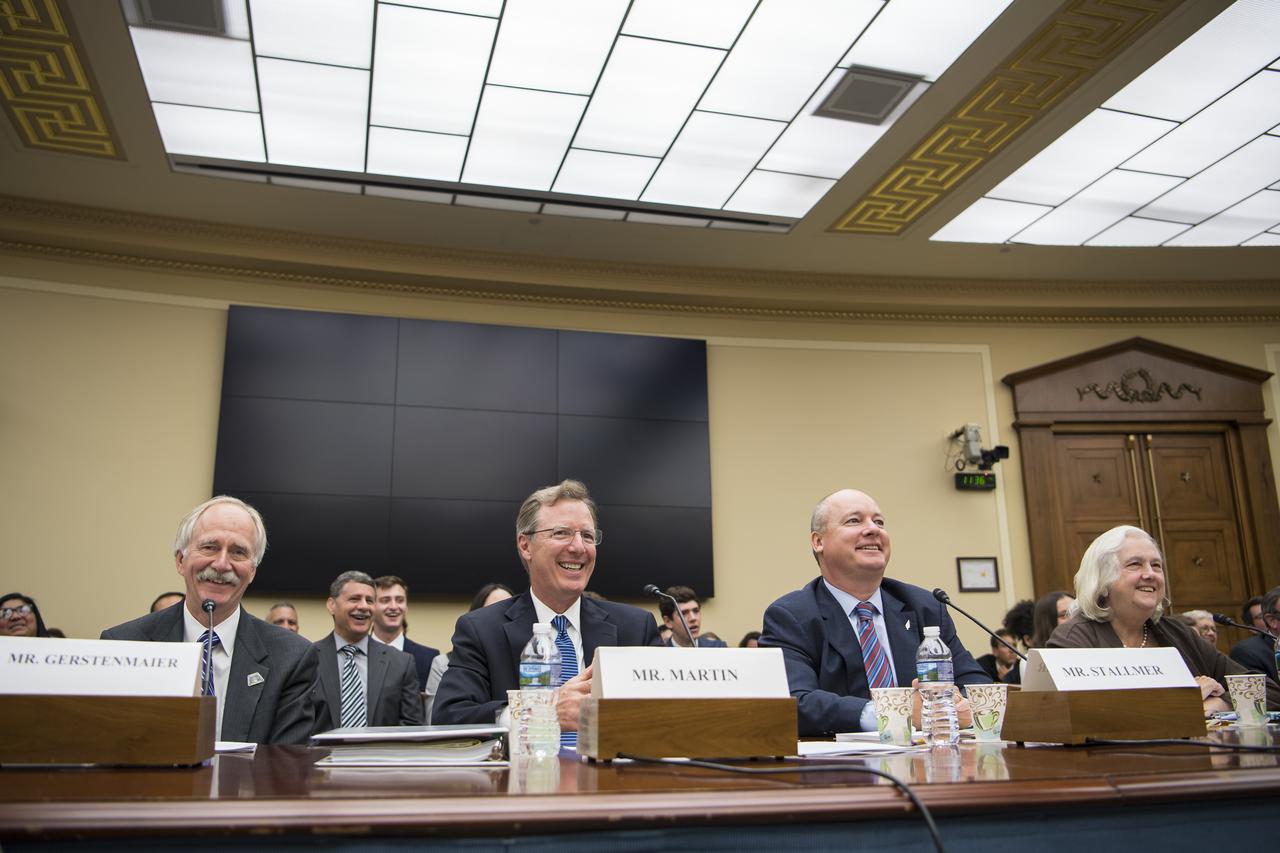
From left to right, NASA Associate Administrator, Human Exploration and Operations, Bill Gerstenmaier; NASA Inspector General, Paul Martin; Commercial Spaceflight Federation President, Eric Stallmer; and University of Mississippi Professor Emerita and Editor in Chief of the Journal of Space Law, Joanne Gabrynowicz react to a comment by Congressman Pete Olson (R-TX) during a Space and Aeronautics Subcommittee of the House Science, Space, and Technology Committee hearing titled, “A Review of NASA’s Plans for the International Space Station and Future Activities in Low Earth Orbit," Wednesday, July 10, 2019 at the Rayburn House Office Building in Washington. Photo Credit: (NASA/Aubrey Gemignani)
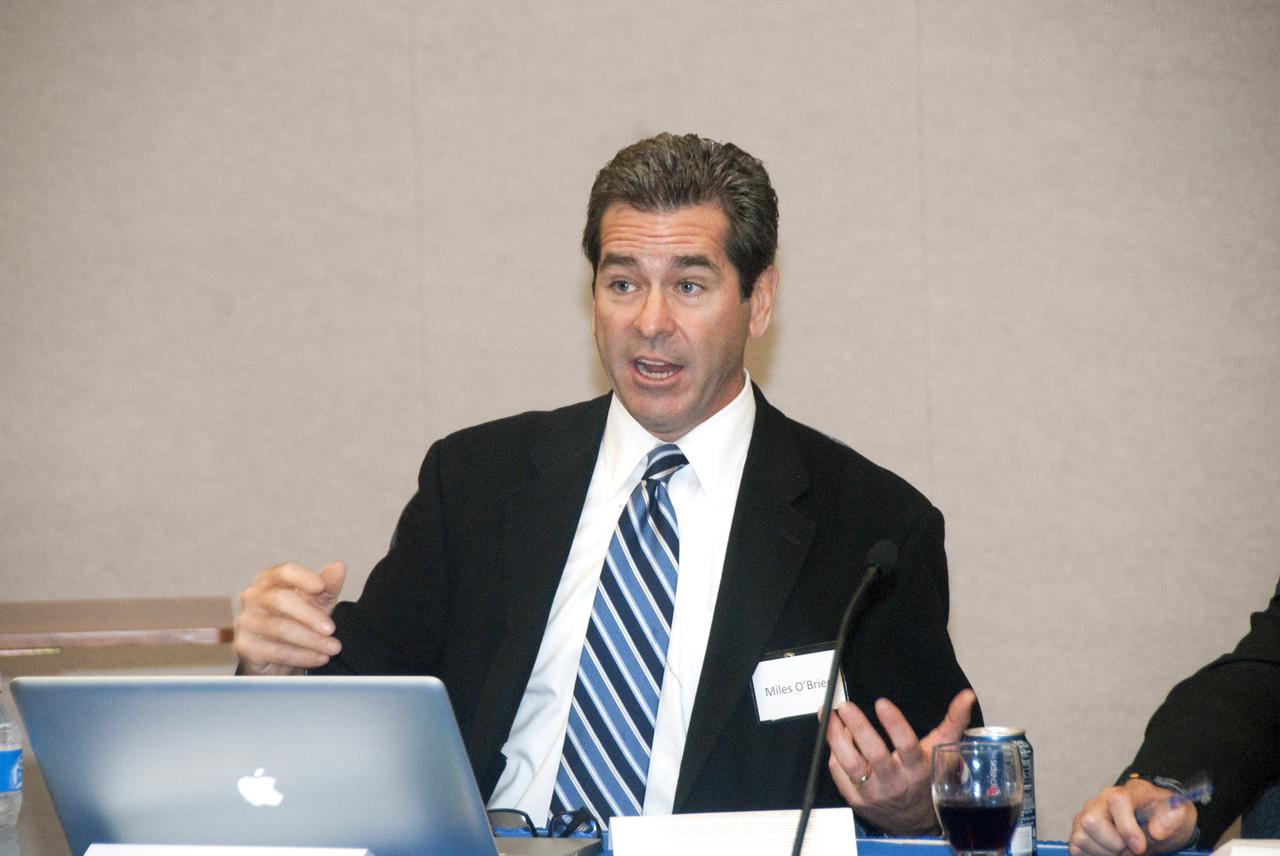
CAPE CANAVERAL, Fla. - In the mission briefing room of the Operations and Checkout Building at NASA's Kennedy Space Center in Florida, Miles O'Brien, a member of the NASA Advisory Council and panel moderator, heads up the second break-out session, 'Increasing Access To and Utilization of the International Space Station,' that is part of the Conference on the American Space Program for the 21st Century. The distinguished panel for this session includes Bretton Alexander, President of the Commercial Spaceflight Federation; NASA Astronaut Mike Foale and Tom Pickens, President and Chief Executive Officer of Astrotech Space Operations. Photo Credit: NASA_Jim Grossmann
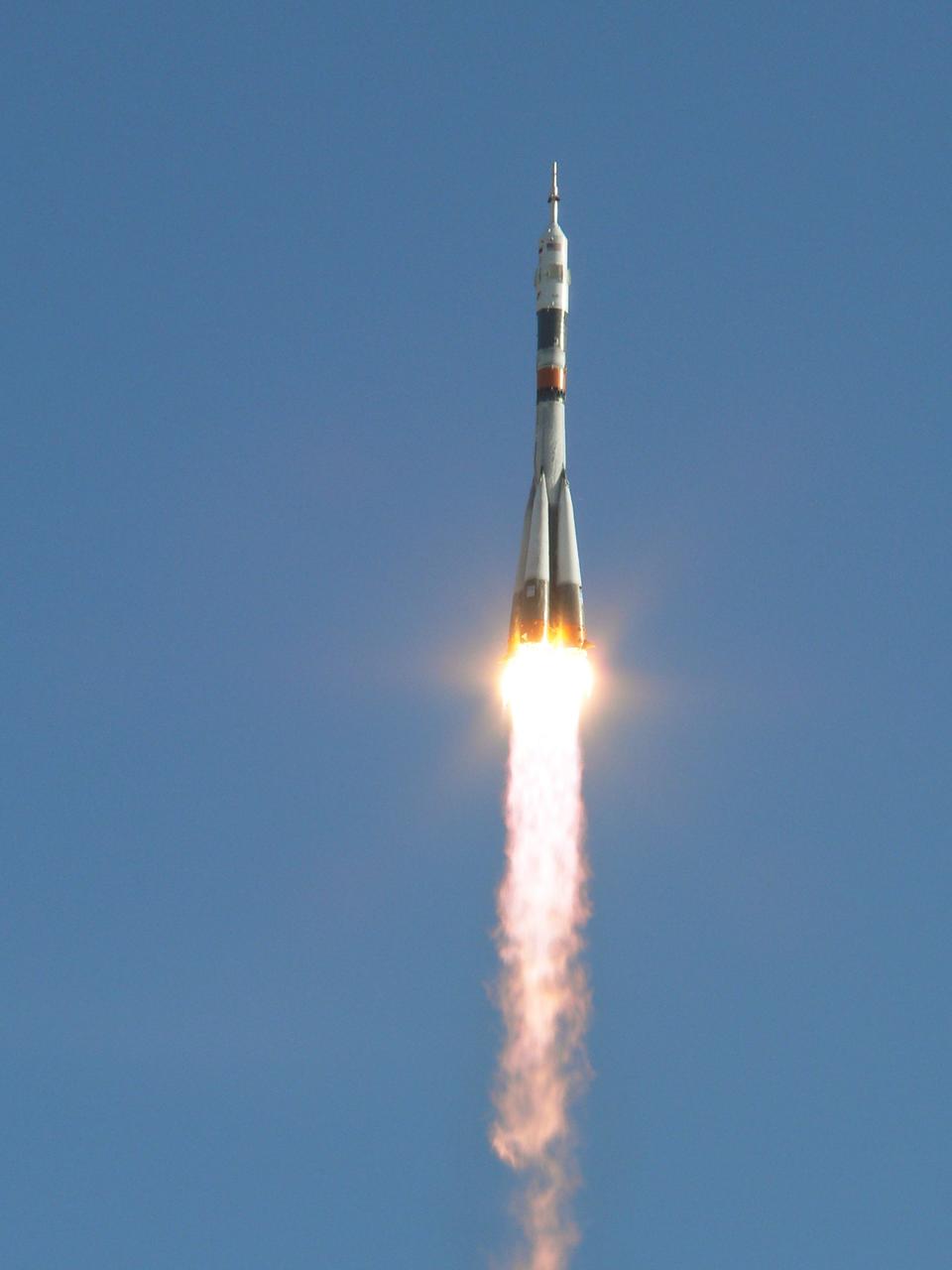
JSC2005-E-40271 (1 Oct. 2005) --- A Soyuz rocket launches from the Baikonur Cosmodrome, Kazakhstan with astronaut William S. (Bill) McArthur, Jr., Expedition 12 commander; cosmonaut Valery I. Tokarev, flight engineer and Soyuz commander; and U.S. spaceflight participant Gregory Olsen aboard. The trio is on a mission to the International Space Station lasting six months for McArthur and Tokarev. Olsen will return with the current station crew, Expedition 11, after ten days in space under a commercial contract with the Russian Federal Space Agency. Photo Credit: NASA/Victor Zelentsov
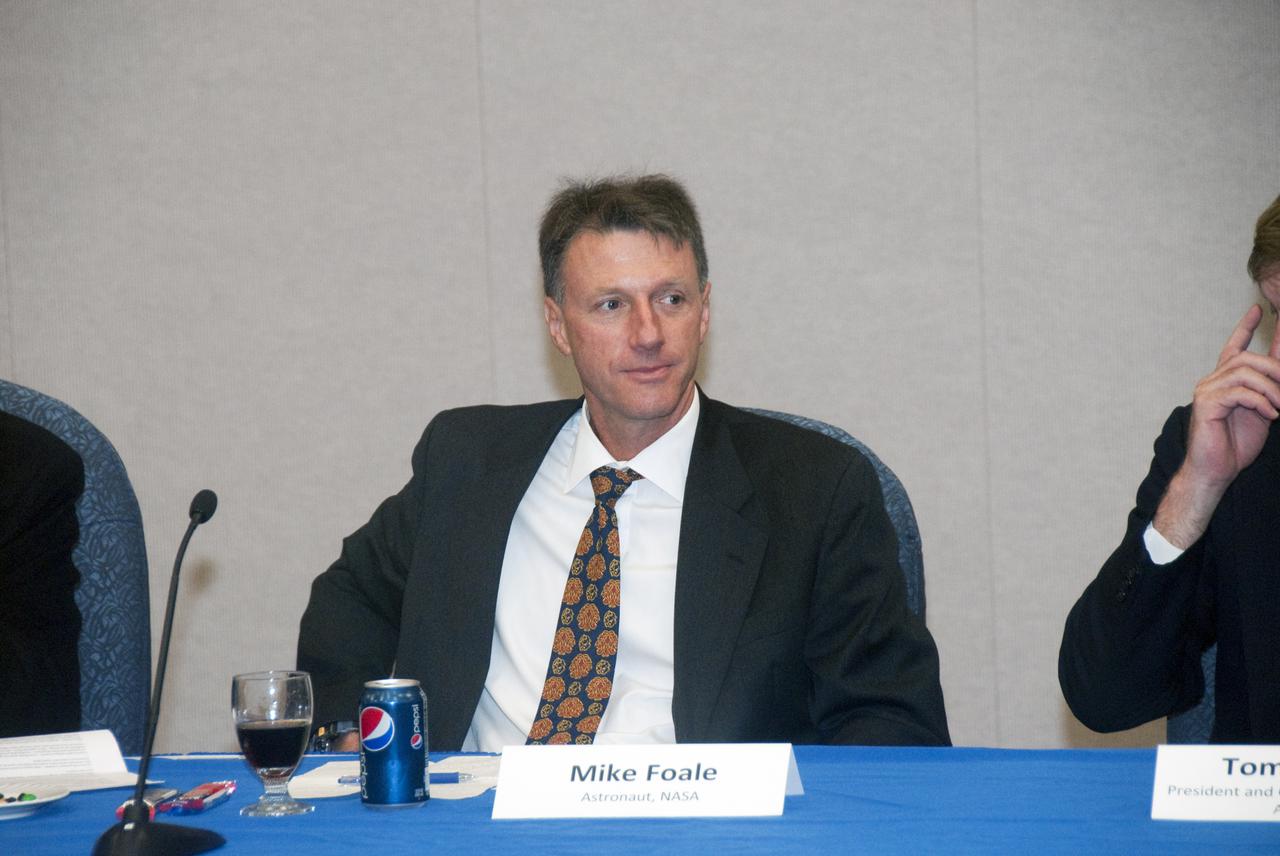
CAPE CANAVERAL, Fla. - In the mission briefing room of the Operations and Checkout Building at NASA's Kennedy Space Center in Florida, NASA Astronaut Mike Foale is a panel member of the second break-out session, 'Increasing Access To and Utilization of the International Space Station,' that is part of the Conference on the American Space Program for the 21st Century. Panel members also include Tom Pickens, President and Chief Executive Officer of Astrotech Space Operations (partially out of frame); Bretton Alexander, President of the Commercial Spaceflight Federation and Miles O'Brien, a member of the NASA Advisory Council and panel moderator. Photo Credit: NASA_Jim Grossmann

American spaceflight participant Anousheh Ansari, not pictured, Soyuz Commander and Expedition 14 Flight Engineer Mikhail Tyurin and Expedition 14 Commander Michael Lopez-Alegria, right, walk out of building 254 of the Baikonur Cosmodrome, Monday, Sept. 18, 2006, in Baikonur, Kazakhstan. Their Soyuz TMA-9 spacecraft launched from the Baikonur Cosmodrome at 10:09 a.m. local time. Anousheh Ansari, will spend nine days on the International Space Station under a commercial agreement with the Russian Federal Space Agency. Photo Credit: (NASA/Bill Ingalls)
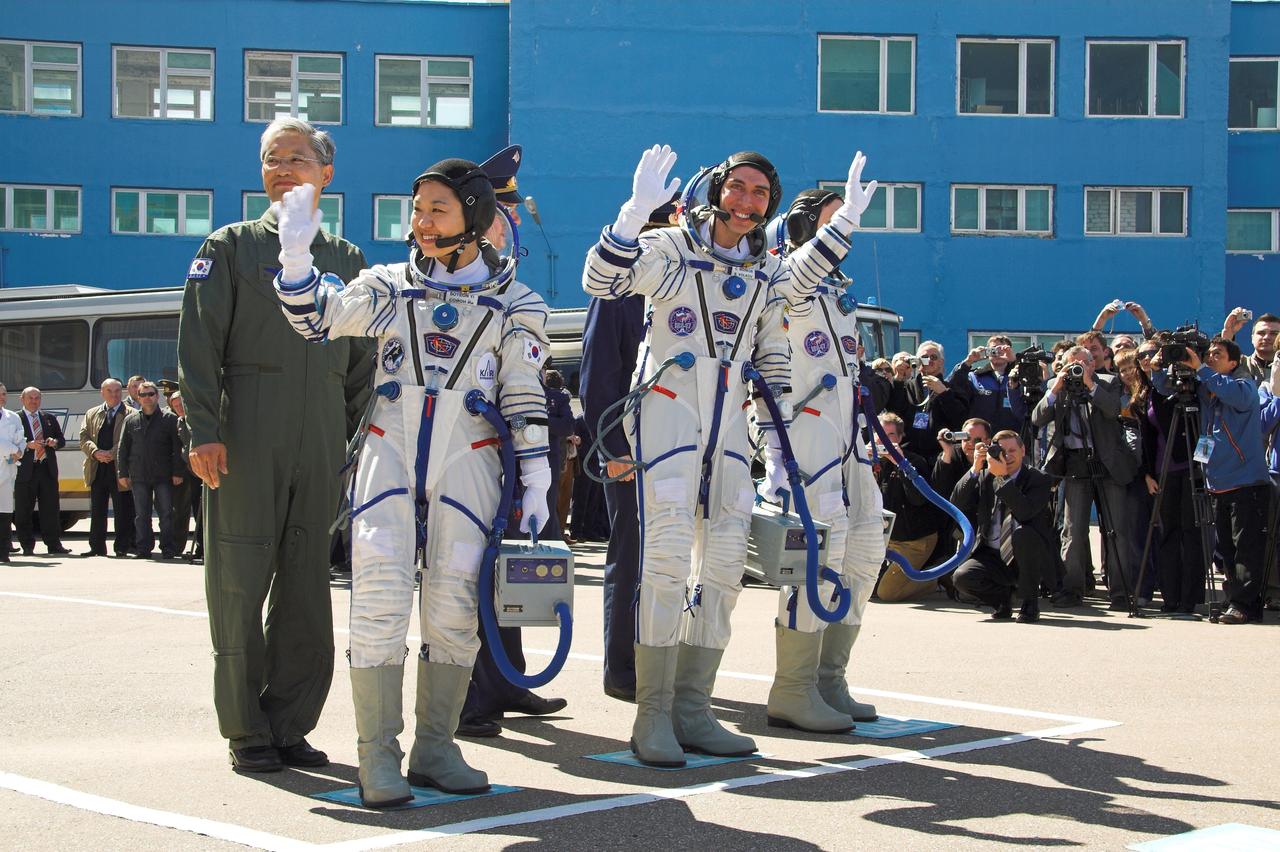
JSC2008-E-032795 (8 April 2008) --- At the Baikonur Cosmodrome in Kazakhstan, Expedition 17 Commander Sergei Volkov (center), Flight Engineer Oleg Kononenko (right) and South Korean spaceflight participant So-yeon Yi bid farewell to well wishers April 8, 2008 prior to heading to the launch pad for their liftoff on the Soyuz TMA-12 spacecraft to the International Space Station. Volkov and Kononenko will spend six months on the station, while Yi will spend nine days on the complex under a commercial agreement between South Korea and the Russian Federal Space Agency. Photo Credit: NASA /Victor Zelentsov
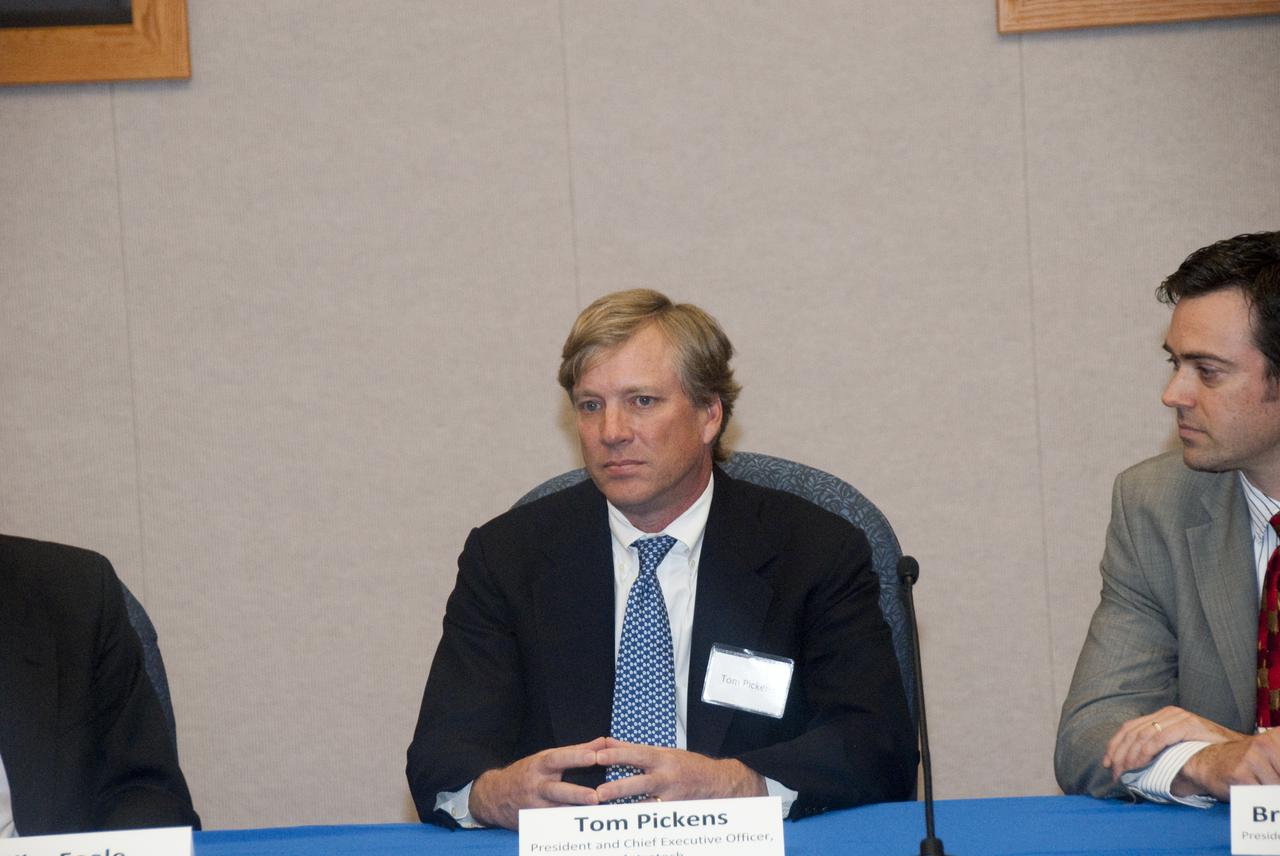
CAPE CANAVERAL, Fla. - In the mission briefing room of the Operations and Checkout Building at NASA's Kennedy Space Center in Florida, Tom Pickens, President and Chief Executive Officer of Astrotech Space Operations (center), Bretton Alexander, President of the Commercial Spaceflight Federation (right); Miles O'Brien, a member of the NASA Advisory Council and panel moderator and NASA Astronaut Mike Foale (both out of frame) participate in the second break-out session, 'Increasing Access To and Utilization of the International Space Station,' that is part of the Conference on the American Space Program for the 21st Century. Photo Credit: NASA_Jim Grossmann
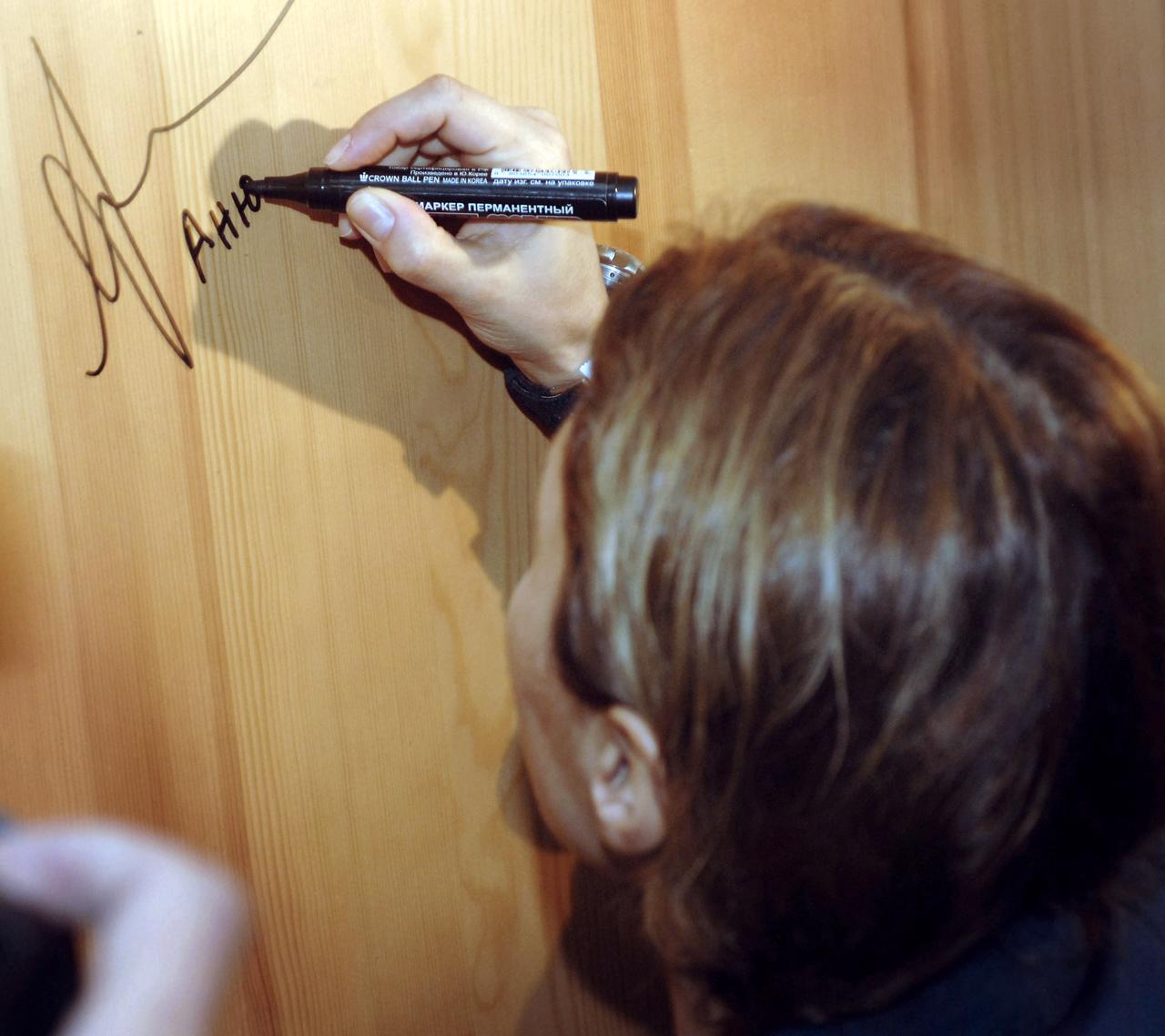
Anousheh Ansari signs the door of a hotel room at the Cosmonaut Hotel the morning of her launch onboard the Soyuz TMA-9 spacecraft, Monday, Sept. 18, 2006, in Baikonur, Kazakhstan. The Soyuz TMA-9 spacecraft launched from the Baikonur Cosmodrome carrying Expedition 14 Commander Michael Lopez-Alegria, Soyuz Commander and Expedition 14 Flight Engineer Mikhail Tyurin and American spaceflight participant Anousheh Ansari to the International Space Station. Anousheh Ansari will spend nine days on the station under a commercial agreement with the Russian Federal Space Agency. Photo Credit: (NASA/Bill Ingalls)
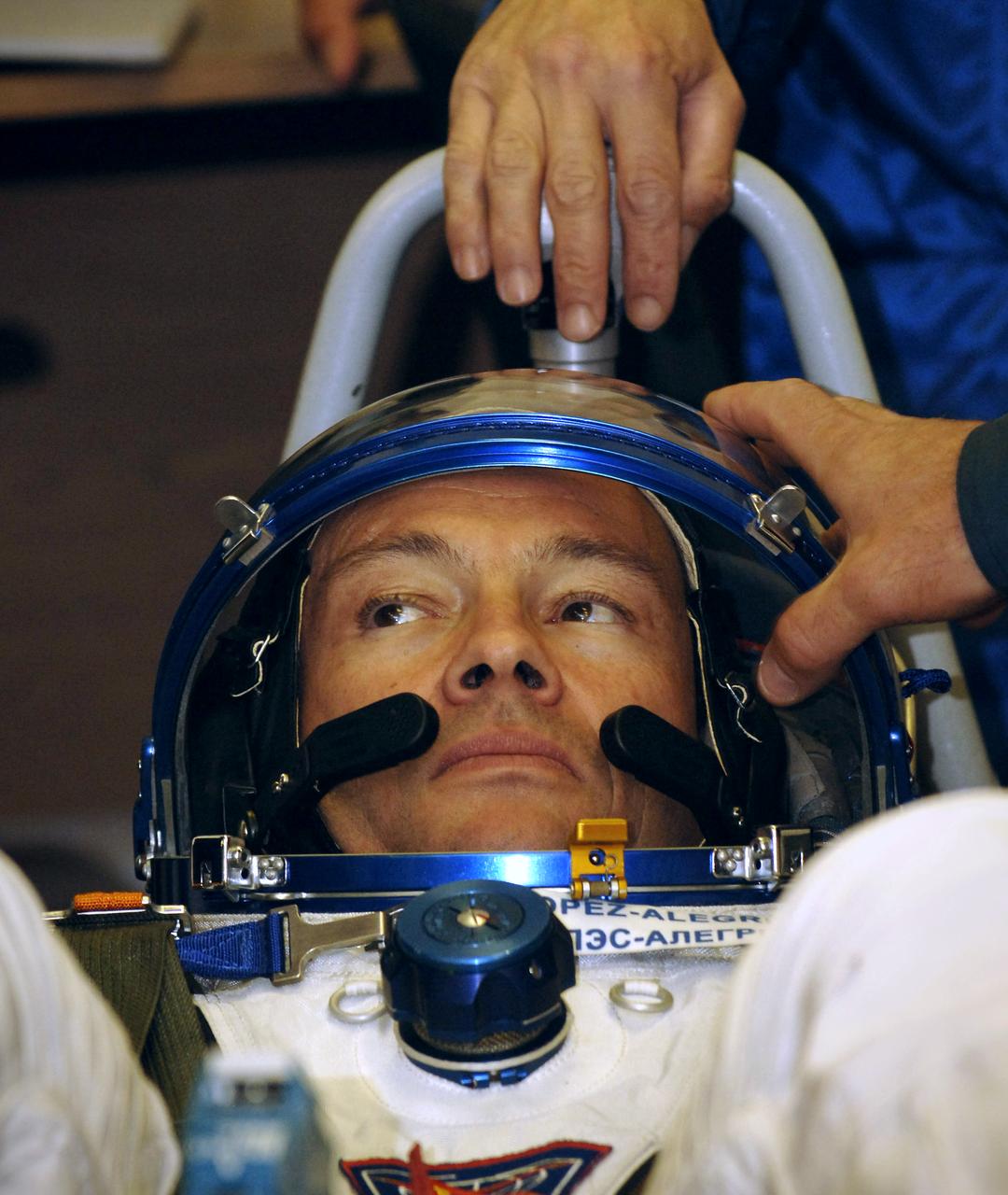
Expedition 14 Commander Michael Lopez-Alegria prepares for pressure checks on his Russian Sokol suit at the Baikonur Cosmodrome, Monday, Sept. 18, 2006, in Kazakhstan. The Soyuz TMA-9 spacecraft launched from the Baikonur Cosmodrome at 10:09 a.m. local time carrying Expedition 14 Commander Michael Lopez-Alegria, Soyuz Commander and Expedition 14 Flight Engineer Mikhail Tyurin and American spaceflight participant Anousheh Ansari, who will spend nine days on the International Space Station under a commercial agreement with the Russian Federal Space Agency. Photo Credit: (NASA/Bill Ingalls)
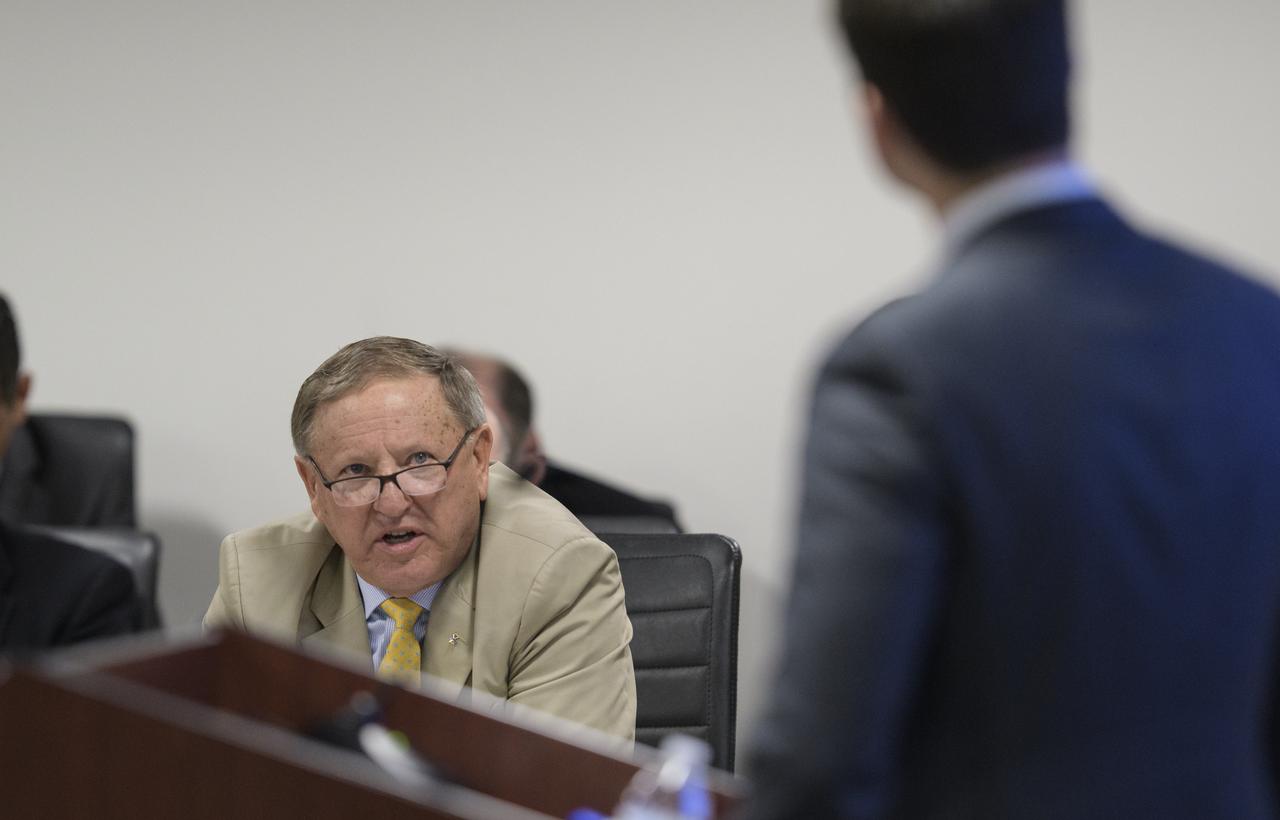
Stu Witt, founder of the Mojave Air and Spaceport and former Chairman of the Commercial Spaceflight Federation, asks a questions of the Department of Commerce's James Uthmeier during the first meeting of the National Space Council Users' Advisory Group, Tuesday, June 19, 2018 at NASA Headquarters in Washington. The Users' Advisory Group will advise and inform the National Space Council on a broad range of aerospace topics, including the impacts of U.S. and international laws and regulations, national security space priorities, scientific and human space exploration priorities, and ways to bolster support. Photo Credit: (NASA/Joel Kowsky)
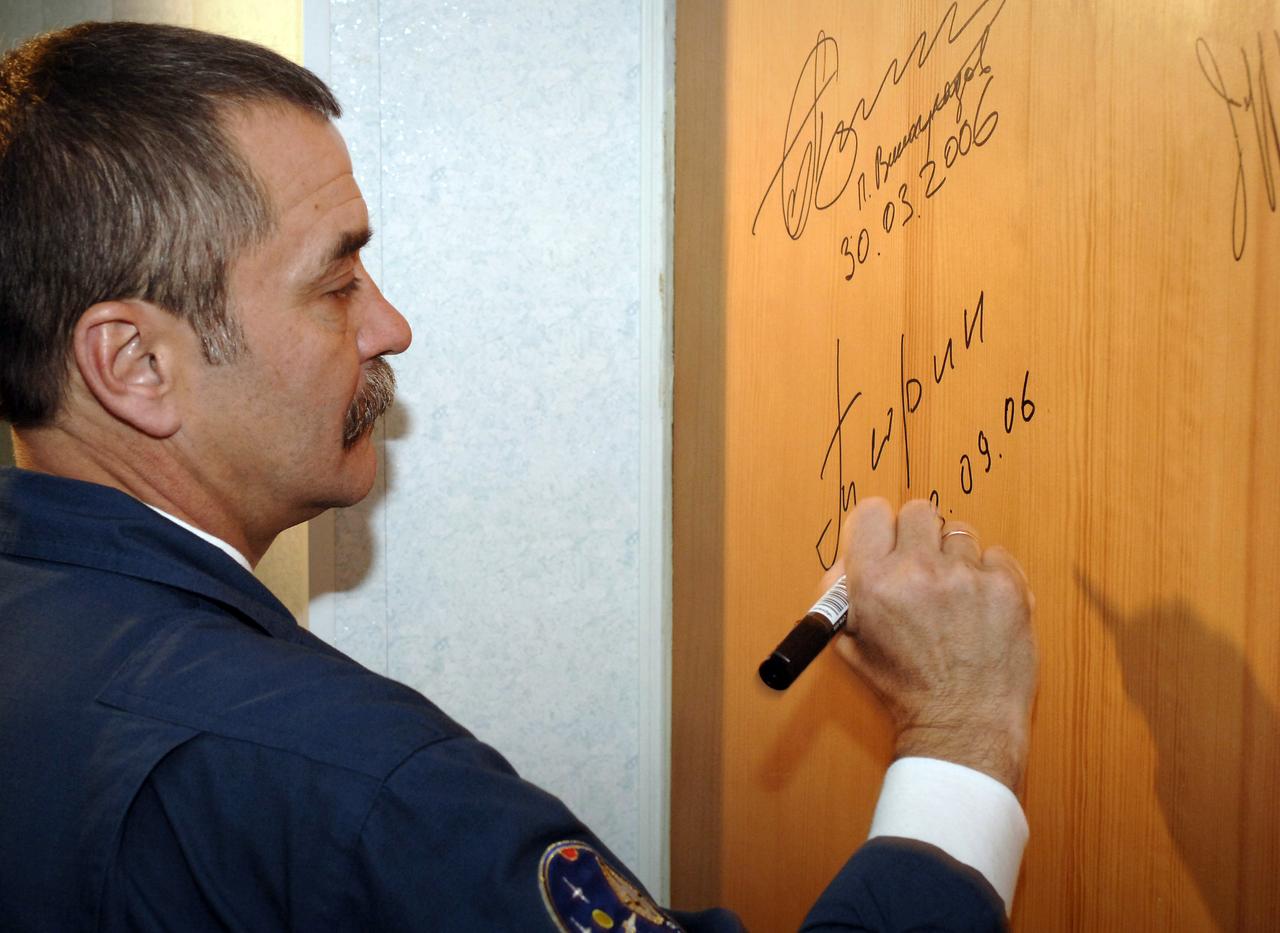
Soyuz Commander and Expedition 14 Flight Engineer Mikhail Tyurin signs the door of a hotel room at the Cosmonaut Hotel the morning of his launch onboard the Soyuz TMA-9 spacecraft, Monday, Sept. 18, 2006, in Baikonur, Kazakhstan. The Soyuz TMA-9 spacecraft launched from the Baikonur Cosmodrome carrying Expedition 14 Commander Michael Lopez-Alegria, Soyuz Commander and Expedition 14 Flight Engineer Mikhail Tyurin and American spaceflight participant Anousheh Ansari to the International Space Station. Anousheh Ansari will spend nine days on the station under a commercial agreement with the Russian Federal Space Agency. Photo Credit: (NASA/Bill Ingalls)
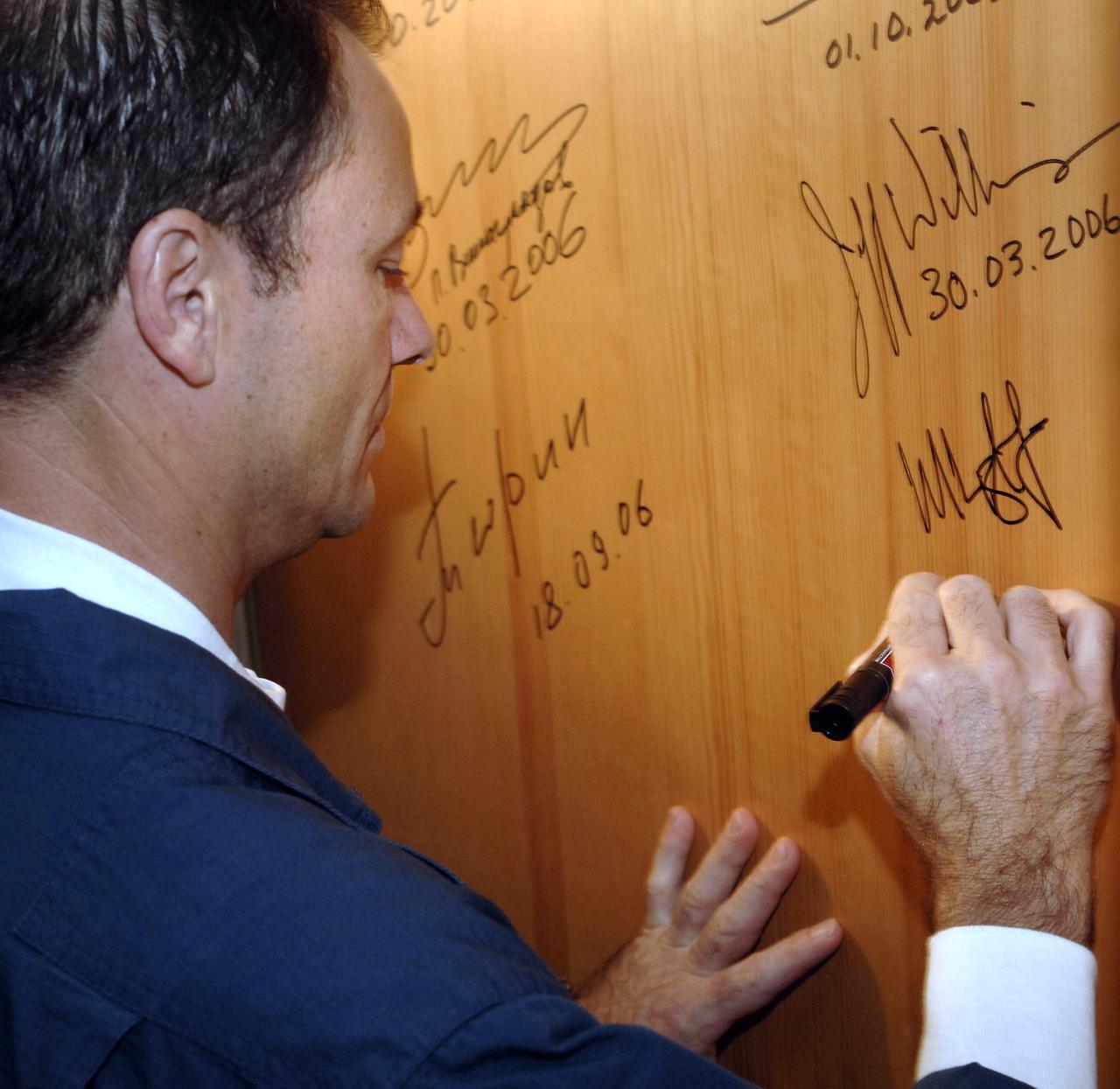
Expedition 14 Commander Michael Lopez-Alegria signs the door of a hotel room at the Cosmonaut Hotel the morning of his launch onboard the Soyuz TMA-9 spacecraft, Monday, Sept. 18, 2006, in Baikonur, Kazakhstan. The Soyuz TMA-9 spacecraft launched from the Baikonur Cosmodrome in carrying Expedition 14 Commander Michael Lopez-Alegria, Soyuz Commander and Expedition 14 Flight Engineer Mikhail Tyurin and American spaceflight participant Anousheh Ansari to the International Space Station. Anousheh Ansari will spend nine days on the station under a commercial agreement with the Russian Federal Space Agency. Photo Credit: (NASA/Bill Ingalls)
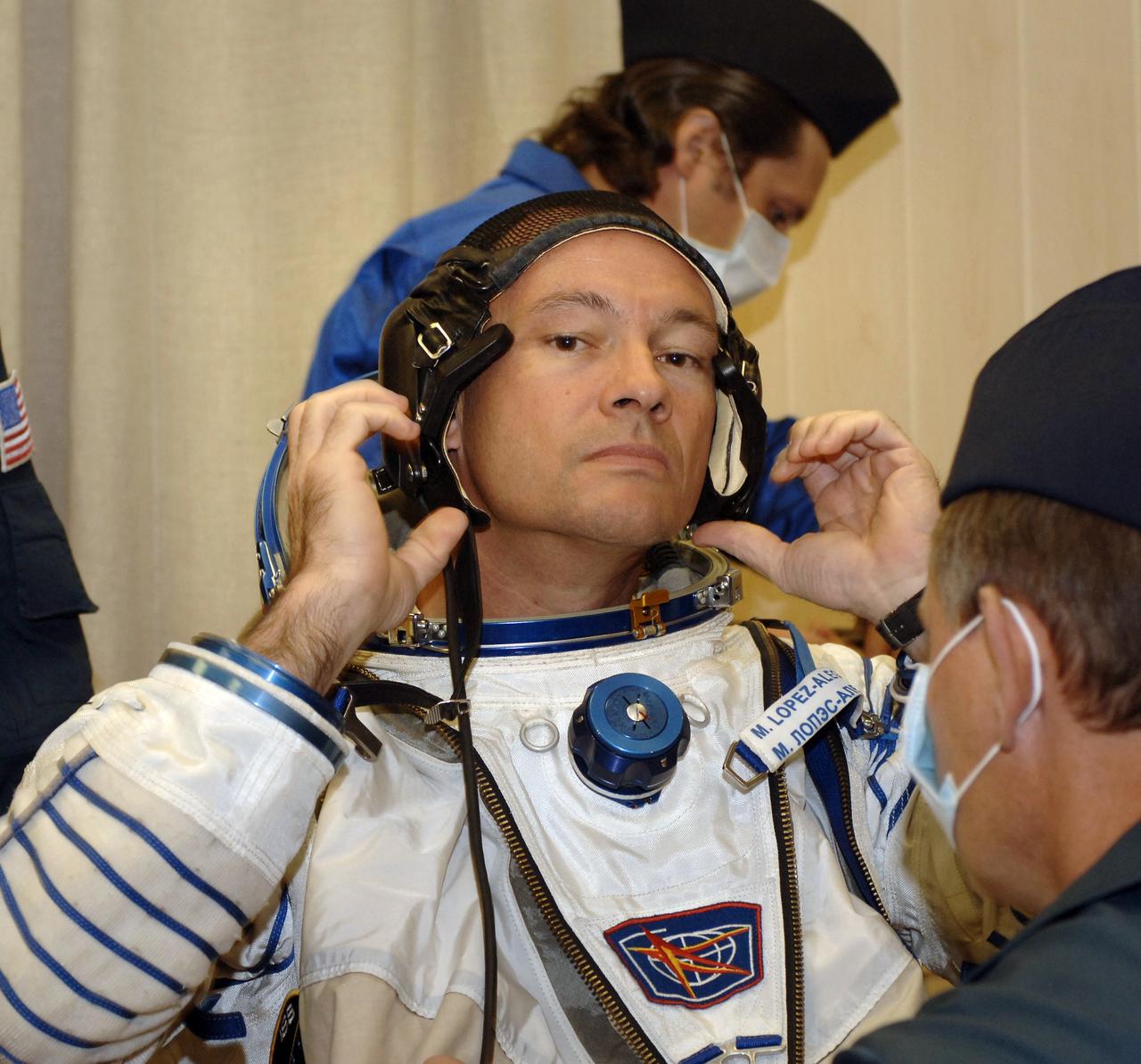
Expedition 14 Commander Michael Lopez-Alegria dons his Russian Sokol suit the Baikonur Cosmodrome, Monday, Sept. 18, 2006, in Kazakhstan. The Soyuz TMA-9 spacecraft launched from the Baikonur Cosmodrome at 10:09 a.m. local time carrying Expedition 14 Commander Michael Lopez-Alegria, Soyuz Commander and Expedition 14 Flight Engineer Mikhail Tyurin and American spaceflight participant Anousheh Ansari, who will spend nine days on the International Space Station under a commercial agreement with the Russian Federal Space Agency. Photo Credit: (NASA/Bill Ingalls)
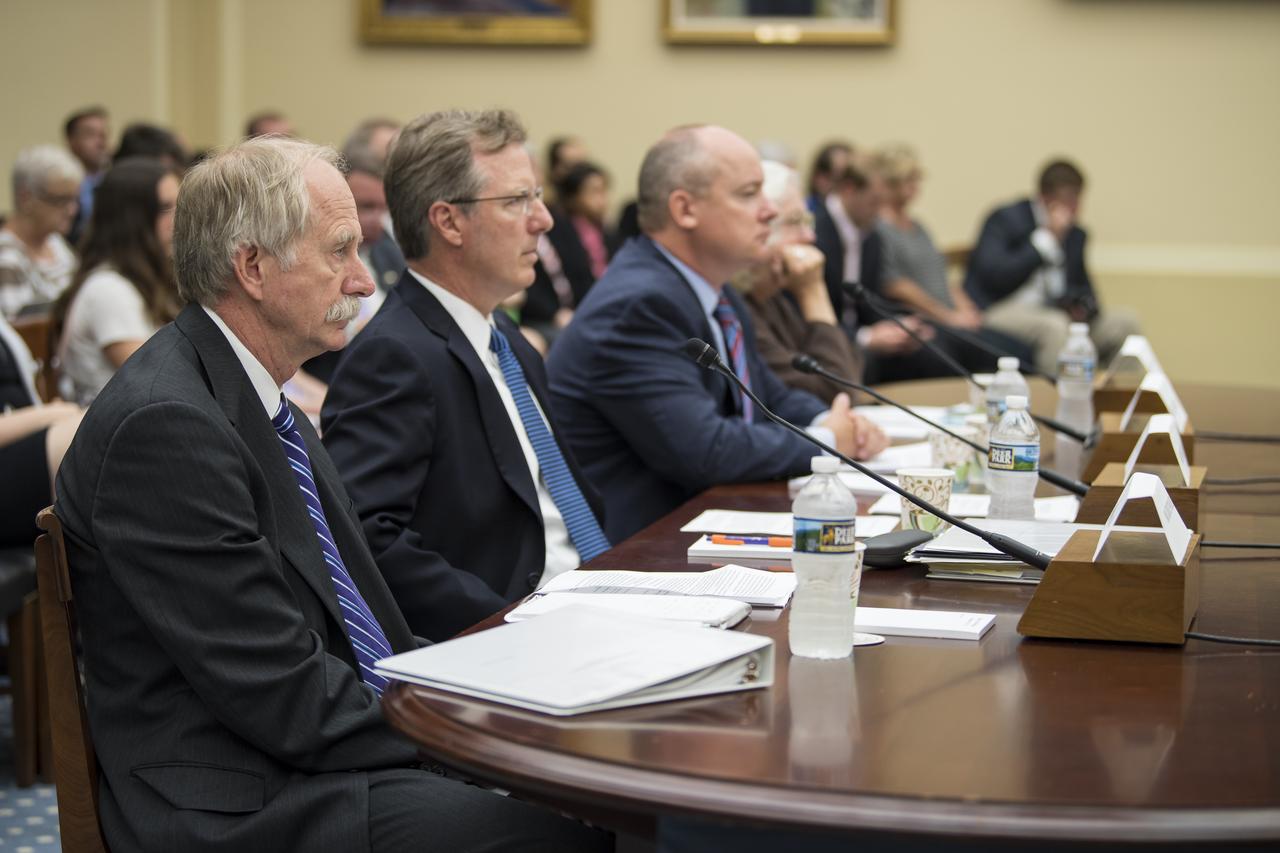
From left to right, NASA Associate Administrator, Human Exploration and Operations, Bill Gerstenmaier; NASA Inspector General, Paul Martin; Commercial Spaceflight Federation President, Eric Stallmer; and University of Mississippi Professor Emerita and Editor in Chief of the Journal of Space Law, Joanne Gabrynowicz testify during a Space and Aeronautics Subcommittee of the House Science, Space, and Technology Committee hearing titled, “A Review of NASA’s Plans for the International Space Station and Future Activities in Low Earth Orbit," Wednesday, July 10, 2019 at the Rayburn House Office Building in Washington. Photo Credit: (NASA/Aubrey Gemignani)
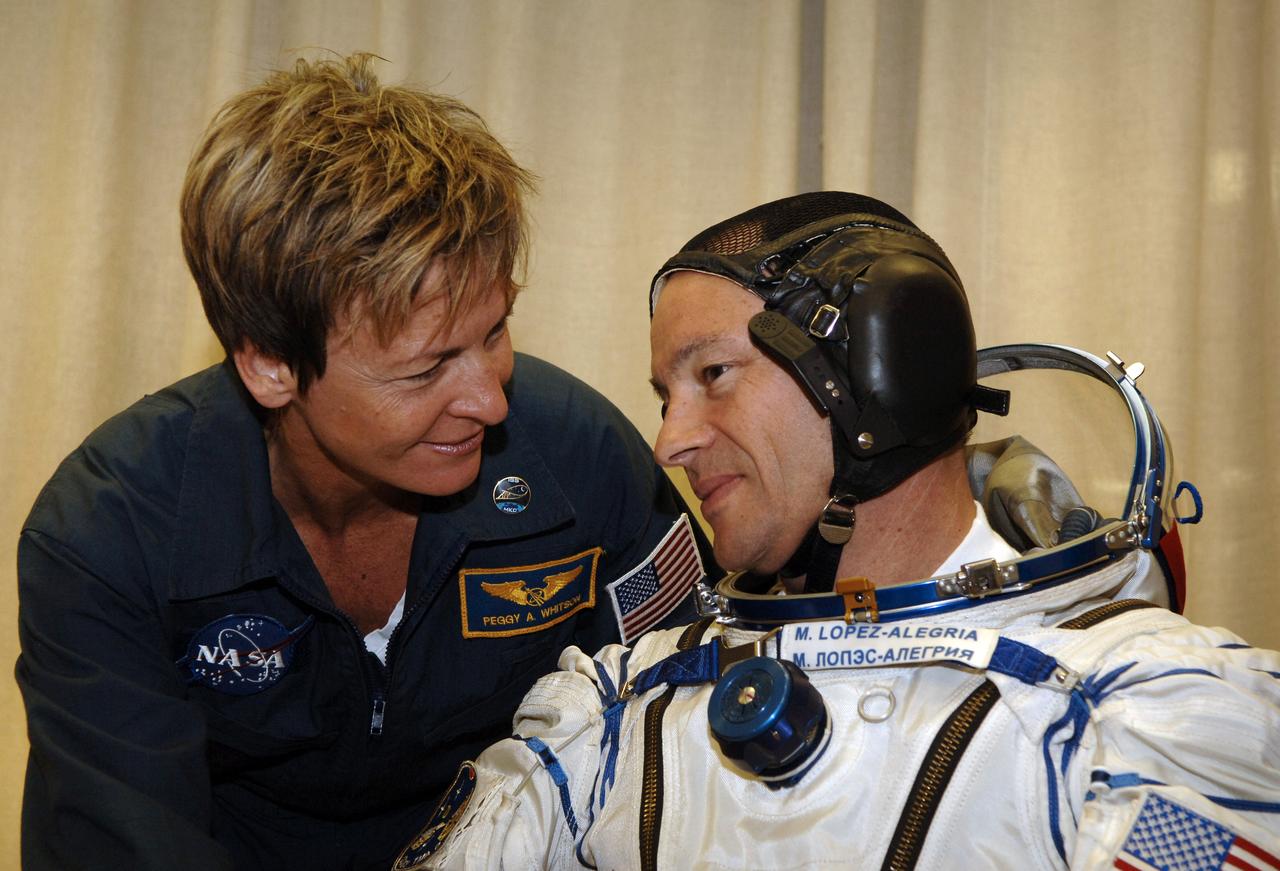
Expedition 14 Commander Michael Lopez-Alegria, right, having donned his Russian Sokol suit at the Baikonur Cosmodrome, takes a moment to talk with Expedition 14 backup crew member Peggy Whitson, Monday, Sept. 18, 2006, in Kazakhstan. The Soyuz TMA-9 spacecraft launched from the Baikonur Cosmodrome at 10:09 a.m. local time carrying Expedition 14 Commander Michael Lopez-Alegria, Soyuz Commander and Expedition 14 Flight Engineer Mikhail Tyurin and American spaceflight participant Anousheh Ansari, who will spend nine days on the International Space Station under a commercial agreement with the Russian Federal Space Agency. Photo Credit: (NASA/Bill Ingalls)
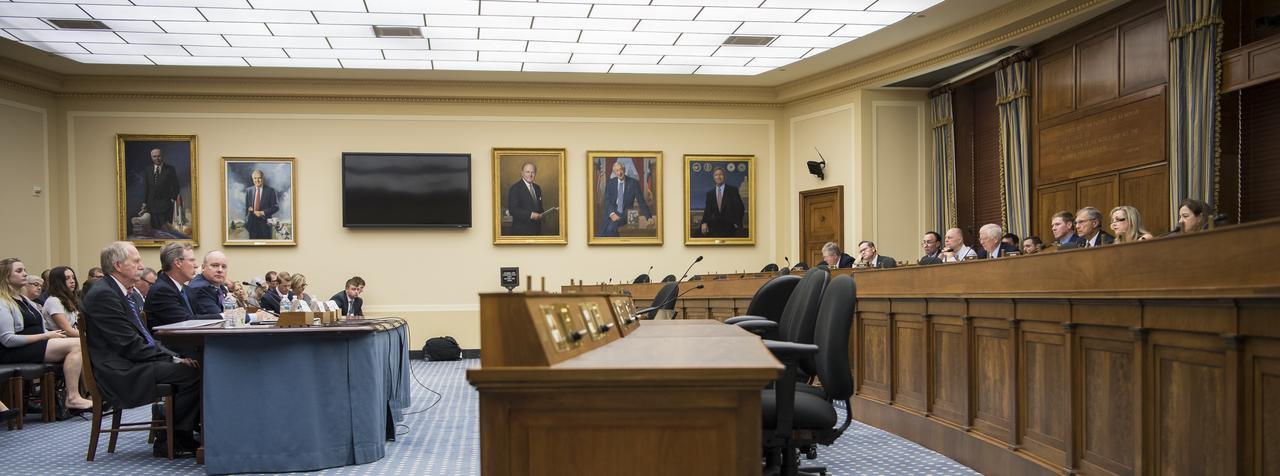
From left to right, NASA Associate Administrator, Human Exploration and Operations, Bill Gerstenmaier; NASA Inspector General, Paul Martin; Commercial Spaceflight Federation President, Eric Stallmer; and University of Mississippi Professor Emerita and Editor in Chief of the Journal of Space Law, Joanne Gabrynowicz testify during a Space and Aeronautics Subcommittee of the House Science, Space, and Technology Committee hearing titled, “A Review of NASA’s Plans for the International Space Station and Future Activities in Low Earth Orbit," Wednesday, July 10, 2019 at the Rayburn House Office Building in Washington. Photo Credit: (NASA/Aubrey Gemignani)
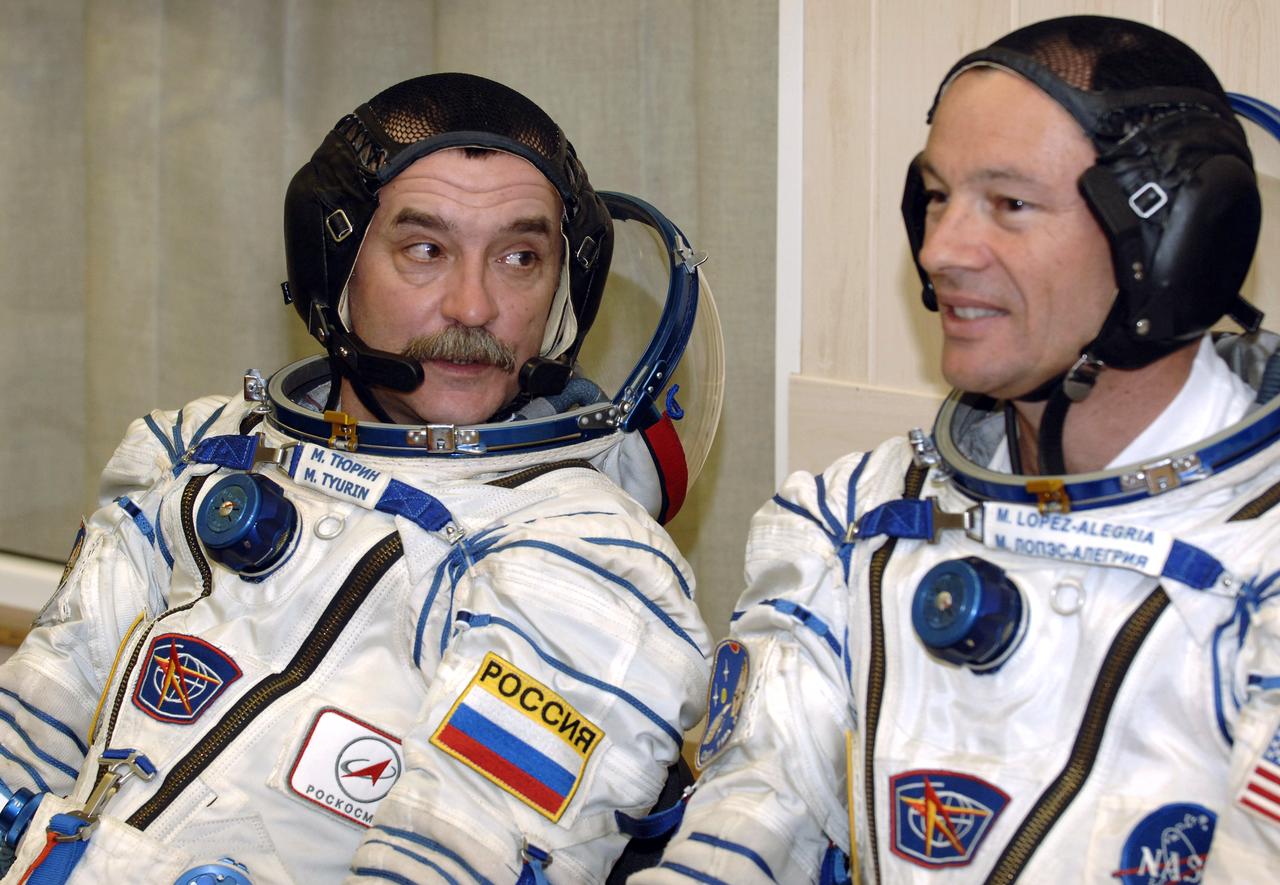
Expedition 14 Flight Engineer and Soyuz Commander Mikhail Tyurin, left, and Expedition 14 Commander Michael Lopez-Alegria talk as they prepare for pressure checks on their Russian Sokol suits at the Baikonur Cosmodrome, Monday, Sept. 18, 2006, in Kazakhstan. Their Soyuz TMA-9 spacecraft launched from the Baikonur Cosmodrome at 10:09 a.m. local time carrying Expedition 14 Commander Michael Lopez-Alegria, Soyuz Commander and Expedition 14 Flight Engineer Mikhail Tyurin and American spaceflight participant Anousheh Ansari, who will spend nine days on the International Space Station under a commercial agreement with the Russian Federal Space Agency. Photo Credit: (NASA/Bill Ingalls)
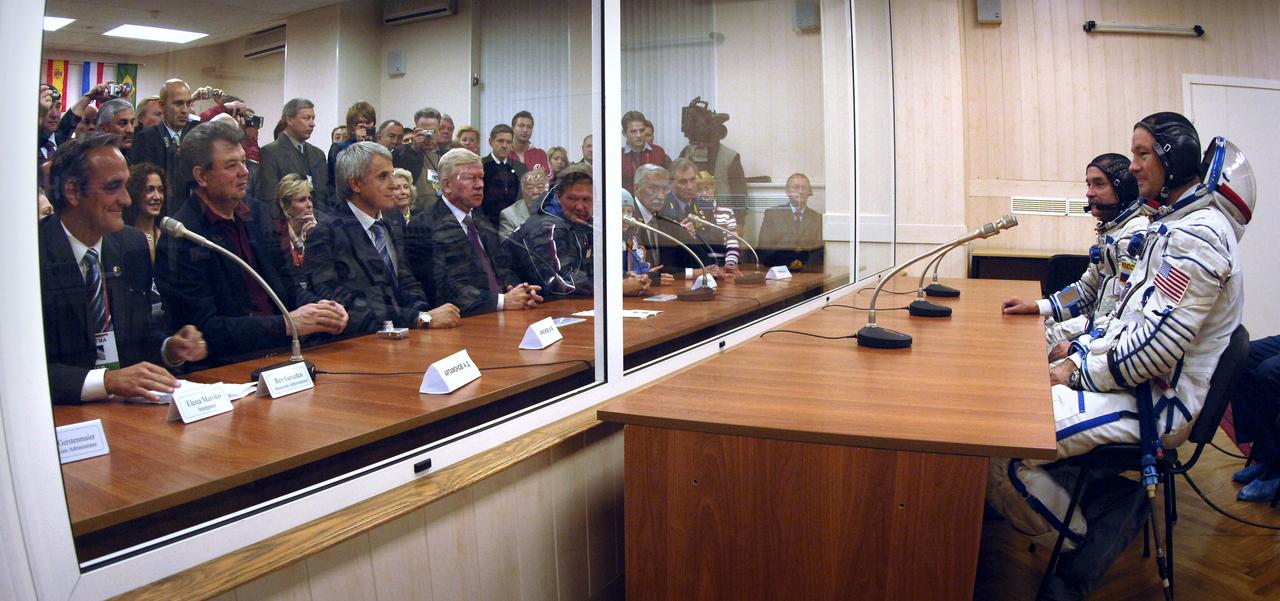
Expedition 14 Commander Michael Lopez-Alegria, far right, Soyuz Commander and Expedition 14 Flight Engineer Mikhail Tyurin, second from right, American spaceflight participant Anousheh Ansari, not pictured, and their backup crew meet with Russian and American officials moments before boarding the bus to head to the Soyuz launch pad, Monday, Sept. 18, 2006, in Baikonur, Kazakhstan. The Soyuz TMA-9 spacecraft launched from the Baikonur Cosmodrome at 10:09 a.m. local time. Anousheh Ansari will spend nine days on the International Space Station under a commercial agreement with the Russian Federal Space Agency. Photo Credit: (NASA/Bill Ingalls)
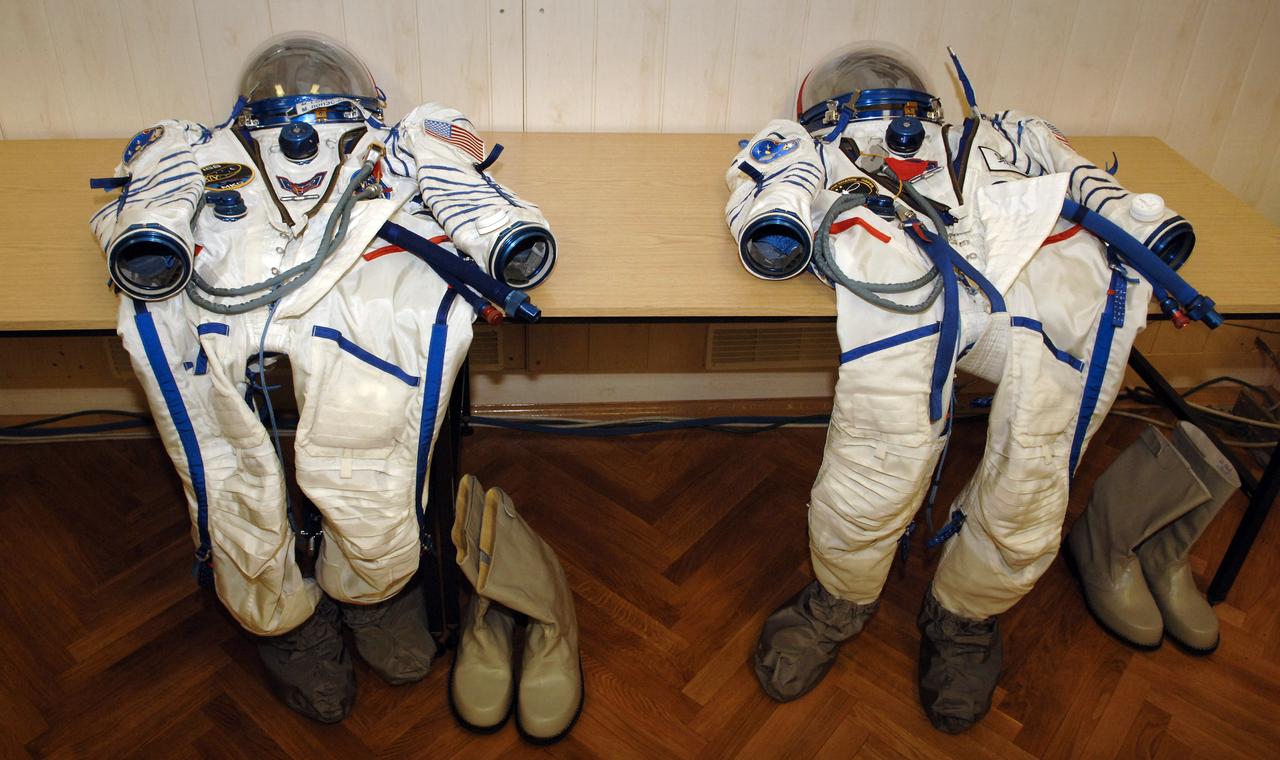
Russian Sokol suits await crew members during suit up at the Baikonur Cosmodrome, Monday, Sept. 18, 2006, in Kazakhstan. The Soyuz TMA-9 spacecraft launched from the Baikonur Cosmodrome at 10:09 a.m. local time carrying Expedition 14 Commander Michael Lopez-Alegria, Soyuz Commander and Expedition 14 Flight Engineer Mikhail Tyurin and American spaceflight participant Anousheh Ansari, who will spend nine days on the International Space Station under a commercial agreement with the Russian Federal Space Agency. Photo Credit: (NASA/Bill Ingalls)
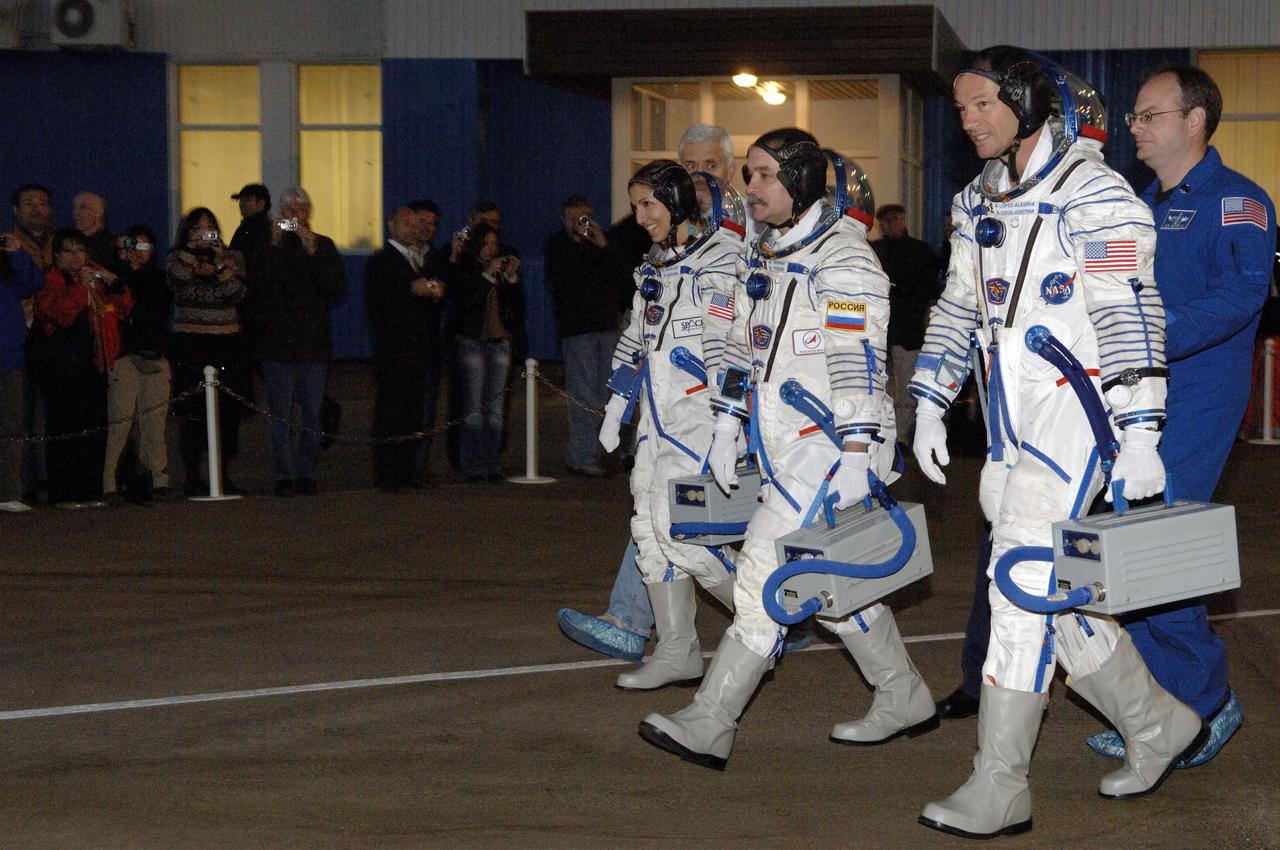
American spaceflight participant Anousheh Ansari, third from right, Soyuz Commander and Expedition 14 Flight Engineer Mikhail Tyurin and Expedition 14 Commander Michael Lopez-Alegria, right, walk out of building 254 of the Baikonur Cosmodrome, Monday, Sept. 18, 2006, in Baikonur, Kazakhstan. Their Soyuz TMA-9 spacecraft launched from the Baikonur Cosmodrome at 10:09 a.m. local time. Anousheh Ansari, will spend nine days on the International Space Station under a commercial agreement with the Russian Federal Space Agency. Photo Credit: (NASA/Bill Ingalls)
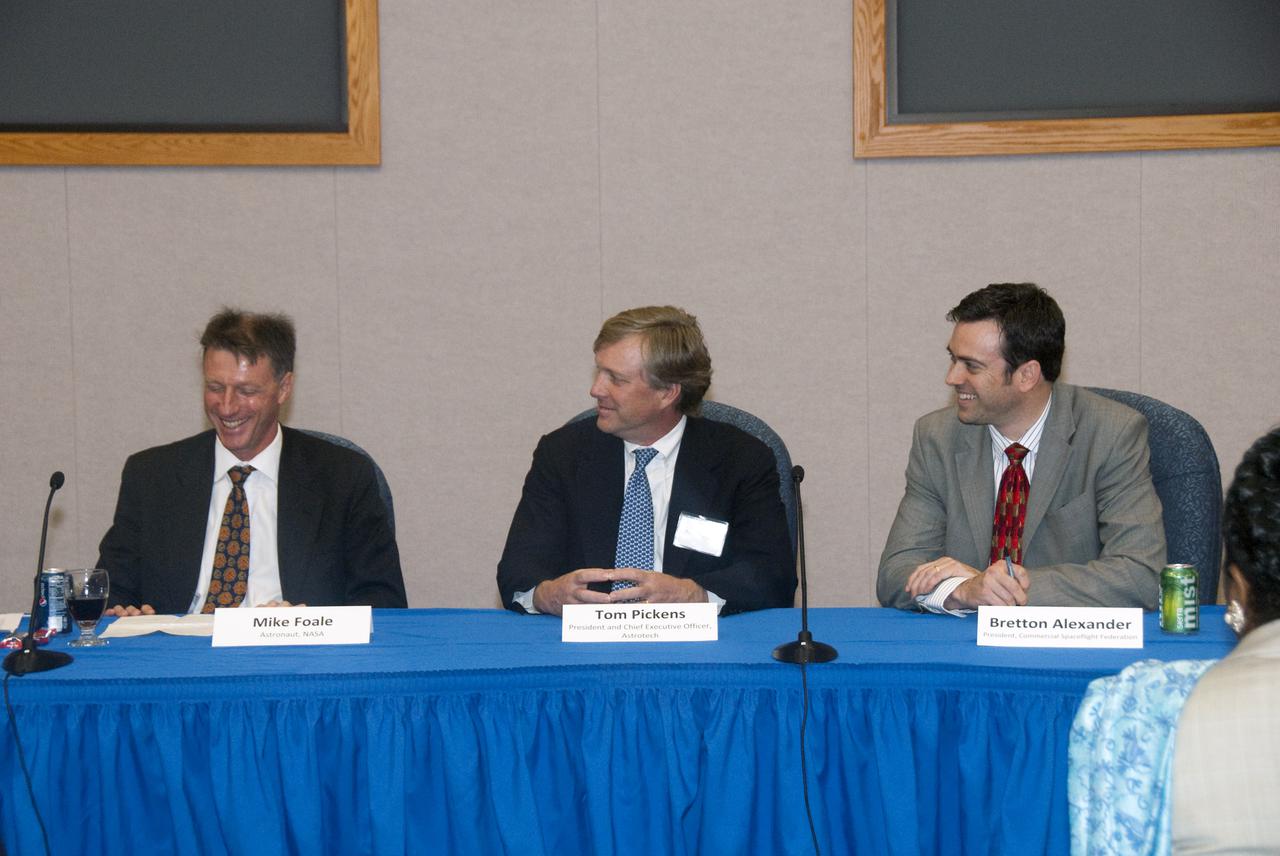
CAPE CANAVERAL, Fla. - In the mission briefing room of the Operations and Checkout Building at NASA's Kennedy Space Center in Florida, NASA Astronaut Mike Foale (left); Tom Pickens, President and Chief Executive Officer of Astrotech Space Operations; Bretton Alexander, President of the Commercial Spaceflight Federation and Miles O'Brien, a member of the NASA Advisory Council and panel moderator (out of frame) participate in the second break-out session, 'Increasing Access To and Utilization of the International Space Station,' that is part of the Conference on the American Space Program for the 21st Century. Photo Credit: NASA_Jim Grossmann
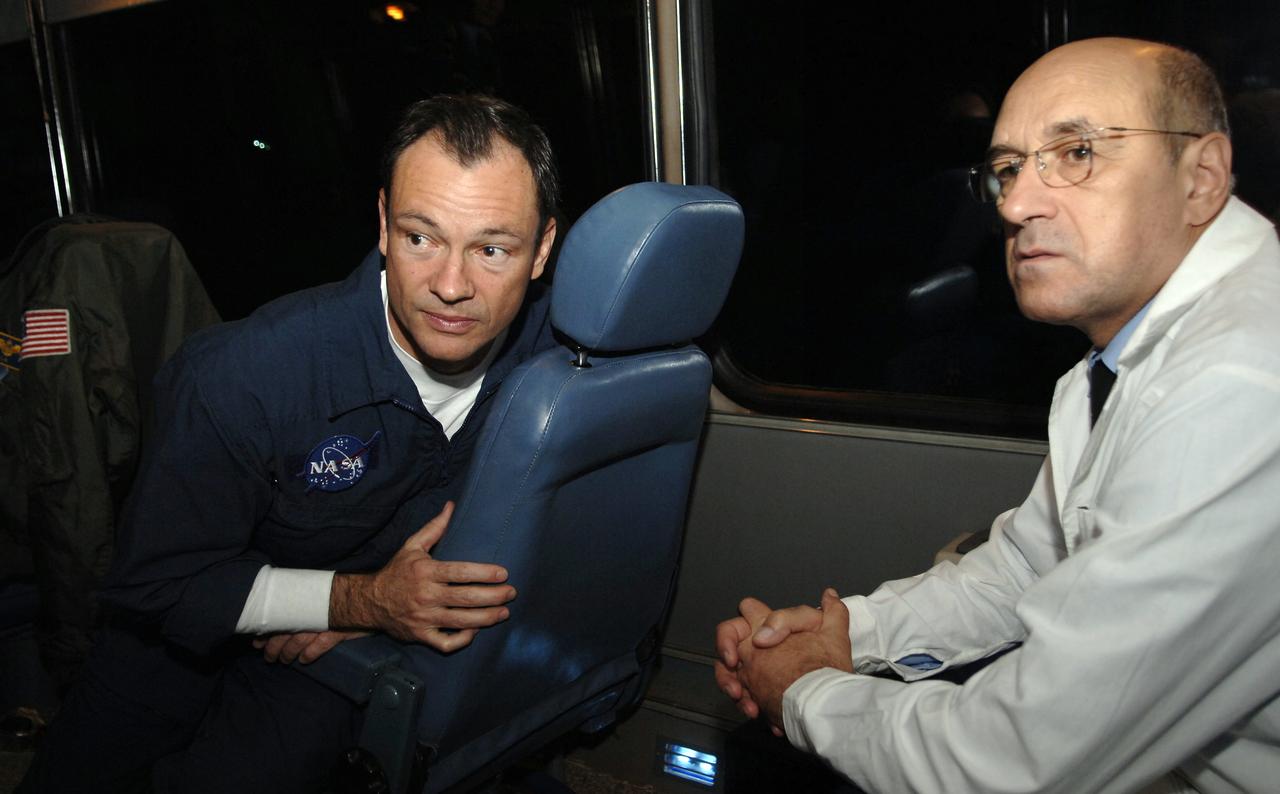
Expedition 14 Commander Michael Lopez-Alegria, left, rides the bus with doctors and his fellow crew mates from the Cosmonaut Hotel to building 254 at the Baikonur Cosmodrome where they will suit up for launch, Monday, Sept. 18, 2006 in Kazakhstan. The Soyuz TMA-9 spacecraft launched from the Baikonur Cosmodrome at 10:09 a.m. local time carrying Expedition 14 Commander Michael Lopez-Alegria, Soyuz Commander and Expedition 14 Flight Engineer Mikhail Tyurin and American spaceflight participant Anousheh Ansari, who will spend nine days on the International Space Station under a commercial agreement with the Russian Federal Space Agency. Photo Credit: (NASA/Bill Ingalls)
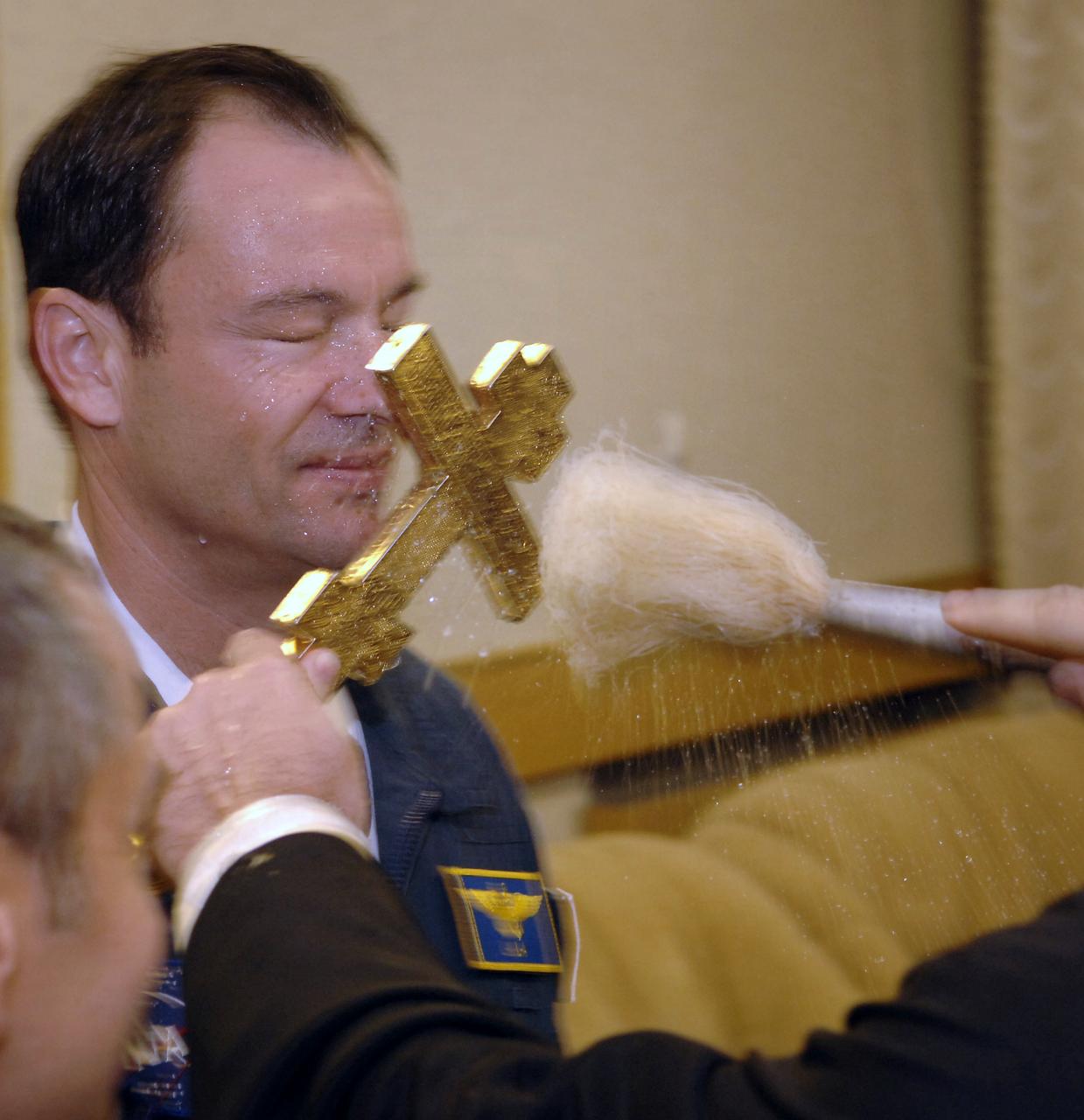
Expedition 14 Commander Michael Lopez-Alegria receives a blessing at the Cosmonaut Hotel the morning of his launch onboard the Soyuz TMA-9 spacecraft, Monday, Sept. 18, 2006 in Baikonur, Kazakhstan. The Soyuz TMA-9 spacecraft launched from the Baikonur Cosmodrome carrying Expedition 14 Commander Michael Lopez-Alegria, Soyuz Commander and Expedition 14 Flight Engineer Mikhail Tyurin and American spaceflight participant Anousheh Ansari, who will spend nine days on the International Space Station under a commercial agreement with the Russian Federal Space Agency. Photo Credit: (NASA/Bill Ingalls)
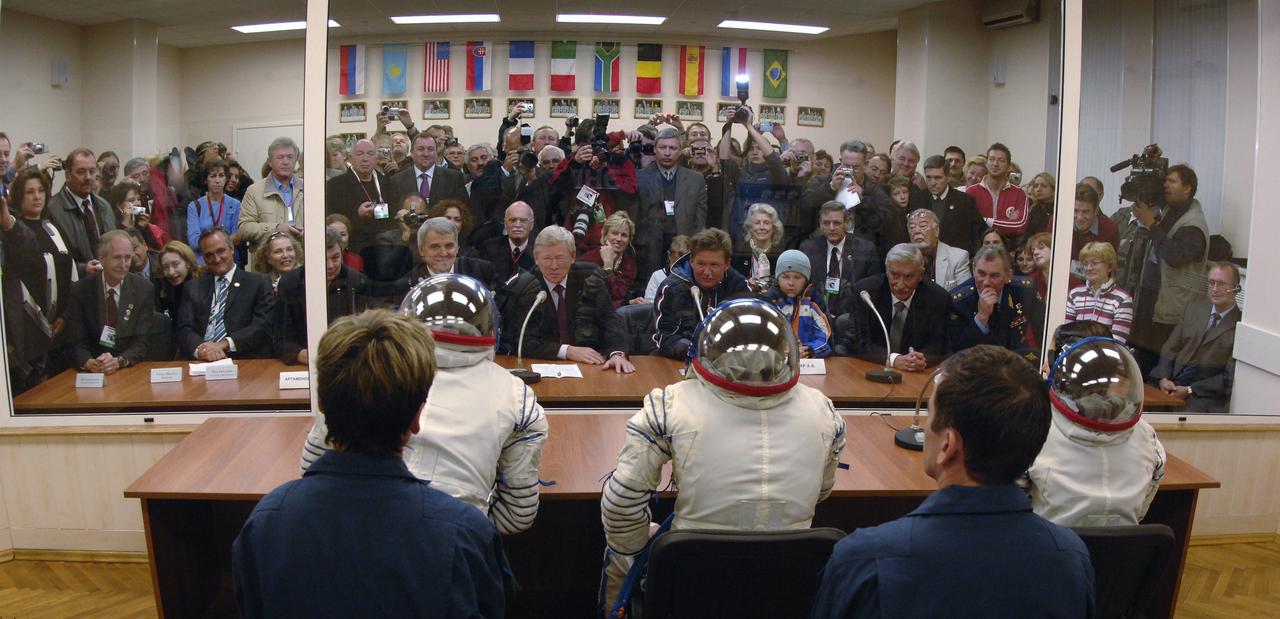
Seated at table with back to camera, Expedition 14 Commander Michael Lopez-Alegria, left, Soyuz Commander and Expedition 14 Flight Engineer Mikhail Tyurin and American spaceflight participant Anousheh Ansari, right, and their backup crew meet with Russian and American officials moments before boarding the bus to head to the Soyuz launch pad, Monday, Sept. 18, 2006 in Baikonur, Kazakhstan. The Soyuz TMA-9 spacecraft launched from the Baikonur Cosmodrome at 10:09 a.m. local time. Anousheh Ansari will spend nine days on the International Space Station under a commercial agreement with the Russian Federal Space Agency. Photo Credit: (NASA/Bill Ingalls)
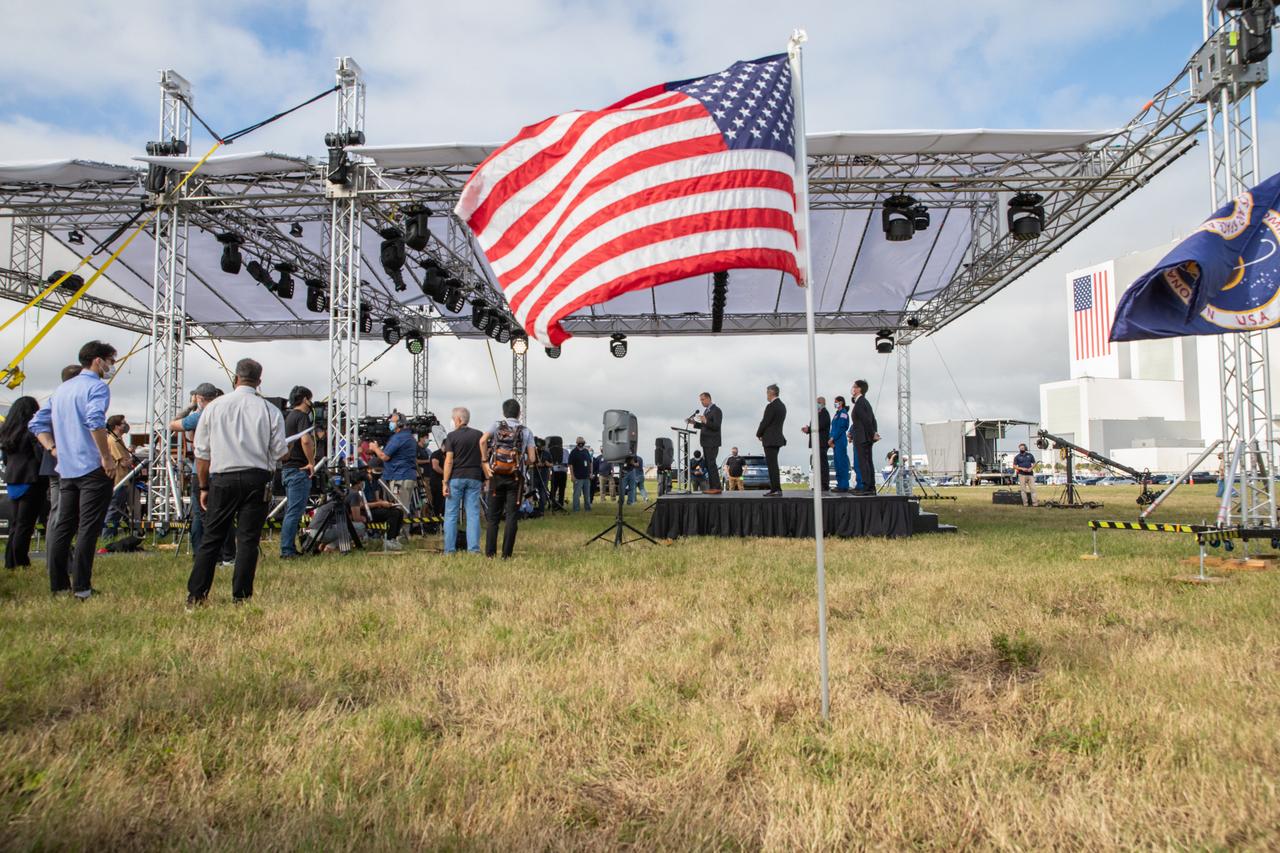
Members of the news media attend a press briefing Nov. 13, 2020, near the Press Site countdown clock at NASA’s Kennedy Space Center in Florida ahead of the agency’s SpaceX Crew-1 launch. Participating in the briefing, on the raised platform, are NASA Administrator Jim Bridenstine; Steve Dickson, administrator, Federal Aviation Administration; Kennedy Center Director Bob Cabana; Hiroshi Sasaki, vice president and director general, JAXA’s Human Spaceflight Technology Directorate; NASA astronaut Jonny Kim; and NASA astronaut Sunita Williams. Crew-1 is the first regular crew mission of a U.S. commercial spacecraft with astronauts to the International Space Station as part of NASA’s Commercial Crew Program. The SpaceX Crew Dragon Resilience capsule will launch atop the company’s Falcon 9 rocket from Launch Complex 39A to the space station for a six-month science mission.
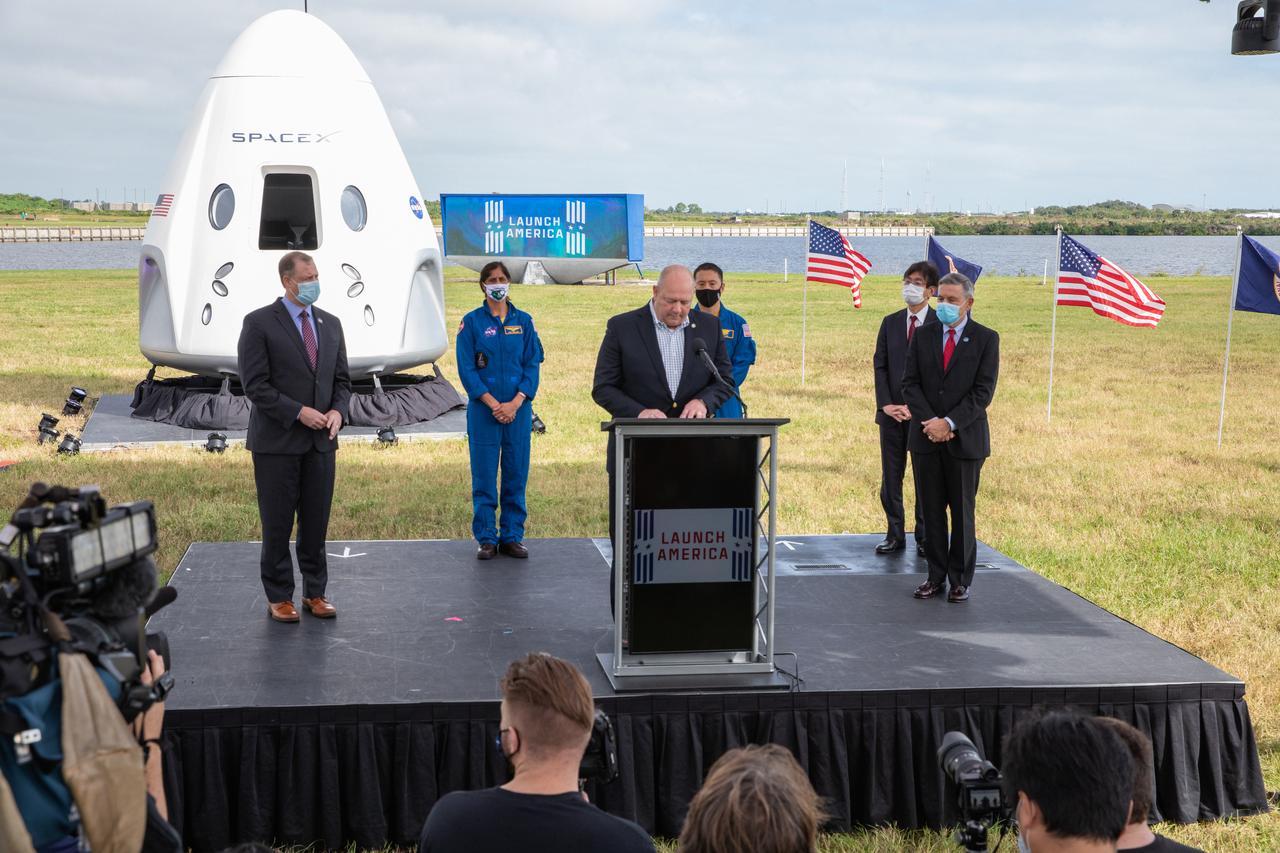
Steve Dickson, administrator, Federal Aviation Administration, speaks during a press briefing Nov. 13, 2020, near the Press Site countdown clock at the agency’s Kennedy Space Center in Florida ahead of NASA’s SpaceX Crew-1 launch. Behind him, from left are NASA Administrator Jim Bridenstine, NASA astronaut Sunita Williams, NASA astronaut Jonny Kim, Hiroshi Sasaki, vice president and director general, JAXA’s Human Spaceflight, and Kennedy Space Center Director Bob Cabana. Crew-1 is the first regular crew mission of a U.S. commercial spacecraft with astronauts to the International Space Station as part of NASA’s Commercial Crew Program. The SpaceX Crew Dragon Resilience capsule will launch atop the company’s Falcon 9 rocket from Launch Complex 39A to the space station for a six-month science mission.
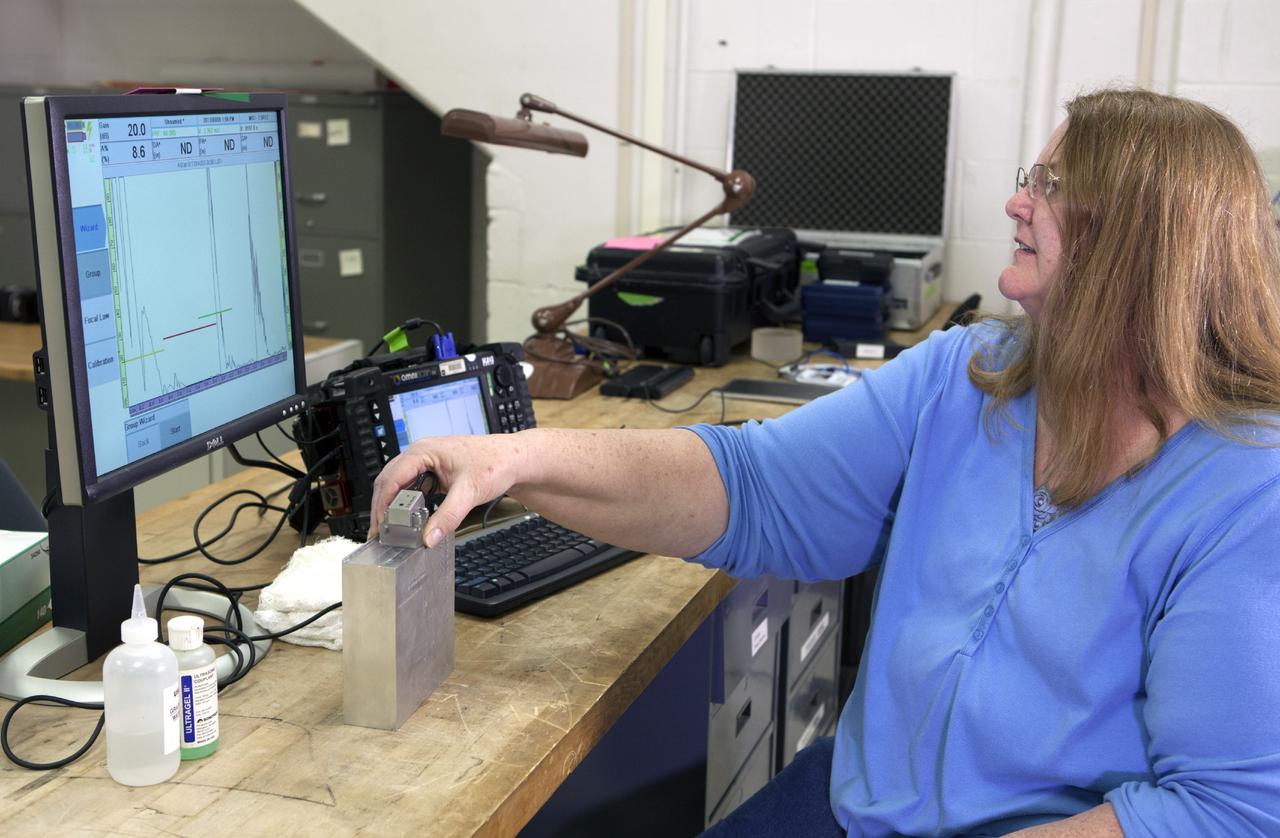
CAPE CANAVERAL, Fla. – In Hangar N at Cape Canaveral Air Force Station, PaR Systems, Inc. operations engineer Lu Bell conducts a phase array ultrasonic inspection. NASA's Kennedy Space Center in Florida recently established a partnership agreement with PaR Systems, Inc. of Shoreview, Minn., for operation of the Hangar N facility and its nondestructive testing and evaluation equipment. As the spaceport transitions from a historically government-only launch facility to a multi-user spaceport for both federal and commercial customers, partnerships between the space agency and other organizations will be a key element in that effort. Hangar N is located at Cape Canaveral Air Force Station adjacent to Kennedy and houses a unique inventory of test and evaluation equipment and the capability for current and future mission spaceflight support. Photo credit: NASA/ Dimitri Gerondidakis
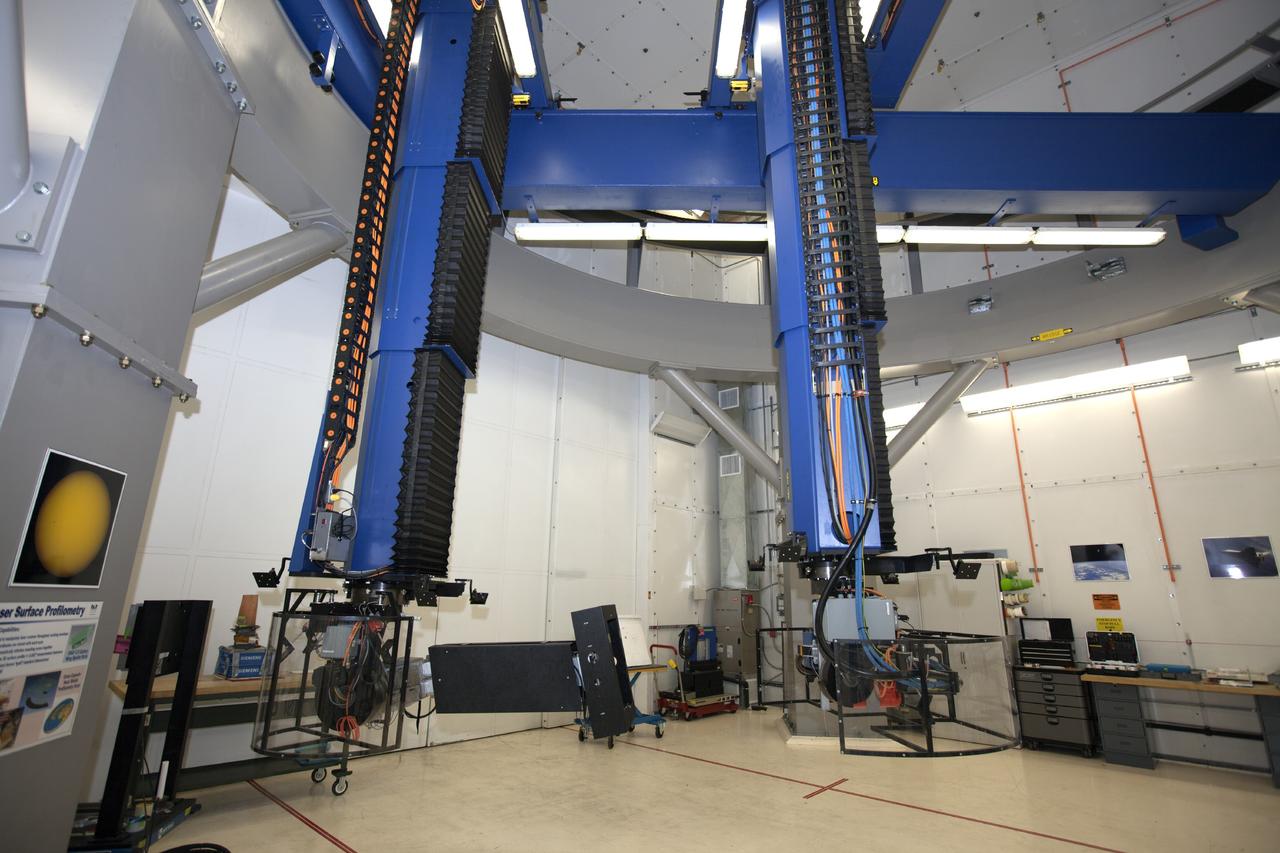
CAPE CANAVERAL, Fla. – In Hangar N at Cape Canaveral Air Force Station, an 11-axis robotic X-ray system takes images of hardware for evaluation. The activity is part of work performed by PaR Systems, Inc. under a partnership agreement with NASA. NASA's Kennedy Space Center in Florida recently established a partnership agreement with PaR Systems, Inc. of Shoreview, Minn., for operation of the Hangar N facility and its nondestructive testing and evaluation equipment. As the spaceport transitions from a historically government-only launch facility to a multi-user spaceport for both federal and commercial customers, partnerships between the space agency and other organizations will be a key element in that effort. Hangar N is located at Cape Canaveral Air Force Station adjacent to Kennedy and houses a unique inventory of test and evaluation equipment and the capability for current and future mission spaceflight support. Photo credit: NASA/ Dimitri Gerondidakis
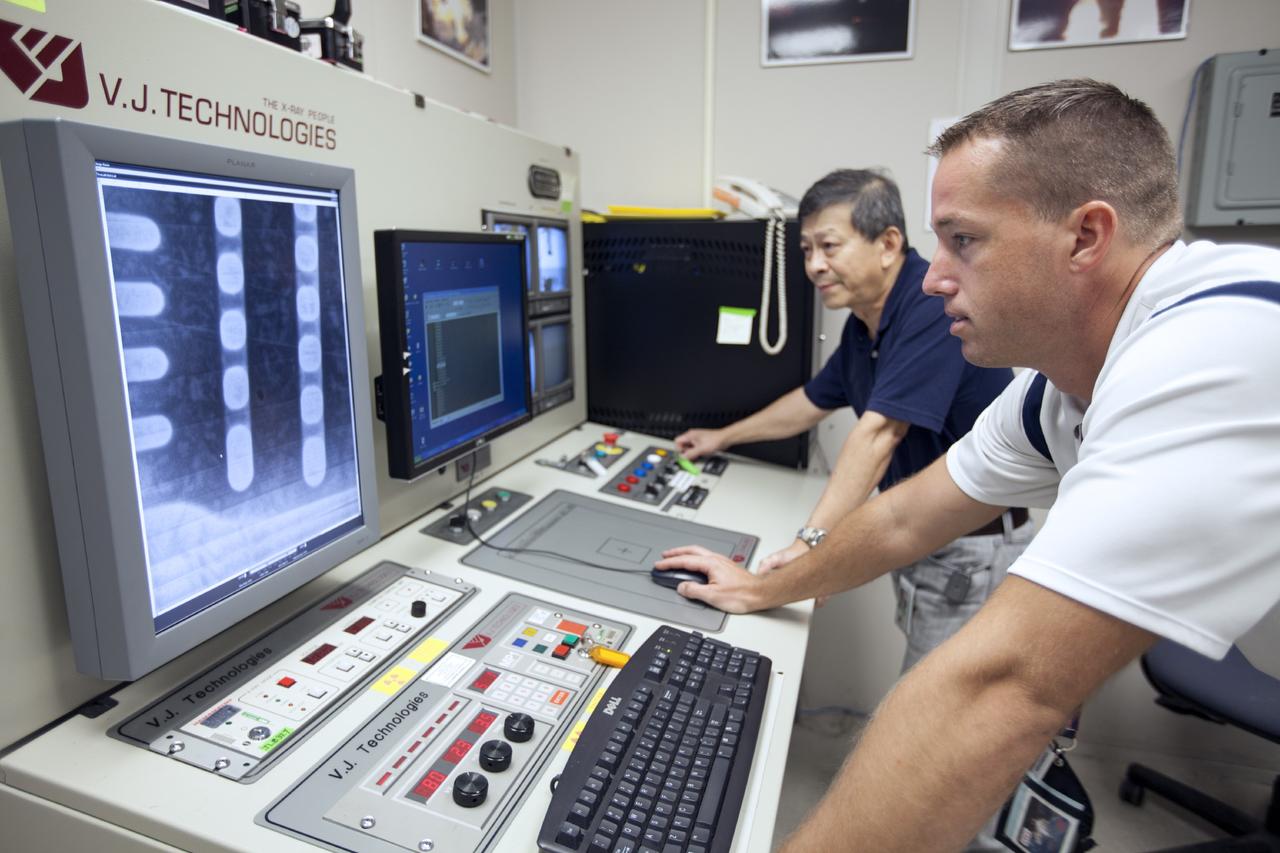
CAPE CANAVERAL, Fla. – In Hangar N at Cape Canaveral Air Force Station, PaR Systems, Inc. development engineer Wayne Cheng, left, and operations engineer Jeff Elston operate the controller for a robotic system used in nondestructive testing. The 11-axis robotic system takes X-ray images of hardware for evaluation. NASA's Kennedy Space Center in Florida recently established a partnership agreement with PaR Systems, Inc. of Shoreview, Minn., for operation of the Hangar N facility and its nondestructive testing and evaluation equipment. As the spaceport transitions from a historically government-only launch facility to a multi-user spaceport for both federal and commercial customers, partnerships between the space agency and other organizations will be a key element in that effort. Hangar N is located at Cape Canaveral Air Force Station adjacent to Kennedy and houses a unique inventory of test and evaluation equipment and the capability for current and future mission spaceflight support. Photo credit: NASA/ Dimitri Gerondidakis
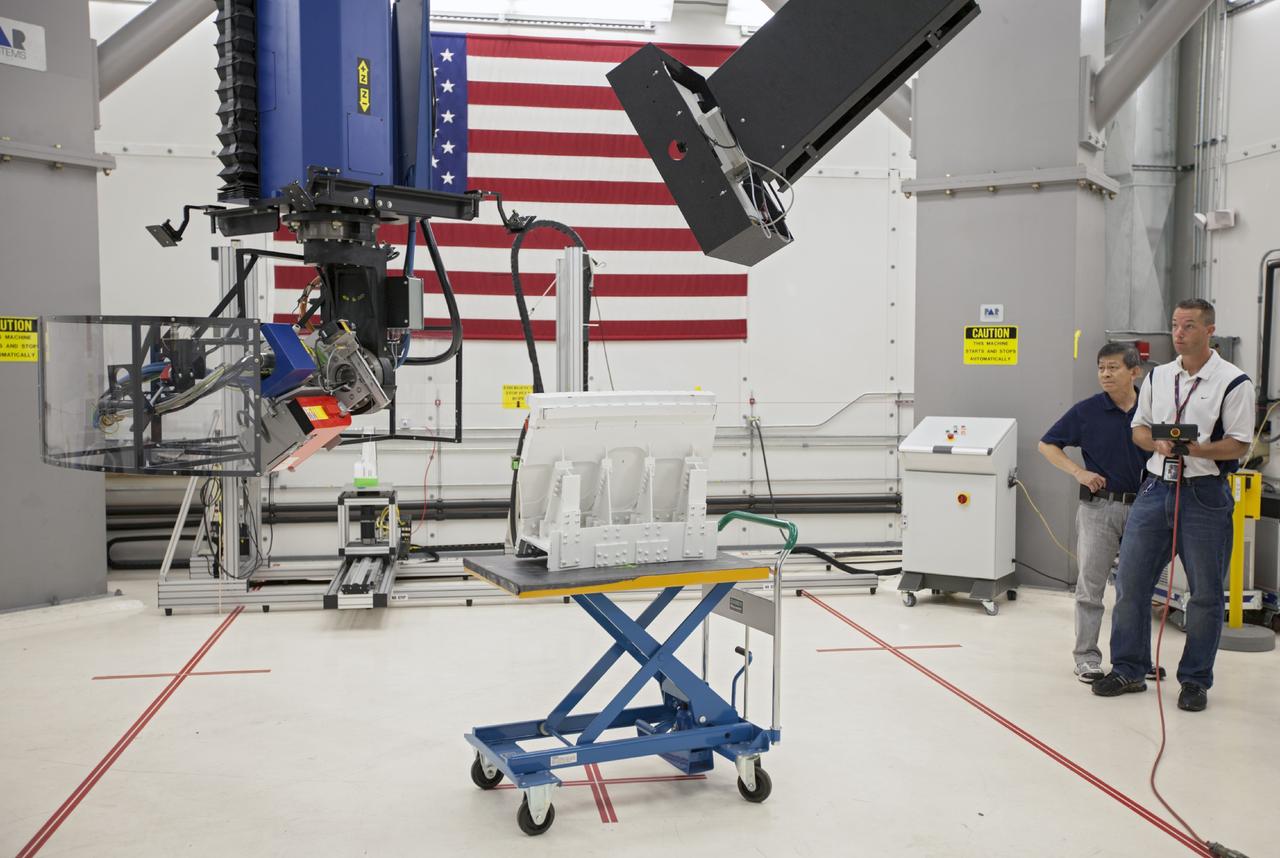
CAPE CANAVERAL, Fla. – In Hangar N at Cape Canaveral Air Force Station, PaR Systems, Inc. development engineer Wayne Cheng, left, and operations engineer Jeff Elston operate a robotic system used in nondestructive testing. The 11-axis robotic system takes X-ray images of hardware for evaluation. NASA's Kennedy Space Center in Florida recently established a partnership agreement with PaR Systems, Inc. of Shoreview, Minn., for operation of the Hangar N facility and its nondestructive testing and evaluation equipment. As the spaceport transitions from a historically government-only launch facility to a multi-user spaceport for both federal and commercial customers, partnerships between the space agency and other organizations will be a key element in that effort. Hangar N is located at Cape Canaveral Air Force Station adjacent to Kennedy and houses a unique inventory of test and evaluation equipment and the capability for current and future mission spaceflight support. Photo credit: NASA/ Dimitri Gerondidakis
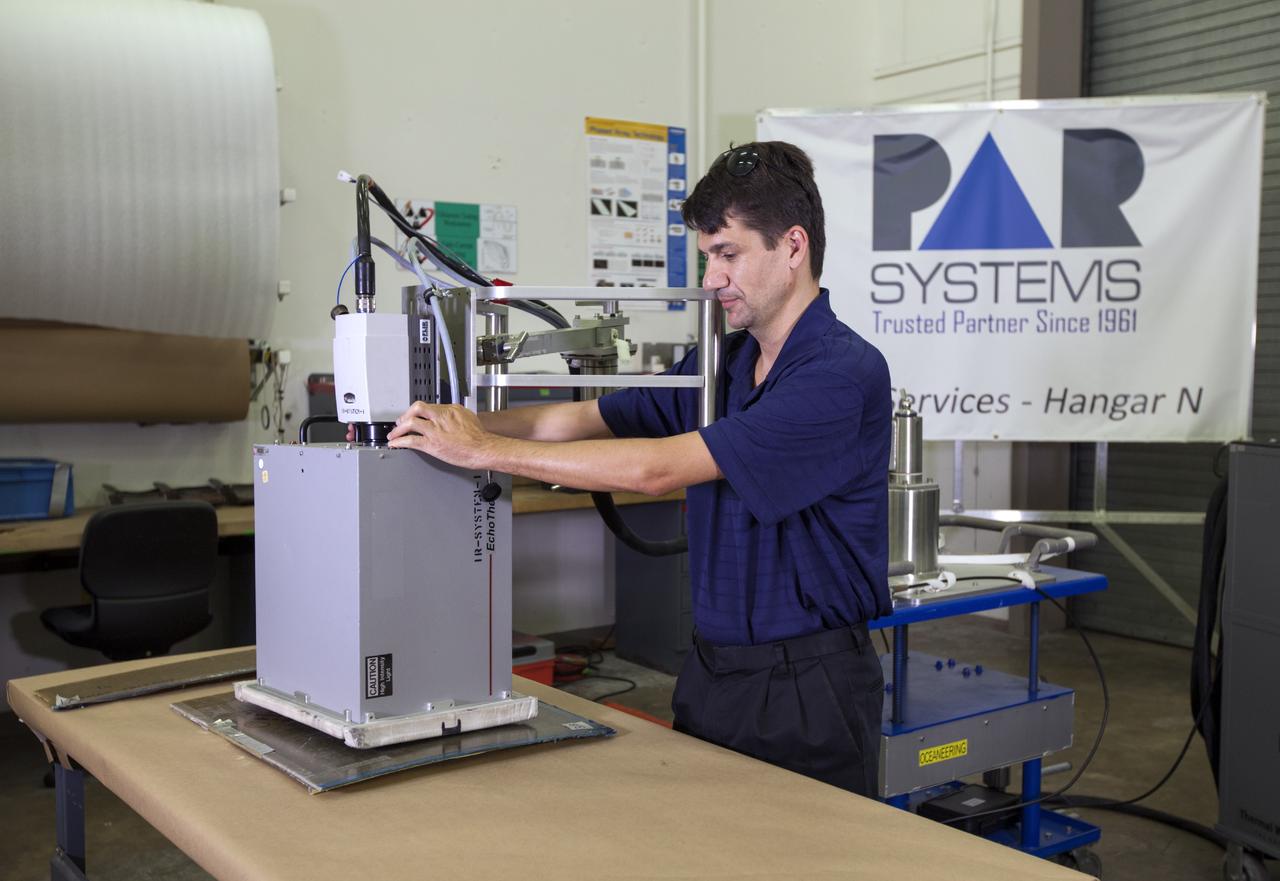
CAPE CANAVERAL, Fla. – In Hangar N at Cape Canaveral Air Force Station, PaR Systems, Inc. development engineer Bence Bertha sets up a flash thermography system. The equipment is used for inspecting hardware with thermal analysis. NASA's Kennedy Space Center in Florida recently established a partnership agreement with PaR Systems, Inc. of Shoreview, Minn., for operation of the Hangar N facility and its nondestructive testing and evaluation equipment. As the spaceport transitions from a historically government-only launch facility to a multi-user spaceport for both federal and commercial customers, partnerships between the space agency and other organizations will be a key element in that effort. Hangar N is located at Cape Canaveral Air Force Station adjacent to Kennedy and houses a unique inventory of test and evaluation equipment and the capability for current and future mission spaceflight support. Photo credit: NASA/ Dimitri Gerondidakis
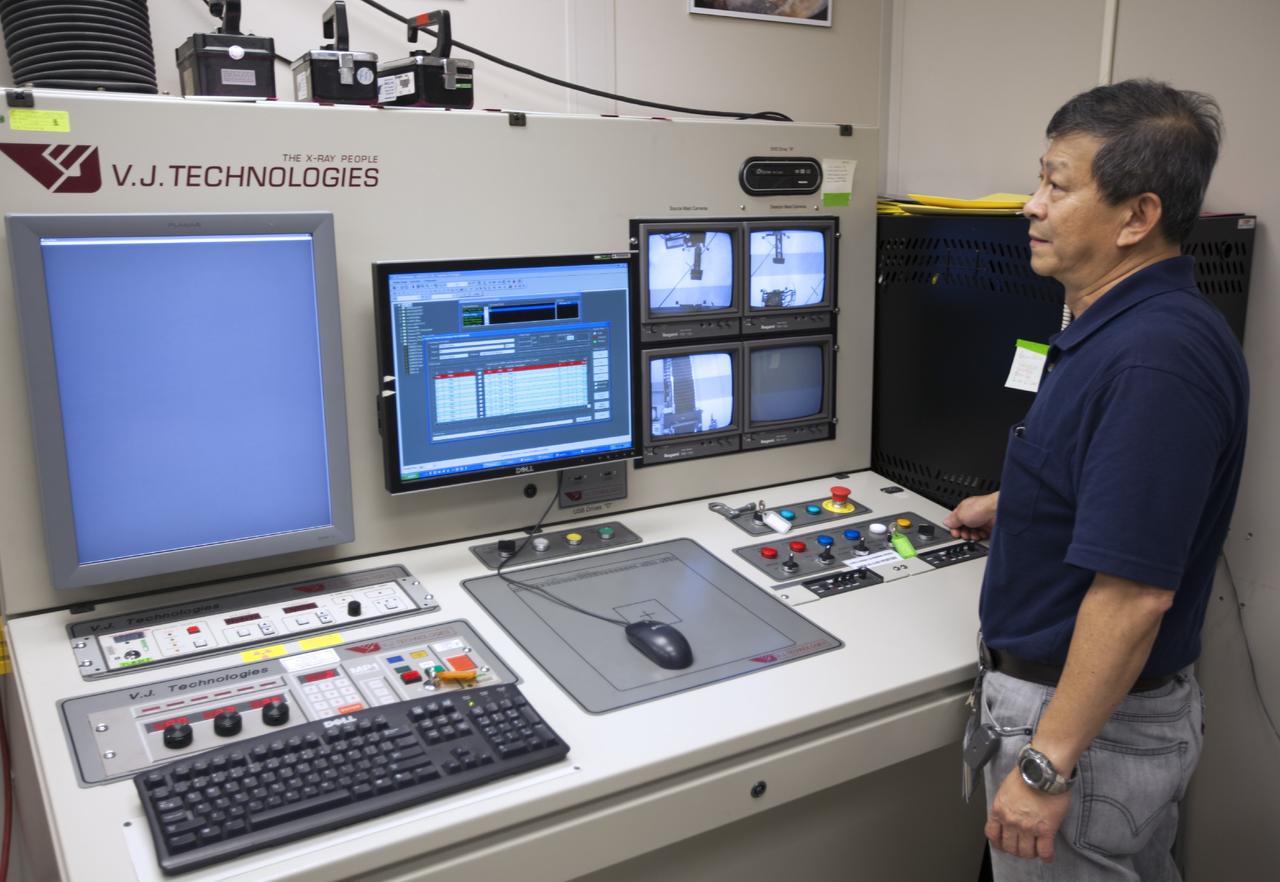
CAPE CANAVERAL, Fla. – In Hangar N at Cape Canaveral Air Force Station, PaR Systems, Inc. development engineer Wayne Cheng operates the controller for a robotic system used in nondestructive testing. The 11-axis robotic system takes X-ray images of hardware for evaluation. NASA's Kennedy Space Center in Florida recently established a partnership agreement with PaR Systems, Inc. of Shoreview, Minn., for operation of the Hangar N facility and its nondestructive testing and evaluation equipment. As the spaceport transitions from a historically government-only launch facility to a multi-user spaceport for both federal and commercial customers, partnerships between the space agency and other organizations will be a key element in that effort. Hangar N is located at Cape Canaveral Air Force Station adjacent to Kennedy and houses a unique inventory of test and evaluation equipment and the capability for current and future mission spaceflight support. Photo credit: NASA/ Dimitri Gerondidakis
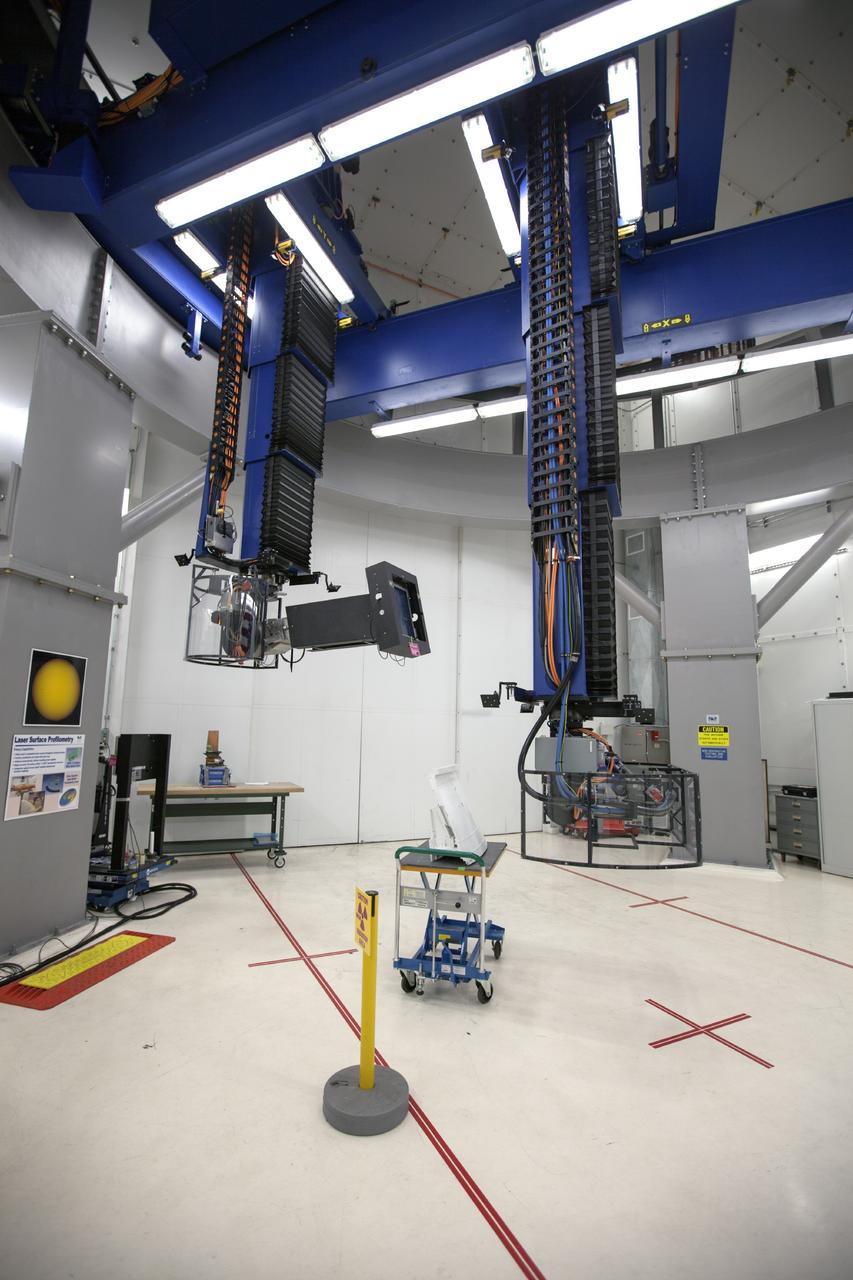
CAPE CANAVERAL, Fla. – In Hangar N at Cape Canaveral Air Force Station, an 11-axis robotic X-ray system takes images of hardware for evaluation. The activity is part of work performed by PaR Systems, Inc. under a partnership agreement with NASA. NASA's Kennedy Space Center in Florida recently established a partnership agreement with PaR Systems, Inc. of Shoreview, Minn., for operation of the Hangar N facility and its nondestructive testing and evaluation equipment. As the spaceport transitions from a historically government-only launch facility to a multi-user spaceport for both federal and commercial customers, partnerships between the space agency and other organizations will be a key element in that effort. Hangar N is located at Cape Canaveral Air Force Station adjacent to Kennedy and houses a unique inventory of test and evaluation equipment and the capability for current and future mission spaceflight support. Photo credit: NASA/ Dimitri Gerondidakis
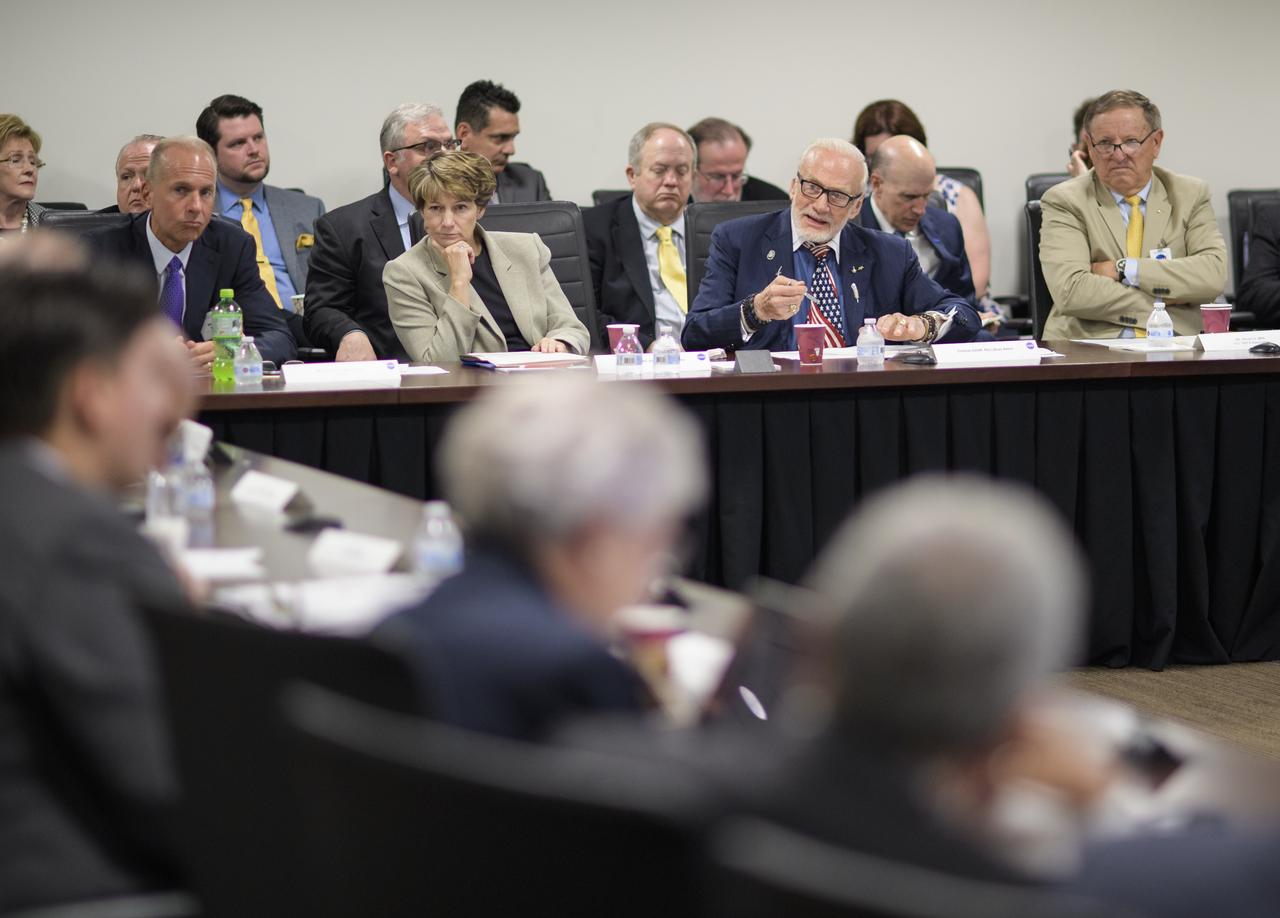
Users' Advisory Group members, from left, Dennis Muilenburg, CEO of the Boeing Company; Eileen Collins, former NASA astronaut; Buzz Aldrin, Apollo 11 astronaut; Stu Witt, founder of the Mojave Air and Spaceport and former Chairman of the Commercial Spaceflight Federation; are seen during the first meeting of the National Space Council Users' Advisory Group, Tuesday, June 19, 2018 at NASA Headquarters in Washington. The Users' Advisory Group will advise and inform the National Space Council on a broad range of aerospace topics, including the impacts of U.S. and international laws and regulations, national security space priorities, scientific and human space exploration priorities, and ways to bolster support. Photo Credit: (NASA/Joel Kowsky)
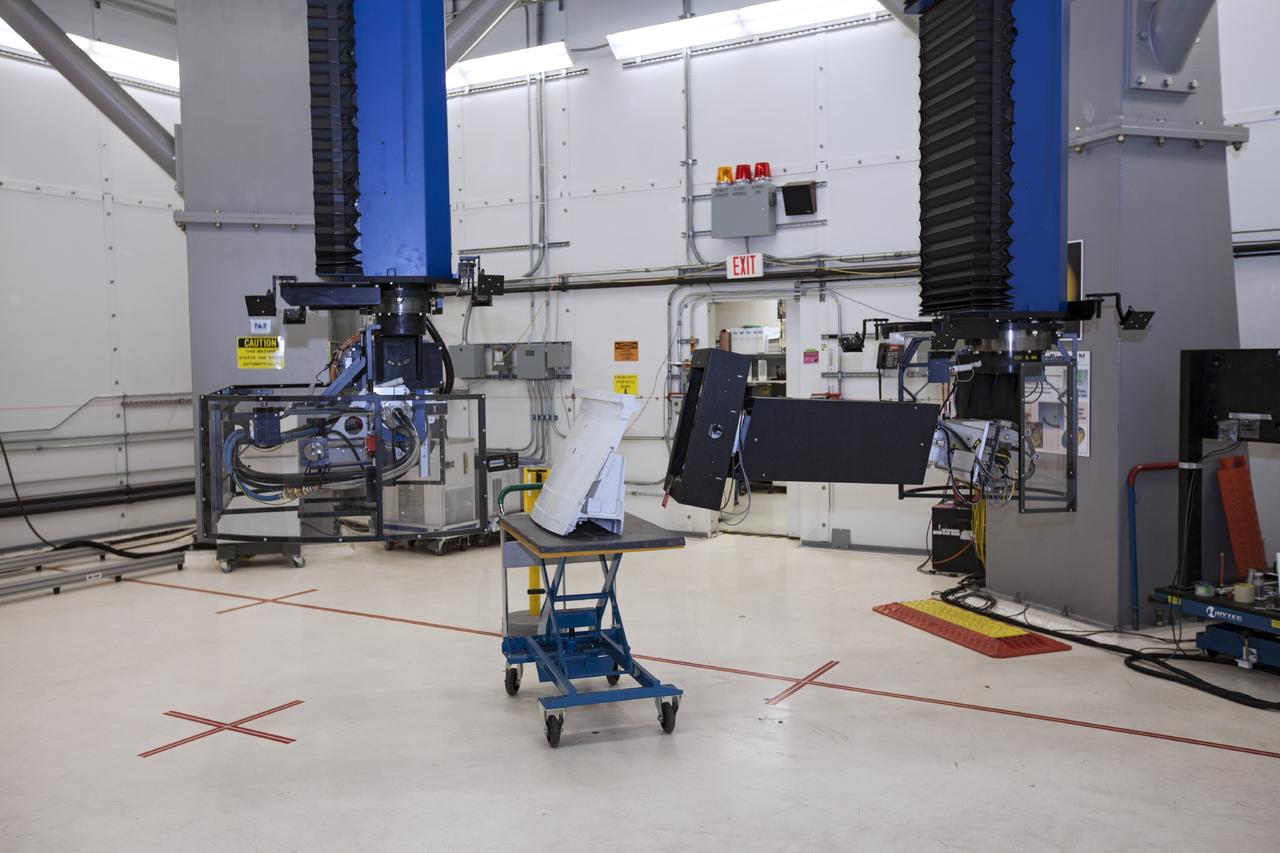
CAPE CANAVERAL, Fla. – In Hangar N at Cape Canaveral Air Force Station, an 11-axis robotic X-ray system takes images of hardware for evaluation. The activity is part of work performed by PaR Systems, Inc. under a partnership agreement with NASA. NASA's Kennedy Space Center in Florida recently established a partnership agreement with PaR Systems, Inc. of Shoreview, Minn., for operation of the Hangar N facility and its nondestructive testing and evaluation equipment. As the spaceport transitions from a historically government-only launch facility to a multi-user spaceport for both federal and commercial customers, partnerships between the space agency and other organizations will be a key element in that effort. Hangar N is located at Cape Canaveral Air Force Station adjacent to Kennedy and houses a unique inventory of test and evaluation equipment and the capability for current and future mission spaceflight support. Photo credit: NASA/ Dimitri Gerondidakis
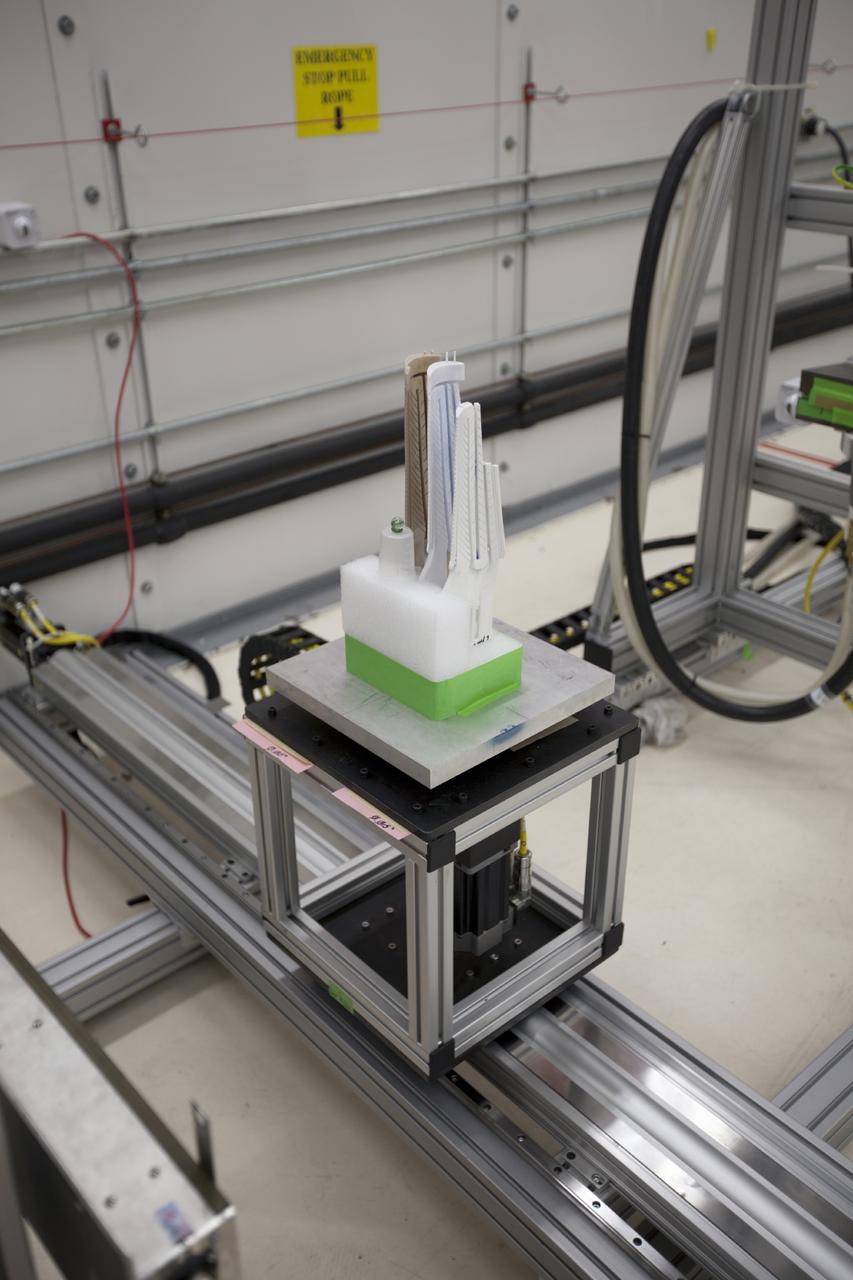
CAPE CANAVERAL, Fla. – In Hangar N at Cape Canaveral Air Force Station, ceramic materials are positioned for Advanced Partial Angle Computed Tomography testing. The activity is part of work performed by PaR Systems, Inc. under a partnership agreement with NASA. NASA's Kennedy Space Center in Florida recently established a partnership agreement with PaR Systems, Inc. of Shoreview, Minn., for operation of the Hangar N facility and its nondestructive testing and evaluation equipment. As the spaceport transitions from a historically government-only launch facility to a multi-user spaceport for both federal and commercial customers, partnerships between the space agency and other organizations will be a key element in that effort. Hangar N is located at Cape Canaveral Air Force Station adjacent to Kennedy and houses a unique inventory of test and evaluation equipment and the capability for current and future mission spaceflight support. Photo credit: NASA/ Dimitri Gerondidakis
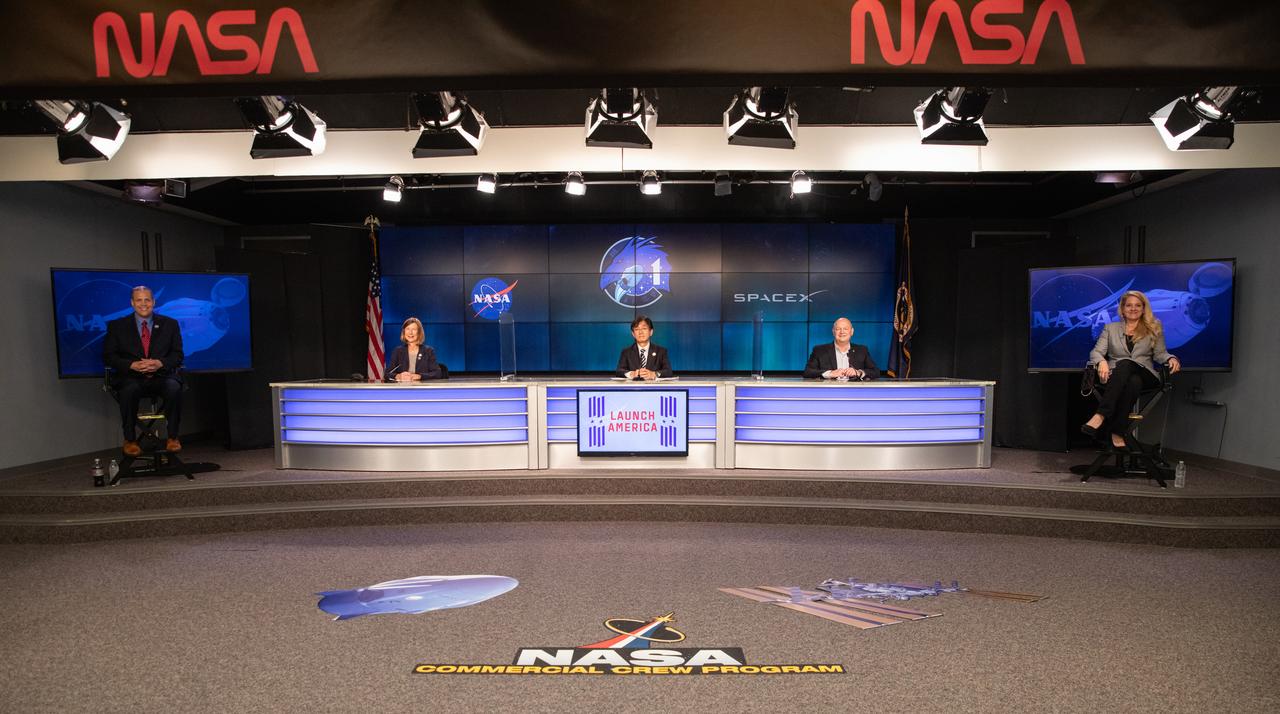
A postlaunch news conference for NASA’s SpaceX Crew-1 mission is held at Kennedy Space Center in Florida on Nov. 15, 2020. Liftoff time on a SpaceX Falcon 9 rocket was at 7:27 p.m. EST. From left are NASA Administrator Jim Bridenstine; Kathy Lueders, associate administrator for human exploration and operations, NASA Headquarters; Hiroshi Sasaki, vice president and director general, JAXA’s Human Spaceflight Technology Directorate; Steve Dickson, administrator, Federal Aviation Administration; and Gwynne Shotwell, president and chief operating officer, SpaceX. The Crew Dragon is carrying NASA astronauts Michael Hopkins, spacecraft commander; Victor Glover, pilot; Shannon Walker, mission specialist; and Japan Aerospace Exploration Agency astronaut Soichi Noguchi, mission specialist, to the international Space Station. Crew-1 is the first regular crew mission of a U.S. commercial spacecraft with astronauts to the space station as part of NASA’s Commercial Crew Program. The Crew Dragon will dock with the station and the crew will remain on the orbiting laboratory for a six-month science mission.
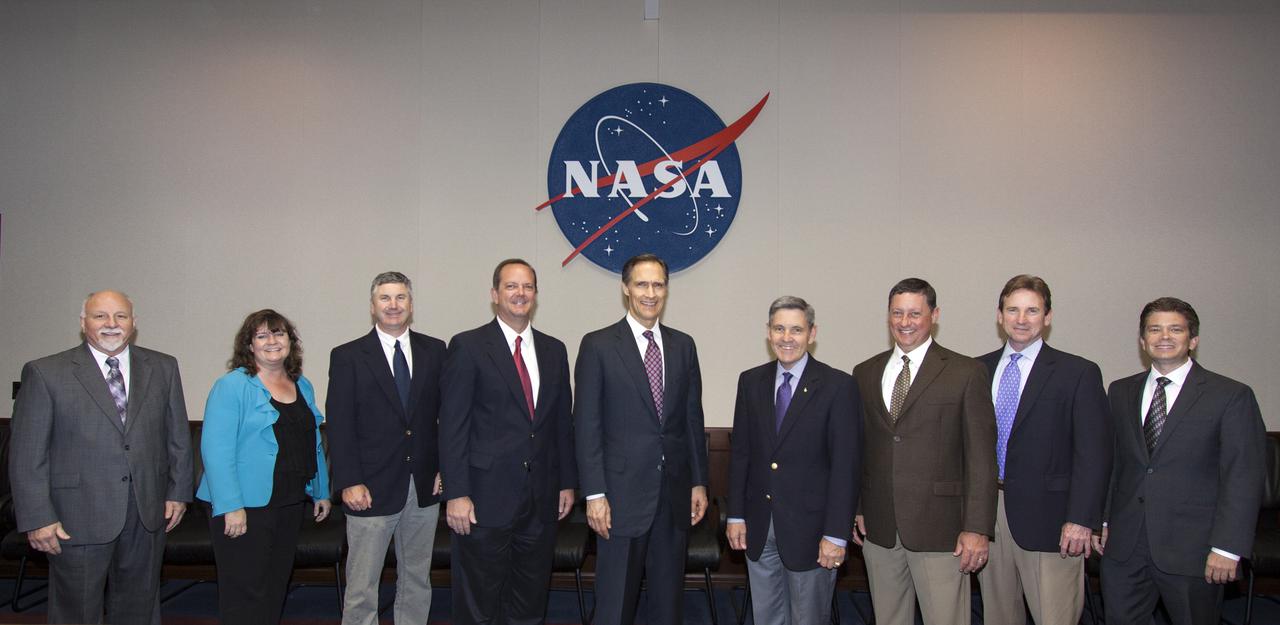
CAPE CANAVERAL, Fla. -- Kennedy Space Center Director Bob Cabana, met with representatives of PaR Systems Inc. NASA recently established a partnership agreement with PaR to operate of the Hangar N facility and its nondestructive testing equipment. Participating were, from the left, Cliff Hausmann, Technical Integration manager in NASA's Program Control and Integration Office, Amy Houts-Gilfriche, Partnership Development manager in NASA's Center Planning and Development Directorate, Scott Colloredo of NASA's Systems Engineering and Integration Division, Tom Engler, deputy director of Center Planning and Development, Brian Behm, president of the Robotics Division of PaR Systems, Tony Corak, manager, of Non-destructive Testing Services for PaR Systems, Dale Ketcham of Space Florida, and Robert Salonen, director of Business Development for the Economic Development Commission of Florida's Space Coast. As the spaceport transitions from a historically government-only launch facility to a multiuser spaceport for both federal and commercial customers, partnerships with other organizations will be a key element in that effort. Hangar N is located at Cape Canaveral Air Force Station adjacent to Kennedy. The facility's unique inventory of nondestructive test and evaluation NDE equipment and the capability for current and future mission spaceflight support was an asset NASA wanted to retain. Photo credit: NASA_Jim Grossmann
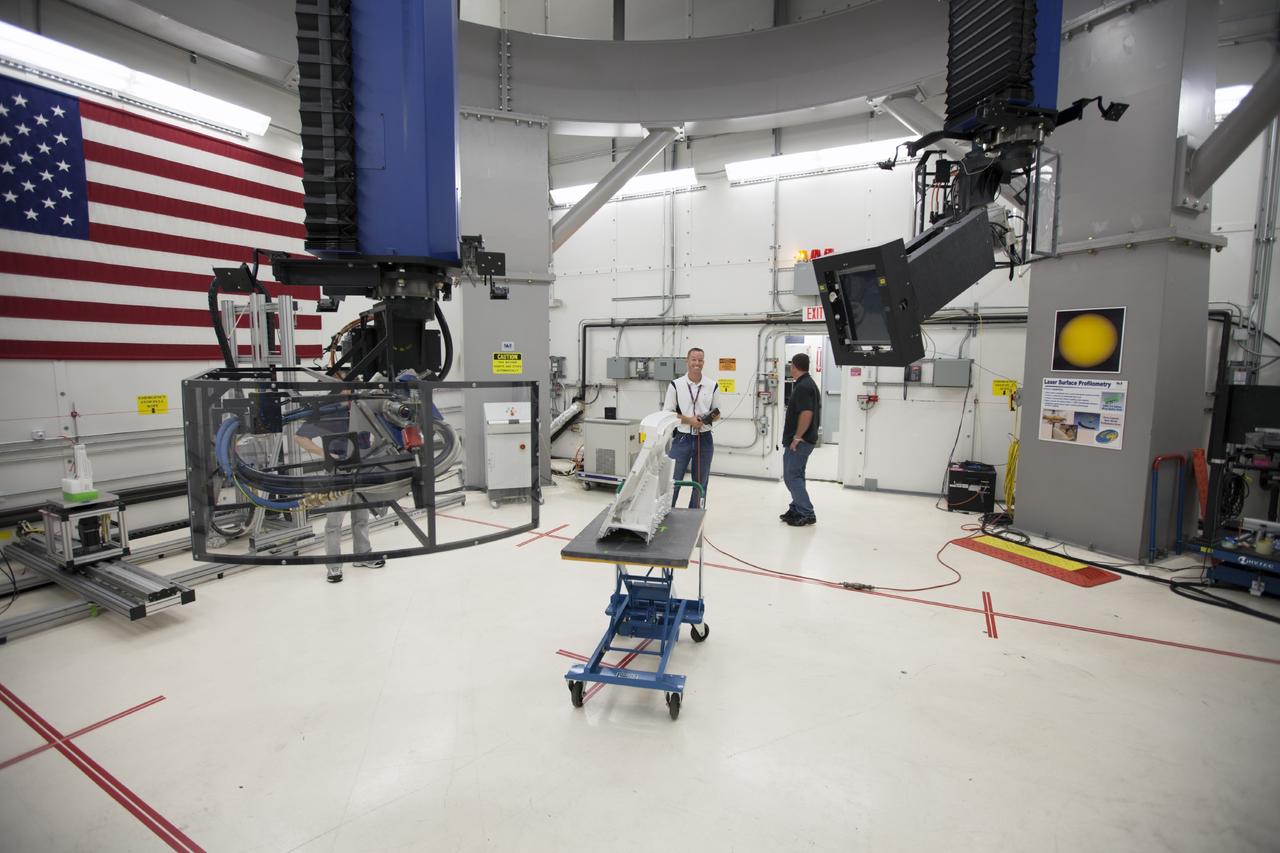
CAPE CANAVERAL, Fla. – In Hangar N at Cape Canaveral Air Force Station, PaR Systems, Inc. operations engineer Jeff Elston, left, and Tony Corak, manager of NDT Services for PaR Systems, operate an 11-axis robotic X-ray system which takes images of hardware for evaluation. The activity is part of work performed by PaR Systems, Inc. under a partnership agreement with NASA. NASA's Kennedy Space Center in Florida recently established a partnership agreement with PaR Systems, Inc. of Shoreview, Minn., for operation of the Hangar N facility and its nondestructive testing and evaluation equipment. As the spaceport transitions from a historically government-only launch facility to a multi-user spaceport for both federal and commercial customers, partnerships between the space agency and other organizations will be a key element in that effort. Hangar N is located at Cape Canaveral Air Force Station adjacent to Kennedy and houses a unique inventory of test and evaluation equipment and the capability for current and future mission spaceflight support. Photo credit: NASA/ Dimitri Gerondidakis
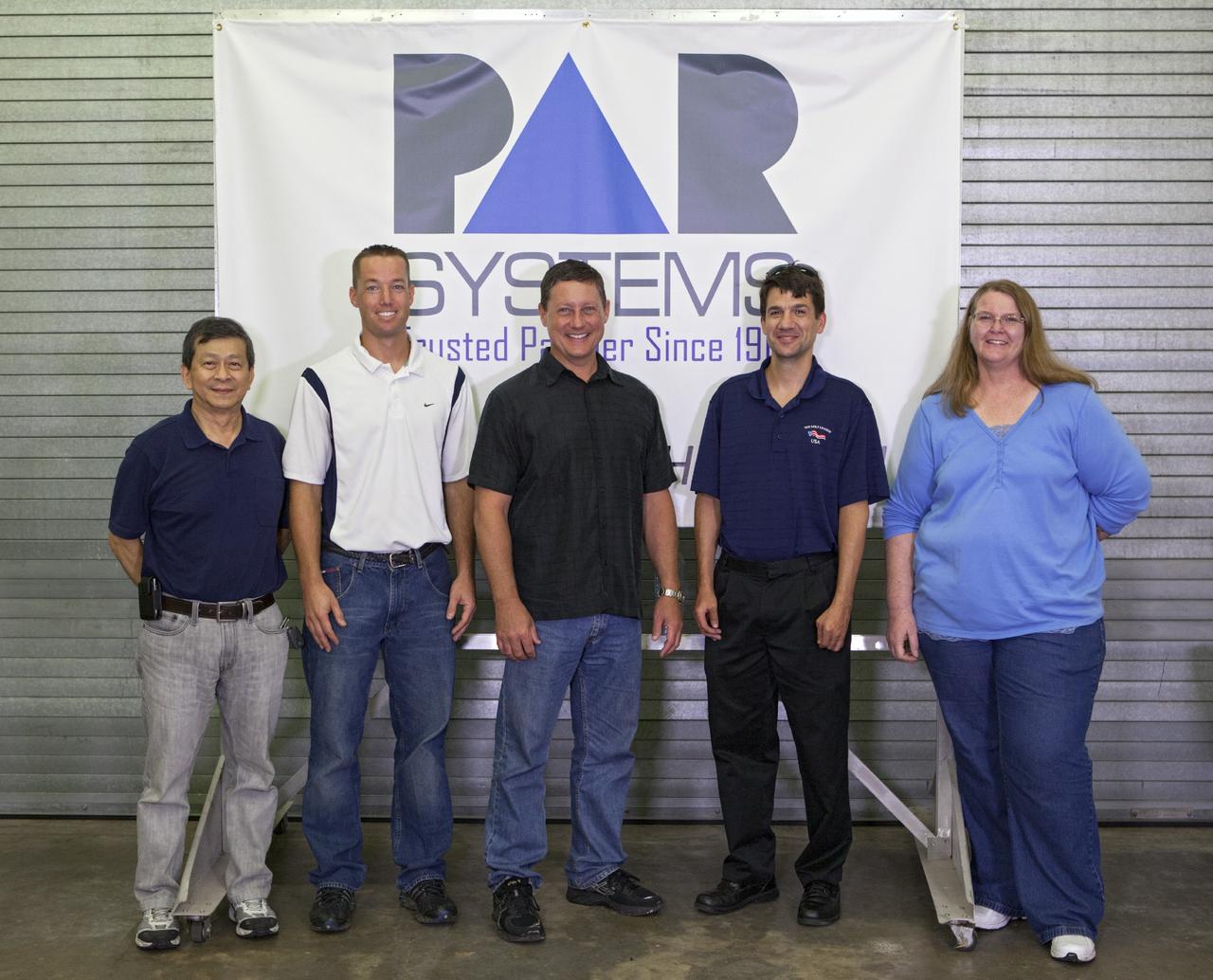
CAPE CANAVERAL, Fla. – In Hangar N at Cape Canaveral Air Force Station, PaR Systems, Inc. employees are performing nondestructive testing NDT work under a partnership agreement with NASA. From the left are: development engineer Wayne Cheng, operations engineer Jeff Elston, manager of NDT Services Tony Corak, development engineer Bence Bertha and operations engineer Lu Bell. NASA's Kennedy Space Center in Florida recently established a partnership agreement with PaR Systems, Inc. of Shoreview, Minn., for operation of the Hangar N facility and its nondestructive testing and evaluation equipment. As the spaceport transitions from a historically government-only launch facility to a multi-user spaceport for both federal and commercial customers, partnerships between the space agency and other organizations will be a key element in that effort. Hangar N is located at Cape Canaveral Air Force Station adjacent to Kennedy and houses a unique inventory of test and evaluation equipment and the capability for current and future mission spaceflight support. Photo credit: NASA/ Dimitri Gerondidakis