
The team at SpaceX's rocket development facility in McGregor, Texas completed a static fire test of the Falcon 9 booster that will launch SpaceX's first demonstration mission for NASA's Commerical Crew Program.

A SpaceX SuperDraco engine is hot-fired at the company's test facility in McGregor, Texas. SpaceX is developing its Crew Dragon spacecraft and Falcon 9 rocket in partnership with NASA’s Commercial Crew Program to carry astronauts to and from the International Space Station.

A SpaceX Merlin engine is on a test stand at the company's facility in McGregor, Texas. SpaceX is developing its Crew Dragon spacecraft and Falcon 9 rocket in partnership with NASA’s Commercial Crew Program to carry astronauts to and from the International Space Station.
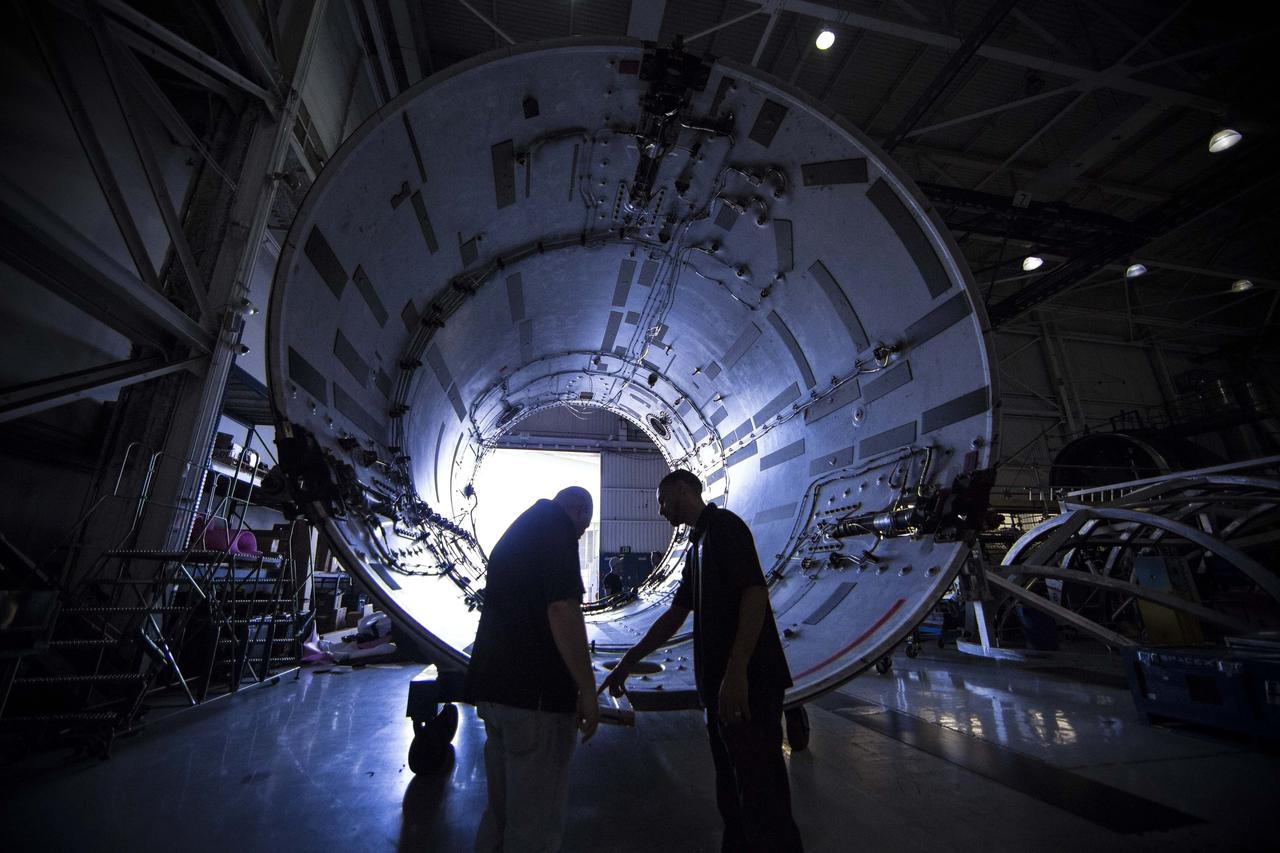
The inter-stage of a SpaceX Falcon 9 rocket inside the company's manufacturing facility. SpaceX is developing its Crew Dragon spacecraft and Falcon 9 rocket in partnership with NASA's Commercial Crew Program to carry astronauts to and from the International Space Station.
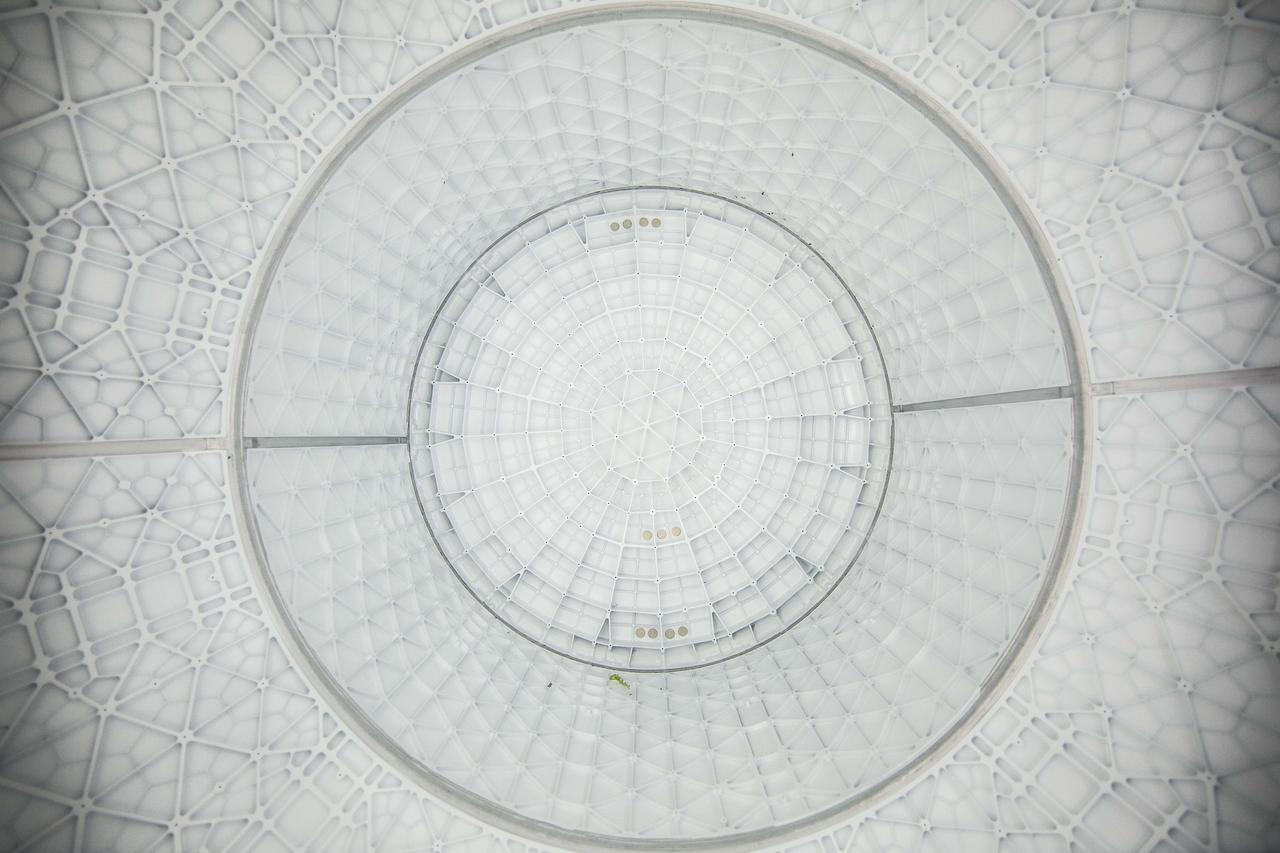
The interior structure of the SpaceX Crew Dragon spacecraft at the company's facility in Hawthorne, California. SpaceX is developing its Crew Dragon spacecraft and Falcon 9 rocket in partnership with NASA’s Commercial Crew Program to carry astronauts to and from the International Space Station.

A technician works on the interior structure of the SpaceX Crew Dragon spacecraft at the company's facility in Hawthorne, California. SpaceX is developing its Crew Dragon in partnership with NASA’s Commercial Crew Program to carry astronauts to and from the International Space Station.
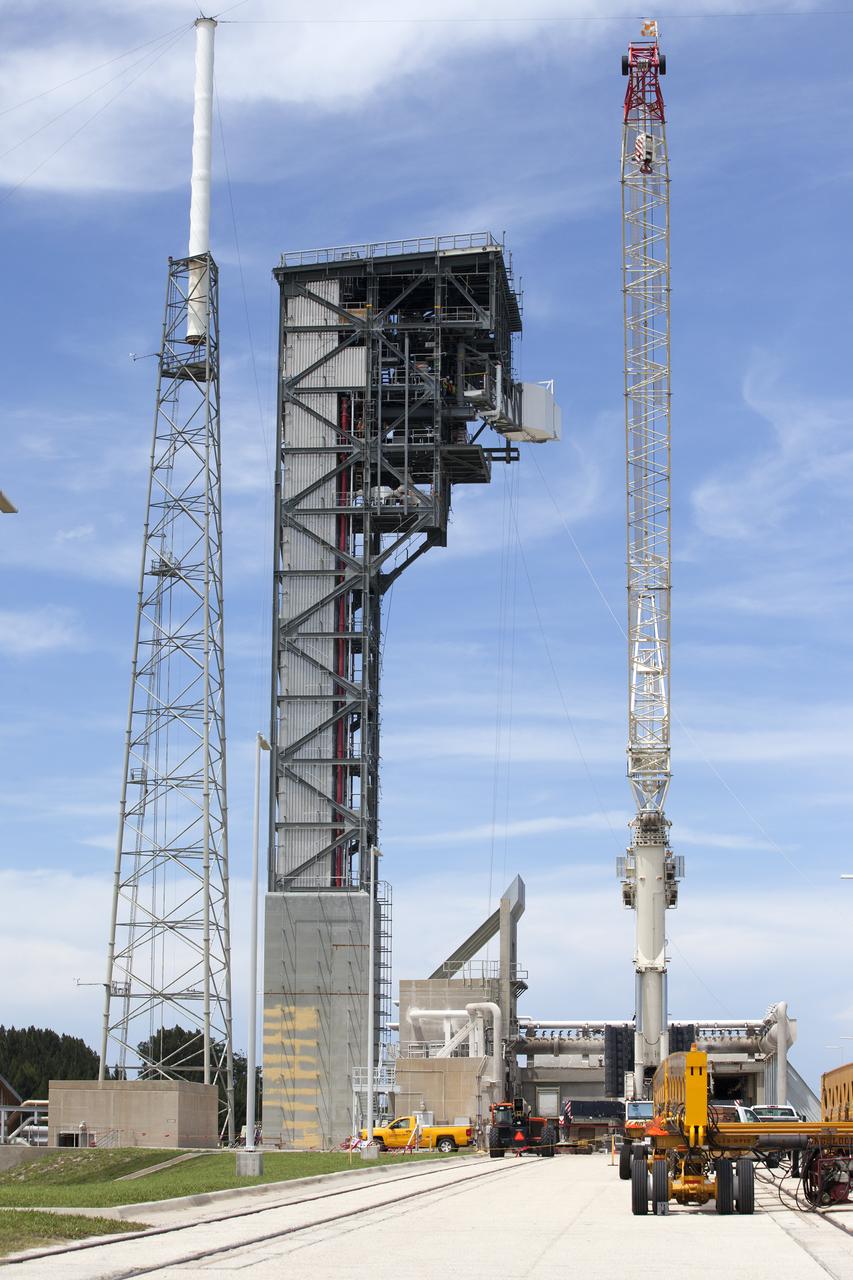
The Crew Access Arm and White Room for Boeing's CST-100 Starliner are attached to the Crew Access Tower at Cape Canaveral Air Force Station’s Space Launch Complex 41. The arm will serve as the connection that astronauts will walk through prior to boarding the Starliner spacecraft when stacked atop a United Launch Alliance Atlas V rocket. This installation completes the major construction of the first new Crew Access Tower to be built at the Cape since the Apollo era. Under a Commercial Crew Transportation Capability contract with NASA, Boeing’s Starliner system will be certified by NASA's Commercial Crew Program to fly crews to and from the International Space Station.
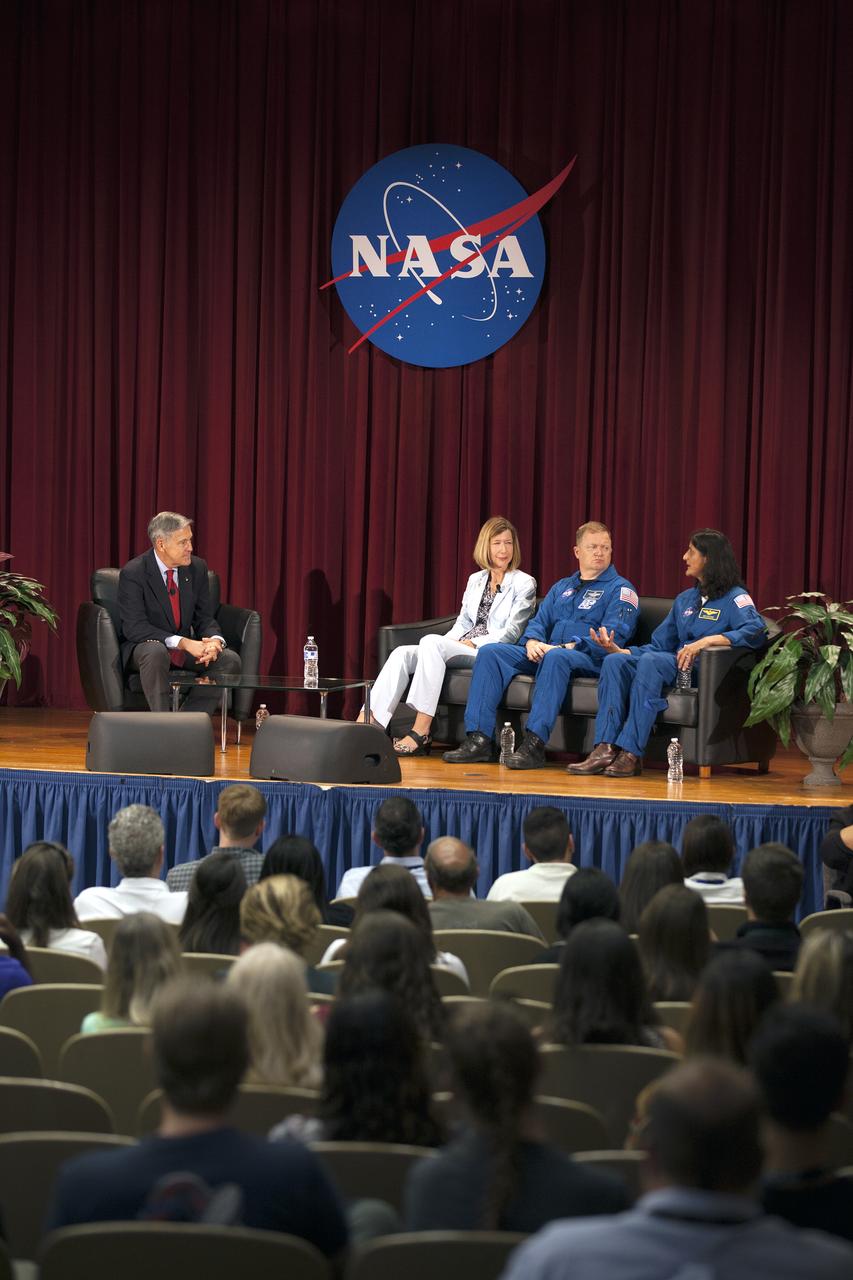
Astronauts selected to train for the flight tests of NASA’s Commercial Crew Program participated in a panel discussion with employees at NASA’s Kennedy Space Center in Florida. From left, are Kennedy Center Director Bob Cabana, Commercial Crew Program Manager Kathy Lueders, and astronauts Eric Boe and Suni Williams.
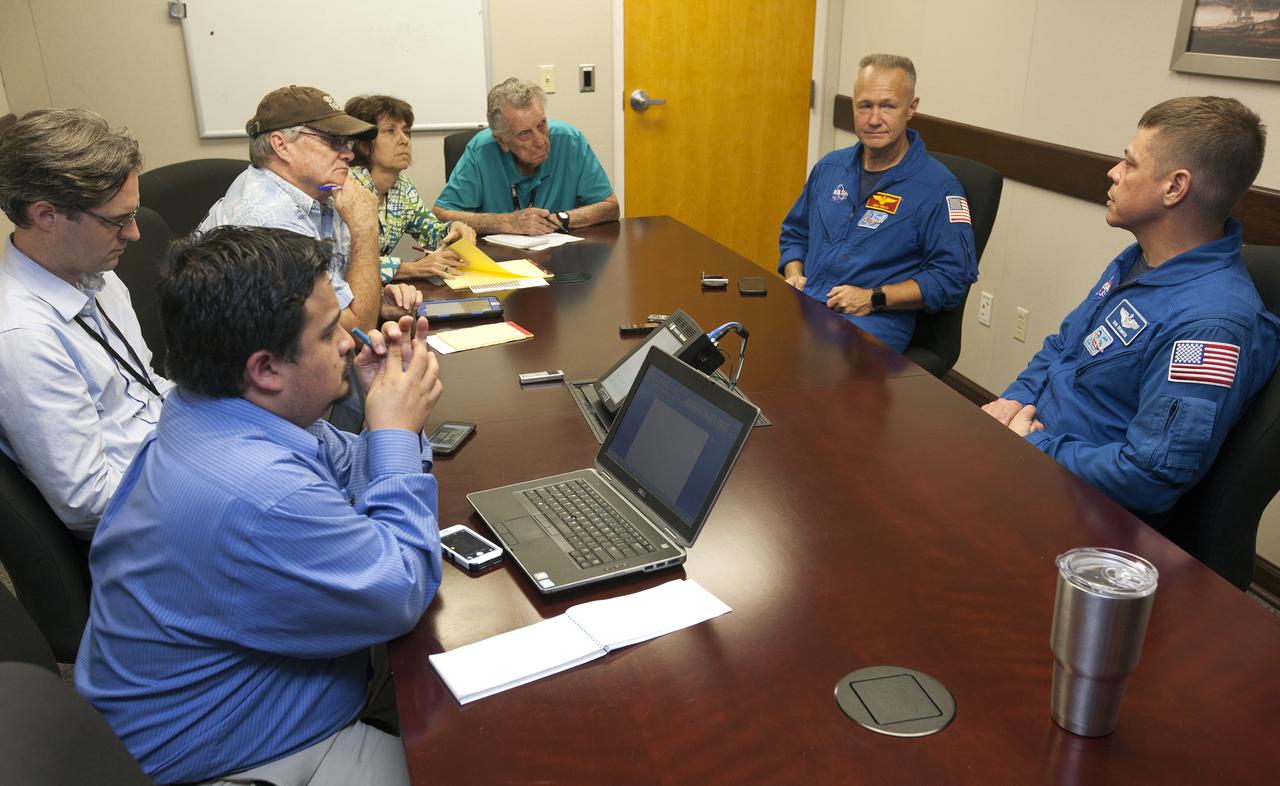
Astronauts selected to train for the flight tests of NASA’s Commercial Crew Program talked to members of the media at the News Center at NASA’s Kennedy Space Center in Florida. From left are astronauts Doug Hurley and Bob Behnken.
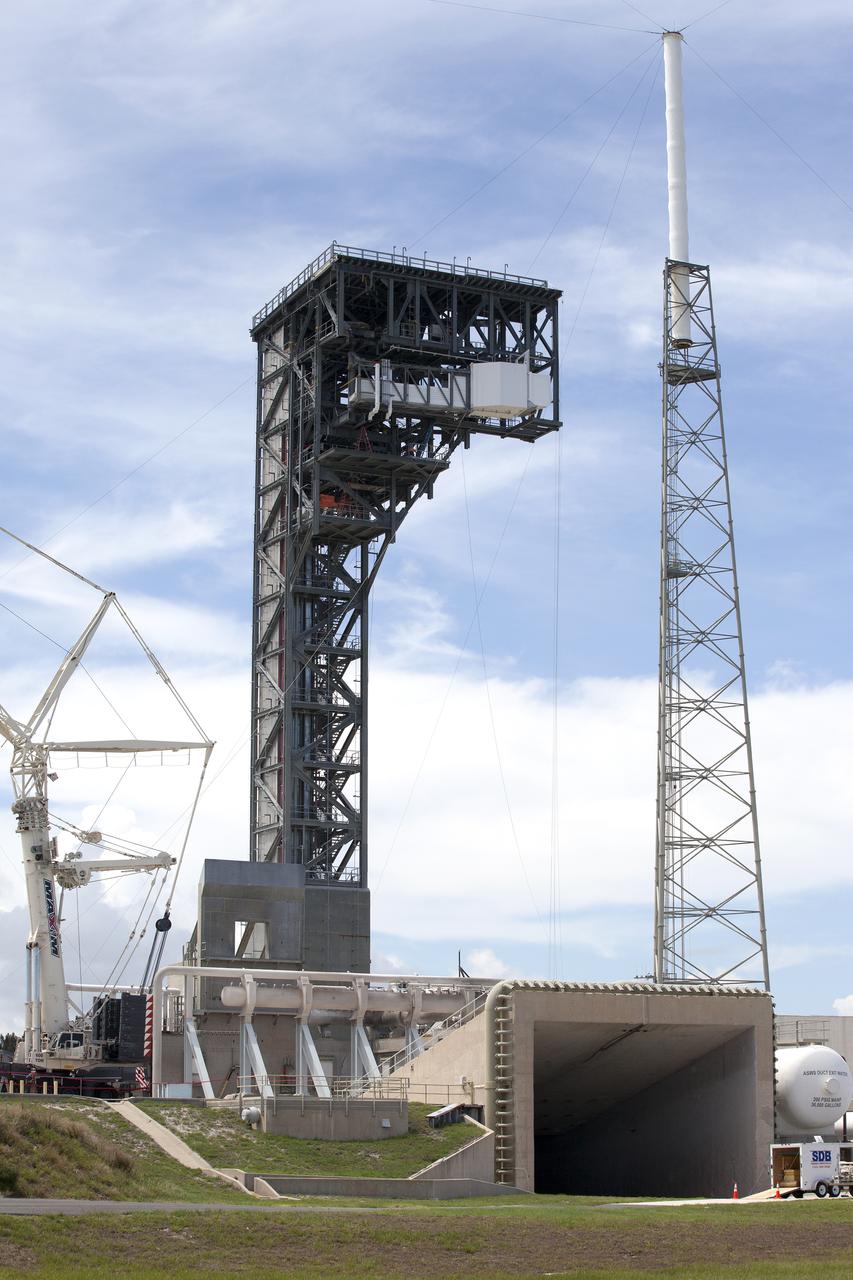
The Crew Access Arm and White Room for Boeing's CST-100 Starliner are attached to the Crew Access Tower at Cape Canaveral Air Force Station’s Space Launch Complex 41. The arm will serve as the connection that astronauts will walk through prior to boarding the Starliner spacecraft when stacked atop a United Launch Alliance Atlas V rocket. This installation completes the major construction of the first new Crew Access Tower to be built at the Cape since the Apollo era. Under a Commercial Crew Transportation Capability contract with NASA, Boeing’s Starliner system will be certified by NASA's Commercial Crew Program to fly crews to and from the International Space Station.
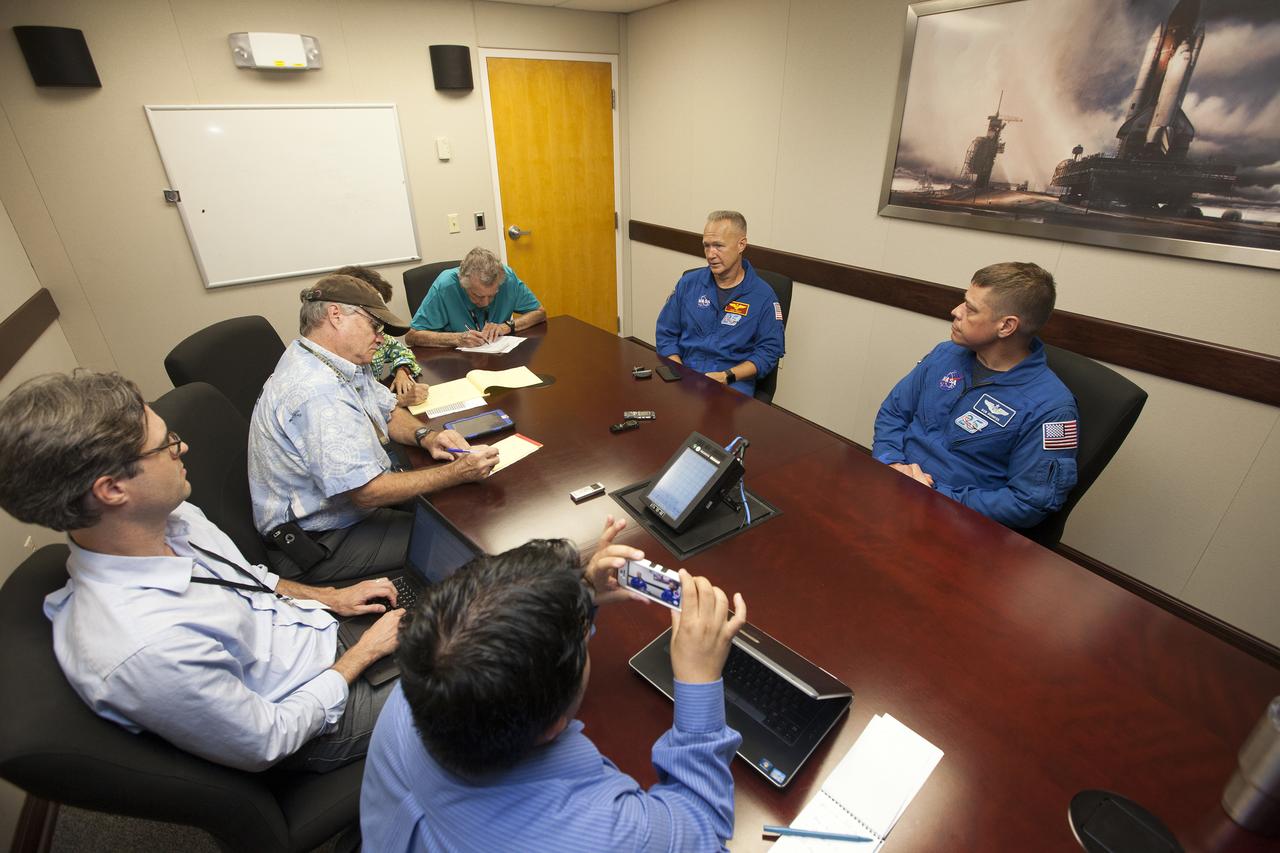
Astronauts selected to train for the flight tests of NASA’s Commercial Crew Program talked to members of the media at the News Center at NASA’s Kennedy Space Center in Florida. From left are astronauts Doug Hurley and Bob Behnken.
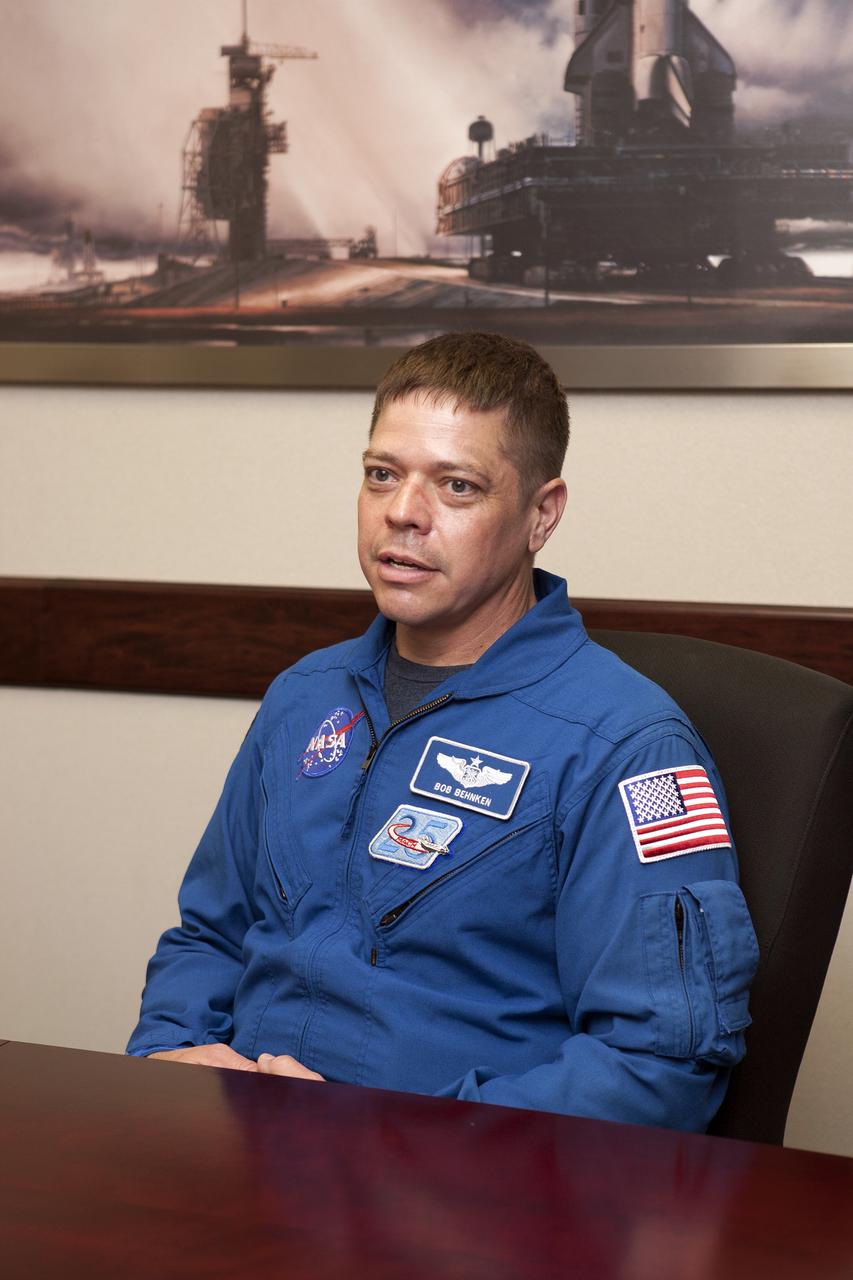
Astronauts selected to train for the flight tests of NASA’s Commercial Crew Program talked to members of the media at the News Center at NASA’s Kennedy Space Center in Florida. During the discussion, astronaut Bob Behnken answers a question.
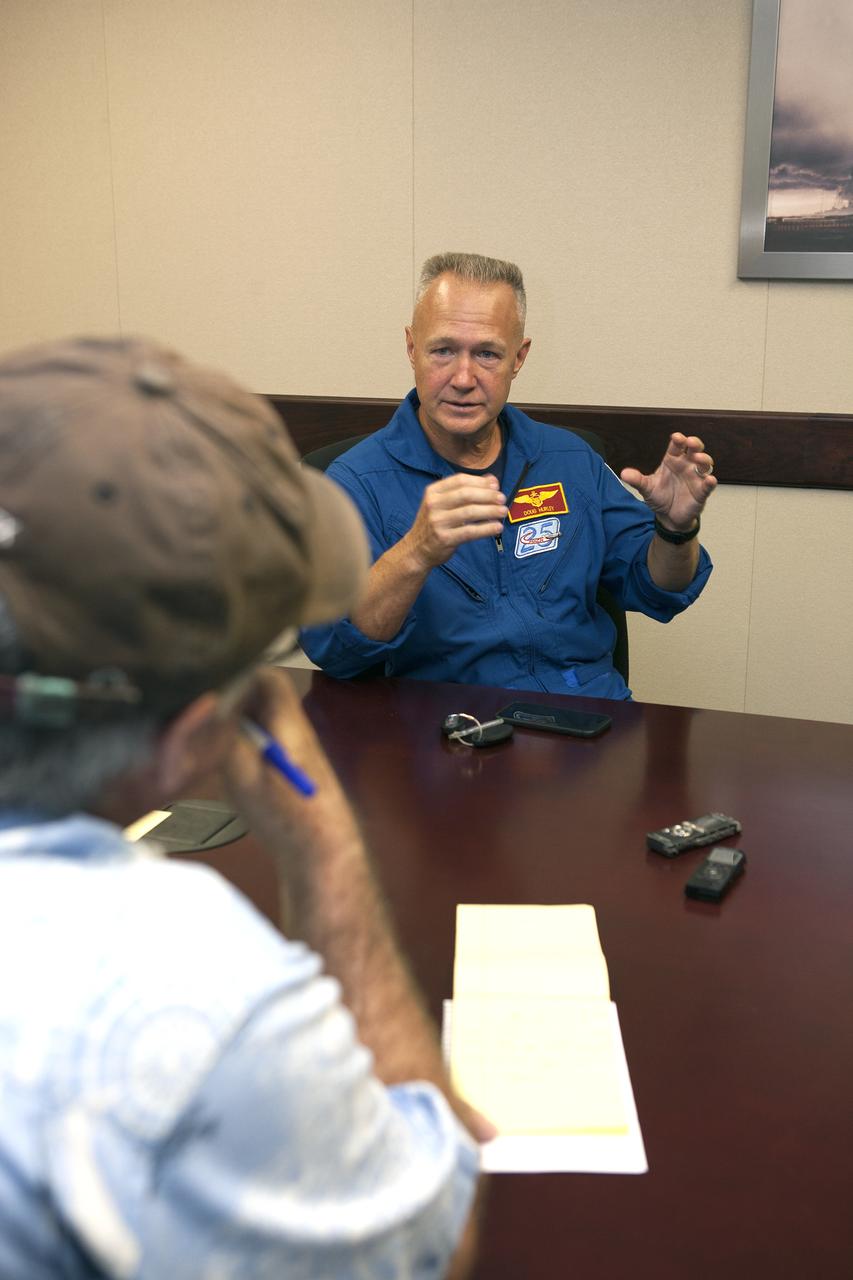
Astronauts selected to train for the flight tests of NASA’s Commercial Crew Program talked to members of the media at the News Center at NASA’s Kennedy Space Center in Florida. During the discussion, astronaut Doug Hurley answers a question.
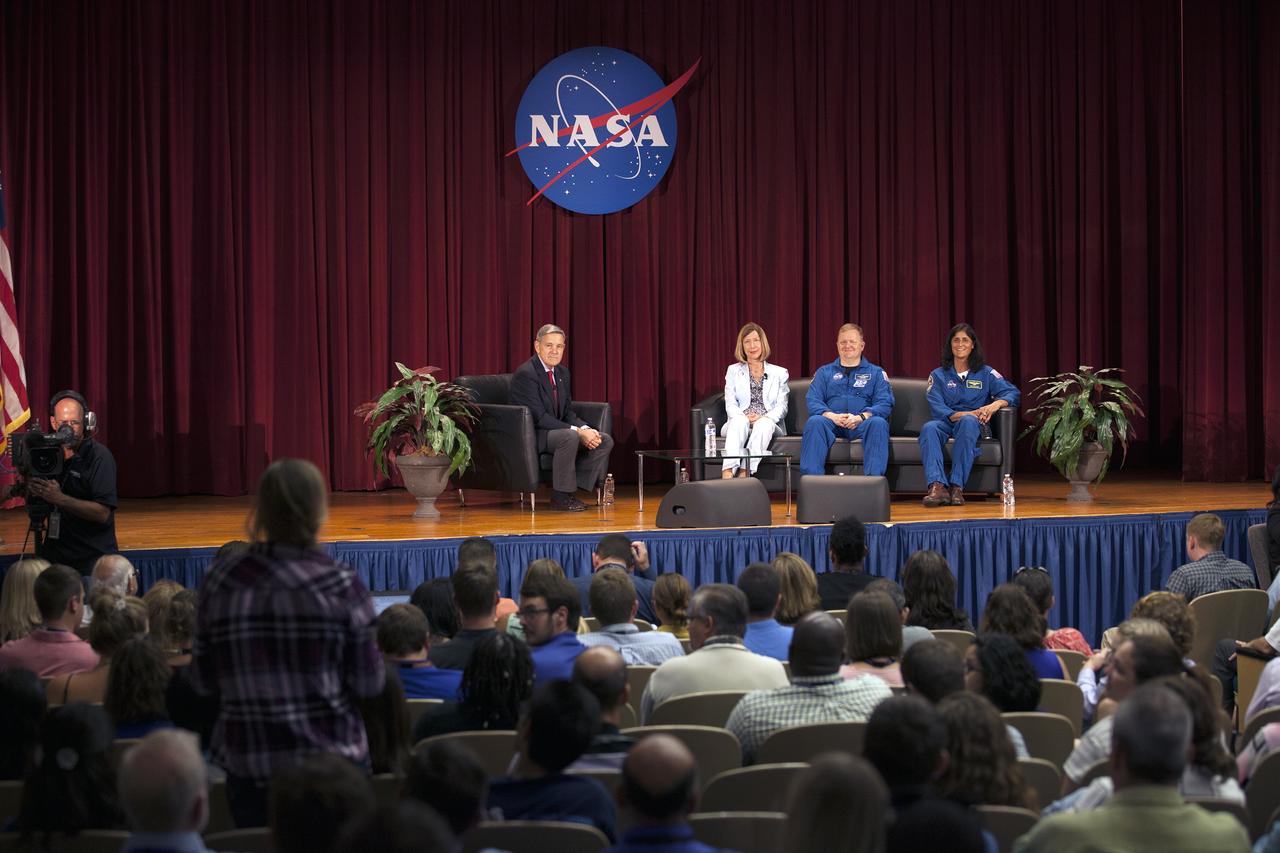
Astronauts selected to train for the flight tests of NASA’s Commercial Crew Program participated in a panel discussion with employees at NASA’s Kennedy Space Center in Florida. From left, are Kennedy Center Director Bob Cabana, Commercial Crew Program Manager Kathy Lueders, and astronauts Eric Boe and Suni Williams.
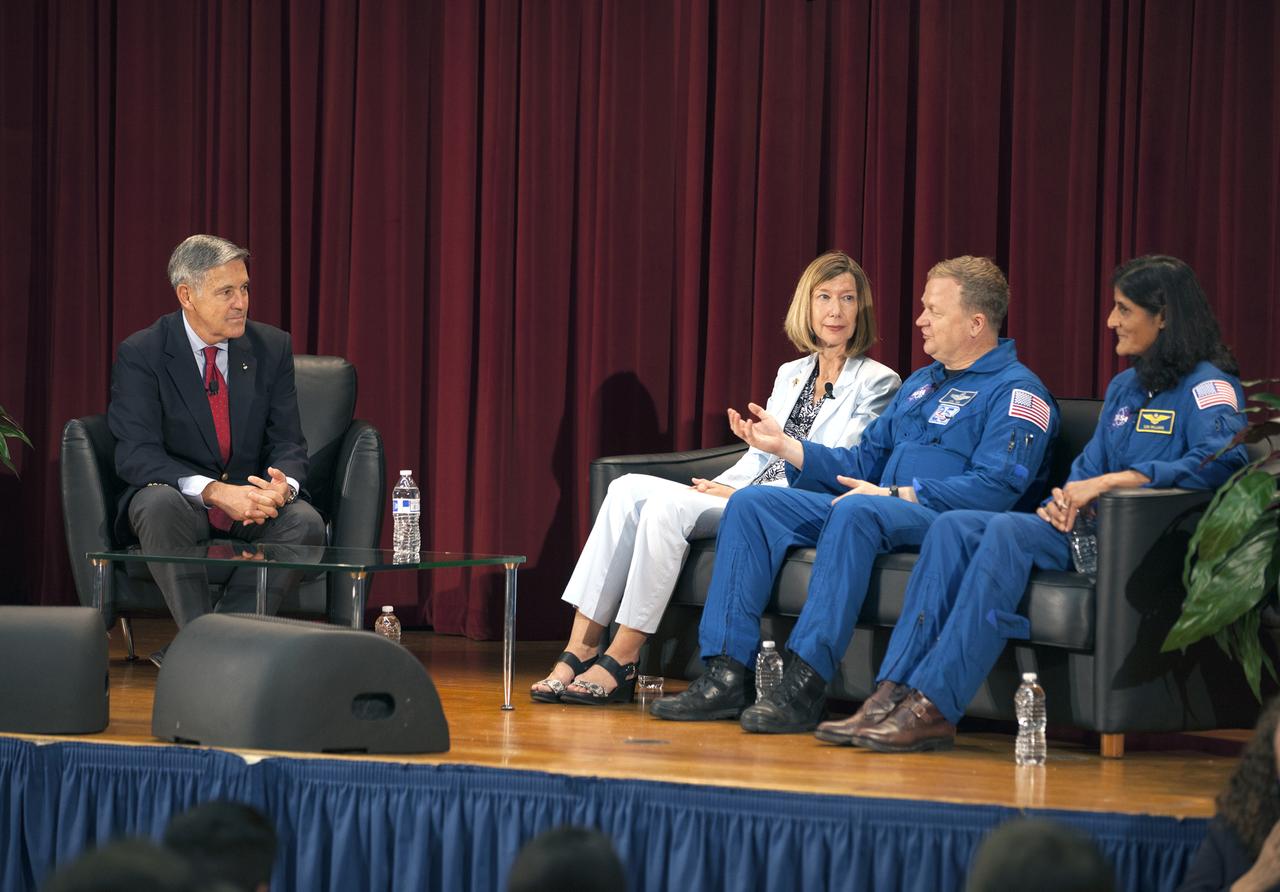
Astronauts selected to train for the flight tests of NASA’s Commercial Crew Program participated in a panel discussion with employees at NASA’s Kennedy Space Center in Florida. From left, are Kennedy Center Director Bob Cabana, Commercial Crew Program Manager Kathy Lueders, and astronauts Eric Boe and Suni Williams.
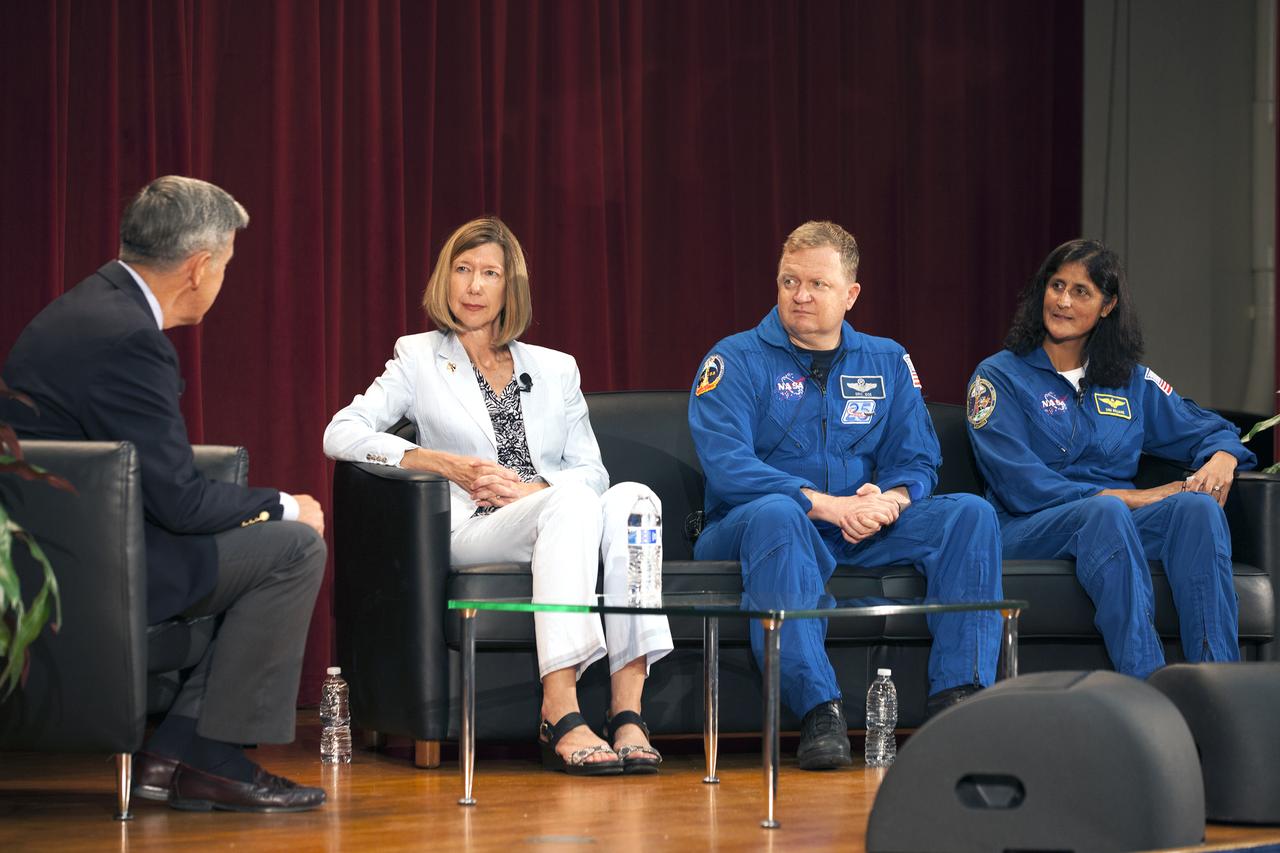
Astronauts selected to train for the flight tests of NASA’s Commercial Crew Program participated in a panel discussion with employees at NASA’s Kennedy Space Center in Florida. From left, are Kennedy Center Director Bob Cabana, Commercial Crew Program Manager Kathy Lueders, and astronauts Eric Boe and Suni Williams.
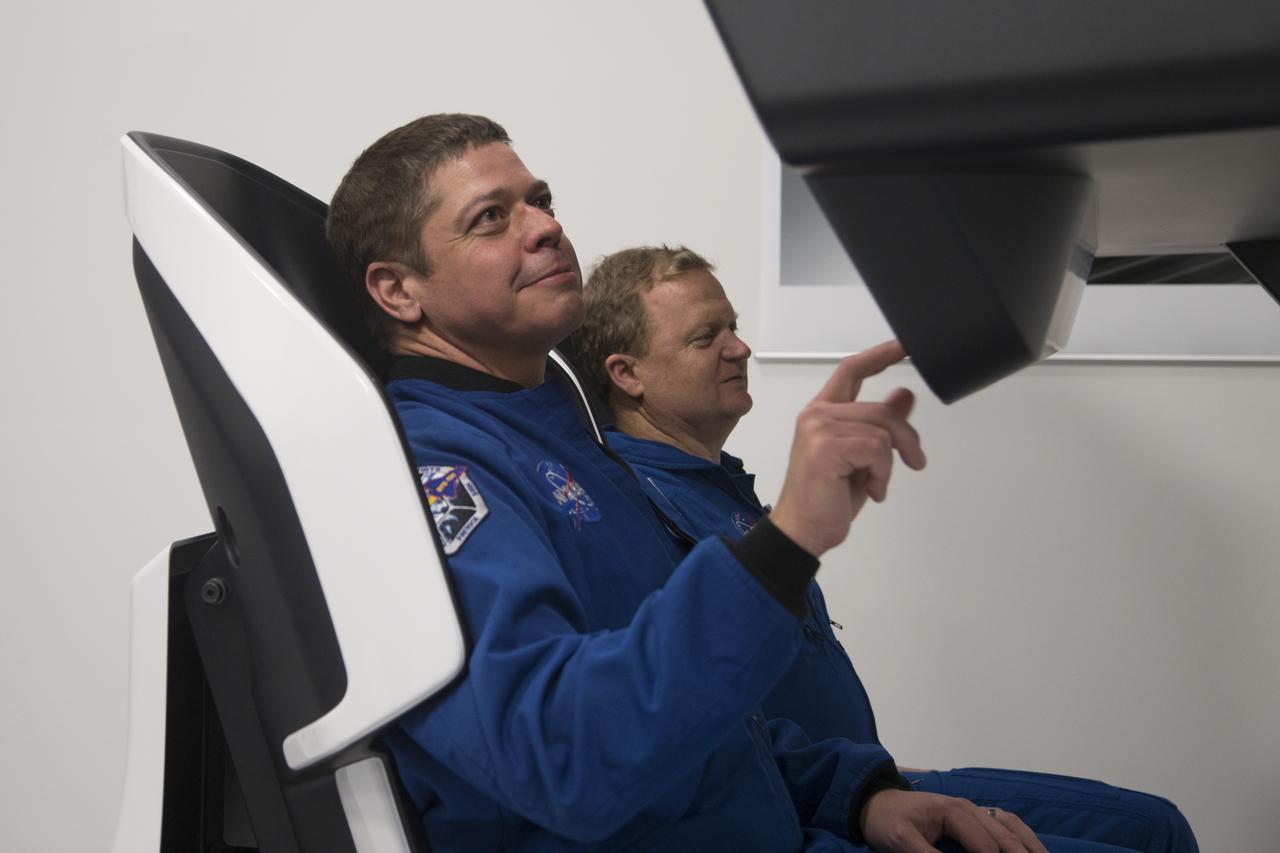
Astronauts Bob Behnken, left, and Eric Boe work in a mock-up of the SpaceX Crew Dragon flight deck at the company's Hawthorne, California, headquarters as development of the crew systems continues for eventual missions to the International Space Station.
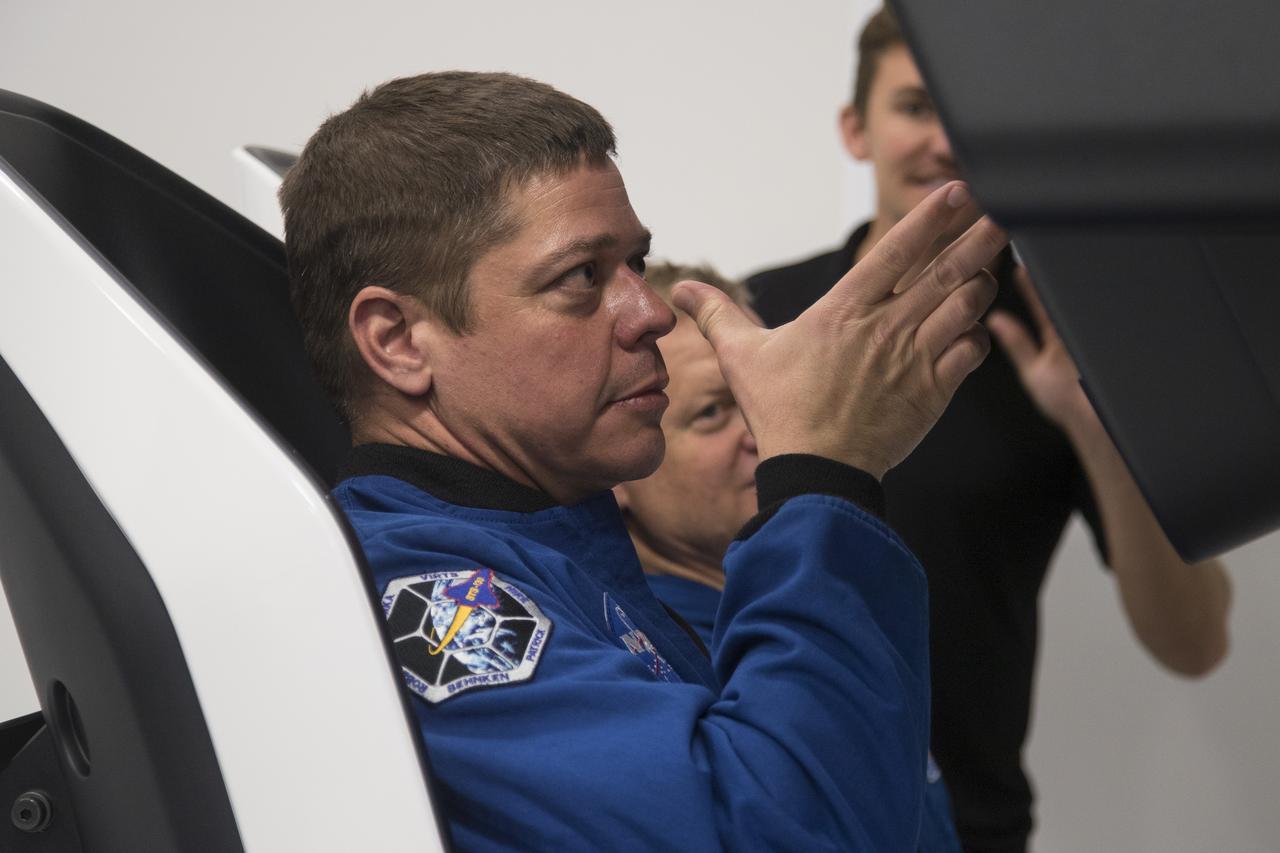
Astronaut Bob Behnken, work in a mock-up of the SpaceX Crew Dragon flight deck at the company's Hawthorne, California, headquarters as development of the crew systems continues for eventual missions to the International Space Station.
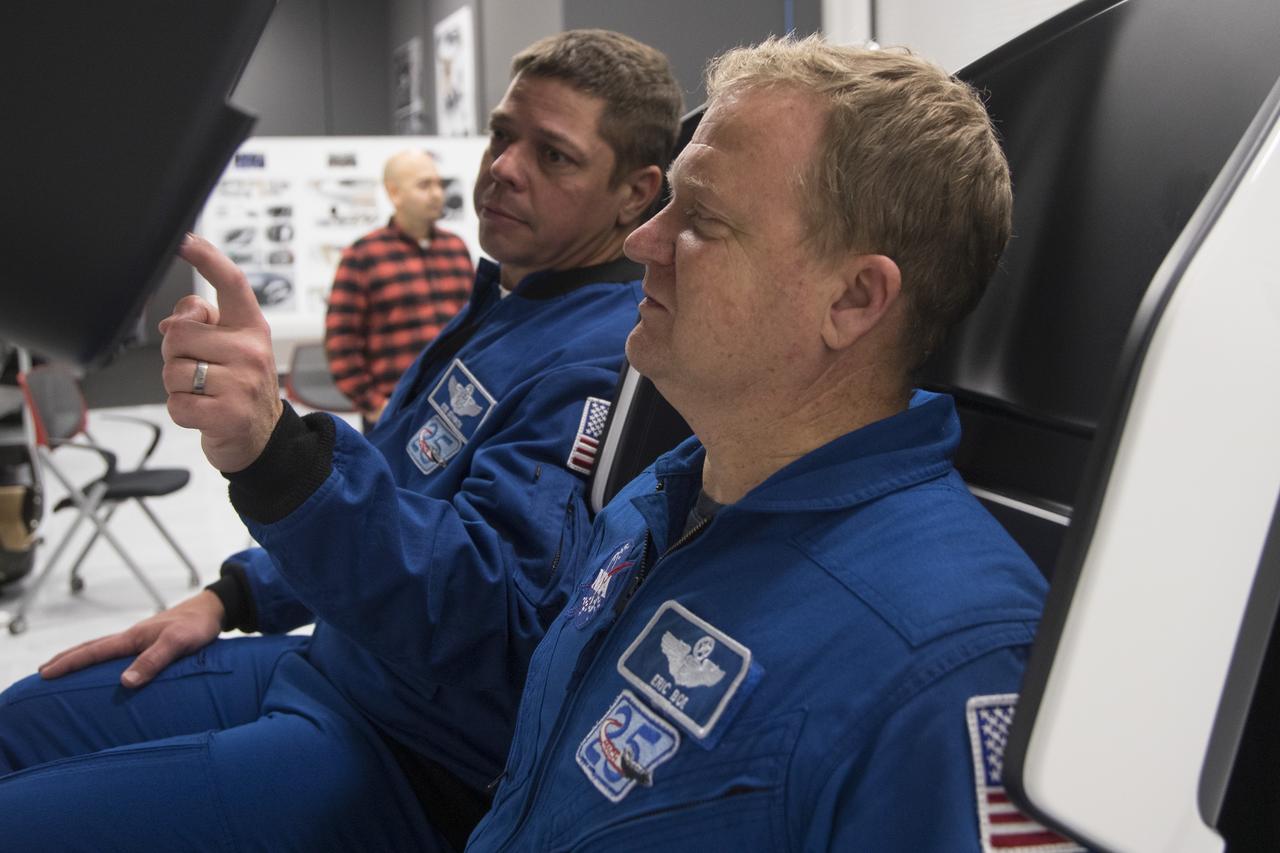
Astronauts Bob Behnken, left, and Eric Boe work in a mock-up of the SpaceX Crew Dragon flight deck at the company's Hawthorne, California, headquarters as development of the crew systems continues for eventual missions to the International Space Station.
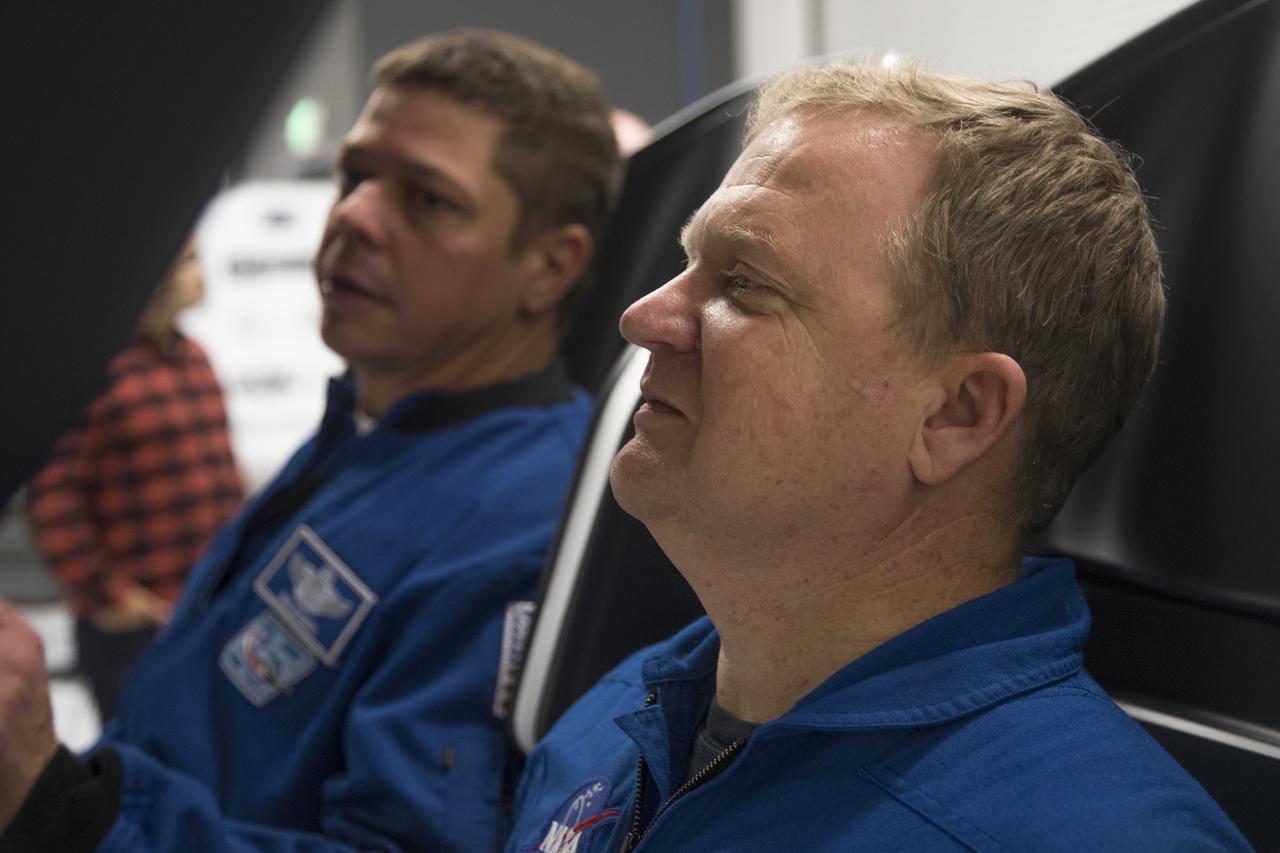
Astronauts Eric Boe, right, and Bob Behnken work in a mock-up of the SpaceX Crew Dragon flight deck at the company's Hawthorne, California, headquarters as development of the crew systems continues for eventual missions to the International Space Station.
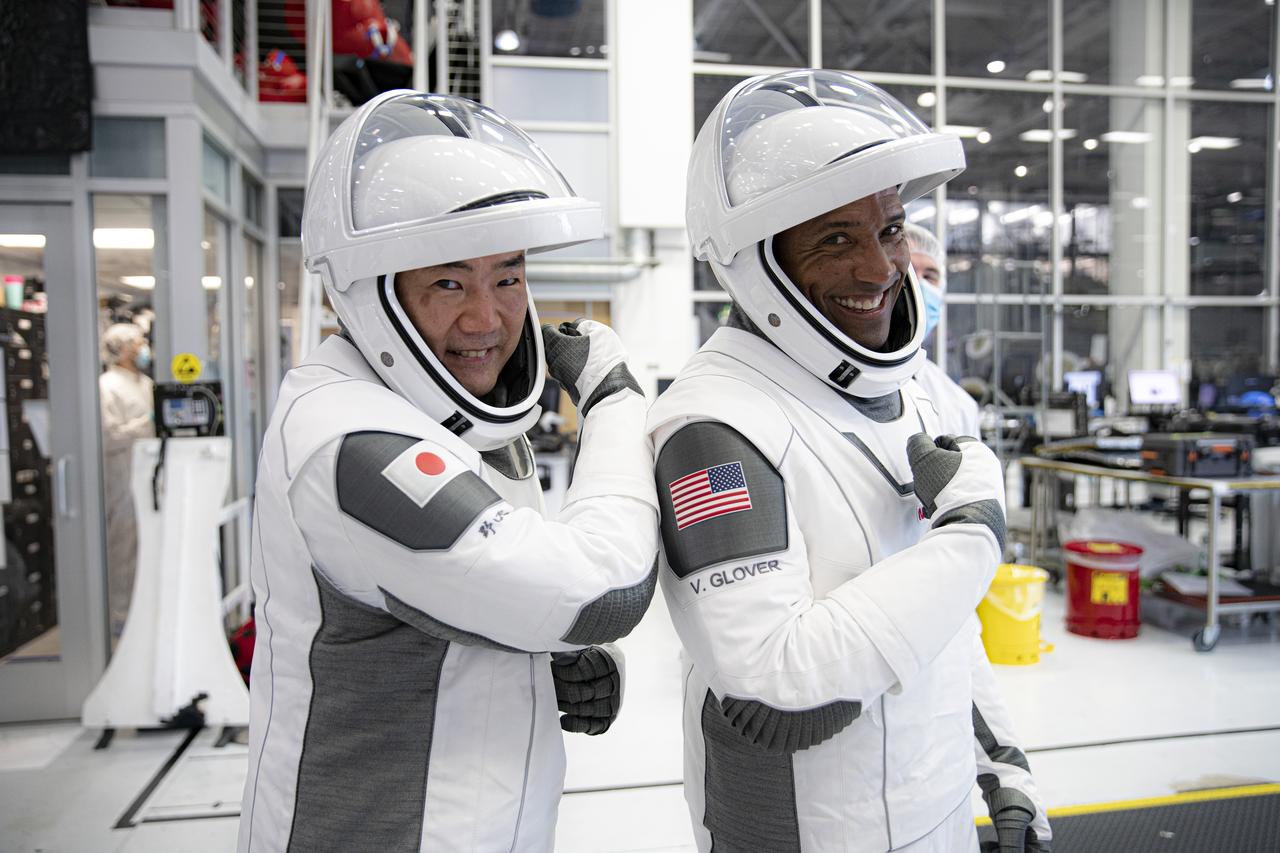
NASA’s SpaceX Crew-1 astronauts participate in crew equipment interface testing at SpaceX headquarters in Hawthorne, California, on Sept. 24, 2020. From left are mission specialist Soichi Noguchi, Japan Aerospace Exploration Agency (JAXA) astronaut, and pilot Victor Glover, NASA astronaut. The other crew members training, but not pictured, are mission specialist Shannon Walker, and Crew Dragon commander Michael Hopkins, both NASA astronauts. NASA’s SpaceX Crew-1 mission is the first crew rotational flight of a U.S. commercial spacecraft with astronauts to the International Space Station. The Crew-1 mission will launch from Launch Complex 39A at Kennedy Space Center in Florida. Crew-1 is part of NASA's Commercial Crew Program, which has returned human spaceflight capabilities to the U.S.
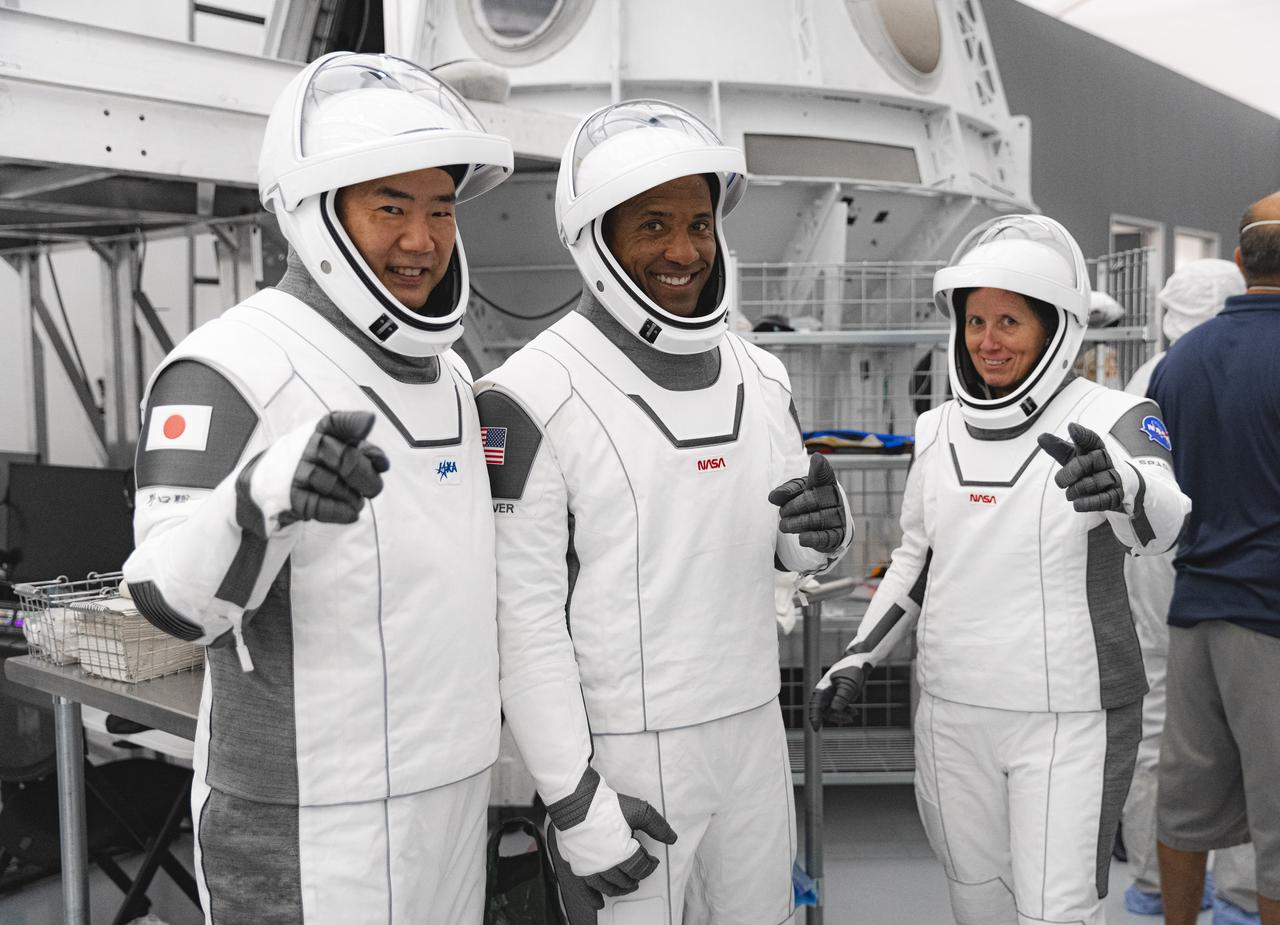
NASA’s SpaceX Crew-1 astronauts participate in crew equipment interface testing at SpaceX headquarters in Hawthorne, California, on Sept. 24, 2020. From left are mission specialist Soichi Noguchi, Japan Aerospace Exploration Agency (JAXA) astronaut, pilot Victor Glover, and mission specialist Shannon Walker, all NASA astronauts. Crew Dragon commander Michael Hopkins (not pictured), NASA astronaut, also participated in the training. NASA’s SpaceX Crew-1 mission is the first crew rotational flight of a U.S. commercial spacecraft with astronauts to the International Space Station. The Crew-1 mission will launch from Launch Complex 39A at Kennedy Space Center in Florida. Crew-1 is part of NASA's Commercial Crew Program, which has returned human spaceflight capabilities to the U.S.
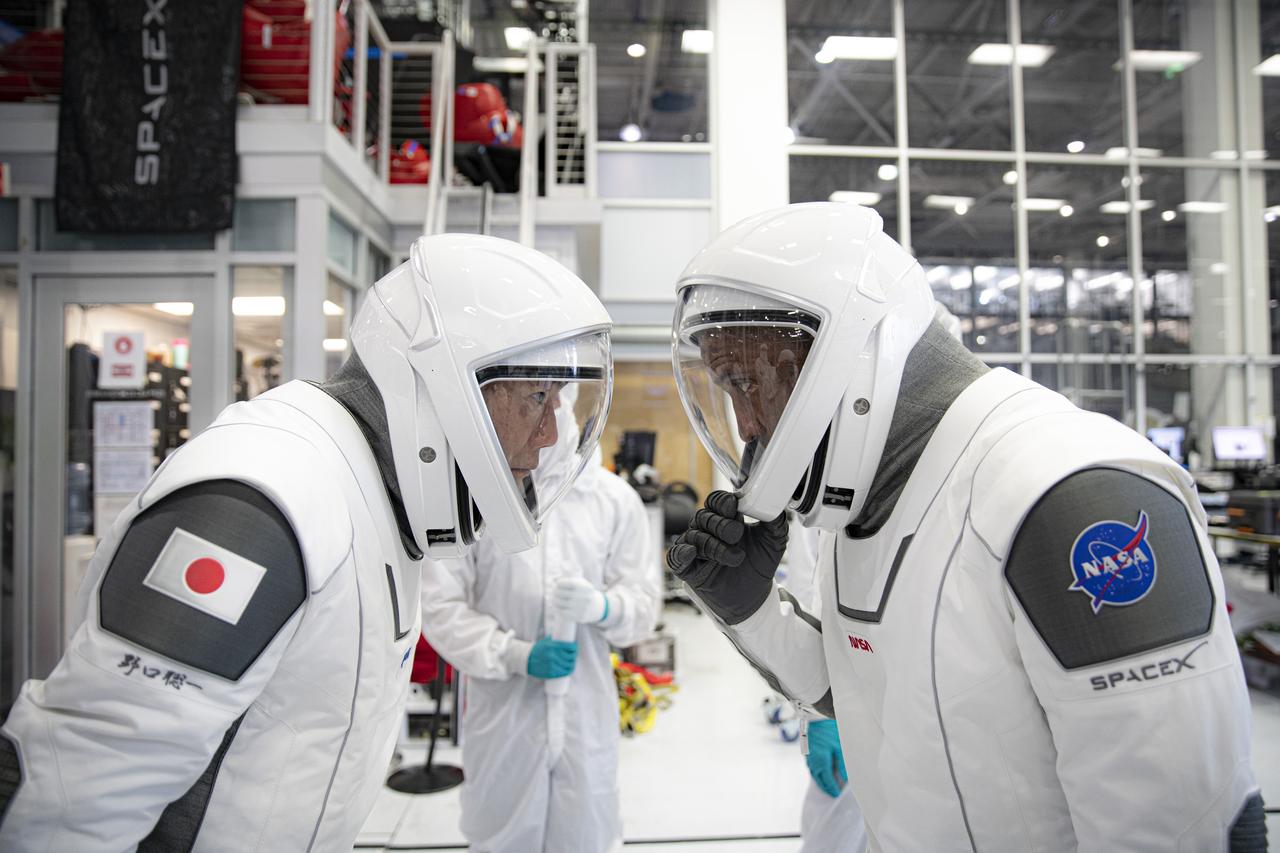
NASA’s SpaceX Crew-1 astronauts participate in crew equipment interface testing at SpaceX headquarters in Hawthorne, California, on Sept. 24, 2020. From left are mission specialist Soichi Noguchi, Japan Aerospace Exploration Agency (JAXA) astronaut, and pilot Victor Glover, NASA astronaut. The other crew members training, but not pictured, are mission specialist Shannon Walker, and Crew Dragon commander Michael Hopkins, both NASA astronauts. NASA’s SpaceX Crew-1 mission is the first crew rotational flight of a U.S. commercial spacecraft with astronauts to the International Space Station. The Crew-1 mission will launch from Launch Complex 39A at Kennedy Space Center in Florida. Crew-1 is part of NASA's Commercial Crew Program, which has returned human spaceflight capabilities to the U.S.
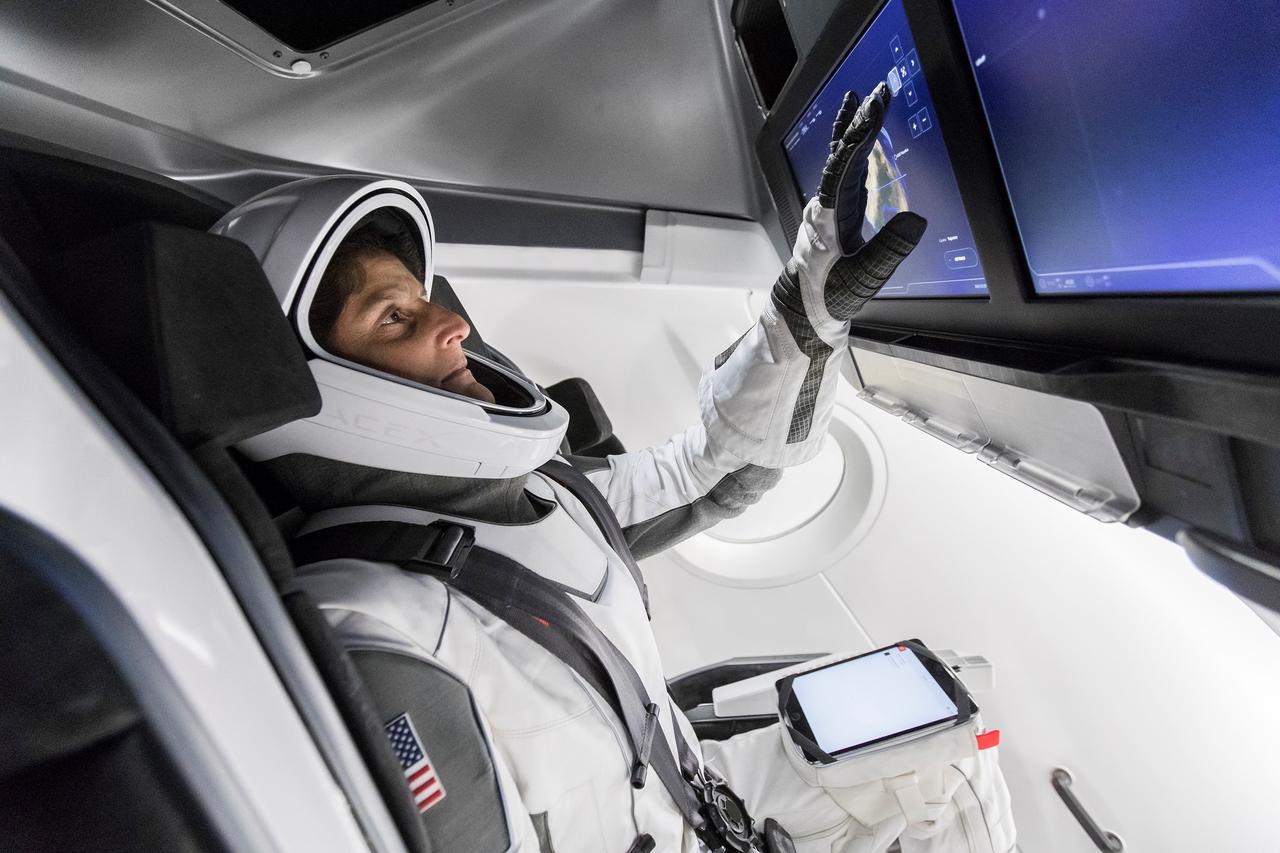
NASA Astronaut Suni Williams, fully suited in SpaceX’s spacesuit, interfaces with the display inside a mock-up of the Crew Dragon spacecraft in Hawthorne, California, during a testing exercise on Tuesday, April 3, 2018.
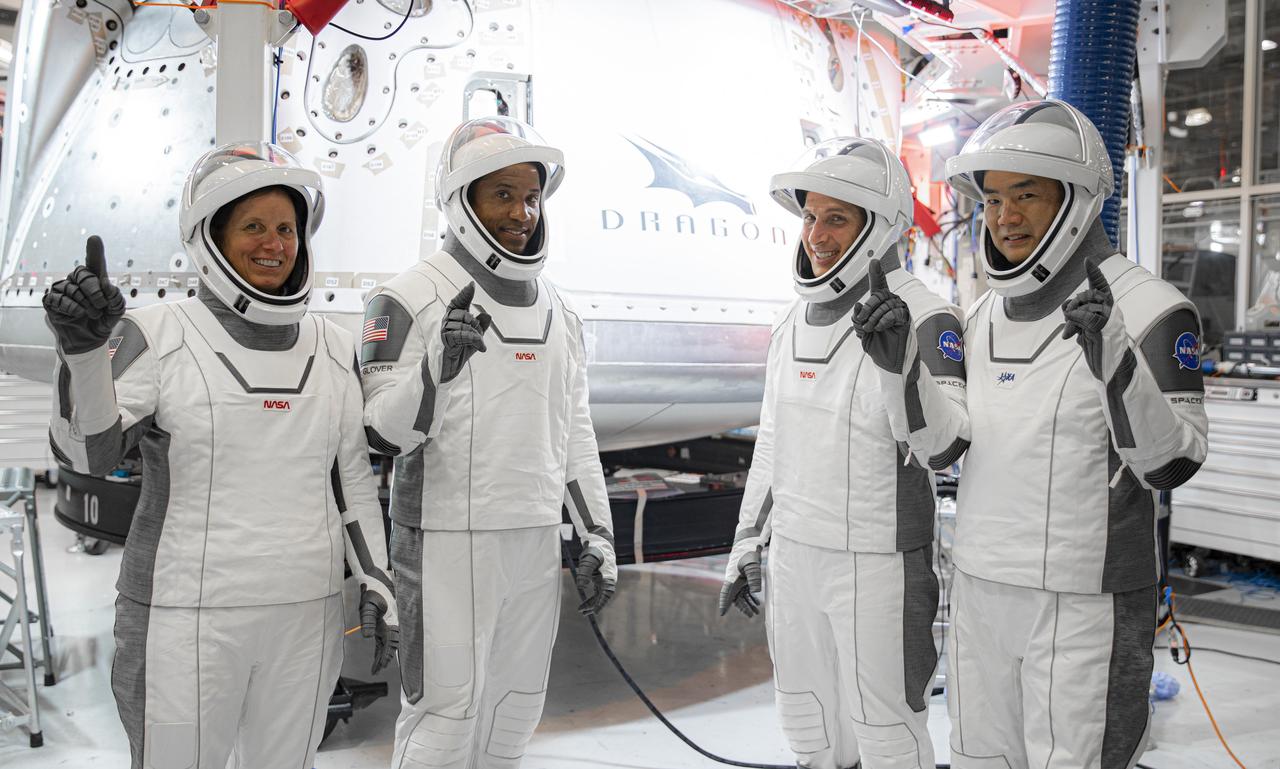
NASA’s SpaceX Crew-1 astronauts participate in crew equipment interface testing at SpaceX headquarters in Hawthorne, California, on Sept. 24, 2020. From left are mission specialist Shannon Walker, pilot Victor Glover, and Crew Dragon commander Michael Hopkins, all NASA astronauts, and mission specialist Soichi Noguchi, Japan Aerospace Exploration Agency (JAXA) astronaut. NASA’s SpaceX Crew-1 mission is the first crew rotational flight of a U.S. commercial spacecraft with astronauts to the International Space Station. The Crew-1 mission will launch from Launch Complex 39A at Kennedy Space Center in Florida. Crew-1 is part of NASA's Commercial Crew Program, which has returned human spaceflight capabilities to the U.S.
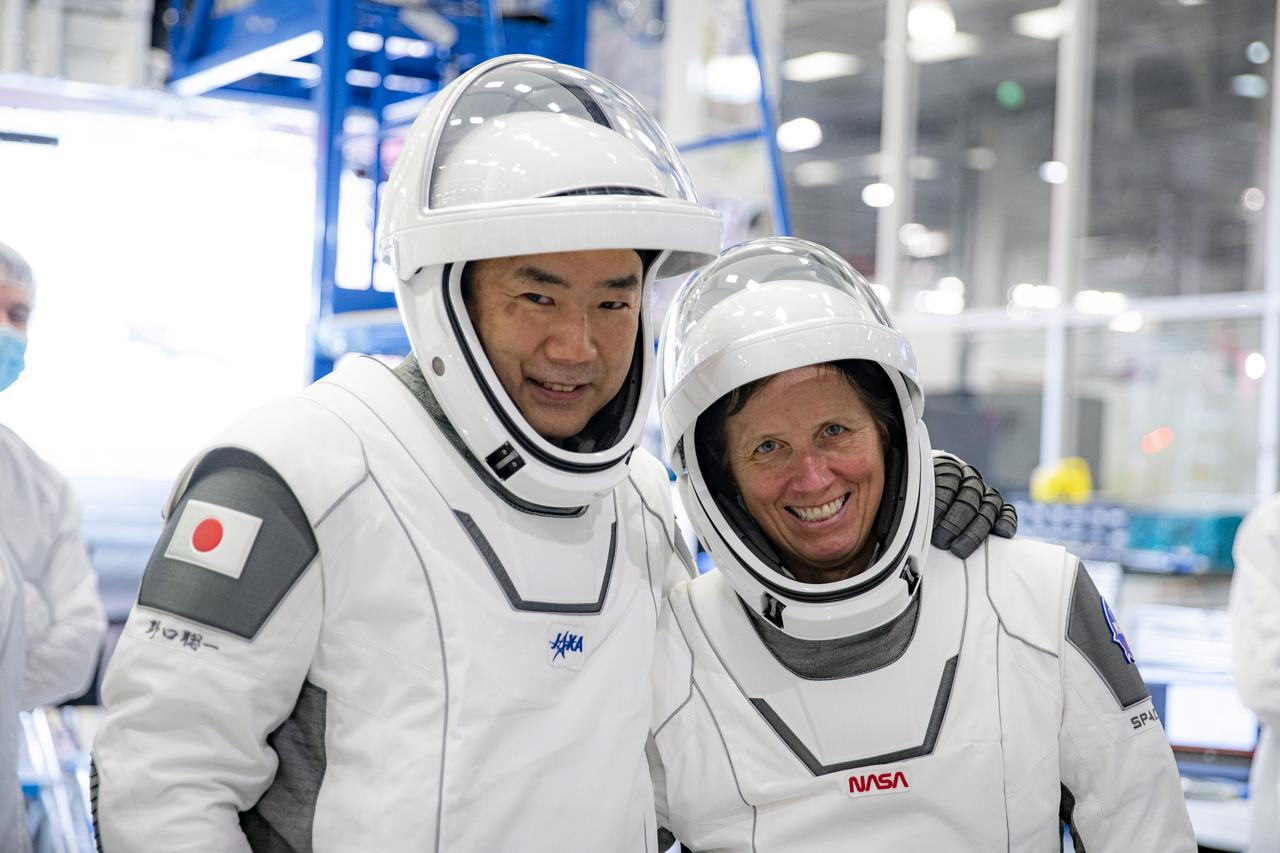
NASA’s SpaceX Crew-1 astronauts participate in crew equipment interface testing at SpaceX headquarters in Hawthorne, California, on Sept. 24, 2020. From left are mission specialist Soichi Noguchi, Japan Aerospace Exploration Agency (JAXA) astronaut, and mission specialist Shannon Walker, NASA astronaut. The other crew members training, but not pictured, are Crew Dragon commander Michael Hopkins, and pilot Victor Glover, both NASA astronauts. NASA’s SpaceX Crew-1 mission is the first crew rotational flight of a U.S. commercial spacecraft with astronauts to the International Space Station. The Crew-1 mission will launch from Launch Complex 39A at Kennedy Space Center in Florida. Crew-1 is part of NASA's Commercial Crew Program, which has returned human spaceflight capabilities to the U.S.
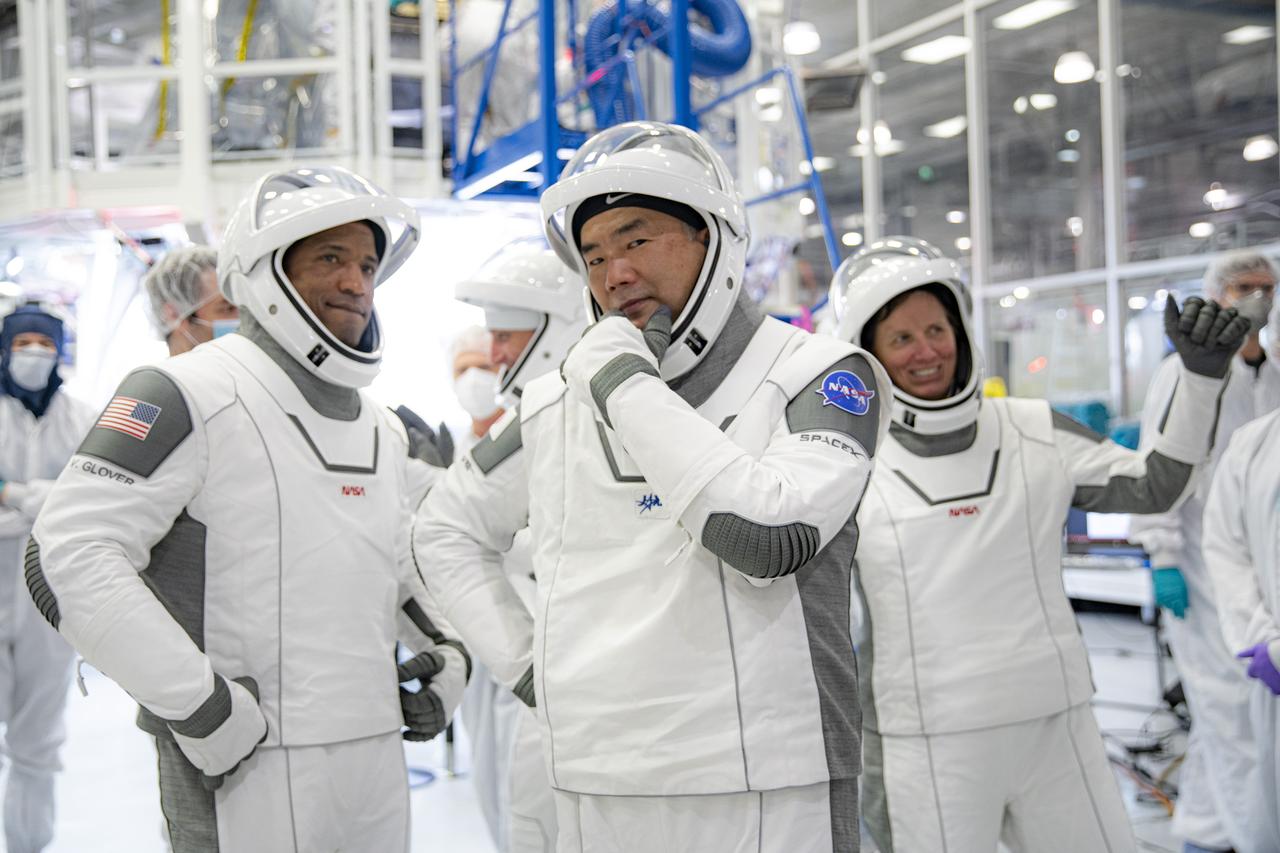
NASA’s SpaceX Crew-1 astronauts participate in crew equipment interface testing at SpaceX headquarters in Hawthorne, California, on Sept. 24, 2020. From left are pilot Victor Glover, NASA astronaut; mission specialist Soichi Noguchi, Japan Aerospace Exploration Agency (JAXA) astronaut; and mission specialist Shannon Walker, NASA astronaut. The other crew member training, but not pictured, is Crew Dragon commander Michael Hopkins, NASA astronaut. NASA’s SpaceX Crew-1 mission is the first crew rotational flight of a U.S. commercial spacecraft with astronauts to the International Space Station. The Crew-1 mission will launch from Launch Complex 39A at Kennedy Space Center in Florida. Crew-1 is part of NASA's Commercial Crew Program, which has returned human spaceflight capabilities to the U.S.
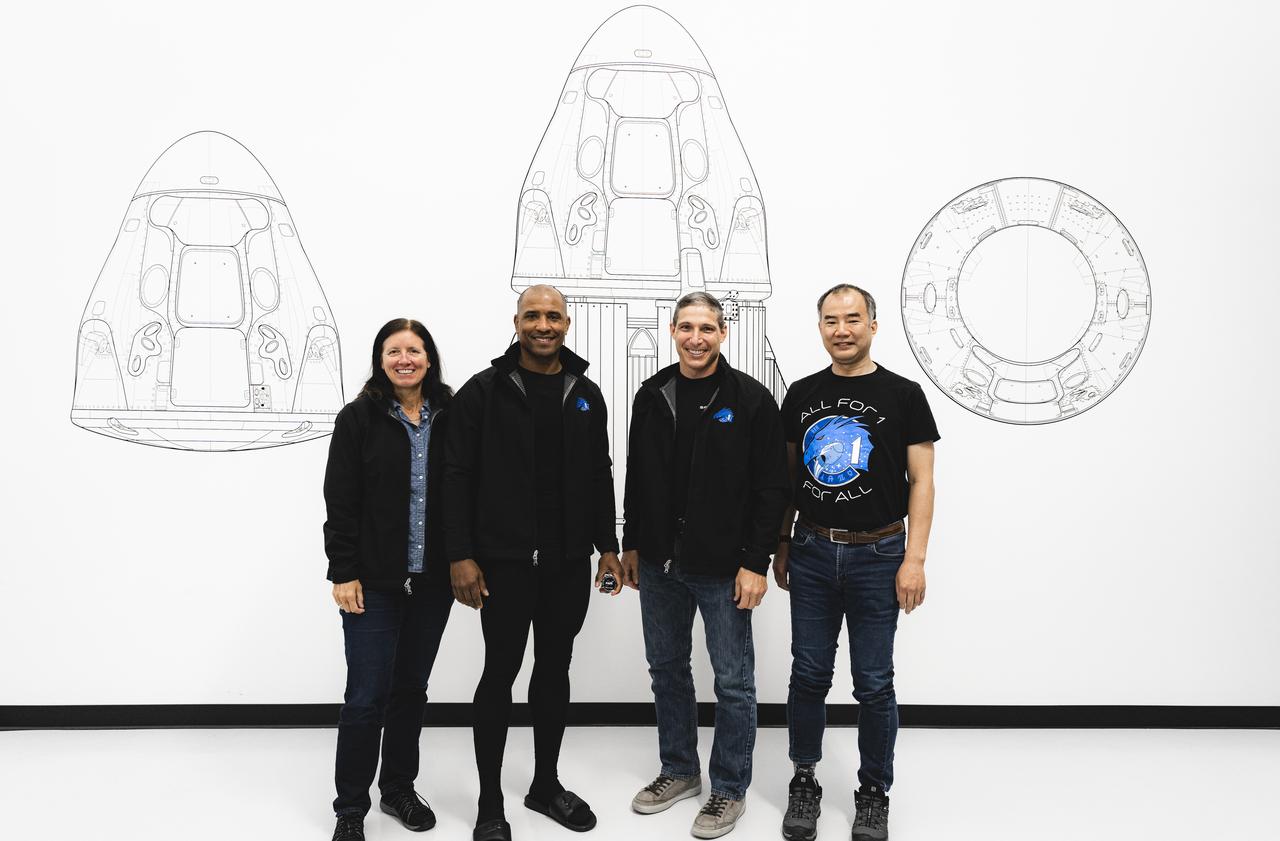
NASA’s SpaceX Crew-1 astronauts participate in crew equipment interface testing at SpaceX headquarters in Hawthorne, California, on Sept. 24, 2020. From left are mission specialist Shannon Walker, pilot Victor Glover, and Crew Dragon commander Michael Hopkins, all NASA astronauts, and mission specialist Soichi Noguchi, Japan Aerospace Exploration Agency (JAXA) astronaut. NASA’s SpaceX Crew-1 mission is the first crew rotational flight of a U.S. commercial spacecraft with astronauts to the International Space Station. The Crew-1 mission will launch from Launch Complex 39A at Kennedy Space Center in Florida. Crew-1 is part of NASA's Commercial Crew Program, which has returned human spaceflight capabilities to the U.S.
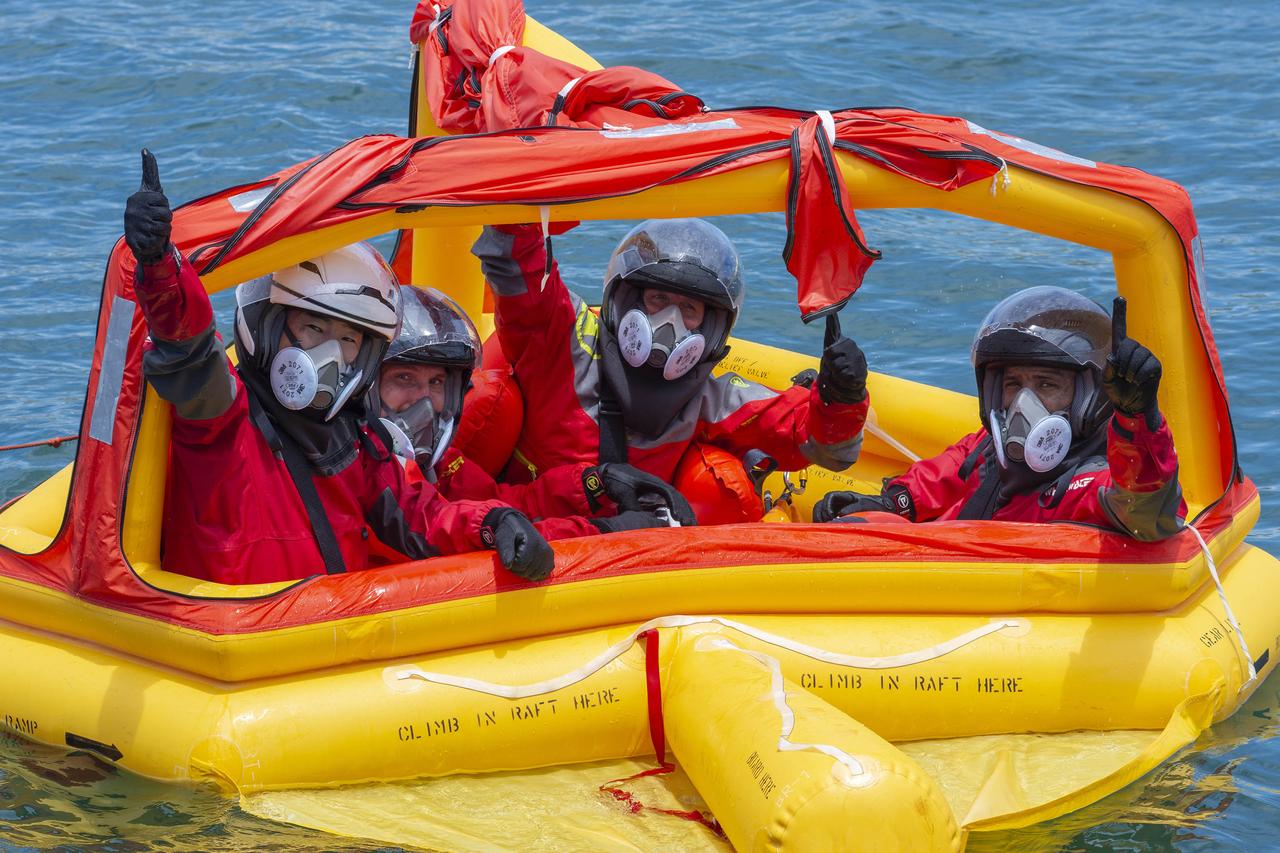
NASA’s SpaceX Crew-1 astronauts participate in an emergency water egress exercise in the Atlantic Ocean off the coast of Florida on Sept. 24, 2020. From left are mission specialist Soichi Noguchi, mission specialist Shannon Walker, Crew Dragon commander Michael Hopkins, and pilot Victor Glover. Soichi is a Japan Aerospace Exploration Agency astronaut; the others are NASA astronauts. NASA’s SpaceX Crew-1 mission is the first crew rotational flight of a U.S. commercial spacecraft with astronauts to the International Space Station. The Crew-1 mission will launch from Launch Complex 39A at Kennedy Space Center in Florida. Crew-1 is part of NASA's Commercial Crew Program, which has returned human spaceflight capabilities to the U.S.
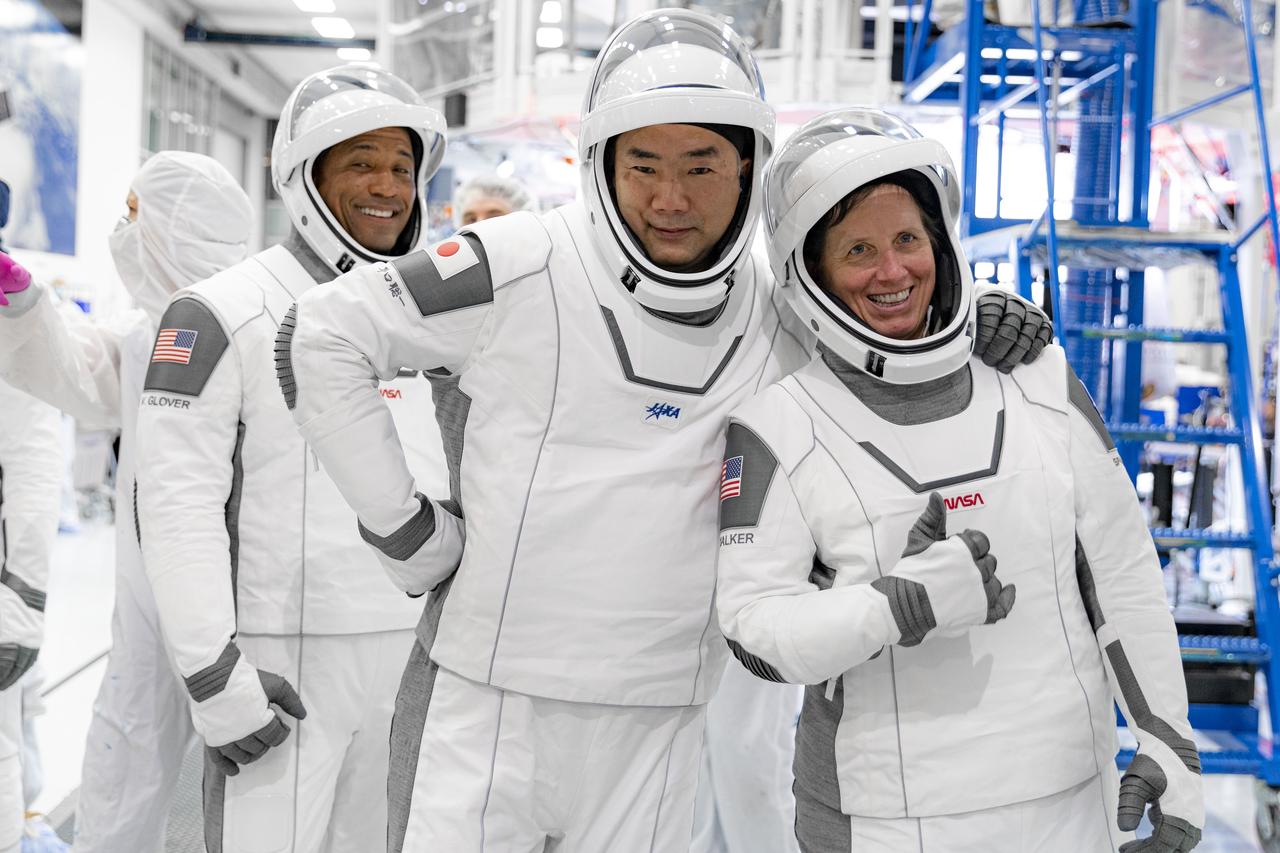
NASA’s SpaceX Crew-1 astronauts participate in crew equipment interface testing at SpaceX headquarters in Hawthorne, California, on Sept. 24, 2020. From left are pilot Victor Glover, NASA astronaut; mission specialist Soichi Noguchi, Japan Aerospace Exploration Agency (JAXA) astronaut; and mission specialist Shannon Walker, NASA astronaut. The other crew member training, but not pictured, is Crew Dragon commander Michael Hopkins, NASA astronaut. NASA’s SpaceX Crew-1 mission is the first crew rotational flight of a U.S. commercial spacecraft with astronauts to the International Space Station. The Crew-1 mission will launch from Launch Complex 39A at Kennedy Space Center in Florida. Crew-1 is part of NASA's Commercial Crew Program, which has returned human spaceflight capabilities to the U.S.
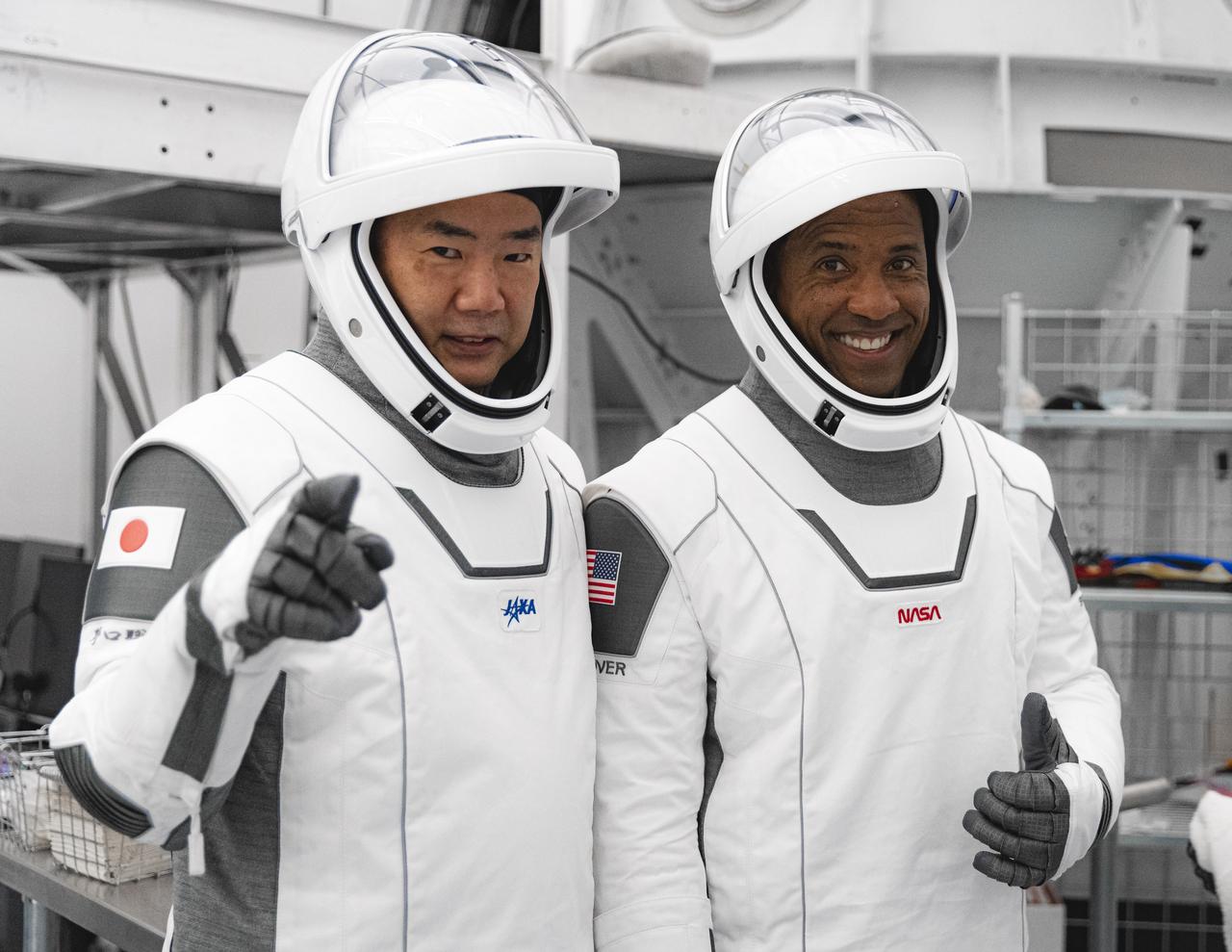
NASA’s SpaceX Crew-1 astronauts participate in crew equipment interface testing at SpaceX headquarters in Hawthorne, California, on Sept. 24, 2020. From left are mission specialist Soichi Noguchi, Japan Aerospace Exploration Agency (JAXA) astronaut, and Crew-1 pilot Victor Glover. The other Crew-1 astronauts also training, but not pictured, are mission specialist Shannon Walker, and Crew Dragon commander Michael Hopkins, all NASA astronauts. NASA’s SpaceX Crew-1 mission is the first crew rotational flight of a U.S. commercial spacecraft with astronauts to the International Space Station. The Crew-1 mission will launch from Launch Complex 39A at Kennedy Space Center in Florida. Crew-1 is part of NASA's Commercial Crew Program, which has returned human spaceflight capabilities to the U.S.
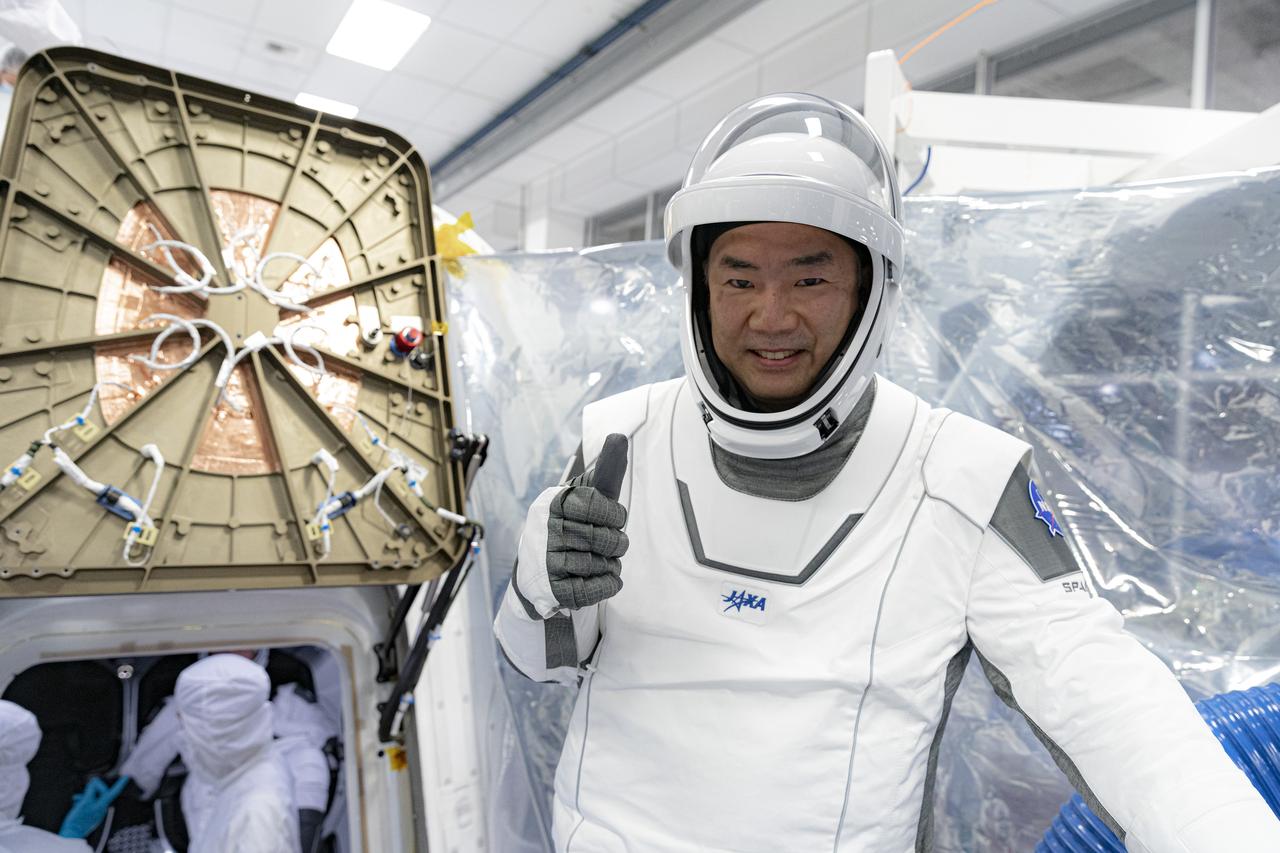
Japan Aerospace Exploration Agency (JAXA) astronaut Soichi Noguchi participates in crew equipment interface testing for NASA’s SpaceX Crew-1 mission at SpaceX headquarters in Hawthorne, California, on Sept. 24, 2020. Also participating, but not pictured, were Crew Dragon commander Michael Hopkins, pilot Victor Glover, and mission specialist Shannon Walker, all NASA astronauts. NASA’s SpaceX Crew-1 mission is the first crew rotational flight of a U.S. commercial spacecraft with astronauts to the International Space Station. The Crew-1 mission will launch from Launch Complex 39A at Kennedy Space Center in Florida. Crew-1 is part of NASA's Commercial Crew Program, which has returned human spaceflight capabilities to the U.S.
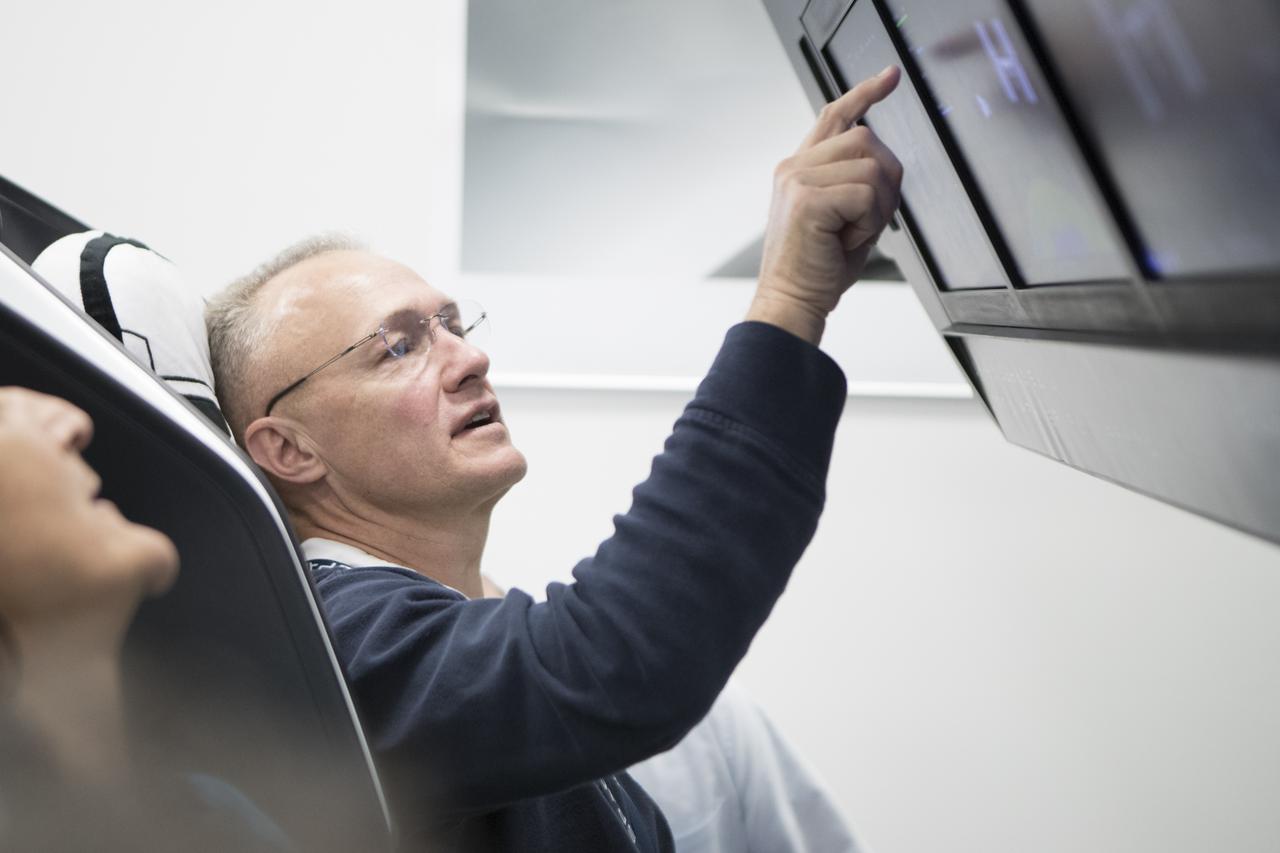
NASA Astronaut Doug Hurley interfaces with the display inside a mock-up of the Crew Dragon spacecraft in Hawthorne, California, during a testing exercise on Tuesday, April 3, 2018.
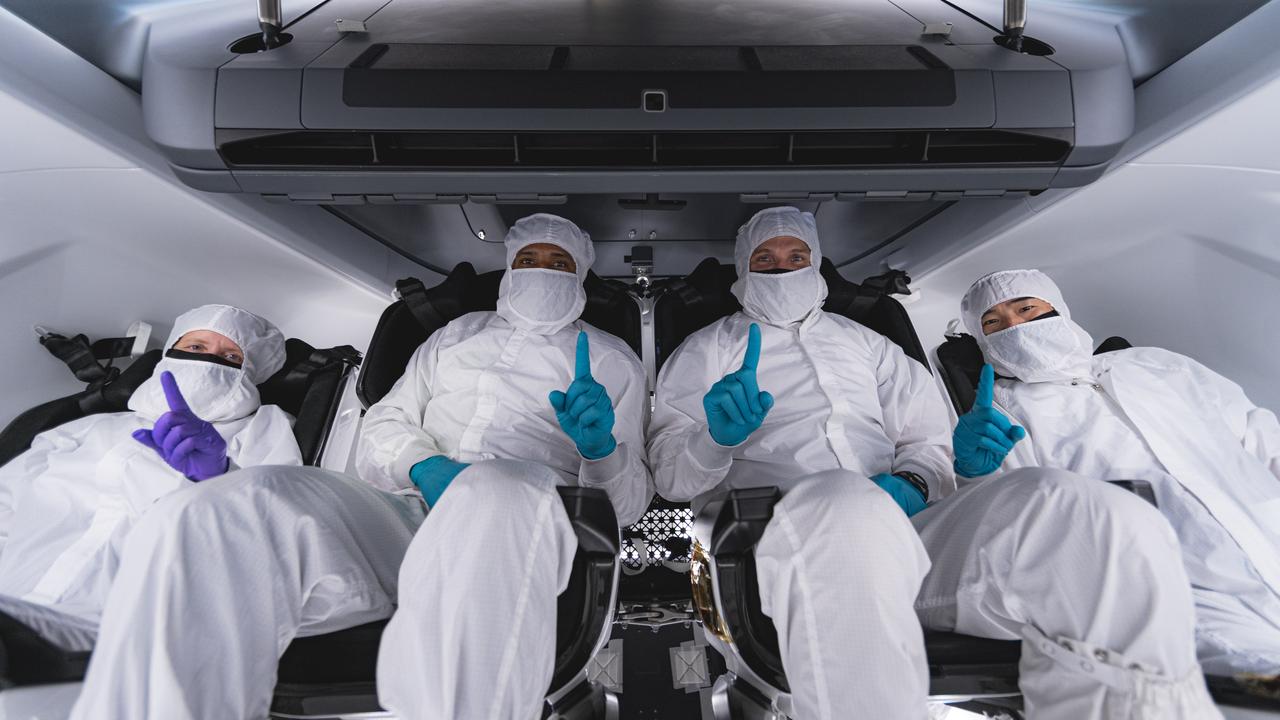
NASA’s SpaceX Crew-1 astronauts participate in crew equipment interface testing at SpaceX headquarters in Hawthorne, California, on Sept. 24, 2020. From left are mission specialist Shannon Walker, pilot Victor Glover, and Crew Dragon commander Michael Hopkins, all NASA astronauts; and mission specialist Soichi Noguchi, Japan Aerospace Exploration Agency (JAXA) astronaut. NASA’s SpaceX Crew-1 mission is the first crew rotational flight of a U.S. commercial spacecraft with astronauts to the International Space Station. The Crew-1 mission will launch from Launch Complex 39A at Kennedy Space Center in Florida. Crew-1 is part of NASA's Commercial Crew Program, which has returned human spaceflight capabilities to the U.S.
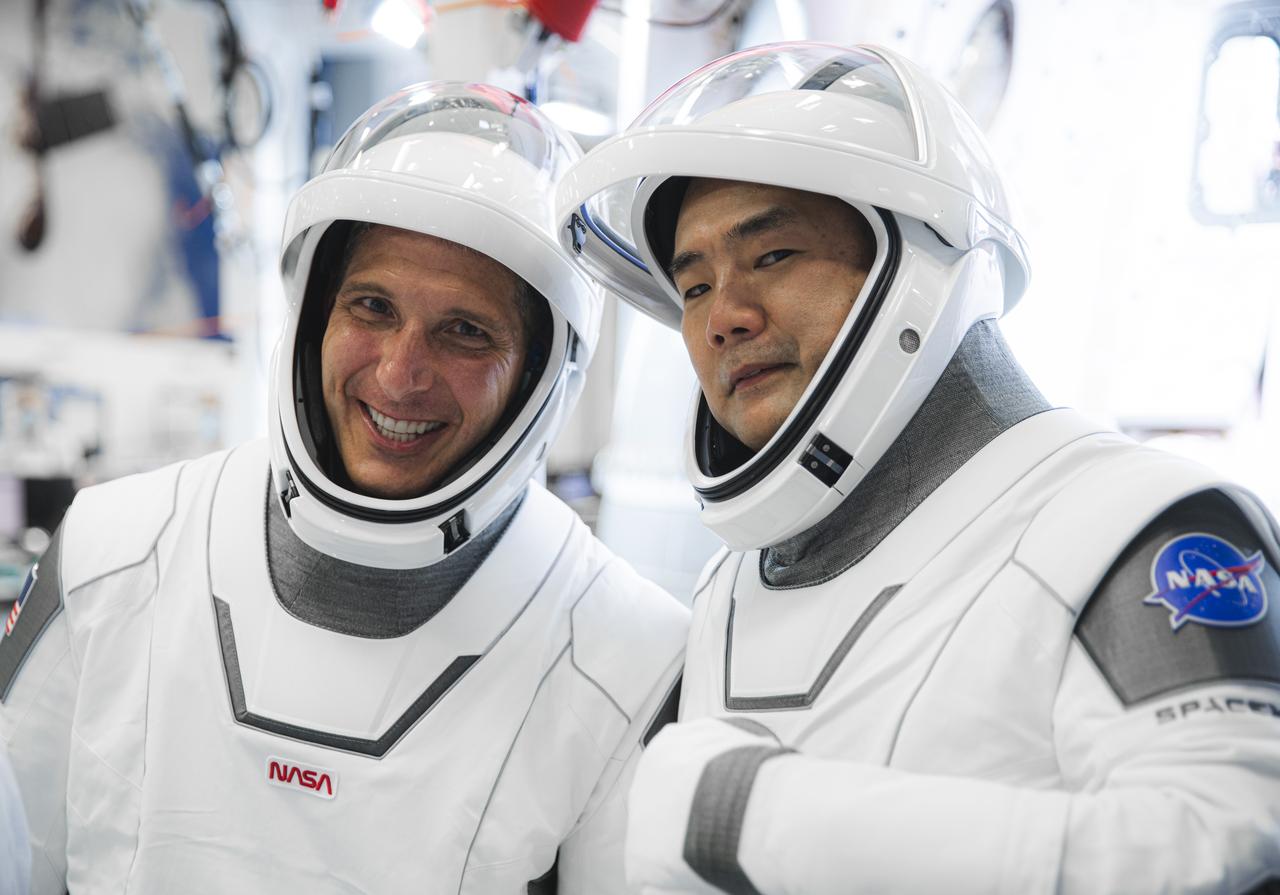
NASA’s SpaceX Crew-1 astronauts participate in crew equipment interface testing at SpaceX headquarters in Hawthorne, California, on Sept. 24, 2020. From left are Crew Dragon commander Michael Hopkins, NASA astronaut; and mission specialist Soichi Noguchi, Japan Aerospace Exploration Agency (JAXA) astronaut. Other crew members training, but not pictured, are pilot Victor Glover and mission specialist Shannon Walker, both NASA astronauts. NASA’s SpaceX Crew-1 mission is the first crew rotational flight of a U.S. commercial spacecraft with astronauts to the International Space Station. The Crew-1 mission will launch from Launch Complex 39A at Kennedy Space Center in Florida. Crew-1 is part of NASA's Commercial Crew Program, which has returned human spaceflight capabilities to the U.S.
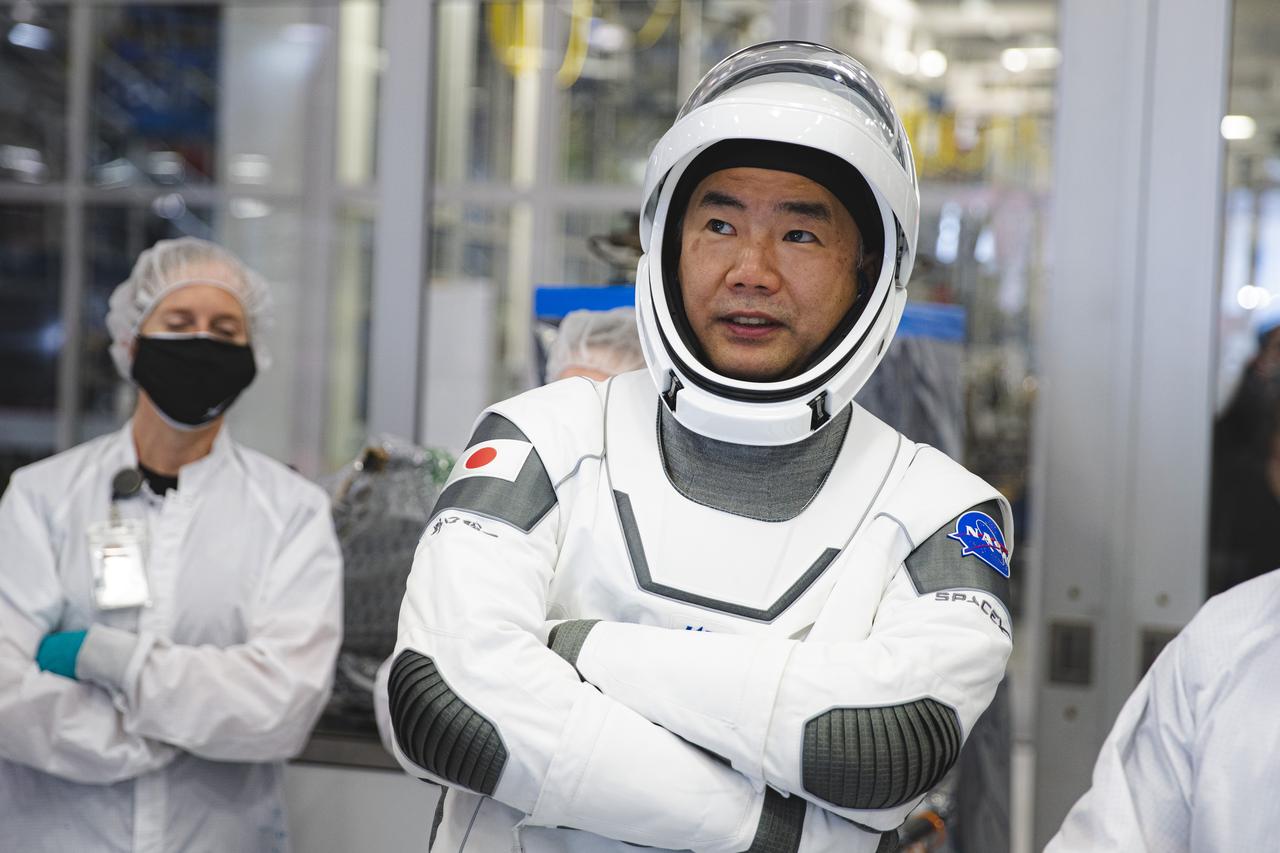
Japan Aerospace Exploration Agency (JAXA) astronaut Soichi Noguchi participates in crew equipment interface testing for NASA’s SpaceX Crew-1 mission at SpaceX headquarters in Hawthorne, California, on Sept. 24, 2020. Also participating, but not pictured, were Crew Dragon commander Michael Hopkins, pilot Victor Glover, and mission specialist Shannon Walker, all NASA astronauts. NASA’s SpaceX Crew-1 mission is the first crew rotational flight of a U.S. commercial spacecraft with astronauts to the International Space Station. The Crew-1 mission will launch from Launch Complex 39A at Kennedy Space Center in Florida. Crew-1 is part of NASA's Commercial Crew Program, which has returned human spaceflight capabilities to the U.S.
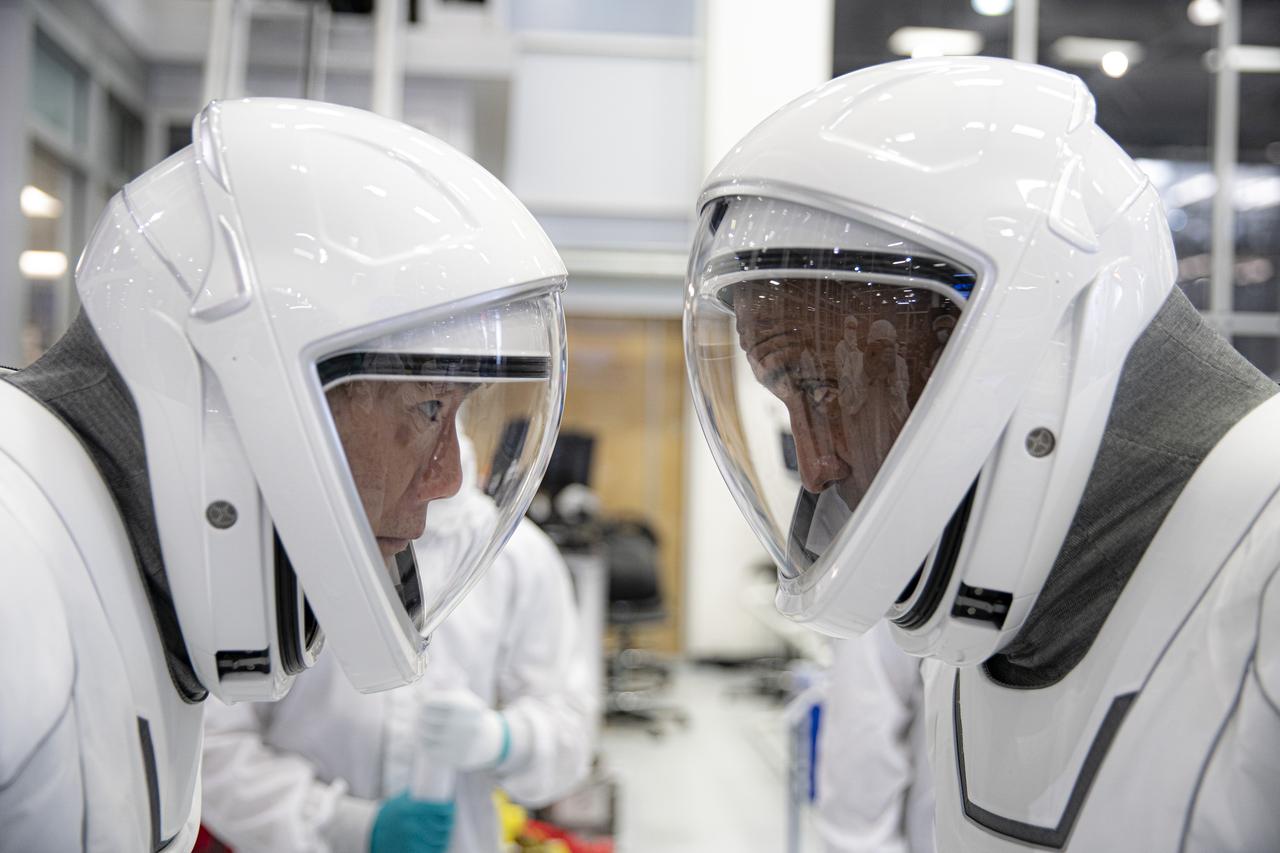
NASA’s SpaceX Crew-1 astronauts participate in crew equipment interface testing at SpaceX headquarters in Hawthorne, California, on Sept. 24, 2020. From left are mission specialist Soichi Noguchi, Japan Aerospace Exploration Agency (JAXA) astronaut, and pilot Victor Glover, NASA astronaut. The other crew members training, but not pictured, are mission specialist Shannon Walker, and Crew Dragon commander Michael Hopkins, both NASA astronauts. NASA’s SpaceX Crew-1 mission is the first crew rotational flight of a U.S. commercial spacecraft with astronauts to the International Space Station. The Crew-1 mission will launch from Launch Complex 39A at Kennedy Space Center in Florida. Crew-1 is part of NASA's Commercial Crew Program, which has returned human spaceflight capabilities to the U.S.
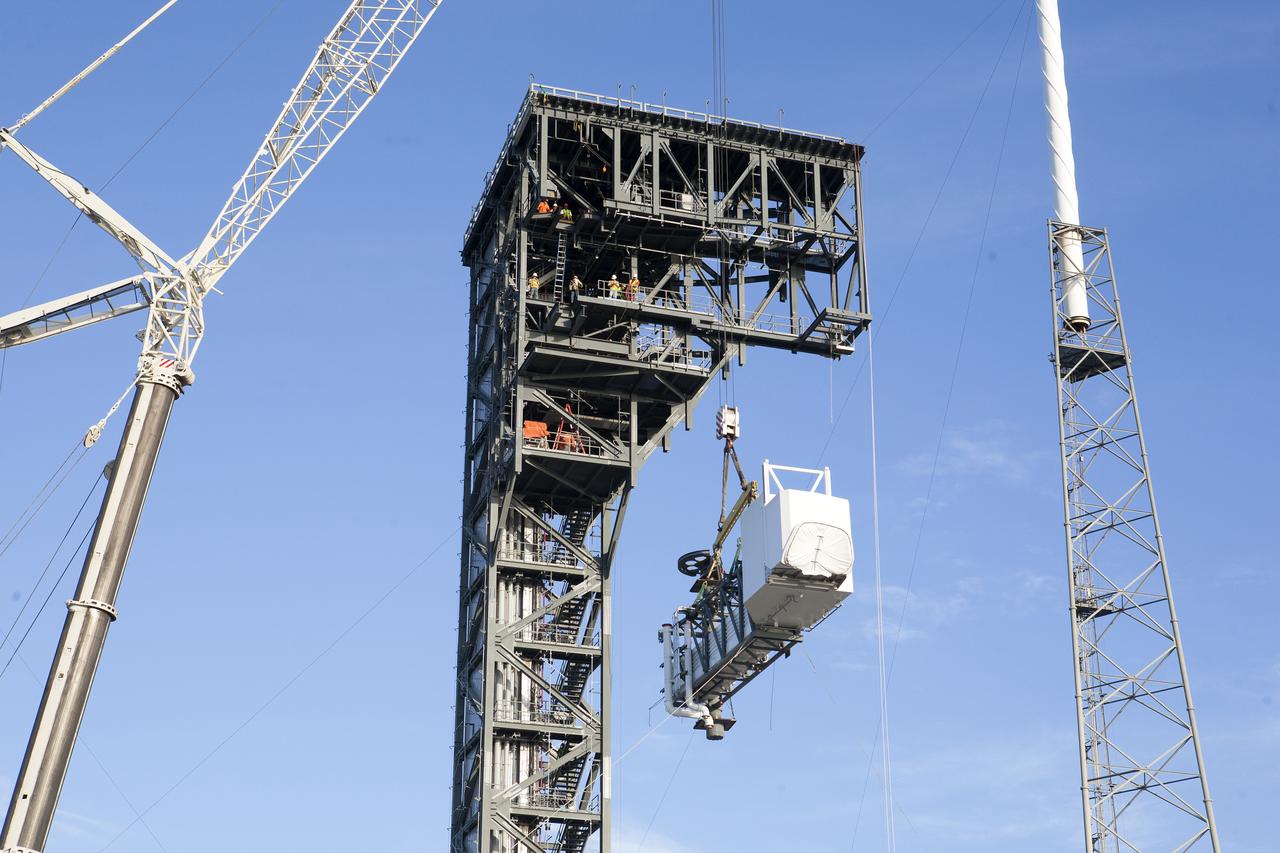
A crane lifts the Crew Access Arm and White Room for Boeing's CST-100 Starliner spacecraft to be attached to the Crew Access Tower at Cape Canaveral Air Force Station’s Space Launch Complex 41. When attached to the 200-foot tall Crew Access Tower, the arm will serve as the connection that astronauts will walk through prior to boarding the Starliner spacecraft when stacked atop a United Launch Alliance Atlas V rocket. This installation completes the major construction of the first new Crew Access Tower to be built at the Cape since the Apollo era. Under a Commercial Crew Transportation Capability (CCtCap) contract with NASA, Boeing’s Starliner system will be certified by NASA's Commercial Crew Program to fly crews to and from the International Space Station.
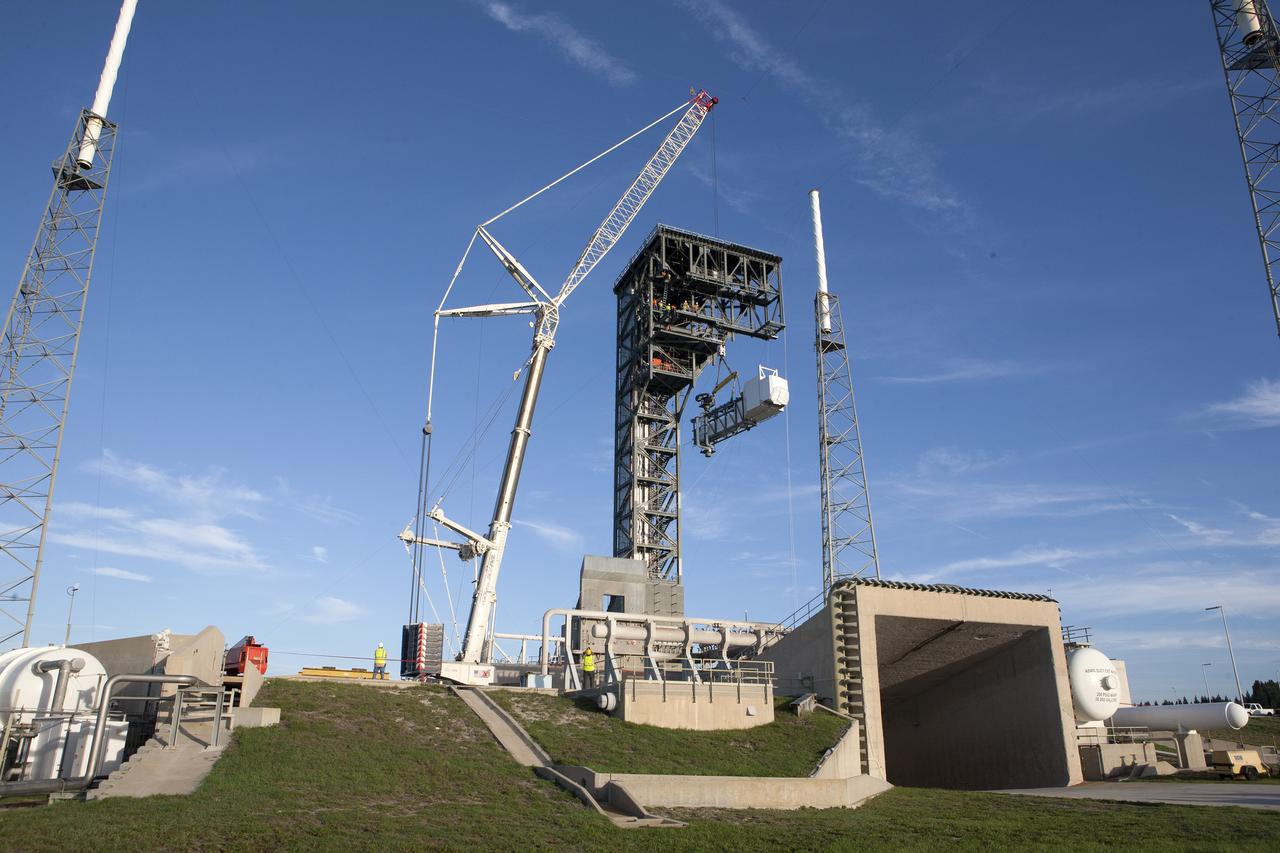
A crane lifts the Crew Access Arm and White Room for Boeing's CST-100 Starliner spacecraft to be attached to the Crew Access Tower at Cape Canaveral Air Force Station’s Space Launch Complex 41. When attached to the 200-foot tall Crew Access Tower, the arm will serve as the connection that astronauts will walk through prior to boarding the Starliner spacecraft when stacked atop a United Launch Alliance Atlas V rocket. This installation completes the major construction of the first new Crew Access Tower to be built at the Cape since the Apollo era. Under a Commercial Crew Transportation Capability (CCtCap) contract with NASA, Boeing’s Starliner system will be certified by NASA's Commercial Crew Program to fly crews to and from the International Space Station.
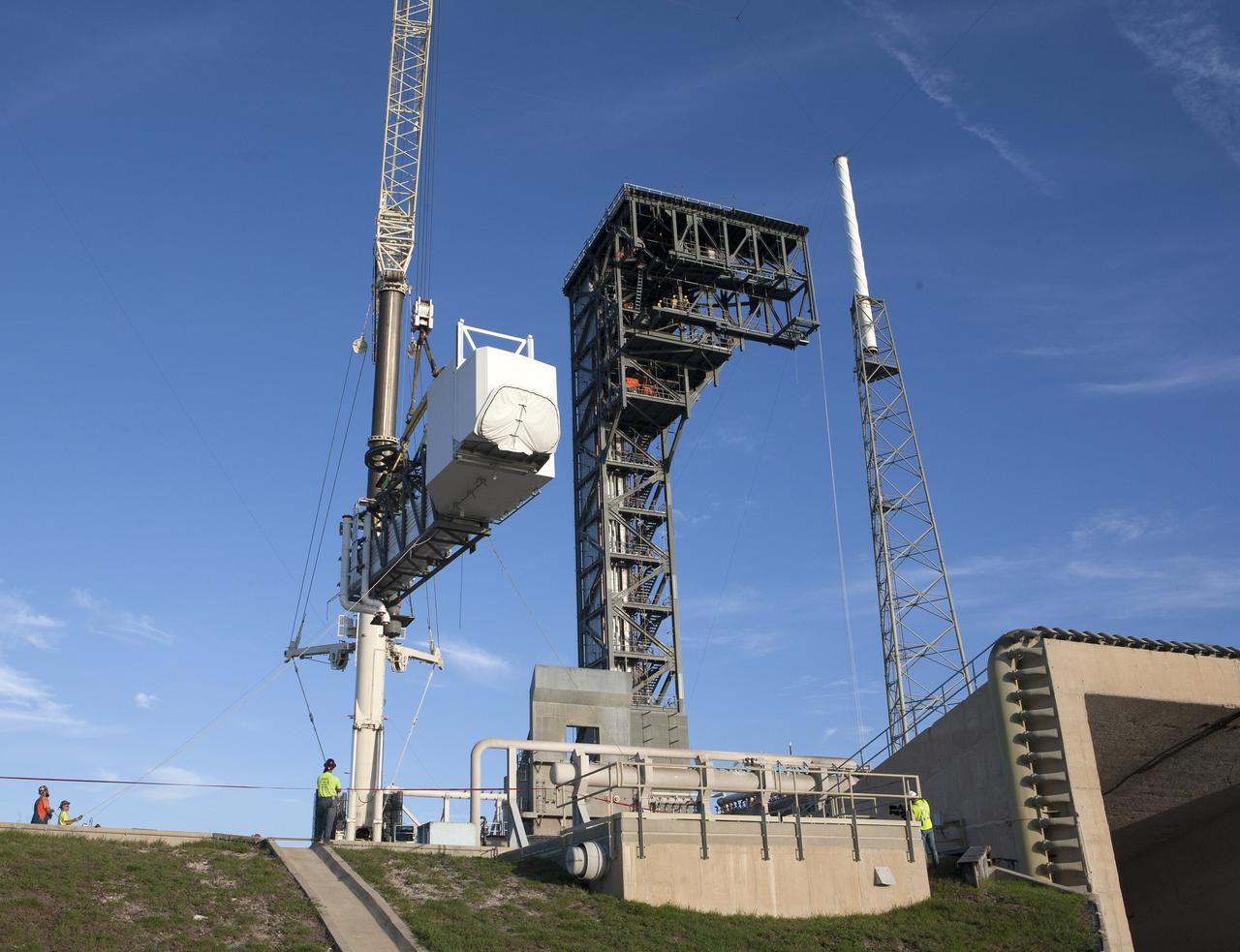
A crane lifts the Crew Access Arm and White Room for Boeing's CST-100 Starliner spacecraft to be attached to the Crew Access Tower at Cape Canaveral Air Force Station’s Space Launch Complex 41. When attached to the 200-foot tall Crew Access Tower, the arm will serve as the connection that astronauts will walk through prior to boarding the Starliner spacecraft when stacked atop a United Launch Alliance Atlas V rocket. This installation completes the major construction of the first new Crew Access Tower to be built at the Cape since the Apollo era. Under a Commercial Crew Transportation Capability (CCtCap) contract with NASA, Boeing’s Starliner system will be certified by NASA's Commercial Crew Program to fly crews to and from the International Space Station.
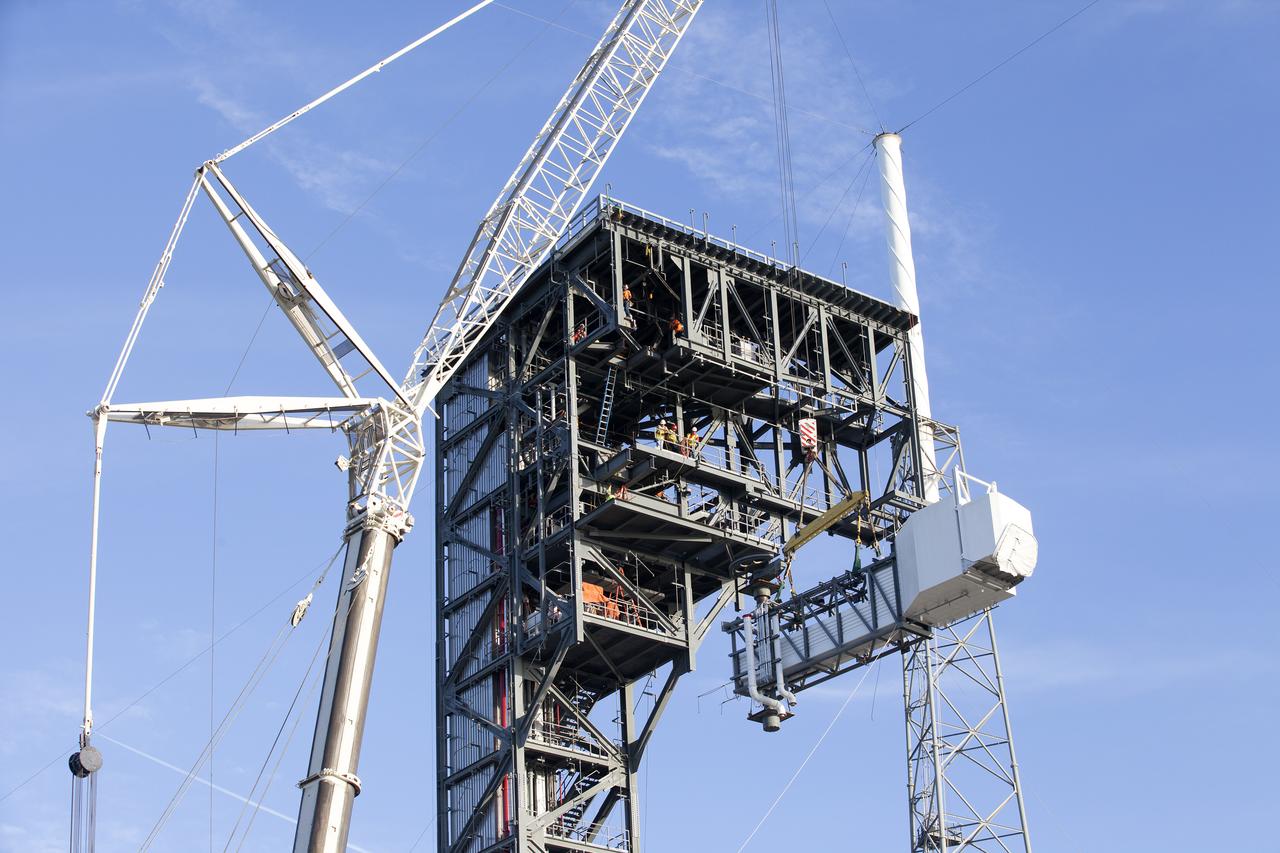
A crane lifts the Crew Access Arm and White Room for Boeing's CST-100 Starliner spacecraft to be attached to the Crew Access Tower at Cape Canaveral Air Force Station’s Space Launch Complex 41. When attached to the 200-foot tall Crew Access Tower, the arm will serve as the connection that astronauts will walk through prior to boarding the Starliner spacecraft when stacked atop a United Launch Alliance Atlas V rocket. The installation completes the major construction of the first new Crew Access Tower to be built at the Cape since the Apollo era. Under a Commercial Crew Transportation Capability (CCtCap) contract with NASA, Boeing’s Starliner system will be certified by NASA's Commercial Crew Program to fly crews to and from the International Space Station.
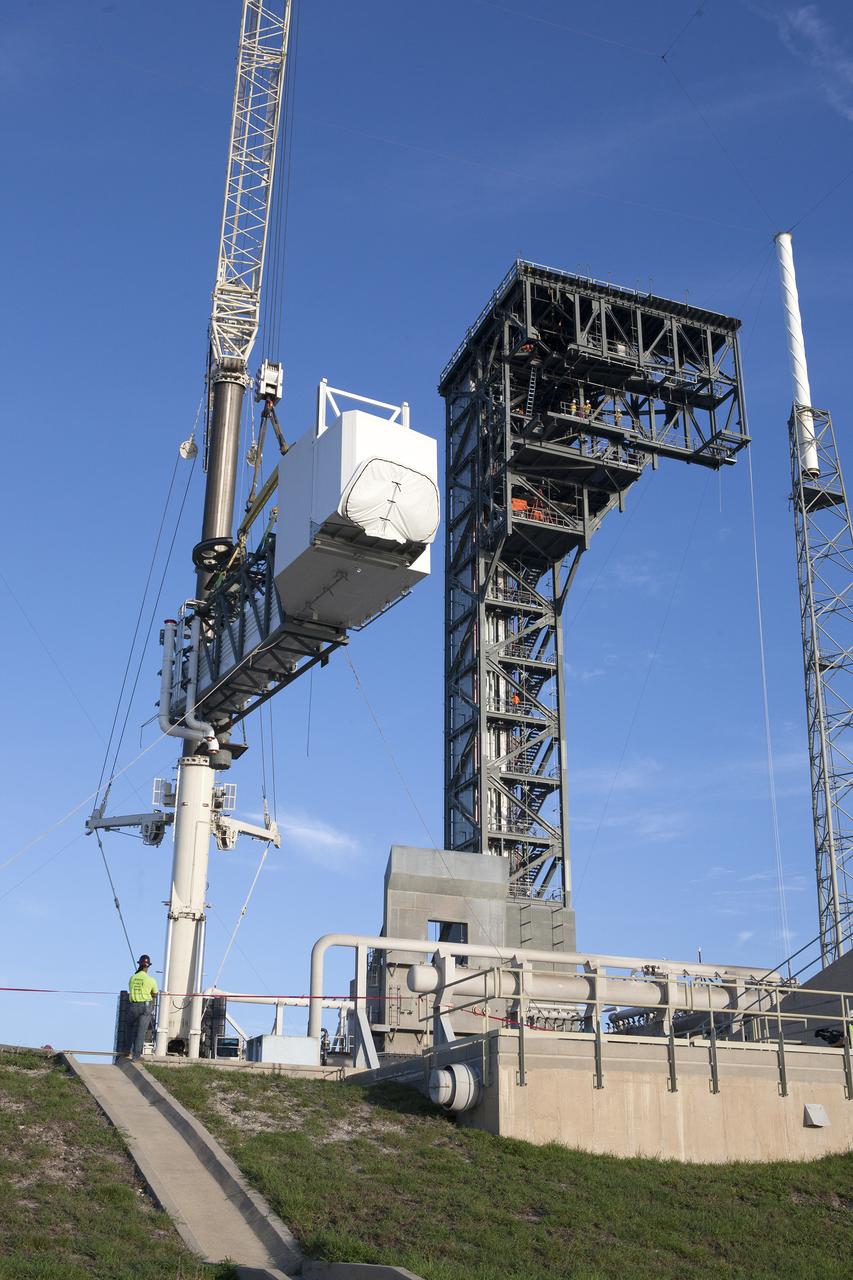
A crane lifts the Crew Access Arm and White Room for Boeing's CST-100 Starliner spacecraft to be attached to the Crew Access Tower at Cape Canaveral Air Force Station’s Space Launch Complex 41. When attached to the 200-foot tall Crew Access Tower, the arm will serve as the connection that astronauts will walk through prior to boarding the Starliner spacecraft when stacked atop a United Launch Alliance Atlas V rocket. This installation completes the major construction of the first new Crew Access Tower to be built at the Cape since the Apollo era. Under a Commercial Crew Transportation Capability (CCtCap) contract with NASA, Boeing’s Starliner system will be certified by NASA's Commercial Crew Program to fly crews to and from the International Space Station.
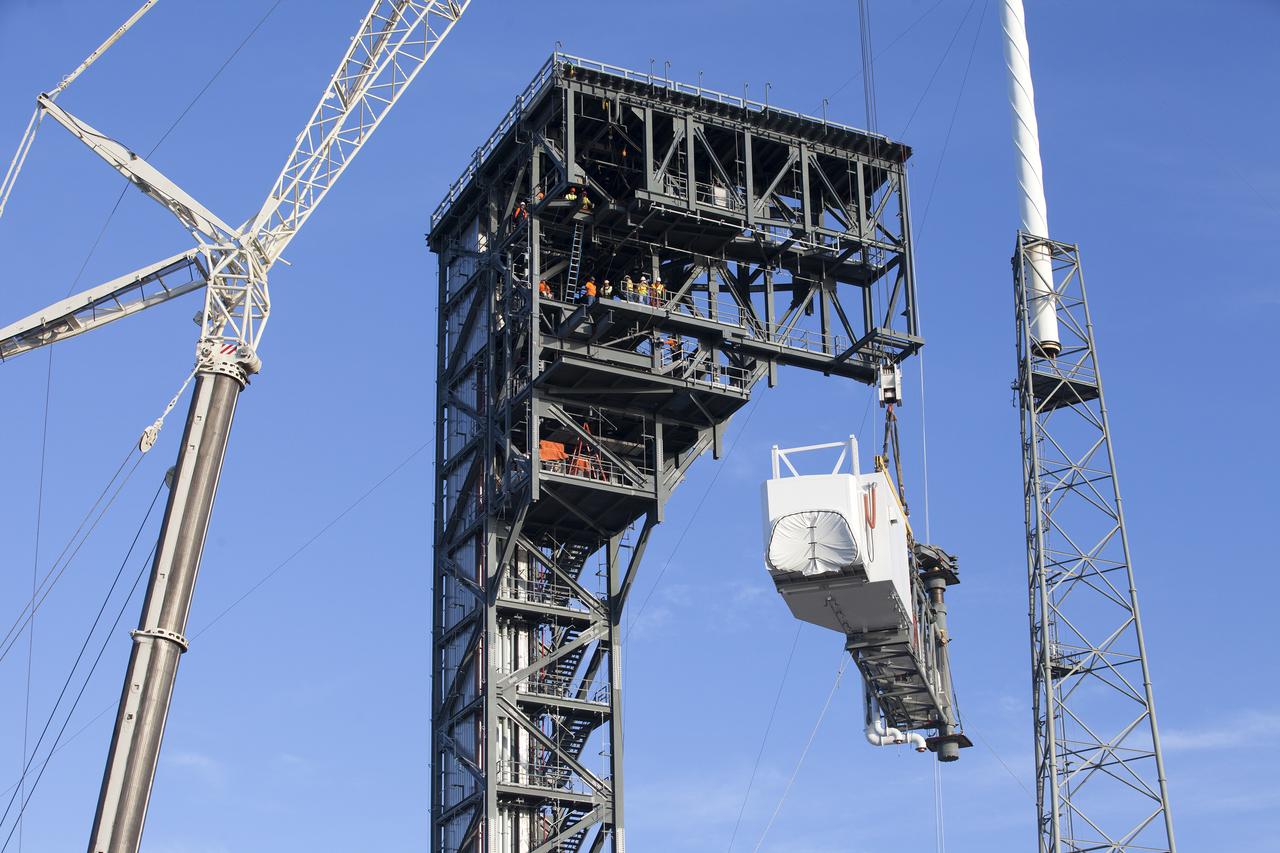
A crane lifts the Crew Access Arm and White Room for Boeing's CST-100 Starliner spacecraft to be attached to the Crew Access Tower at Cape Canaveral Air Force Station’s Space Launch Complex 41. When attached to the 200-foot tall Crew Access Tower, the arm will serve as the connection that astronauts will walk through prior to boarding the Starliner spacecraft when stacked atop a United Launch Alliance Atlas V rocket. This installation completes the major construction of the first new Crew Access Tower to be built at the Cape since the Apollo era. Under a Commercial Crew Transportation Capability (CCtCap) contract with NASA, Boeing’s Starliner system will be certified by NASA's Commercial Crew Program to fly crews to and from the International Space Station.
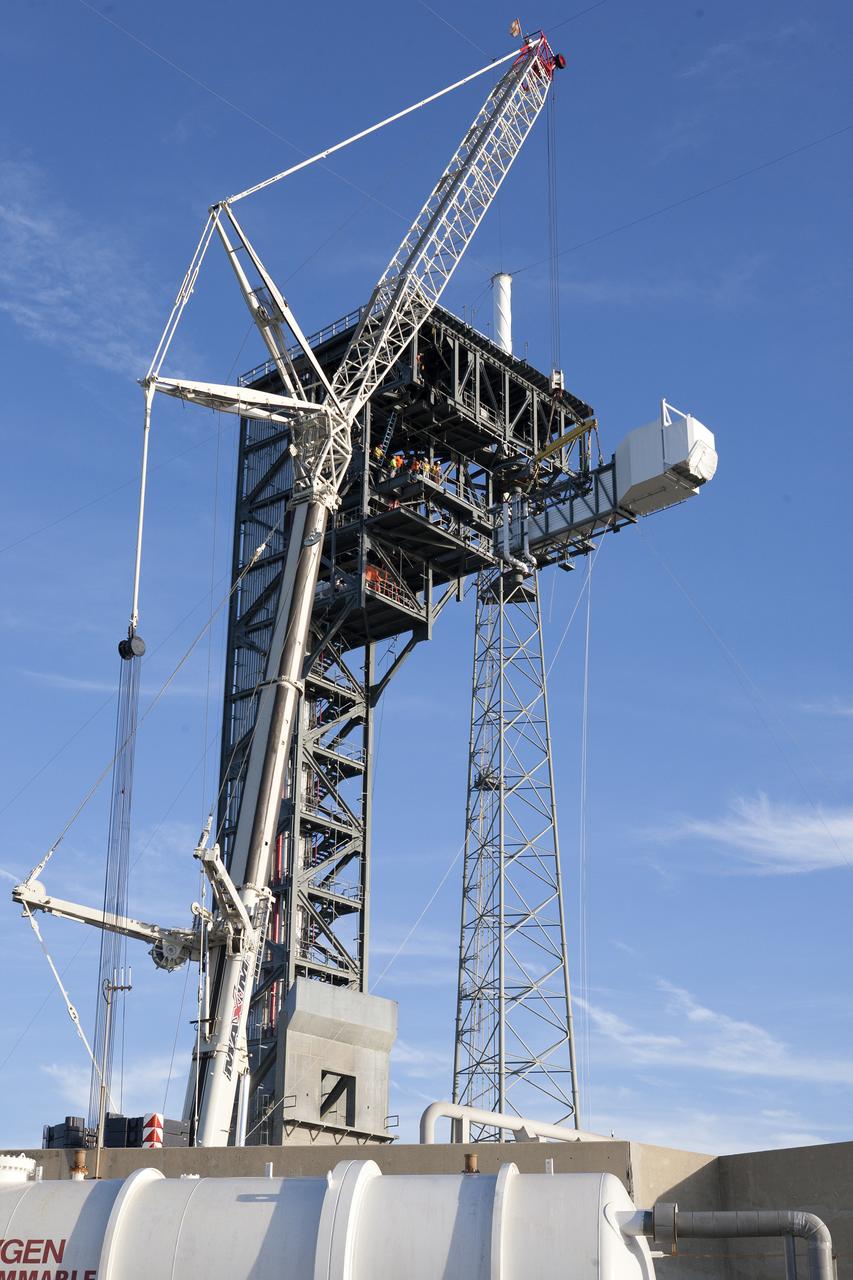
A crane lifts the Crew Access Arm and White Room for Boeing's CST-100 Starliner spacecraft to be attached to the Crew Access Tower at Cape Canaveral Air Force Station’s Space Launch Complex 41. When attached to the 200-foot tall Crew Access Tower, the arm will serve as the connection that astronauts will walk through prior to boarding the Starliner spacecraft when stacked atop a United Launch Alliance Atlas V rocket. This installation completes the major construction of the first new Crew Access Tower to be built at the Cape since the Apollo era. Under a Commercial Crew Transportation Capability (CCtCap) contract with NASA, Boeing’s Starliner system will be certified by NASA's Commercial Crew Program to fly crews to and from the International Space Station.
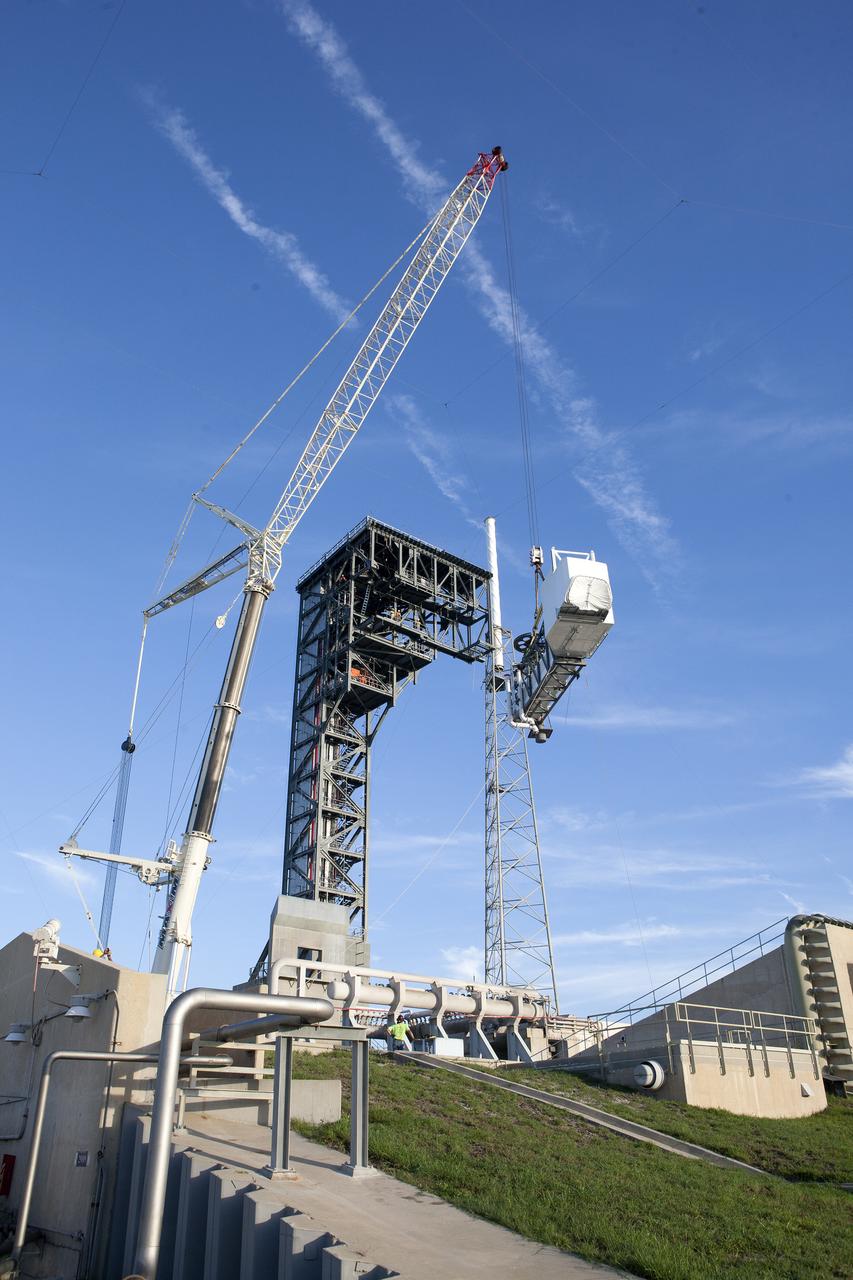
A crane lifts the Crew Access Arm and White Room for Boeing's CST-100 Starliner spacecraft to be attached to the Crew Access Tower at Cape Canaveral Air Force Station’s Space Launch Complex 41. When attached to the 200-foot tall Crew Access Tower, the arm will serve as the connection that astronauts will walk through prior to boarding the Starliner spacecraft when stacked atop a United Launch Alliance Atlas V rocket. This installation completes the major construction of the first new Crew Access Tower to be built at the Cape since the Apollo era. Under a Commercial Crew Transportation Capability (CCtCap) contract with NASA, Boeing’s Starliner system will be certified by NASA's Commercial Crew Program to fly crews to and from the International Space Station.
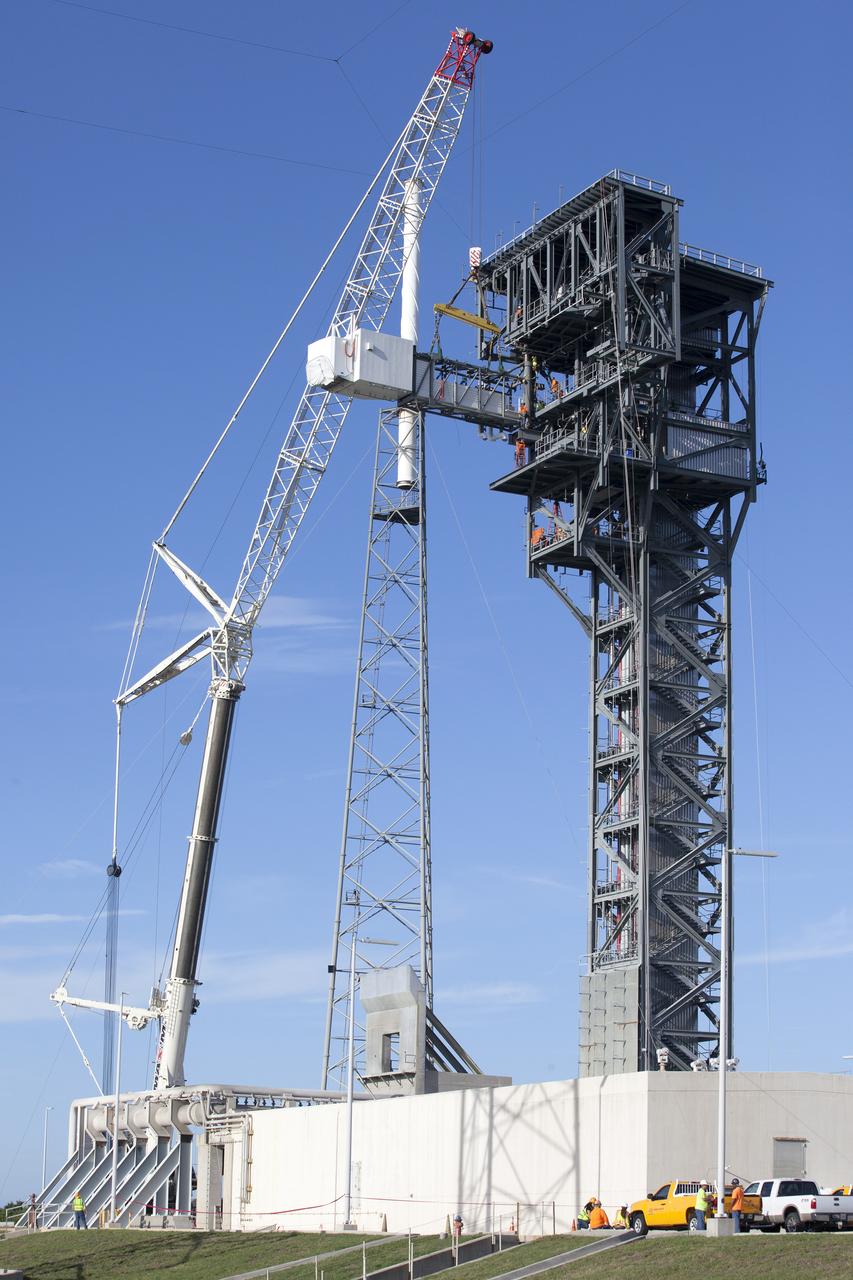
The Crew Access Arm and White Room for Boeing's CST-100 Starliner are attached to the Crew Access Tower at Cape Canaveral Air Force Station’s Space Launch Complex 41. The arm will serve as the connection that astronauts will walk through prior to boarding the spacecraft when stacked atop a United Launch Alliance Atlas V rocket. The installation completes the major construction of the first new Crew Access Tower to be built at the Cape since the Apollo era. Under a Commercial Crew Transportation Capability (CCtCap) contract with NASA, Boeing’s Starliner system will be certified by NASA's Commercial Crew Program to fly crews to and from the International Space Station.
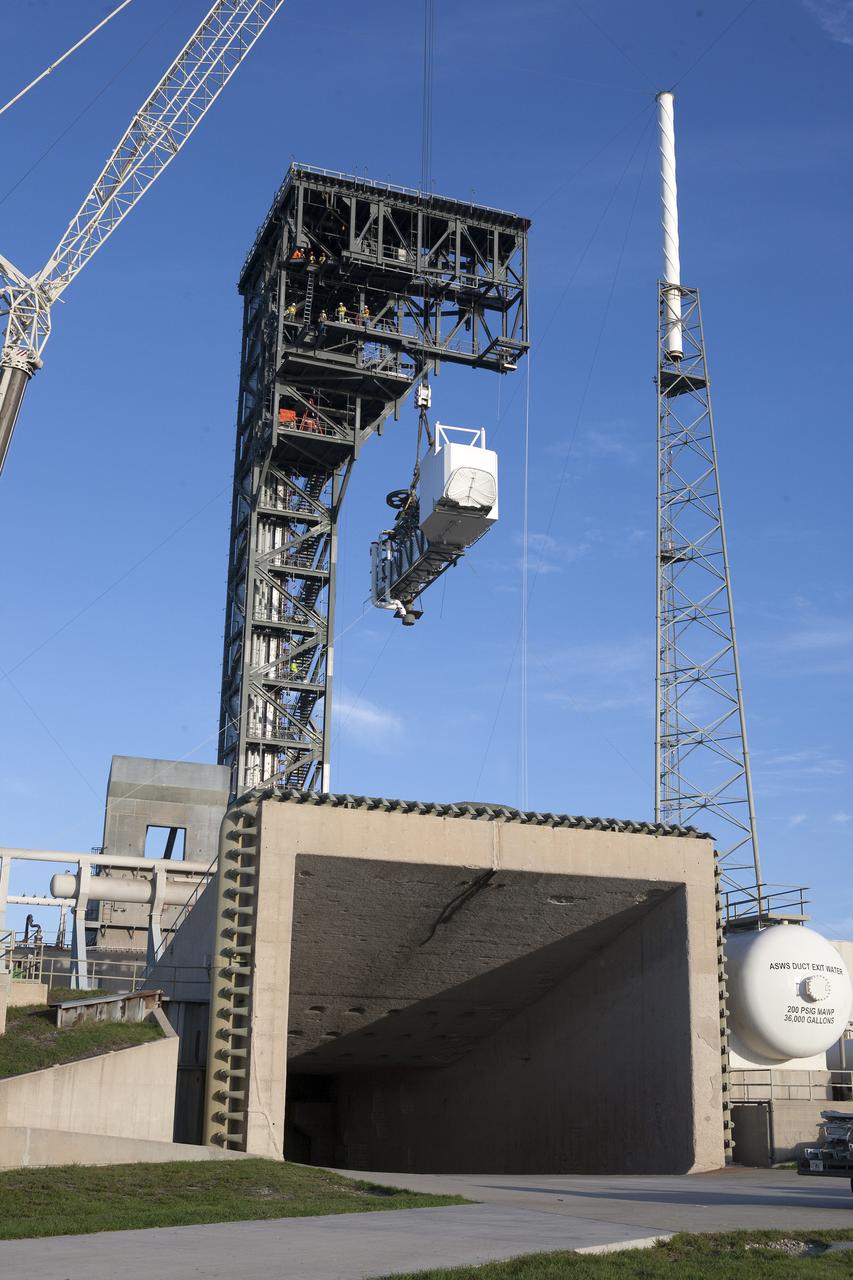
A crane lifts the Crew Access Arm and White Room for Boeing's CST-100 Starliner spacecraft to be attached to the Crew Access Tower at Cape Canaveral Air Force Station’s Space Launch Complex 41. When attached to the 200-foot tall Crew Access Tower, the arm will serve as the connection that astronauts will walk through prior to boarding the Starliner spacecraft when stacked atop a United Launch Alliance Atlas V rocket. This installation completes the major construction of the first new Crew Access Tower to be built at the Cape since the Apollo era. Under a Commercial Crew Transportation Capability (CCtCap) contract with NASA, Boeing’s Starliner system will be certified by NASA's Commercial Crew Program to fly crews to and from the International Space Station.
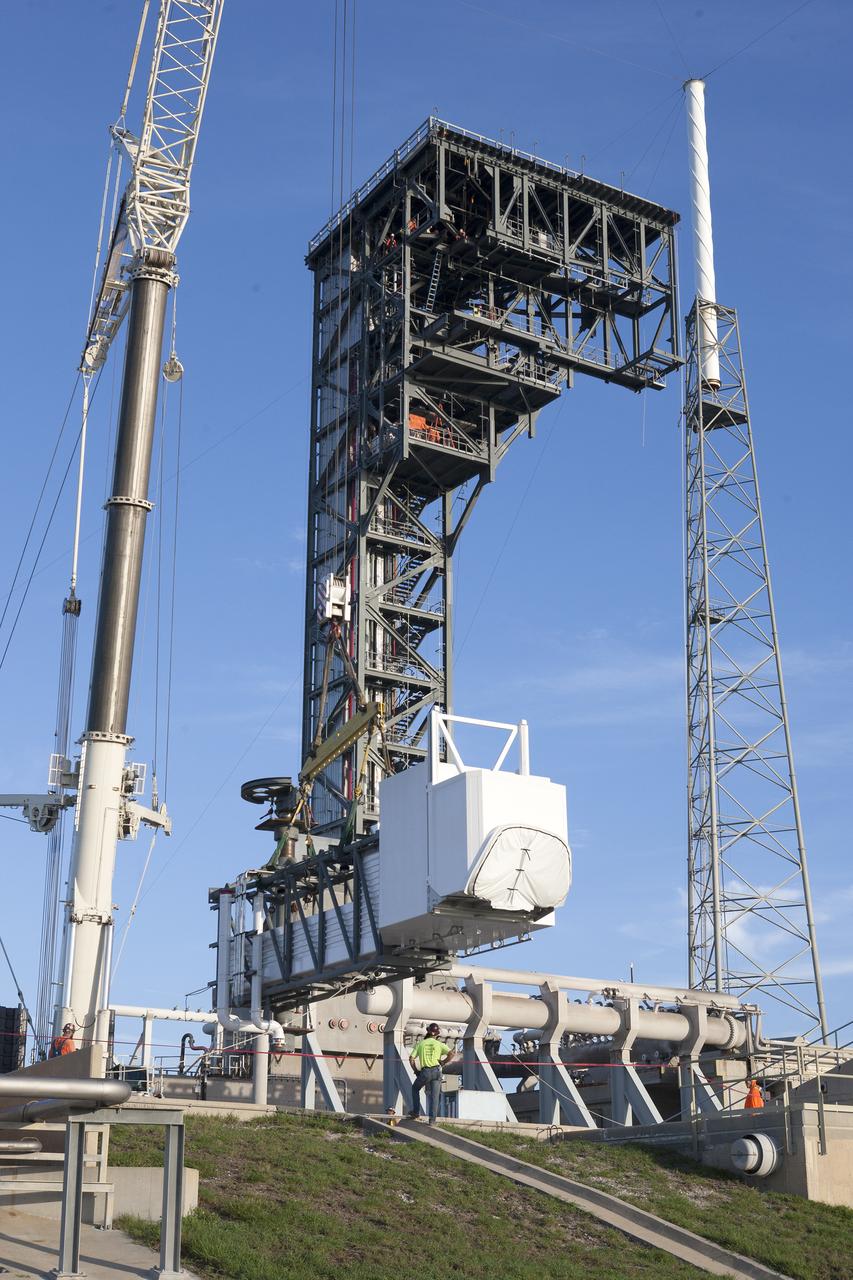
A crane lifts the Crew Access Arm and White Room for Boeing's CST-100 Starliner spacecraft to be attached to the Crew Access Tower at Cape Canaveral Air Force Station’s Space Launch Complex 41. When attached to the 200-foot tall Crew Access Tower, the arm will serve as the connection that astronauts will walk through prior to boarding the Starliner spacecraft when stacked atop a United Launch Alliance Atlas V rocket. This installation completes the major construction of the first new Crew Access Tower to be built at the Cape since the Apollo era. Under a Commercial Crew Transportation Capability (CCtCap) contract with NASA, Boeing’s Starliner system will be certified by NASA's Commercial Crew Program to fly crews to and from the International Space Station.
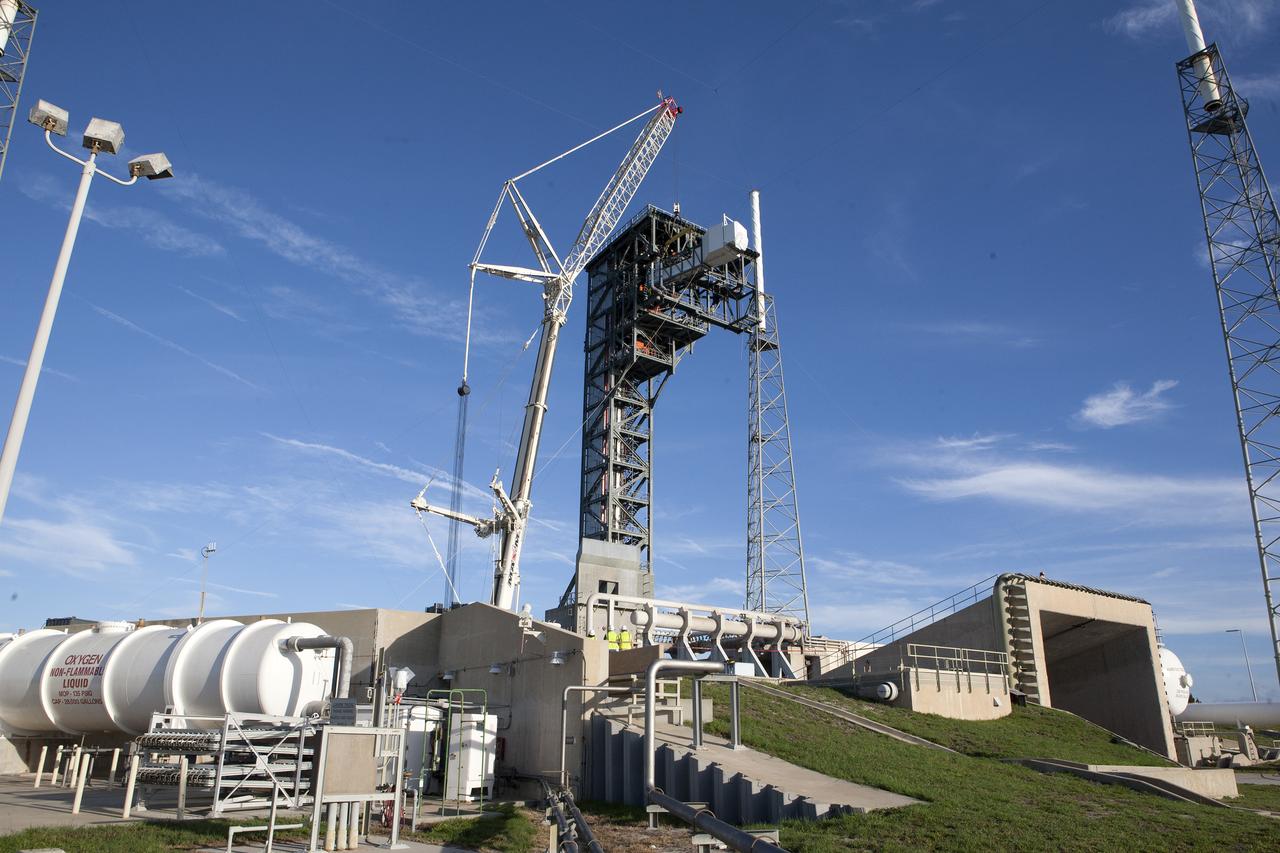
The Crew Access Arm and White Room for Boeing's CST-100 Starliner are attached to the Crew Access Tower at Cape Canaveral Air Force Station’s Space Launch Complex 41. The arm will serve as the connection that astronauts will walk through prior to boarding the Starliner spacecraft when stacked atop a United Launch Alliance Atlas V rocket. This installation completes the major construction of the first new Crew Access Tower to be built at the Cape since the Apollo era. Under a Commercial Crew Transportation Capability (CCtCap) contract with NASA, Boeing’s Starliner system will be certified by NASA's Commercial Crew Program to fly crews to and from the International Space Station.
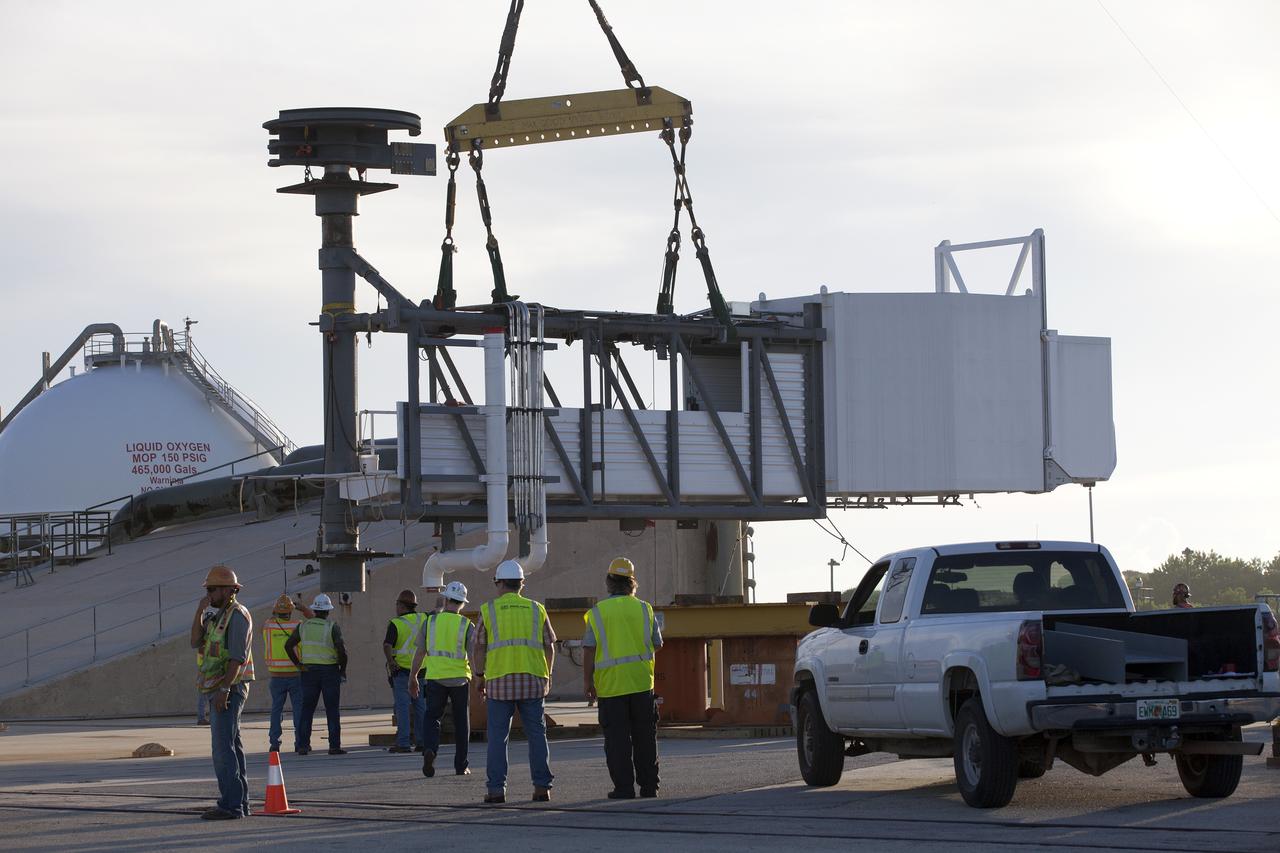
A crane is attached to the Crew Access Arm and White Room for Boeing's CST-100 Starliner spacecraft to be attached to the Crew Access Tower at Cape Canaveral Air Force Station’s Space Launch Complex 41. When attached to the 200-foot tall Crew Access Tower, the arm will serve as the connection that astronauts will walk through prior to boarding the Starliner spacecraft when stacked atop a United Launch Alliance Atlas V rocket. This installation completes the major construction of the first new Crew Access Tower to be built at the Cape since the Apollo era. Under a Commercial Crew Transportation Capability (CCtCap) contract with NASA, Boeing’s Starliner system will be certified by NASA's Commercial Crew Program to fly crews to and from the International Space Station.
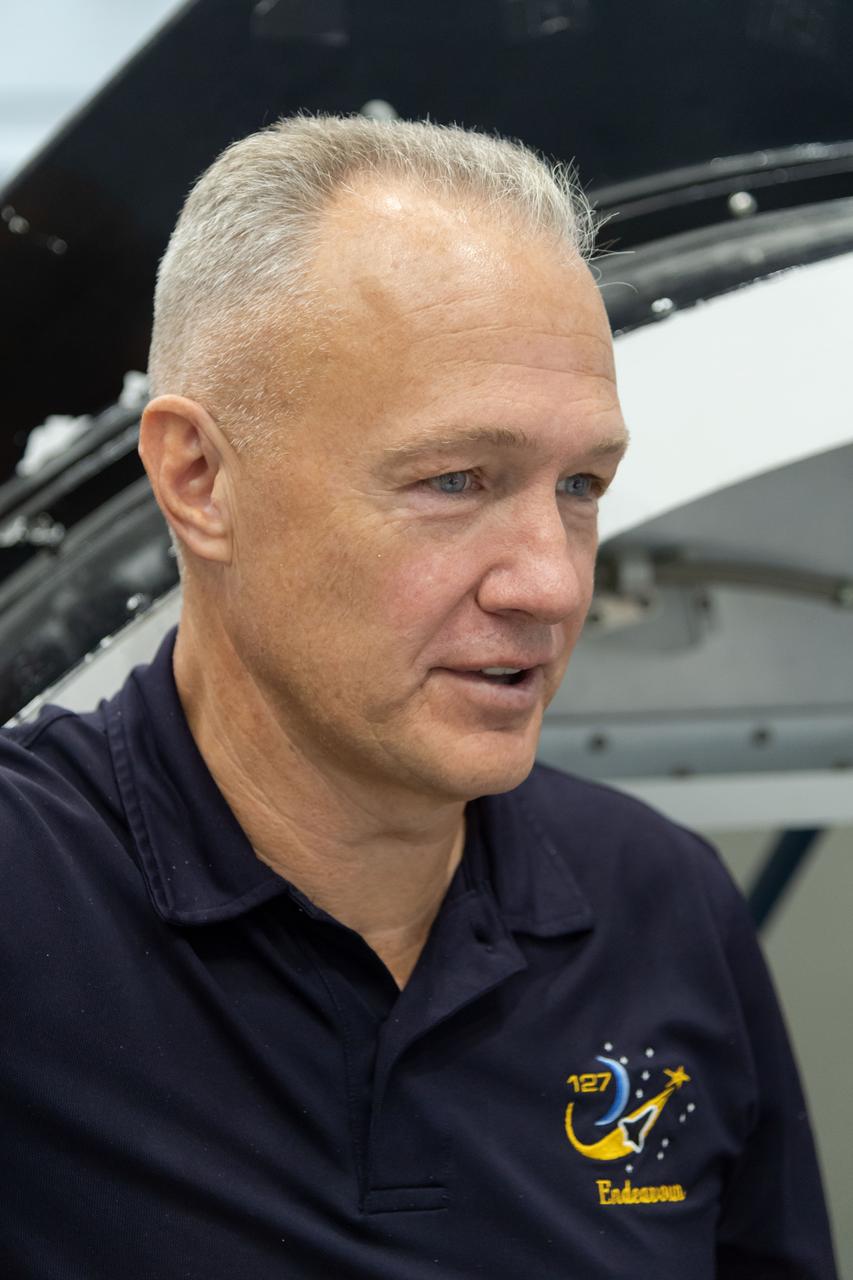
NASA commercial crew astronaut Doug Hurley attends a training class for International Space Station ingress and egress procedures in the Space Vehicle Mock-Up Facility at Johnson Space Center in Houston. Hurley is assigned to the SpaceX Crew Dragon’s first crewed flight.
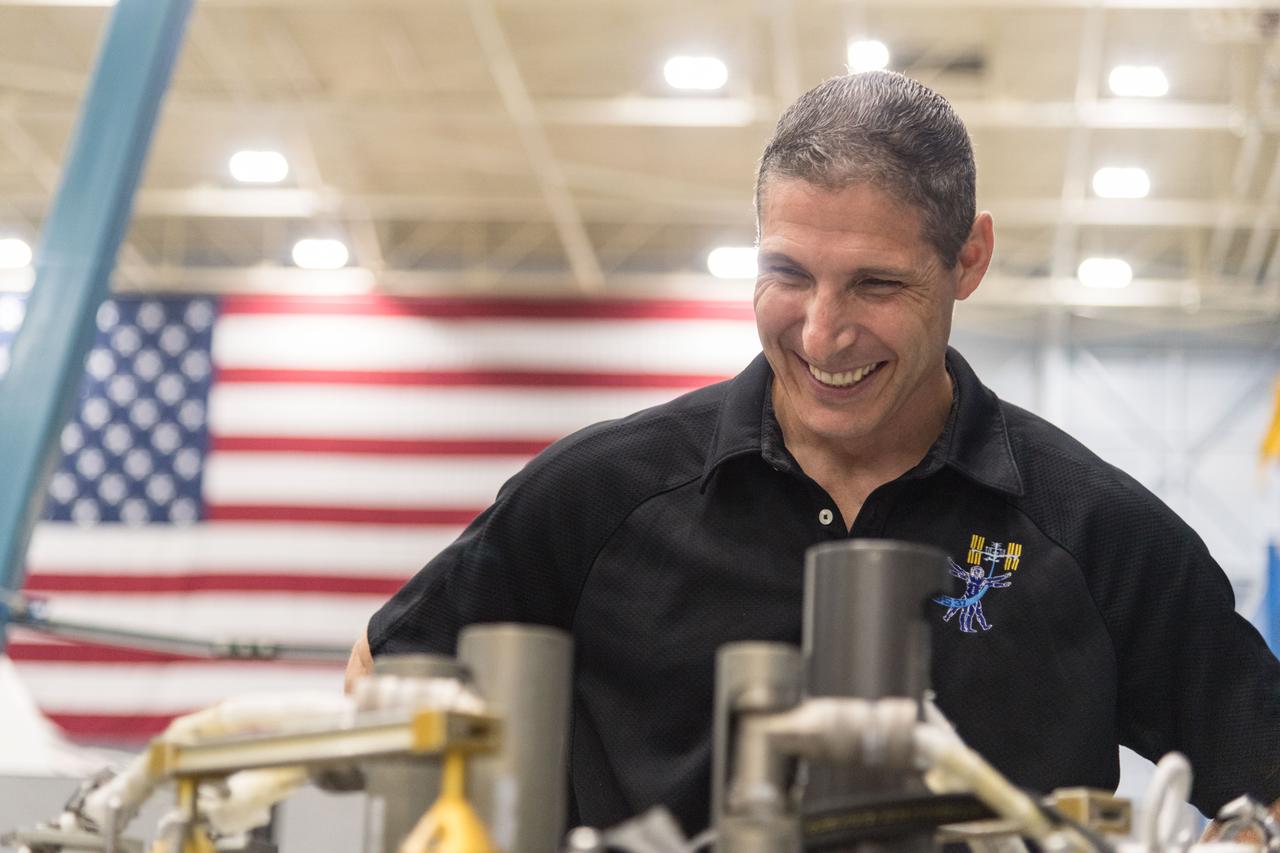
NASA commercial crew astronaut Mike Hopkins trains with Extravehicular Activity (EVA) tools and hardware in Johnson Space Center’s Space Vehicle Mockup Facility in Houston. Hopkins is assigned to the second crewed flight of SpaceX’s Crew Dragon.
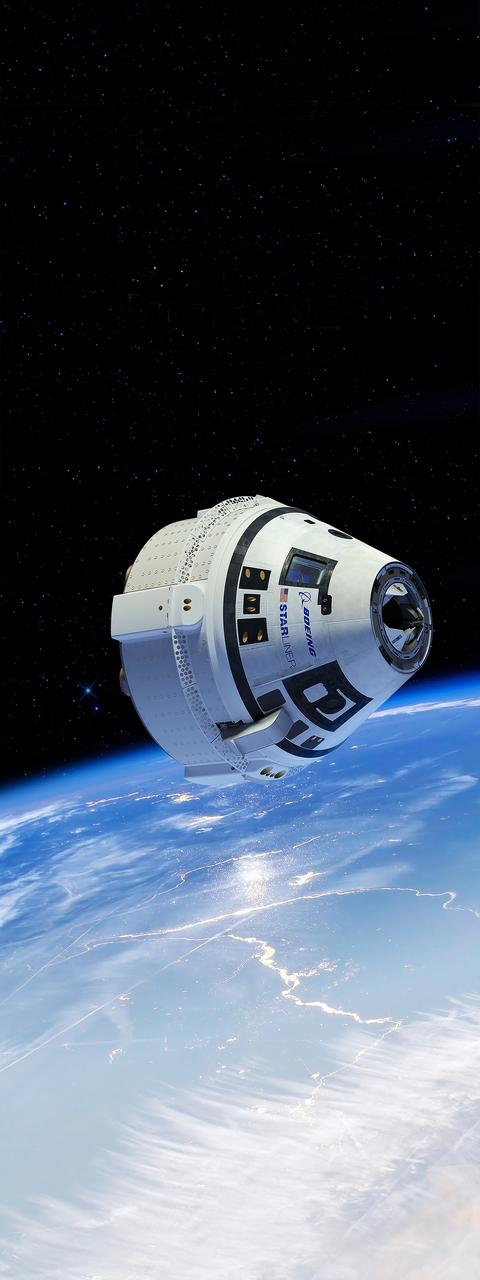
In this illustration, a Boeing CST-100 Starliner spacecraft is shown in low-Earth orbit. NASA is partnering with Boeing and SpaceX to build a new generation of human-rated spacecraft capable of taking astronauts to the International Space Station and expanding research opportunities in orbit. Boeing's upcoming Orbital Flight Test is part of NASA’s Commercial Crew Transportation Capability contract with the goal of returning human spaceflight launch capabilities to the United States.

NASA commercial crew astronaut Josh Cassada and Boeing astronaut Chris Ferguson prepare to practice water survival techniques at the Neutral Bouyancy Laboratory at Johnson Space Center in Houston. Cassada is assigned to the second crewed flight to the International Space Station of Boeing’s CST-100 Starliner. Ferguson is assigned to Starliner’s first crewed flight.
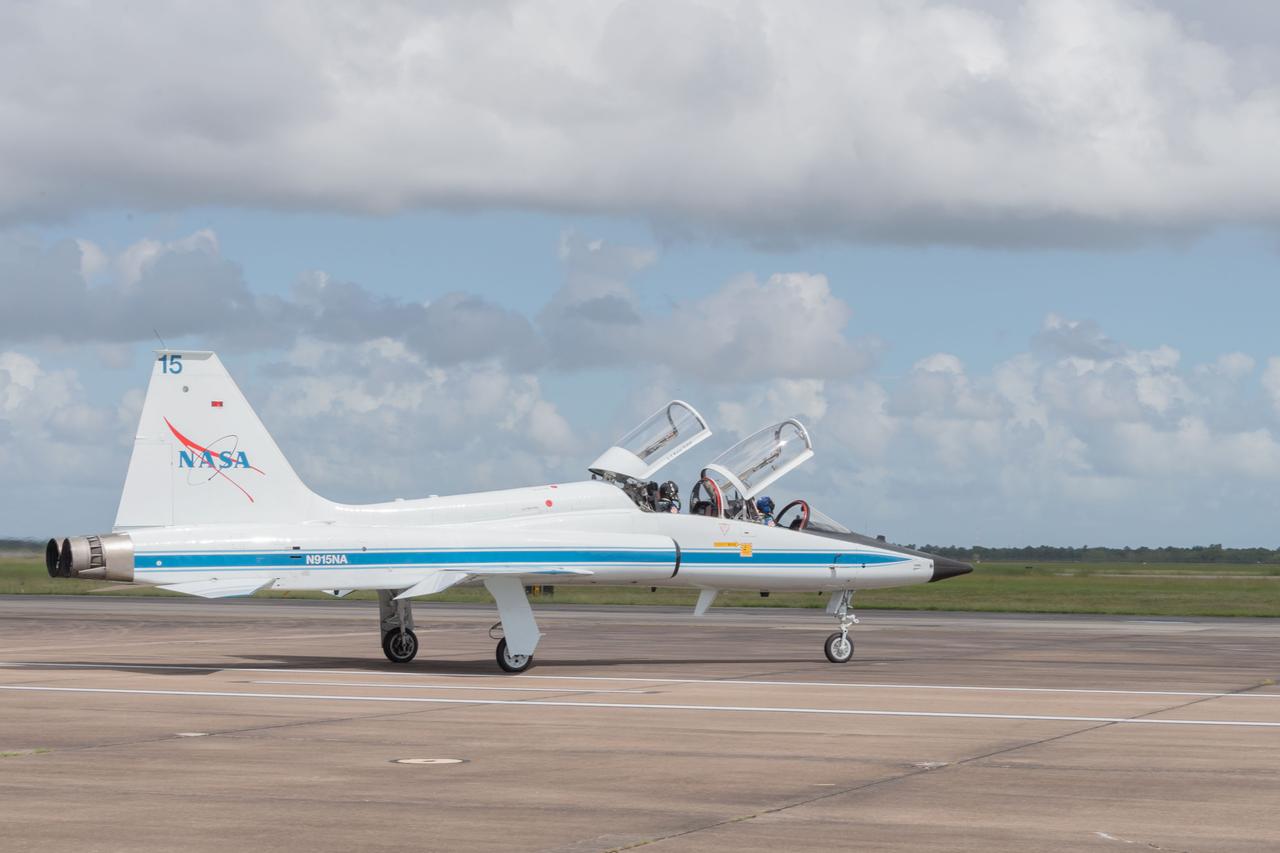
NASA commercial crew astronauts Josh Cassada and Suni Williams prepare for T-38 training flights at Ellington Field Joint Reserve Base in Houston. Cassada and Williams are assigned to the Boeing Starliner’s second crewed flight.
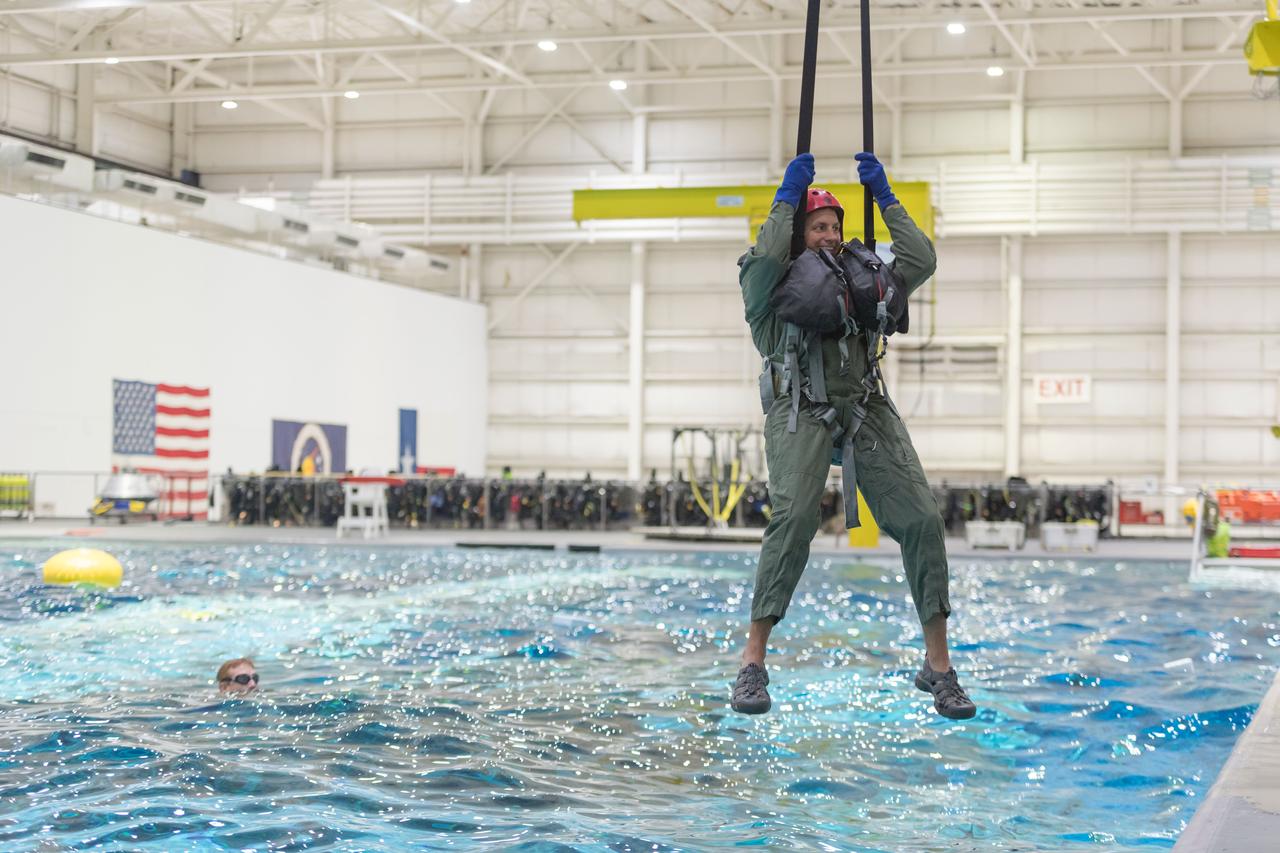
NASA commercial crew astronaut Josh Cassada practices water survival techniques at the Neutral Bouyancy Laboratory. Cassada is assigned to the second crewed flight to the International Space Station of Boeing’s CST-100 Starliner.
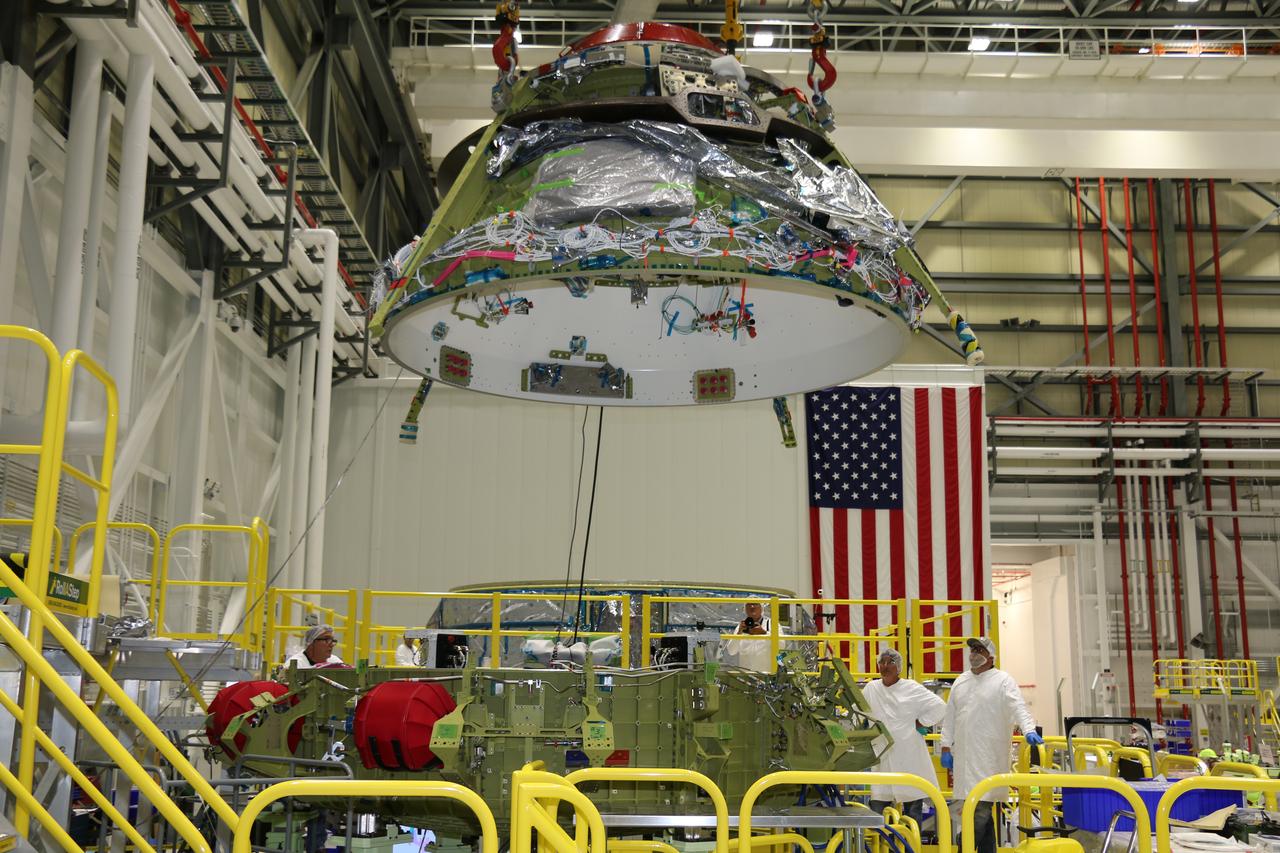
The upper and lower domes of the Boeing CST-100 Starliner Spacecraft 2 Crew Flight Test Vehicle were mated June 19, 2018, inside the Commercial Crew and Cargo Processing Facility (C3PF) at Kennedy Space Center in Florida. The Starliner will launch astronauts on a United Launch Alliance Atlas V rocket to the International Space Station as part of NASA’s Commercial Crew Program.
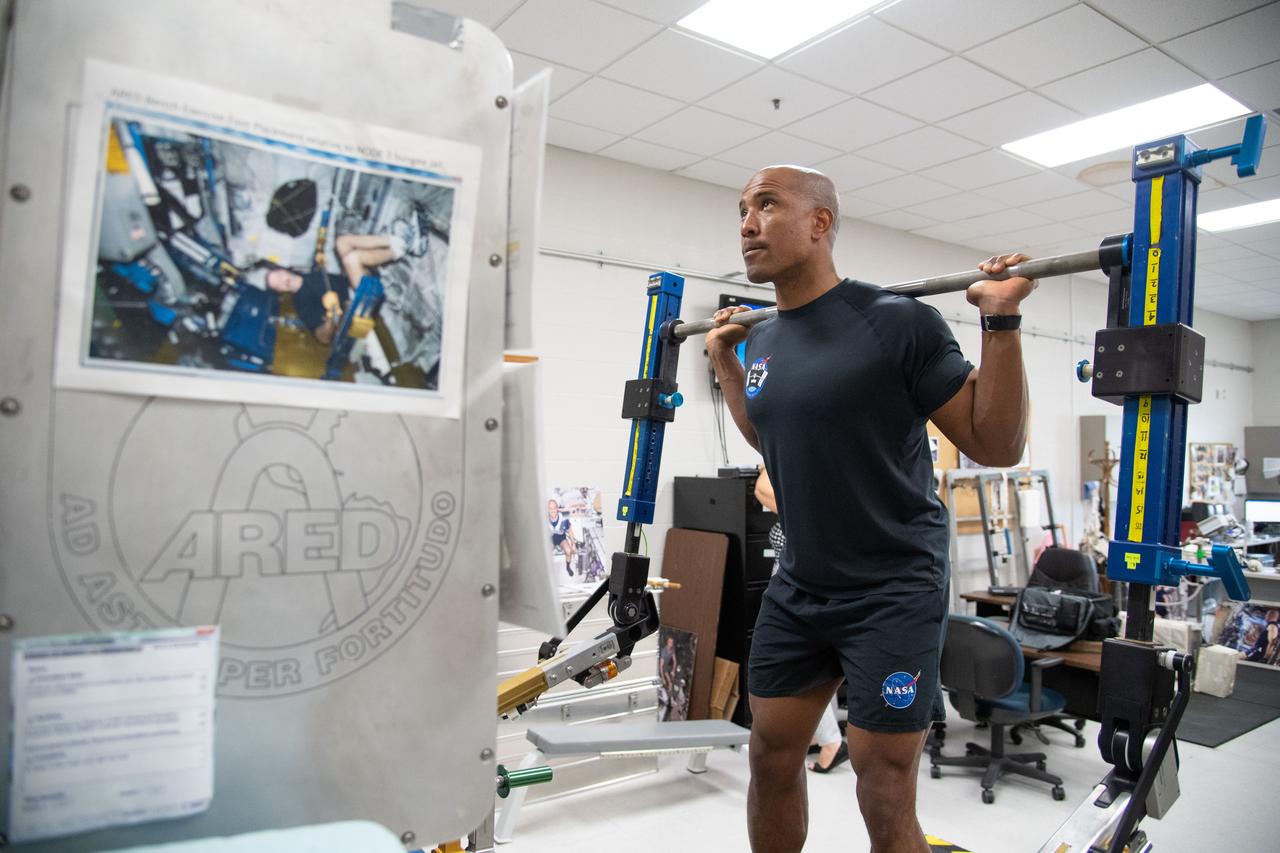
NASA commercial crew astronaut Victor Glover performs physical training on the Advanced Resistive Exercise Device (ARED) at the agency’s Johnson Space Center in Houston. Glover is assigned to the SpaceX Crew Dragon’s second crewed flight.
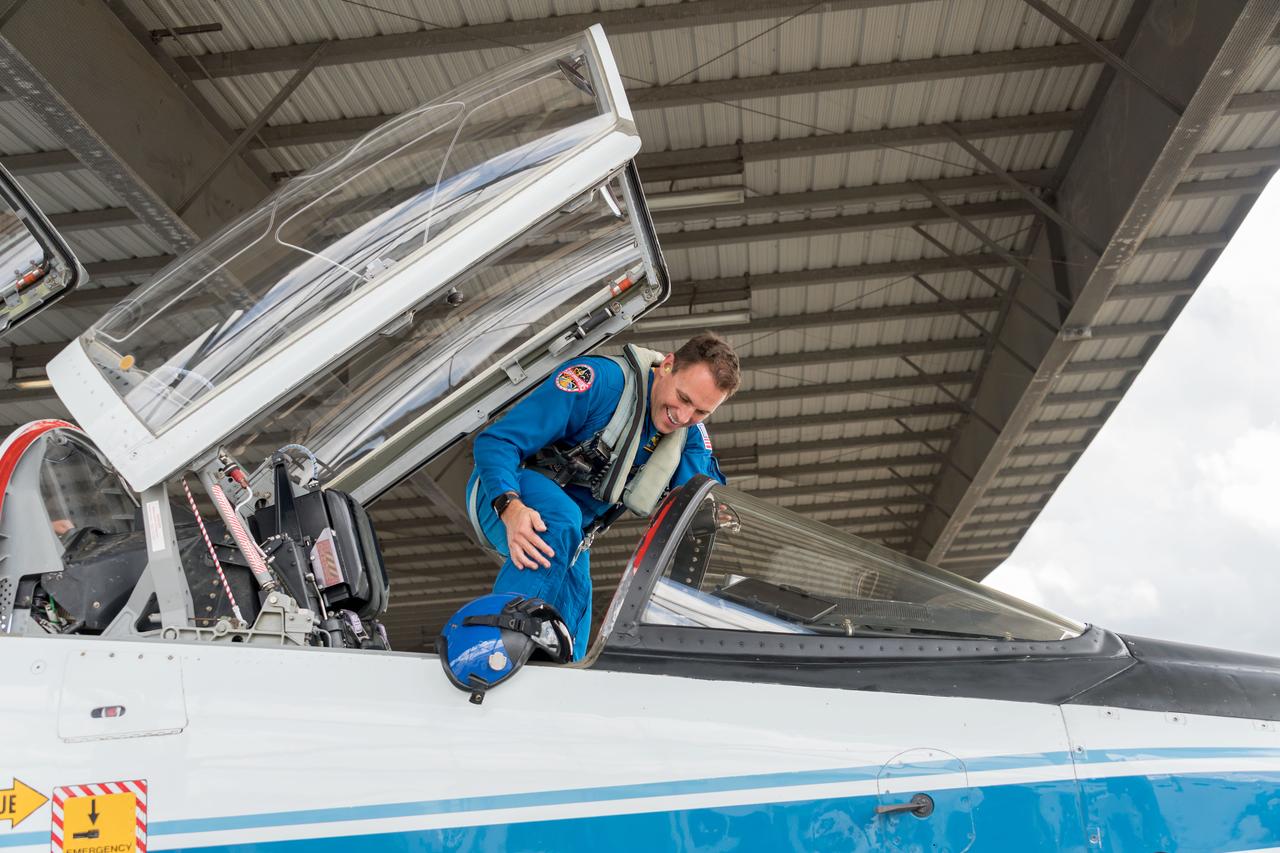
NASA commercial crew astronaut Josh Cassada prepares for T-38 training flights at Ellington Field Joint Reserve Base in Houston. Cassada is assigned to the Boeing Starliner’s second crewed flight.
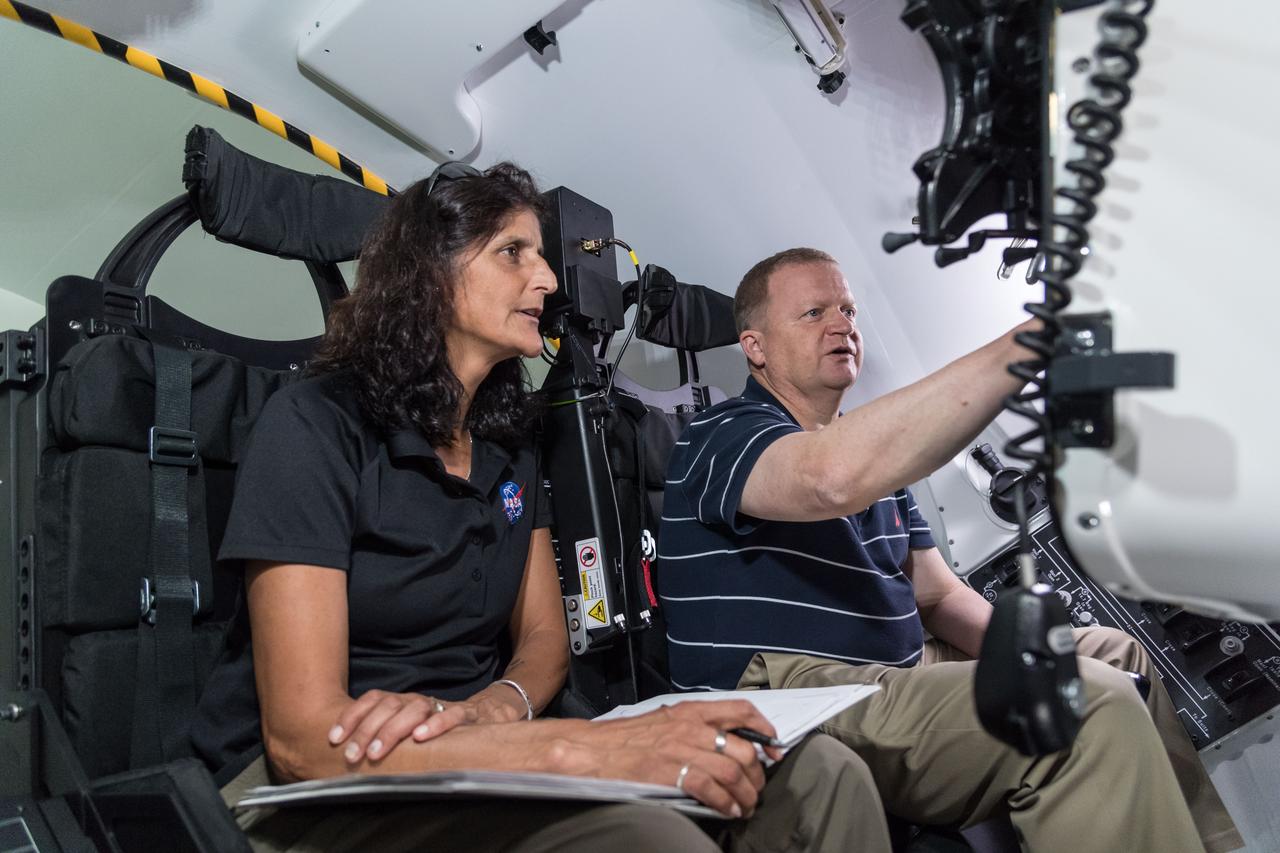
NASA commercial crew astronauts Eric Boe and Suni Williams train in a Boeing CST-100 Starliner mockup at the agency’s Johnson Space Center in Houston. Boe is assigned to launch to the International Space Station on the first crewed flight of Boeing’s CST-100 Starliner. Williams will fly to the space station on Starliner’s second crewed flight.
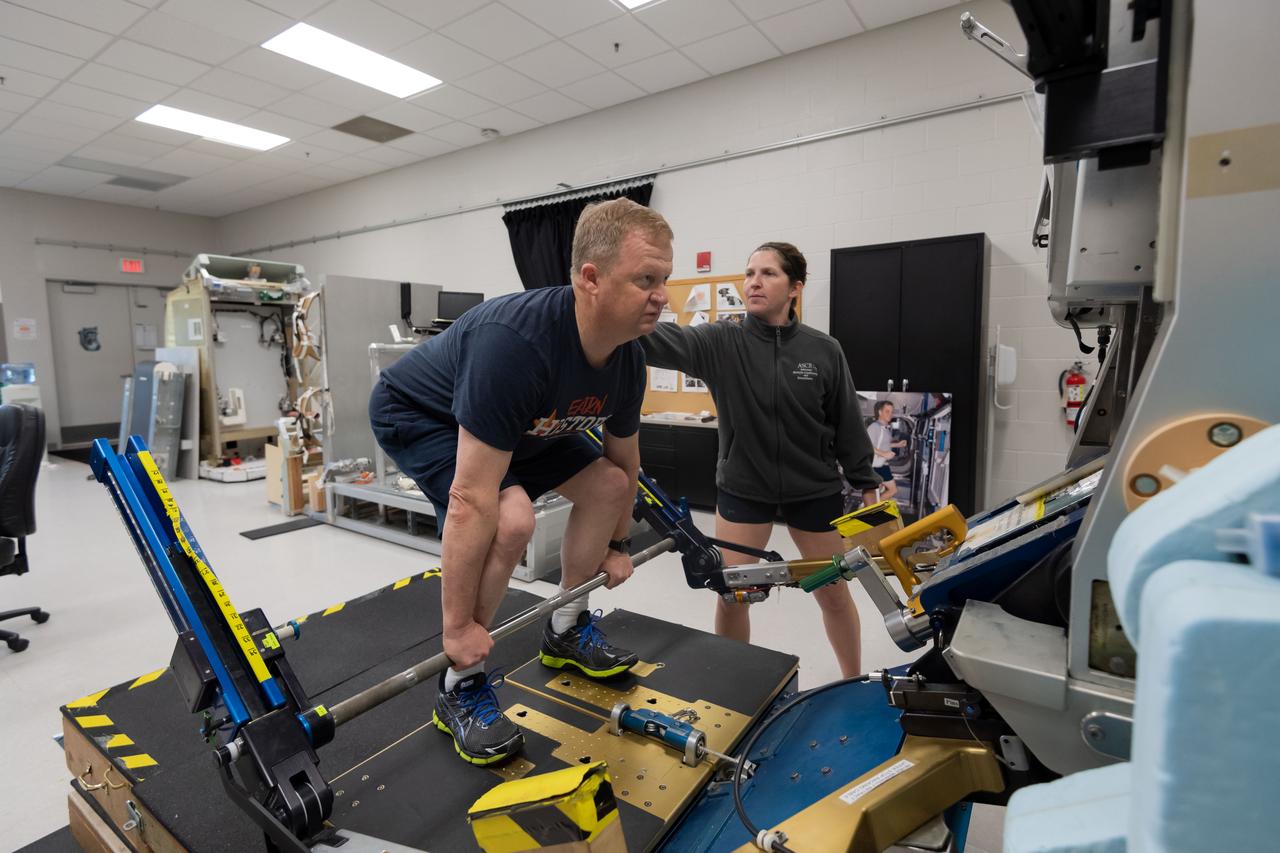
NASA commercial crew astronaut Eric Boe performs physical training on the Advanced Resistive Exercise Device (ARED) at the agency’s Johnson Space Center in Houston. Boe is assigned to the Boeing Starliner’s first crewed flight.
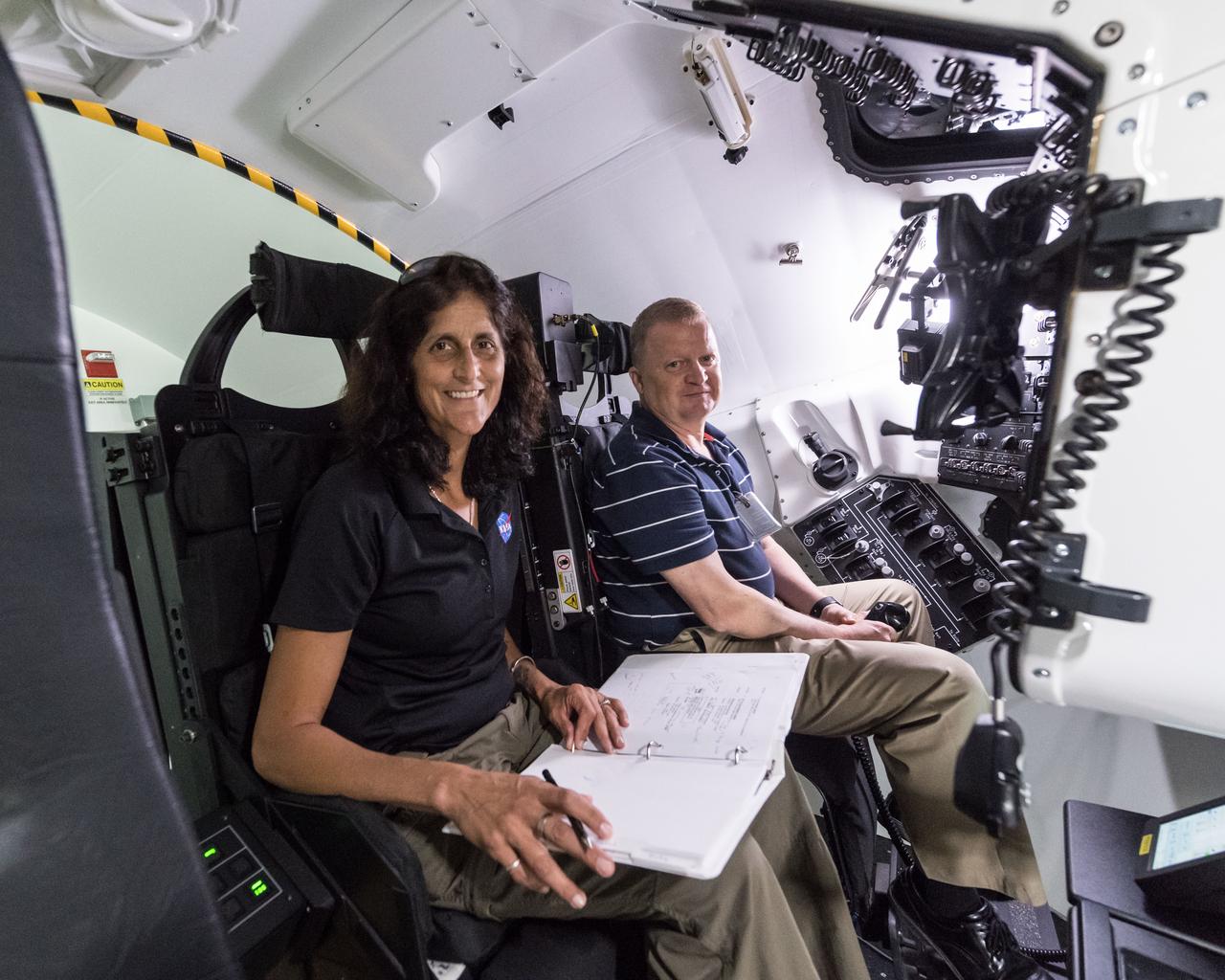
NASA commercial crew astronauts Eric Boe and Suni Williams train in a Boeing CST-100 Starliner mockup at the agency’s Johnson Space Center in Houston. Boe is assigned to launch to the International Space Station on the first crewed flight of Boeing’s CST-100 Starliner. Williams will fly to the space station on Starliner’s second crewed flight.
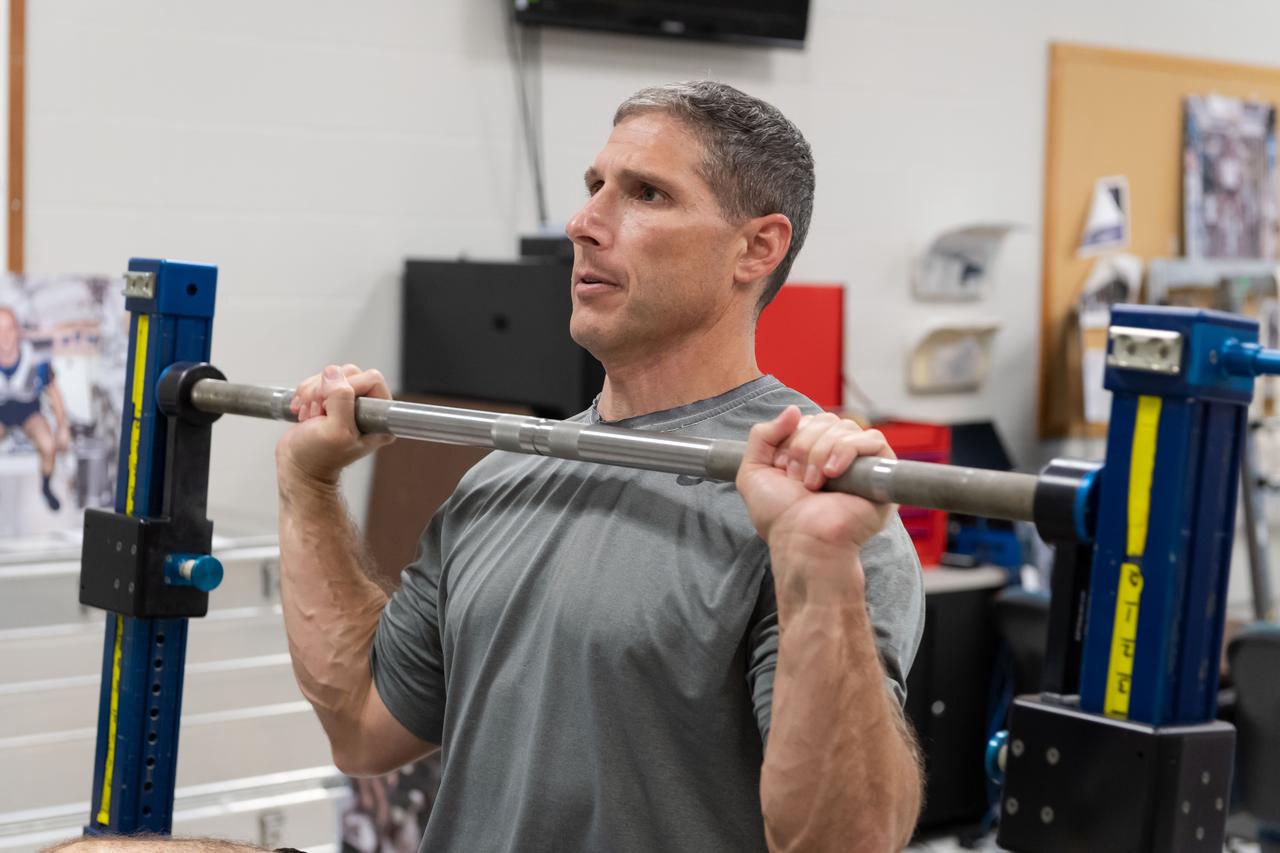
NASA commercial crew astronaut Mike Hopkins performs physical training on the Advanced Resistive Exercise Device (ARED) at the agency’s Johnson Space Center in Houston. Hopkins is assigned to the SpaceX Crew Dragon’s second crewed flight.
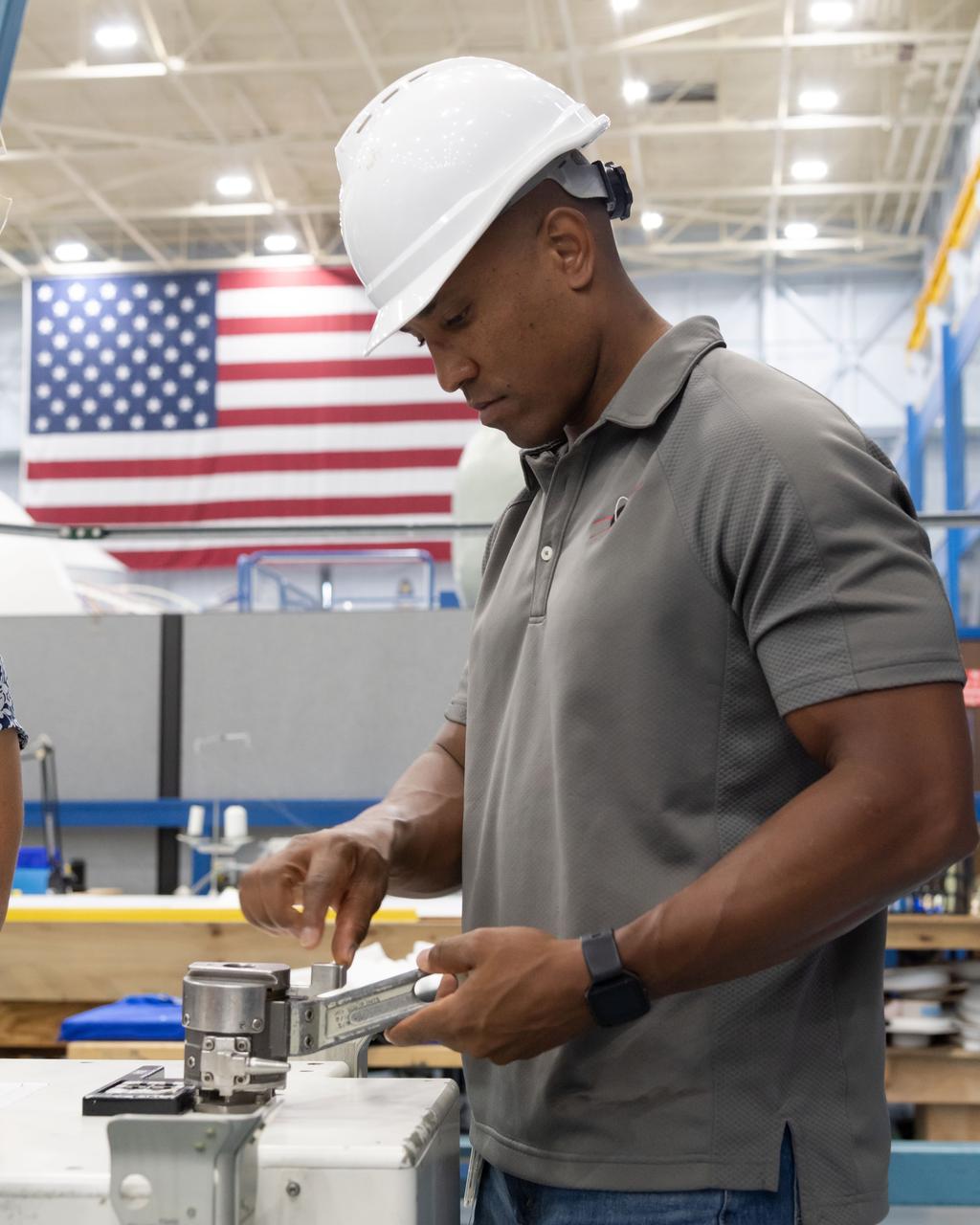
NASA commercial crew astronaut Victor Glover learns about the tools and hardware he will use in spacewalk training at NASA’s Space Vehicle Mockup Facility in Houston. Glover will fly to the International Space Station on the second flight of SpaceX’s Crew Dragon.
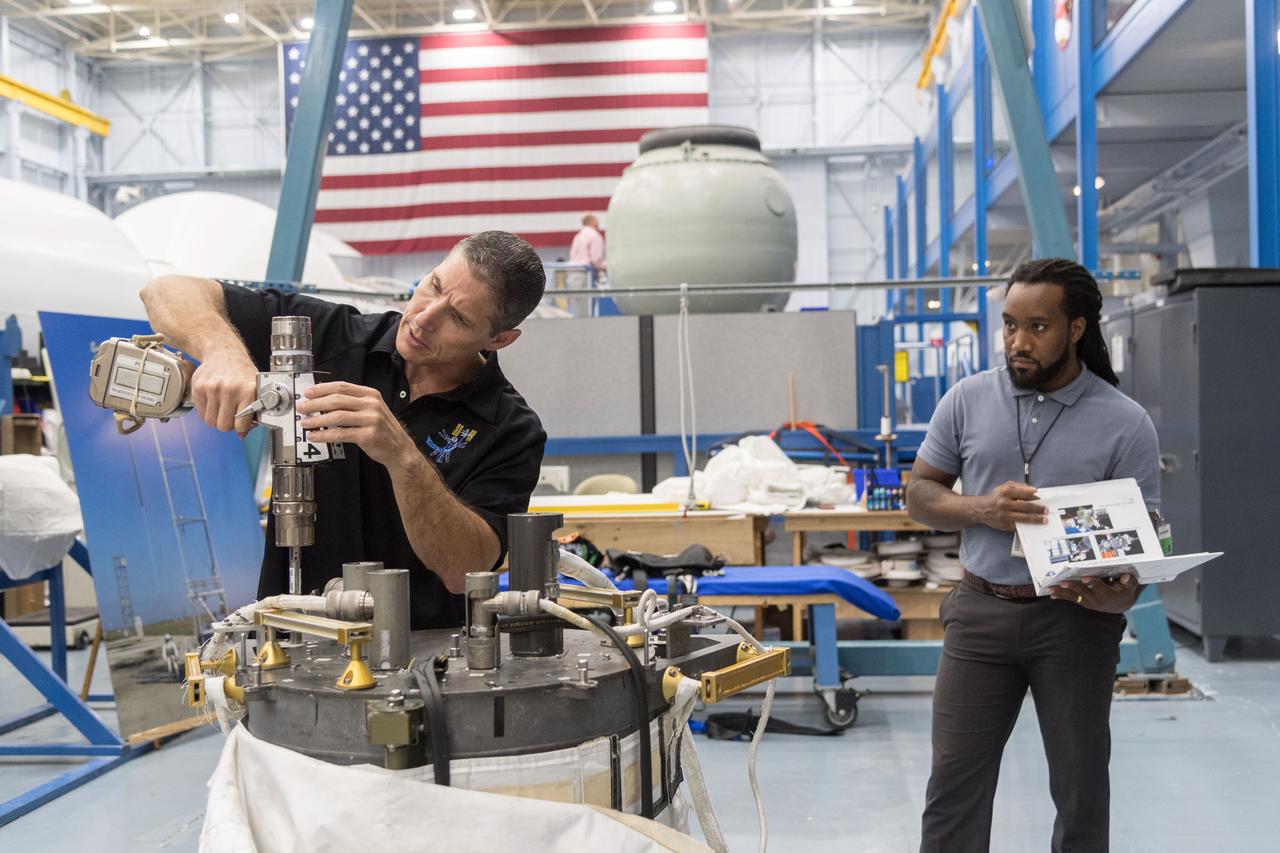
NASA commercial crew astronaut Mike Hopkins trains with Extravehicular Activity (EVA) tools and hardware in Johnson Space Center’s Space Vehicle Mockup Facility in Houston. Hopkins is assigned to the second crewed flight of SpaceX’s Crew Dragon.
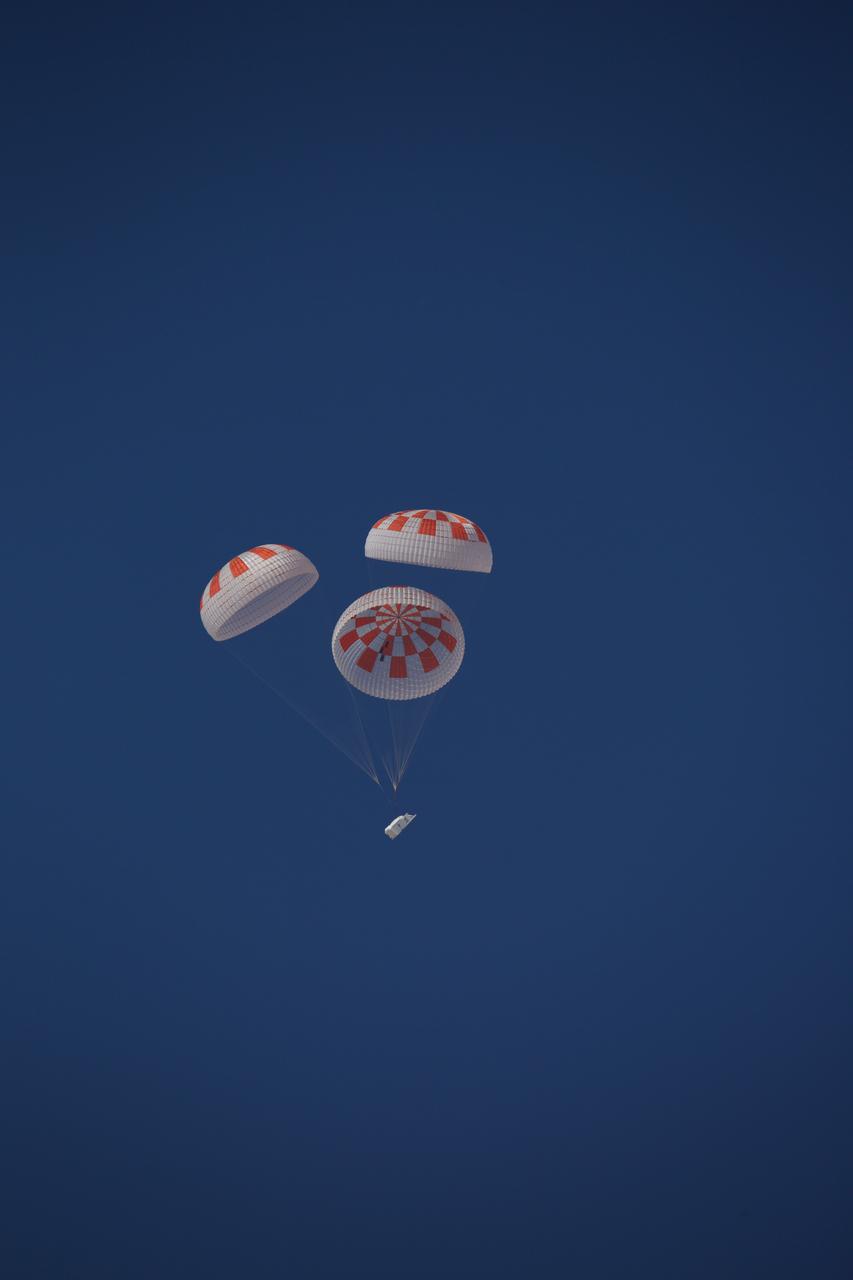
SpaceX performed its fourteenth overall parachute test supporting Crew Dragon development. This most recent exercise was the first of several planned parachute system qualification tests ahead of the spacecraft’s first crewed flight and resulted in the successful touchdown of Crew Dragon’s parachute system. During this test, a C-130 aircraft transported the parachute test vehicle, designed to achieve the maximum speeds that Crew Dragon could experience on re-entry, over the Mojave Desert in Southern California and dropped the vehicle from an altitude of 25,000 feet. The test demonstrated an off-nominal situation, deploying only one of the two drogue chutes and intentionally skipping a reefing stage on one of the four main parachutes, proving a safe landing in such a contingency scenario.
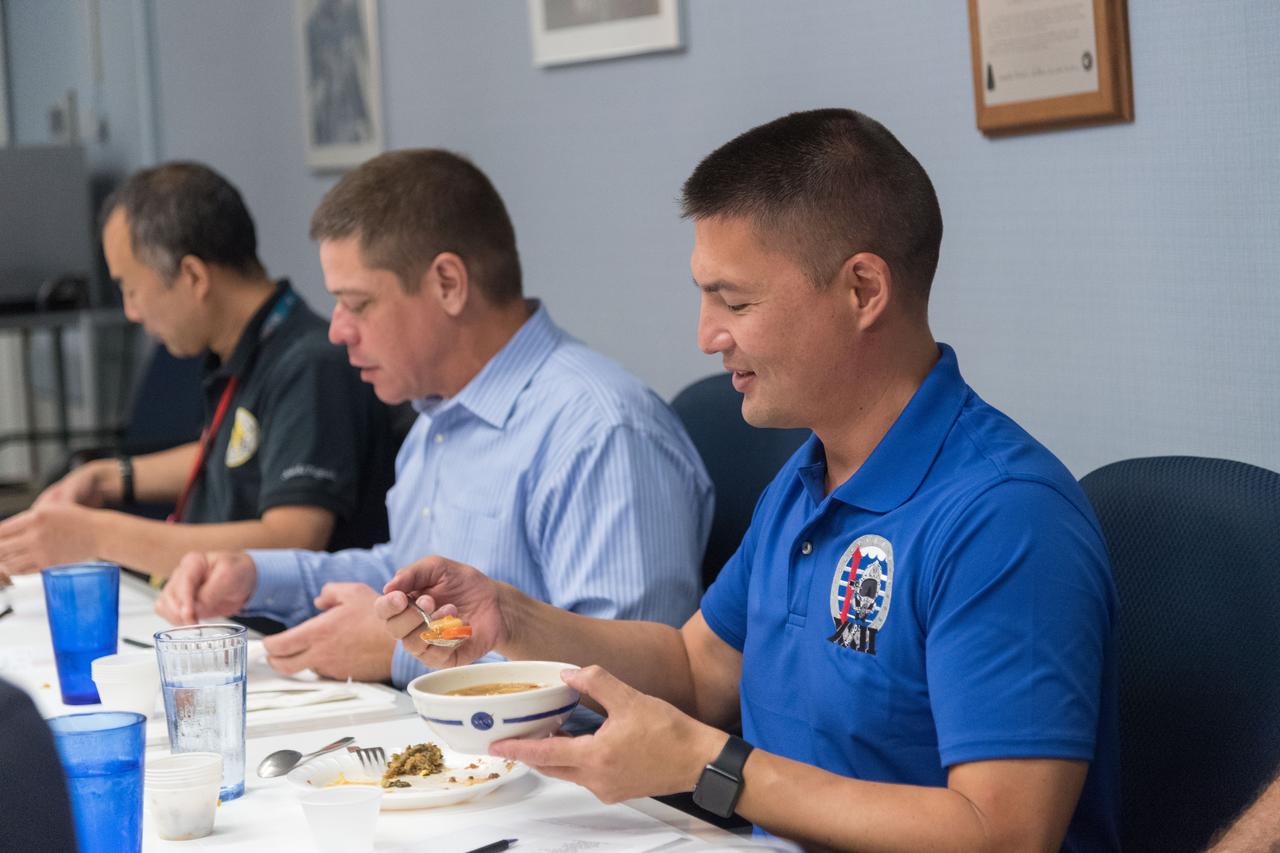
NASA commercial crew astronaut Kjell Lindgren tries out some of the food he'll enjoy onboard the International Space Station at the Space Food Systems Laboratory at Johnson Space Center. Lindgren is assigned as a backup for SpaceX Crew Dragon’s first and second crewed flights.
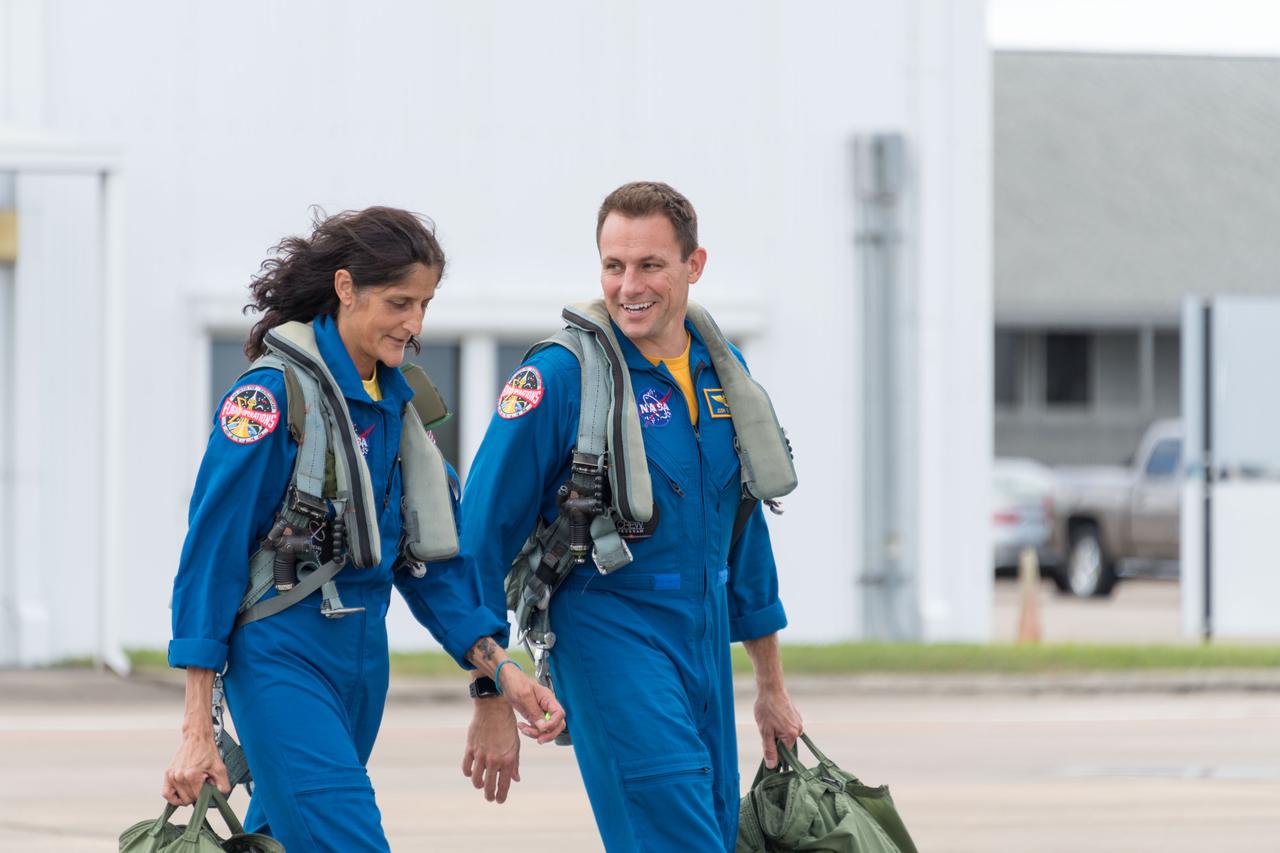
NASA commercial crew astronauts Josh Cassada and Suni Williams prepare for T-38 training flights at Ellington Field Joint Reserve Base in Houston. Cassada and Williams are assigned to the Boeing Starliner’s second crewed flight.
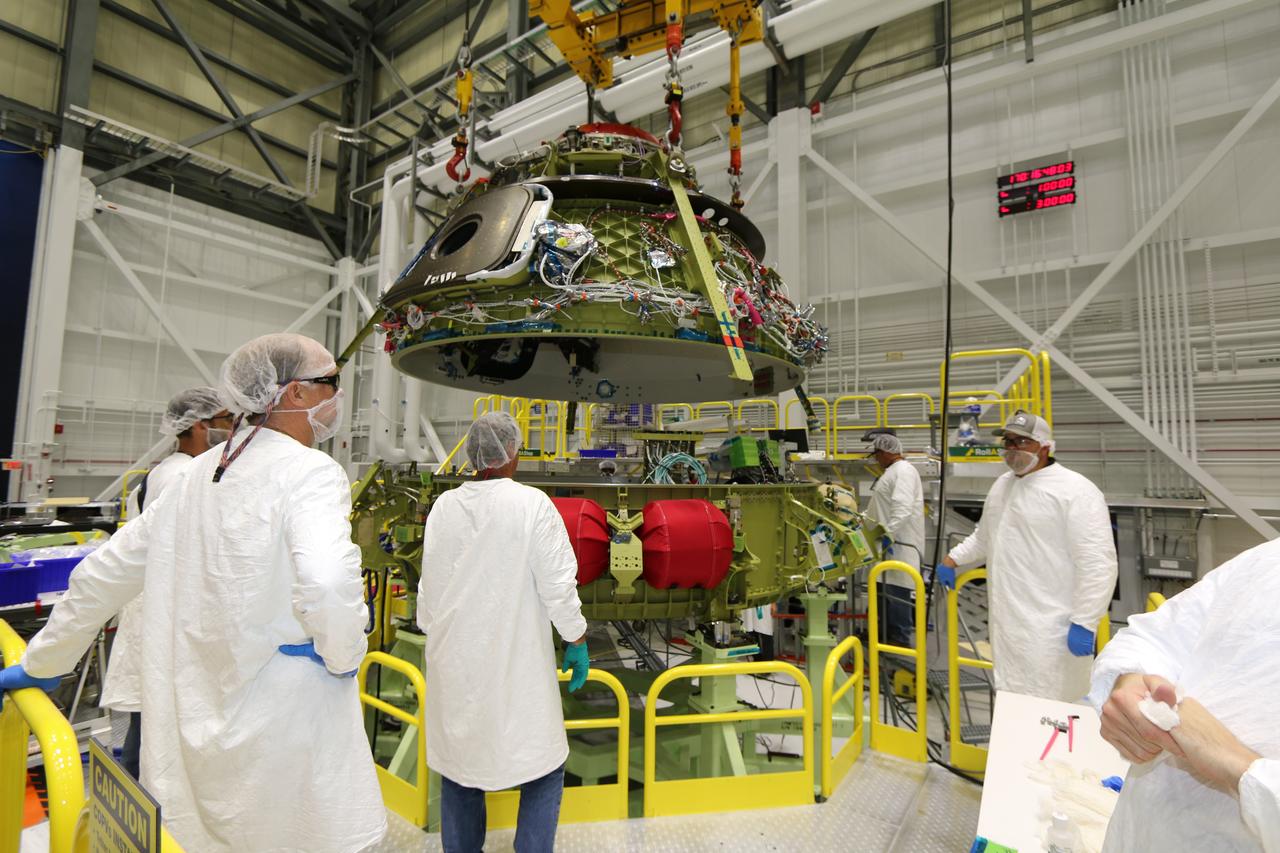
The upper and lower domes of the Boeing CST-100 Starliner Spacecraft 2 Crew Flight Test Vehicle were mated June 19, 2018, inside the Commercial Crew and Cargo Processing Facility (C3PF) at Kennedy Space Center in Florida. The Starliner will launch astronauts on a United Launch Alliance Atlas V rocket to the International Space Station as part of NASA’s Commercial Crew Program.
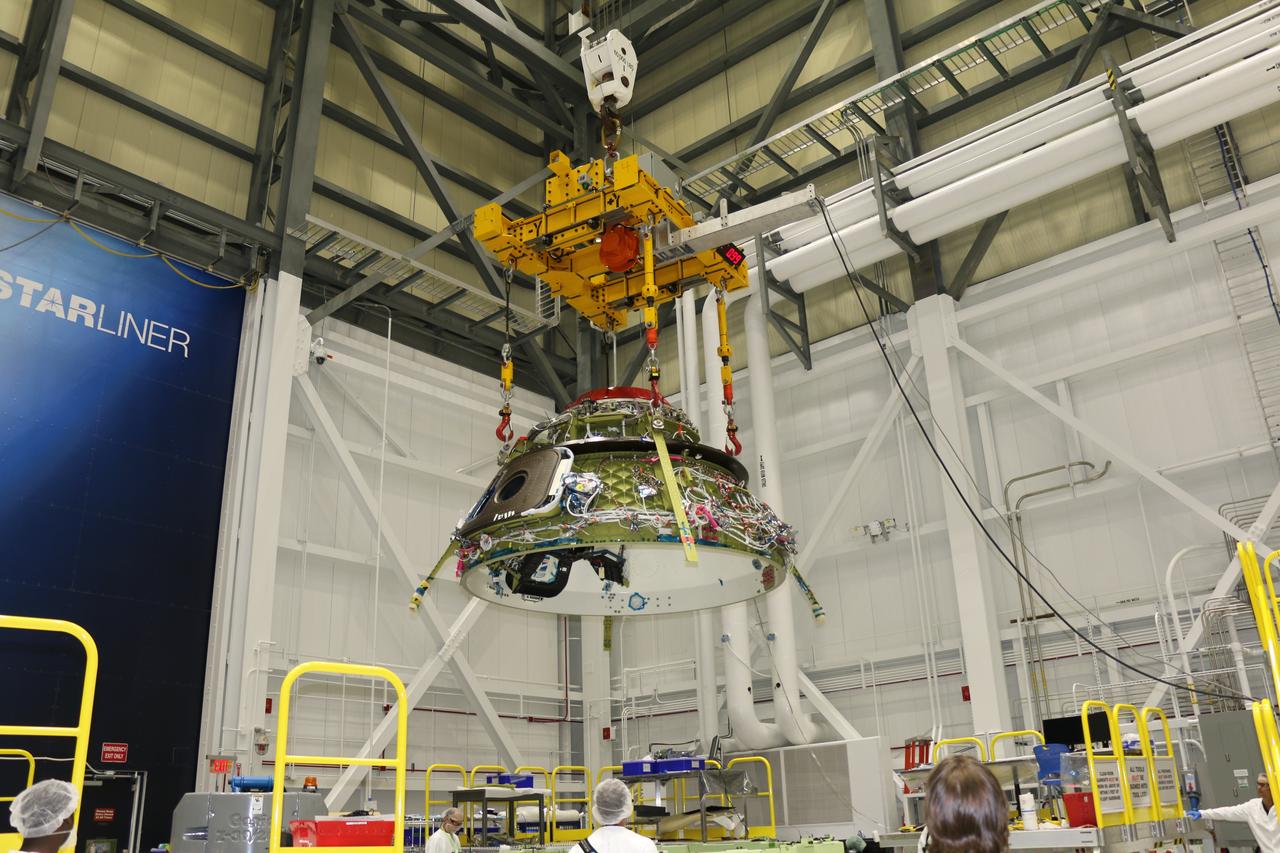
The upper and lower domes of the Boeing CST-100 Starliner Spacecraft 2 Crew Flight Test Vehicle were mated June 19, 2018, inside the Commercial Crew and Cargo Processing Facility (C3PF) at Kennedy Space Center in Florida. The Starliner will launch astronauts on a United Launch Alliance Atlas V rocket to the International Space Station as part of NASA’s Commercial Crew Program.
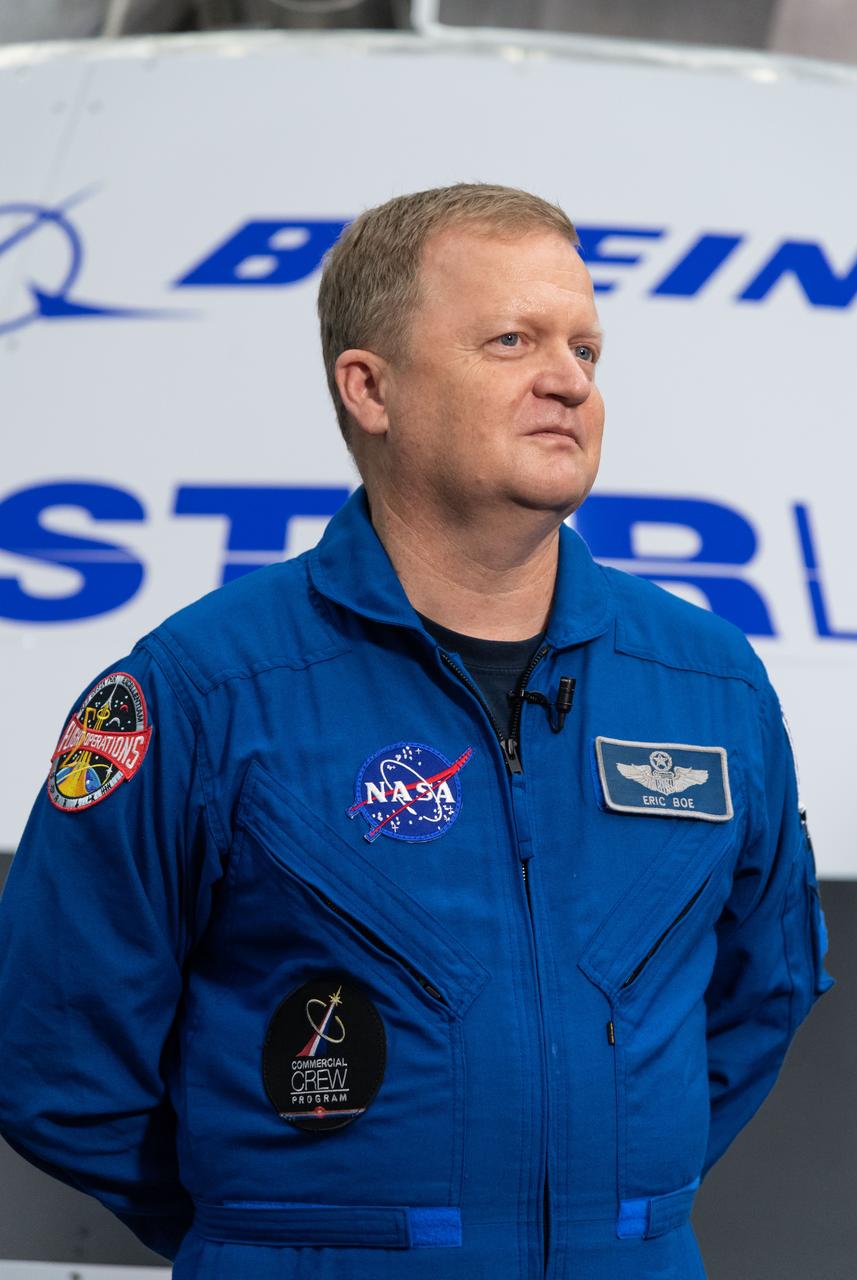
NASA astronaut Eric Boe is seen during a NASA event where it was announced that he, Boeing astronaut Chris Ferguson, and NASA astronaut Nicole Mann are assigned to the Boeing CST-100 Starliner Crew Test Flight to the International Space Station, Friday, Aug. 3, 2018 at NASA’s Johnson Space Center in Houston, Texas. Astronauts assigned to crew the first flight tests and missions of the Boeing CST- 100 Starliner and SpaceX Crew Dragon were announced during the event.
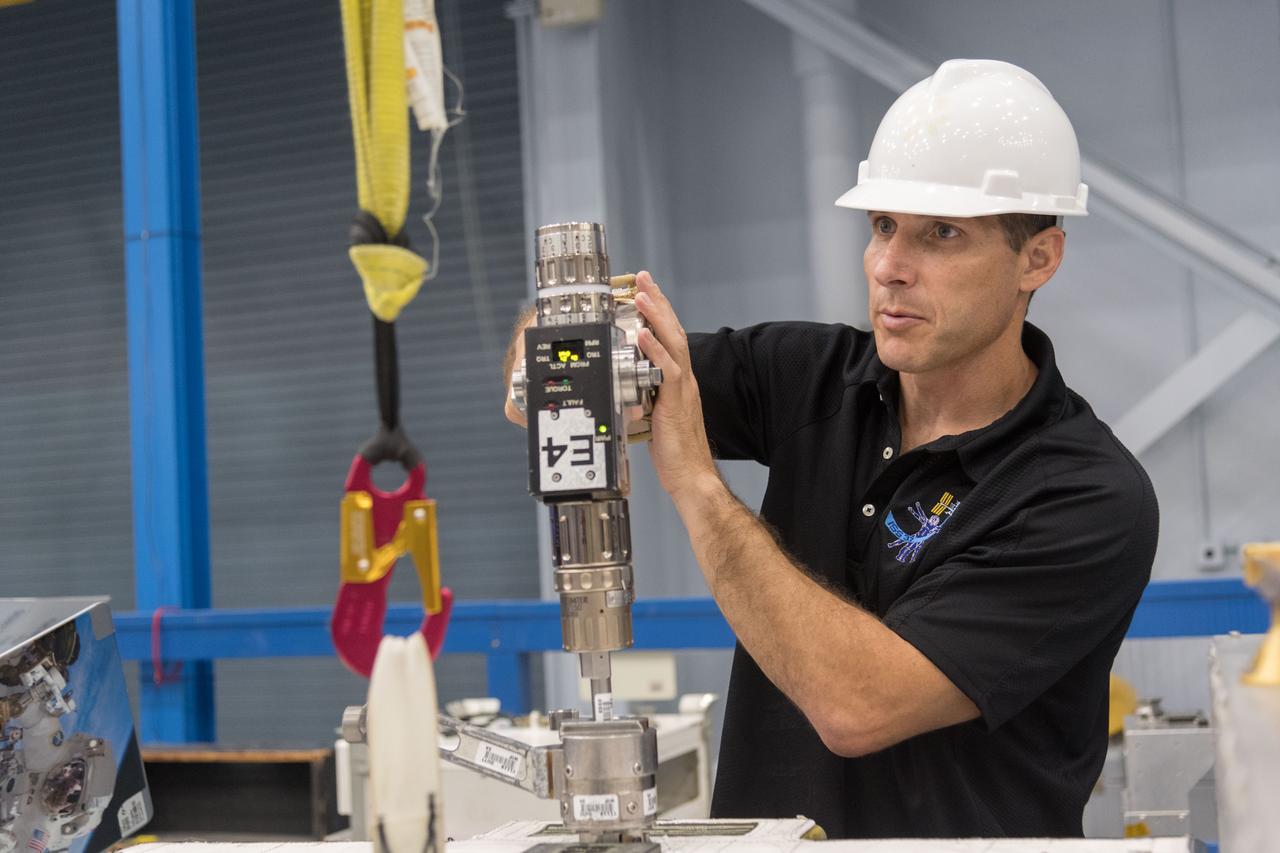
NASA commercial crew astronaut Mike Hopkins trains with Extravehicular Activity (EVA) tools and hardware in Johnson Space Center’s Space Vehicle Mockup Facility in Houston. Hopkins is assigned to the second crewed flight of SpaceX’s Crew Dragon.
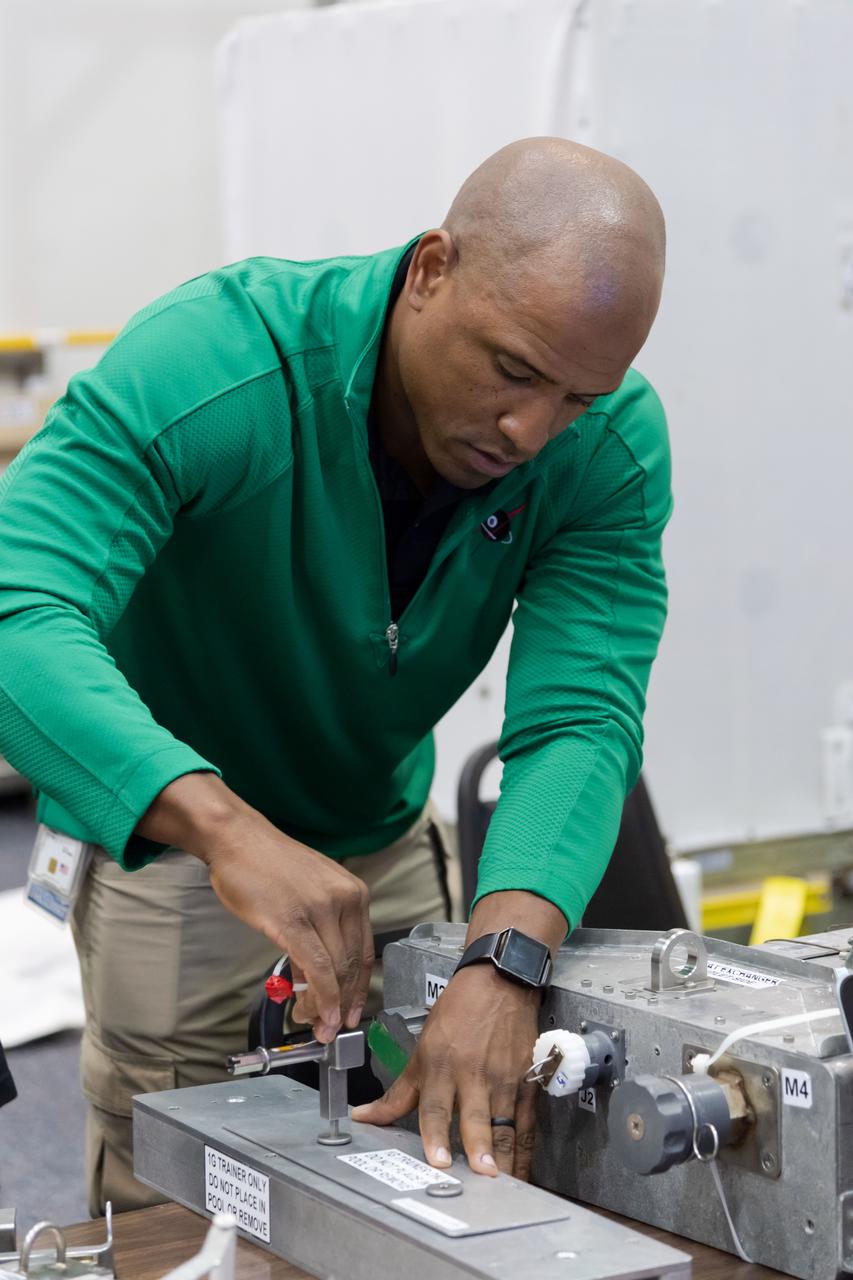
NASA commercial crew astronaut Victor Glover gets training on some of the tools he could use during spacewalks at the International Space Station. Glover is assigned to the SpaceX Crew Dragon’s second crewed flight.
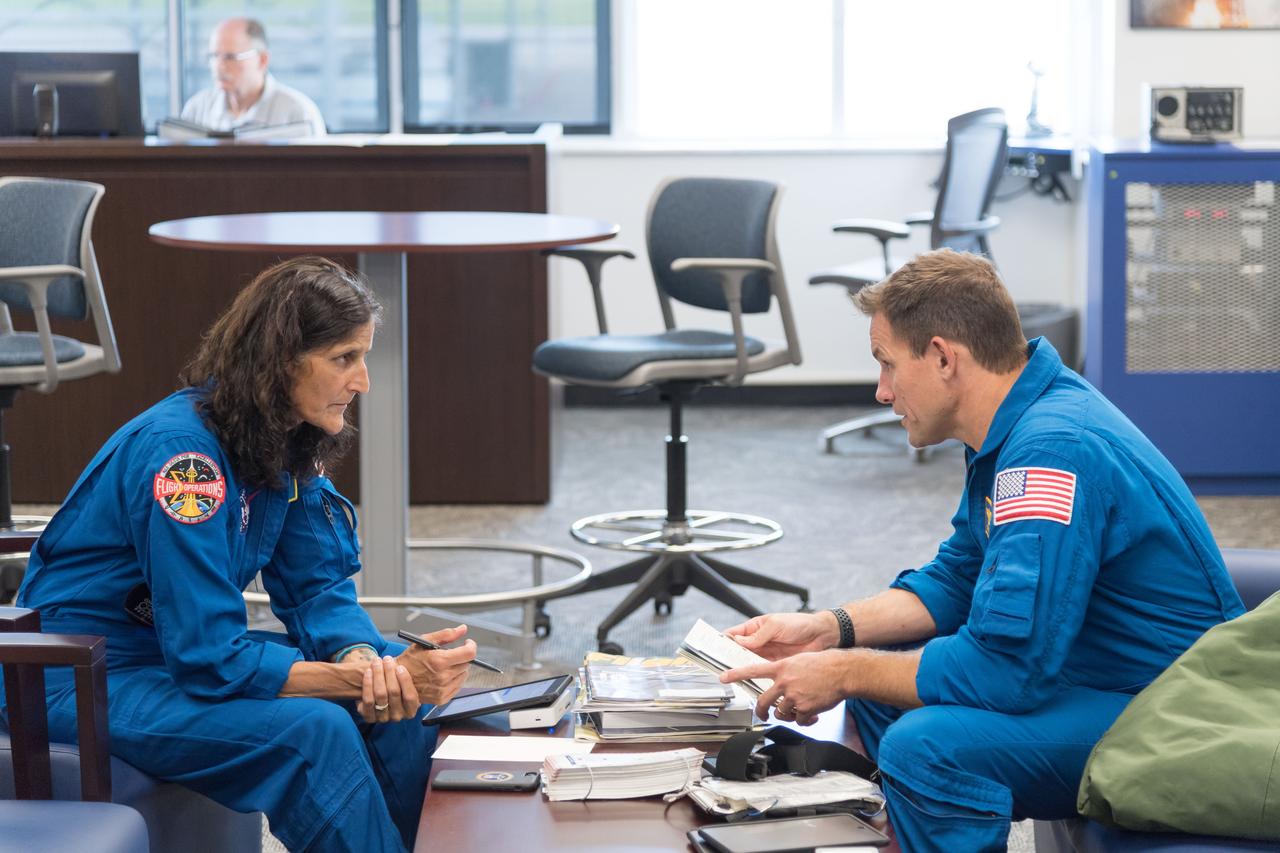
NASA commercial crew astronauts Josh Cassada and Suni Williams prepare for T-38 training flights at Ellington Field Joint Reserve Base in Houston. Cassada and Williams are assigned to the Boeing Starliner’s second crewed flight.
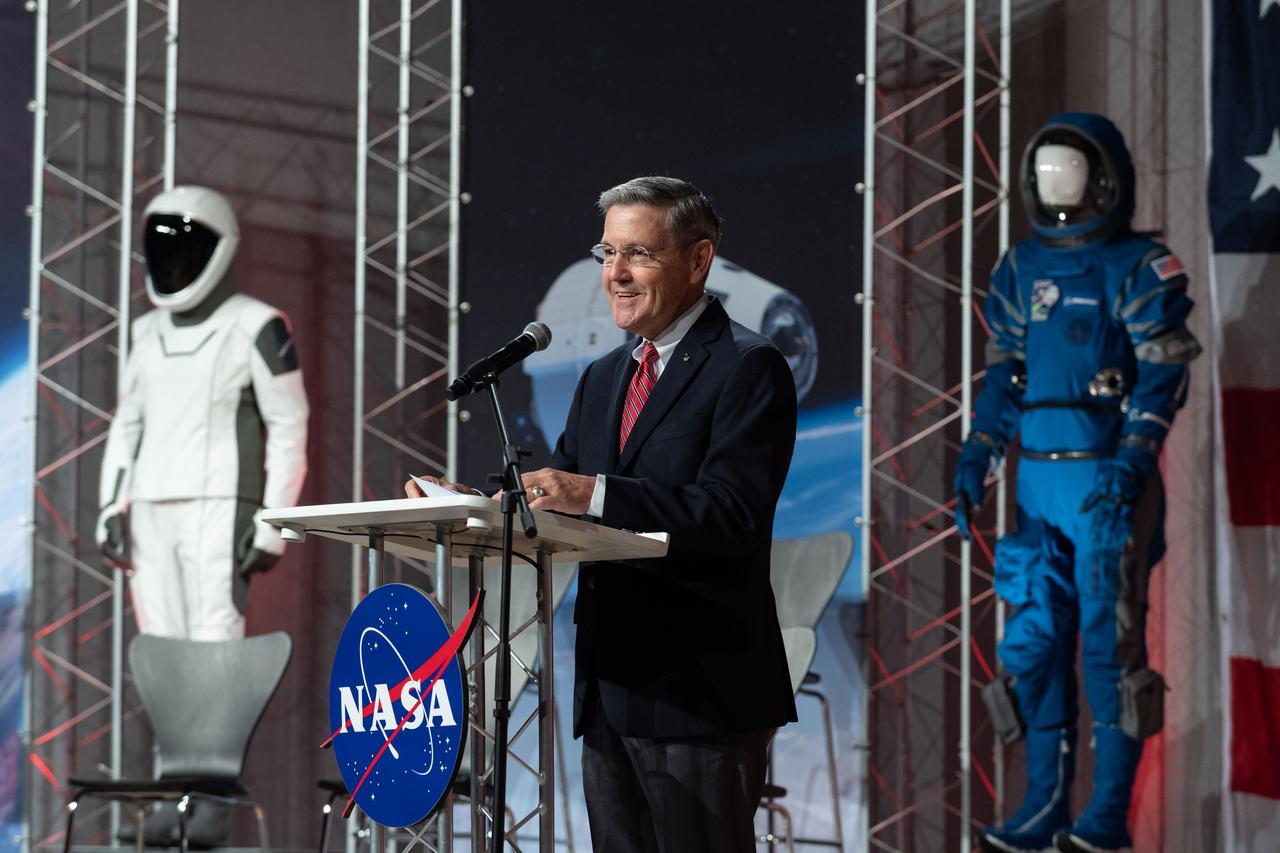
NASA Kennedy Space Center Director Bob Cabana gives remarks during a NASA event announcing the astronauts assigned to crew the first flight tests and missions of the Boeing CST-100 Starliner and SpaceX Crew Dragon, Friday, Aug. 3, 2018 at NASA’s Johnson Space Center in Houston, Texas.
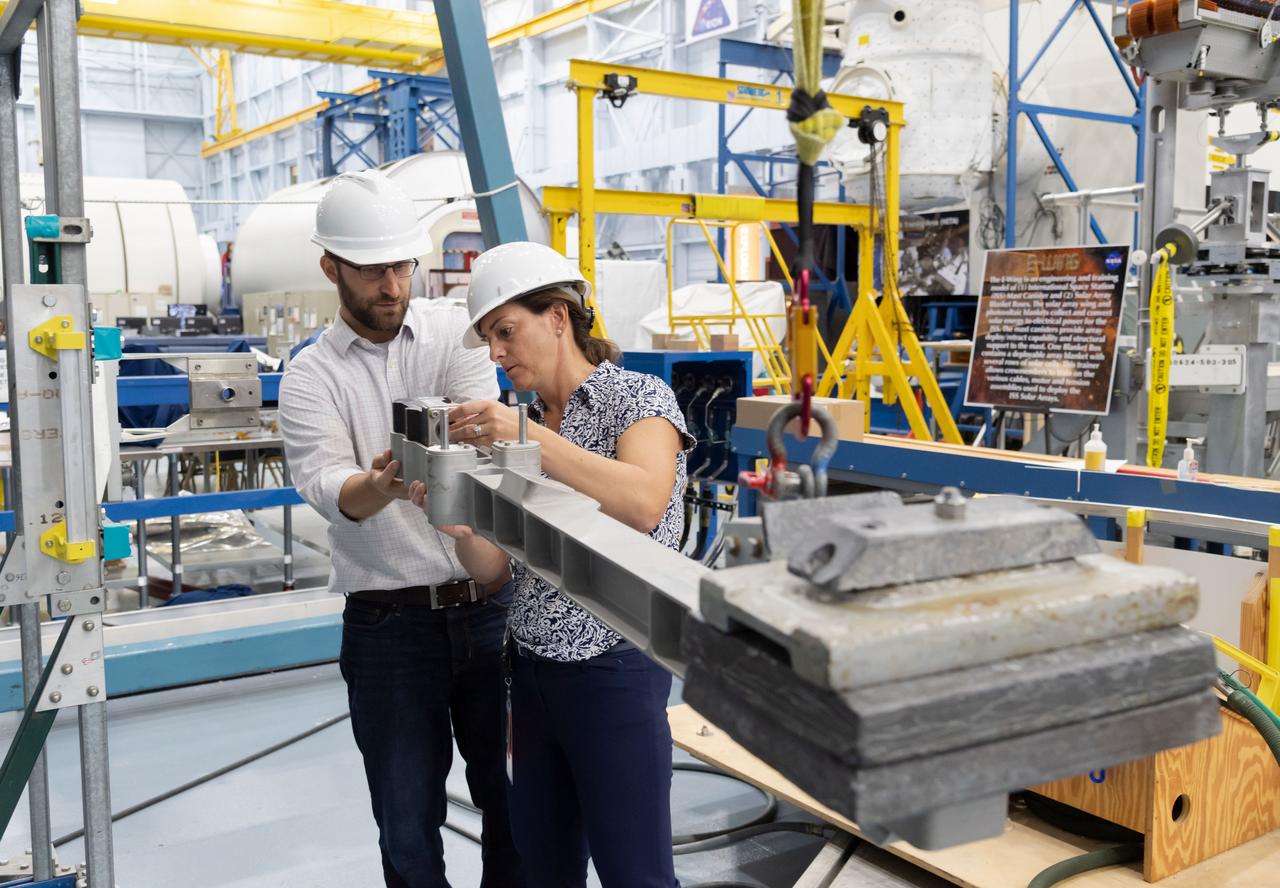
NASA Commercial Crew Program astronaut Nicole Mann learns about the tools and hardware she will use in spacewalk training at NASA’s Space Vehicle Mockup Facility. Mann is assigned to launch to the International Space Station on the first crewed flight of Boeing’s CST-100 Starliner.
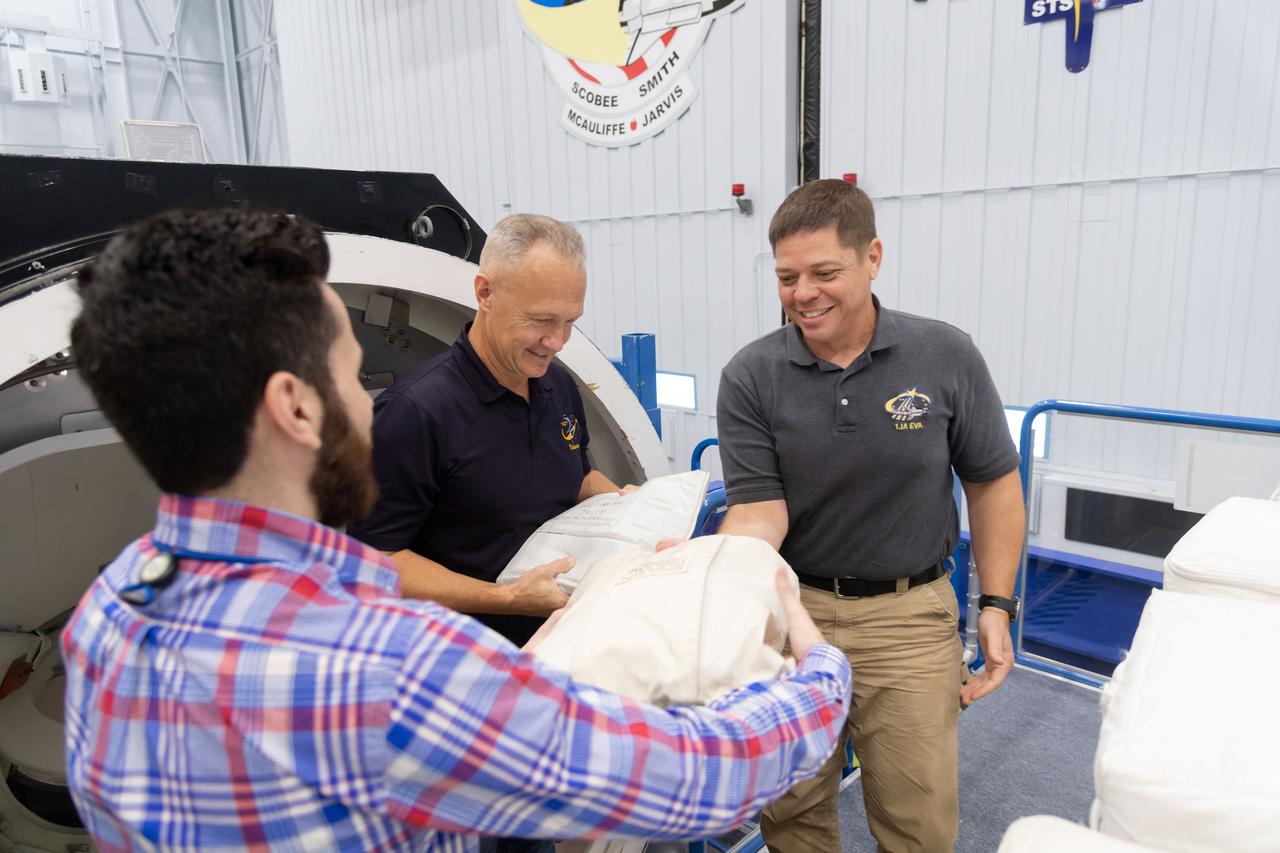
NASA commercial crew astronauts Doug Hurley and Bob Behnken attend a training class for International Space Station ingress and egress procedures in the Space Vehicle Mock-Up Facility at Johnson Space Center in Houston. Hurley and Behnken are both assigned to the SpaceX Crew Dragon’s first crewed flight.
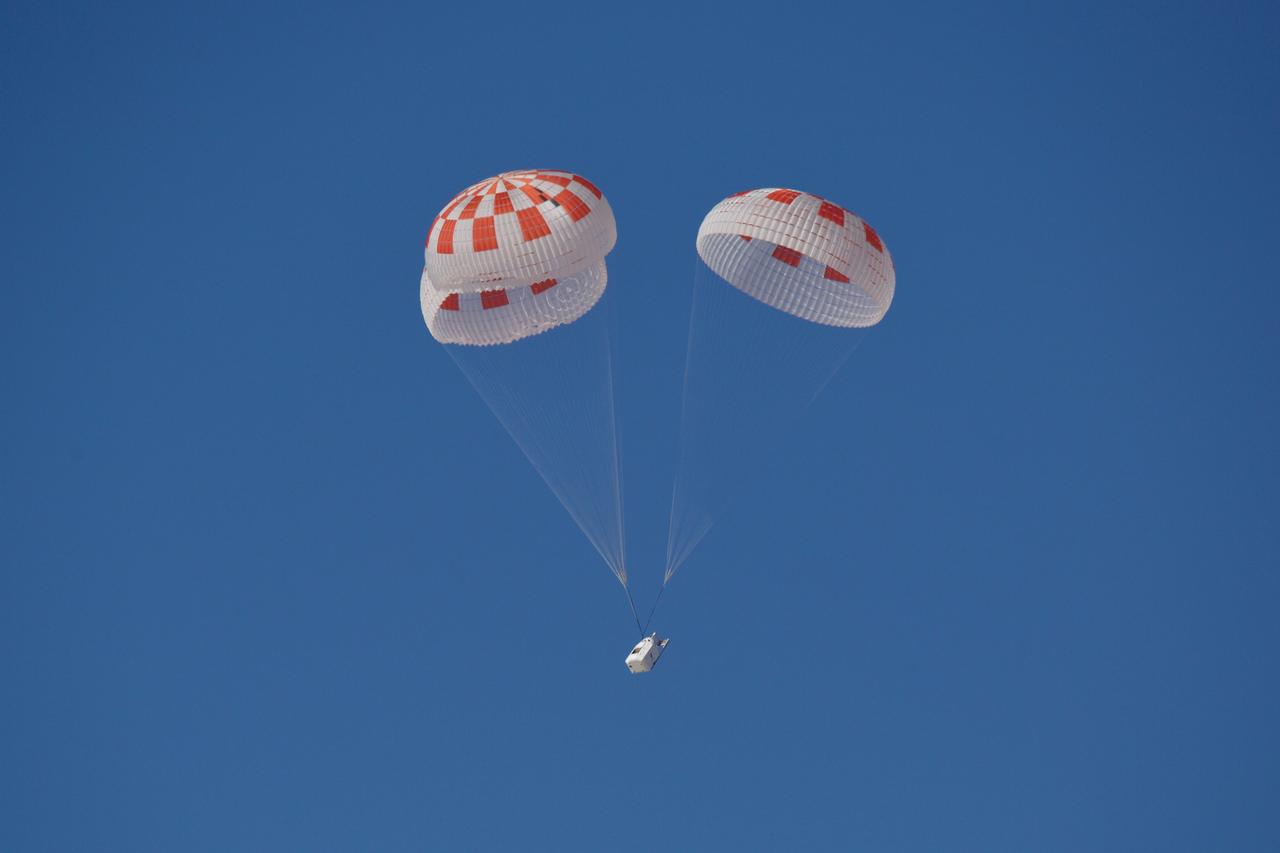
SpaceX performed its fourteenth overall parachute test supporting Crew Dragon development. This most recent exercise was the first of several planned parachute system qualification tests ahead of the spacecraft’s first crewed flight and resulted in the successful touchdown of Crew Dragon’s parachute system. During this test, a C-130 aircraft transported the parachute test vehicle, designed to achieve the maximum speeds that Crew Dragon could experience on re-entry, over the Mojave Desert in Southern California and dropped the vehicle from an altitude of 25,000 feet. The test demonstrated an off-nominal situation, deploying only one of the two drogue chutes and intentionally skipping a reefing stage on one of the four main parachutes, proving a safe landing in such a contingency scenario.
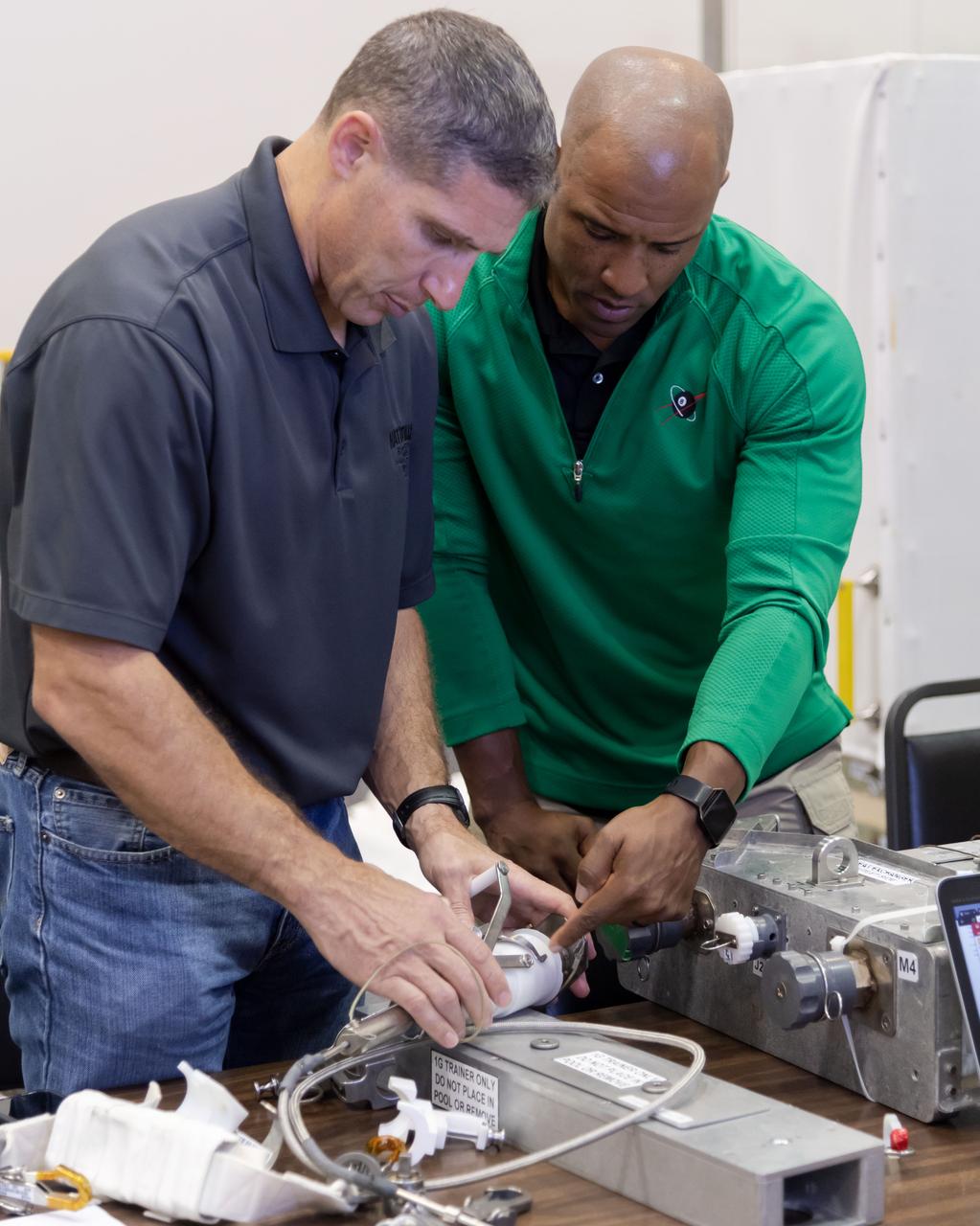
NASA commercial crew astronauts Mike Hopkins and Victor Glover get training on some of the tools they could use during spacewalks at the International Space Station. Hopkins and Glover are both assigned to the SpaceX Crew Dragon’s second crewed flight.
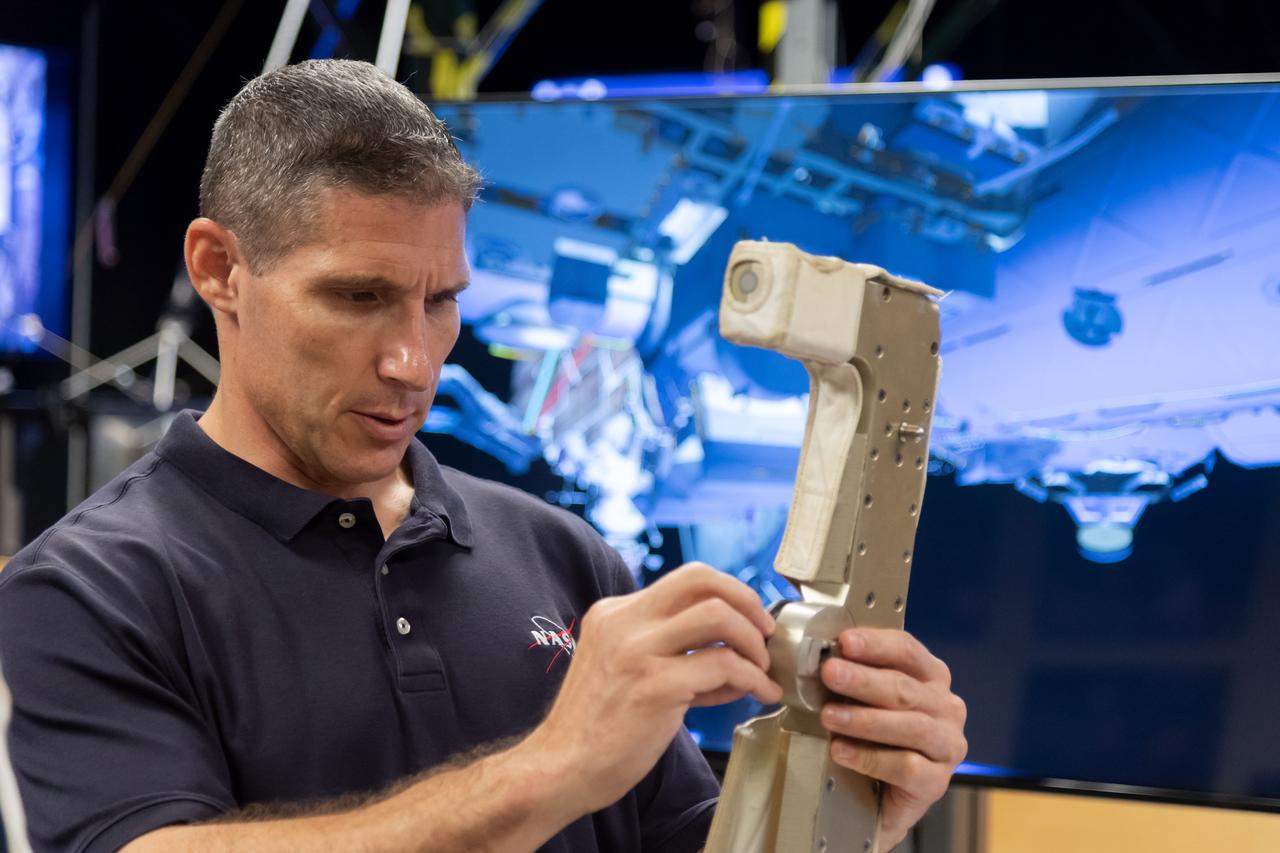
NASA commercial crew astronaut Mike Hopkins trains with Extravehicular Activity (EVA) tools and hardware in Johnson Space Center’s Space Vehicle Mockup Facility in Houston. Hopkins is assigned to the second crewed flight of SpaceX’s Crew Dragon.
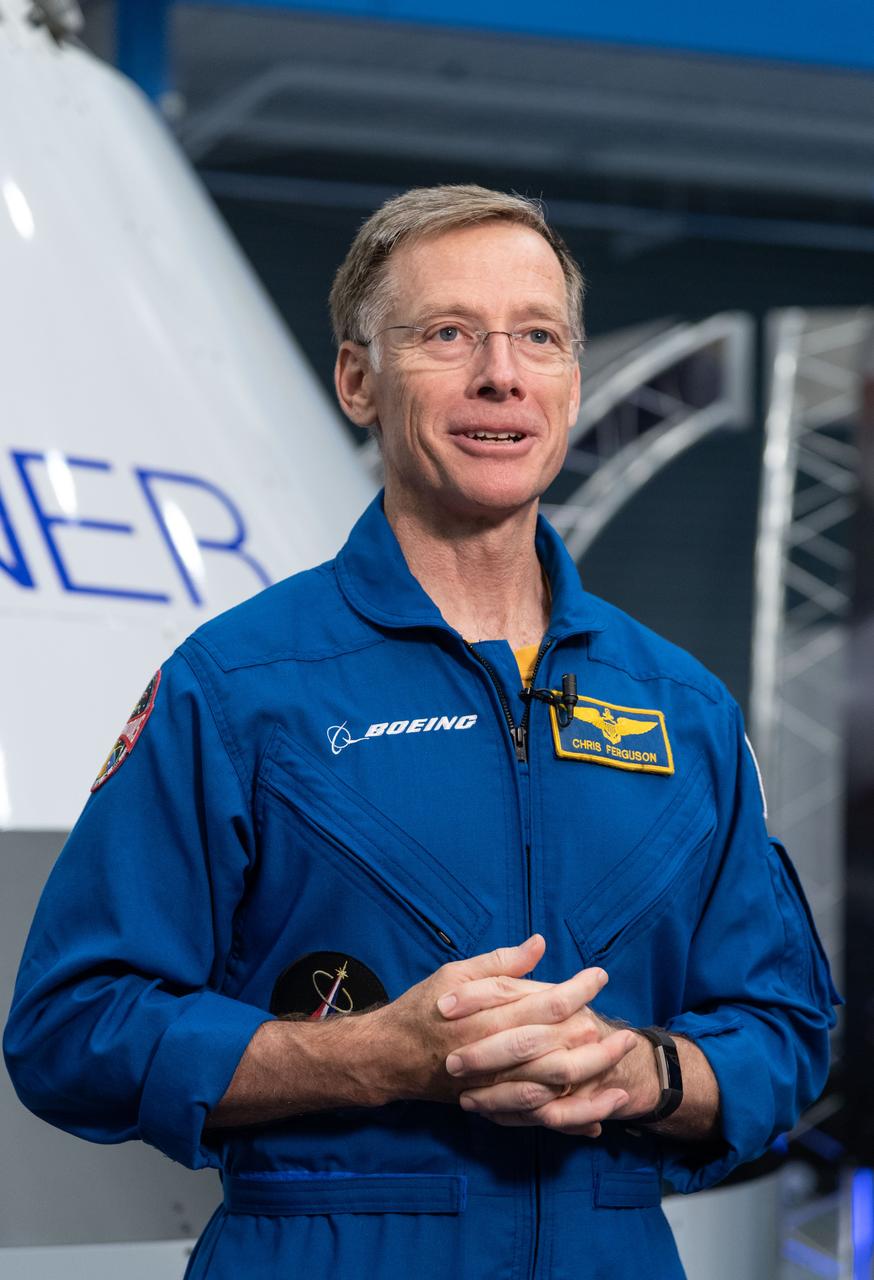
Boeing astronaut Chris Ferguson is seen during a NASA event where it was announced that he, NASA astronaut Eric Boe, and NASA astronaut Nicole Mann are assigned to the Boeing CST-100 Starliner Crew Test Flight to the International Space Station, Friday, Aug. 3, 2018 at NASA’s Johnson Space Center in Houston, Texas. Astronauts assigned to crew the first flight tests and missions of the Boeing CST- 100 Starliner and SpaceX Crew Dragon were announced during the event.
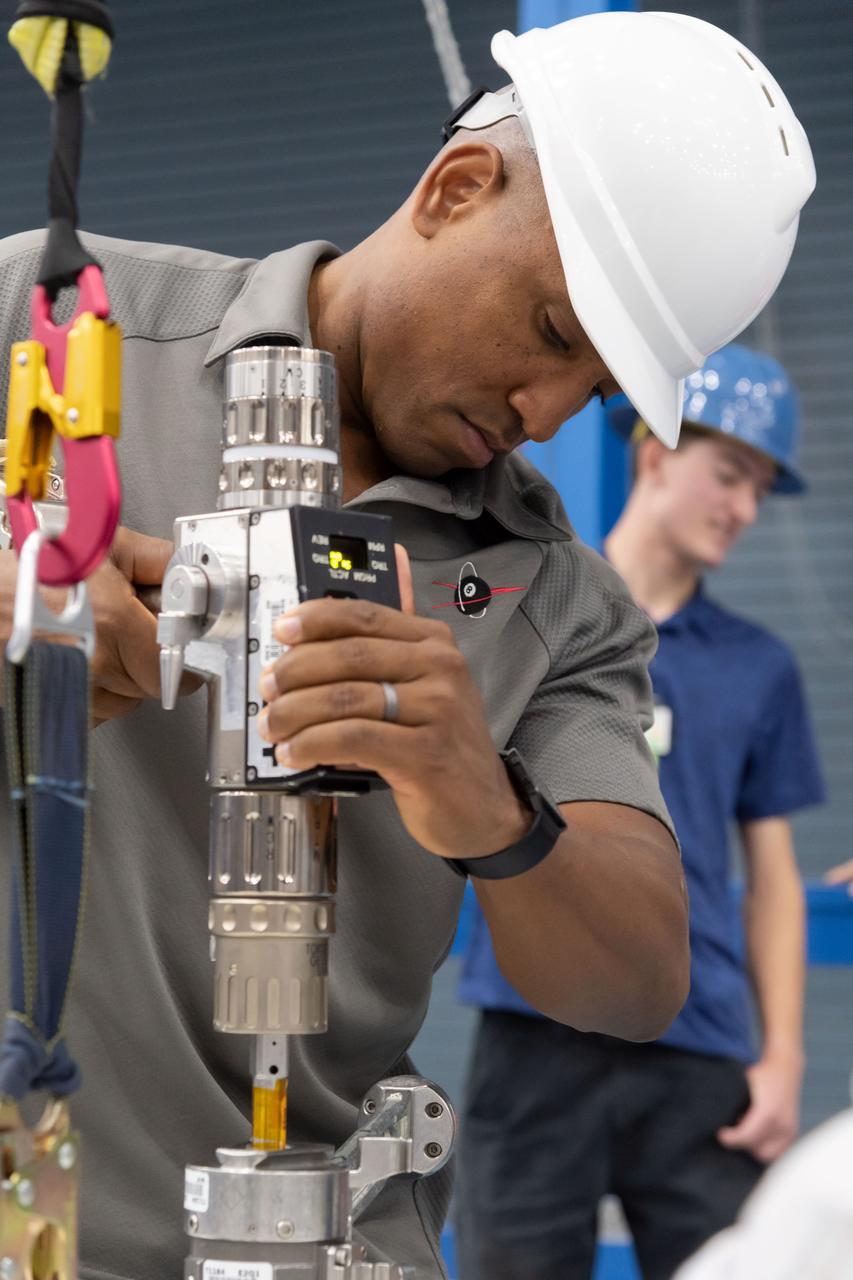
NASA commercial crew astronaut Victor Glover learns about the tools and hardware he will use in spacewalk training at NASA’s Space Vehicle Mockup Facility in Houston. Glover will fly to the International Space Station on the second flight of SpaceX’s Crew Dragon.
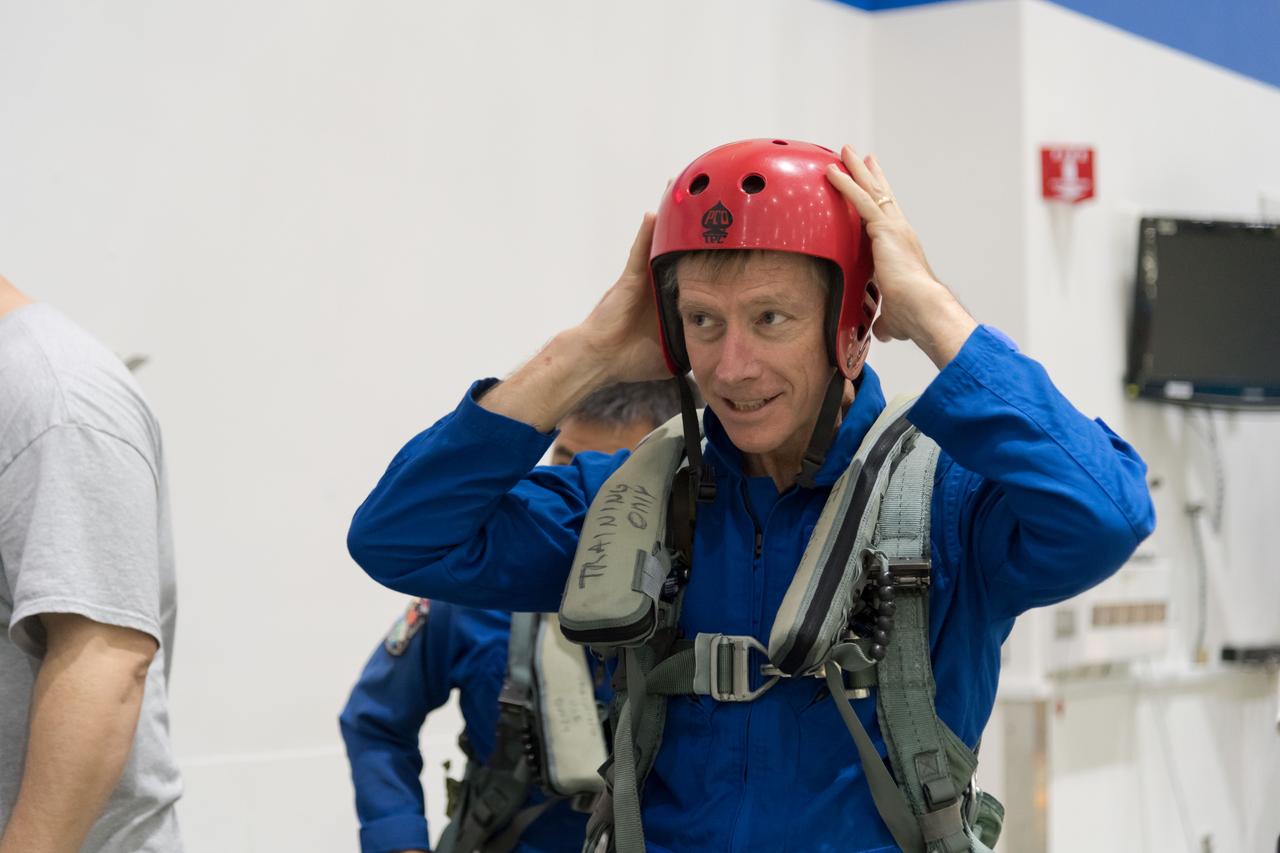
Boeing astronaut Chris Ferguson prepares for water survival training at the Neutral Buoyancy Laboratory near NASA's Johnson Space Center in Houston. Ferguson will fly on Boeing's Crew Flight Test with NASA astronauts Eric Boe and Nicole Mann.
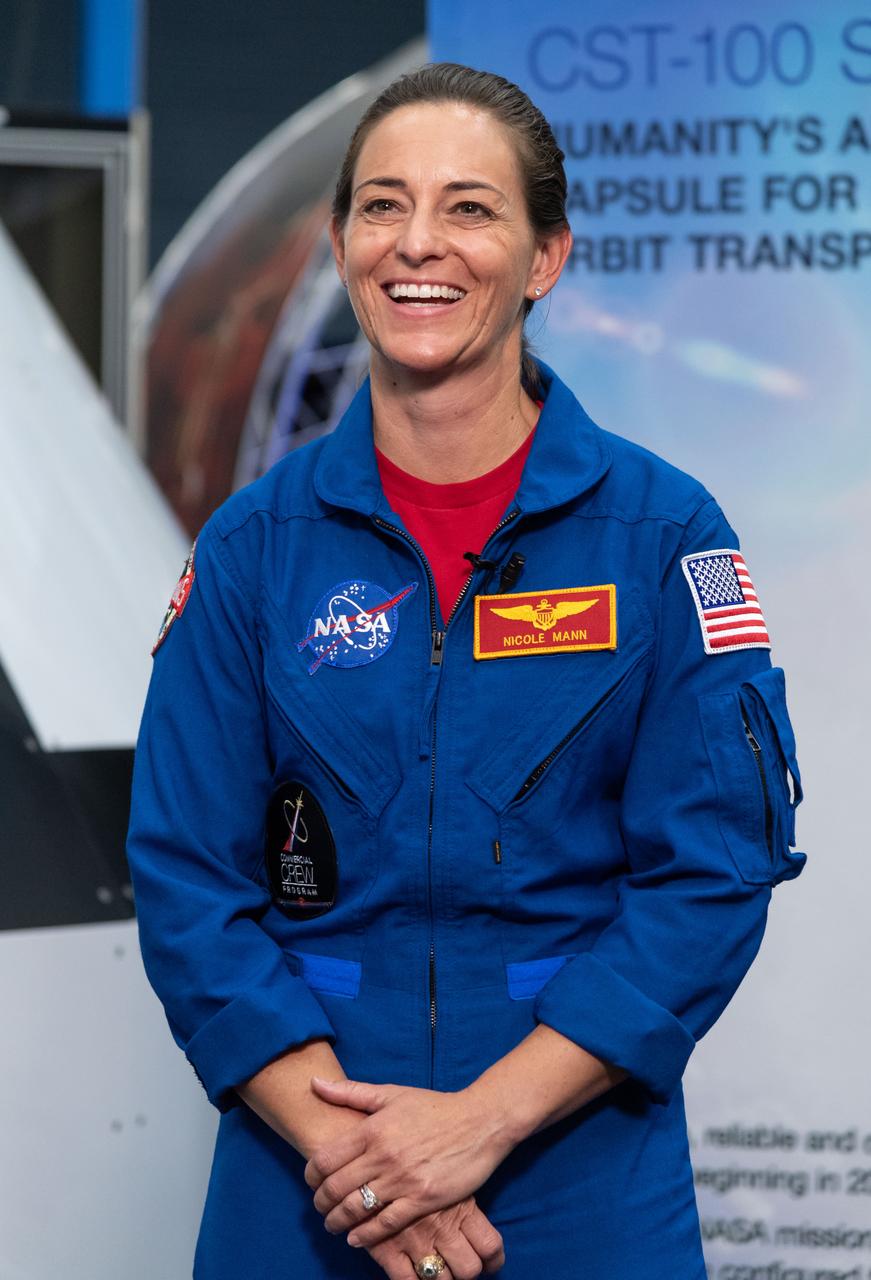
NASA astronaut Nicole Mann is seen during a NASA event where it was announced that she, NASA astronaut Eric Boe, and Boeing astronaut Chris Ferguson are assigned to the Boeing CST-100 Starliner Crew Test Flight to the International Space Station, Friday, Aug. 3, 2018 at NASA’s Johnson Space Center in Houston, Texas. Astronauts assigned to crew the first flight tests and missions of the Boeing CST- 100 Starliner and SpaceX Crew Dragon were announced during the event.
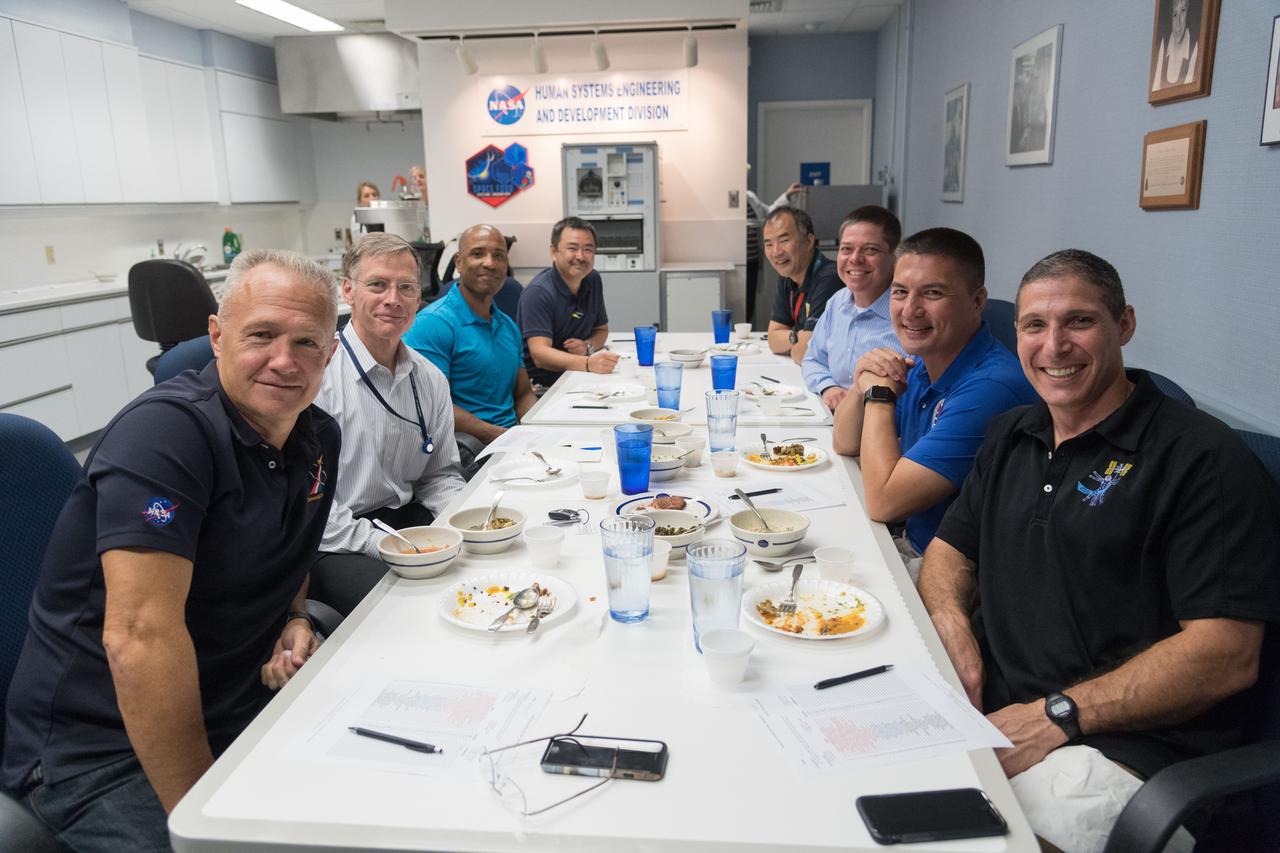
Commercial Crew Program astronauts try out some of the food they’ll enjoy onboard the International Space Station at the Space Food Systems Laboratory at Johnson Space Center in Houston. NASA astronauts Bob Behnken, Doug Hurley, Mike Hopkins and Victor Glover will fly on the SpaceX Crew Dragon. NASA astronaut Kjell Lindgren is assigned as a backup for the Crew Dragon’s first and second crewed flights. Boeing astronaut Chris Ferguson will fly on Boeing’s CST-100 Starliner. Also joining them for the taste tests are Japan Aerospace Exploration Agency astronauts Shoichi Noguchi and Akihiko Hoshide. Noguchi is scheduled to be part of the Expedition 62-63 crew, and Hoshide is training for Expedition 64-65.

Astronaut Bob Behnken emerges from the hatch of a SpaceX Crew Dragon spacecraft in manufacturing at SpaceX's headquarters and factory in Hawthorne, California. Behnken is one of four NASA astronauts selected to train with Boeing and SpaceX ahead of flight tests for NASA's Commercial Crew Program. Along with Behnken, Eric Boe, Doug Hurley and Suni Williams are working with the companies on their independent spacecraft and launch vehicles being developed to take astronauts to the International Space Station. Photo credit: SpaceX
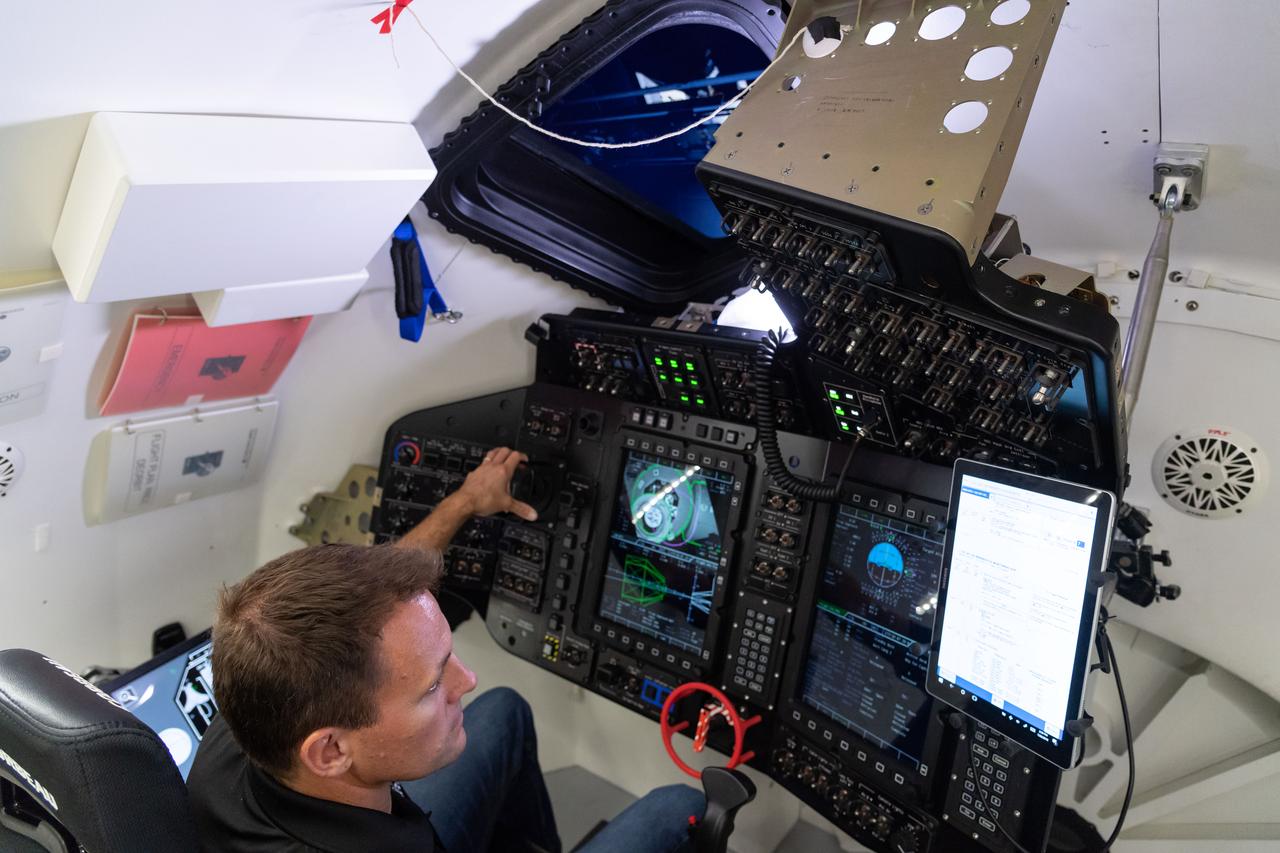
NASA commercial crew astronaut Josh Cassada trains for docking to the International Space Station. Cassada is assigned to the second crewed flight to the International Space Station of Boeing’s CST-100 Starliner.
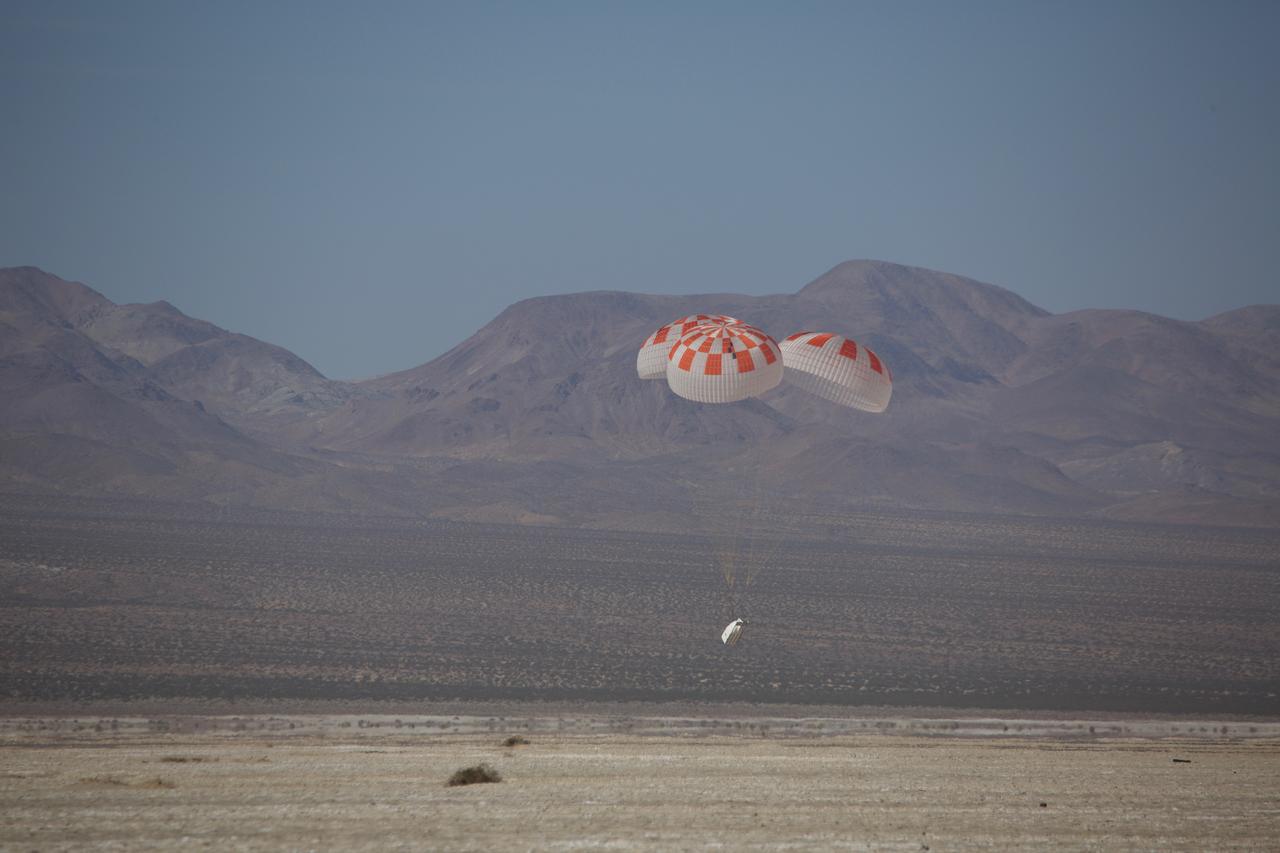
SpaceX performed its fourteenth overall parachute test supporting Crew Dragon development. This most recent exercise was the first of several planned parachute system qualification tests ahead of the spacecraft’s first crewed flight and resulted in the successful touchdown of Crew Dragon’s parachute system. During this test, a C-130 aircraft transported the parachute test vehicle, designed to achieve the maximum speeds that Crew Dragon could experience on re-entry, over the Mojave Desert in Southern California and dropped the vehicle from an altitude of 25,000 feet. The test demonstrated an off-nominal situation, deploying only one of the two drogue chutes and intentionally skipping a reefing stage on one of the four main parachutes, proving a safe landing in such a contingency scenario.
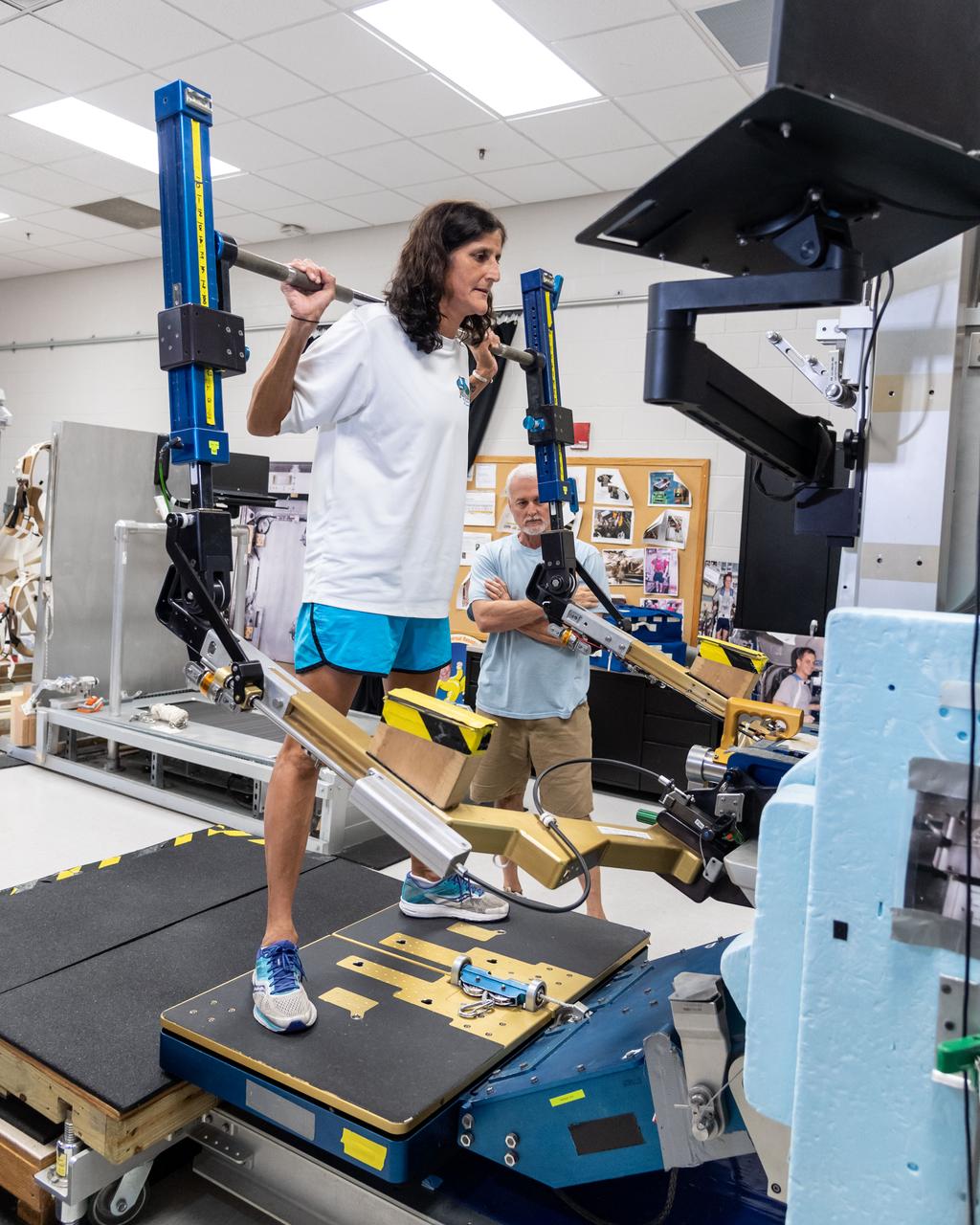
NASA commercial crew astronaut Suni Williams performs physical training on the Advanced Resistive Exercise Device (ARED) at the agency’s Johnson Space Center in Houston. Williams is assigned to the Boeing Starliner’s second crewed flight.
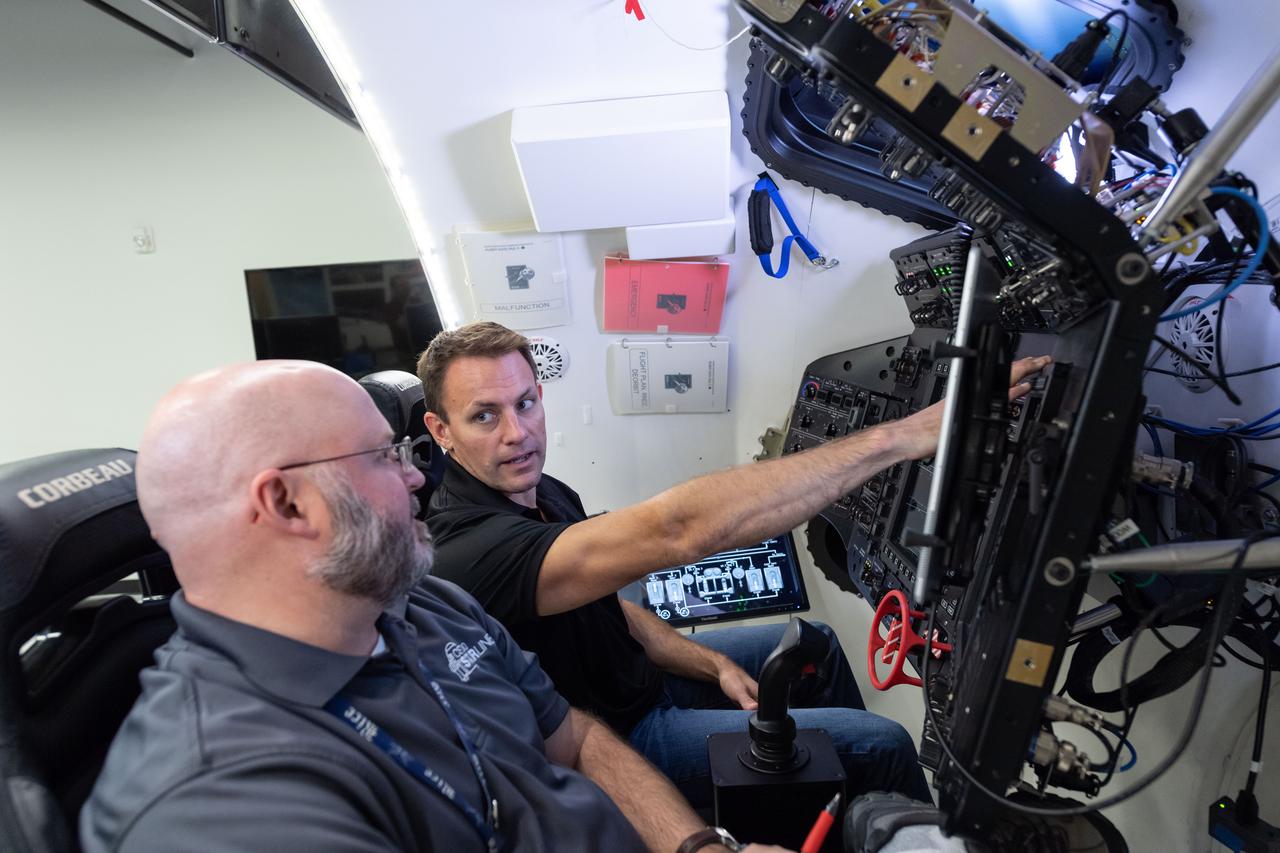
NASA commercial crew astronaut Josh Cassada trains for docking to the International Space Station. Cassada is assigned to the second crewed flight to the International Space Station of Boeing’s CST-100 Starliner.
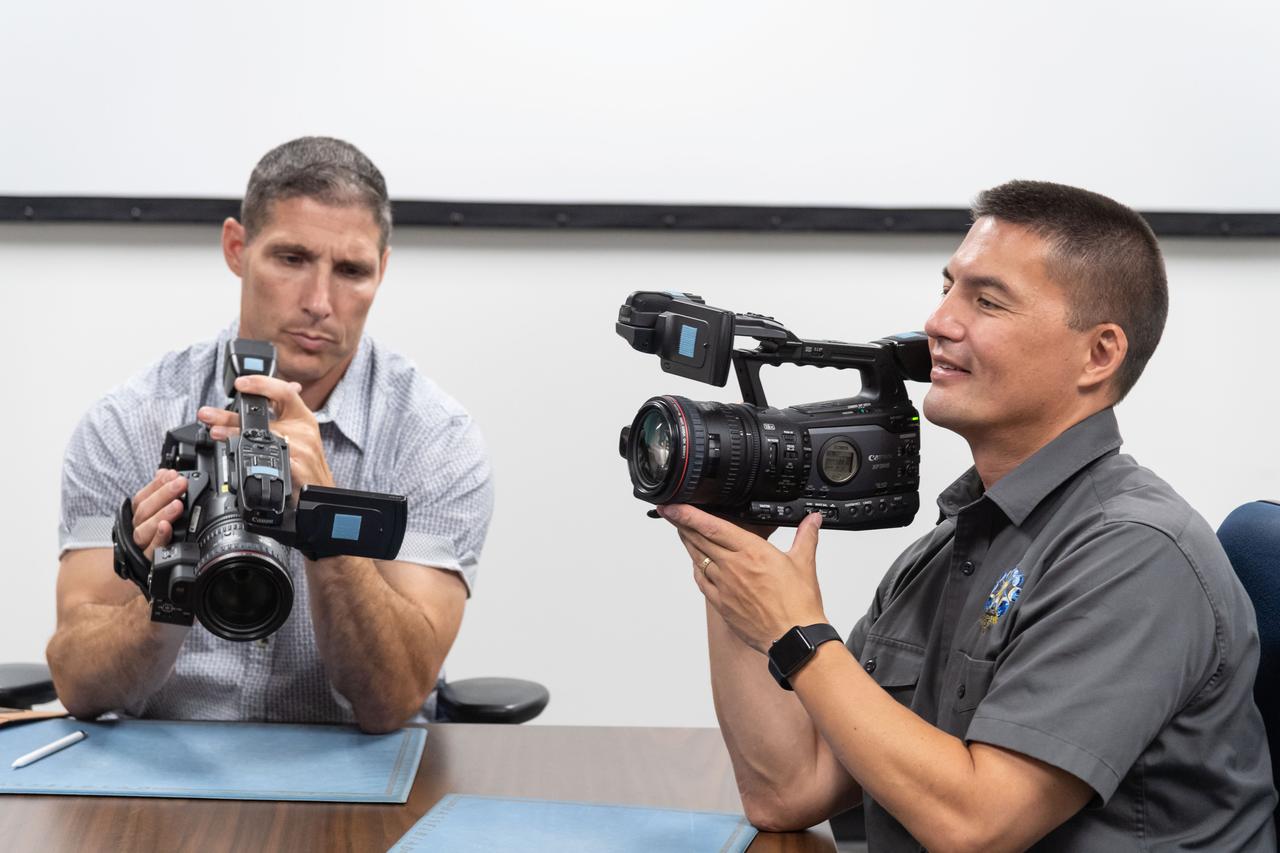
NASA Commercial Crew Program Astronauts Mike Hopkins and Kjell Lindgren practice operating the cameras they would use on board the International Space Station. Hopkins is assigned to the second flight of SpaceX’s Crew Dragon, and Lindgren is assigned as a backup for the Crew Dragon’s first and second flights.

NASA commercial crew astronaut Suni Williams prepares for T-38 training flights at Ellington Field Joint Reserve Base in Houston. Williams is assigned to the Boeing Starliner’s second crewed flight.
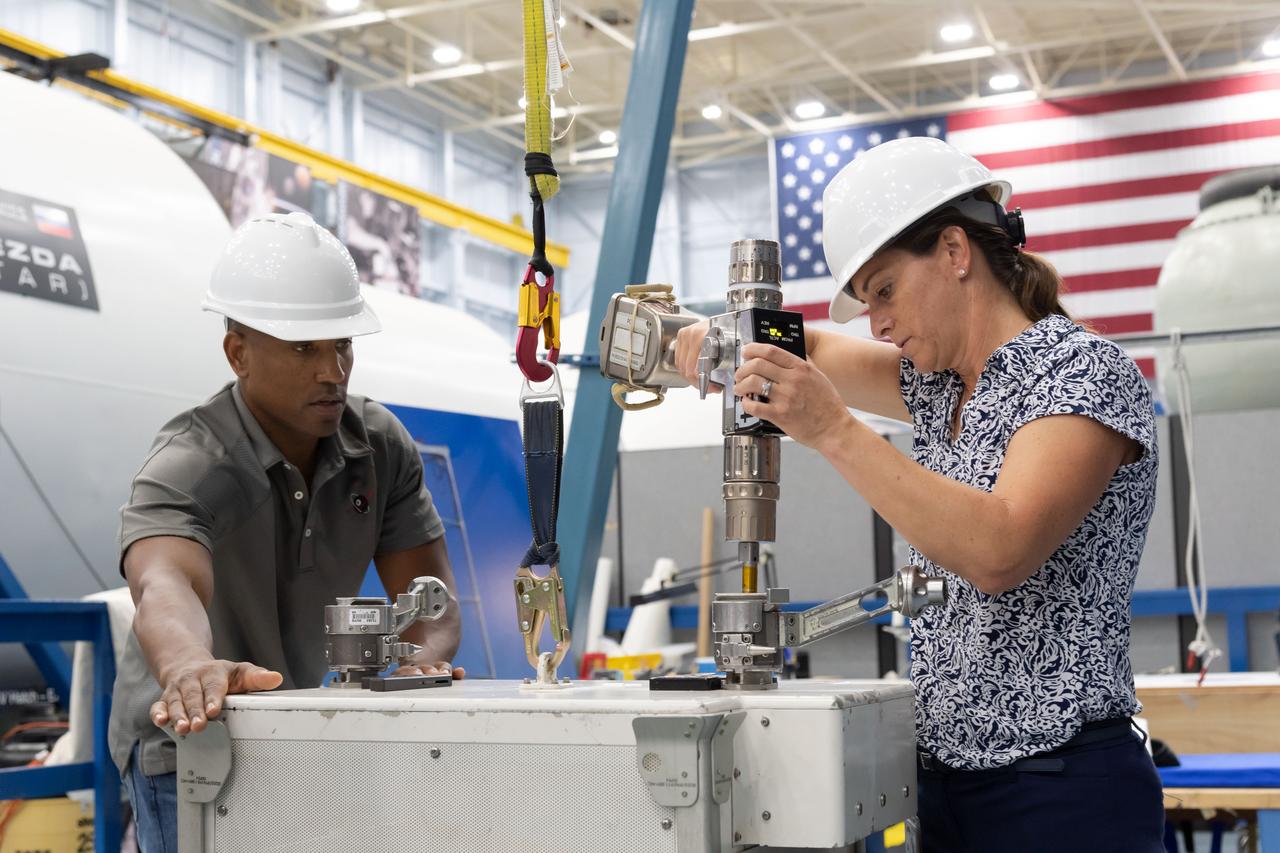
NASA Commercial Crew Program astronauts Nicole Mann and Victor Glover learn about the tools and hardware they will use in spacewalk training at NASA’s Space Vehicle Mockup Facility in Houston. Mann is assigned to launch to the International Space Station on the first crewed flight of Boeing’s CST-100 Starliner. Glover will fly to the station on the second crewed flight of SpaceX’s Crew Dragon.
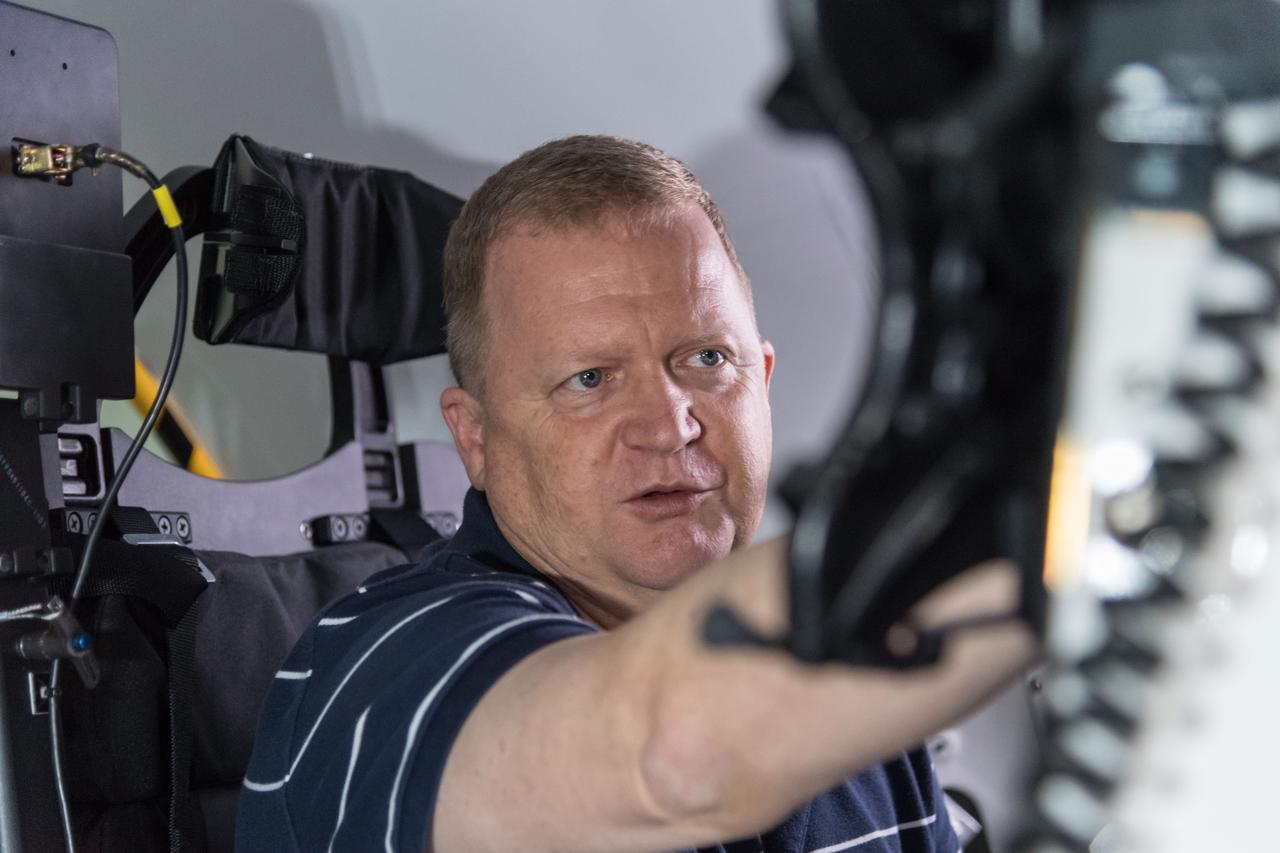
NASA commercial crew astronaut Eric Boe trains in a Boeing CST-100 Starliner mockup at the agency’s Johnson Space Center in Houston. Boe is assigned to launch to the International Space Station on the first crewed flight of Boeing’s CST-100 Starliner.
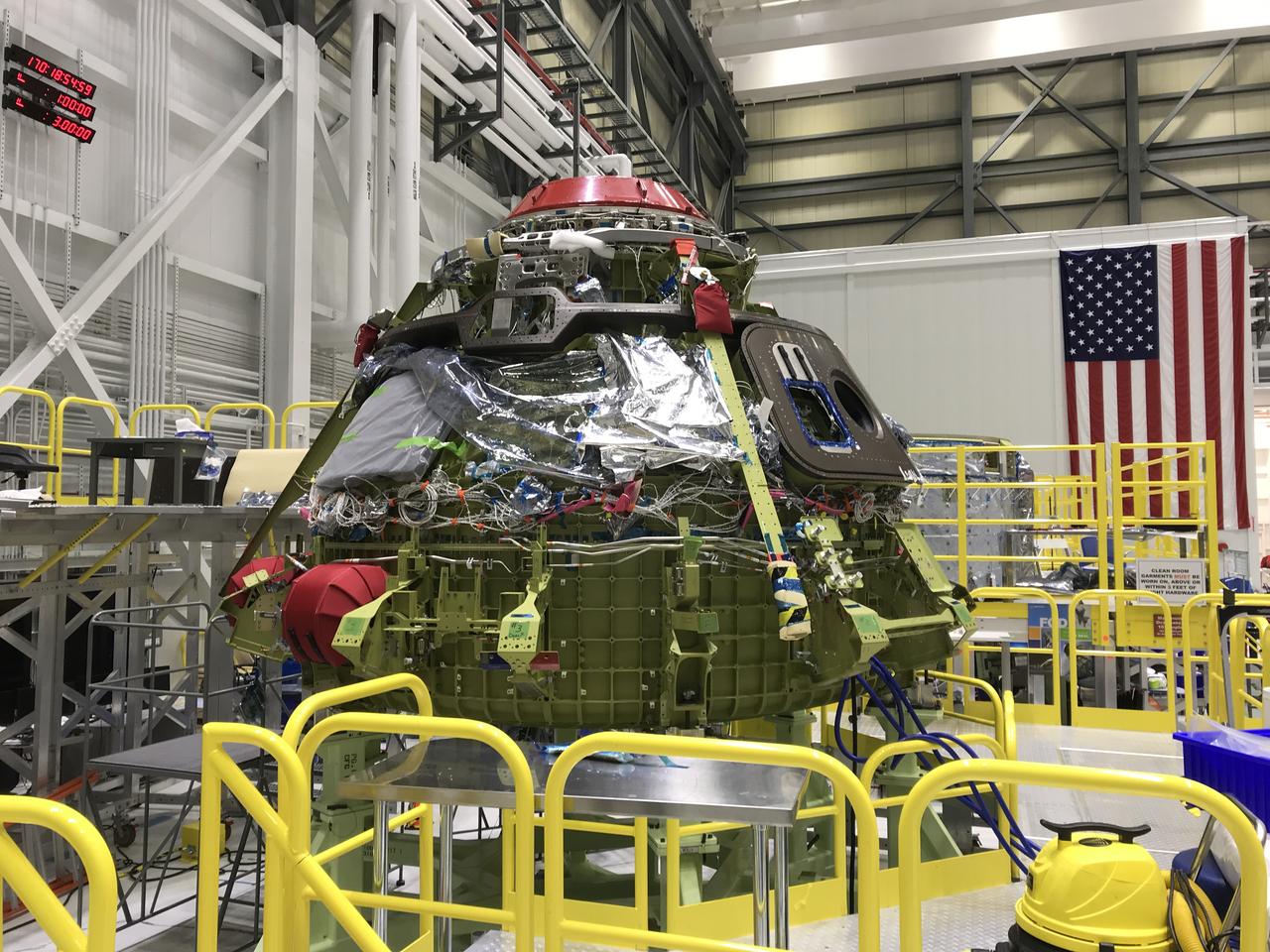
The upper and lower domes of the Boeing CST-100 Starliner Spacecraft 2 Crew Flight Test Vehicle were mated June 19, 2018, inside the Commercial Crew and Cargo Processing Facility (C3PF) at Kennedy Space Center in Florida. The Starliner will launch astronauts on a United Launch Alliance Atlas V rocket to the International Space Station as part of NASA’s Commercial Crew Program.
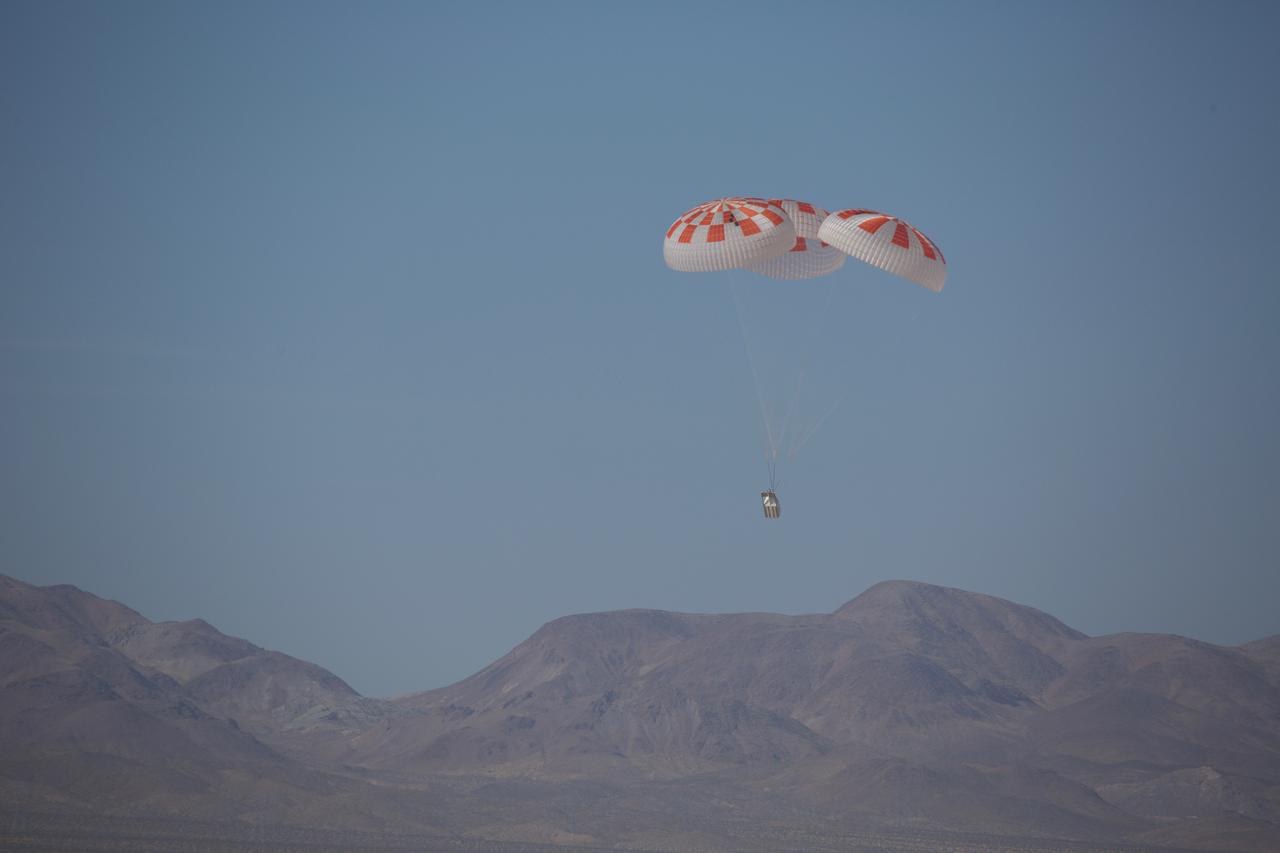
SpaceX performed its fourteenth overall parachute test supporting Crew Dragon development. This most recent exercise was the first of several planned parachute system qualification tests ahead of the spacecraft’s first crewed flight and resulted in the successful touchdown of Crew Dragon’s parachute system. During this test, a C-130 aircraft transported the parachute test vehicle, designed to achieve the maximum speeds that Crew Dragon could experience on re-entry, over the Mojave Desert in Southern California and dropped the vehicle from an altitude of 25,000 feet. The test demonstrated an off-nominal situation, deploying only one of the two drogue chutes and intentionally skipping a reefing stage on one of the four main parachutes, proving a safe landing in such a contingency scenario.
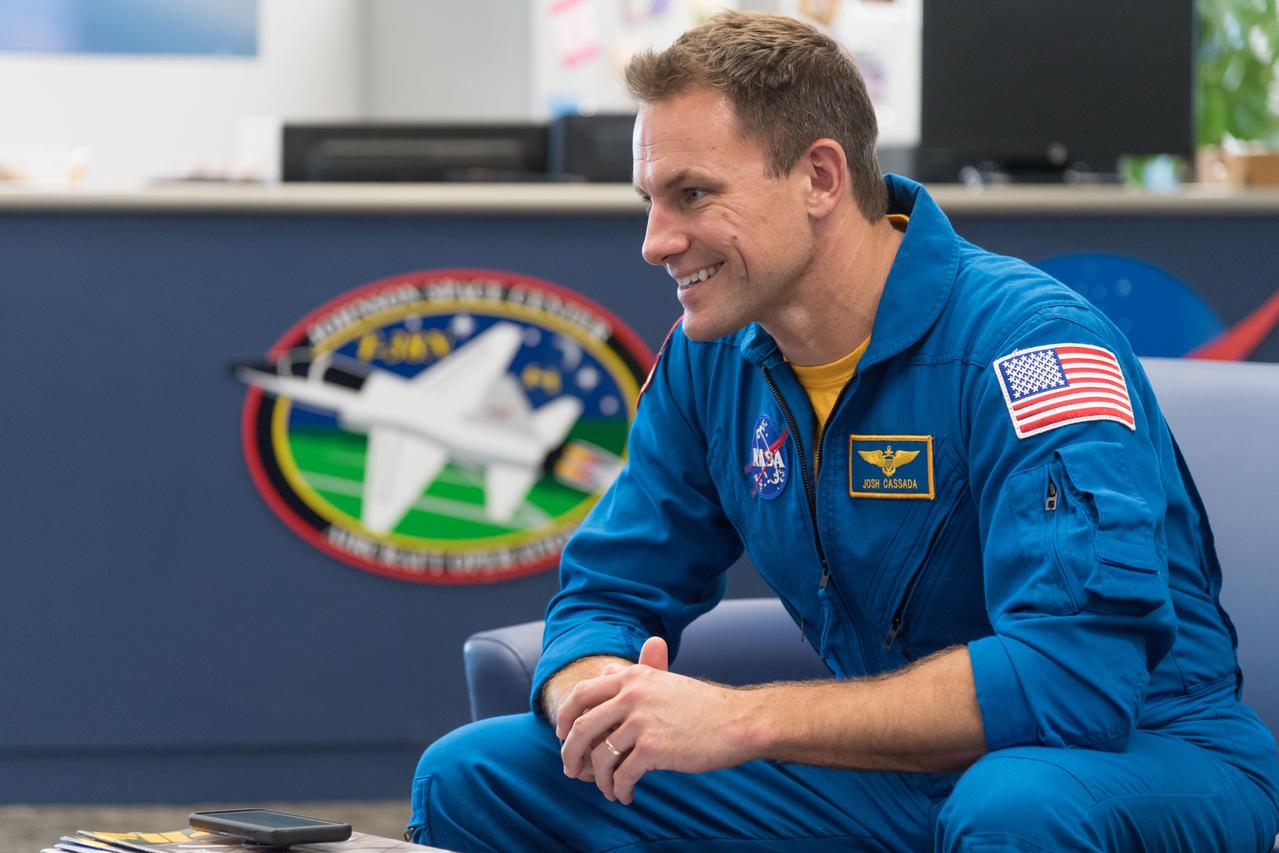
NASA commercial crew astronaut Josh Cassada prepares for T-38 training flights at Ellington Field Joint Reserve Base in Houston. Cassada is assigned to the Boeing Starliner’s second crewed flight.
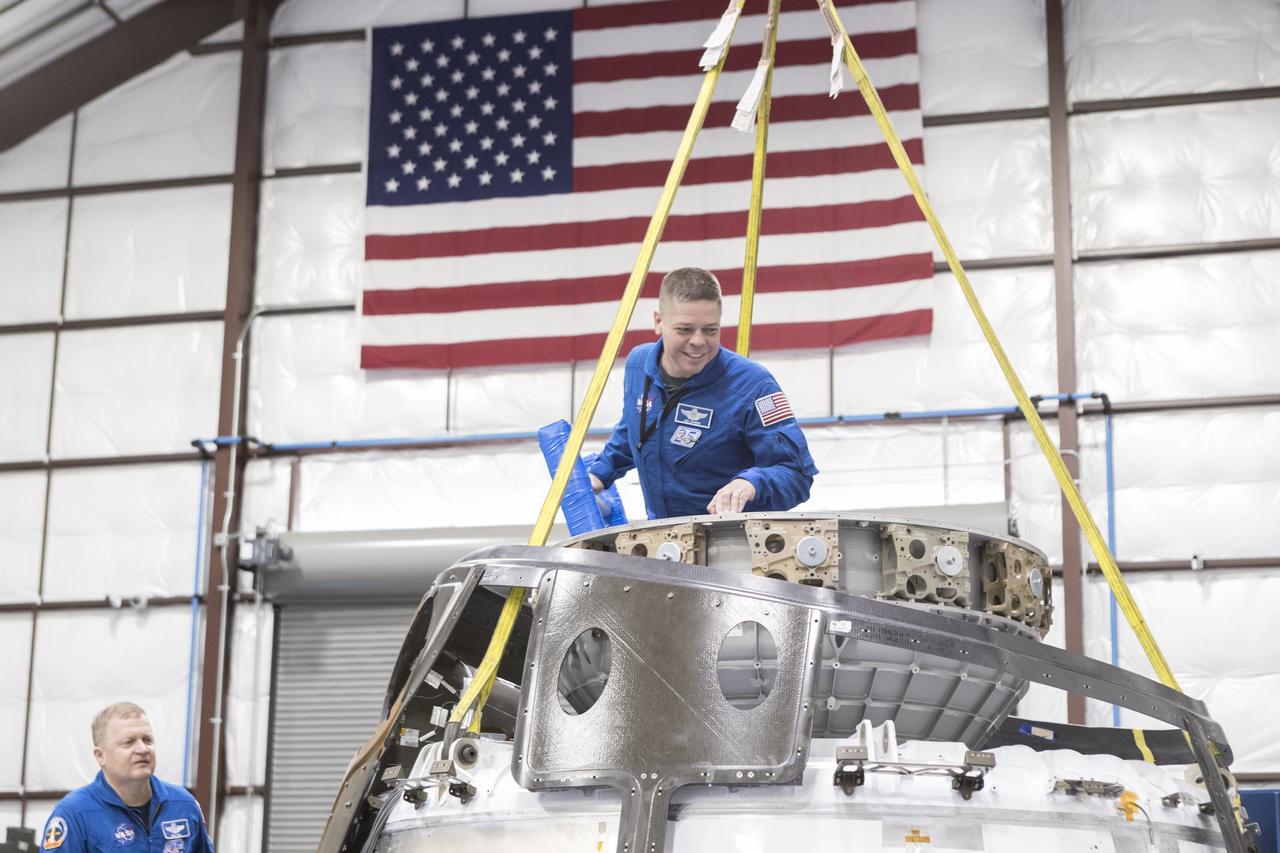
Astronaut Bob Behnken emerges from the top hatch of a SpaceX Crew Dragon spacecraft in manufacturing at SpaceX's headquarters and factory in Hawthorne, California, as astronaut Eri Boe looks on. Behnken and Boe are two of four NASA astronauts selected to train with Boeing and SpaceX ahead of flight tests for NASA's Commercial Crew Program. Along with Behnken and Boe, Doug Hurley and Suni Williams are working with the companies on their independent spacecraft and launch vehicles being developed to take astronauts to the International Space Station. Photo credit: SpaceX
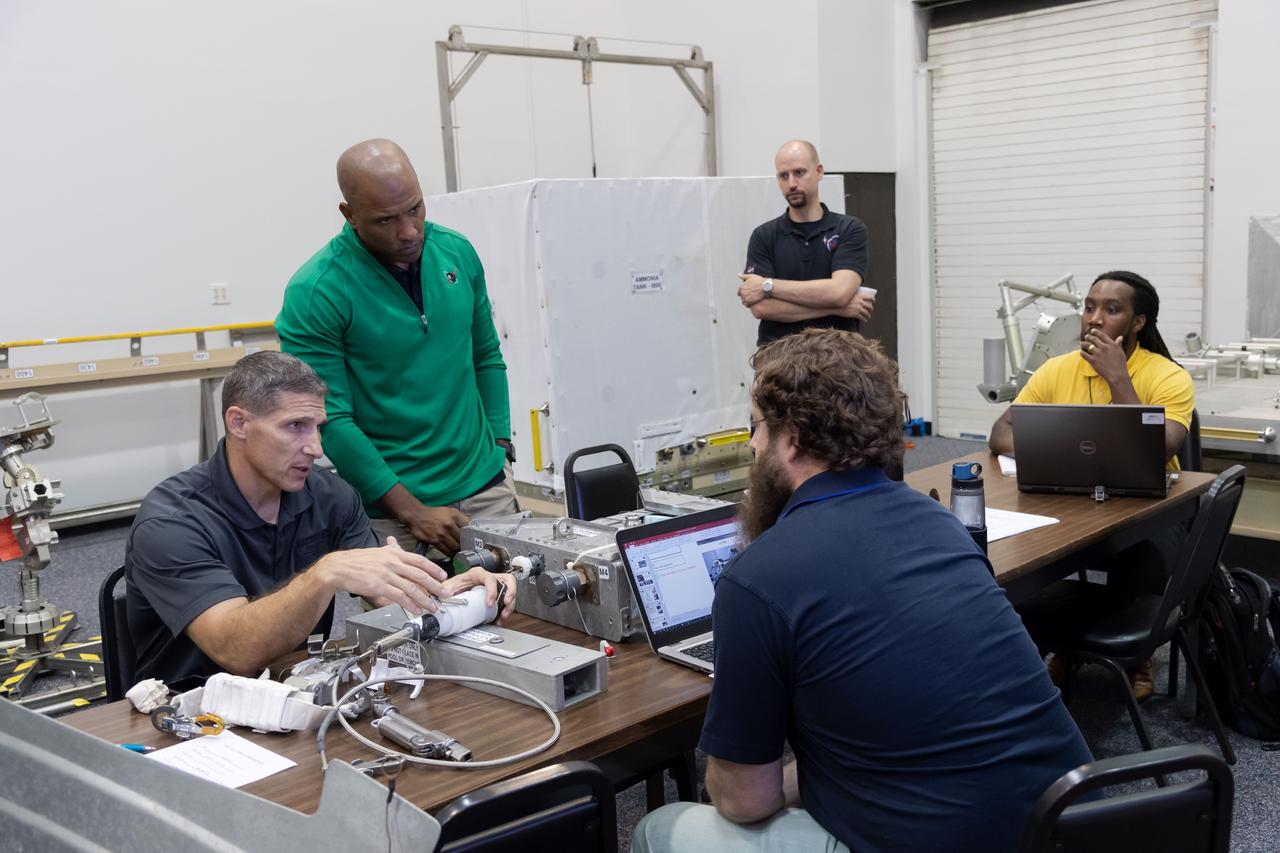
NASA commercial crew astronauts Mike Hopkins and Victor Glover get training on some of the tools they could use during spacewalks at the International Space Station. Hopkins and Glover are both assigned to the SpaceX Crew Dragon’s second crewed flight.
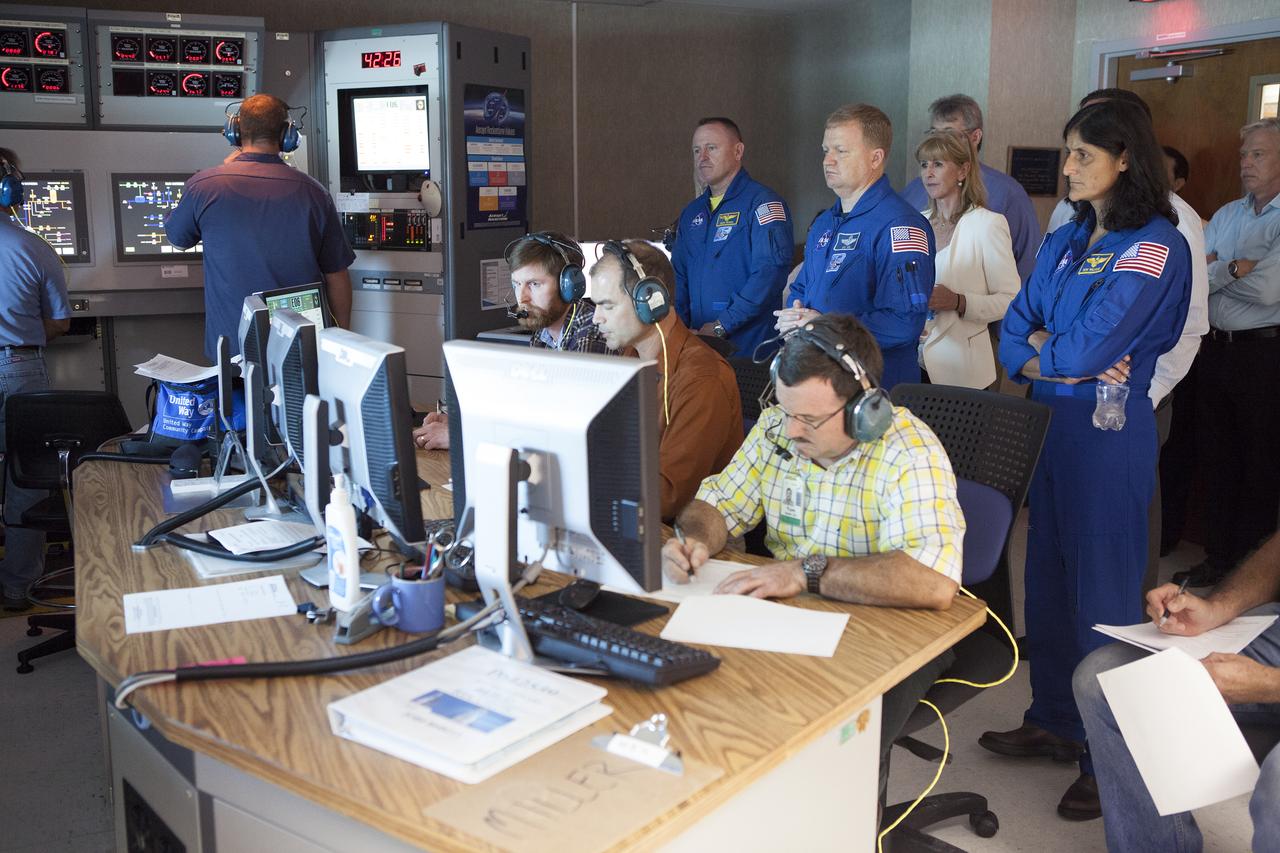
NASA astronauts Barry "Butch" Wilmore, from left, Eric Boe and Suni Williams watch as Aerojet Rocketdyne test team engineers direct the test-firing of an RL10 engine at the company's facility in West Palm Beach, Florida. The engine will be one of two used for the Centaur upper stage during a United Launch Alliance Atlas V mission to launch Boeing's CST-100 Starliner on a flight test carrying a crew. The engine was test-fired as part of acceptance testing to confirm the engine is ready for flight.