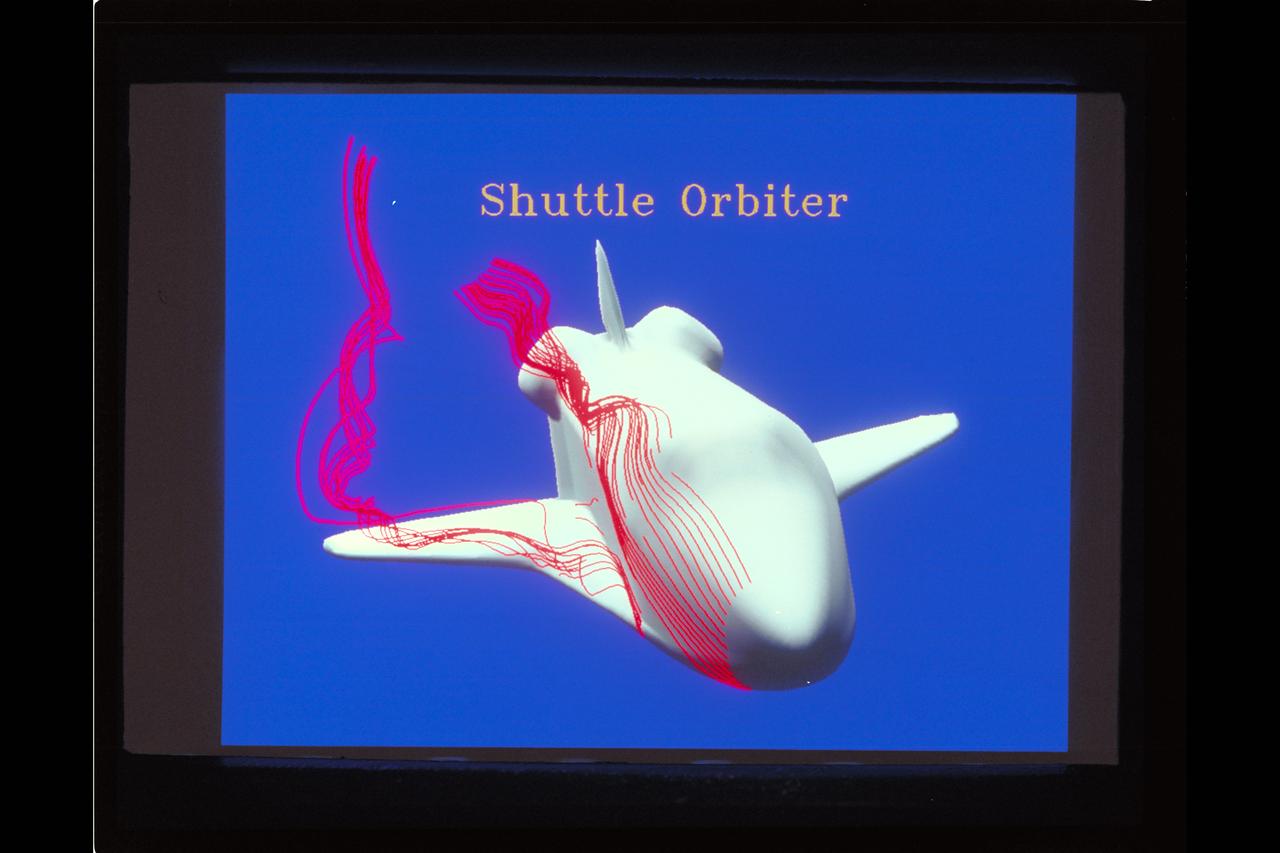
Computational Fluid Dynamics (CFD) Space Shuttle flow field
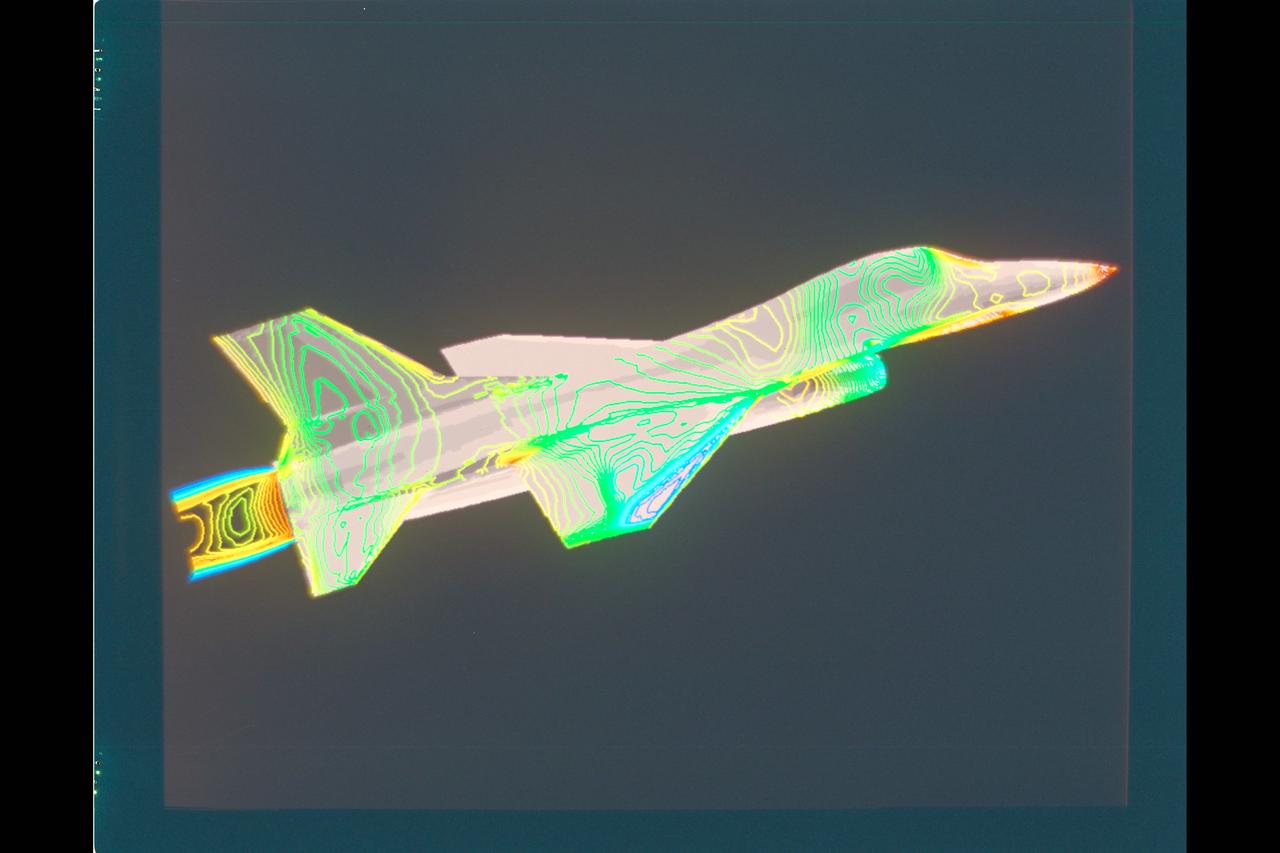
Computational Fluid Dynamics (CFD) F-16A flow field grid
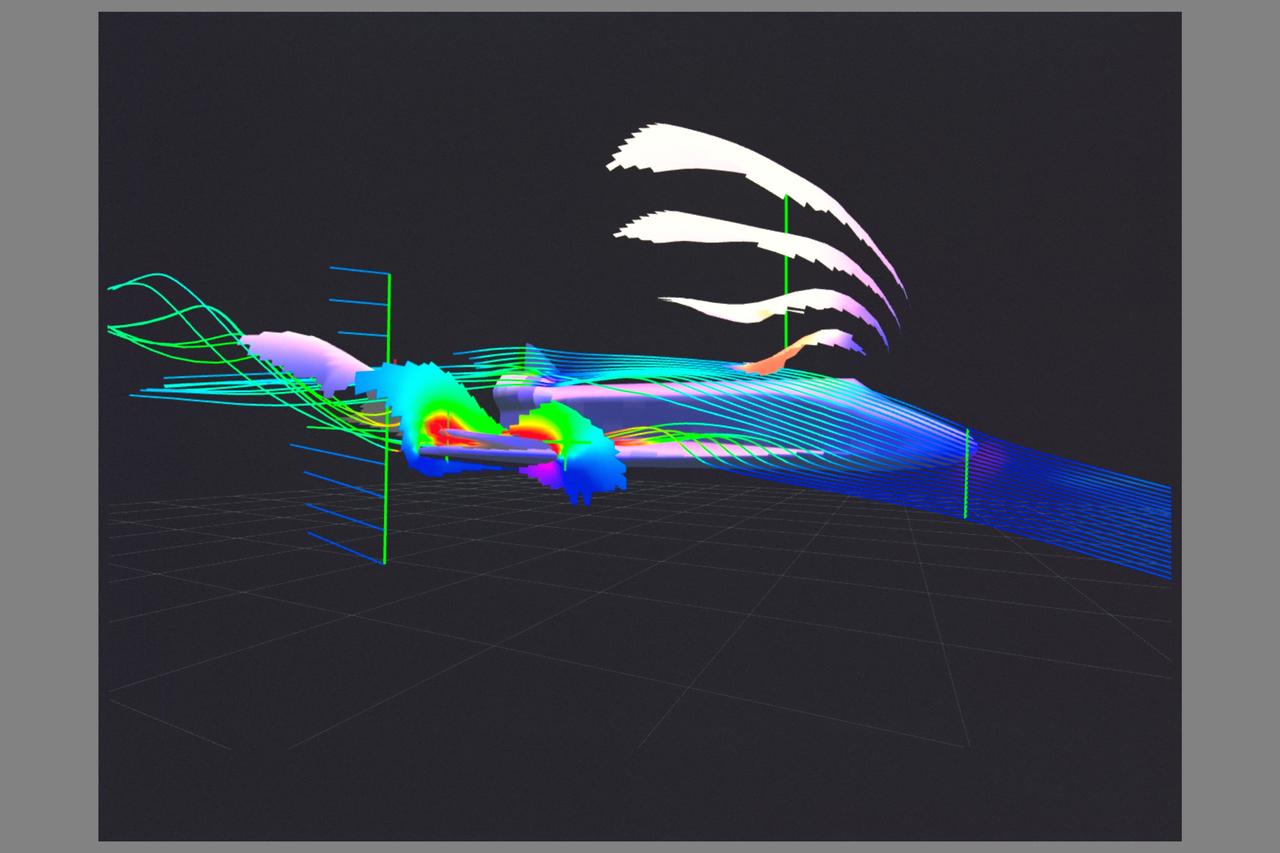
Computational Fluid Dynamics (CFD) image of Space Shuttle Pressure Flow using Virtual Wind Tunnel
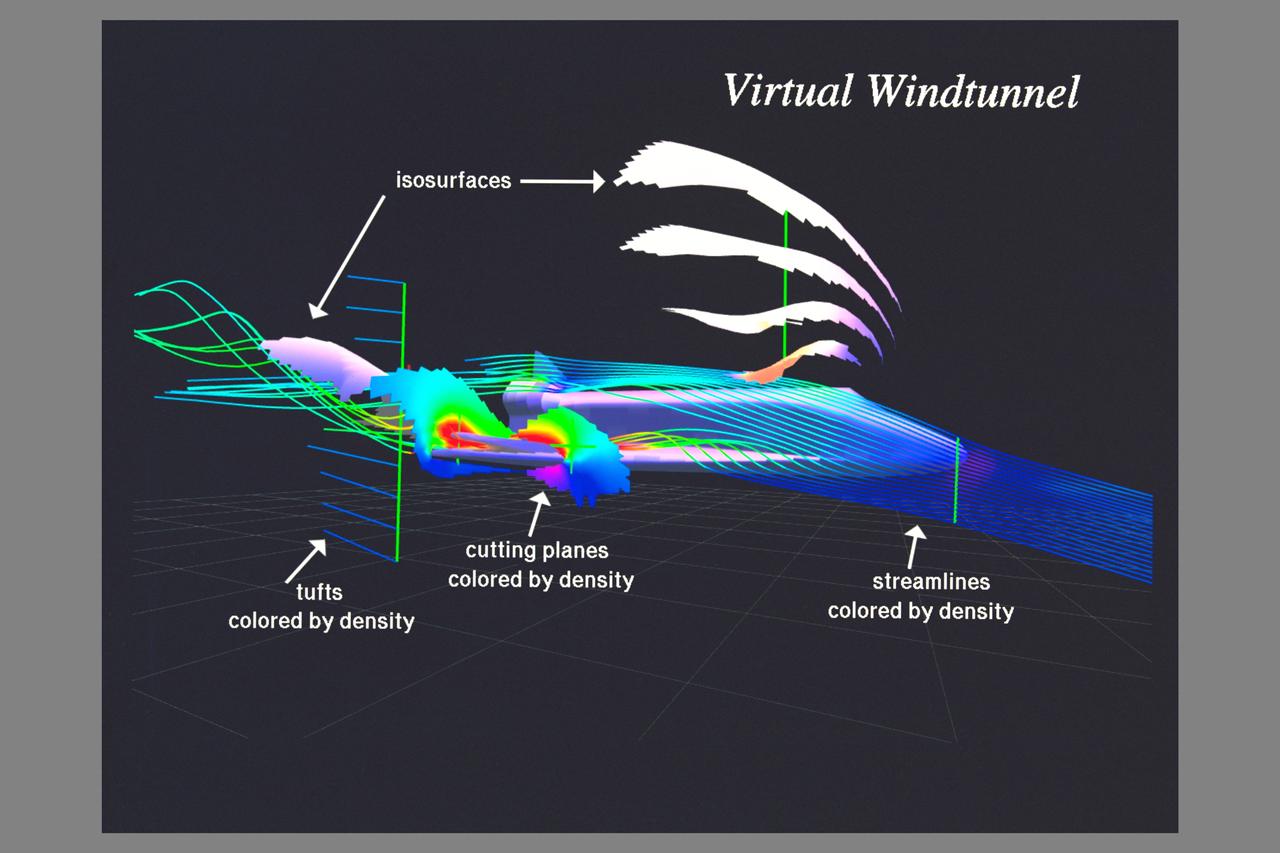
Computational Fluid Dynamics (CFD) image of Space Shuttle Pressure Flow using Virtual Wind Tunnel
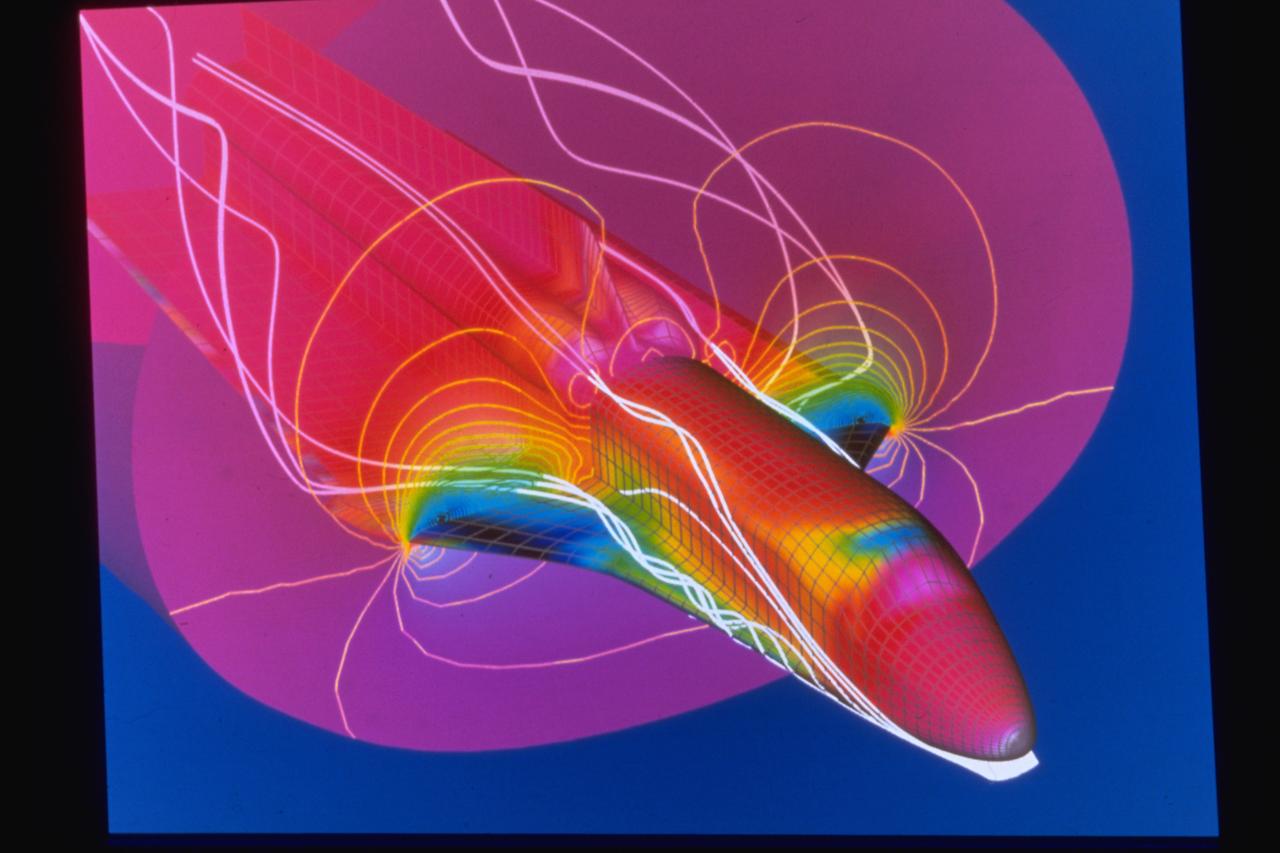
Computational Fluid Dynamics look at Space Shuttle flow
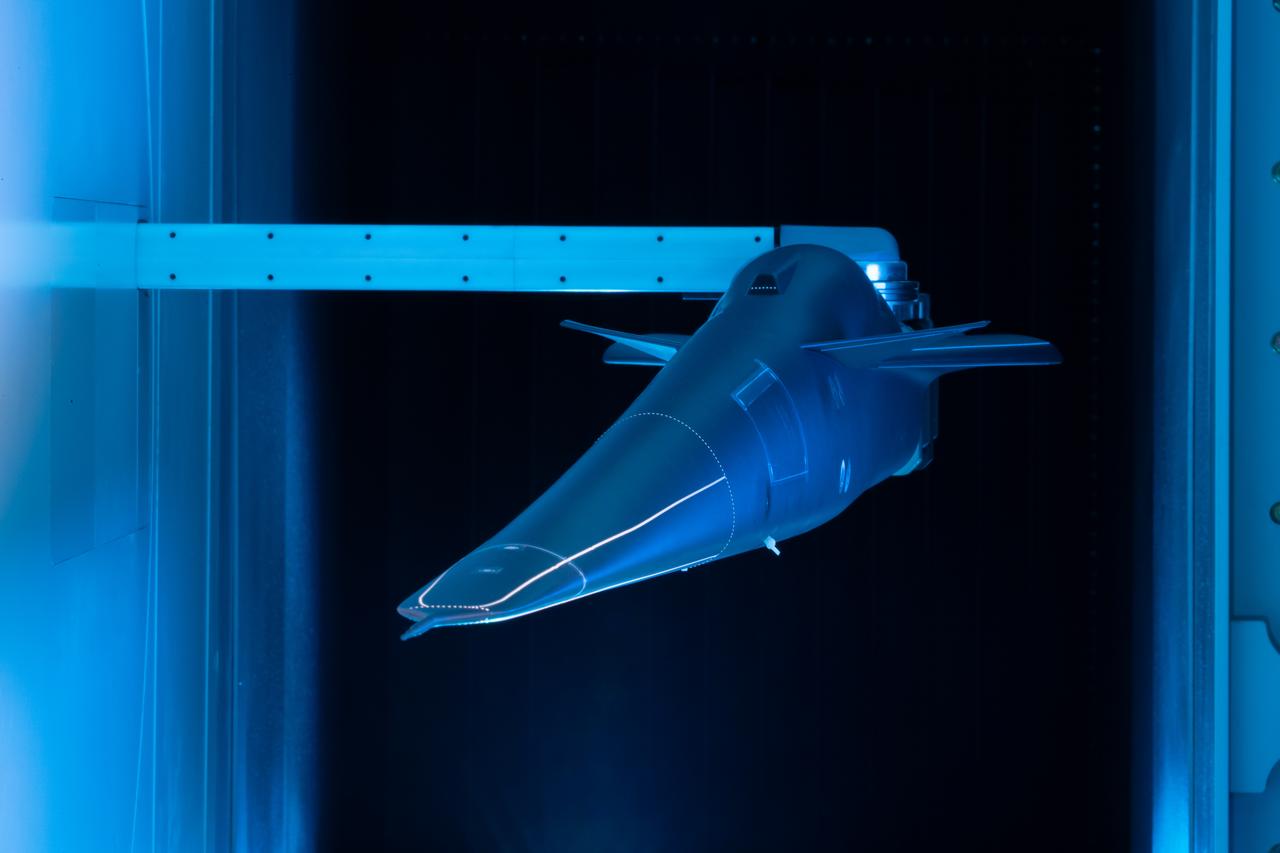
Event: Forebody and Nose - Windtunnel Testing A model of the X-59 forebody is shown in the Lockheed Martin Skunk Works’ wind tunnel in Palmdale, California. These tests gave the team measurements of wind flow angle around the aircraft’s nose and confirmed computer predictions made using computational fluid dynamics (CFD) software tools. The data will be fed into the aircraft flight control system to tell the pilot the aircraft’s altitude, speed and angle. This is part of NASA’s Quesst mission which plans to help enable supersonic air travel over land.
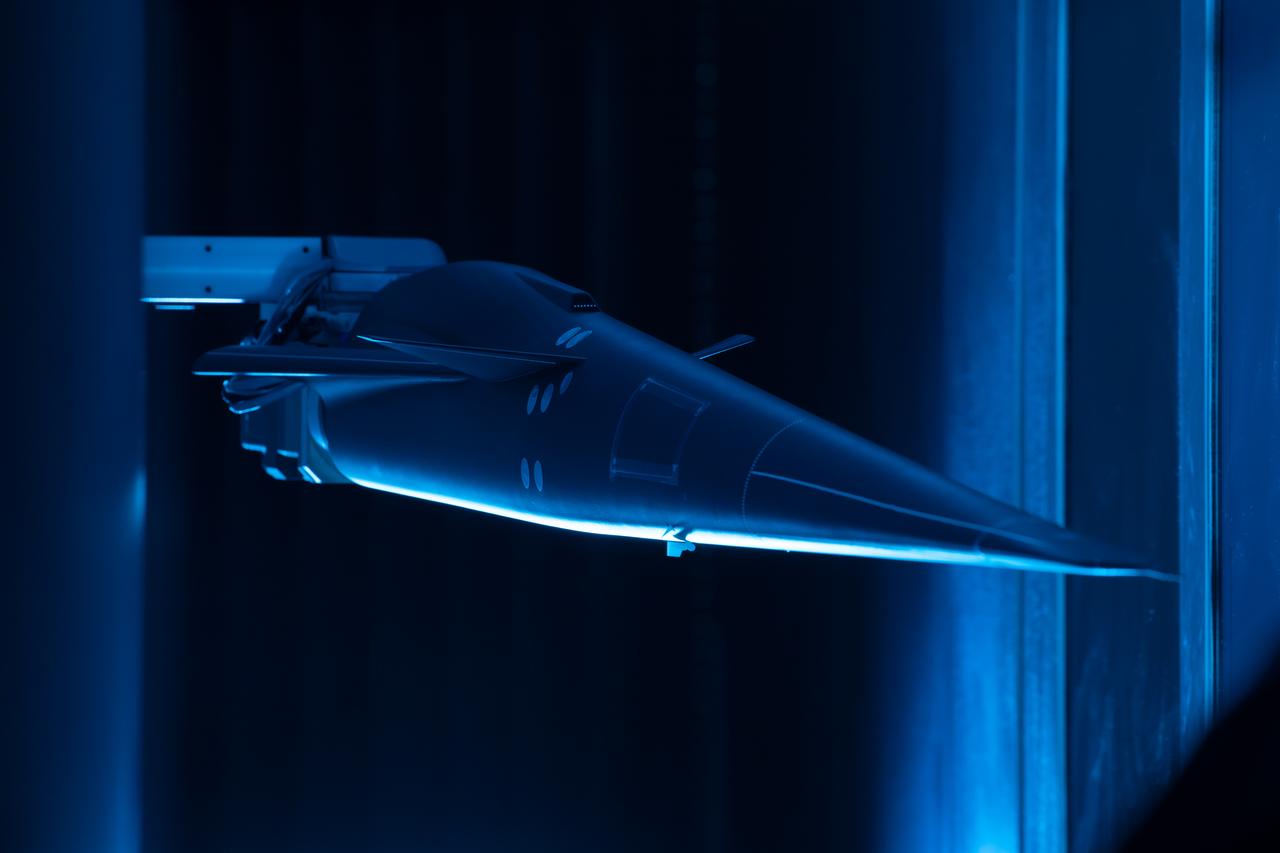
Event: Forebody and Nose - Windtunnel Testing A model of the X-59 forebody is shown in the Lockheed Martin Skunk Works’ wind tunnel in Palmdale, California. These tests gave the team measurements of wind flow angle around the aircraft’s nose and confirmed computer predictions made using computational fluid dynamics (CFD) software tools. The data will be fed into the aircraft flight control system to tell the pilot the aircraft’s altitude, speed and angle. This is part of NASA’s Quesst mission which plans to help enable supersonic air travel over land.
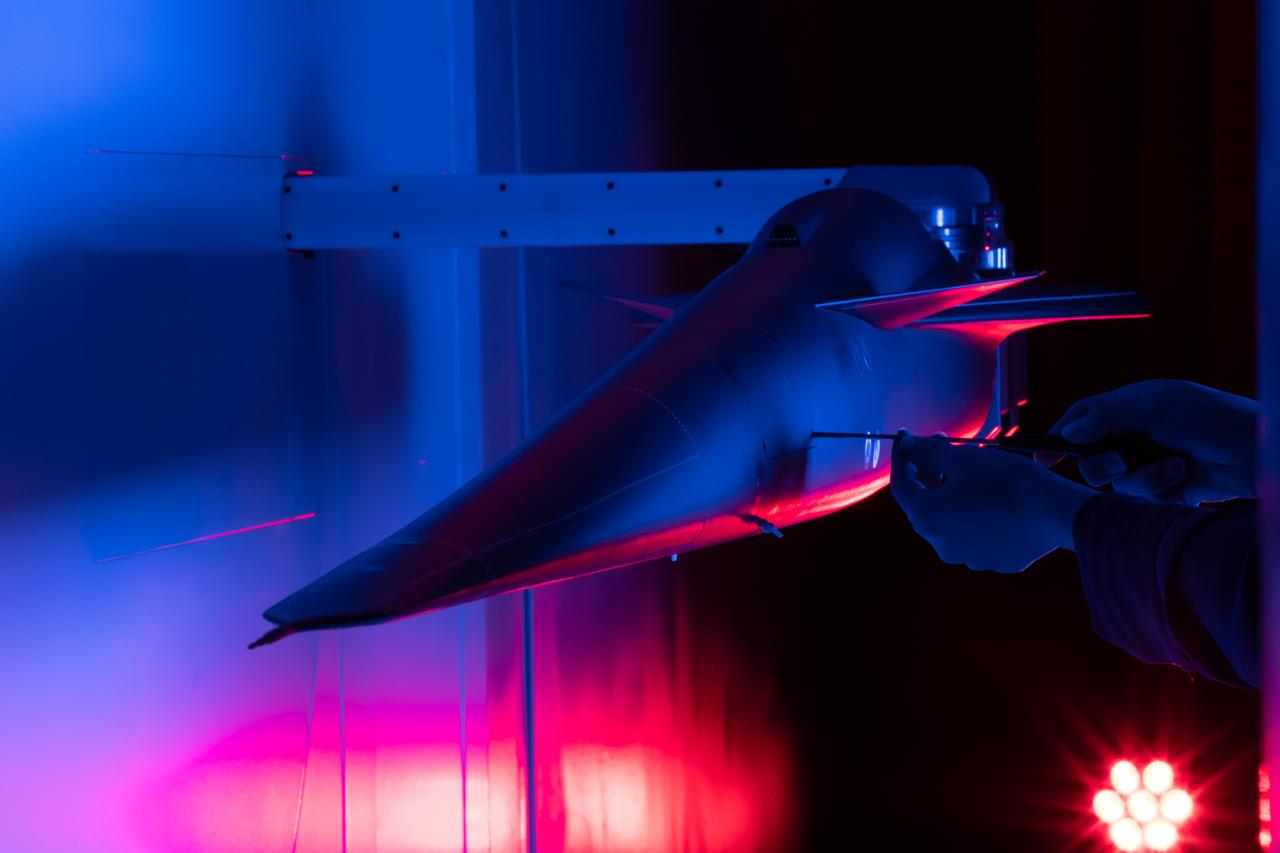
Event: Forebody and Nose - Windtunnel Testing A technician works on the X-59 model during testing in the low-speed wind tunnel at Lockheed Martin Skunk Works in Palmdale, California. These tests gave the team measurements of wind flow angle around the aircraft’s nose and confirmed computer predictions made using computational fluid dynamics (CFD) software tools. The data will be fed into the aircraft flight control system to tell the pilot the aircraft’s altitude, speed, and angle. This is part of NASA’s Quesst mission which plans to help enable supersonic air travel over land.
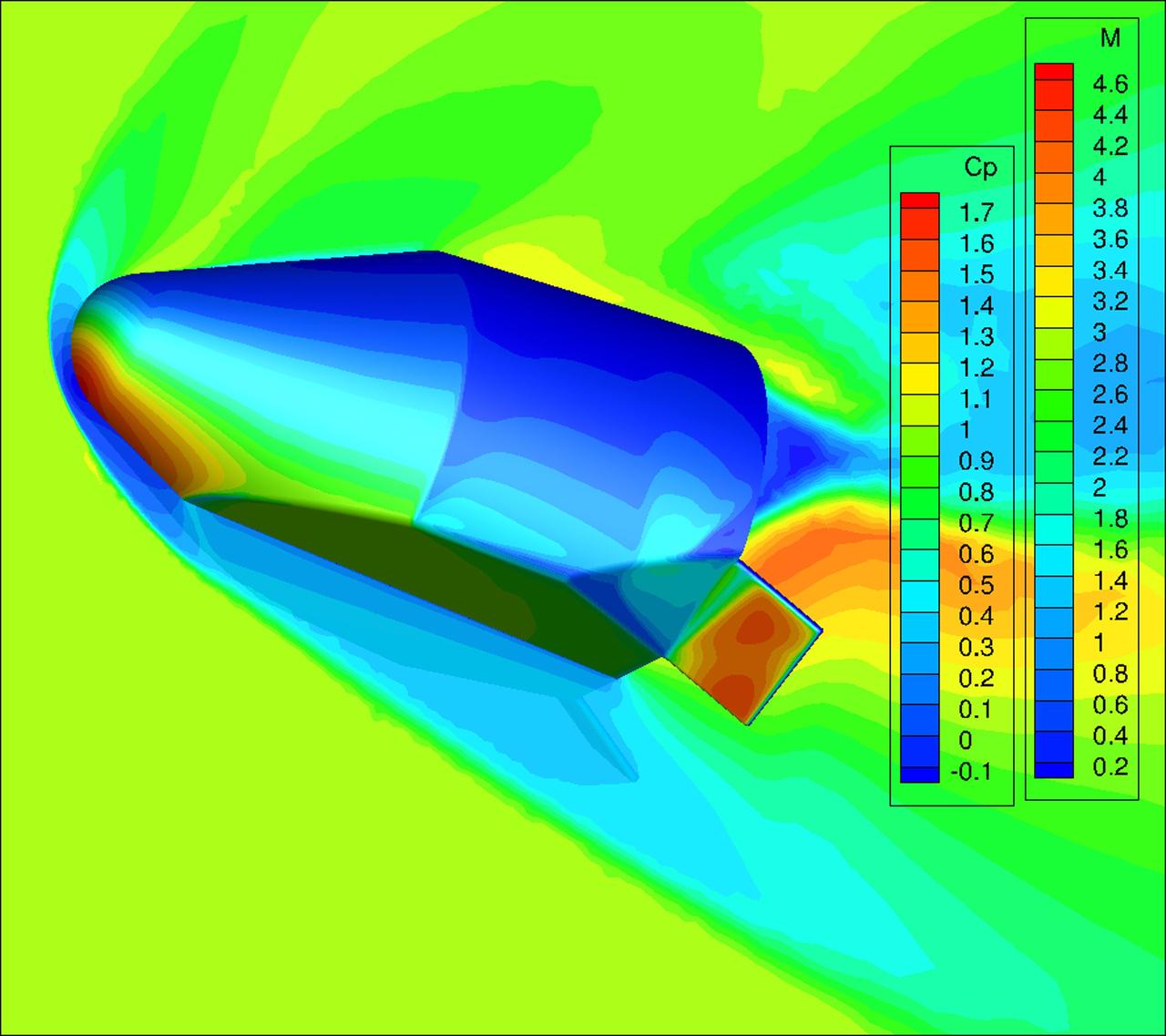
DALLAS – This computational fluid dynamics CFD image was taken during a series of wind tunnel tests for Blue Origin's next-generation Space Vehicle at Lockheed Martin's High Speed Wind Tunnel Facility in Dallas. The Space Vehicle's innovative biconic shape is designed to provide more cross-range and interior volume than a traditional capsule and weigh less than a winged vehicle. More than 180 wind tunnel tests validated the company's analysis of the Space Vehicle's aerodynamics during descent through the atmosphere and the ability to change its flight path, which could increase the number of available landing opportunities and enhance the vehicle's emergency return capability. In 2011, NASA selected Blue Origin during Commercial Crew Development Round 2 CCDev2) activities for NASA’s Commercial Crew Program to mature the design and development of a crew transportation system with the overall goal of accelerating a United States-led capability to the International Space Station. The goal of CCP is to drive down the cost of space travel as well as open up space to more people than ever before by balancing industry’s own innovative capabilities with NASA's 50 years of human spaceflight experience. Six other aerospace companies also are maturing launch vehicle and spacecraft designs under CCDev2, including Alliant Techsystems Inc. ATK, The Boeing Co., Excalibur Almaz Inc., Sierra Nevada Corp., Space Exploration Technologies SpaceX, and United Launch Alliance ULA. For more information, visit www.nasa.gov/commercialcrew. Image credit: Blue Origin