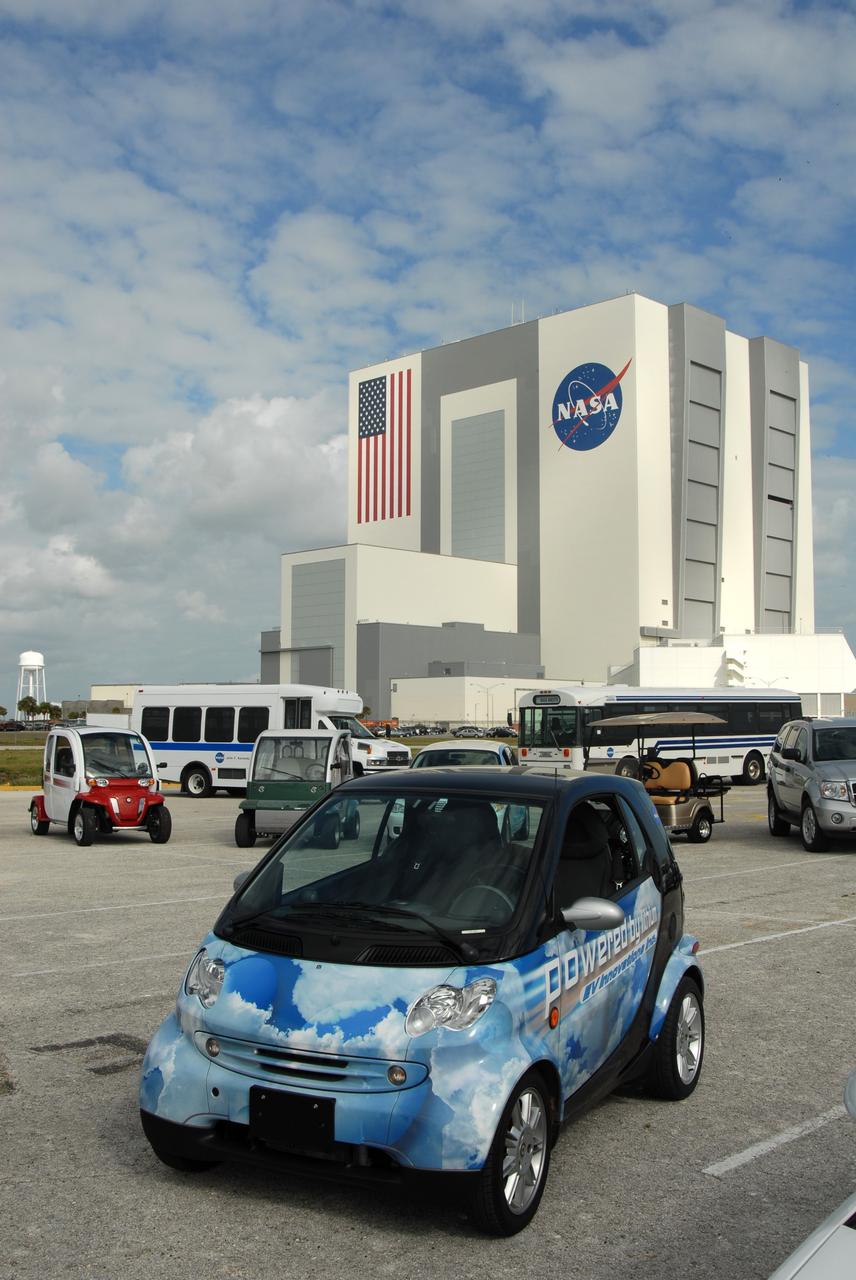
CAPE CANAVERAL, Fla. –– On display at NASA's Kennedy Space Center in Florida is one of the variety of alternative fuel vehicles driven around the center in an effort to reduce gasoline consumption and conserve energy. This car is a LiV Dash, a lithium vehicle Smart Car that uses lithium batteries. The other vehicles include compressed natural gas, bi-fuel, diesel fuel and flex fuel vehicles. Photo credit: NASA/Jim Grossmann
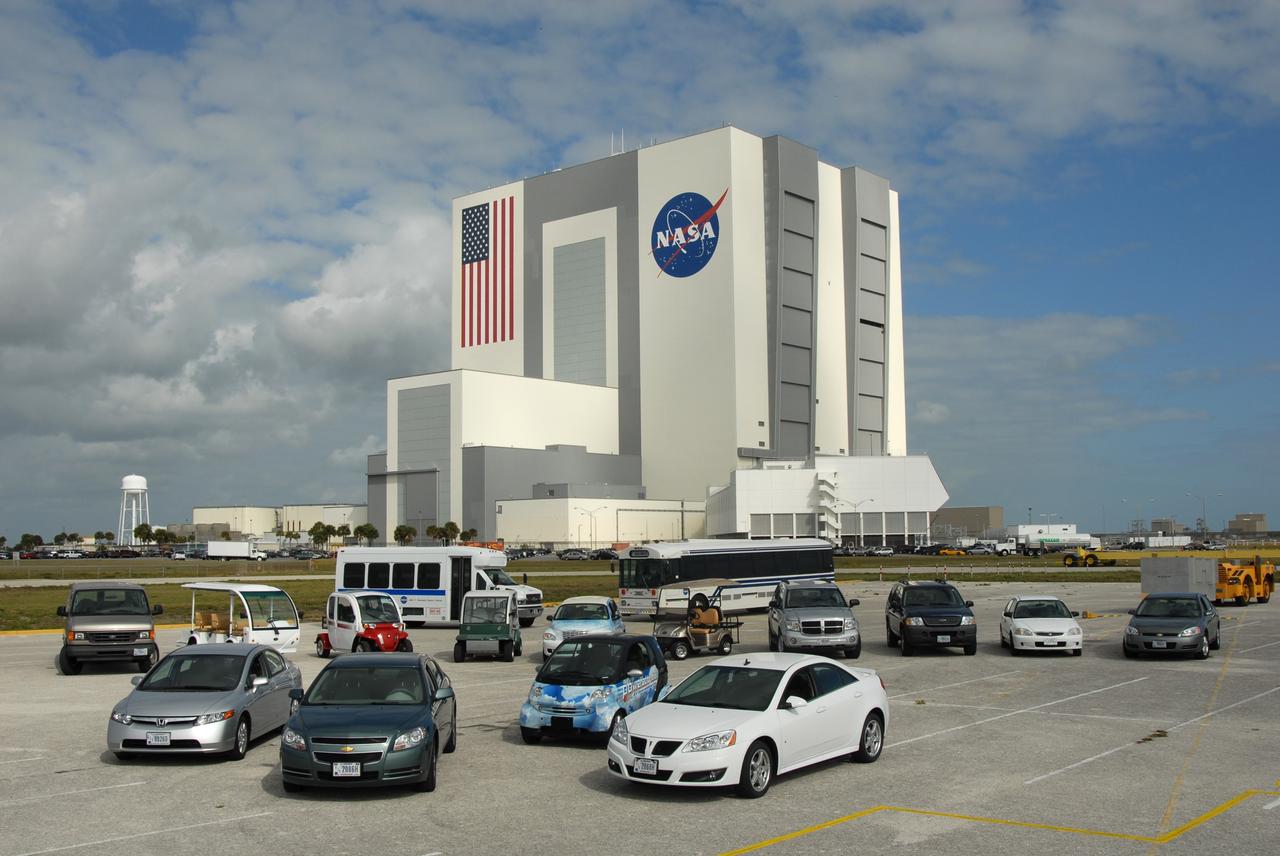
CAPE CANAVERAL, Fla. –– A variety of alternative fuel vehicles are driven around NASA's Kennedy Space Center in Florida in an effort to reduce gasoline consumption and conserve energy. These include compressed natural gas, bi-fuel, diesel fuel and flex fuel vehicles. Here they are on display at the NASA News Center. In the background is the Vehicle Assembly Building. Photo credit: NASA/Jim Grossmann
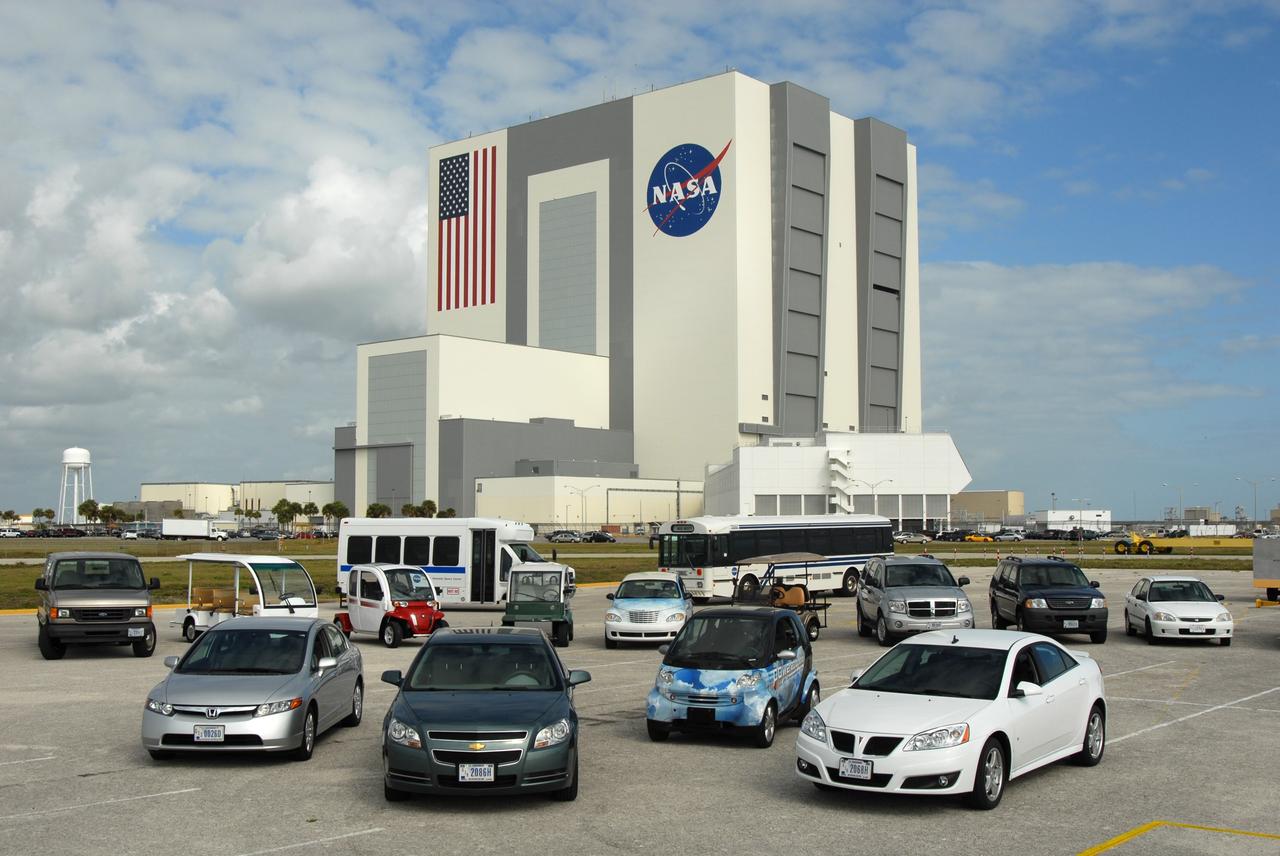
CAPE CANAVERAL, Fla. –– A variety of alternative fuel vehicles are driven around NASA's Kennedy Space Center in Florida in an effort to reduce gasoline consumption and conserve energy. These include compressed natural gas, bi-fuel, diesel fuel and flex fuel vehicles. Here they are on display at the NASA News Center. In the background is the Vehicle Assembly Building. Photo credit: NASA/Jim Grossmann
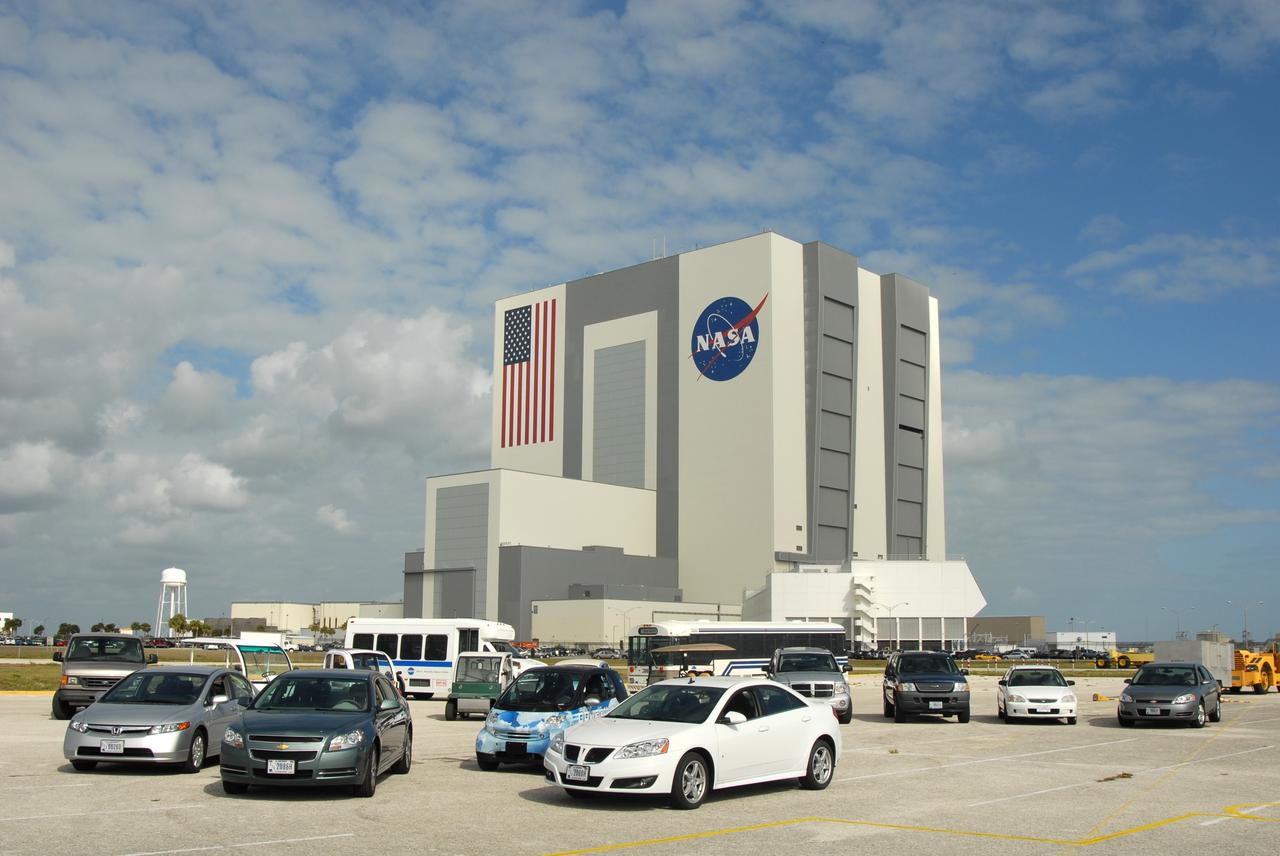
CAPE CANAVERAL, Fla. –– A variety of alternative fuel vehicles are driven around NASA's Kennedy Space Center in Florida in an effort to reduce gasoline consumption and conserve energy. These include compressed natural gas, bi-fuel, diesel fuel and flex fuel vehicles. Here they are on display at the NASA News Center. In the background is the Vehicle Assembly Building. Photo credit: NASA/Jim Grossmann

NASA Armstrong Flight Research Center photographer Lauren Hughes takes photos of the Super Blue Blood Moon eclipse from California’s Trona Pinnacles Desert National Conservation for the Jan. 31 of the total lunar eclipse that provided a rare opportunity to capture a supermoon, a blue moon and a lunar eclipse at the same time. A supermoon occurs when the Moon is closer to Earth in its orbit and appearing 14 percent brighter than usual. As the second full moon of the month, this moon is also commonly known as a blue moon, though it will not be blue in appearance. The super blue moon passed through Earth’s shadow and took on a reddish tint, known as a blood moon. This total lunar eclipse occurs when the Sun, Earth, and a full moon form a near-perfect lineup in space. The Moon passes directly behind the Earth into its umbra (shadow).
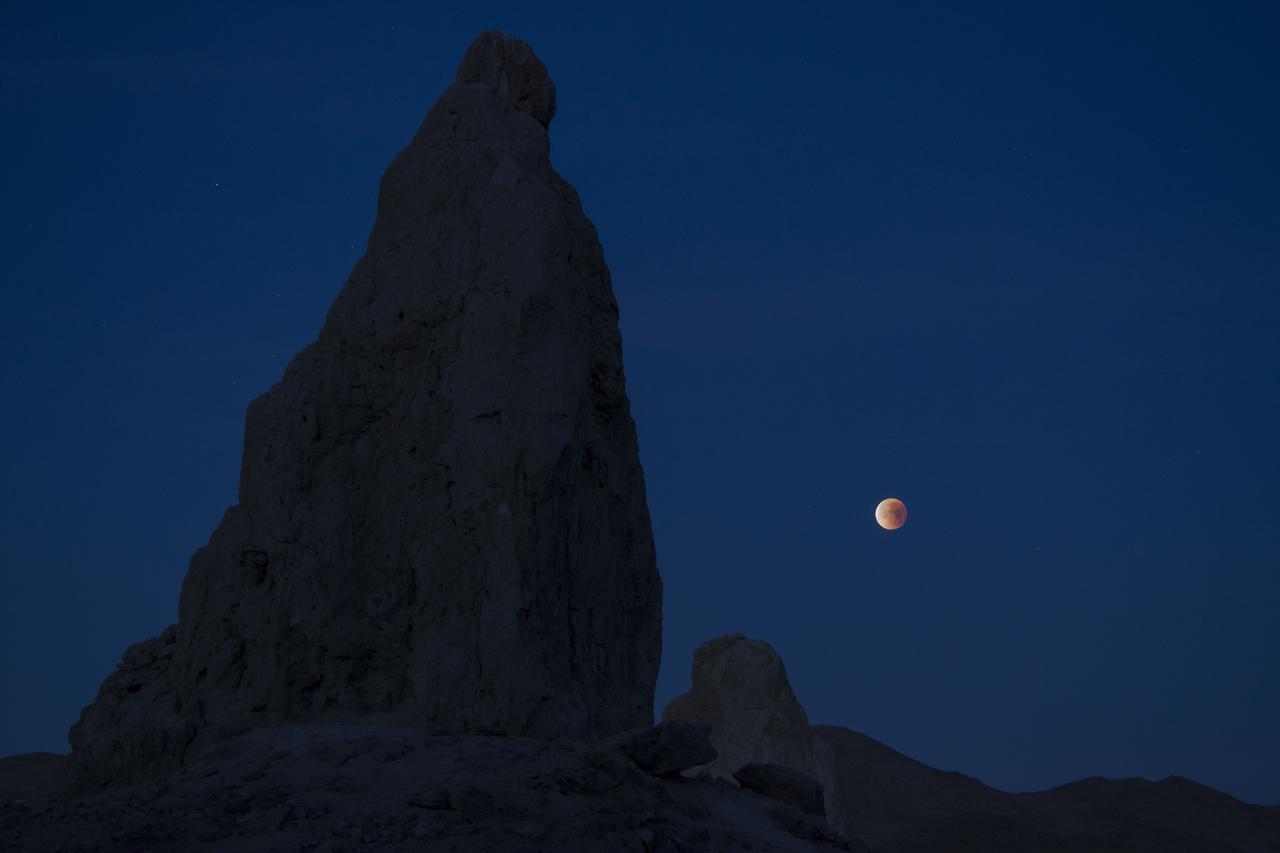
NASA Armstrong Flight Research Center photographer Lauren Hughes takes photos of the Super Blue Blood Moon eclipse from California's Trona Pinnacles Desert National Conservation for the Jan. 31 of the total lunar eclipse that provided a rare opportunity to capture a supermoon, a blue moon and a lunar eclipse at the same time. A supermoon occurs when the Moon is closer to Earth in its orbit and appearing 14 percent brighter than usual. As the second full moon of the month, this moon is also commonly known as a blue moon, though it will not be blue in appearance. The super blue moon passed through Earth's shadow and took on a reddish tint, known as a blood moon. This total lunar eclipse occurs when the Sun, Earth, and a full moon form a near-perfect lineup in space. The Moon passes directly behind the Earth into its umbra (shadow).
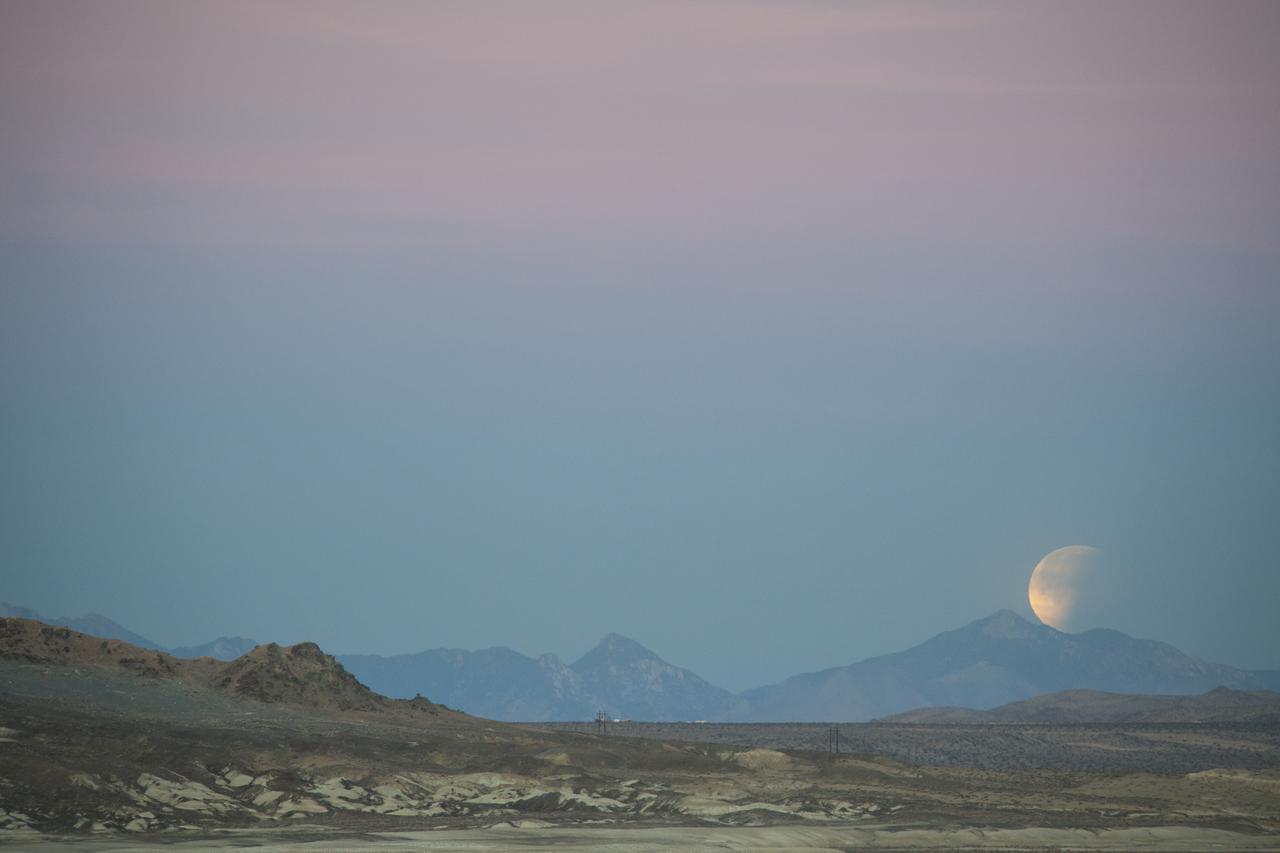
NASA Armstrong Flight Research Center photographer Lauren Hughes takes photos of the Super Blue Blood Moon eclipse from California’s Trona Pinnacles Desert National Conservation for the Jan. 31 of the total lunar eclipse that provided a rare opportunity to capture a supermoon, a blue moon and a lunar eclipse at the same time. A supermoon occurs when the Moon is closer to Earth in its orbit and appearing 14 percent brighter than usual. As the second full moon of the month, this moon is also commonly known as a blue moon, though it will not be blue in appearance. The super blue moon passed through Earth’s shadow and took on a reddish tint, known as a blood moon. This total lunar eclipse occurs when the Sun, Earth, and a full moon form a near-perfect lineup in space. The Moon passes directly behind the Earth into its umbra (shadow).
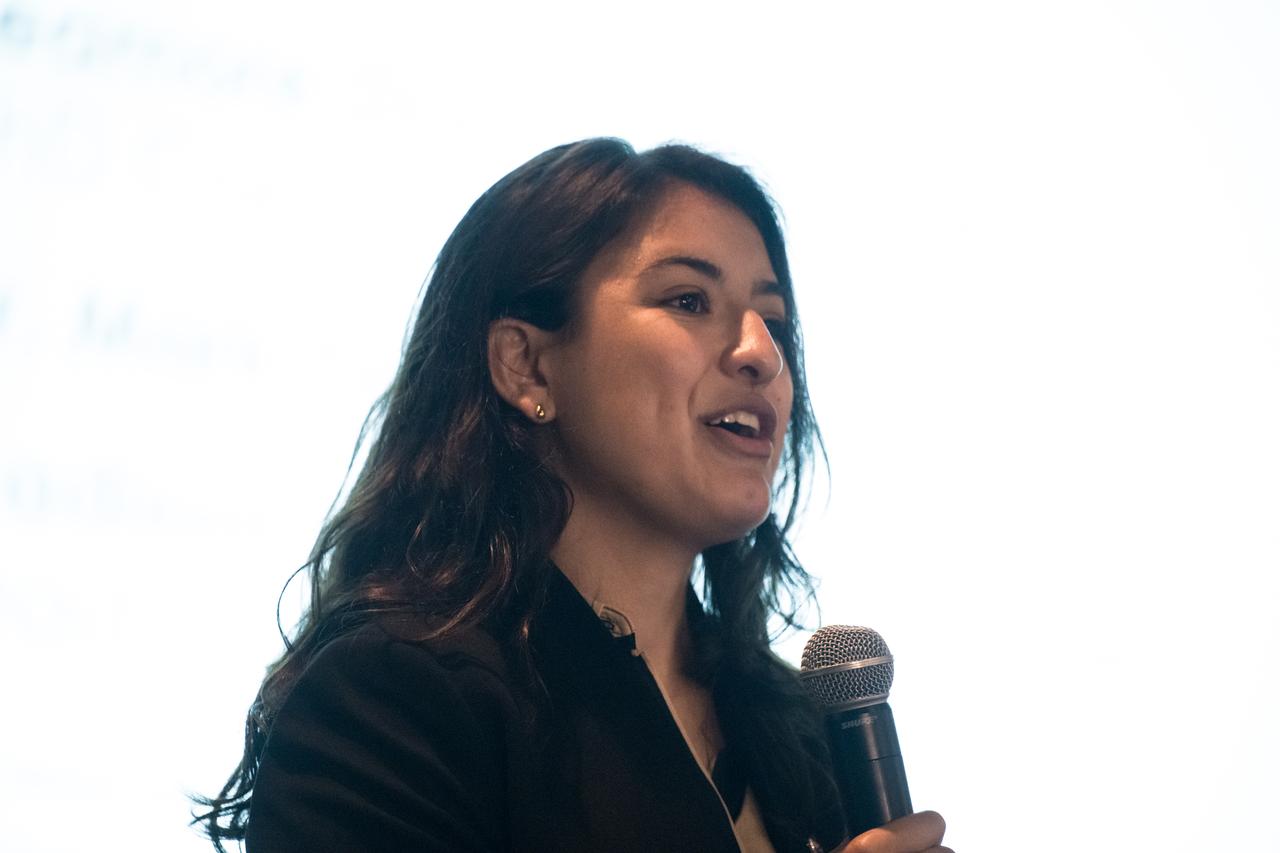
Jackie Encinas speaks about her project, Alaska Ecological Conservation II, Tuesday, August 6, 2024, at the Mary W. Jackson NASA Headquarters building in Washington. Every summer early career researchers from NASA’s DEVELOP National Program come to NASA Headquarters and present their research projects. DEVELOP is a training and development program where early career researchers work on Earth science projects, mentored by science advisors from NASA and partner agencies, and provide research results to local communities. Photo Credit: (NASA/Aubrey Gemignani)
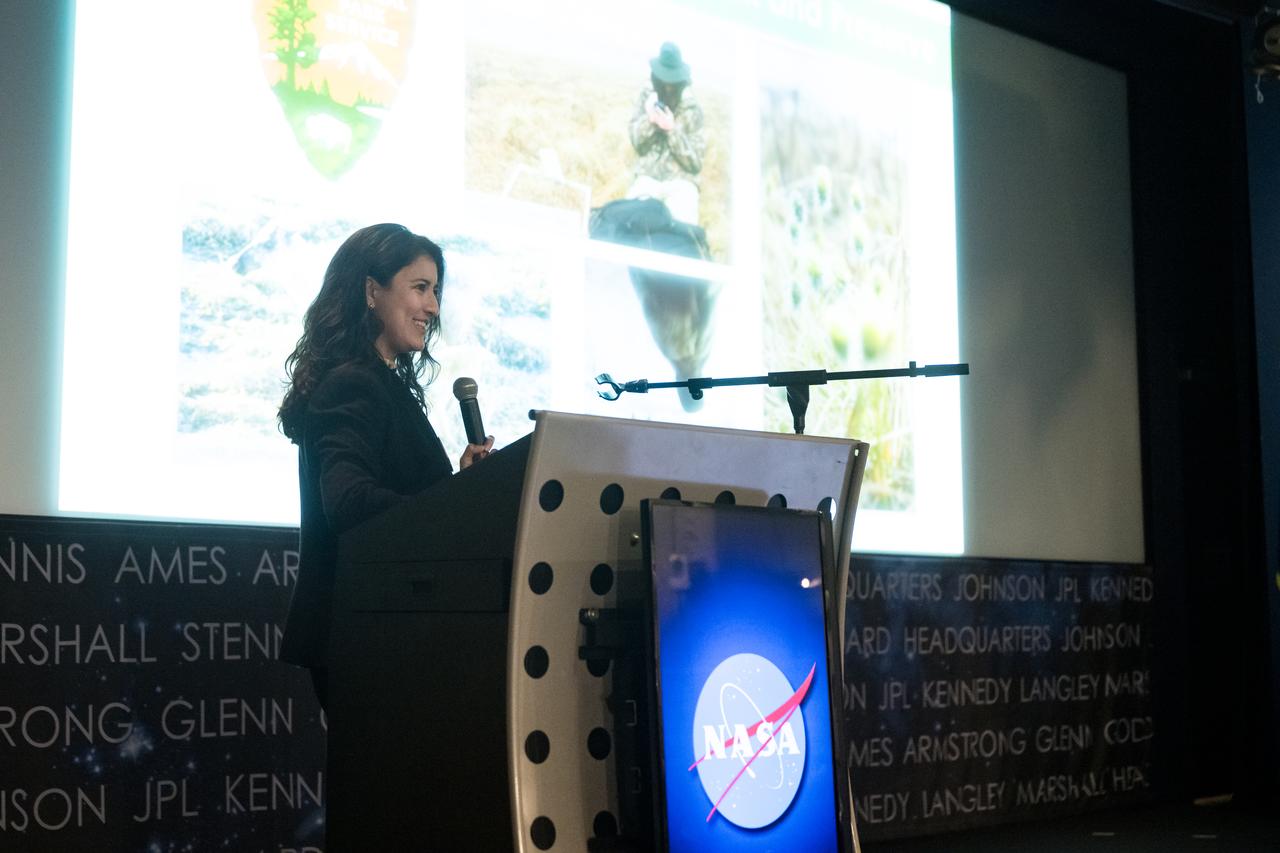
Jackie Encinas speaks about her project, Alaska Ecological Conservation II, Tuesday, August 6, 2024, at the Mary W. Jackson NASA Headquarters building in Washington. Every summer early career researchers from NASA’s DEVELOP National Program come to NASA Headquarters and present their research projects. DEVELOP is a training and development program where early career researchers work on Earth science projects, mentored by science advisors from NASA and partner agencies, and provide research results to local communities. Photo Credit: (NASA/Aubrey Gemignani)
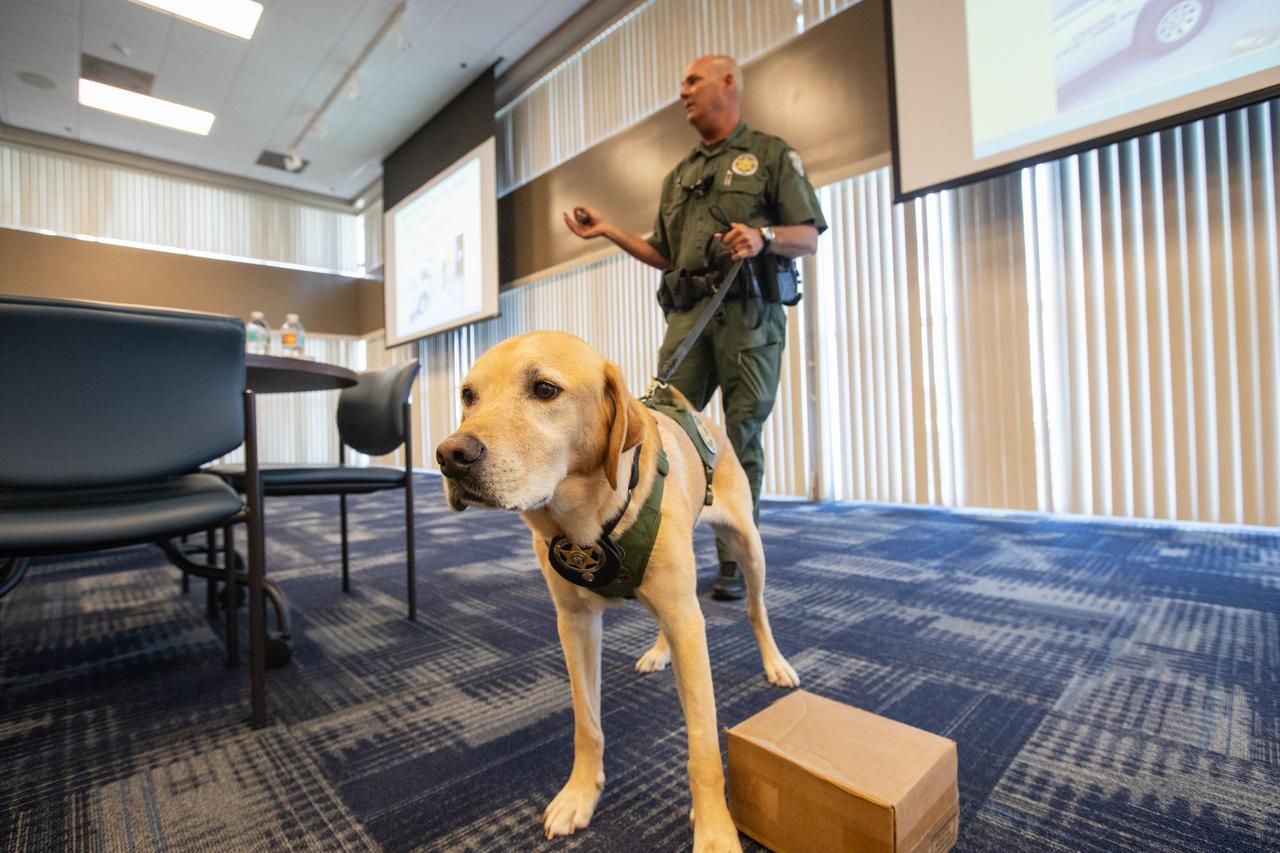
Fish and Wildlife Conservation Commission (FWC) Officer Jeff Sidor presents information on FWC’s Port K9 Program to Kennedy Space Center employees in the Space Station Processing Facility Conference Center on April 23, 2019. Officer Sidor brought a special K9, Harry, to demonstrate how FWC is using specially trained dogs in airports, seaports and mail facilities to detect illegal and invasive fish and wildlife species shipping into Florida. This lunch and learn was available for employees to attend as part of Kennedy’s Earth Day events.
Fish and Wildlife Conservation Commission (FWC) Officer Jeff Sidor presents information on FWC’s Port K9 Program to Kennedy Space Center employees in the Space Station Processing Facility Conference Center on April 23, 2019. Officer Sidor brought a special K9, Harry, to demonstrate how FWC is using specially trained dogs in airports, seaports and mail facilities to detect illegal and invasive fish and wildlife species shipping into Florida. This lunch and learn was available for employees to attend as part of Kennedy’s Earth Day events.
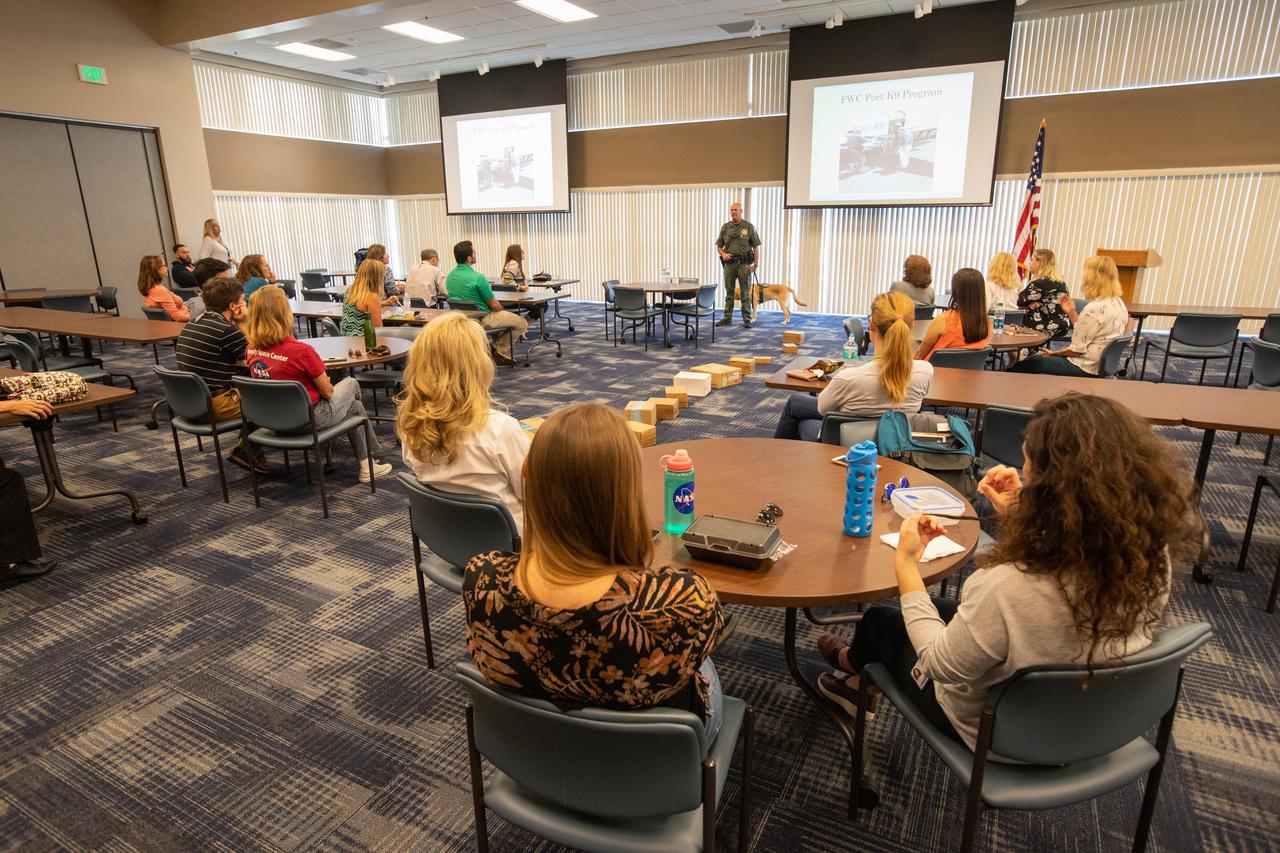
Fish and Wildlife Conservation Commission (FWC) Officer Jeff Sidor presents information on FWC’s Port K9 Program to Kennedy Space Center employees in the Space Station Processing Facility Conference Center on April 23, 2019. Officer Sidor brought a special K9, Harry, to demonstrate how FWC is using specially trained dogs in airports, seaports and mail facilities to detect illegal and invasive fish and wildlife species shipping into Florida. This lunch and learn was available for employees to attend as part of Kennedy’s Earth Day events.
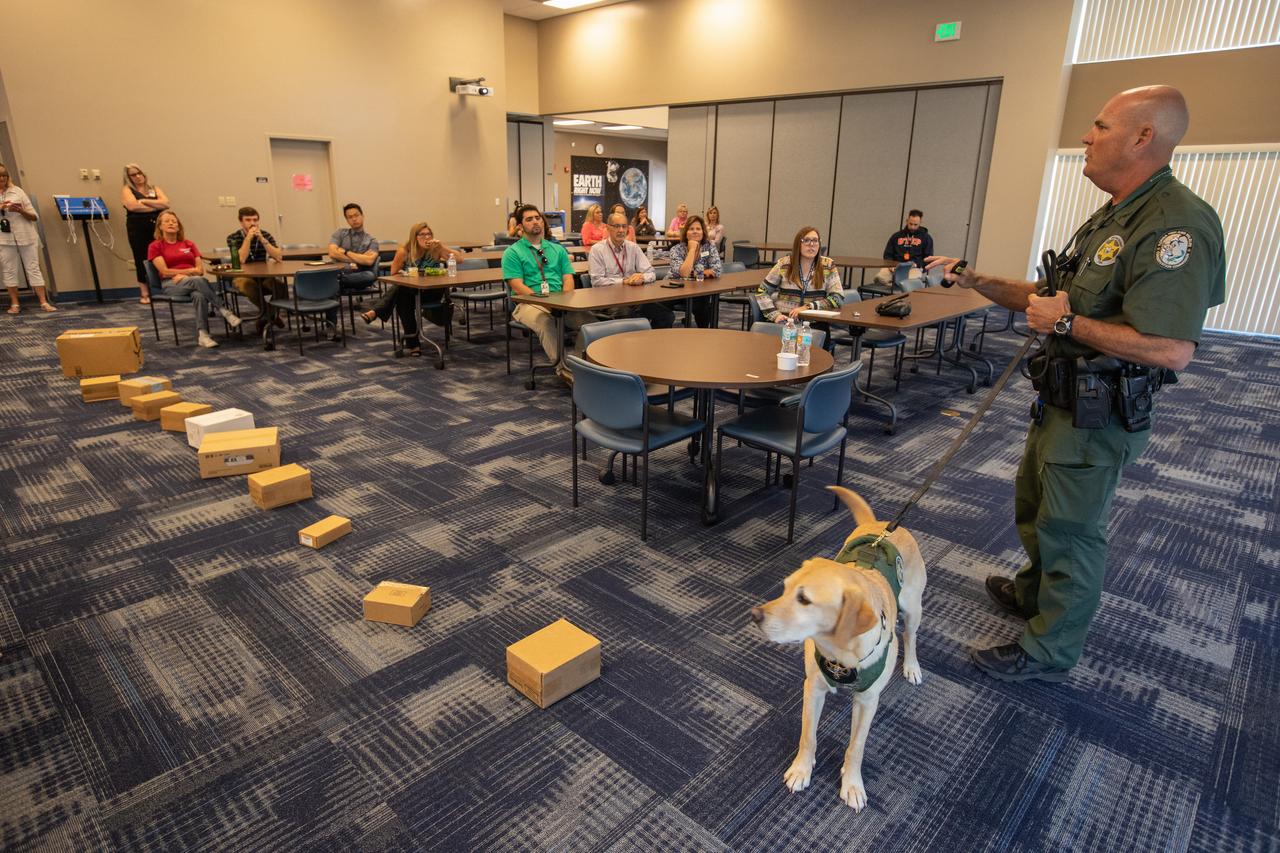
Fish and Wildlife Conservation Commission (FWC) Officer Jeff Sidor presents information on FWC’s Port K9 Program to Kennedy Space Center employees in the Space Station Processing Facility Conference Center on April 23, 2019. Officer Sidor brought a special K9, Harry, to demonstrate how FWC is using specially trained dogs in airports, seaports and mail facilities to detect illegal and invasive fish and wildlife species shipping into Florida. The demonstration involved Harry distinguishing which box, among many, contained a turtle shell. This lunch and learn was available for employees to attend as part of Kennedy’s Earth Day events.
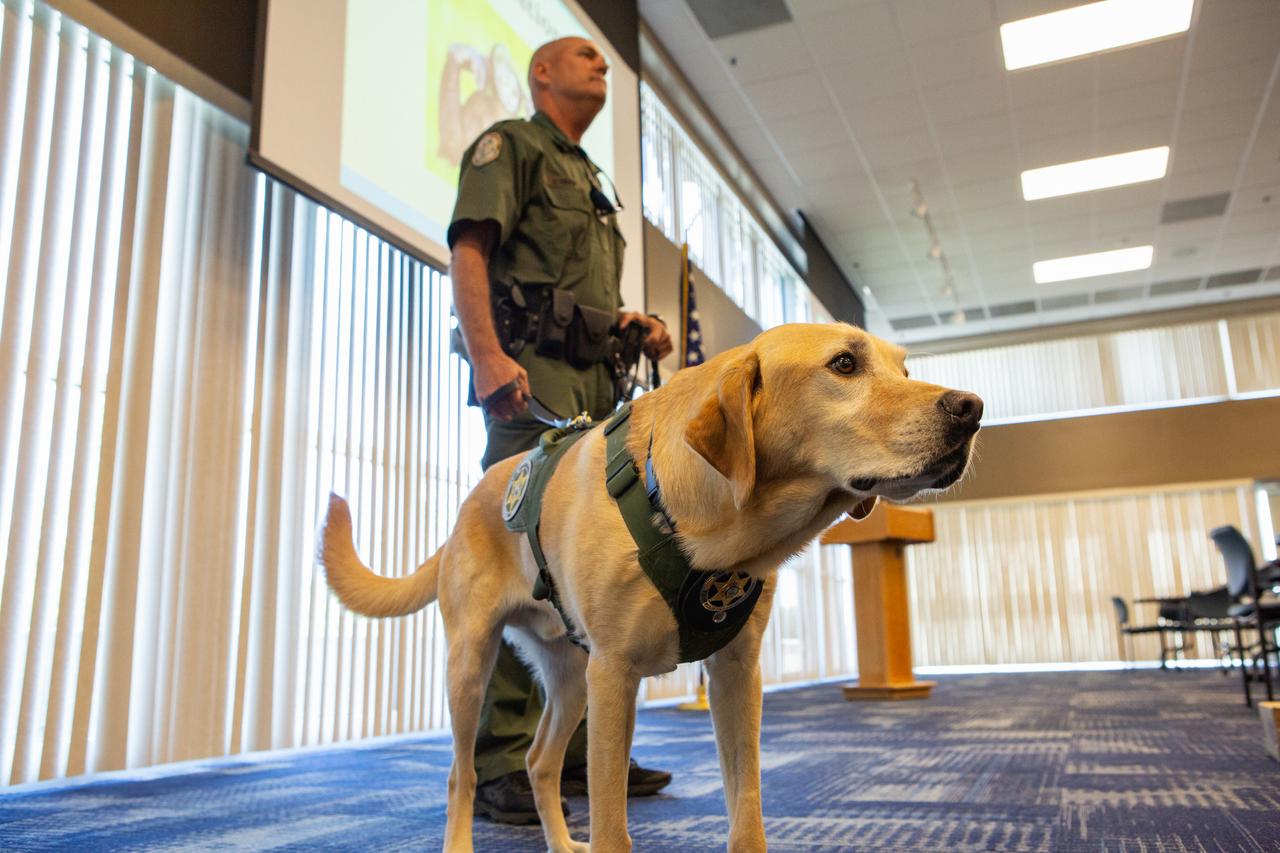
Fish and Wildlife Conservation Commission (FWC) Officer Jeff Sidor presents information on FWC’s Port K9 Program to Kennedy Space Center employees in the Space Station Processing Facility Conference Center on April 23, 2019. Officer Sidor brought a special K9, Harry, to demonstrate how FWC is using specially trained dogs in airports, seaports and mail facilities to detect illegal and invasive fish and wildlife species shipping into Florida. The demonstration involved Harry distinguishing which box, among many, contained a turtle shell. This lunch and learn was available for employees to attend as part of Kennedy’s Earth Day events.

Inside Kennedy Space Center’s Space Station Processing Facility Conference Center, Fish and Wildlife Conservation Commission’s (FWC) Officer Jeff Sidor and K9 Harry demonstrate how specially trained dogs are used to detect illegal and invasive fish and wildlife species shipping into Florida. The demonstration, held April 23, 2019, involved Harry distinguishing which box, among many, contained a turtle shell. Prior to the demonstration, Officer Sidor presented information on FWC’s Port K9 Program to Kennedy employees. This lunch and learn was available for employees to attend as part of Kennedy’s Earth Day events.
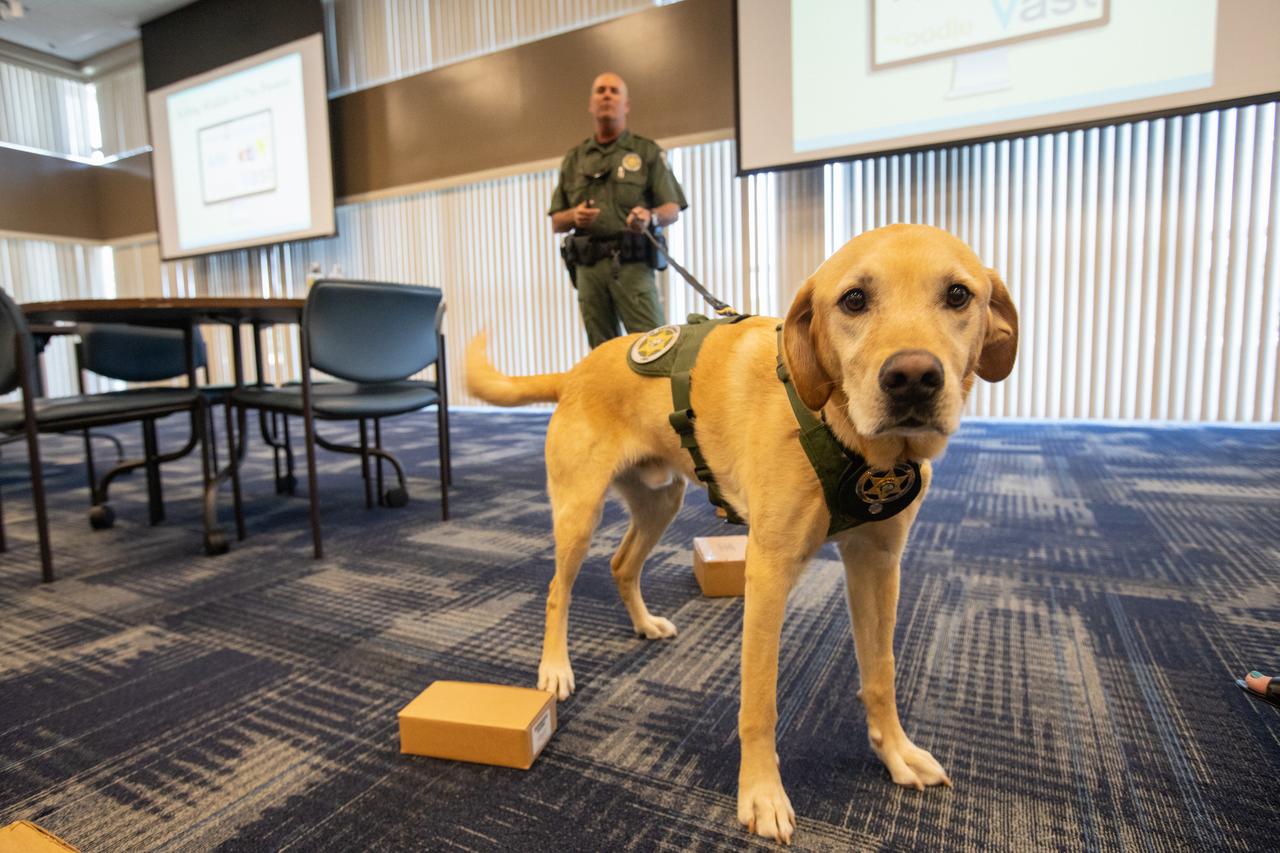
Fish and Wildlife Conservation Commission (FWC) Officer Jeff Sidor presents information on FWC’s Port K9 Program to Kennedy Space Center employees in the Space Station Processing Facility Conference Center on April 23, 2019. Officer Sidor brought a special K9, Harry, to demonstrate how FWC is using specially trained dogs in airports, seaports and mail facilities to detect illegal and invasive fish and wildlife species shipping into Florida. The demonstration involved Harry distinguishing which box, among many, contained a turtle shell. This lunch and learn was available for employees to attend as part of Kennedy’s Earth Day events.
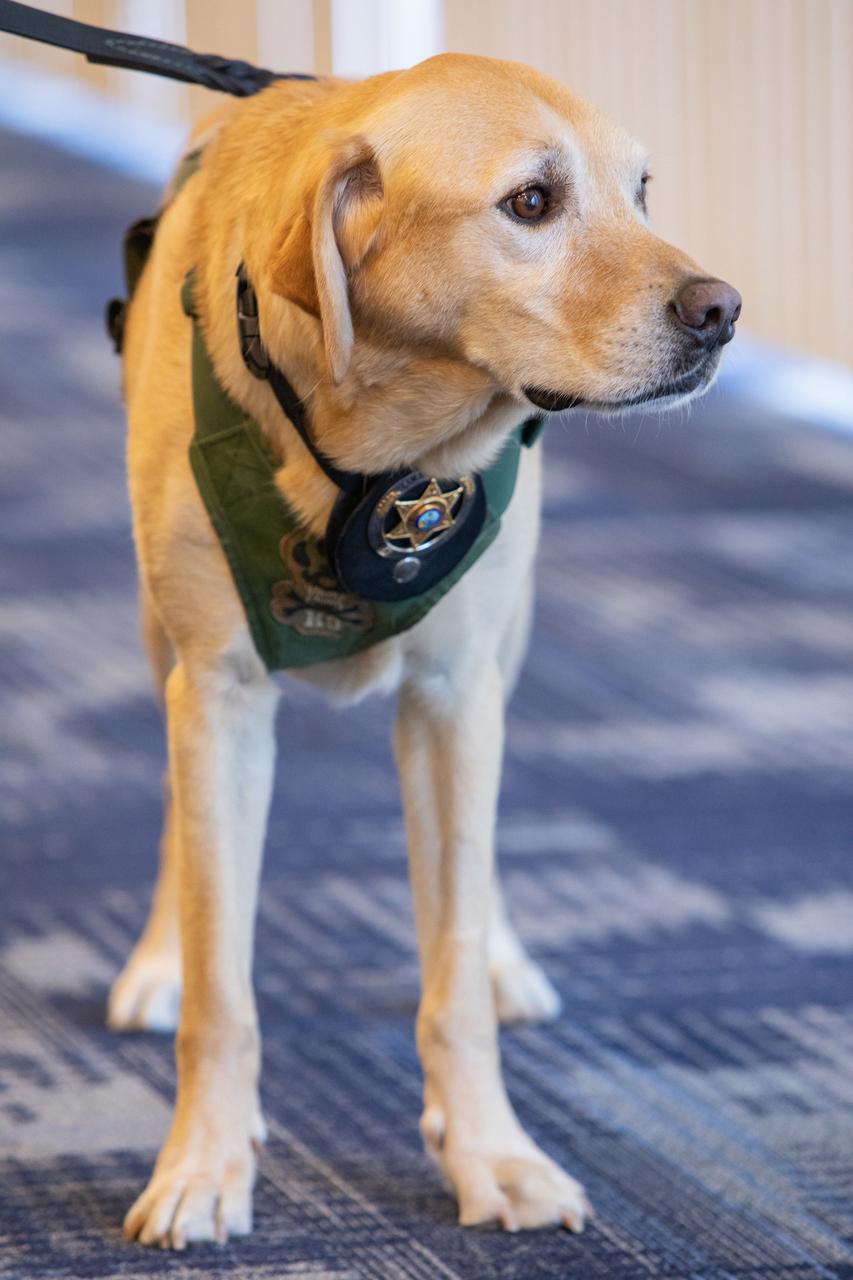
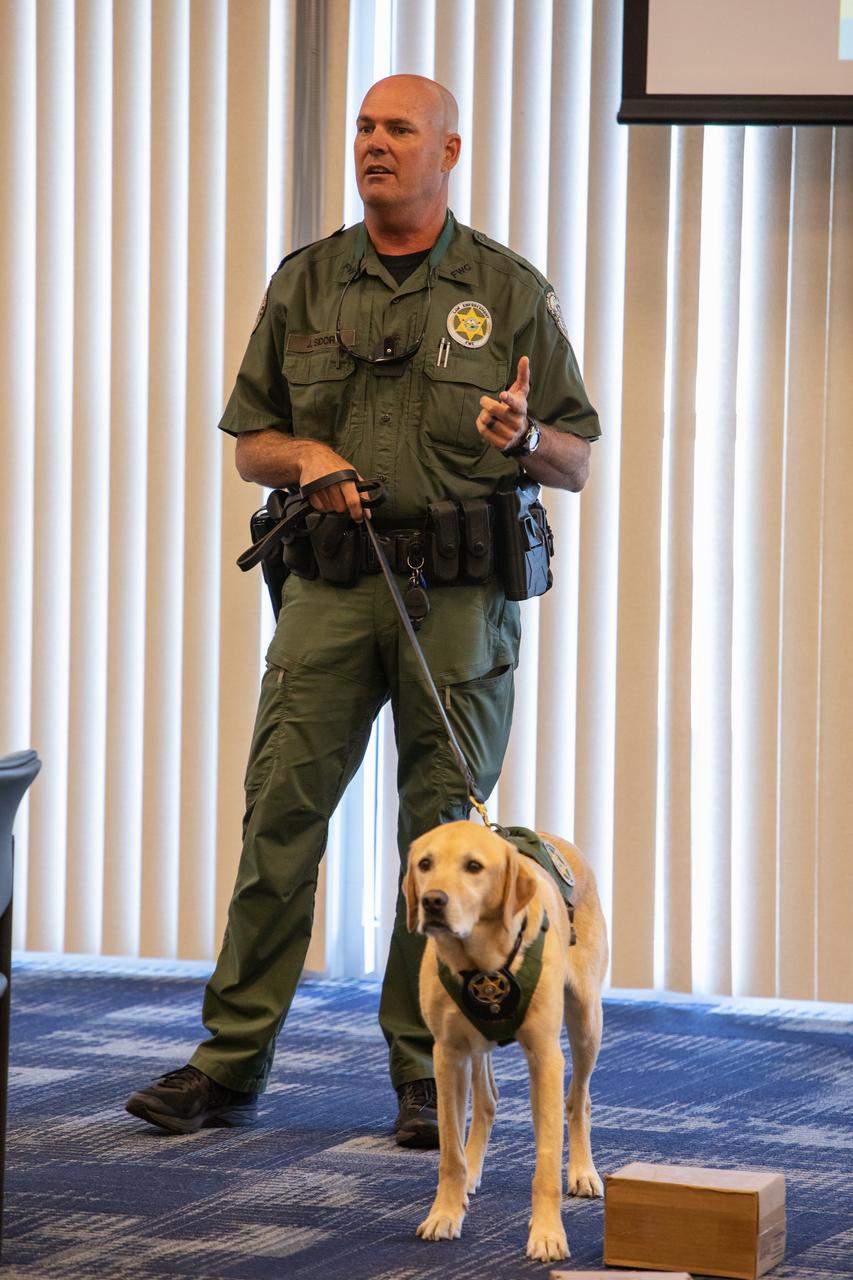
Fish and Wildlife Conservation Commission’s (FWC) Port K9, Harry, stands in Kennedy Space Center’s Space Station Processing Facility Conference Center. FWC Officer Jeff Sidor presented information on the commission’s Port K9 Program to Kennedy employees on April 23, 2019, and brought Harry along for a demonstration. Following the presentation, Officer Sidor demonstrated how FWC is using specially trained dogs such as Harry in airports, seaports and mail facilities to detect illegal and invasive fish and wildlife species shipping into Florida. The demonstration involved Harry distinguishing which box, among many, contained a turtle shell. This lunch and learn was available for employees to attend as part of Kennedy’s Earth Day events.
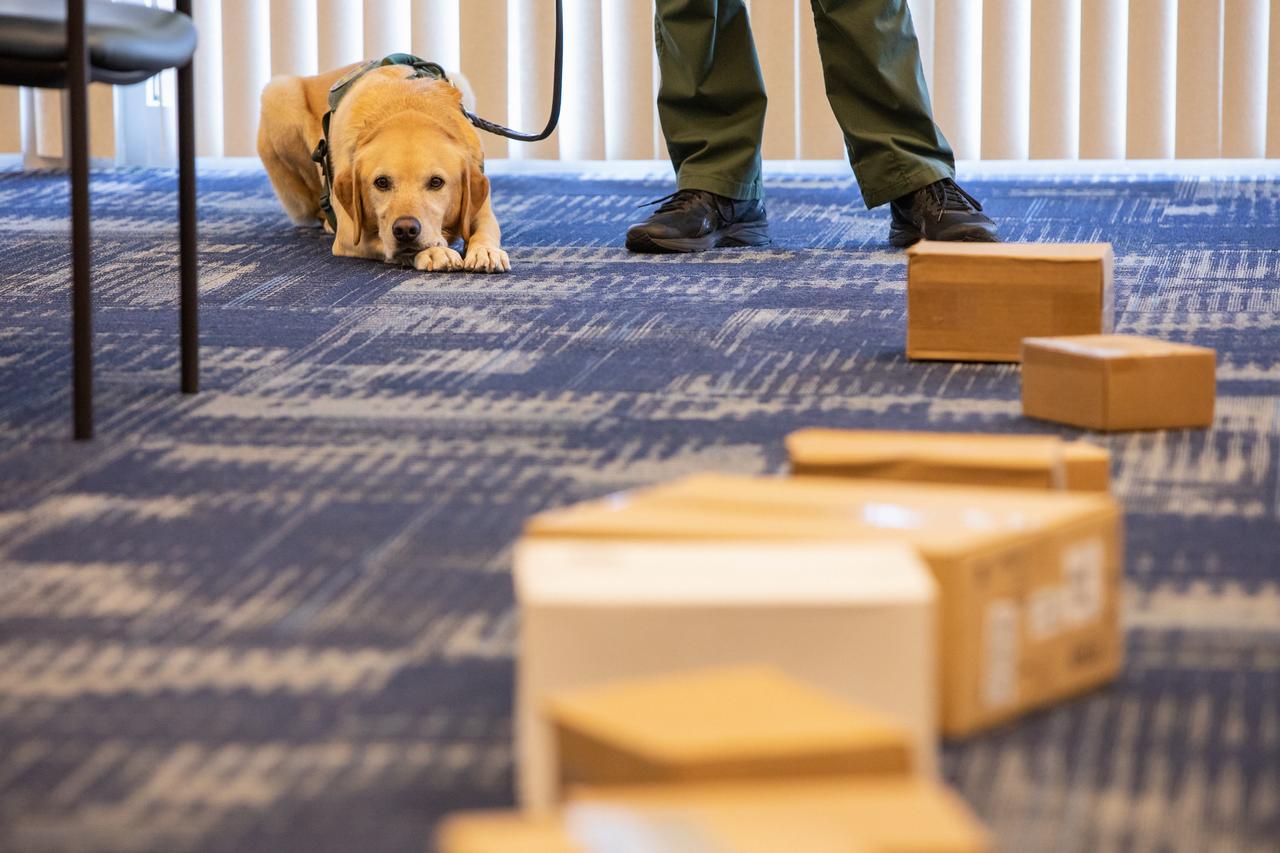
Fish and Wildlife Conservation Commission (FWC) K9 Harry rests during FWC Officer Jeff Sidor’s presentation on the commission’s Port K9 Program to Kennedy Space Center employees on April 23, 2019. Following the presentation in the Florida spaceport’s Space Station Processing Facility Conference Center, Officer Sidor demonstrated how FWC is using specially trained dogs such as Harry in airports, seaports and mail facilities to detect illegal and invasive fish and wildlife species shipping into Florida. The demonstration involved Harry distinguishing which box, among many, contained a turtle shell. This lunch and learn was available for employees to attend as part of Kennedy’s Earth Day events.
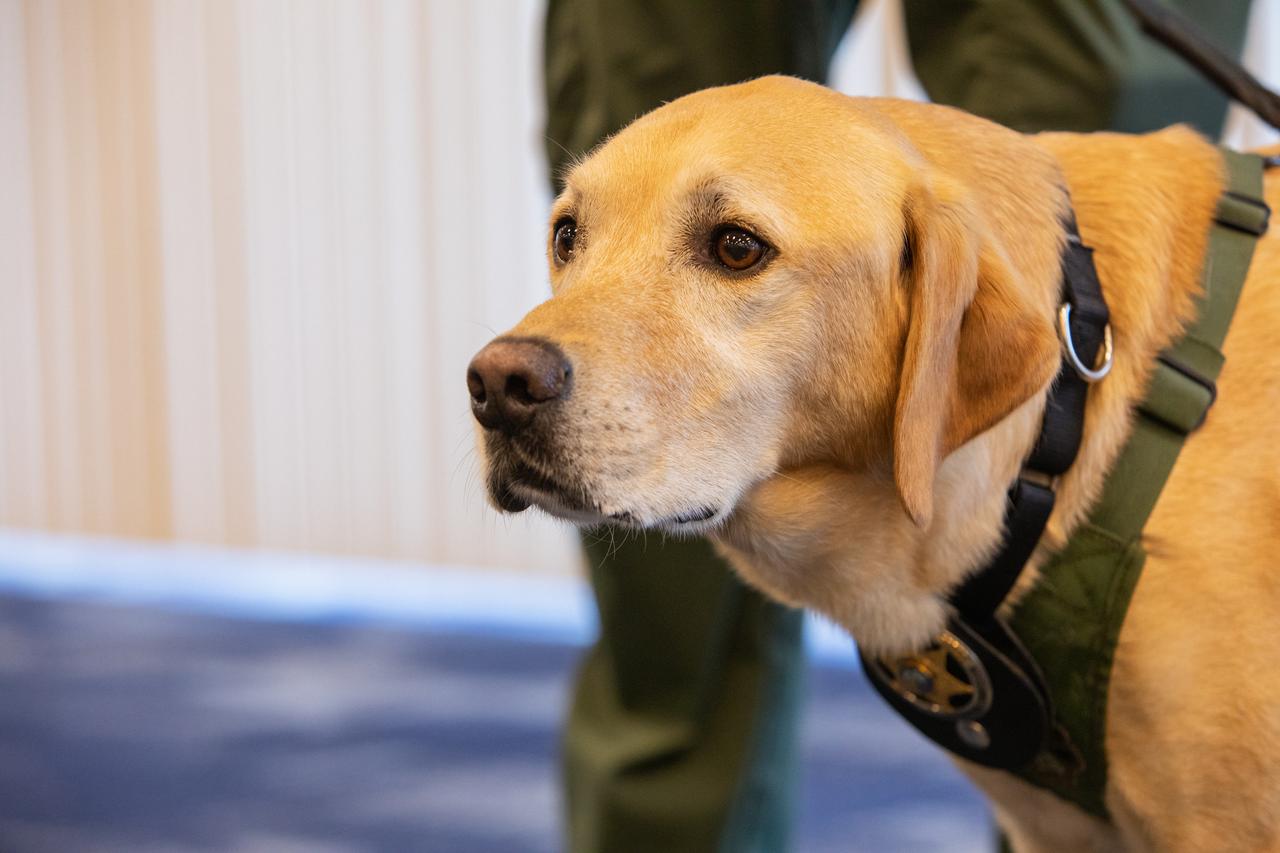
Fish and Wildlife Conservation Commission’s (FWC) Port K9, Harry, stands in Kennedy Space Center’s Space Station Processing Facility Conference Center. FWC Officer Jeff Sidor presented information on the commission’s Port K9 Program to Kennedy employees on April 23, 2019, and brought Harry along for a demonstration. Following the presentation, Officer Sidor demonstrated how FWC is using specially trained dogs such as Harry in airports, seaports and mail facilities to detect illegal and invasive fish and wildlife species shipping into Florida. The demonstration involved Harry distinguishing which box, among many, contained a turtle shell. This lunch and learn was available for employees to attend as part of Kennedy’s Earth Day events.

Fish and Wildlife Conservation Commission’s (FWC) Port K9, Harry, lies inside Kennedy Space Center’s Space Station Processing Facility Conference Center. FWC Officer Jeff Sidor presented information on the commission’s Port K9 Program to Kennedy employees on April 23, 2019, and brought Harry along for a demonstration. Following the presentation, Officer Sidor demonstrated how FWC is using specially trained dogs such as Harry in airports, seaports and mail facilities to detect illegal and invasive fish and wildlife species shipping into Florida. The demonstration involved Harry distinguishing which box, among many, contained a turtle shell. This lunch and learn was available for employees to attend as part of Kennedy’s Earth Day events.
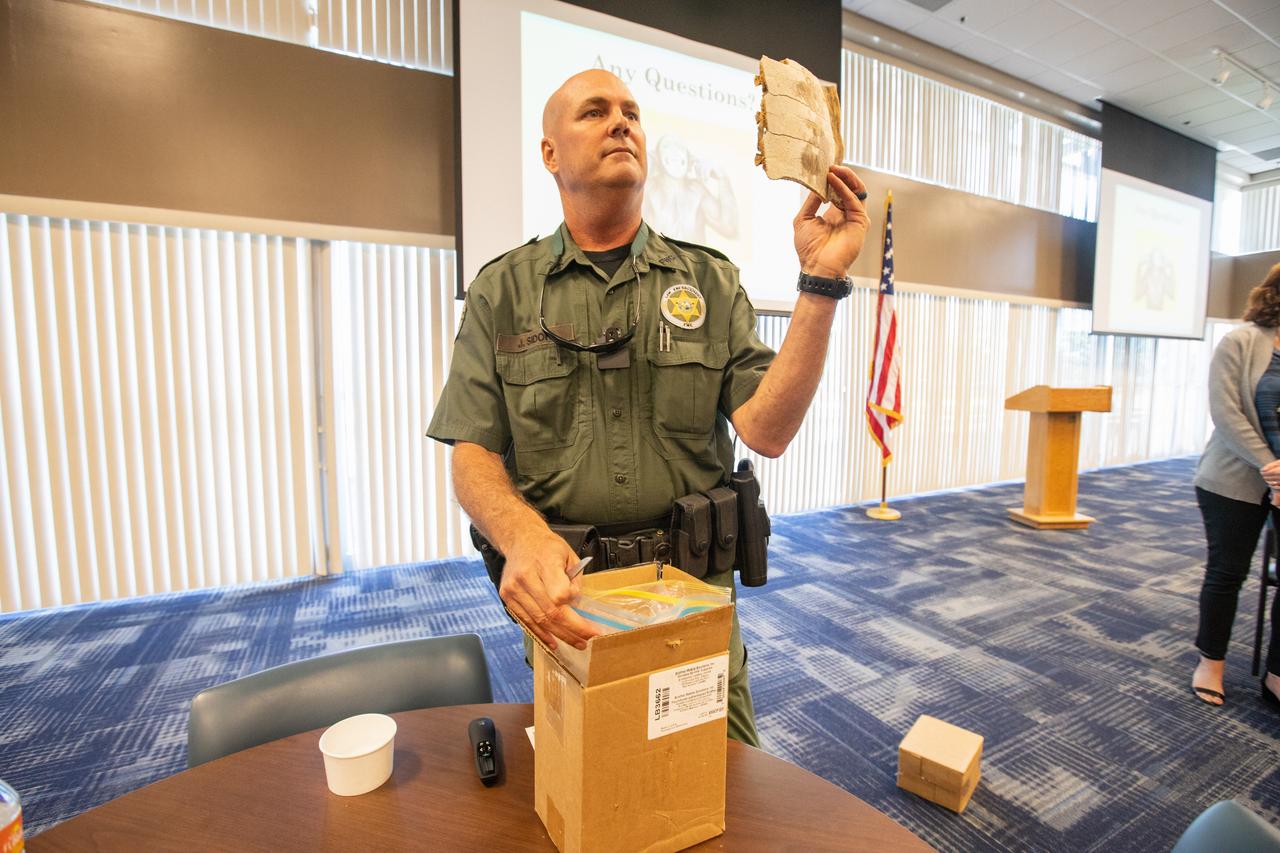
Fish and Wildlife Conservation Commission (FWC) Officer Jeff Sidor holds up a piece of turtle shell during a presentation and demonstration to Kennedy Space Center employees in the Space Station Processing Facility Conference Center on April 23, 2019. Officer Sidor brought a special K9, Harry, to demonstrate how FWC is using specially trained dogs in airports, seaports and mail facilities to detect illegal and invasive fish and wildlife species shipping into Florida. The demonstration involved Harry distinguishing which box, among many, contained the turtle shell. This lunch and learn was available for employees to attend as part of Kennedy’s Earth Day events.
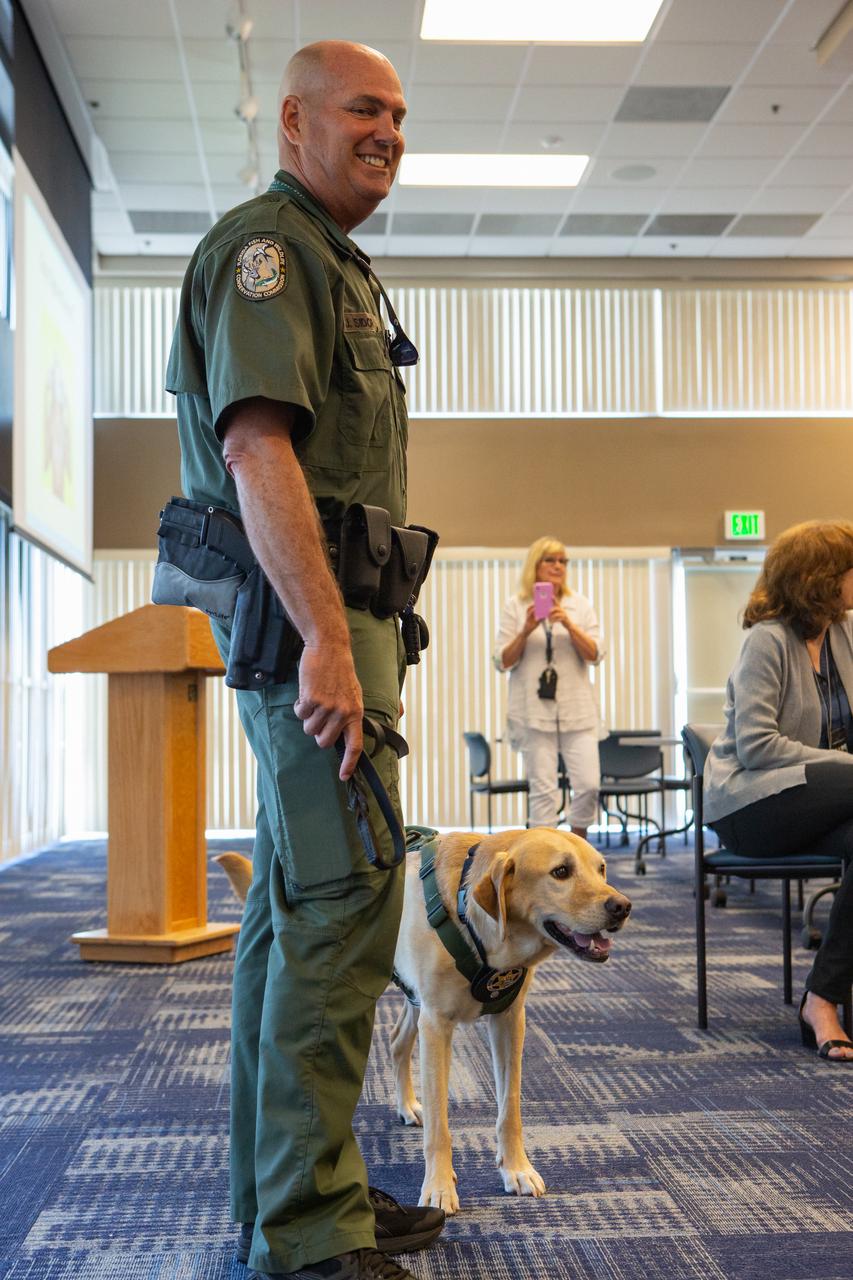
Fish and Wildlife Conservation Commission (FWC) Officer Jeff Sidor presents information on FWC’s Port K9 Program to Kennedy Space Center employees in the Space Station Processing Facility Conference Center on April 23, 2019. Officer Sidor brought a special K9, Harry, to demonstrate how FWC is using specially trained dogs in airports, seaports and mail facilities to detect illegal and invasive fish and wildlife species shipping into Florida. The demonstration involved Harry distinguishing which box, among many, contained a turtle shell. This lunch and learn was available for employees to attend as part of Kennedy’s Earth Day events.
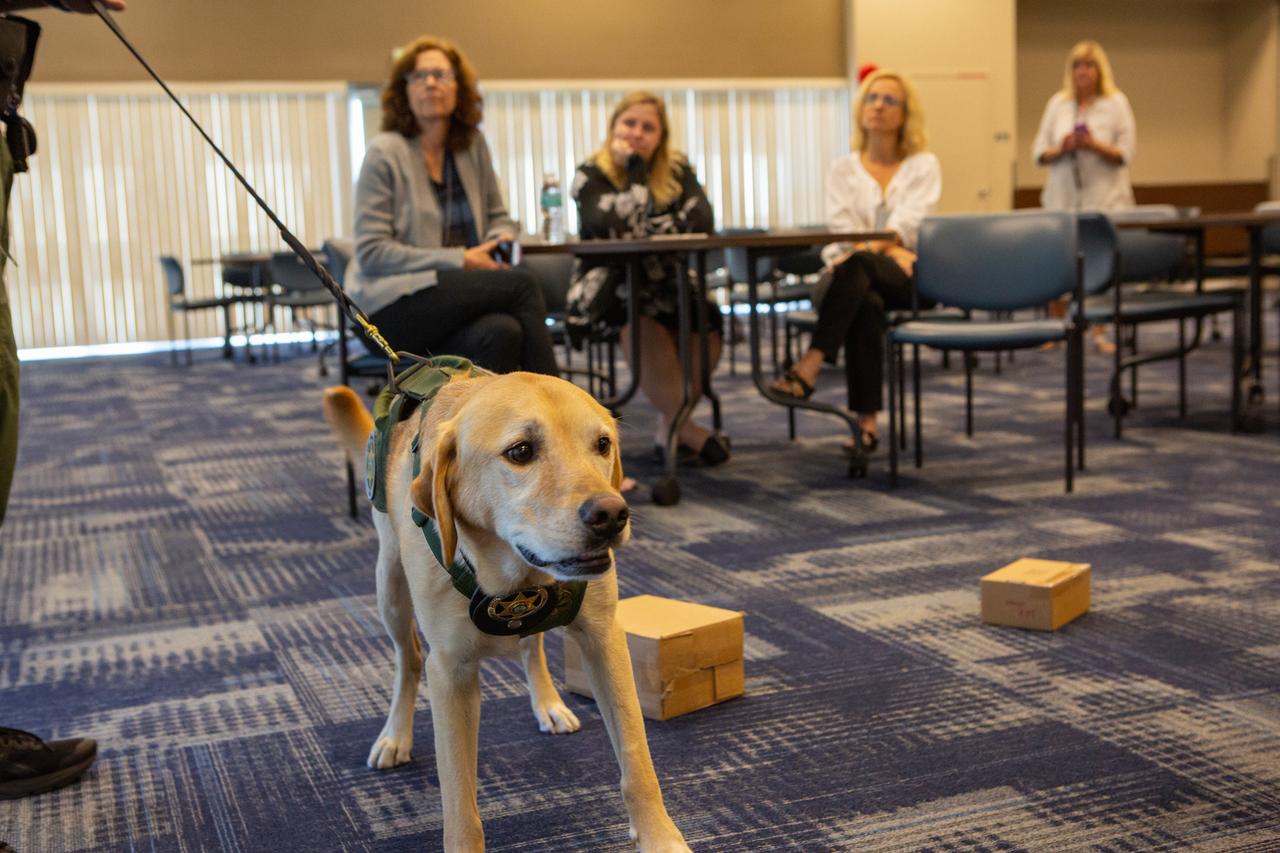
Fish and Wildlife Conservation Commission’s (FWC) Port K9, Harry, stands in Kennedy Space Center’s Space Station Processing Facility Conference Center. FWC Officer Jeff Sidor presented information on the commission’s Port K9 Program to Kennedy employees on April 23, 2019, and brought Harry along for a demonstration. Following the presentation, Officer Sidor demonstrated how FWC is using specially trained dogs such as Harry in airports, seaports and mail facilities to detect illegal and invasive fish and wildlife species shipping into Florida. The demonstration involved Harry distinguishing which box, among many, contained a turtle shell. This lunch and learn was available for employees to attend as part of Kennedy’s Earth Day events.
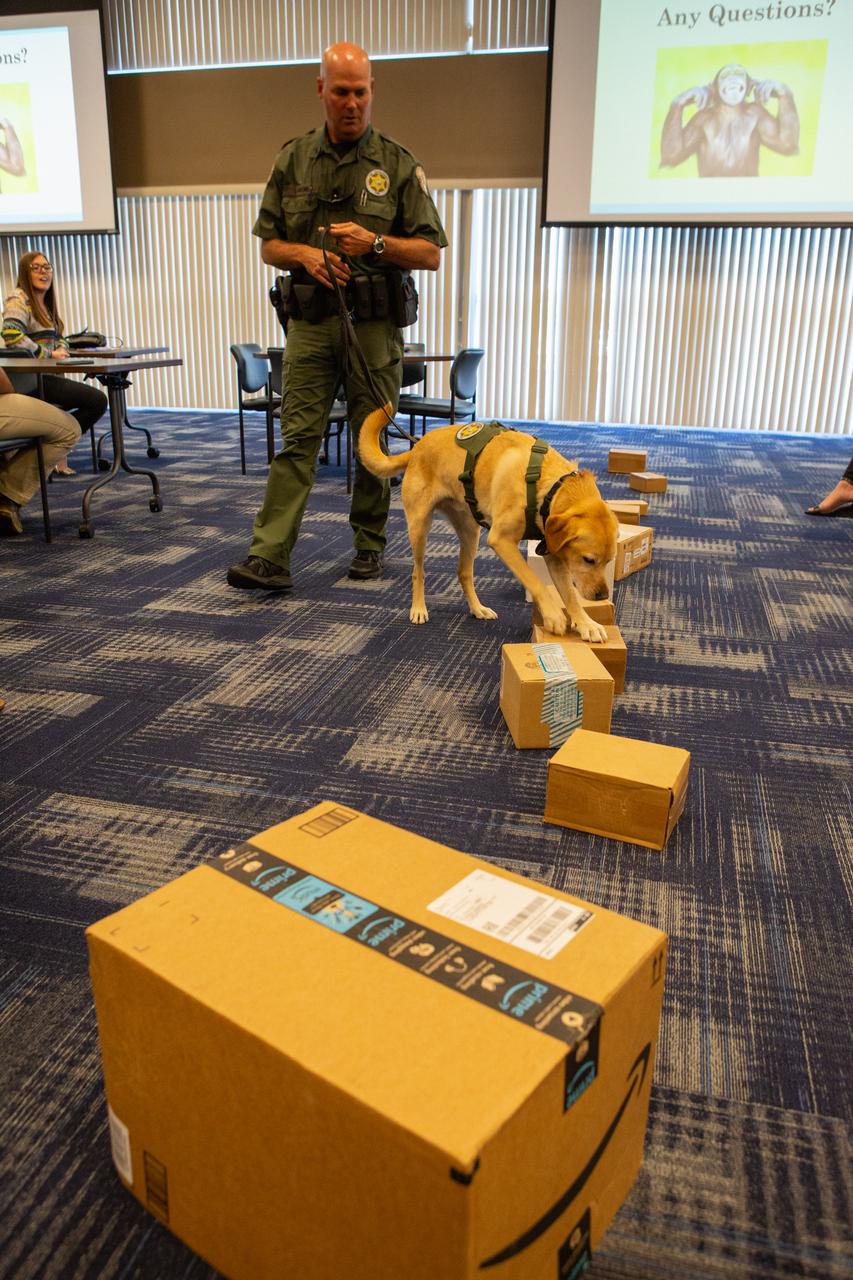
Inside Kennedy Space Center’s Space Station Processing Facility Conference Center, Fish and Wildlife Conservation Commission’s (FWC) Officer Jeff Sidor and K9 Harry demonstrate how specially trained dogs are used to detect illegal and invasive fish and wildlife species shipping into Florida. The demonstration, held April 23, 2019, involved Harry distinguishing which box, among many, contained a turtle shell. Prior to the demonstration, Officer Sidor presented information on FWC’s Port K9 Program to Kennedy employees. This lunch and learn was available for employees to attend as part of Kennedy’s Earth Day events.
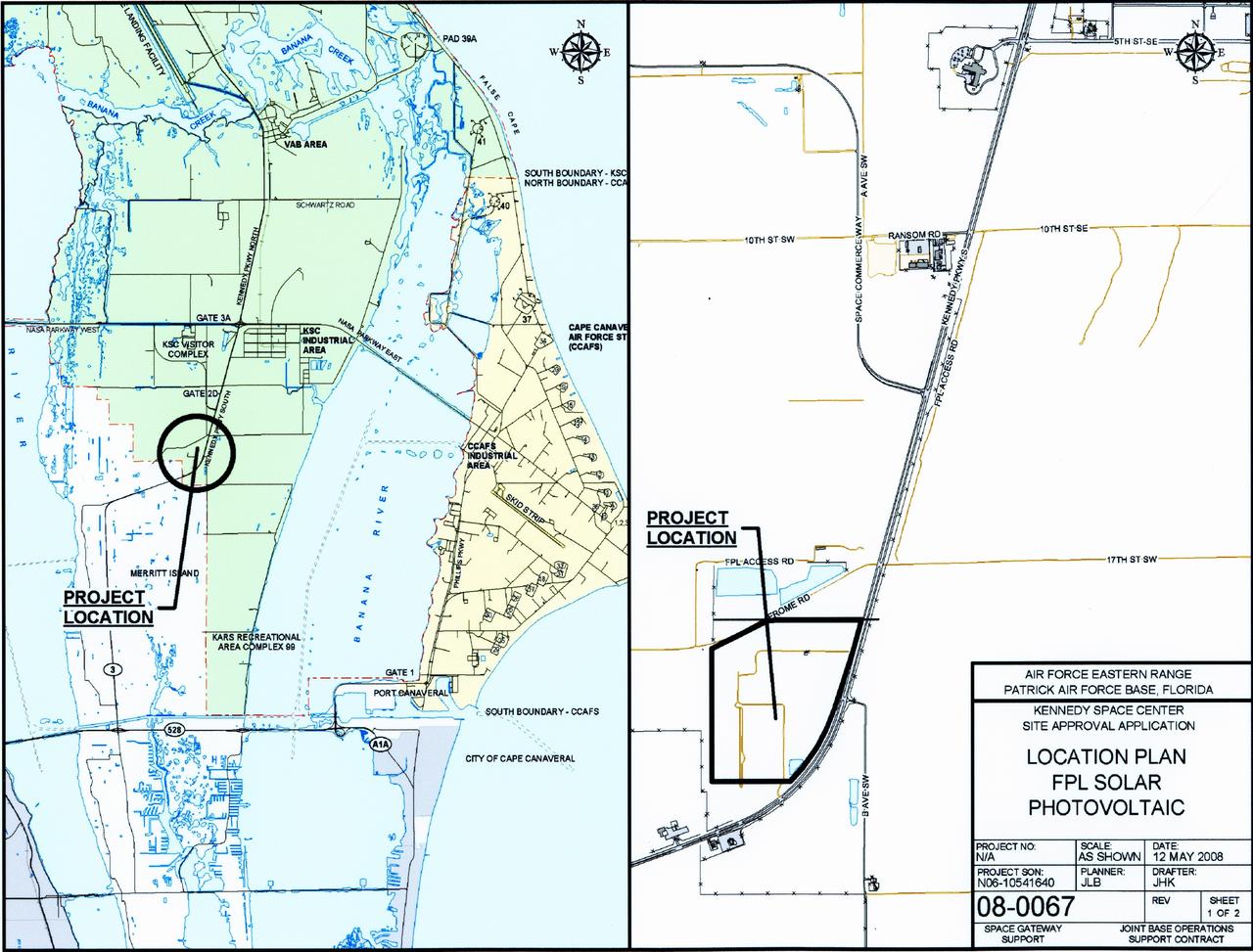
CAPE CANAVERAL, Fla. – These maps show one of the locations of the proposed solar power systems that NASA and Florida Power & Light Company are beginning to construct on NASA's Kennedy Space Center as part of a public-private partnership that promotes a clean-energy future. A groundbreaking ceremony took place on May 27 at the Kennedy Space Center Visitor Complex. FPL, Florida's largest electric utility, will build and maintain two solar photovoltaic power generation systems at Kennedy. One will produce an estimated 10 megawatts of emissions-free power for FPL customers, which is enough energy to serve roughly 1,100 homes. The second is a one-megawatt solar power facility that will provide renewable energy directly to Kennedy. The FPL facilities at NASA will help provide Florida residents and America's space program with new sources of clean energy that will cut reliance on fossil fuels and improve the environment by reducing greenhouse gas emissions. The one megawatt facility also will help NASA meet its goal for use of power generated from renewable energy. Photo courtesy of FPL

CAPE CANAVERAL, Fla. – An aerial view of the site in the Industrial Area of NASA's Kennedy Space Center in Florida where a solar power system will be built. The solar power systems are being constructed by NASA and Florida Power & Light Company as part of a public-private partnership that promotes a clean-energy future. A groundbreaking ceremony took place on May 27 at the Kennedy Space Center Visitor Complex. FPL, Florida's largest electric utility, will build and maintain two solar photovoltaic power generation systems at Kennedy. One will produce an estimated 10 megawatts of emissions-free power for FPL customers, which is enough energy to serve roughly 1,100 homes. The second, which will be built on the pictured location, is a one-megawatt solar power facility that will provide renewable energy directly to Kennedy. The FPL facilities at NASA will help provide Florida residents and America's space program with new sources of clean energy that will cut reliance on fossil fuels and improve the environment by reducing greenhouse gas emissions. The one megawatt facility also will help NASA meet its goal for use of power generated from renewable energy. Photo credit: NASA/Kim Shiflett
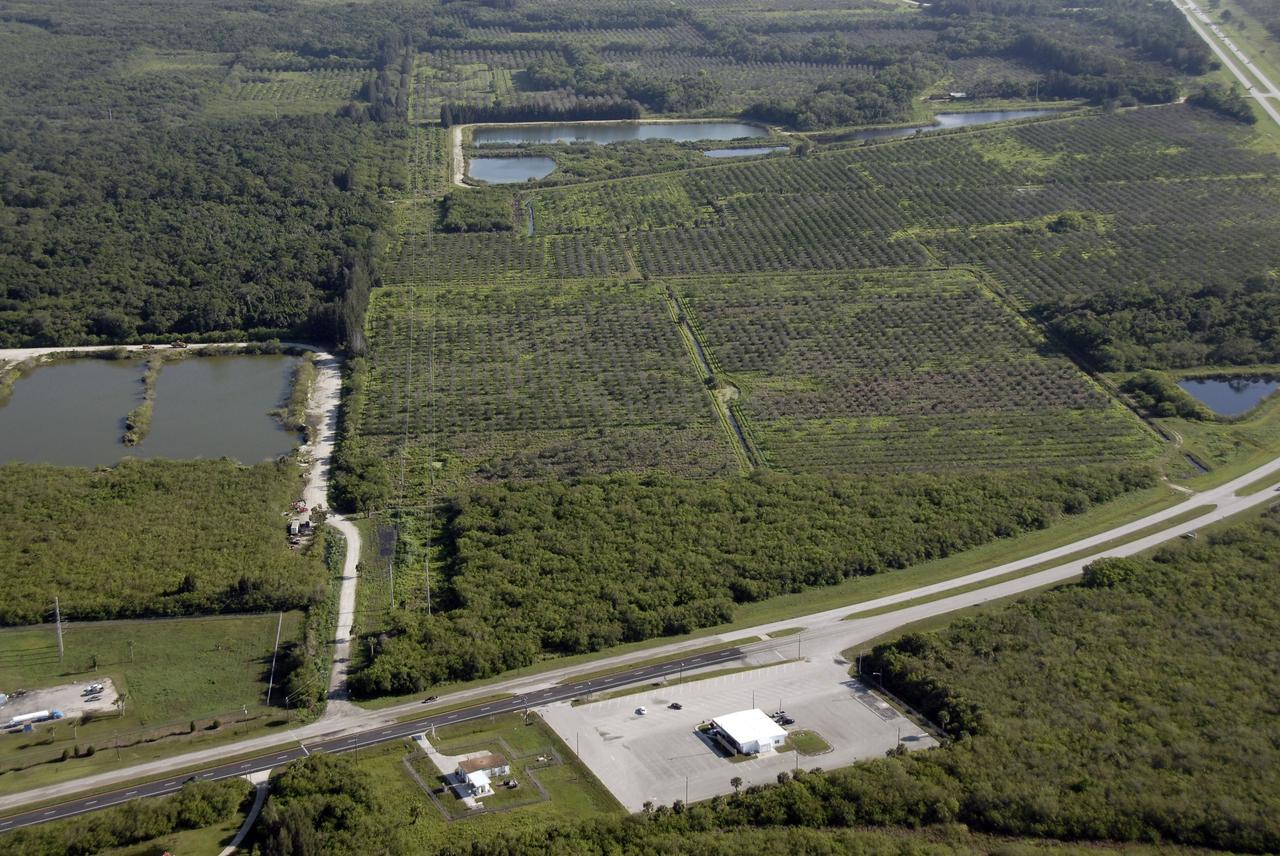
CAPE CANAVERAL, Fla. – An aerial view of the site on S.R. 3 on NASA's Kennedy Space Center in Florida where a solar power system will be built. The solar power systems are being constructed by NASA and Florida Power & Light Company as part of a public-private partnership that promotes a clean-energy future. A groundbreaking ceremony took place on May 27 at the Kennedy Space Center Visitor Complex. FPL, Florida's largest electric utility, will build and maintain two solar photovoltaic power generation systems at Kennedy. One, which will be built on the pictured location, will produce an estimated 10 megawatts of emissions-free power for FPL customers, which is enough energy to serve roughly 1,100 homes. The second is a one-megawatt solar power facility that will provide renewable energy directly to Kennedy. The FPL facilities at NASA will help provide Florida residents and America's space program with new sources of clean energy that will cut reliance on fossil fuels and improve the environment by reducing greenhouse gas emissions. The one megawatt facility also will help NASA meet its goal for use of power generated from renewable energy. Photo credit: NASA/Kim Shiflett
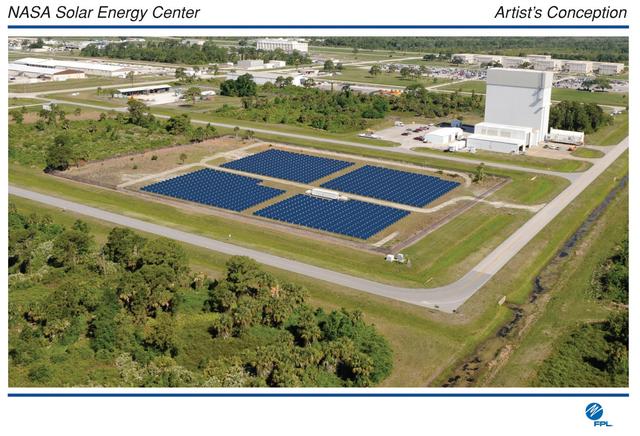
CAPE CANAVERAL, Fla. – This is a rendering of one of two proposed solar power systems that NASA and Florida Power & Light Company are beginning to construct on NASA's Kennedy Space Center as part of a public-private partnership that promotes a clean-energy future. A groundbreaking ceremony took place on May 27 at the Kennedy Space Center Visitor Complex. FPL, Florida's largest electric utility, will build and maintain two solar photovoltaic power generation systems at Kennedy. One will produce an estimated 10 megawatts of emissions-free power for FPL customers, which is enough energy to serve roughly 1,100 homes. The second is a one-megawatt solar power facility that will provide renewable energy directly to Kennedy. The FPL facilities at NASA will help provide Florida residents and America's space program with new sources of clean energy that will cut reliance on fossil fuels and improve the environment by reducing greenhouse gas emissions. The one megawatt facility also will help NASA meet its goal for use of power generated from renewable energy. Photo courtesy of FPL
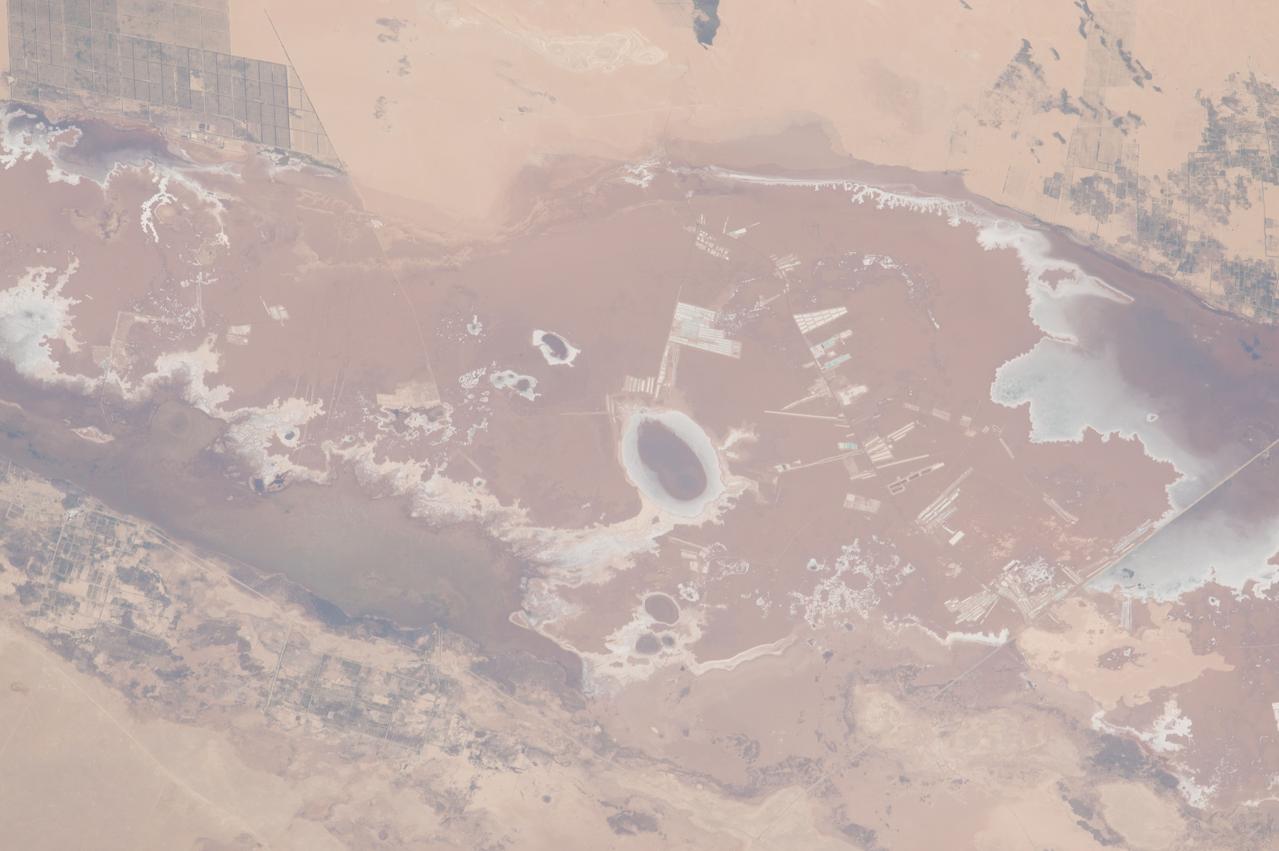
ISS043E182395 (05/08/2015) --- NASA astronaut Scott Kelly took this picture of the water filled Siwa Oasis in the northwestern Egyptian desert. Water is also treasured within the International Space Station where recycling plays an important role in conserving and reusing the precious life giving liquid.
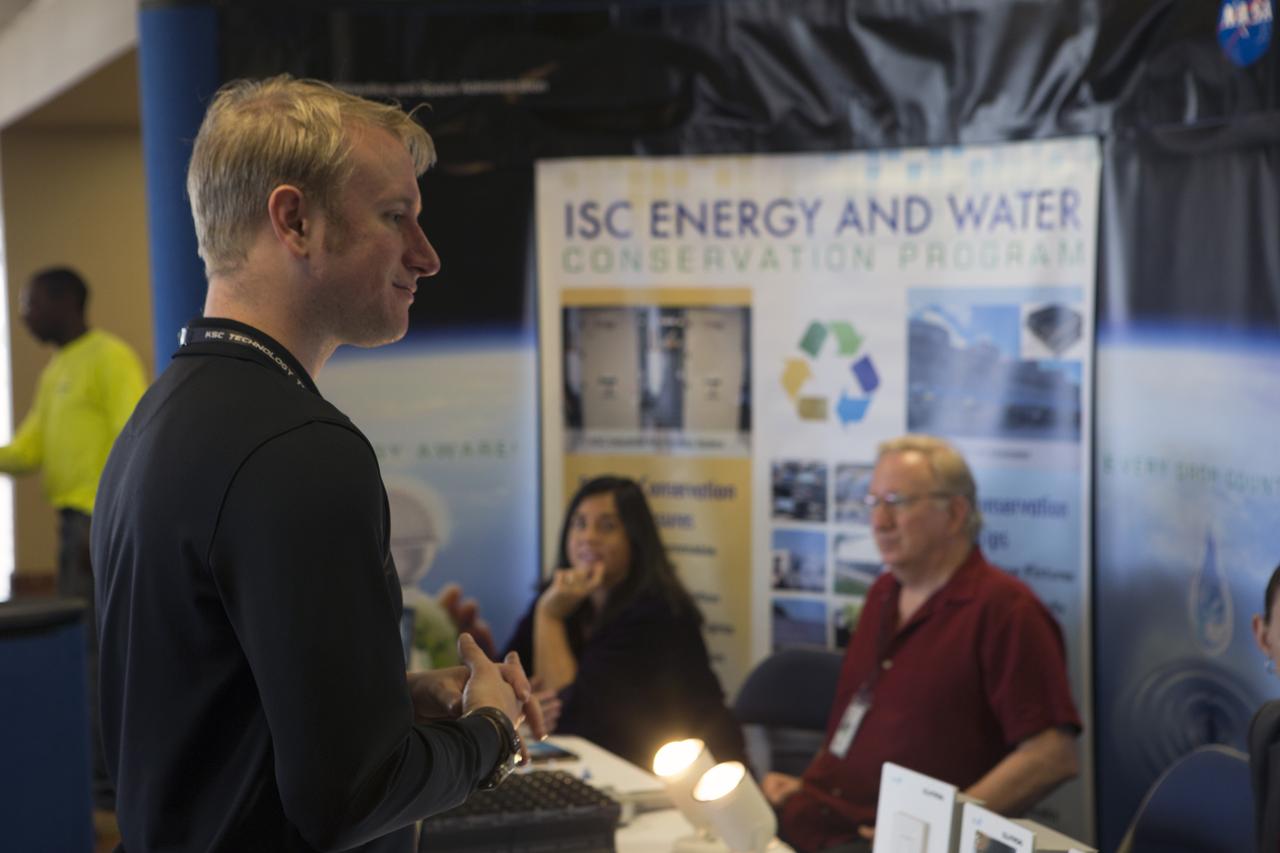
Cory Taylor, an energy and water conservation specialist at Kennedy Space Center, absorbs information at the Multi-Function Facility on Oct. 20. Every third Thursday of October, civil servants, contractors and several energy utilities promote the awareness of our sustainability goals at Kennedy Space Center and at home. Photo credit: Cory Huston
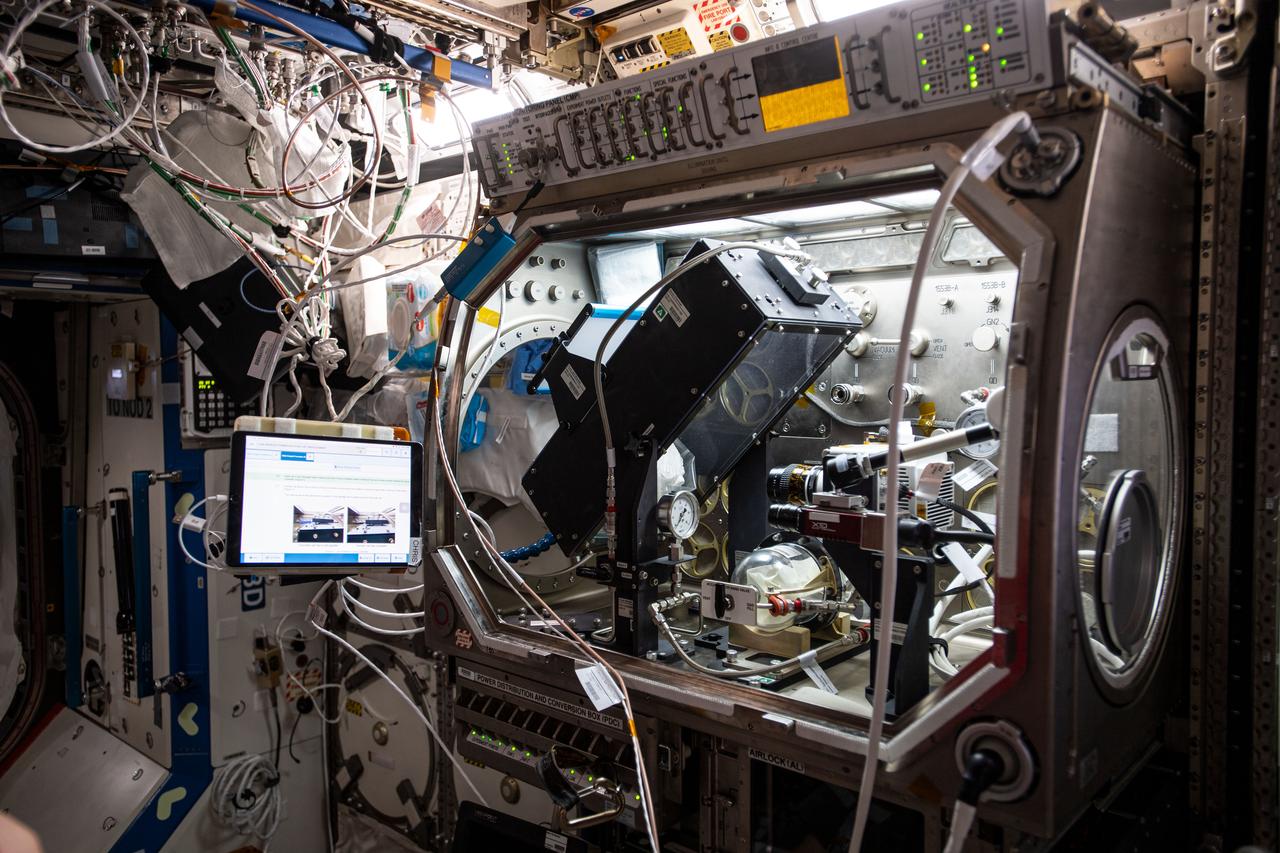
iss063e062018 (7/29/2020) --- Photo documentation of the Droplet Formation Study inside the U.S. Destiny laboratory module's Microgravity Science Glovebox (MSG) aboard the International Space Station (ISS). The Droplet Formation Study observes how microgravity shapes water droplets, possibly improving water conservation and water pressure techniques on Earth.

SrA Rodriguez (riding MWH Patton), left, and SrA Horn (riding MWH Trooper), members of the 30th Security Forces Squadron, Conservation Law Enforcement Section, pose for photographs by the United Launch Alliance (ULA) Atlas V rocket with the Landsat 9 satellite onboard, Sunday, Sept. 26, 2021, at Vandenberg Space Force Base in California. The Landsat 9 satellite, a joint NASA/U.S. Geological Survey mission that will continue the legacy of monitoring Earth’s land and coastal regions, is scheduled for liftoff Monday, Sept. 27. Photo Credit: (NASA/Bill Ingalls)
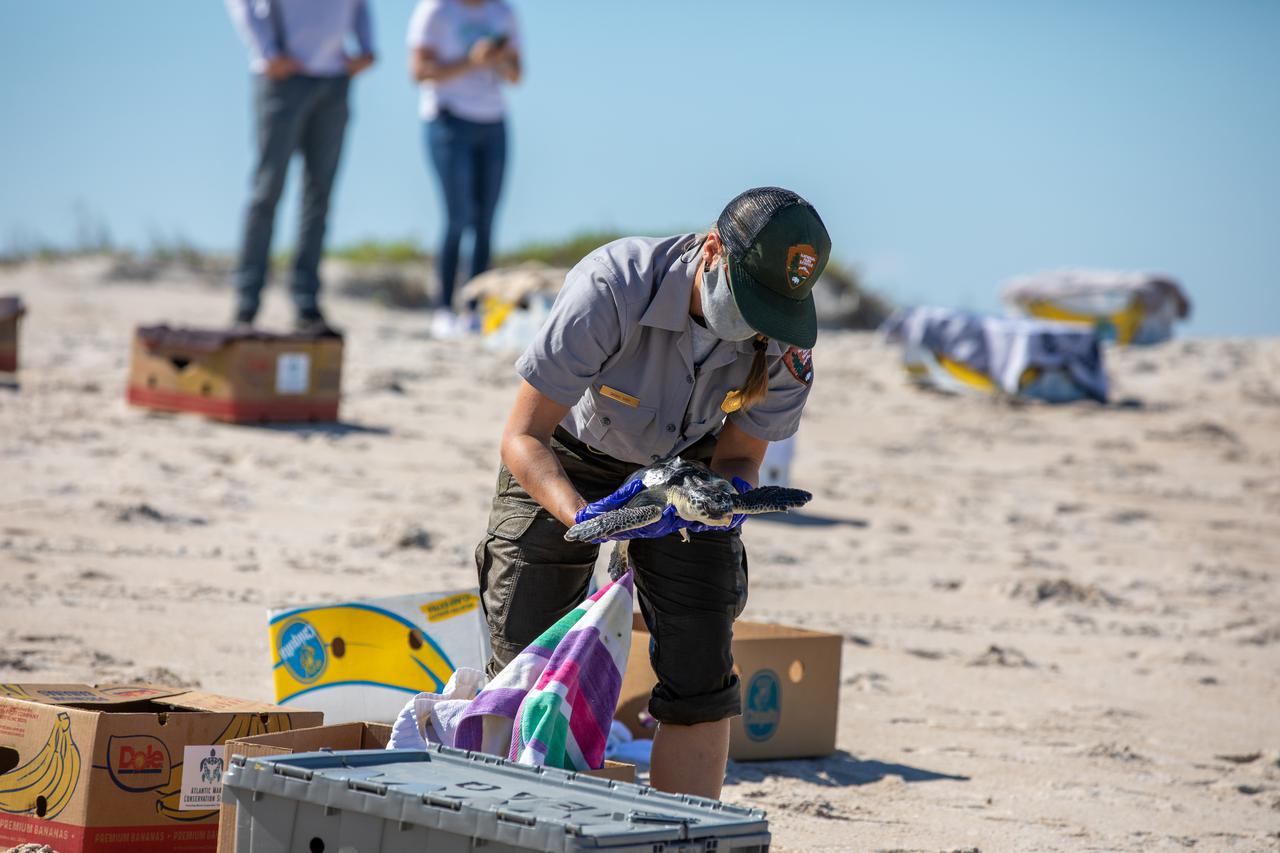
Staff with NASA, the National Park Service, Herndon Solutions Group, the center’s environmental services contractor, and others, prepare to release Kemp’s ridley sea turtles into the Atlantic Ocean at the Canaveral National Seashore near Kennedy Space Center on Feb. 26, 2021. The rescued and rehabilitated turtles were flown from aquatic centers in Massachusetts and New York to the Launch and Landing Facility, managed by Space Florida. NASA, U.S. Fish and Wildlife Service, NOAA Fisheries, Space Florida, and Herndon Solutions Group provided support. The Turtles Fly Too organization provided the flight to Kennedy. All marine turtle footage/images was obtained with the approval of the Florida Fish and Wildlife Conservation Commission (FWC) under conditions not harmful to marine turtles. Footage was acquired while conducting authorized conservation activities pursuant to: FWC 2021 Consent Permit, MTP-21-005 and MTP-21-114.
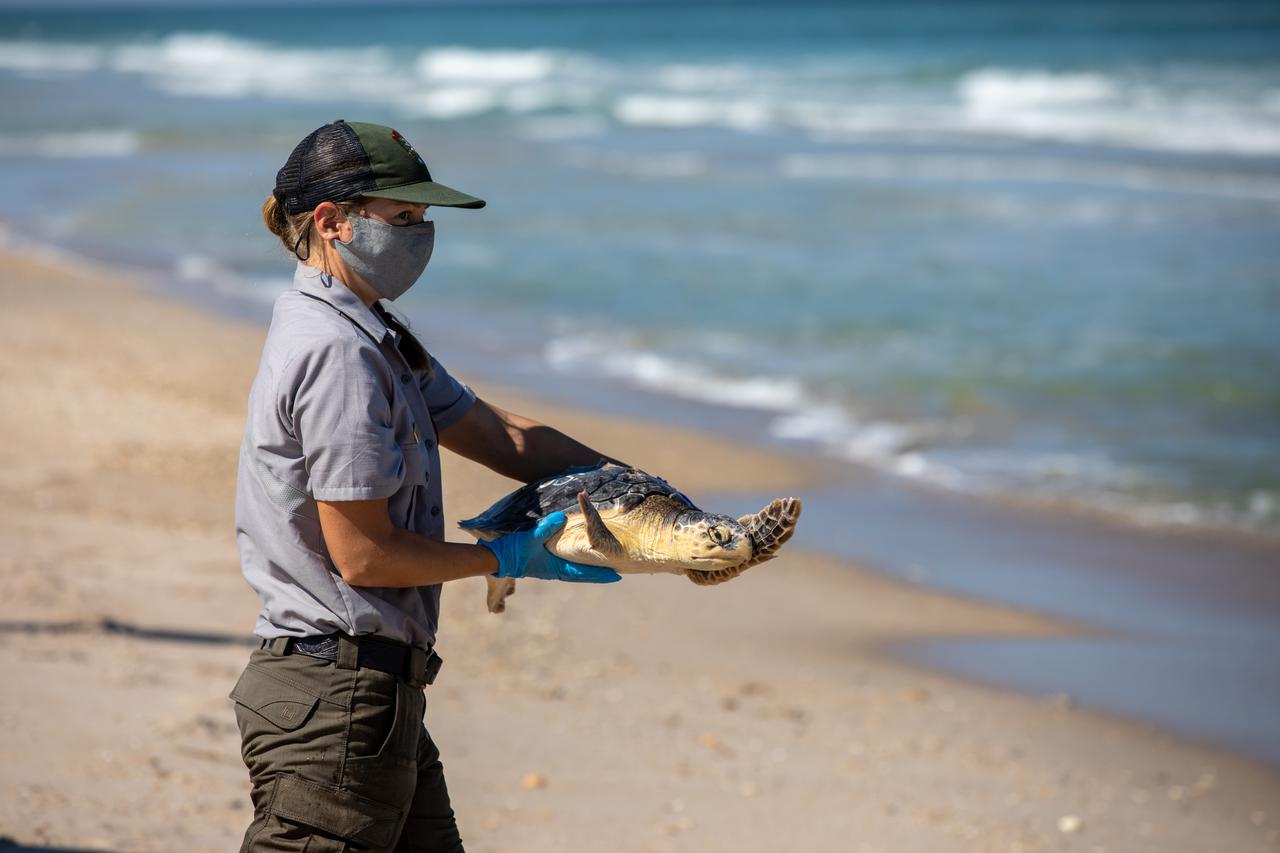
A National Park Service staff member prepares to release a Kemp’s ridley sea turtle into the Atlantic Ocean at the Canaveral National Seashore near Kennedy Space Center on Feb. 26, 2021. The rescued and rehabilitated turtles were flown from aquatic centers in Massachusetts and New York to the Launch and Landing Facility, managed by Space Florida. NASA, U.S. Fish and Wildlife Service, NOAA Fisheries, Space Florida, and Herndon Solutions Group provided support. The Turtles Fly Too organization provided the flight to Kennedy. All marine turtle footage/images was obtained with the approval of the Florida Fish and Wildlife Conservation Commission (FWC) under conditions not harmful to marine turtles. Footage was acquired while conducting authorized conservation activities pursuant to: FWC 2021 Consent Permit, MTP-21-005 and MTP-21-114.
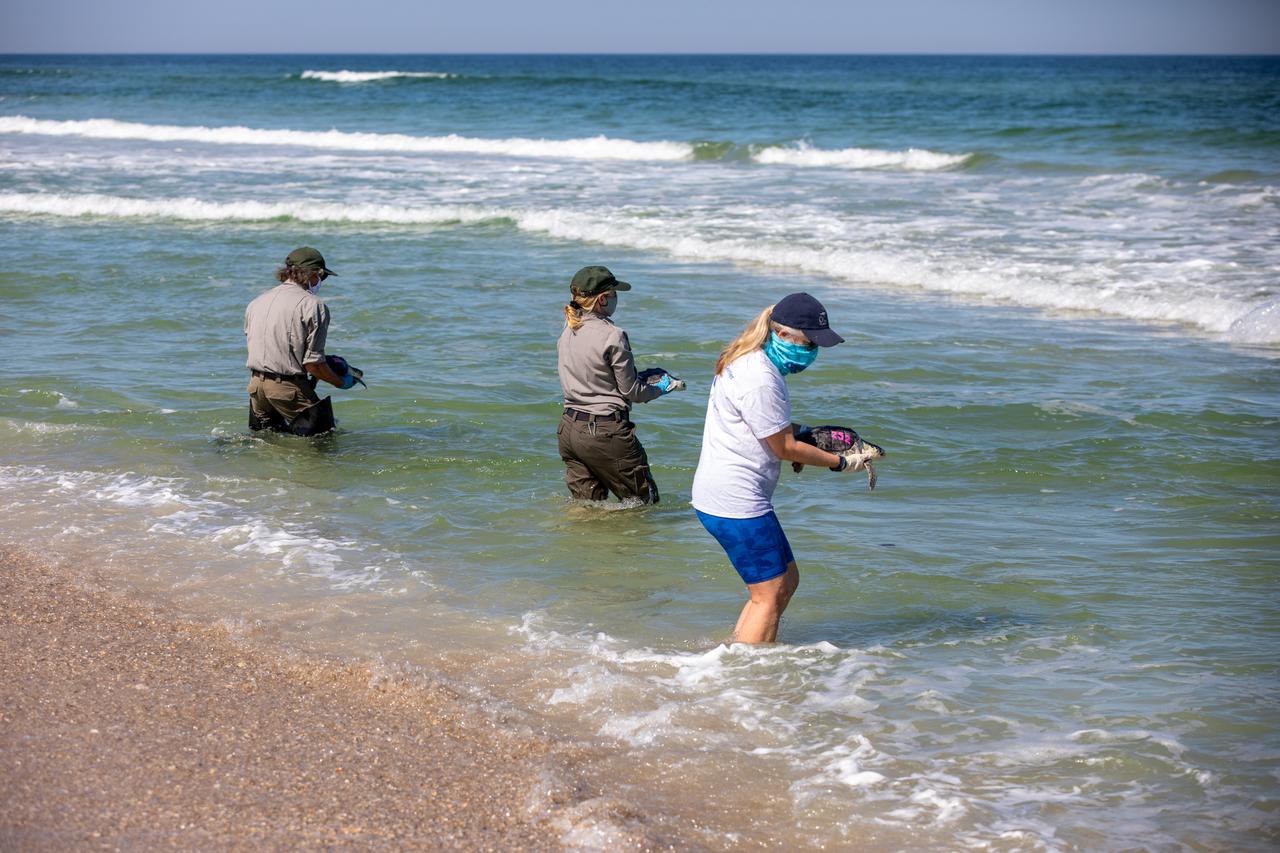
Staff with NASA, the National Park Service, Herndon Solutions Group, the center’s environmental services contractor, and others, prepare to release Kemp’s ridley sea turtles into the Atlantic Ocean at the Canaveral National Seashore near Kennedy Space Center on Feb. 26, 2021. The rescued and rehabilitated turtles were flown from aquatic centers in Massachusetts and New York to the Launch and Landing Facility, managed by Space Florida. NASA, U.S. Fish and Wildlife Service, NOAA Fisheries, Space Florida, and Herndon Solutions Group provided support. The Turtles Fly Too organization provided the flight to Kennedy. All marine turtle footage/images was obtained with the approval of the Florida Fish and Wildlife Conservation Commission (FWC) under conditions not harmful to marine turtles. Footage was acquired while conducting authorized conservation activities pursuant to: FWC 2021 Consent Permit, MTP-21-005 and MTP-21-114.
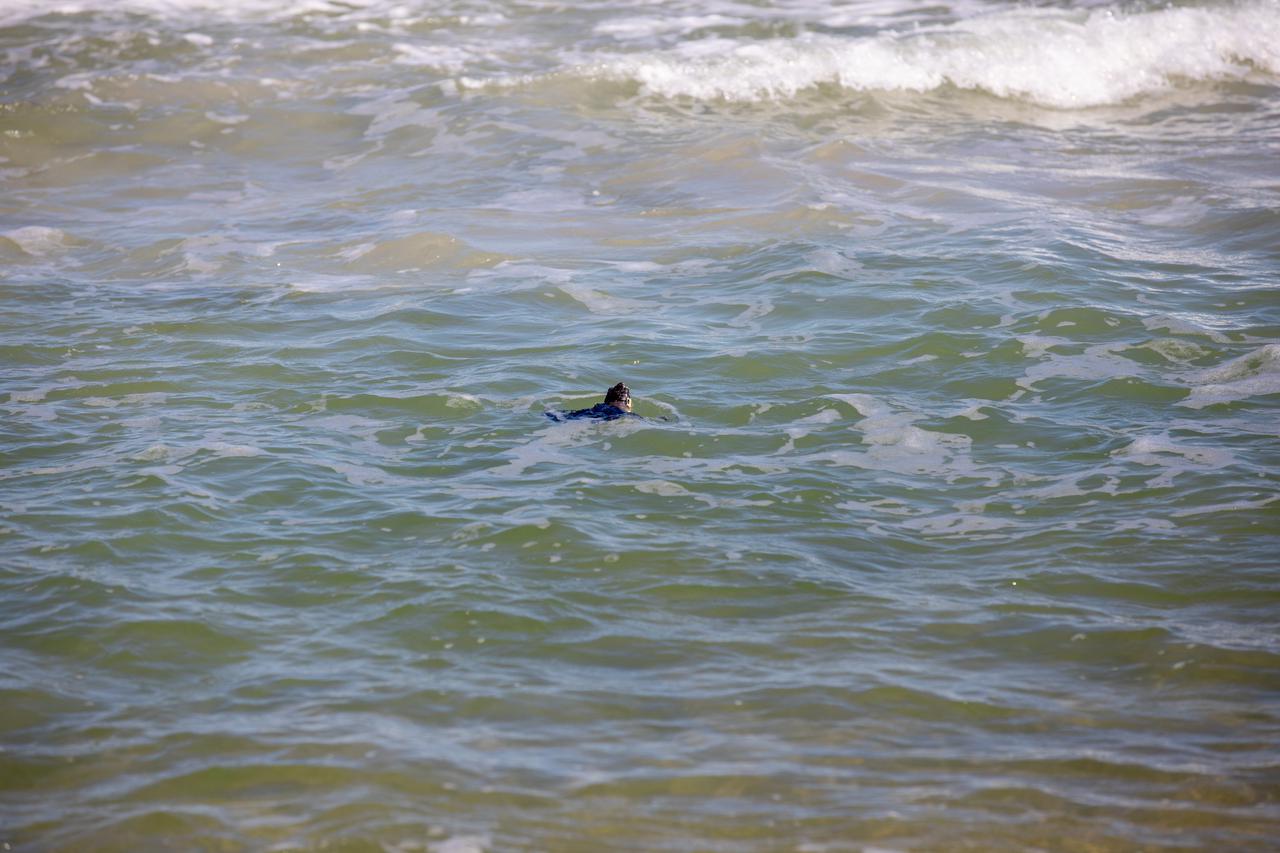
A Kemp’s ridley sea turtle swims in the surf after it is released into the Atlantic Ocean at the Canaveral National Seashore near Kennedy Space Center on Feb. 26, 2021. The rescued and rehabilitated turtles were flown from aquatic centers in Massachusetts and New York to the Launch and Landing Facility, managed by Space Florida. NASA, U.S. Fish and Wildlife Service, NOAA Fisheries, Space Florida, and Herndon Solutions Group provided support. The Turtles Fly Too organization provided the flight to Kennedy. All marine turtle footage/images was obtained with the approval of the Florida Fish and Wildlife Conservation Commission (FWC) under conditions not harmful to marine turtles. Footage was acquired while conducting authorized conservation activities pursuant to: FWC 2021 Consent Permit, MTP-21-005 and MTP-21-114.
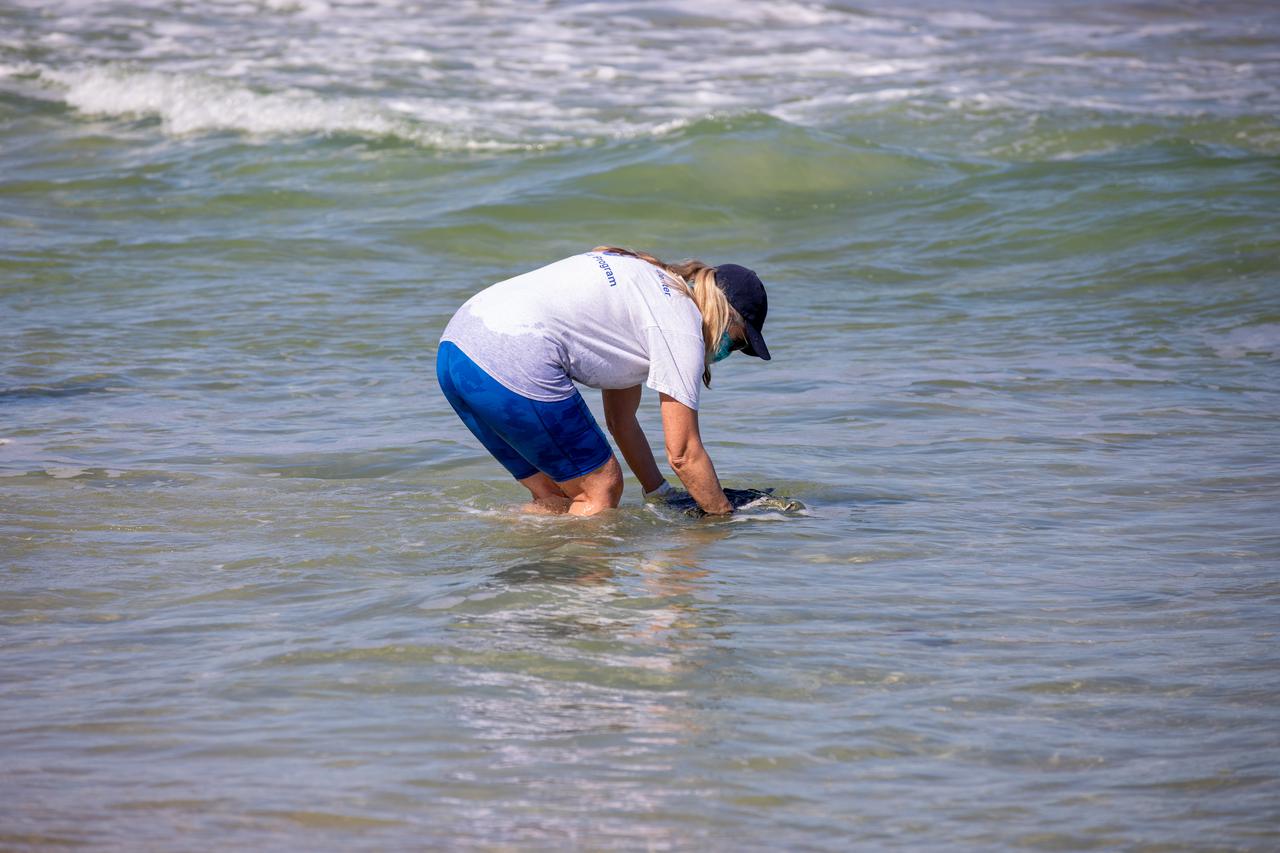
A biologist with Herndon Solutions Group, the center’s environmental services contractor, releases a Kemp’s ridley sea turtle into the Atlantic Ocean at the Canaveral National Seashore near Kennedy Space Center on Feb. 26, 2021. The rescued and rehabilitated turtles were flown from aquatic centers in Massachusetts and New York to the Launch and Landing Facility, managed by Space Florida. NASA, U.S. Fish and Wildlife Service, NOAA Fisheries, Space Florida, and Herndon Solutions Group provided support. The Turtles Fly Too organization provided the flight to Kennedy. All marine turtle footage/images was obtained with the approval of the Florida Fish and Wildlife Conservation Commission (FWC) under conditions not harmful to marine turtles. Footage was acquired while conducting authorized conservation activities pursuant to: FWC 2021 Consent Permit, MTP-21-005 and MTP-21-114.
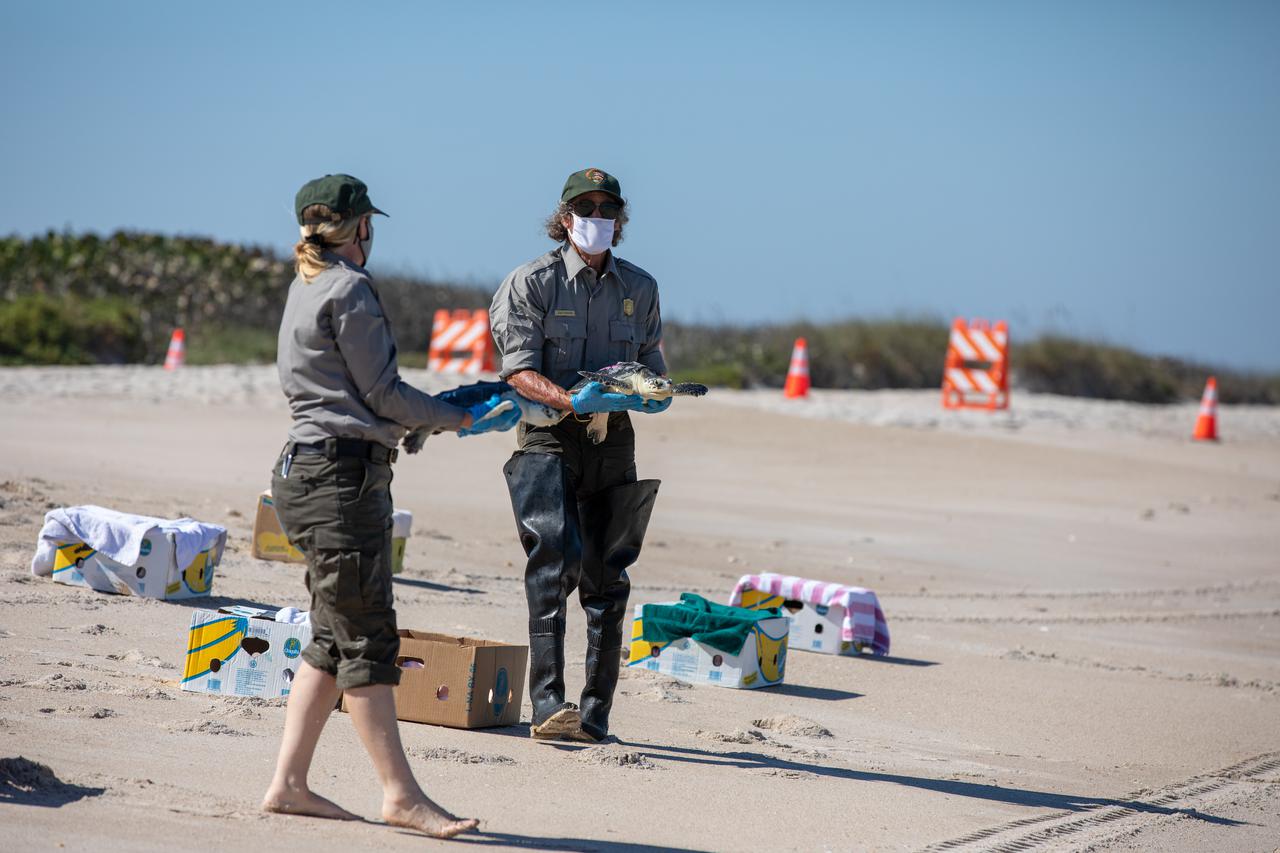
Staff with NASA, the National Park Service, Herndon Solutions Group, the center’s environmental services contractor, and others, prepare to release Kemp’s ridley sea turtles into the Atlantic Ocean at the Canaveral National Seashore near Kennedy Space Center on Feb. 26, 2021. The rescued and rehabilitated turtles were flown from aquatic centers in Massachusetts and New York to the Launch and Landing Facility, managed by Space Florida. NASA, U.S. Fish and Wildlife Service, NOAA Fisheries, Space Florida, and Herndon Solutions Group provided support. The Turtles Fly Too organization provided the flight to Kennedy. All marine turtle footage/images was obtained with the approval of the Florida Fish and Wildlife Conservation Commission (FWC) under conditions not harmful to marine turtles. Footage was acquired while conducting authorized conservation activities pursuant to: FWC 2021 Consent Permit, MTP-21-005 and MTP-21-114.
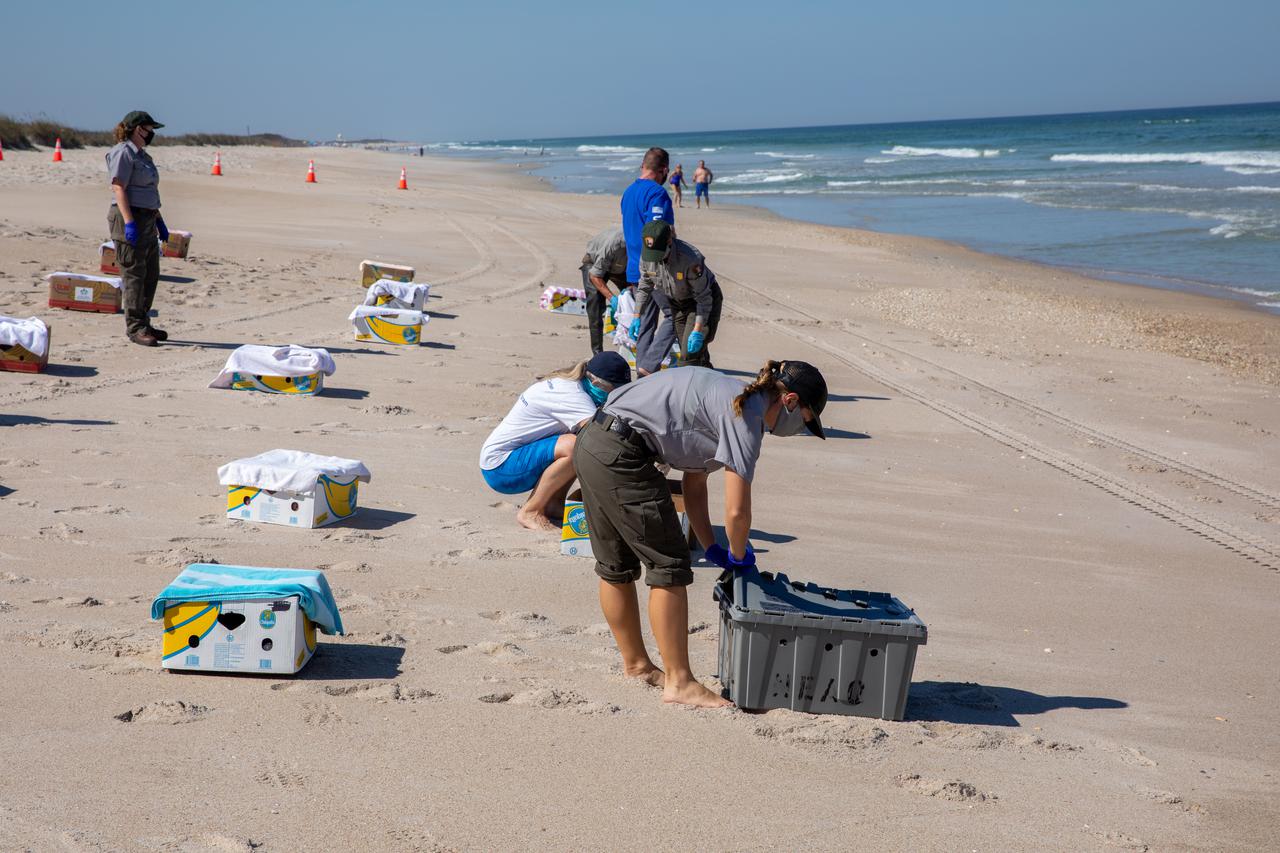
Staff with NASA, the National Park Service, Herndon Solutions Group, the center’s environmental services contractor, and others, prepare to release Kemp’s ridley sea turtles into the Atlantic Ocean at the Canaveral National Seashore near Kennedy Space Center on Feb. 26, 2021. The rescued and rehabilitated turtles were flown from aquatic centers in Massachusetts and New York to the Launch and Landing Facility, managed by Space Florida. NASA, U.S. Fish and Wildlife Service, NOAA Fisheries, Space Florida, and Herndon Solutions Group provided support. The Turtles Fly Too organization provided the flight to Kennedy. All marine turtle footage/images was obtained with the approval of the Florida Fish and Wildlife Conservation Commission (FWC) under conditions not harmful to marine turtles. Footage was acquired while conducting authorized conservation activities pursuant to: FWC 2021 Consent Permit, MTP-21-005 and MTP-21-114.
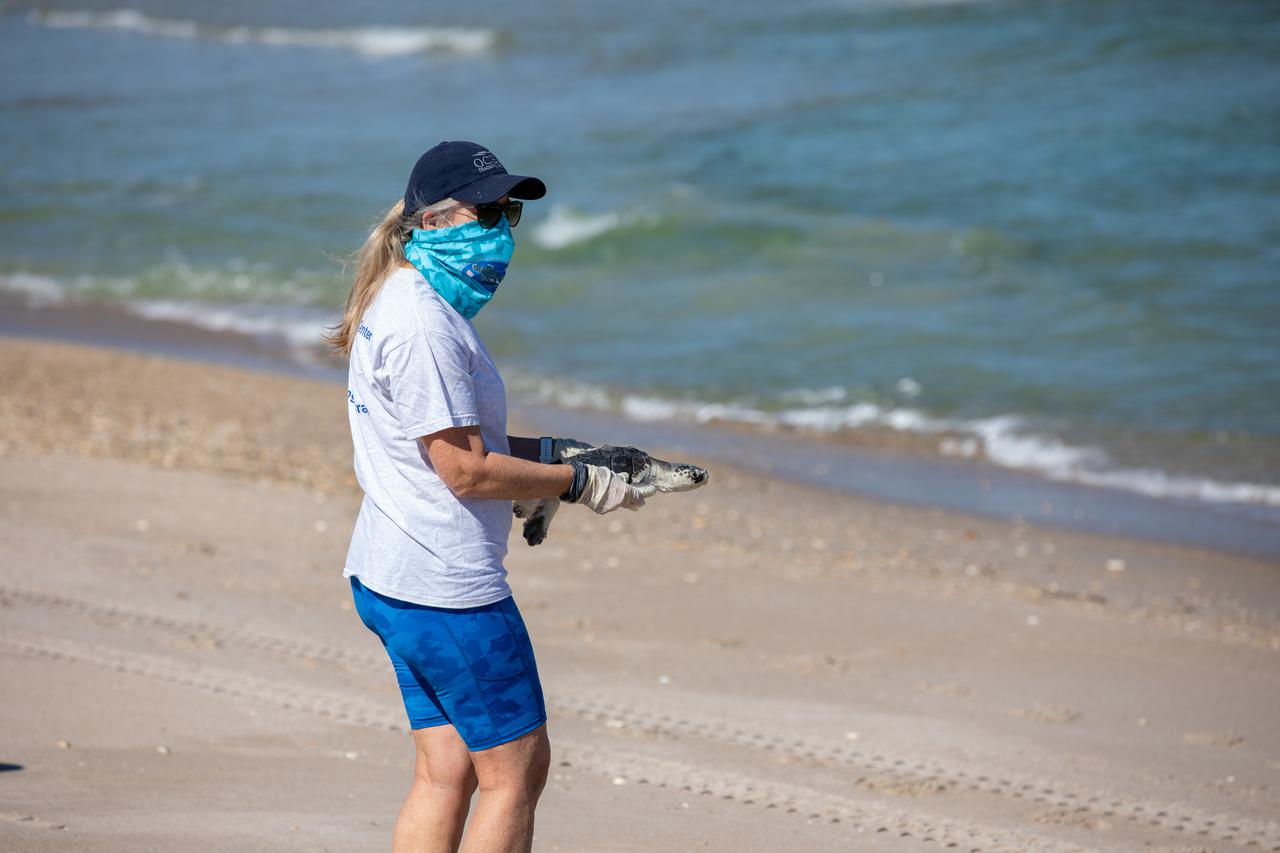
A biologist with Herndon Solutions Group, the center’s environmental services contractor, prepares to release Kemp’s ridley sea turtles into the Atlantic Ocean at the Canaveral National Seashore near Kennedy Space Center on Feb. 26, 2021. The rescued and rehabilitated turtles were flown from aquatic centers in Massachusetts and New York to the Launch and Landing Facility, managed by Space Florida. NASA, U.S. Fish and Wildlife Service, NOAA Fisheries, Space Florida, and Herndon Solutions Group provided support. The Turtles Fly Too organization provided the flight to Kennedy. All marine turtle footage/images was obtained with the approval of the Florida Fish and Wildlife Conservation Commission (FWC) under conditions not harmful to marine turtles. Footage was acquired while conducting authorized conservation activities pursuant to: FWC 2021 Consent Permit, MTP-21-005 and MTP-21-114.
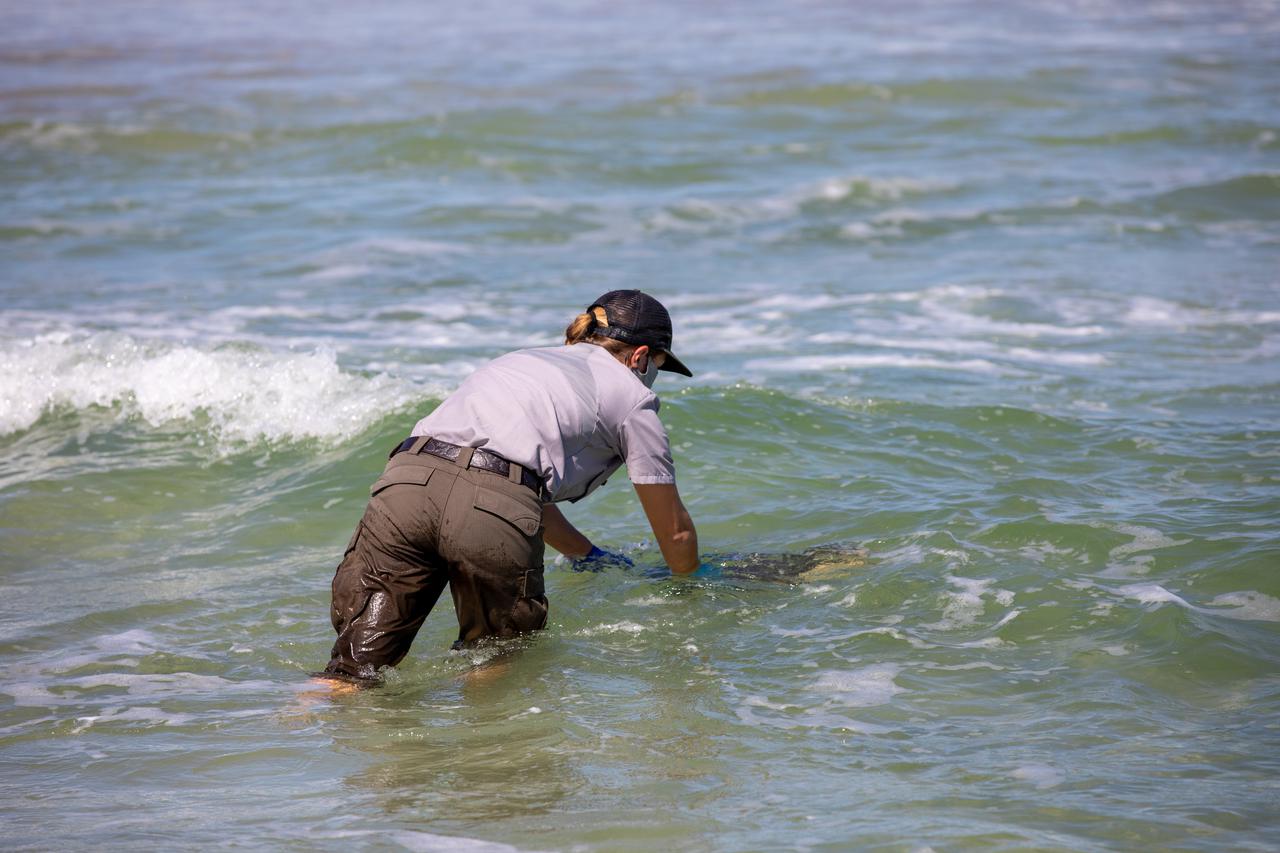
A National Park Service staff member releases a Kemp’s ridley sea turtle into the Atlantic Ocean at the Canaveral National Seashore near Kennedy Space Center on Feb. 26, 2021. The rescued and rehabilitated turtles were flown from aquatic centers in Massachusetts and New York to the Launch and Landing Facility, managed by Space Florida. NASA, U.S. Fish and Wildlife Service, NOAA Fisheries, Space Florida, and Herndon Solutions Group provided support. The Turtles Fly Too organization provided the flight to Kennedy. All marine turtle footage/images was obtained with the approval of the Florida Fish and Wildlife Conservation Commission (FWC) under conditions not harmful to marine turtles. Footage was acquired while conducting authorized conservation activities pursuant to: FWC 2021 Consent Permit, MTP-21-005 and MTP-21-114.
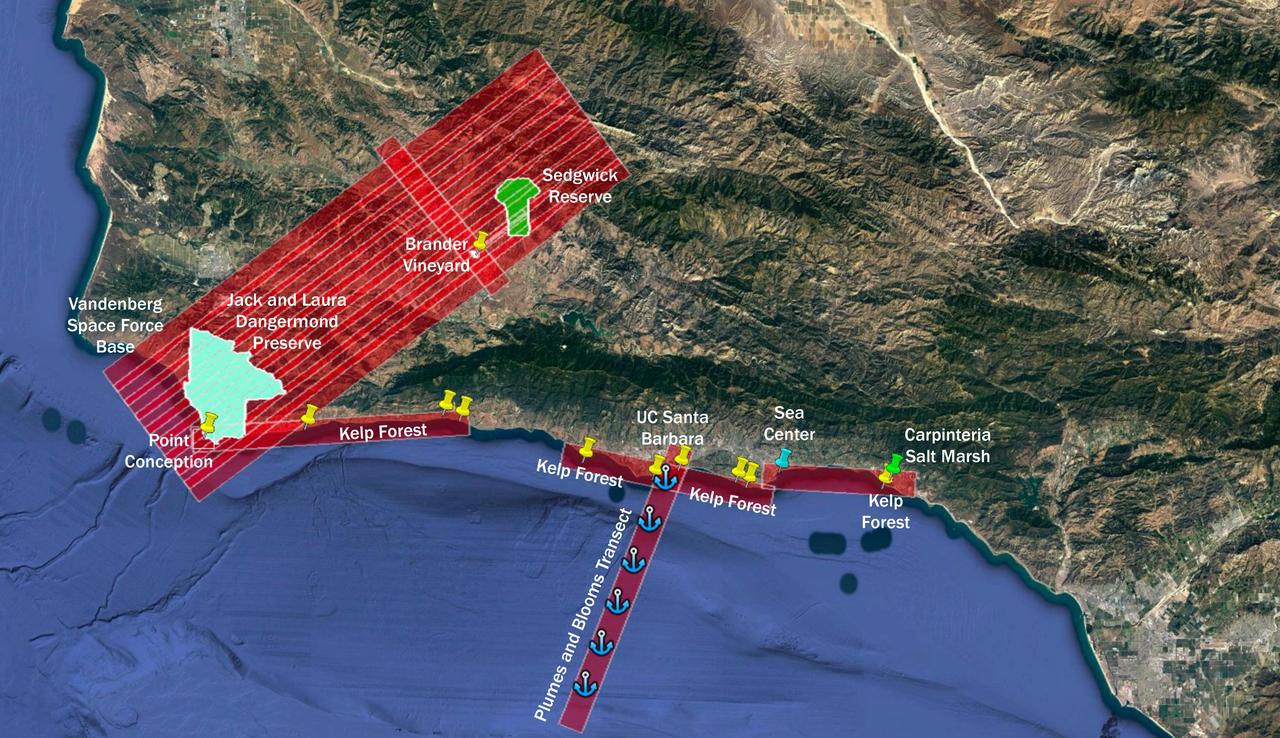
The Surface Biology and Geology High-Frequency Time Series (SHIFT) campaign employs a research plane carrying the AVIRIS-NG (Airborne Visible/Infrared Imaging Spectrometer-Next Generation) instrument. From late February to late May 2022, the plane is collecting spectral data of land and aquatic plant communities over a 640-square-mile (1,656-square-kilometer) study area in Santa Barbara County and the nearby ocean. SHIFT is jointly led by NASA's Jet Propulsion Laboratory, the University of California, Santa Barbara (UCSB), and The Nature Conservancy. The aerial portion of SHIFT flies on an approximately weekly basis over the study area, which includes the Jack and Laura Dangermond Preserve, owned by The Nature Conservancy, and the Sedgwick Reserve, operated by UCSB. SHIFT combines the ability of airborne science instruments to gather data over widespread areas with the more concentrated observations scientists conduct in the field to study the functional characteristics, health, and resilience of plant communities. The sampling and analysis done by researchers on the ground and in the ocean is intended to validate data taken by AVIRIS-NG and help scientists design data collection and processing algorithms for NASA's proposed Surface Biology and Geology (SBG) mission, which would launch no earlier than 2028. The data is also intended to support the research and conservation objectives of The Nature Conservancy, which owns the Dangermond Preserve, and UCSB, which operates the Sedgwick Reserve, another nature preserve within the study area. More than 60 scientists from institutions around the U.S. have indicated they intend to use the SHIFT data in their research. https://photojournal.jpl.nasa.gov/catalog/PIA25144

Visitors participate in one of many butterfly releases held throughout the day at the Kennedy Space Center’s sustainability expo on April 11, 2019. Held at the center’s visitor complex in Florida, the expo kicked off Kennedy’s annual Earth Day celebrations. Approximately 40 exhibitors from across the nation assembled to provide information ranging from energy-saving solutions to wildlife and natural conservation.
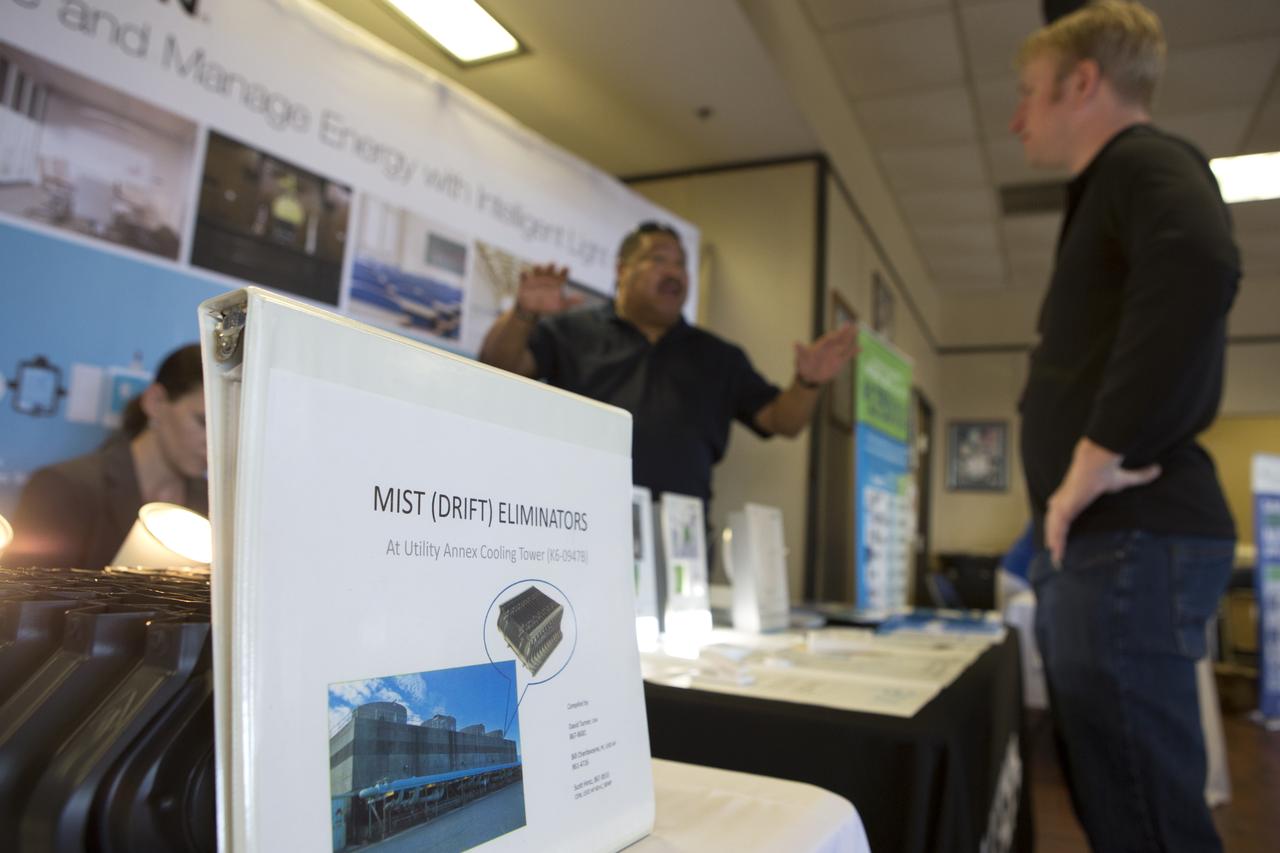
Cory Taylor, an energy and water conservation specialist at Kennedy Space Center, absorbs information from Mark Gonzalez, a sales engineer with MC2 during Energy Awareness Day at the Multi-Function Facility on Oct. 20. Every third Thursday of October, civil servants, contractors and several energy utilities promote the awareness of our sustainability goals at Kennedy Space Center and at home. Photo credit: Cory Huston
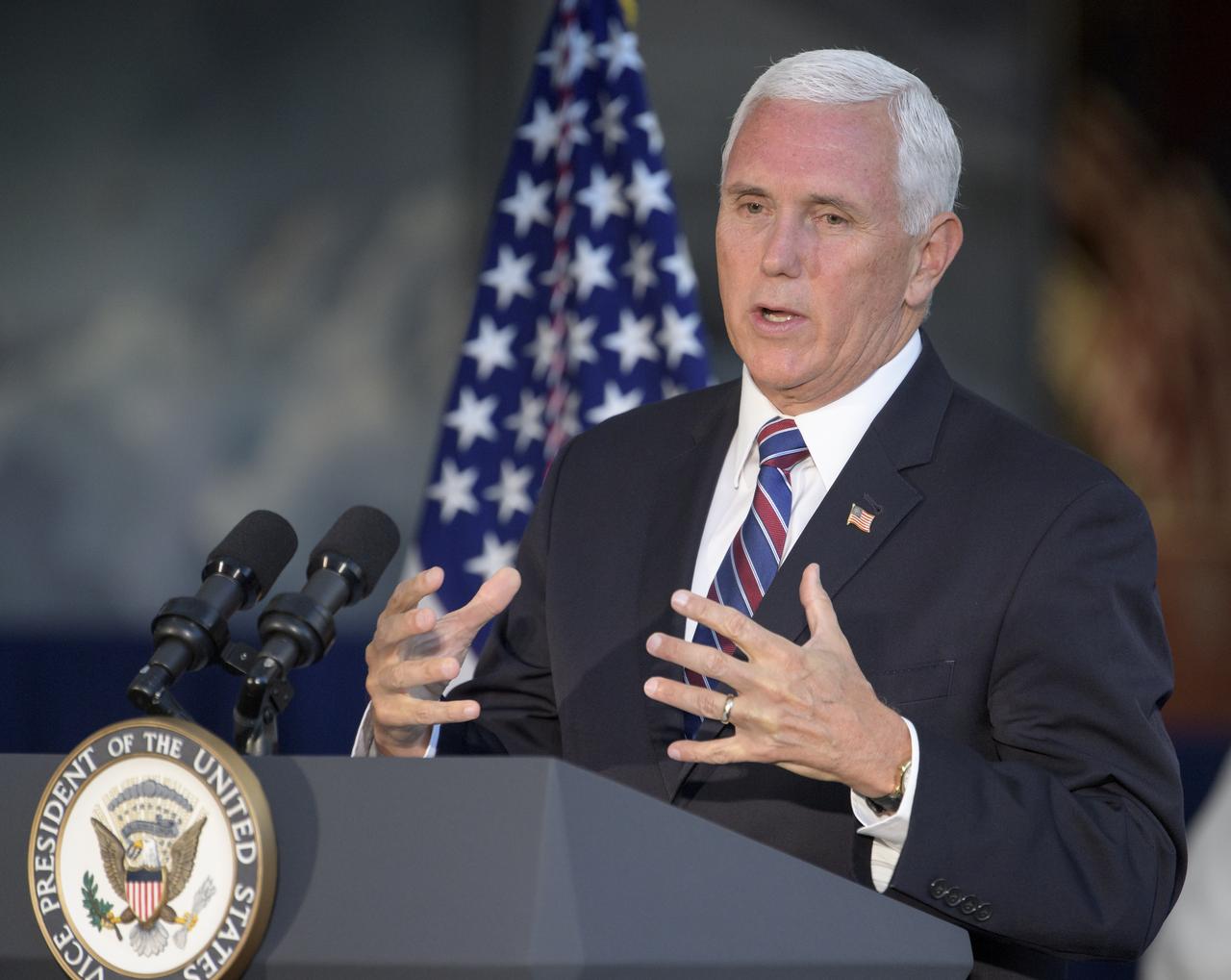
Vice President of the United States Mike Pence gives remarks during an event were Neil Armstrong's Apollo 11 spacesuit was unveiled for the first time in 13 years, Tuesday, July 16, 2019 at the Smithsonian's National Air and Space Museum in Washington. The unveiling of the crowd funded spacesuit conservation marks the 50th anniversary of the launch of the Apollo 11 mission.Photo Credit: (NASA/Bill Ingalls)
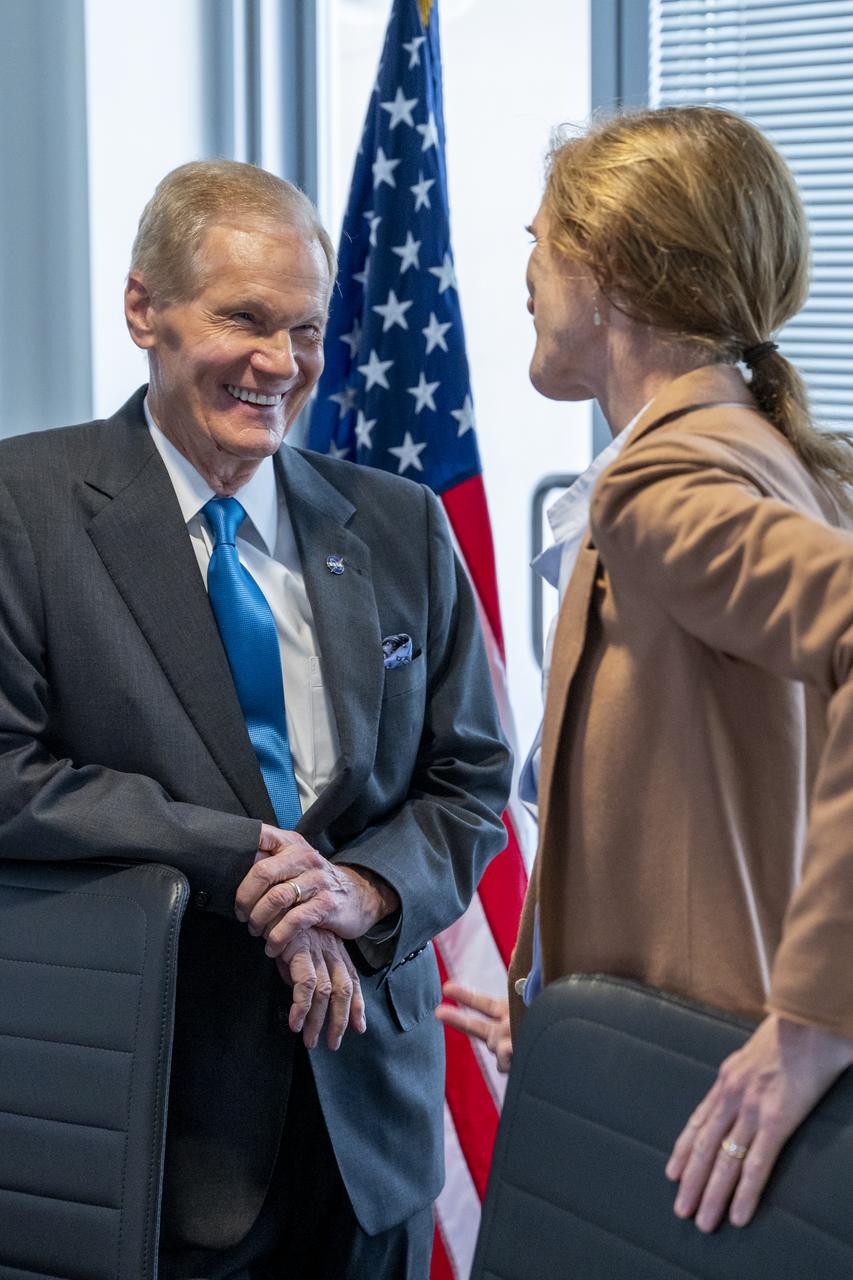
NASA Administrator Bill Nelson meets with USAID Administrator Samantha Power and staff prior to signing a NASA-USAID Memorandum of Understanding (MoU) Friday, Nov. 4, 2022, at the Mary W. Jackson NASA Headquarters building in Washington. The MoU will enhance and expand the Agencies’ longstanding partnership that promotes science and technology solutions to address international development challenges in areas such as global health, climate change, food security, disaster mitigation and response, biodiversity conservation, and environmental management for sustainable development. Photo Credit: (NASA/Keegan Barber)
NASA Administrator Bill Nelson meets with USAID Administrator Samantha Power and staff prior to signing a NASA-USAID Memorandum of Understanding (MoU) Friday, Nov. 4, 2022, at the Mary W. Jackson NASA Headquarters building in Washington. The MoU will enhance and expand the Agencies’ longstanding partnership that promotes science and technology solutions to address international development challenges in areas such as global health, climate change, food security, disaster mitigation and response, biodiversity conservation, and environmental management for sustainable development. Photo Credit: (NASA/Keegan Barber)
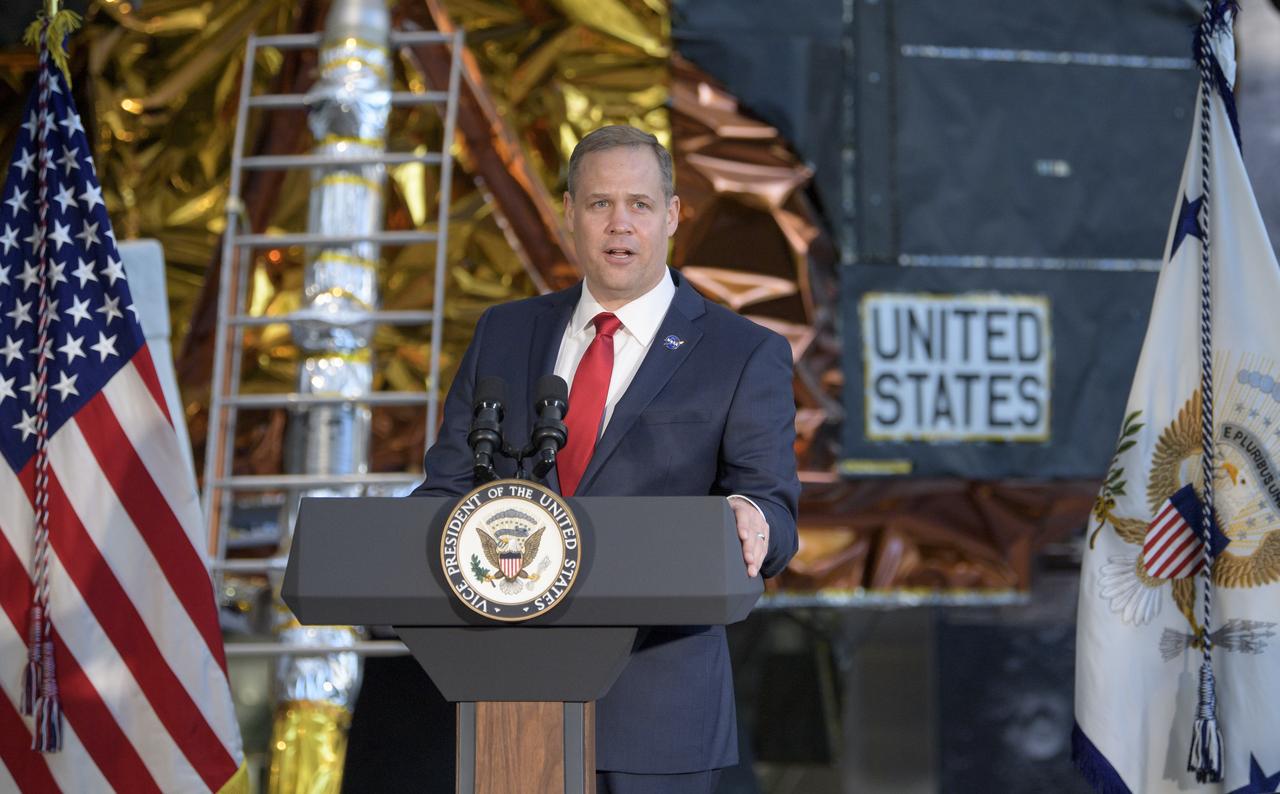
NASA Administrator Jim Bridenstine gives remarks during an event were Neil Armstrong's Apollo 11 spacesuit was unveiled for the first time in 13 years, Tuesday, July 16, 2019 at the Smithsonian's National Air and Space Museum in Washington. The unveiling of the crowd funded spacesuit conservation marks the 50th anniversary of the launch of the Apollo 11 mission.Photo Credit: (NASA/Bill Ingalls)
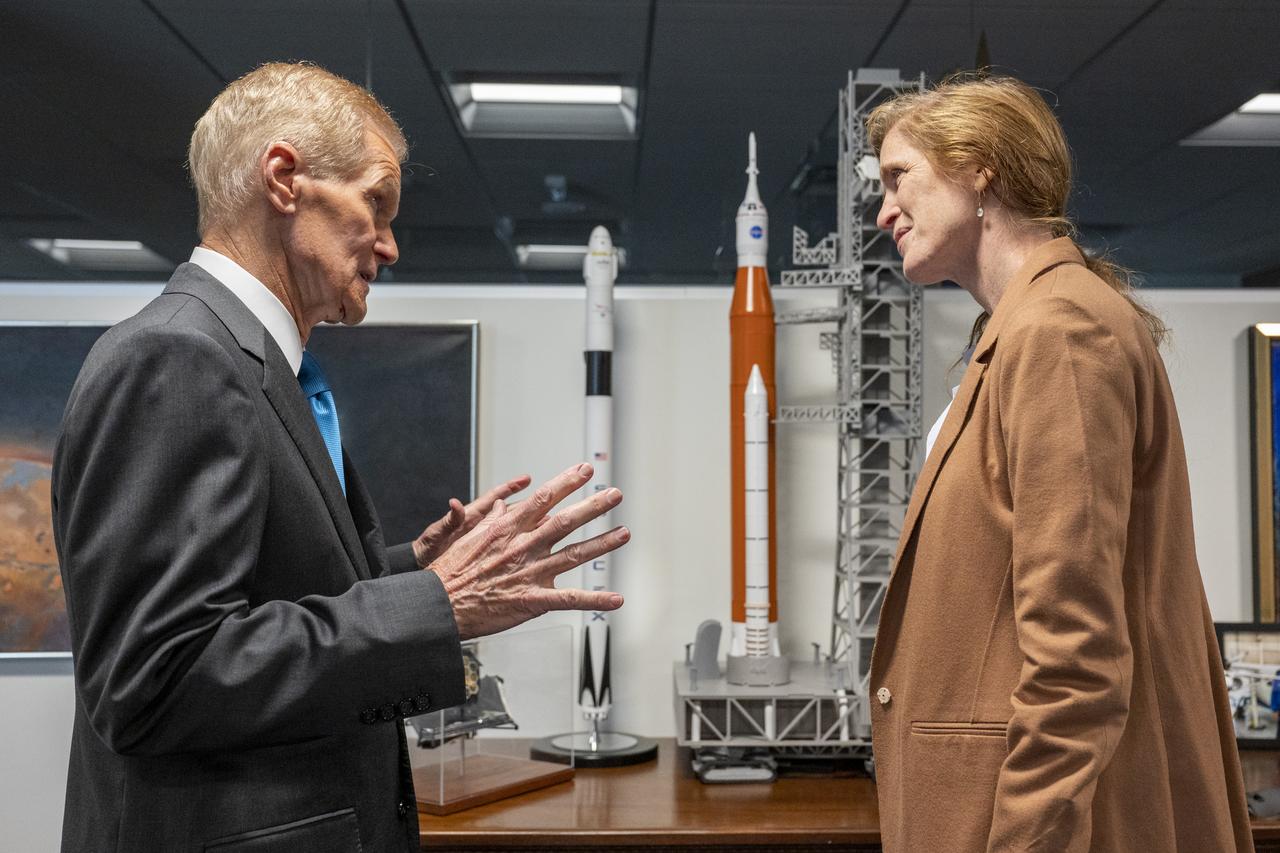
NASA Administrator Bill Nelson meets with USAID Administrator Samantha Power and staff prior to signing a NASA-USAID Memorandum of Understanding (MoU) Friday, Nov. 4, 2022, at the Mary W. Jackson NASA Headquarters building in Washington. The MoU will enhance and expand the Agencies’ longstanding partnership that promotes science and technology solutions to address international development challenges in areas such as global health, climate change, food security, disaster mitigation and response, biodiversity conservation, and environmental management for sustainable development. Photo Credit: (NASA/Keegan Barber)
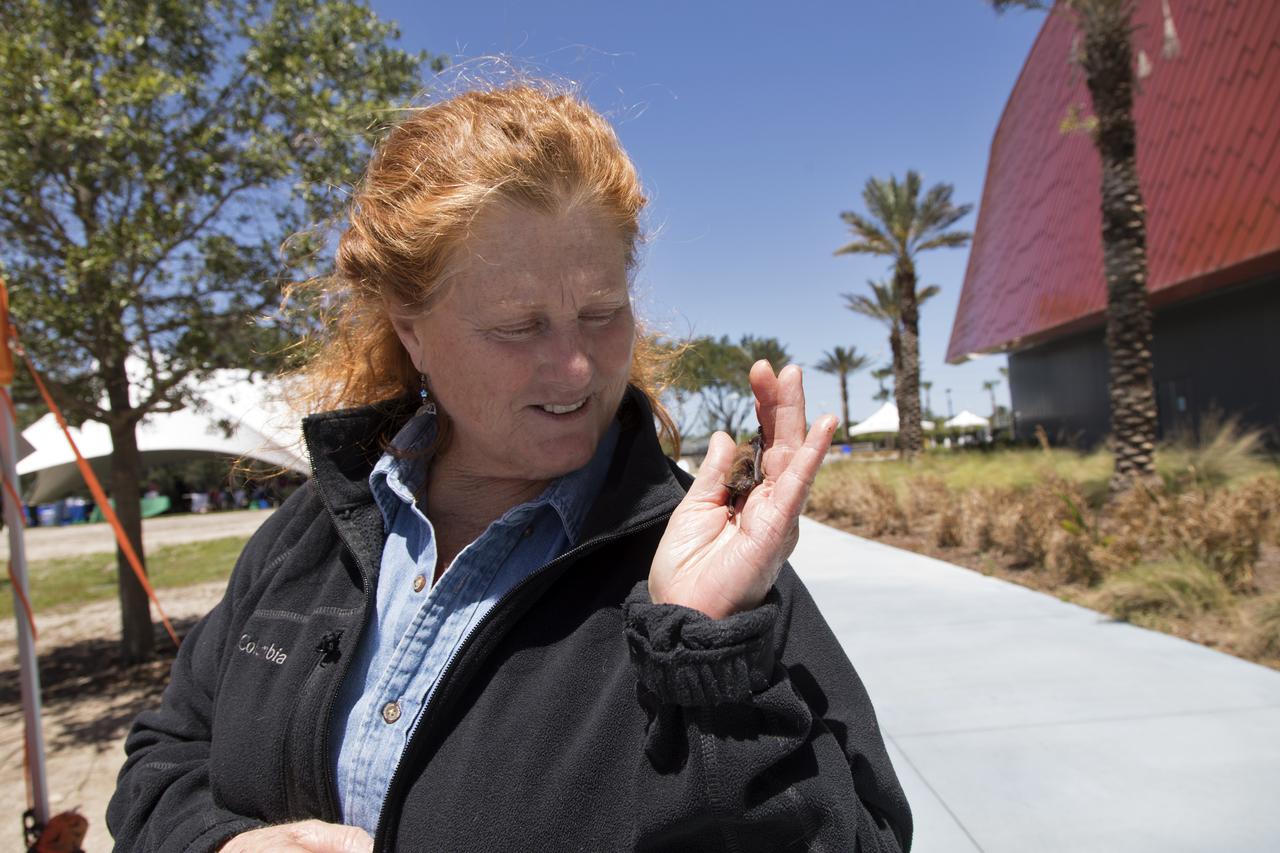
During the annual Earth Day celebration at the Kennedy Space Center Visitor Complex, Shari Blissett-Clark of the Florida Bat Conservancy displays one of the mammals. The event took place during the annual Earth Day celebration at the Kennedy Space Center Visitor Complex, guests have an opportunity to learn more about energy awareness, the environment and sustainability.
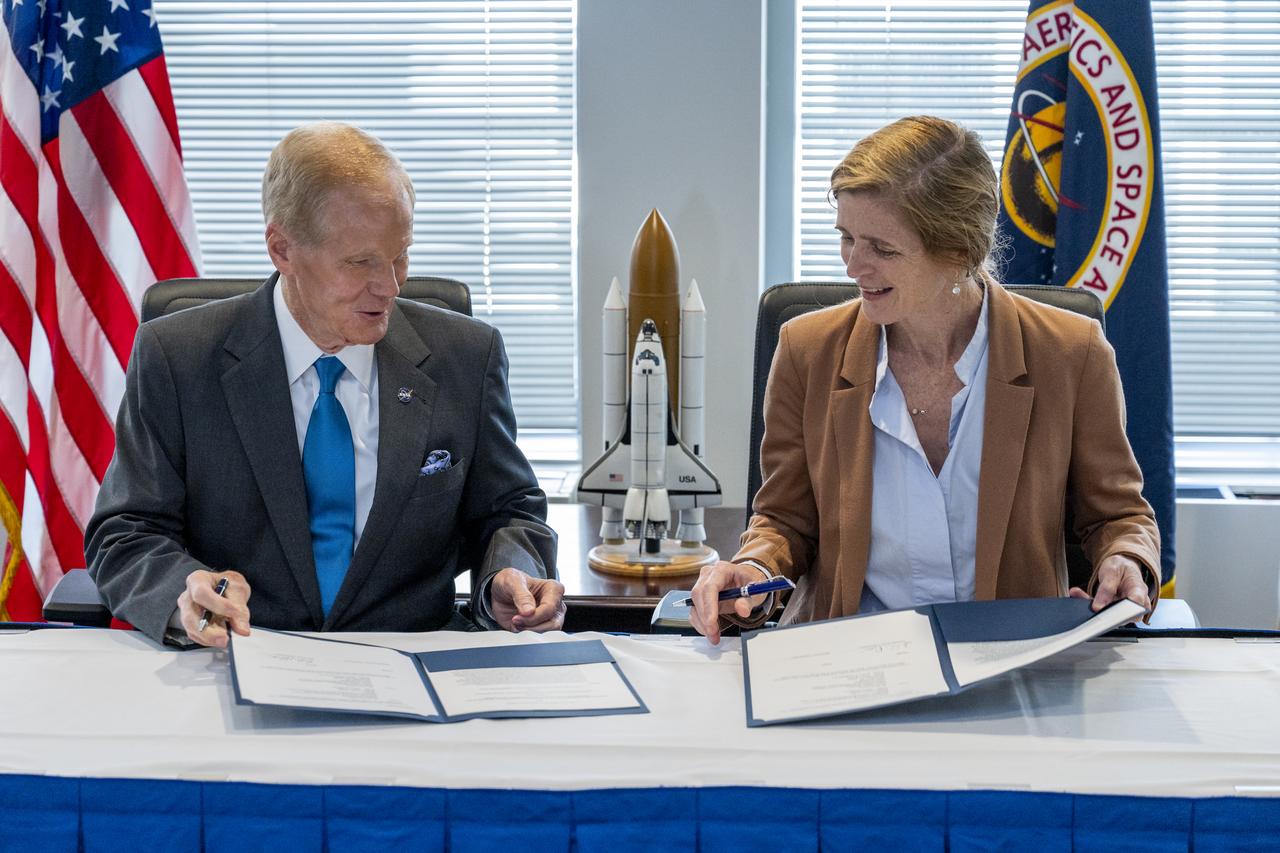
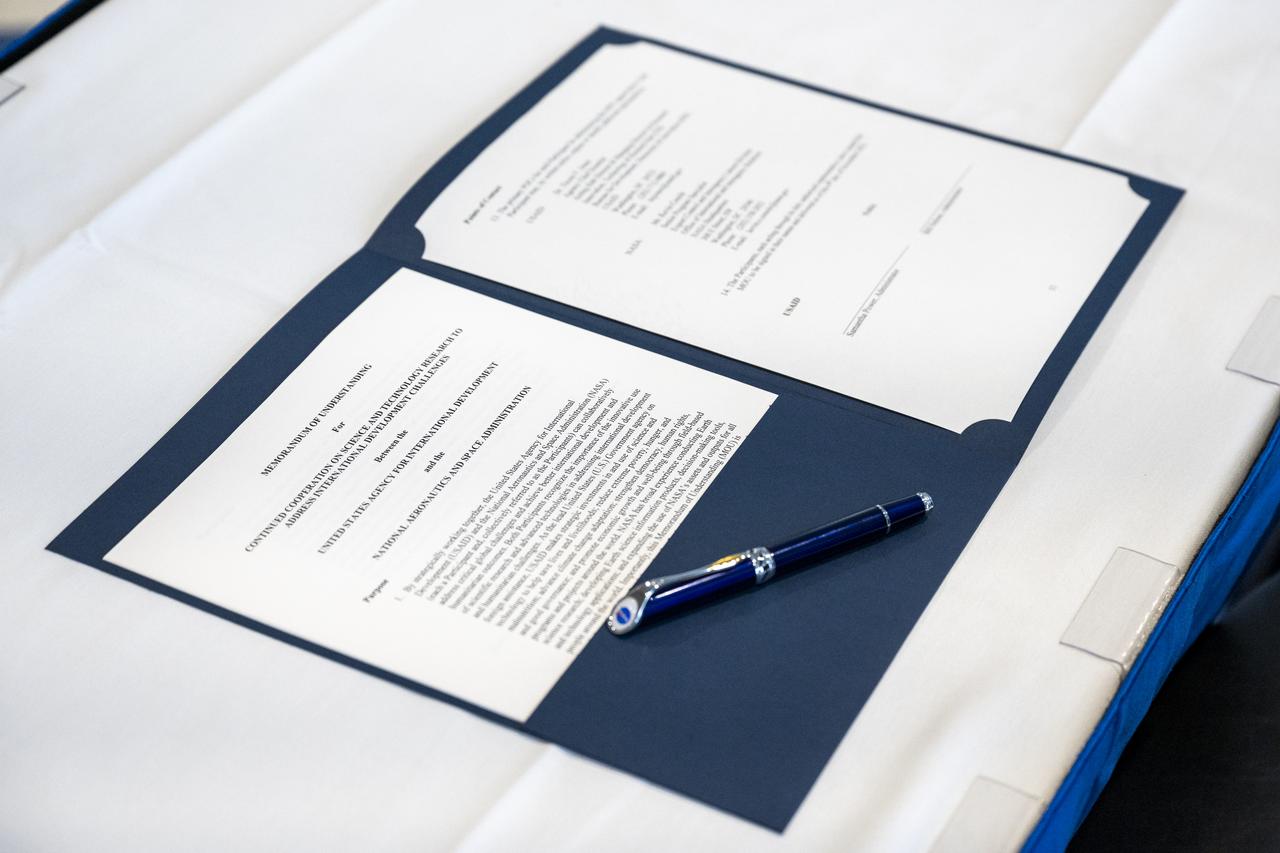
NASA Administrator Bill Nelson and USAID Administrator Samantha Power participate in a NASA-USAID Memorandum of Understanding (MoU) signing ceremony Friday, Nov. 4, 2022, at the Mary W. Jackson NASA Headquarters building in Washington. The MoU will enhance and expand the Agencies’ longstanding partnership that promotes science and technology solutions to address international development challenges in areas such as global health, climate change, food security, disaster mitigation and response, biodiversity conservation, and environmental management for sustainable development. Photo Credit: (NASA/Keegan Barber)
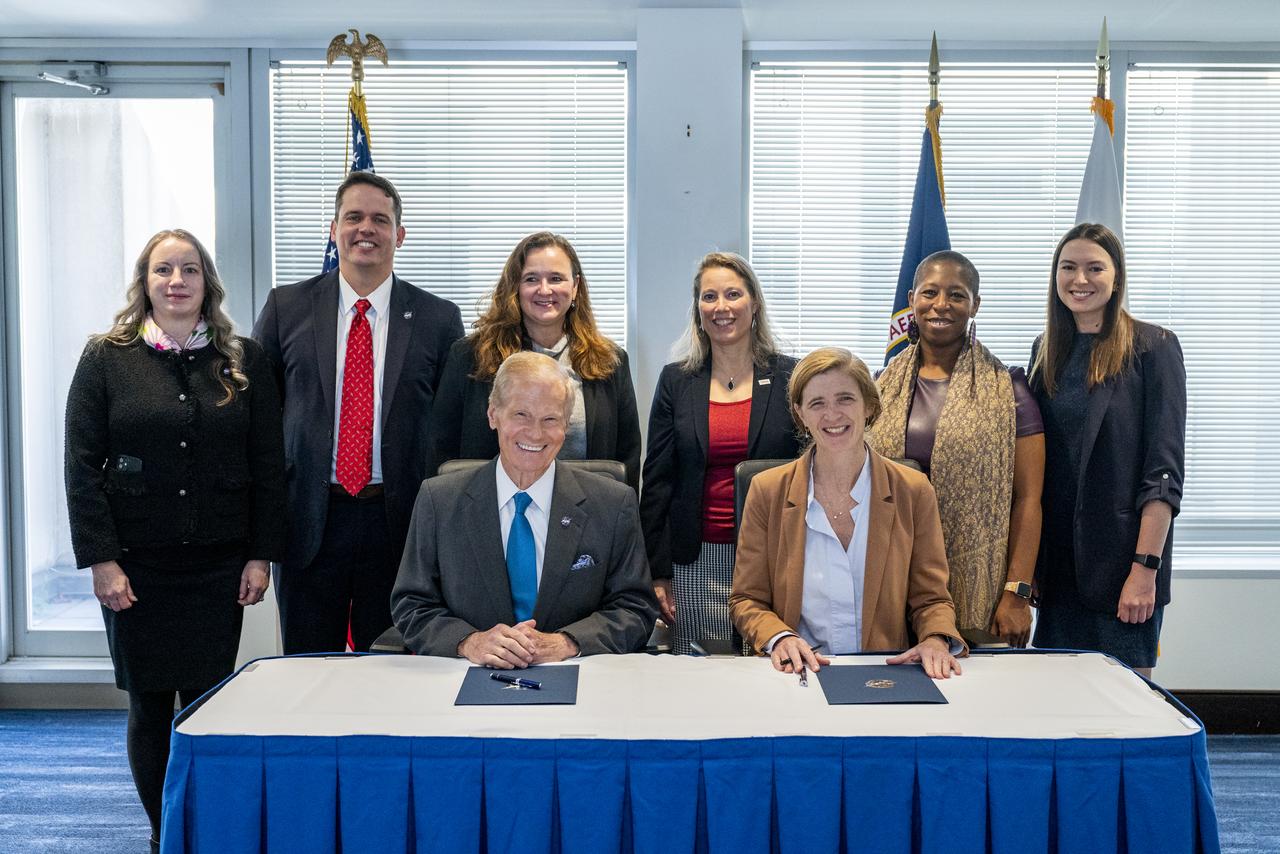
NASA Administrator Bill Nelson and USAID Administrator Samantha Power participate in a NASA-USAID Memorandum of Understanding (MoU) signing ceremony Friday, Nov. 4, 2022, at the Mary W. Jackson NASA Headquarters building in Washington. The MoU will enhance and expand the Agencies’ longstanding partnership that promotes science and technology solutions to address international development challenges in areas such as global health, climate change, food security, disaster mitigation and response, biodiversity conservation, and environmental management for sustainable development. Photo Credit: (NASA/Keegan Barber)
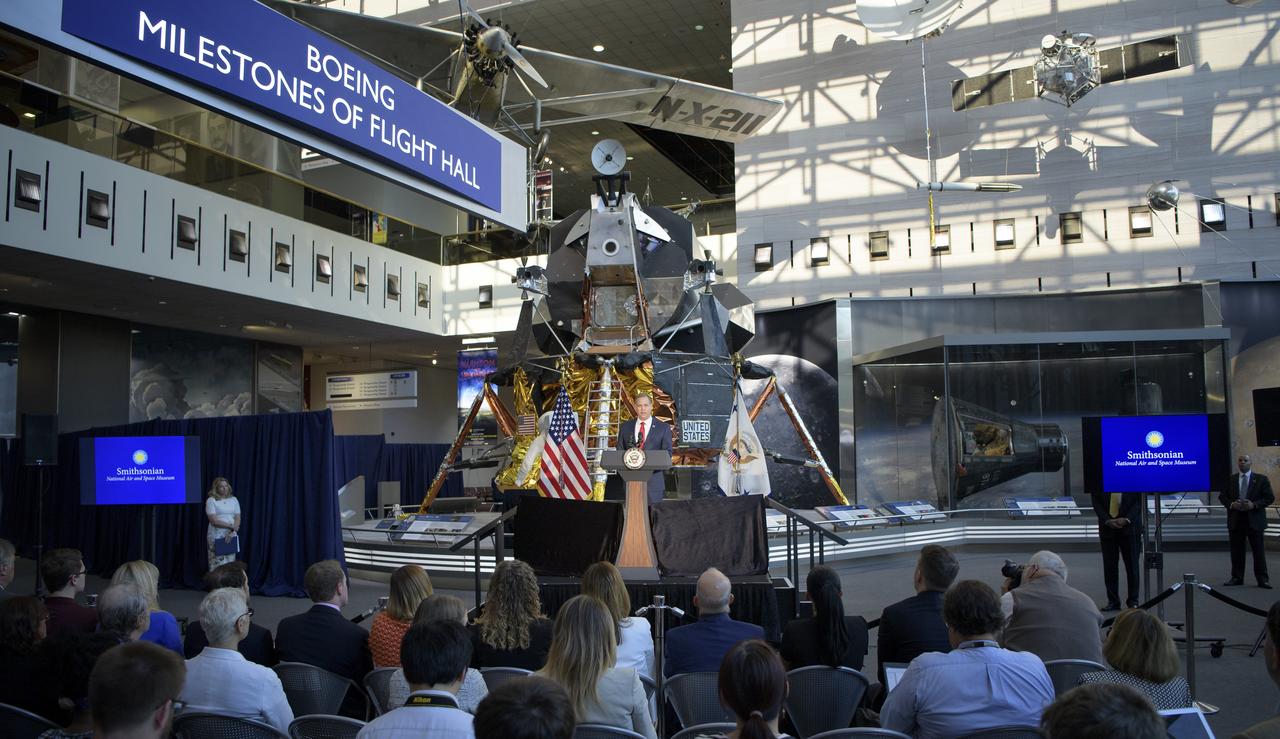
NASA Administrator Jim Bridenstine gives remarks during an event were Neil Armstrong's Apollo 11 spacesuit was unveiled for the first time in 13 years, Tuesday, July 16, 2019 at the Smithsonian's National Air and Space Museum in Washington. The unveiling of the crowd funded spacesuit conservation marks the 50th anniversary of the launch of the Apollo 11 mission.Photo Credit: (NASA/Bill Ingalls)
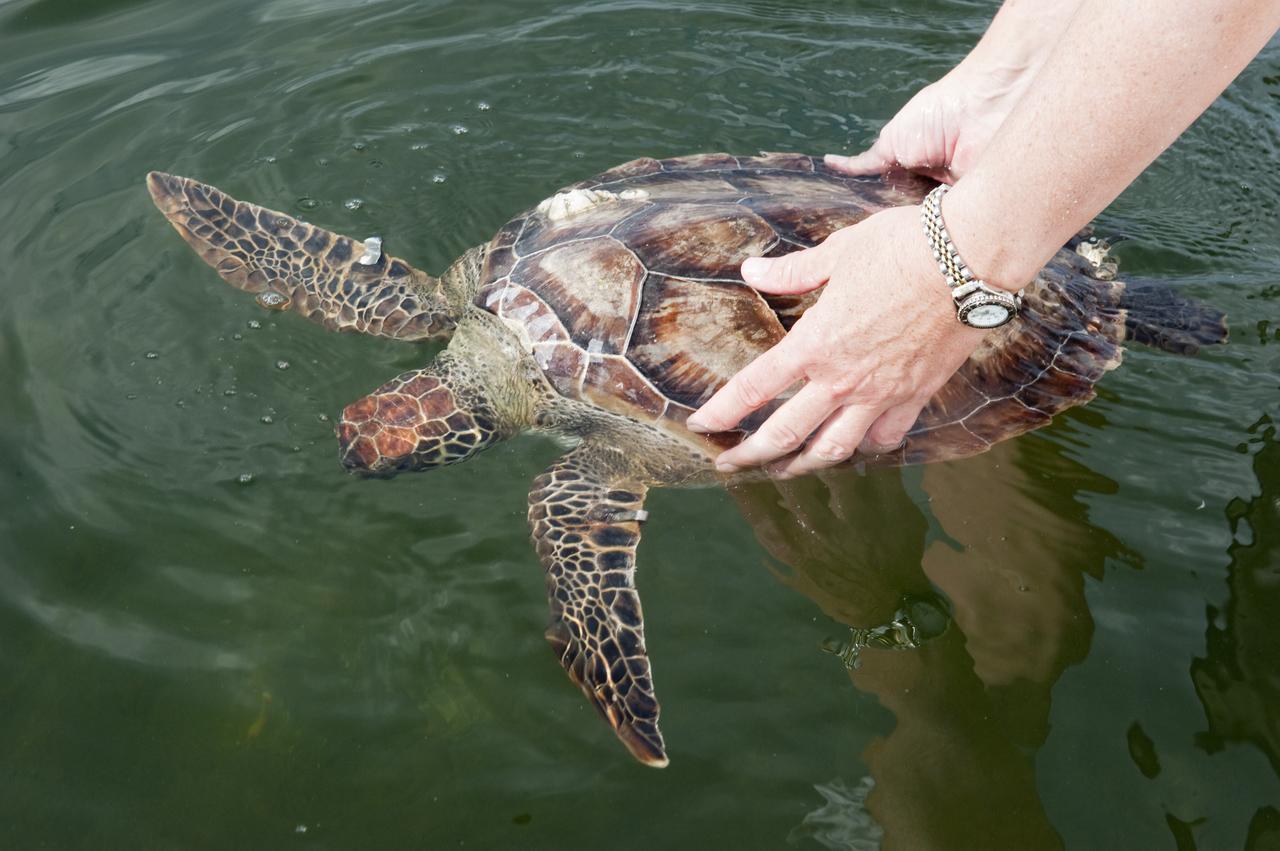
CAPE CANAVERAL, Fla. -- An endangered green sea turtle is released into the Mosquito Lagoon, which is part of Florida's Indian River. Workers with NASA's Kennedy Space Center, Innovative Health Applications and the Fish and Wildlife Conservation Commission rescued more than 300 turtles during this winter's frigid temperatures. Turtles that were stunned multiple times will be released in the Sebastian area of the Indian River, which often offers warmer water and could help prevent future stuns as winter progresses. NASA/Kim Shiflett
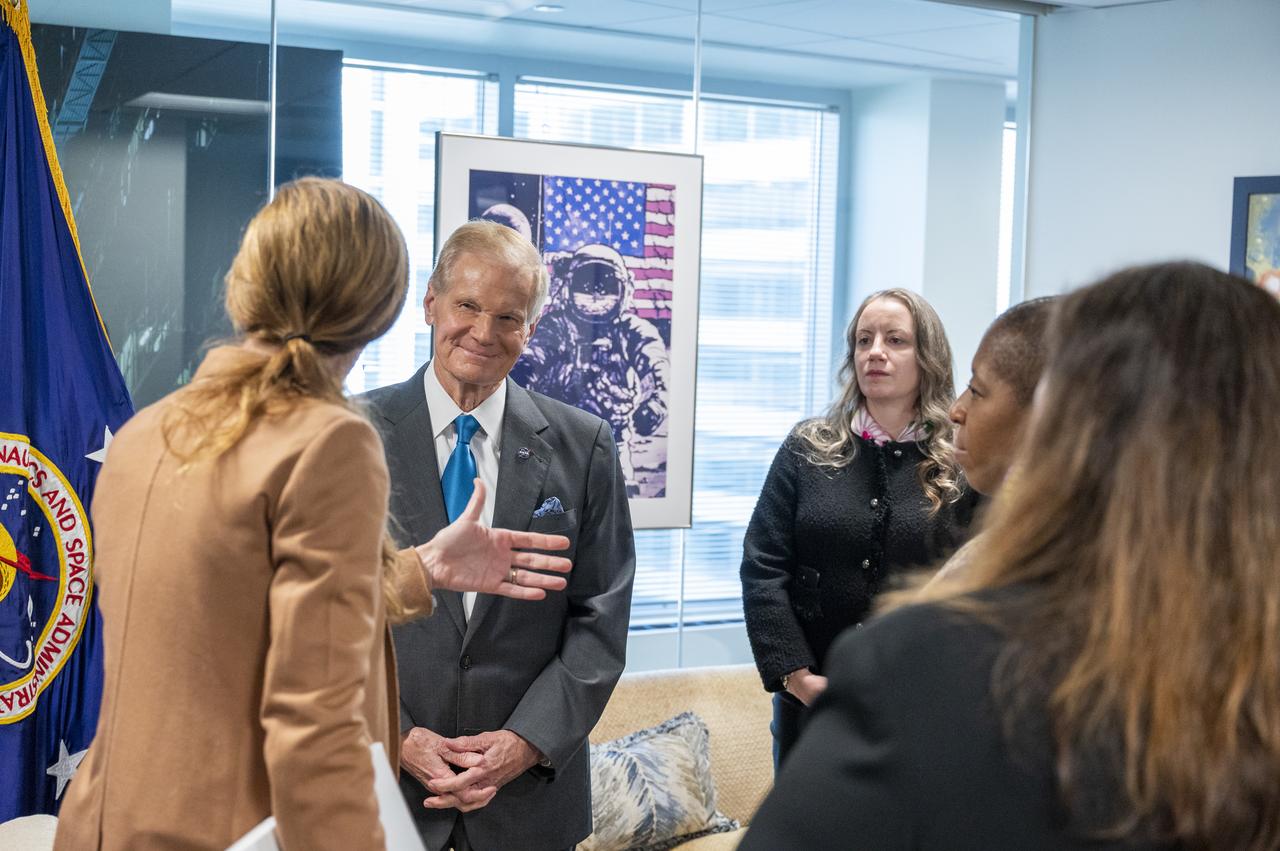
NASA Administrator Bill Nelson meets with USAID Administrator Samantha Power and staff prior to signing a NASA-USAID Memorandum of Understanding (MoU) Friday, Nov. 4, 2022, at the Mary W. Jackson NASA Headquarters building in Washington. The MoU will enhance and expand the Agencies’ longstanding partnership that promotes science and technology solutions to address international development challenges in areas such as global health, climate change, food security, disaster mitigation and response, biodiversity conservation, and environmental management for sustainable development. Photo Credit: (NASA/Keegan Barber)
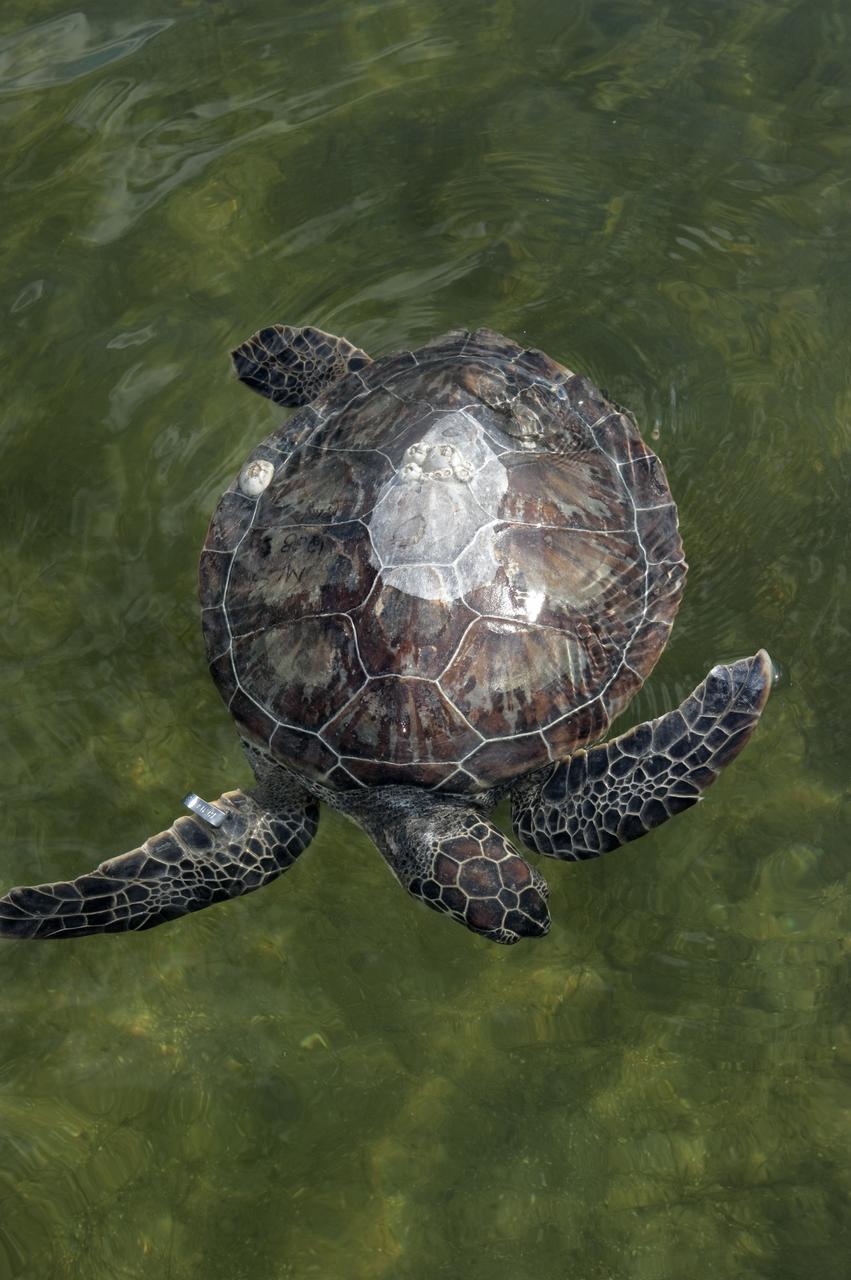
CAPE CANAVERAL, Fla. -- An endangered green sea turtle is released into the Mosquito Lagoon, which is part of Florida's Indian River. Workers with NASA's Kennedy Space Center, Innovative Health Applications and the Fish and Wildlife Conservation Commission rescued more than 300 turtles during this winter's frigid temperatures. Turtles that were stunned multiple times will be released in the Sebastian area of the Indian River, which often offers warmer water and could help prevent future stuns as winter progresses. NASA/Kim Shiflett
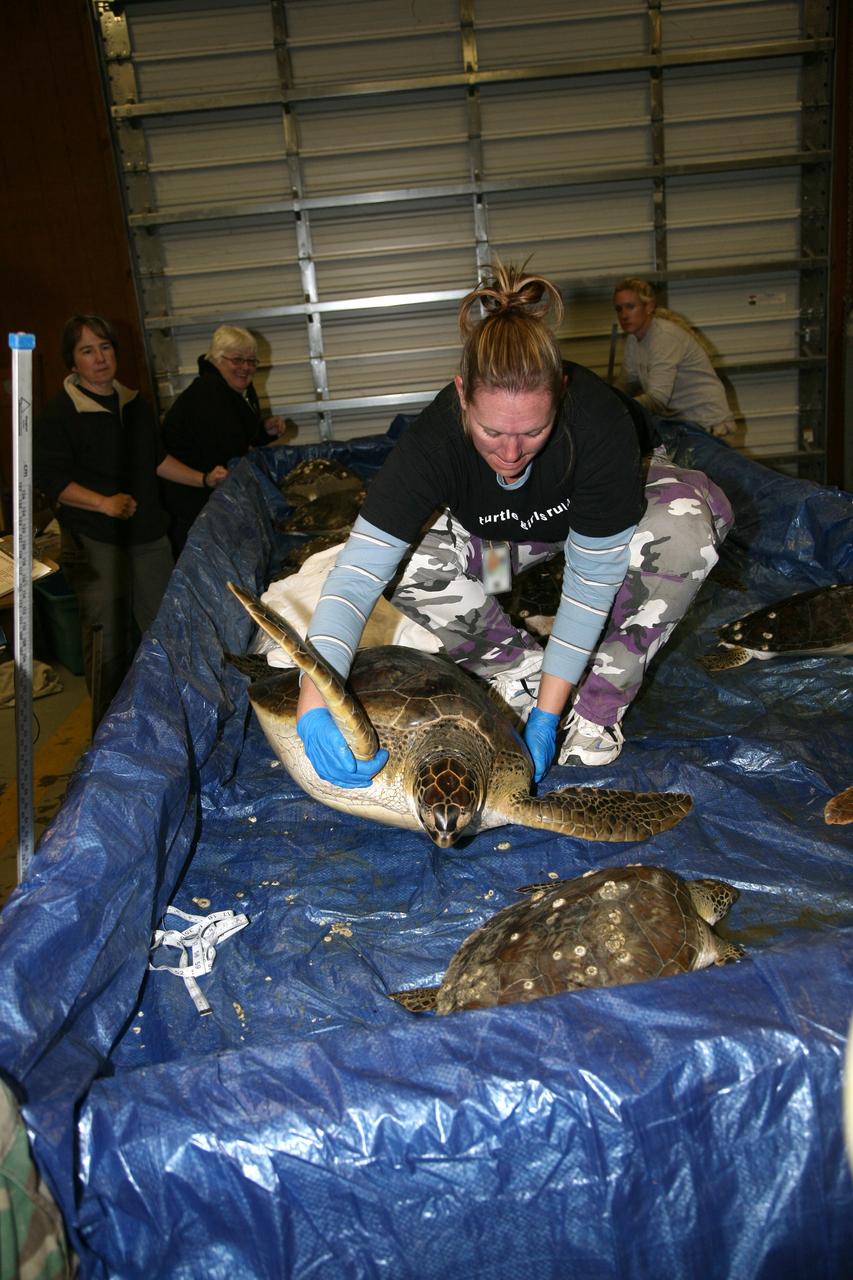
CAPE CANAVERAL, Fla. – A Fish and Wildlife Conservation Commission worker moves a green sea turtle inside the headquarters building of the Merritt Island Wildlife Refuge located on NASA's Kennedy Space Center in Florida. The turtle was one of many "stunned" by the recent drop in temperatures in Florida. Many of the turtles were rescued from the Mosquito Lagoon, with others coming from the Indian River Lagoon and Cocoa Beach. Photo credit: NASA/Amanda Diller
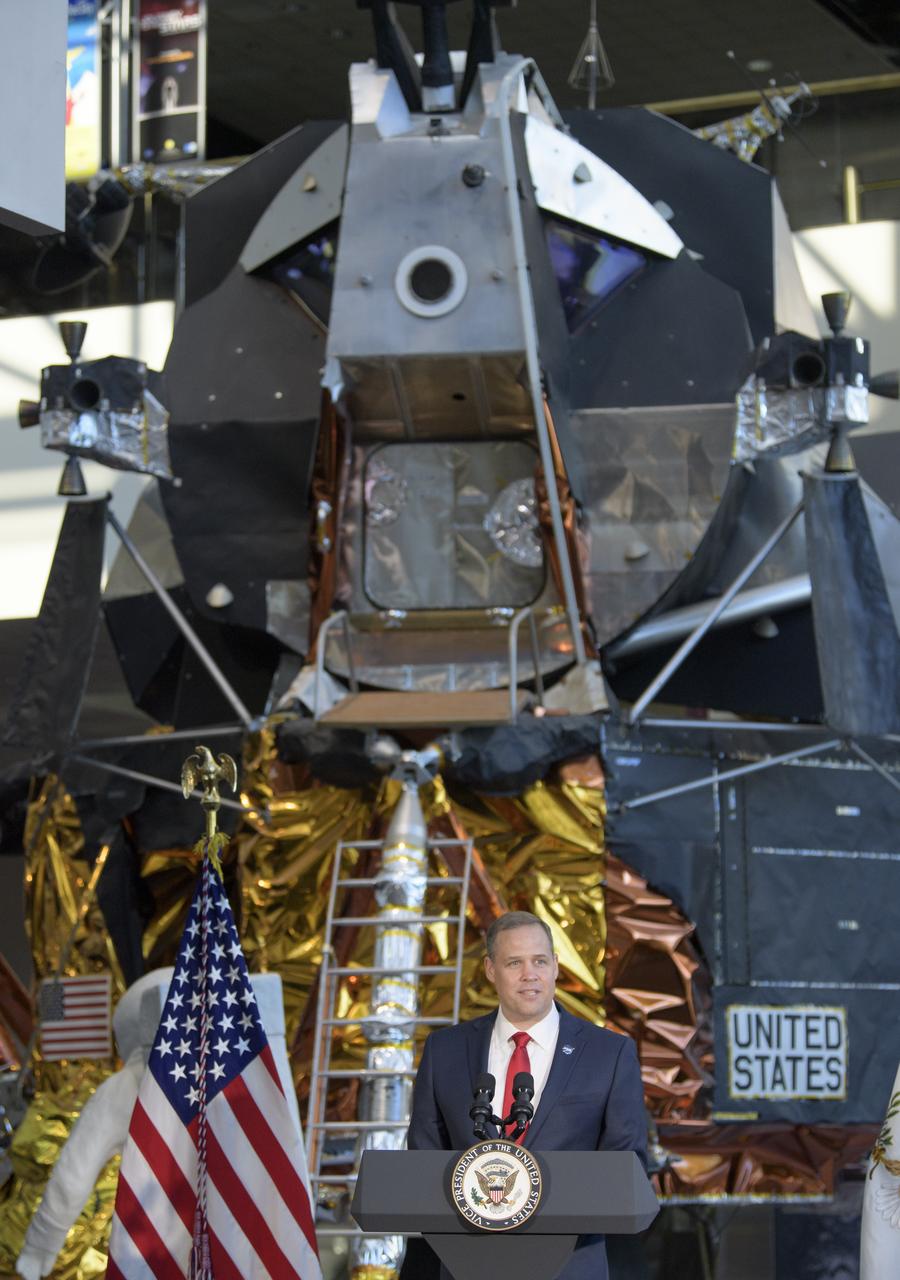
NASA Administrator Jim Bridenstine gives remarks during an event were Neil Armstrong's Apollo 11 spacesuit was unveiled for the first time in 13 years, Tuesday, July 16, 2019 at the Smithsonian's National Air and Space Museum in Washington. The unveiling of the crowd funded spacesuit conservation marks the 50th anniversary of the launch of the Apollo 11 mission.Photo Credit: (NASA/Bill Ingalls)
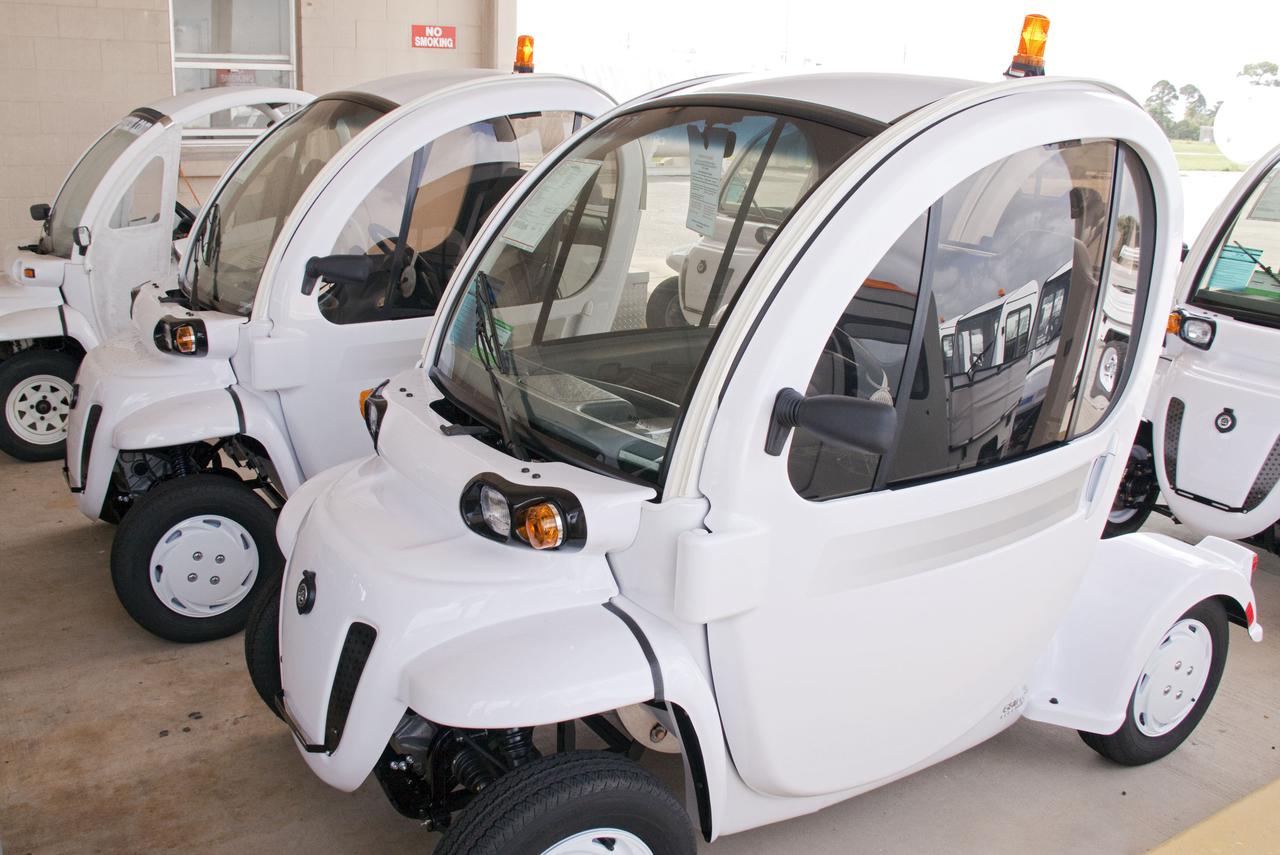
CAPE CANAVERAL, Fla. -- NASA's Kennedy Space Center in Florida has accepted delivery of several new low speed electric vehicles, or LSEV. The first LSEV was purchased in 2005 and through the American Recovery and Reinvestment Act, or ARRA, Kennedy will receive a total of 39 electric cars. The center's fleet is being augmented with alternative-fueled vehicles in an effort to reduce gasoline consumption and conserve energy. Photo credit: NASA_Jack Pfaller

A newly released butterfly sits in a cluster of flowers at the Kennedy Space Center Visitor Complex. Kennedy kicked off its annual Earth Day celebrations with a sustainability expo at the center’s visitor complex in Florida on April 11, 2019, which included multiple butterfly releases throughout the day. Approximately 40 exhibitors from across the nation assembled to provide information ranging from energy-saving solutions to wildlife and natural conservation.
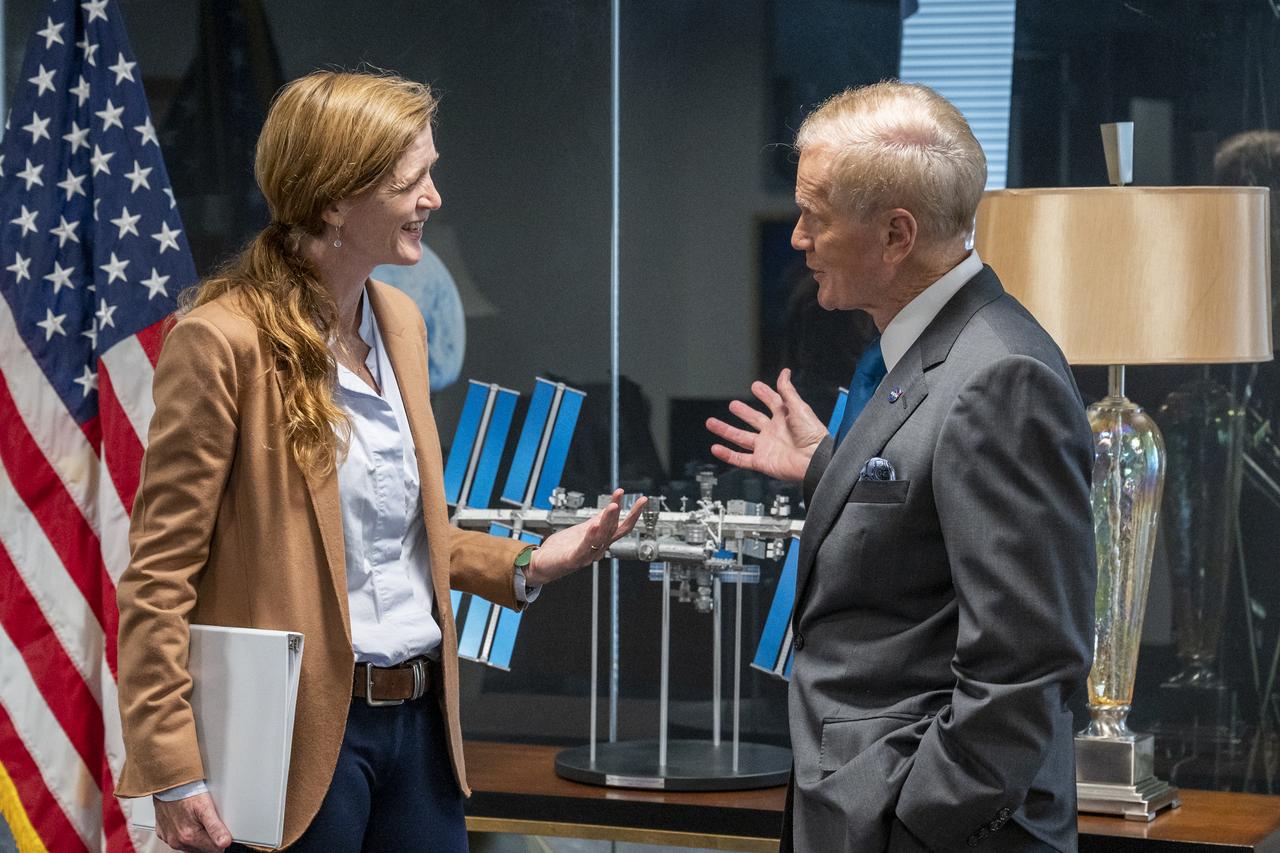
NASA Administrator Bill Nelson meets with USAID Administrator Samantha Power and staff prior to signing a NASA-USAID Memorandum of Understanding (MoU) Friday, Nov. 4, 2022, at the Mary W. Jackson NASA Headquarters building in Washington. The MoU will enhance and expand the Agencies’ longstanding partnership that promotes science and technology solutions to address international development challenges in areas such as global health, climate change, food security, disaster mitigation and response, biodiversity conservation, and environmental management for sustainable development. Photo Credit: (NASA/Keegan Barber)
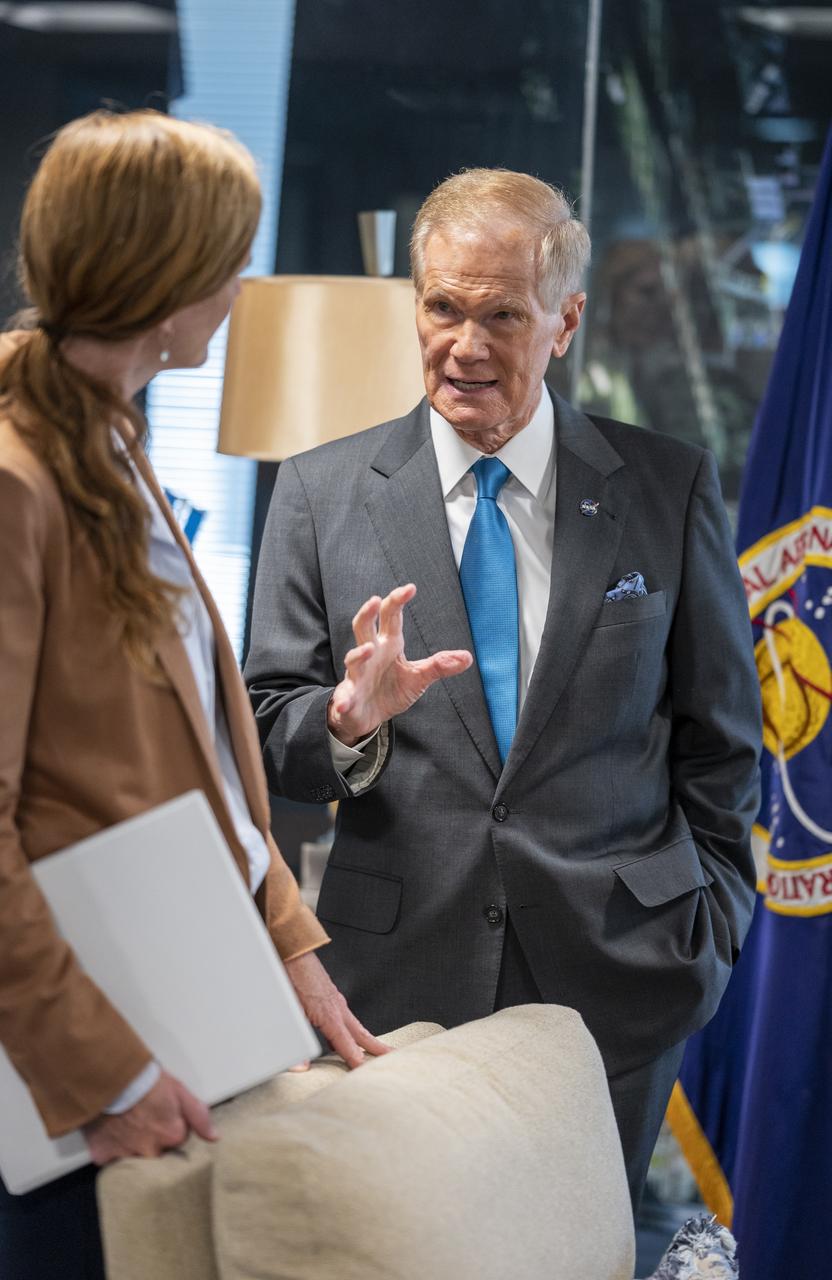
NASA Administrator Bill Nelson meets with USAID Administrator Samantha Power and staff prior to signing a NASA-USAID Memorandum of Understanding (MoU) Friday, Nov. 4, 2022, at the Mary W. Jackson NASA Headquarters building in Washington. The MoU will enhance and expand the Agencies’ longstanding partnership that promotes science and technology solutions to address international development challenges in areas such as global health, climate change, food security, disaster mitigation and response, biodiversity conservation, and environmental management for sustainable development. Photo Credit: (NASA/Keegan Barber)
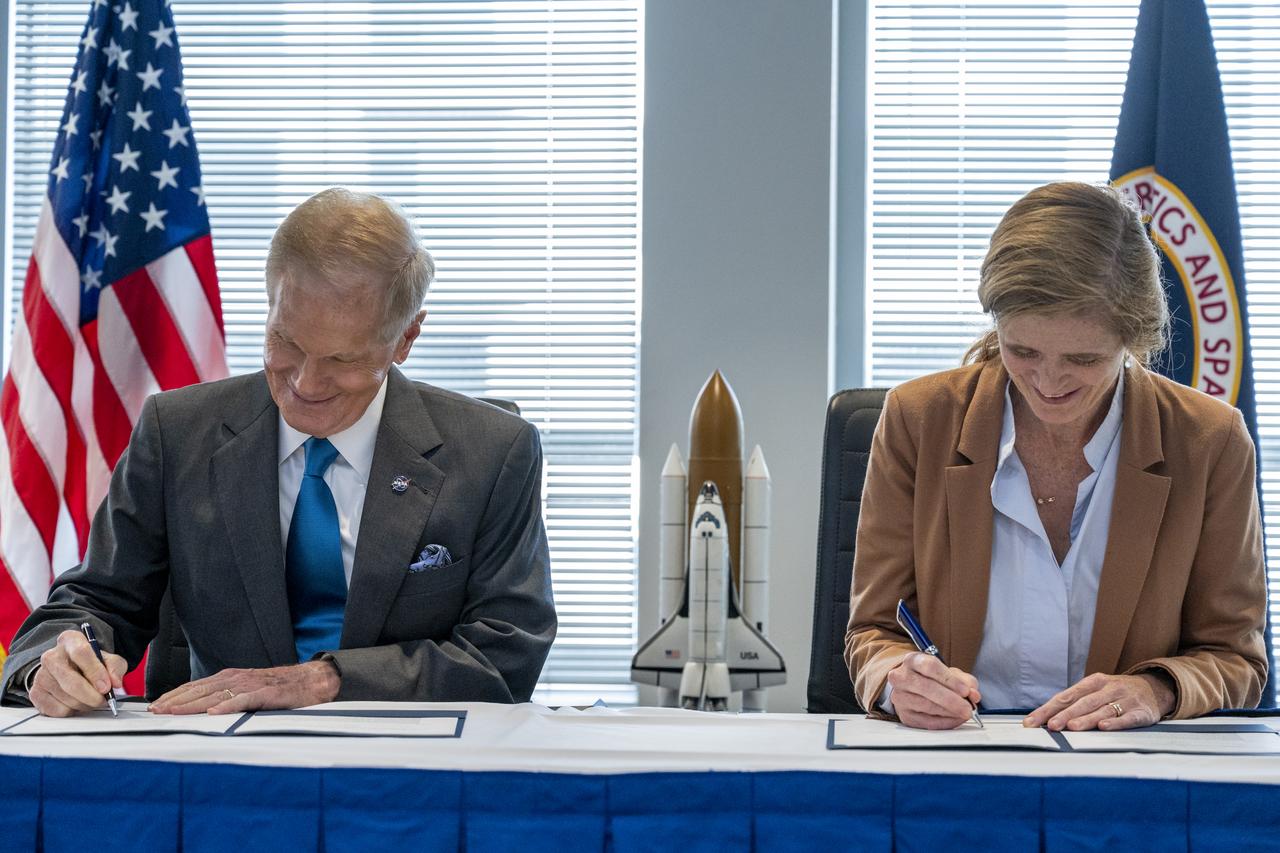
NASA Administrator Bill Nelson and USAID Administrator Samantha Power participate in a NASA-USAID Memorandum of Understanding (MoU) signing ceremony Friday, Nov. 4, 2022, at the Mary W. Jackson NASA Headquarters building in Washington. The MoU will enhance and expand the Agencies’ longstanding partnership that promotes science and technology solutions to address international development challenges in areas such as global health, climate change, food security, disaster mitigation and response, biodiversity conservation, and environmental management for sustainable development. Photo Credit: (NASA/Keegan Barber)
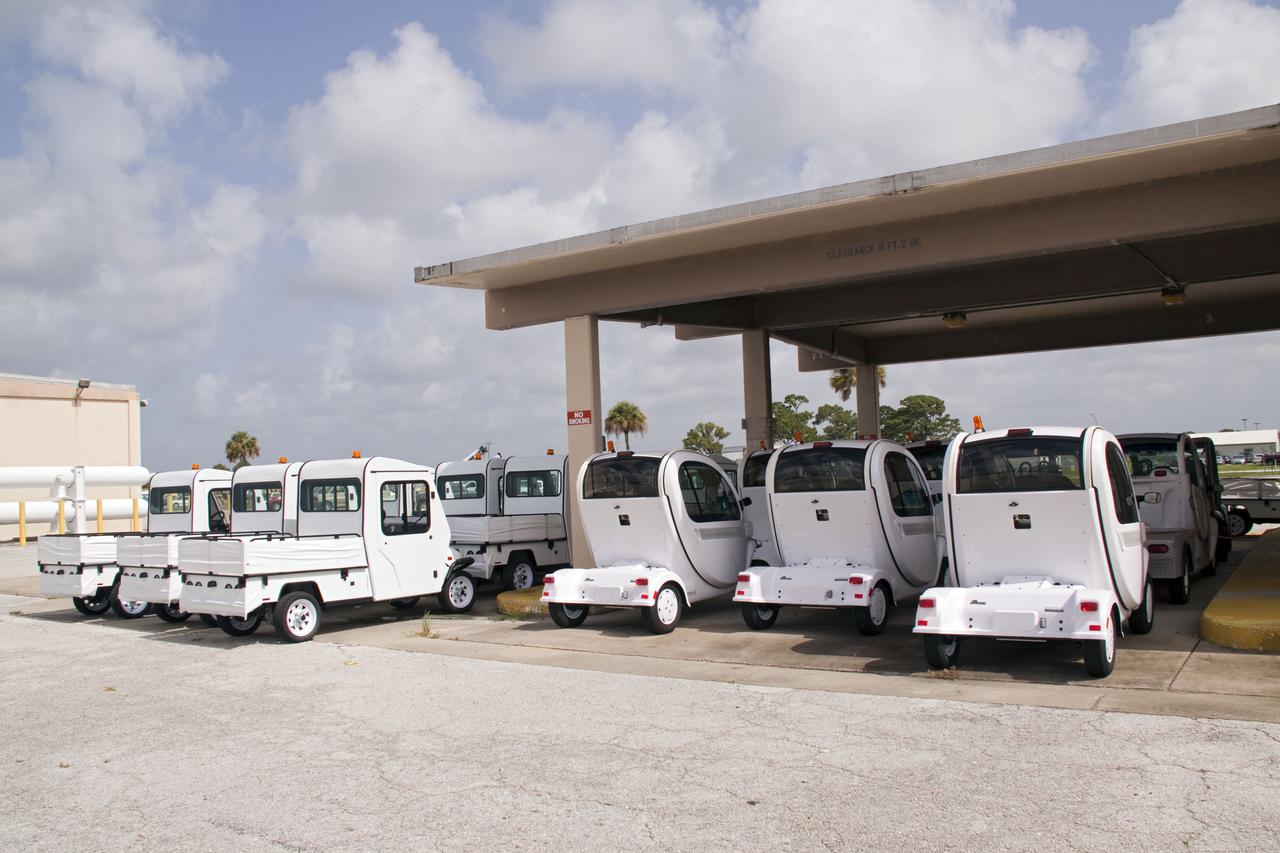
CAPE CANAVERAL, Fla. -- NASA's Kennedy Space Center in Florida has accepted delivery of several new low speed electric vehicles, or LSEV. The first LSEV was purchased in 2005 and through the American Recovery and Reinvestment Act, or ARRA, Kennedy will receive a total of 39 electric cars. The center's fleet is being augmented with alternative-fueled vehicles in an effort to reduce gasoline consumption and conserve energy. Photo credit: NASA_Jack Pfaller
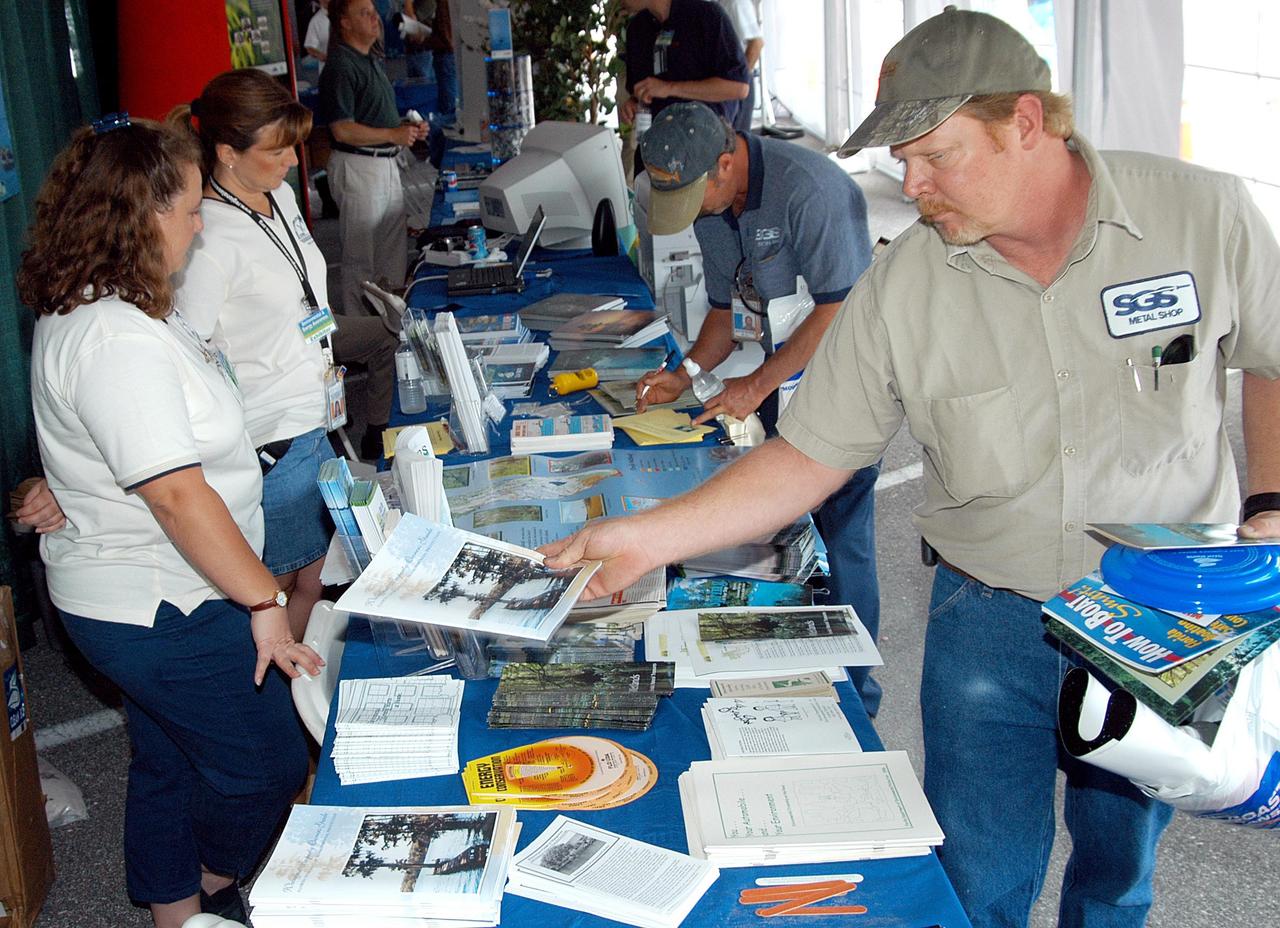
KENNEDY SPACE CENTER, FLA. - KSC employees stop at display tables set up in a tent near the Operations and Checkout Building for KSC’s annual Environmental and Energy Awareness Week, held April 20-22. The slogan for this year’s event was “Today's Conservation Defines Tomorrow's Future.” Presentations included Chemistry Safety, Cost-Effective Solar Applications, Non-Native Invasive Plant Identification and Control, Energy Efficient Lighting Systems, and Historical Changes in KSC’s Ecosystems.
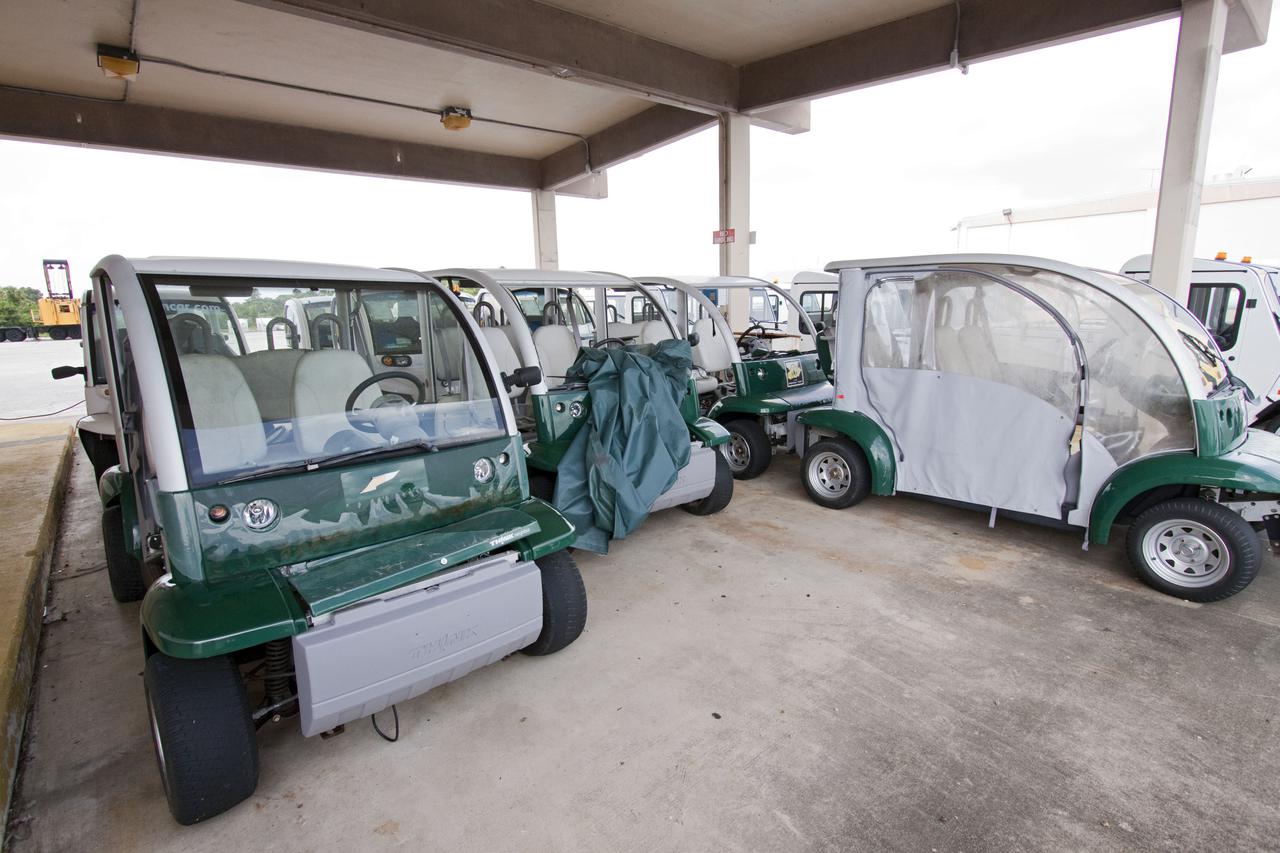
CAPE CANAVERAL, Fla. -- NASA's Kennedy Space Center in Florida has accepted delivery of several new low speed electric vehicles, or LSEV. The first LSEV was purchased in 2005 and through the American Recovery and Reinvestment Act, or ARRA, Kennedy will receive a total of 39 electric cars. The center's fleet is being augmented with alternative-fueled vehicles in an effort to reduce gasoline consumption and conserve energy. Photo credit: NASA_Jack Pfaller

Kennedy Space Center kicked off its annual Earth Day celebrations with a sustainability expo at the center’s visitor complex in Florida on April 11, 2019. Approximately 40 exhibitors from across the nation assembled to provide information ranging from energy-saving solutions to wildlife and natural conservation. In addition, there were multiple butterfly releases held at the expo throughout the day.

Members of the Florida Native Plant Society converse with visitors during a sustainability expo held at the Kennedy Space Center Visitor Complex in Florida on April 11, 2019. The expo kicked off Kennedy’s annual Earth Day celebrations. The Florida Native Plant Society was one of approximately 40 exhibitors present at the expo. Exhibitors in attendance provided information ranging from energy-saving solutions to wildlife and natural conservation. In addition, there were multiple butterfly releases throughout the day.

Volunteers from the Merritt Island National Wildlife Refuge are photographed with their display during a sustainability expo held at the Kennedy Space Center Visitor Complex in Florida on April 11, 2019. Guests had the opportunity to view their display and receive information on Florida plants and wildlife. The expo kicked off Kennedy’s annual Earth Day celebrations, where approximately 40 exhibitors attended to provide information ranging from energy-saving solutions to wildlife and natural conservation. In addition, there were multiple butterfly releases throughout the day.
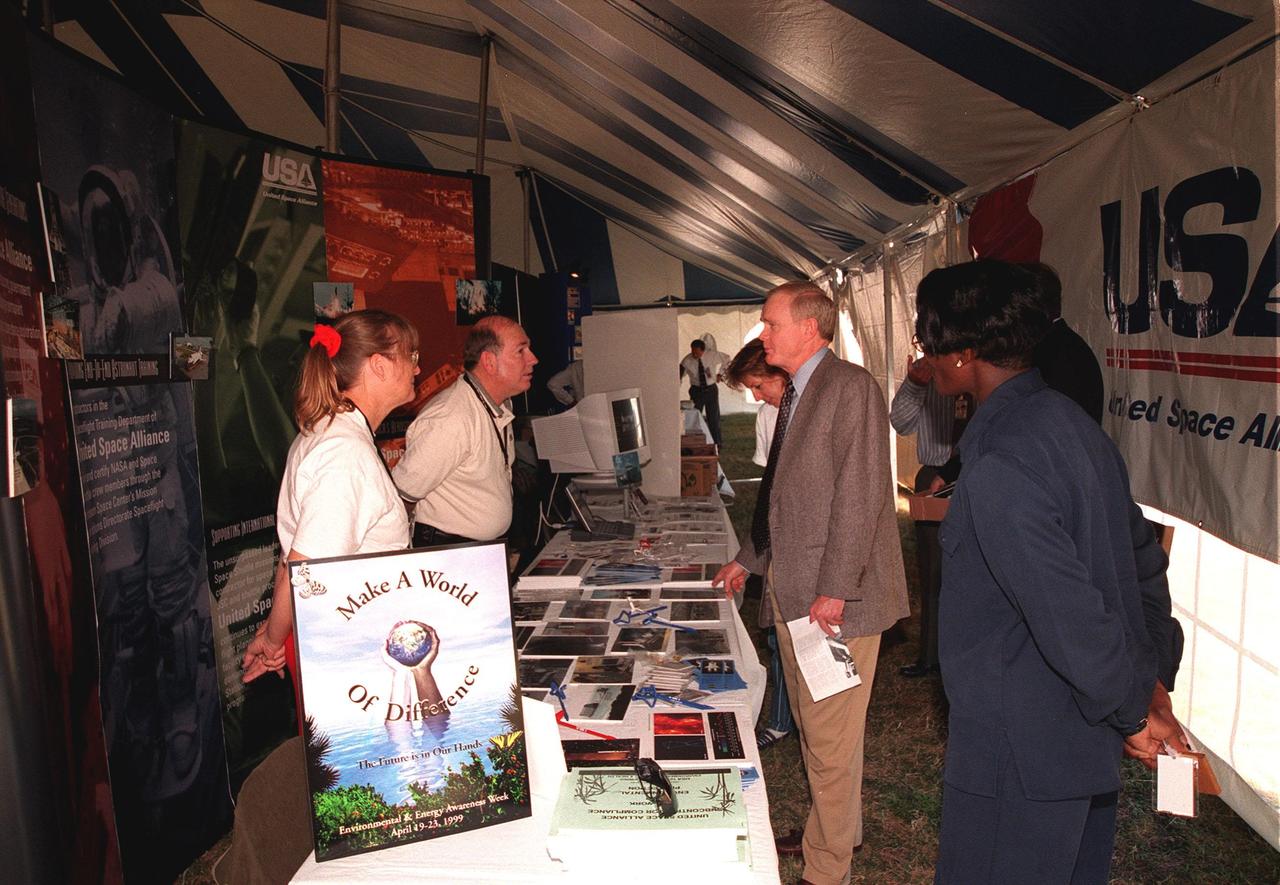
At the opening of Environmental and Energy Awareness Week at the Kennedy Space Center Visitor Complex, Center Director Roy Bridges talks to members of the Awareness team inside the United Space Alliance exhibit. The exhibits and displays by KSC and 45th Space Wing organizations detail accomplishments in minimizing environmental impacts and conserving resources. They are on view April 19 22 at various sites at KSC, Cape Canaveral Air Station and Patrick Air Force Base

NASA Administrator Bill Nelson meets with USAID Administrator Samantha Power and staff prior to signing a NASA-USAID Memorandum of Understanding (MoU) Friday, Nov. 4, 2022, at the Mary W. Jackson NASA Headquarters building in Washington. The MoU will enhance and expand the Agencies’ longstanding partnership that promotes science and technology solutions to address international development challenges in areas such as global health, climate change, food security, disaster mitigation and response, biodiversity conservation, and environmental management for sustainable development. Photo Credit: (NASA/Keegan Barber)
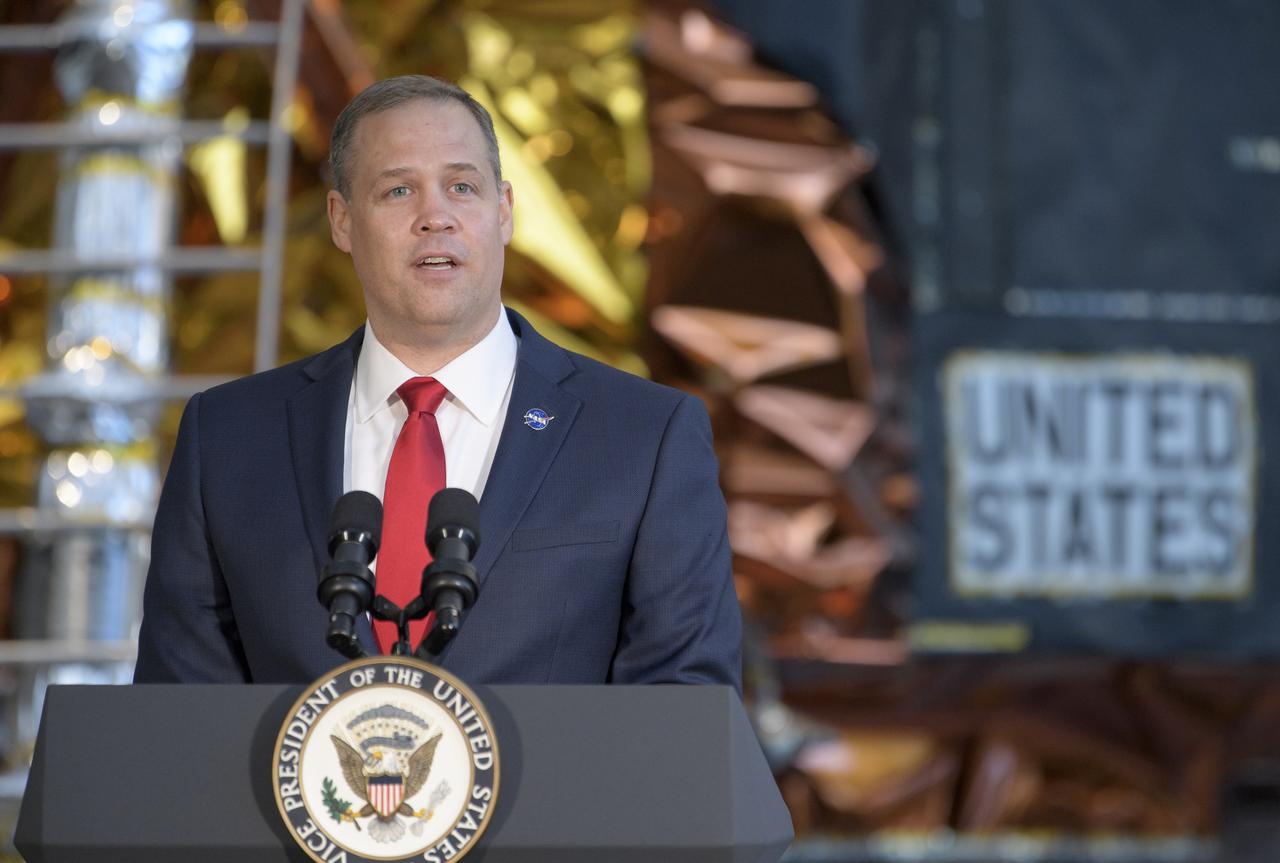
NASA Administrator Jim Bridenstine gives remarks during an event were Neil Armstrong's Apollo 11 spacesuit was unveiled for the first time in 13 years, Tuesday, July 16, 2019 at the Smithsonian's National Air and Space Museum in Washington. The unveiling of the crowd funded spacesuit conservation marks the 50th anniversary of the launch of the Apollo 11 mission.Photo Credit: (NASA/Bill Ingalls)
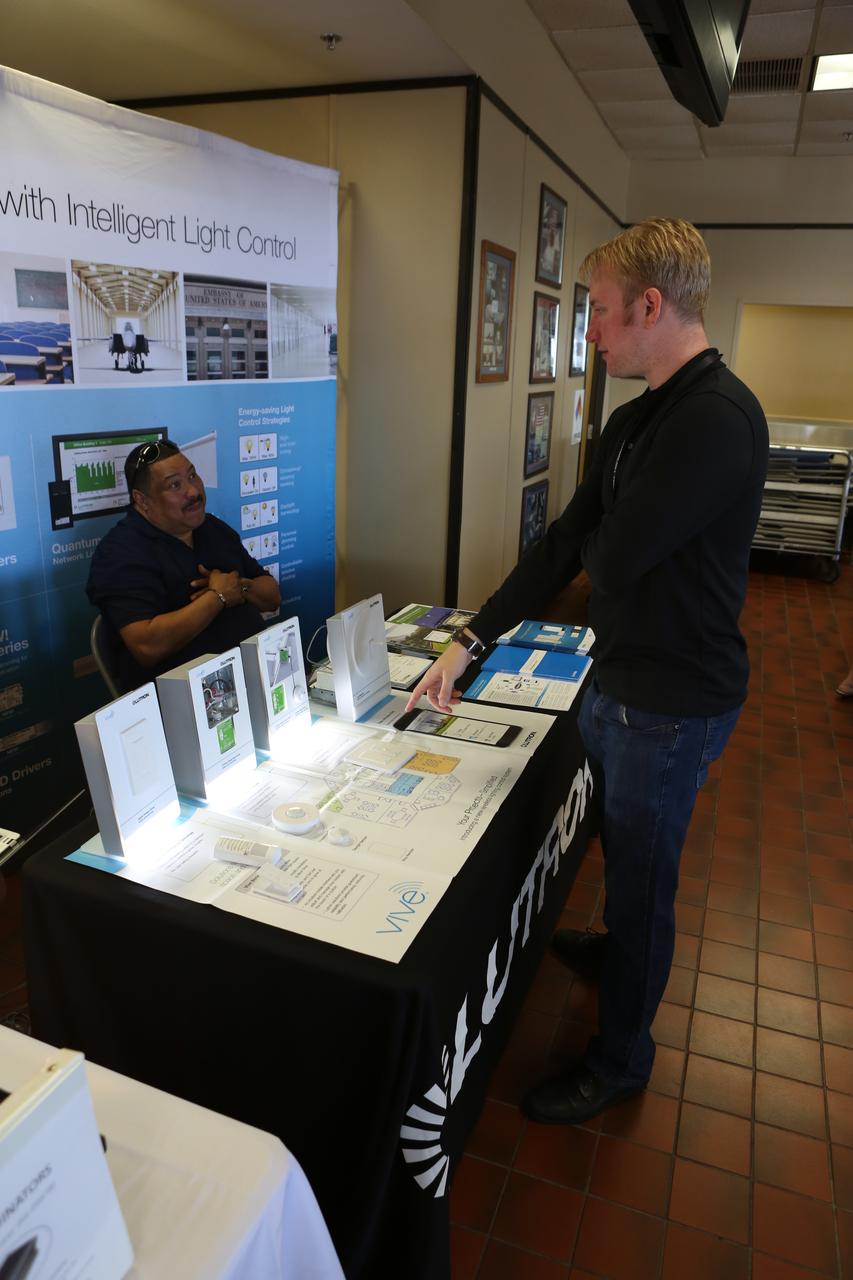
Cory Taylor, an energy and water conservation specialist at Kennedy Space Center, absorbs information from Mark Gonzalez, a sales engineer with MC2 during Energy Awareness Day at the Multi-Function Facility on Oct. 20. Every third Thursday of October, civil servants, contractors and several energy utilities promote the awareness of our sustainability goals at Kennedy Space Center and at home. Photo credit: Cory Huston

A member of Brevard Backyard Beekeepers is photographed in front of her display during a sustainability expo held at the Kennedy Space Center Visitor Complex in Florida on April 11, 2019. The expo kicked off Kennedy’s annual Earth Day celebrations, where approximately 40 exhibitors from across the nation assembled to provide information ranging from energy-saving solutions to wildlife and natural conservation. In addition, there were multiple butterfly releases throughout the day.
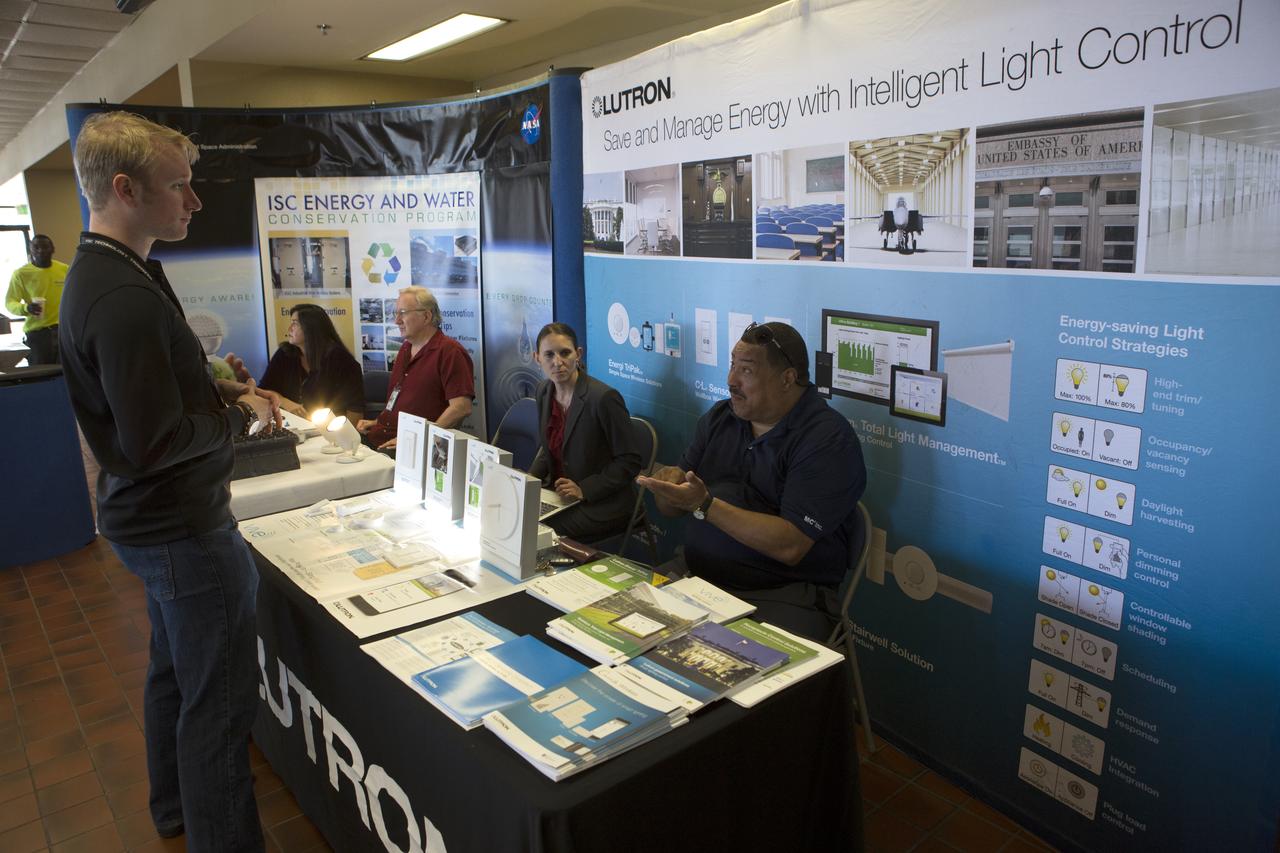
Cory Taylor, an energy and water conservation specialist at Kennedy Space Center, absorbs information from Mark Gonzalez, a sales engineer with MC2 during Energy Awareness Day at the Multi-Function Facility on Oct. 20. Every third Thursday of October, civil servants, contractors and several energy utilities promote the awareness of our sustainability goals at Kennedy Space Center and at home. Photo credit: Cory Huston
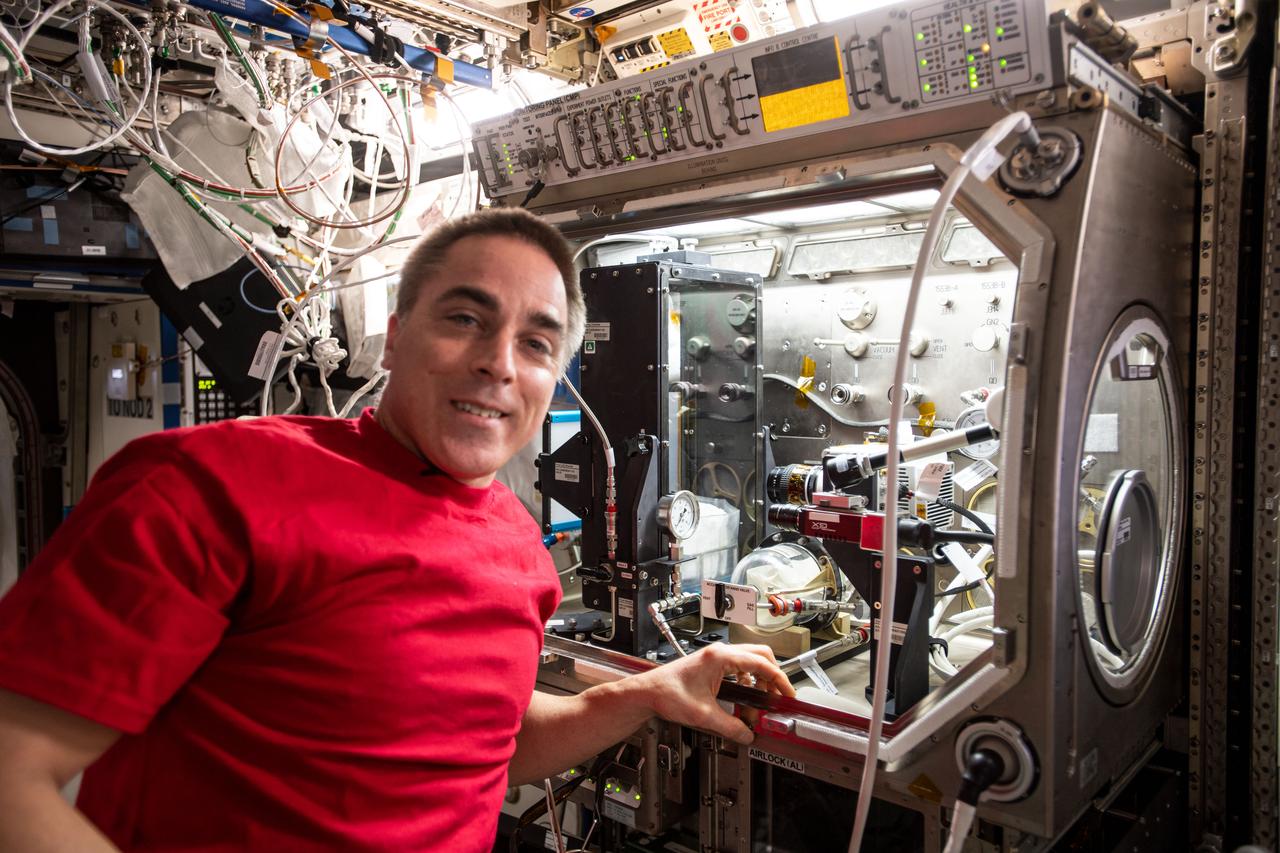
iss063e062021 (July 29, 2020) --- Expedition 63 Commander and NASA astronaut Chris Cassidy installs fluid research hardware inside the U.S. Destiny laboratory module's Microgravity Science Glovebox. Cassidy was working on the Droplet Formation Study that observes how microgravity shapes water droplets possibly improving water conservation and water pressure techniques on Earth.
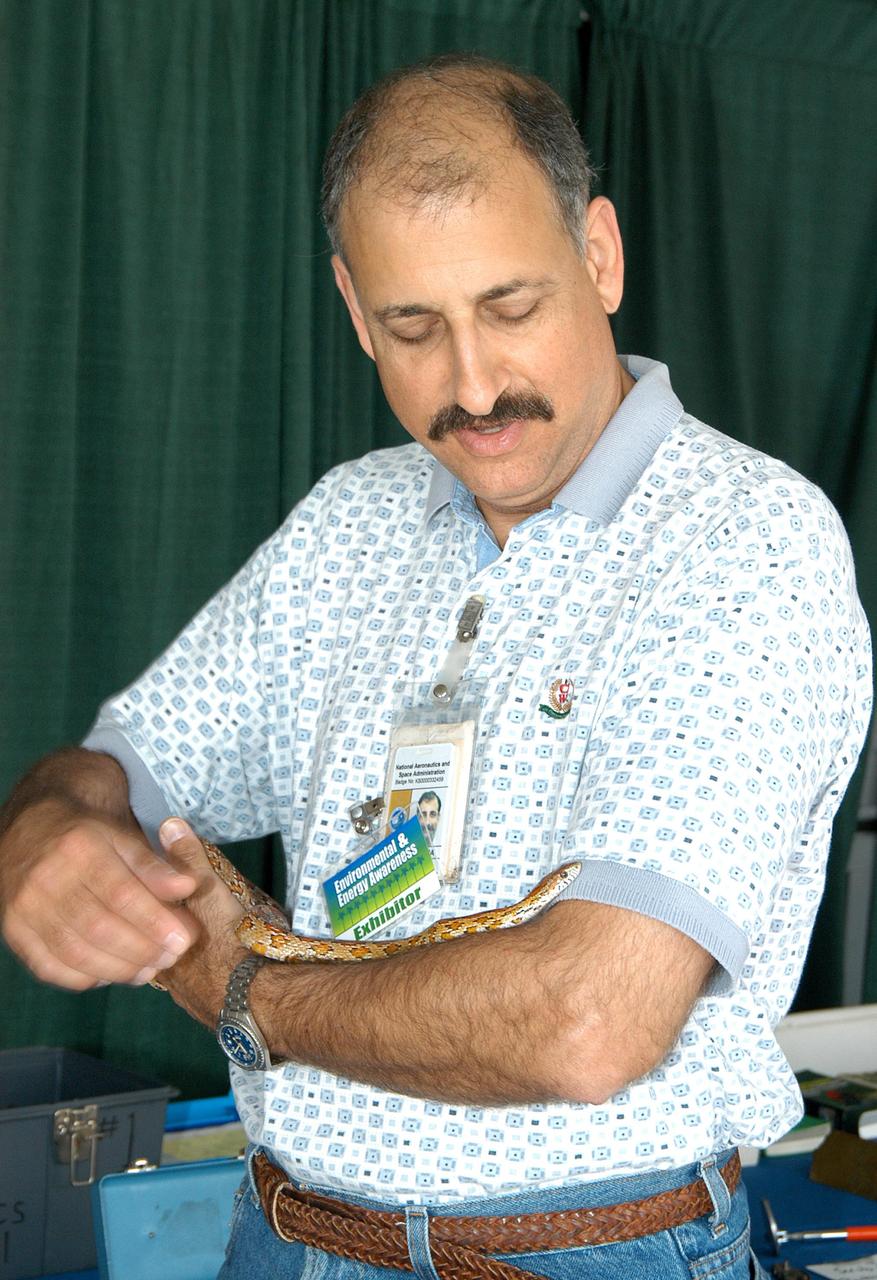
KENNEDY SPACE CENTER, FLA. - Mario Busacca, with the Safety, Occupational Health and Environmental Division, handles a snake at one of the exhibits for KSC’s annual Environmental and Energy Awareness Week, held April 20-22. Presentations included Chemistry Safety, Cost-Effective Solar Applications, Non-Native Invasive Plant Identification and Control, Energy Efficient Lighting Systems, and Historical Changes in KSC’s Ecosystems. The slogan for this year’s event was “Today's Conservation Defines Tomorrow's Future.”
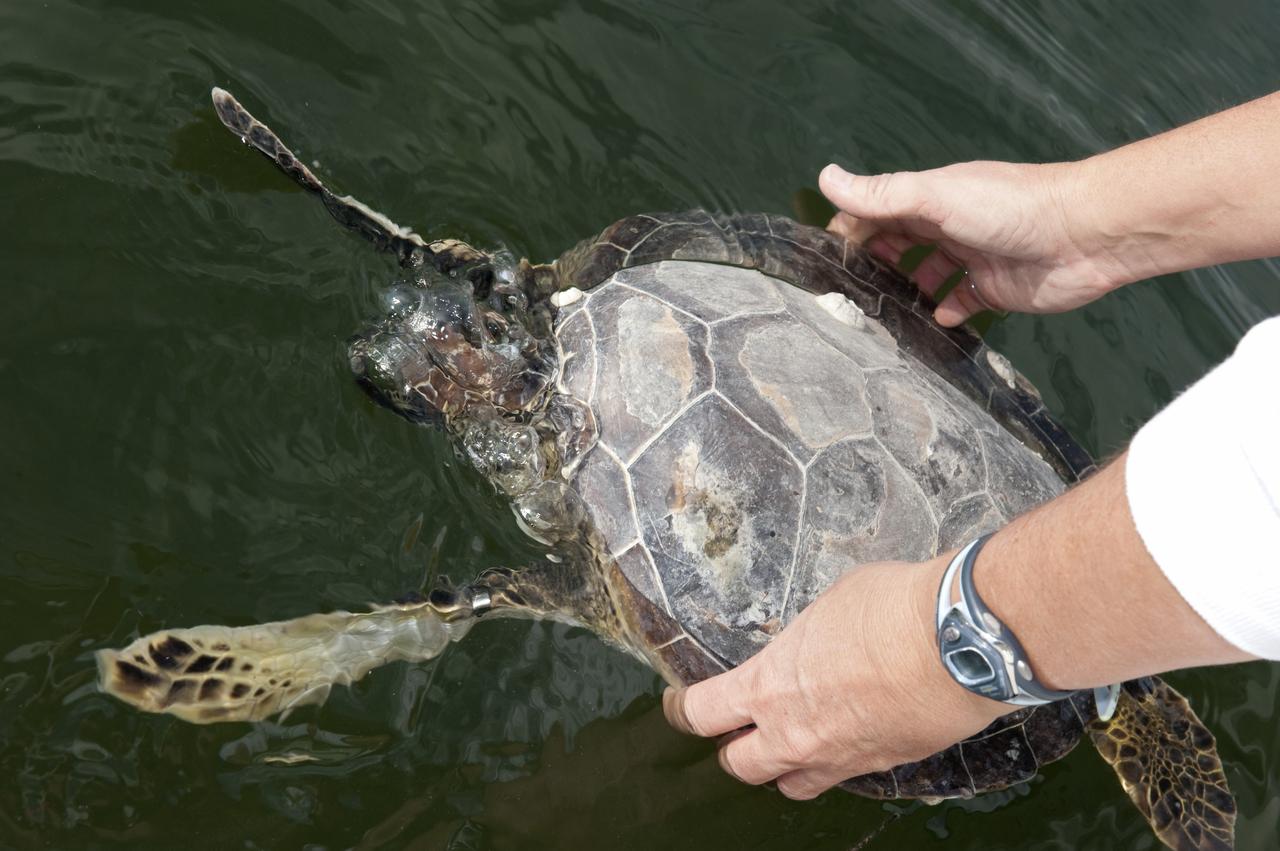
CAPE CANAVERAL, Fla. -- An endangered green sea turtle is released into the Mosquito Lagoon, which is part of Florida's Indian River. Workers with NASA's Kennedy Space Center, Innovative Health Applications and the Fish and Wildlife Conservation Commission rescued more than 300 turtles during this winter's frigid temperatures. Turtles that were stunned multiple times will be released in the Sebastian area of the Indian River, which often offers warmer water and could help prevent future stuns as winter progresses. NASA/Kim Shiflett

Guests view a display set up by Hubbs-Seaworld Research Institute during a sustainability expo held at the Kennedy Space Center Visitor Complex in Florida on April 11, 2019. The expo kicked off Kennedy’s annual Earth Day celebrations, where approximately 40 exhibitors from across the nation assembled to provide information ranging from energy-saving solutions to wildlife and natural conservation. In addition, there were multiple butterfly releases throughout the day.
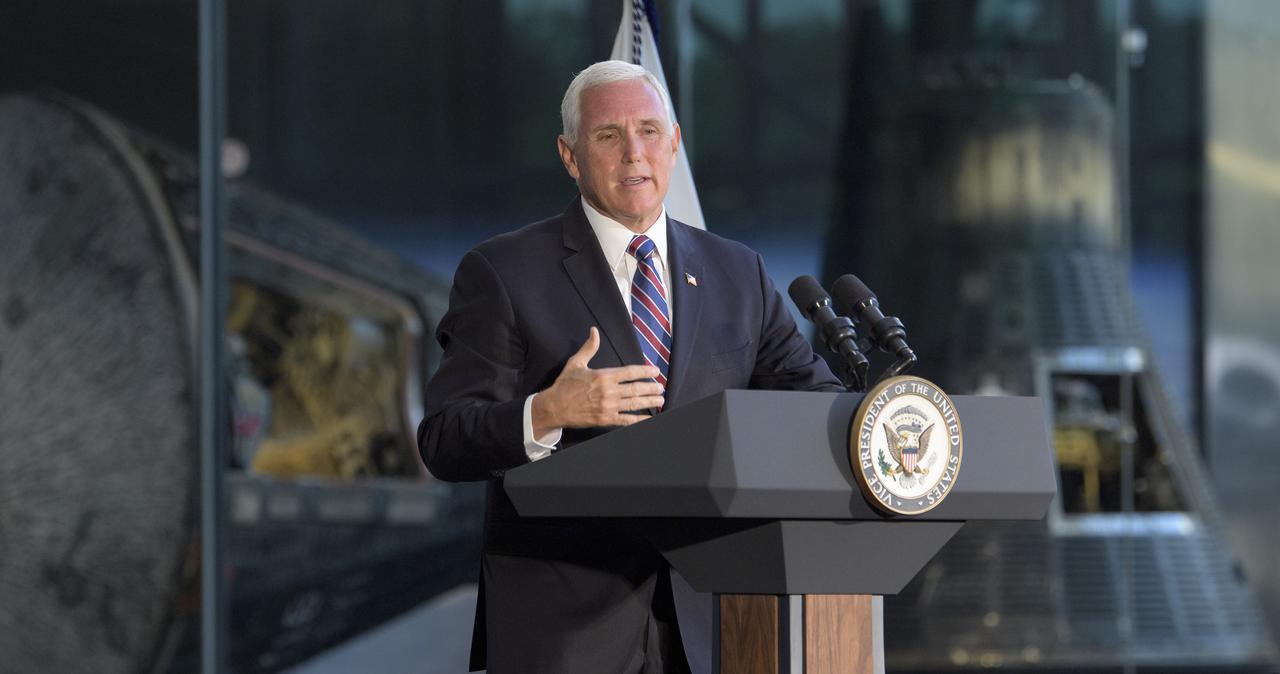
Vice President of the United States Mike Pence gives remarks during an event were Neil Armstrong's Apollo 11 spacesuit was unveiled for the first time in 13 years, Tuesday, July 16, 2019 at the Smithsonian's National Air and Space Museum in Washington. The unveiling of the crowd funded spacesuit conservation marks the 50th anniversary of the launch of the Apollo 11 mission.Photo Credit: (NASA/Bill Ingalls)

KENNEDY SPACE CENTER, FLA. - KSC employees stop at a display table about energy set up in a tent near the Operations and Checkout Building for KSC’s annual Environmental and Energy Awareness Week, held April 20-22. The slogan for this year’s event was “Today's Conservation Defines Tomorrow's Future.” Presentations included Chemistry Safety, Cost-Effective Solar Applications, Non-Native Invasive Plant Identification and Control, and Historical Changes in KSC’s Ecosystems.
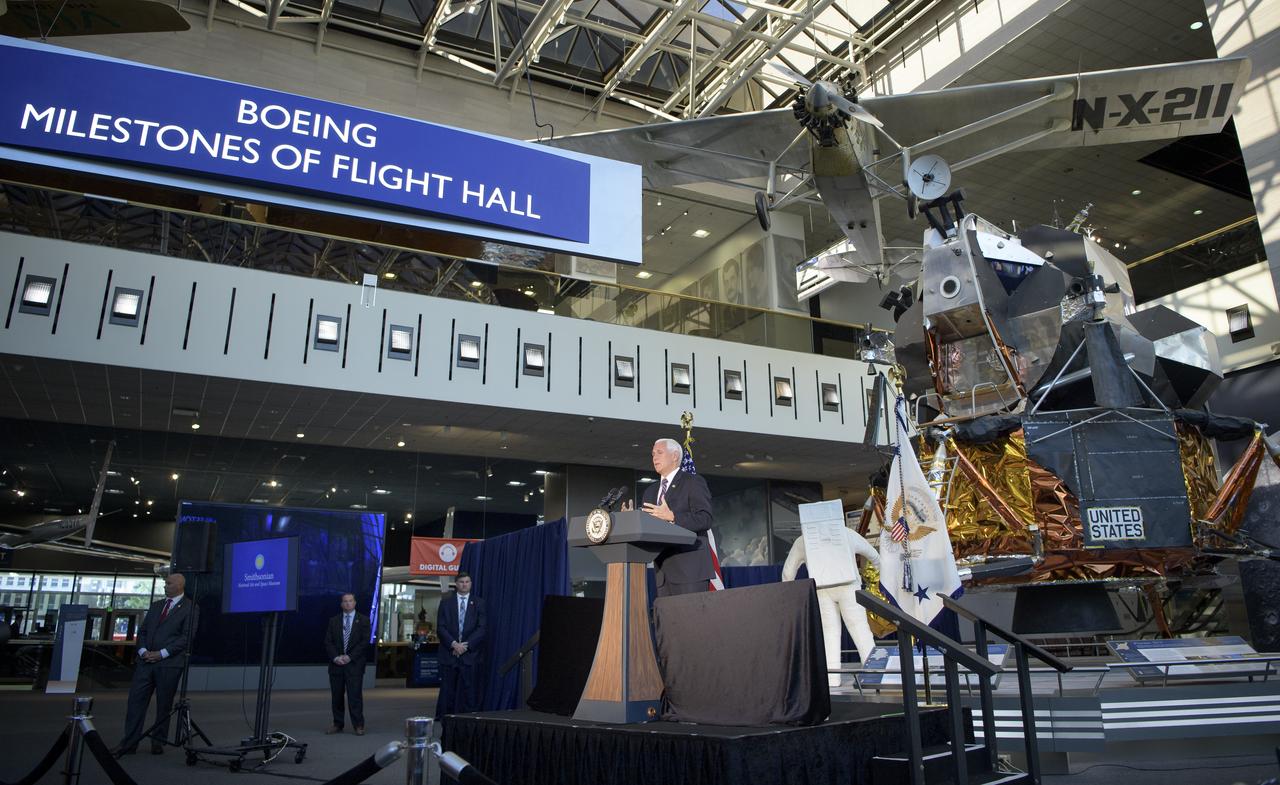
Vice President of the United States Mike Pence gives remarks during an event were Neil Armstrong's Apollo 11 spacesuit was unveiled for the first time in 13 years, Tuesday, July 16, 2019 at the Smithsonian's National Air and Space Museum in Washington. The unveiling of the crowd funded spacesuit conservation marks the 50th anniversary of the launch of the Apollo 11 mission.Photo Credit: (NASA/Bill Ingalls)
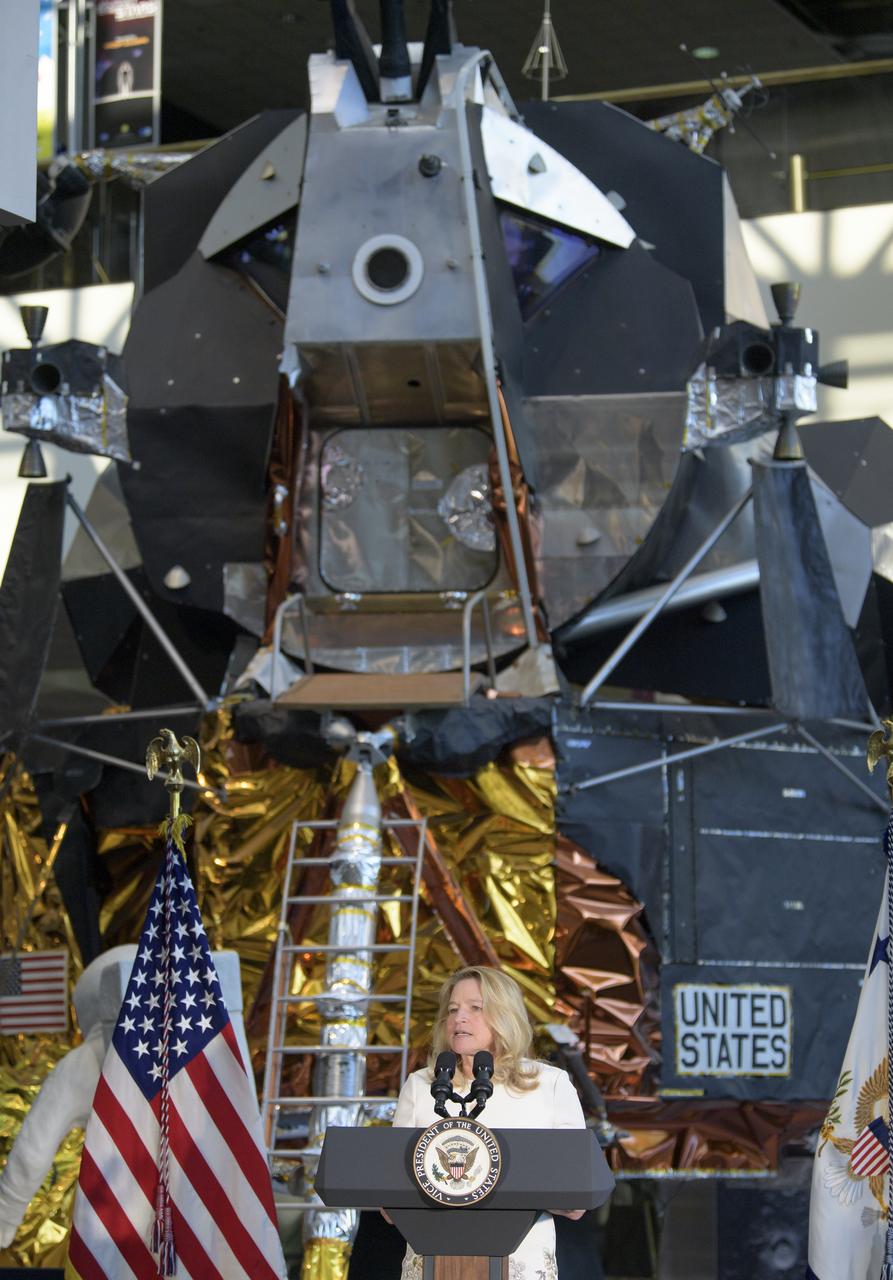
John and Adrienne Mars Director of the National Air and Space Museum Ellen Stofan gives remarks during an event were Neil Armstrong's Apollo 11 spacesuit was unveiled for the first time in 13 years, Tuesday, July 16, 2019 at the Smithsonian's National Air and Space Museum in Washington. The unveiling of the crowd funded spacesuit conservation marks the 50th anniversary of the launch of the Apollo 11 mission.Photo Credit: (NASA/Bill Ingalls)
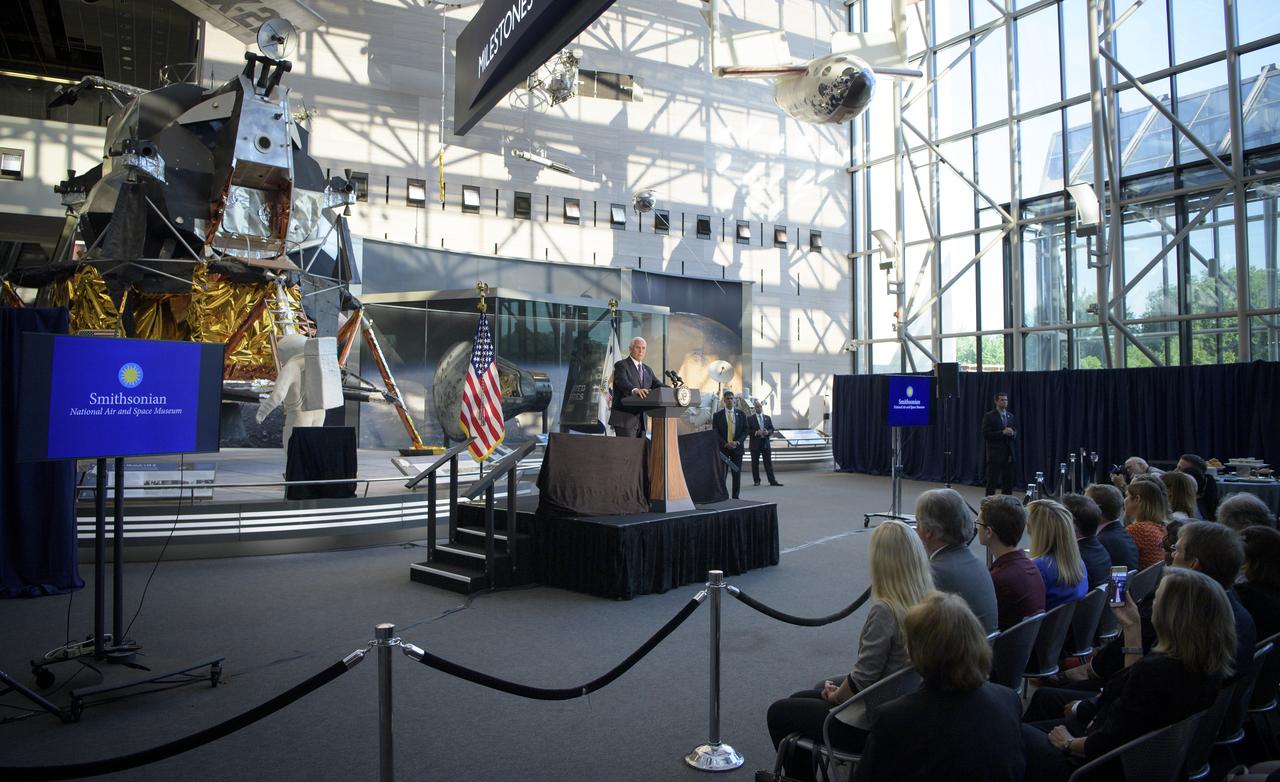
Vice President of the United States Mike Pence gives remarks during an event were Neil Armstrong's Apollo 11 spacesuit was unveiled for the first time in 13 years, Tuesday, July 16, 2019 at the Smithsonian's National Air and Space Museum in Washington. The unveiling of the crowd funded spacesuit conservation marks the 50th anniversary of the launch of the Apollo 11 mission.Photo Credit: (NASA/Bill Ingalls)
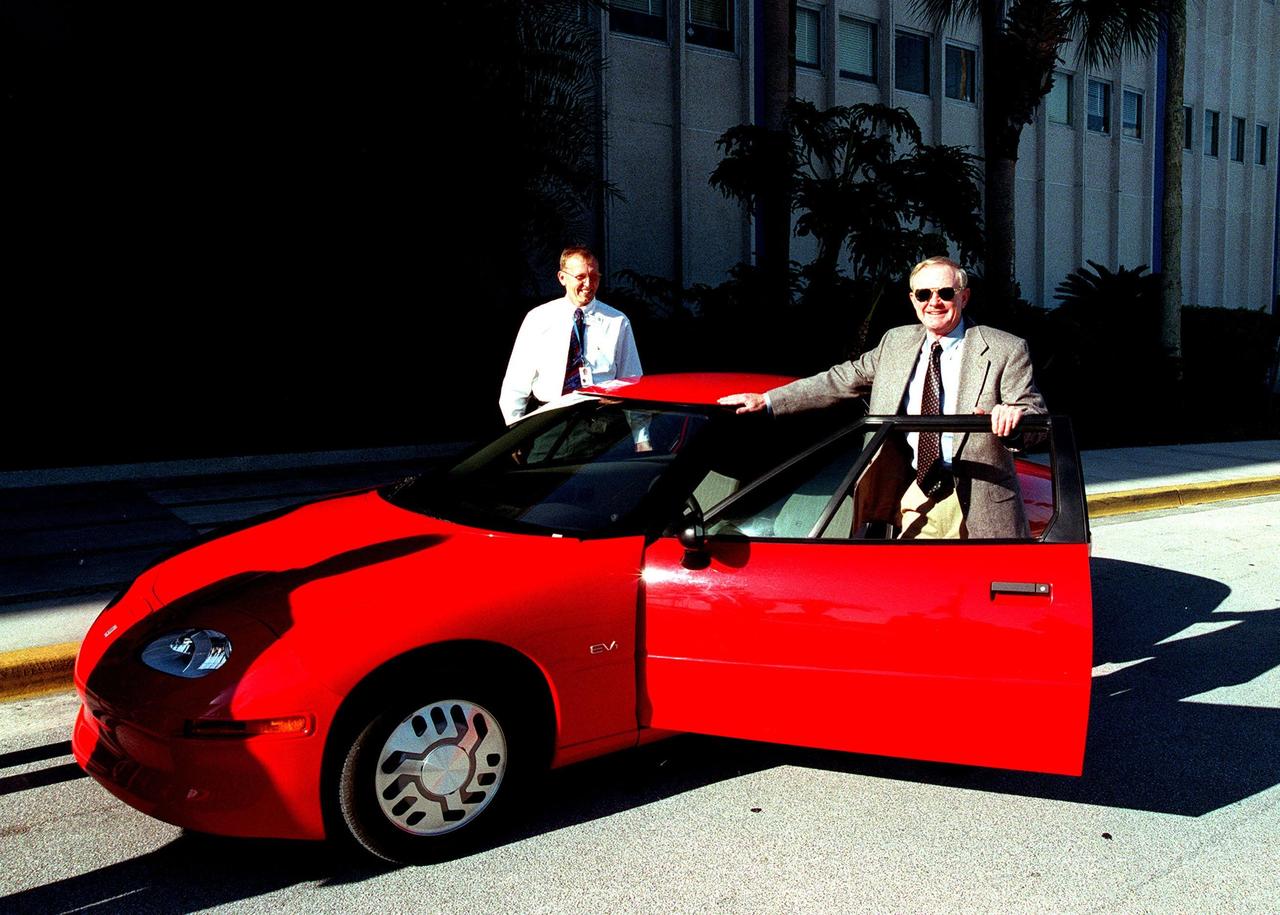
Center Director Roy Bridges (right) gets ready to drive an electric car, provided by Florida Power & Light, to the opening of Environmental and Energy Awareness Week at the Kennedy Space Center Visitor Complex. Exhibits and displays by KSC and 45th Space Wing organizations detail accomplishments in minimizing environmental impacts and conserving resources. They are on view April 19 22 at various sites at KSC, Cape Canaveral Air Station and Patrick Air Force Base
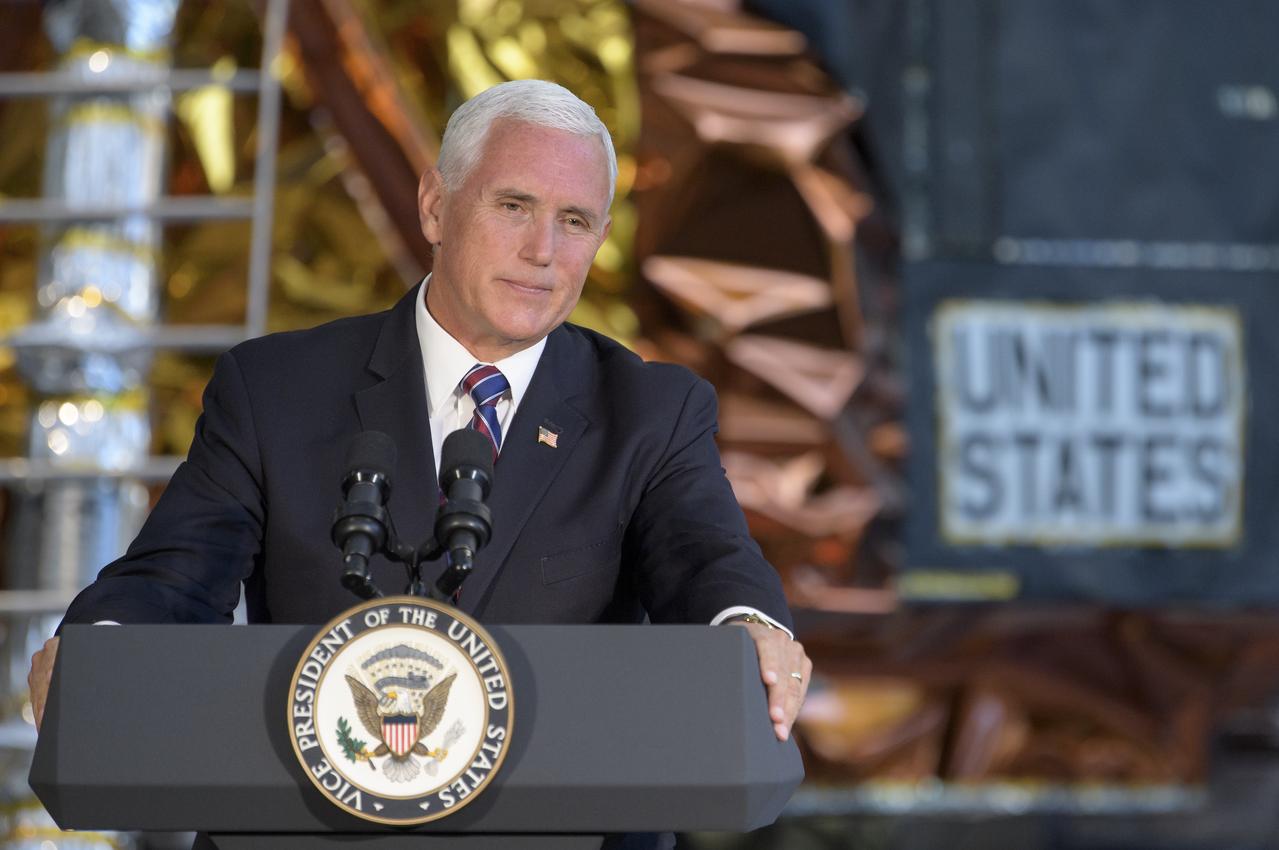
Vice President of the United States Mike Pence gives remarks during an event were Neil Armstrong's Apollo 11 spacesuit was unveiled for the first time in 13 years, Tuesday, July 16, 2019 at the Smithsonian's National Air and Space Museum in Washington. The unveiling of the crowd funded spacesuit conservation marks the 50th anniversary of the launch of the Apollo 11 mission.Photo Credit: (NASA/Bill Ingalls)
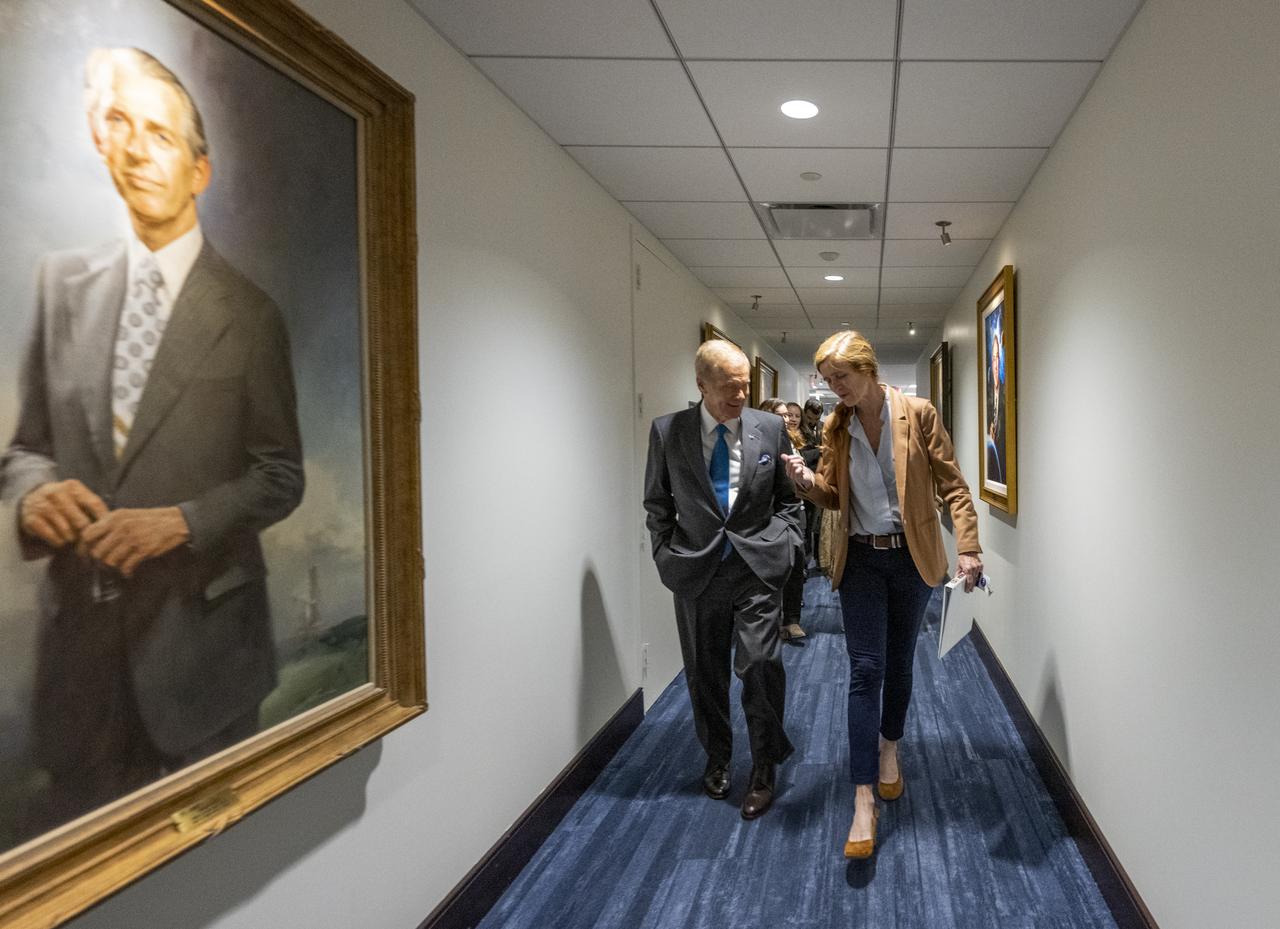
NASA Administrator Bill Nelson meets with USAID Administrator Samantha Power and staff prior to signing a NASA-USAID Memorandum of Understanding (MoU) Friday, Nov. 4, 2022, at the Mary W. Jackson NASA Headquarters building in Washington. The MoU will enhance and expand the Agencies’ longstanding partnership that promotes science and technology solutions to address international development challenges in areas such as global health, climate change, food security, disaster mitigation and response, biodiversity conservation, and environmental management for sustainable development. Photo Credit: (NASA/Keegan Barber)
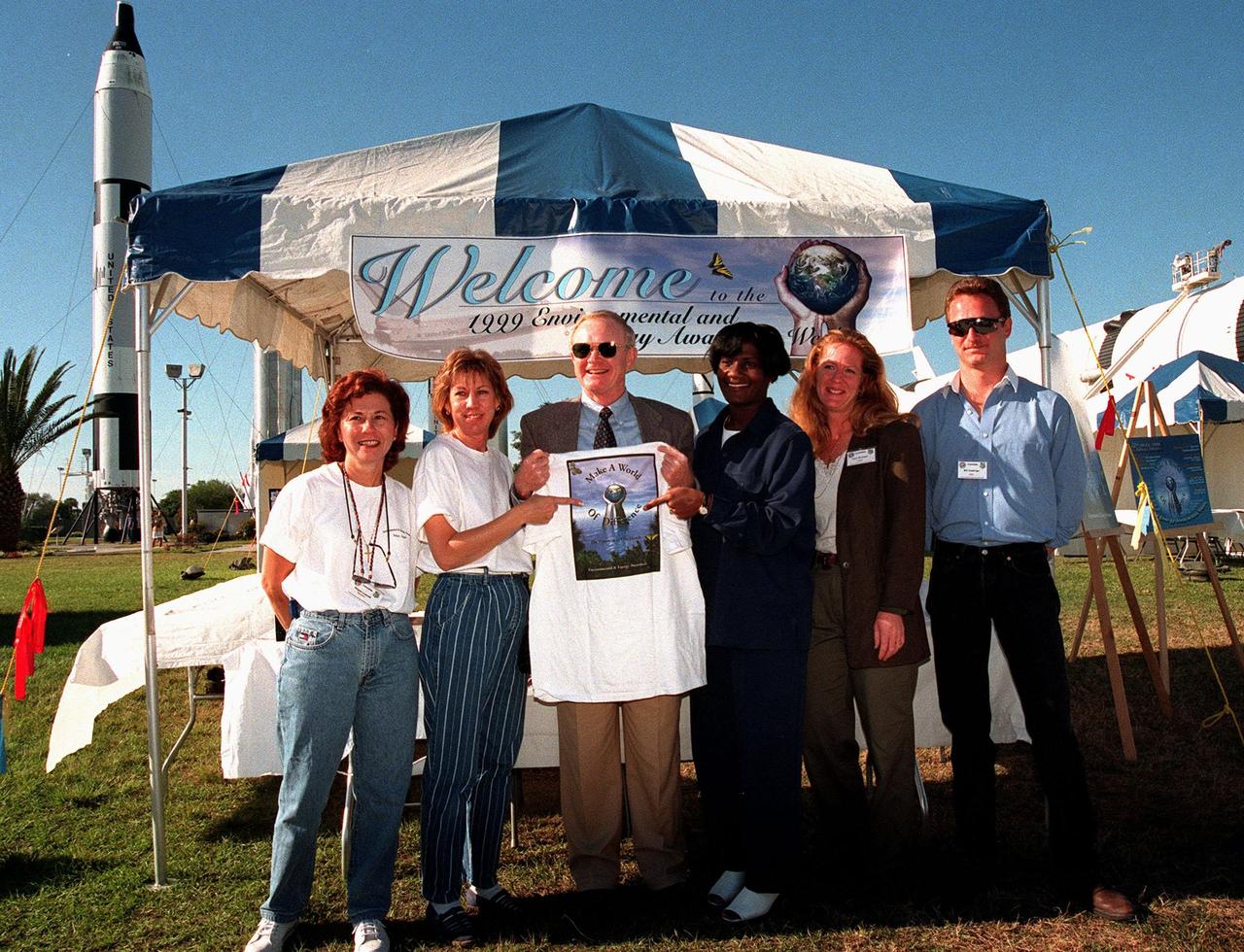
The opening of Environmental and Energy Awareness Week at the Kennedy Space Center Visitor Complex kicked off with a visit by Center Director Roy Bridges and the Awareness team, who presented him with a t-shirt. Exhibits and displays by KSC and 45th Space Wing organizations detail accomplishments in minimizing environmental impacts and conserving resources. They are on view April 19 22 at various sites at KSC, Cape Canaveral Air Station and Patrick Air Force Base

A butterfly perches on a visitor’s finger at the Kennedy Space Center Visitor Complex in Florida. Kennedy kicked off its annual Earth Day celebrations with a sustainability expo at the visitor complex on April 11, 2019, where butterflies were released throughout the day. Approximately 40 exhibitors from across the nation assembled to provide information ranging from energy-saving solutions to wildlife and natural conservation.
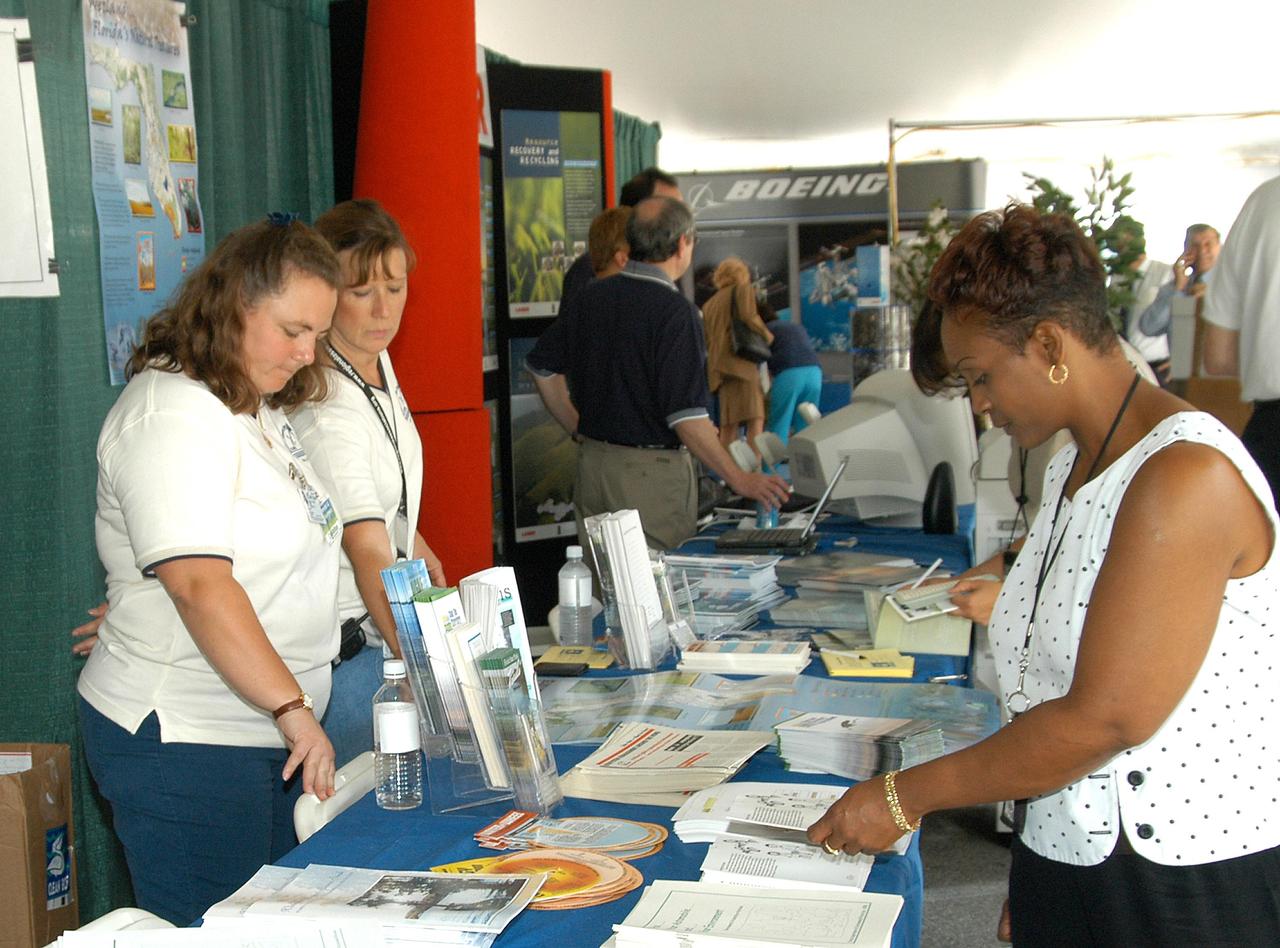
KENNEDY SPACE CENTER, FLA. - KSC employees stop at display tables set up in a tent near the Operations and Checkout Building for KSC’s annual Environmental and Energy Awareness Week, held April 20-22. The slogan for this year’s event was “Today's Conservation Defines Tomorrow's Future.” Presentations included Chemistry Safety, Cost-Effective Solar Applications, Non-Native Invasive Plant Identification and Control, Energy Efficient Lighting Systems, and Historical Changes in KSC’s Ecosystems.
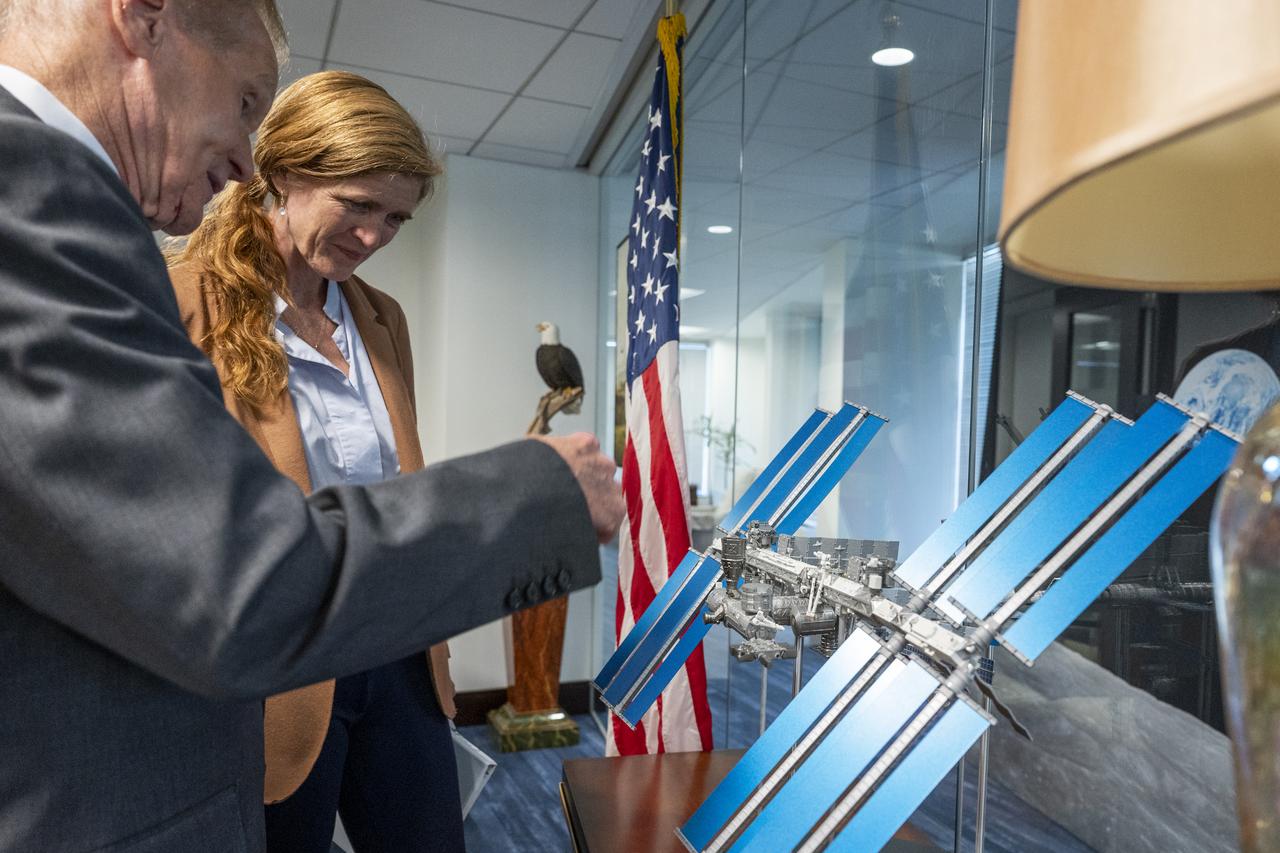
NASA Administrator Bill Nelson meets with USAID Administrator Samantha Power and staff prior to signing a NASA-USAID Memorandum of Understanding (MoU) Friday, Nov. 4, 2022, at the Mary W. Jackson NASA Headquarters building in Washington. The MoU will enhance and expand the Agencies’ longstanding partnership that promotes science and technology solutions to address international development challenges in areas such as global health, climate change, food security, disaster mitigation and response, biodiversity conservation, and environmental management for sustainable development. Photo Credit: (NASA/Keegan Barber)

A butterfly sits in the palm of a visitor’s hand at the Kennedy Space Center Visitor Complex in Florida. Kennedy kicked of its annual Earth Day celebrations with a sustainability expo at the visitor complex on April 11, 2019, where butterflies were released throughout the day. Approximately 40 exhibitors from across the nation assembled to provide information ranging from energy-saving solutions to wildlife and natural conservation.
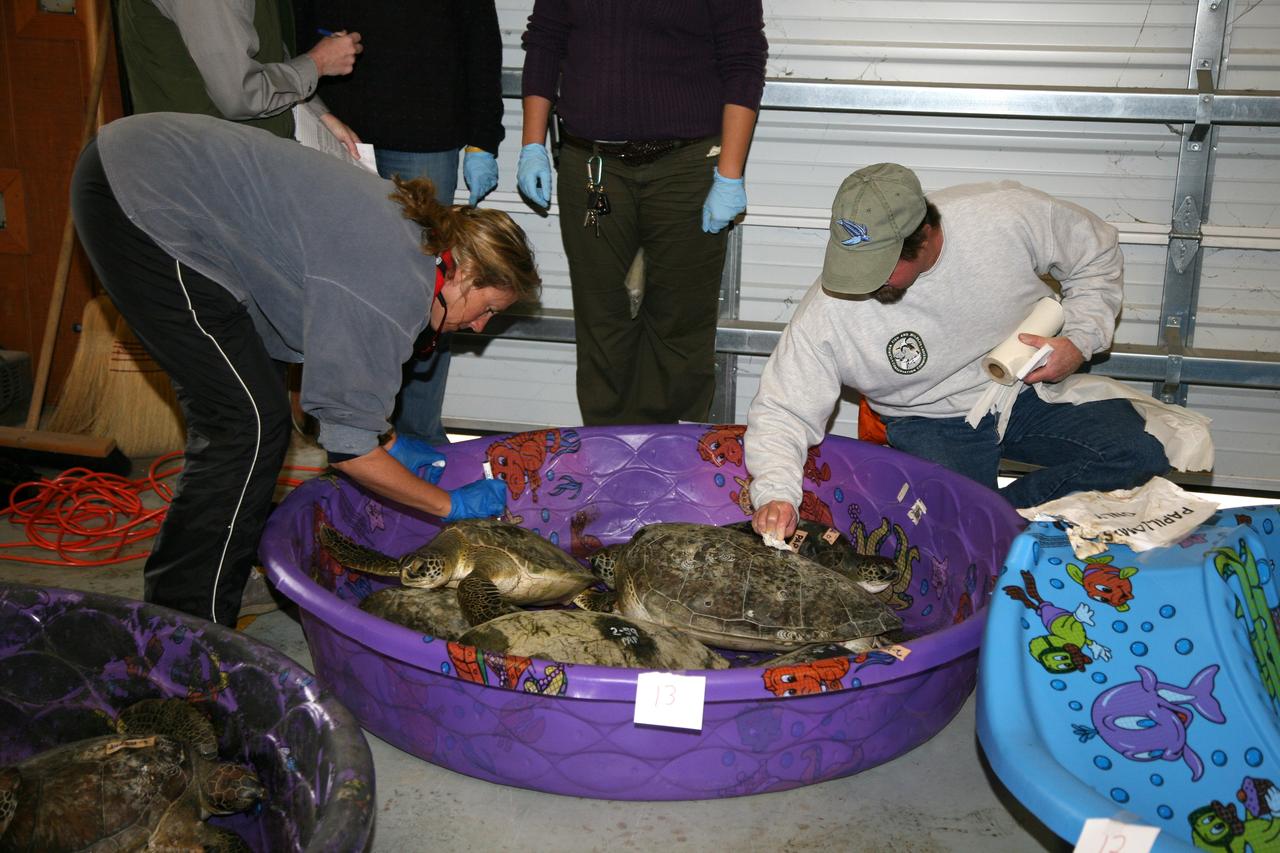
CAPE CANAVERAL, Fla. – Fish and Wildlife Conservation Commission workers evaluate a green sea turtle at the headquarters building of the Merritt Island Wildlife Refuge located on NASA's Kennedy Space Center in Florida. The turtle was one of many "stunned" by the recent drop in temperatures in Florida. Many of the turtles were rescued from the Mosquito Lagoon, with others coming from the Indian River Lagoon and Cocoa Beach. Photo credit: NASA/Amanda Diller
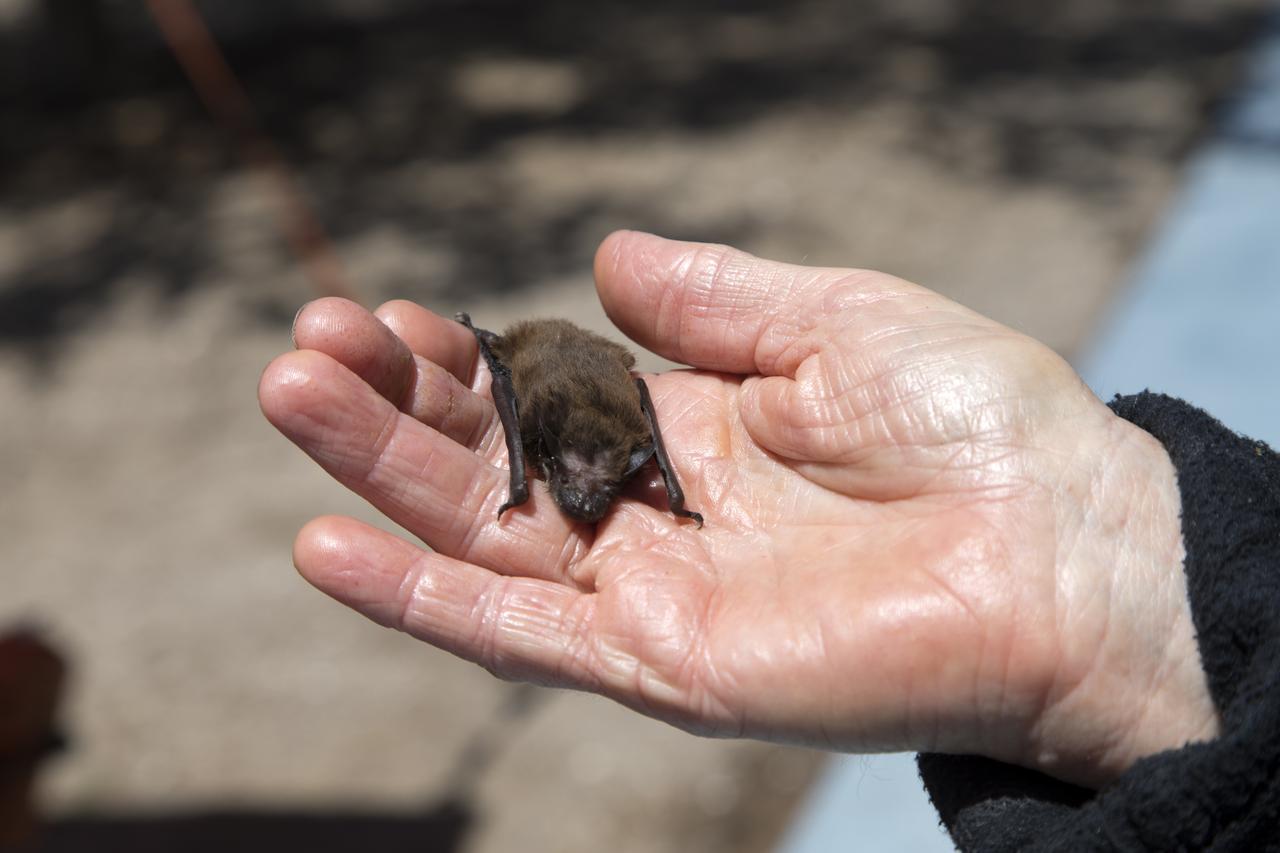
During the annual Earth Day celebration at the Kennedy Space Center Visitor Complex, Shari Blissett-Clark of the Florida Bat Conservancy displays one of the mammals. The event took place during the annual Earth Day celebration at the Kennedy Space Center Visitor Complex, guests have an opportunity to learn more about energy awareness, the environment and sustainability.
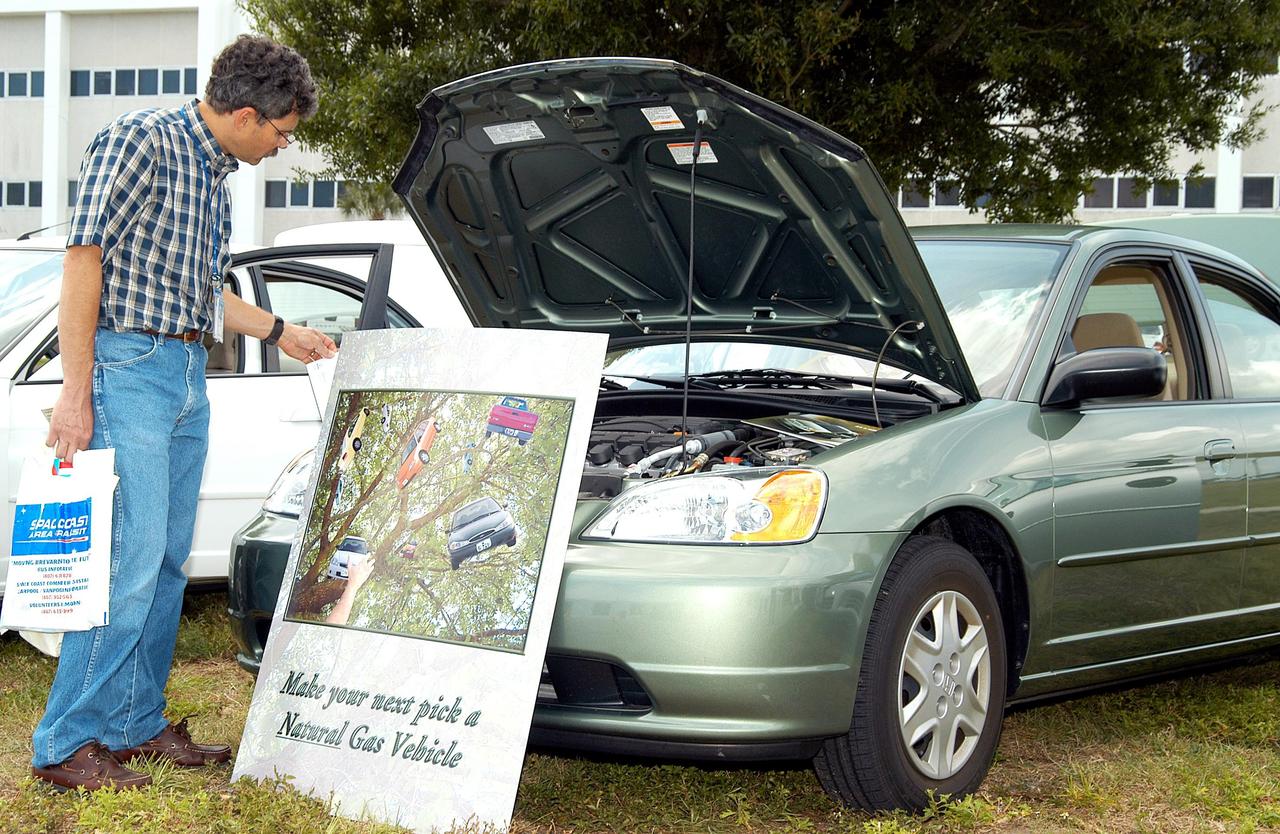
KENNEDY SPACE CENTER, FLA. - A KSC employee stops to look at a car equipped to use natural gas as fuel. Several cars using alternative fuel technology were part of an exhibit during KSC’s annual Environmental and Energy Awareness Week, held April 20-22. The slogan for this year’s event was “Today's Conservation Defines Tomorrow's Future.” Presentations included Chemistry Safety, Cost-Effective Solar Applications, Non-Native Invasive Plant Identification and Control, Energy Efficient Lighting Systems, and Historical Changes in KSC’s Ecosystems.
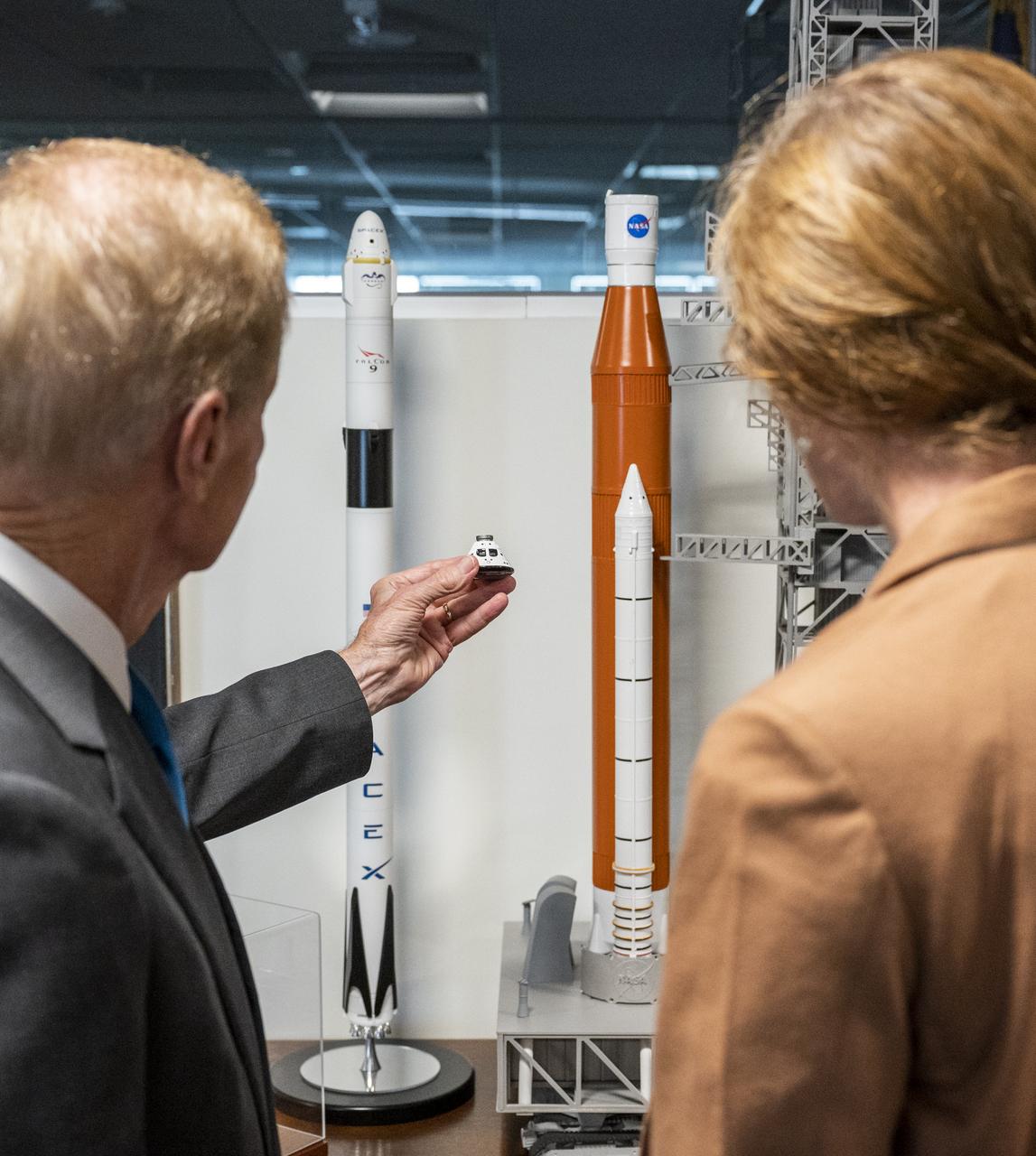
NASA Administrator Bill Nelson meets with USAID Administrator Samantha Power and staff prior to signing a NASA-USAID Memorandum of Understanding (MoU) Friday, Nov. 4, 2022, at the Mary W. Jackson NASA Headquarters building in Washington. The MoU will enhance and expand the Agencies’ longstanding partnership that promotes science and technology solutions to address international development challenges in areas such as global health, climate change, food security, disaster mitigation and response, biodiversity conservation, and environmental management for sustainable development. Photo Credit: (NASA/Keegan Barber)
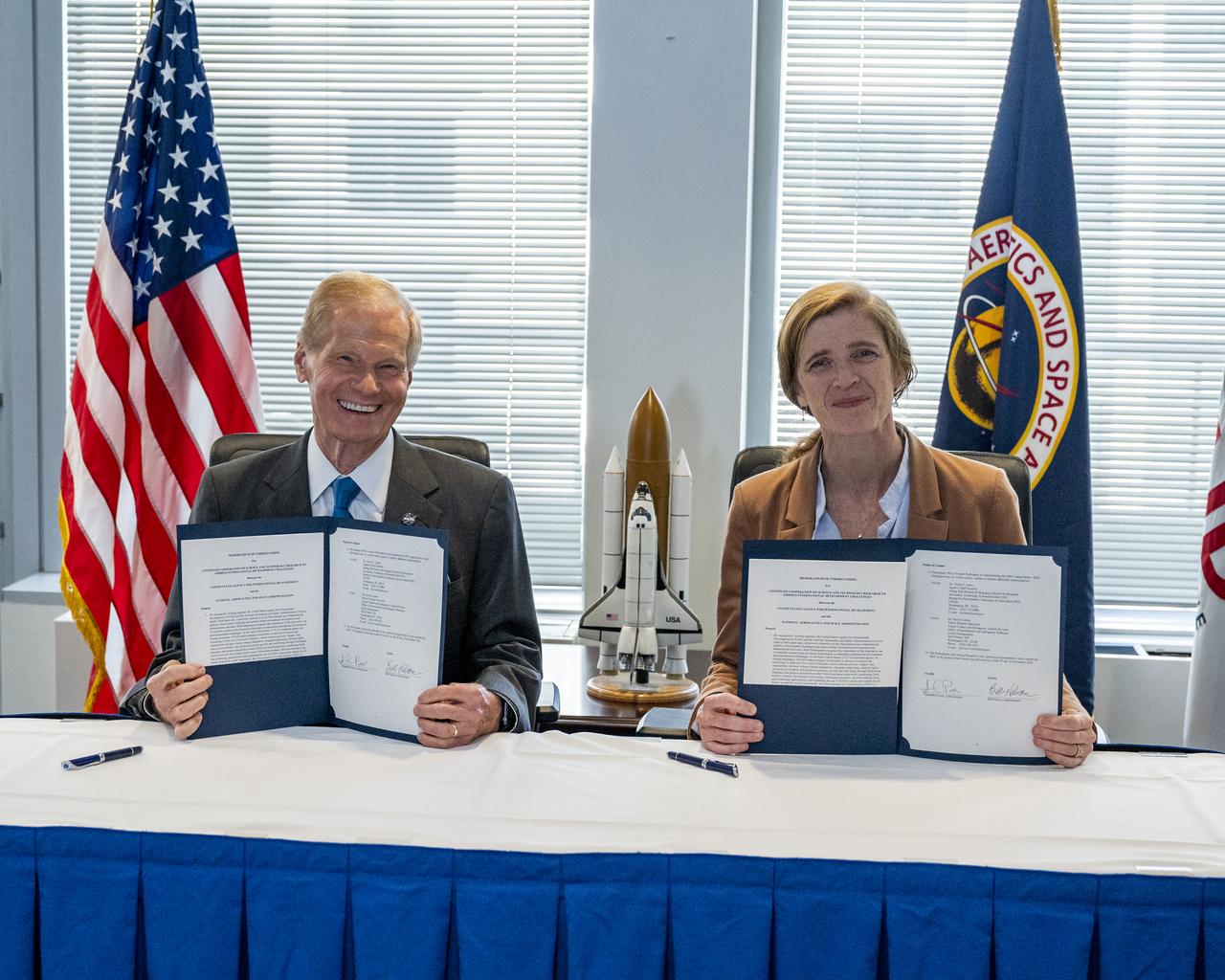
NASA Administrator Bill Nelson and USAID Administrator Samantha Power participate in a NASA-USAID Memorandum of Understanding (MoU) signing ceremony Friday, Nov. 4, 2022, at the Mary W. Jackson NASA Headquarters building in Washington. The MoU will enhance and expand the Agencies’ longstanding partnership that promotes science and technology solutions to address international development challenges in areas such as global health, climate change, food security, disaster mitigation and response, biodiversity conservation, and environmental management for sustainable development. Photo Credit: (NASA/Keegan Barber)
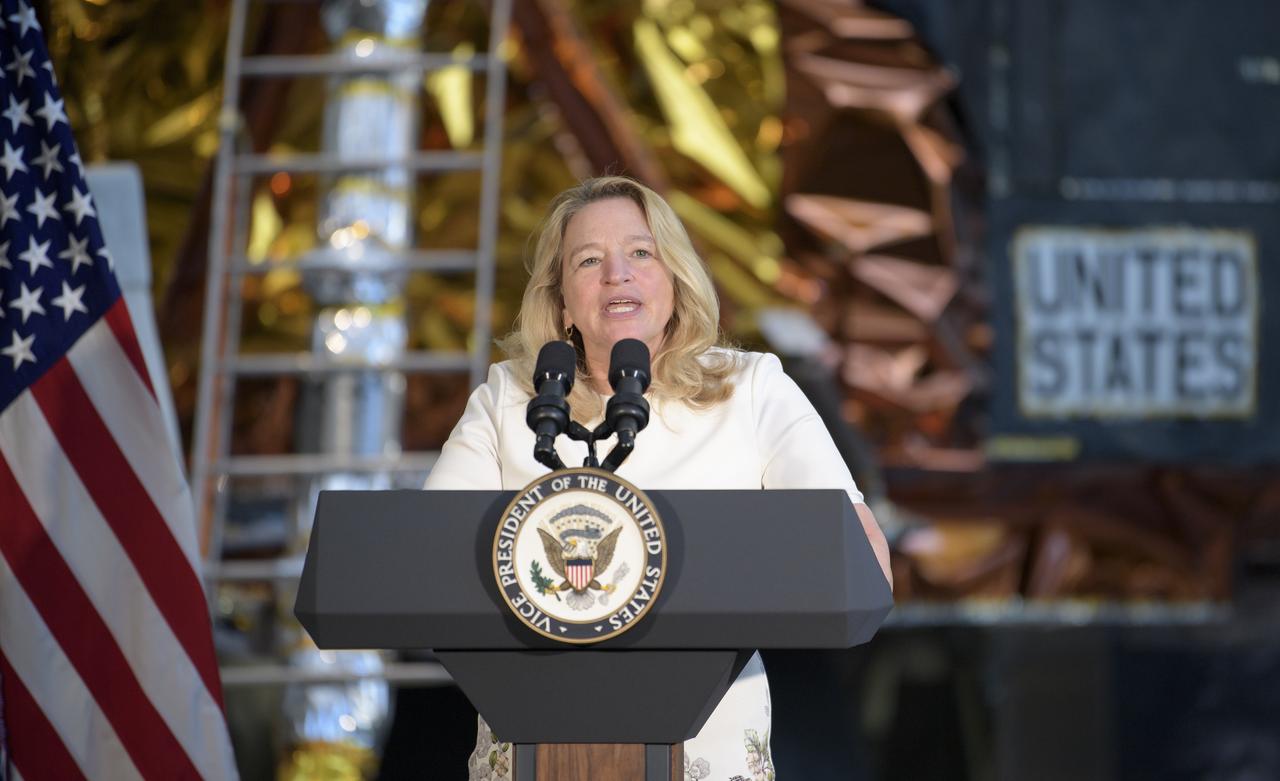
John and Adrienne Mars Director of the National Air and Space Museum Ellen Stofan gives remarks during an event were Neil Armstrong's Apollo 11 spacesuit was unveiled for the first time in 13 years, Tuesday, July 16, 2019 at the Smithsonian's National Air and Space Museum in Washington. The unveiling of the crowd funded spacesuit conservation marks the 50th anniversary of the launch of the Apollo 11 mission.Photo Credit: (NASA/Bill Ingalls)

Kennedy Space Center kicked off its annual Earth Day celebrations with a sustainability expo at the center’s visitor complex in Florida on April 11, 2019. Approximately 40 exhibitors from across the nation assembled to provide information ranging from energy-saving solutions to wildlife and natural conservation. In addition, there were multiple butterfly releases held at the expo throughout the day.
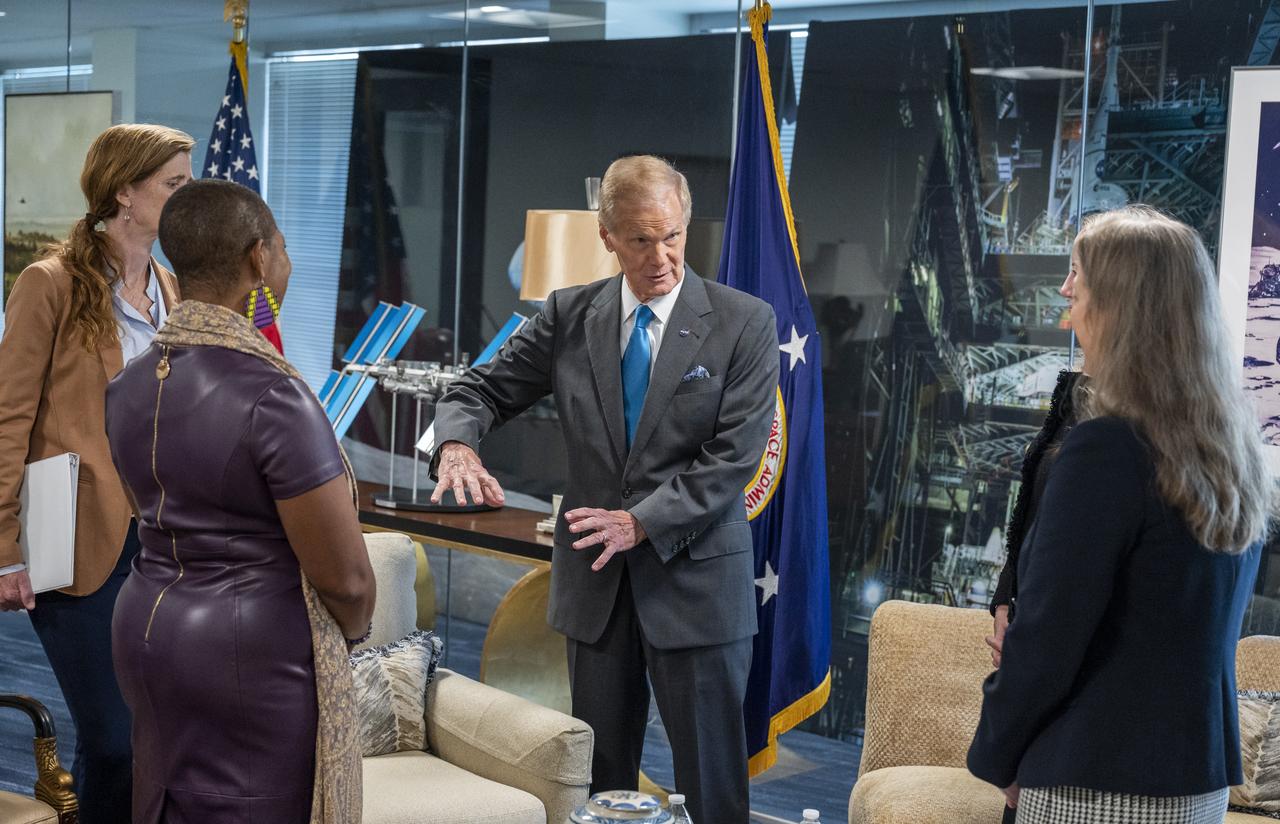
NASA Administrator Bill Nelson meets with USAID Administrator Samantha Power and staff prior to signing a NASA-USAID Memorandum of Understanding (MoU) Friday, Nov. 4, 2022, at the Mary W. Jackson NASA Headquarters building in Washington. The MoU will enhance and expand the Agencies’ longstanding partnership that promotes science and technology solutions to address international development challenges in areas such as global health, climate change, food security, disaster mitigation and response, biodiversity conservation, and environmental management for sustainable development. Photo Credit: (NASA/Keegan Barber)