
Kennedy Space Center Launch Director Charlie Blackwell-Thompson speaks during a ceremony renaming the Florida spaceport’s launch control center to the Rocco A. Petrone Launch Control Center on Feb. 22, 2022. Petrone was instrumental in America’s first voyages to the Moon and headed the Apollo program. He died in 2006 at the age of 80.

Kennedy Space Center Deputy Director Kelvin Manning speaks during a ceremony renaming the Florida spaceport’s launch control center to the Rocco A. Petrone Launch Control Center on Feb. 22, 2022. Petrone was instrumental in America’s first voyages to the Moon and headed the Apollo program. He died in 2006 at the age of 80.

Kennedy Space Center Director Janet Petro speaks during a ceremony renaming the Florida spaceport’s launch control center to the Rocco A. Petrone Launch Control Center on Feb. 22, 2022. Petrone was instrumental in America’s first voyages to the Moon and headed the Apollo program. He died in 2006 at the age of 80.

John Tribe, retired Apollo engineer, North American Rockwell, speaks during a ceremony renaming Kennedy Space Center’s launch control center to the Rocco A. Petrone Launch Control Center on Feb. 22, 2022. Petrone was instrumental in America’s first voyages to the Moon and headed the Apollo program. He died in 2006 at the age of 80.
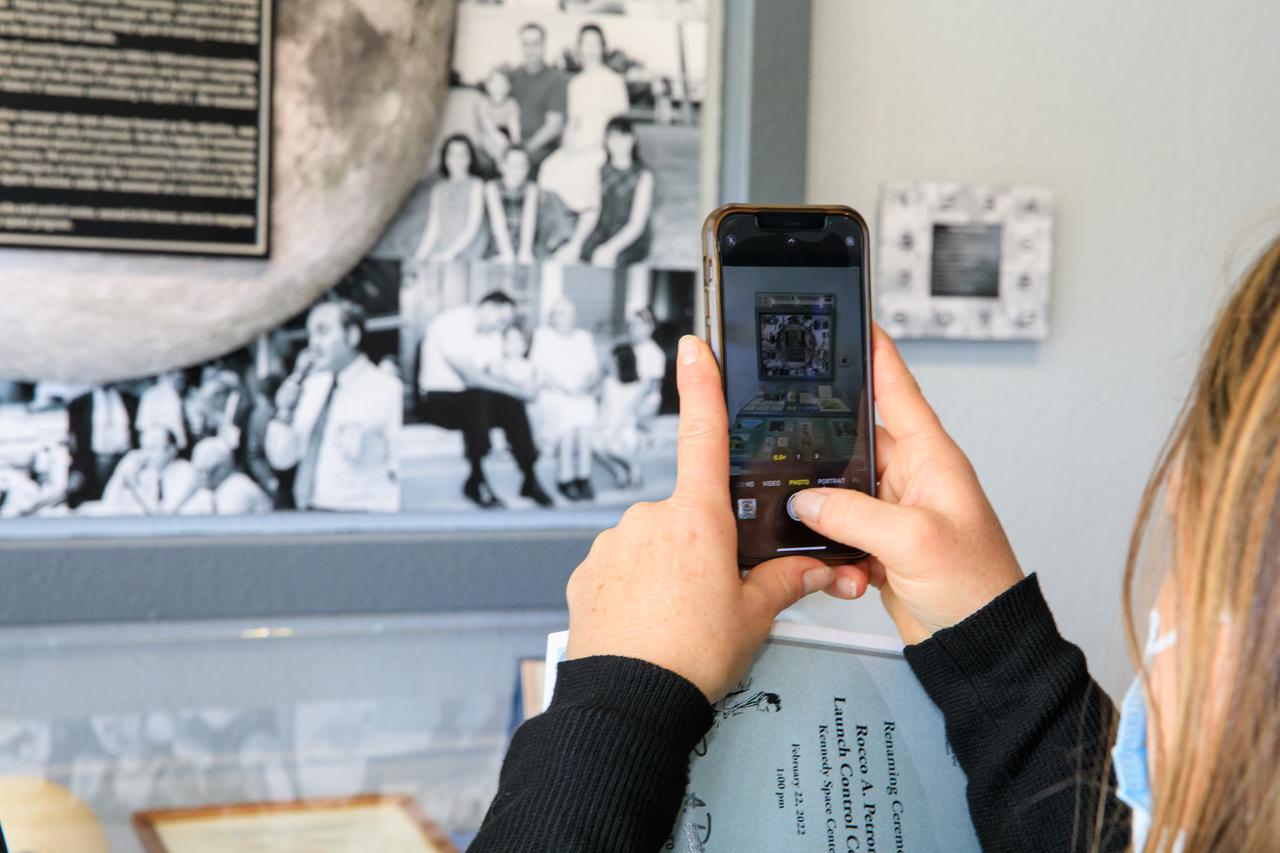
A spectator takes a photo of a display dedicated to former Kennedy Space Center director Rocco Petrone on Feb. 22, 2022. During a ceremony held at the Florida spaceport, Kennedy’s launch control center was officially renamed to the Rocco A. Petrone Launch Control Center. Petrone was instrumental in America’s first voyages to the Moon and headed the Apollo program. He died in 2006 at the age of 80.
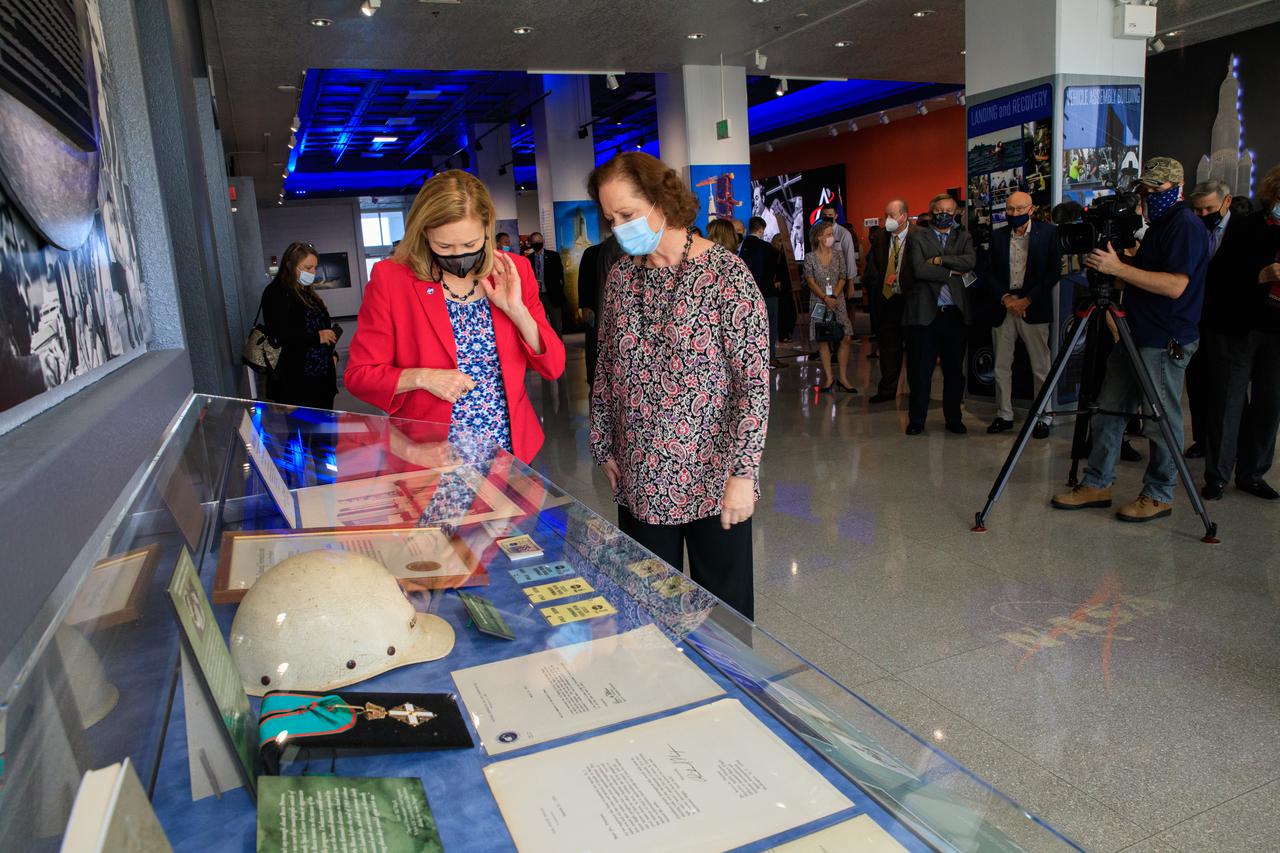
A display dedicated to former Kennedy Space Center launch director Rocco Petrone is viewed at Kennedy Space Center on Feb. 22, 2022. During a ceremony held at the Florida spaceport, Kennedy’s launch control center was officially renamed to the Rocco A. Petrone Launch Control Center. Petrone was instrumental in America’s first voyages to the Moon and headed the Apollo program. He died in 2006 at the age of 80.
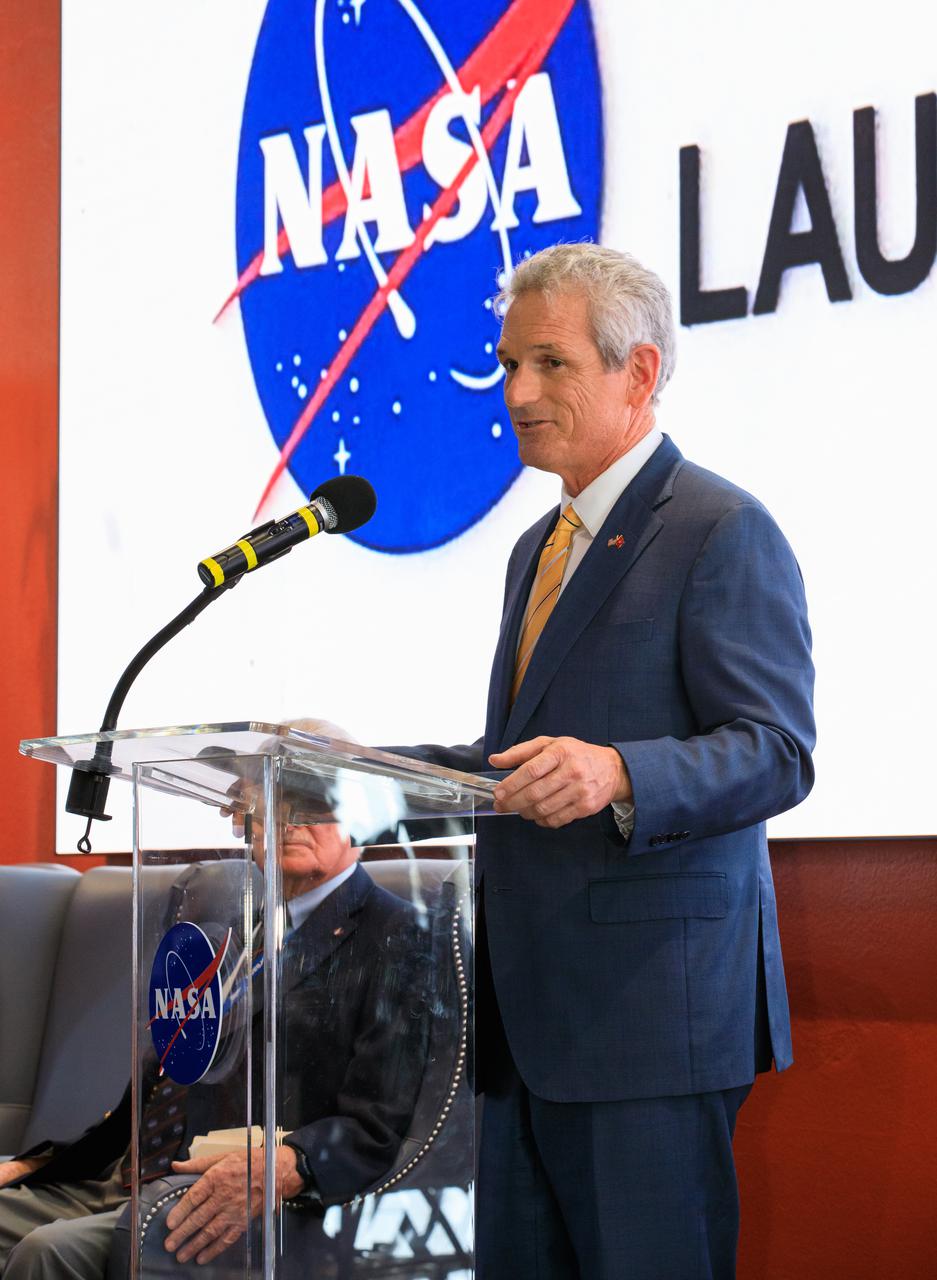
Scott Rigell, speaking on behalf of Ike Rigell, retired Apollo chief engineer and deputy director of launch vehicle operations at NASA, addresses attendees during a ceremony renaming Kennedy Space Center’s launch control center to the Rocco A. Petrone Launch Control Center on Feb. 22, 2022. Petrone was instrumental in America’s first voyages to the Moon and headed the Apollo program. He died in 2006 at the age of 80.
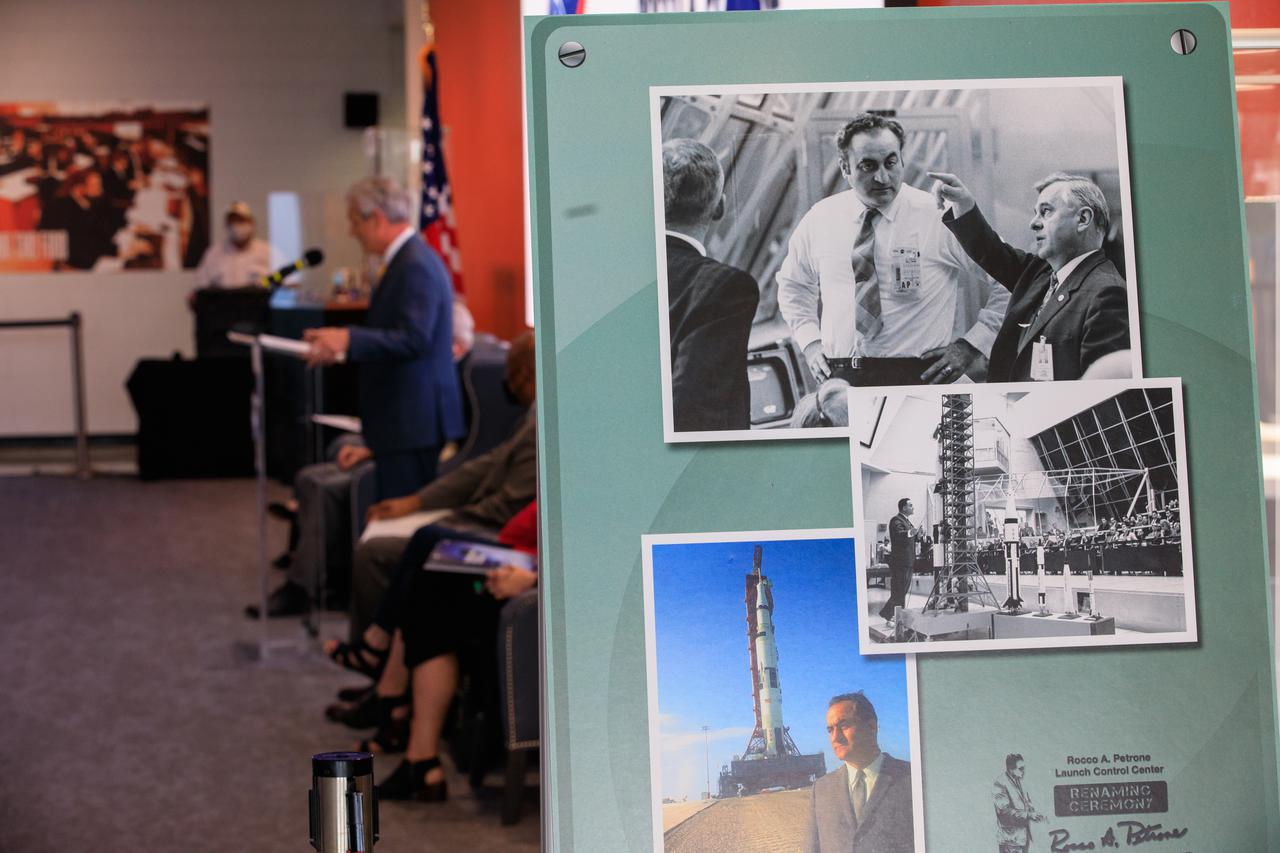
Scott Rigell, speaking on behalf of Ike Rigell, retired Apollo chief engineer and deputy director of launch vehicle operations at NASA, addresses attendees during a ceremony renaming Kennedy Space Center’s launch control center to the Rocco A. Petrone Launch Control Center on Feb. 22, 2022. Petrone was instrumental in America’s first voyages to the Moon and headed the Apollo program. He died in 2006 at the age of 80.
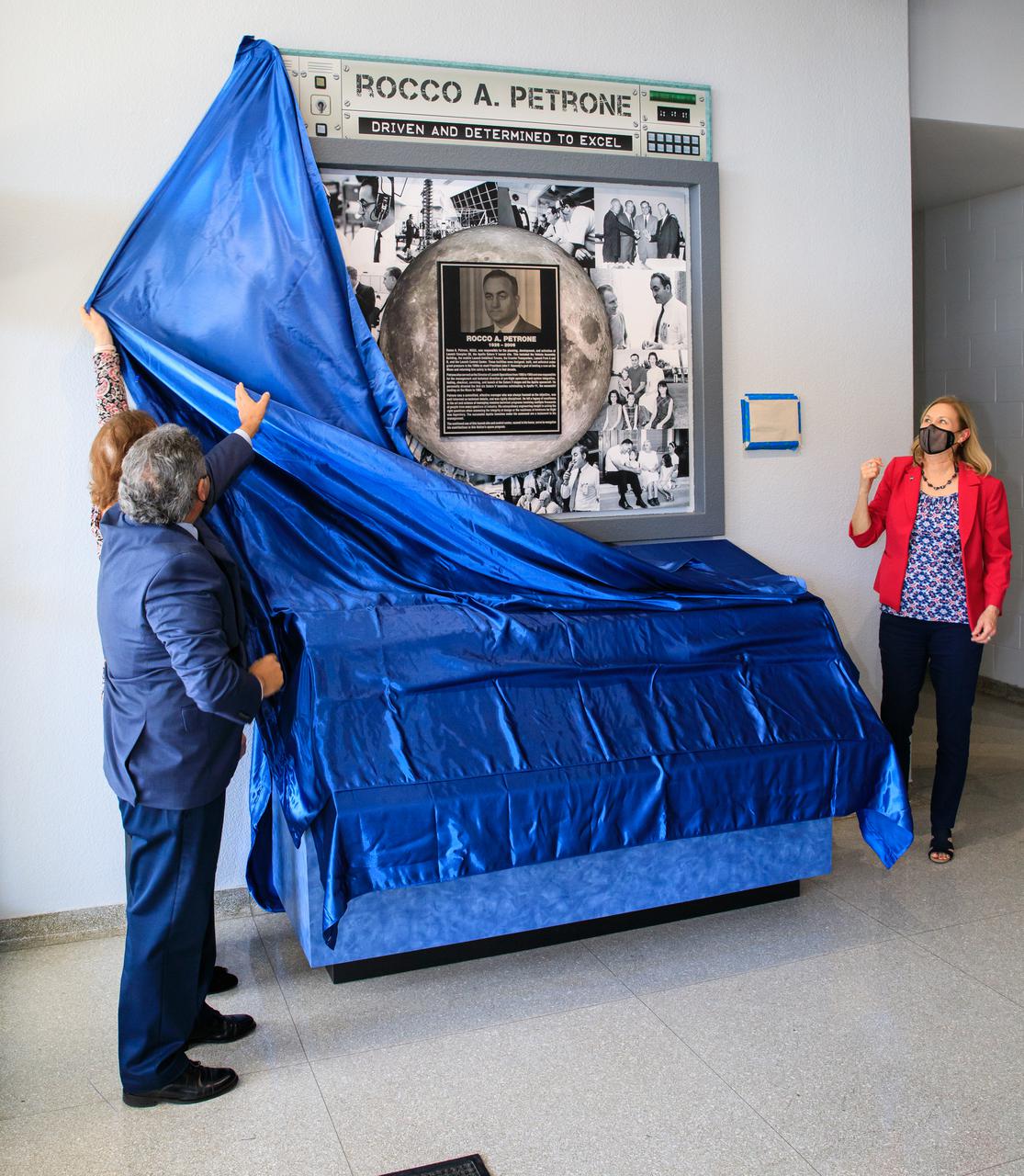
A display dedicated to former Kennedy Space Center launch director Rocco Petrone is unveiled at Kennedy Space Center on Feb. 22, 2022. During a ceremony held at the Florida spaceport, Kennedy’s launch control center was officially renamed to the Rocco A. Petrone Launch Control Center. Petrone was instrumental in America’s first voyages to the Moon and headed the Apollo program. He died in 2006 at the age of 80.

A display dedicated to former Kennedy Space Center director Rocco Petrone is viewed at Kennedy Space Center on Feb. 22, 2022. During a ceremony held at the Florida spaceport, Kennedy’s launch control center was officially renamed to the Rocco A. Petrone Launch Control Center. Petrone was instrumental in America’s first voyages to the Moon and headed the Apollo program. He died in 2006 at the age of 80.
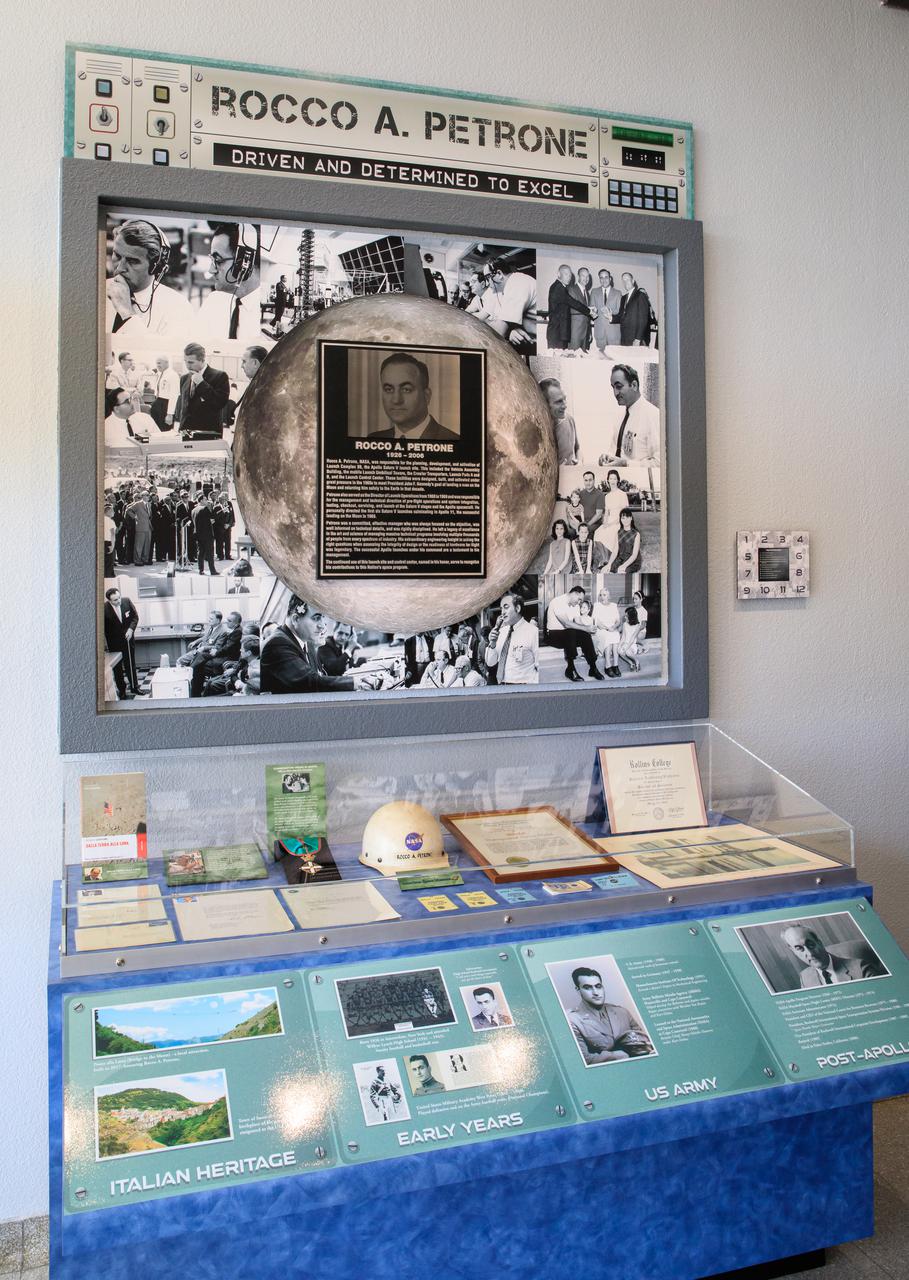
Shown is a display honoring former Kennedy Space Center launch director Rocco Petrone at the Florida spaceport on Feb. 22, 2022. During a ceremony held at Kennedy, the launch control center was officially renamed to the Rocco A. Petrone Launch Control Center. Petrone was instrumental in America’s first voyages to the Moon and headed the Apollo program. He died in 2006 at the age of 80.
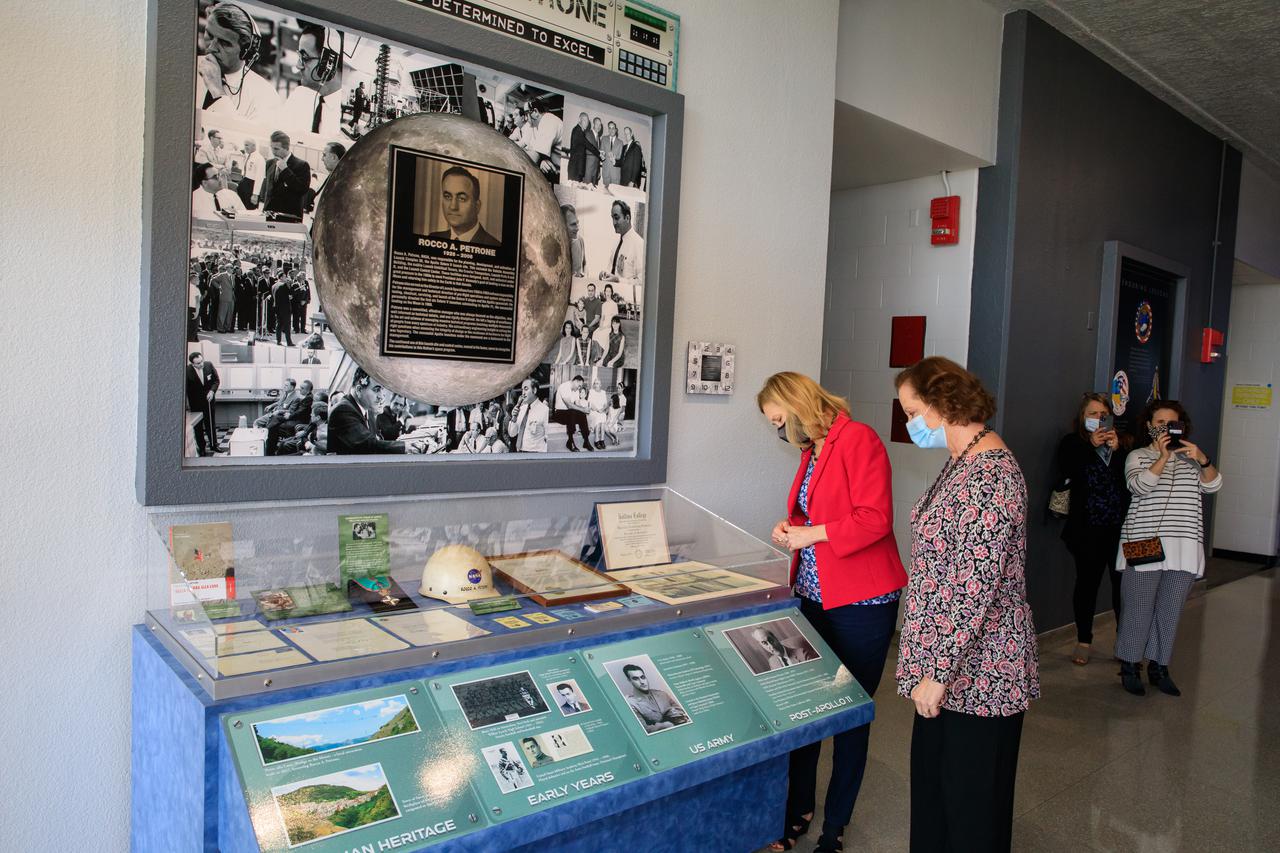
A display dedicated to former Kennedy Space Center launch director Rocco Petrone is viewed at Kennedy Space Center on Feb. 22, 2022. During a ceremony held at the Florida spaceport, Kennedy’s launch control center was officially renamed to the Rocco A. Petrone Launch Control Center. Petrone was instrumental in America’s first voyages to the Moon and headed the Apollo program. He died in 2006 at the age of 80.
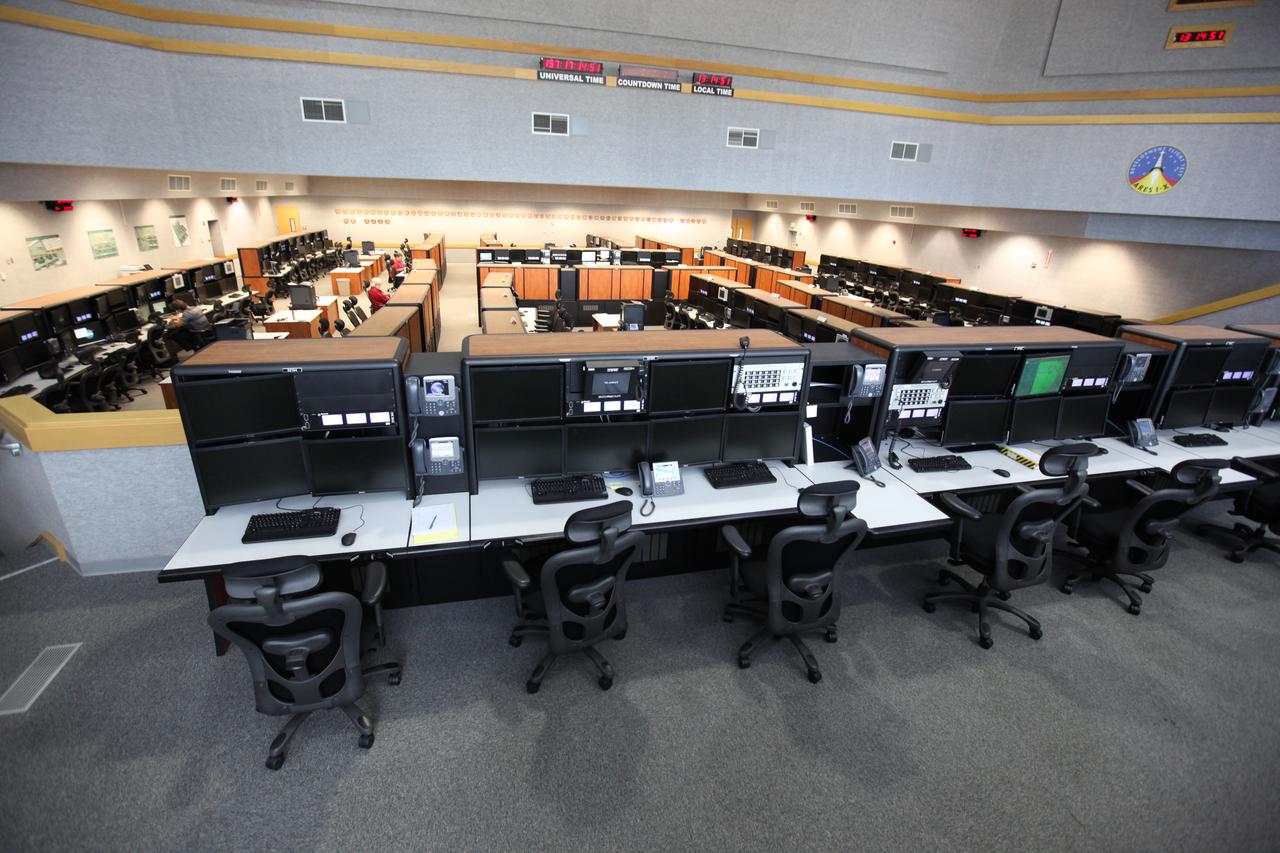
Photos of Firing Room 1 inside the Launch Control Center (LCC) at Kennedy Space Center.
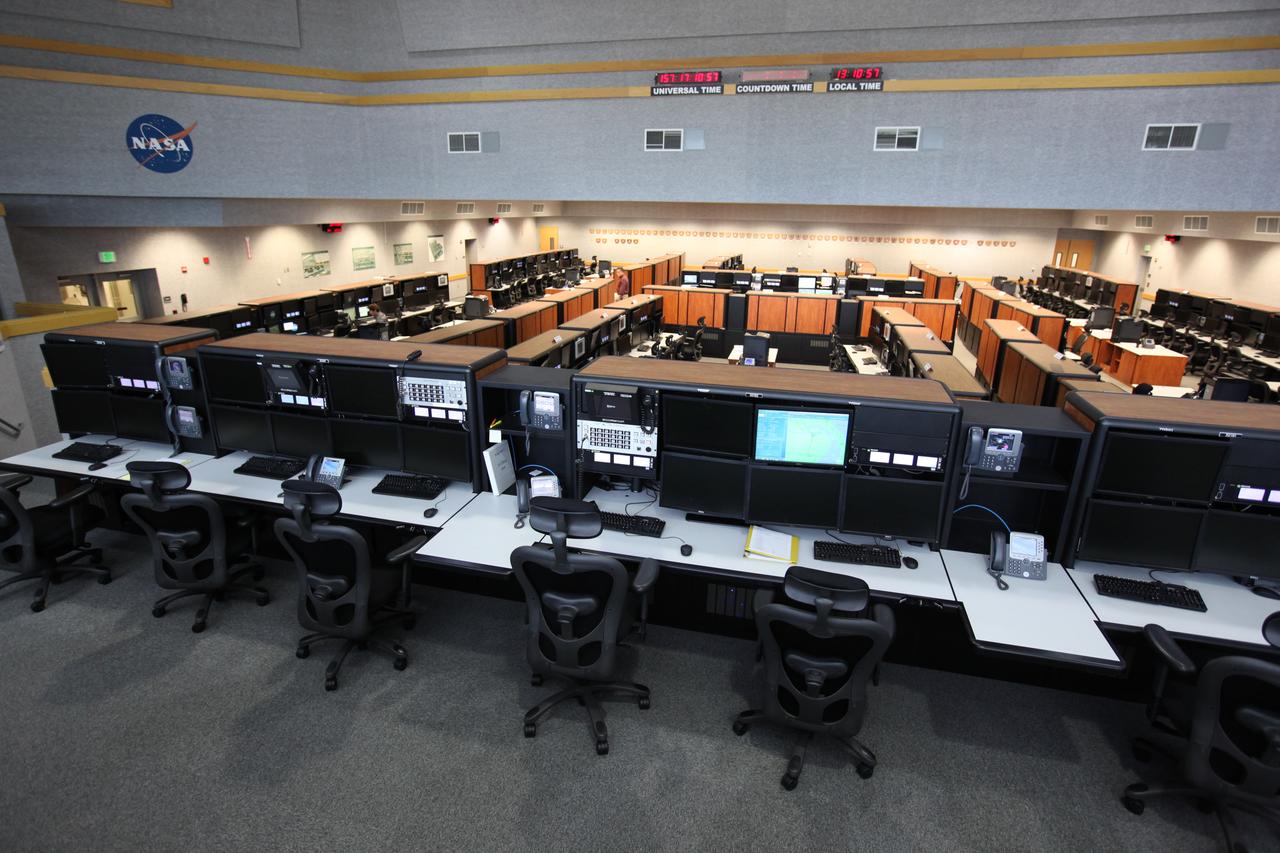
Photos of Firing Room 1 inside the Launch Control Center (LCC) at Kennedy Space Center.
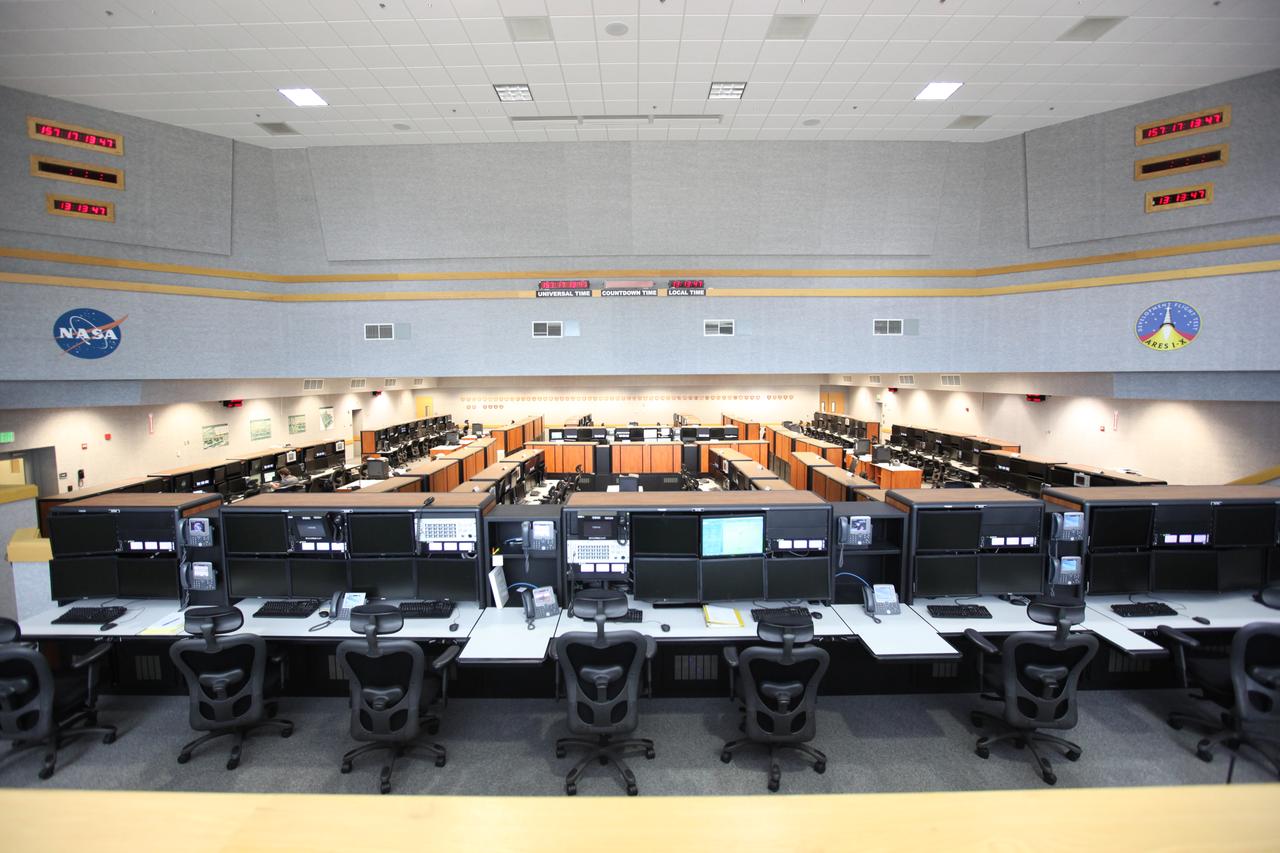
Photos of Firing Room 1 inside the Launch Control Center (LCC) at Kennedy Space Center.
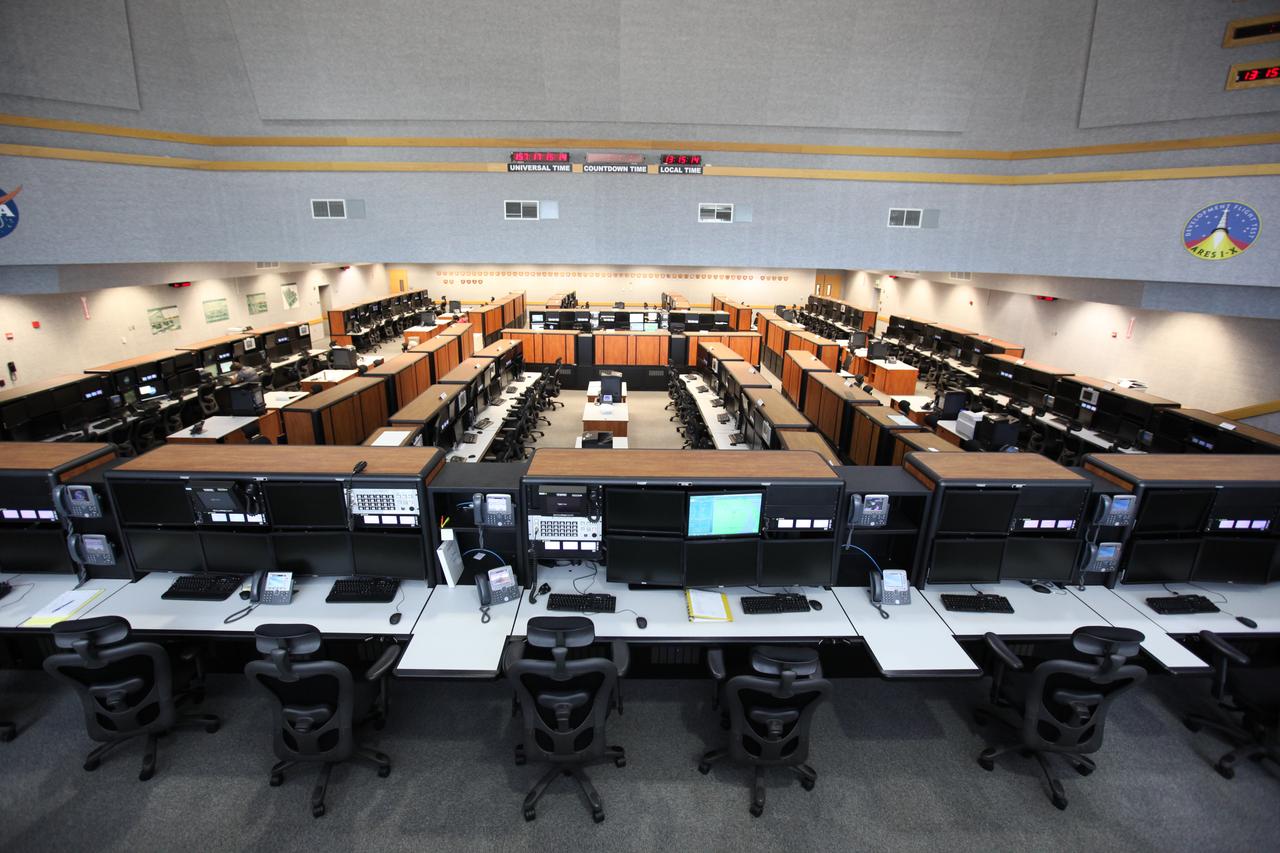
Photos of Firing Room 1 inside the Launch Control Center (LCC) at Kennedy Space Center.
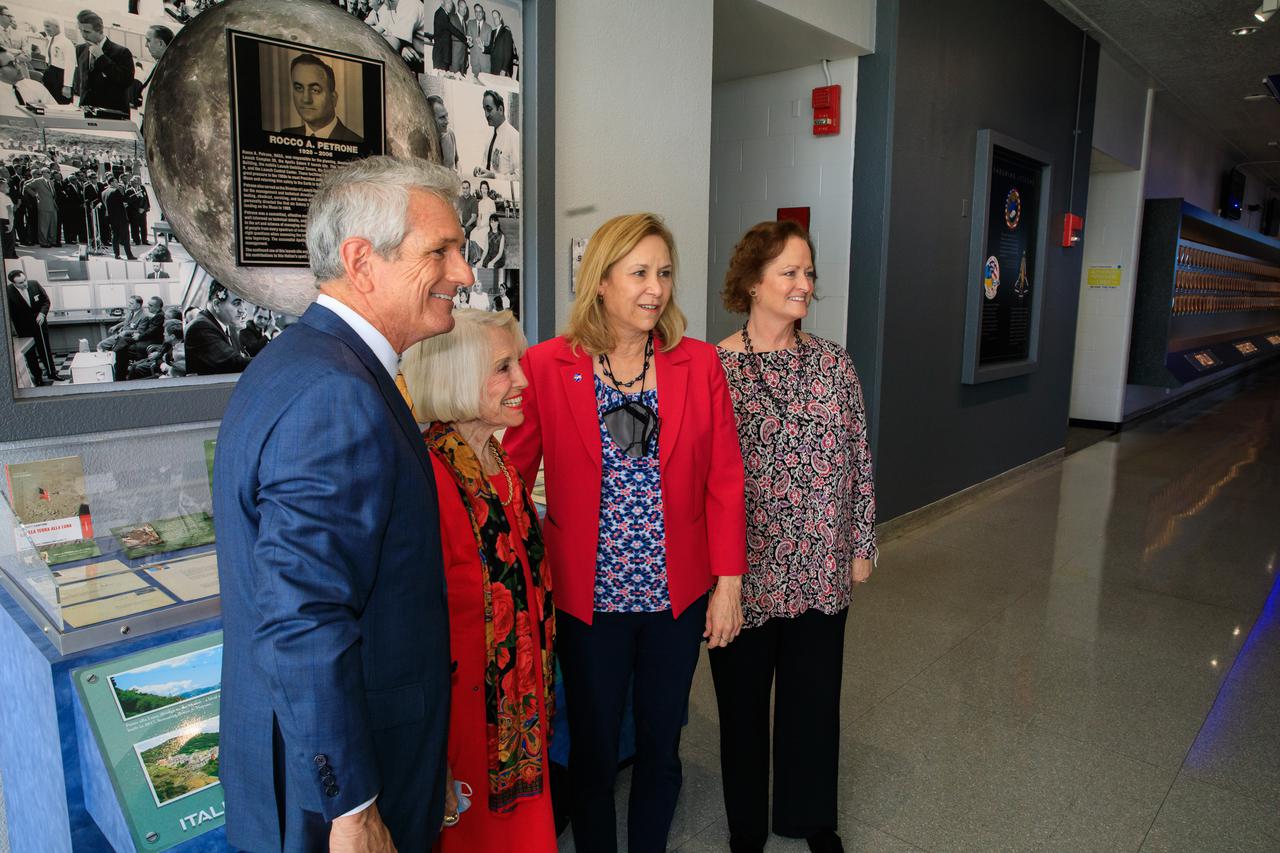
Kennedy Space Center Director Janet Petro, second from right, poses in front of a display dedicated to former Kennedy Space Center launch director Rocco Petrone at the Florida spaceport on Feb. 22, 2022. Also pictured is Scott Rigell, far left, and Kathy Posey, daughter of Petrone, far right. During a ceremony held at Kennedy, the launch control center was officially renamed to the Rocco A. Petrone Launch Control Center. Petrone was instrumental in America’s first voyages to the Moon and headed the Apollo program. He died in 2006 at the age of 80.
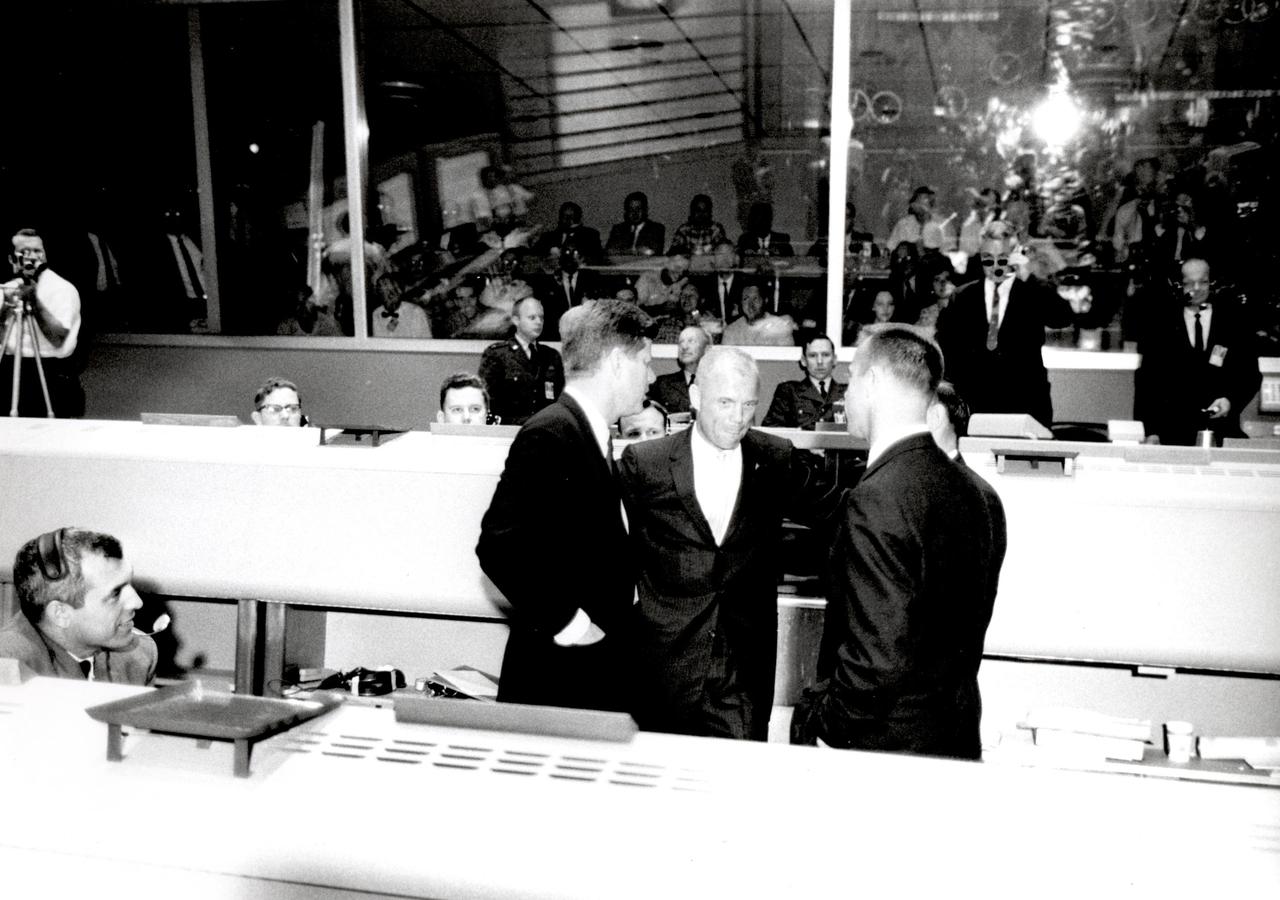
President John F. Kennedy (left) visits Mercury's Flight Control Area a few days after John Glenn's flight in February 1962. To Kennedy's right are Glenn and astronaut Alan Shepard.
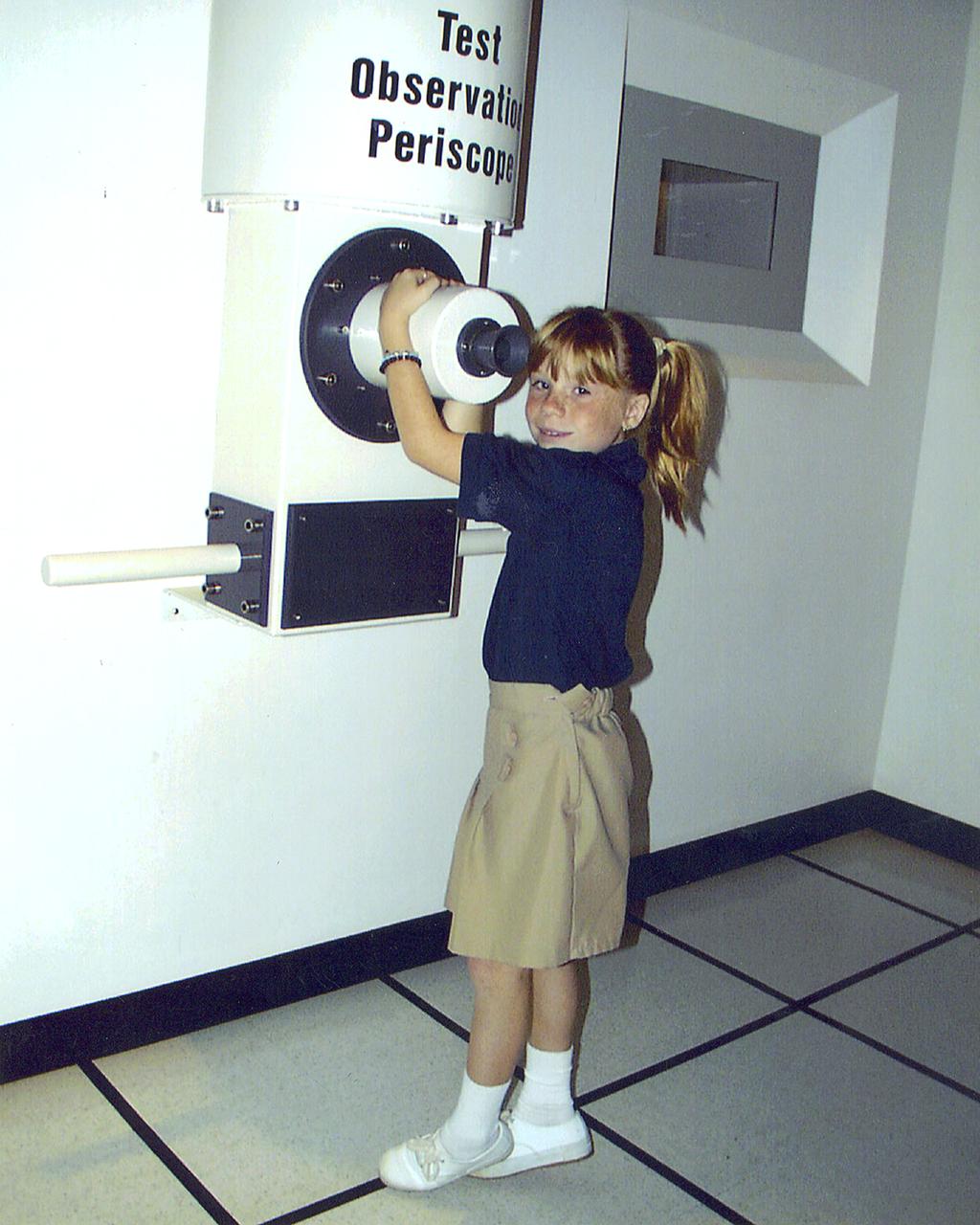
At the test observation periscope in the Test Control Center exhibit in StenniSphere at the John C. Stennis Space Center in Hancock County, Miss., visitors can observe a test of a Space Shuttle Main Engine exactly as test engineers might see it during a real engine test. The Test Control Center exhibit exactly simulates not only the test control environment, but also the procedure of testing a rocket engine. Designed to entertain while educating, StenniSphere includes informative dispays and exhibits from NASA's lead center for rocket propulsion and remote sensing applications. StenniSphere is open free of charge from 9 a.m. to 5 p.m. daily.
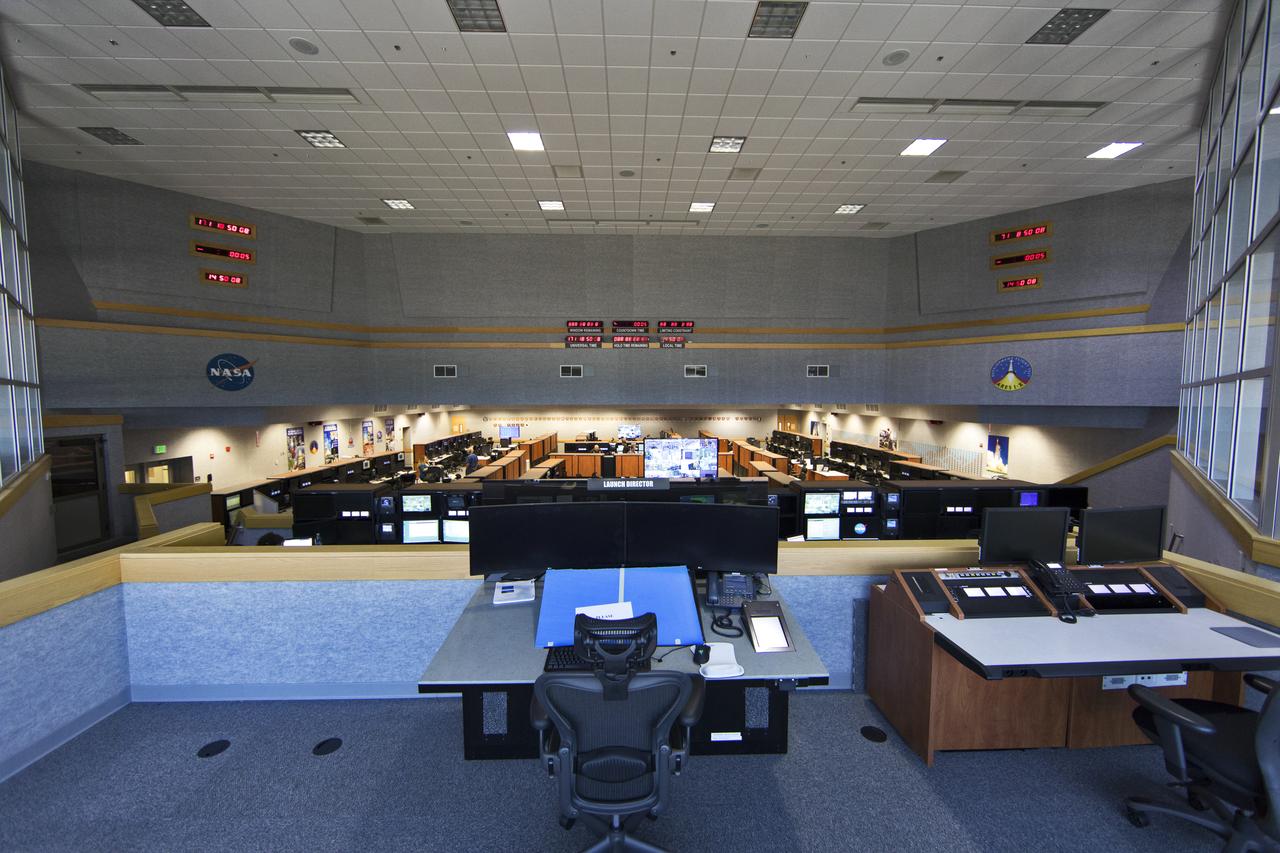
A view of Firing Room 1 in the Launch Control Center (LCC) at NASA's Kennedy Space Center in Florida. The Apollo and shuttle-era firing rooms in the LCC have been upgraded. The upper deck includes a work station in development for the EM-1 launch director. Exploration Ground Systems upgraded Firing Room 1 to support the launch of NASA's Space Launch System rocket and Orion spacecraft on Exploration Mission-1 and deep space missions.

A blue sky and fluffy clouds serve as the backdrop in this view of the exterior of the Launch Control Center (LCC) at NASA's Kennedy Space Center in Florida. The Apollo and shuttle-era firing rooms in the LCC have been upgraded. Exploration Ground Systems upgraded Firing Room 1 to support the launch of NASA's Space Launch System rocket and Orion spacecraft on Exploration Mission-1 and deep space missions.
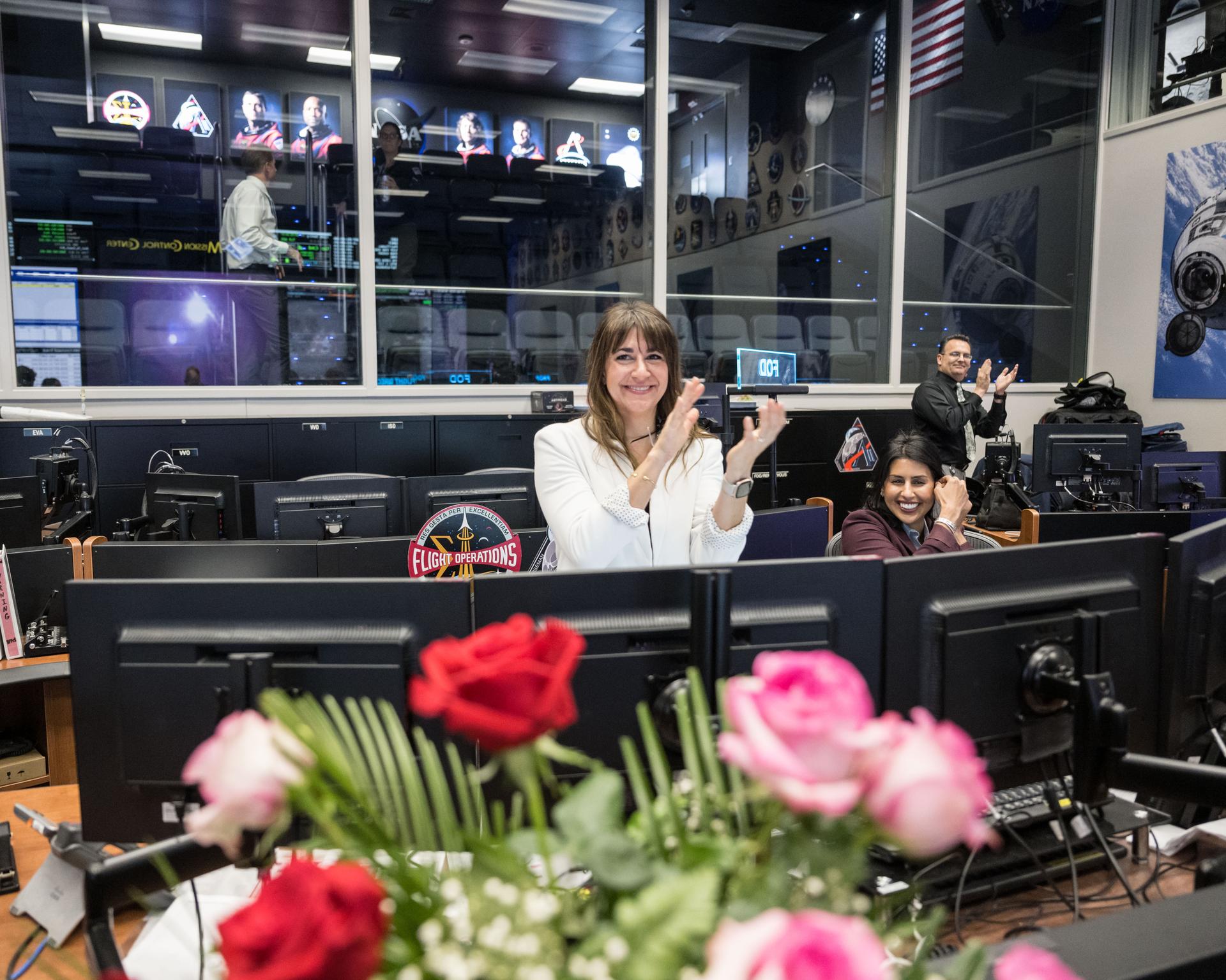
jsc2026e020501 (April 6, 2026) - NASA Flight Directors Diane Dailey, Pooja Jesrani, and Paul Konyha pictured in the White Flight Control Room during the Artemis II crew’s lunar flyby. Credit: NASA
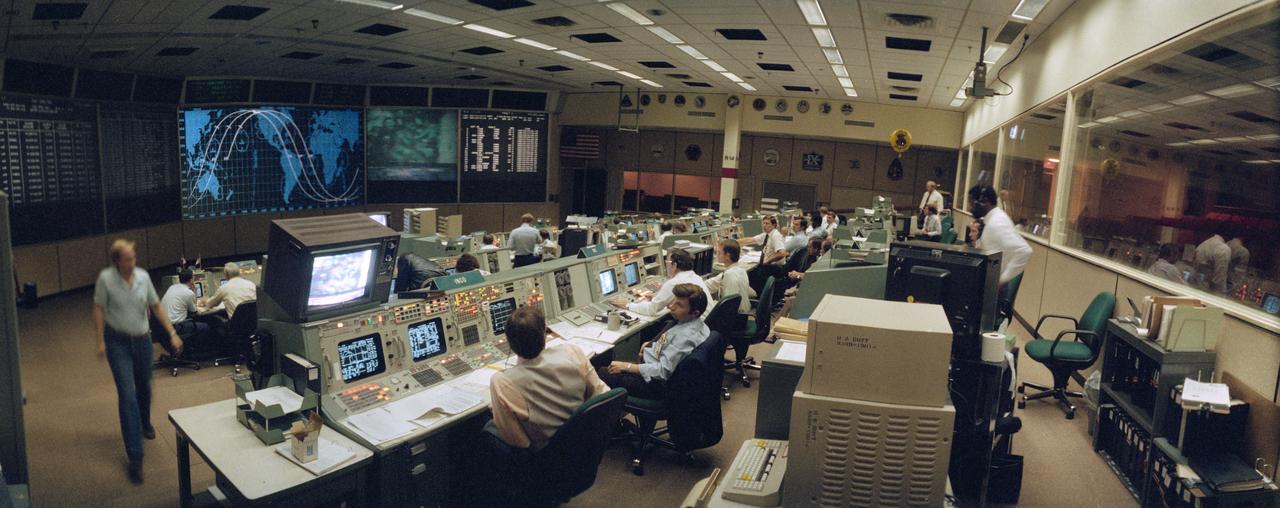
Wide angle view of the flight control room (FCR) of the Mission Control Center (MCC). Some of the STS 41-G crew can be seen on a large screen at the front of the MCC along with a map tracking the progress of the orbiter.
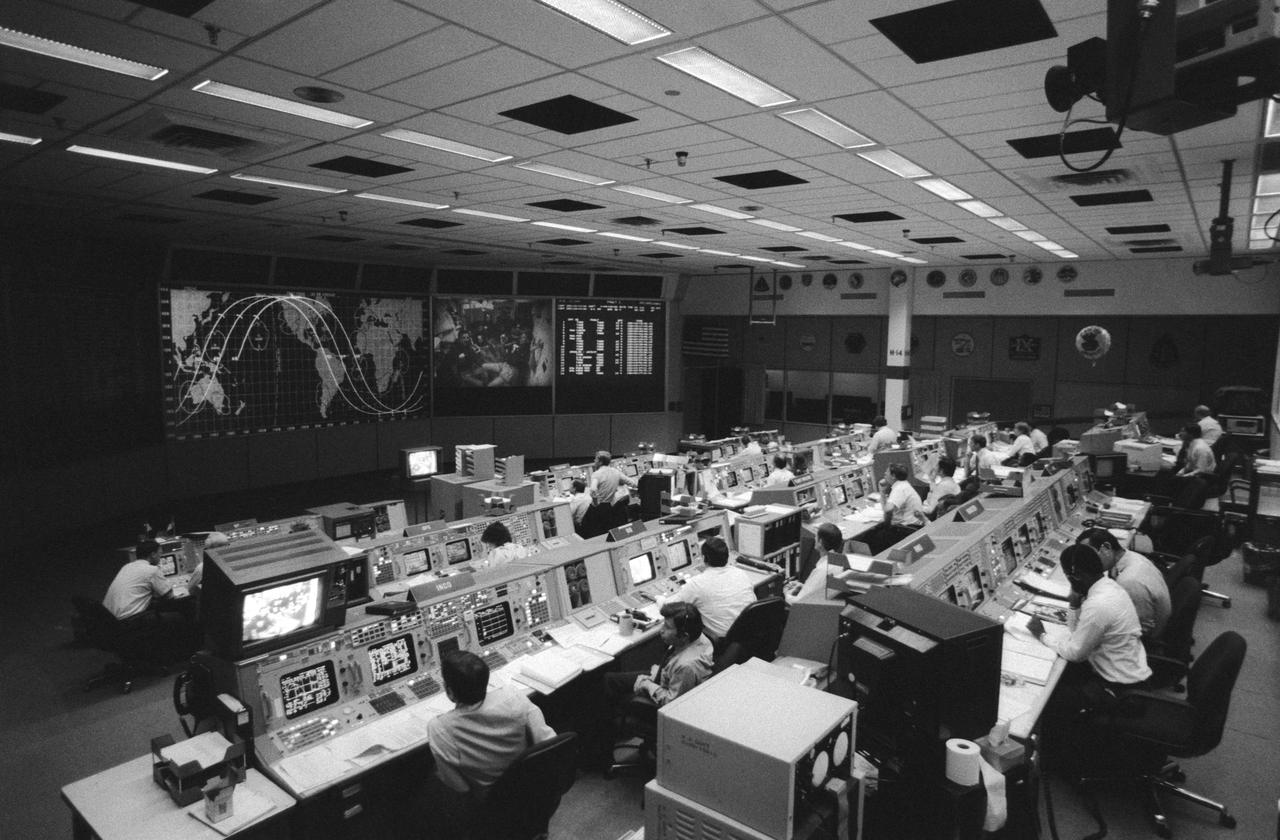
Wide angle view of the flight control room (FCR) of the Mission Control Center (MCC). Some of the STS 41-G crew can be seen on a large screen at the front of the MCC along with a map tracking the progress of the orbiter.
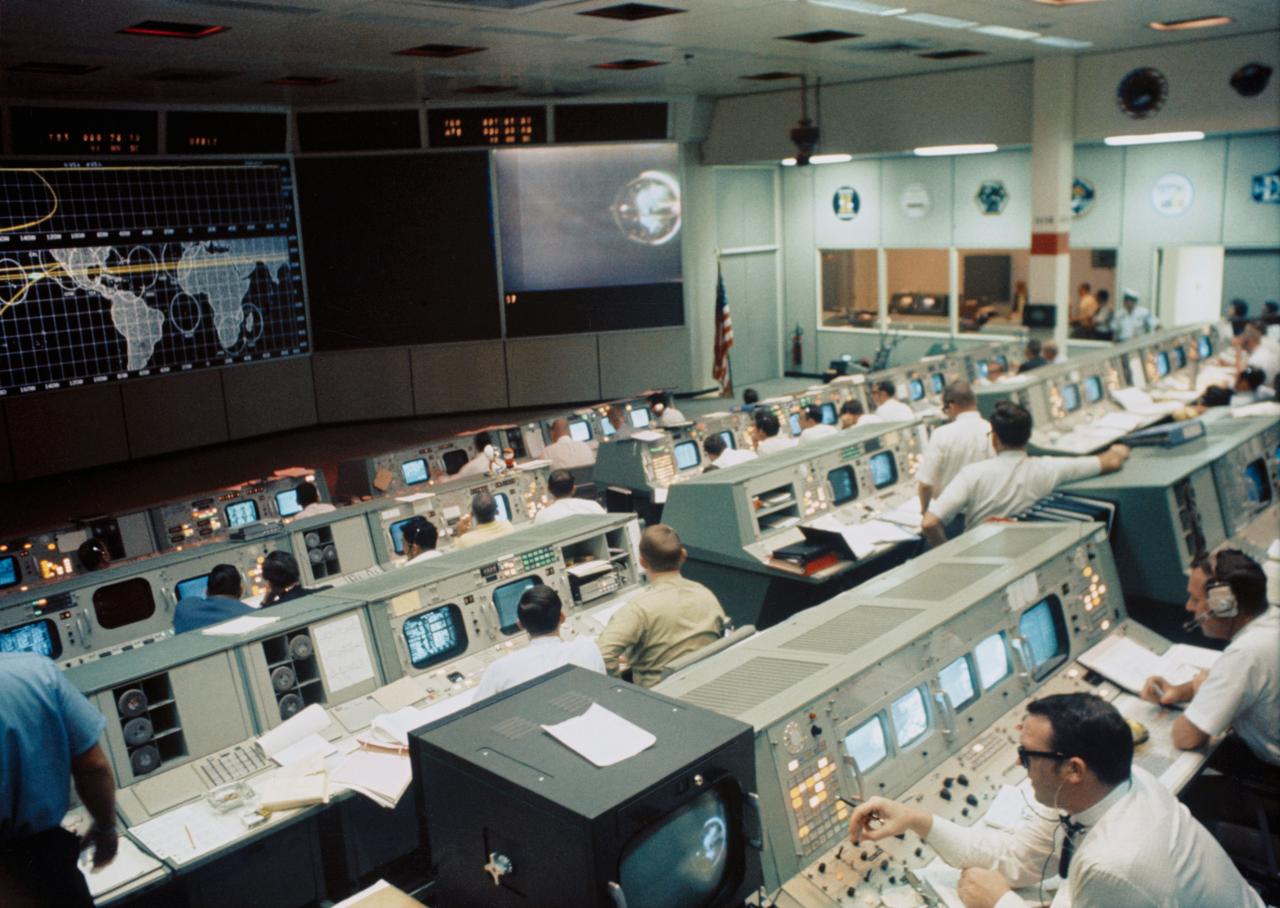
S69-34316 (18 May 1969) --- Overall view of the Mission Operations Control Room in the Mission Control Center, Building 30, on the first day of the Apollo 10 lunar orbit mission. A color television transmission was being received from Apollo 10. This picture was made following Command and Service Module/Lunar Module/Saturn IVB (CSM/LM-S-IVB) separation and prior to LM extraction from the S-IVB. The CSM were making the docking approach to the LM/S-IVB.
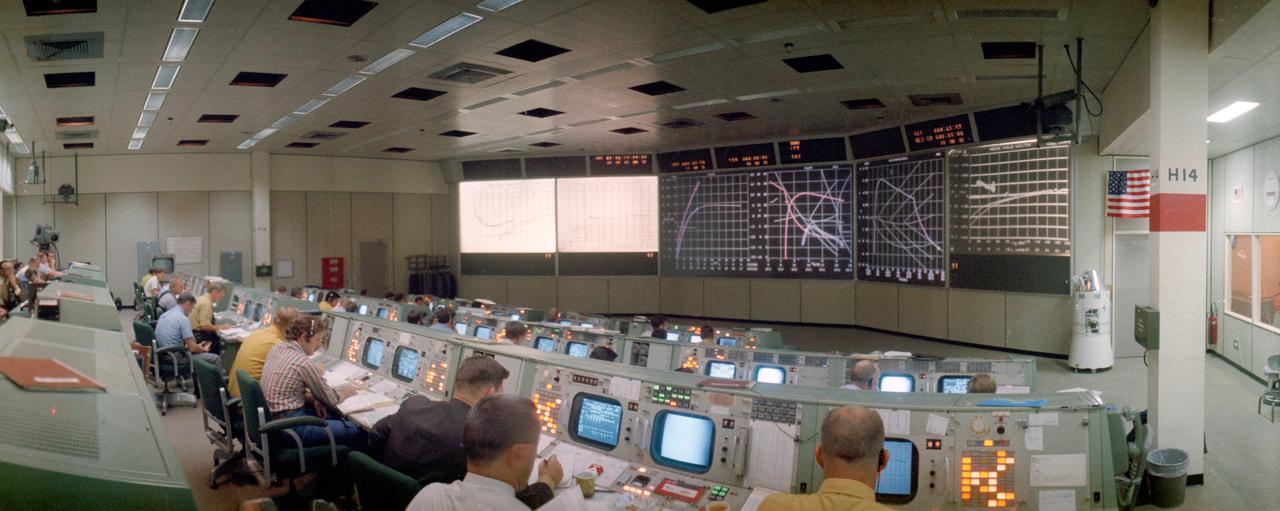
S71-41357 (26 July 1971) --- An overall, wide-angle lens view of activity in the Mission Operations Control Room in the Mission Control Center minutes after the launch of the Apollo 15 lunar landing mission. Ground elapsed time was 45 minutes and 42 seconds when this photograph was taken.
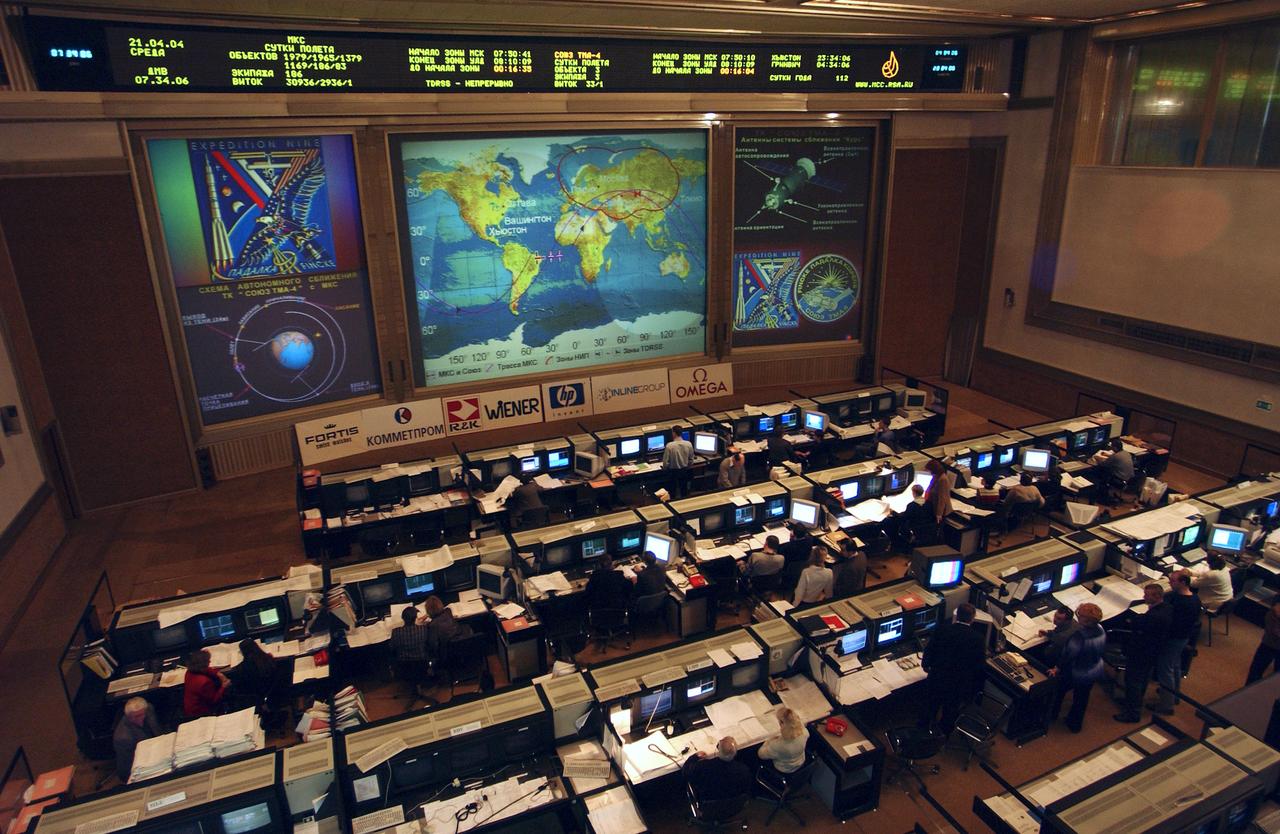
View of the Flight Control Room at the Russian Mission Control Center in Korolev, Russia, located on the outskirts of Moscow, Wednesday, April 21, 2004. Photo Credit: (NASA/Bill Ingalls)

S65-05399 (1965) --- Composite drawing showing the vertical, lateral, forward and aft maneuvering control of the Gemini spacecraft.
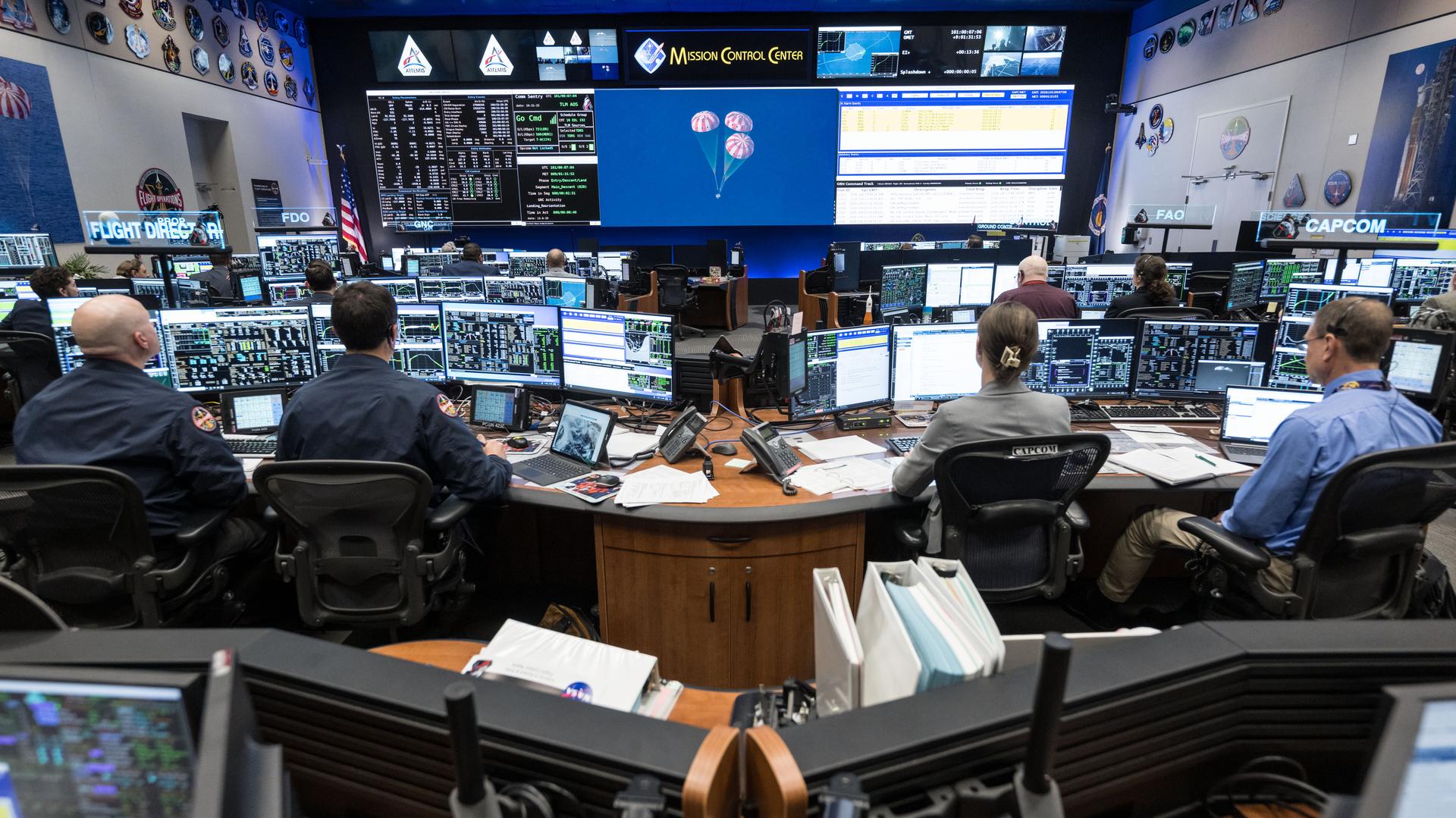
jsc2026e022251(April 10, 2026) - Artemis II Flight Control Team pictured at consoles within the White Flight Control Room in the Mission Control Center at NASA’s Johnson Space Center for the splashdown and recovery of the Artemis II crew as it landed in the Pacific Ocean off the coast of California, Friday, April 10, 2026 at 7:07 p.m. CDT. NASA’s Artemis II mission took NASA astronauts Reid Wiseman, commander; Victor Glover, pilot; Christina Koch, mission specialist; and CSA (Canadian Space Agency) astronaut Jeremy Hansen on a nearly 10-day journey around the Moon and back to Earth. In the foreground, from right to left, are Flight Director Judd Frieling, Flight Director Rick Henfling, CAPCOM (capsule communicator) Jacki Mahaffey, and astronaut Stan Love.
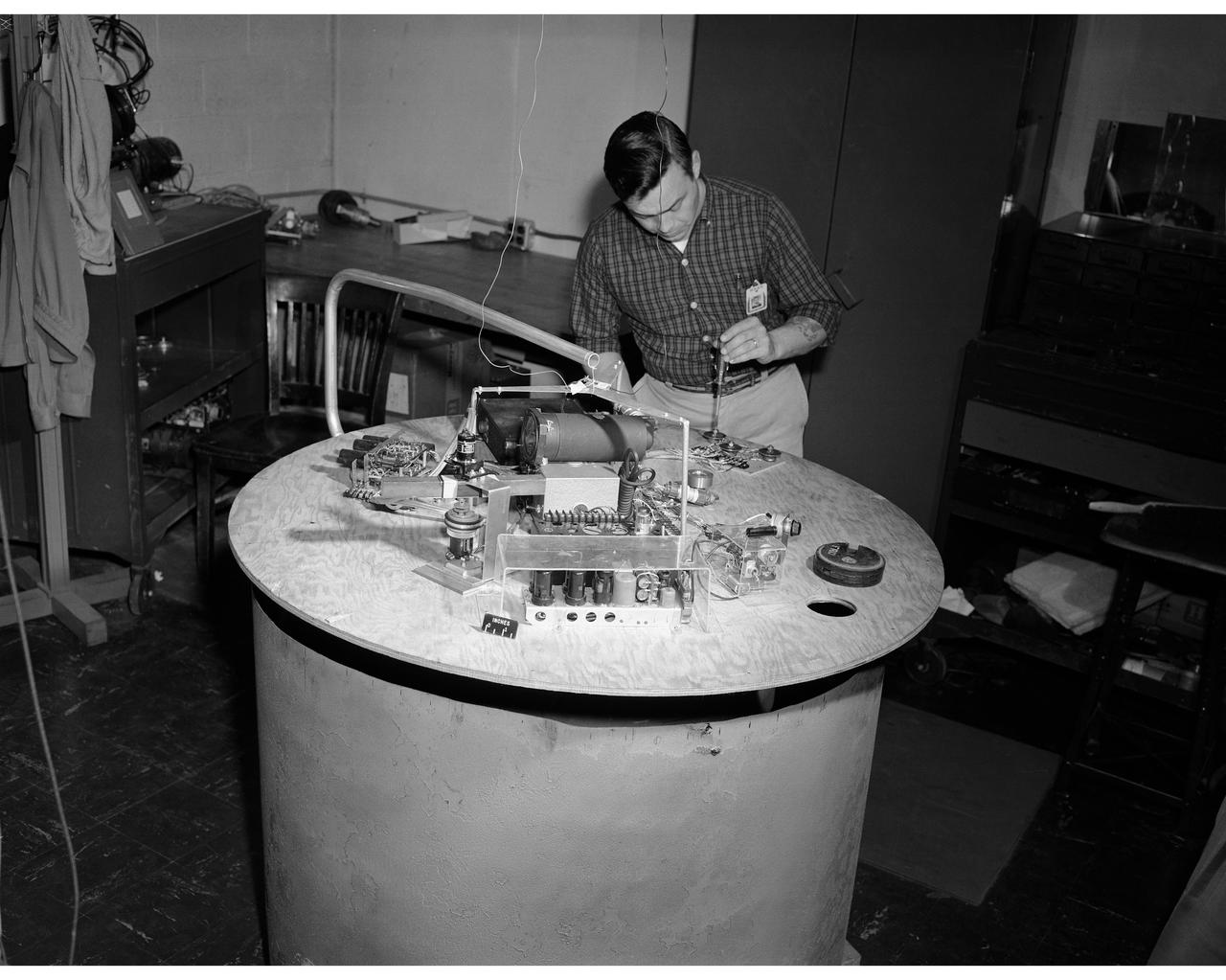
Control utilizing inertia wheel and bar magnet.
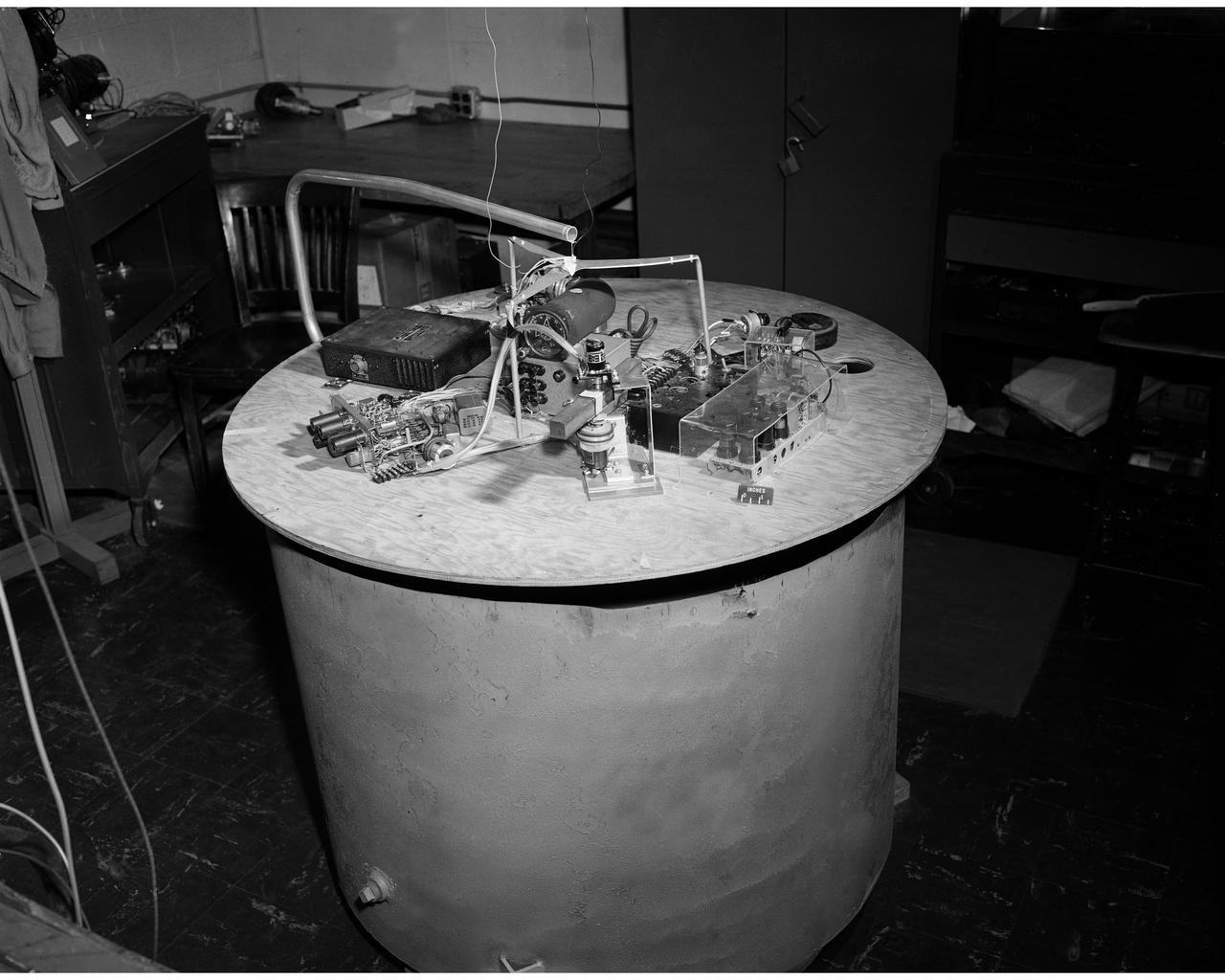
Control utilizing inertia wheel and bar magnet.
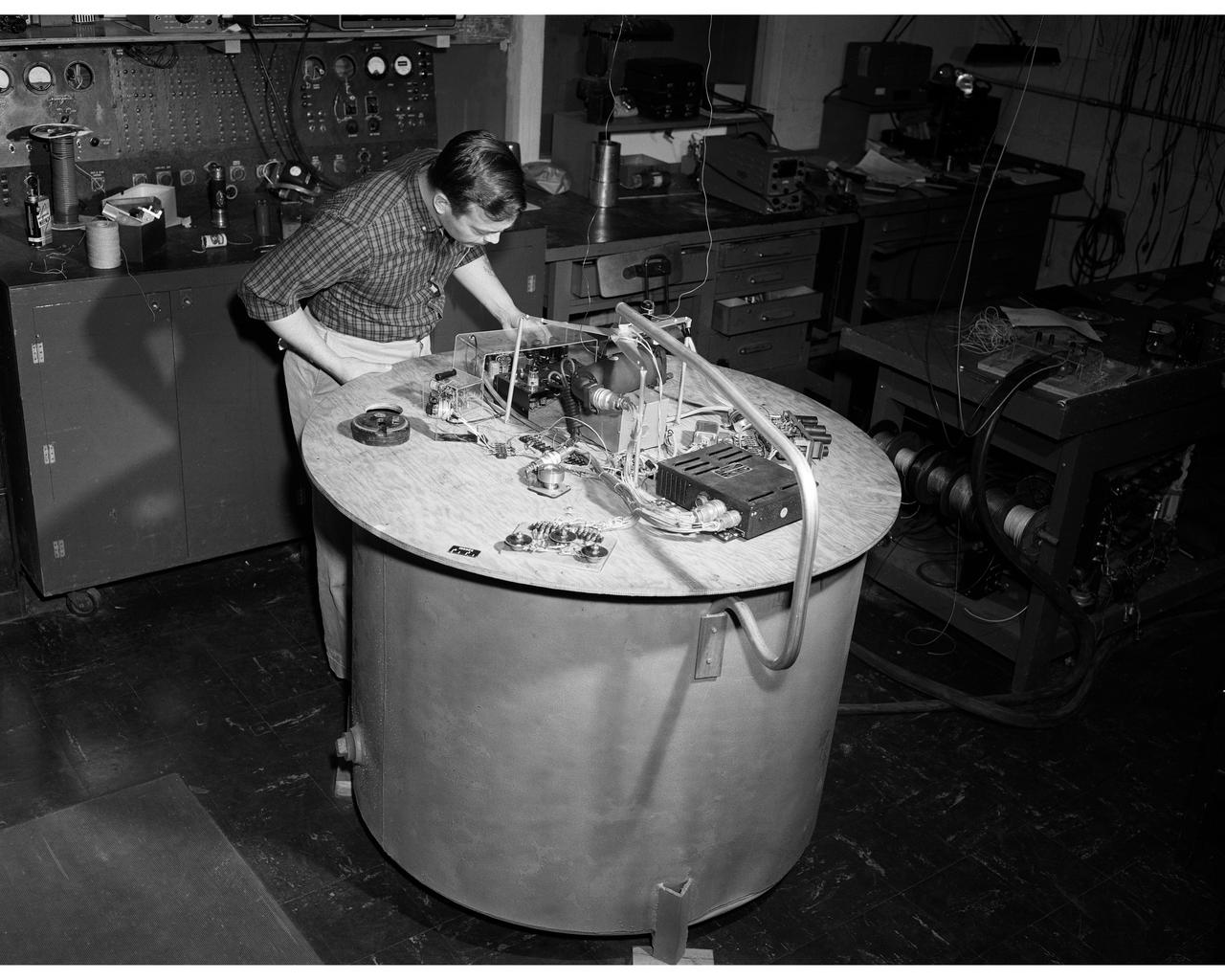
Control utilizing inertia wheel and bar magnet.
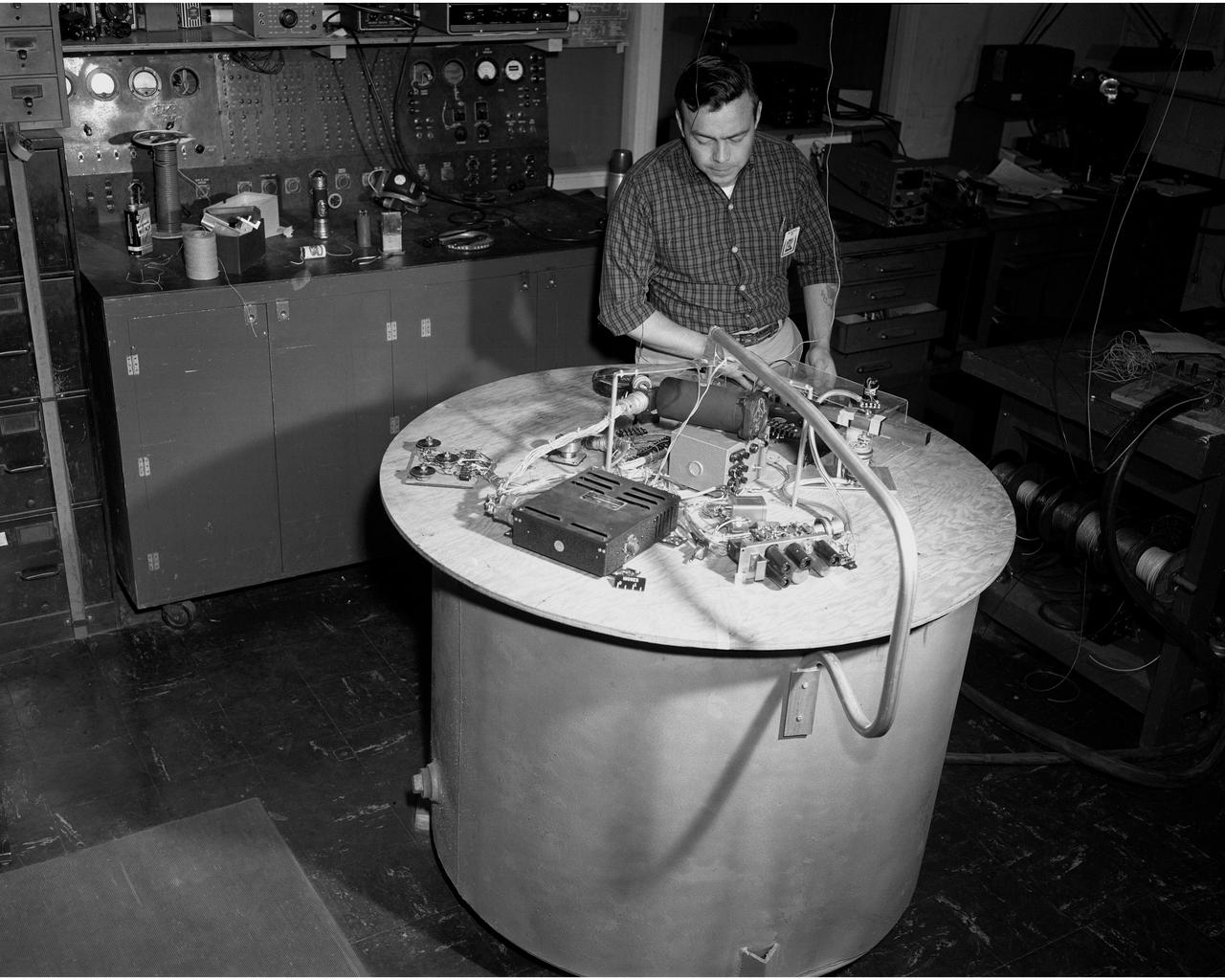
Control utilizing inertia wheel and bar magnet.
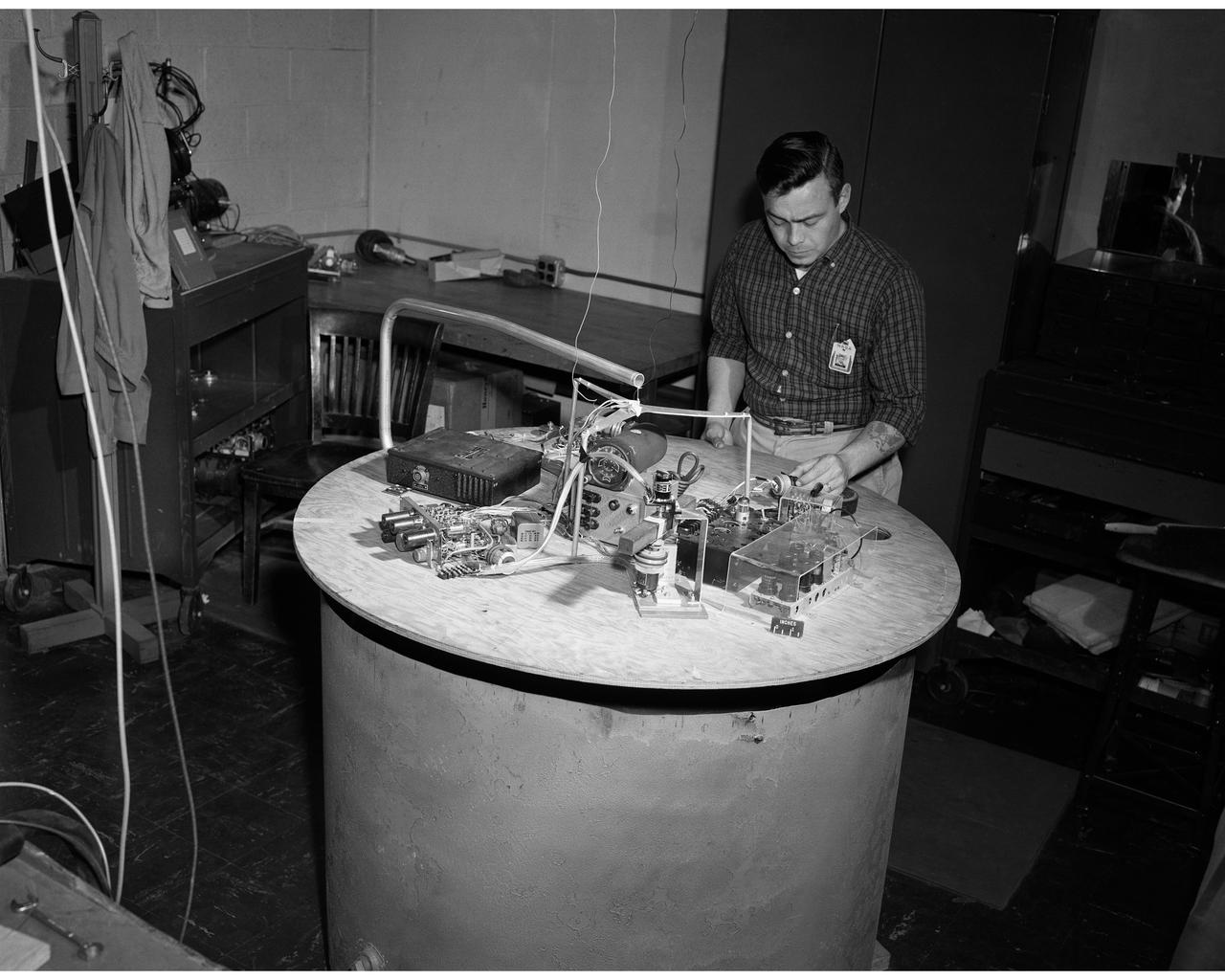
Control utilizing inertia wheel and bar magnet.

Control utilizing inertia wheel and bar magnet.
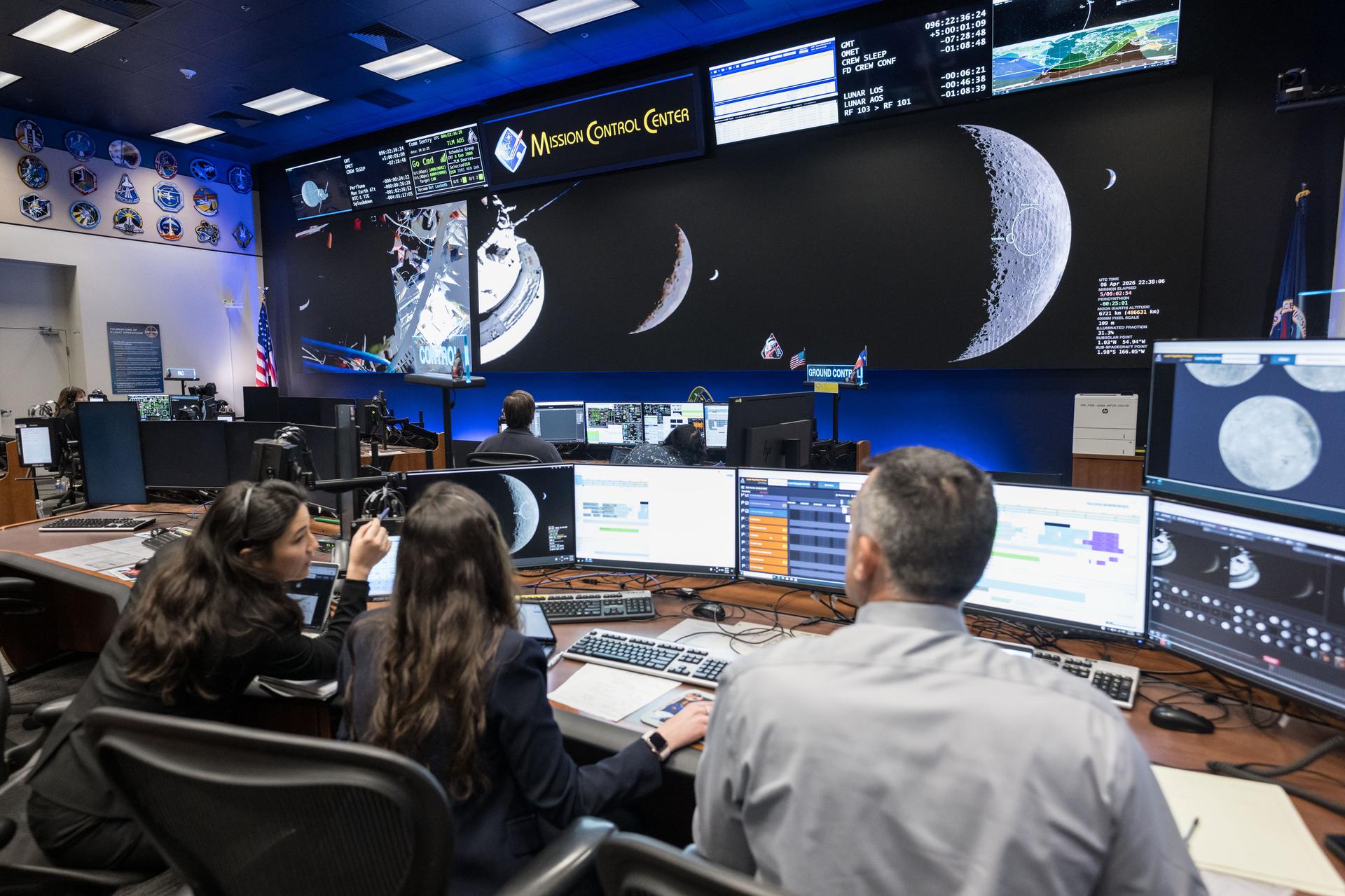
jsc2026e020490 (April 6, 2026) - Pictured from left to right, Angela Garcia, Dr. Kelsey Young, and Dr. Trevor Graff, the first science officers of the Artemis program in the White Flight Control Room in the Christopher C. Kraft Jr. Mission Control Center at NASA’s Johnson Space Center. Seen here about ten minutes before Earthset during Artemis II, these science officers are seen monitoring mission data in real-time from the Science console. They support flight controllers by analyzing scientific measurements and system performance. Their work helps ensure mission objectives are achieved safely and efficiently. Credit: NASA
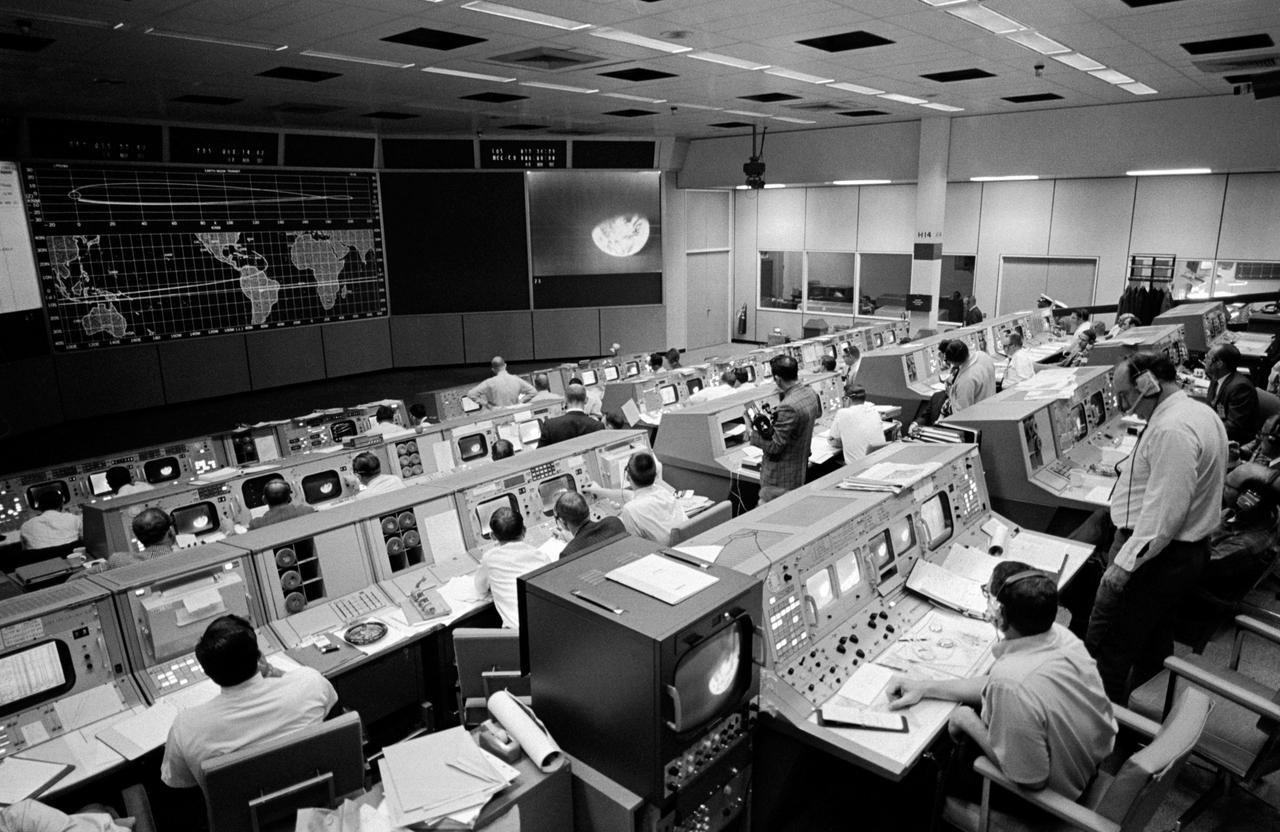
S68-56007 (23 Dec. 1968) --- Overall view of the Mission Operations Control Room in the Mission Control Center, Building 30, on the third day of the Apollo 8 lunar orbit mission. Seen on the television monitor is a picture of Earth which was telecast from the Apollo 8 spacecraft 176,000 miles away.
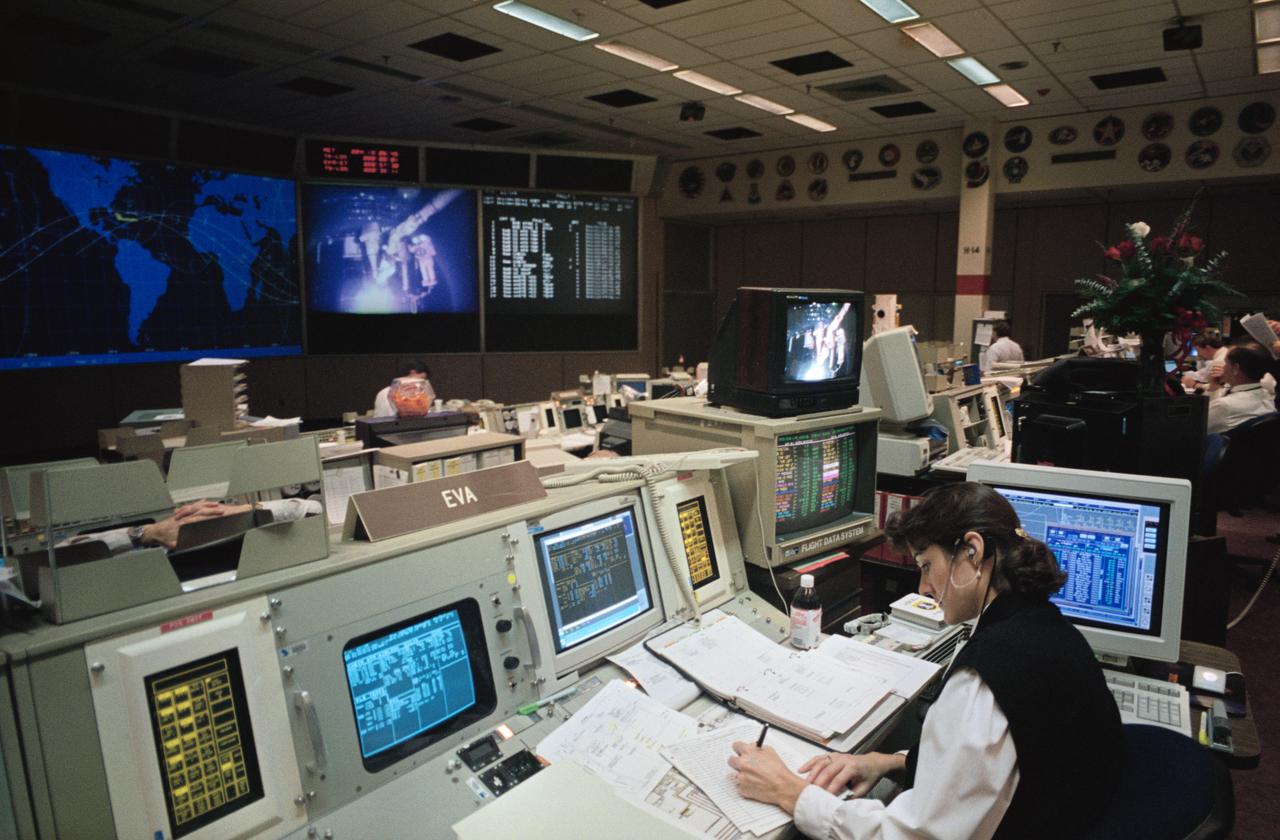
Flight controller Susan P. Rainwater observes as two astronauts work through a lengthy period of extravehicular activity (EVA) in the cargo bay of the Earth-looking Space Shuttle Endeavour. Rainwater's EVA console was one of Mission Control's busiest during this eleven-day Hubble Space Telescope (HST) servicing mission in Earth orbit.
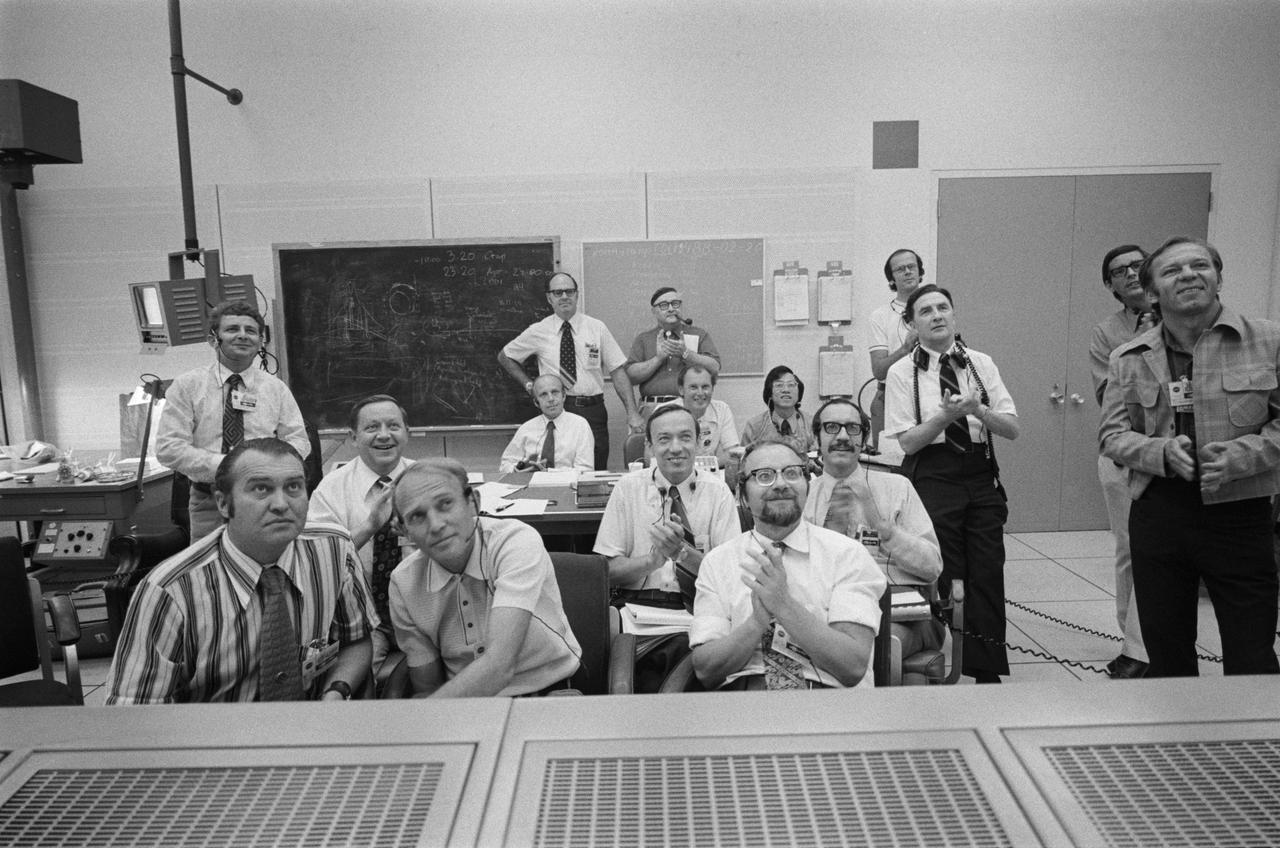
S75-28659 (21 July 1975) --- An overall view of the group of Soviet Union flight controllers who served at the Mission Control Center during the joint U.S.-USSR Apollo-Soyuz Test Project docking mission in Earth orbit. They are applauding the successful touchdown of the Soyuz spacecraft in Central Asia. The television monitor had just shown the land landing of the Soyuz descent vehicle.
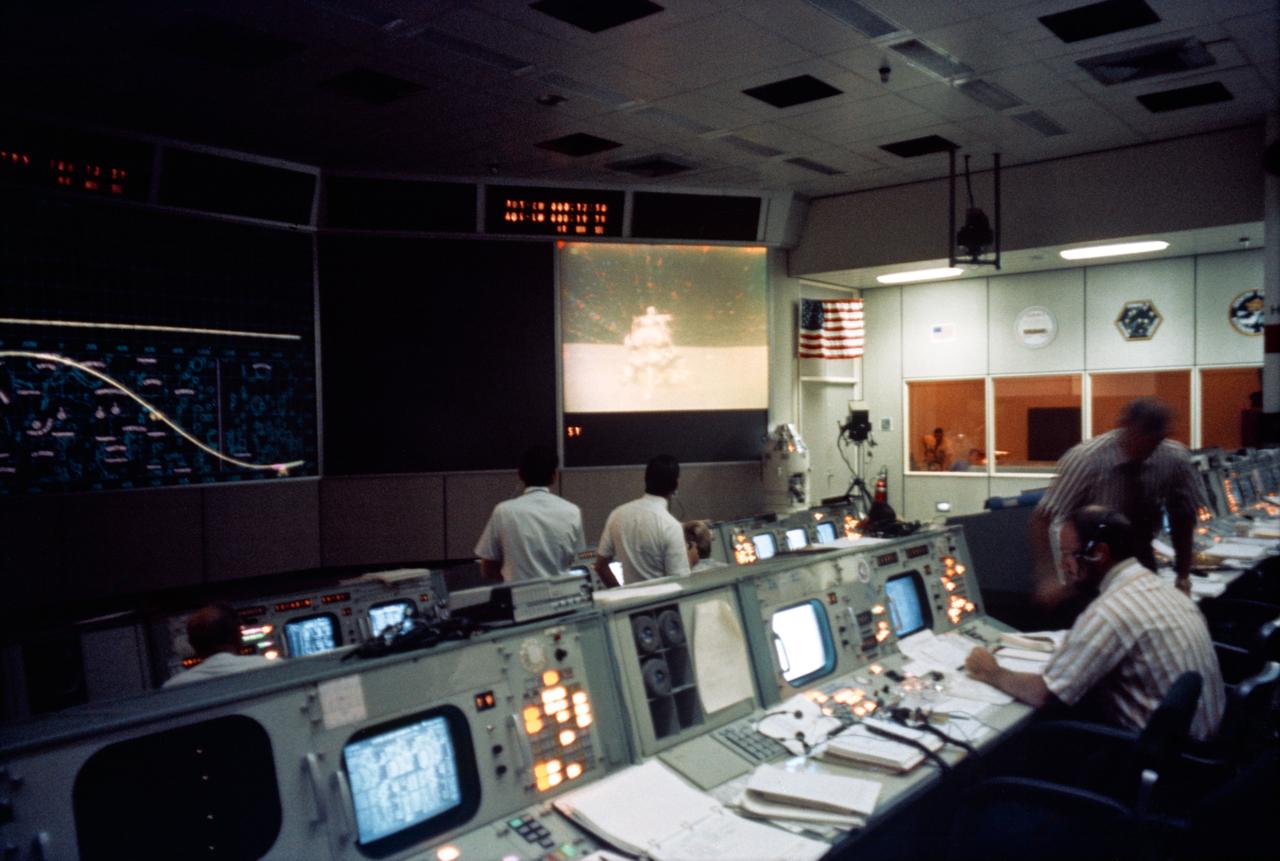
S71-41759 (2 Aug. 1971) --- A partial view of activity in the Mission Operations Control Room in the Mission Control Center during the liftoff of the Apollo 15 Lunar Module "Falcon" ascent stage from the lunar surface. An RCA color television camera mounted on the Lunar Roving Vehicle made it possible for people on Earth to watch the LM's spectacular launch from the moon. The LM liftoff was at 171:37 ground elapsed time. The LRV was parked about 300 feet east of the LM. The TV camera was remotely controlled from a console in the MOCR. Seated in the right foreground is astronaut Edgar D. Mitchell, a spacecraft communicator. Mitchell was lunar module pilot of the Apollo 14 lunar landing mission. Note liftoff on the television monitor in the center background.
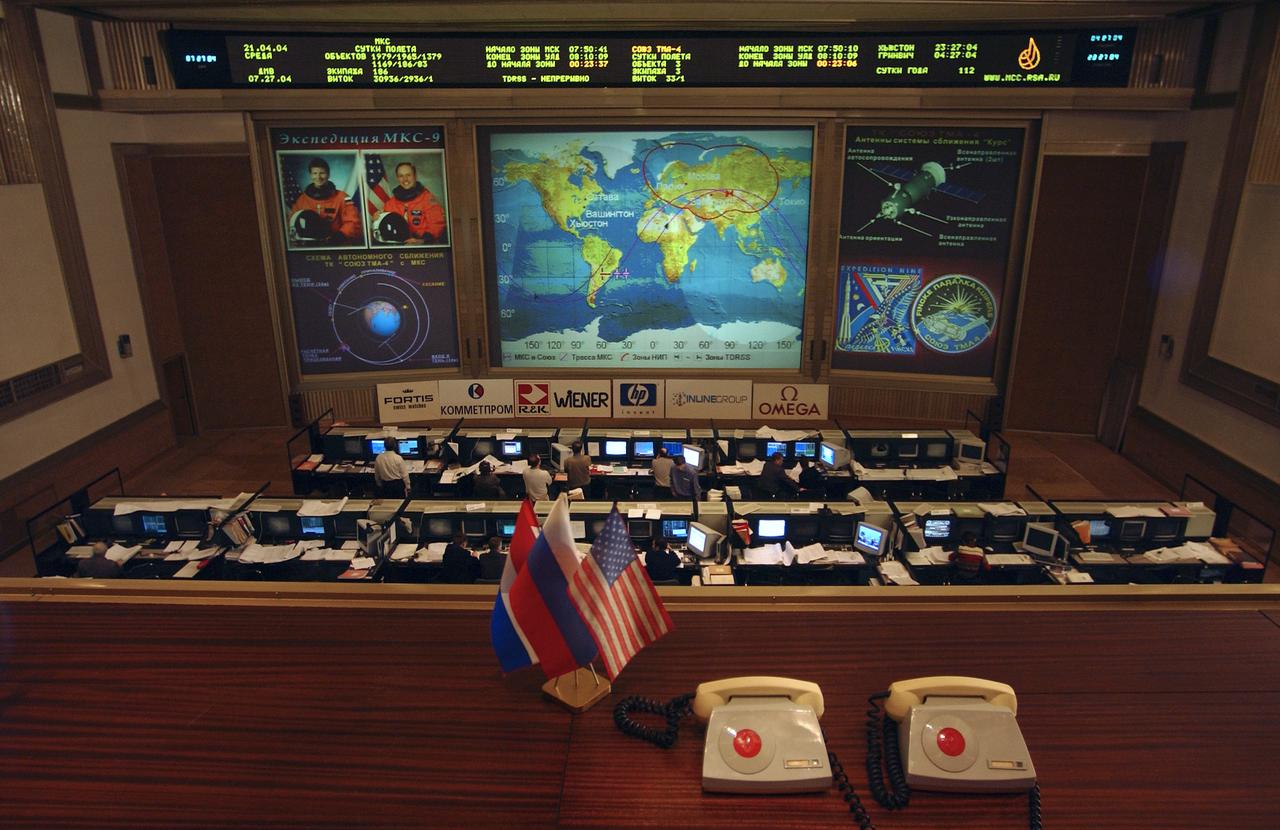
View of the Flight Control Room at the Russian Mission Control Center in Korolev, Russia, located on the outskirts of Moscow, Wednesday, April 21, 2004. Photo Credit: (NASA/Bill Ingalls)
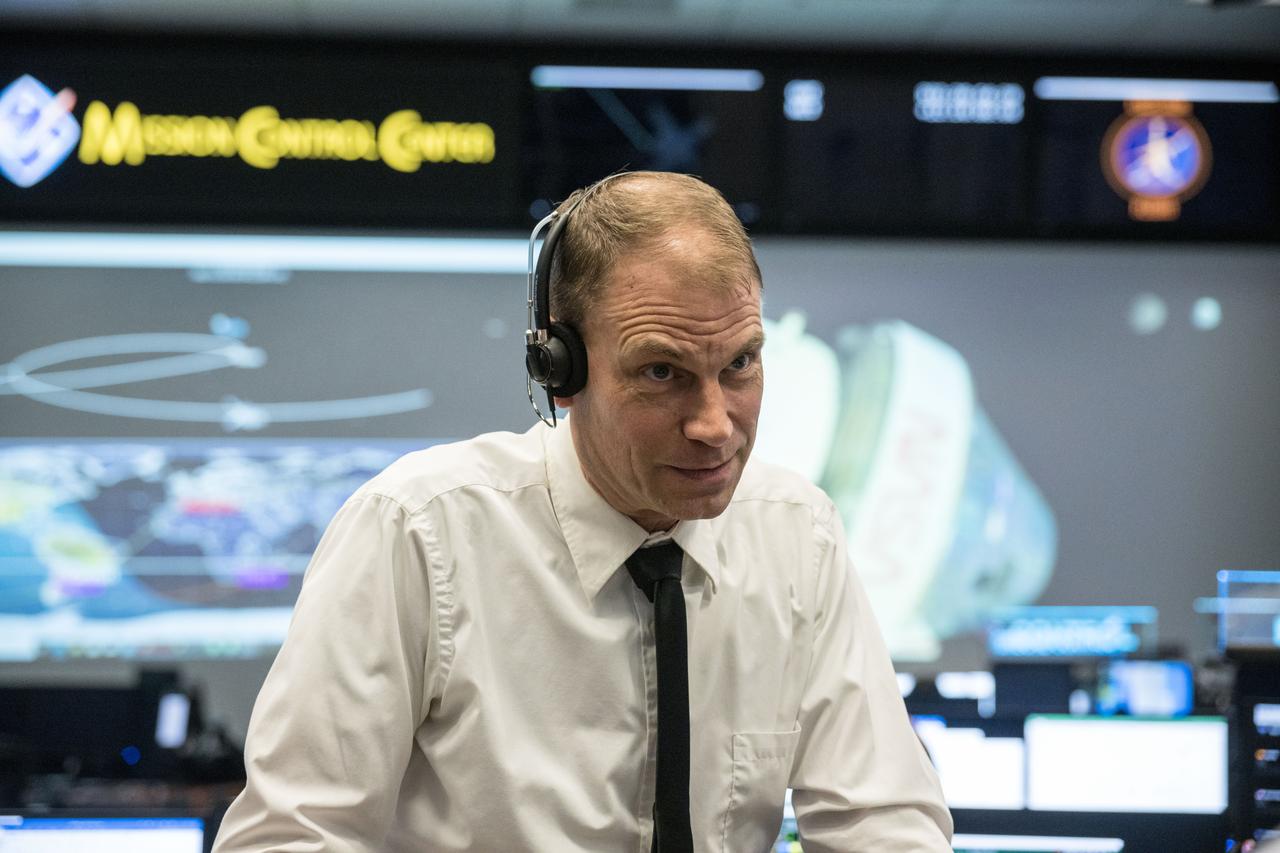
jsc2022e090080 (Nov. 28, 2022): NASA Astronaut Stan Love observes the Orion spacecraft as it reaches its maximum distance from the Earth, nearly 270,000 miles, on flight day 14 of the Artemis I mission from within the Mission Control Center in Houston, Texas. Love is practicing to be capsule communicator, or capcom, during future crewed Artemis missions. Credit: NASA/Robert Markowitz
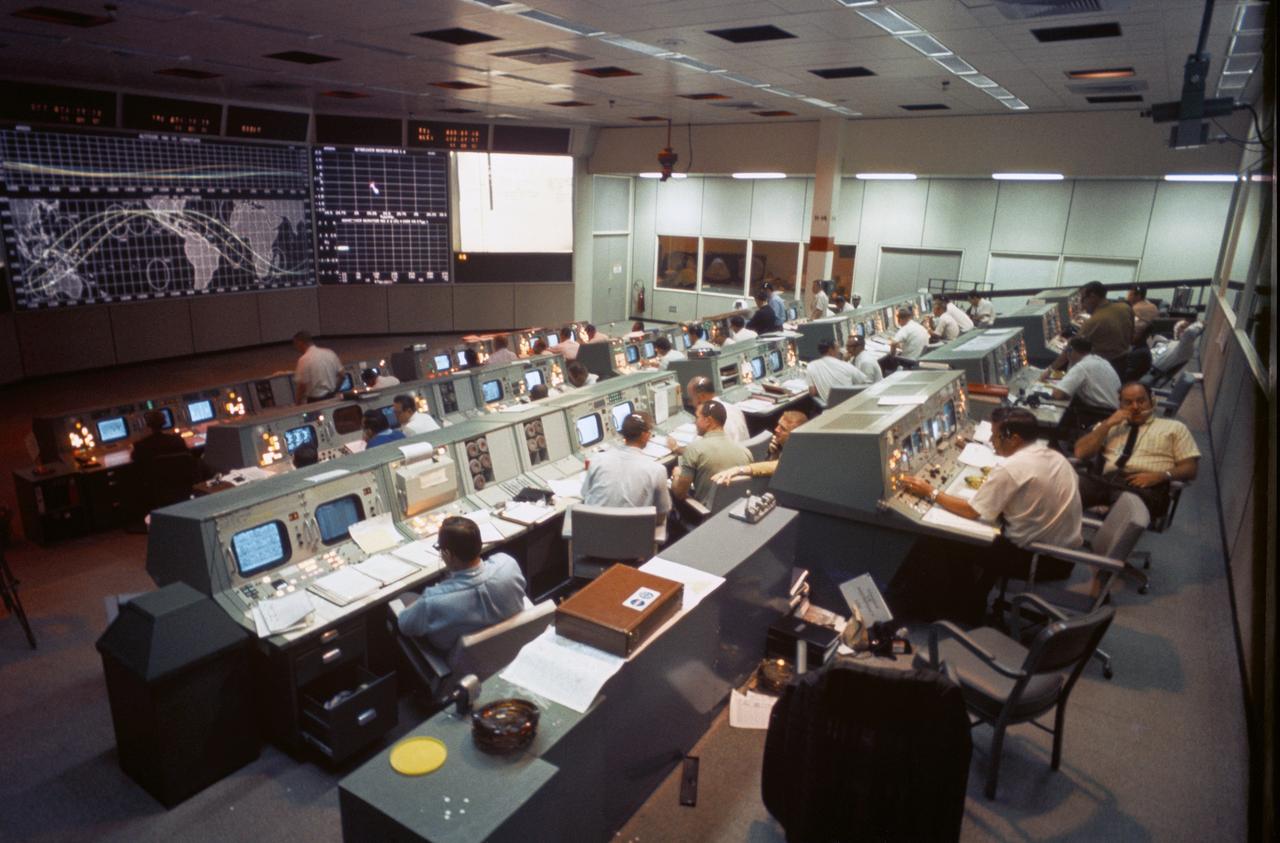
Overall view of activity in the Mission Operations Control Room in the Mission Control Center, Bldg 30, on the first day of the Apollo 7 space mission.
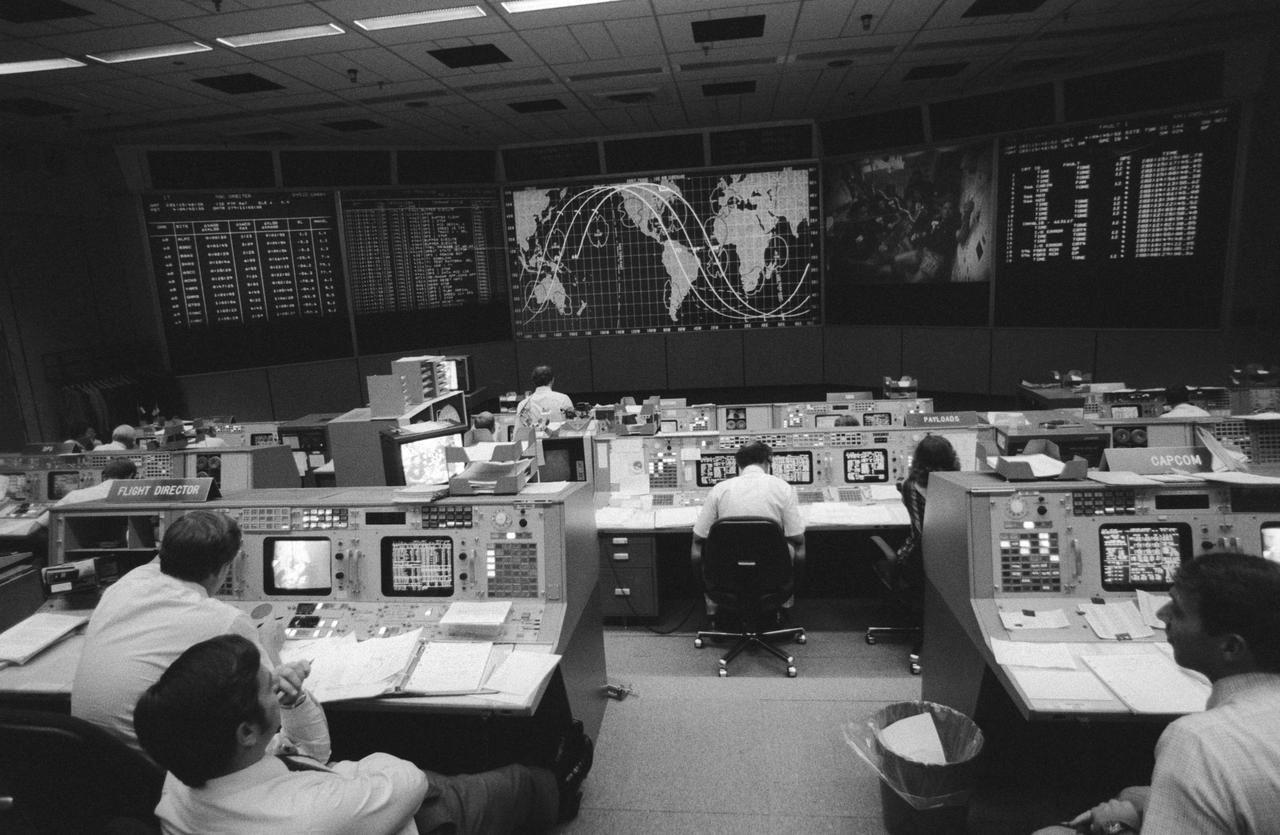
View from the back of the Mission Control Center (MCC). Visible are the Flight Directors console (left front), the CAPCOM console (right front) and the Payloads console. Some of the STS 41-G crew can be seen on a large screen at the front of the MCC along with a map tracking the progress of the orbiter.
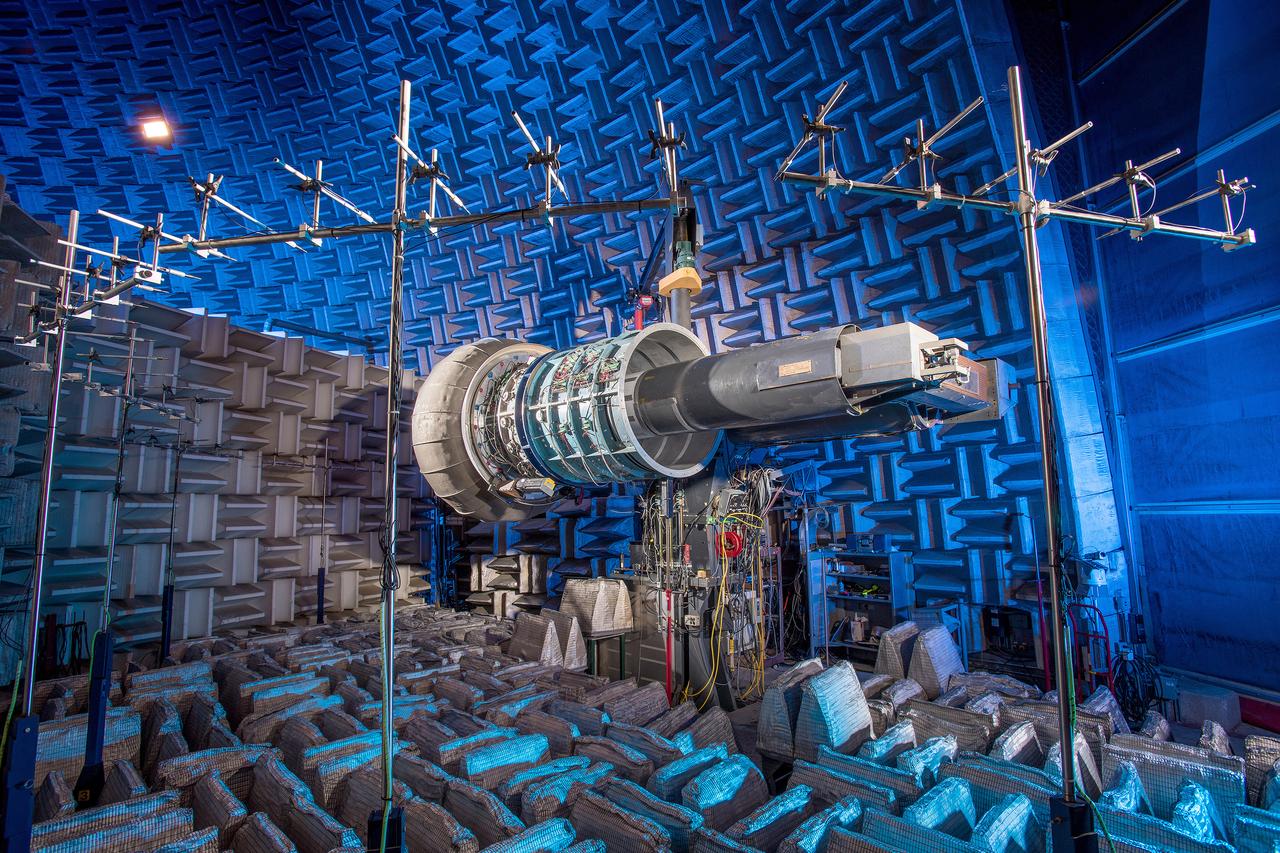
The Advanced Noise Control Fan shown here is located in NASA Glenn’s Aero-Acoustic Propulsion Laboratory. The 4-foot diameter fan is used to evaluate innovate aircraft engine noise reduction concepts less expensively and more quickly.

Christopher Kraft, flight director during Project Mercury, works at his console inside the Flight Control area at Mercury Mission Control.
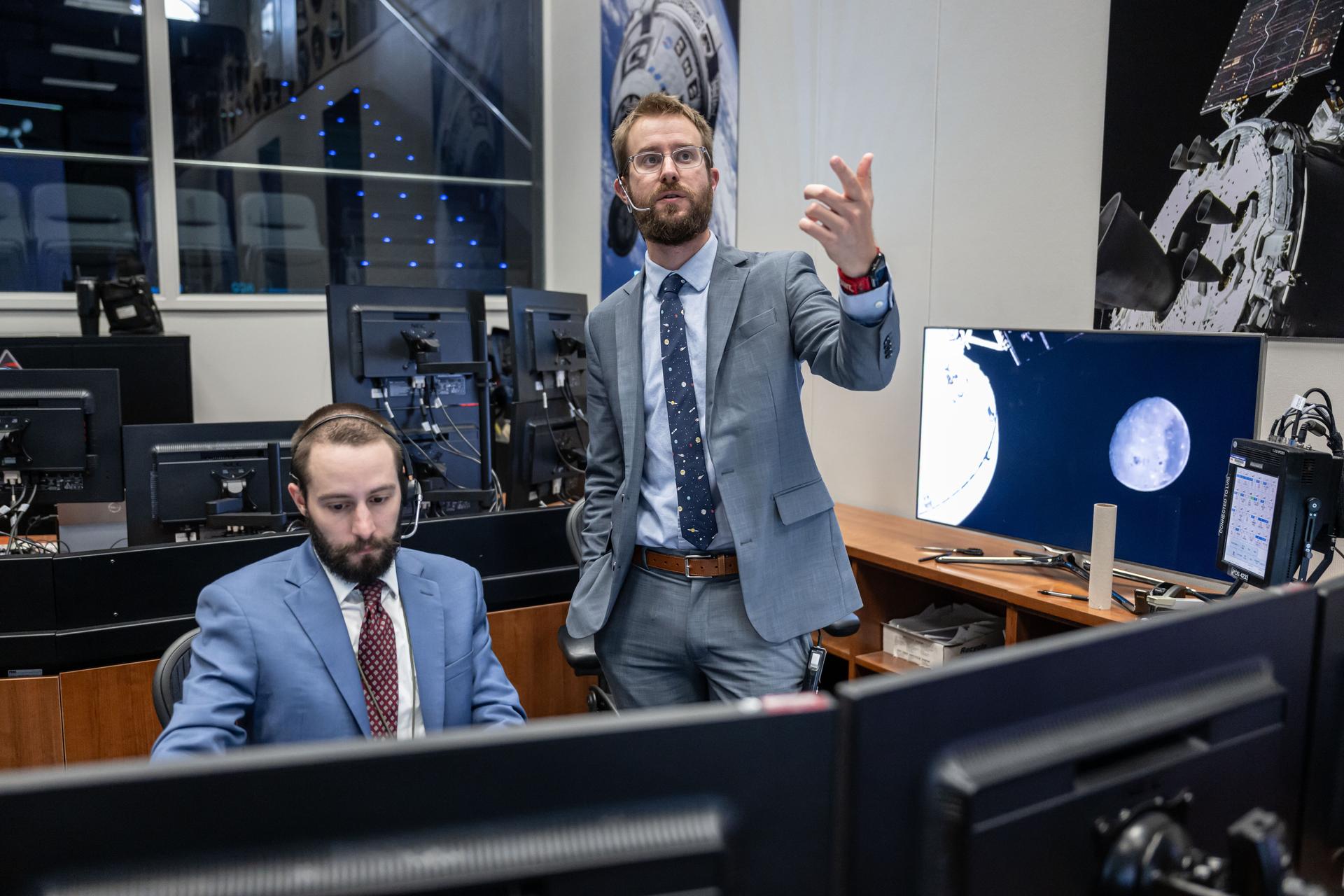
jsc2026e021749 (April 6, 2026) - Chris White, Lead INCO (Integrated Communications Officer) for Artemis II, and Matthew Johns, INCO Flight Controller, are pictured in the White Flight Control Room in the Mission Control Center at NASA’s Johnson Space Center during the Artemis II mission. This image was taken when NASA astronauts Reid Wiseman, Victor Glover, and Christina Koch, and CSA (Canadian Space Agency) astronaut Jeremy Hansen conducted the flyby of the Moon. Credit: NASA/Robert Markowitz
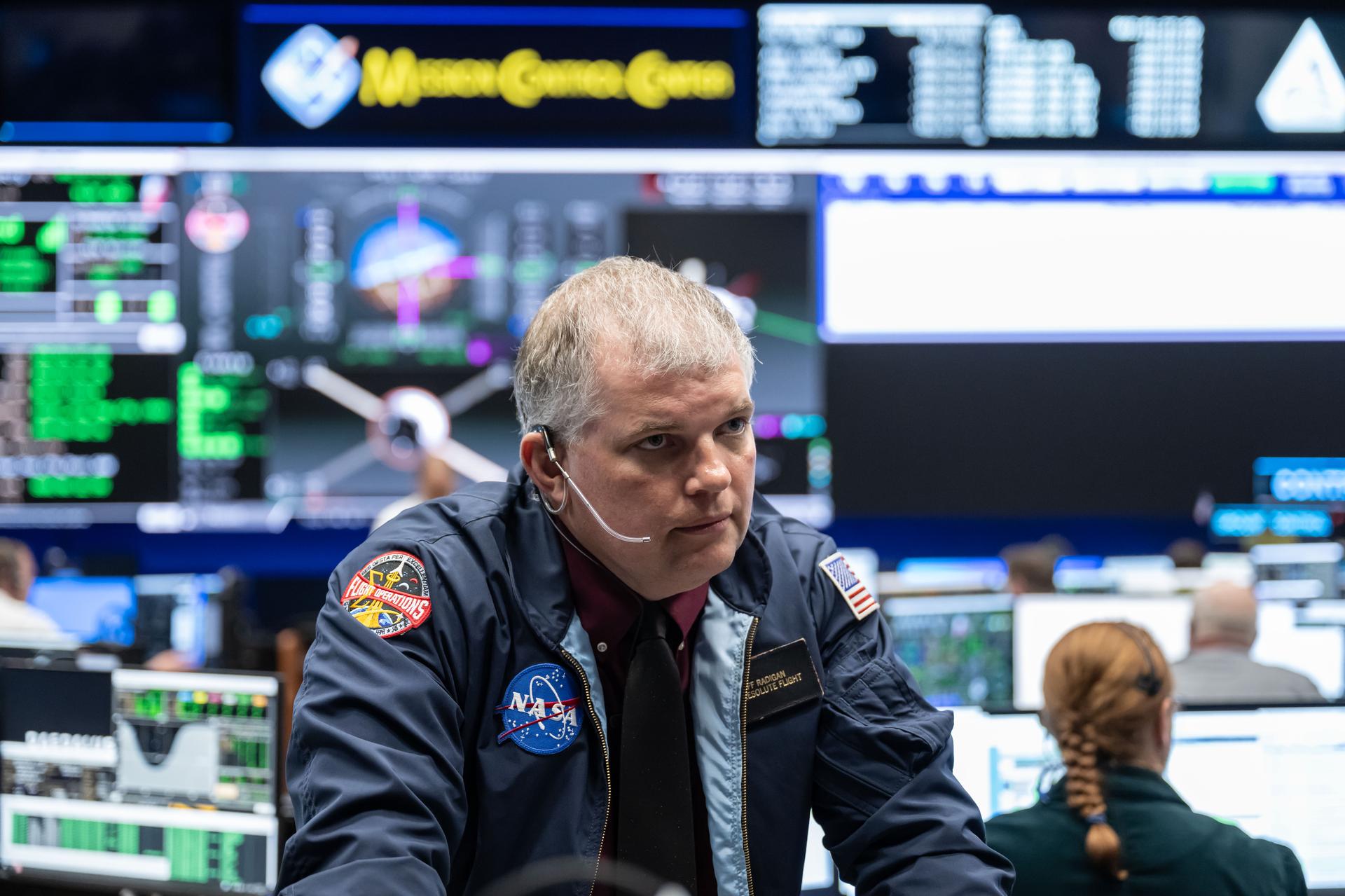
jsc2026e019217 (April 1, 2026) – Lead Artemis II Flight Director Jeff Radigan in the White Flight Control Room at the Mission Control Center at NASA’s Johnson Space Center in Houston. At the time of this photograph, a little over three hours into the mission, the Artemis II crew was conducting a manual piloting test called the proximity operations demonstration. During the demonstration, mission controllers monitored Orion as the astronauts transitioned the spacecraft to manual mode and piloted its flight path and orientation. This demonstration will provide performance data and operational experience that cannot be readily gained on the ground in preparation for critical rendezvous, proximity operations, docking, and undocking for future Artemis missions. Credit: NASA
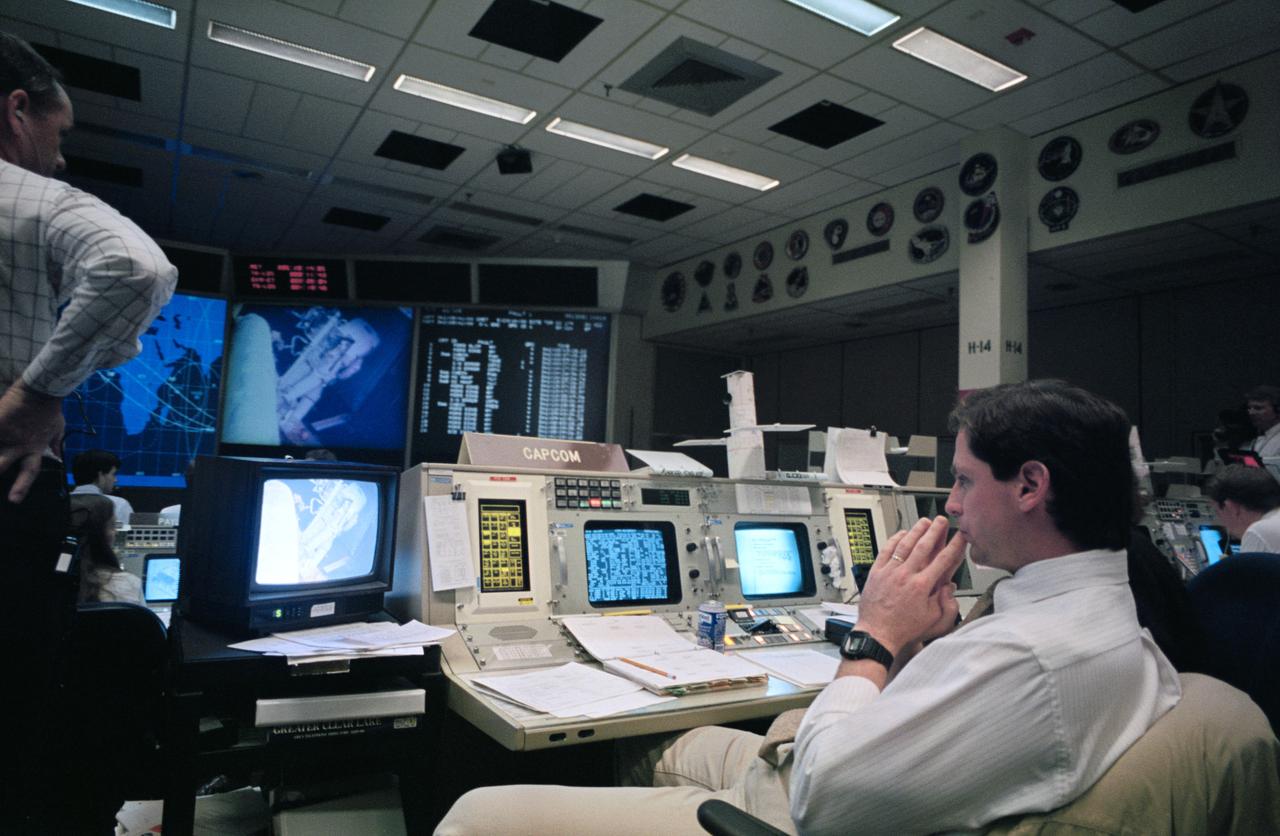
STS61-S-101 (8 Dec 1993) --- Astronaut Gregory J. Harbaugh, spacecraft communicator (CAPCOM), observes as two astronauts work through a lengthy period of extravehicular activity (EVA) in the cargo bay of the Earth-orbiting Space Shuttle Endeavour. Seen on the screen in the front of the flight control room, preparing to work with the Hubble Space Telescope's (HST) magnetometers, are astronauts F. Story Musgrave and Jeffrey A. Hoffman. Harbaugh stayed busy passing up flight controllers suggestions and directions during the record-breaking battery of in-space servicing sessions. Lead flight director Milt Heflin is partially visible at left edge of frame.
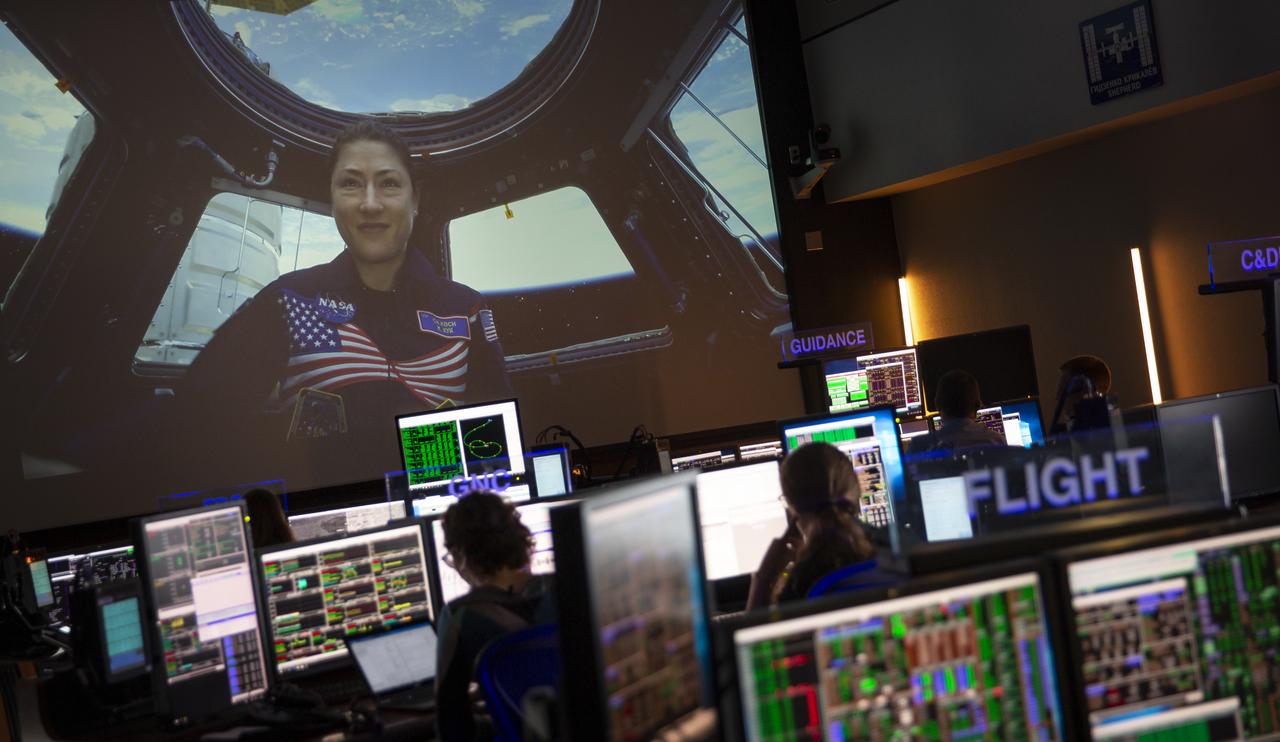
NASA astronaut Christina Koch is seen onboard the International Space Station from the Blue Flight Control Room, Tuesday, July 9, 2019 at NASA's Johnson Space Center in Houston, Texas. Photo Credit: (NASA/Bill Ingalls)
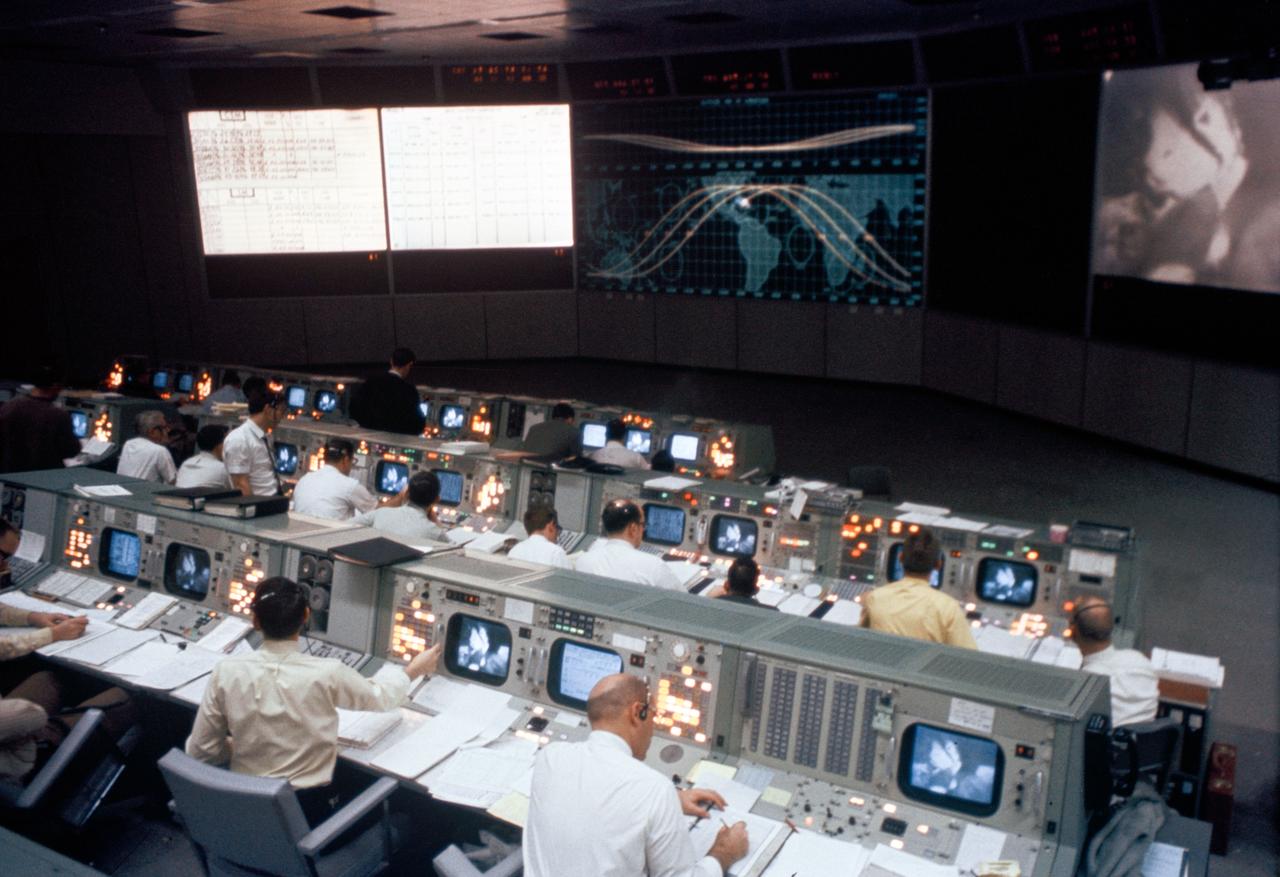
S69-26301 (March 1969) --- Overall view of the Mission Operations Control Room in the Mission Control Center, Building 30, during the Apollo 9 Earth-orbital mission. When this photograph was taken a live television transmission was being received from Apollo 9 as it orbited Earth.
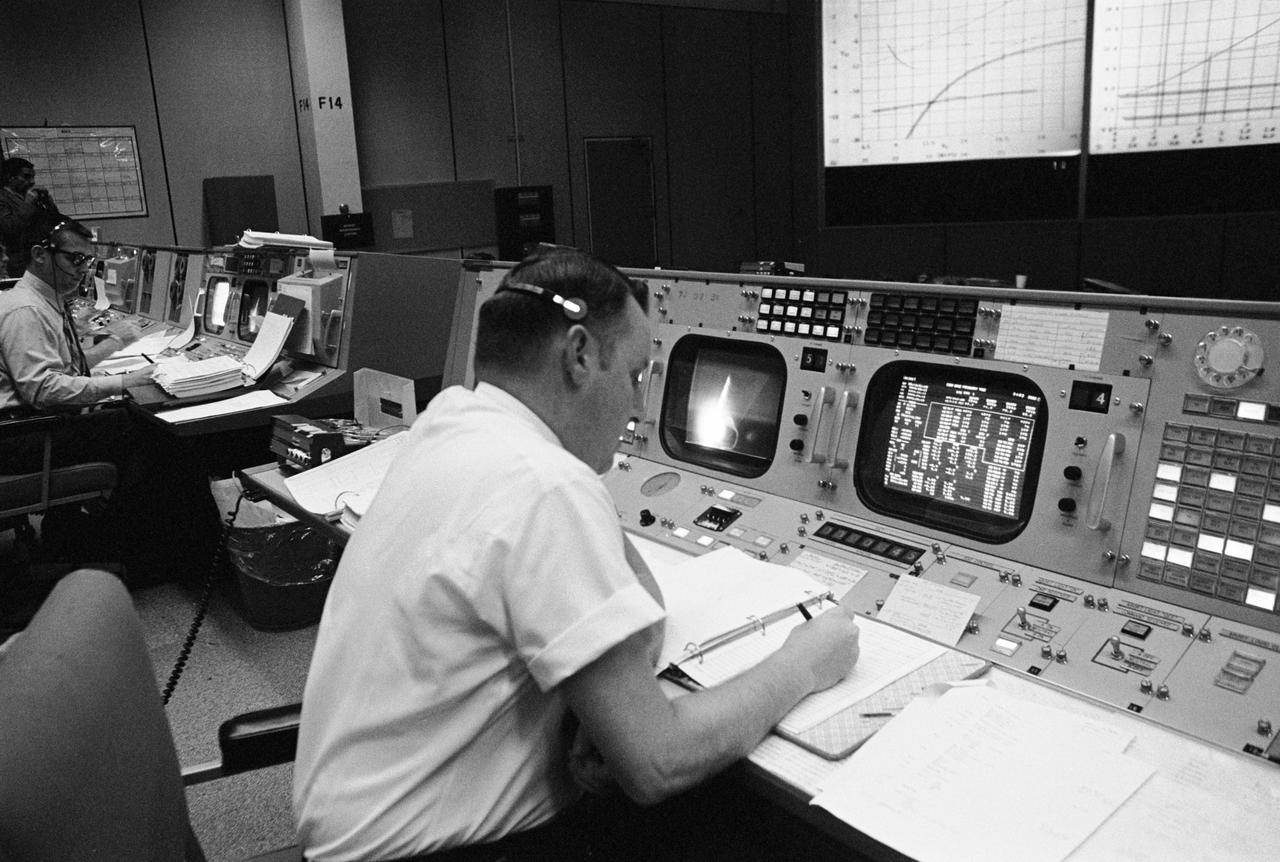
S68-55742 (21 Dec. 1968) --- Clifford E. Charlesworth, Apollo 8 "Green Team" flight director, is seated at his console in the Mission Operations Control Room in the Mission Control Center, Building 30, during the launch of the Apollo 8 (Spacecraft 103/Saturn 503) manned lunar orbit space mission.
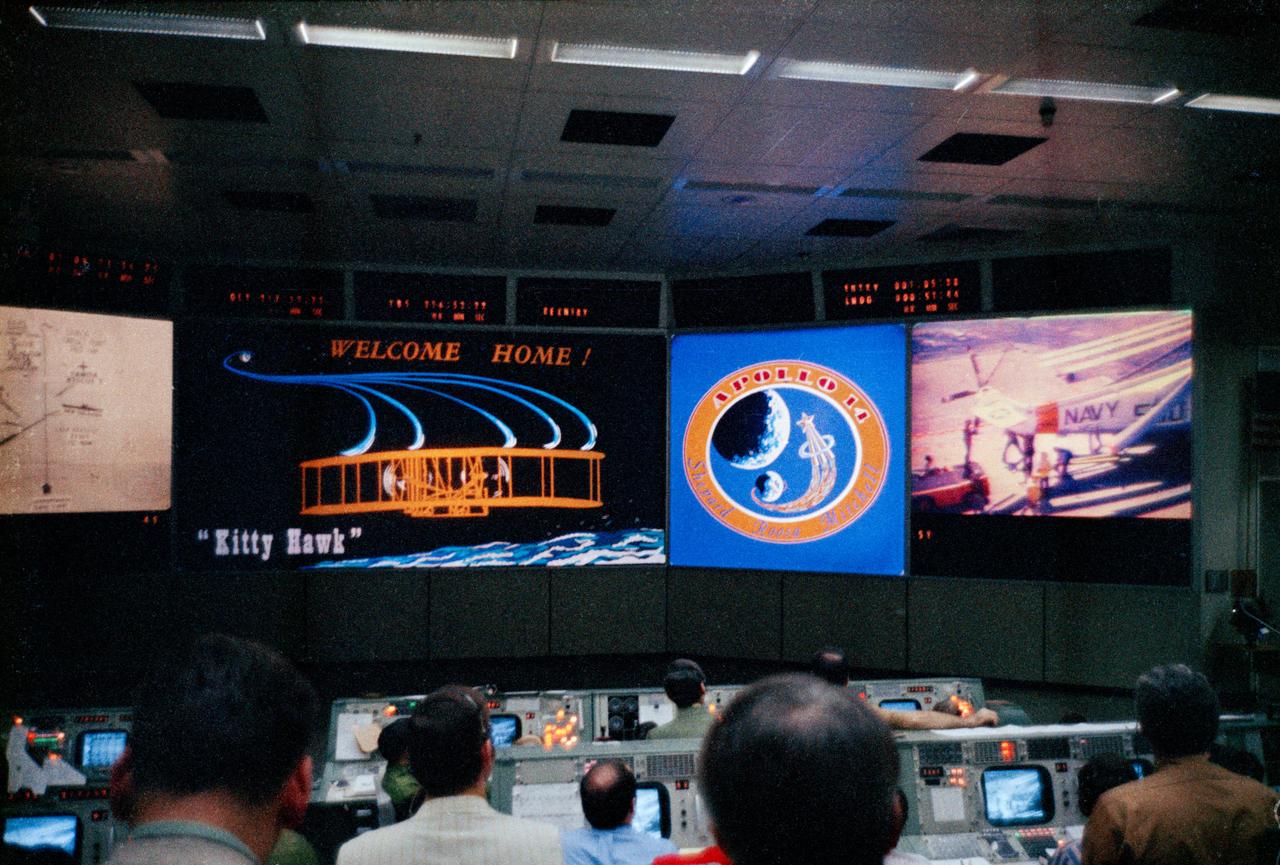
S71-18400 (9 Feb. 1971) --- Flight controllers in the Mission Operations Control Room (MOCR) of the Mission Control Center (MCC) view a colorful display which signals the successful splashdown and recovery of the crew of the Apollo 14 lunar landing mission. The MOCR's large screen at right shows a television shot aboard the USS New Orleans, Apollo 14 prime recovery ship.
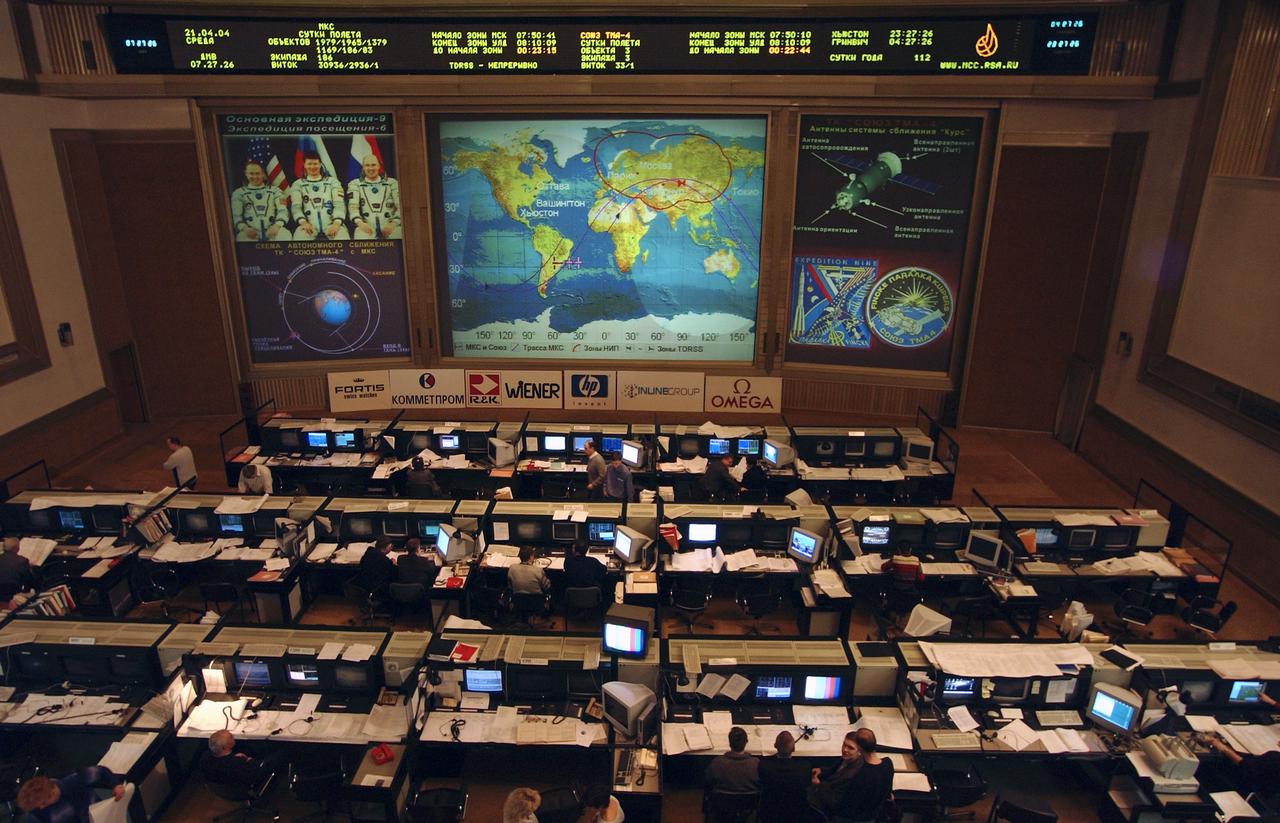
View of the Flight Control Room at the Russian Mission Control Center in Korolev, Russia, located on the outskirts of Moscow, Wednesday, April 21, 2004. Photo Credit: (NASA/Bill Ingalls)
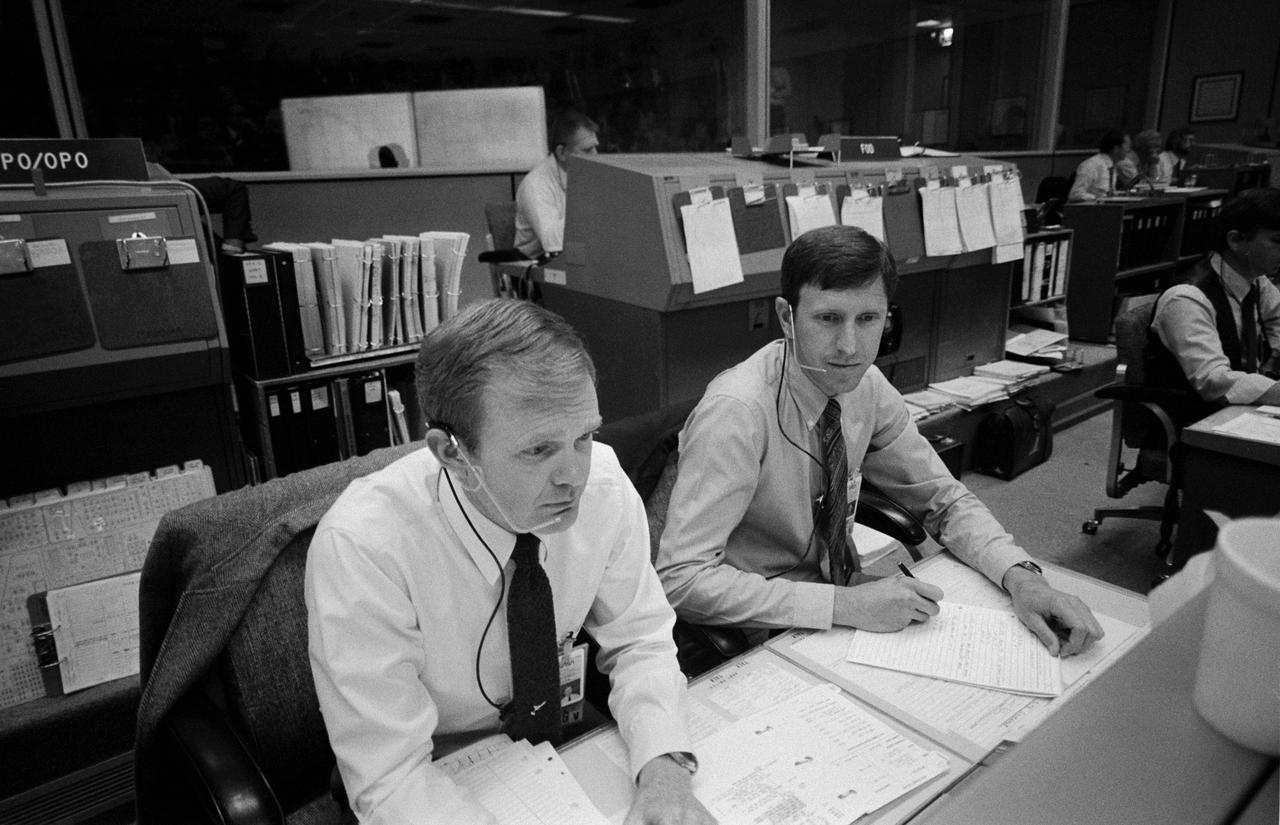
Astronauts Roy D. Bridges (left) and RIchard O. Covey serve as spacecraft communicators (CAPCOM) for STS-6. They are seated at the CAPCOM console in the mission operations control room (MOCR) of JSC's mission control center (30119); Flight Director Jay H. Greene communicates with a nearby flight controller in the MOCR just after launch of the Challenger (30120).
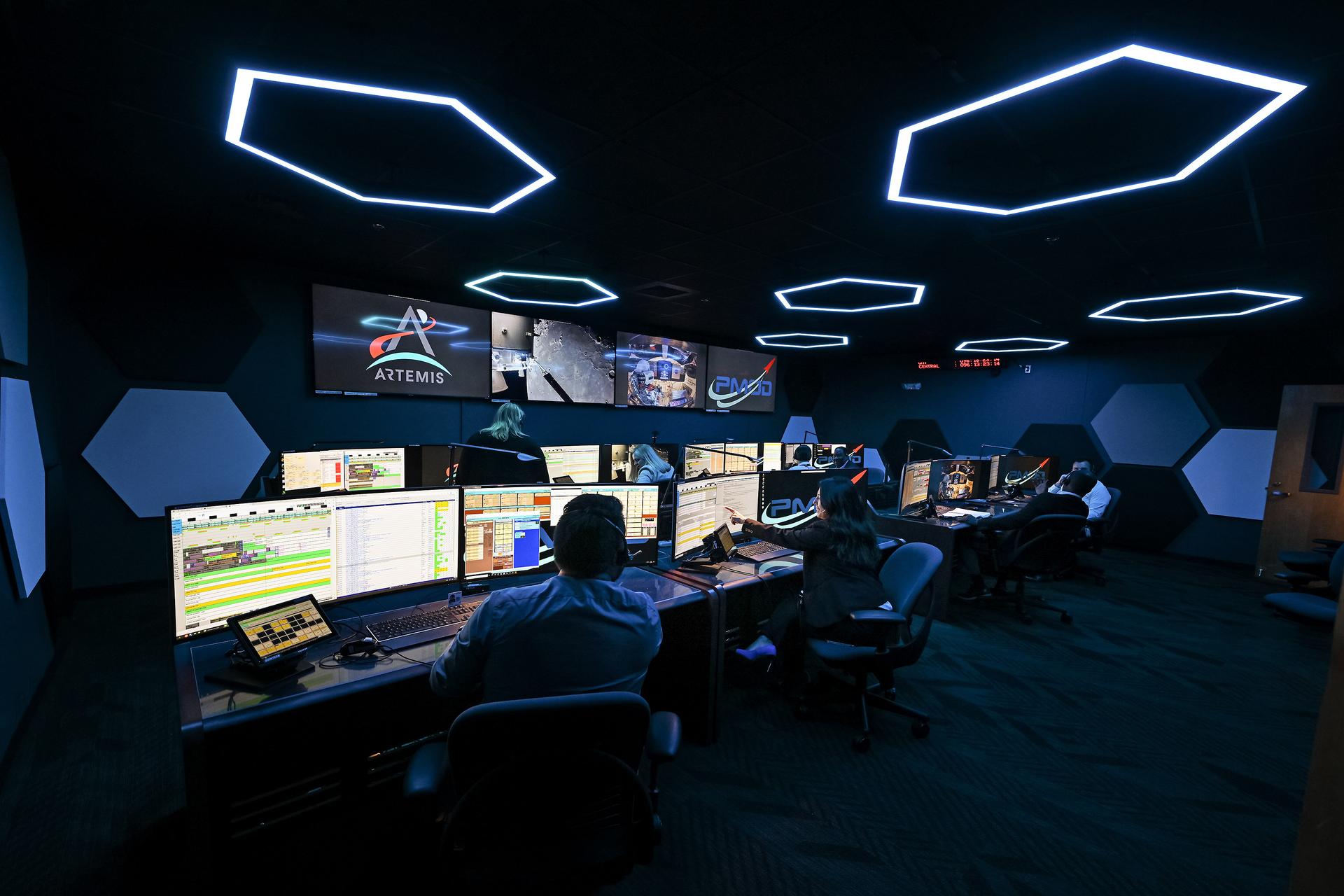
These photos offer a look inside the twin control rooms at NASA’s Marshall Space Flight Center in Huntsville, Alabama, where engineers will monitor Artemis science and future landing operations for Artemis. The LUCA (Lunar Utilization Control Area) and LESA (Lander Engineering Support Area) rooms are part of the Huntsville Operations Support Center at NASA Marshall. The LUCA is specially designed to support a wide variety of science operations on and around the Moon – and beyond. Engineers in the LUCA monitored operations for the Lunar Node-1 experiment, an autonomous navigation payload that was part of the first NASA Commercial Lunar Payload Services (CLPS) launch on Intuitive Machines’ Nova-C lunar lander in 2024. NASA Marshall flight controllers will use the LUCA again for Artemis II to monitor science operations. Beginning with Artemis III, members of the NASA Human Landing System Mission Insight Support Team – a group of engineers, safety leads, flight operations experts, and technical authorities – will work in the LESA. There, they will monitor lander systems in real-time and be involved in key decision-making processes throughout the mission. For more information, contact NASA Marshall’s Office of Communications at 256-544-0034.
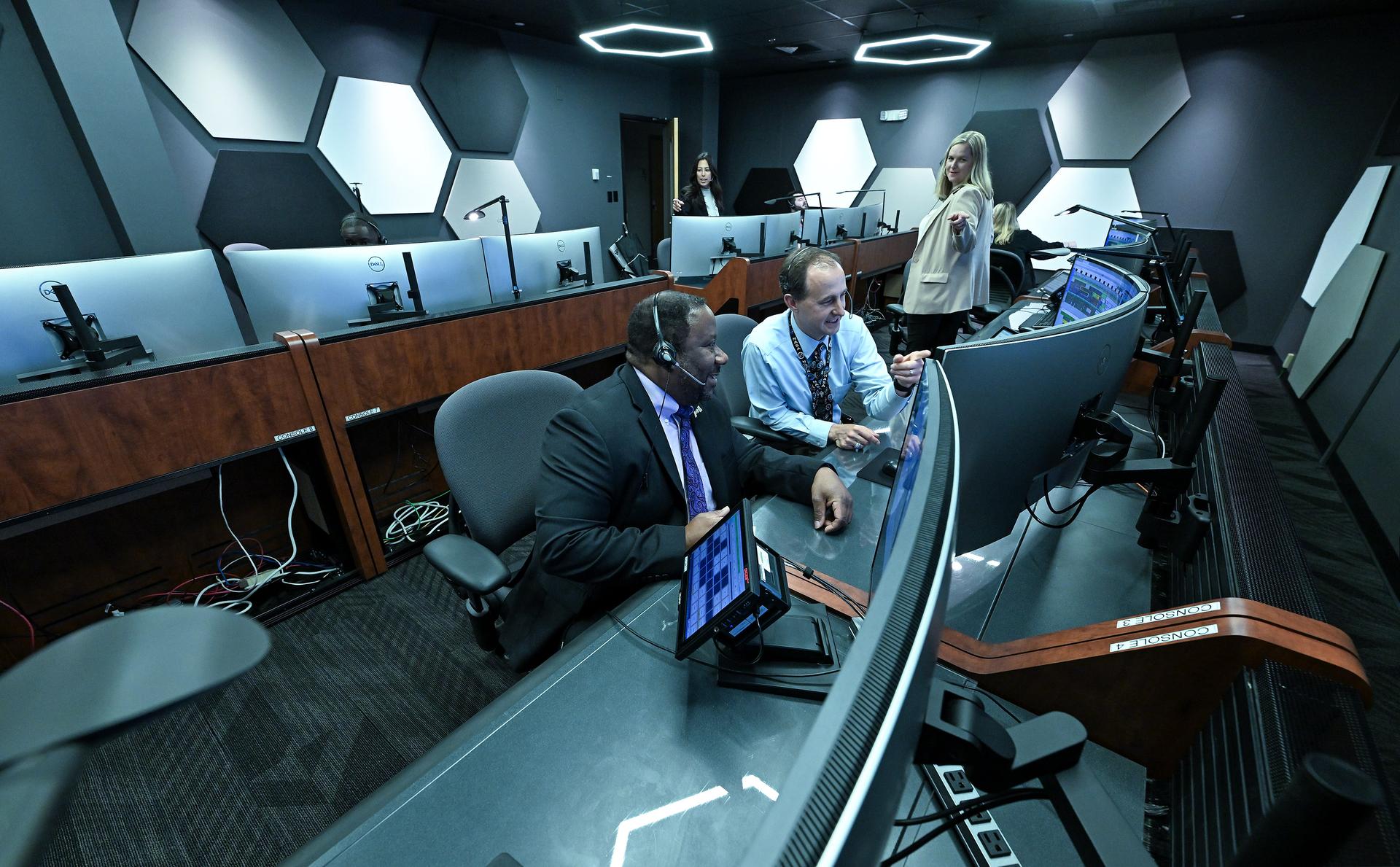
These photos offer a look inside the twin control rooms at NASA’s Marshall Space Flight Center in Huntsville, Alabama, where engineers will monitor Artemis science and future landing operations for Artemis. The LUCA (Lunar Utilization Control Area) and LESA (Lander Engineering Support Area) rooms are part of the Huntsville Operations Support Center at NASA Marshall. The LUCA is specially designed to support a wide variety of science operations on and around the Moon – and beyond. Engineers in the LUCA monitored operations for the Lunar Node-1 experiment, an autonomous navigation payload that was part of the first NASA Commercial Lunar Payload Services (CLPS) launch on Intuitive Machines’ Nova-C lunar lander in 2024. NASA Marshall flight controllers will use the LUCA again for Artemis II to monitor science operations. Beginning with Artemis III, members of the NASA Human Landing System Mission Insight Support Team – a group of engineers, safety leads, flight operations experts, and technical authorities – will work in the LESA. There, they will monitor lander systems in real-time and be involved in key decision-making processes throughout the mission. For more information, contact NASA Marshall’s Office of Communications at 256-544-0034.
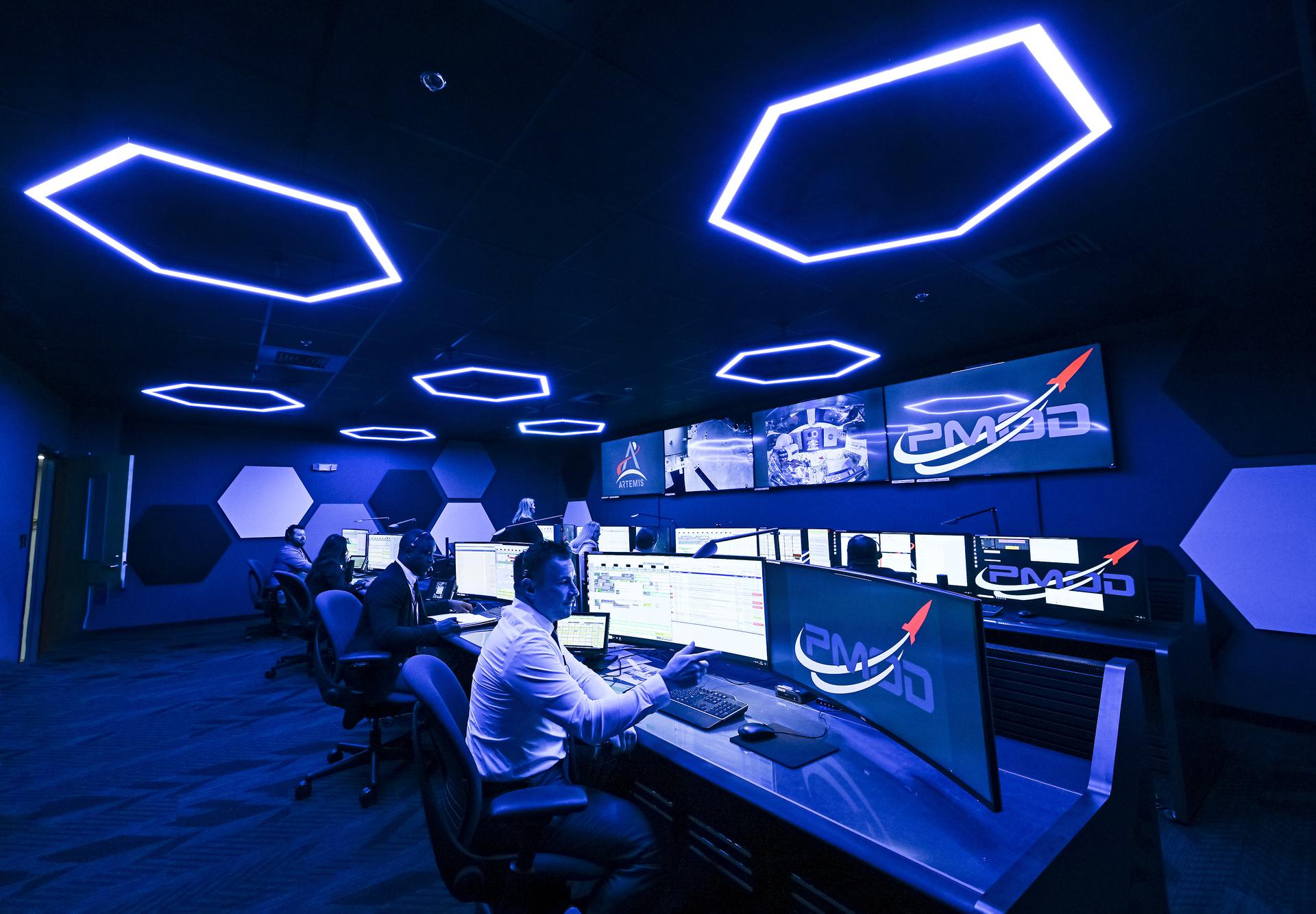
These photos offer a look inside the twin control rooms at NASA’s Marshall Space Flight Center in Huntsville, Alabama, where engineers will monitor Artemis science and future landing operations for Artemis. The LUCA (Lunar Utilization Control Area) and LESA (Lander Engineering Support Area) rooms are part of the Huntsville Operations Support Center at NASA Marshall. The LUCA is specially designed to support a wide variety of science operations on and around the Moon – and beyond. Engineers in the LUCA monitored operations for the Lunar Node-1 experiment, an autonomous navigation payload that was part of the first NASA Commercial Lunar Payload Services (CLPS) launch on Intuitive Machines’ Nova-C lunar lander in 2024. NASA Marshall flight controllers will use the LUCA again for Artemis II to monitor science operations. Beginning with Artemis III, members of the NASA Human Landing System Mission Insight Support Team – a group of engineers, safety leads, flight operations experts, and technical authorities – will work in the LESA. There, they will monitor lander systems in real-time and be involved in key decision-making processes throughout the mission. For more information, contact NASA Marshall’s Office of Communications at 256-544-0034.
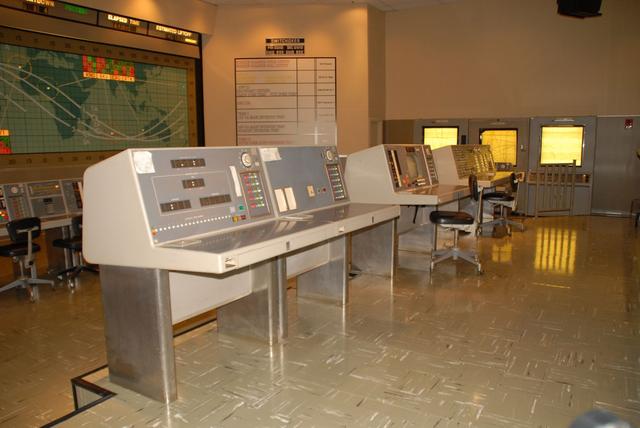
Interior view of the Mission Control Center
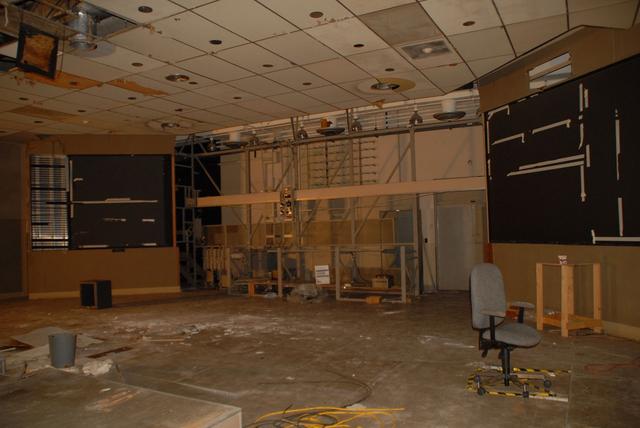
Interior view of the Mission Control Center
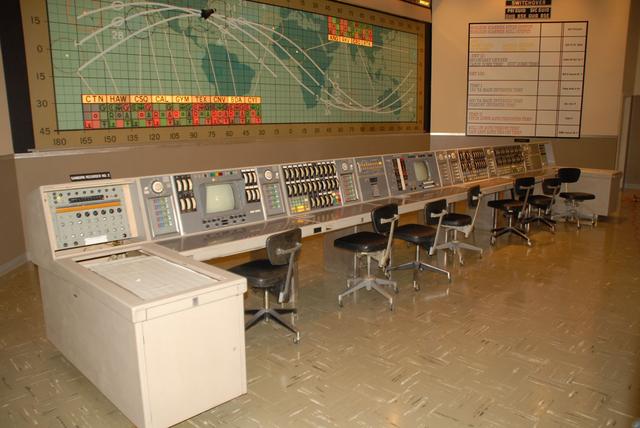
Interior view of the Mission Control Center
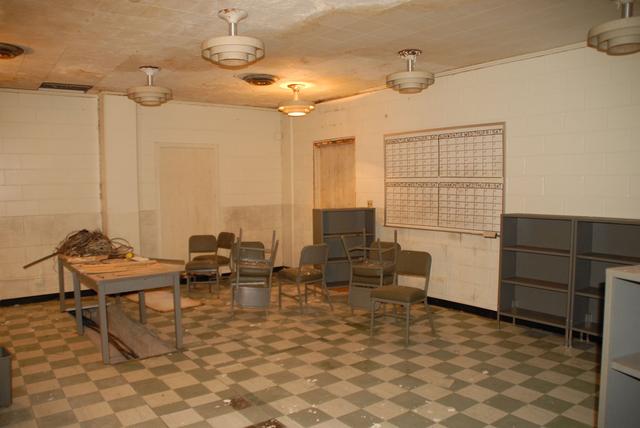
Interior view of the Mission Control Center

Interior view of the Mission Control Center

Interior view of the Mission Control Center
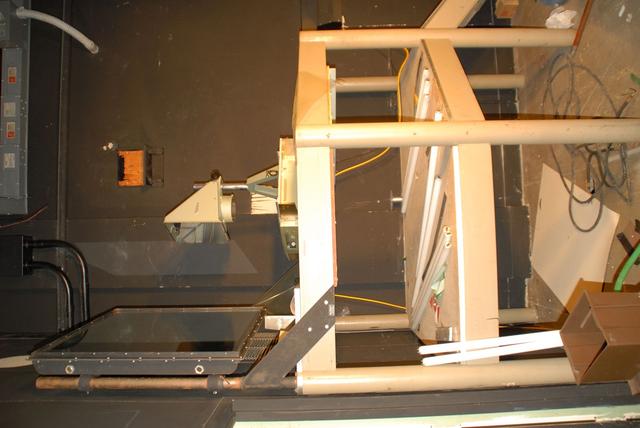
Interior view of the Mission Control Center
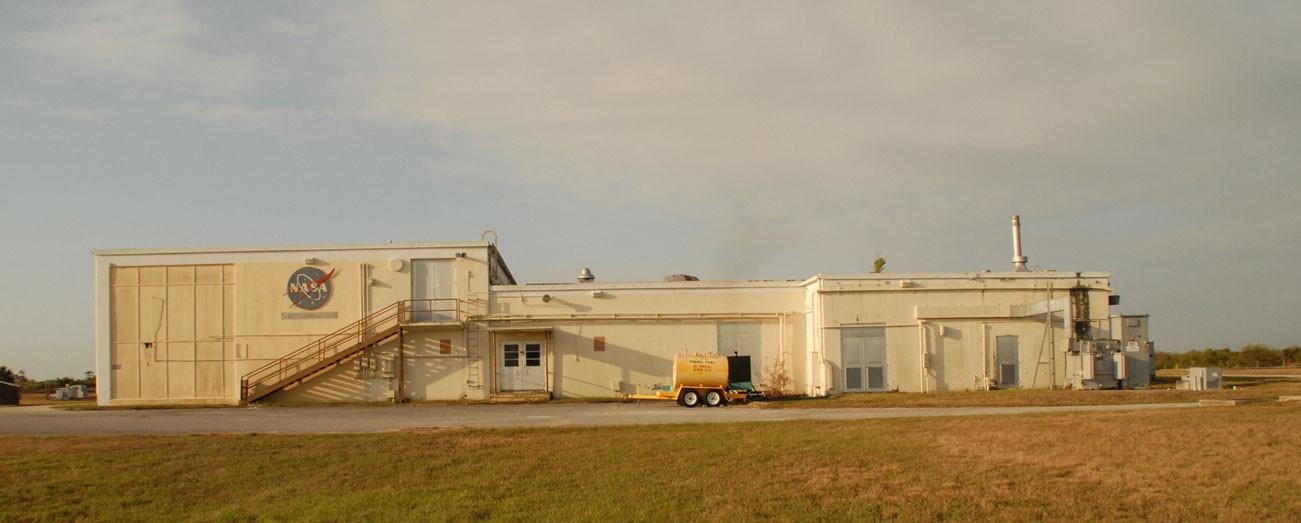
Exterior view of the Mission Control Center
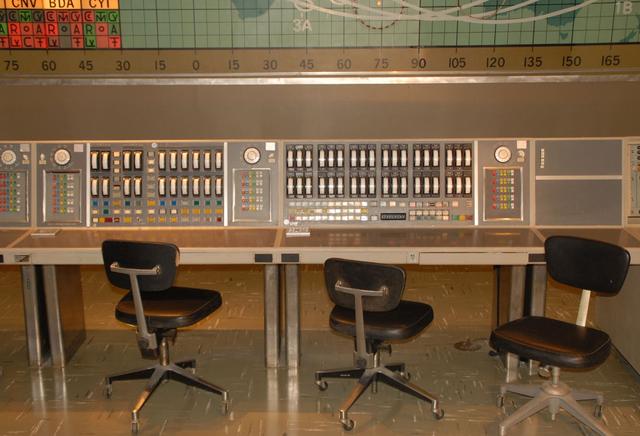
Interior view of the Mission Control Center
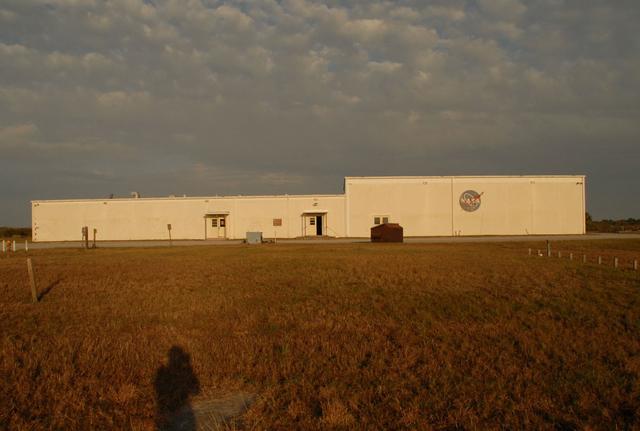
Exterior view of the Mission Control Center
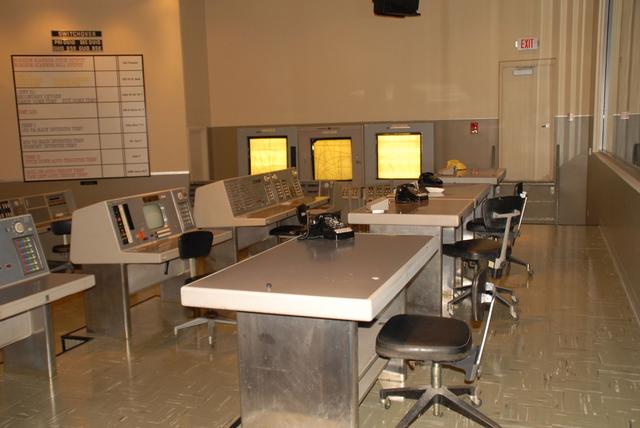
Interior view of the Mission Control Center
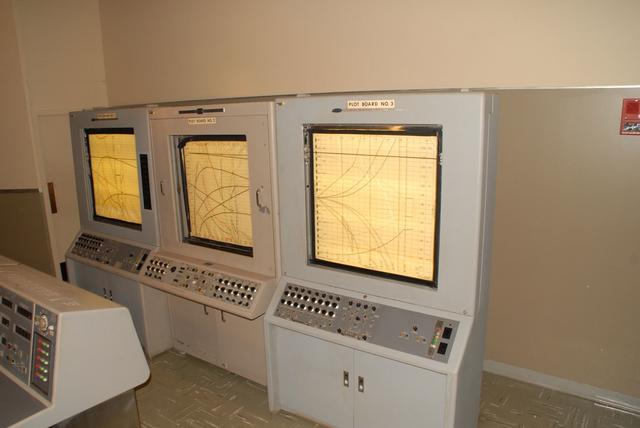
Interior view of the Mission Control Center
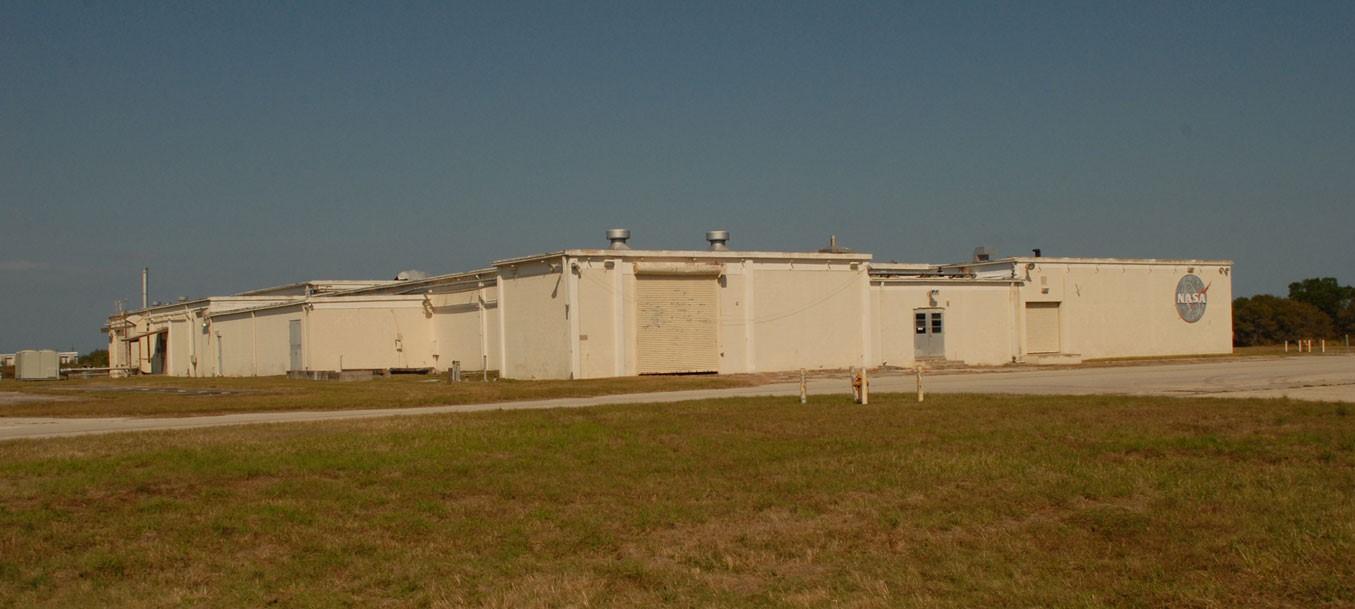
Exterior view of the Mission Control Center
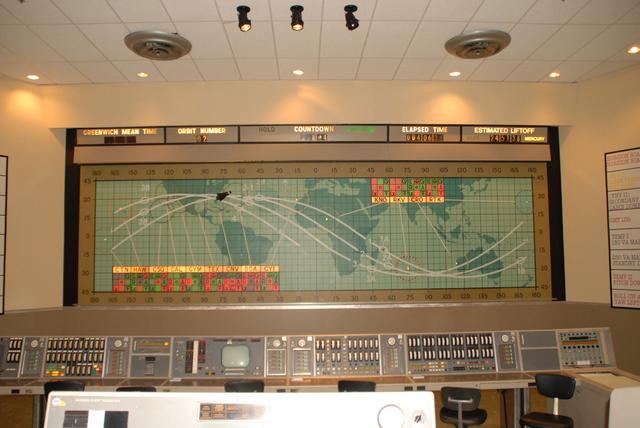
Interior view of the Mission Control Center
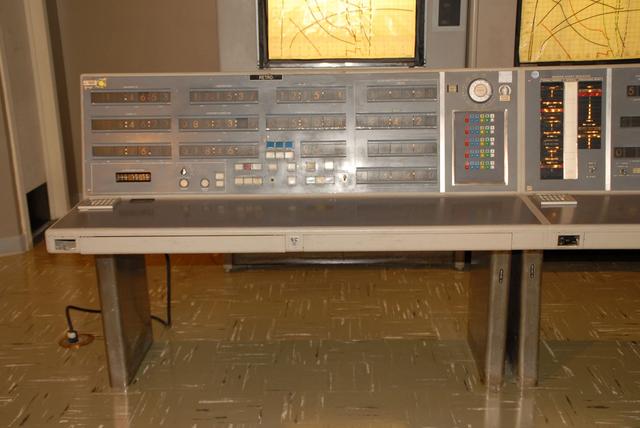
Interior view of the Mission Control Center
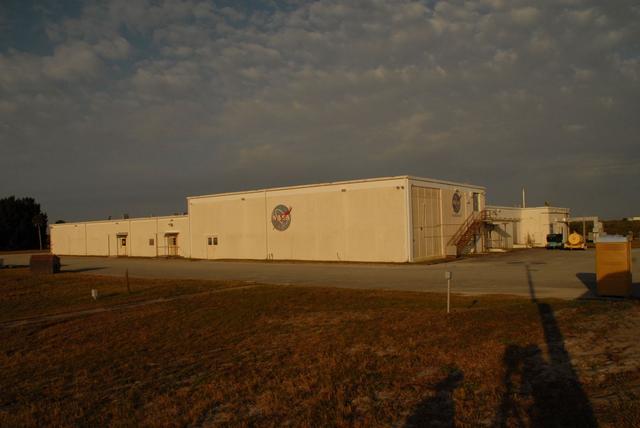
Exterior view of the Mission Control Center
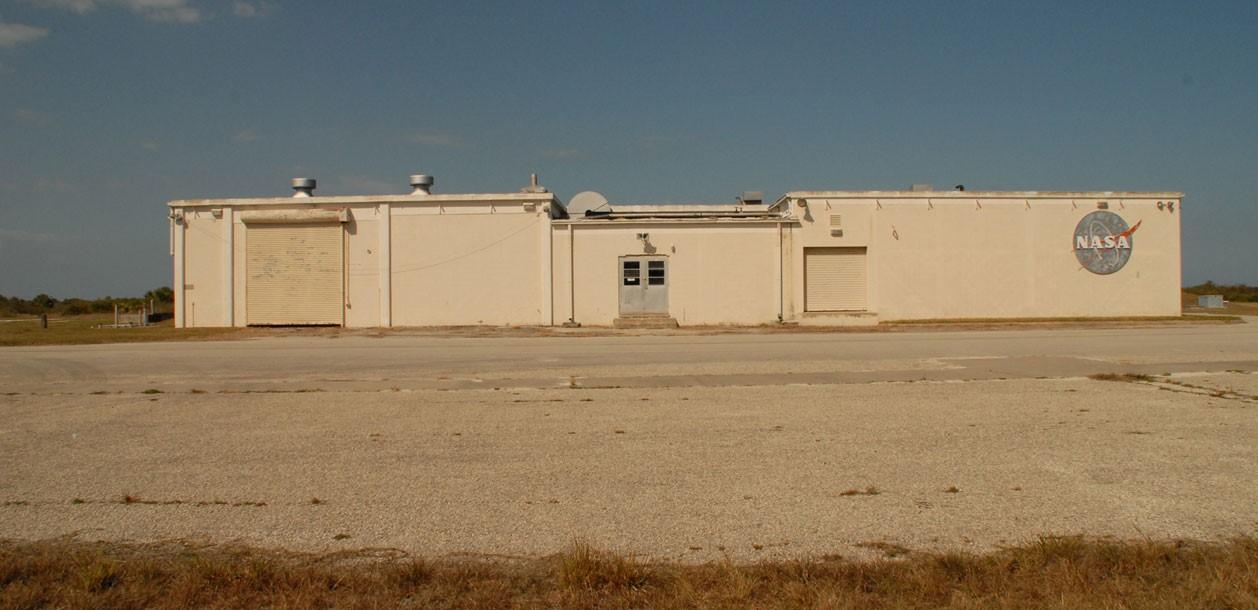
Exterior view of the Mission Control Center
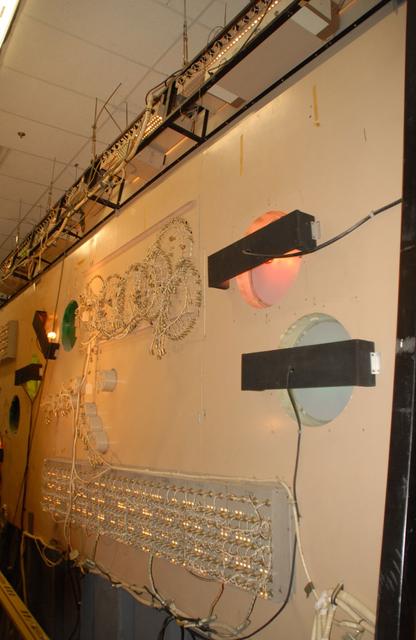
Interior view of the Mission Control Center
Interior view of the Mission Control Center
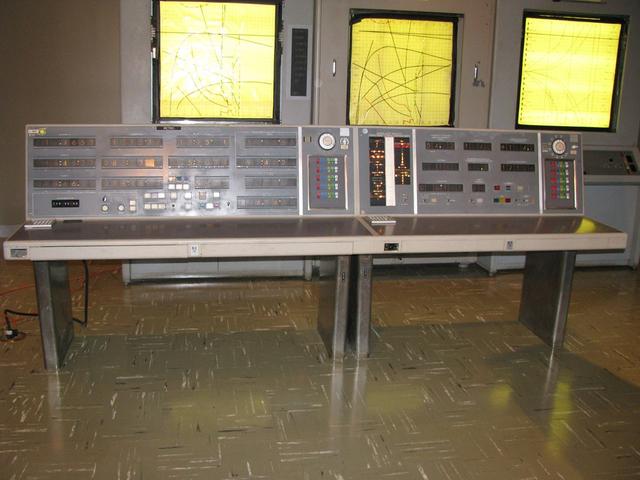
Interior view of the Mission Control Center
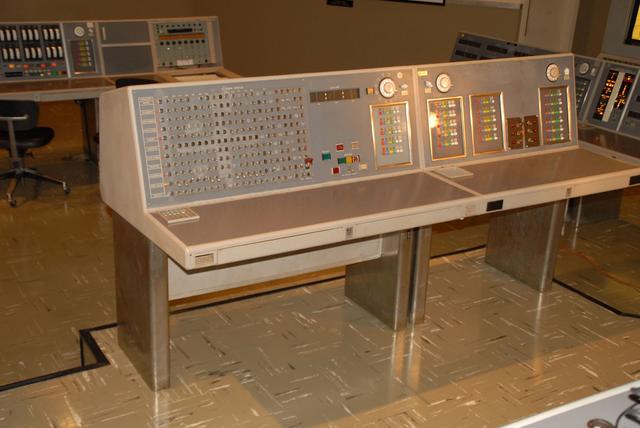
Interior view of the Mission Control Center
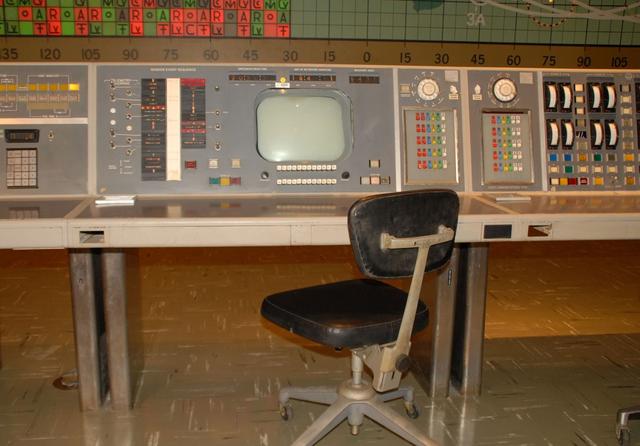
Interior view of the Mission Control Center
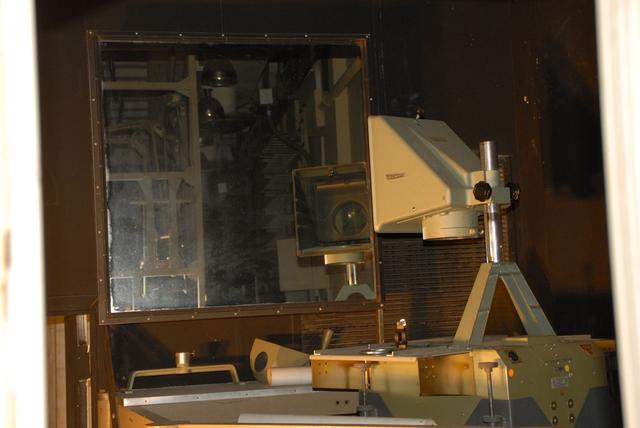
Interior view of the Mission Control Center
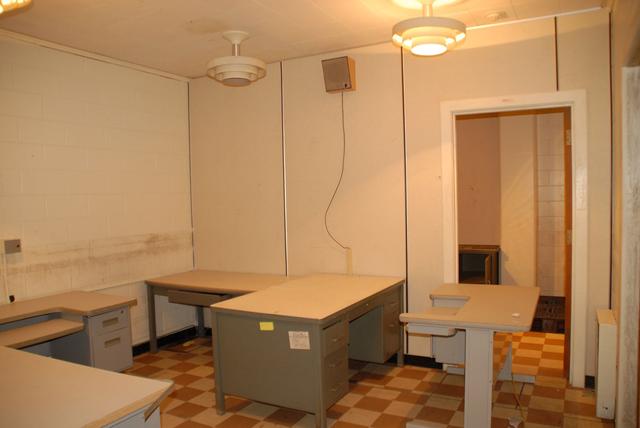
Interior view of the Mission Control Center
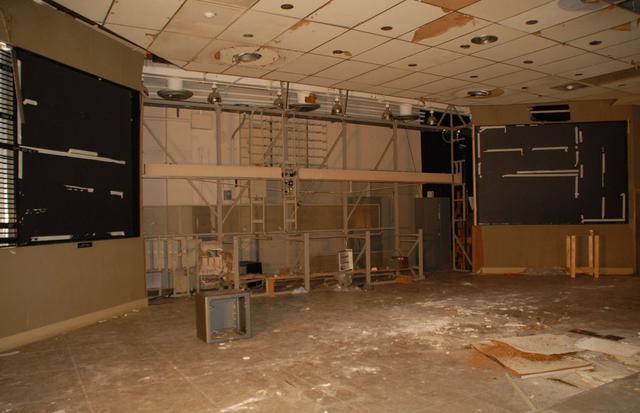
Interior view of the Mission Control Center

Interior view of the Mission Control Center
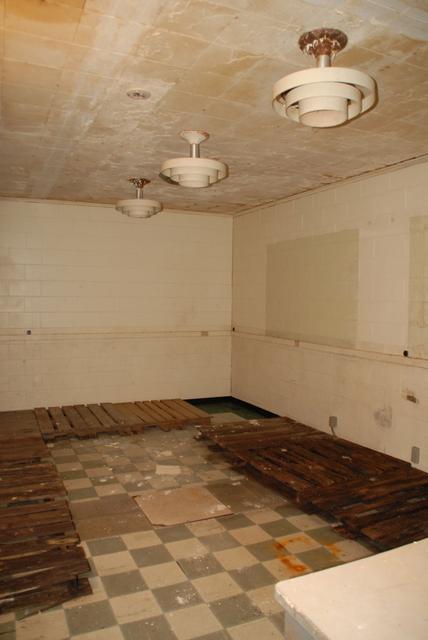
Interior view of the Mission Control Center
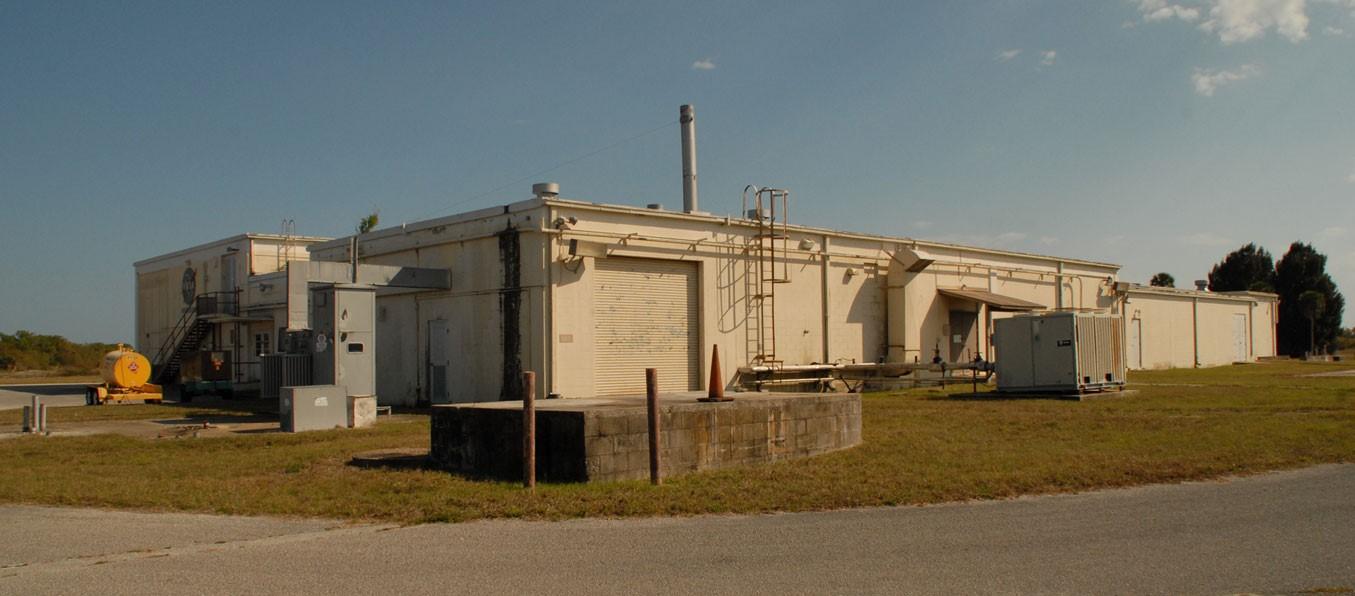
Exterior view of the Mission Control Center

Interior view of the Mission Control Center

Interior view of the Mission Control Center
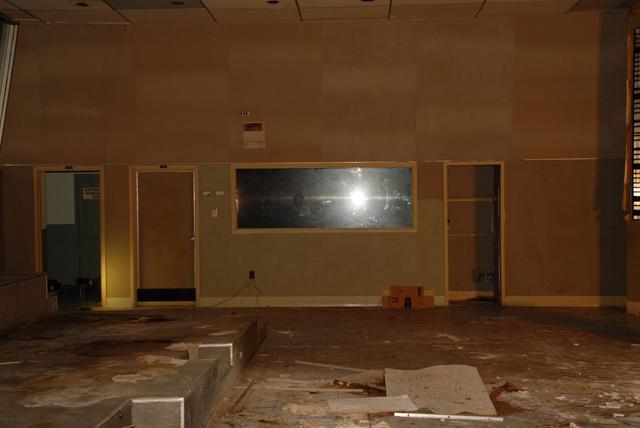
Interior view of the Mission Control Center
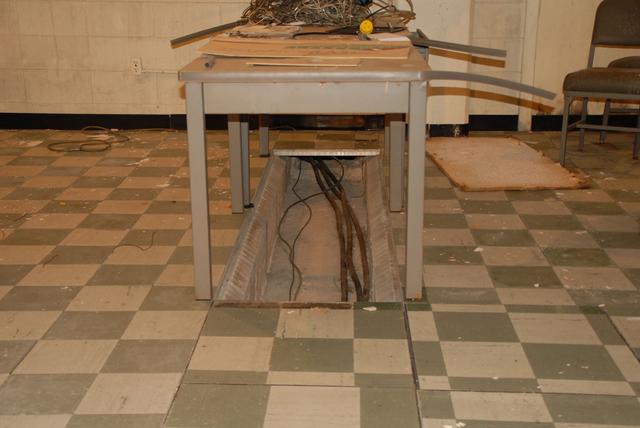
Interior view of the Mission Control Center
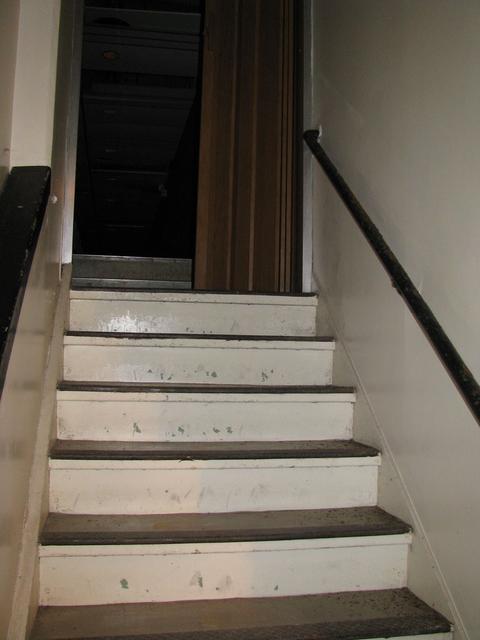
Interior view of the Mission Control Center

Interior view of the Mission Control Center
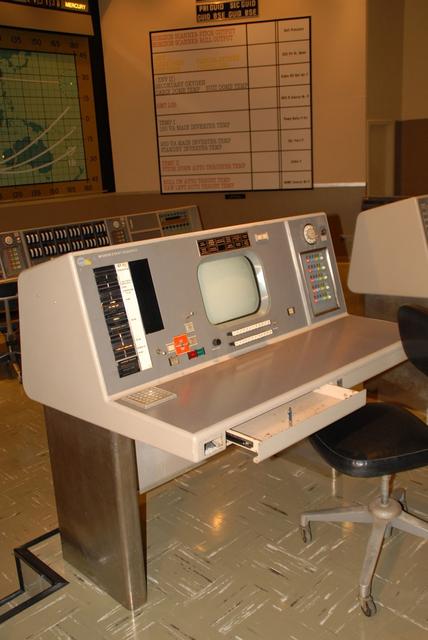
Interior view of the Mission Control Center
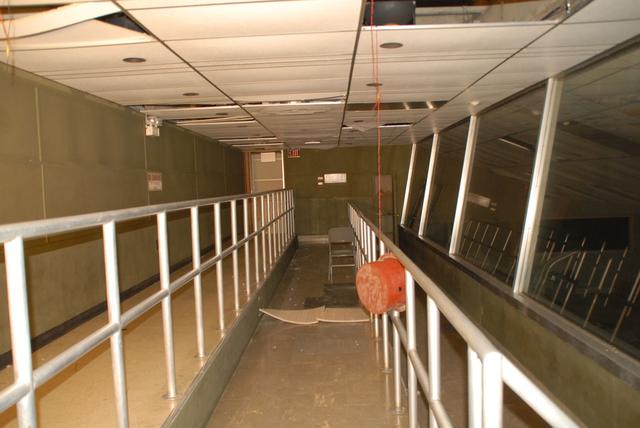
Interior view of the Mission Control Center
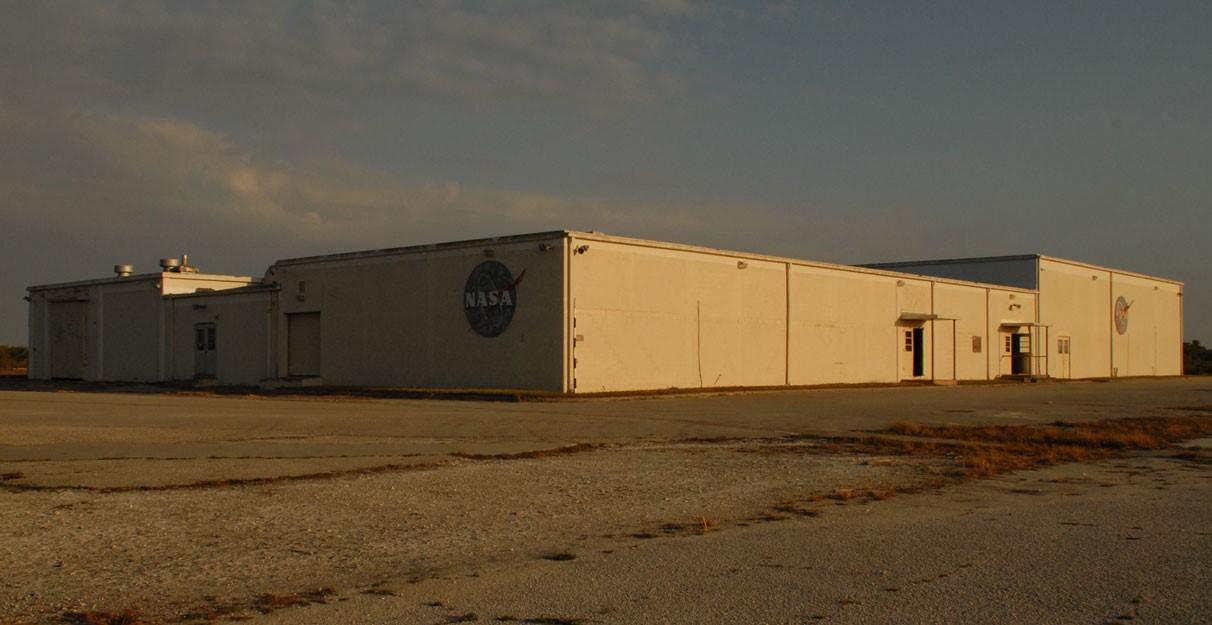
Exterior view of the Mission Control Center

Interior view of the Mission Control Center
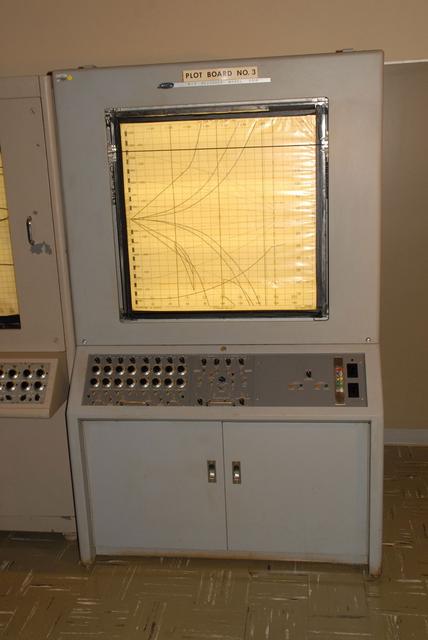
Interior view of the Mission Control Center
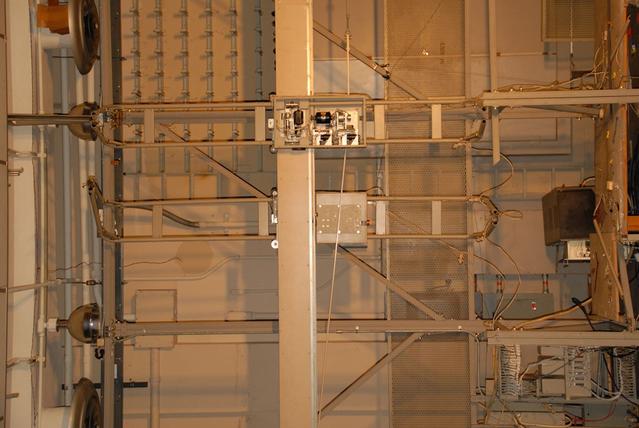
Interior view of the Mission Control Center
Exterior view of the Mission Control Center
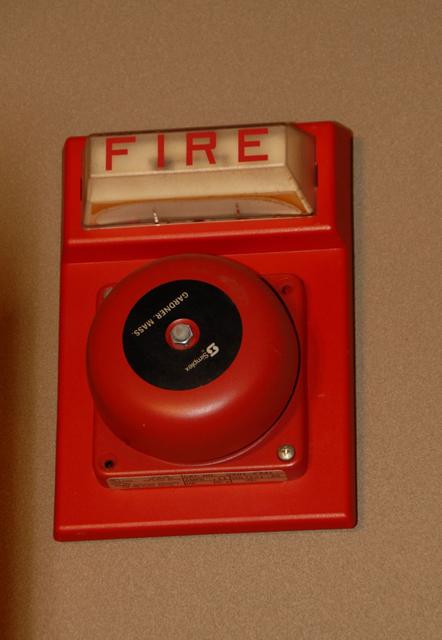
Interior view of the Mission Control Center