
Kennedy Space Center Launch Director Charlie Blackwell-Thompson speaks during a ceremony renaming the Florida spaceport’s launch control center to the Rocco A. Petrone Launch Control Center on Feb. 22, 2022. Petrone was instrumental in America’s first voyages to the Moon and headed the Apollo program. He died in 2006 at the age of 80.

Kennedy Space Center Director Janet Petro speaks during a ceremony renaming the Florida spaceport’s launch control center to the Rocco A. Petrone Launch Control Center on Feb. 22, 2022. Petrone was instrumental in America’s first voyages to the Moon and headed the Apollo program. He died in 2006 at the age of 80.

John Tribe, retired Apollo engineer, North American Rockwell, speaks during a ceremony renaming Kennedy Space Center’s launch control center to the Rocco A. Petrone Launch Control Center on Feb. 22, 2022. Petrone was instrumental in America’s first voyages to the Moon and headed the Apollo program. He died in 2006 at the age of 80.

Kennedy Space Center Deputy Director Kelvin Manning speaks during a ceremony renaming the Florida spaceport’s launch control center to the Rocco A. Petrone Launch Control Center on Feb. 22, 2022. Petrone was instrumental in America’s first voyages to the Moon and headed the Apollo program. He died in 2006 at the age of 80.
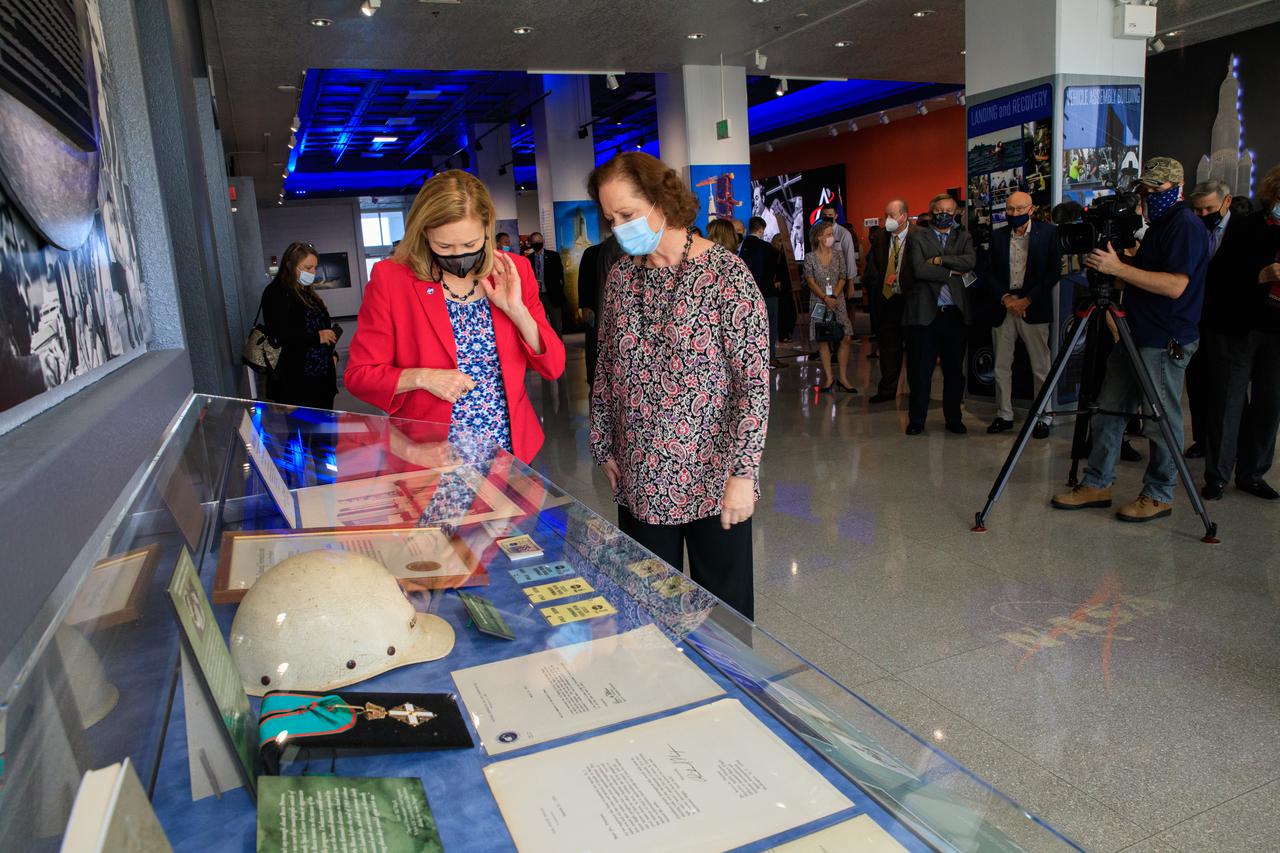
A display dedicated to former Kennedy Space Center launch director Rocco Petrone is viewed at Kennedy Space Center on Feb. 22, 2022. During a ceremony held at the Florida spaceport, Kennedy’s launch control center was officially renamed to the Rocco A. Petrone Launch Control Center. Petrone was instrumental in America’s first voyages to the Moon and headed the Apollo program. He died in 2006 at the age of 80.

A display dedicated to former Kennedy Space Center director Rocco Petrone is viewed at Kennedy Space Center on Feb. 22, 2022. During a ceremony held at the Florida spaceport, Kennedy’s launch control center was officially renamed to the Rocco A. Petrone Launch Control Center. Petrone was instrumental in America’s first voyages to the Moon and headed the Apollo program. He died in 2006 at the age of 80.
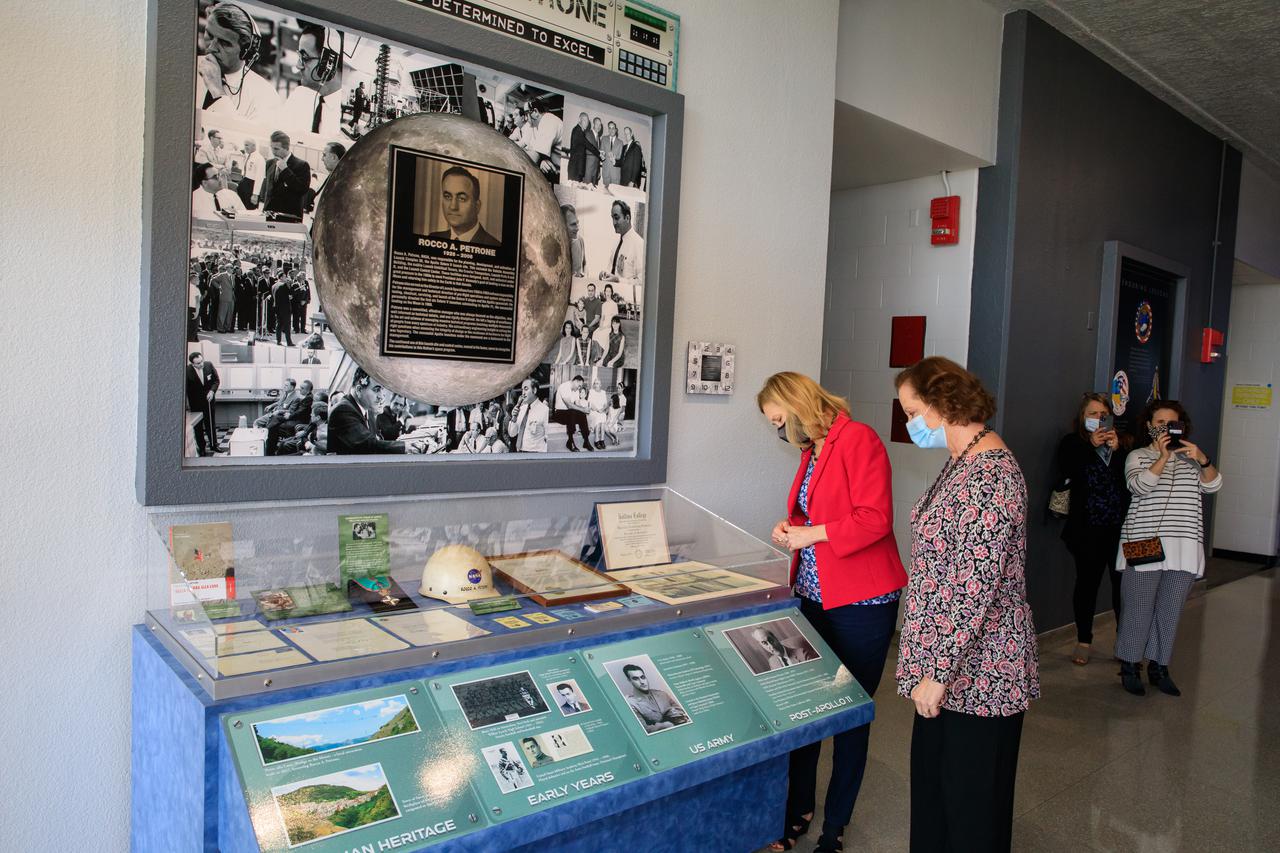
A display dedicated to former Kennedy Space Center launch director Rocco Petrone is viewed at Kennedy Space Center on Feb. 22, 2022. During a ceremony held at the Florida spaceport, Kennedy’s launch control center was officially renamed to the Rocco A. Petrone Launch Control Center. Petrone was instrumental in America’s first voyages to the Moon and headed the Apollo program. He died in 2006 at the age of 80.
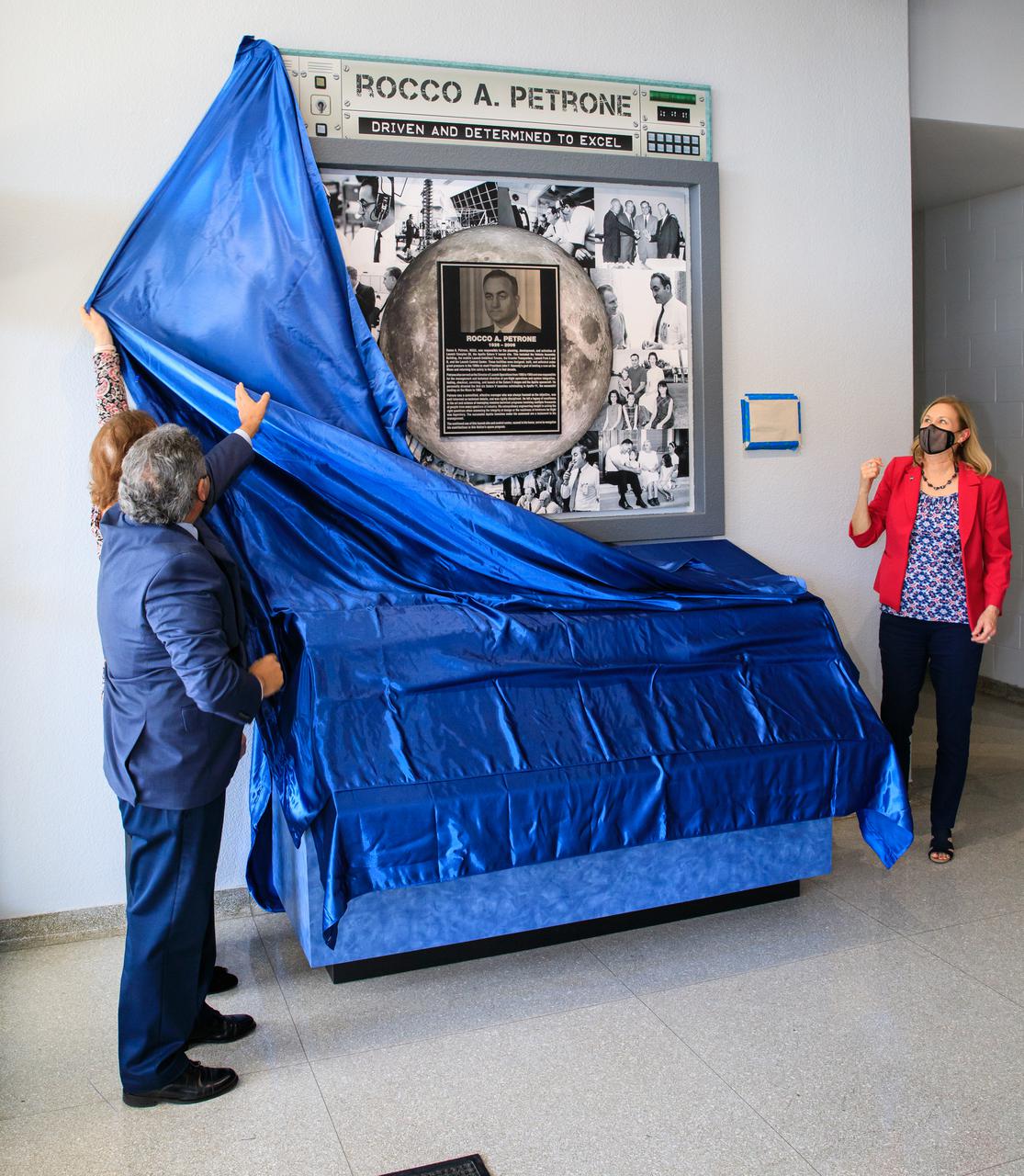
A display dedicated to former Kennedy Space Center launch director Rocco Petrone is unveiled at Kennedy Space Center on Feb. 22, 2022. During a ceremony held at the Florida spaceport, Kennedy’s launch control center was officially renamed to the Rocco A. Petrone Launch Control Center. Petrone was instrumental in America’s first voyages to the Moon and headed the Apollo program. He died in 2006 at the age of 80.
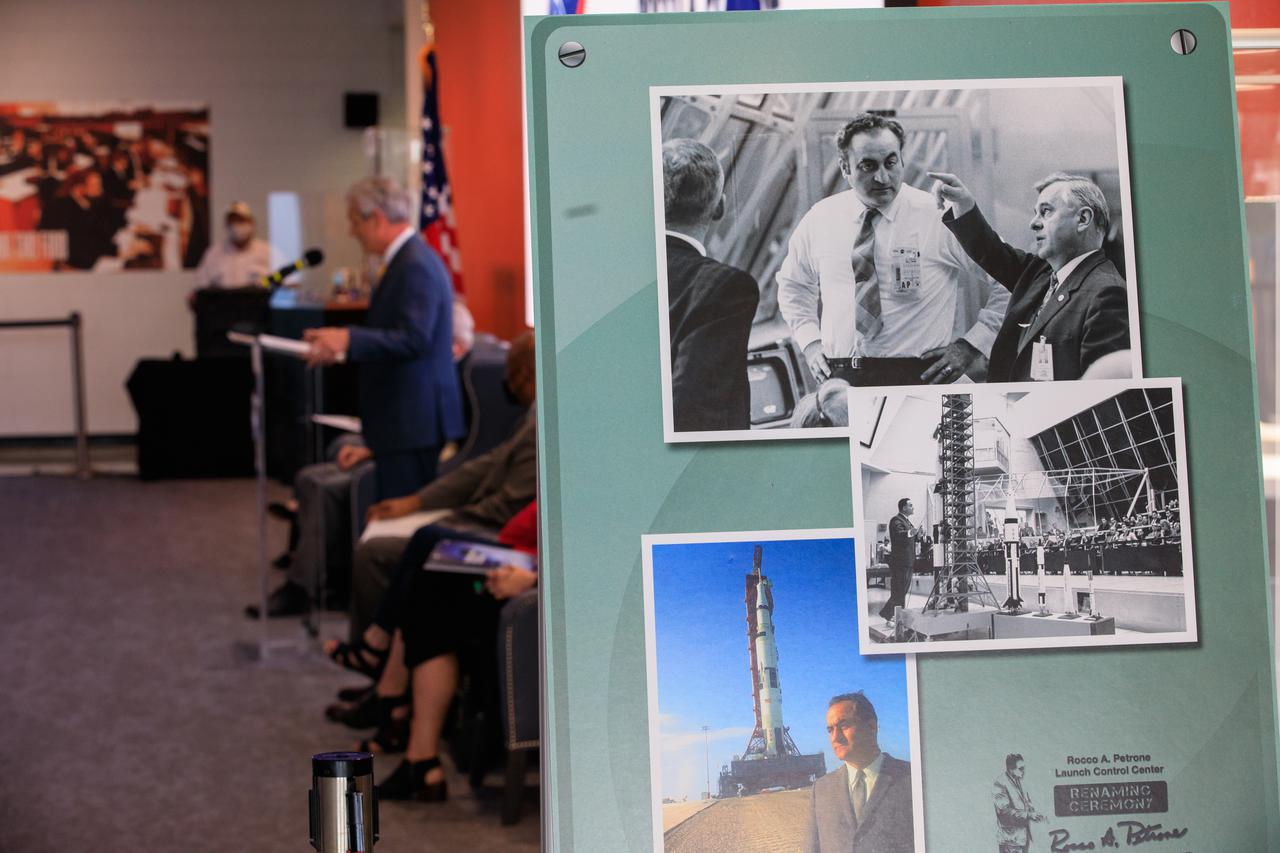
Scott Rigell, speaking on behalf of Ike Rigell, retired Apollo chief engineer and deputy director of launch vehicle operations at NASA, addresses attendees during a ceremony renaming Kennedy Space Center’s launch control center to the Rocco A. Petrone Launch Control Center on Feb. 22, 2022. Petrone was instrumental in America’s first voyages to the Moon and headed the Apollo program. He died in 2006 at the age of 80.

A spectator takes a photo of a display dedicated to former Kennedy Space Center director Rocco Petrone on Feb. 22, 2022. During a ceremony held at the Florida spaceport, Kennedy’s launch control center was officially renamed to the Rocco A. Petrone Launch Control Center. Petrone was instrumental in America’s first voyages to the Moon and headed the Apollo program. He died in 2006 at the age of 80.
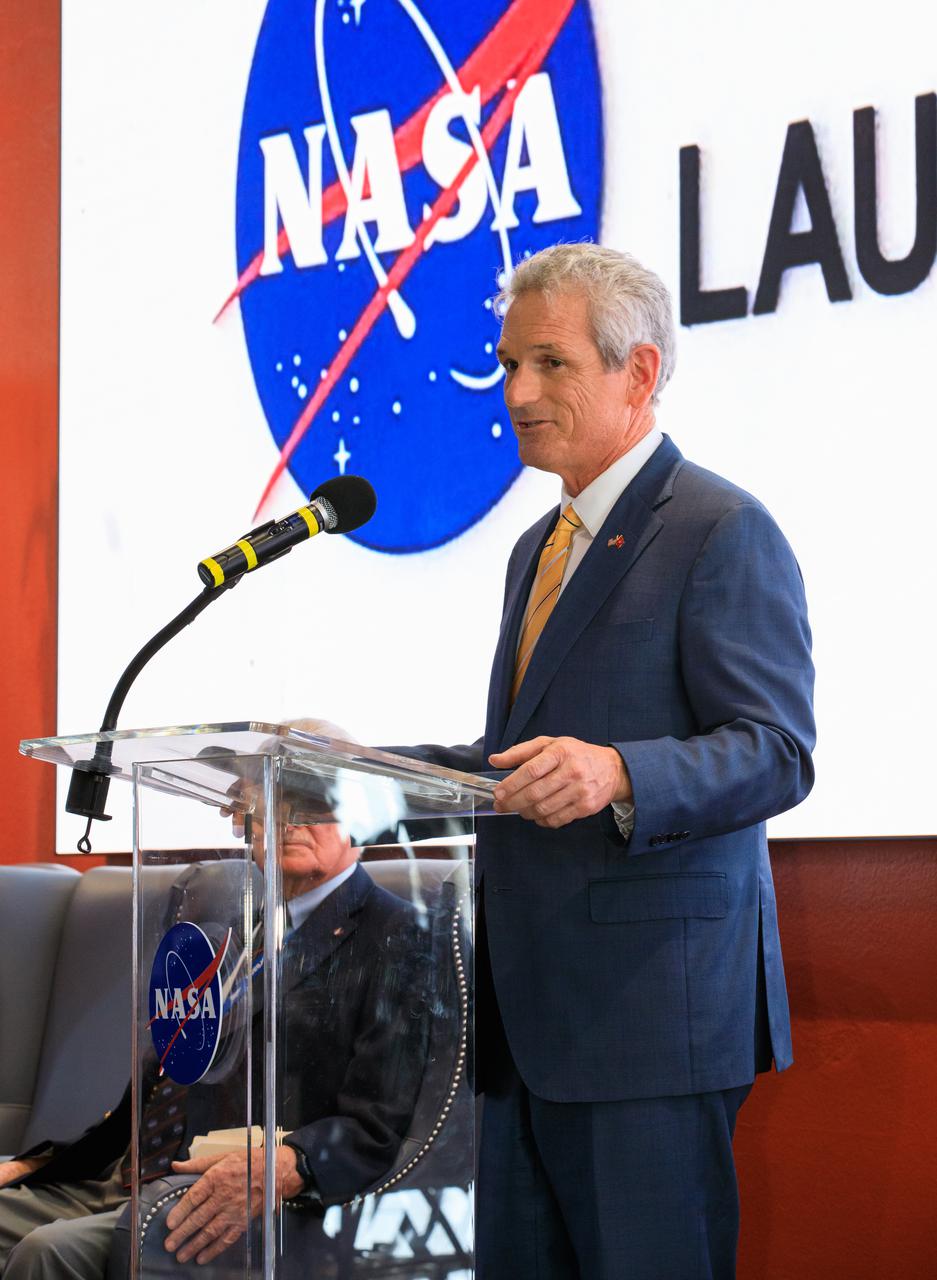
Scott Rigell, speaking on behalf of Ike Rigell, retired Apollo chief engineer and deputy director of launch vehicle operations at NASA, addresses attendees during a ceremony renaming Kennedy Space Center’s launch control center to the Rocco A. Petrone Launch Control Center on Feb. 22, 2022. Petrone was instrumental in America’s first voyages to the Moon and headed the Apollo program. He died in 2006 at the age of 80.
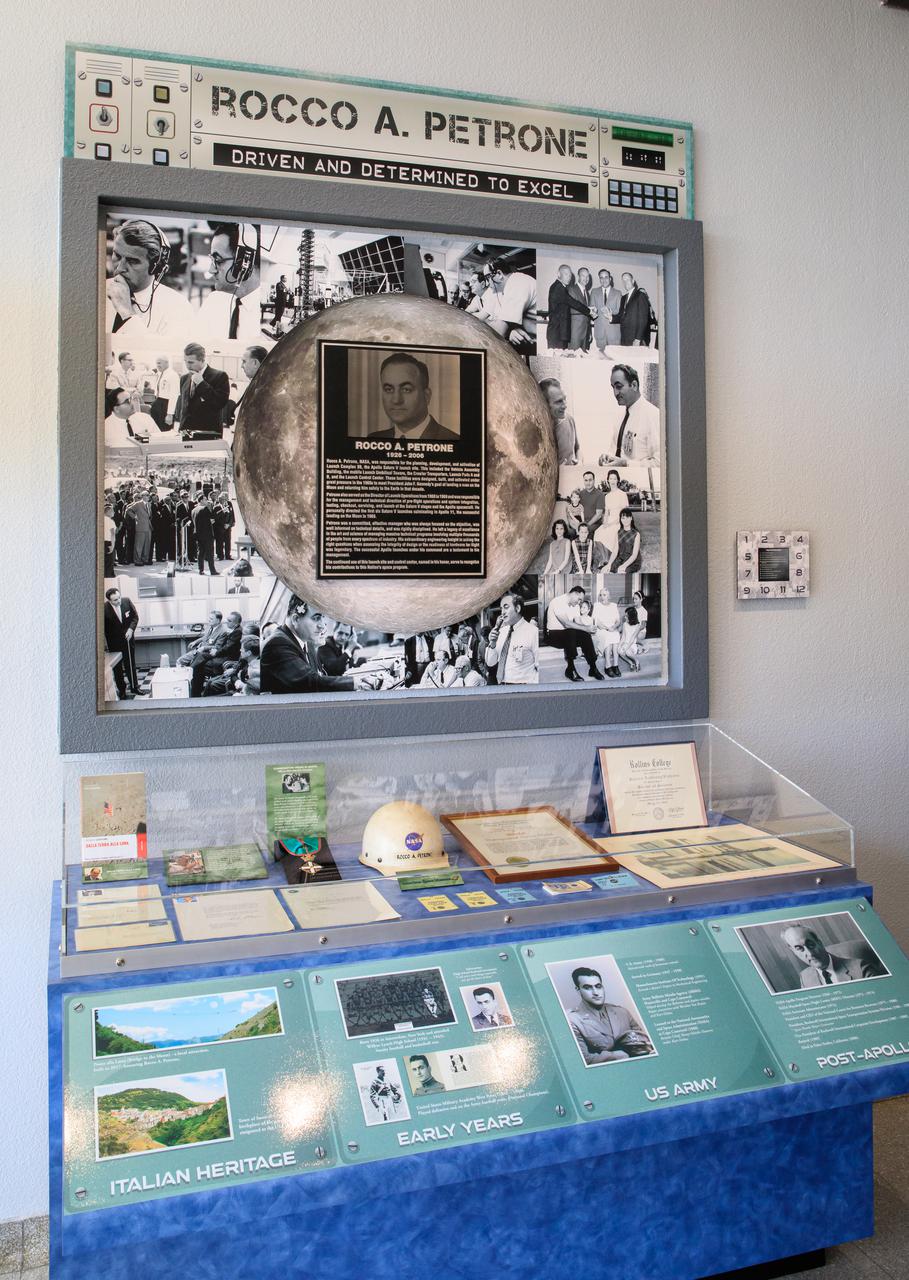
Shown is a display honoring former Kennedy Space Center launch director Rocco Petrone at the Florida spaceport on Feb. 22, 2022. During a ceremony held at Kennedy, the launch control center was officially renamed to the Rocco A. Petrone Launch Control Center. Petrone was instrumental in America’s first voyages to the Moon and headed the Apollo program. He died in 2006 at the age of 80.
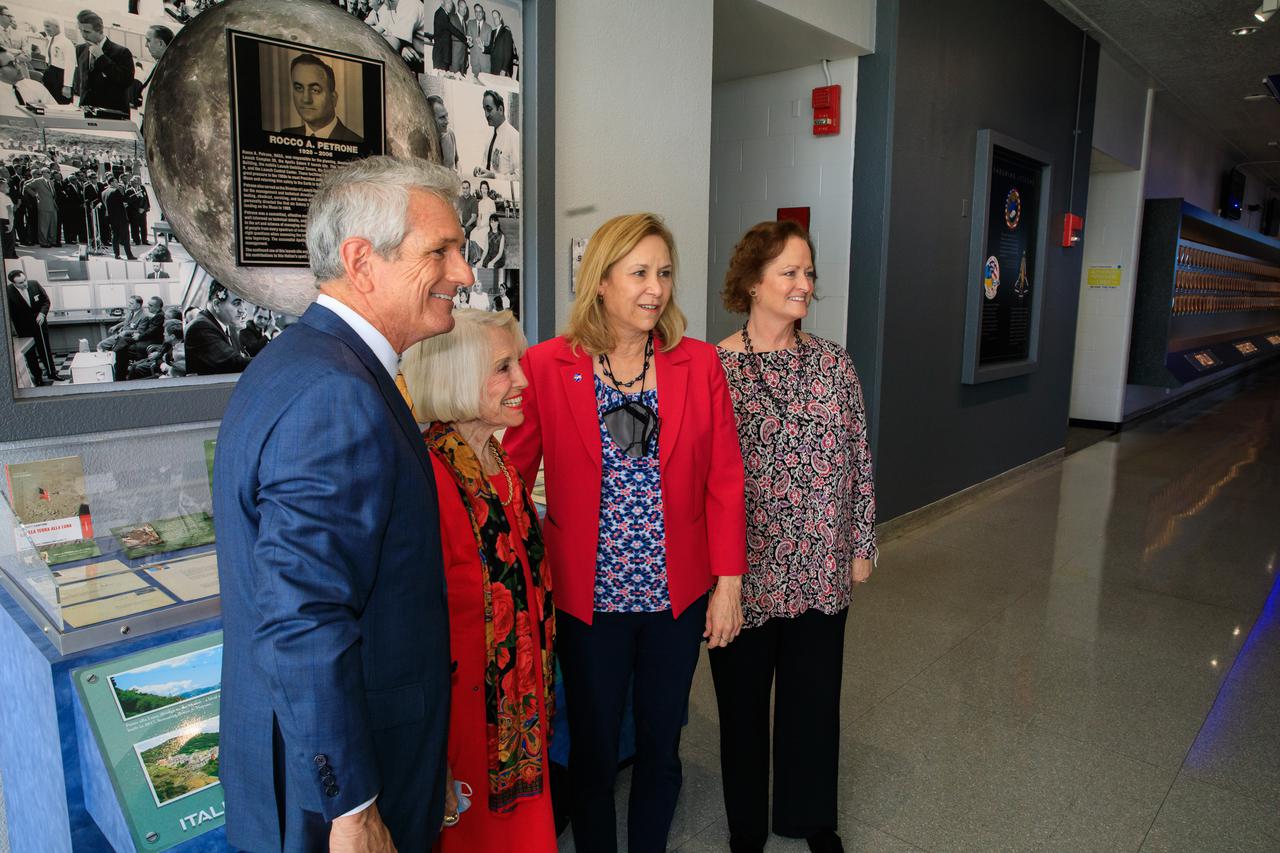
Kennedy Space Center Director Janet Petro, second from right, poses in front of a display dedicated to former Kennedy Space Center launch director Rocco Petrone at the Florida spaceport on Feb. 22, 2022. Also pictured is Scott Rigell, far left, and Kathy Posey, daughter of Petrone, far right. During a ceremony held at Kennedy, the launch control center was officially renamed to the Rocco A. Petrone Launch Control Center. Petrone was instrumental in America’s first voyages to the Moon and headed the Apollo program. He died in 2006 at the age of 80.
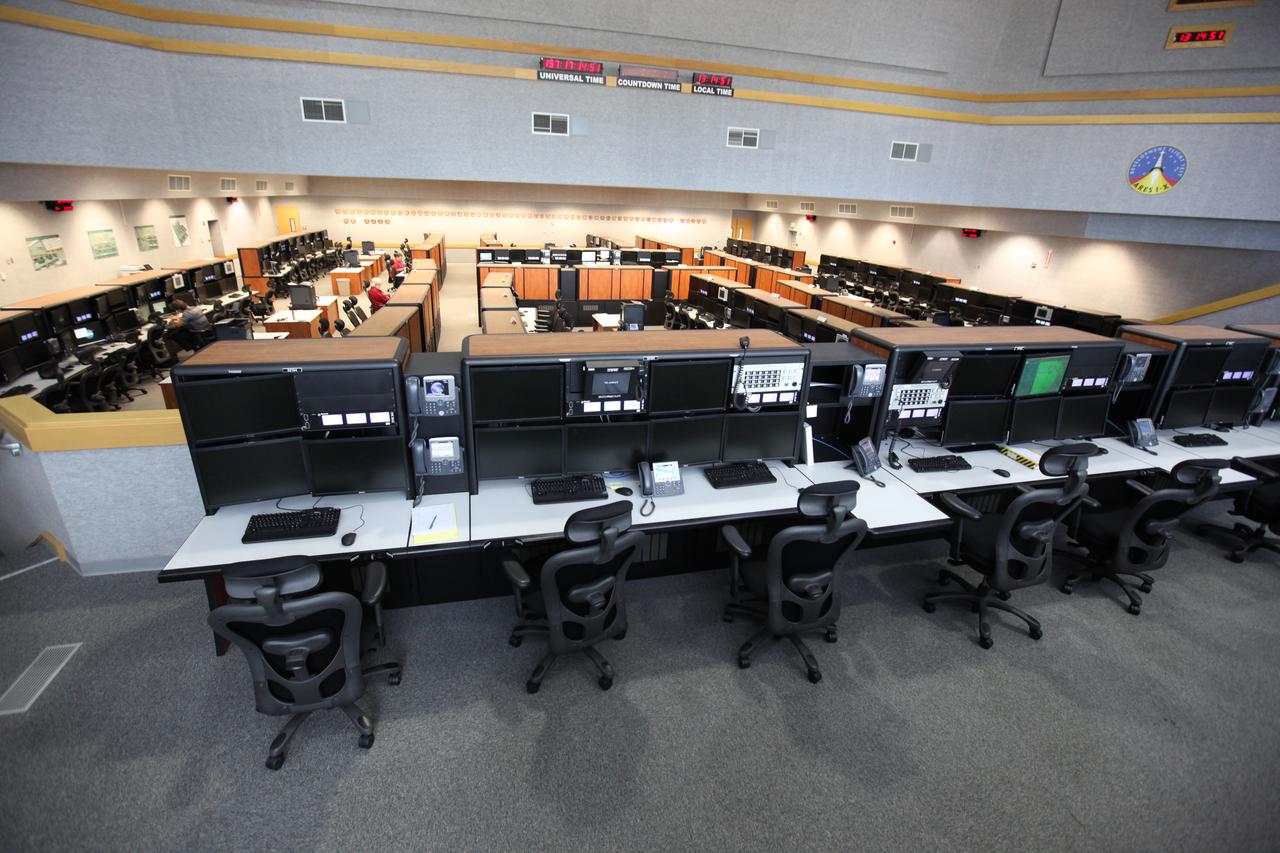
Photos of Firing Room 1 inside the Launch Control Center (LCC) at Kennedy Space Center.
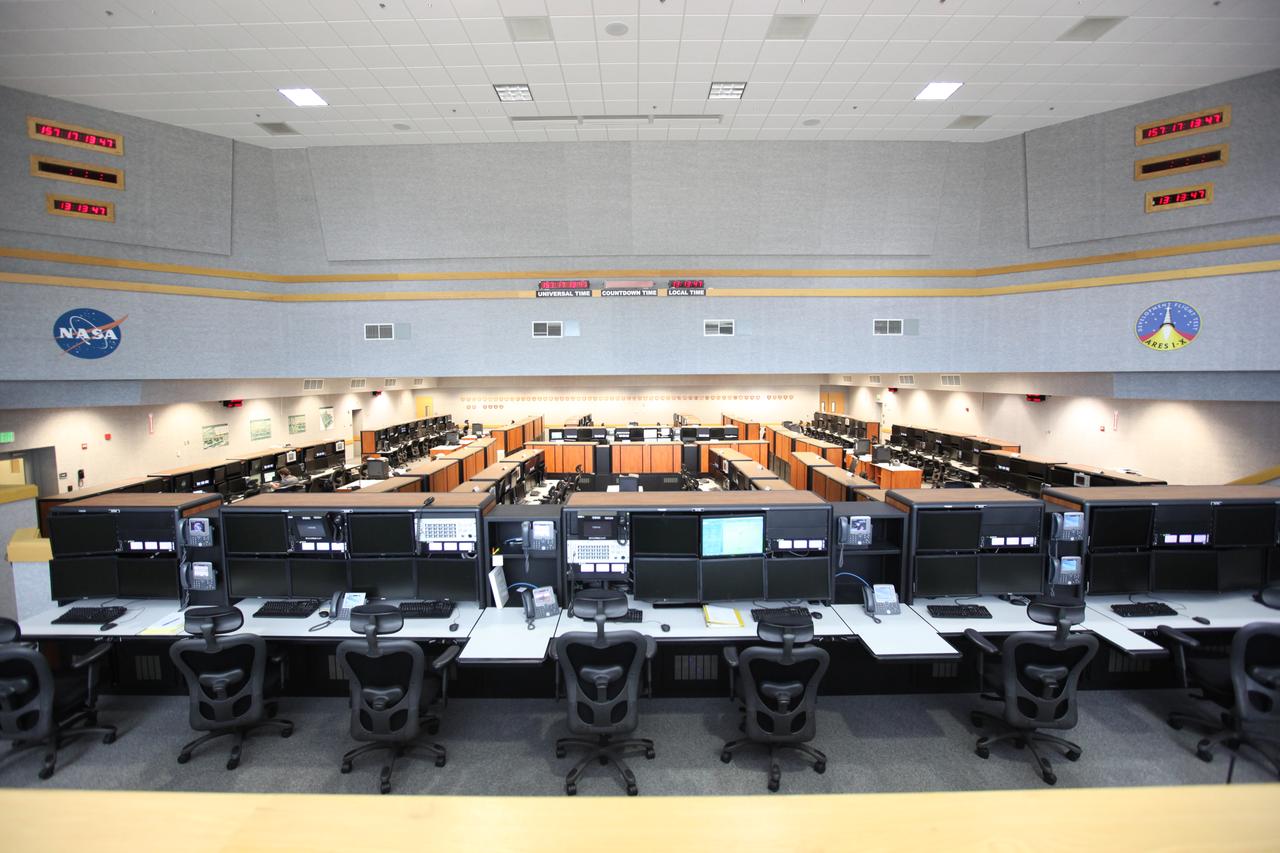
Photos of Firing Room 1 inside the Launch Control Center (LCC) at Kennedy Space Center.
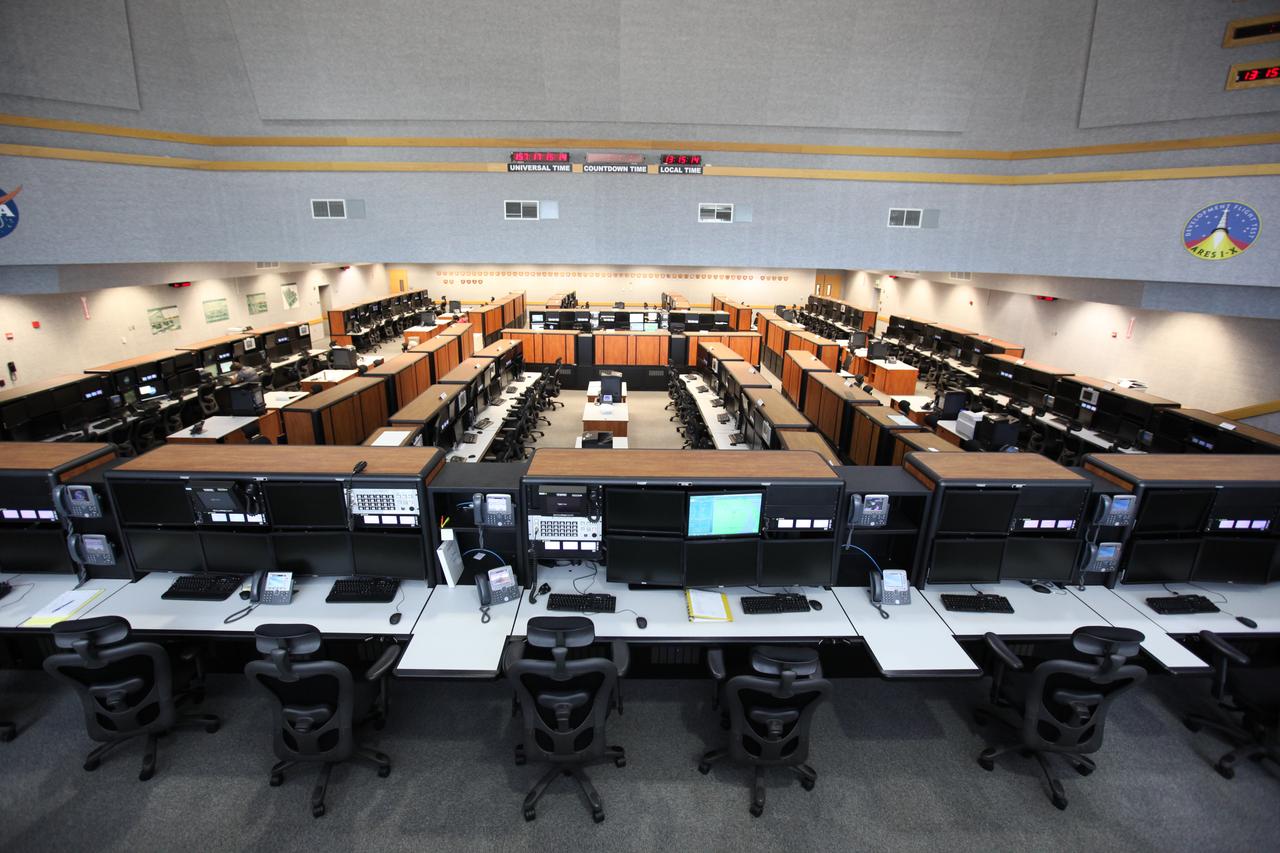
Photos of Firing Room 1 inside the Launch Control Center (LCC) at Kennedy Space Center.
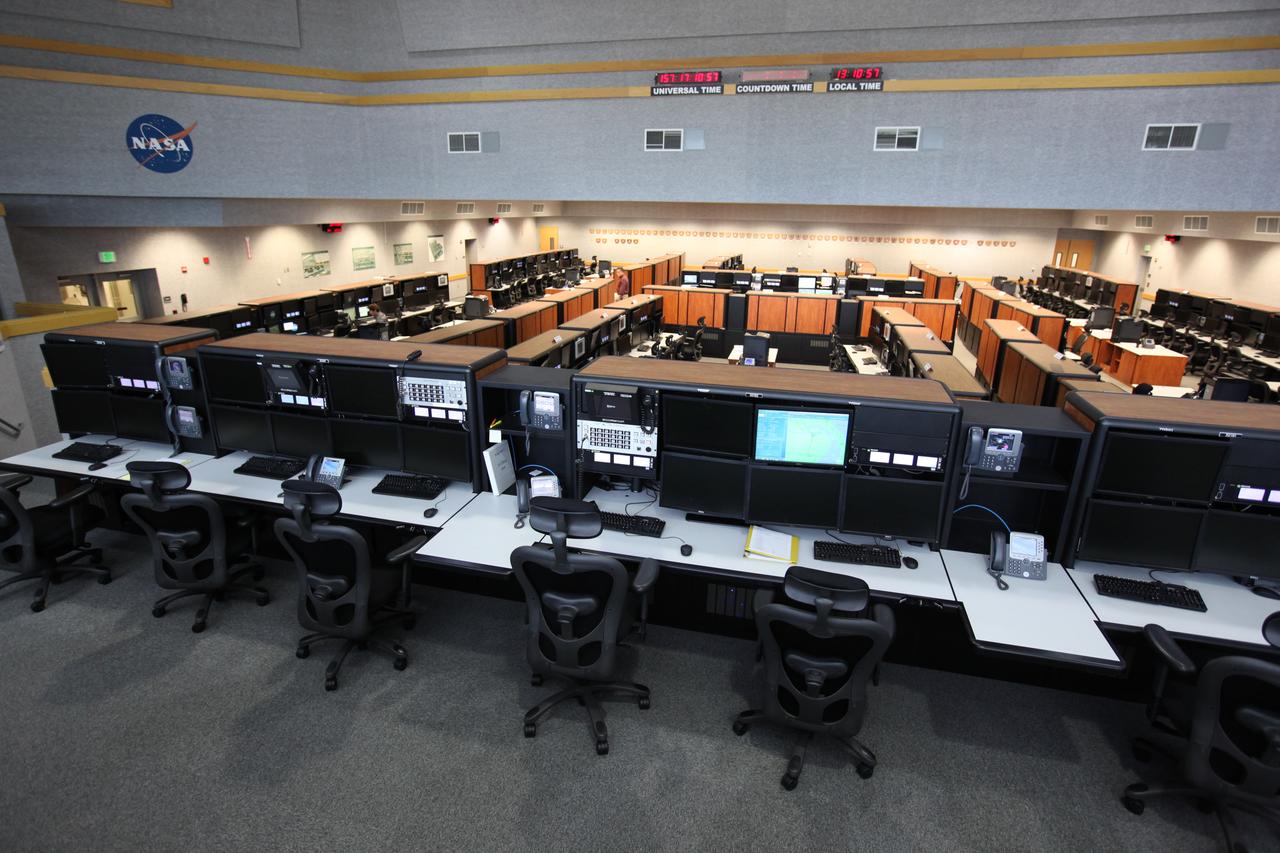
Photos of Firing Room 1 inside the Launch Control Center (LCC) at Kennedy Space Center.
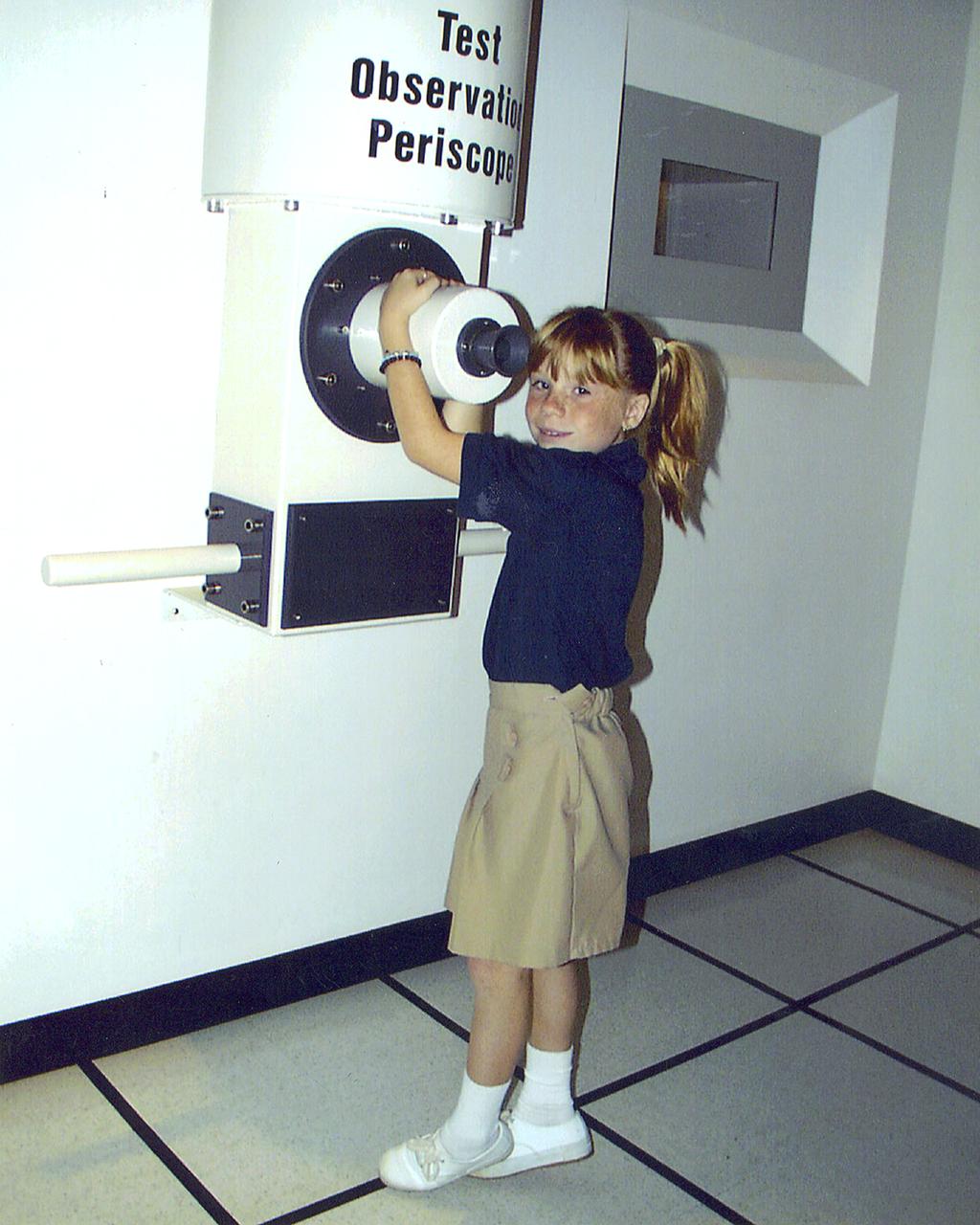
At the test observation periscope in the Test Control Center exhibit in StenniSphere at the John C. Stennis Space Center in Hancock County, Miss., visitors can observe a test of a Space Shuttle Main Engine exactly as test engineers might see it during a real engine test. The Test Control Center exhibit exactly simulates not only the test control environment, but also the procedure of testing a rocket engine. Designed to entertain while educating, StenniSphere includes informative dispays and exhibits from NASA's lead center for rocket propulsion and remote sensing applications. StenniSphere is open free of charge from 9 a.m. to 5 p.m. daily.
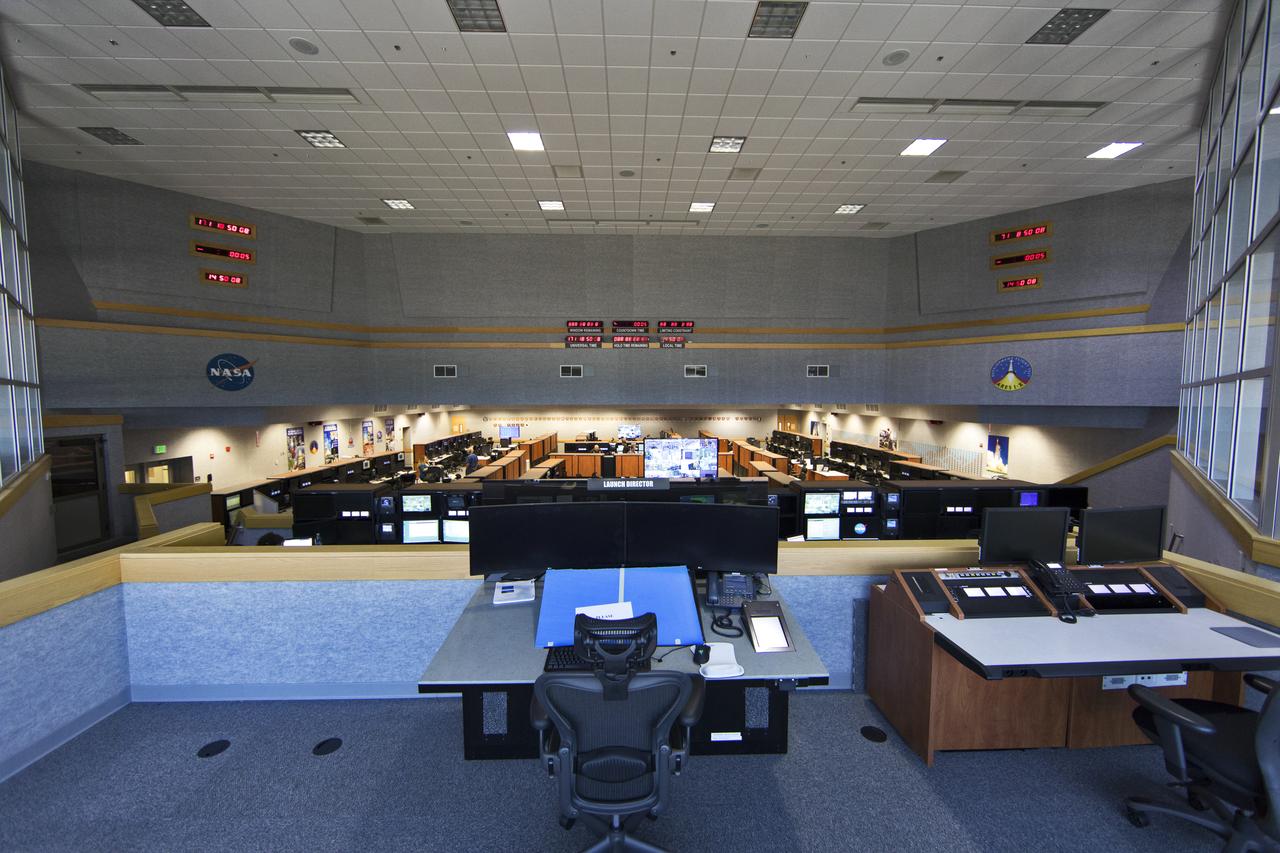
A view of Firing Room 1 in the Launch Control Center (LCC) at NASA's Kennedy Space Center in Florida. The Apollo and shuttle-era firing rooms in the LCC have been upgraded. The upper deck includes a work station in development for the EM-1 launch director. Exploration Ground Systems upgraded Firing Room 1 to support the launch of NASA's Space Launch System rocket and Orion spacecraft on Exploration Mission-1 and deep space missions.

A blue sky and fluffy clouds serve as the backdrop in this view of the exterior of the Launch Control Center (LCC) at NASA's Kennedy Space Center in Florida. The Apollo and shuttle-era firing rooms in the LCC have been upgraded. Exploration Ground Systems upgraded Firing Room 1 to support the launch of NASA's Space Launch System rocket and Orion spacecraft on Exploration Mission-1 and deep space missions.
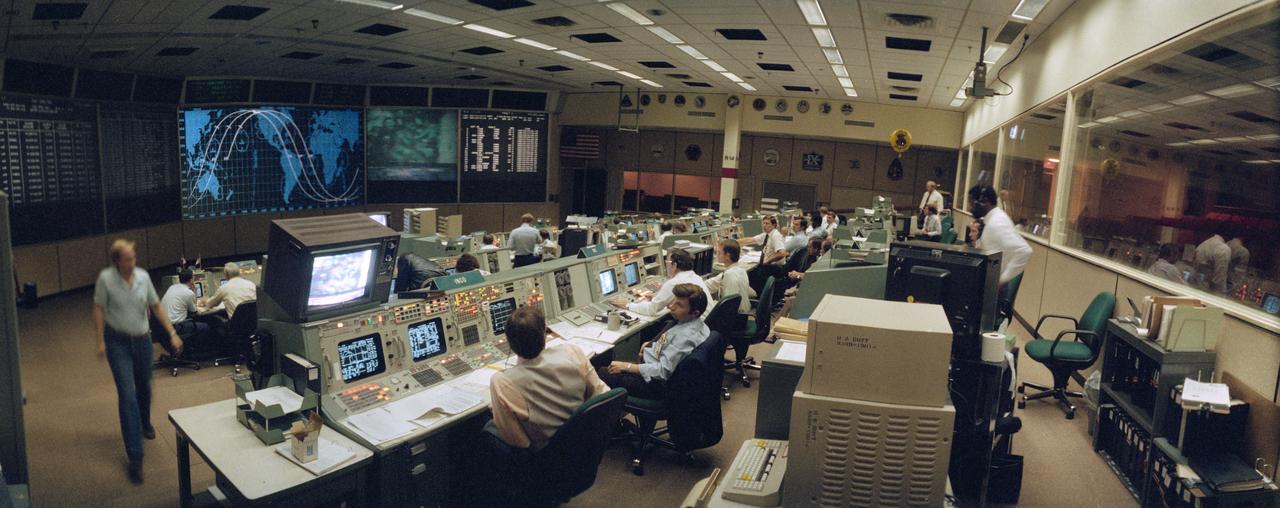
Wide angle view of the flight control room (FCR) of the Mission Control Center (MCC). Some of the STS 41-G crew can be seen on a large screen at the front of the MCC along with a map tracking the progress of the orbiter.
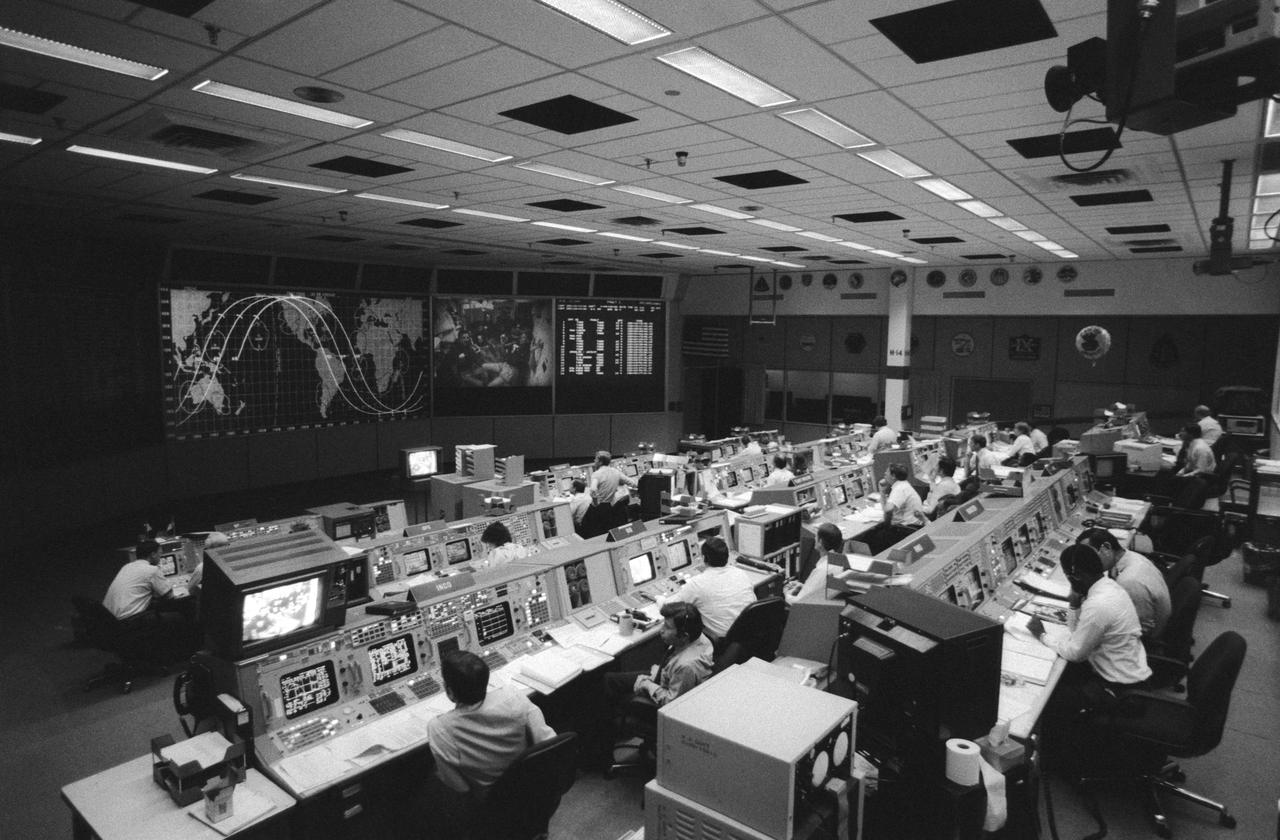
Wide angle view of the flight control room (FCR) of the Mission Control Center (MCC). Some of the STS 41-G crew can be seen on a large screen at the front of the MCC along with a map tracking the progress of the orbiter.
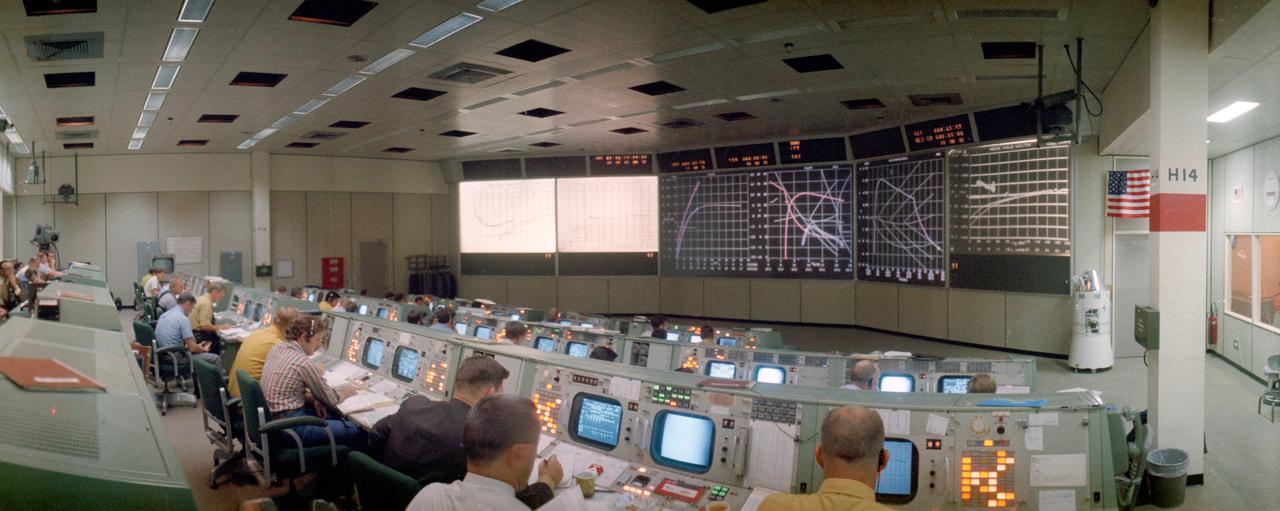
S71-41357 (26 July 1971) --- An overall, wide-angle lens view of activity in the Mission Operations Control Room in the Mission Control Center minutes after the launch of the Apollo 15 lunar landing mission. Ground elapsed time was 45 minutes and 42 seconds when this photograph was taken.
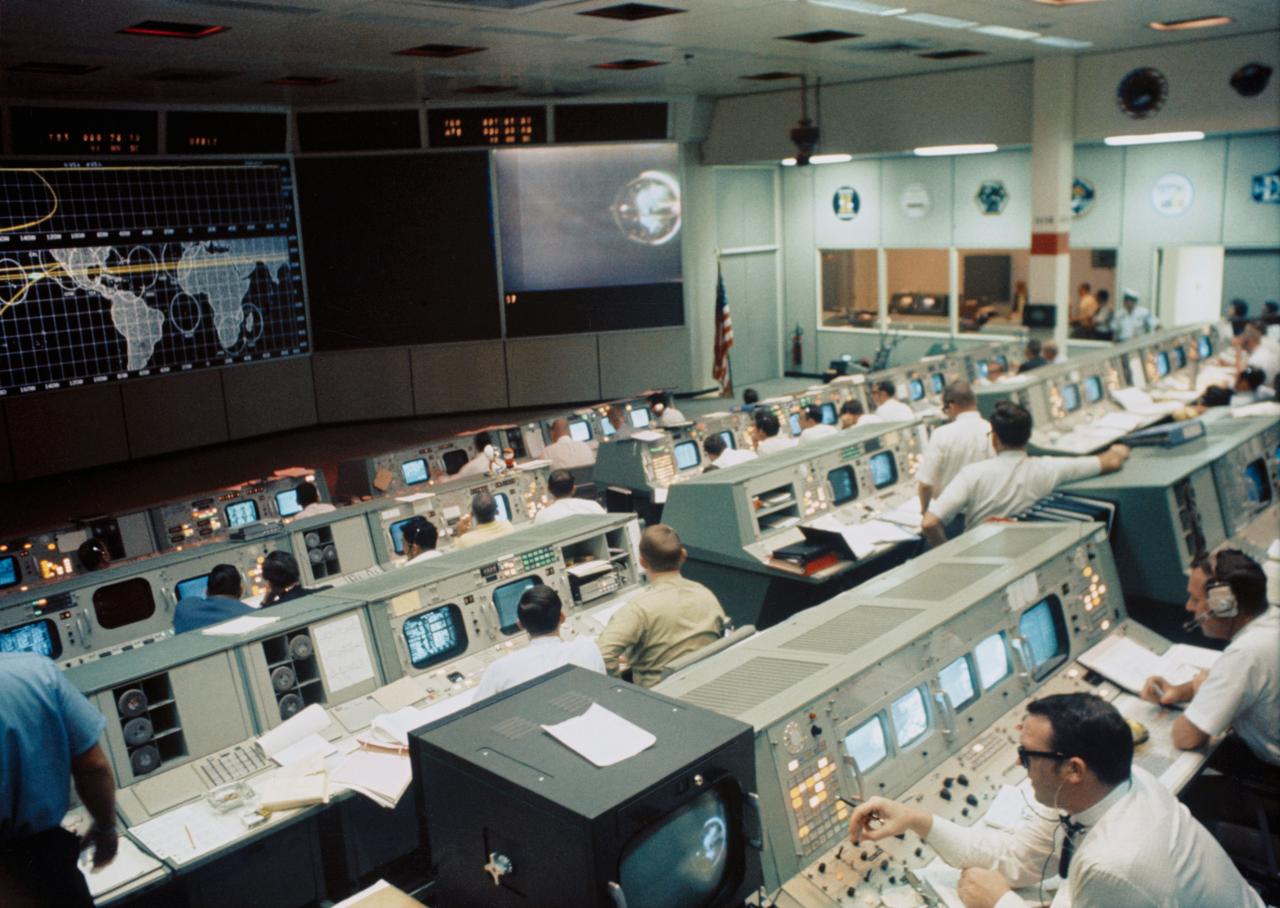
S69-34316 (18 May 1969) --- Overall view of the Mission Operations Control Room in the Mission Control Center, Building 30, on the first day of the Apollo 10 lunar orbit mission. A color television transmission was being received from Apollo 10. This picture was made following Command and Service Module/Lunar Module/Saturn IVB (CSM/LM-S-IVB) separation and prior to LM extraction from the S-IVB. The CSM were making the docking approach to the LM/S-IVB.
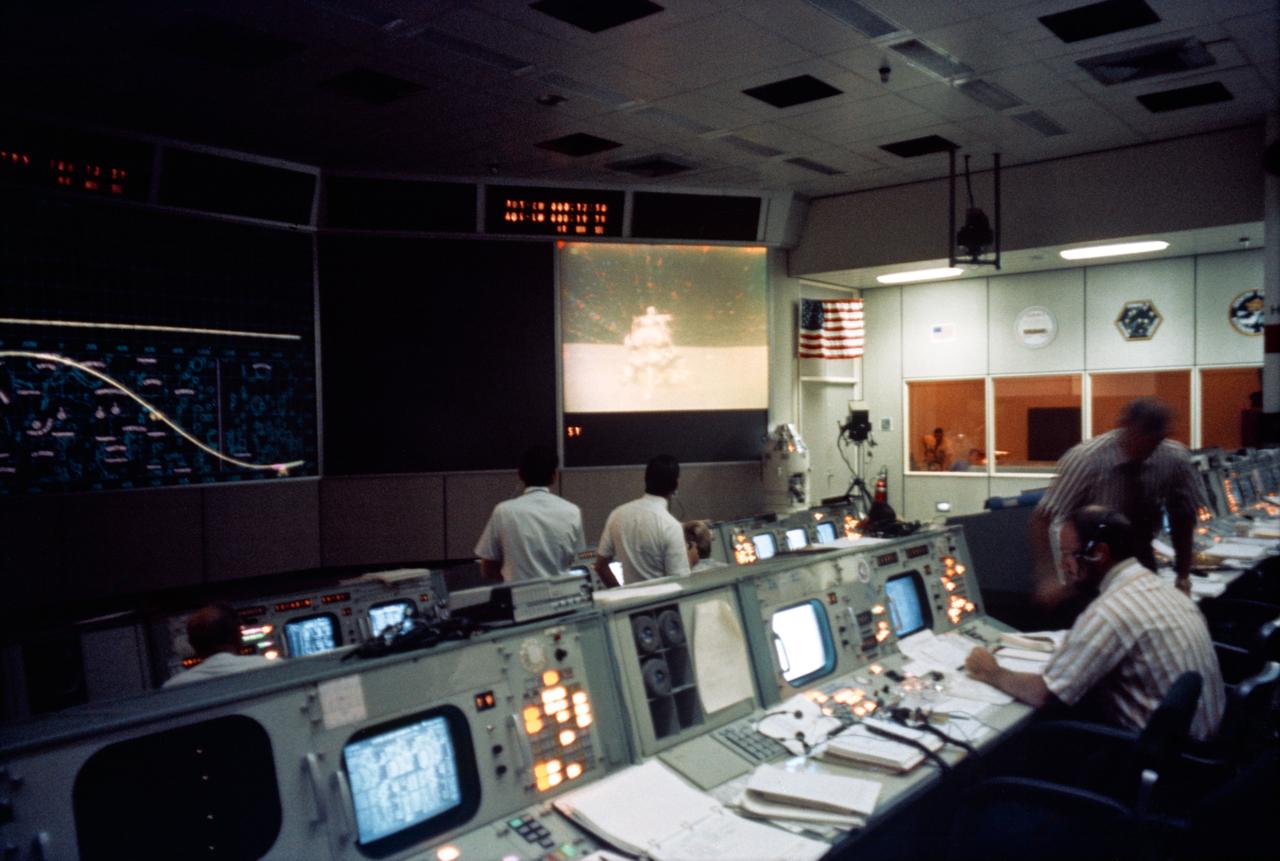
S71-41759 (2 Aug. 1971) --- A partial view of activity in the Mission Operations Control Room in the Mission Control Center during the liftoff of the Apollo 15 Lunar Module "Falcon" ascent stage from the lunar surface. An RCA color television camera mounted on the Lunar Roving Vehicle made it possible for people on Earth to watch the LM's spectacular launch from the moon. The LM liftoff was at 171:37 ground elapsed time. The LRV was parked about 300 feet east of the LM. The TV camera was remotely controlled from a console in the MOCR. Seated in the right foreground is astronaut Edgar D. Mitchell, a spacecraft communicator. Mitchell was lunar module pilot of the Apollo 14 lunar landing mission. Note liftoff on the television monitor in the center background.
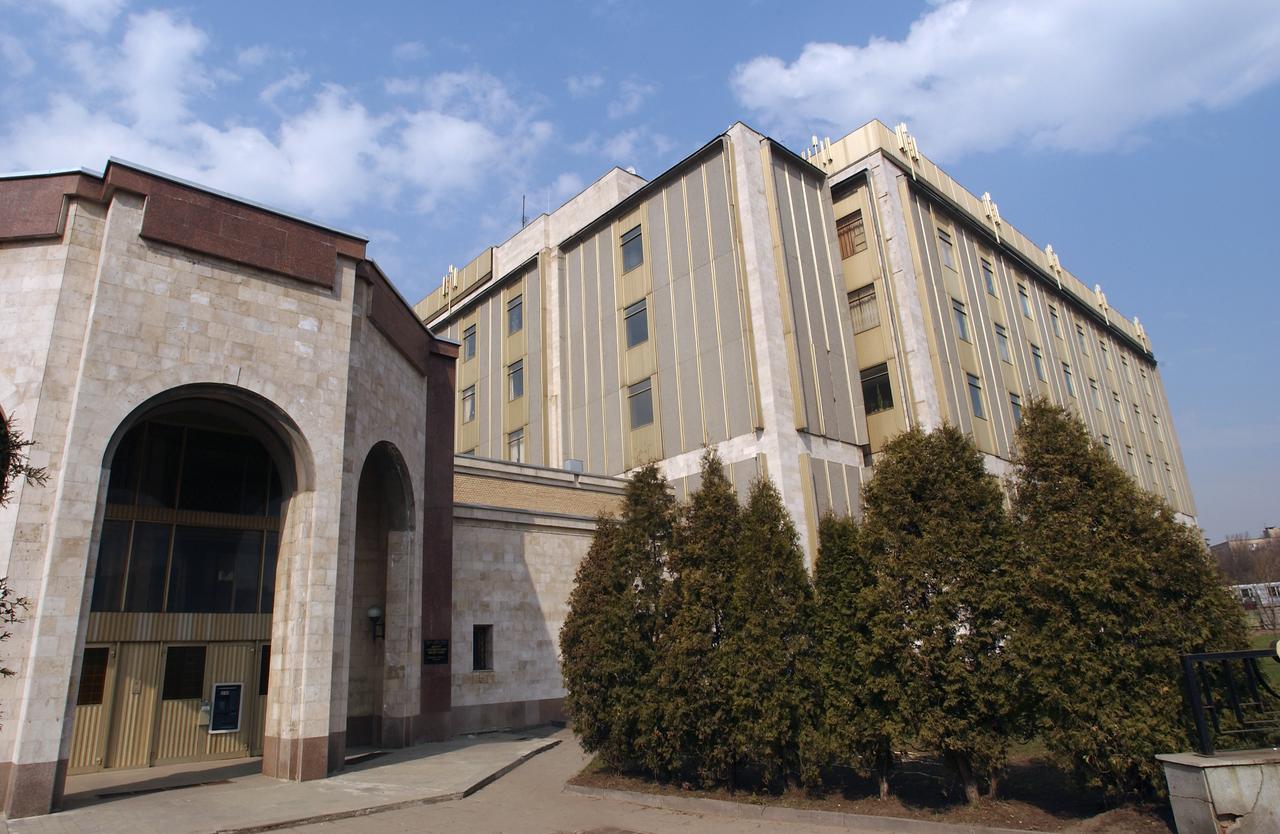
A view of the outside of the Russian Mission Control Center in Korolev, Russia, located on the outskirts of Moscow, Wednesday, April 21, 2004. Photo Credit: (NASA/Bill Ingalls)
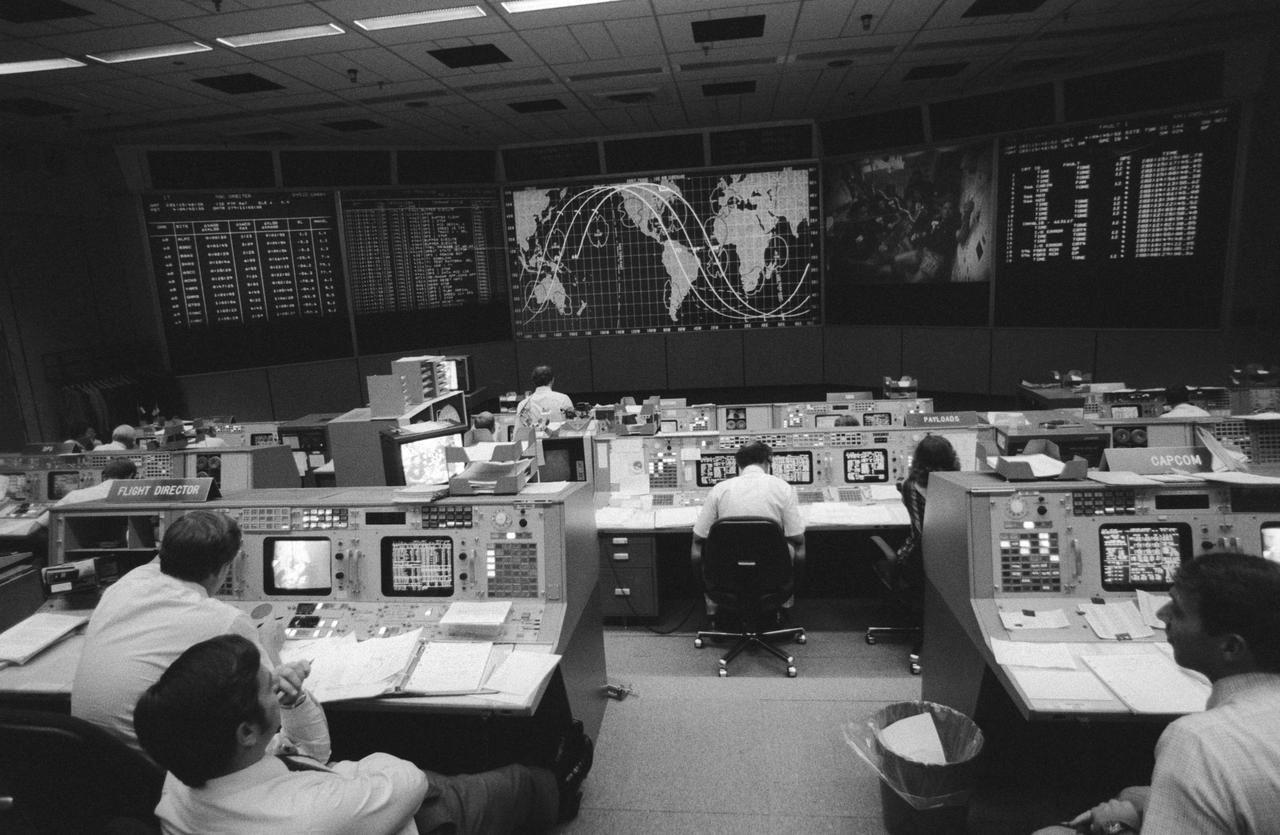
View from the back of the Mission Control Center (MCC). Visible are the Flight Directors console (left front), the CAPCOM console (right front) and the Payloads console. Some of the STS 41-G crew can be seen on a large screen at the front of the MCC along with a map tracking the progress of the orbiter.
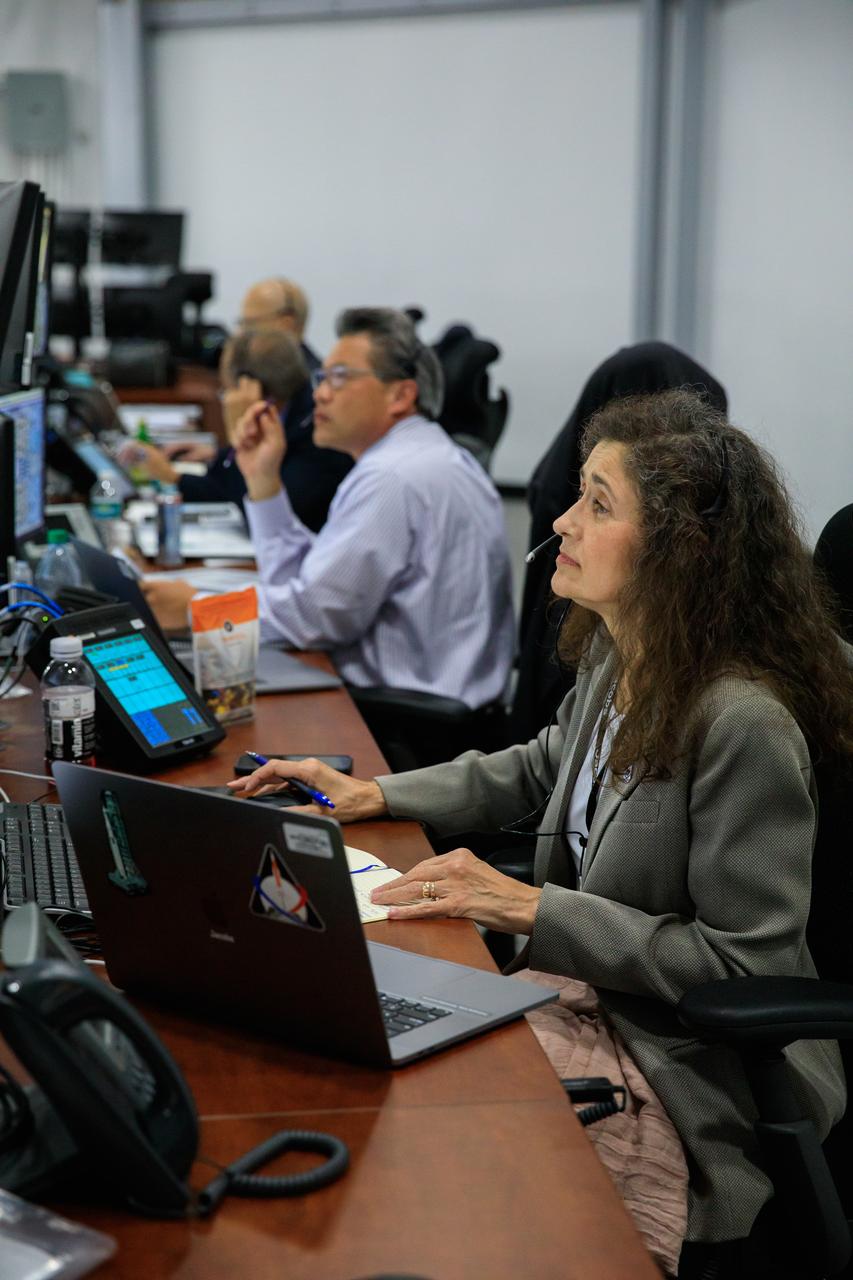
Members of the Artemis I launch team are at their consoles inside Firing Room 1 of the Rocco A. Petrone Launch Control Center at NASA’s Kennedy Space Center in Florida for launch countdown Aug. 29, 2022. Launch of the agency’s Space Launch System and Orion spacecraft was waved off due to an issue during tanking. Launch is now no earlier than Sept. 3, at 2:17 p.m. EDT from Kennedy’s Launch Complex 39B. The first in a series of increasingly complex missions, Artemis I will provide a foundation for human deep space exploration and demonstrate our commitment and capability to extend human presence to the Moon and beyond. The primary goal of Artemis I is to thoroughly test the integrated systems before crewed missions by operating the spacecraft in a deep space environment, testing Orion’s heat shield, and recovering the crew module after reentry, descent, and splashdown.
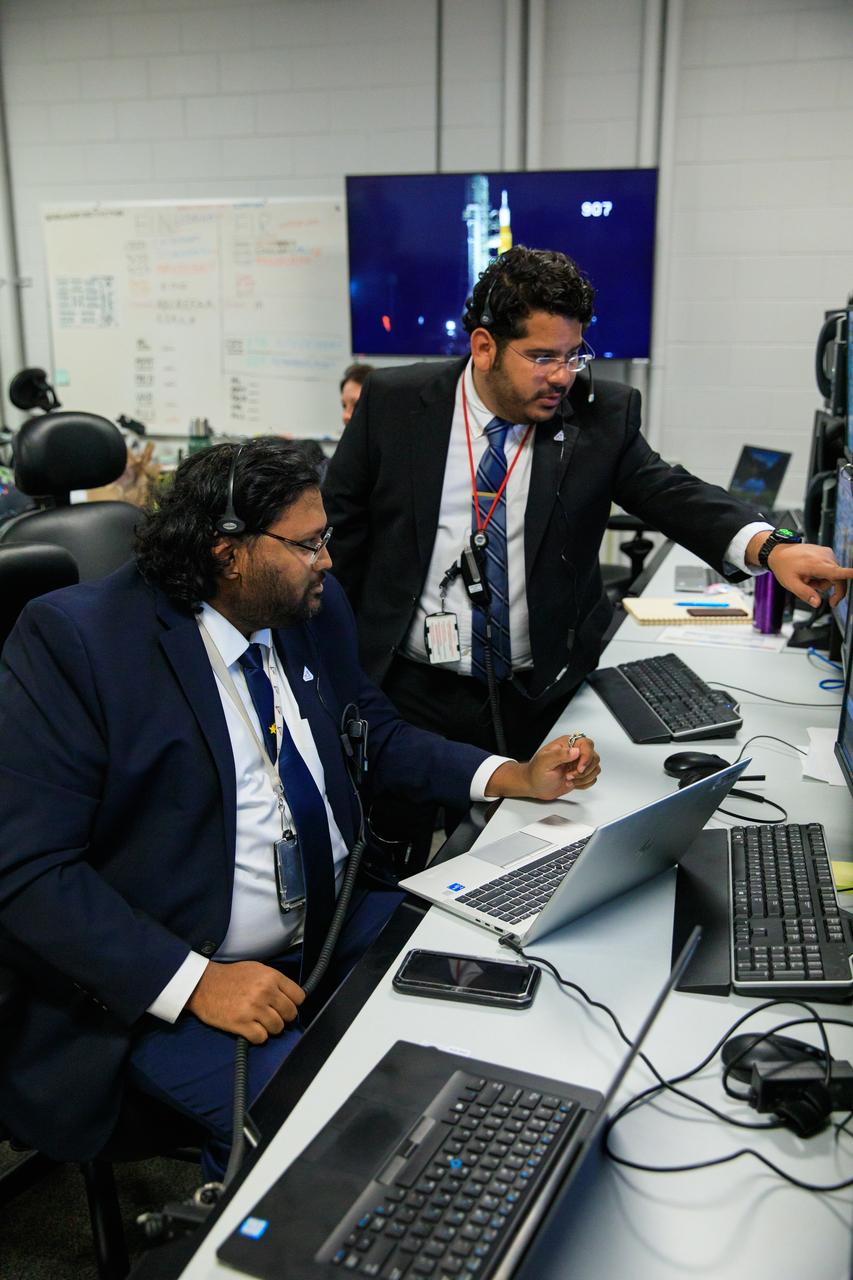
Members of the Artemis I launch team monitor countdown events at their consoles inside Firing Room 1 of the Rocco A. Petrone Launch Control Center at NASA’s Kennedy Space Center in Florida on Aug. 29, 2022. Launch of the agency’s Space Launch System and Orion spacecraft was waved off due to an issue during tanking. Launch is now no earlier than Sept. 3, at 2:17 p.m. EDT from Kennedy’s Launch Complex 39B. The first in a series of increasingly complex missions, Artemis I will provide a foundation for human deep space exploration and demonstrate our commitment and capability to extend human presence to the Moon and beyond. The primary goal of Artemis I is to thoroughly test the integrated systems before crewed missions by operating the spacecraft in a deep space environment, testing Orion’s heat shield, and recovering the crew module after reentry, descent, and splashdown.
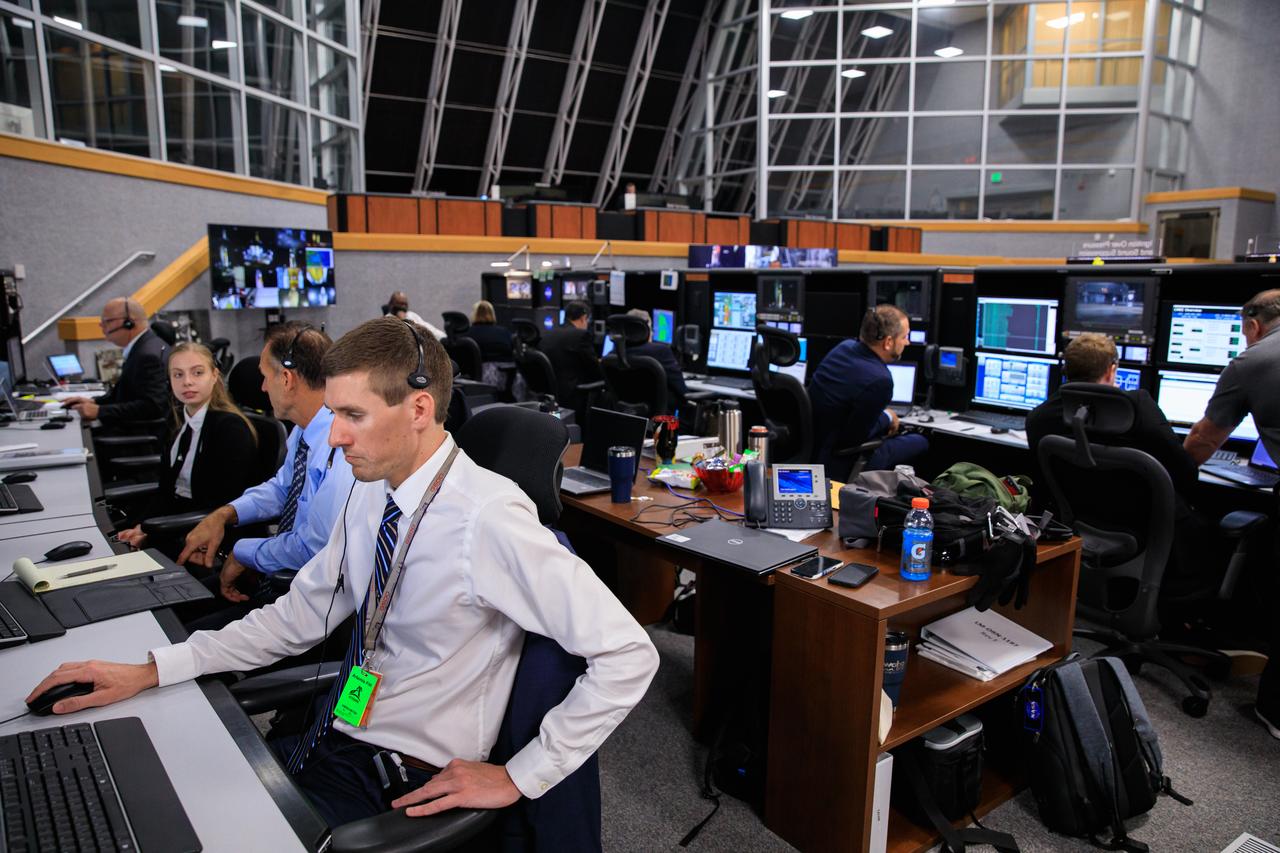
Members of the Artemis I launch team are at their consoles inside Firing Room 1 of the Rocco A. Petrone Launch Control Center at NASA’s Kennedy Space Center in Florida for launch countdown Aug. 29, 2022. Launch of the agency’s Space Launch System and Orion spacecraft was waved off due to an issue during tanking. Launch is now no earlier than Sept. 3, at 2:17 p.m. EDT from Kennedy’s Launch Complex 39B. The first in a series of increasingly complex missions, Artemis I will provide a foundation for human deep space exploration and demonstrate our commitment and capability to extend human presence to the Moon and beyond. The primary goal of Artemis I is to thoroughly test the integrated systems before crewed missions by operating the spacecraft in a deep space environment, testing Orion’s heat shield, and recovering the crew module after reentry, descent, and splashdown.
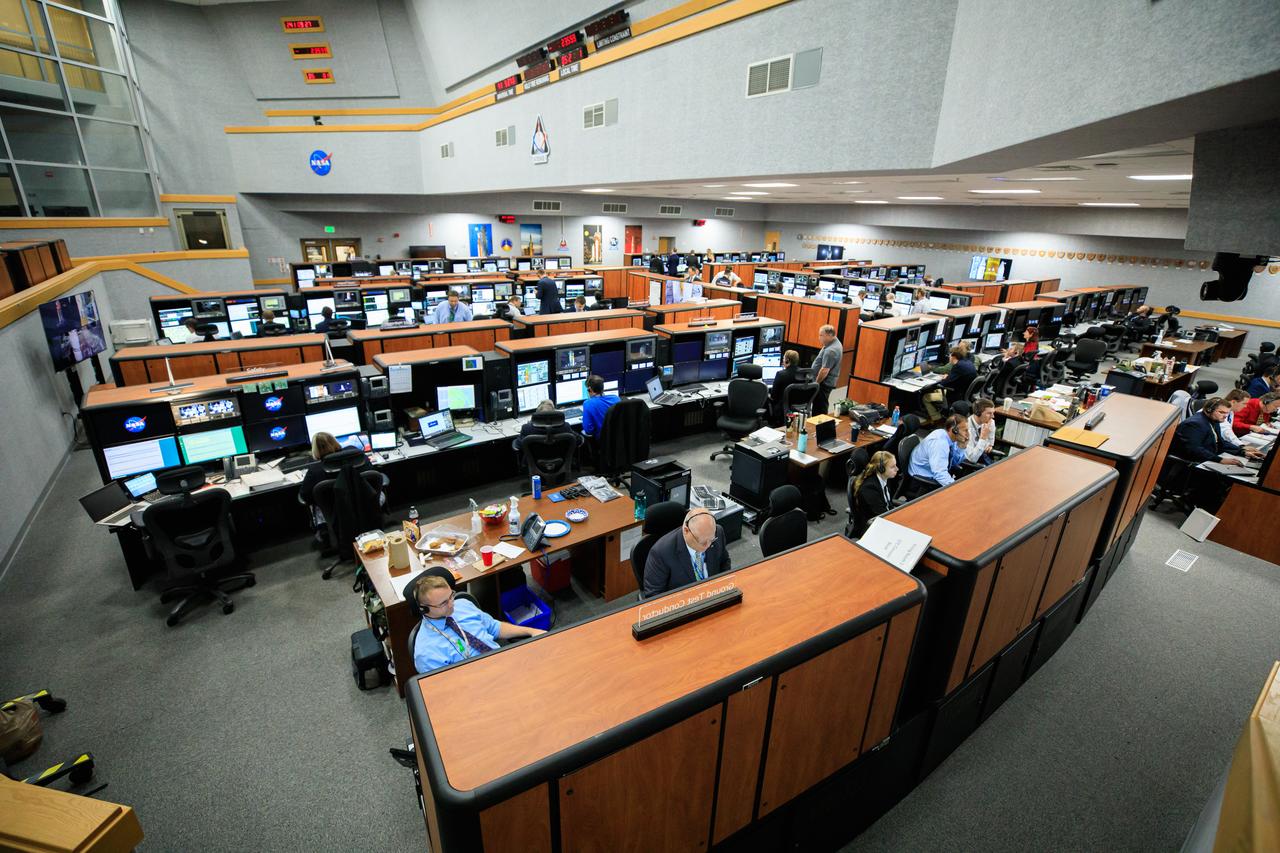
Members of the Artemis I launch team are at their consoles inside Firing Room 1 of the Rocco A. Petrone Launch Control Center at NASA’s Kennedy Space Center in Florida for launch countdown Aug. 29, 2022. Launch of the agency’s Space Launch System and Orion spacecraft was waved off due to an issue during tanking. Launch is now no earlier than Sept. 3, at 2:17 p.m. EDT from Kennedy’s Launch Complex 39B. The first in a series of increasingly complex missions, Artemis I will provide a foundation for human deep space exploration and demonstrate our commitment and capability to extend human presence to the Moon and beyond. The primary goal of Artemis I is to thoroughly test the integrated systems before crewed missions by operating the spacecraft in a deep space environment, testing Orion’s heat shield, and recovering the crew module after reentry, descent, and splashdown.
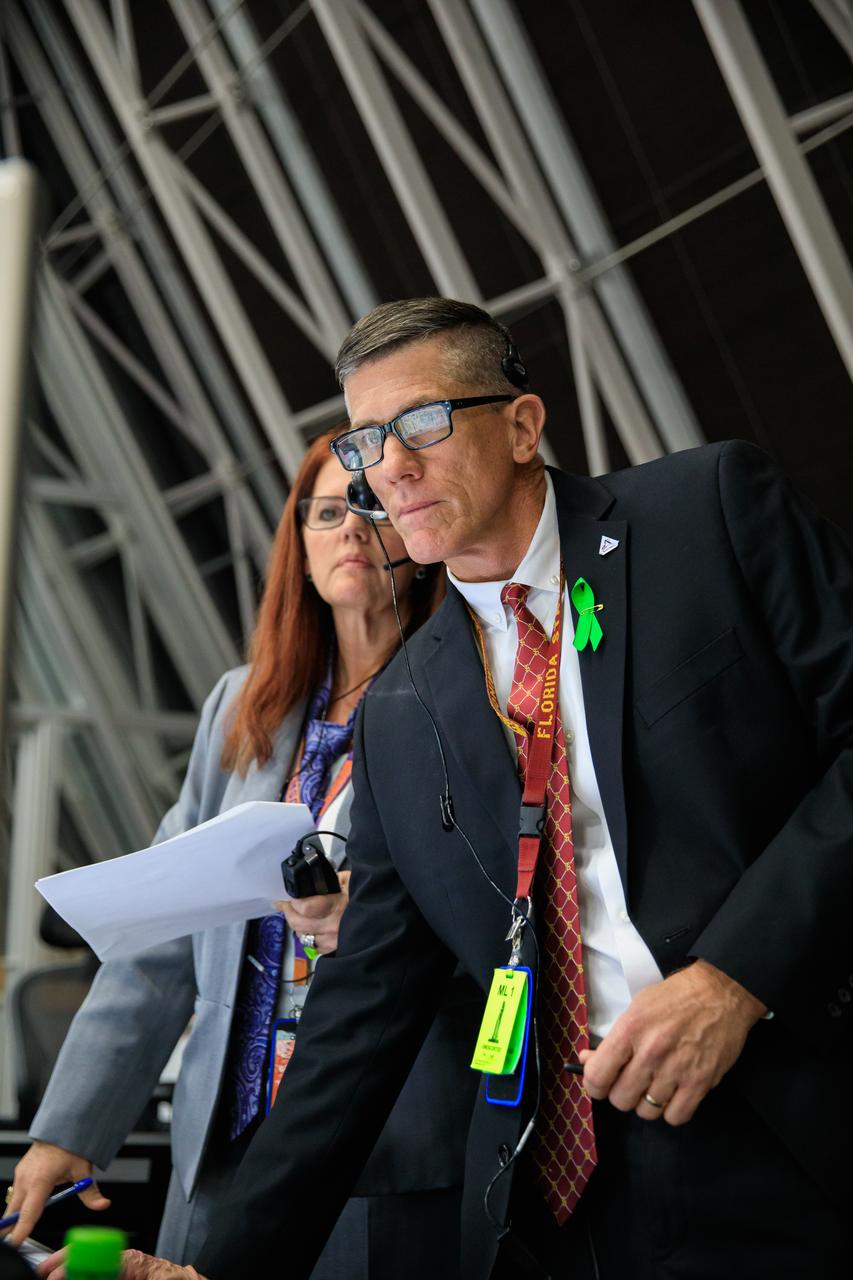
From left, Artemis I Launch Director Charlie Blackwell-Thompson, and Assistant Launch Director Jeremy Graeber, monitor launch countdown events inside Firing Room 1 of the Rocco A. Petrone Launch Control Center at NASA’s Kennedy Space Center in Florida on Aug. 29, 2022. Launch of the agency’s Space Launch System and Orion spacecraft was waved off due to an issue during tanking. Launch is now no earlier than Sept. 3, at 2:17 p.m. EDT from Kennedy’s Launch Complex 39B. The first in a series of increasingly complex missions, Artemis I will provide a foundation for human deep space exploration and demonstrate our commitment and capability to extend human presence to the Moon and beyond. The primary goal of Artemis I is to thoroughly test the integrated systems before crewed missions by operating the spacecraft in a deep space environment, testing Orion’s heat shield, and recovering the crew module after reentry, descent, and splashdown.
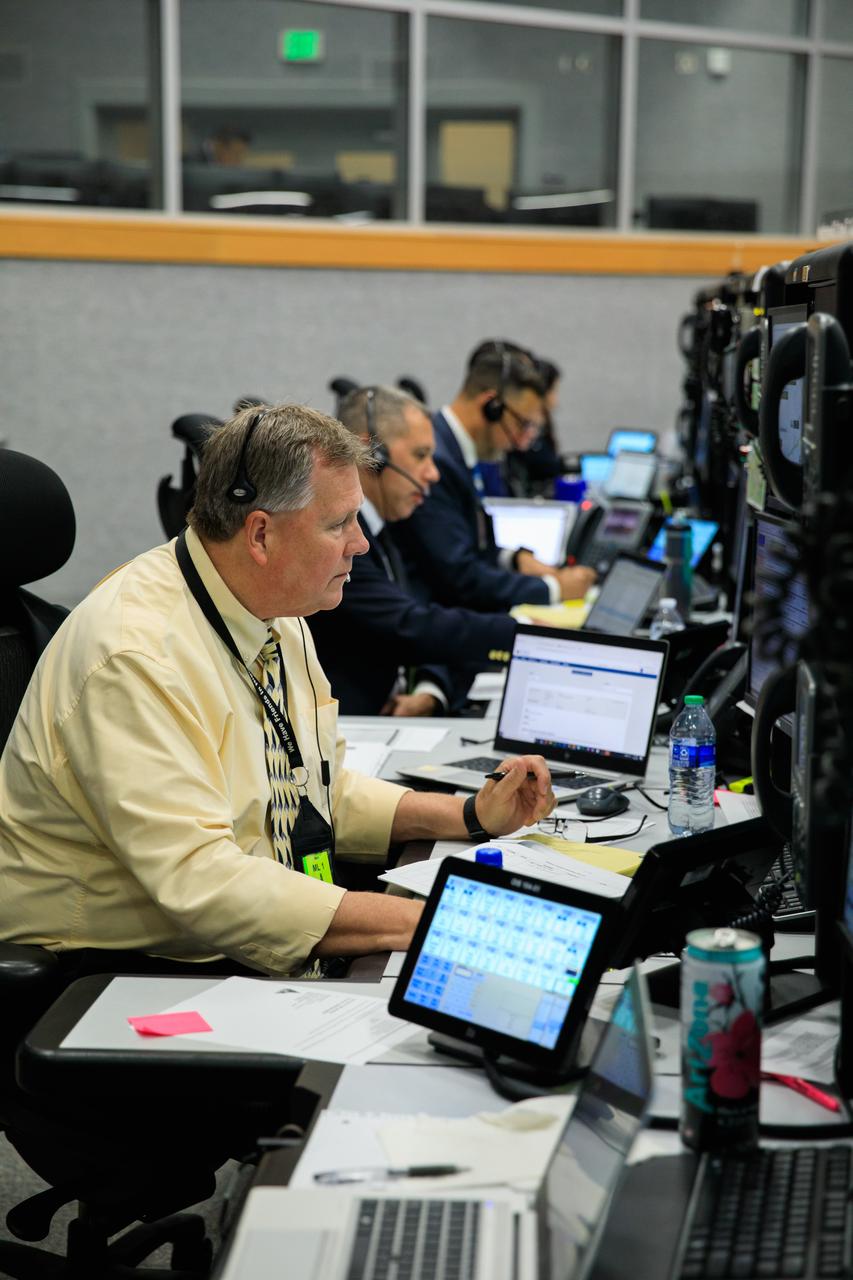
Members of the Artemis I launch team are at their consoles inside Firing Room 1 of the Rocco A. Petrone Launch Control Center at NASA’s Kennedy Space Center in Florida for launch countdown Aug. 29, 2022. Launch of the agency’s Space Launch System and Orion spacecraft was waved off due to an issue during tanking. Launch is now no earlier than Sept. 3, at 2:17 p.m. EDT from Kennedy’s Launch Complex 39B. The first in a series of increasingly complex missions, Artemis I will provide a foundation for human deep space exploration and demonstrate our commitment and capability to extend human presence to the Moon and beyond. The primary goal of Artemis I is to thoroughly test the integrated systems before crewed missions by operating the spacecraft in a deep space environment, testing Orion’s heat shield, and recovering the crew module after reentry, descent, and splashdown.
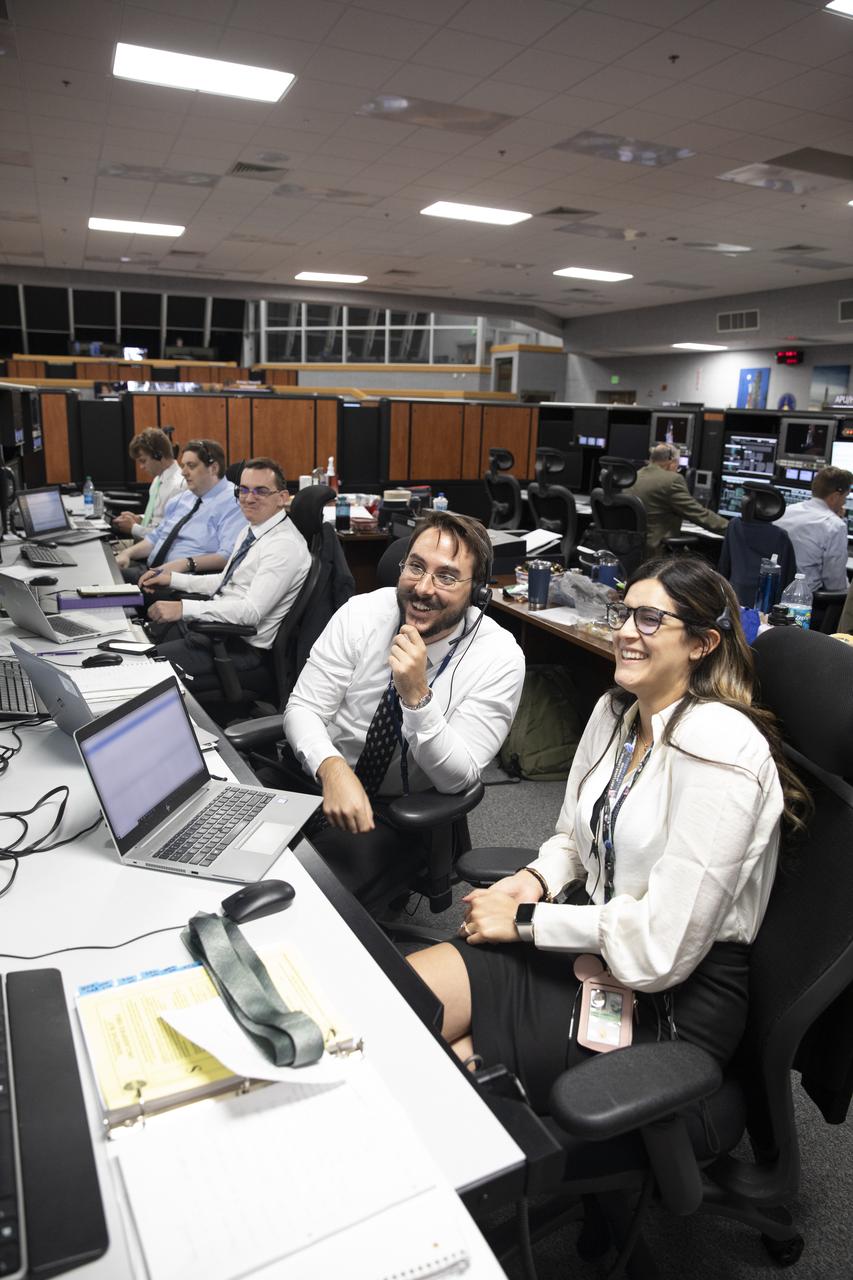
Members of the Artemis I launch team are at their consoles inside Firing Room 1 of the Rocco A. Petrone Launch Control Center at NASA’s Kennedy Space Center in Florida for launch countdown Aug. 29, 2022. Launch of the agency’s Space Launch System and Orion spacecraft was waved off due to an issue during tanking. Launch is now no earlier than Sept. 3, at 2:17 p.m. EDT from Kennedy’s Launch Complex 39B. The first in a series of increasingly complex missions, Artemis I will provide a foundation for human deep space exploration and demonstrate our commitment and capability to extend human presence to the Moon and beyond. The primary goal of Artemis I is to thoroughly test the integrated systems before crewed missions by operating the spacecraft in a deep space environment, testing Orion’s heat shield, and recovering the crew module after reentry, descent, and splashdown.
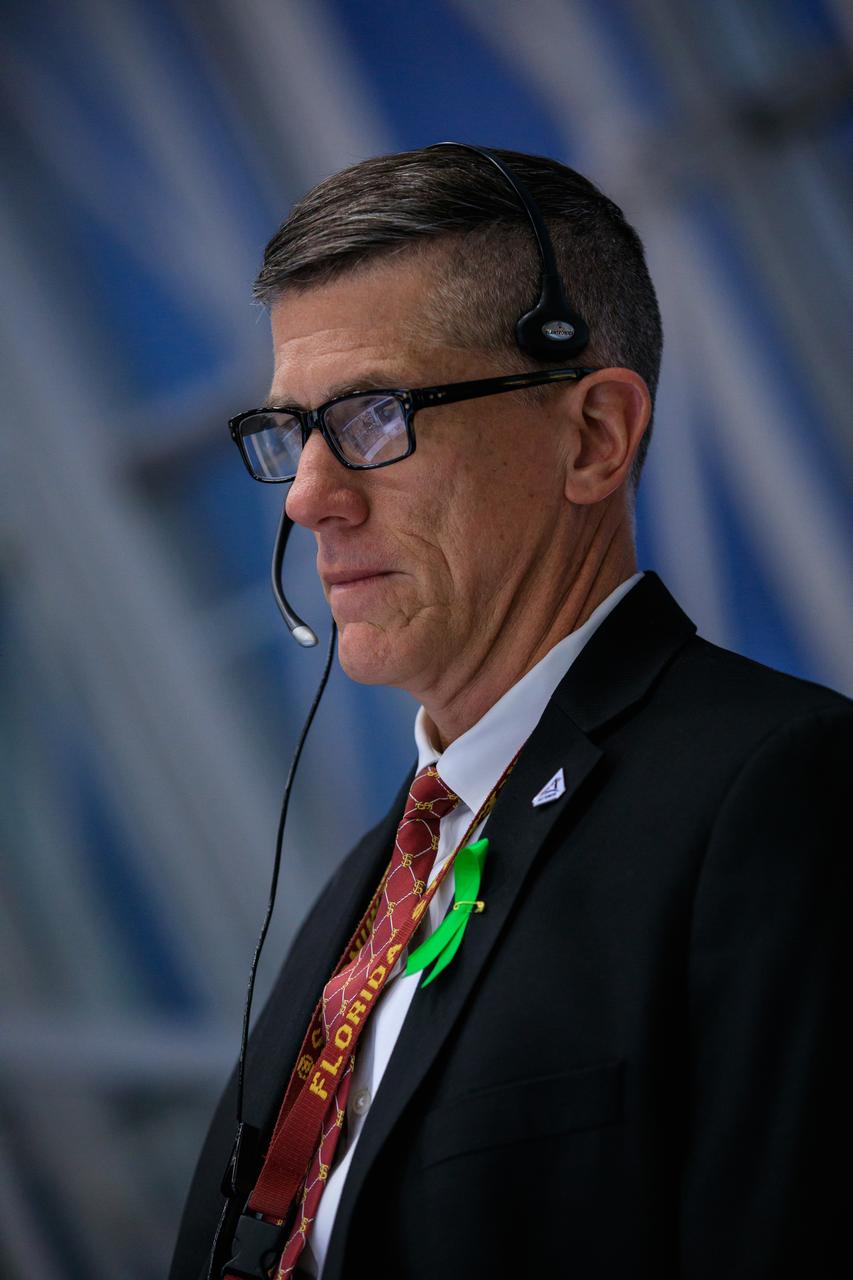
Artemis I Assistant Launch Director Jeremy Graeber monitors launch countdown events inside Firing Room 1 of the Rocco A. Petrone Launch Control Center at NASA’s Kennedy Space Center in Florida on Aug. 29, 2022. Launch of the agency’s Space Launch System and Orion spacecraft was waved off due to an issue during tanking. Launch is now no earlier than Sept. 3, at 2:17 p.m. EDT from Kennedy’s Launch Complex 39B. The first in a series of increasingly complex missions, Artemis I will provide a foundation for human deep space exploration and demonstrate our commitment and capability to extend human presence to the Moon and beyond. The primary goal of Artemis I is to thoroughly test the integrated systems before crewed missions by operating the spacecraft in a deep space environment, testing Orion’s heat shield, and recovering the crew module after reentry, descent, and splashdown.
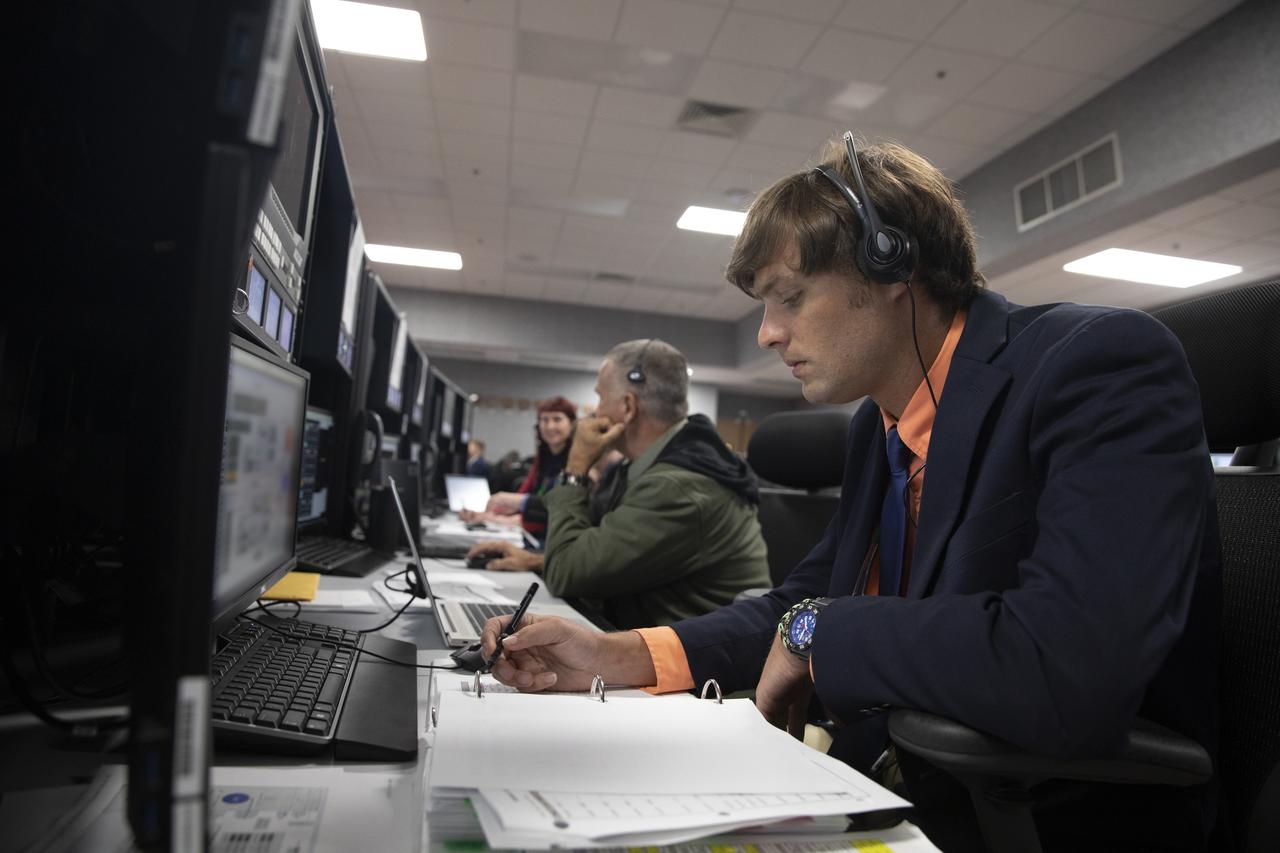
Members of the Artemis I launch team are at their consoles inside Firing Room 1 of the Rocco A. Petrone Launch Control Center at NASA’s Kennedy Space Center in Florida for launch countdown Aug. 29, 2022. Launch of the agency’s Space Launch System and Orion spacecraft was waved off due to an issue during tanking. Launch is now no earlier than Sept. 3, at 2:17 p.m. EDT from Kennedy’s Launch Complex 39B. The first in a series of increasingly complex missions, Artemis I will provide a foundation for human deep space exploration and demonstrate our commitment and capability to extend human presence to the Moon and beyond. The primary goal of Artemis I is to thoroughly test the integrated systems before crewed missions by operating the spacecraft in a deep space environment, testing Orion’s heat shield, and recovering the crew module after reentry, descent, and splashdown.
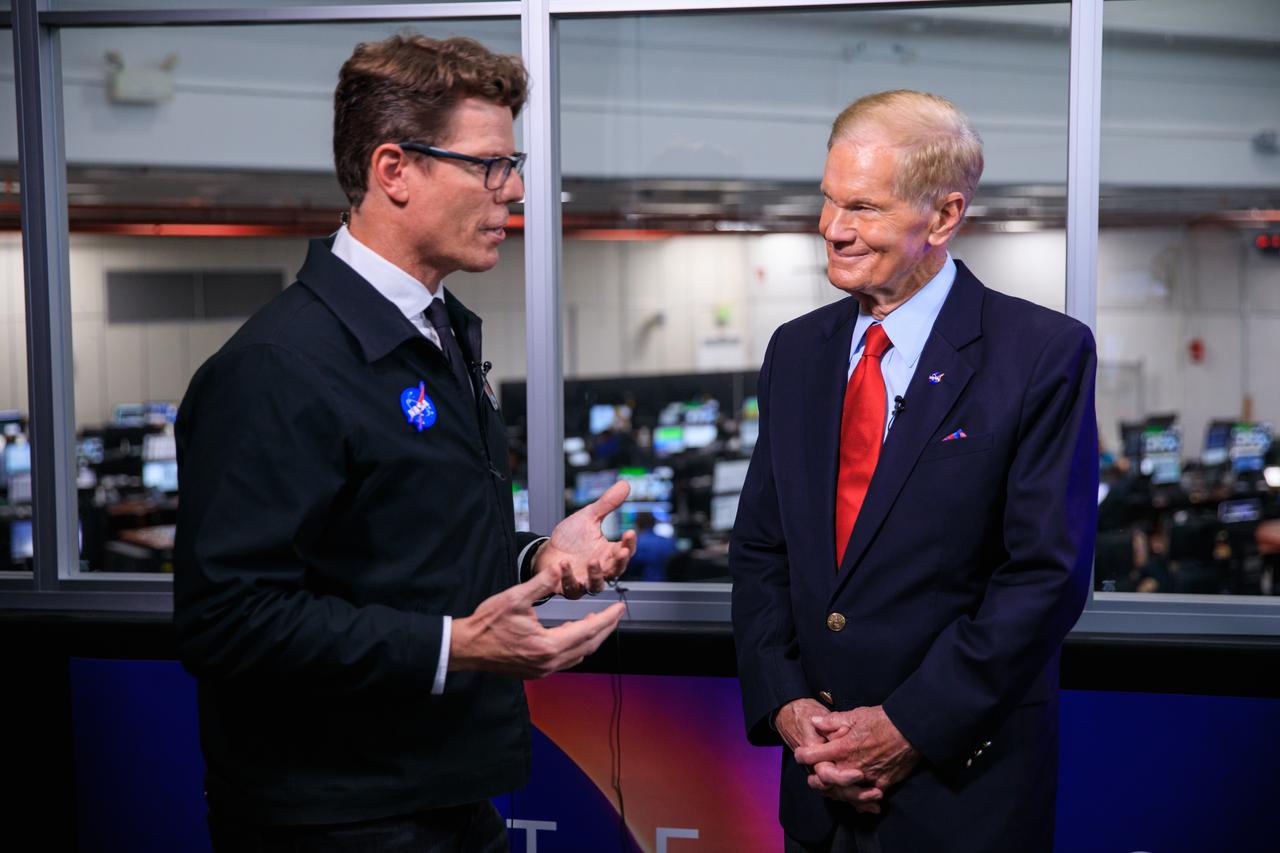
NASA commentator Derrol Nail, at left, talks with NASA Administrator Bill Nelson during the Artemis I launch countdown inside Firing Room 1 of the Rocco A. Petrone Launch Control Center at NASA’s Kennedy Space Center in Florida on Aug. 29, 2022. Launch of the agency’s Space Launch System and Orion spacecraft was waved off due to an issue during tanking. Launch is now no earlier than Sept. 3, at 2:17 p.m. EDT from Kennedy’s Launch Complex 39B. The first in a series of increasingly complex missions, Artemis I will provide a foundation for human deep space exploration and demonstrate our commitment and capability to extend human presence to the Moon and beyond. The primary goal of Artemis I is to thoroughly test the integrated systems before crewed missions by operating the spacecraft in a deep space environment, testing Orion’s heat shield, and recovering the crew module after reentry, descent, and splashdown.
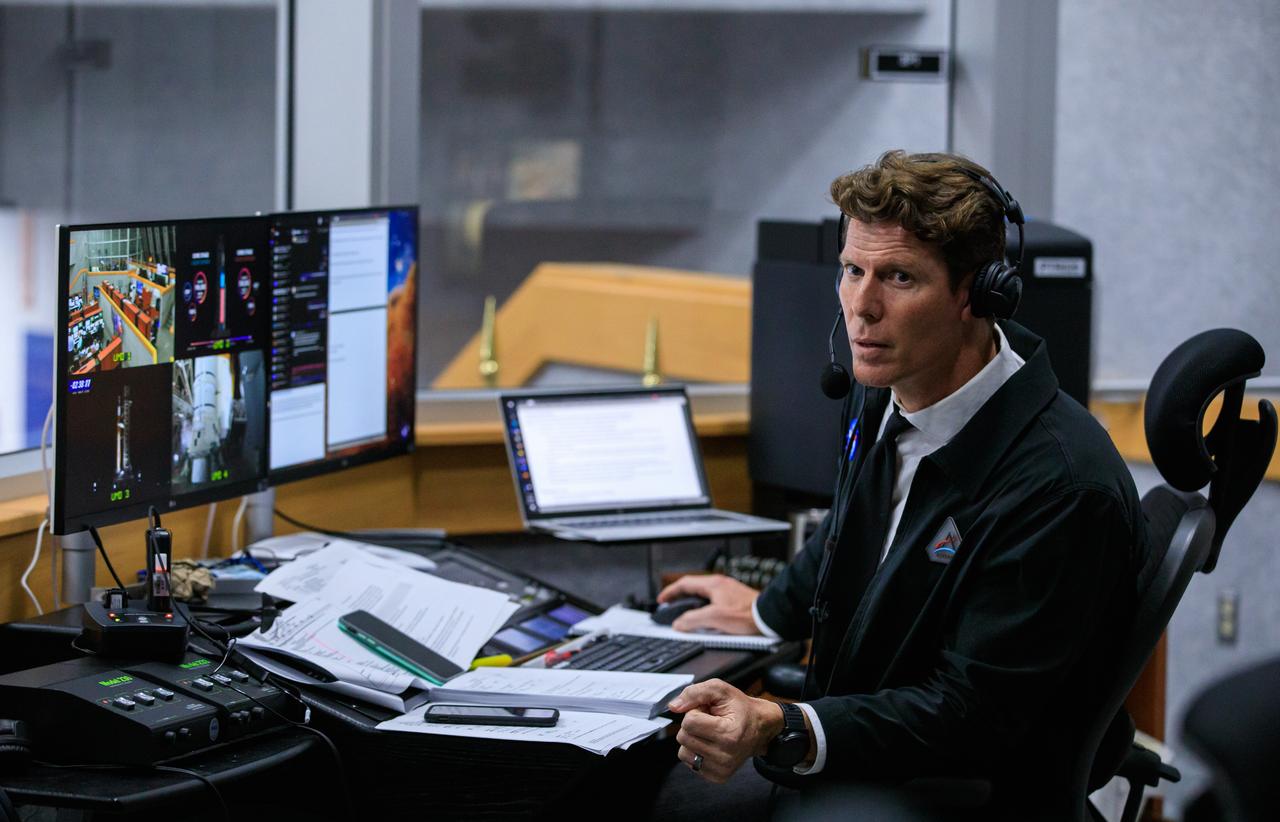
Derrol Nail, NASA launch commentator, works at his console during Artemis I launch countdown inside Firing Room 1 of the Rocco A. Petrone Launch Control Center at NASA’s Kennedy Space Center in Florida on Aug. 29, 2022. Launch of the agency’s Space Launch System and Orion spacecraft was waved off due to an issue during tanking. Launch is now no earlier than Sept. 3, at 2:17 p.m. EDT from Kennedy’s Launch Complex 39B. The first in a series of increasingly complex missions, Artemis I will provide a foundation for human deep space exploration and demonstrate our commitment and capability to extend human presence to the Moon and beyond. The primary goal of Artemis I is to thoroughly test the integrated systems before crewed missions by operating the spacecraft in a deep space environment, testing Orion’s heat shield, and recovering the crew module after reentry, descent, and splashdown.
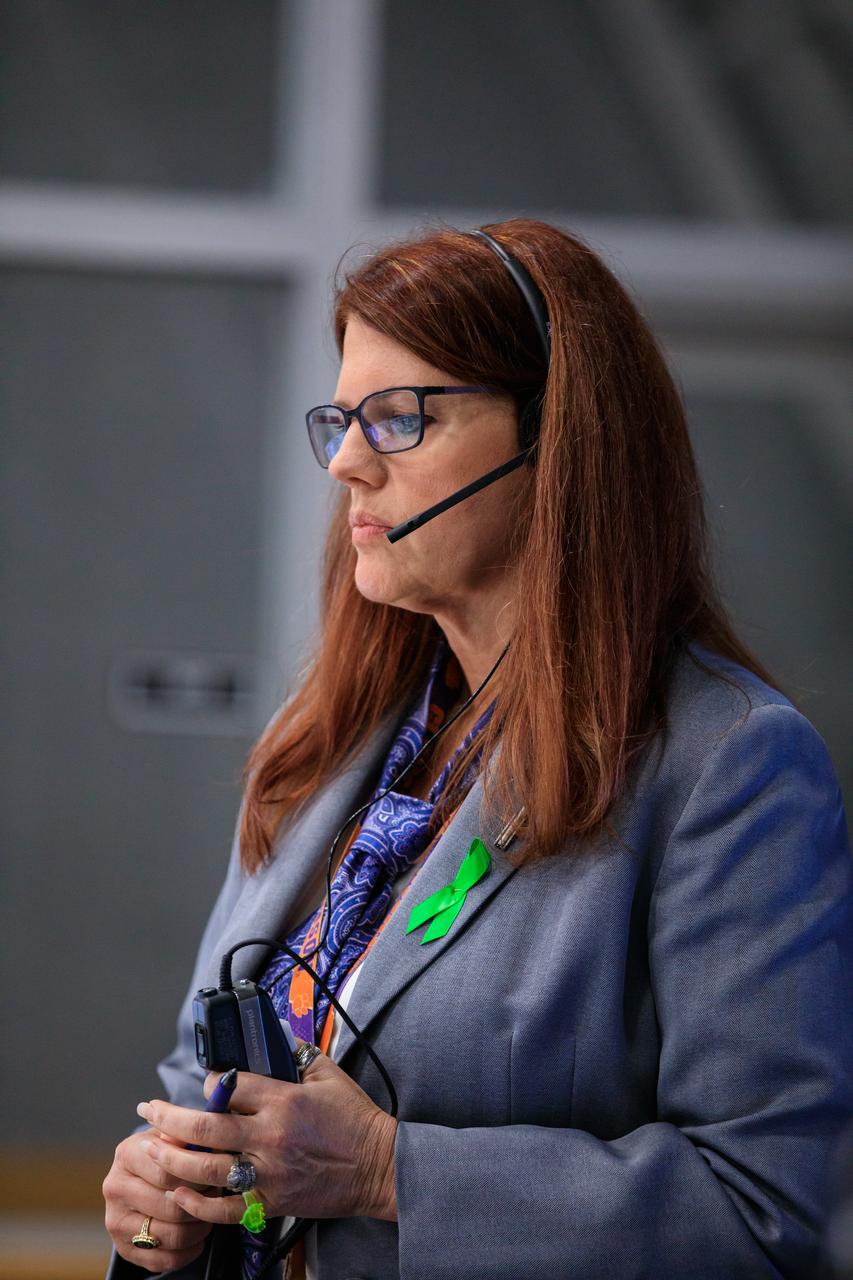
Artemis I Launch Director Charlie Blackwell-Thompson monitors launch countdown events inside Firing Room 1 of the Rocco A. Petrone Launch Control Center at NASA’s Kennedy Space Center in Florida on Aug. 29, 2022. Launch of the agency’s Space Launch System and Orion spacecraft was waved off due to an issue during tanking. Launch is now no earlier than Sept. 3, at 2:17 p.m. EDT from Kennedy’s Launch Complex 39B. The first in a series of increasingly complex missions, Artemis I will provide a foundation for human deep space exploration and demonstrate our commitment and capability to extend human presence to the Moon and beyond. The primary goal of Artemis I is to thoroughly test the integrated systems before crewed missions by operating the spacecraft in a deep space environment, testing Orion’s heat shield, and recovering the crew module after reentry, descent, and splashdown.

Members of the Artemis I launch team are at their consoles inside Firing Room 1 of the Rocco A. Petrone Launch Control Center at NASA’s Kennedy Space Center in Florida for launch countdown Aug. 29, 2022. Launch of the agency’s Space Launch System and Orion spacecraft was waved off due to an issue during tanking. Launch is now no earlier than Sept. 3, at 2:17 p.m. EDT from Kennedy’s Launch Complex 39B. The first in a series of increasingly complex missions, Artemis I will provide a foundation for human deep space exploration and demonstrate our commitment and capability to extend human presence to the Moon and beyond. The primary goal of Artemis I is to thoroughly test the integrated systems before crewed missions by operating the spacecraft in a deep space environment, testing Orion’s heat shield, and recovering the crew module after reentry, descent, and splashdown.
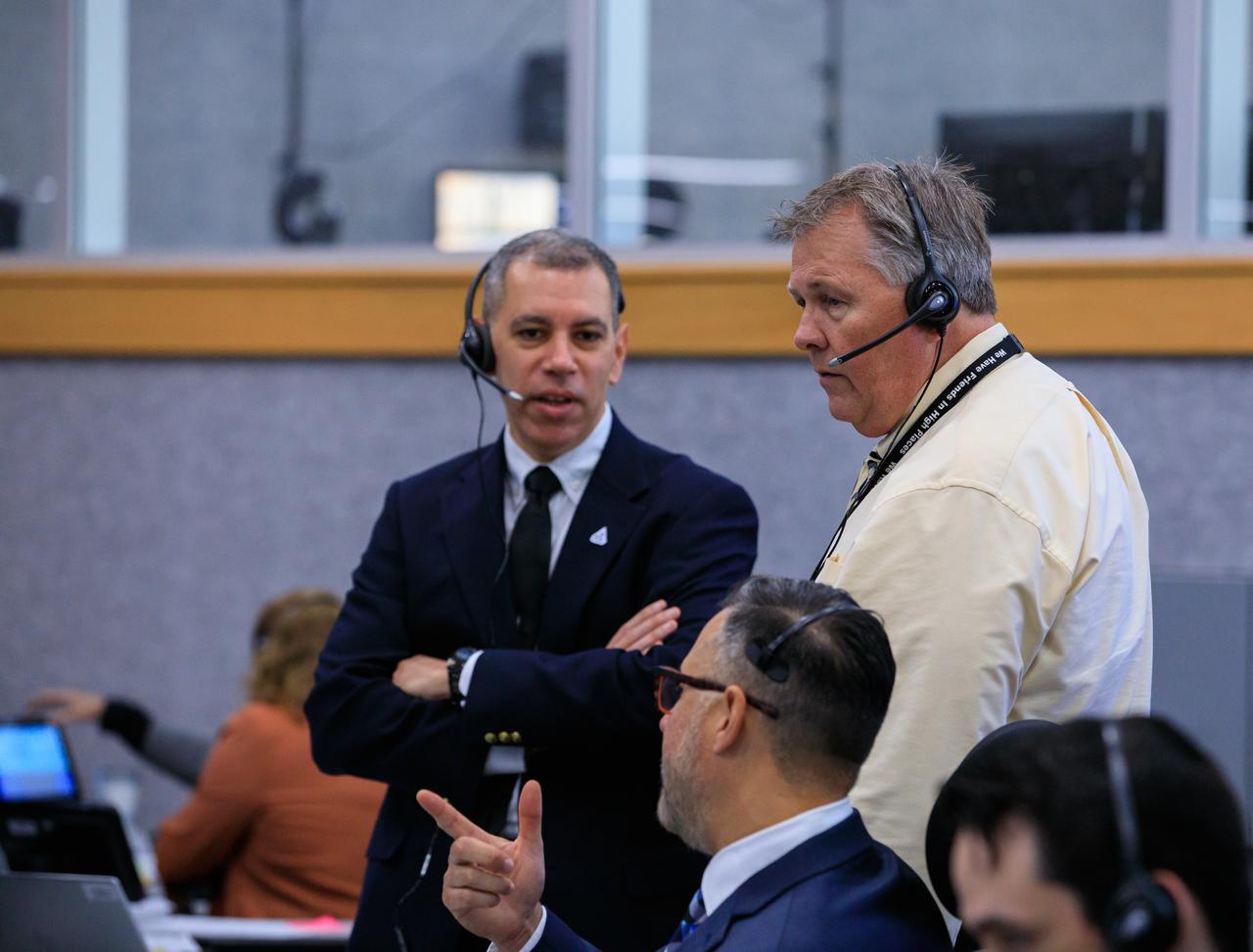
Senior NASA Test Directors Danny Zeno, at left, and Jeff Spaulding monitor Artemis I countdown events inside Firing Room 1 of the Rocco A. Petrone Launch Control Center at NASA’s Kennedy Space Center in Florida on Aug. 29, 2022. Launch of the agency’s Space Launch System and Orion spacecraft was waved off due to an issue during tanking. Launch is now no earlier than Sept. 3, at 2:17 p.m. EDT from Kennedy’s Launch Complex 39B. The first in a series of increasingly complex missions, Artemis I will provide a foundation for human deep space exploration and demonstrate our commitment and capability to extend human presence to the Moon and beyond. The primary goal of Artemis I is to thoroughly test the integrated systems before crewed missions by operating the spacecraft in a deep space environment, testing Orion’s heat shield, and recovering the crew module after reentry, descent, and splashdown.
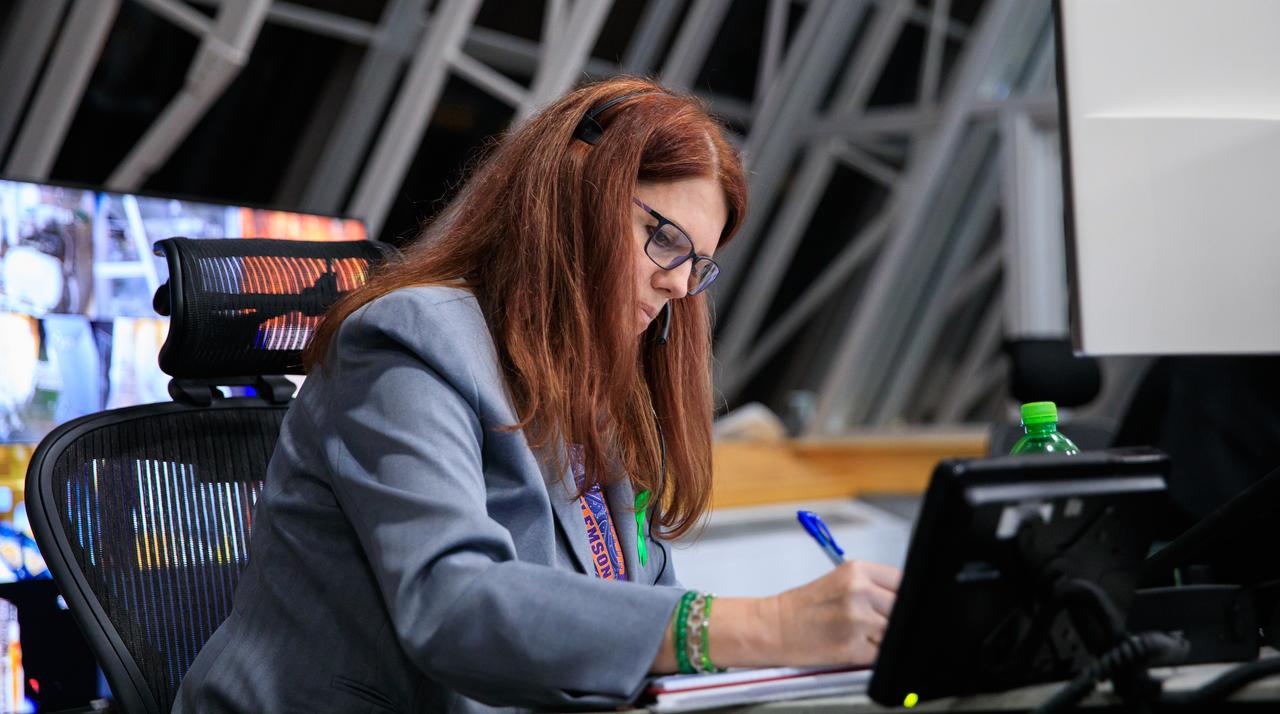
Artemis I Launch Director Charlie Blackwell-Thompson works at her console during launch countdown inside Firing Room 1 of the Rocco A. Petrone Launch Control Center at NASA’s Kennedy Space Center in Florida on Aug. 29, 2022. Launch of the agency’s Space Launch System and Orion spacecraft was waved off due to an issue during tanking. Launch is now no earlier than Sept. 3, at 2:17 p.m. EDT from Kennedy’s Launch Complex 39B. The first in a series of increasingly complex missions, Artemis I will provide a foundation for human deep space exploration and demonstrate our commitment and capability to extend human presence to the Moon and beyond. The primary goal of Artemis I is to thoroughly test the integrated systems before crewed missions by operating the spacecraft in a deep space environment, testing Orion’s heat shield, and recovering the crew module after reentry, descent, and splashdown.
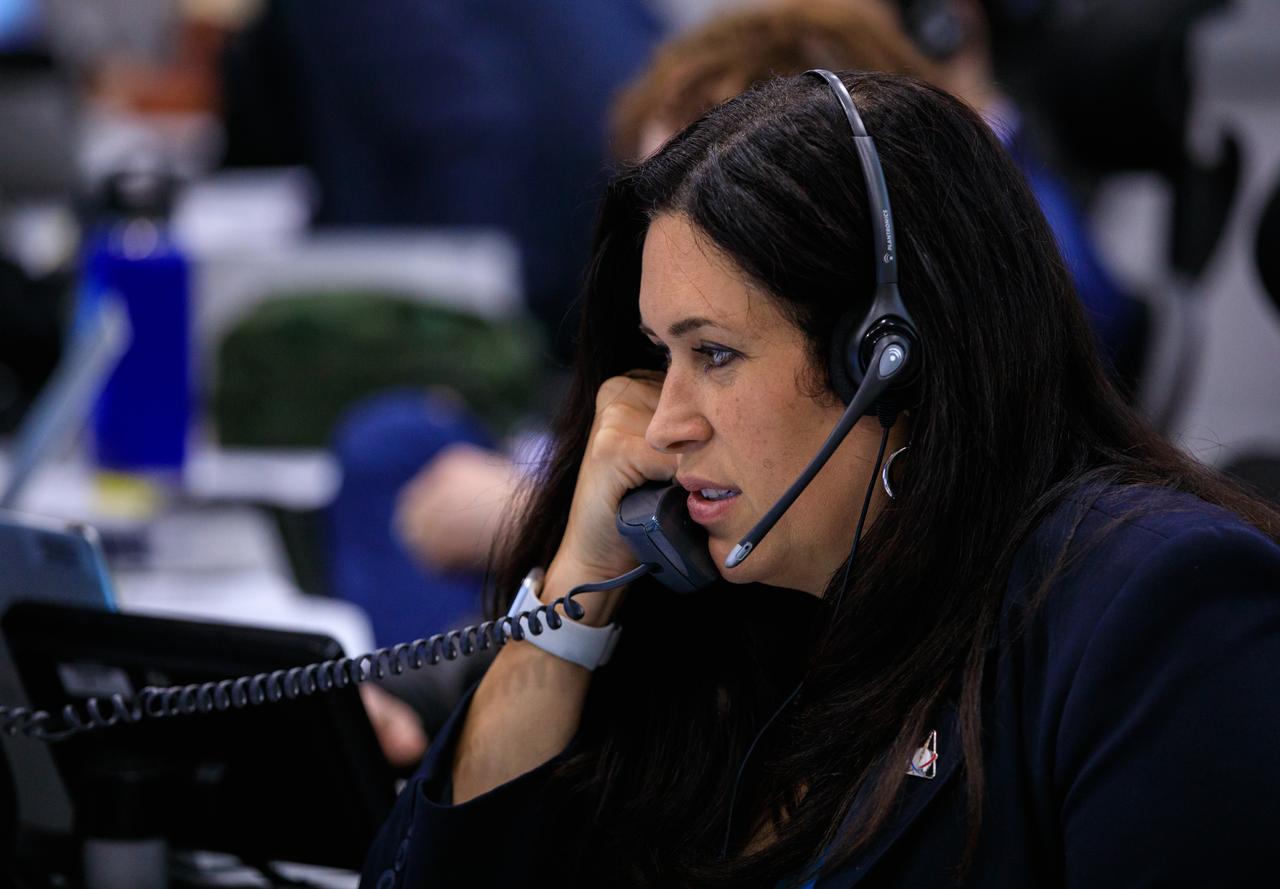
An Artemis I team member monitors countdown events at her console inside Firing Room 1 of the Rocco A. Petrone Launch Control Center at NASA’s Kennedy Space Center in Florida on Aug. 29, 2022. Launch of the agency’s Space Launch System and Orion spacecraft was waved off due to an issue during tanking. Launch is now no earlier than Sept. 3, at 2:17 p.m. EDT from Kennedy’s Launch Complex 39B. The first in a series of increasingly complex missions, Artemis I will provide a foundation for human deep space exploration and demonstrate our commitment and capability to extend human presence to the Moon and beyond. The primary goal of Artemis I is to thoroughly test the integrated systems before crewed missions by operating the spacecraft in a deep space environment, testing Orion’s heat shield, and recovering the crew module after reentry, descent, and splashdown.
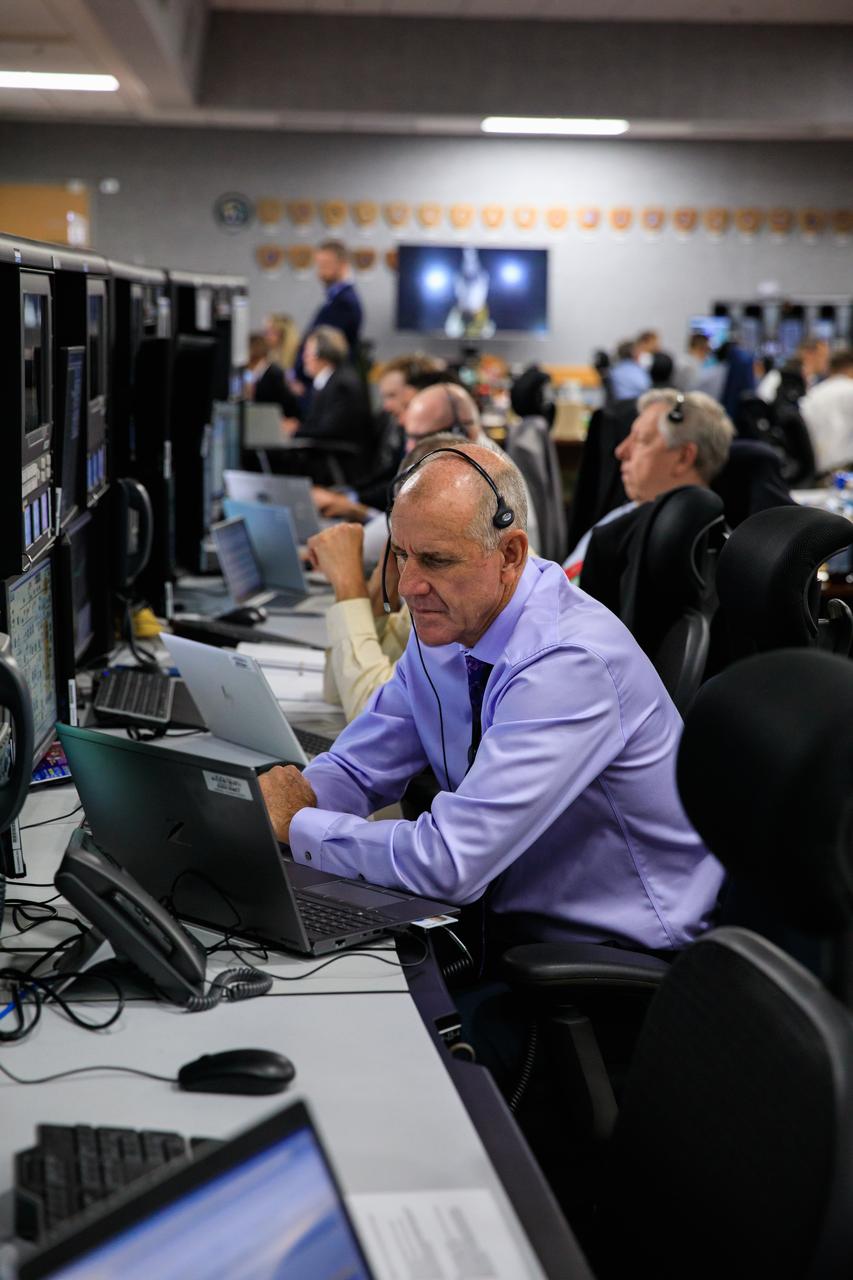
Members of the Artemis I launch team are at their consoles inside Firing Room 1 of the Rocco A. Petrone Launch Control Center at NASA’s Kennedy Space Center in Florida for launch countdown Aug. 29, 2022. Launch of the agency’s Space Launch System and Orion spacecraft was waved off due to an issue during tanking. Launch is now no earlier than Sept. 3, at 2:17 p.m. EDT from Kennedy’s Launch Complex 39B. The first in a series of increasingly complex missions, Artemis I will provide a foundation for human deep space exploration and demonstrate our commitment and capability to extend human presence to the Moon and beyond. The primary goal of Artemis I is to thoroughly test the integrated systems before crewed missions by operating the spacecraft in a deep space environment, testing Orion’s heat shield, and recovering the crew module after reentry, descent, and splashdown.
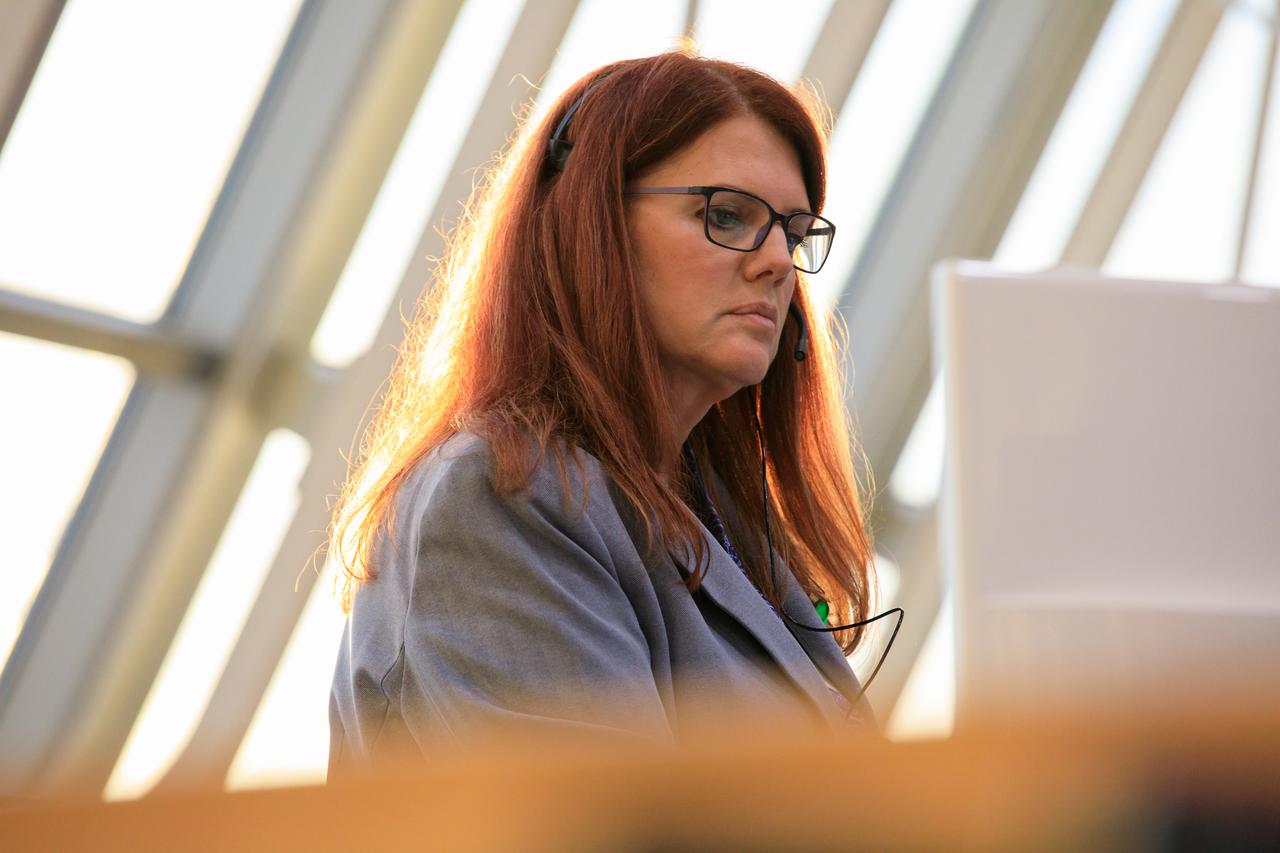
Artemis I Launch Director Charlie Blackwell-Thompson monitors launch countdown events inside Firing Room 1 of the Rocco A. Petrone Launch Control Center at NASA’s Kennedy Space Center in Florida on Aug. 29, 2022. Launch of the agency’s Space Launch System and Orion spacecraft was waved off due to an issue during tanking. Launch is now no earlier than Sept. 3, at 2:17 p.m. EDT from Kennedy’s Launch Complex 39B. The first in a series of increasingly complex missions, Artemis I will provide a foundation for human deep space exploration and demonstrate our commitment and capability to extend human presence to the Moon and beyond. The primary goal of Artemis I is to thoroughly test the integrated systems before crewed missions by operating the spacecraft in a deep space environment, testing Orion’s heat shield, and recovering the crew module after reentry, descent, and splashdown.
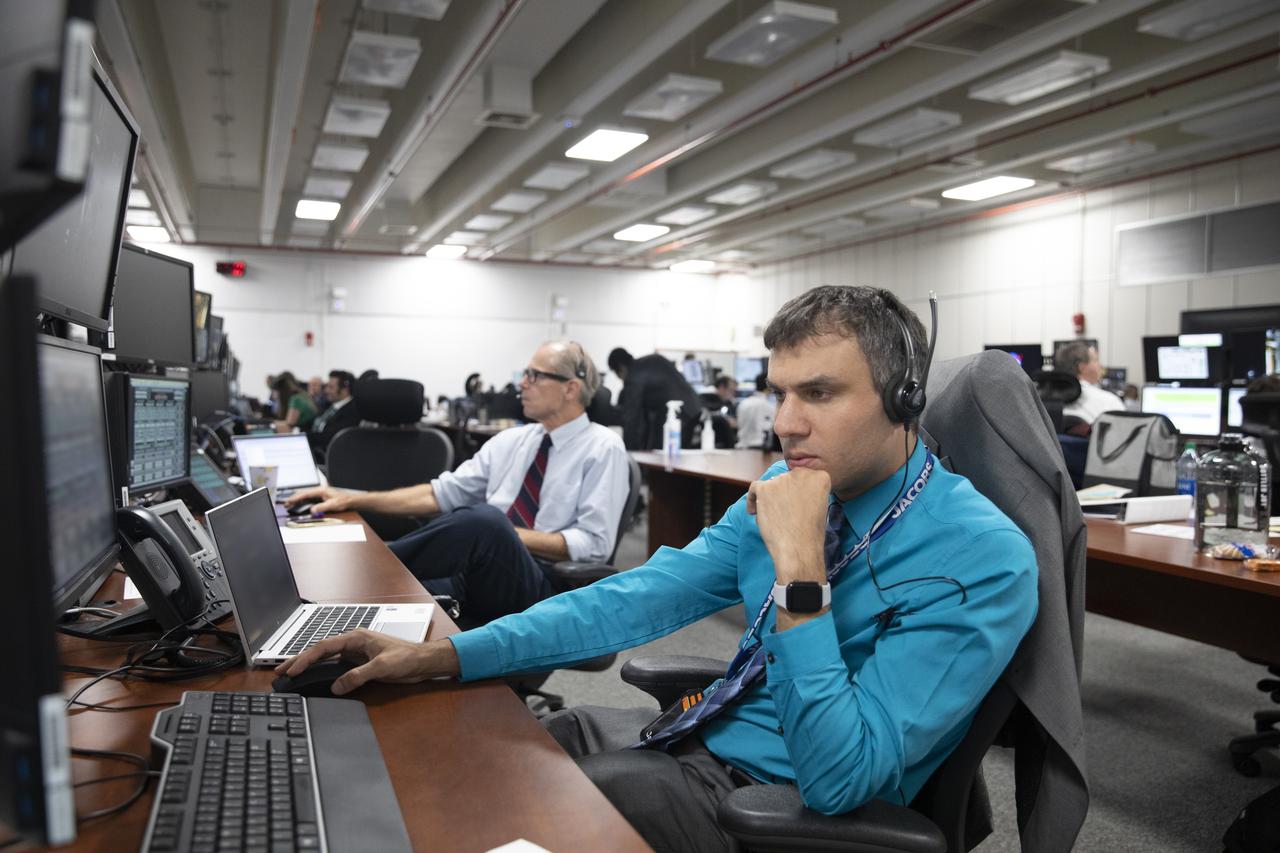
Members of the Artemis I launch team are at their consoles inside Firing Room 1 of the Rocco A. Petrone Launch Control Center at NASA’s Kennedy Space Center in Florida for launch countdown Aug. 29, 2022. Launch of the agency’s Space Launch System and Orion spacecraft was waved off due to an issue during tanking. Launch is now no earlier than Sept. 3, at 2:17 p.m. EDT from Kennedy’s Launch Complex 39B. The first in a series of increasingly complex missions, Artemis I will provide a foundation for human deep space exploration and demonstrate our commitment and capability to extend human presence to the Moon and beyond. The primary goal of Artemis I is to thoroughly test the integrated systems before crewed missions by operating the spacecraft in a deep space environment, testing Orion’s heat shield, and recovering the crew module after reentry, descent, and splashdown.
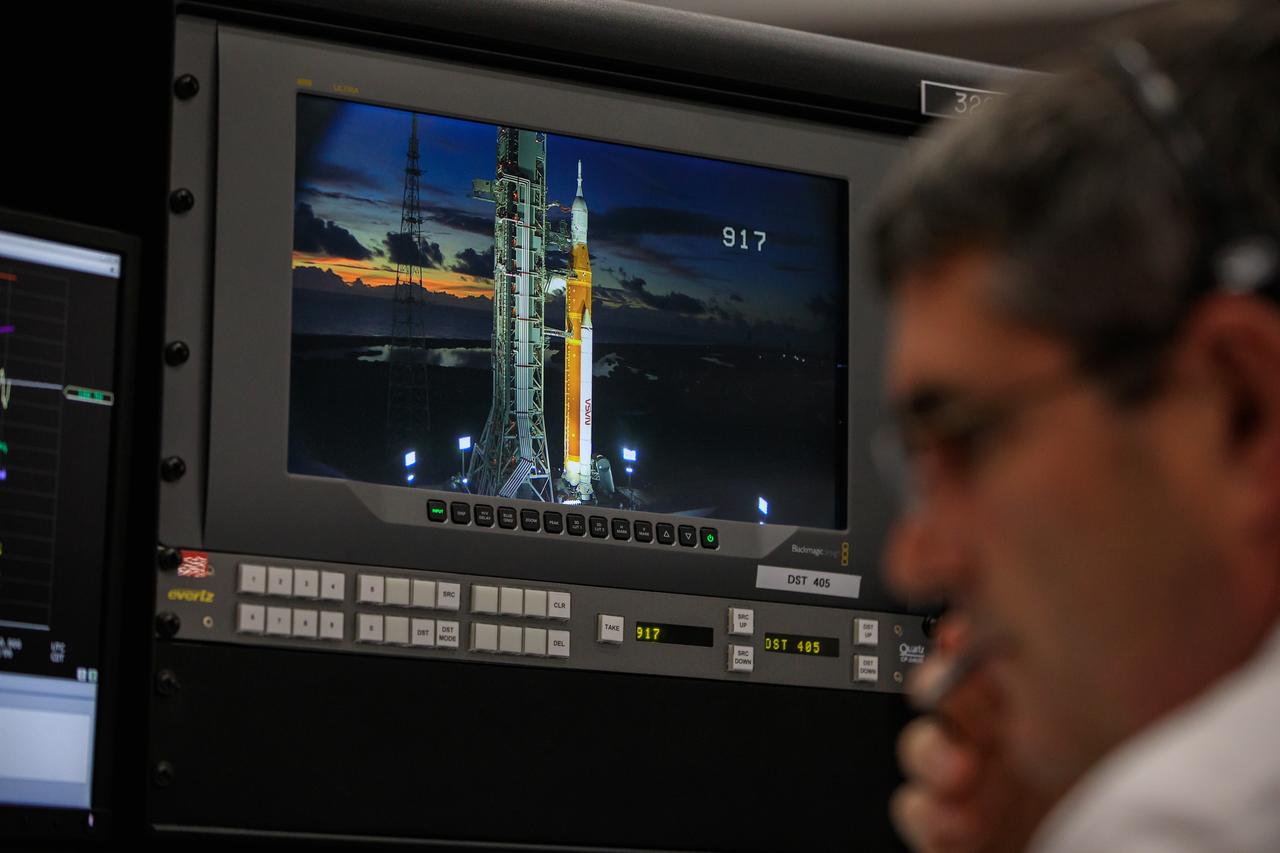
An Artemis I team member monitors countdown events at his console inside Firing Room 1 of the Rocco A. Petrone Launch Control Center at NASA’s Kennedy Space Center in Florida on Aug. 29, 2022. Launch of the agency’s Space Launch System and Orion spacecraft was waved off due to an issue during tanking. Launch is now no earlier than Sept. 3, at 2:17 p.m. EDT from Kennedy’s Launch Complex 39B. The first in a series of increasingly complex missions, Artemis I will provide a foundation for human deep space exploration and demonstrate our commitment and capability to extend human presence to the Moon and beyond. The primary goal of Artemis I is to thoroughly test the integrated systems before crewed missions by operating the spacecraft in a deep space environment, testing Orion’s heat shield, and recovering the crew module after reentry, descent, and splashdown.
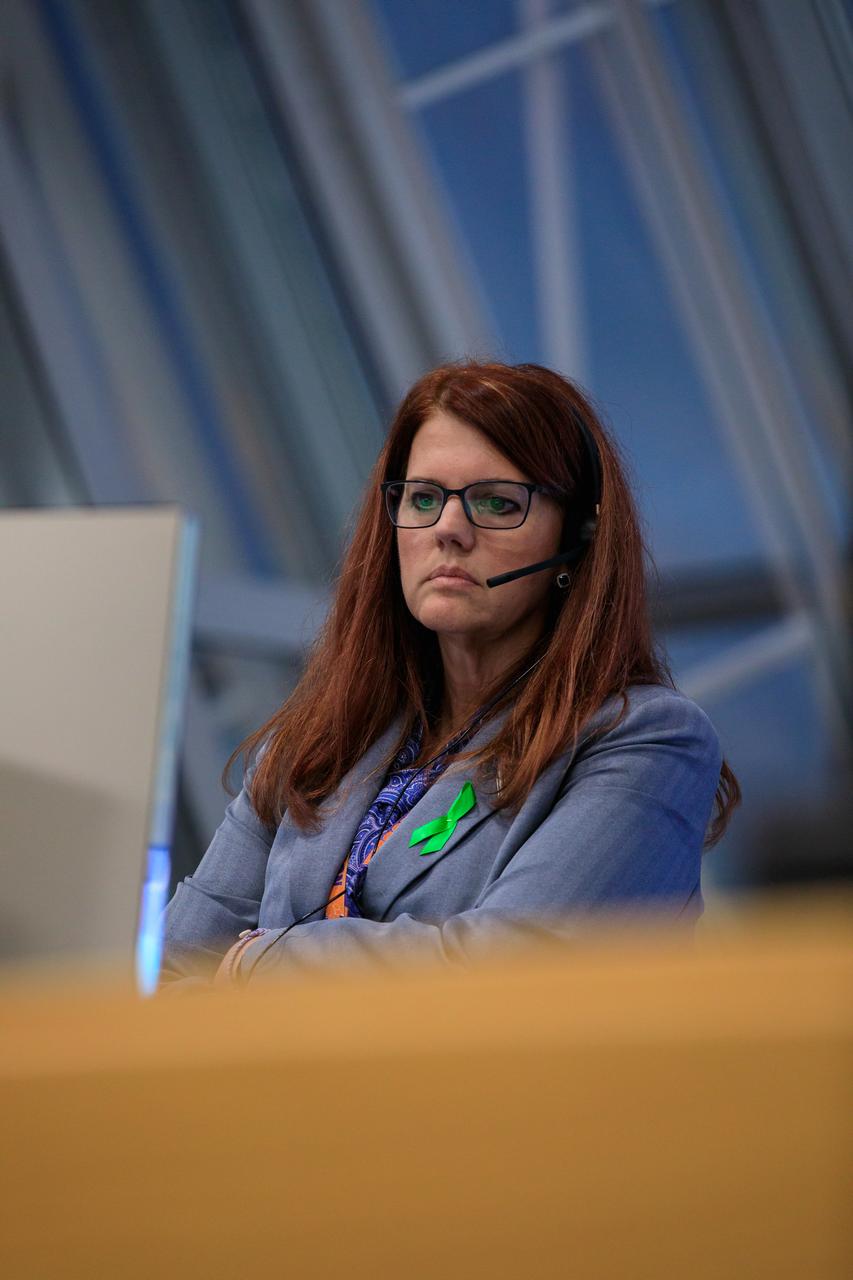
Artemis I Launch Director Charlie Blackwell-Thompson works at her console during launch countdown inside Firing Room 1 of the Rocco A. Petrone Launch Control Center at NASA’s Kennedy Space Center in Florida on Aug. 29, 2022. Launch of the agency’s Space Launch System and Orion spacecraft was waved off due to an issue during tanking. Launch is now no earlier than Sept. 3, at 2:17 p.m. EDT from Kennedy’s Launch Complex 39B. The first in a series of increasingly complex missions, Artemis I will provide a foundation for human deep space exploration and demonstrate our commitment and capability to extend human presence to the Moon and beyond. The primary goal of Artemis I is to thoroughly test the integrated systems before crewed missions by operating the spacecraft in a deep space environment, testing Orion’s heat shield, and recovering the crew module after reentry, descent, and splashdown.
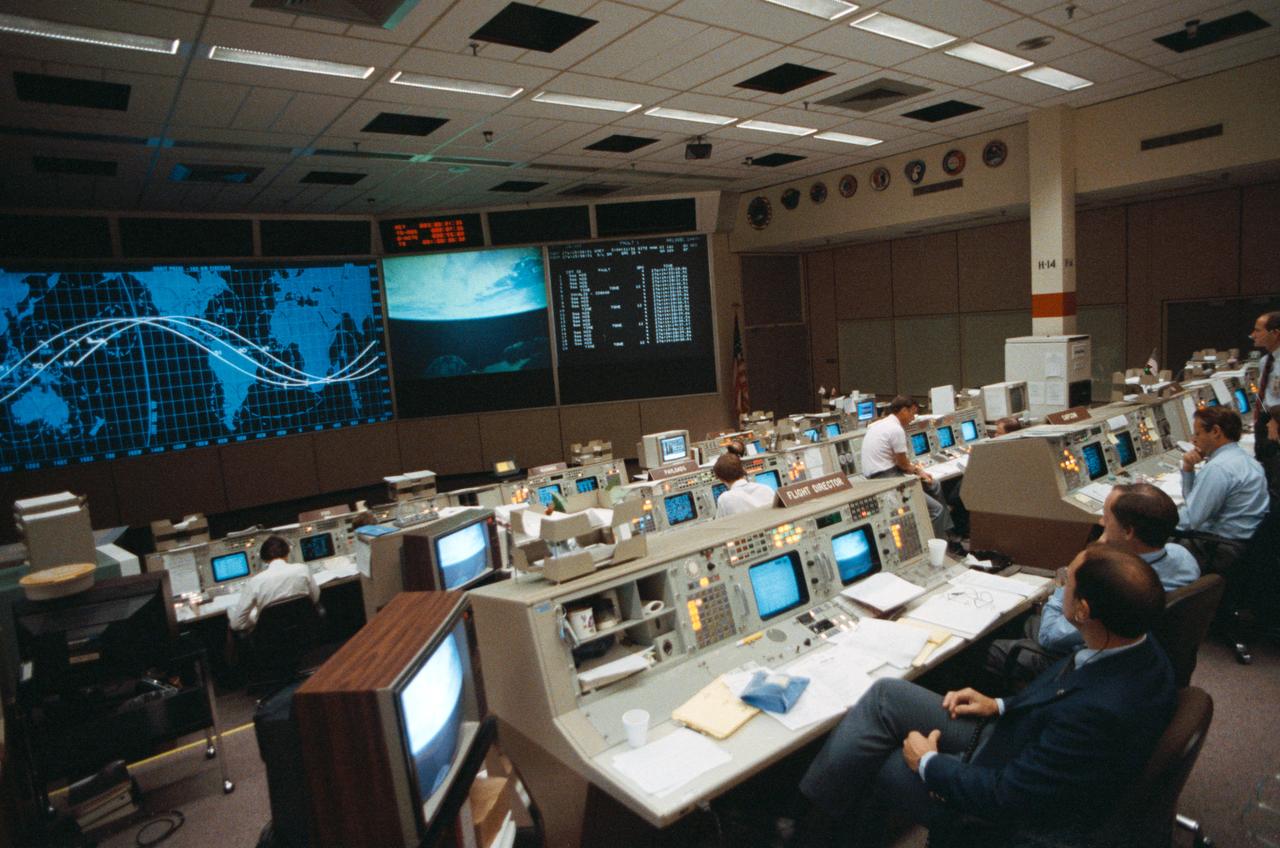
STS026-S-101 (2 Oct 1988) --- Flight controllers in the Johnson Space Center?s mission control center listen to a presentation by the five members of the STS 26 crew on the fourth day of Discovery?s orbital mission. Flight Directors Charles W. Shaw and James M. (Milt) Heflin (in the foreground) and other controllers view a television image of Earth on a screen in the front of the flight control room while each member relates some inner feelings while paying tribute to the Challenger crew.
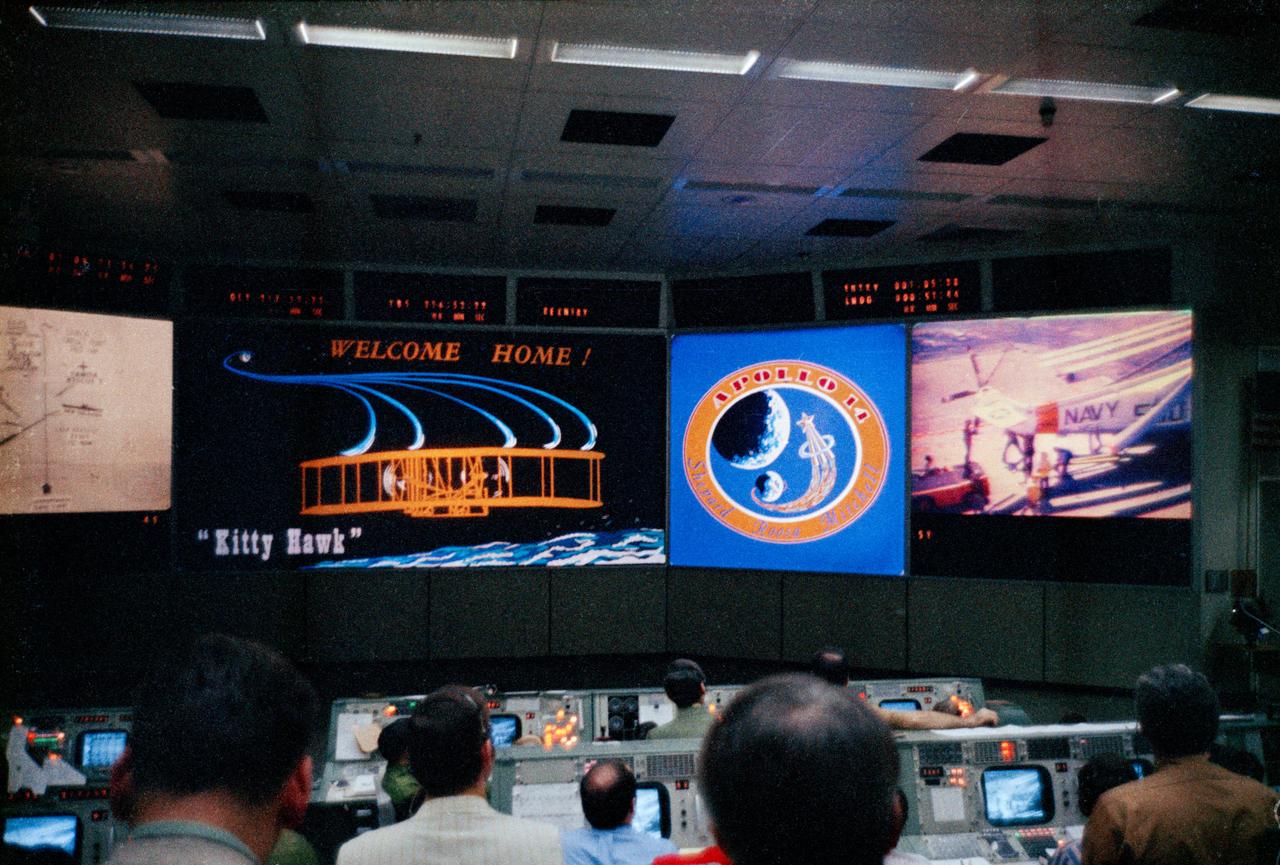
S71-18400 (9 Feb. 1971) --- Flight controllers in the Mission Operations Control Room (MOCR) of the Mission Control Center (MCC) view a colorful display which signals the successful splashdown and recovery of the crew of the Apollo 14 lunar landing mission. The MOCR's large screen at right shows a television shot aboard the USS New Orleans, Apollo 14 prime recovery ship.
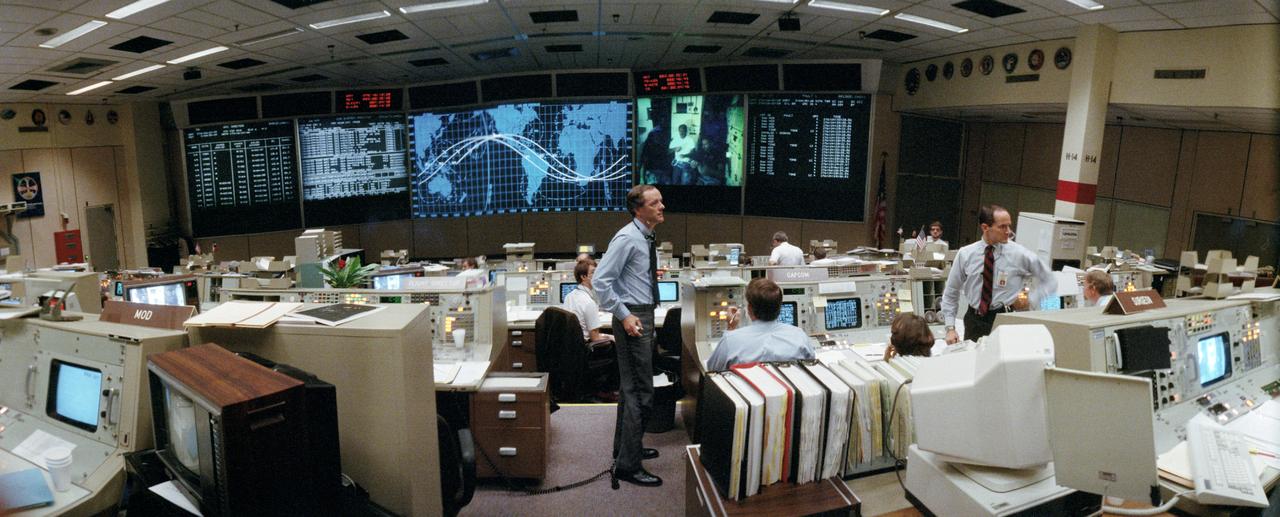
STS26-S-103 (2 October 1988) --- A wide-angle view of flight controllers in the Johnson Space Center's mission control center as they listen to a presentation by the five members of the STS-26 crew on the fourth day of Discovery's orbital mission. Flight Director James M. (Milt) Heflin (standing at center), astronaut G. David Low (standing at right), a spacecraft communicator, and other controllers view a television image of the crew on a screen in the front of the flight control room as each member relates some inner feelings while paying tribute to the Challenger crew.

Space Center, presents Myrna Scott, widow of Randy Scott, with a replica of the emblem noting that the spaceport's Radiological Control Center has been named in honor of her husband who died last year. The ceremony in the center's Radiological Control Center honored the extensive contributions of Randy Scott. A professional health physicist of more than 40 years, Scott served as the Florida spaceport's Radiation Protection Officer for 14 years until his death June 17, 2016.
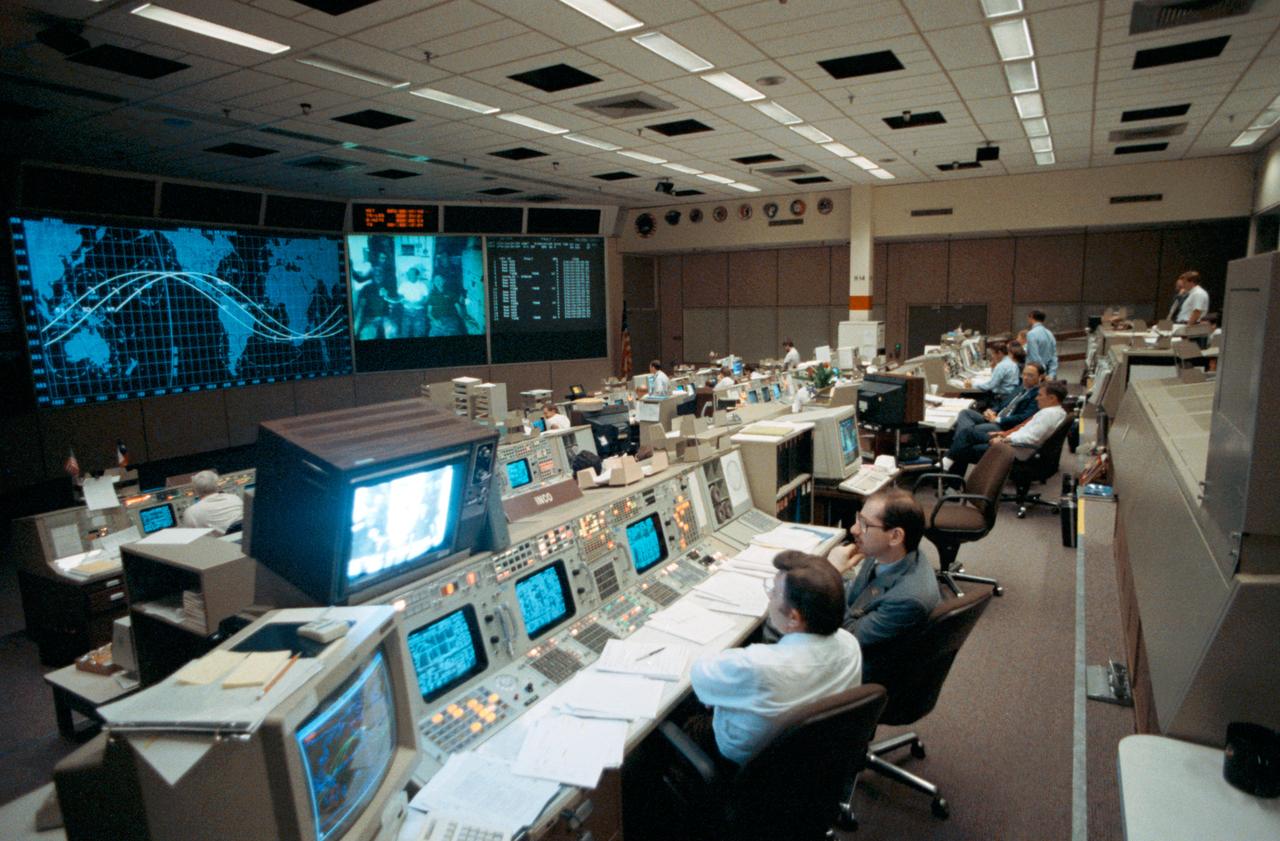
Flight controllers in JSC's Mission Control Center (MCC) Bldg 30 flight control room (FCR) listen to a presentation by STS-26 crewmembers on the fourth day of Discovery's, Orbiter Vehicle (OV) 103's, orbital mission. Instrumentation and Communications Officers (INCOs) Harold Black (left foreground) and John F. Muratore and other controllers view a television (TV) transmission of the crew on a screen in front of the FCR as each member relates some inner feelings while paying tribute to the 51L Challenger crew.
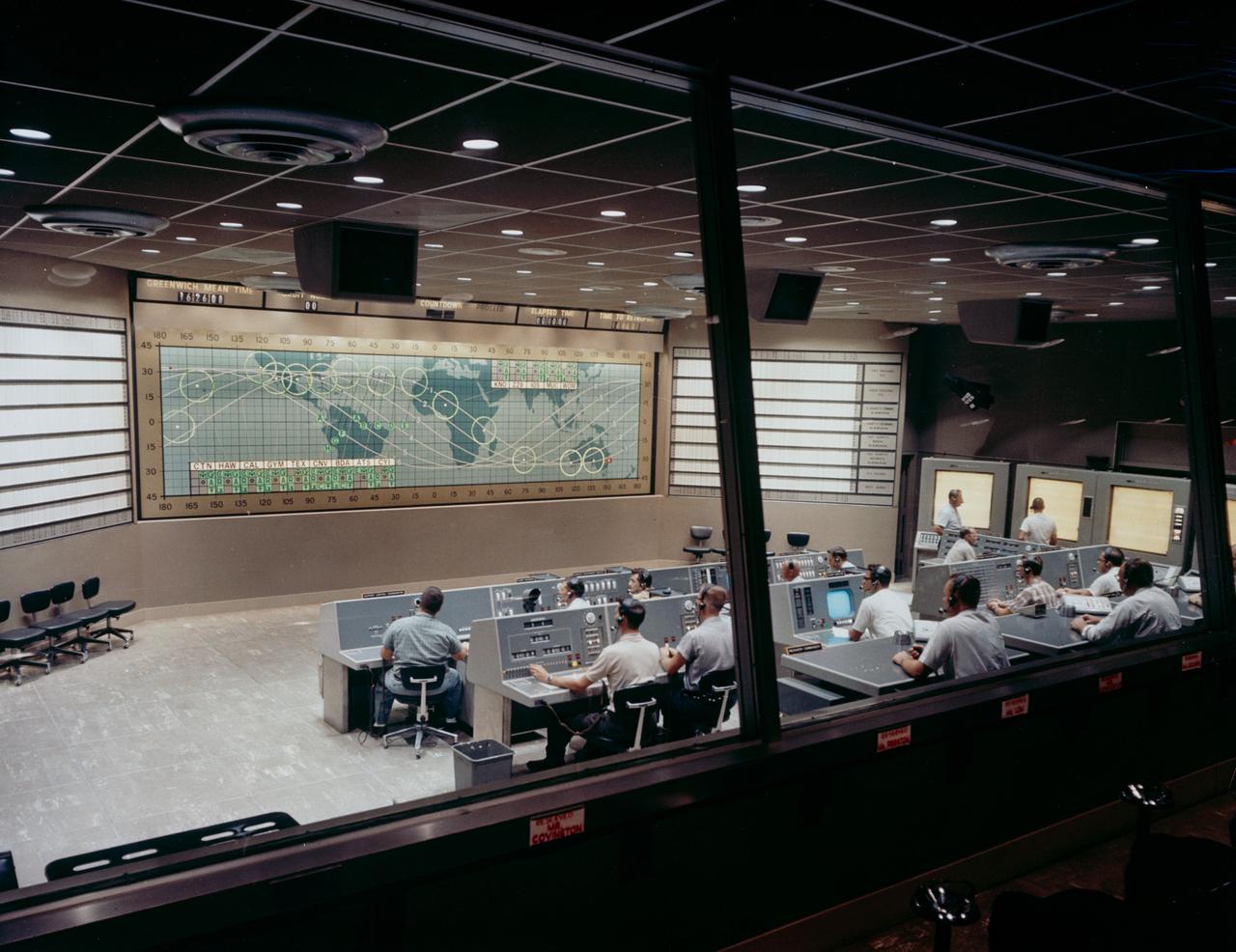
S62-05139 (1962) --- View of Mercury Control Center prior to the Mercury-Atlas 8 (MA-8) flight of the Sigma 7. Photo credit: NASA
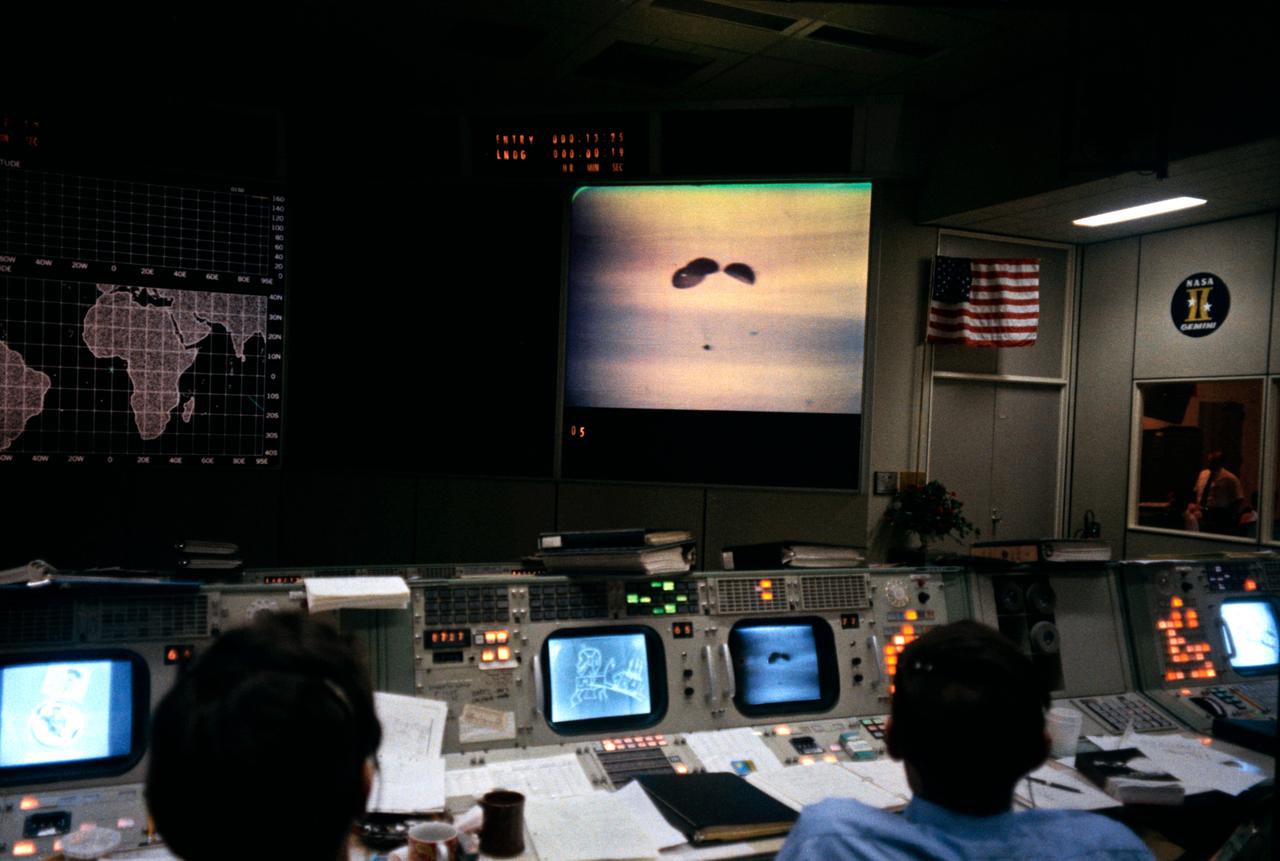
S70-35471 (17 April 1970) --- Two flight controllers man consoles in the Missions Operations Control Room (MOCR) of the Mission Control Center (MCC) at the Manned Spacecraft Center (MSC), Houston, Texas, just before splashdown occurred in the south Pacific Ocean. Though the MOCR does not appear to be crowded in this photo, there was a very large crowd of persons on hand for the splashdown and recovery operations coverage. Most of the group crowded around in the rear of the room. Apollo 13 splashdown occurred at 12:07:44 p.m. (CST), April 17, 1970.

S70-35368 (16 April 1970) --- Overall view showing some of the feverish activity in the Mission Operations Control Room (MOCR) of the Mission Control Center (MCC) during the final 24 hours of the problem-plagued Apollo 13 mission. Here, flight controllers and several NASA/MSC officials confer at the flight director's console. When this picture was made, the Apollo 13 lunar landing had already been canceled, and the Apollo 13 crewmembers were in trans-Earth trajectory attempting to bring their crippled spacecraft back home.
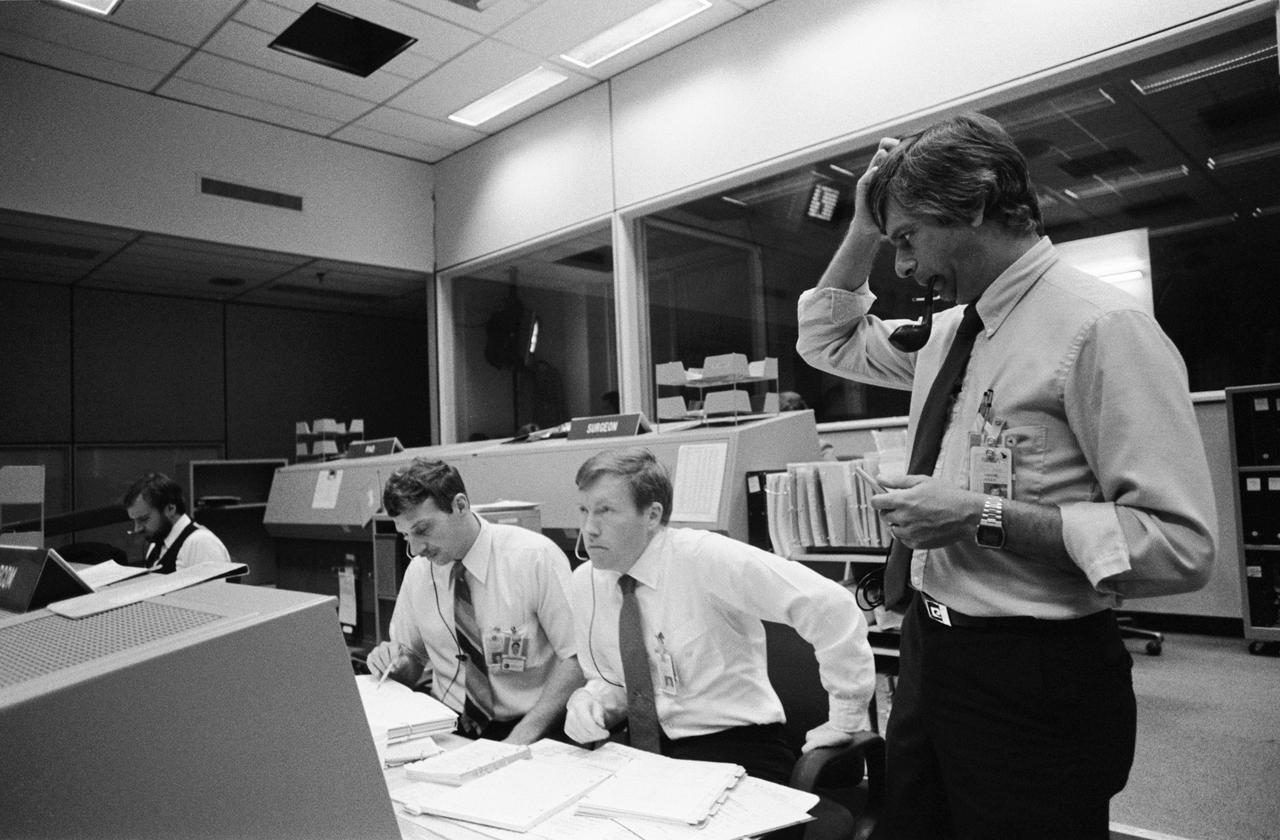
Jay H. Greene, right, ascent flight director for STS 51-A, monitors pre-launch activity at the Kennedy Space Center (KSC) via a screen at the spacecraft communicators console in the second floor flight control room (FCR) of JSC's mission control center. Astronauts David C. Hilmers, left, and Richard N. Richards are the on-duty spacecraft communicators.
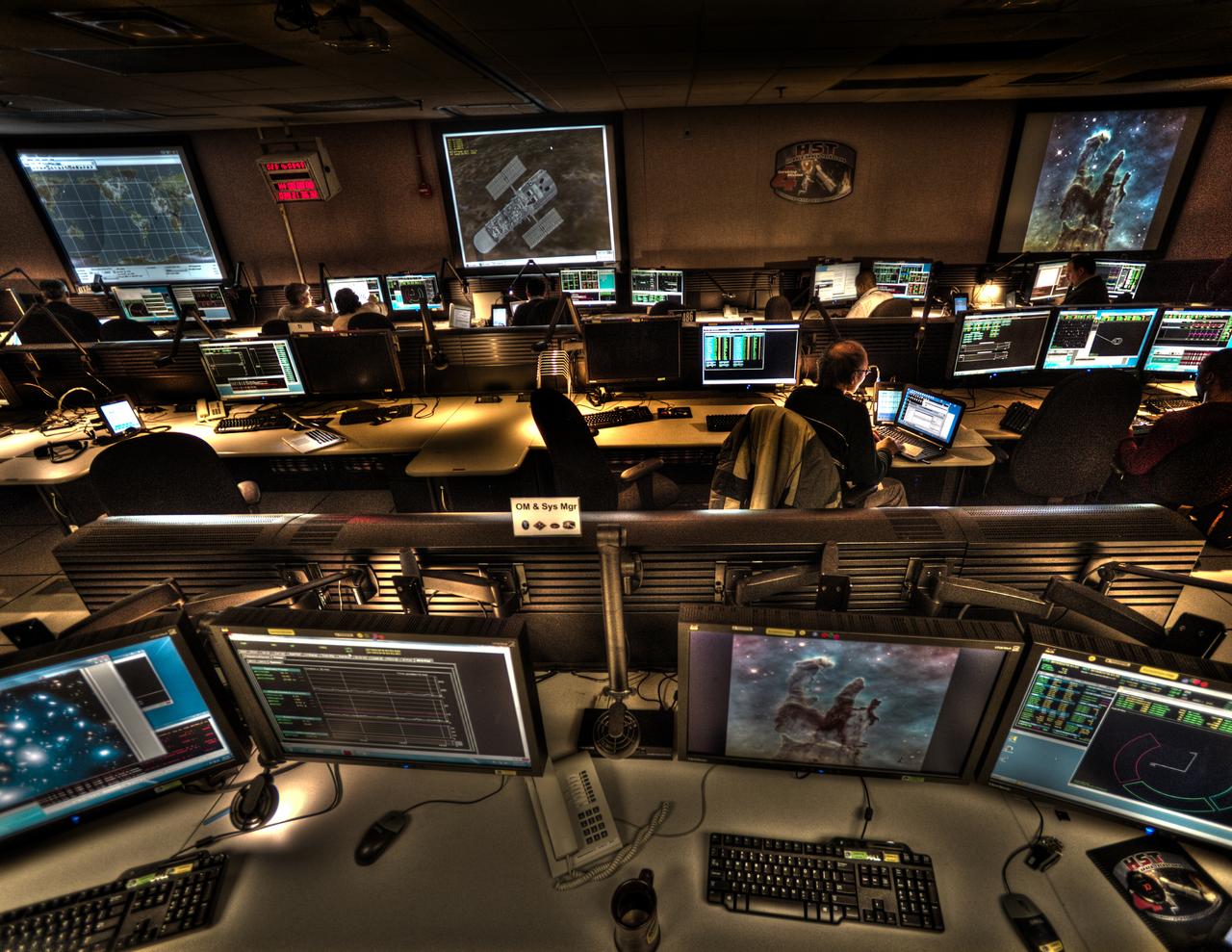
Hubble Space Telescope Control Room Goddard Space Flight Center
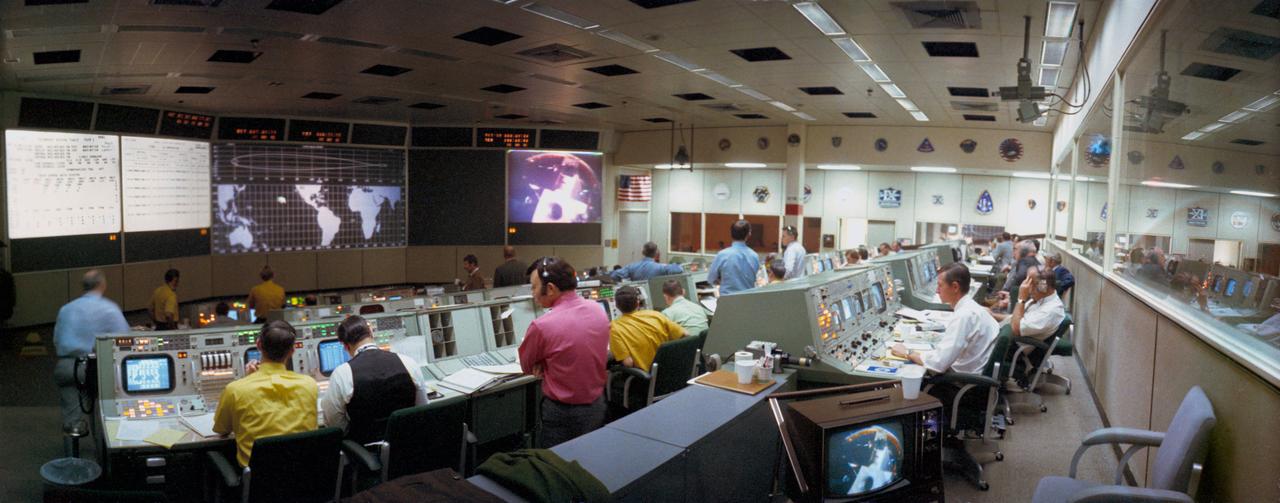
S71-17122 (31 Jan. 1971) --- A wide angle overall view of the Mission Operations Control Room (MOCR) in the Mission Control Center at the Manned spacecraft Center. This view was photographed during the first color television transmission from the Apollo 14 Command Module. Projected on the large screen at the right front of the MOCR is a view of the Apollo 14 Lunar Module, still attached to the Saturn IVB stage. The Command and Service Modules were approaching the LM/S-IVB during transposition and docking maneuvers.
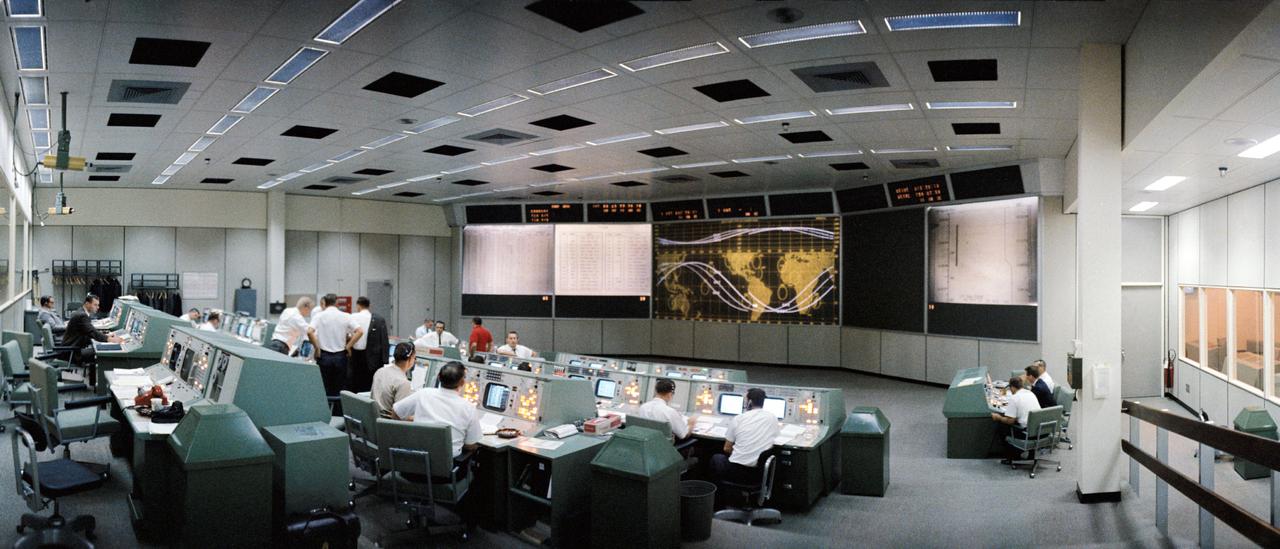
S65-45280 (21-29 Aug. 1965) --- Overall view of the Mission Control Center (MCC), Houston, Texas, during the Gemini-5 flight. Note the screen at the front of the MCC which is used to track the progress of the Gemini spacecraft.
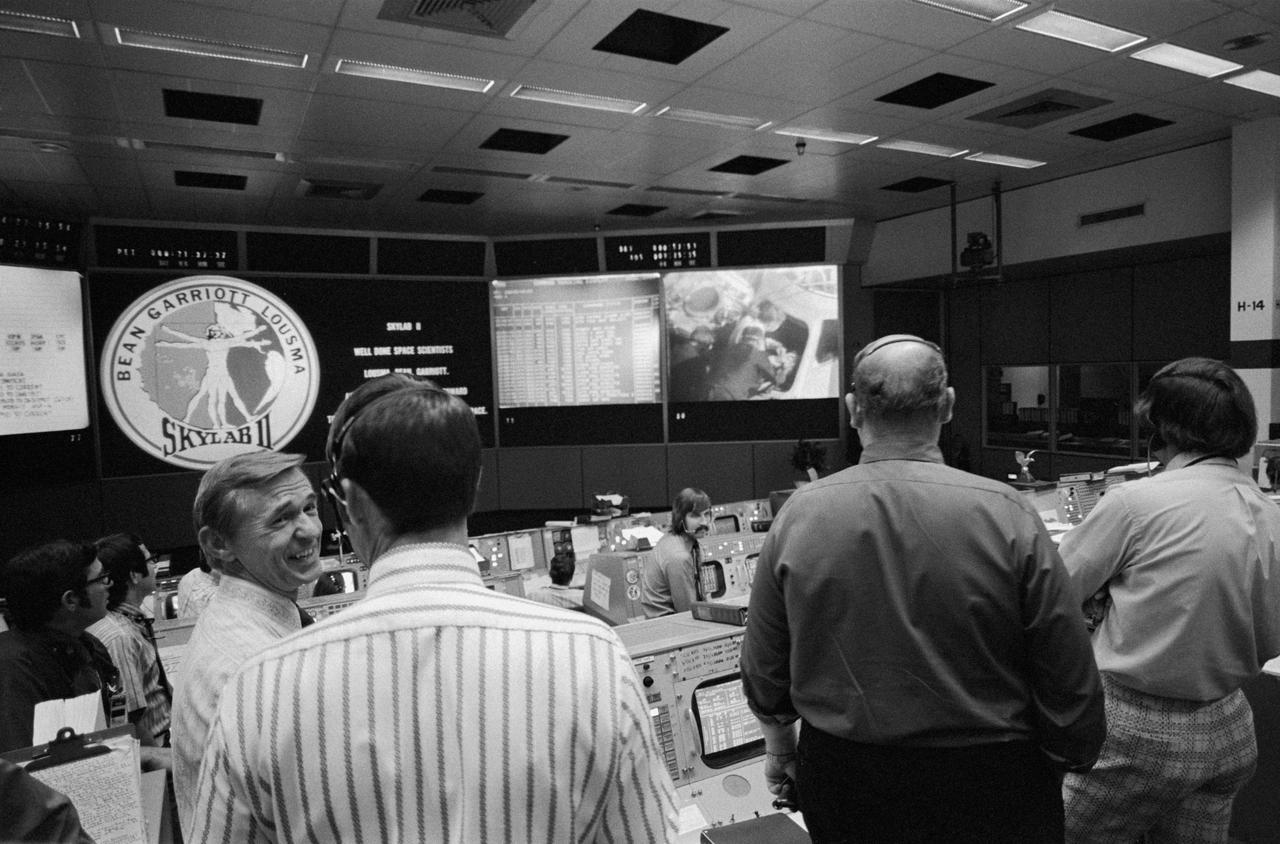
S73-34553 (25 Sept. 1973) --- Skylab flight directors (foreground) and flight controllers (background) view the large screen in the Mission Operations Control Room (MOCR) in the Mission Control Center (MCC) at JSC during recovery operations of the second manned Skylab mission. From left to right in the foreground are flight directors Charles R. Lewis, Donald R. Puffy, Phillip Shaffer and Neil B. Hutchinson. The Skylab 3 crewmen were preparing to egress the spacecraft aboard the USS New Orleans. Television cameras aboard the New Orleans recorded post-recovery activity. Photo credit: NASA
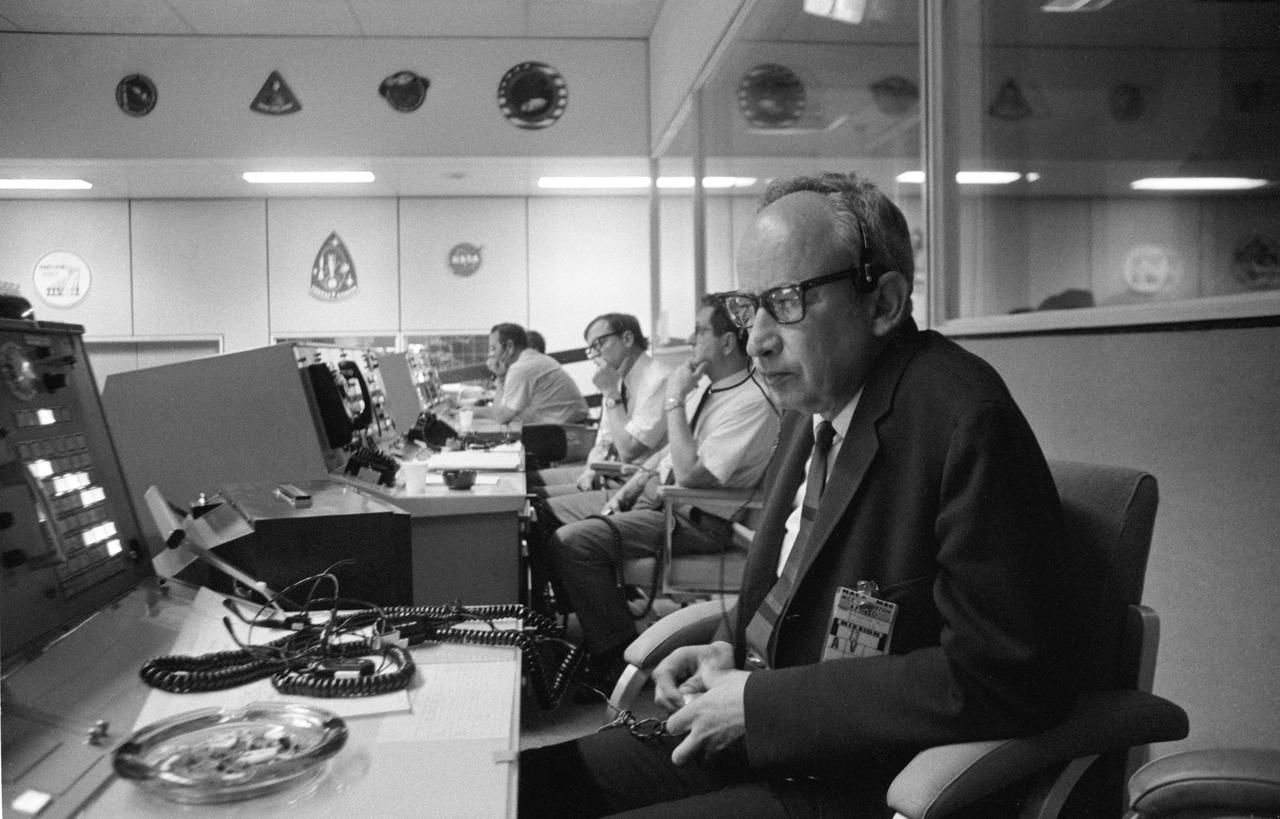
S70-34627 (11 April 1970) --- Sigurd A. Sjoberg, director of flight operations, at the Manned Spacecraft Center (MSC), views the Apollo 13 liftoff from a console in the MSC Mission Control Center (MCC), Building 30. Apollo 13 lifted off at 1:13 p.m. (CST) April 11, 1970. Photo credit: NASA

Consoles in the Radiological Control Center at NASA's Kennedy Space Center are seen during ceremonies to name the facility in honor of Randy Scott. A professional health physicist of more than 40 years, Scott served as the Florida spaceport's Radiation Protection Officer for 14 years until his death June 17, 2016. Located in the Neil Armstrong Operations and Checkout building, the Randall E. Scott Radiological Control Center is staffed by technical and radiological experts from NASA, the U.S. Department of Energy, the U.S. Air Force 45th Space Wing and the state of Florida. The group performs data collection and assessment functions supporting launch site and field data collection activities.

A portion of the Radiological Control Center at NASA's Kennedy Space Center is seen during ceremonies to name the facility in honor of Randy Scott. A professional health physicist of more than 40 years, Scott served as the Florida spaceport's Radiation Protection Officer for 14 years until his death June 17, 2016. Located in the Neil Armstrong Operations and Checkout building, the Randall E. Scott Radiological Control Center is staffed by technical and radiological experts from NASA, the U.S. Department of Energy, the U.S. Air Force 45th Space Wing and the state of Florida. The group performs data collection and assessment functions supporting launch site and field data collection activities.

Family members of Randy Scott gather in the Radiological Control Center at NASA's Kennedy Space Center following ceremonies to name the facility in his honor. A professional health physicist of more than 40 years, Scott served as the Florida spaceport's Radiation Protection Officer for 14 years until his death June 17, 2016.
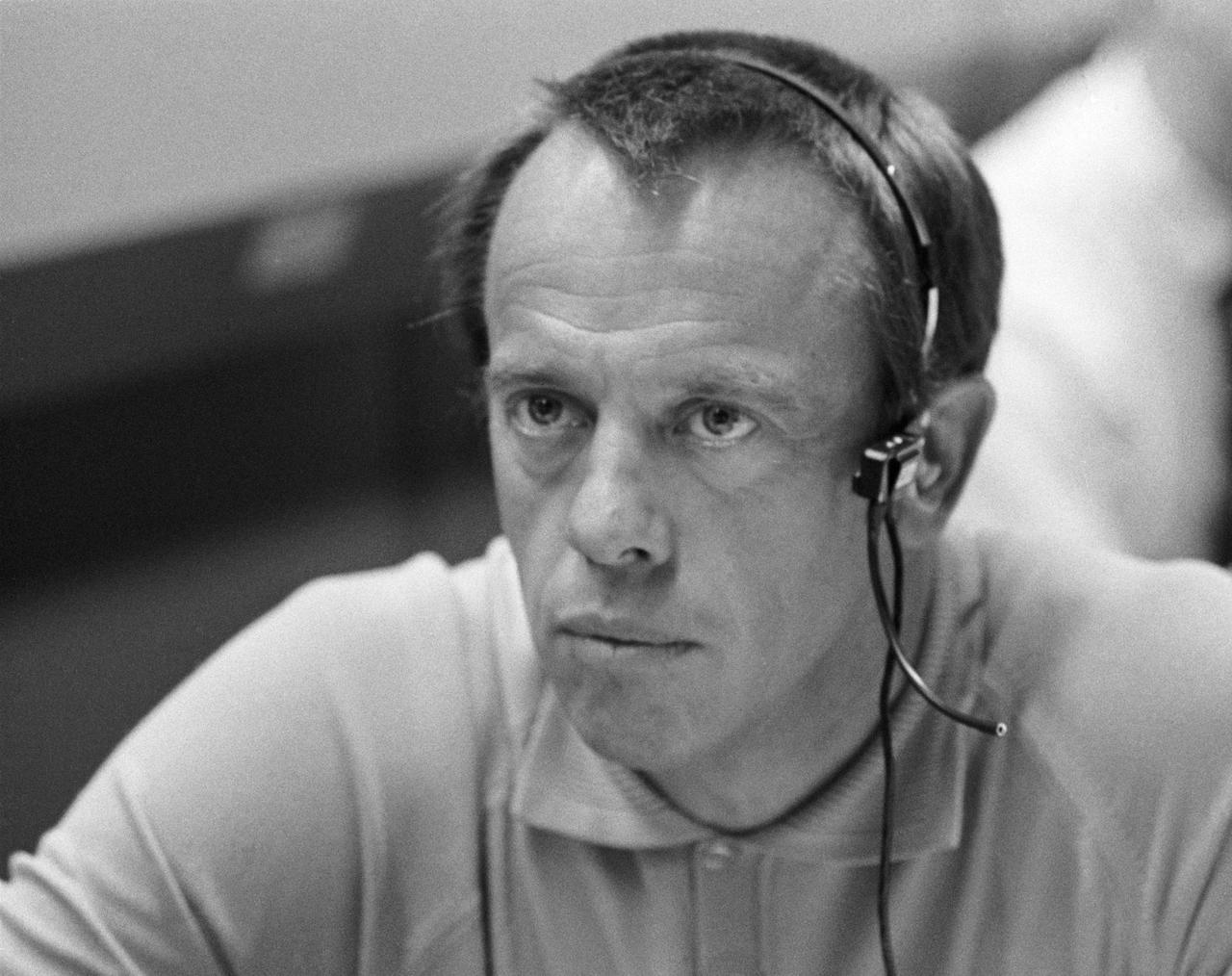
S70-34904 (14 April 1970) --- Astronaut Alan B. Shepard Jr., prime crew commander of the Apollo 14 mission, monitors communications between the Apollo 13 spacecraft and Mission Control Center. He is seated at a console in the Mission Operations Control Room of the MCC, Manned Spacecraft Center. The main concern of the moment was action taken by the three Apollo 13 crewmen - astronauts James A. Lovell Jr., John L. Swigert Jr. and Fred W. Haise Jr. - to make corrections inside the spacecraft following discovery of an oxygen cell failure several hours earlier.
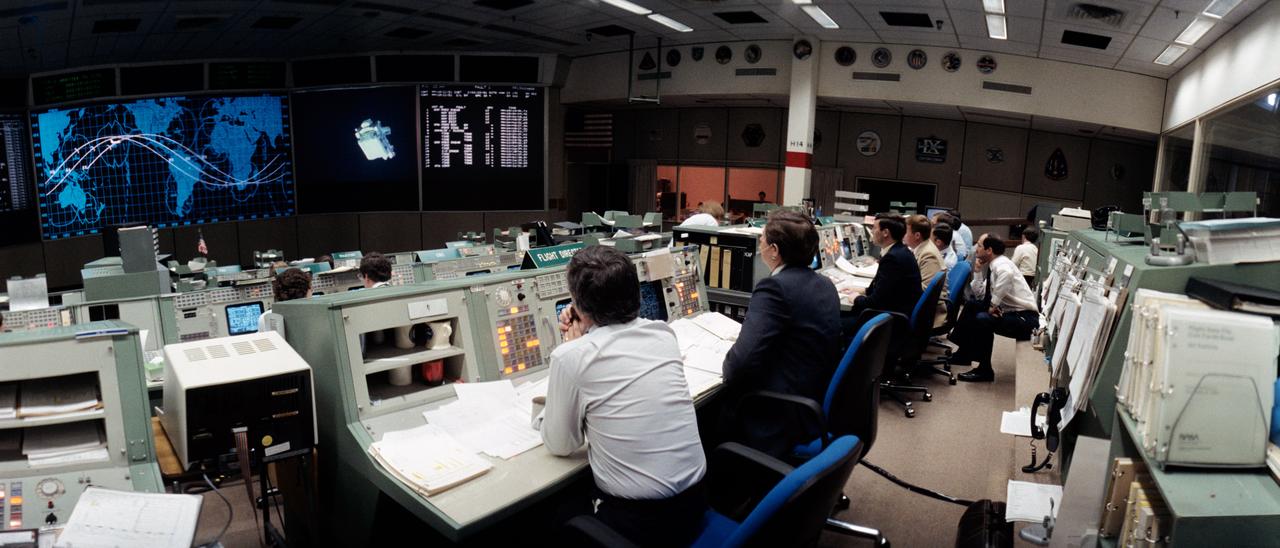
Astronaut George D. Nelson (see monitor at front of room) is viewed by flight controllers in the Mission Operations Control Room (MOCR) of JSC's Mission Control Center during 41-C extravehicular activity (EVA). In the foreground are Flight Directors Jay H. Greene and John T. Cox. Astronauts Jerry L. Ross and Richard H. Richards are seated at the CAPCOM or spacecraft communicators console at right background. Astronaut Guy S. Gardner is perched just behind them.

A Mars Science Laboratory cap is displayed in the Randall E. Scott Radiological Control Center at NASA's Kennedy Space Center. The facility was recently named in honor of Randy Scott, a professional health physicist of more than 40 years. He served as the Florida spaceport's Radiation Protection Officer for 14 years until his death June 17, 2016. Launched Nov. 26, 2011, the Mars Science Laboratory with the Curiosity lander was powered by a radioisotope thermalelectric generator. Located in the Neil Armstrong Operations and Checkout building, the Randall E. Scott Radiological Control Center is staffed by technical and radiological experts from NASA, the U.S. Department of Energy, the U.S. Air Force 45th Space Wing and the state of Florida. The group performs data collection and assessment functions supporting launch site and field data collection activities during launces involving plutonium-powered spacecraft such as the Mars Science Laboratory.
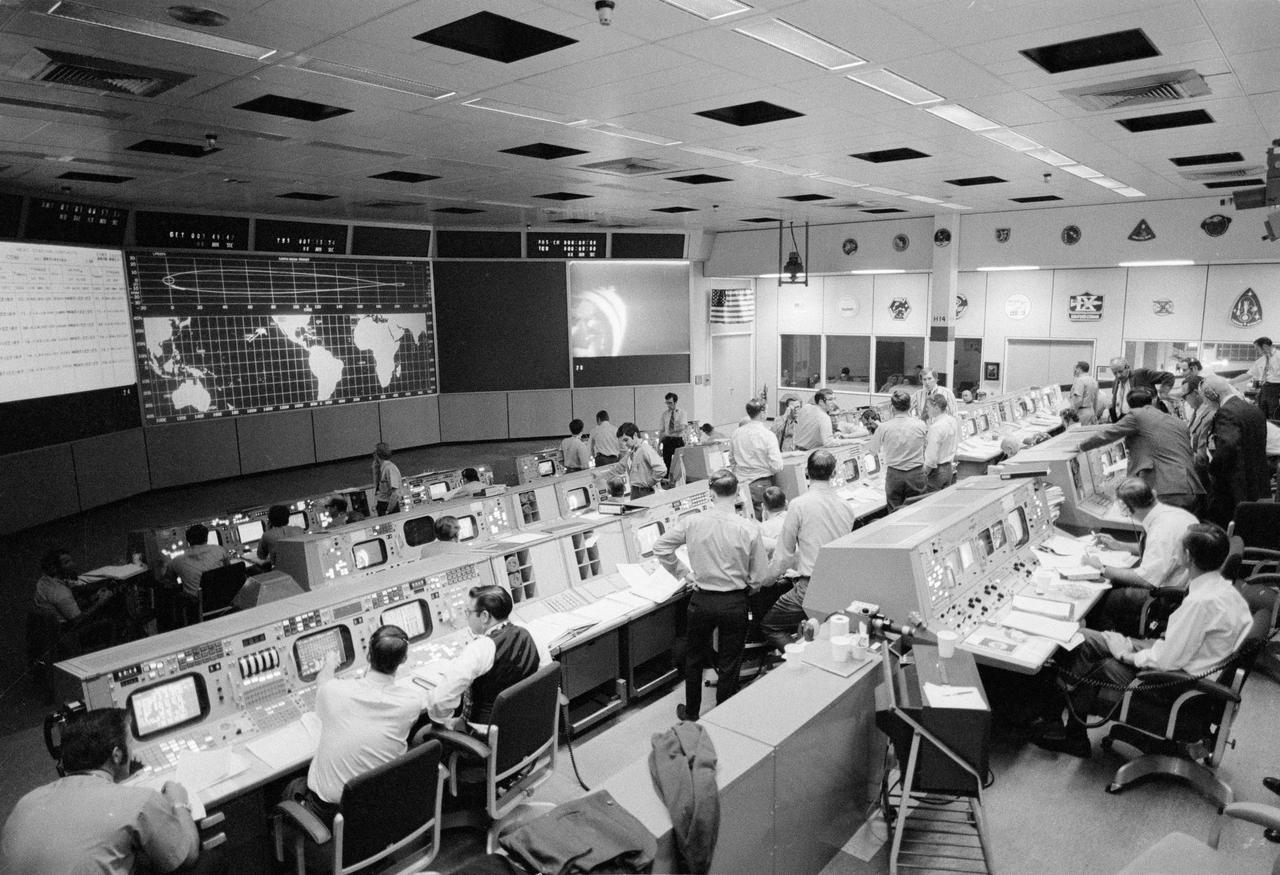
S71-16879 (31 Jan. 1971) --- Overall view of activity in the Mission Operations Control Room in the Mission Control Center during the Apollo 14 transposition and docking maneuvers. The Apollo 14 Lunar Module, still attached to the Saturn IVB stage, can be seen on the large television monitor. Due to difficulty with the docking mechanism six attempts were made before a successful "hard dock" of the Command Module with the Lunar Module was accomplished. Aboard the Command Module were astronauts Alan B. Shepard Jr., Stuart A. Roosa, and Edgar D. Mitchell.

Nancy Bray, director of Spaceport Integration and Services at NASA's Kennedy Space Center, left, is joined by Myrna Scott, center, and Dr. David Tipton, chief of Aerospace Medicine and Occupational Health, in cutting a ceremonial ribbon dedicating the Randal E. Scott Radiological Control Center at the Florida spaceport. Myrna Scott is the widow of Randy Scott, who was a professional health physicist of more than 40 years. He served as the Florida spaceport's Radiation Protection Officer for 14 years until his death June 17, 2016.

Nancy Bray, director of Spaceport Integration and Services at NASA's Kennedy Space Center, left, is joined by Myrna Scott, center, and Dr. David Tipton, chief of Aerospace Medicine and Occupational Health, in cutting a ceremonial ribbon dedicating the Randal E. Scott Radiological Control Center at the Florida spaceport. Myrna Scott is the widow of Randy Scott, who was a professional health physicist of more than 40 years. He served as the Florida spaceport's Radiation Protection Officer for 14 years until his death June 17, 2016.

Nancy Bray, director of Spaceport Integration and Services at NASA's Kennedy Space Center, left, is joined by Myrna Scott, center, and Dr. David Tipton, chief of Aerospace Medicine and Occupational Health, in cutting a ceremonial ribbon dedicating the Randal E. Scott Radiological Control Center at the Florida spaceport. Myrna Scott is the widow of Randy Scott, who was a professional health physicist of more than 40 years. He served as the Florida spaceport's Radiation Protection Officer for 14 years until his death June 17, 2016.
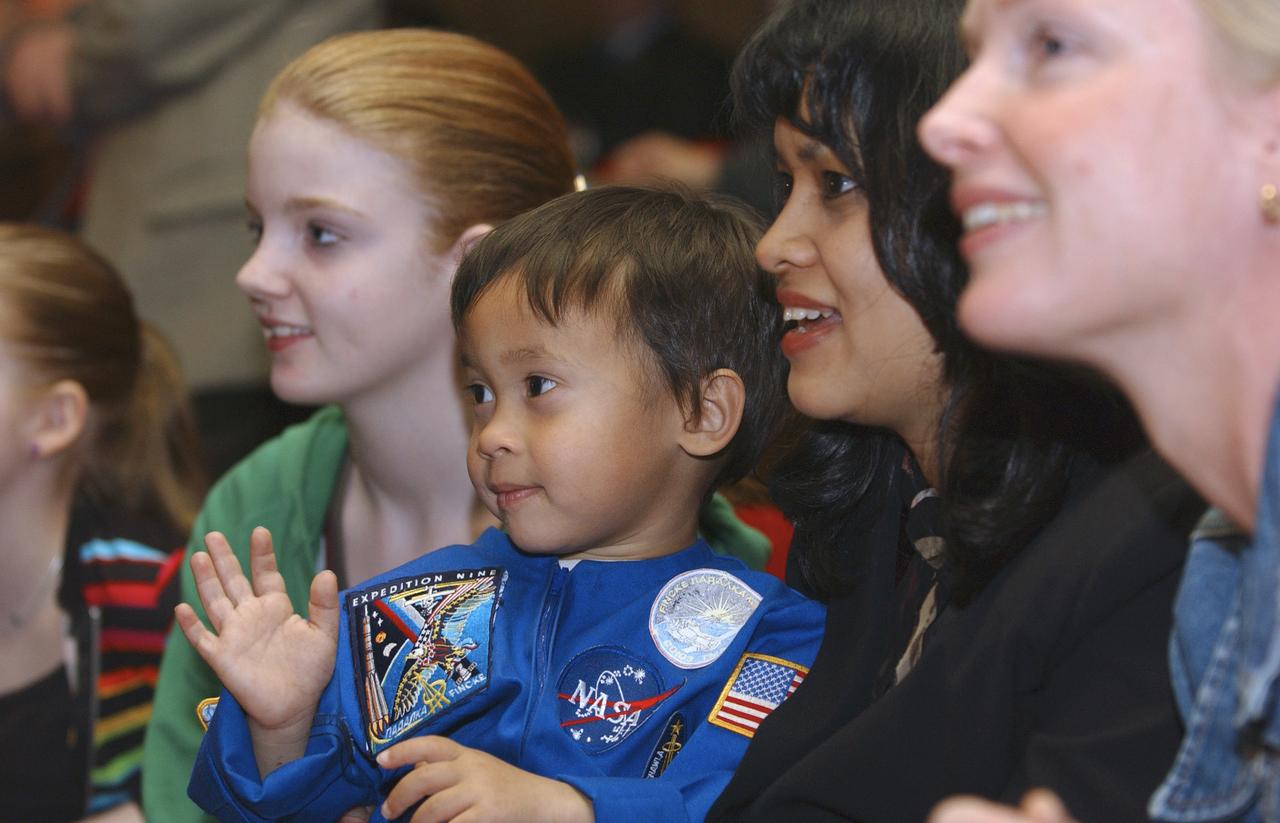
Helen Conijn, fiancée of European Space Agency astronaut Andre Kuipers of the Netherlands, far right, joins Renita Fincke, second from right, wife of Expedition 9 Flight Engineer and NASA International Space Station Science Officer Michael Fincke, along with family members at the Russian Mission Control Center outside Moscow, Wednesday, April 21, 2004 to view the docking of the Soyuz capsule to the International Space Station that brought Kuipers, Fincke and Expedition 9 Commander Gennady Padalka to the complex following their launch Monday from Kazakhstan. Photo Credit: (NASA/Bill Ingalls)
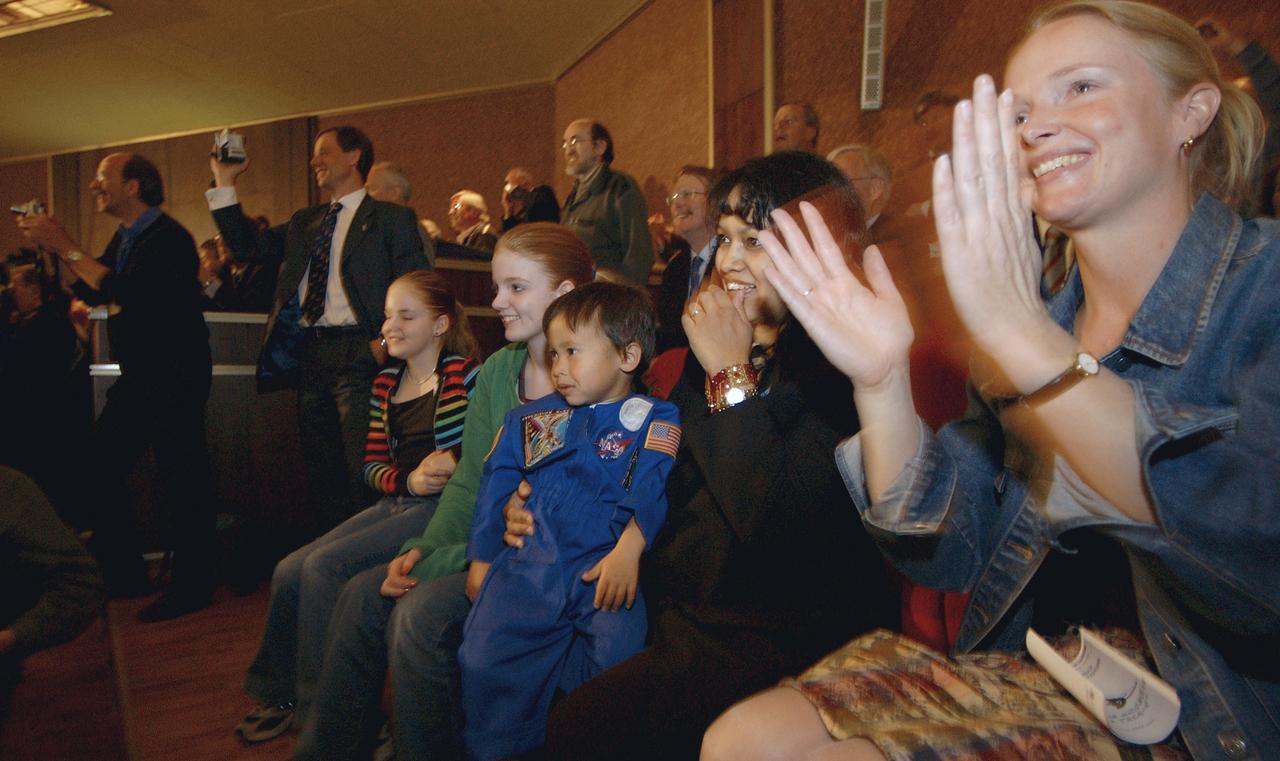
Helen Conijn, fiancée of European Space Agency astronaut Andre Kuipers of the Netherlands, far right, joins Renita Fincke, second from right, wife of Expedition 9 Flight Engineer and NASA International Space Station Science Officer Michael Fincke, along with family members at the Russian Mission Control Center outside Moscow, Wednesday, April 21, 2004 to view the docking of the Soyuz capsule to the International Space Station that brought Kuipers, Fincke and Expedition 9 Commander Gennady Padalka to the complex following their launch Monday from Kazakhstan. Photo Credit: (NASA/Bill Ingalls)
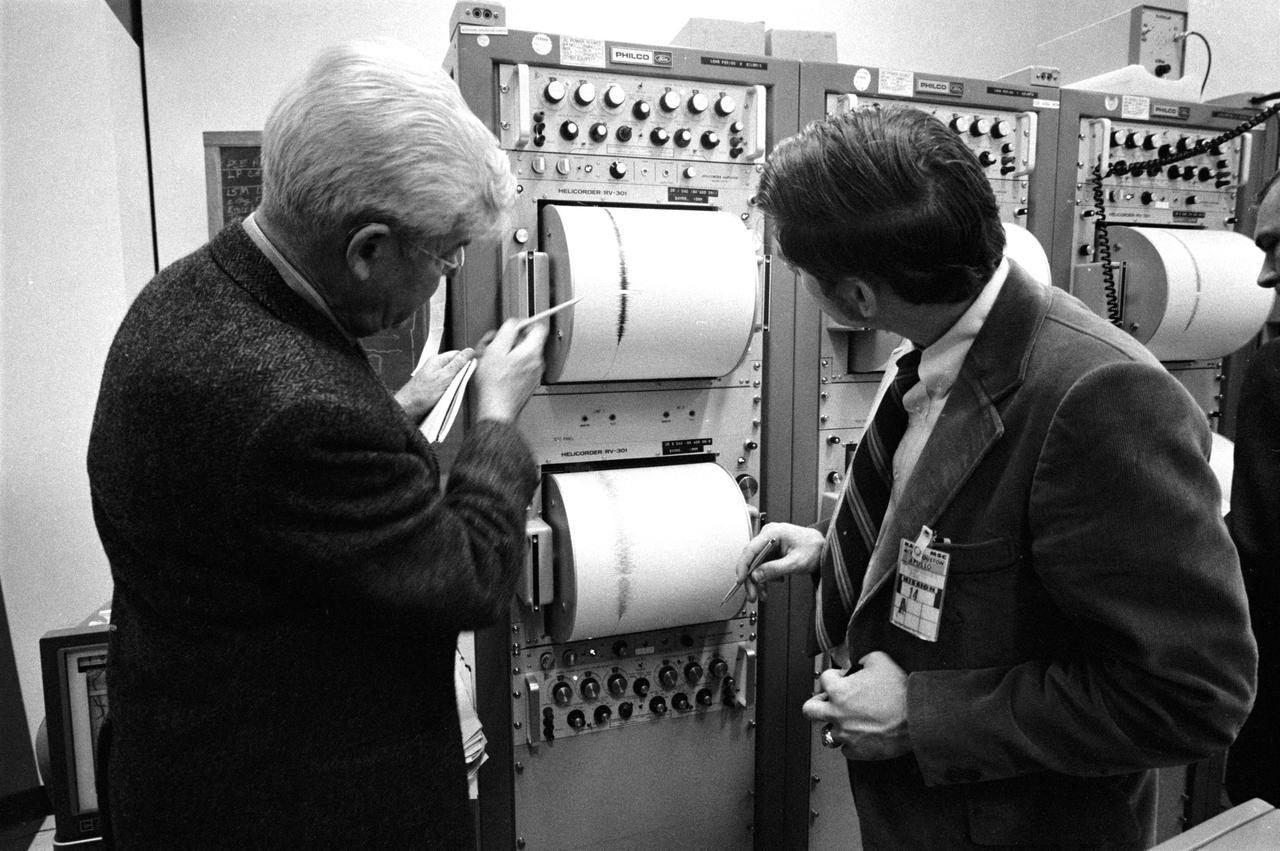
S71-17609 (4 Feb. 1971) --- These two individuals are examining a seismic reading in the Mission Control Center's ALSEP Room during the Apollo 14 S-IVB impact on the moon. Dr. Maurice Ewing (left) is the director of the Lamont-Doherty Geological Observatory at Columbia University. David Lammlein, a Columbia graduate student, is on the right. The Apollo 14 Saturn IVB stage impacted on the lunar surface at 1:40:54 a.m. (CST), Feb. 4, 1971, about 90 nautical miles south-southwest of the Apollo 12 passive seismometer. The energy release was comparable to 11 tons of TNT. Dr. Gary Latham of the Lamont-Doherty Geological Observatory is the principal investigator for the Passive Seismic Experiment, a component of the Apollo Lunar Surface Experiments Package.

Myrna Scott holds a replica of the emblem noting that the Radiological Control Center at NASA's Kennedy Space Center has been named in honor of her husband, Randy Scott who died last year. A ceremony honored the extensive contributions of Randy Scott. A professional health physicist of more than 40 years, Scott served as the Florida spaceport's Radiation Protection Officer for 14 years until his death June 17, 2016.

Nancy Bray, director of Spaceport Integration and Services at NASA's Kennedy Space Center, speaks during ceremonies to name the Radiological Control Center in honor for Randy Scott. A professional health physicist of more than 40 years, Scott served as the Florida spaceport's Radiation Protection Officer for 14 years until his death June 17, 2016.

NASA Armstrong’s Mission Control Center, or MCC, is where culmination of all data-gathering occurs. Engineers, flight controllers and researchers monitor flights and missions as they are carried out. Data and video run through the MCC and are recorded, displayed and archived. Data is then processed and prepared for post-flight analysis.
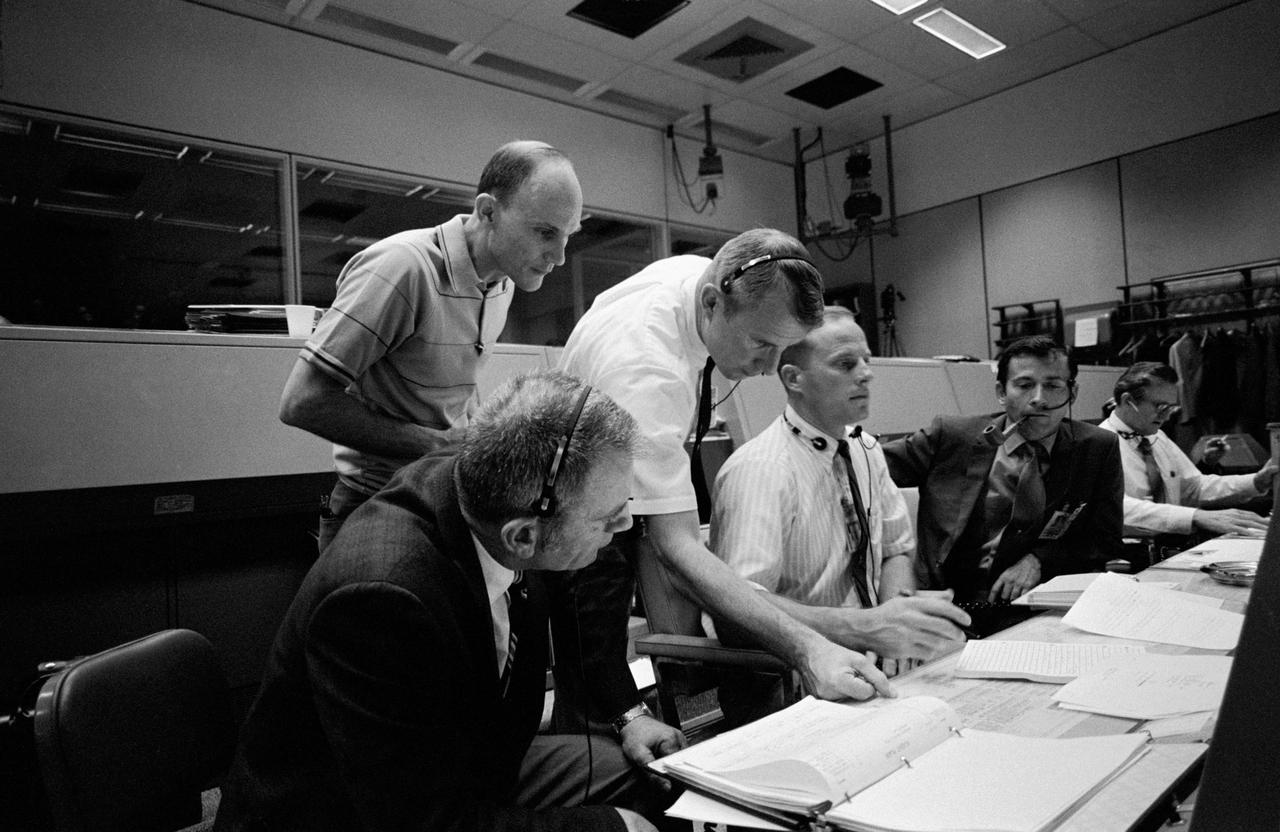
S70-34902 (14 April 1970) --- Several persons important to the Apollo 13 mission, at consoles in the Mission Operations Control Room (MOCR) of the Mission Control Center (MCC). Seated at consoles, from left to right, are astronauts Donald K. Slayton, director of flight crew operations; astronaut Jack R. Lousma, Shift 3 spacecraft communicator; and astronaut John W. Young, commander of the Apollo 13 backup crew. Standing, left to right, are astronaut Tom K. Mattingly II, who was replaced as Apollo 13 command module pilot after it was learned he may come down with measles, and astronaut Vance D. Brand, Shift 2 spacecraft communicator. Several hours earlier, in the late evening hours of April 13, crew members of the Apollo 13 mission reported to MCC that trouble had developed with an oxygen cell on their spacecraft.
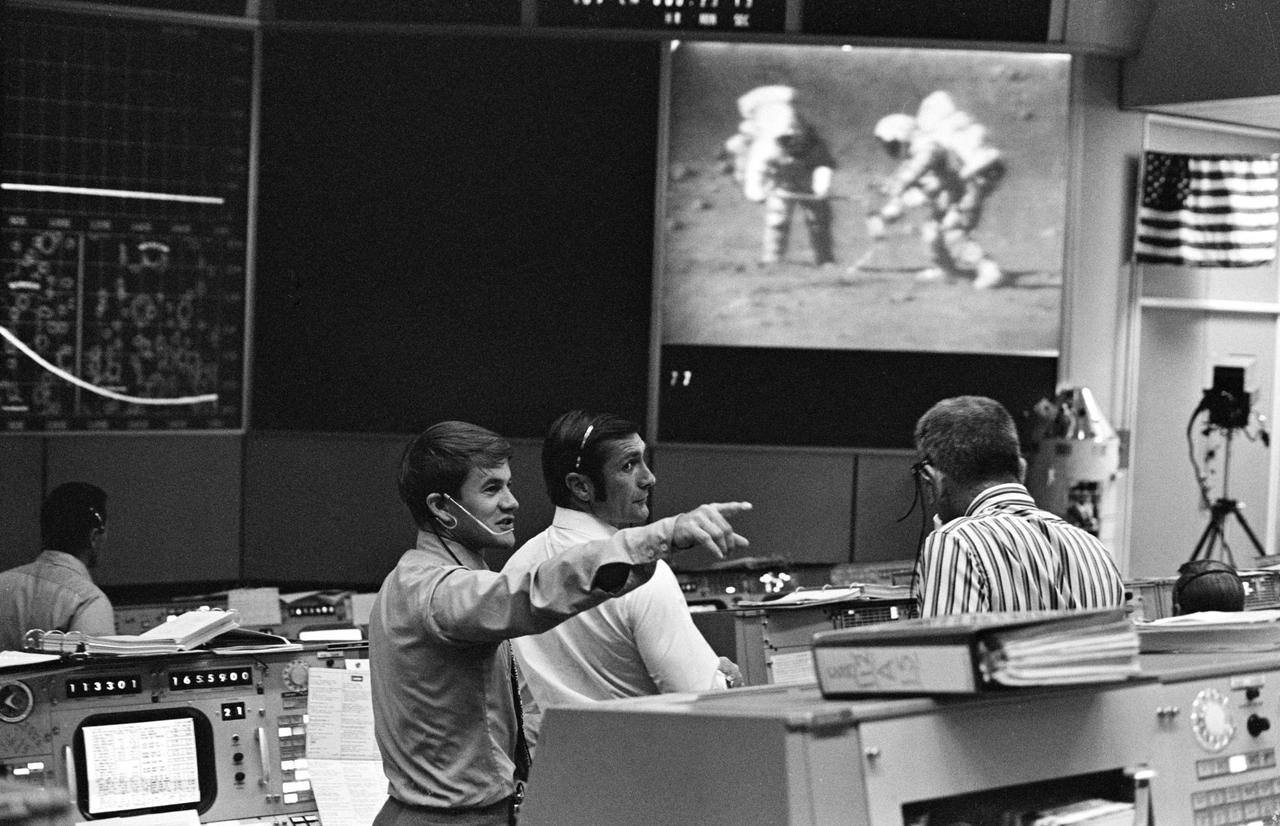
S71-41836 (2 Aug. 1971) --- Scientist-astronaut Joseph P. Allen, left, directs the attention of astronaut Richard F. Gordon Jr., to an occurrence out of view at right in the Mission Control Center's (MCC) Mission Operations Control Room (MOCR), while Dr. Donald K. (Deke) Slayton, on right with back to camera, views activity of Apollo 15 on a large screen at the front of the MOCR. Astronauts David R. Scott and James B. Irwin are seen on the screen performing tasks of the mission's third extravehicular activity (EVA), on Aug. 2, 1971. Dr. Slayton is director of Flight Crew Operations, NASA-MSC; Gordon is Apollo 15 backup commander; and Dr. Allen is an Apollo 15 spacecraft communicator.
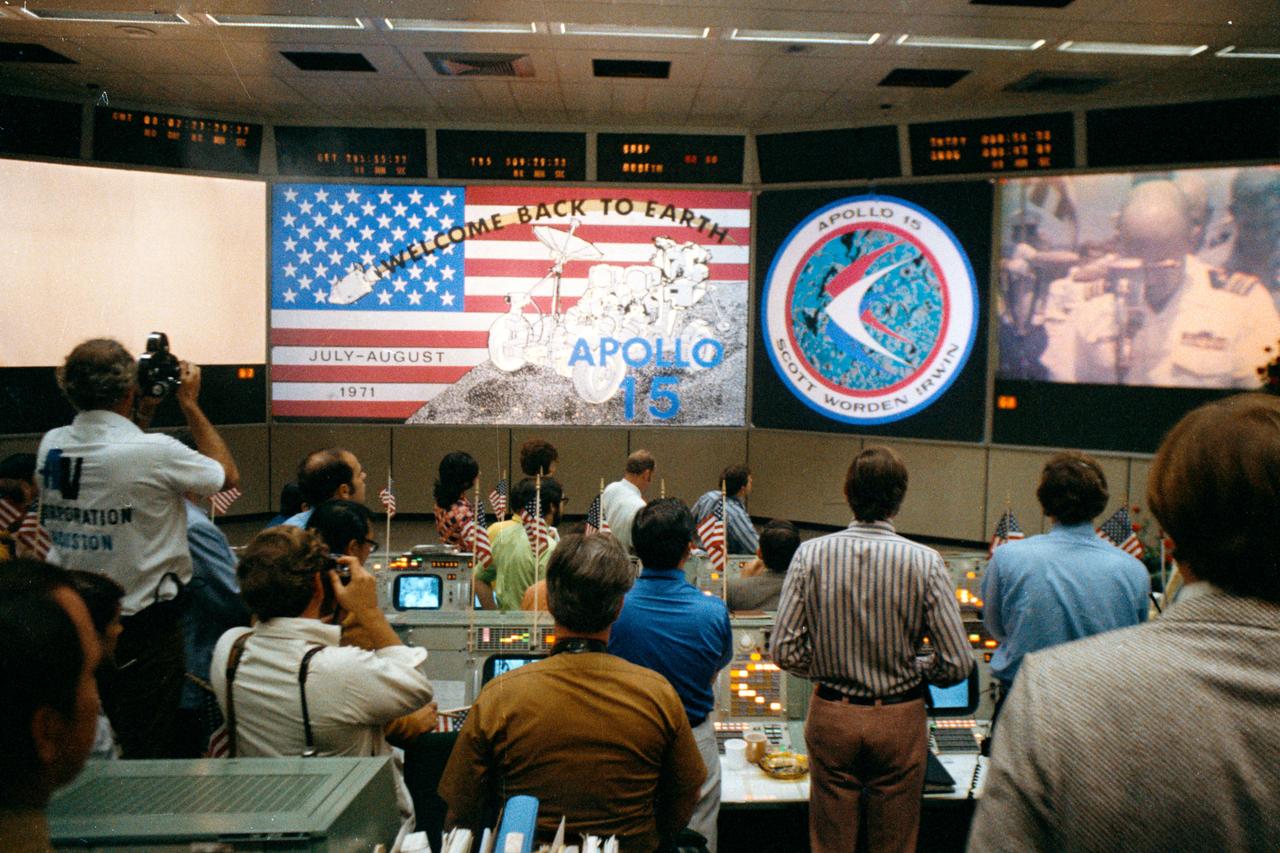
An overall view of activity in the Mission Operations Control Room in the Mission Control Center at the conclusion of the Apollo 15 lunar landing mission. The television monitor in the right background shows the welcome ceremonies aboard the prime recovery ship, U.S.S. Okinawa, in the mid-Pacific Ocean.
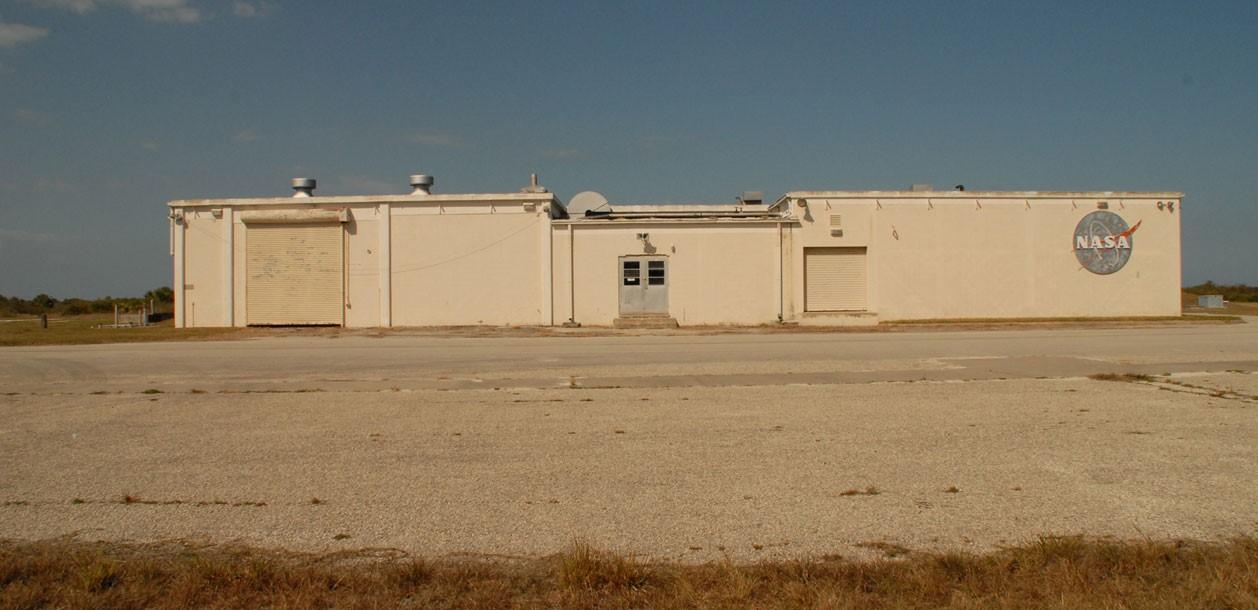
Exterior view of the Mission Control Center
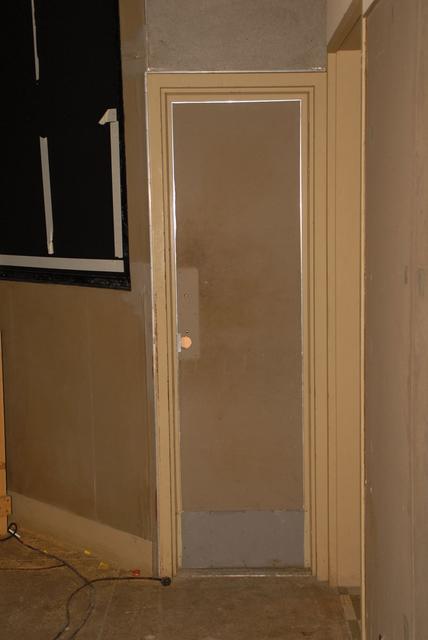
Interior view of the Mission Control Center
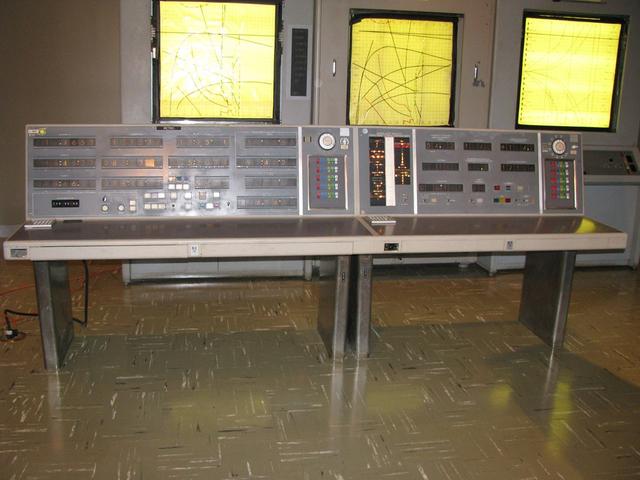
Interior view of the Mission Control Center
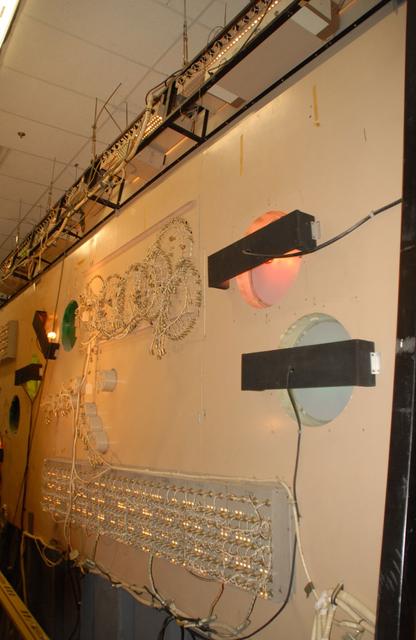
Interior view of the Mission Control Center
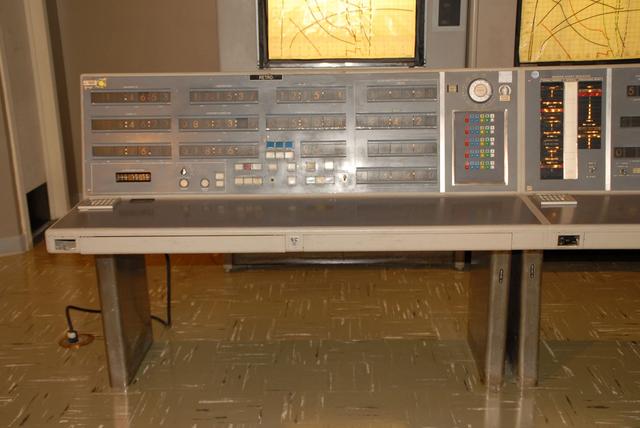
Interior view of the Mission Control Center
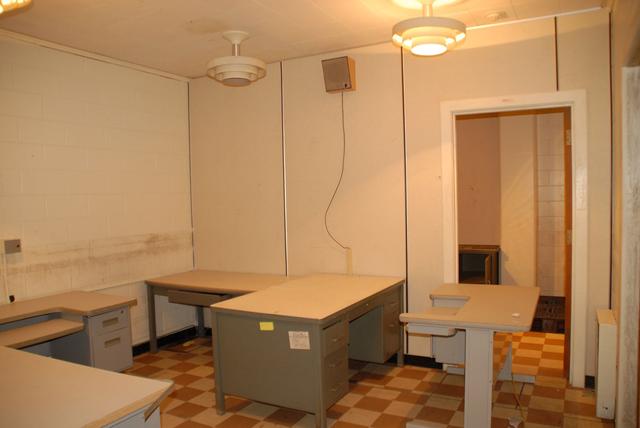
Interior view of the Mission Control Center
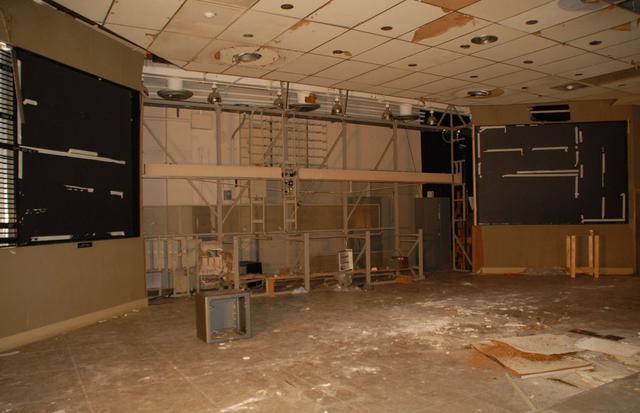
Interior view of the Mission Control Center
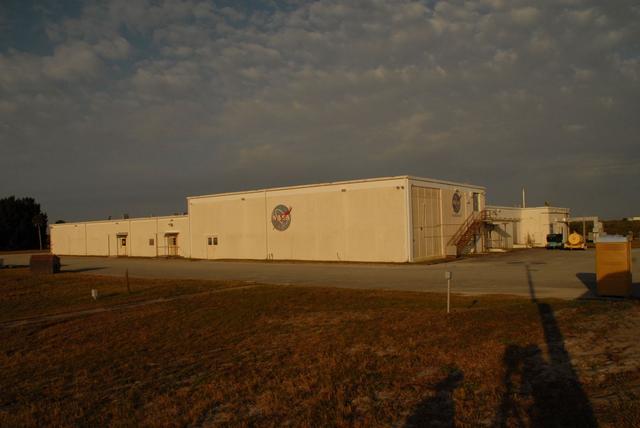
Exterior view of the Mission Control Center
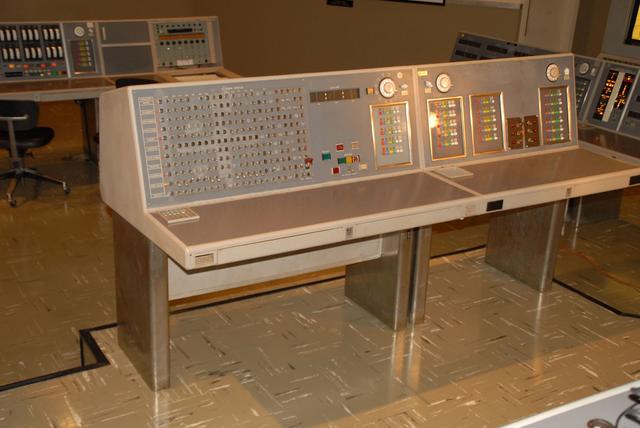
Interior view of the Mission Control Center
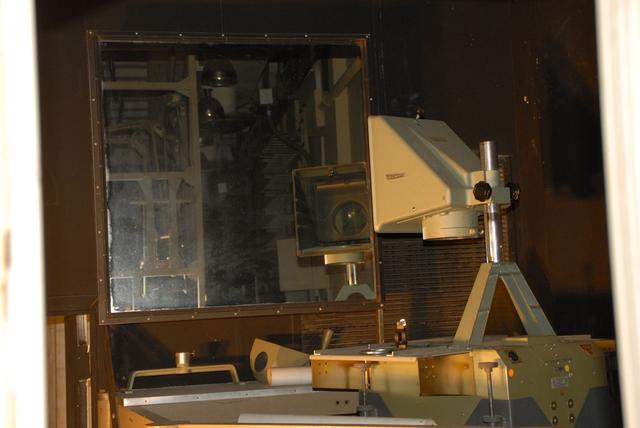
Interior view of the Mission Control Center
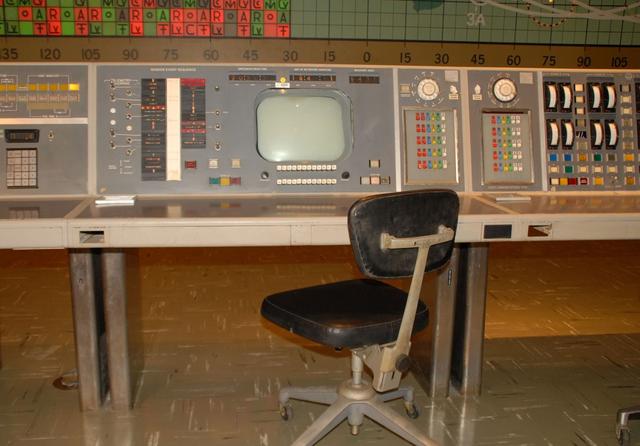
Interior view of the Mission Control Center

Interior view of the Mission Control Center
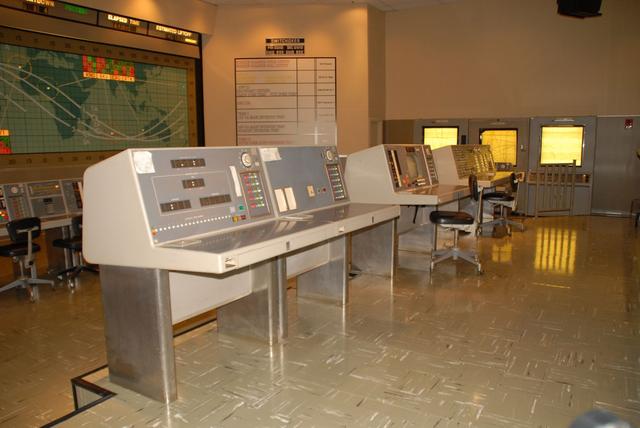
Interior view of the Mission Control Center
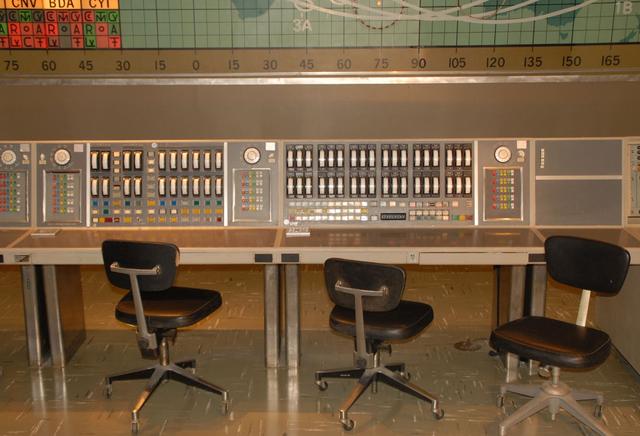
Interior view of the Mission Control Center
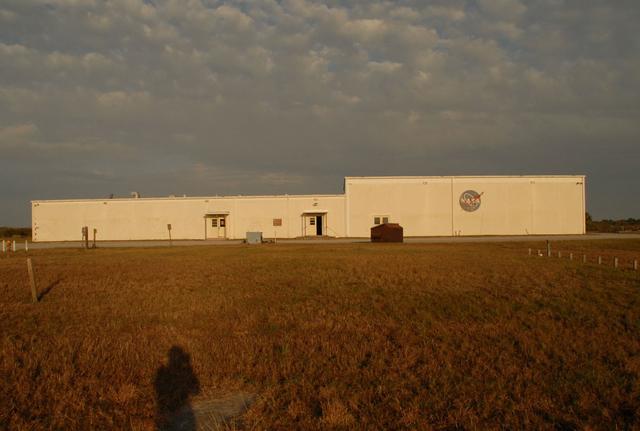
Exterior view of the Mission Control Center
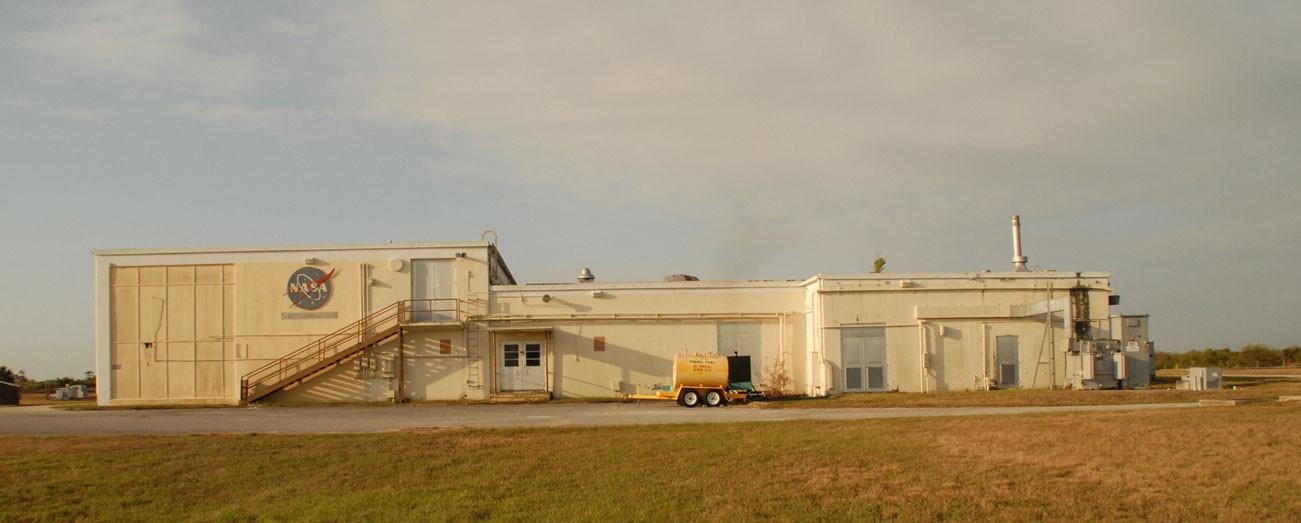
Exterior view of the Mission Control Center
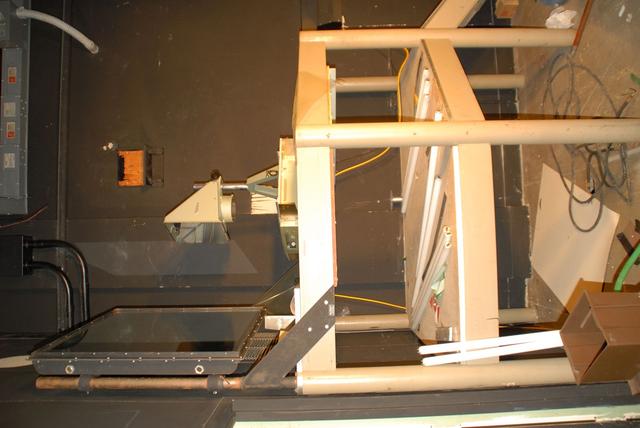
Interior view of the Mission Control Center
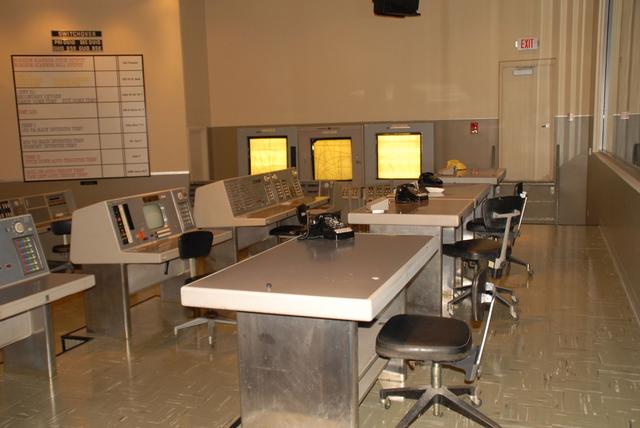
Interior view of the Mission Control Center
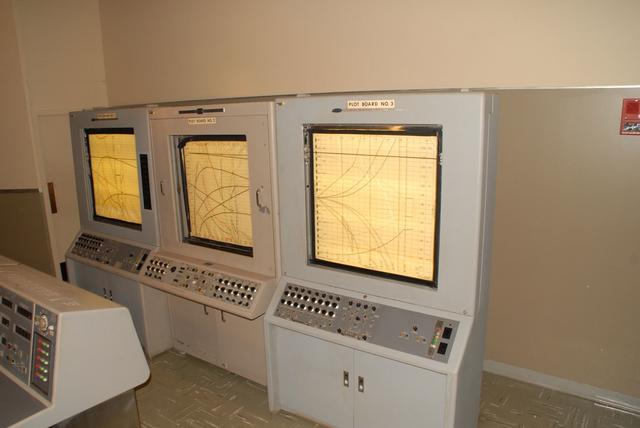
Interior view of the Mission Control Center