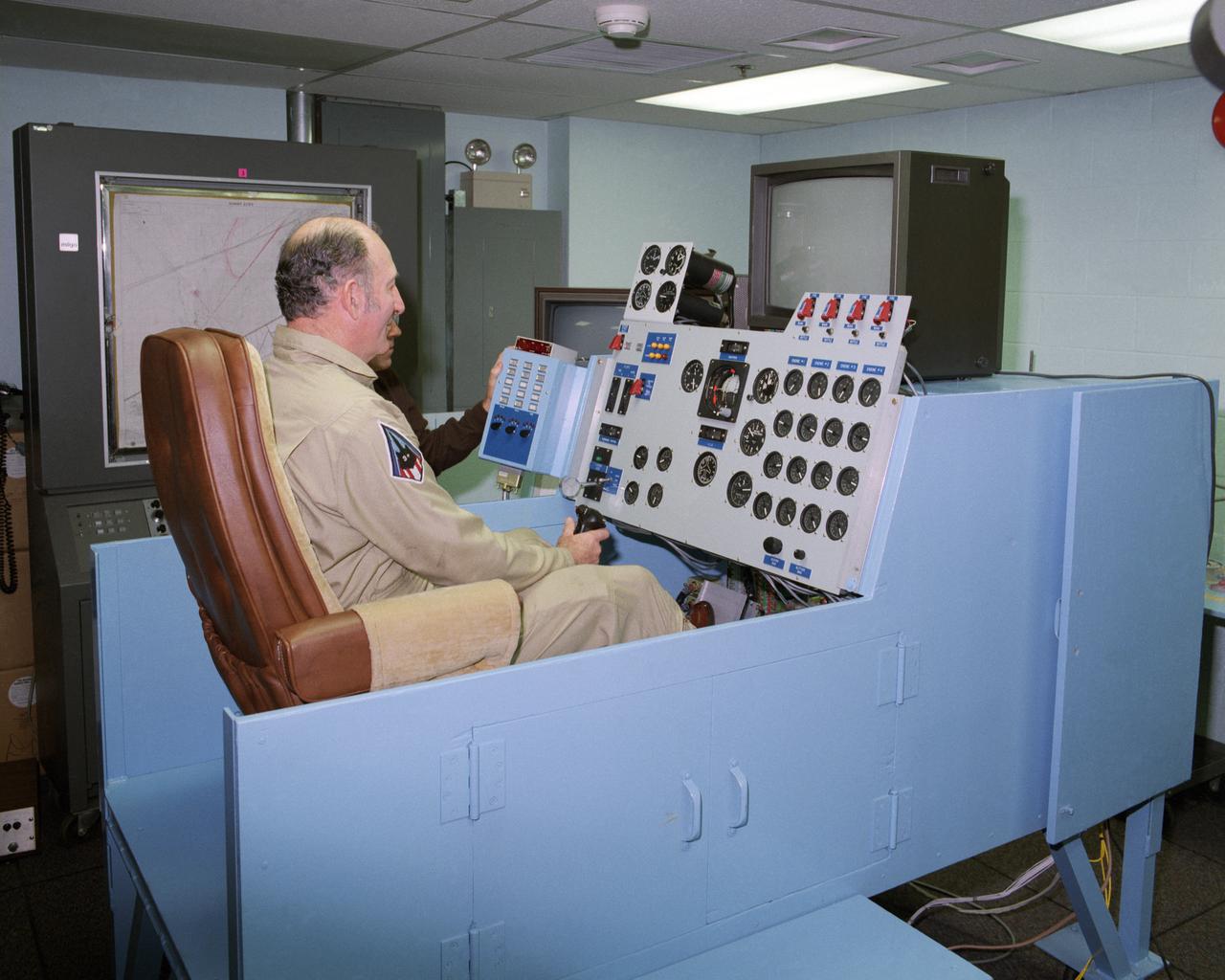
Pilot Fitz Fulton in CID (Controlled Impact Demonstration) Simulator
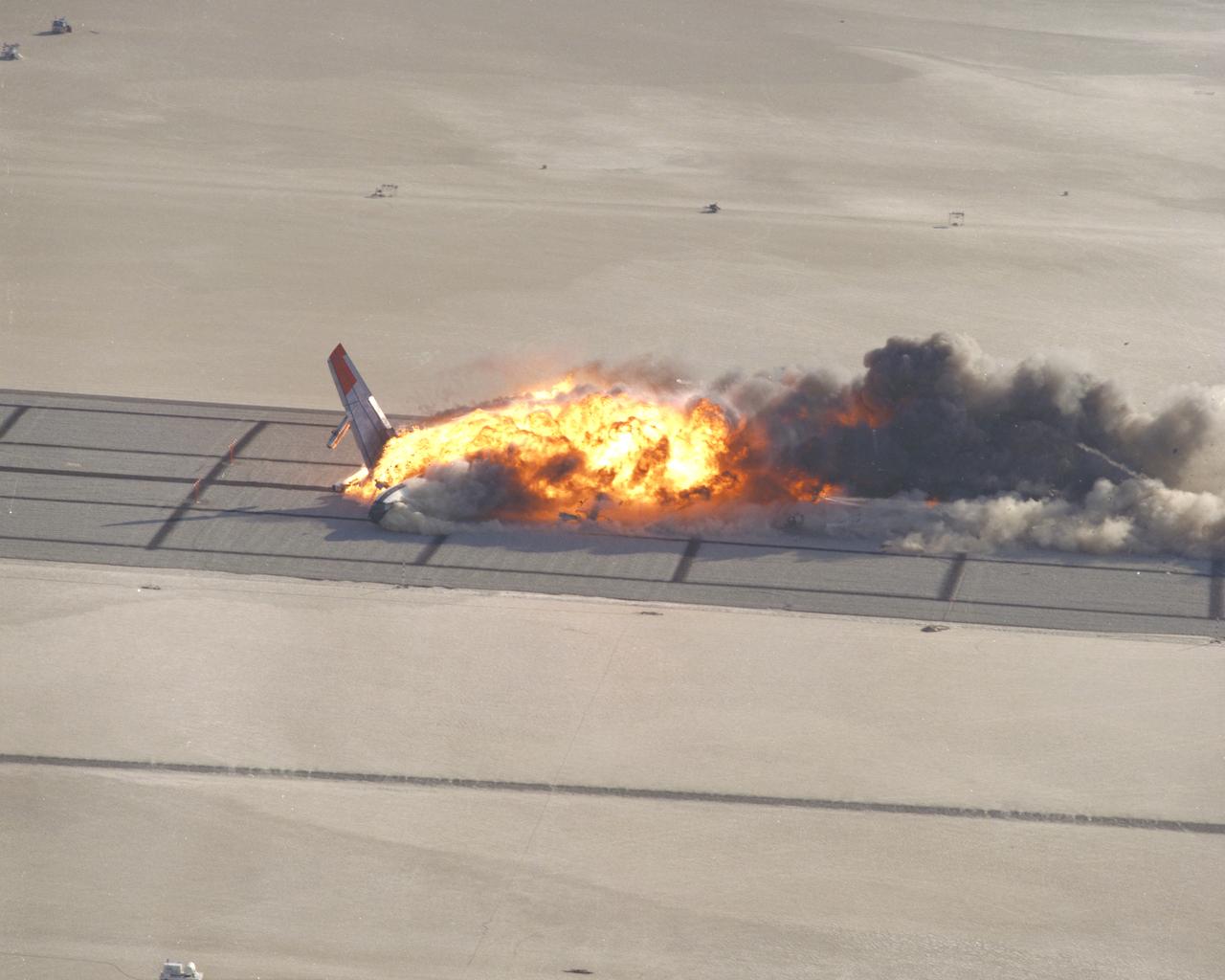
CID (Controlled Imact Demonstrator) Aircraft fireball after wing cutter impact.
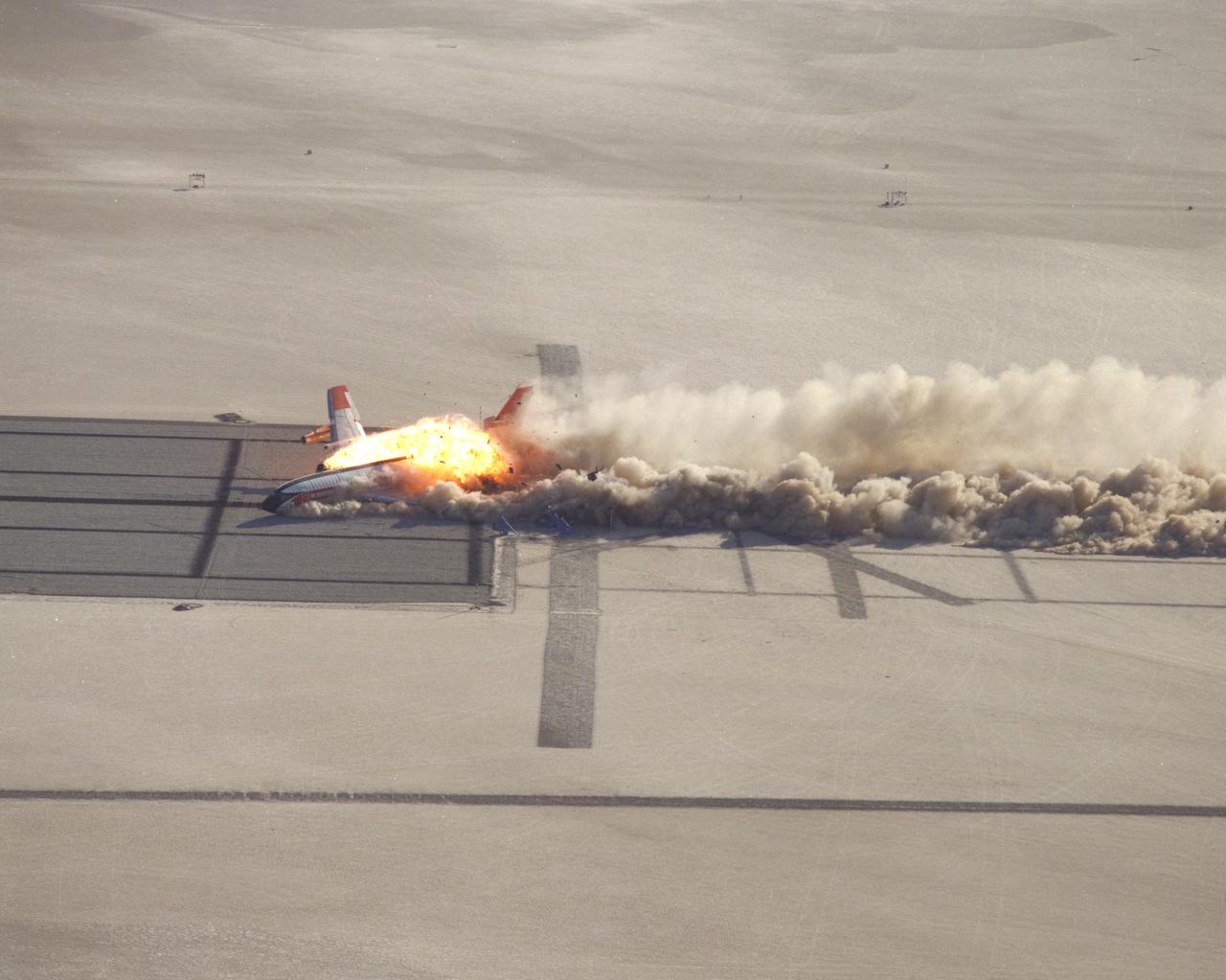
CID (Controlled Imact Demonstrator) Aircraft skid after wing cutter impact.
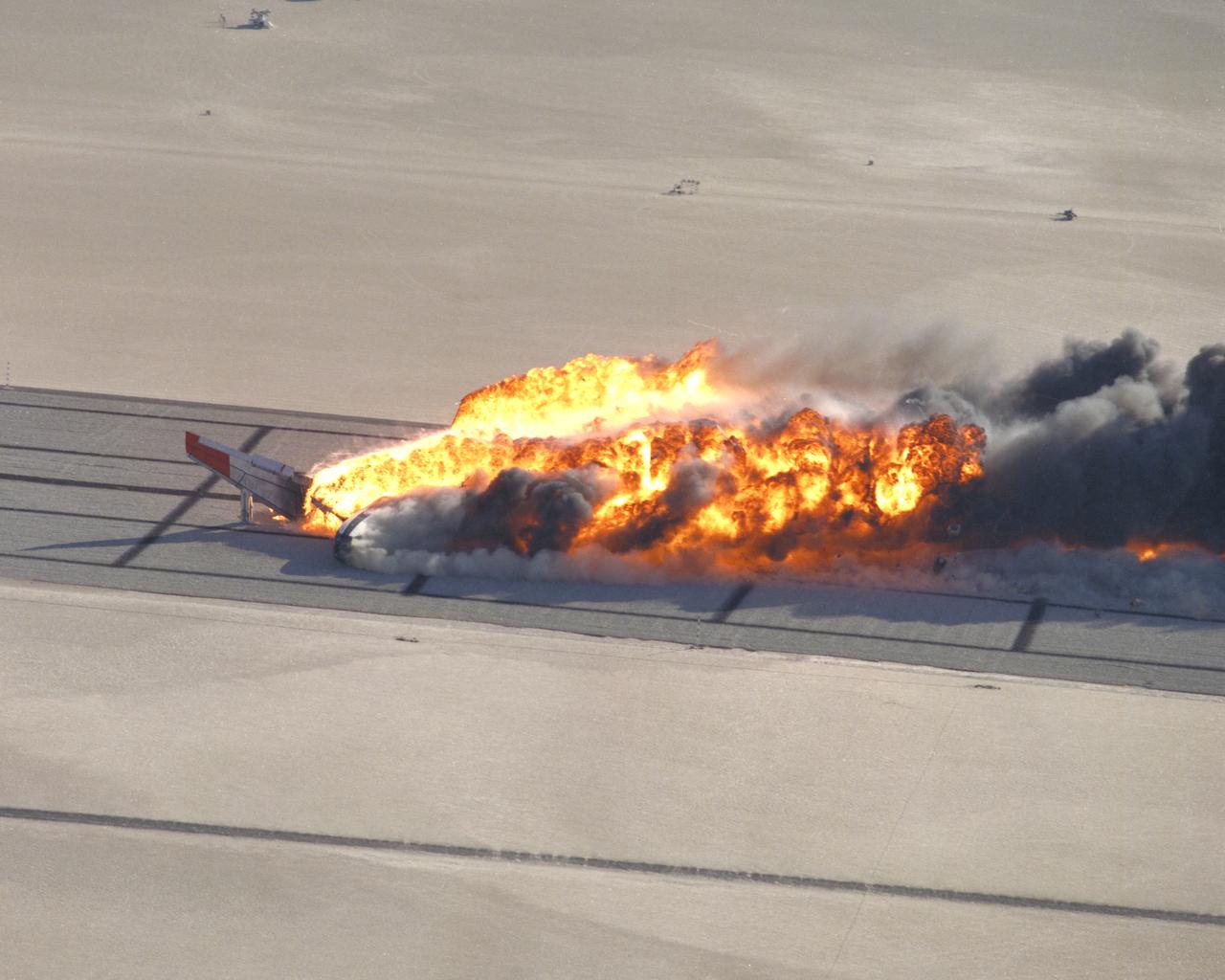
CID (Controlled Imact Demonstrator) Aircraft fireball after wing cutter impact.
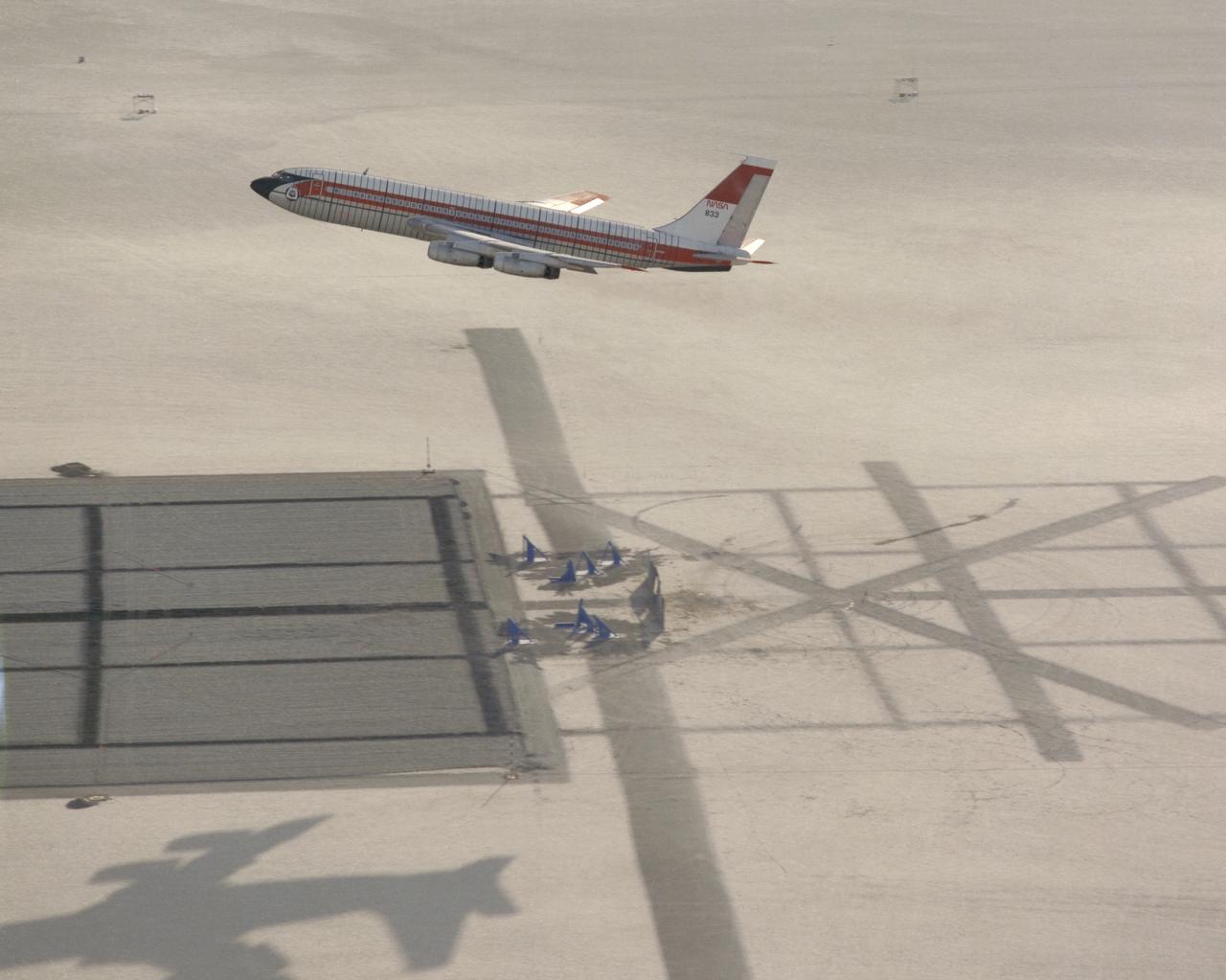
CID (Controlled Imact Demonstrator) Aircraft in practice flight above target impact site with wing cutters.
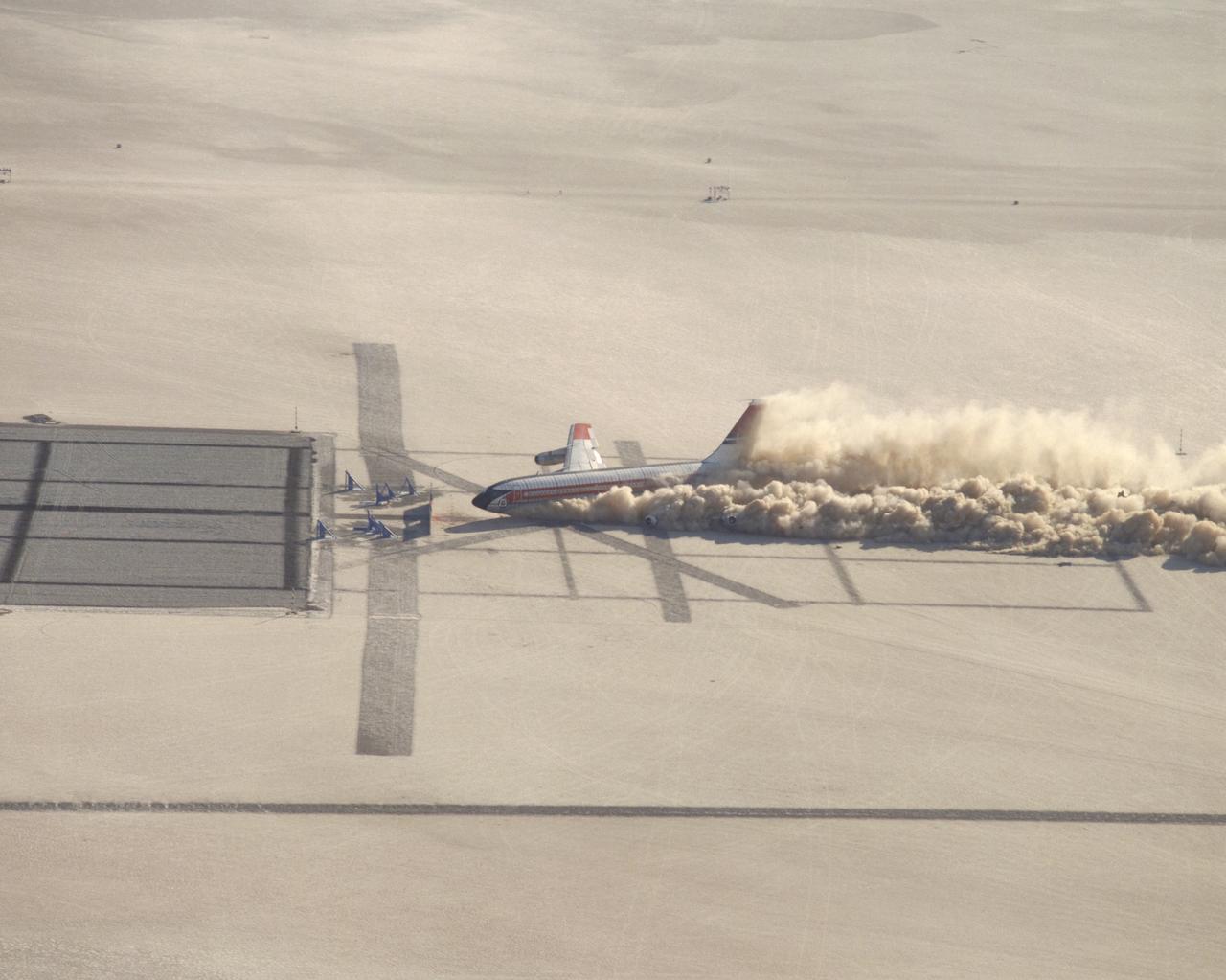
CID (Controlled Imact Demonstrator) Aircraft prior to wing cutter impact during lakebed skid.
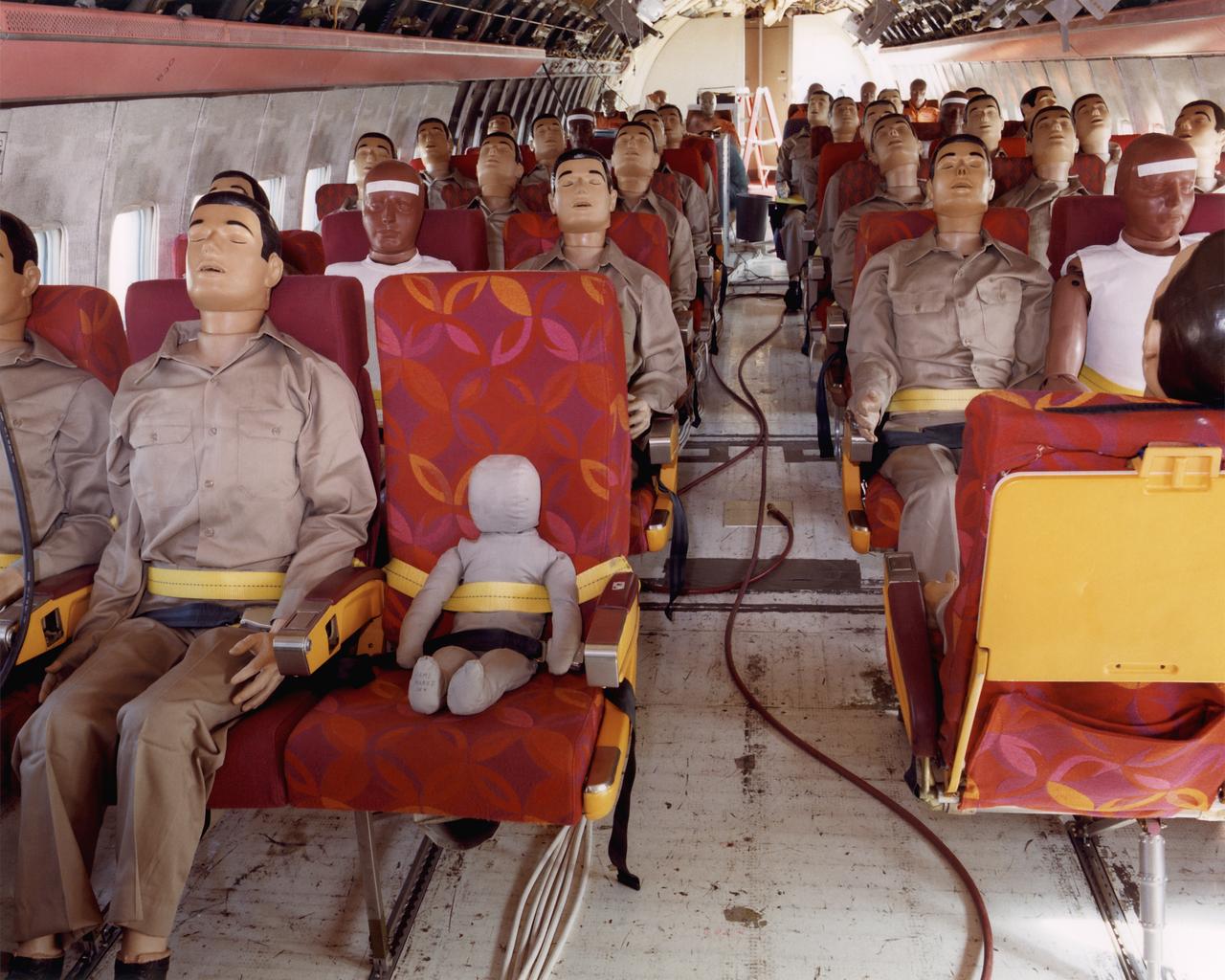
Controlled Impact Demonstration instrumented test dummies installed in plane.
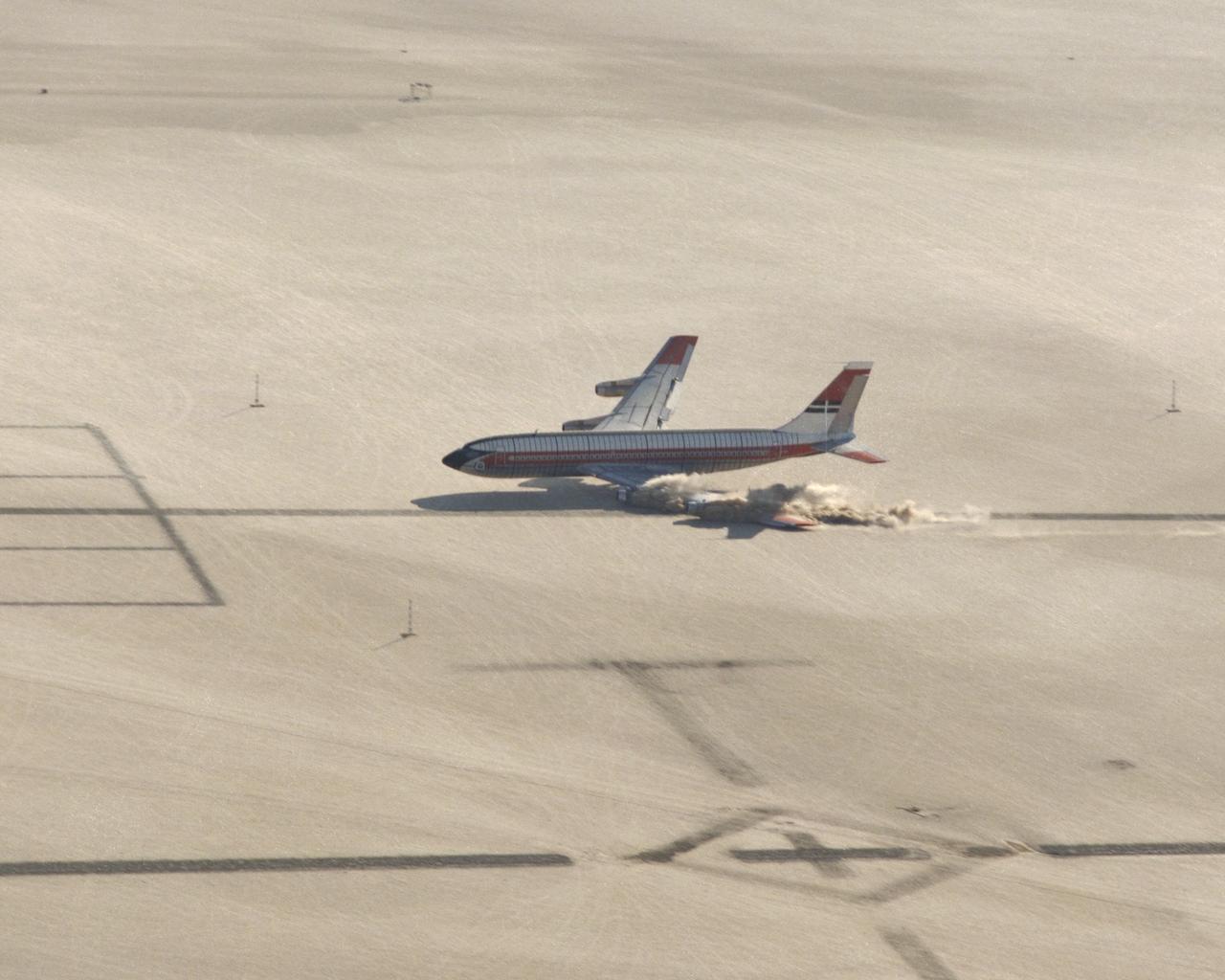
CID (Controlled Imact Demonstrator) Aircraft lakebed skid.
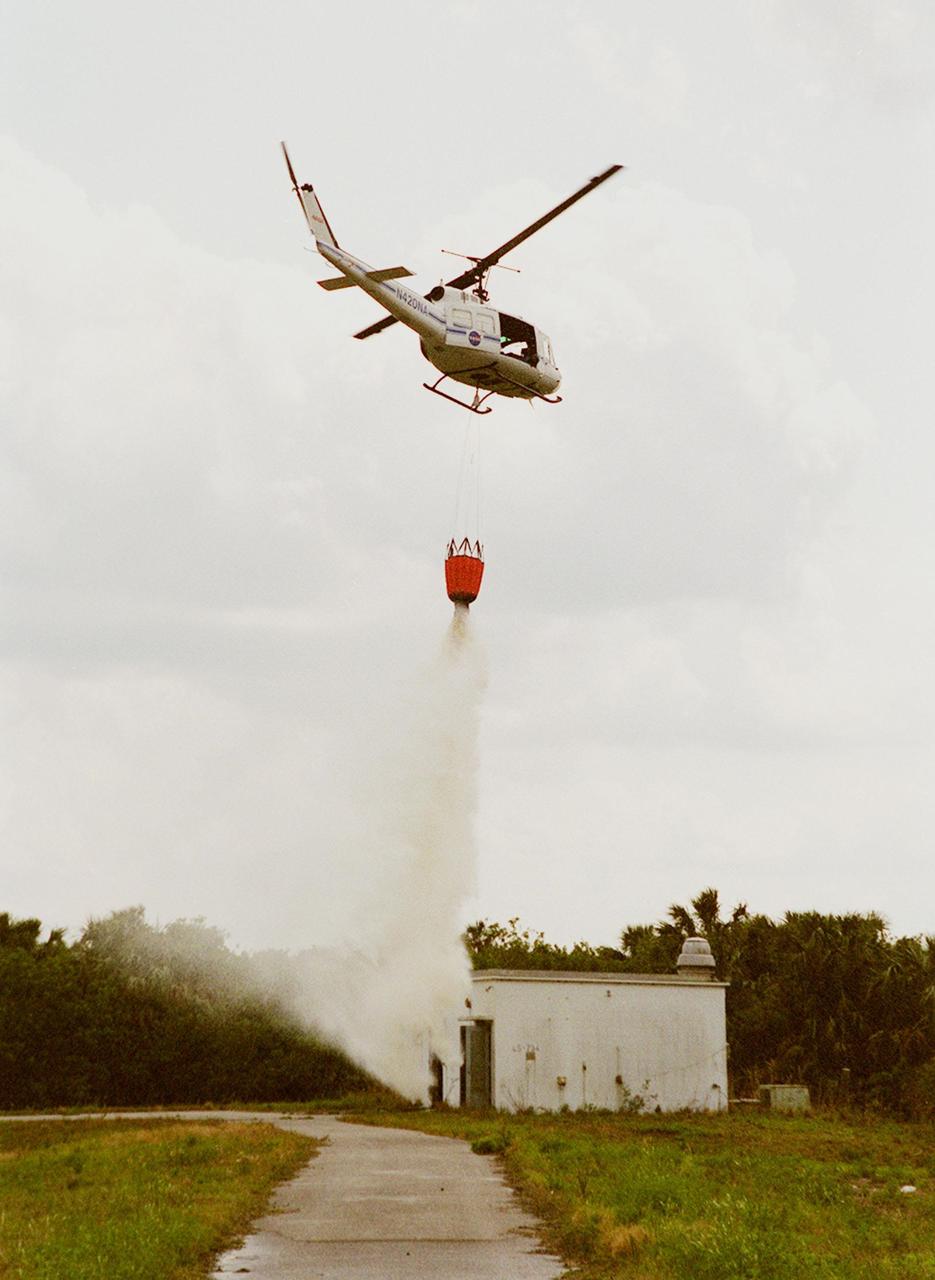
KENNEDY SPACE CENTER, FLA. -- A NASA helicopter releases 324 gallons of water onto a building in a simulated fire control demonstration. The high-impact-resistant flexible plastic bucket will be used for fire protection on property and buildings at Kennedy Space Center. Known as the "Bambi" bucket, it will also support the Fish and Wildlife Service for controlled burns plus any wild fires in the area.
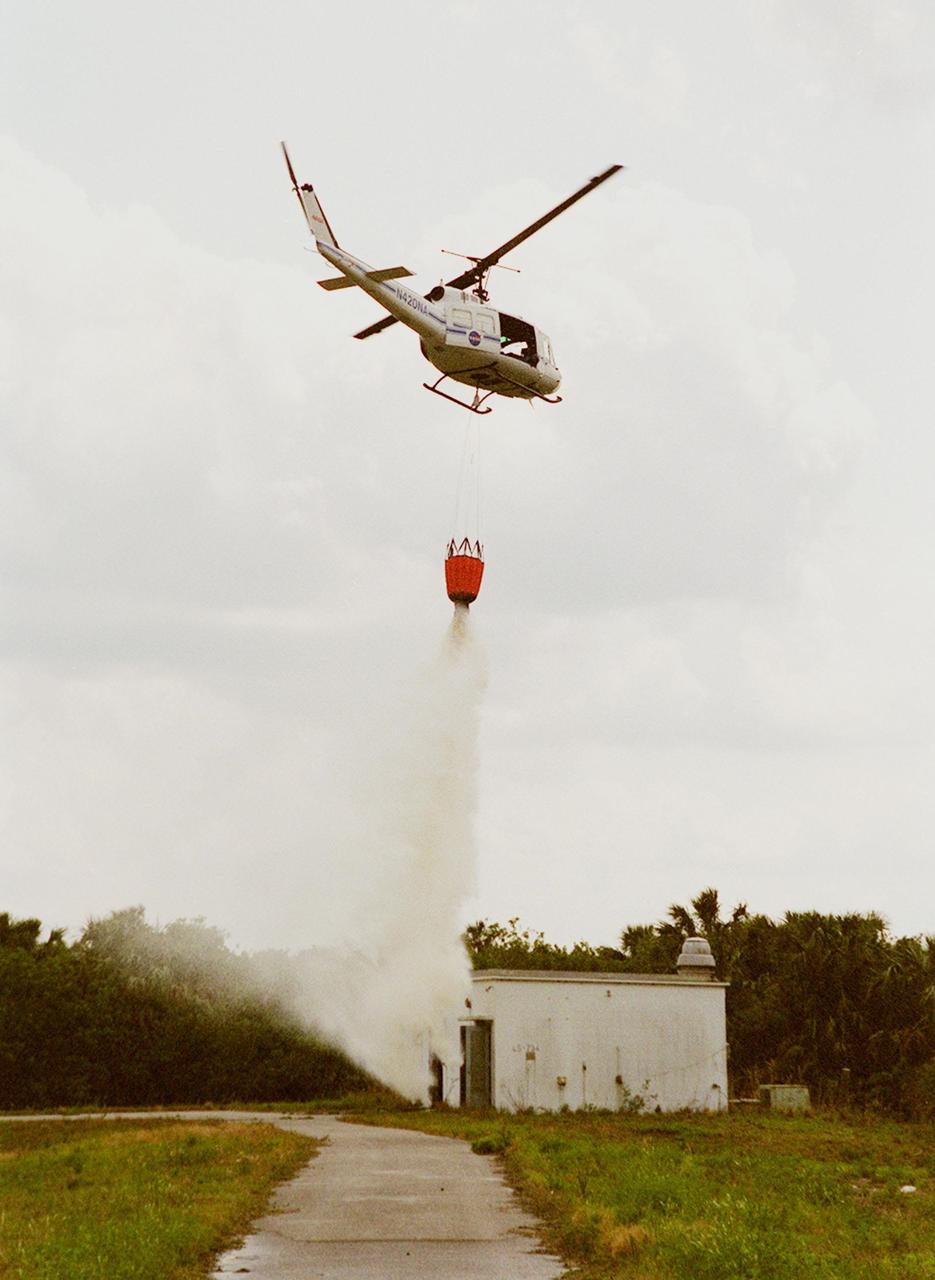
KENNEDY SPACE CENTER, FLA. -- A NASA helicopter releases 324 gallons of water onto a building in a simulated fire control demonstration. The high-impact-resistant flexible plastic bucket will be used for fire protection on property and buildings at Kennedy Space Center. Known as the "Bambi" bucket, it will also support the Fish and Wildlife Service for controlled burns plus any wild fires in the area.
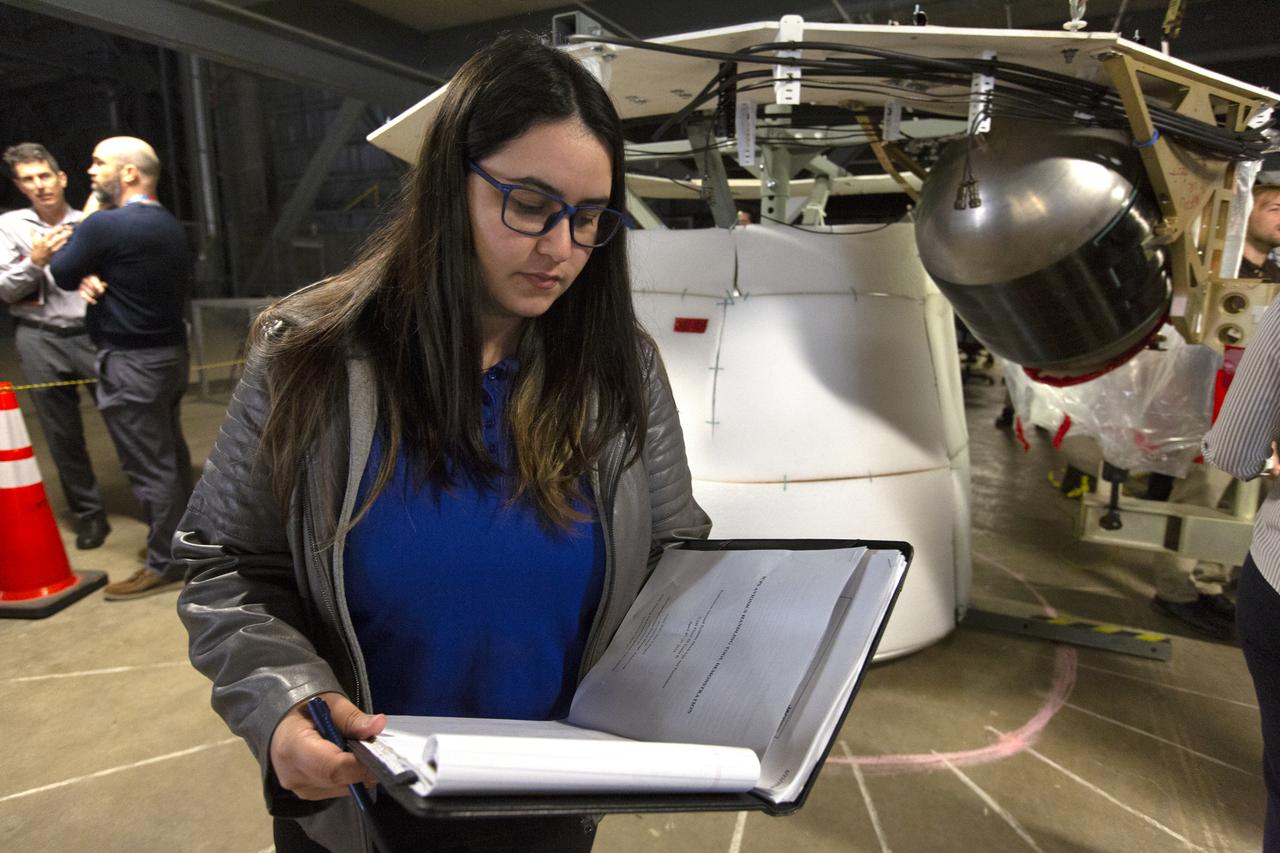
NASA Flight Systems Engineer Sherild Rivera Melendez takes notes during the Space Launch System avionics handling tool demonstration inside Kennedy Space Center’s Vehicle Assembly Building on April 4, 2019. The demonstration showed that avionics boxes could be successfully and safely mounted into the SLS rocket’s upper stage — called the Interim Cryogenic Propulsion Stage, or ICPS — with low risk of damaging a closely located hydrazine tank. Avionics boxes include the Inertial Navigation and Control Assembly and flight batteries. Rivera Melendez coordinated multiple human factors teams, focusing on life cycle reviews and impact risks during installation of the avionics.
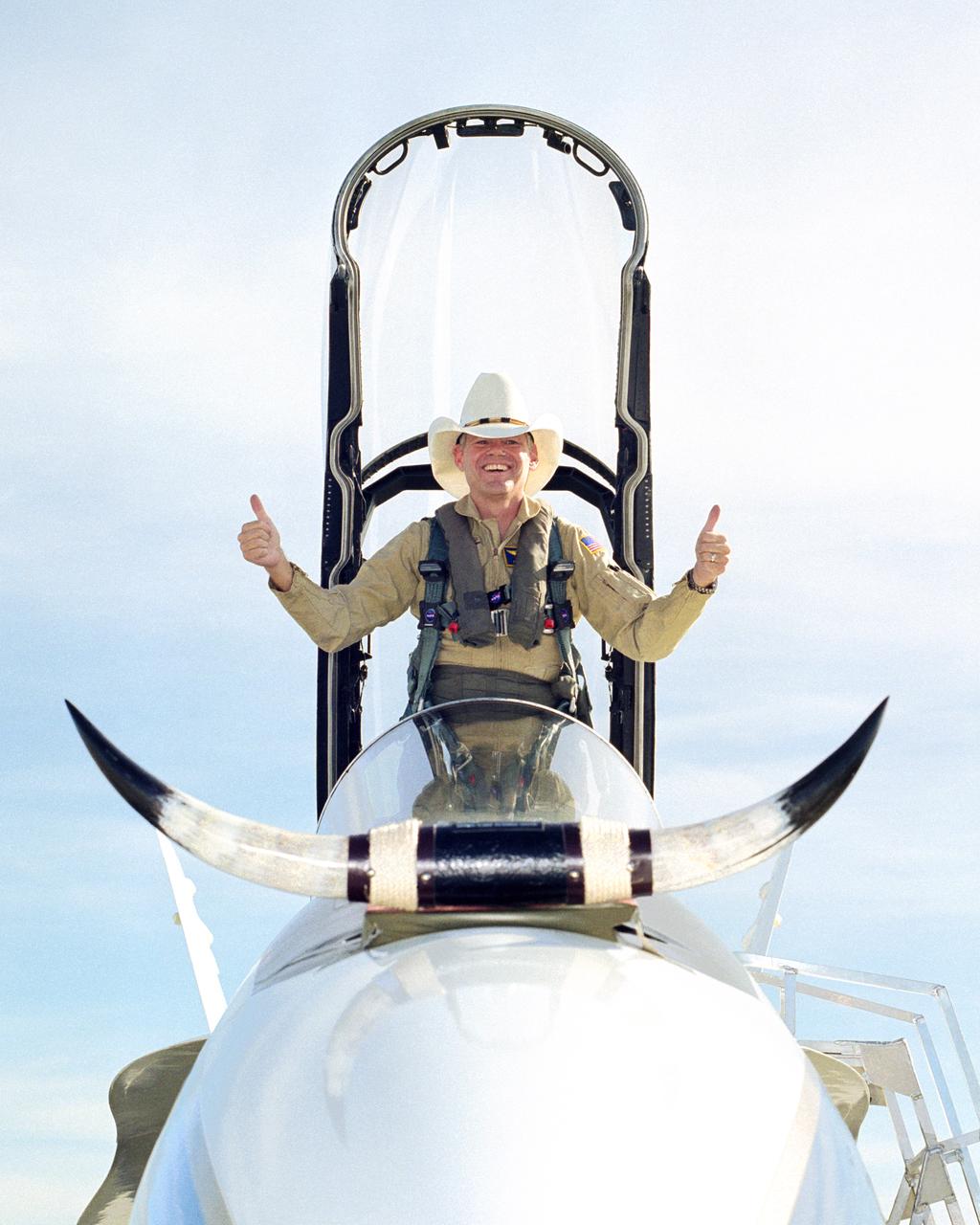
In a lighter mood, Ed Schneider gives a "thumbs-up" after his last flight at the Dryden Flight Research Center on September 19, 2000. Schneider arrived at the NASA Ames-Dryden Flight Research Facility on July 5, 1982, as a Navy Liaison Officer, becoming a NASA research pilot one year later. He has been project pilot for the F-18 High Angle-of-Attack program (HARV), the F-15 aeronautical research aircraft, the NASA B-52 launch aircraft, and the SR-71 "Blackbird" aircraft. He also participated in such programs as the F-8 Digital Fly-By-Wire, the FAA/NASA 720 Controlled Impact Demonstration, the F-14 Automatic Rudder Interconnect and Laminar Flow, and the F-104 Aeronautical Research and Microgravity projects.
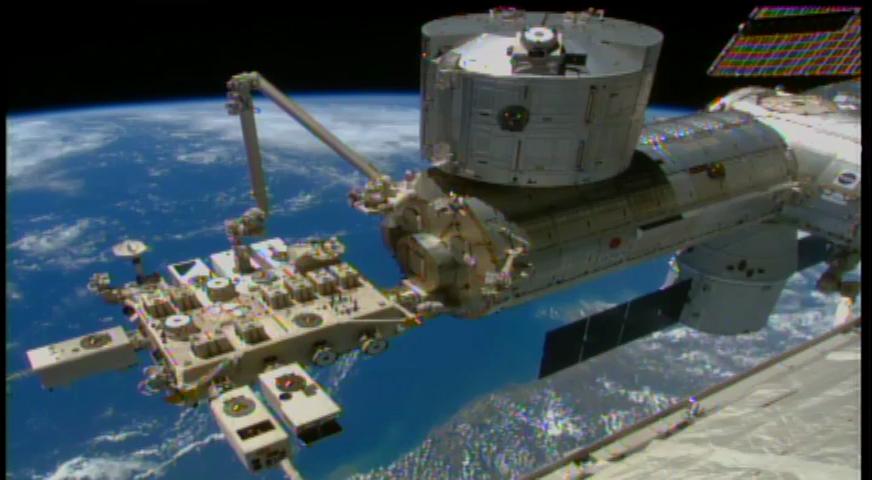
On Jan. 22, 2015, robotic flight controllers successfully installed NASA’s Cloud Aerosol Transport System (CATS) onboard the International Space Station. CATS will collect data about clouds, volcanic ash plumes and tiny airborne particles that can help improve our understanding of aerosol and cloud interactions, and improve the accuracy of climate change models. CATS had been mounted inside the SpaceX Dragon cargo craft’s unpressurized trunk since it docked at the station on Jan. 12. Ground controllers at NASA’s Johnson Space Center in Houston, Texas, used one of the space station’s robotic arms, called the Special Purpose Dexterous Manipulator, to extract the instrument from the capsule. The NASA-controlled arm passed the instrument to a second robotic arm— like passing a baton in a relay race. This second arm, called the Japanese Experiment Module Remote Manipulator System, is controlled by the Japanese Aerospace Exploration Agency. The Japanese-controlled arm installed the instrument to the Space Station’s Japanese Experiment Module, making CATS the first NASA-developed payload to fly on the Japanese module. CATS is a lidar remote-sensing instrument designed to last from six months to three years. It is specifically intended to demonstrate a low-cost, streamlined approach to developing science payloads on the space station. CATS launched aboard the SpaceX Dragon spacecraft on Jan. 10 at Cape Canaveral Air Force Station in Florida. To learn more about the impact of CATS data, visit: <a href="http://www.nasa.gov/cats/" rel="nofollow">www.nasa.gov/cats/</a> <b><a href="http://www.nasa.gov/audience/formedia/features/MP_Photo_Guidelines.html" rel="nofollow">NASA image use policy.</a></b> <b><a href="http://www.nasa.gov/centers/goddard/home/index.html" rel="nofollow">NASA Goddard Space Flight Center</a></b> enables NASA’s mission through four scientific endeavors: Earth Science, Heliophysics, Solar System Exploration, and Astrophysics. Goddard plays a leading role in NASA’s accomplishments by contributing compelling scientific knowledge to advance the Agency’s mission. <b>Follow us on <a href="http://twitter.com/NASAGoddardPix" rel="nofollow">Twitter</a></b> <b>Like us on <a href="http://www.facebook.com/pages/Greenbelt-MD/NASA-Goddard/395013845897?ref=tsd" rel="nofollow">Facebook</a></b> <b>Find us on <a href="http://instagram.com/nasagoddard?vm=grid" rel="nofollow">Instagram</a></b>
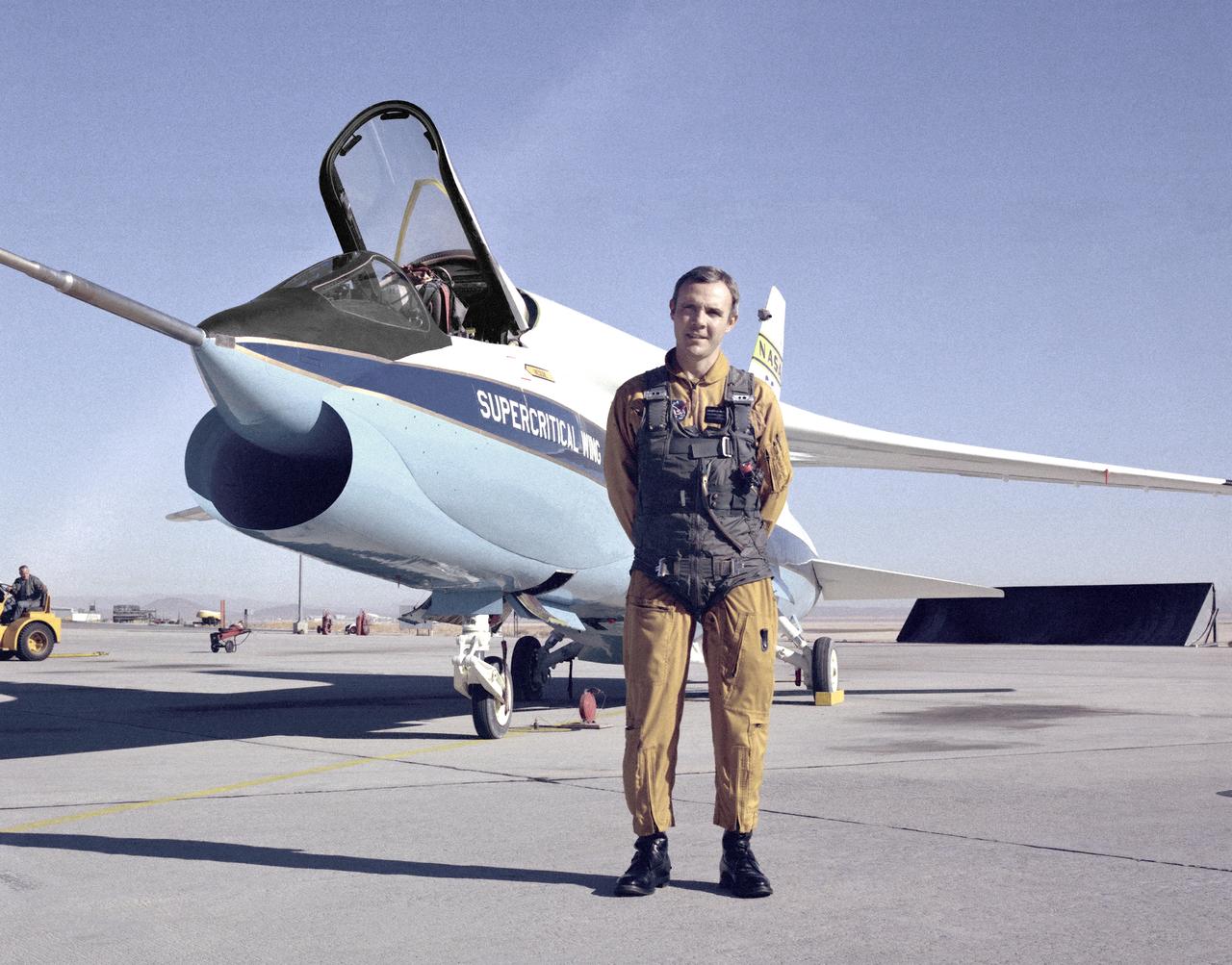
A Vought F-8A Crusader was selected by NASA as the testbed aircraft (designated TF-8A) to install an experimental Supercritical Wing (SCW) in place of the conventional wing. The unique design of the Supercritical Wing reduces the effect of shock waves on the upper surface near Mach 1, which in turn reduces drag. In this photograph the TF-8A Crusader with Supercritical Wing is shown on the ramp with project pilot Tom McMurtry standing beside it. McMurtry received NASA's Exceptional Service Medal for his work on the F-8 SCW aircraft. He also flew the AD-1, F-15 Digital Electronic Engine Control, the KC-130 winglets, the F-8 Digital Fly-By-Wire and other flight research aircraft including the remotely piloted 720 Controlled Impact Demonstration and sub-scale F-15 research projects. In addition, McMurtry was the 747 co-pilot for the Shuttle Approach and Landing Tests and made the last glide flight in the X-24B. McMurtry was Dryden’s Director for Flight Operations from 1986 to 1998, when he became Associate Director for Operations at NASA Dryden. In 1982, McMurtry received the Iven C. Kincheloe Award from the Society of Experimental Test Pilots for his contributions as project pilot on the AD-1 Oblique Wing program. In 1998 he was named as one of the honorees at the Lancaster, Calif., ninth Aerospace Walk of Honor ceremonies. In 1999 he was awarded the NASA Distinguished Service Medal. He retired in 1999 after a distinguished career as pilot and manager at Dryden that began in 1967.