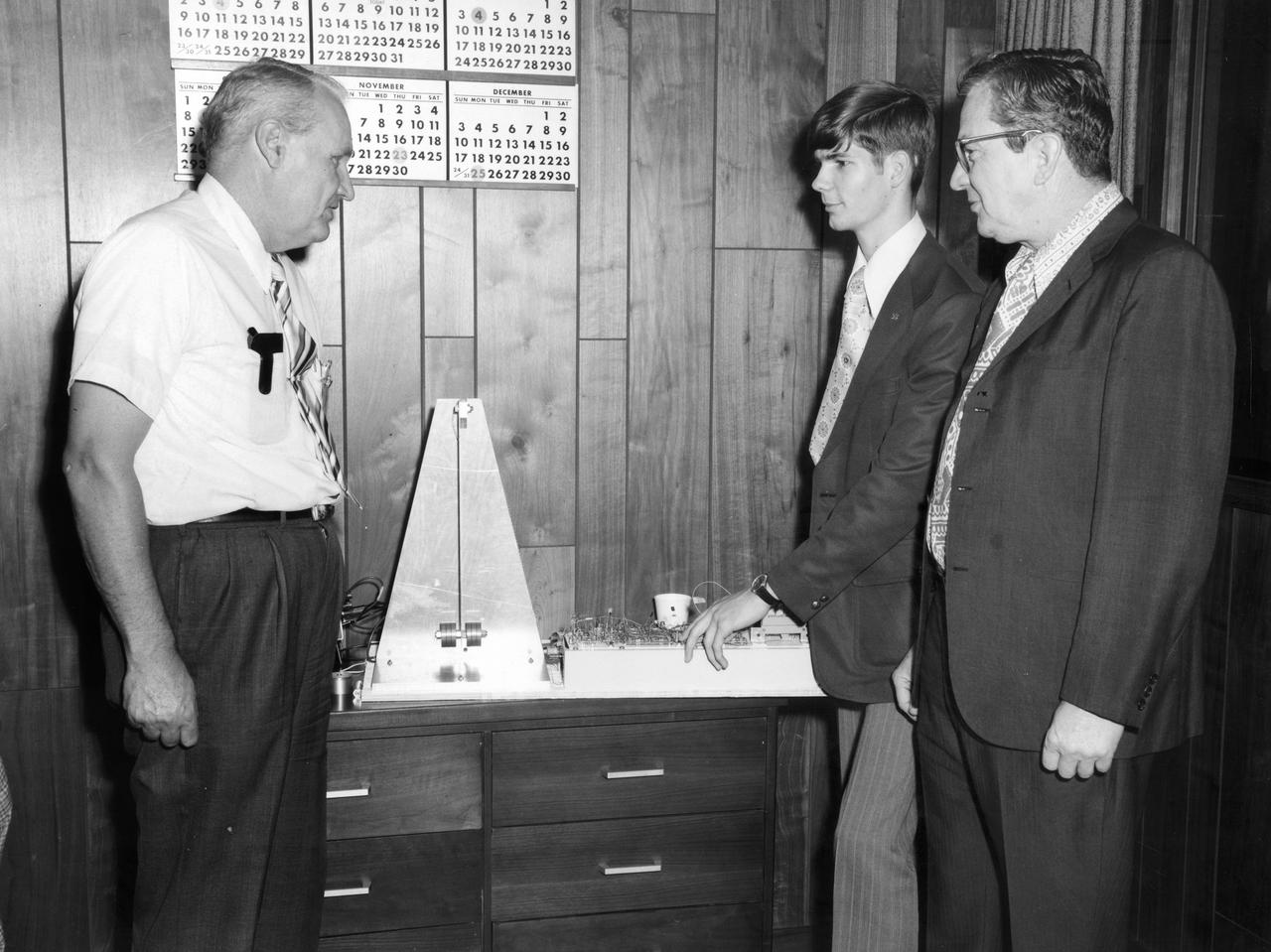
Rockford, Illinois high school student, Vincent Converse, discussed his proposed Skylab experiment with Dr. Robert Head (right) and Gene Greshman of Marshall Space Flight Center (MSFC). His experiment, “Zero Gravity Mass Measurement” used a simple leaf spring with the mass to be weighed attached to the end. The electronic package oscillated the spring at a specific rate and the results were recorded electronically. Converse was among 25 winners of a contest in which some 3,500 high school students proposed experiments for the following year’s Skylab mission. Of the 25 students, 6 did not see their experiments conducted on Skylab because the experiments were not compatible with Skylab hardware and timelines. Of the 19 remaining, 11 experiments required the manufacture of equipment, such as that of Converse’s experiment.
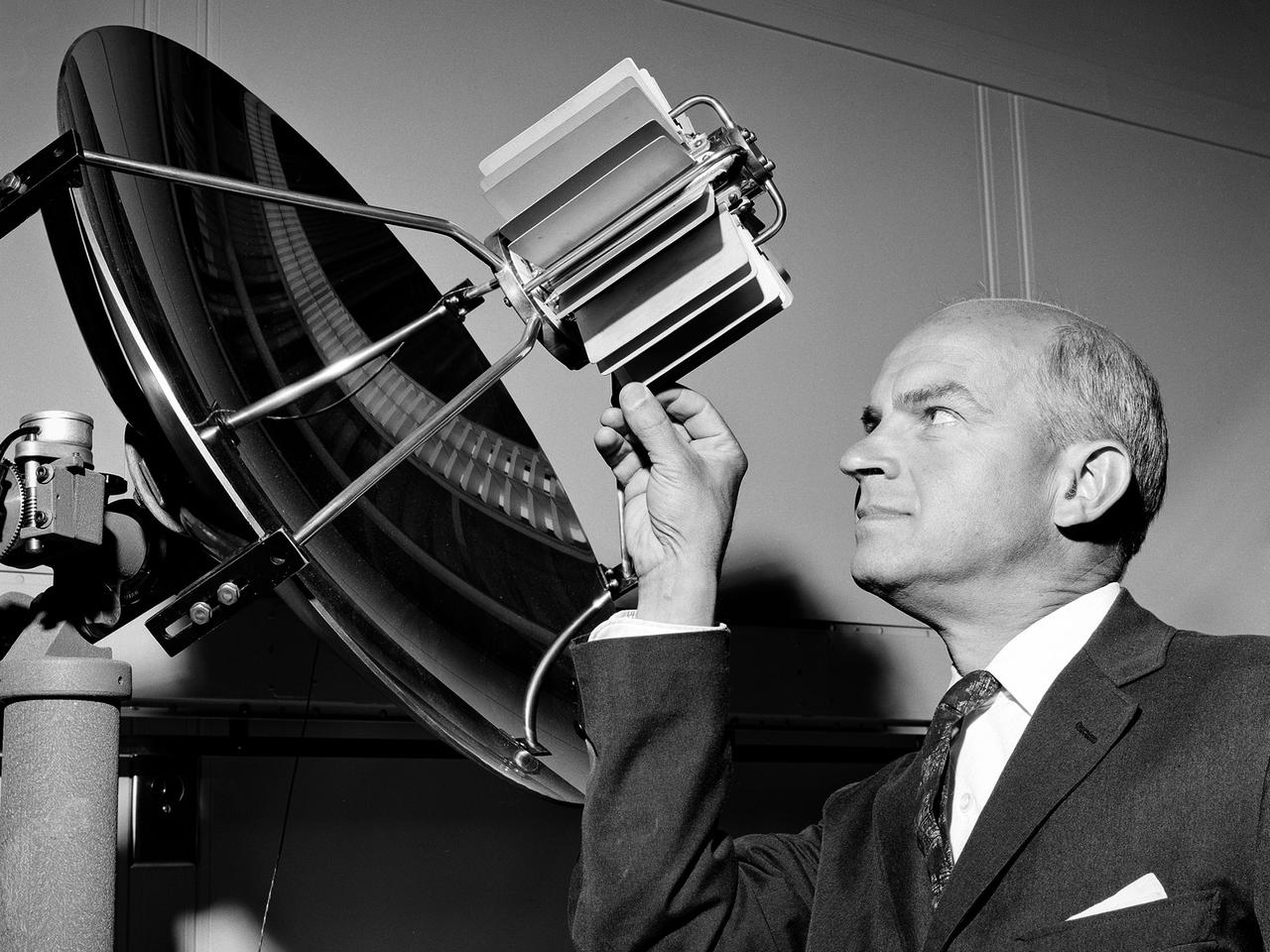
Walter Olson, Chief of the Chemistry and Energy Conversion Division, examines equipment in the new Energy Conversion Laboratory at the National Aeronautics and Space Administration (NASA) Lewis Research Center. The Energy Conversion Laboratory, built in 1961 and 1962, was a modest one-story brick structure with 30,000 square feet of working space. It was used to study fundamental elements pertaining to the conversion of energy into electrical power. The main application for this was space power, but in the 1970s it would also be applied for terrestrial applications. Olson joined the Lewis staff as a fuels and combustion researcher in 1942 and was among a handful or researchers who authored the new laboratory’s first technical report. The laboratory reorganized after the war and Olson was placed in charge of three sections of researchers in the Combustion Branch. They studied combustion and fuels for turbojets, ramjets, and small rockets. In 1950, Olson was named Chief of the entire Fuels and Combustion Research Division. In 1960 Olson was named Chief of the new Chemistry and Energy Conversion Division. It was in this role that Olson advocated for the construction of the Energy Conversion Laboratory. The new division expanded its focus from just fuels and combustion to new sources of energy and power such as solar cells, fuels cells, heat transfer, and thermionics.
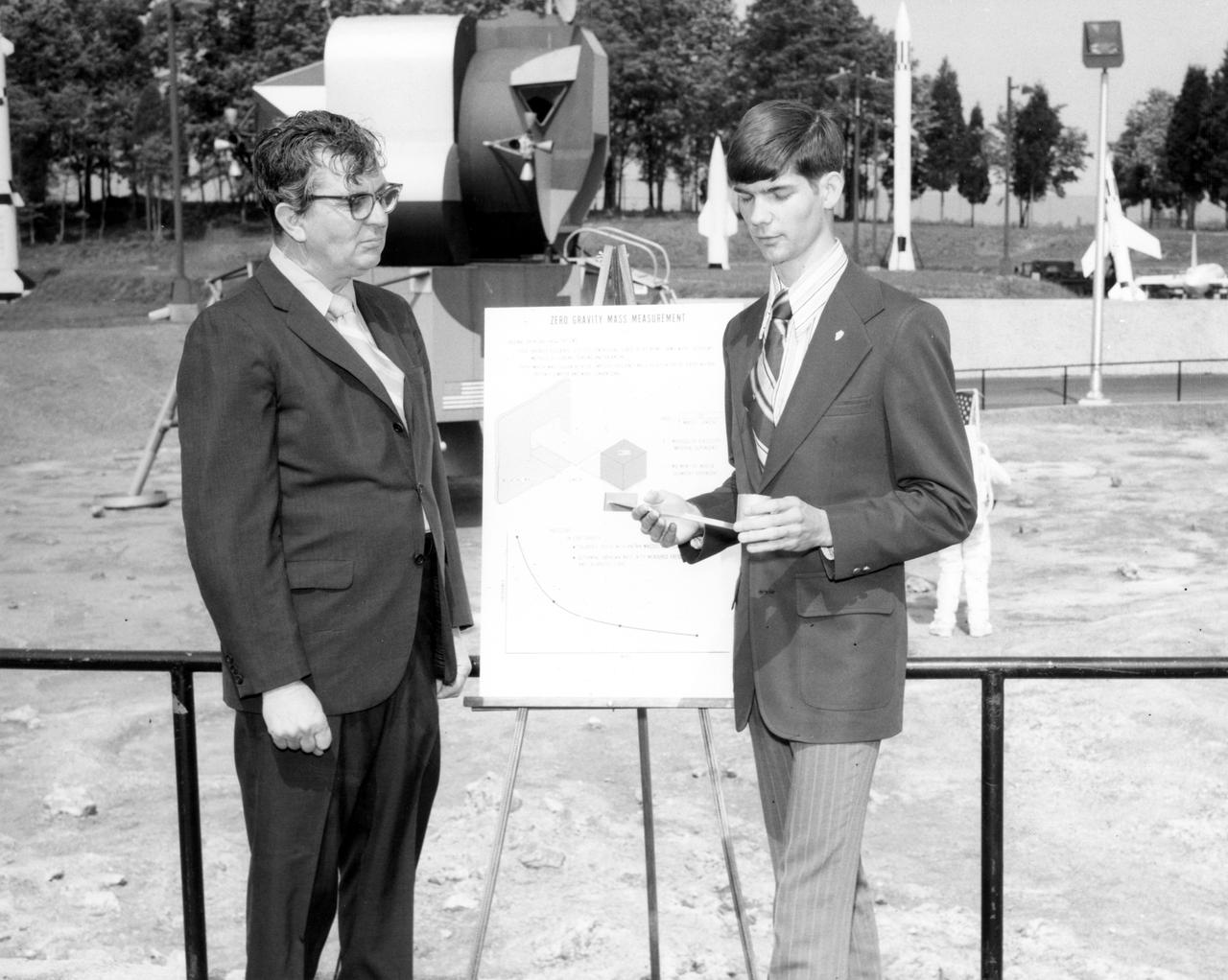
Vincent W. Converse, high school student from Rockford, Illinois, discussed a mass measurement device he proposed for the Skylab mission with Dr. Robert Head of the Marshall Space Flight Center (MSFC) during his visit to the center. The lunar surface scene in the background is one of many space exhibits at the Alabama Space and Rocket Center in nearby Huntsville, Alabama. Converse was among 25 winners of a contest in which some 3,500 high school students proposed experiments for the following year’s Skylab mission. The nationwide scientific competition was sponsored by the National Science Teachers Association and the National Aeronautics and Space Administration (NASA). The winning students, along with their parents and sponsor teachers, visited MSFC where they met with scientists and engineers, participated in design reviews for their experiments, and toured MSFC facilities. Of the 25 students, 6 did not see their experiments conducted on Skylab because the experiments were not compatible with Skylab hardware and timelines. Of the 19 remaining, 11 experiments required the manufacture of additional equipment.
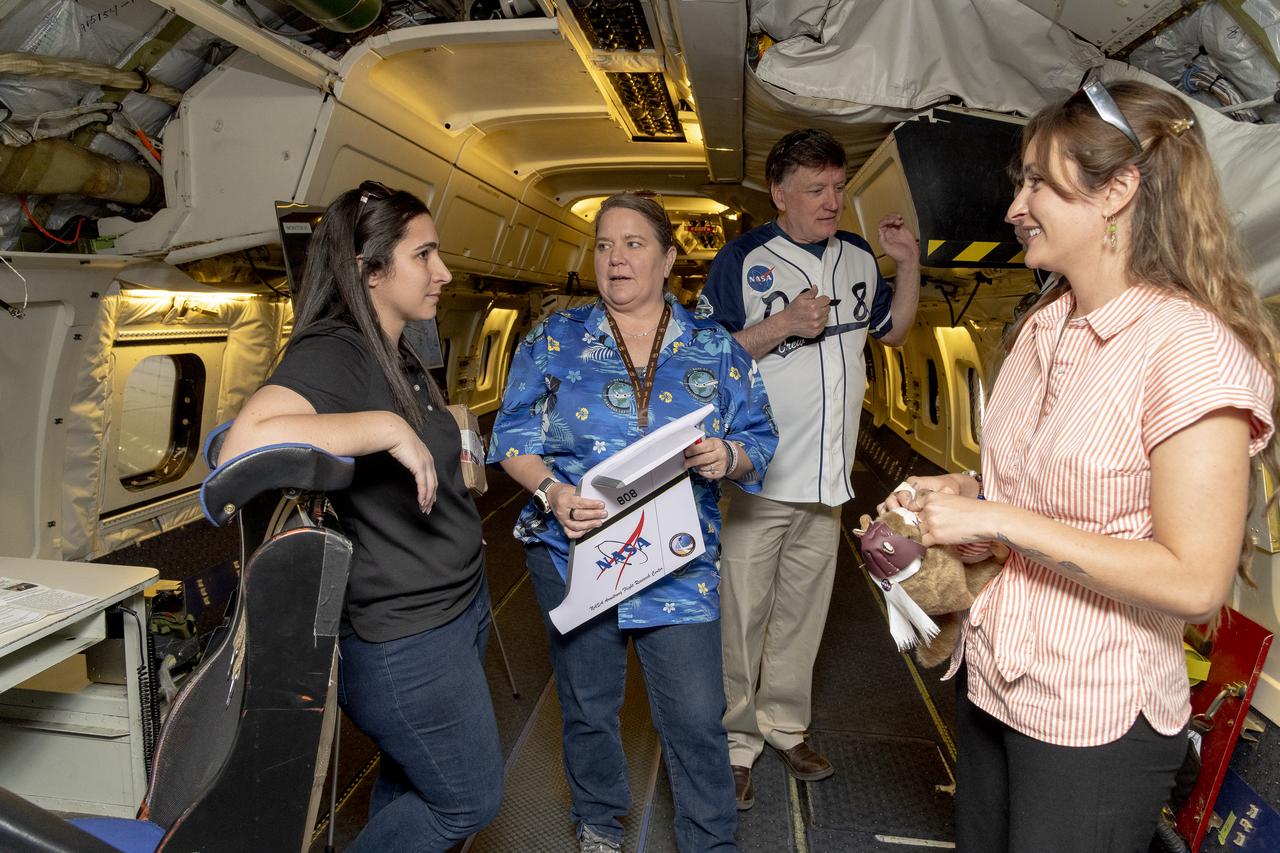
Members of the DC-8 program team tour an empty aircraft and recall past missions. Usually the DC-8 has between 15 and 30 instrument racks installed for a given science mission. The aircraft was spacious by comparison on May 2, 2024, when NASA personnel, friends, and family gathered at NASA’s Armstrong Flight Research Center Building 703 in Palmdale, California to celebrate the DC-8 staff, aircraft, and science campaigns. Conversing here are DC-8 aircraft deputy manager Kirsten Boogaard, left, with NASA Armstrong pilot Carrie Worth, Mike Zimmerman, and NASA Armstrong public affairs specialist for airborne science, Erica Heim.
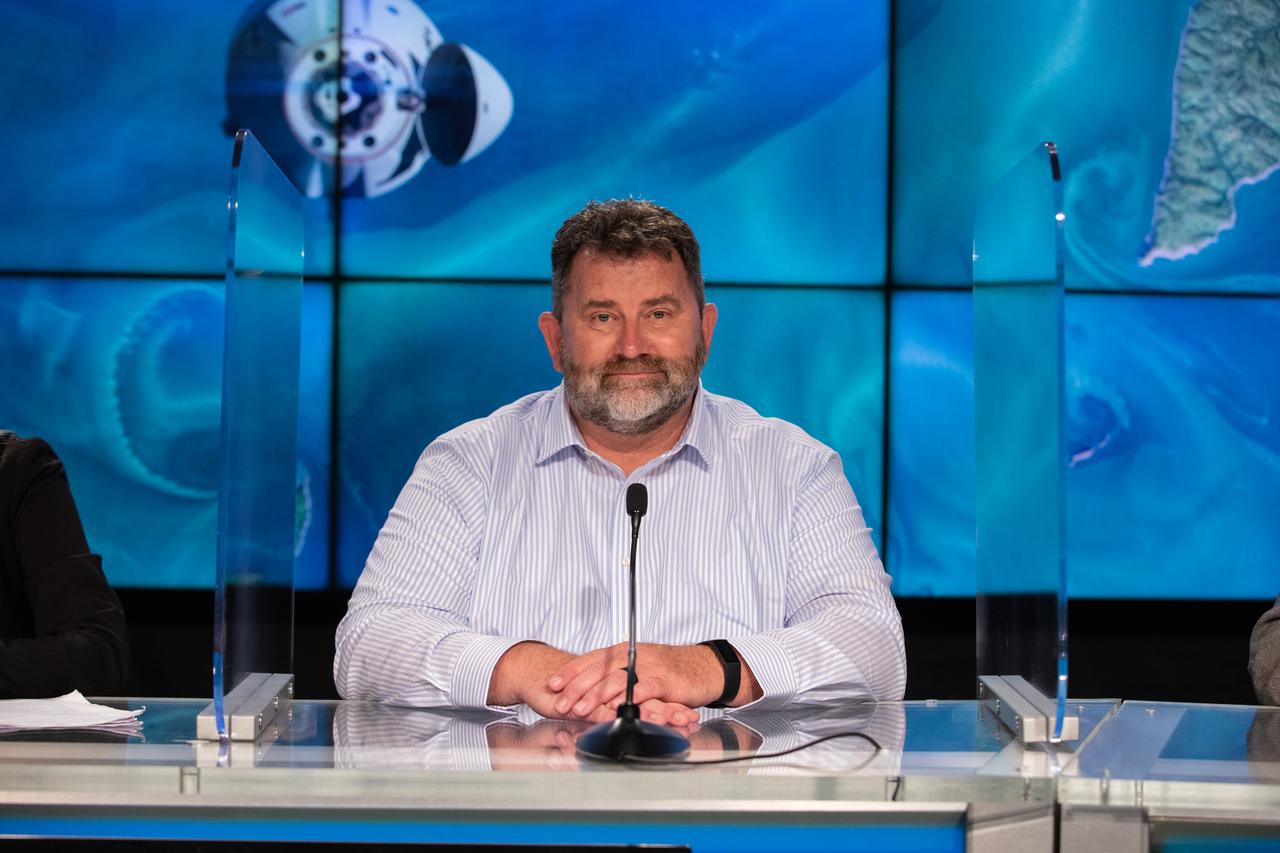
Mike Roberts, chief scientist, ISS National Lab, participates in a climate conversation at NASA’s Kennedy Space Center in Florida on July 13, 2022, leading up to SpaceX’s 25th Commercial Resupply Services mission for NASA to the International Space Station. The Dragon capsule atop SpaceX’s Falcon 9 rocket is scheduled to lift off from Kennedy’s Launch Complex 39A on July 14 at 8:44 p.m. EDT. Dragon will deliver more than 5,800 pounds of cargo, including a variety of NASA investigations, to the space station.
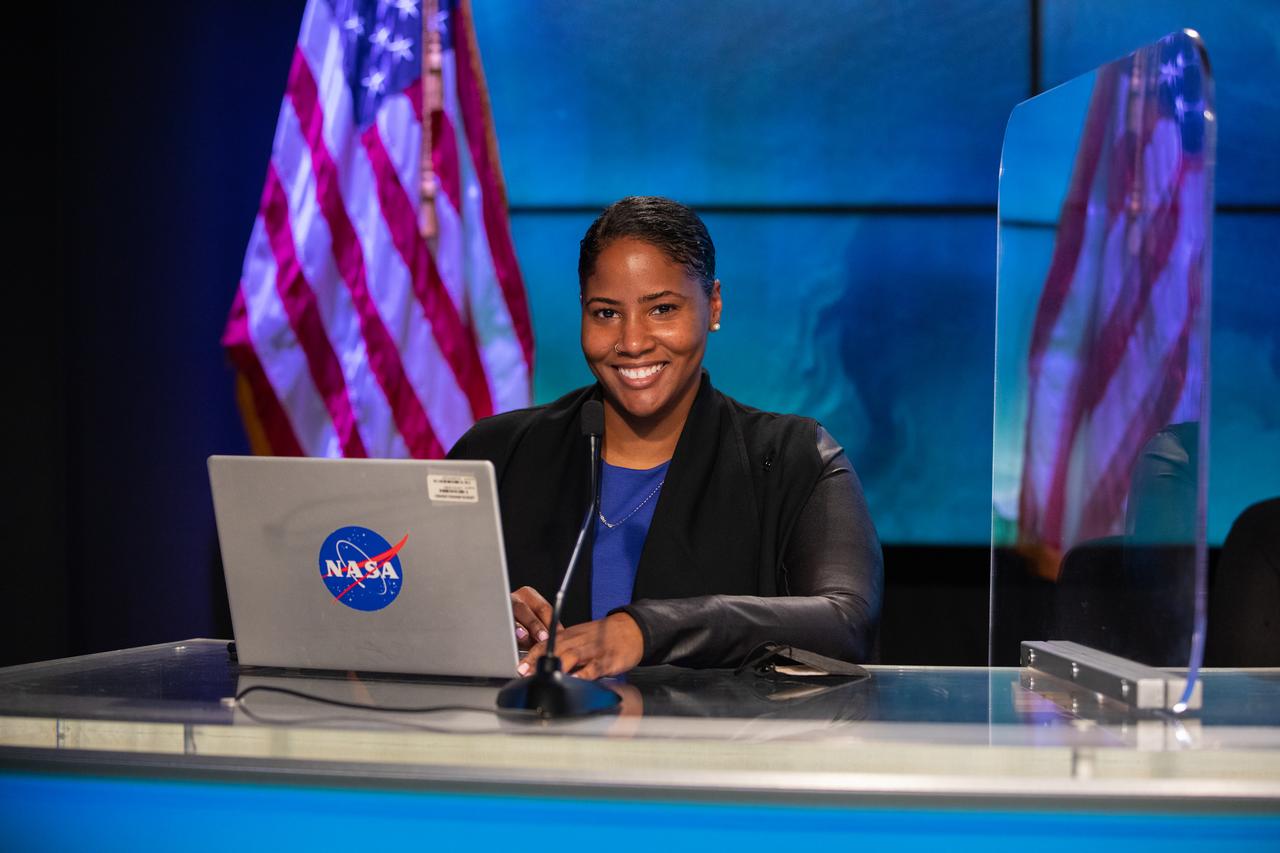
Tylar Greene, NASA Communications, moderates a climate conversation at NASA’s Kennedy Space Center in Florida on July 13, 2022, leading up to SpaceX’s 25th Commercial Resupply Services mission for NASA to the International Space Station. The Dragon capsule atop SpaceX’s Falcon 9 rocket is scheduled to lift off from Kennedy’s Launch Complex 39A on July 14 at 8:44 p.m. EDT. Dragon will deliver more than 5,800 pounds of cargo, including a variety of NASA investigations, to the space station.
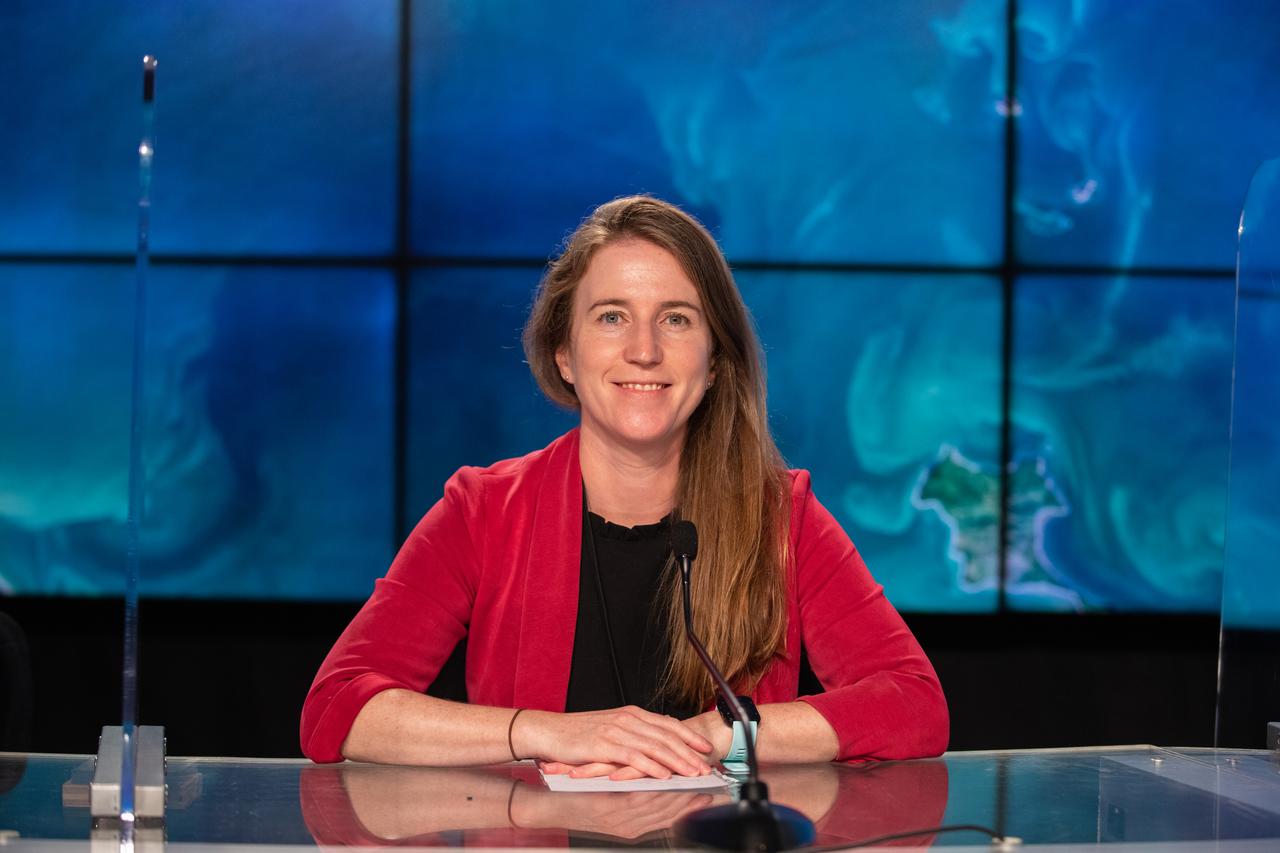
Kate Calvin, NASA’s chief scientist and climate advisor, participates in a climate conversation at NASA’s Kennedy Space Center in Florida on July 13, 2022, leading up to SpaceX’s 25th Commercial Resupply Services mission for NASA to the International Space Station. The Dragon capsule atop SpaceX’s Falcon 9 rocket is scheduled to lift off from Kennedy’s Launch Complex 39A on July 14 at 8:44 p.m. EDT. Dragon will deliver more than 5,800 pounds of cargo, including a variety of NASA investigations, to the space station.
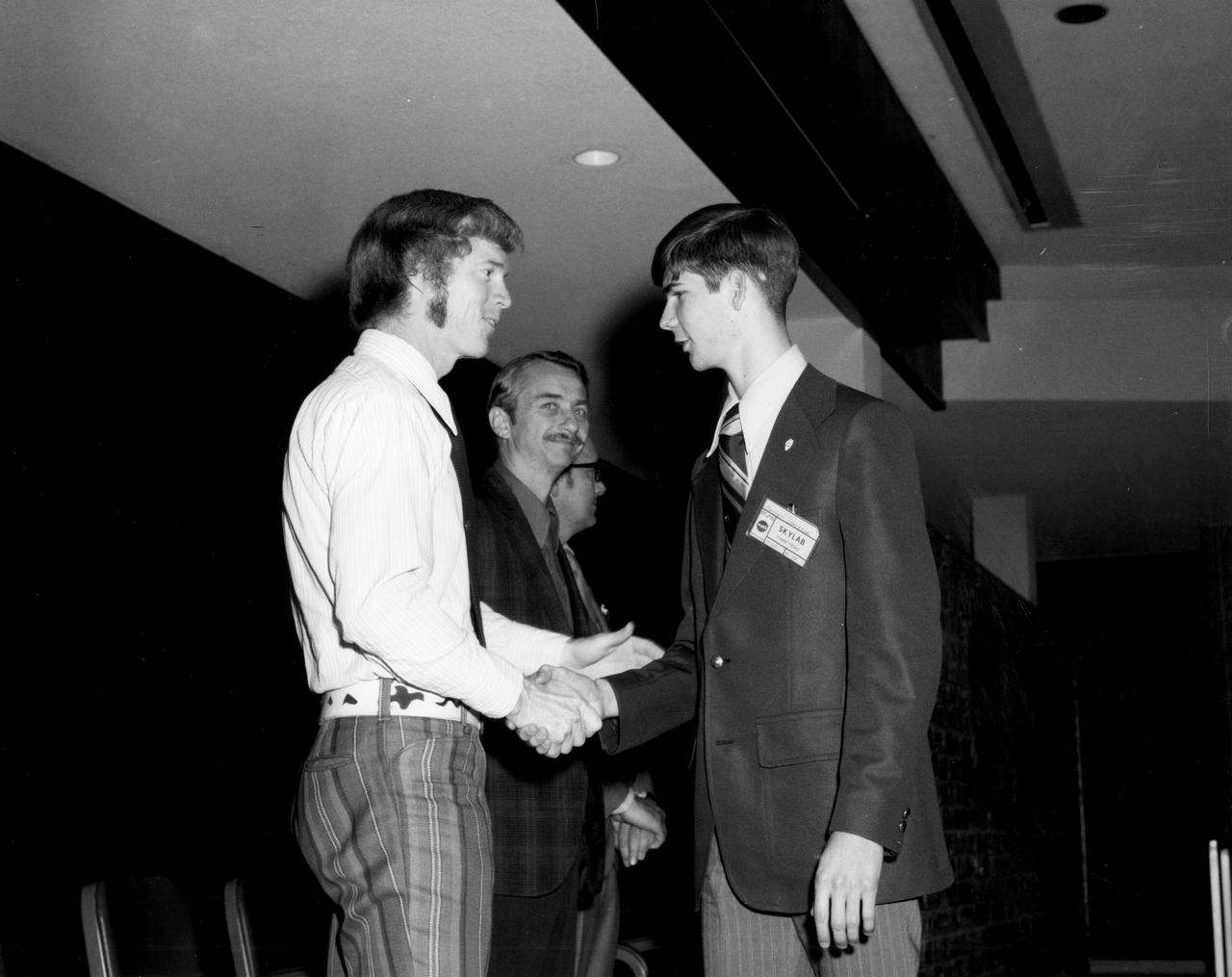
Rockford, Illinois high school student, Vincent Converse (right), is greeted by astronauts Russell L. Schweickart and Owen K. Garriott during a tour of the Marshall Space Flight Center (MSFC). Converse was among 25 winners of a contest in which some 3,500 high school students proposed experiments for the following year’s Skylab mission. His experiment, “Zero Gravity Mass Measurement” used a simple leaf spring with the mass to be weighed attached to the end. An electronic package oscillated the spring at a specific rate and the results were recorded electronically. The nationwide scientific competition was sponsored by the National Science Teachers Association and the National Aeronautics and Space Administration (NASA). The winning students, along with their parents and sponsor teachers, visited MSFC where they met with scientists and engineers, participated in design reviews for their experiments, and toured MSFC facilities. Of the 25 students, 6 did not see their experiments conducted on Skylab because the experiments were not compatible with Skylab hardware and timelines. Of the 19 remaining, 11 experiments required the manufacture of additional equipme
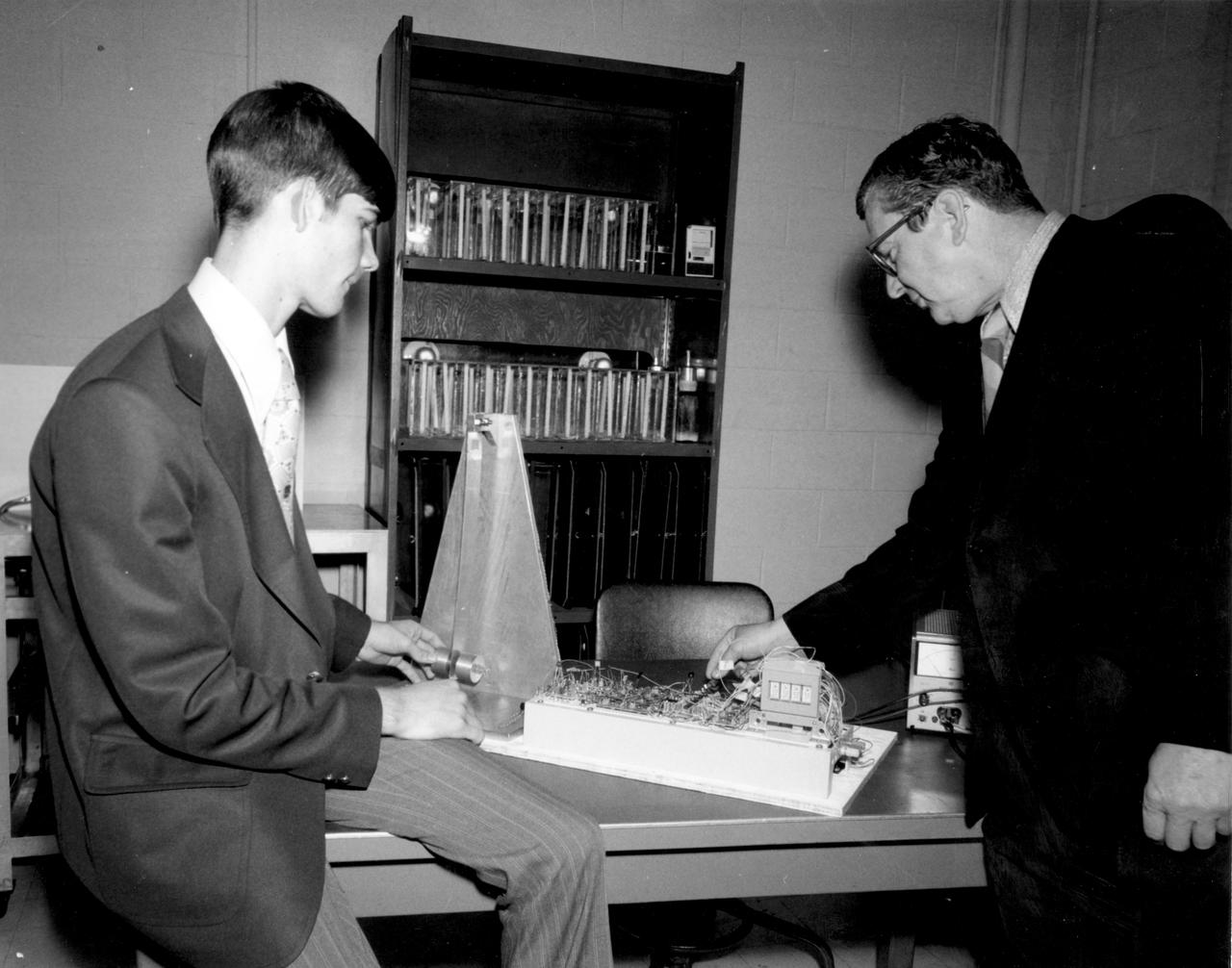
Rockford, Illinois high school student, Vincent Converse (left), and Robert Head of the Marshall Space Flight Center (MSFC), check out the equipment to be used in conducting the student’s experiment aboard the Skylab the following year. His experiment, “Zero Gravity Mass Measurement” used a simple leaf spring with the mass to be weighed attached to the end. An electronic package oscillated the spring at a specific rate and the results were recorded electronically. Converse was among 25 winners of a contest in which some 3,500 high school students proposed experiments for the following year’s Skylab mission. The nationwide scientific competition was sponsored by the National Science Teachers Association and the National Aeronautics and Space Administration (NASA). The winning students, along with their parents and sponsor teachers, visited MSFC two months earlier where they met with scientists and engineers, participated in design reviews for their experiments, and toured MSFC facilities. Of the 25 students, 6 did not see their experiments conducted on Skylab because the experiments were not compatible with Skylab hardware and timelines. Of the 19 remaining, 11 experiments required the manufacture of additional equipment.
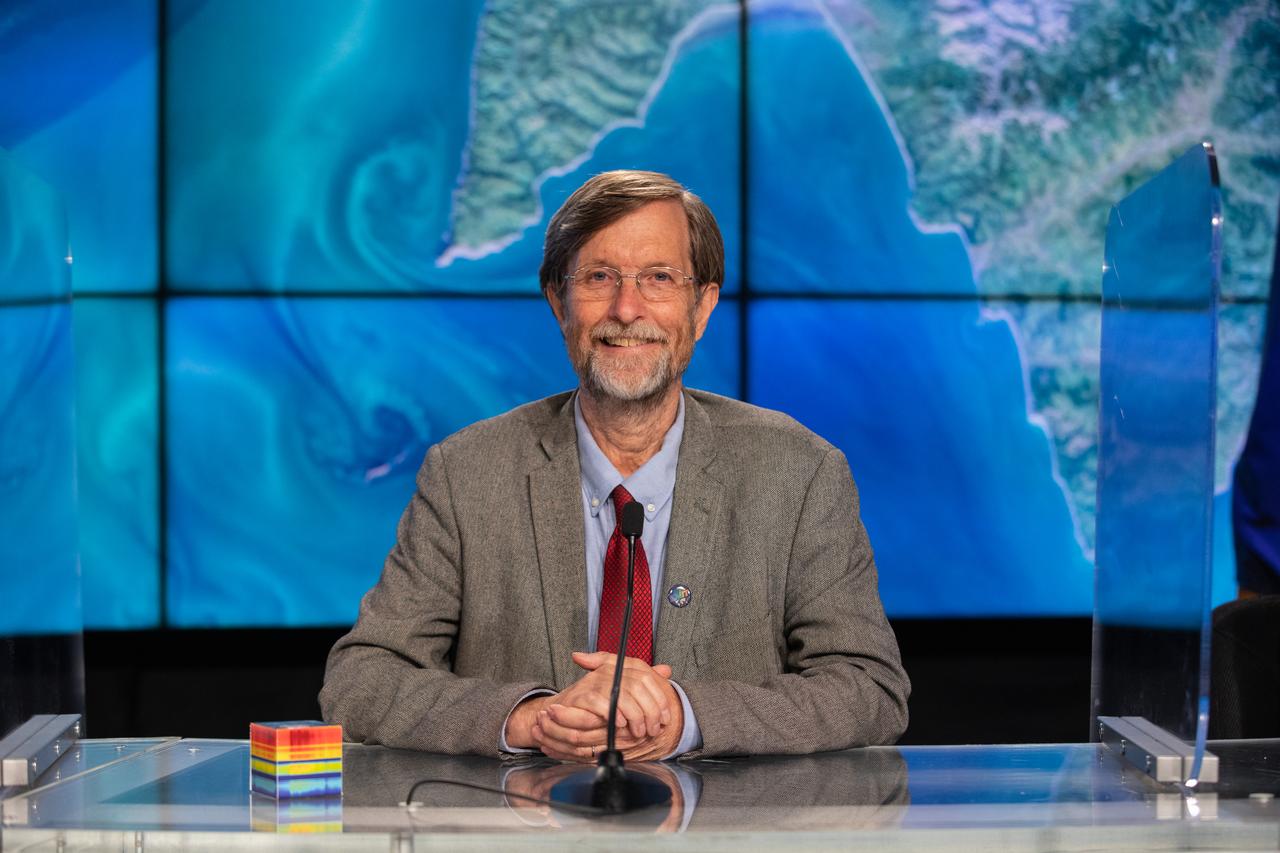
Rob Green, JPL senior research scientist and EMIT (Earth Surface Mineral Dust Source Investigation) principal investigator, participates in a climate conversation at NASA’s Kennedy Space Center in Florida on July 13, 2022, leading up to SpaceX’s 25th Commercial Resupply Services mission for NASA to the International Space Station. The Dragon capsule atop SpaceX’s Falcon 9 rocket is scheduled to lift off from Kennedy’s Launch Complex 39A on July 14 at 8:44 p.m. EDT. Dragon will deliver more than 5,800 pounds of cargo, including a variety of NASA investigations, to the space station.
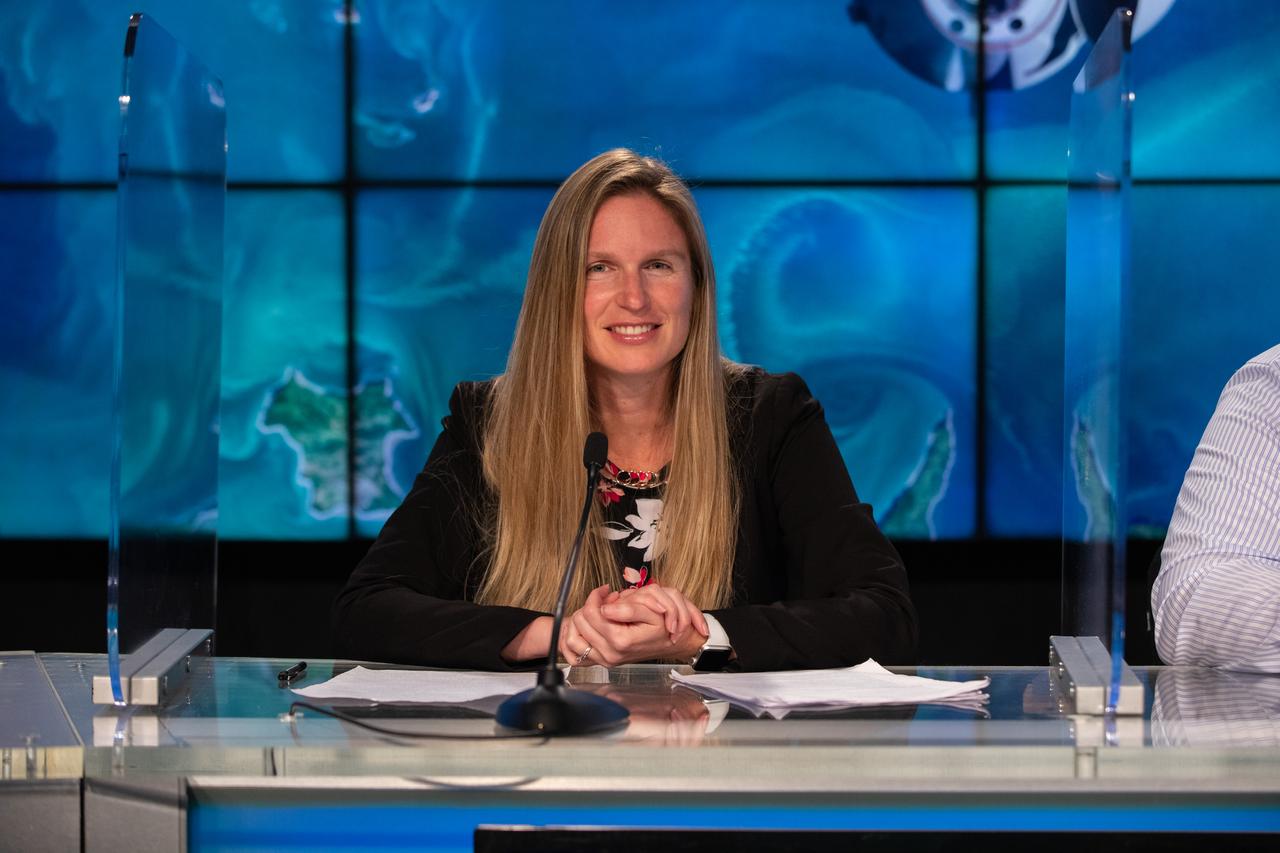
Heidi Parris, associate scientist, International Space Station Program, participates in a climate conversation at NASA’s Kennedy Space Center in Florida on July 13, 2022, leading up to SpaceX’s 25th Commercial Resupply Services mission for NASA to the International Space Station. The Dragon capsule atop SpaceX’s Falcon 9 rocket is scheduled to lift off from Kennedy’s Launch Complex 39A on July 14 at 8:44 p.m. EDT. Dragon will deliver more than 5,800 pounds of cargo, including a variety of NASA investigations, to the space station.
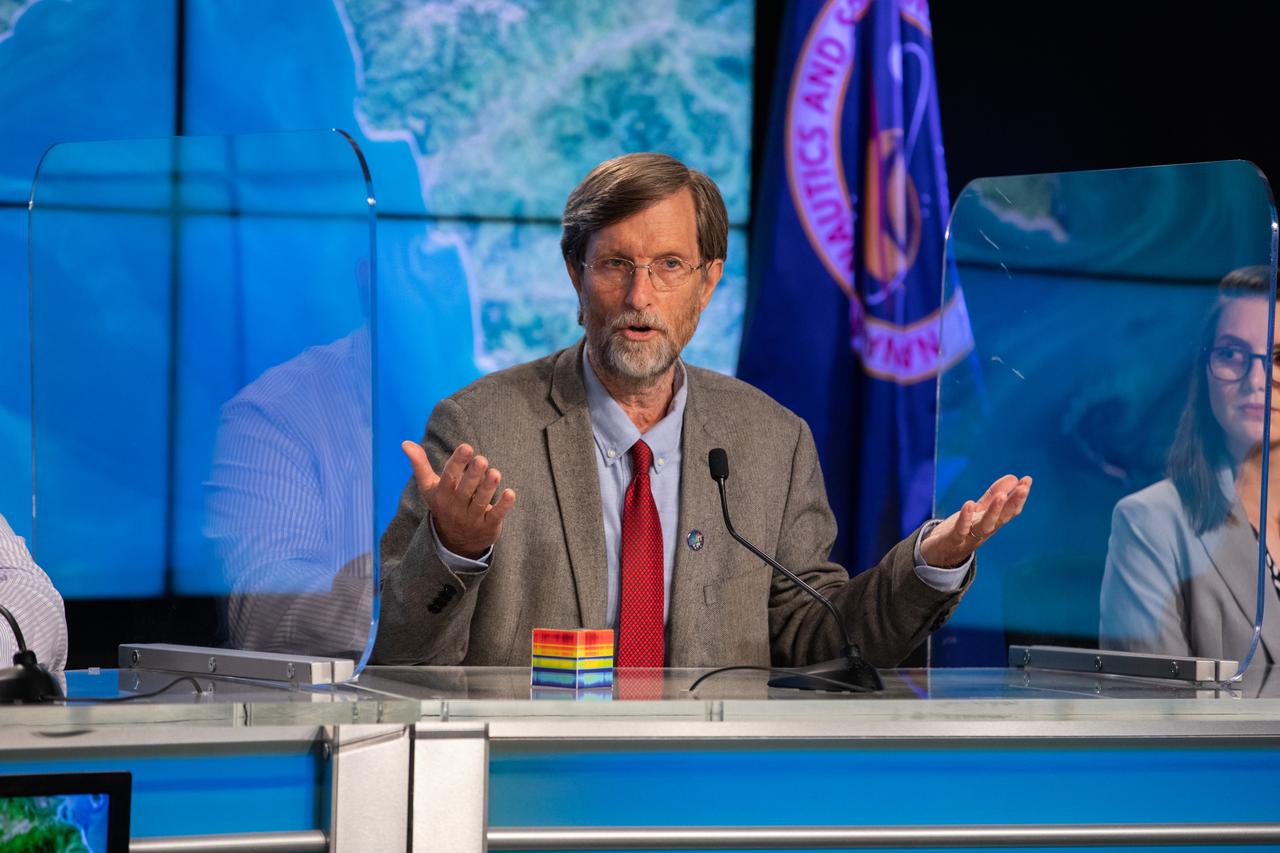
Rob Green, JPL senior research scientist and EMIT (Earth Surface Mineral Dust Source Investigation) principal investigator, participates in a climate conversation at NASA’s Kennedy Space Center in Florida on July 13, 2022, leading up to SpaceX’s 25th Commercial Resupply Services mission for NASA to the International Space Station. The Dragon capsule atop SpaceX’s Falcon 9 rocket is scheduled to lift off from Kennedy’s Launch Complex 39A on July 14 at 8:44 p.m. EDT. Dragon will deliver more than 5,800 pounds of cargo, including a variety of NASA investigations, to the space station.
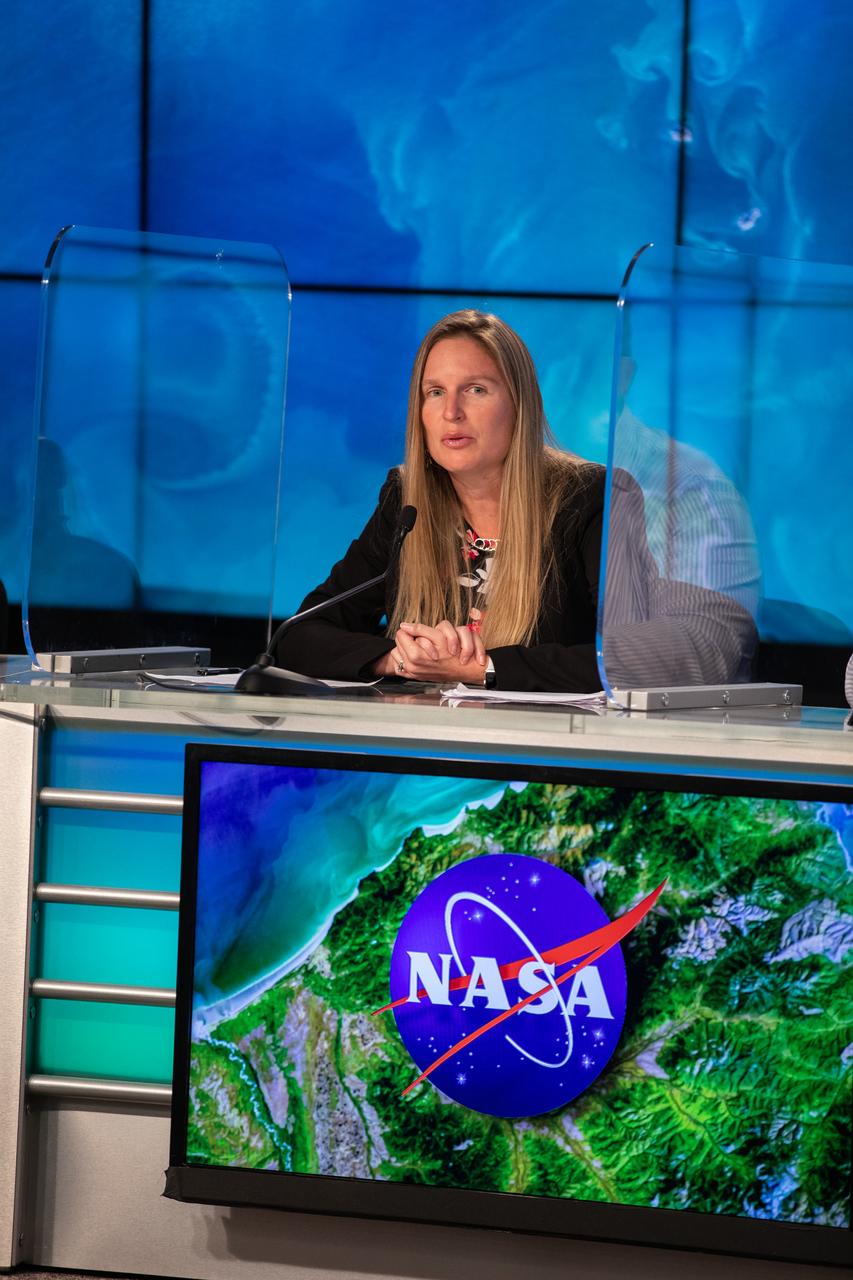
Heidi Parris, associate scientist, International Space Station Program, participates in a climate conversation at NASA’s Kennedy Space Center in Florida on July 13, 2022, leading up to SpaceX’s 25th Commercial Resupply Services mission for NASA to the International Space Station. The Dragon capsule atop SpaceX’s Falcon 9 rocket is scheduled to lift off from Kennedy’s Launch Complex 39A on July 14 at 8:44 p.m. EDT. Dragon will deliver more than 5,800 pounds of cargo, including a variety of NASA investigations, to the space station.
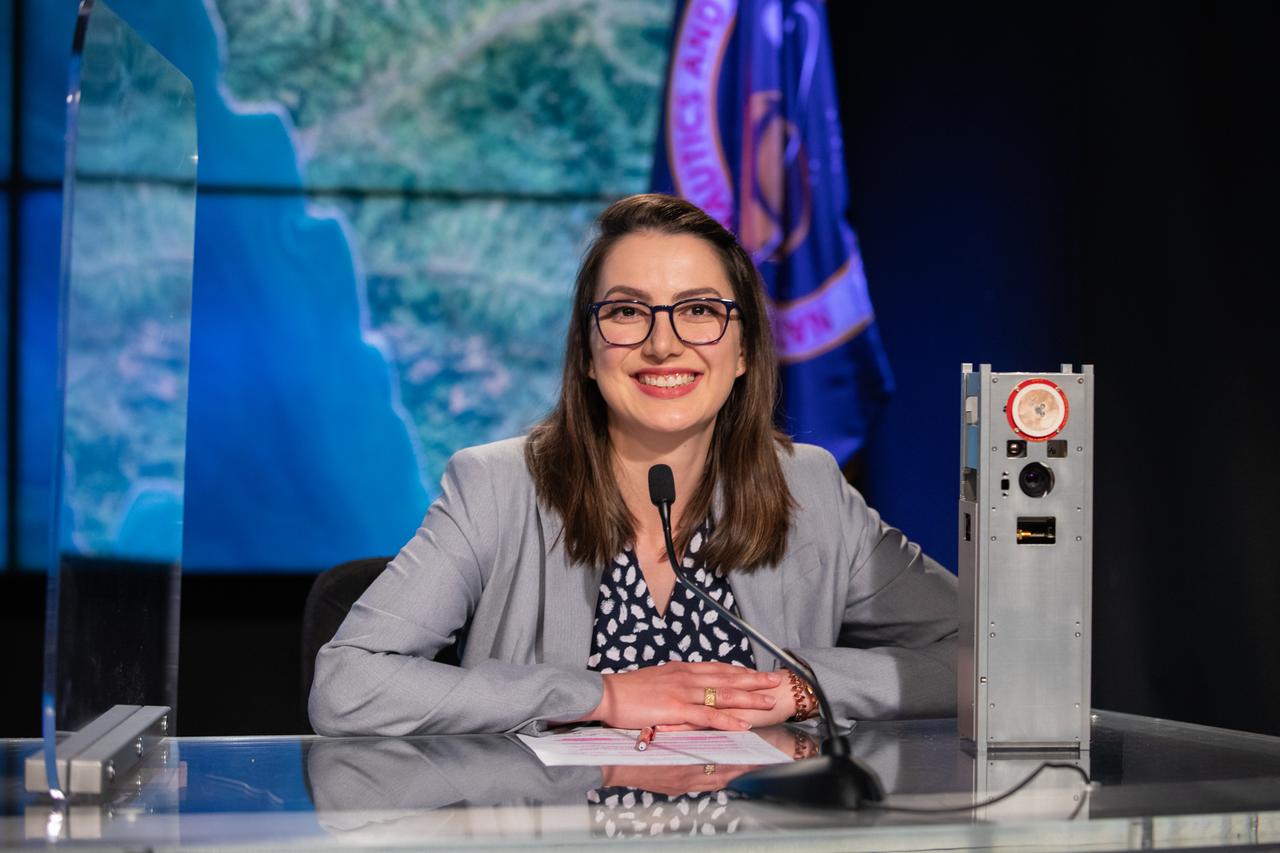
Paula do Vale Pereira, BeaverCube, Massachusetts Institute of Technology, participates in a climate conversation at NASA’s Kennedy Space Center in Florida on July 13, 2022, leading up to SpaceX’s 25th Commercial Resupply Services mission for NASA to the International Space Station. The Dragon capsule atop SpaceX’s Falcon 9 rocket is scheduled to lift off from Kennedy’s Launch Complex 39A on July 14 at 8:44 p.m. EDT. Dragon will deliver more than 5,800 pounds of cargo, including a variety of NASA investigations, to the space station.
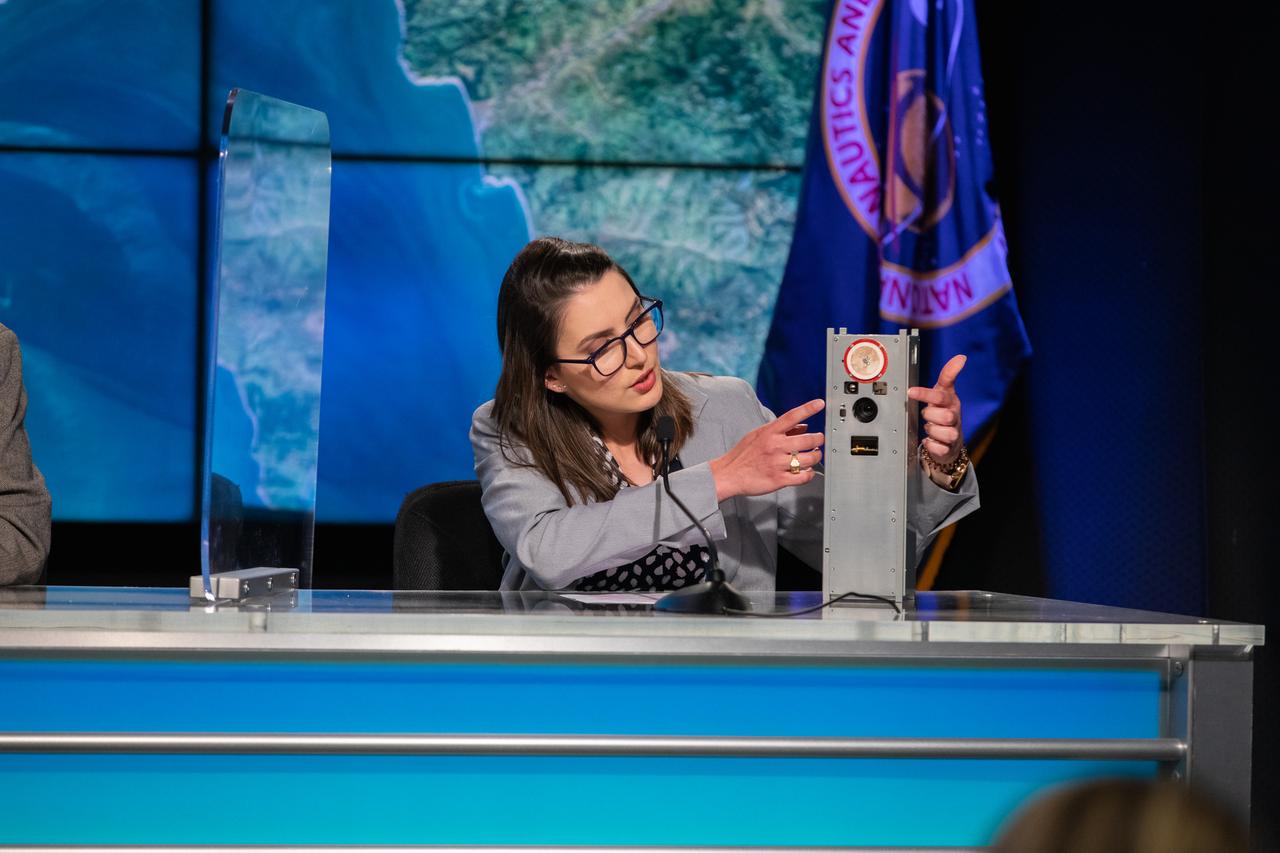
Paula do Vale Pereira, BeaverCube, Massachusetts Institute of Technology, participates in a climate conversation at NASA’s Kennedy Space Center in Florida on July 13, 2022, leading up to SpaceX’s 25th Commercial Resupply Services mission for NASA to the International Space Station. The Dragon capsule atop SpaceX’s Falcon 9 rocket is scheduled to lift off from Kennedy’s Launch Complex 39A on July 14 at 8:44 p.m. EDT. Dragon will deliver more than 5,800 pounds of cargo, including a variety of NASA investigations, to the space station.
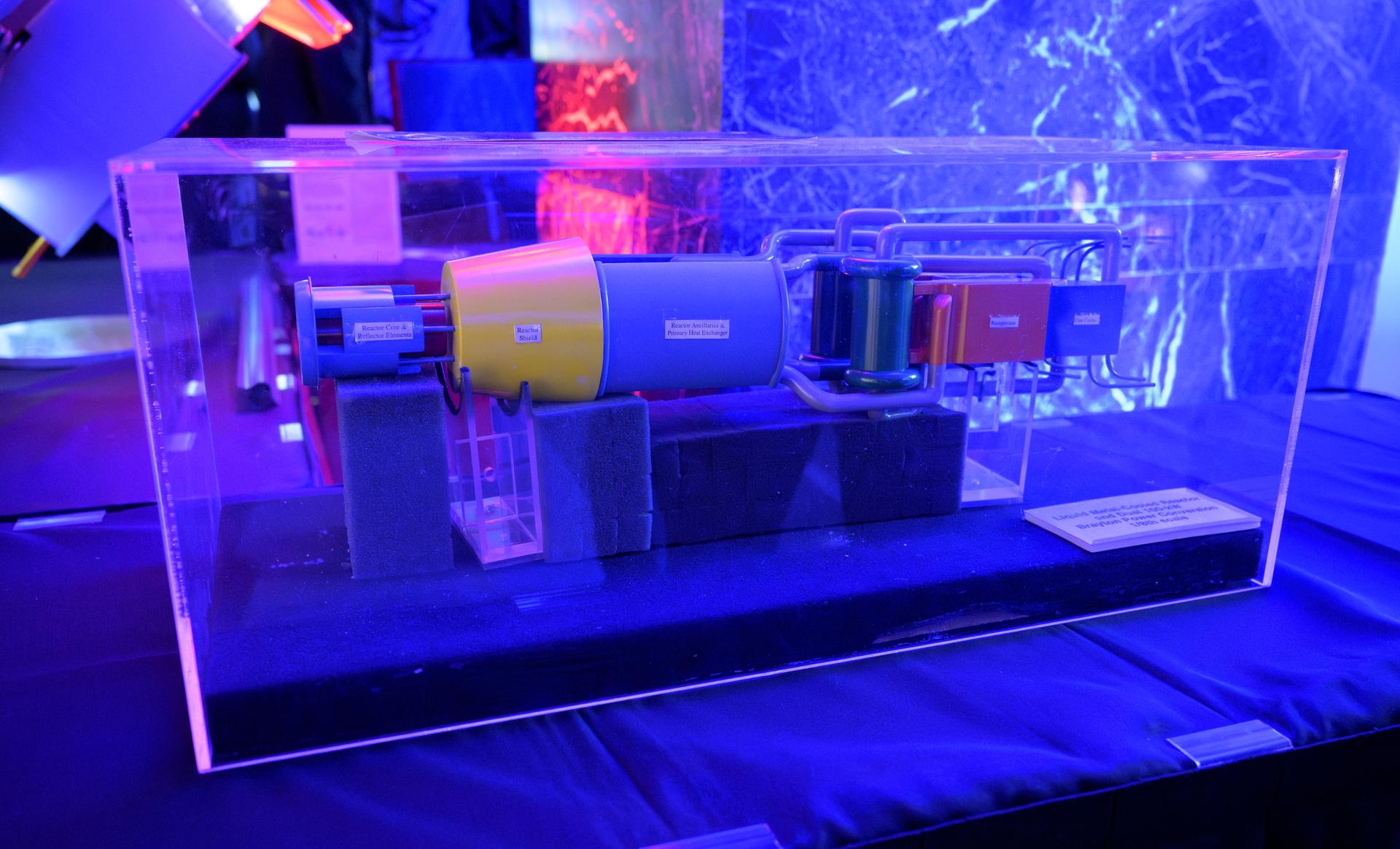
A model of a liquid metal-cooled reactor, dual 100-kw Brayton Power Conversion is seen on display during an event where NASA is outlining how the agency is executing President Donald J. Trump’s National Space Policy and accelerating preparations for America’s return to the surface of the Moon by 2028, Tuesday, March 24, 2026, at the Mary W. Jackson NASA Headquarters building in Washington. During the event NASA leadership provided updates on mission priorities, including sending the first astronauts to the lunar surface in more than 50 years, establishing the initial elements of a permanent lunar base, getting America underway in space on nuclear propulsion, and other objectives. Photo Credit: (NASA/Bill Ingalls)
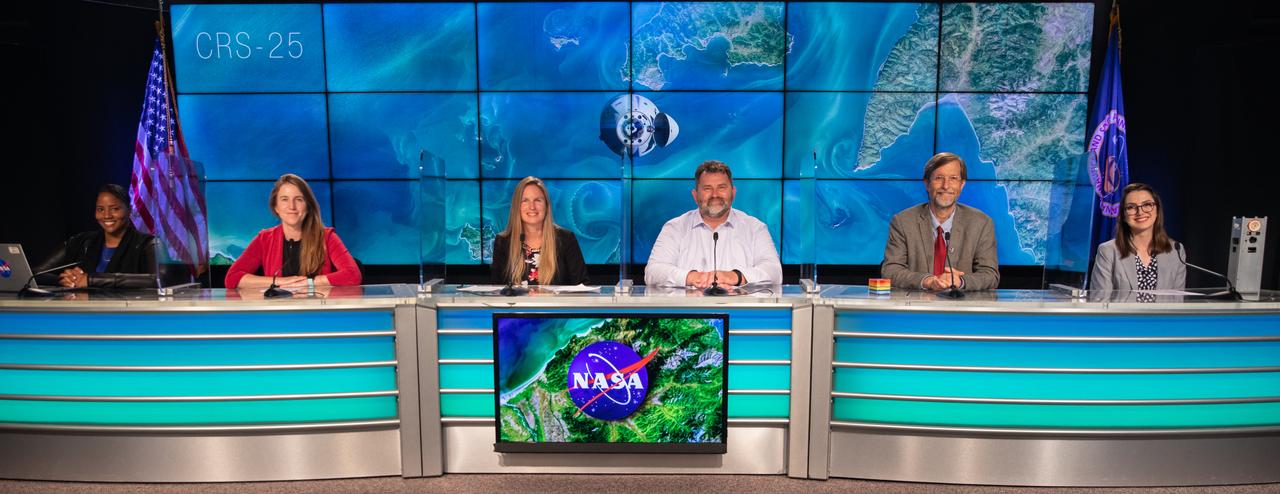
A climate conversation is held at NASA’s Kennedy Space Center in Florida on July 13, 2022, leading up to SpaceX’s 25th Commercial Resupply Services mission for NASA to the International Space Station. Participants, from left are Moderator Tylar Greene, NASA Communications; Kate Calvin, NASA’s chief scientist and climate advisor; Heidi Parris, associate scientist, International Space Station Program; Mike Roberts, chief scientist, ISS National Lab; Rob Green, JPL senior research scientist and EMIT (Earth Surface Mineral Dust Source Investigation) principal investigator; and Paula do Vale Pereira, BeaverCube, Massachusetts Institute of Technology. The Dragon capsule atop SpaceX’s Falcon 9 rocket is scheduled to lift off from Kennedy’s Launch Complex 39A on July 14 at 8:44 p.m. EDT. Dragon will deliver more than 5,800 pounds of cargo, including a variety of NASA investigations, to the space station.
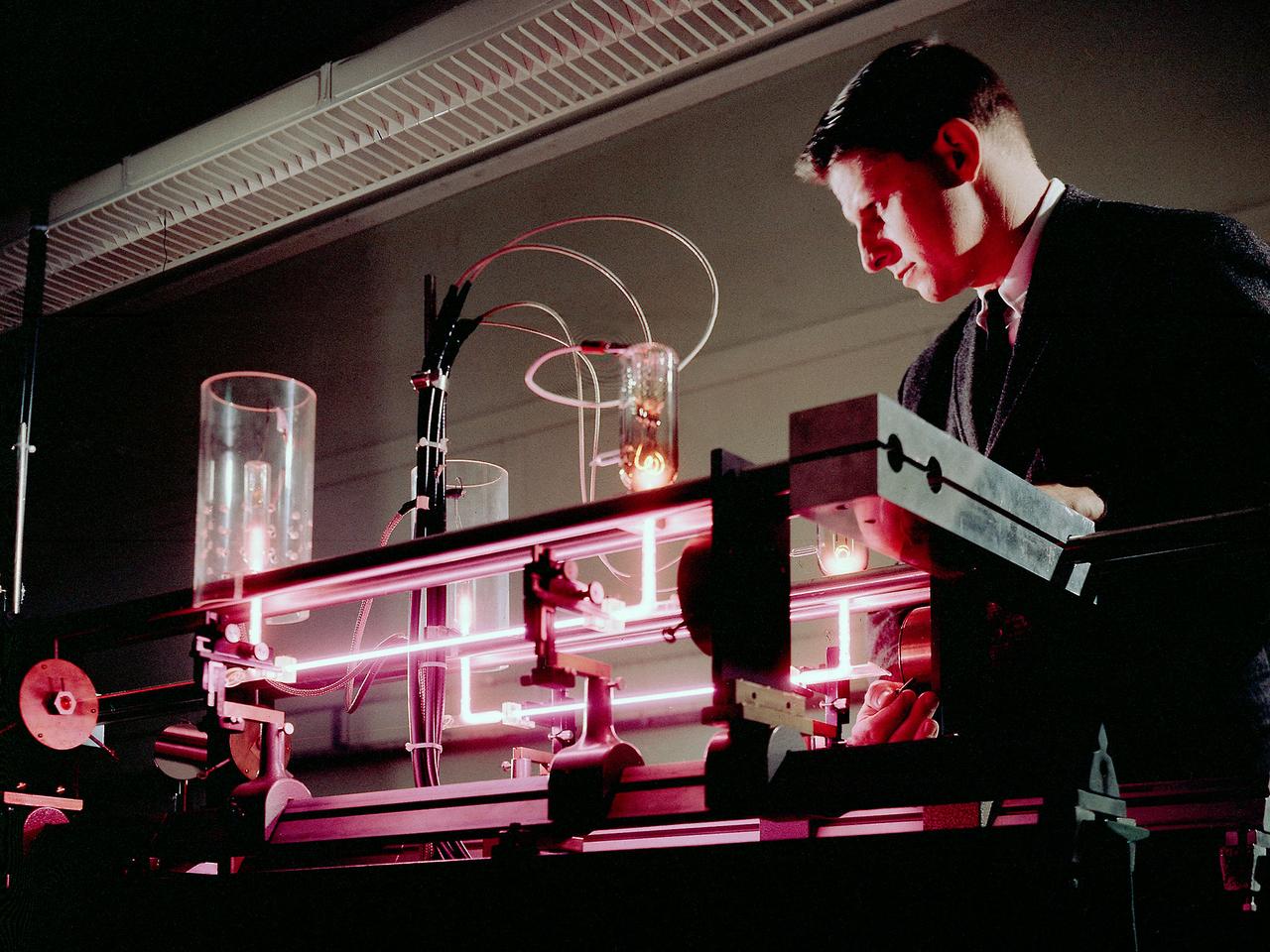
Richard Lancashire operates a gas laser interferometer in the Electric Conversion Laboratory at the National Aeronautics and Space Administration (NASA) Lewis Research Center. Lewis was in the midst of a long-term effort to develop methods of delivering electrical power to spacecraft using nuclear, solar, or electrochemical technologies. Lancashire was measuring the thermionic diode’s plasma particle density. The thermionic diodes were being studied for possible use in radioisotope thermoelectric generators for use in space. Microwave interferometry was one method of measuring transient plasmas. The interferometer measured the difference between the frequencies of two laser beams, one of which passed through the diode. The electron density was measured by revealing the phase shift of the transmitted microwave beam brought about by a change in the plasma refraction. Microwave interferometry, however, offers poor spatial resolution and has limited range of applicability.
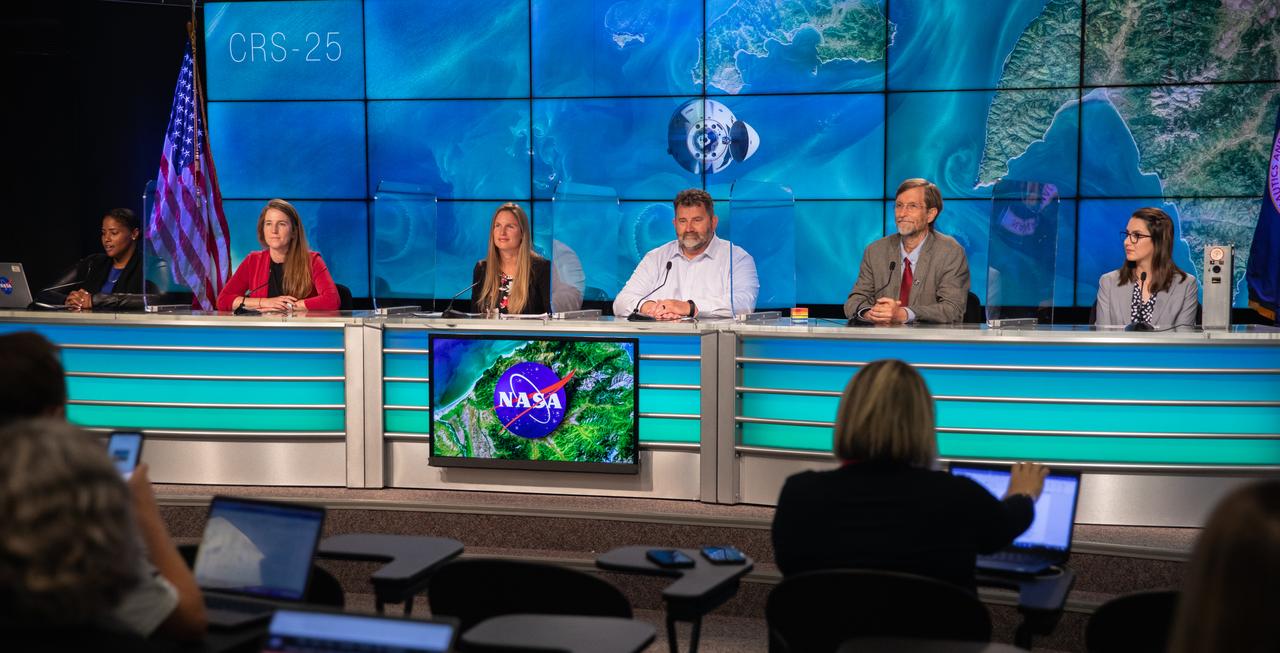
A climate conversation is held at NASA’s Kennedy Space Center in Florida on July 13, 2022, leading up to SpaceX’s 25th Commercial Resupply Services mission for NASA to the International Space Station. Participants, from left are Moderator Tylar Greene, NASA Communications; Kate Calvin, NASA’s chief scientist and climate advisor; Heidi Parris, associate scientist, International Space Station Program; Mike Roberts, chief scientist, ISS National Lab; Rob Green, JPL senior research scientist and EMIT (Earth Surface Mineral Dust Source Investigation) principal investigator; and Paula do Vale Pereira, BeaverCube, Massachusetts Institute of Technology. The Dragon capsule atop SpaceX’s Falcon 9 rocket is scheduled to lift off from Kennedy’s Launch Complex 39A on July 14 at 8:44 p.m. EDT. Dragon will deliver more than 5,800 pounds of cargo, including a variety of NASA investigations, to the space station.
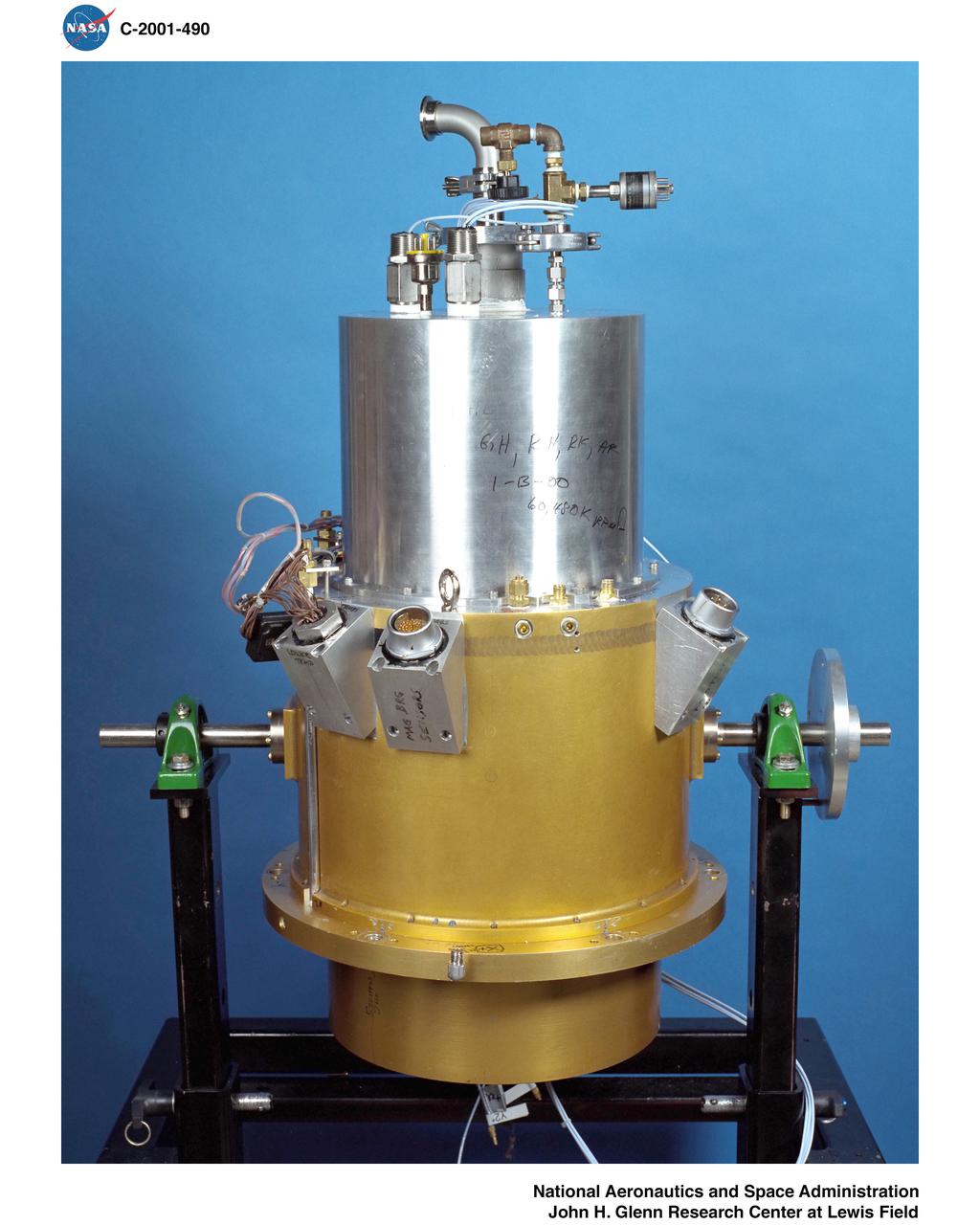
Power Energy Storage and Conversion - FLYWHEEL

Thermal Electric Energy Conversion Module Cross reference to camera file: 45548446

STS-133 MPLM RACK REMOVAL AND CONVERSION TO PERMANENT MODULE
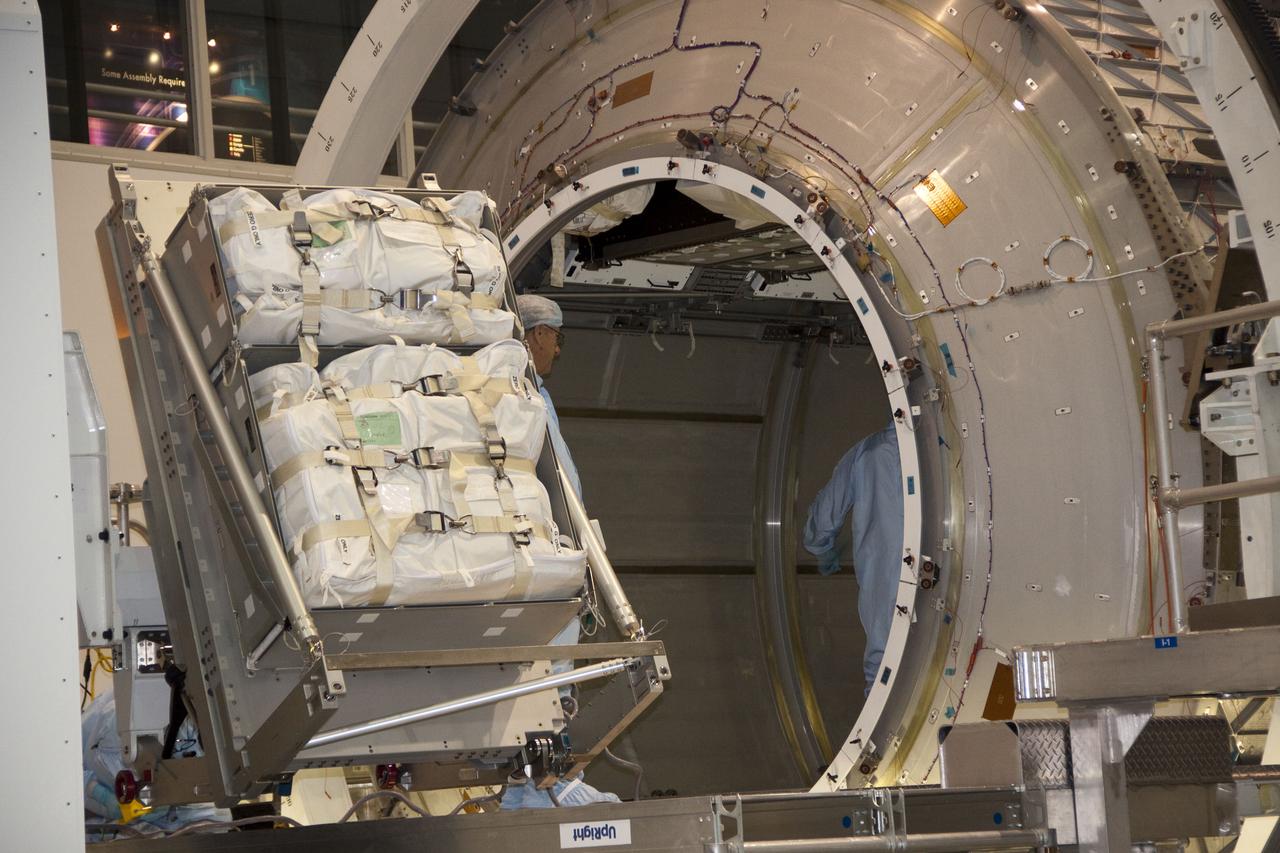
STS-133 MPLM RACK REMOVAL AND CONVERSION TO PERMANENT MODULE
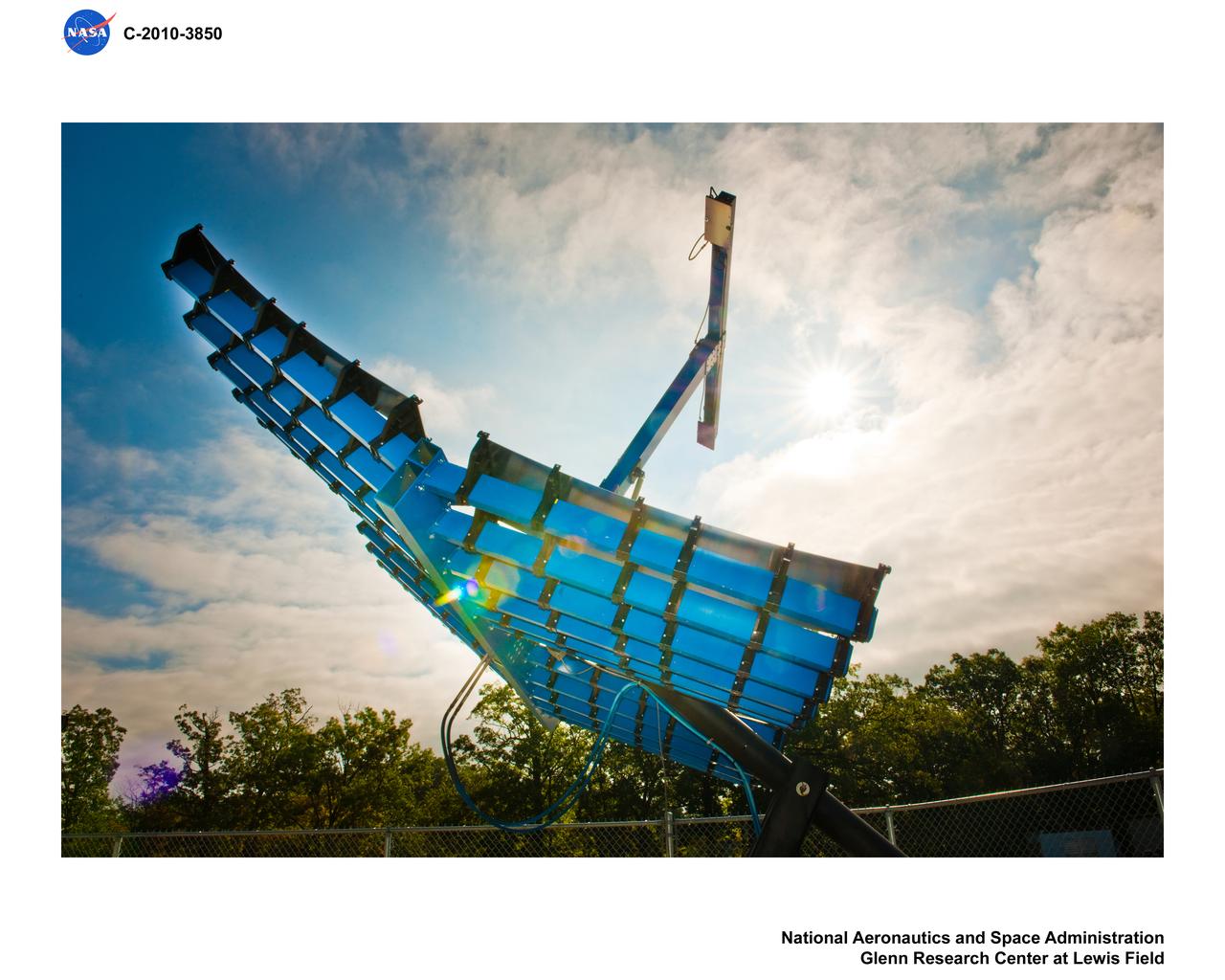
Power Energy Storage and Conversion - StarGen Inc. Solar Collector

STS-133 MPLM RACK REMOVAL AND CONVERSION TO PERMANENT MODULE
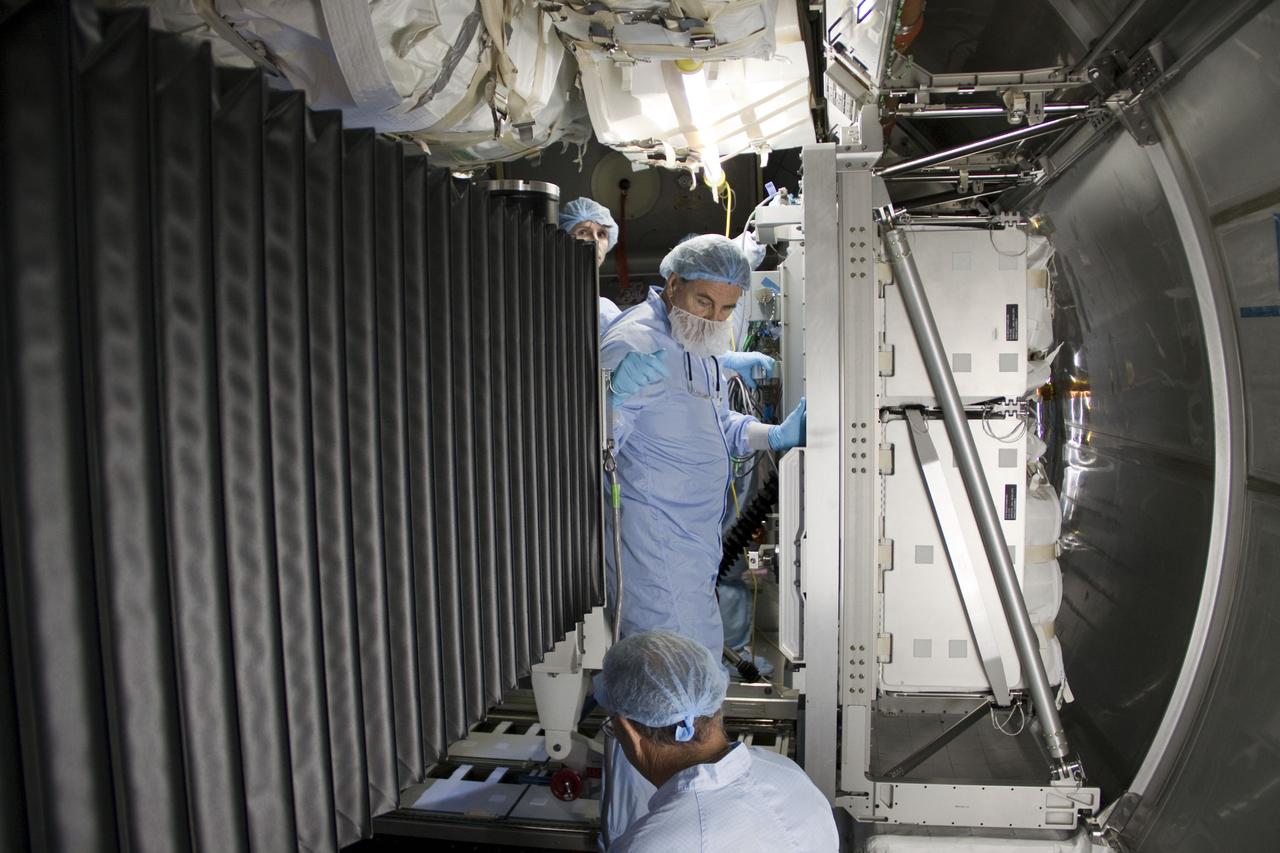
STS-133 MPLM RACK REMOVAL AND CONVERSION TO PERMANENT MODULE
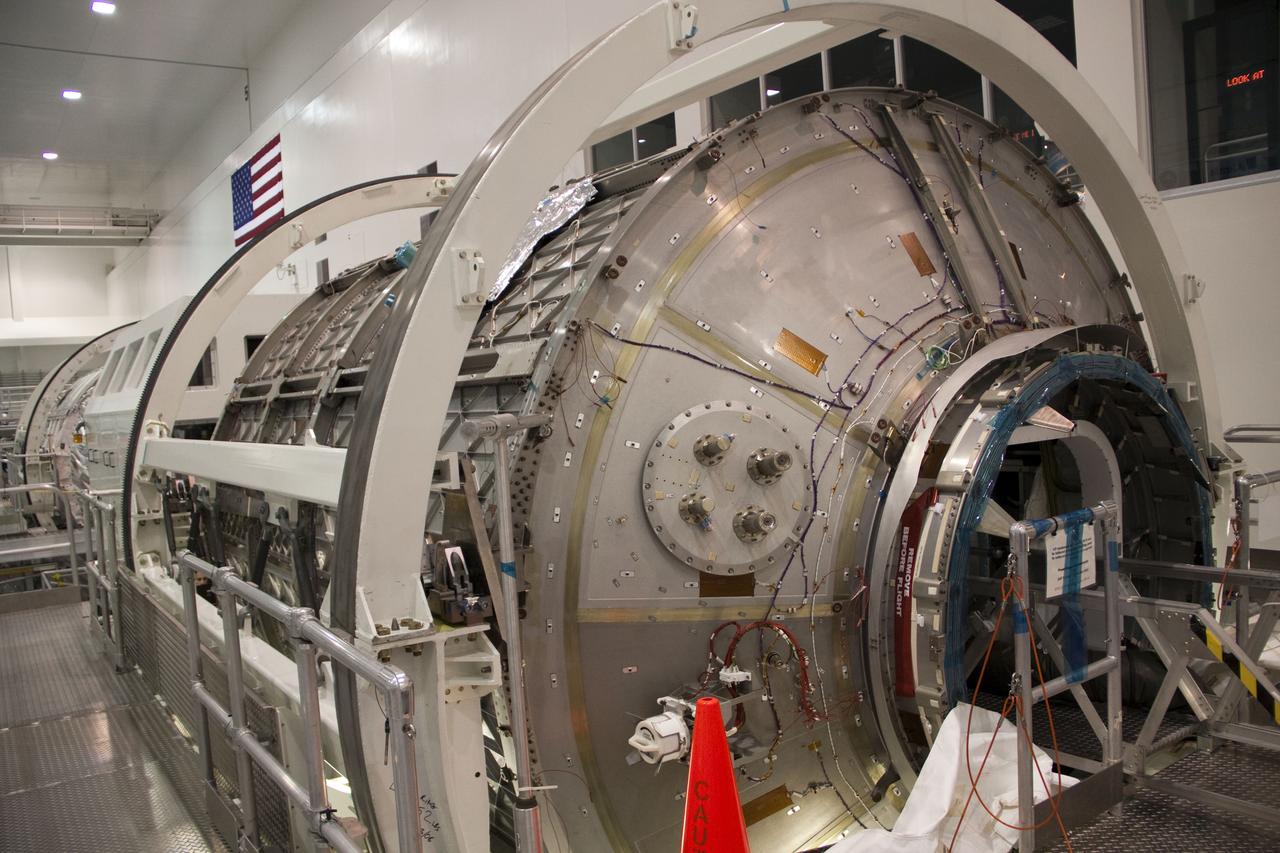
STS-133 MPLM RACK REMOVAL AND CONVERSION TO PERMANENT MODULE

STS-133 MPLM RACK REMOVAL AND CONVERSION TO PERMANENT MODULE
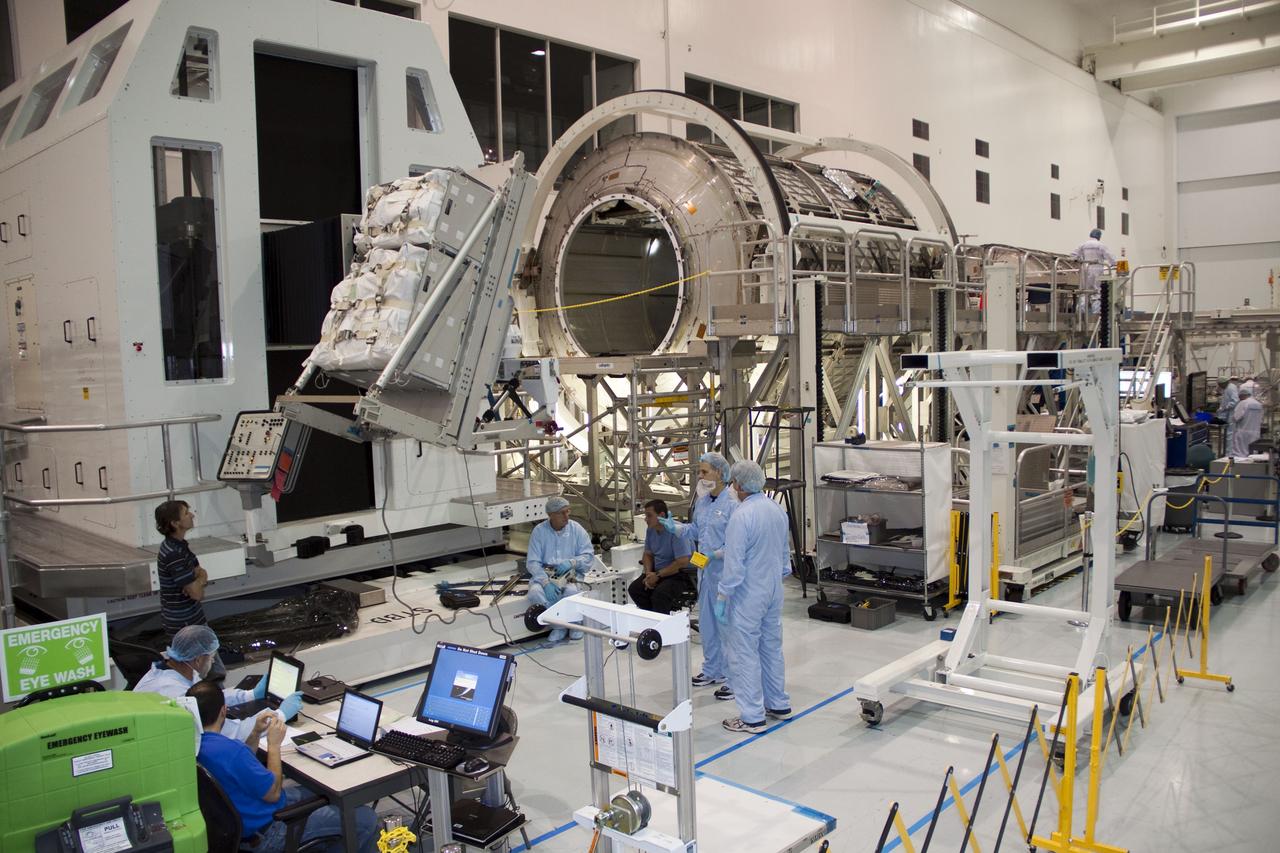
STS-133 MPLM RACK REMOVAL AND CONVERSION TO PERMANENT MODULE
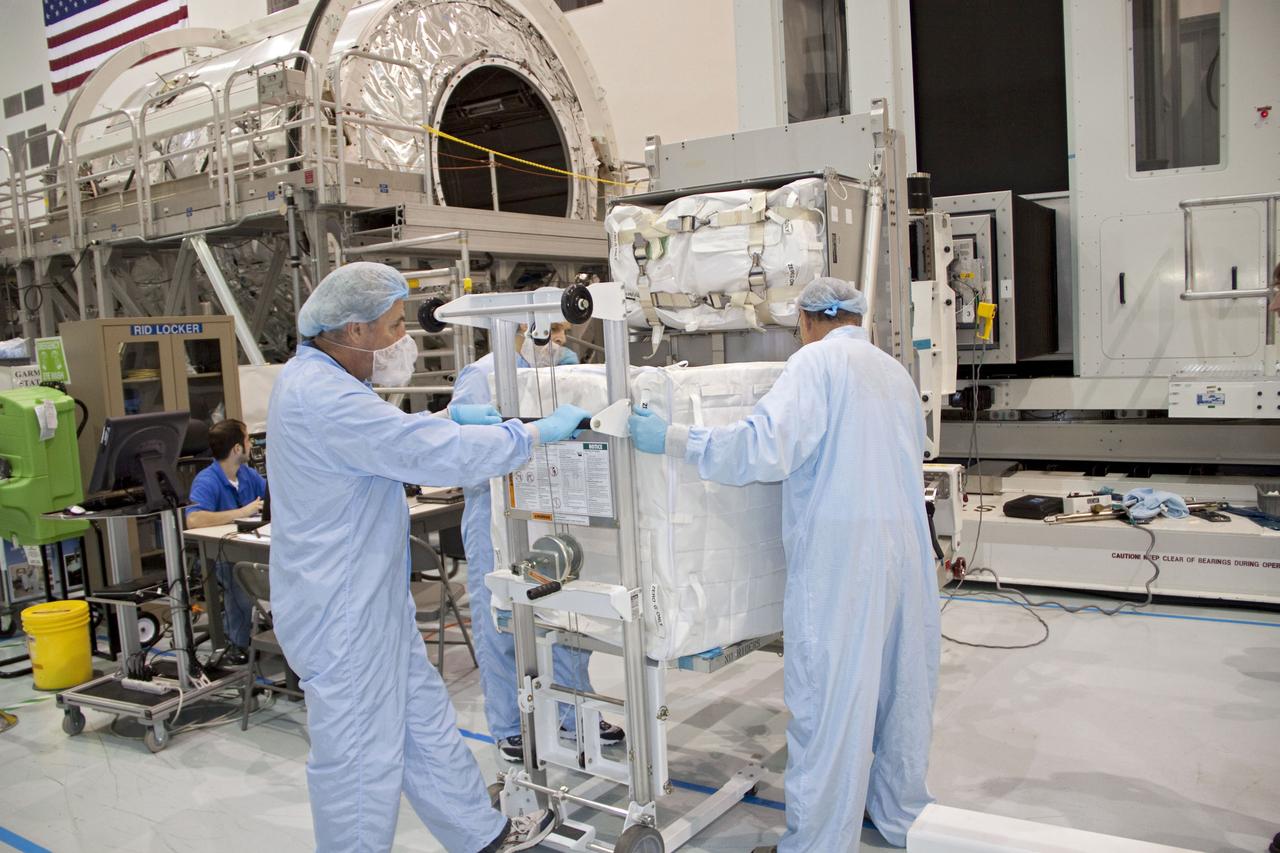
STS-133 MPLM RACK REMOVAL AND CONVERSION TO PERMANENT MODULE
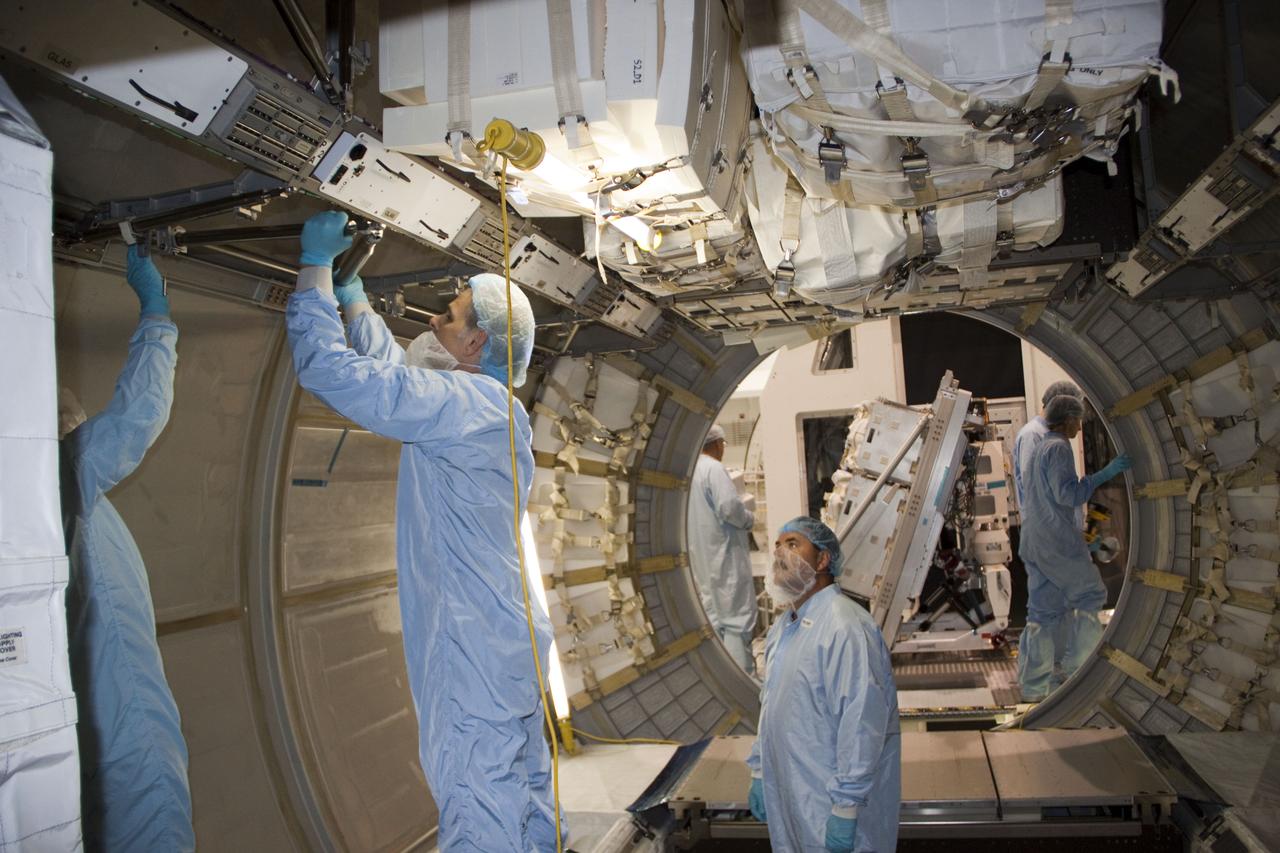
STS-133 MPLM RACK REMOVAL AND CONVERSION TO PERMANENT MODULE

Peregrine, Radial Core Heat Spreader; Thermal Energy Conversion Research Hardware
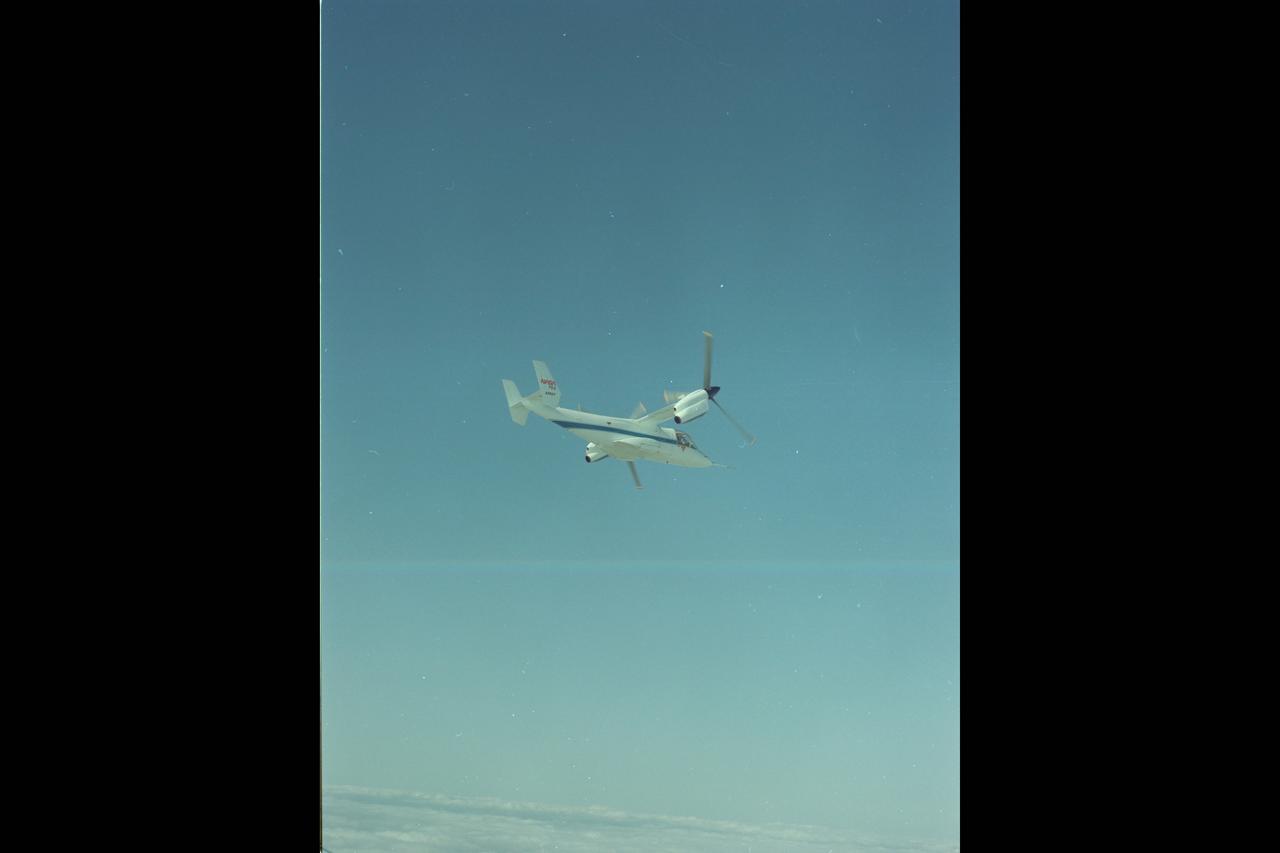
XV-15 (NASA-703) Evaluation Flight @ Ames; Above Title and Conversion Mode
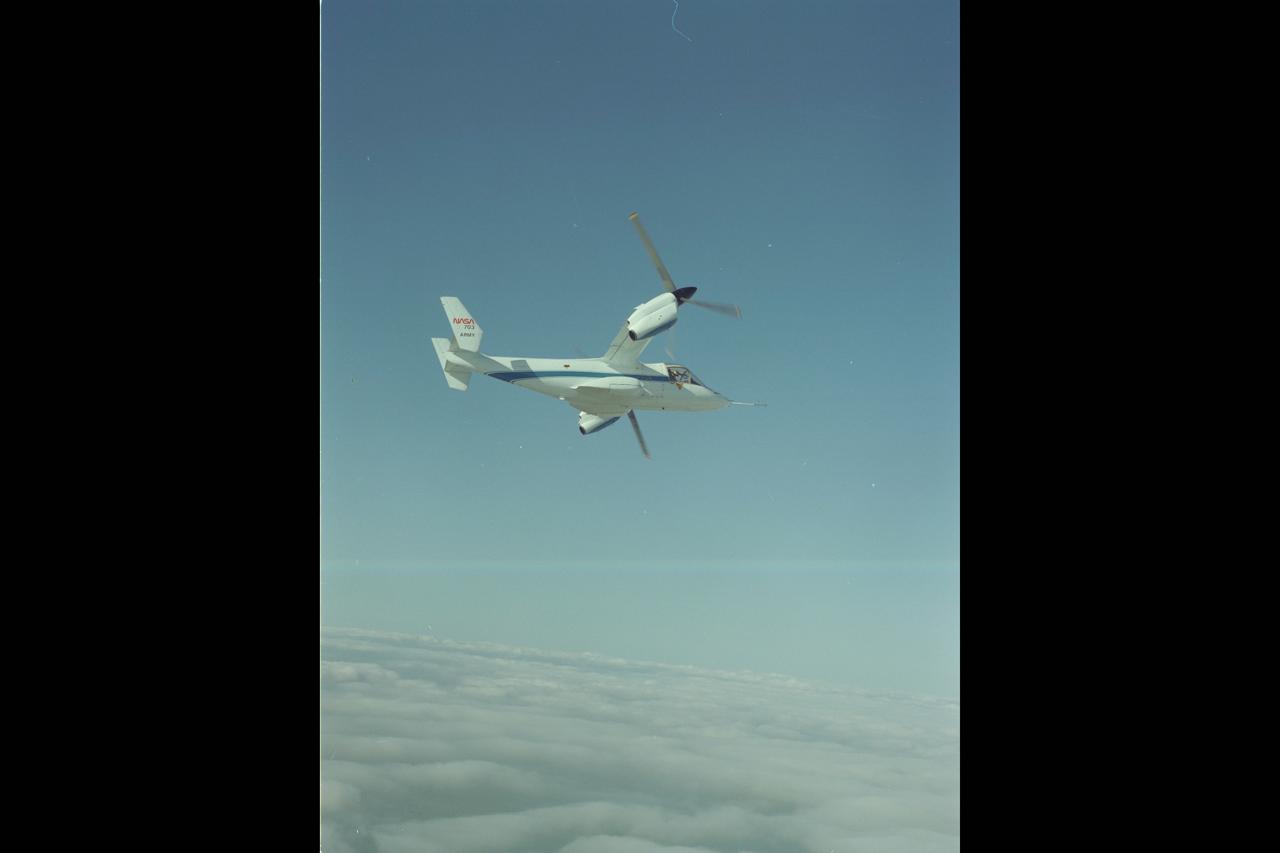
XV-15 Tilt Rotor (NASA-703) in conversion flight at Ames Research Center
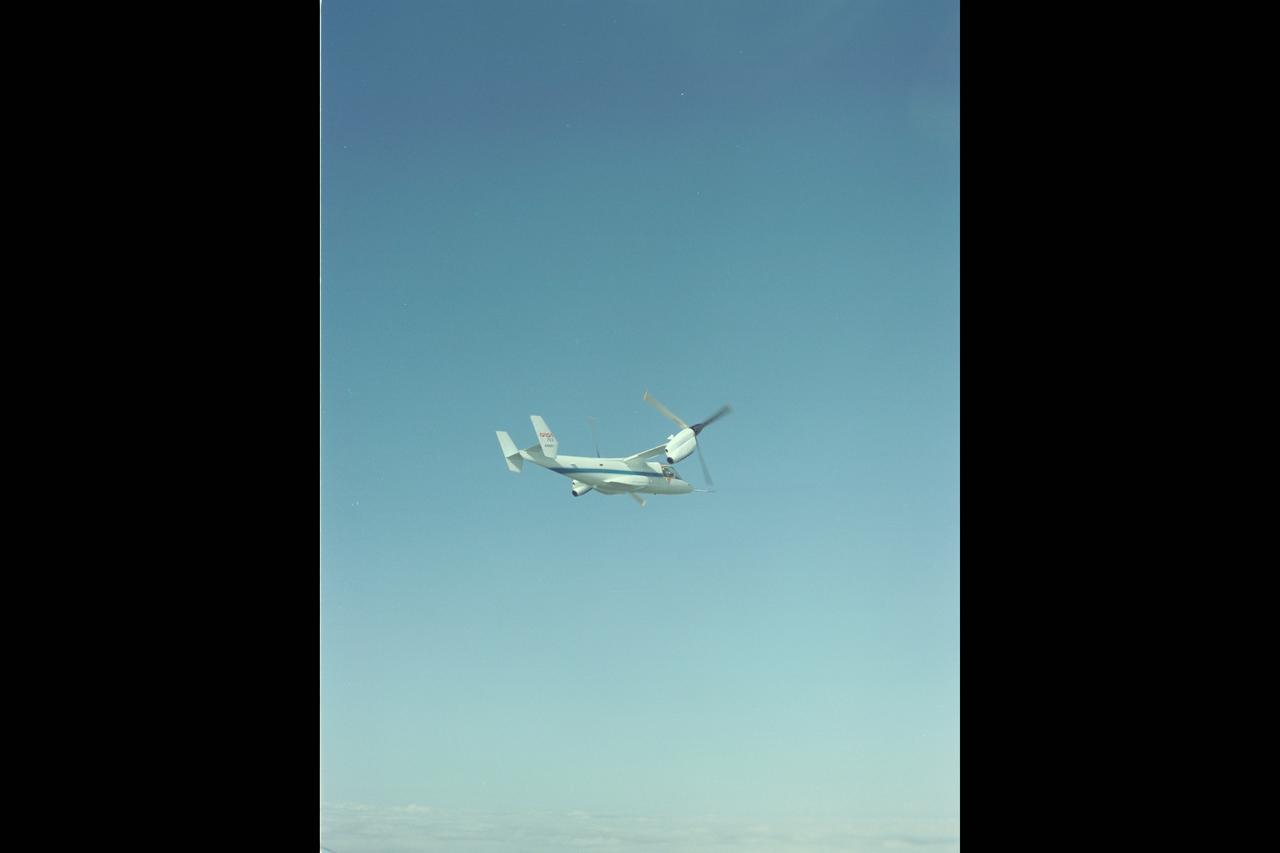
XV-15 Tilt Rotor (NASA-703) in conversion flight at Ames Research Center
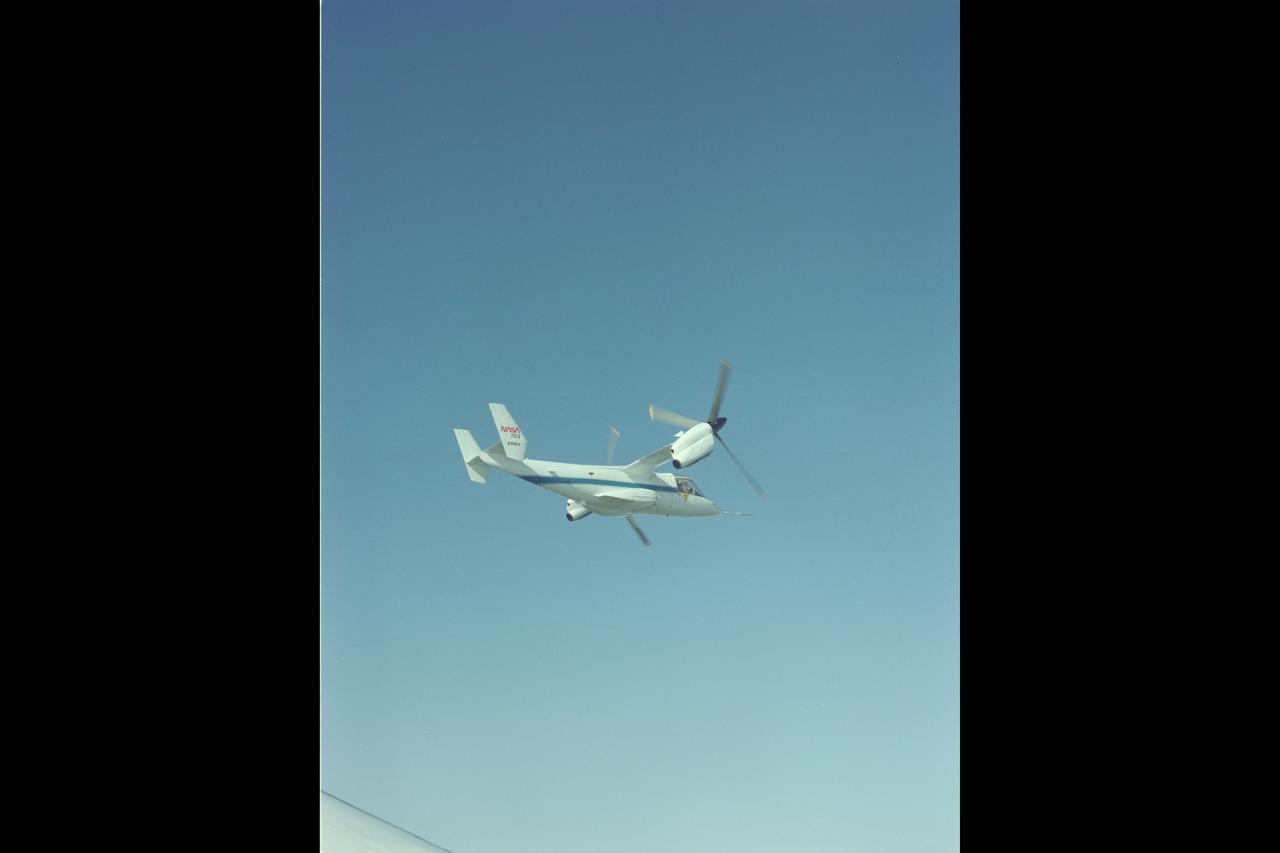
XV-15 Tilt Rotor (NASA-703) in conversion flight at Ames Research Center
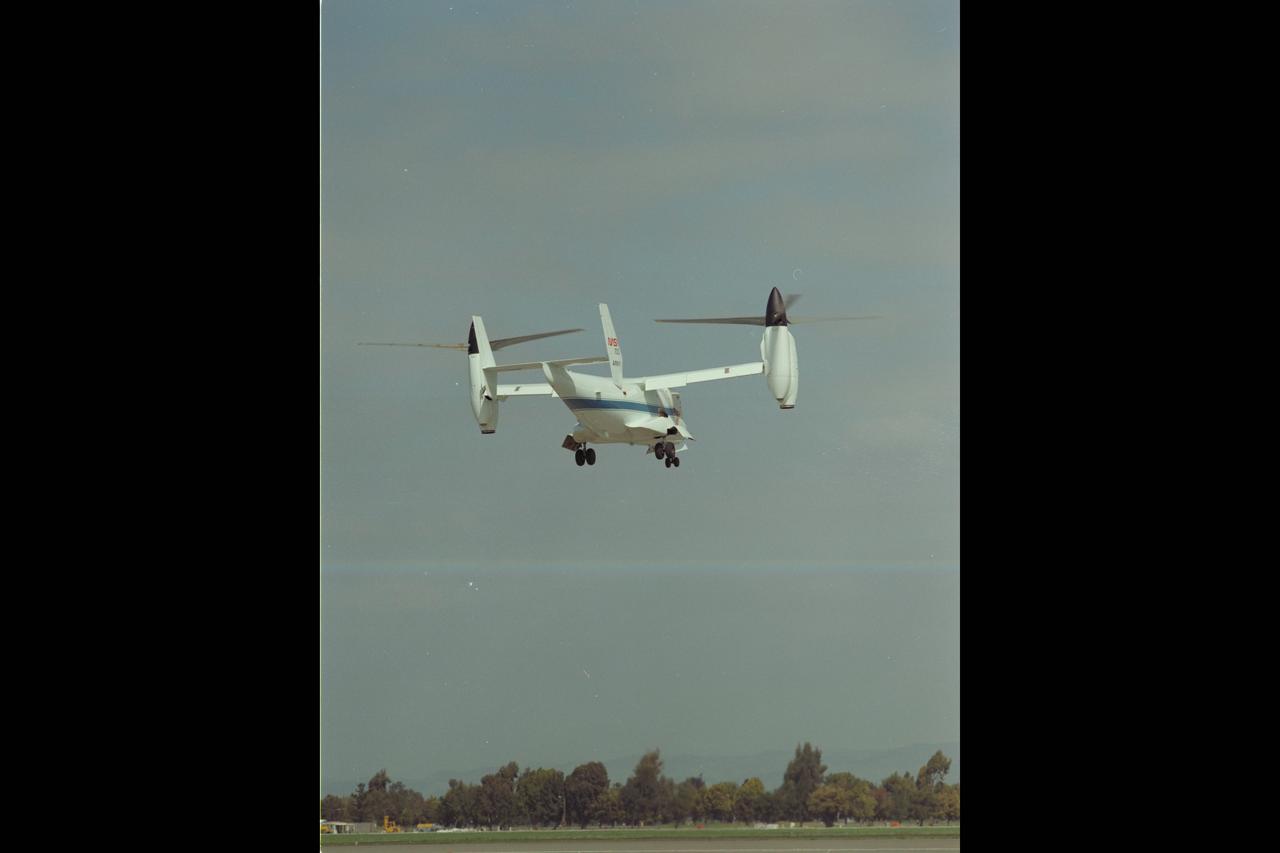
XV-15 (NASA-703) Evaluation Flight @ Ames; Above Title, Conversion Mode, and Helicopter Mode
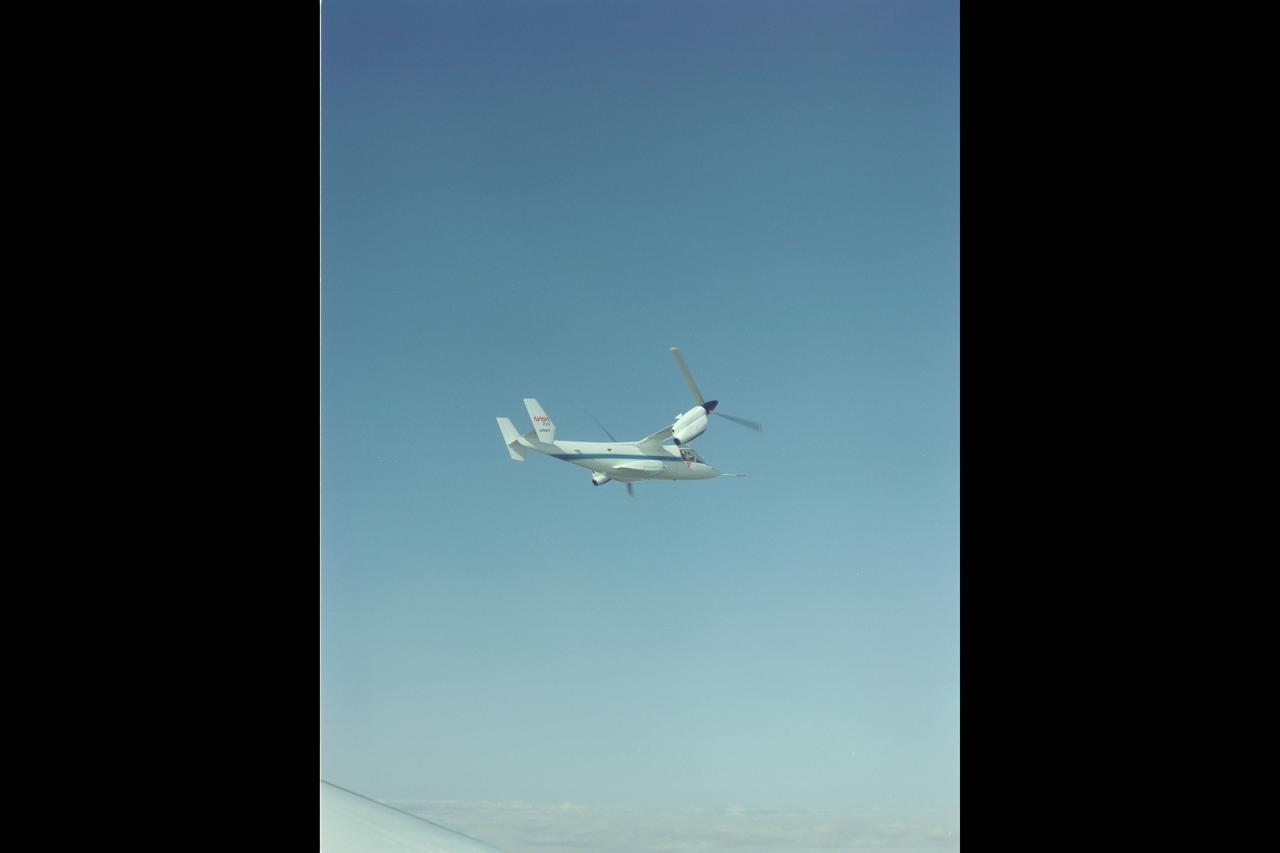
XV-15 Tilt Rotor (NASA-703) in conversion flight at Ames Research Center
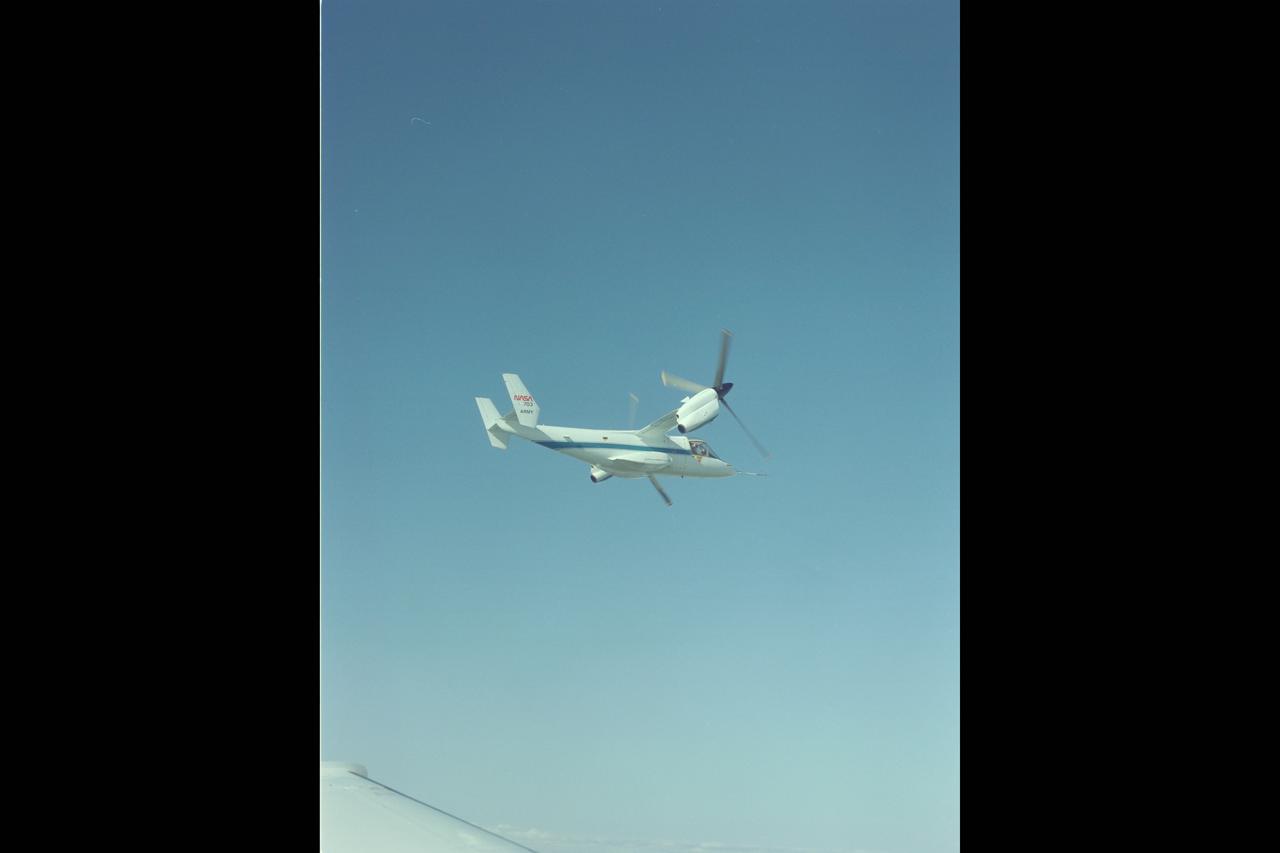
XV-15 Tilt Rotor (NASA-703) in conversion flight at Ames Research Center
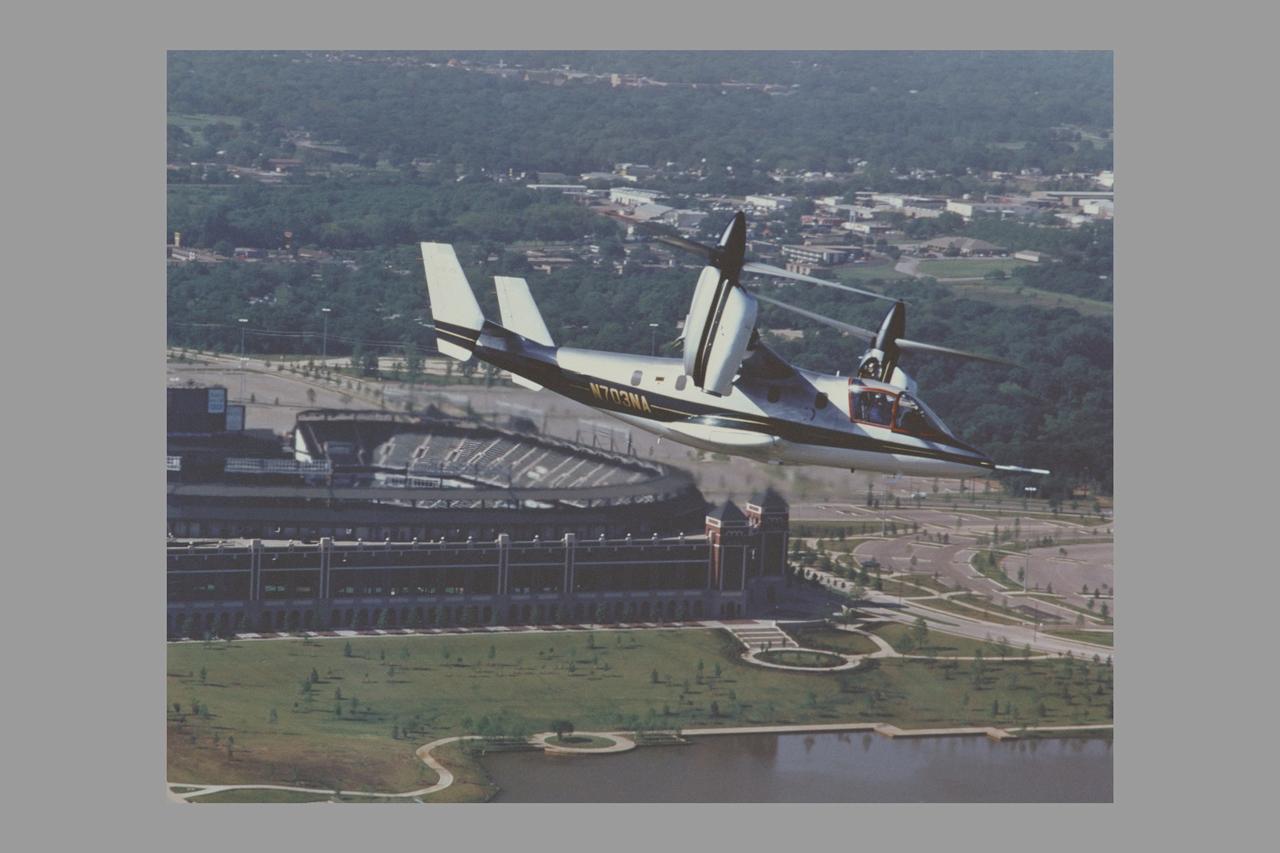
XV-15 (N703NA) Tiltrotor in hover - conversion flight at Bell Helicopter Co. Bell Photo number 043443
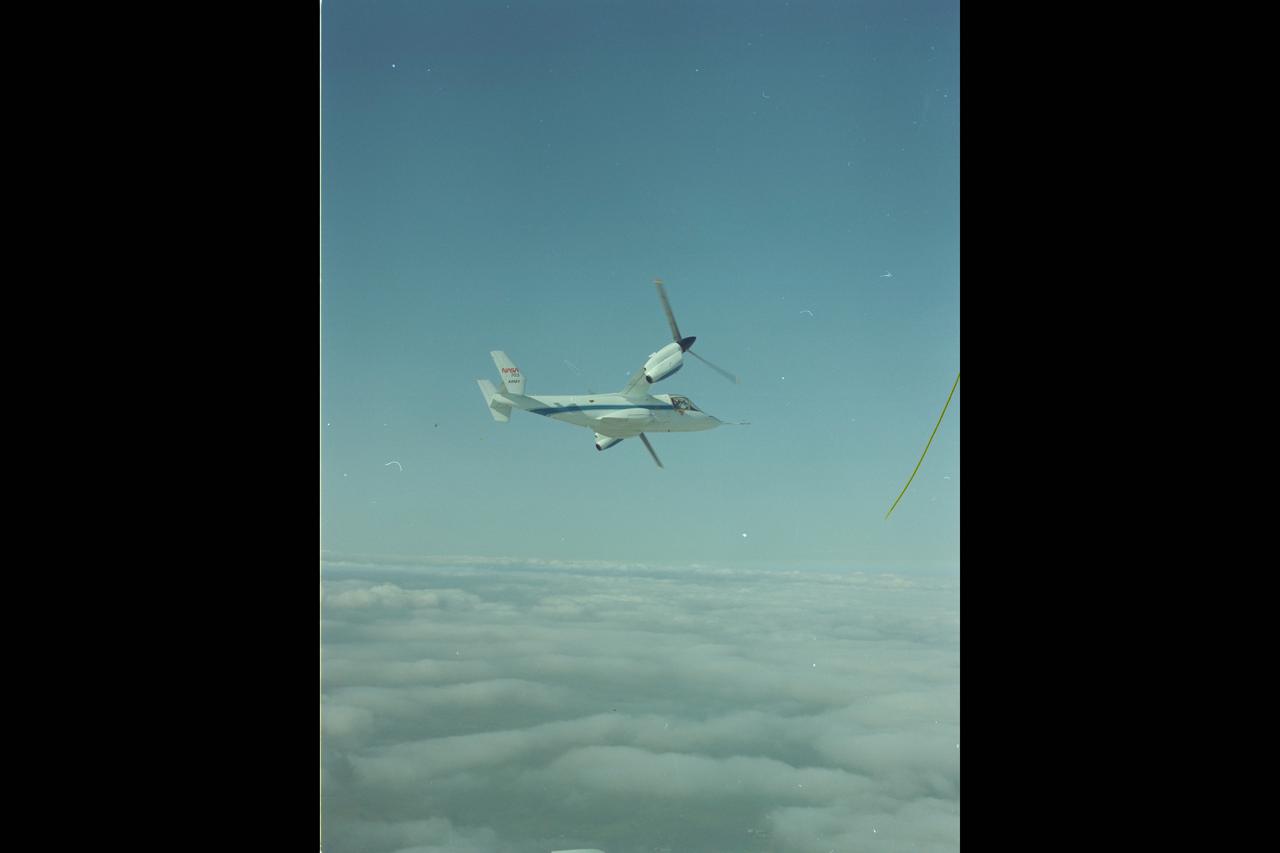
XV-15 Tilt Rotor (NASA-703) in conversion flight at Ames Research Center
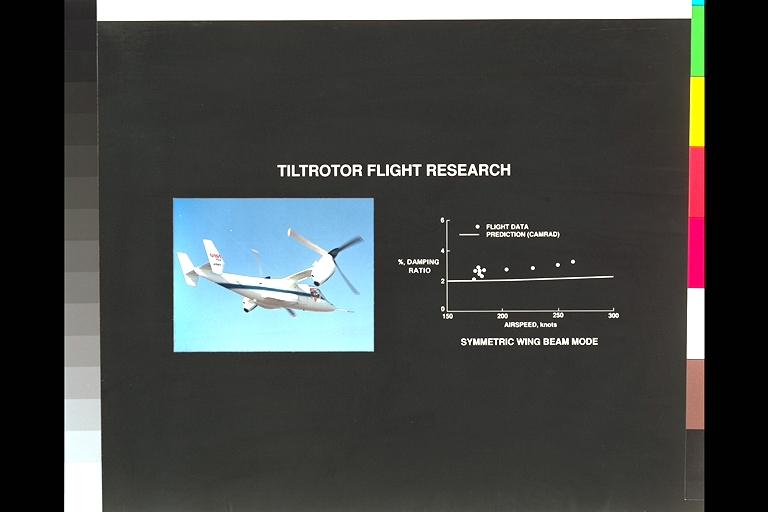
XV-15 Tilt Rotor (NASA-703) in conversion flight at Ames Research Center
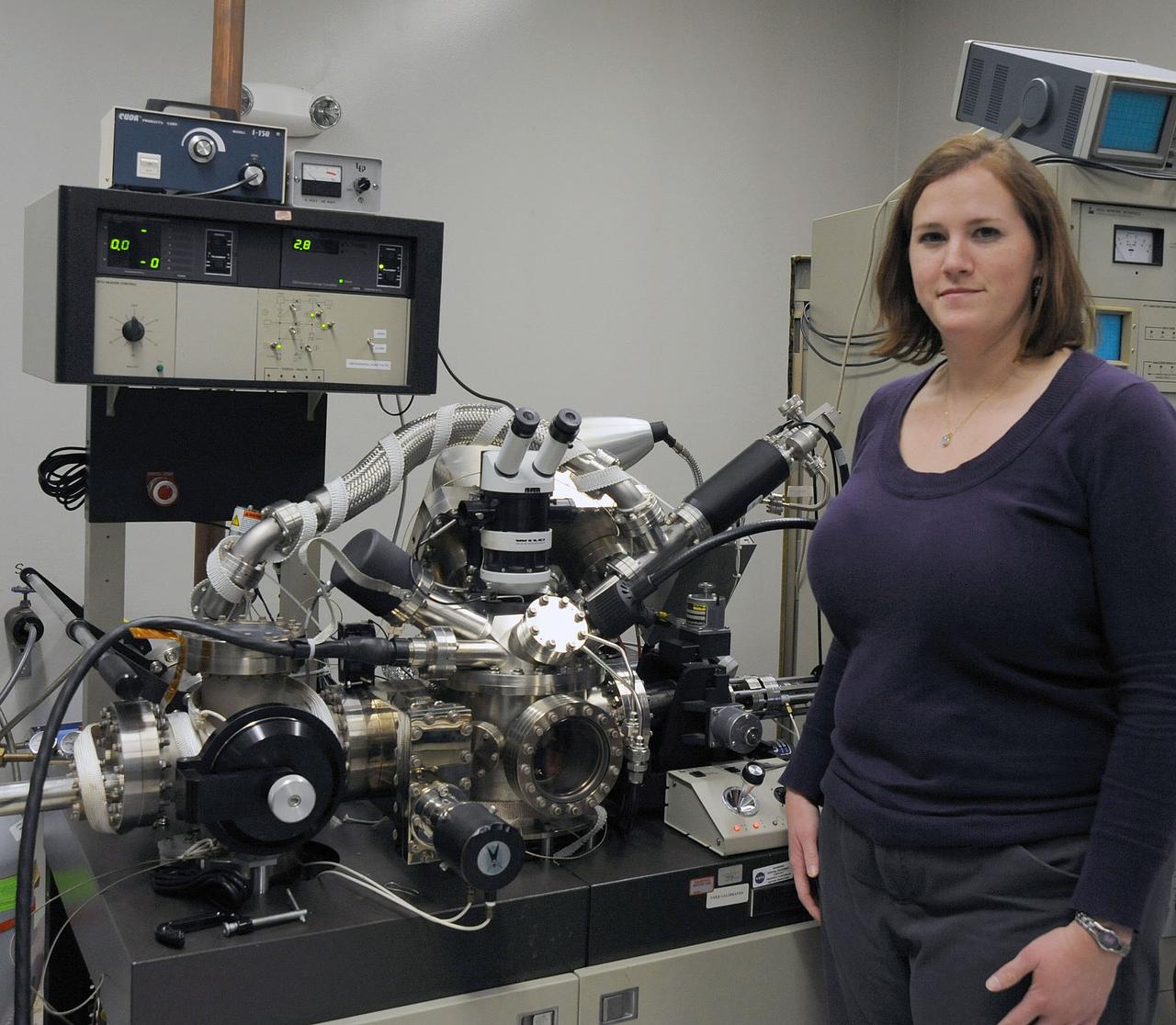
Marjorie Sovinski looking for the presence of chromium, which would help confirm that the exterior of the film had a chromium conversion coating. PHOTO CREDIT: NASA/Debbie Mccallum
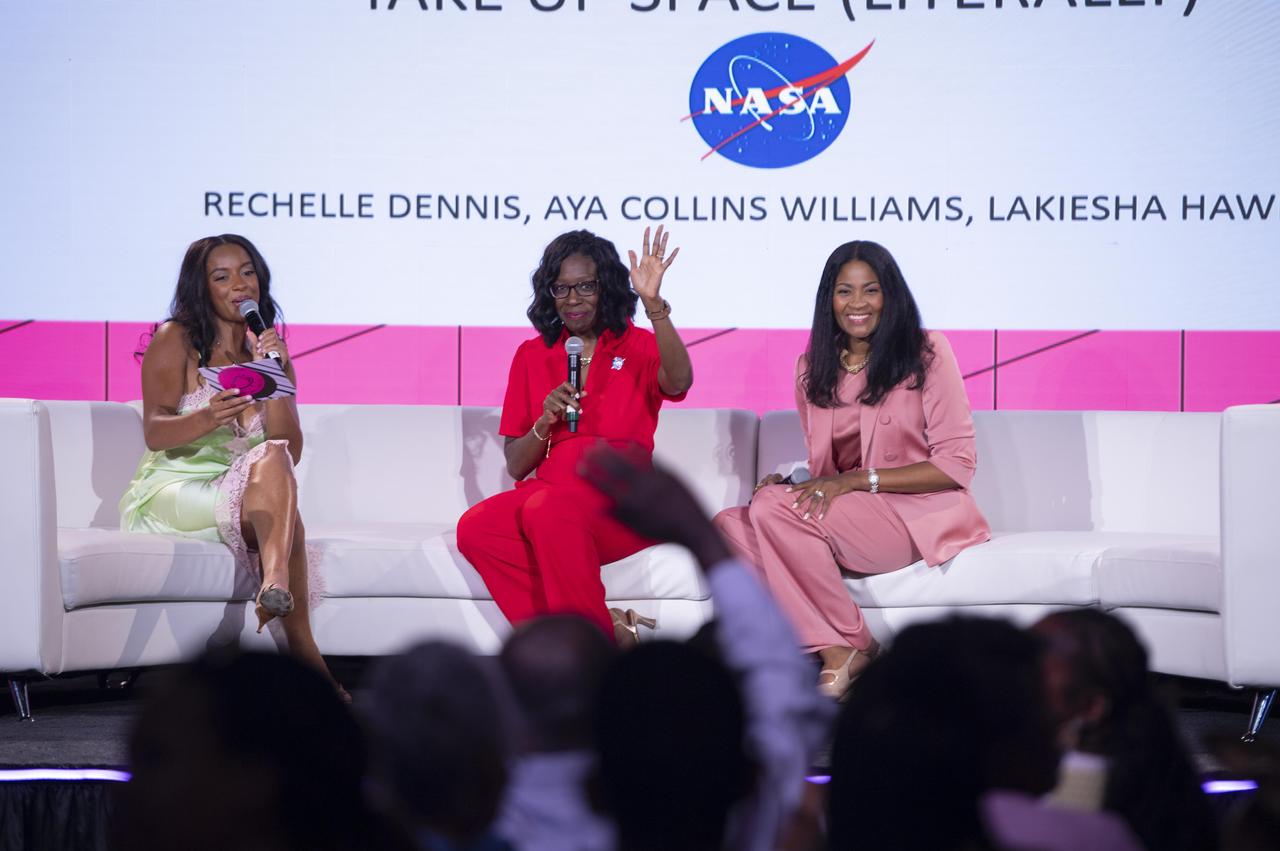
Girls United co-founder Rechelle Dennis, left, continues a conversation about how to become a shining star in the face of adversity with NASA Assistant Deputy Associate Administrator for the Moon to Mars Program Office Lakiesha Hawkins, center, and NASA Director of Engagement Aya Collins at the Take Up Space (Literally) panel conversation during the 30th annual ESSENCE Fest in New Orleans on July 5.
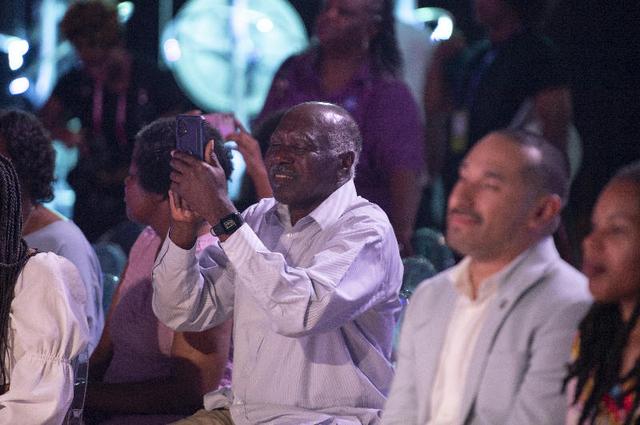
An audience member takes a photo as NASA representatives participate in a Take Up Space (Literally) panel conversation during the 30th annual ESSENCE Fest in New Orleans on July 5.
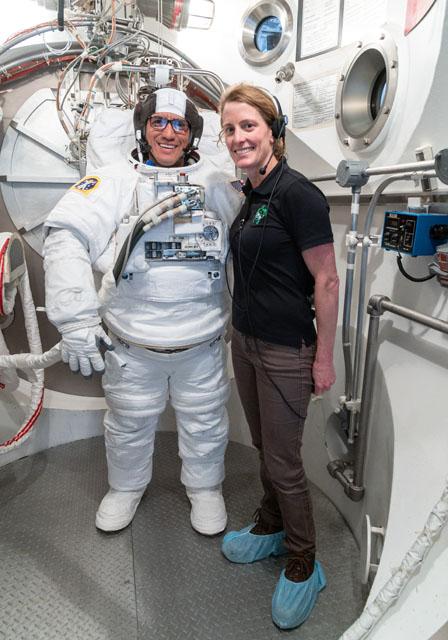
NASA Astronaut Frank Rubio converses with NASA Astronaut Loral O'Hara while wearing a spacesuit in a mockup of an International Space Station airlock as part of his training for his upcoming mission.
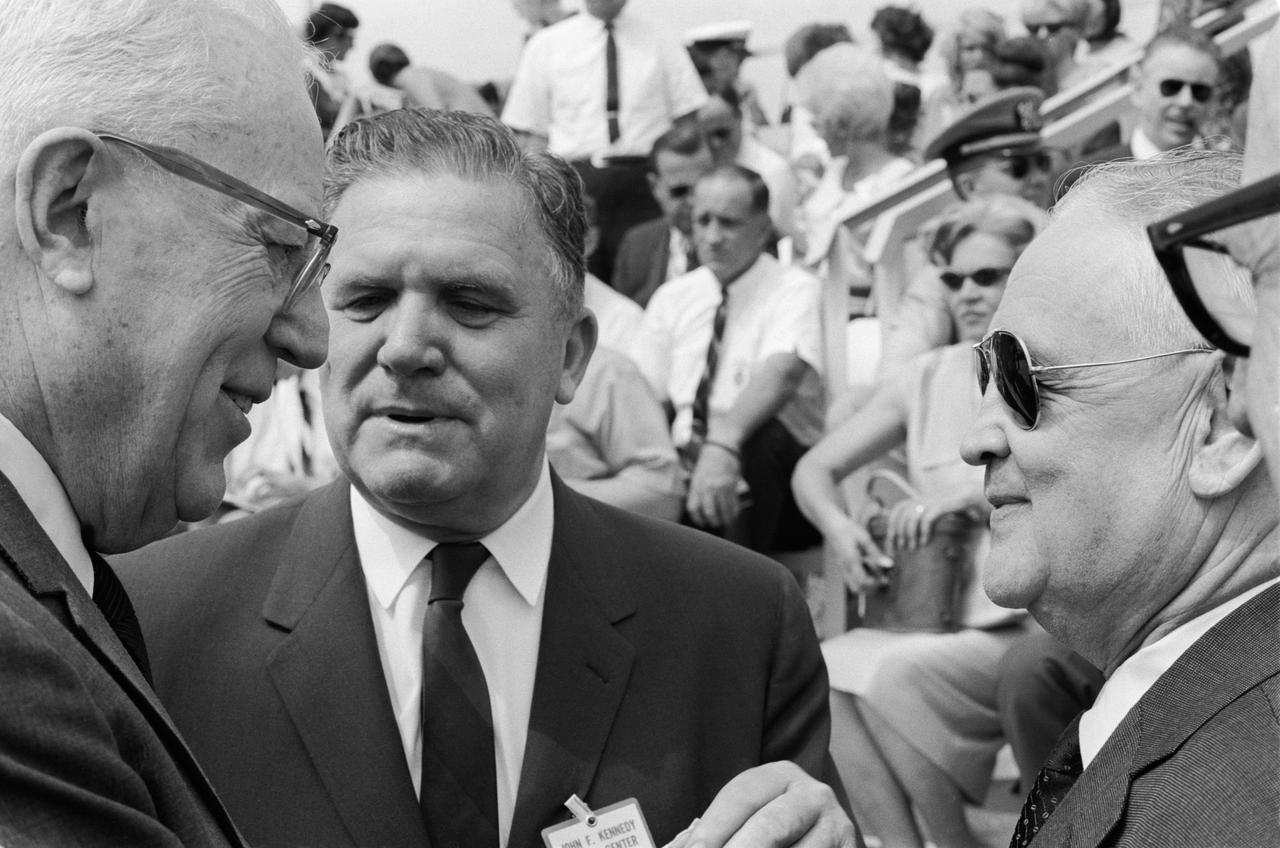
S66-32045 (17 May 1966) --- Earl Warren, Chief Justice of the U.S. Supreme Court, and James Webb, NASA Administrator, converse while waiting for Gemini-9 liftoff. Photo credit: NASA
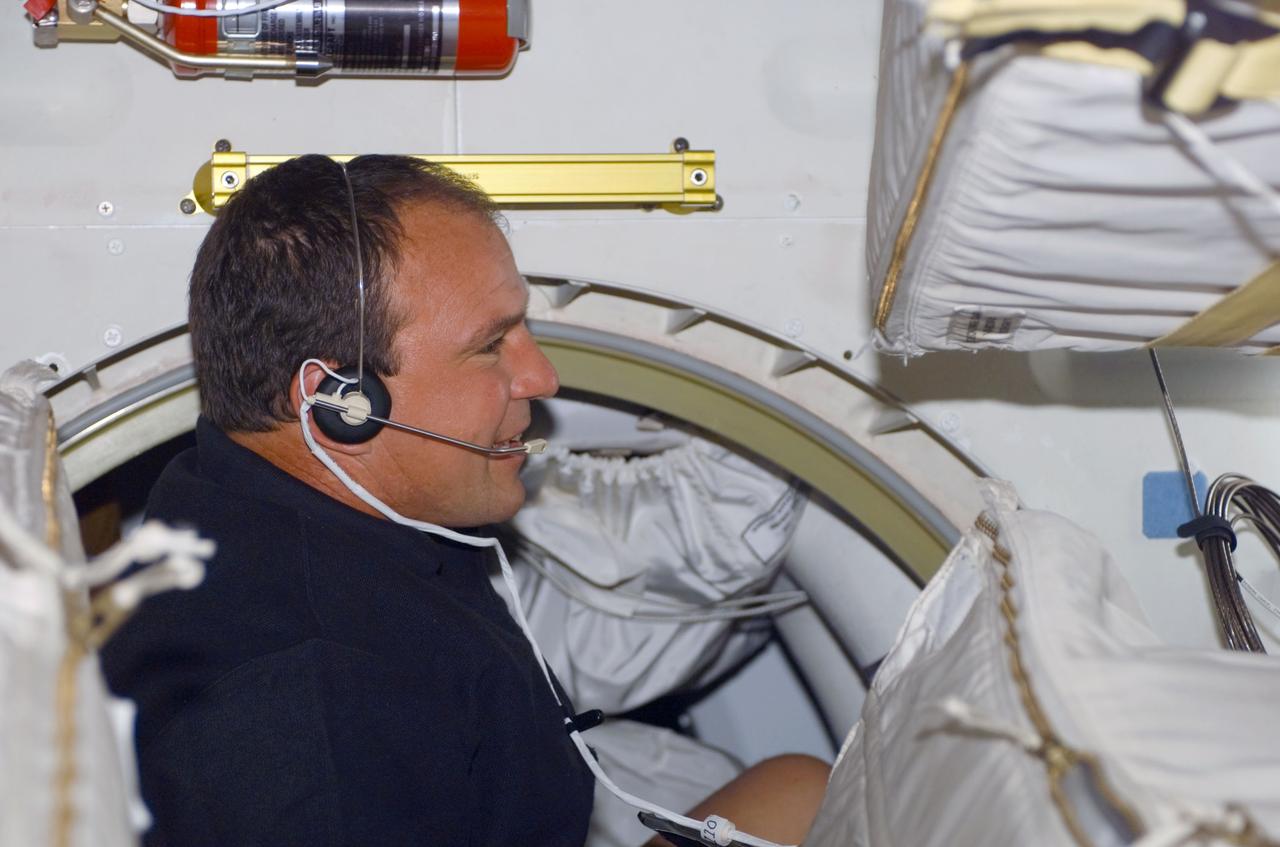
STS110-E-5038 (8 April 2002) --- Astronaut Michael J. Bloomfield, STS-110 mission commander, converses with ground controllers while traversing through the Space Shuttle Atlantis. The image was taken with a digital still camera.
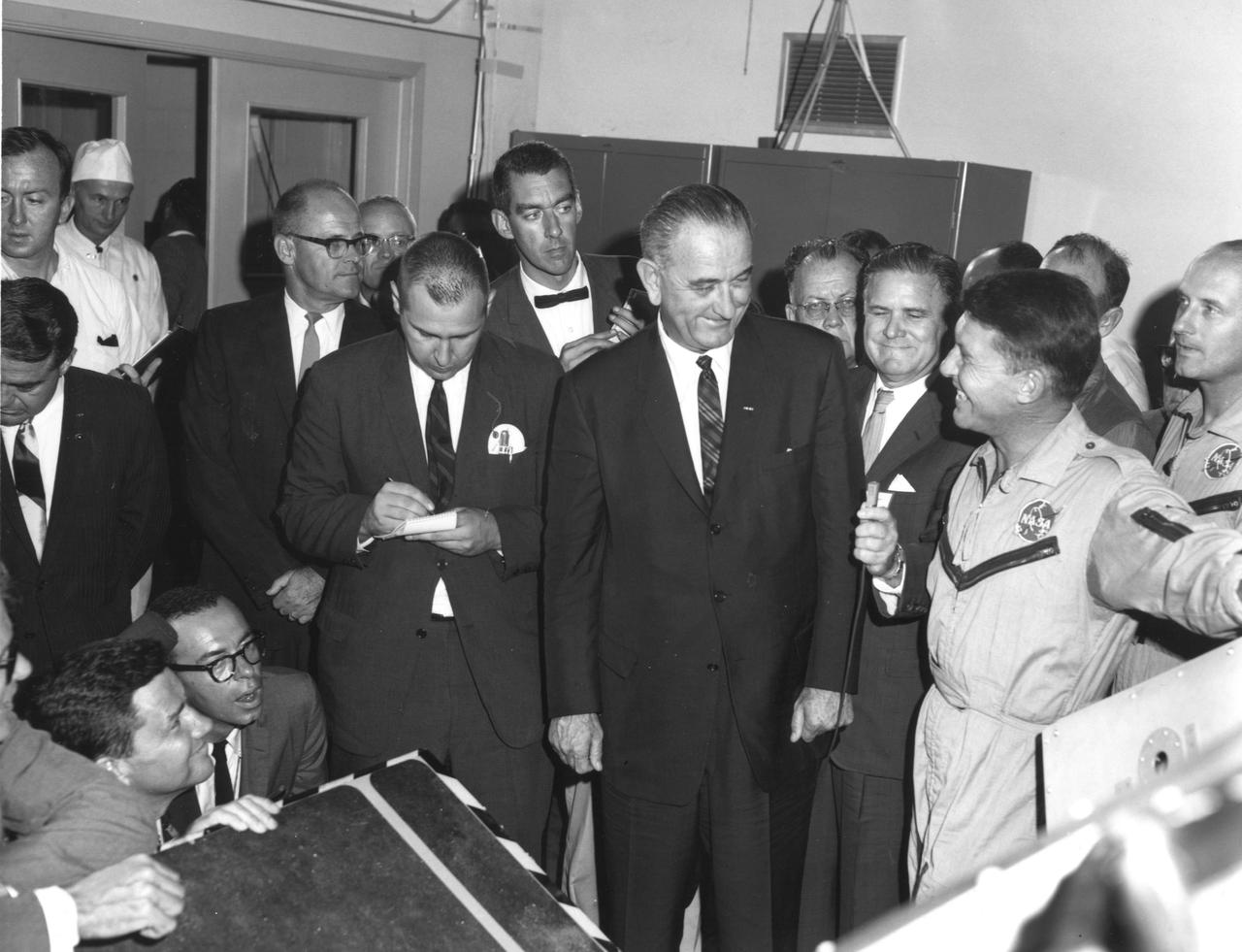
KENNEDY SPACE CENTER, FLA. -- NASA Administrator James T. Webb holds the microphone as President Lyndon B. Johnson (center) and astronaut Walter Schirra (right) converse during the President's visit to the Kennedy Space Center.
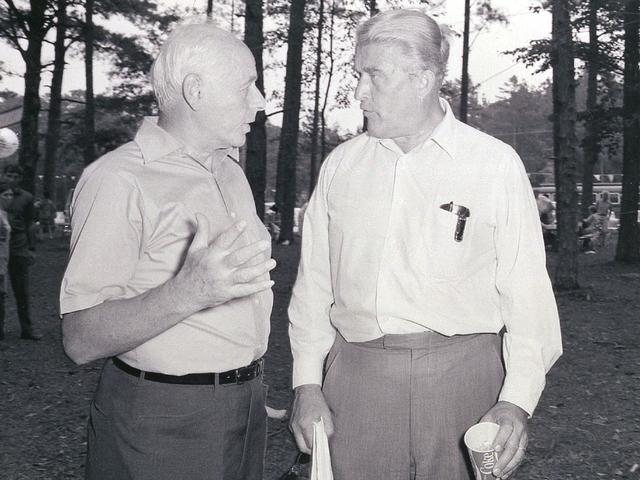
Marshall Space Flight Center (MSFC) Director Dr. Eberhard Rees conversing with former Center Director, Dr. Wernher von Braun, who along with his wife and son, participated in MFSC's Tenth Anniversary Celebration Picnic held at the Center's picnic area.
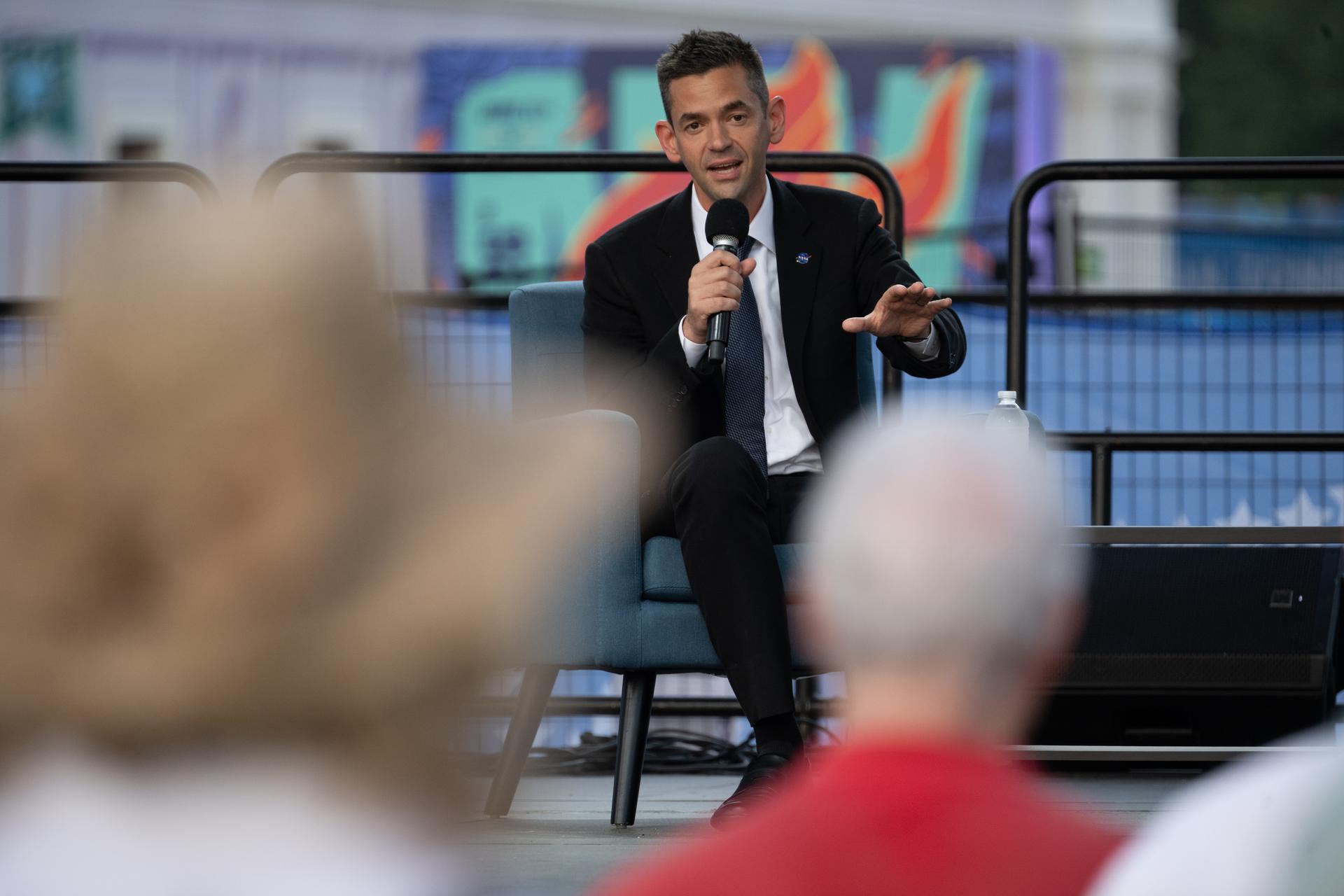
NASA Administrator Jared Isaacman is seen in conversation with Katie Pavlich about the past, present, and future of space exploration on the Freedom Stage at the Great American State Fair, Wednesday, July 8, 2026, on the National Mall in Washington, D.C. Photo Credit: (NASA/Joel Kowsky)
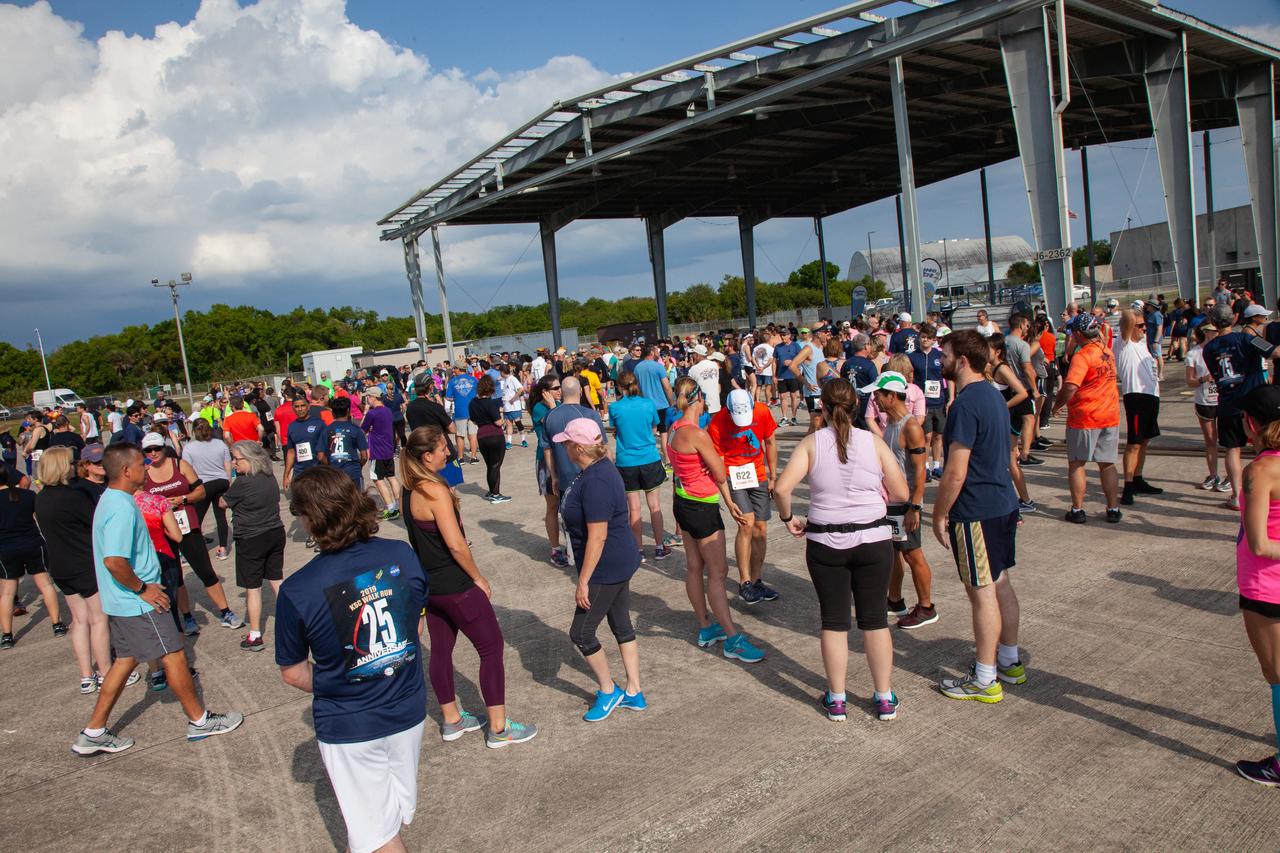
Kennedy Space Center employees and guests converse prior to the start of the Florida spaceport’s annual KSC Walk Run on March 26, 2019. Part of Kennedy’s Safety and Health Days, the event takes place at the Shuttle Landing Facility runway and offers participants the chance to partake in a two-mile walk or run, a 5K or a 10K.
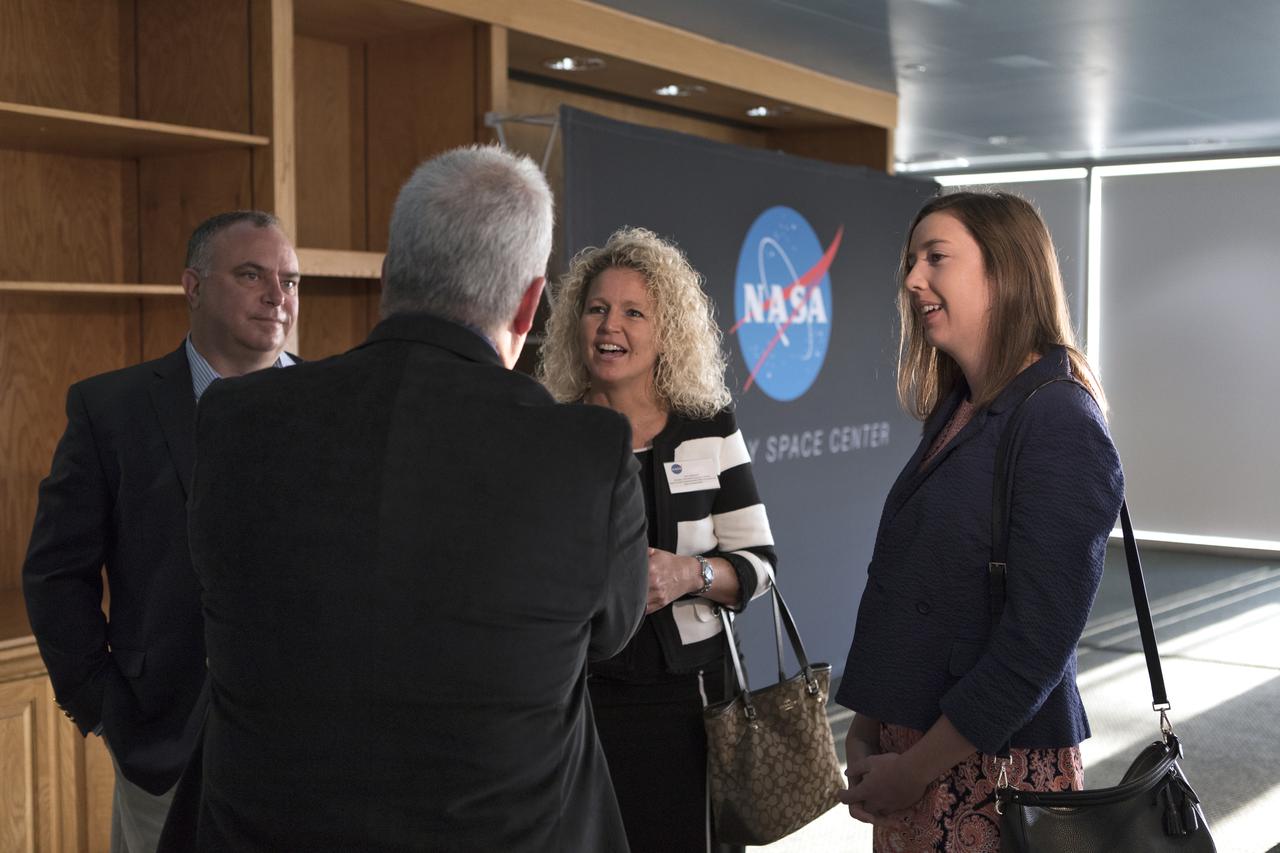
Multi-user spaceport partners converse prior to a roundtable discussion with U.S. Sen. Rick Scott and Kennedy Space Center Director Bob Cabana at Kennedy’s Saturn V Conference Center on March 15, 2019. The meeting was held to discuss the needs of the space center and Cape Canaveral Air Force Station.
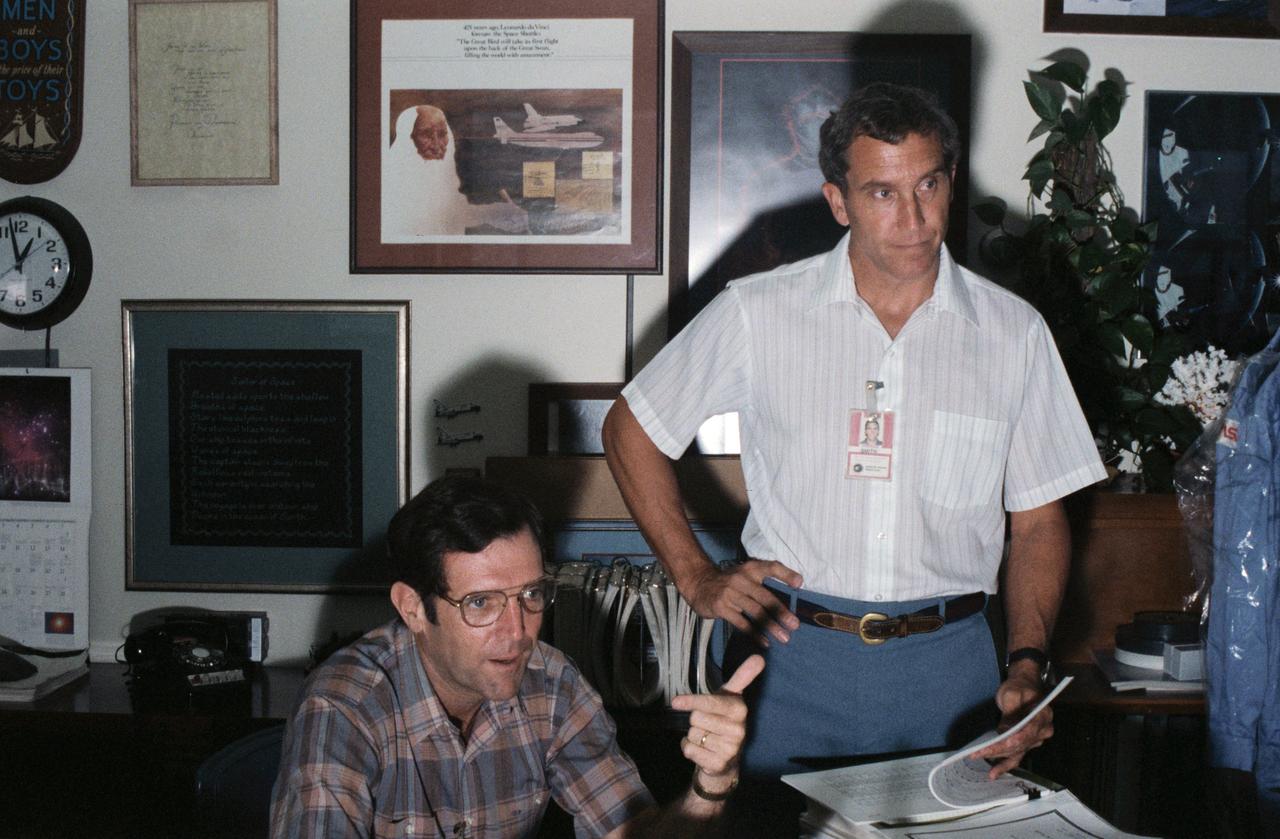
Candid views of the STS-33/51L Crew during study periods in their offices on 09/09/1985. Astronauts Michael J. Smith (right), STS 51L Pilot, and Francis R. (Dick) Scobee, 51L Mission Commander, are photographed in conversation while in training. JSC, HOUSTON, TX
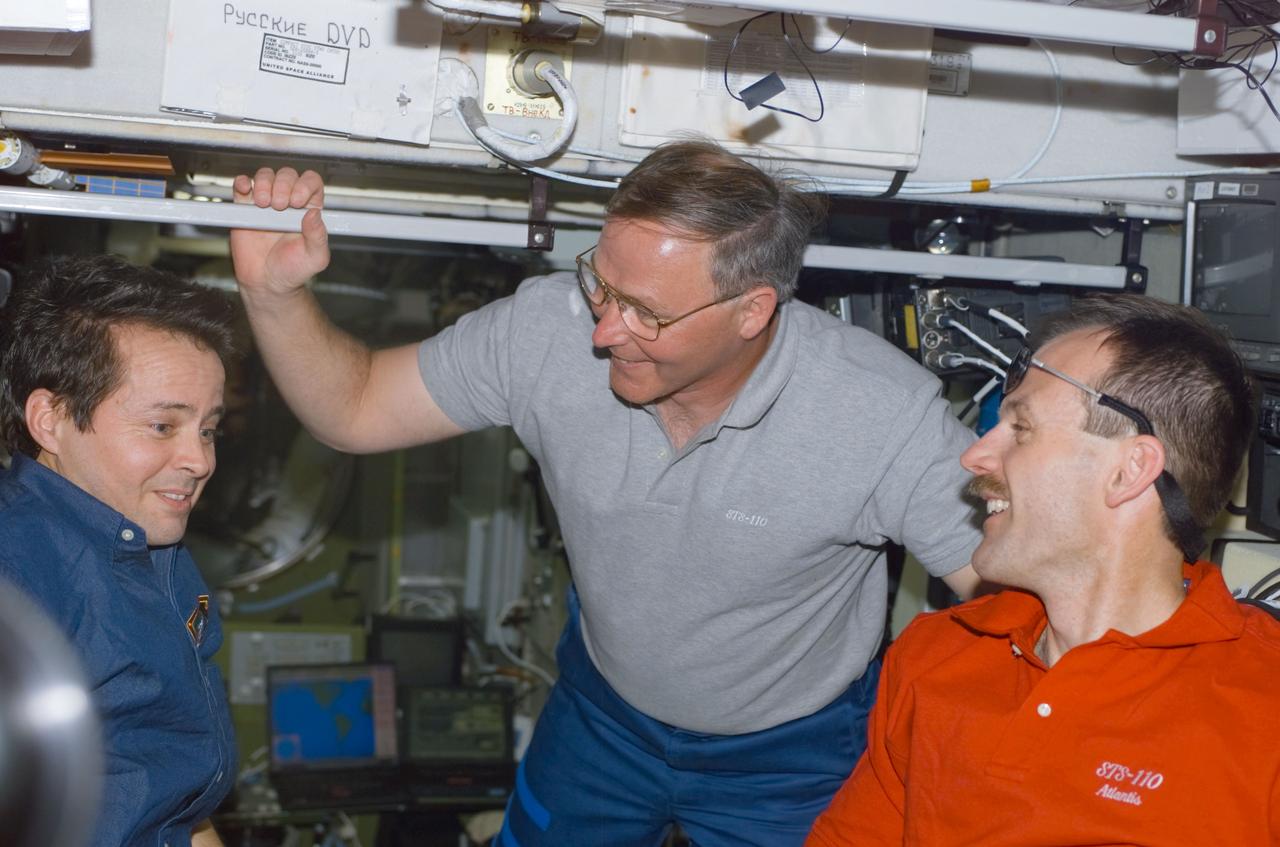
STS110-E-5122 (10 April 2002) --- Astronauts Daniel W. Bursch (left), Expedition Four flight engineer, Jerry L. Ross and Steven L. Smith, both STS-110 mission specialists, converse in the Zvezda Service Module on the International Space Station (ISS). The image was taken with a digital still camera.
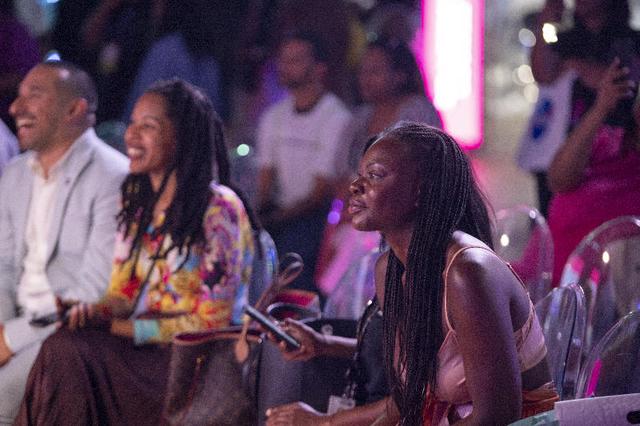
The audience for a Take Up Space (Literally) presentation at the 30th annual ESSENCE Fest in New Orleans on July 5 listens to a conversation with NASA representatives about Black women in the aerospace industry and diversity in science, technology, engineering, and mathematics (STEM).
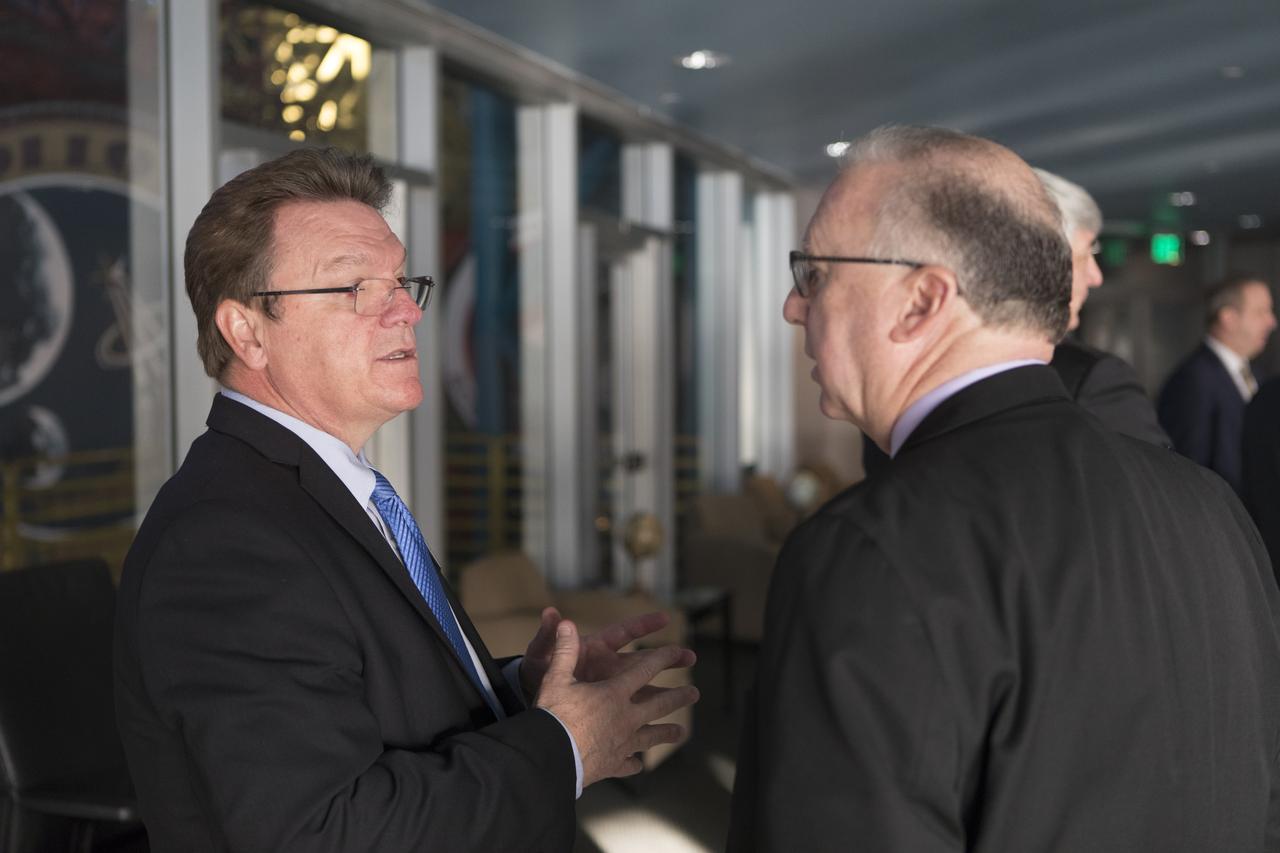
Multi-user spaceport partners converse prior to a roundtable discussion with U.S. Sen. Rick Scott and Kennedy Space Center Director Bob Cabana at Kennedy’s Saturn V Conference Center on March 15, 2019. The meeting was held to discuss the needs of the space center and Cape Canaveral Air Force Station.
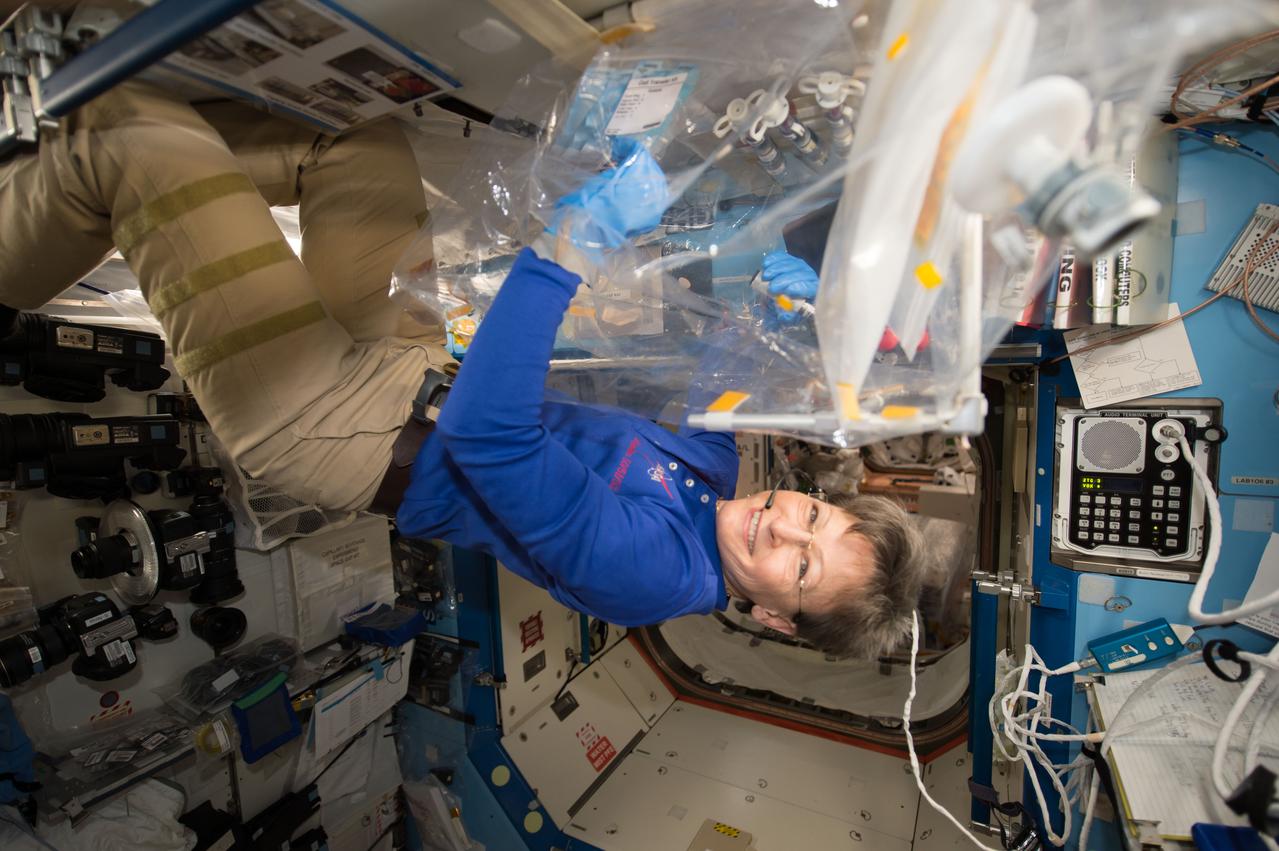
iss052e062035 (8/9/2017) --- NASA astronaut Peggy Whitson is photographed performing Cardiac Myocytes investigation operations. The Conversion of Adipogenic Mesenchymal Stem Cells into Mature Cardiac Myocytes (Cardiac Myocytes) investigation uses the microgravity environment of space to examine how stem cells differentiate into specialized heart cells (cardiac myocytes).
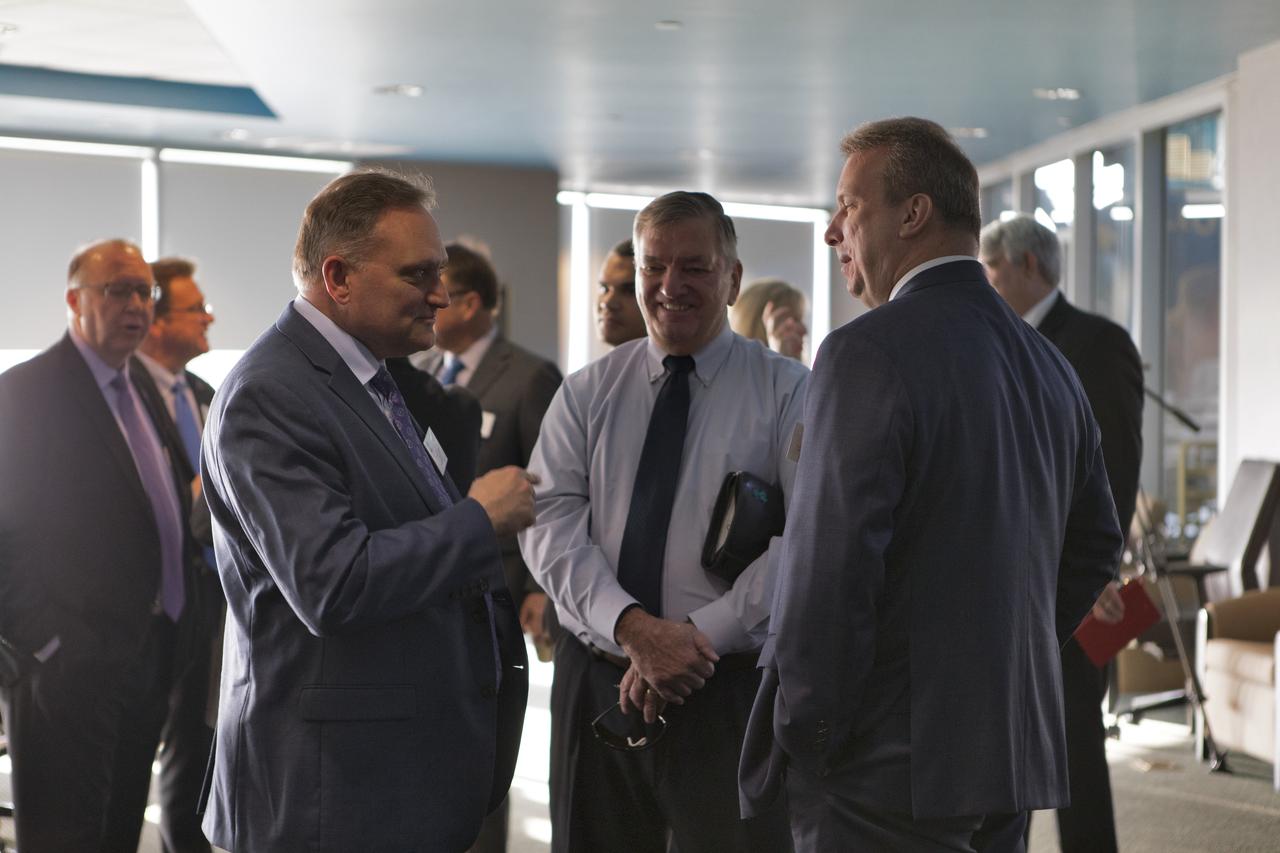
Multi-user spaceport partners converse prior to a roundtable discussion with U.S. Sen. Rick Scott and Kennedy Space Center Director Bob Cabana at Kennedy’s Saturn V Conference Center on March 15, 2019. The meeting was held to discuss the needs of the space center and Cape Canaveral Air Force Station.
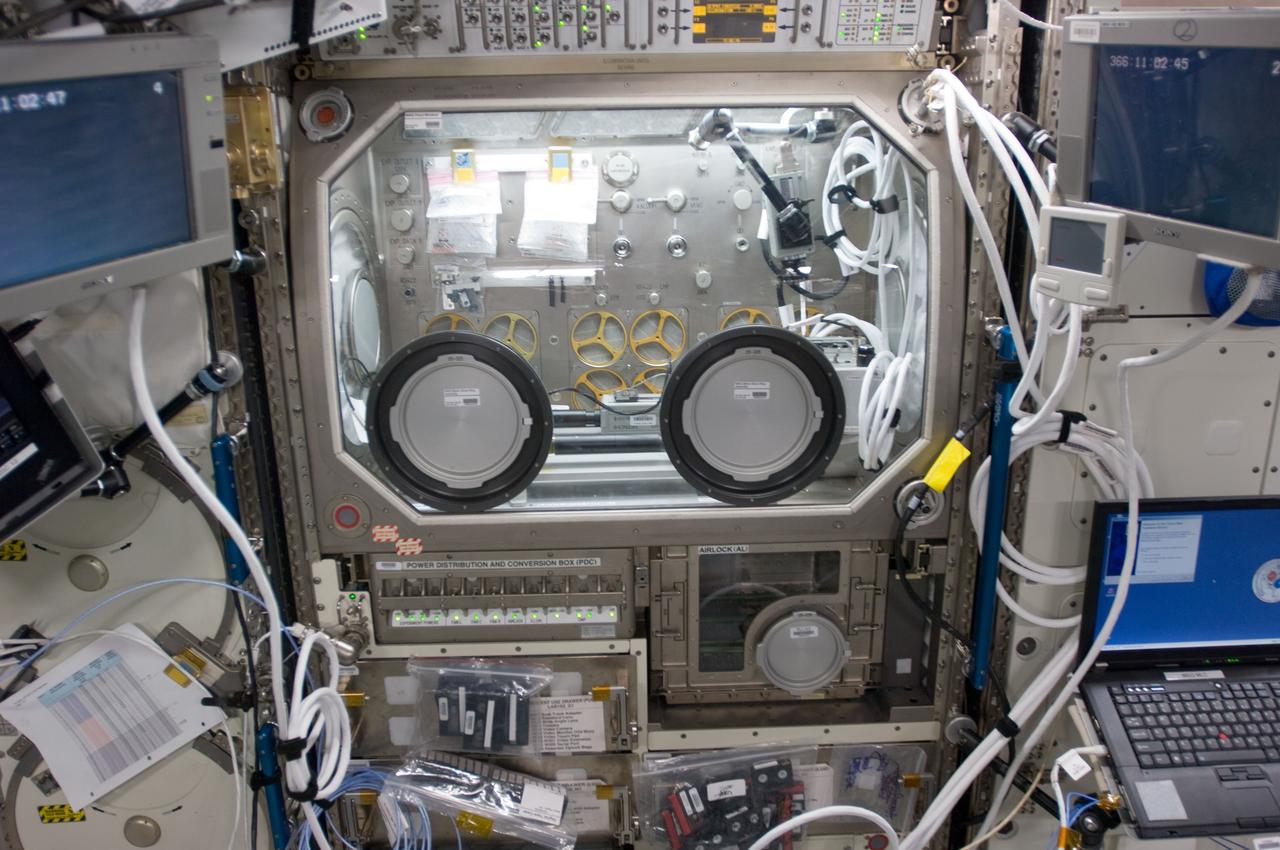
View of Command and Monitoring Panel (CMP),and Power Distribution and Conversion Box (PDC),on the Microgravity Science Glovebox (MSG) rack during Investigating the Structure of Paramagnetic Aggregates from Colloidal Emulsions 3 (InSPACE-3) Experiment,in the U.S. Laboratory. Photo was taken during Expedition 34.
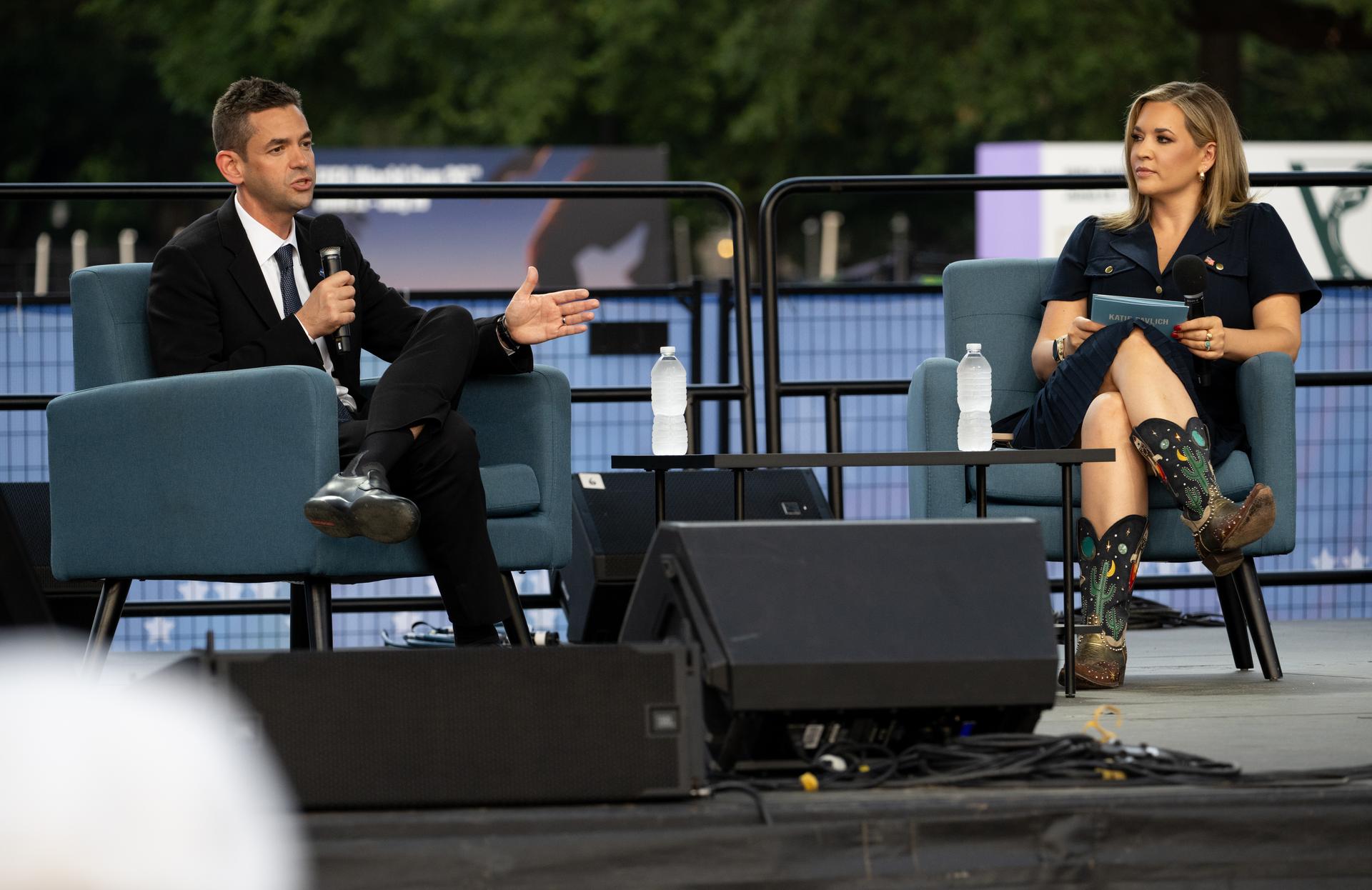
NASA Administrator Jared Isaacman, left, is seen in conversation with Katie Pavlich about the past, present, and future of space exploration on the Freedom Stage at the Great American State Fair, Wednesday, July 8, 2026, on the National Mall in Washington, D.C. Photo Credit: (NASA/Joel Kowsky)
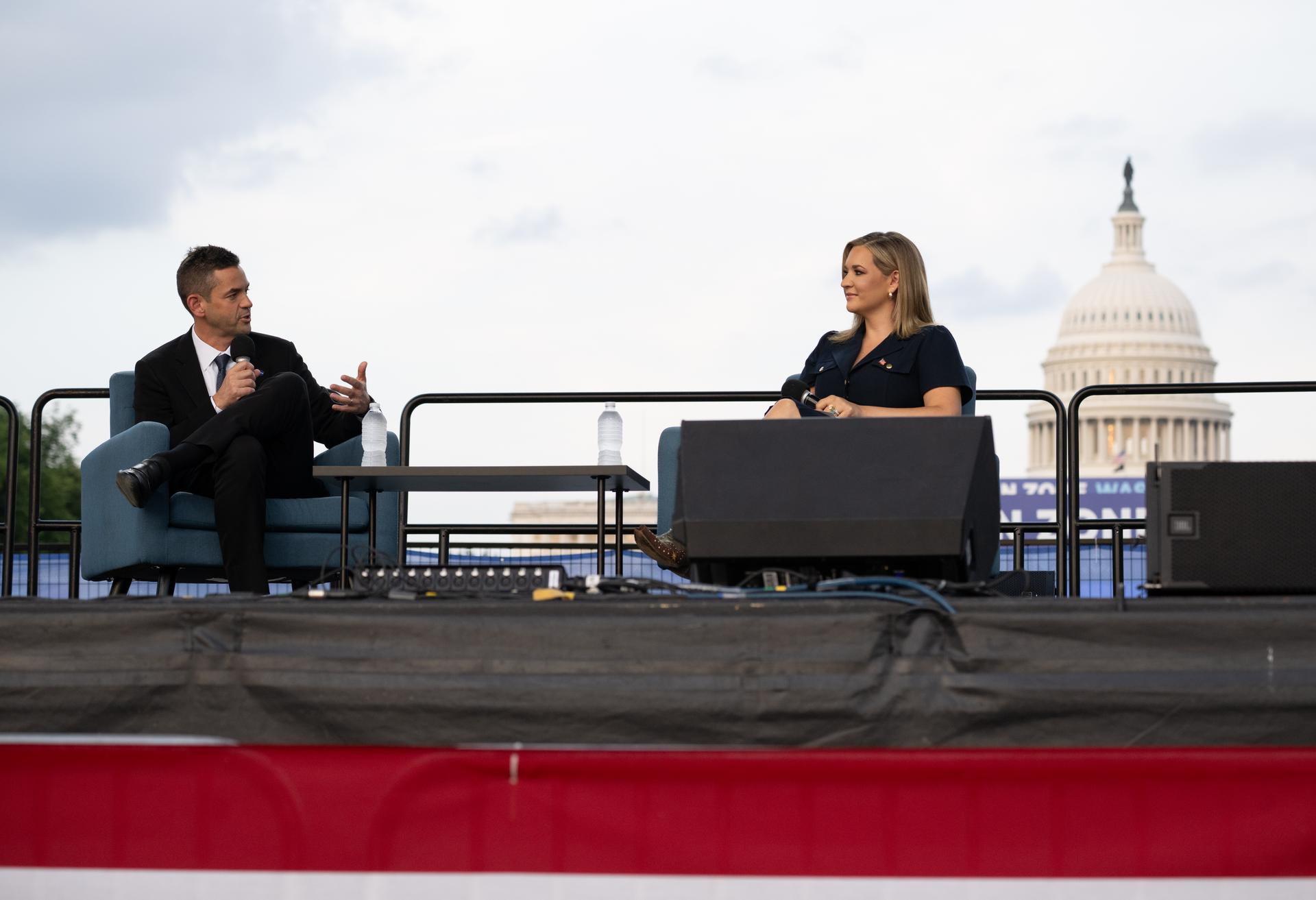
NASA Administrator Jared Isaacman, left, is seen in conversation with Katie Pavlich about the past, present, and future of space exploration on the Freedom Stage at the Great American State Fair, Wednesday, July 8, 2026, on the National Mall in Washington, D.C. Photo Credit: (NASA/Joel Kowsky)
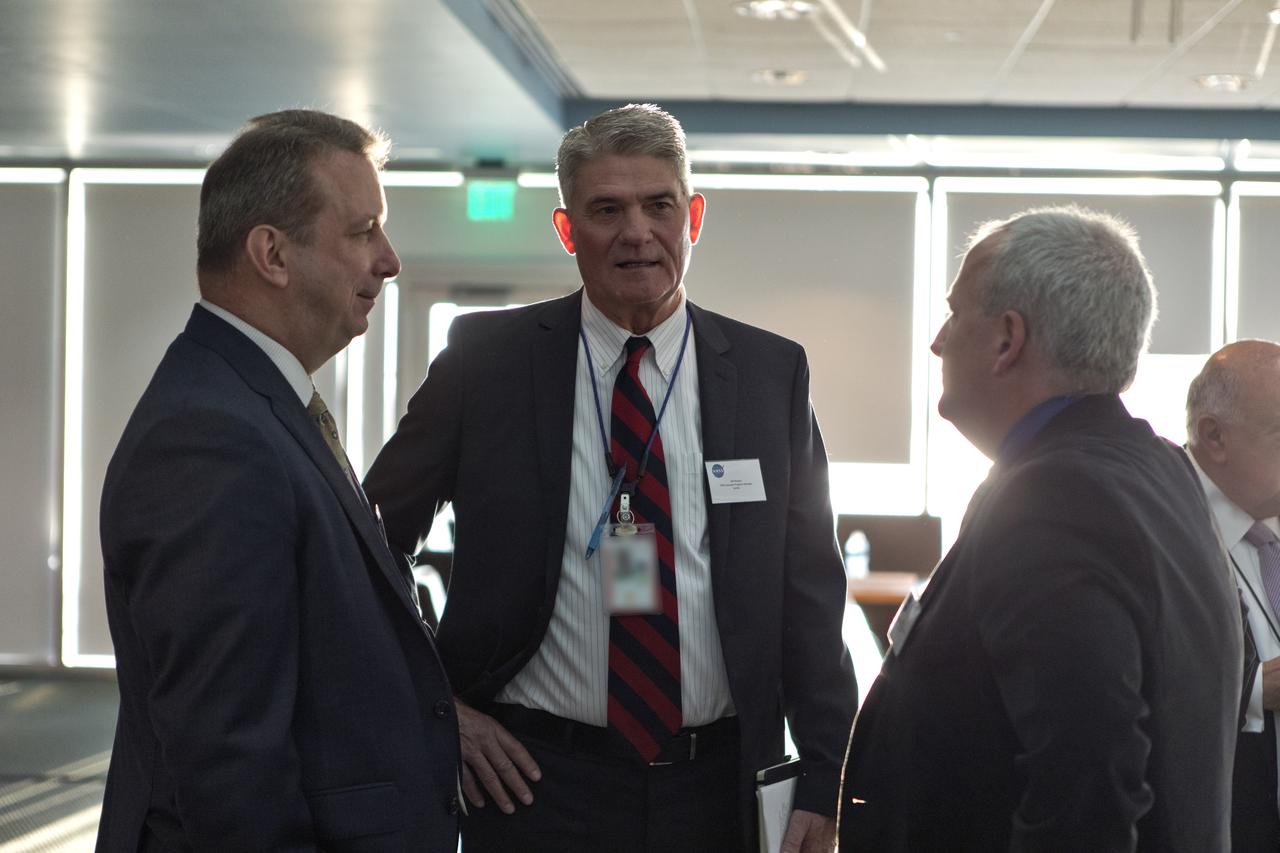
Multi-user spaceport partners converse prior to a roundtable discussion with U.S. Sen. Rick Scott and Kennedy Space Center Director Bob Cabana at Kennedy’s Saturn V Conference Center on March 15, 2019. The meeting was held to discuss the needs of the space center and Cape Canaveral Air Force Station.

iss052e062004 (8/9/2017) --- NASA astronaut Peggy Whitson is photographed performing Cardiac Myocytes investigation operations. The Conversion of Adipogenic Mesenchymal Stem Cells into Mature Cardiac Myocytes (Cardiac Myocytes) investigation uses the microgravity environment of space to examine how stem cells differentiate into specialized heart cells (cardiac myocytes).
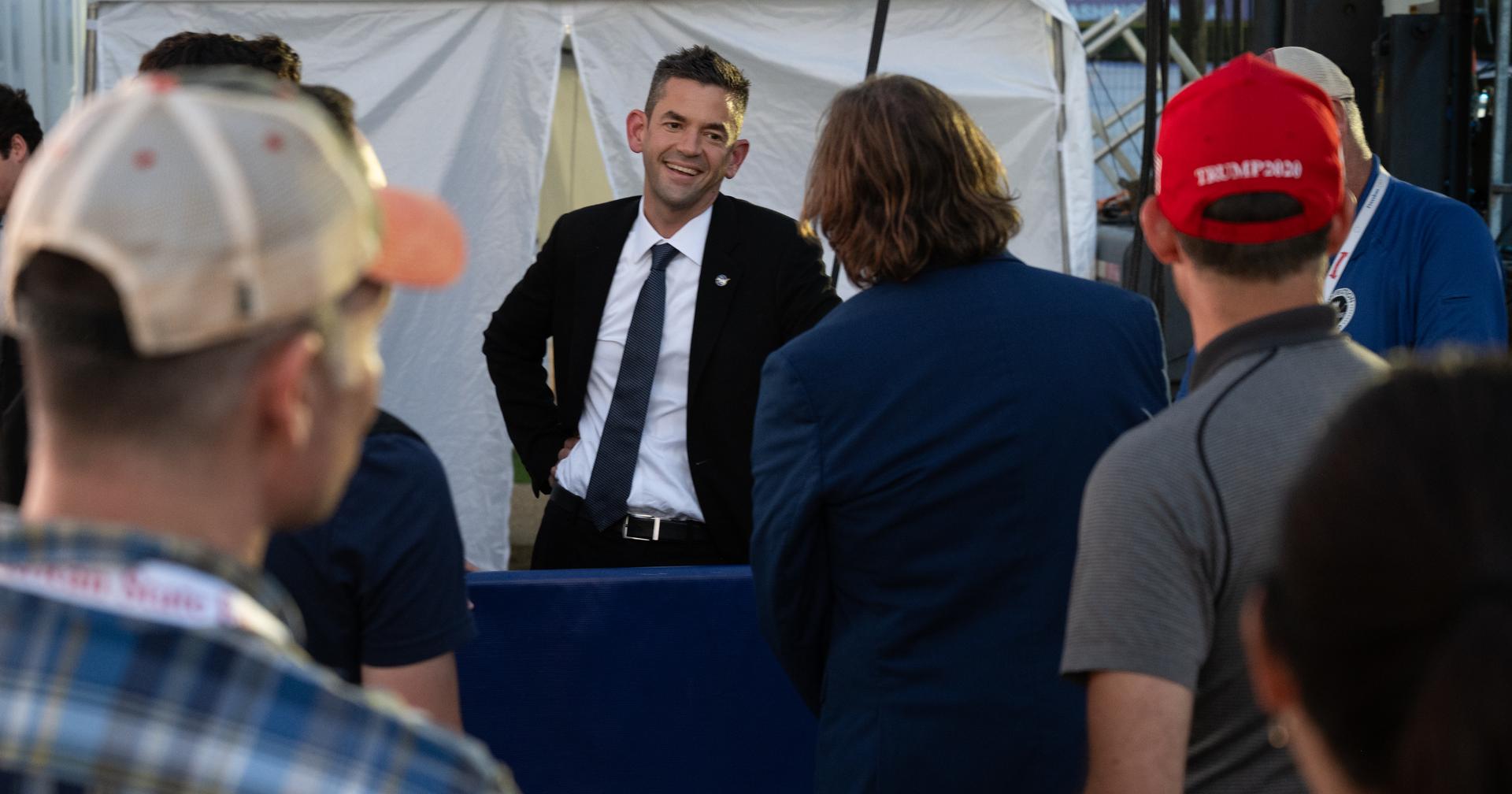
NASA Administrator Jared Isaacman speaks with attendees following a conversation with Katie Pavlich about the past, present, and future of space exploration on the Freedom Stage at the Great American State Fair, Wednesday, July 8, 2026, on the National Mall in Washington, D.C. Photo Credit: (NASA/Joel Kowsky)
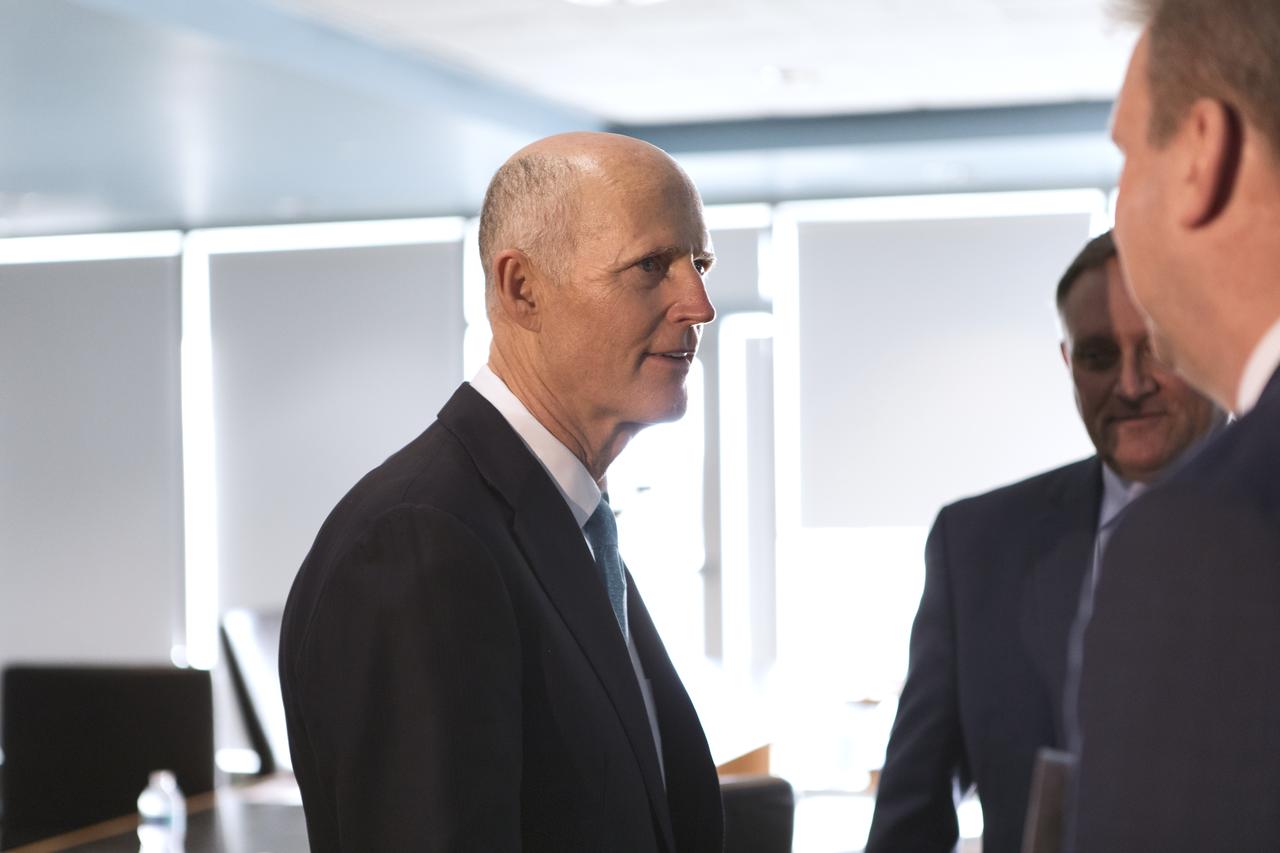
U.S. Sen. Rick Scott converses with multi-user spaceport partners prior to a roundtable discussion among Kennedy Space Center Director Bob Cabana and center partners at Kennedy’s Saturn V Conference Center on March 15, 2019. The meeting was held to discuss the needs of the space center and Cape Canaveral Air Force Station.
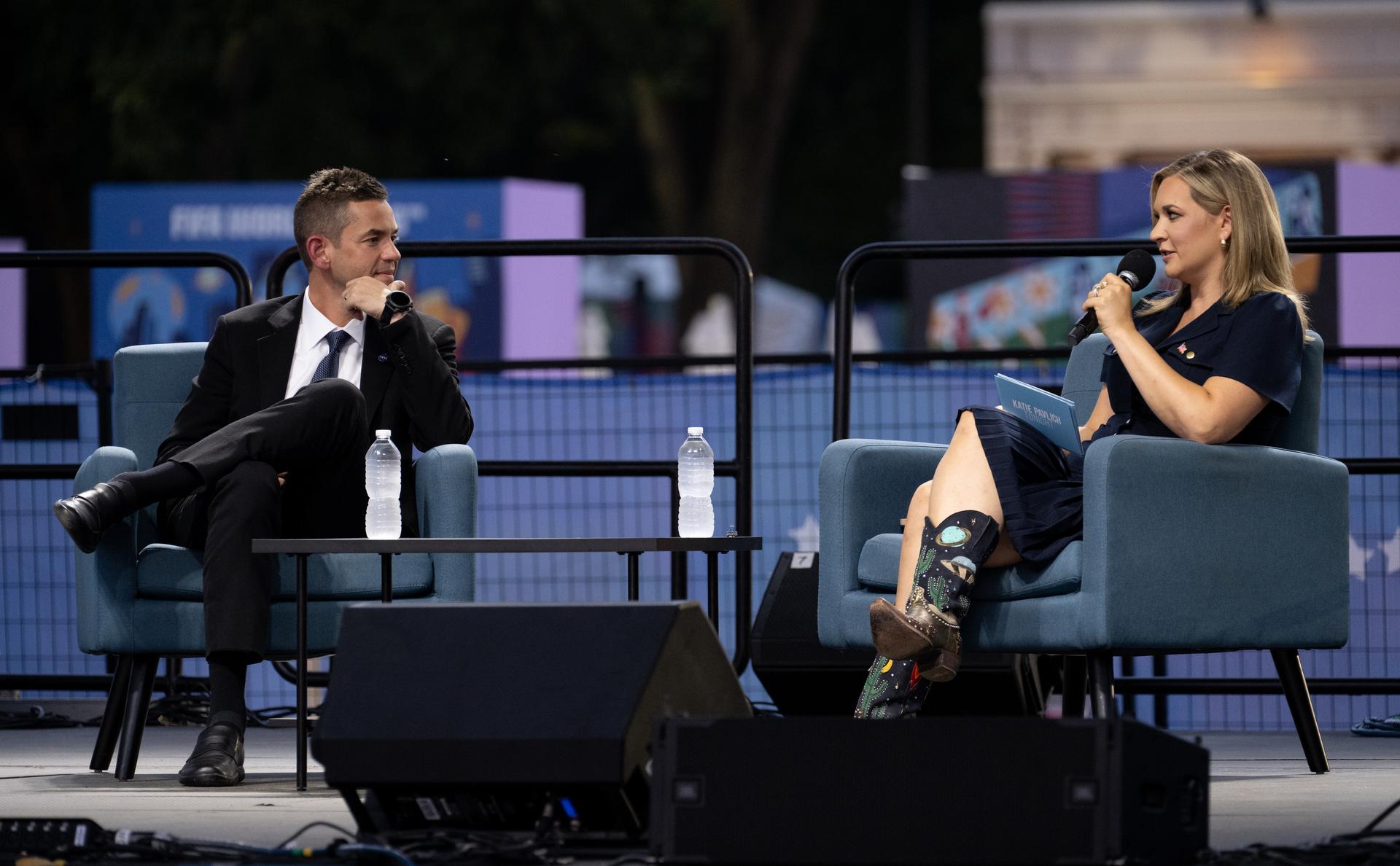
NASA Administrator Jared Isaacman, left, is seen in conversation with Katie Pavlich about the past, present, and future of space exploration on the Freedom Stage at the Great American State Fair, Wednesday, July 8, 2026, on the National Mall in Washington, D.C. Photo Credit: (NASA/Joel Kowsky)
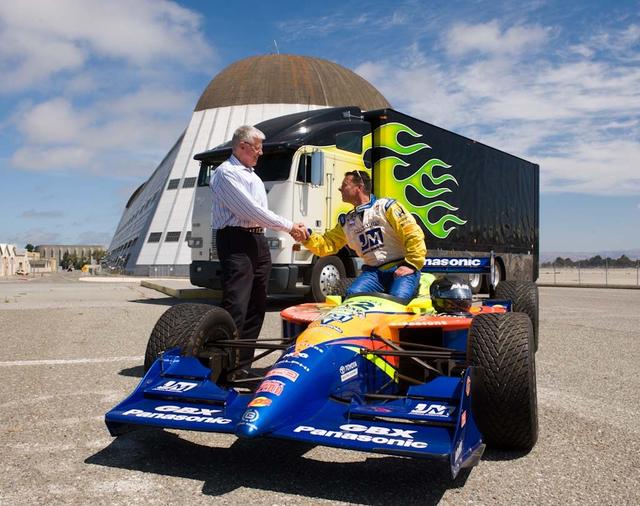
NASA Research Park (NRP) Timothy Collins, President and Chairman, KleenSpeed Technologies, Inc. and Captain Andrew Butte, rescue helicopter pilot and former Army Aviator, with Butte's 1999 SWIFT. ChampCar Butte has given his racecar to KleenSpeed for conversion to electric.
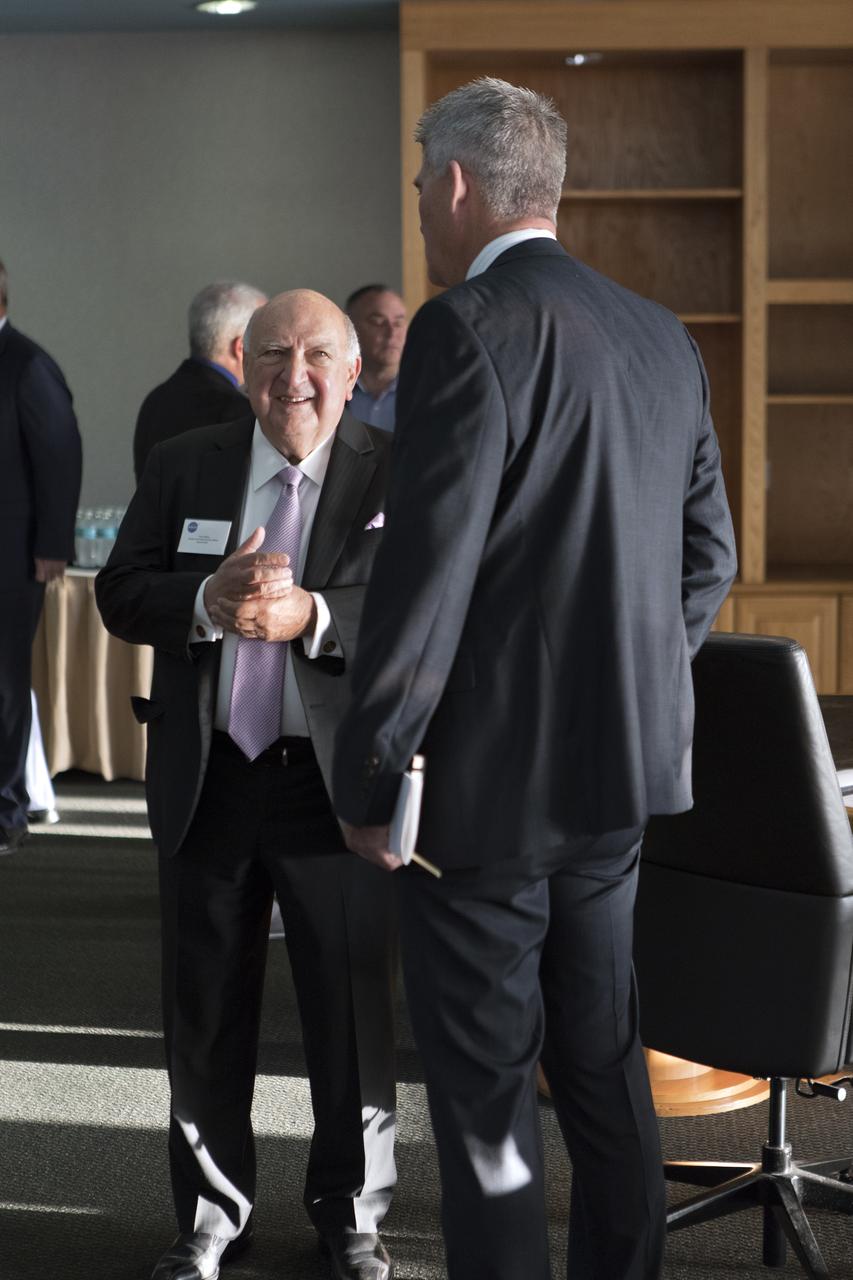
Multi-user spaceport partners converse prior to a roundtable discussion with U.S. Sen. Rick Scott and Kennedy Space Center Director Bob Cabana at Kennedy’s Saturn V Conference Center on March 15, 2019. The meeting was held to discuss the needs of the space center and Cape Canaveral Air Force Station.
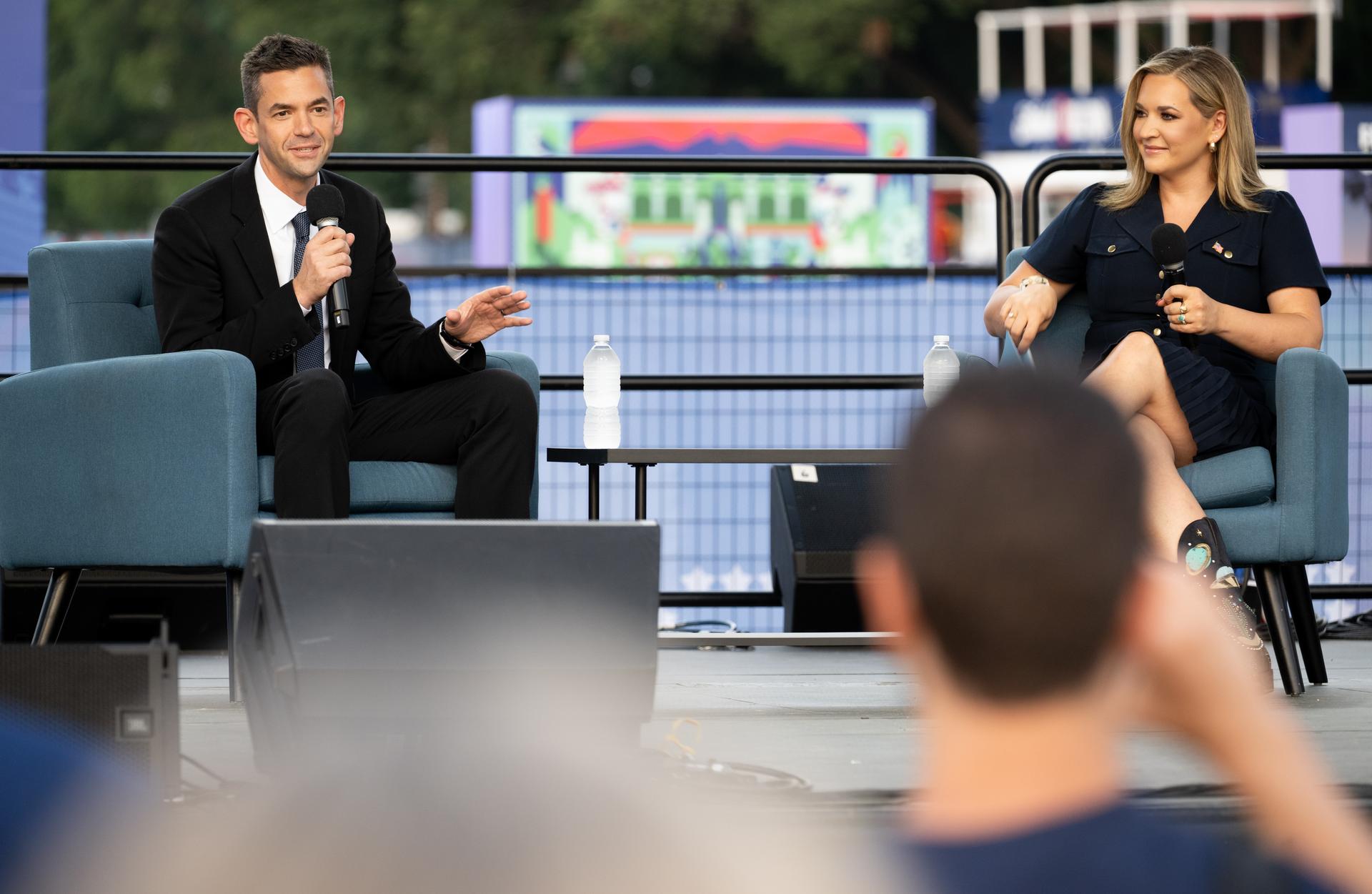
NASA Administrator Jared Isaacman, left, is seen in conversation with Katie Pavlich about the past, present, and future of space exploration on the Freedom Stage at the Great American State Fair, Wednesday, July 8, 2026, on the National Mall in Washington, D.C. Photo Credit: (NASA/Joel Kowsky)
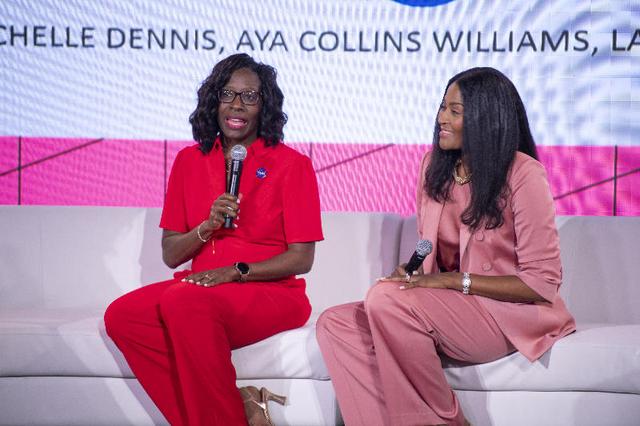
NASA Assistant Deputy Associate Administrator for the Moon to Mars Program Office Lakiesha Hawkins, left, and NASA Director of Engagement Aya Collins are shown at the Take Up Space (Literally) panel conversation during the 30th annual ESSENCE Fest in New Orleans on July 5.
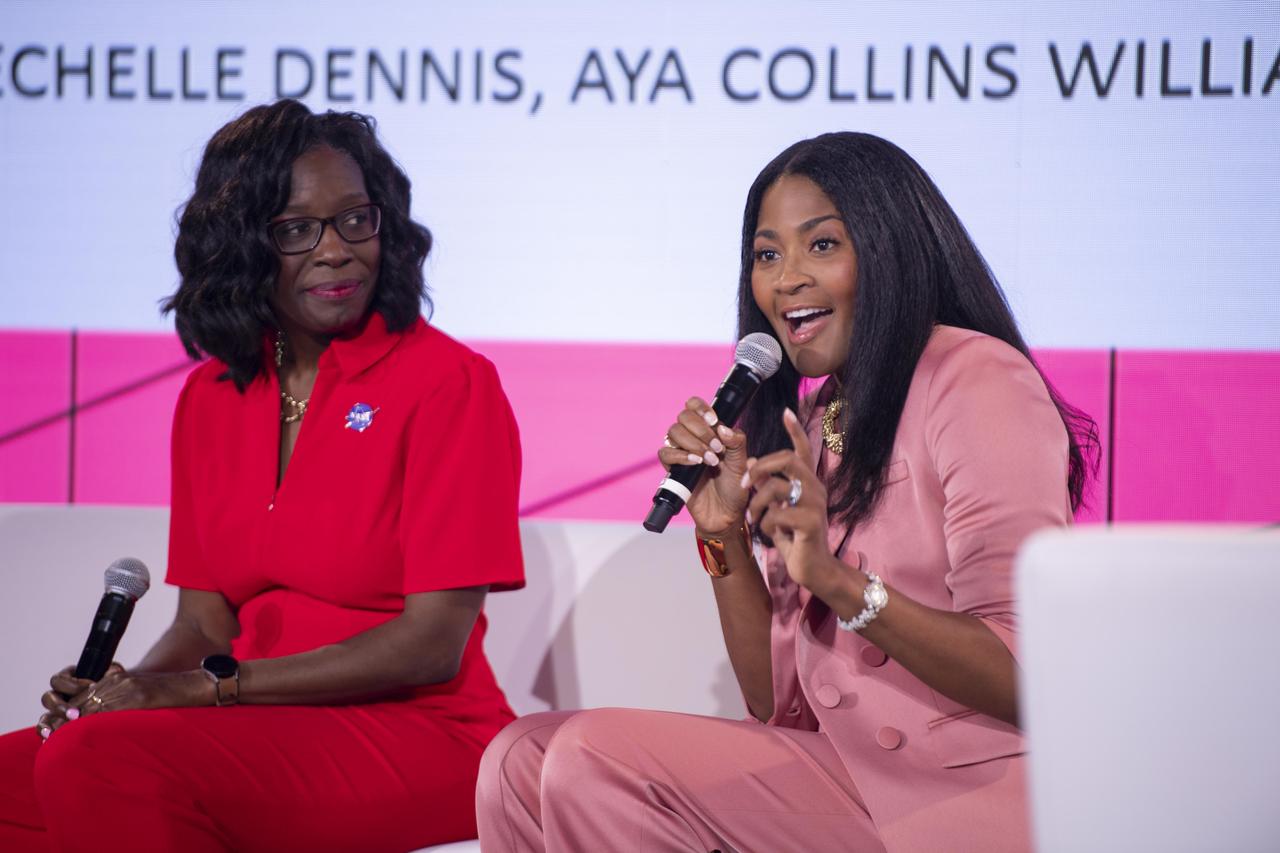
NASA Assistant Deputy Associate Administrator for the Moon to Mars Program Office Lakiesha Hawkins, left, and NASA Director of Engagement Aya Collins, right, talk about opportunities with NASA at the Take Up Space (Literally) panel conversation during the ESSENCE Fest event in New Orleans on July 5.
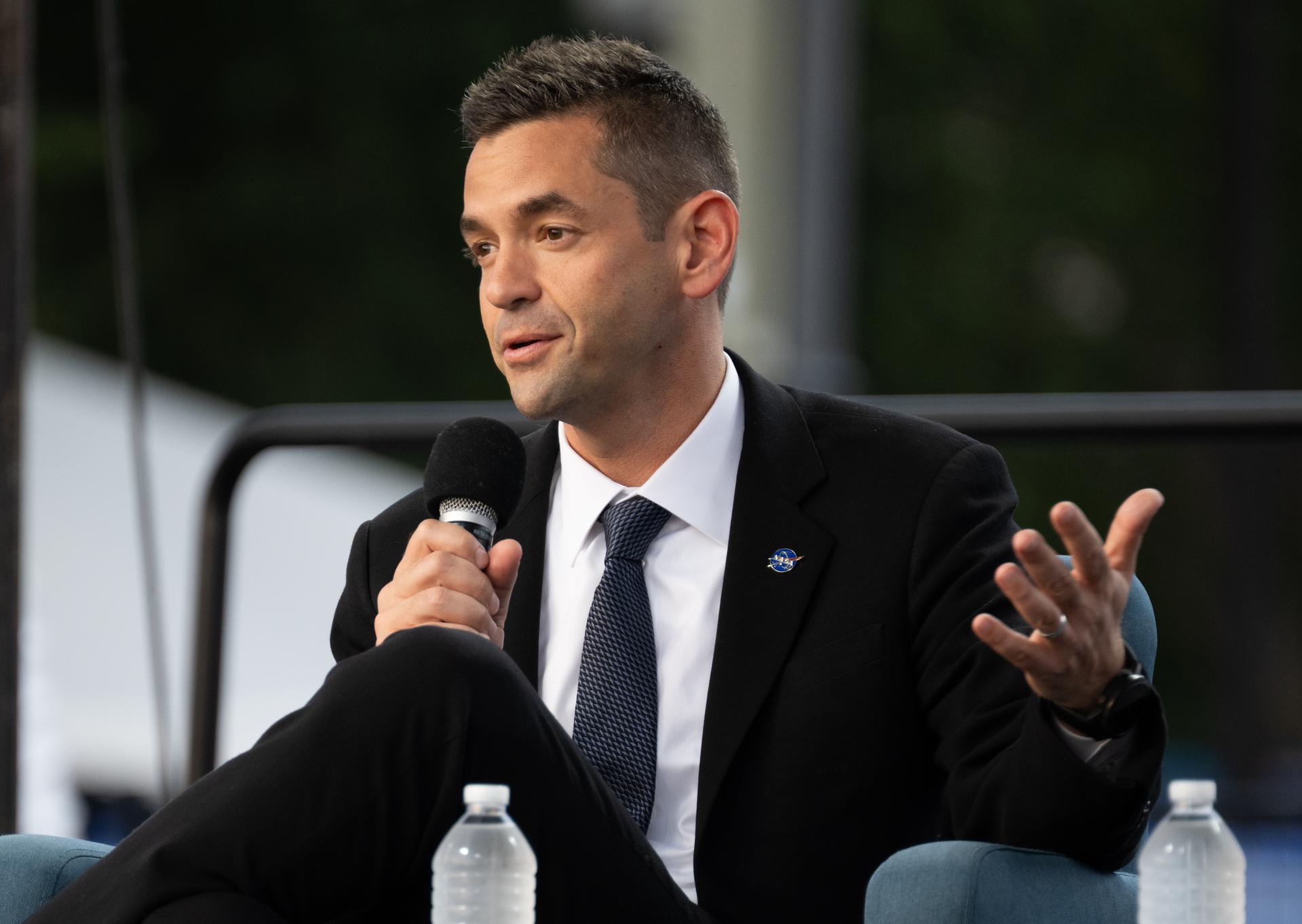
NASA Administrator Jared Isaacman is seen in conversation with Katie Pavlich about the past, present, and future of space exploration on the Freedom Stage at the Great American State Fair, Wednesday, July 8, 2026, on the National Mall in Washington, D.C. Photo Credit: (NASA/Joel Kowsky)
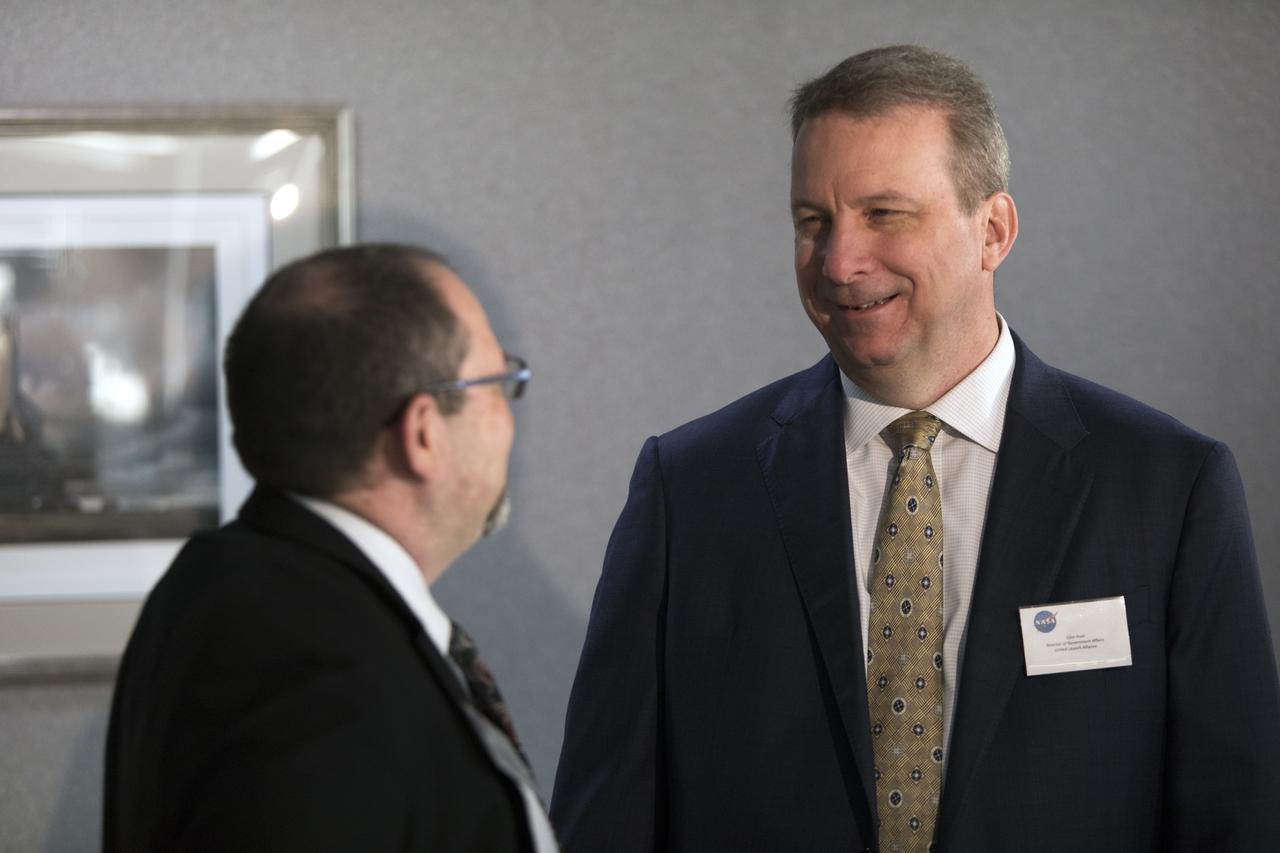
Multi-user spaceport partners converse prior to a roundtable discussion with U.S. Sen. Rick Scott and Kennedy Space Center Director Bob Cabana at Kennedy’s Saturn V Conference Center on March 15, 2019. The meeting was held to discuss the needs of the space center and Cape Canaveral Air Force Station.
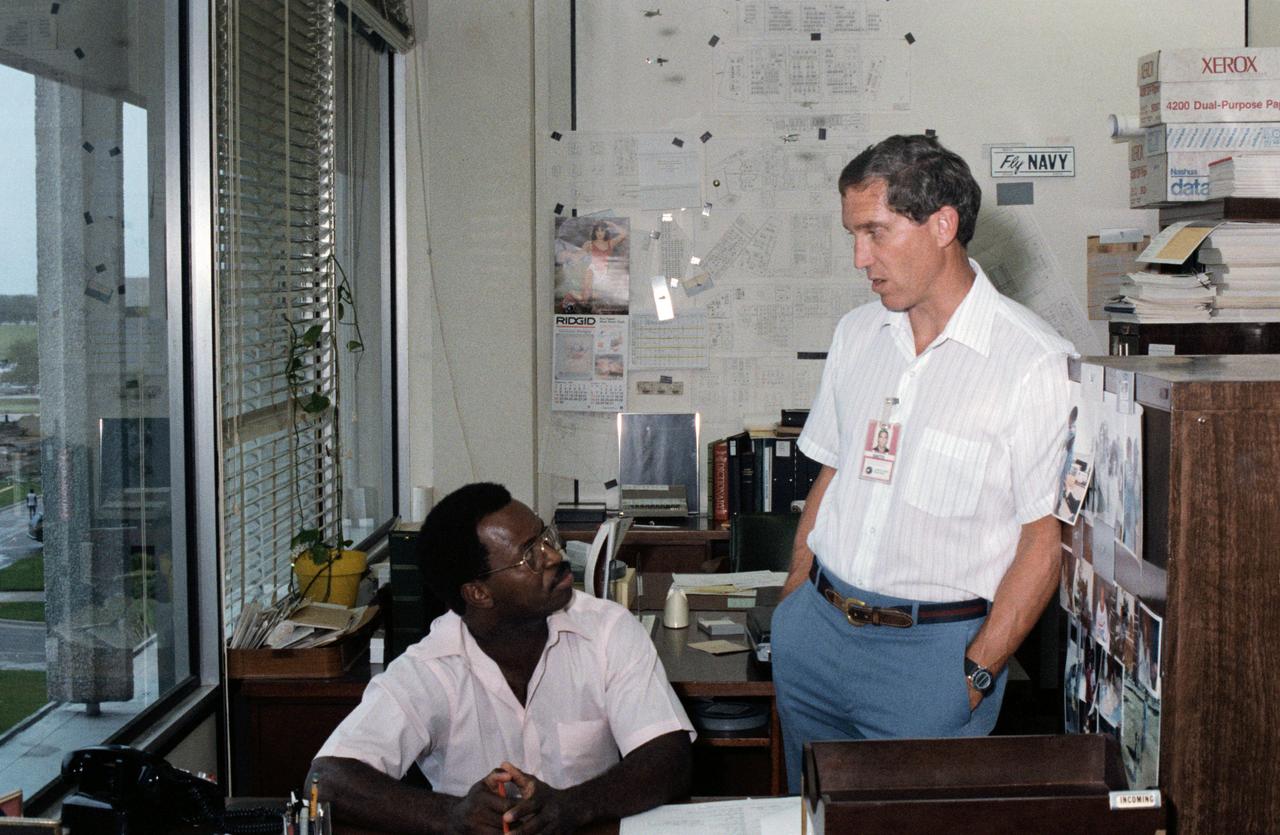
Candid views of the STS-33/51L Crew during study periods in their offices, 09/09/1985. Astronauts Michael J. Smith, STS-51L Pilot, and Ronald E. McNair, STS-51L Mission Specialist, are photographed in conversation while in training at JSC. JSC, HOUSTON, TX
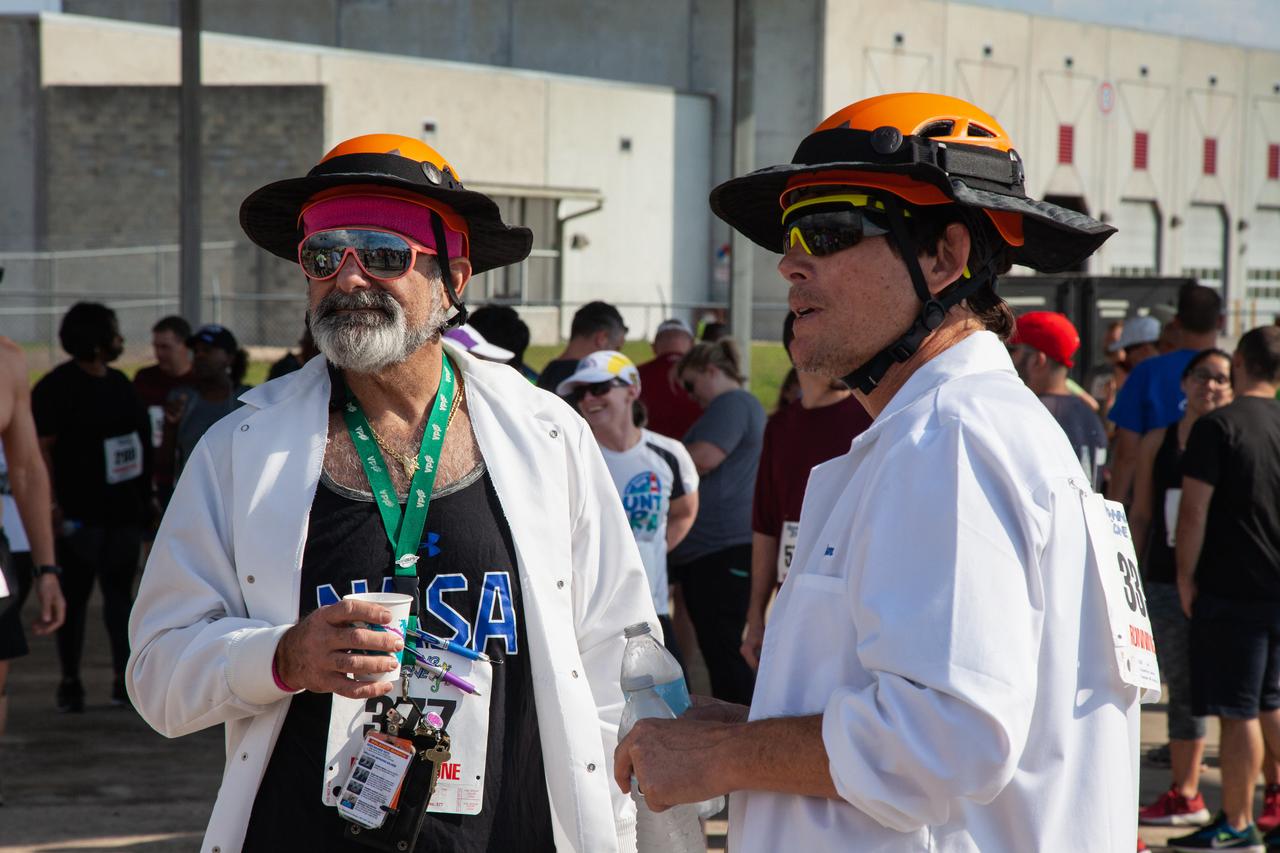
Kennedy Space Center employees and guests converse prior to the start of the Florida spaceport’s annual KSC Walk Run on March 26, 2019. Part of Kennedy’s Safety and Health Days, the event takes place at the Shuttle Landing Facility runway and offers participants the chance to partake in a two-mile walk or run, a 5K or a 10K.
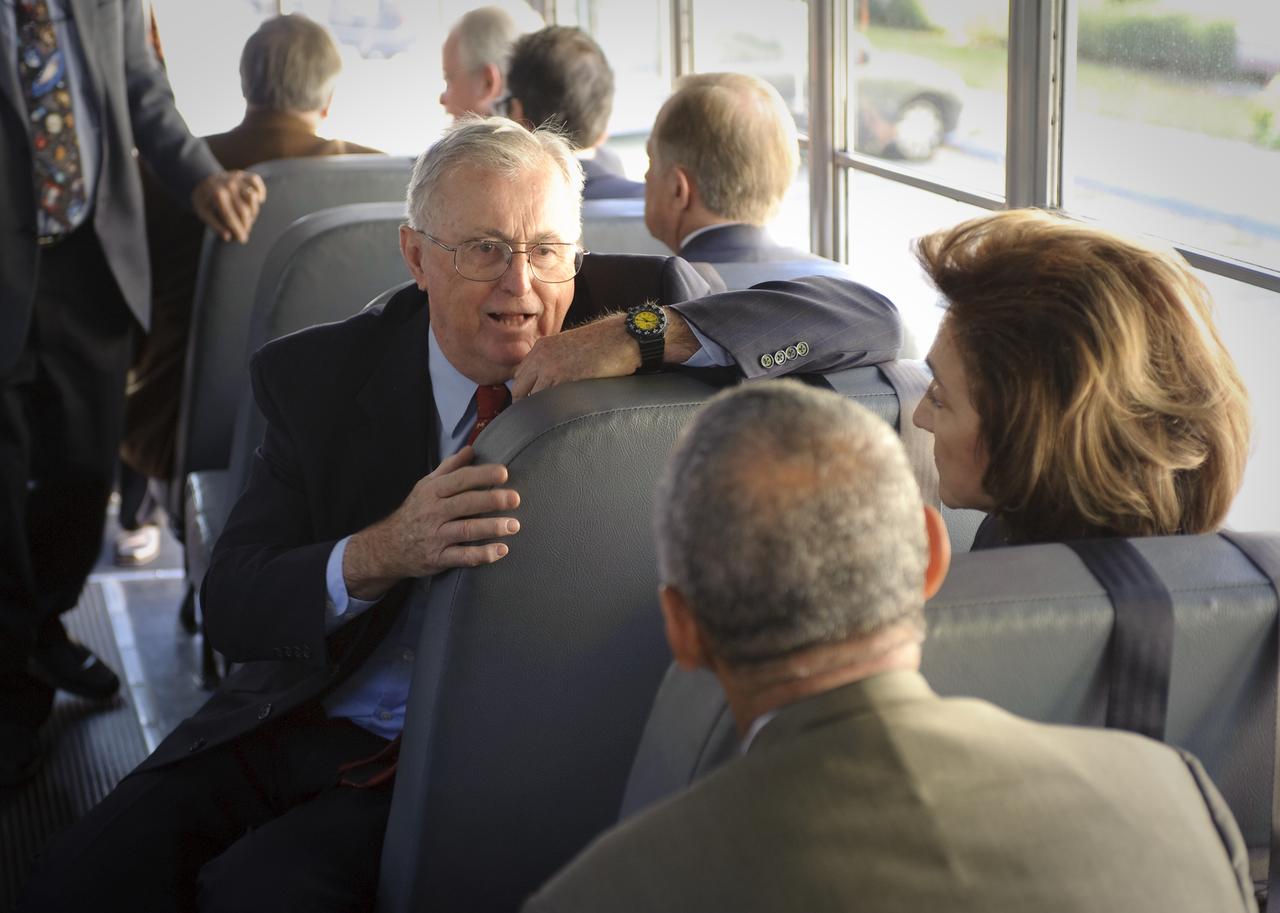
NASA Advisory Council Meeting at NASA Ames Research Center NRP Conference Center. on the bus conversations Charlie Bolden, NASA Administrator, Marion Blakey, Chair, Aeronautics Committee and Dr Westley T Huntress, Jr., Chair, Science Committee
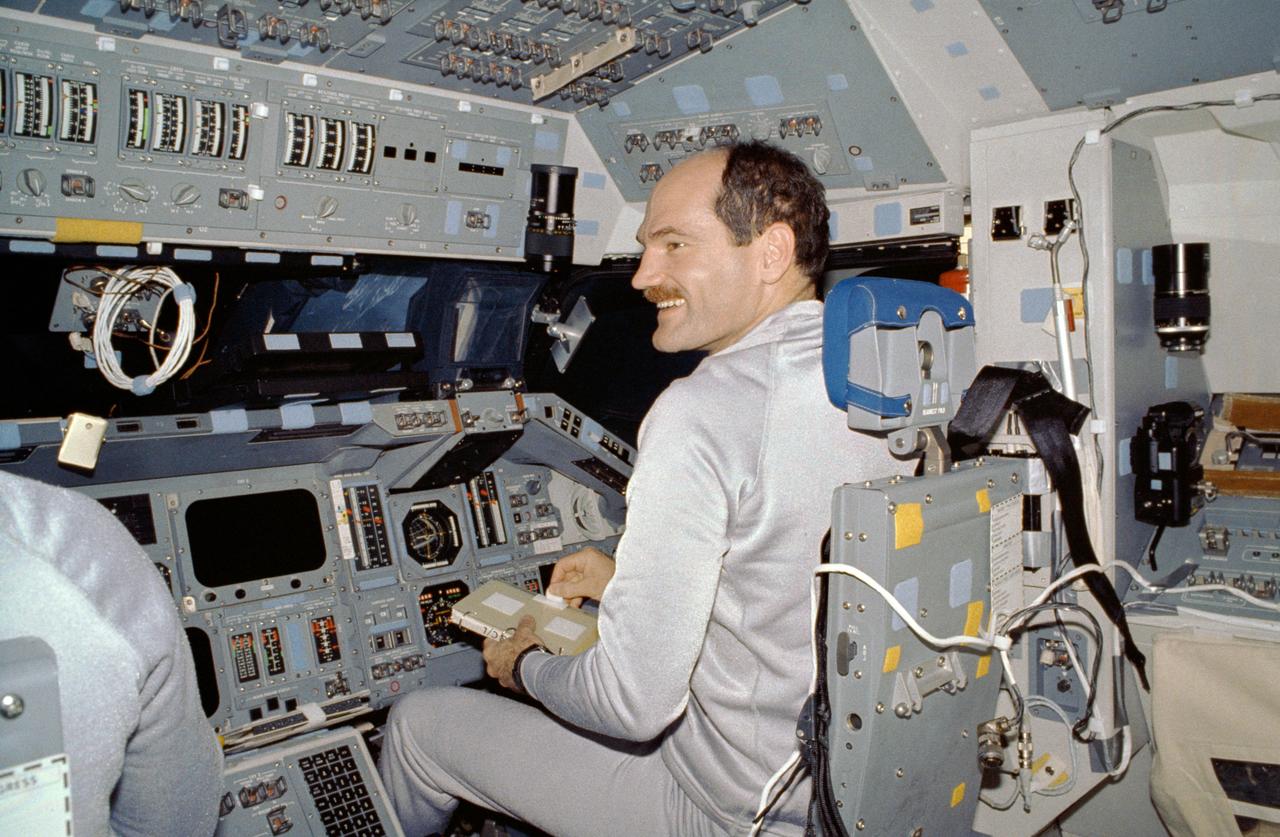
STS027-10-020a (2-6 Dec. 1988) --- Astronaut Guy S. Gardner, STS-27 pilot, converses with astronaut Robert L. Gibson (almost totally out of view at left) commander, as the two are seated at their respective stations on the flight deck of the Earth-orbiting space shuttle Atlantis. Photo credit: NASA
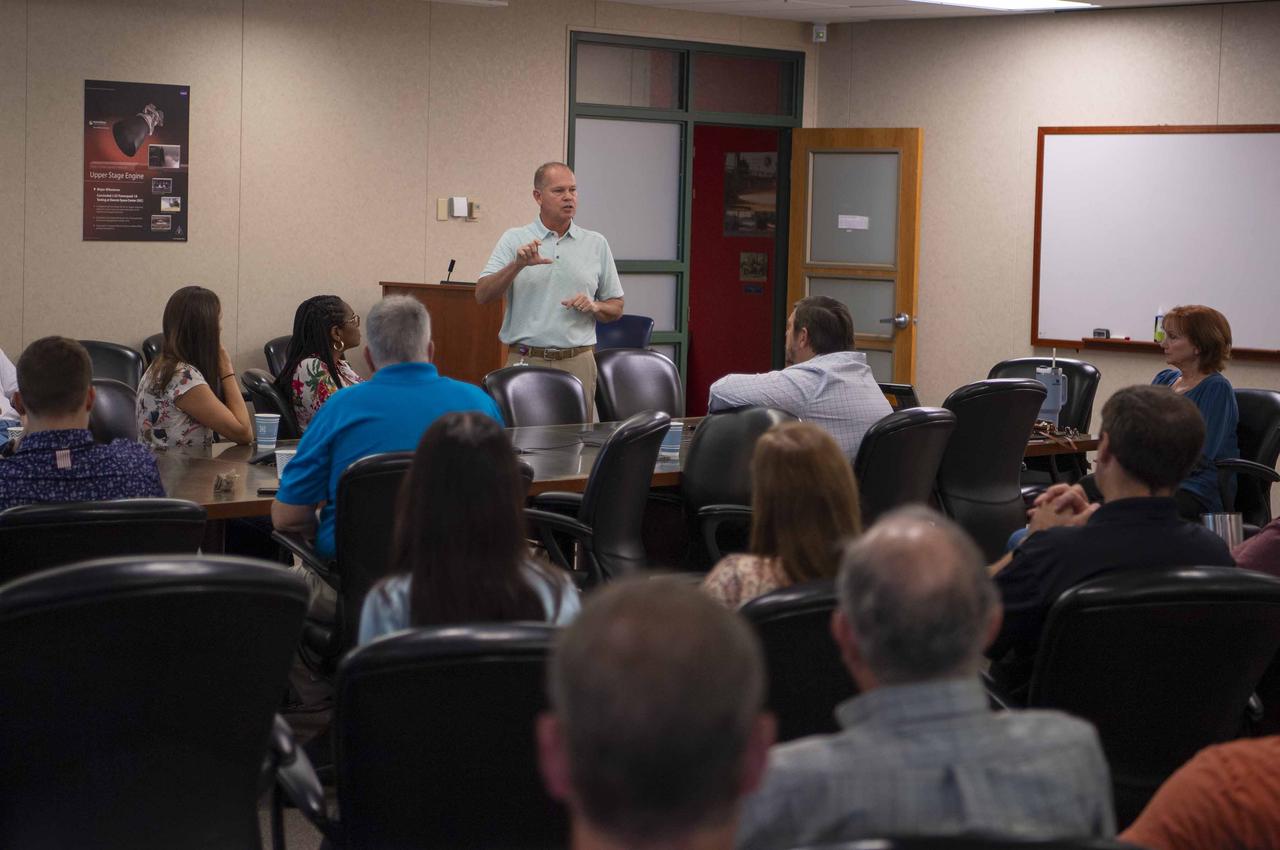
NASA Stennis Director John Bailey hosts a Java with John session with agency employees Aug. 22. The employee-led discussion happens in a relaxed environment with conversations aimed at fostering a culture where employees are welcome to share what matters most to them at work.
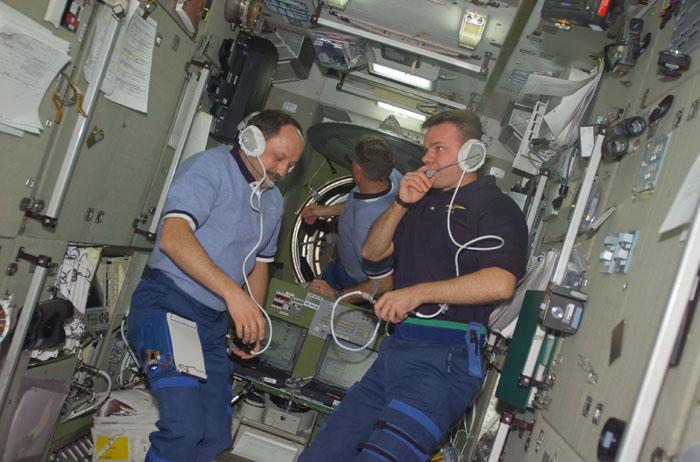
STS102-E-5102 (10 March 2001) --- Left to right, cosmonaut Yury V. Usachev, astronaut James S. Voss and cosmonaut Yuri P. Gidzenko visit on the International Space Station soon after hatches were open between the Discovery and the station. Gidzenko, Soyuz commander on the Expedition One crew, will be returning with the STS-102 crew aboard Discovery after having been onboard the orbiting outpost since early November of 2000. Usachev, Expedition Two commander, along with astronauts Voss and Susan J. Helms are taking over the station for a lengthy stay. The photograph was recorded with a digital still camera.
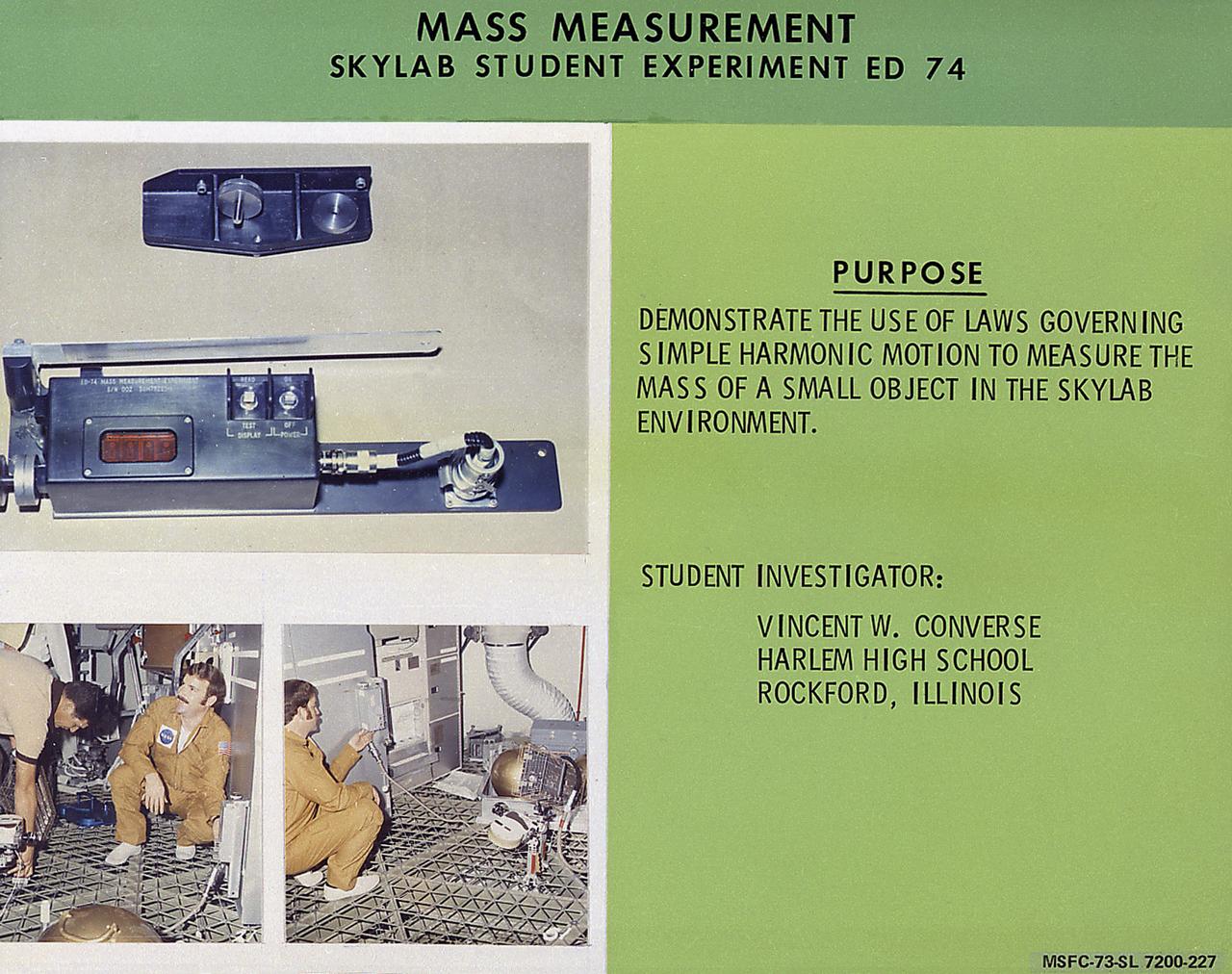
Vincent W. Converse of Rockford, Illinois proposed Skylab's student experiment ED-74, Mass Measurement, to measure mass in a weightless environment. This chart describes Converse's experiment. Mass is the quantity of matter in any object. The gravitational force between an object and the Earth is called weight, which is a result of the Earth's gravity acting upon the object's mass. Even though objects in Skylab were apparently weightless, their mass properties were unchanged. Measurement of mass is therefore an acceptable alternative to measurement of weight. The devices used in this experiment provided accurate mass measurements of the astronauts' weights, intakes, and body wastes throughout the missions. In March 1972, NASA and the National Science Teachers Association selected 25 experiment proposals for flight on Skylab. Science advisors from the Marshall Space Flight Center aided and assisted the students in developing the proposals for flight on Skylab.
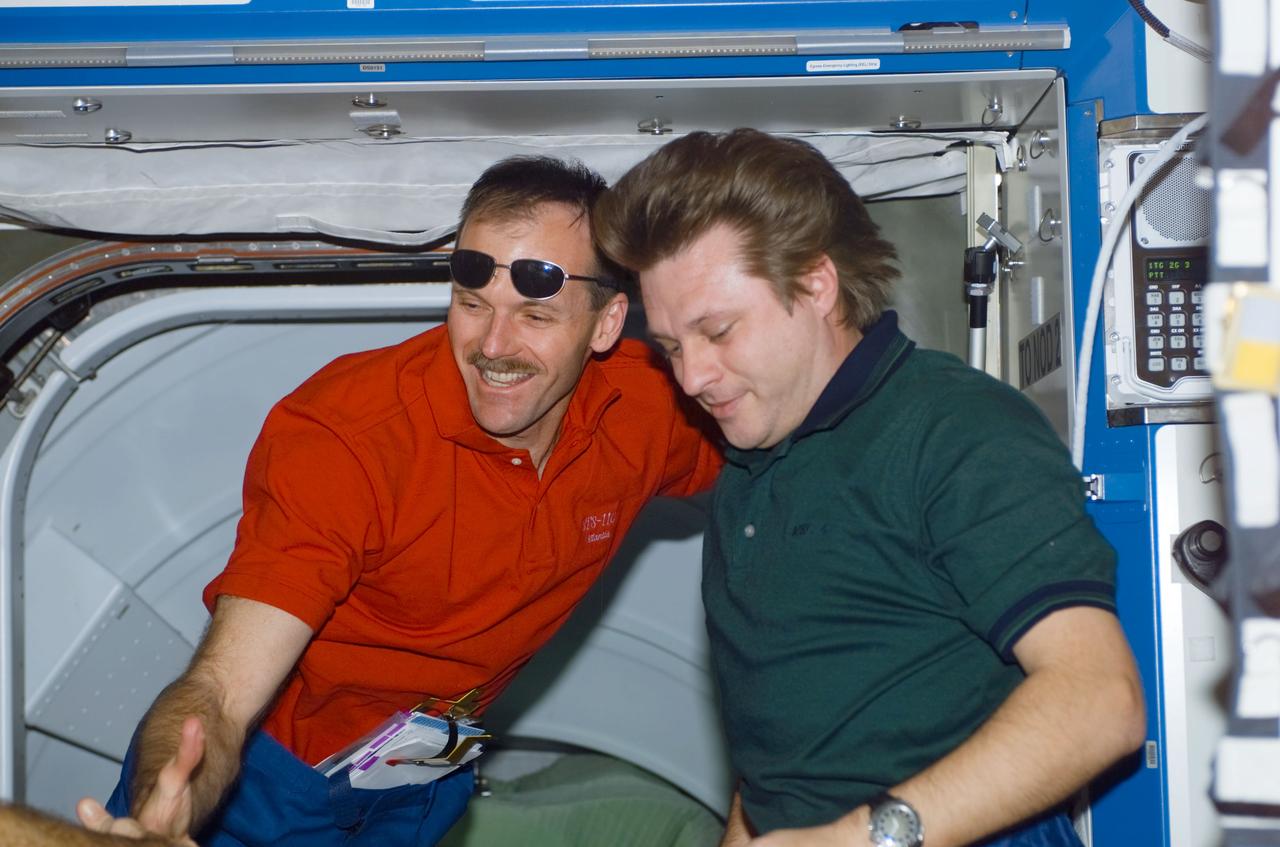
STS110-E-5097 (10 April 2002) --- Astronaut Steven L. Smith (left), STS-110 mission specialist, and cosmonaut Yury I. Onufrienko, Expedition Four mission commander, converse in the Destiny laboratory near the Pressurized Mating Adapter (PMA-2) on the International Space Station (ISS). The image was taken with a digital still camera.
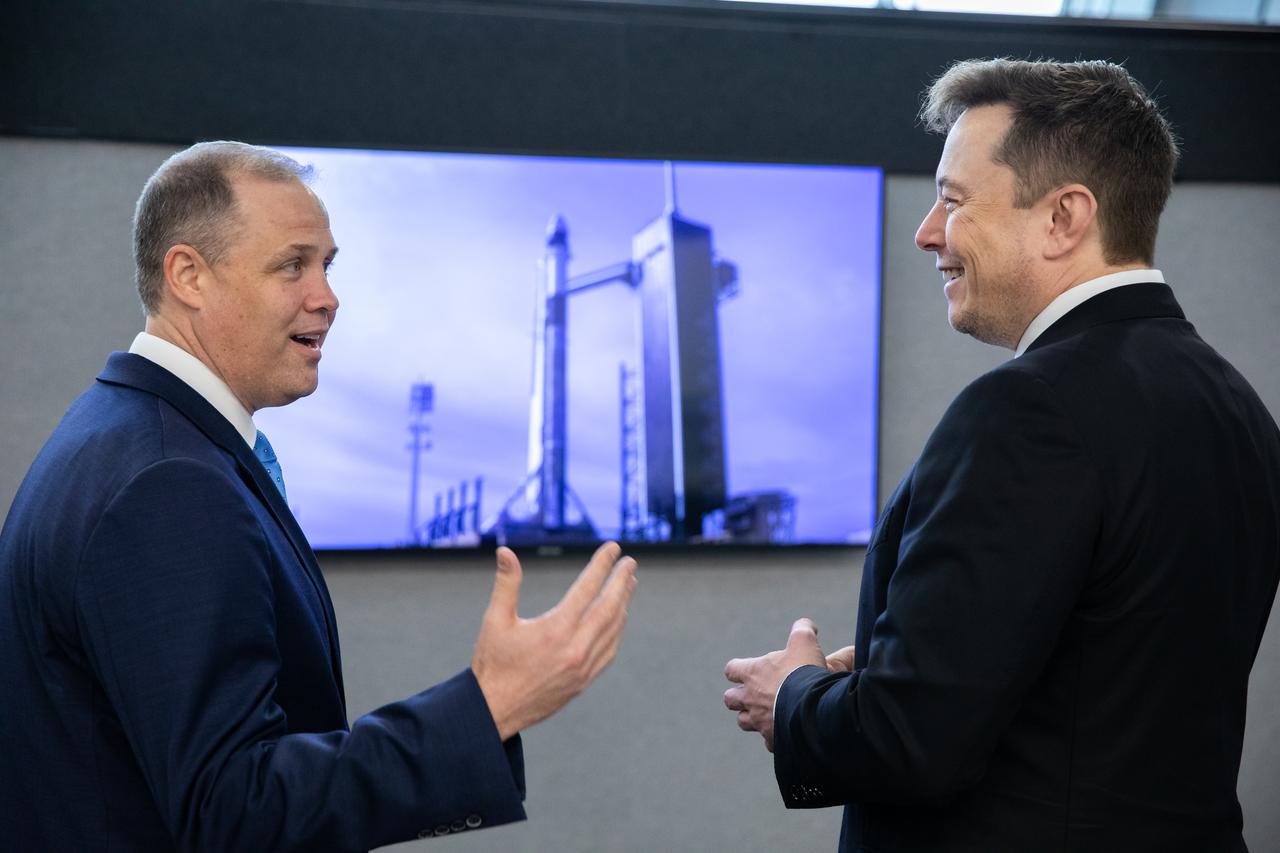
NASA Administrator Jim Bridenstine, left, and SpaceX Chief Engineer Elon Musk converse inside Firing Room 4 in Kennedy Space Center’s Launch Control Center while awaiting the liftoff of a SpaceX Falcon 9 rocket and Crew Dragon spacecraft on the uncrewed In-Flight Abort Test, Jan. 19, 2020. The test demonstrated the spacecraft’s escape capabilities in preparation for crewed flights to the International Space Station as part of the agency’s Commercial Crew Program.
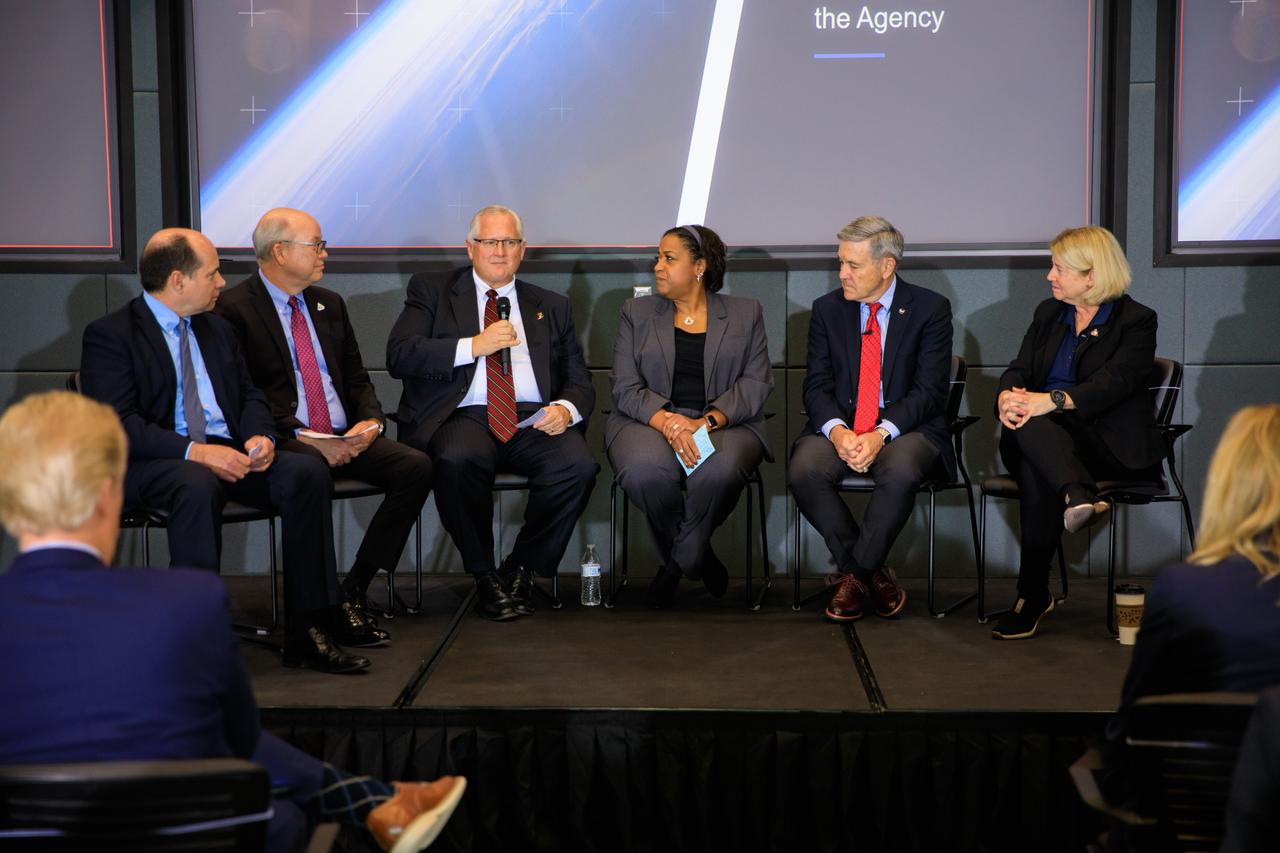
NASA senior leaders participate in a procurement discussion with employees on Nov. 29, 2022, at the agency’s Kennedy Space Center in Florida. The conversation focused on strengthening acquisition and program management within the agency. From left are David Mitchell, chief program management officer; Craig McArthur, OCFO/director for Strategic Investments Division; Scott Barber, associate general counsel for Acquisition Law; Karla Smith Jackson, assistant administrator for Procurement; NASA Associate Administrator Bob Cabana; and NASA Deputy Administrator Pam Melroy.
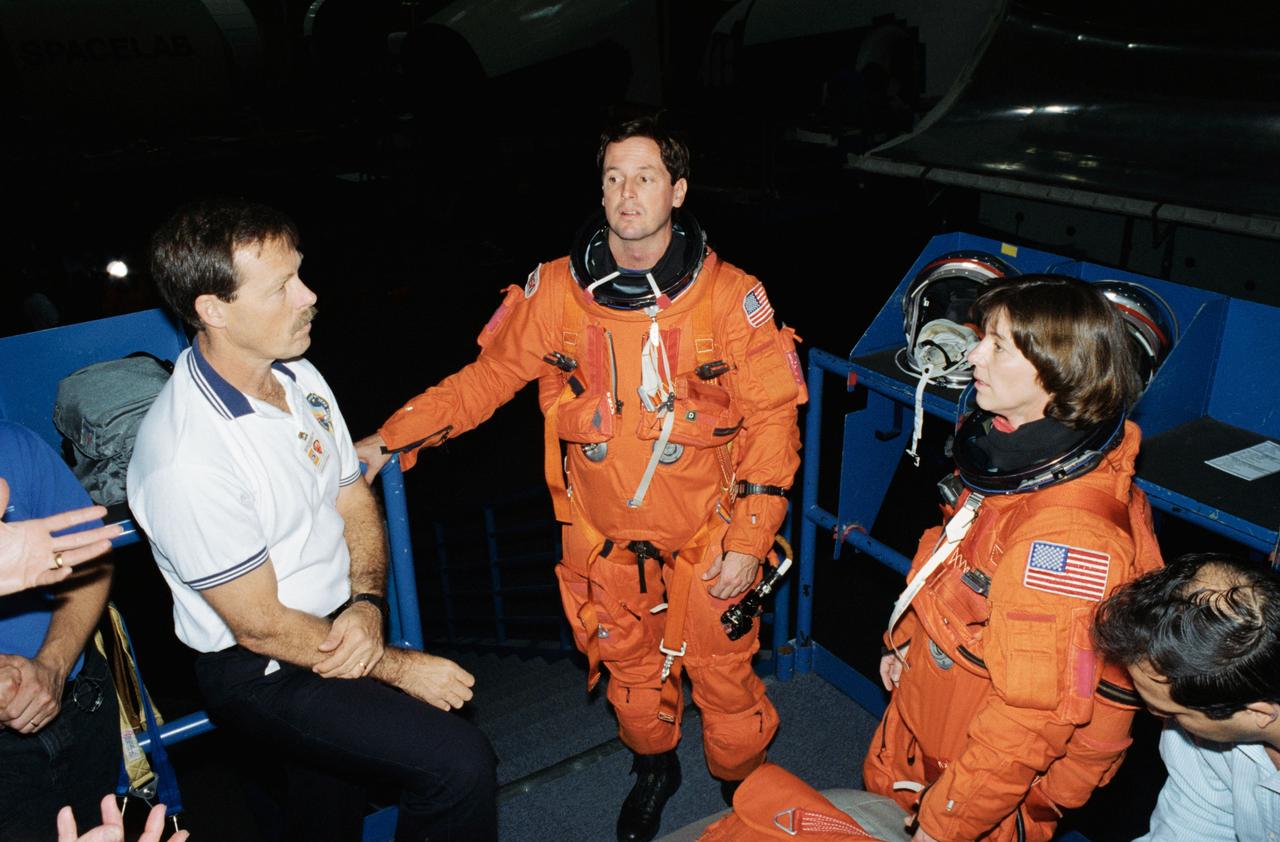
S94-47065 (18 Oct 1994) --- Astronaut Robert L. Gibson (left), STS-71 mission commander, converses with two crew mates prior to emergency egress training in the Systems Integration Facility at the Johnson Space Center (JSC). Astronauts Bonnie J. Dunbar and Gregory J. Harbaugh are attired in training versions of the partial pressure launch and entry space suits.
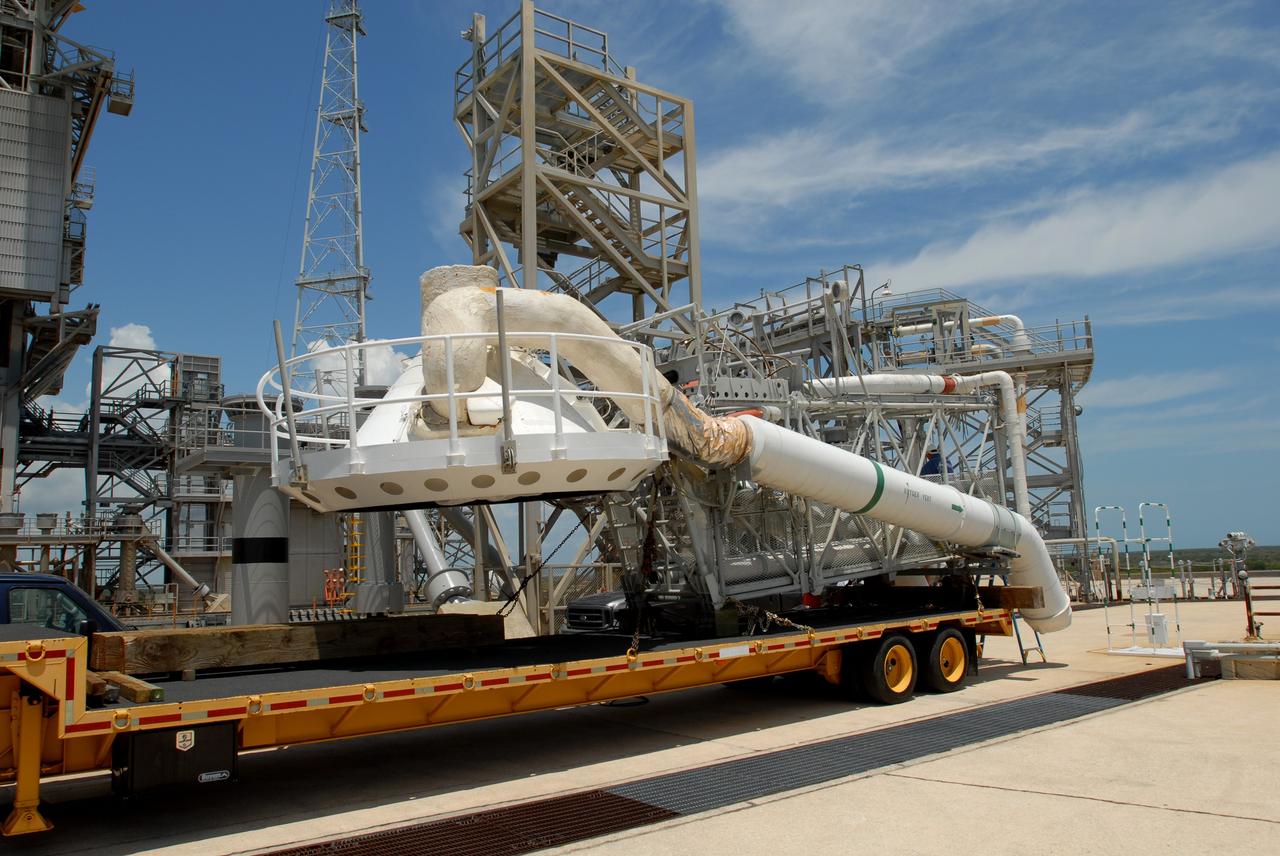
CAPE CANAVERAL, Fla. – At NASA's Kennedy Space Center in Florida, the oxygen vent hood, called the "beanie cap," and the gaseous oxygen vent arm removed from Launch Pad 39B's fixed service structure are lowered onto a transporter. A portion of the service structure is being removed for the pad's conversion as launch site for the Constellation Program's Ares I-X. The launch of the Ares I-X flight test is targeted for August 2009. Photo credit: NASA/Jim Grossmann
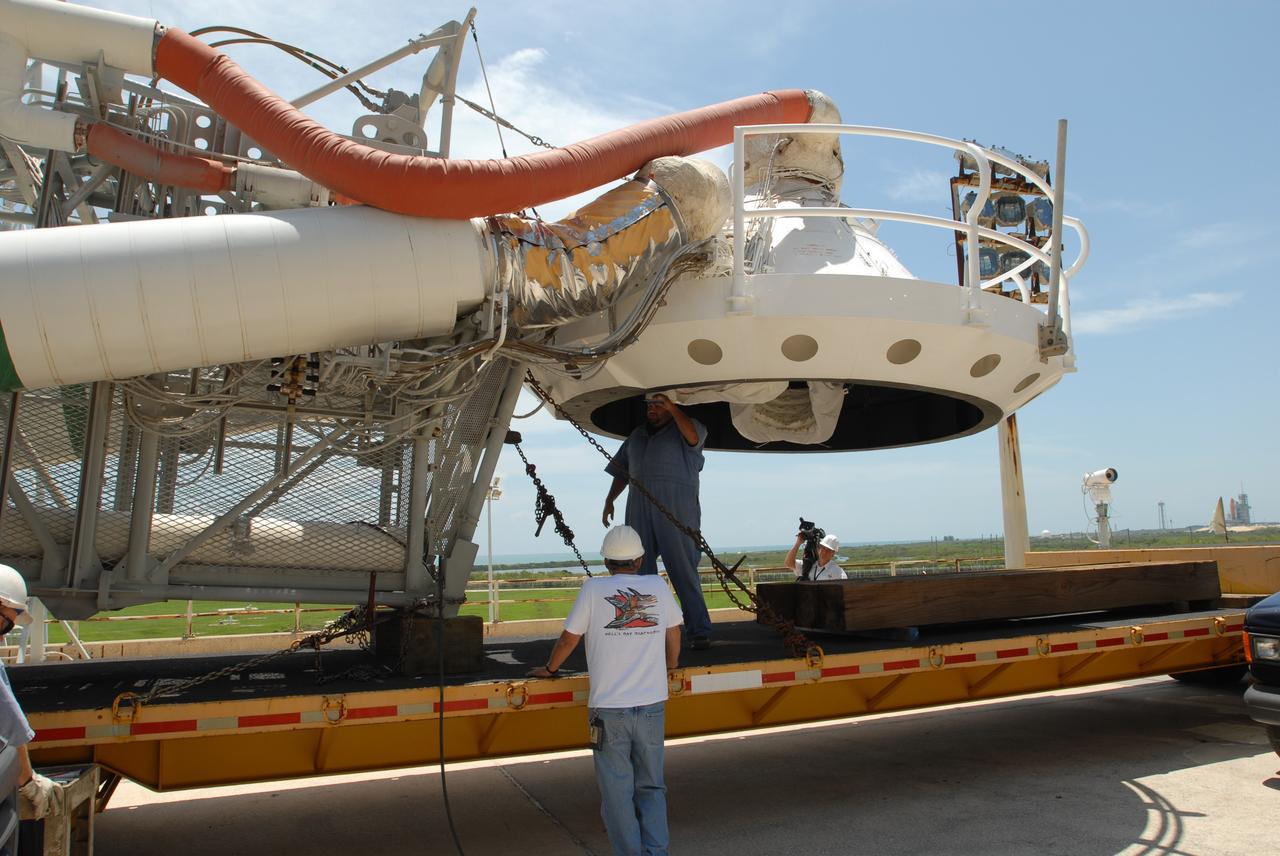
CAPE CANAVERAL, Fla. – At NASA's Kennedy Space Center in Florida, workers check the "beanie cap" and the gaseous oxygen vent arm removed from Launch Pad 39B's fixed service structure. A portion of the service structure is being removed for the pad's conversion as launch site for the Constellation Program's Ares I-X. The launch of the Ares I-X flight test is targeted for August 2009. Photo credit: NASA/Jim Grossmann
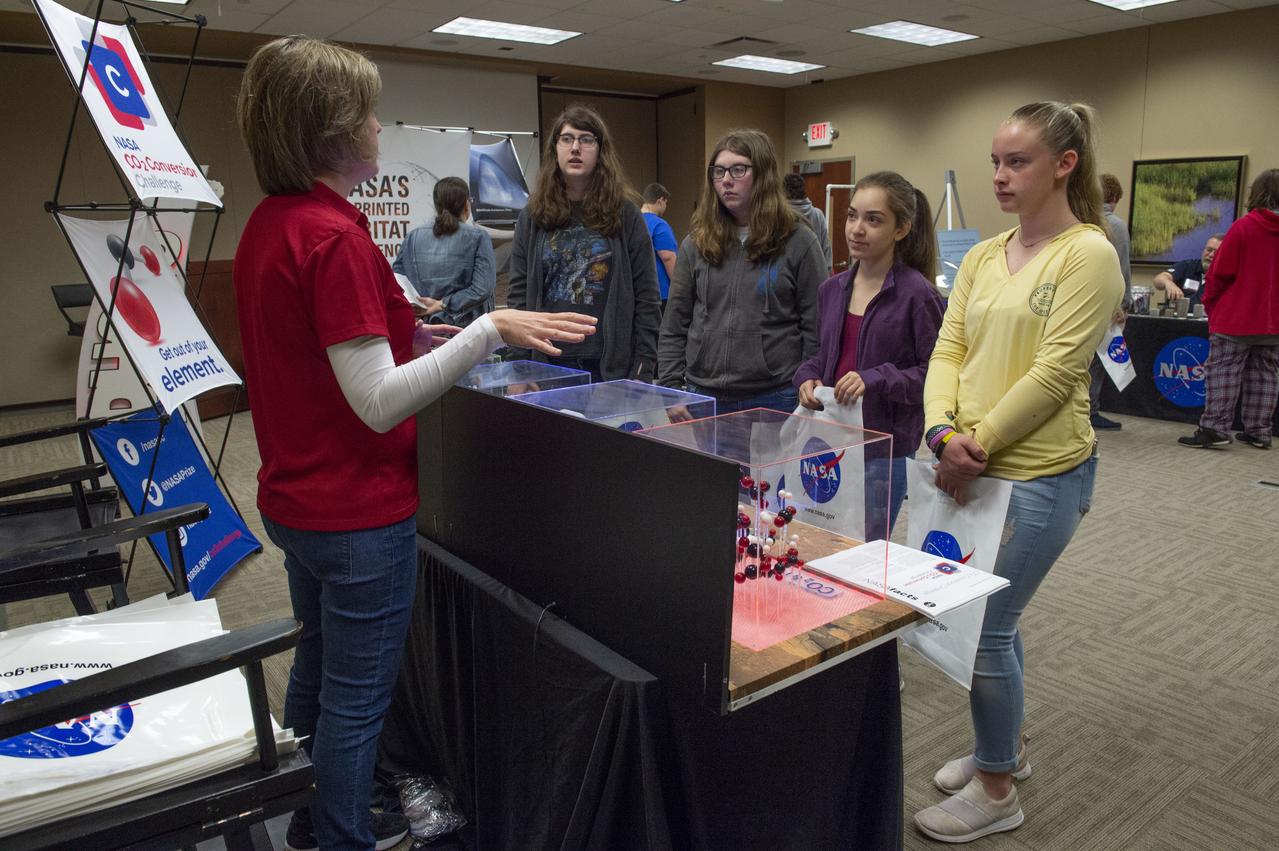
AI. SpaceFactory of New York and Pennsylvania State University of College Park print subscale habitat structures at NASA's 3D-Printed Habitat Challenge, held at the Caterpillar Edwards Demonstration & Learning Center in Edwards, Illinois, May 1-4, 2019. The habitat print is the final level of the multi-phase competition, which began in in 2015. The challenge is managed by NASA's Centennial Challenges program, and partner Bradley University of Peoria, Illinois. Dawn Mercer Turner talks to school children about CO2 conversion.
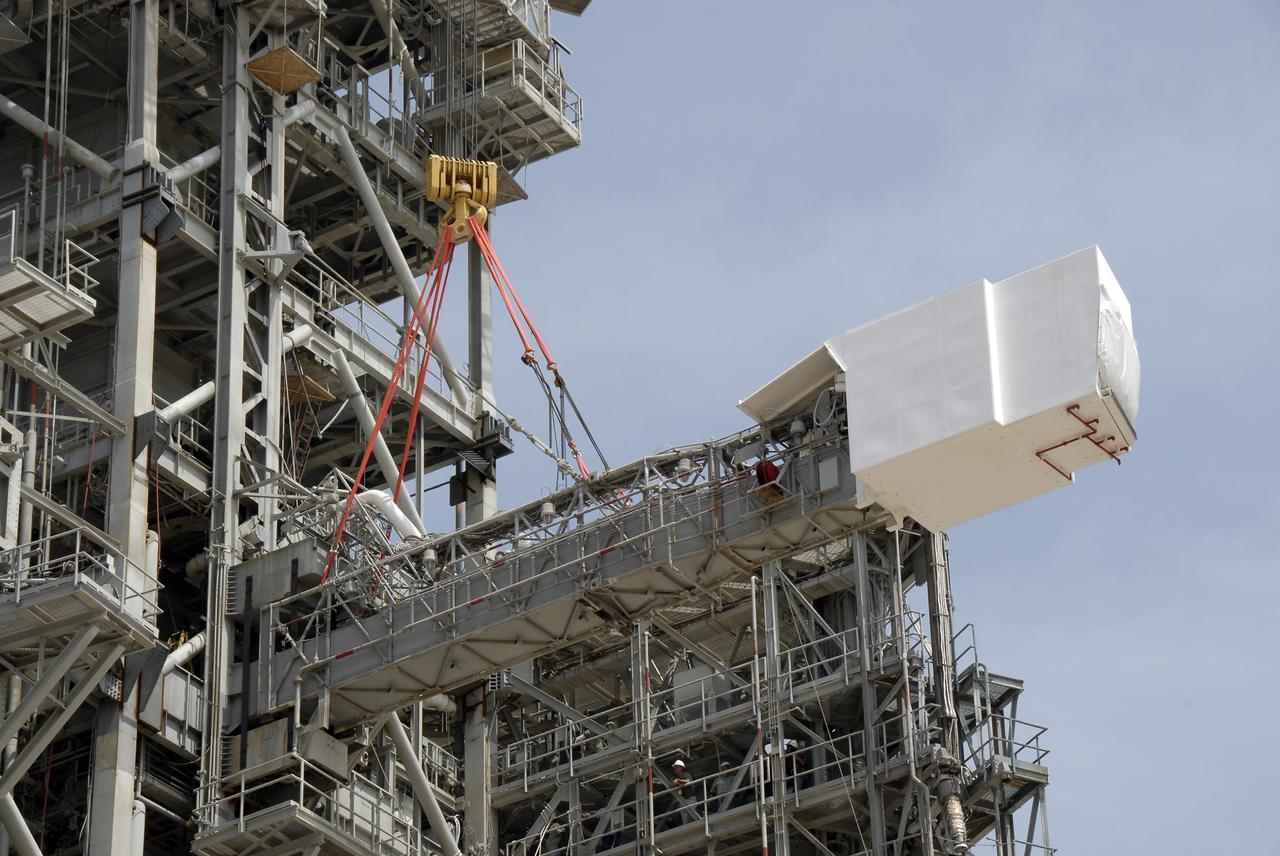
CAPE CANAVERAL, Fla. – The slings from a large crane are in place on the orbiter access arm, which ends in the White Room, that is part of the fixed service structure, or FSS, on Launch Pad 39B at NASA's Kennedy Space Center in Florida. The White Room provided entry into space shuttles that were on the pad. The arm is being removed from the FSS for the pad's conversion as launch site for the Constellation Program's Ares I-X. The launch of the Ares I-X flight test is targeted for August 2009. Photo credit: NASA/Kim Shiflett
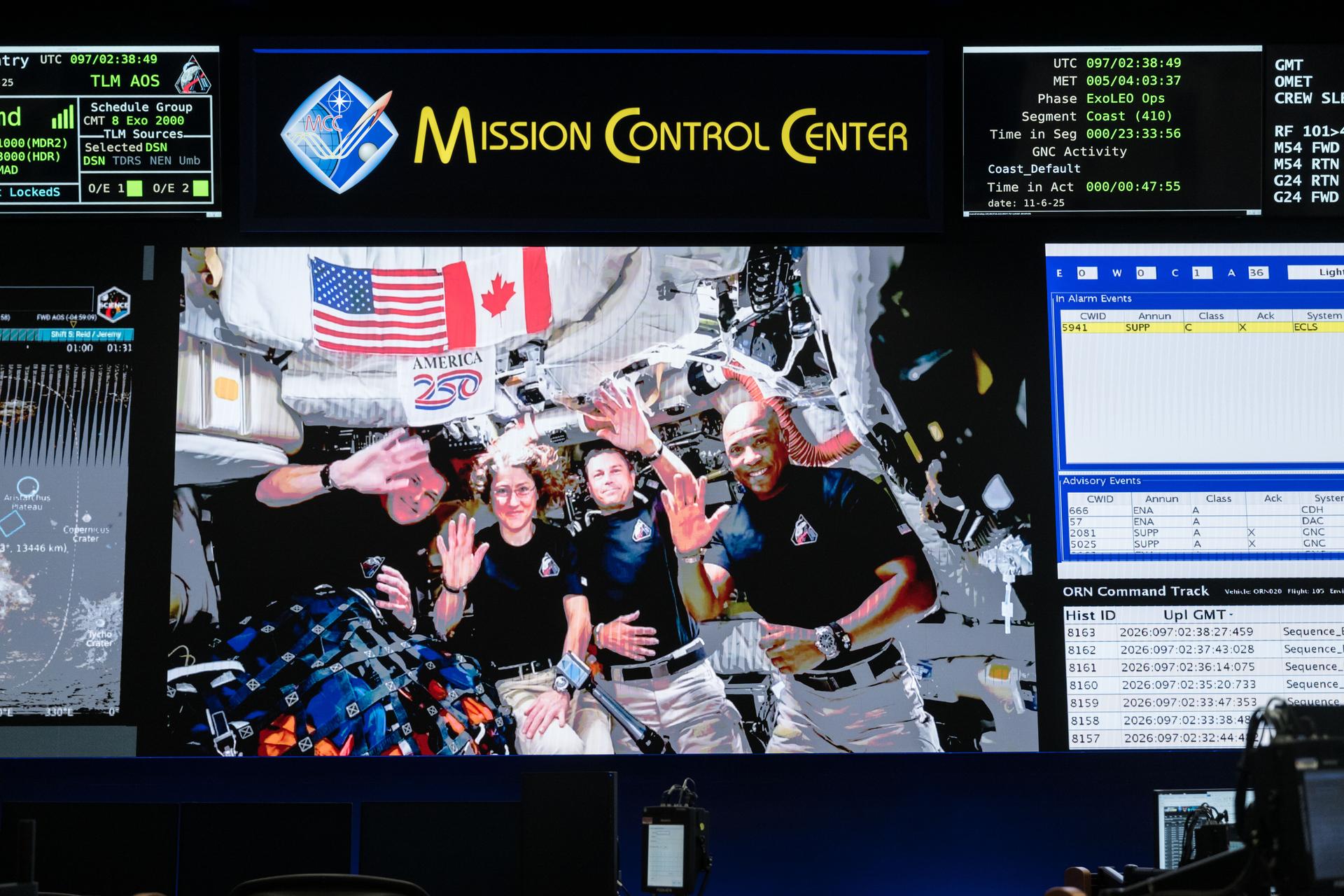
jsc2026e020504 (April 6, 2026) - The Artemis II crew – CSA (Canadian Space Agency) Astronaut Jeremy Hansen (far left) and NASA astronauts Christina Koch (center left), Reid Wiseman (center right), and Victor Glover (right) – pauses to wave after a live conversation with President Donald J. Trump following their historic lunar flyby during Flight Day 6. They are pictured on the screens of the White Flight Control room at NASA’s Mission Control Center at the agency’s Johnson Space Center in Houston. Credit: NASA
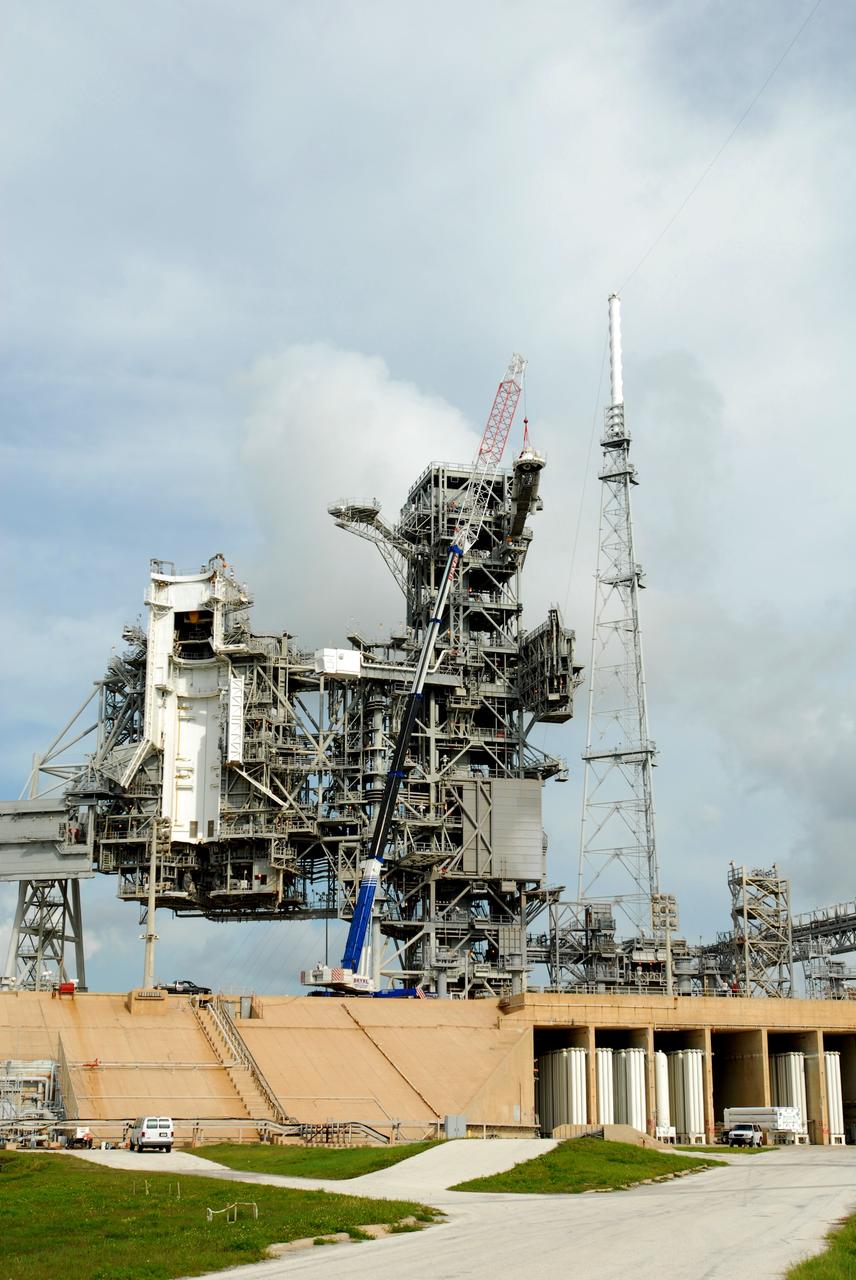
CAPE CANAVERAL, Fla. – On Launch Pad 39B at NASA's Kennedy Space Center in Florida, a portion of the service structure is being removed for the pad's conversion as launch site for the Constellation Program's Ares I-X. Here, a crane is attached to the oxygen vent hood, called the "beanie cap," on the gaseous oxygen vent arm. The launch of the Ares I-X flight test is targeted for August 2009. Photo credit: NASA/Jim Grossmann
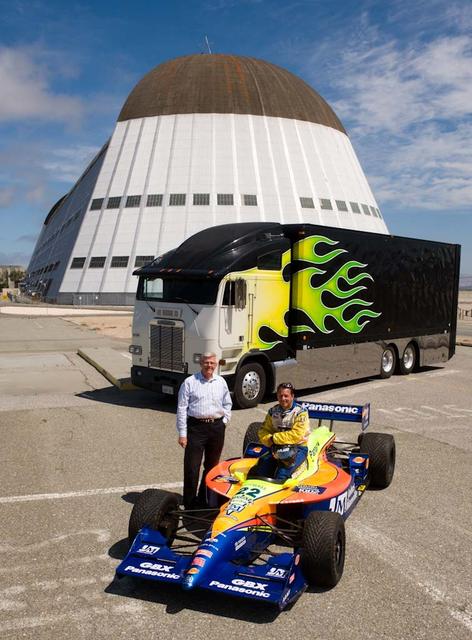
NASA Research Park (NRP) Moffett Field, California: Timothy Collins, President and Chairman, KleenSpeed Technologies, Inc. and Captain Andrew Butte, rescue helicopter pilot and former Army Aviator, with Butte's 1999 SWIFT. ChampCar Butte has given his racecar to KleenSpeed for conversion to electric. KleenSpeed is an advanced R&D firm focusing on scalable electric propulsion systems for transportation.
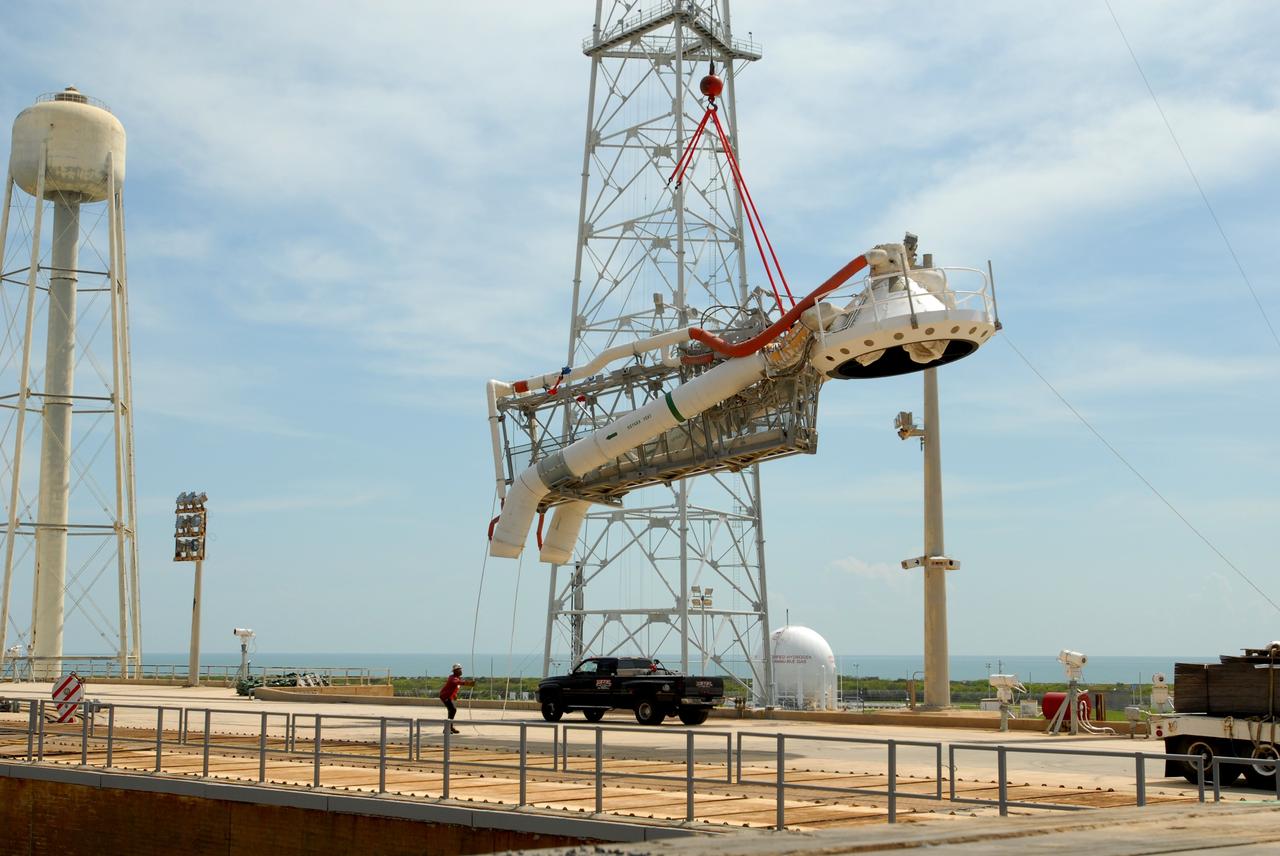
CAPE CANAVERAL, Fla. – On Launch Pad 39B at NASA's Kennedy Space Center in Florida, a crane lowers the oxygen vent hood, called the "beanie cap," and the gaseous oxygen vent arm onto the pad. A portion of the service structure is being removed for the pad's conversion as launch site for the Constellation Program's Ares I-X. The launch of the Ares I-X flight test is targeted for August 2009. Photo credit: NASA/Jim Grossmann
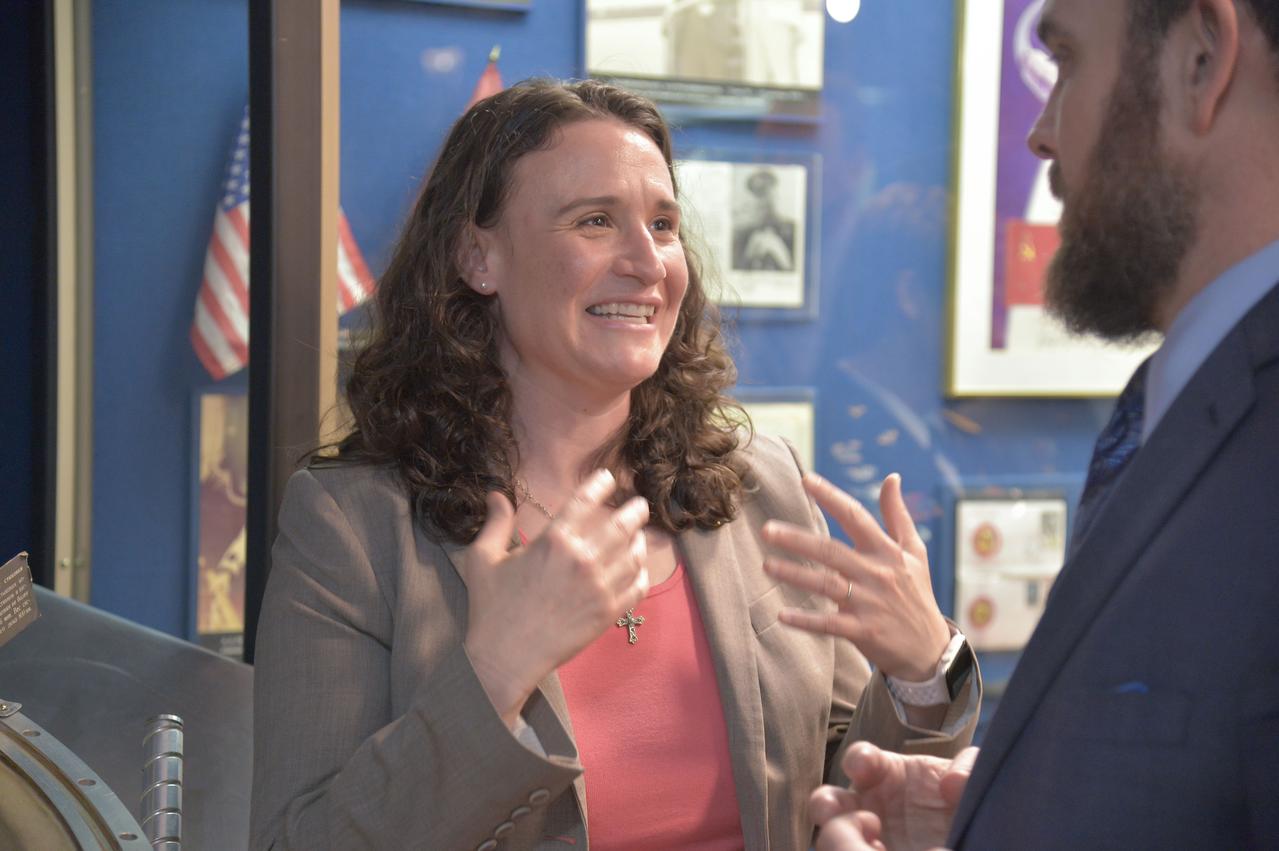
jsc2018e048499 - In the Gagarin Museum at the Gagarin Cosmonaut Training Center in Star City, Russia, Expedition 56 crewmember Serena Aunon-Chancellor of NASA gestures during a conversation with her husband May 14 in the midst of pre-launch activities. Aunon-Chancellor, Alexander Gerst of the European Space Agency and Sergey Prokopyev of Roscosmos will launch June 6 from the Baikonur Cosmodrome in Kazakhstan on the Soyuz MS-09 spacecraft for a six month mission on the International Space Station...NASA/Elizabeth Weissinger.
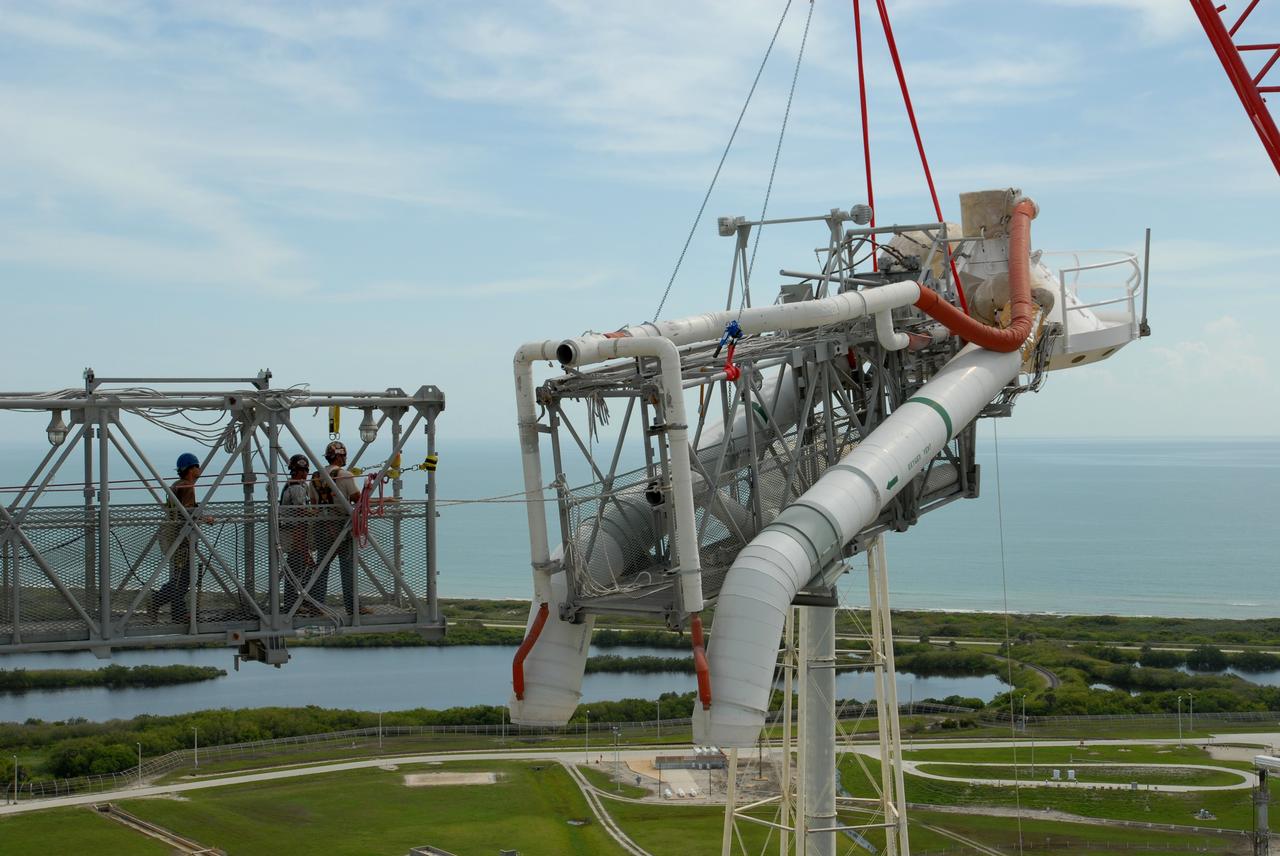
CAPE CANAVERAL, Fla. – On Launch Pad 39B at NASA's Kennedy Space Center in Florida, a crane removes the oxygen vent hood, called the "beanie cap," and the gaseous oxygen vent arm from the fixed service structure. A portion of the service structure is being removed for the pad's conversion as launch site for the Constellation Program's Ares I-X. The launch of the Ares I-X flight test is targeted for August 2009. Photo credit: NASA/Jim Grossmann
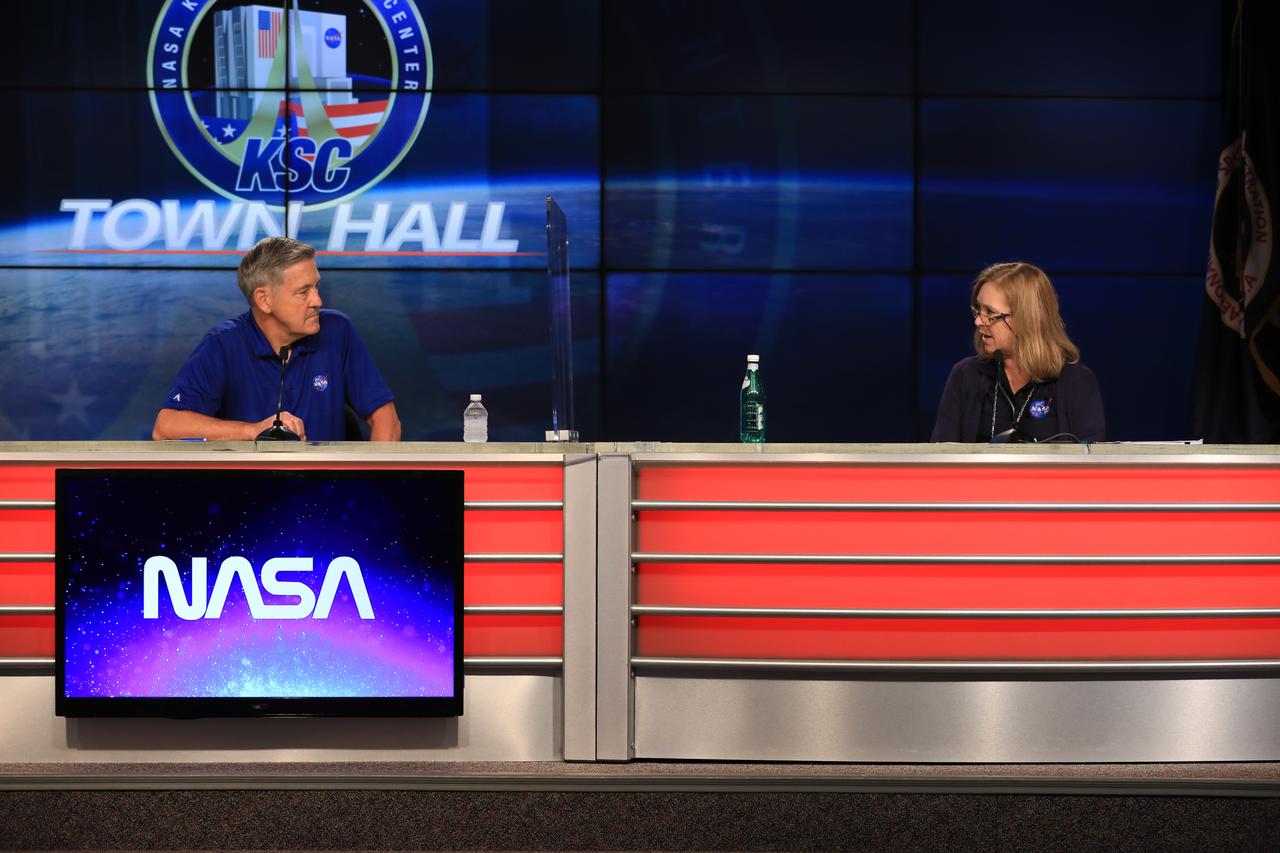
Kennedy Space Center Director Bob Cabana, left, and Deputy Director Janet Petro converse while participating in a virtual town hall at the Florida spaceport’s Press Site auditorium on June 10, 2020, to share the plan for employees to safely return to on-site work during the time of COVID-19. Also participating was Dr. David Tipton, chief medical officer, not pictured.
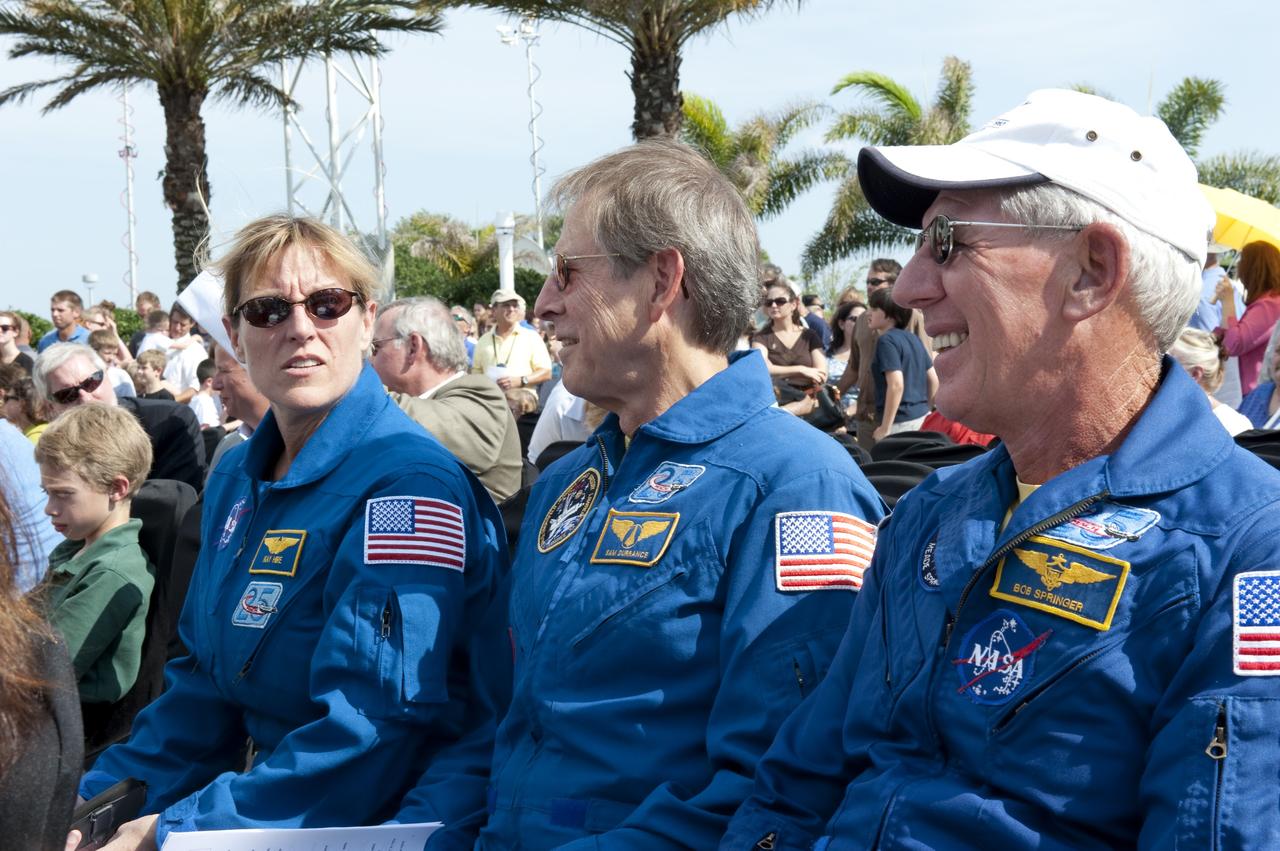
CAPE CANAVERAL, Fla. -- NASA Astronaut Kay Hire and former NASA Astronauts Sam Durrance and Bob Springer take a moment to converse on a very warm, sunny Florida afternoon while attending the 30th anniversary celebration in honor of the Space Shuttle Program's first shuttle launch. The event is being held at NASA's Kennedy Space Center Visitor Complex. The celebration followed an announcement by NASA Administrator Charles Bolden where the four orbiters will be placed for permanent display after retirement. Photo credit: NASA/Kim Shiflett

CAPE CANAVERAL, Fla. – Kennedy Space Center in Florida, the orbiter access arm, with the White Room on the end, is placed on a trailer. The arm was removed from the fixed service structure for the pad's conversion as launch site for the Constellation Program's Ares I-X. The launch of the Ares I-X flight test is targeted for August 2009. Photo credit: NASA/Kim Shiflett
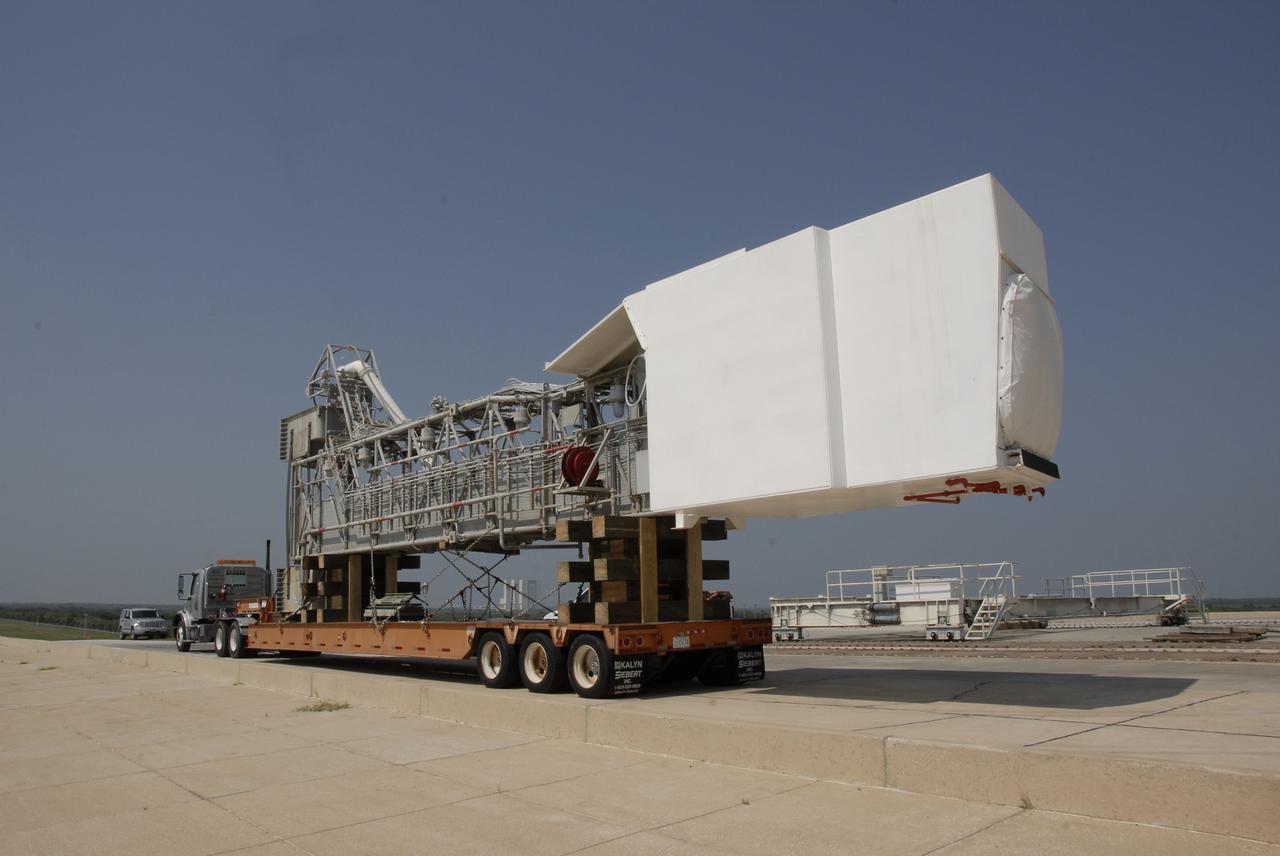
CAPE CANAVERAL, Fla. – The orbiter access arm, with the White Room on the end, leaves Launch Pad 39B on a trailer at NASA's Kennedy Space Center in Florida. The arm was removed from the fixed service structure for the pad's conversion as launch site for the Constellation Program's Ares I-X. The launch of the Ares I-X flight test is targeted for August 2009. Photo credit: NASA/Kim Shiflett

Members of the Florida Native Plant Society converse with visitors during a sustainability expo held at the Kennedy Space Center Visitor Complex in Florida on April 11, 2019. The expo kicked off Kennedy’s annual Earth Day celebrations. The Florida Native Plant Society was one of approximately 40 exhibitors present at the expo. Exhibitors in attendance provided information ranging from energy-saving solutions to wildlife and natural conservation. In addition, there were multiple butterfly releases throughout the day.