
Barbara Marino (left), Stennis Space Center education technology specialist, shows Astro Camp Counselor Beverly Fitzsimmons a LEGO model during a teambuilding exercise May 29 at SSC's North Gate computer lab as a part of the counselors' `new hire' orientation.
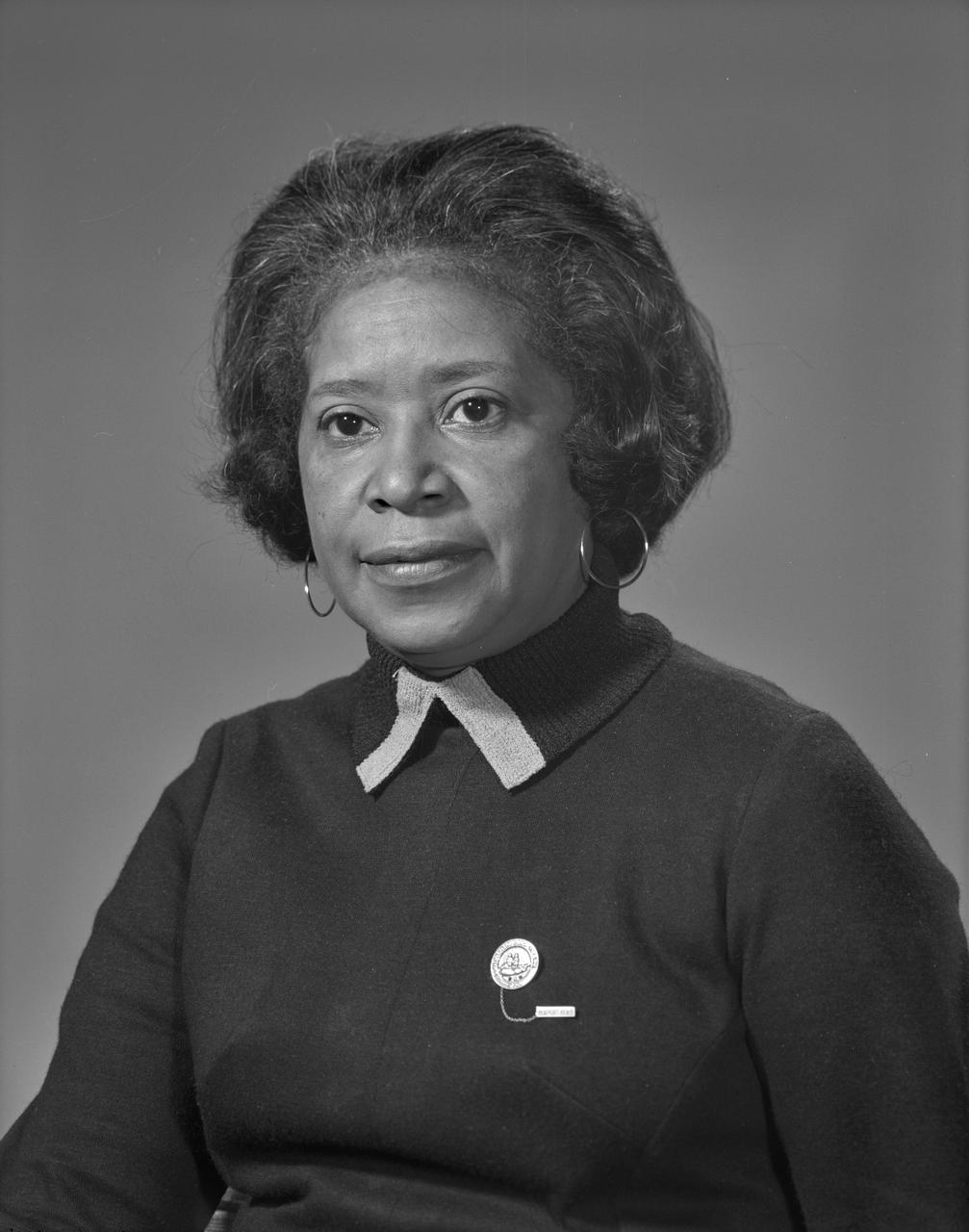
Portrait of Mary Jackson. At the time this photo was taken on October 9, 1971, Mrs. Jackson was working as a Equal Employment Opportunity (EEO) Counselor Mary Jackson, was NASA’s first black female engineer.

Portrait of Mary Jackson. At the time this photo was taken on October 9, 1971, Mrs. Jackson was working as a Equal Employment Opportunity (EEO) Counselor Mary Jackson, was NASA’s first black female engineer, R-LRC-1971-OCIO_P-08767,
Portrait of Mary Jackson. At the time this photo was taken on October 9, 1971, Mrs. Jackson was working as a Equal Employment Opportunity (EEO) Counselor Mary Jackson, was NASA’s first black female engineer,R-LRC-1971-OCIO_P-08767
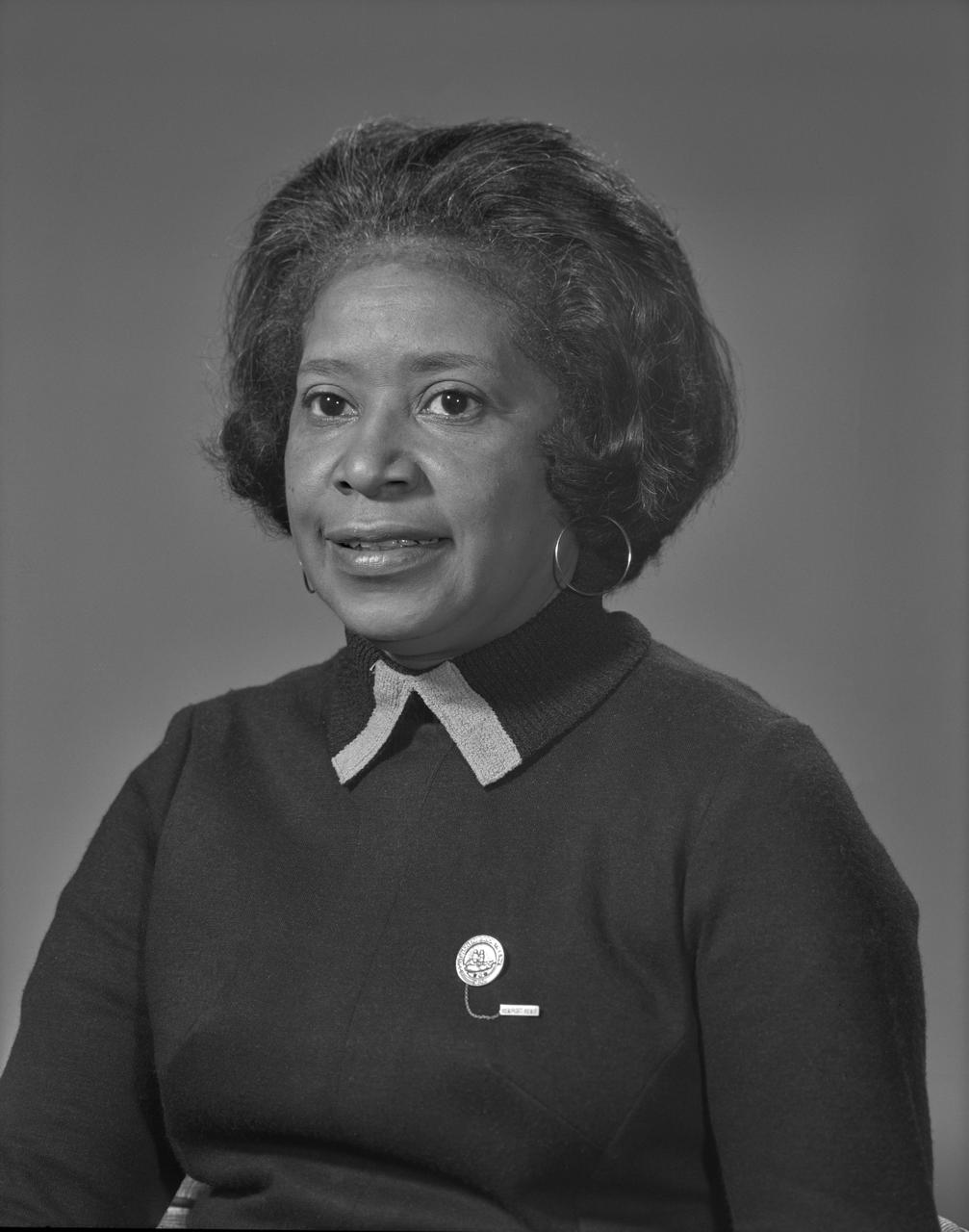
Portrait of Mary Jackson. At the time this photo was taken on October 9, 1971, Mrs. Jackson was working as a Equal Employment Opportunity (EEO) Counselor Mary Jackson, was NASA’s first black female engineer,R-LRC-1971-OCIO_P_F003-08767
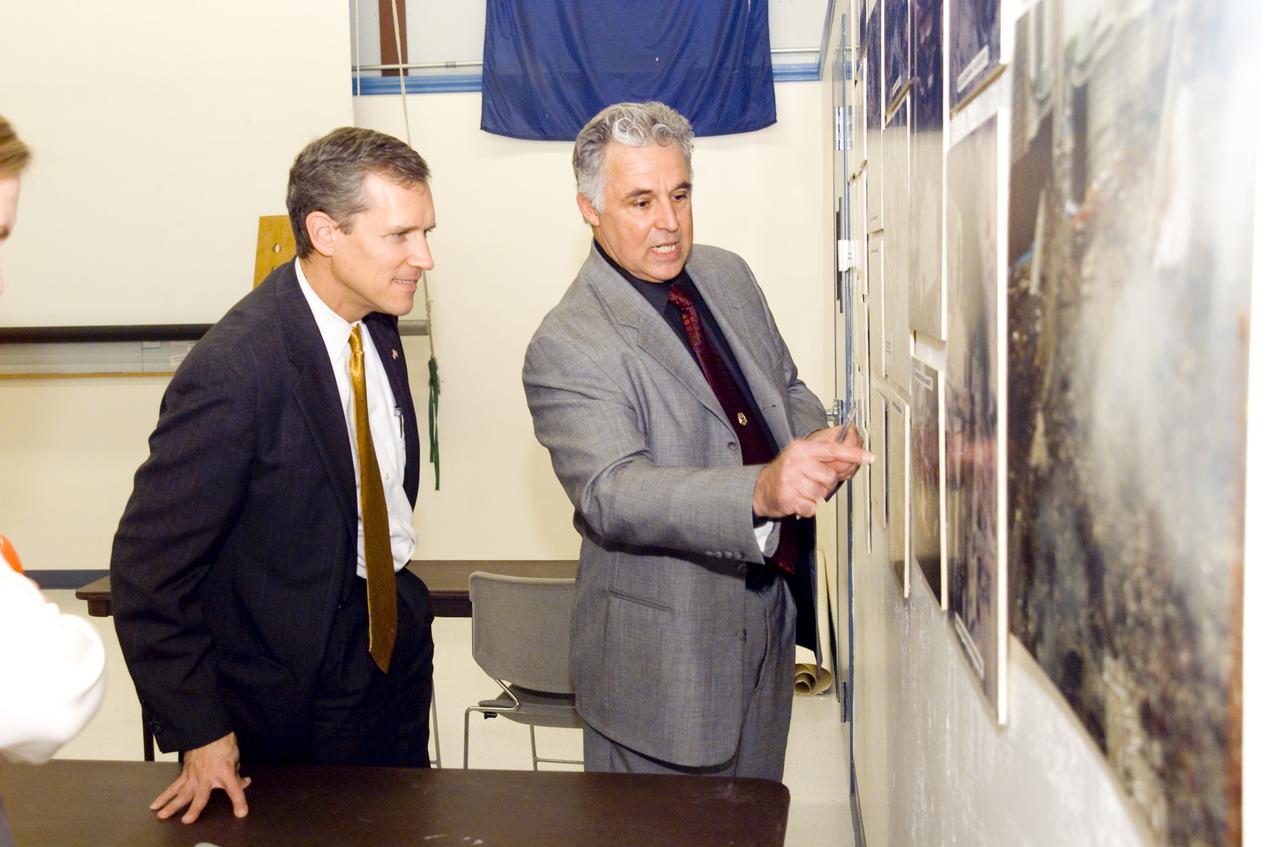
VISIT; PHILLIP BOND, UNDERSECRETARY OF COMMERCE FOR TECHNOLOGY AND CONNIE J PARTOYAN, COUNSELOR & SENIOR ADVISOR TO THE UNDER SECRETARY OF TECHNOLOGY: N-200 AND COLLOPSED STRUCTURE FACILITY
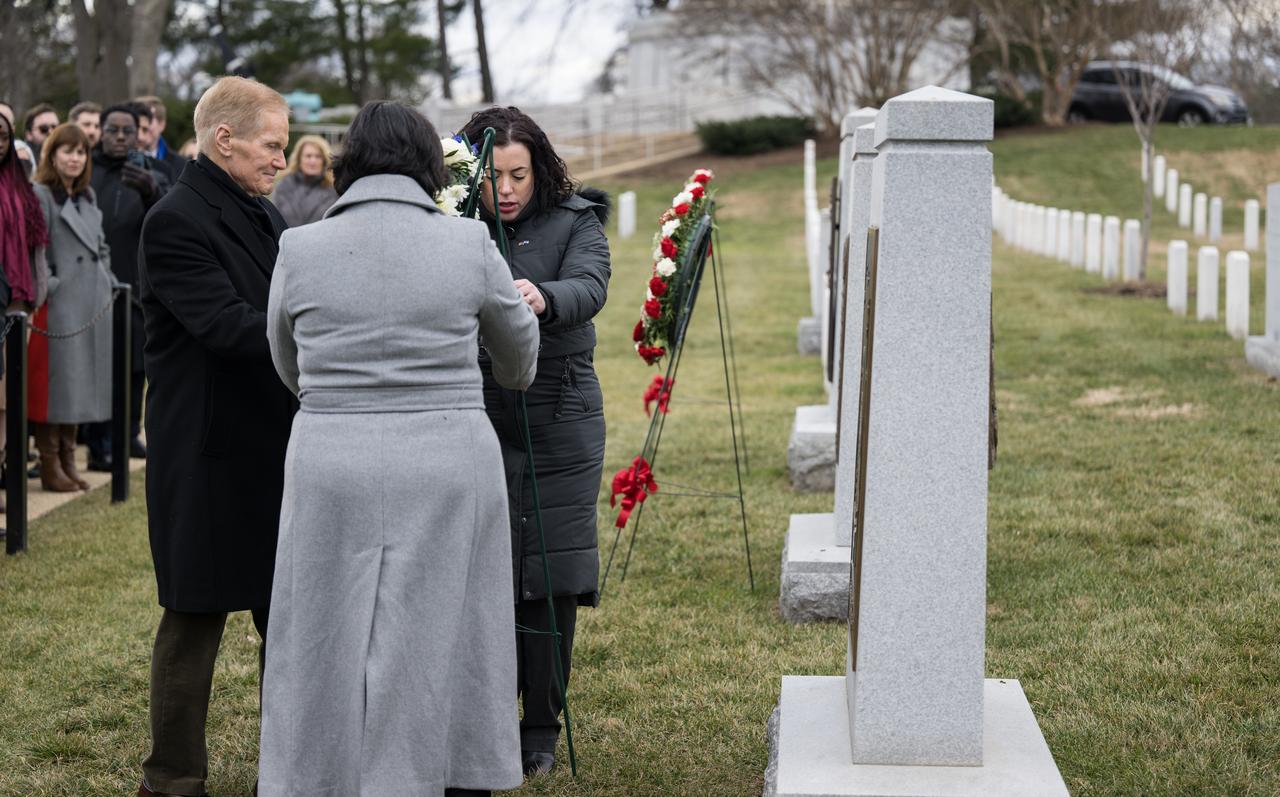
NASA Administrator Bill Nelson, along with representatives from the Embassy of Israel, Minister for Public Diplomacy, Sawsan Hasson, center, and Counselor for Public Diplomacy, Efrat Hochstetler, right, lay a wreath at the Space Shuttle Columbia Memorial during NASA's Day of Remembrance, Thursday, Jan. 26, 2023, at Arlington National Cemetery in Arlington, Va. Wreaths were laid in memory of those men and women who lost their lives in the quest for space exploration. Photo Credit: (NASA/Aubrey Gemignani)
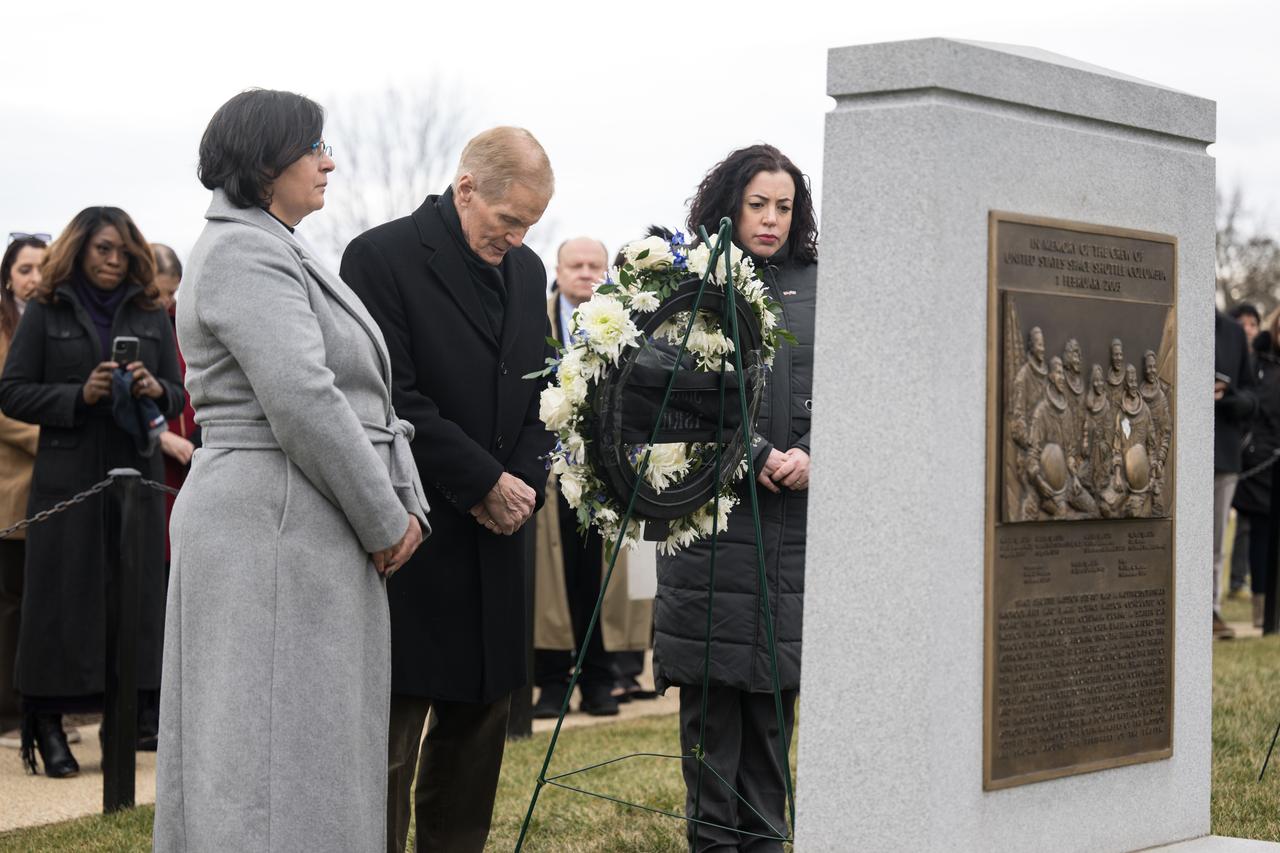
NASA Administrator Bill Nelson, along with representatives from the Embassy of Israel, Minister for Public Diplomacy, Sawsan Hasson, left, and Counselor for Public Diplomacy, Efrat Hochstetler, right, pause for a moment of silence after laying a wreath at the Space Shuttle Columbia Memorial during NASA's Day of Remembrance, Thursday, Jan. 26, 2023, at Arlington National Cemetery in Arlington, Va. Wreaths were laid in memory of those men and women who lost their lives in the quest for space exploration. Photo Credit: (NASA/Aubrey Gemignani)
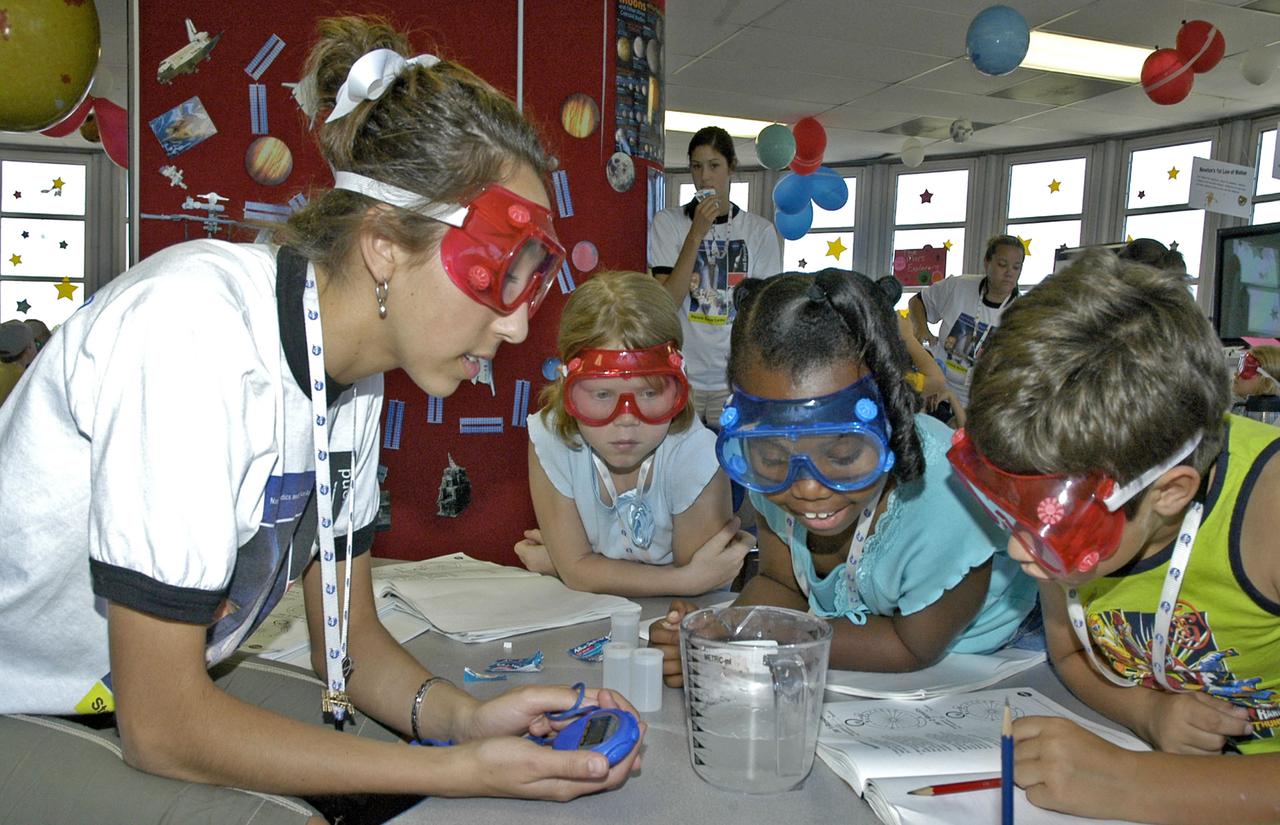
An Astro Camp counselor and her campers perform a science experiment to learn what types of `fuel' will best propel their 'rockets.' Stennis Space Center's popular series of day camps have campers design, build and test model rockets based on the principles that would be used to build different types of rockets suitable for a mission to the moon or Mars. They learn details like how far they would travel, how long it would take, what supplies they would need and how to survive in that environment.
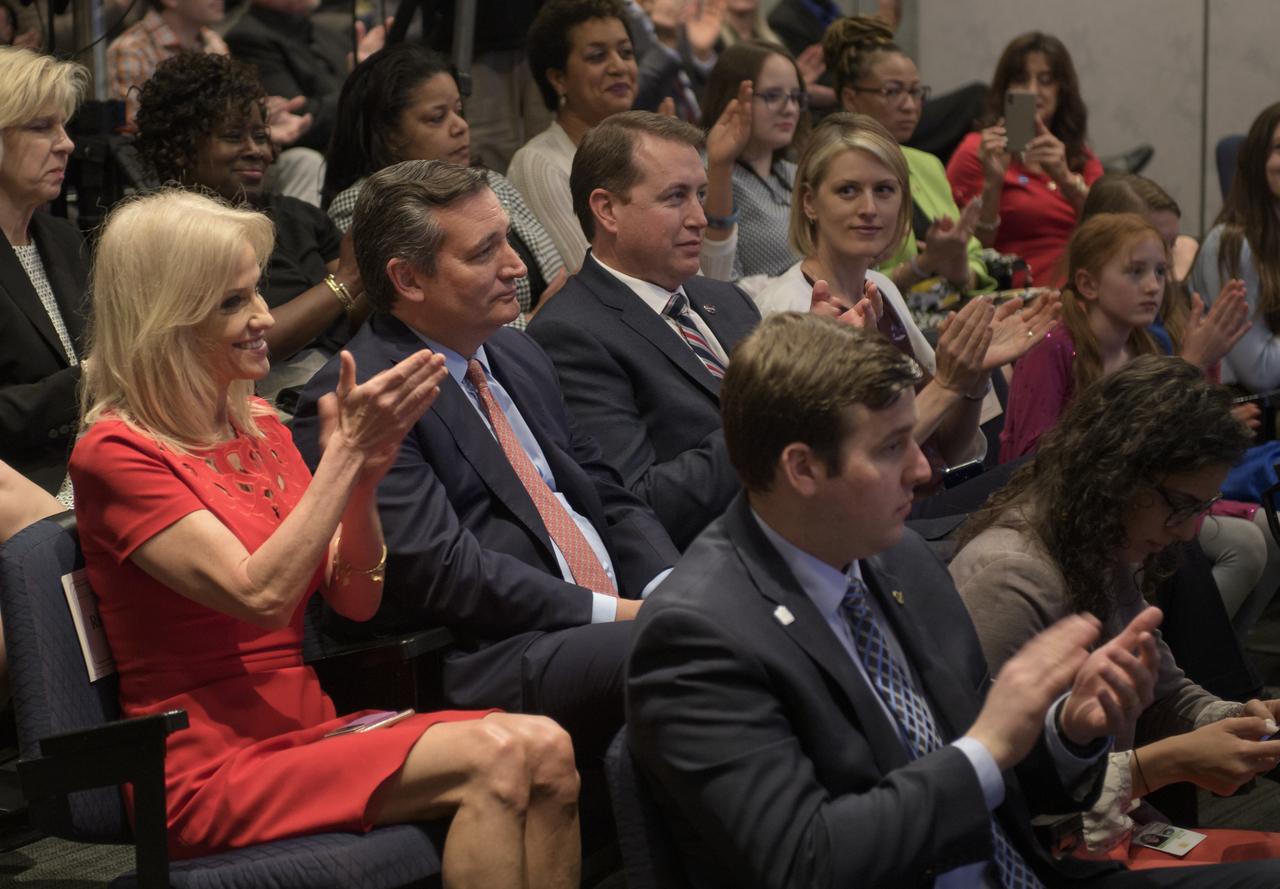
Counselor to the President of the United States Kellyanne Conway, left, Sen. Ted Cruz, R-Texas, and NASA Chief Financial Officer Jeff DeWit are seen in the audience during the swearing in of Jim Bridenstine as the 13th NASA Administrator by Vice President Mike Pence, Monday, April 23, 2018 at NASA Headquarters in Washington. Photo Credit: (NASA/Bill Ingalls)
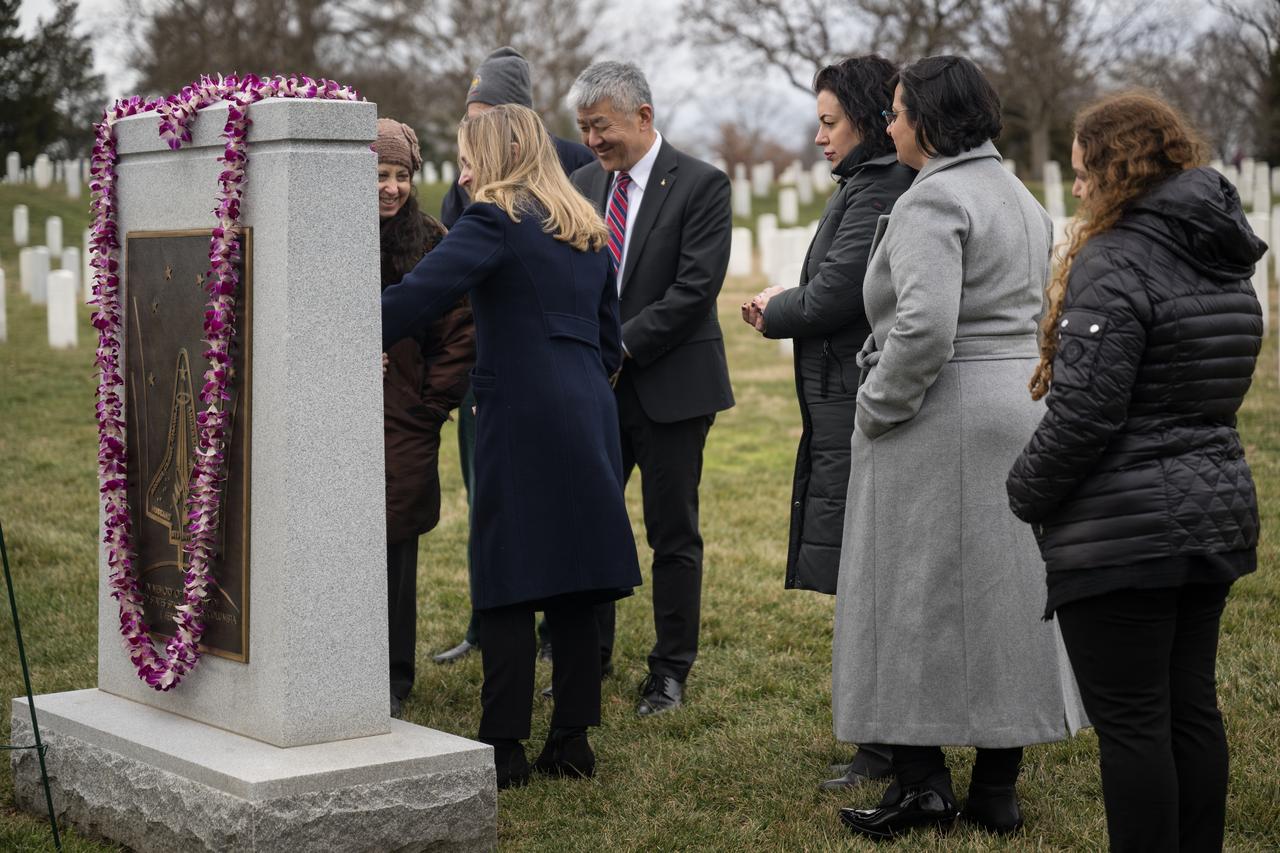
From left to right, Amy Resnik, Jane Tani, Dan Tani, representatives from the Embassy of Israel, Counselor for Public Diplomacy, Efrat Hochstetler, Minister for Public Diplomacy, Sawsan Hasson, and Director of National Initiatives, Vanina Waingortin, are seen at the Space Shuttle Columbia Memorial after a wreath laying ceremony that was part of NASA's Day of Remembrance, Thursday, Jan. 26, 2023, at Arlington National Cemetery in Arlington, Va. Wreaths were laid in memory of those men and women who lost their lives in the quest for space exploration. Photo Credit: (NASA/Aubrey Gemignani)
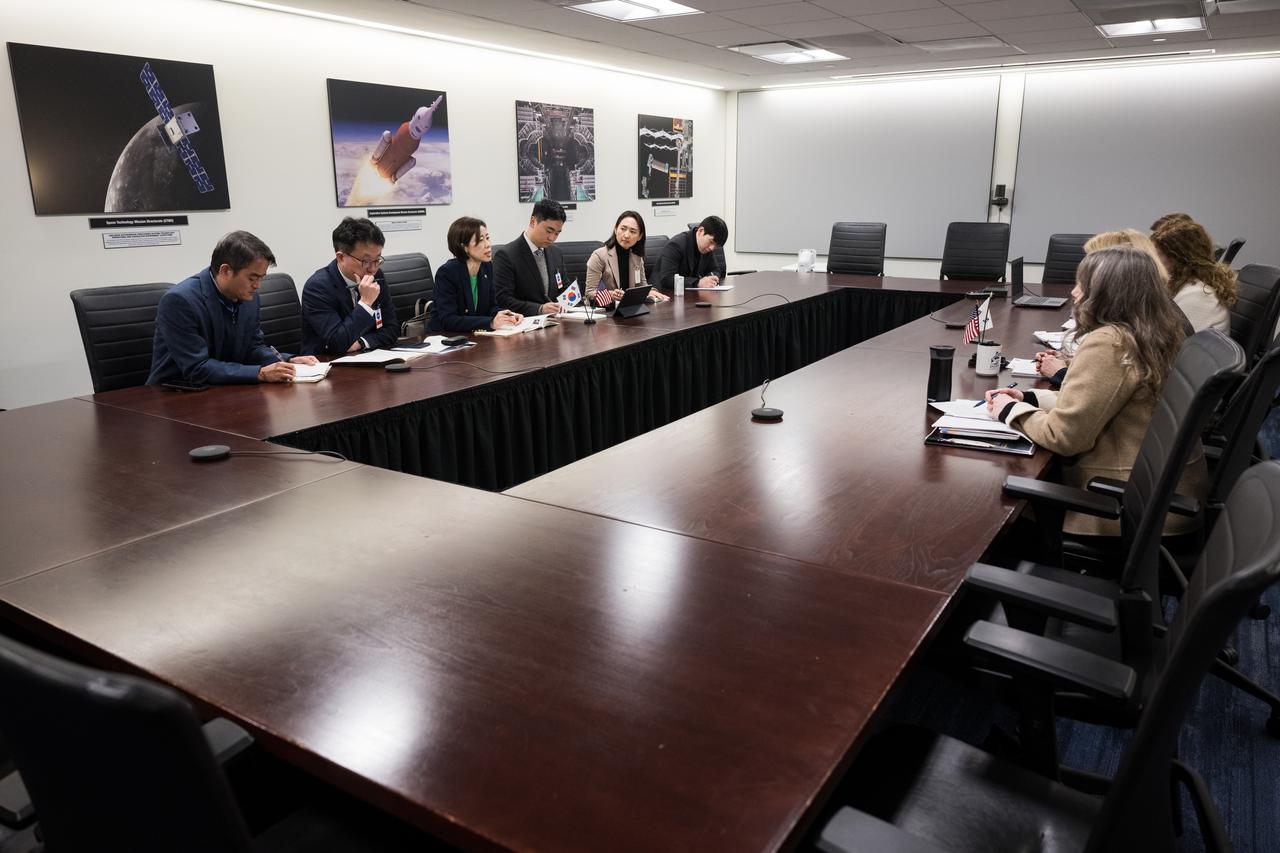
From left to right, Science and ICT Counselor, Embassy of Republic of Korea, Kyu Chul Song, Special Advisor of International Space Cooperation, Ministry of Science and ICT of Korea, Byung Il Choi, Vice Minister, Ministry of Science and ICT of Korea, Seong Kyung Cho, Translator, Ministry of Science and ICT of Korea, Ji Ho Kim, Director, Americas and Asia Cooperation Division, Ministry of Science and ICT of Korea, Kyoung Lim Lee, and Deputy Director, Americas and Asia Cooperation Division, Ministry of Science and ICT of Korea, Sang Won Kim meet with NASA Deputy Administrator Pam Melroy, Tuesday, Jan. 23, 2024, at the Mary W. Jackson NASA Headquarters building in Washington. Photo Credit: (NASA/Aubrey Gemignani)
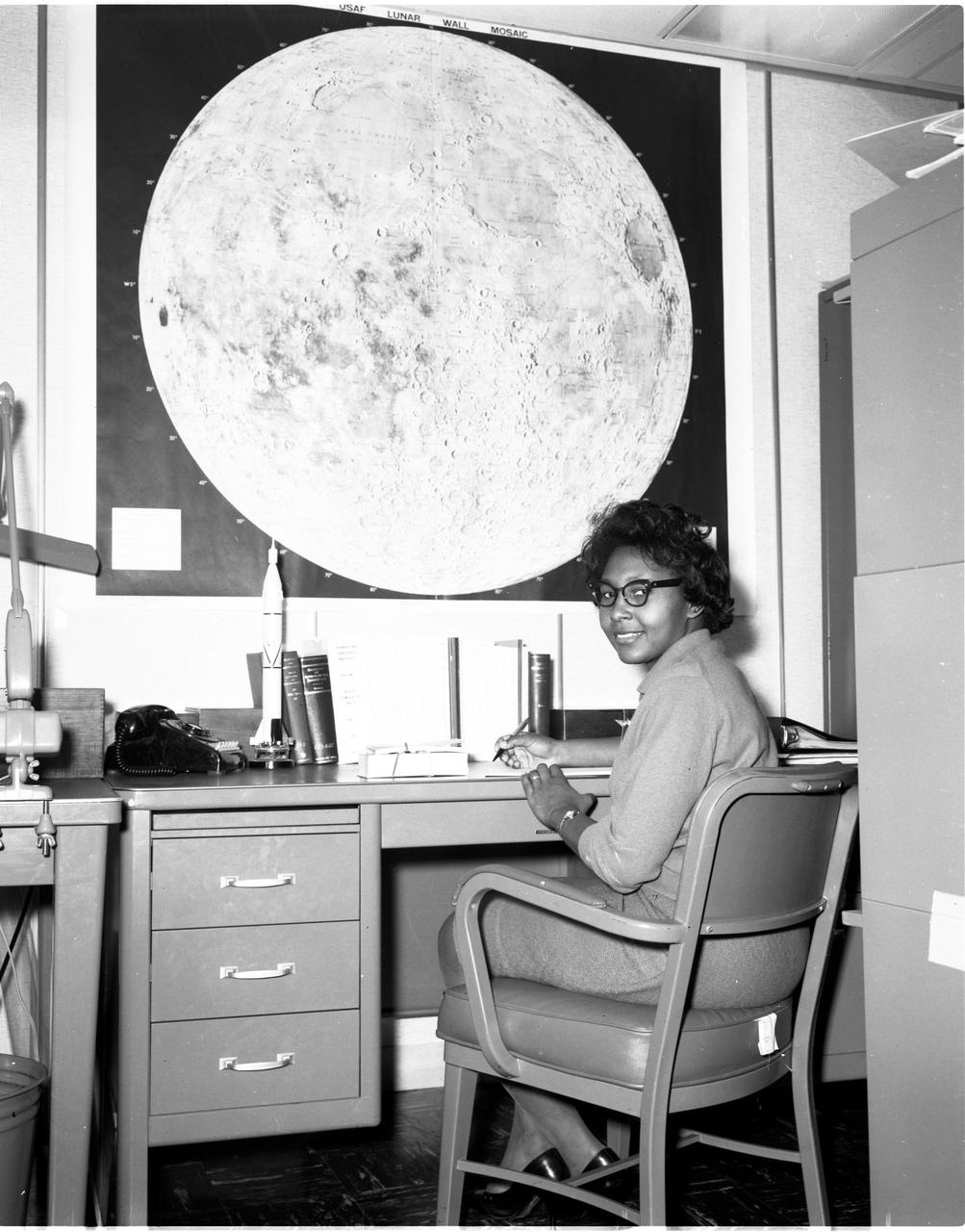
Jeanette Scissum joined NASA’s Marshall Space Flight Center in 1964 after earning bachelor's and master's degrees in mathematics from Alabama A&M University. Scissum published a NASA report in 1967, “Survey of Solar Cycle Prediction Models,” which put forward techniques for improved forecasting of the sunspot cycle. In the mid-1970s she worked as a space scientist in the Space Environment Branch of Marshall’s Space Sciences Laboratory and later led activities in Marshall’s Atmospheric, Magnetospheric, and Plasmas in Space project.In 1975, Scissum wrote an article for the National Technical Association, “Equal Employment Opportunity and the Supervisor – A Counselor’s View,” which argued that many discrimination complaints could be avoided “through adequate and meaningful communication.” Scissum later worked at NASA Headquarters as a computer systems analyst responsible for analyzing and directing NASA management information and technical support systems.
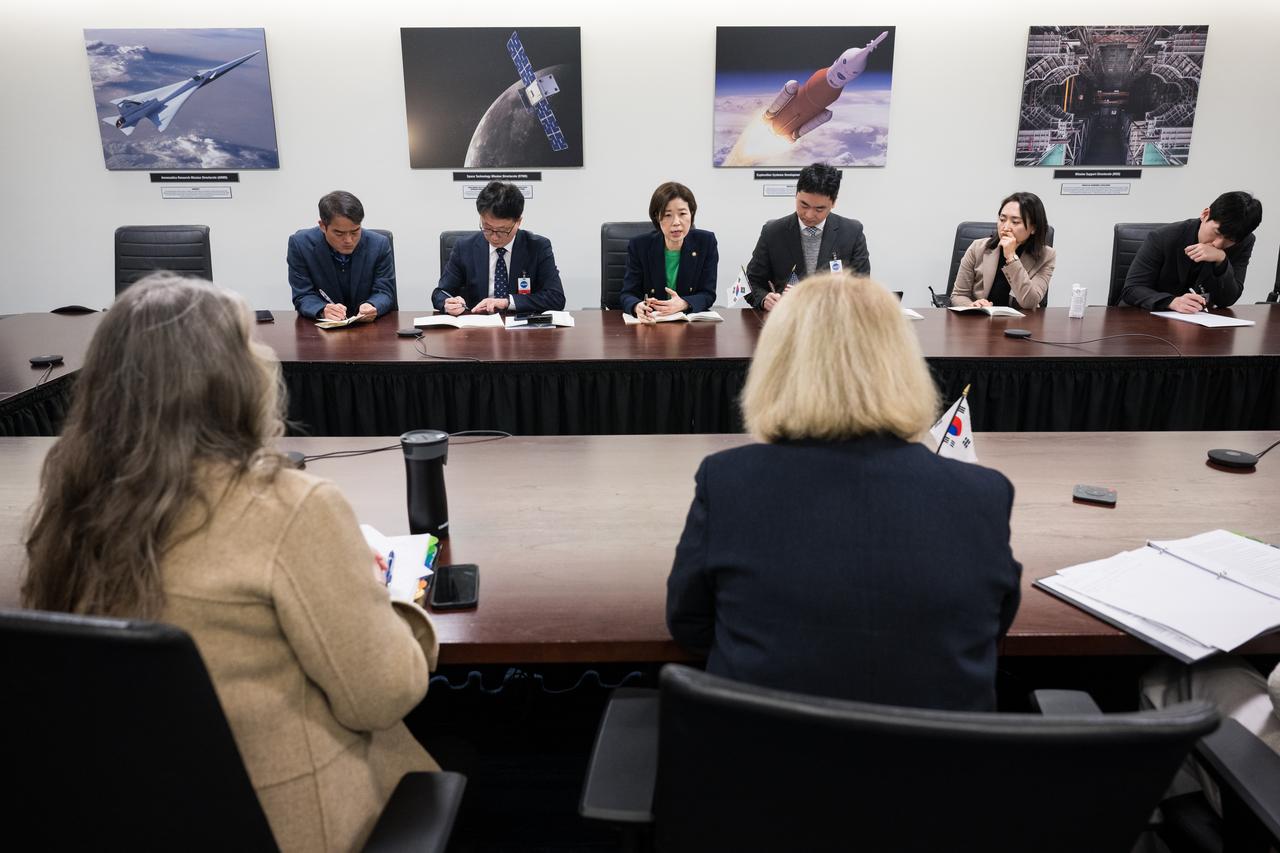
NASA Deputy Administrator Pam Melroy meets with from left to right, Science and ICT Counselor, Embassy of Republic of Korea, Kyu Chul Song, Special Advisor of International Space Cooperation, Ministry of Science and ICT of Korea, Byung Il Choi, Vice Minister, Ministry of Science and ICT of Korea, Seong Kyung Cho, Translator, Ministry of Science and ICT of Korea, Ji Ho Kim, Director, Americas and Asia Cooperation Division, Ministry of Science and ICT of Korea, Kyoung Lim Lee, and Deputy Director, Americas and Asia Cooperation Division, Ministry of Science and ICT of Korea, Sang Won Kim, Tuesday, Jan. 23, 2024, at the Mary W. Jackson NASA Headquarters building in Washington. . Photo Credit: (NASA/Aubrey Gemignani)
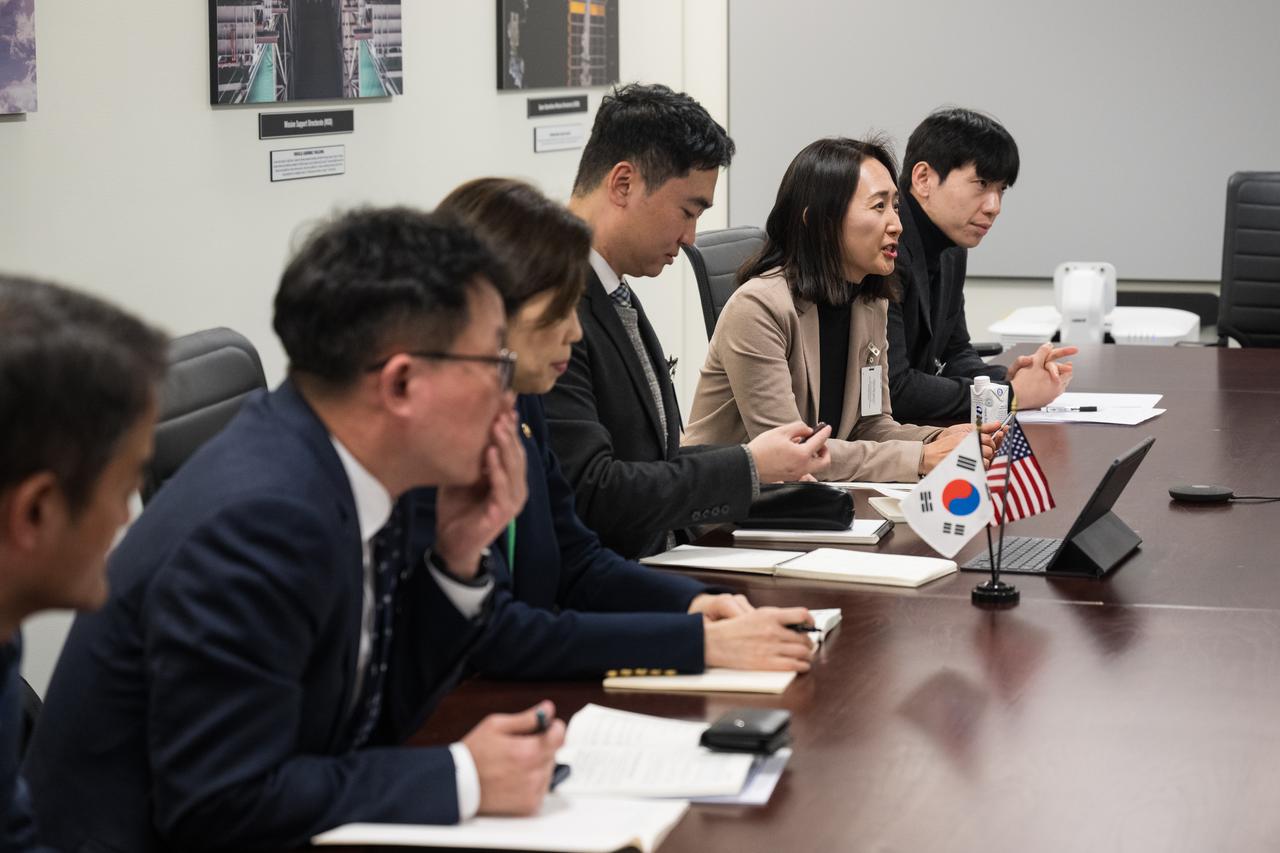
Director, Americas and Asia Cooperation Division, Ministry of Science and ICT of Korea, Kyoung Lim Lee, second from right, speaks during a meeting with NASA Deputy Administrator Pam Melroy (not pictured), Tuesday, Jan. 23, 2024, at the Mary W. Jackson NASA Headquarters building in Washington. Also present were from left to right, Science and ICT Counselor, Embassy of Republic of Korea, Kyu Chul Song, Special Advisor of International Space Cooperation, Ministry of Science and ICT of Korea, Byung Il Choi, Vice Minister, Ministry of Science and ICT of Korea, Seong Kyung Cho, Translator, Ministry of Science and ICT of Korea, Ji Ho Kim, and Deputy Director, Americas and Asia Cooperation Division, Ministry of Science and ICT of Korea, Sang Won Kim. Photo Credit: (NASA/Aubrey Gemignani)
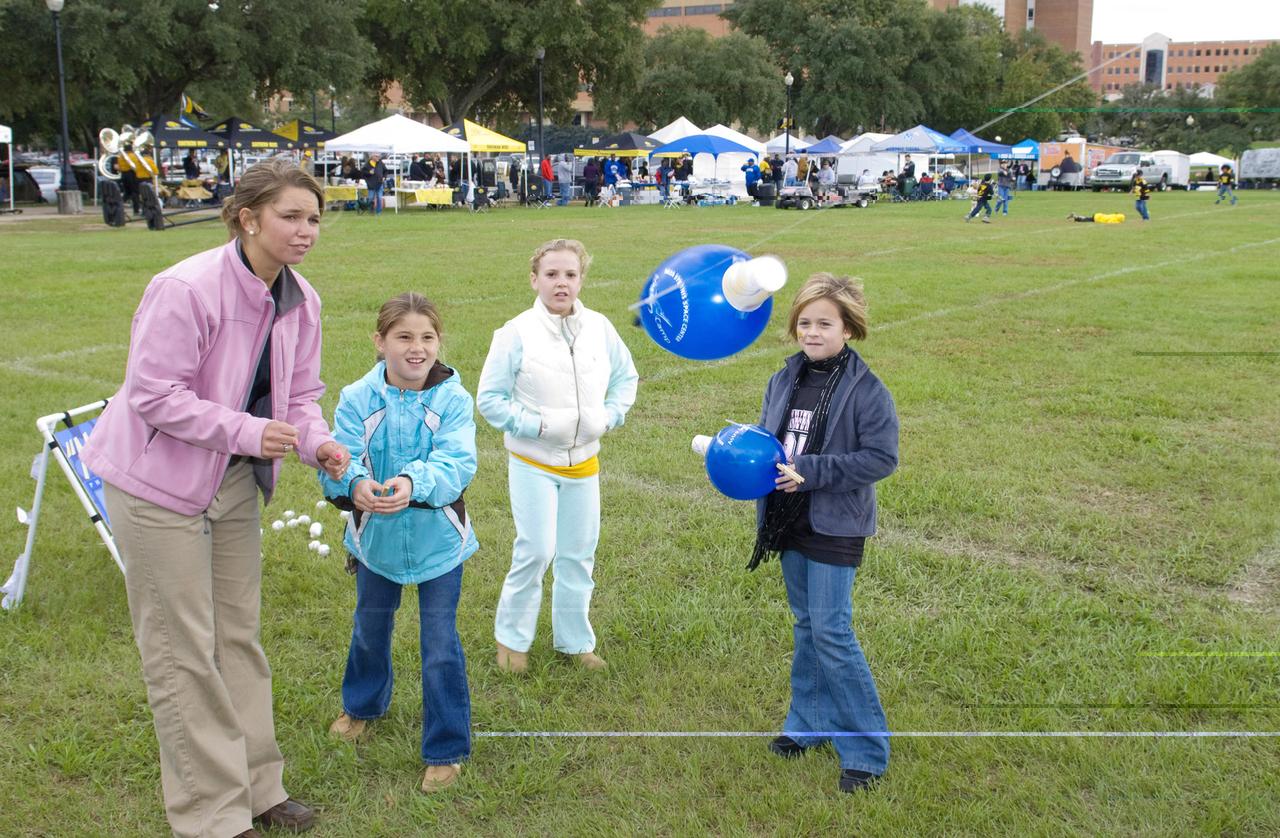
Fallon Nettles (left), an Astro Camp counselor at NASA's John C. Stennis Space Center, assists a young fan attending the University of Southern Mississippi football game in Hattiesburg, Miss., on Oct. 17 in launching a balloon 'rocket.' Prior to the game, Stennis Space Center hosted hands-on activities and exhibits for families as part of its first-ever Space Day at USM. The activities were versions of those featured in the daylong and weeklong Astro Camp sessions sponsored by Stennis throughout each year. Stennis Space Center is located in nearby Hancock County and is the nation's premier rocket engine testing facility. The USM activities were part of Stennis' ongoing effort to educate people about the NASA mission and to introduce children and young people to space and space exploration.
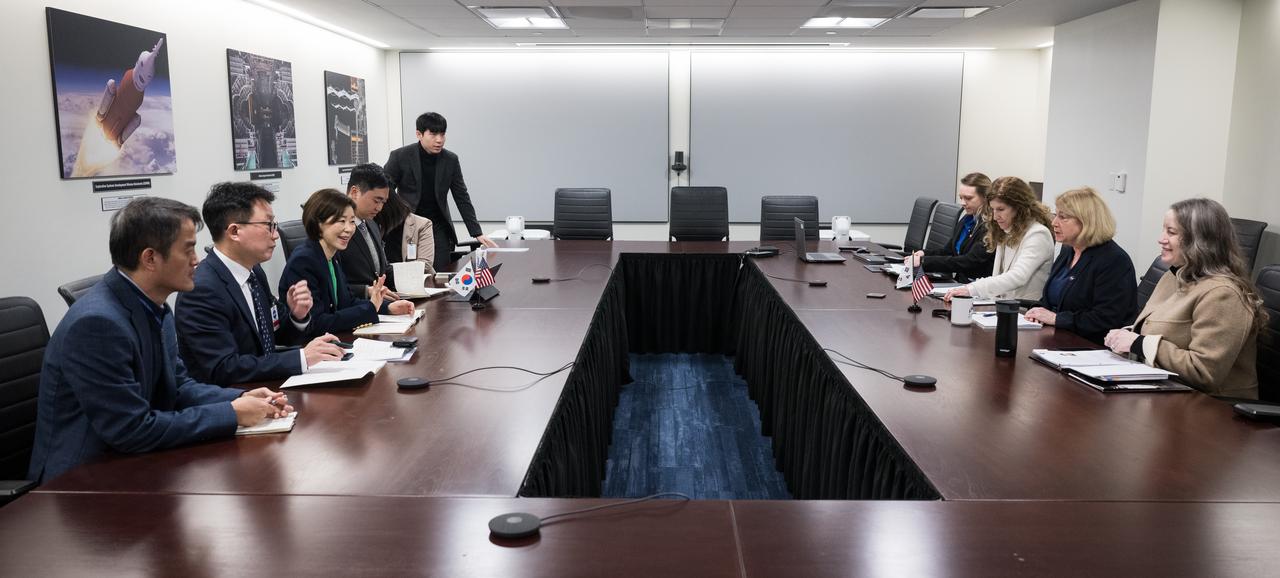
NASA Deputy Administrator Pam Melroy, second from right, along with NASA Associate Administrator for International and Interagency Relations, Karen Feldstein, third from right, Deputy Associate Administrator for International and Interagency Relations Meredith McKay, right, and NASA International Program Specialist Melanie Dalby, meet with from left to right, Science and ICT Counselor, Embassy of Republic of Korea, Kyu Chul Song, Special Advisor of International Space Cooperation, Ministry of Science and ICT of Korea, Byung Il Choi, Vice Minister, Ministry of Science and ICT of Korea, Seong Kyung Cho, Translator, Ministry of Science and ICT of Korea, Ji Ho Kim, Director, Americas and Asia Cooperation Division, Ministry of Science and ICT of Korea, Kyoung Lim Lee, and Deputy Director, Americas and Asia Cooperation Division, Ministry of Science and ICT of Korea, Sang Won Kim, Tuesday, Jan. 23, 2024, at the Mary W. Jackson NASA Headquarters building in Washington. Photo Credit: (NASA/Aubrey Gemignani)
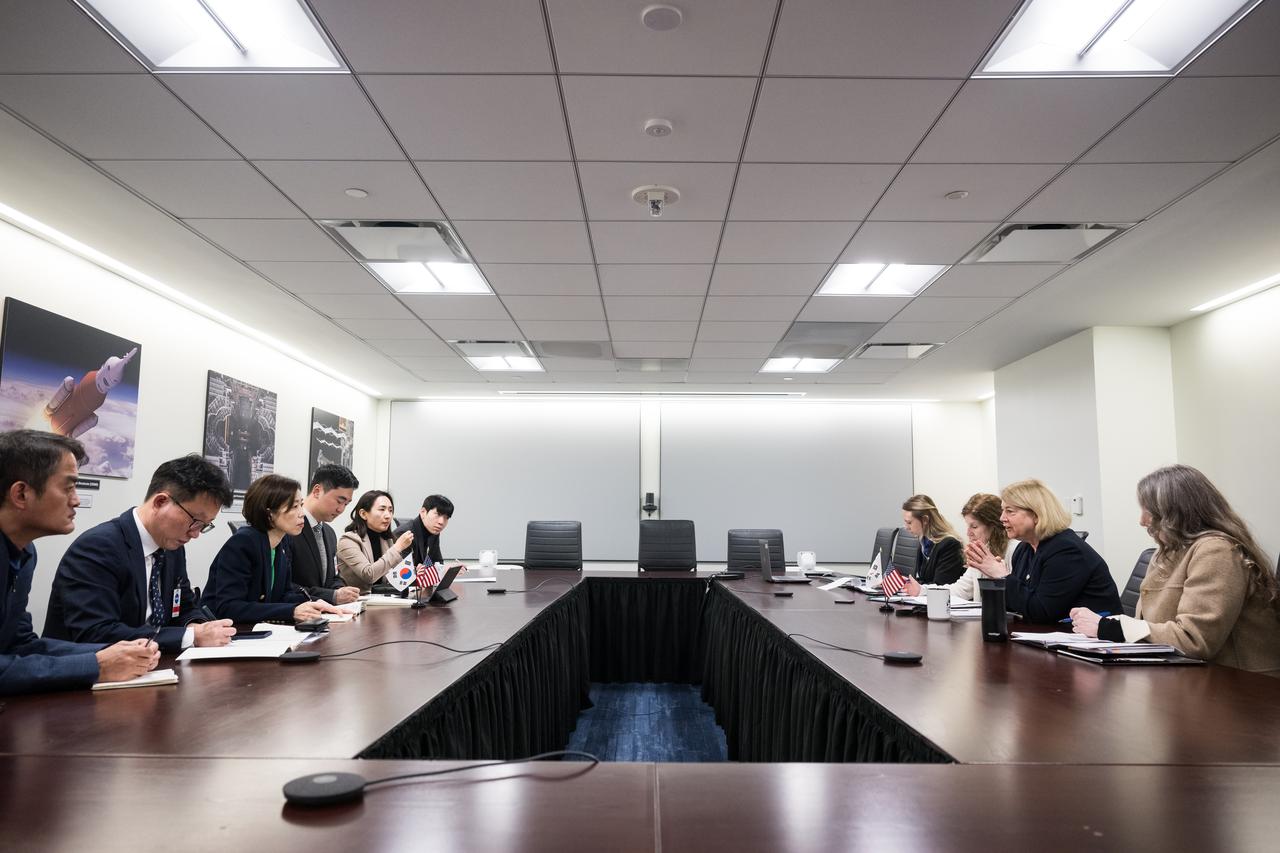
NASA Deputy Administrator Pam Melroy, second from right, along with NASA Associate Administrator for International and Interagency Relations, Karen Feldstein, third from right, Deputy Associate Administrator for International and Interagency Relations Meredith McKay, right, and NASA International Program Specialist Melanie Dalby, meet with from left to right, Science and ICT Counselor, Embassy of Republic of Korea, Kyu Chul Song, Special Advisor of International Space Cooperation, Ministry of Science and ICT of Korea, Byung Il Choi, Vice Minister, Ministry of Science and ICT of Korea, Seong Kyung Cho, Translator, Ministry of Science and ICT of Korea, Ji Ho Kim, Director, Americas and Asia Cooperation Division, Ministry of Science and ICT of Korea, Kyoung Lim Lee, and Deputy Director, Americas and Asia Cooperation Division, Ministry of Science and ICT of Korea, Sang Won Kim, Tuesday, Jan. 23, 2024, at the Mary W. Jackson NASA Headquarters building in Washington. Photo Credit: (NASA/Aubrey Gemignani)
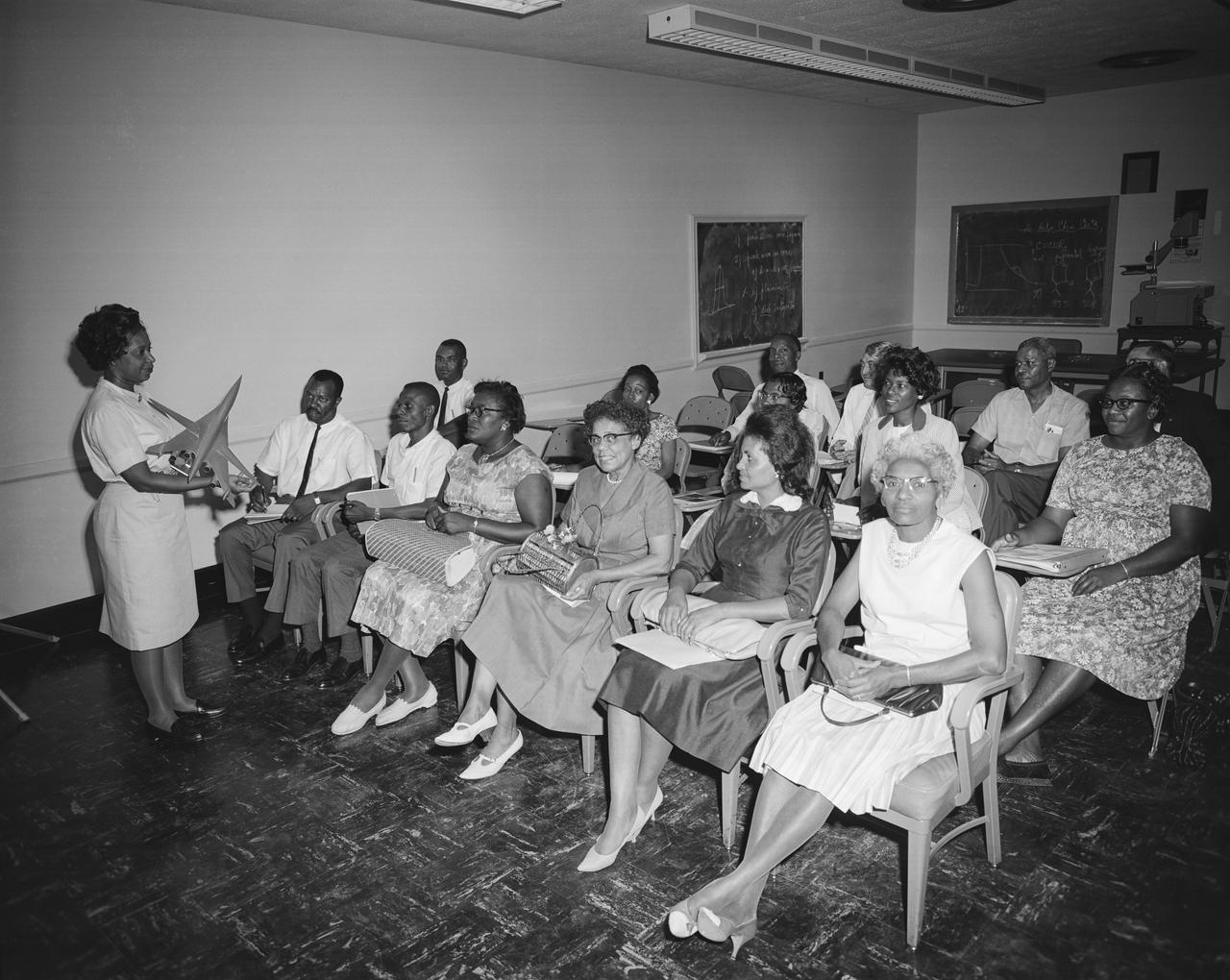
Photograph taken July 30, 1964. Mary W Jackson, Aerospace Engineer in the Large Supersonic Tunnels Branch of Full-Scale Research Division, explains the facilities used in testing research models such as SCAT. The Guidance Counseling Class from Hampton Institute visited the center on July 30 and toured a number of facilities. The purpose of the visit was to provide the counselors an opportunity to see areas of work representing fields in which their students might be employed. The group, under the direction of Professor Fissell Jones (Left, back row) of Hampton Institute, represented the states of Virginia, North Carolina, South Carolina, and Georgia. In 1958 Mary Jackson became NASA's first black female engineer. The Hampton Institute (now Hampton University) is a Historically Black College. NASA started its EEO office in 1964 and the NASA Administrator at the time, James Webb, was very enthusiastic about reaching out to universities (including HBCUs) to partner with them and to encourage students to become NASA engineers.
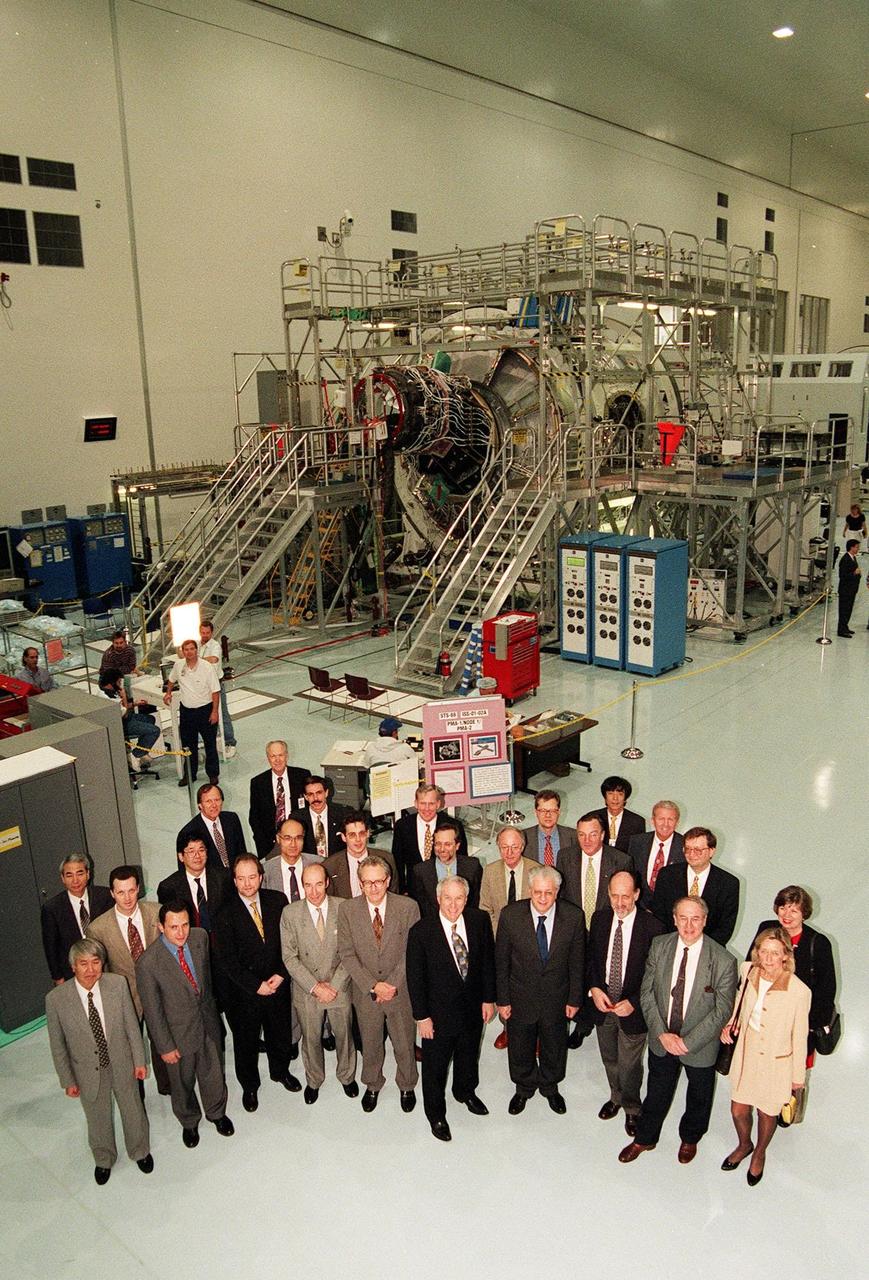
CAPE CANAVERAL, Fla. -- In the International Space Station Processing Facility at NASA's Kennedy Space Center in Florida, senior government officials from 15 countries participating in the space station program signed agreements in Washington D.C. on Jan. 29 to establish the framework of cooperation among the partners on the design, development, operation and utilization of the space station. Acting Secretary of State Strobe Talbott signed the 1998 Intergovernmental Agreement on Space Station Cooperation with representatives of Russia, Japan, Canada, and participating countries of the European Space Agency ESA -- Belgium, Denmark, France, Germany, Italy, the Netherlands, Norway, Spain, Sweden, Switzerland, and the United Kingdom. Some of these officials then toured Kennedy's Space Station Processing Facility SSPF with NASA Administrator Daniel Goldin, at front, sixth from the left. They are, left to right, front to back: Hidetoshi Murayama, National Space Development Agency of Japan NASDA Louis Laurent, Embassy of France Haakon Blankenborg, Norwegian Parliament Standing Committee on Foreign Affairs His Excellency Joris Vos, ambassador of the Netherlands His Excellency Tom Vraalsen, ambassador of Norway Goldin Luigi Berlinguer, Italian minister for education, scientific, and technological research Antonio Rodota, director general, ESA Yvan Ylieff, Belgian minister of science and chairman of the ESA Ministerial Council Jacqueline Ylieff Masaaki Komatsu, Kennedy local NASDA representative and interpreter Serge Ivanets, space attache, Embassy of Russia Hiroshi Fujita, Science and Technology Agency of Japan Akira Mizutani, Japanese Ministry of Foreign Affairs Peter Grognard, science attache', Royal Embassy of Belgium Michelangelo Pipan, Italian diplomatic counselor to the minister His Excellency Gerhard Fulda, German Federal Foreign Office Jorg Feustel-Buechl, ESA director of manned space flight and microgravity A. Yakovenko, Russian Ministry of Foreign Affairs JoAnn Morgan, Kennedy associate director for Advanced Development and Shuttle Upgrades Steve Francois, director, International Space Station and Shuttle Processing Roy Tharpe, Boeing launch site manager Jon Cowart, ISS elements manager John Schumacher, NASA associate administrator for external relations Didier Kechemair, space advistor to the French minister for education, research, and technology Yoshinori Yoshimura, NASDA and Loren Shriver, Kennedy deputy director for launch and payload processing. Node 1 of the ISS is in the background. Photo Credit: NASA
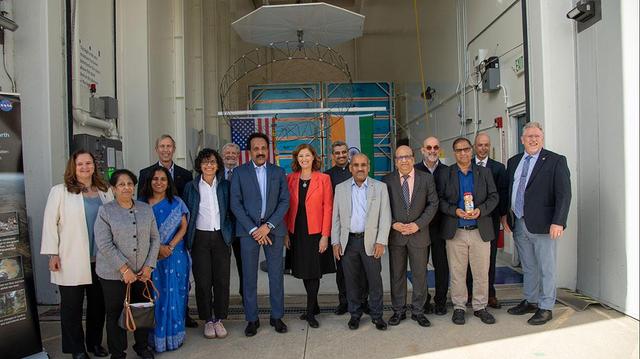
Officials from NASA, the Indian Space Research Organization (ISRO), and the Embassy of India hold a send-off ceremony for the NASA-ISRO Synthetic Aperture Radar (NISAR) science instrument payload on Feb. 3, 2023, outside a clean room at NASA's Jet Propulsion Laboratory in Southern California. The payload is scheduled to be shipped to India in March. Pictured left to right: Karen St. Germain, director, Earth Science Division, NASA; Mitra Dutta, NISAR program executive, NASA; Sripriya Ranganathan, ambassador and deputy chief of mission, Indian Embassy; Larry James, deputy director, JPL; Bhavya Lal, associate administrator for technology, policy, and strategy, NASA; Jim Graf, director, Earth Science and Technology Directorate, JPL; S. Somanath, chairman, ISRO; Laurie Leshin, director, JPL; Krunal Joshi, counselor, space and ISRO technical liaison officer, Indian Embassy; M. Sankaran, director, U R Rao Satellite Centre, ISRO; Shantanu Bhatawdekar, scientific secretary, ISRO; Paul Rosen, NISAR project scientist, JPL; CV Shrikant, NISAR project director, ISRO; Phil Barela, NISAR project manager, JPL; and Gerald Bawden, NISAR program scientist, NASA. NISAR – a joint effort between NASA and ISRO – will measure changes to Earth's land ice surfaces down to fractions of an inch. Data collected by this satellite will help researchers monitor a wide range of changes critical to life on Earth in unprecedented detail. This includes spotting warning signs of imminent volcanic eruptions, helping to monitor groundwater supplies, tracking the melt rate of ice sheets tied to sea level rise, and observing shifts in the distribution of vegetation around the world. The data will inform humanity's responses to urgent challenges posed by natural disasters and climate change, and help communities prepare for and manage hazards. There are two instruments on the satellite that will send and receive radar signals to and from Earth's surface to make the mission's measurements. An L-band synthetic aperture radar (SAR), which uses a signal wavelength of around 9 inches (24 centimeters), and an S-band SAR with a signal wavelength of nearly 5 inches (12 centimeters). Both will bounce their microwave signal off of the planet's surface and record how long it takes the signal to make one roundtrip, as well as the strength of that return signal. This enables the researchers to calculate the distance from the spacecraft to Earth's surface and thereby determine how the land or ice is changing. An antenna reflector nearly 40 feet (12 meters) in diameter, supported by a deployable boom, will focus the microwave signals sent and received by the SARs. JPL, which is managed for NASA by Caltech in Pasadena, leads the U.S. component of NISAR and is providing the mission's L-band SAR instrument. NASA is also providing the radar reflector antenna, the deployable boom, a high-rate communication subsystem for science data, GPS receivers, a solid-state recorder, and payload data subsystem. ISRO is providing the spacecraft bus, the S-band SAR, the launch vehicle, and associated launch services and satellite mission operations. https://photojournal.jpl.nasa.gov/catalog/PIA25600