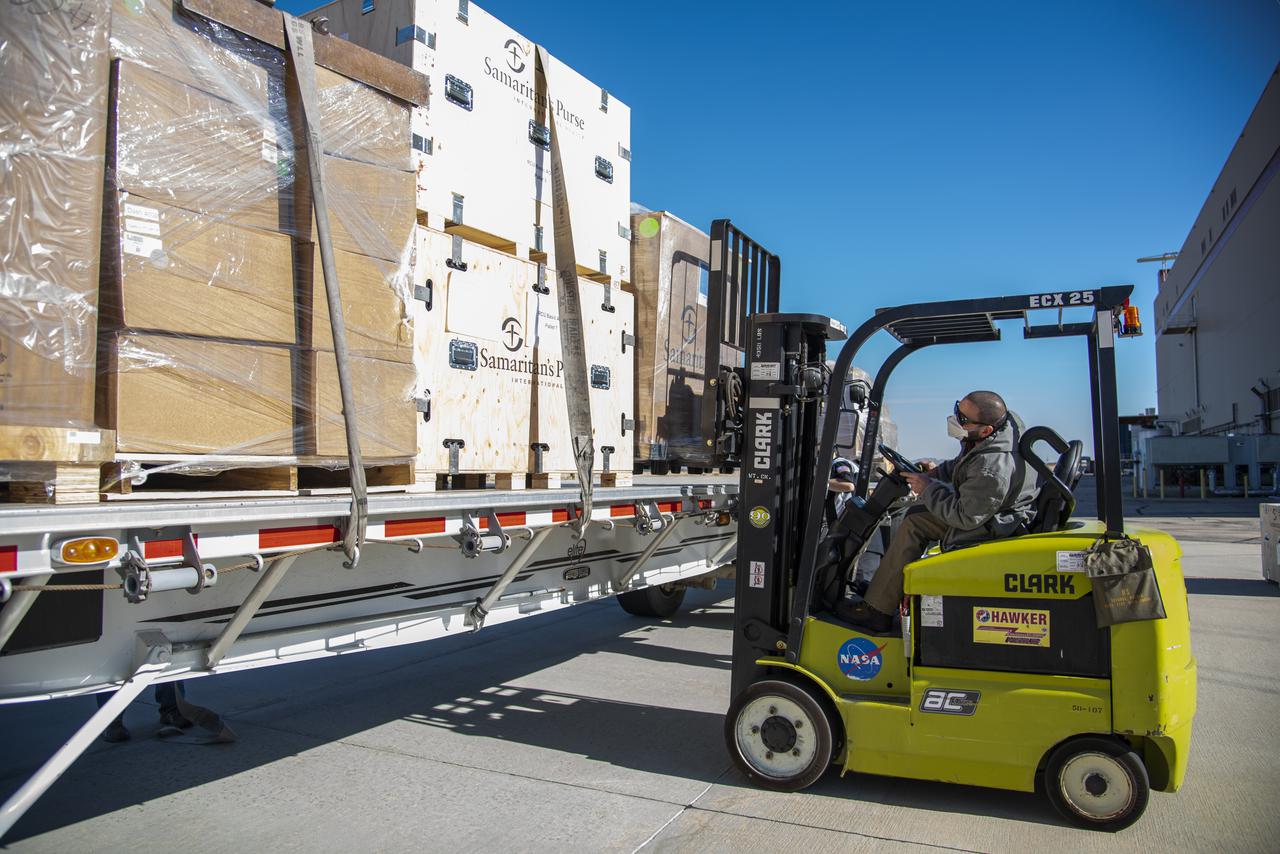
Marlon Espinoza uses a forklift at NASA's Armstrong Flight Research Center Building 703 in Palmdale, California, to assist in Samaritan Purse's COVID-19 aid work. The supplies were unloaded from a DC-8 and loaded onto a truck.
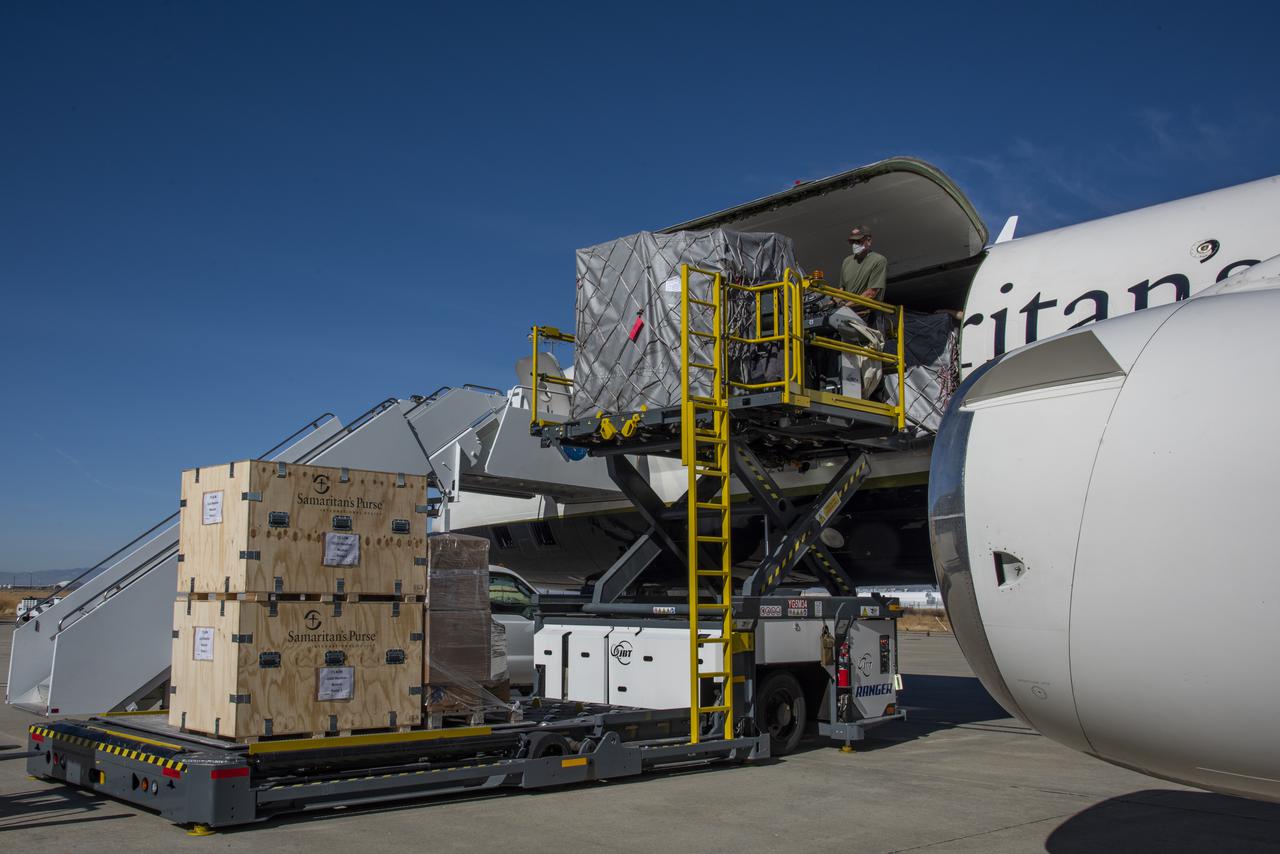
Samaritan Purse landed its DC-8 at NASA's Armstrong Flight Research Center Building 703 in Palmdale, California, to deliver supplies needed to meet the demands of the COVID-19 pandemic. NASA Armstrong personnel assisted in unloading the aircraft.
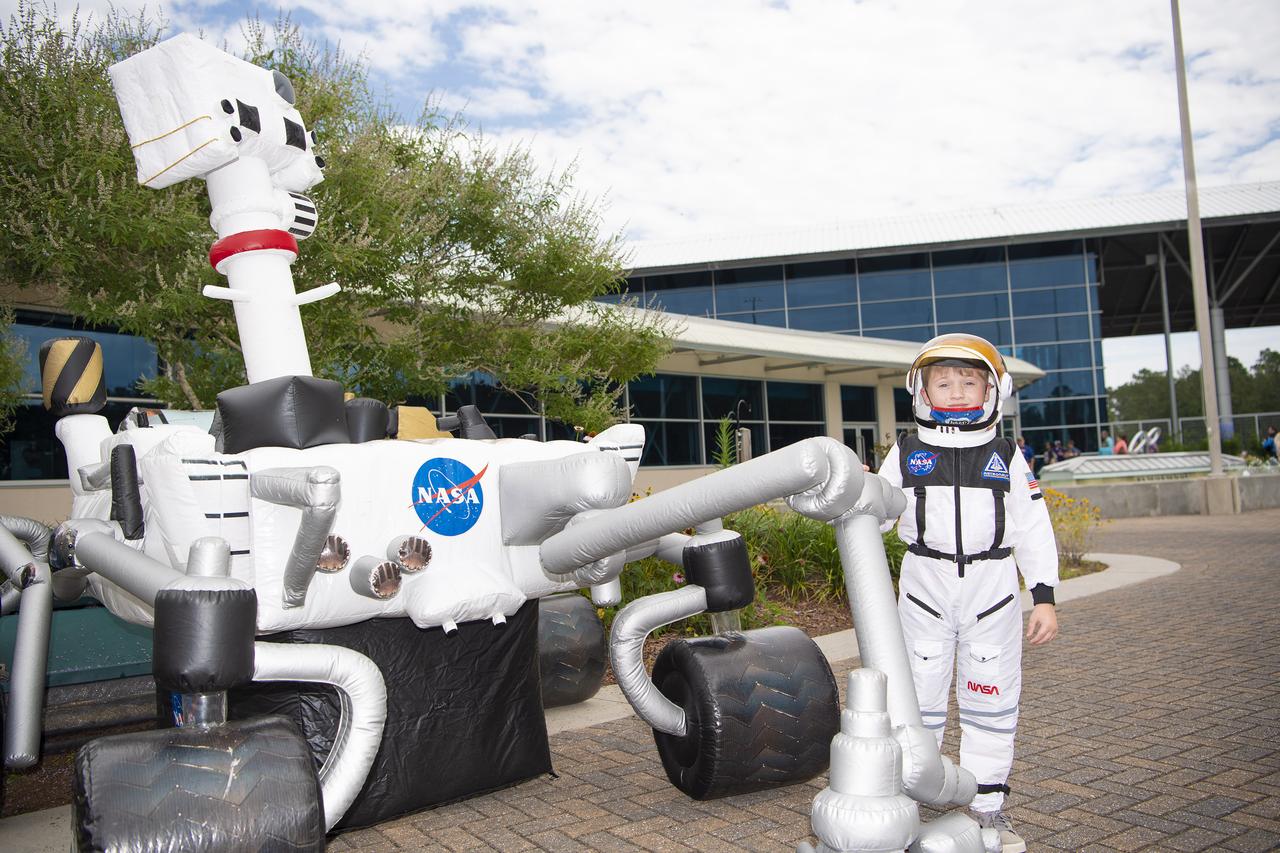
Jackson Barber of Mandeville, LA, poses in front of an inflatable Mars Rover outside INFINITY Science Center adjacent to NASA’s Stennis Space Center. The science center held its grand reopening on May 29, 2021, after closing in 2020 due to Covid 19.
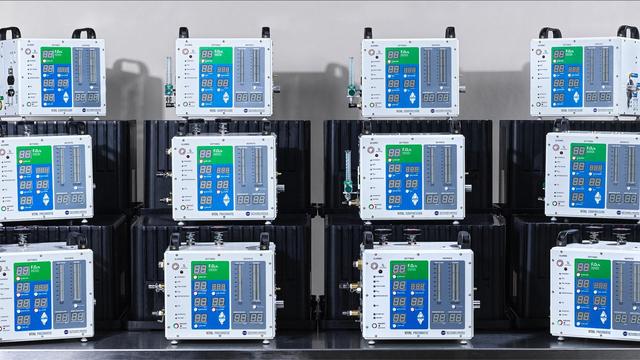
Prototypes of the VITAL ventilator, designed and tested NASA's Jet Propulsion Laboratory in just 37 days to address the needs of COVID-19 patients. https://photojournal.jpl.nasa.gov/catalog/PIA24034
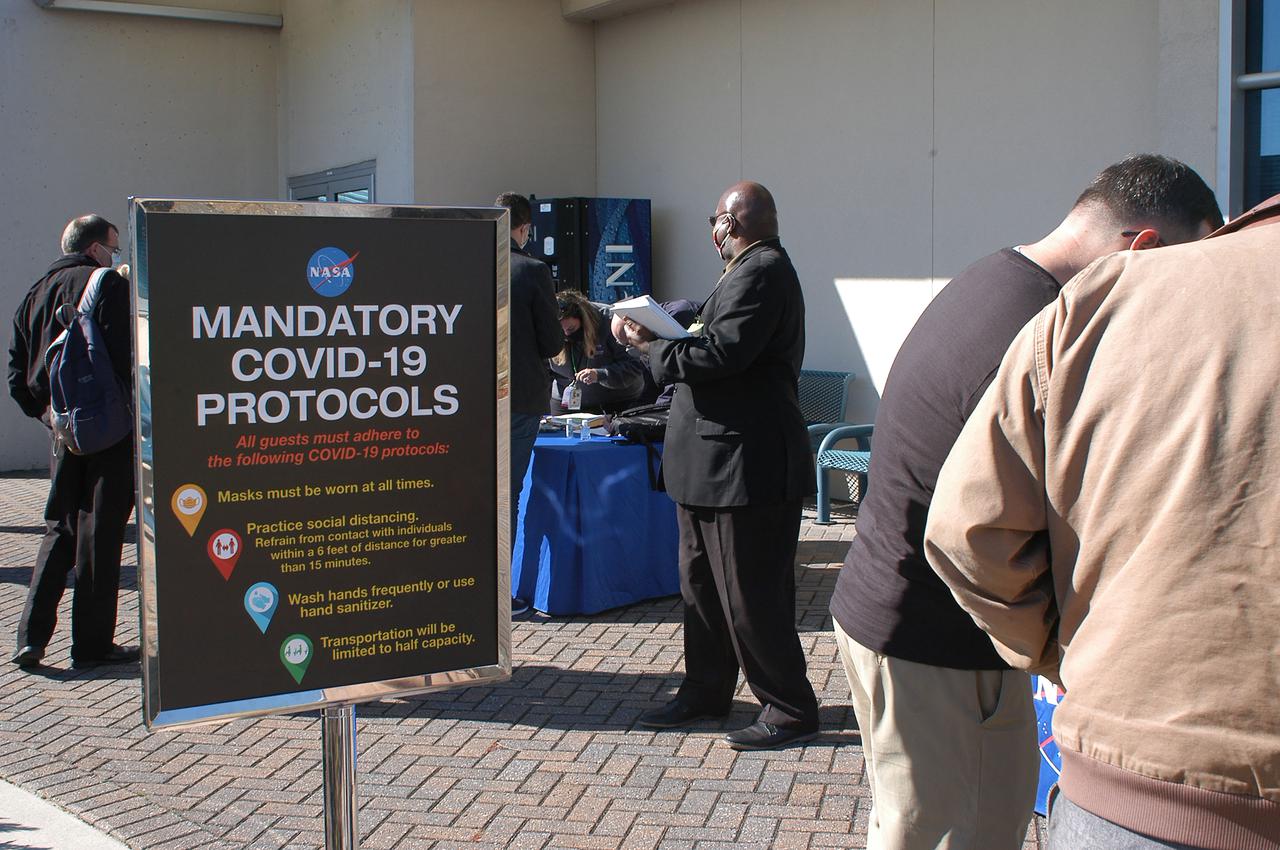
A posted sign outlines COVID-19 protocol for media and guests arriving to view the Green Run hot fire test of the core stage for NASA’s Space Launch System (SLS) rocket at Stennis Space Center near Bay St. Louis, Mississippi, on Saturday, January 16, 2021. NASA conducted a hot fire test of the core stage’s four RS-25 engines on the B-2 Test Stand at Stennis. Scheduled for as long as eight minutes, the engines fired for a little more than one minute to generate a combined 1.6 million pounds of thrust, just as will occur during an actual launch. The hot fire is the final test of the Green Run test series, a comprehensive assessment of the SLS core stage prior to launching the Artemis I mission to the Moon.
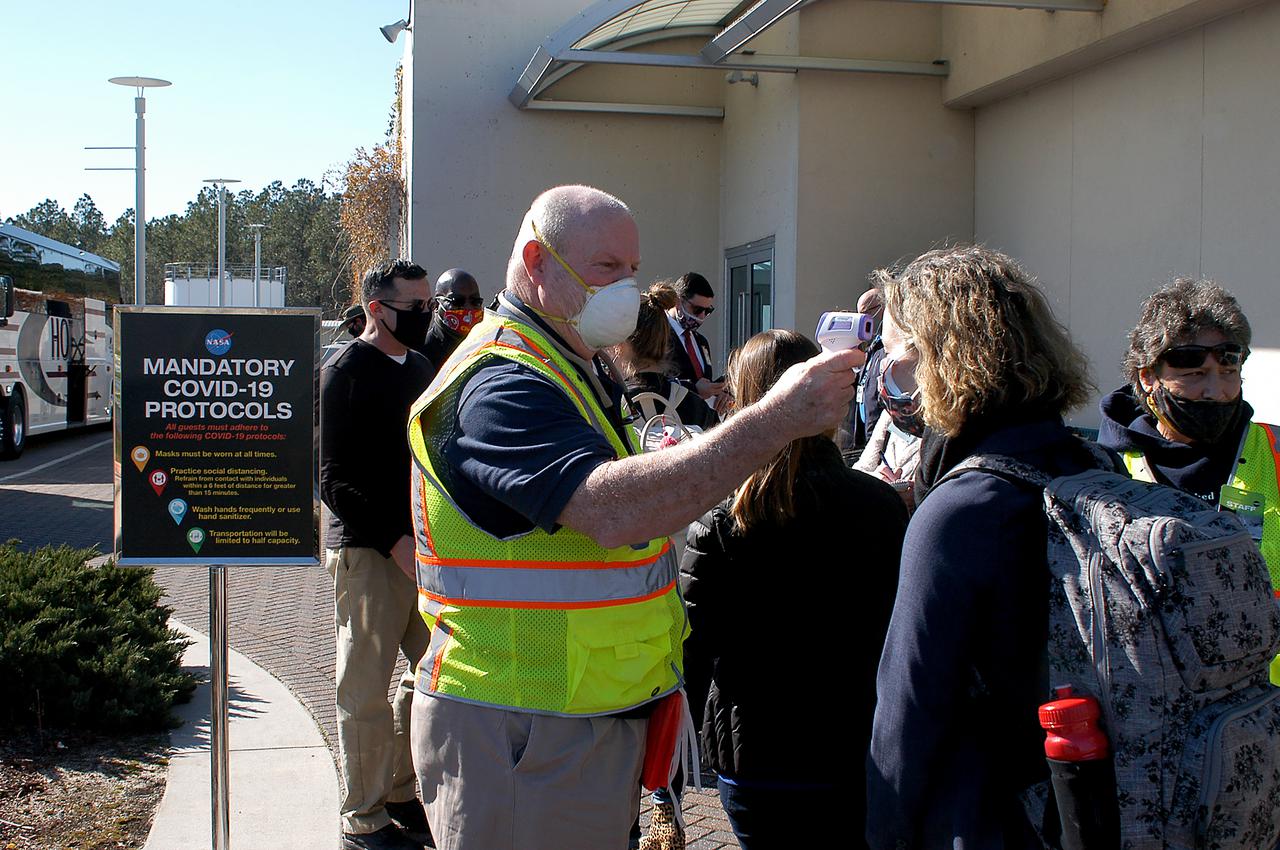
A staff member administers a COVID-19 temperature check to media and guests arriving to view the Green Run hot fire test of the core stage for NASA’s Space Launch System (SLS) rocket at Stennis Space Center near Bay St. Louis, Mississippi, on Saturday, January 16, 2021. NASA conducted a hot fire test of the core stage’s four RS-25 engines on the B-2 Test Stand at Stennis. Scheduled for as long as eight minutes, the engines fired for a little more than one minute to generate a combined 1.6 million pounds of thrust, just as will occur during an actual launch. The hot fire is the final test of the Green Run test series, a comprehensive assessment of the SLS core stage prior to launching the Artemis I mission to the Moon.
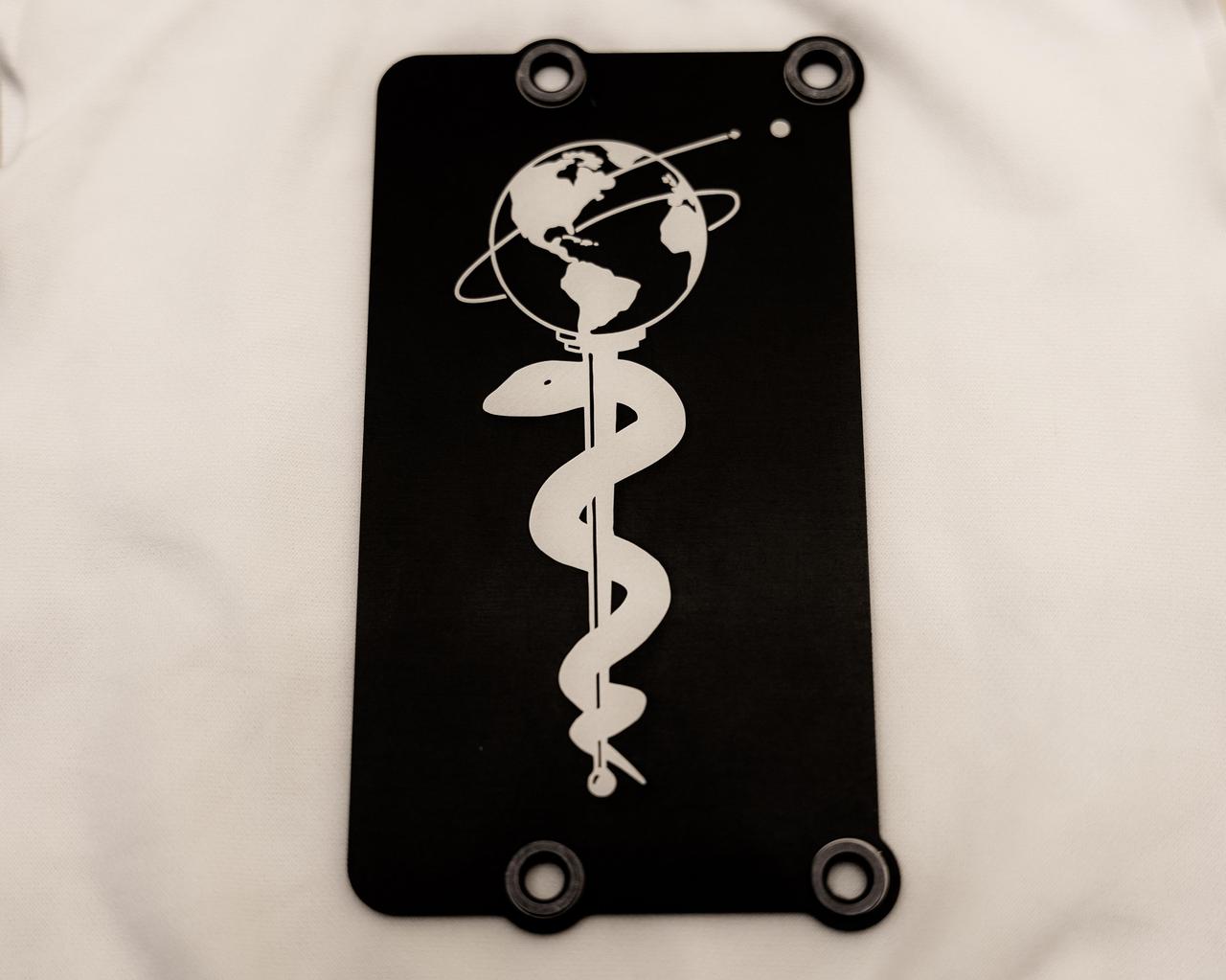
Members of NASA's Mars 2020 Perseverance rover mission installed a plate on the left side of the rover chassis, commemorating the impact of the COVID-19 pandemic and paying tribute to the perseverance of healthcare workers around the world. Made of aluminum, the 3-by-5-inch (8-by-13-centimeter) plaque was attached to the rover in May 2020 during final assembly at Kennedy Space Center in Florida. https://photojournal.jpl.nasa.gov/catalog/PIA23921
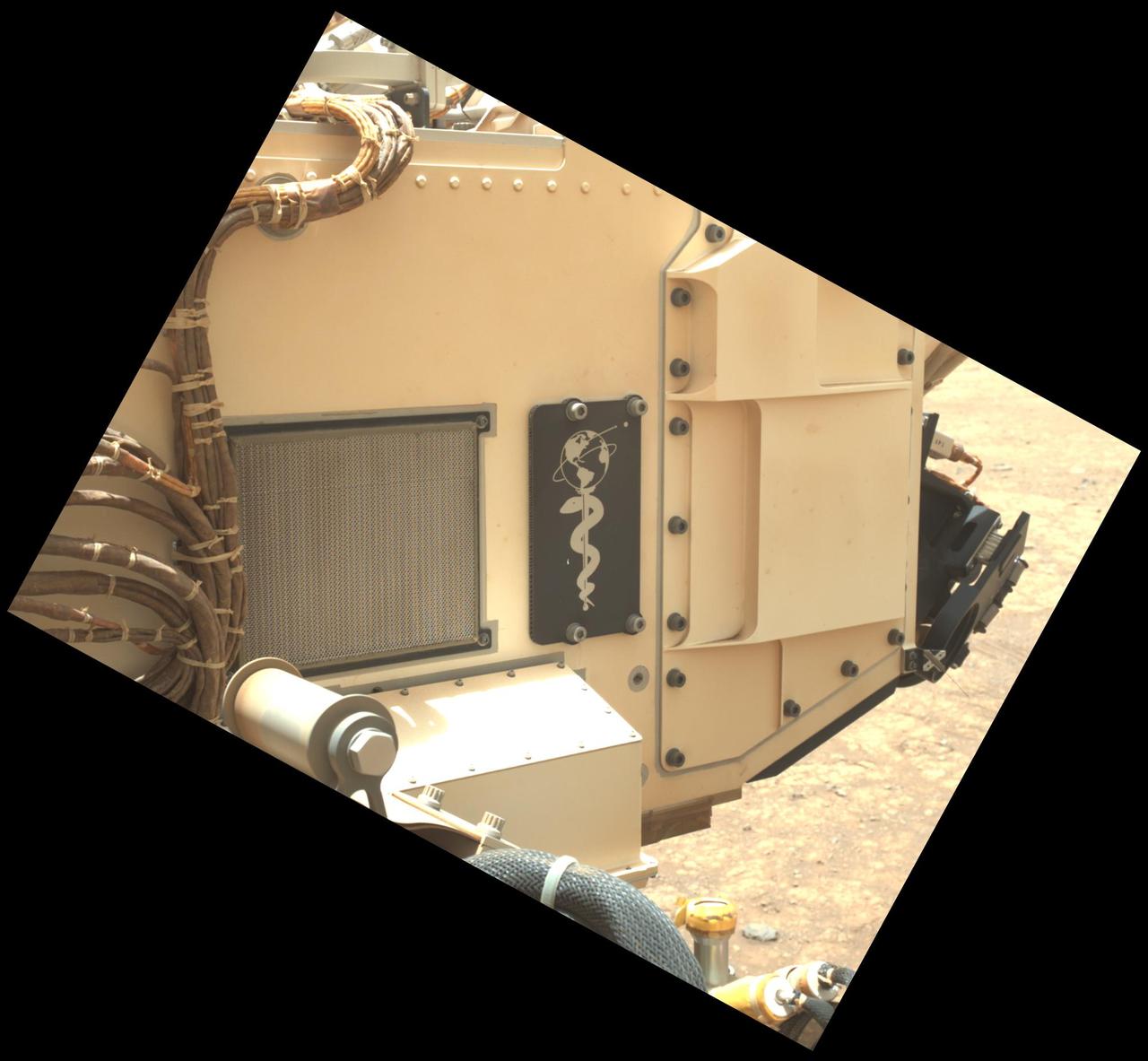
This close-up view of a plate on NASA's Perseverance rover commemorating the impact of the COVID-19 pandemic and paying tribute to the perseverance of health care workers around the world was acquired on June 28, 2025 (the 1,548th day, or sol, of its mission to Mars). Located on the left side of the rover chassis, the 3-by-5-inch (8-by-13-centimeter) aluminum plaque was attached in May 2020 during final assembly at NASA's Kennedy Space Center in Florida. https://photojournal.jpl.nasa.gov/catalog/PIA26641
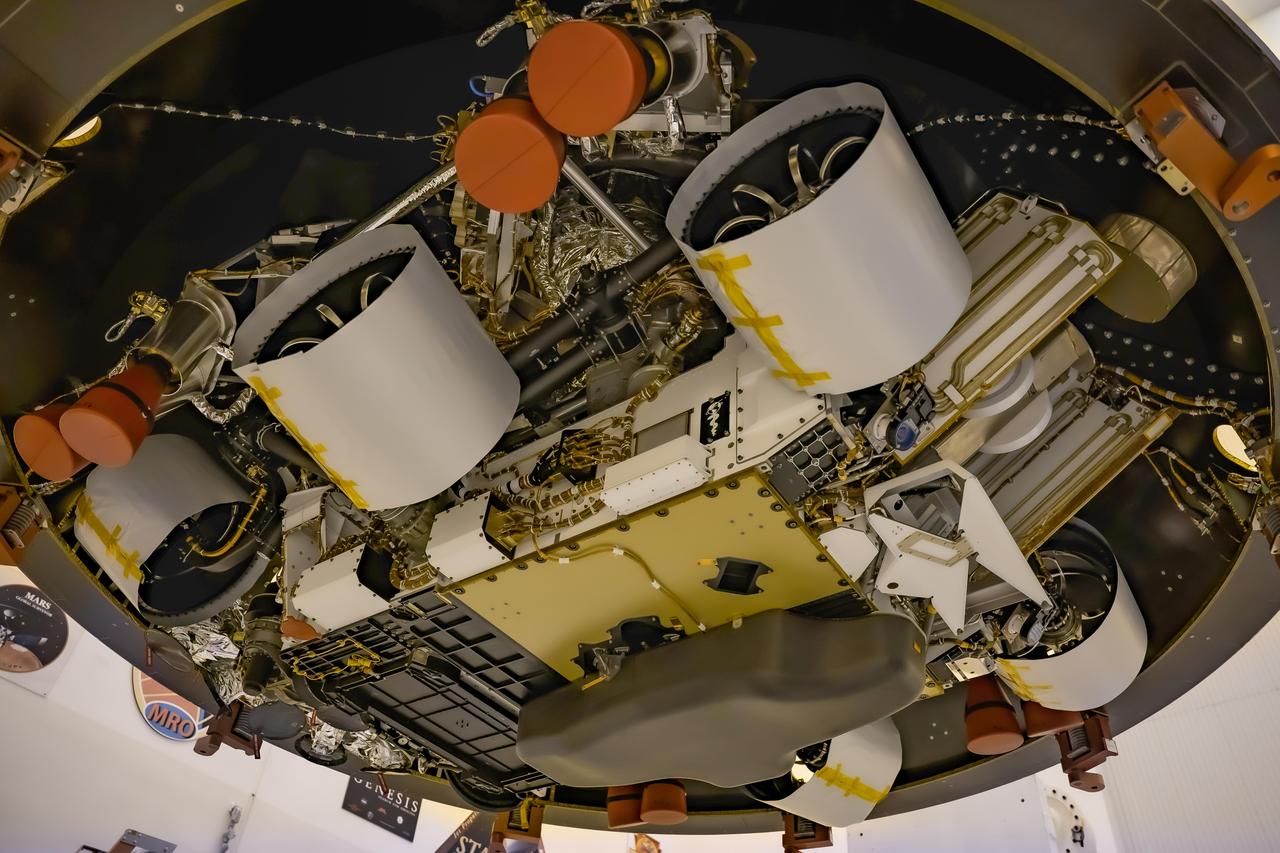
Seen from below, NASA's Mars 2020 Perseverance rover is in position in the aeroshell that will protect the rover on its way to the Red Planet. To the right of the middle wheel is the plaque that commemorates the impact of the COVID-19 pandemic and pays tribute to the perseverance of healthcare workers around the world. Featuring a snake-entwined rod to symbolize healing and medicine, the plaque was attached to the rover in May 2020 at Kennedy Space Center in Florida. https://photojournal.jpl.nasa.gov/catalog/PIA23924
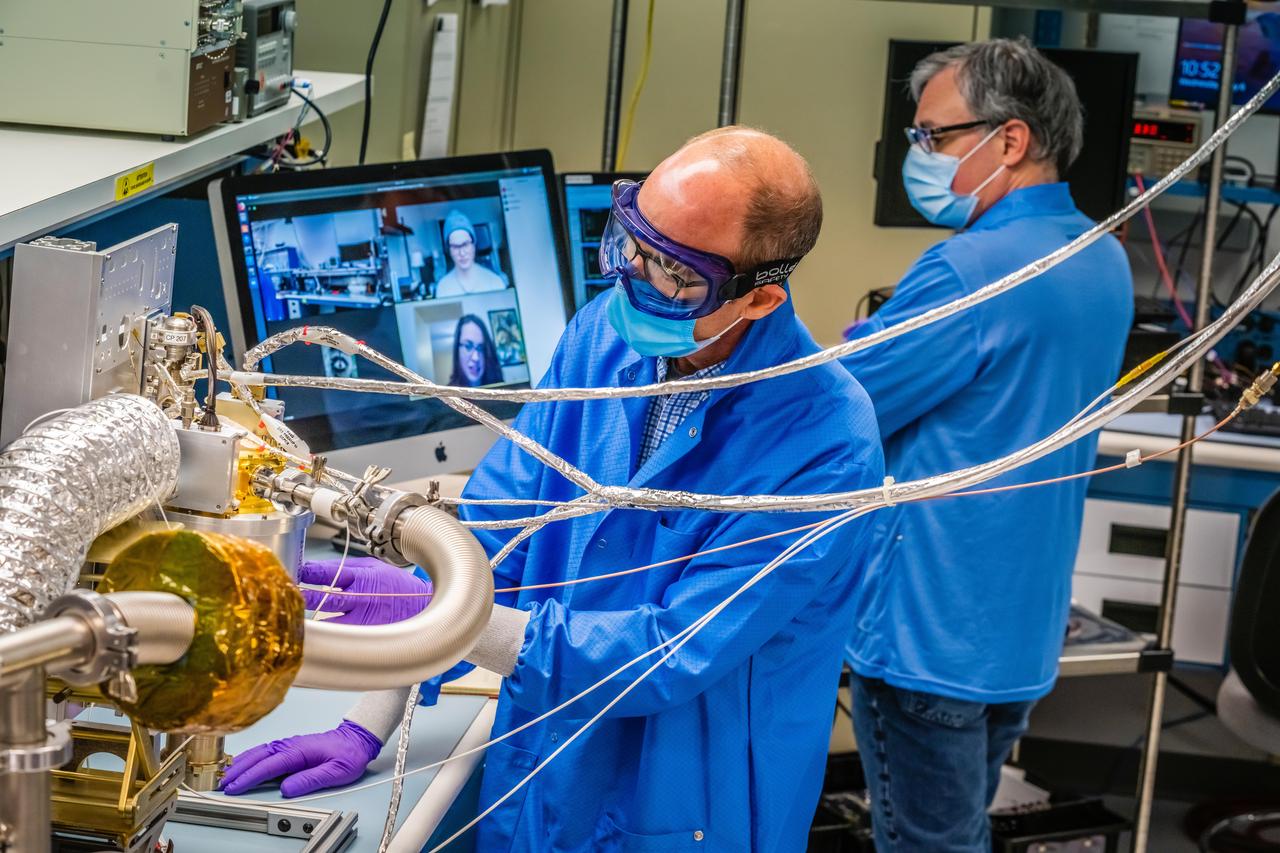
Engineers at the Johns Hopkins Applied Physics Laboratory (APL) in Laurel, Maryland, continue to make progress on Psyche's spectrometer while observing COVID-19 safety procedures. Engineers John Goldsten (left) and Sam Fix work on the Gamma Ray/Neutron Spectrometer (GRNS) instrument that will launch aboard the Psyche spacecraft in 2022 to detect, measure and map the asteroid Psyche's elemental composition. The instrument's team at APL moved the majority of its work to video conferencing, which has enabled the team to whittle operations down to requiring just one or two staff members on campus once or twice a week. https://photojournal.jpl.nasa.gov/catalog/PIA23880
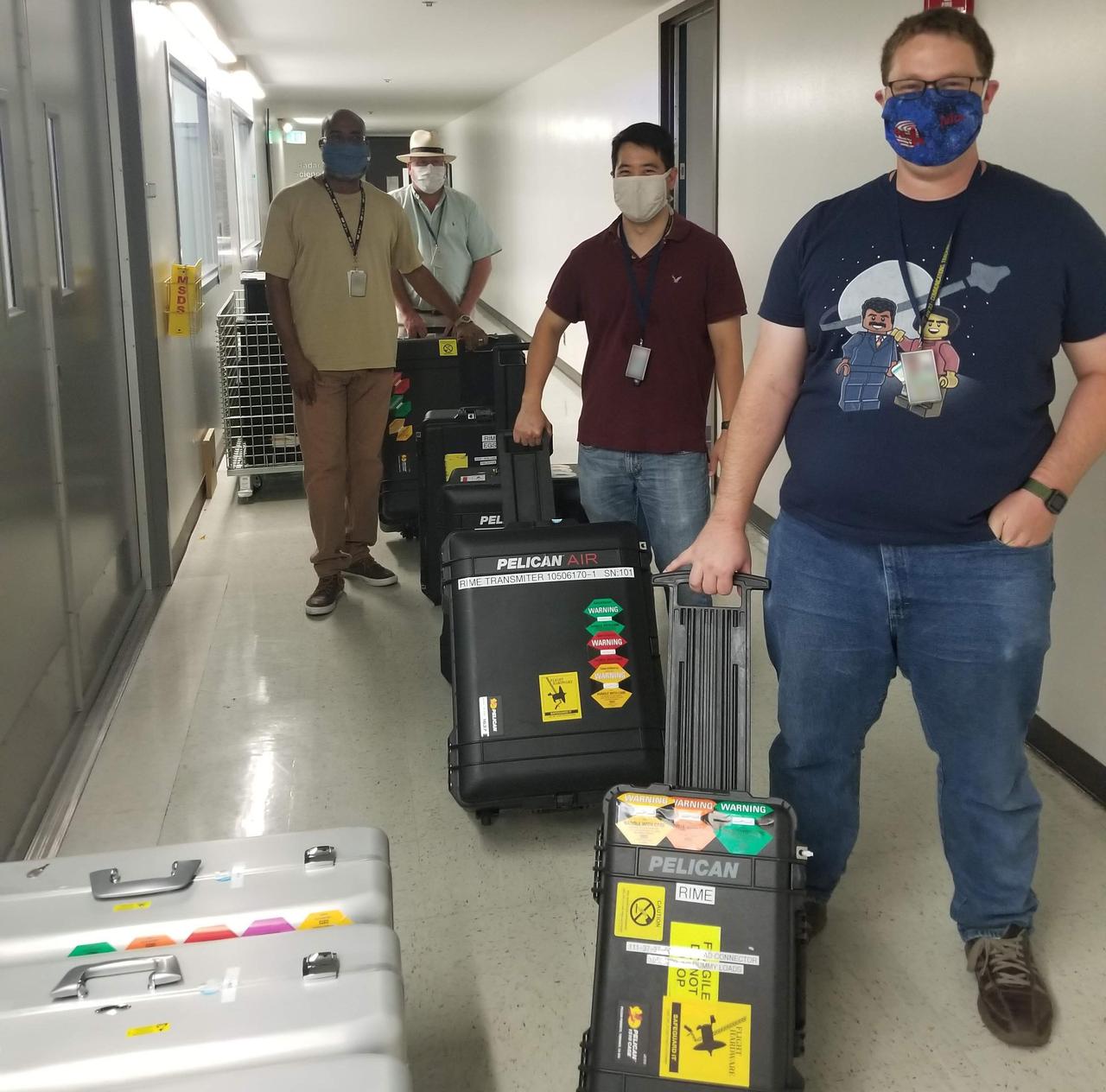
NASA's Jet Propulsion Laboratory built and shipped the receiver, transmitter and electronics necessary to complete the radar instrument for the Jupiter Icy Moons Explorer (JUICE) mission. Set to launch in 2022, JUICE is the ESA (European Space Agency) mission to explore Jupiter and its three large icy moons. From front: JPL engineers and technicians Jeremy Steinert, Jordan Tanabe, Glenn Jeffery, and Robert Johnson follow COVID-19 Safe-at-Work guidelines as they transport the transmitter and electronics on Aug. 19, 2020, for shipping to the Italian Space Agency (ASI). ASI is collaborating with JPL to build the instrument, called Radar for Icy Moon Exploration (RIME). It is one of 10 instruments that will fly aboard JUICE. https://photojournal.jpl.nasa.gov/catalog/PIA24026
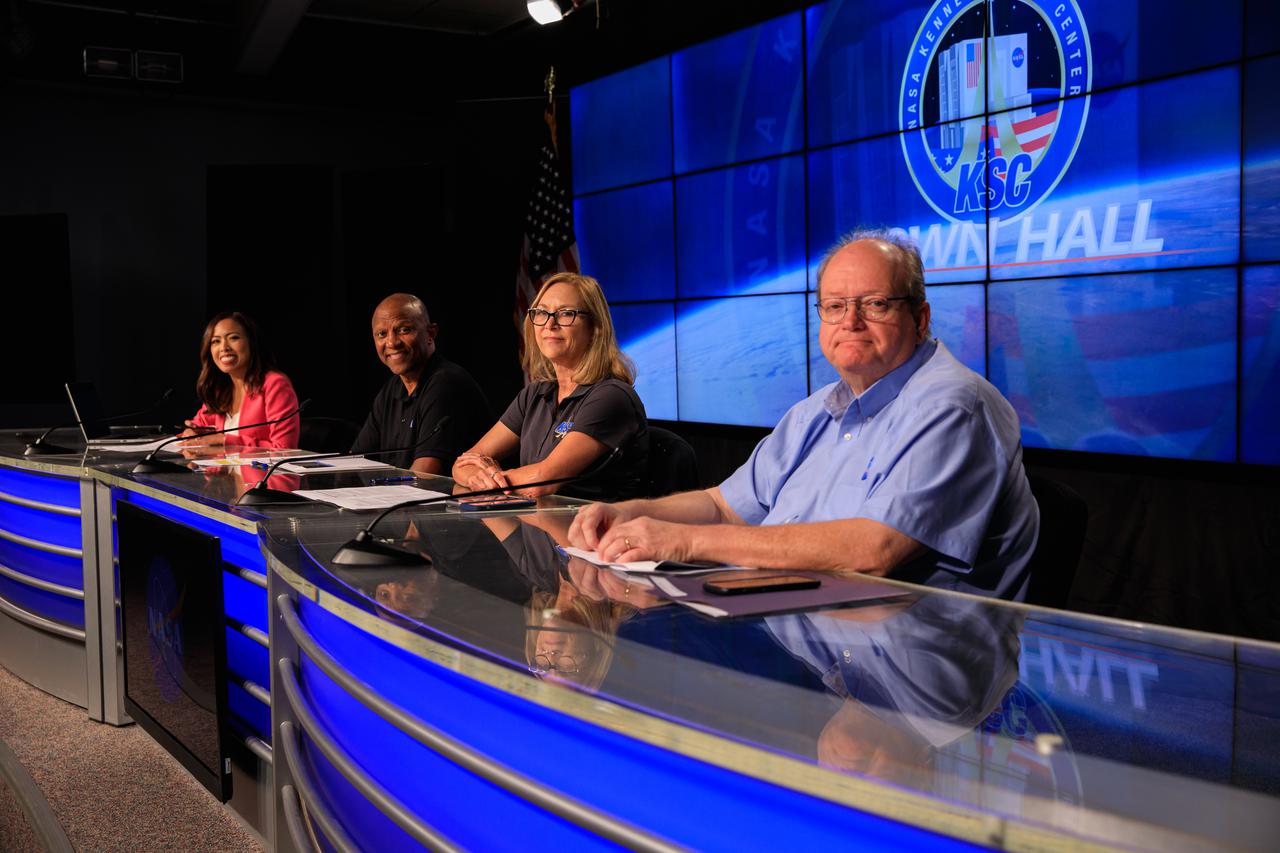
From left to right, Megan Cruz, NASA Communications; Kelvin Manning, Kennedy Space Center deputy director; Janet Petro, Kennedy director; and Burt Summerfield, Kennedy associate director, management participate in a virtual town hall meeting at the Florida spaceport on July 9, 2021. Topics included the center’s COVID-19 status, Kennedy missions and milestones, and the agency budget request. Employees at Kennedy had the opportunity to send in questions, which were answered by the center’s senior leaders.
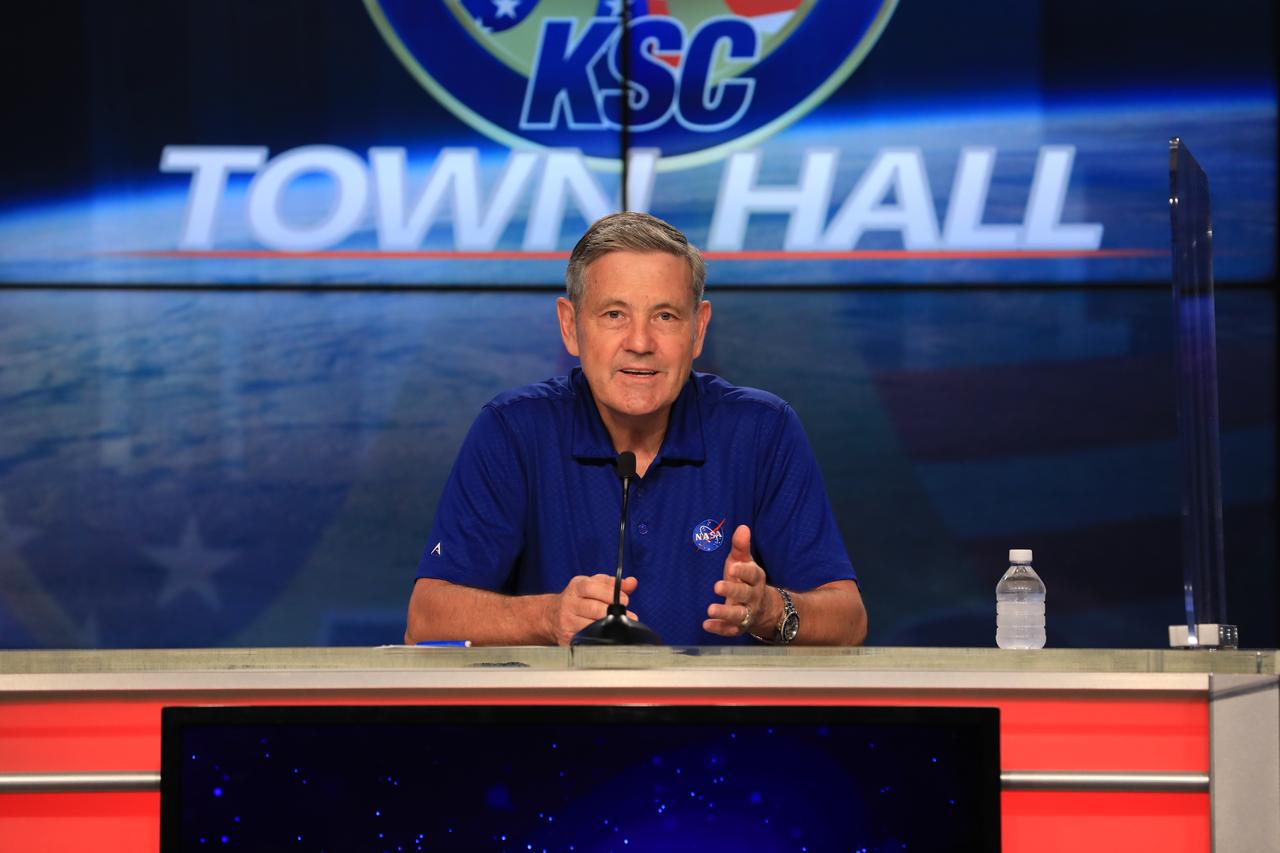
Kennedy Space Center Director Bob Cabana participates in a virtual town hall at the Florida spaceport’s Press Site auditorium on June 10, 2020, to share the plan for employees to safely return to on-site work during the time of COVID-19. Also participating were Deputy Director Janet Petro and Dr. David Tipton, chief medical officer, not pictured.
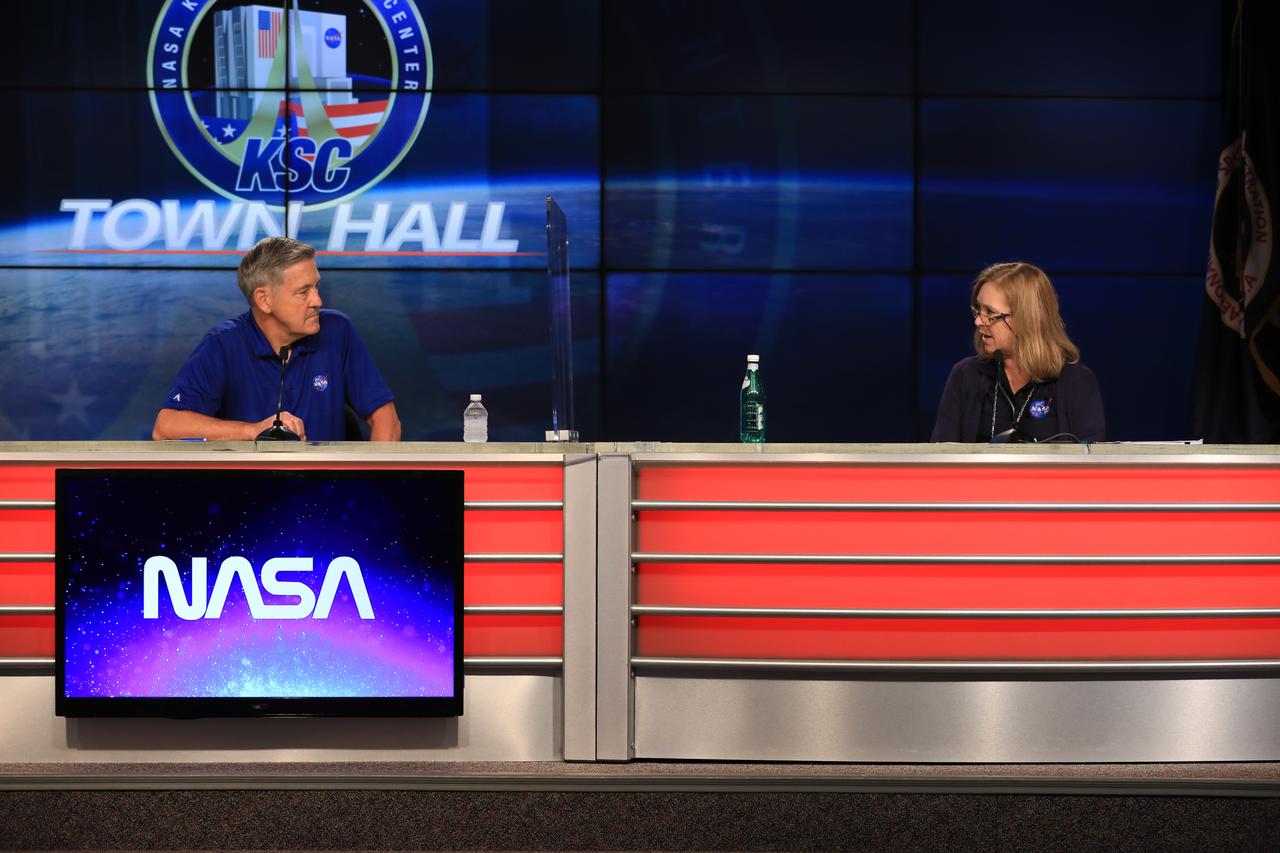
Kennedy Space Center Director Bob Cabana, left, and Deputy Director Janet Petro converse while participating in a virtual town hall at the Florida spaceport’s Press Site auditorium on June 10, 2020, to share the plan for employees to safely return to on-site work during the time of COVID-19. Also participating was Dr. David Tipton, chief medical officer, not pictured.

Kennedy Space Center Director Bob Cabana participates in a virtual town hall at the Florida spaceport’s Press Site auditorium on June 10, 2020, to share the plan for employees to safely return to on-site work during the time of COVID-19. Also participating were Deputy Director Janet Petro and Dr. David Tipton, chief medical officer, not pictured.
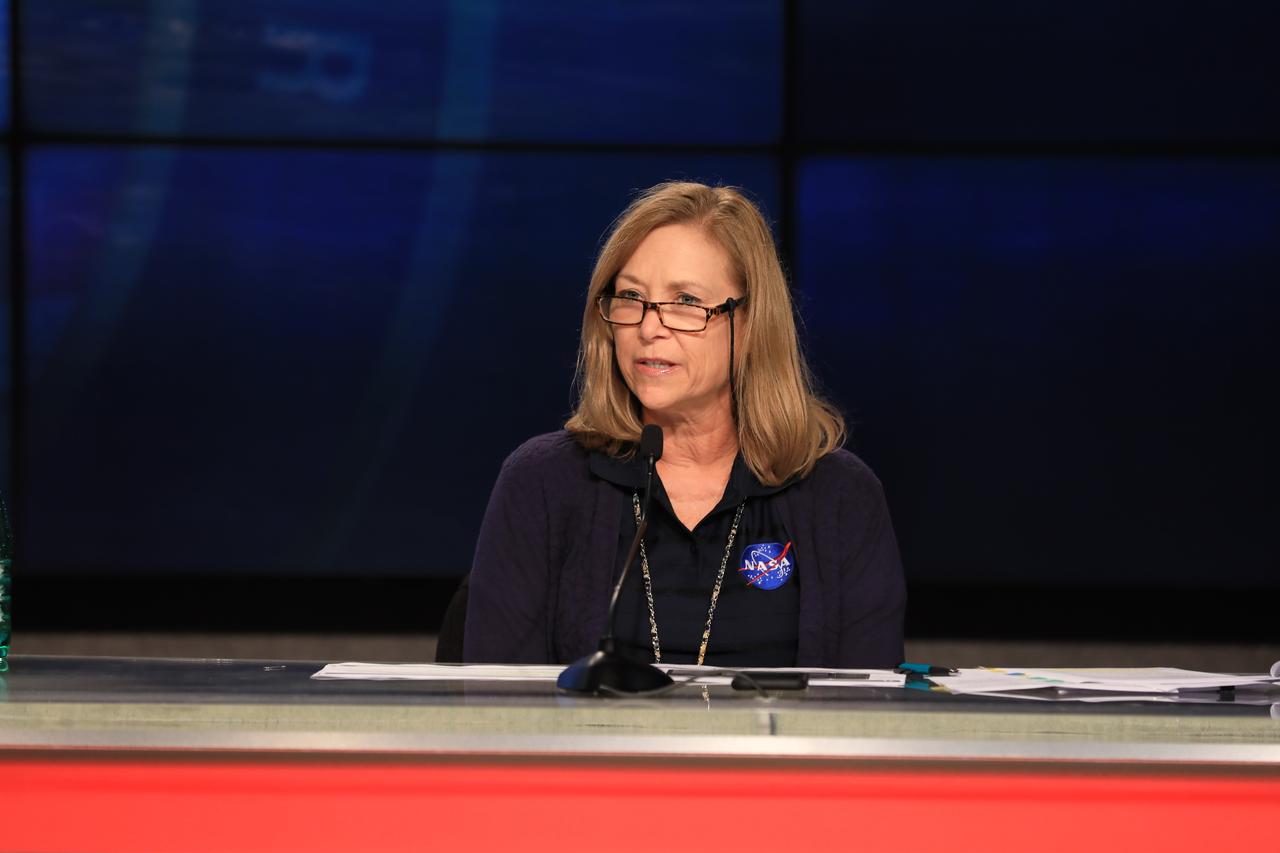
Kennedy Space Center Deputy Director Janet Petro participates in a virtual town hall at the Florida spaceport’s Press Site auditorium on June 10, 2020, to share the plan for employees to safely return to on-site work during the time of COVID-19. Also participating were Center Director Bob Cabana and Dr. David Tipton, chief medical officer, not pictured.
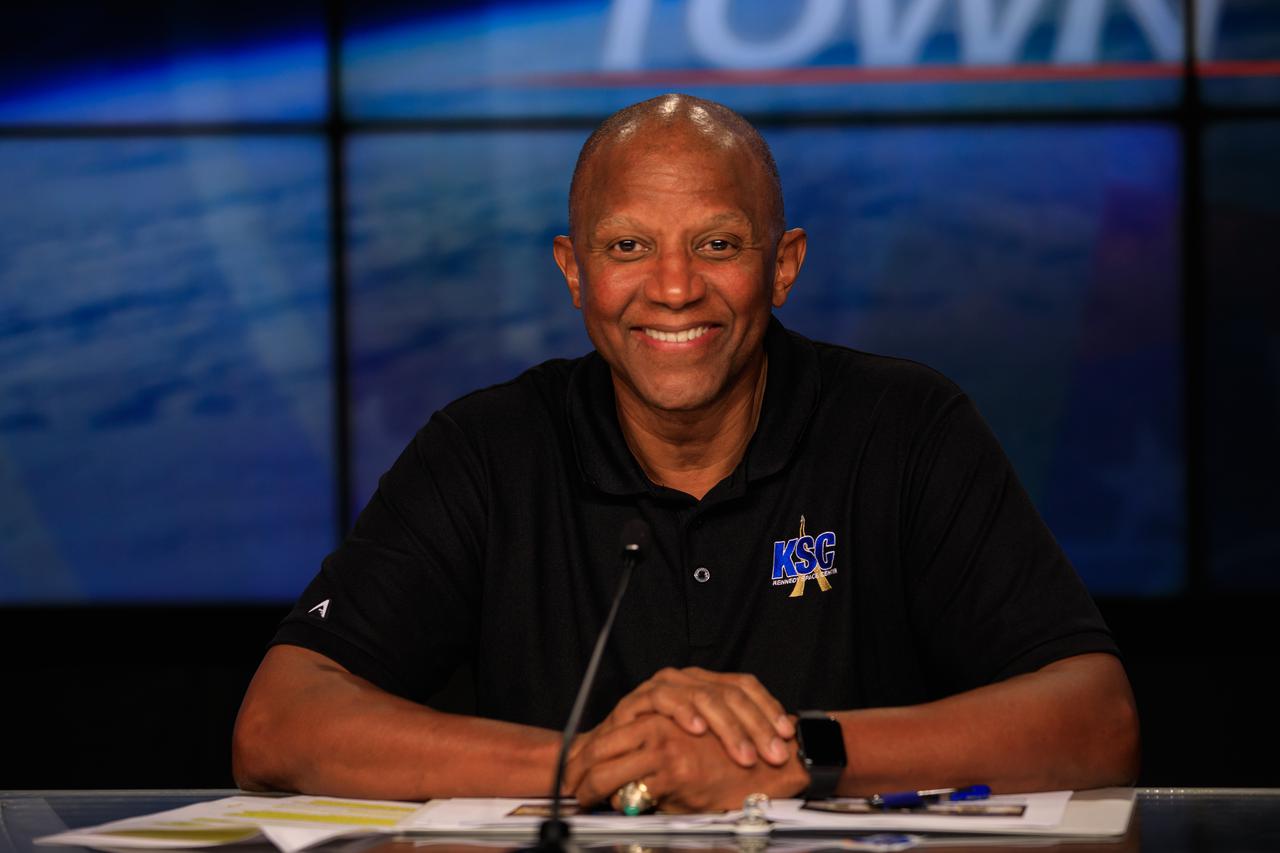
Kennedy Space Center Deputy Director Kelvin Manning participates in a virtual town hall meeting at the Florida spaceport on July 9, 2021. Center Director Janet Petro and Associate Director, Management Burt Summerfield also spoke at the event, which addressed topics such as the center’s COVID-19 status, Kennedy missions and milestones, and the agency budget request. Employees at Kennedy had the opportunity to send in questions, which were answered by the center’s senior leaders.
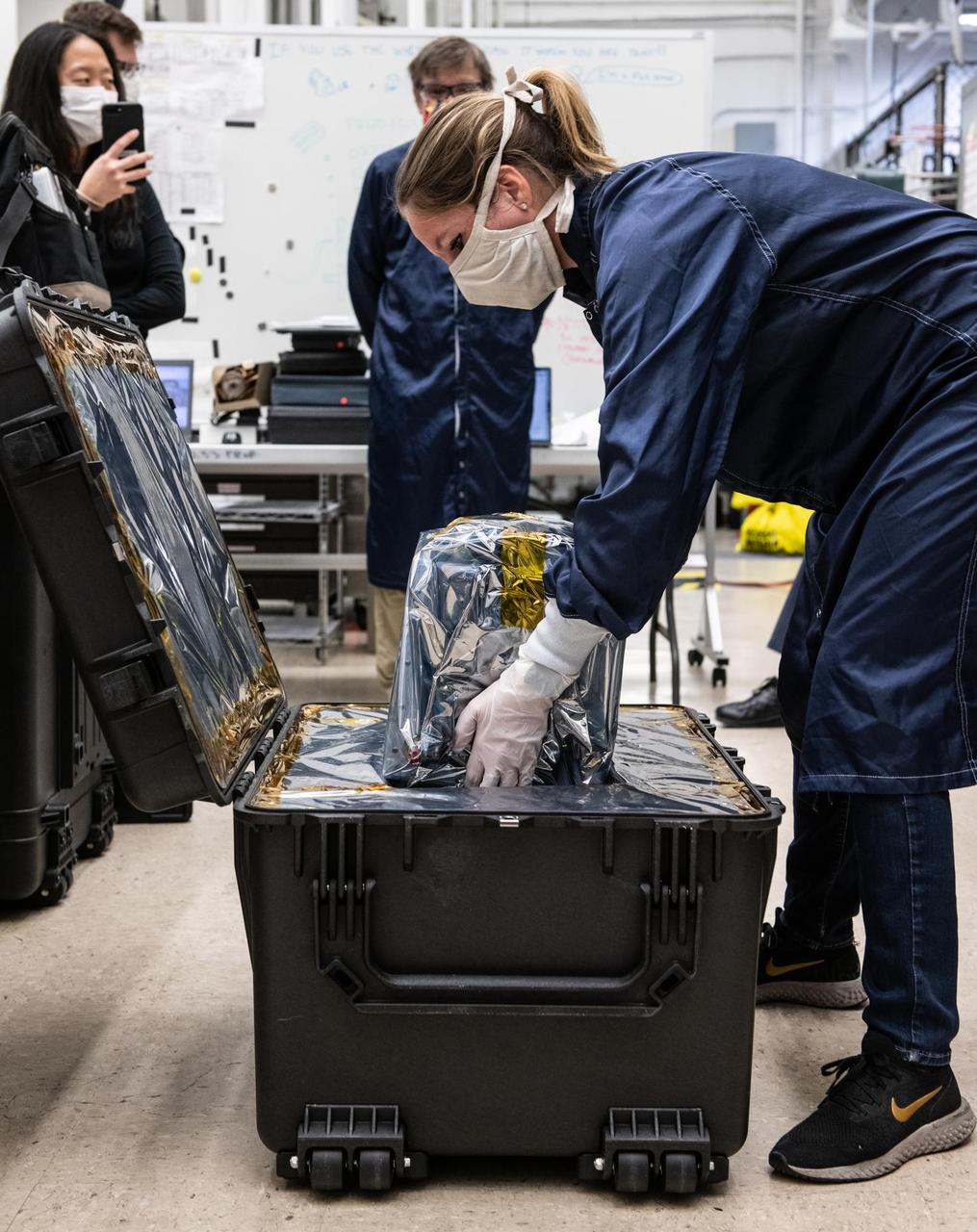
Engineers at NASA's Jet Propulsion Laboratory in Southern California prepare to ship a prototype ventilator for coronavirus patients to the Icahn School of Medicine at Mount Sinai in New York. VITAL (Ventilator Intervention Technology Accessible Locally) is designed to be faster to build and easier to maintain than traditional ventilators, with a fraction of the parts. JPL engineers created the prototype specially targeted at COVID-19 patients in 37 days in March and April 2020. https://photojournal.jpl.nasa.gov/catalog/PIA23716
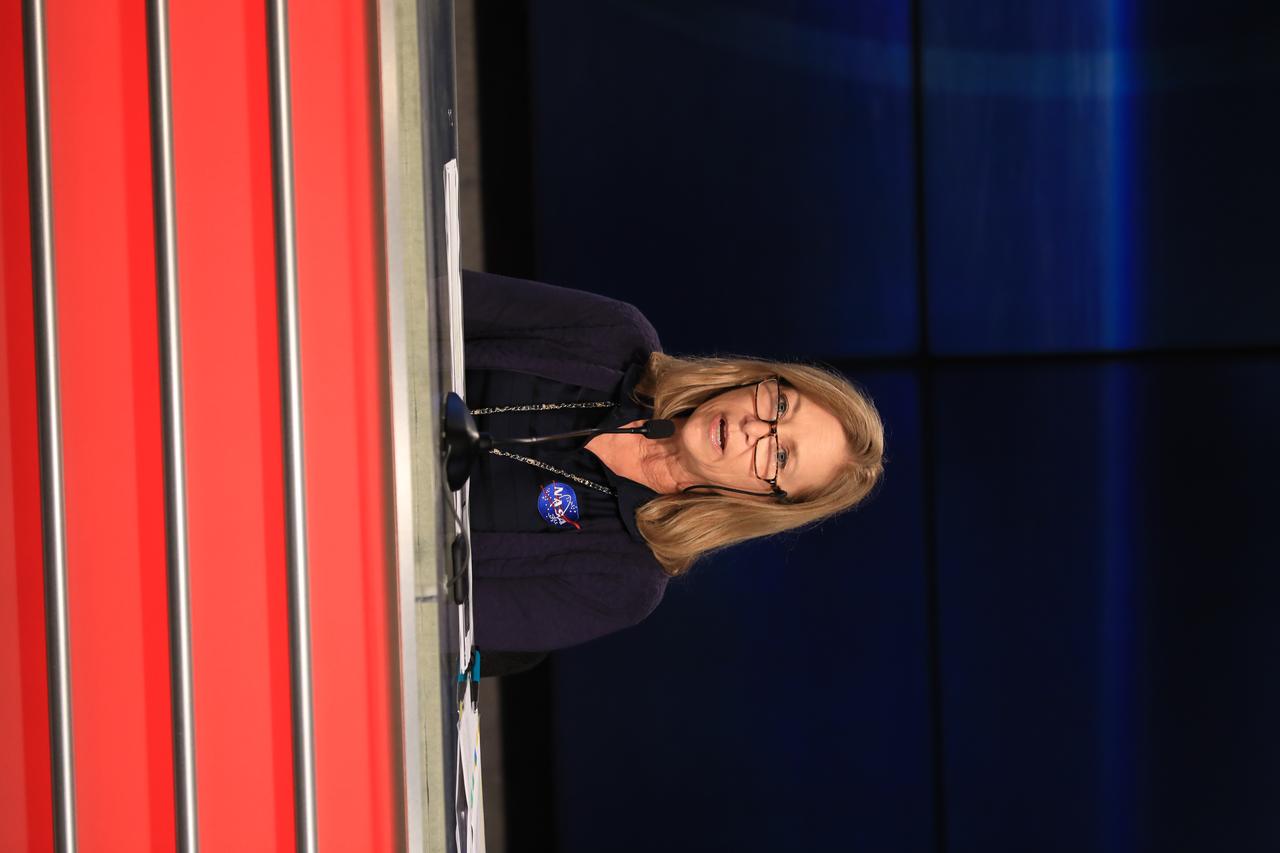
Kennedy Space Center Deputy Director Janet Petro participates in a virtual town hall at the Florida spaceport’s Press Site auditorium on June 10, 2020, to share the plan for employees to safely return to on-site work during the time of COVID-19. Also participating were Center Director Bob Cabana and Dr. David Tipton, chief medical officer, not pictured.
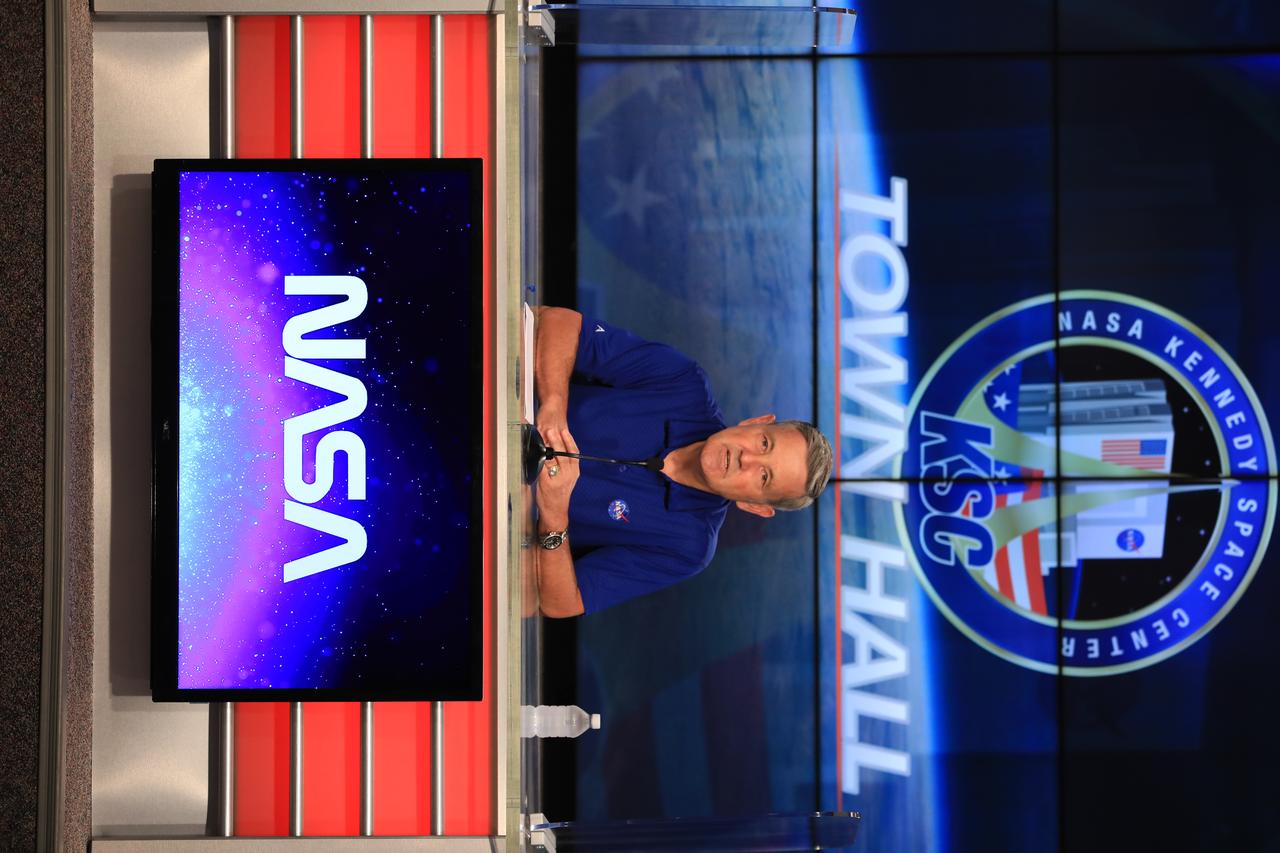
Kennedy Space Center Director Bob Cabana participates in a virtual town hall at the Florida spaceport’s Press Site auditorium on June 10, 2020, to share the plan for employees to safely return to on-site work during the time of COVID-19. Also participating were Deputy Director Janet Petro and Dr. David Tipton, chief medical officer, not pictured.
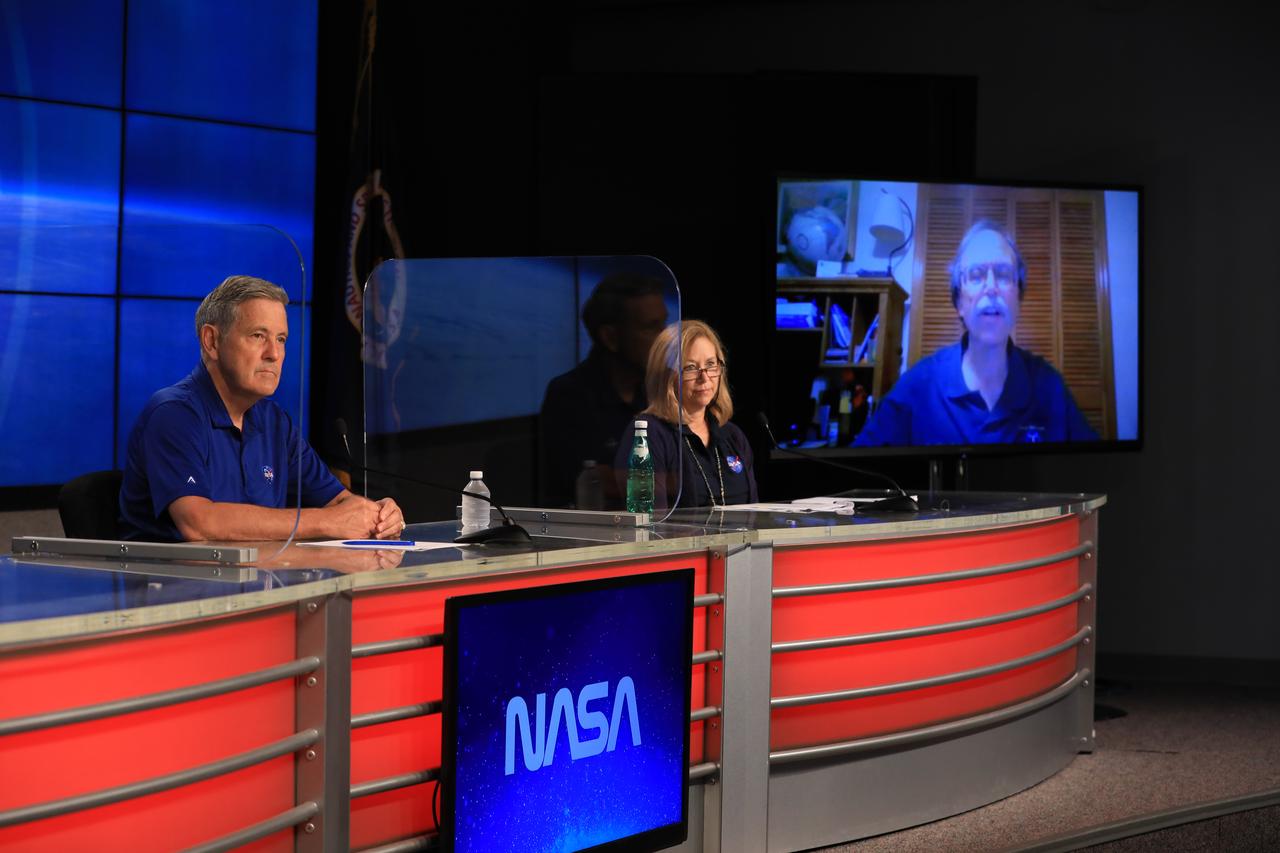
Dr. David Tipton, far right, Kennedy Space Center chief medical officer, participates via monitor during a virtual town hall at the Florida spaceport’s Press Site auditorium on June 10, 2020, to share the plan for employees to safely return to on-site work during the time of COVID-19. Also participating were Center Director Bob Cabana, left, and Deputy Director Janet Petro, center.
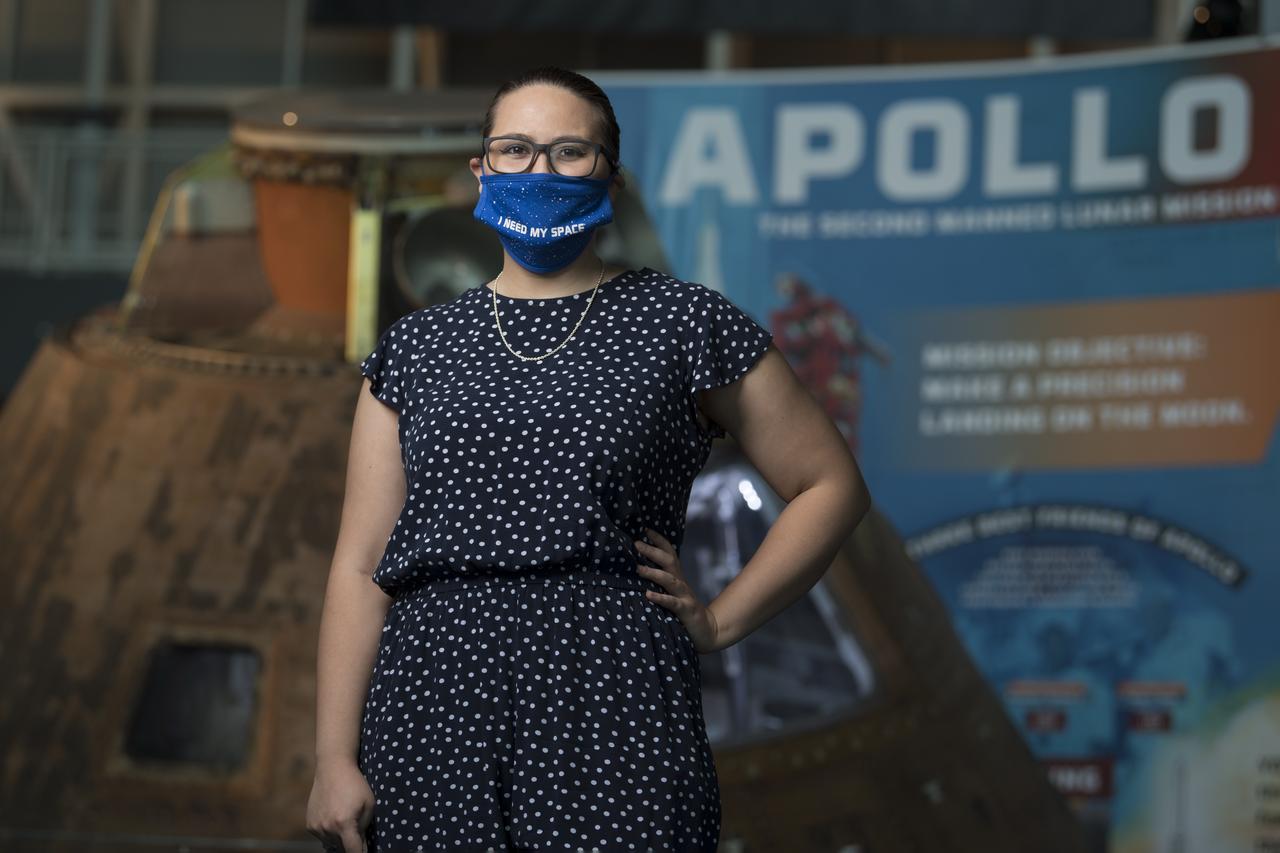
Portrait of Casey Denham in front of the Apollo 12 Command Module "Yankee Clipper" display at the Virginia Air and Space Center in Hampton, Virginia. Due to the COVID-19 pandemic, masks were mandated by Governor Northam in Virginia in public settings. This was for the faces of NASA project. "Now my whole family likes to brag that they have a rocket scientist daughter who works at NASA.” — Casey Denham, Pathways Intern, Langley Research Center
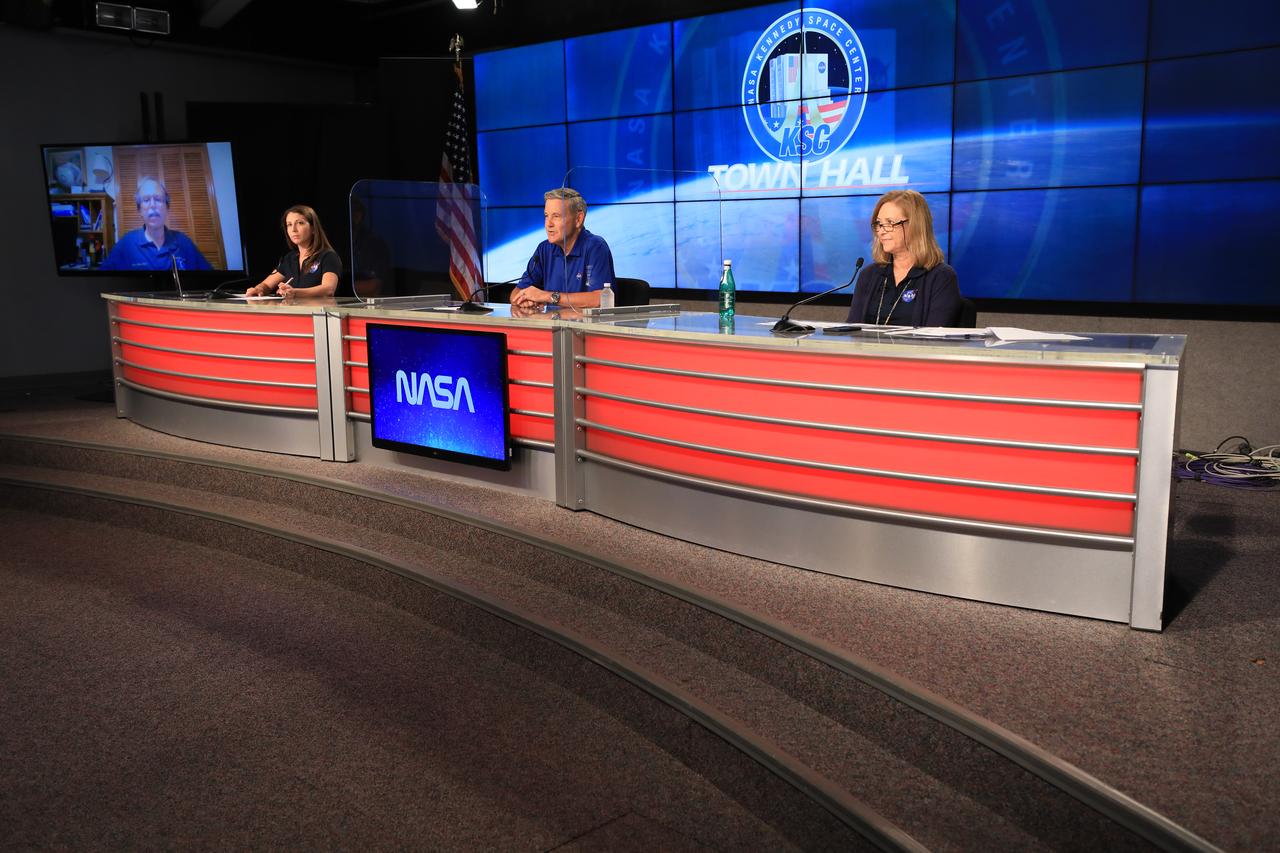
Members of NASA Kennedy Space Center leadership hold a virtual town hall at the Florida spaceport’s Press Site auditorium on June 10, 2020, to share the plan for employees to safely return to on-site work during the time of COVID-19. From left to right are Dr. David Tipton, Kennedy’s Chief Medical Officer (participating via monitor), event moderator Marie Lewis of NASA Communications, Center Director Bob Cabana and Deputy Director Janet Petro.
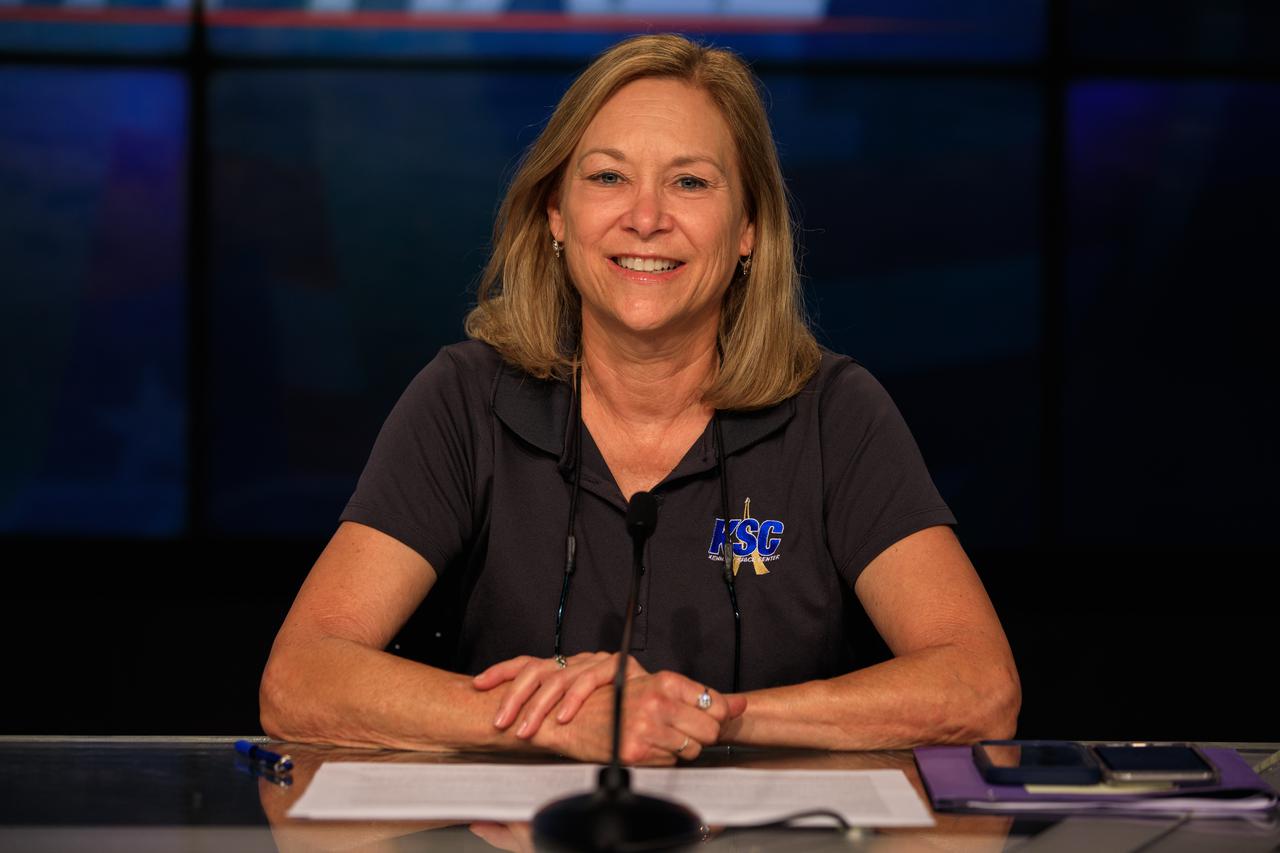
Kennedy Space Center Director Janet Petro participates in a virtual town hall meeting at the Florida spaceport on July 9, 2021. Deputy Director Kelvin Manning and Associate Director, Management Burt Summerfield also spoke at the event, which addressed topics such as the center’s COVID-19 status, Kennedy missions and milestones, and the agency budget request. Employees at Kennedy had the opportunity to send in questions, which were answered by the center’s senior leaders.

Members of NASA Kennedy Space Center leadership hold a virtual town hall at the Florida spaceport’s Press Site auditorium on June 10, 2020, to share the plan for employees to safely return to on-site work during the time of COVID-19. From left to right are event moderator Marie Lewis of NASA Communications, Center Director Bob Cabana and Deputy Director Janet Petro. Also participating was Dr. David Tipton, chief medical officer, not pictured.
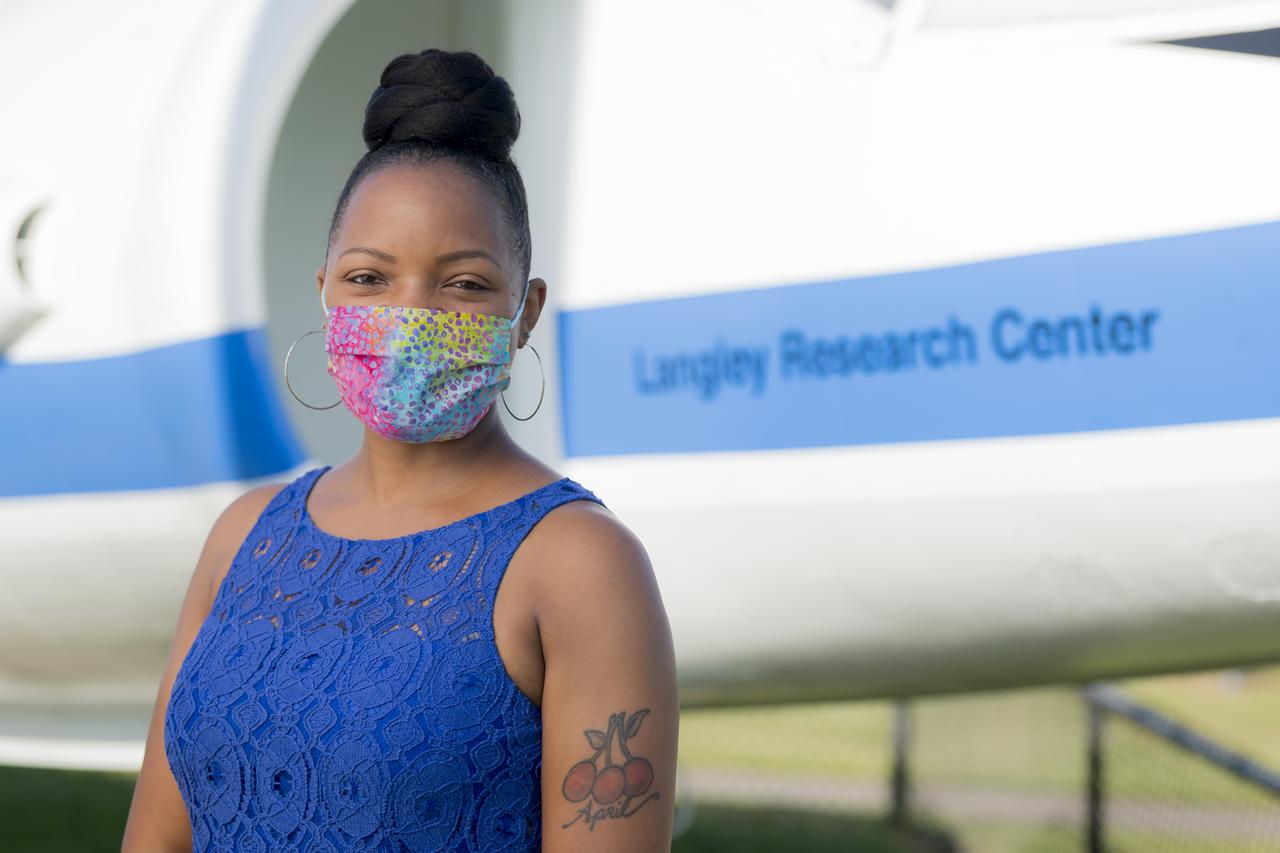
Portrait of April Albert in front of NASA Langley's Hawker Siddeley P-1127 on display at Air Power Park in Hampton, Virginia. Due to the COVID-19 pandemic, masks were mandated by Governor Northam in Virginia in public settings. This is for the faces of NASA project. "I am really made to feel like I am part of a family. I don’t feel like anybody is treated differently. We are all one team. To be a part of NASA, to me, is to be part of something special. There is nothing like the camaraderie of NASA. I feel like I’m where I belong.” — April Albert, Schedule Analyst, Langley Research Center

This colorful illustration depicts NASA's Perseverance Rover on Mars, where it landed in February 2021. The Perseverance team faced numerous technical and logistical challenges, including those presented by the COVID-19 pandemic, before and after launch and landing. Because they know how hard it can be to overcome obstacles, they're celebrating students who have persevered in the face of academic challenges. Awardees will receive a personal message beamed back from Mars by the rover. Find out how to nominate a student for "You've Got Perseverance!" at: go.nasa.gov/gotperseverance Animation available at https://photojournal.jpl.nasa.gov/catalog/PIA24948
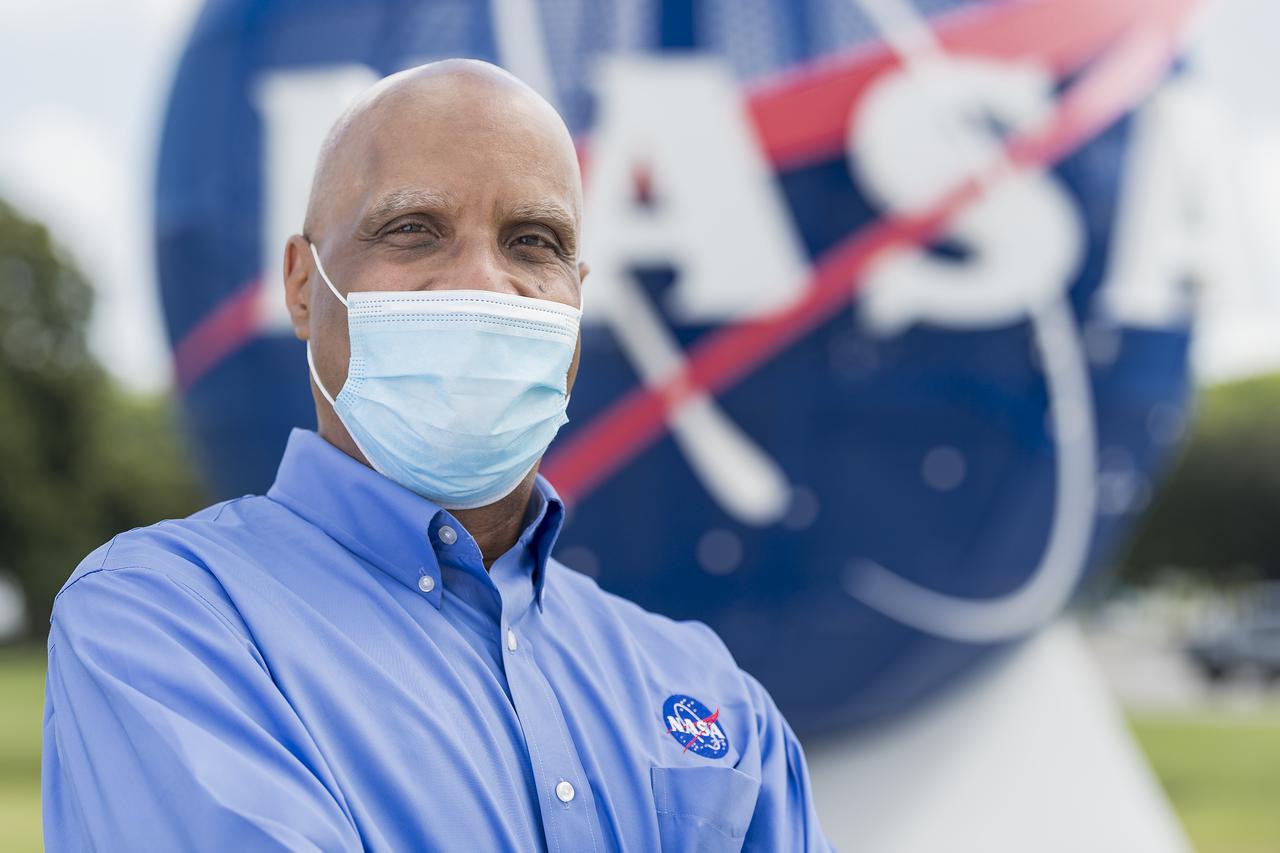
Portrait of Robin "Rob" Lee of the Office of Diversity & Equal Opp. Branch, in front of NASA Langley's "Meatball." The portrait was done for Thalia Patrinos at NASA Headquarters as part of "Faces of NASA" project. Due to the COVID-19 pandemic, masks were mandated by Governor Northam in Virginia in public settings. "Well, little did I know, even at a young age, he instilled in me the importance of seeing people for people. And being able to help people and being able to meet them in their time of need. And that carried me throughout my entire life. Even still today.” — Robin Lee, Director of Office of Diversity and Equal Opportunity, Langley Research Center
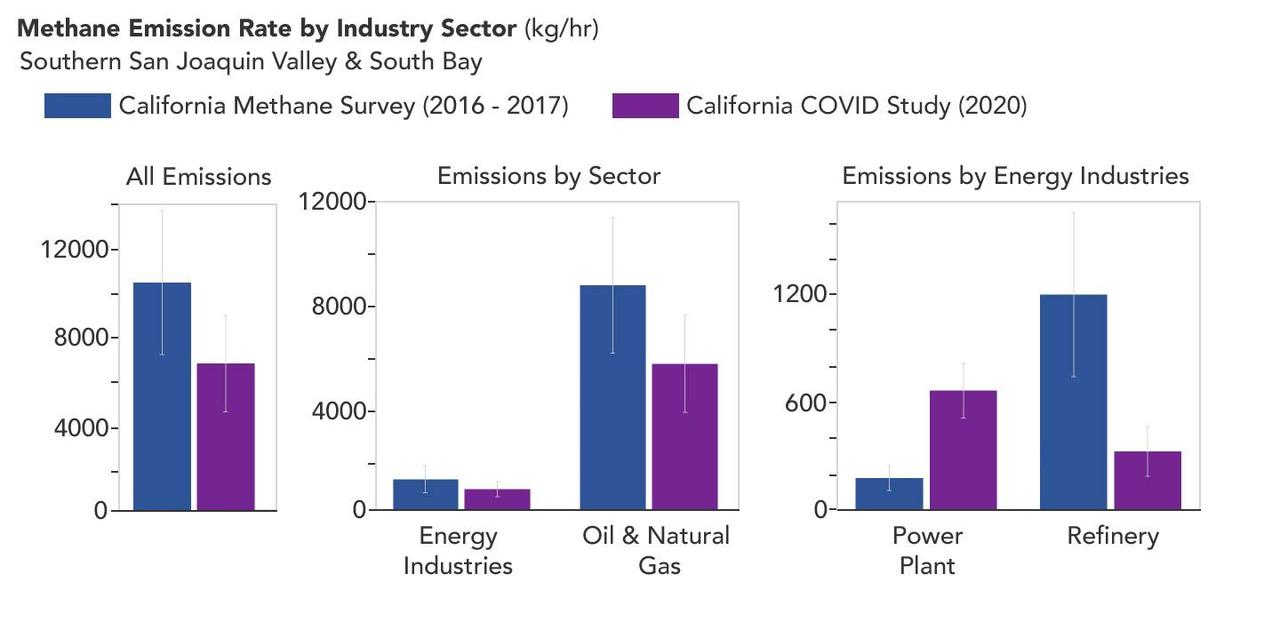
A March 2023 study by researchers at NASA's Jet Propulsion Laboratory in Southern California compared emissions from a belt of oil refineries across the South Bay area of Los Angeles during the first summer of the COVID-19 pandemic to those observed three years earlier. Using data from a NASA airborne instrument, researchers saw that most of the facilities they identified as methane sources in 2016-17 were no longer emitting the greenhouse gas in 2020, leading to a 73% reduction in measured emissions. The study uses measurements made by an imaging spectrometer called AVIRIS-NG (Airborne Visible/Infrared Imaging Spectrometer-Next Generation). Attached to the bottom of an aircraft, the instrument can detect greenhouse gas emissions from individual facilities or even pieces of equipment by looking at how the gases absorb sunlight. In 2016 and 2017, AVIRIS-NG was flown over 22,000 square miles (57,000 square kilometers) of the state as part of the California Methane Survey. From July to September 2020, researchers retraced some of those flight paths over refineries and power plants in Los Angeles County and over oil fields in central California's San Joaquin Valley. The flights were funded by NASA's Earth Science Division, the California Air Resources Board, and the California Energy Commission. The 2020 surveys over Los Angeles identified only 11 plumes from five refinery sources, with a total emissions rate of about 712 pounds (323 kilograms) methane per hour. The 2016 and 2017 flights had found 48 plumes from 33 sources, with a total emissions rate of roughly 2,639 pounds (1,197 kilograms) methane per hour. The drop correlates with an 18% decrease in monthly production in Southern California refineries between the two flight campaigns, the scientists noted, citing data from the California Energy Commission. The study also found that emissions from oil fields in and around the city of Bakersfield in central California fell 34.2%, correlating with a 24.2% drop in oil production. Reduced production during the pandemic due to lower demand for fuel and lower gas prices could have led to the drop in methane emissions, as oil fields and refineries emitted less methane as part of operations. However, researchers said, improved equipment maintenance and mitigation efforts at those facilities between 2016 and 2020 can't be ruled out as a factor. https://photojournal.jpl.nasa.gov/catalog/PIA25864
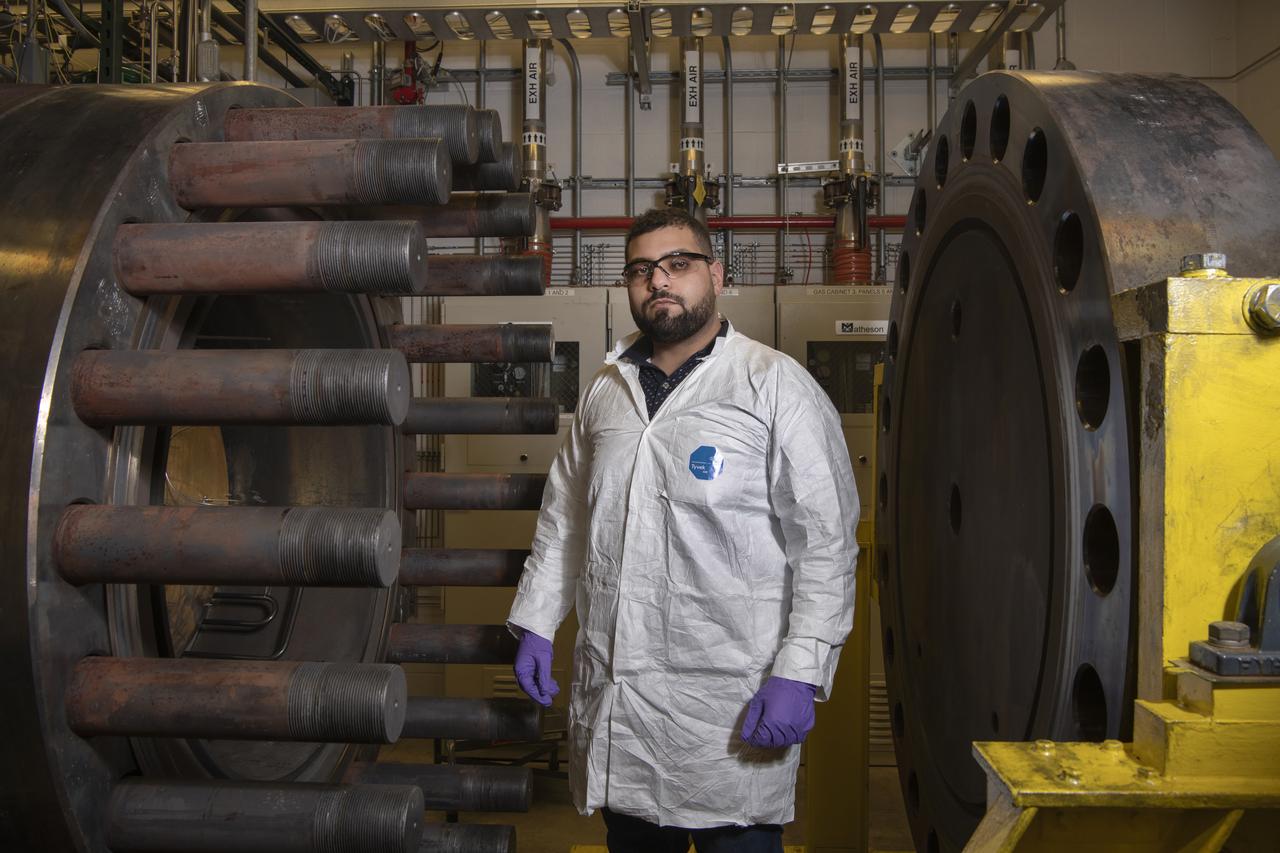
Daniel Gerges, Technician, poses for a portrait in the Glenn Extreme Environments Rig, GEER Lab
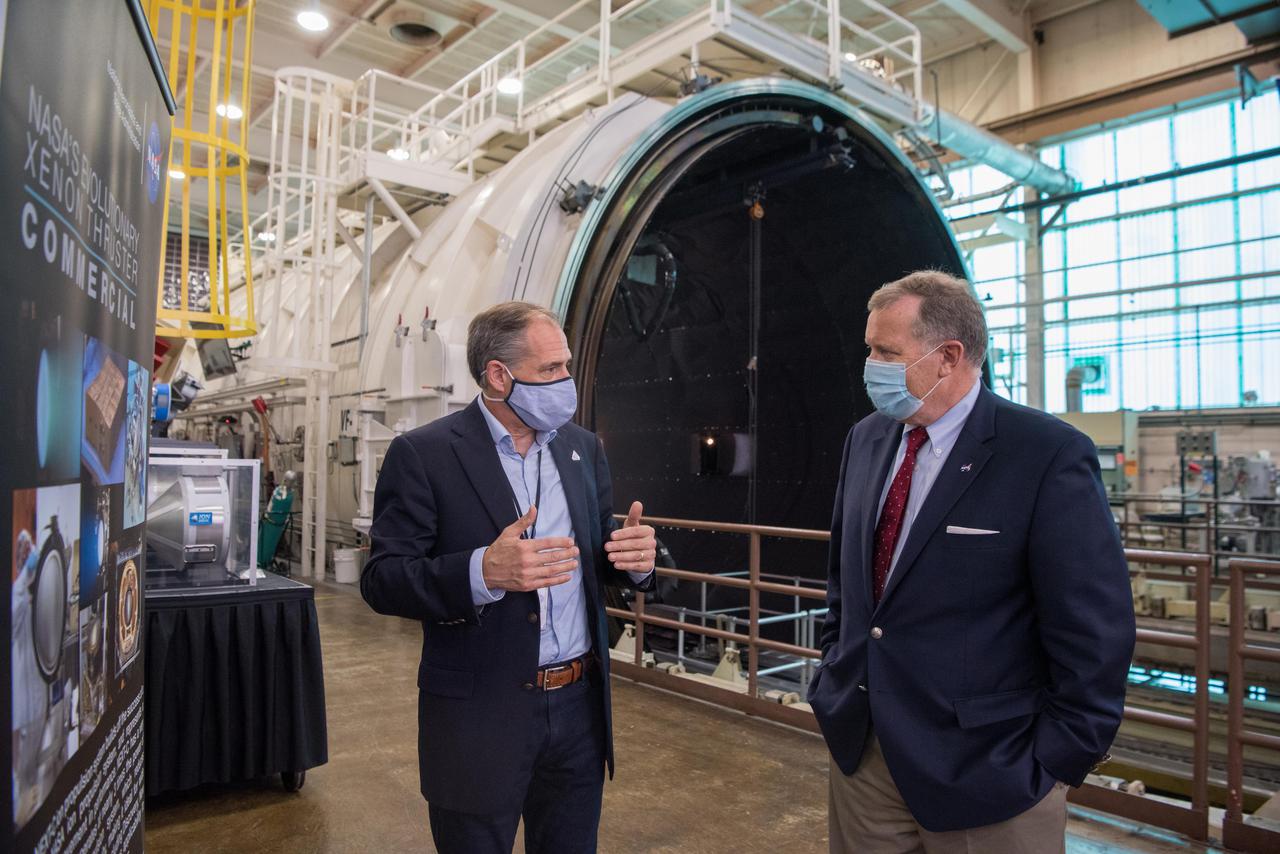
Visit to GRC by the Deputy Administrator, James Morhard
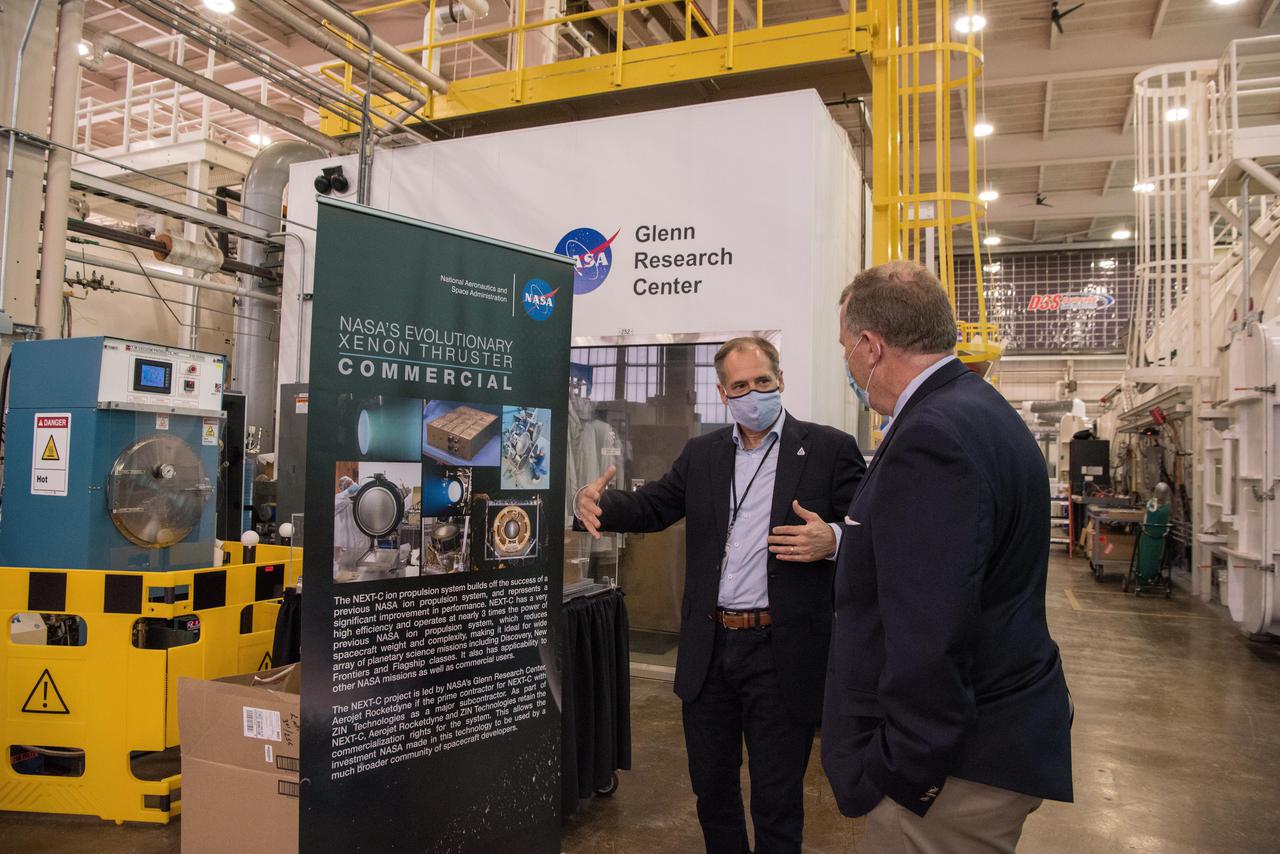
Visit to GRC by the Deputy Administrator, James Morhard
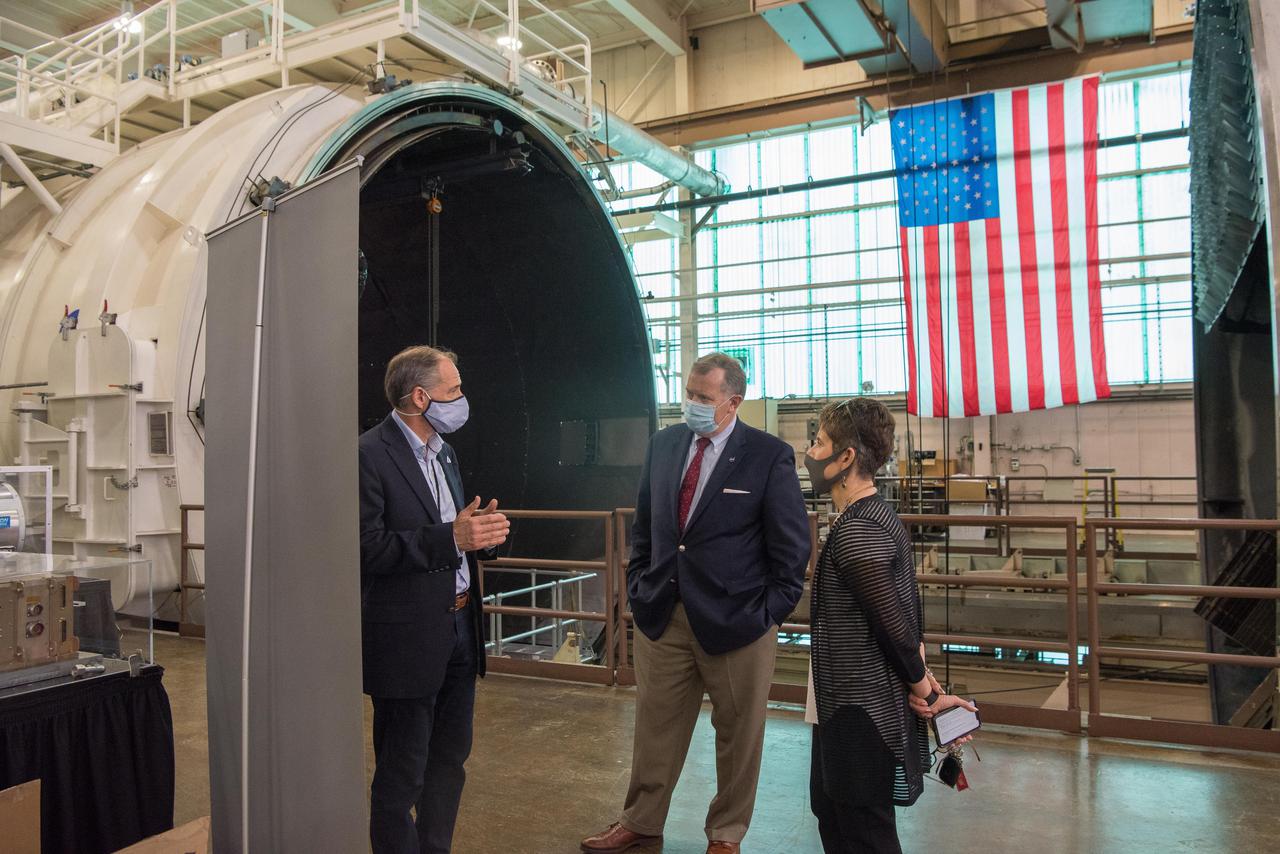
Visit to GRC by the Deputy Administrator, James Morhard
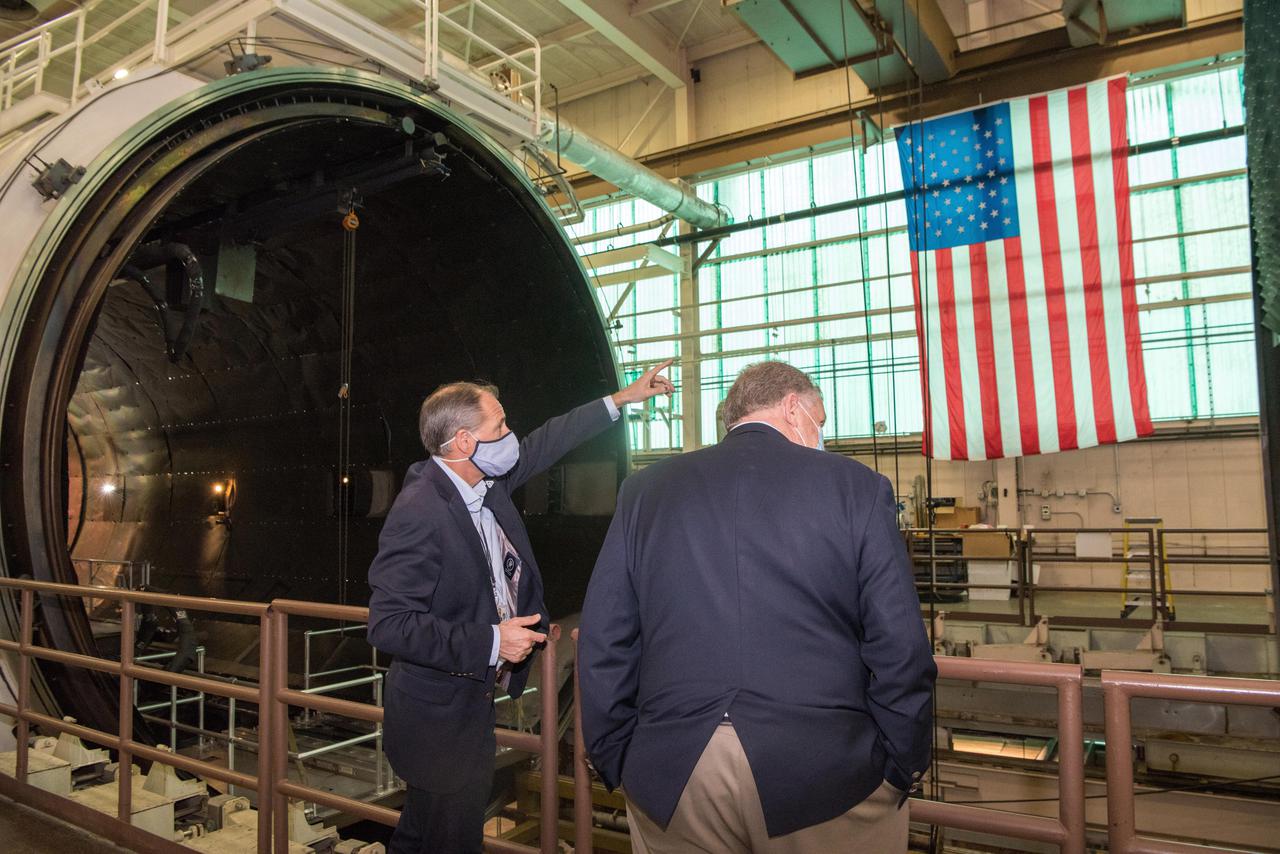
Visit to GRC by the Deputy Administrator, James Morhard
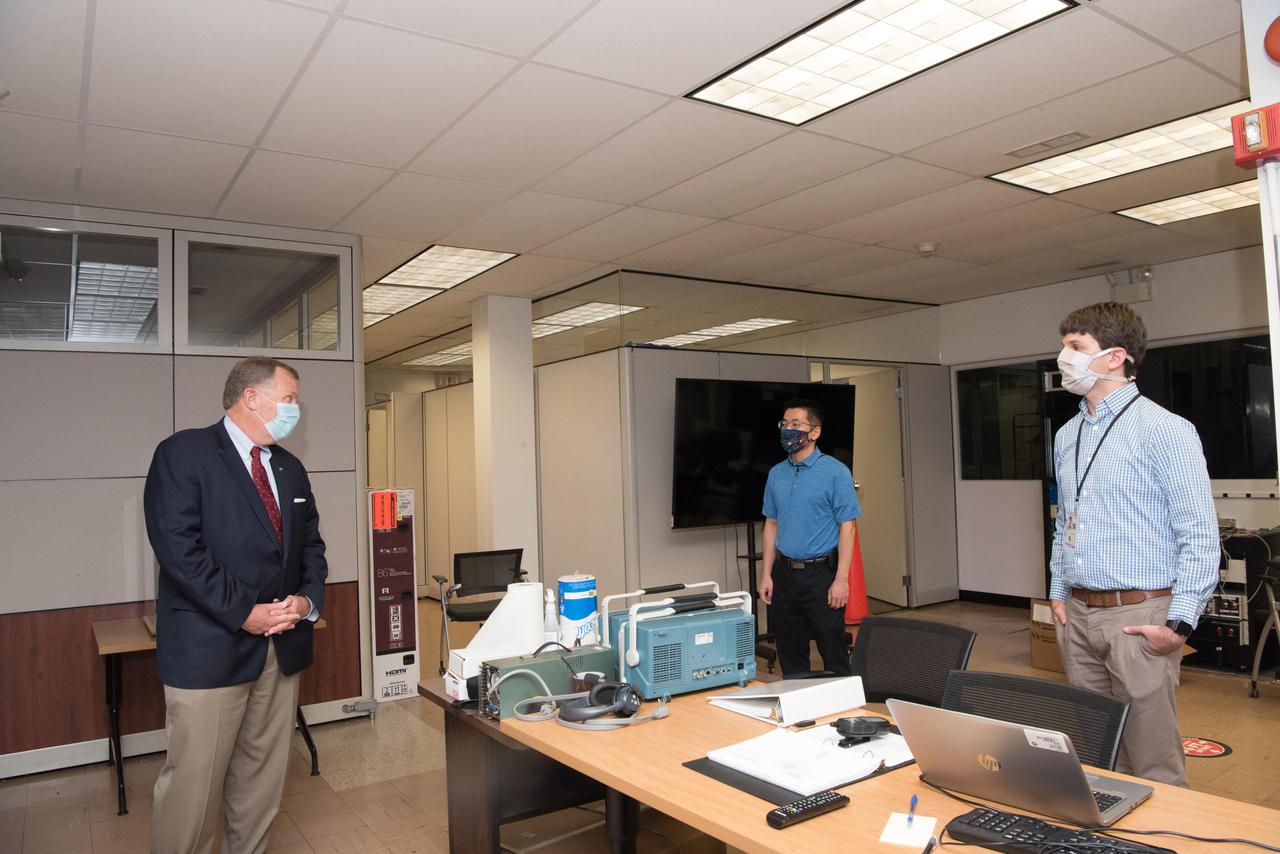
Visit to GRC by the Deputy Administrator, James Morhard
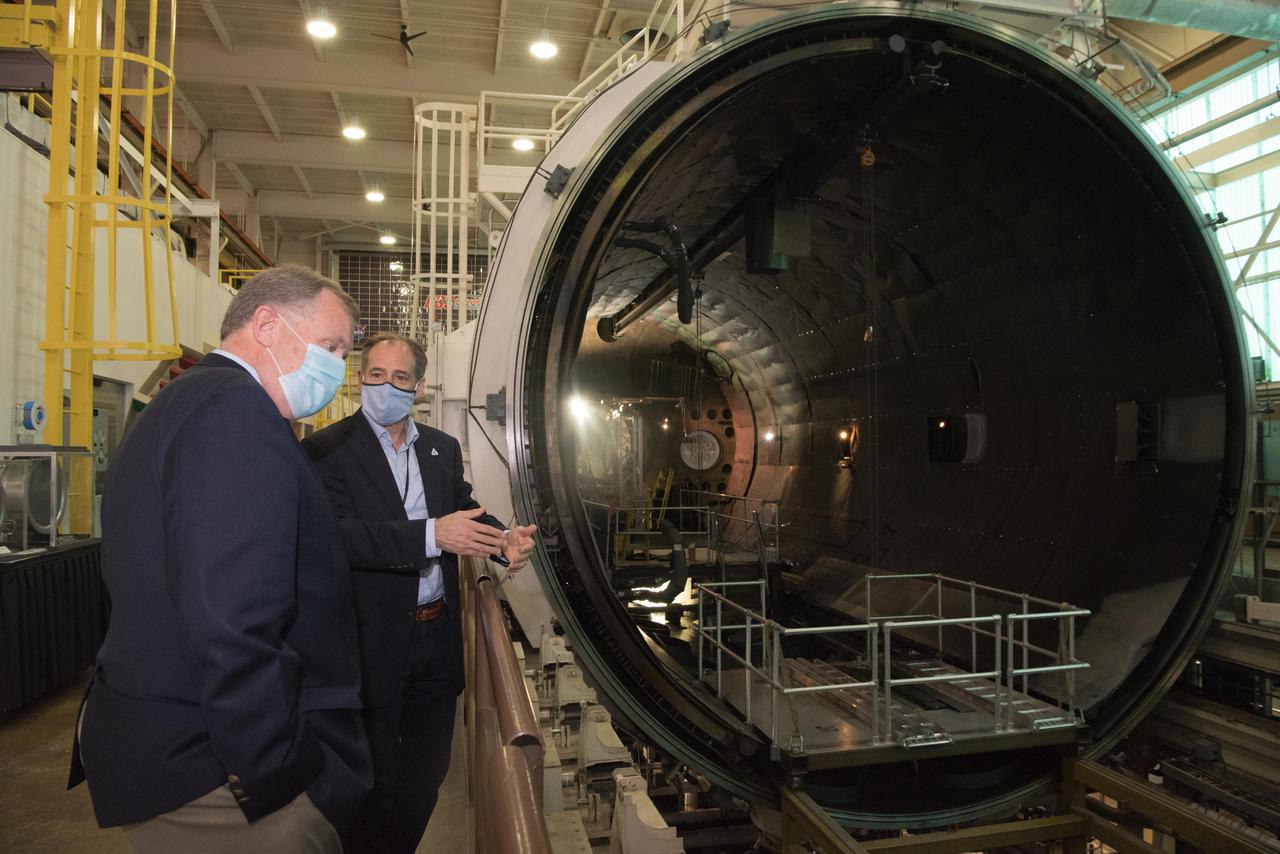
Visit to GRC by the Deputy Administrator, James Morhard
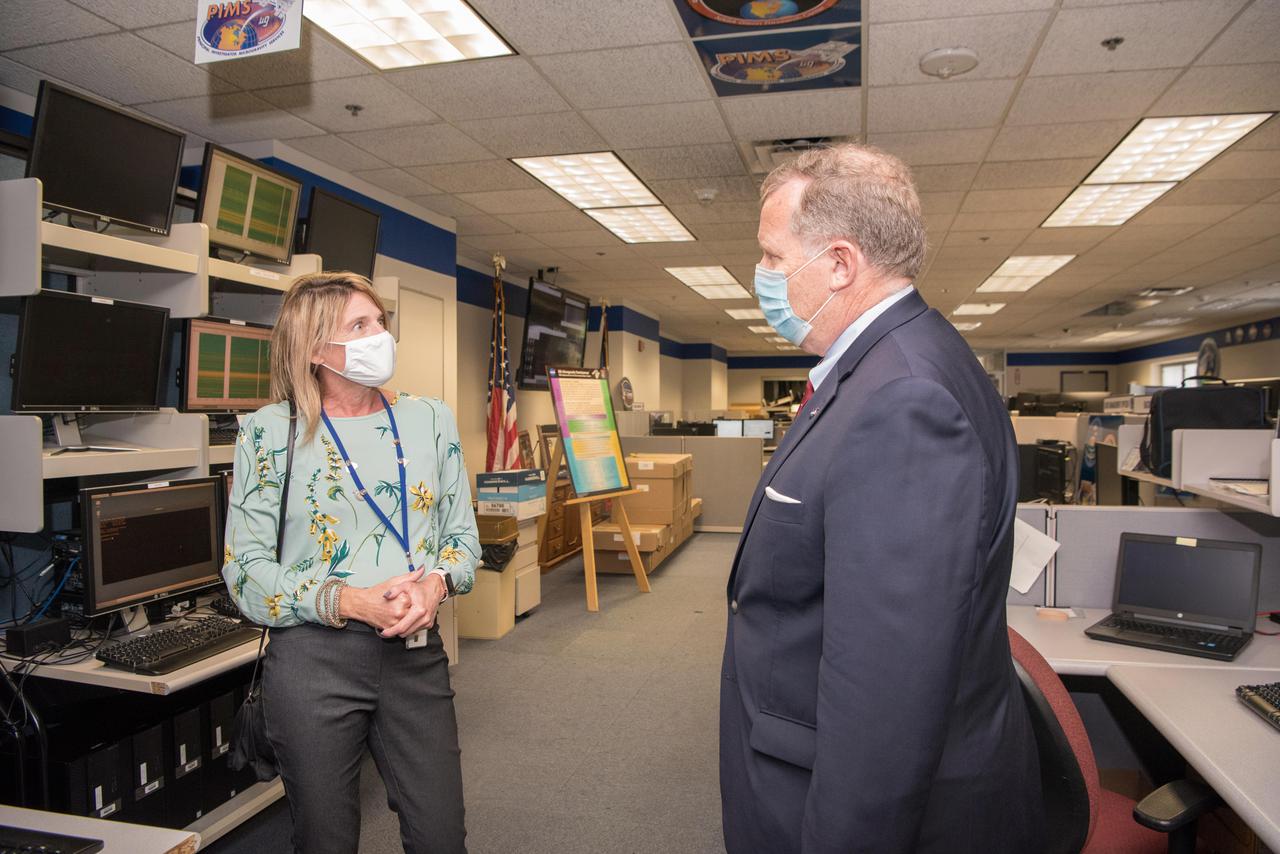
Visit to GRC by the Deputy Administrator, James Morhard
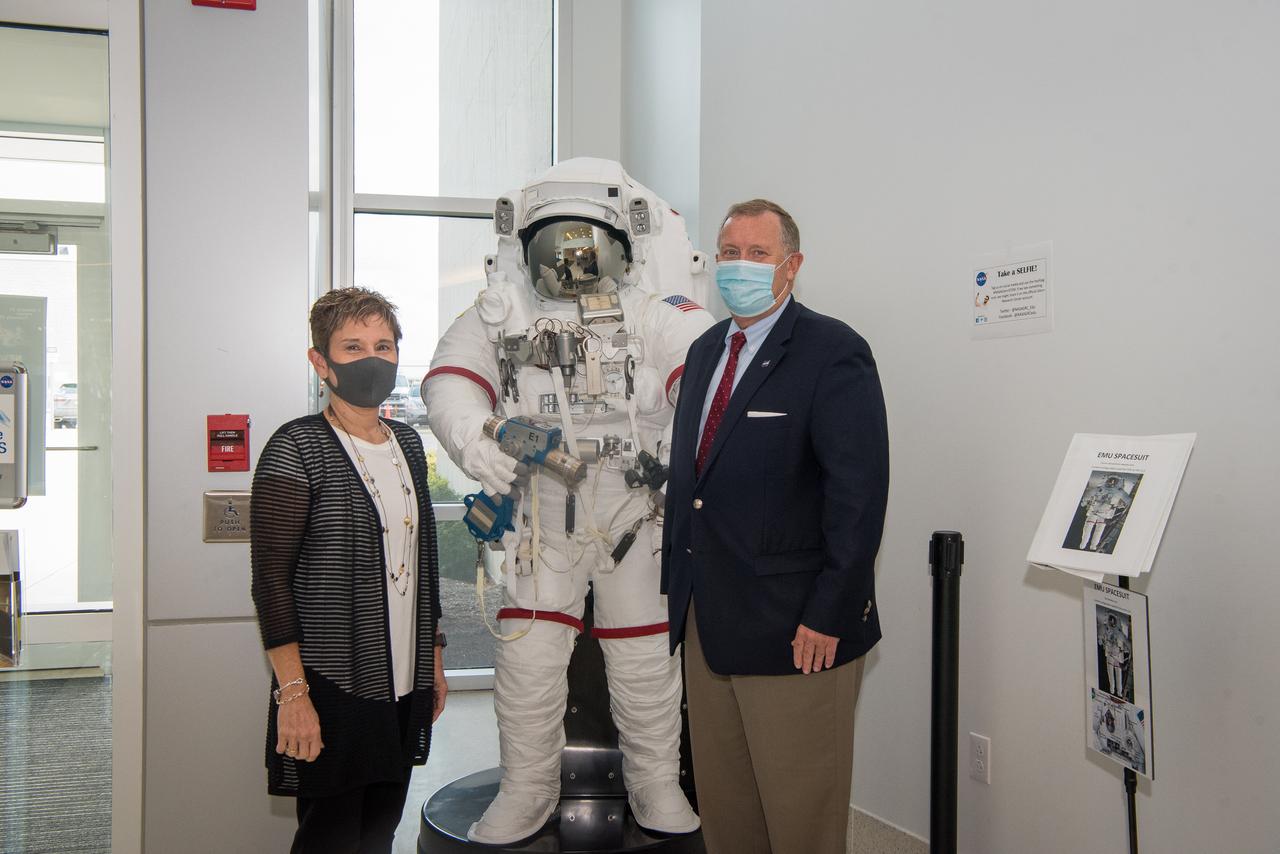
Visit to GRC by the Deputy Administrator, James Morhard
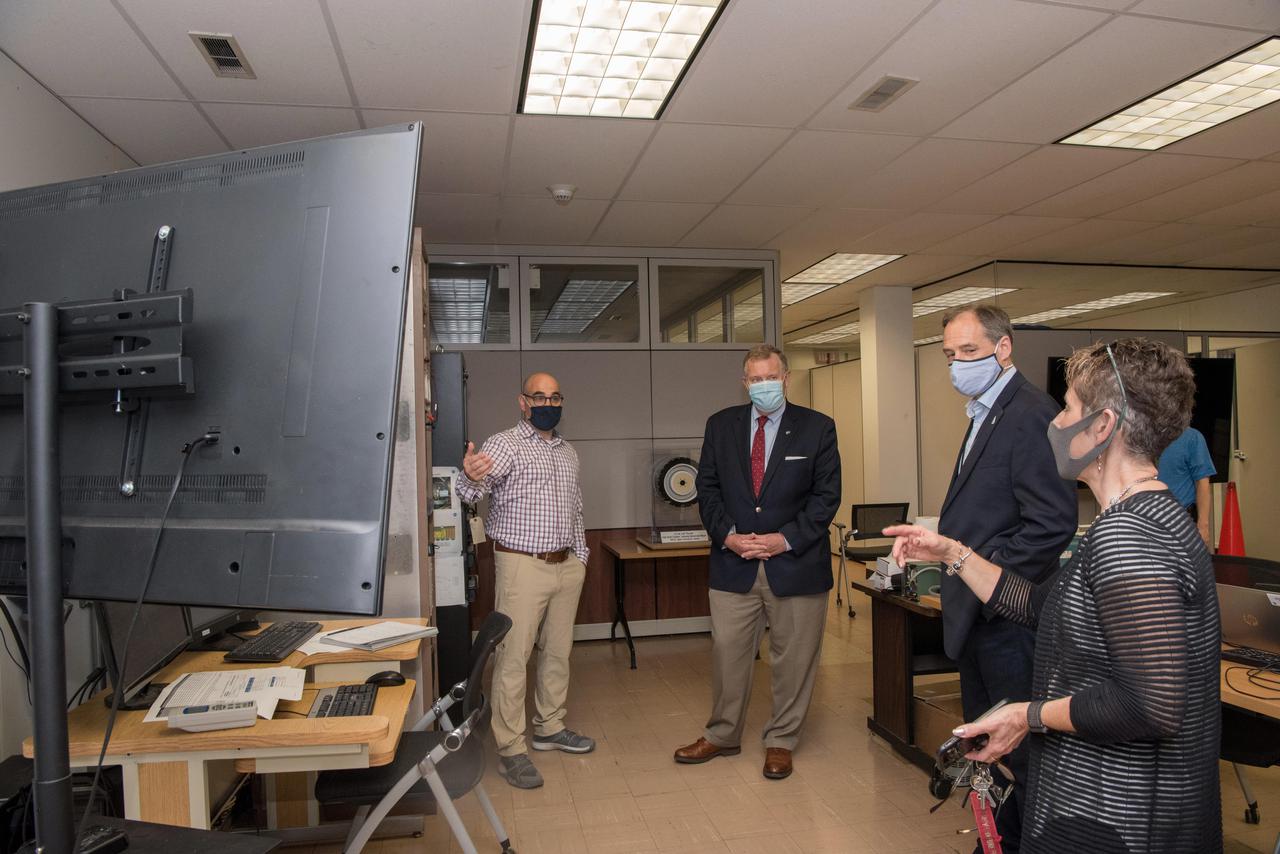
Visit to GRC by the Deputy Administrator, James Morhard
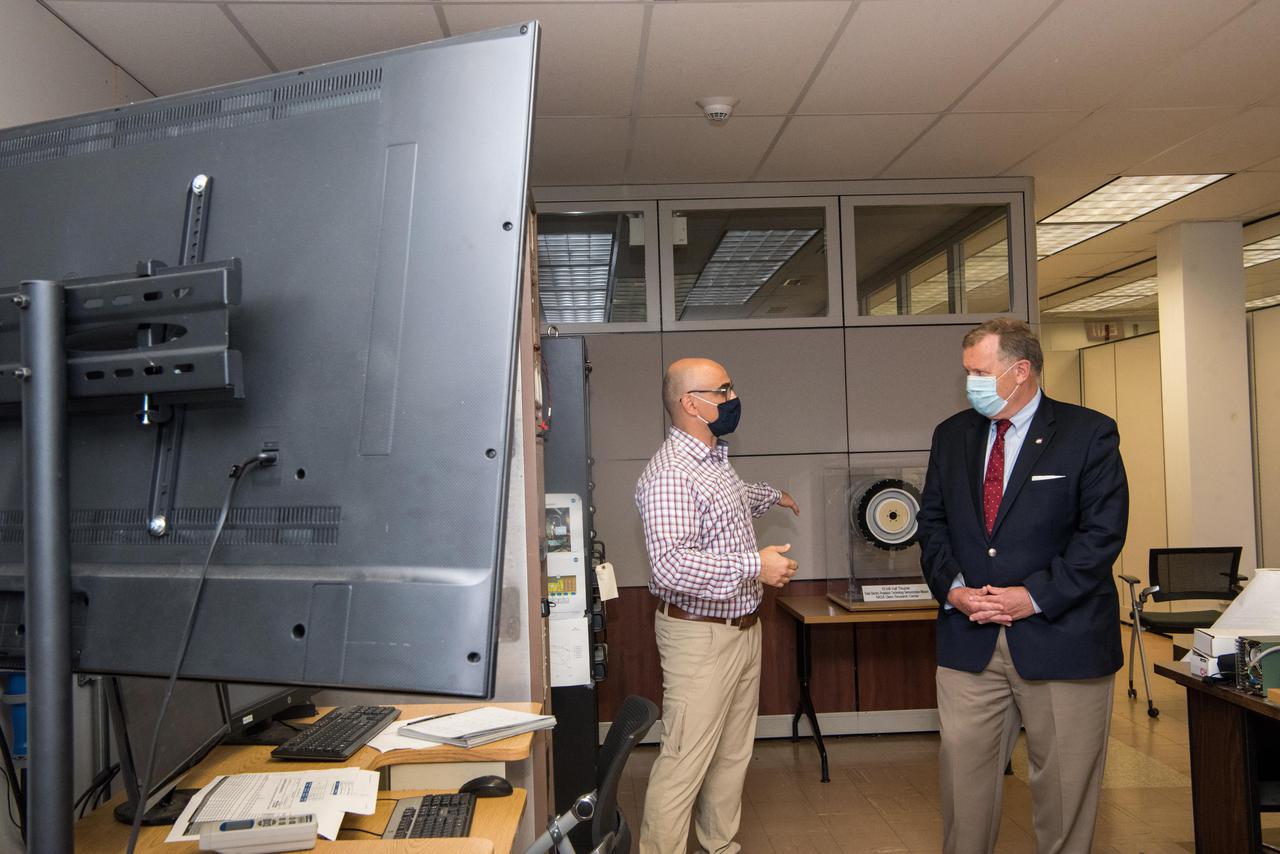
Visit to GRC by the Deputy Administrator, James Morhard
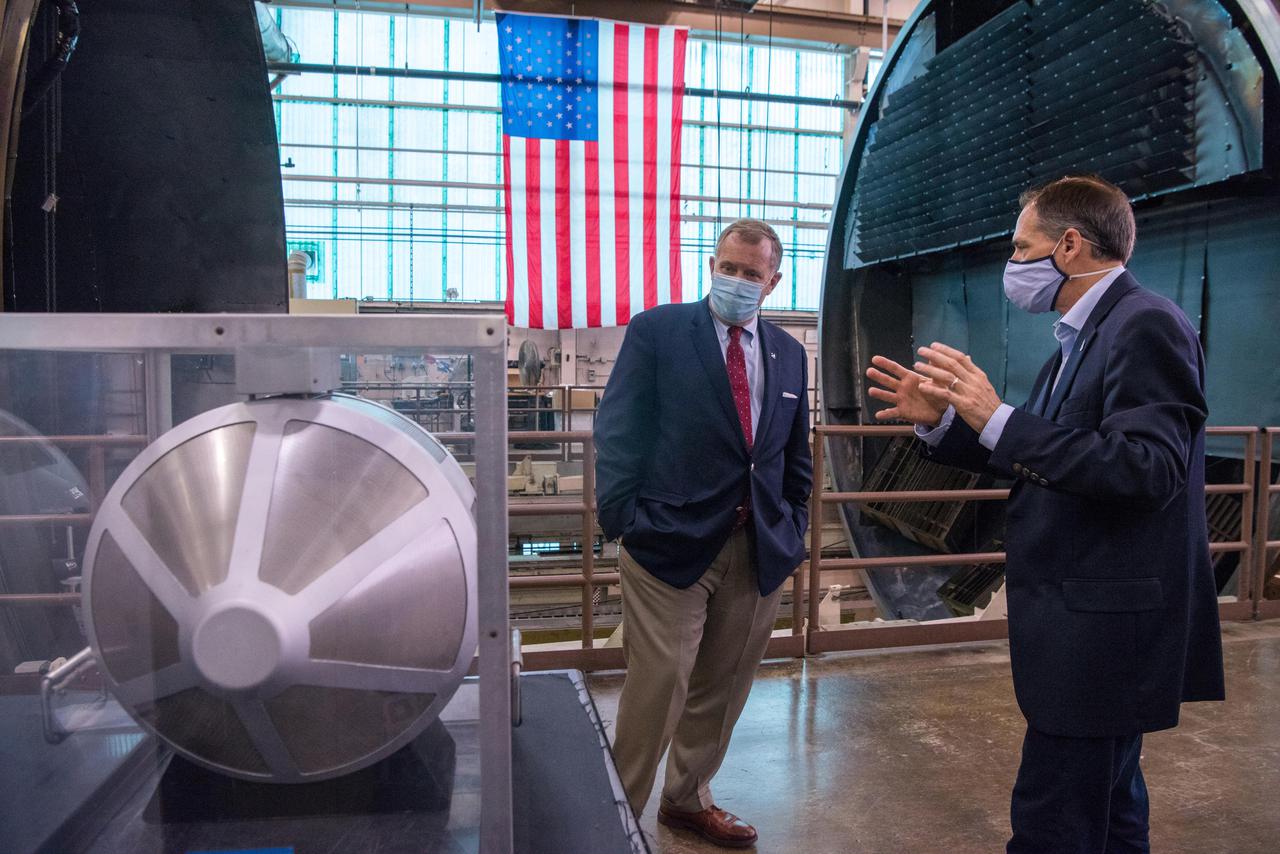
Visit to GRC by the Deputy Administrator, James Morhard
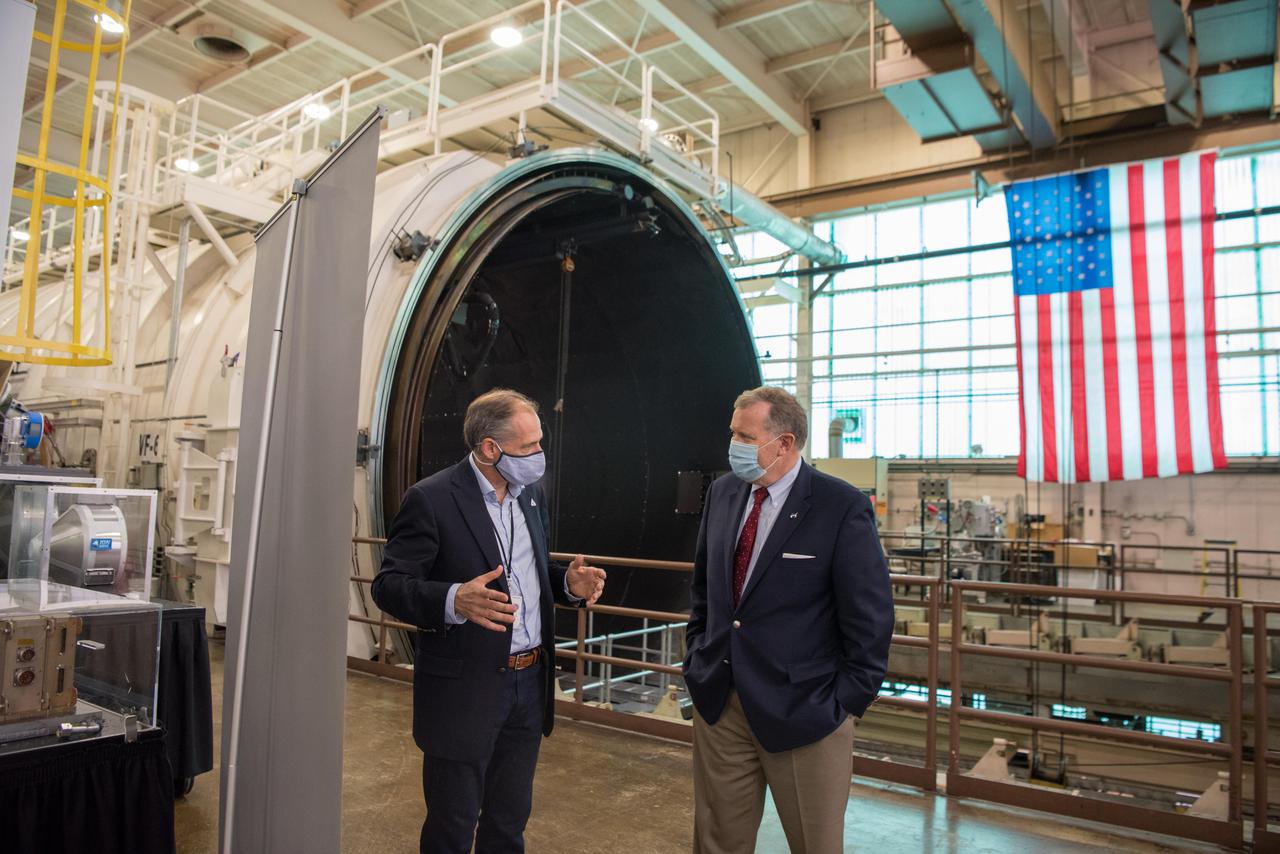
Visit to GRC by the Deputy Administrator, James Morhard
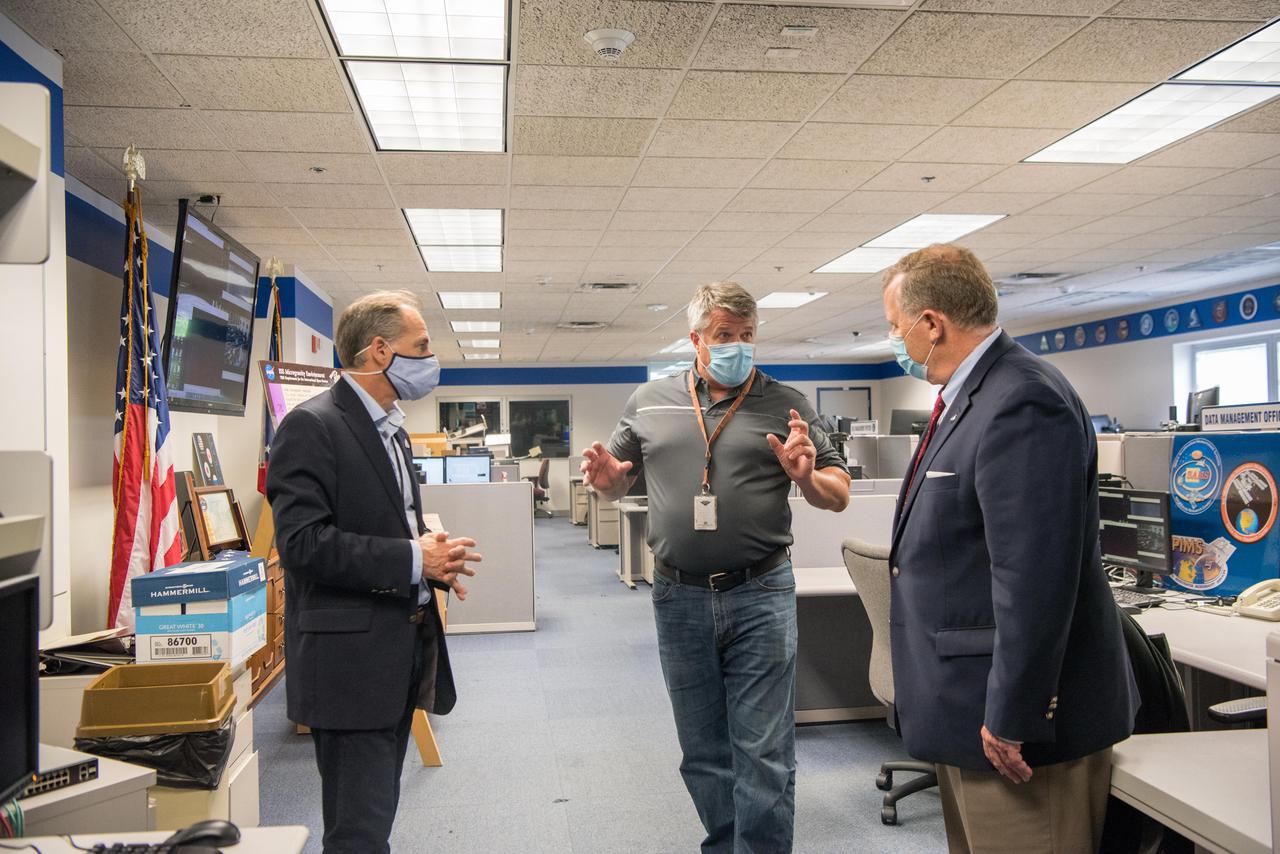
Visit to GRC by the Deputy Administrator, James Morhard
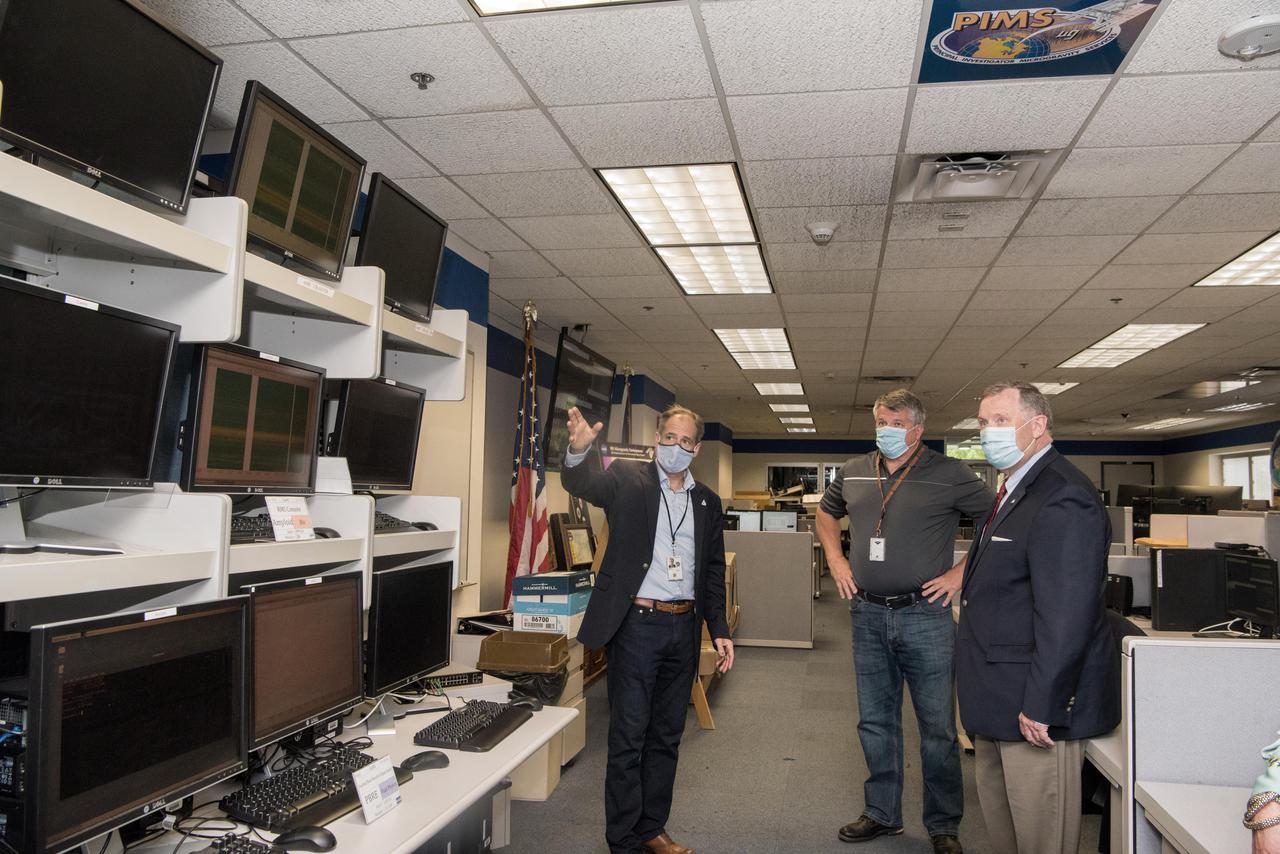
Visit to GRC by the Deputy Administrator, James Morhard
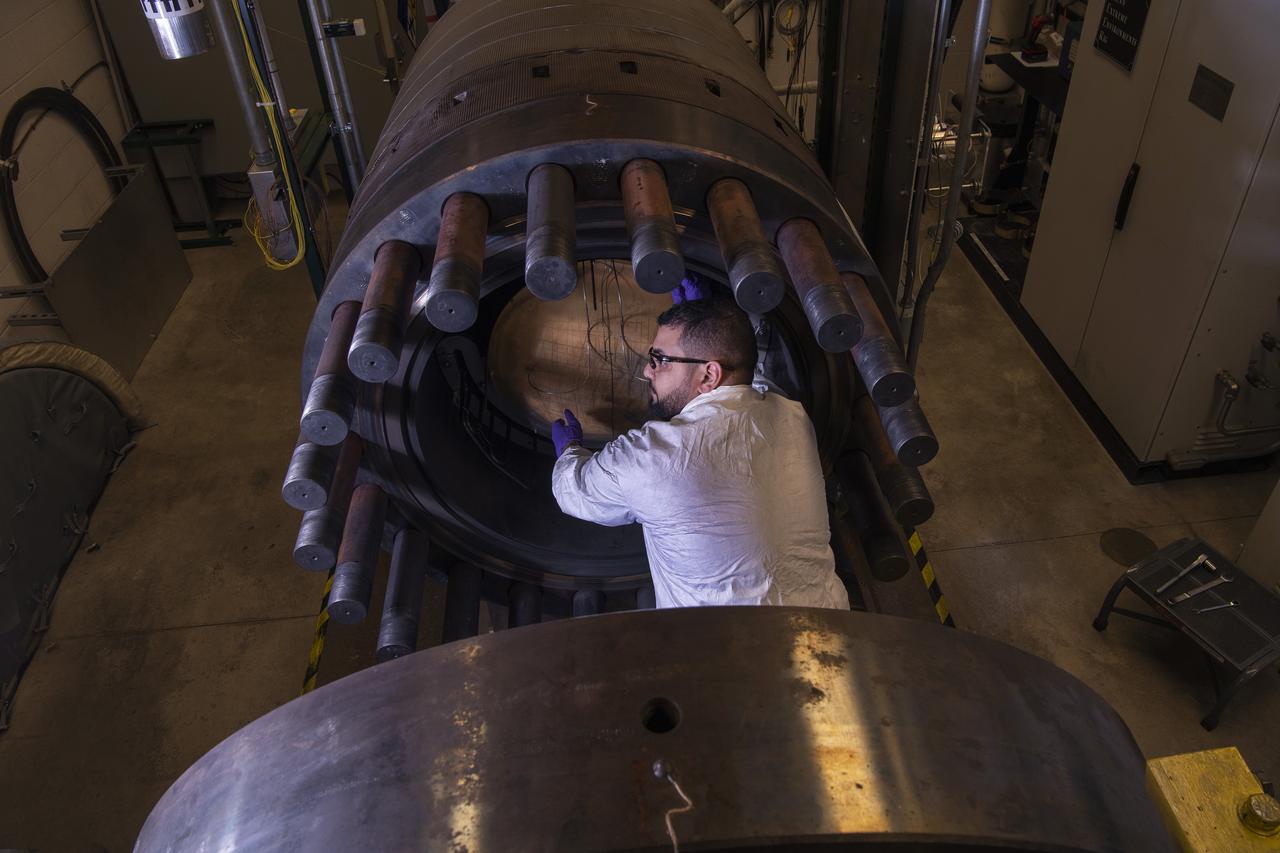
Juno is a solar-powered NASA spacecraft that spans the width of a basketball court and makes long, looping orbits around giant planet Jupiter
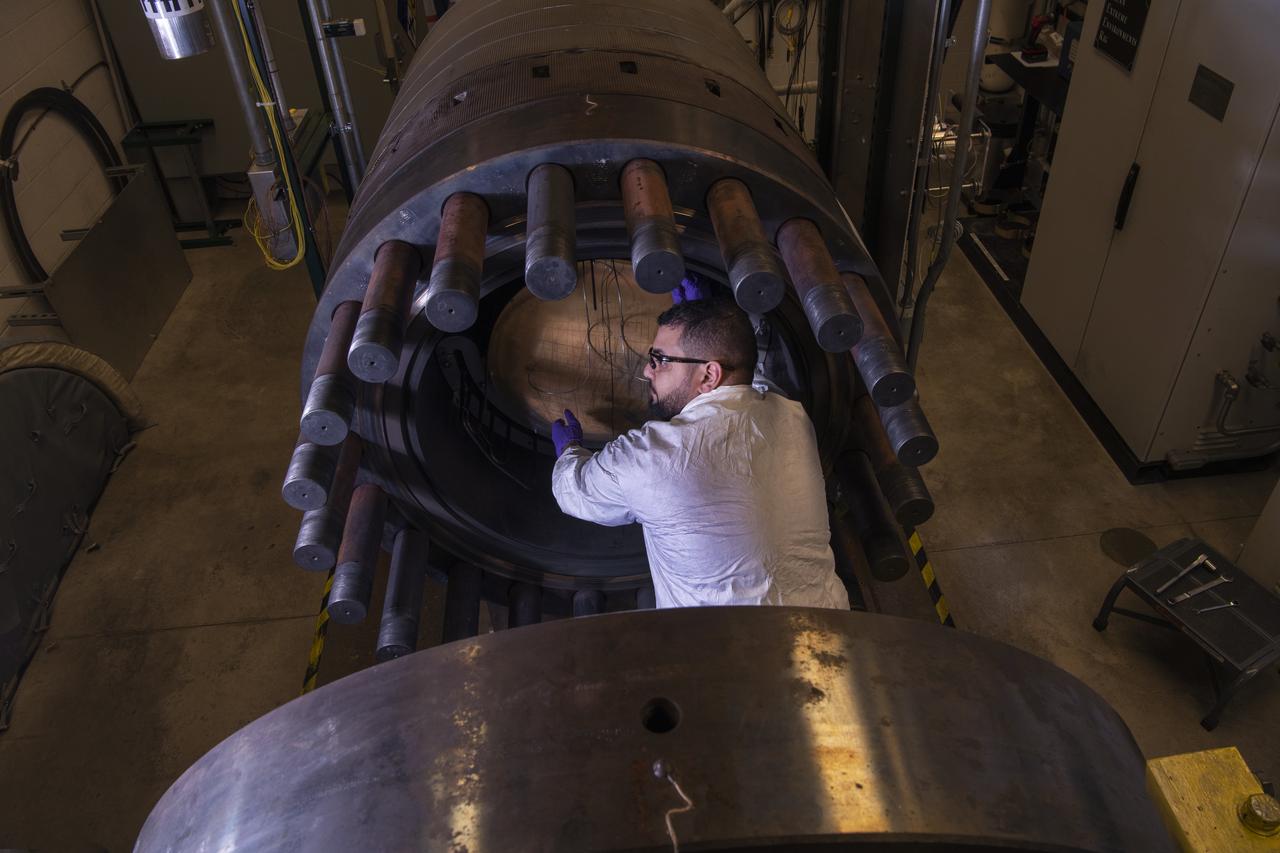
Juno testing in Glenn Extreme Environments Rig, GEER Laboratory. Juno is a solar-powered NASA spacecraft that spans the width of a basketball court and makes long, looping orbits around giant planet Jupiter

"When I left college, I went to go work in investment banking on Wall Street. It was one of these experiences where people said, ‘that’s the most awesome job ever. How did you manage to do that?’ But once I was inside that world, I felt very disconnected from people. I felt like the world was passing me by while I was inside cars going to business meetings and dinners. And I really wasn’t interacting with people, or understanding the challenges they were going through. So I applied to a number of medical schools. Once I got my letters of acceptance, I just chose one and I went. Then I felt like I was really doing what I wanted to do. I had a tremendous experience in my training and my classes. I just felt like, ‘wow. This is what I’m meant to do.’ Everybody has their thing. Everybody has a place where they shine. And for me, it’s being a physician, helping people heal, solving medical problems. Helping people feel better in their own bodies, no matter what that looks like." NASA Headquarters Medical Director, Dr. Andrea Fore, poses for a portrait while working from home during the COVID-19 pandemic, Monday, July 13, 2020 in Maryland. Photo Credit: (NASA/Aubrey Gemignani)
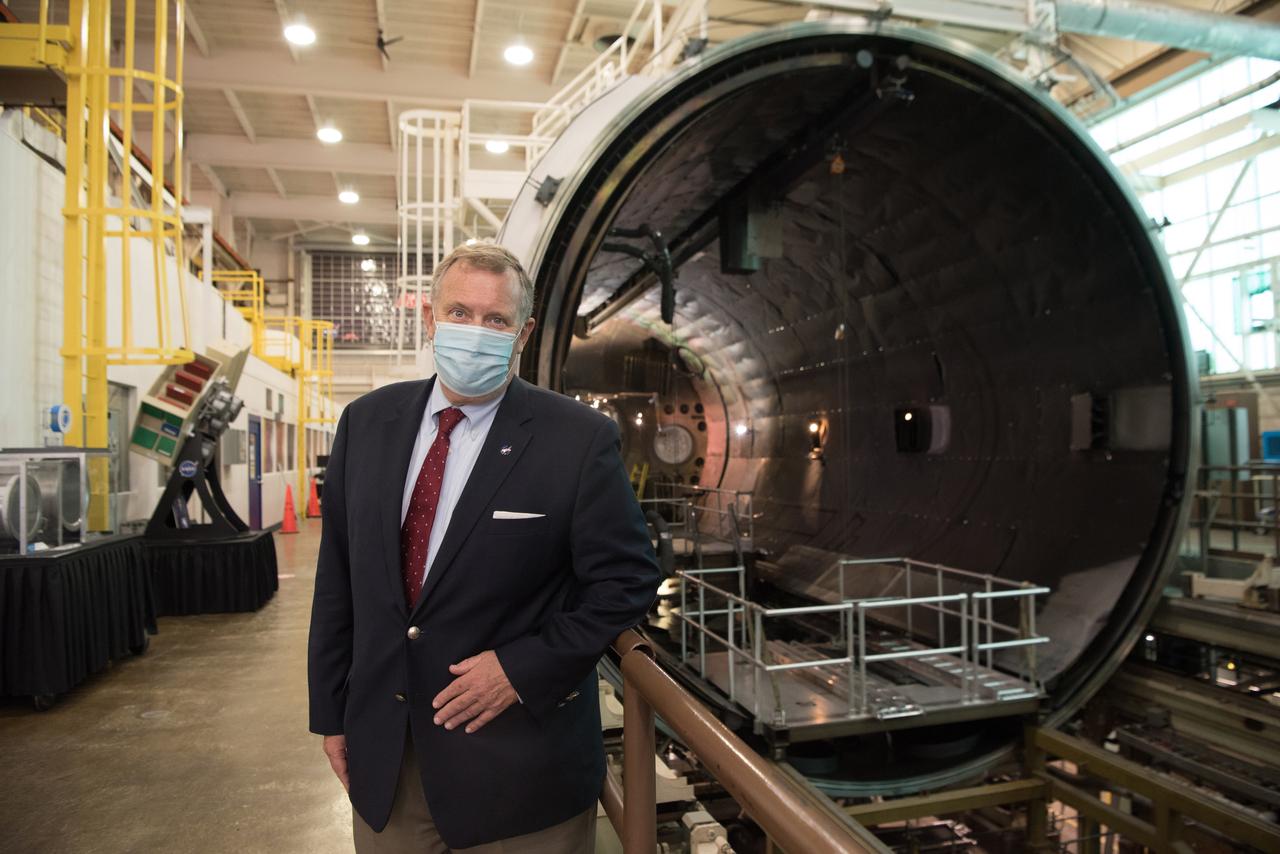
Visit to GRC by the Deputy Administrator, James Morhard
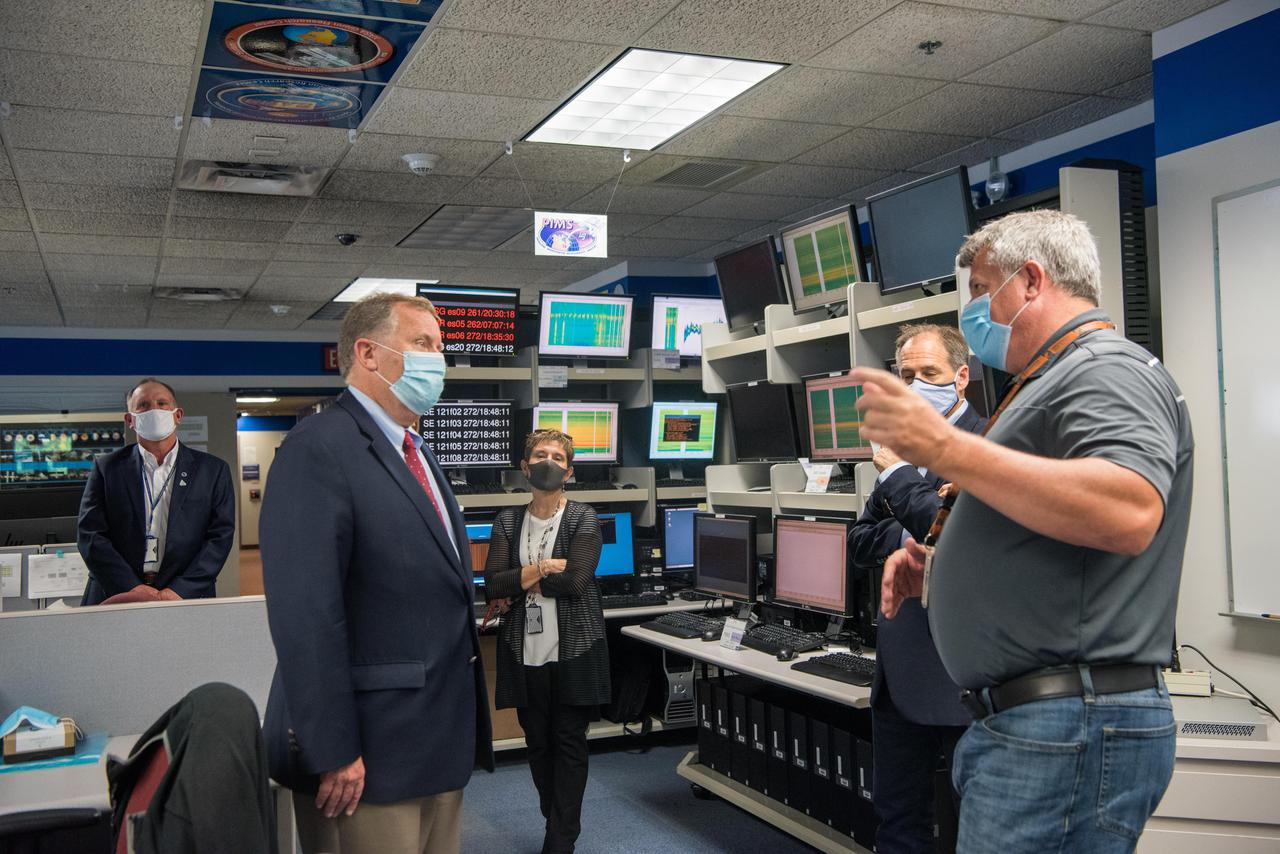
Visit to GRC by the Deputy Administrator, James Morhard

Retirement and Departure of the Lockheed S-3B Viking Aircraft

“I was born in India soon after we got independence from the British. So we were just beginning to get access to education. My mother was very keen that her daughters get an education. She was a big motivating force behind my interest in science. Since I was really little, she would say, ‘This daughter of mine is going to be a scientist.’ “And I loved nature. In those days, the monsoon would make India come to life with flowers and creepy-crawlies and all kinds of little creatures. I would just go out, eagerly looking for new forms of life. I was always curious. And I remember the night sky — just trying to count all the stars. We didn’t have electricity so it was very dark. You could see the Milky Way, it was so clear. “When Sputnik was launched, it came out in the newspaper that you would be able to see it pass overhead at 5 in the morning. And my grandmother woke up everyone — the entire household — to see it. There was a big crowd in the backyard to watch Sputnik go by. "Then, Yuri Gagarin made a tour of India. He came to our city — Lucknow — and there was a reception for him. My mother got invitations for all of us to see the cosmonaut. We were just little kids. We ran right to the stage — there was no security then — and said hello to him. He gave us little booklets and autographs. It was a big inspiration for me. I remember just staring at that booklet he gave me. I kept it for years.” NASA Program Scientist, Dr. Hashima Hasan, poses for a portrait in her backyard, while working from home during the COVID-19 pandemic, Monday, July 6, 2020 in Maryland. Hasan currently works at NASA Headquarters as a program scientist on the agency’s Nuclear Spectroscopic Telescope Array (NuSTAR) spacecraft, the Keck Observatory, and the NASA Astrophysics Archives, and is the deputy program scientist for NASA’s James Webb Space Telescope. Photo Credit: (NASA/Aubrey Gemignani)
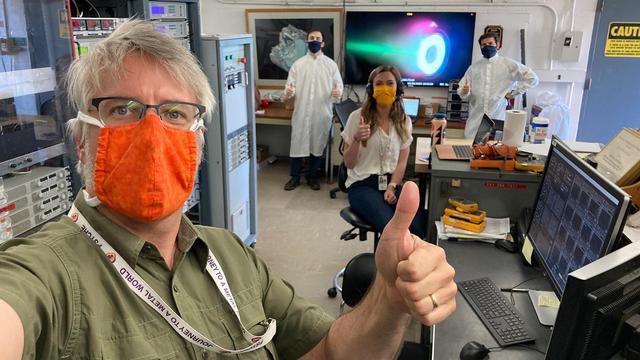
Psyche engineers adapted to COVID-19 social distancing and masking requirements while testing the Hall thrusters that will propel NASA's Psyche spacecraft on its journey to the main asteroid belt between Mars and Jupiter. Set to launch in August 2022, the spacecraft will utilize this super-efficient electric propulsion system to travel to the asteroid Psyche. On May 20, 2020, at NASA's Jet Propulsion Laboratory, Flight System Engineer Steve Snyder (foreground) of JPL and a crew of engineers from Maxar Technologies worked together in the control room next to the vacuum chamber where the thruster was fired up. Snyder and his Maxar colleagues (from left: Faraz Aghazadeh, Taylor Kerl and Giovanni Lenguito) put the thruster and its power supply through a series of stress tests to ensure they can operate together in the extreme conditions of deep space. In the background, a monitor projects the image of the thruster firing. The thruster works by turning xenon gas, a neutral gas used in car headlights and plasma TVs, into xenon ions. As the xenon ions are accelerated out of the thruster, they create the thrust that will propel the spacecraft. The xenon plasma emits a blue glow, seen here on the screen, as it operates. Hall thrusters will be used for the first time beyond lunar orbit, demonstrating that they could play a role in supporting future missions to deep space. Maxar and JPL adapted the Hall thruster system for use with the main body of the spacecraft that Maxar is building at its facility in Palo Alto, California. https://photojournal.jpl.nasa.gov/catalog/PIA23878