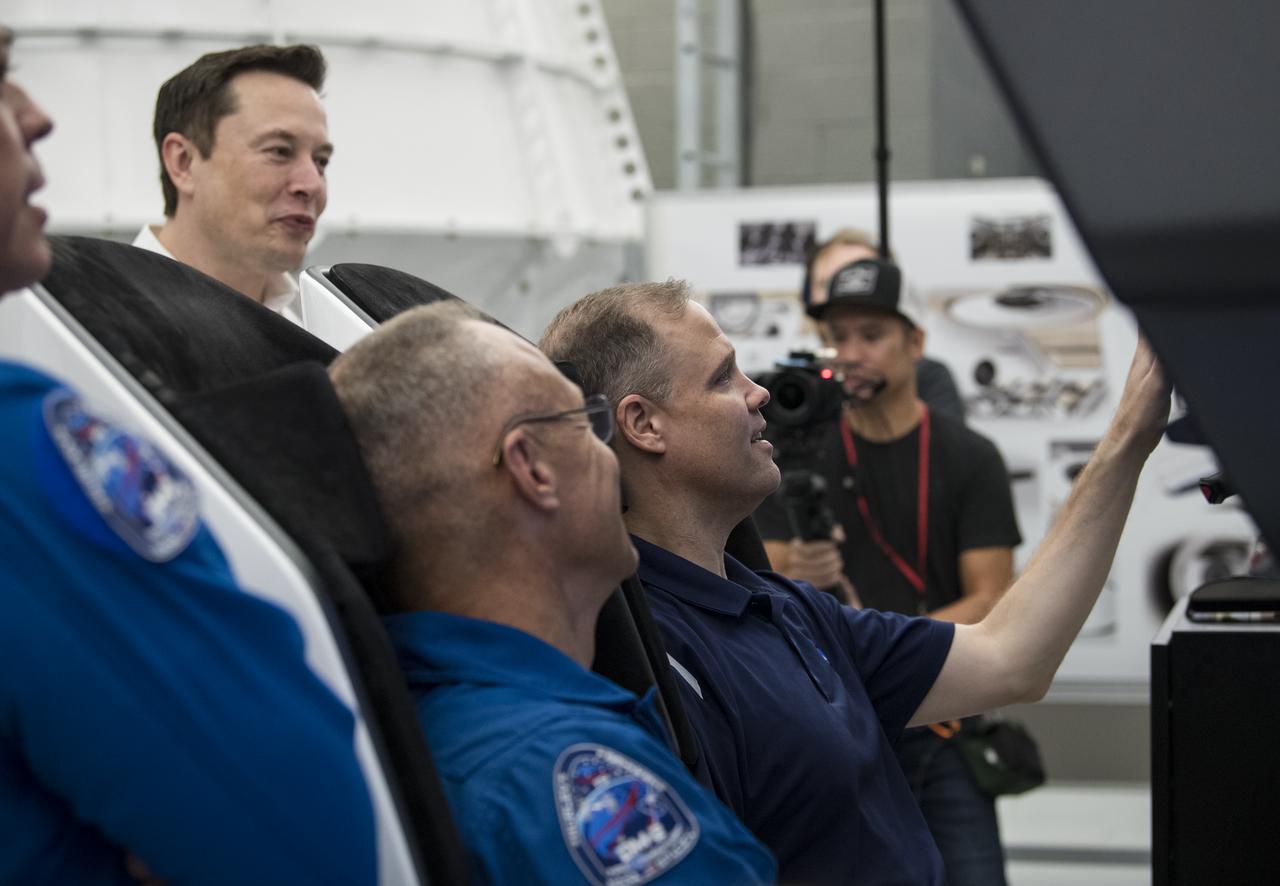
NASA Administrator Jim Bridenstine, right, participates in a crew Dragon flight simulation with NASA astronaut Doug Hurley, who will be flying aboard the Crew Dragon during the Demo-2 mission, while SpaceX Chief Engineer Elon Musk looks on, at the SpaceX Headquarters, Thursday, Oct. 10, 2019 in Hawthorne, CA. Photo credit: (NASA/Aubrey Gemignani)
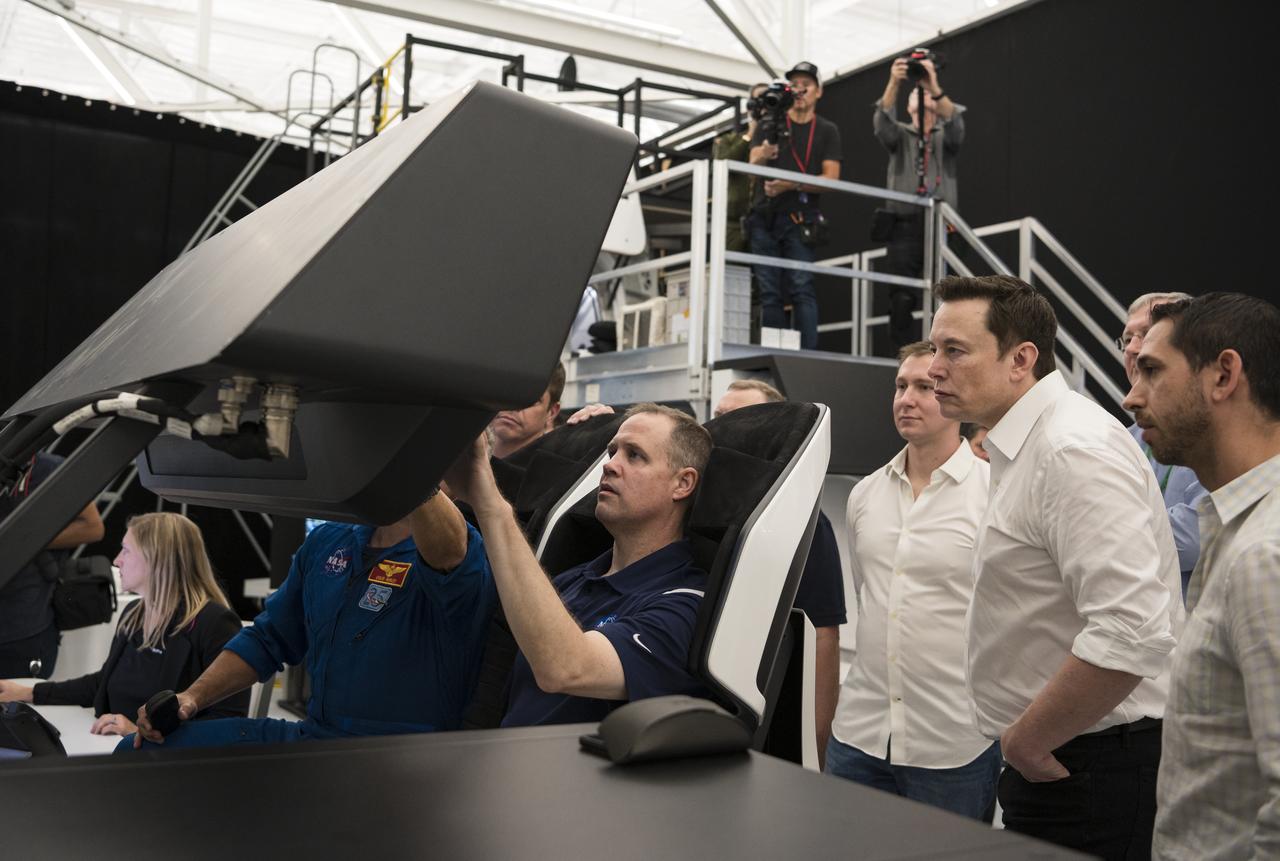
NASA Administrator Jim Bridenstine, center, participates in a crew Dragon flight simulation with NASA astronauts Doug Hurley, and Bob Behnken, while SpaceX Chief Engineer Elon Musk looks on, at the SpaceX Headquarters, Thursday, Oct. 10, 2019 in Hawthorne, CA. Photo credit: (NASA/Aubrey Gemignani)
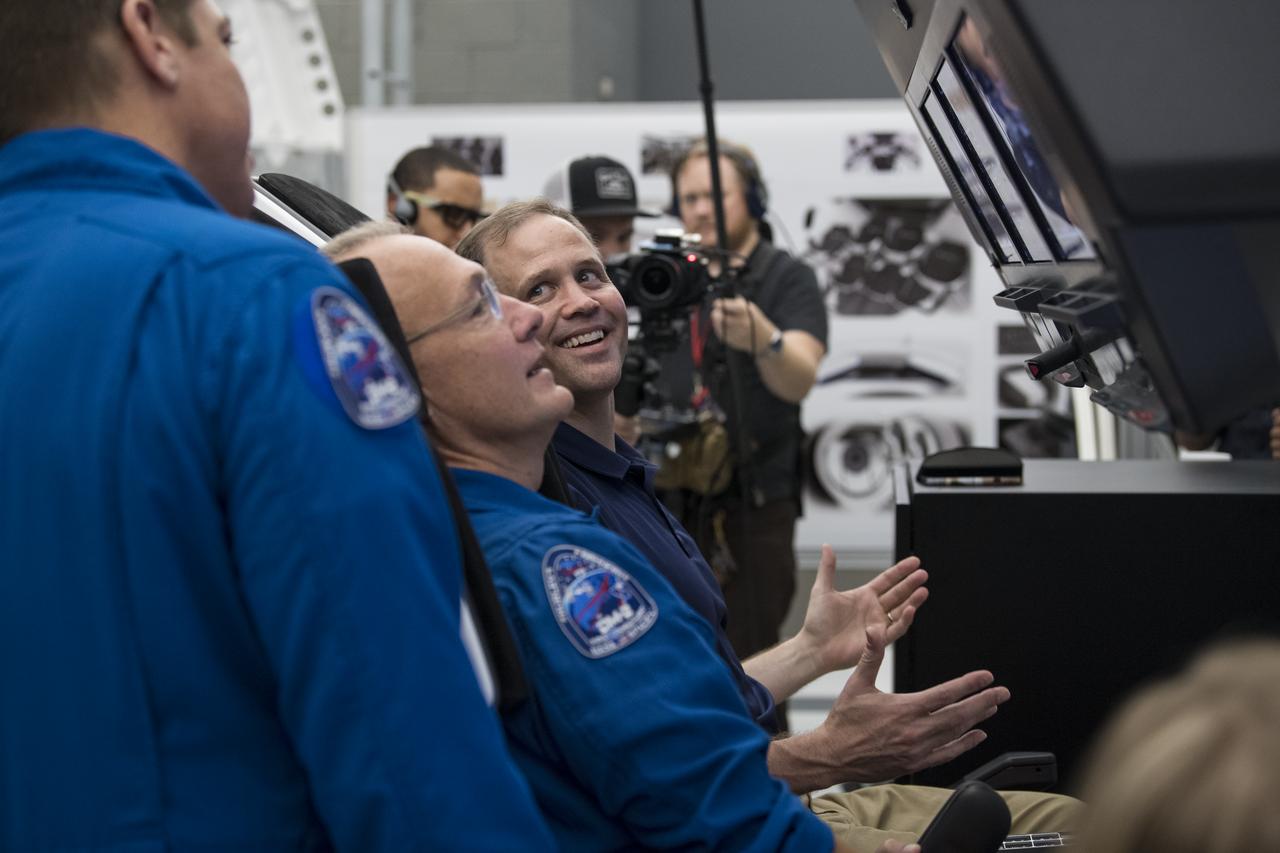
NASA Administrator Jim Bridenstine, right, participates in a Crew Dragon flight simulation with NASA astronauts Doug Hurley, center, and Bob Behnken, left, who will be flying aboard the Crew Dragon during the Demo-2 mission, at the SpaceX Headquarters, Thursday, Oct. 10, 2019 in Hawthorne, CA. Photo credit: (NASA/Aubrey Gemignani)
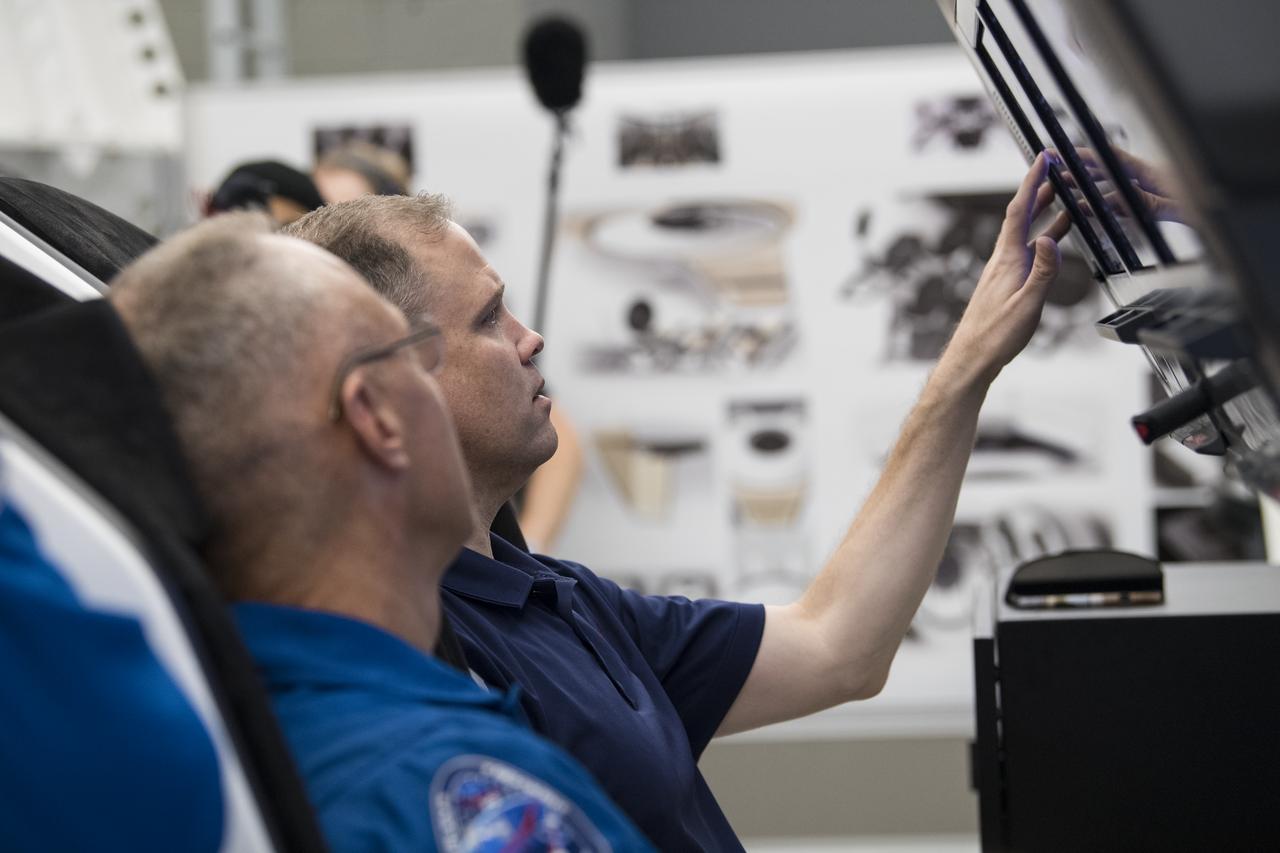
NASA Administrator Jim Bridenstine, right, participates in a crew Dragon flight simulation with NASA astronauts Doug Hurley, who will be flying aboard the Crew Dragon during the Demo-2 mission, at the SpaceX Headquarters, Thursday, Oct. 10, 2019 in Hawthorne, CA. Photo credit: (NASA/Aubrey Gemignani)
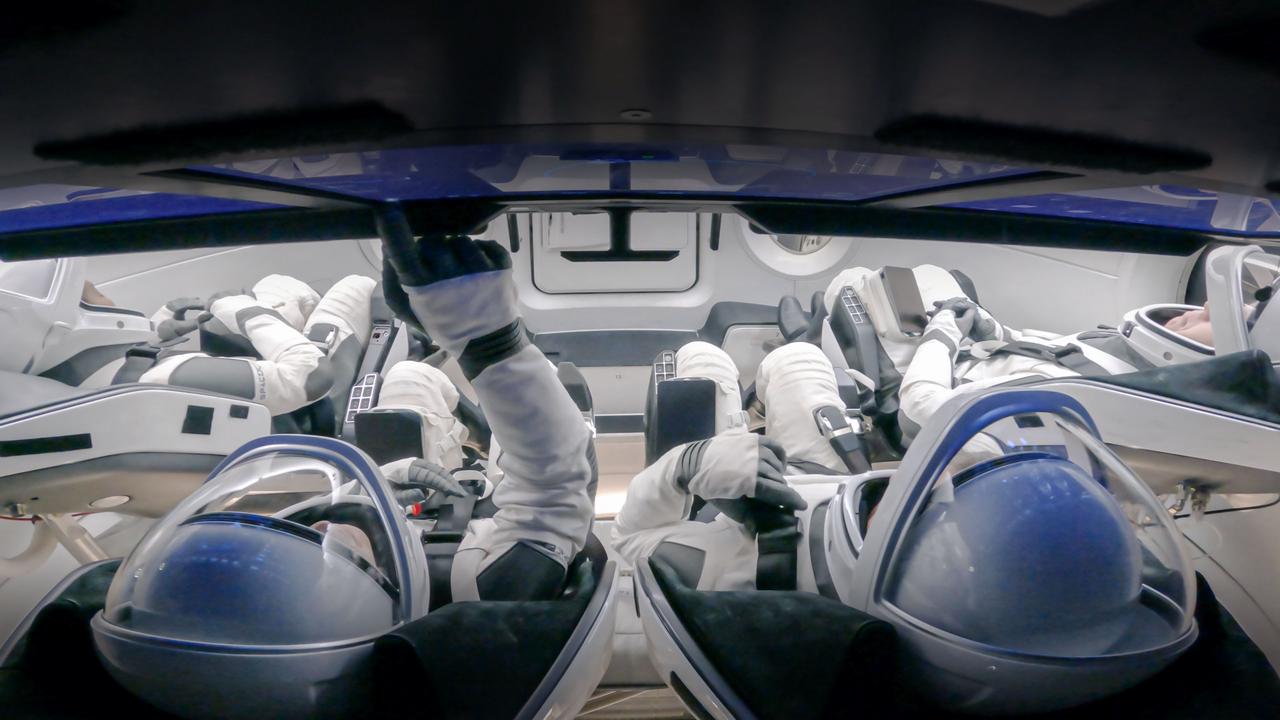
jsc2024e024941 (March 25, 2024) --- The crew of NASA's SpaceX Crew-9 mission to the International Space Station trains inside the Dragon spacecraft simulator at the company's headquarters in Hawthorne, California. Credit: SpaceX
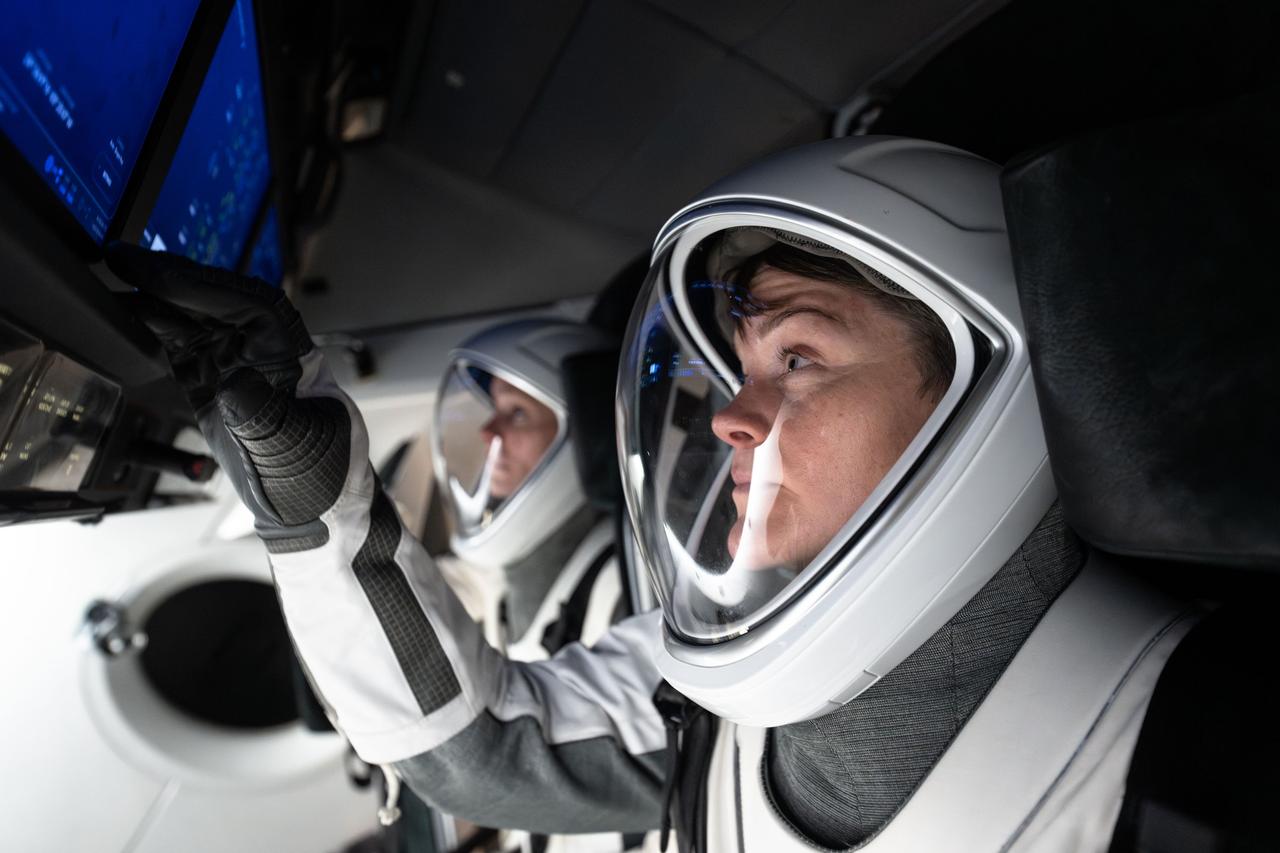
jsc2024e066392 (Sept. 26, 2024) --- NASA astronaut and commander of NASA's SpaceX Crew-10 mission Anne McClain trains during a simulation inside a mockup of a Dragon cockpit at the company's facilities in Hawthorne, California. Credit: SpaceX
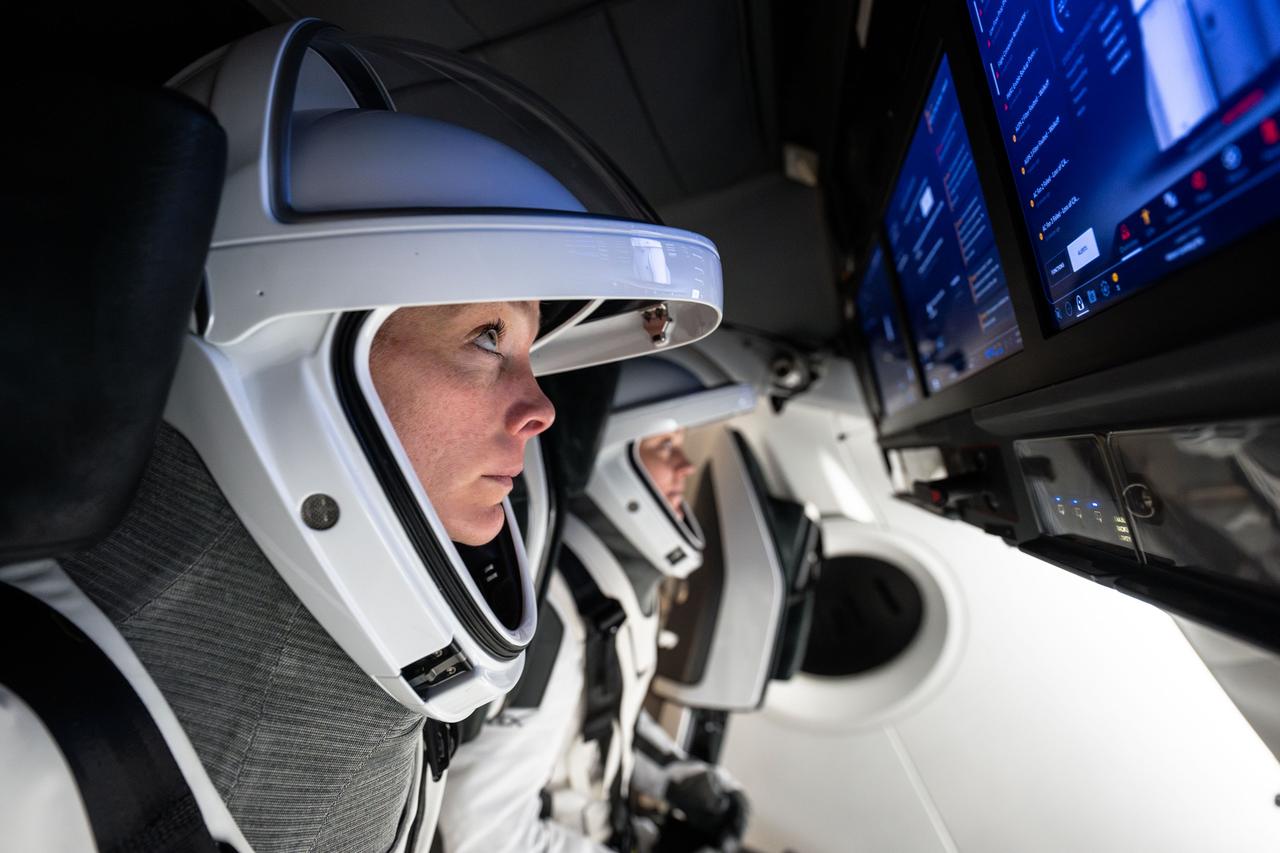
jsc2024e066389 (Sept. 26, 2024) --- NASA astronaut and pilot of NASA's SpaceX Crew-10 mission Nichole Ayers trains during a simulation inside a mockup of a Dragon cockpit at the company's facilities in Hawthorne, California. Credit: SpaceX
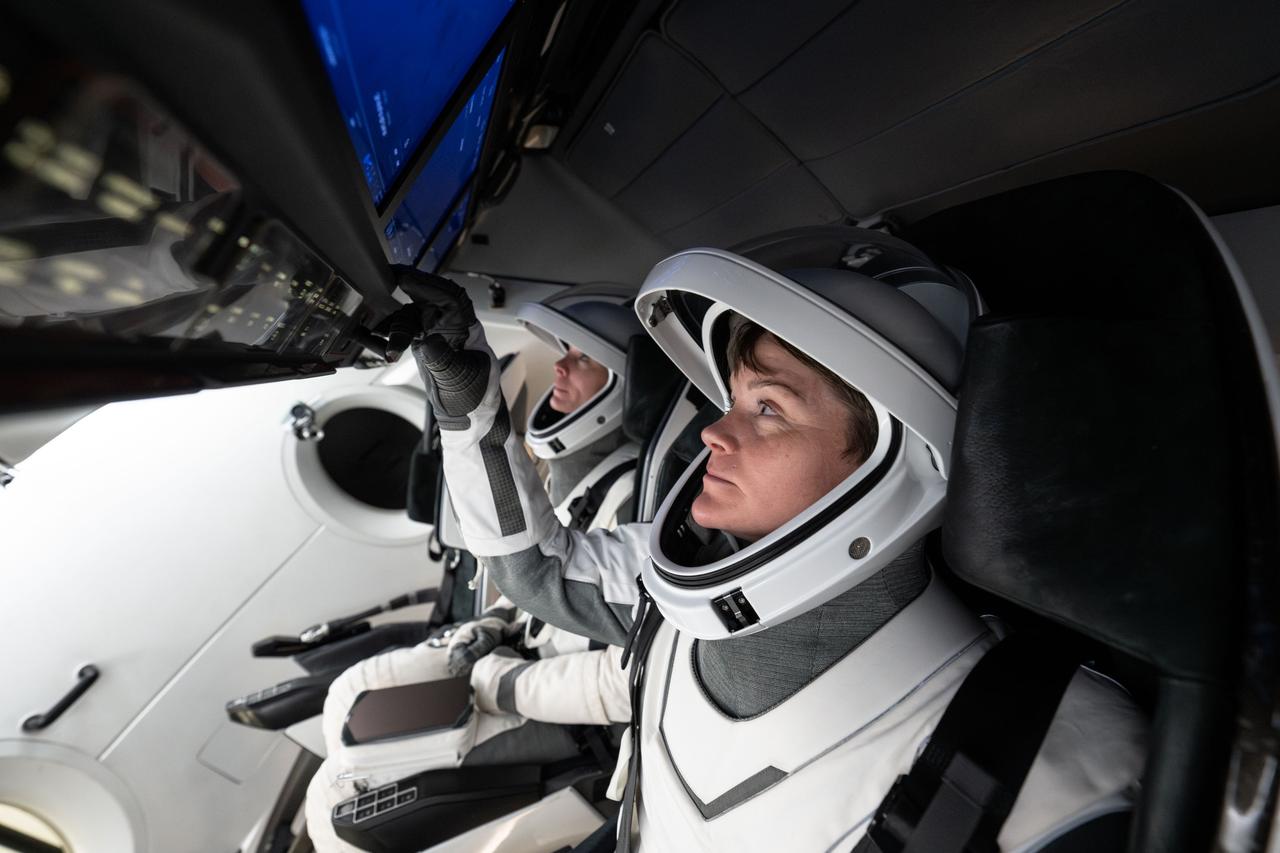
jsc2024e066391 (Sept. 26, 2024) --- NASA astronaut and commander of NASA's SpaceX Crew-10 mission Anne McClain trains during a simulation inside a mockup of a Dragon cockpit at the company's facilities in Hawthorne, California. Credit: SpaceX

jsc2024e066390 (Sept. 26, 2024) --- NASA astronaut and pilot of NASA's SpaceX Crew-10 mission Nichole Ayers trains during a simulation inside a mockup of a Dragon cockpit at the company's facilities in Hawthorne, California. Credit: SpaceX
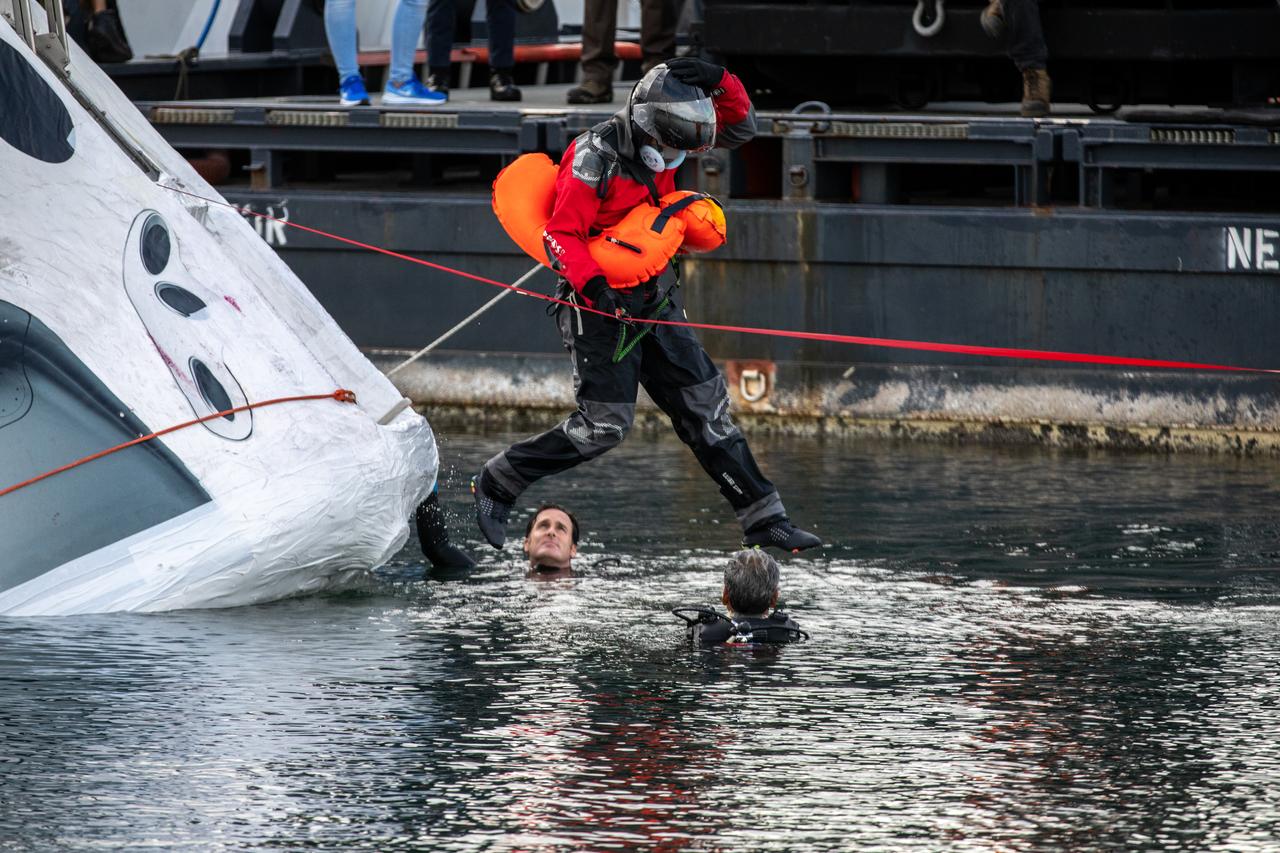
NASA astronauts Shane Kimbrough and Megan McArthur, Japan Aerospace Exploration Agency astronaut Akihiko Hoshide, and European Space Agency astronaut Thomas Pesquet participate in an egress training exercise in Port Canaveral, Florida, on Oct. 1, 2020, in preparation for NASA’s SpaceX Crew-2 mission as part of the agency’s Commercial Crew Program. The exercise involved simulating an emergency situation after splashdown of the Crew Dragon spacecraft. Using a mock-up of the Crew Dragon, the crew practiced exiting the capsule and jumping into the water. Crew-2 is targeted to launch from Kennedy Space Center’s Launch Complex 39A in spring 2021.
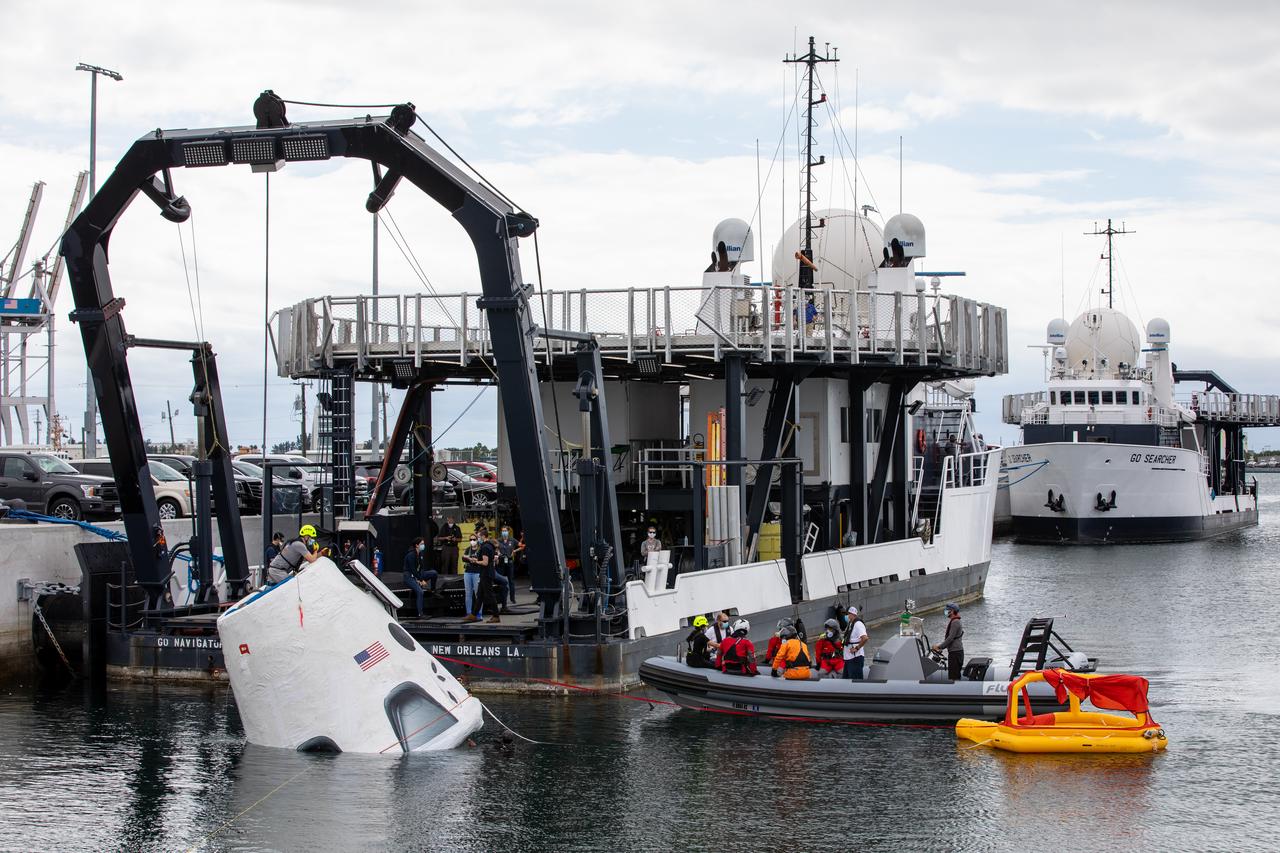
NASA astronauts Shane Kimbrough and Megan McArthur, Japan Aerospace Exploration Agency astronaut Akihiko Hoshide, and European Space Agency astronaut Thomas Pesquet participate in an egress training exercise in Port Canaveral, Florida, on Oct. 1, 2020, in preparation for NASA’s SpaceX Crew-2 mission as part of the agency’s Commercial Crew Program. The exercise involved simulating an emergency situation after splashdown of the Crew Dragon spacecraft. Using a mock-up of the Crew Dragon, the crew practiced exiting the capsule and jumping into the water. Crew-2 is targeted to launch from Kennedy Space Center’s Launch Complex 39A in spring 2021.
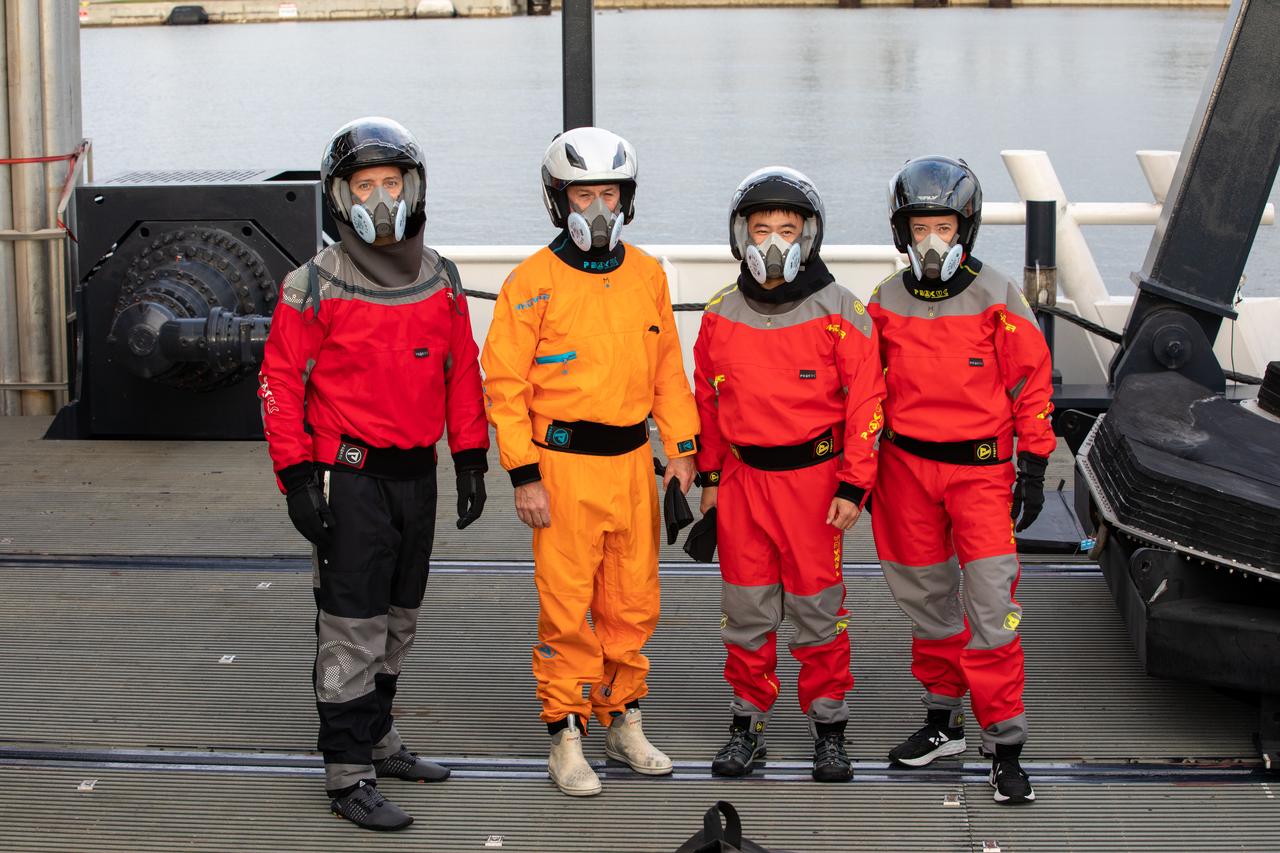
NASA astronauts Shane Kimbrough and Megan McArthur, Japan Aerospace Exploration Agency astronaut Akihiko Hoshide, and European Space Agency astronaut Thomas Pesquet participate in an egress training exercise in Port Canaveral, Florida, on Oct. 1, 2020, in preparation for NASA’s SpaceX Crew-2 mission as part of the agency’s Commercial Crew Program. The exercise involved simulating an emergency situation after splashdown of the Crew Dragon spacecraft. Using a mock-up of the Crew Dragon, the crew practiced exiting the capsule and jumping into the water. Crew-2 is targeted to launch from Kennedy Space Center’s Launch Complex 39A in spring 2021.
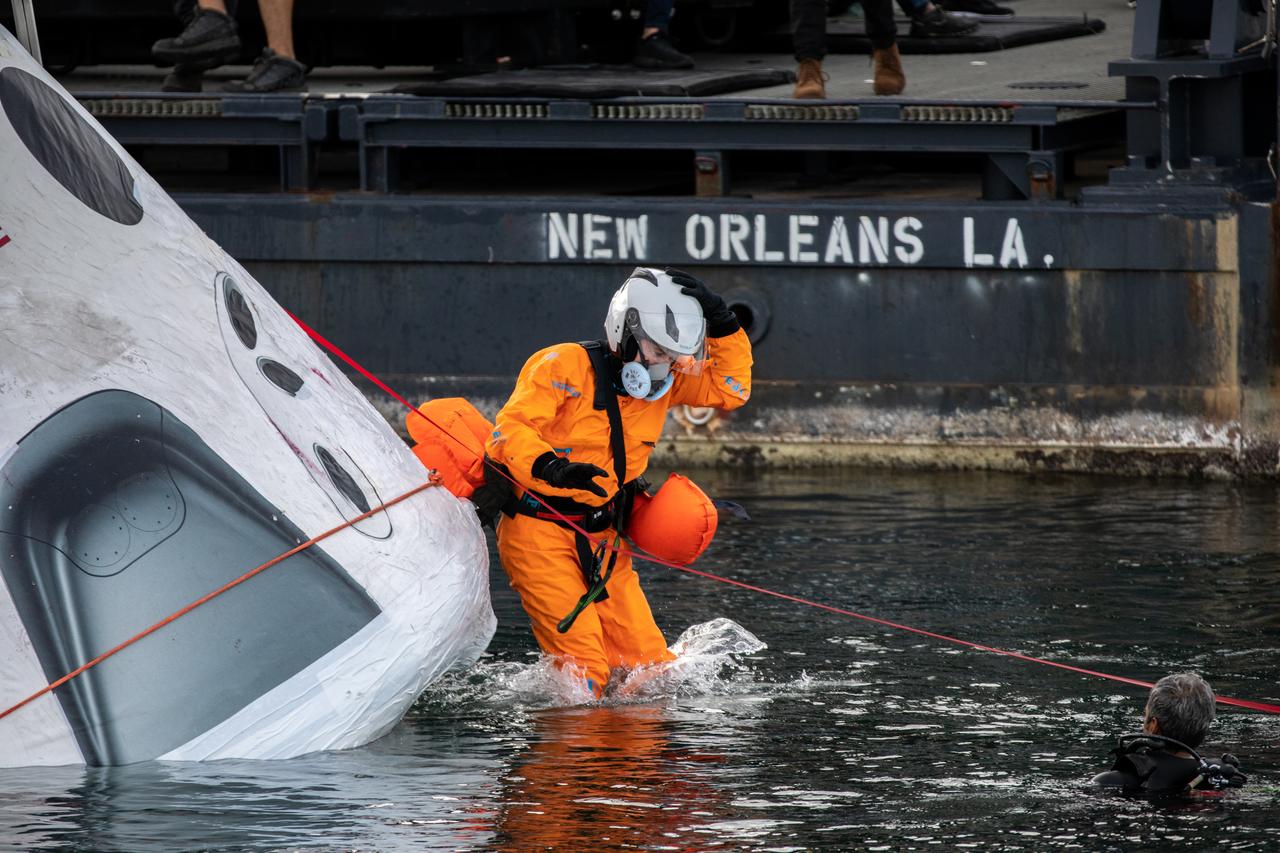
NASA astronauts Shane Kimbrough and Megan McArthur, Japan Aerospace Exploration Agency astronaut Akihiko Hoshide, and European Space Agency astronaut Thomas Pesquet participate in an egress training exercise in Port Canaveral, Florida, on Oct. 1, 2020, in preparation for NASA’s SpaceX Crew-2 mission as part of the agency’s Commercial Crew Program. The exercise involved simulating an emergency situation after splashdown of the Crew Dragon spacecraft. Using a mock-up of the Crew Dragon, the crew practiced exiting the capsule and jumping into the water. Crew-2 is targeted to launch from Kennedy Space Center’s Launch Complex 39A in spring 2021.
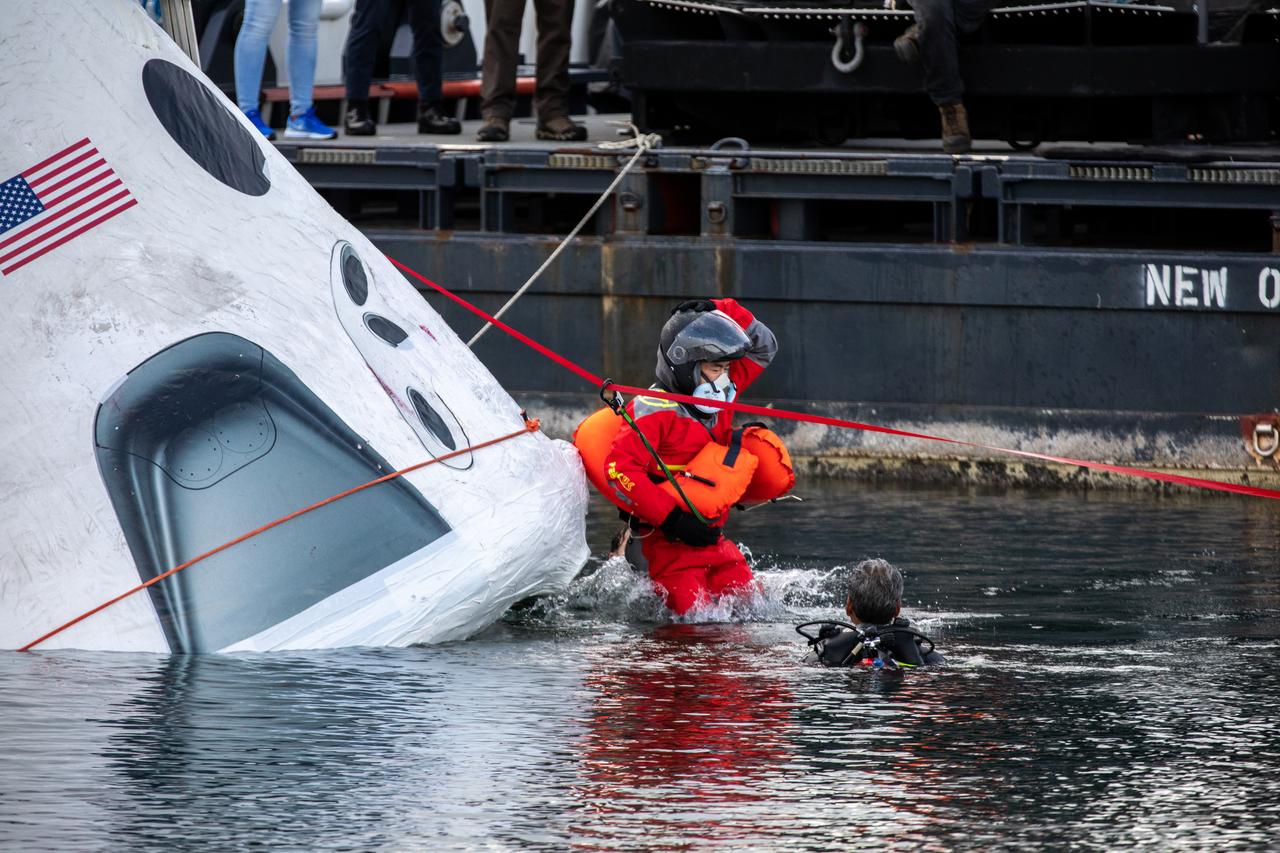
NASA astronauts Shane Kimbrough and Megan McArthur, Japan Aerospace Exploration Agency astronaut Akihiko Hoshide, and European Space Agency astronaut Thomas Pesquet participate in an egress training exercise in Port Canaveral, Florida, on Oct. 1, 2020, in preparation for NASA’s SpaceX Crew-2 mission as part of the agency’s Commercial Crew Program. The exercise involved simulating an emergency situation after splashdown of the Crew Dragon spacecraft. Using a mock-up of the Crew Dragon, the crew practiced exiting the capsule and jumping into the water. Crew-2 is targeted to launch from Kennedy Space Center’s Launch Complex 39A in spring 2021.
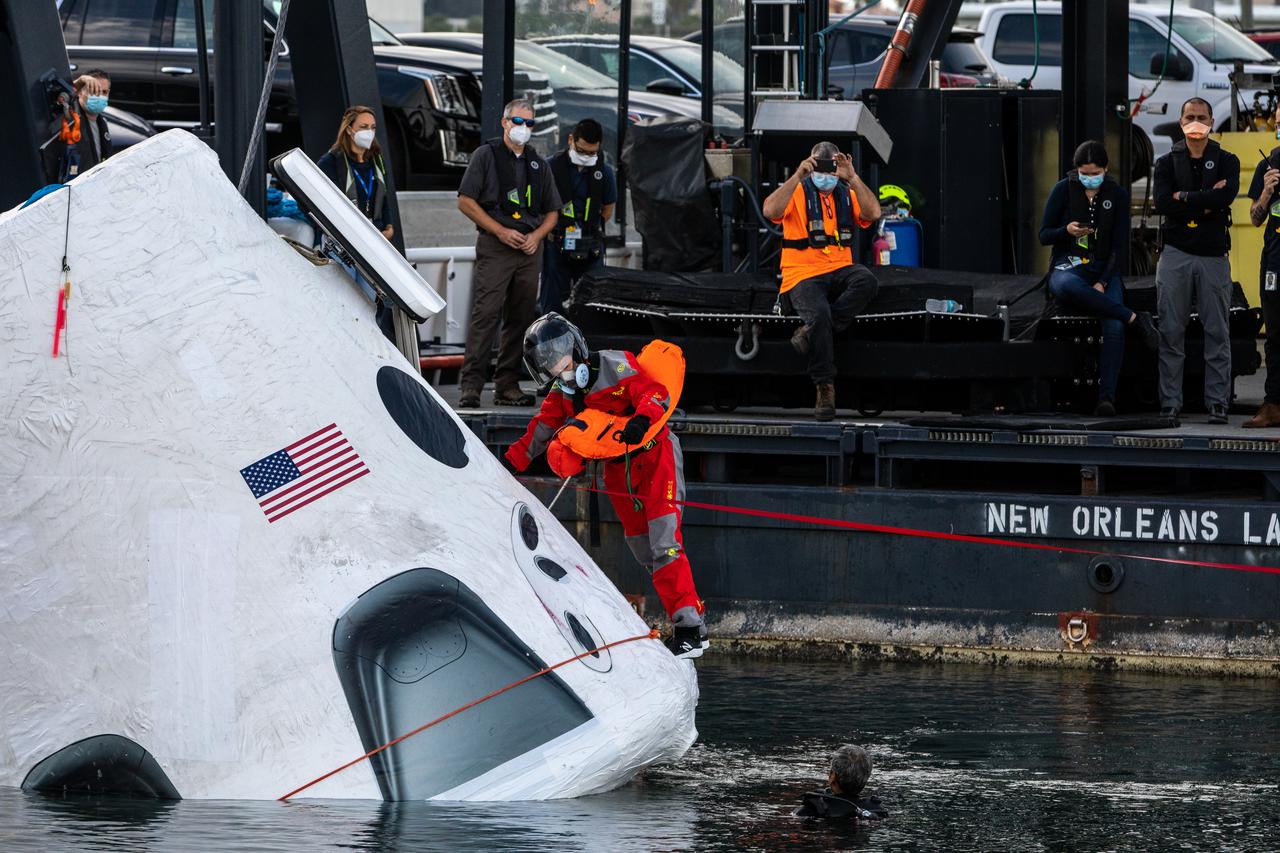
NASA astronauts Shane Kimbrough and Megan McArthur, Japan Aerospace Exploration Agency astronaut Akihiko Hoshide, and European Space Agency astronaut Thomas Pesquet participate in an egress training exercise in Port Canaveral, Florida, on Oct. 1, 2020, in preparation for NASA’s SpaceX Crew-2 mission as part of the agency’s Commercial Crew Program. The exercise involved simulating an emergency situation after splashdown of the Crew Dragon spacecraft. Using a mock-up of the Crew Dragon, the crew practiced exiting the capsule and jumping into the water. Crew-2 is targeted to launch from Kennedy Space Center’s Launch Complex 39A in spring 2021.
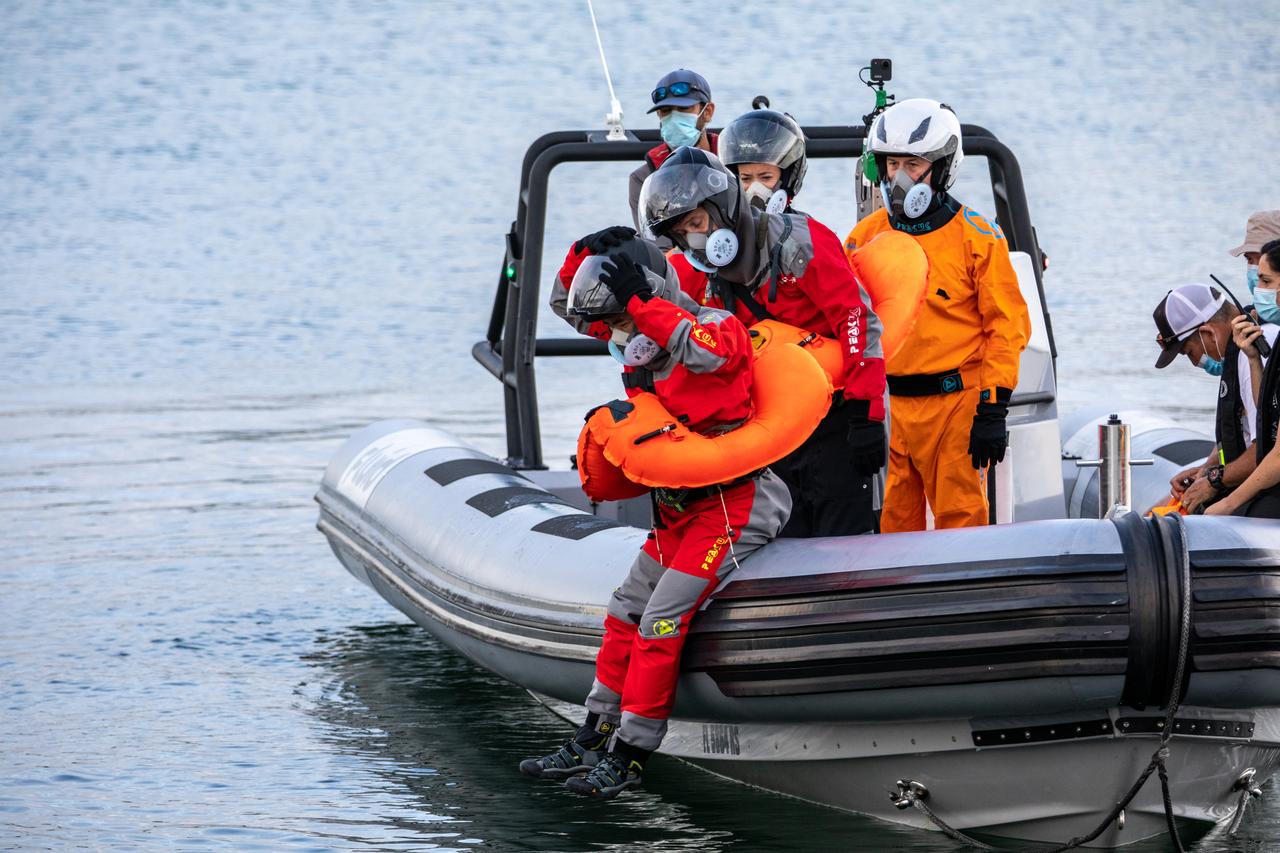
NASA astronauts Shane Kimbrough and Megan McArthur, Japan Aerospace Exploration Agency astronaut Akihiko Hoshide, and European Space Agency astronaut Thomas Pesquet participate in an egress training exercise in Port Canaveral, Florida, on Oct. 1, 2020, in preparation for NASA’s SpaceX Crew-2 mission as part of the agency’s Commercial Crew Program. The exercise involved simulating an emergency situation after splashdown of the Crew Dragon spacecraft. Using a mock-up of the Crew Dragon, the crew practiced exiting the capsule and jumping into the water. Crew-2 is targeted to launch from Kennedy Space Center’s Launch Complex 39A in spring 2021.
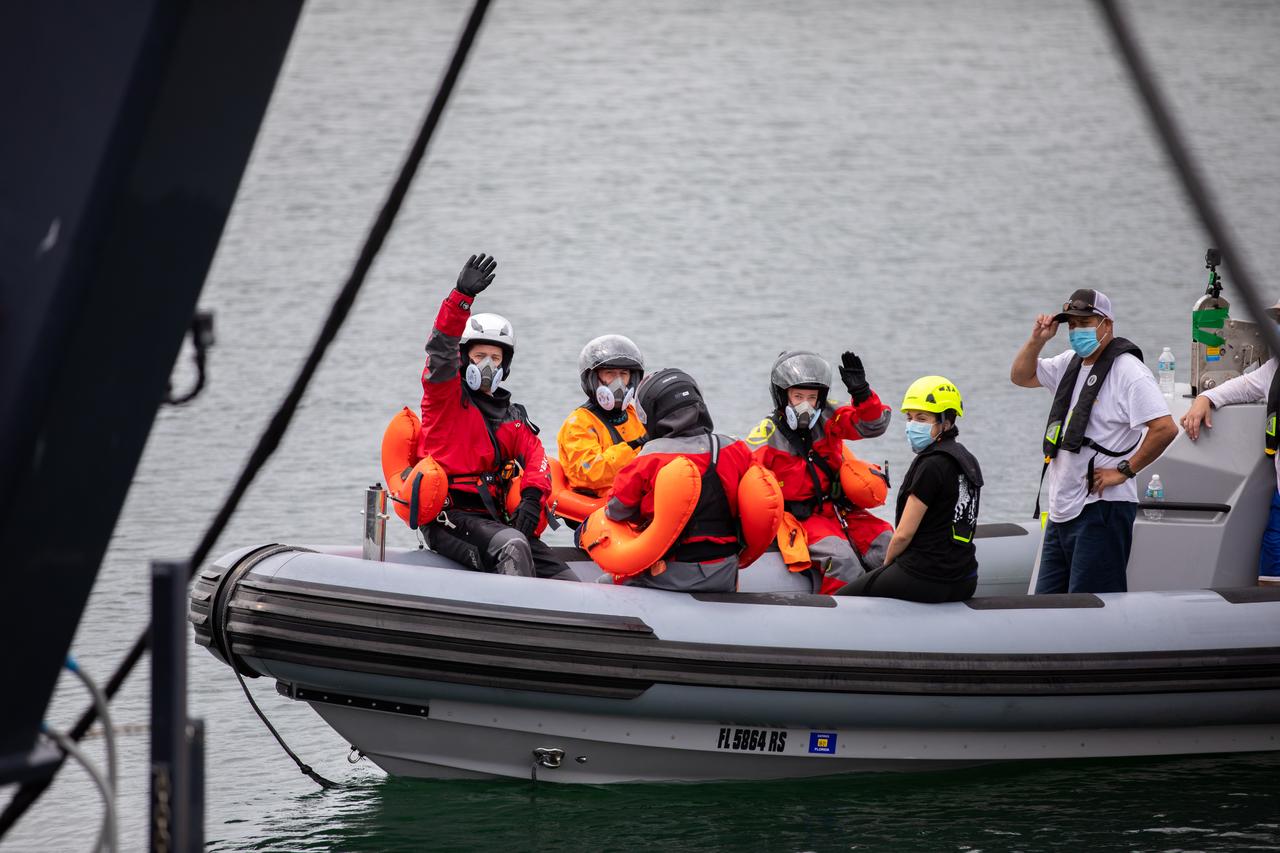
NASA astronauts Shane Kimbrough and Megan McArthur, Japan Aerospace Exploration Agency astronaut Akihiko Hoshide, and European Space Agency astronaut Thomas Pesquet participate in an egress training exercise in Port Canaveral, Florida, on Oct. 1, 2020, in preparation for NASA’s SpaceX Crew-2 mission as part of the agency’s Commercial Crew Program. The exercise involved simulating an emergency situation after splashdown of the Crew Dragon spacecraft. Using a mock-up of the Crew Dragon, the crew practiced exiting the capsule and jumping into the water. Crew-2 is targeted to launch from Kennedy Space Center’s Launch Complex 39A in spring 2021.
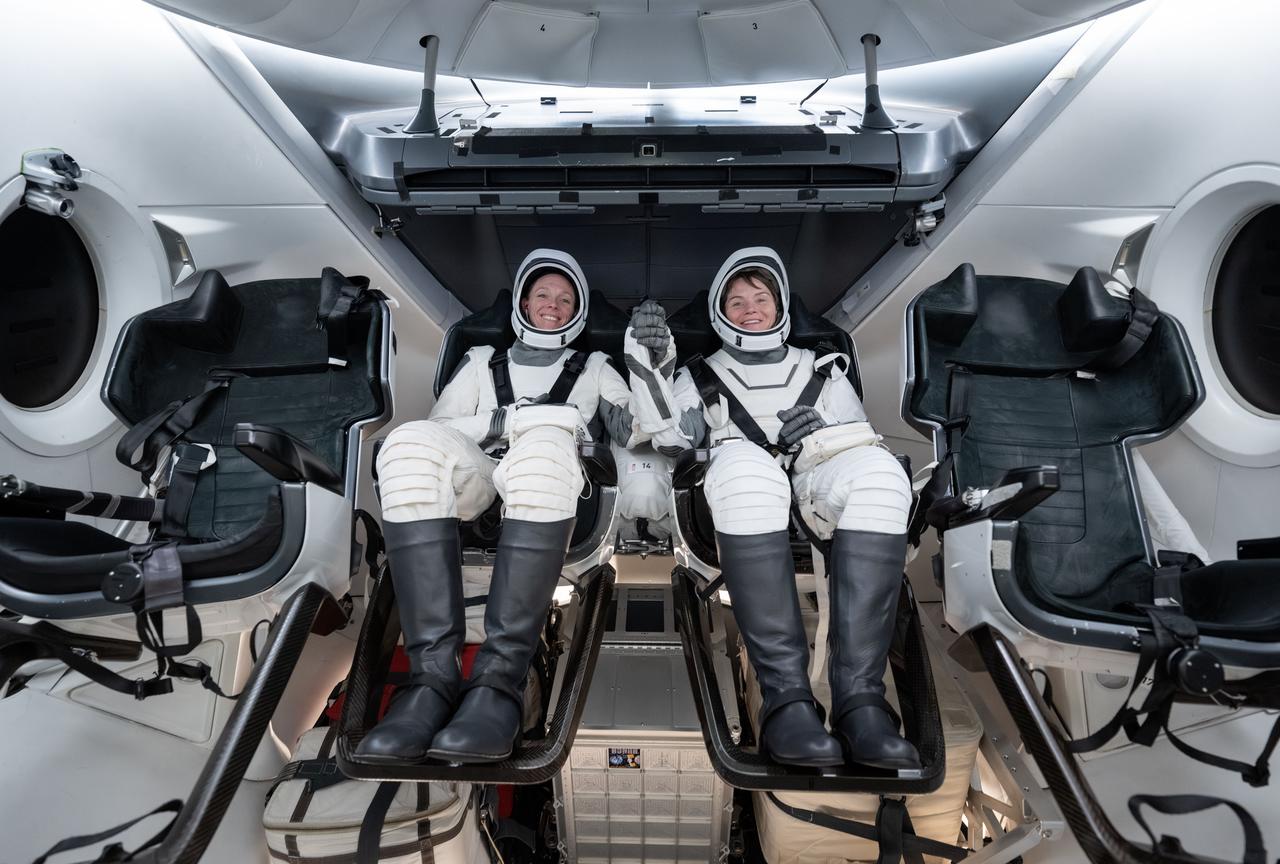
jsc2024e066393 (Sept. 26, 2024) --- NASA astronauts (from left) Nichole Ayers and Anne McClain, NASA's SpaceX Crew-10 mission pilot and commander respectively, smile and grab hands during a simulation inside a mockup of a Dragon cockpit at the company's facilities in Hawthorne, California. Credit: SpaceX
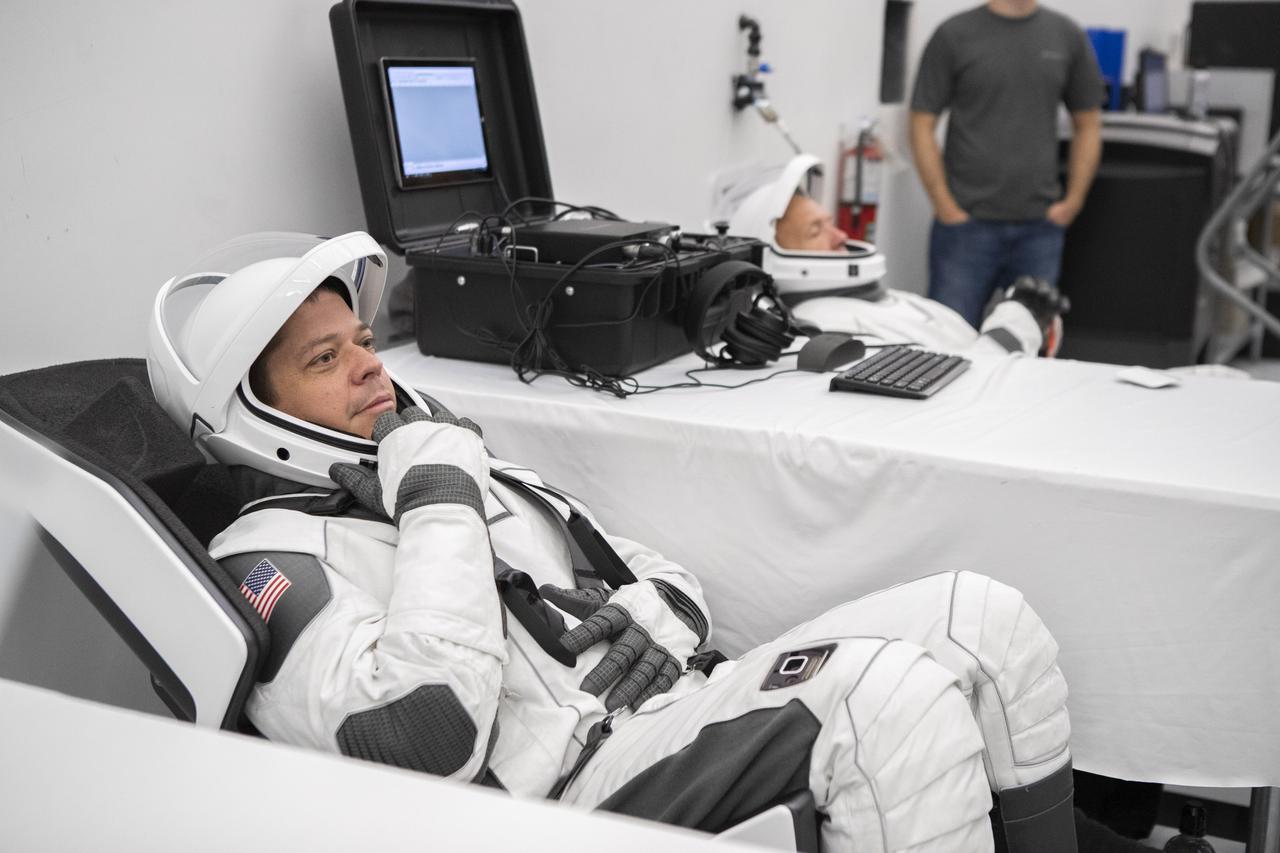
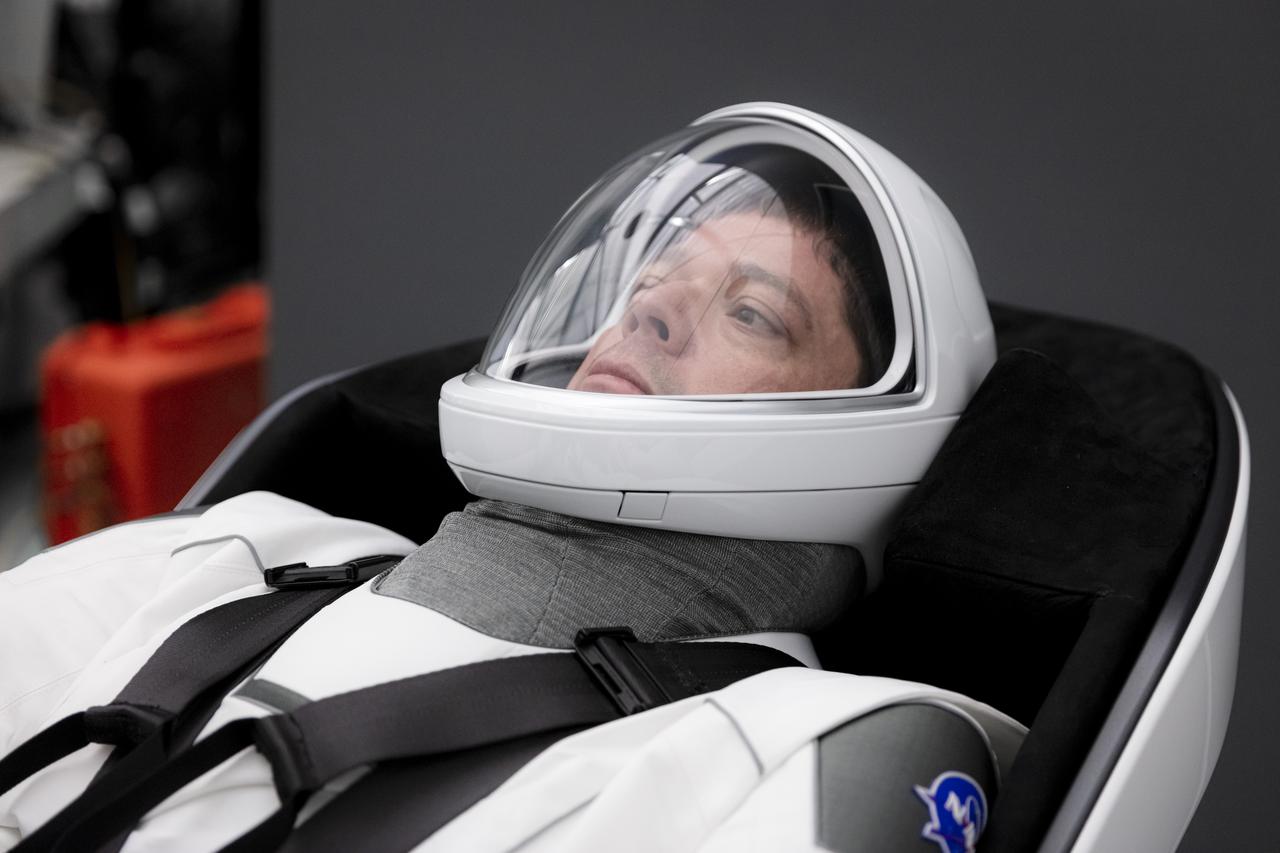
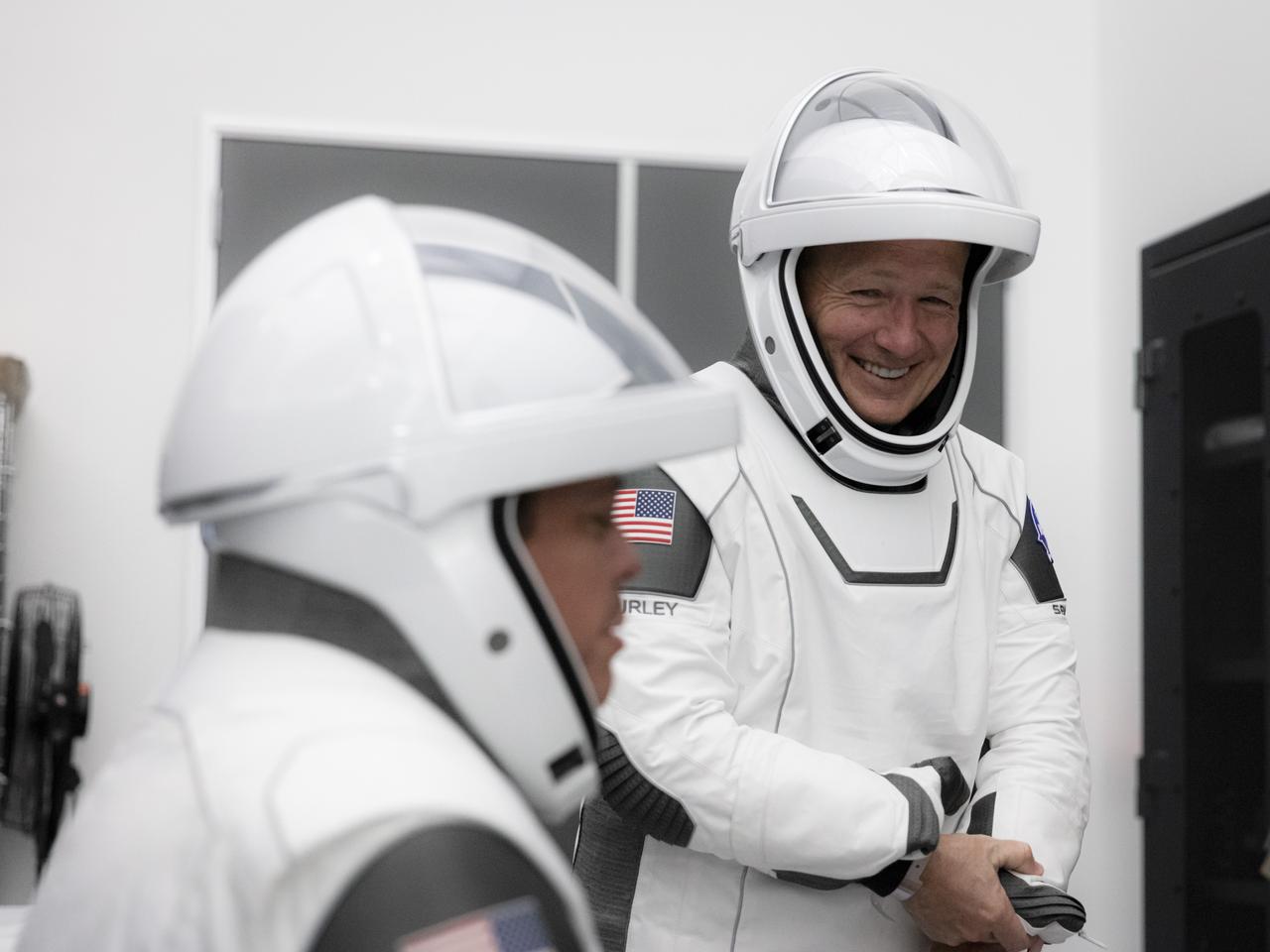
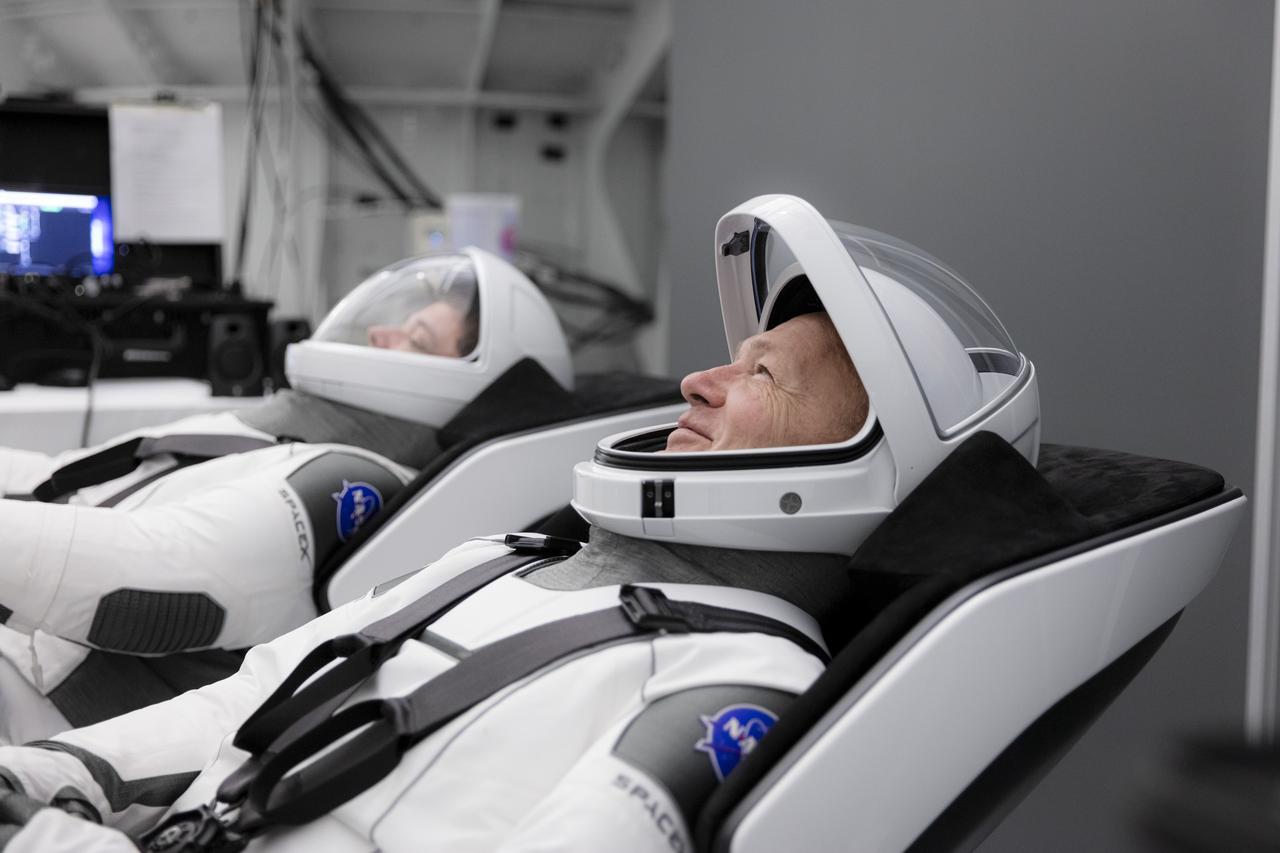
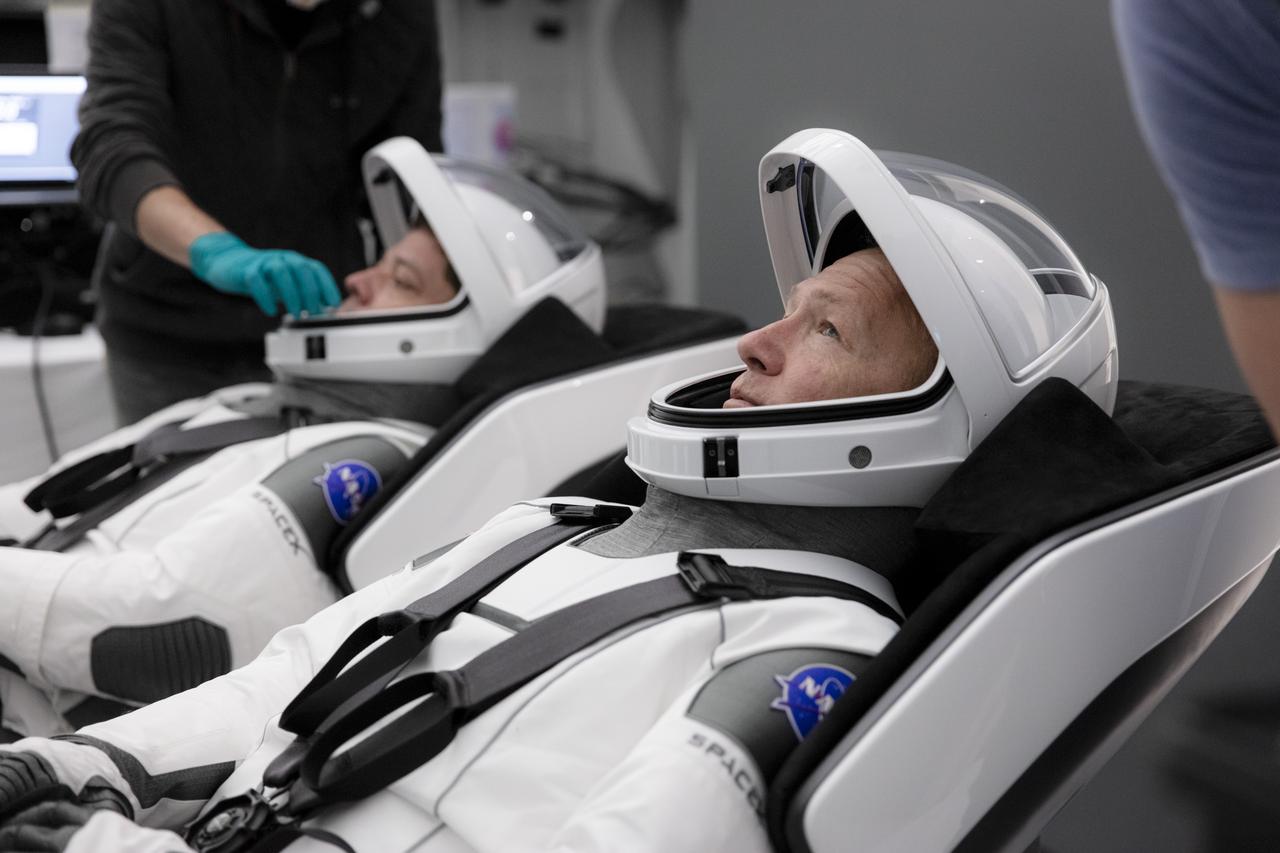
NASA and SpaceX held a joint training event for pre-launch operations, which provided an opportunity for the crew and ground operators to rehearse all of the activities, procedures, and communication the teams will exercise on launch day from crew suit-up in Kennedy Space Center’s Operations & Checkout (O&C) building in Florida through launch; this training event also included simulated emergency egress scenarios. NASA astronauts Bob Behnken, in front, and Doug Hurley, in back, are participating in a suit-up for launch, using the same Ground Support Equipment hardware, such as the seats and suit leak check boxes, that the crew will use for launch, with the SpaceX ground closeout team and suit engineers that will help the crew suit up and ingress the Dragon on launch day. Following crew suit-up, the crew ingressed the capsule simulator in Hawthorne, California, as they would on launch day, and the teams performed a simulated launch countdown and several emergency egress scenarios.
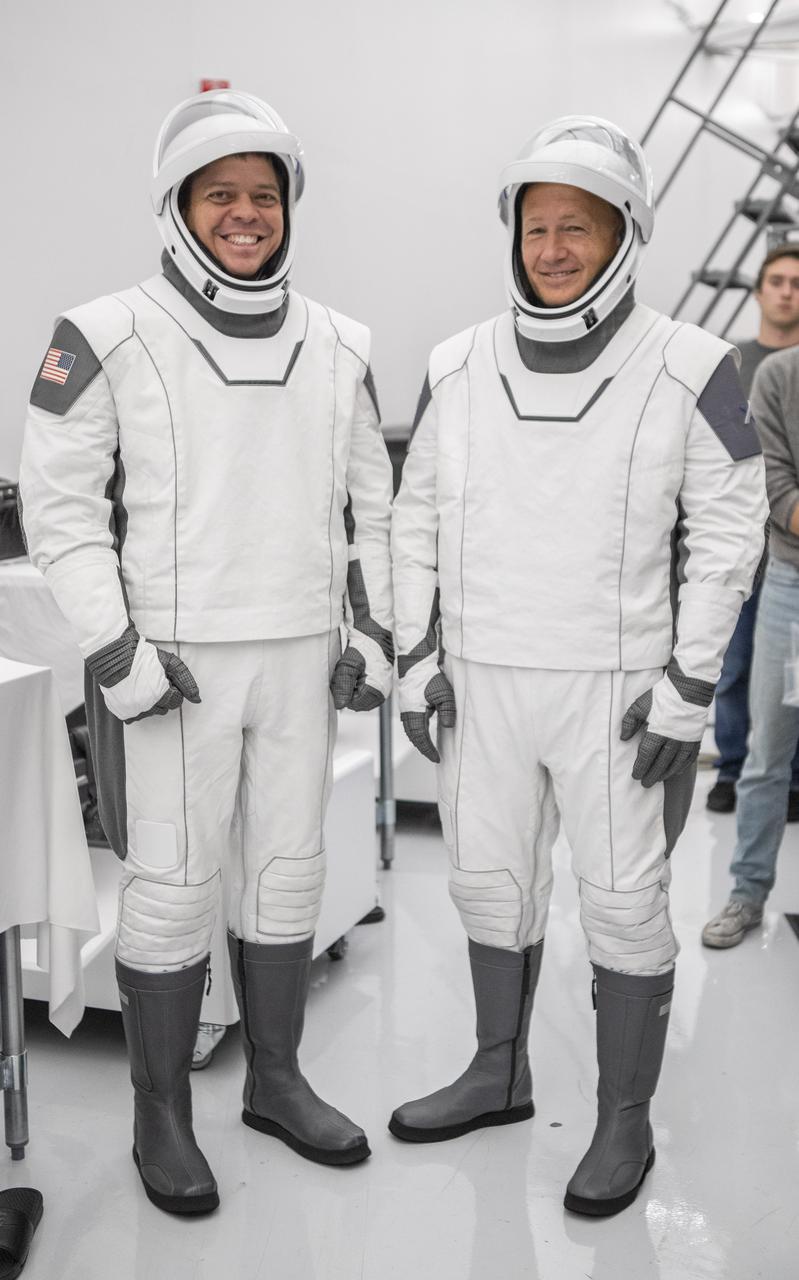
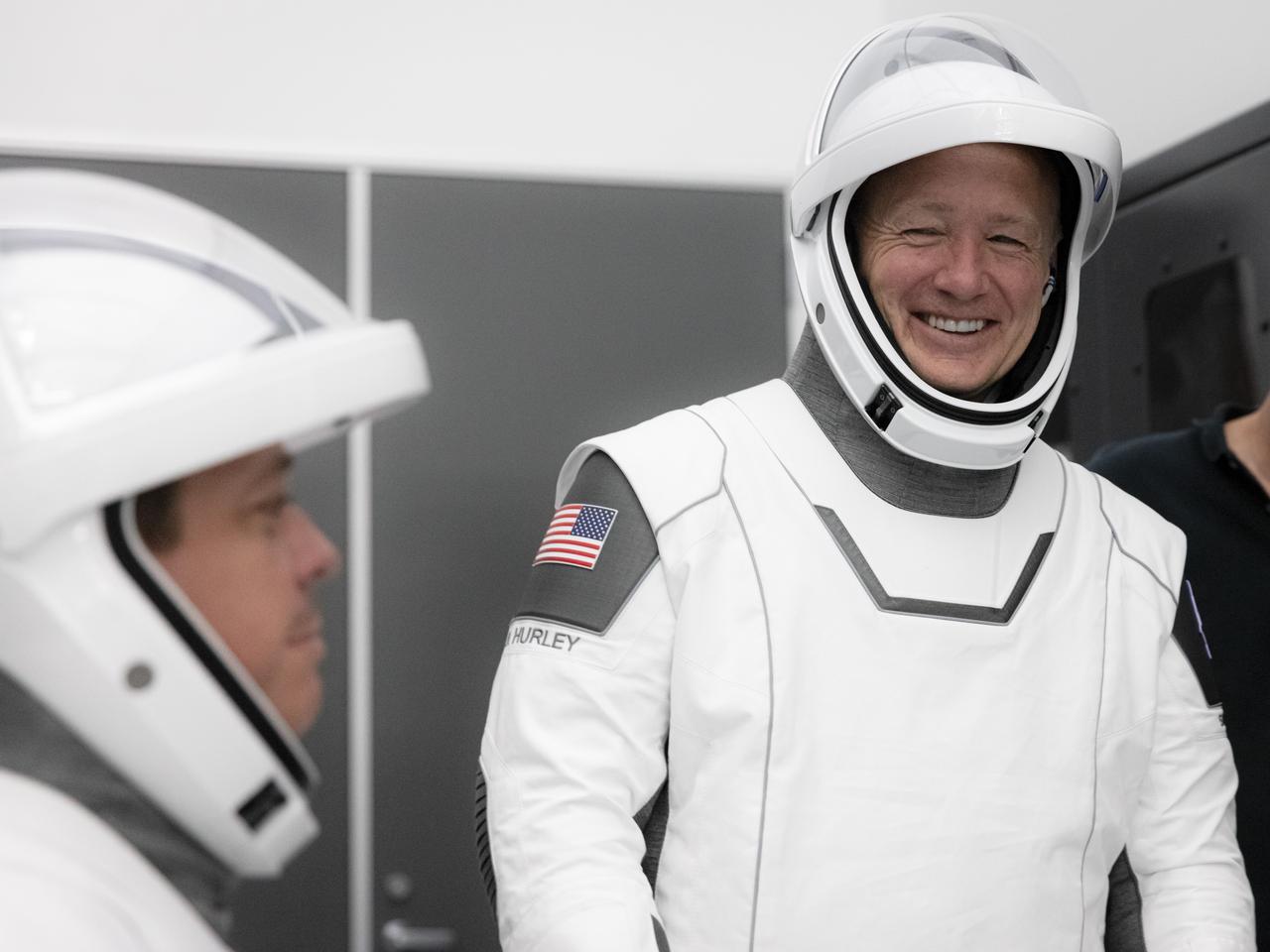
NASA and SpaceX held a joint training event for pre-launch operations, which provided an opportunity for the crew and ground operators to rehearse all of the activities, procedures, and communication the teams will exercise on launch day from crew suit-up in Kennedy Space Center’s Operations & Checkout (O&C) building in Florida through launch; this training event also included simulated emergency egress scenarios. NASA astronauts Bob Behnken, left, and Doug Hurley are participating in a suit-up for launch, using the same Ground Support Equipment hardware, such as the seats and suit leak check boxes, that the crew will use for launch, with the SpaceX ground closeout team and suit engineers that will help the crew suit up and ingress the Dragon on launch day. Following crew suit-up, the crew ingressed the capsule simulator in Hawthorne, California, as they would on launch day, and the teams performed a simulated launch countdown and several emergency egress scenarios.
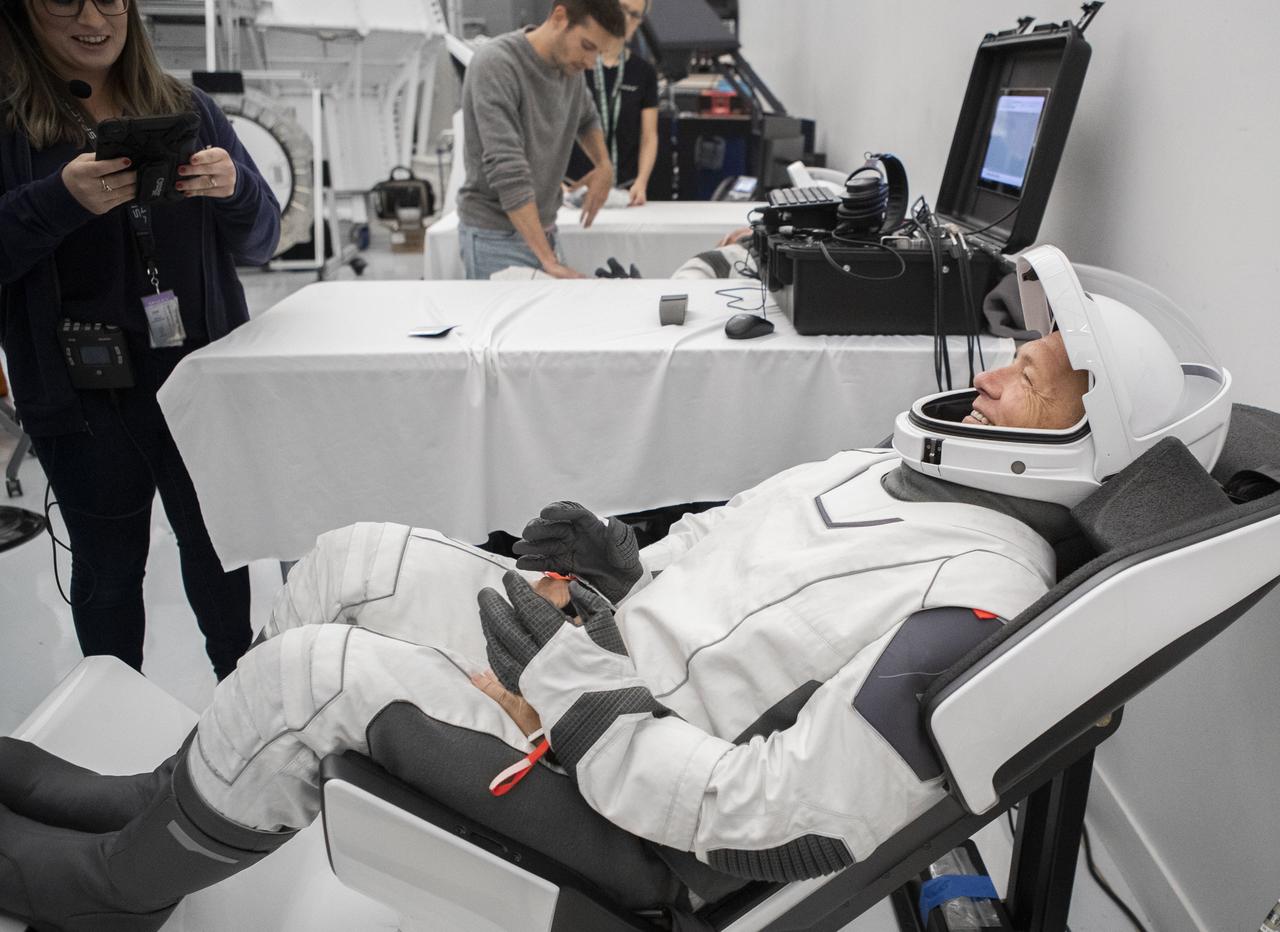
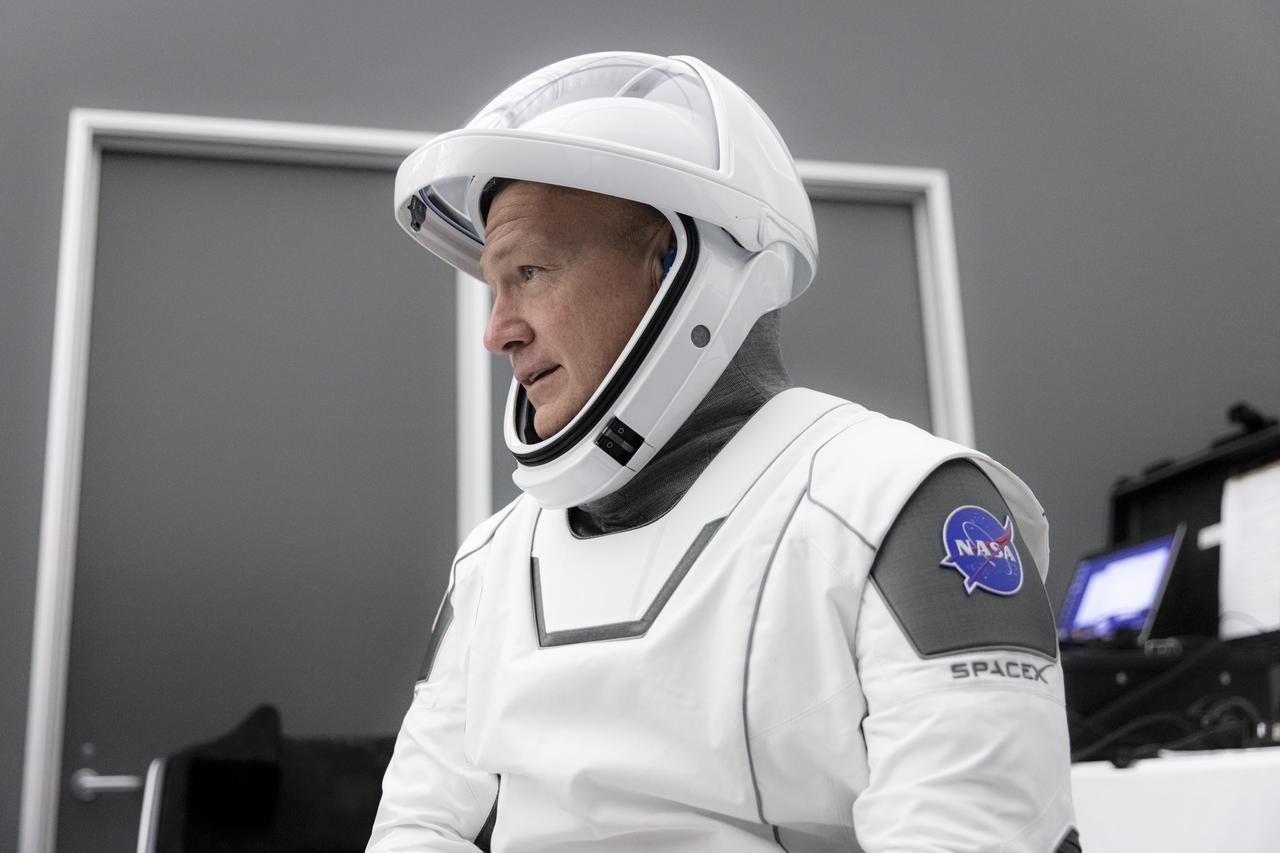
NASA and SpaceX held a joint training event for pre-launch operations, which provided an opportunity for the crew and ground operators to rehearse all of the activities, procedures, and communication the teams will exercise on launch day from crew suit-up in Kennedy Space Center’s Operations & Checkout (O&C) building in Florida through launch; this training event also included simulated emergency egress scenarios. NASA astronaut Doug Hurley is participating in a suit-up for launch, using the same Ground Support Equipment hardware, such as the seats and suit leak check boxes, that the crew will use for launch, with the SpaceX ground closeout team and suit engineers that will help the crew suit up and ingress the Dragon on launch day. Following crew suit-up, the crew ingressed the capsule simulator in Hawthorne, California, as they would on launch day, and the teams performed a simulated launch countdown and several emergency egress scenarios.

SpaceX’s Crew Dragon is at NASA’s Glenn Research Center, Plum Brook Station in Ohio, ready to undergo testing in the In-Space Propulsion Facility — the world’s only facility capable of testing full-scale upper-stage launch vehicles and rocket engines under simulated high-altitude conditions. The chamber will allow SpaceX and NASA to verify Crew Dragon’s ability to withstand the extreme temperatures and vacuum of space. This is the spacecraft that SpaceX will fly during its Demonstration Mission 1 flight test under NASA’s Commercial Crew Transportation Capability contract with the goal of returning human spaceflight launch capabilities to the U.S.
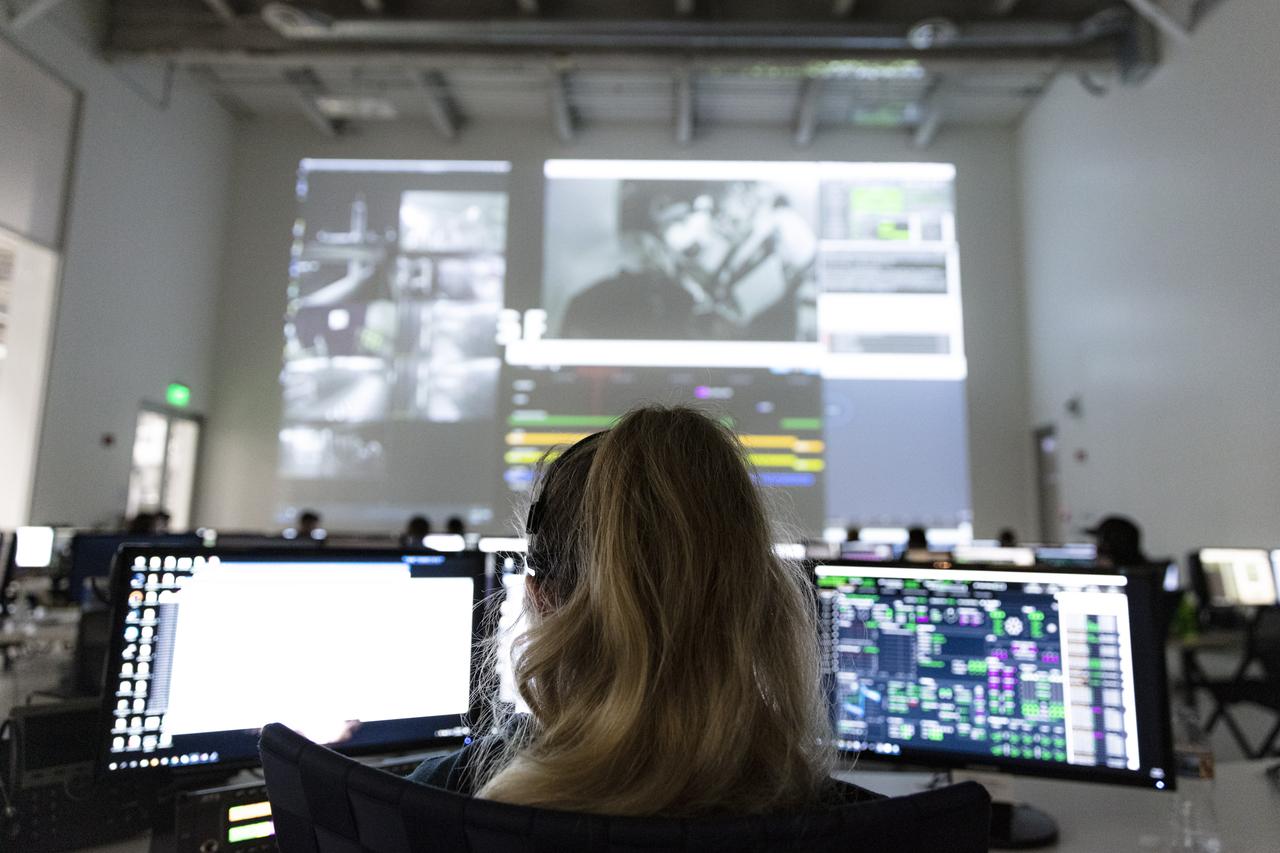
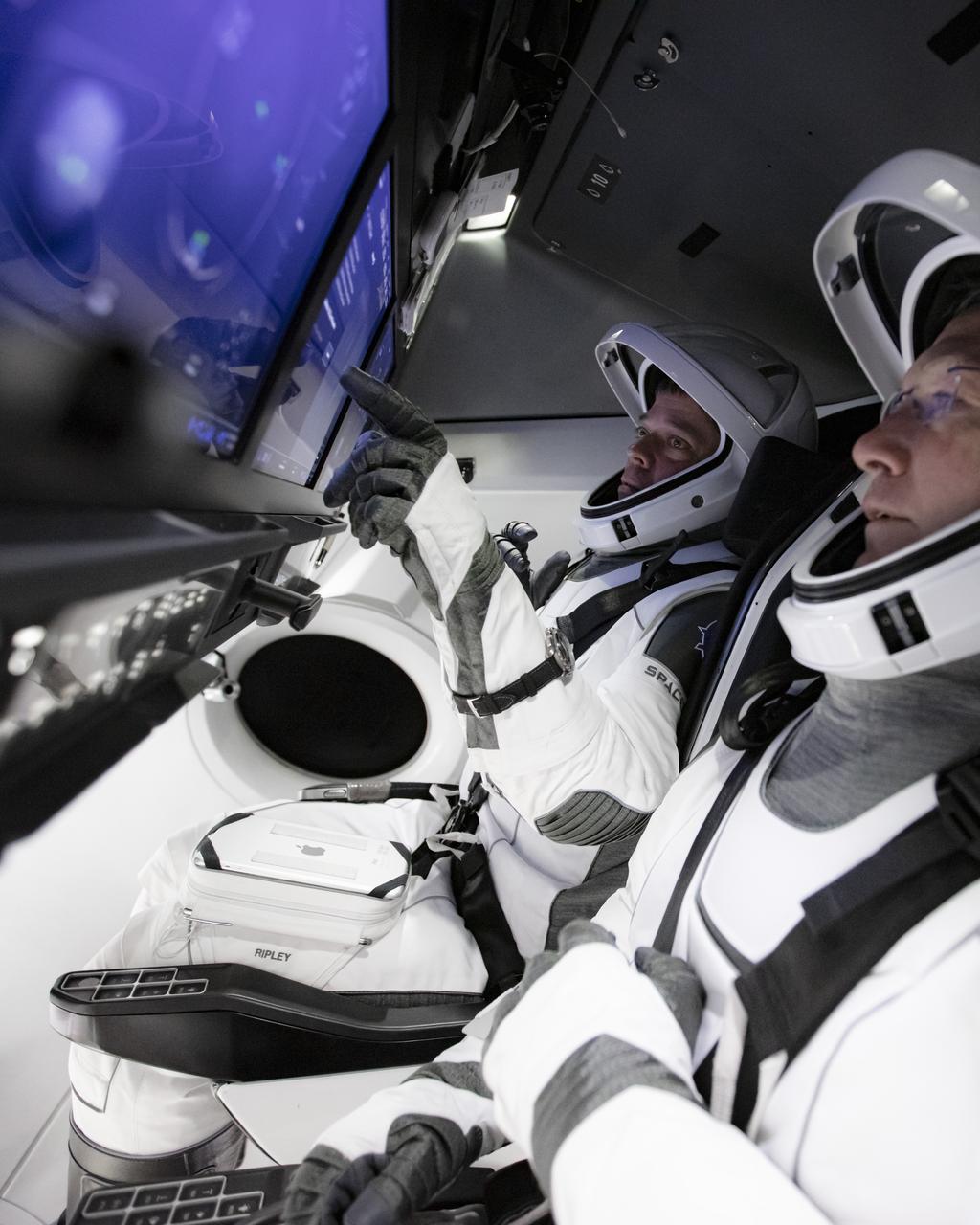
On Thursday, March 19 and Friday, March 20, SpaceX teams in Firing Room 4 at NASA's Kennedy Space Center in Florida and the company's Mission Control in Hawthorne, California, along with NASA flight controllers in Mission Control Houston, executed a full simulation of launch and docking of the Crew Dragon spacecraft, with NASA astronauts Bob Behnken and Doug Hurley participating in SpaceX's flight simulator.
On Thursday, March 19 and Friday, March 20, SpaceX teams in Firing Room 4 at NASA's Kennedy Space Center in Florida and the company's Mission Control in Hawthorne, California, along with NASA flight controllers in Mission Control Houston, executed a full simulation of launch and docking of the Crew Dragon spacecraft, with NASA astronauts Bob Behnken and Doug Hurley participating in SpaceX's flight simulator.
On Thursday, March 19 and Friday, March 20, SpaceX teams in Firing Room 4 at NASA's Kennedy Space Center in Florida and the company's Mission Control in Hawthorne, California, along with NASA flight controllers in Mission Control Houston, executed a full simulation of launch and docking of the Crew Dragon spacecraft, with NASA astronauts Bob Behnken and Doug Hurley participating in SpaceX's flight simulator.
On Thursday, March 19 and Friday, March 20, SpaceX teams in Firing Room 4 at NASA's Kennedy Space Center in Florida and the company's Mission Control in Hawthorne, California, along with NASA flight controllers in Mission Control Houston, executed a full simulation of launch and docking of the Crew Dragon spacecraft, with NASA astronauts Bob Behnken and Doug Hurley participating in SpaceX's flight simulator.
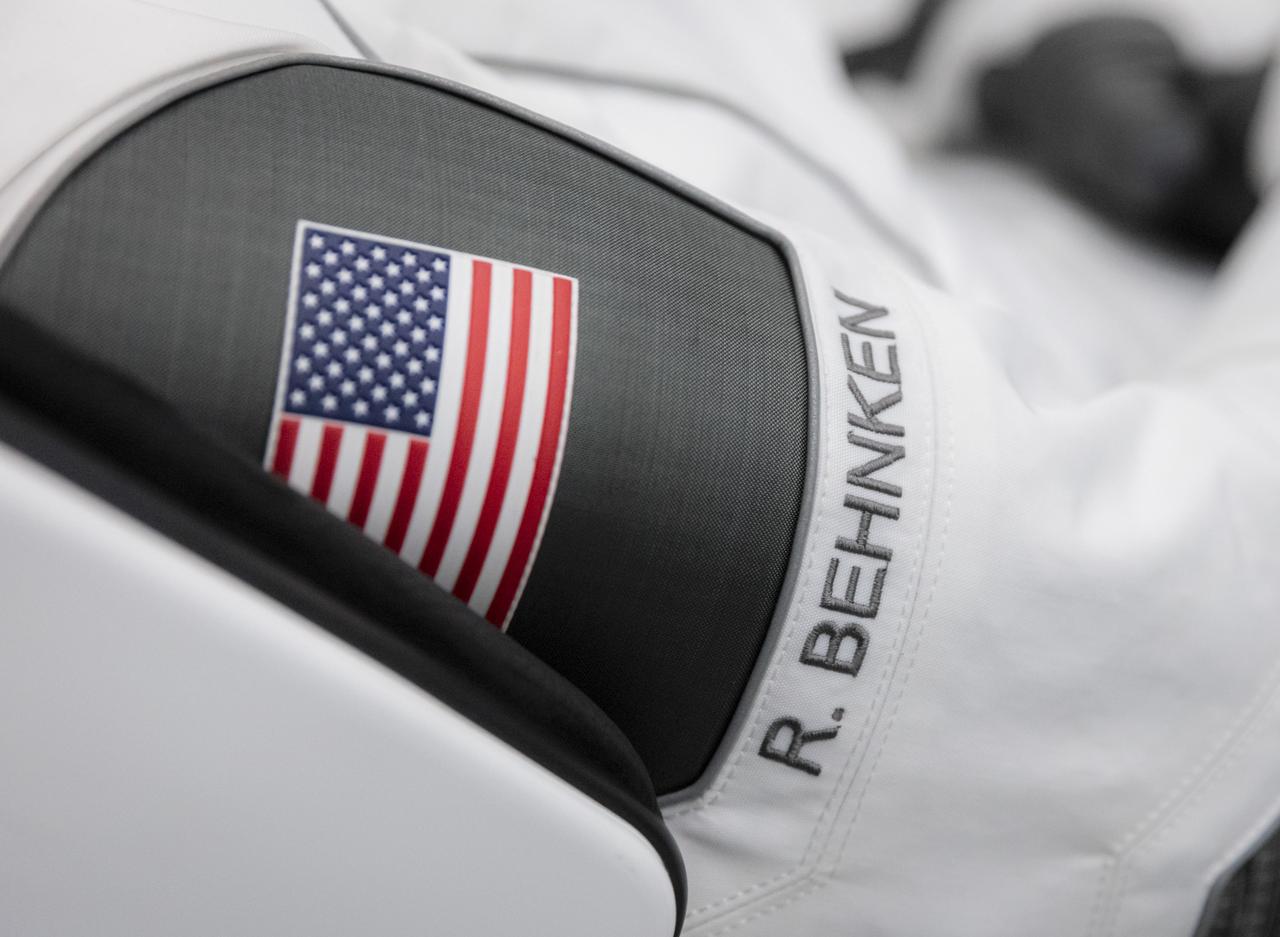
On Thursday, March 19 and Friday, March 20, SpaceX teams in Firing Room 4 at NASA's Kennedy Space Center in Florida and the company's Mission Control in Hawthorne, California, along with NASA flight controllers in Mission Control Houston, executed a full simulation of launch and docking of the Crew Dragon spacecraft, with NASA astronauts Bob Behnken and Doug Hurley participating in SpaceX's flight simulator.
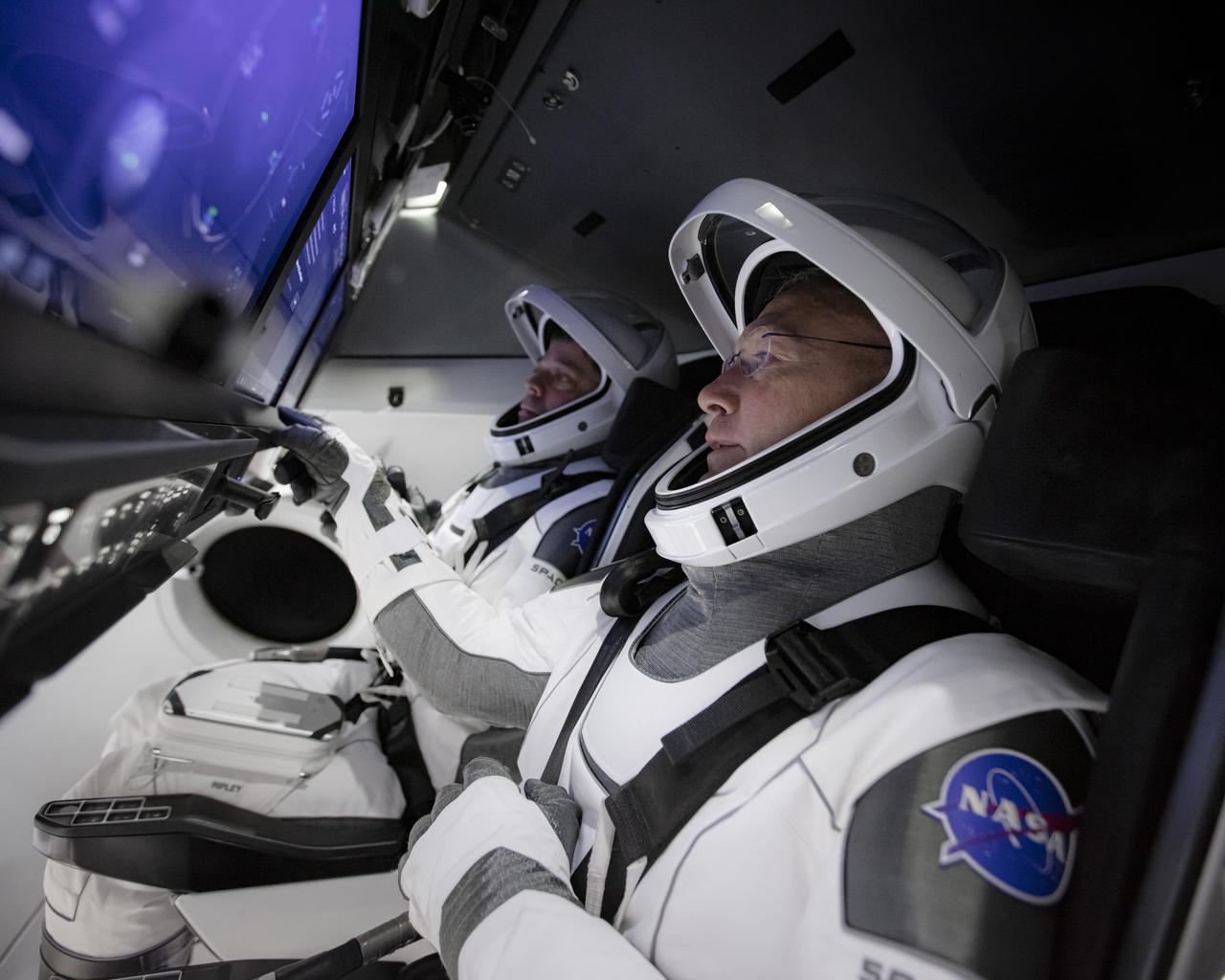
On Thursday, March 19 and Friday, March 20, SpaceX teams in Firing Room 4 at NASA's Kennedy Space Center in Florida and the company's Mission Control in Hawthorne, California, along with NASA flight controllers in Mission Control Houston, executed a full simulation of launch and docking of the Crew Dragon spacecraft, with NASA astronauts Bob Behnken and Doug Hurley participating in SpaceX's flight simulator.
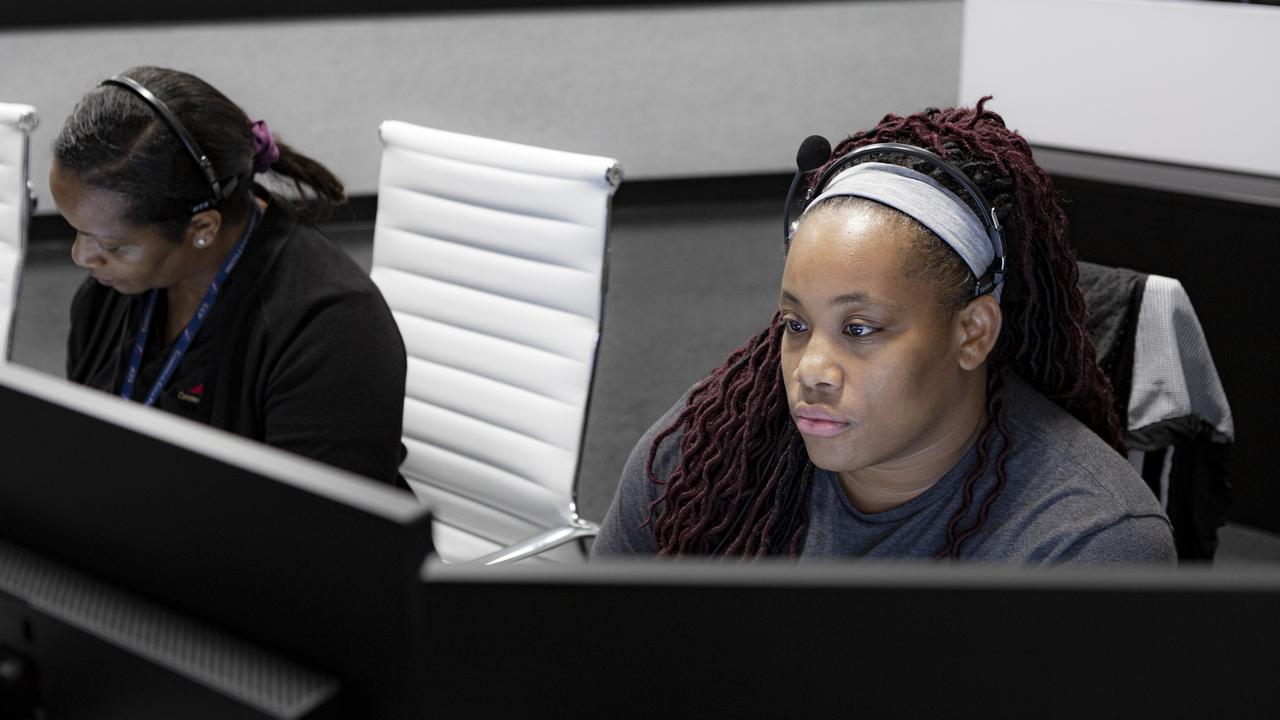
On Thursday, March 19 and Friday, March 20, SpaceX teams in Firing Room 4 at NASA's Kennedy Space Center in Florida and the company's Mission Control in Hawthorne, California, along with NASA flight controllers in Mission Control Houston, executed a full simulation of launch and docking of the Crew Dragon spacecraft, with NASA astronauts Bob Behnken and Doug Hurley participating in SpaceX's flight simulator.
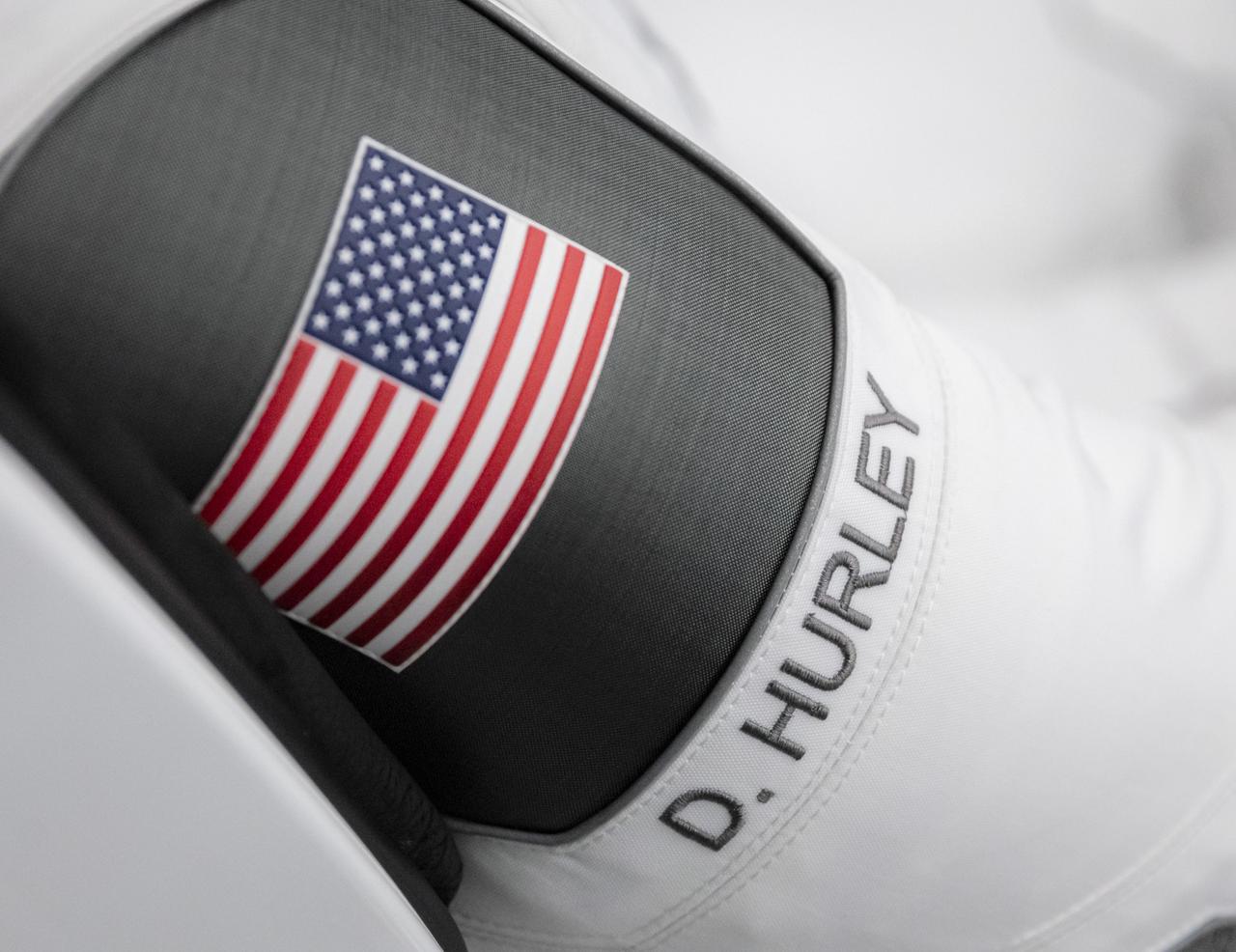
On Thursday, March 19 and Friday, March 20, SpaceX teams in Firing Room 4 at NASA's Kennedy Space Center in Florida and the company's Mission Control in Hawthorne, California, along with NASA flight controllers in Mission Control Houston, executed a full simulation of launch and docking of the Crew Dragon spacecraft, with NASA astronauts Bob Behnken and Doug Hurley participating in SpaceX's flight simulator.
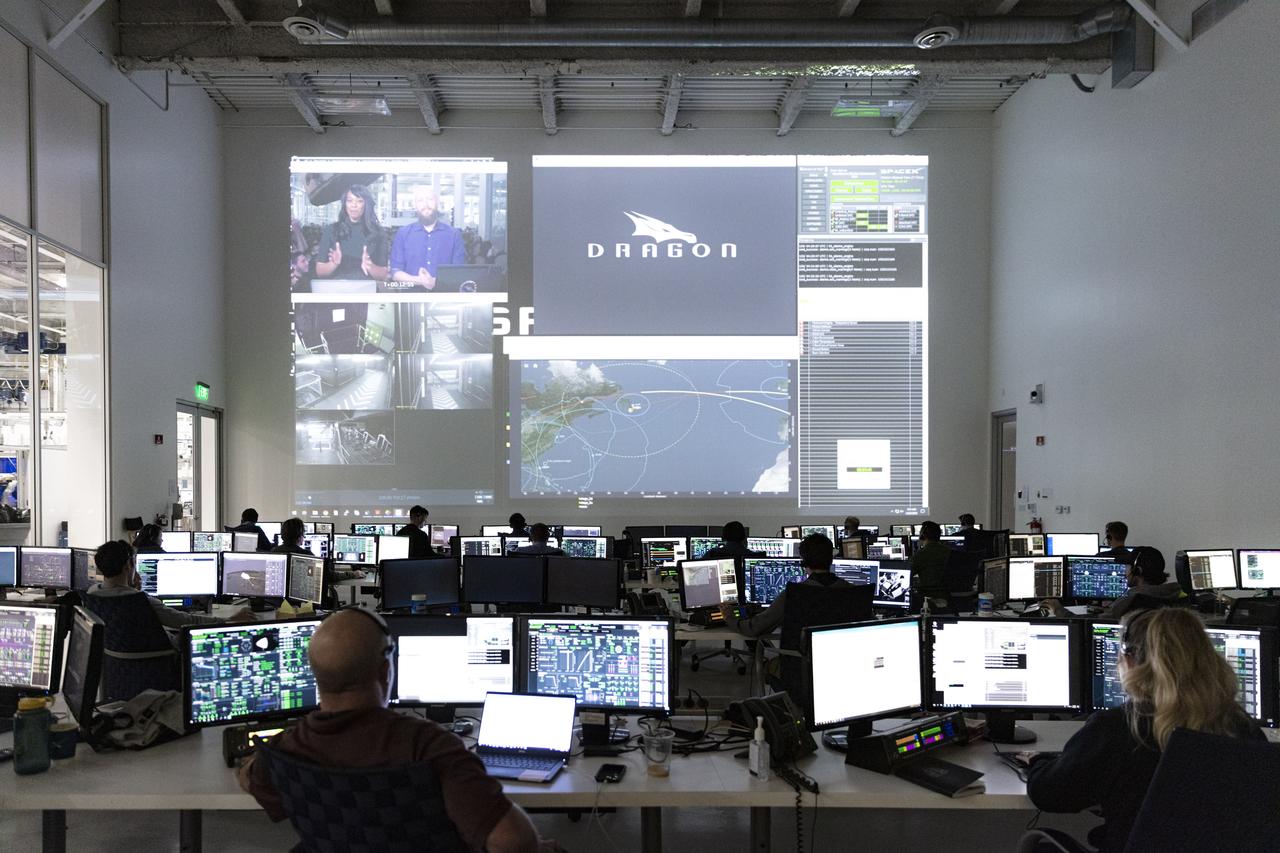
On Thursday, March 19 and Friday, March 20, SpaceX teams in Firing Room 4 at NASA's Kennedy Space Center in Florida and the company's Mission Control in Hawthorne, California, along with NASA flight controllers in Mission Control Houston, executed a full simulation of launch and docking of the Crew Dragon spacecraft, with NASA astronauts Bob Behnken and Doug Hurley participating in SpaceX's flight simulator.
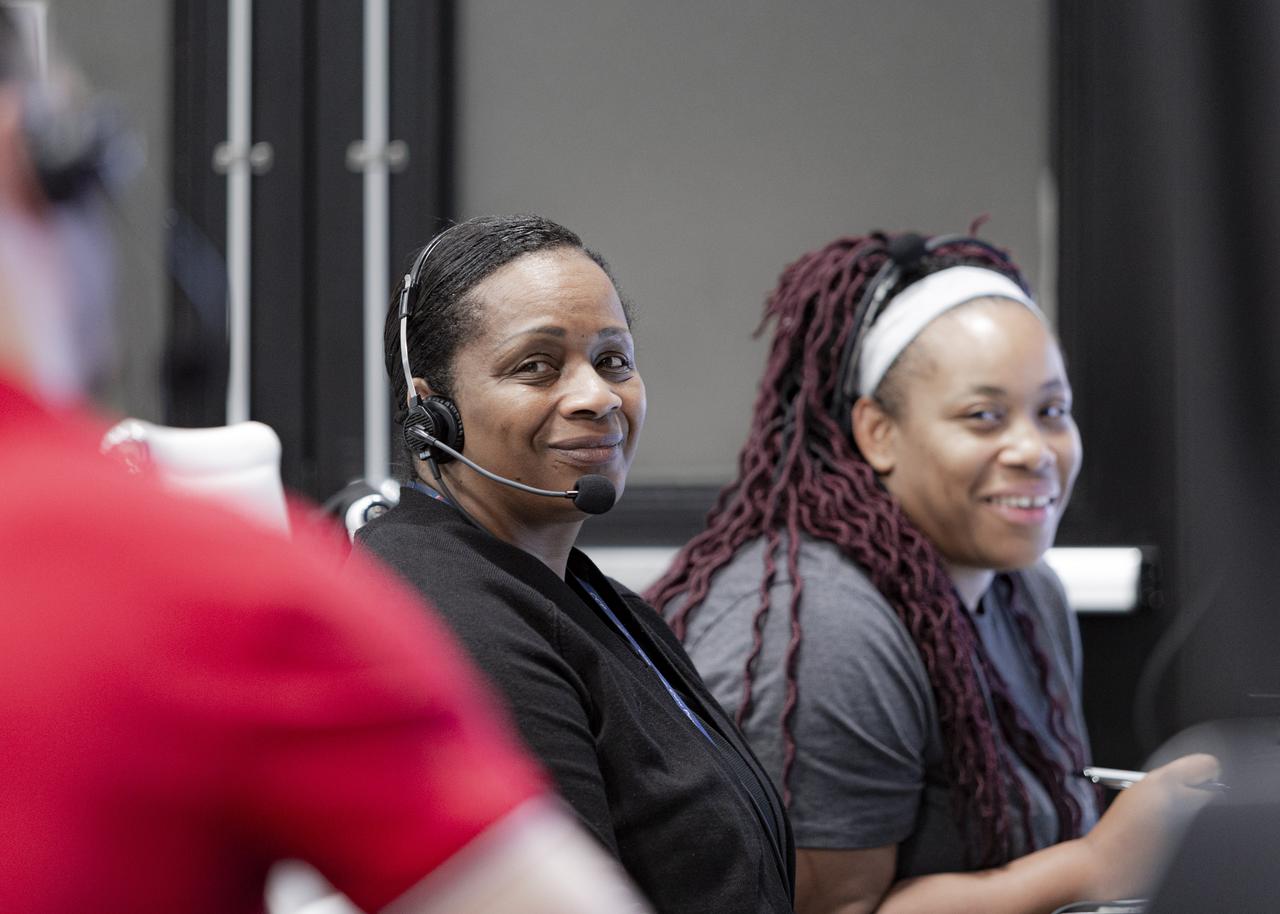
On Thursday, March 19 and Friday, March 20, SpaceX teams in Firing Room 4 at NASA's Kennedy Space Center in Florida and the company's Mission Control in Hawthorne, California, along with NASA flight controllers in Mission Control Houston, executed a full simulation of launch and docking of the Crew Dragon spacecraft, with NASA astronauts Bob Behnken and Doug Hurley participating in SpaceX's flight simulator.
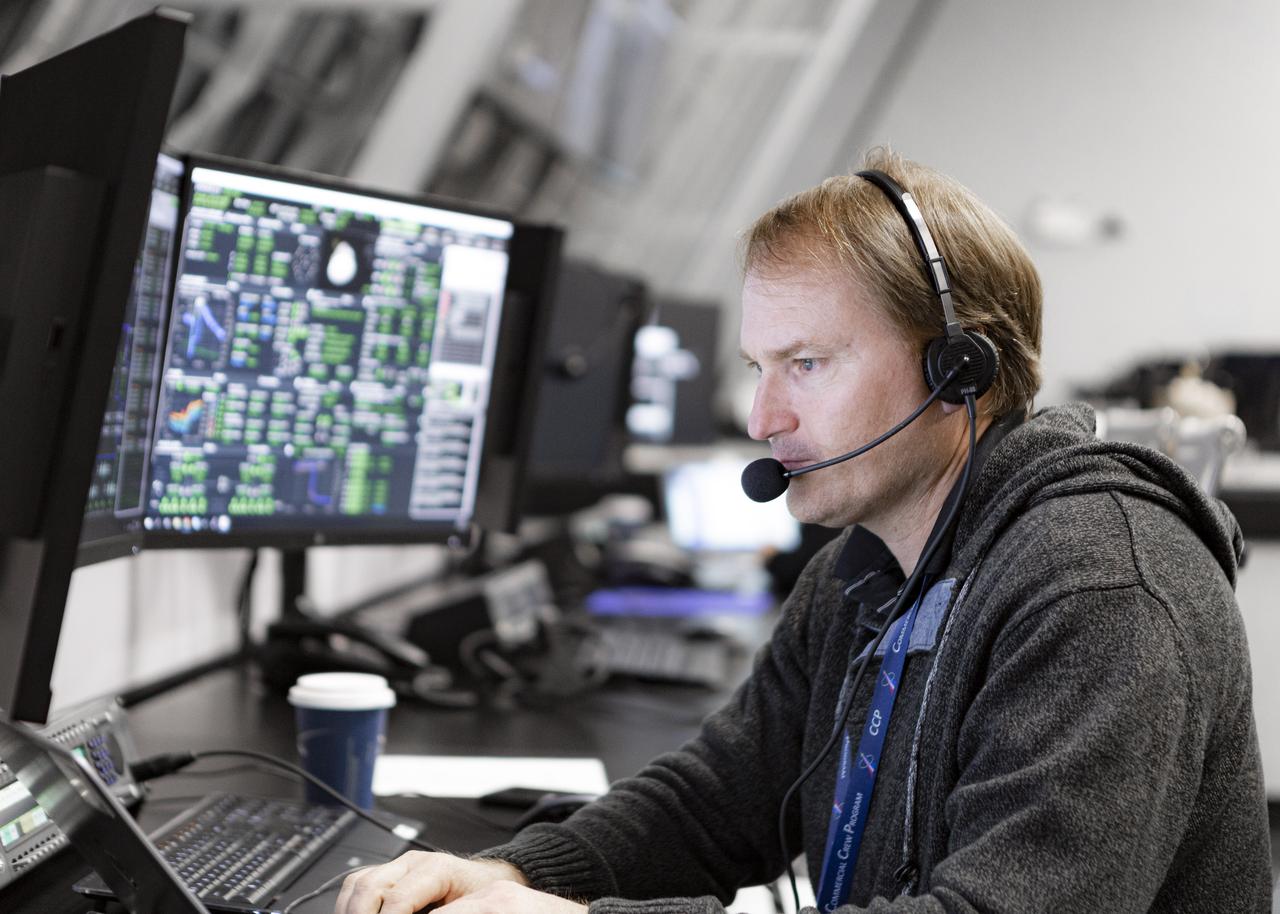
On Thursday, March 19 and Friday, March 20, SpaceX teams in Firing Room 4 at NASA's Kennedy Space Center in Florida and the company's Mission Control in Hawthorne, California, along with NASA flight controllers in Mission Control Houston, executed a full simulation of launch and docking of the Crew Dragon spacecraft, with NASA astronauts Bob Behnken and Doug Hurley participating in SpaceX's flight simulator.
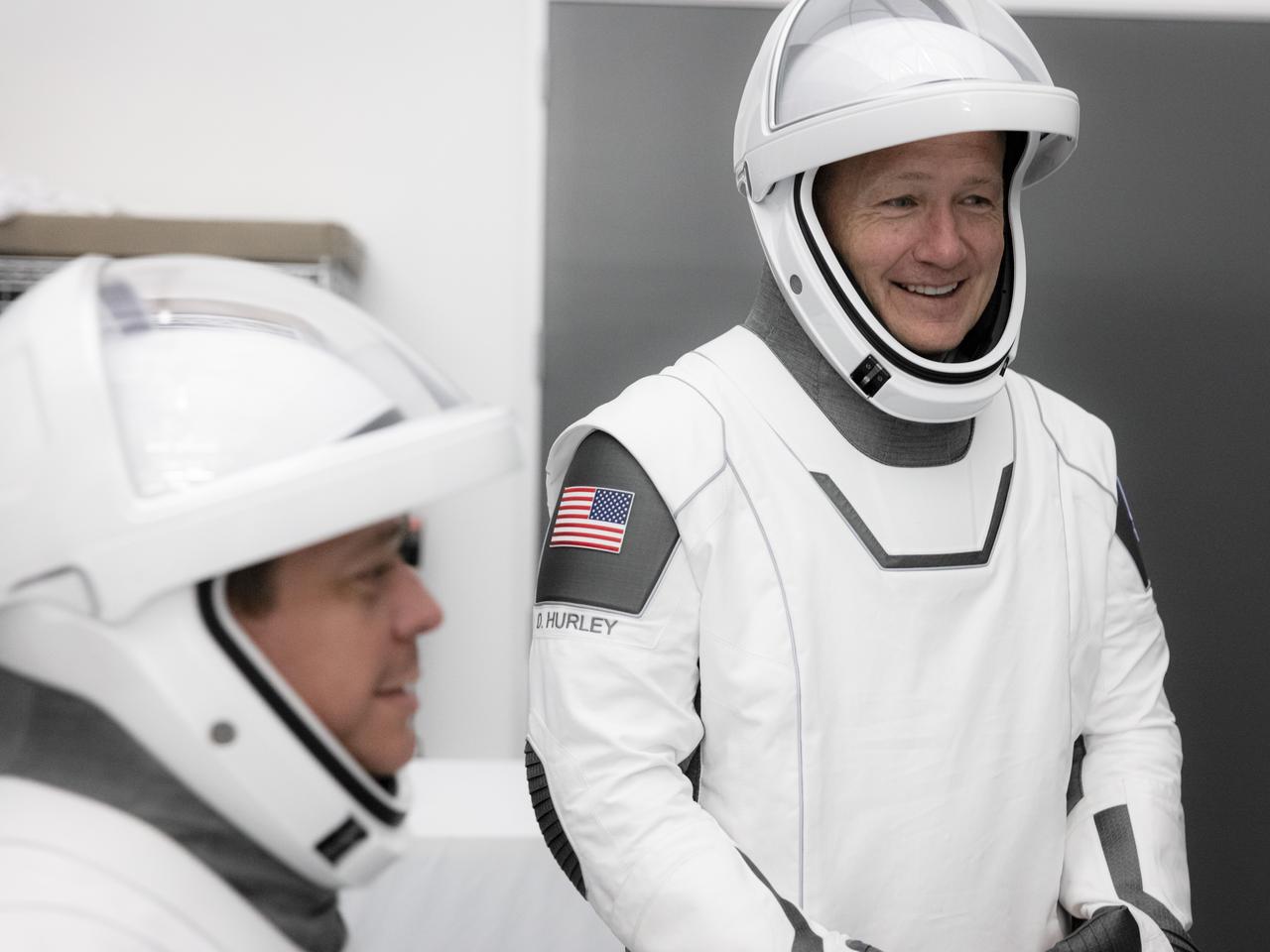
On Thursday, March 19 and Friday, March 20, SpaceX teams in Firing Room 4 at NASA's Kennedy Space Center in Florida and the company's Mission Control in Hawthorne, California, along with NASA flight controllers in Mission Control Houston, executed a full simulation of launch and docking of the Crew Dragon spacecraft, with NASA astronauts Bob Behnken and Doug Hurley participating in SpaceX's flight simulator.
On Thursday, March 19 and Friday, March 20, SpaceX teams in Firing Room 4 at NASA's Kennedy Space Center in Florida and the company's Mission Control in Hawthorne, California, along with NASA flight controllers in Mission Control Houston, executed a full simulation of launch and docking of the Crew Dragon spacecraft, with NASA astronauts Bob Behnken and Doug Hurley participating in SpaceX's flight simulator.
On Thursday, March 19 and Friday, March 20, SpaceX teams in Firing Room 4 at NASA's Kennedy Space Center in Florida and the company's Mission Control in Hawthorne, California, along with NASA flight controllers in Mission Control Houston, executed a full simulation of launch and docking of the Crew Dragon spacecraft, with NASA astronauts Bob Behnken and Doug Hurley participating in SpaceX's flight simulator.
On Thursday, March 19 and Friday, March 20, SpaceX teams in Firing Room 4 at NASA's Kennedy Space Center in Florida and the company's Mission Control in Hawthorne, California, along with NASA flight controllers in Mission Control Houston, executed a full simulation of launch and docking of the Crew Dragon spacecraft, with NASA astronauts Bob Behnken and Doug Hurley participating in SpaceX's flight simulator.
On Thursday, March 19 and Friday, March 20, SpaceX teams in Firing Room 4 at NASA's Kennedy Space Center in Florida and the company's Mission Control in Hawthorne, California, along with NASA flight controllers in Mission Control Houston, executed a full simulation of launch and docking of the Crew Dragon spacecraft, with NASA astronauts Bob Behnken and Doug Hurley participating in SpaceX's flight simulator.
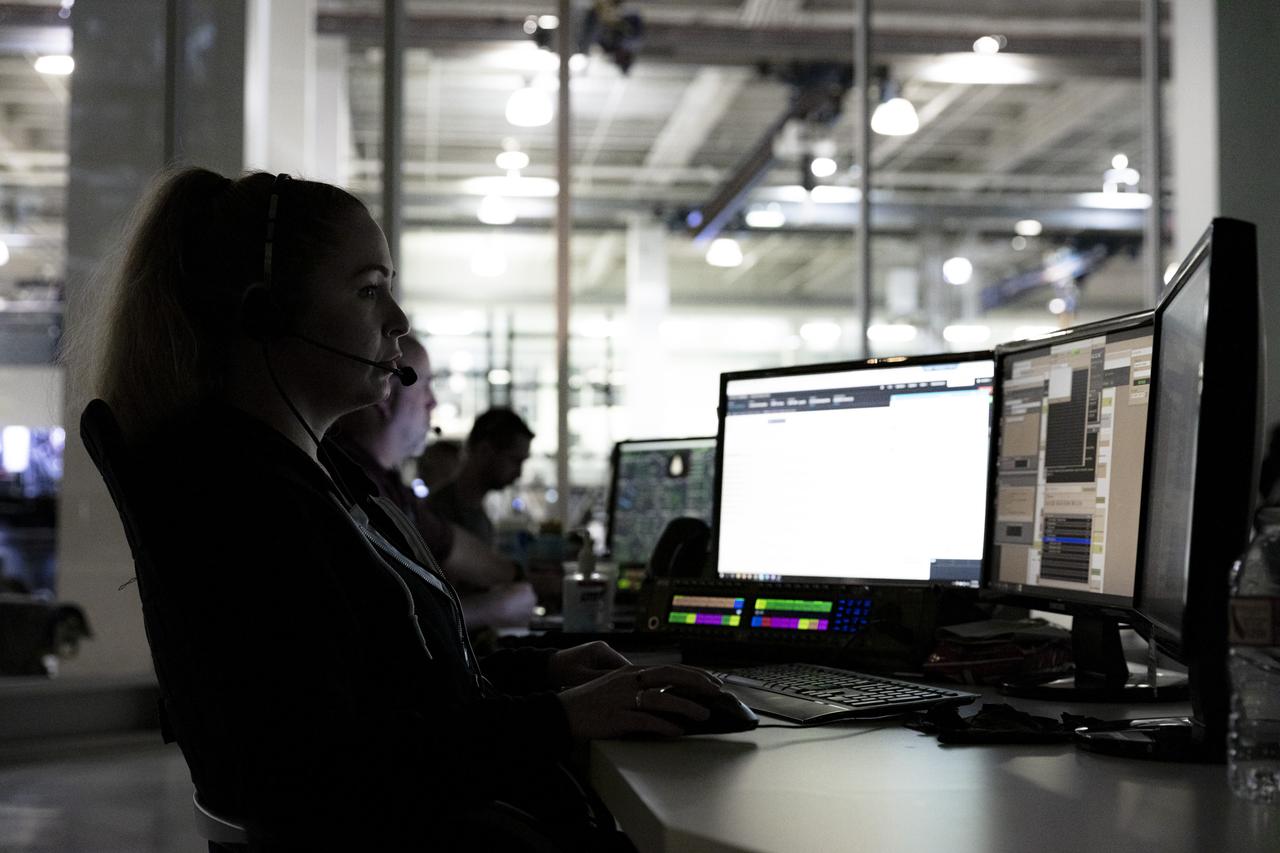
On Thursday, March 19 and Friday, March 20, SpaceX teams in Firing Room 4 at NASA's Kennedy Space Center in Florida and the company's Mission Control in Hawthorne, California, along with NASA flight controllers in Mission Control Houston, executed a full simulation of launch and docking of the Crew Dragon spacecraft, with NASA astronauts Bob Behnken and Doug Hurley participating in SpaceX's flight simulator.
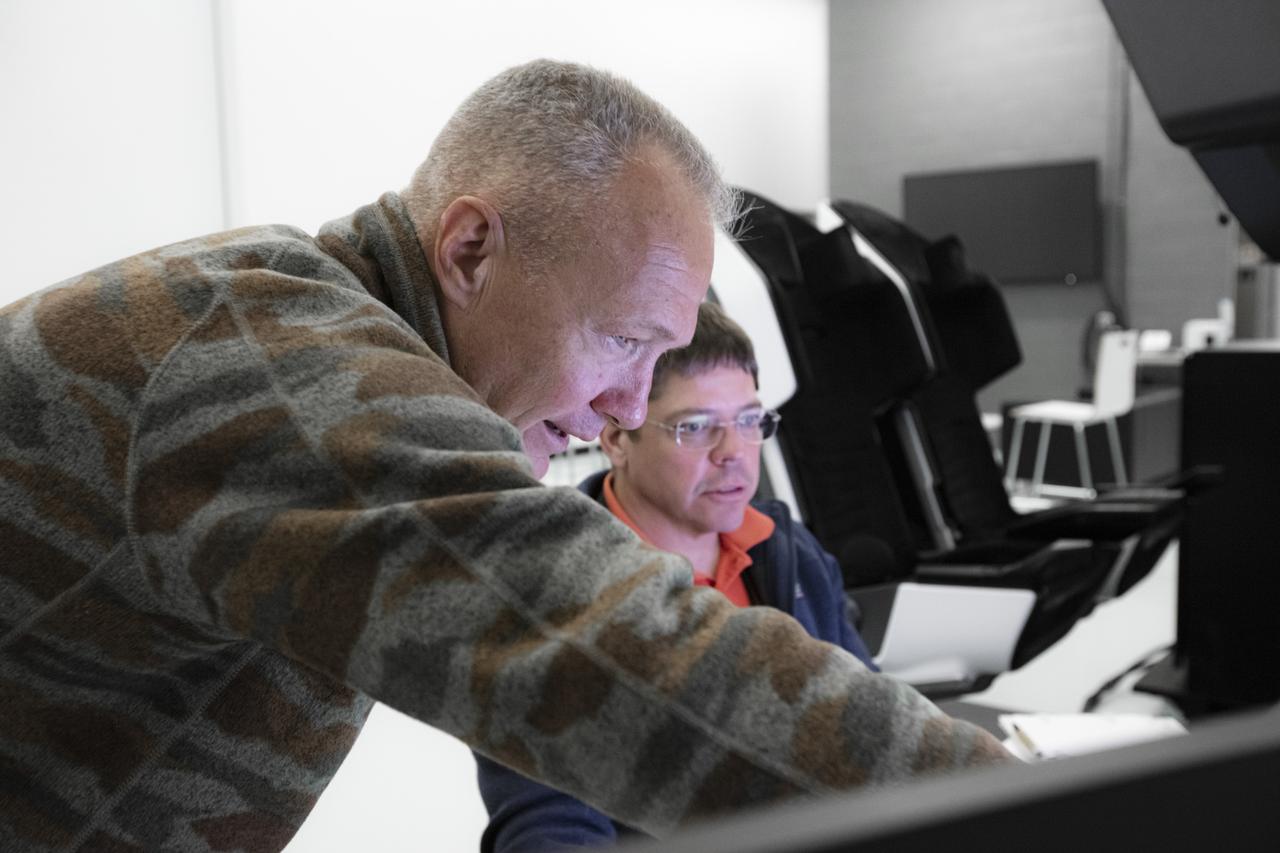
On Thursday, March 19 and Friday, March 20, SpaceX teams in Firing Room 4 at NASA's Kennedy Space Center in Florida and the company's Mission Control in Hawthorne, California, along with NASA flight controllers in Mission Control Houston, executed a full simulation of launch and docking of the Crew Dragon spacecraft, with NASA astronauts Bob Behnken and Doug Hurley participating in SpaceX's flight simulator.
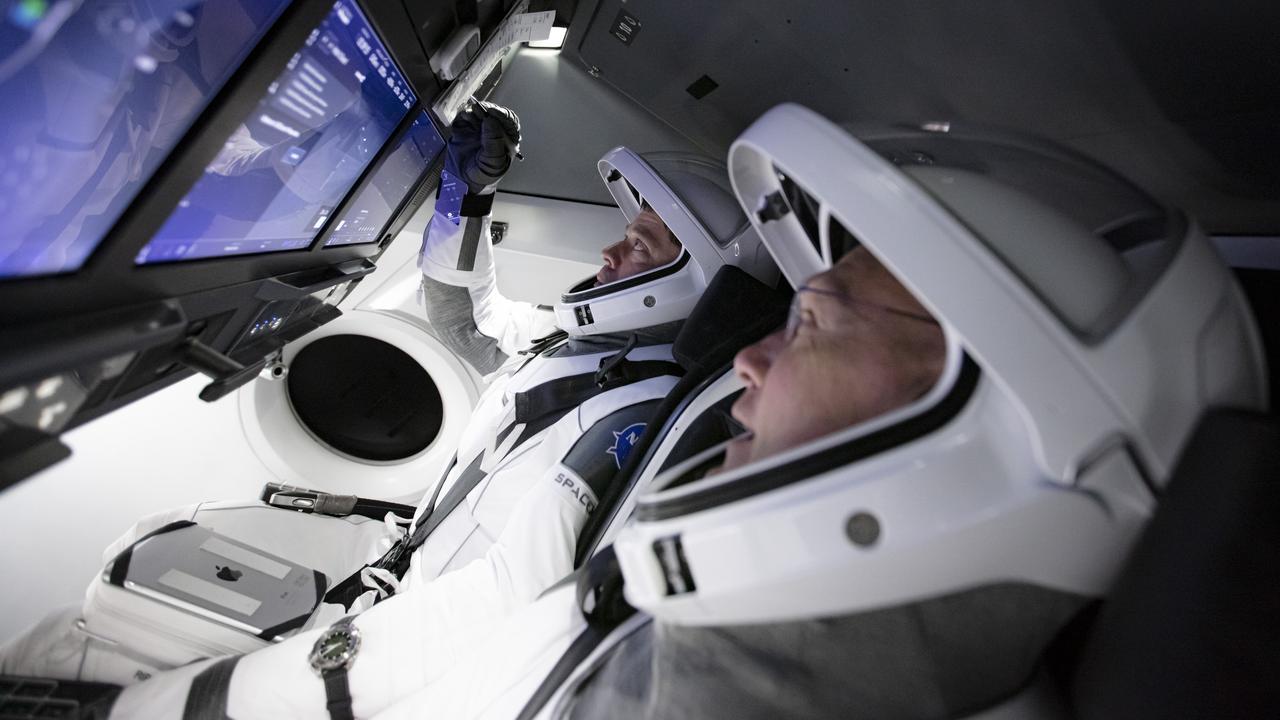
On Thursday, March 19 and Friday, March 20, SpaceX teams in Firing Room 4 at NASA's Kennedy Space Center in Florida and the company's Mission Control in Hawthorne, California, along with NASA flight controllers in Mission Control Houston, executed a full simulation of launch and docking of the Crew Dragon spacecraft, with NASA astronauts Bob Behnken and Doug Hurley participating in SpaceX's flight simulator.
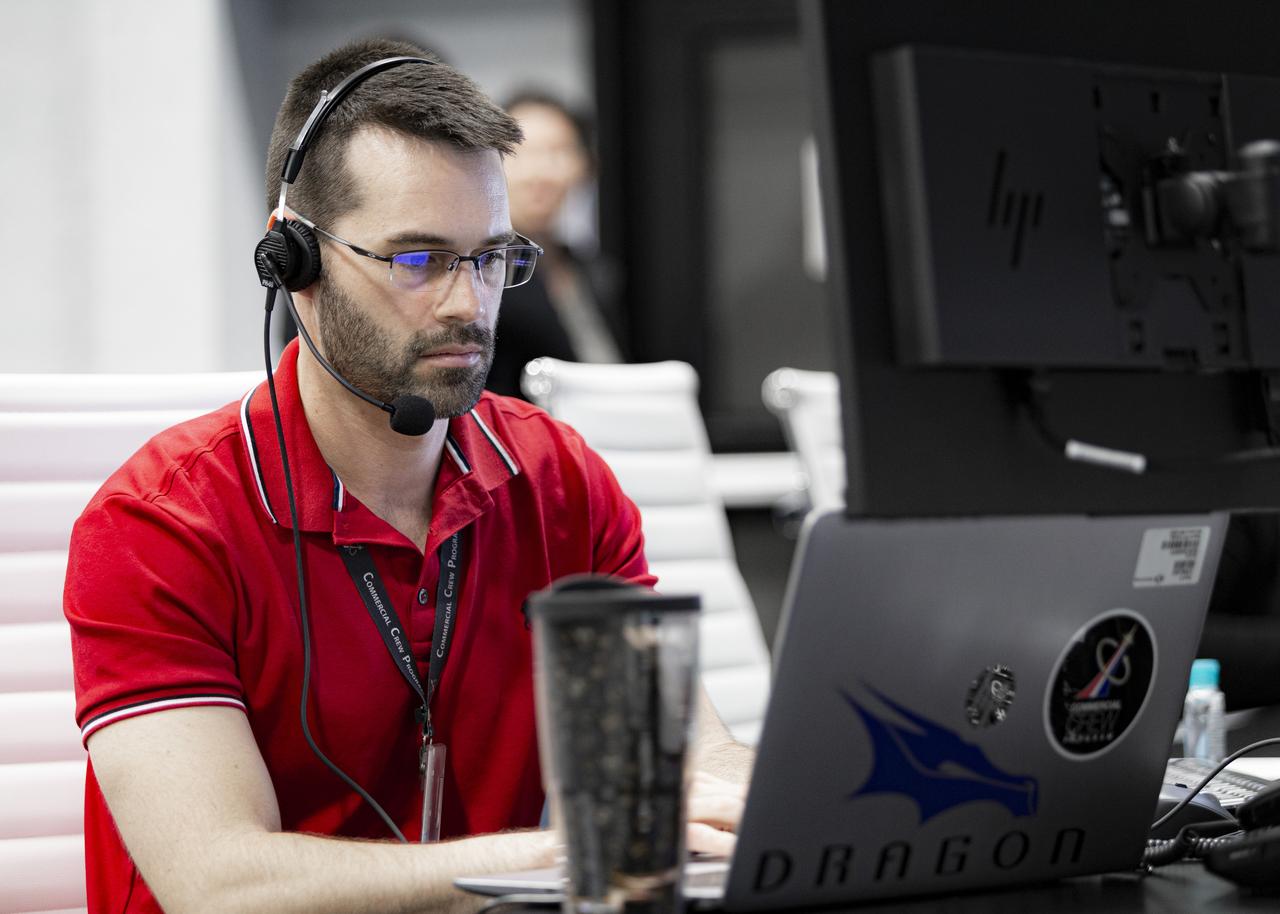
On Thursday, March 19 and Friday, March 20, SpaceX teams in Firing Room 4 at NASA's Kennedy Space Center in Florida and the company's Mission Control in Hawthorne, California, along with NASA flight controllers in Mission Control Houston, executed a full simulation of launch and docking of the Crew Dragon spacecraft, with NASA astronauts Bob Behnken and Doug Hurley participating in SpaceX's flight simulator.
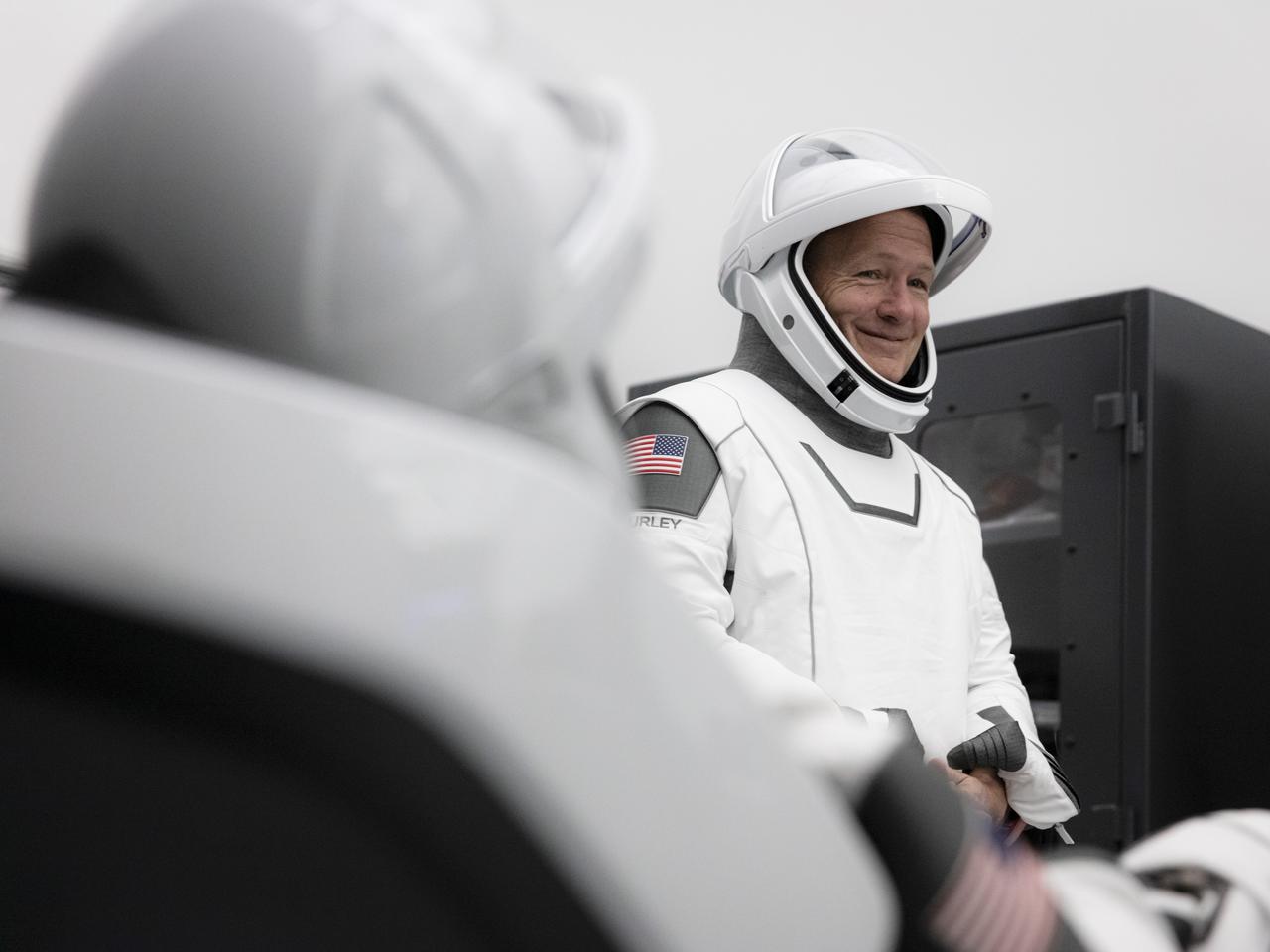
On Thursday, March 19 and Friday, March 20, SpaceX teams in Firing Room 4 at NASA's Kennedy Space Center in Florida and the company's Mission Control in Hawthorne, California, along with NASA flight controllers in Mission Control Houston, executed a full simulation of launch and docking of the Crew Dragon spacecraft, with NASA astronauts Bob Behnken and Doug Hurley participating in SpaceX's flight simulator.
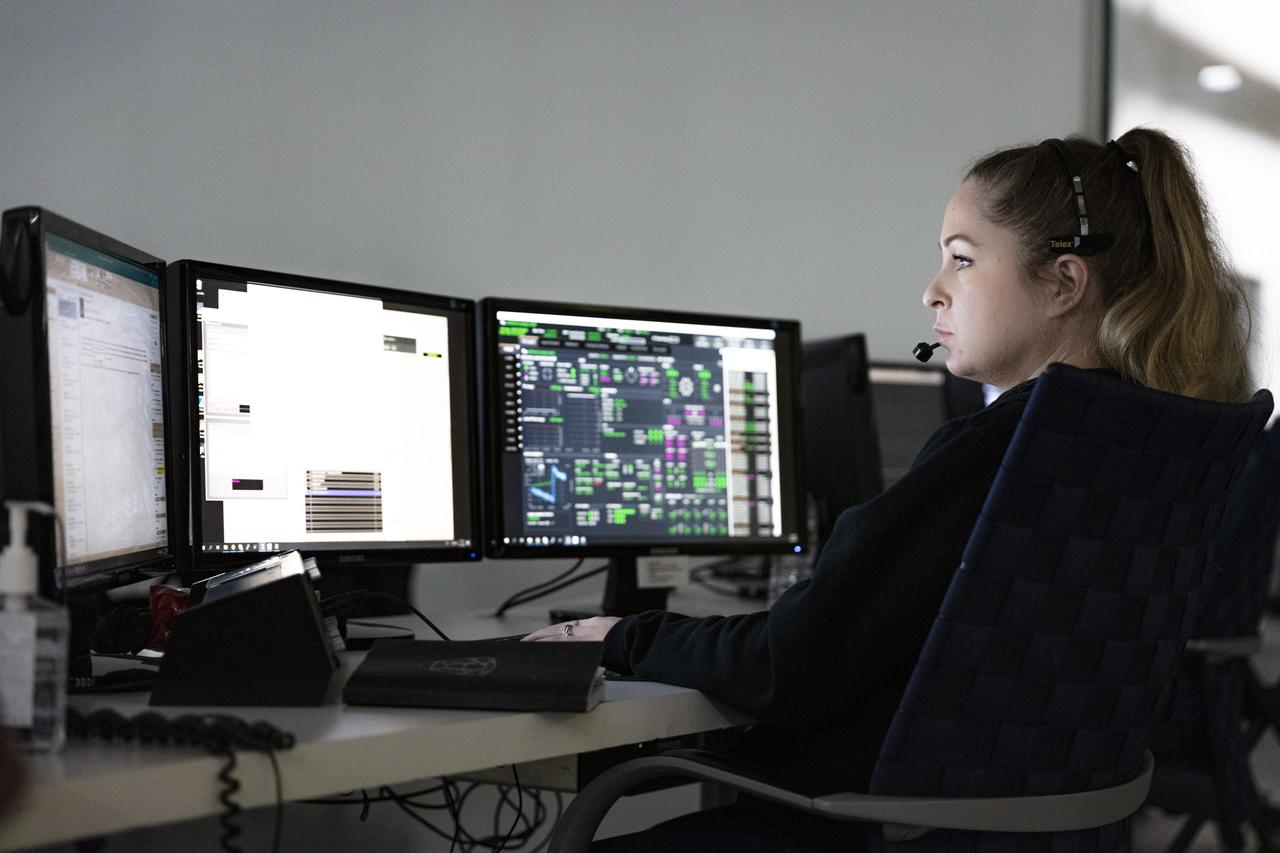
On Thursday, March 19 and Friday, March 20, SpaceX teams in Firing Room 4 at NASA's Kennedy Space Center in Florida and the company's Mission Control in Hawthorne, California, along with NASA flight controllers in Mission Control Houston, executed a full simulation of launch and docking of the Crew Dragon spacecraft, with NASA astronauts Bob Behnken and Doug Hurley participating in SpaceX's flight simulator.
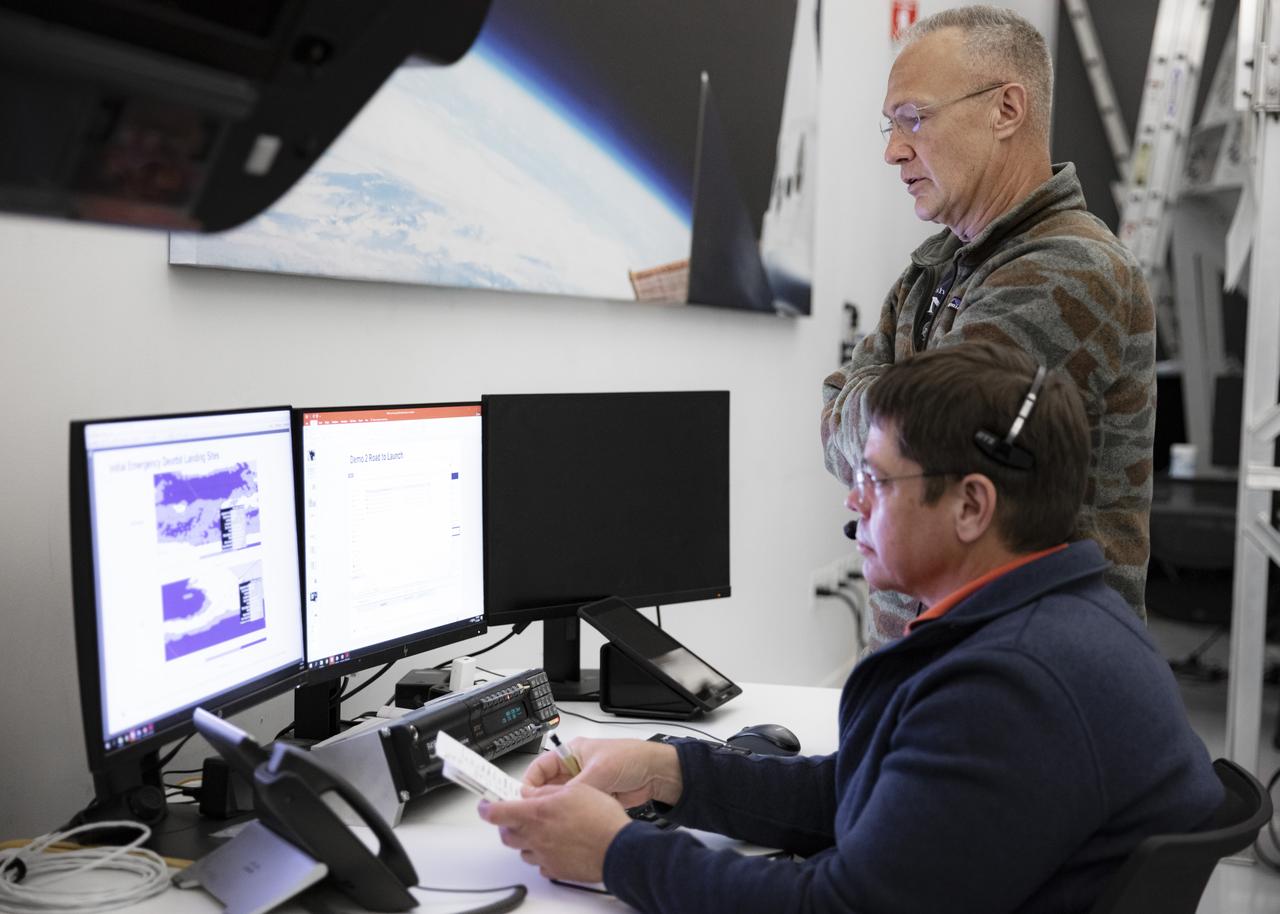
On Thursday, March 19 and Friday, March 20, SpaceX teams in Firing Room 4 at NASA's Kennedy Space Center in Florida and the company's Mission Control in Hawthorne, California, along with NASA flight controllers in Mission Control Houston, executed a full simulation of launch and docking of the Crew Dragon spacecraft, with NASA astronauts Bob Behnken and Doug Hurley participating in SpaceX's flight simulator.
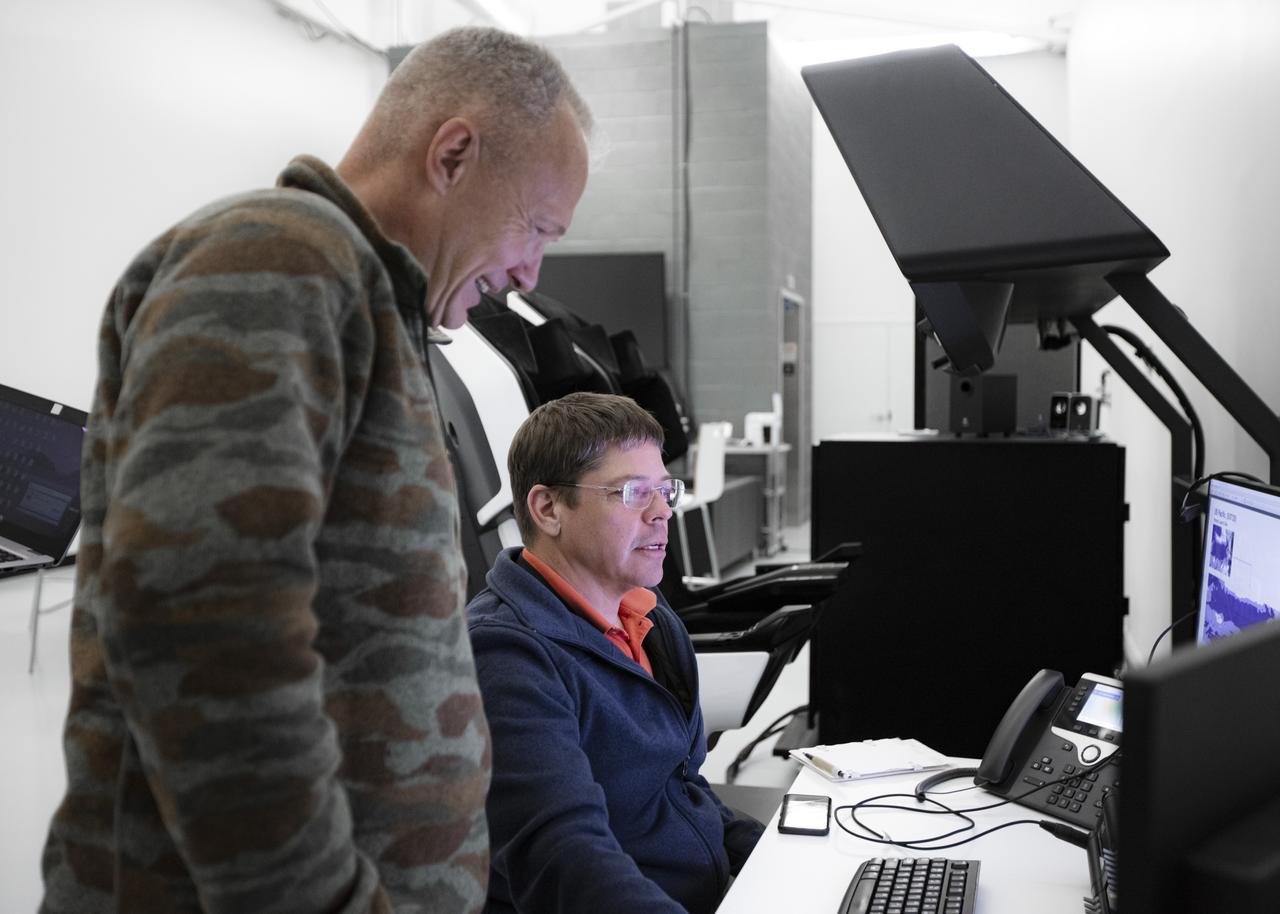
On Thursday, March 19 and Friday, March 20, SpaceX teams in Firing Room 4 at NASA's Kennedy Space Center in Florida and the company's Mission Control in Hawthorne, California, along with NASA flight controllers in Mission Control Houston, executed a full simulation of launch and docking of the Crew Dragon spacecraft, with NASA astronauts Bob Behnken and Doug Hurley participating in SpaceX's flight simulator.
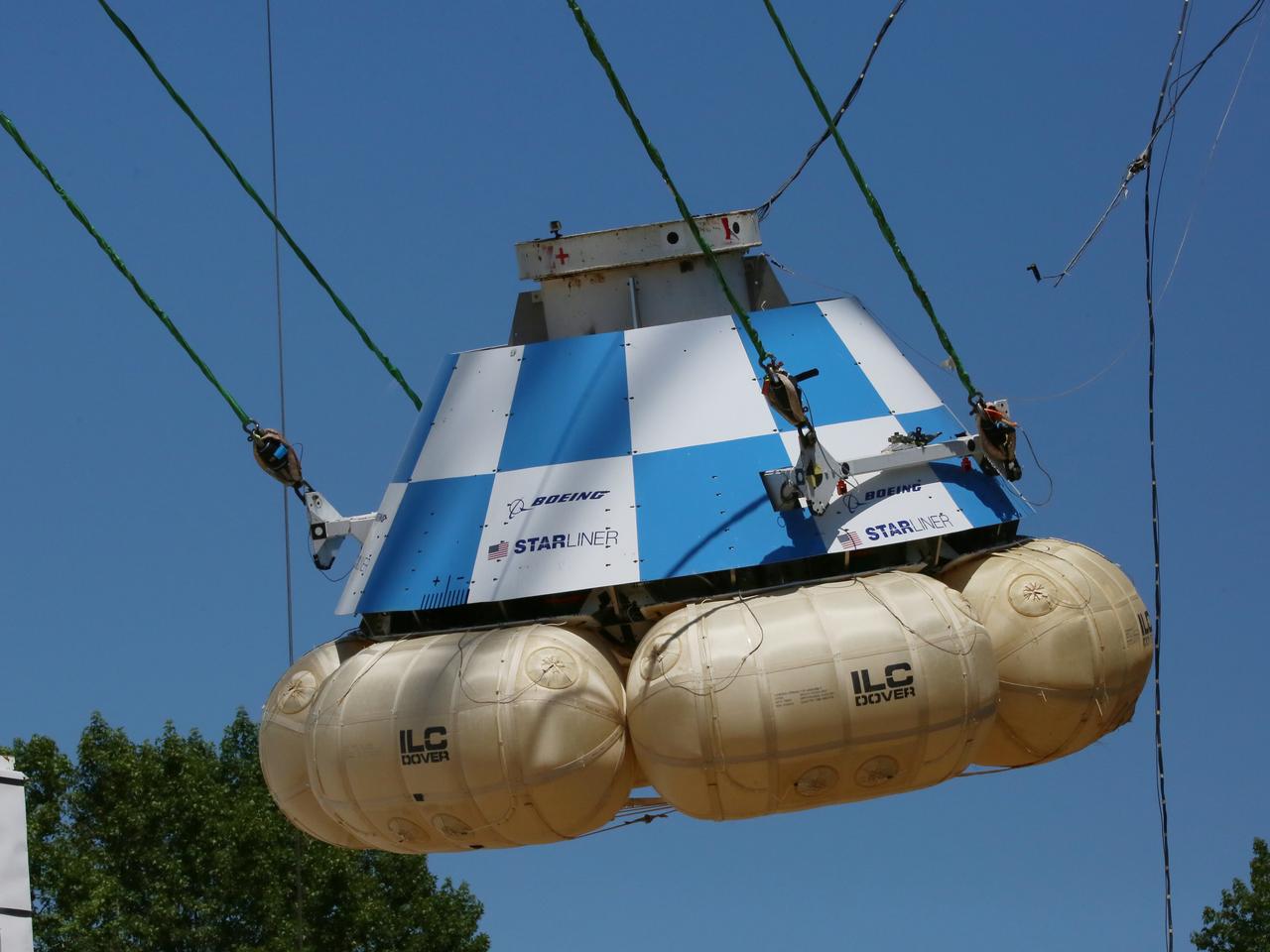
At NASA’s Langley Research Center in Hampton, Virginia, a mock-up of the Boeing CST-100 Starliner spacecraft goes through a series of land landing qualification tests to simulate what the actual spacecraft and crew members may experience while returning to Earth from space. The Starliner is being developed in collaboration with NASA’s Commercial Crew Program. Along with SpaceX’s Crew Dragon, the spacecraft is part of the agency’s effort to return America’s capability to launch astronauts from the agency's Kennedy Space Center in Florida to the International Space Station.
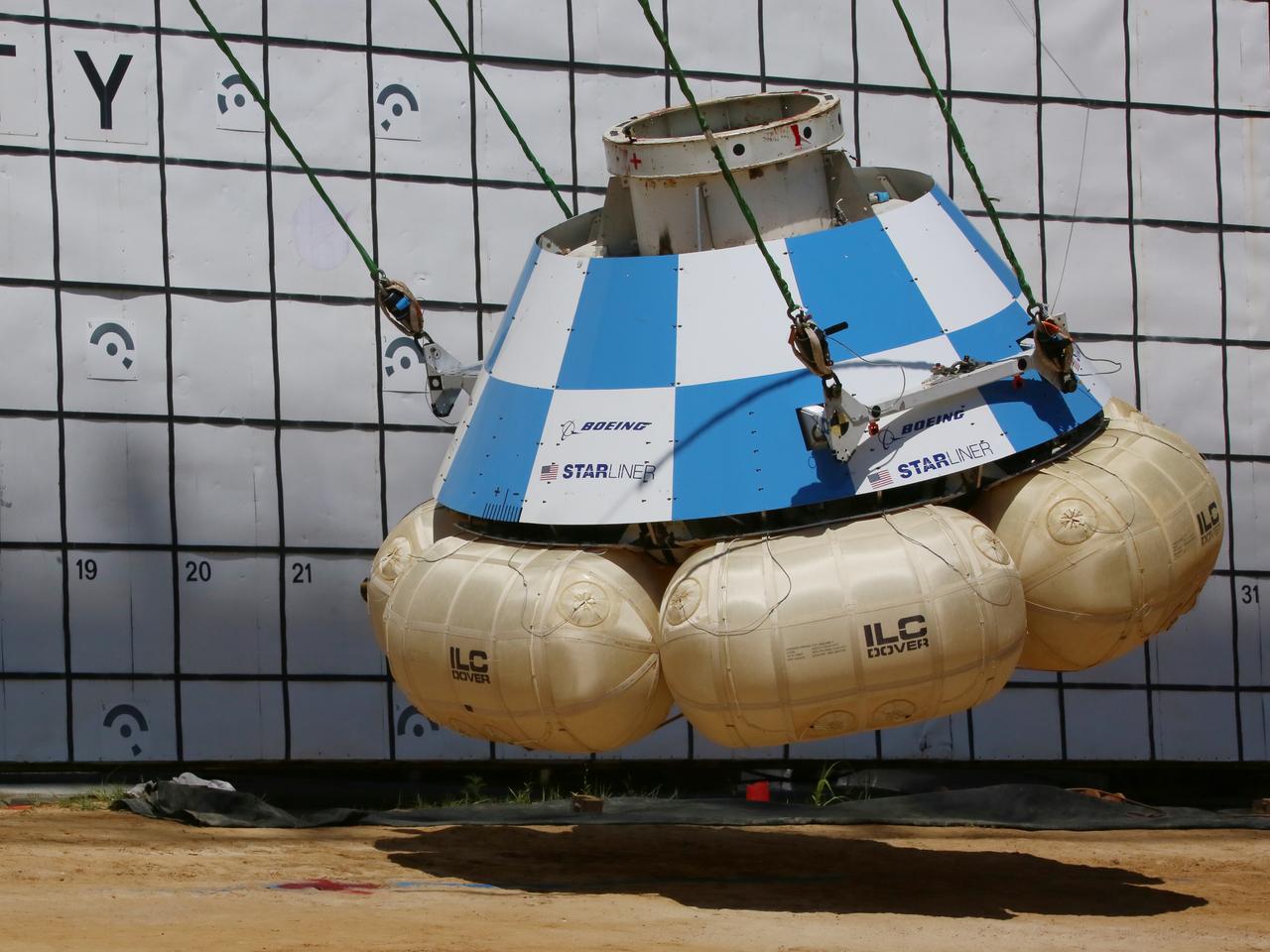
At NASA’s Langley Research Center in Hampton, Virginia, a mock-up of the Boeing CST-100 Starliner spacecraft goes through a series of land landing qualification tests to simulate what the actual spacecraft and crew members may experience while returning to Earth from space. The Starliner is being developed in collaboration with NASA’s Commercial Crew Program. Along with SpaceX’s Crew Dragon, the spacecraft is part of the agency’s effort to return America’s capability to launch astronauts from the agency's Kennedy Space Center in Florida to the International Space Station.
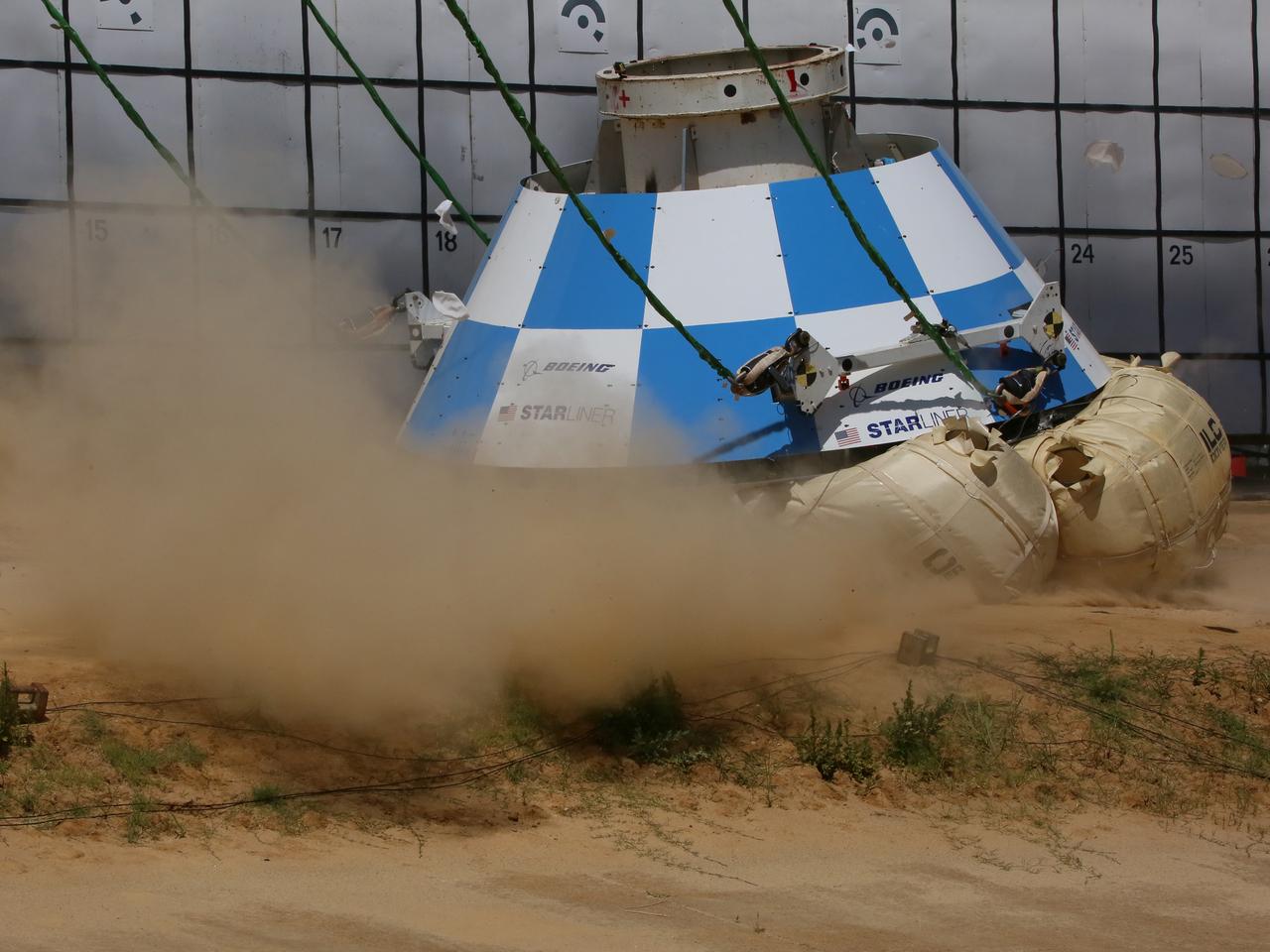
At NASA’s Langley Research Center in Hampton, Virginia, a mock-up of the Boeing CST-100 Starliner spacecraft goes through a series of land landing qualification tests to simulate what the actual spacecraft and crew members may experience while returning to Earth from space. The Starliner is being developed in collaboration with NASA’s Commercial Crew Program. Along with SpaceX’s Crew Dragon, the spacecraft is part of the agency’s effort to return America’s capability to launch astronauts from the agency's Kennedy Space Center in Florida to the International Space Station.
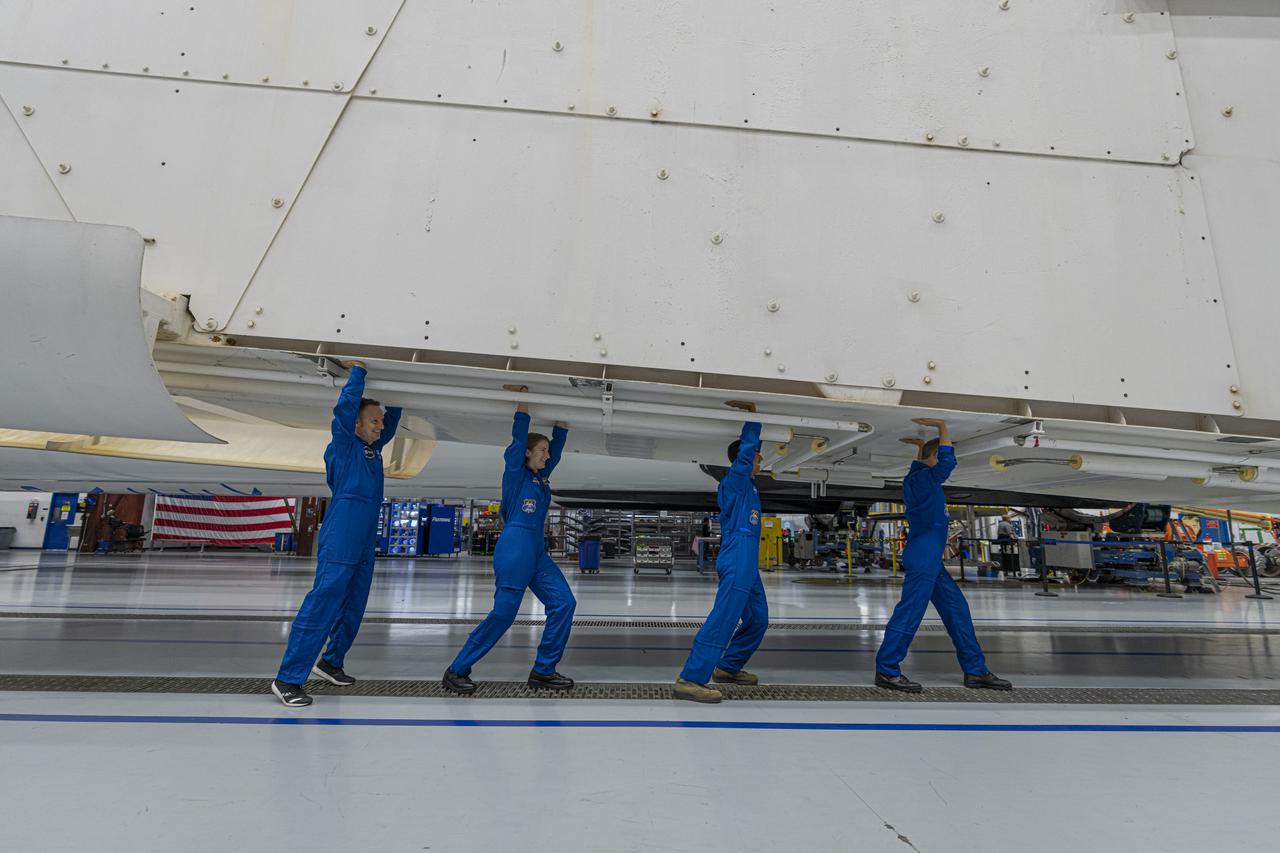
NASA’s SpaceX Crew-3 astronauts are inside the SpaceX horizontal processing facility near Launch Complex 39A at Kennedy Space Center in Florida on Oct. 26, 2021. In this view, they simulate holding up the Falcon 9 rocket on its transporter before rollout to Launch Complex 39A, which occurred on Oct. 27. From left are Matthias Maurer, with the European Space Agency, and NASA astronauts Kayla Barron, Raja Chari, and Tom Marshburn. The four-person crew will launch aboard the Crew Dragon atop the Falcon 9 on Oct. 31 to the International Space Station. Launch is targeted for 2:21 a.m. EDT from Pad 39A. Crew-3 is the third crew rotation flight to the space station for NASA’s Commercial Crew Program, and the first flight of a new Crew Dragon spacecraft.
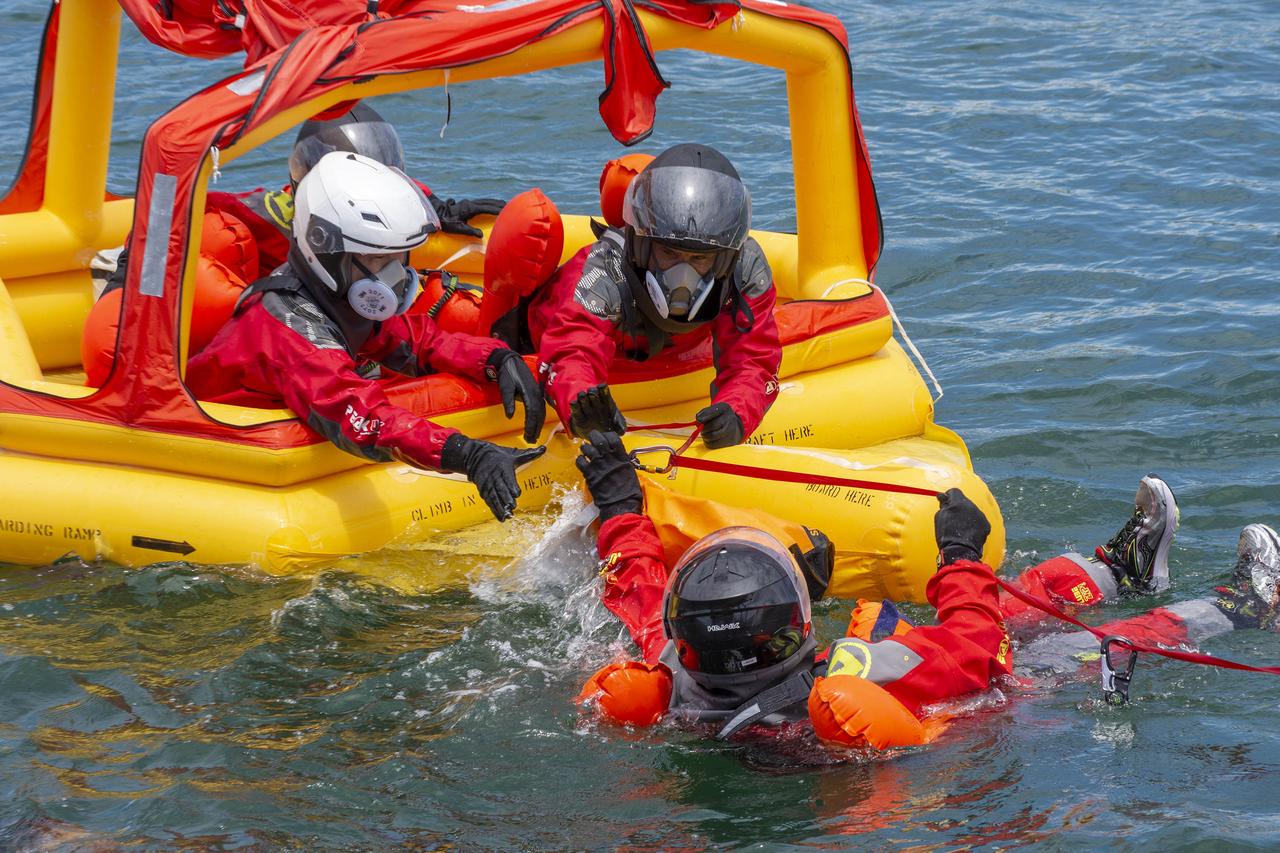
Crew Dragon commander Michael Hopkins, pilot Victor Glover, mission specialist Shannon Walker – all NASA astronauts – and Japan Aerospace Exploration Agency (JAXA) astronaut and mission specialist Soichi Noguchi participate in an egress training exercise on July 21, 2020, in preparation for NASA’s SpaceX Crew-1 mission. The exercise involved simulating an emergency situation after splashdown of the Crew Dragon spacecraft. Hopkins, Glover, Walker, and Noguchi will launch to the International Space Station from Launch Complex 39A at the agency’s Kennedy Space Center in Florida. Crew-1 will be the first operational mission to the orbiting laboratory under NASA’s Commercial Crew Program, following the agency’s certification of SpaceX’s crew transportation system.
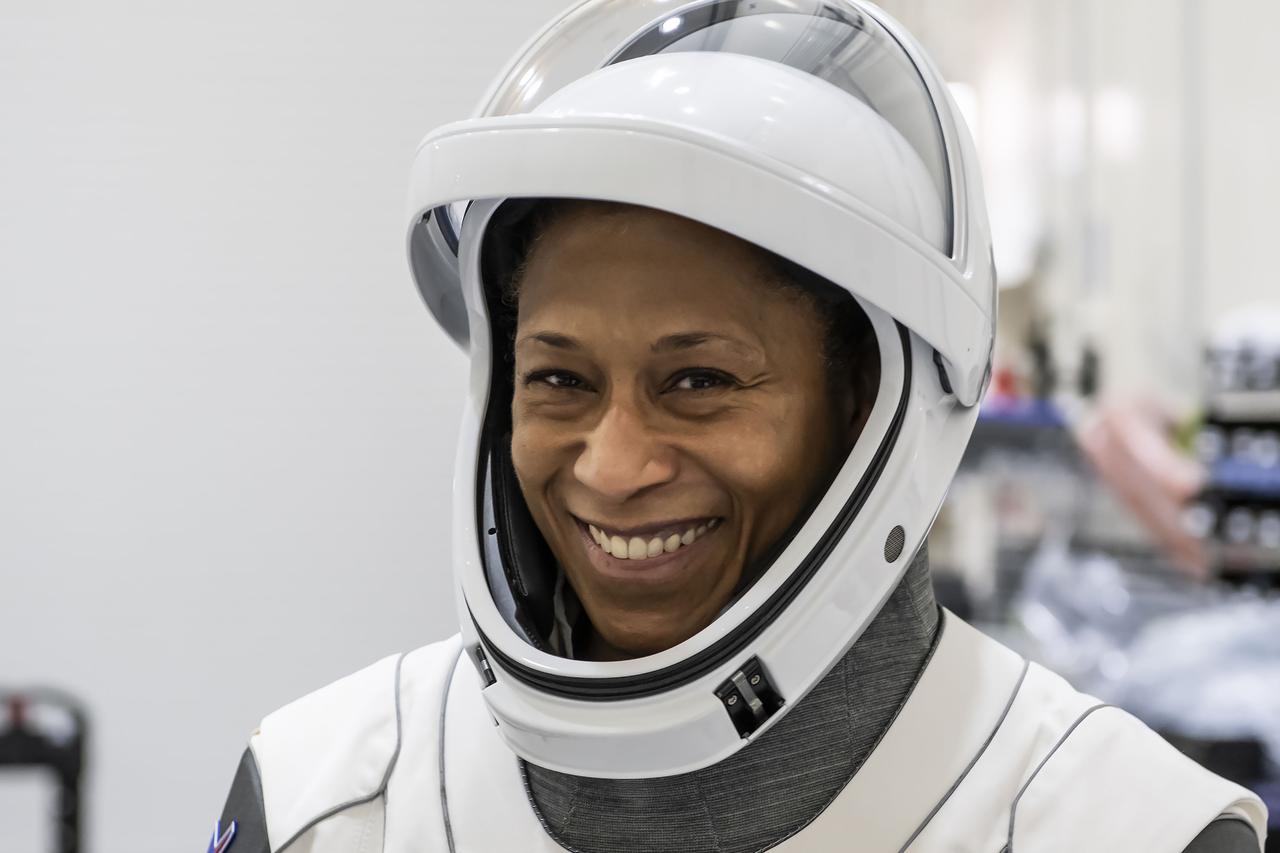
NASA astronaut Jeanette Epps, mission specialist of NASA’s SpaceX Crew-8 mission, is suited up to participate in a Crew Equipment Interface Test (CEIT) at Cape Canaveral Space Force Station in Florida on Friday, Jan. 12, 2024. During the CEIT, the astronauts practice launch and docking in a high-fidelity simulator and getting into position inside SpaceX’s Dragon capsule. As part of the agency’s Commercial Crew Program, Crew-8 marks the ninth human spaceflight mission supported by a SpaceX Dragon spacecraft and the eighth crew rotation mission to International Space Station. Crew-8 will launch on a SpaceX Falcon 9 rocket from Launch Complex 39A at NASA’s Kennedy Space Center in Florida no earlier than mid-February 2024.
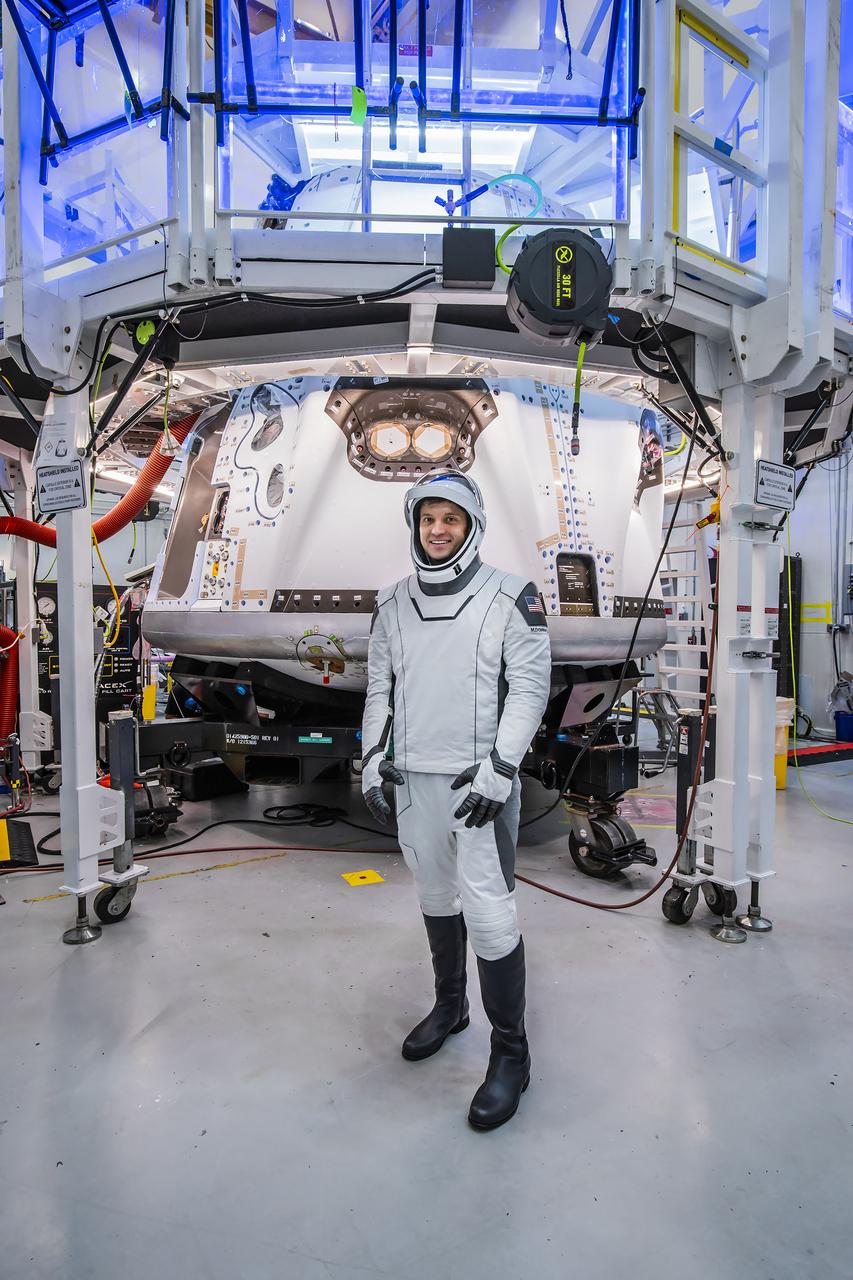
NASA astronaut Matthew Dominick, commander of NASA’s SpaceX Crew-8 mission, is suited up to participate in a Crew Equipment Interface Test (CEIT) at Cape Canaveral Space Force Station in Florida on Friday, Jan. 12, 2024. During the CEIT, the astronauts practice launch and docking in a high-fidelity simulator and getting into position inside SpaceX’s Dragon capsule. As part of the agency’s Commercial Crew Program, Crew-8 marks the ninth human spaceflight mission supported by a SpaceX Dragon spacecraft and the eighth crew rotation mission to International Space Station. Crew-8 will launch on a SpaceX Falcon 9 rocket from Launch Complex 39A at NASA’s Kennedy Space Center in Florida no earlier than mid-February 2024.
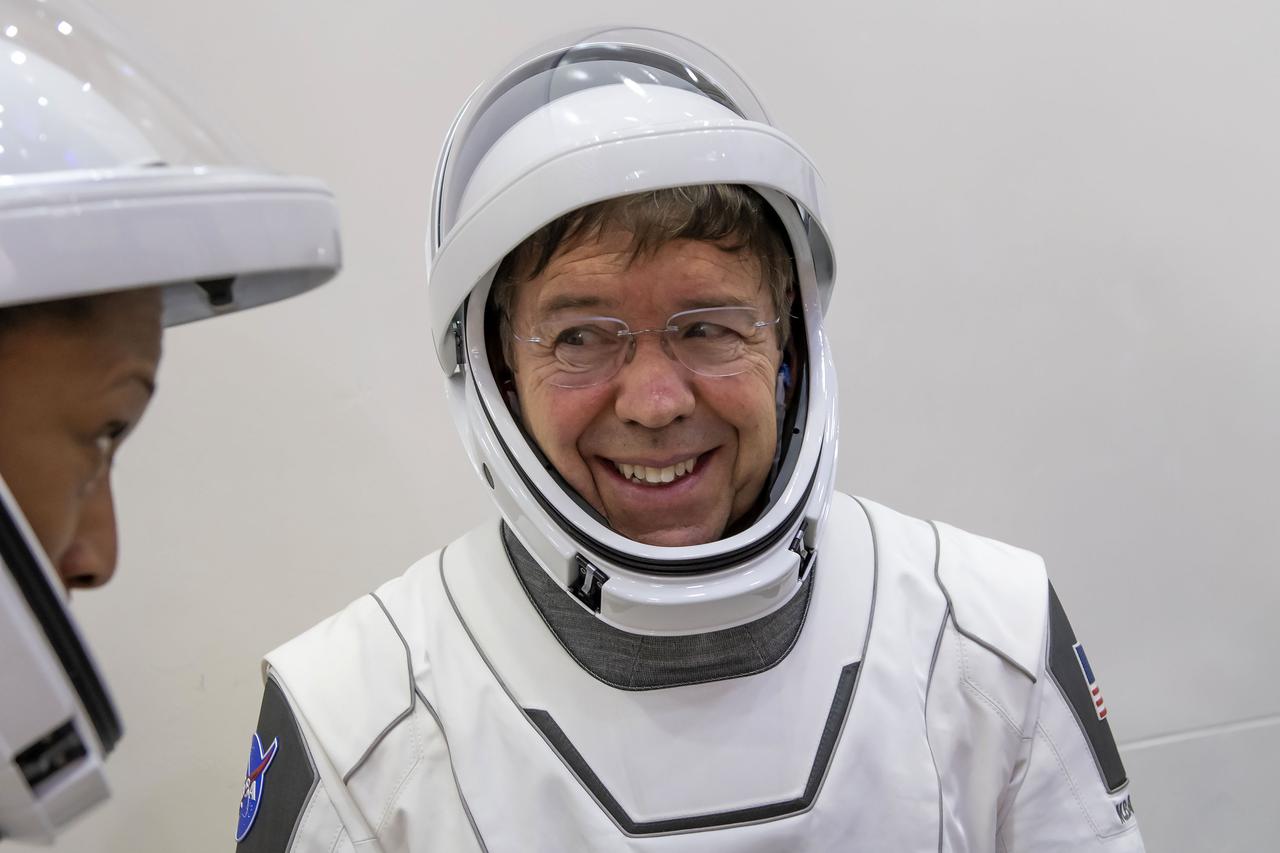
NASA astronaut Michael Barratt, pilot of NASA’s SpaceX Crew-8 mission, is suited up to participate in a Crew Equipment Interface Test (CEIT) at Cape Canaveral Space Force Station in Florida on Friday, Jan. 12, 2024. During the CEIT, the astronauts practice launch and docking in a high-fidelity simulator and getting into position inside SpaceX’s Dragon capsule. As part of the agency’s Commercial Crew Program, Crew-8 marks the ninth human spaceflight mission supported by a SpaceX Dragon spacecraft and the eighth crew rotation mission to International Space Station. Crew-8 will launch on a SpaceX Falcon 9 rocket from Launch Complex 39A at NASA’s Kennedy Space Center in Florida no earlier than mid-February 2024.
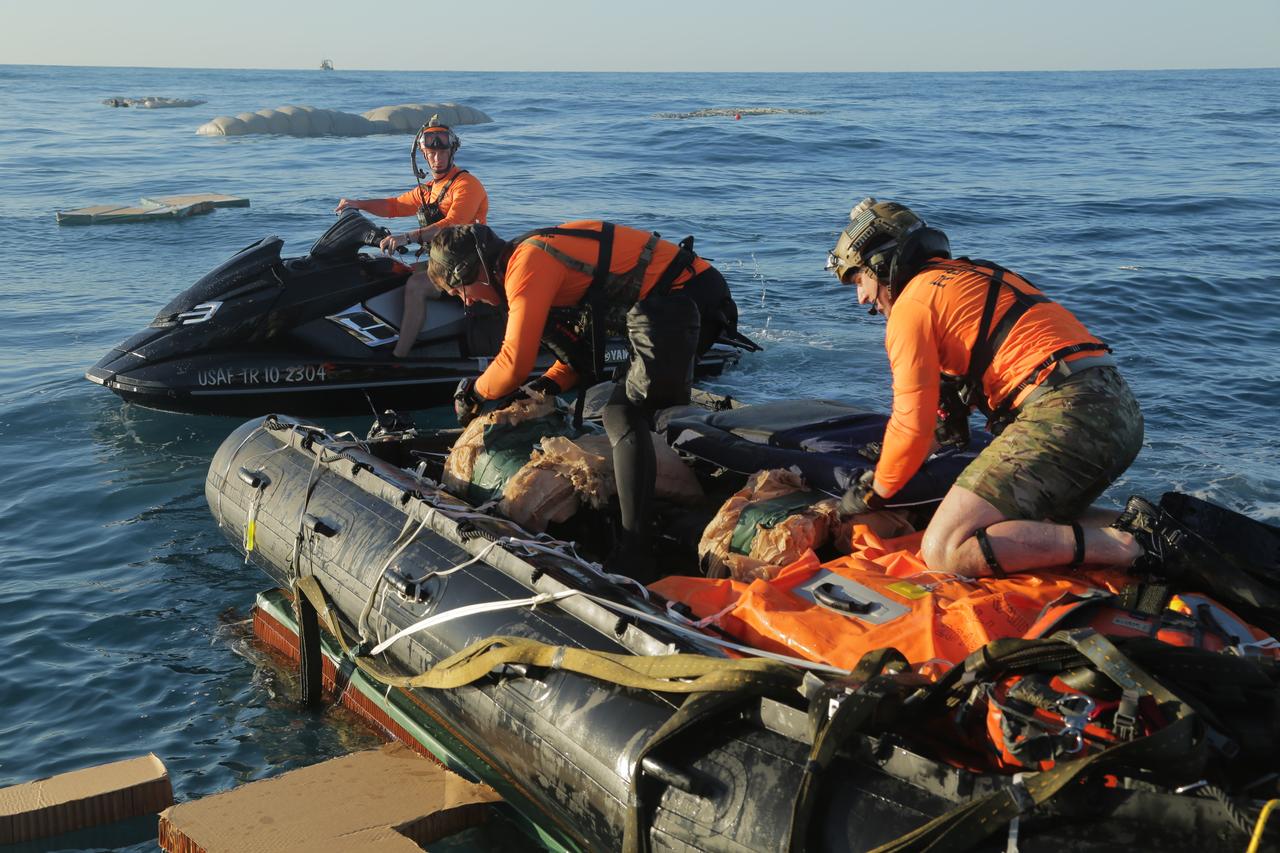
Pararescue specialists from the 304th Rescue Squadron, located in Portland, Oregon and supporting the 45th Operations Group’s Detachment 3, based out of Patrick Air Force Base, prepare equipment during an April astronaut rescue exercise with NASA’s Commercial Crew Program and SpaceX off of Florida’s eastern coast. The pararescue specialists, also known as “Guardian Angels,” jumped from military aircraft and simulated a rescue operation to demonstrate their ability to safely remove crew from the SpaceX Crew Dragon in the unlikely event of an emergency landing. The pararescue specialists are fully qualified paramedics able to perform field surgery, if necessary.
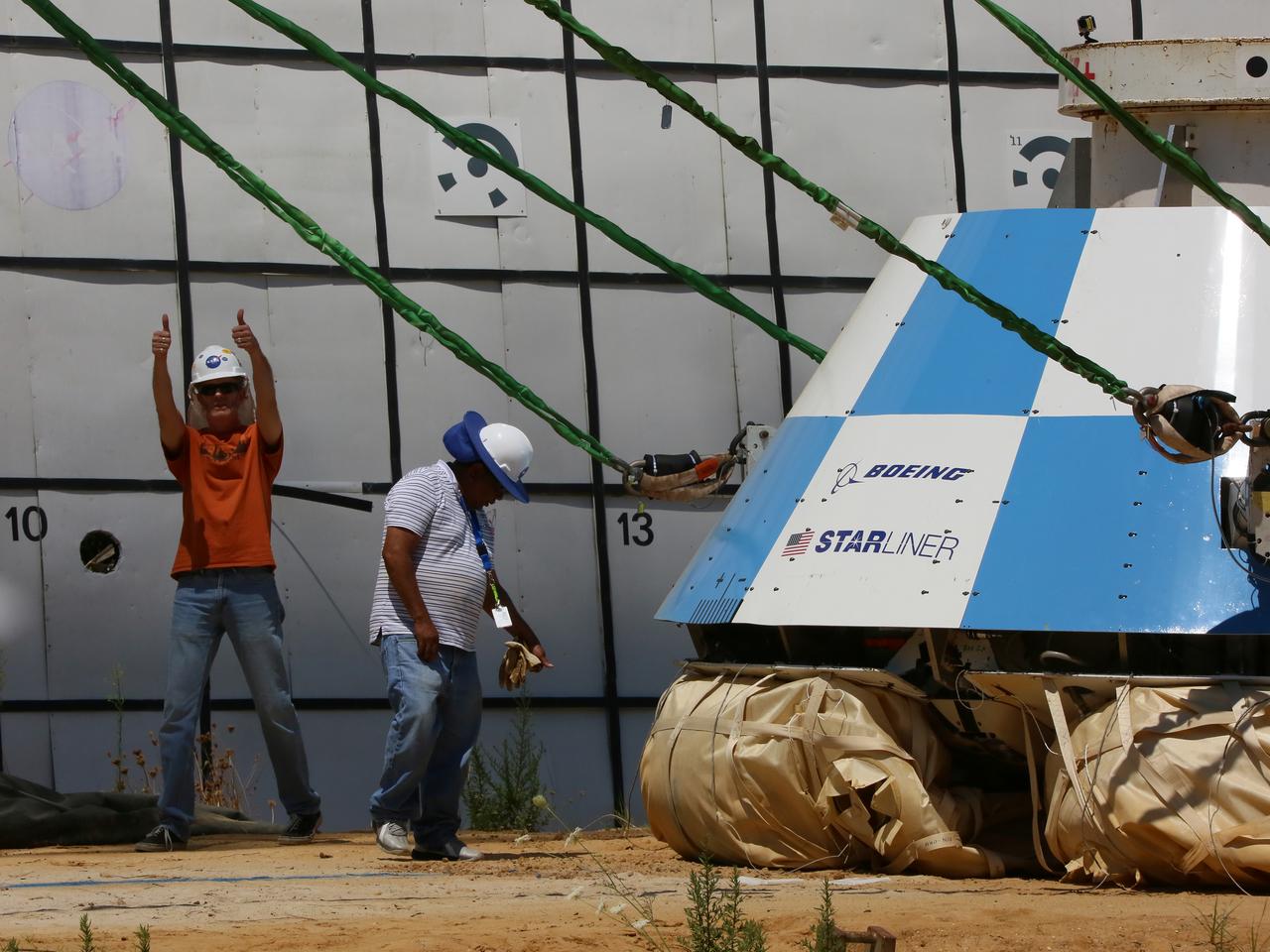
"Thumbs up" is signaled by ground personnel at NASA’s Langley Research Center in Hampton, Virginia, after a mock-up of the Boeing CST-100 Starliner spacecraft completed a land landing qualification test. The operation was to simulate what the actual spacecraft and crew members may experience while returning to Earth from space. The Starliner is being developed in collaboration with NASA’s Commercial Crew Program. Along with SpaceX’s Crew Dragon, the spacecraft is part of the agency’s effort to return America’s capability to launch astronauts from the agency's Kennedy Space Center in Florida to the International Space Station.
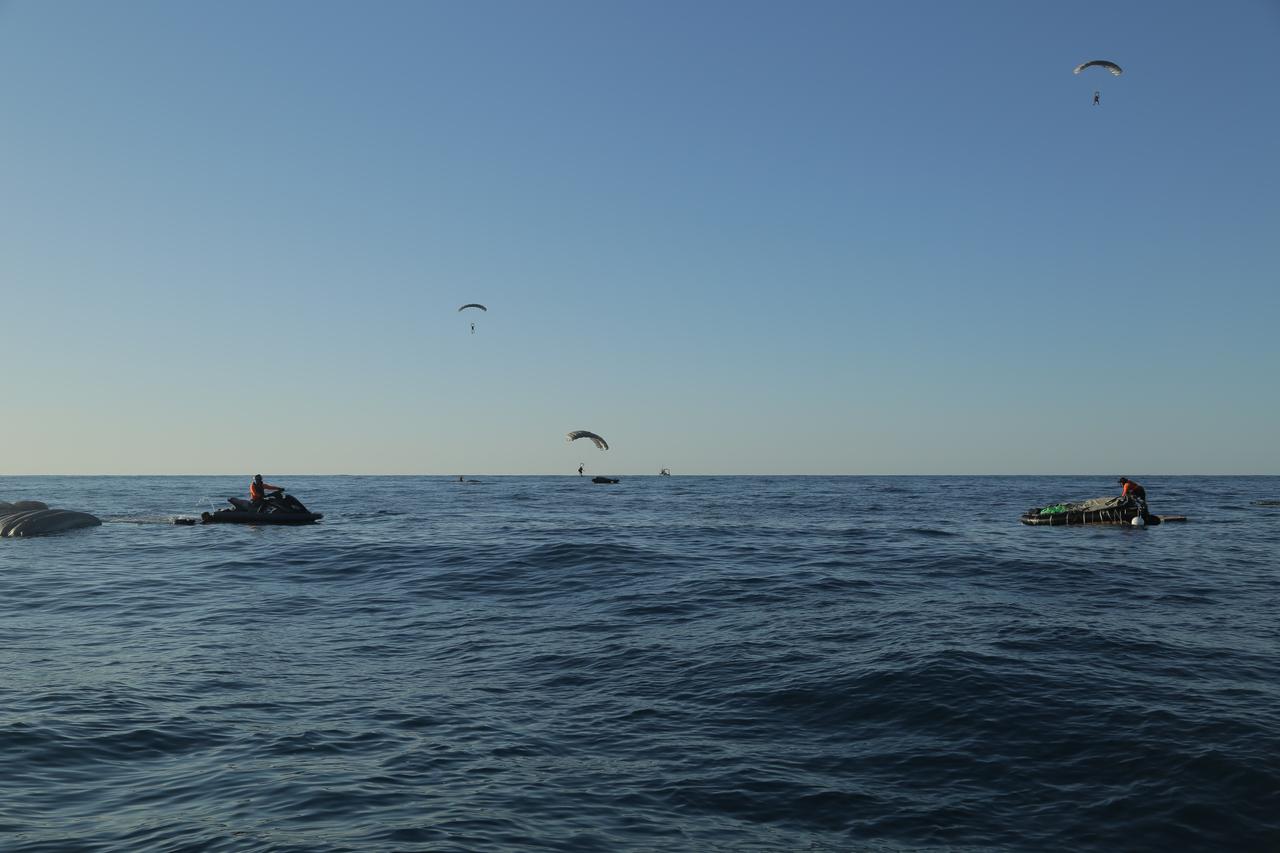
Pararescue specialists from the 304th Rescue Squadron, located in Portland, Oregon and supporting the 45th Operations Group’s Detachment 3, based out of Patrick Air Force Base, deploy their parachutes and prepare to touch down on the Atlantic Ocean surface during an April astronaut rescue exercise with NASA’s Commercial Crew Program and SpaceX off of Florida’s eastern coast. The pararescue specialists, also known as “Guardian Angels,” jumped from military aircraft and simulated a rescue operation to demonstrate their ability to safely remove crew from the SpaceX Crew Dragon in the unlikely event of an emergency landing.

SpaceX Crew-5 astronauts are suited up and ready to participate in a crew equipment interface test (CEIT) at SpaceX headquarters in Hawthorne, California, on Aug. 13, 2022. From left are Anna Kikina, mission specialist; Josh Cassada, pilot; Nicole Mann, spacecraft commander; and Koichi Wakata, mission specialist with JAXA (Japan Aerospace Exploration Agency). During the CEIT, the astronauts will practice launch and docking in a high-fidelity simulator of SpaceX’s Dragon capsule. They also will practice getting into position inside the capsule. NASA’s SpaceX Crew-5 will be the fifth crew rotation mission of the company’s human space transportation system and its sixth flight with astronauts to the International Space Station for the agency’s Commercial Crew Program. Crew-5 will launch on the Falcon 9 rocket from Launch Complex 39A at NASA’s Kennedy Space Center in Florida no earlier than Sept. 29, 2022.
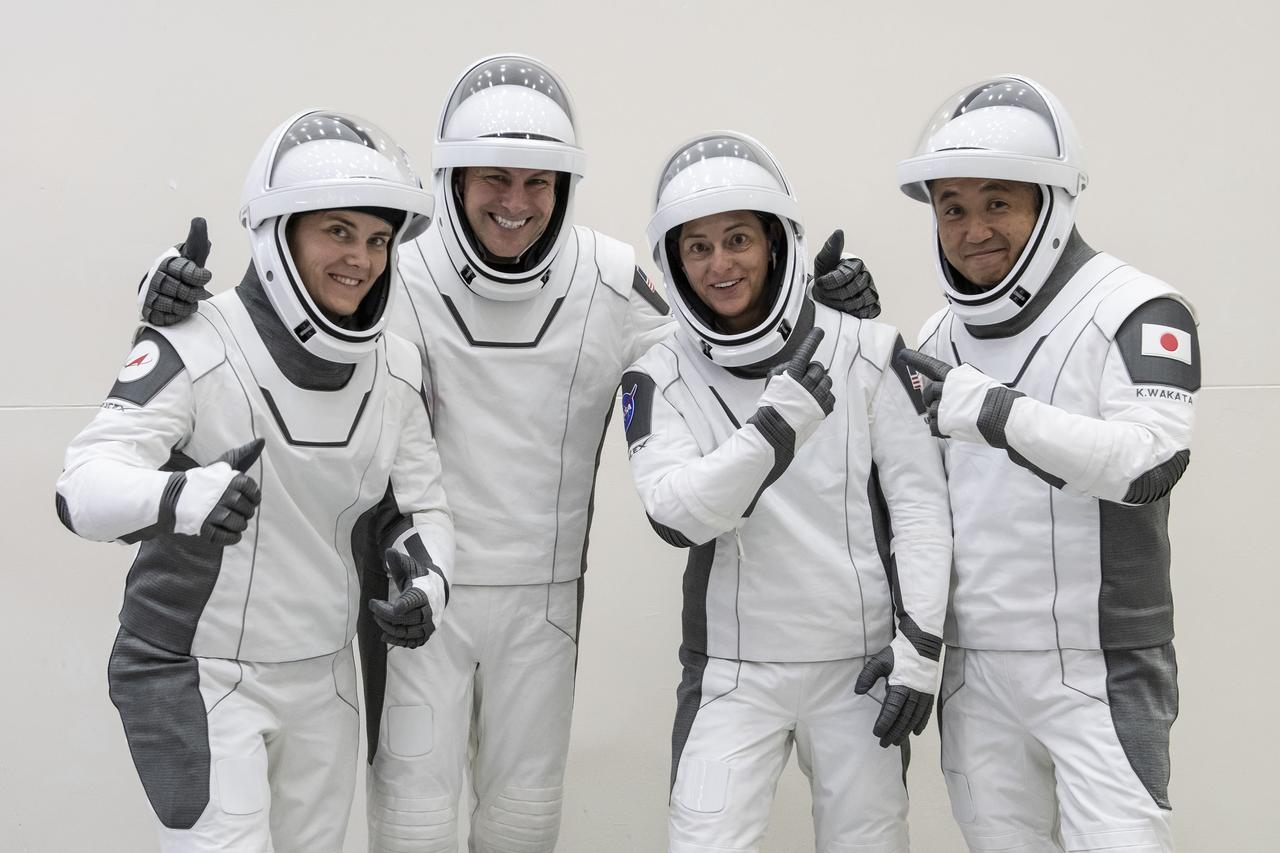
SpaceX Crew-5 astronauts give a thumbs up during a crew equipment interface test (CEIT) at SpaceX headquarters in Hawthorne, California, on Aug. 13, 2022. From left are Anna Kikina, mission specialist; Josh Cassada, pilot; Nicole Mann, spacecraft commander; and Koichi Wakata, mission specialist with JAXA (Japan Aerospace Exploration Agency). During the CEIT, the astronauts practiced launch and docking in a high-fidelity simulator of SpaceX’s Dragon capsule. Each astronaut suited up and practiced getting into position inside the capsule. NASA’s SpaceX Crew-5 will be the fifth crew rotation mission of the company’s human space transportation system and its sixth flight with astronauts to the International Space Station for the agency’s Commercial Crew Program. Crew-5 will launch on the Falcon 9 rocket from Launch Complex 39A at NASA’s Kennedy Space Center in Florida no earlier than Sept. 29, 2022.
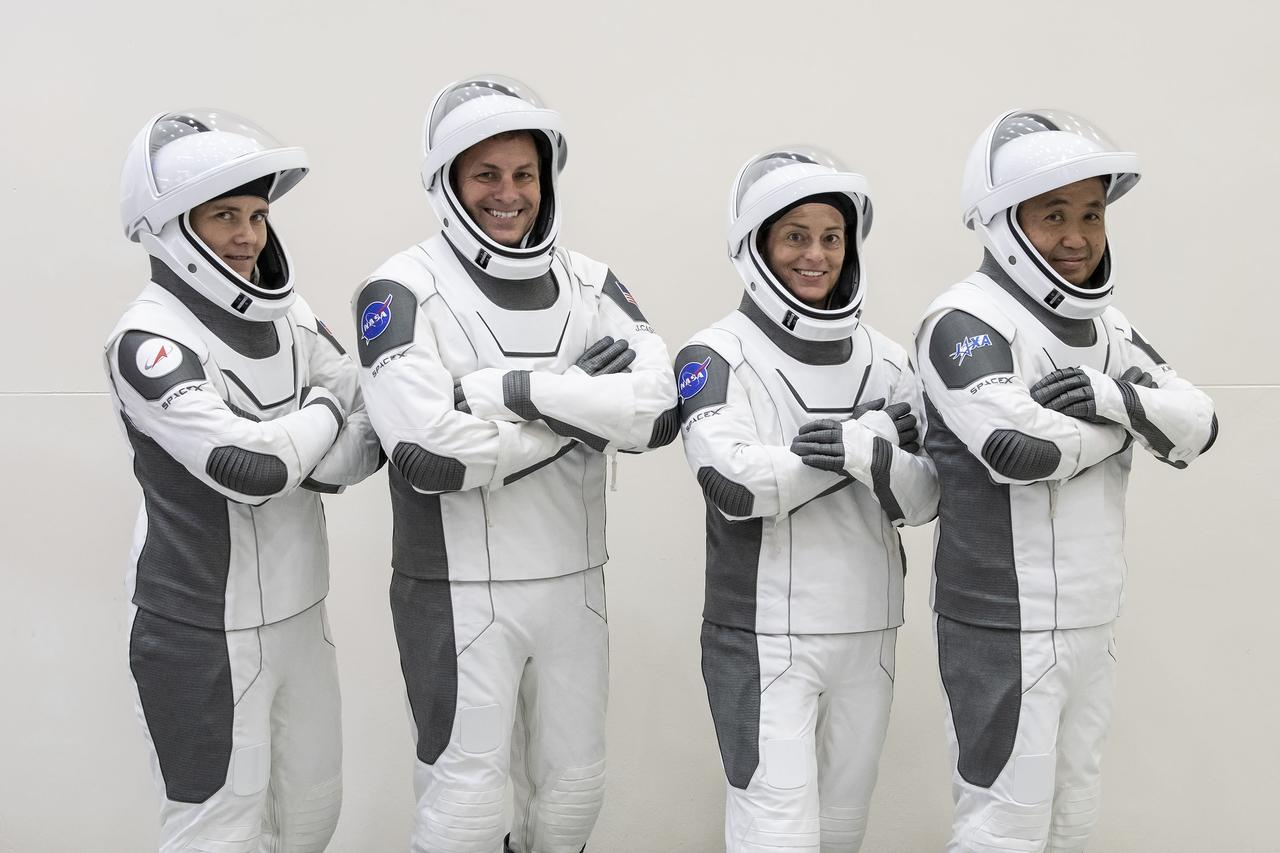
SpaceX Crew-5 astronauts take a break during a crew equipment interface test (CEIT) at SpaceX headquarters in Hawthorne, California, on Aug. 13, 2022. From left are Anna Kikina, mission specialist; Josh Cassada, pilot; Nicole Mann, spacecraft commander; and Koichi Wakata, mission specialist with JAXA (Japan Aerospace Exploration Agency). During the CEIT, the astronauts practiced launch and docking in a high-fidelity simulator of SpaceX’s Dragon capsule. Each astronaut suited up and practiced getting into position inside the capsule. NASA’s SpaceX Crew-5 will be the fifth crew rotation mission of the company’s human space transportation system and its sixth flight with astronauts to the International Space Station for the agency’s Commercial Crew Program. Crew-5 will launch on the Falcon 9 rocket from Launch Complex 39A at NASA’s Kennedy Space Center in Florida no earlier than Sept. 29, 2022.
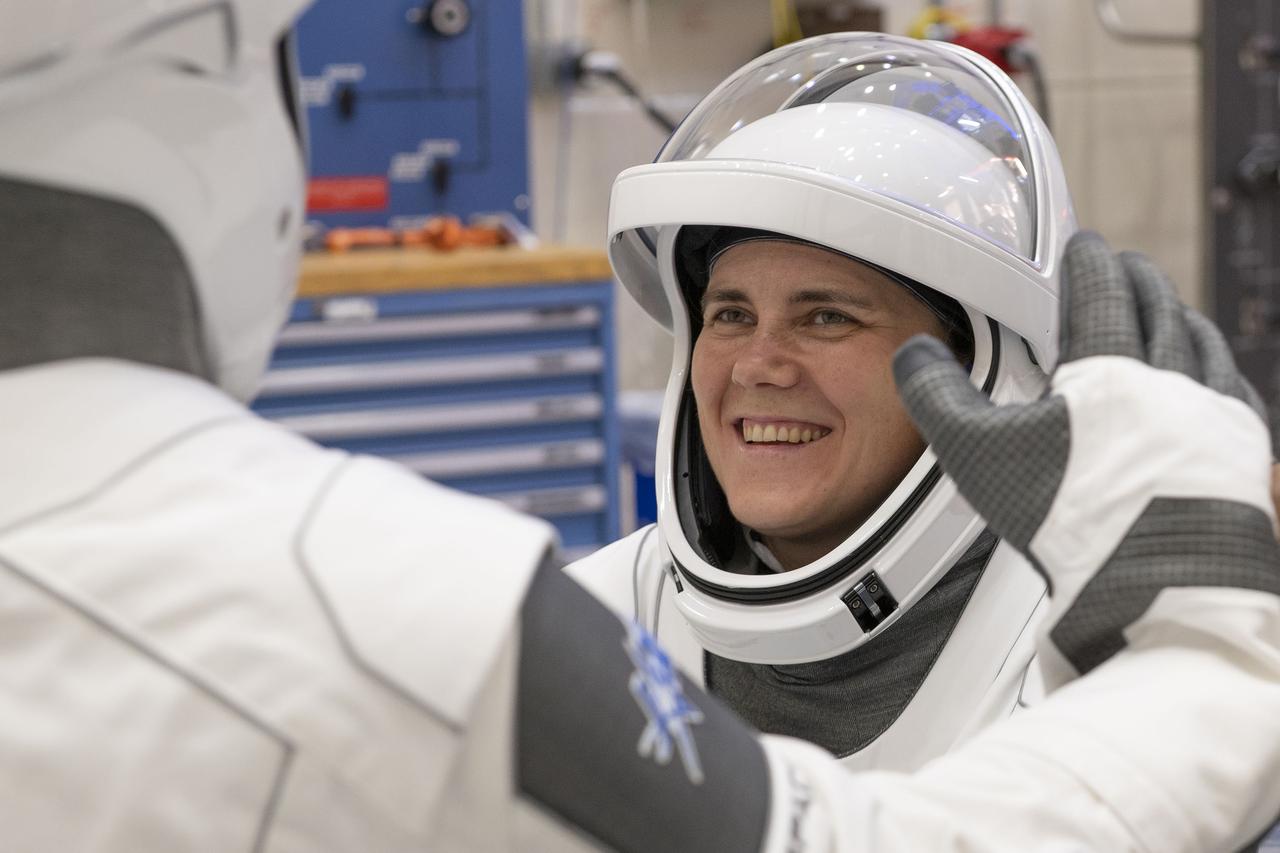
SpaceX Crew-5 astronaut Anna Kikina, mission specialist, gets suited up to participate in a crew equipment interface test (CEIT) at SpaceX headquarters in Hawthorne, California, on Aug. 13, 2022. During the CEIT, the astronauts will practice launch and docking in a high-fidelity simulator of SpaceX’s Dragon capsule. They also will practice getting into position inside the capsule. NASA’s SpaceX Crew-5 will be the fifth crew rotation mission of the company’s human space transportation system and its sixth flight with astronauts to the International Space Station for the agency’s Commercial Crew Program. Crew-5 will launch on the Falcon 9 rocket from Launch Complex 39A at NASA’s Kennedy Space Center in Florida no earlier than Sept. 29, 2022.
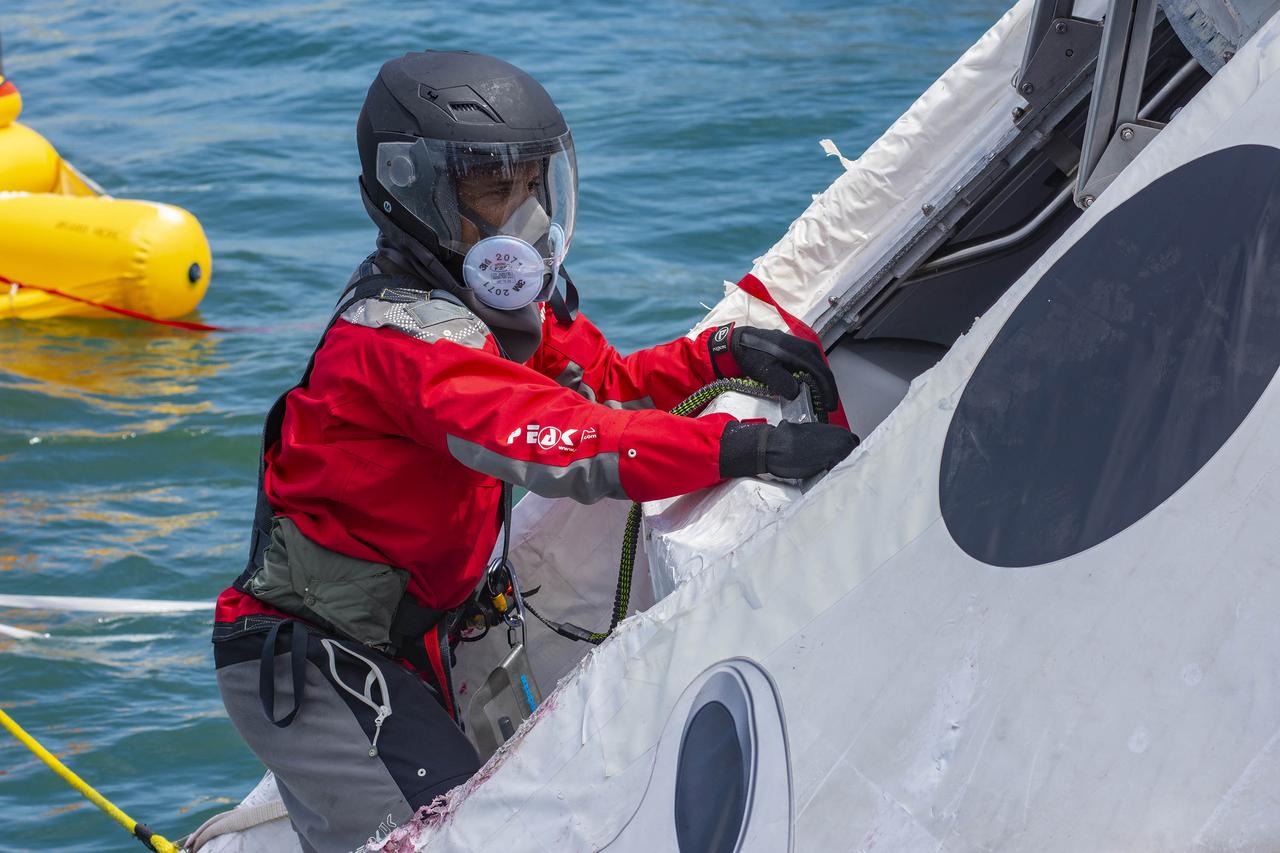
NASA astronaut Victor Glover, and pilot for the agency’s SpaceX Crew-1 mission, participates in an egress training exercise on July 21, 2020, in Florida. The exercise involved simulating an emergency situation after splashdown of the Crew Dragon spacecraft. Mission specialist Shannon Walker and spacecraft commander Michael Hopkins – both NASA astronauts – also participated in the training, along with Soichi Noguchi, mission specialist and Japan Aerospace Exploration Agency (JAXA) astronaut. Glover, Walker, Hopkins, and Noguchi will launch to the International Space Station from Launch Complex 39A at the agency’s Kennedy Space Center in Florida. Crew-1 will be the first operational mission to the orbiting laboratory under NASA’s Commercial Crew Program, following the agency’s certification of SpaceX’s crew transportation system.
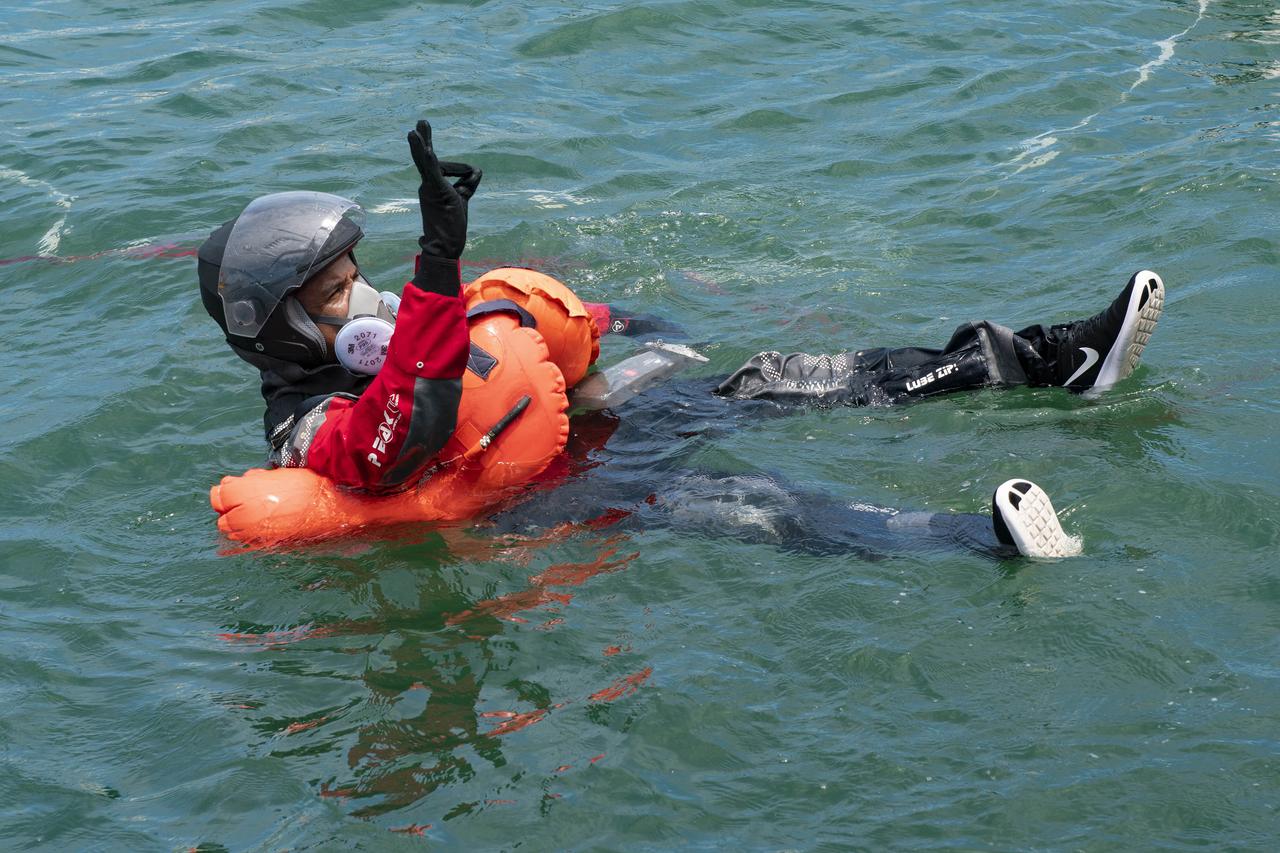
NASA astronaut Victor Glover, and pilot for the agency’s SpaceX Crew-1 mission, participates in an egress training exercise on July 21, 2020, in Florida. The exercise involved simulating an emergency situation after splashdown of the Crew Dragon spacecraft. Mission specialist Shannon Walker and spacecraft commander Michael Hopkins – both NASA astronauts – also participated in the training, along with Soichi Noguchi, mission specialist and Japan Aerospace Exploration Agency (JAXA) astronaut. Glover, Walker, Hopkins, and Noguchi will launch to the International Space Station from Launch Complex 39A at the agency’s Kennedy Space Center in Florida. Crew-1 will be the first operational mission to the orbiting laboratory under NASA’s Commercial Crew Program, following the agency’s certification of SpaceX’s crew transportation system.
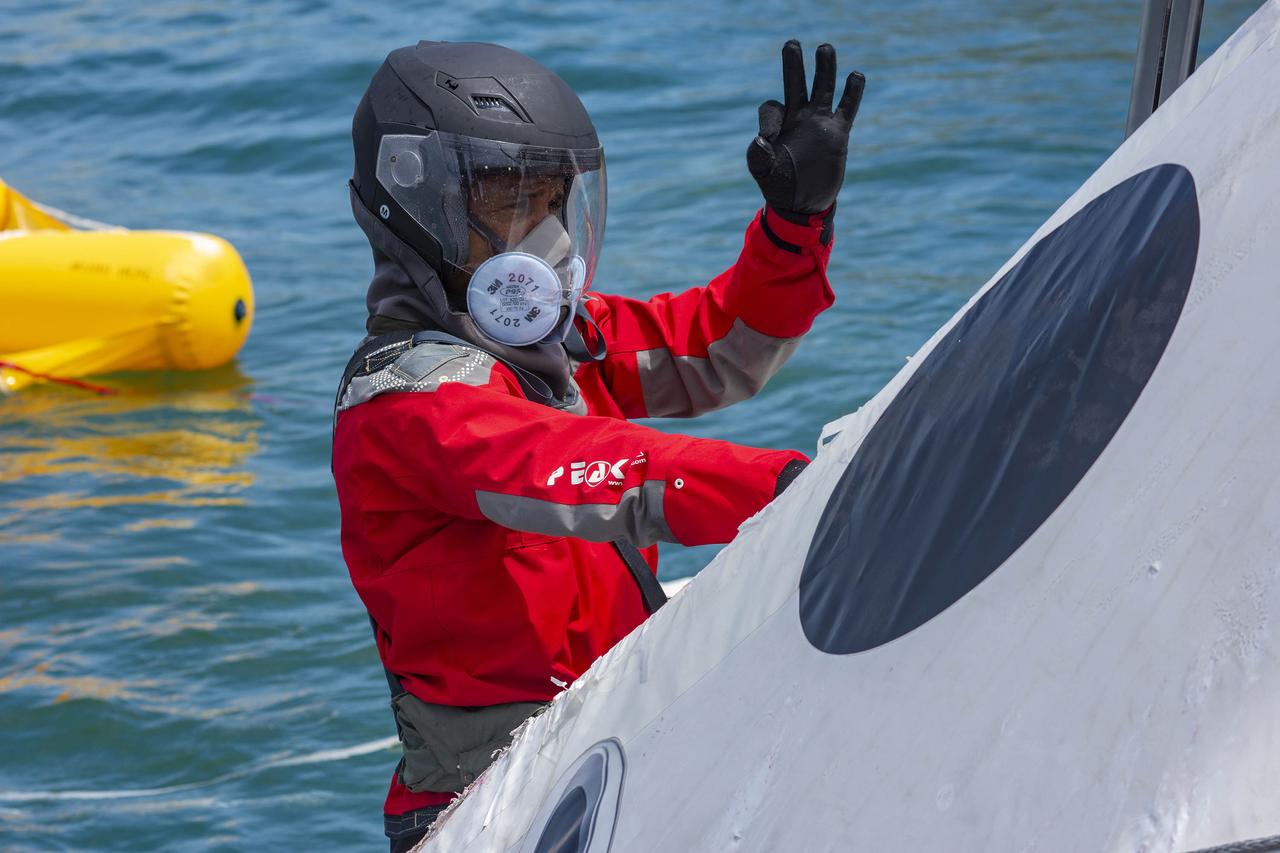
NASA astronaut Victor Glover, and pilot for the agency’s SpaceX Crew-1 mission, participates in an egress training exercise on July 21, 2020, in Florida. The exercise involved simulating an emergency situation after splashdown of the Crew Dragon spacecraft. Mission specialist Shannon Walker and spacecraft commander Michael Hopkins – both NASA astronauts – also participated in the training, along with Soichi Noguchi, mission specialist and Japan Aerospace Exploration Agency (JAXA) astronaut. Glover, Walker, Hopkins, and Noguchi will launch to the International Space Station from Launch Complex 39A at the agency’s Kennedy Space Center in Florida. Crew-1 will be the first operational mission to the orbiting laboratory under NASA’s Commercial Crew Program, following the agency’s certification of SpaceX’s crew transportation system.
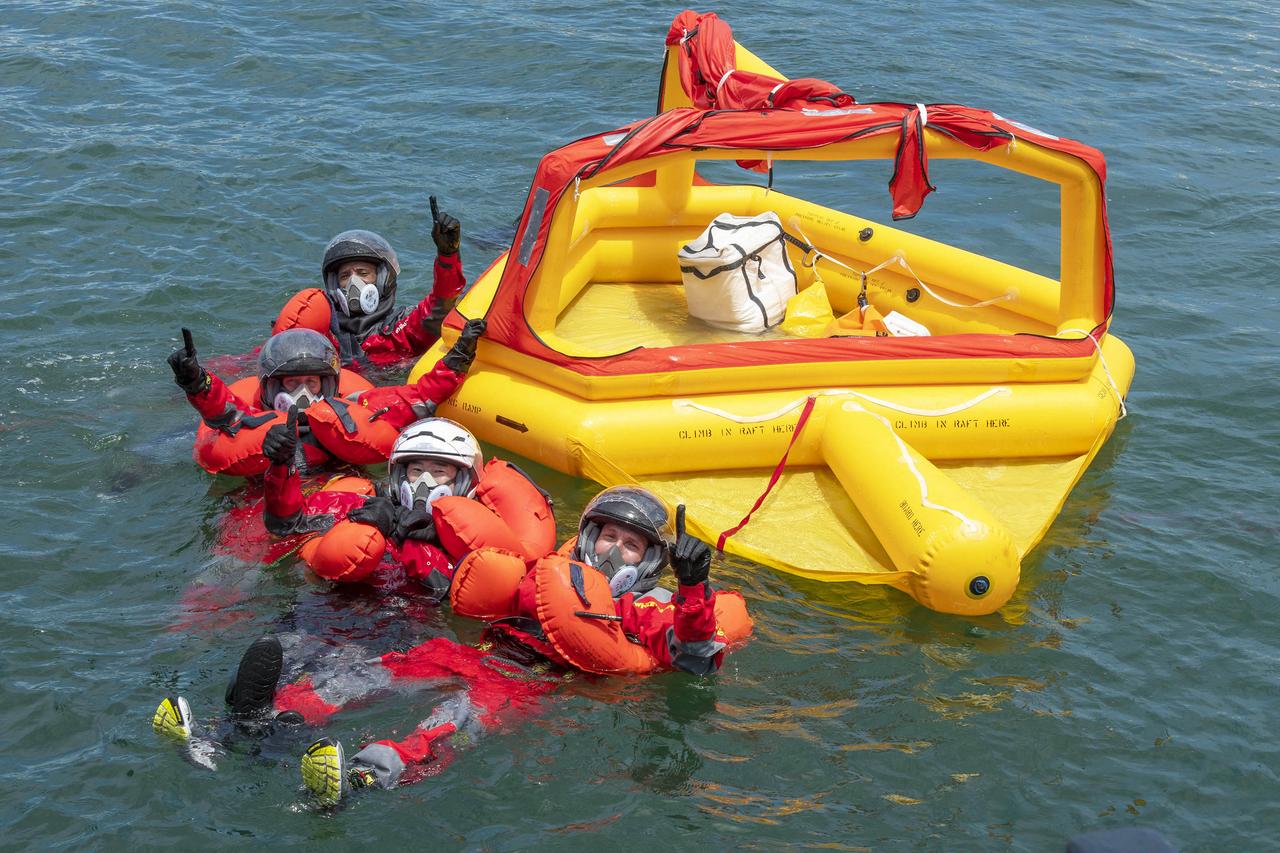
From back to front, pilot Victor Glover, mission specialist Shannon Walker, mission specialist Soichi Noguchi, and spacecraft commander Michael Hopkins participate in an egress training exercise on July 21, 2020, in preparation for NASA’s SpaceX Crew-1 mission. Glover, Walker, and Hopkins are all NASA astronauts; Noguchi is a Japan Aerospace Exploration Agency (JAXA) astronaut. The exercise involved simulating an emergency situation after splashdown of the Crew Dragon spacecraft. Hopkins, Glover, Walker, and Noguchi will launch to the International Space Station from Launch Complex 39A at the agency’s Kennedy Space Center in Florida. Crew-1 will be the first operational mission to the orbiting laboratory under NASA’s Commercial Crew Program, following the agency’s certification of SpaceX’s crew transportation system.
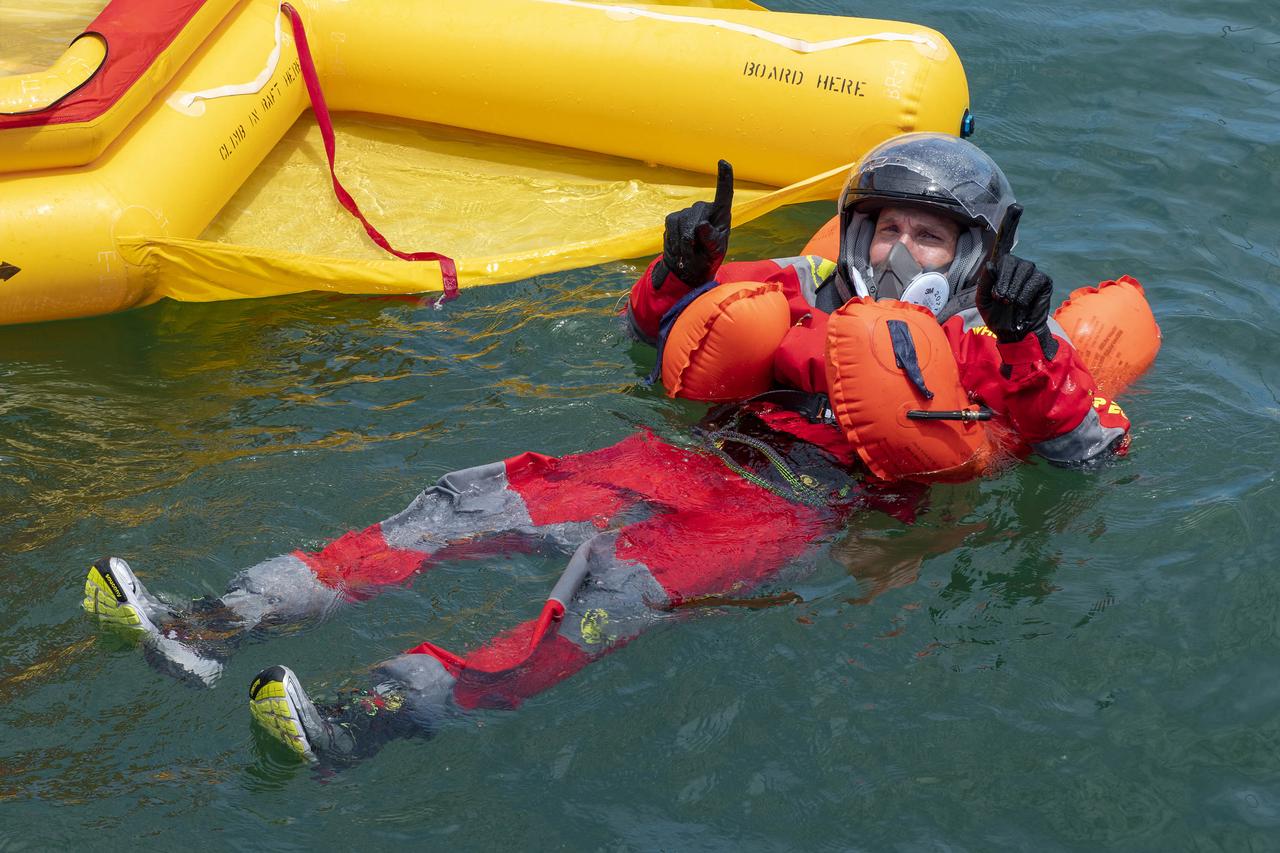
NASA astronaut Michael Hopkins, and spacecraft commander for the agency’s SpaceX Crew-1 mission, participates in an egress training exercise on July 21, 2020, in Florida. The exercise involved simulating an emergency situation after splashdown of the Crew Dragon spacecraft. Mission specialist Shannon Walker and pilot Victor Glover – both NASA astronauts – also participated in the training, along with Soichi Noguchi, mission specialist and Japan Aerospace Exploration Agency (JAXA) astronaut. Hopkins, Walker, Glover, and Noguchi will launch to the International Space Station from Launch Complex 39A at the agency’s Kennedy Space Center in Florida. Crew-1 will be the first operational mission to the orbiting laboratory under NASA’s Commercial Crew Program, following the agency’s certification of SpaceX’s crew transportation system.
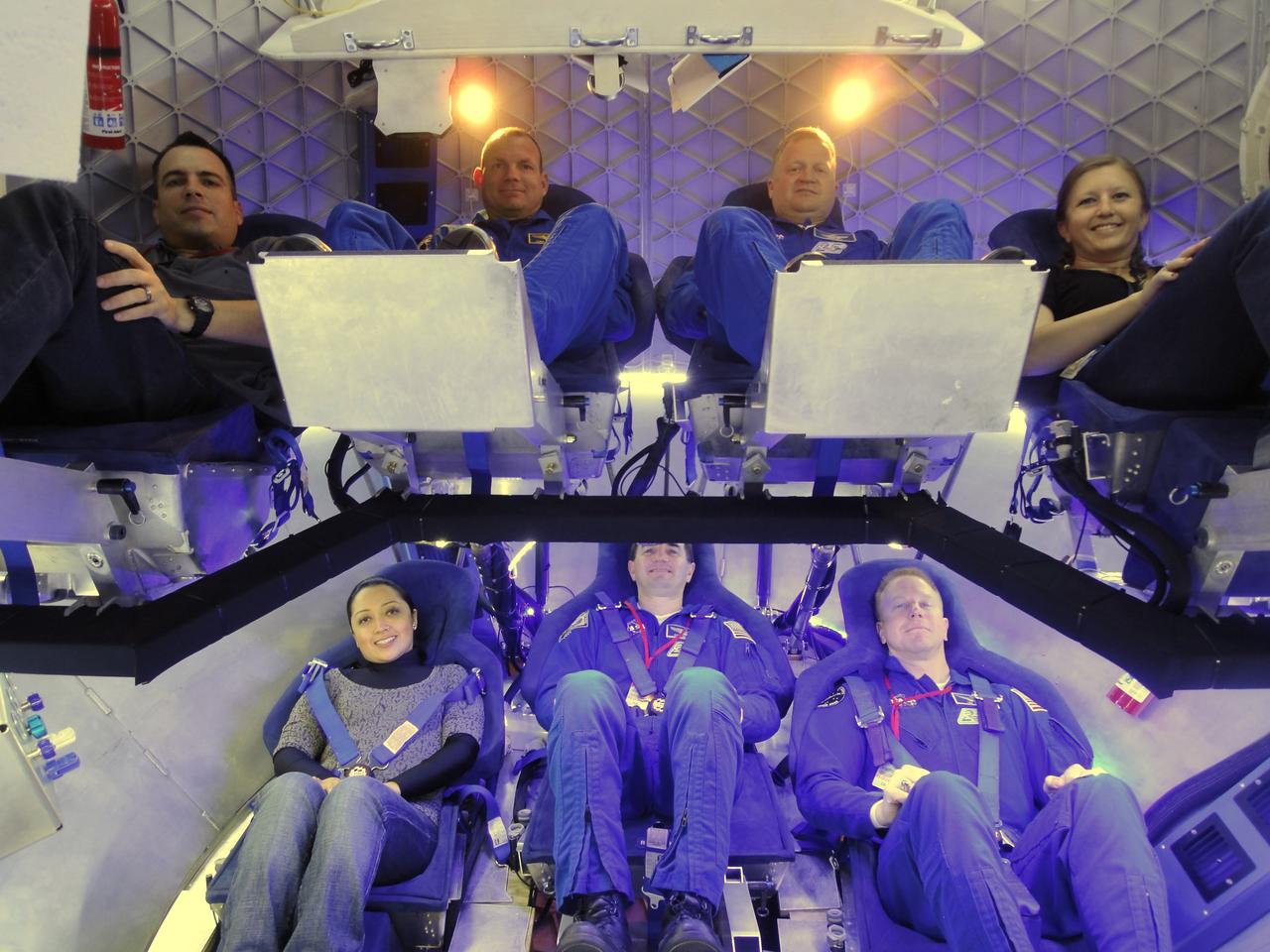
HAWTHORNE, Calif. -- NASA astronauts and industry experts check out the crew accommodations in the Dragon spacecraft under development by Space Exploration Technologies SpaceX of Hawthorne, Calif., for the agency's Commercial Crew Program. On top, from left, are NASA Crew Survival Engineering Team Lead Dustin Gohmert, NASA astronauts Tony Antonelli and Eric Boe and SpaceX Mission Operations Engineer Laura Crabtree. On bottom, from left, are SpaceX Thermal Engineer Brenda Hernandez and NASA astronauts Rex Walheim and Tim Kopra. This is the second crew accommodation check that allowed passengers to get a feel for Dragon’s interior, including displays and simulated control panels. In 2011, NASA selected SpaceX during Commercial Crew Development Round 2 CCDev2) activities to mature the design and development of a crew transportation system with the overall goal of accelerating a United States-led capability to the International Space Station. The goal of CCP is to drive down the cost of space travel as well as open up space to more people than ever before by balancing industry’s own innovative capabilities with NASA's 50 years of human spaceflight experience. Six other aerospace companies also are maturing launch vehicle and spacecraft designs under CCDev2, including Alliant Techsystems Inc. ATK, The Boeing Co., Excalibur Almaz Inc., Blue Origin, Sierra Nevada, and United Launch Alliance ULA. For more information, visit www.nasa.gov/commercialcrew. Image credit: Space Exploration Technologies